Thursday
29 January 2015
Consciousness Pervades Everything - Living Advaita Series Upanishads by The Supreme Pontiff of Hinduism HDH Nithyananda Paramashivam
- Dated photos
- 191
- Source pages
- 1
- Media
- 5
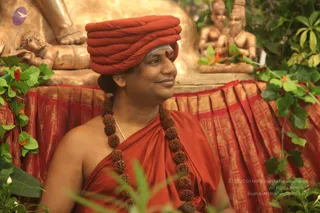
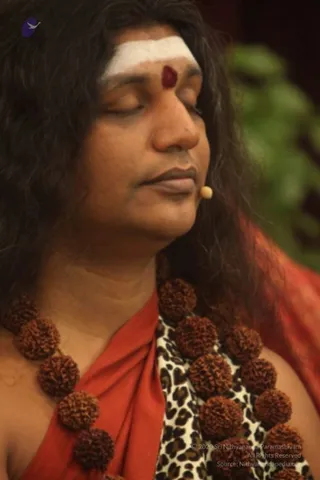
January 29 2015
Original wiki pageTitle
Consciousness Pervades Everything - Living Advaita Series Upanishads by The Supreme Pontiff of Hinduism HDH Nithyananda Paramashivam
Narration
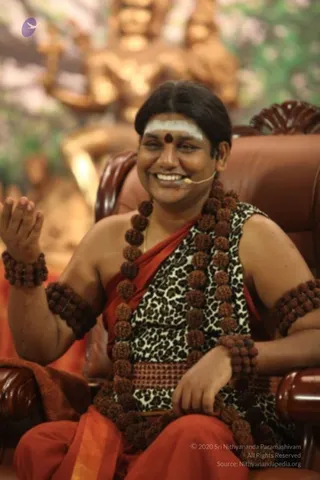
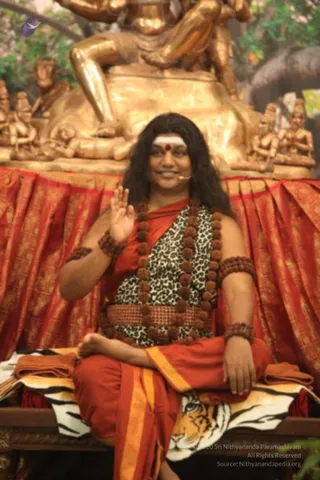
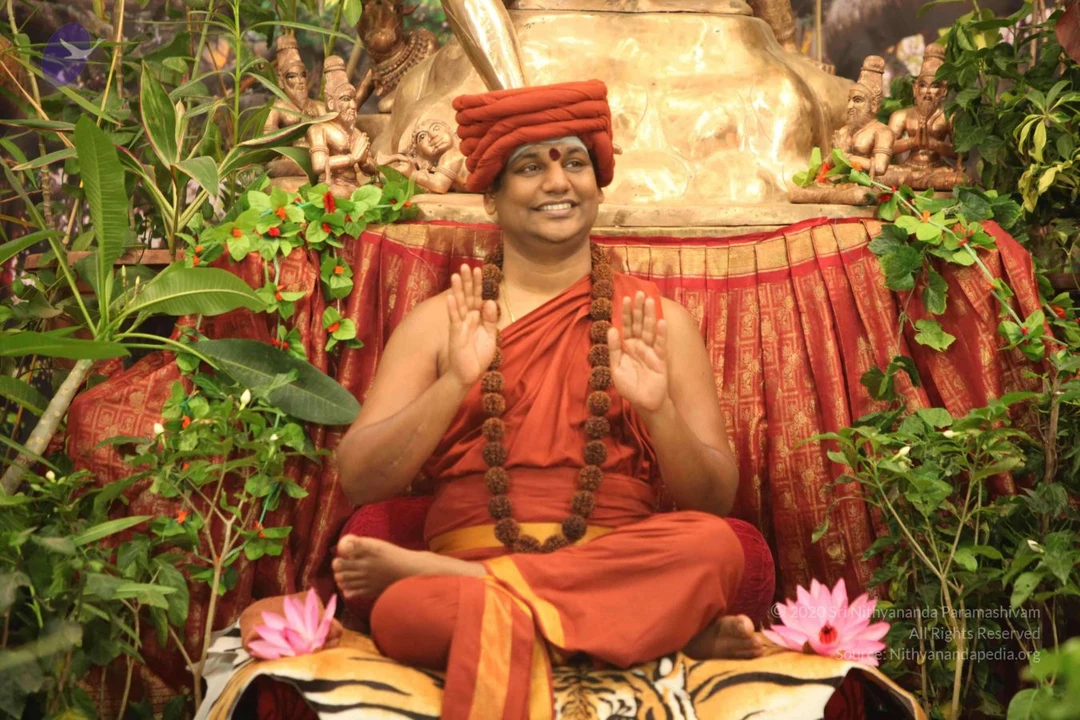
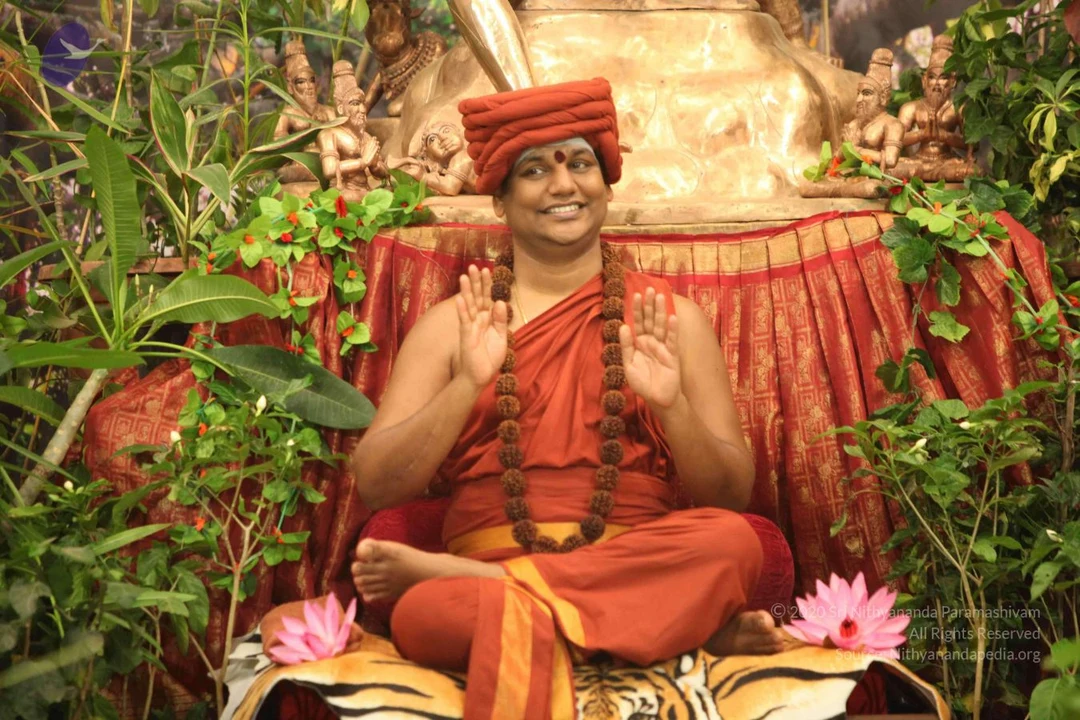
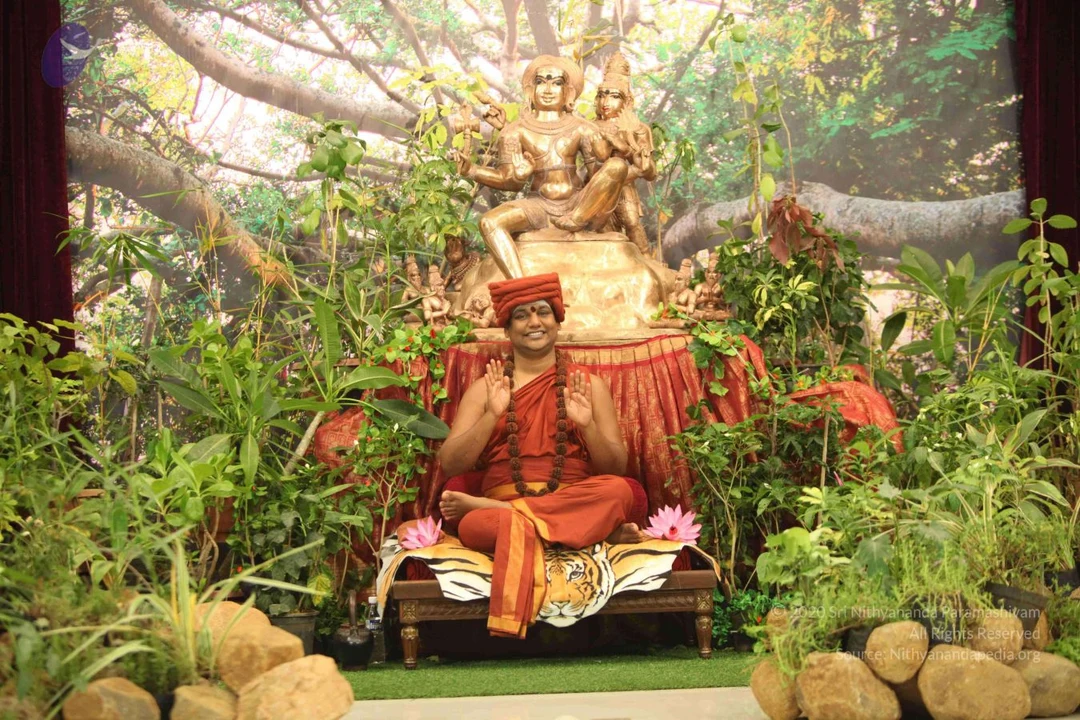
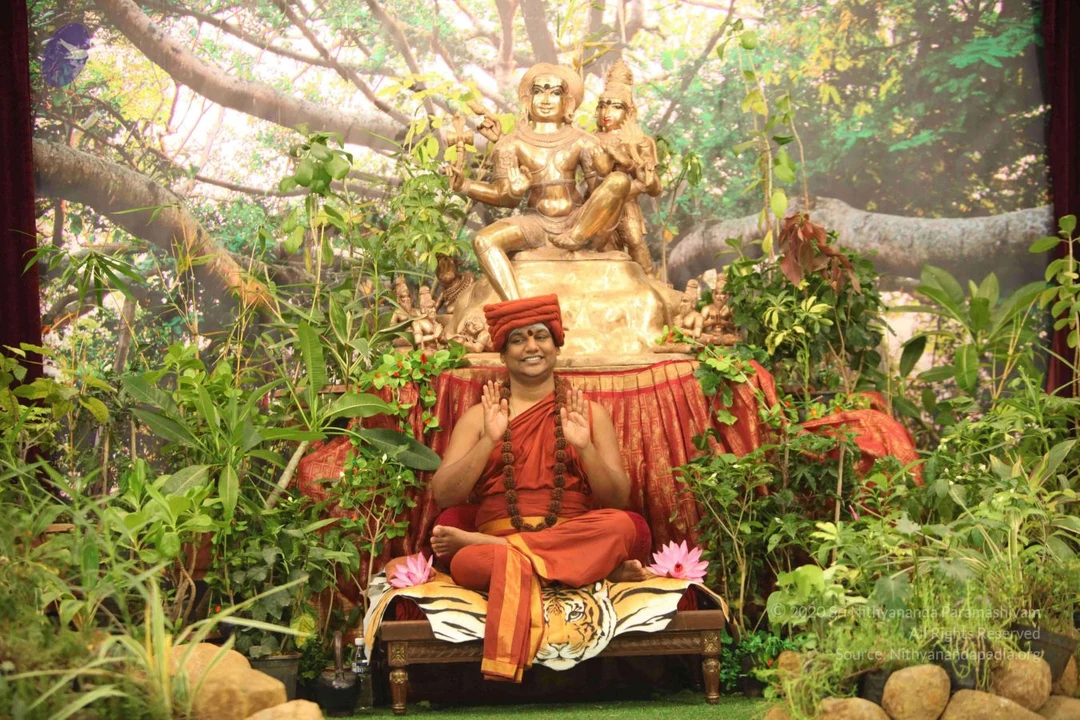
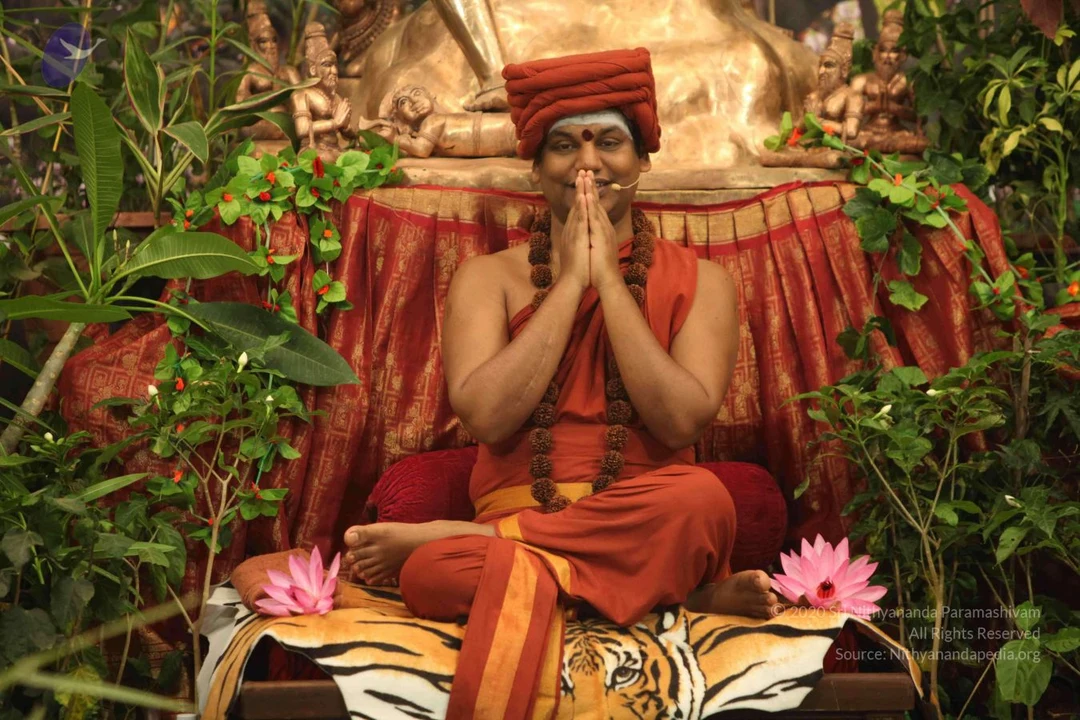
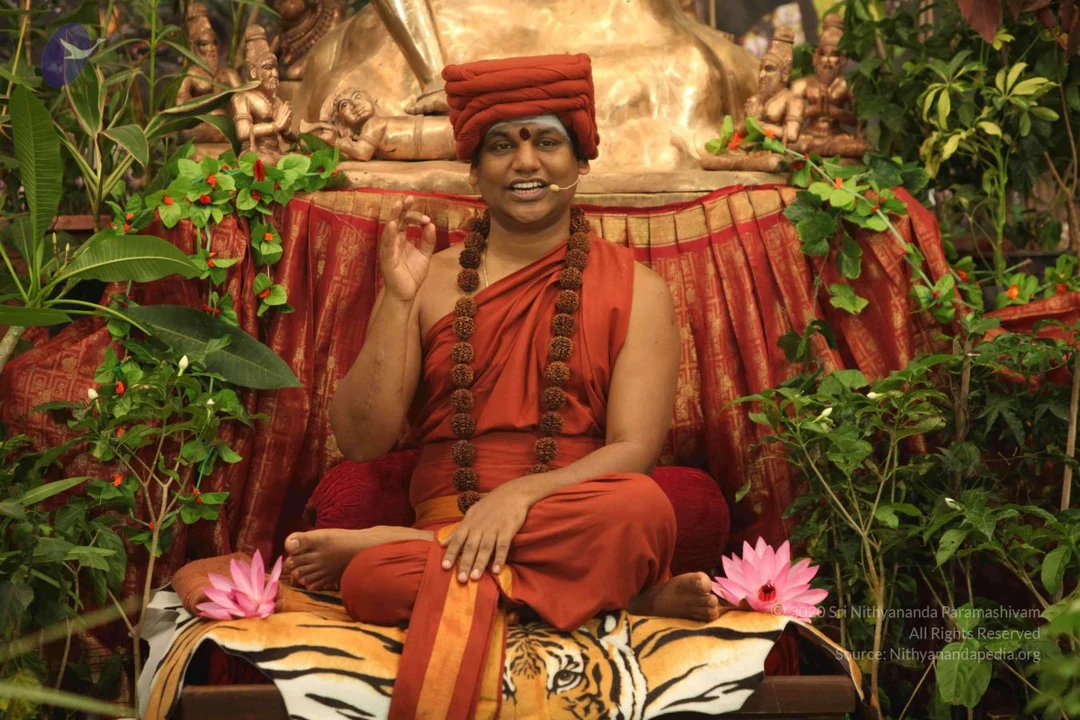
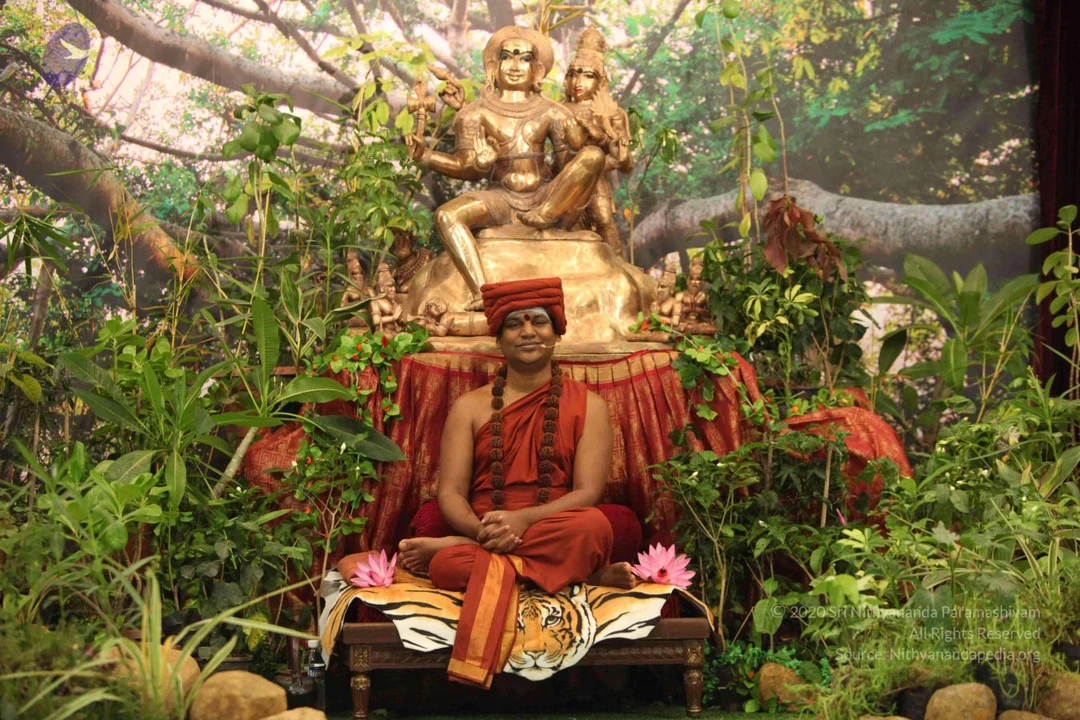
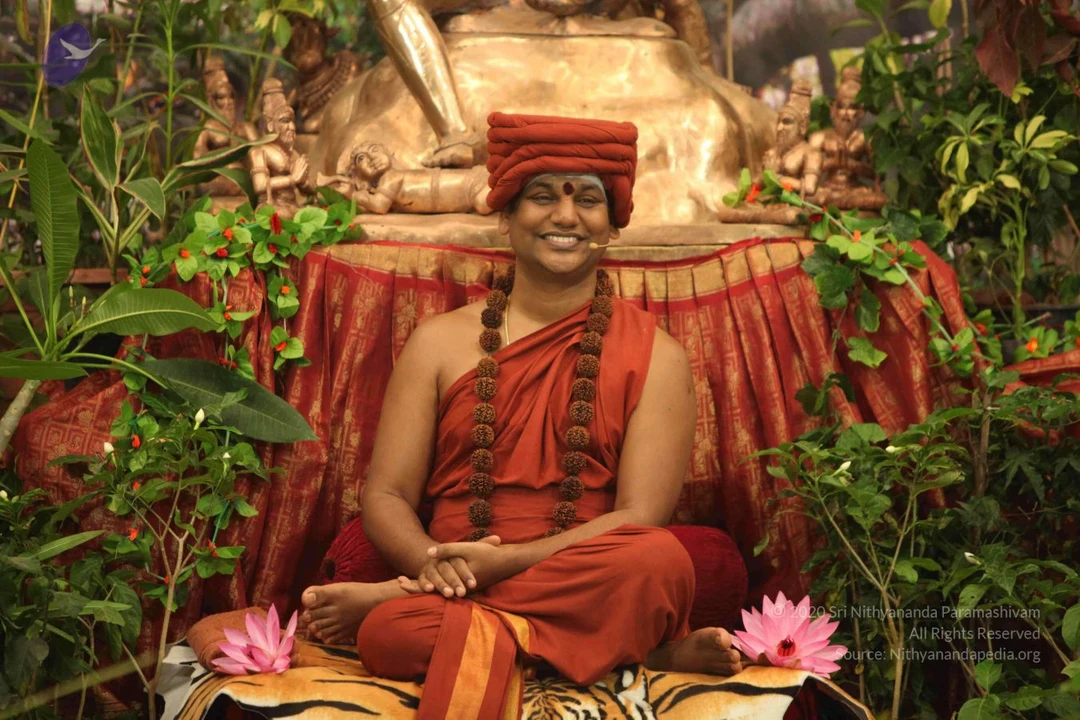
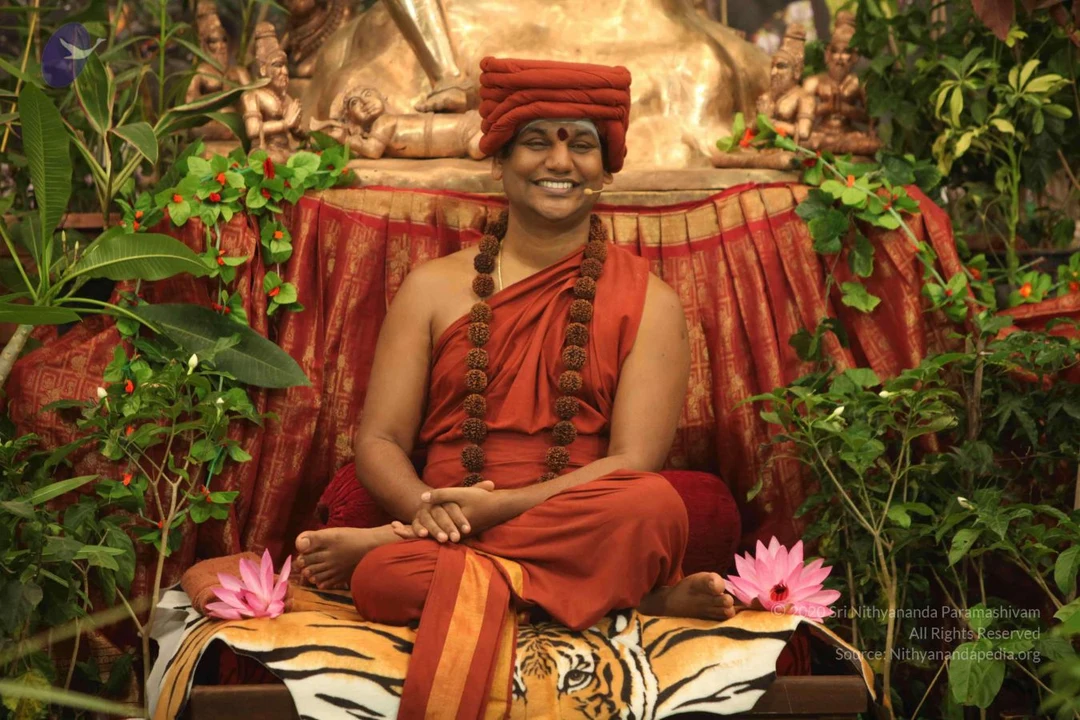
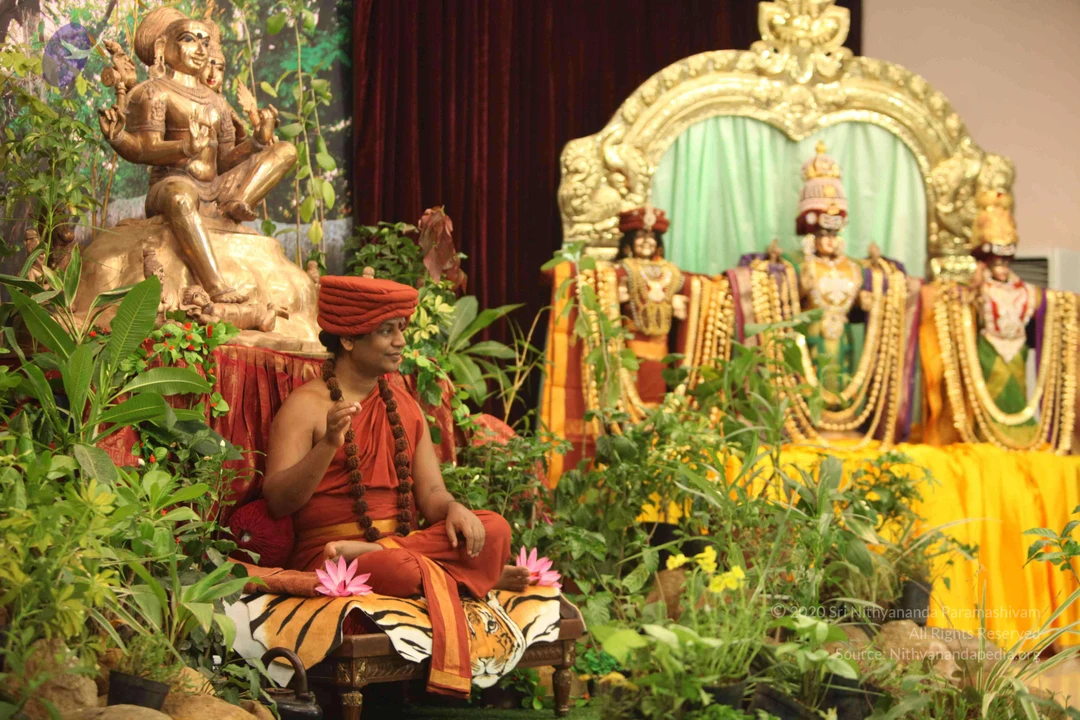
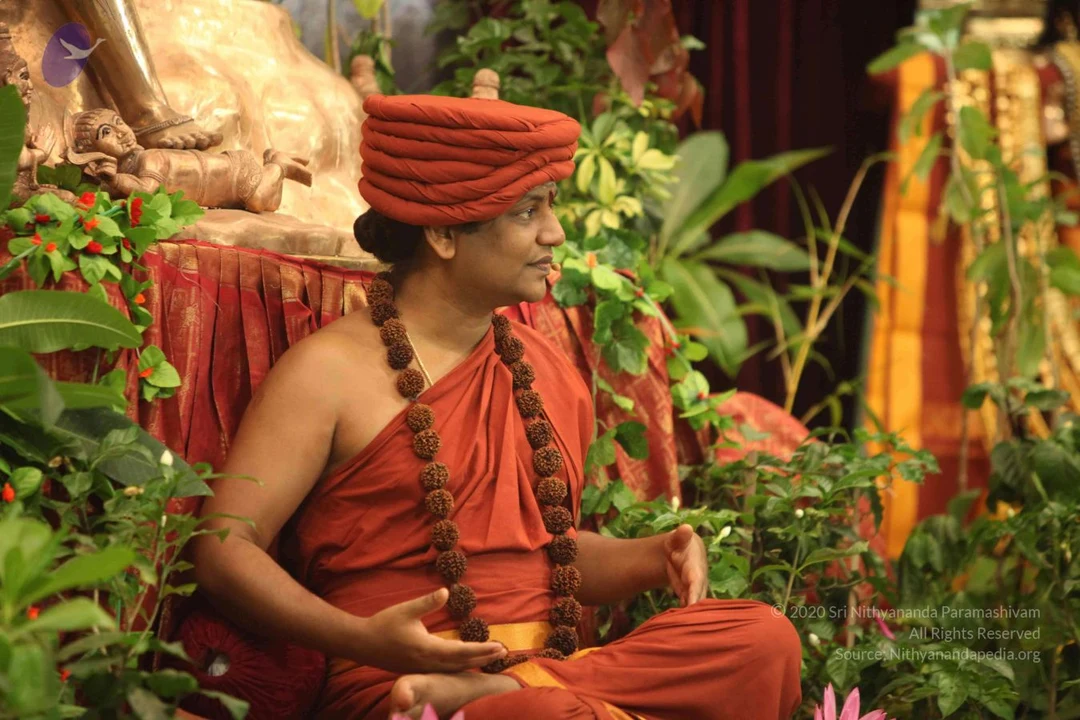
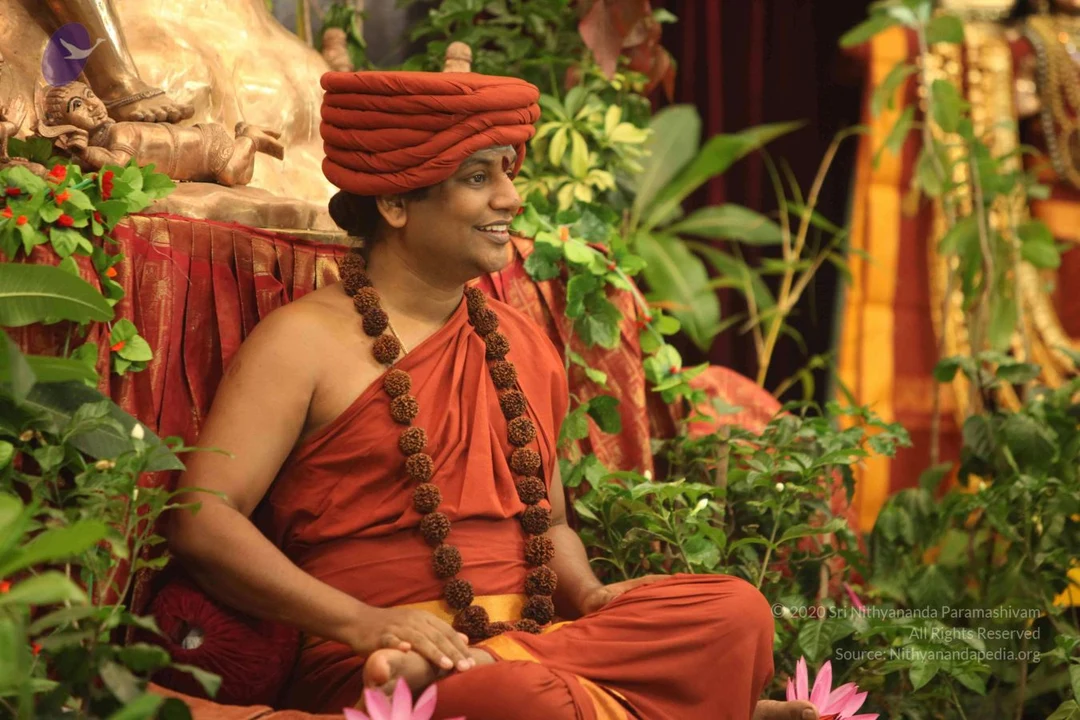
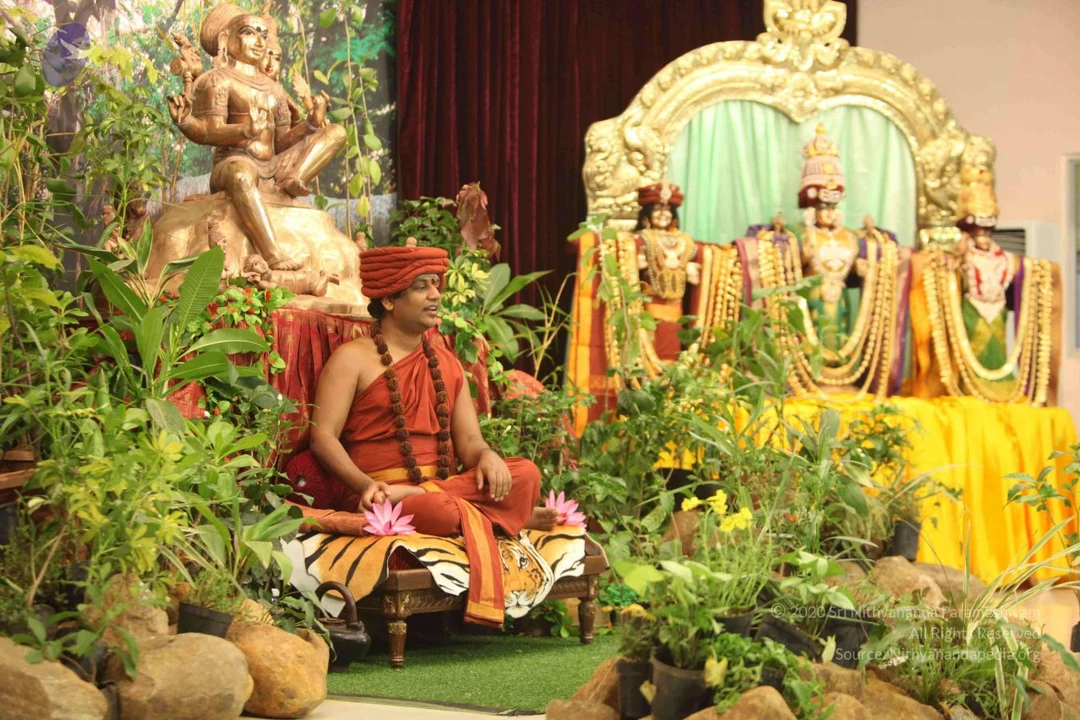
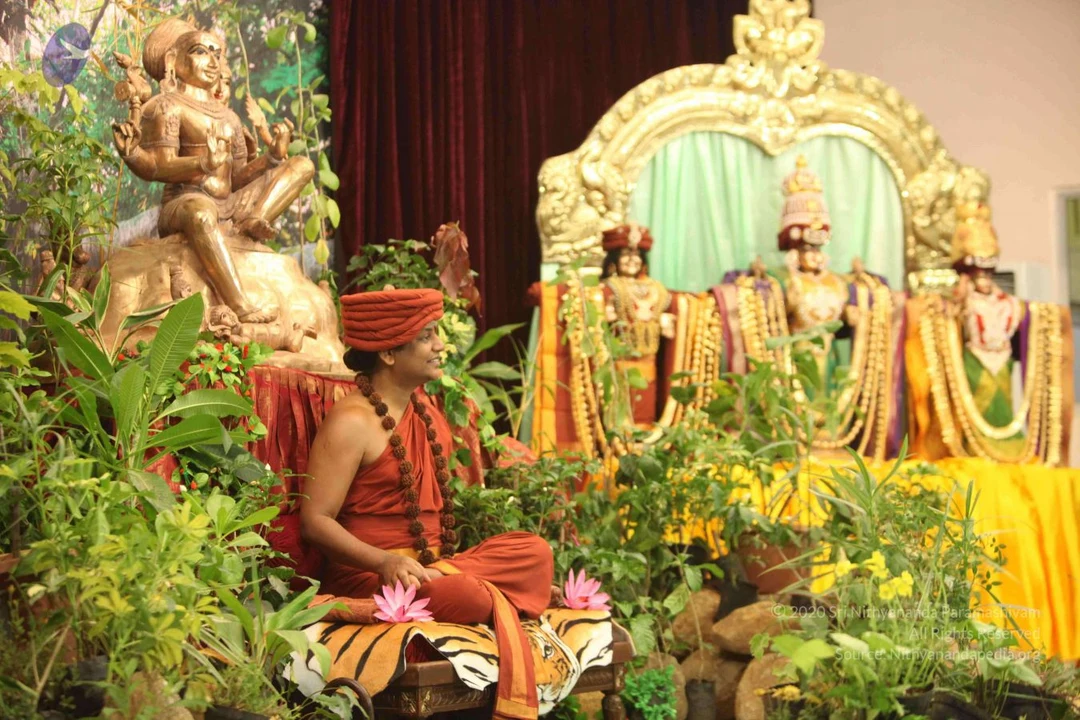
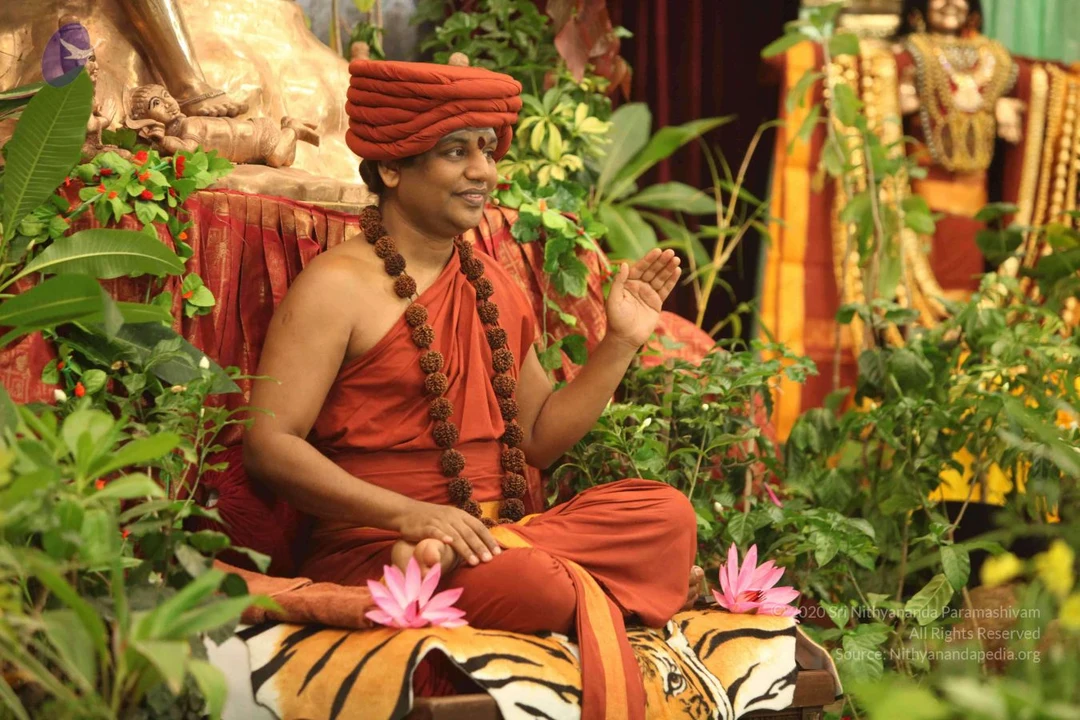
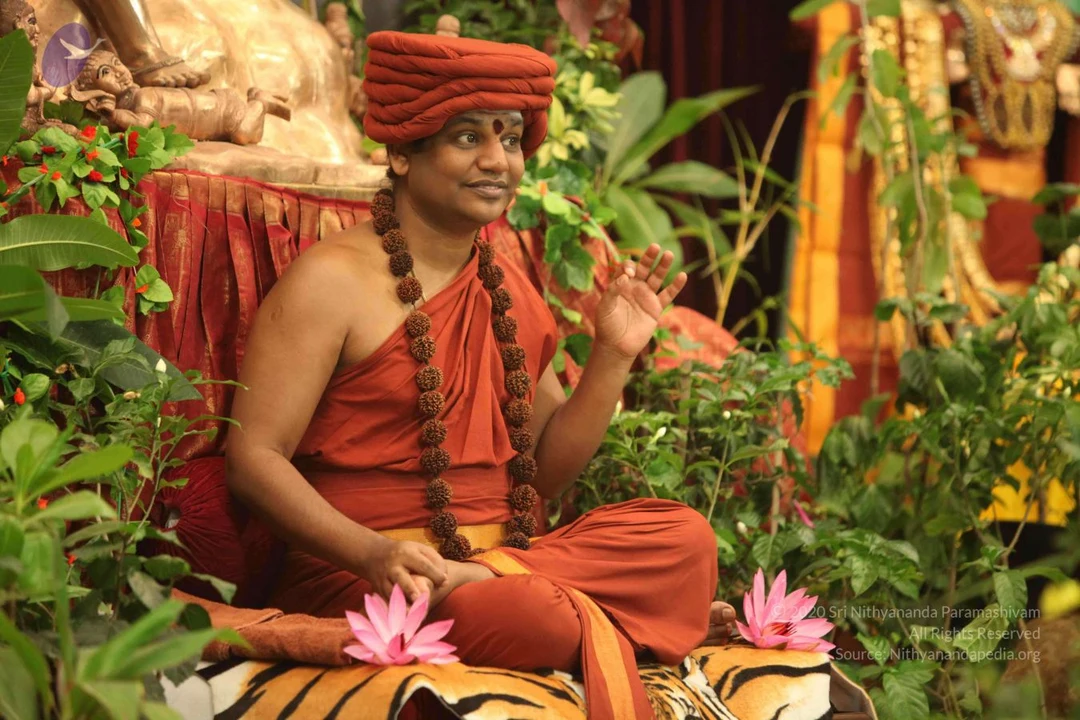
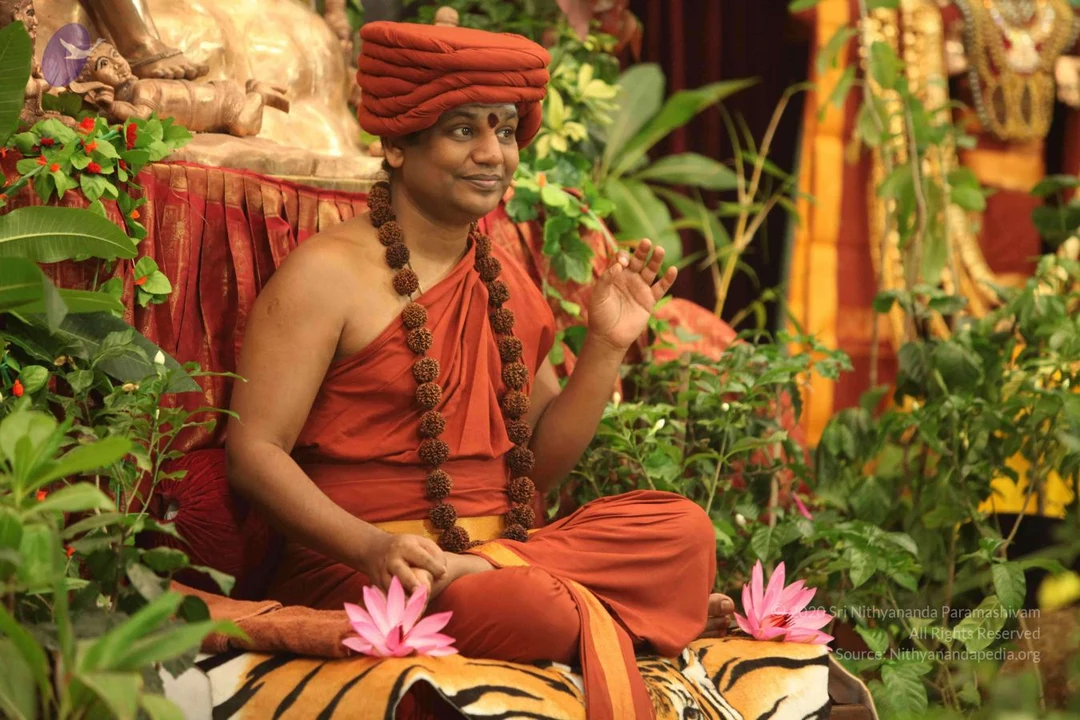
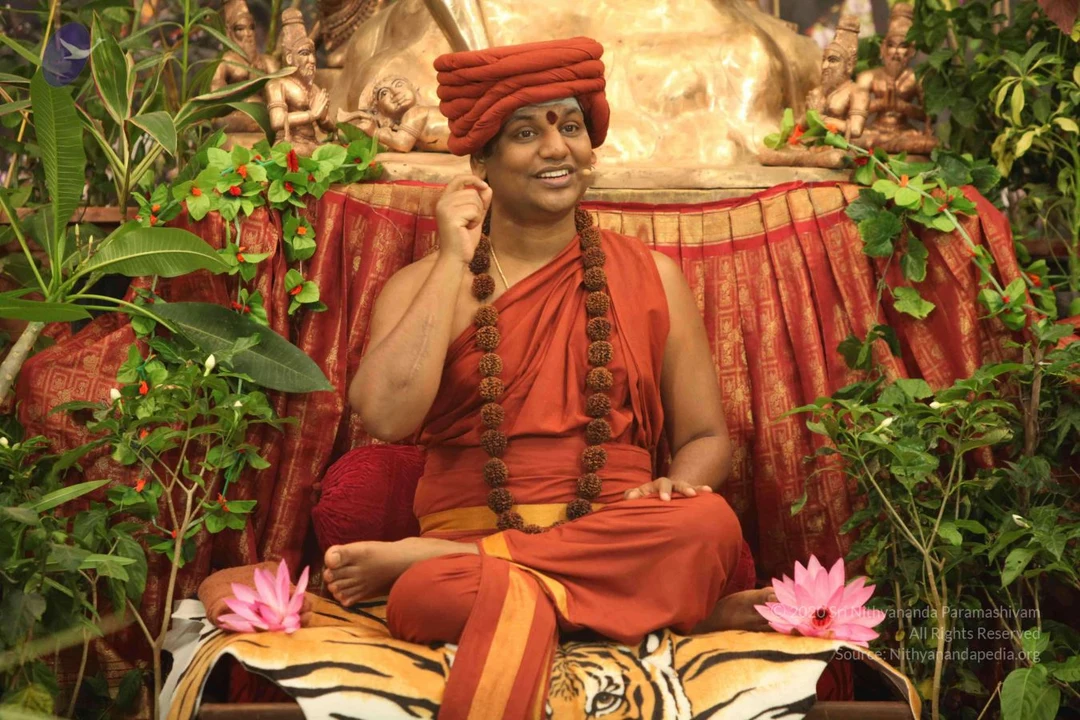
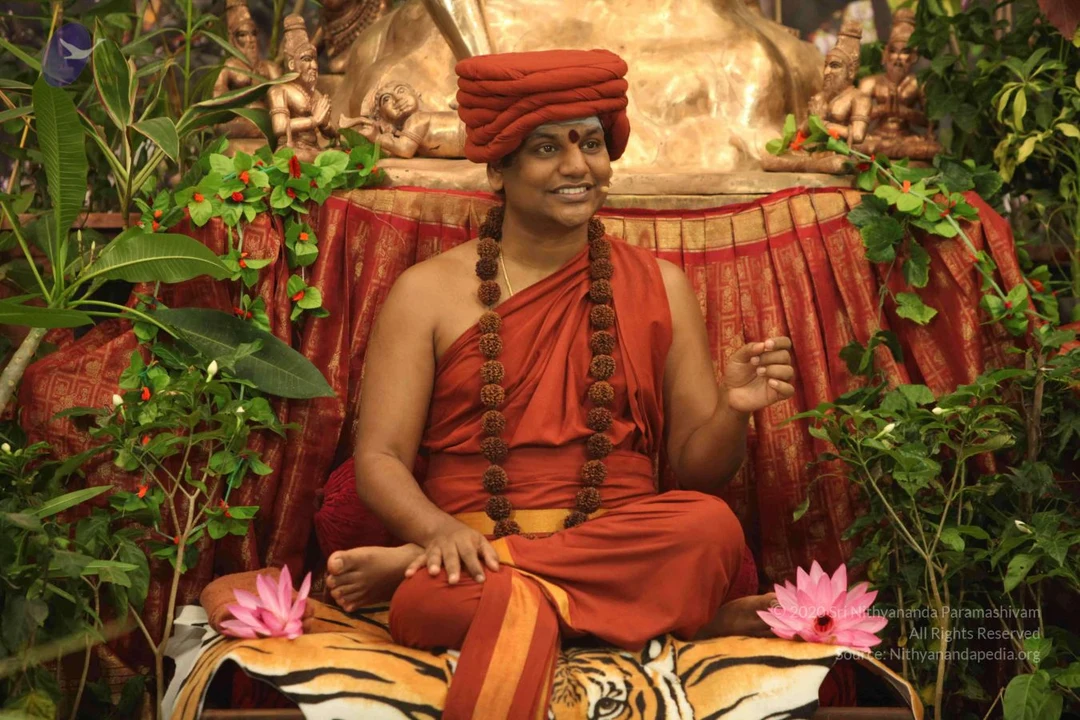
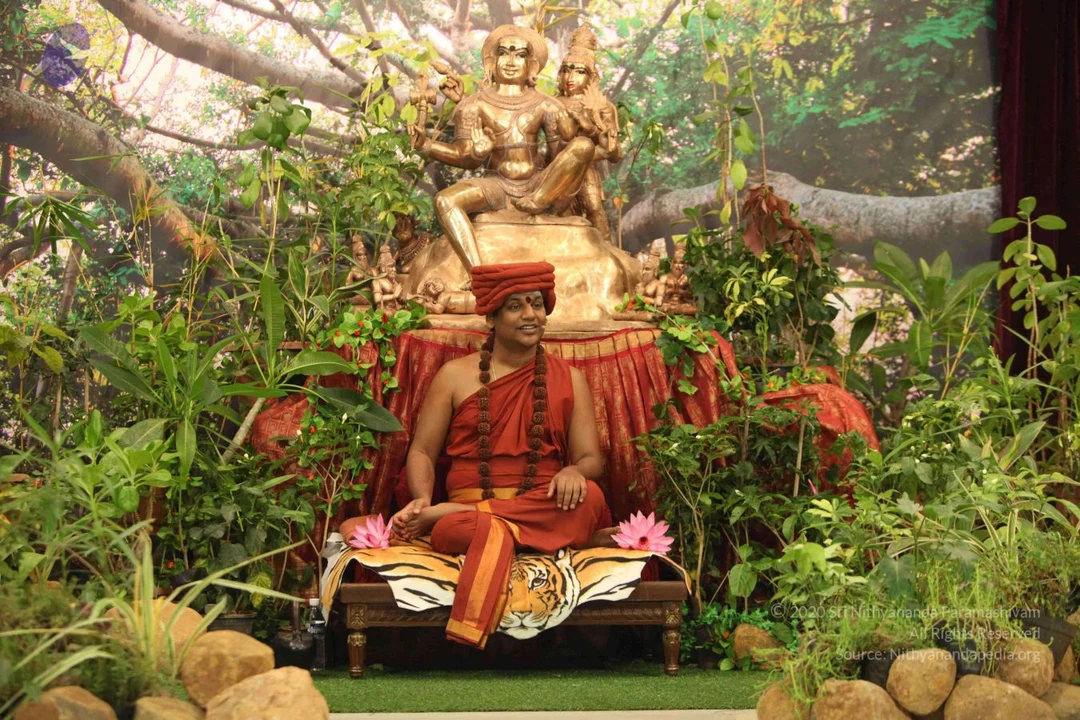
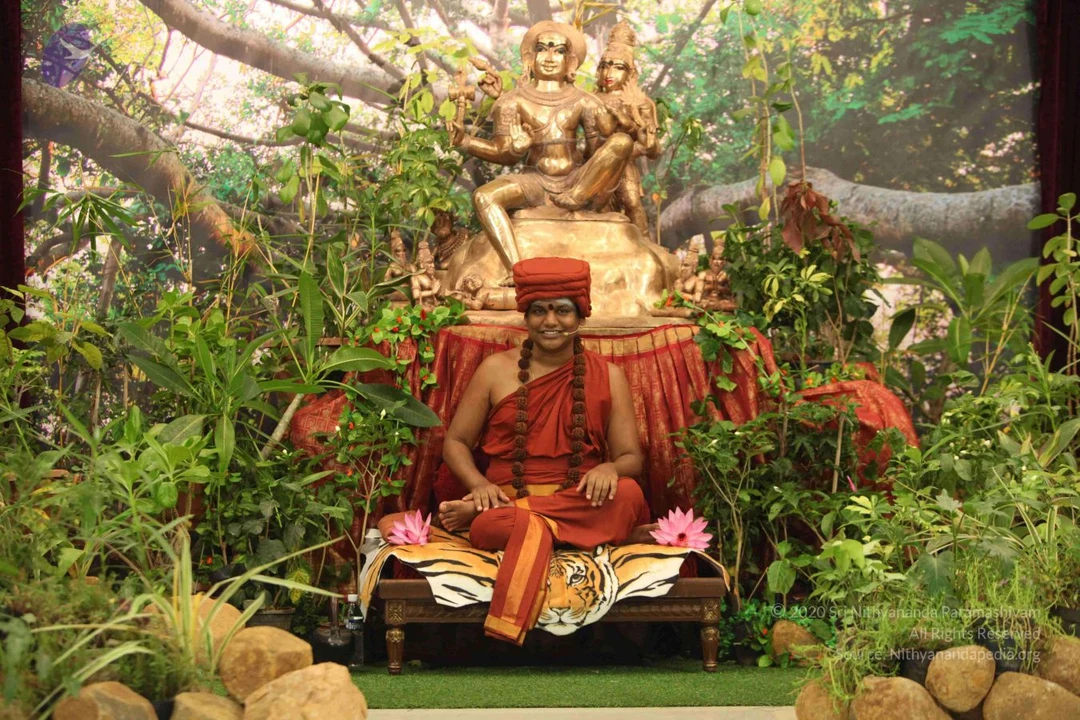
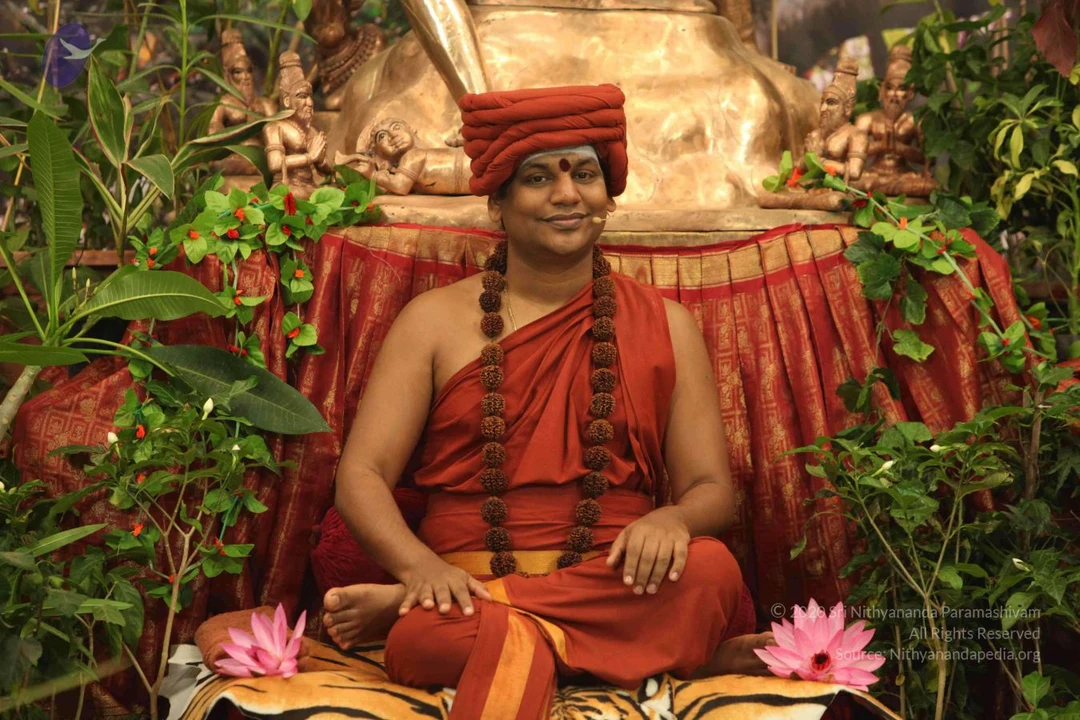
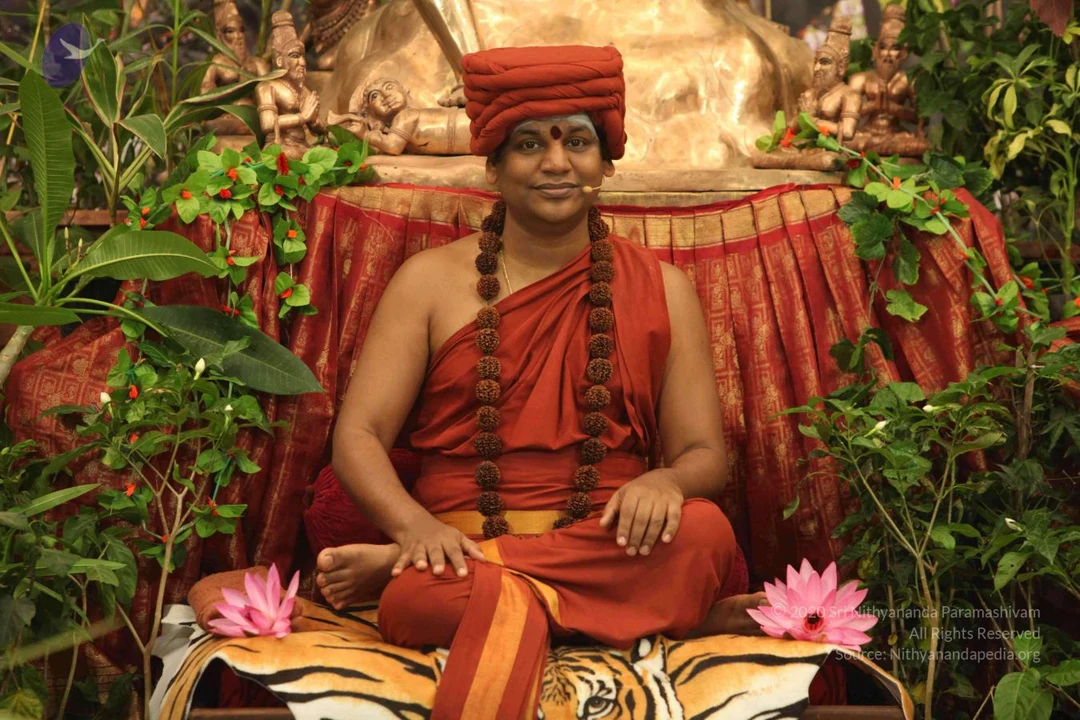
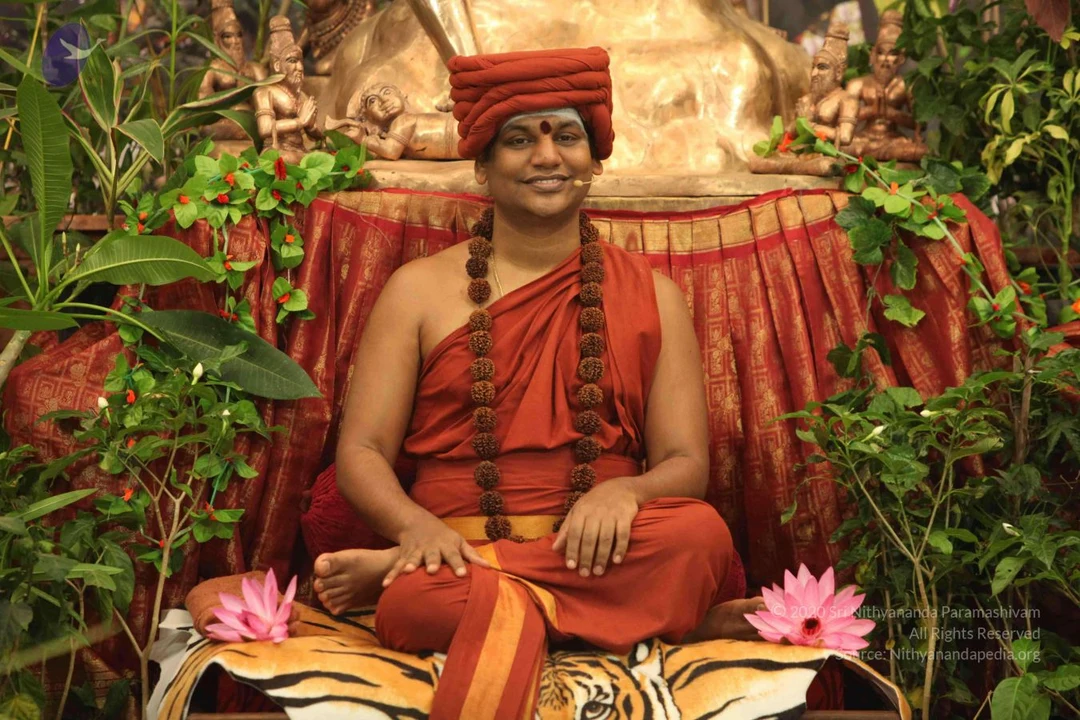
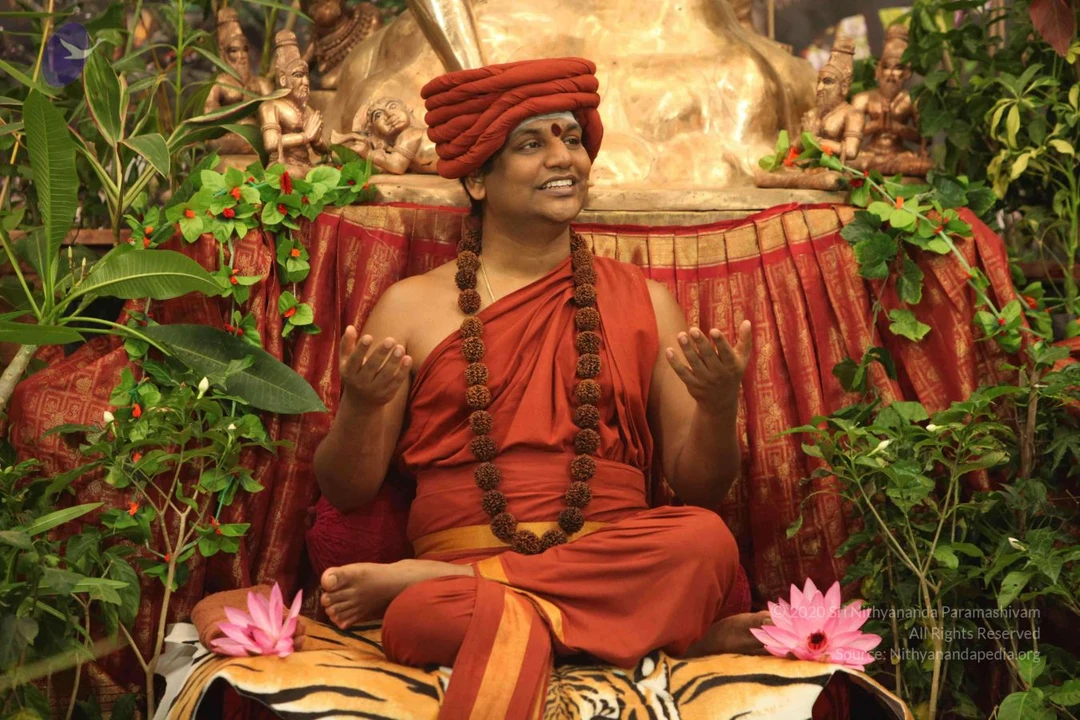
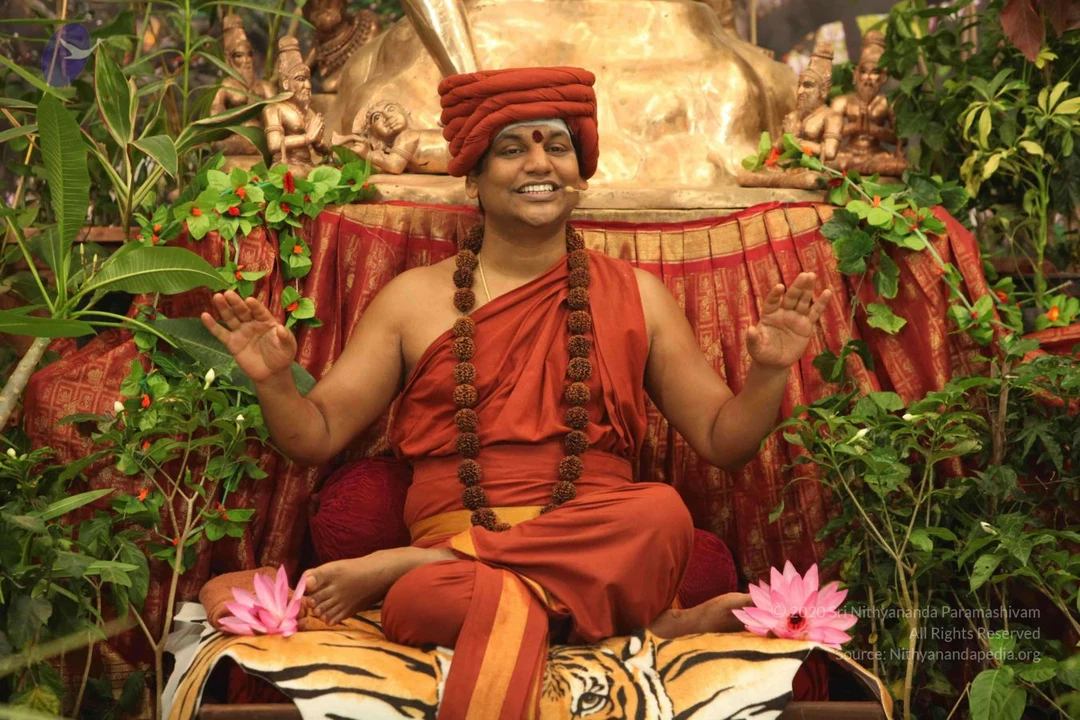
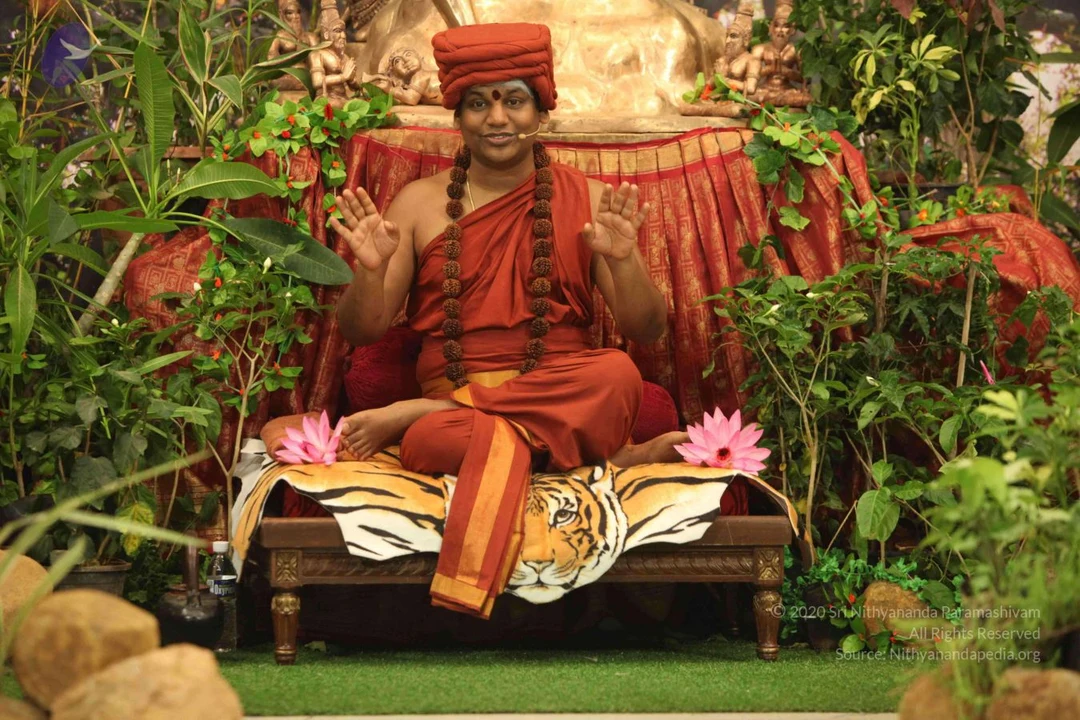
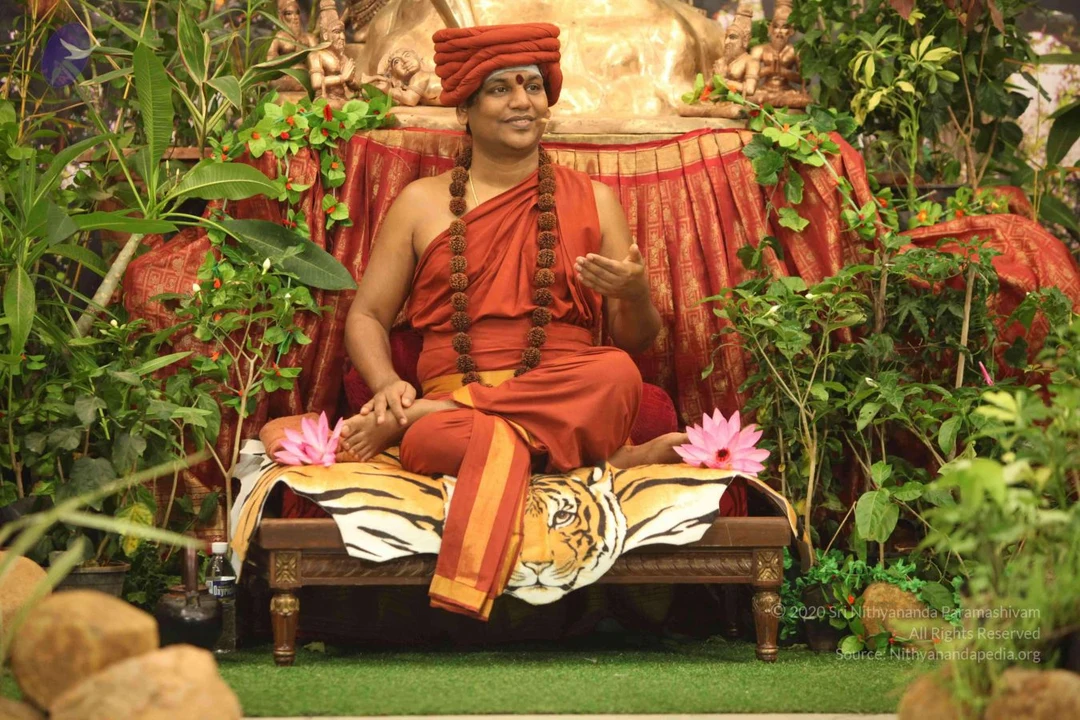
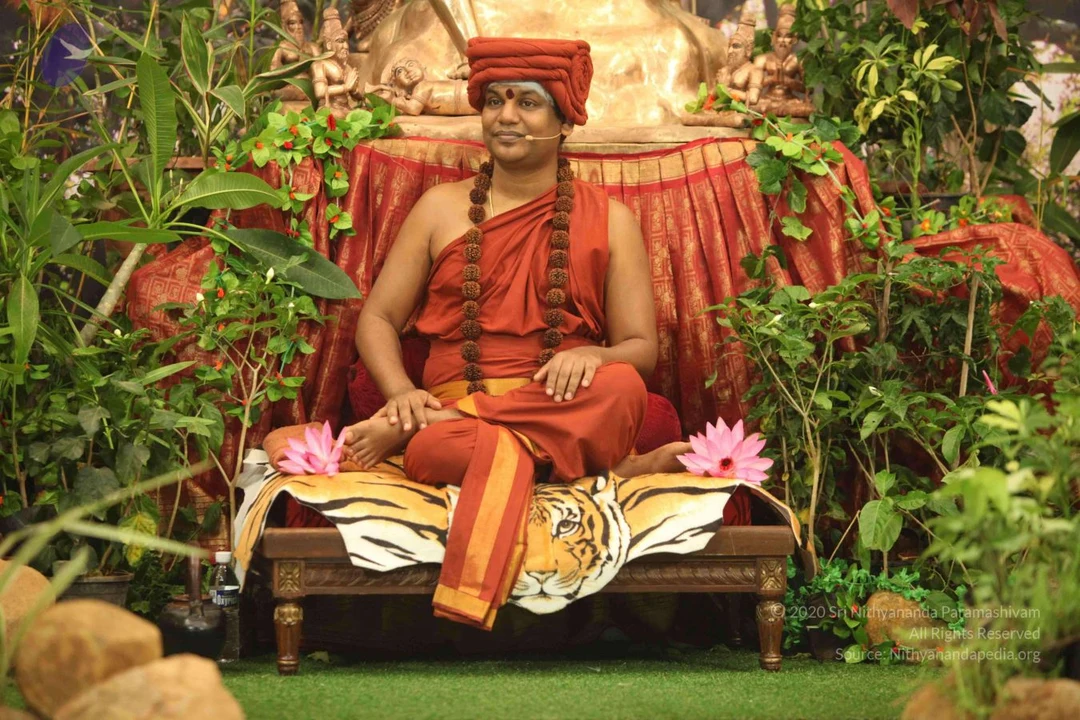
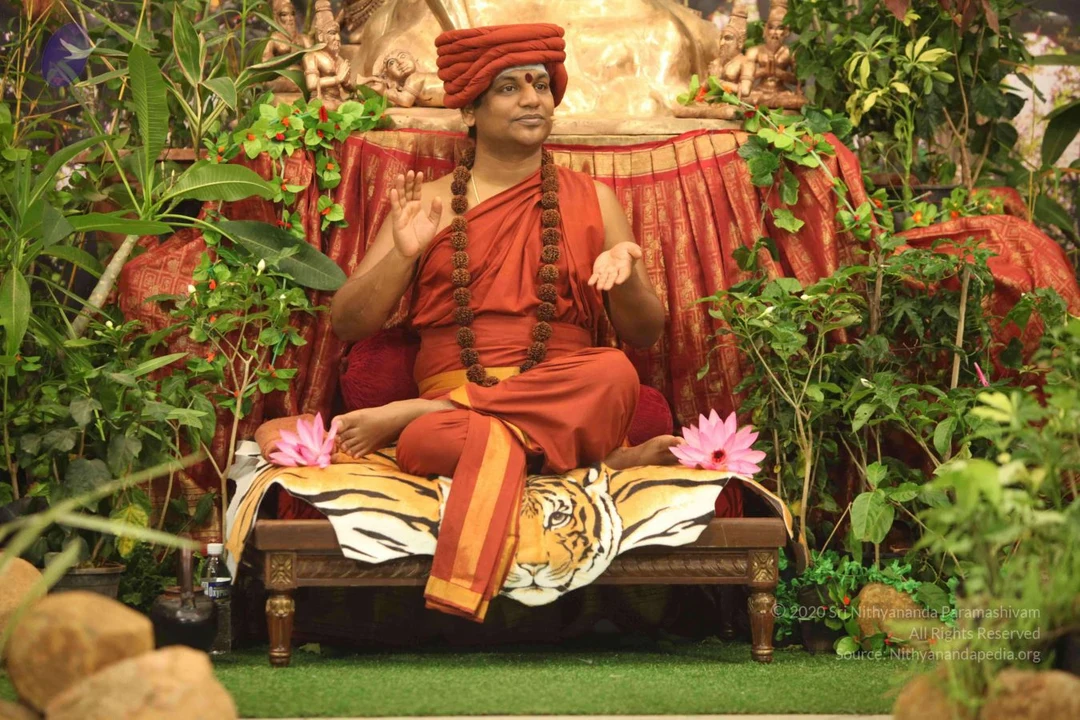
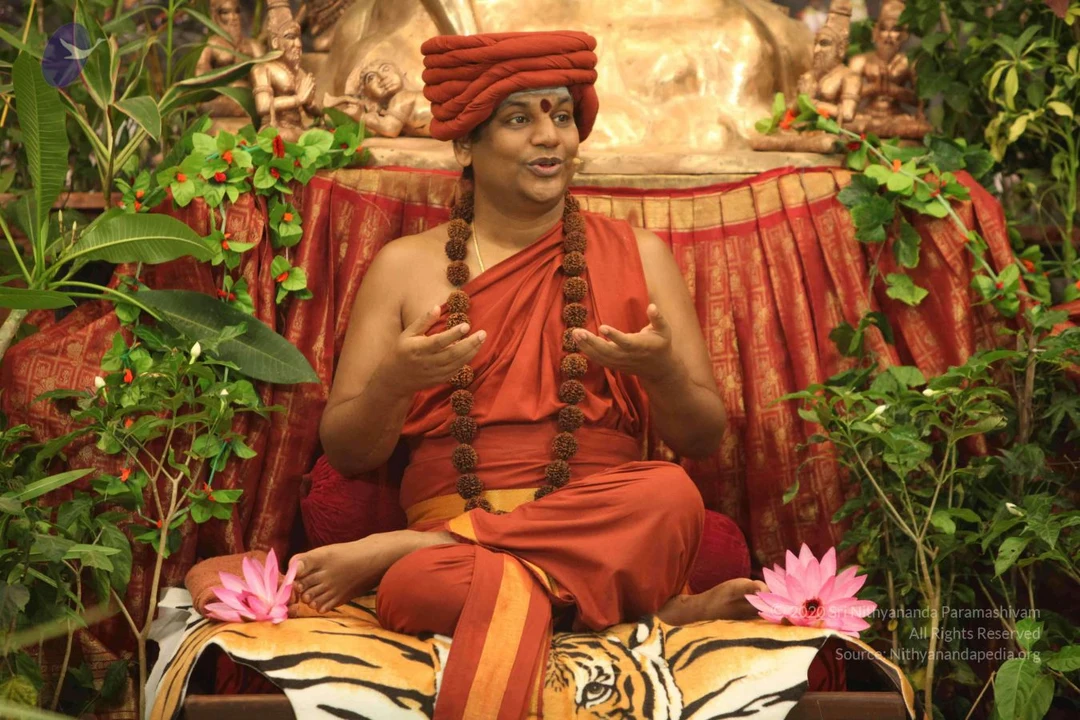
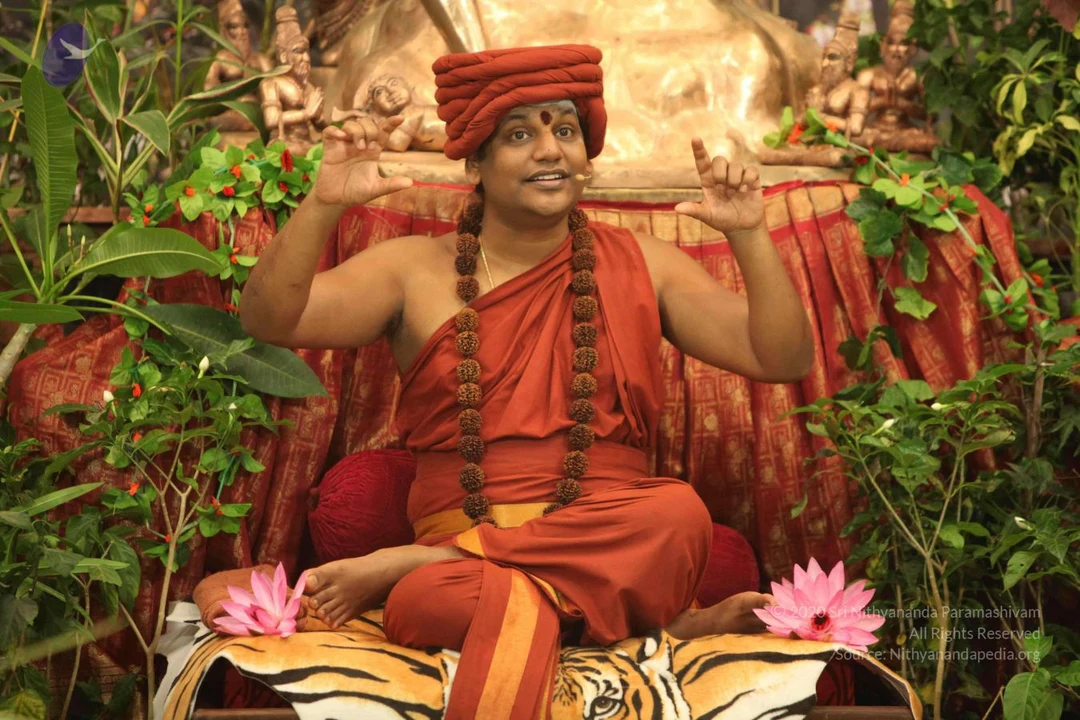
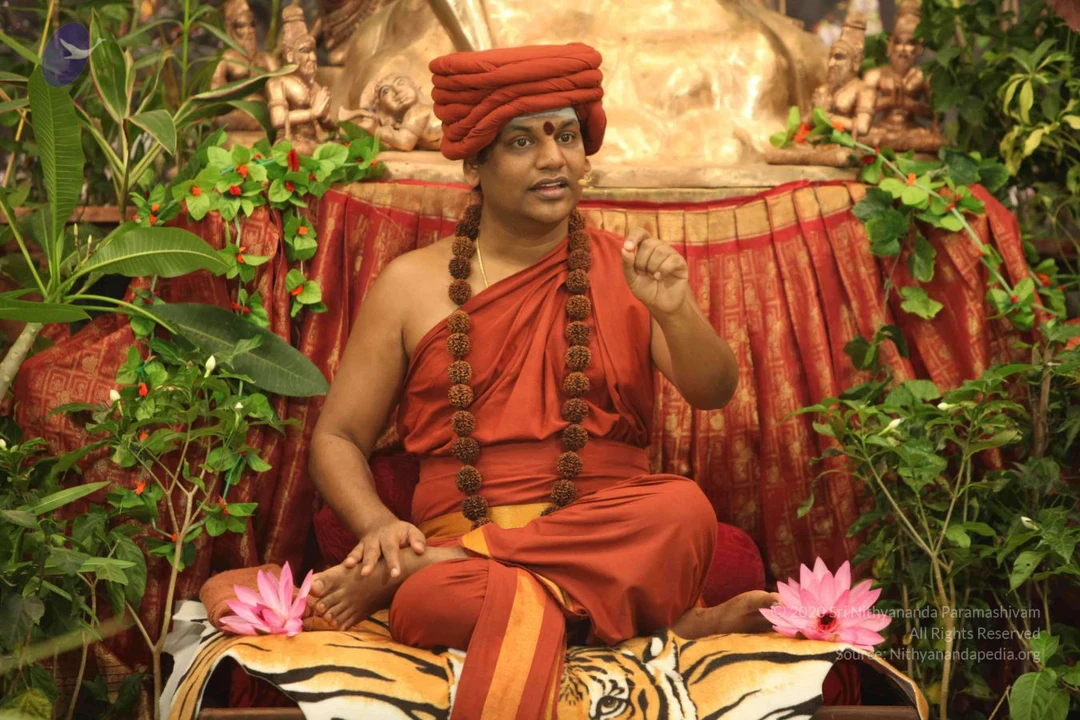
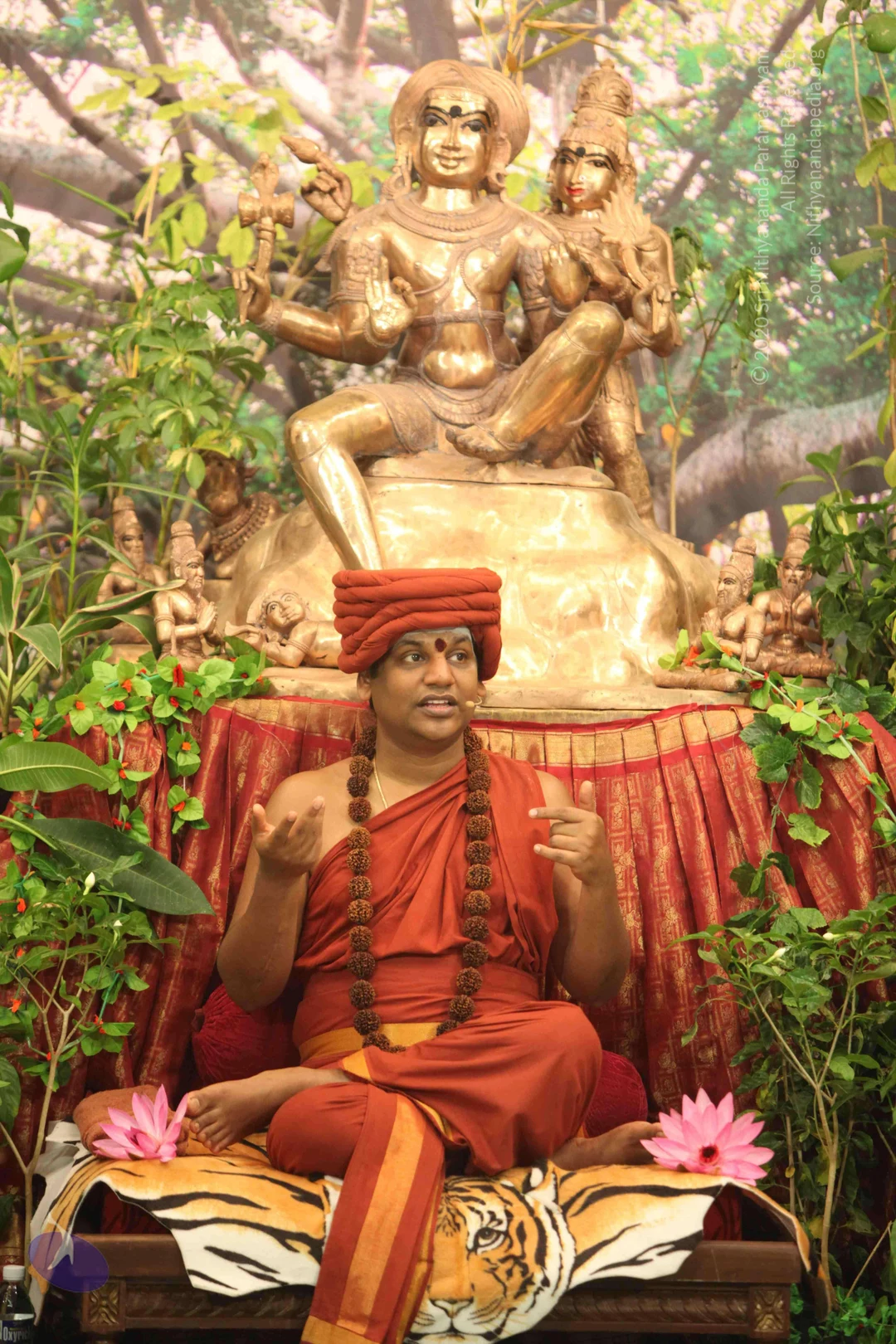
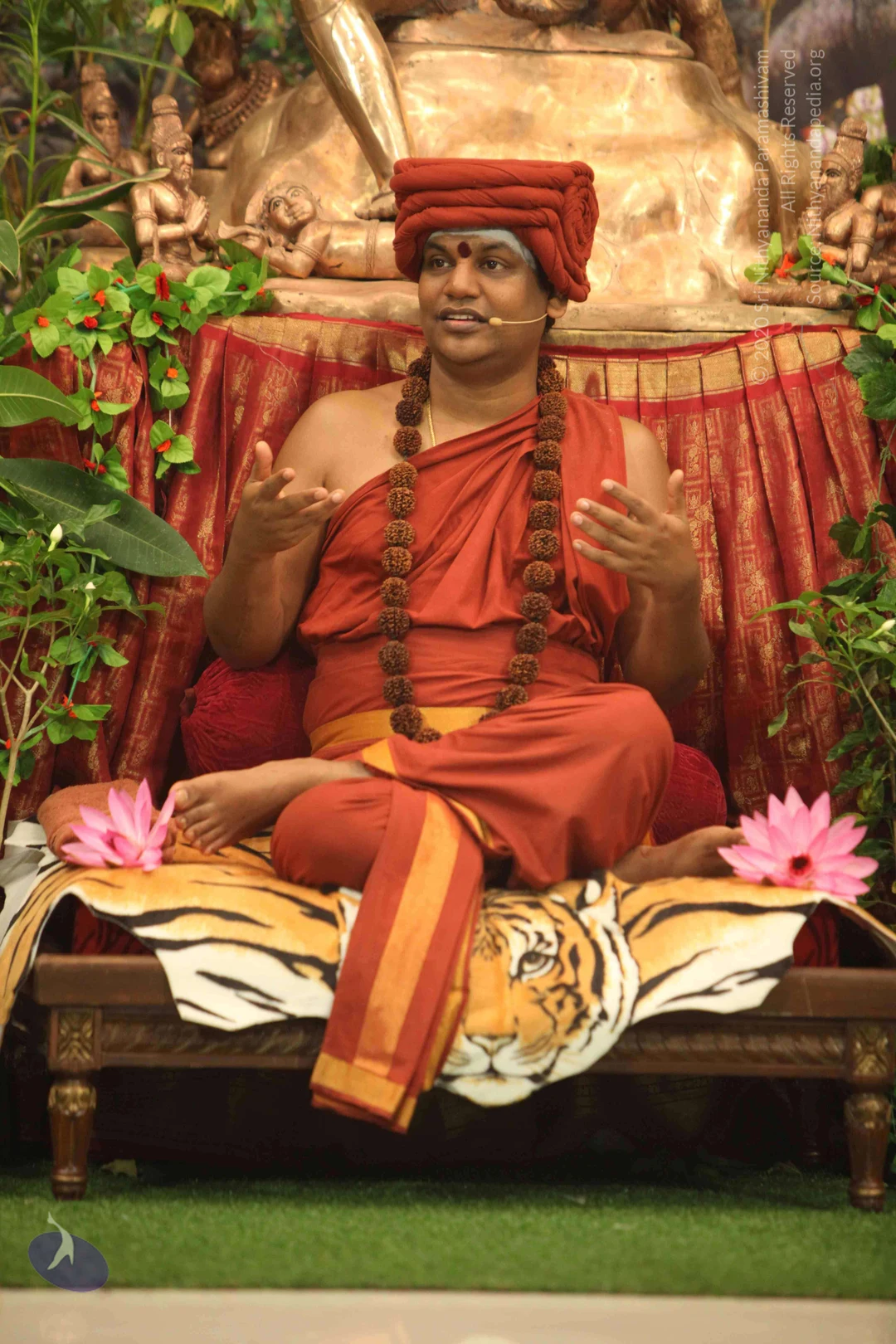
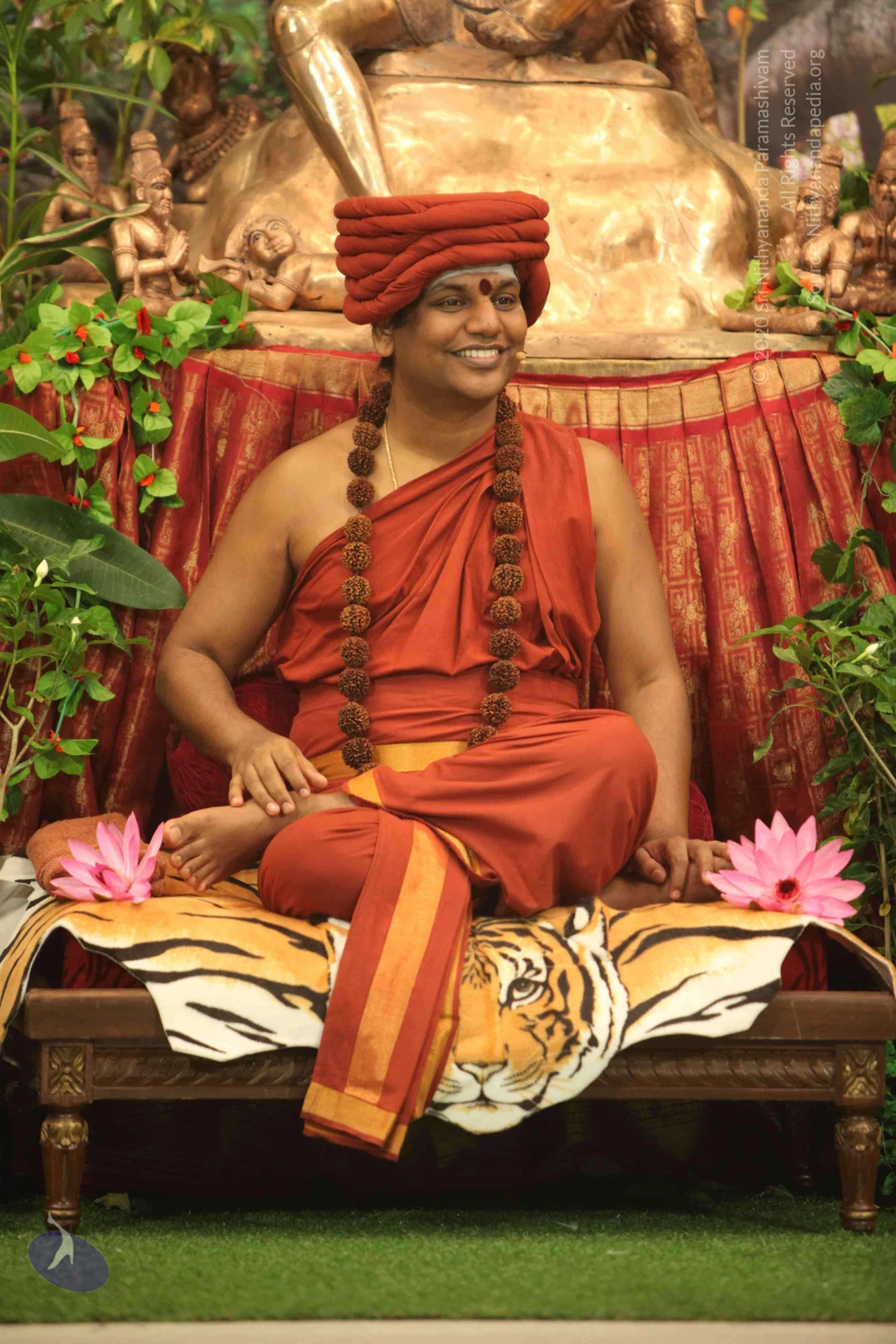
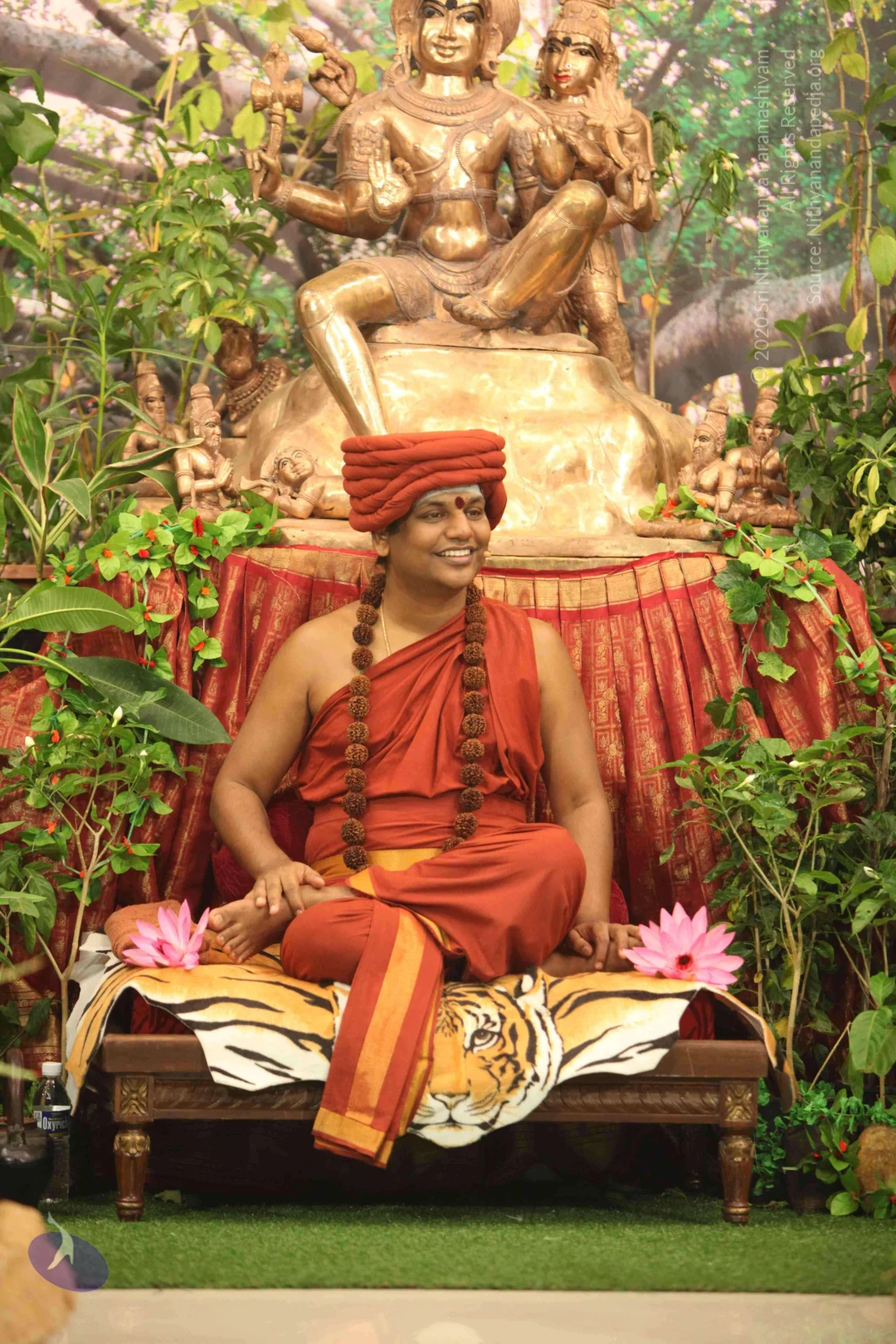
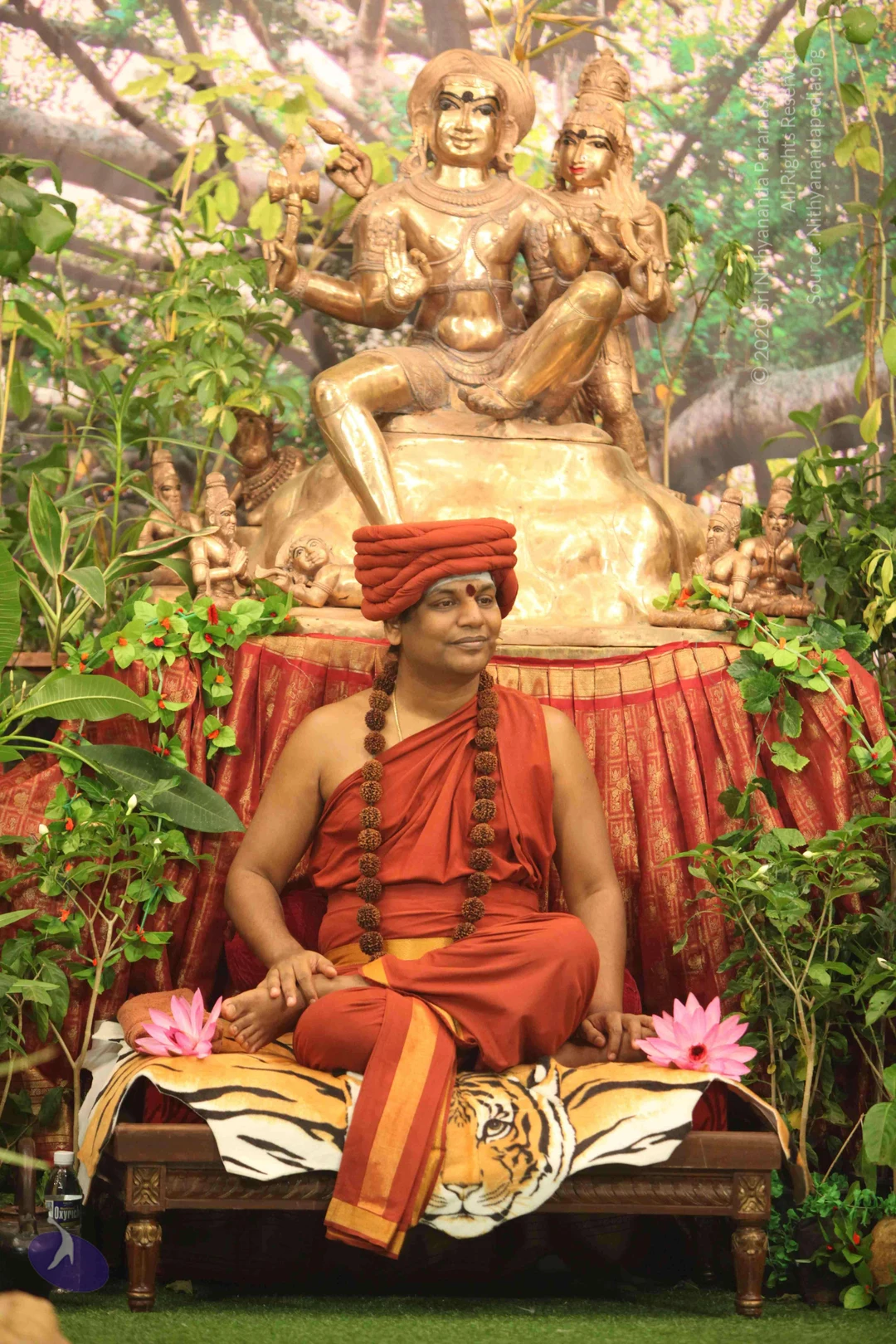
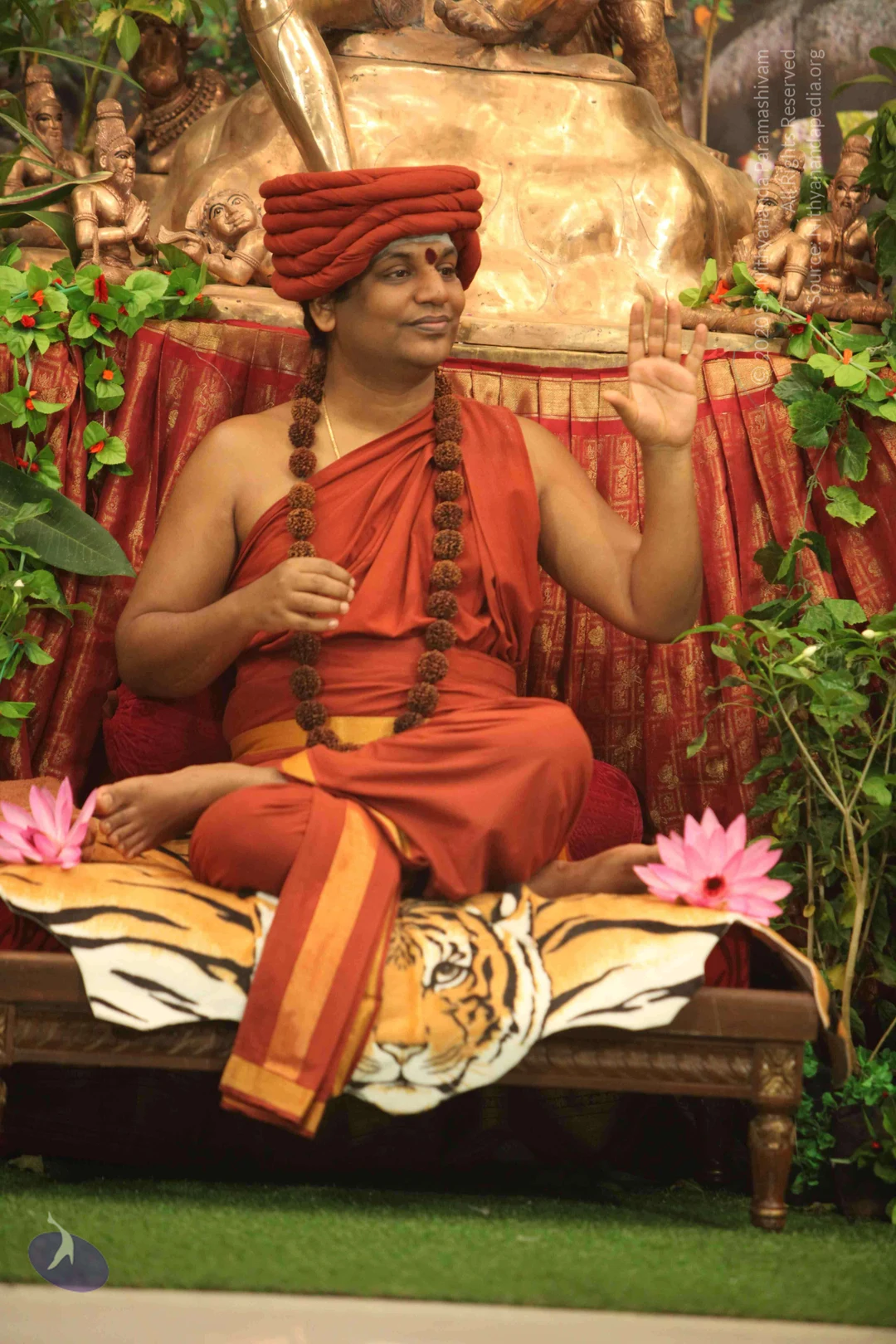
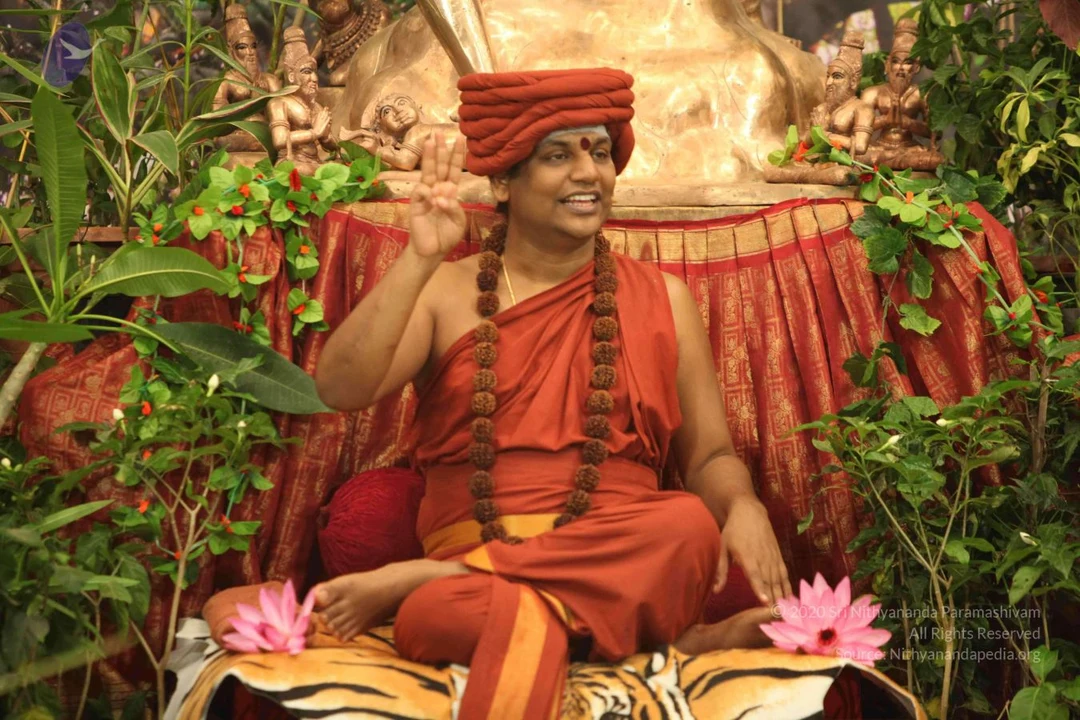
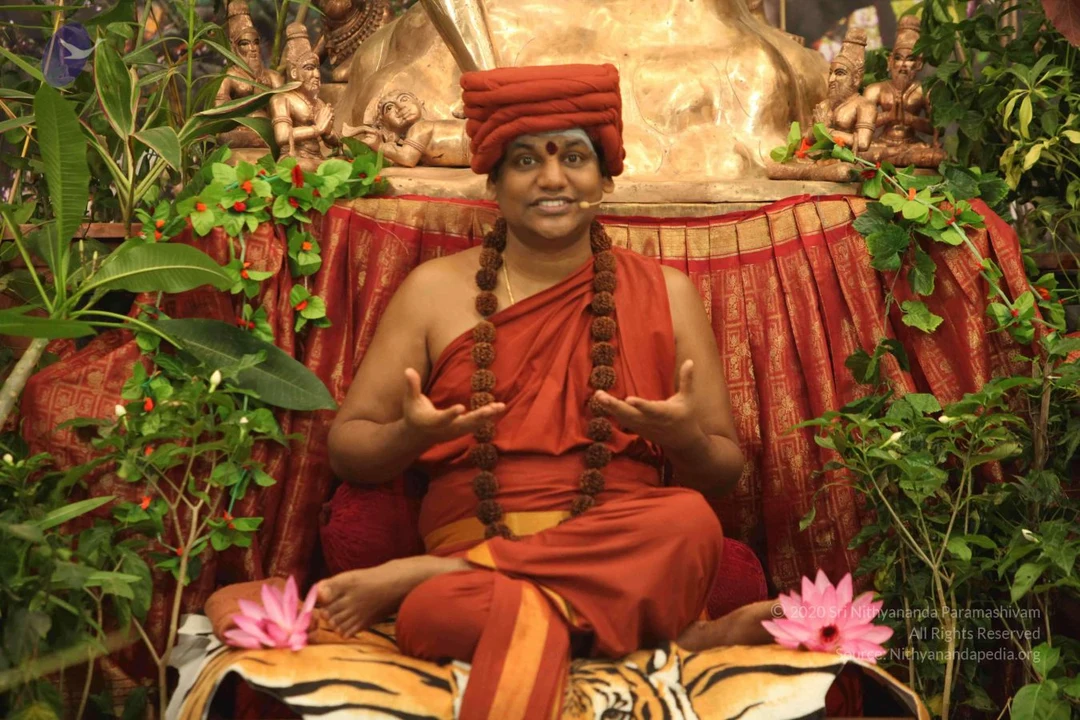
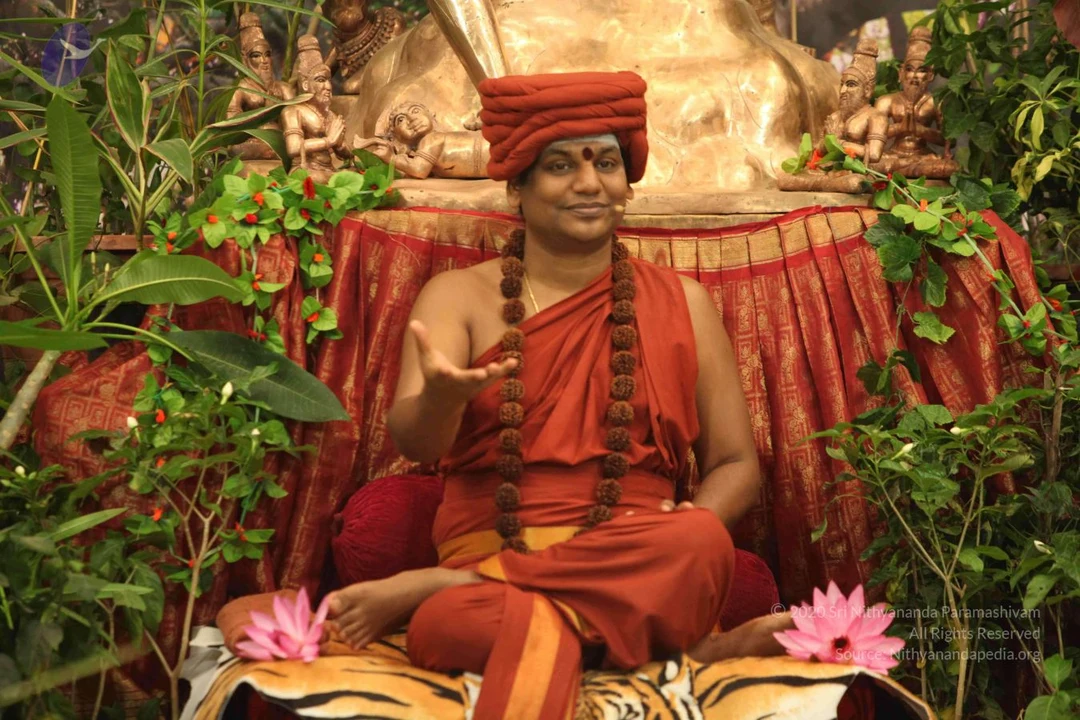
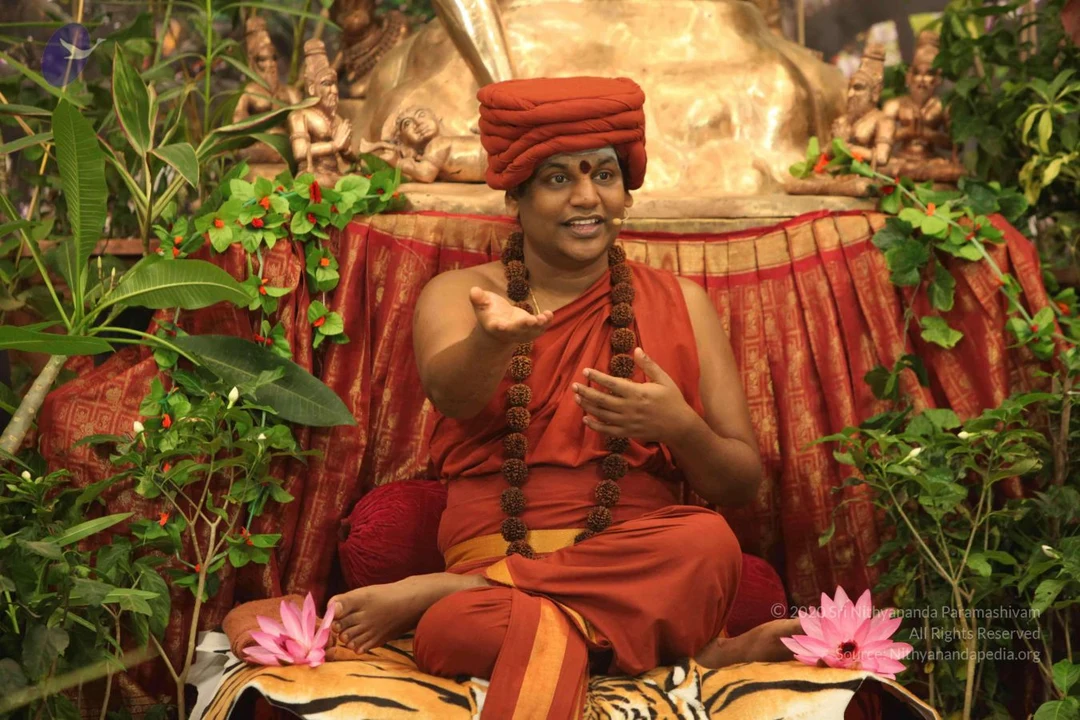
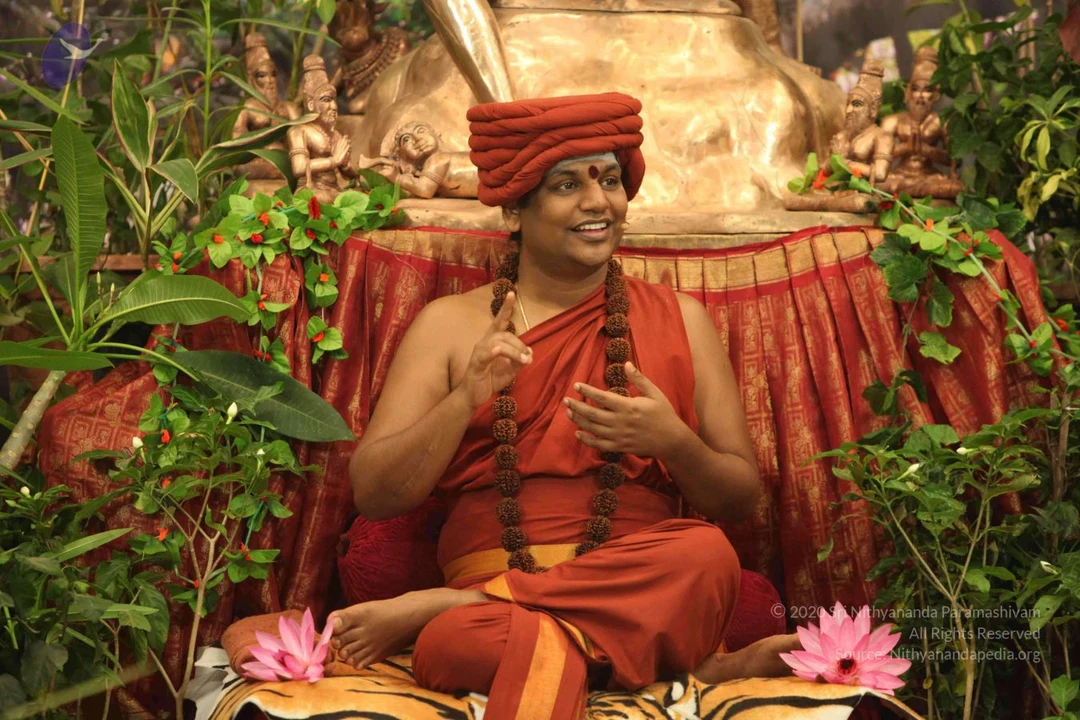
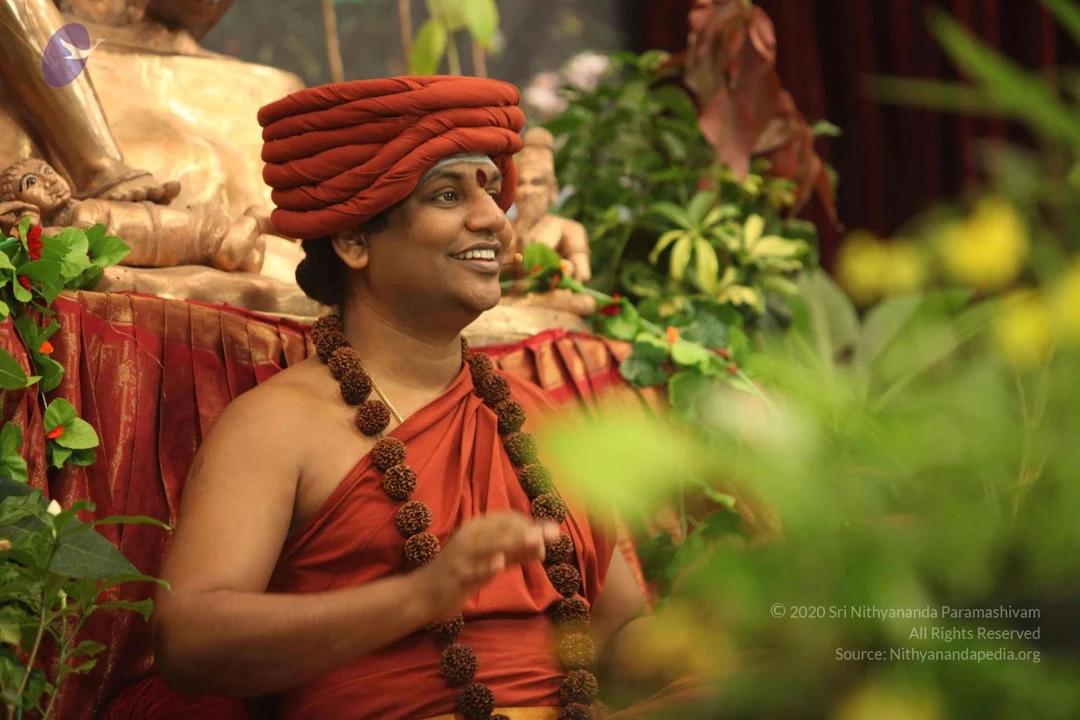
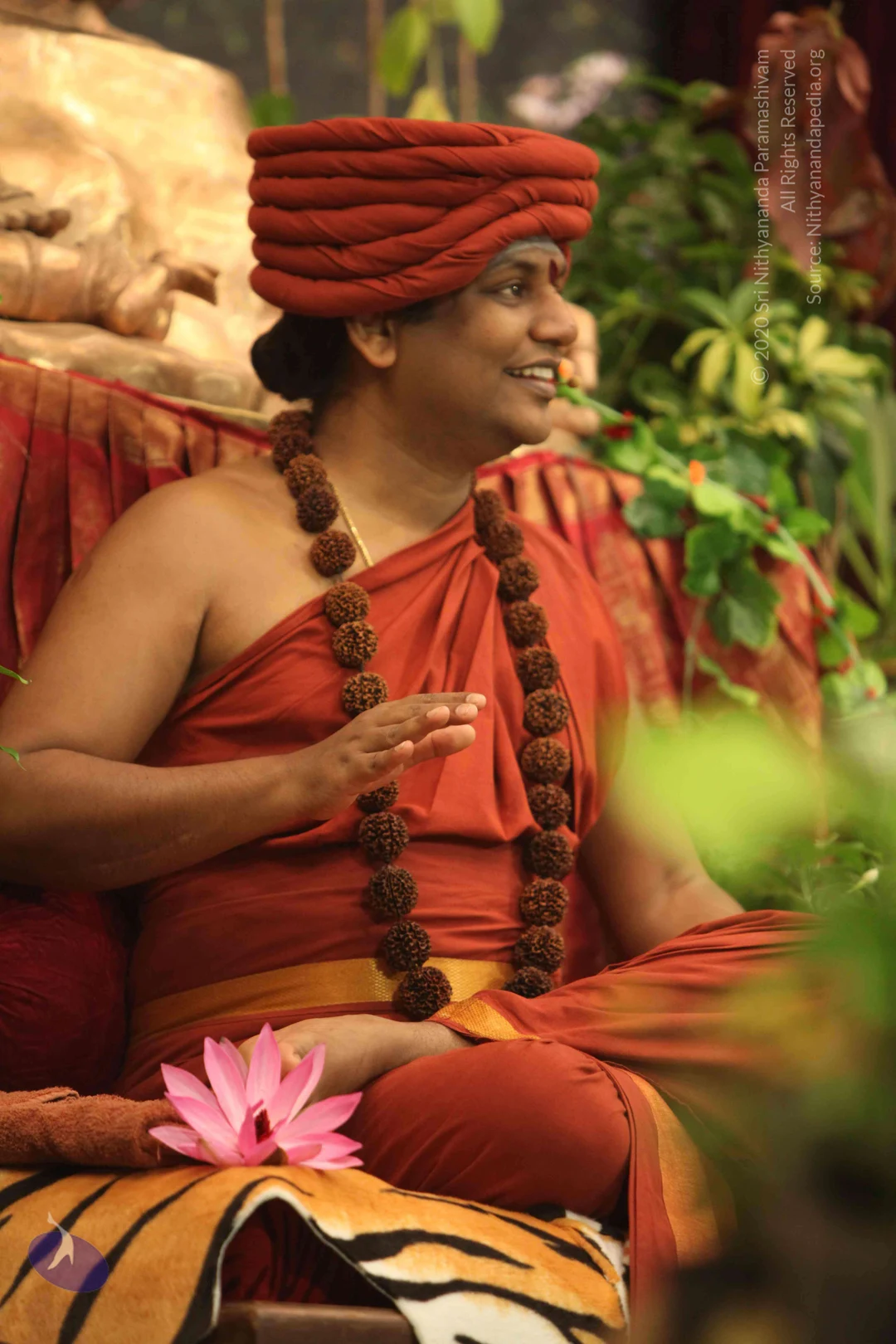
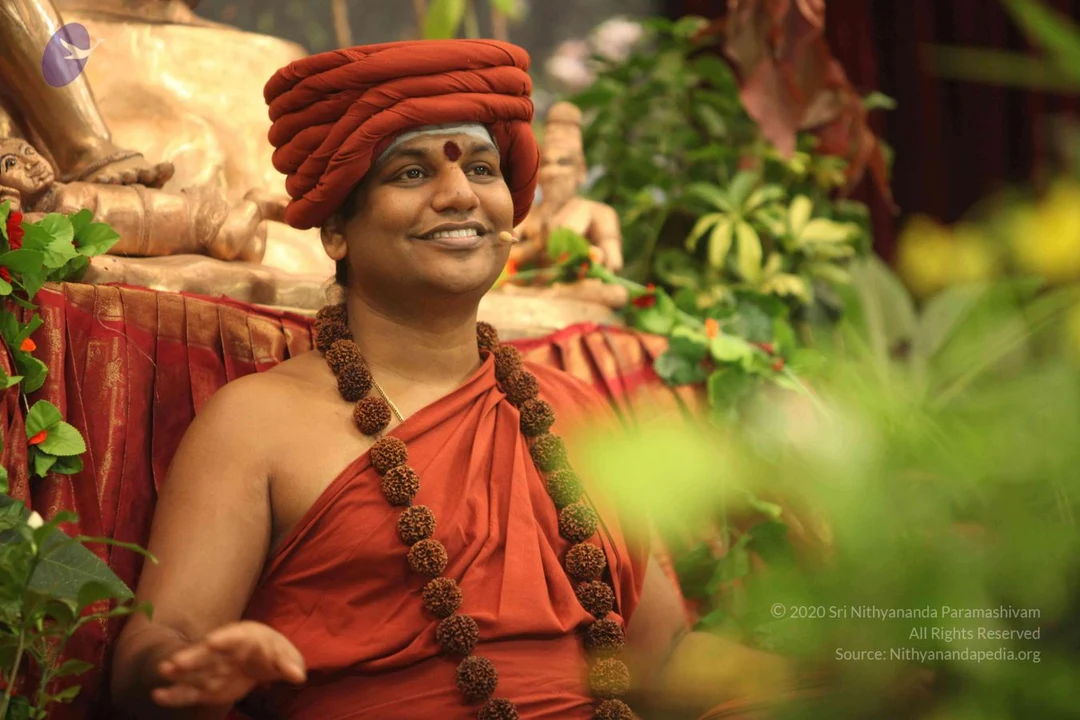
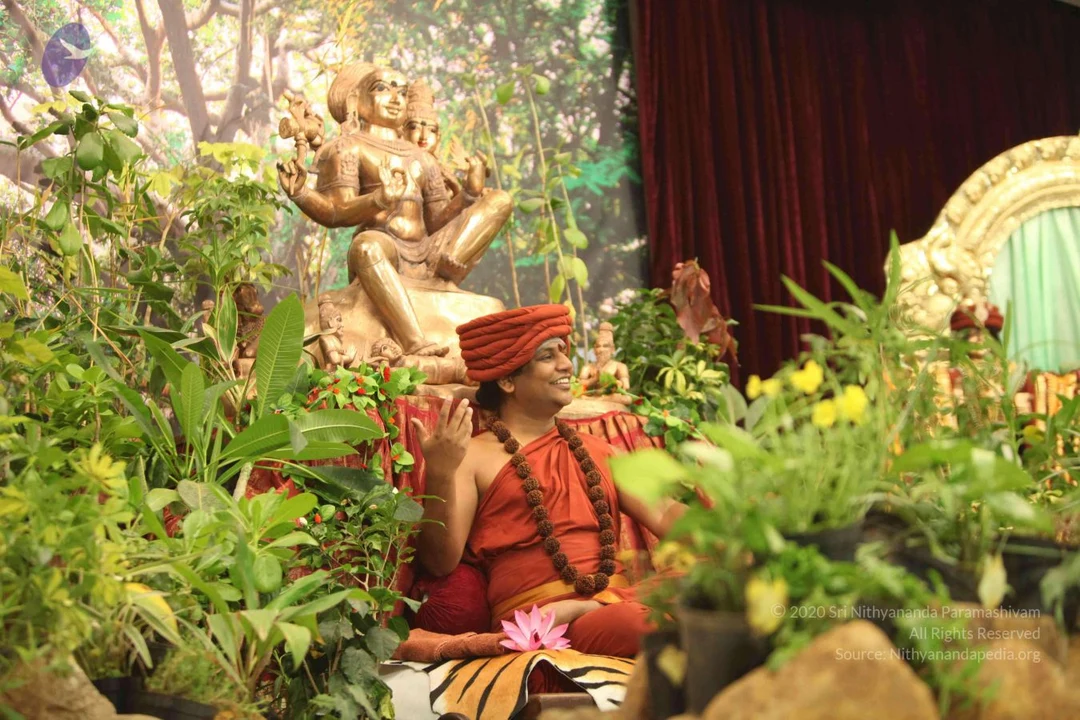
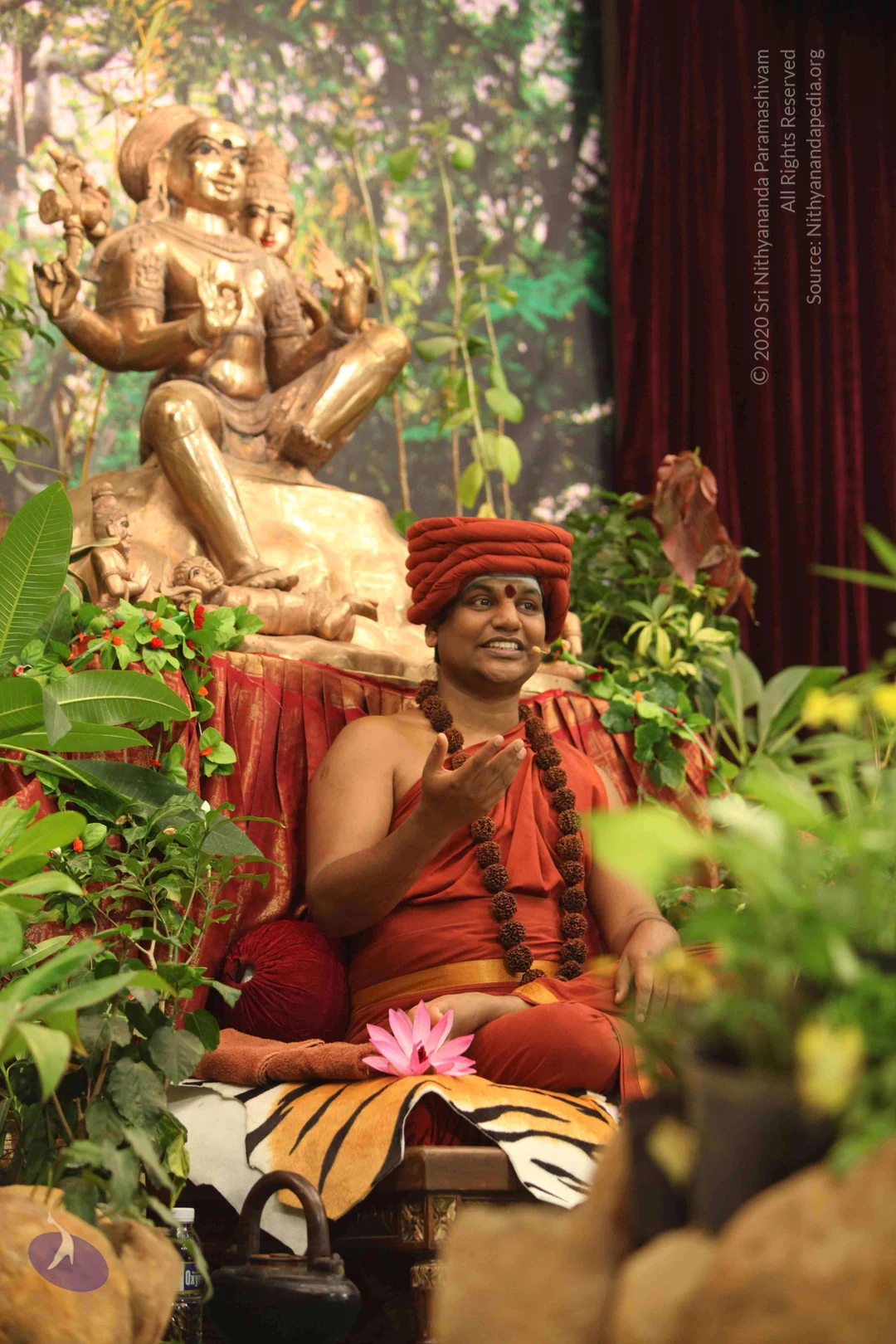
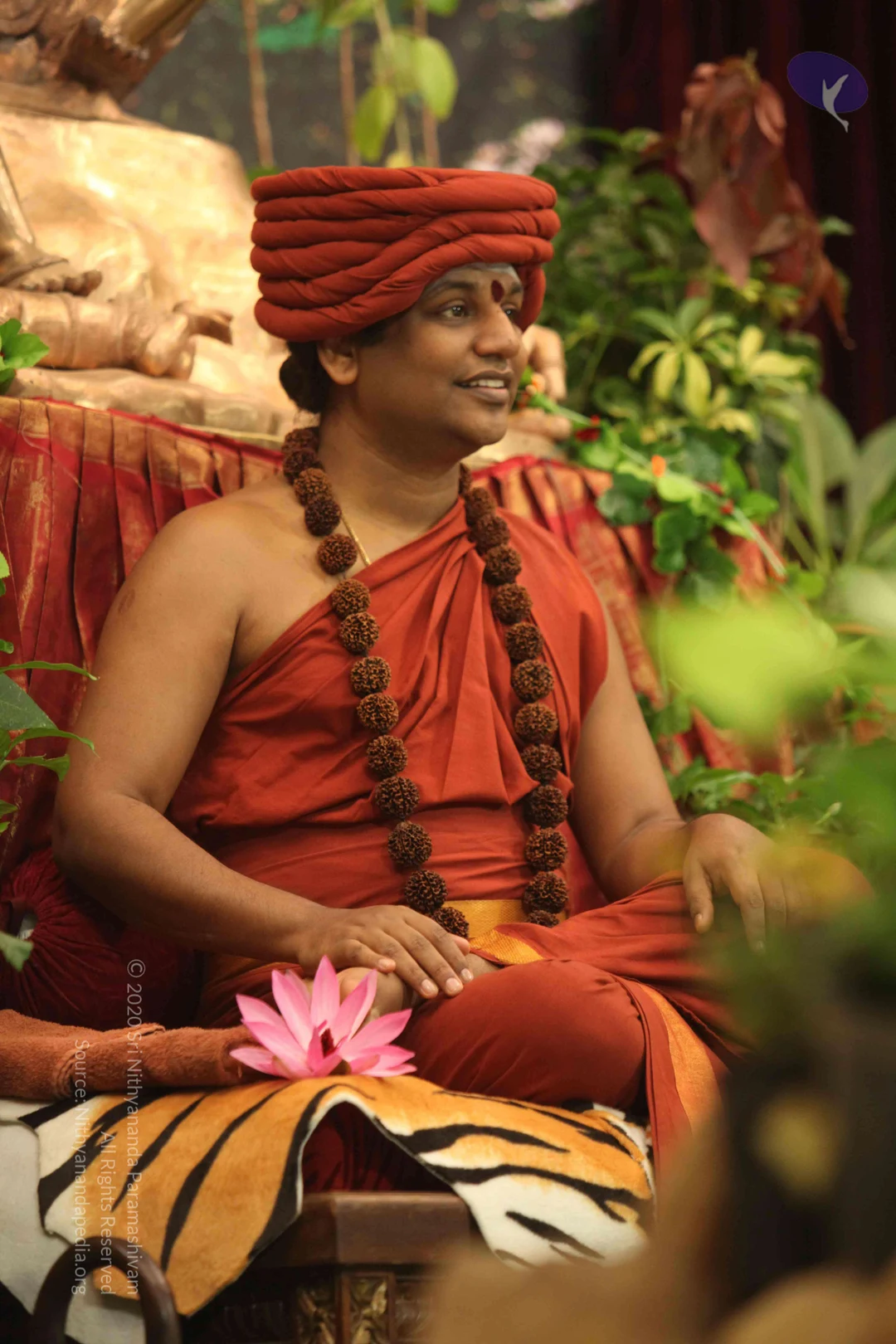
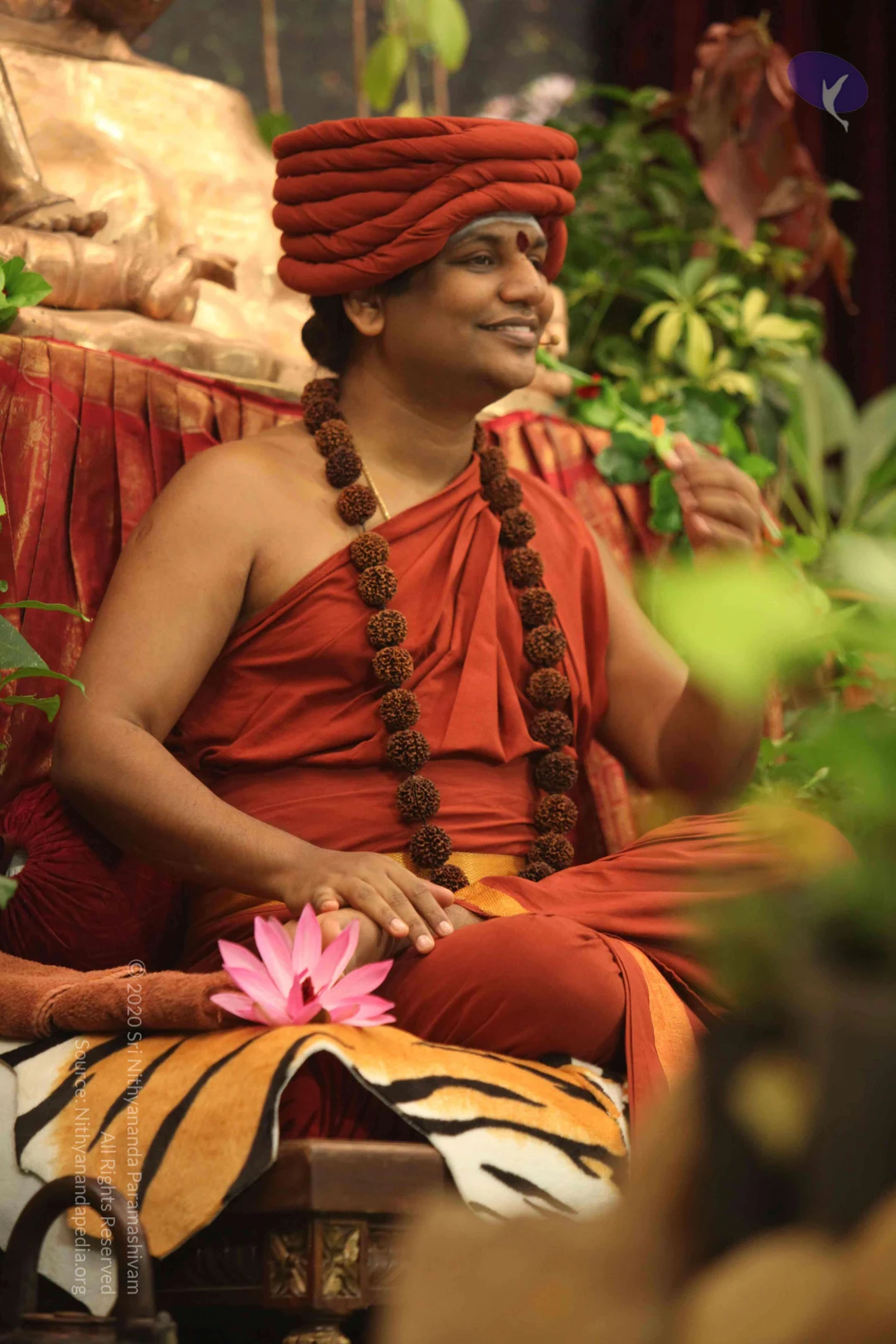
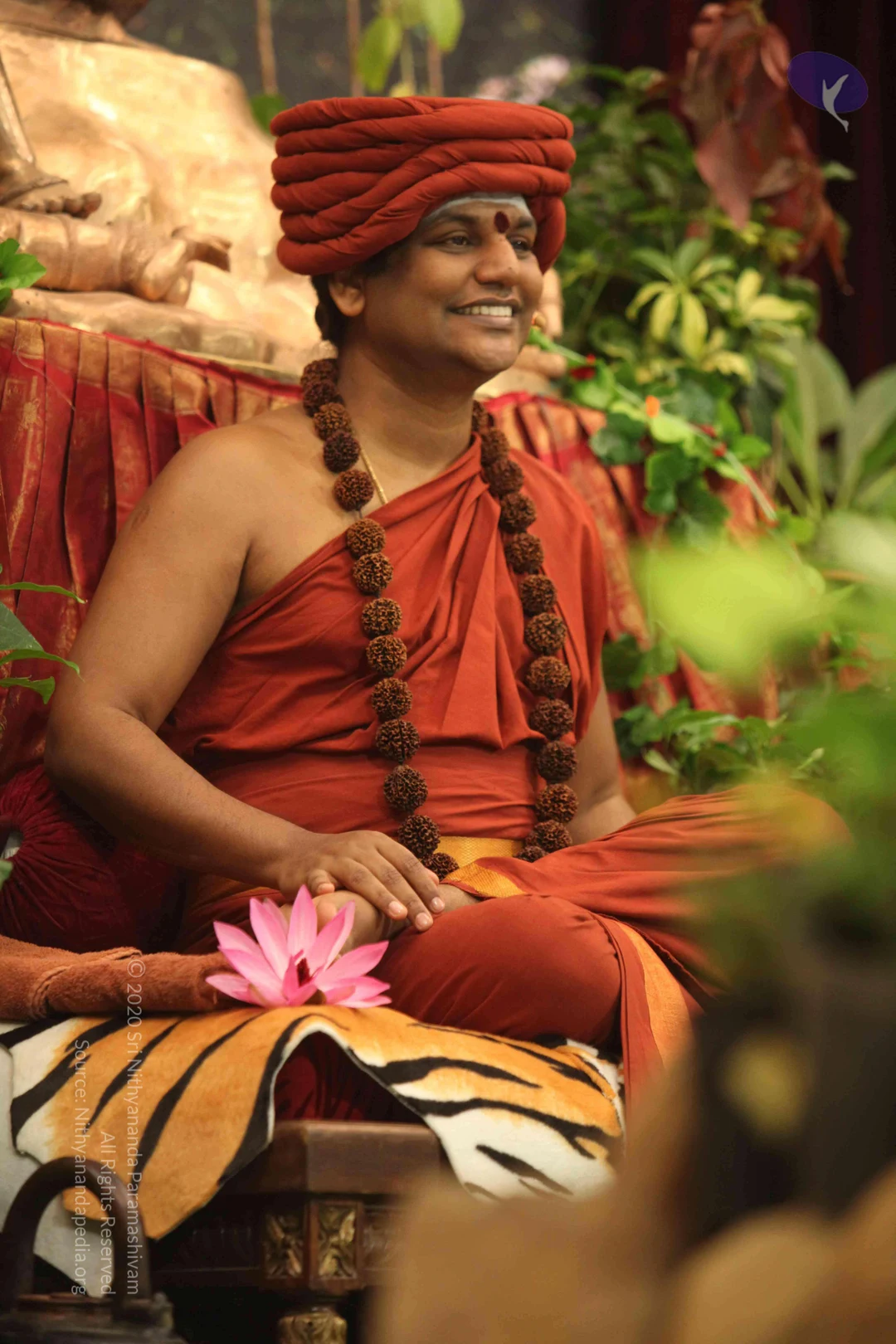
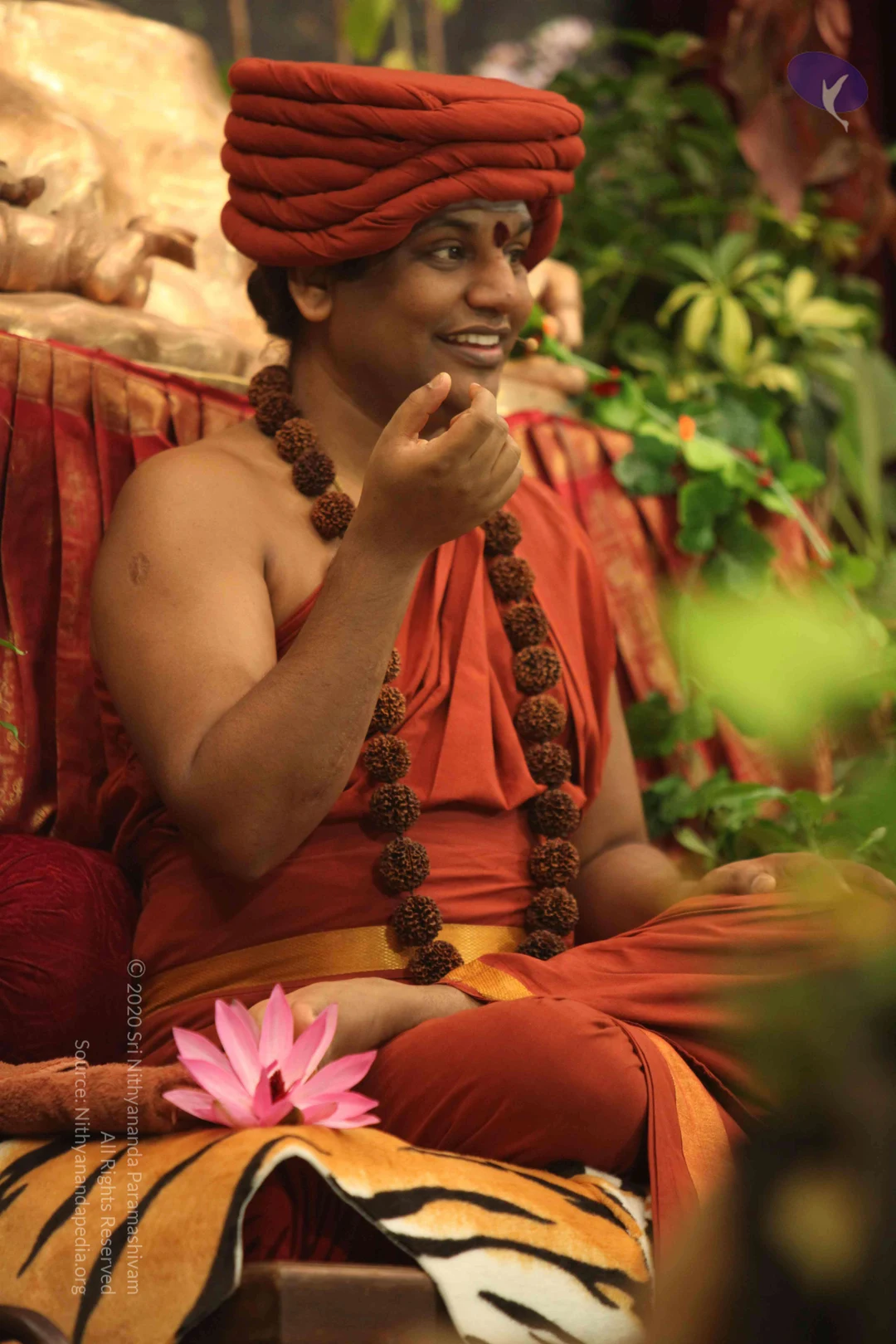
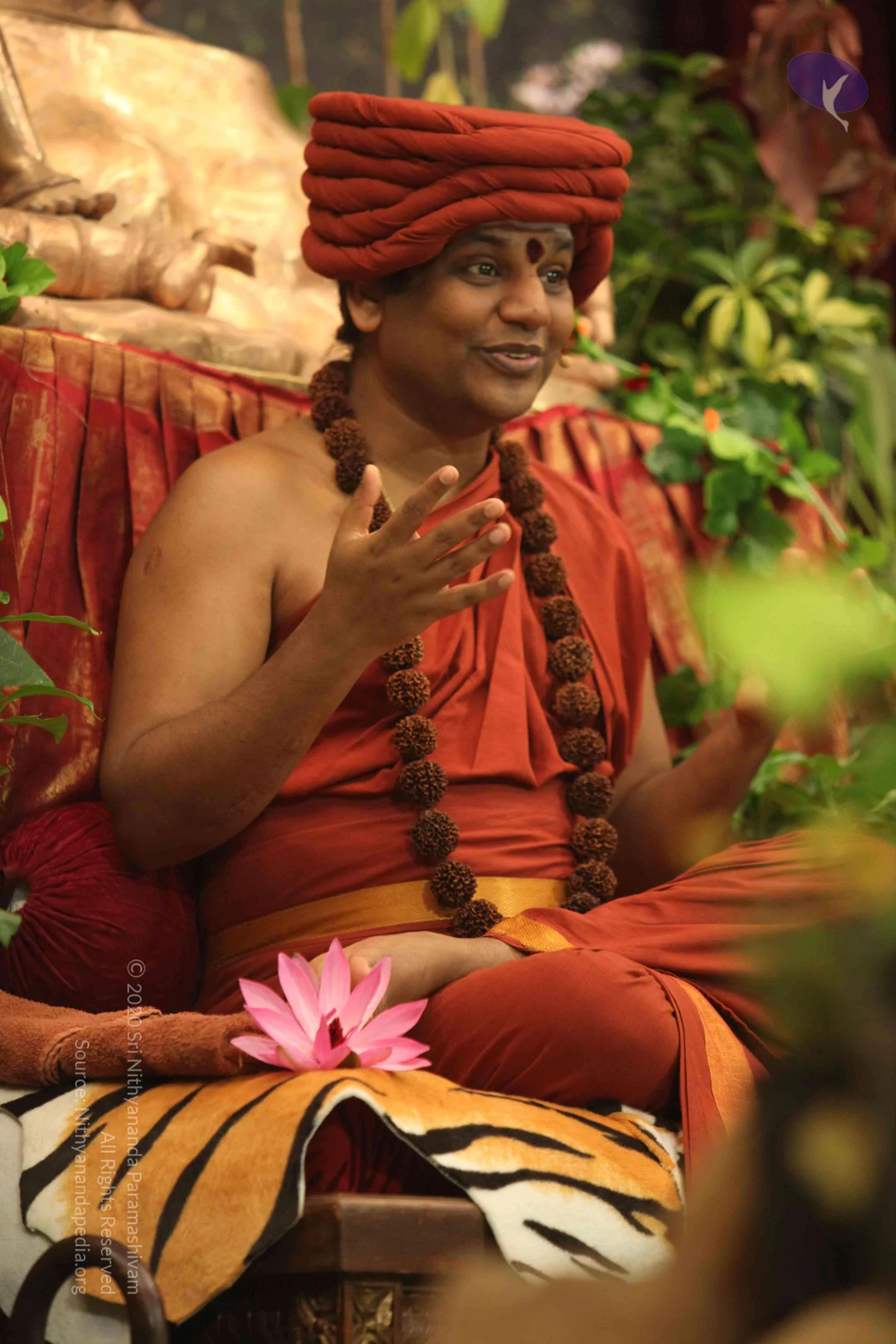
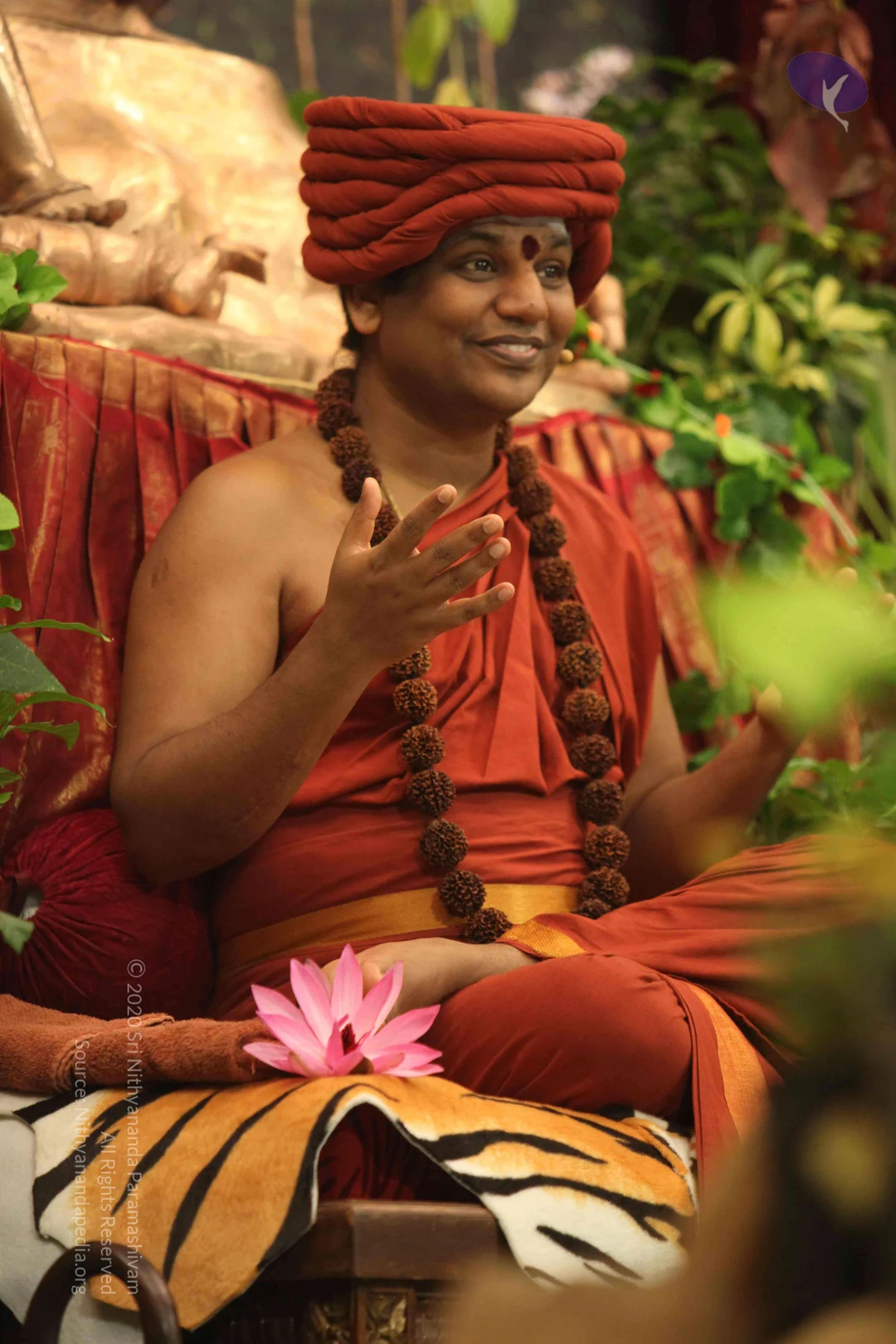
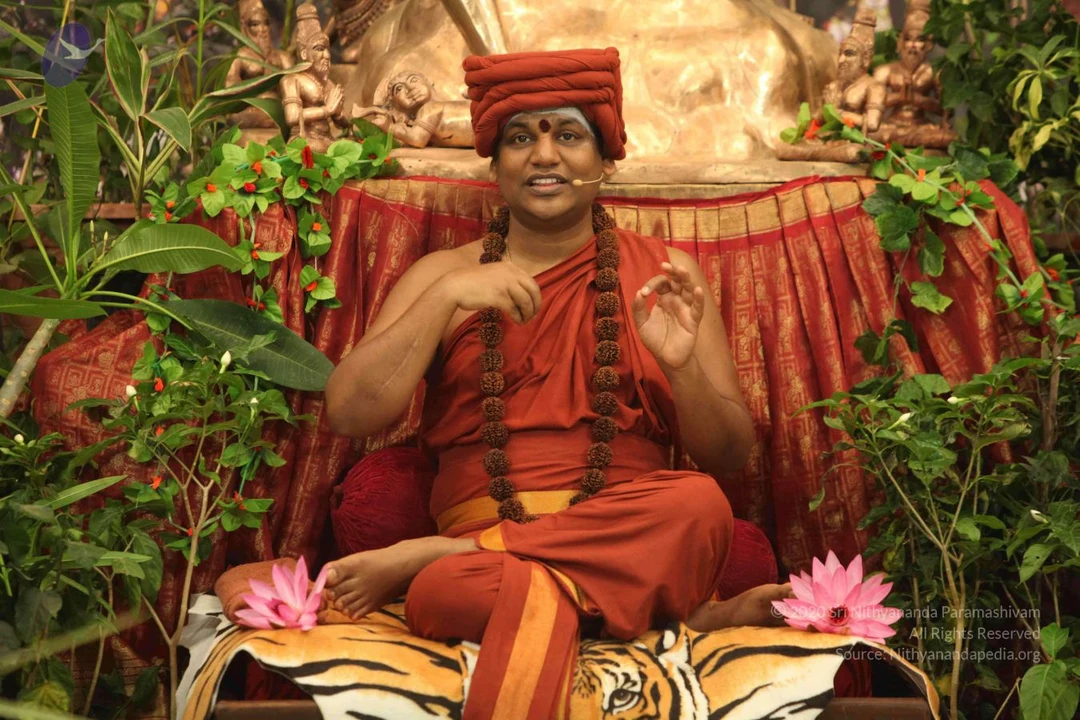
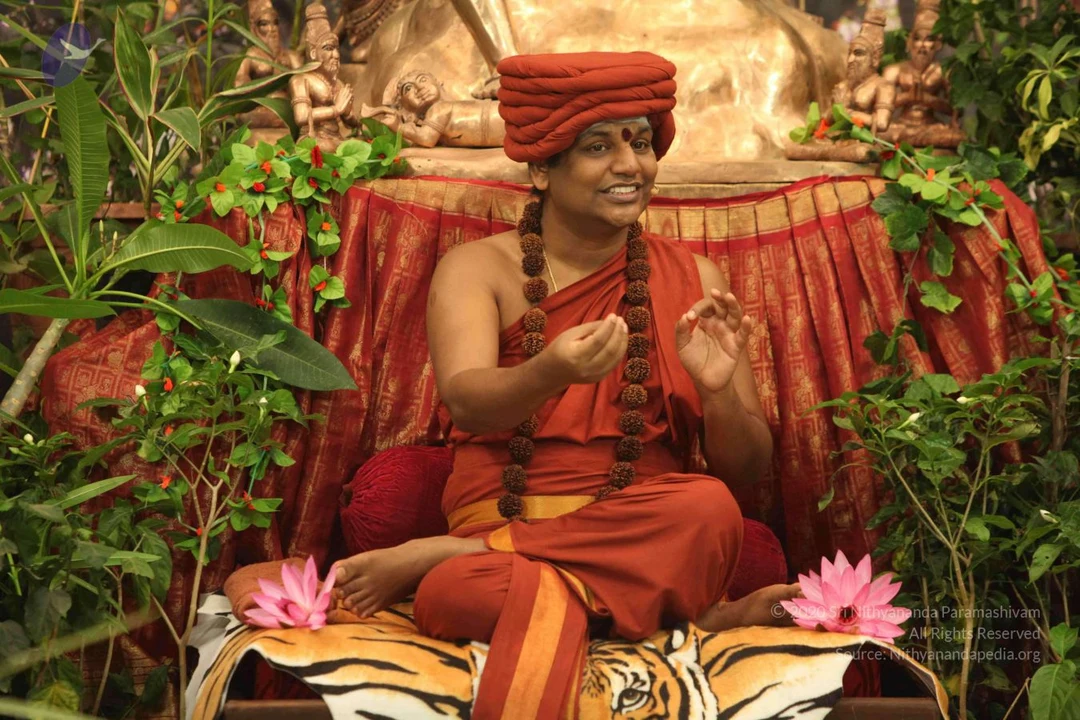
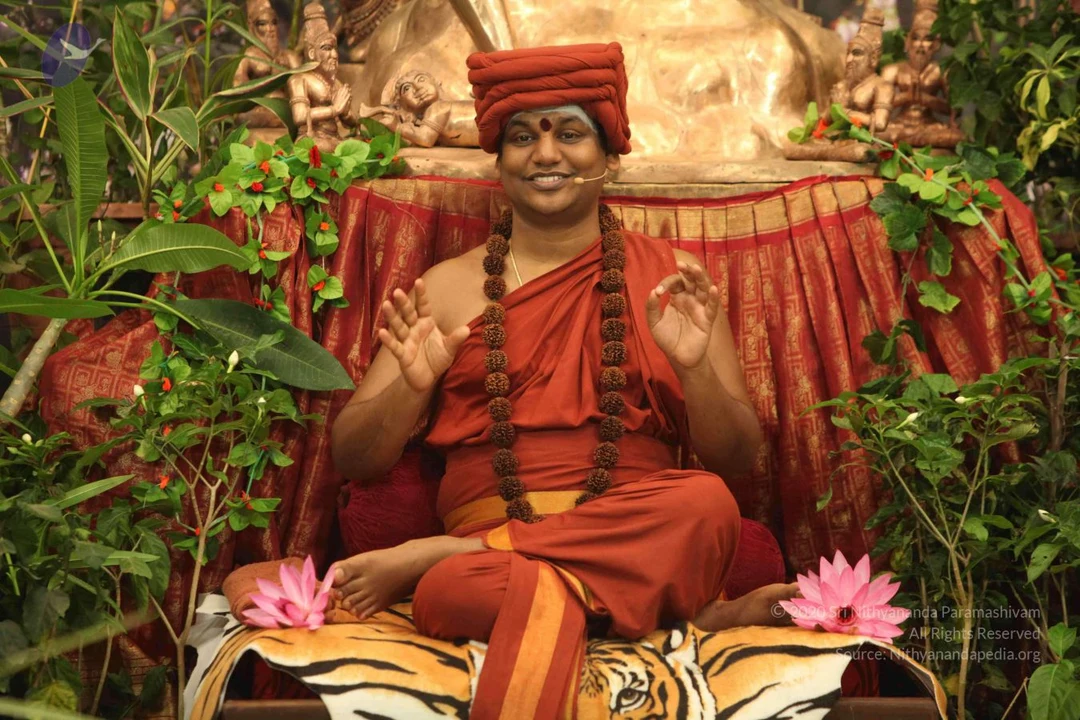
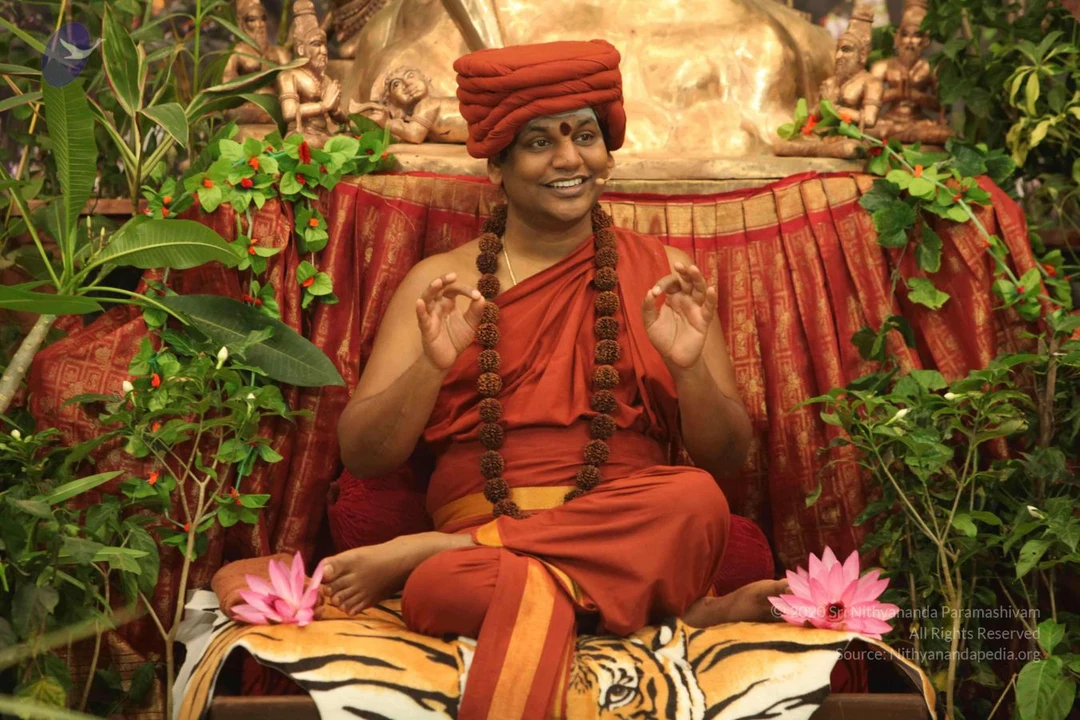
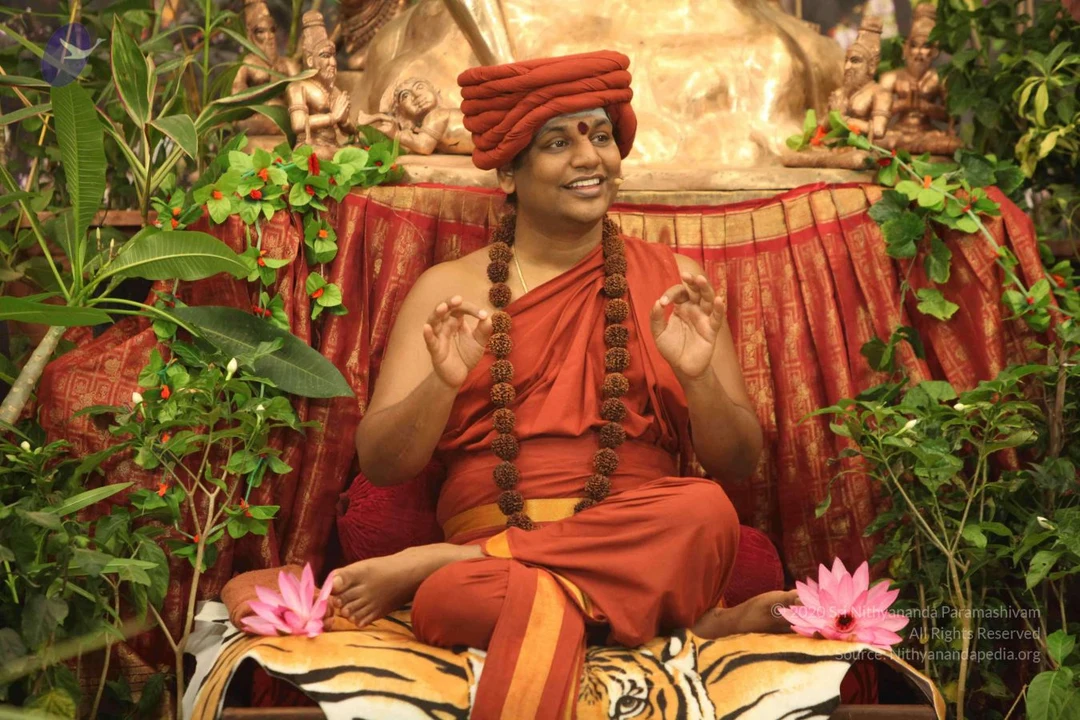
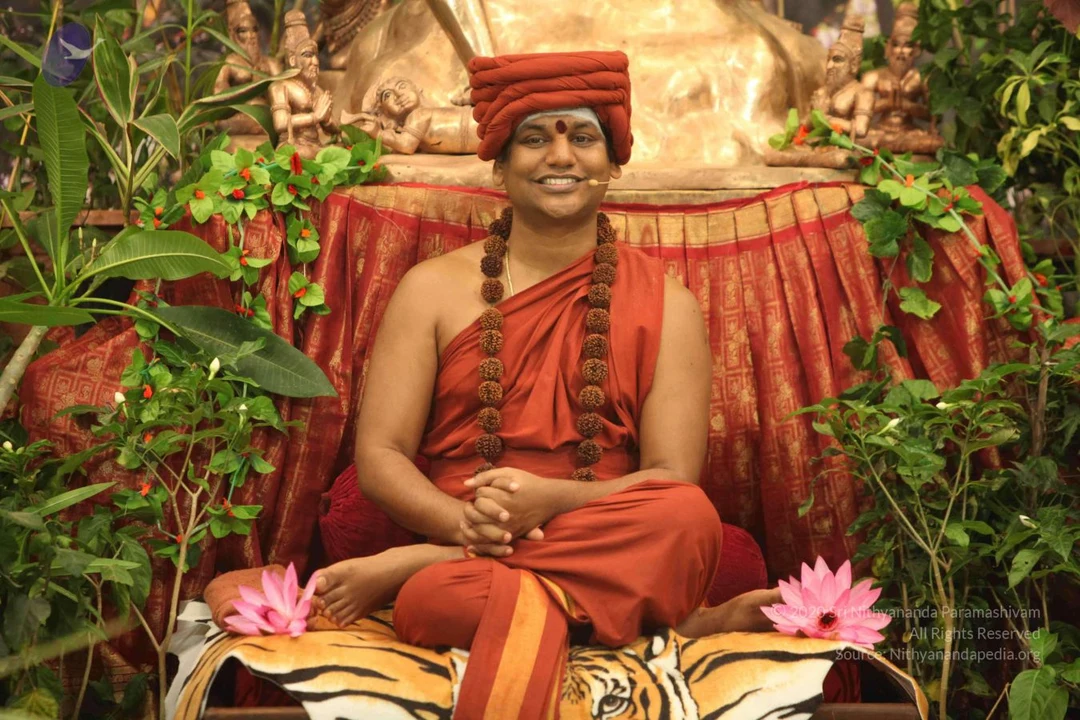
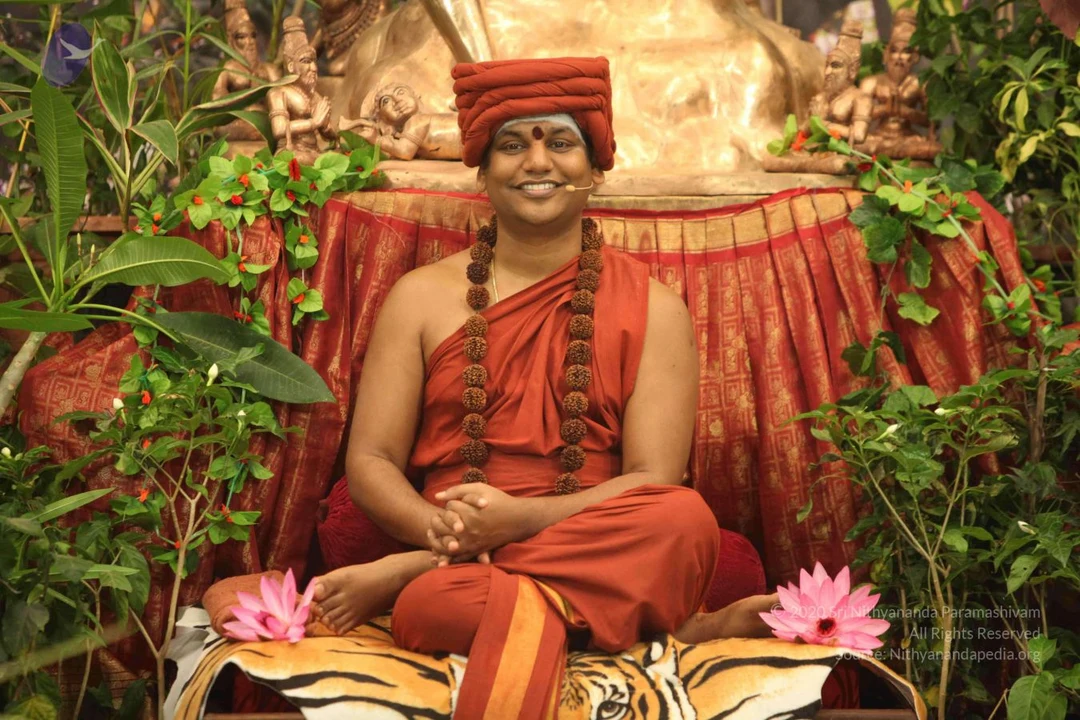
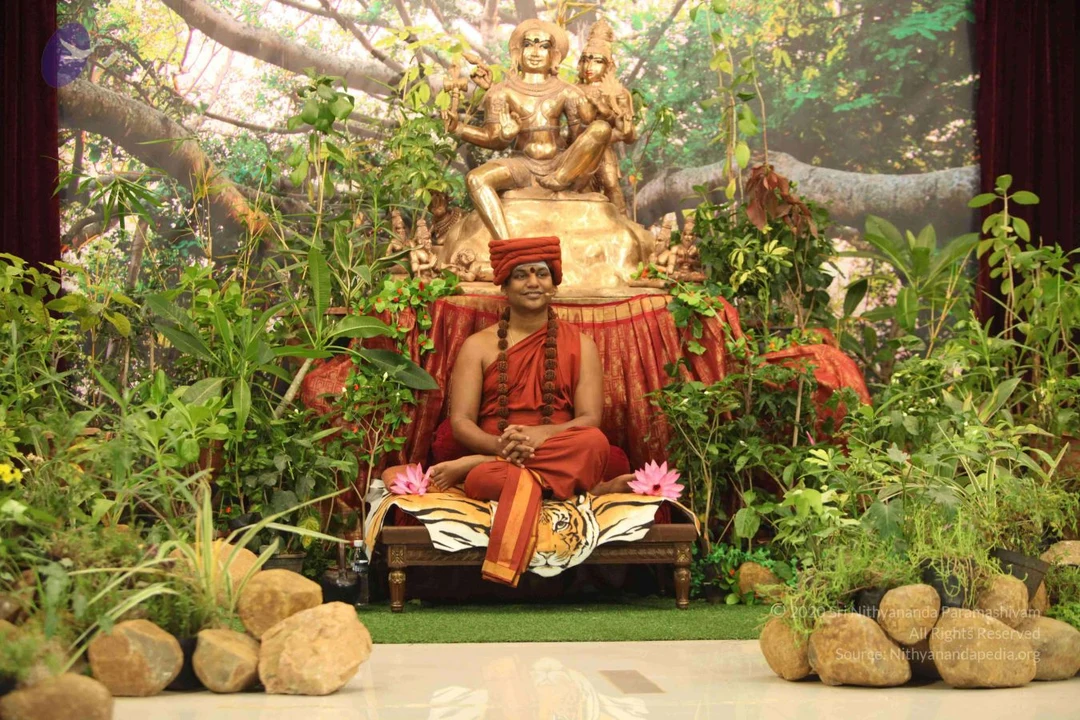
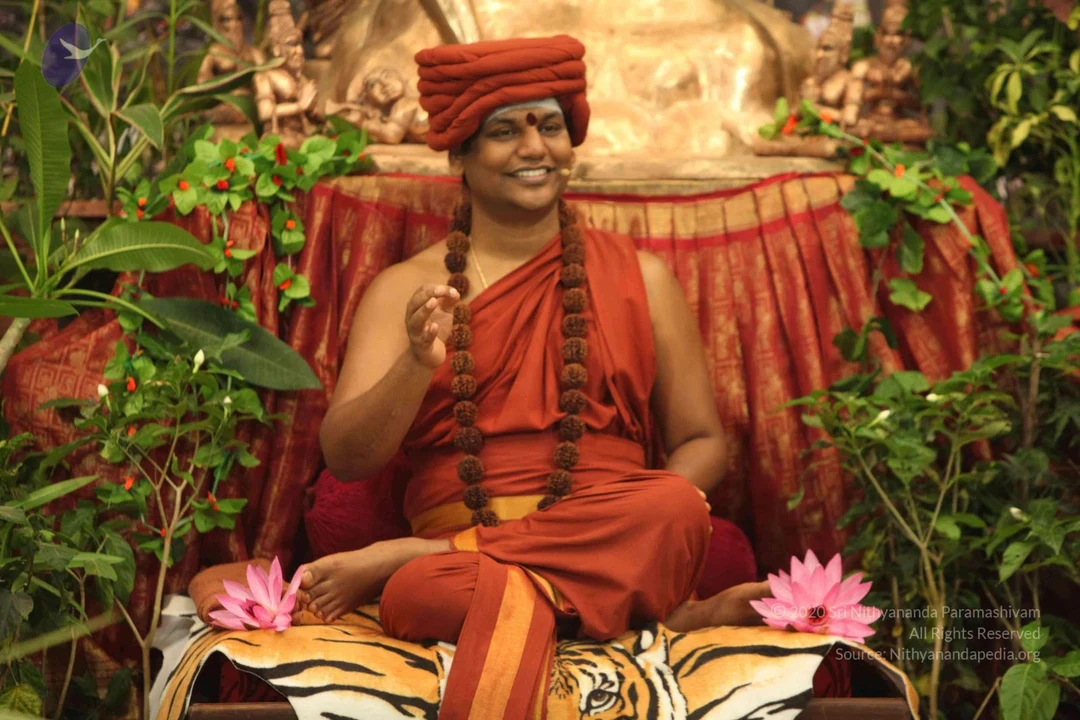
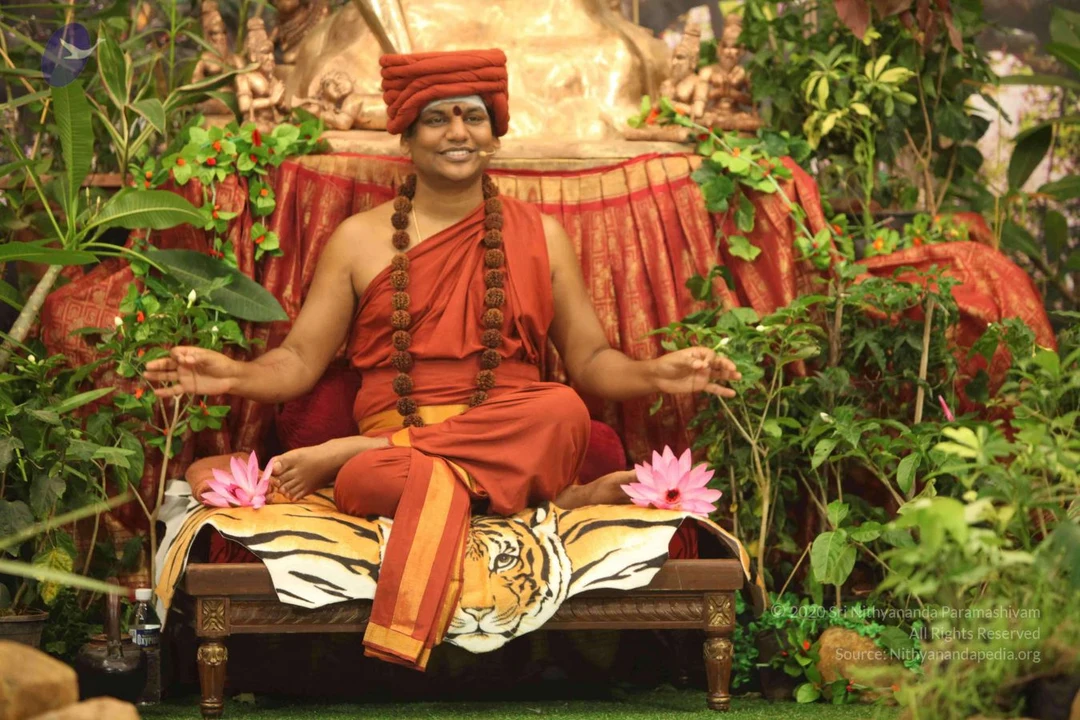
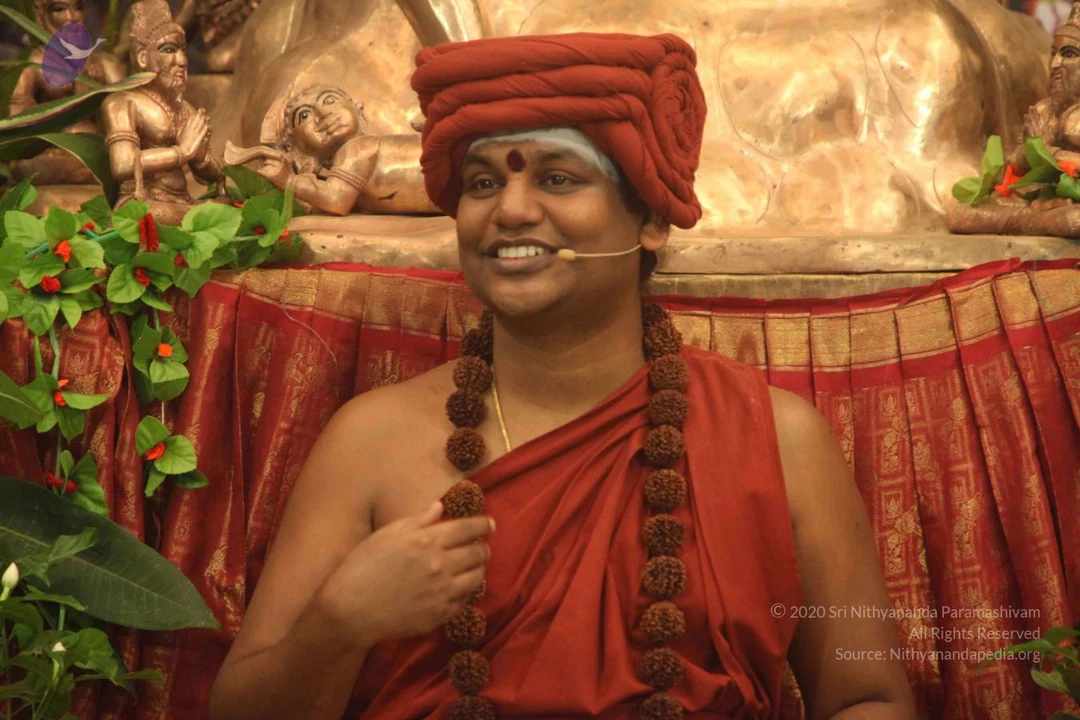
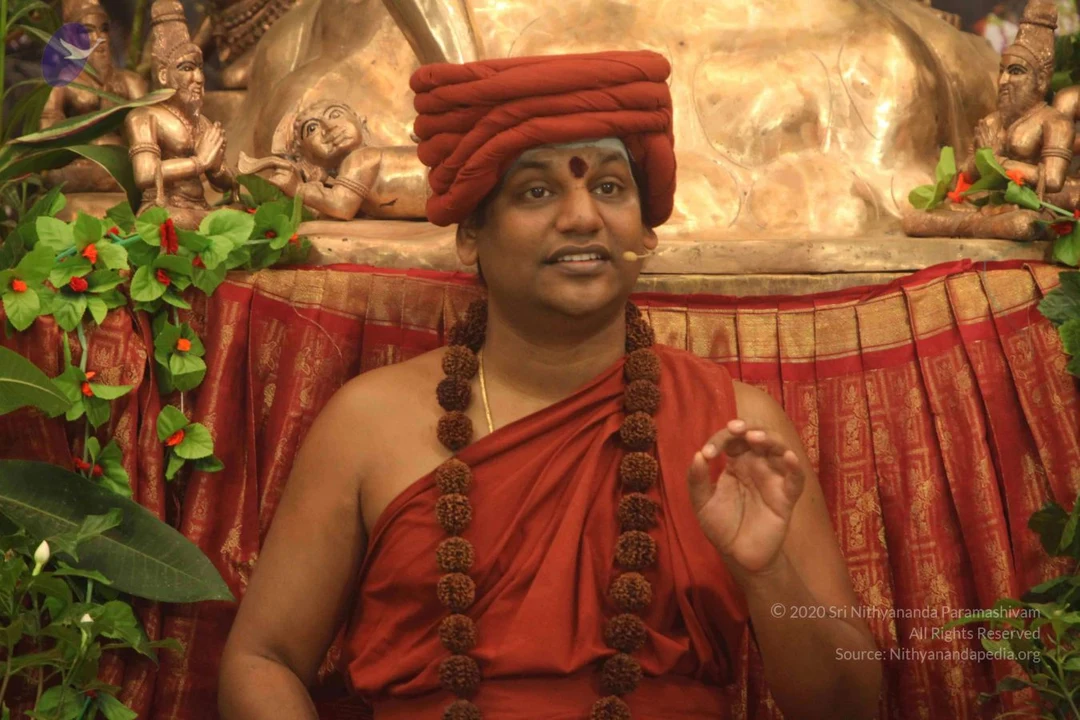
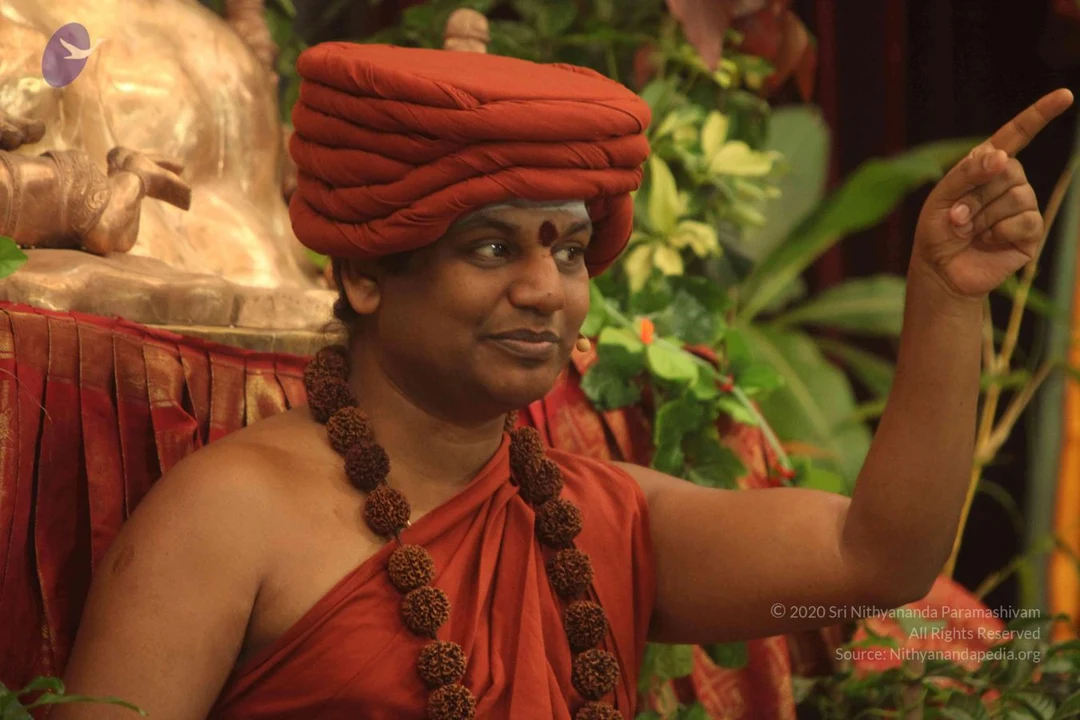
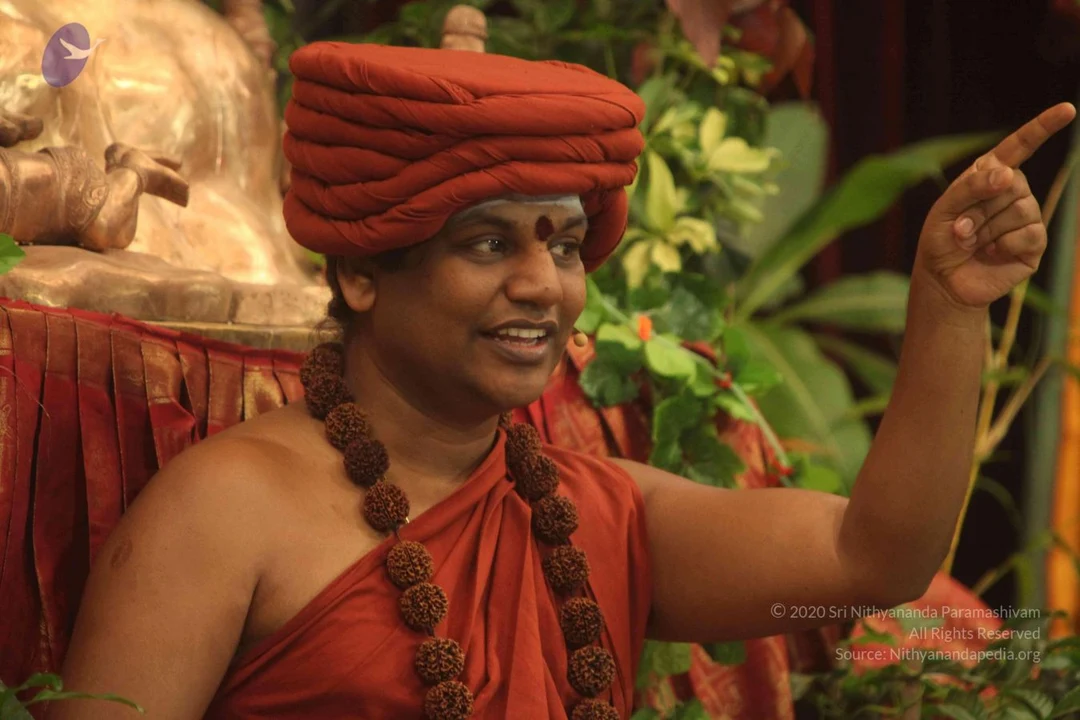
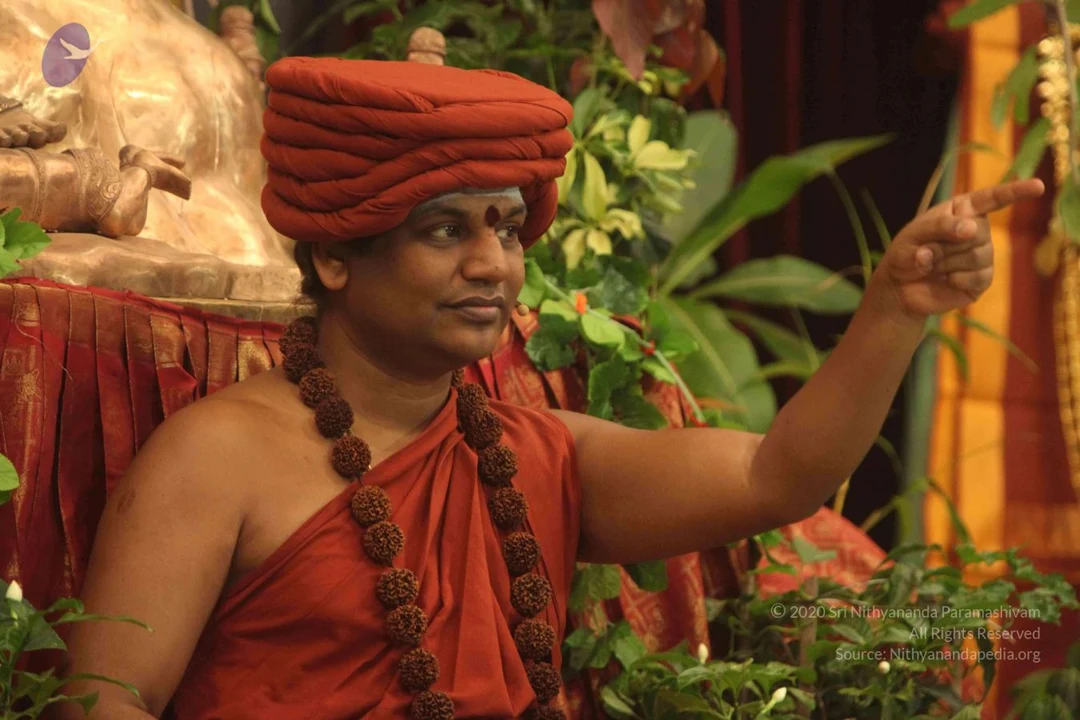
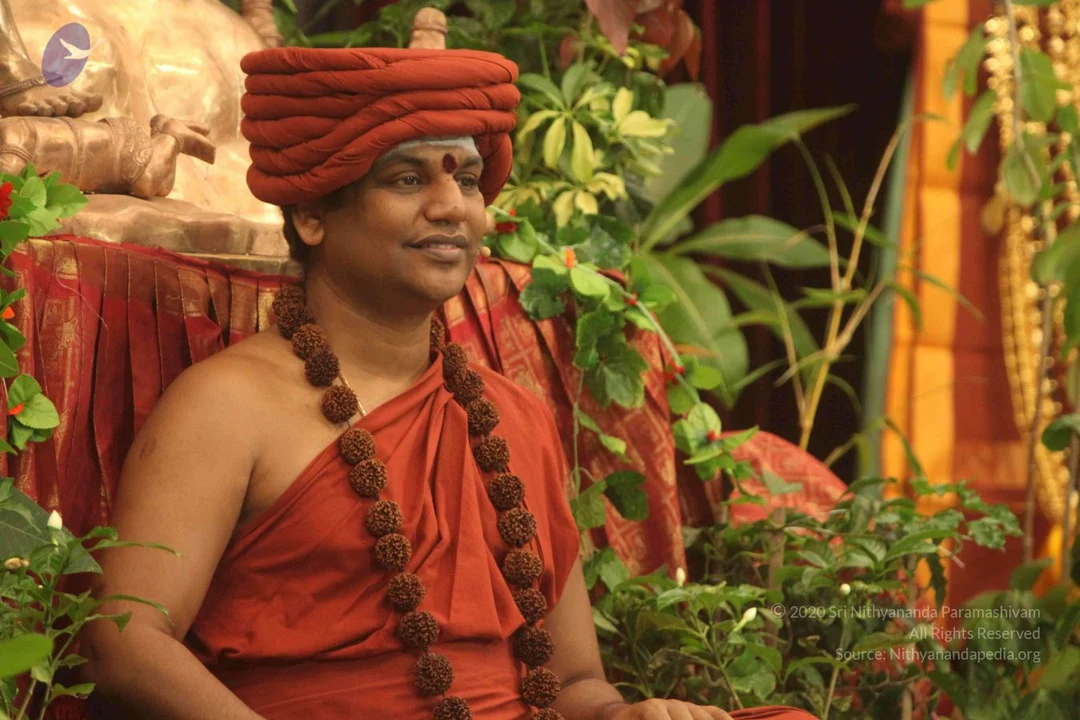
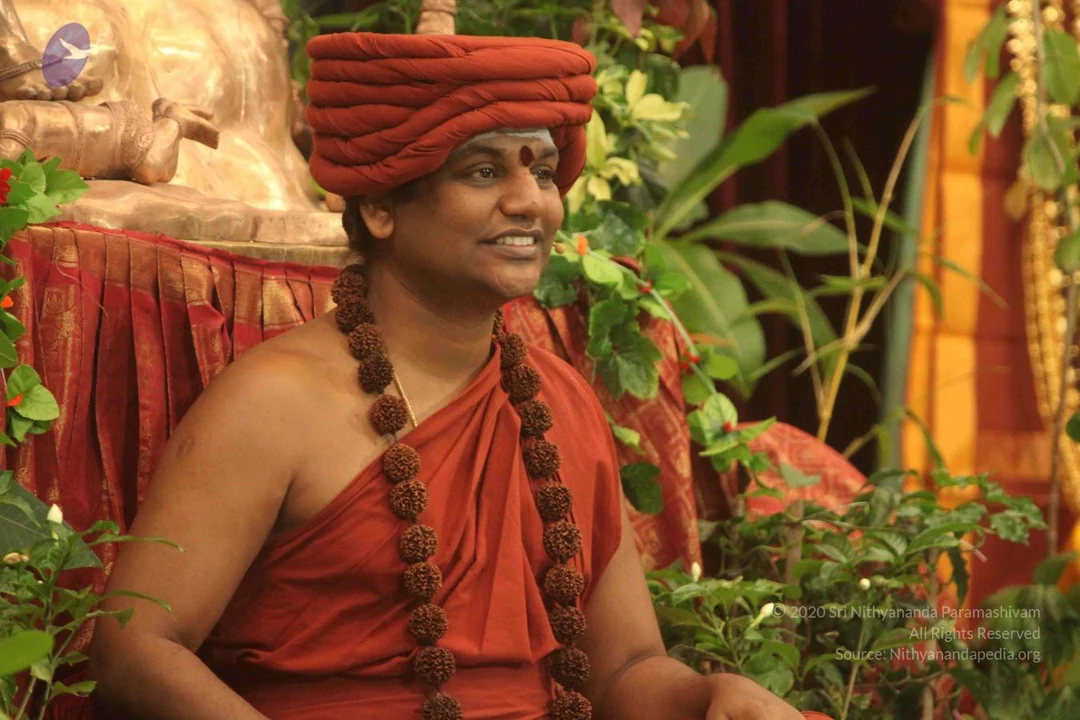
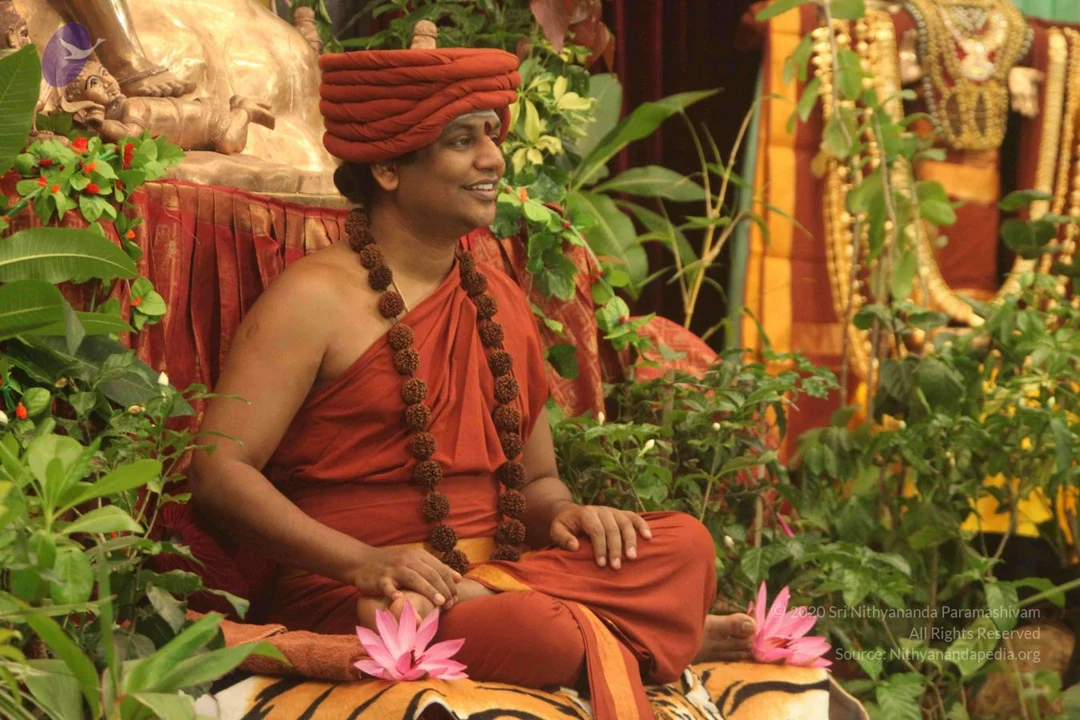
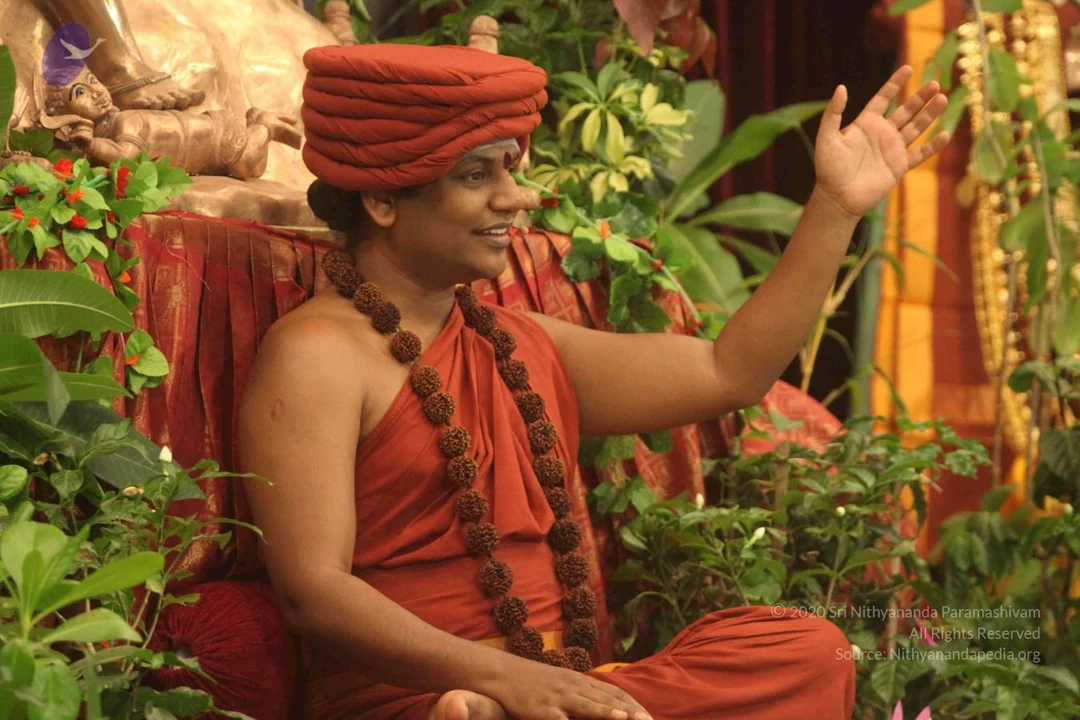
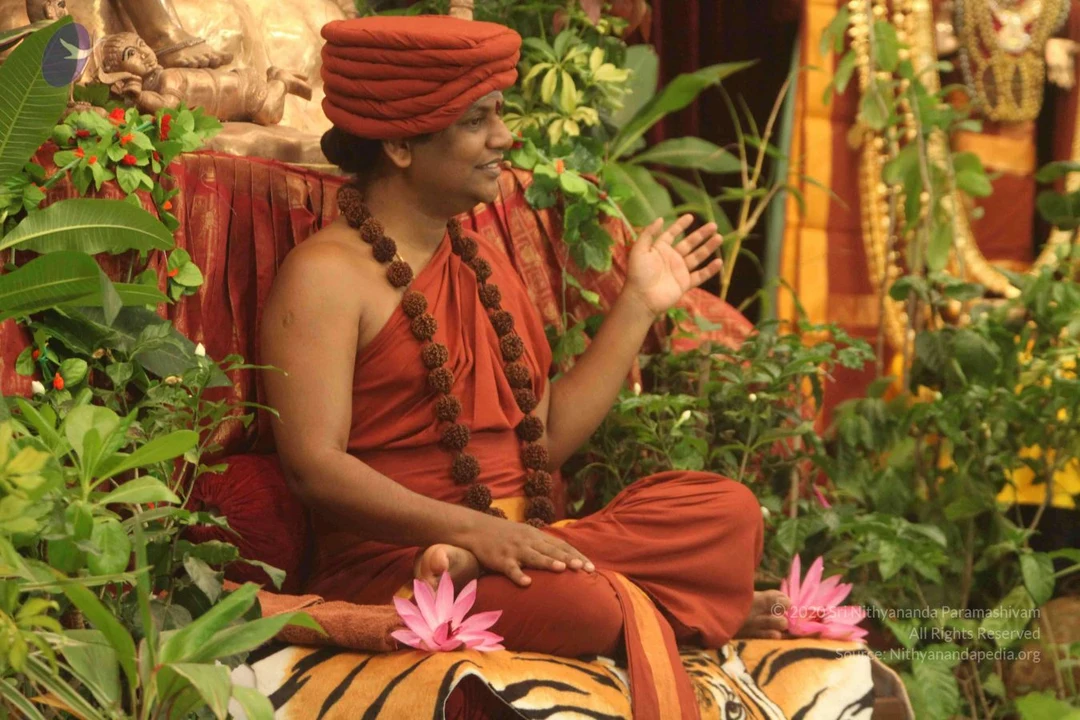
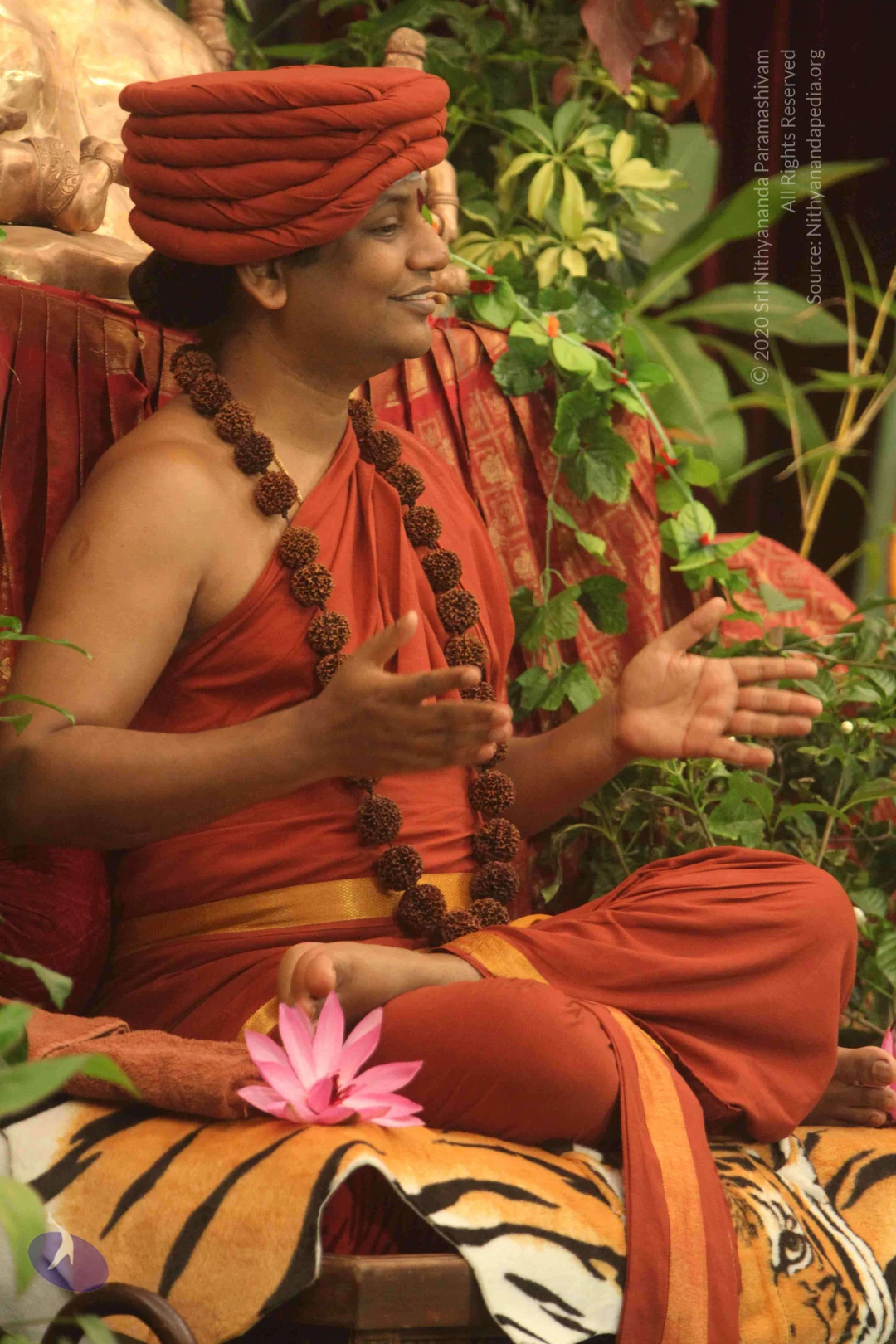
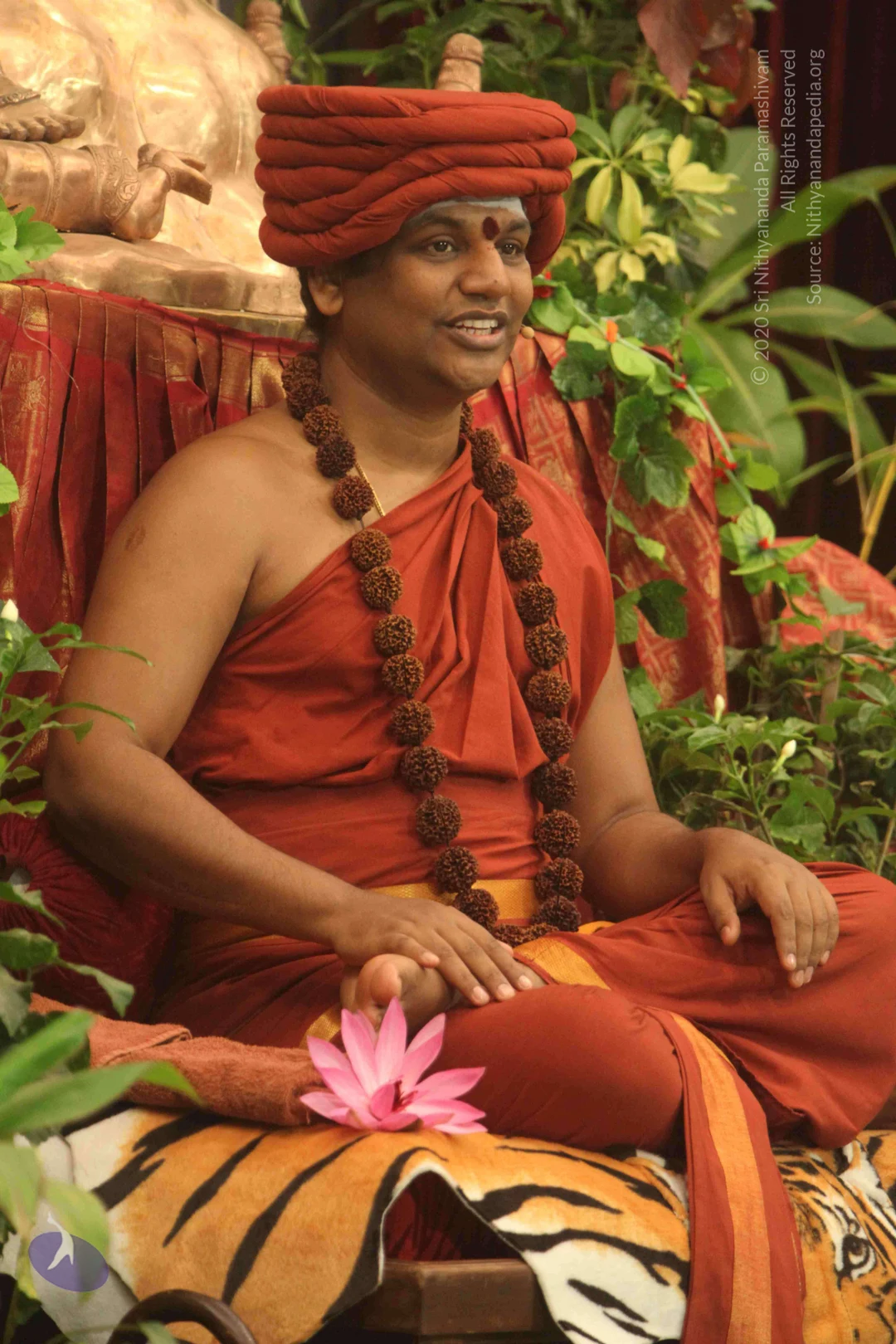
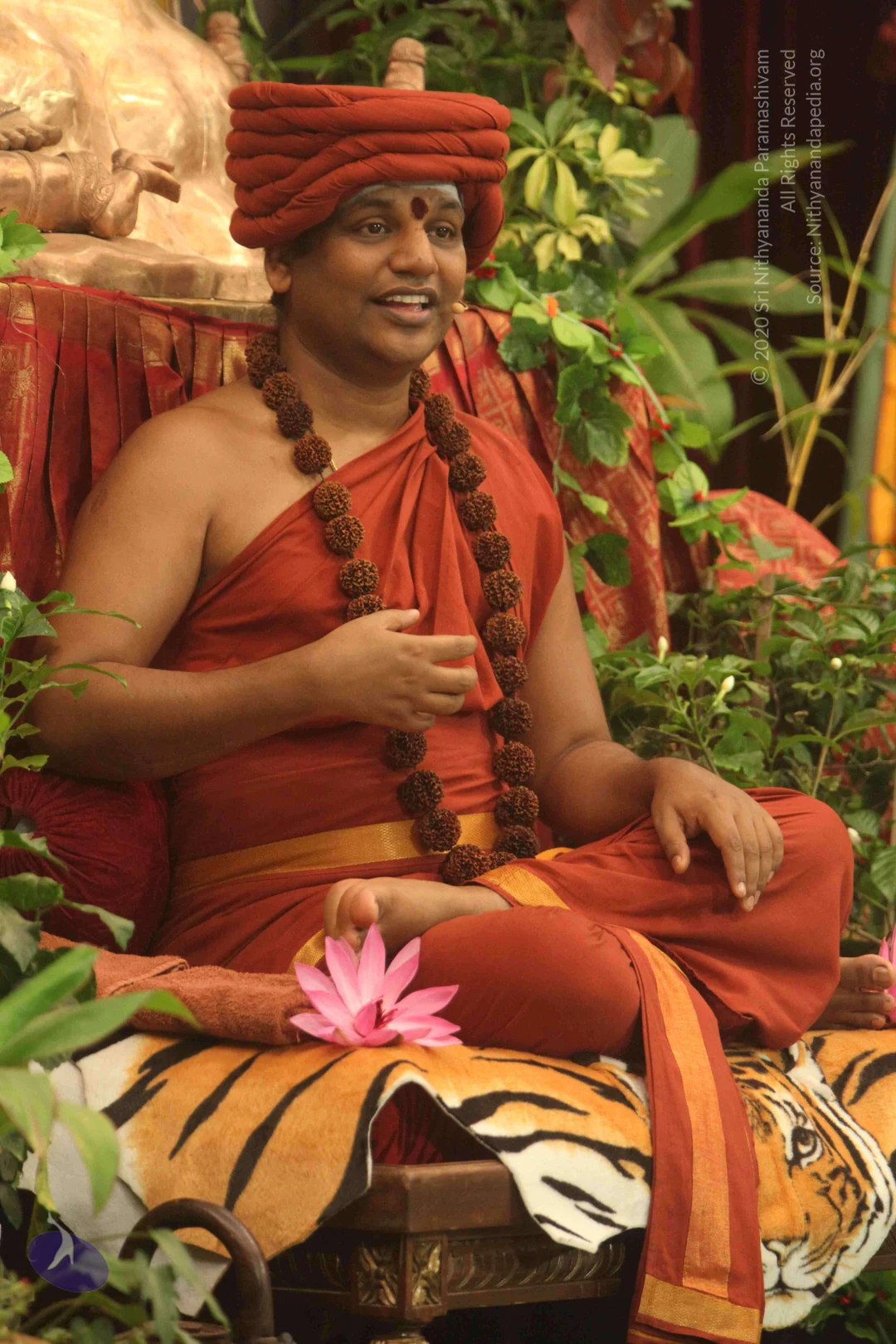
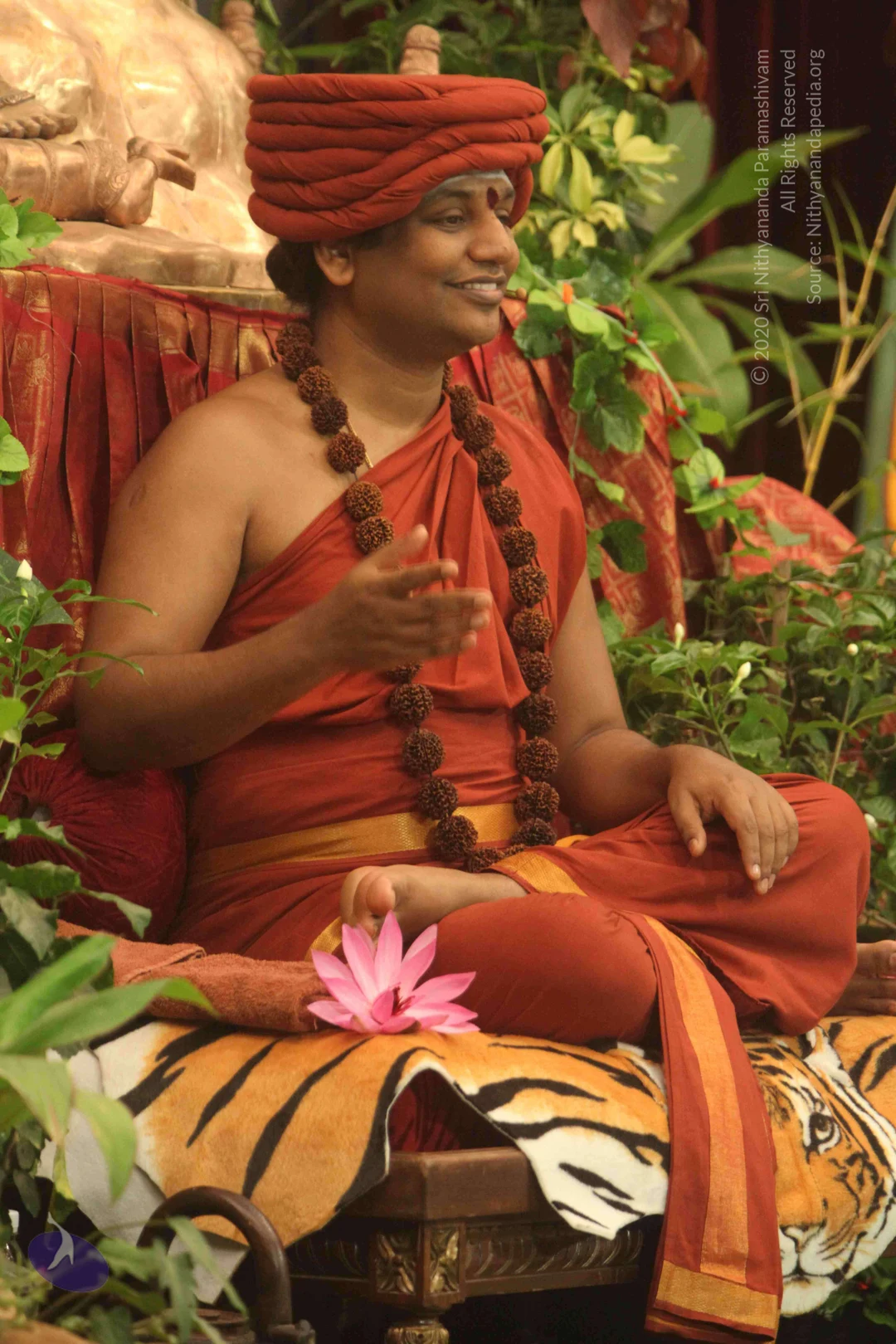
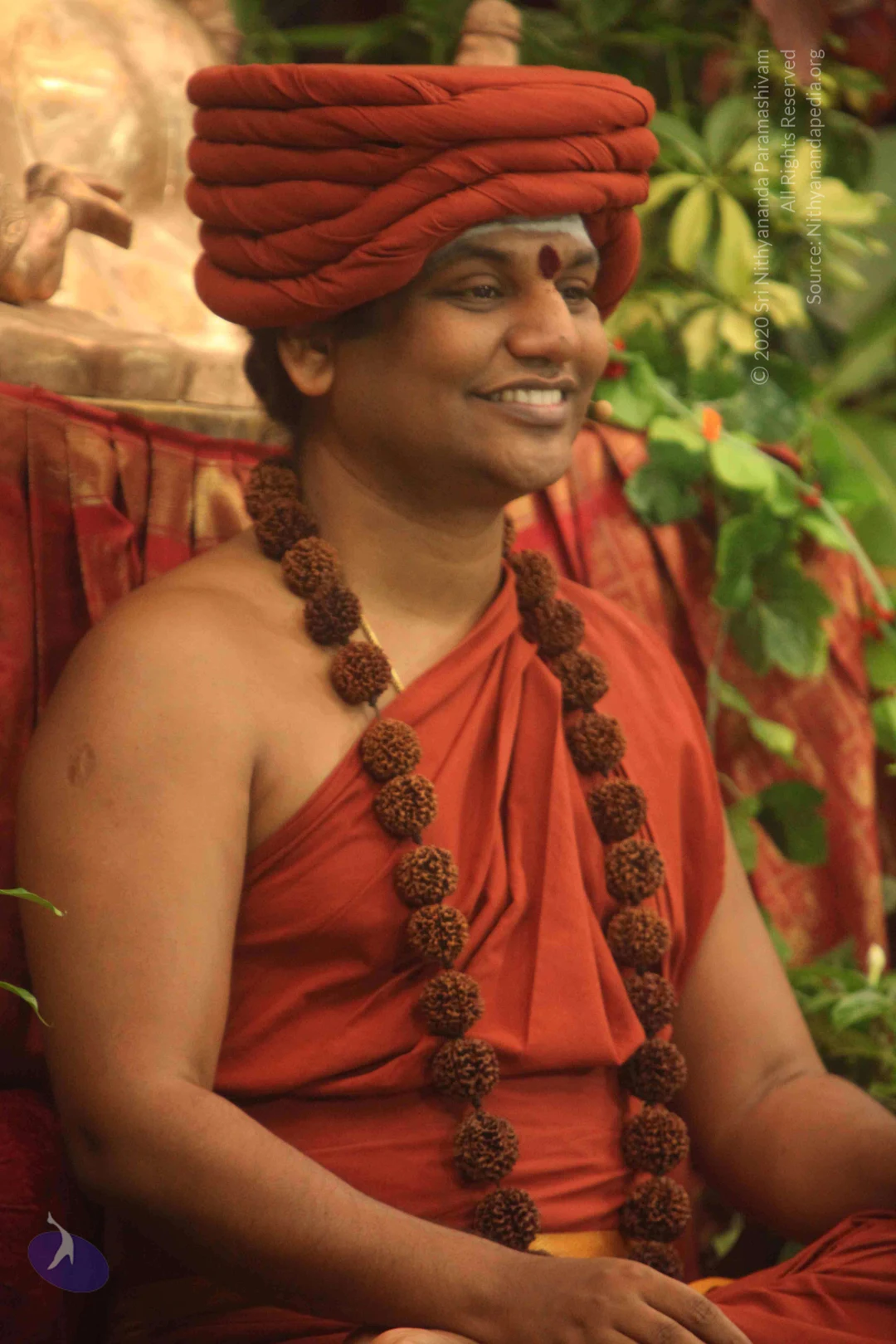
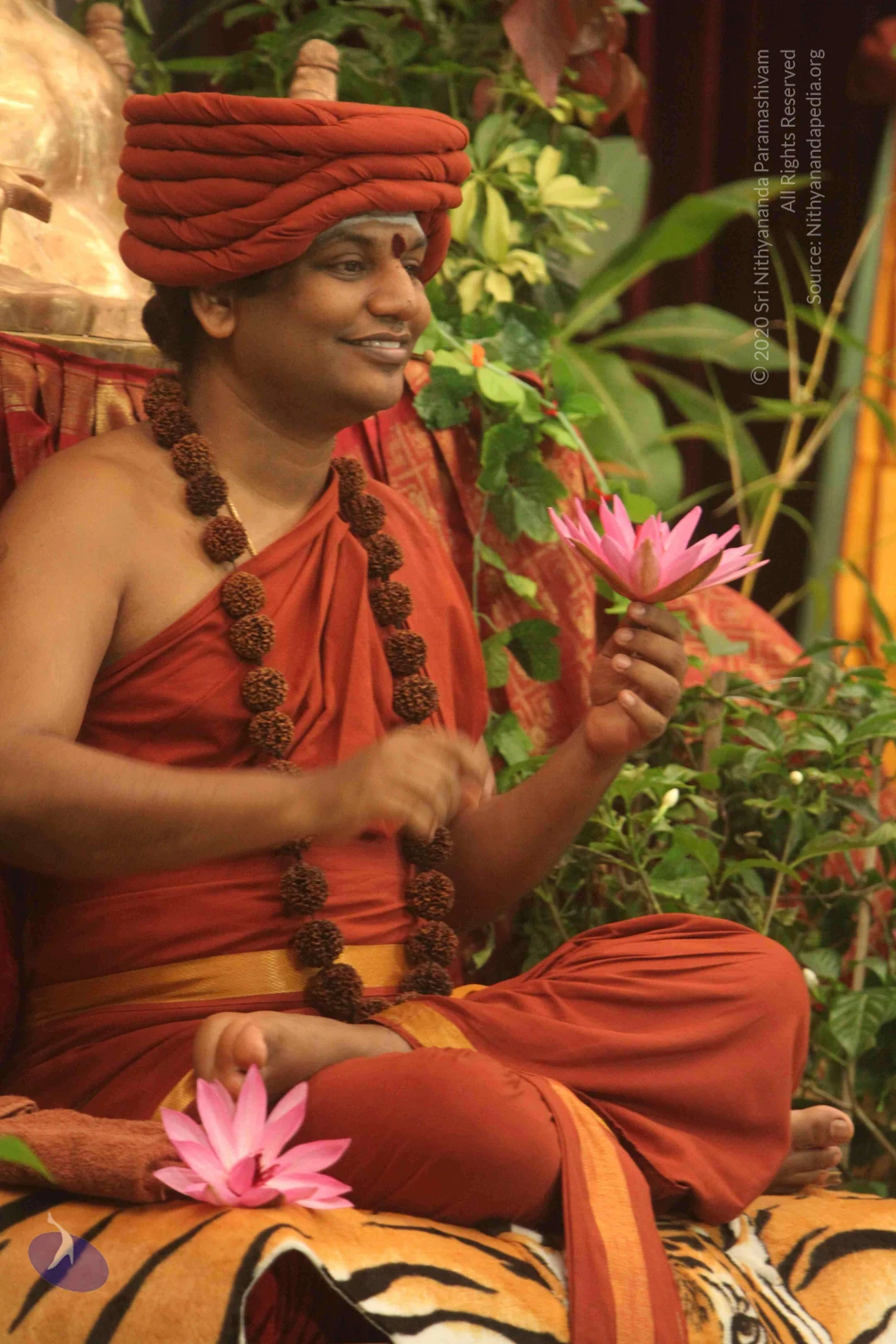
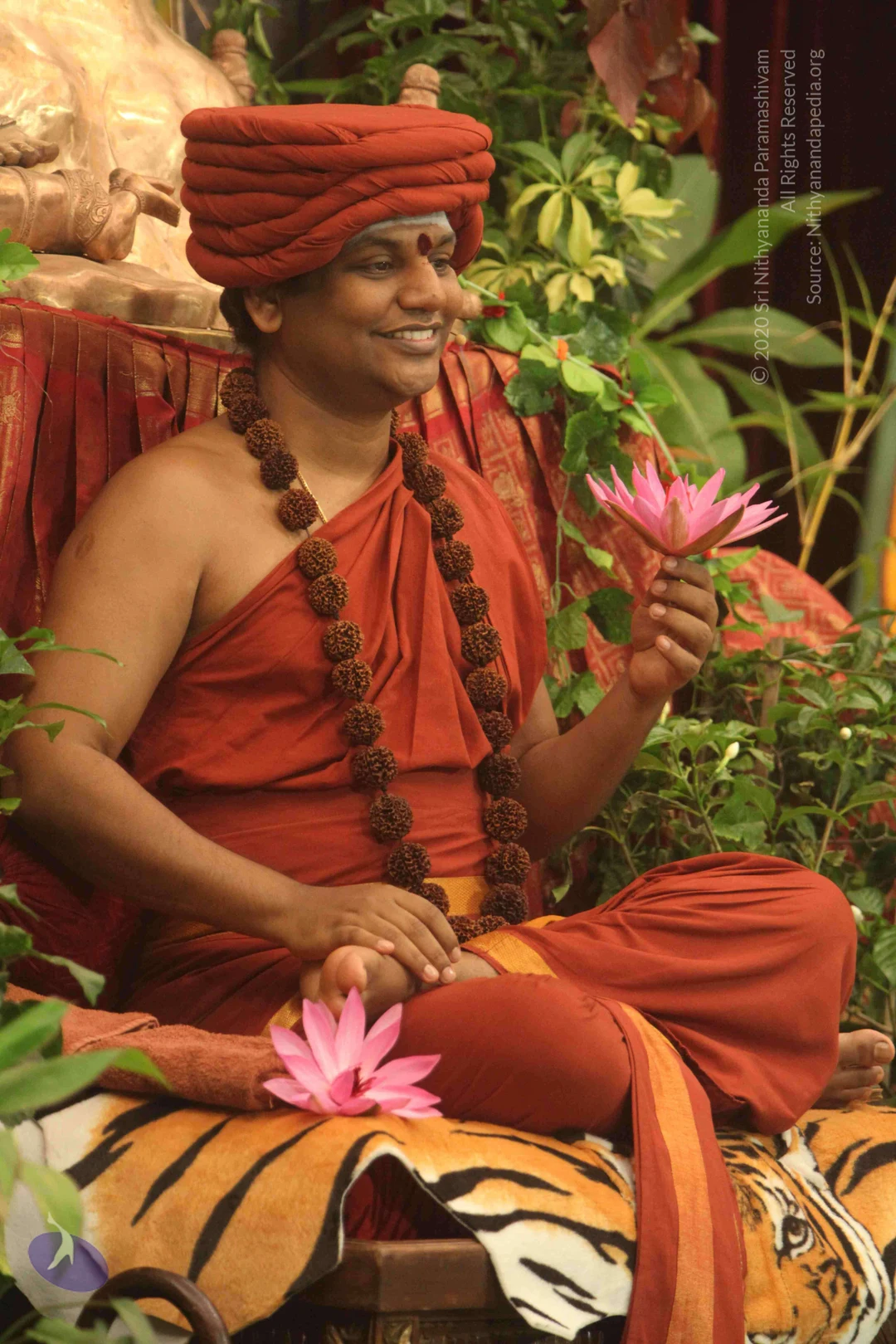
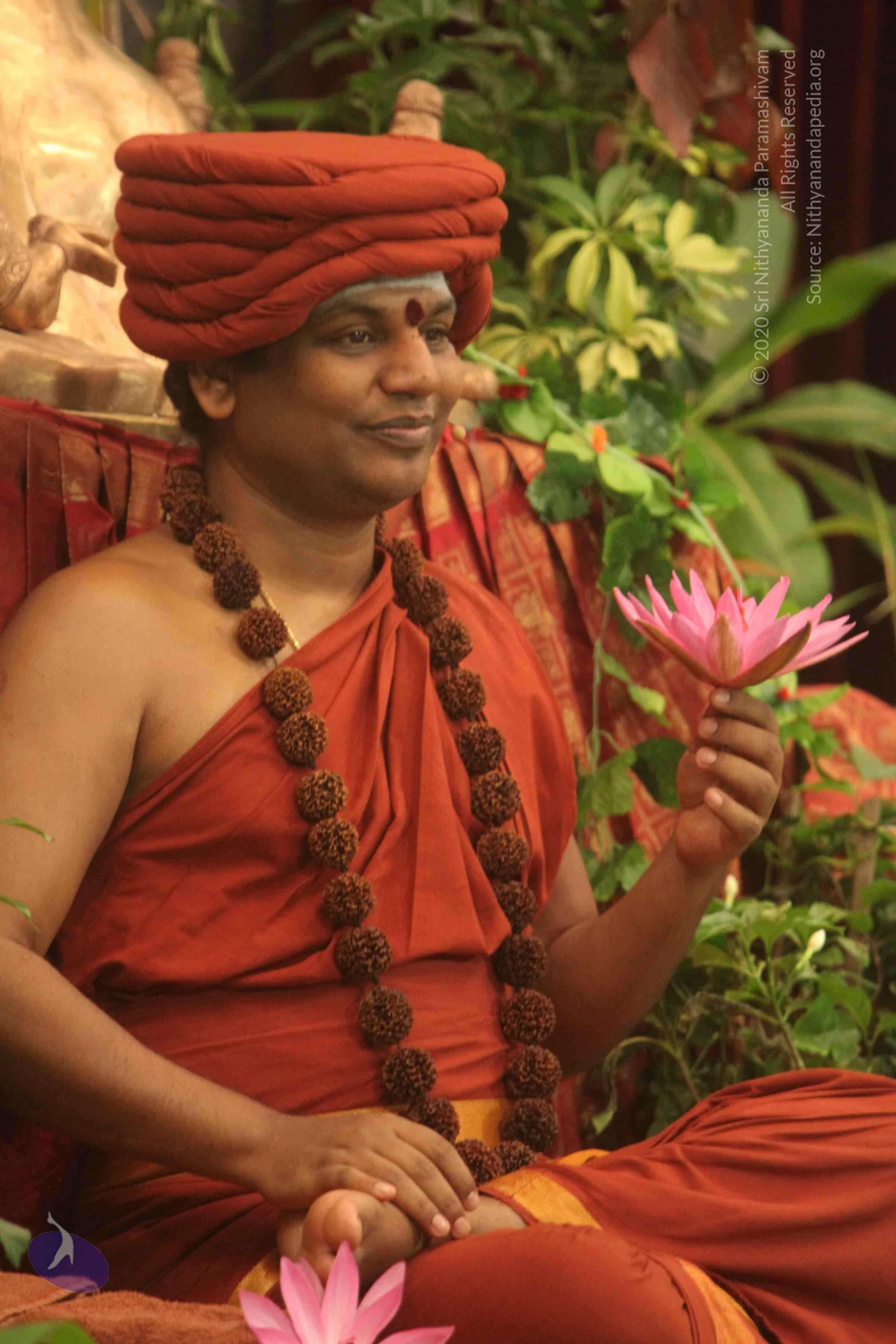
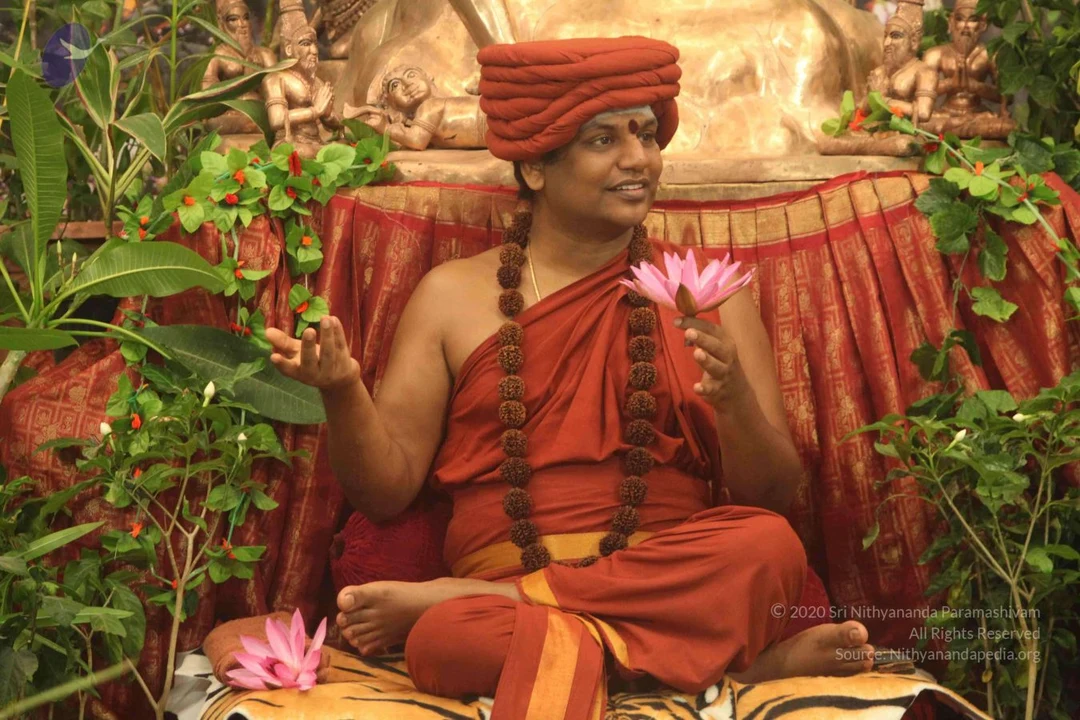
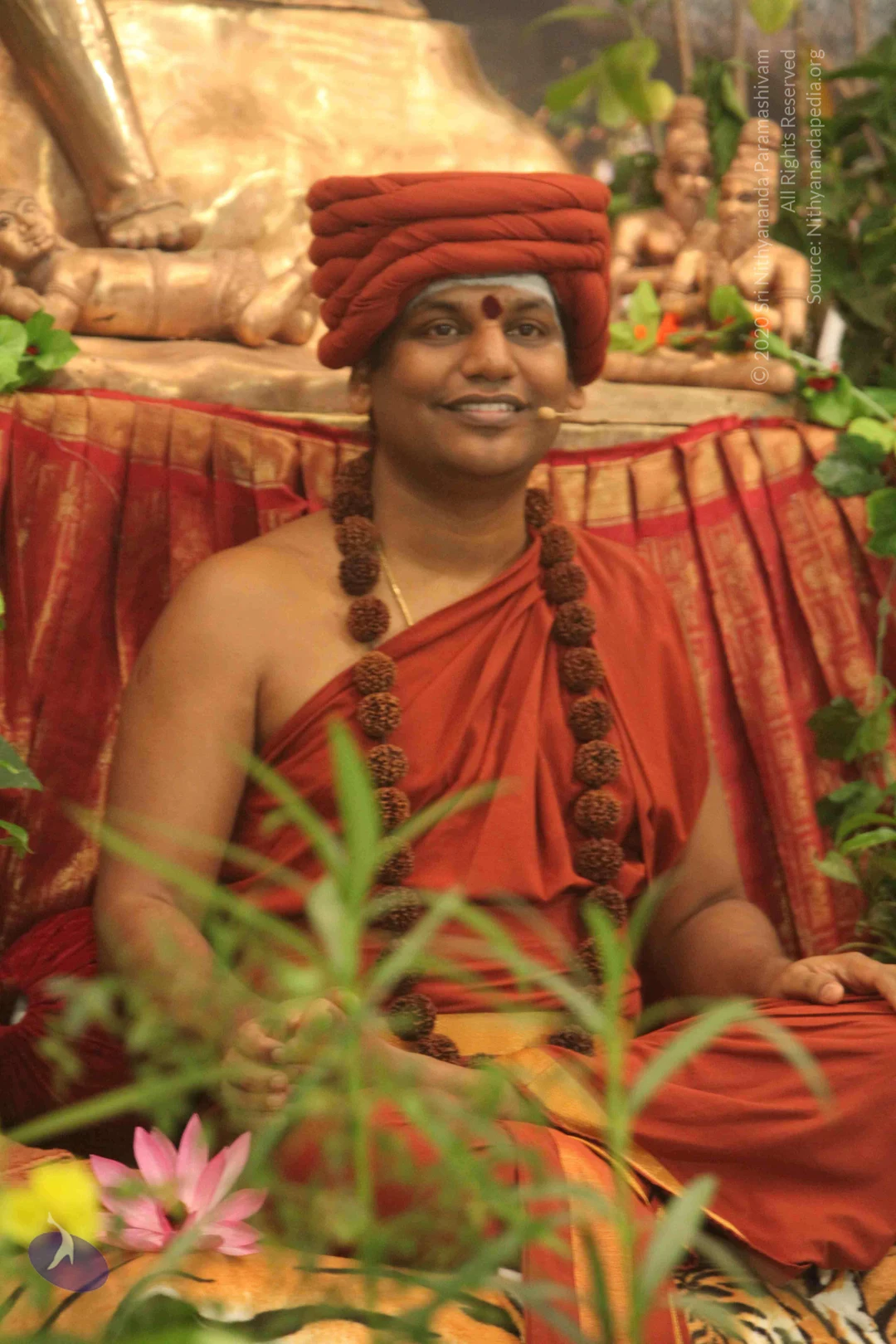
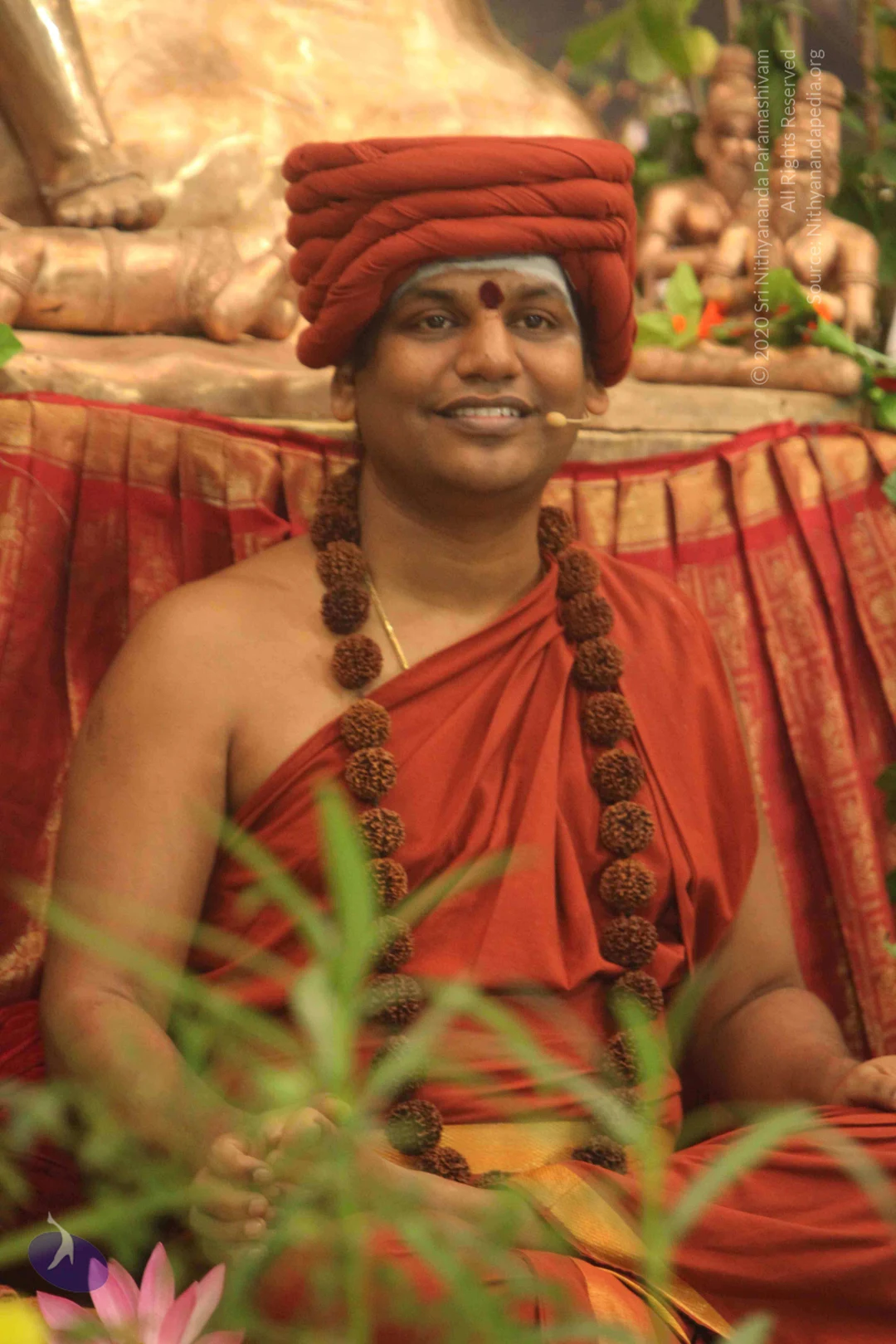
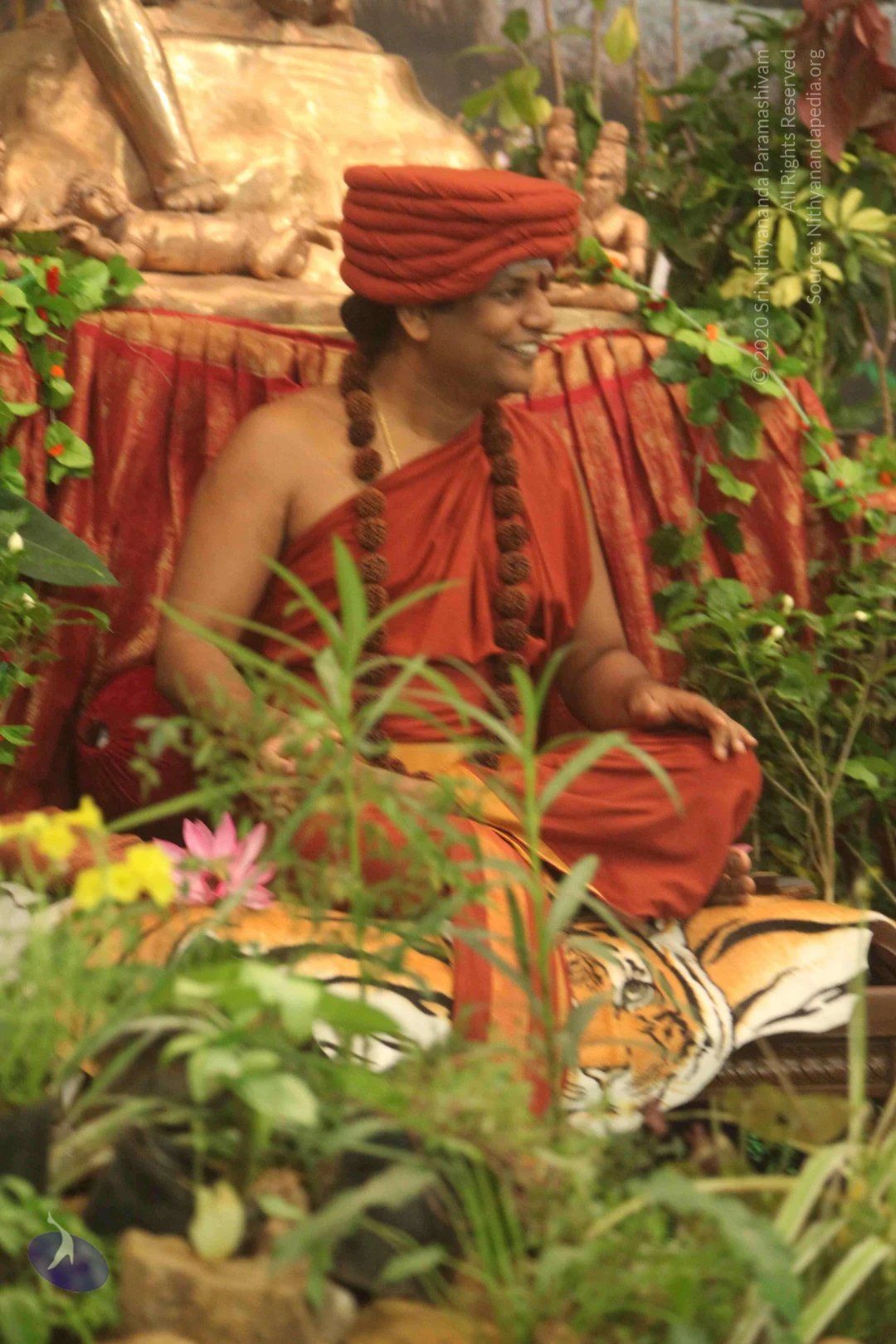
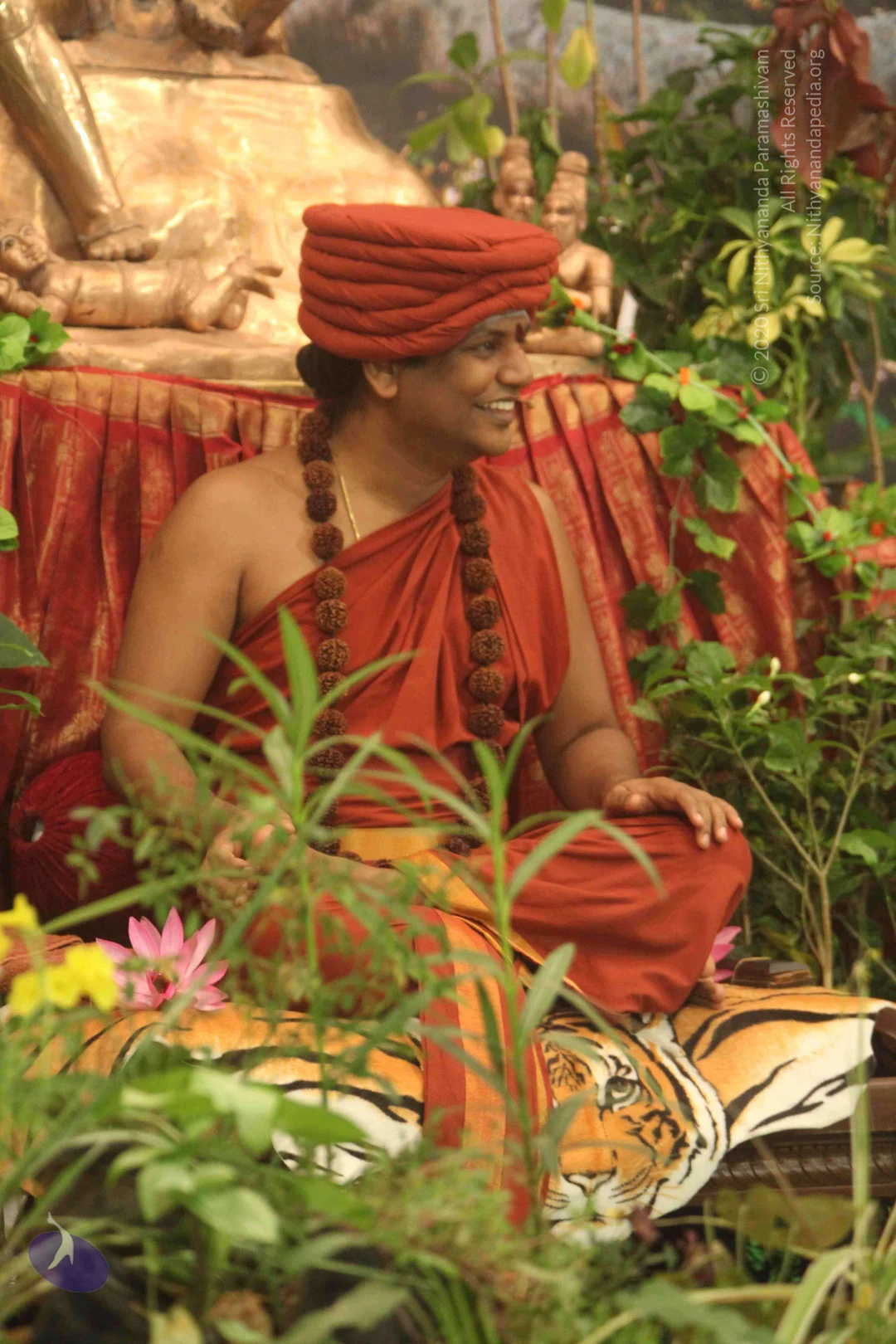
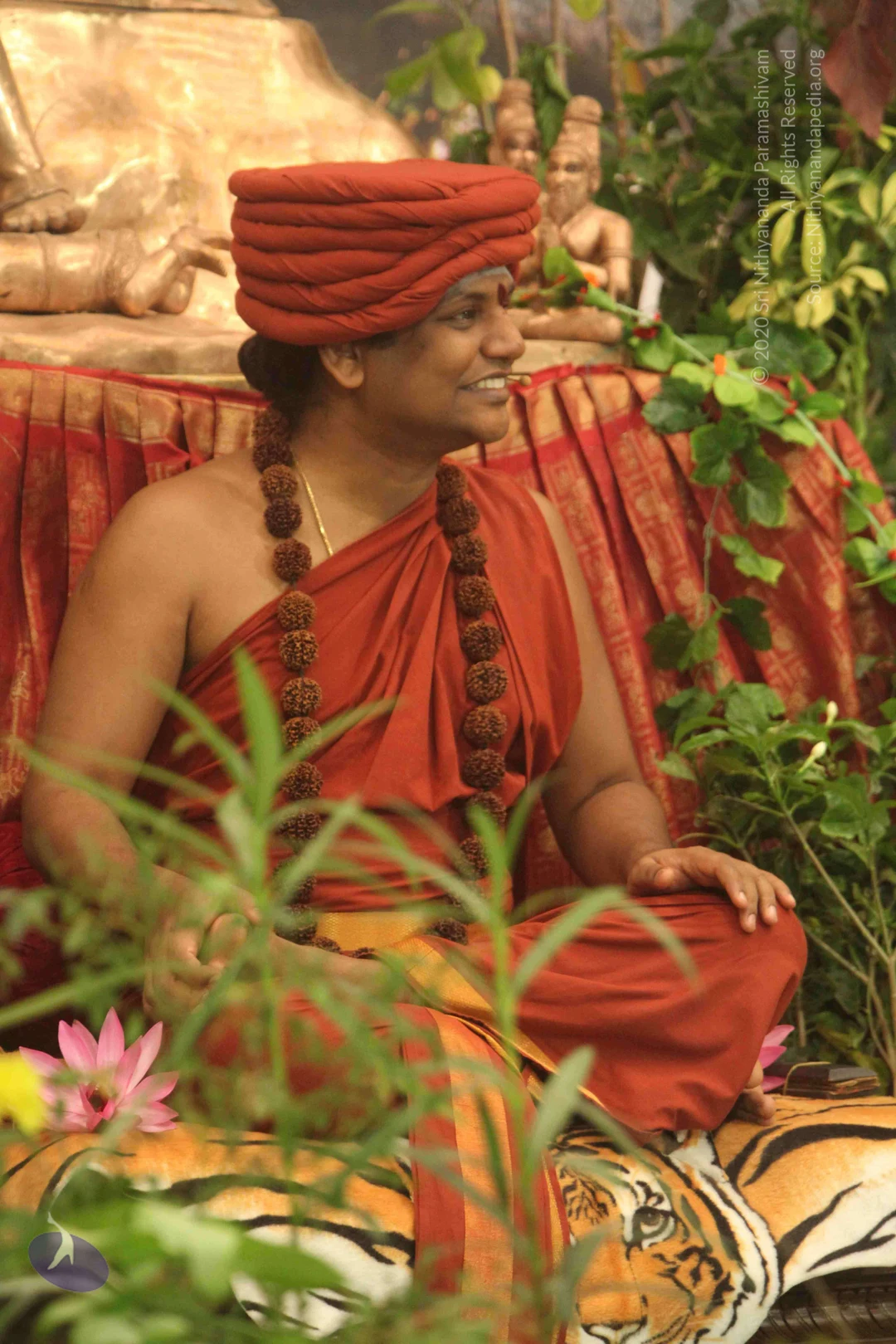
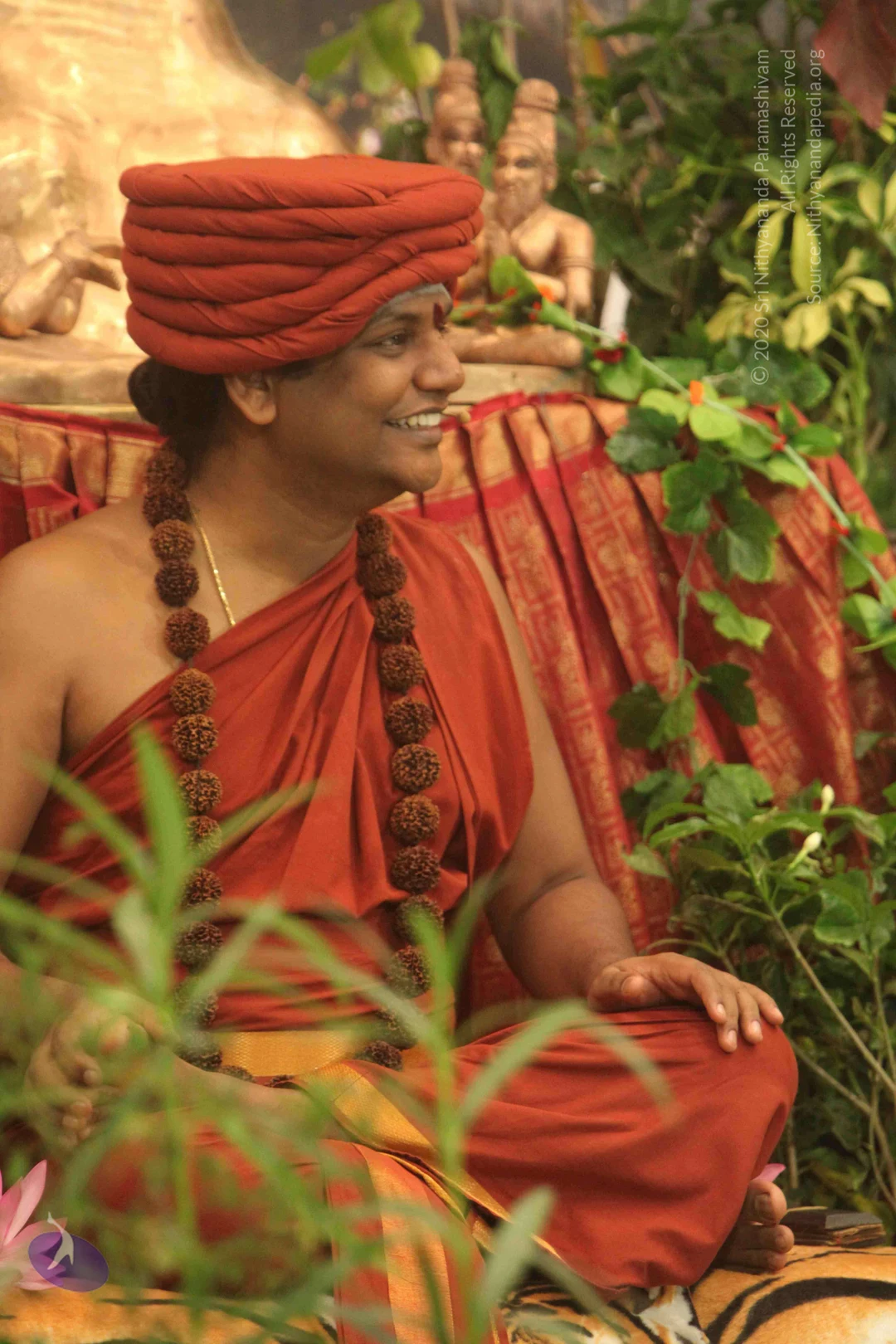
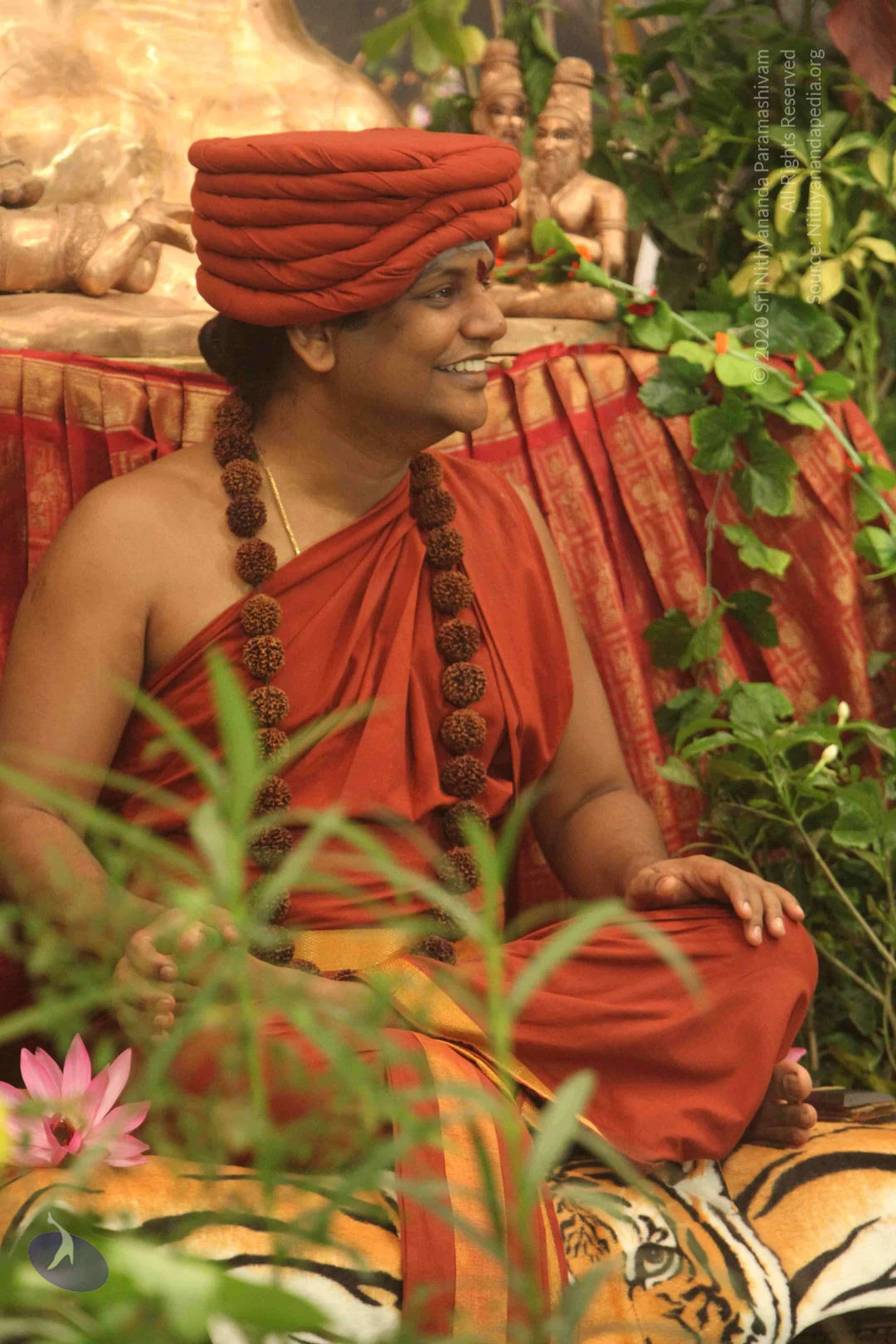
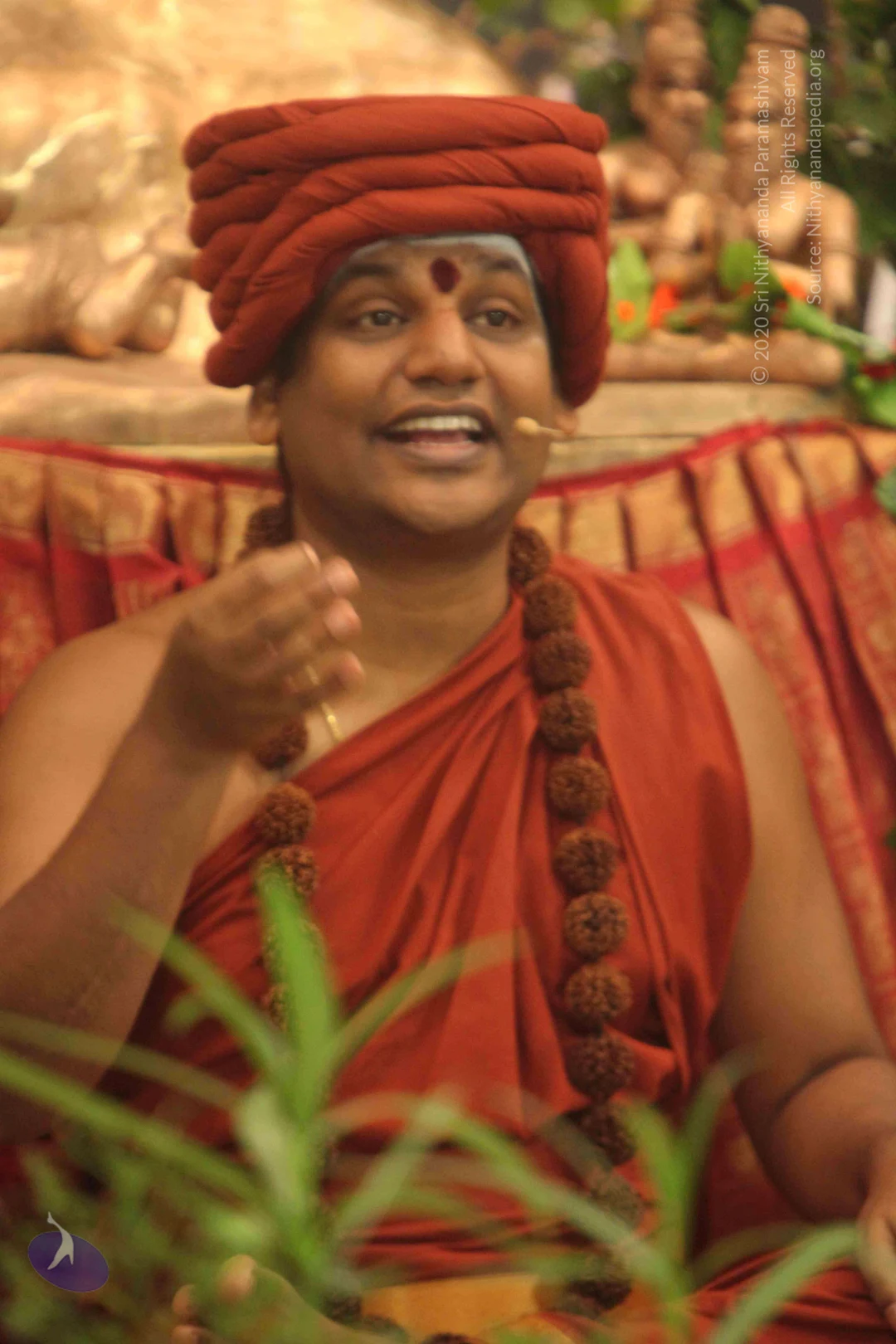
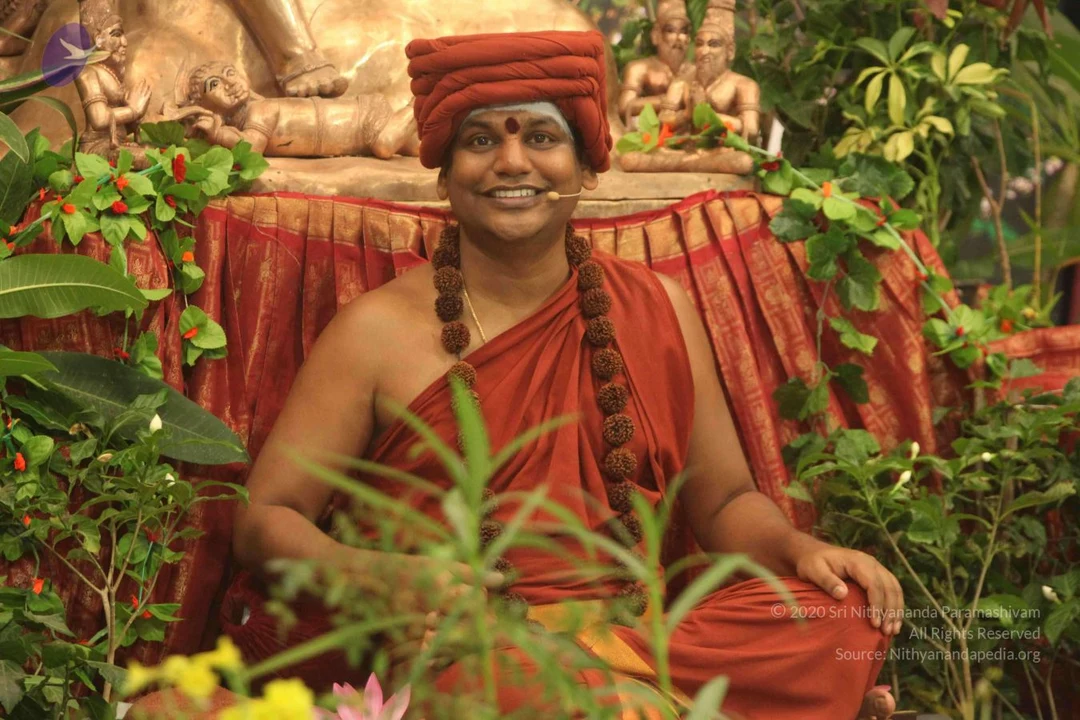
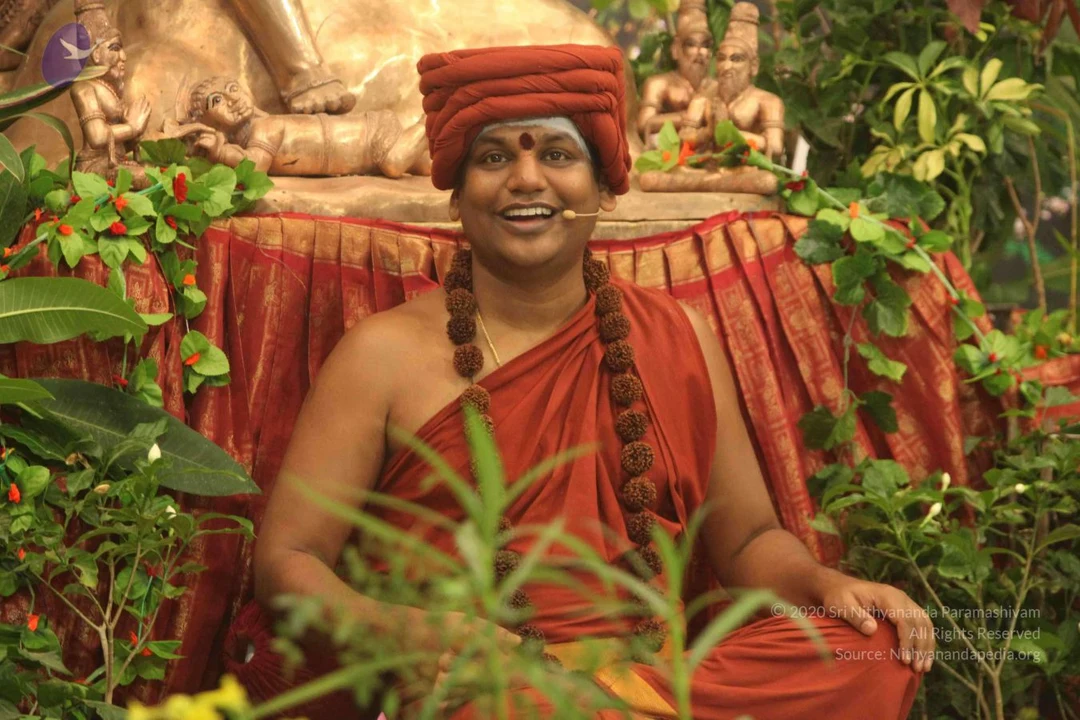
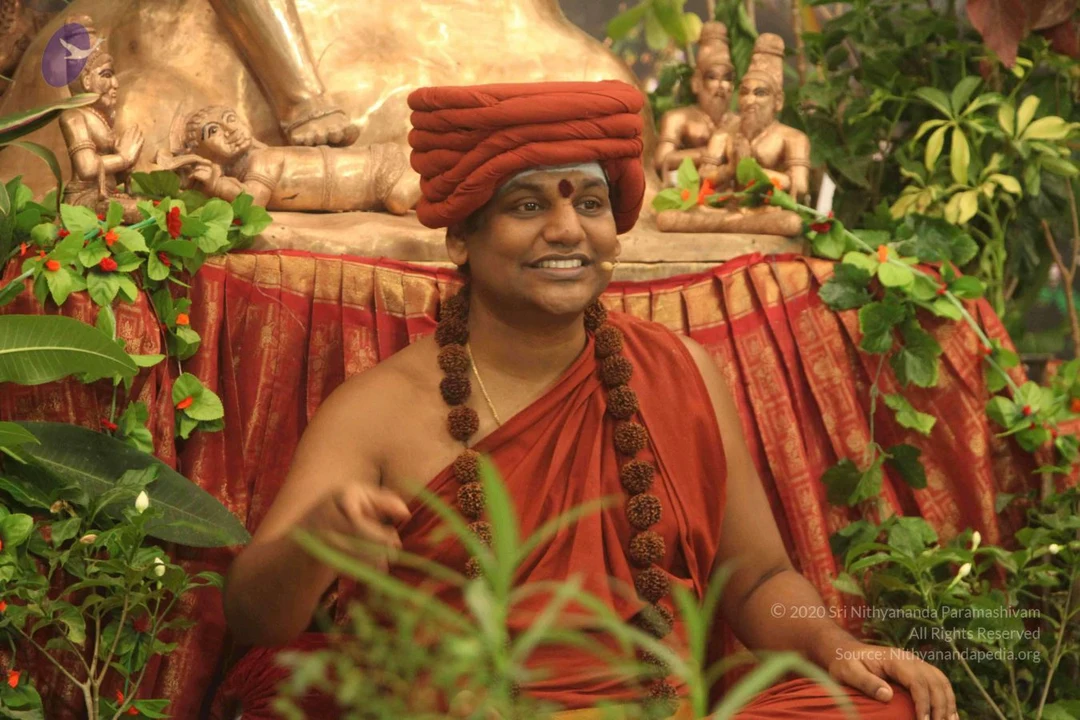
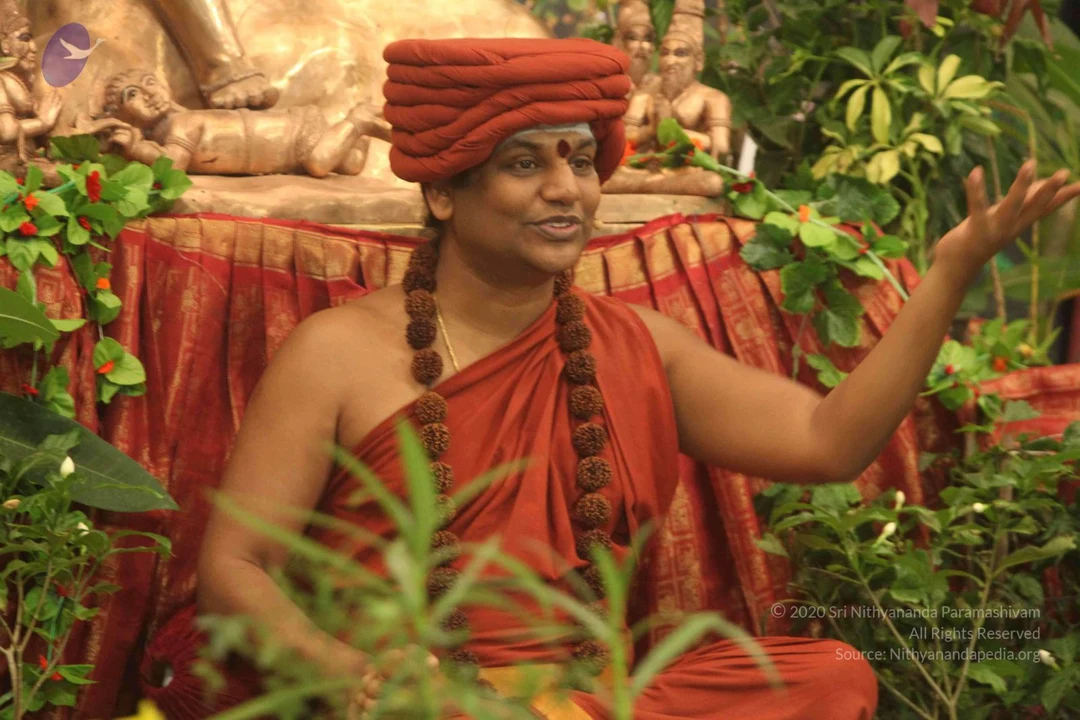
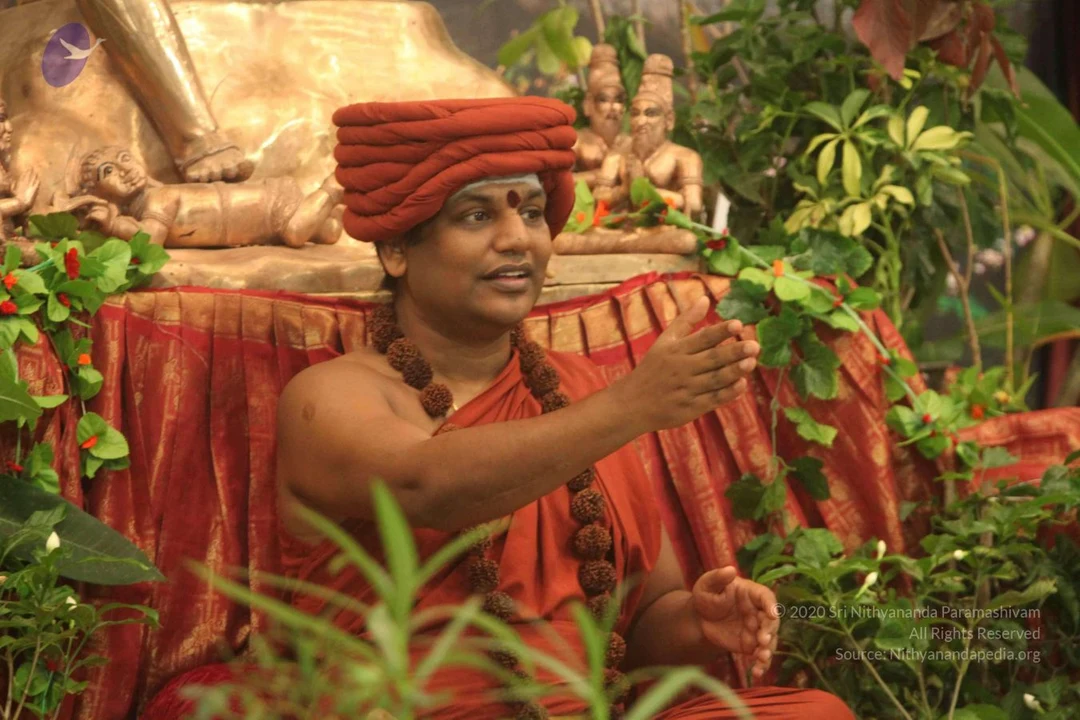
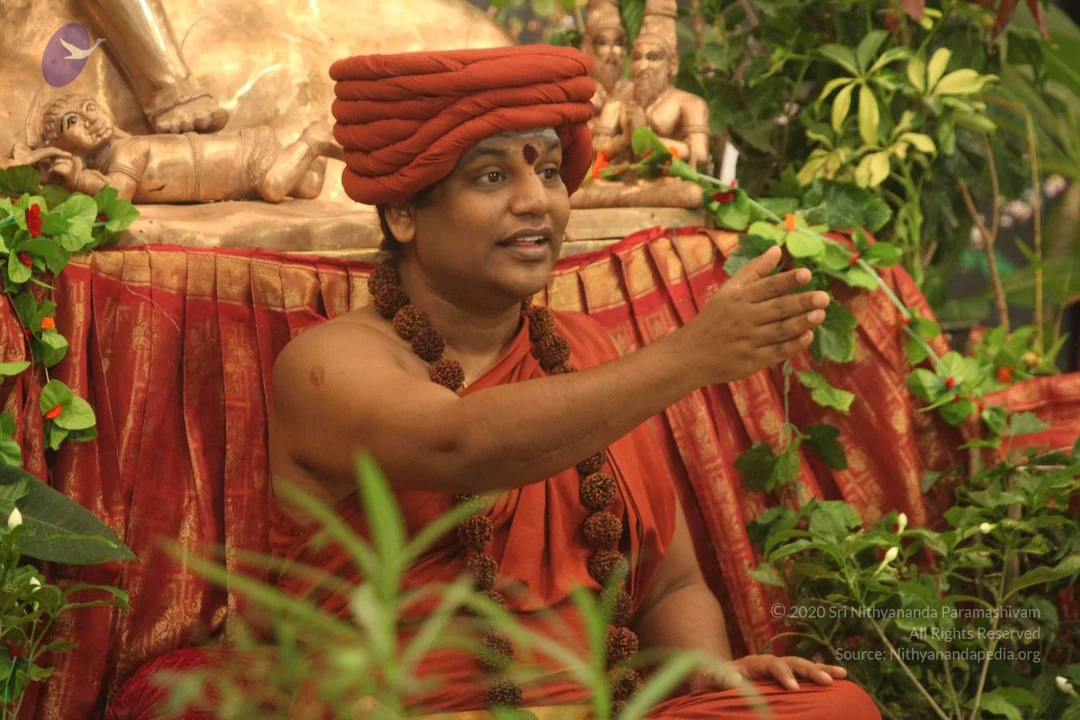
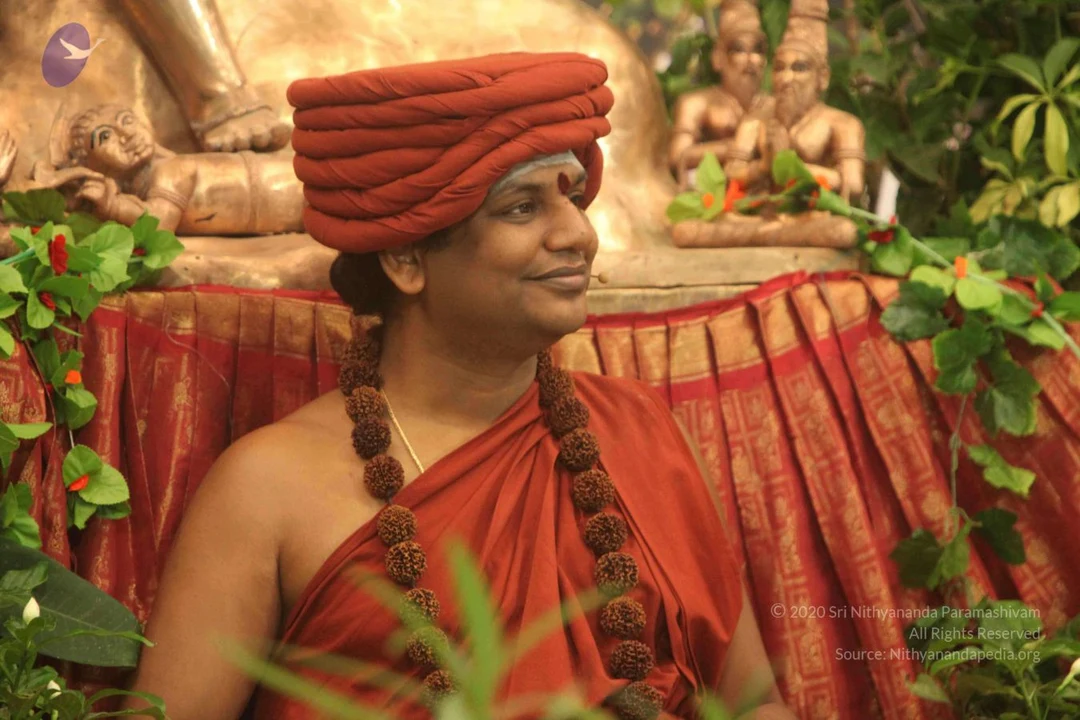
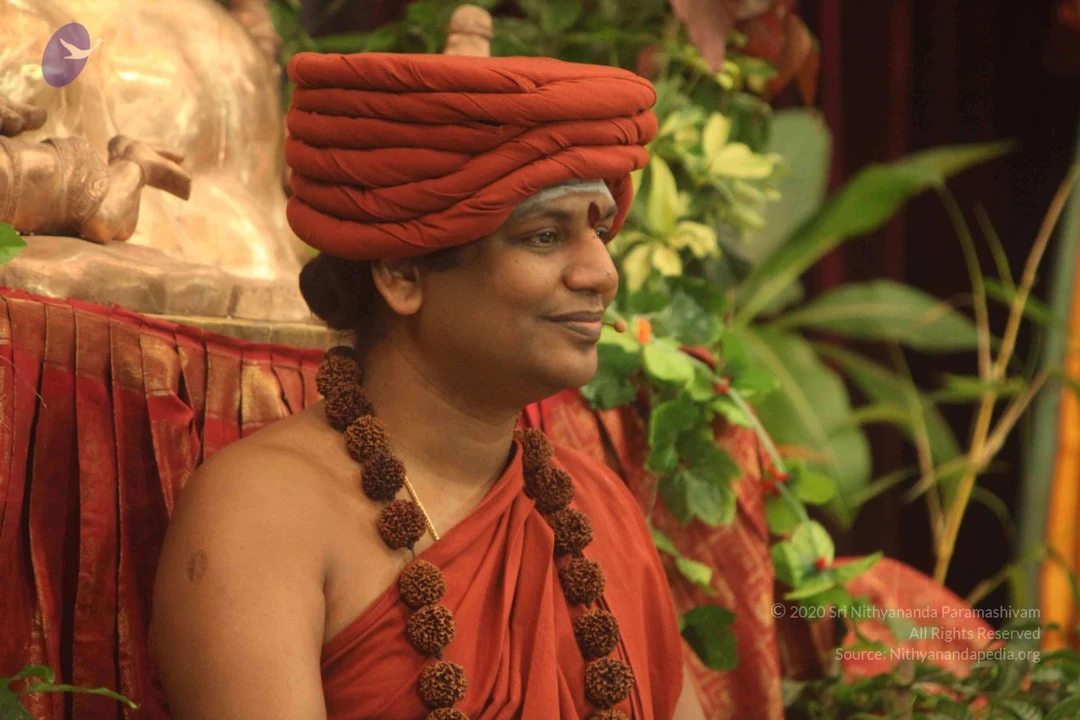
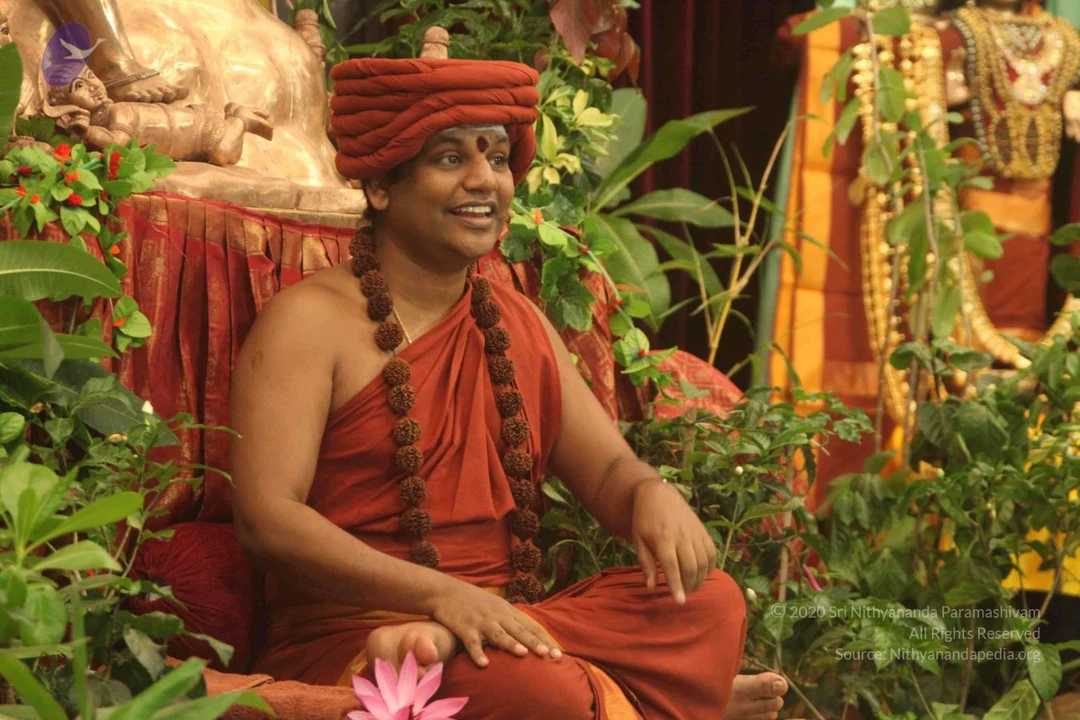
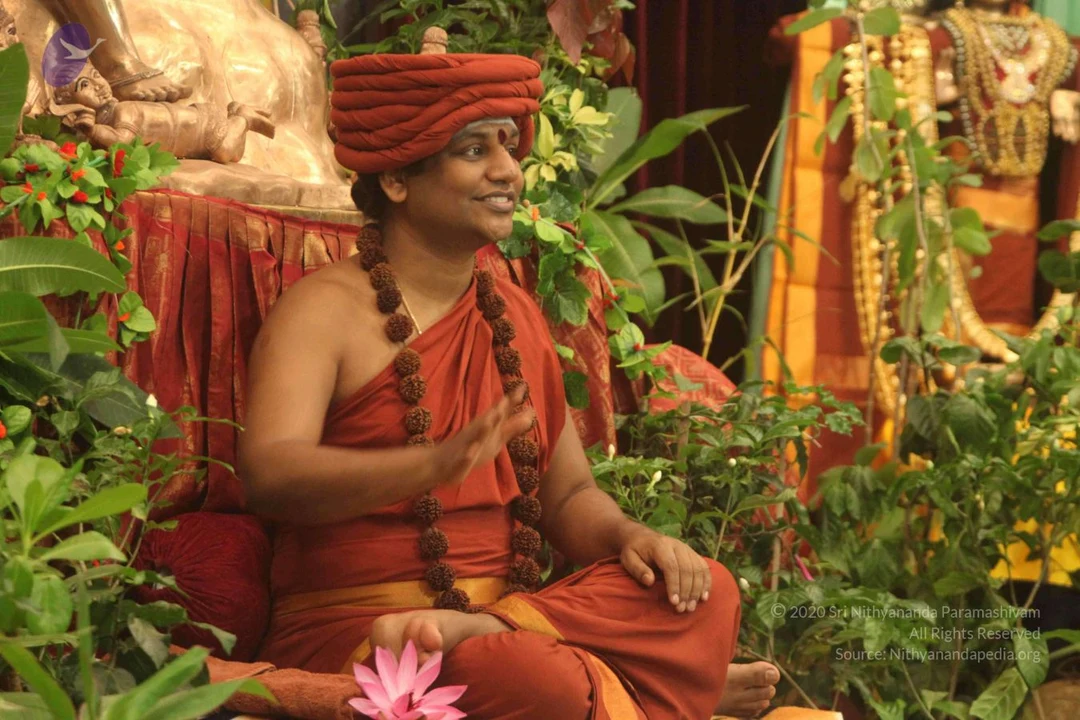
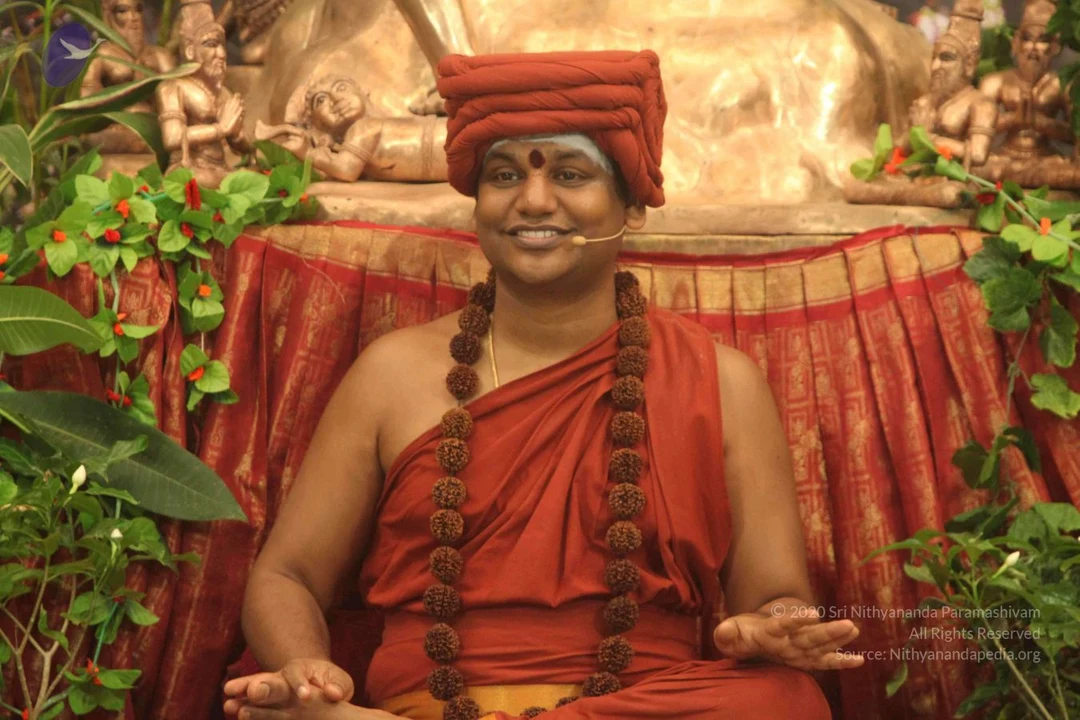
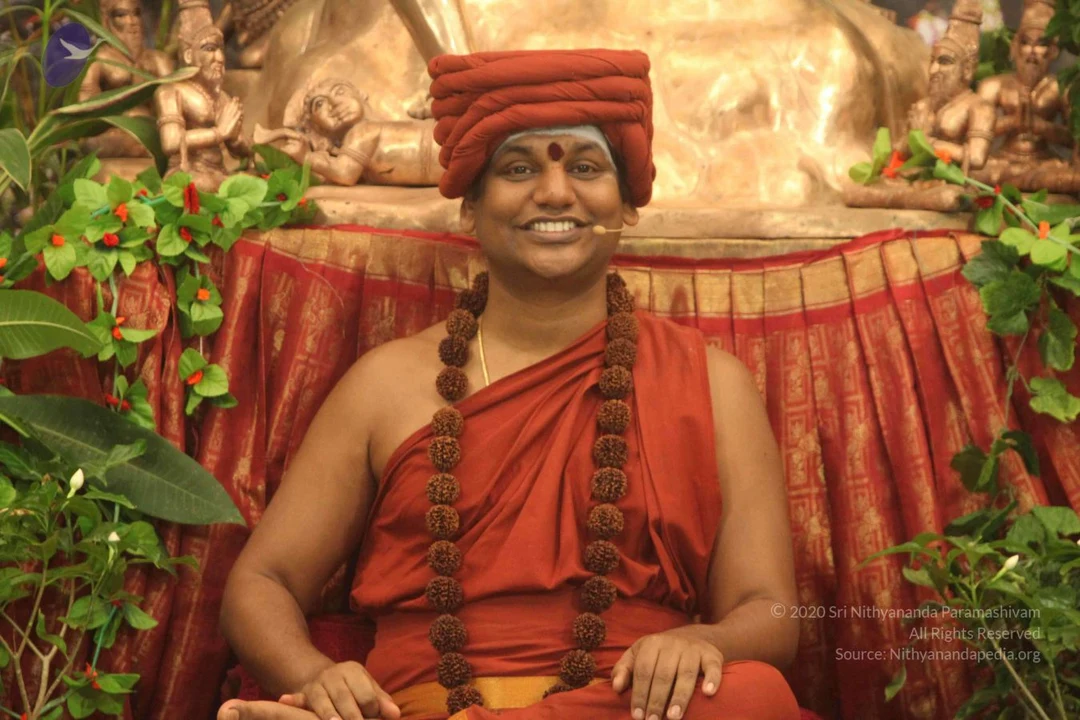
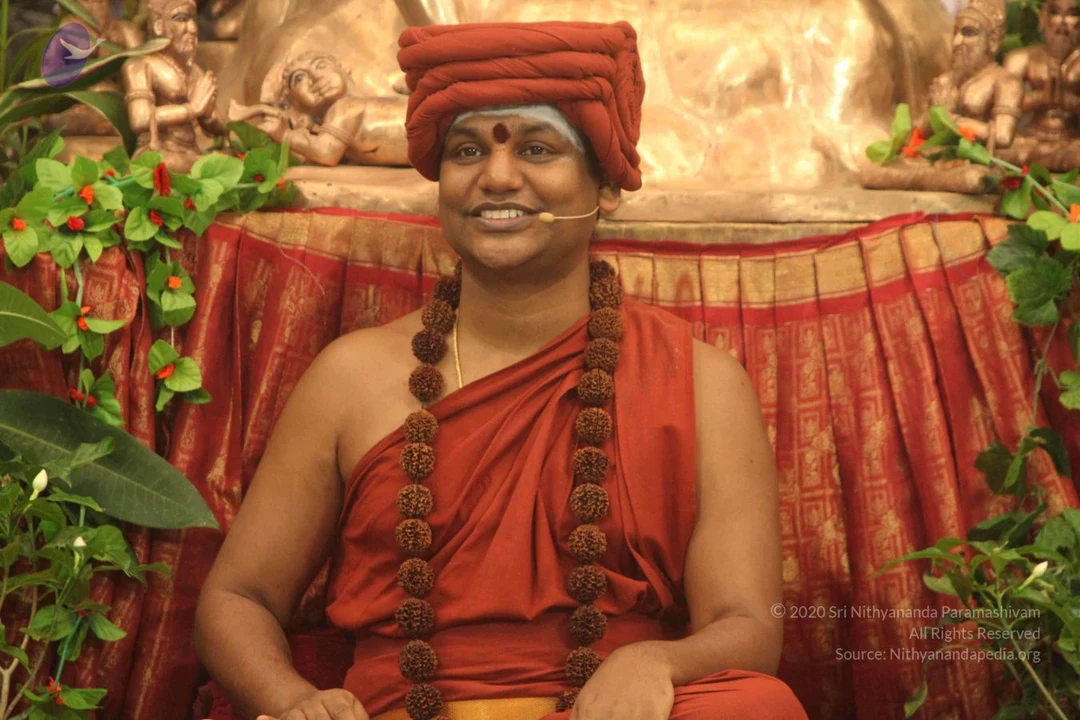
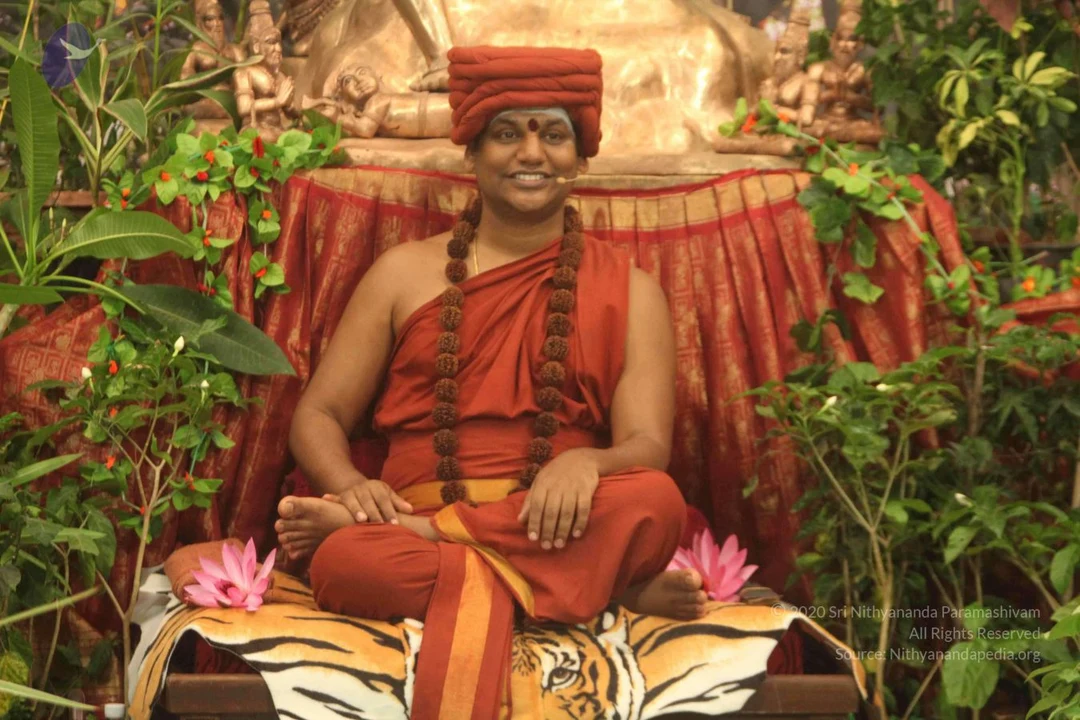
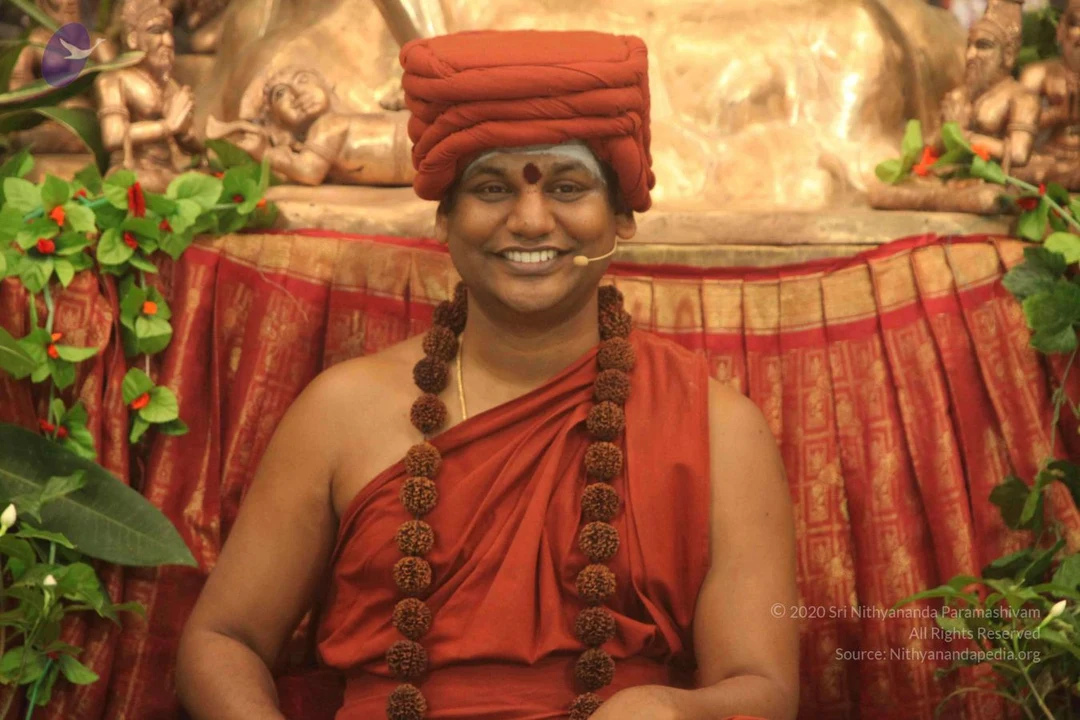
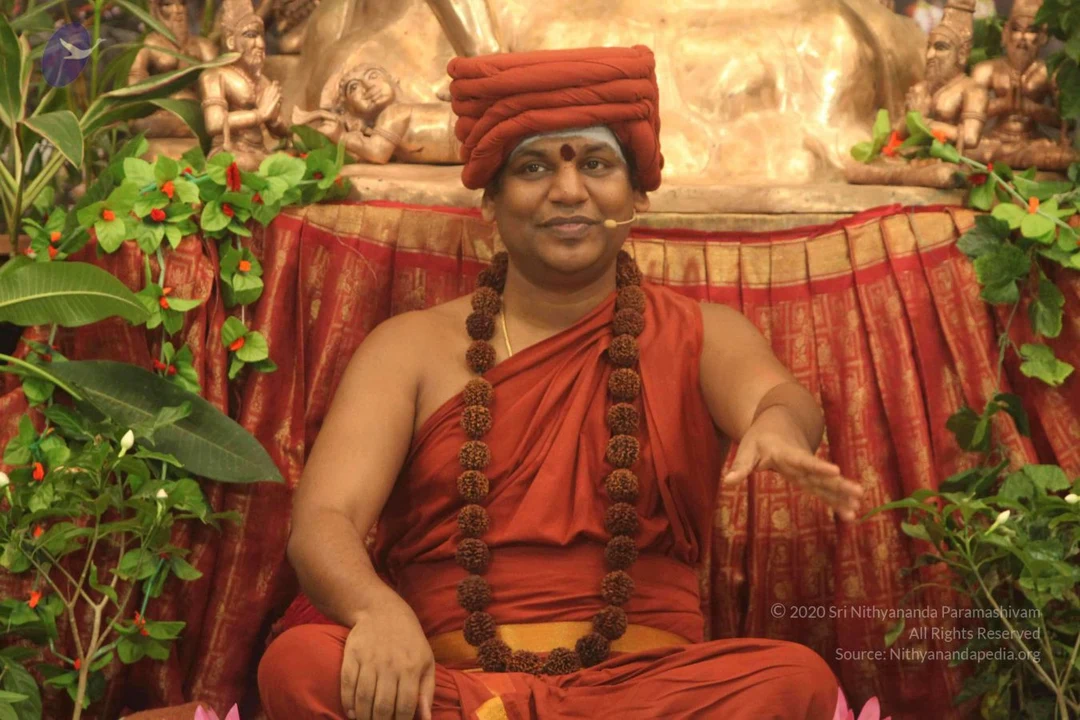
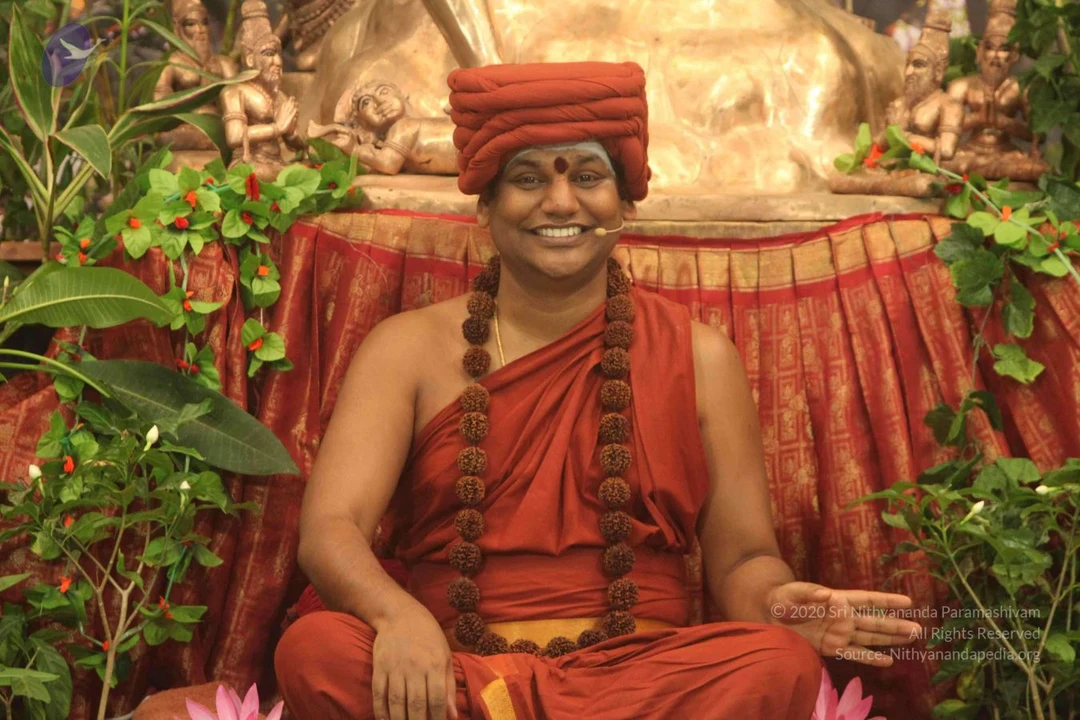
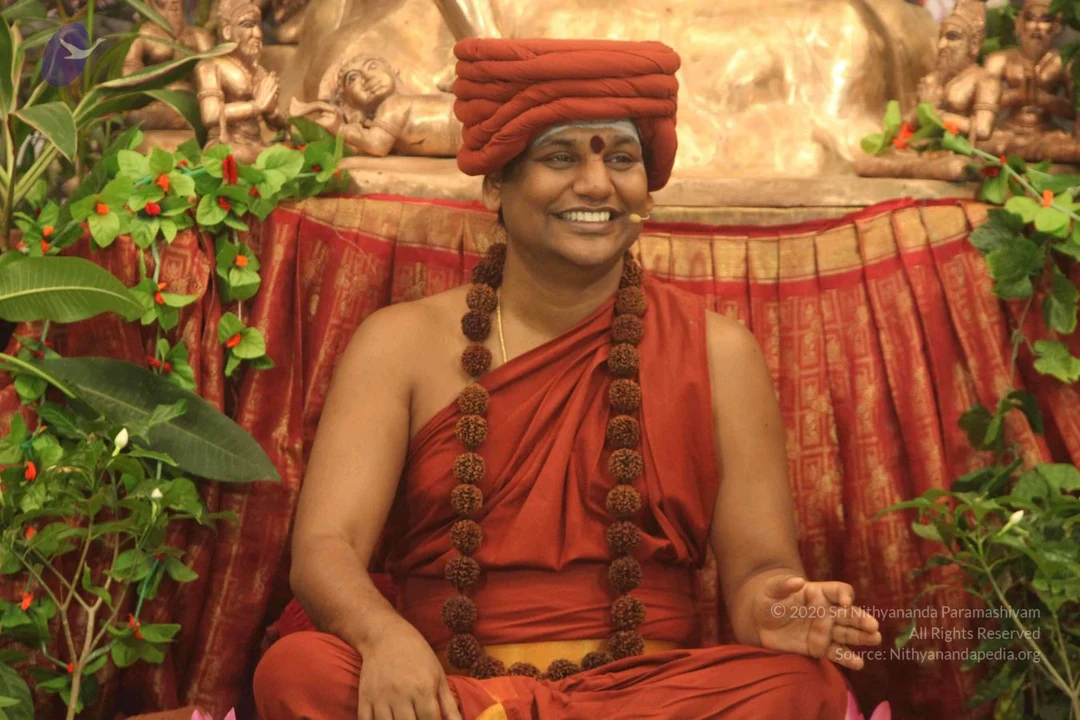
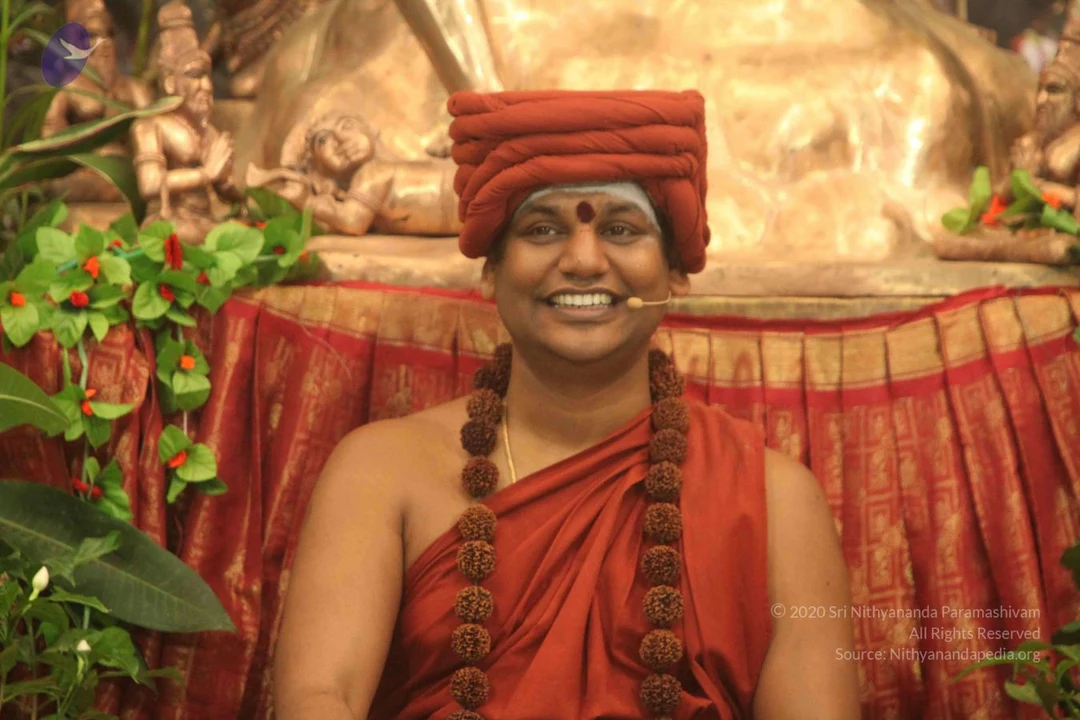
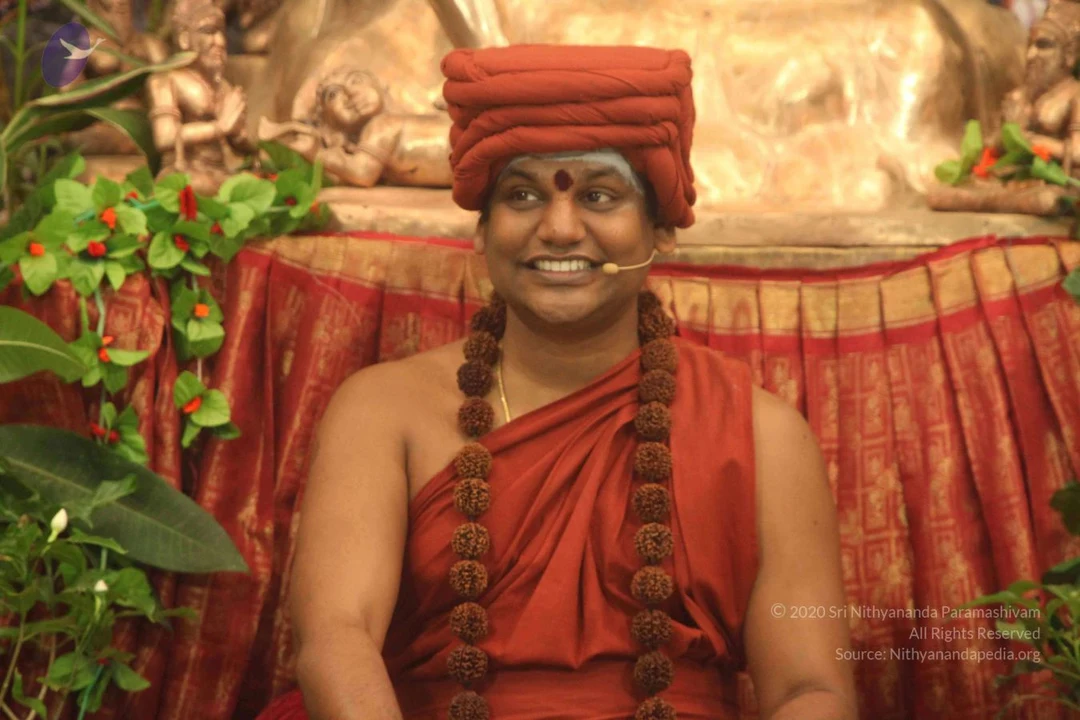
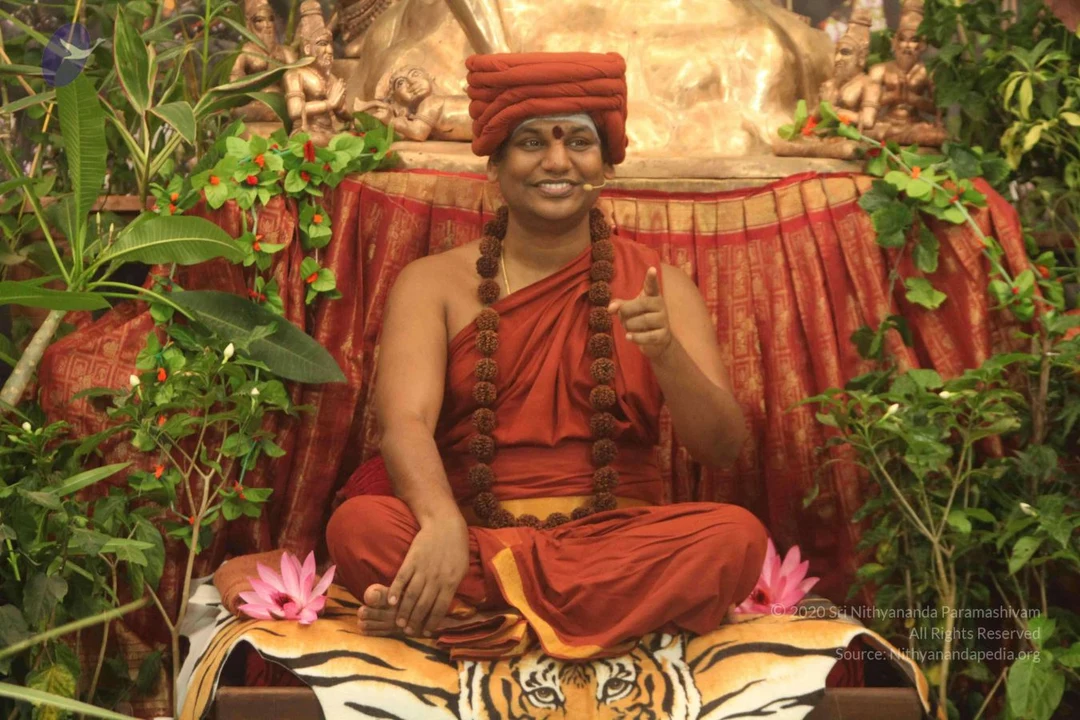
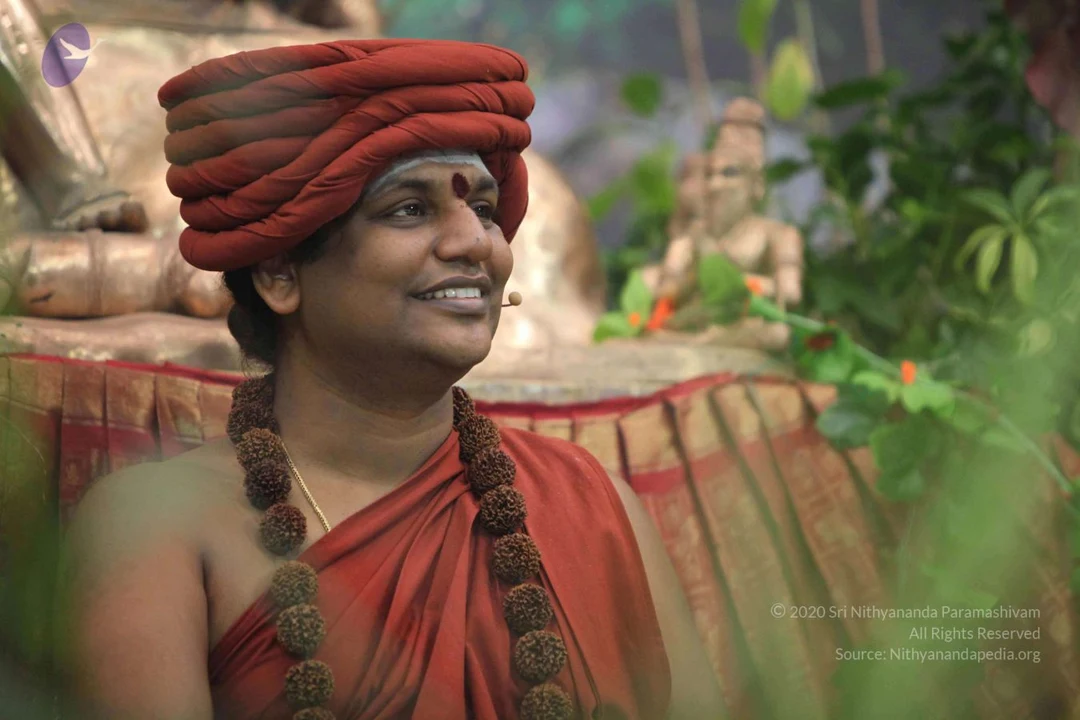
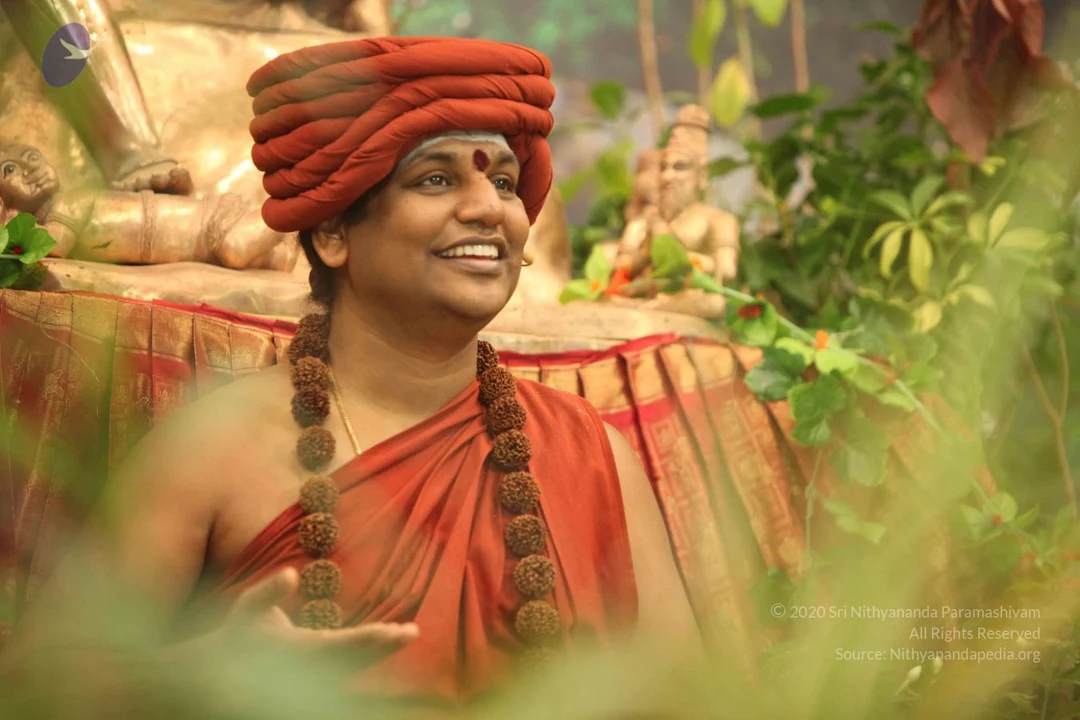
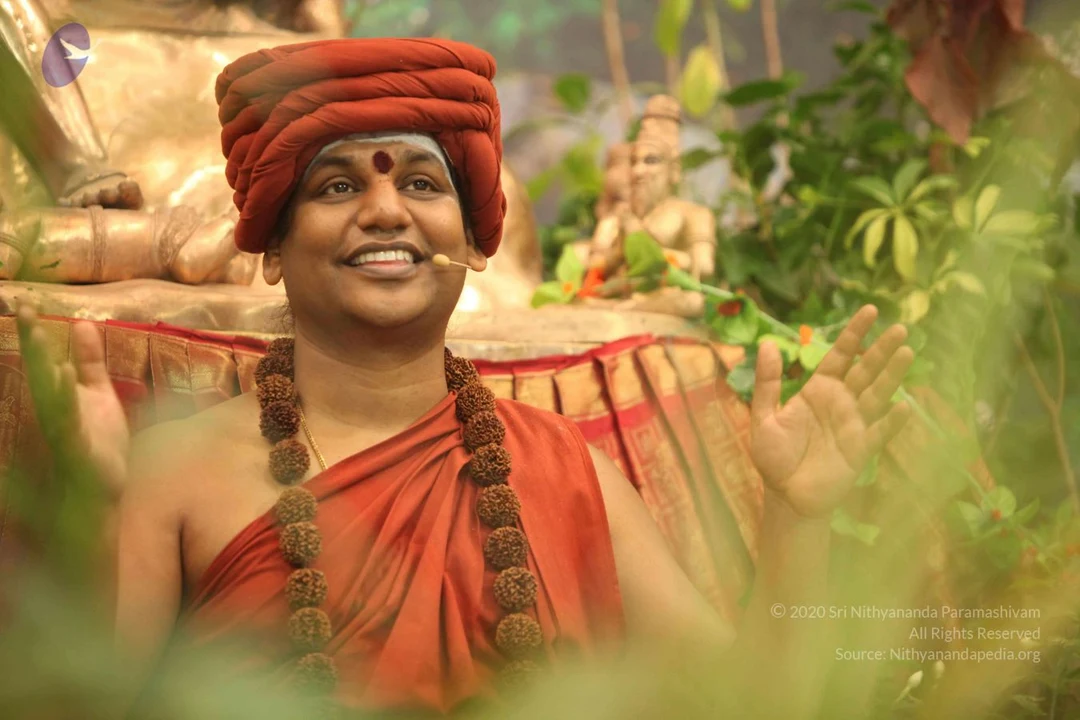
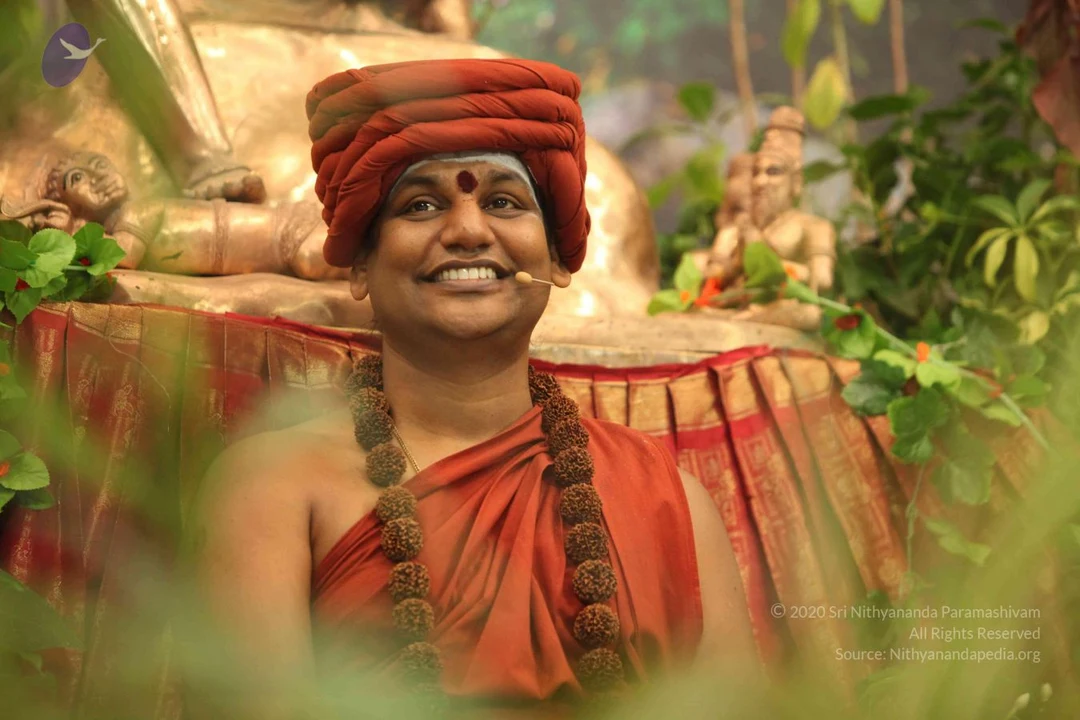
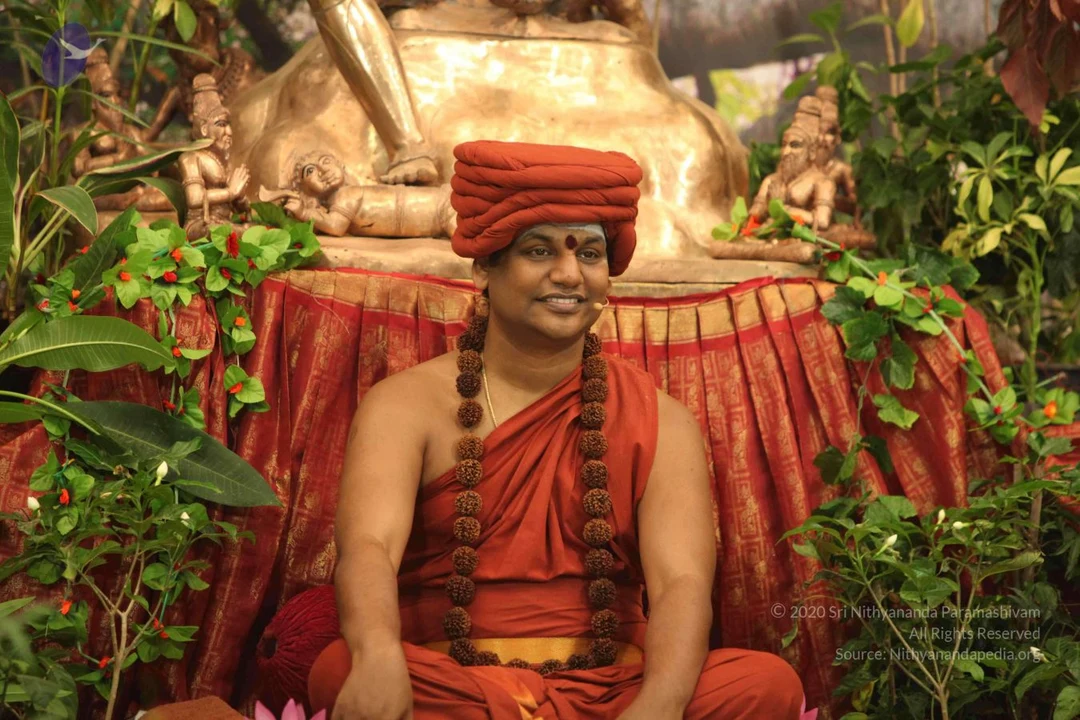
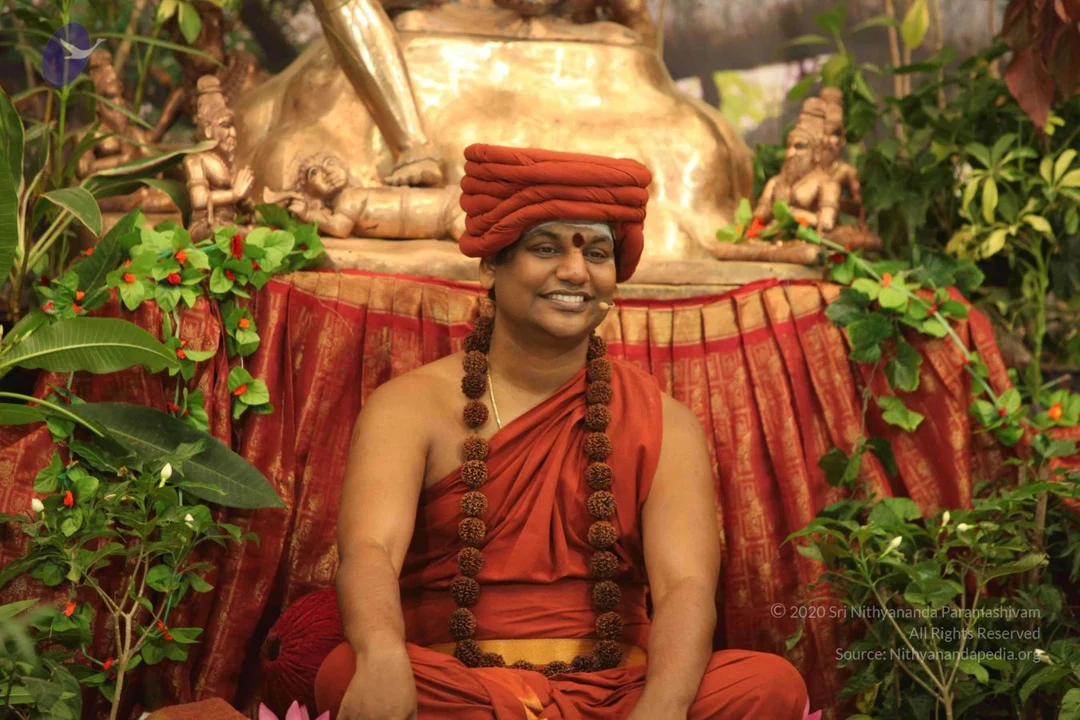
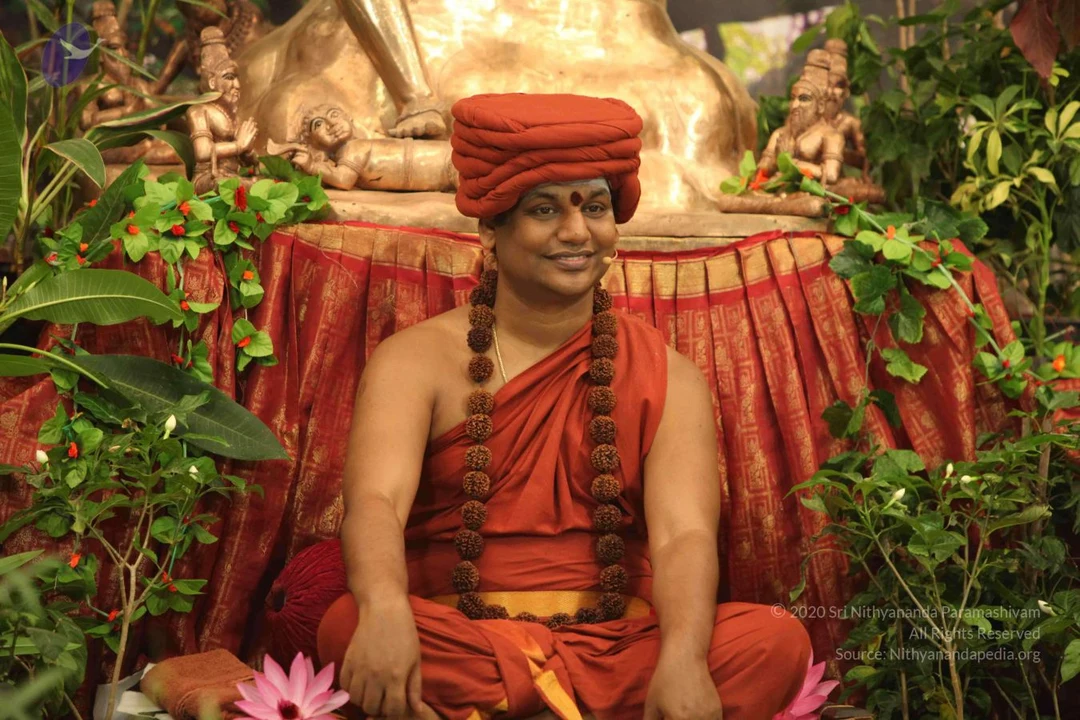
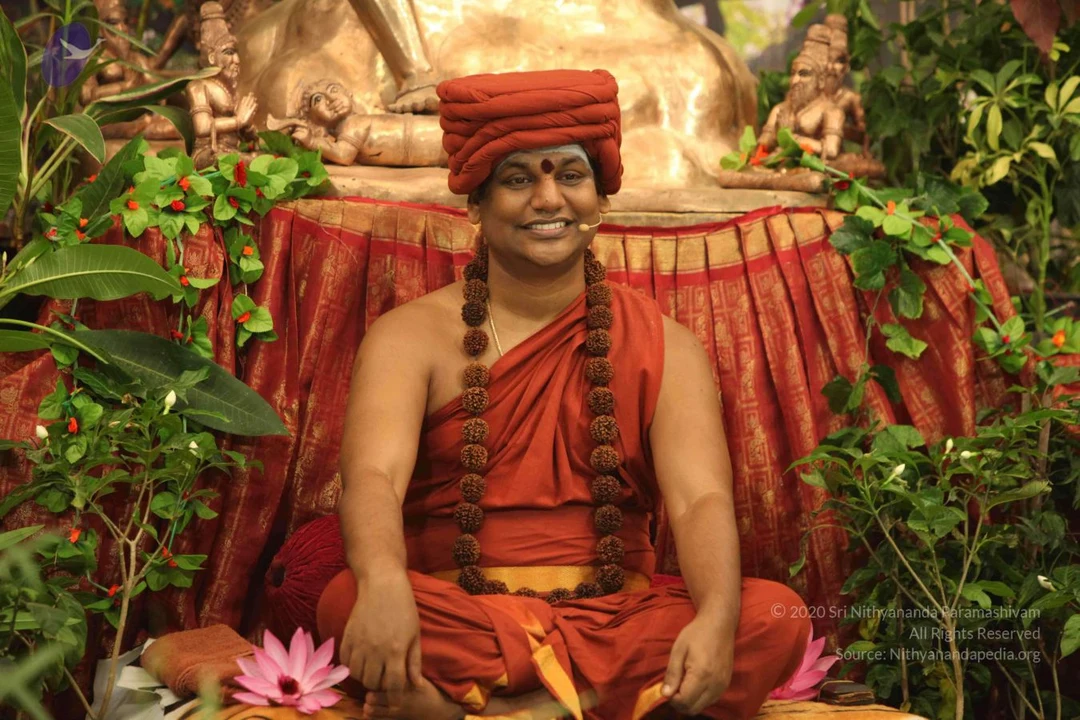
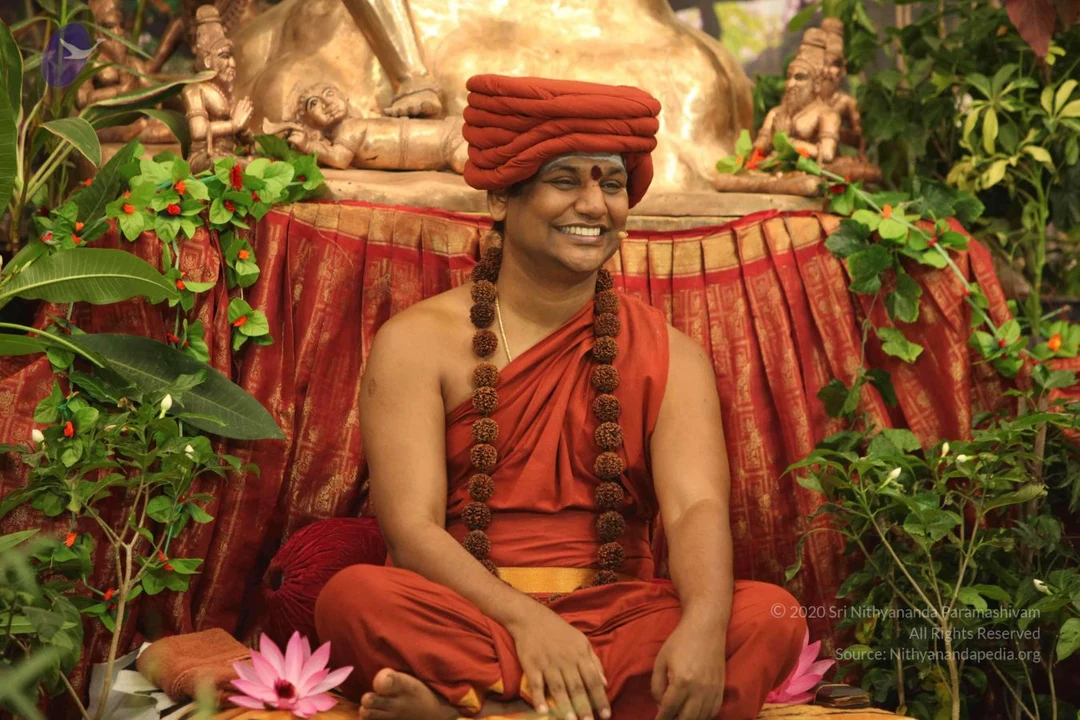
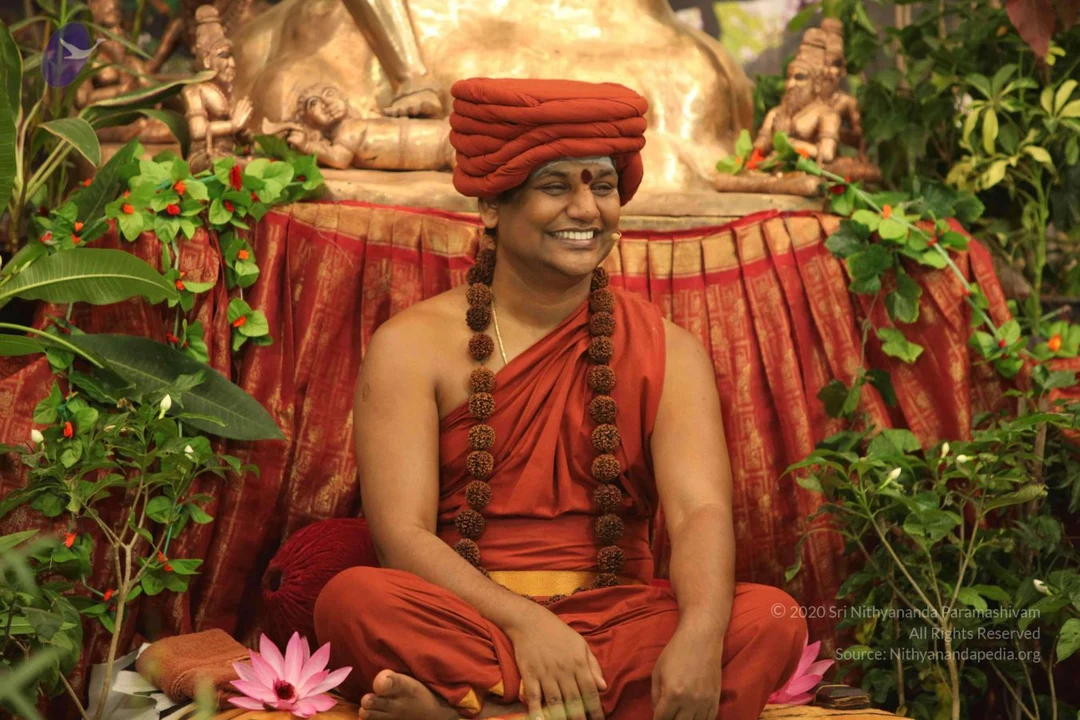
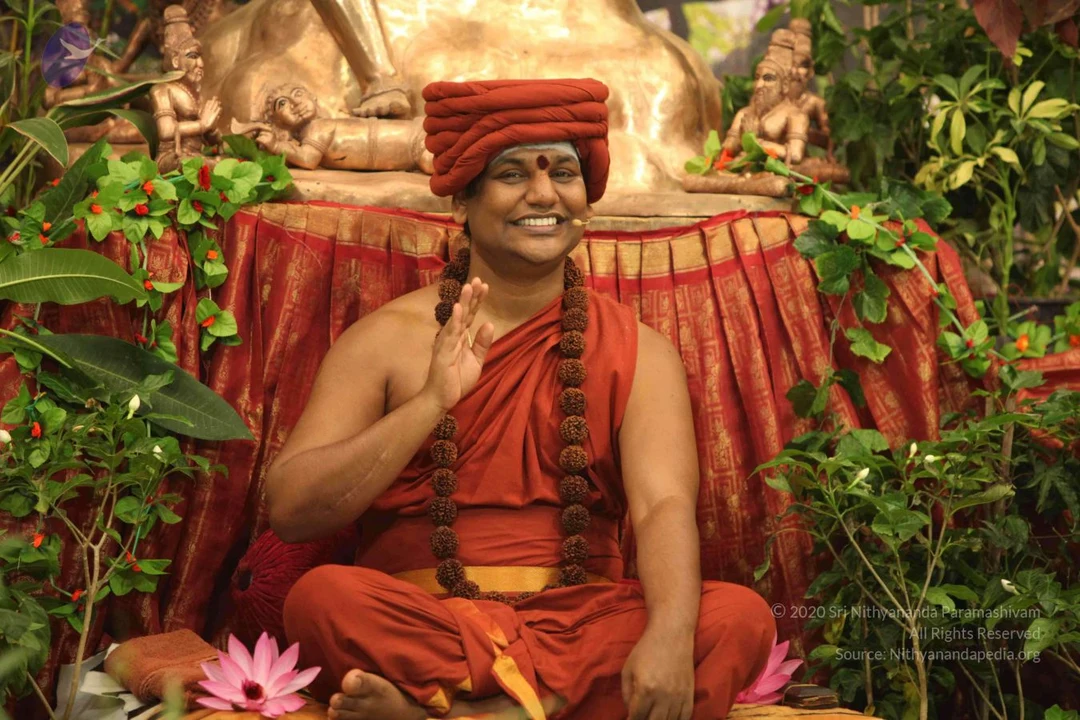
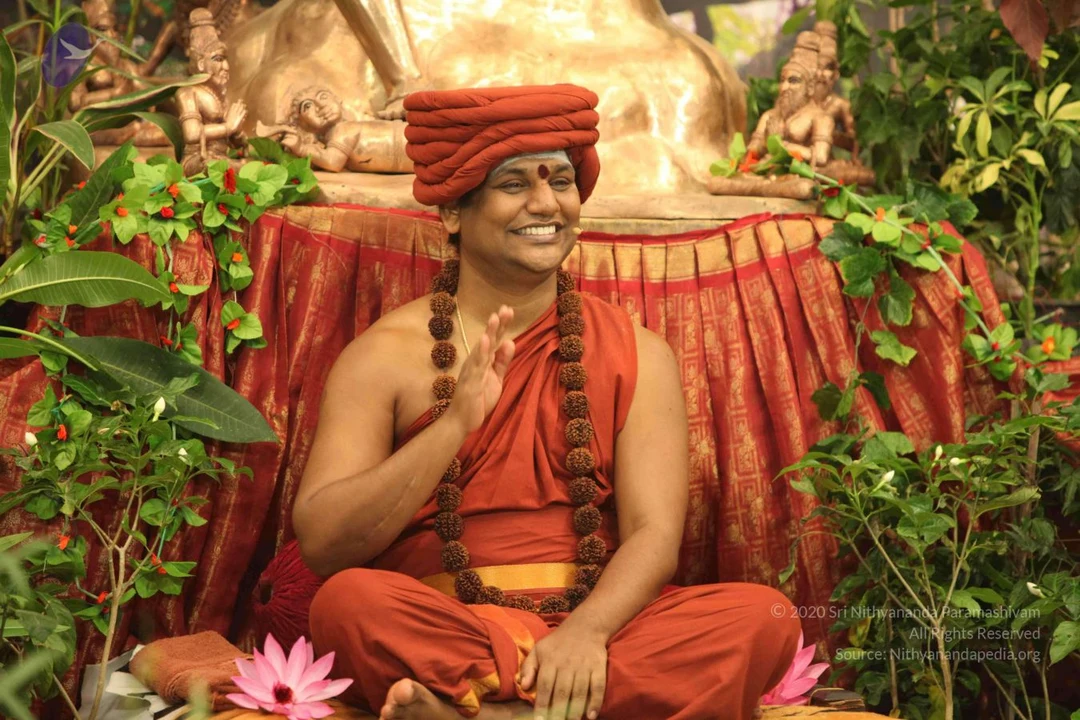
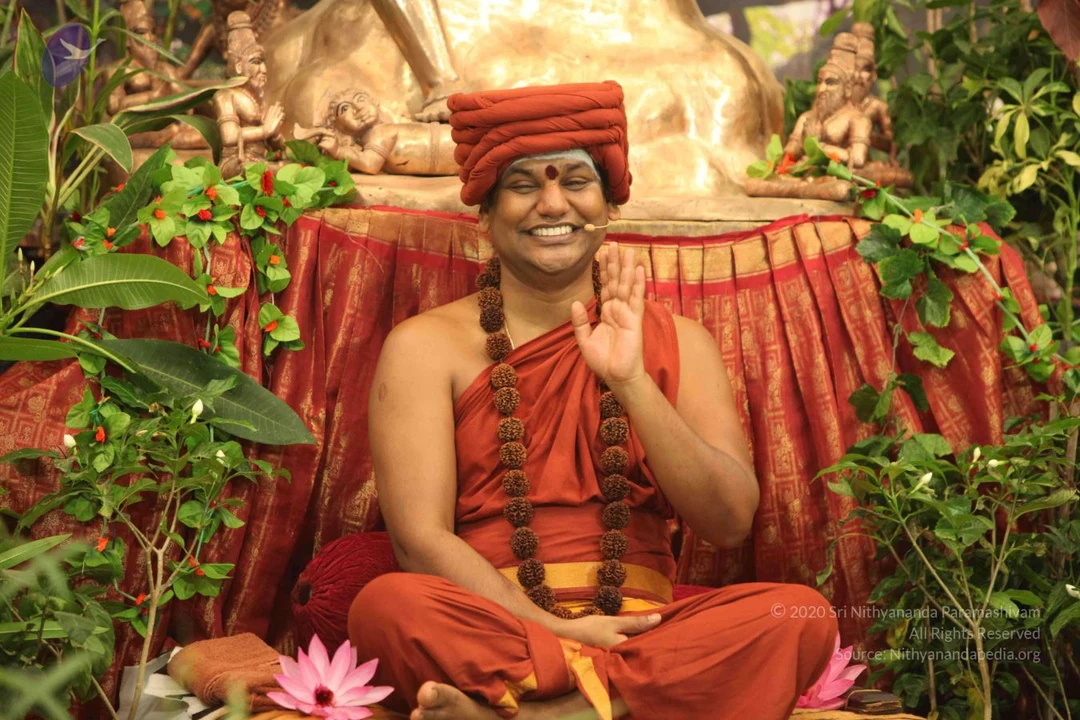
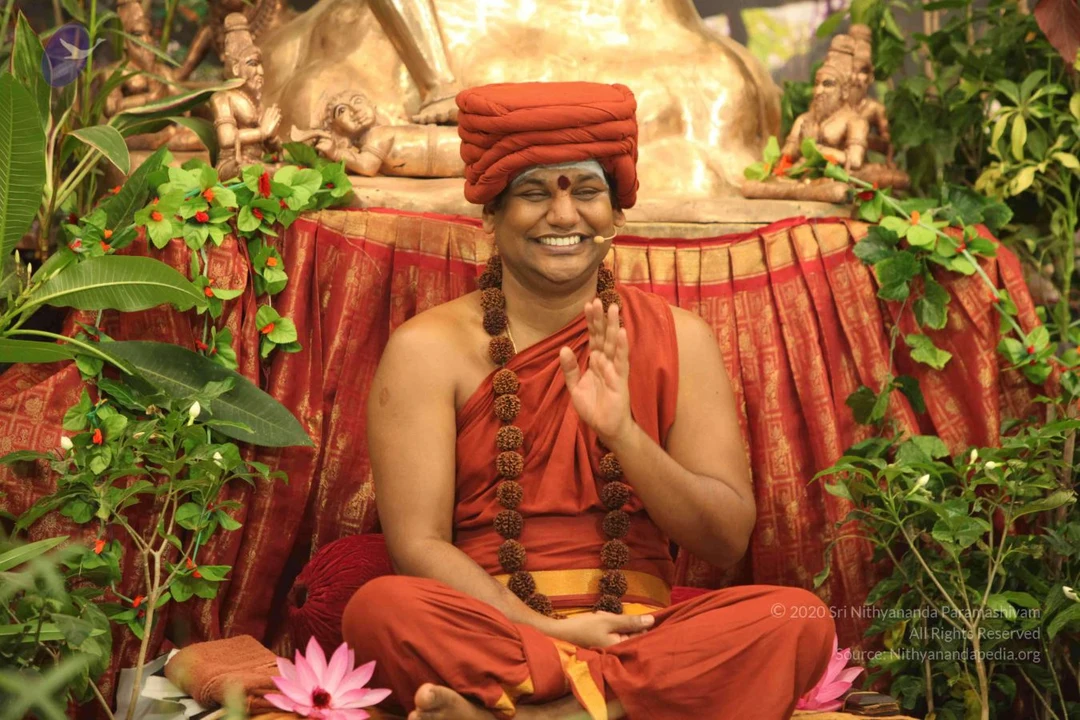
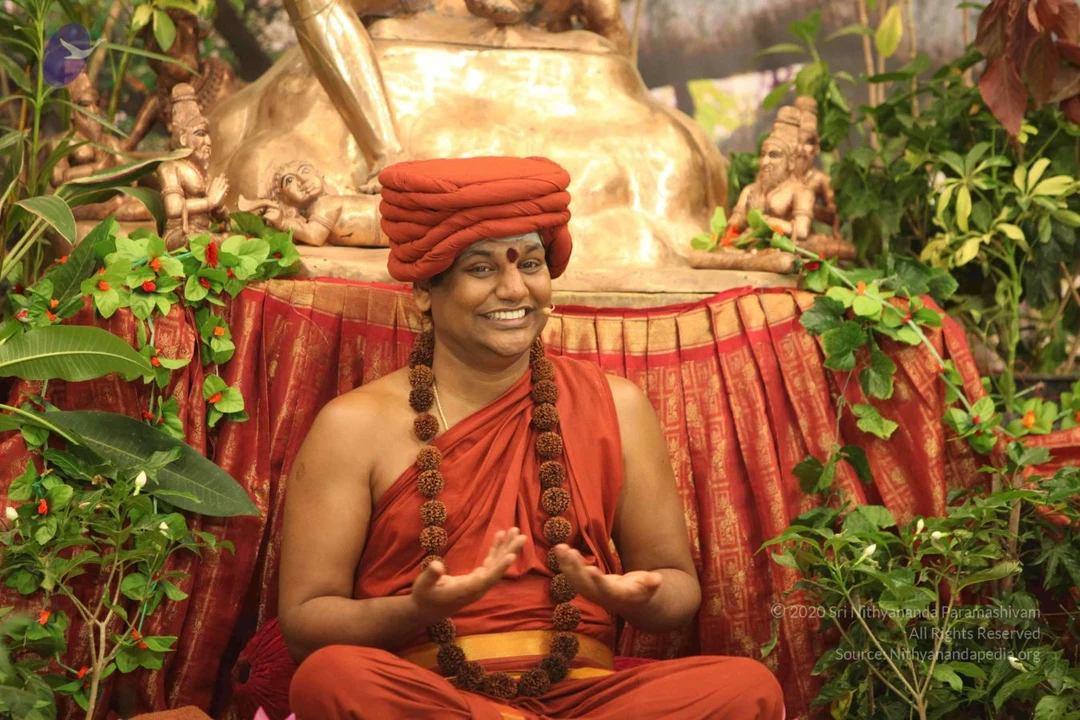
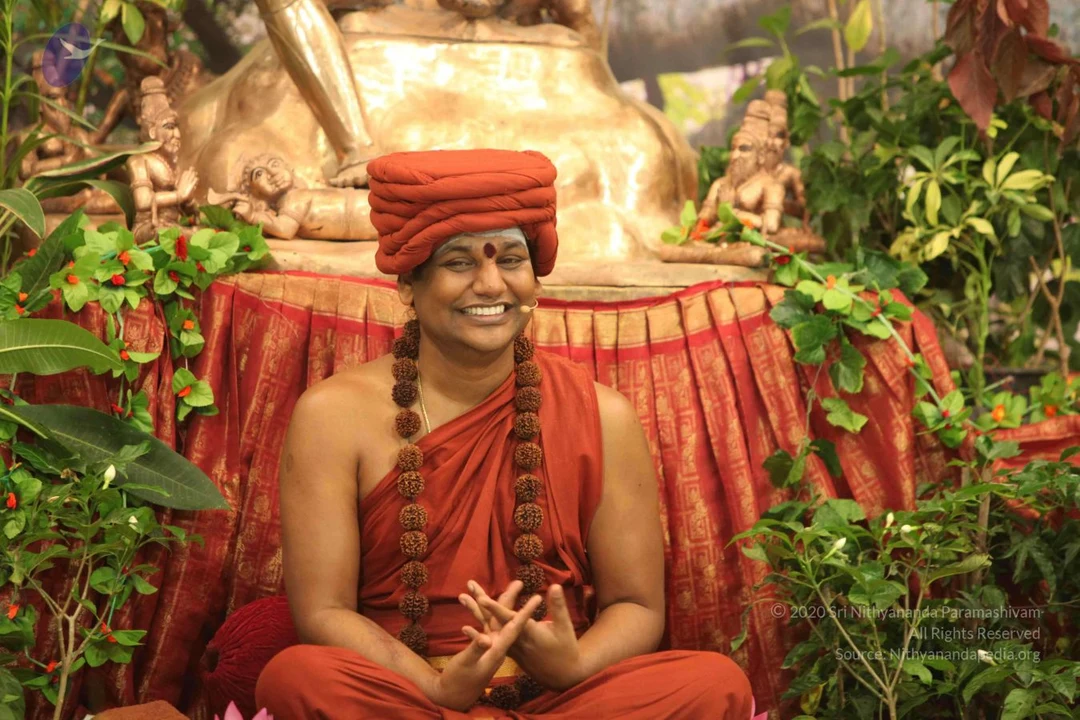
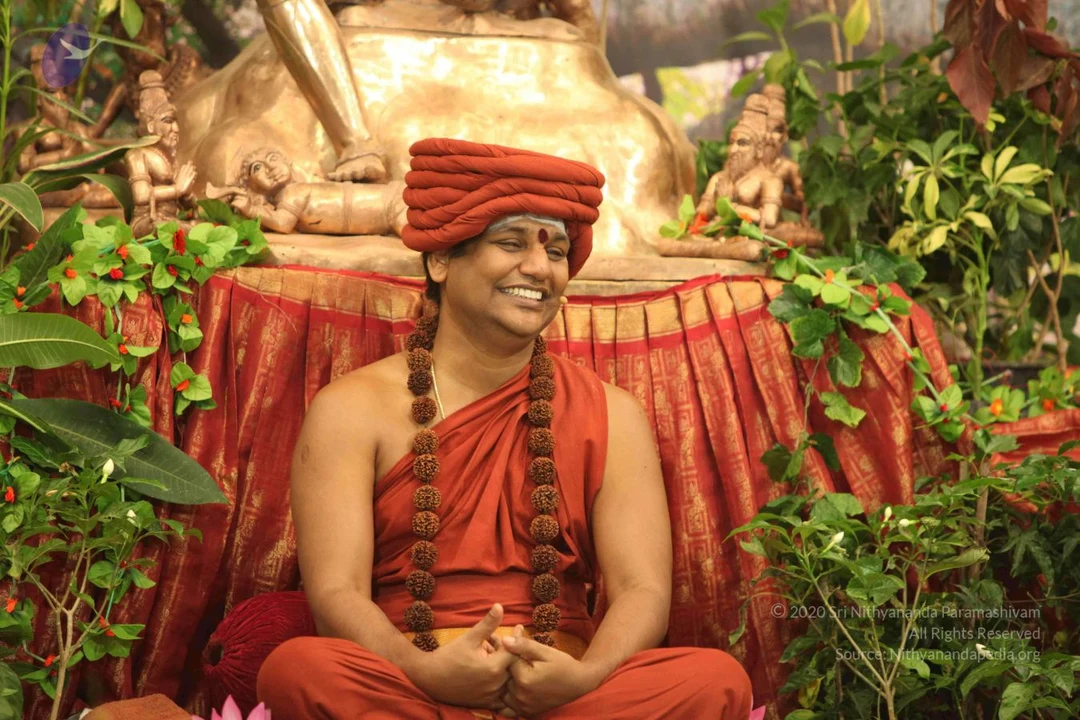
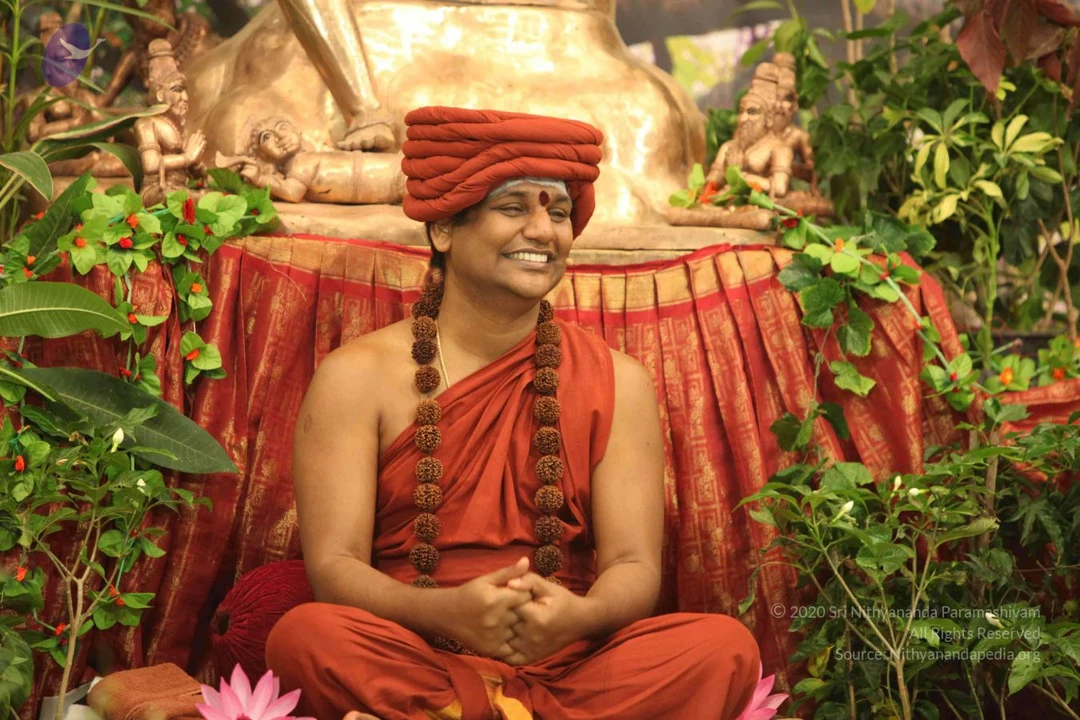
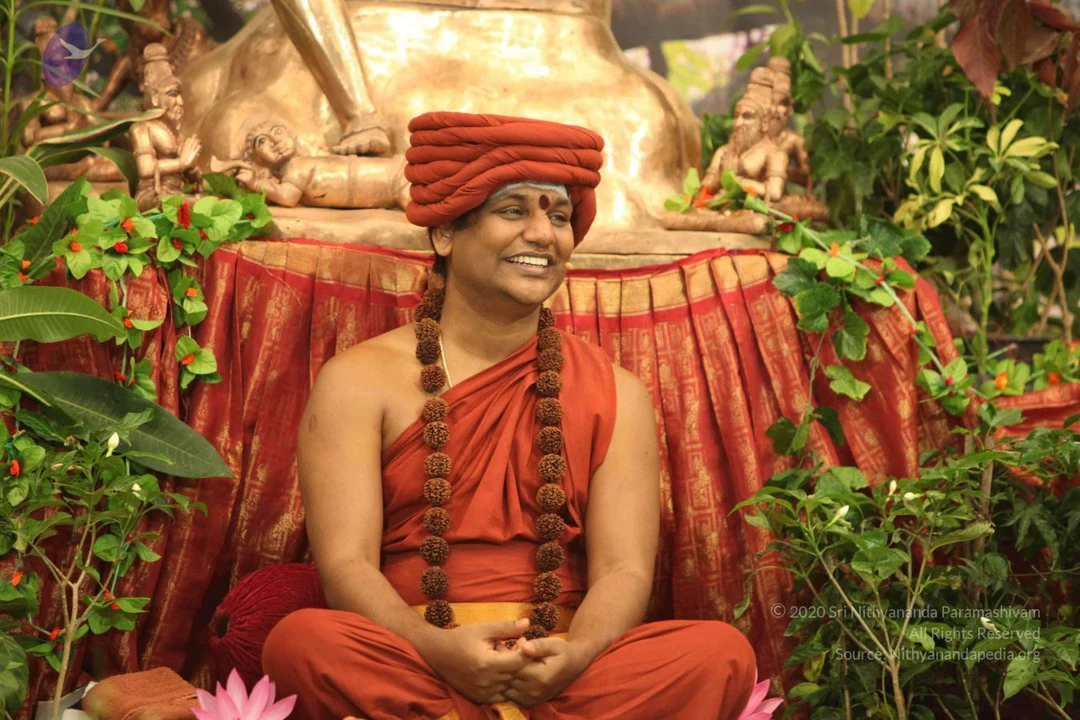
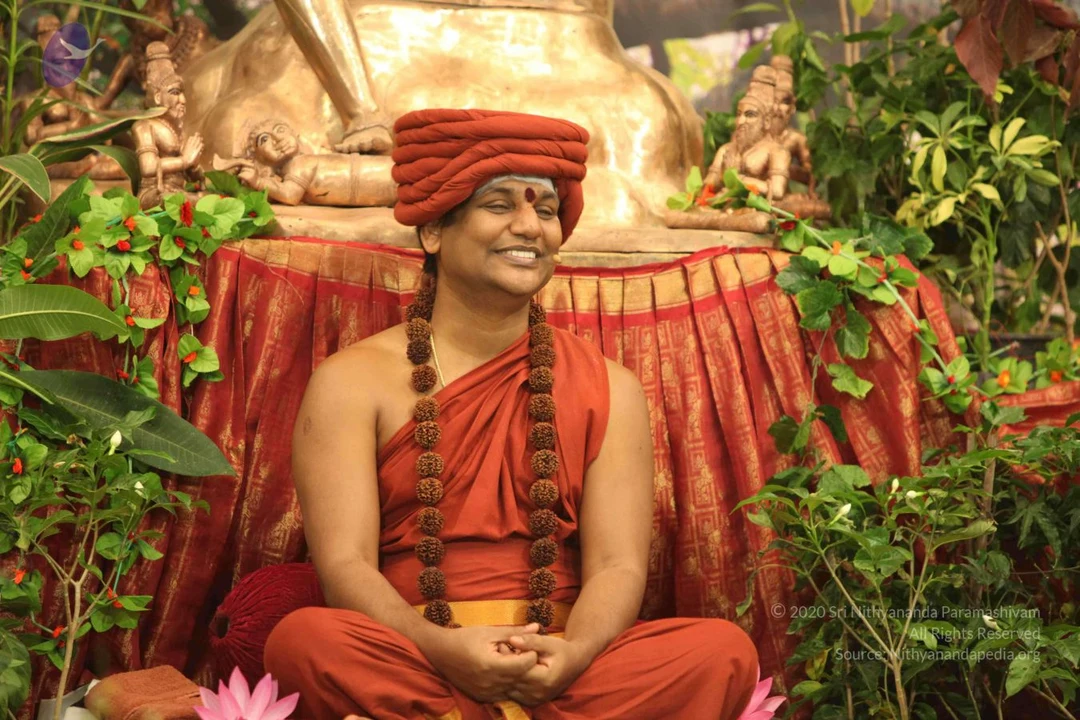
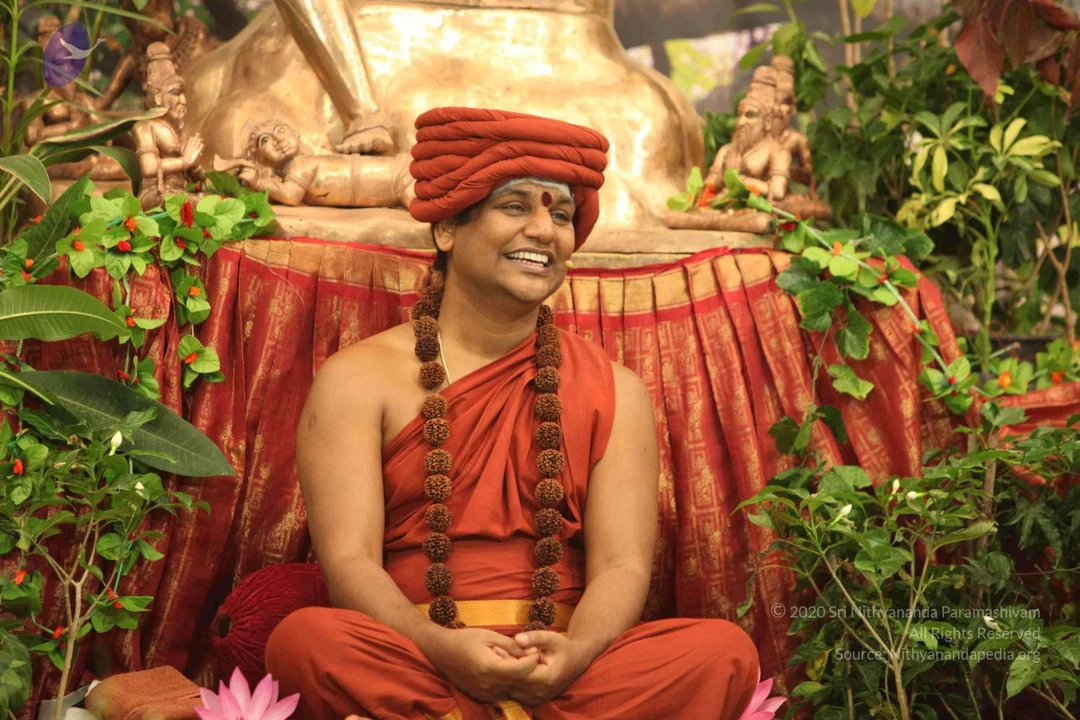
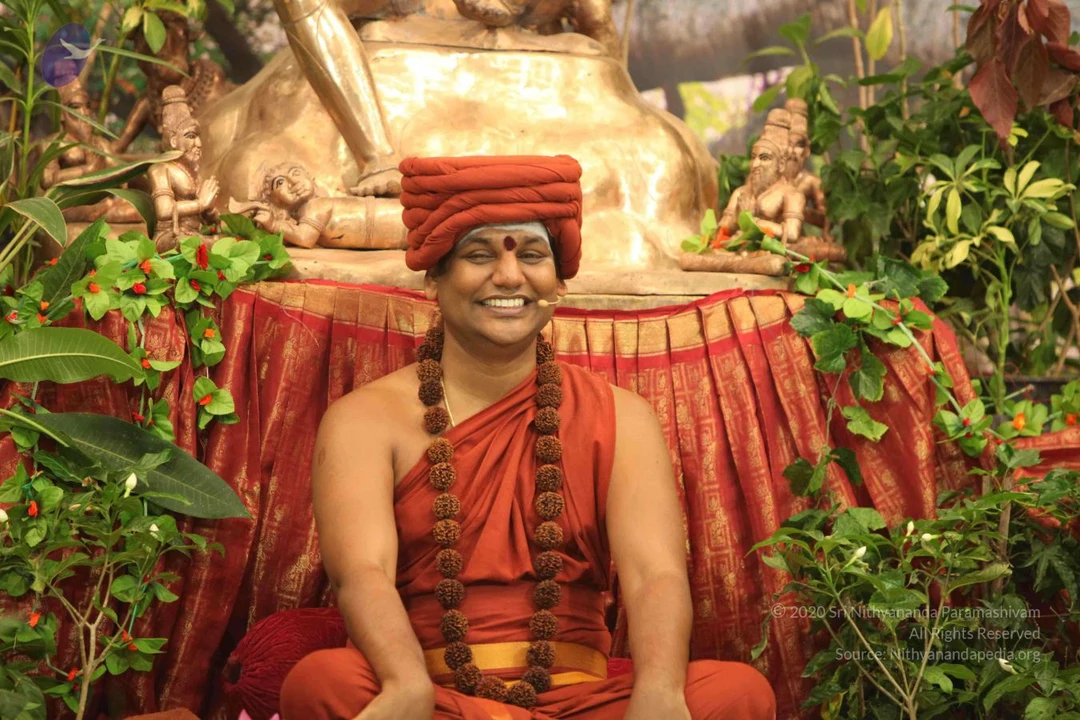
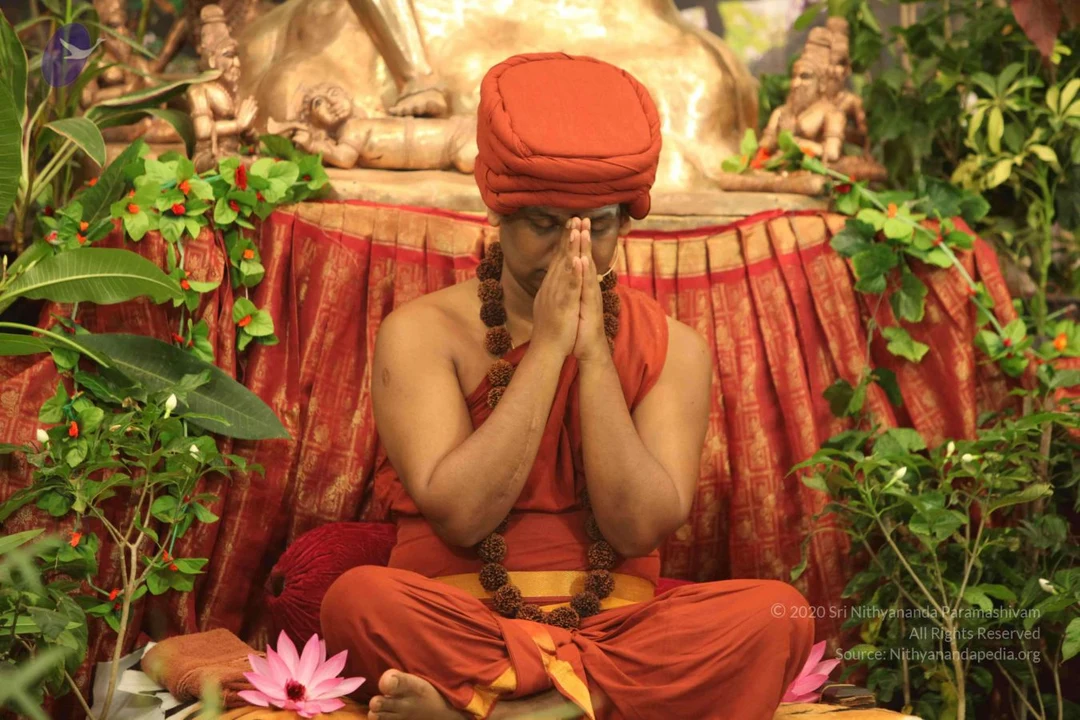
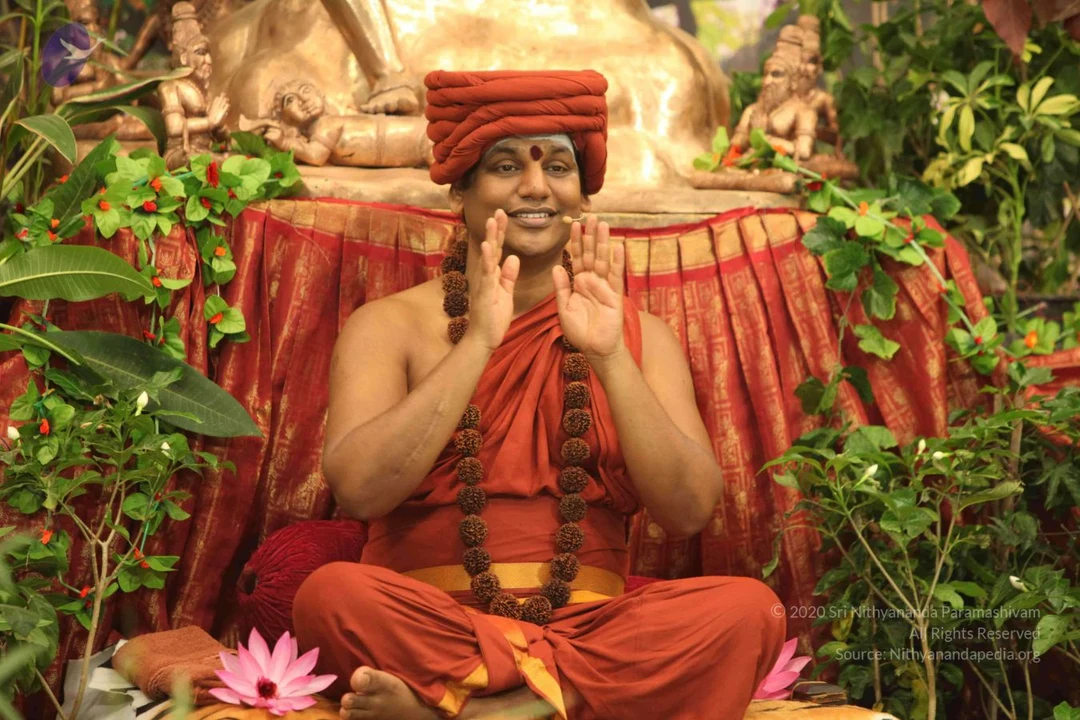
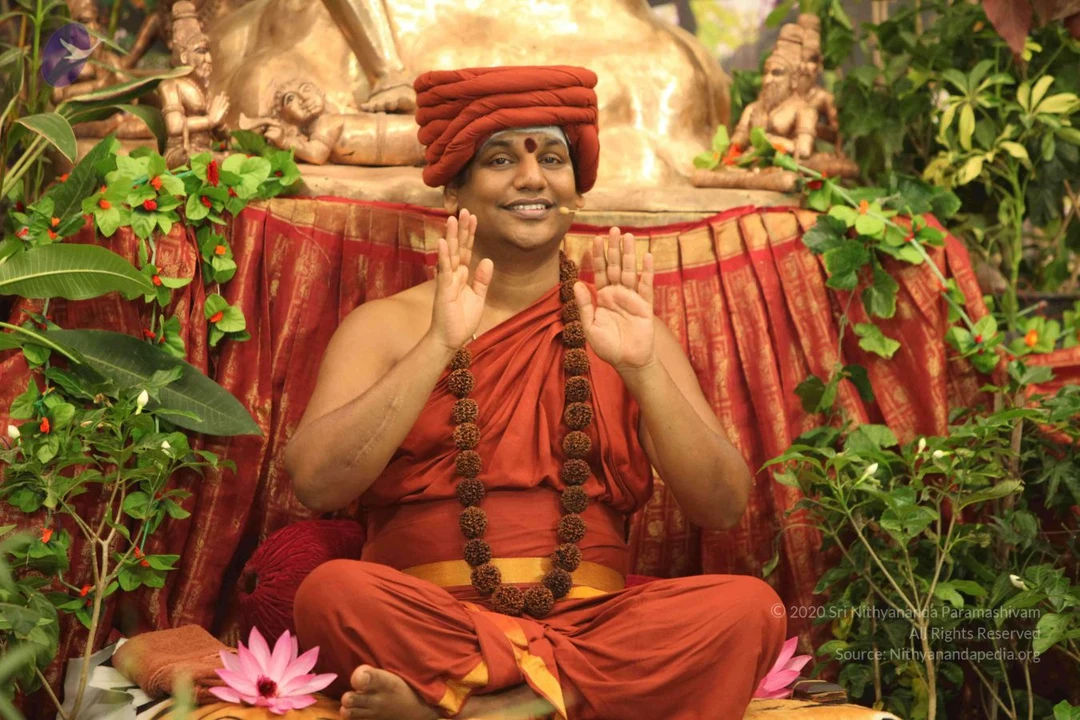
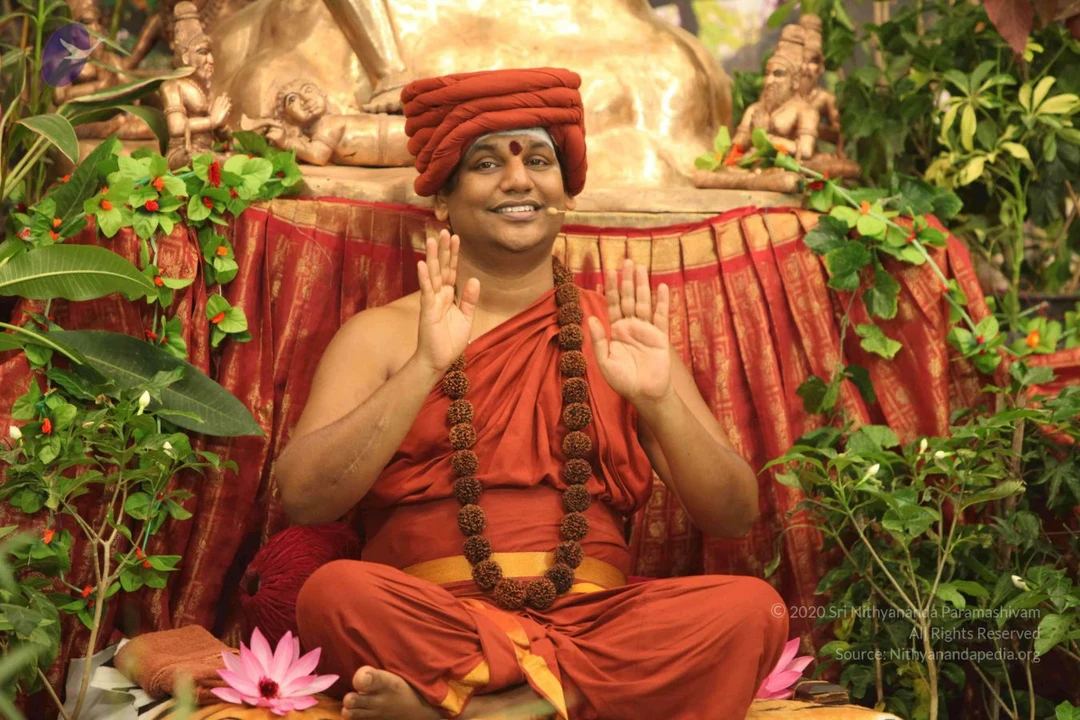
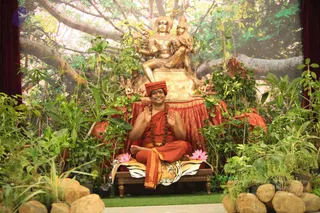
Today’s (29th January, 2015) Morning Satsang continues with the Upanishads Series - Living Advaita. HDH Nithyananda Paramashivam introduces us into the first verse of the Isha Upanishad. Isha is Consciousness and Intelligence. It is not only the Source or base material of the Universe but it is responsible for keeping everything together, including the base; it permeates everything, even our forms, holding them together.
Satsang Video:
| Video | Audio |
Transcript:
(00:17)
nithyānandeśvara samārambhām nithyānandeśvari madhyamām | asmat āchārya paryantām vande guru paramparām ||
(01:05)
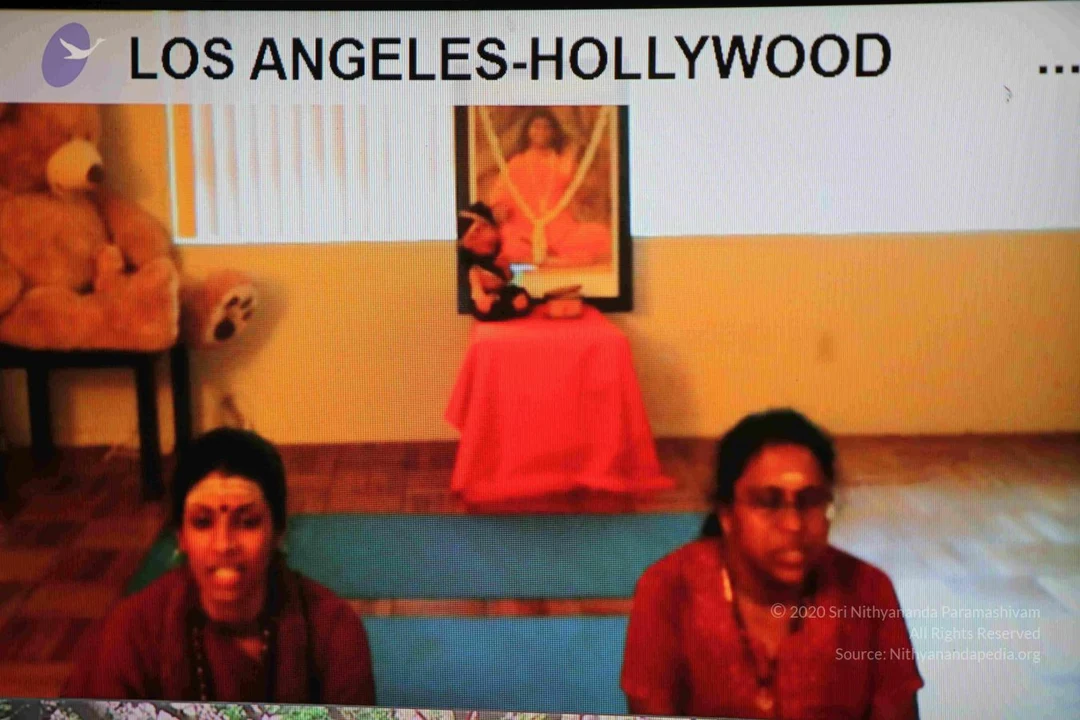
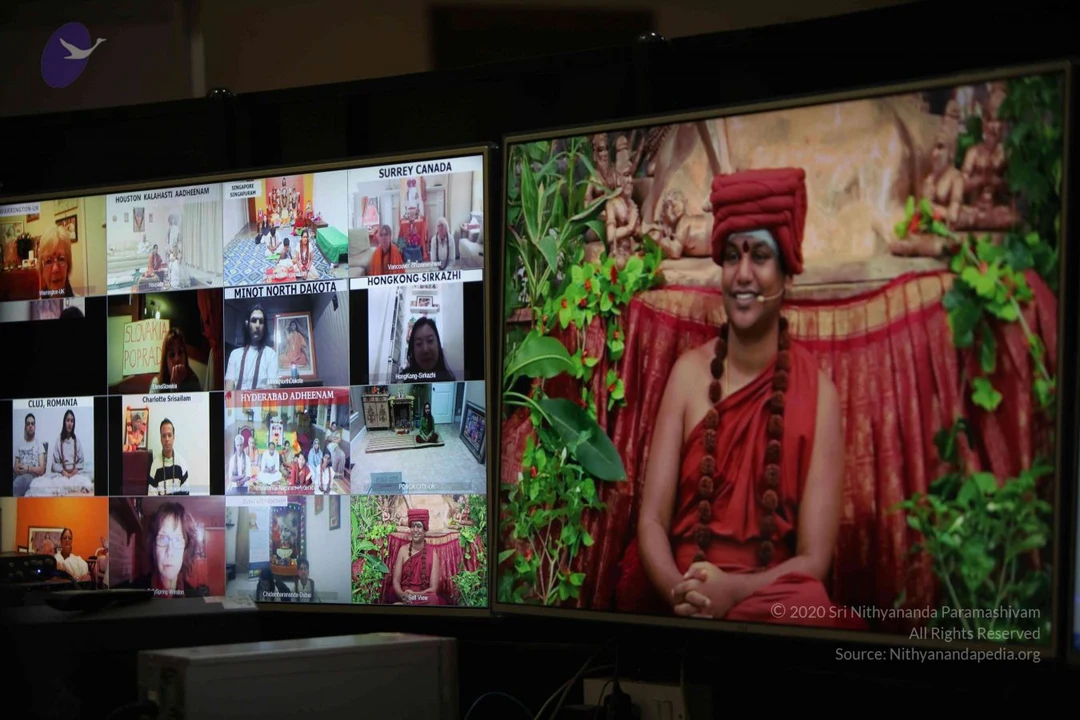
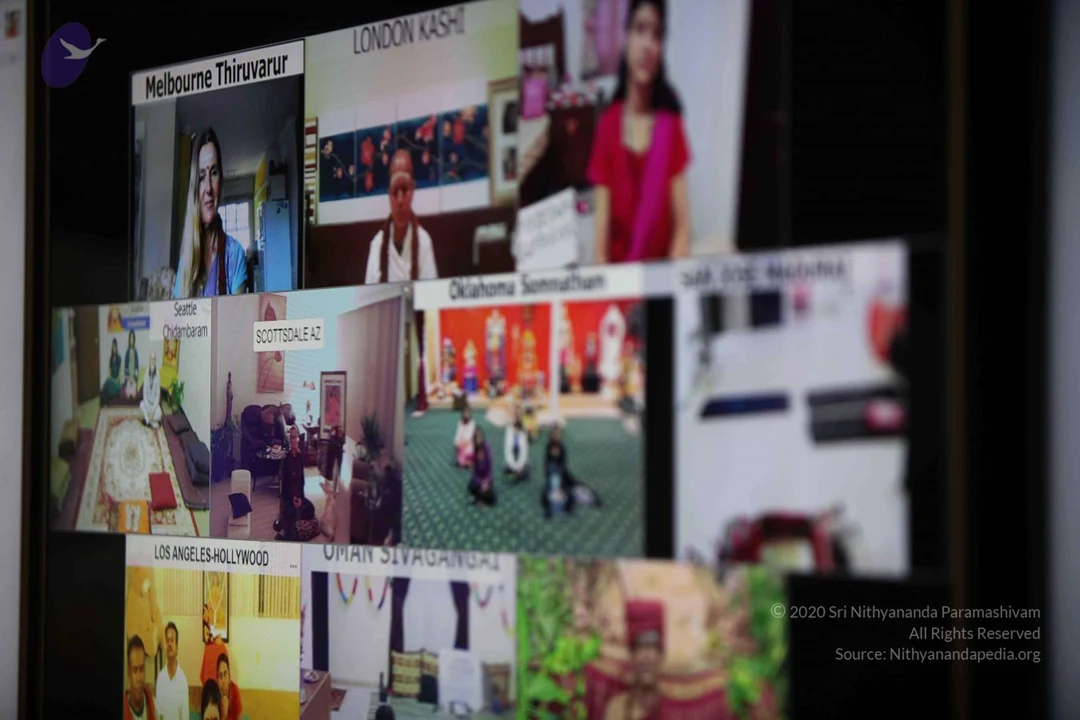
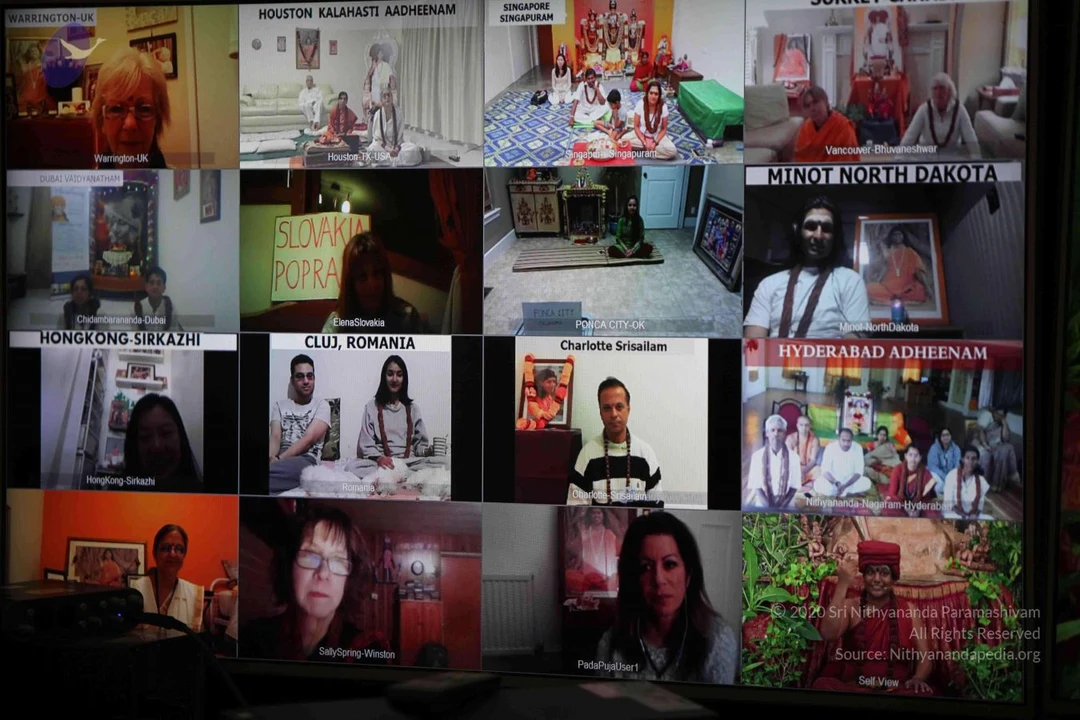
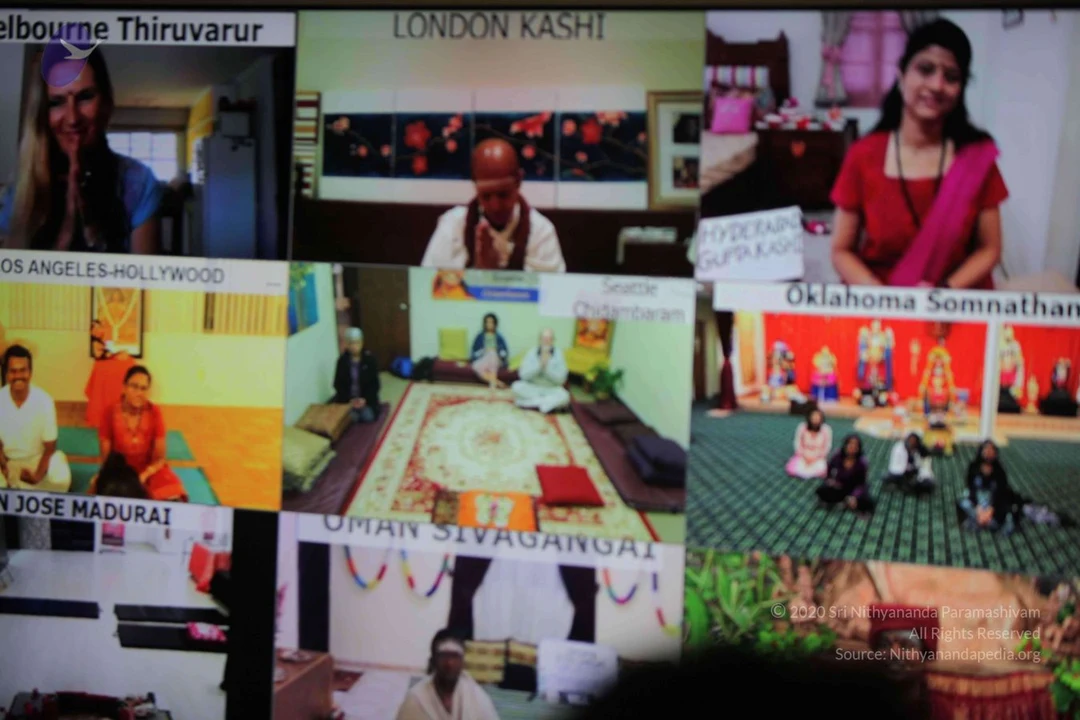
I welcome all the devotees, disciples, samajis, satsangis, Shrimahants, Mahants, Kotharis, Thanedars, visitors, viewers, sitting with us all over the world through Nithyananda TV, Sadhna TV, and two-way video-conferencing having Nayana deeksha. Cities sitting with us in two-way video-conferencing: Melbourne-Tiruvarur, London - Kashi, Hyderabad-Gupta Kashi, Oklahoma-Somanatham, Oman-Sivagangai, Scottsdale -Arizona, Seattle-Chidambaram, Los Angeles-Hollywood, Singapore-Singapuram, Minot -North Dakota, Slovakia-Poprad, Surrey-Canada, Warrington-UK, Houston-Kalahasti, Singapore-Singapuram, Romania, Hong Kong-Sirkazhi and some more cities. Hyderabad Aadheenam, Charlotte-Srisailam, Ponca City-Oklahoma, Philadelphia, Pittsburgh, London-Kashi, Melbourne-Tiruvarur, Los Angeles-Hollywood, Scottsdale - Arizona, Oklahoma-Somanatham, Oman-Sivagangai, Hyderabad-Gupta Kashi, Seattle- Chidambaram.....and some more cities.
I welcome all of you with My love and respects. I am entering into the first verse of the Upanishads. Before entering into every verse, I feel like a wipe yourself completely, clean, and be fresh, so that this verse enters into you as a nectar and starts functioning.
03:26)
Listen! Listen! Listen! ईशावास्यमिदं सर्वं यत्किञ्च जगत्यां जगत् । तेन त्यक्तेन भुञ्जीथा मा गृधः कस्यस्विद्धनम् ॥ 1 ॥ eeshaa vaasyam-idaṃ sarvañ yat-kiñcha jagatyaañ jagat | tena tyaktena bhuñjeethaa maa gṛidhaḥ kasya svid-dhanam ||
Recite along with Me. eeshaa vaasyam-idaṃ sarvañ yat-kiñcha jagatyaañ jagat | tena tyaktena bhuñjeethaa maa gṛidhaḥ kasya svid-dhanam ||
eeshaa vaasyam-idaṃ sarvañ yat-kiñcha jagatyaañ jagat | tena tyaktena bhuñjeethaa maa gṛidhaḥ kasya svid-dhanam ||
(05:44)
The translation: By the Consciousness enveloped must this all be, whatever moving thing there is in the moving world. With this renounced you may enjoy. Covet not the wealth of anyone at all. Listen. By the Consciousness enveloped must this all be, whatever moving thing there is in the moving world. With this renounced you may enjoy. Covet not the wealth of anyone at all. Listen. Eesha, understand this word. This word means - Consciousness which has all the auspicious qualities, and which is causal, actual material source of everything is, which we may know or we may not know. And, it is not only the source, it permeates. Please understand. Eesha is not just the source of these plants, stones, you, Me; it continues to permeate, fill all of us and everything is, even when we are in this form. Listen. The consciousness is not just the source, it is a base; not just a base material; in continue…. it continues to be the base which keeps the material together in this shape. eeshaa vaasyam-idaṃ sarvañ yat-kiñcha jagatyaañ jagat |
(09:07)
By the Consciousness enveloped must this all be. Listen. The word vaasyam, listen, means ‘must’, ‘must’. There is no maybe, might be, can be, could be. No. It’s a declaration. Declarations are expected to be used as a basic cognition in our tradition. Listen. No other spiritual tradition gives so much space for question, answer and debate and no other spiritual tradition is so conclusive and inclusive. Listen. Inclusiveness always takes away the conclusiveness. Inclusiveness always takes away the conclusiveness. ‘Oh, everything is one and the same. Everything .....’. The inclusiveness takes away conclusiveness. But here, inclusiveness and conclusiveness in Completion. Inclusiveness and conclusiveness in the space of Complete Completion. Vedic tradition first and foremost, one and only, inclusive and conclusive tradition. Understand. Inclusiveness is always the extreme of emotion. Conclusiveness is always the extreme of logic. Both never go hand in hand. Only if the logic and emotion both merges and sees the reality... Logic always operates from the fear. So, it goes on dissecting, dissecting, dissecting, dissecting. Emotion always operates in the space of greed and it tries to goes on adding, adding, adding. Emotion tries to be inclusive, so that it can feel fulfilled with the greed. And logic tries to be divisive, so that it can be conclusive. When both ripes and merges, the being blossoms, which is beyond logic and emotion, which I call your ‘individual soul’, bio-memory. Your basic root cognition from which you operate, only there the inclusiveness and conclusiveness can be in the space of Completion and it can go completely well with each other.
(13:49)
Listen. The people who lost conclusiveness for the sake of inclusiveness lost the strength. They become Theology light. All these Theology light traditions… ‘Okay, be as you want, okay. Let’s celebrate’ – all the Theology light groups, most of the cults, function on inclusive, but they very badly lose the strength of conclusiveness. And the people who miss inclusiveness and hold on to some conclusiveness, they become fanatics, terrorists. They are more dangerous than cults. The one and only tradition, the Vedic tradition, which is ultimately inclusive and ultimately conclusive, completely inclusive and completely conclusive, because it is core. The core cannot choose between inclusiveness and conclusiveness.
(15:39)
Just see this word – eeshaa vaasyam-idaṃ sarvañ . The ultimate inclusiveness and ultimate conclusiveness. In this one line – “Whatsoever exists is enveloped by this Consciousness” – ultimate inclusiveness, you can’t include anything further in this. And Idham, Vaasyam, Vaasyam. yat-kiñcha – Whatsoever. Jagath means changeful. Please listen. How much ever you may think it is changing, as long as your thinking is happening you will perceive universe as happening. When you settle down in samadhi, you will perceive the whole universe in the space of samadhi. Understand. As long as you are thinking, you will perceive the other part of you as universe which is happening. When the thinking settles down in you and you become peaceful and you enter into samadhi, you will perceive the other part of you also is in the space of samadhi, God. The Jeeva decides to perceive his other part as Jagath or Eeshwara. When you perceive as Jagath, dwandwa exists - dual. When you perceive as Eeshwara, only Advaitha exists. That is why Eeshwara becomes Eesha. Even if you translate the word Eesha into Lord, there is a kind of a gap. Upanishadic rishis are not telling – Eeshwaravaasyamidham. No. Because, that word Eeshwara can create a kind of a subtle barrier. They say Eesha where you don’t feel intimidated.
(19:02)
Understand. A mind which is still active, for that mind if you describe God as a embodiment of independent, intelligent free-willed being, you will feel always intimidated. You will say, “Oh if something else also exists, then should I relate with that through fear, by begging, praying, or greed, by offering, surrendering, or should I talk... start praying? What kind of a relationship I should start developing with it?” Because, the mind always try to retain its existence by the methodology of relating. When the method to relate is disconnected, it disappears. It is by the methodology of the relating it retains its existence. So, when mind is there, if the Masters utter a word Eeshwara, immediately – “Oh, he is there. He is intelligent. And he is independent. He has a free will. So he may judge me. He may not accept me. So, how should I relate with him? Should I start praying to him? Should I...How should I please him? Should I start talking to him? Should I start escaping from him, denying him? Or what should be the thing? Or should I start conquering him?”
(21:06)
Understand. He is not Eeshwara as you perceive, who moves like you. He is Eesha, who can be perceived only when there is no movement in you. Any perception you have about him, when there is a movement, is only Jagath, not Eeshwara. Only these three, these three you need to know in the life. Everything else will be cleared just if you know just these three: Jeeva – individual soul which perceives; Jagath – universe which is constantly changing, which changes is Jagath and Eeshwara – God. Listen. Please listen. As long as there is a movement in you in the form of thought and feeling, which tries to include and conclude – thought tries to conclude, feeling tries to include – as long as these movements are happening in you, what you perceive inside you and outside you is Jagath, changing. When this thought and emotion which tries to include and conclude merges and that Shanti – silence prevails, you will understand whatever you perceived as Jagat also is nothing but Eesha.
(23:49)
I can say the whole Sanatana Hindu dharma starts and ends in this first line. The logic which goes on tries to conclude and emotion which goes on tries to include, these both, when they are moving, when they have not completed with each other, when there is a incompletion..... Only when there is an incompletion there will be movement. When there is Completion, no movement; pure silence. When there is a movement, listen, when there is a movement, you will perceive yourself inside you, outside you. Whatever you feel as “Mamakāra”, as “Ahamkāra”, “Anyakāra”, “Sva-Anyakāra”, all these will be changing – Jagat. Listen. Even when something is changing, it is Eesha. Even when you think, when you perceive it is changing, it is Eesha. When you reach the silence of you, when inside there is no movement, there is no incompletions, there is only Completion, you will perceive you, inside, outside, as Eesha. Understand. When there is a change in you in the form of thinking or feeling, what you perceive and what you perceive inside and outside is called Jagat – Universe which is changing. And when you are in the space of Completion, peacefulness, then what you perceive as you and everything else is God.
(27:16)
Here, the Upanishadic rishis are declaring, Upanishads are declaring..... I should not even use the word - Upanishadic rishis are declaring. No. Upanishads are declaring. Dharma declares its authority by itself is Upanishads; without the help of any author or the authority of any author. Author not only brings authenticity, he brings authority also. Here, Dharma does not need authenticity or authority from anyone else. The person who lends authenticity, naturally lends authority also. When he lends authenticity, he has authority. Upanishads does not need anybody to authenticate it. So, nobody has authority over it. That is why Apaurushya – no author. It is declaring its own grandeur and beauty by its own existence. Please understand. Now what I am revealing is, layer by layer Akashic records about this one verse. OM. If I have to expand on this, OM, the sound of whatever is, the vibration of whatever is still vibrating, vibration of whatever is still vibrant. OM! OM! OM! It has to be experienced, OM! OM! OM! eeshaa vaasyam-idaṃ sarvañ yat-kiñcha jagatyaañ jagat | Understand, conclusive. Idham, Sarvam, Vaasyam. No other doubts – maybe, must be, could be, this is what should be, what else can be. No. This is what is My experience. I don’t know, it is up to you. No. Nothing of that sort. eeshaa vaasyam-idaṃ sarvañ yat-kiñcha jagatyaañ jagat | Whatever you perceive as changeful inside and outside you, even when you perceive as changeful inside and outside you, it is God, Consciousness, which is beyond any change.
(32:12)
Listen. The different levels of understanding: When there is a movement, thought-flow in you, when there is a change in you, outside also changes. So, it is called - world. This is Yoga. Stop the movement inside you. Inside when the movement stops, outside movement also will stop. You will perceive the world as Consciousness. This is Tantra. Hey, listen. Even while you perceive the change inside and outside you as changeful, it is Consciousness – Living Advaita. Advaita. Listen. Your logic functions continuously in the form of thought, dividing, dividing, dividing, dividing, dividing, to come to conclusion. Your emotion functions in the form of including, including, including, including, to reach Completion. Only when the inclusion and conclusion merges into each other, Completion happens. People who sacrifice conclusion for the sake of inclusion are Poets. Poets can be amazing inclusive people, but can never be conclusive, practical.
(34:47)
People who sacrifice inclusiveness for the sake of conclusion amazing Mathematicians. They will be amazingly conclusive, practical. You can’t live with them. They can never make good husband or wife. They can be amazingly conclusive, but you can’t live with them. They will be literally dead. Dead means DEAD! If I have to use the word “DUD”, that will be much better. Even in the word dead there is little life. The word “DUD”, where completely no life. Listen. The best statement ever made with a ultimate inclusiveness and conclusiveness is this one statement eeshaa vaasyam-idaṃ sarvañ yat-kiñcha jagatyaañ jagat | The Dharma declaring its own authority.
(36:39)
Once I was sitting and having a discussion with one of the Acharya Mahamandaleshwar. He said beautifully..... I was asking him, “Why are we doing the all the great rituals at the feet of the Dhwajasthambha – the Flag Pole – in Akhada?” He said, “Swamiji, that’s a best way of presenting the Flag Pole is the best representation of Dharma without intimidating us in course of time.” If you put a statue of Chatur Veda, Veda Matha, anything, in course of time the next generation will use even that to intimidate themself. It will become one more god. The moment you utter the word God, the intimidation starts. Consciousness, the word itself expresses so much of intimacy. The very word feels so intimate and gives you intimacy. If you translate that same word Eesha into Lord, it is intimidating. If you translate that word into Consciousness, it is so intimate.
(38:33)
As long as you have a will, Free Will, you will always be intimidated by something which has Free Will. Listen. So, you need to be told the Lord’s will is not like your will which intimidates, which feels threatened by anything exists. It is neither interested in intimidating you nor bothers to protect you. Understand. I am making this statement: If you are expecting protection, you will only end up in hopelessness. Listen. Nobody can protect you, nobody can save you, because, YOU DON’T NEED TO BE SAVED. Wake up to your reality. You neither need to be saved nor you need to be saviour. At the most any saviour need to utter only this one statement: “Neither you need to be saved, nor you need a Saviour” Wake up. Inclusiveness and conclusiveness in its pure form, in its pure form. Inclusiveness and conclusiveness in its pure form. No mathematician can be so conclusive as this verse. No poetic... no poet can be so poetic, so inclusive than this verse.
(41:12)
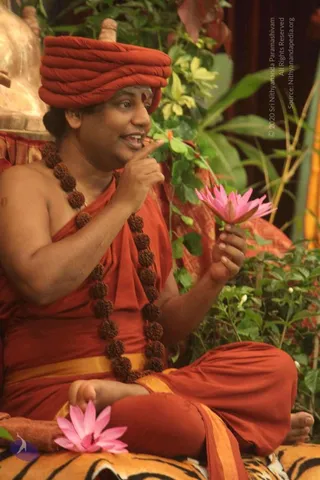
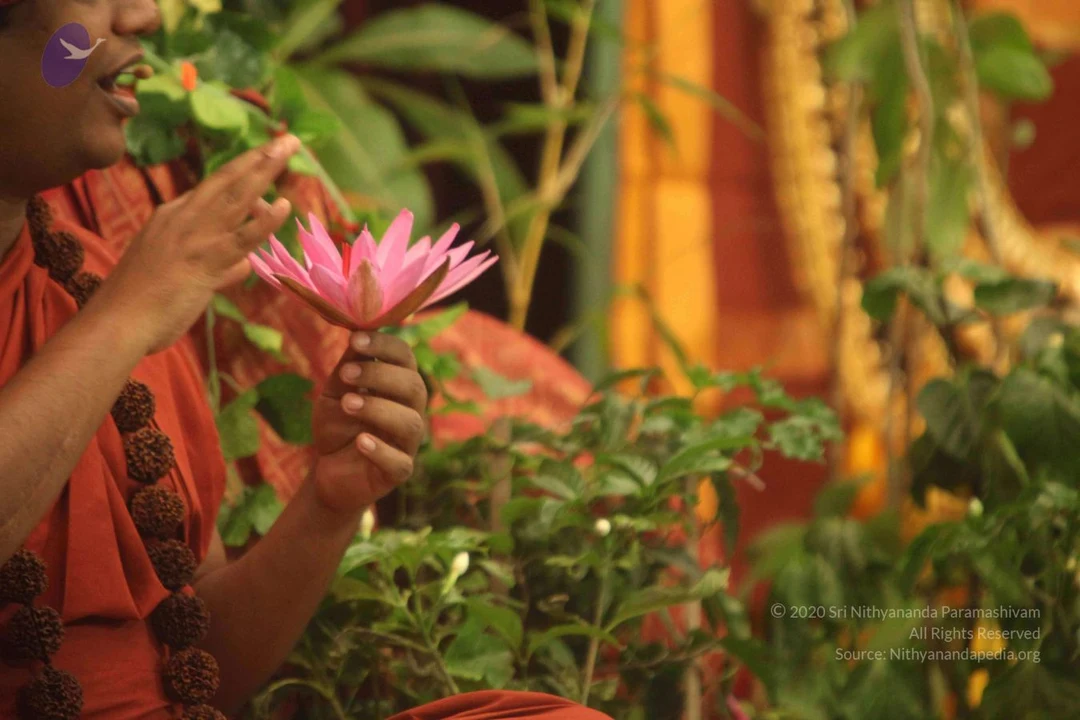
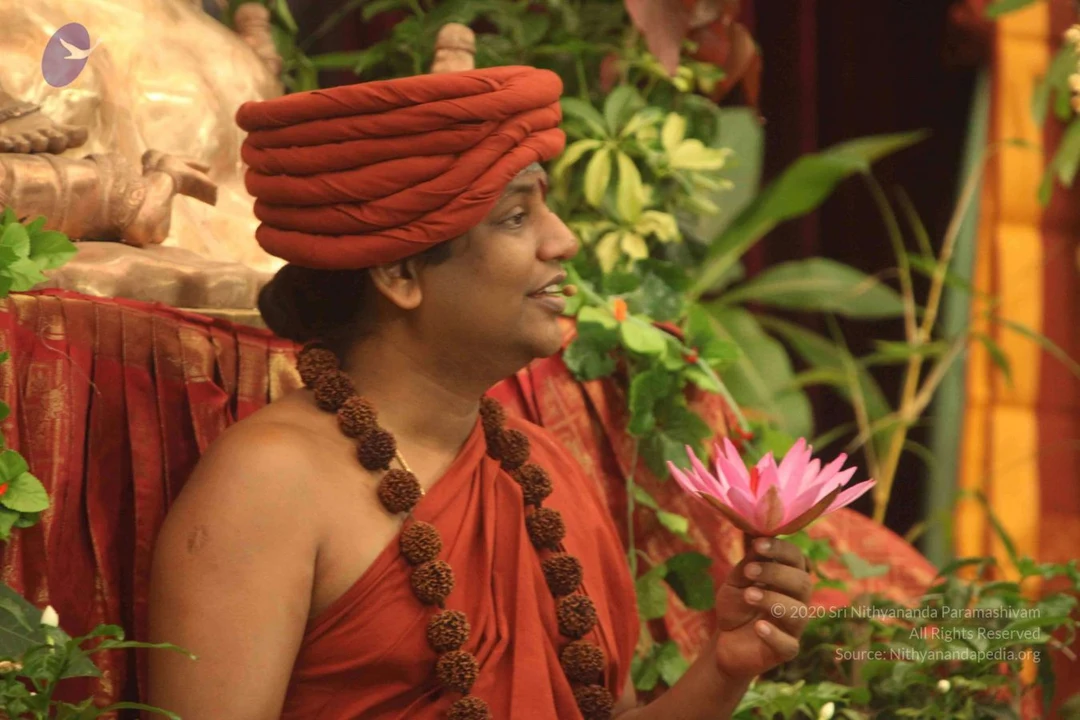
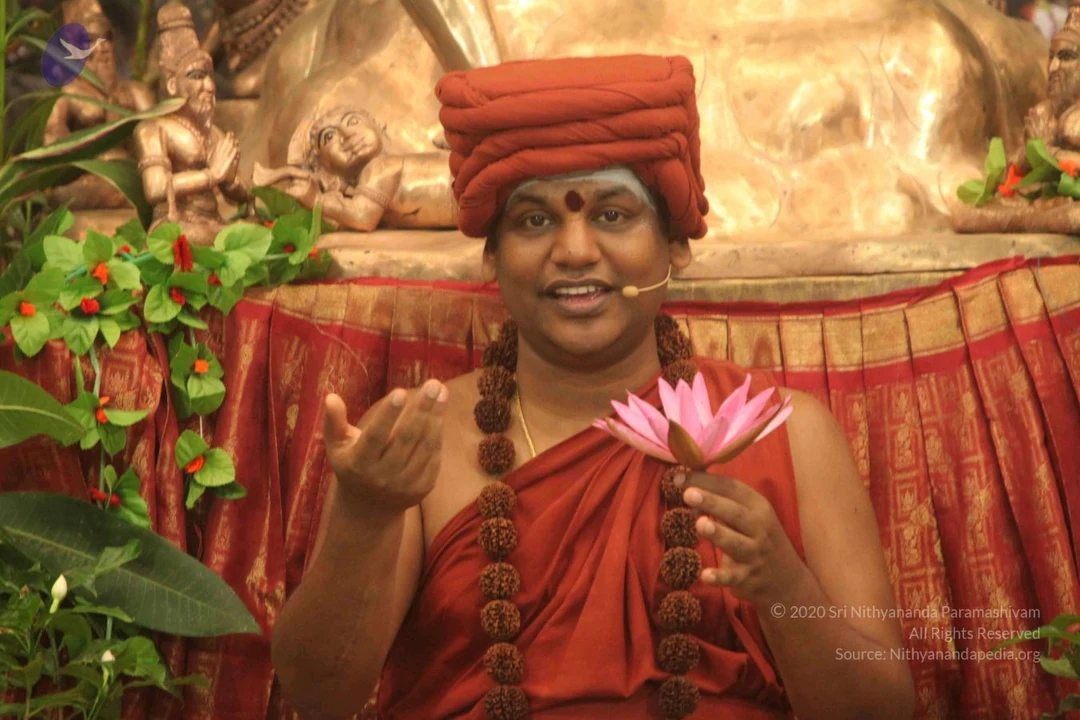
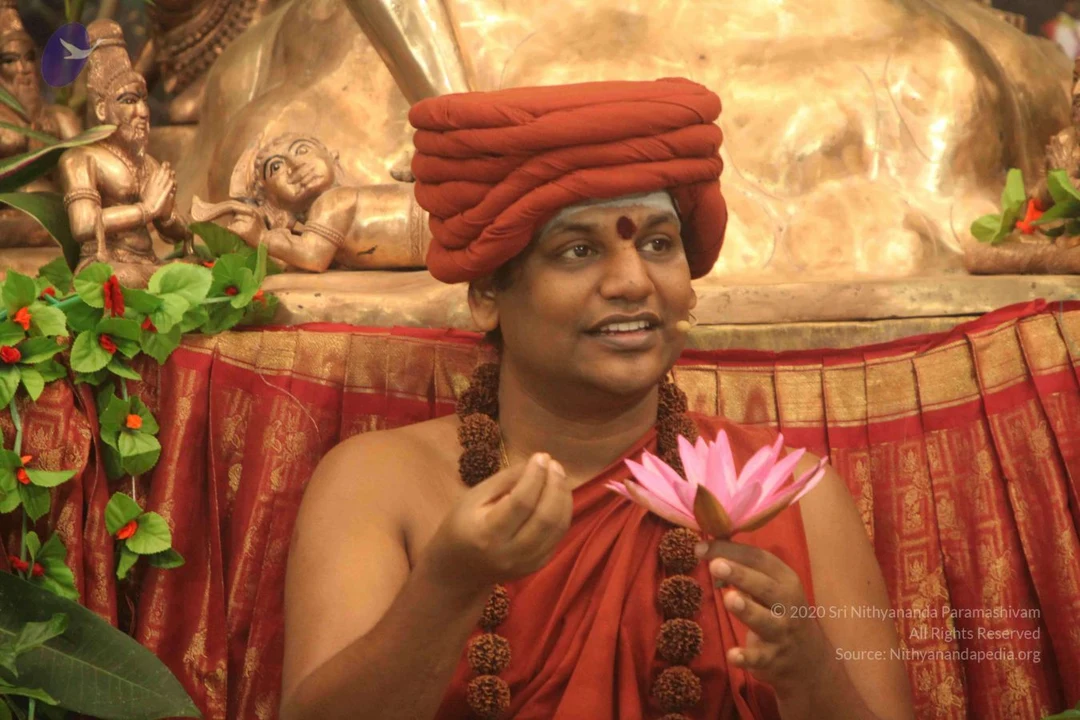
eeshaa vaasyam-idaṃ sarvañ yat-kiñcha jagatyaañ jagat | Whatsoever changeful, there is in this ever-changing world, is all enveloped, is all personification, is all Eesha, Consciousness. Being who experienced Eesha, has received Eeshatva as vara, is Eeshwara. Who is established in the space of Eesha, is Eeshwara. This word Eesha should be understood as Consciousness, Intelligence. Consciousness, Intelligence, material, subtle, cause and all pervasive, sustaining, support and the reason why the universe is still bound in this form. Understand. Lord, Eesha, is not just the source of this flower; he permeates this flower, he envelopes this flower for this flower to exist in the form of this flower, he is the reason. So, he is the material, he is the subtle and causal causes of this to exist. Tomorrow it may change in a different form. It may wither away. It may become a seed for the other plant to happen. It may become whatever. At that time, at this moment and earlier, Eesha, the Consciousness fills all this.
(44:51)
Listen. This statement is the ultimate truth and the ultimate technique; a flawless truth and technique. Please listen. There are some statements, truth, but can’t be applied as technique; some statements, technique, can’t be truth. I will give you the example. When Ramana Maharshi says, “Whatever is moving is moving only by the grace of God. Without His grace, nothing can move”, it’s a amazing technique. When Ramana Maharshi’s mother came to take Him back to Madurai, take Him back to His home to Tiruvannamalai, Ramana Maharshi writes a letter, small chit, and gives to her. In that He says, “Whatever happens, happens by His will. And without His will nothing can move.” It is an amazing technique. But, please understand. It is not truth. In reality, in truth, you do have Free Will. Why? He coming from all the way from Madurai to Tiruvannamalai happened by with Him. Because, He did it. So, what He said is a technique. If you relax into that, you will realize the truth. Truth of the Free Will merging into the Cosmic Will, it is a technique, not truth. And same way, there are truths which can’t be used as technique which I tried. Annamalai Swamigal told Me, “Atma has no pain. Atma has no suffering. Soul has no pain, no suffering.” It is a truth, but it can’t be tried as a technique. I went and tried on My body.
(47:20)
There are some truths which can never be a technique. There are some techniques which can never be truth. Here, the master-stroke, rishis know there may be some students, may not even come back to the next class. Even if you come to just only one Upanishad class, they want to give you enlightenment. So, they LOAD the whole truth into this one statement. Understand this one statement, which is all-inclusive, ultimately conclusive, which is truth and technique. If some statement has to be truth and technique, it has to be clear. If this same statement is made – ‘The Consciousness envelopes everything’ – it can only be truth, not technique. You can’t try that in your present state. If this statement says – ‘Whatever moving IS, whatever moving WILL BE only Consciousness’ – it can be technique, not the truth immediately. The word vaasyam-idaṃ – is now. The word vaasyam-idaṃ makes this line as a truth and technique, both. Because, here, jagatyaañ jagat – whatever is moving, perceived as moving in this moving world, whether this moving is a perception or reality, it is perceived as moving. Sometime it really feels like it is moving. Whether you perceive it as moving, or really it is moving, it is pervaded by Consciousness, enveloped by Consciousness. Because it is so inclusive and conclusive, it is a truth and technique, it needs to be lived as your cognition. “How to”, I will continue in the further satsangs. “How to”, I will continue in the further satsangs.
(51:15)
Anything can be missed for Upanishads. Don’t miss Upanishads for anything. It is too much. Even I am sitting and enjoying. Even I am sitting and enjoying. Last two-three days I could not physically come and sit, because I gave the Shivoham experience to NKY participants. So, this Shivoham experience, still body needs little settling. And even in this weekend Nithya Dhyan Yoga , there will be one session Shivoham process. And first time I gave Shivoham experience in two-way video-conferencing in this four day Nithya Kriya Yoga. The Shivoham was done in remote first time ever on the planet earth. Understand... Not just Kundalini awakening; SHIVOHAM. So, this weekend NDY, there will be one session, Shivoham process. With this, I bless you all. And from today we may start whole day Dial-the-Avatar IA Kalpataru calls. For IA Kalpataru, I am going to make Myself available for more and more time. The timings you can call the Enriching Temple and find out. So, with this, I bless you all. Let you all radiate with Integrity, Authenticity, Responsibility, Enriching, Causing Living Advaita, eternal bliss, Nithyananda.
Thank you.
(54:03)
Photos
Nithya Puja and Kirtans
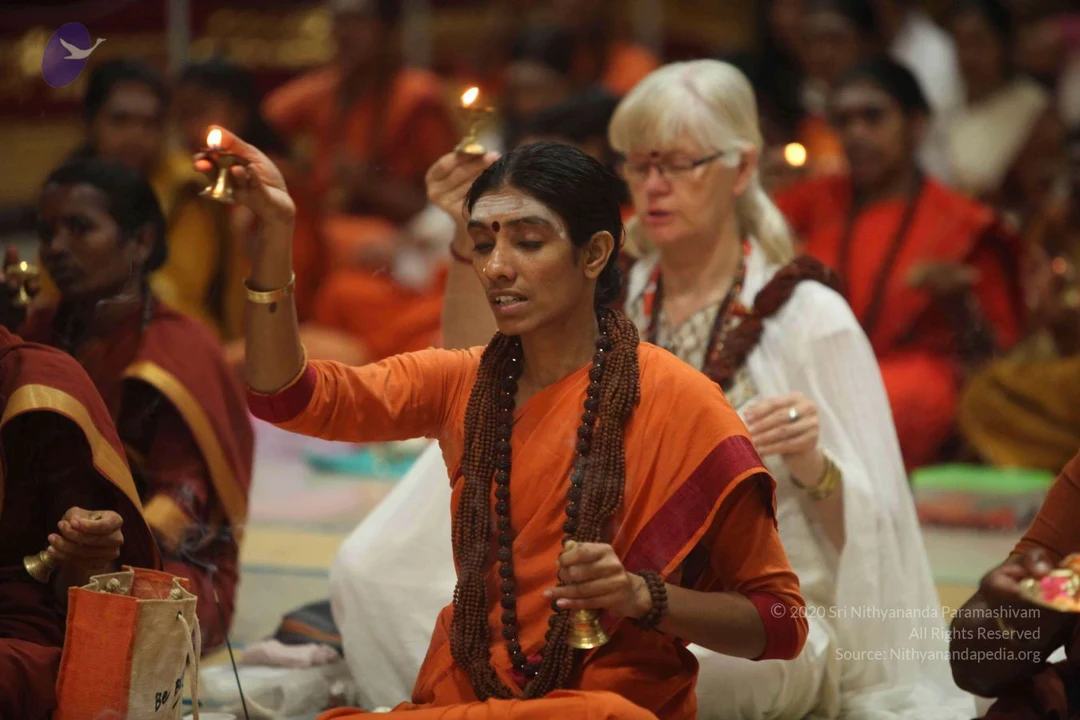
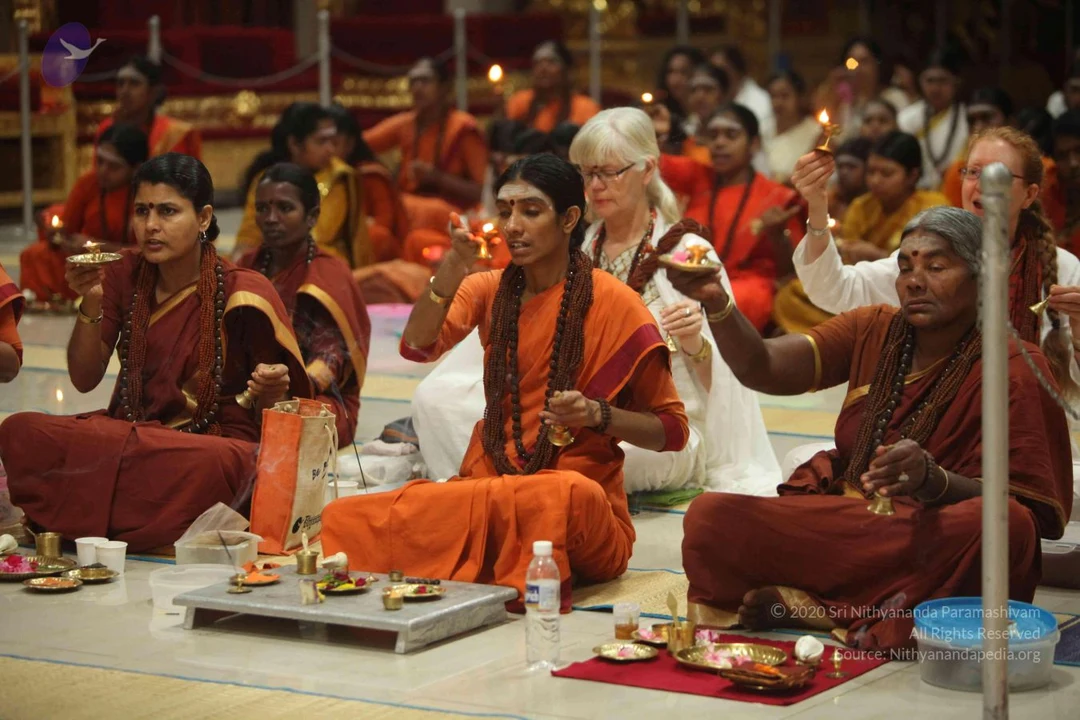
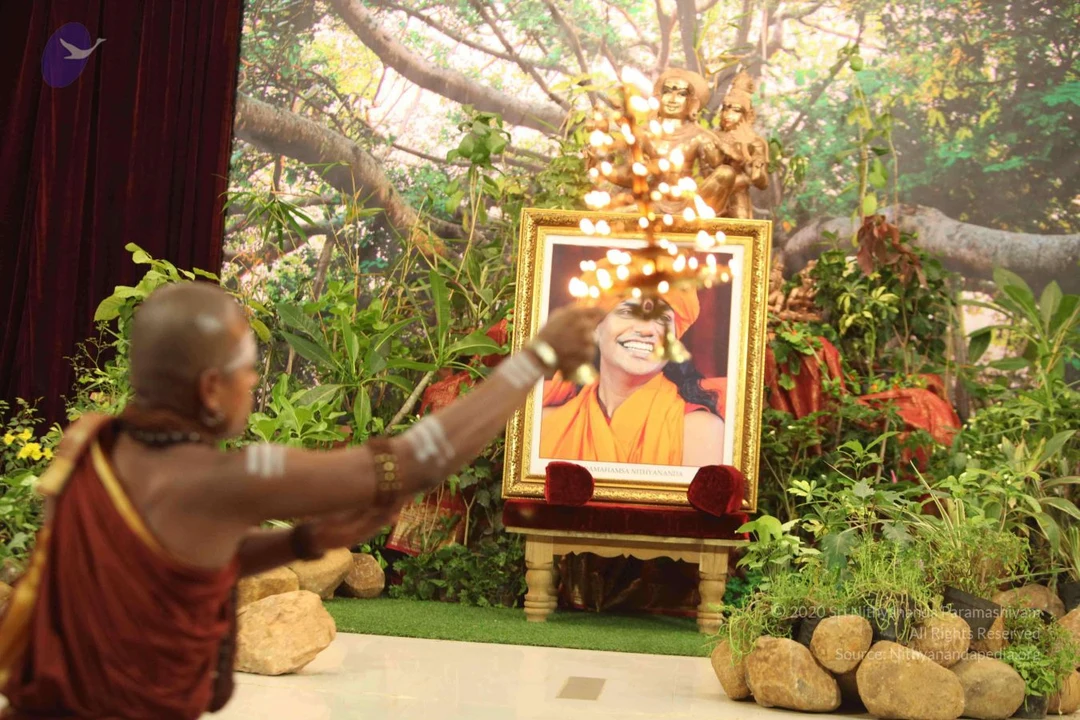
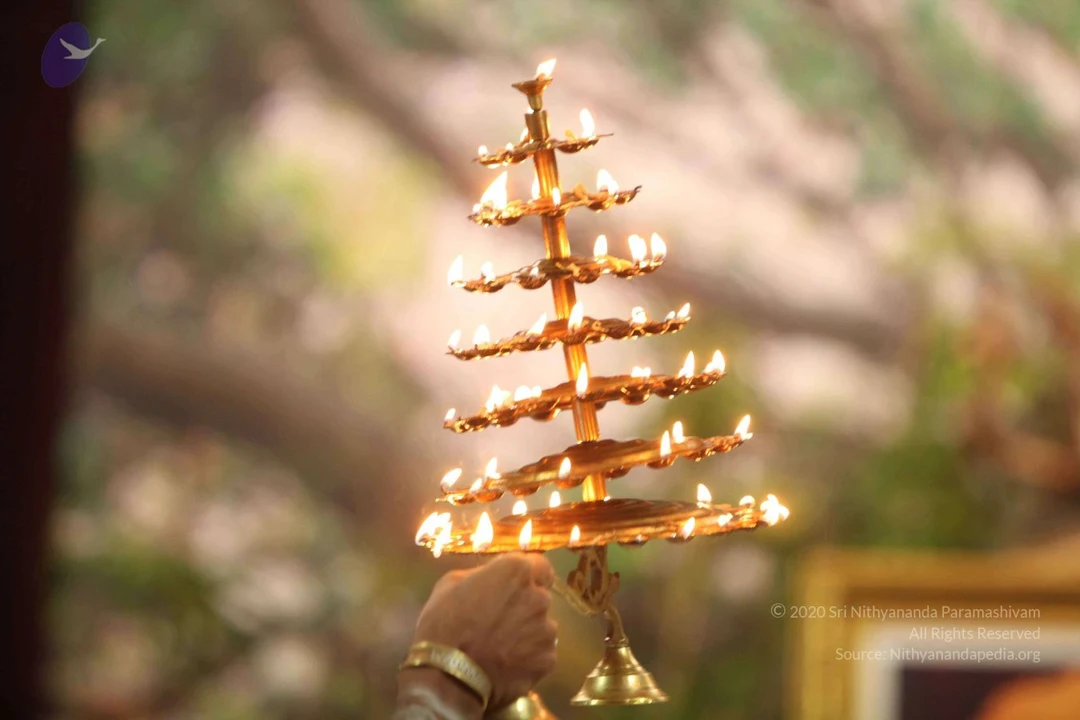
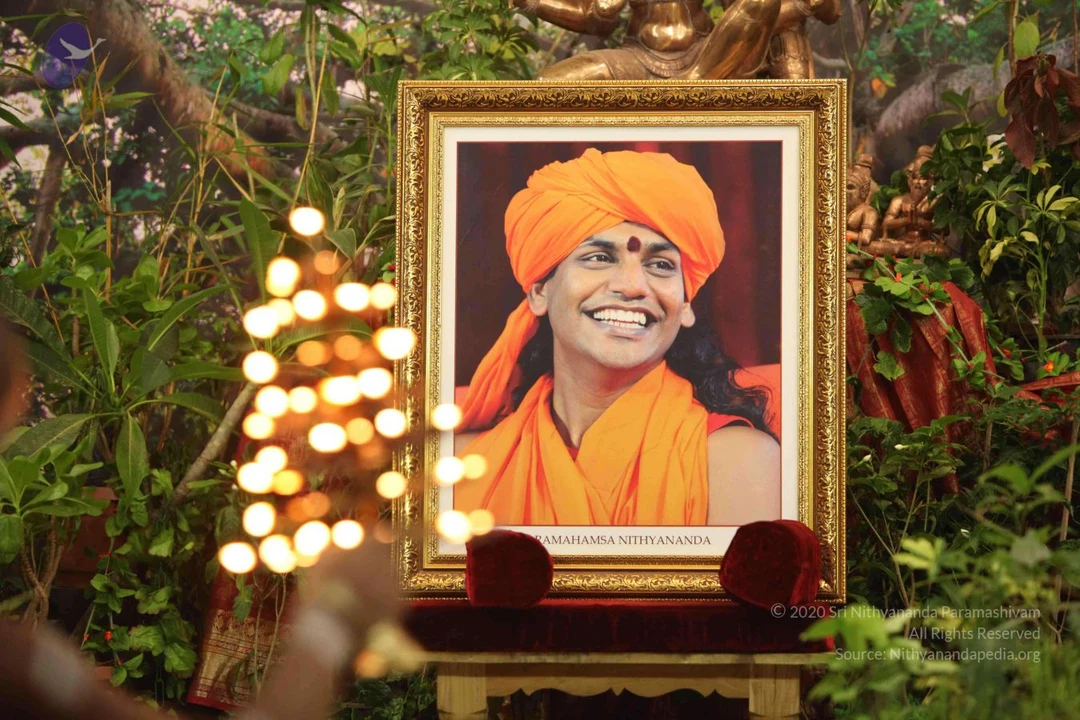
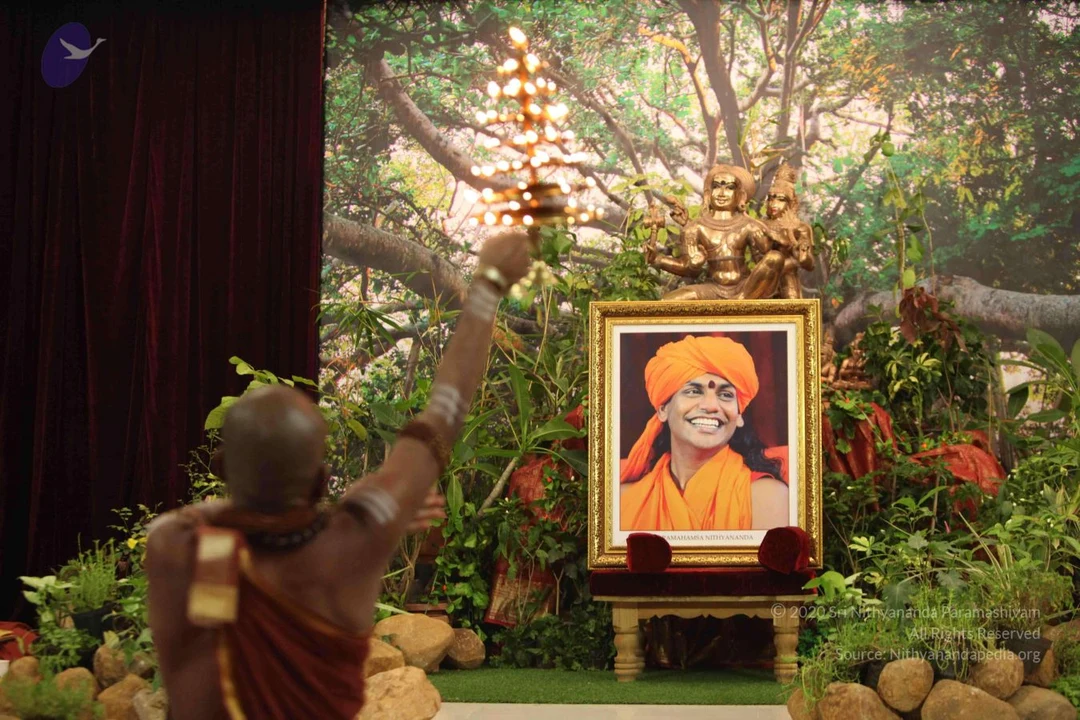
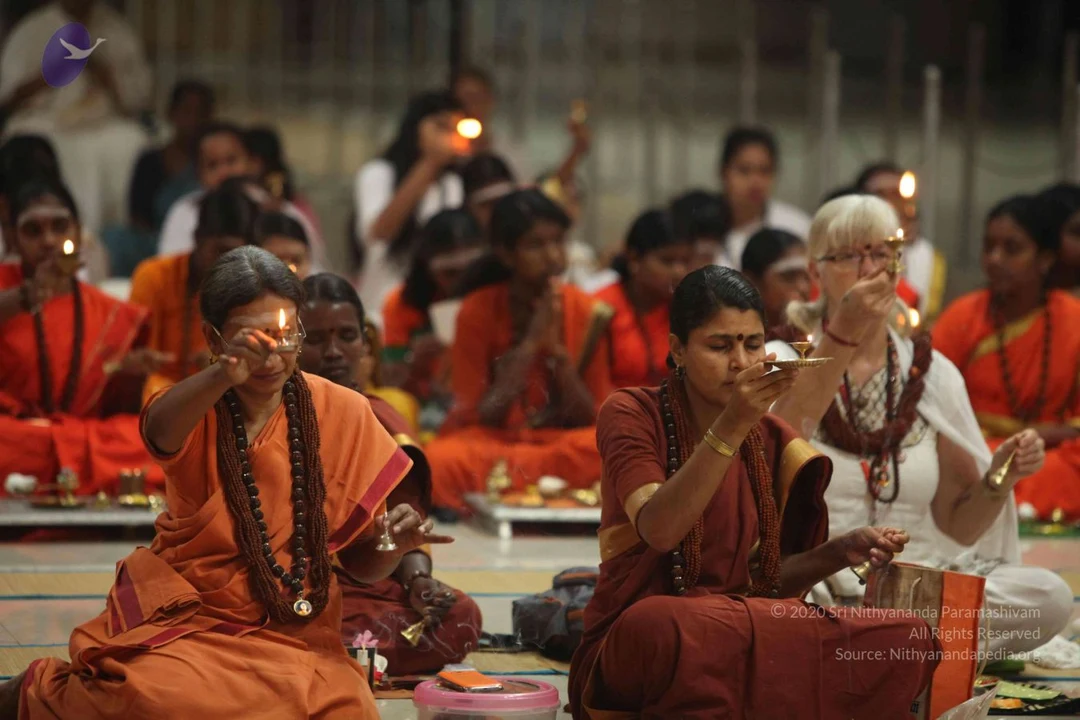
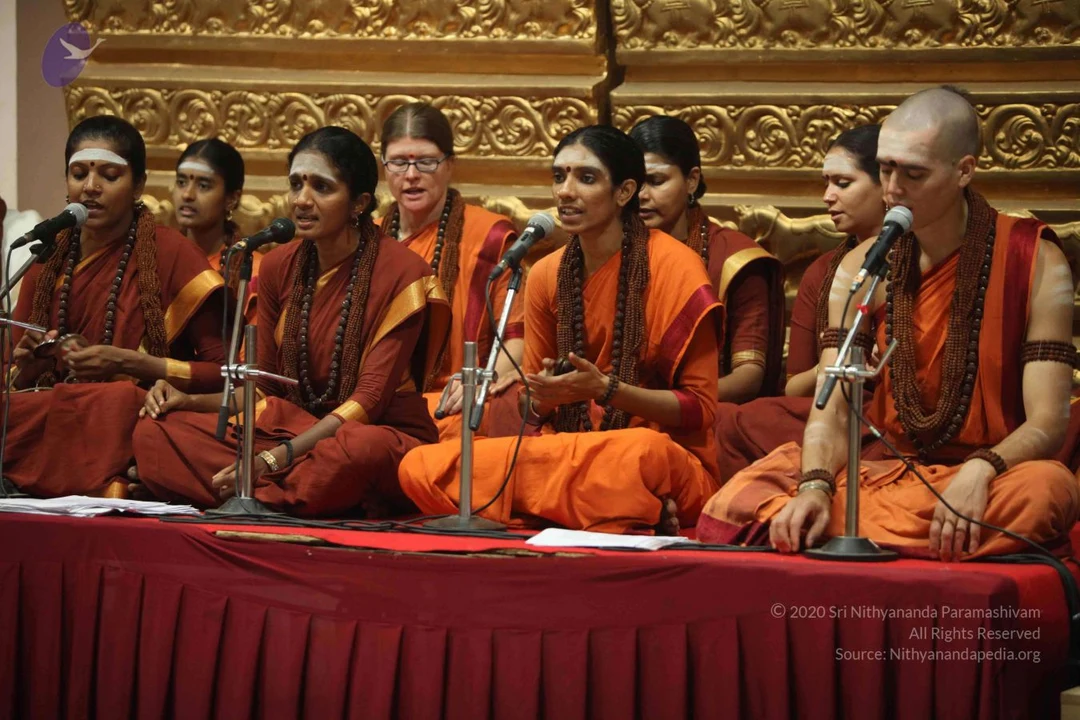
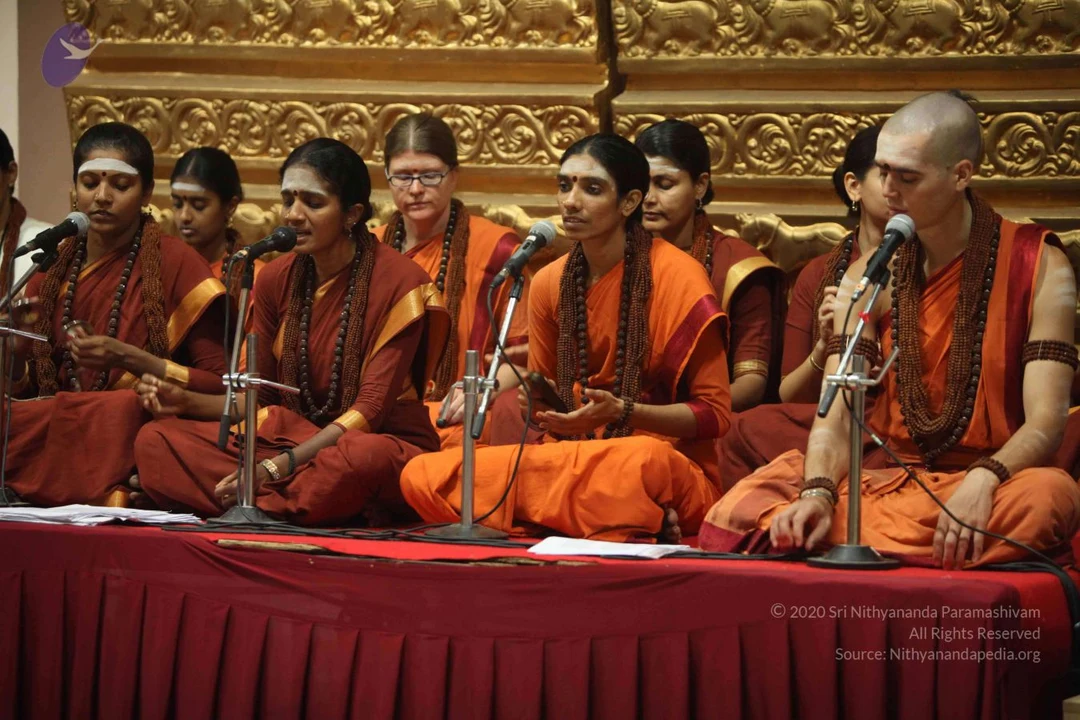
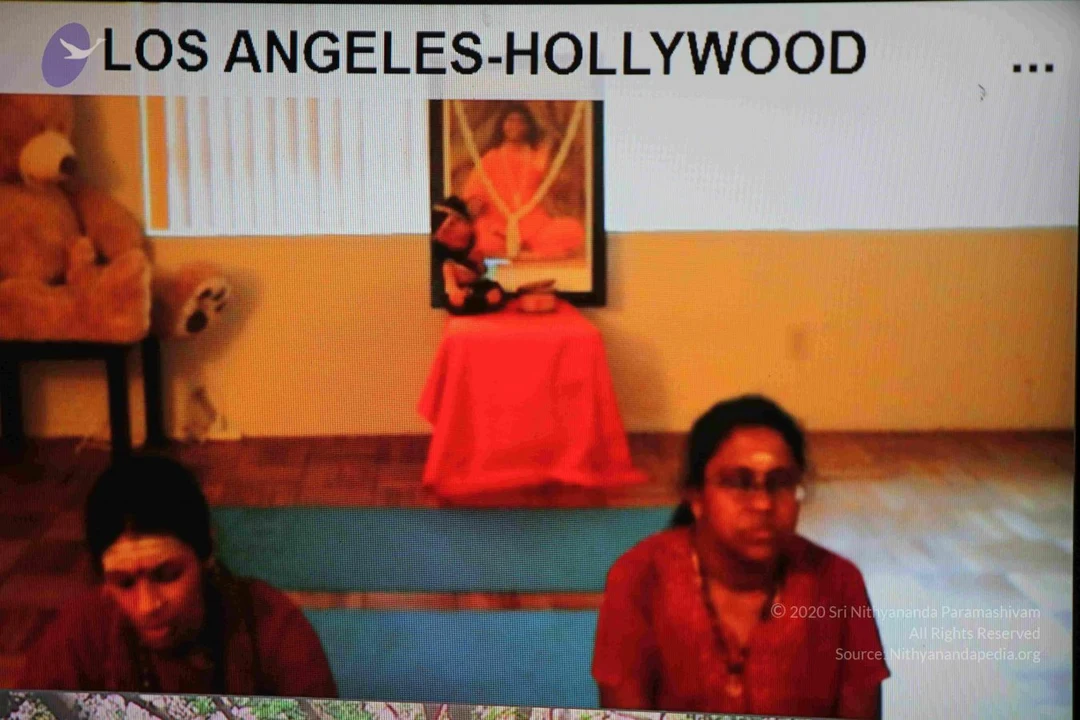
Nithya Satsang

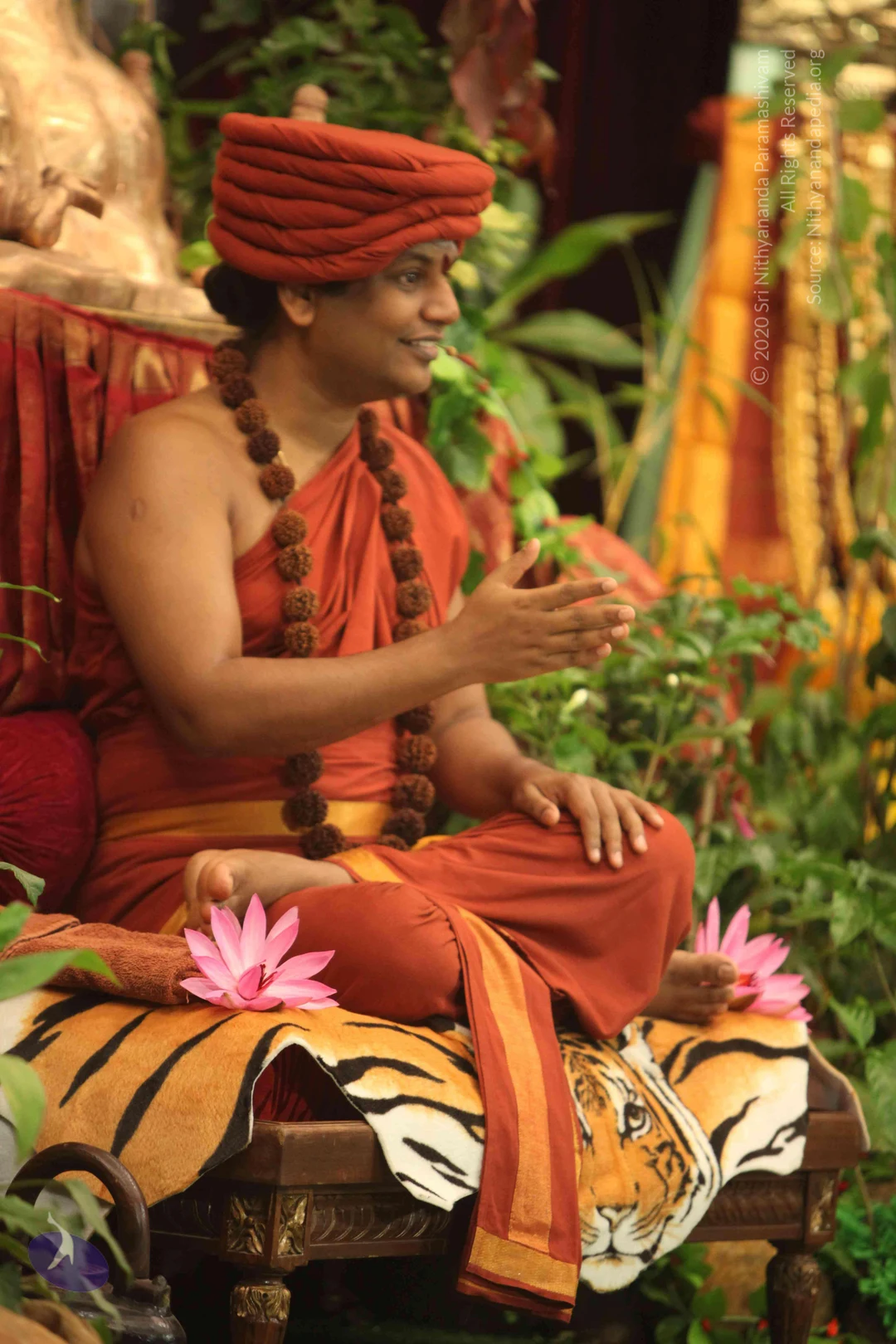
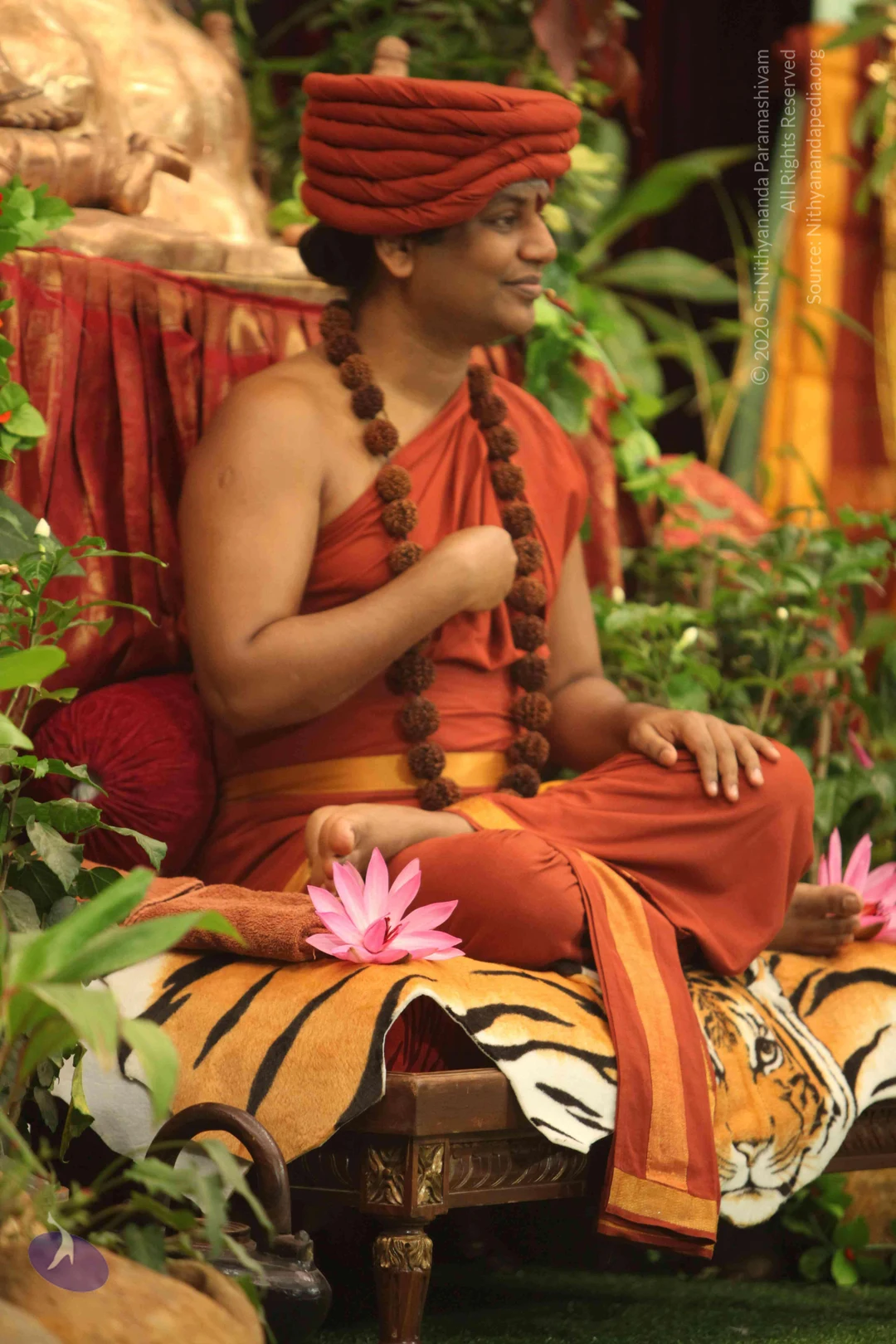
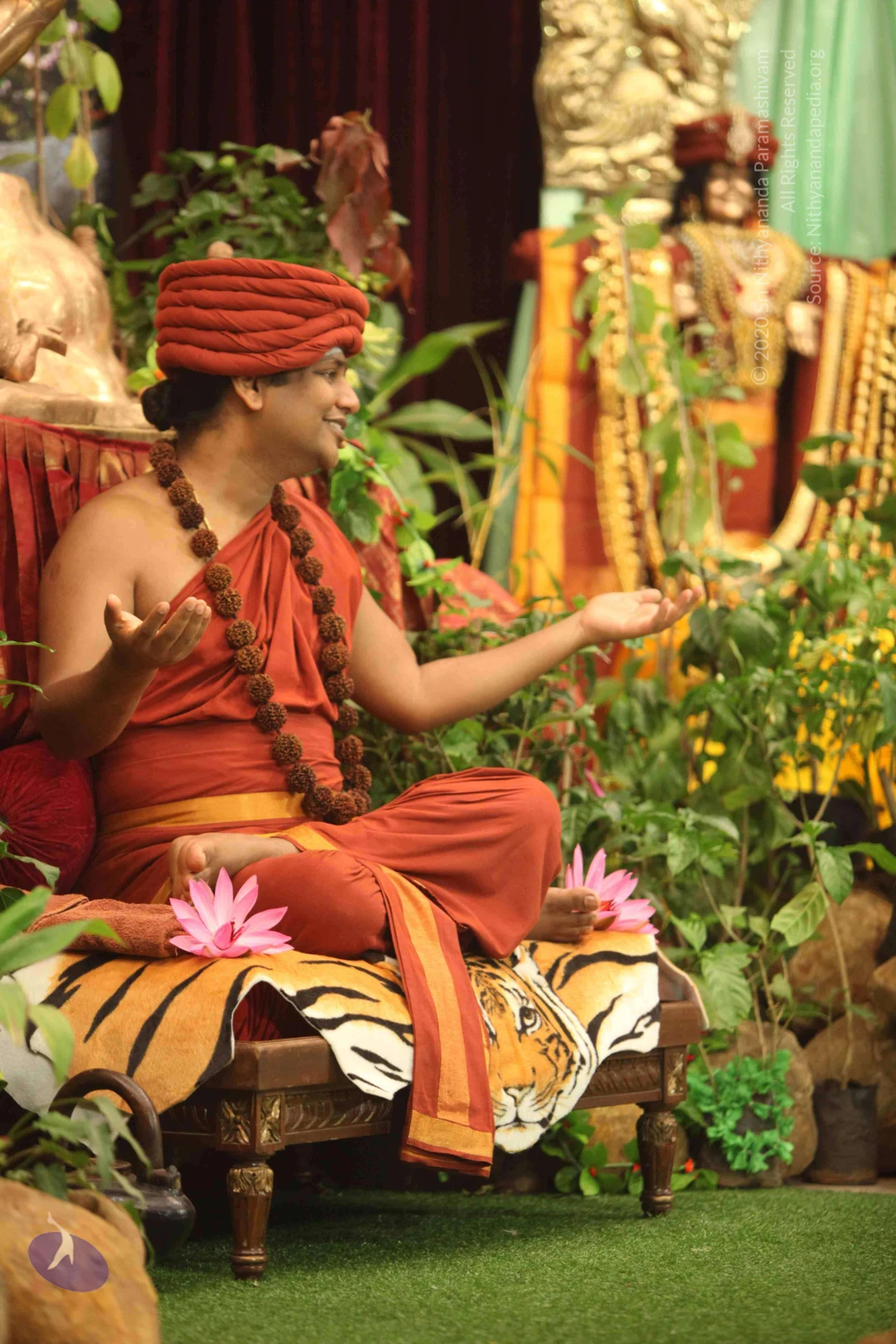
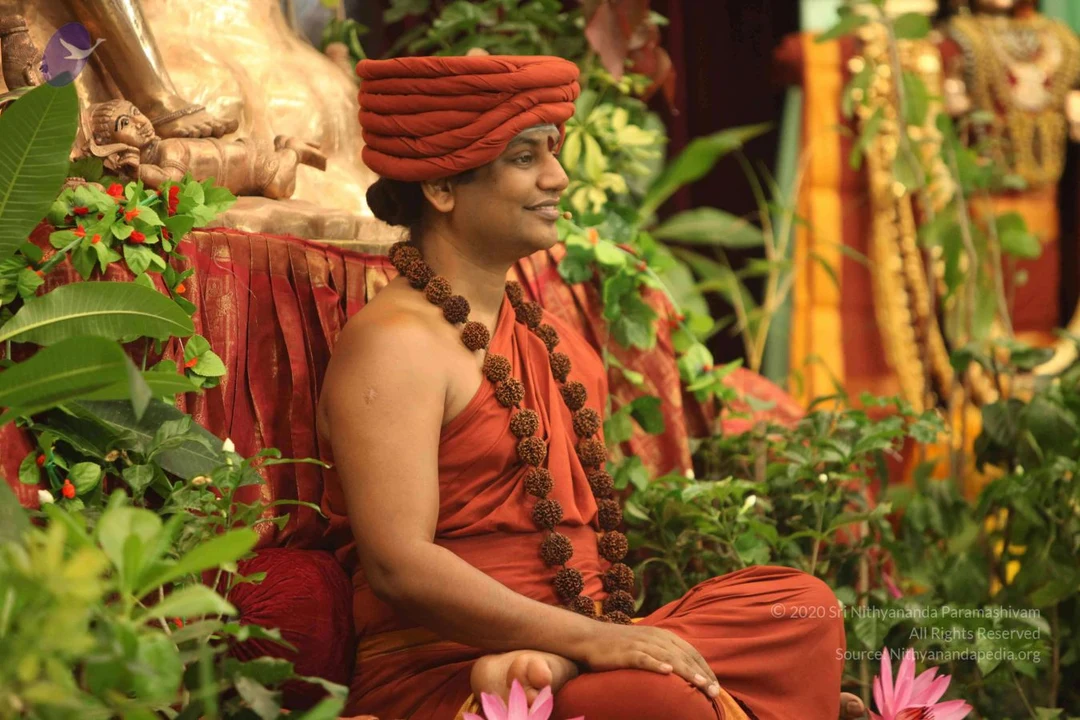
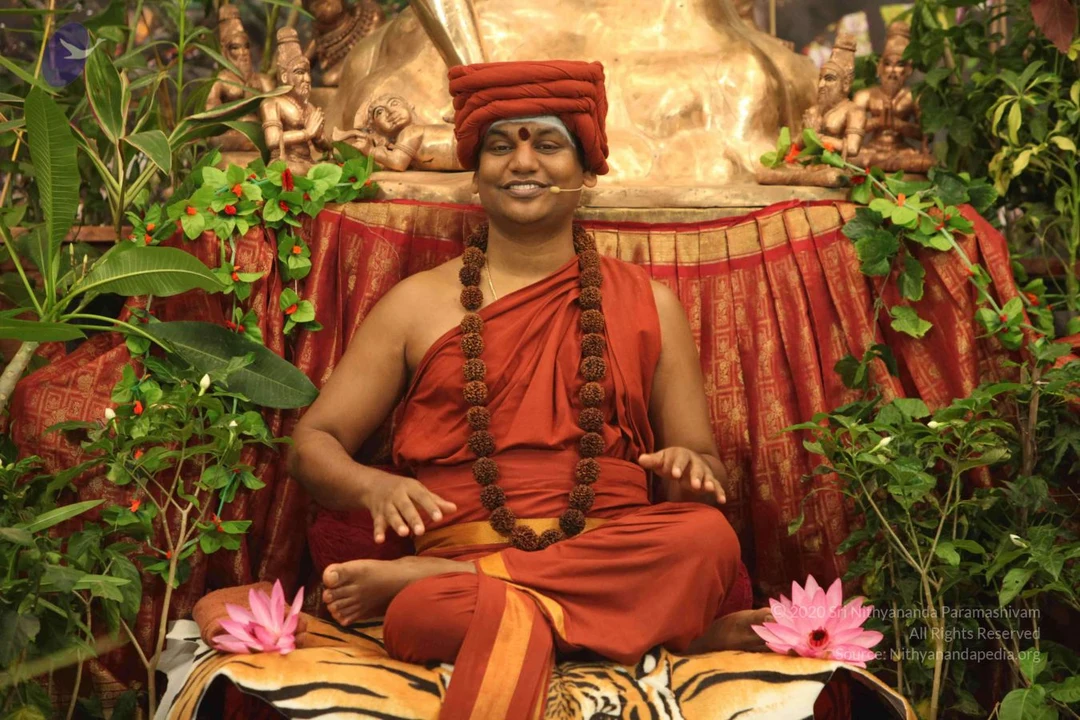
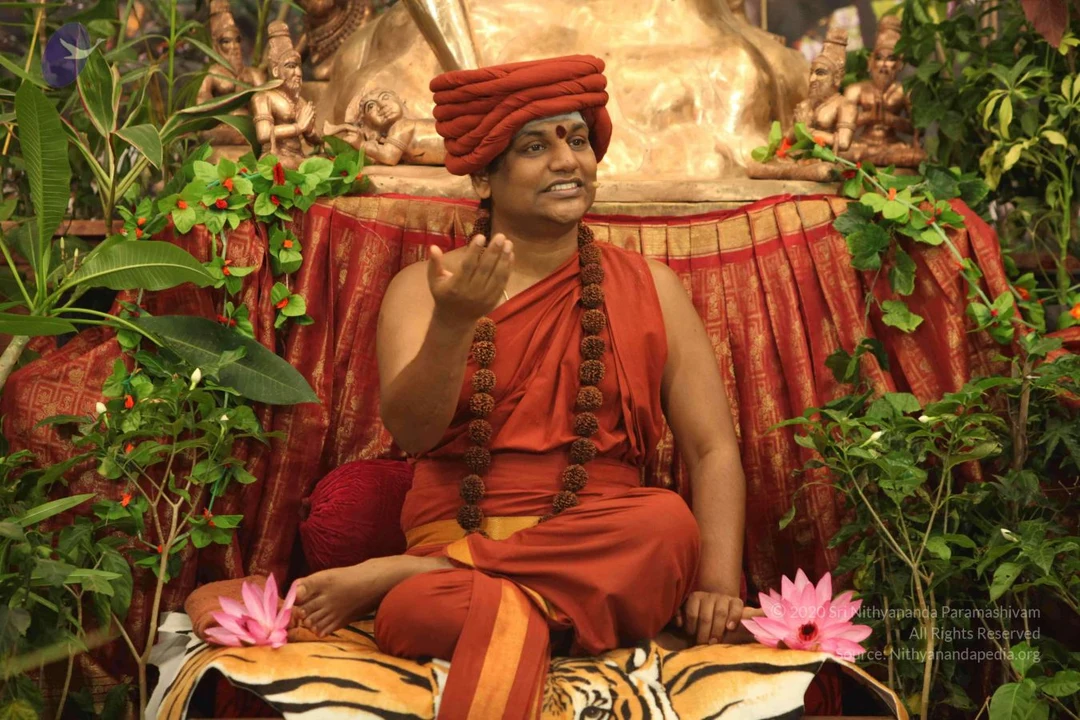
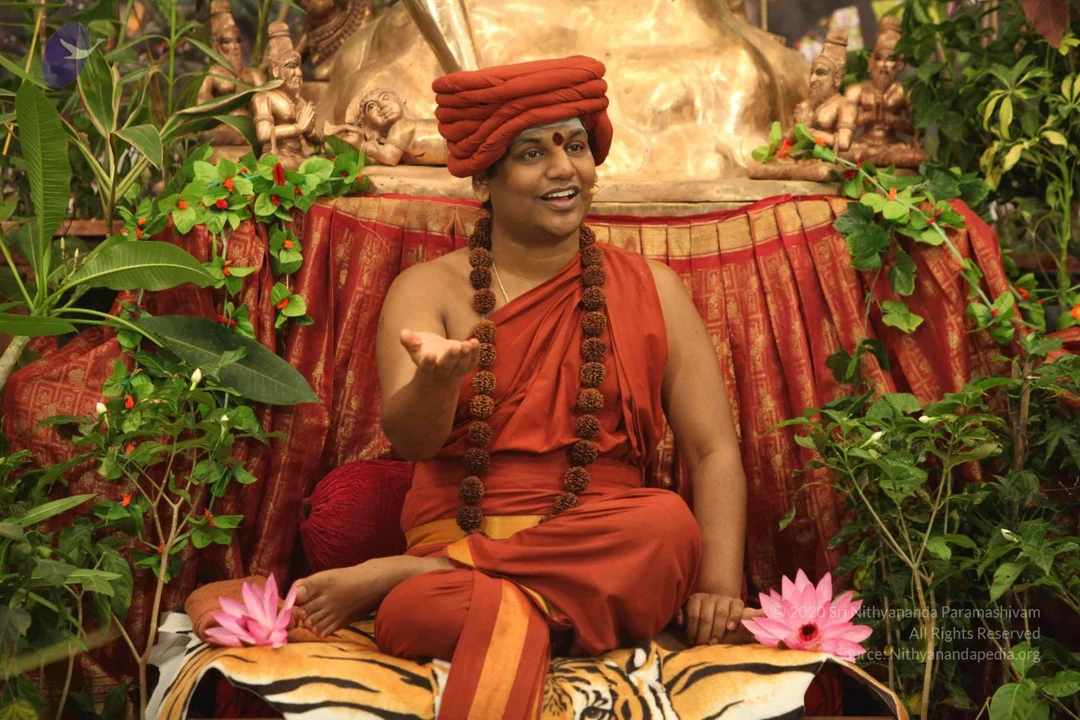
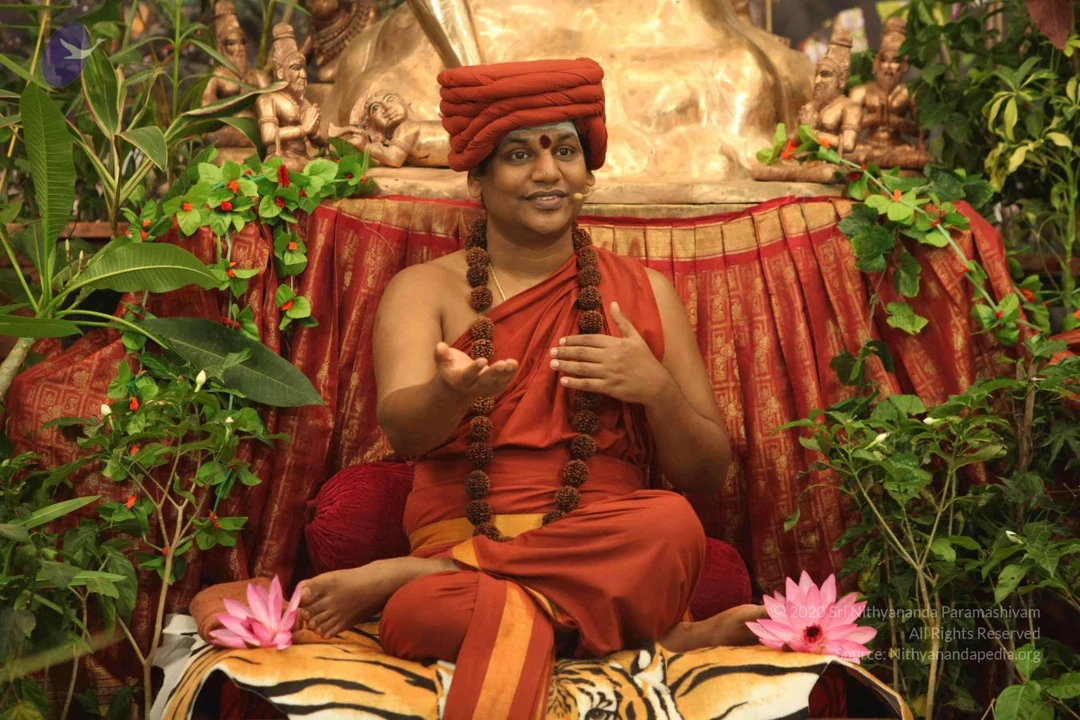

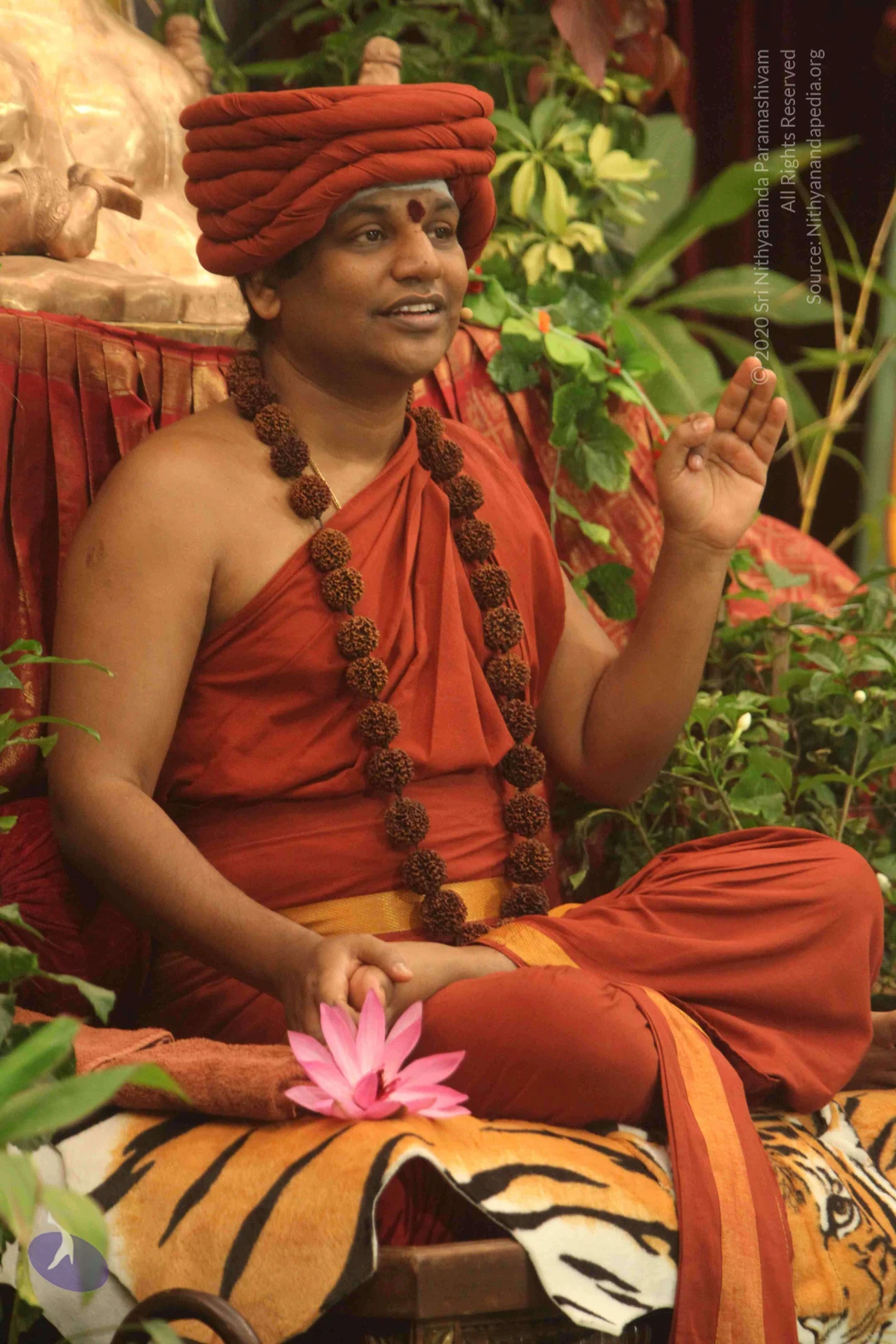
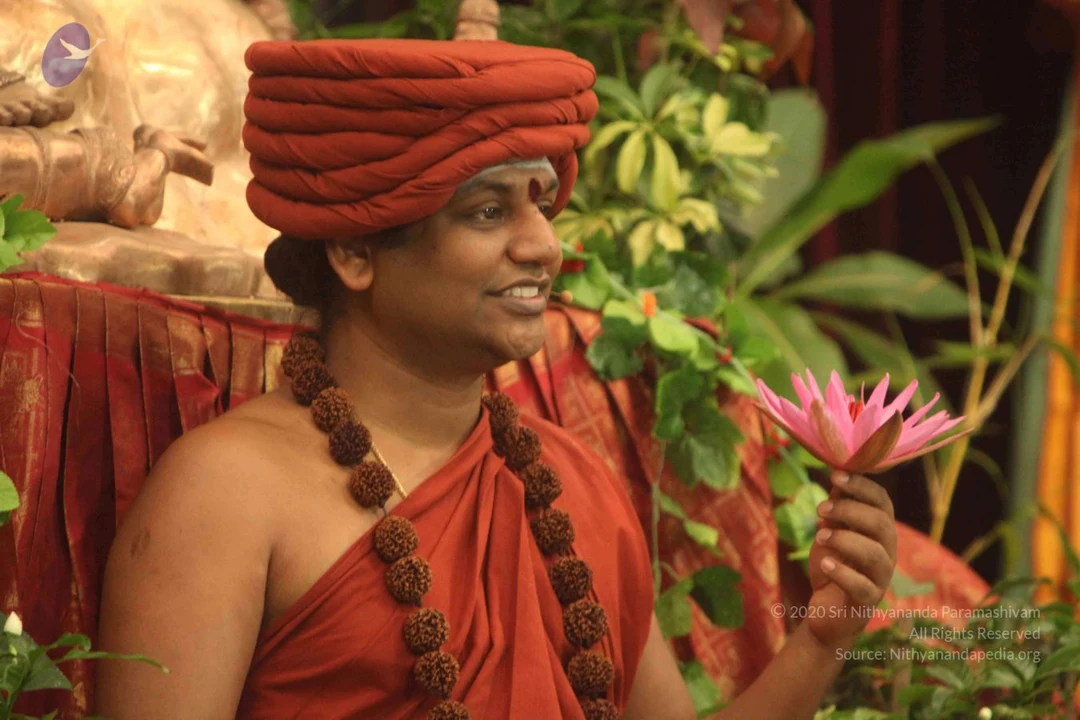
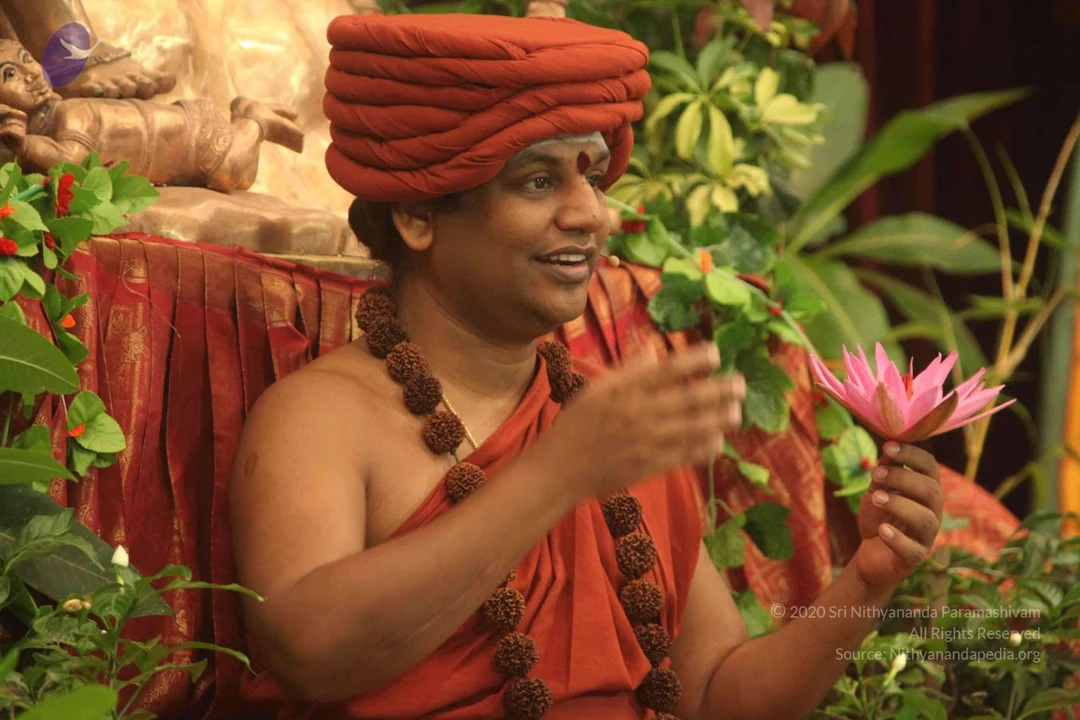
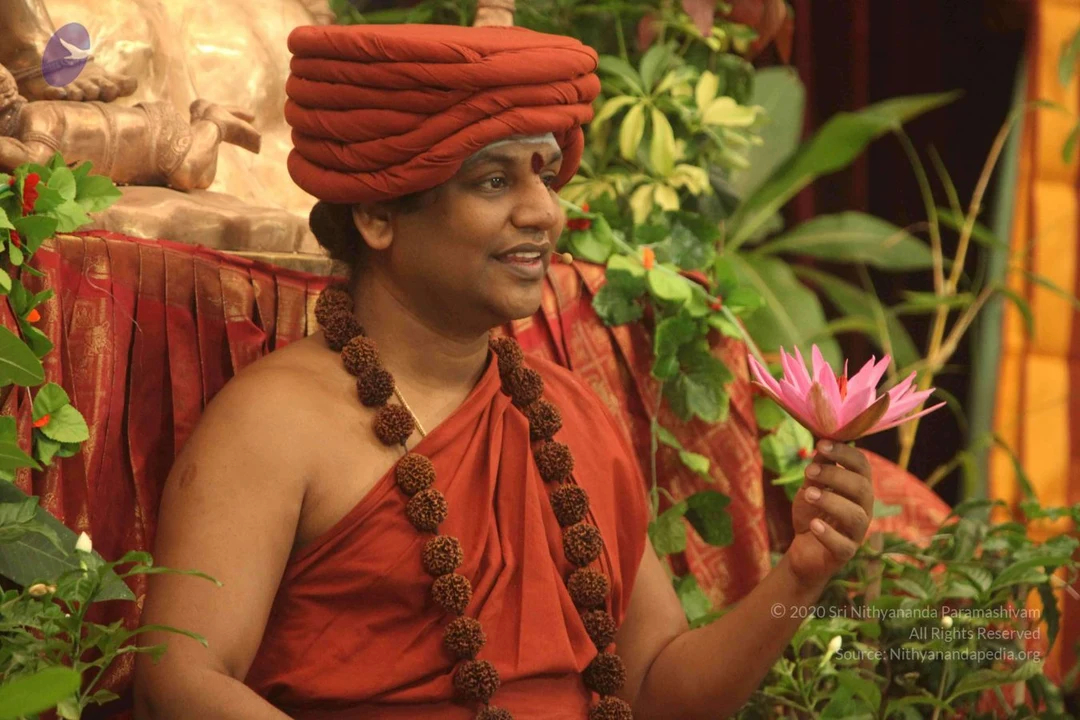
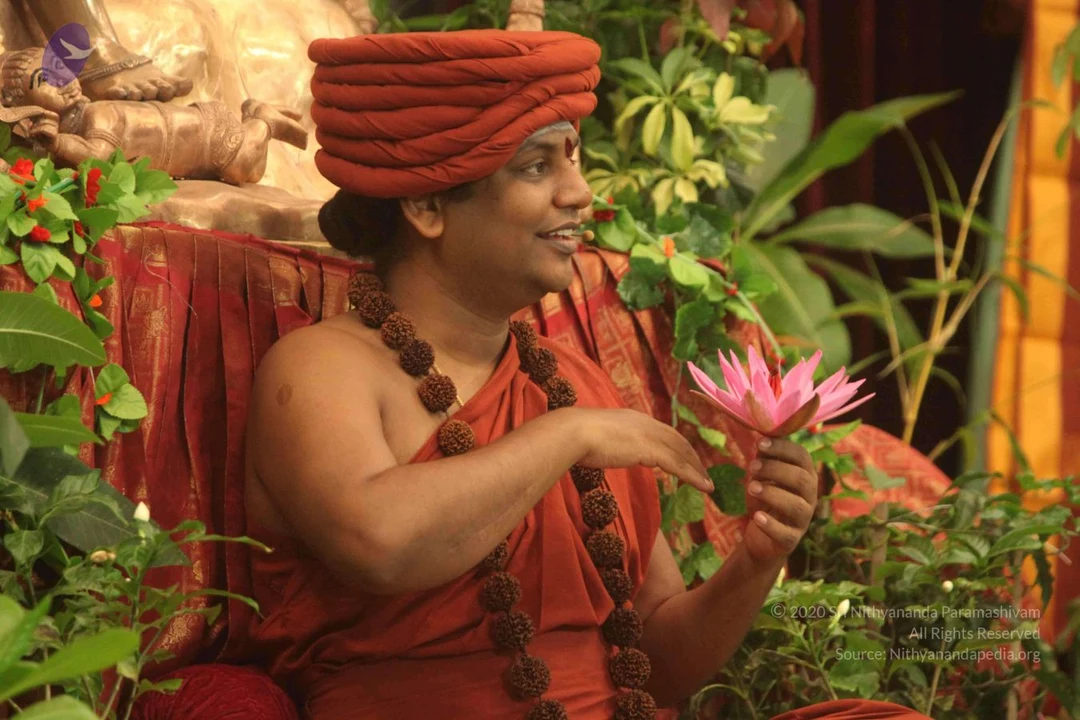
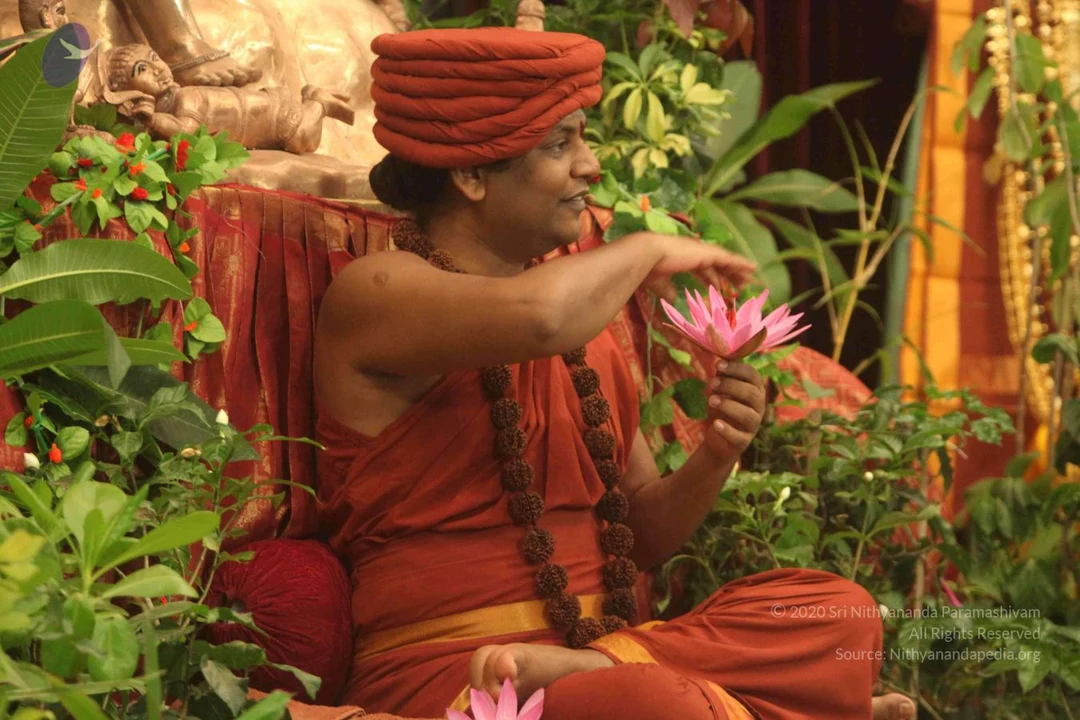
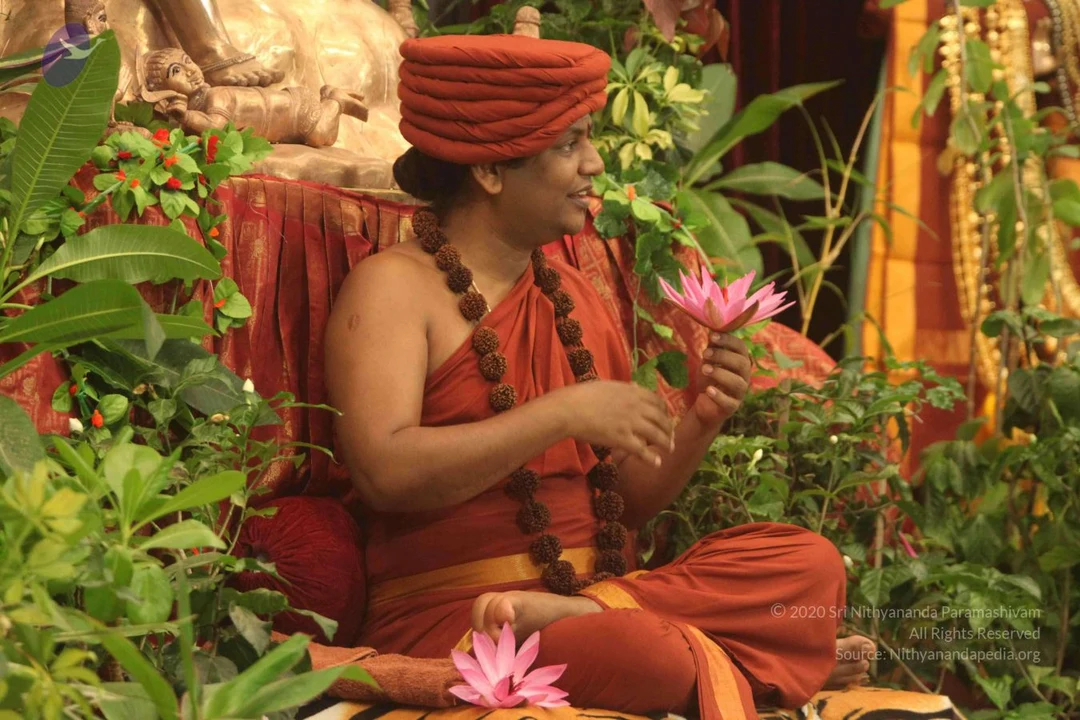
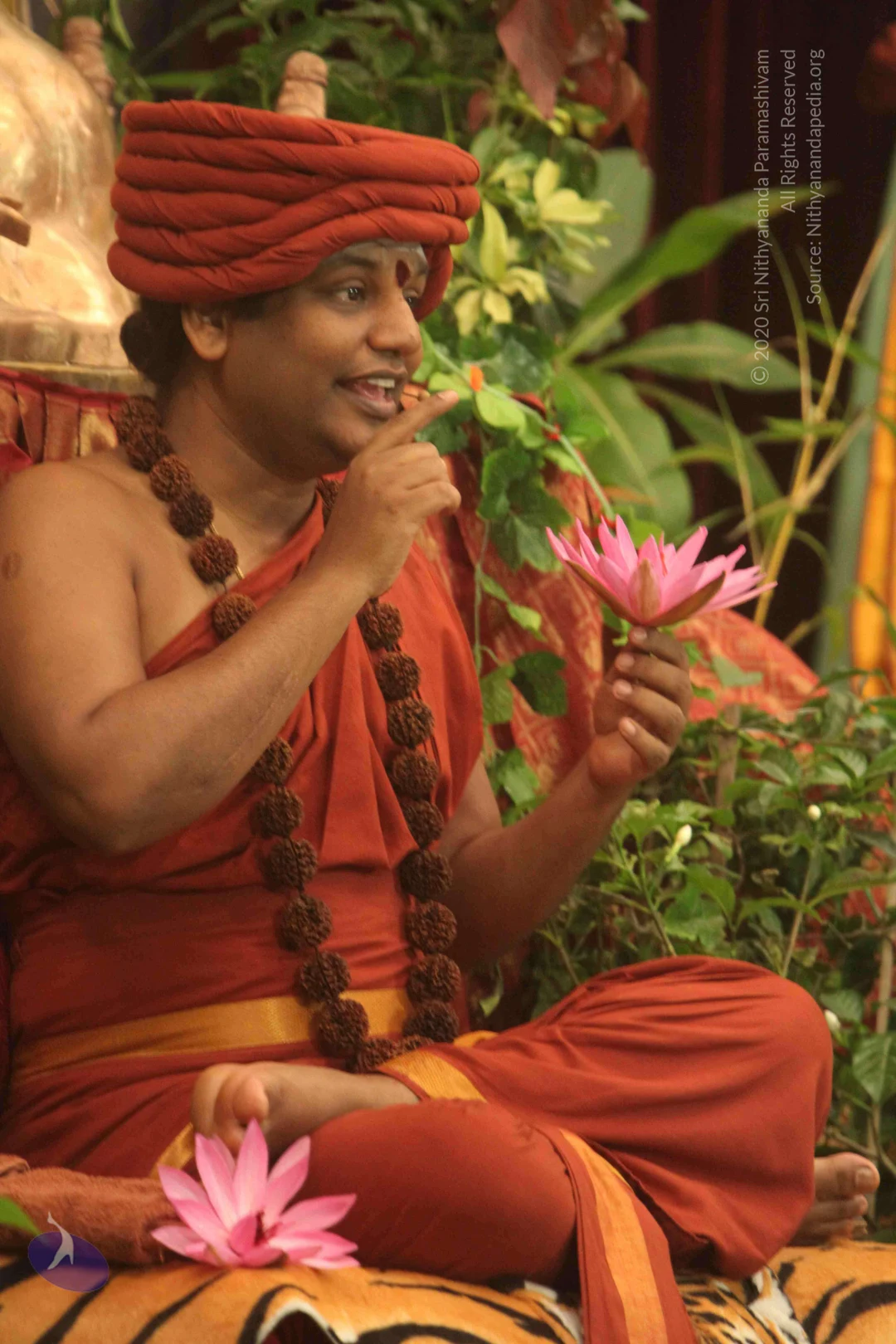

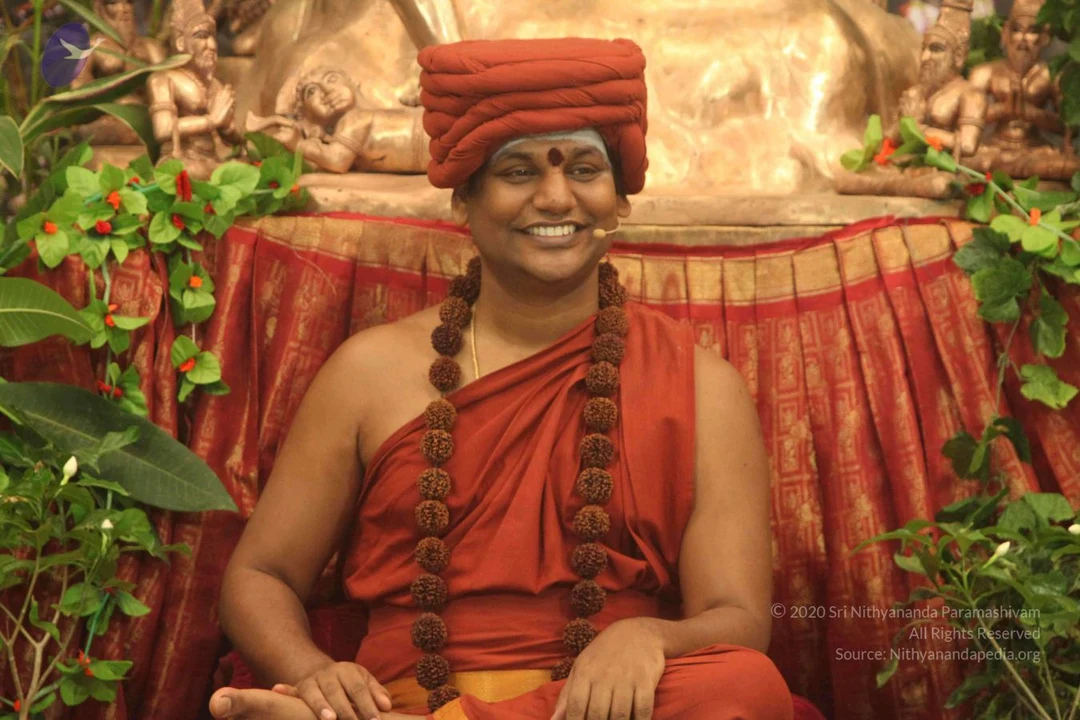
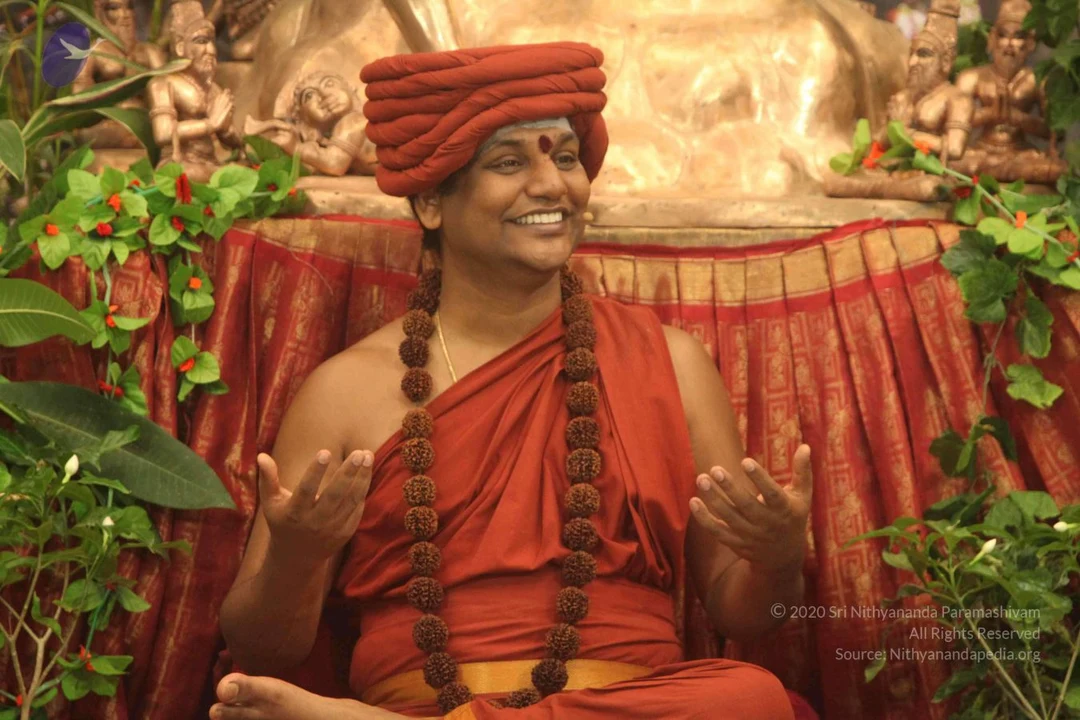
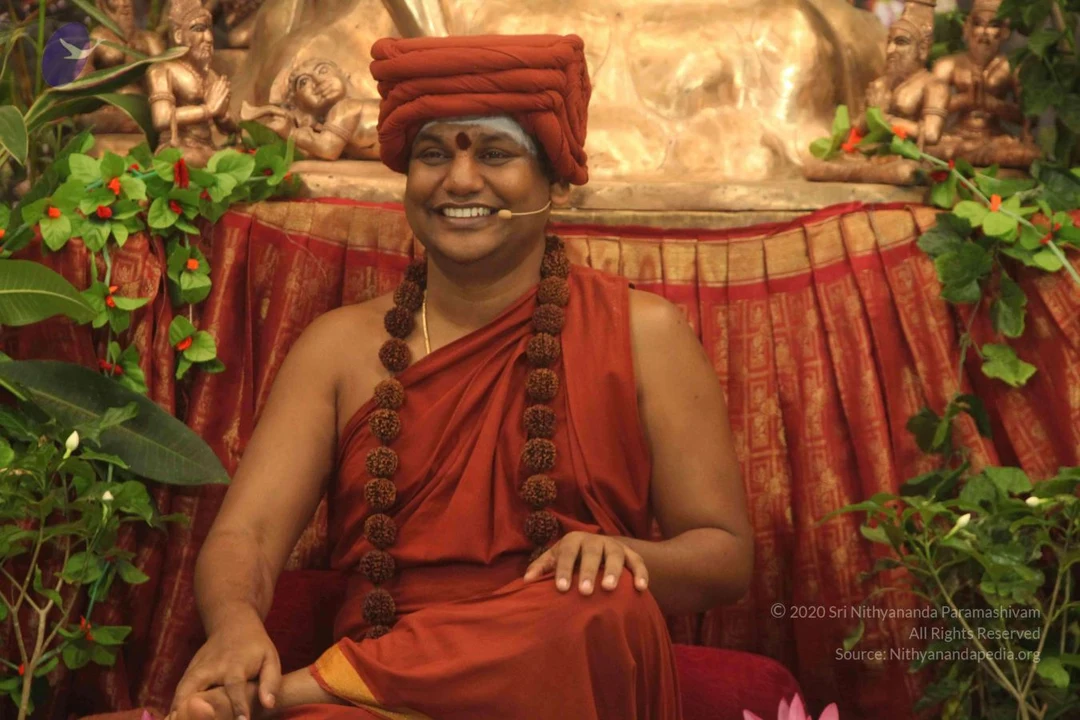
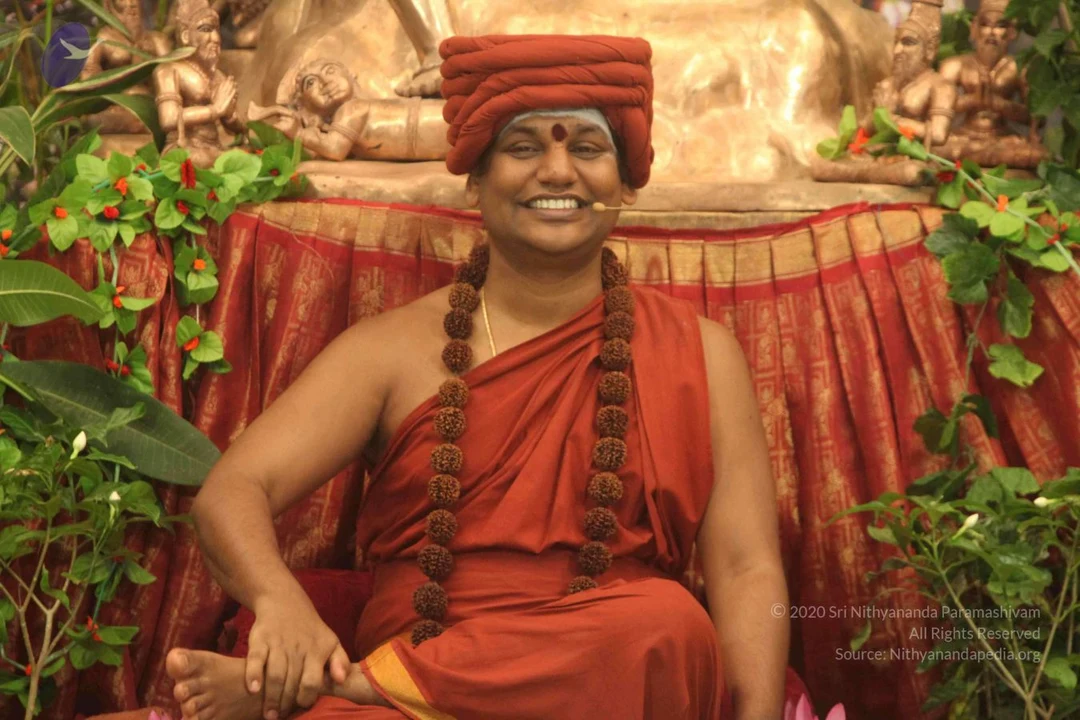

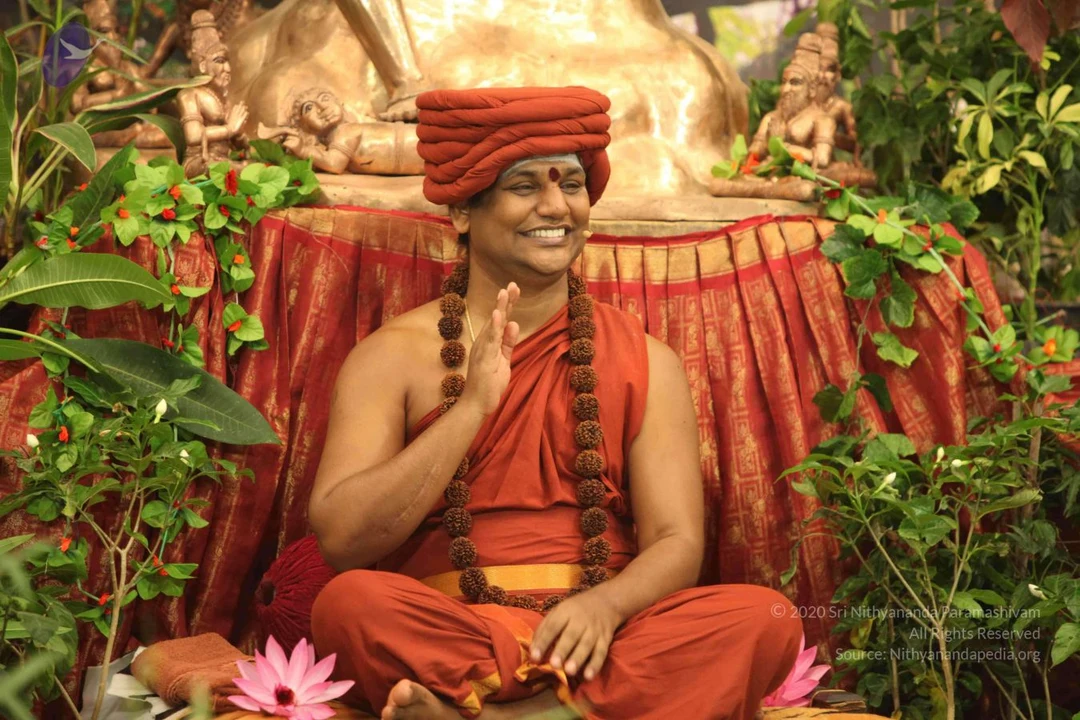
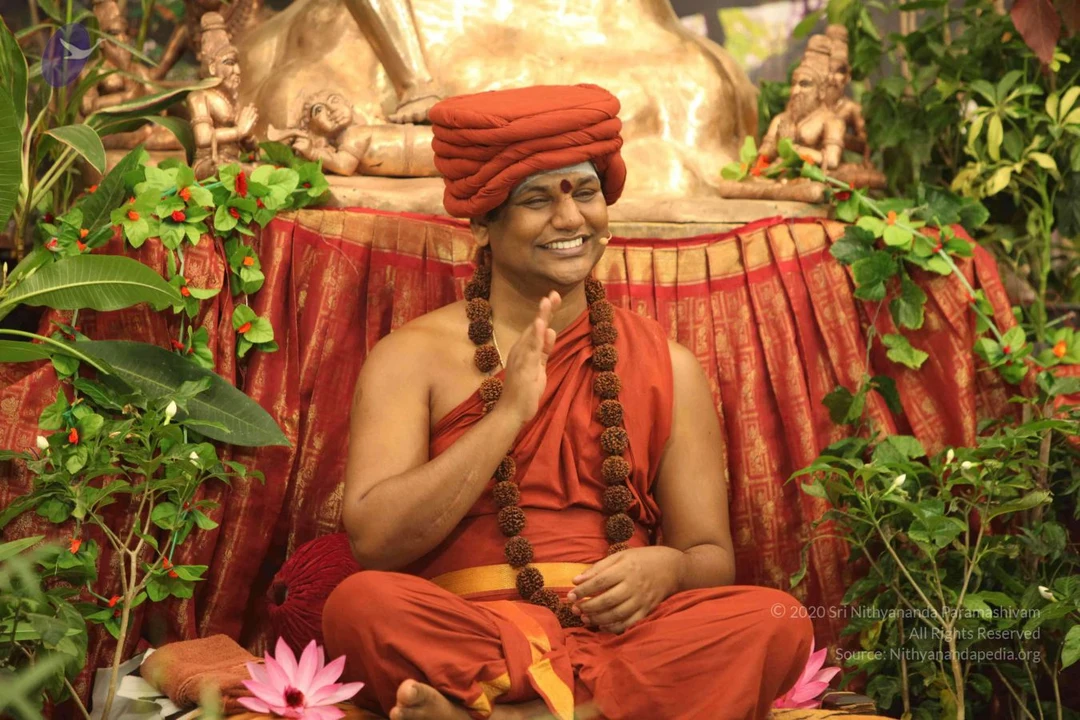
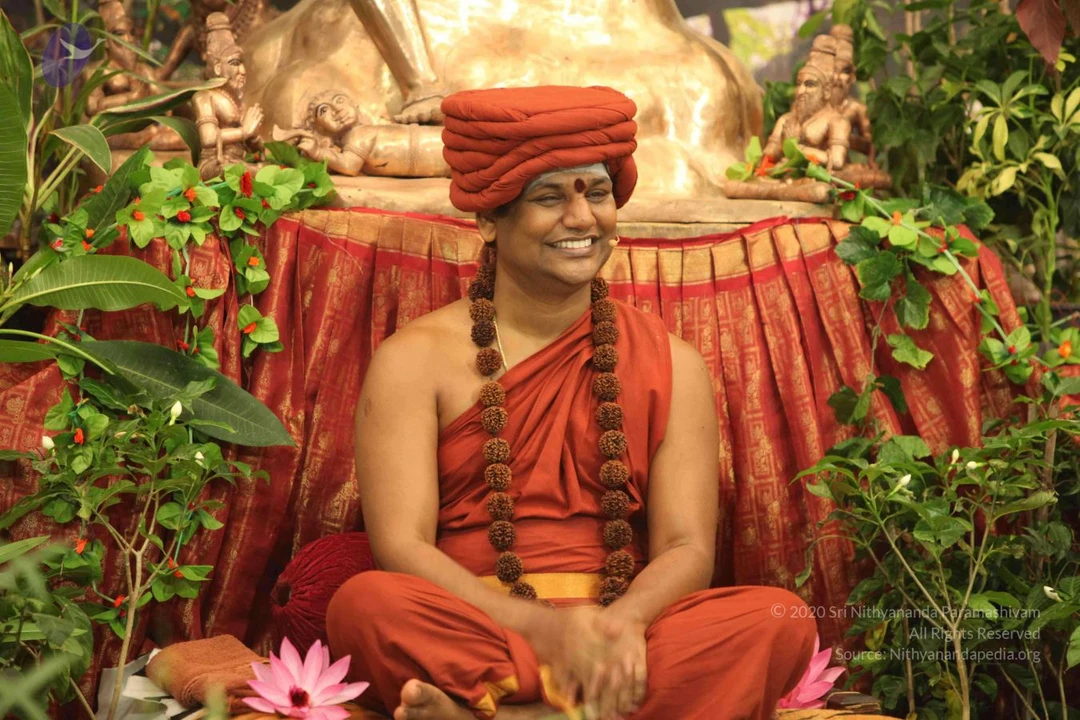
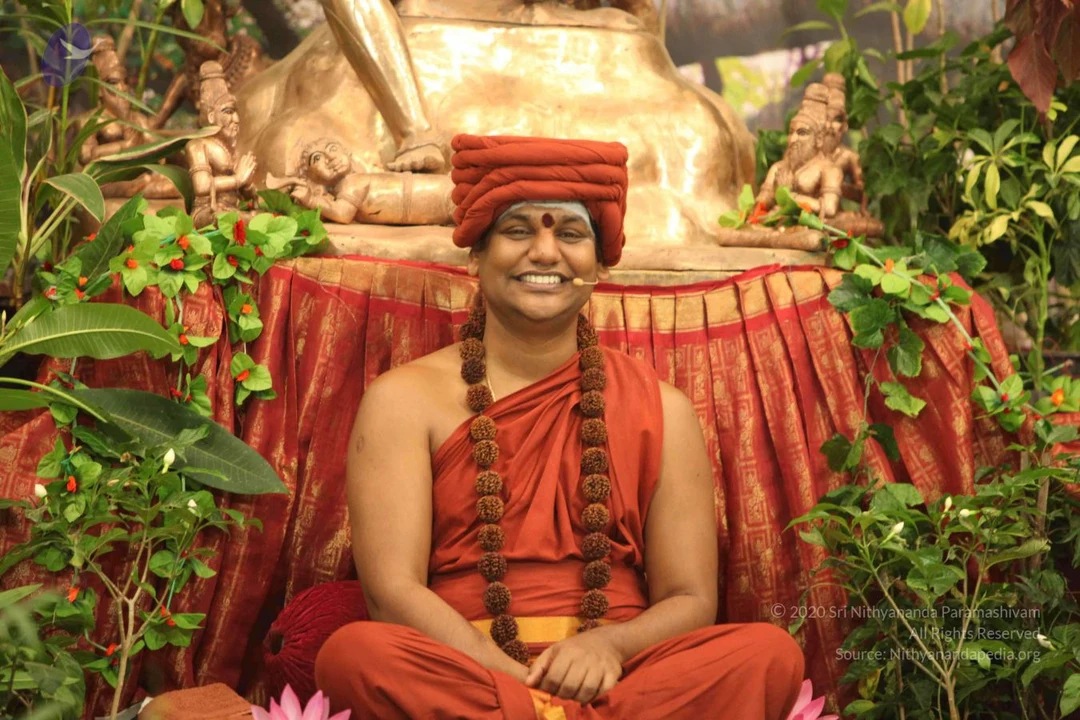
Paramashivoham Oneness Capsule 321 Video:
Nithya Kirtans Video:
Nithya Kirtans sung in the Presence of HDH Nithyananda Paramashivam on 29th January, 2015. Nithya Kirtan: Aathiyum Neeye Eanthan
Nithyananda Times Video:
The daily Video Magazine of Nithyananda Sangha. Nithyananda Times - 29th January, 2015
Link to Facebook Page
https://www.facebook.com/ParamahamsaNithyananda/posts/781625905258595
Photos Of The Day:
FB-Photos-of-the-Day
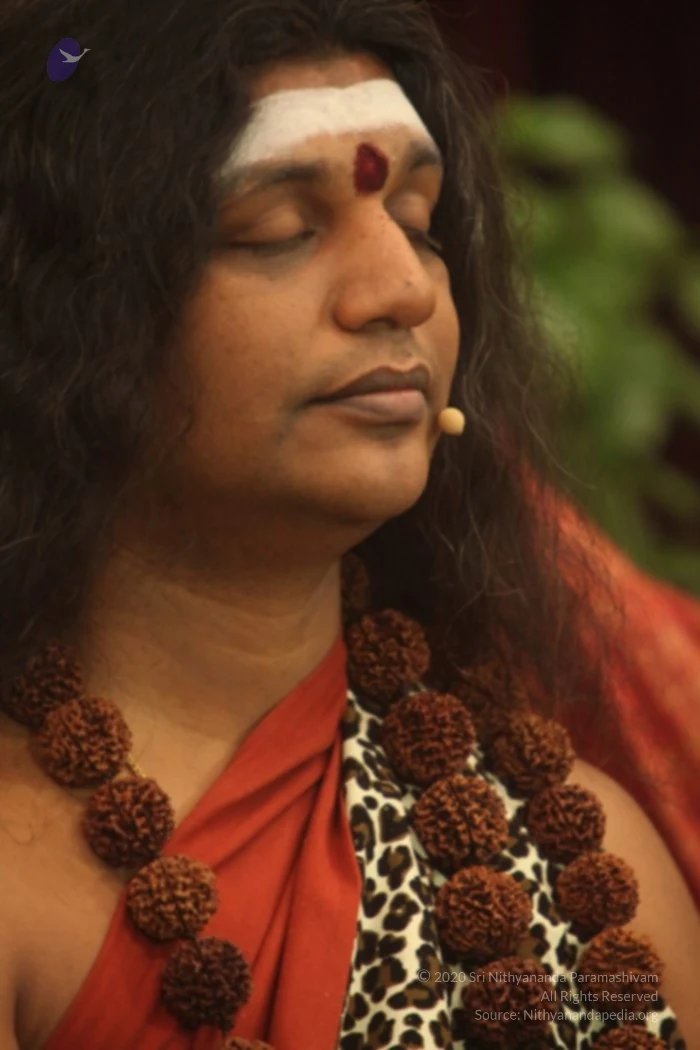
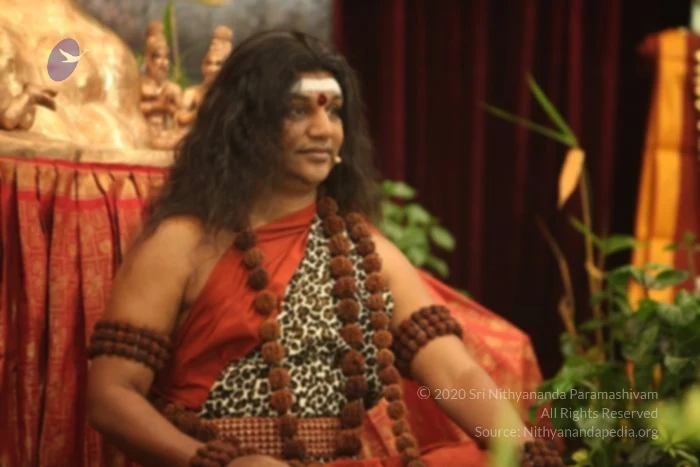
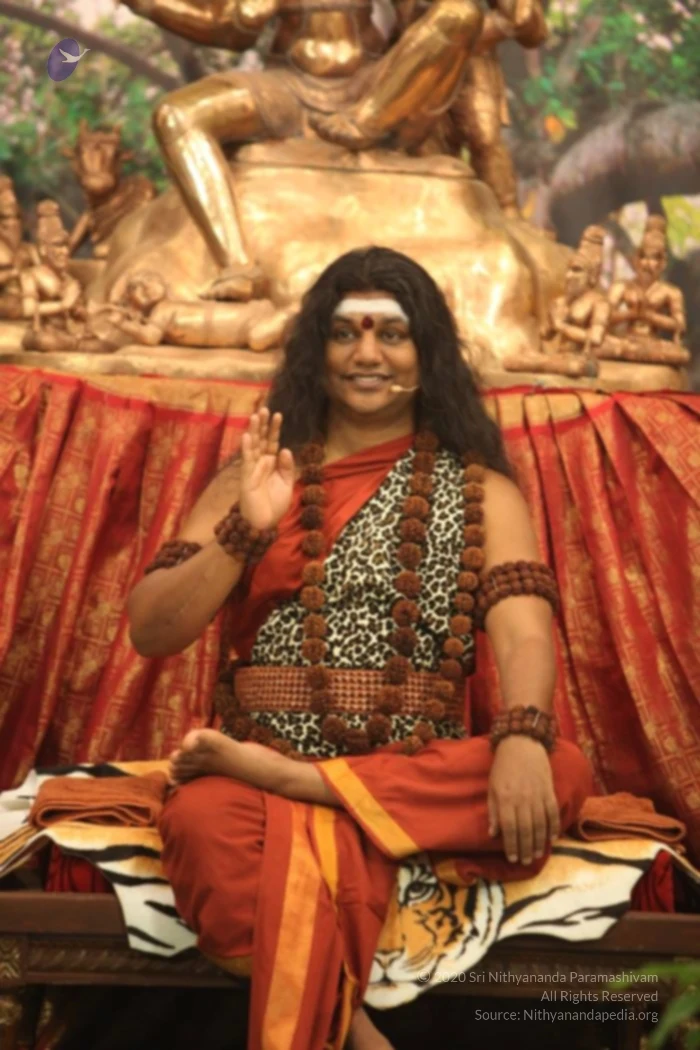
Photos from this day
View all 191 photosNithya Puja and Kirtans
11 photosSource gallery
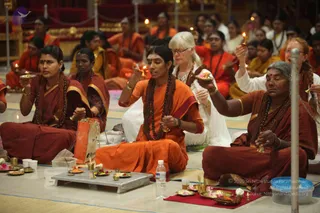

Nithya Satsang
176 photosSource gallery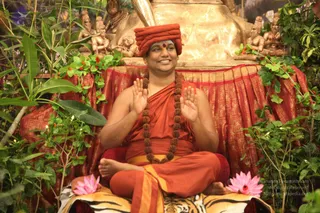
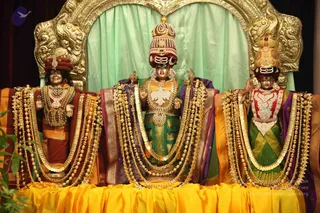
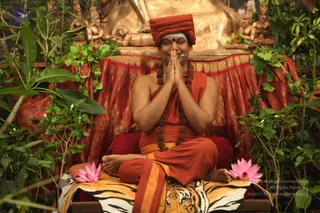
FB-Photos-of-the-Day
4 photosSource gallery