Friday
29 January 2016
Isha Upanishad -The Science Of Worshipping Agni- Fire
- Dated photos
- 175
- Source pages
- 1
- Media
- 3
January 29 2016
Original wiki pageTitle:
Isha Upanishad -The Science Of Worshipping Agni- Fire
Link to Video:
| Video | Audio |
Description:
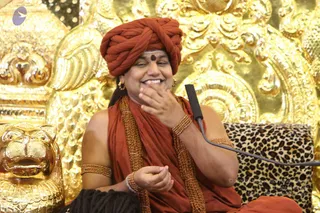
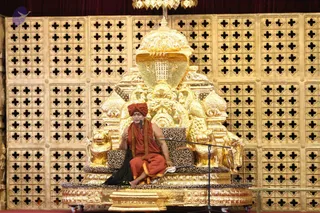
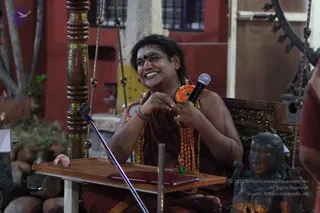
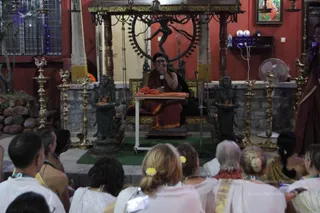
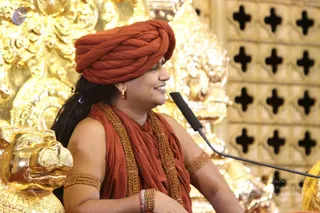
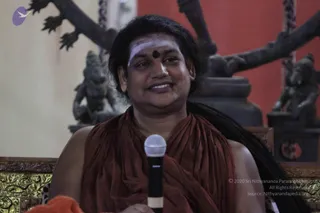
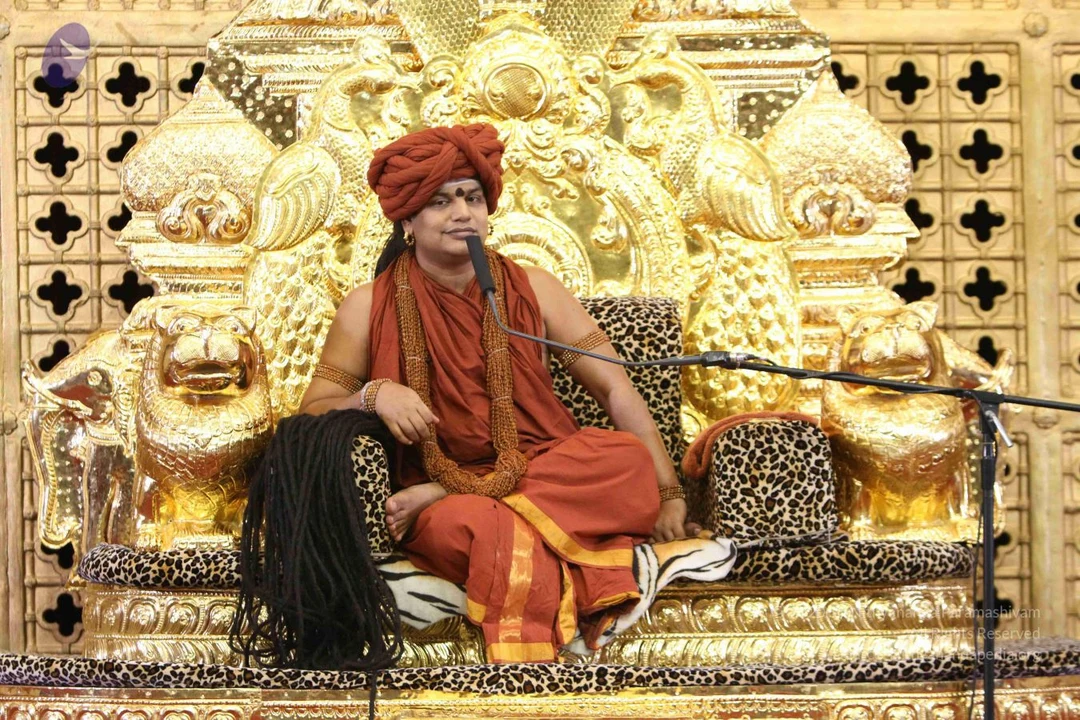
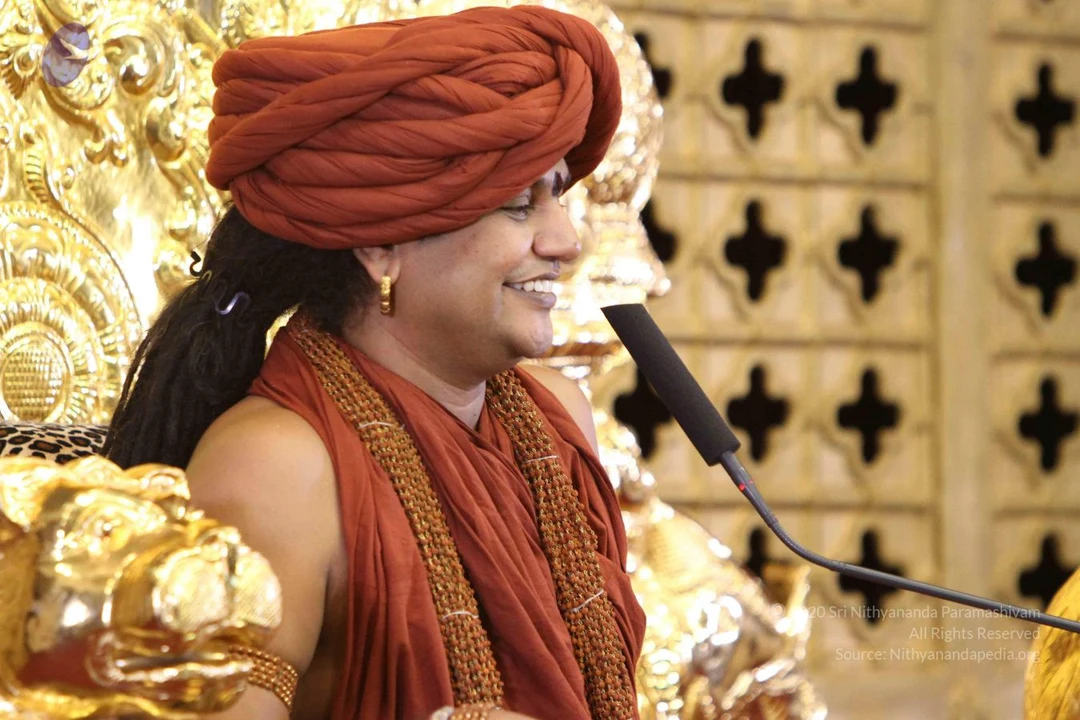
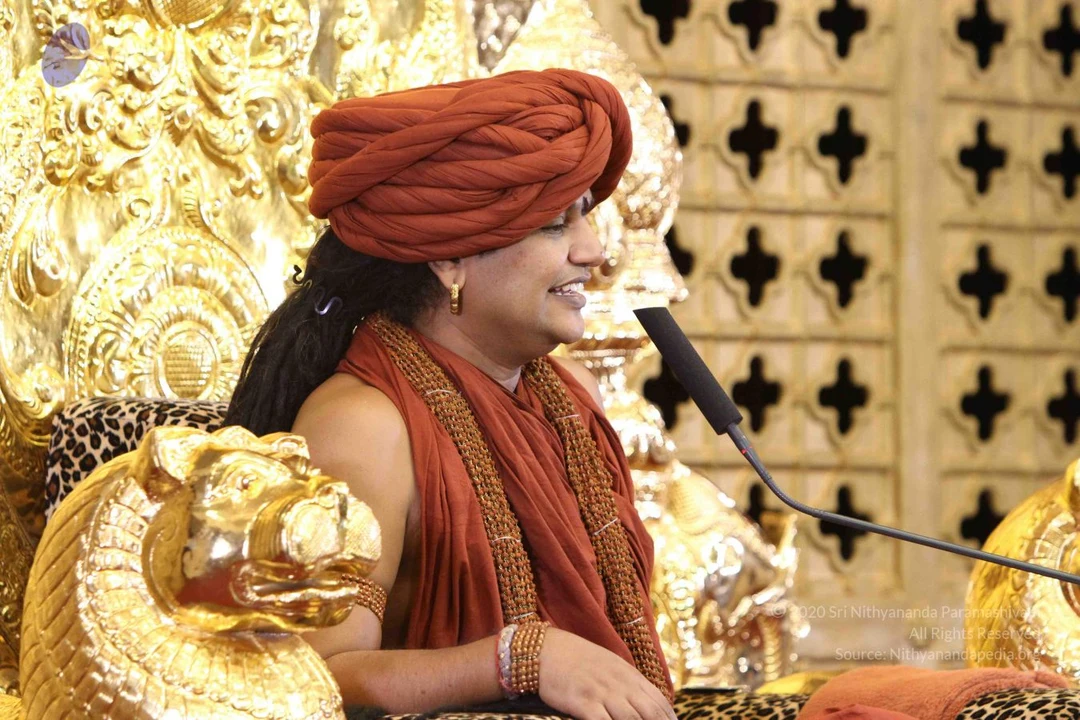
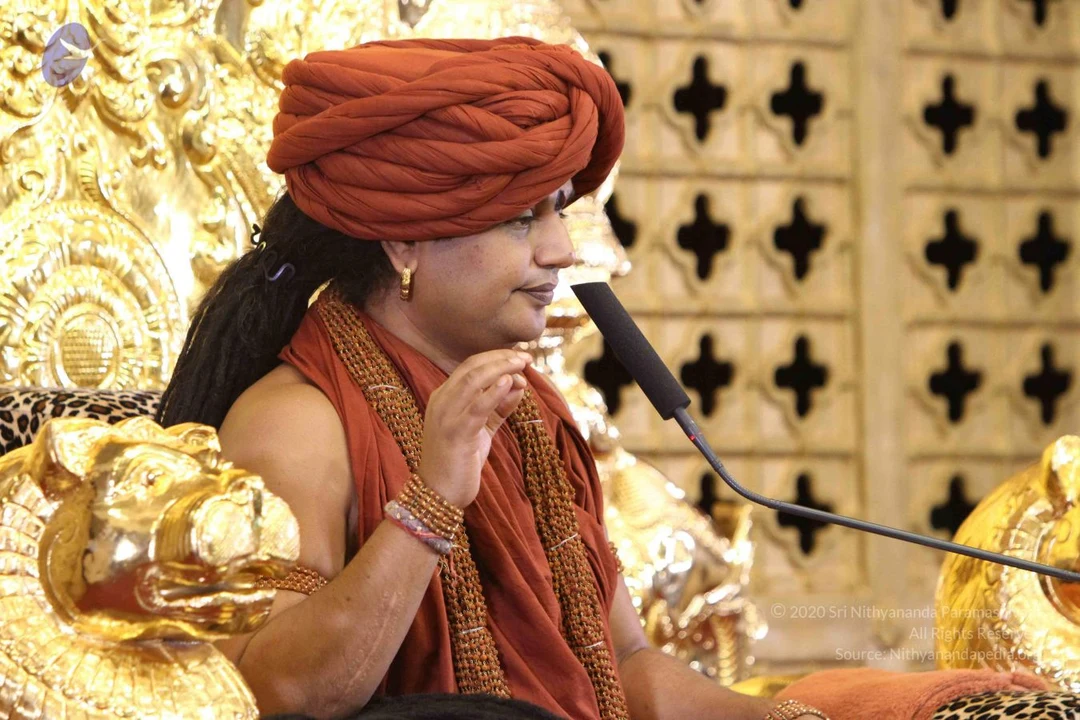
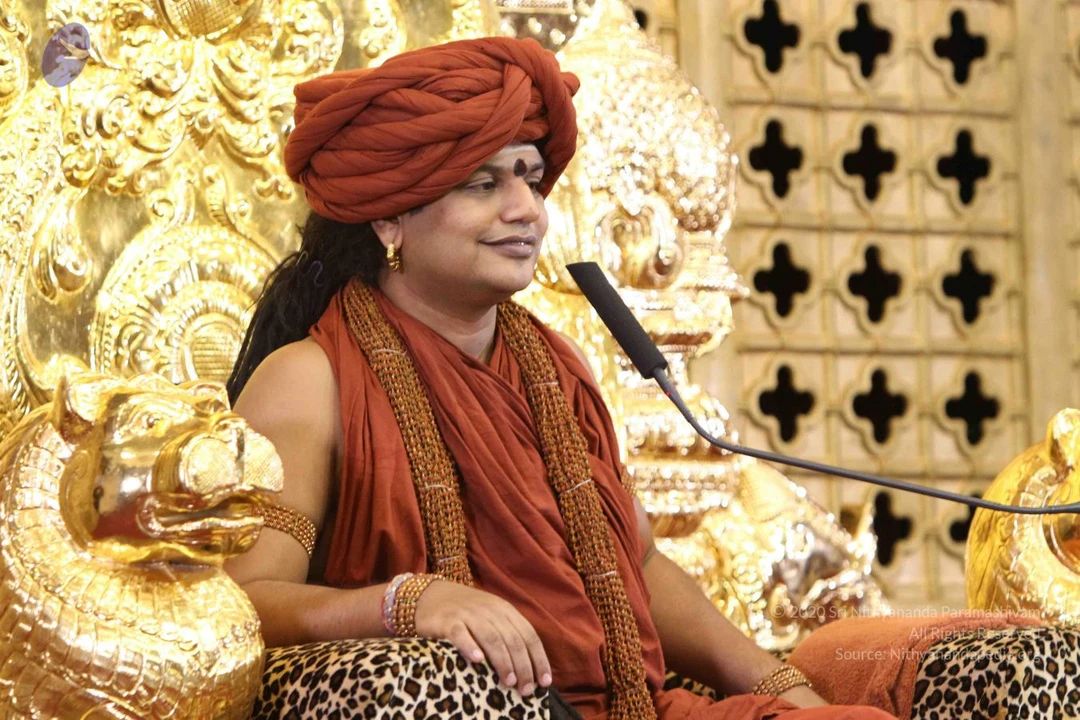
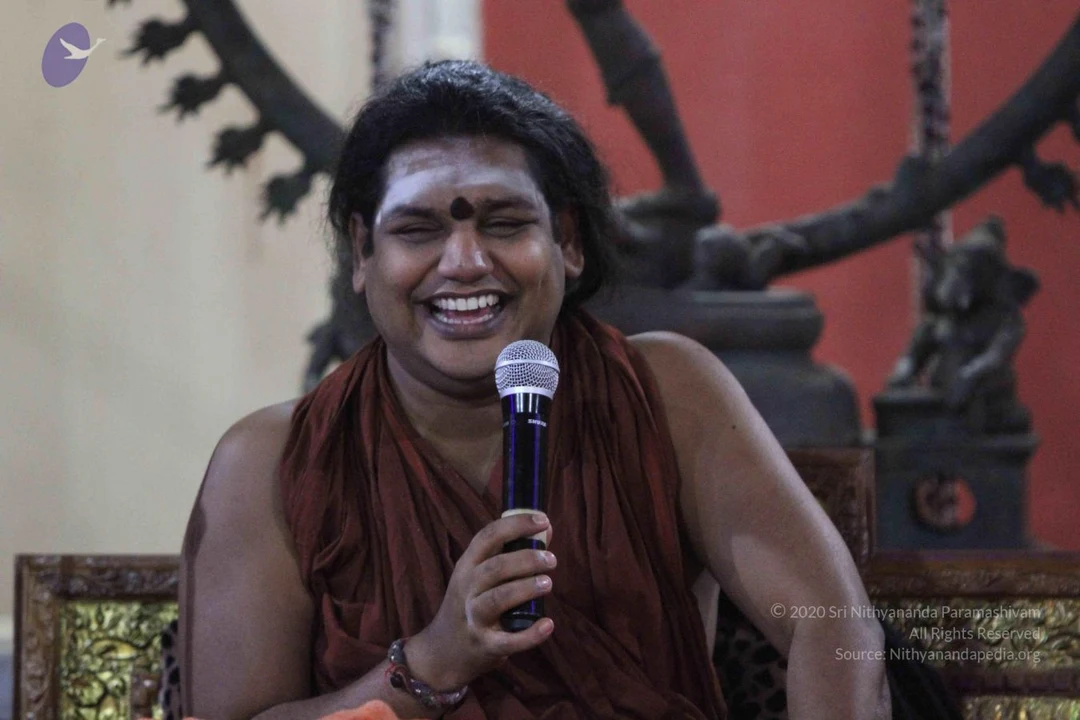
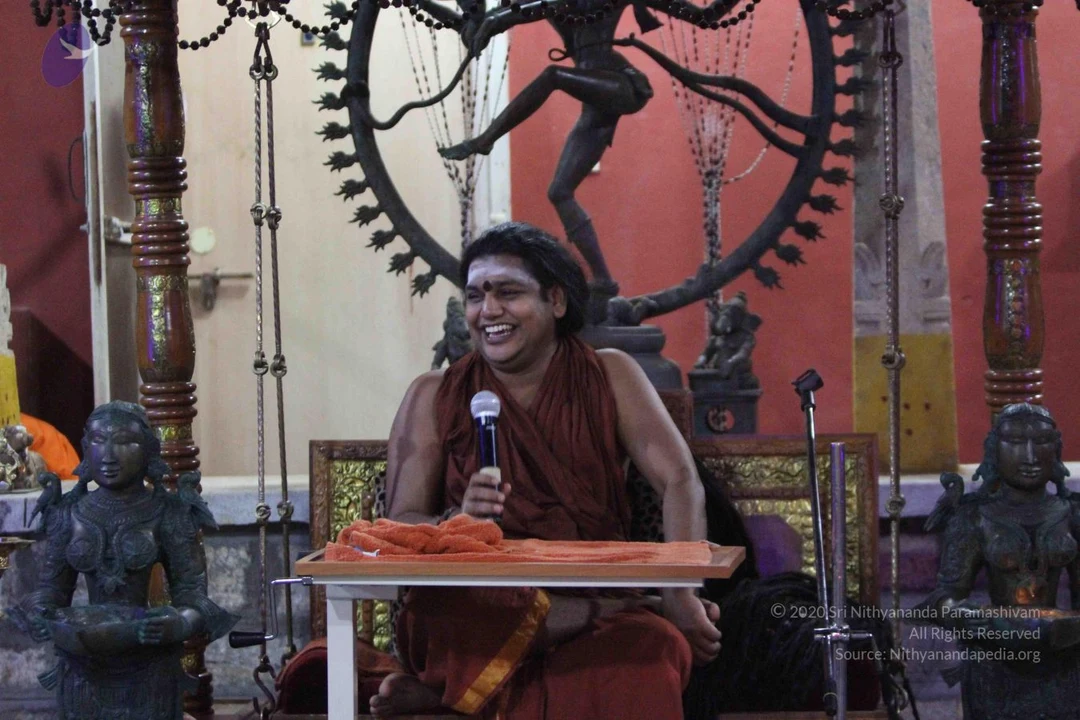
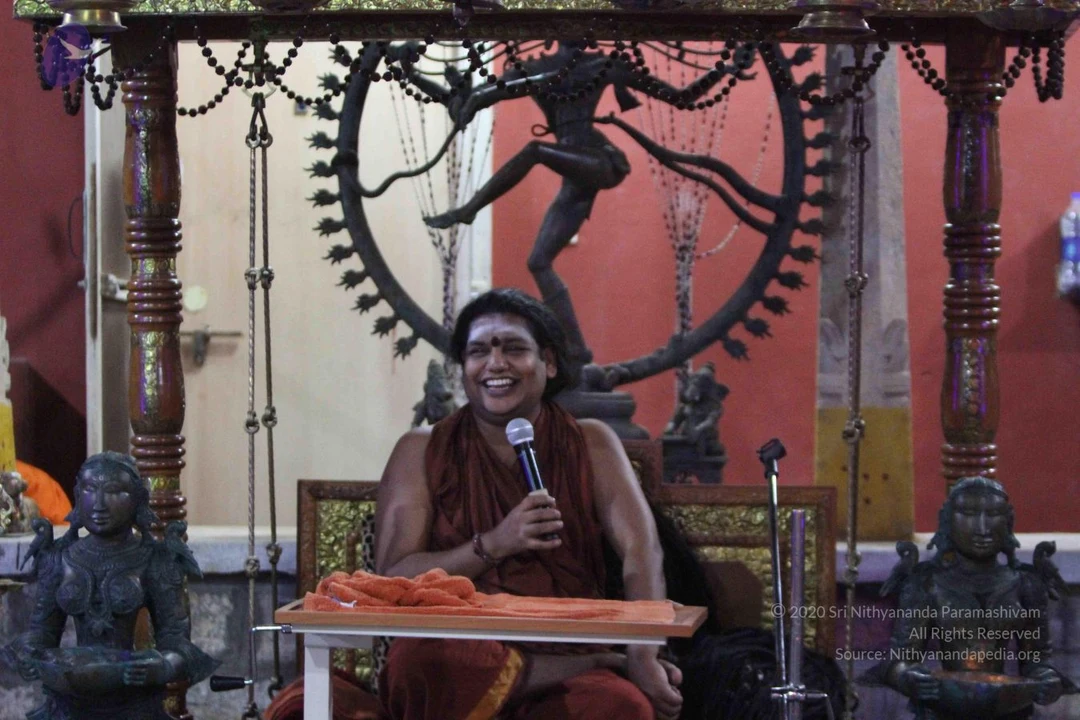
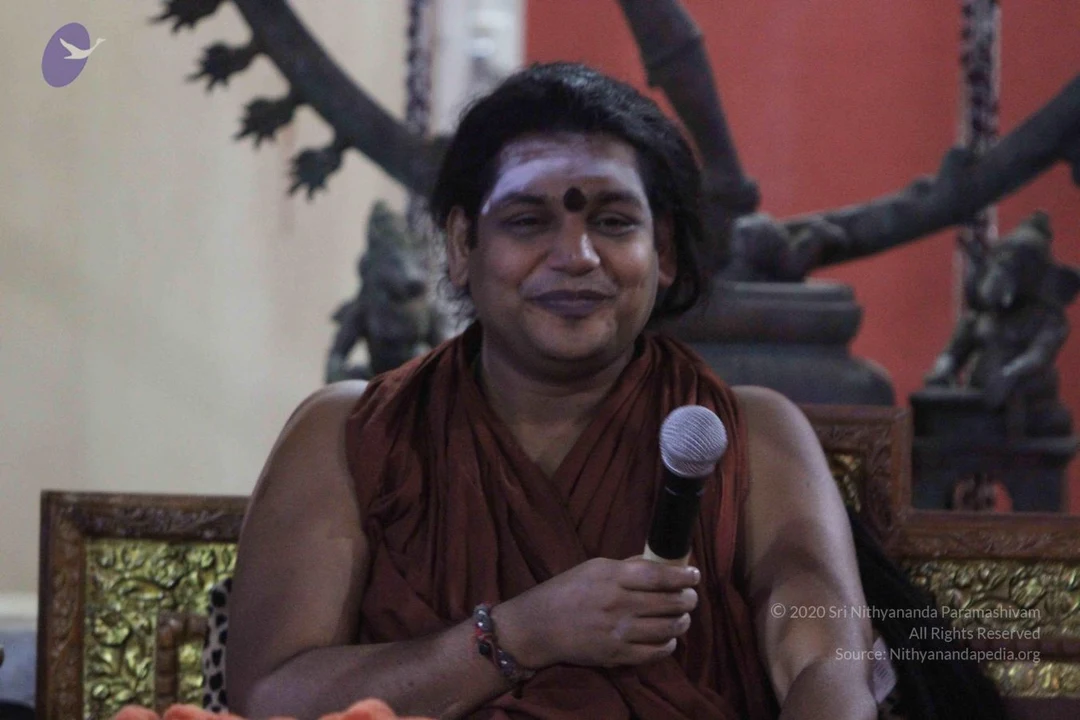
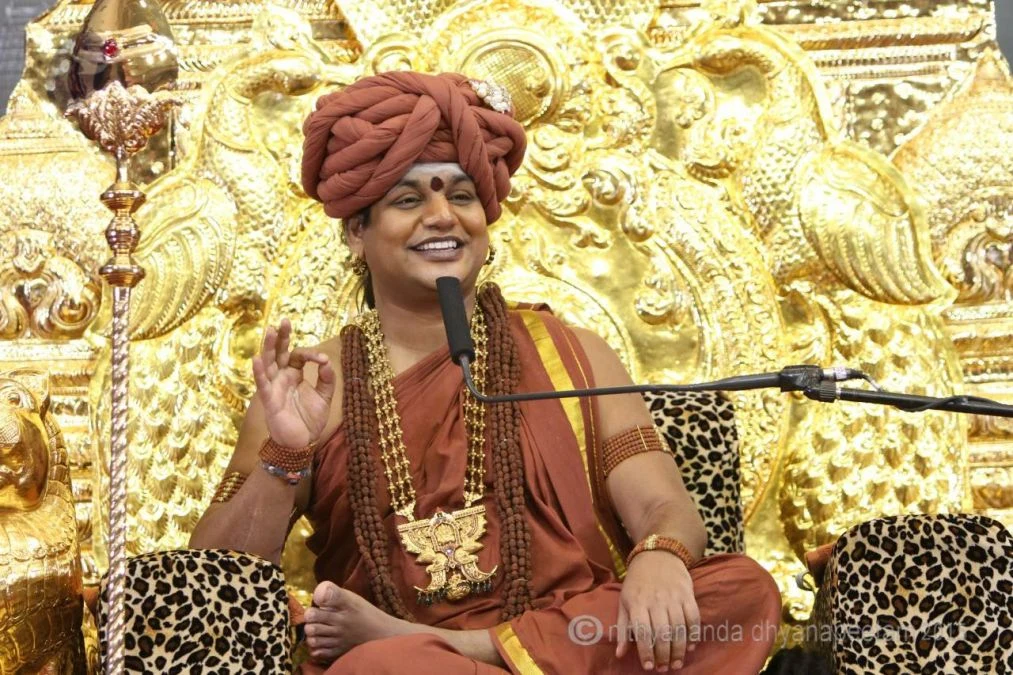
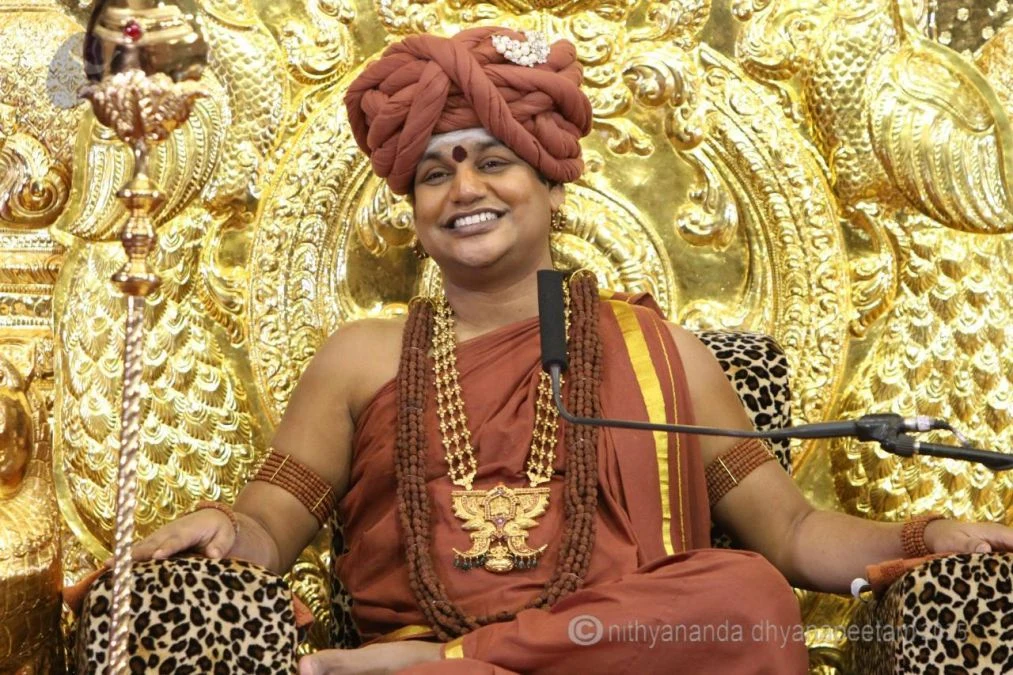
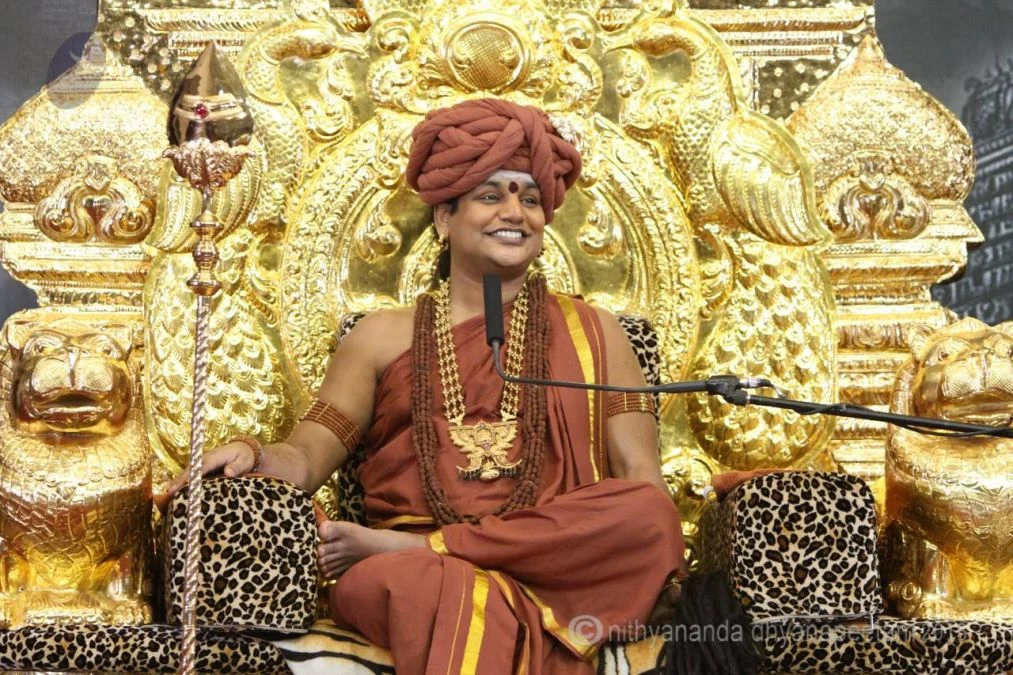
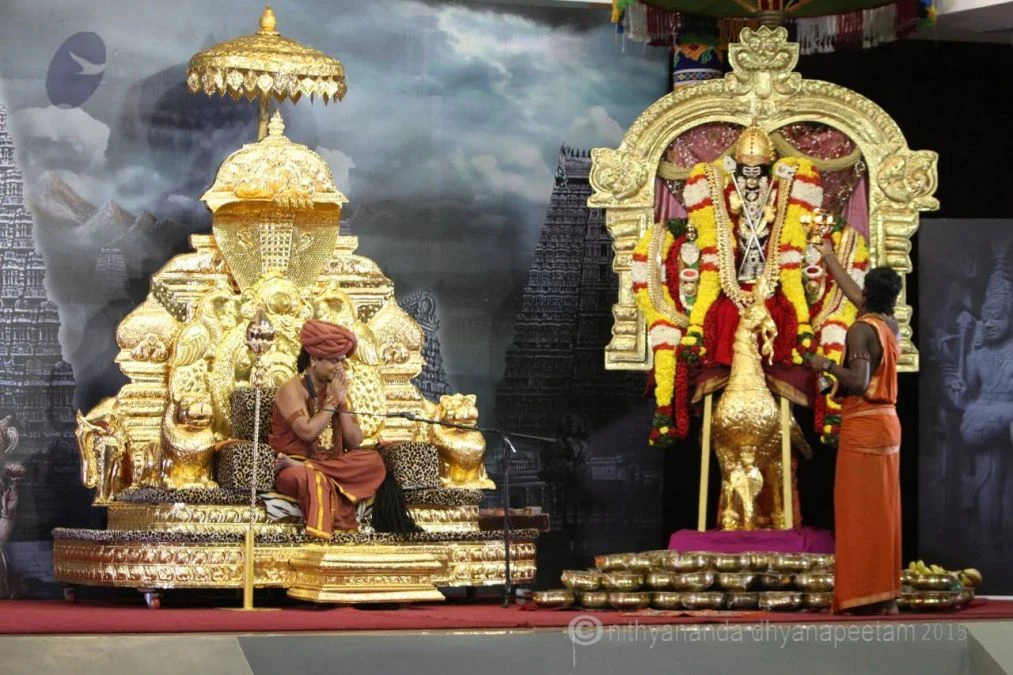
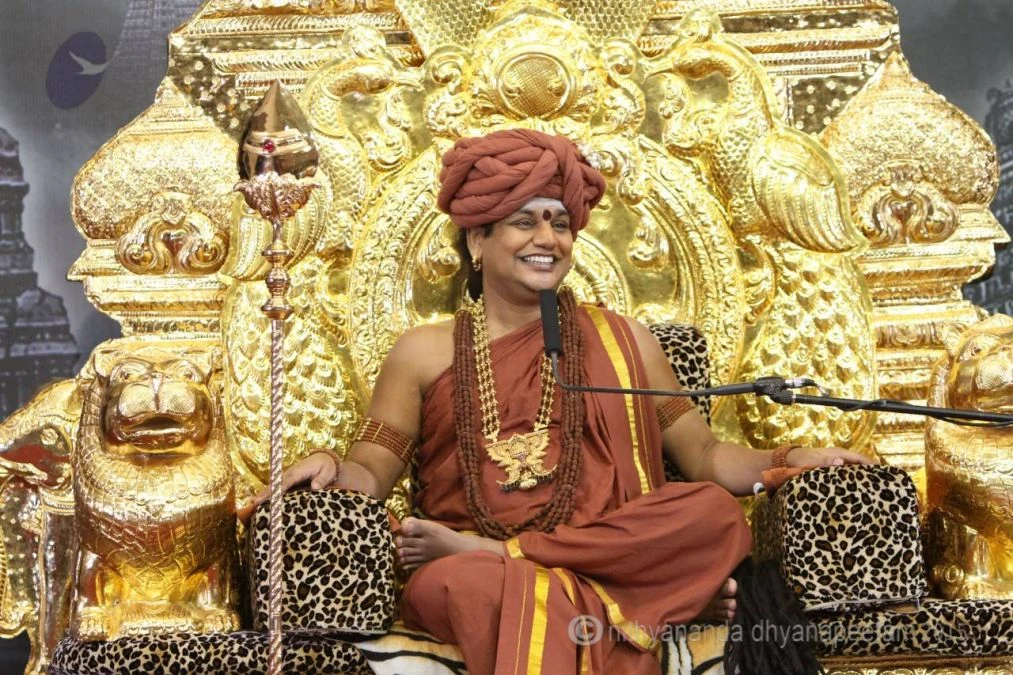
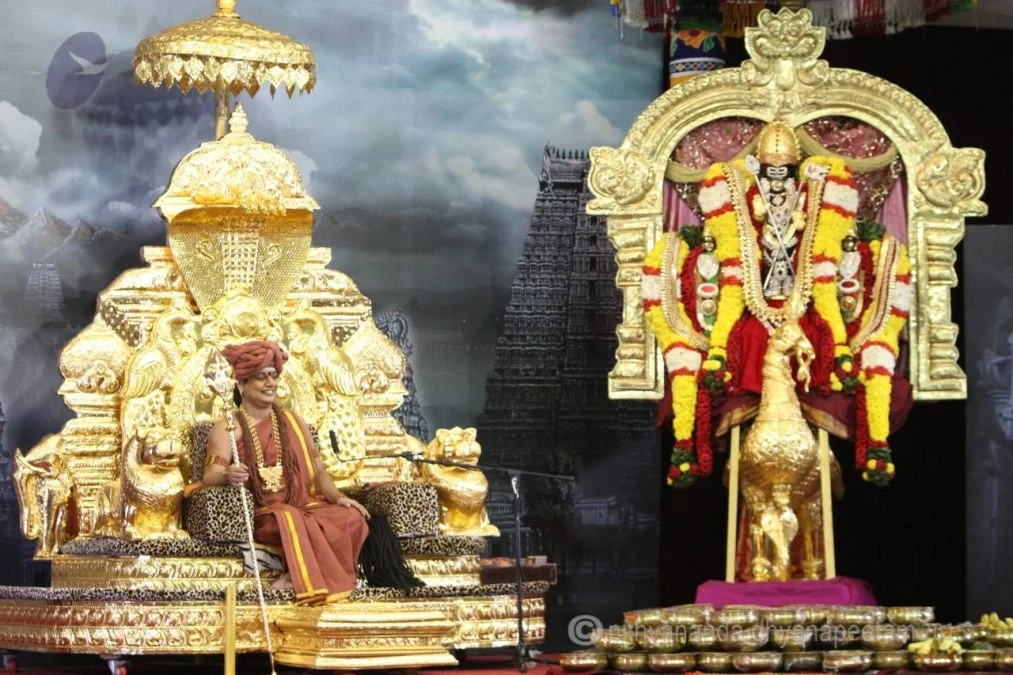
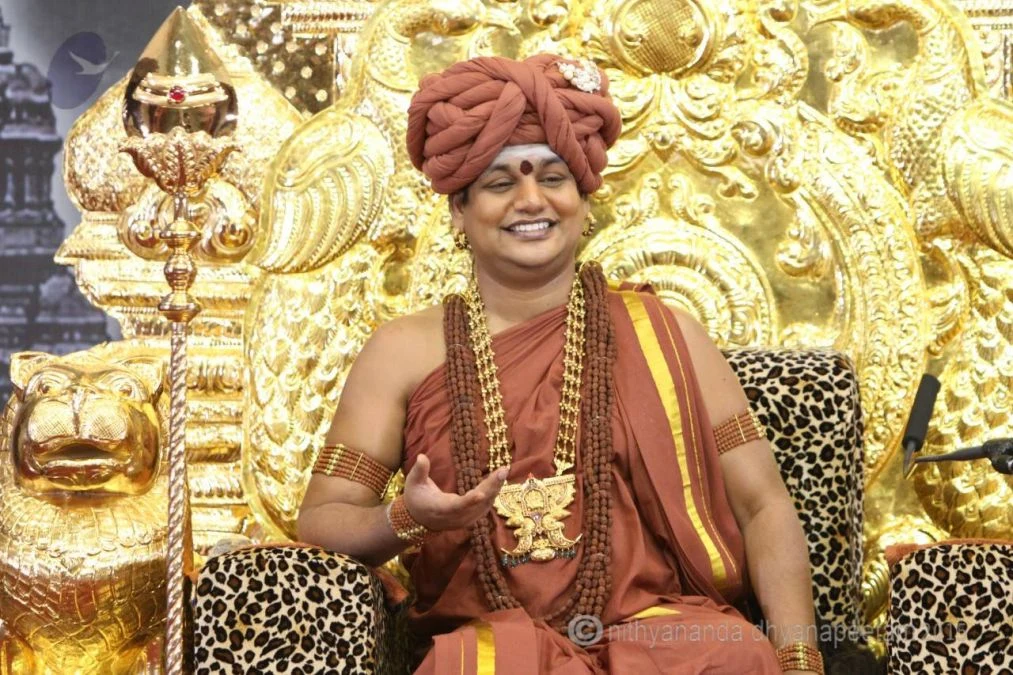
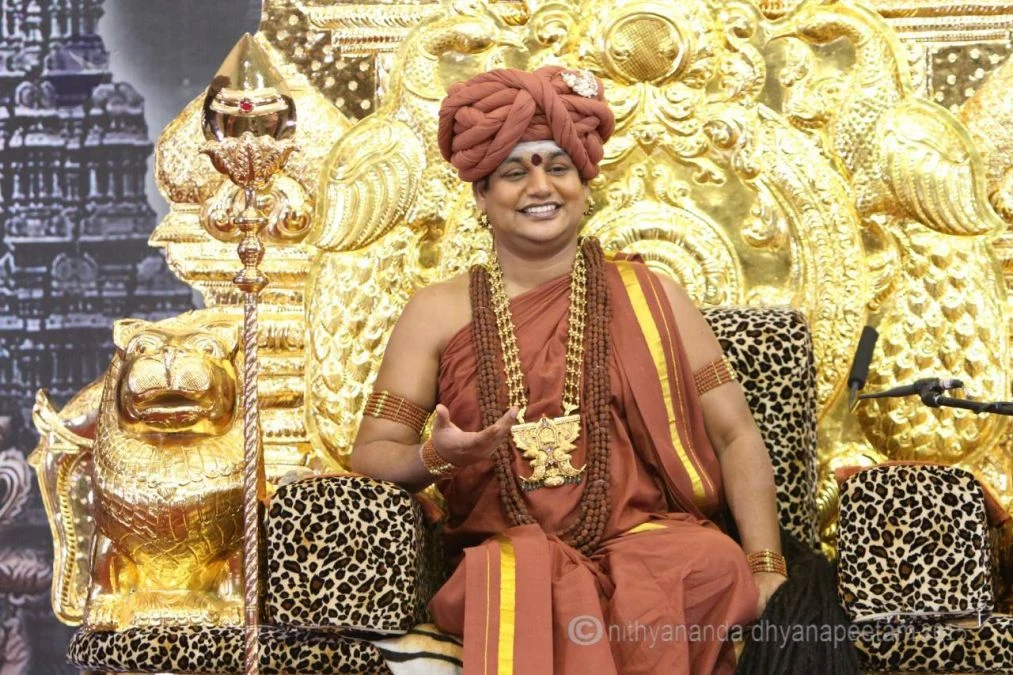
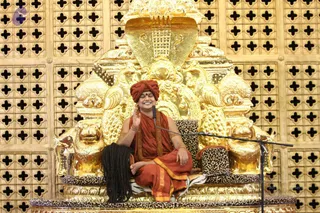
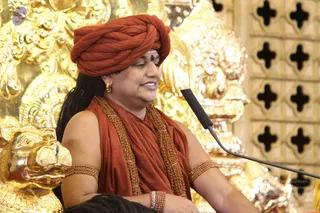
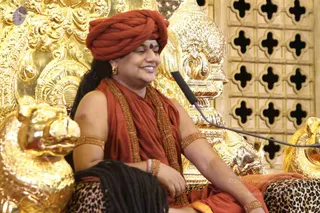
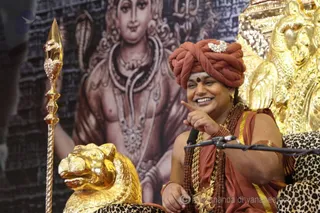
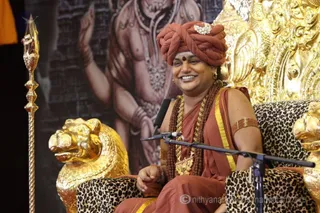
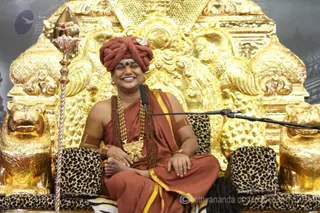
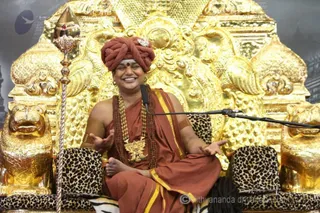
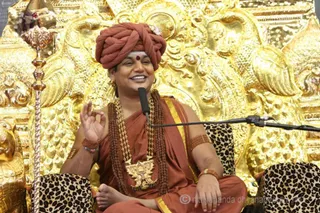
"Relating to God as Agni, fire is an important aspect of Vedic Tradition". In today's (29th January 2016) Nithya Satsang on Isavasya Upanishad in Living Advaita Series, SPH JGM Bhagavan Nithyananda Paramashivam lights the fire of truth revealing the science of Fire and its worship, from the syllables of this concluding 18th mantra. "Agni is considered the bridge to the original God, the Oneness experience, Parabrahma or Sadashiva." Being the third of the primary elements, Agni or Fire is the bridge, which has form and yet formless. Agni, the Fire God burns and purifies everything that is offered onto it back to the source, turning a form into formlessness, and thus incompletion into completion. Capturing the essence of the Vedic prayers, He enumerates 3 forms of God – 1) Guru, Deity 2) Ananda gandha 3) Fire. It is perfect science of invoking the Divine in the Fire and offer prayers and connect with Divine, making Agni, verily a door to Enlightenment. agne naya supathā rāye asmān viśvāni deva vayunāni vidvān | yuyodhy asmaj juhurāṇam eno bhūyiṣṭhāṁ te nama-uktiṁ vidhema || 18 || Translation: "O Agne, the Fire God! Knower of all our actions and all that is worth knowing, You must take us along the righteous and auspicious path of completion, leading us to experience the Supreme Consciousness, the original space of Complete Completion. O God, Consciousness! May you remove all our incompletions that are obstacles on our good path of completion (beyond coming and going, birth and death). Onto You we surrender with many reverential words, bowing down again and again." Watch, Share and Subscribe to our channel to be notified of the next upload click http://www.youtube.com/subscription_center?add_user=lifeblissfoundation to subscribe. visit: http://www.nithyananda.org http://www.nithyananda.tv http://www.innerawakening.org https://www.youtube.com/user/LifeBlissFoundation https://twitter.com/SriNithyananda https://www.facebook.com/ParamahamsaNithyananda https://plus.google.com/104086565286265959836/posts
Transcript:
nithyānandeśvara samārambhām nithyānandeśvari madhyamām | asmat āchārya paryantām vande guru paramparām ||
(00:48)
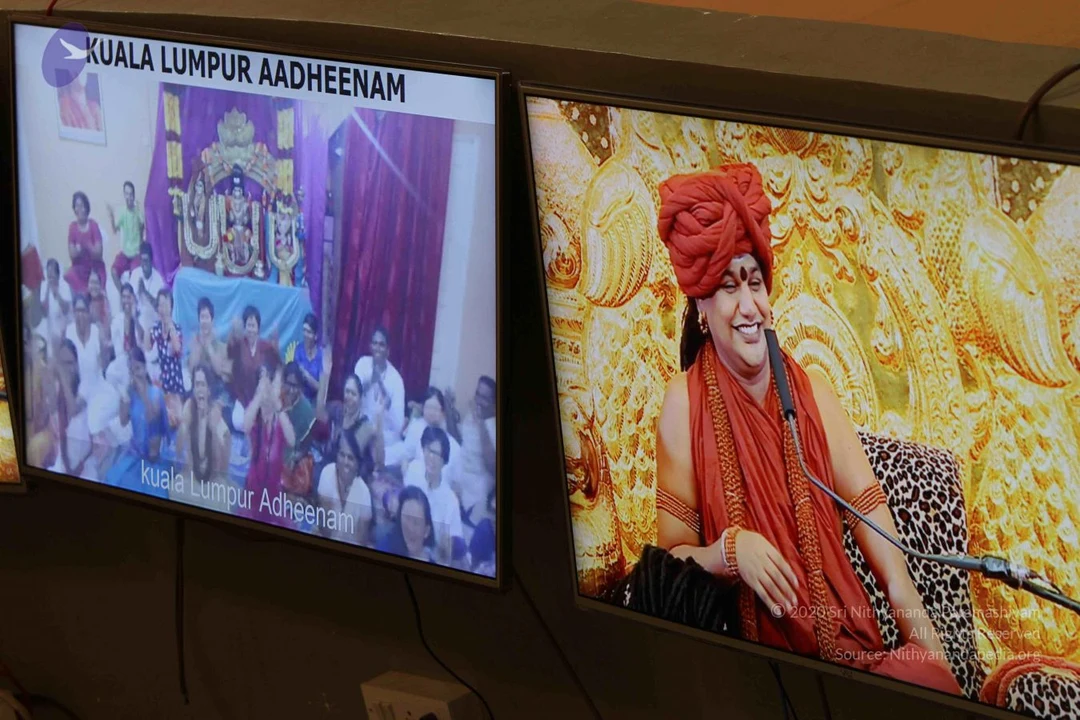
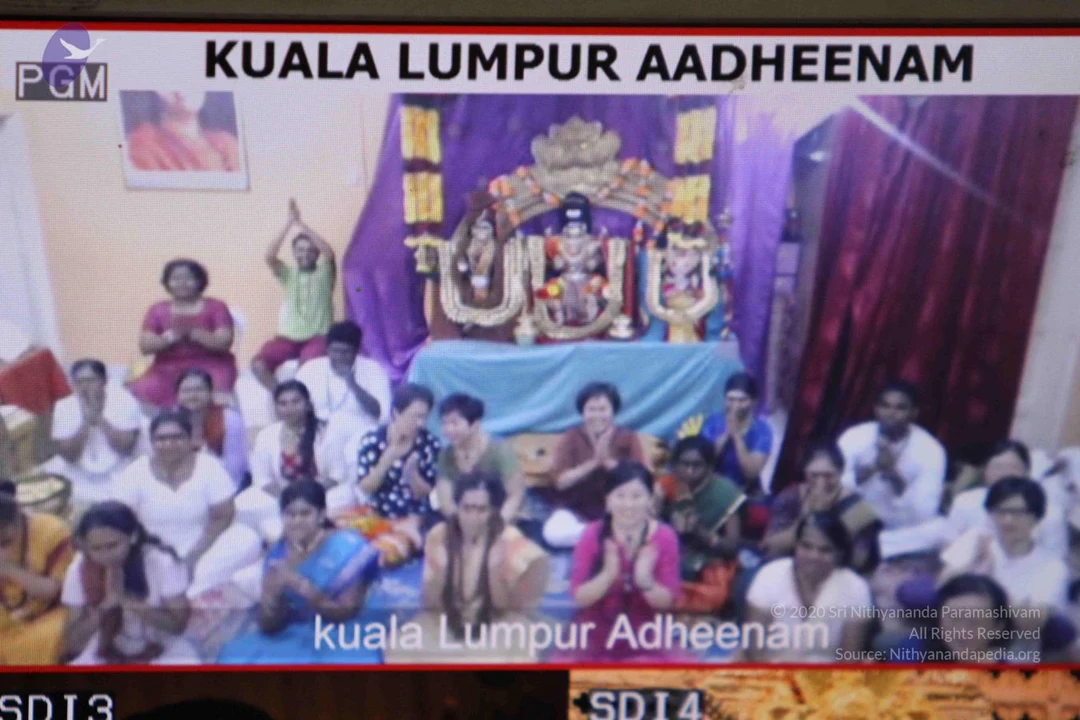
I welcome all of you with My love and respects. I welcome all the devotees, disciples, Samajis, Satsangis, SriMahants, Mahants, Thanedar, Kotharis, owners of Sarvajnapeetha and IA Teamily, everyone of you with My love and respects. Cities sitting with us – Kuala Lumpur Aadheenam! Just want to tell you guys, Malaysia guys, Swamiji loves Malaysia and all of you! Other cities sitting with us Los Angeles Aadheenam, Guadaloupe Aadheenam, St. Louis Aadhenam, Phoenix Aadheenam, Indrani New Jersey, and Hyderabad Gupta Kashi, Dubai Aadheenam, Hyderabad Aadhenam, and Trinidad Tobago, Charlotte Srisailam, Bangalore North. That’s it. So I welcome all of you with My love and respects.
(02:05)
Today we are entering into 18th verse. Recite along with Me. agne naya supathā rāye Actually the original word is – supathā rāye. Paathabedha is – subathārāye. That’s the way I have heard from My Masters, so I will retain the paathabedham. So in our sangha we will retain the paathabedham as I heard from My Masters because they are from village and they had their raw pronunciation. I just wanted to keep that as My respect for them.
supathā rāye asmān viśvāni
Understand asmān is the original verse; the paathabedham is asumān the half ‘u’.
asumān viśvāni deva vayunāni vidvān | yuyodhyas-majju-hurāṇam eno bhūyiṣṭhāṁ te nama uktiṁ vidhema || 18 ||
agne naya supathā rāye asmān.
So paathabedham, listen. Asumān – it should not become full ‘su’..
Asumān viśvāni deva vayunāni vidvān | yuyodhyas-majju-hurāṇam bhūyiṣṭhāṁ te nama uktiṁ vidhema || 18 ||
(4:50)
I have a book, where all these Upanishads are translated in Tamil and printed—which is used to teach Upanishads to Me by My Guru Vibhutananda Puri and Isakki Swami; in that all the paathabhedas I have marked. Some they marked in their own handwriting, some I marked in My handwriting. I still remember the Vibhutananda Puri will read out the verse, I have to repeat and then Isakki Swami will explain. So, I will now read out the original translation and give you the sacred secrets behind this verse. "O Agne, the Fire God! Knower of all our actions and all that is worth knowing, You must take us along the righteous and auspicious path of completion, leading us to experience the Supreme Consciousness, the original space of Complete Completion. O God, Consciousness! You may remove all our incompletions that are obstacles on our good path of completion; beyond coming and going, birth and death. Onto You we surrender with many reverential words, bowing down again and again." Listen. I will read the translation once more. "O Agne, the Fire God! Knower of all our actions and all that is worth knowing, You must take us along the righteous and auspicious path of completion, leading us to experience the Supreme Consciousness, the original space of Complete Completion. O God, Consciousness! May you remove all our incompletions that are obstacles on our good path of completion; beyond coming and going, birth and death. Onto You we surrender with many reverential words, bowing down again and again."
(07:12)
You need to understand, in Vedic tradition Agni is considered to be the bridge to the original God, the Oneness experience, Parabrahman, or Sadashiva, whatever you may name it. That Oneness – Agni is considered to be the bridge for that Oneness; because anything which has a form, if you offer it into Agni, He will make as formless. Incompletion is form, Completion is formlessness. Understand, when you are complete that is why you feel light, because there is no form inside, there is no heaviness inside, there is no visualization inside, nothing sitting inside. Anything assumes form is incompletion. Actually when you are incomplete you will be so many forms will be fighting inside you. In the space of Completion, just no formlessness inside. I tell you, no forms inside, just formlessness inside. That is Completion! Actually, in the space of Completion you won’t even remember your form. When you don’t remember your form, what happens to you is called Grace. If you remember your form, do all the spare part fitting, removing, painting, tinkering, pattipathufying, puncturing, adding, deleting, and do everything, even after that how it looks is called beauty. When you don’t even remember your form even in your inner space what happens to you is called Grace. Re-membering and de-membering your body is beauty. De-membering means what - removing something and adding something. Re-membering and de-membering! When you remember you all the time want to alter. I think just this nose, little sharp, could have been better. Hmmmm, these ears, little small, could have been better. And this little bigger and this little smaller, I think that way it would have been much, much better. When you remember you always want to alter, that is incompletion. When there is no form remembered, that is Completion.
(10:40)
Listen carefully, whatever is offered in the Fire, he moves them from form to formlessness, name to namelessness. Among the five elements, two are with form, two have no form. The Earth and Water has form, Air and Space has no form. Agni is the bridge, which has form and doesn’t have form. You can’t say Agni is a form and you can’t say Agni is a formless. He is the bridge where forms merge and become formless. He is the bridge where incompletions merge and become complete. He is the bridge where sins merge, becomes merit. He is the bridge where everything disappears and goes back to its Source.
(11:48)
agne naya supathā rāye agne naya supathā rāye – Agni is considered to be the door to Gods. Understand, just today I was talking to some of My Mahants, Mahant of the Gurukul and Mahant from Salem, I was explaining to them, where the best Samits, Ahutis will be available in pure form in Tamil Nadu. They were wondering because the street name, shop, next to which shop, how many shop, all the details I was giving, in which cities; because when I myself was doing homas (fire sacrifices) I used to follow Agama fanatically. I will not allow single, even a small bit of paper or a plastic or anything to fall into that Agni. Once I invoke the God or the Goddess in the Agni. There was a time in 2001 to…even till 2003, I Myself will go to devotees houses or temples and personally do the homas. Sometimes 10 hours at a stretch, 10 hours at a stretch, and days together. Sometimes I remember 7 days, 10 hours a day! I used to conduct large-scale homas, Chandi homas, Sri Vidya homa. I myself will sit and perform. I myself will go to those shops and prepare all the herbs and items needed to be offered. If there is homa, one week before itself I will go and sit in those shops. They will give 2 workers, 3 workers to Me separately. So those workers will start, I will have that book, Agama books and I’ll dictate one by one. They will take it and keep it clean, wash it, wash those herbs, remove all the mud, or any paper or plastic anything, clean it up, and then they will organize and give.
(15:10)
Understand why I am narrating this incident; because really, really, really, the Gods and Goddess you invoke in Fire come there. Understand that! It is not imagination. It is not some small time-pass game, or it is not just to satisfy some online, the viewer or the person who paid; it is not profession. No! Understand, when you utter those sounds, invoke them in the Fire, they are actually invited there. What you offer should be pure, clean, high quality because they are directly receiving it. You can’t afford to disrespect them. Still I remember, at least one week I’ll sit and prepare all the things required. Actually that one week itself I am so much soaked in that memory, this is going to be offered to this God, this God, this God, the moment I sit in front of the Fire and invoke – gaṇādhipatayai iha gaccha iha gacha | iha thiṣta iha thiṣta | – immediately I simply see them happening. So when I give, I can see very clearly from My hand they just take it and….inside. I have so many photographs and video records where My hand casually goes into the Fire and does not even remember the hand is in Fire. No question of having any wounds, but I don’t even remember the hand is in Fire because it’s the Gods are receiving. When the Gods land the Fire loses its quality of hurting. Ordinary fire where you don’t invoke God can hurt, but when you have invoked God it is no more Fire. It is only the body, but inside God is there.
(17:45)
Agni is considered as the bridge in Hindu tradition to relate with God. All of you should learn to relate with God in this three form: One, in the form of Guru, and Deity in the temple, Second, your own Ananda Ganda, Third, in the Fire. First two you all learnt - relating through the Guru and through the deities. The second one - relating through your own Ananda Gandha, you will learn only by meditation, and the third one - relating through the Fire is very important because that is one of the important aspect of Vedic tradition, relating to God through the Fire, relating to God through the Fire.
(19:00)
Understand..
agne naya supathā rāye asmān viśvāni deva vayunāni vidvān | yuyodhy asmaj juhurāṇam eno bhūyiṣṭhāṁ te nama-uktiṁ vidhema || 18 ||
Agni as the fire of God, and worshipping it, offering in it, is one of the important science. It is a science. This verse explains the whole science. Actually, just chanting this verse 1008 times if you offer the Āhuti, either ghee or whatever you want to offer, it will directly reach Sadashiva and it will lead you to Completion. This mantra is the Completion Homa mantra. Anybody wants Completion can chant this mantra 1008 time and offer Āhuti to Agni, you will achieve Completion, because this whole mantra is about praying to Parabrahman - whatever word you want to use - Sadashiva, Mahadeva. Praying to Sadashiva, Mahadeva, Parabrahman to give you Completion through the Agni worship.
(20:40)
"O Agne, the Fire God! Knower of all our actions and all that is worth knowing, you must take us along the righteous and auspicious path of completion, leading us to experience the Supreme Consciousness, the original space of Complete Completion. O God, Consciousness! May you remove all our incompletions that are obstacles on our good path of completion; beyond coming and going, birth and death. Onto You we surrender with many reverential words, bowing down again and again." In this Inner Awakening one day we will have this homa. All the participants should sit around and should chant this 1008 times, this verse, and offer Āhuti. That will be almost like Nithyanandoham process, understand. It will not be just Completion or Shivoham process, it will be like Nithyanandoham process. One good thing this time, because Inner Awakening is in Bidadi, some of the few important session I will open it on two-way video conferencing. You all can enjoy. Some of the important sessions, some of the important Shivoham and Nithyanandoham sessions, I will open it to two-way video conferencing, all of you can enjoy. "O Agni, the Fire God! Knower of all our actions and all that is worth knowing.” What a beautiful word – agne naya supathā rāye – means: whatever is our actions, you know and whatever is worth knowing in the Universe, you know that. How they set a context for God, understand. In what context even God is remembered; that’s why I told you the other day in the satsang, even if you sit in front of a stone and say, “Oh stone, the representative of the Cosmos”, immediately that is God now, that is no more a stone. Understand, the moment you say, “Oh stone, the representative of God,” that’s it! “Oh stone, the representative of the Cosmos,” that’s it! Now it is God, Deity. Now it is no more a stone. Now anything you do with that stone now, is done directly to God. Whether you offer something or pray, it is directly done to God.
(23:47)
The moment you say “Oh Fire God, you know all my, all our actions, and whatever is worth knowing in the Universe, you know,” immediately now He represents Knowledge, Enlightenment to you. Now whatever you pray to Him, however you relate with Him, you are relating to Enlightenment now. Then when you say – “You must take us all along the righteous and auspicious path of completion” – now you are praying to the energy of Enlightenment. “Leading us to experience of Supreme Consciousness, the original space of Complete Completion. O God…” Now please understand, you are praying to God directly who is in the form of Agni – Consciousness. “May you remove all our incompletions that are obstacles on our good path of completion, beyond coming and going, birth and death. Onto you we surrender with many reverential words, bowing down again and again." I think so much of innocent devotion is flowing in this verse. See there is no knowledge of who is God, ‘but I do not know about it, whoever is God – I am praying to you.’ I am surrendering – whoever is God, you come and take My surrender. The innocence, but tremendous surrender is flowing in this beautiful verse.
(25:48)
Maybe I will continue to expand on it in further satsangs, because tonight I am going to have teamily dinner with IA teamily. It’s going to have a moonlight, candlelight, temple light dinner with Me; whatever you want you can call. So in the further satsangs I will expand on the innocent surrender, embedded, described in this verse. I bless you all: Let you all radiate with integrity, authenticity, responsibility, enriching, causing Living Shuddhadvaita Saivam, the eternal bliss. Nithyananda. Thank you. Be blissful.
(26:46)
Title
Nithyananda Times, 29th January, 2016
Description
Video Magazine of the Nithyananda Peetham - 29th January 2016 covering:
SRI RAMESWAR PURI JI, MAHANT of SRI KASHI ANNAPURNA MATH MANDIR visited Nithyananda Peeetham, Bengaluru Aadheenam Inner Awakening Volunteering program. The program runs from Jan.28-Feb.26 as participants will have the opportunity to directly support the upcoming Ultimate Yoga Spiritual Program from Swamiji, Inner Awakening. Abhishekam Holy Bath was performed for Lord Dakshinamurthy under the sacred banyan tree at Svayambhu Nithyanandeshwara Temple, Bengaluru Aadheenam Daily Kalpataru programs are aired live daily in Tamil and Kannada enriching lives through Nakshatra, Janataa, Tunes6, Yes TV, Arra TV, and Deepam television stations. The Ananda Yogam course from Nithyananda Peetham, Bengaluru Aadheenam continues with students initiated by Swamiji receiving experience in many seva departments as well as Upanishads, Chanting, and Sanskrit classes. Lives were enriched through Nithya Yoga and Nithya Kriya in Singapore and St.Louis
Link to Video:
Photos of The Day
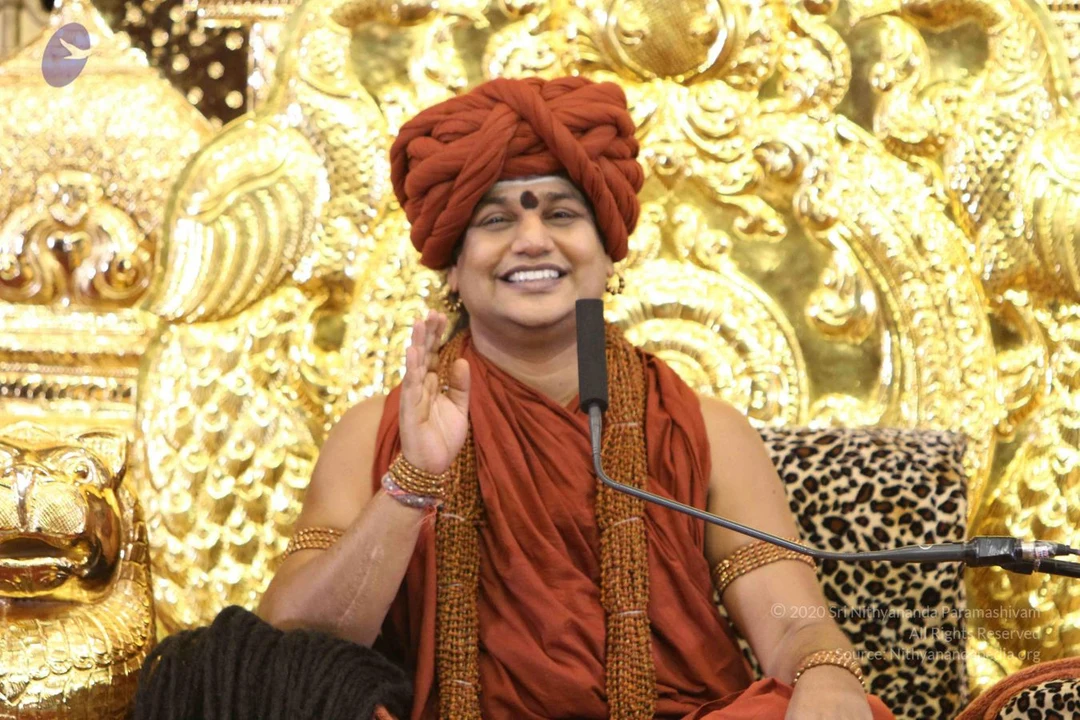
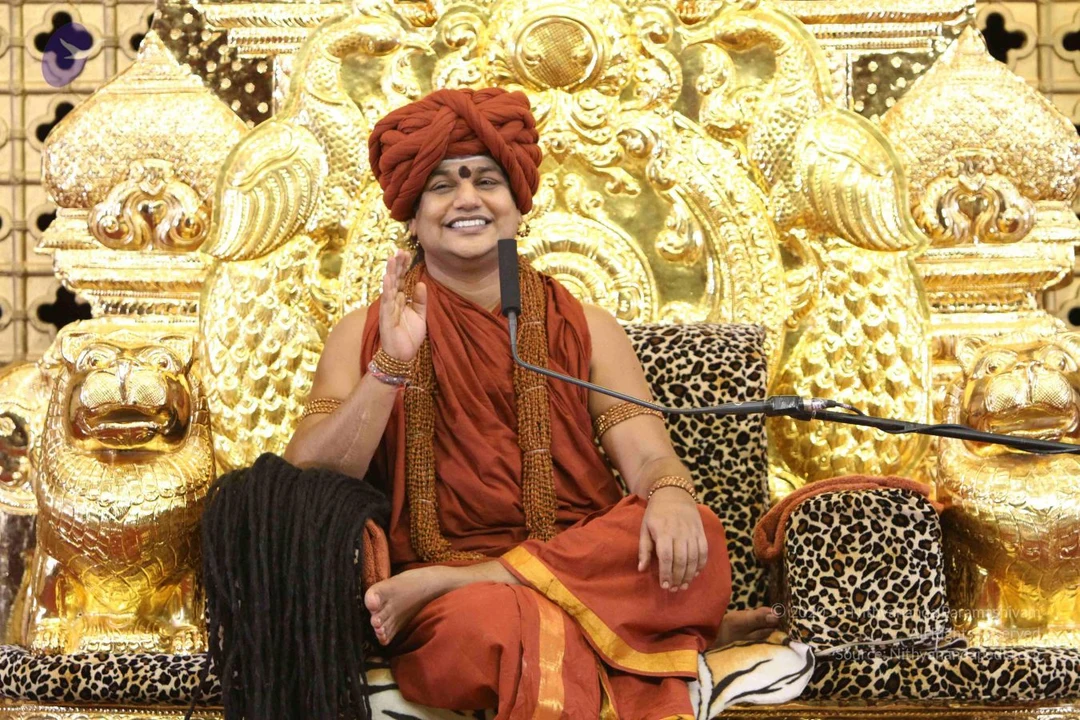
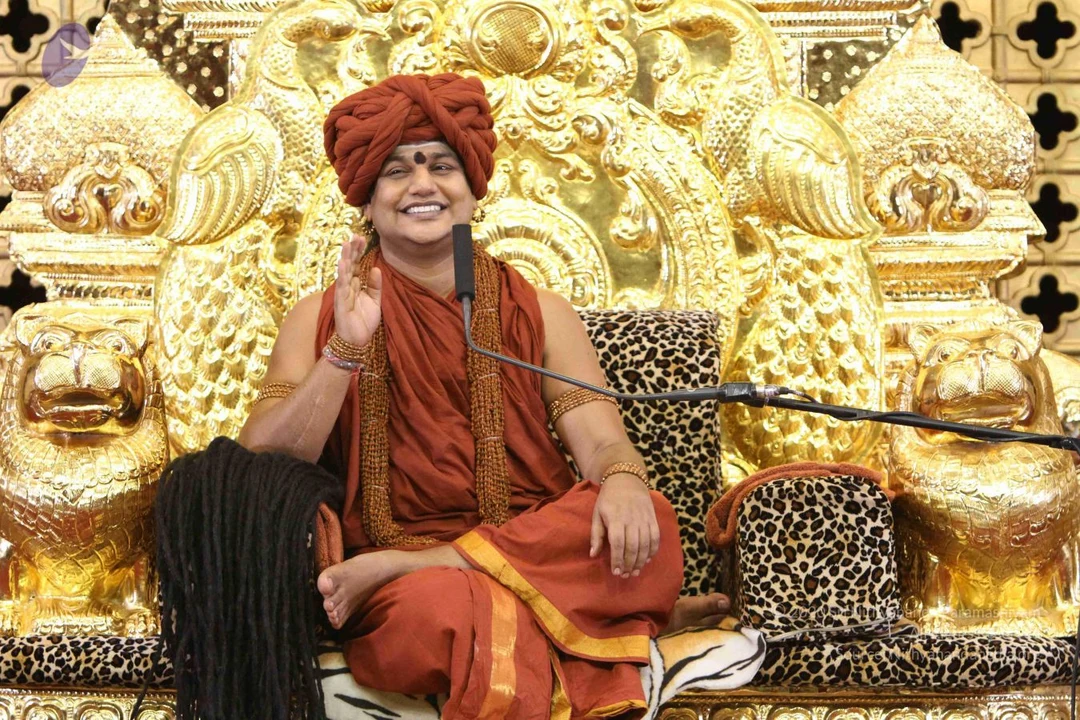
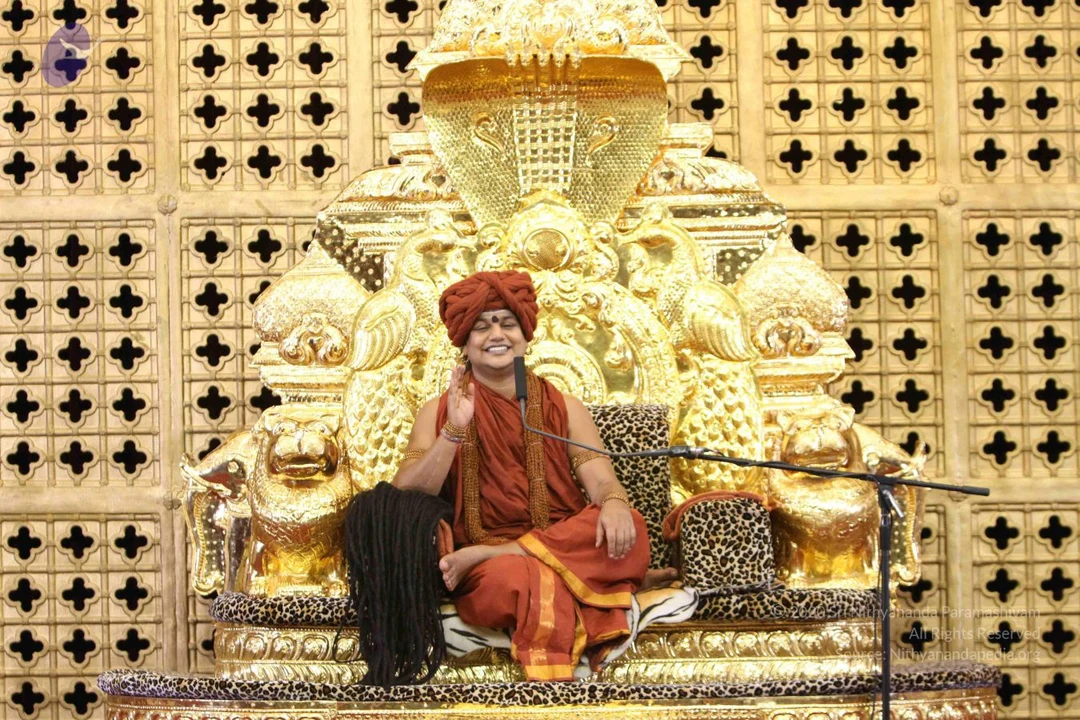
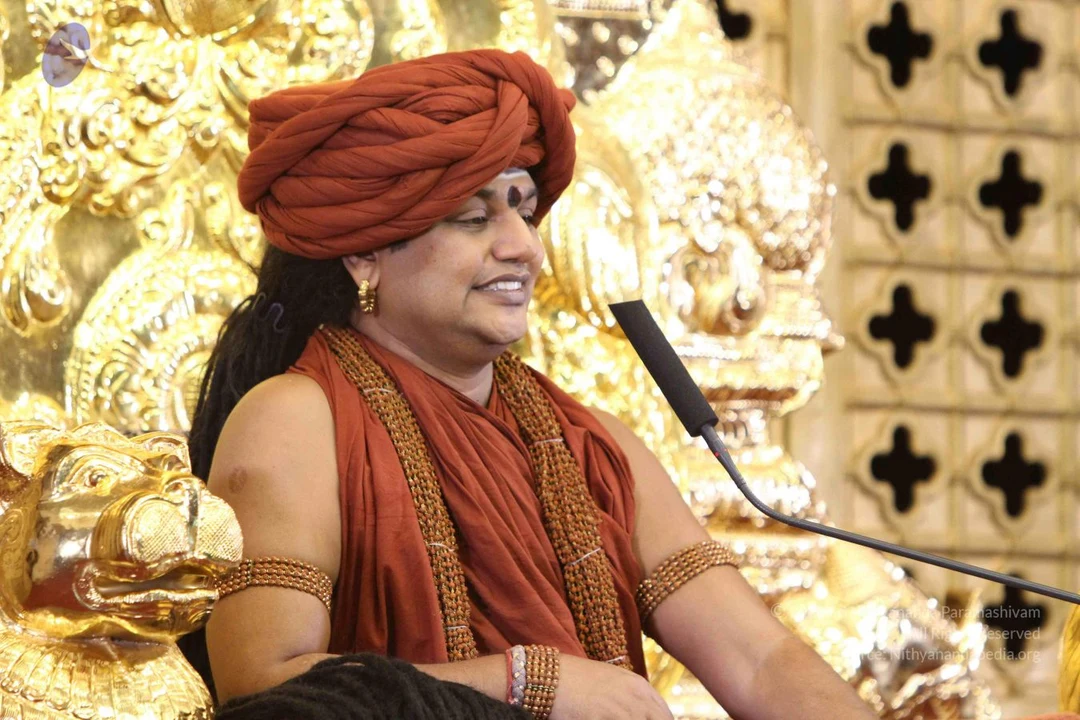
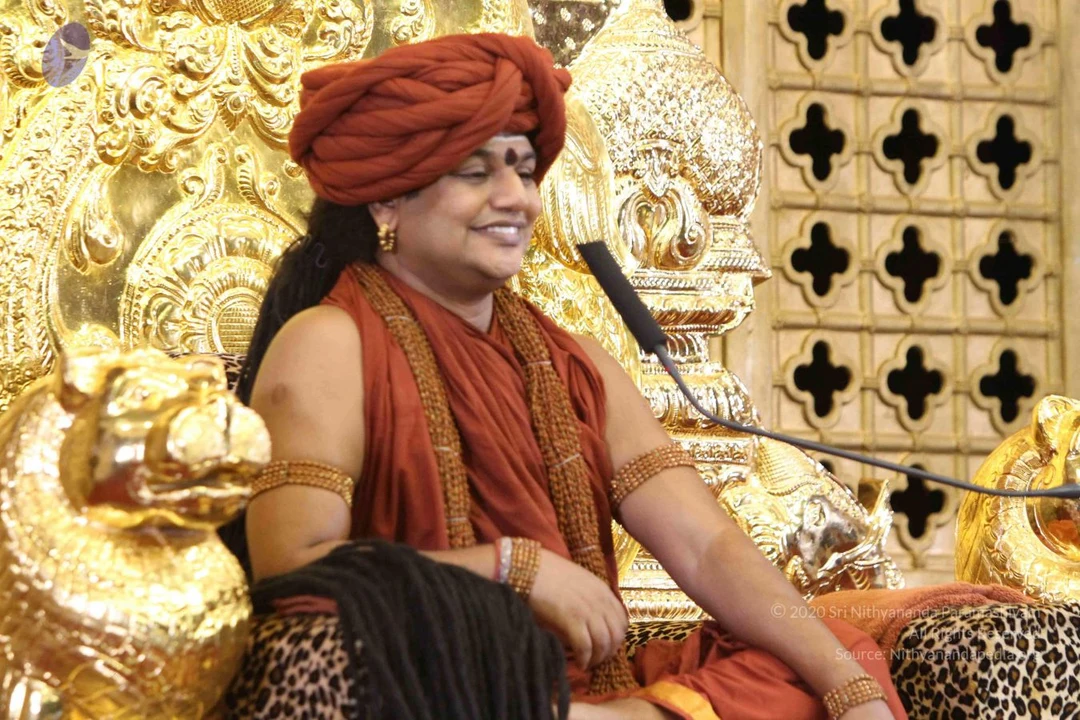
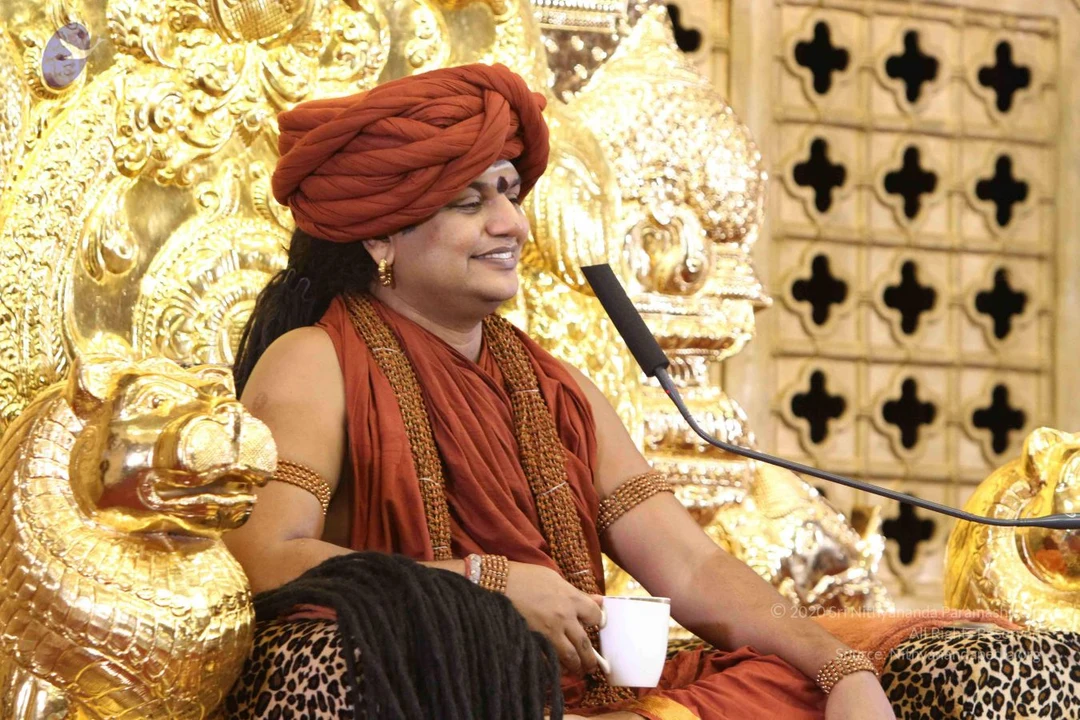
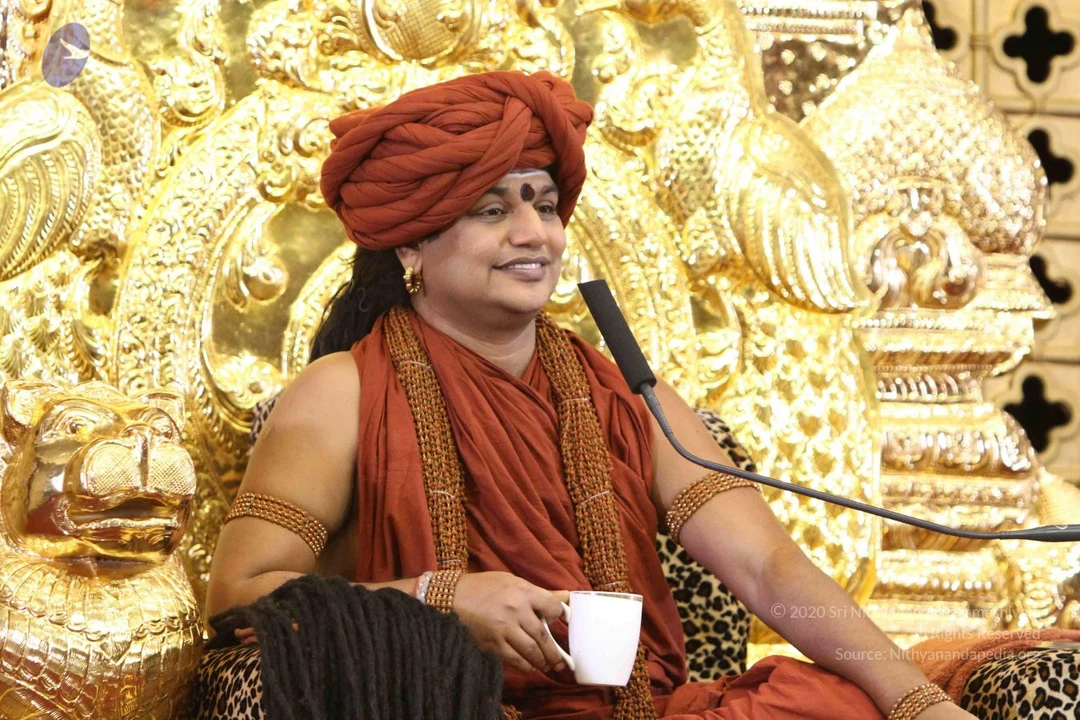
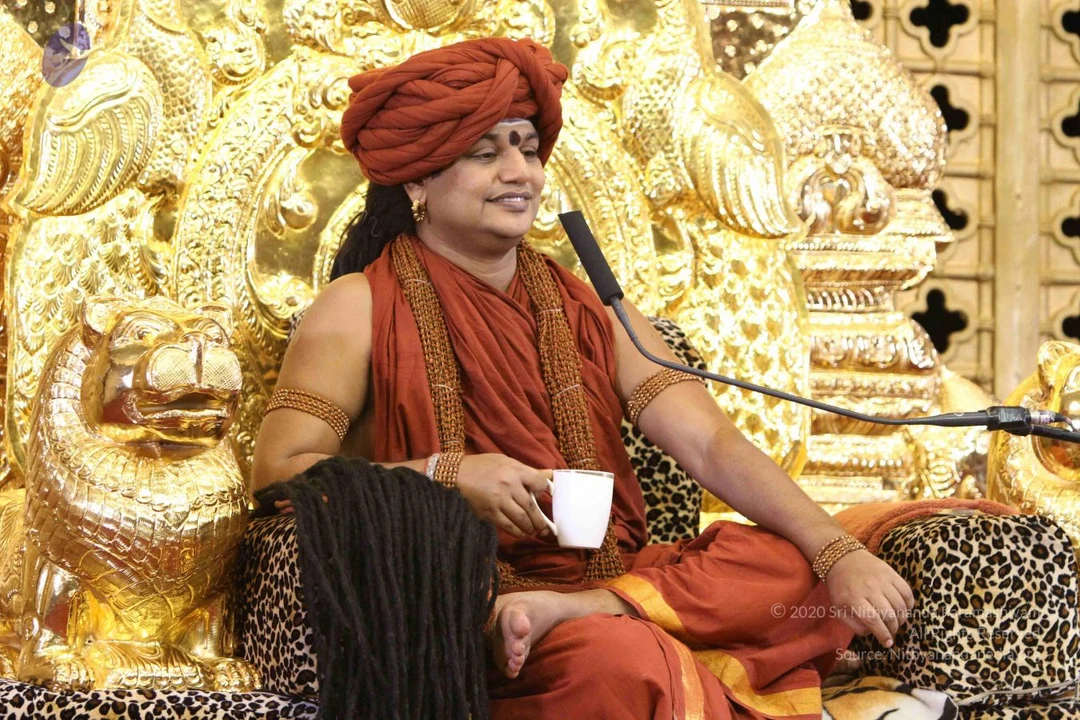
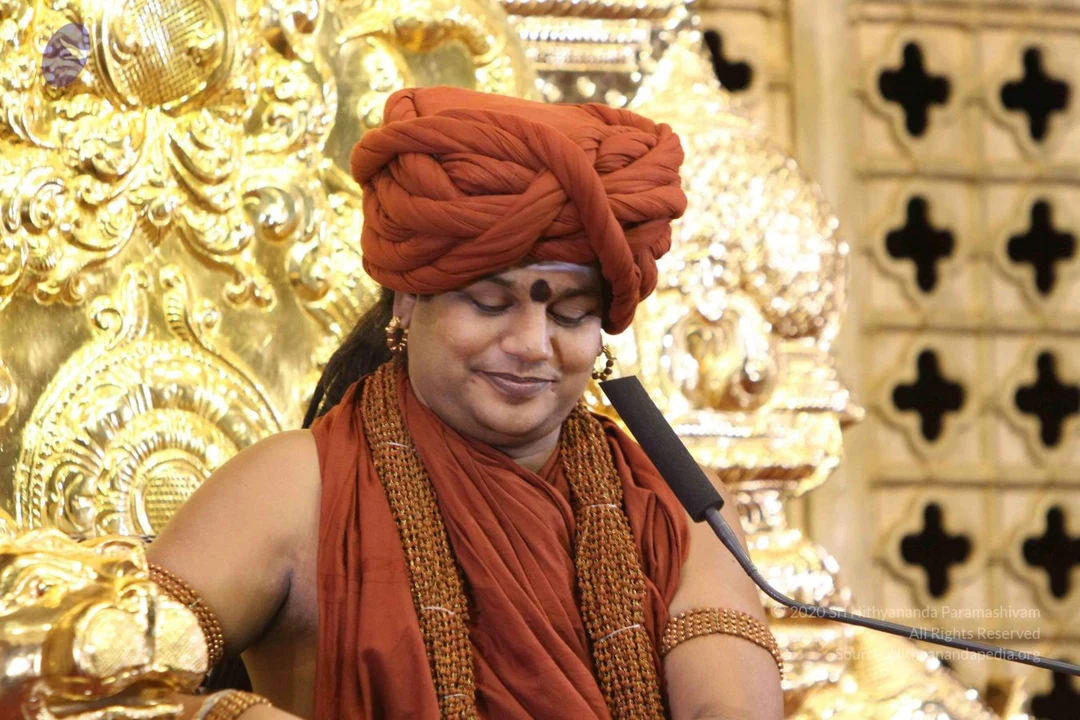
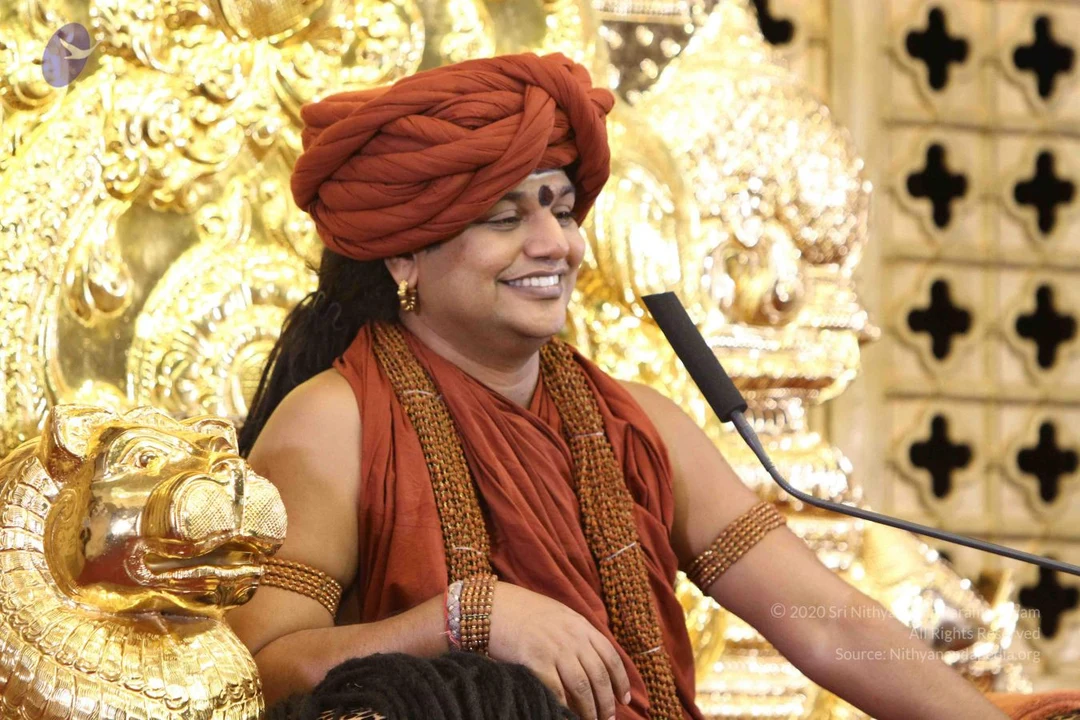
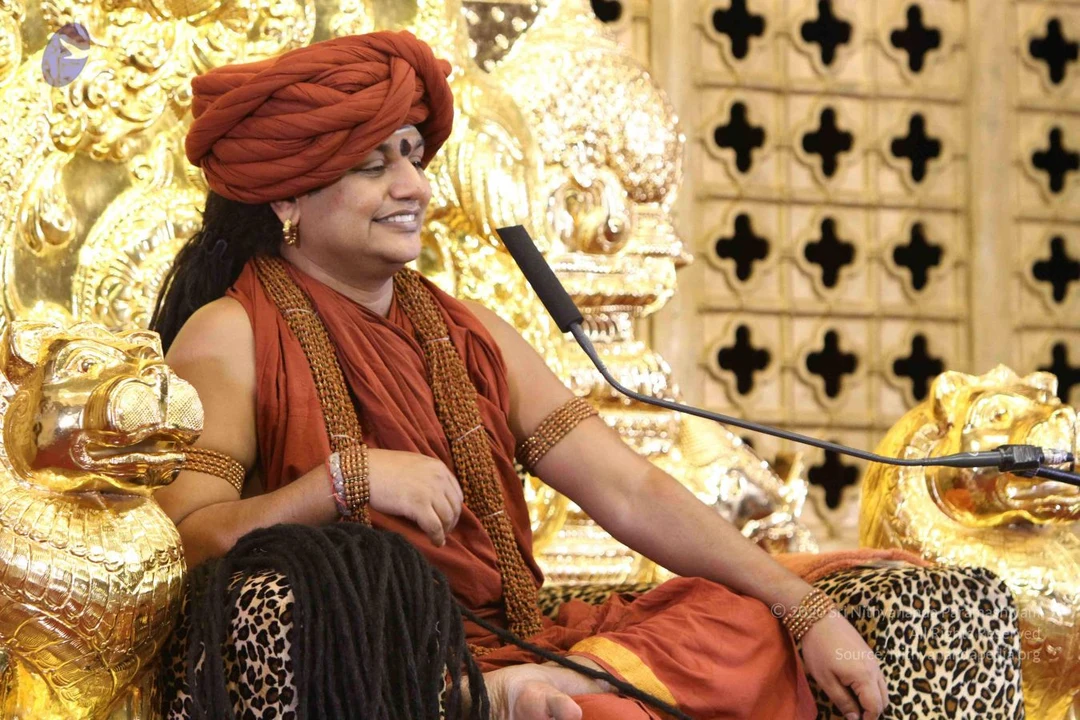
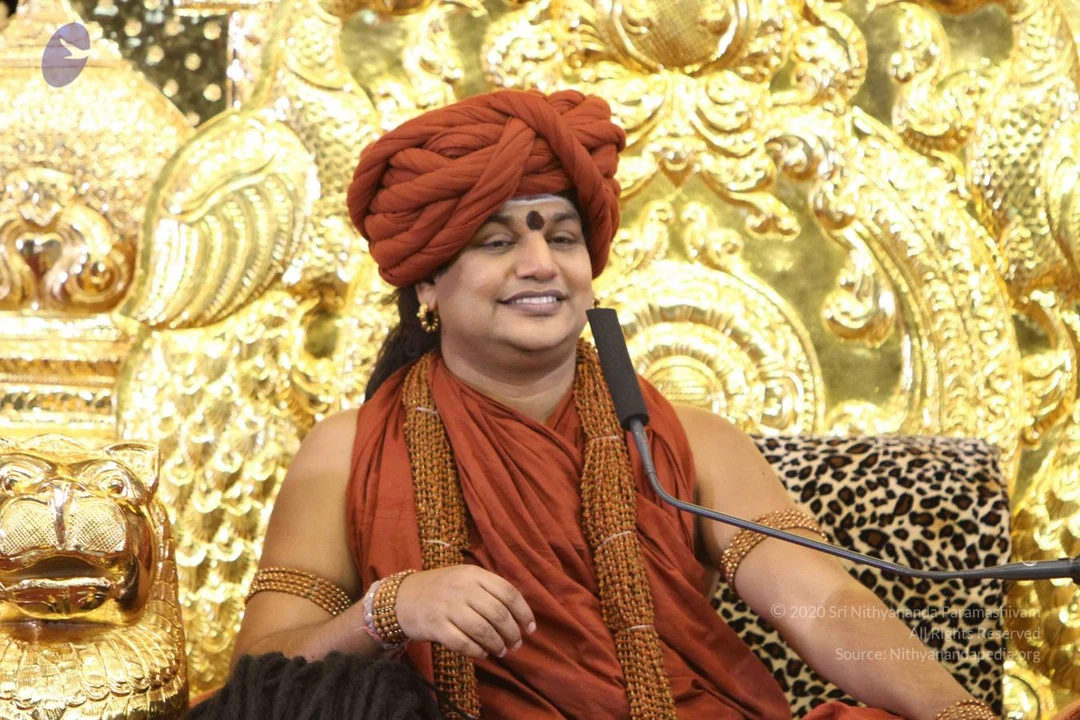
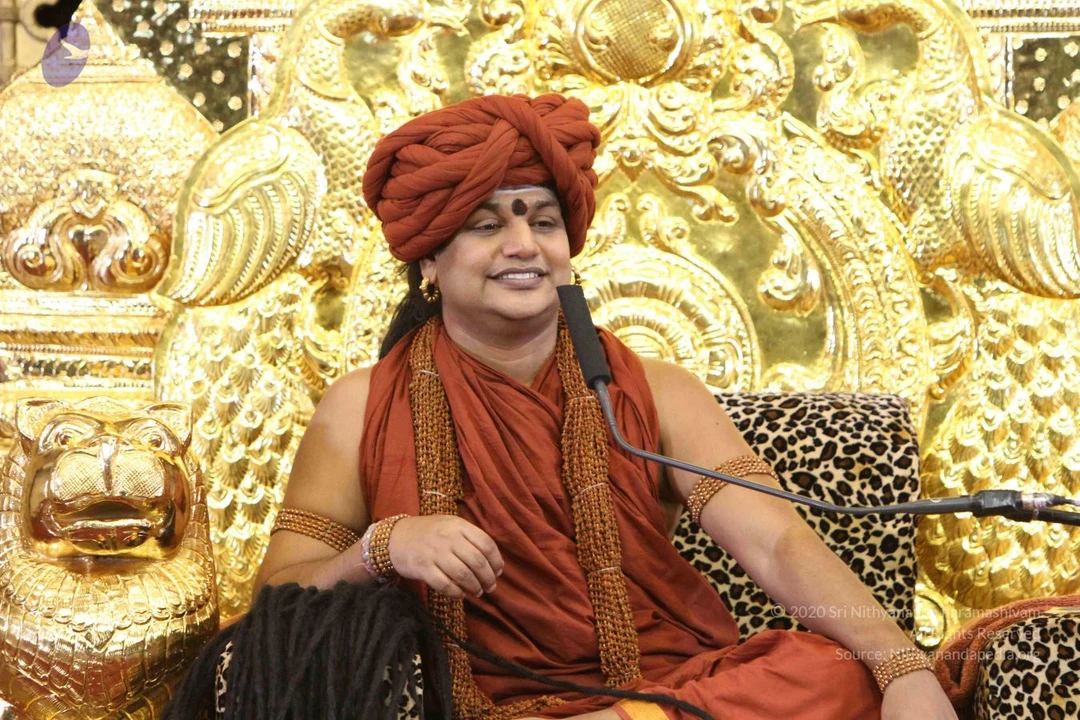

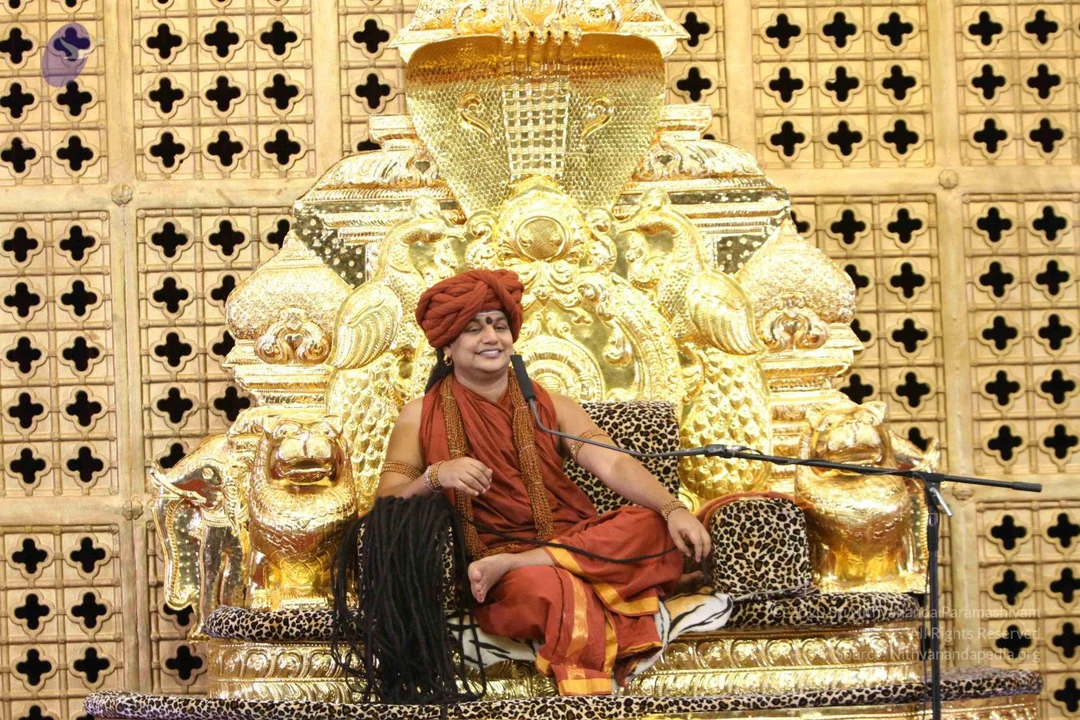
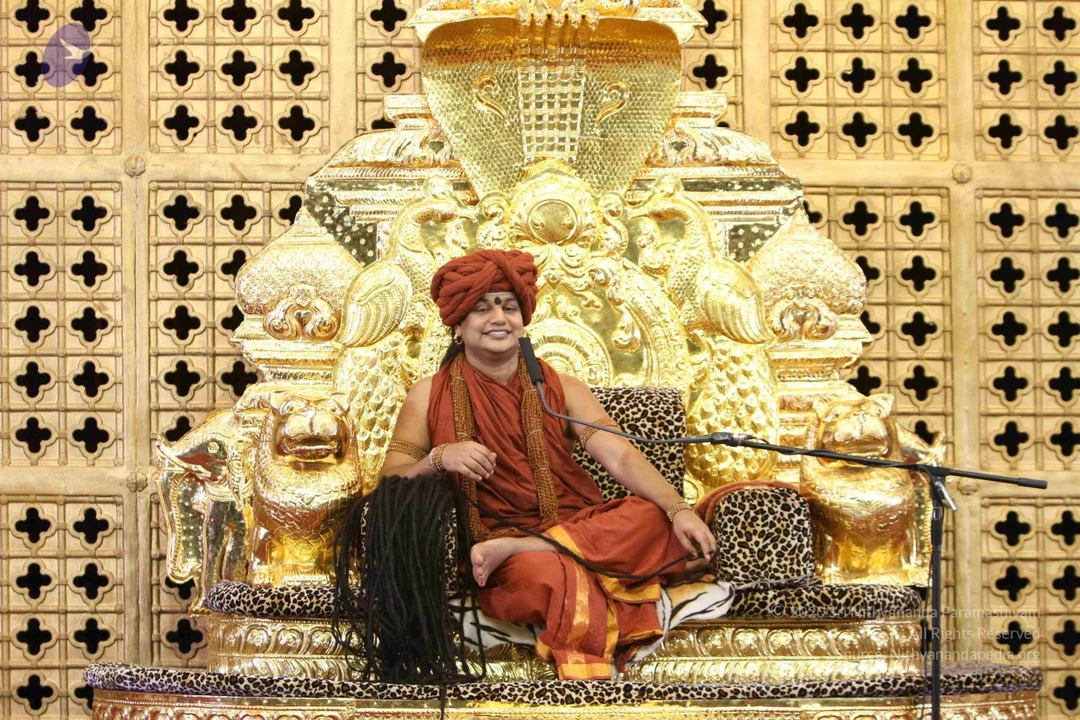
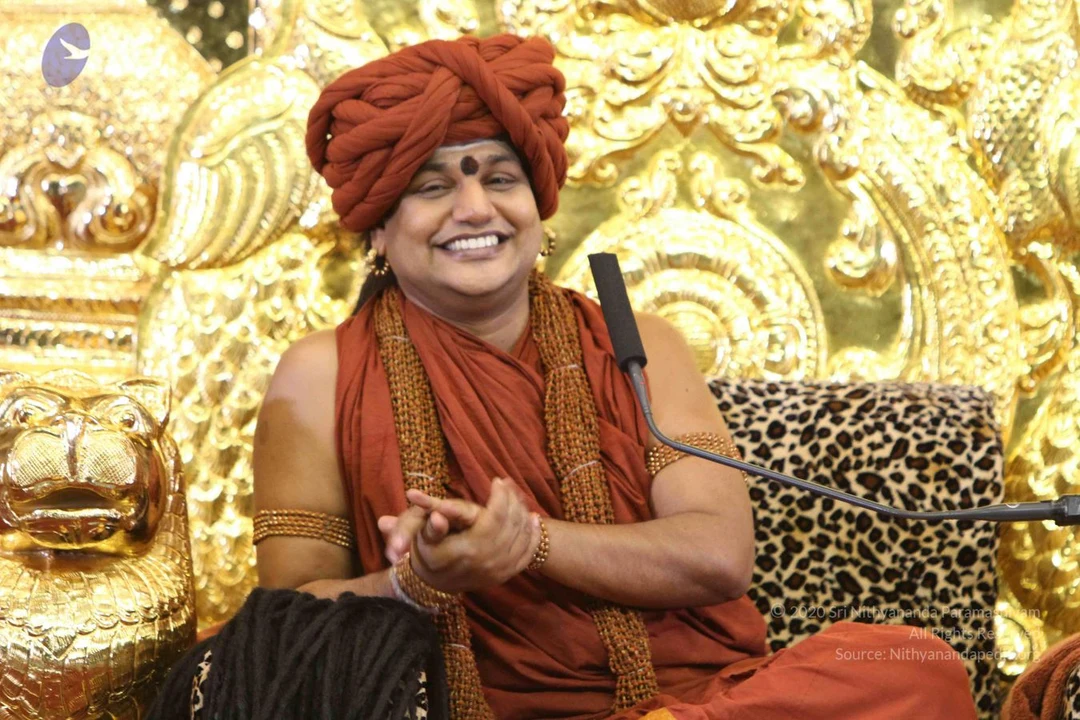
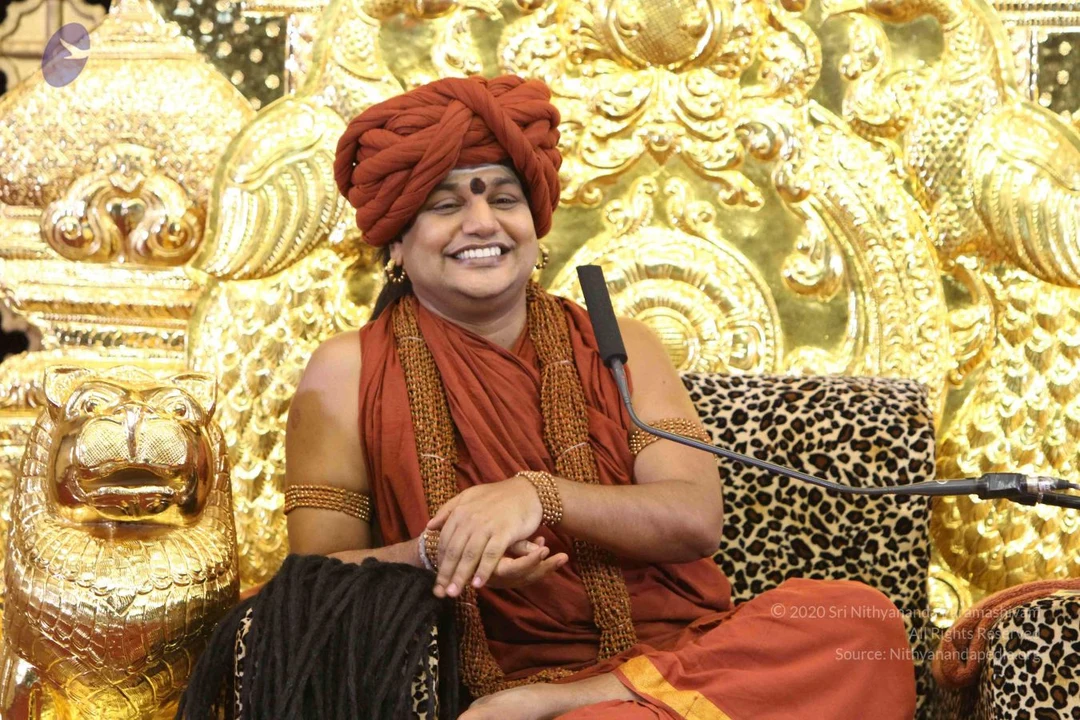
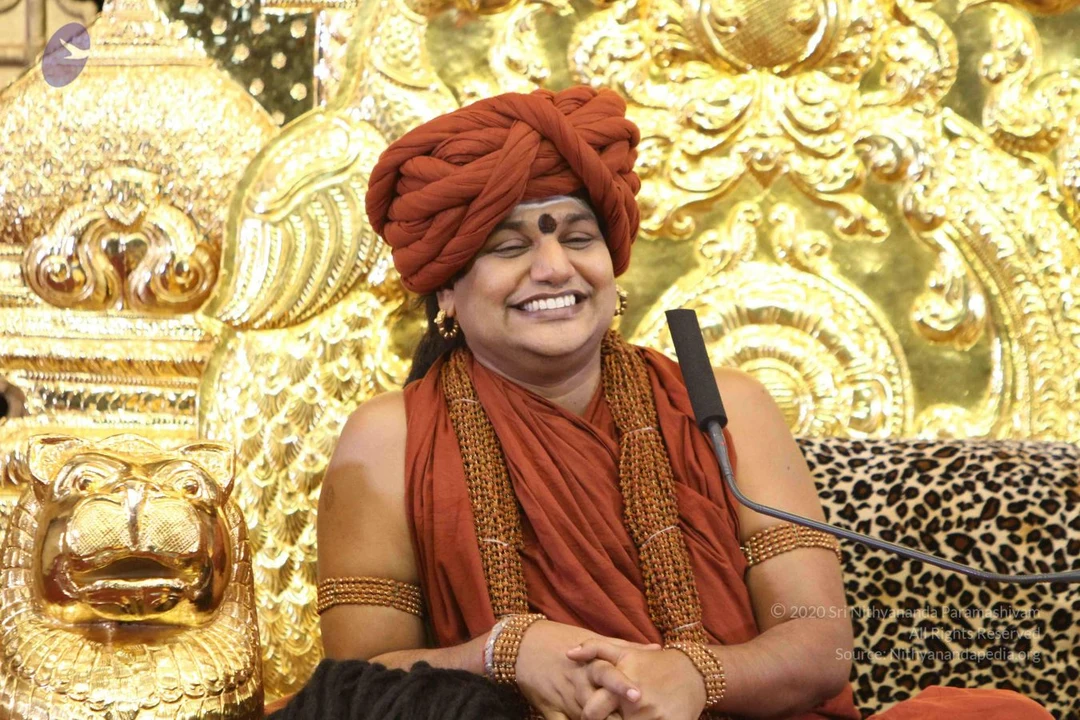
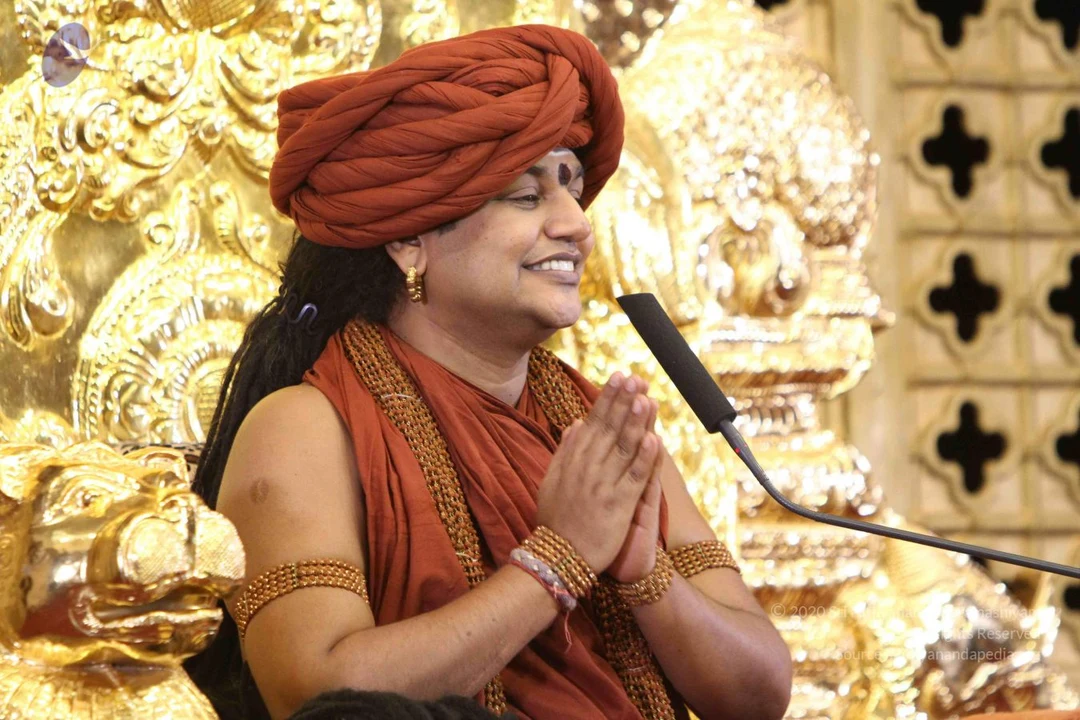
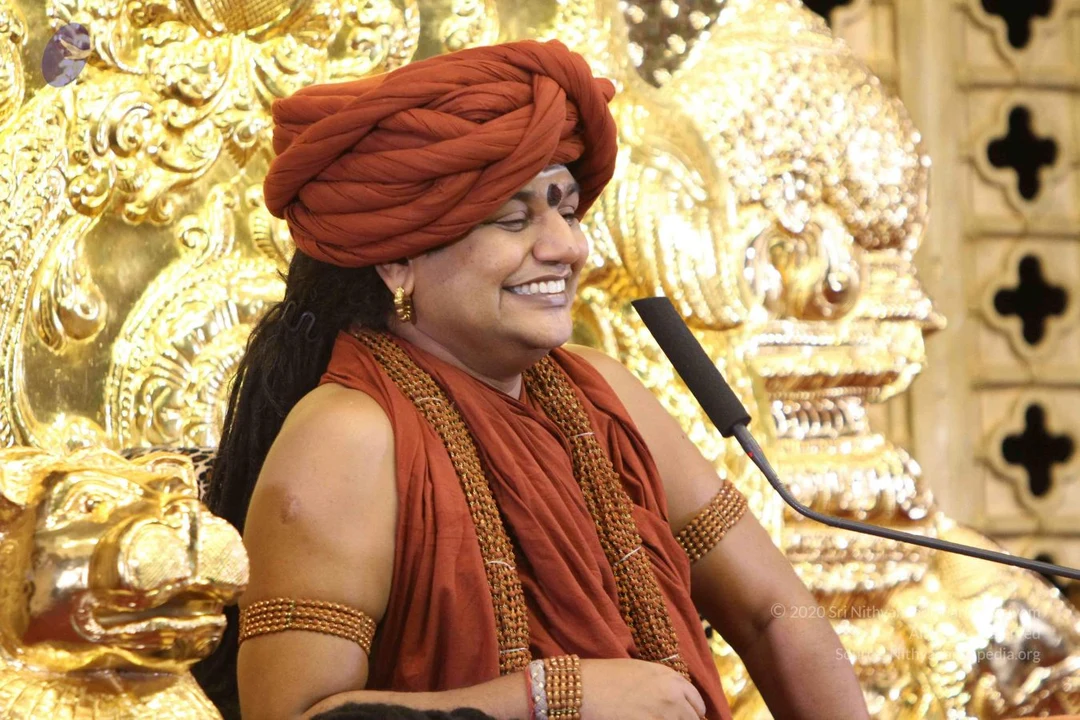
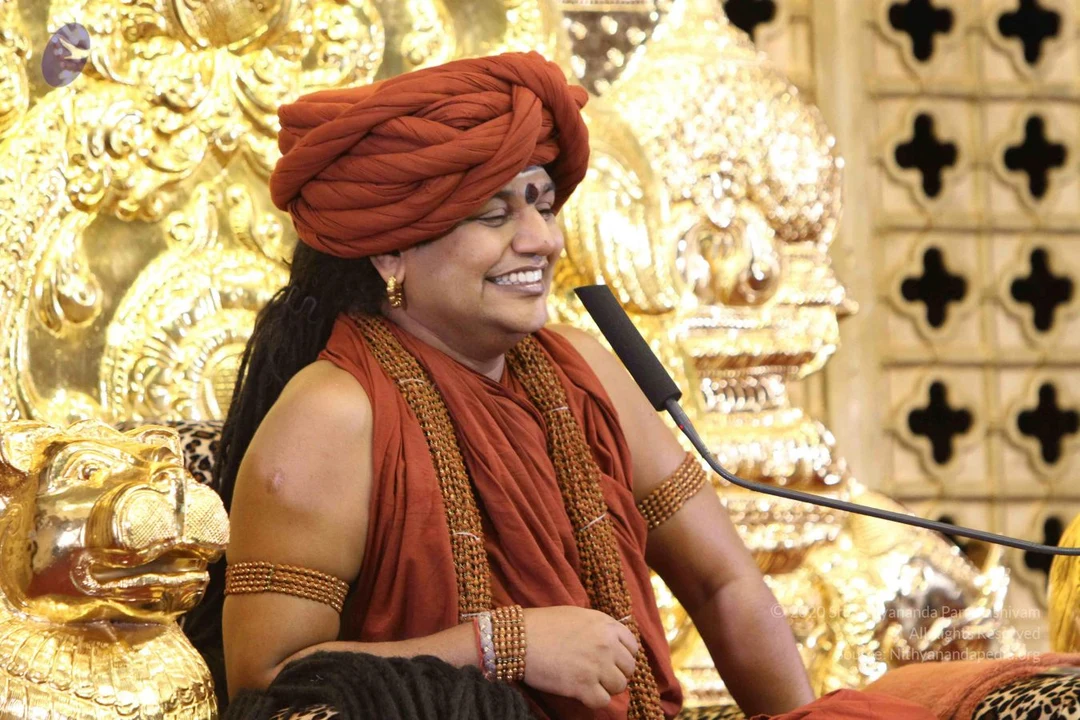
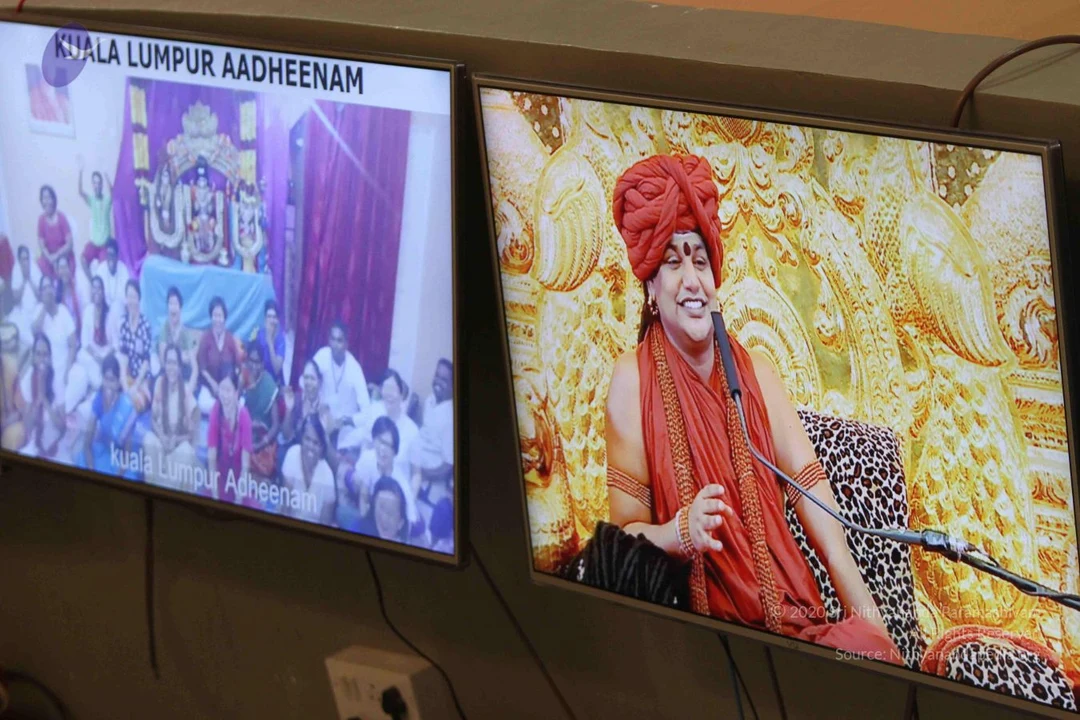
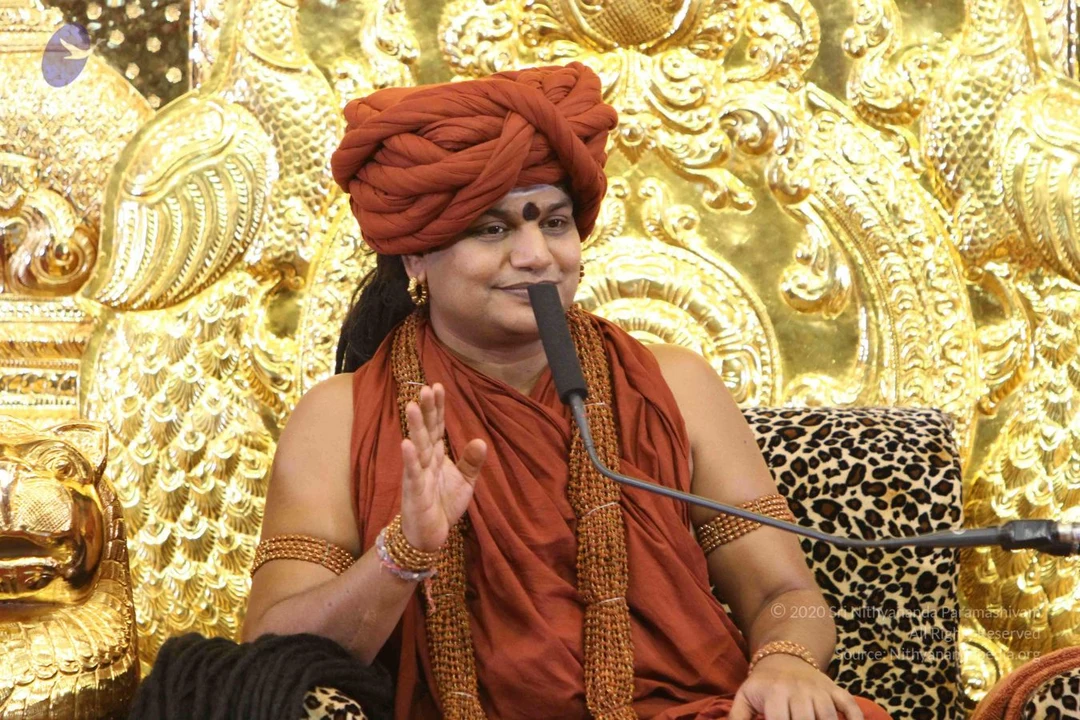
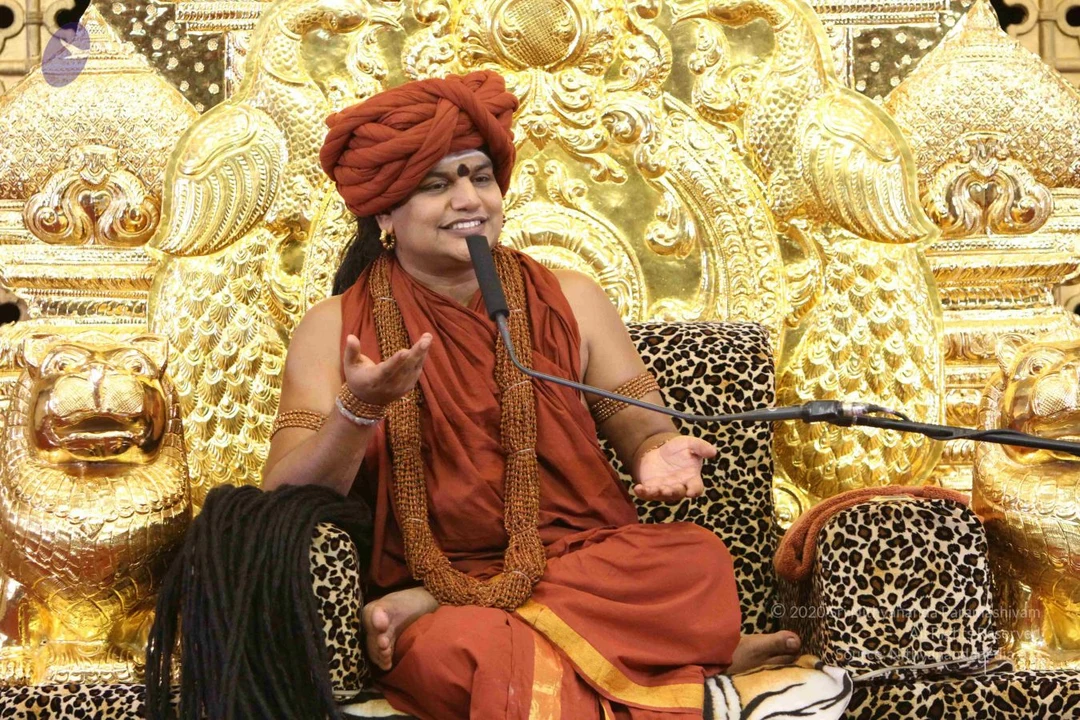
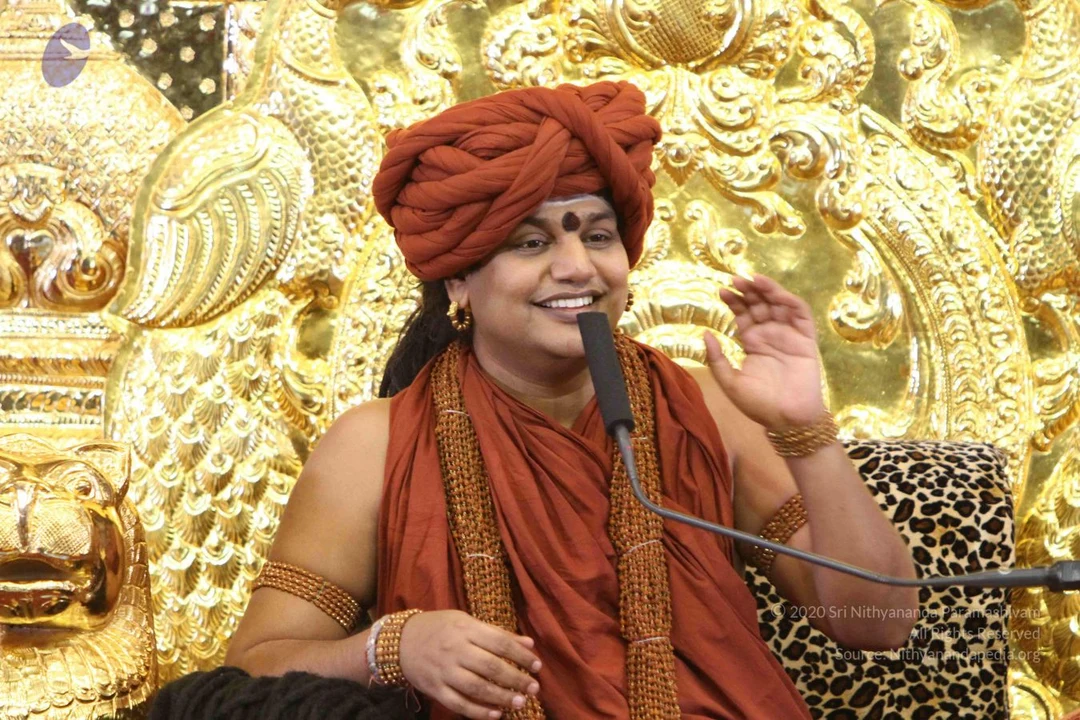
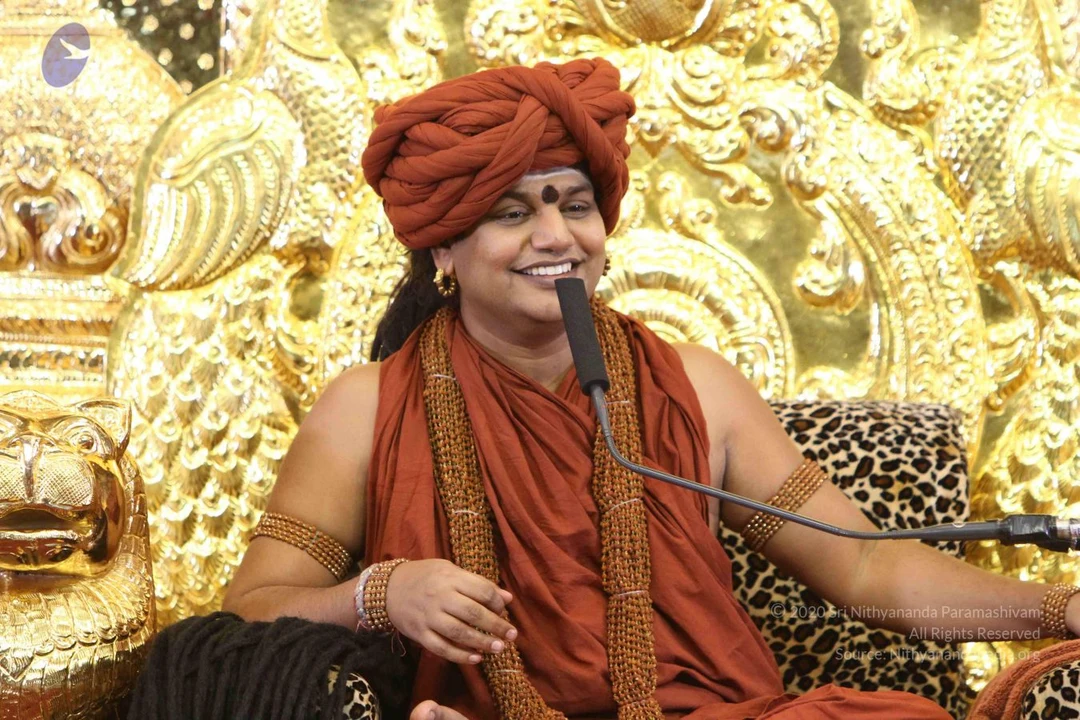
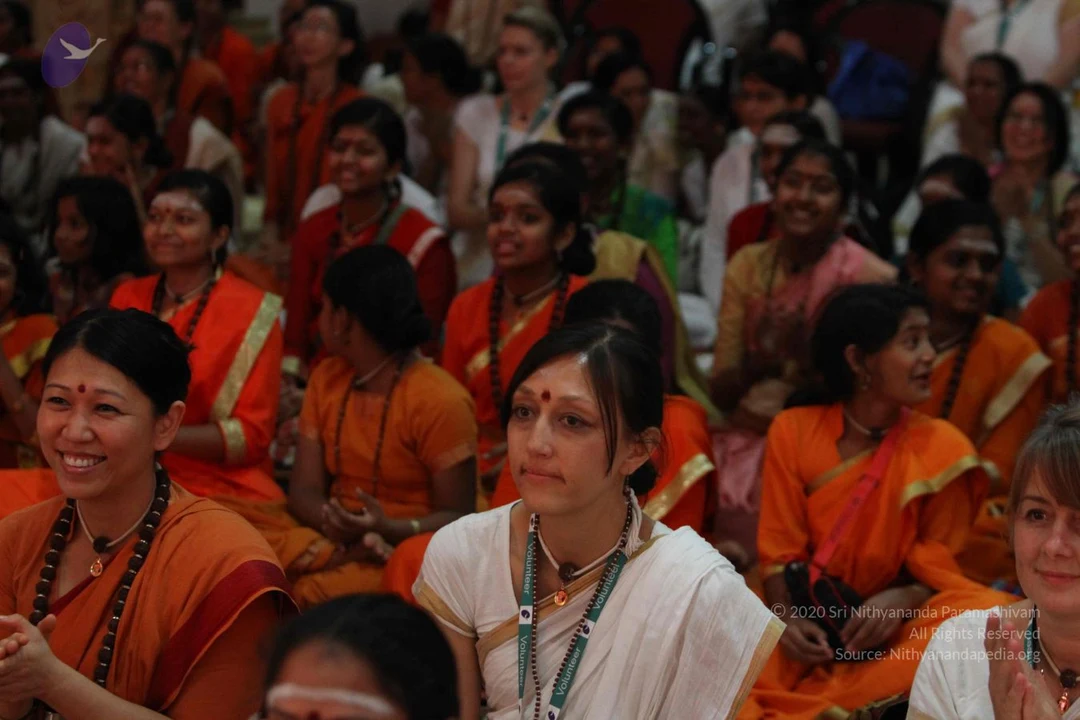
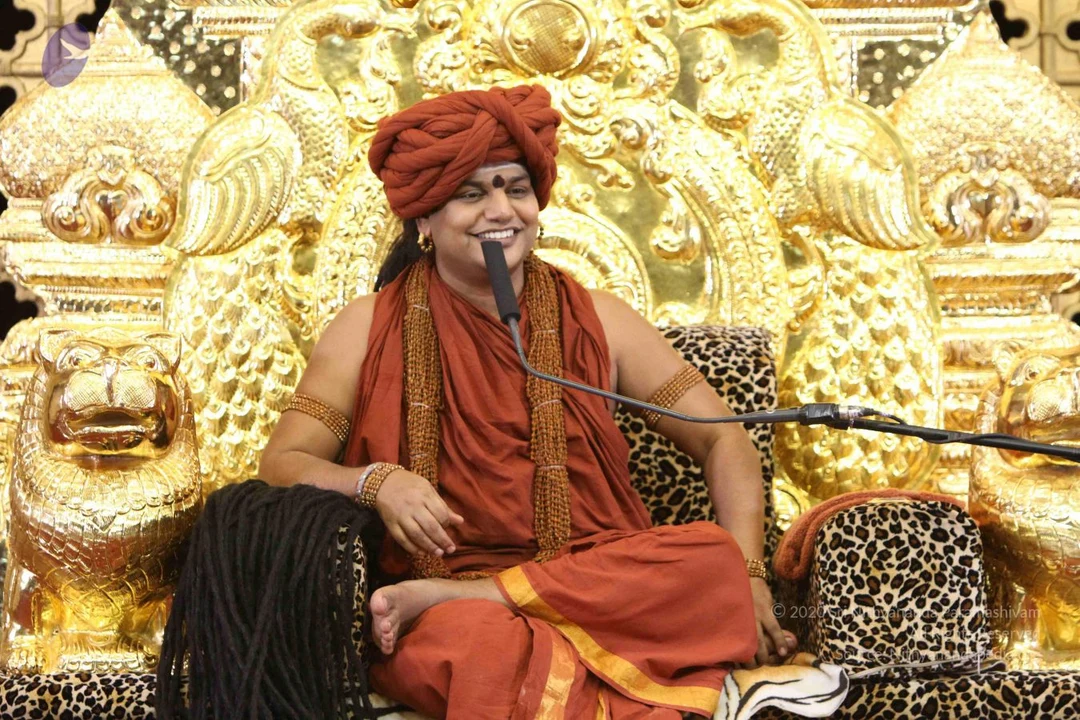
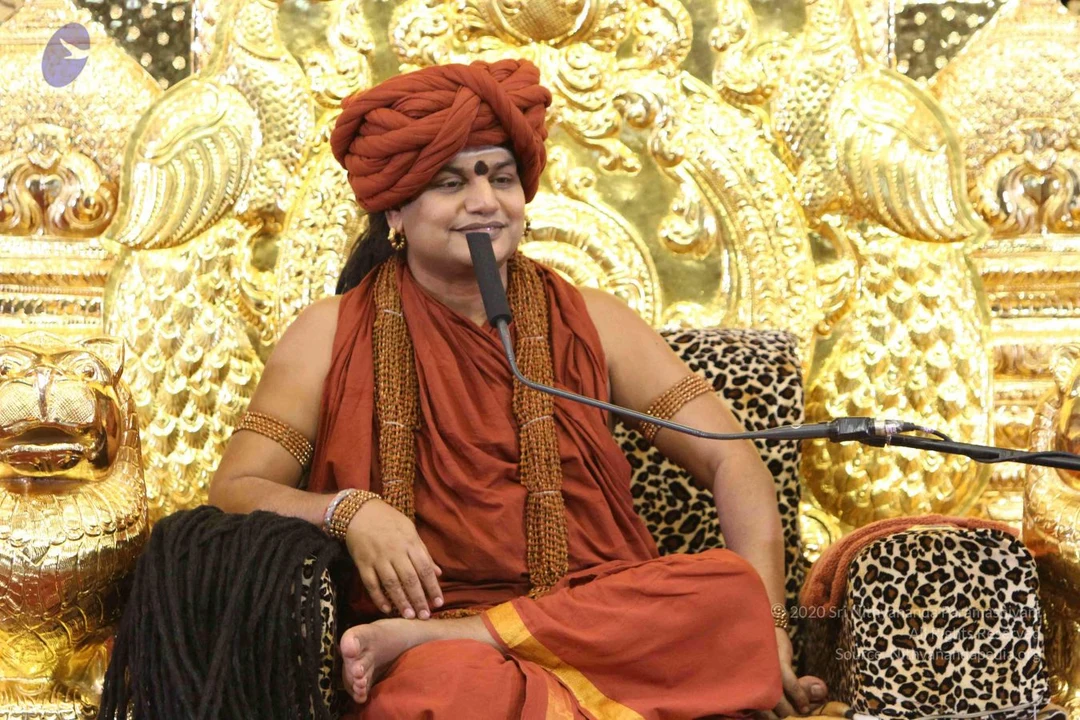
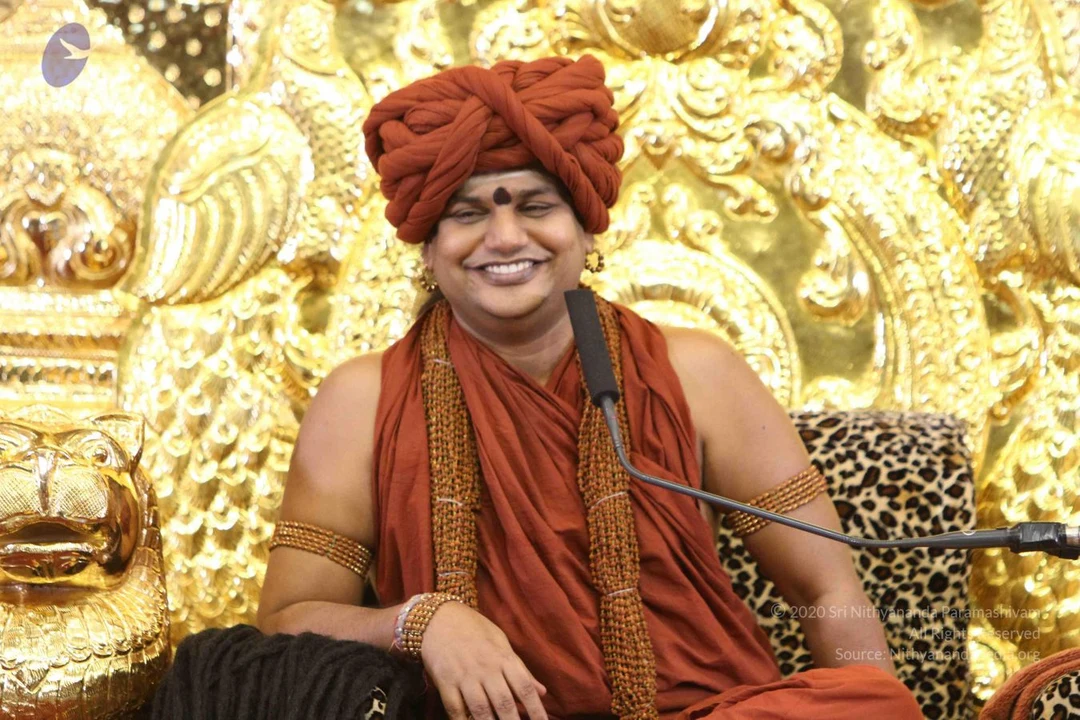
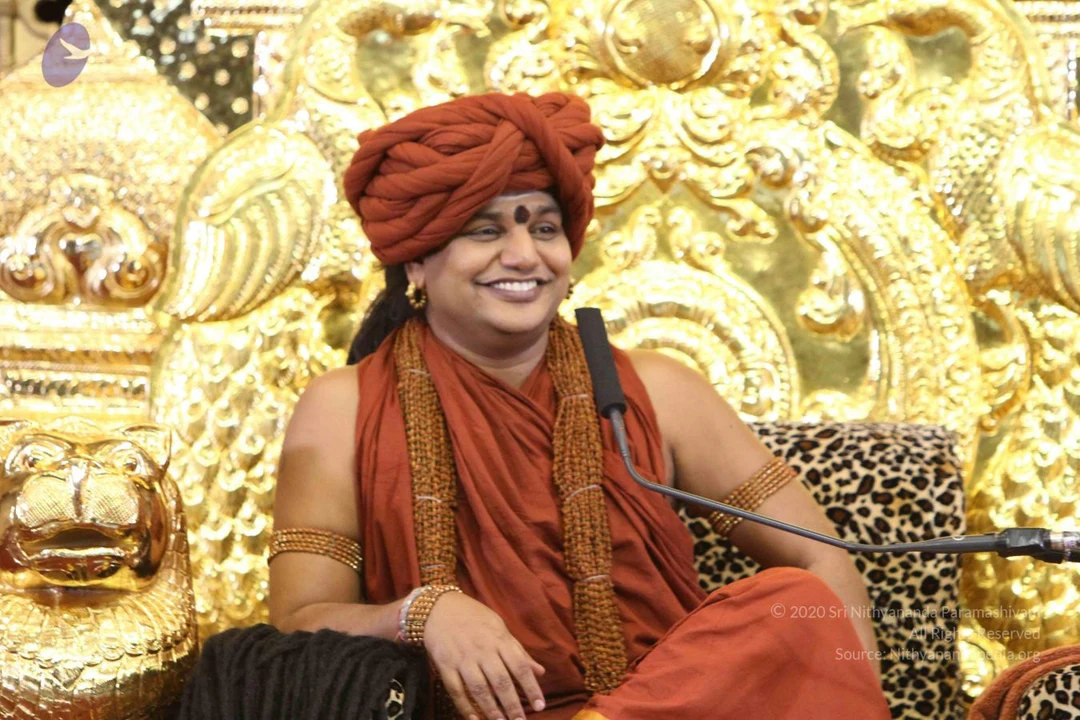
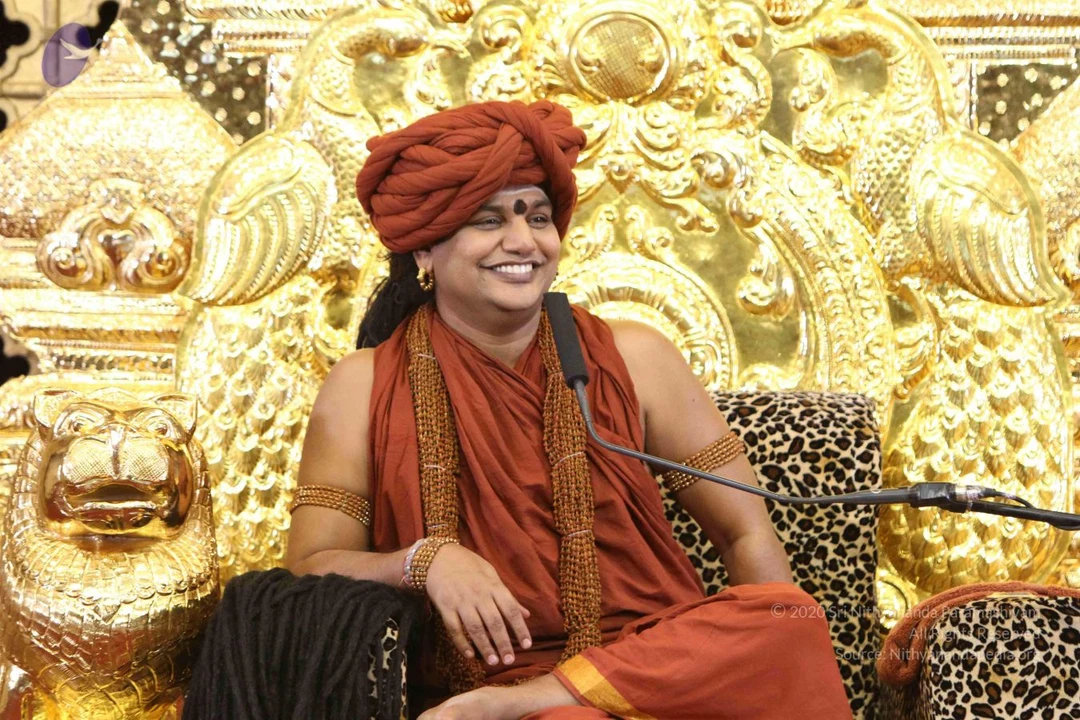
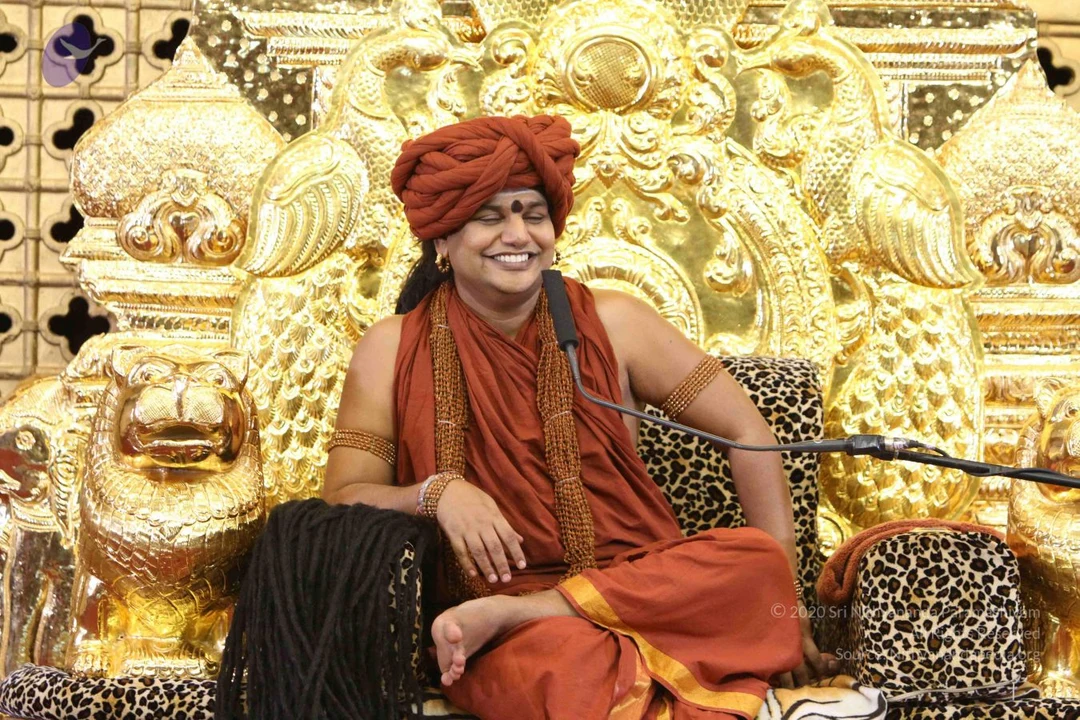
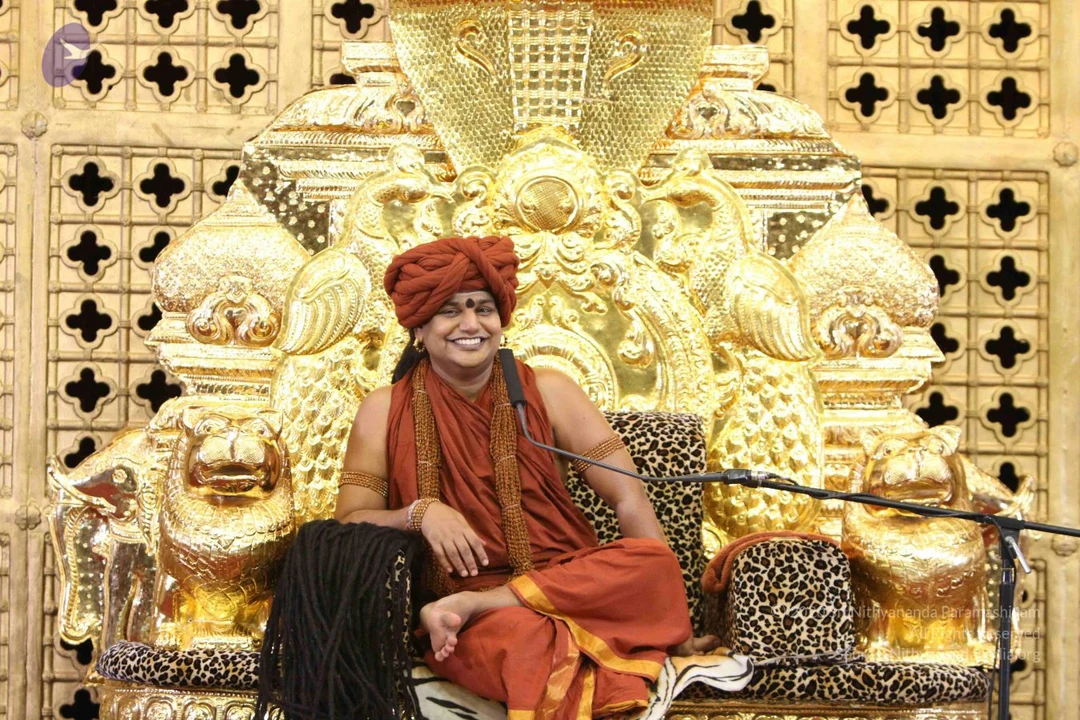
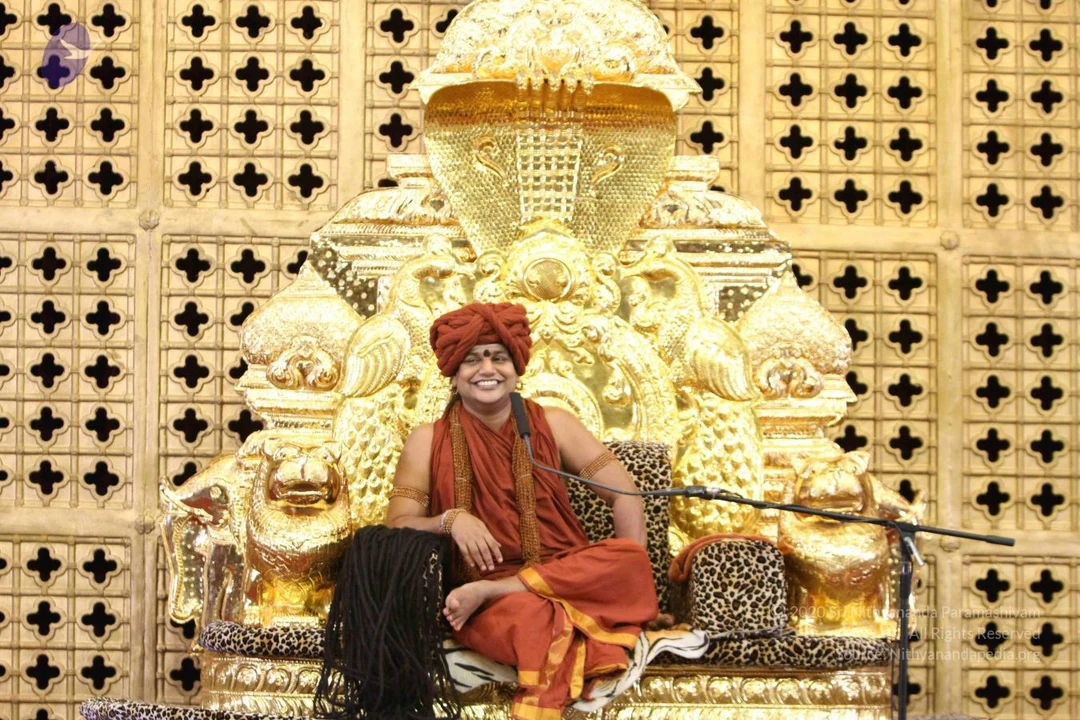
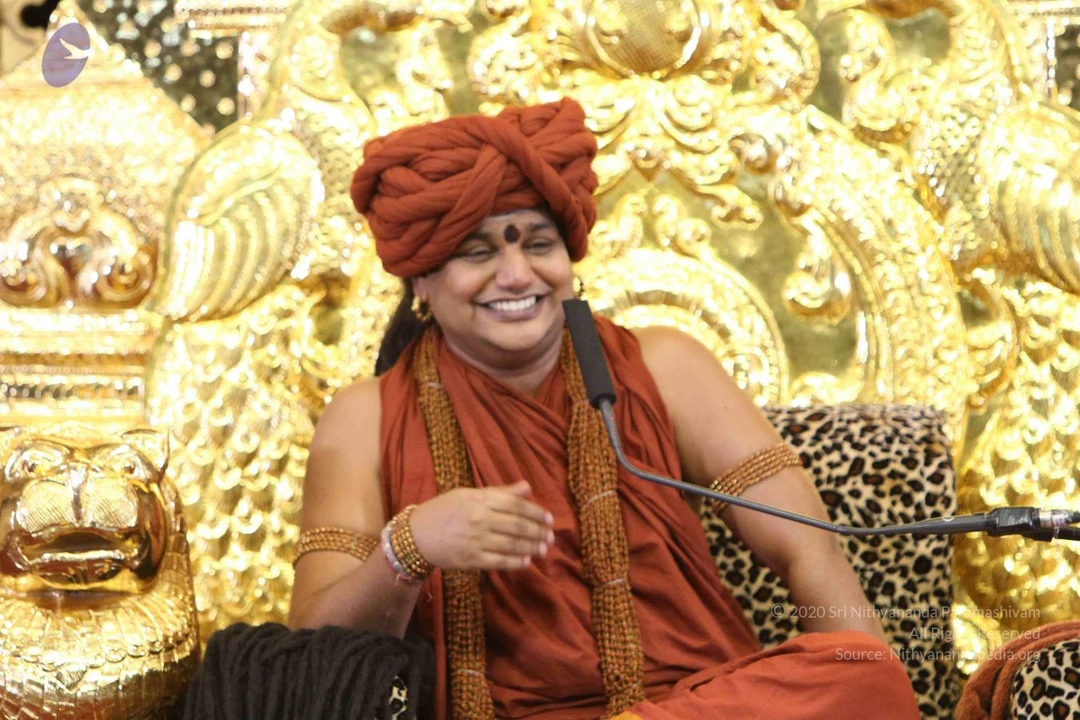
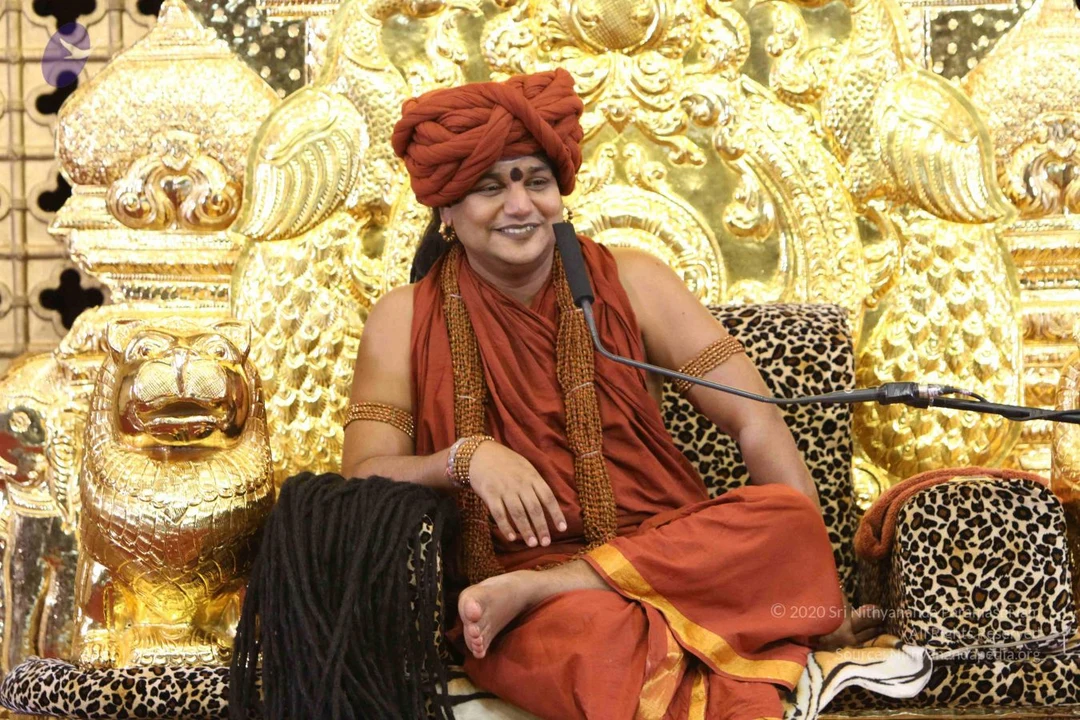
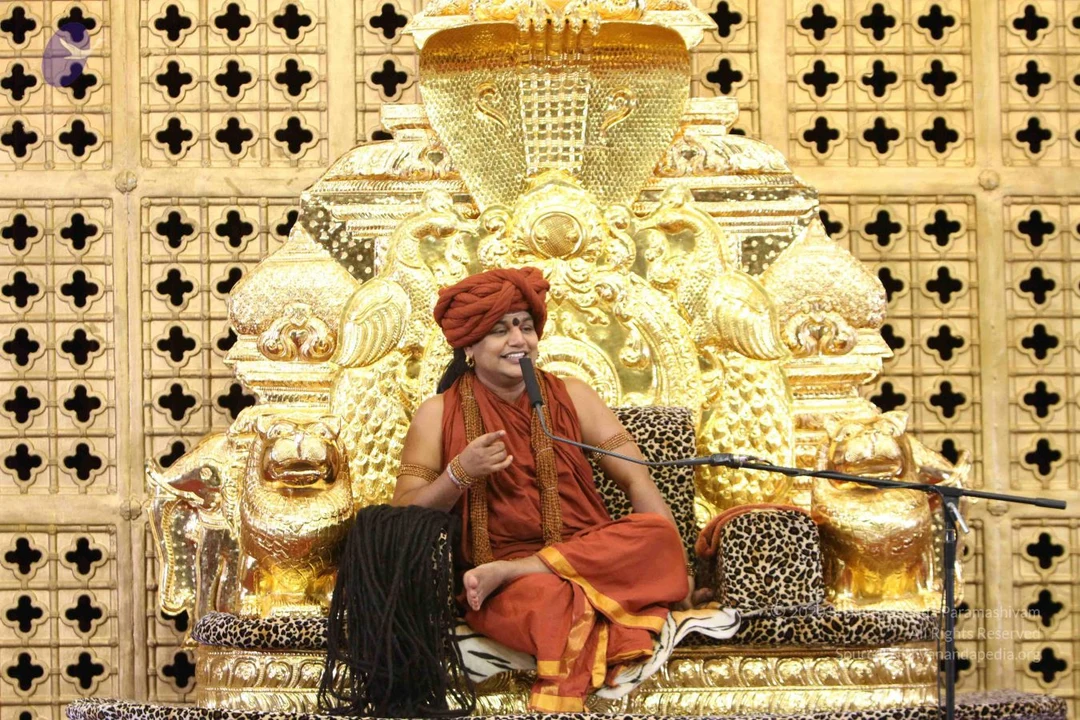
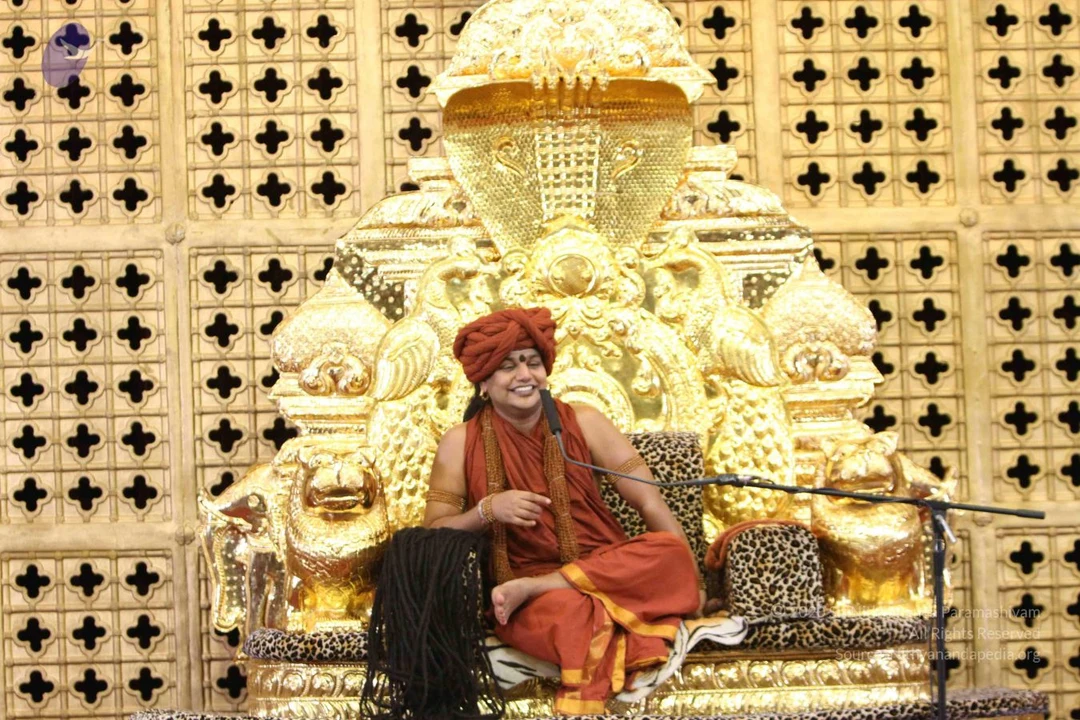
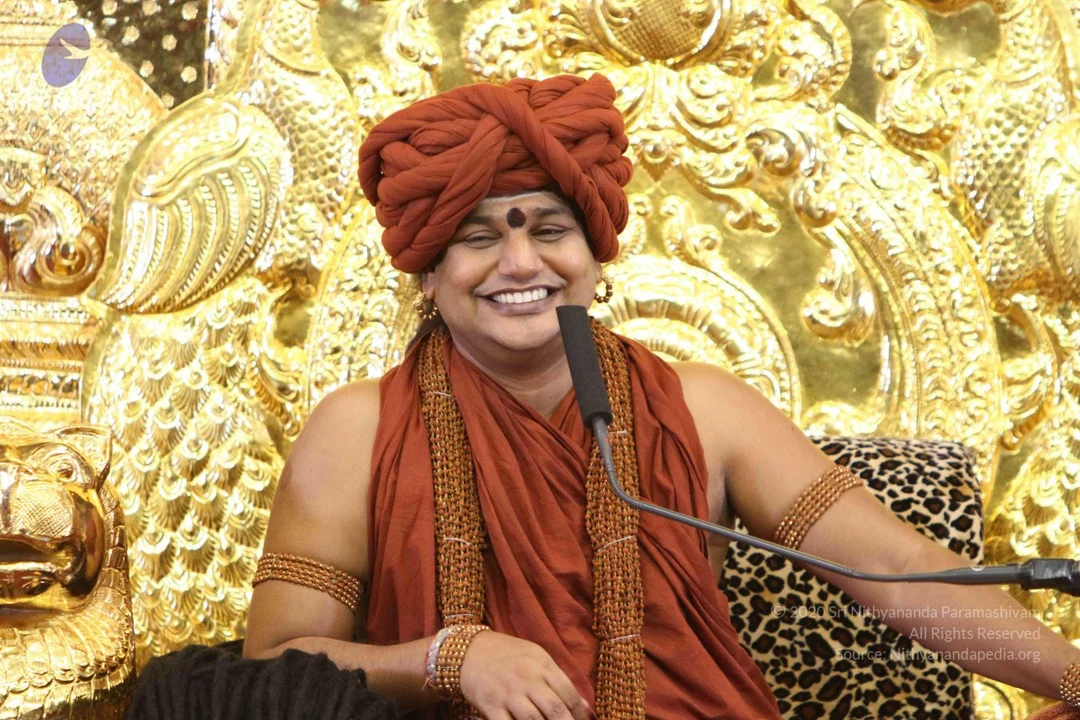
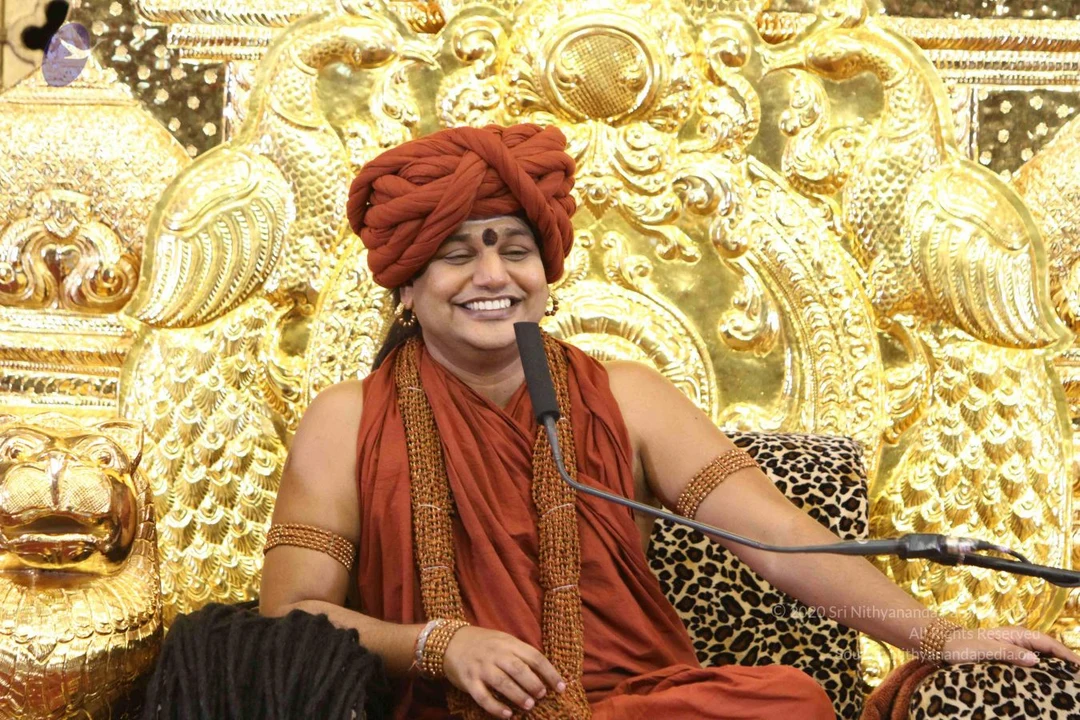
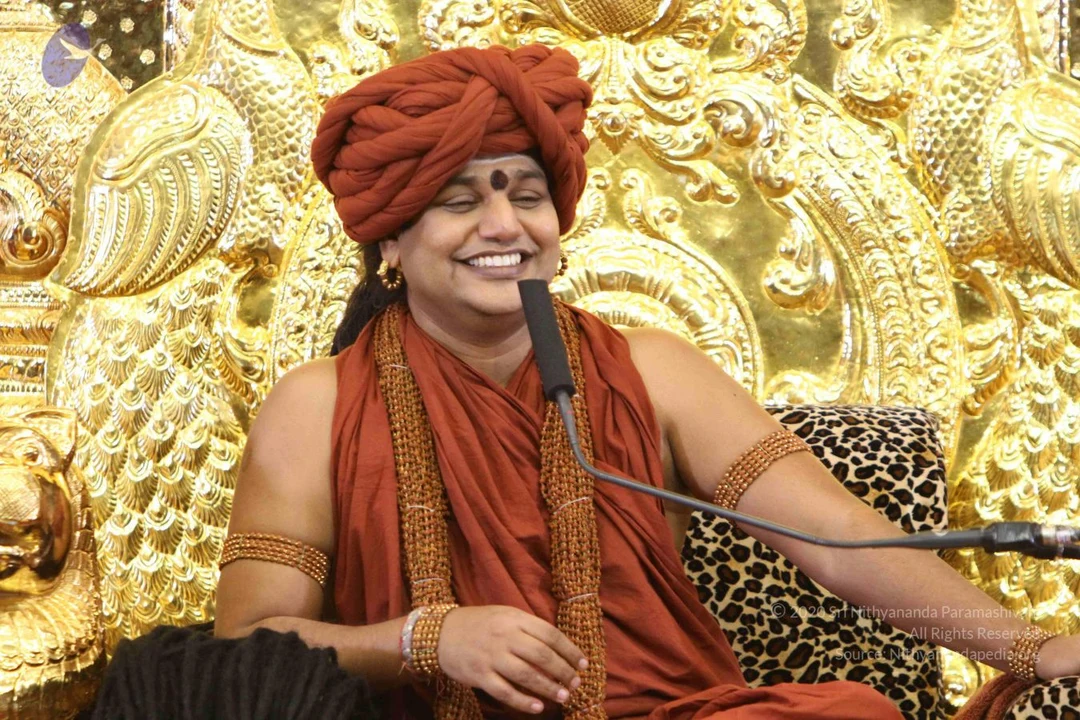
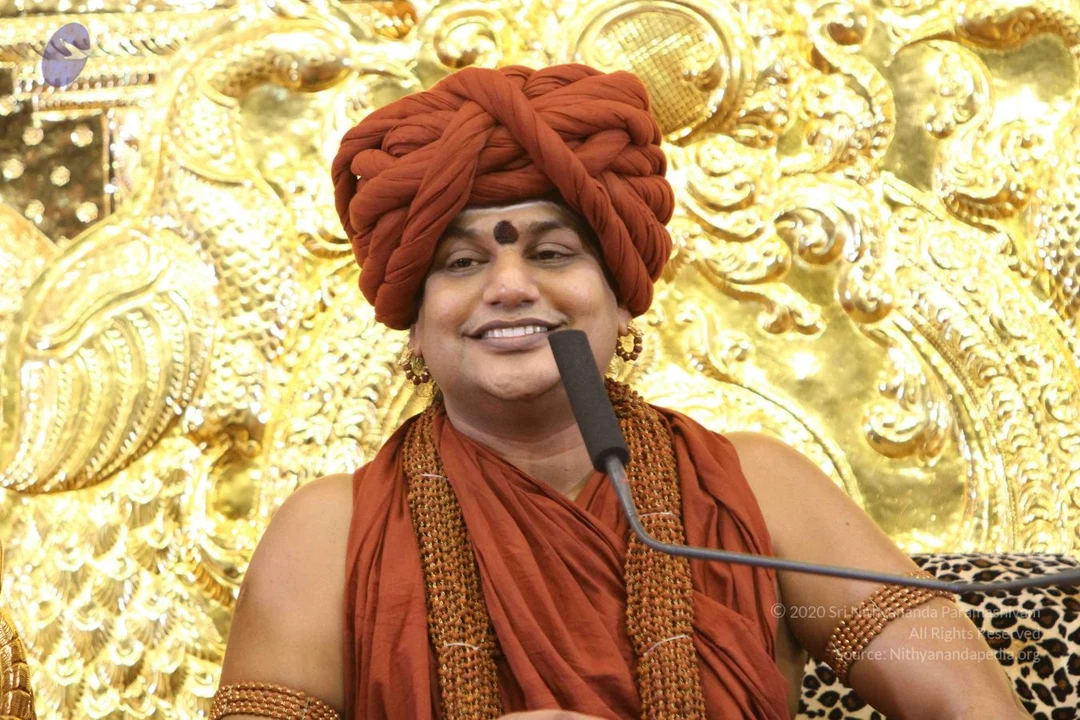
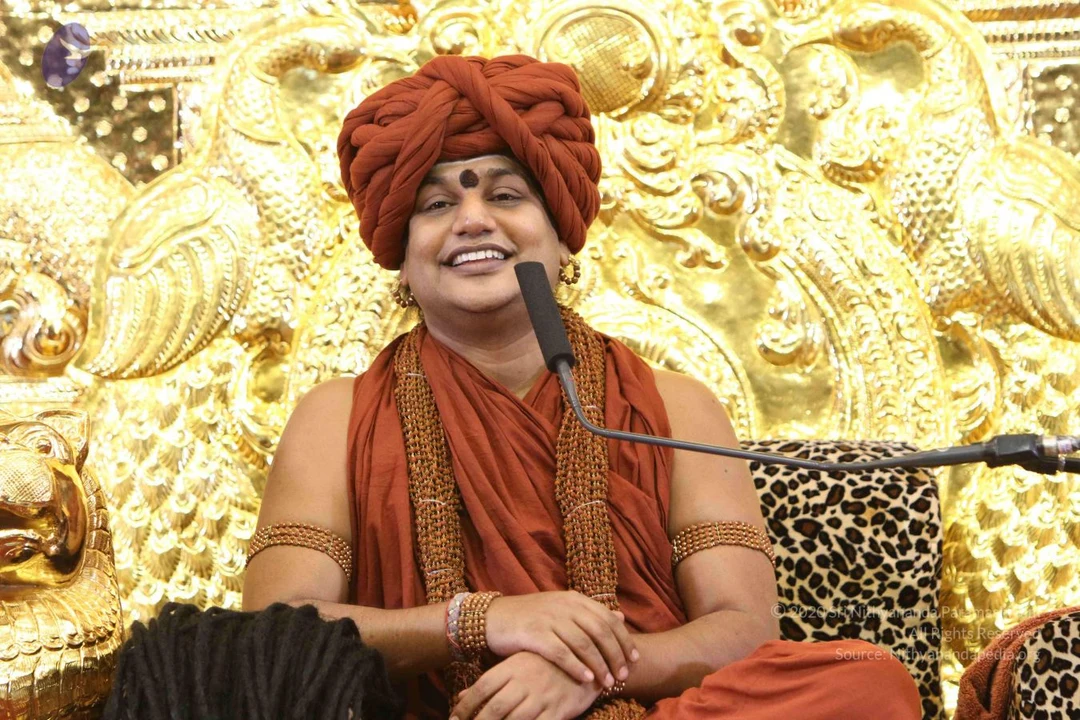
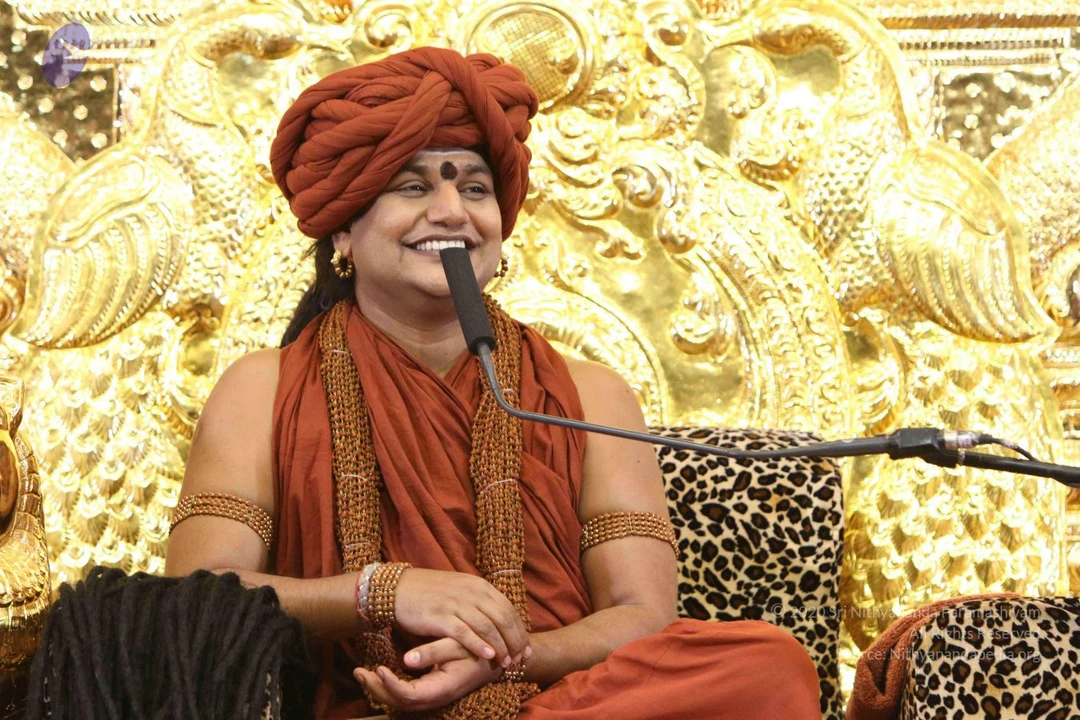
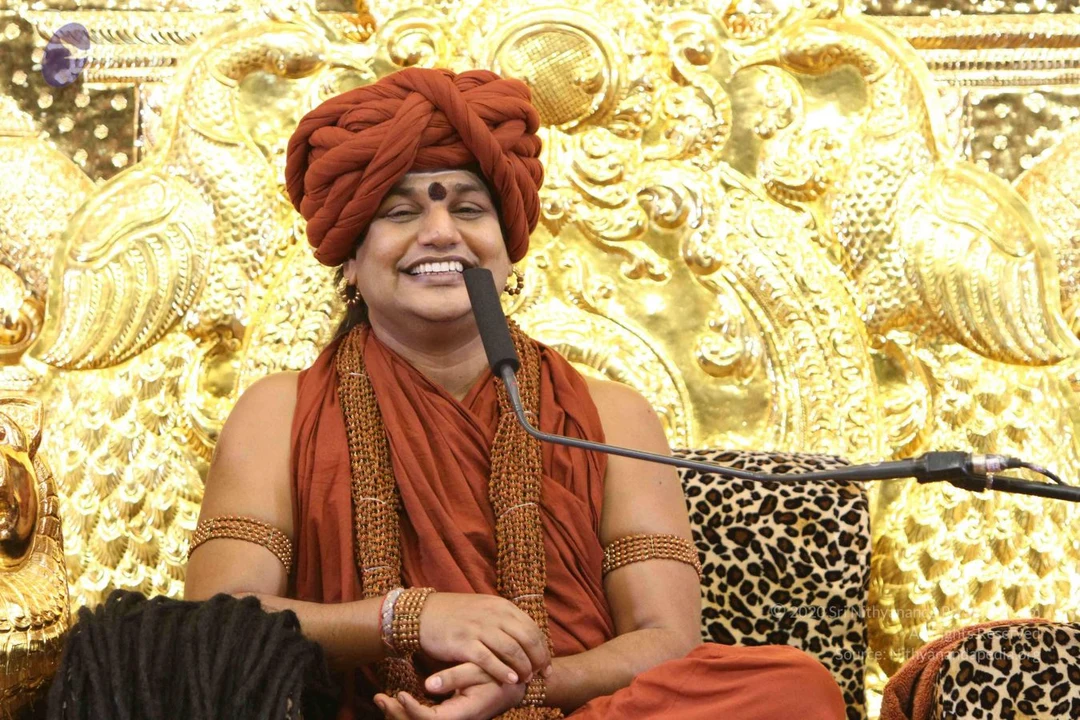
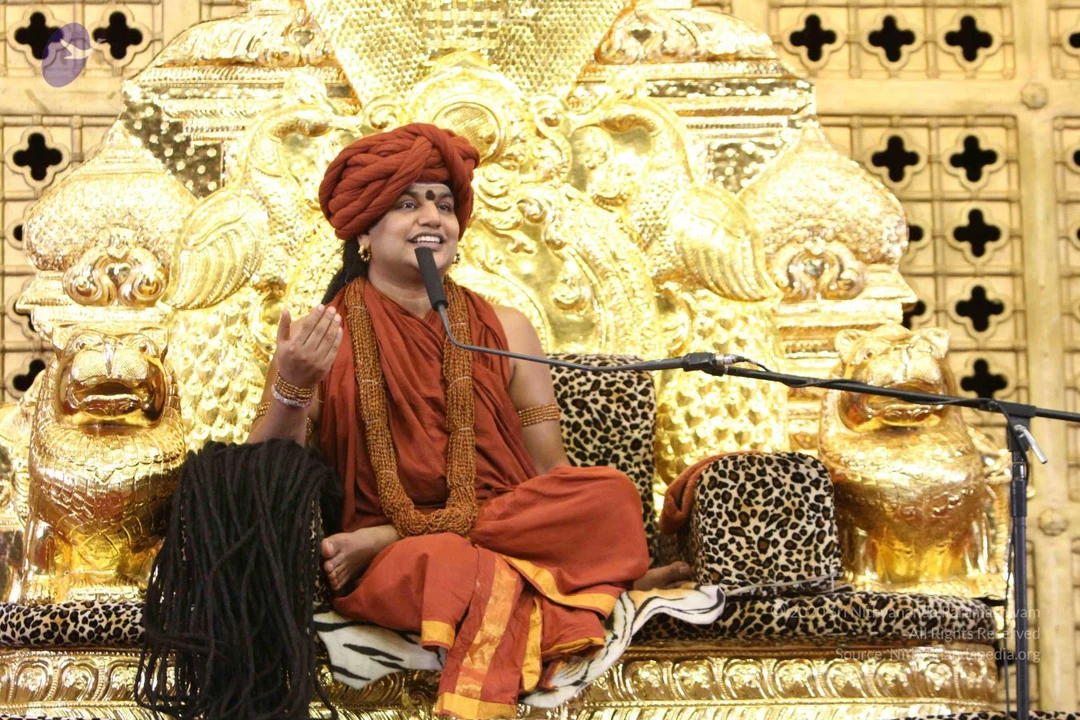
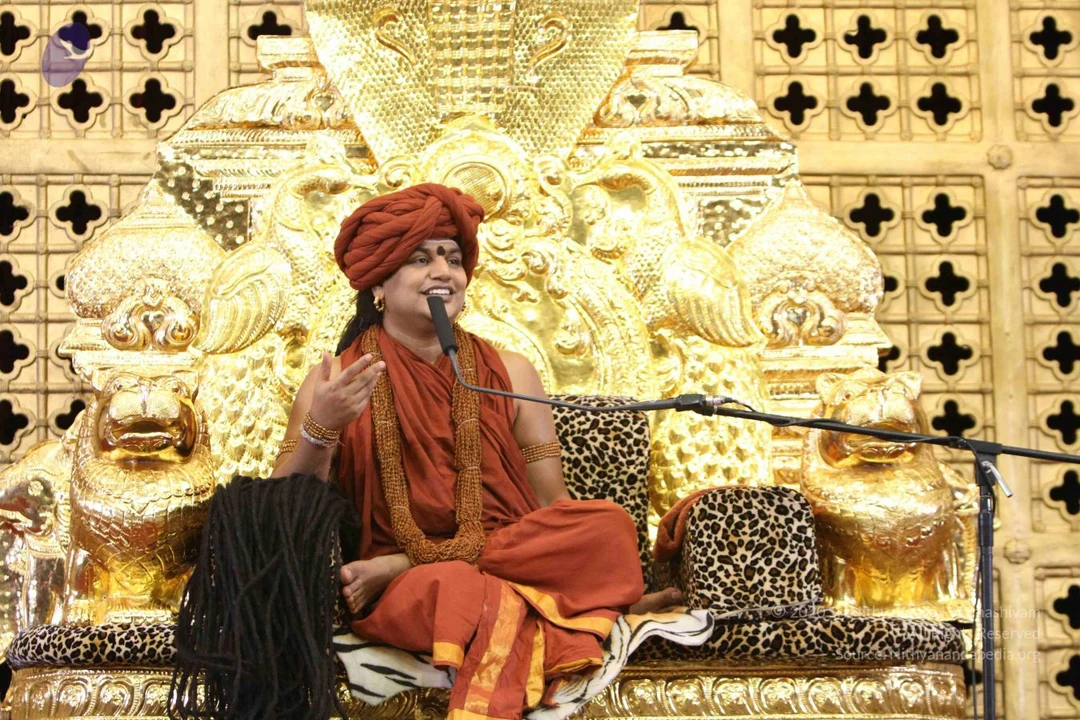
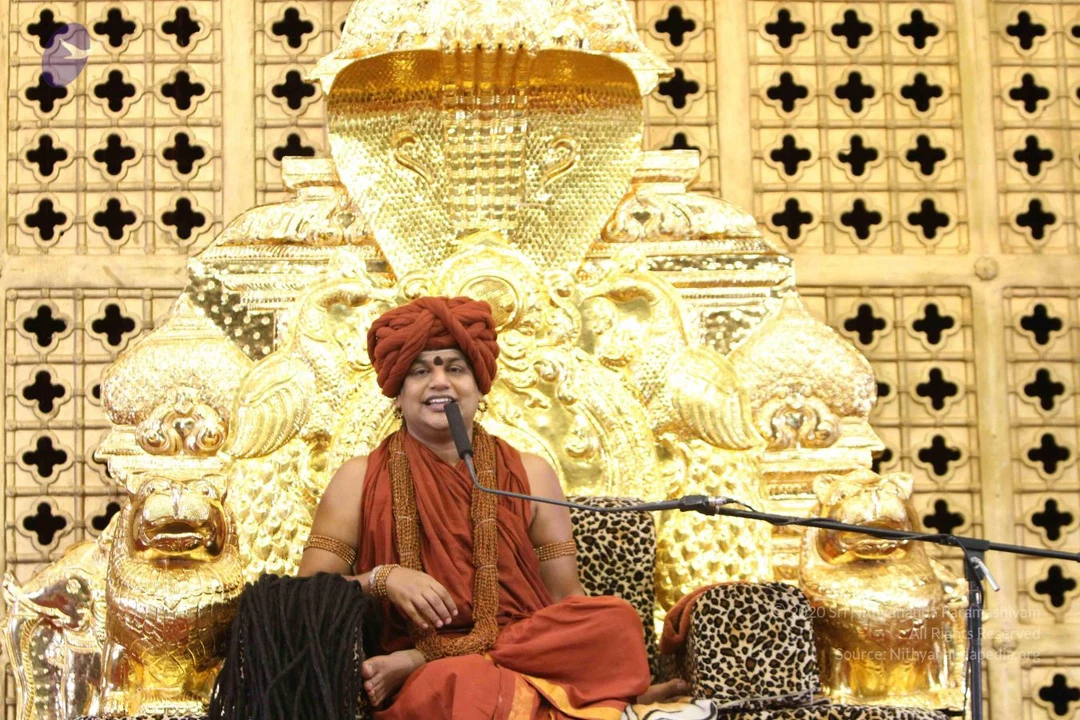
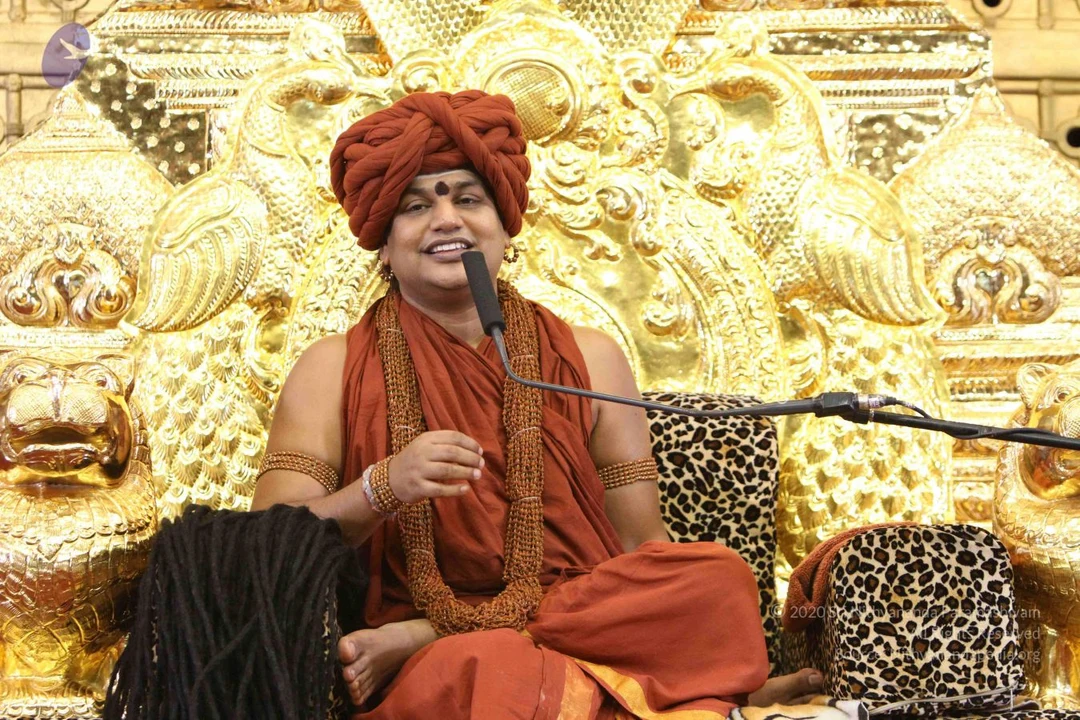
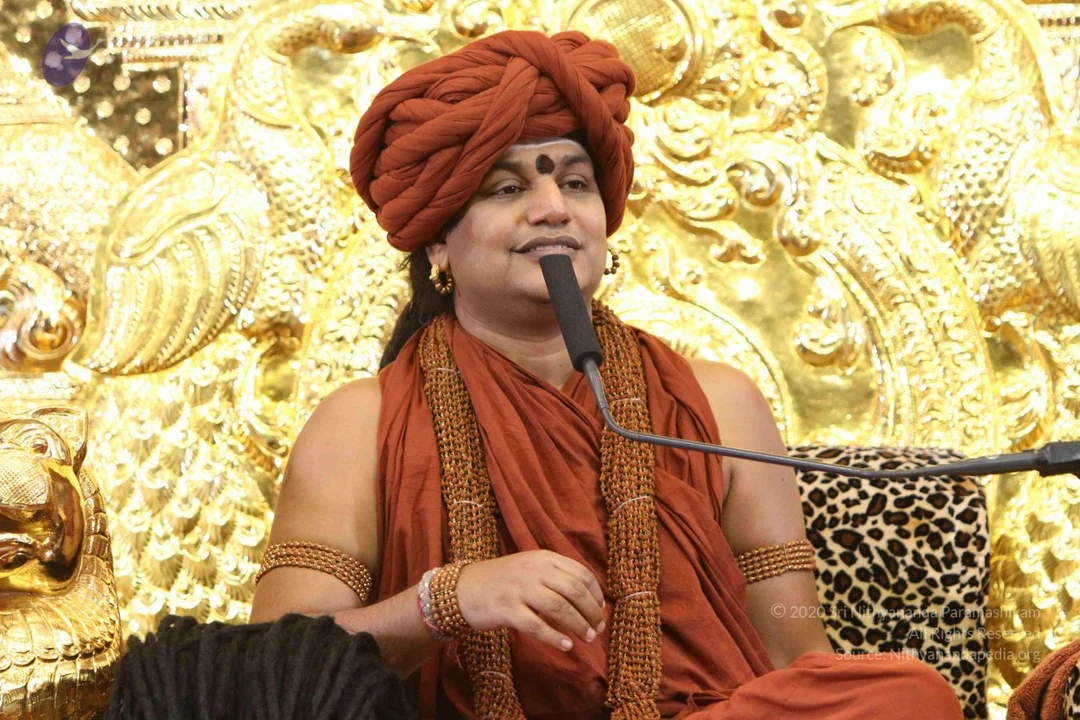
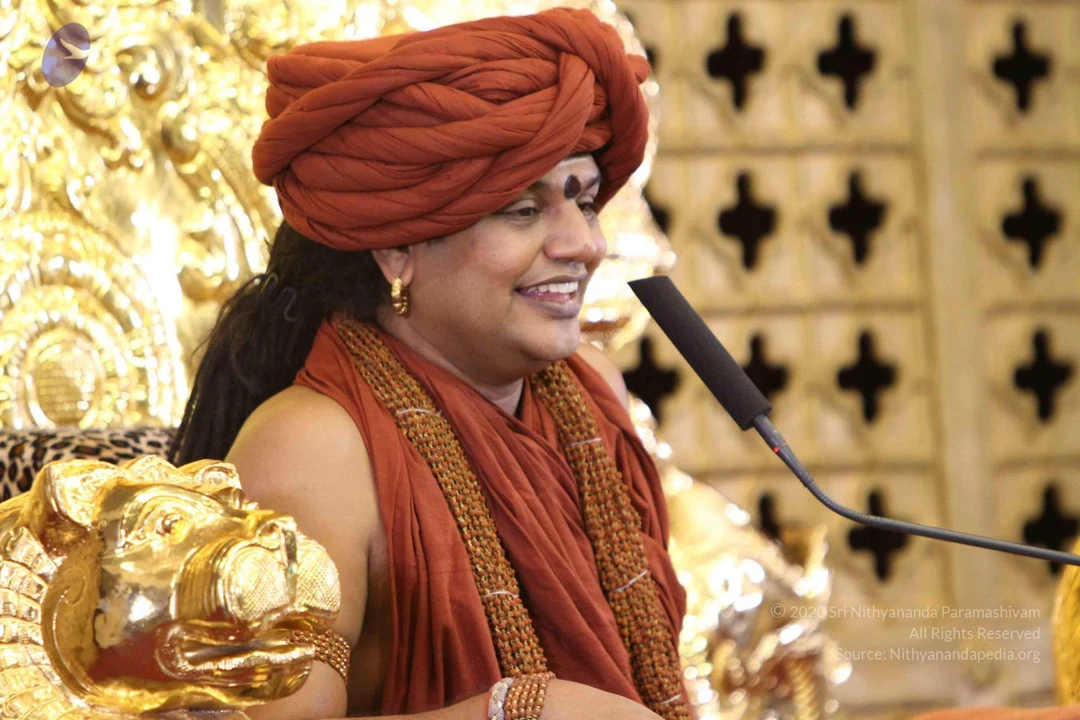
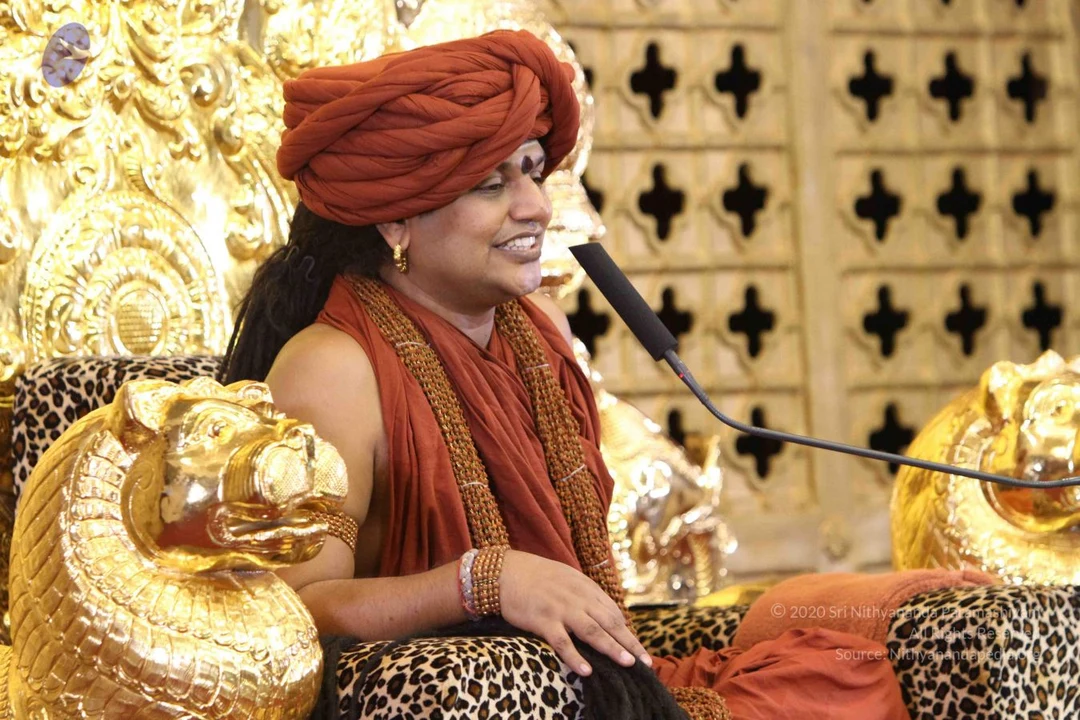
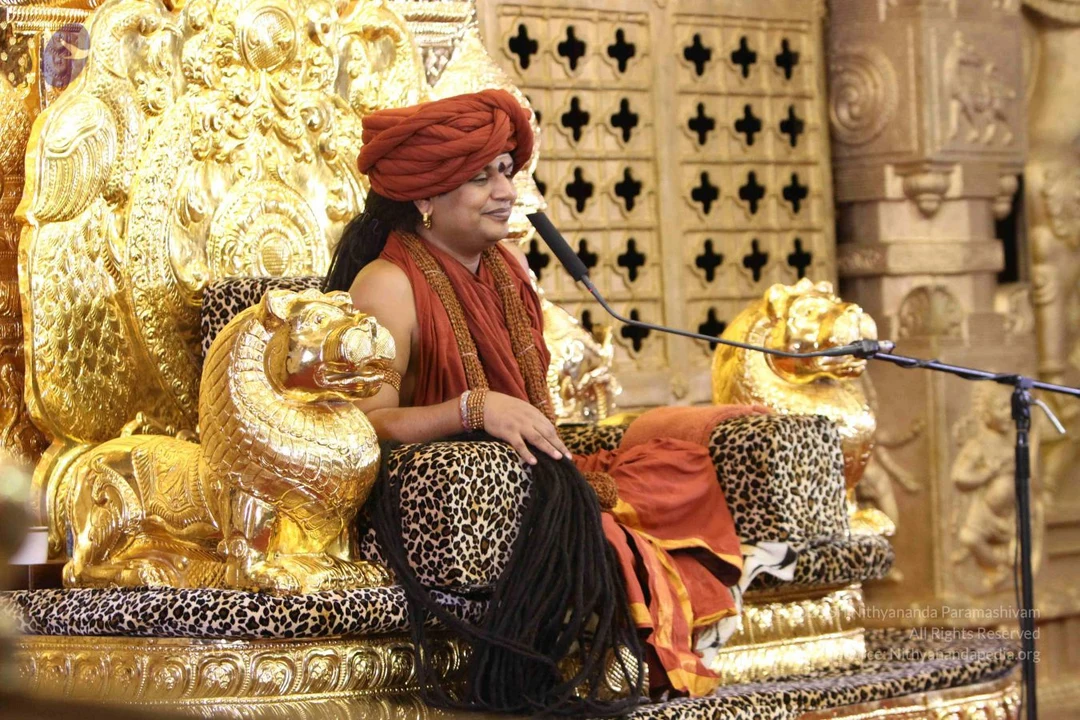
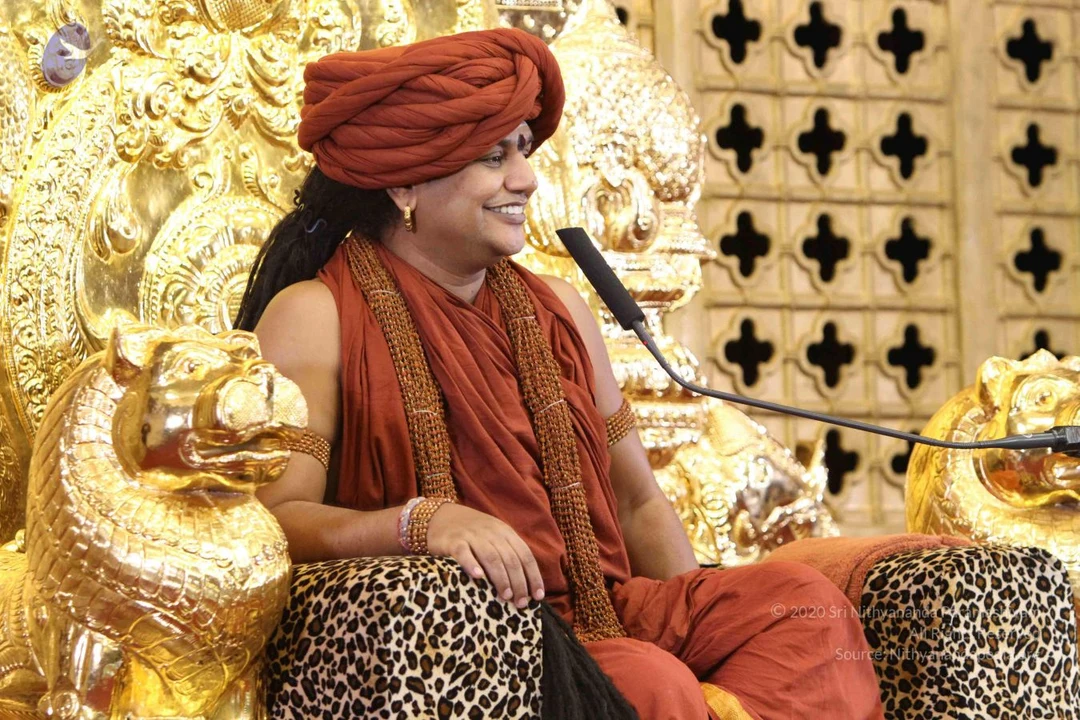
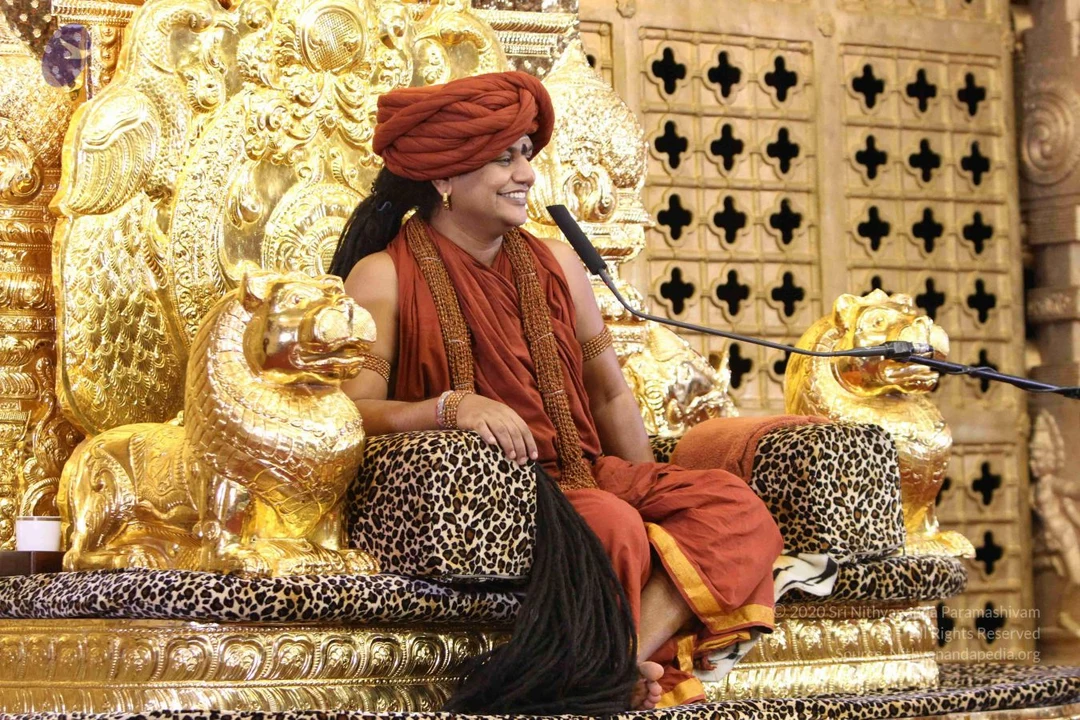
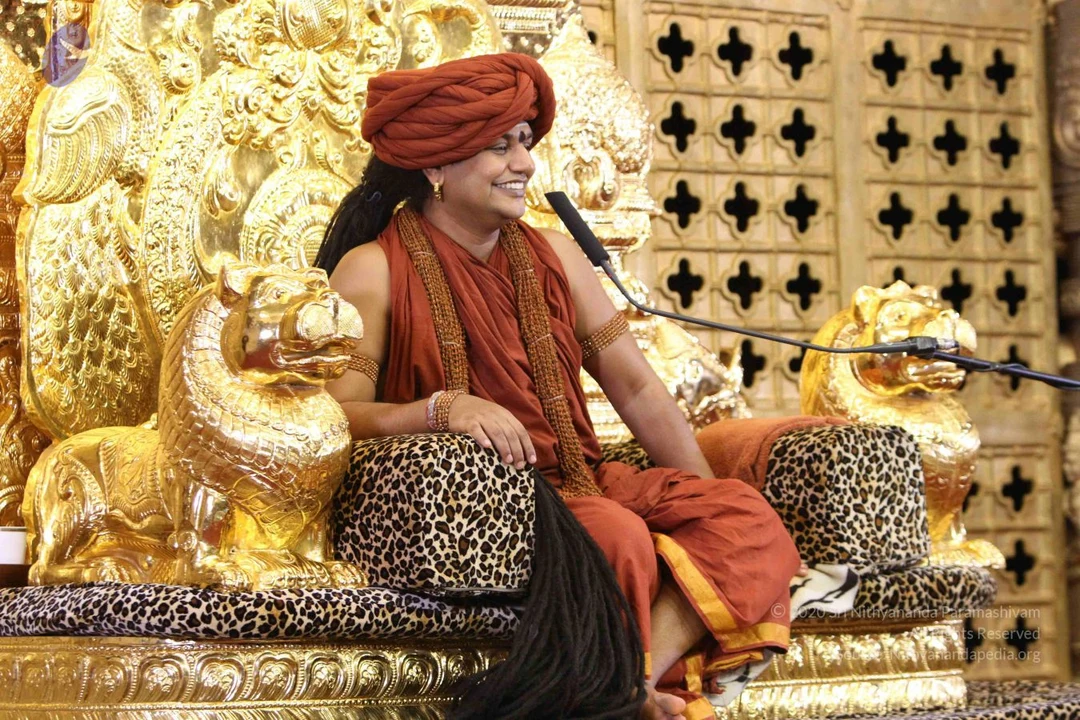
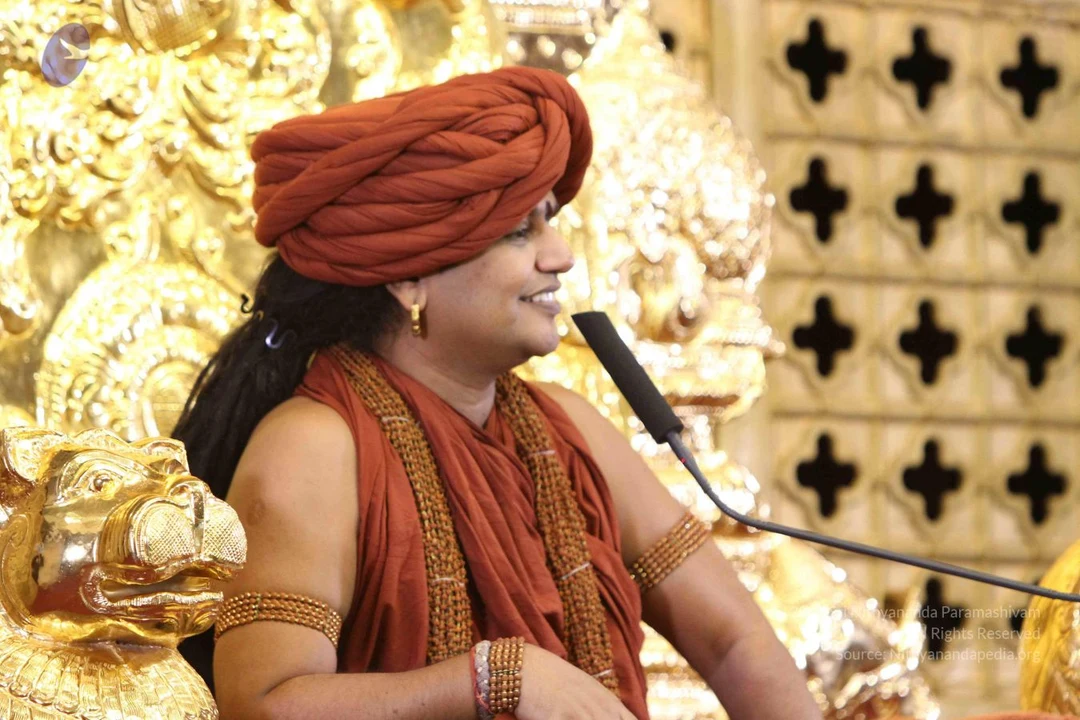
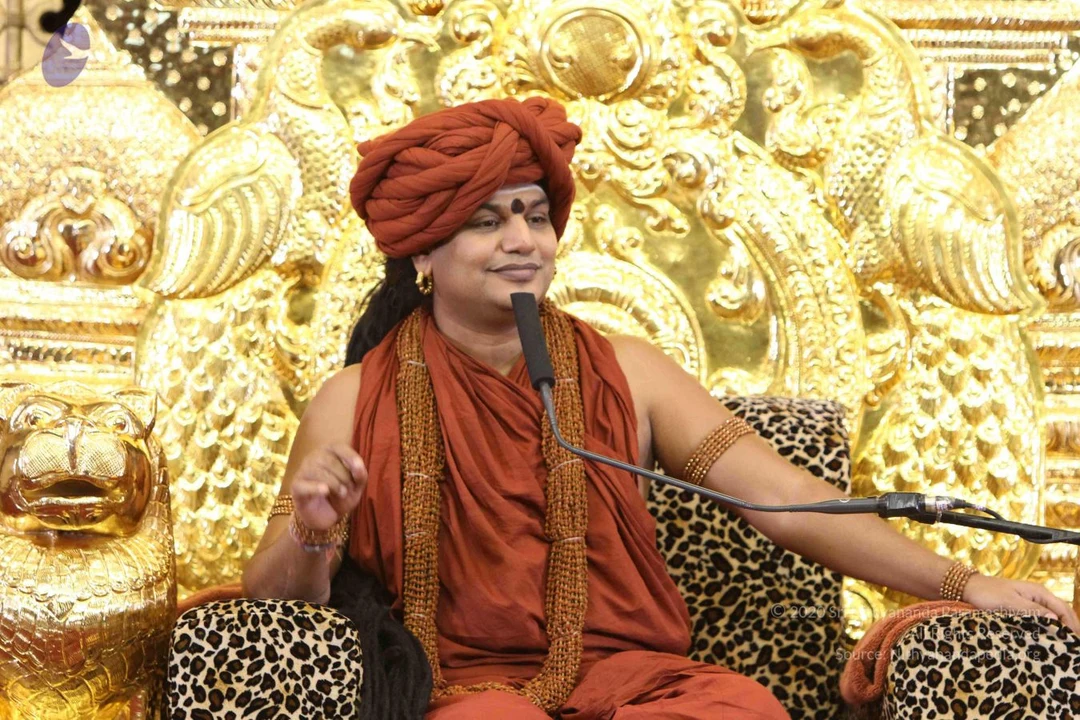
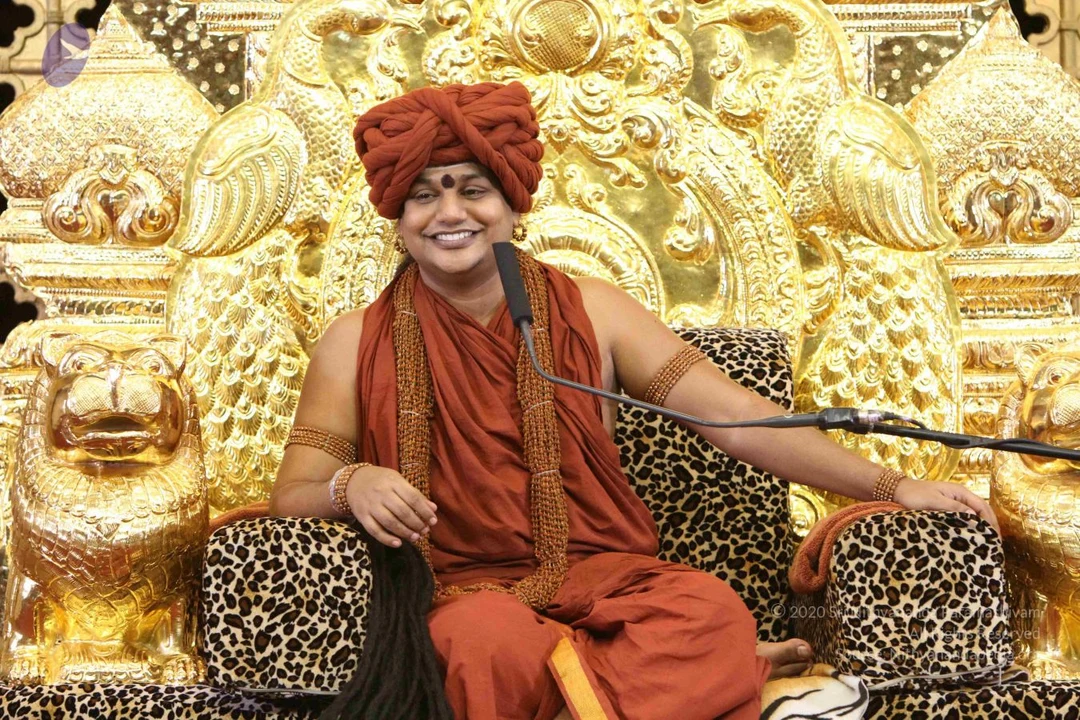
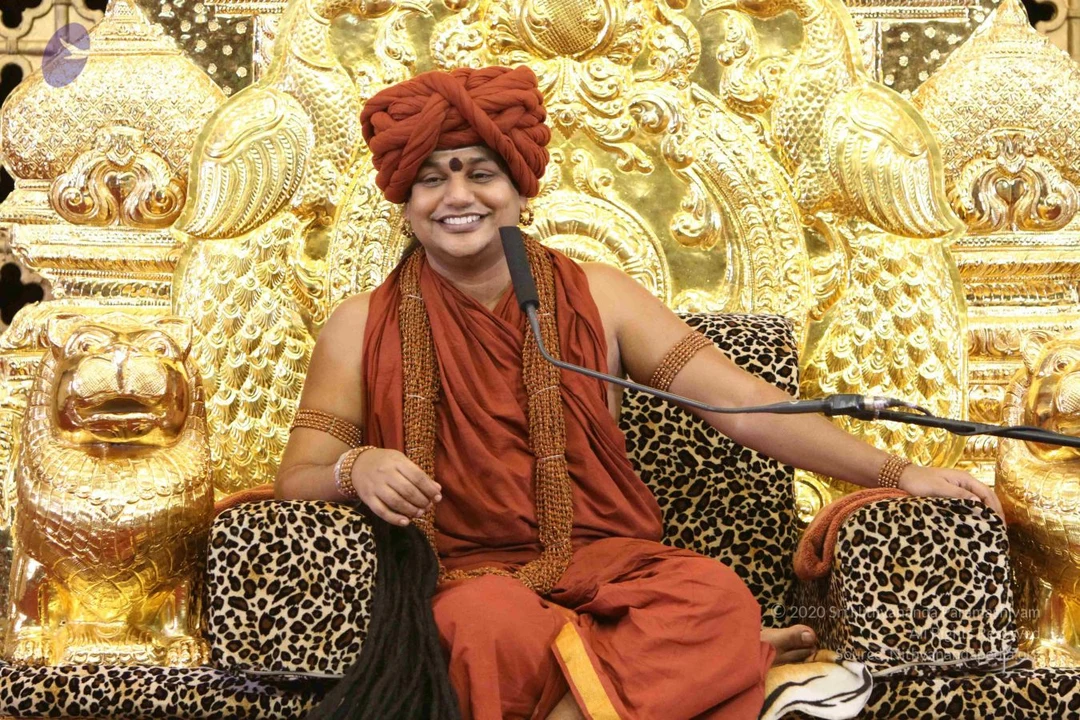
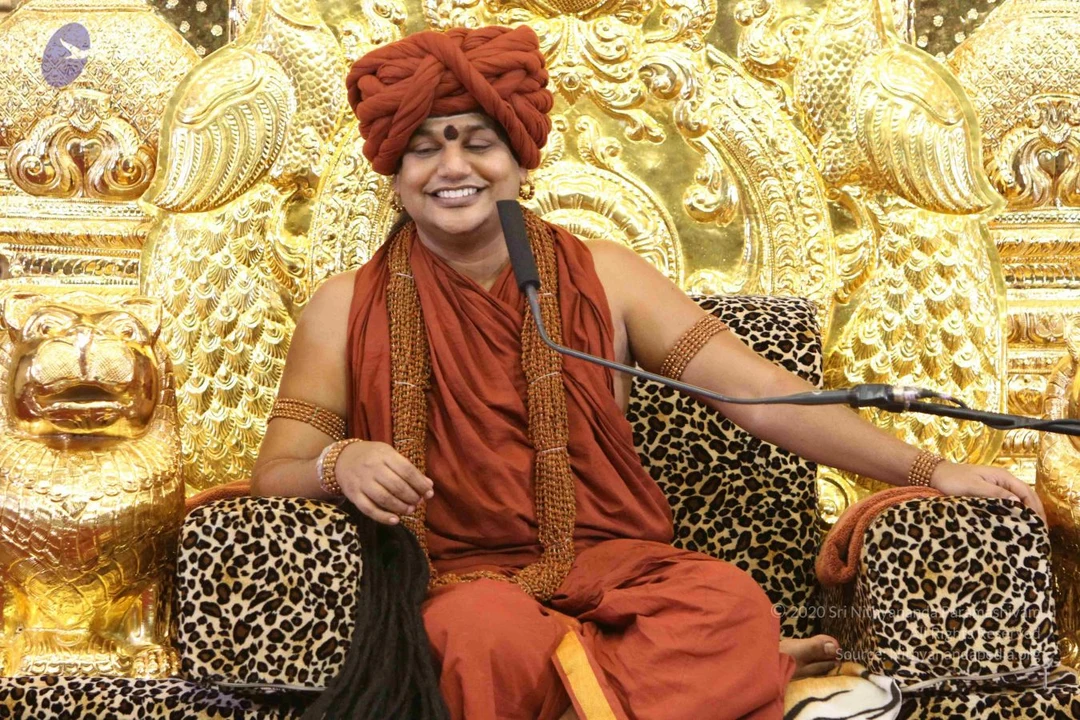
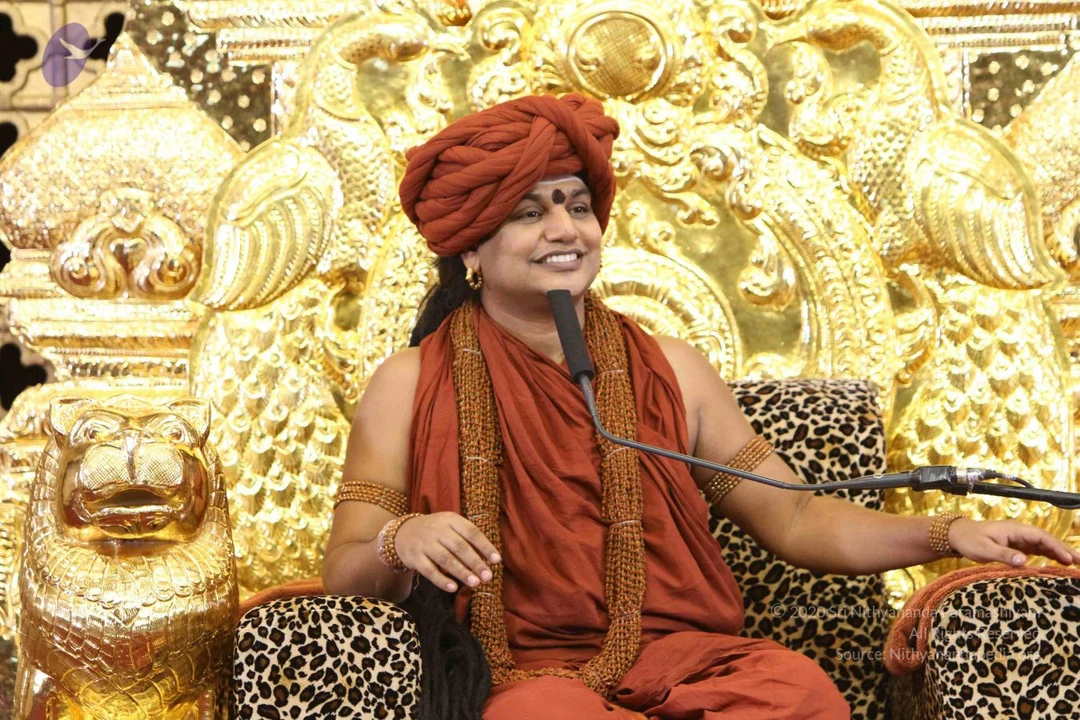
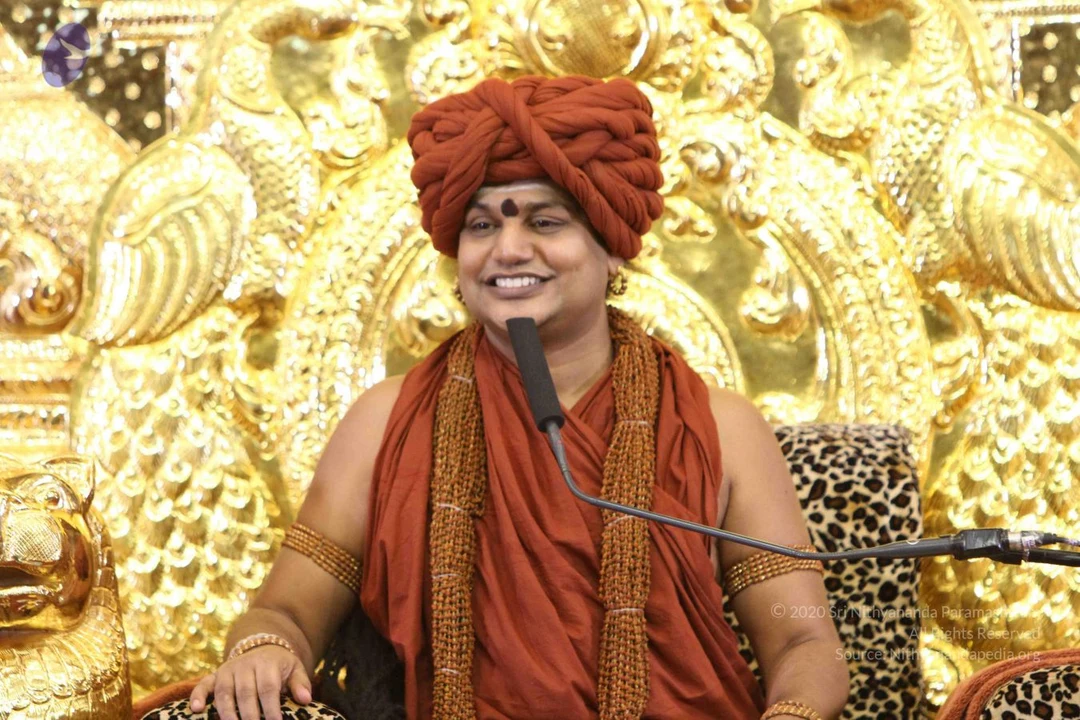
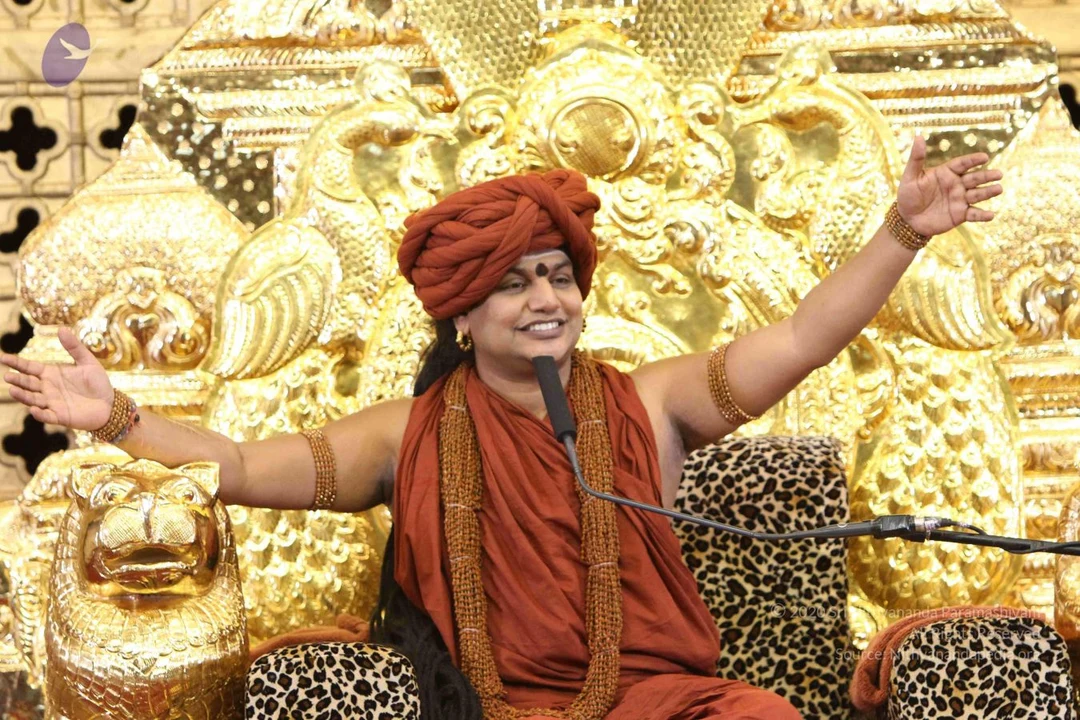
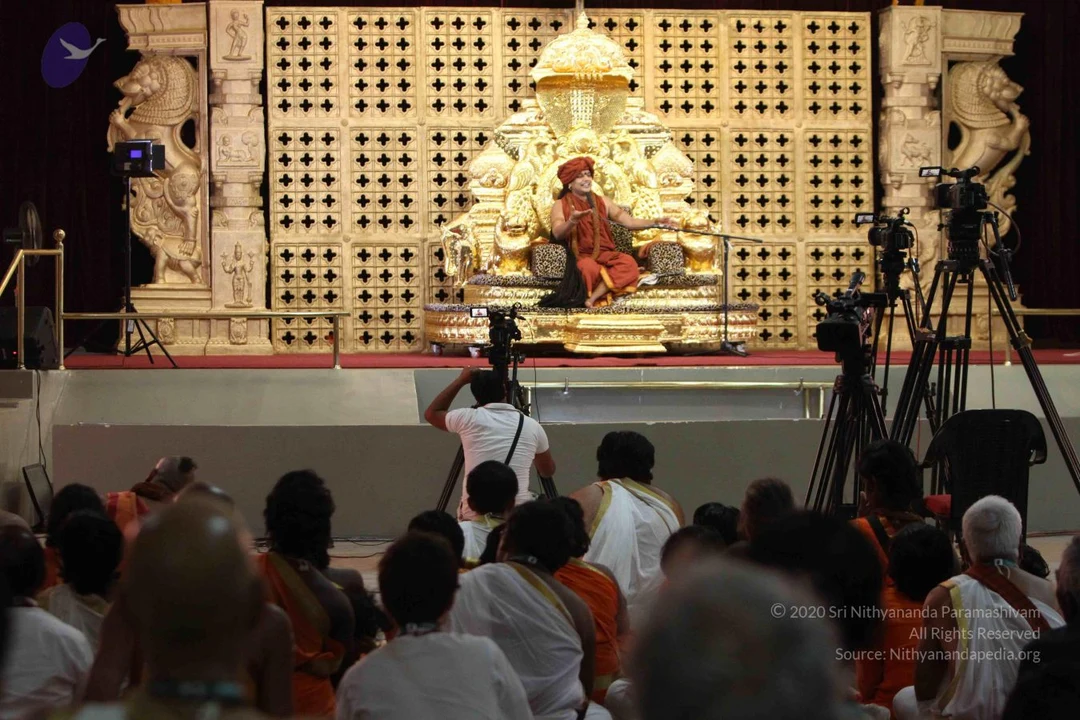
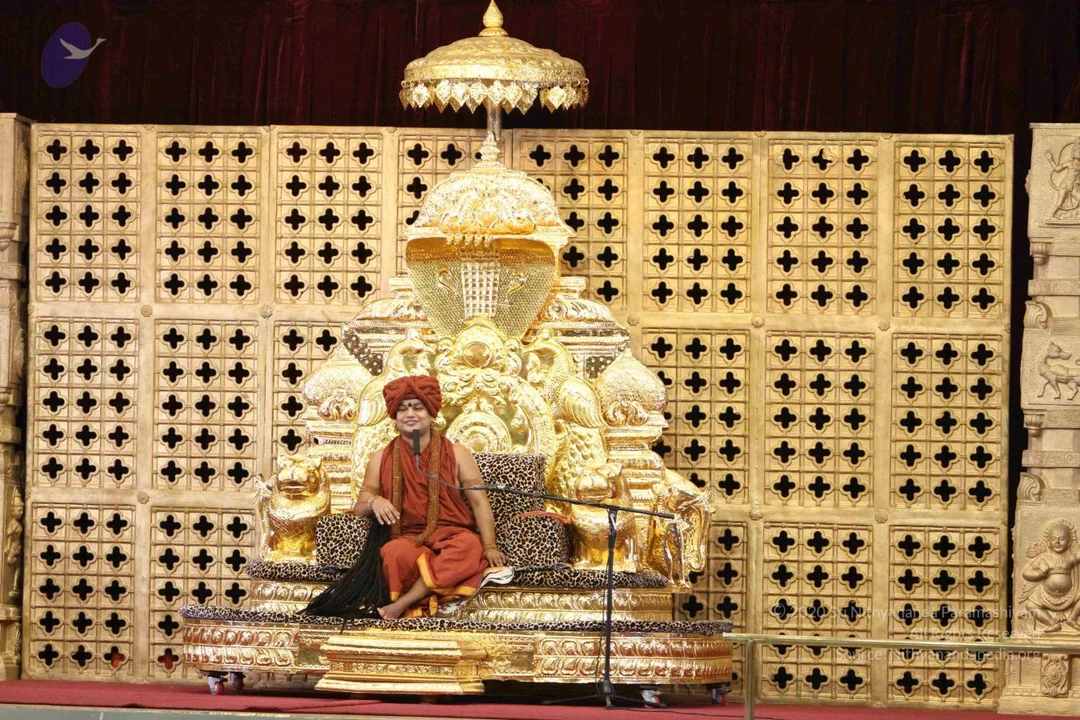
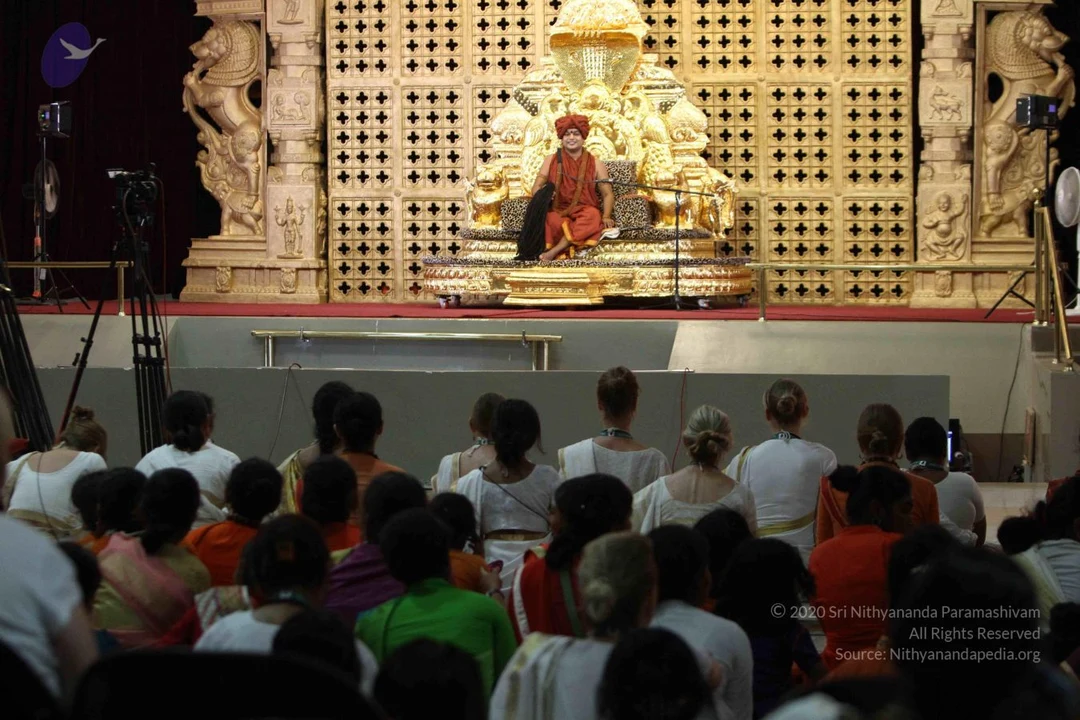
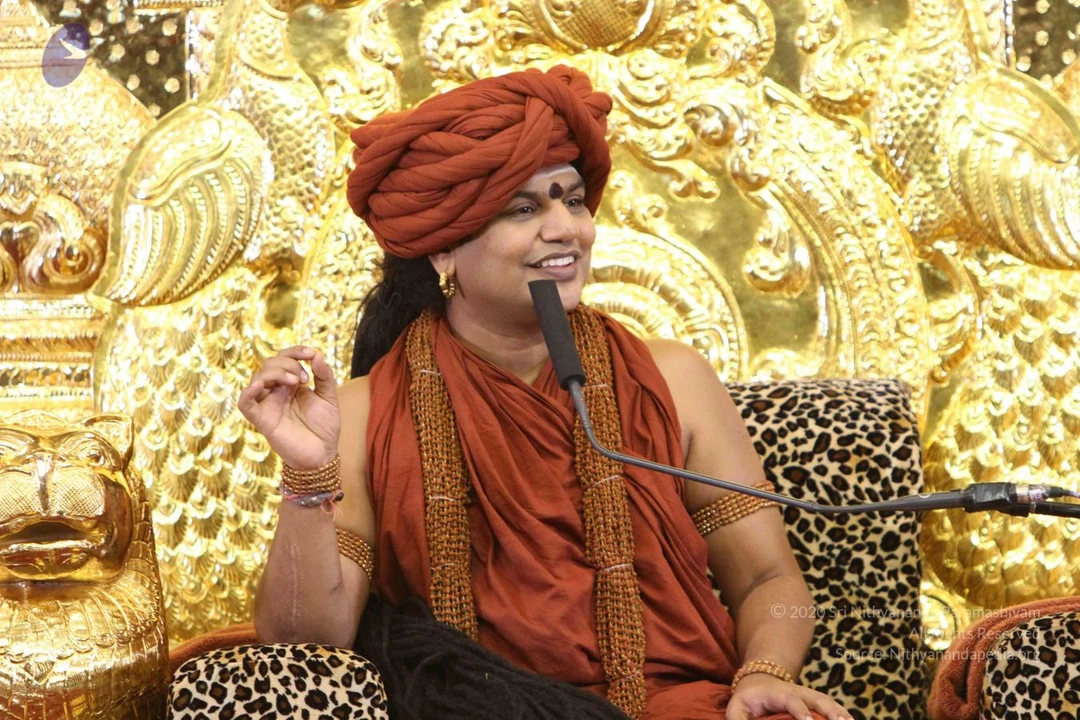
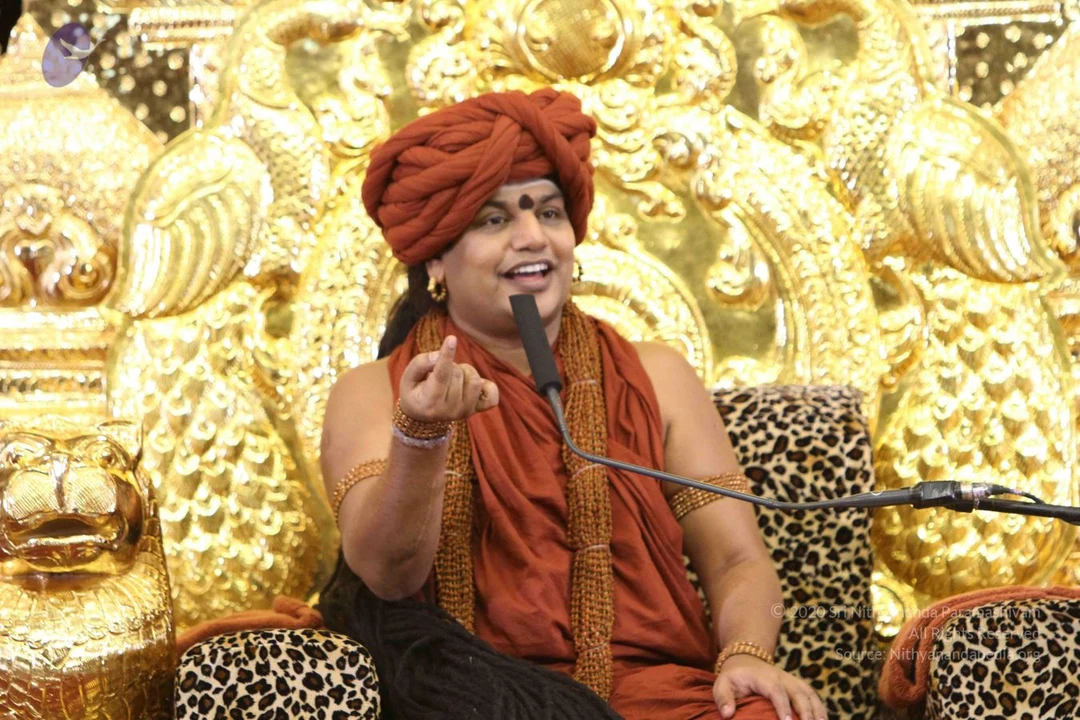
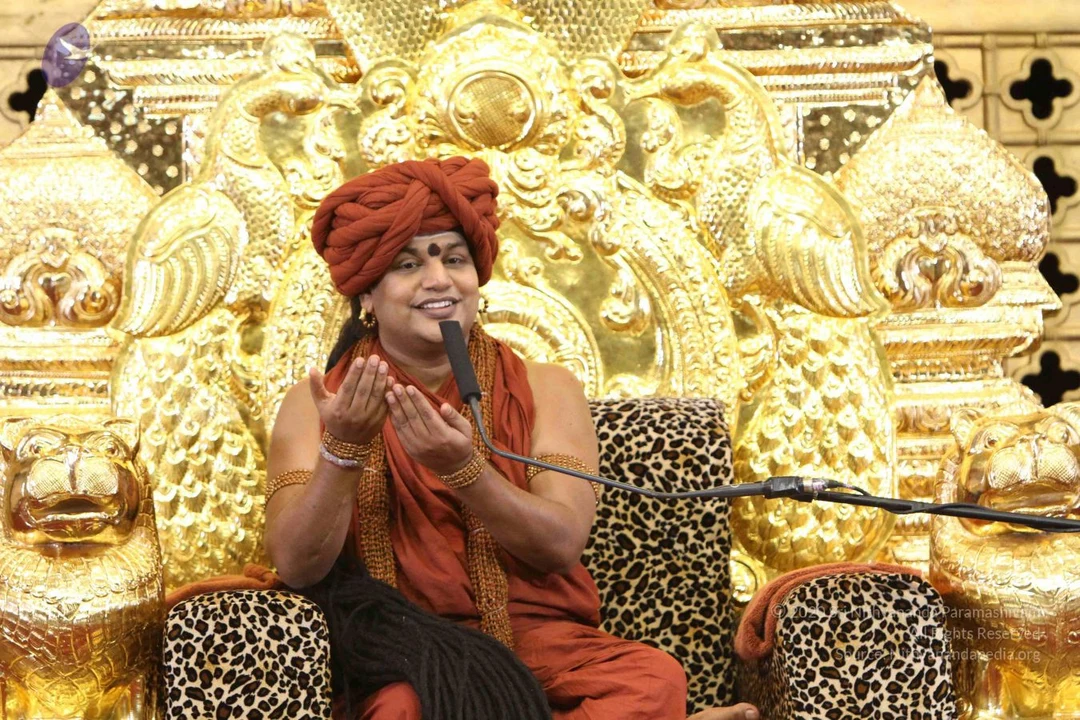
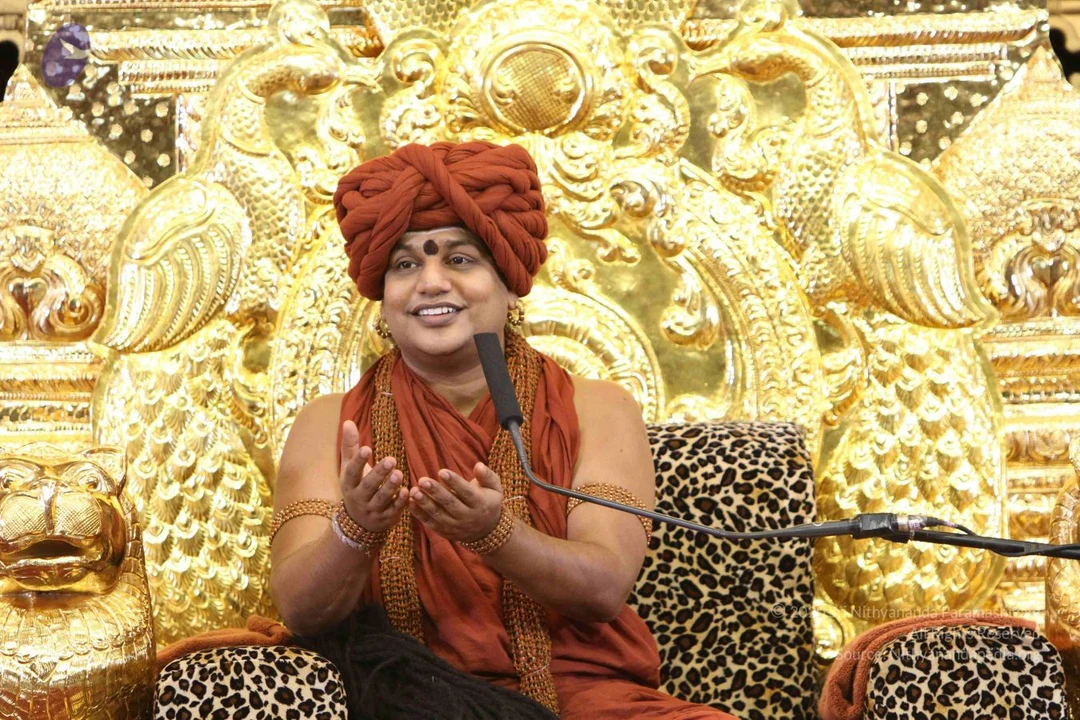
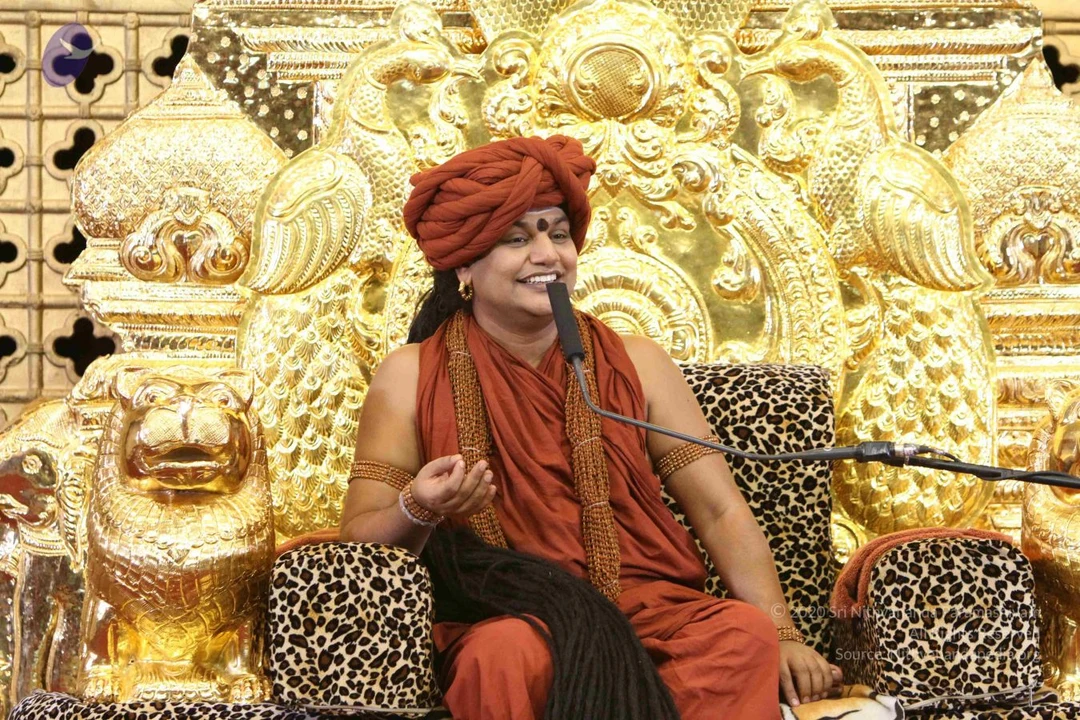
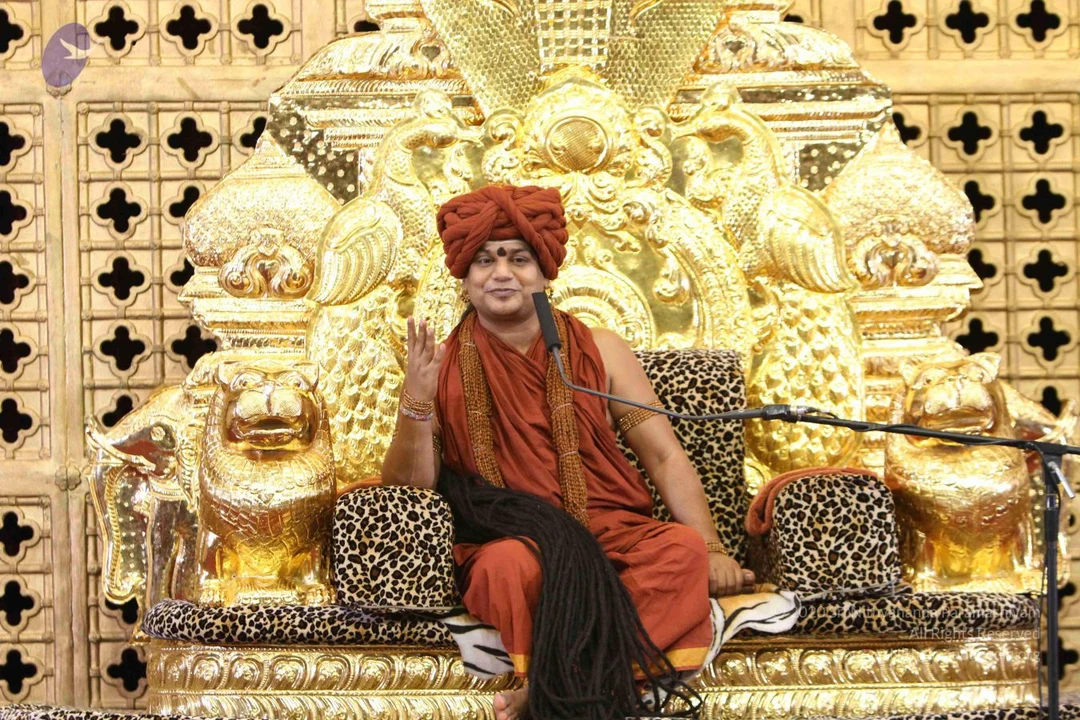
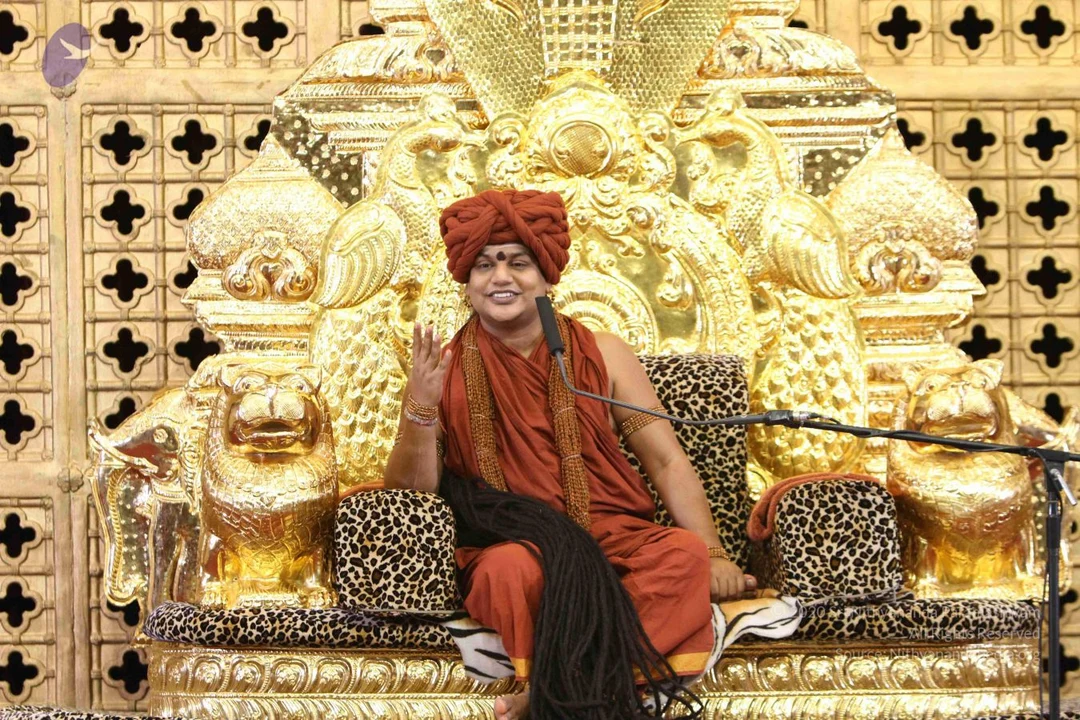
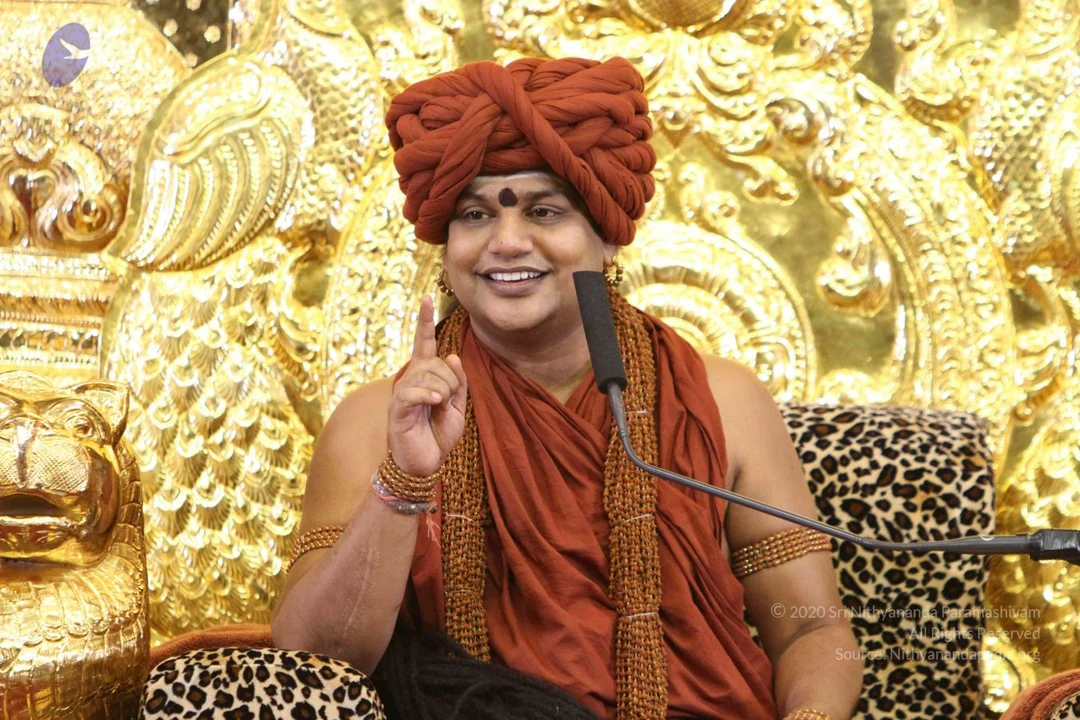
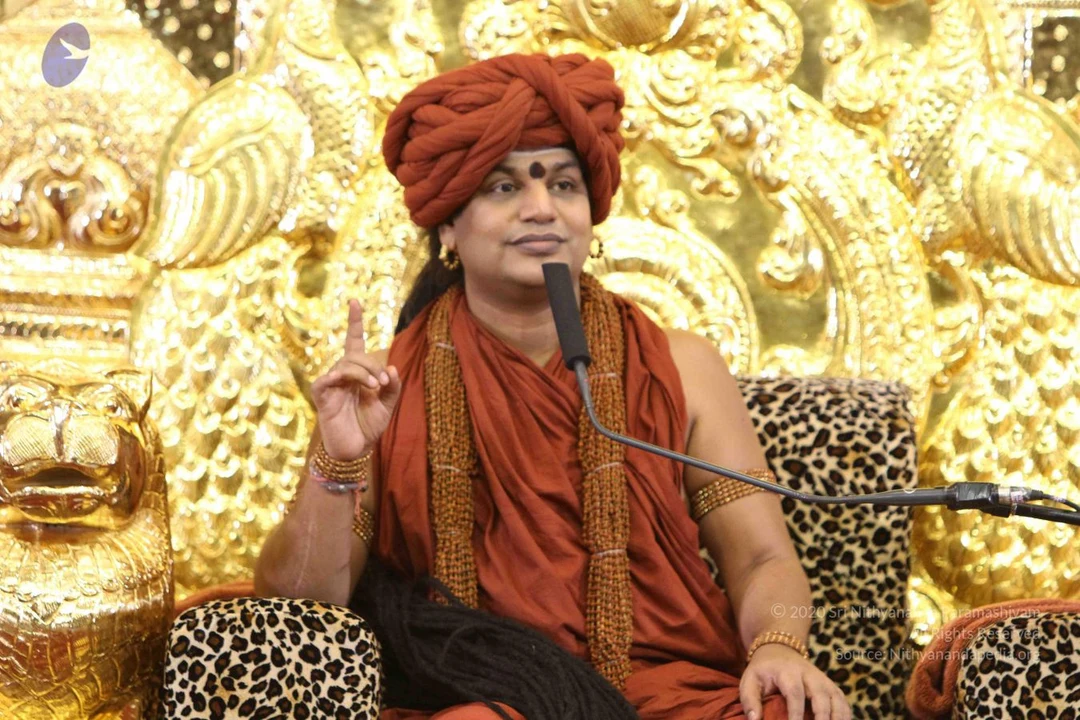
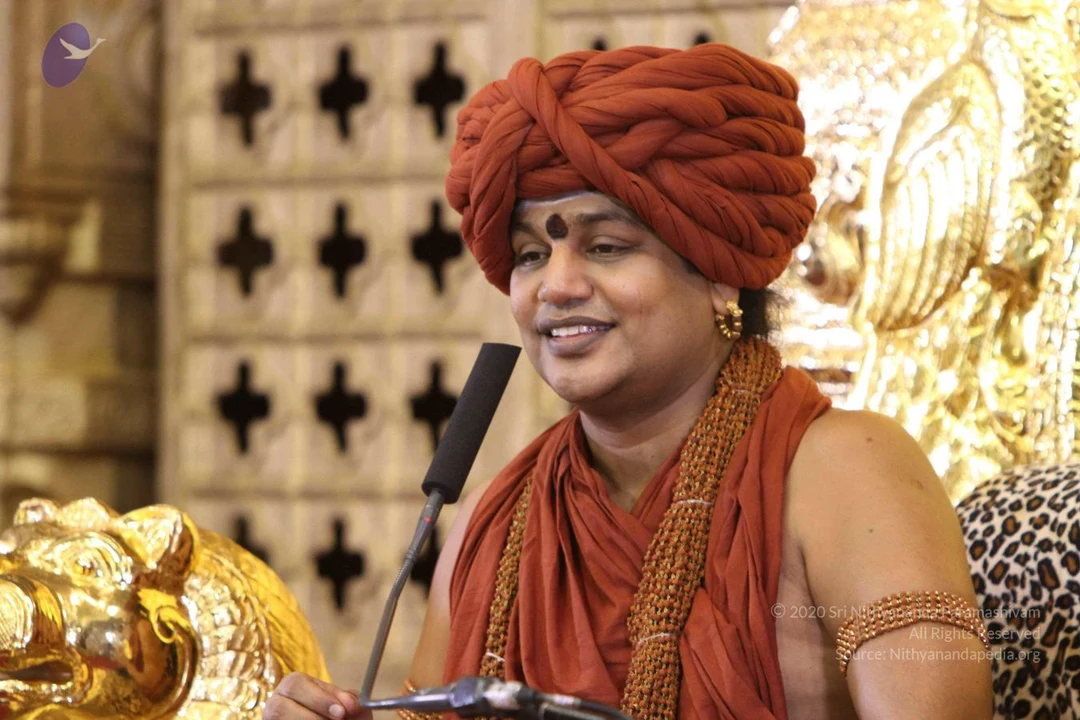
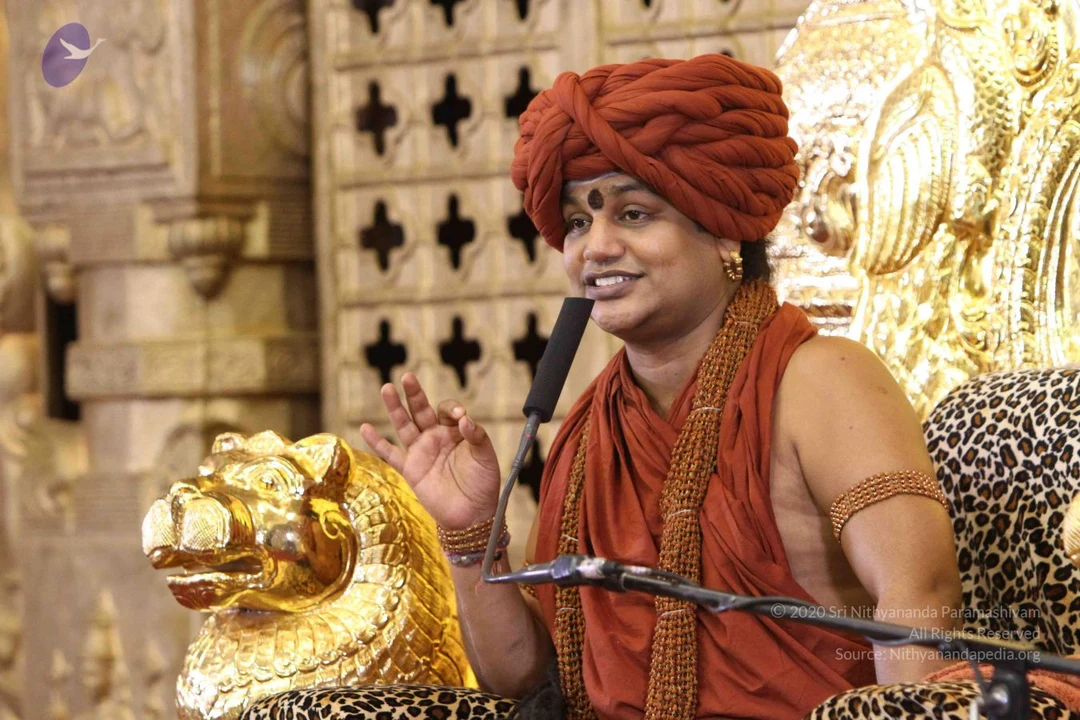
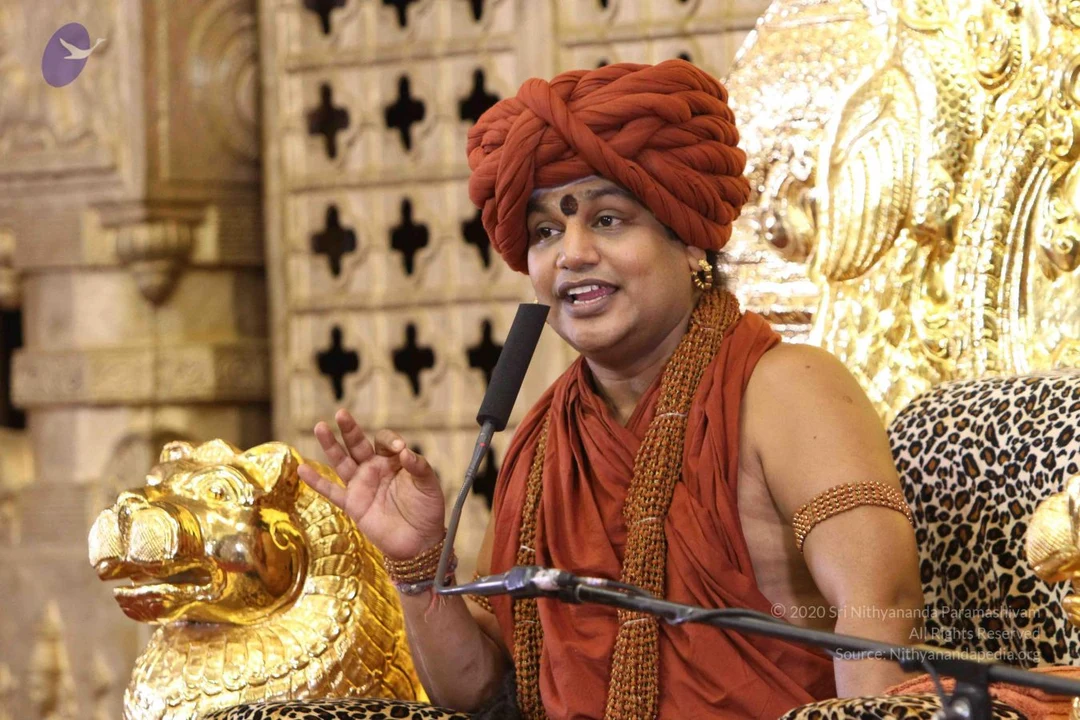
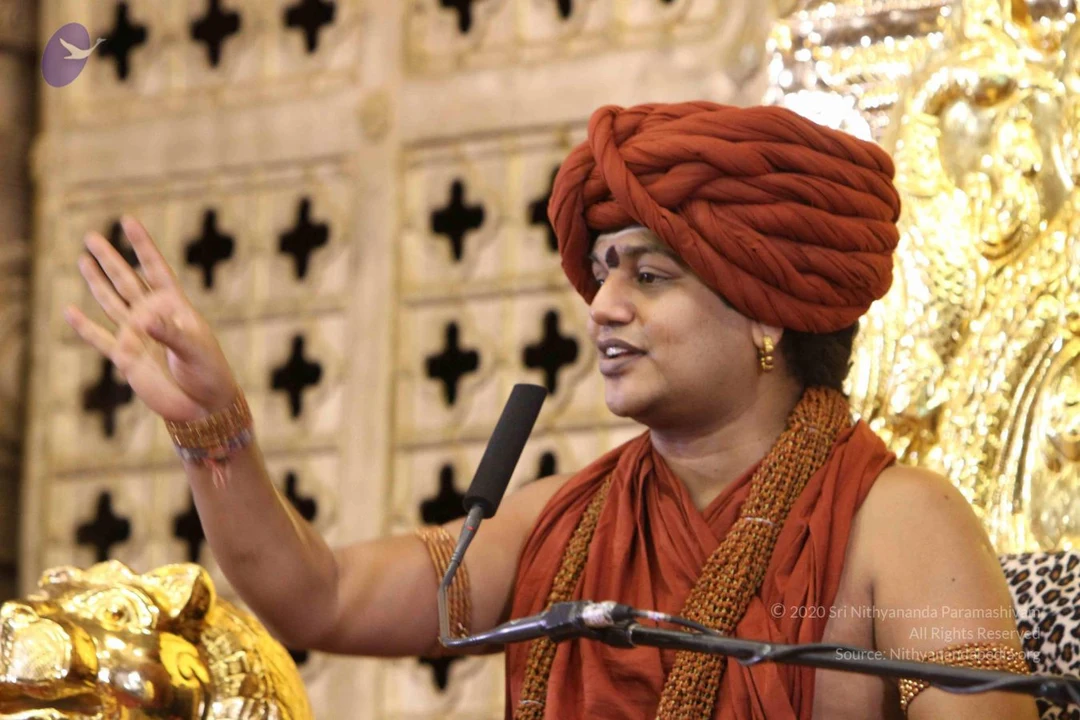
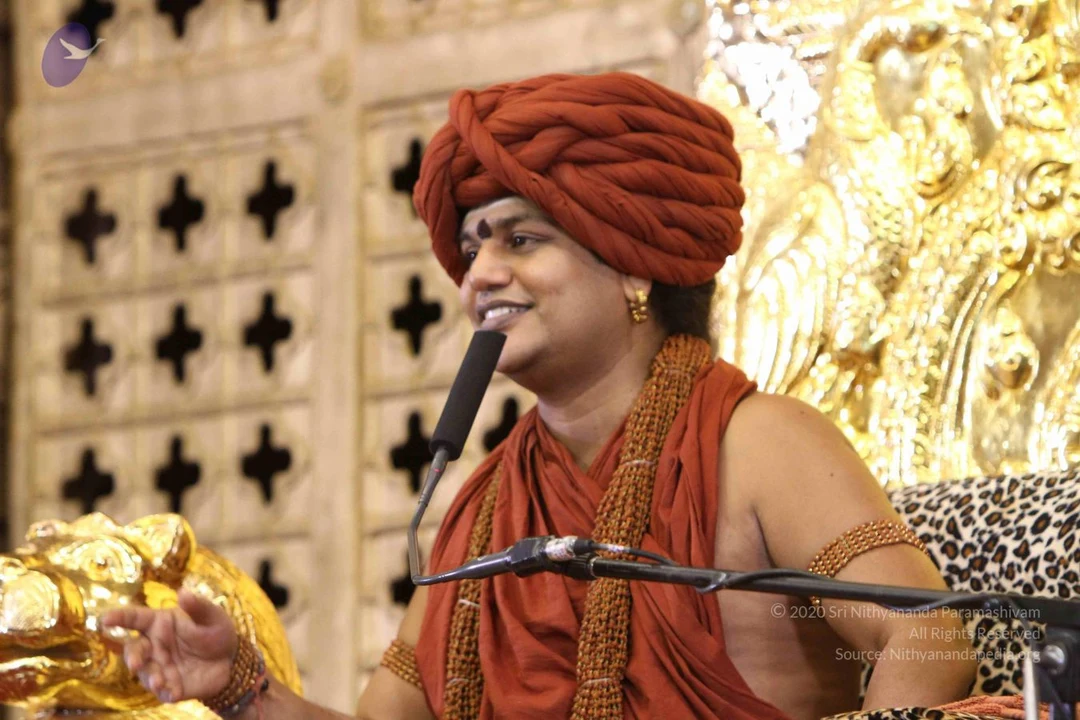
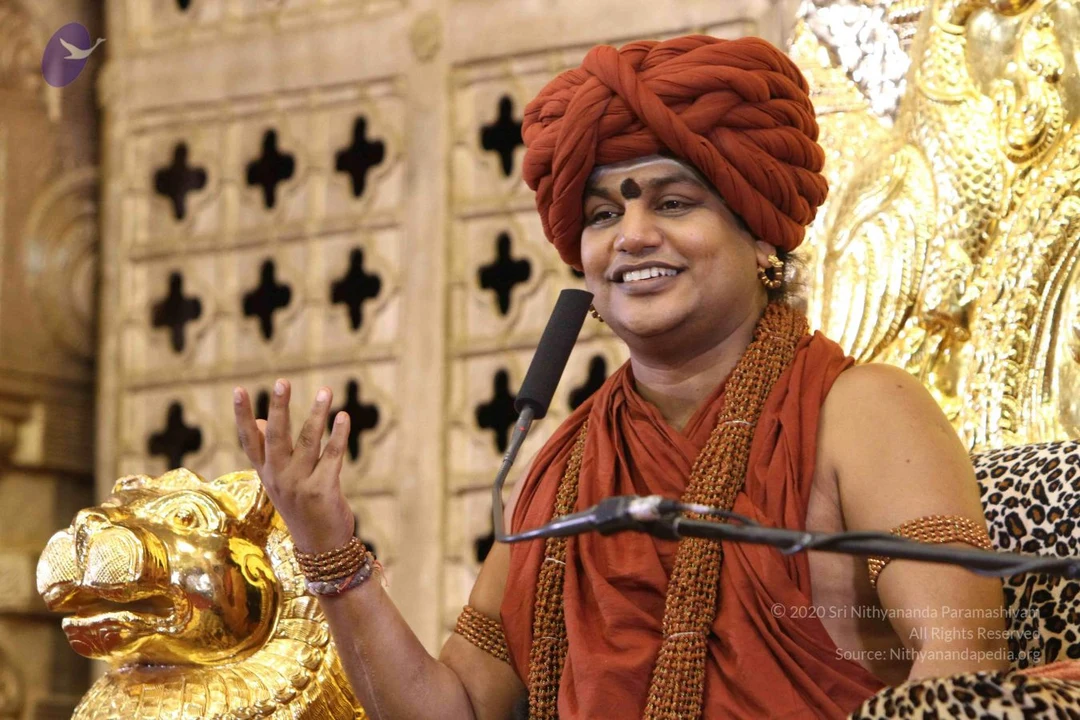
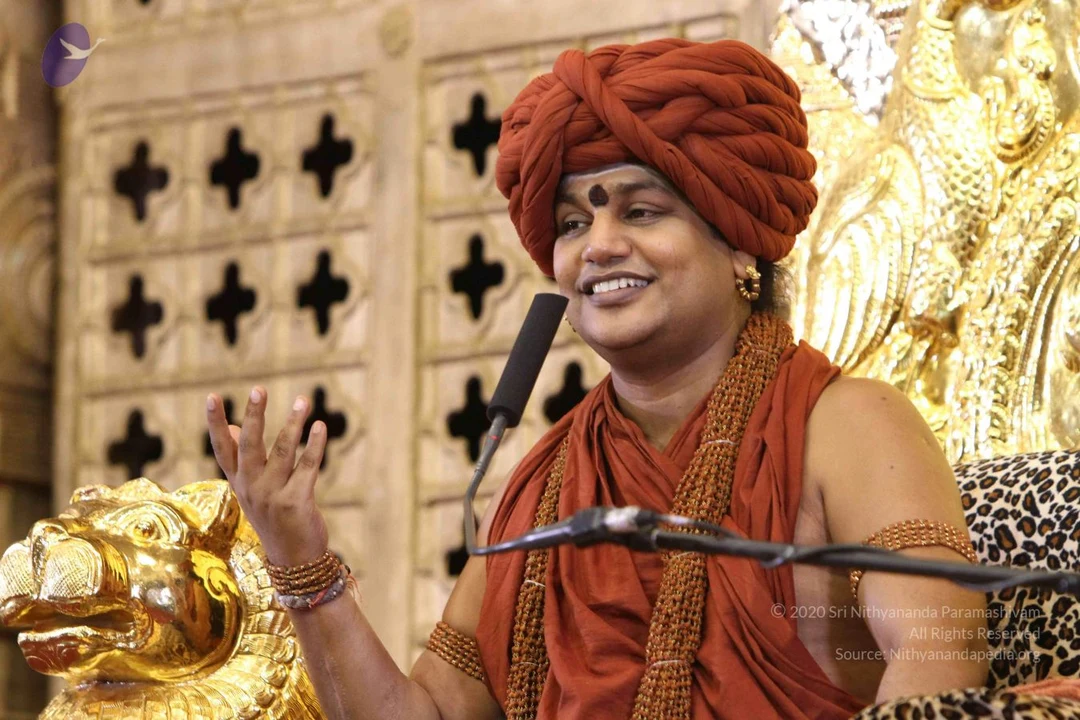
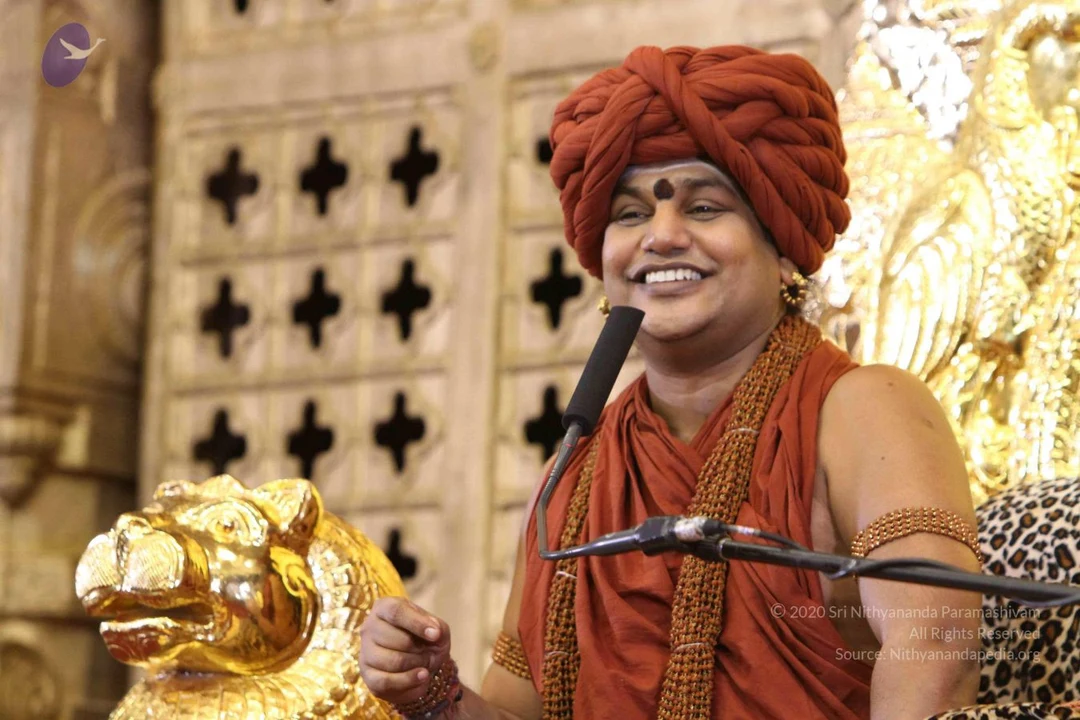
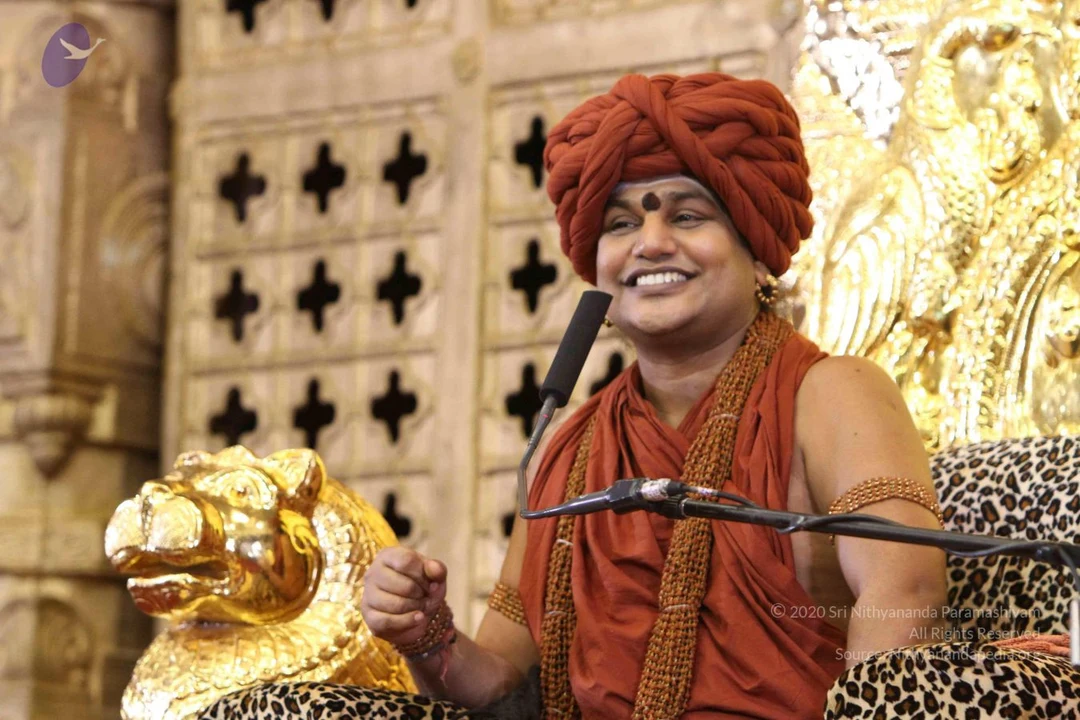
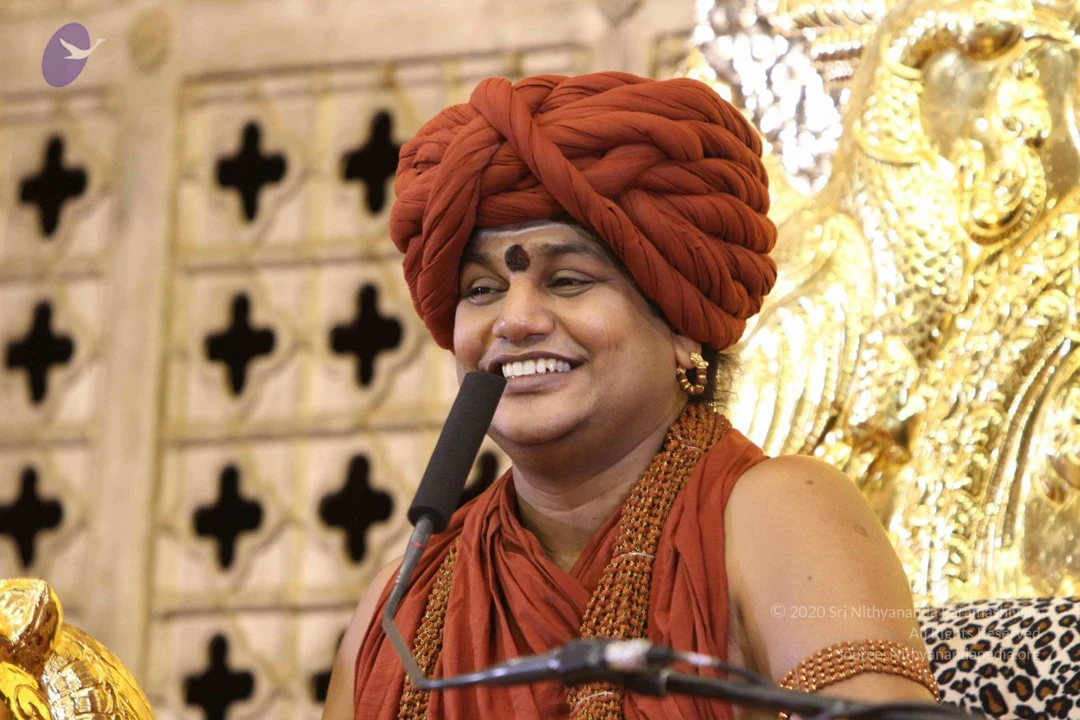
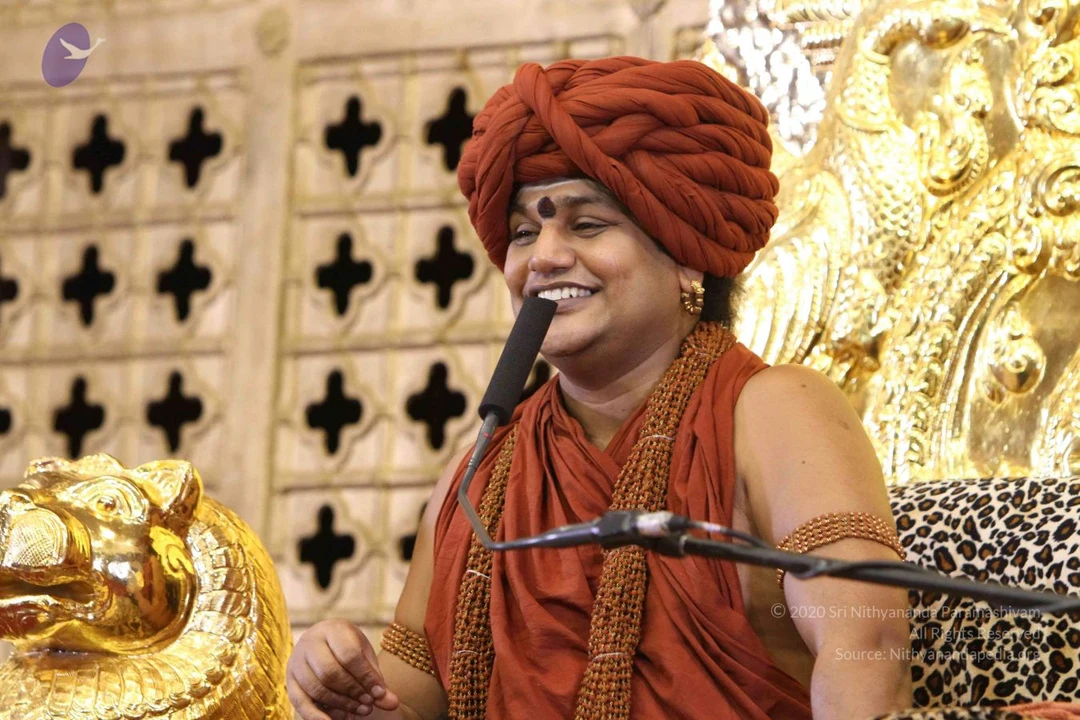
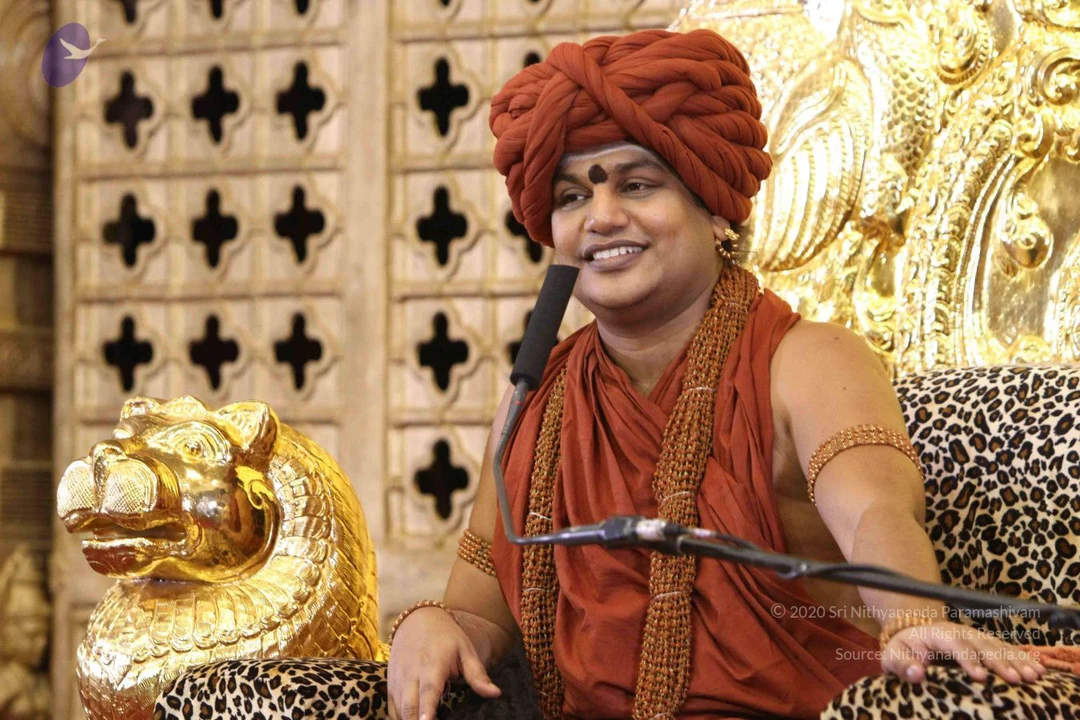
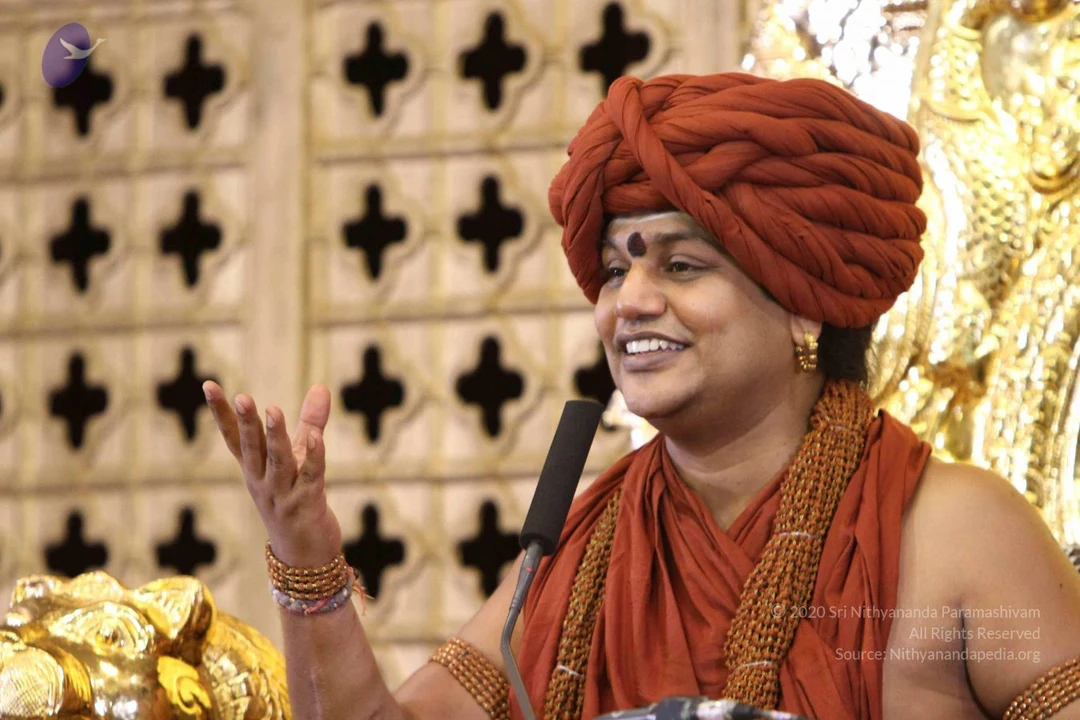
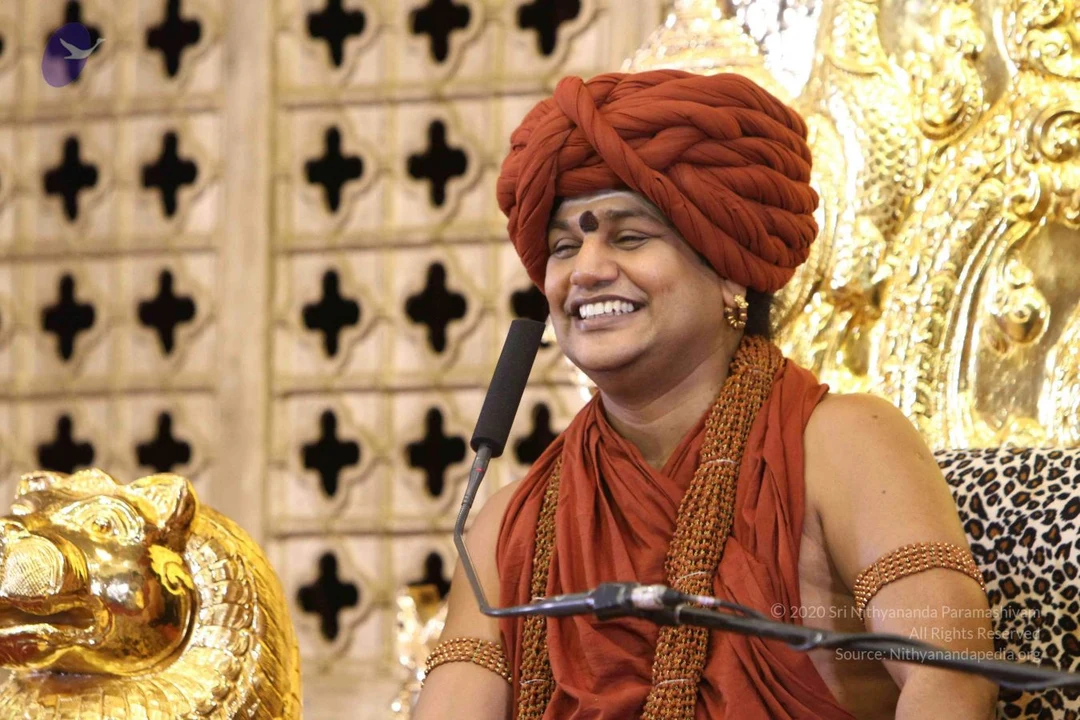
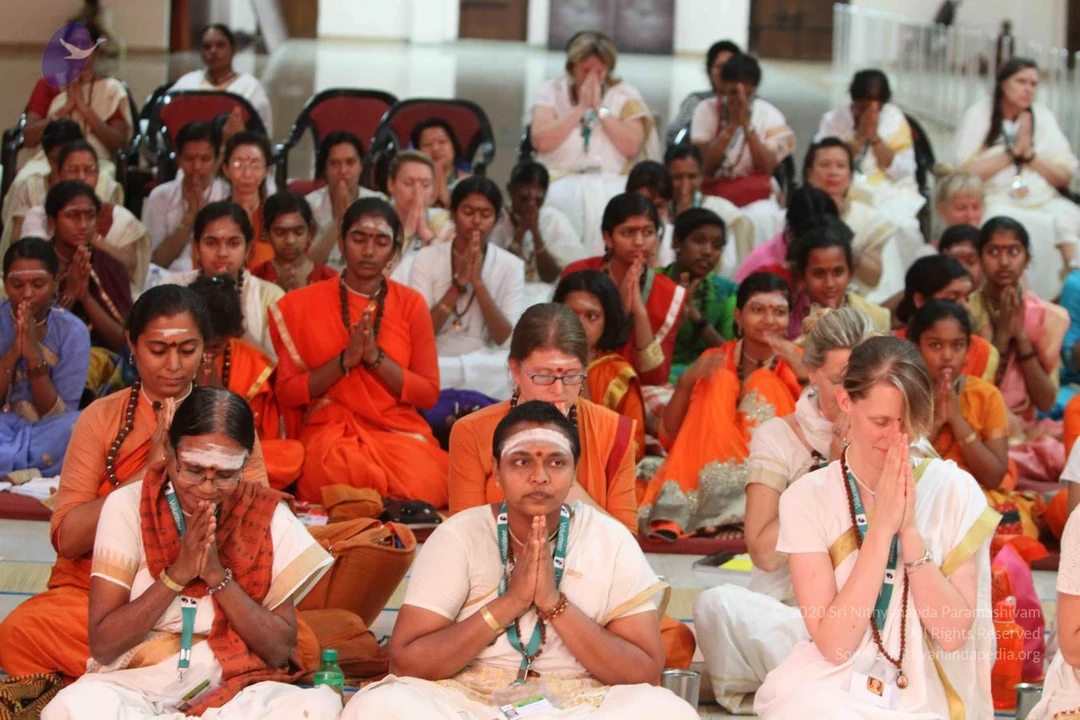
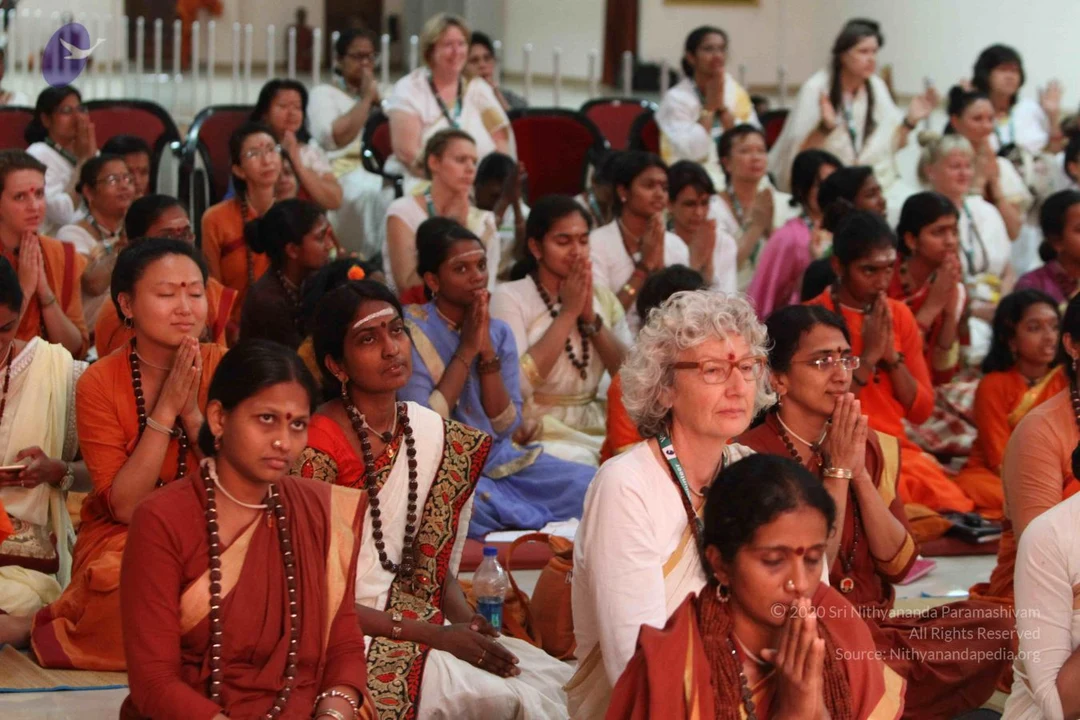
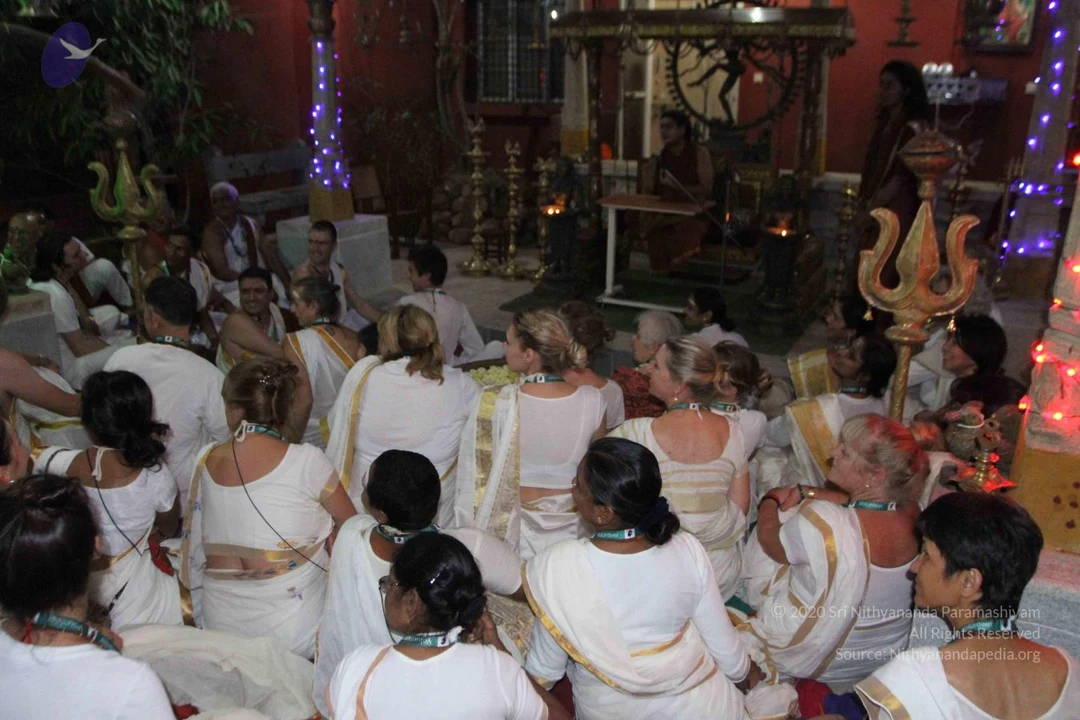
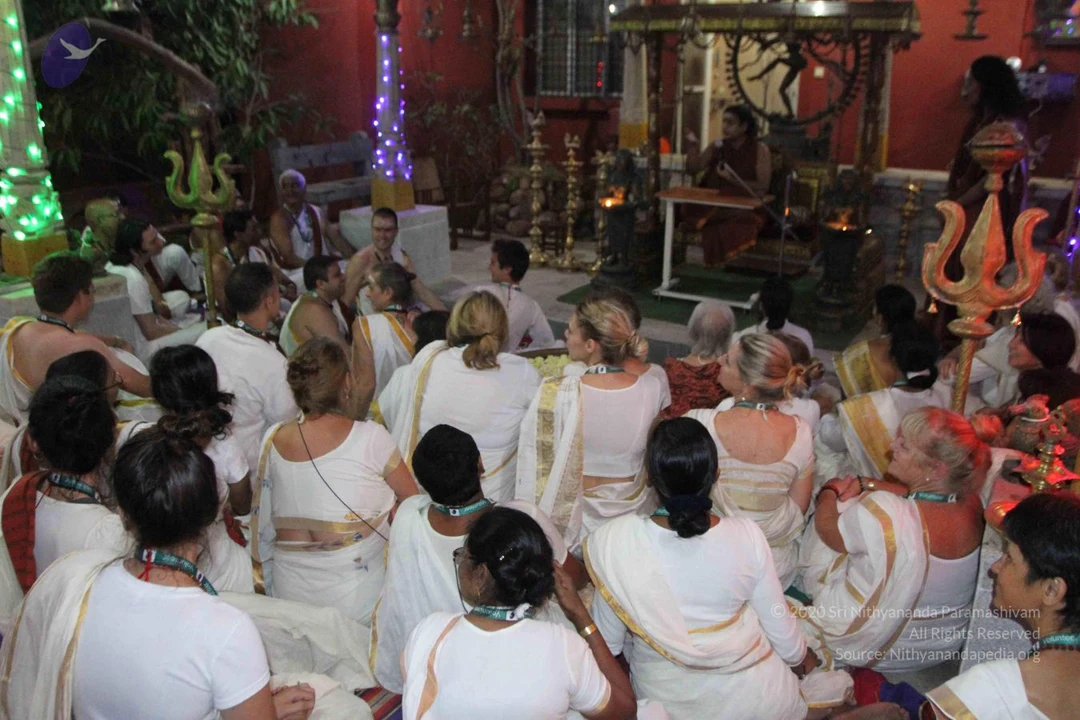
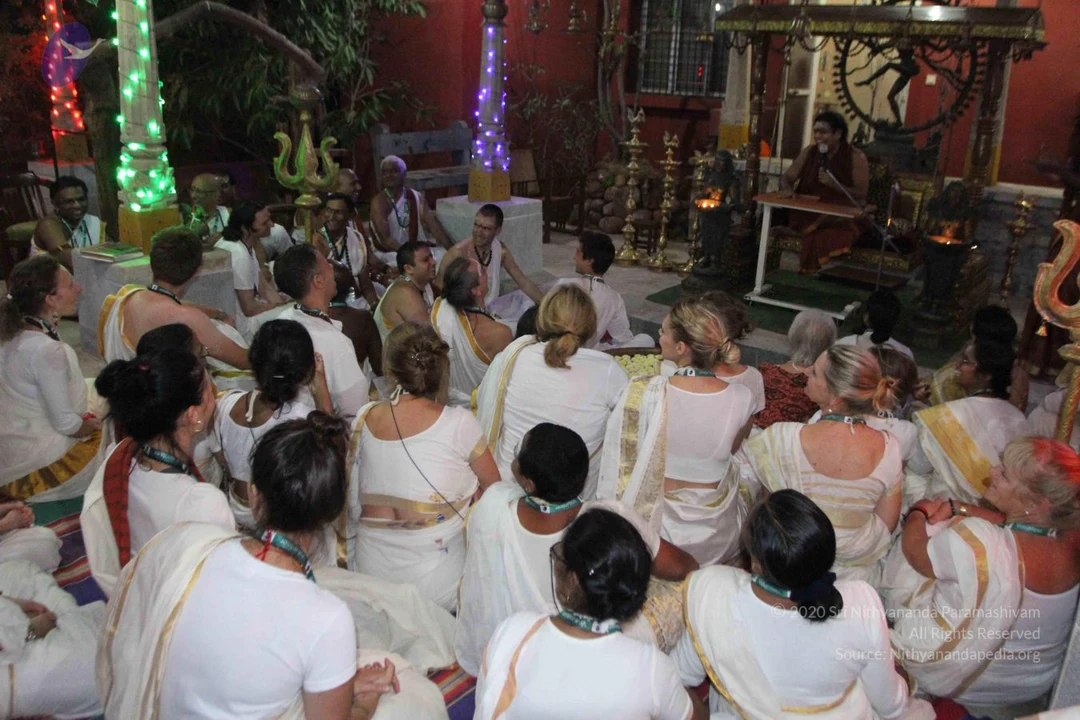
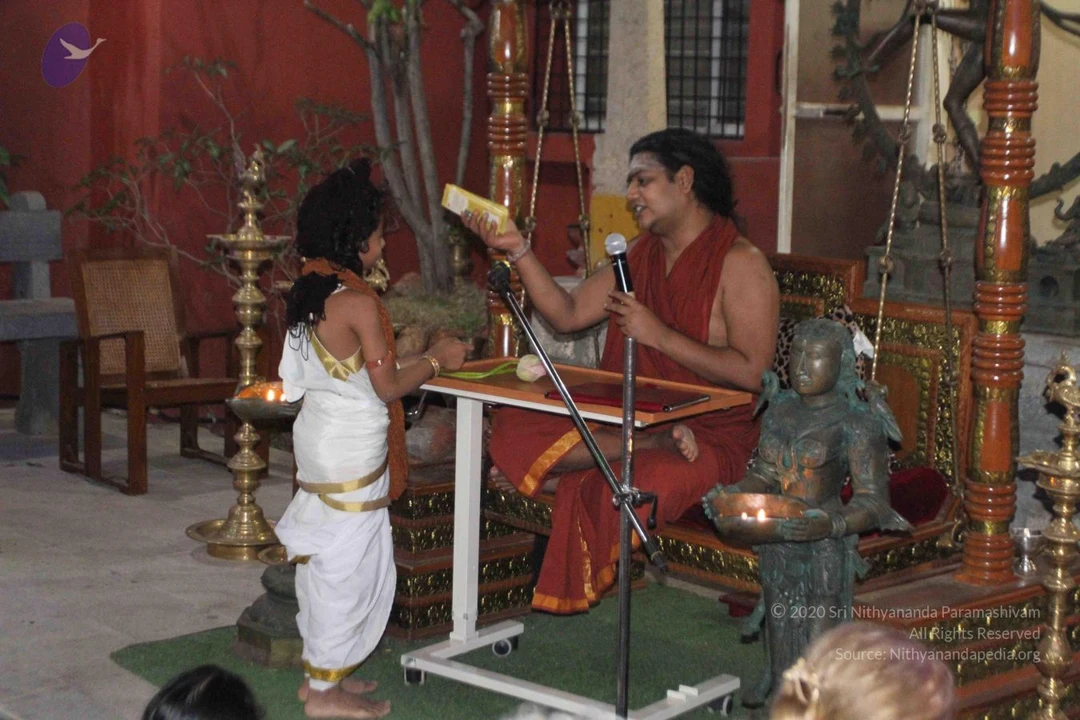
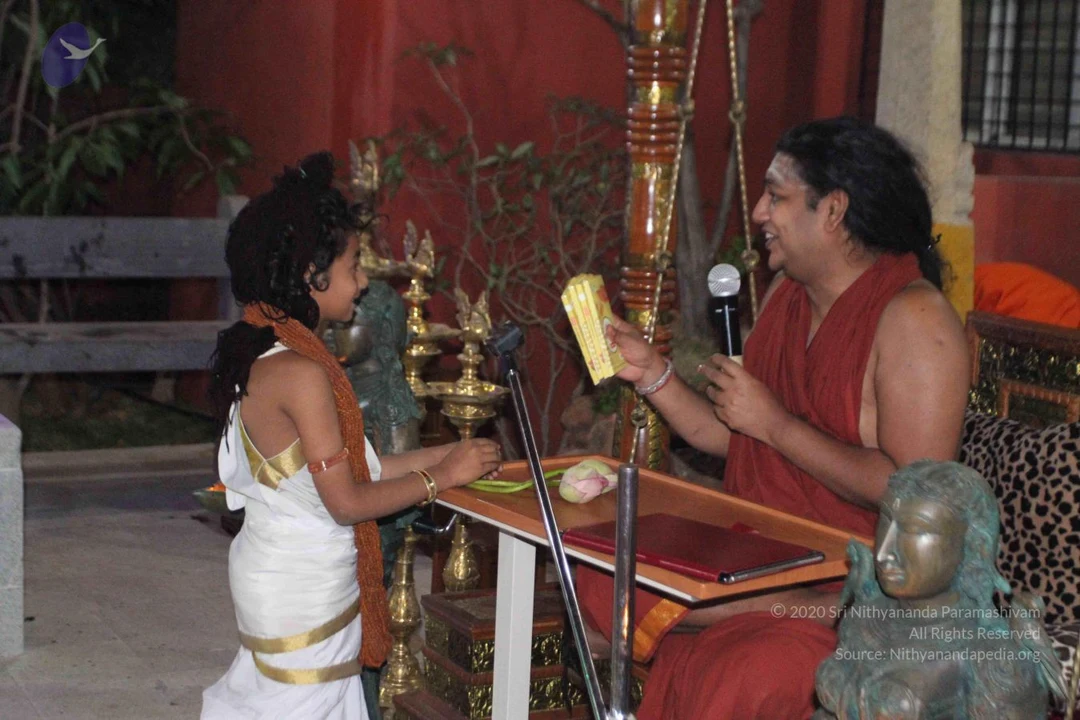
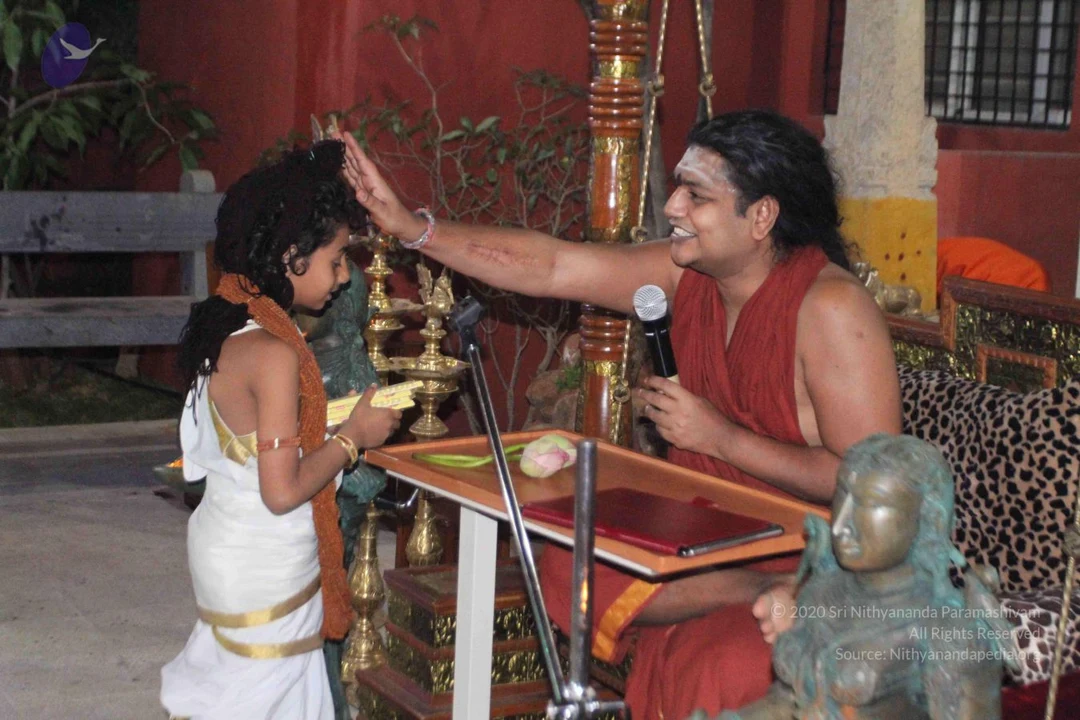
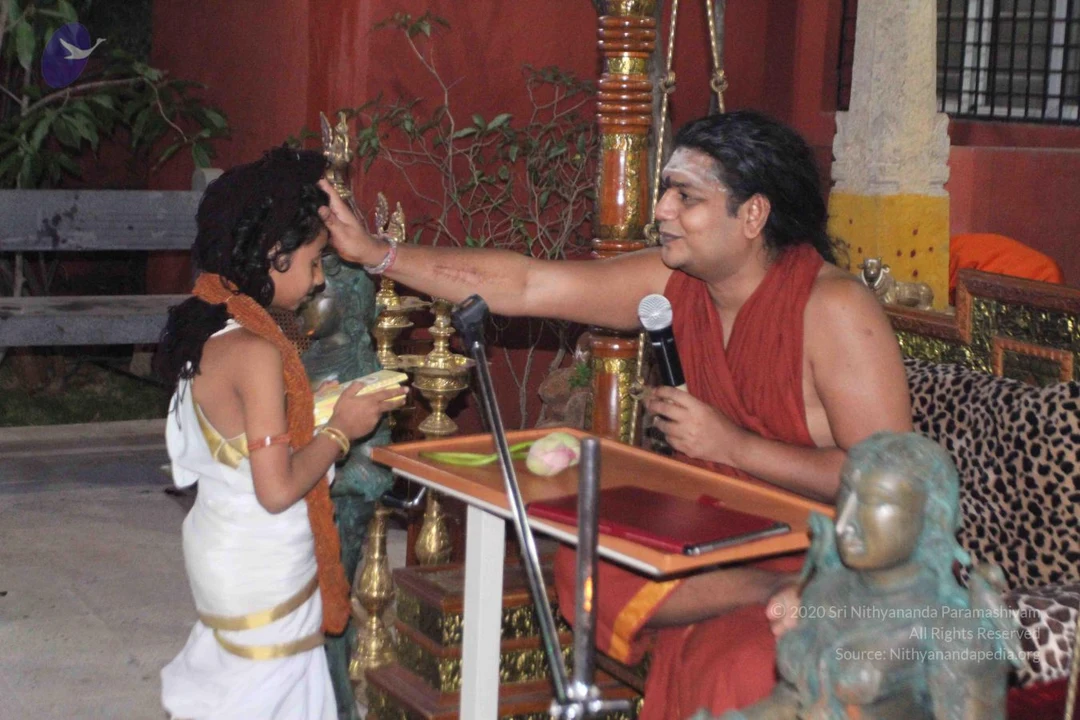
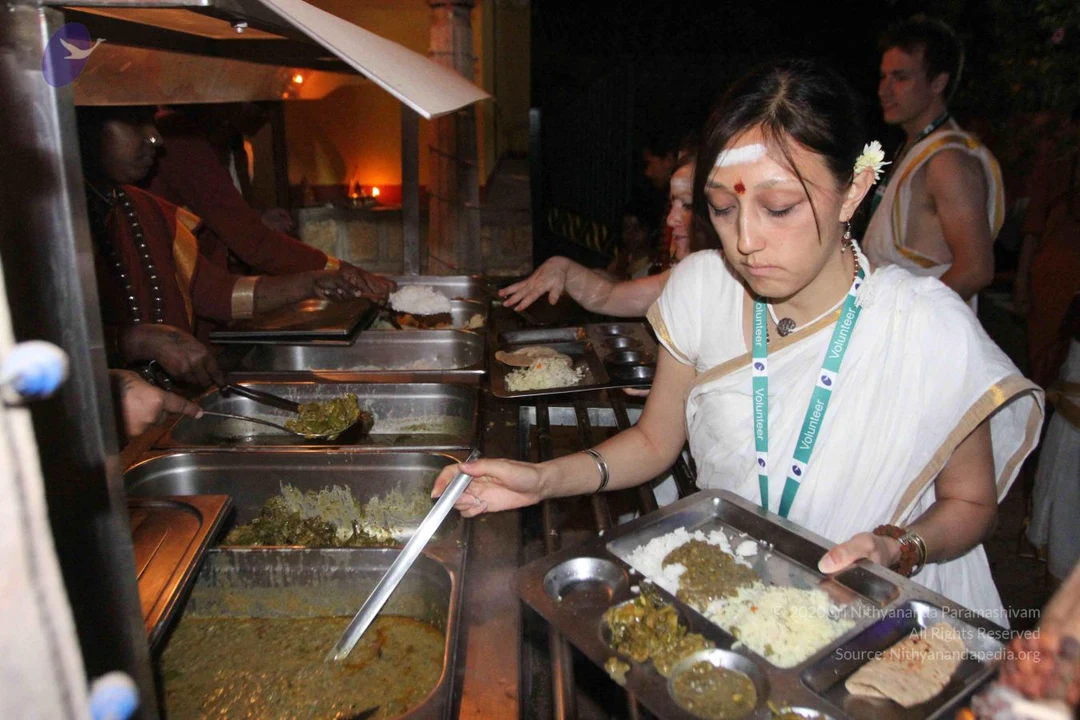
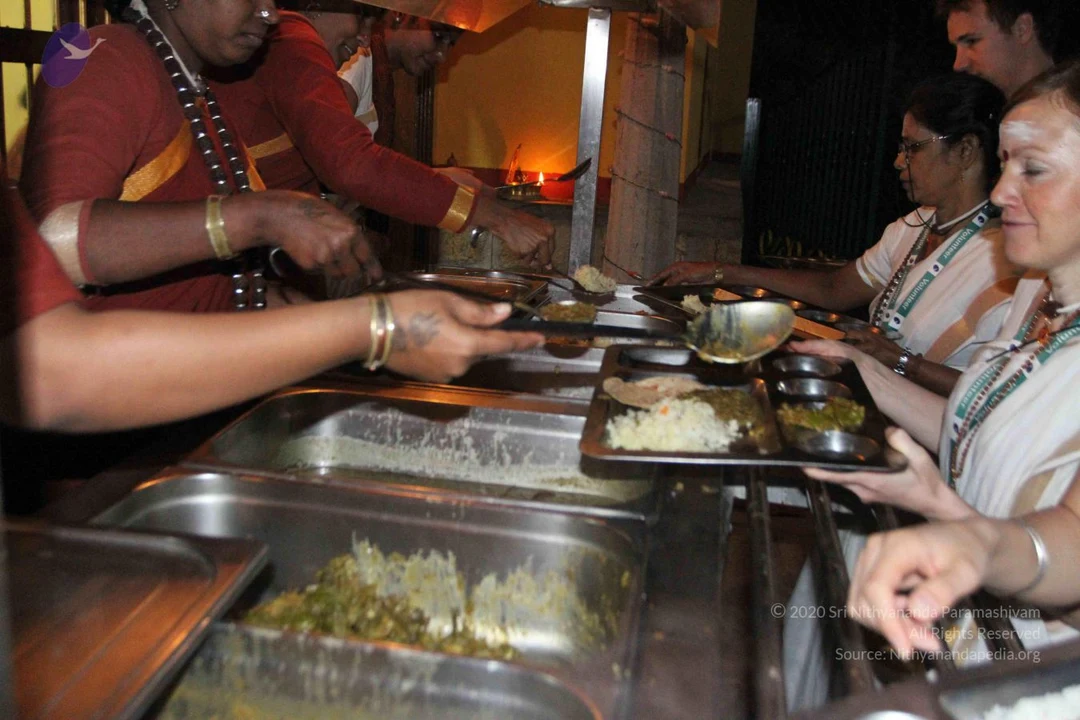
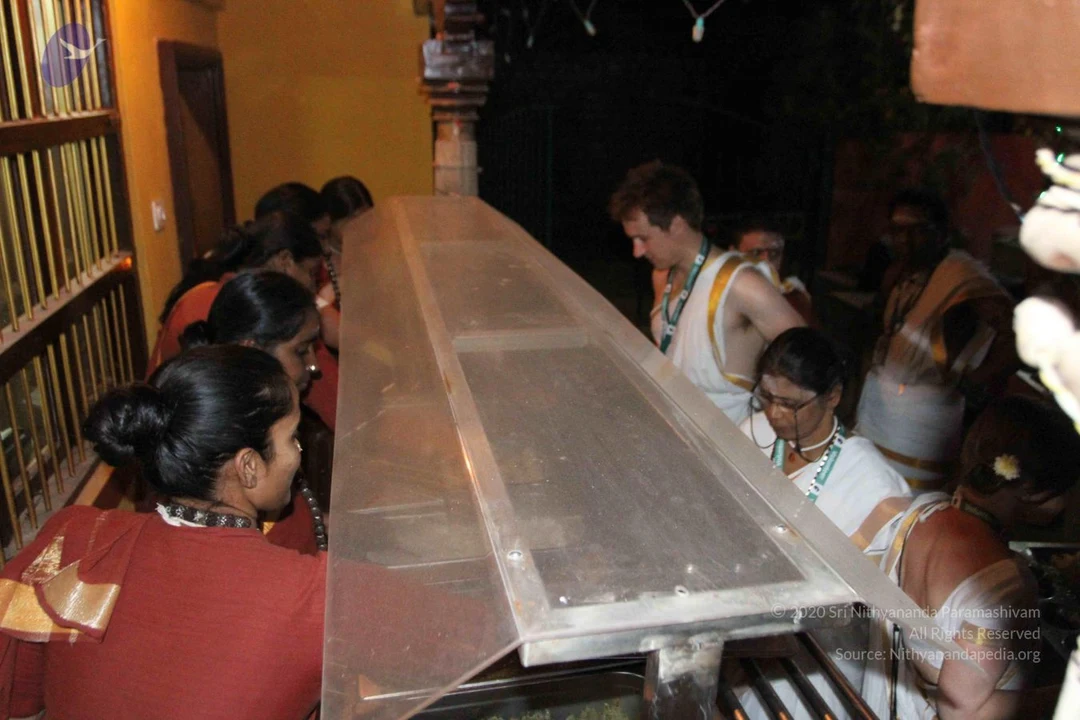
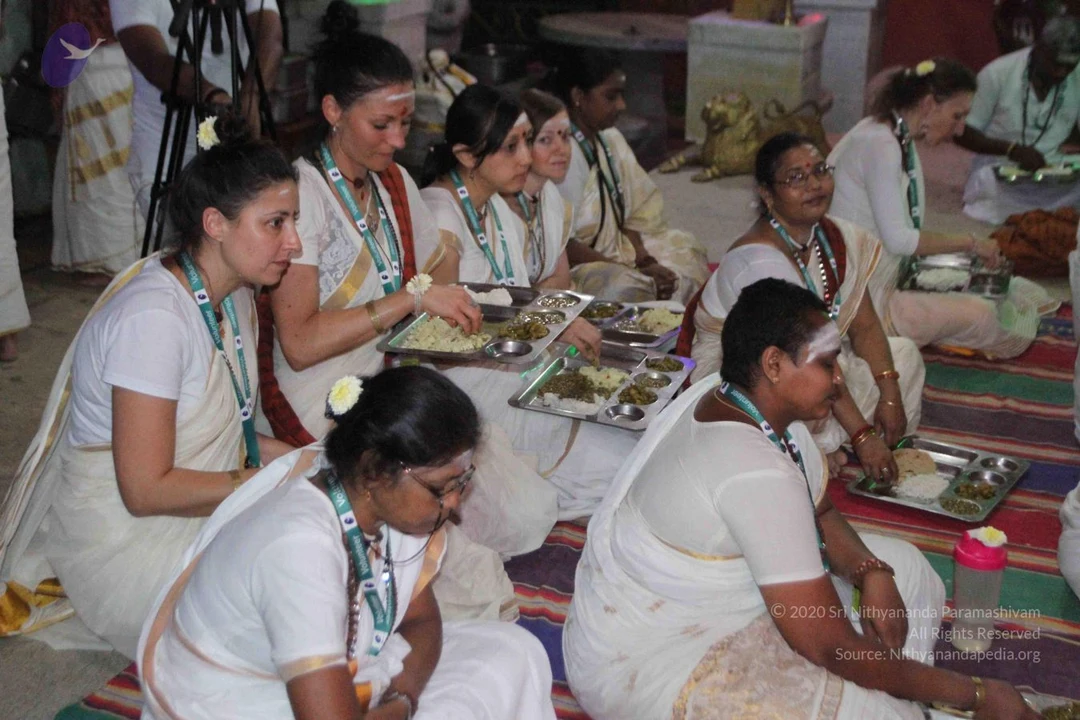
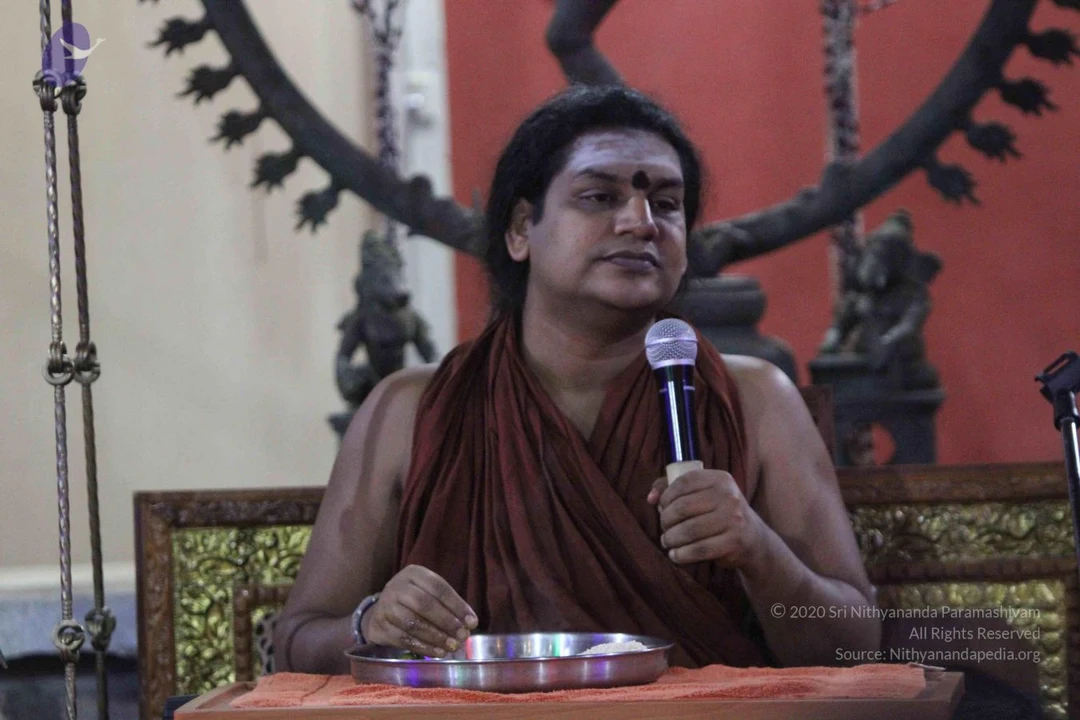
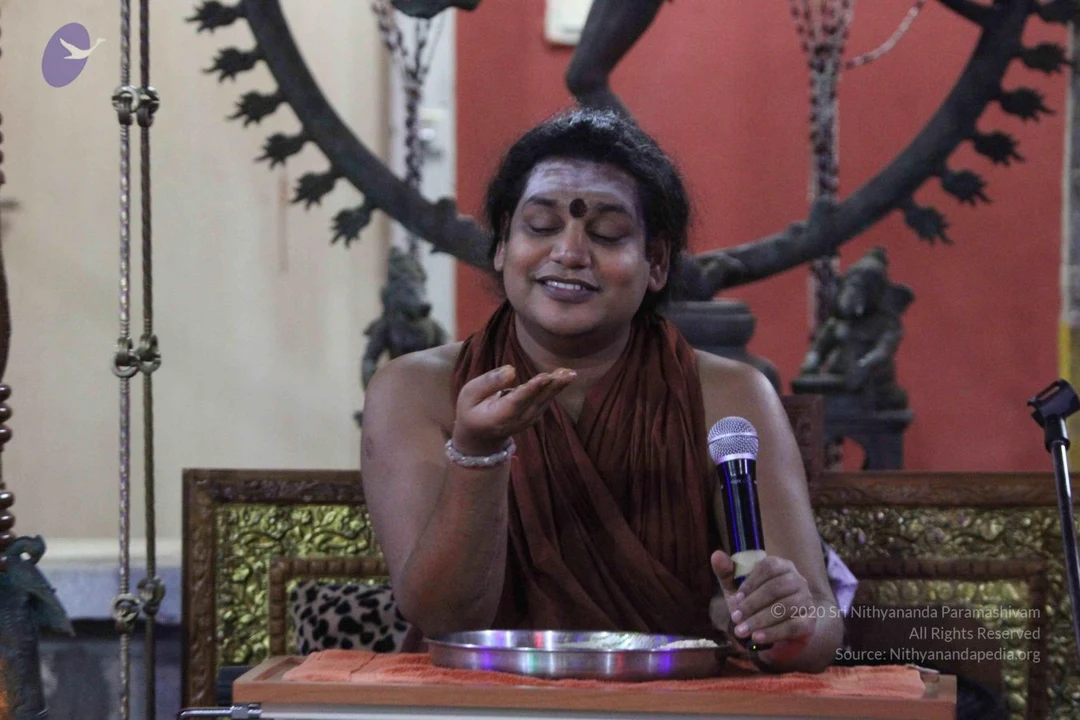
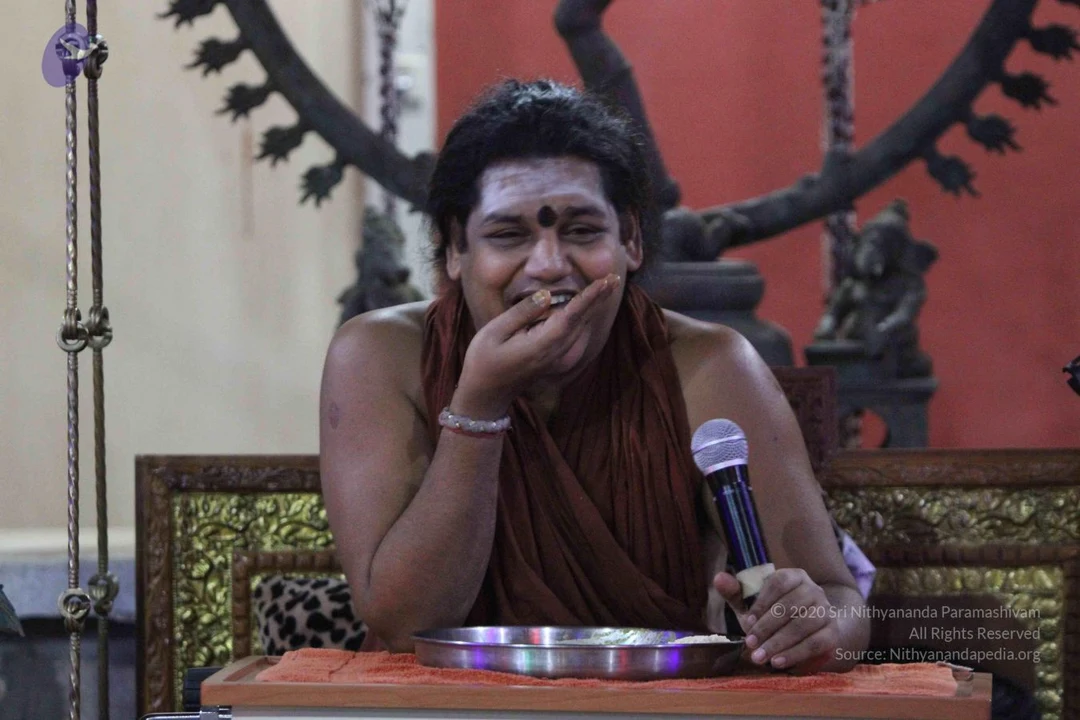
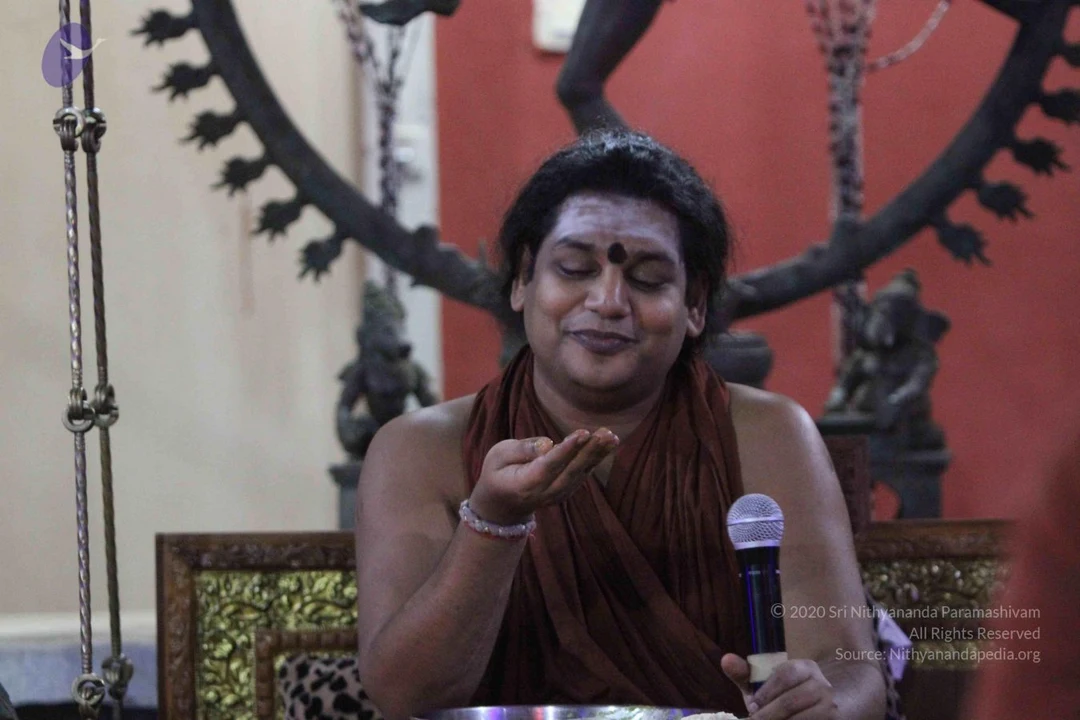
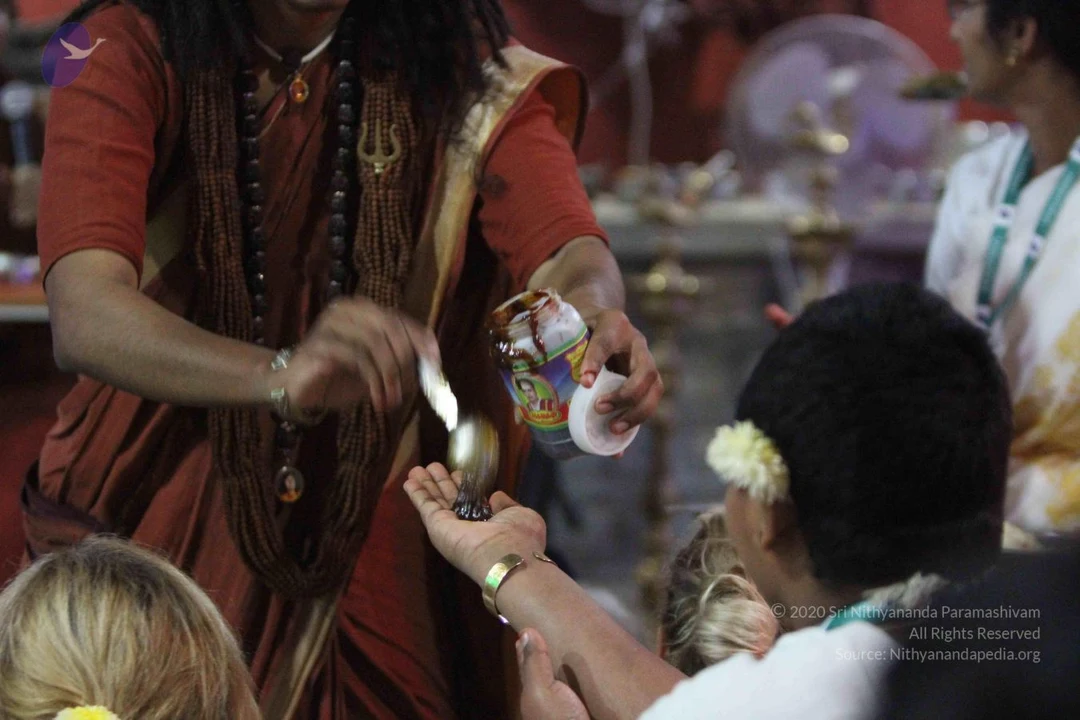
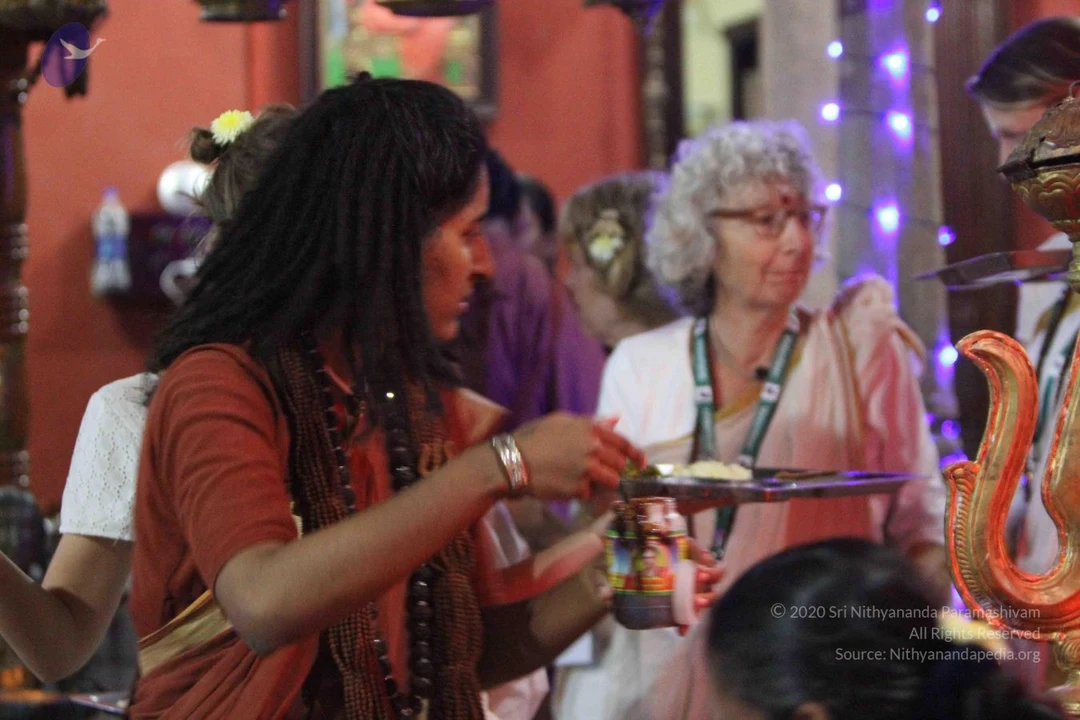
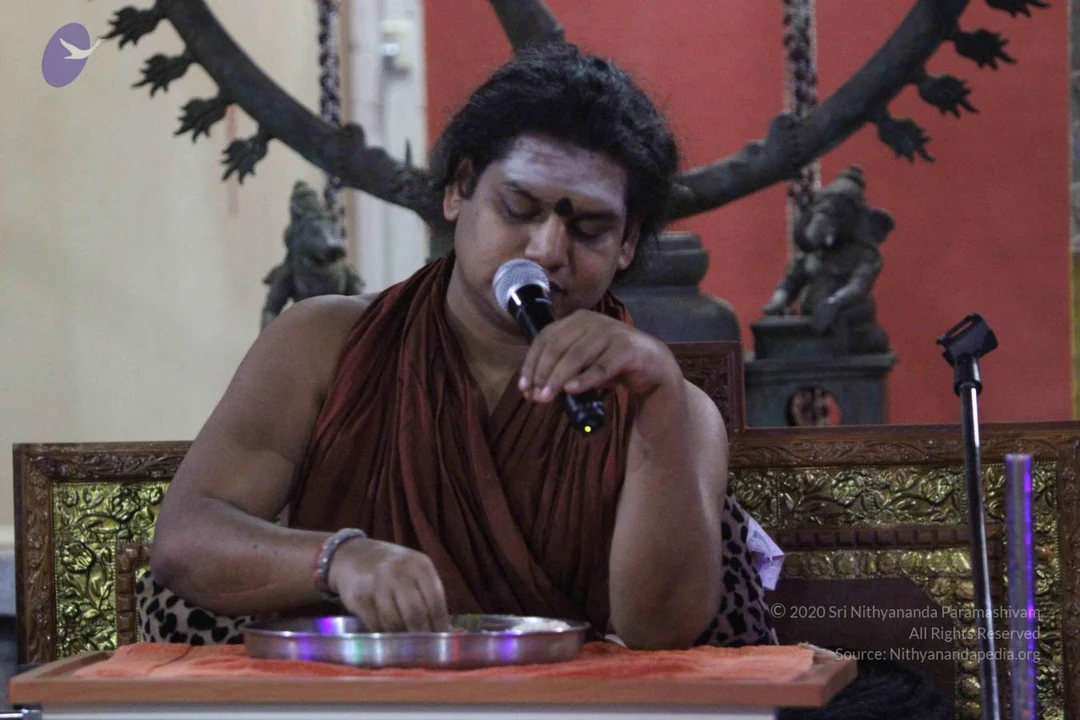
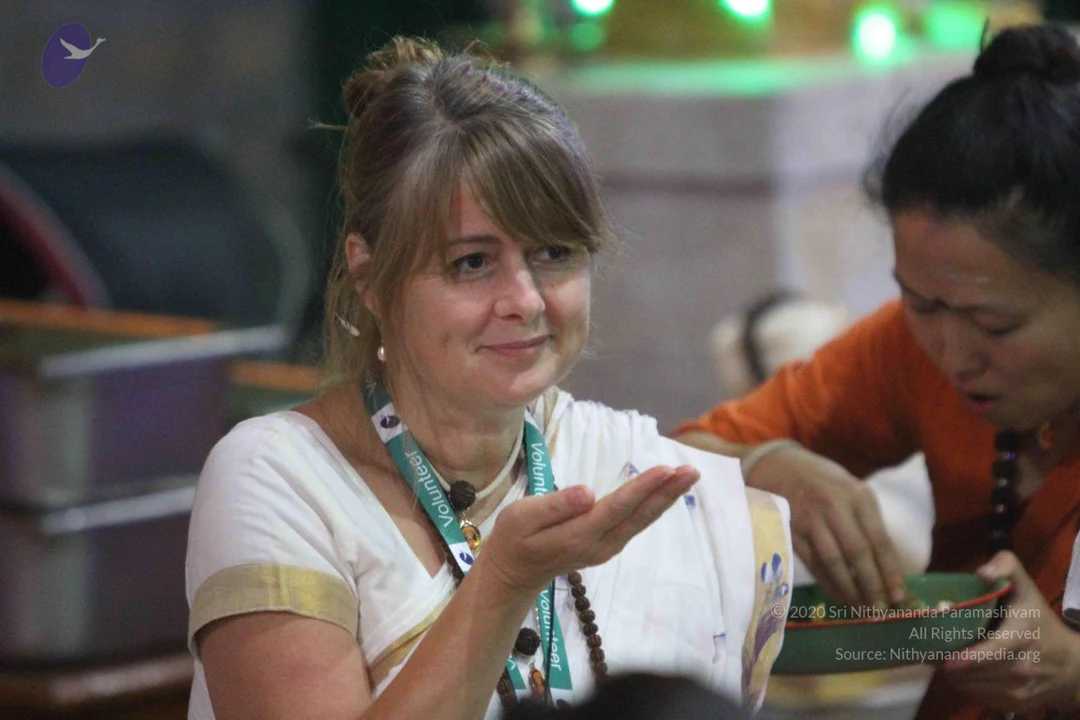
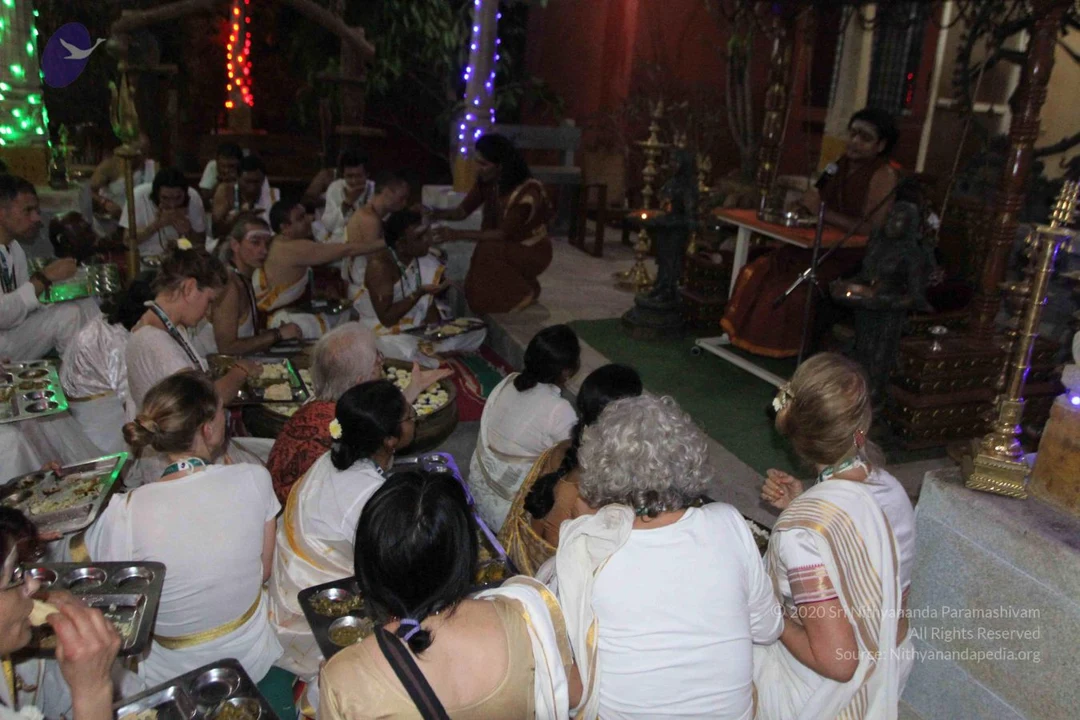
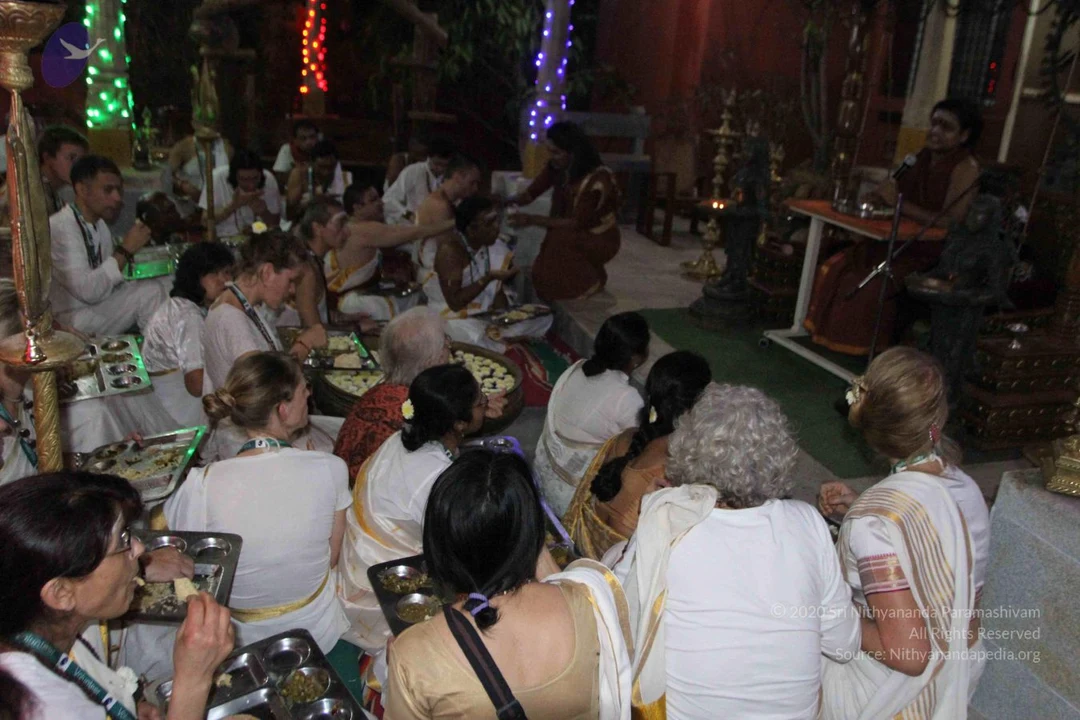
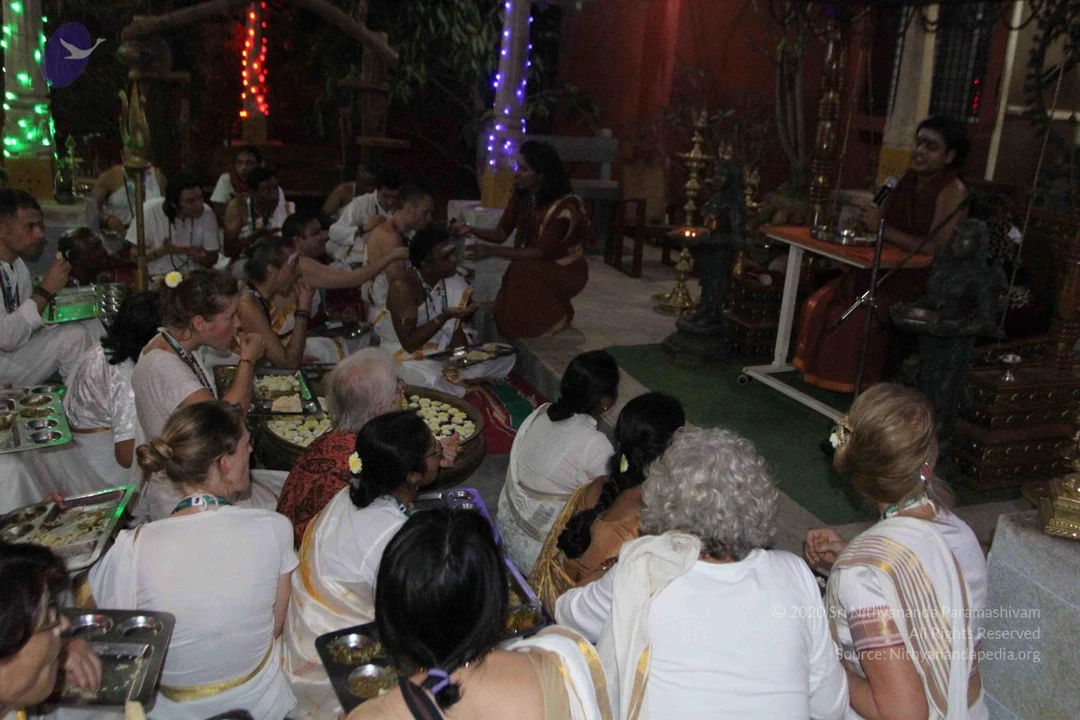
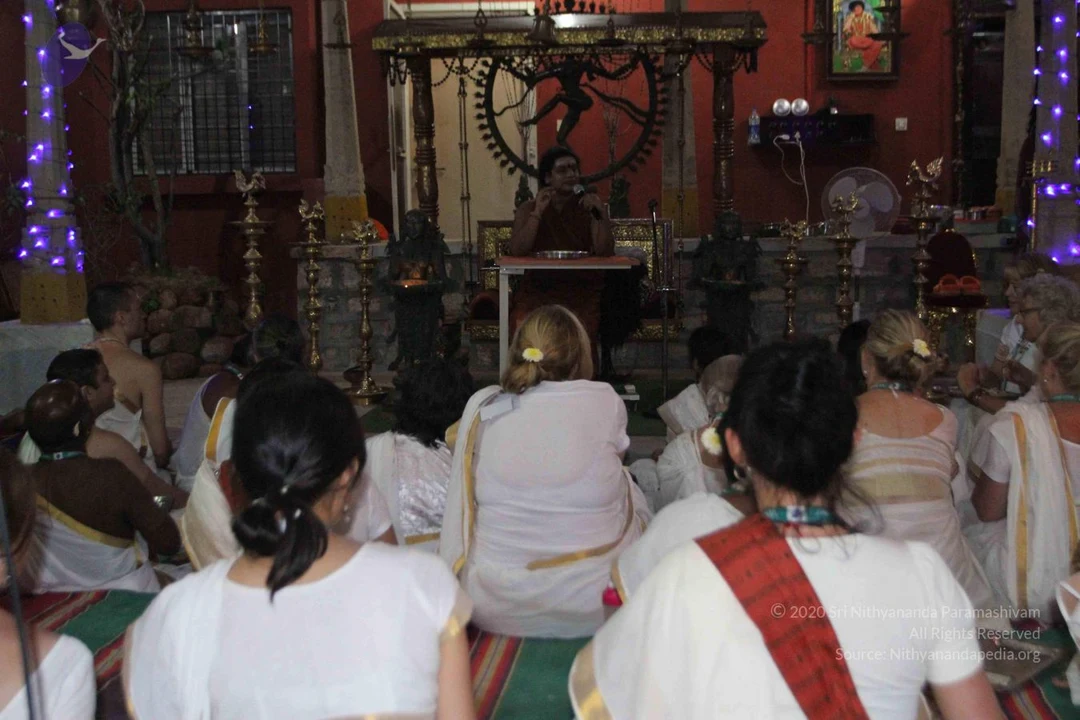
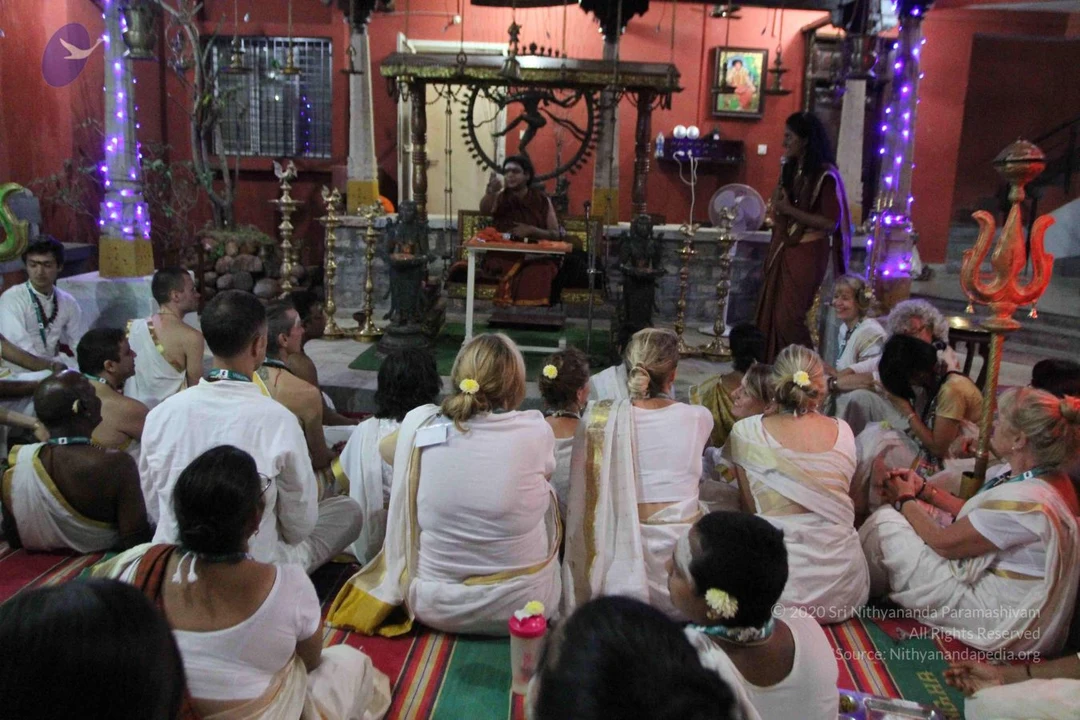

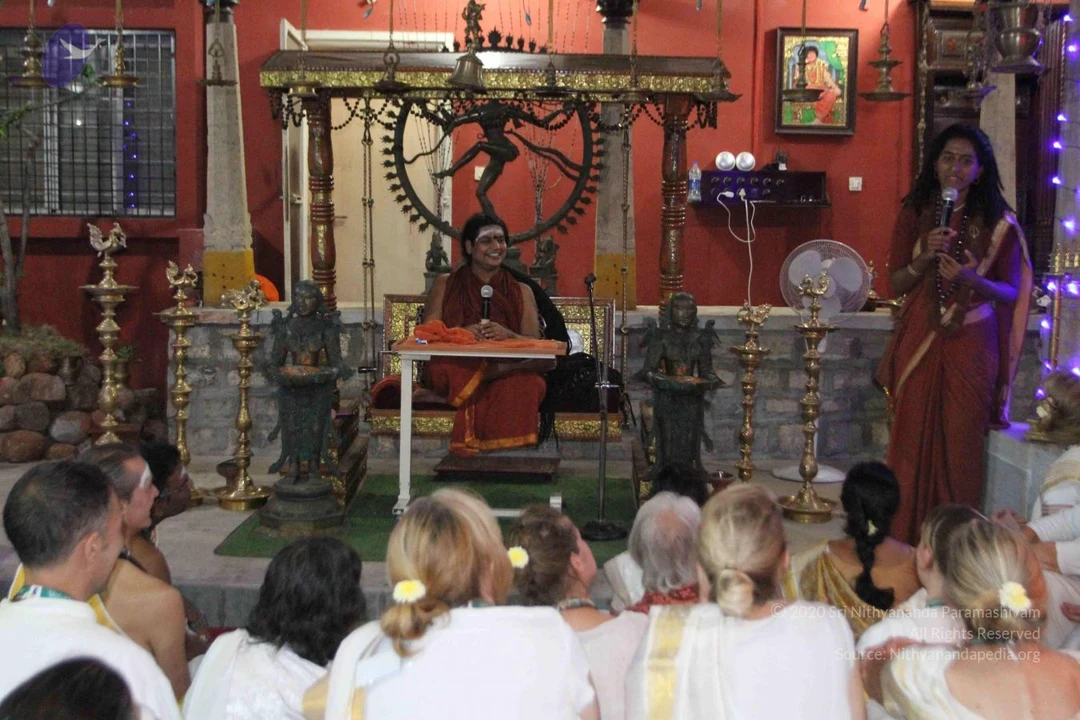
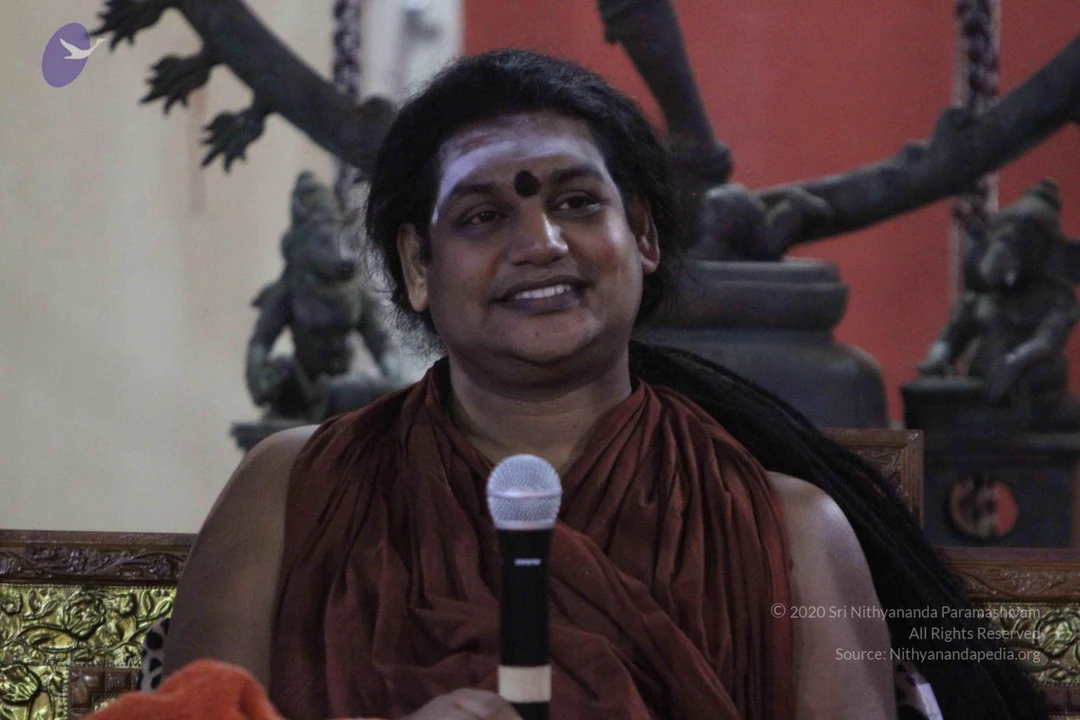
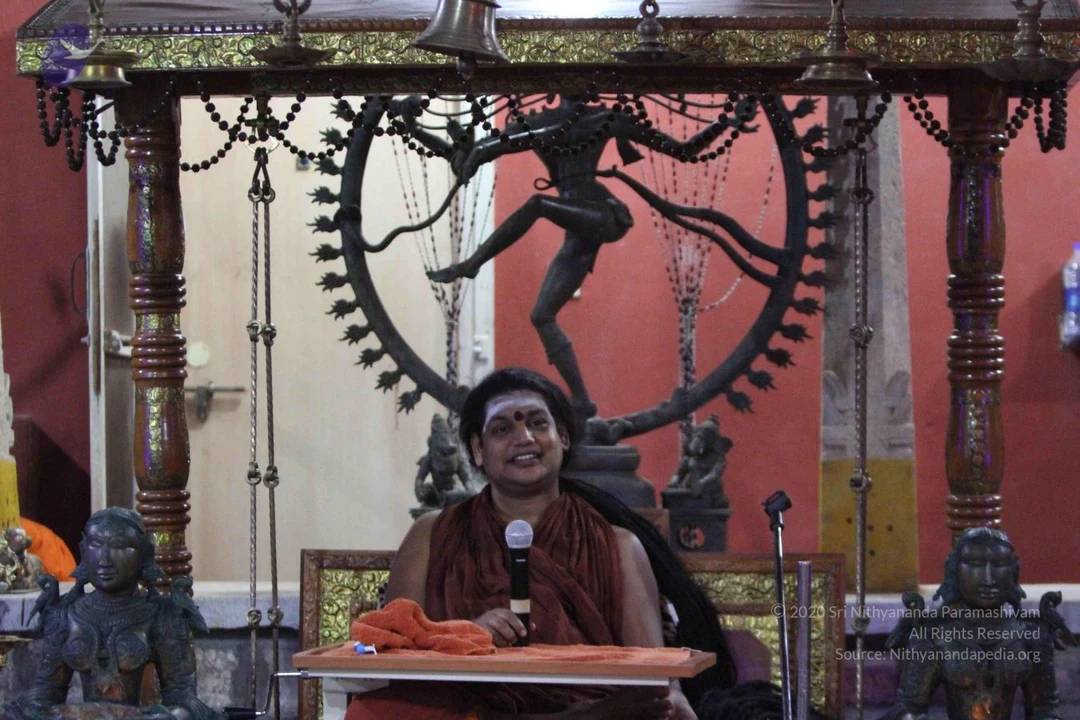
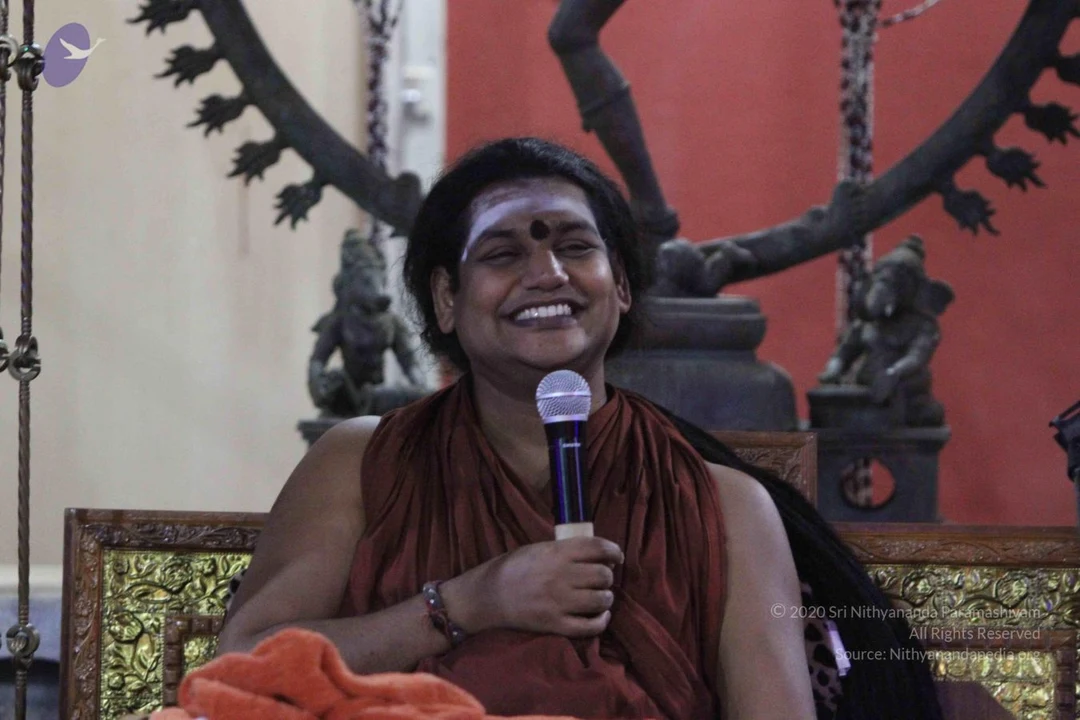
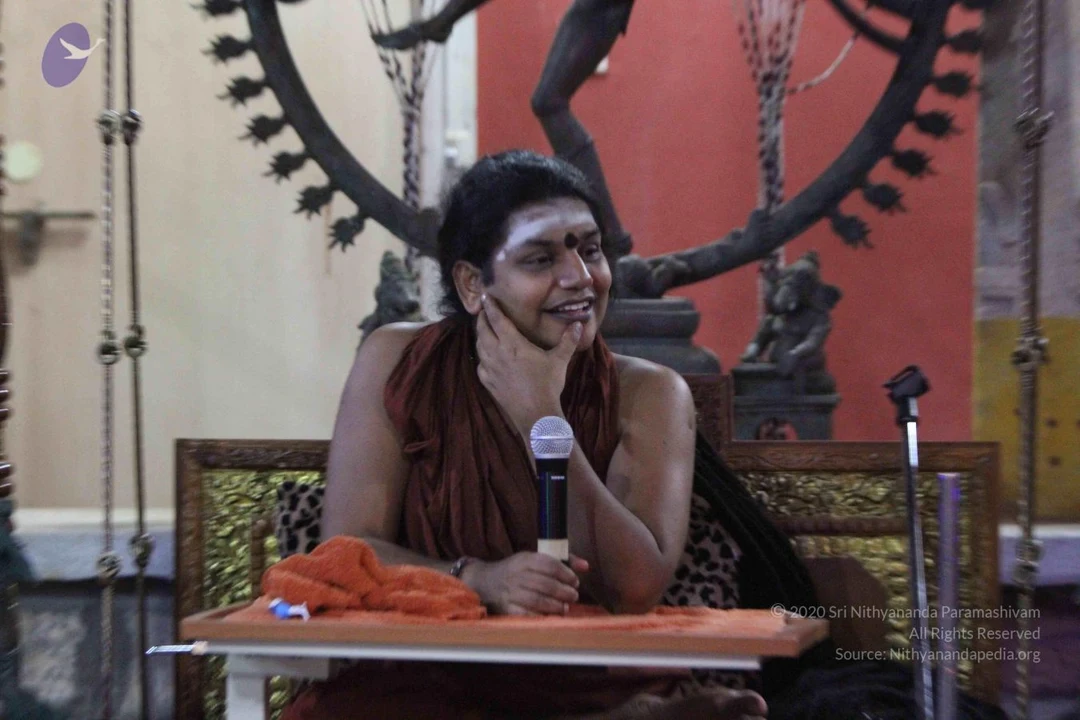

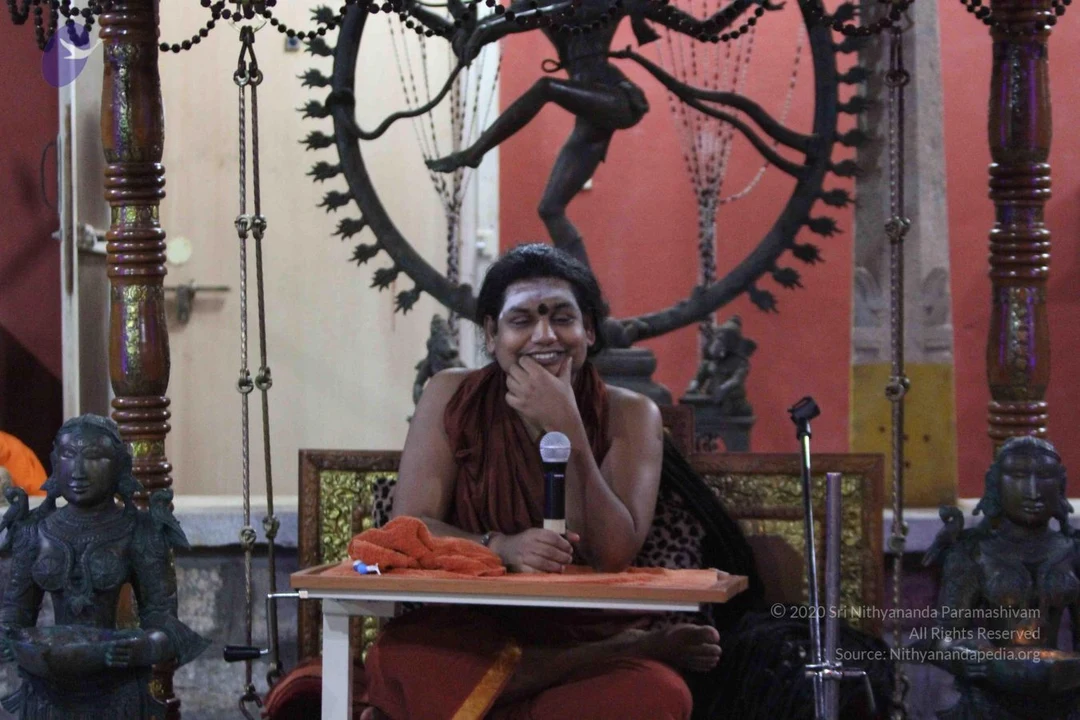
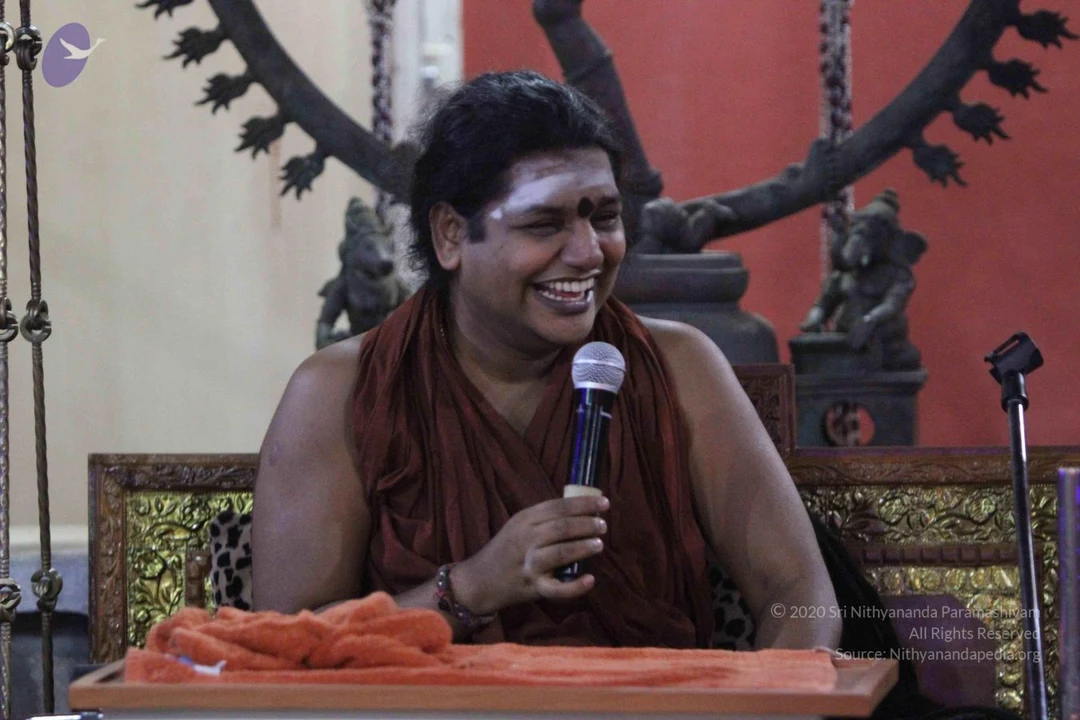
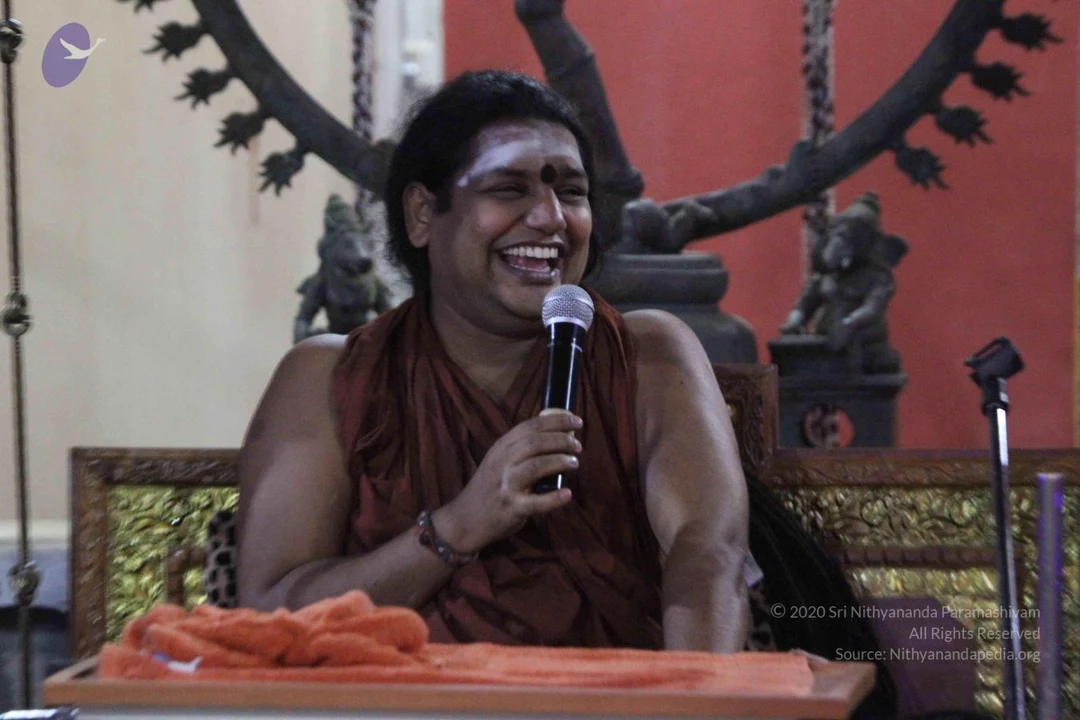
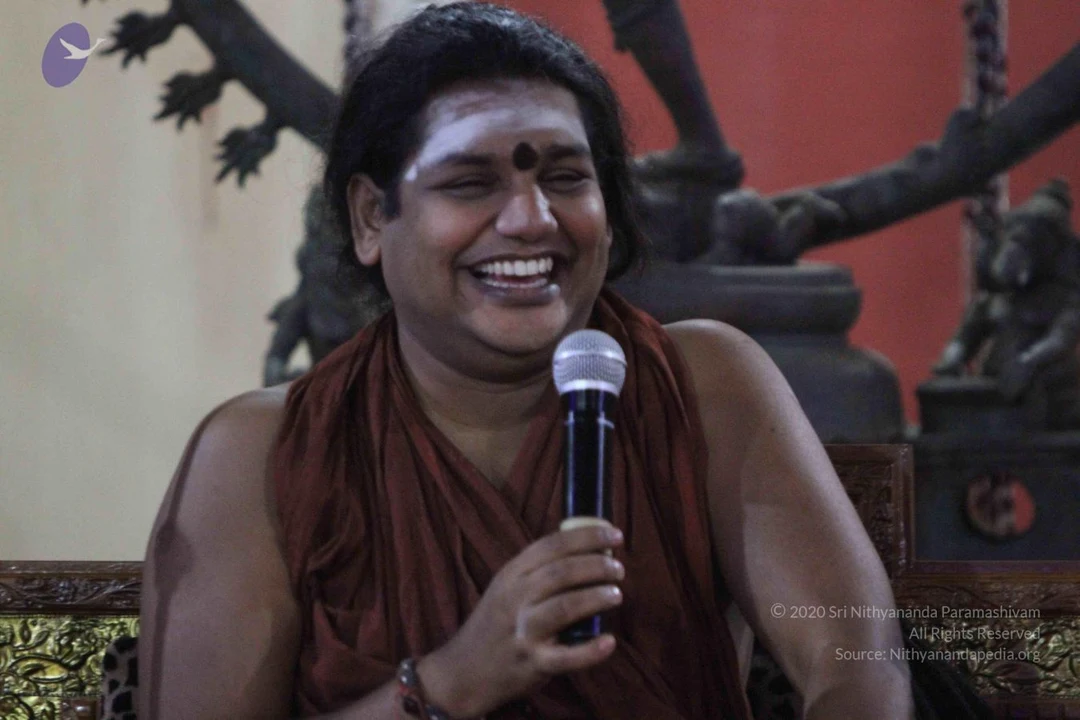
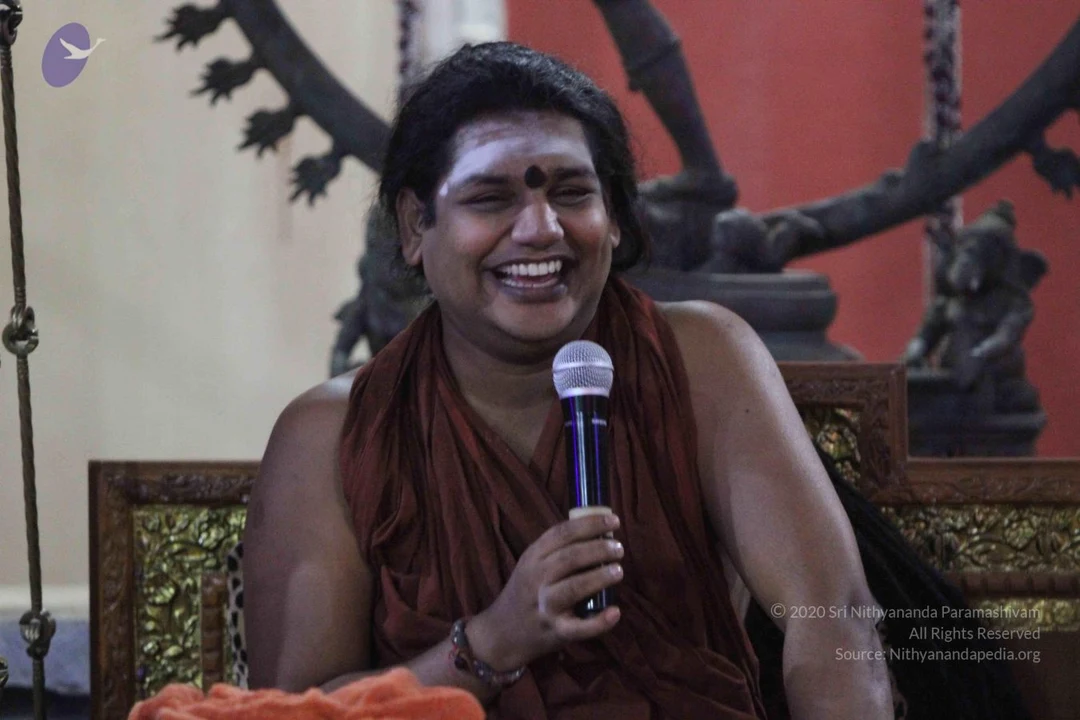

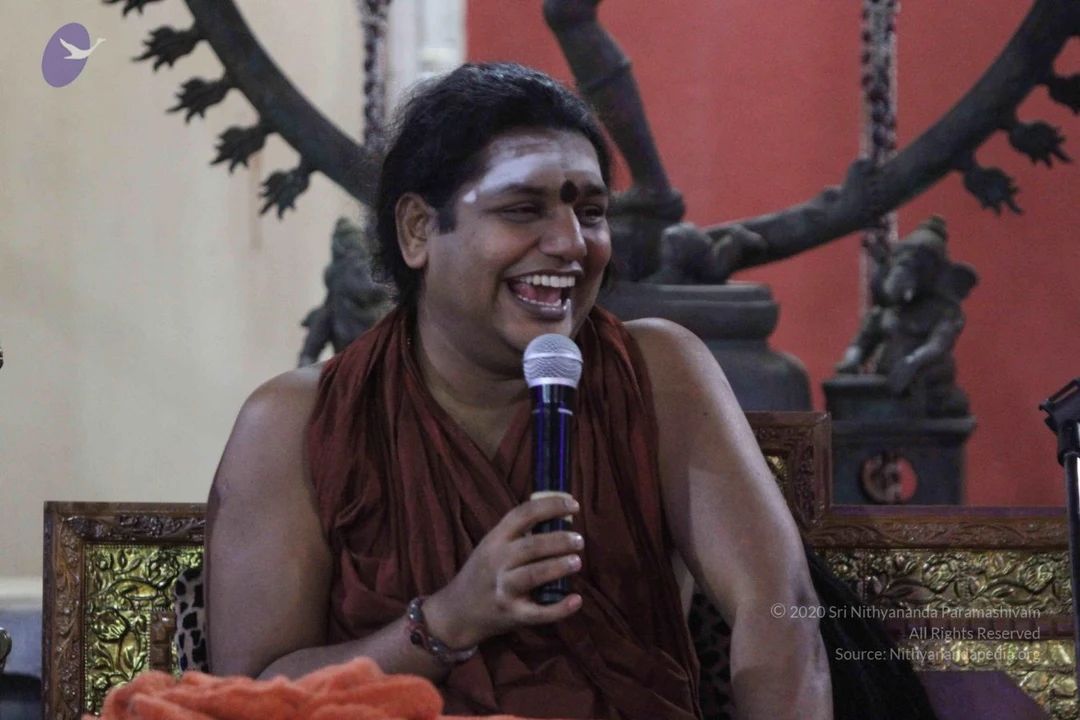
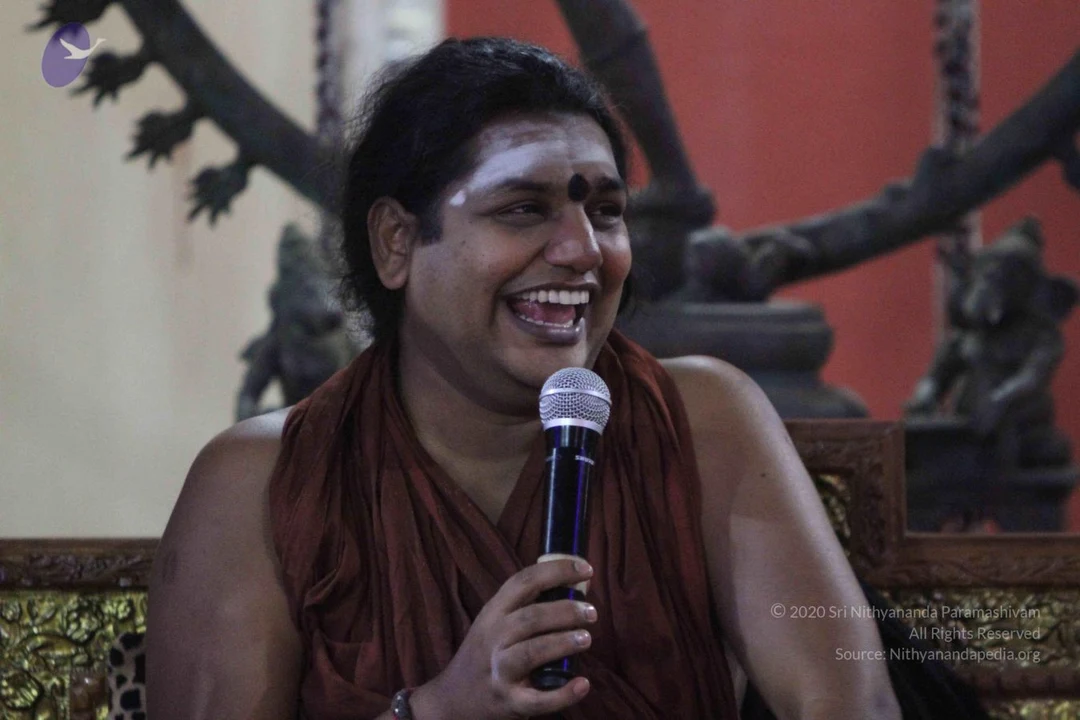

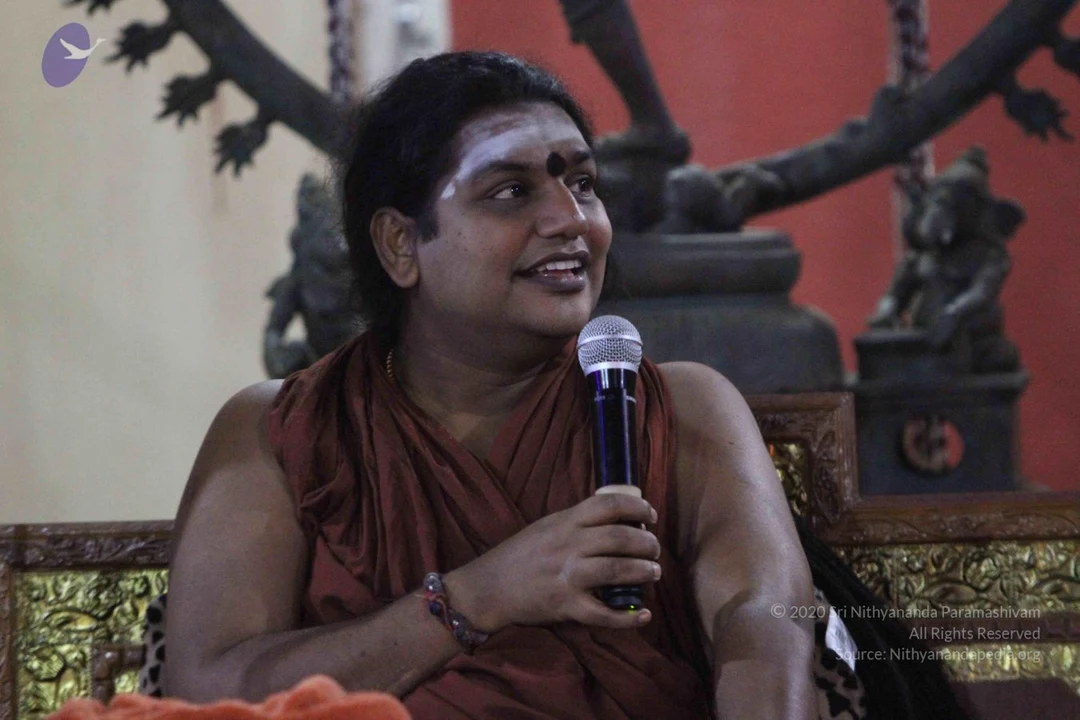
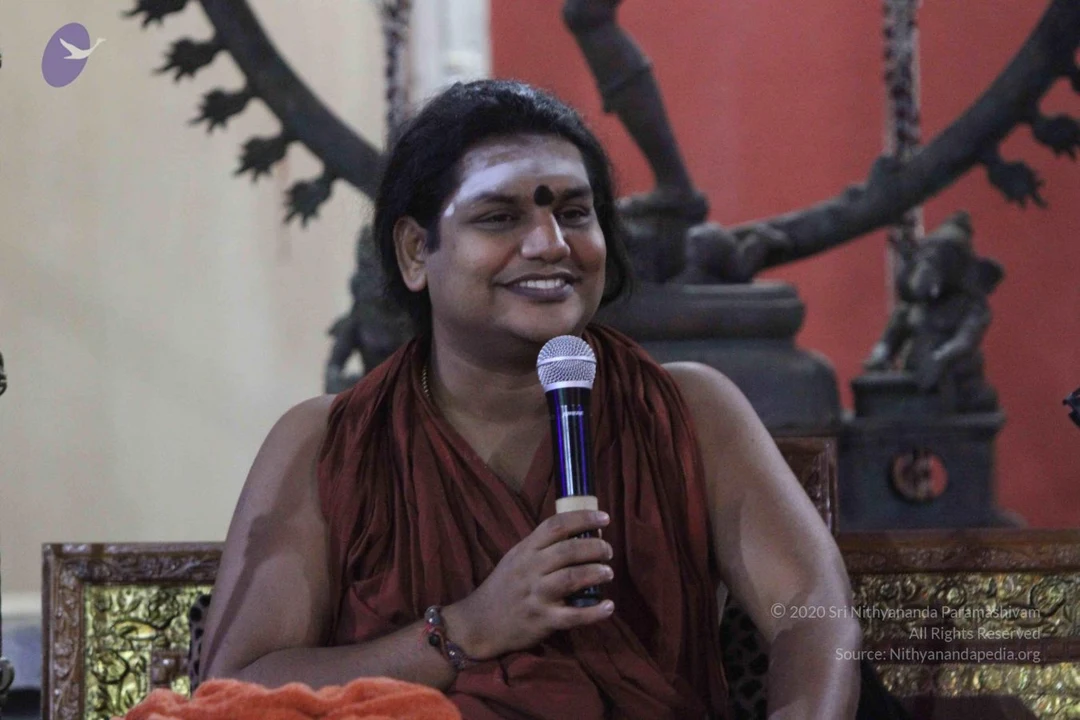
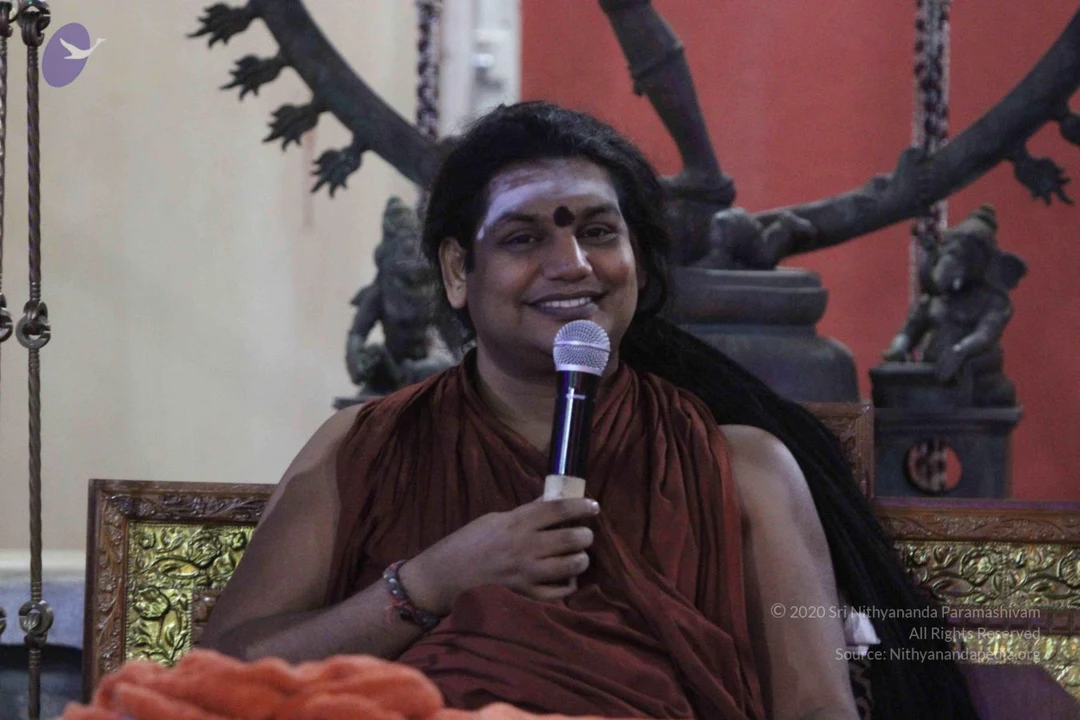
Photos Of The Day:
FB-photo-of-the-day
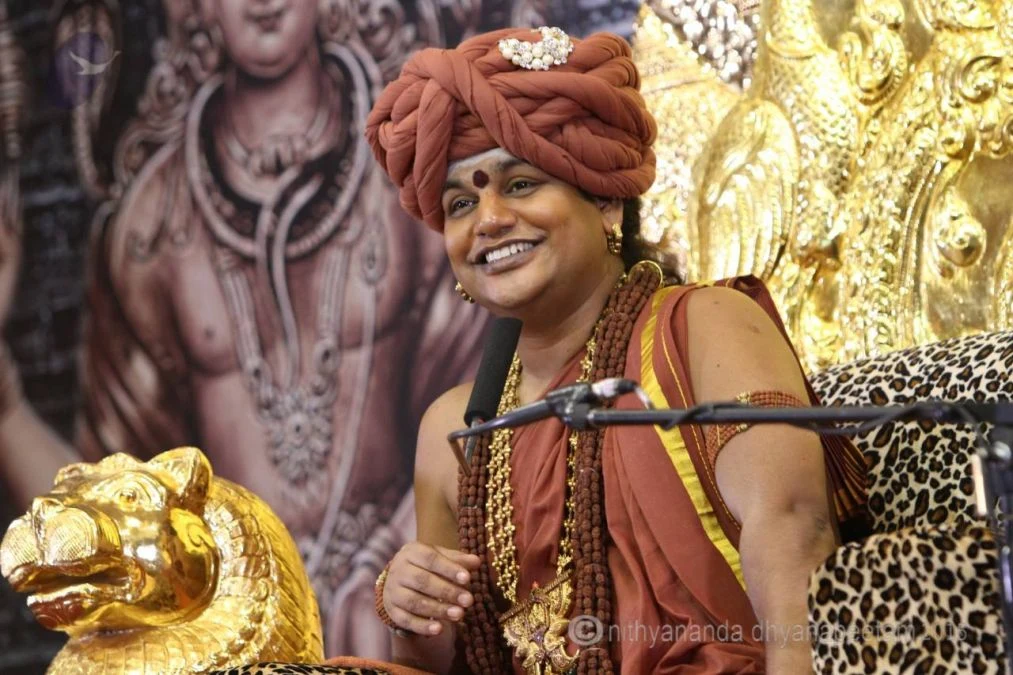
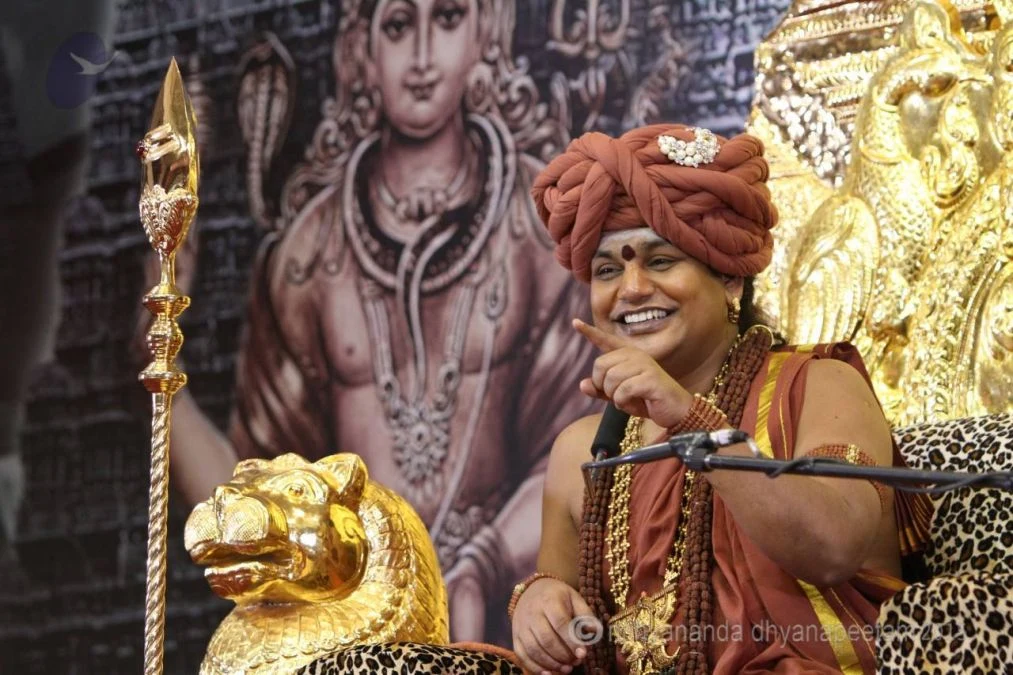
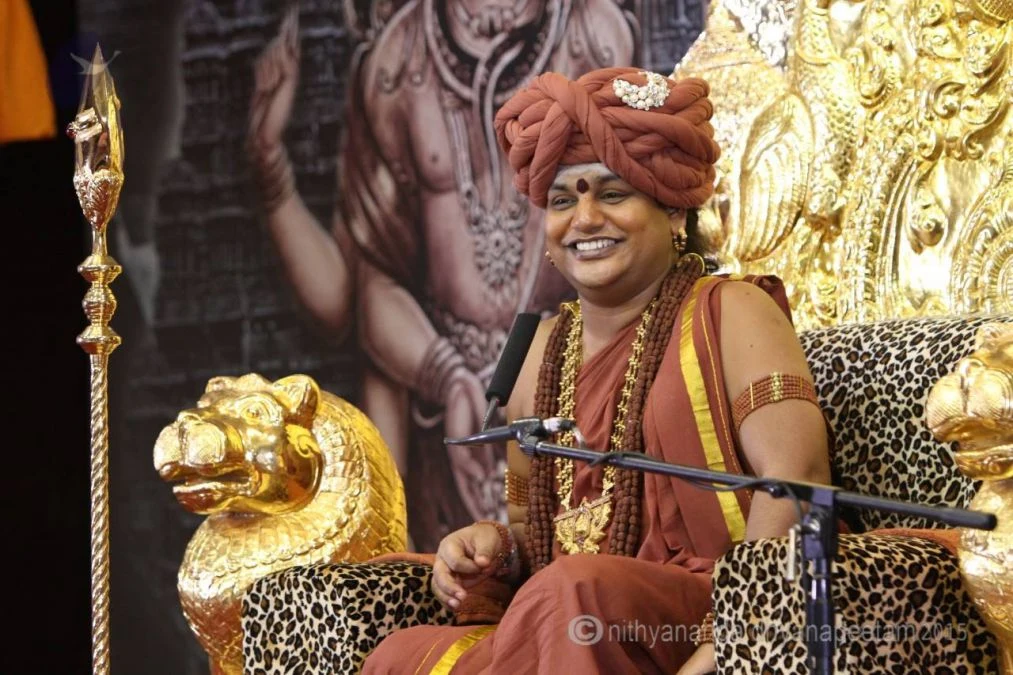
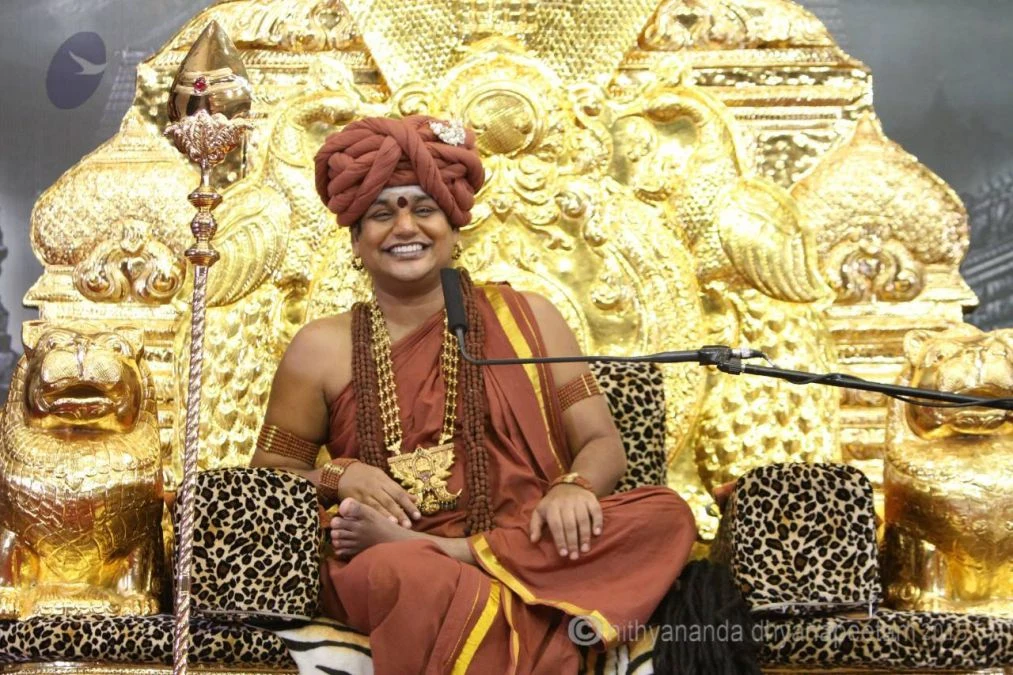
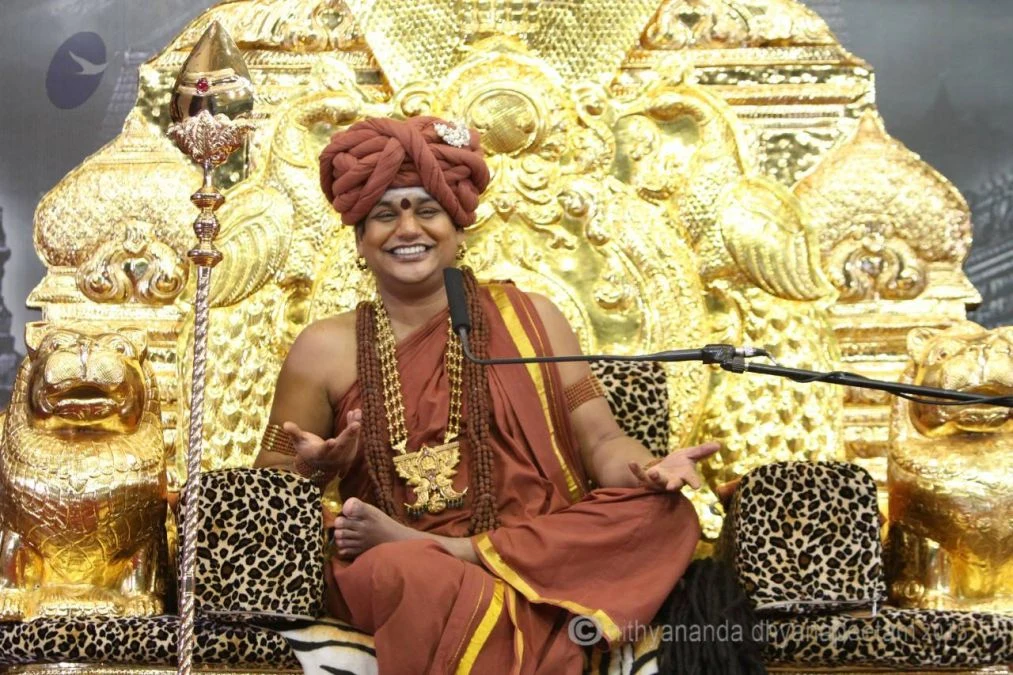
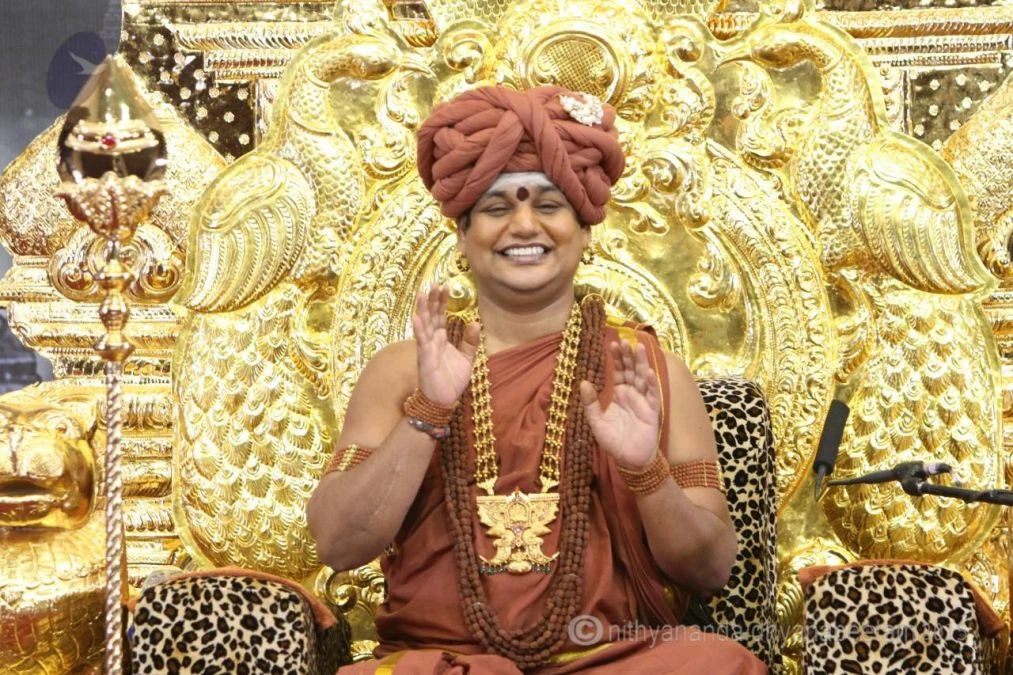
Photos from this day
View all 175 photosPhotos of The Day
146 photosSource gallery
FB-photo-of-the-day
14 photosSource gallery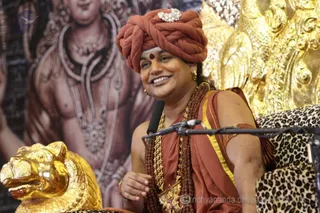
January 29th 2016
15 photosView all