Thursday
10 April 2014
Advaita is Not Retirement Insurance!!
- Dated photos
- 88
- Source pages
- 1
- Media
- 2


April 10 2014
Original wiki pageTitle
Advaita is Not Retirement Insurance!!
Description:
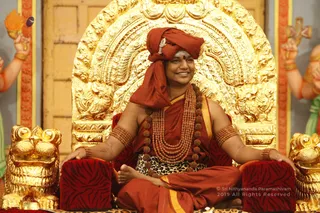
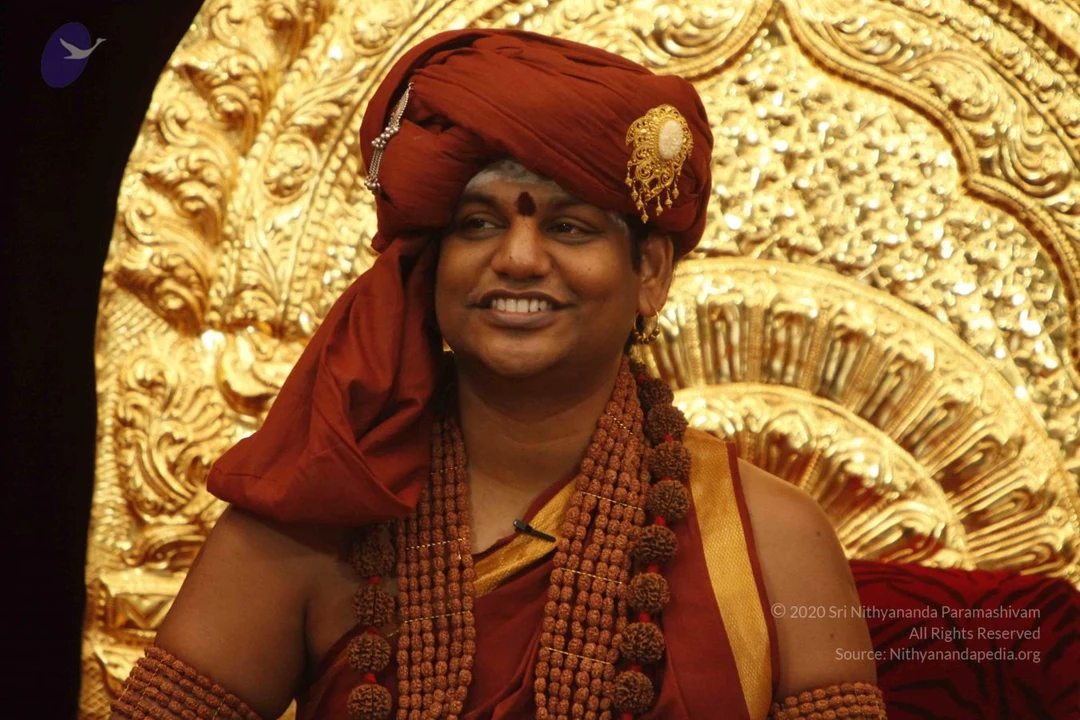
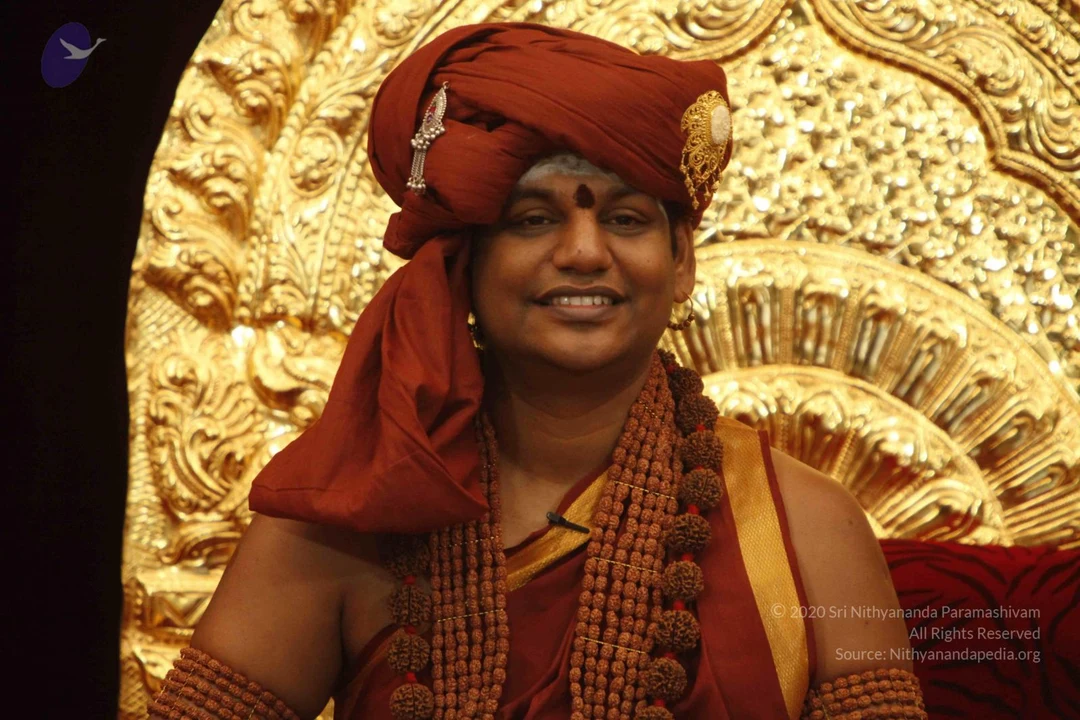
In today’s (10th April, 2014) morning Satsang, Paramahamsa Nithyananda declares that Advaita is not a retirement plan! If we don’t use Advaita now as a tool for our strategy planning, we will have to leave the body before a chance to enjoy the non-dual space happens. Why miss out on the experience of real love and enlightenment? We need not practice some elaborate techniques to experience Advaita now. With the powerful practice of Advaita and completion with our teamilies, we can experience the non-dual space today.
| Video | Audio |
Transcript:
[00:14]
Nithyānandeśvara samārambhām Nithyānandeśvari madhyamām | asmat āchārya paryantām vande guru paramparām ||
[00:40]
I welcome all of you with my love and respects. I welcome all the devotees, disciples, samajis, satsangis, Shrimahants, Mahants, Kotharis, Thanedaars sitting with us all over the world at this time through Nithyananda TV, Lotus News Channel, Janashree TV, Eshwar TV, through two two-way video-conferencing having Nayana Deeksha in many cities, many countries around the world. The cities sitting with us through two-way-video-conferencing having Nayana Deeksha: Toronto-Kailasam, Singapore-Singapuram, San Jose-Madurai, Ohio-Prayag, Charlotte-Srisailam, Seattle-Chidambaram, Oklahoma-Somanatham, Guadeloupe- Rameshwaram, Nithyananda Vedic University-Los Angeles, Nithyananda Vedic University-Paris, Nithyananda Nagaramu-Hyderabad, Vancouver-Bhubaneswar, Kuala Lumpur-Palani, Houston-Kalahasti, Toon Moon-Hong Kong, Hyderabad-Gupta Kashi, Scottsdale-Arizona, Oman-Sivagangai, Winston-Salem-North Carolina, Jorpati-Nepal, Toon Moon-Hong Kong, Houston-Kalahasti, Kuala Lumpur, Palani, Port Washington-New York, Dakota Dunes, Devon-UK, High Point-North Carolina, Hyderabad-Gupta Kashi, Minot-North Dakota, San Antonio-Texas… I welcome all of you with My love and respects.
[02:38]
Today I am coming back to the subject of Teamily. I almost gave you guys a few days’ time, last few days time to complete with all the teamily members. So, before tomorrow morning, you will finish all the completions with all the teamily members. And, tomorrow morning, I expect all of you to be ready for the next process. Understand today, all of you with your teamily members should have complete completion. You should have reached… you should sit with them, sort out all the completions; either both of you should have understood your incompletions are foolishness, and drop, or you should have understood your incompletions are reasonless. Please understand sometimes by logically analyzing you can understand your incompletions are logic-less; sometime you can understand it is foolishness. Whether it has logic or not, we don’t even need to spend time on it digging it out. You don’t need to waste time on analyzing your garbage. That is the job of Municipality. We can just dump.
[04:21]
So understand, come to the completion. By today evening you should have finished all the completion. Night go to bed in the space of complete completion. And tomorrow morning be here for the next step of process. Please understand. Take this process really, really, really serious and sincere; do it very authentically. All the Shrimahants… still I have not seen the Shrimahants’ teamily list. And all the Mahants, many I have seen, few I have not seen. And Kotharis almost 80% sent, I think 20% still missing. The Thanedars I think only 40% Thanedars sent. Please understand, let us take this very seriously, because all your teamilies put together is My teamily. Understand one thing, My teamily consists of grahas (planets), pancha bhootas (the five elements)! When you form a teamily and create Advaitic space with them, you become part of My teamily. So, naturally, all My teamily will be in Advaita with you! It is a little difficult for you to understand. But I will make you understand. Let us come to the clear Advaitic space.
[06:32]
Please understand only when the incompletions are removed, I can lead you to the next level of the positive non-dual space. In the positive non-dual space, so much of fulfillment, so much of fulfillment happens, so much of clarity happens. Whatever you want to create as reality happens, whatever the other person wants to create as reality happens; simply you cause their reality and they cause your reality. I really, really wanted the whole Sangha to experience the complete completion with their teamily today. So, today, tonight is the last time. Till tonight you can send your teamily list, you can file your nomination papers for getting elected as part of the Cosmic Teamily. All the twenty-one people who are going to be selected will be given the title “Secretary of Swamiji”, “Secretary of His Holiness”. This is completely separate from the titles you guys have – Mahant, Shrimahants, all that. So, you will be given a straight title – “Secretary to His Holiness”. So, get ready! But the basic qualification is, the Advaita should become experience in you, it should become experience in you. The rustic, raw, ground-level truth should be your basic cognition. Understand, the rustic truth of life is non-duality. The raw truth of life is Advaita. It should become your basic cognition in whatever you do, in whatever you live, in whatever you touch, in whatever you handle, in whatever you see.
[09:39]
Come to the truth, come to the clarity, whoever may be in your teamily – A, B, C, D, E, F, G, H, I, J, K, whatever, please understand, your completion with them or incompletion with them, they are not responsible. Irrespective of them, you develop a pattern of incompletion with somebody else, somewhere else, and bring it and put it on these people. See, whether you put that gunny bag on them or silk shawl on them, you weaved it somewhere else. The poor fellow who is standing in front of you is in no way responsible for the gunny bag or the silk shawl you are dumping on them. So, understand Advaita Satya is the only truth. Your incompletion with the other person, or your completion with the other person, other person is not responsible. Whether you are putting a silk shawl on that person – completion, or a gunny bag on that person – incompletion, other person is not responsible; it is you who stitched with this pattern from your life. Understand, if you are feeling the other person is constantly abusing you, even if you remove the other person and put somebody else, even if you remove “A” and put “B”, in two days you are going to feel this fellow is also doing the same thing to you! Whether your completion or incompletion, the other person is not responsible. Tomorrow’s process is going to exactly show you that.
[12:08]
Complete with all the incompletions you have. There is so much to be told. I can take days and days and days to convince you why the teamily, why you need to do completion… days and days and days. Actually I am overwhelmed and excited the effects going to happen by this teamily! See, I can say easily, thousand people have started this process. The process is such powerful, perfect process, easily nine-hundred-and-fifty people will reach the goal. Only the people who drop out voluntarily will fail. Because the process itself is so easy and straightforward you can never miss it if you go through it. You can never miss it if you go through it. And this whole Advaita, teamily satsangs, we will collect it, organize it as a series, and put it in the YouTube for free, anyone to experience Advaita.
[14:03]
Yesterday, some devotee has asked Me a question to Me, “Should I practice love, then I will reach the space of Advaita?” I said, “No. You will start practicing love from the context of Advaita.” Advaita is not a goal. From the context of Advaita only you will even start practicing love. There is a big shift. Practicing advaita and becoming love .. sorry practicing love and becoming Advaita means, first you will say, ‘I am there and Mahadeva is there and we both… and I love him, and all that.’ No! ’I am He, He is me, His reflection is this, and this reflection is that; because of that, both love each other. Both has that …’ Even the word ‘both’ is wrong. Because You is me, Me is you, You Me has become You-Me. You is Me, Me is You, the You-Me, Me-You. What you call “You-Me, Me-You” experience only is love. Understand the love itself should be from the context of Advaita. Please understand Advaita is not some experience to be reached after certain practice and all that. See, how when you know the truth ‘Sun rises in the morning in the East’, you strategize so many things based on that fact. Your waking-up time, your day you plan, your house you plan in that direction, based on that direction you know how the light will be available to you, how the breeze will be available to you. You put your staying place in that way. It is like the basic facts to strategize your existence.
[16:36]
Please understand, exactly the same way, you are everything, everything is you - That truth – you are everything, everything is you – that truth should be a strategy-planning cognition for you. When you have a Retirement Insurance, you don’t bother about anything and you relax. When you have an International Licence, based on that you plan to travel to many countries. Advaitha is like International Licence, International Driving Licence, international Visa. Please understand we always perceive Advaita as the Retirement Insurance – ‘Okay it is there. It will come in the old age and support me.’ No! It is not a Retirement Insurance; it is a International Visa, International Driving Licence. With that you have to start planning your life. Remembering Advaita as the Retirement Insurance is “Videha Mukthi” (liberated after you leave the body). Understanding Advaita is your international Visa and, International Driving Licence and planning your life, is “living enlightenment”, “Jeevan Mukthi”.
[18:18]
I tell you, when you know the Sun rises in the morning in the East, tons of things can be planned on that – where you have to do agriculture, where you have to live, so many decisions, how your house should be, so many decisions – are just based on that one fact. Same way, when you know the Cosmic non-duality, tons of decisions you can make based on that. And, even if you don’t believe, even if you don’t experience, I tell you, make your strategy and decisions based on the non-duality with the right understanding, you will experience it. It is right understanding that is required, right understanding that is required. I am just celebrating, because continuously, every day it has become a day-to-day lifestyle for our kids to relate with gods and relate with the Nature. It is like a… they declare and heaven showers! Just few drizzles! It is not a joke! Exactly, every day the same time, the clouds gather and drizzle. Neither in Bangalore nor in Mysore, only on Nithyananda Nagara! Not even in Mysore Road, only in the ashram it just drizzles, blesses and…! I am so happy! It means these kids have started perceiving Advaita as a basic cognition. I wanted to tell all the Gurukul teachers, it is time that you guys transform yourself and align to these spiritual truths and Advaita in a very strong way; because, I don’t want My Gurukul kids to hear any… even word from other than Advaita! Even the words they hear should be from the non-dualistic space Advaita.
[21:09]
Yesterday, when I went for a walk, the Gurukul kids were telling Me, “Swamiji, we have only three mango trees and we wanted to have more mango.” I said, “Don’t bother. It is not that only rose plant is going to listen to you guys. Go and tell them ‘Give more mango’ and give it in a very lower branches so that we don’t have to climb and we can just pluck and eat.” And they were saying, “No, stinging ants were there in that tree”. You should never use the word ‘stinging ants.’ Why are they stinging? Because you are abusive! Because the human-being is abusive, they are stinging. It is their living place. If you go and harass them in their living place why will they not defend themself? So stop these abusive words – stinging ants. Be very clear, tell them, “Please give little place. I will just climb and pluck these mangoes and come down.” They will simply give way, so neither you will be abusive man, nor they will be stinging ants. Just like you have a term for them – stinging ants, they will be having a name for you – ‘demonistic men’! It is advaita when you have a word stinging ant, they will have a word demonistic man. Drop it. We were walking, and we saw a snake hole. The smell… I saw the snake; it was there inside. All the Swamis were around Me, Mahants and Shrimahants. I said, “Shall I tap now? It will come out.” We have one Mahant, “Yes, Yes, Yes, get it, get it! I wanted to see!” But Shrimahant said, “No, it will be non-violent, it will be harassing. The poor fellow is sleeping there. How can we just get him and take him out?” I said, “Yes, right.” For our curiosity, we have no right to disturb his space. Because, the moment he sees us, it is not that he is going to be very friendly; he is going to be frightened. Constantly, let us operate from the context....let us operate from the context.
[23:38]
You will see, I am challenging you, these Gurukul kids will go and talk to that three mango trees; you will see, this season, unimaginable quantity – ten times more than usual levels of mangoes will come in that tree! And you will see, all those ants will have separate place; they will never come near the kids or sting them. I am challenging you guys, because I know the power of My kids! Even if it is a spark, it is a spark from fire! Understand, even if it is a spark, it is a spark from fire! It can burn anything. You will see, these kids, even if they are kids, they are kids from the space of Advaita; they will do it. Yesterday I didn't go near that three mango trees, because I don’t want them to listen from My instruction and give more fruits. I wanted them to listen to my kids instruction and give. I did not go near that three trees. All these kids were calling Me, “You come, You come!” I said, “No, I am not coming.” Because, I wanted the kids to talk to those tree directly and the tree should respond to the kids directly. I will show you very scientifically, the sour mangoes, mango tree giving sweet mango. All this I will show you scientifically. This will all be done just by My kids through simple relationship from the space of Advaita! How they have done rose plant drop the thorns, how they make the rain shower every day through Rudra Homa, they will relate with the mango tree.
[26:10]
Please understand it is not for the siddhis you will live Advaita; for you to know siddhis are your nature, you will live Advaita! It is not for accumulating siddhis you will live Advaita; but to know siddhis are your nature, you will live Advaita. Understand, the moment the idea of accumulation comes, the manipulation started. Because you feel you are inferior, you plan to manipulate. Fool, you are the owner. Why do you need to manipulate? You don’t need to. Some kids were saying yesterday, the other kids are stealing the mango and eating. I said, “Stop the word stealing. You are the owner! Everything is your fathers. You are, you guys are the kids of a rich father! Why do you need to steal?” The idea of stealing doesn’t exist. Only when you feel you are inferior, you need to manipulate. You need to say I should accumulate Siddhis. No. It is your nature! Practice Advaita to know siddhis are your nature, not to accumulate siddhis. The moment the accumulation idea comes, the manipulation idea starts, the inferiority idea starts. I tell you, create the Advaitic space with your teamily; you will simply have telepathy experience. You will know what the other person is thinking! Understand when you experience the power of Advaita, you are no more a one individual; you are a synergy! You are a synergy! You are a synergy!
[28:17]
I bless you all! Let you all radiate with Integrity, Authenticity, Responsibility, Enriching and Causing eternal bliss, Nithyananda! Thank you!
Photos
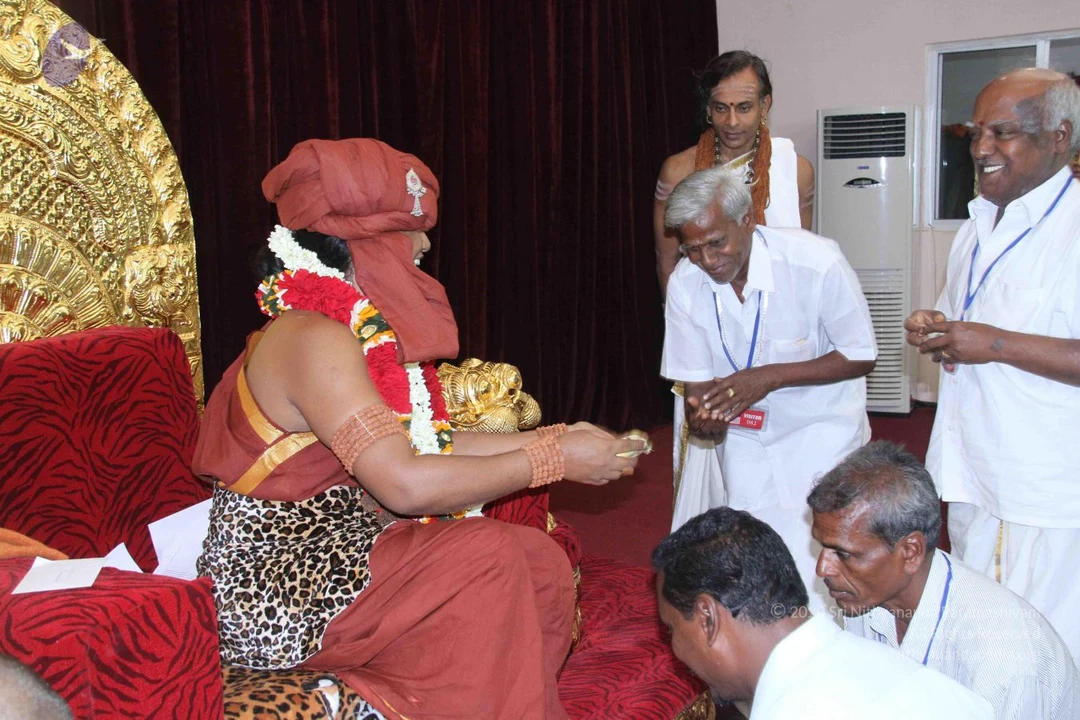
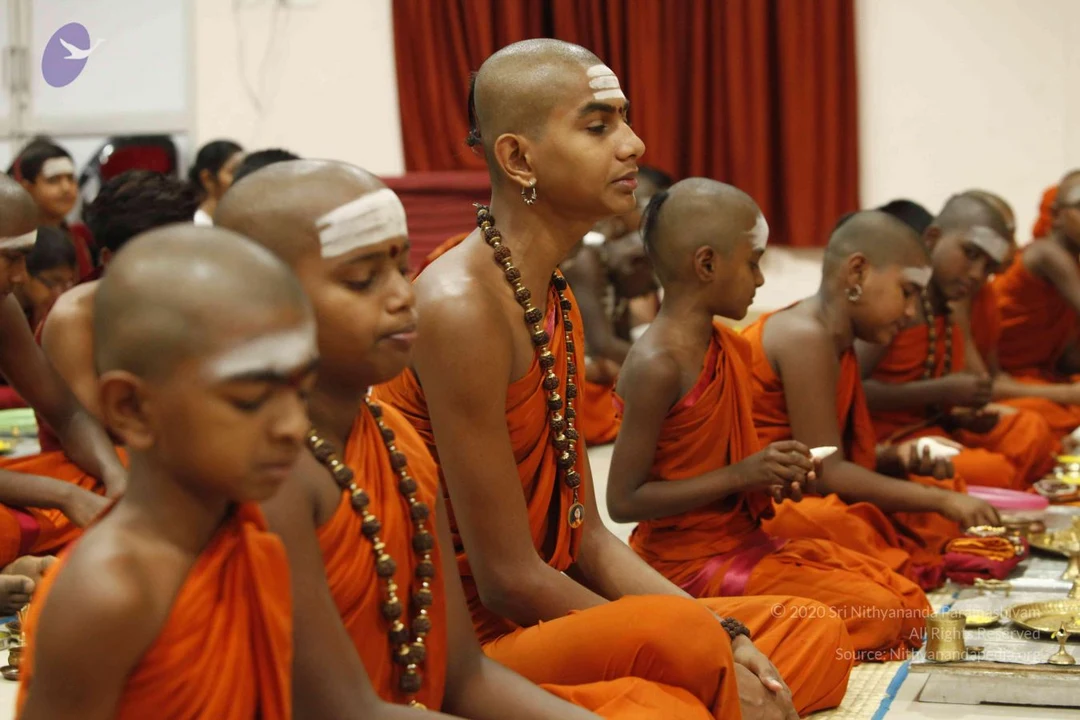
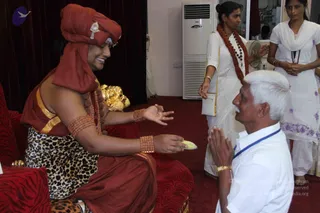
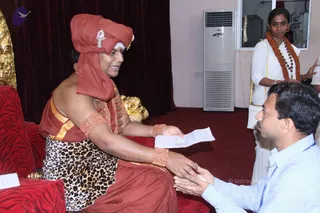
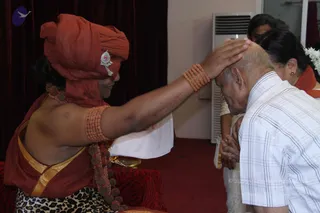
Pada Puja
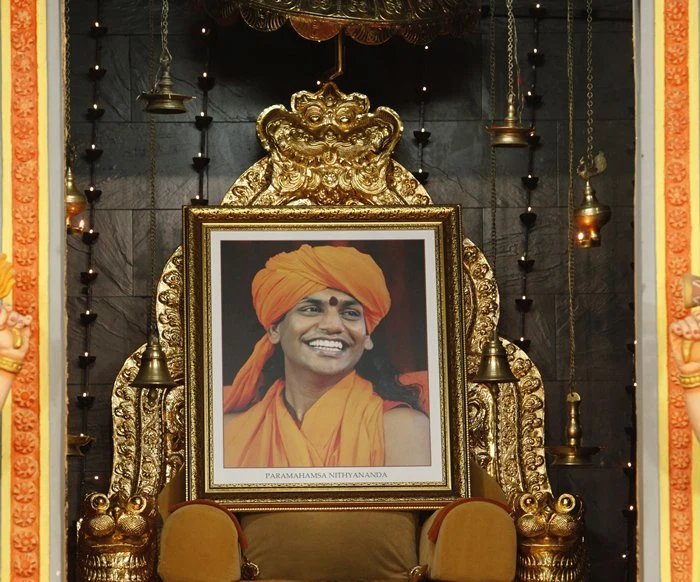
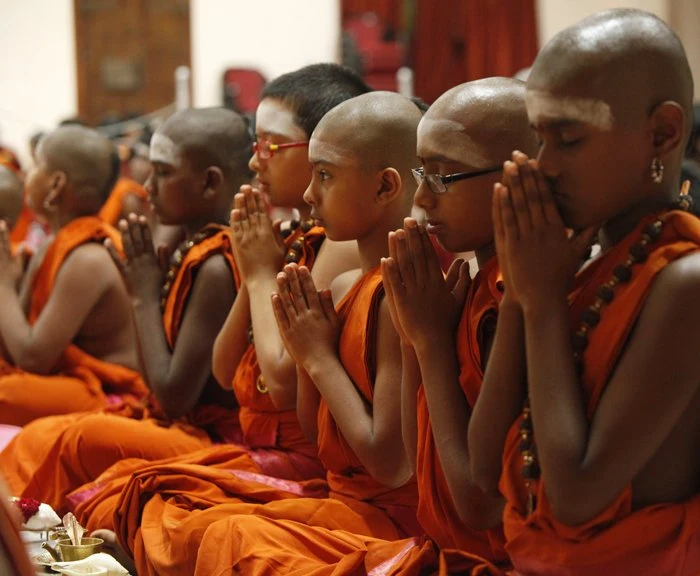
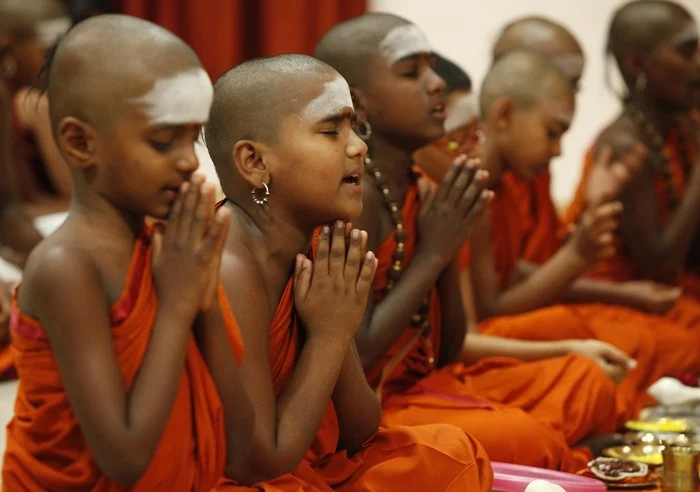
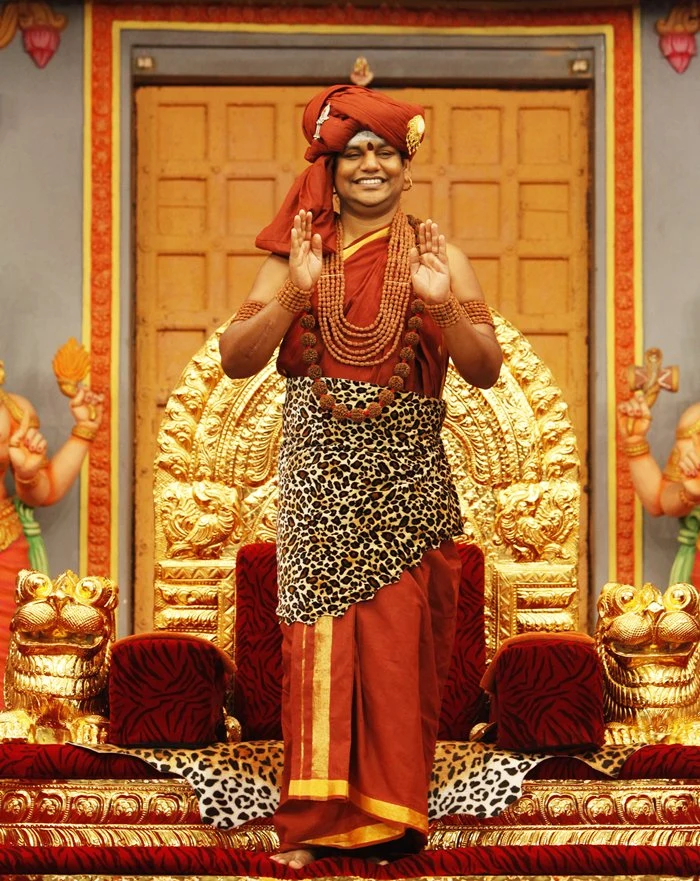
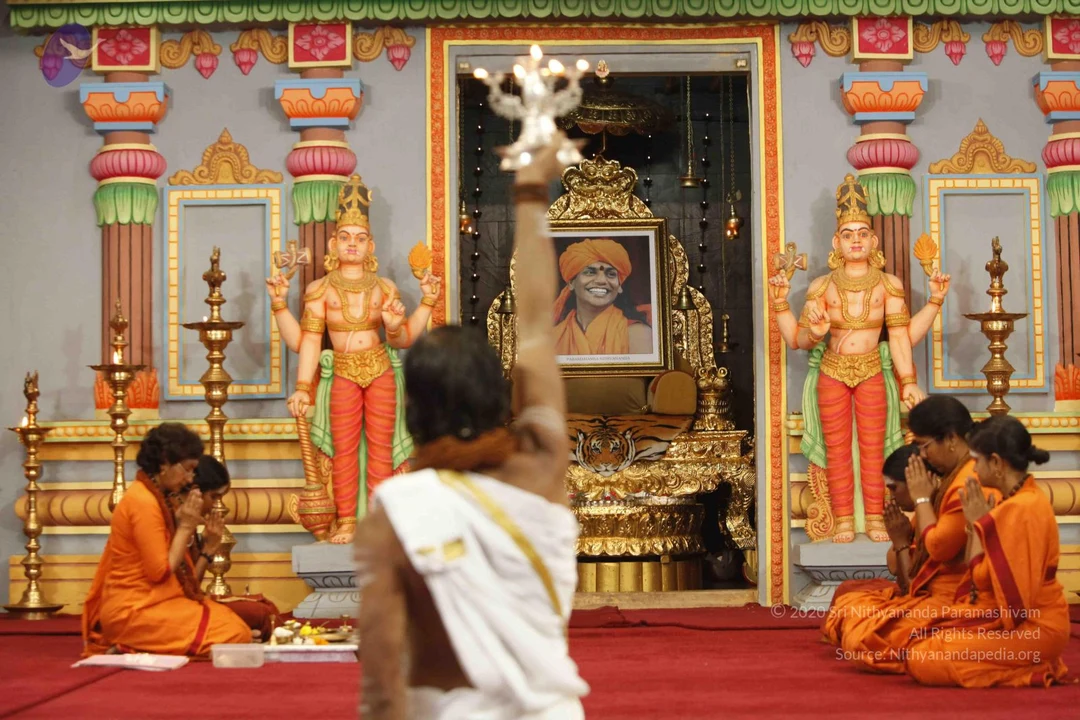
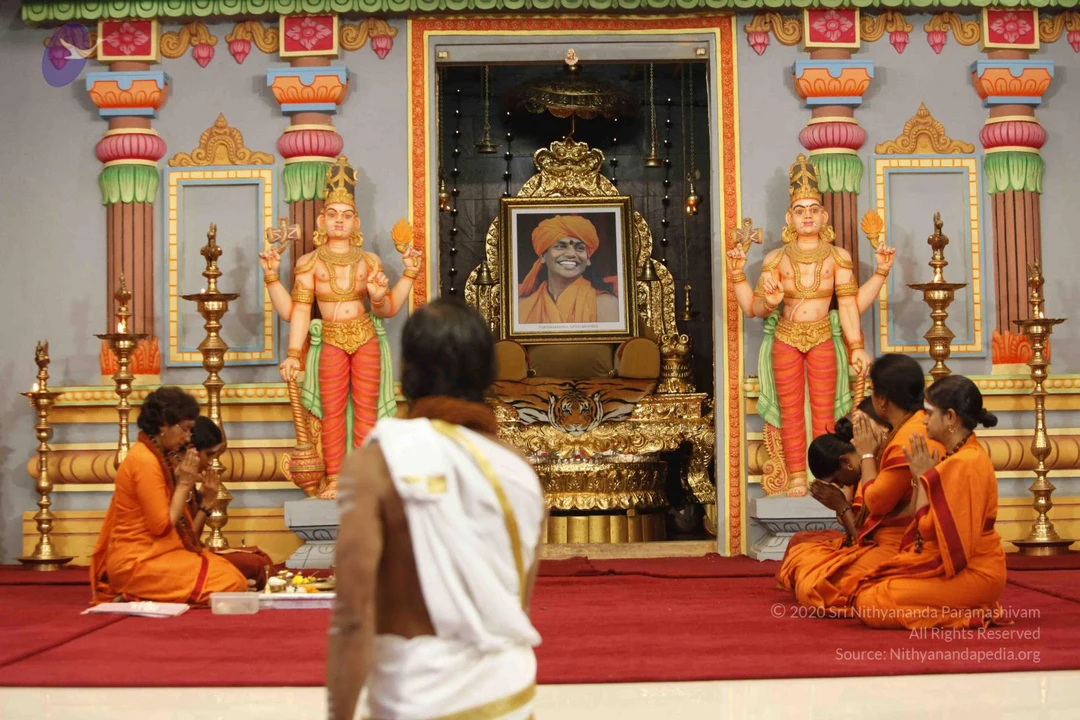
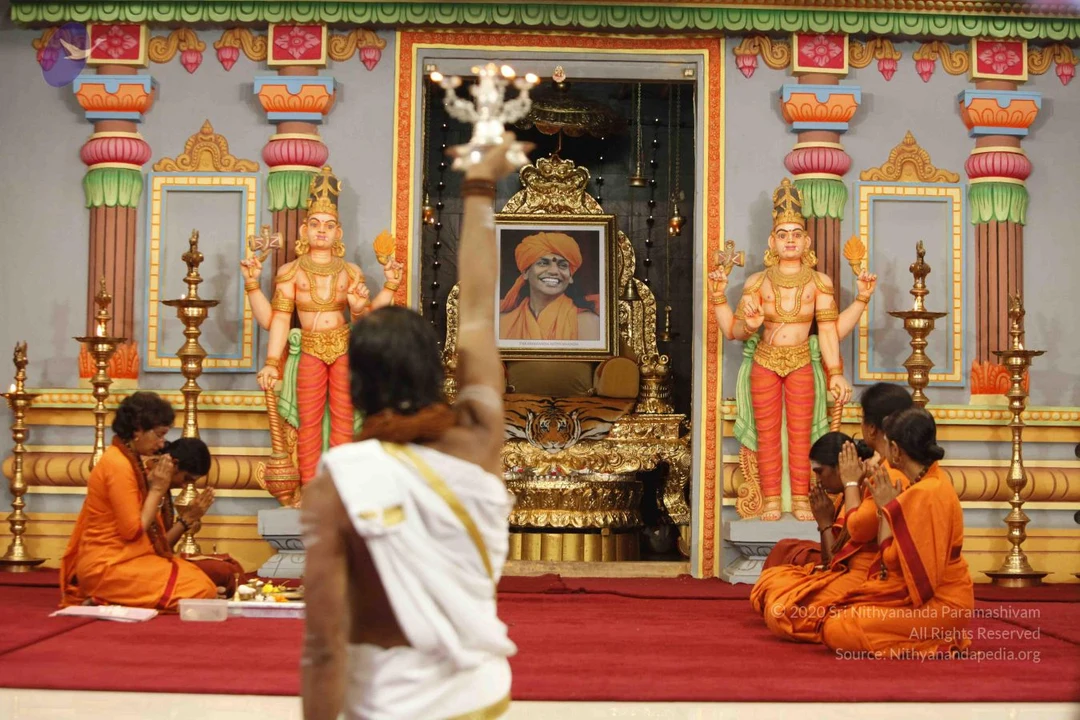
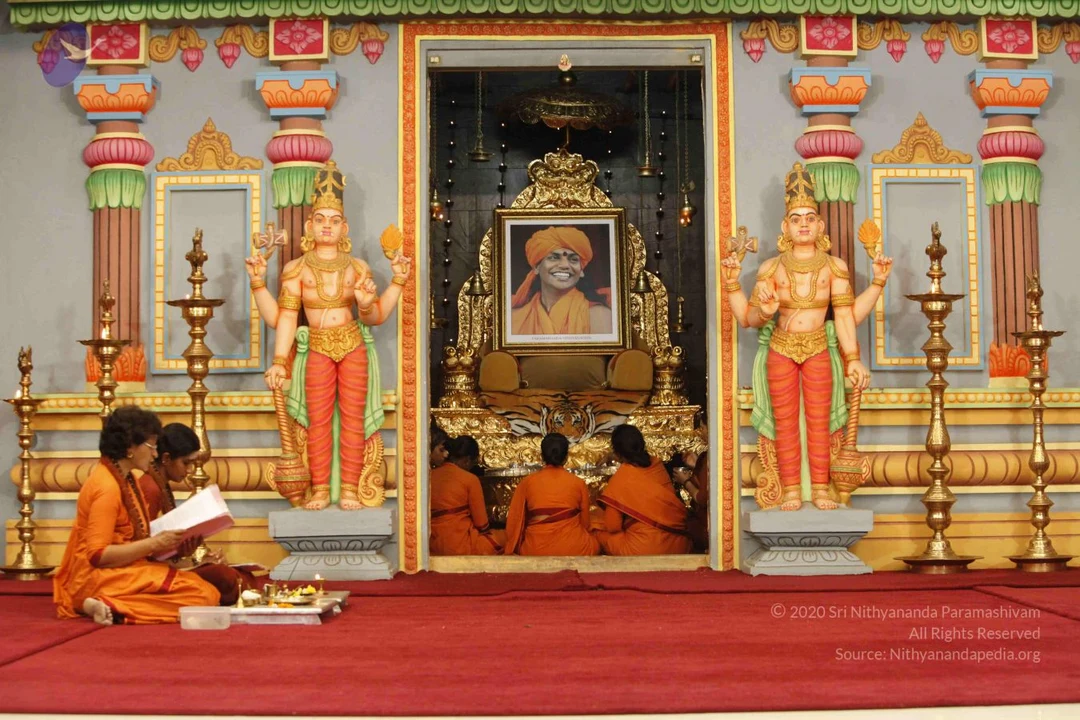
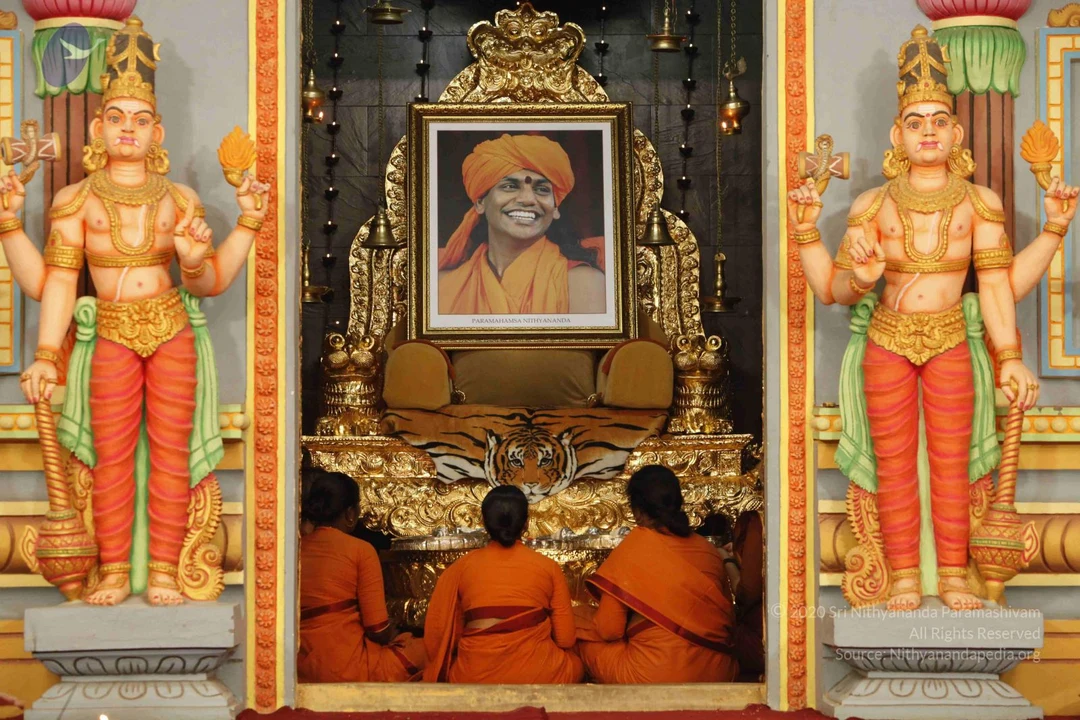
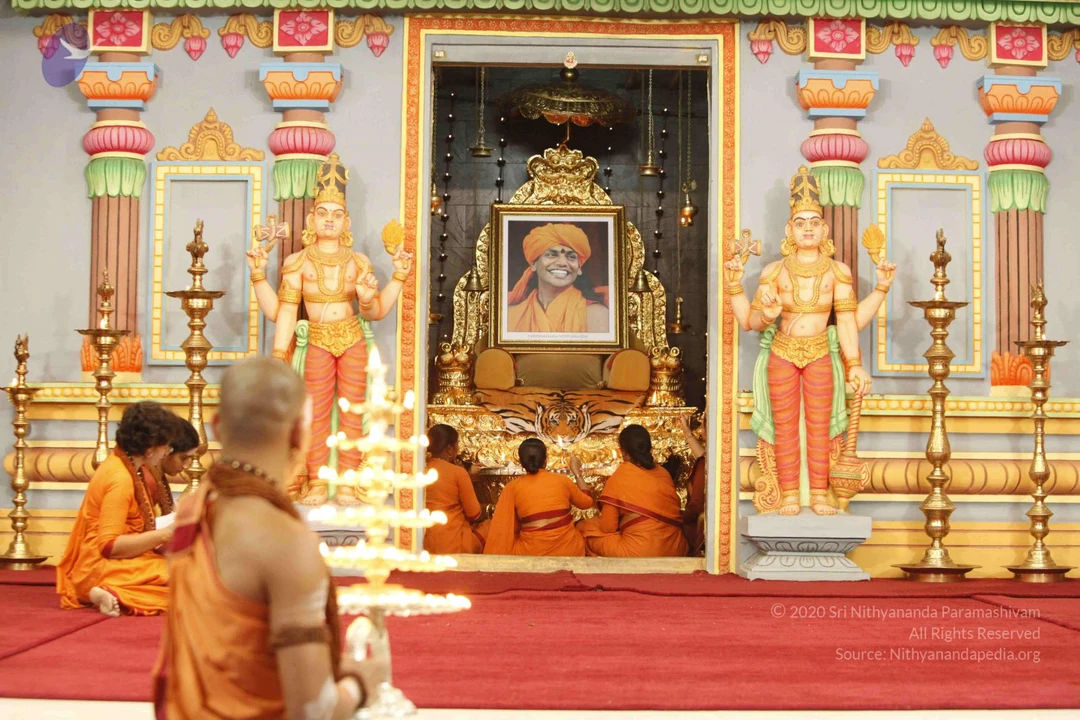
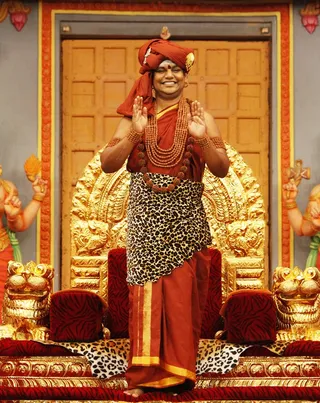
Nithya Satsang and Kalpataru Darshan

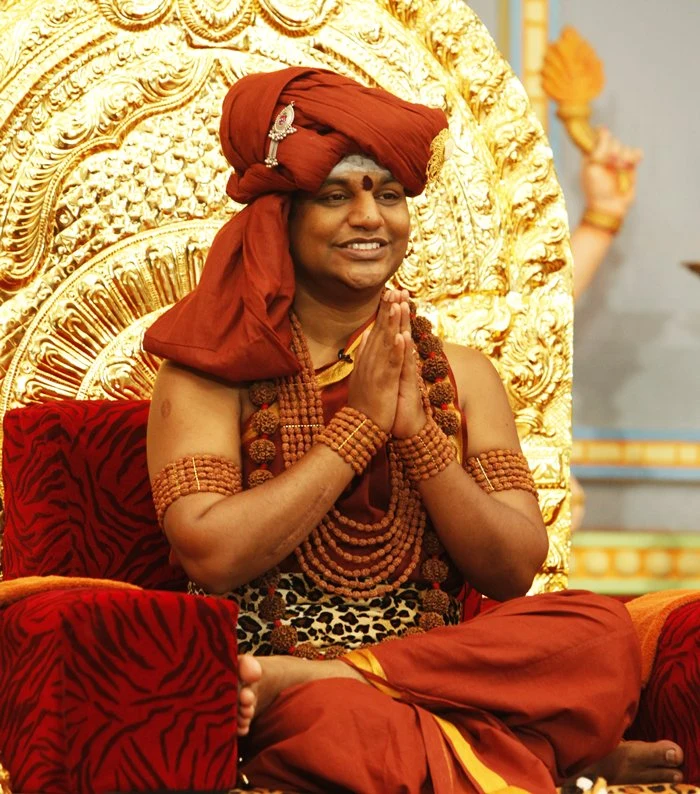

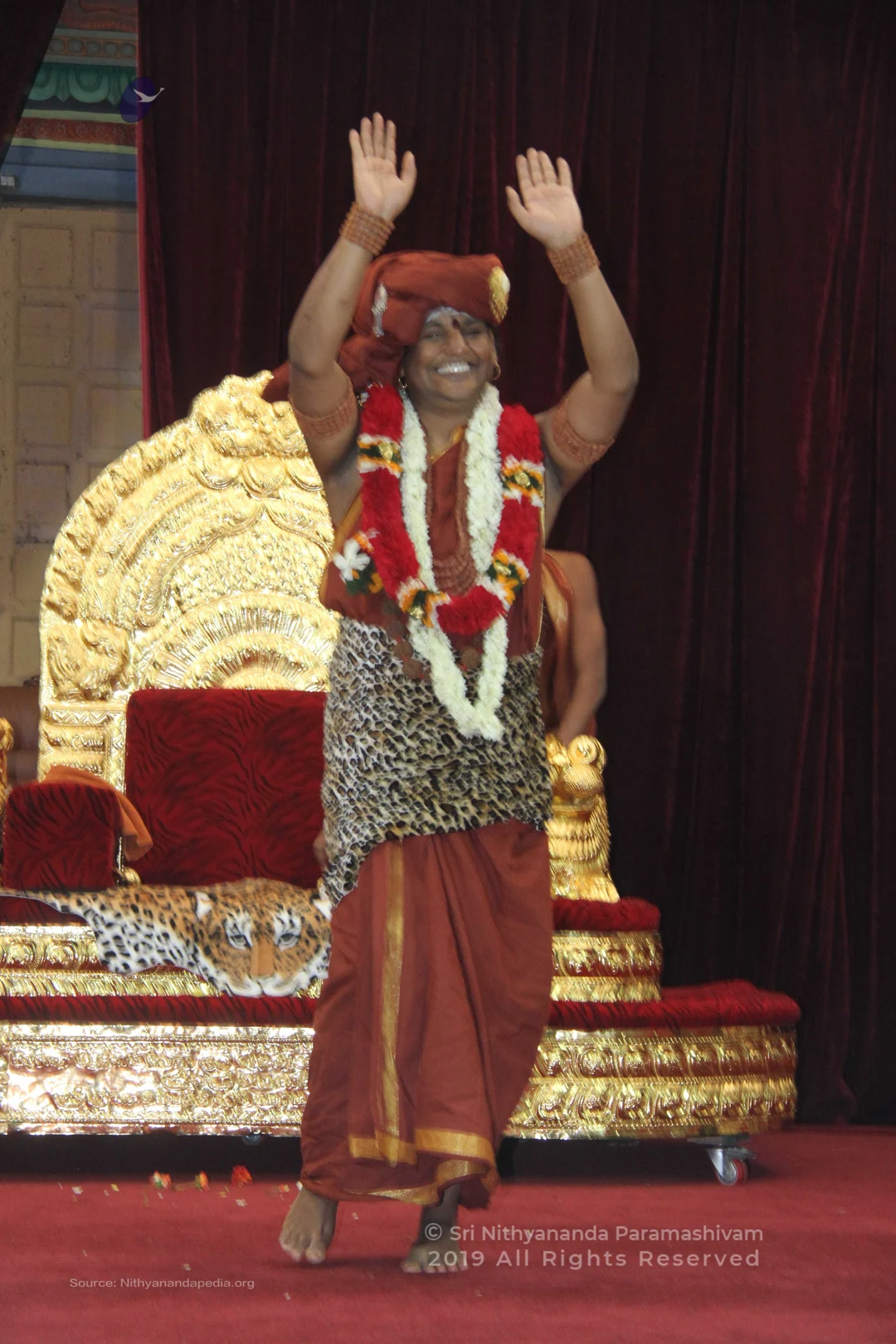


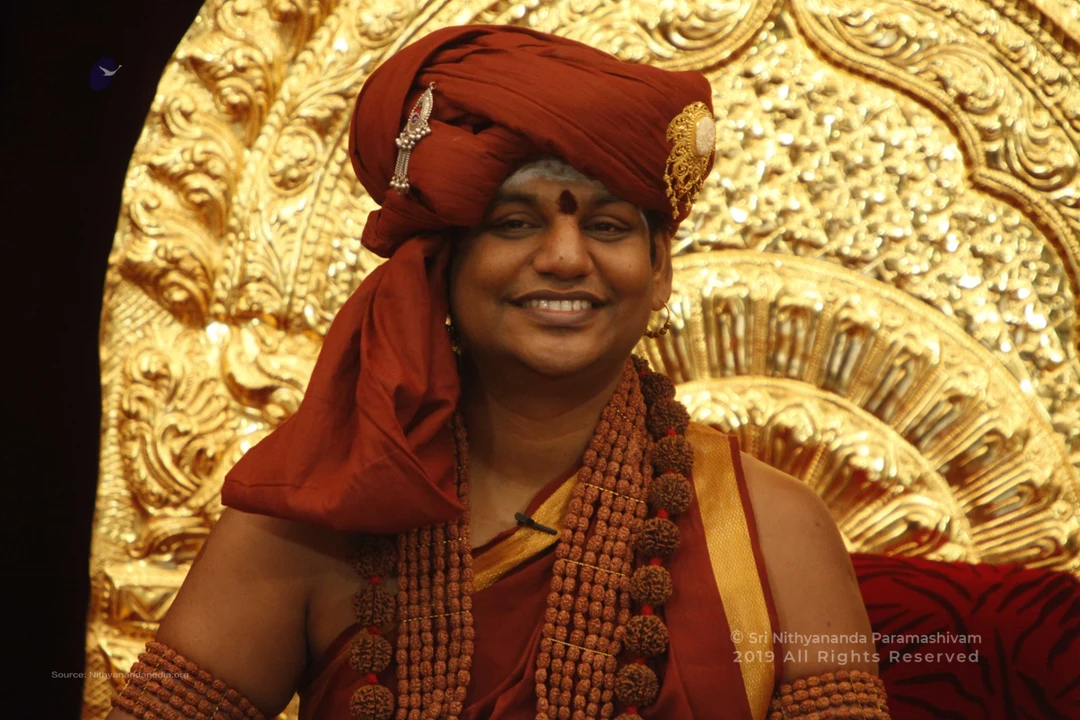


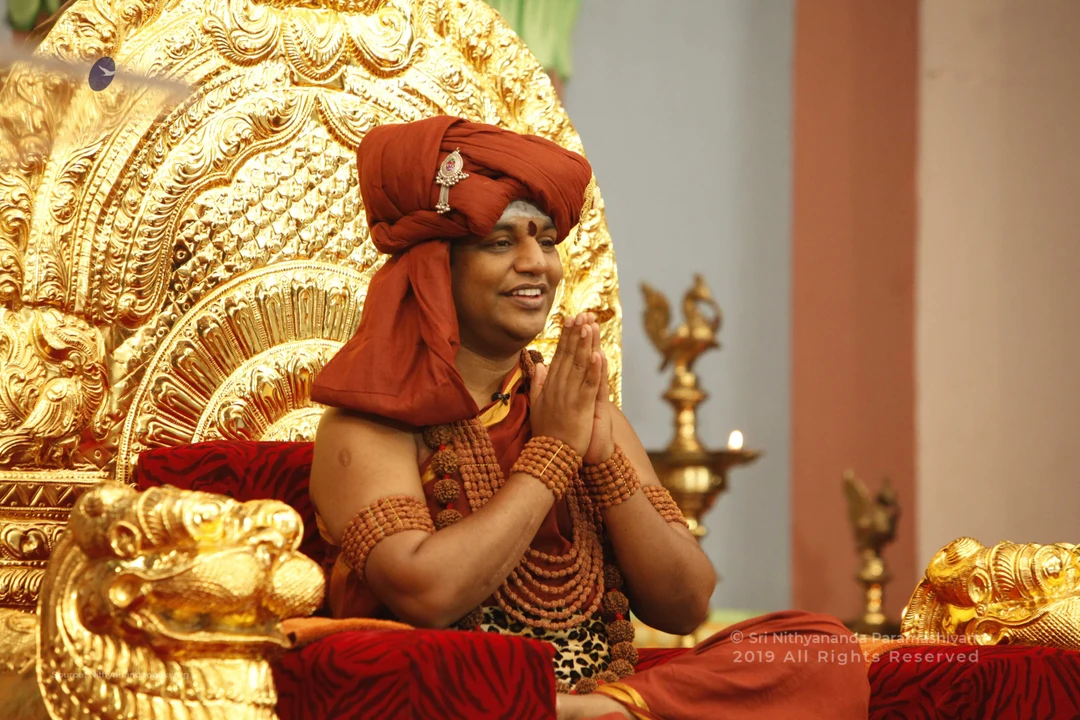


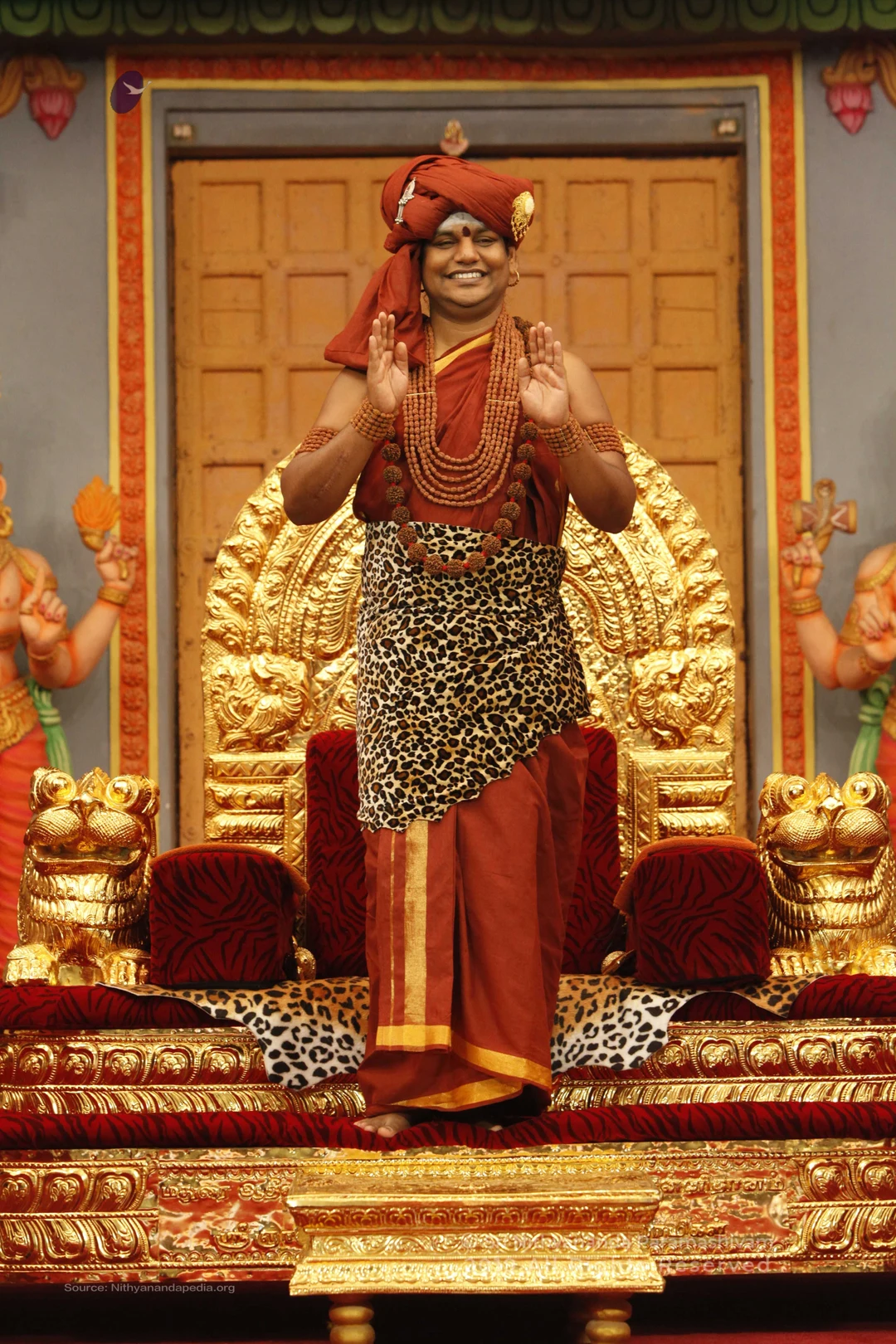

Photos Of The Day:
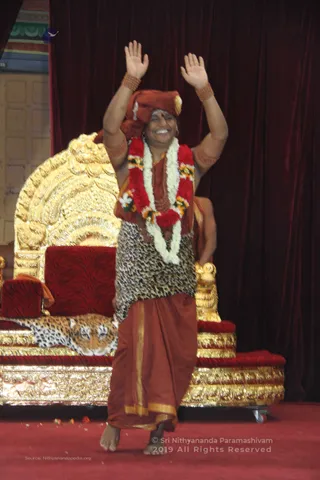
FB-photo-of-the-day

Photos Of The Day:
Nithya-Satsang-Kalpatharu

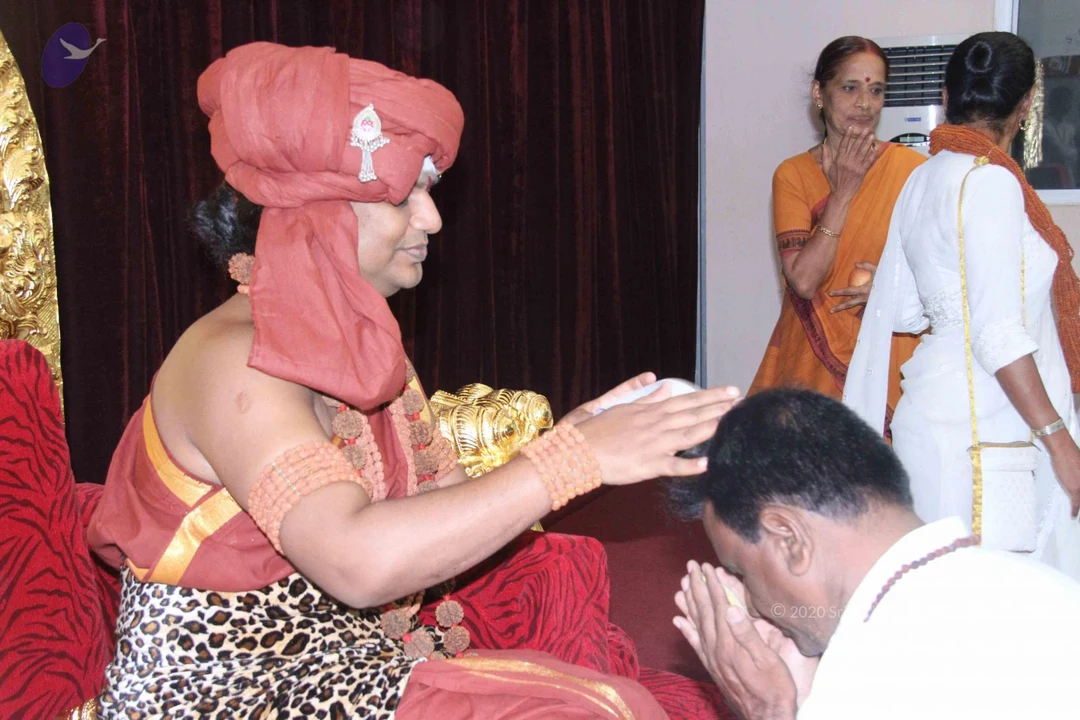
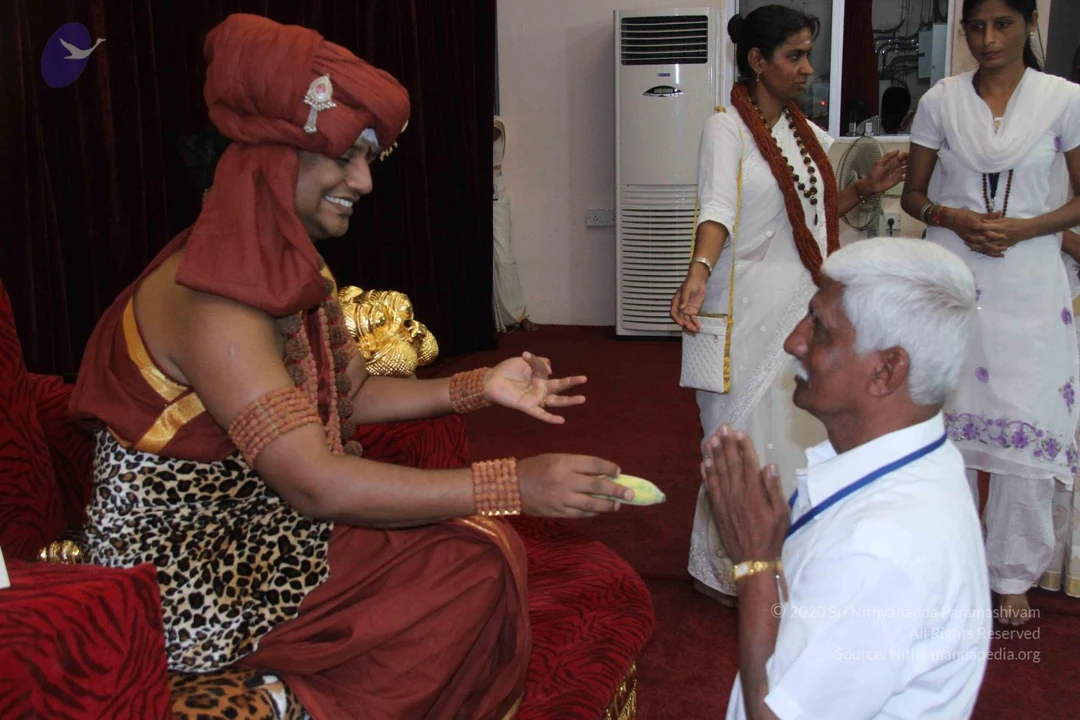
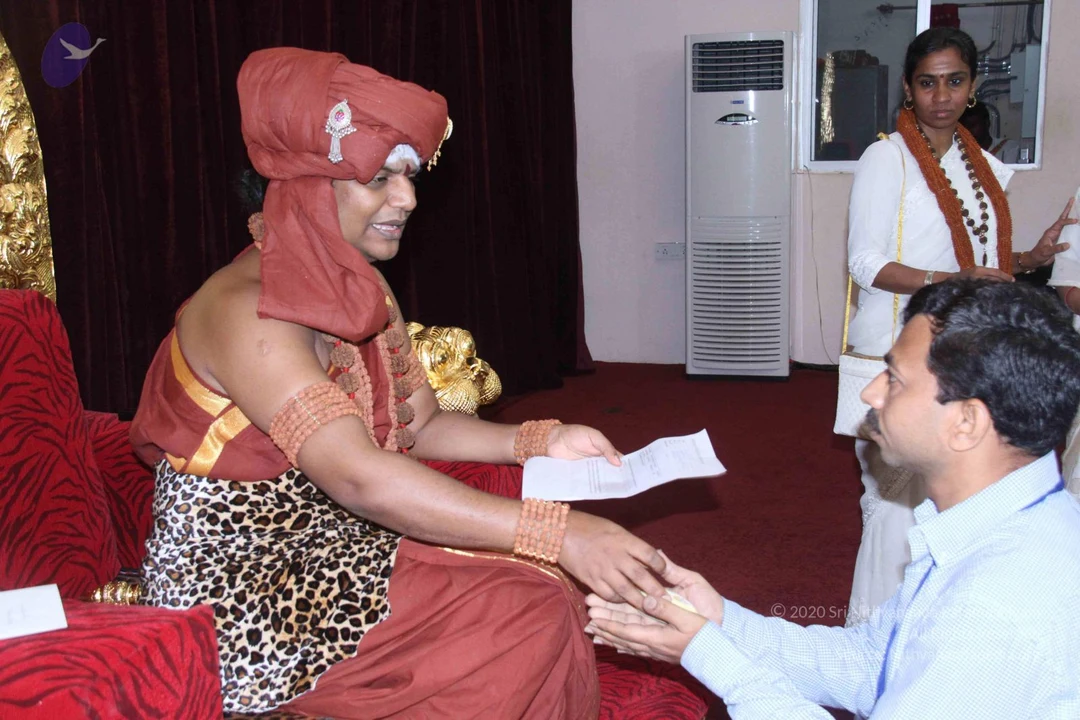

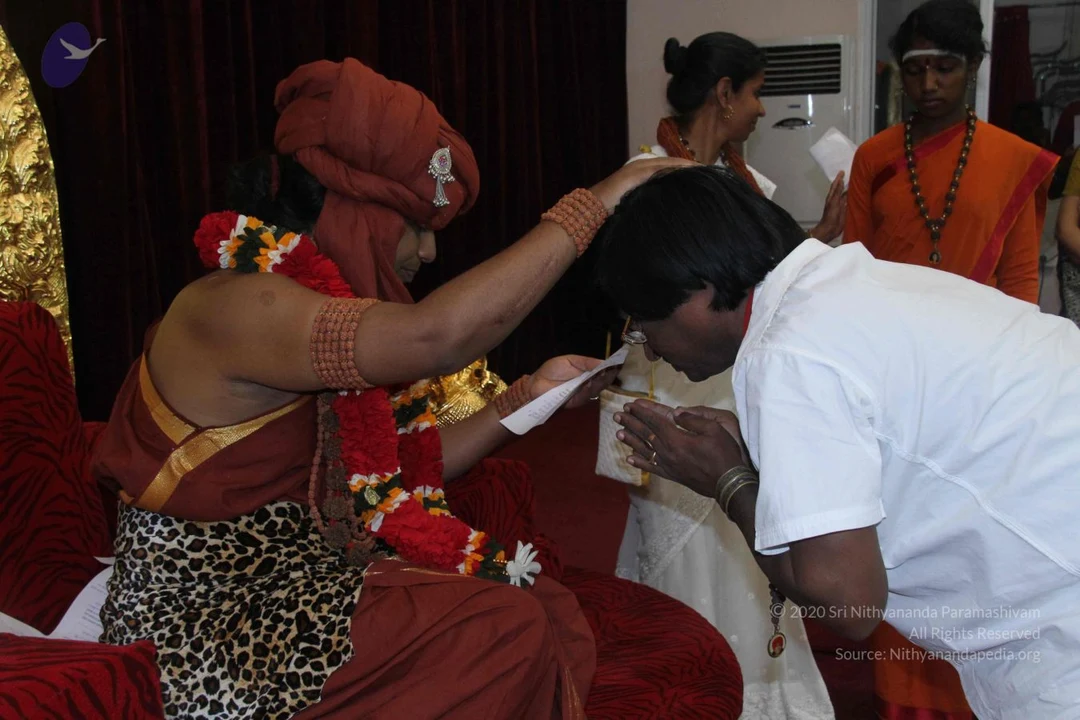
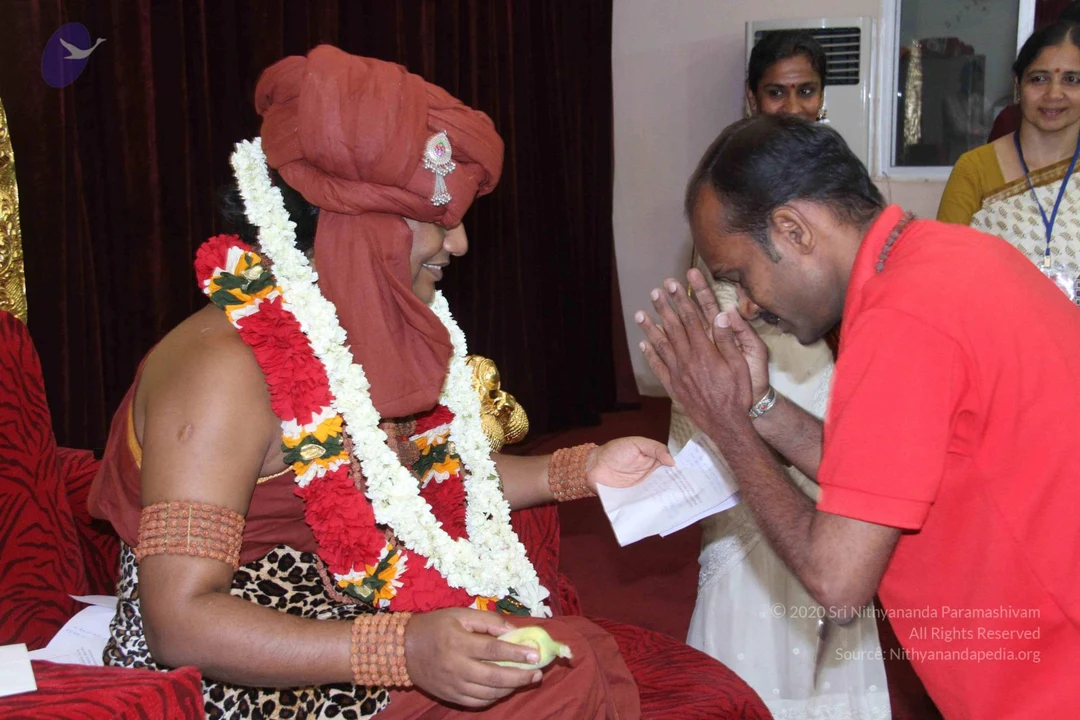
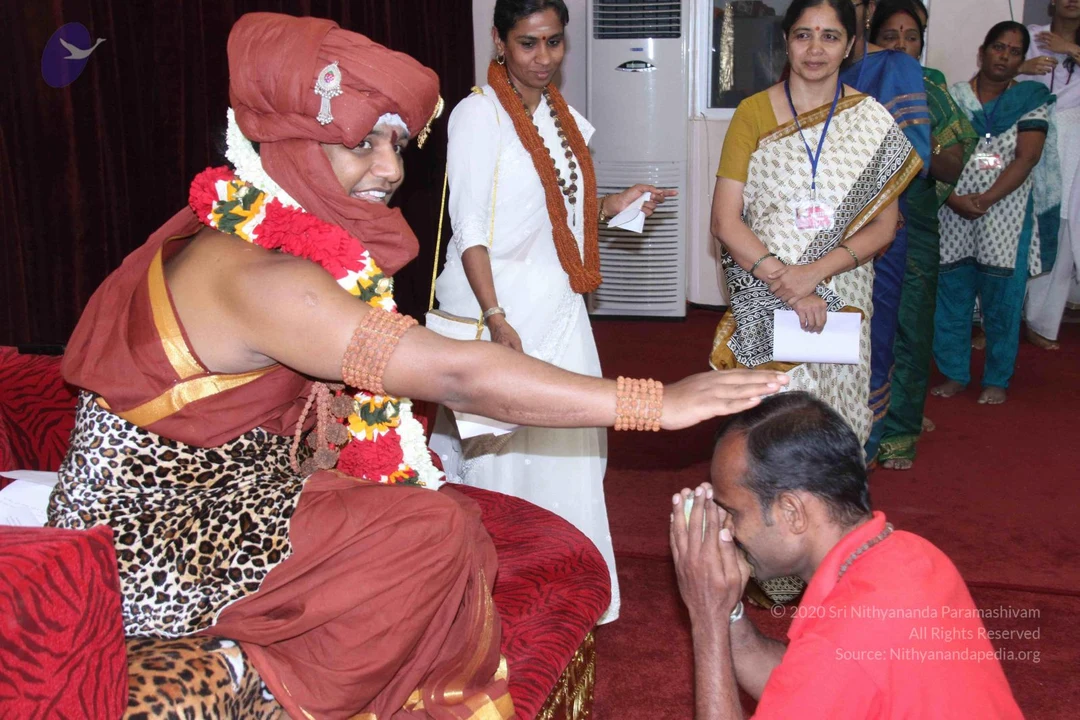



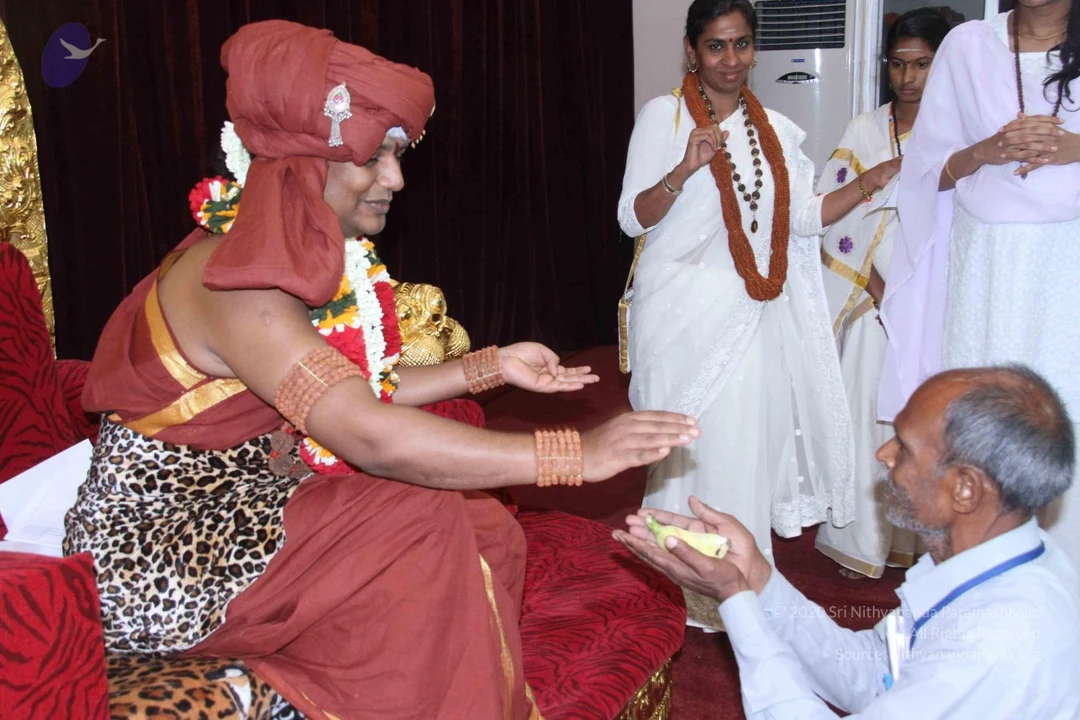
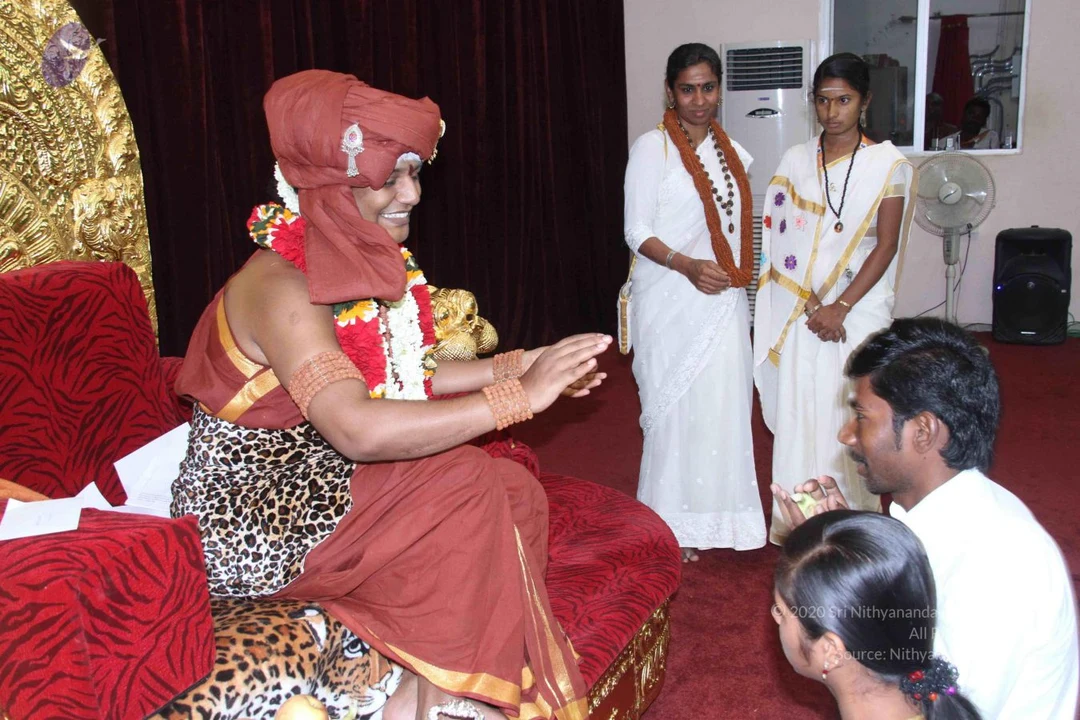

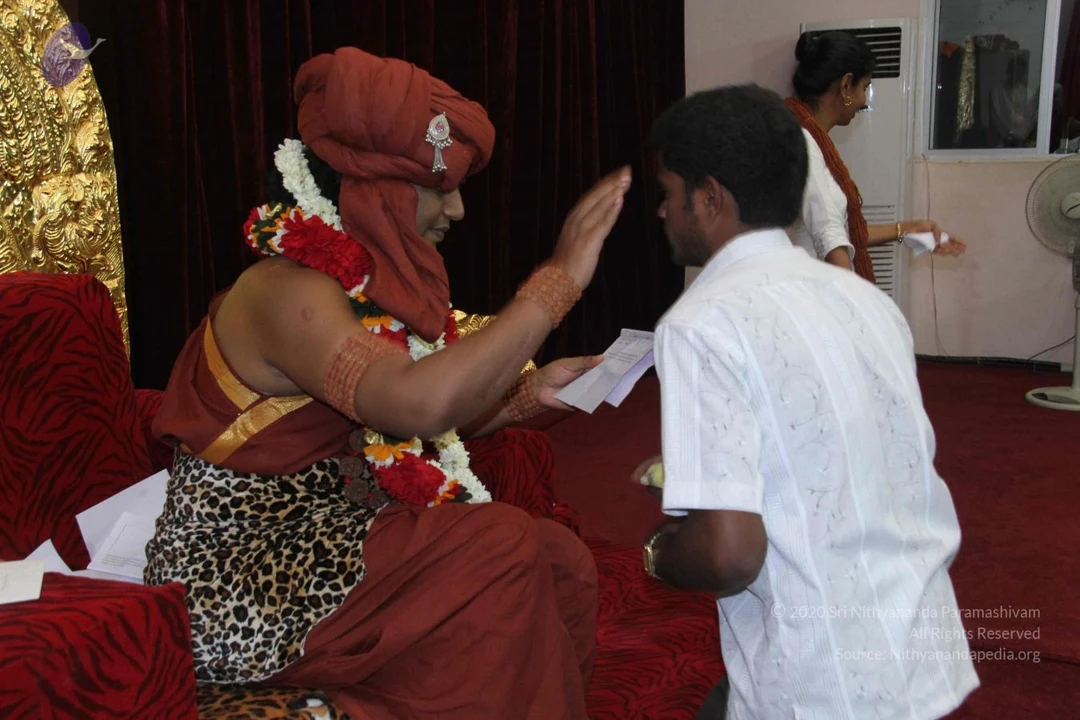
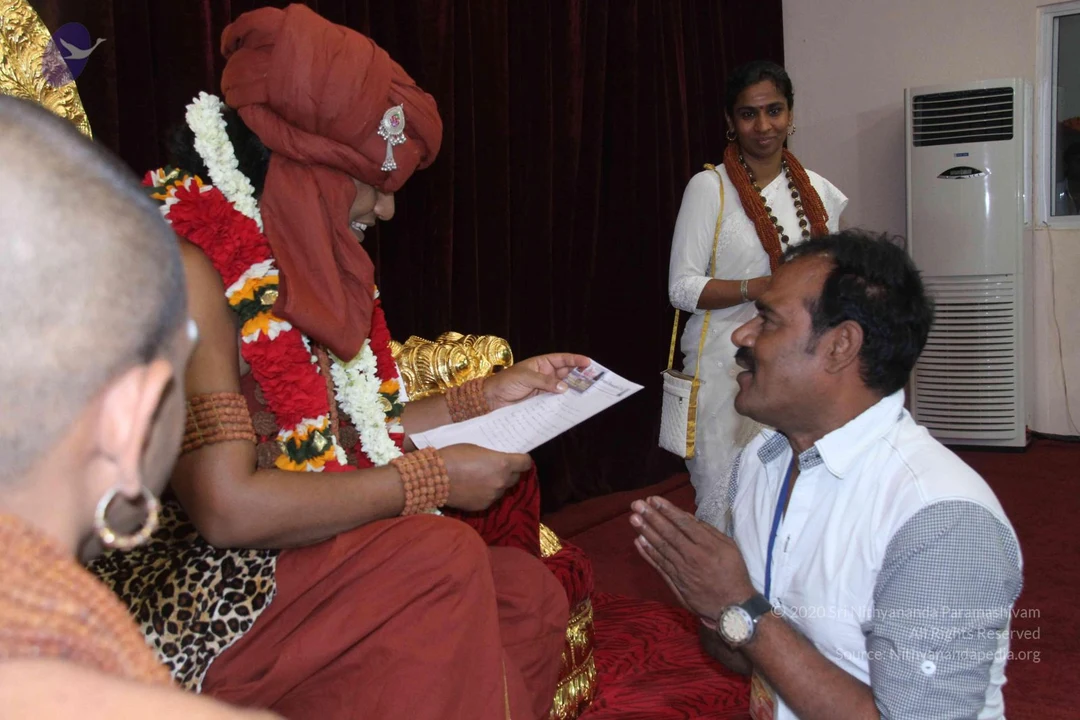

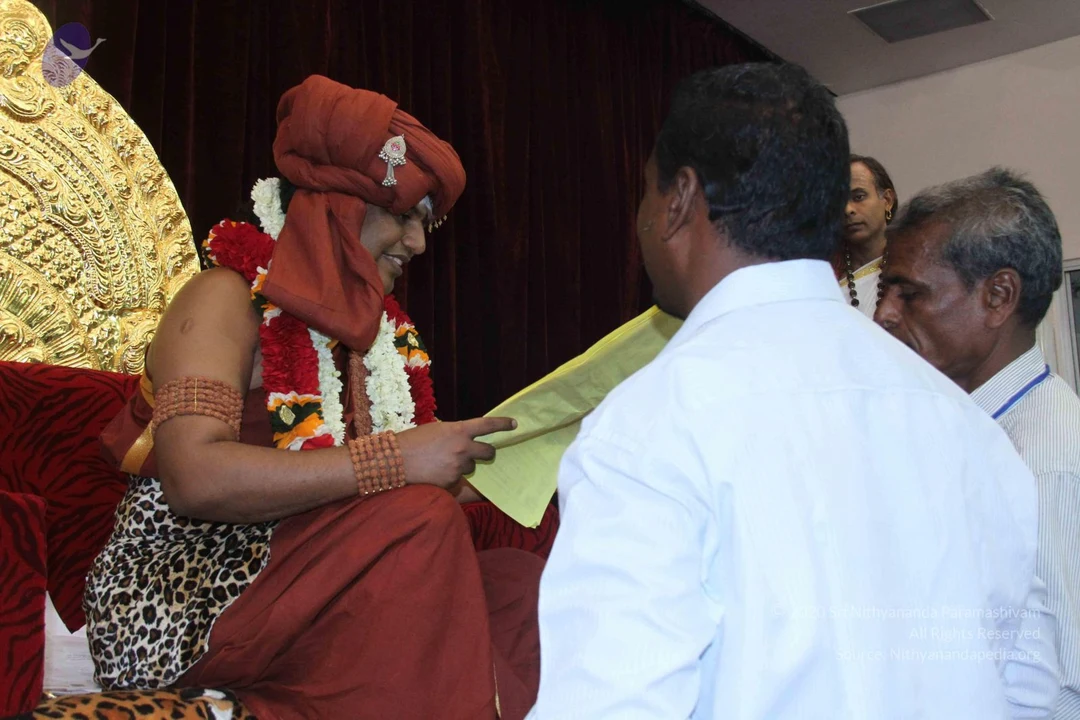



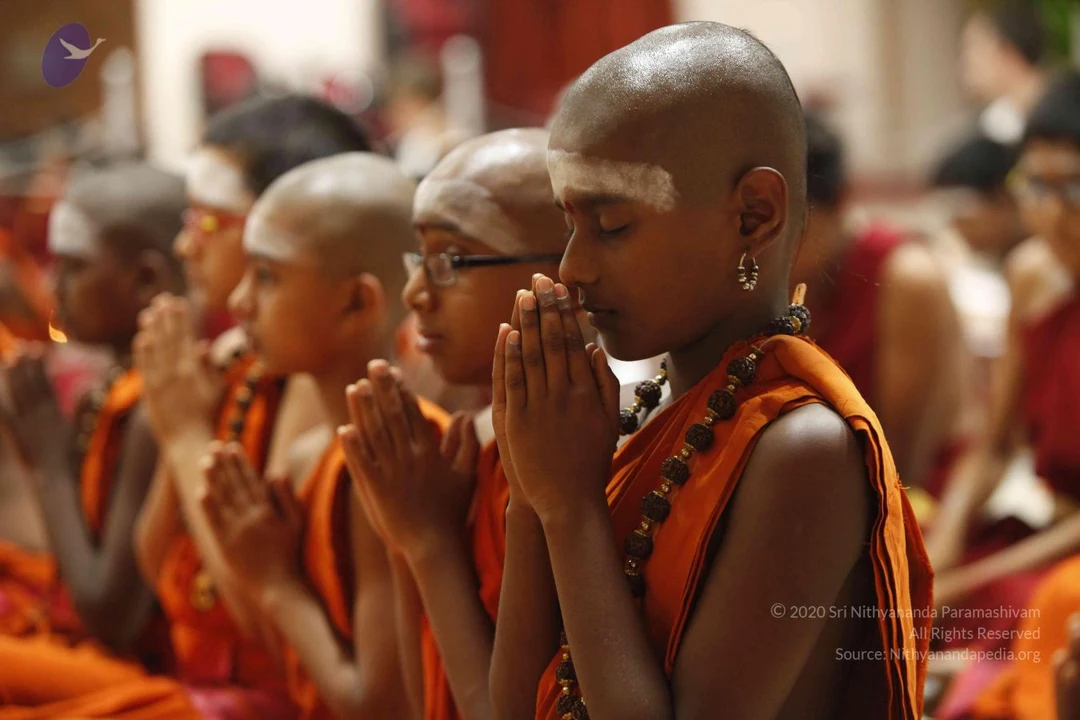
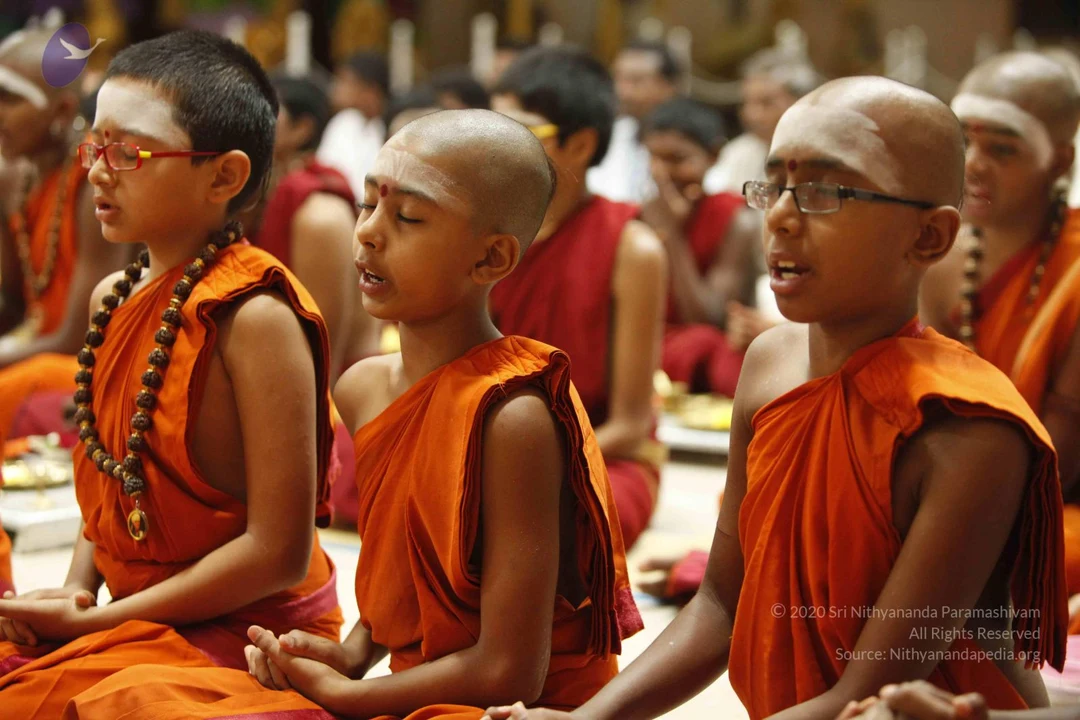
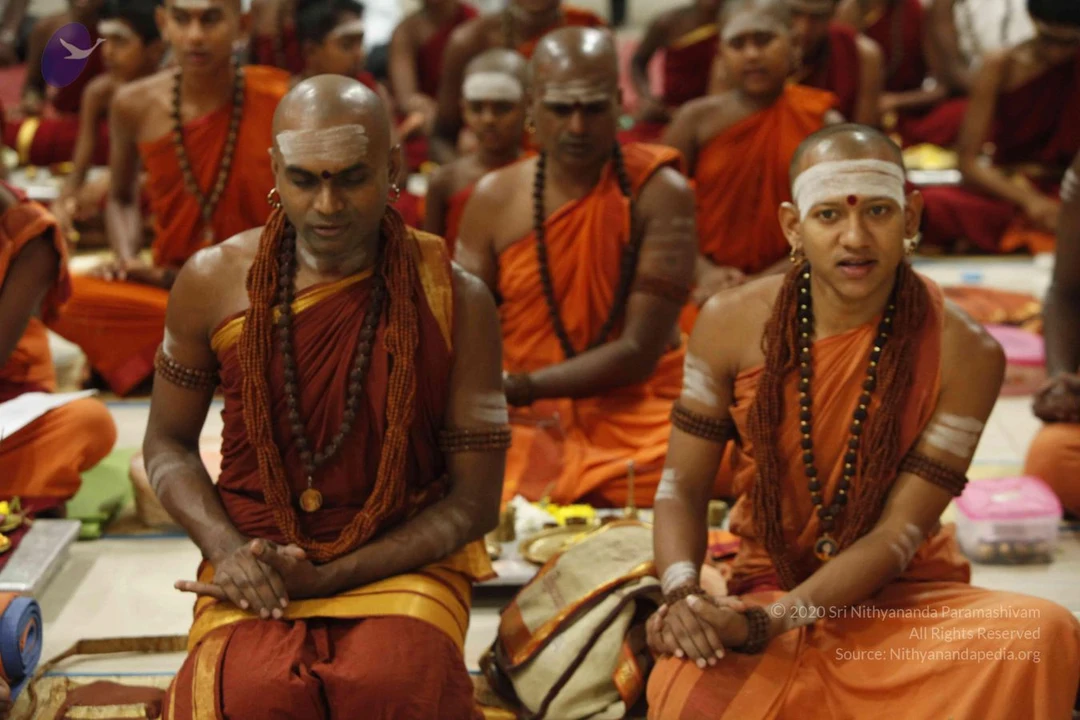
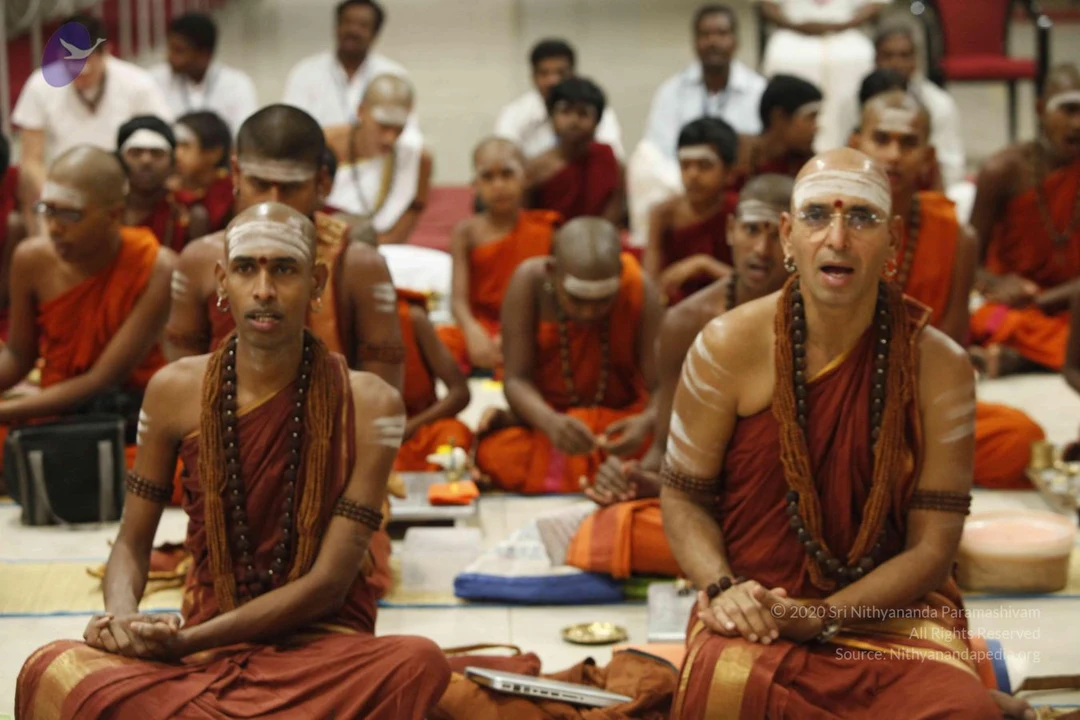
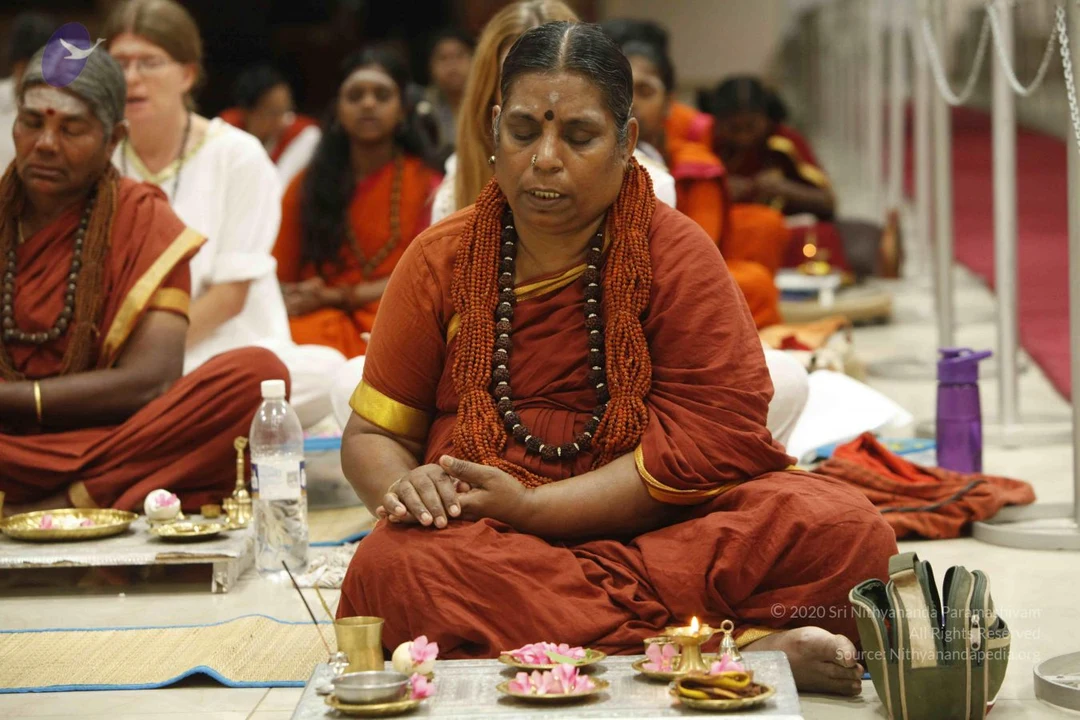
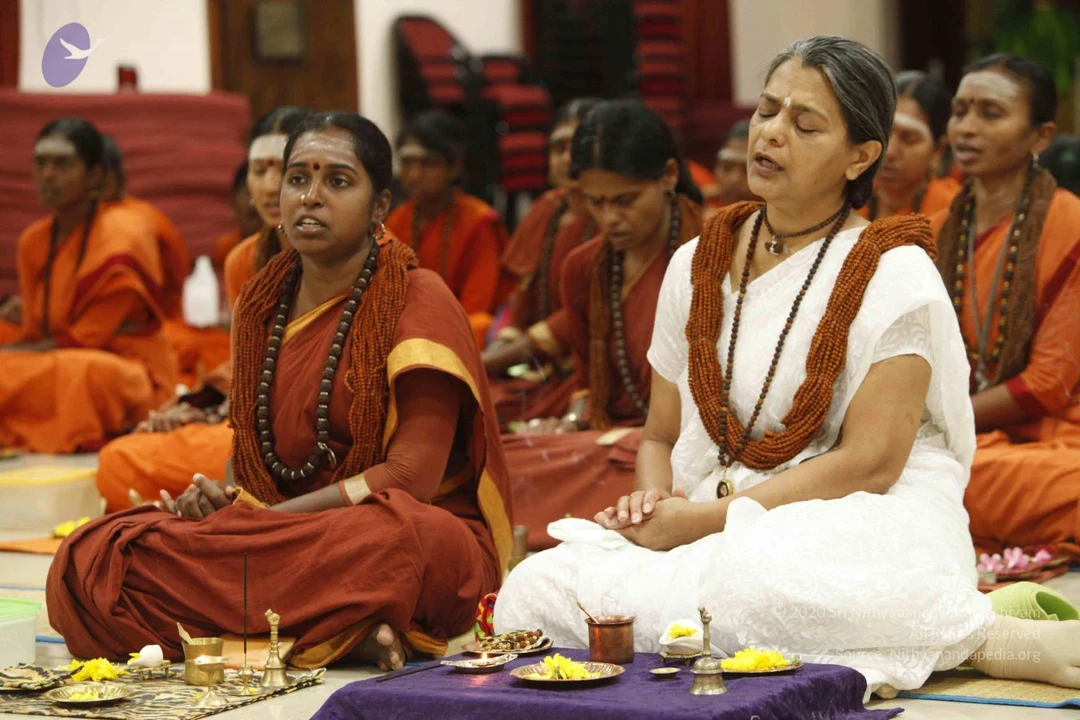
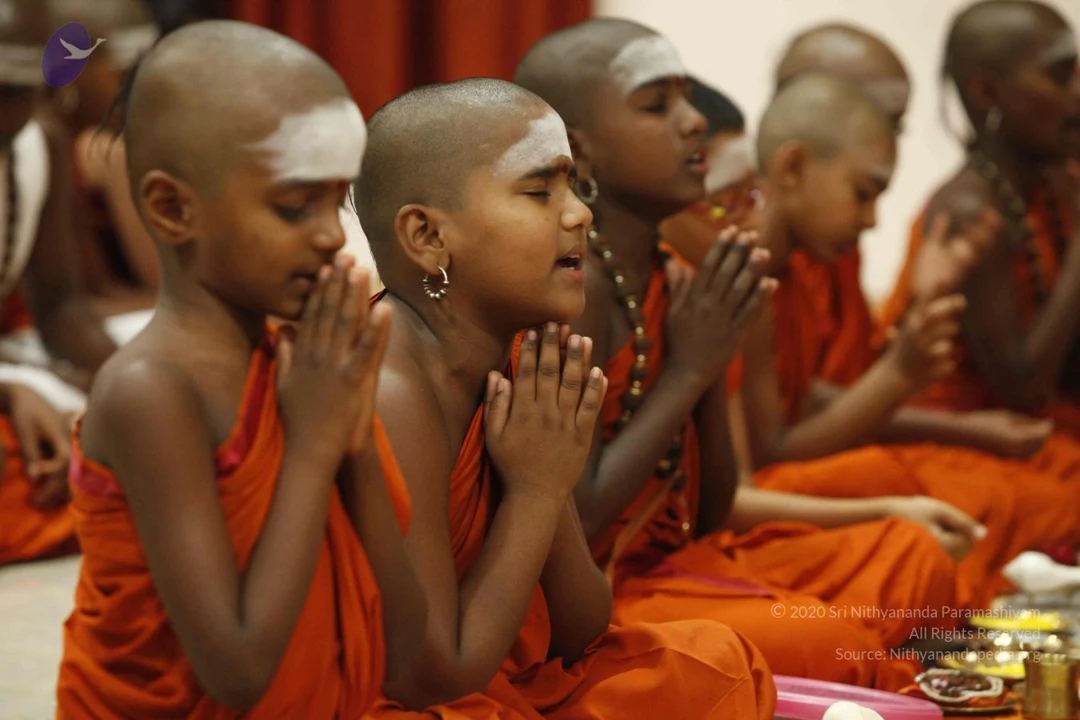
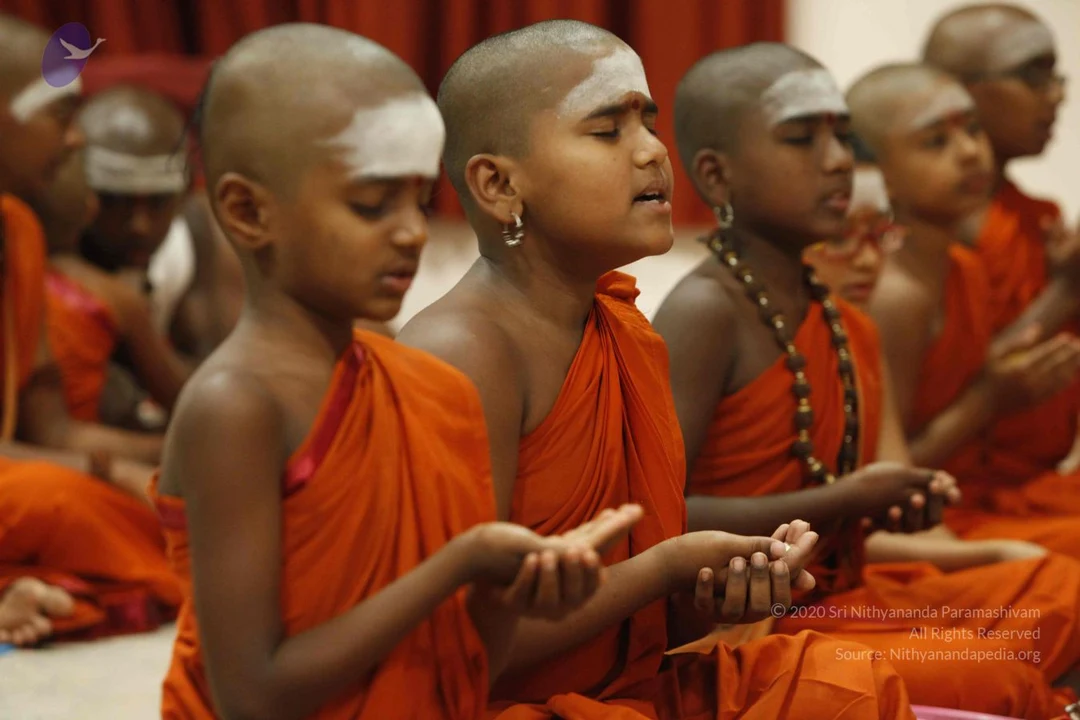


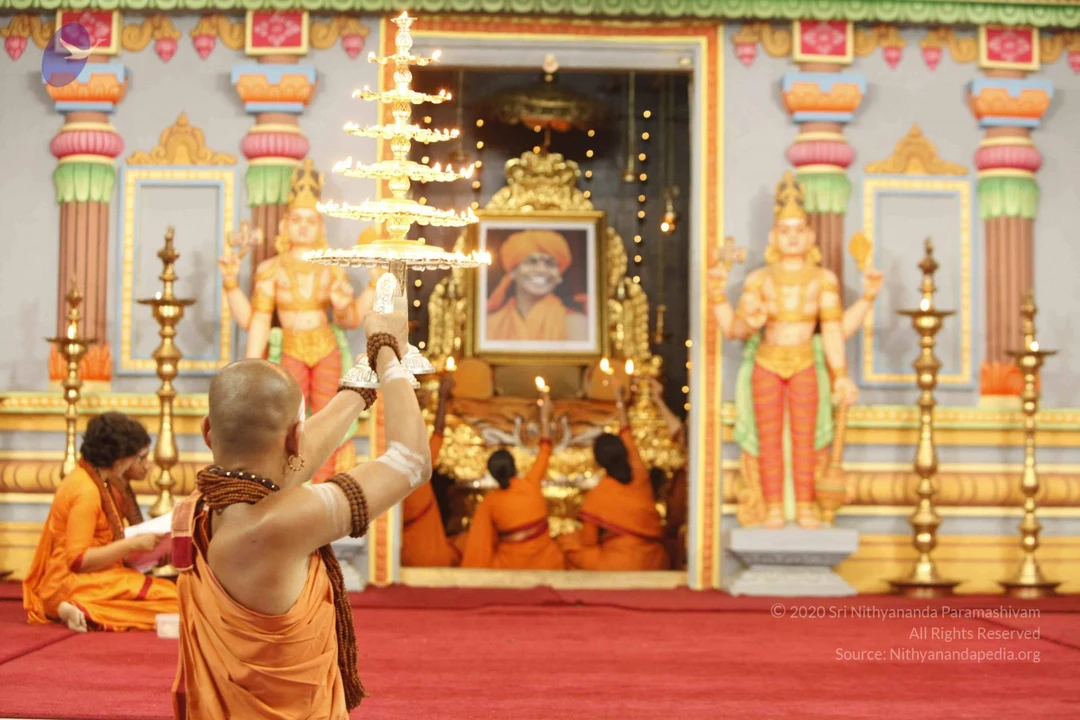
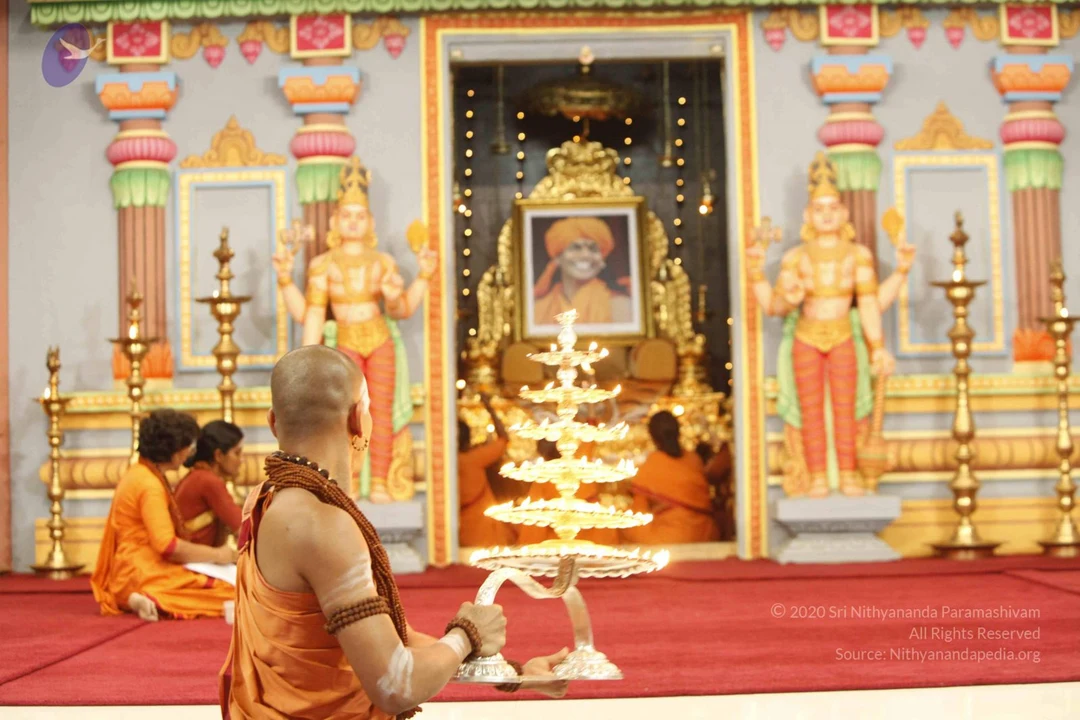
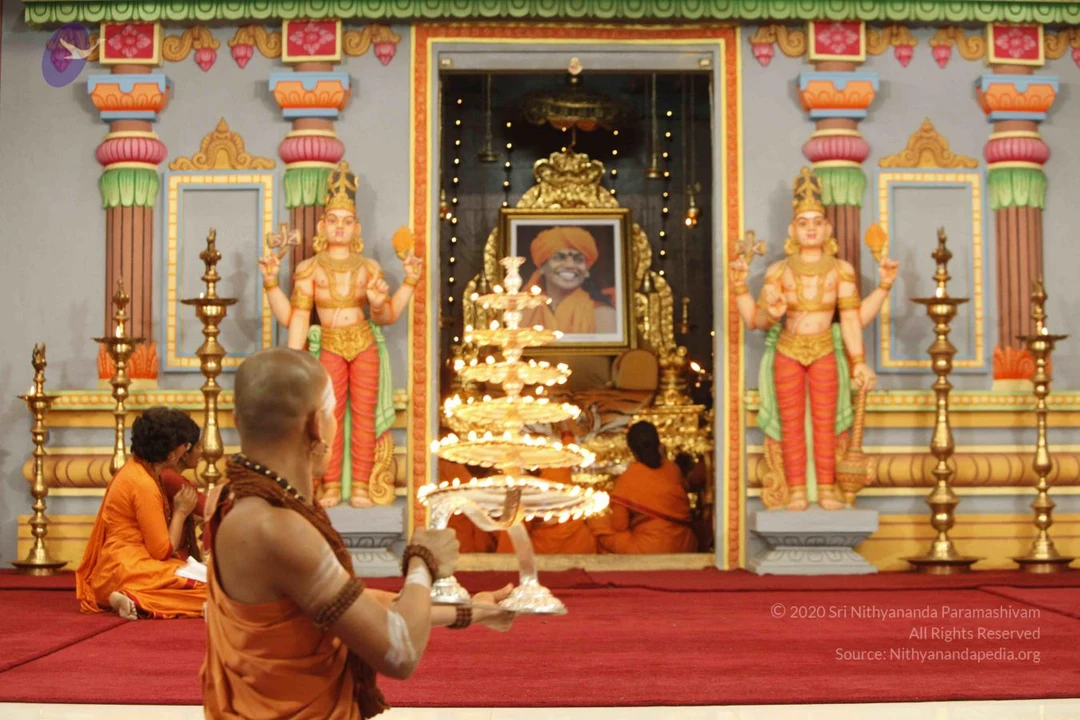
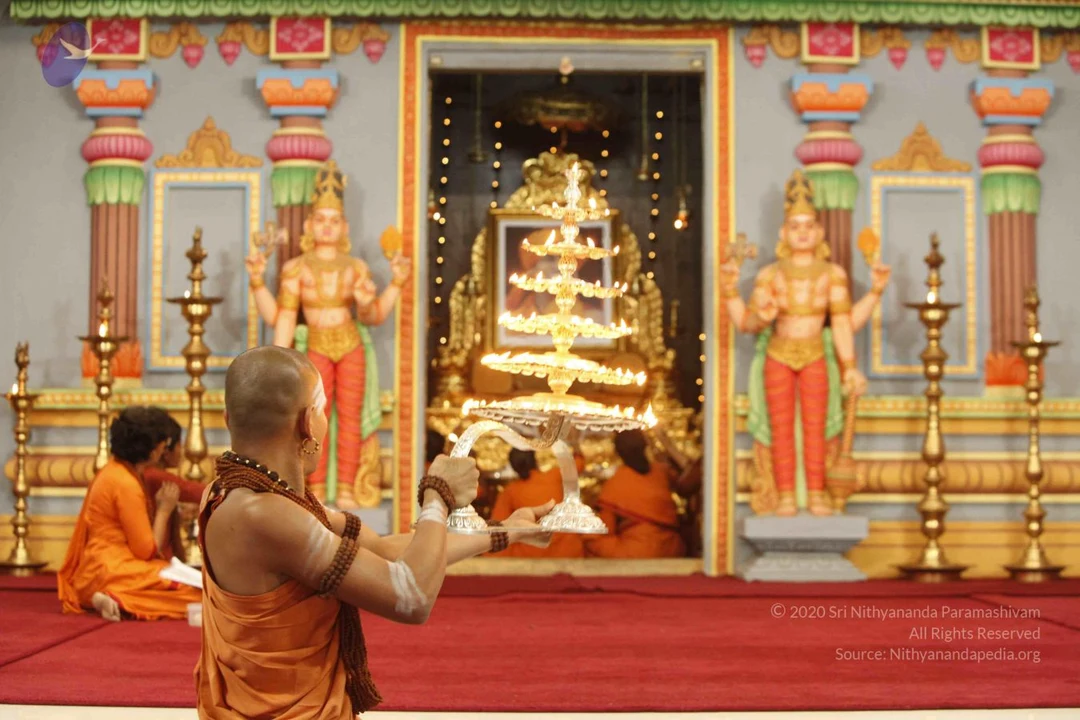
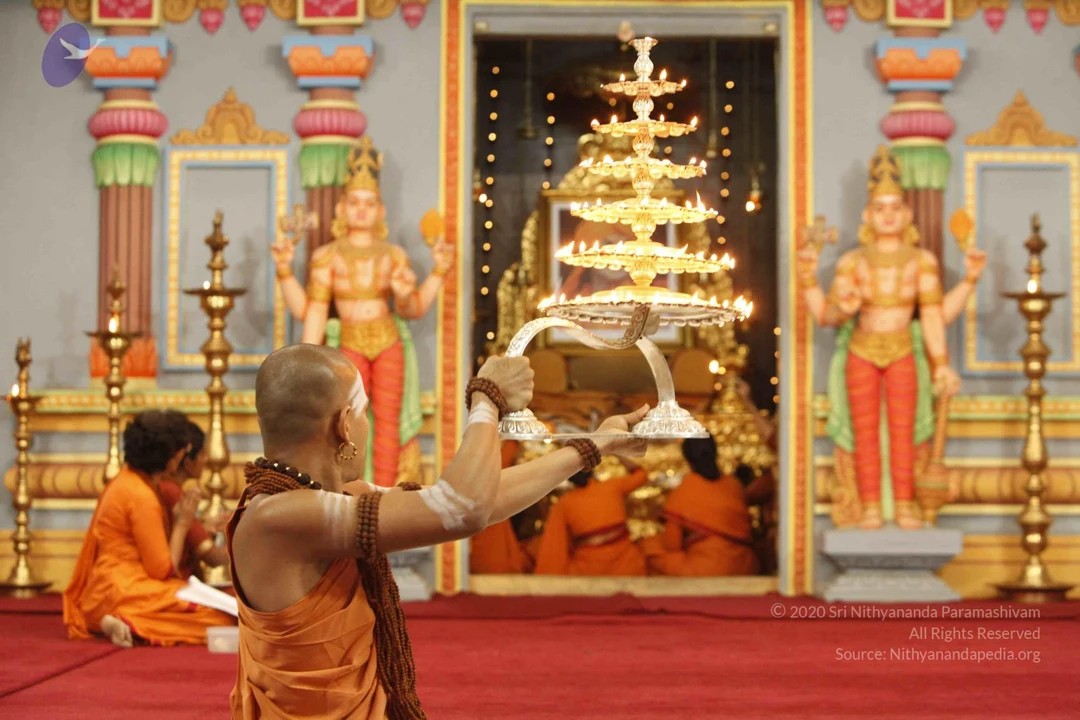
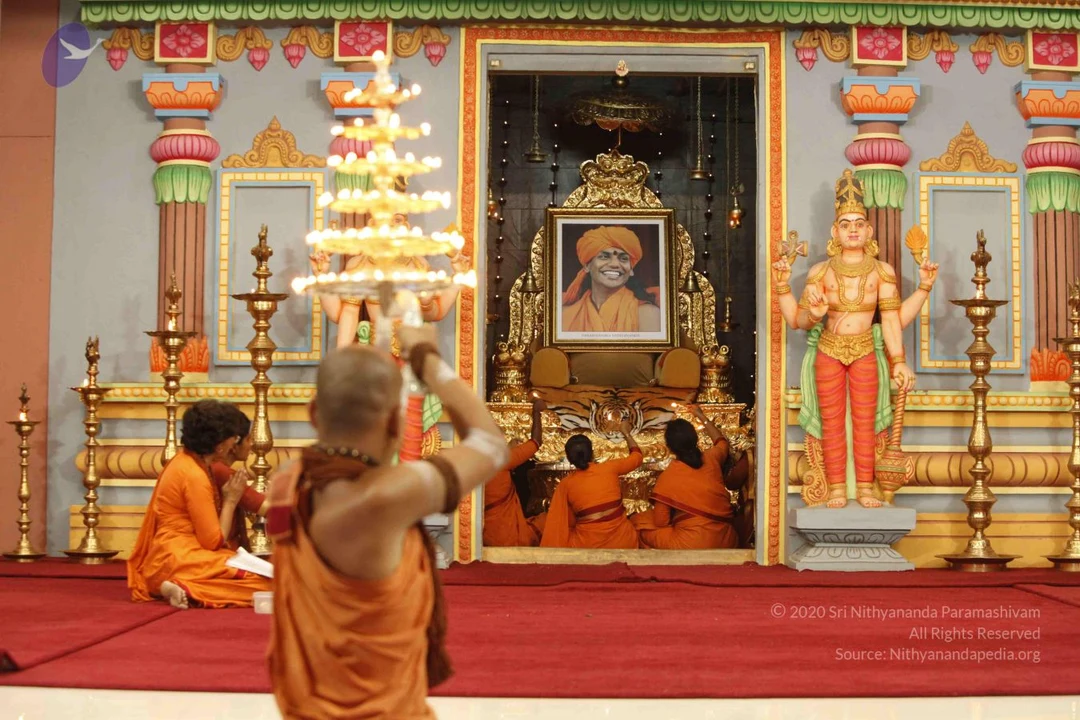
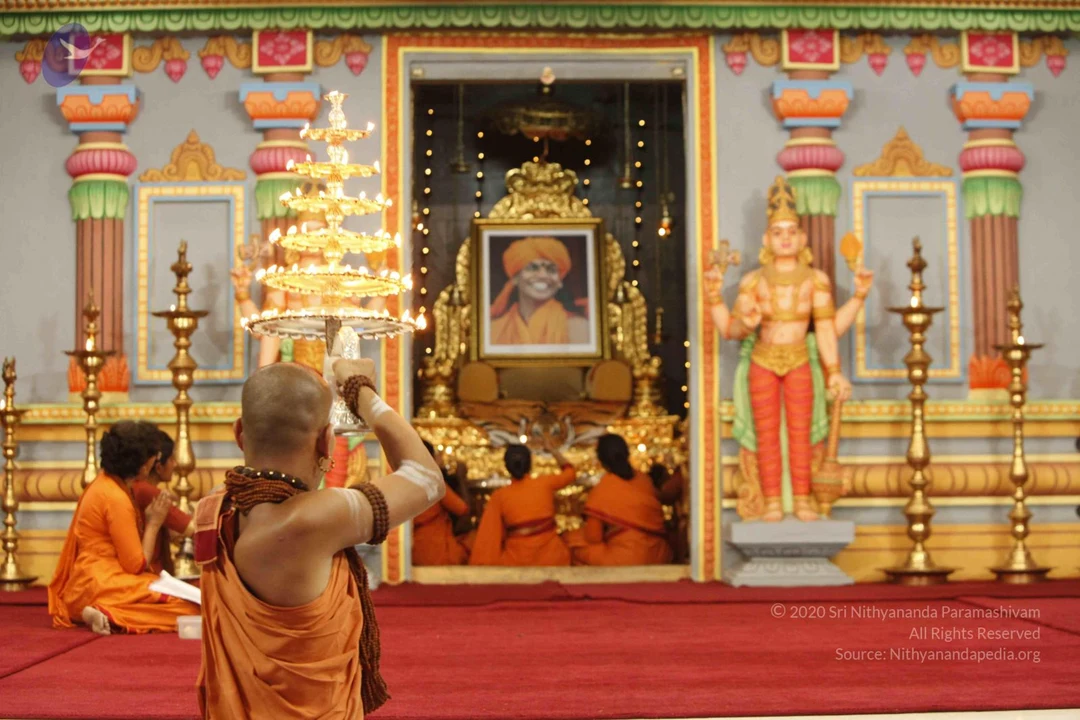
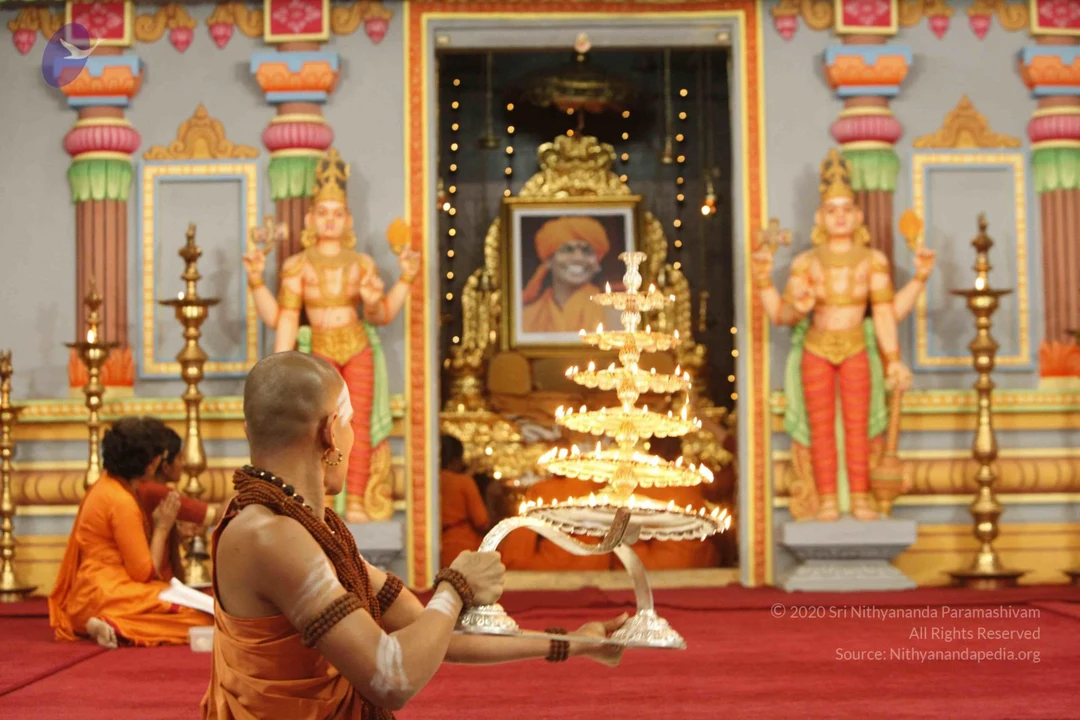
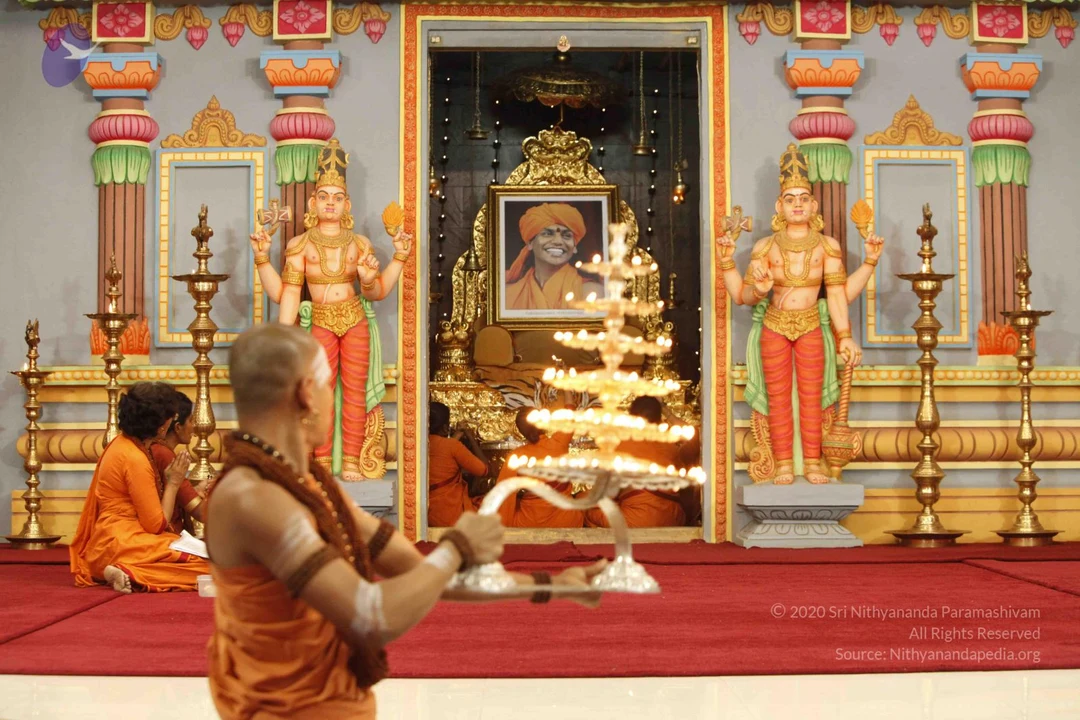
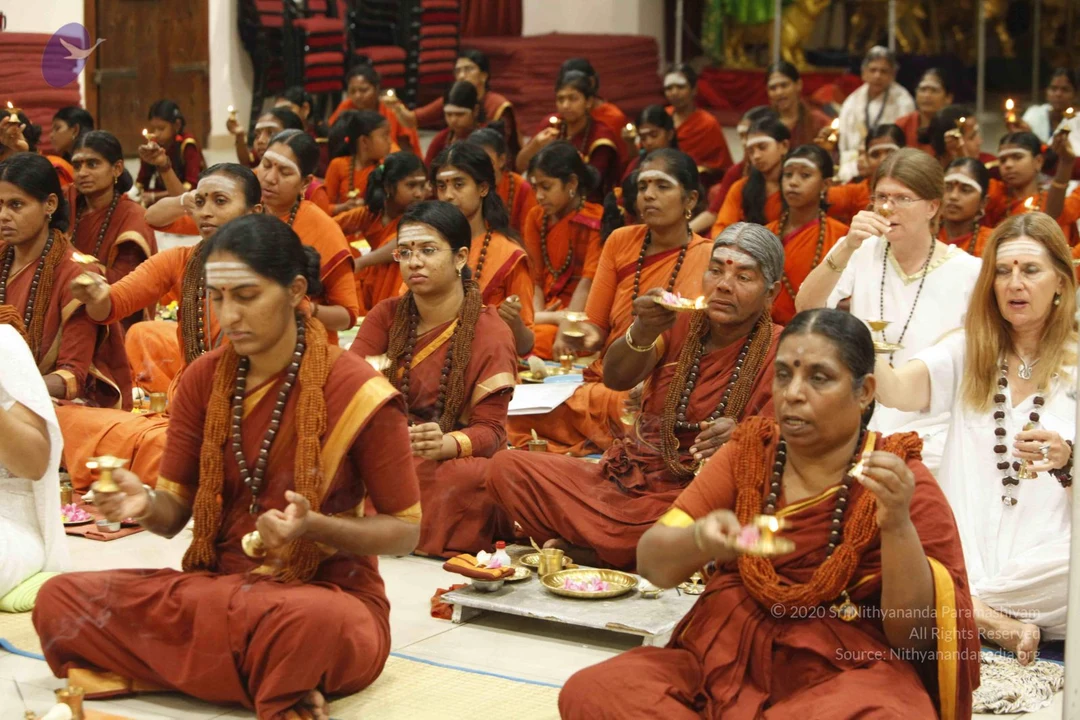
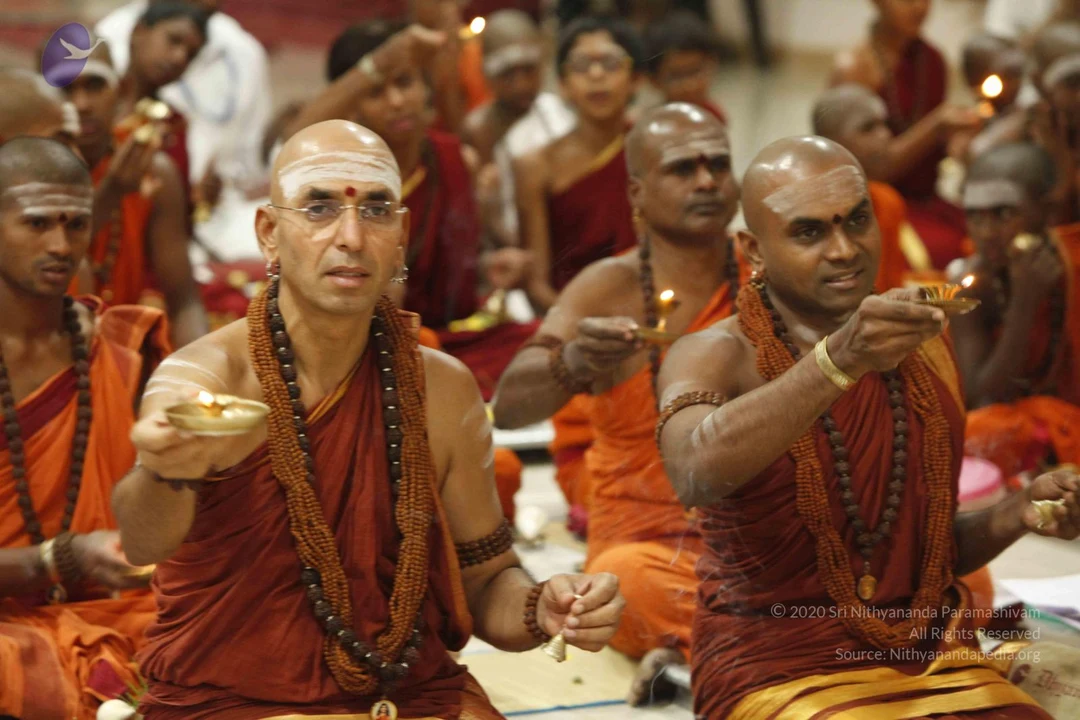
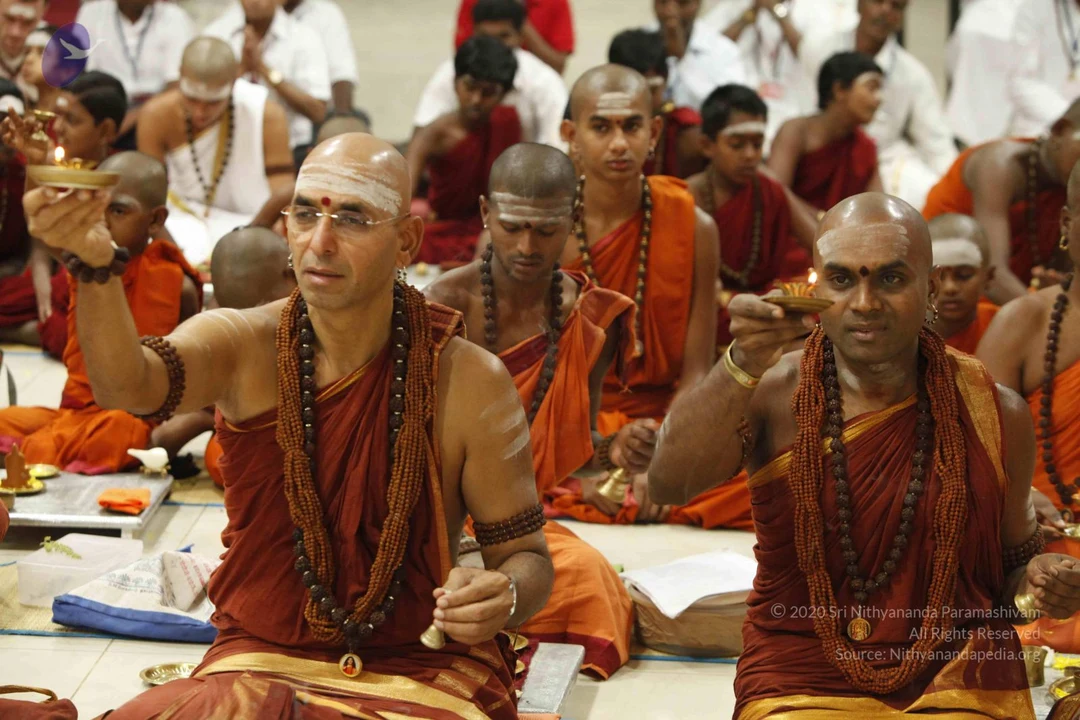
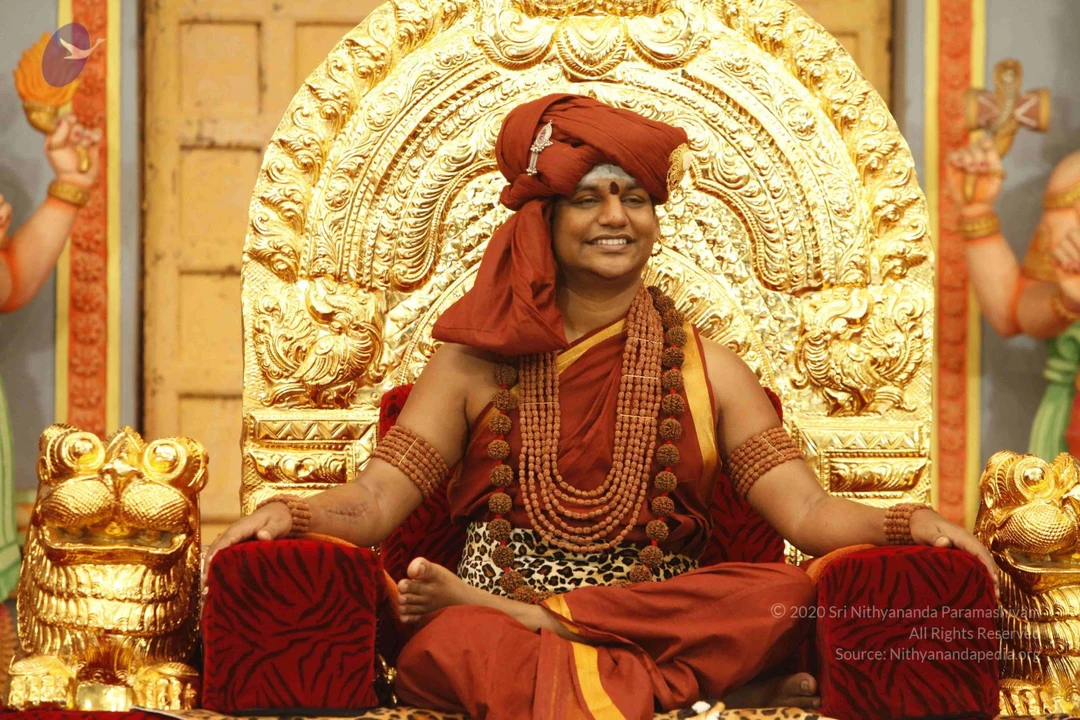


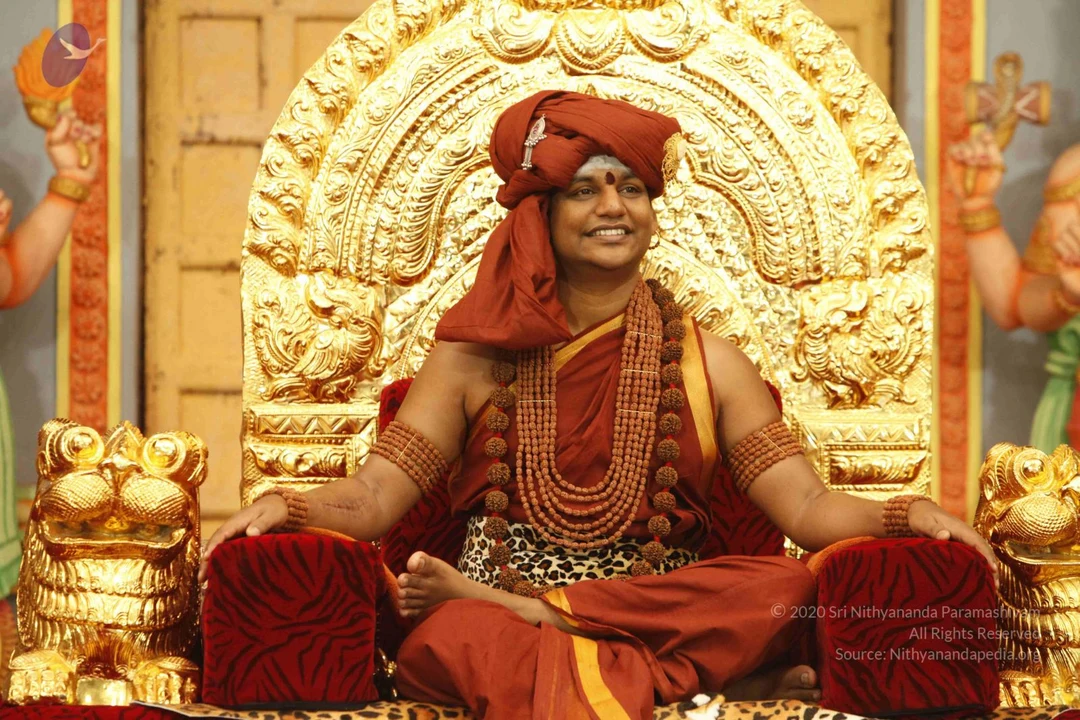







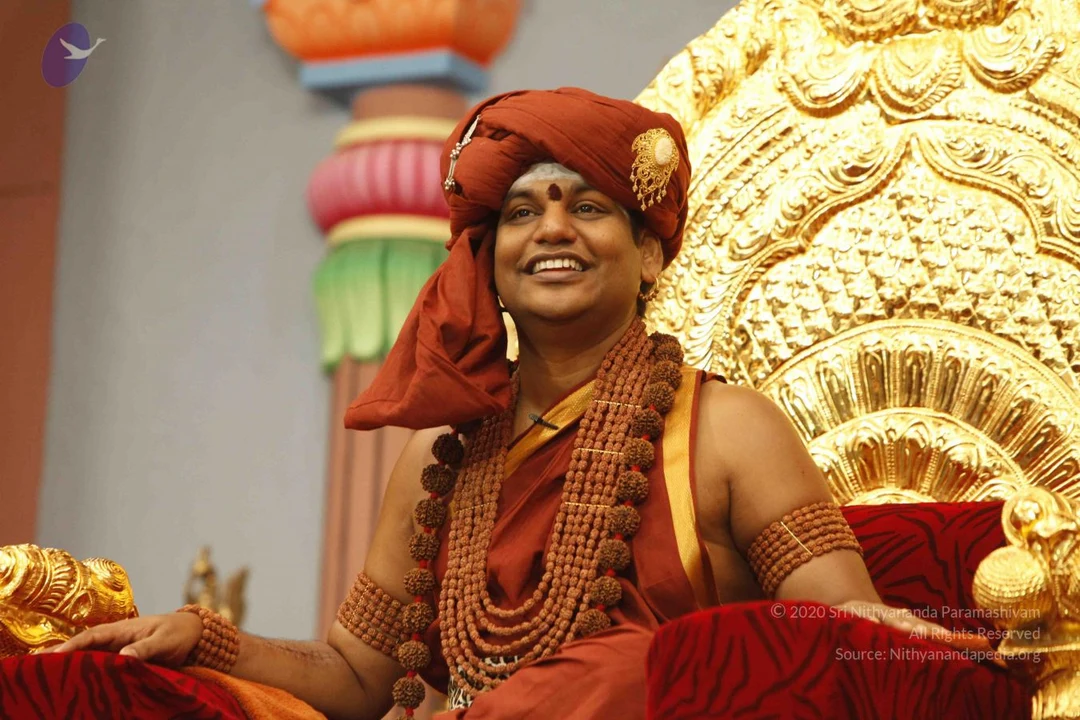




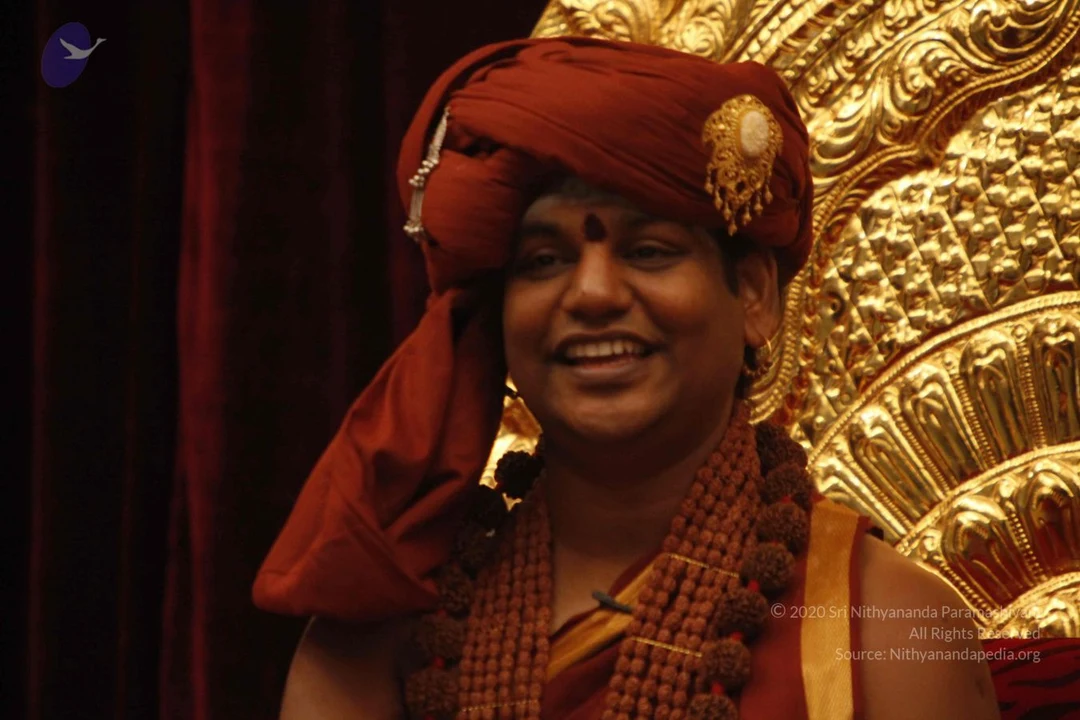

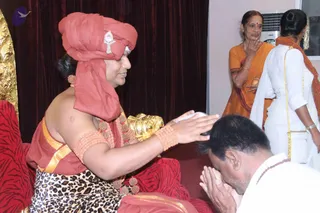
1-Nithya-Satsang


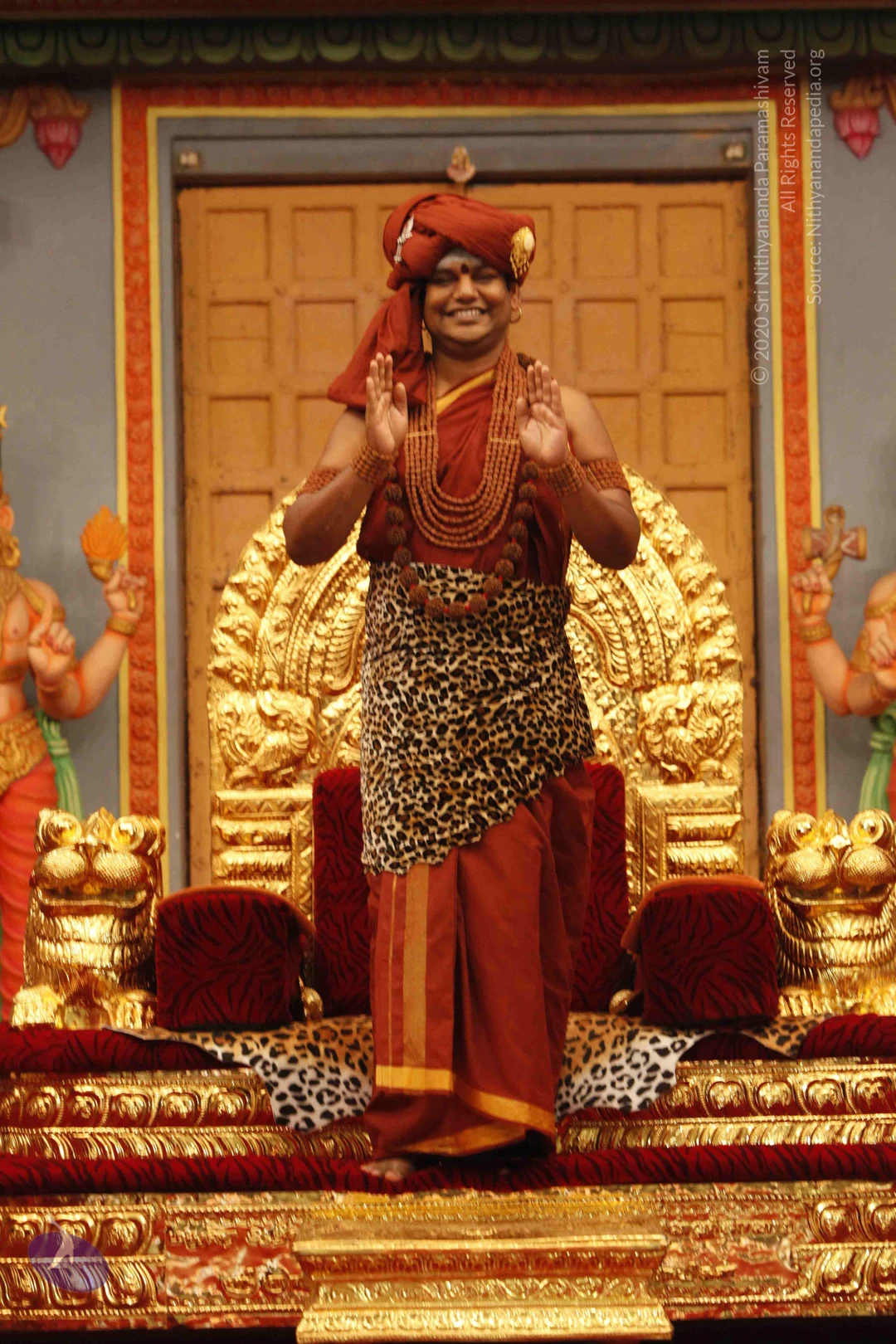




Photos from this day
View all 88 photosPada Puja
4 photosSource gallery
Nithya Satsang and Kalpataru Darshan
8 photosSource gallery


FB-photo-of-the-day
1 photoSource gallery
Nithya-Satsang-Kalpatharu
68 photosSource gallery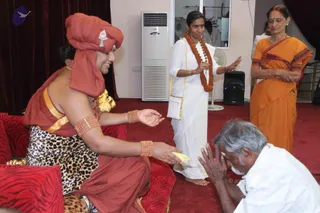
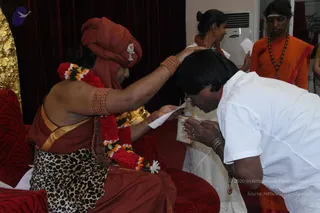
1-Nithya-Satsang
7 photosSource gallery