Monday
17 March 2014
- Dated photos
- 136
- Source pages
- 1
- Media
- 2
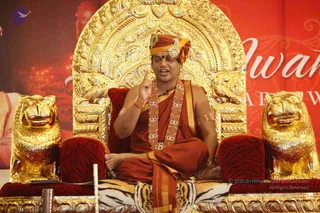
March 17 2014
Original wiki pageDescription:
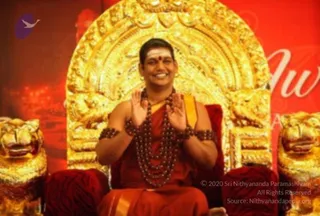
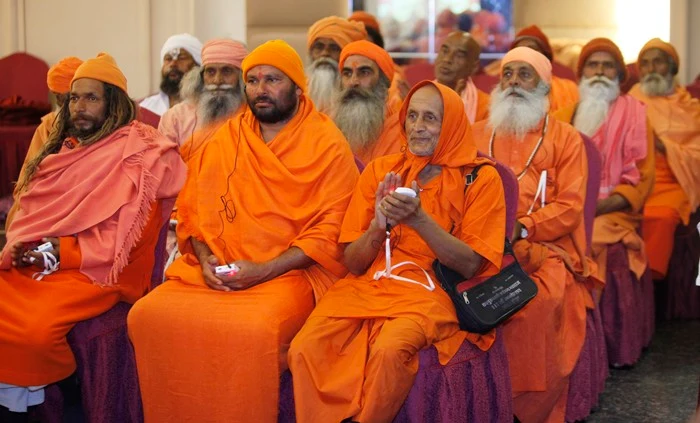
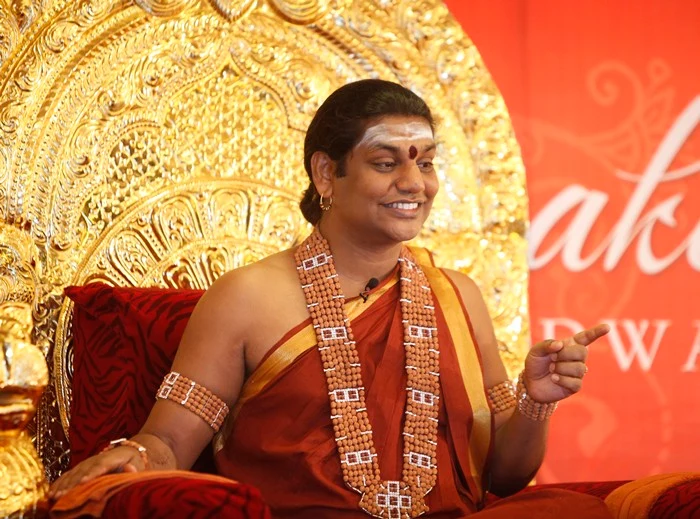
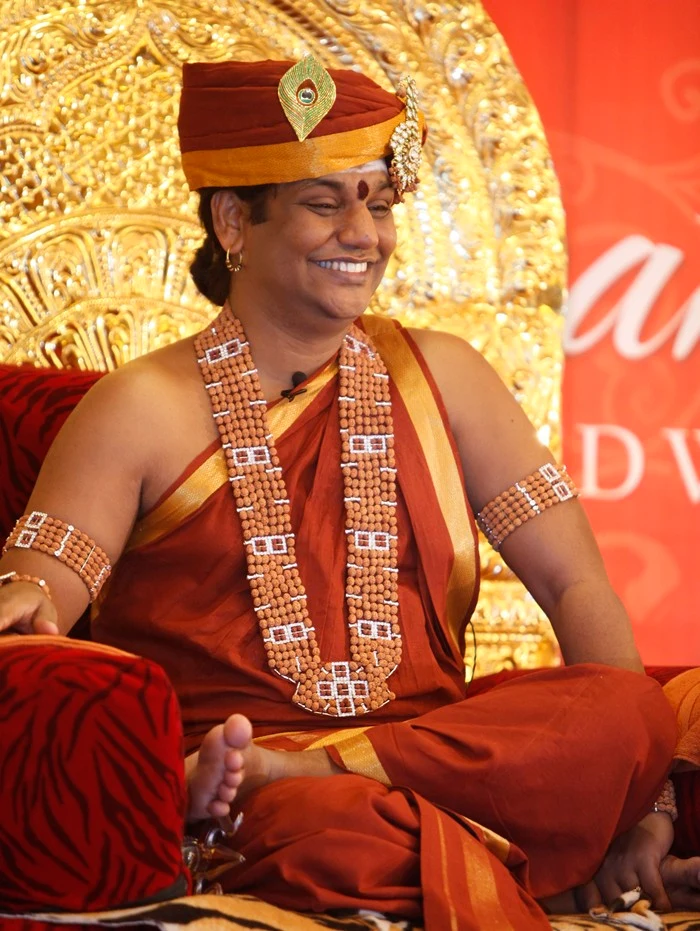
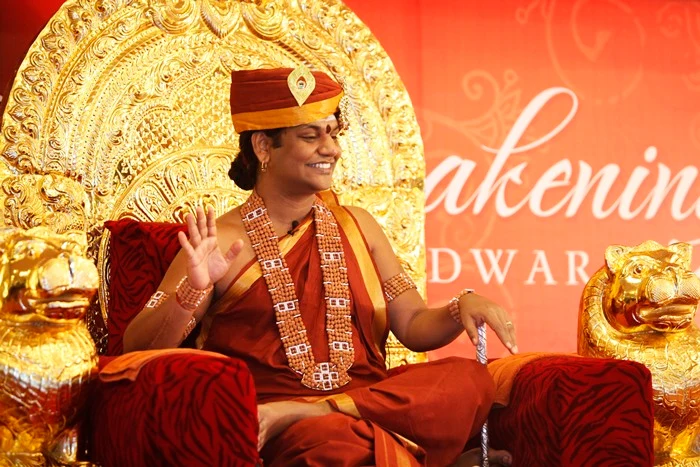
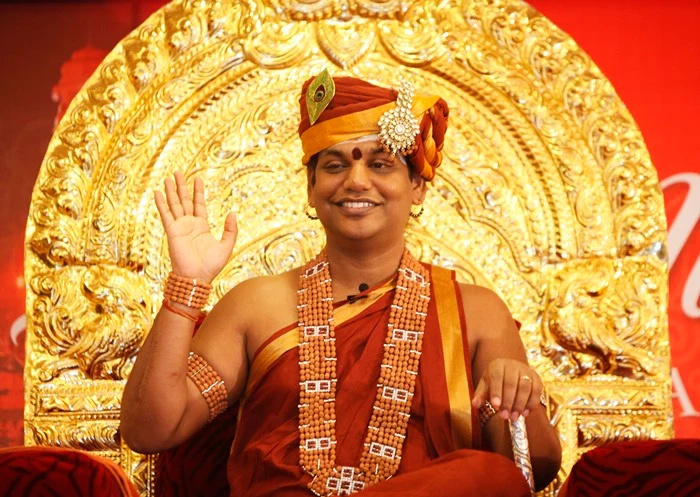
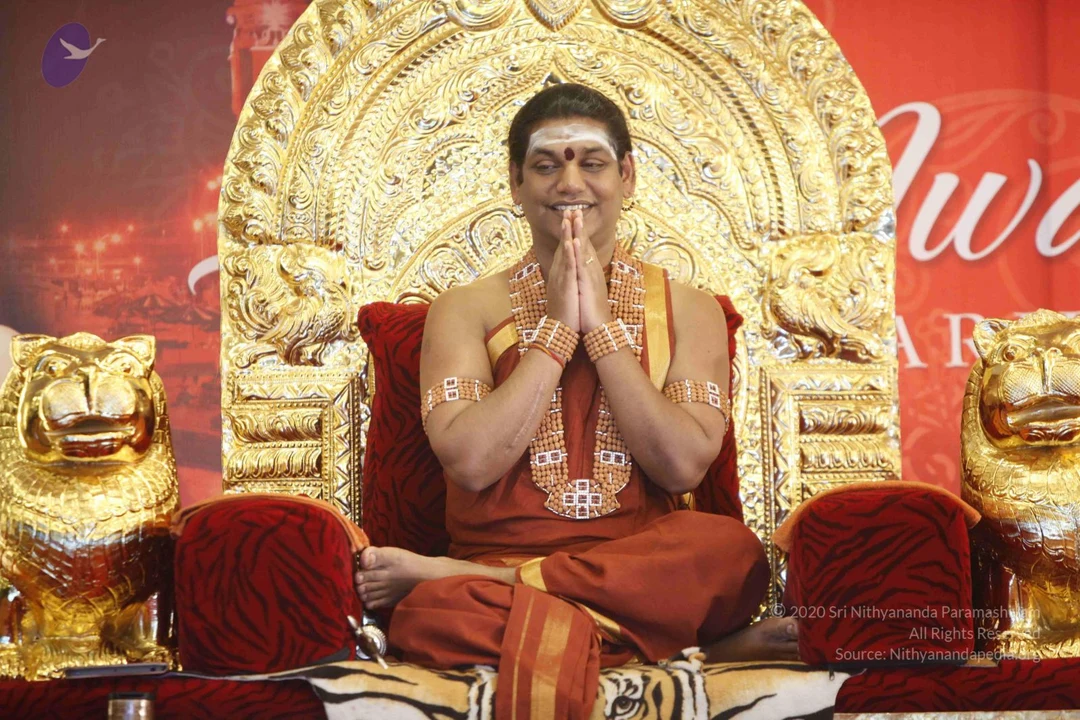
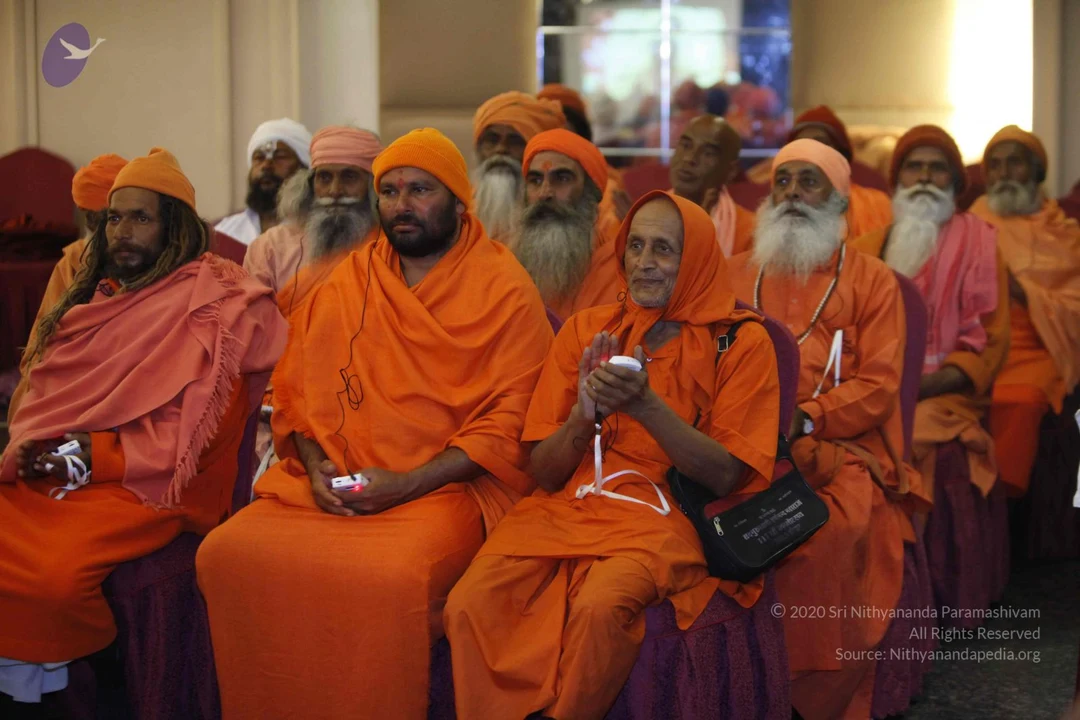
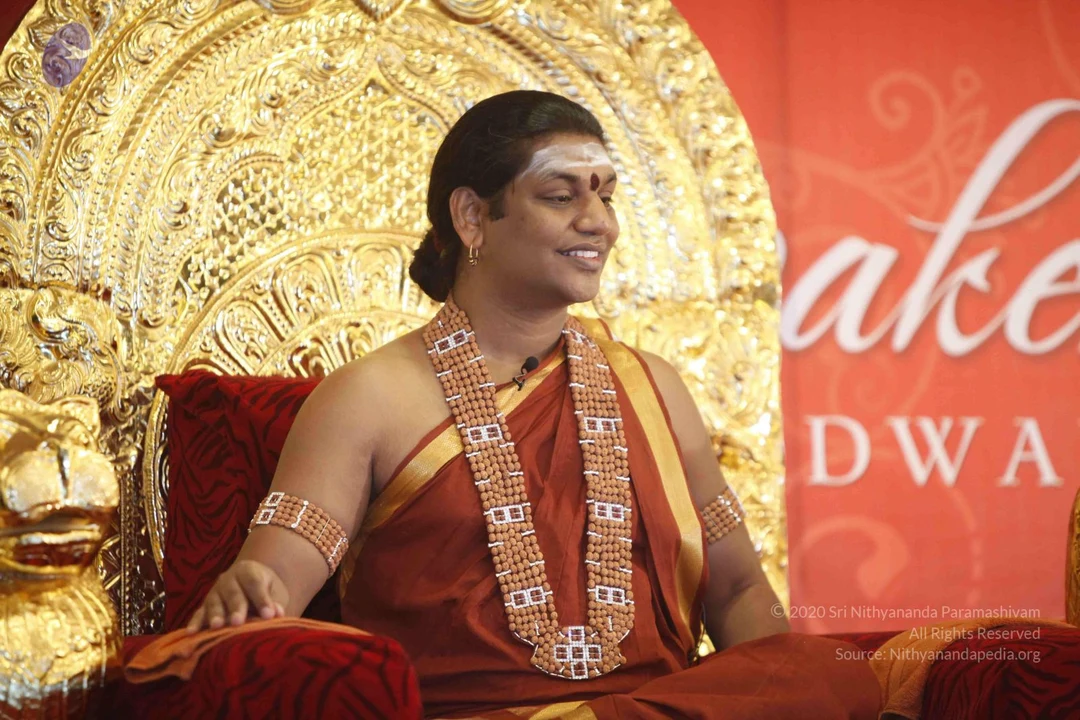
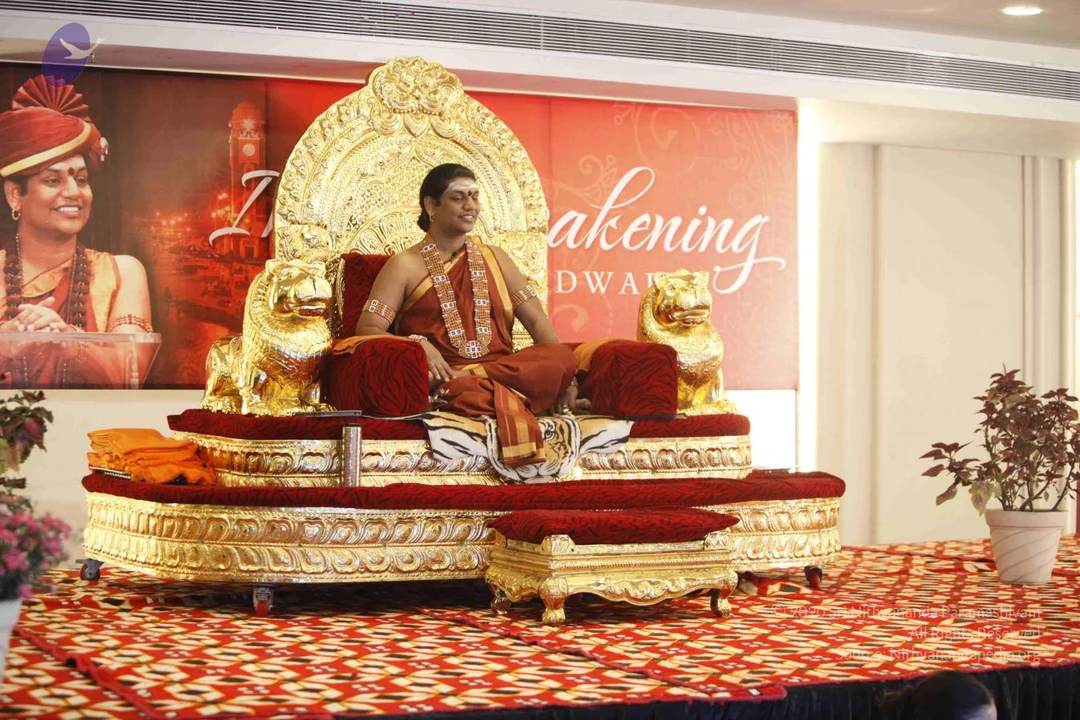
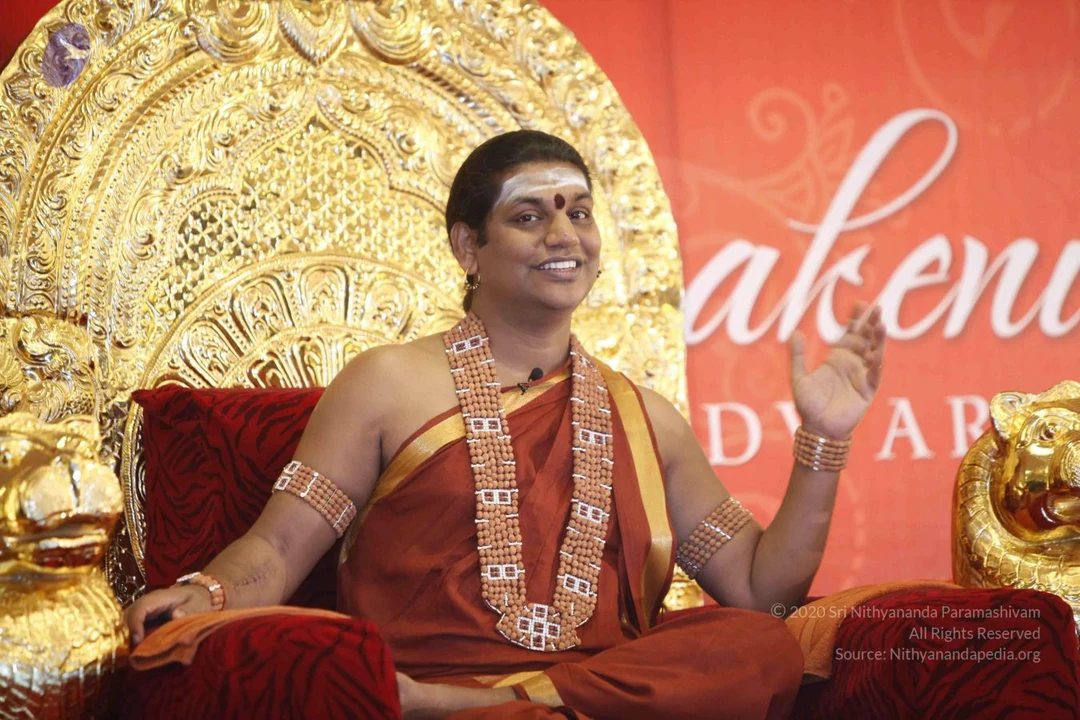
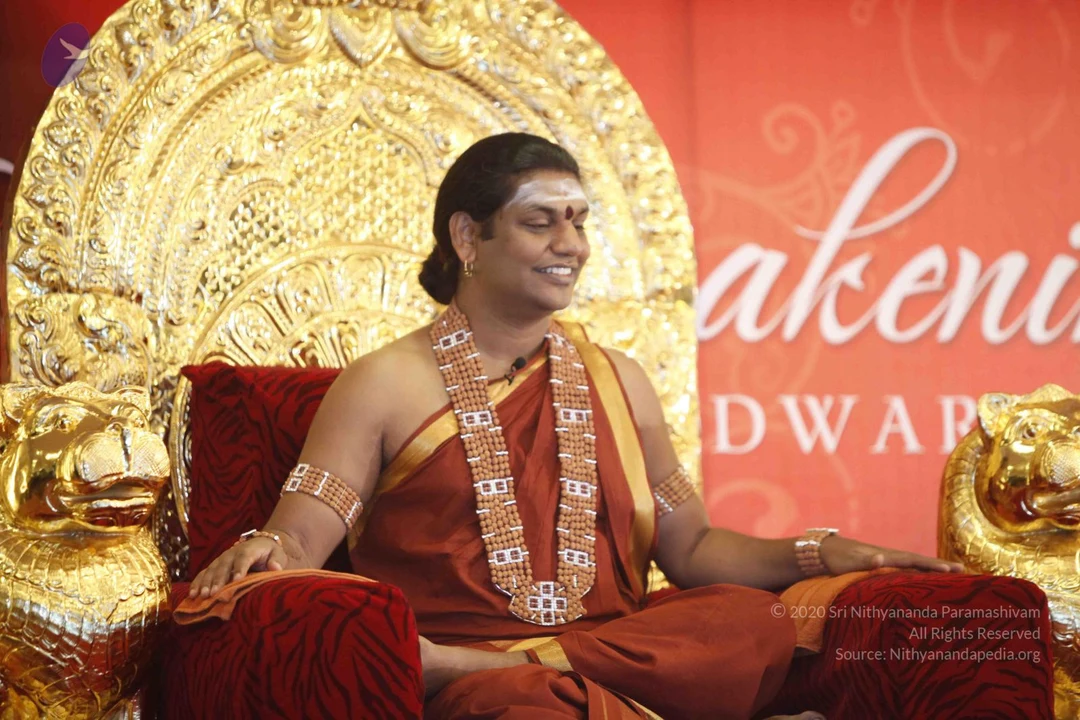
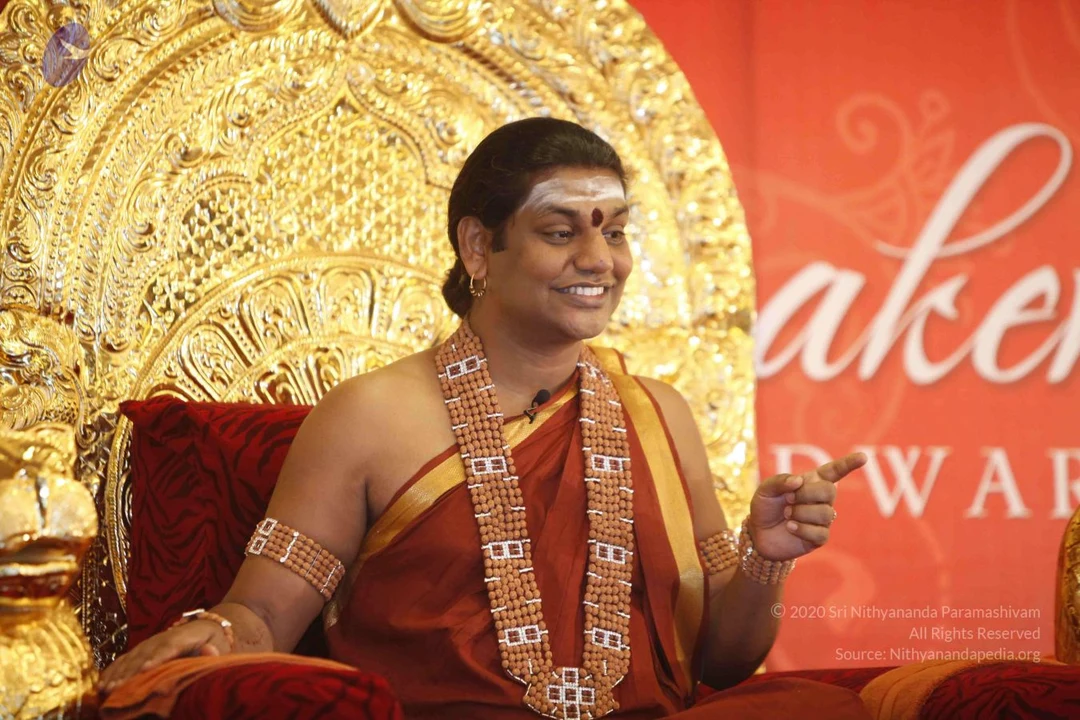
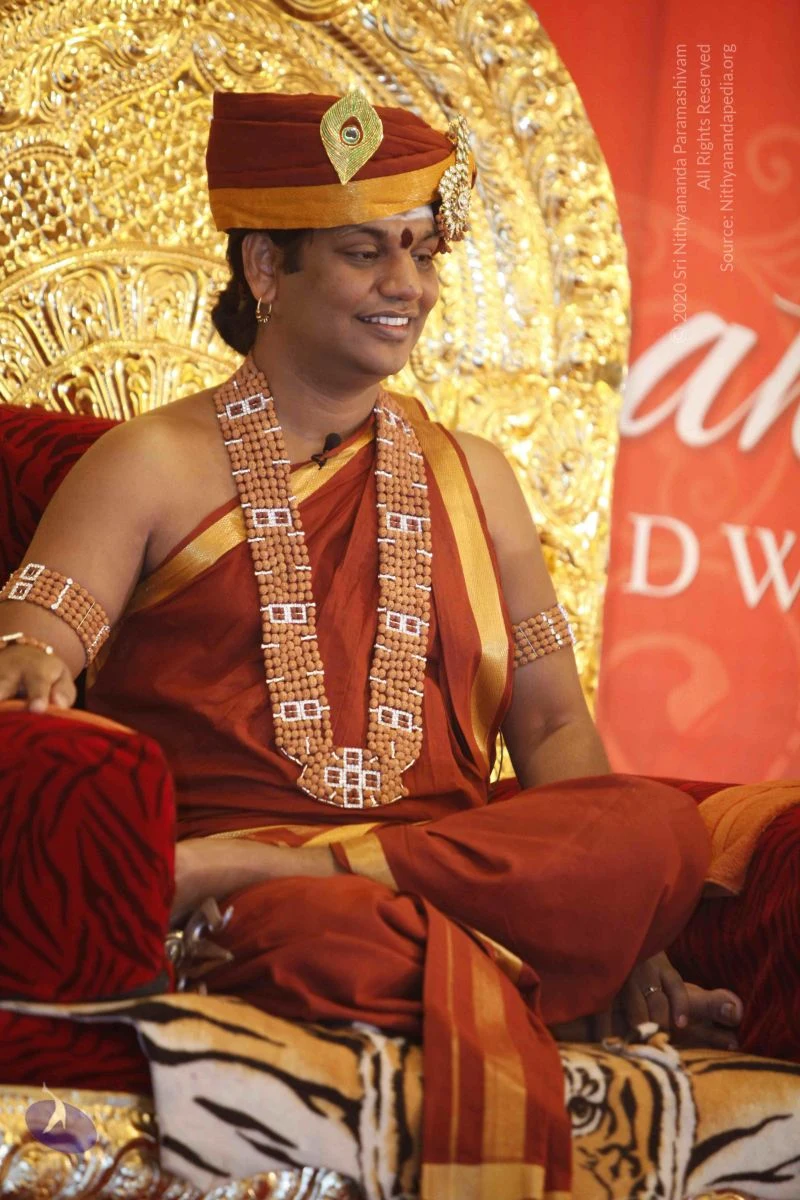
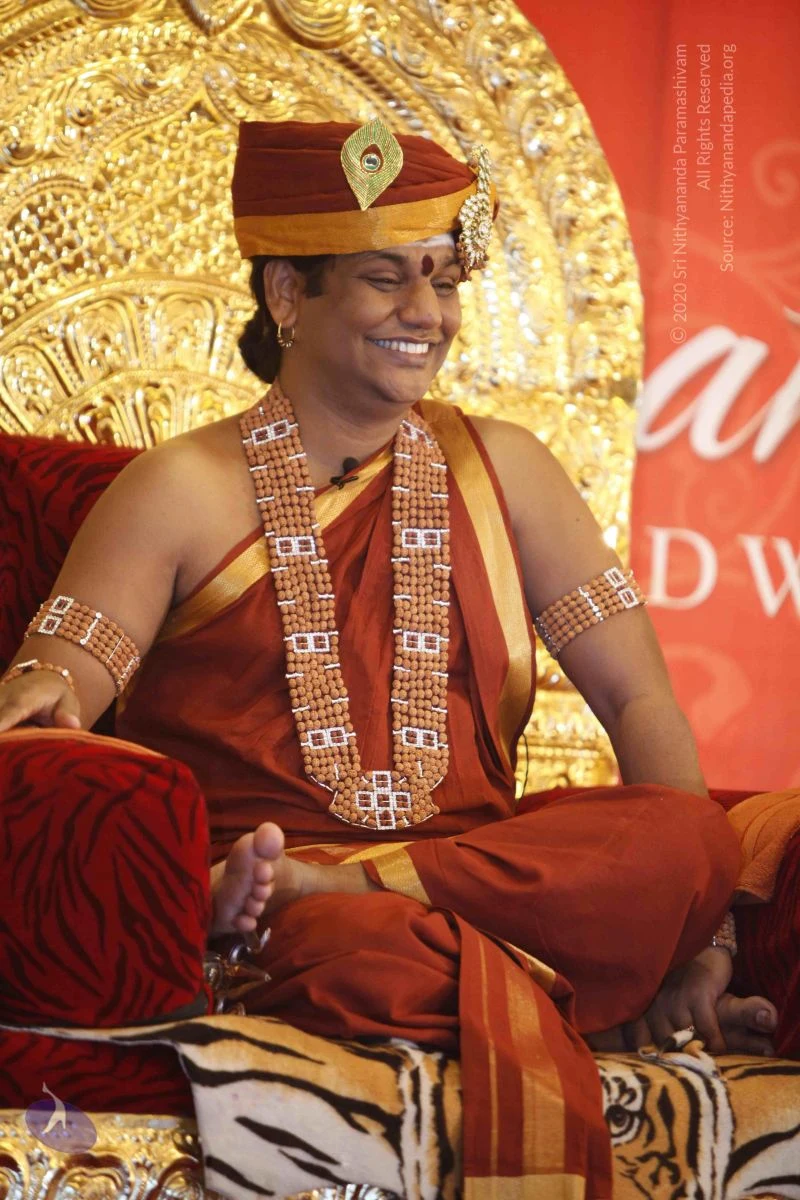
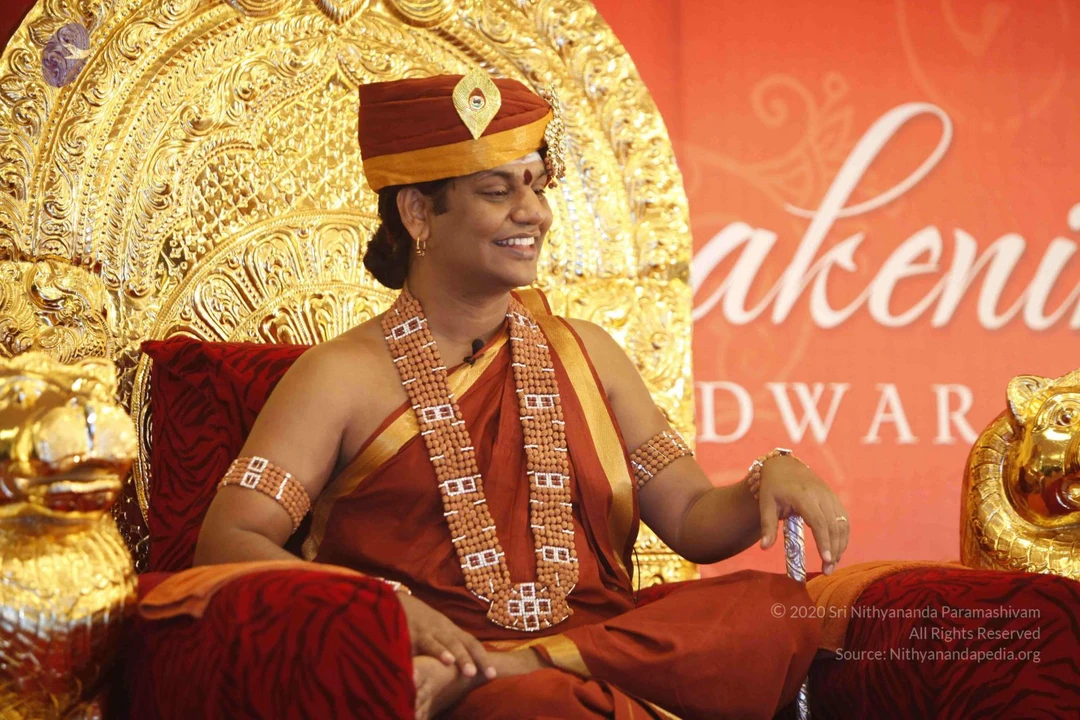
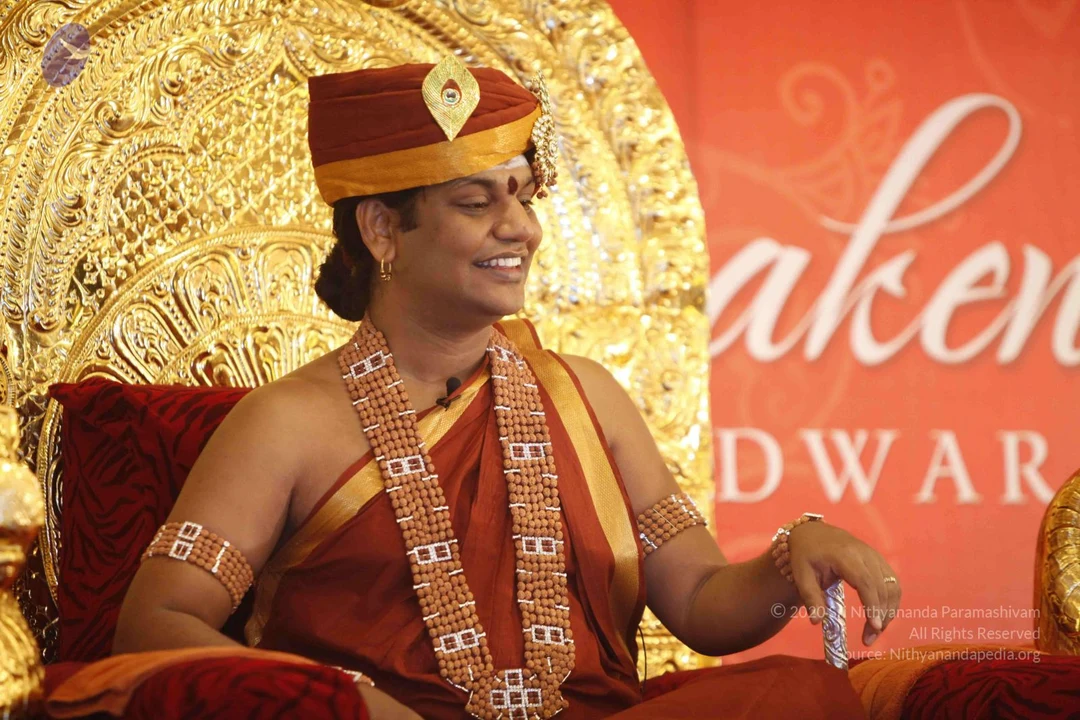
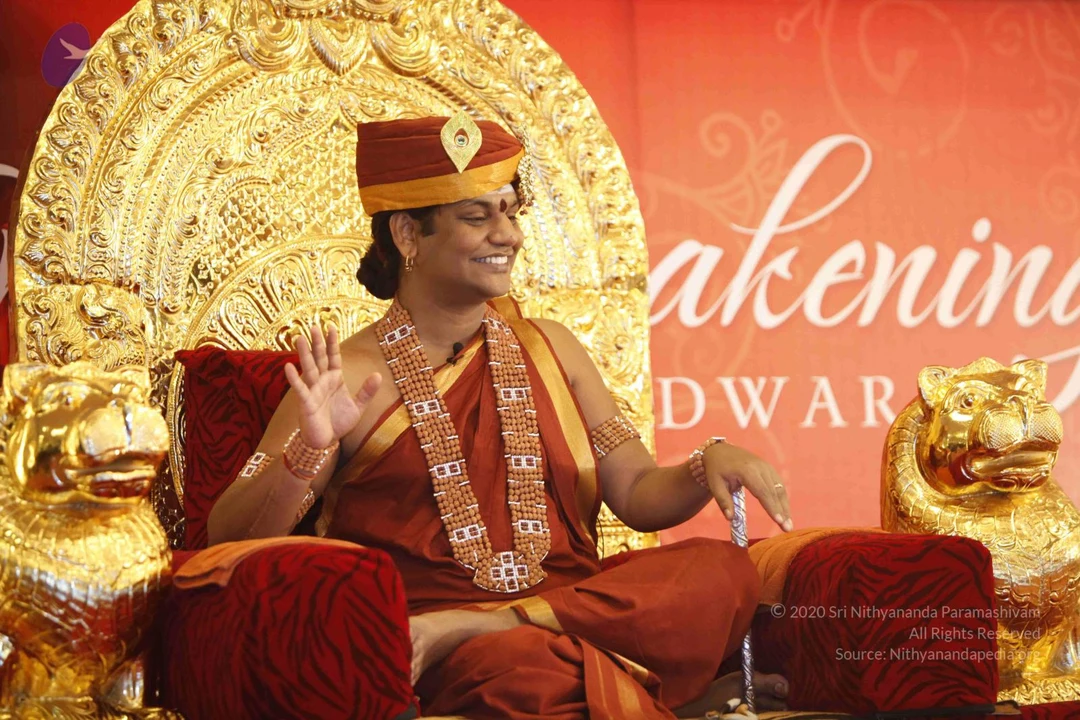
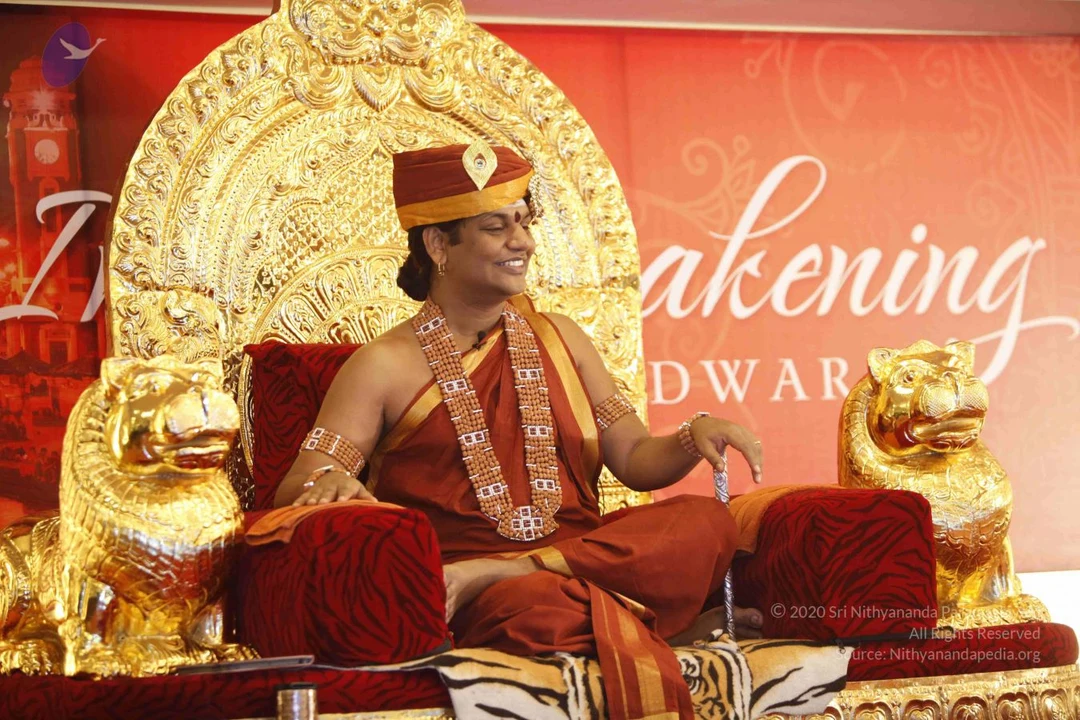
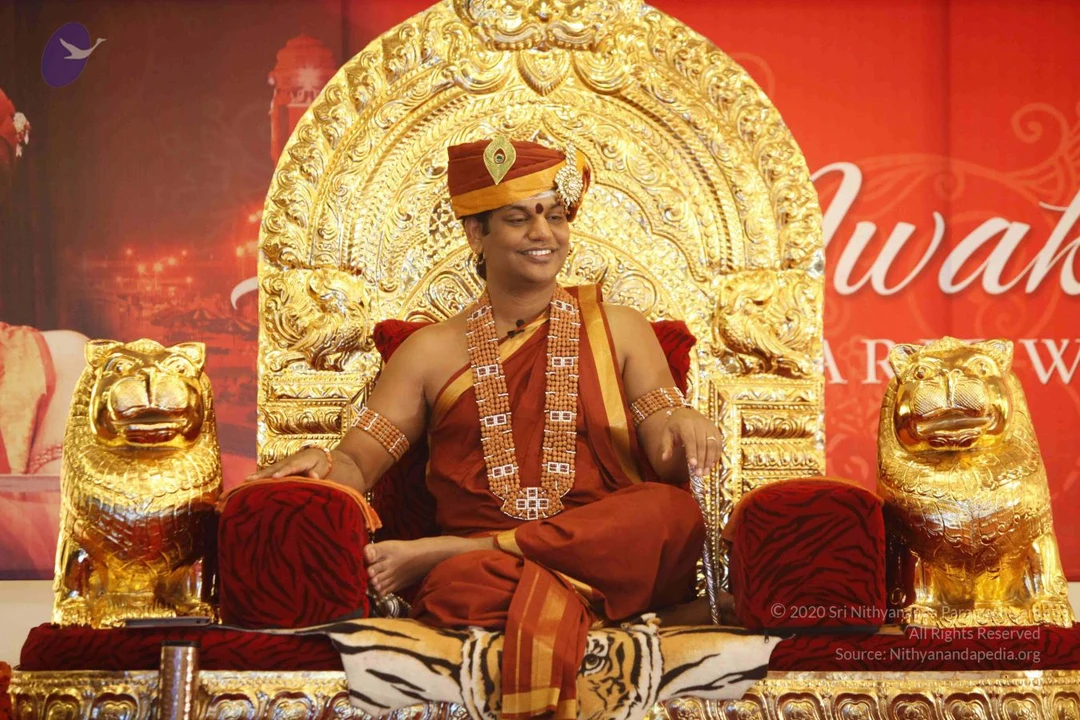
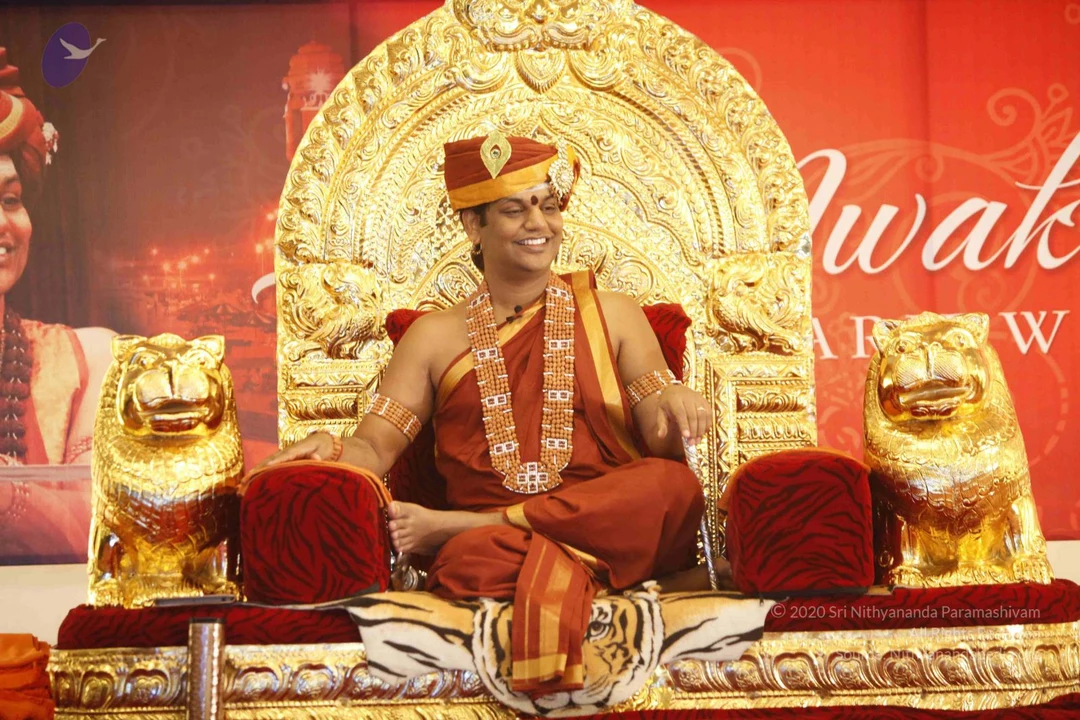
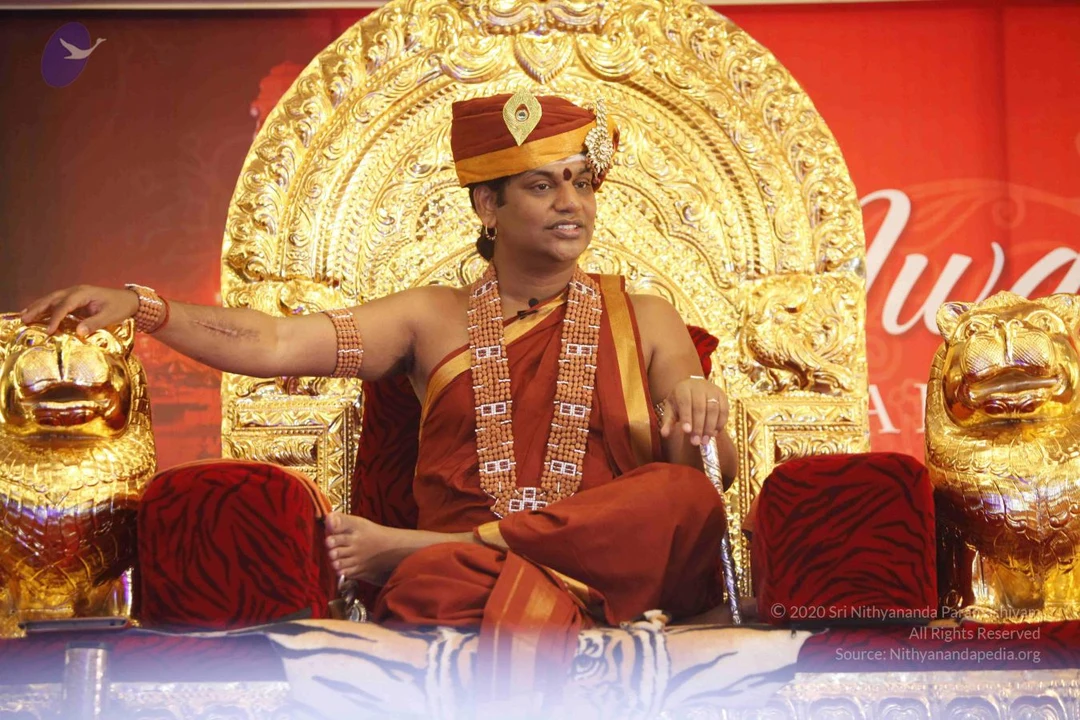
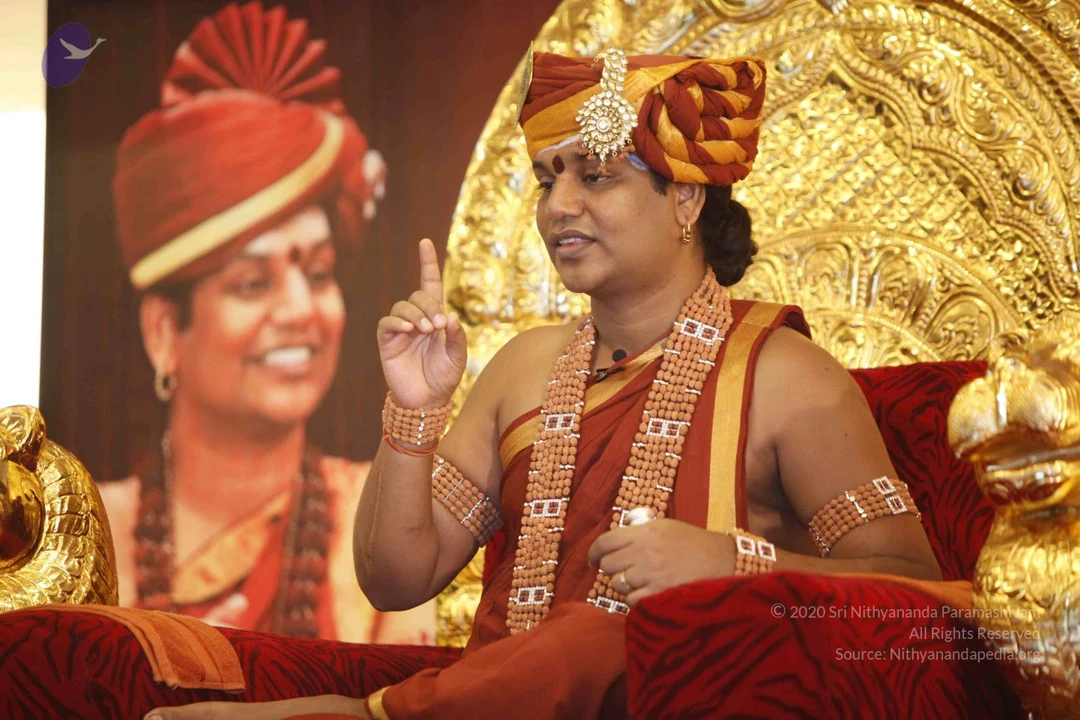
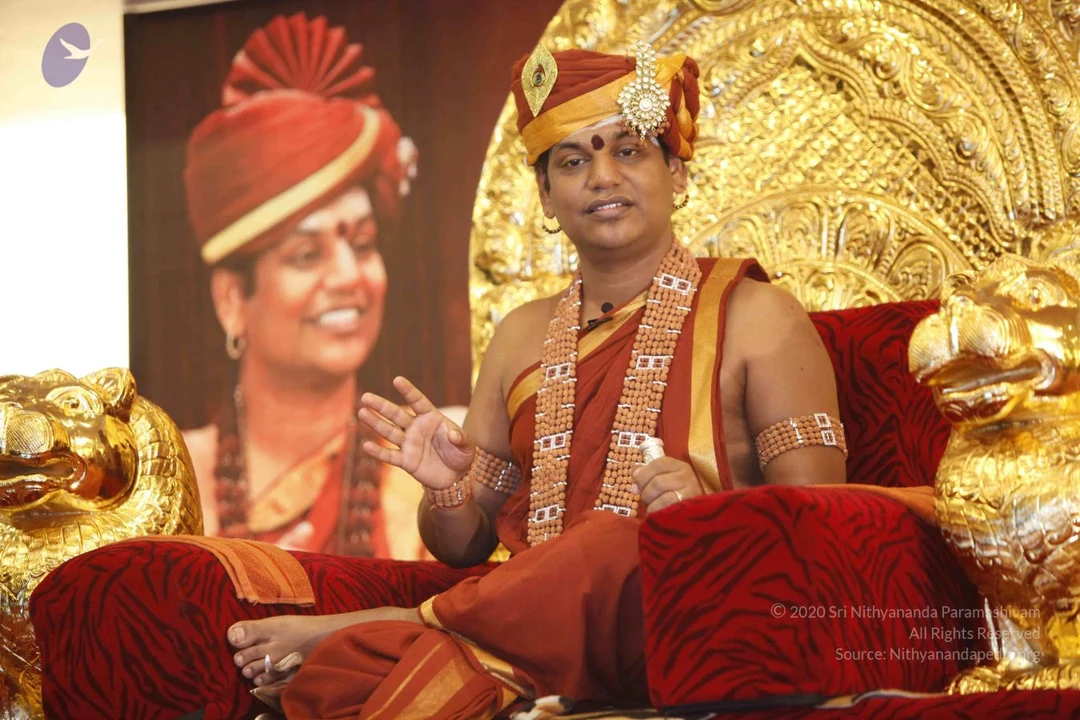
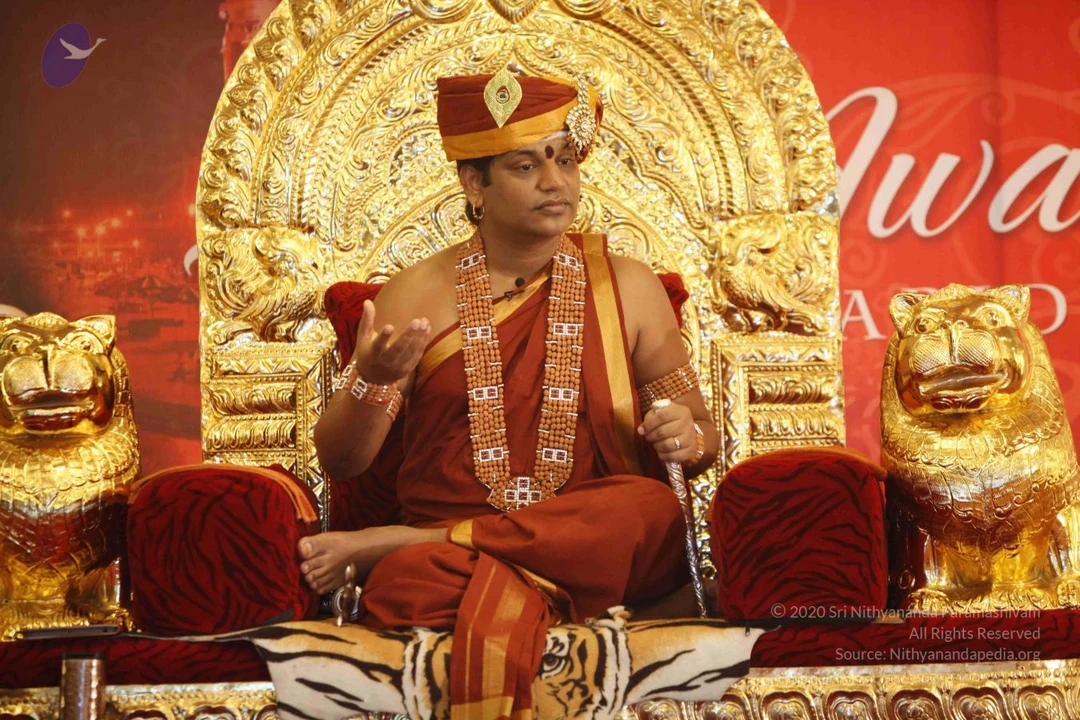
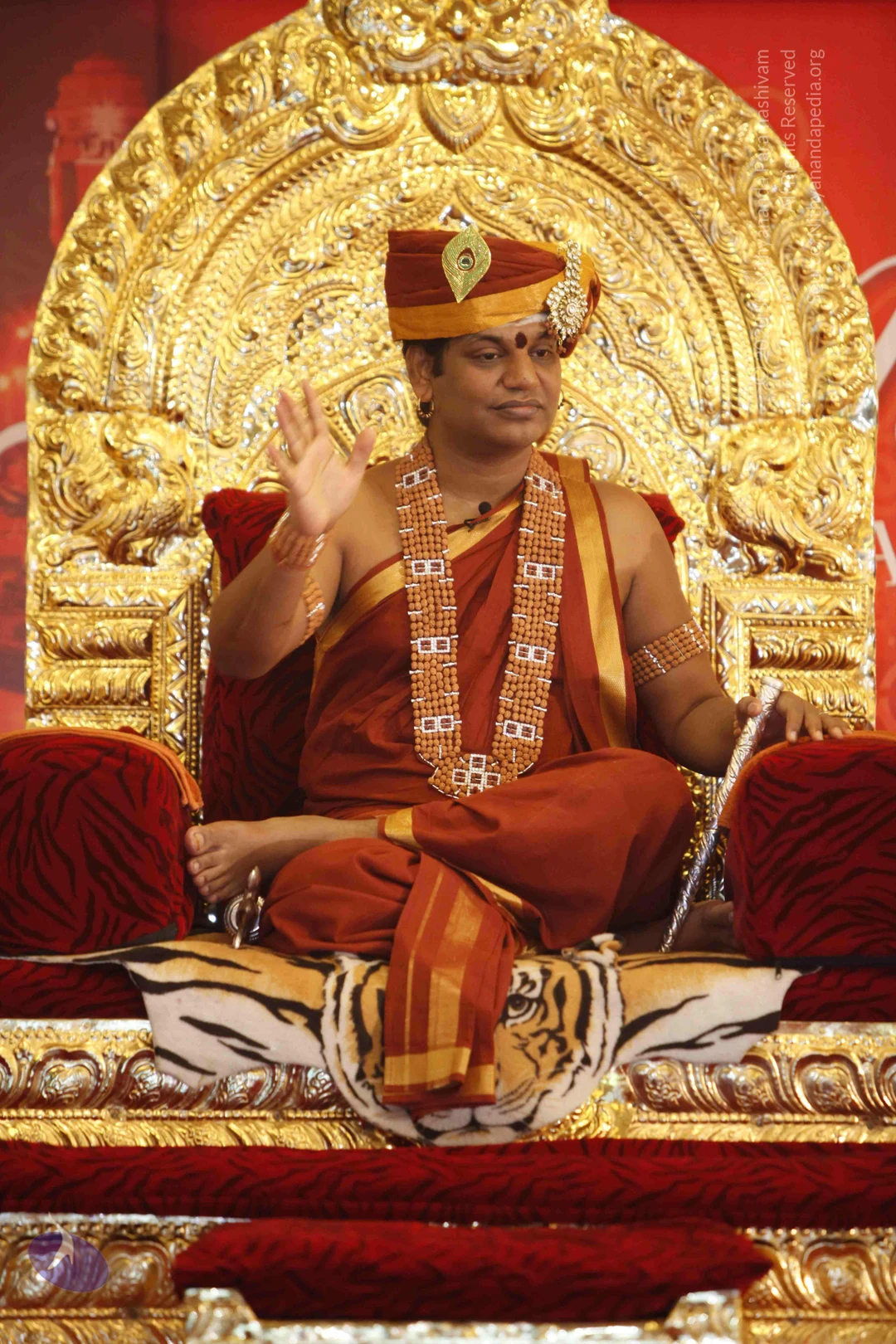
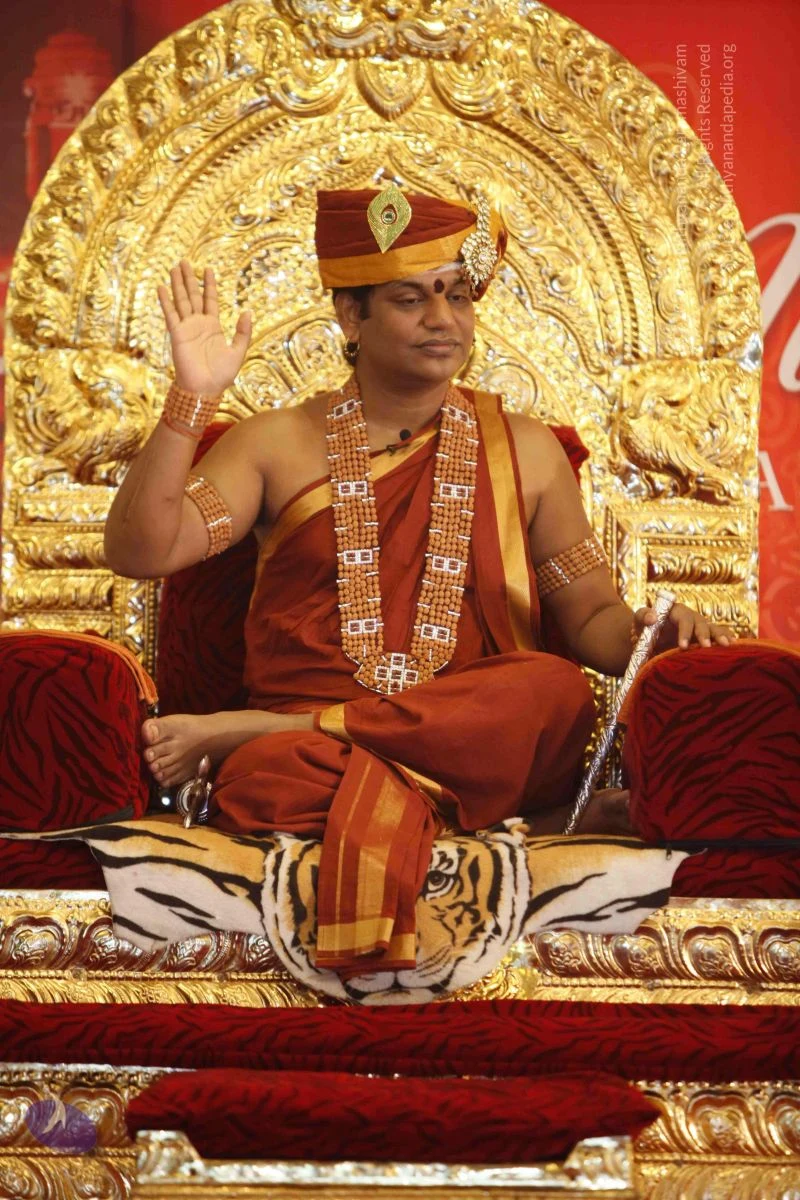
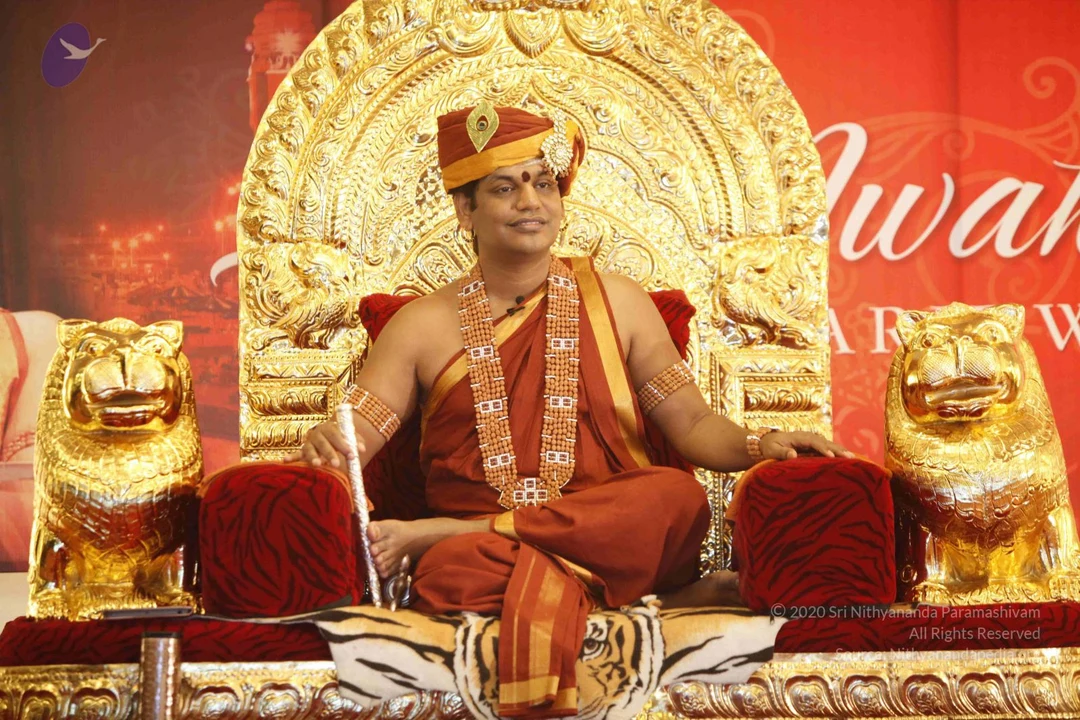
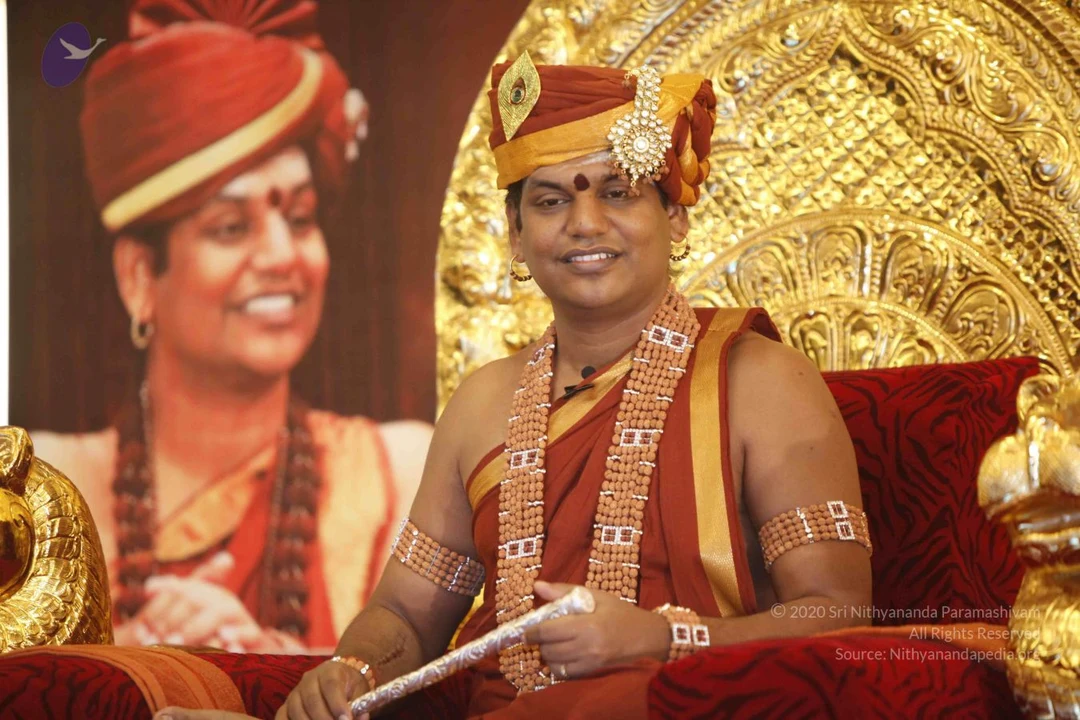
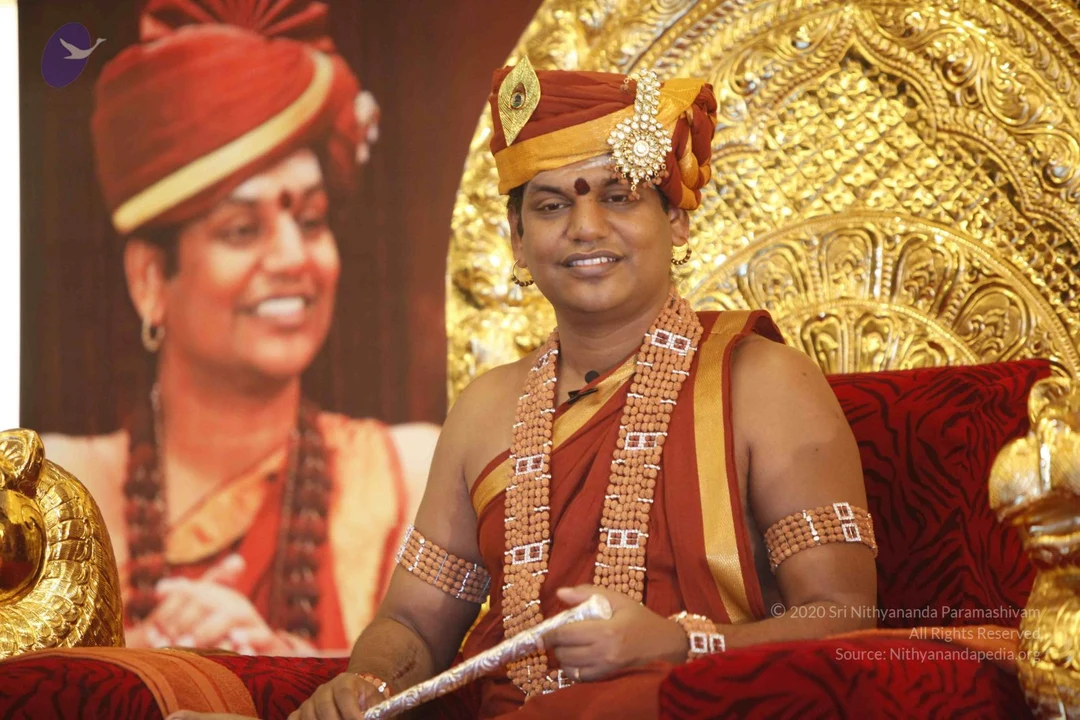
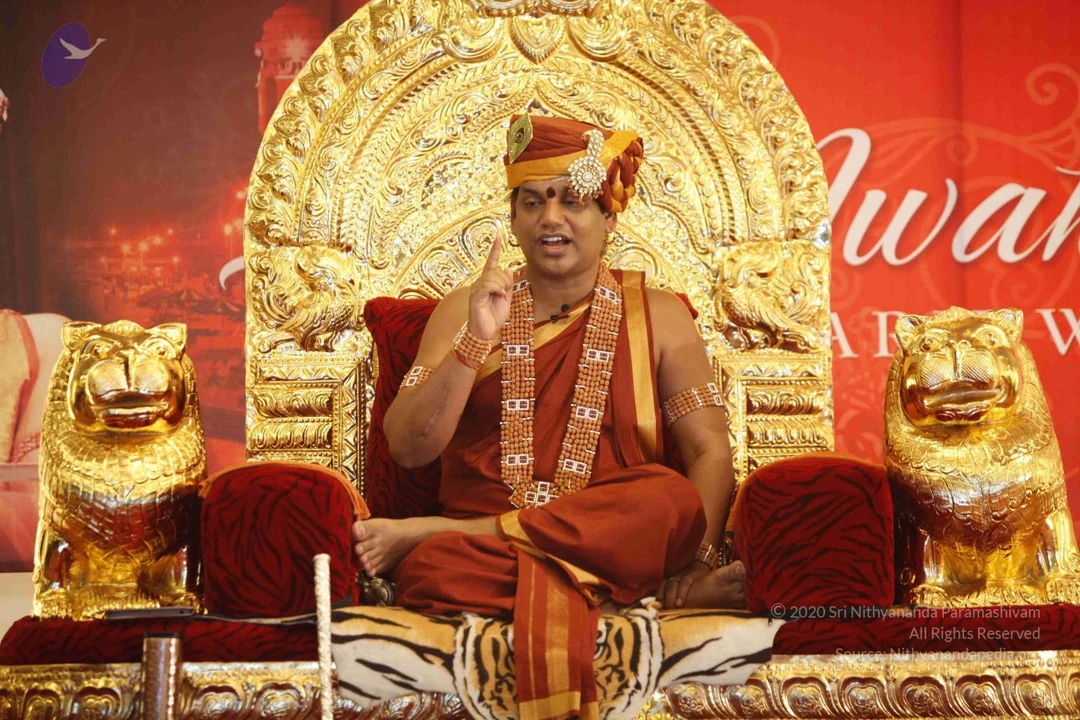
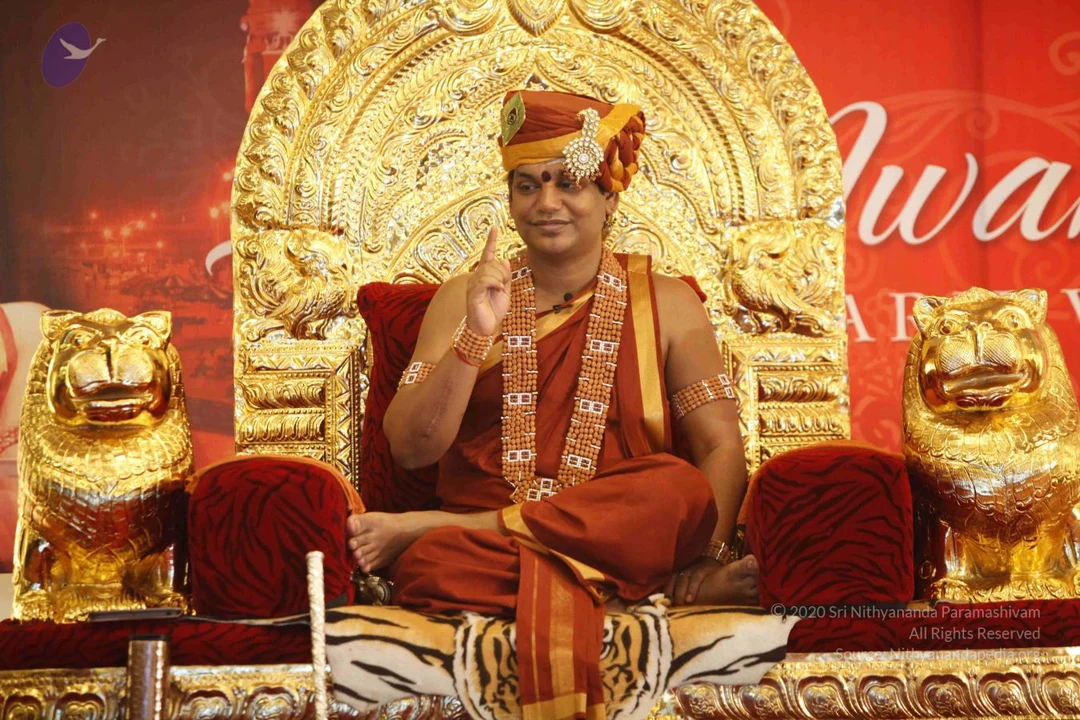
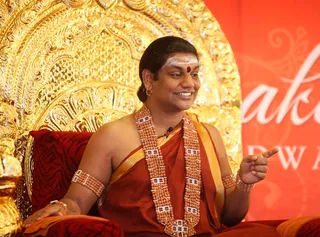
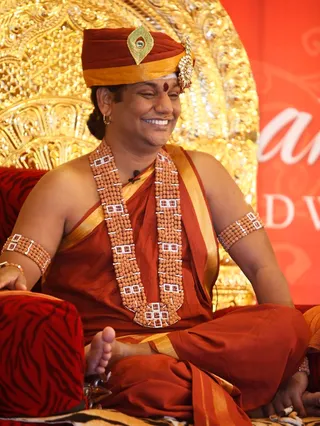
In today’s morning Satsang in Haridwar, Paramahamsa Nithyananda gives us the technique that will make our enemies stupid! We can win any war, disarming our enemies by living in the space of Advaita. This space brings us such peace and non-violence to our inner space – no one can attack us! The space of Advaita brings such clarity, confidence and the grace of God to be sure about ourselves.
Link to Video:
| Video | Audio |
Transcript:
[00:19]
Nithyānandeśvara samārambhām Nithyānandeśvari madhyamām | asmat āchārya paryantām vande guru paramparām ||
Iss samay hamare sath upastith sabhi darshakon aur bhakton ka main prem evam aashirwad sahit swagat karta hun.
[00:56]
I welcome all the disciples, devotees, samajis, satsangis, Shrimahants, Mahants, Kotharis, Thanedars who are sitting with us all over the world at this time through Nithyananda TV, Lotus News Channel, Sadhna TV, Janashree TV, Eshwar TV, and through two-way video-conferencing having Nayana deeksha in many cities in many countries around the world. The cities sitting with us through two-way video-conferencing having Nayana deeksha: Santa Fe-New Mexico, Houston-Kalahasti, Hyderabad-Gupta Kashi, Calgary- Amarnath, Hosur Dhyanapeetam, Dubai-Vaidyanatham, Indrani-New Jersey, Vataluko - Mexico, Paris-Home Temple, Ohio-North Carolina, Bogotá-Colombia, San Jose- Madurai, Seattle-Chidambaram, Adi Nithyananda Dhyanapeetam-Avathipalayam, San Antonio-Texas, Bangalore North, Bangalore-Malleshwaram, Austin, Bogotá- Colombia, Nithyananda Nagaramu-Hyderabad, Los Angeles-Arunachalam, Toronto-Kailasam, Toronto-Canada, Ohio-Prayag, Guadeloupe-Rameshwaram, St. Louis-Tirumala, Singapore-Singapuram, Nithyananda Nagara-Bidadi, Oklahoma-Somanatham, Thiruvanmiyur-Chennai, Ohio-Ma Shivananda, Charlotte-Srisailam, Oman-Sivagangai, Toon Moon-Hong Kong, Doncaster-UK, Obrac-Slovakia, Kulim-Tiruttani, Nithyananda Nagar-Tiruvannamalai, Hollywood. So, I welcome all of you with My love and blessings.
[03:28]
aaj Holi ka pavitra parva hai. mein aap sabhi ko rango ke parv Holi ki shubh kaamana aur ashirvad deta hun. aap sabhi ka naya varsh kalyan kari ho.
[03:50]
So, let this Holi be auspicious for all of you and all of us. Let this Holi give auspiciousness for all of us. Let the Vishnu’s grace be on all of us on this auspicious day of Holi. This is one of the most important spiritual celebration in Hindu Tradition. This day is celebrated in Shaivism, Shakta and Vaishnavism, all three traditions. In Vaishnava tradition, this is celebrated as the day Radha and Gopikas united with Krishna in rasa leela and gave them the experience of Sahasrara; means, all of them had their sahasrara chakra blossom and experienced enlightenment. Each Gopika has experienced his own Krishna, means realizing your soul - Krishna in your soul. Such a day of spiritual ecstasy. And today is the day Gouranga, the great Chaitanya Mahaprabhu appeared on the planet earth. His appearance day, Chaitanya jayanthi. And, in all Shaiva Agamas, today is celebrated as the Shiva and Devi’s marriage. Shiva and Devi’s marriage is celebrated. And today because we are following the Meenakshi temple tradition, we are doing it on next poornima, chitra pournami. But all the Shiva Temples, even in Tiruvannamalai, today is the Devi’s marriage, Shiva’s marriage, Shiva and Devi’s marriage.
[06:30]
And, in Shakta tradition, today is the day Mahadeva initiated Sri vidya tantra. The great mantra to achieve Devi’s space was initiated by Mahadeva directly to all the Sanaka, Sanatana, Sanatkumara, all the Rishis today. So, the Shakta sampradaya celebrates today as the day their sampradaya originated. So in Vaishnavism, they celebrate as Ras poornima, the day Krishna and Radha united doing the rasa leela. And, today is also a day, celebration after the Holika was burnt. Holika is the demon, the sister of Hiranyaksha. She had a boon that she… her body will not be burnt. When Hiranyaksha and Hiranyakashipu were trying to kill Prahlada, she (Holika) offers her help. She says, “I have a boon, I cannot be burnt. Give him (Prahlada) I will make him sit on my lap, and both of us will sit and you put the fire. He will be burnt, I will not be burnt.” Never ever play with devotees thinking you have some powers. And after they put the fire, suddenly they saw this lady is burning, but Prahlada is not burning.
[08:34]
Please understand the moral of the story is, never ever fight with devotees thinking you have some special powers, thinking you have some powers. And, finally, Holika got burnt, Prahlada was untouched. That is celebrated on this auspicious day. Actually, the burning of Holika happens yesterday night, and today is the celebration. So, I bless everyone this day. Let it bring all the auspiciousness to all of us. Moral of the story is you cannot destroy a spiritual being. Second, even if you think you have a protection cover, that will be burnt if you try to destroy any spiritual being. I will move to the today’s satsang.
[09:53]
Please understand today I wanted to expand on some of the sacred secrets about creating a space. Please understand the creating a space for what you want and making it as a reality has to be done every day as a spiritual practice. Don’t stop doing it because you were not successful once or twice. Basically you always has the fear about the spiritual zones of you. Because in the spiritual zones of you, naturally your higher self will become active. The higher self becomes alive. It is unfortunate the human beings does not enjoy the higher self for various reasons. You have various payoff cost, hidden cost, hidden payoffs. Some people may not want to be always in their higher self just so that they can live a lazy life. No, really! Please understand. Never ever miss being in higher self for any reason. Never ever avoid being in the space of Completion for any reason. Your logic, your energy, should never ever convince you not to be in the space of enlightenment. Please listen. The whole logical power you have should be constantly used to remind you, convince you, inspire you, impress you towards the advaitic space.
[12:49]
Few days before we were having teamily dinner. Again, this is a new word by Me. Teamily means family and team together is teamily. Team plus family is teamily. This one word I can tell you with all My integrity: My teamily is the best in the world. It is not a easy joke to have your CEO itself as your father, mother, friend, everyone because he has to put work-pressure also on you, he has to show and make you experience his love also. His role is also difficult and your role is also difficult. Both sides need certain maturity and understanding. My maturity and understanding can be taken for granted because I am responsible. But My team also shows so much of maturity and responsibility. Even if they struggle, it is okay; nothing wrong. So, we were having a teamily dinner. Then, two of My sannyasis were playfully fighting about Mahadeva and Devi. I told them, even for casual fight, you cannot be reduced from advaita vedanta, Shuddhadvaita Vedanta. Please listen, even for casual fight, you should not lose the clarity. But, one nice thing: Both of them understood. Both of them understood.
[15:08]
The original substance is Mahadeva. The original substance of existence decided to enjoy itself - it is called ‘Shakti’, ‘Devi’. So, both are one and the same to its core. There is nothing to fight between these two. So understand, moral of this whole incident: Even in a playful way, you cannot miss the experience of advaita. I tell you, whether it is a playful dialogue or debate or a violent war, the moment you miss the space of advaita, you are defeated. If Arjuna has gone into the war with the mood of Karna or Duryodhana or Bhishma or Drona simply he would have lost it. But Arjuna went with the space of advaita because of Krishna’s initiation. He won the game and came back.
[16:45]
For all the Hindu organizations, the so-called Right Wing Organizations, the Sangh Parivars, for all of you I am reminding you, whether you accept Me as your Krishna or not, I accept you as My Arjuna. For all of you I am reminding you, do not miss the space of advaita, hold on to the space of advaita in all your fight. Only then you will win. The moment you miss the space of advaita you have a anger, violence towards somebody, you lose the game, understand. If you carry the clarity the other person is extension of you, even if he tries to attack you, his whole being will not support him in his attack on you. He will be so foolish, he will collapse and you will not be attacked. Please listen. Today I am revealing one of the very important sacred truth. If you are established in the space of advaita, even if the other guy tries to attack you, abuse you, his whole being will not cooperate with him to attack you. Simply he will lose strength and fall into stupidity and foolishness, powerlessness. He will not be able to attack you. He will collapse before even he stares at you. The power of the space is such, I tell you, learn this science, practice this science, master this science even if you have failed earlier, understand. All the Right Wing organizations, Sangh Parivar, all of you please take this as My message: Hold on to the space of advaita.
[19:53]
I have a question here from Jnanatma: “Can You… can Swamiji define what is the space of advaita”? Means, there are some ultimate truths. Everyone is extension of you. Whether you call as a Hitler or Bin Laden, Buddha or Mahadeva – please understand – Hitler or Bin Laden, Buddha or Mahadeva, Krishna or Kali, everyone is extension of you. You should be very clear why somebody is Buddha, somebody is Bin Laden. Let Me make it very plain and simple, straight. So, now, you need to know which part of you is paining you, which part of you which is making you hate somebody, you should address that part and complete it. By completing with that part, you make the other person powerless if he still holds on to the violence. Please listen! Listen! Listen once more! For example, in ‘the world’, in fact level itself there are violent people, terrorists who attack, abuse, destroy. I am not saying what they are doing is right. But, before you start defending you, before you start attacking back, your incompletion towards them, the ‘my world’s” incompletion, complete it.
[22:20]
When you complete it..... Please understand what I am giving you is a successful war strategy, because I have won many wars, I am going to be winning many wars. What I am saying, what I am telling you is not some spiritual philosophy; it is a successful war strategy. Look into you. Complete with the part of you which is responsible for your anger, your violence. Complete with that. You will see, that guy, the ‘the world’ terrorist loses all his power; he will become powerless. You entertaining anger towards him which is in the ‘my world’, keeps his violence active and alive. The moment you complete with this, your enemy will no more be lion, he will become a rat. You just need a little rat poison. You don’t need a gun and AK-47. Make the enemy powerless by making your enmity powerless, understand.
[24:00]
Understand, all the right wingers understand, as long as you hold on to this advaita space, you are the winner, you are Arjuna, you will never lose. Know very clearly, I am not saying in ‘the world’ all the persons are right, good, they should be loved. I am not saying all that. I do accept many of your ideas. But be very clear, by entertaining enmity, you are making enemy strong. This is the ultimate law of life. By completing enmity, you make enemy weak. This is the space of advaita, understand. This is the space of advaita. When the right wing lost the space of advaita, they lost the right wing of theirs. In the anger of enmity, in the rationale of enmity, in the logic of enmity, you are foolishly supplying energy to the enemy. Understand. The Completion with your enmity, with your anger, not only leads you to non-violence, leads anybody who is violent to powerlessness. All his actions with violence will become powerless.
[26:37]
How do you think I make all My enemies powerless and foolish, stupid? If you see all the fellows who cherish enmity towards Me, the actions they do, study it; you will find all of them stupid. How do you think I make them stupid? Because I complete and I don’t carry any enmity. When I don’t carry any enmity, when I don’t carry any violence, when I become the space of advaita, when I become the space of joy, every night I fall into that space back in the samadhi. Loka Samastha Sukhino Bhavantu (Let the whole world be happy). I tell you, when you say - Loka Samastha Sukhino Bhavantu, suddenly all your enemies will become powerless. They will become powerless towards… their actions towards you with their enmity, means, their violent actions will become powerless. They will become stupid when they try to attack you and they will just lose their power. I tell you, Completion with your violence, Completion with your anger, Completion with your enmity will make your enemy powerless. It is the law of life.
[28:31]
I tell you, I have already established, I am one of the incarnations who has fought maximum number of wars.... different technical wars. I tell you, not only fought emerged successfully, won the wars. Listen to this strategy sincerely. When you create the space of advaita in you means non-violence, no enmity, again and again get back to that space, no enmity, non-violence. I am not even saying become friendly; that is up to you, whether you want or not. But decide to be non-violent, no enmity. I tell you, the moment you complete with your enmity and drop it, your enemy will suddenly lose power. The Cosmos will not support him anymore. The person who is not supported by the Cosmos is like a fan which is not supported with electricity power; it cannot run. If it was running maybe it will take few seconds for it to stop once you switch off, but not more than that.
[30:34]
So understand, inside you let there not be violence. Let there not be enmity. Let there be clear space of advaita. Let there be clear understanding of advaita. Krishna’s strategy still works. Krishna’s Gita has no expiry date. His strategy: No violence, No Enmity. I tell you, the moment you remove enmity from your being and complete with it, one: the other fellow will lose the power, second: that fellow will become so stupid you may not even need weapon to destroy him. That is why Krishna never took any weapon in his hand. Make him stupid. After that if he carries violence, he will destroy himself. If he becomes non-violent, then he is going to naturally live happily, that’s all. This satsangh should be named as - How to make your enemy stupid: The strategy. Strategy to make your enemy stupid and powerless.
[32:27]
I tell you, everywhere, everywhere, advaita has a direct utility value, whether you are in a hospital for health, you are in a market-place for wealth, you are in a court fighting a case, you are in a war-field fighting some people, you are in a place of riot where you have to survive, you are facing a survival threat, wherever you are, the space of advaita has highest utility value. Just be brutally fanatic and practice advaita. I am telling you, whether you logically you know the values of it, the side-effects of it, or you need to take little more time to learn the side-effects of it, after-effects of it, start practicing advaita, the space of advaita. I tell you, it will be amazing Kalpataru, giving constantly what you want, and amazing protection by making all your enemies stupid. The space of Advaita is neither difficult nor easy. It is just the fact. The Sun rises in the morning in the East; it is neither difficult nor easy - fact. You design your life based on this.
[34:54]
If you are anxious to have the Sun early, he is not going to come night three o’clock. If you are afraid ‘If he comes what will happen?’, he is not going to delay it by noon eleven o’clock. He is neither going to change the direction nor going to change his timing. So, don’t try to argue ‘it is difficult or easy’. It is fact. Be a man. Be matured to see the fact. You arguing, “Oh, how can Sun do this to me? Morning if he rises in the East, what will happen to me? I have built my house keeping window in the West.” If you argue, you look childish. If you say, “No, no, no, no, no, if he rises in the East, my window is in the West; how will I know sun has risen? How will I wake up? What is this? Sun has no compassion. He is very difficult to handle. Sun is the most difficult person in the life I have seen.” This logic may be good for children, may be nice joke, but not good for real life.... not good for real life, not a right strategy for real life.
[36:42]
If you are arguing with advaita it is difficult or easy, you are doing the same foolishness of arguing whether Sun rise in the morning is difficulty for you or good for you. Whether it is difficulty for you or good for you, it is a fact. Start learning to live with it. Move your window from West to the East. So, stop arguing whether advaita is good for you or bad for you. Just move your window to the right direction and start living it. That is the most intelligent decision you will make in your life. By cherishing enmity, you will make yourself weak and make your enemy strong. By completing with enmity, you will make your enemy weak; and after that you don’t need to destroy him, and even if you destroy, you won’t have sin. You may not even need, because he will die by his own powerlessness. Even if you want to destroy him, you may not need any weapon.
[38:19]
Understand, the space of advaita is the best strategy planner, whatever situation you are in. The space of advaita can be the best war strategy, political strategy, business strategy, economic strategy, health strategy and the strategy for productivity, highest possible life. Understand. Don’t believe completing with your violence will make you weak. If you believe completing with your violence will make you weak, you are wrong. Krishna lived in the space of Completion. He was always powerful. As a single man, he finished what he wants to finish. The moment you allow enmity, the first thing will happen is, you will be split to pieces, you yourself will not be sure about you. The confusion is the curse from violence. Confusion is the first side-effect you will experience from the violence. Do not cherish or entertain enmity even for a casual argument or playful way. Learn this as a lesson. Do not cherish enmity and violence as part of you even in a playful way. The space of advaita: Everything is extension of me, whatever I want is already part of me, is Kalpataru.
[40:55]
Sudarshana means right vision. What is the right vision? By not carrying enmity inside you, making your enemy weak, that is what is power of Krishna, Sudarshana Chakra. His right vision is his strength. Disown enmity from your being. Disown anger from your being. All your confusion will be burnt. You will become sure about you. Whoever lives in the space of advaita, even when you are directly facing your own death, is liberated. The moment you fall into Dvandva (duality), your life is gone. You are gone. Your life is gone. Whole thing is waste. Whether you are fighting with disease, fighting with a pattern, fighting with poverty, fighting with disturbed relationships, fighting with terrorists, fighting with society, fighting with anything, keep advaita, the space of advaita as the strategy for your life.
[42:47]
The right wing will have a right wing if they start living the space of advaita. Add the right wing to the right wing. Whether it is a right wing intellectual, or right wing activist, learn the space of advaita, operate from that. The secret chamber of your heart be filled with the strategy of advaita, the space of advaita. Do not be hypocritical with advaita, because it is fact. As I said, you arguing, ‘No, no, no, no, no. This Sun rising in the morning in the East is going to be such a difficulty. Nooo.... Can something be done about it? Nooo.... it is wrong, illogical, illegal, immoral, adharmic, very difficult.’ It is not going change anything. Or, you saying, ‘What a great Sun. He rises in the morning properly in the East. I think he should make it a little early. He should do it by night twelve thirty, one o’clock.” He is not going to come ahead because you praise and support. He is not going to come delay, because you are angry and arguing and not accepting. It is simple fact. Advaita is a simple fact. Anybody who is intelligent can create that space in you and make it as a strategy in every part of your life.
[45:10]
See, the whole life has only two action, the whole life. Please understand, whole life only has two action: One, the action of… the action because of greed or love: Acquiring. The action because of hatred or enmity: Moving away or fighting; moving it out of your life.
If you use the space of advaita in acquiring, you are a successful Vaishya. If you use the space of advaita for protection and expansion, you will be a successful Kshatriya. If you use the space of advaita to be and cause everyone’s reality, you are a successful Brahmana. If you don’t use the space of advaita and start believing the foolish logic of ‘the world’, ‘my world’, how it functions, you are a Shudra; you will be a failure.
[46:38]
Whoever uses the strategy of advaita, the science of advaita, the knowledge of advaita to acquire, you will become a successful Vaishya. If you use the knowledge of advaita for protection and expansion, you will be a successful, great Kshatriya. Whoever uses the knowledge, the space of advaita for everything in his life, becomes a great Brahmana. I wanted all My disciples to be a great Brahmanas. Whether you have a headache or survival threat, knife in your neck, be in the space of advaita and make decisions. Every disciple, My every disciple, anybody who considers Me as a Guru should bring this as a lifestyle into you: Whether it is a ordinary, simple headache, or the knife in your throat, gun in your forehead, you should make decisions only from the space of advaita, because that is the FACT! For all the devotees, it is My request. For all My disciples and sannyasis, it is My order; more than order, it is Guru Vaak for all of you. Constantly practice to make decision always from the space of advaita.
[48:49]
I bless you all! Let you all radiate with Integrity, Authenticity, Responsibility, Enriching and Causing eternal bliss, Nithyananda. Thank you.
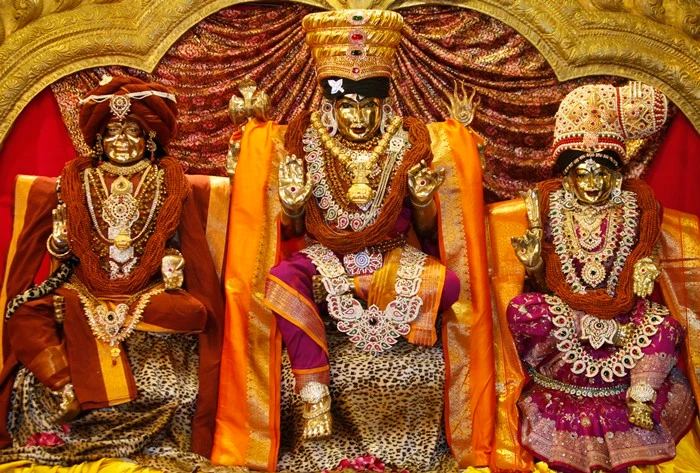
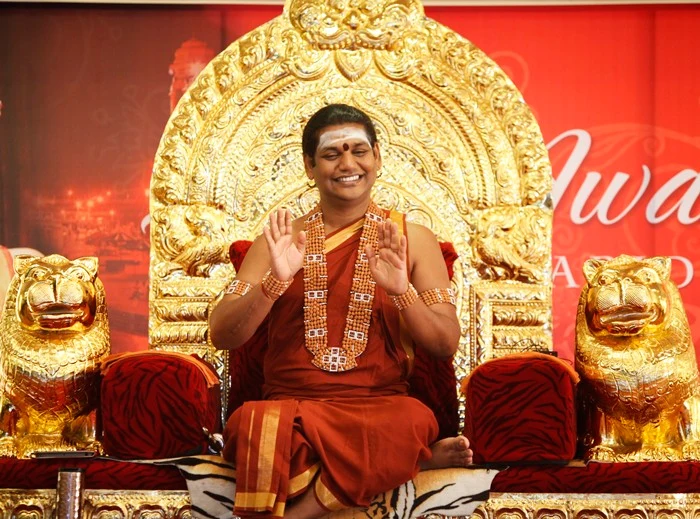
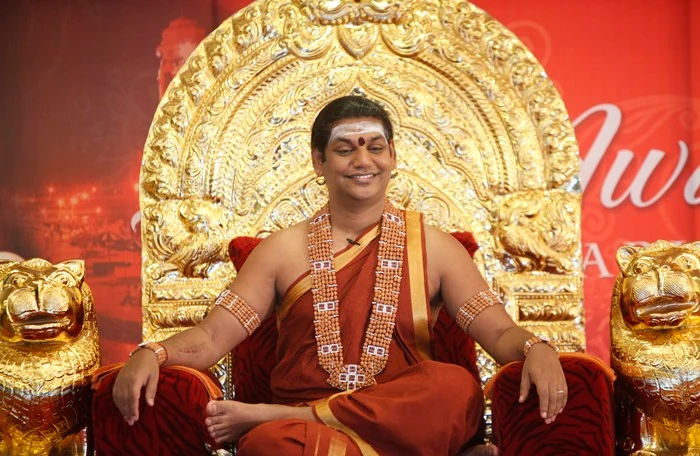
Photos From The Day:
Nithya Satsang
Tags:
Paramahamsa Nithyananda, Haridwar, win, Advaita, peace, non-violence, inner space, space, God
Photos Of The Day:
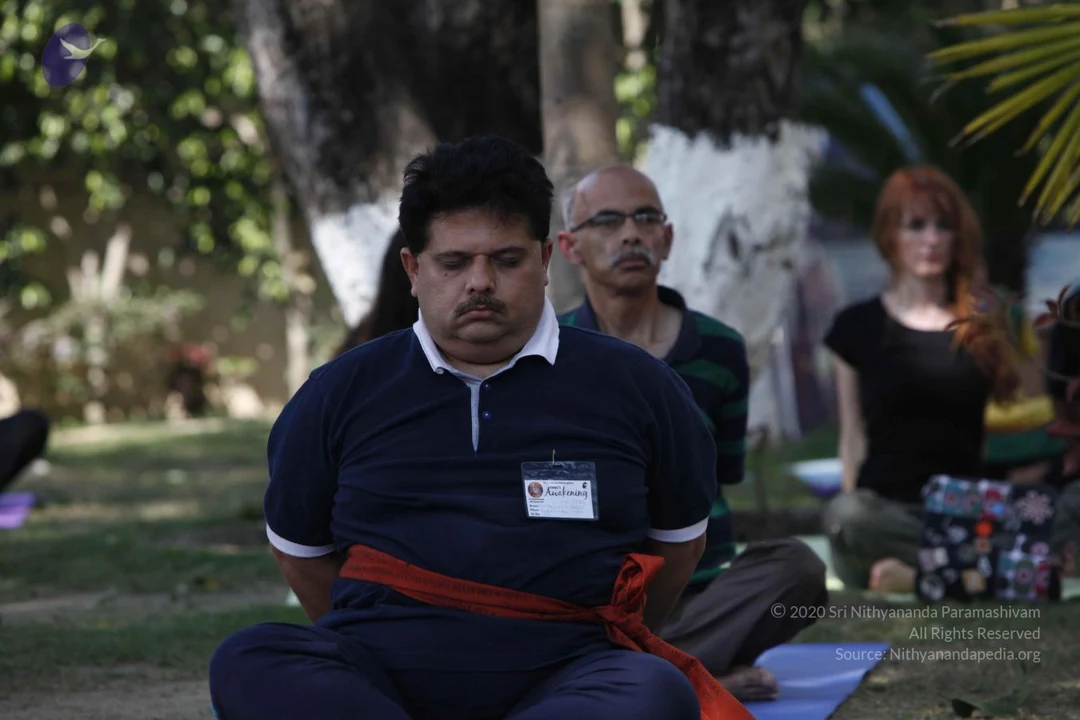
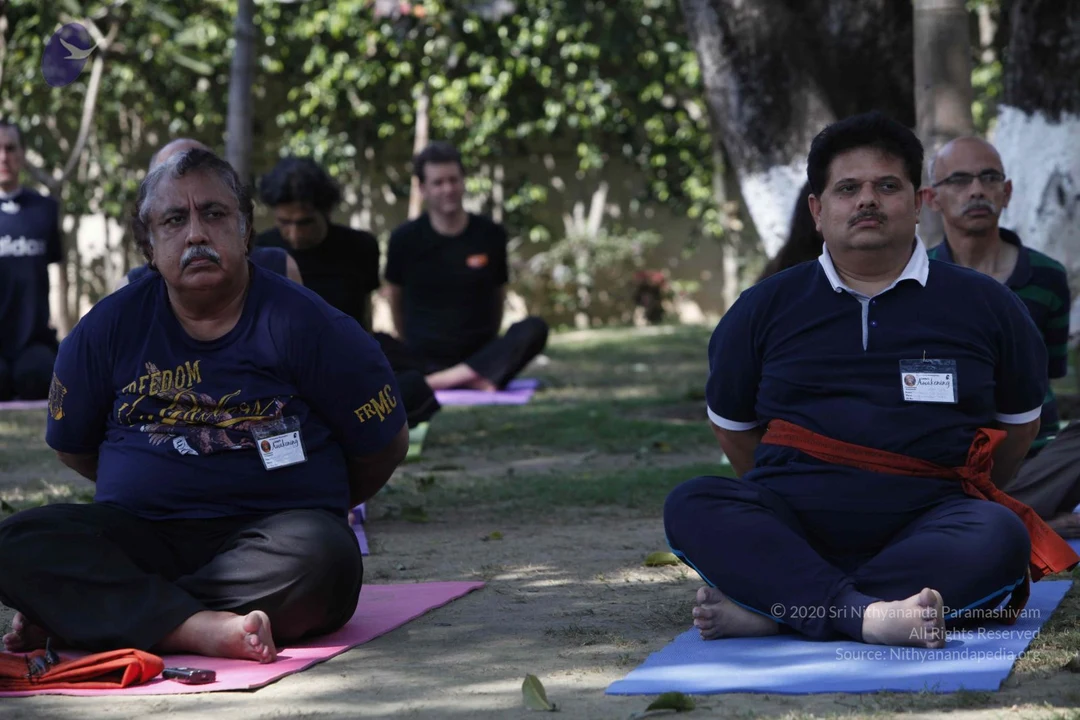
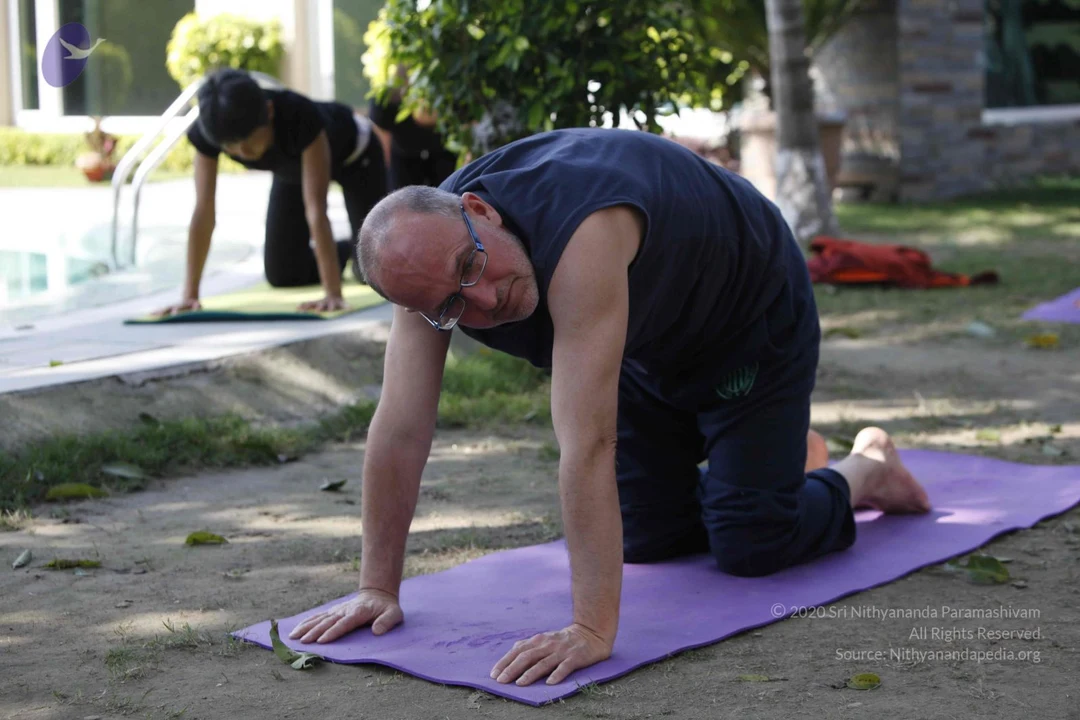
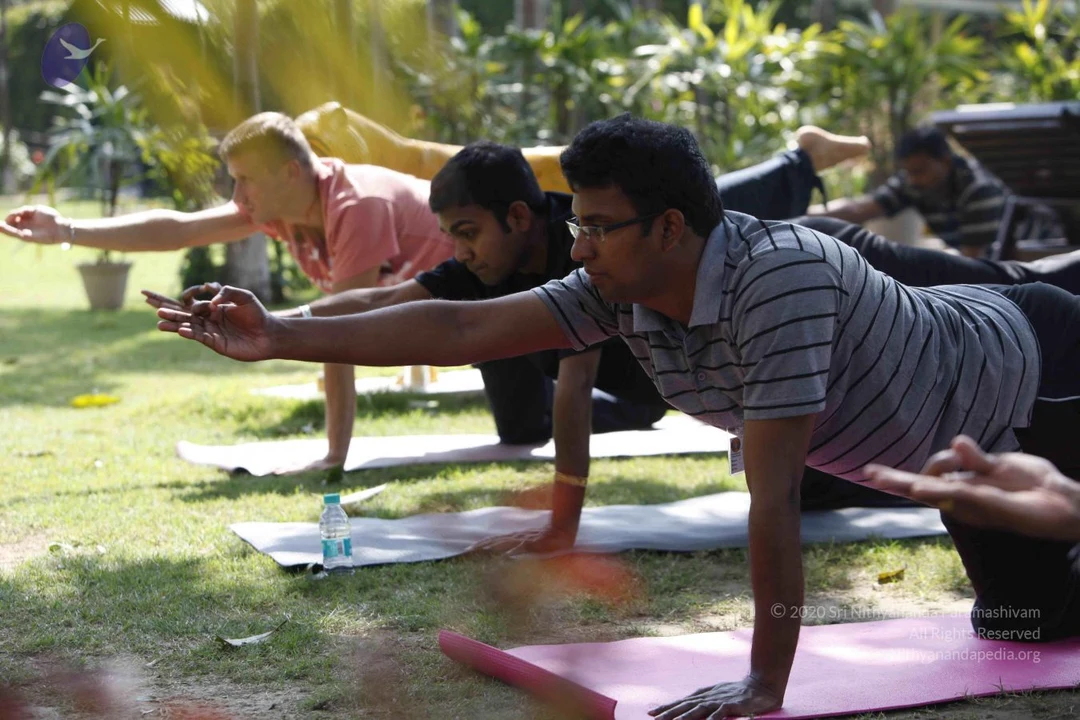
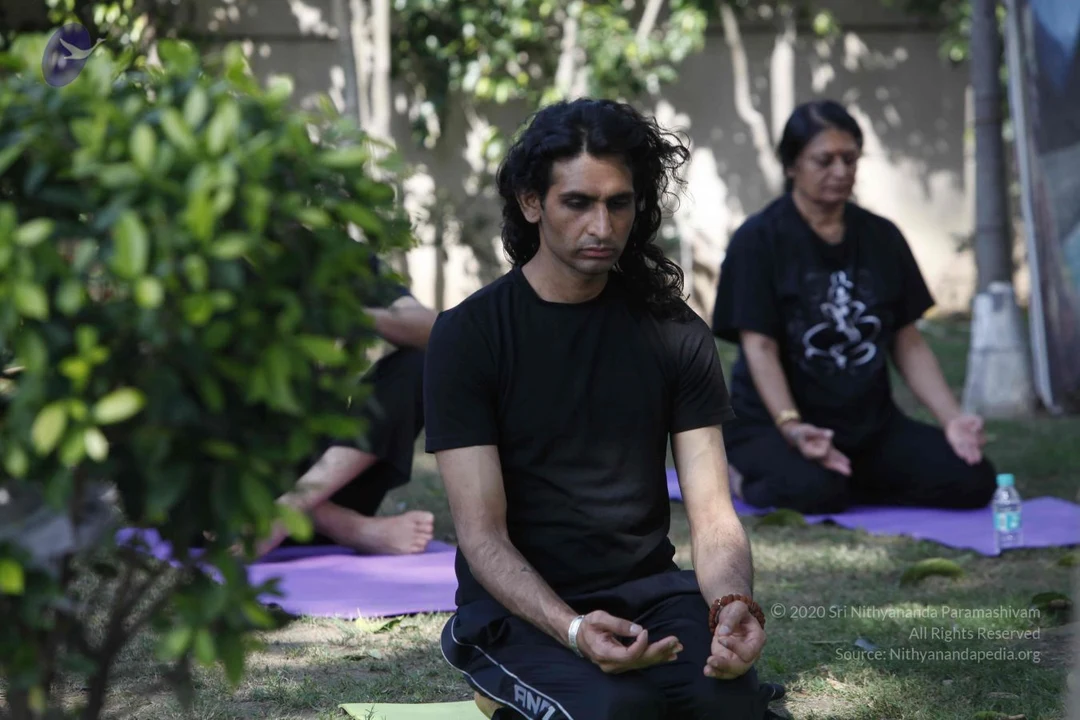
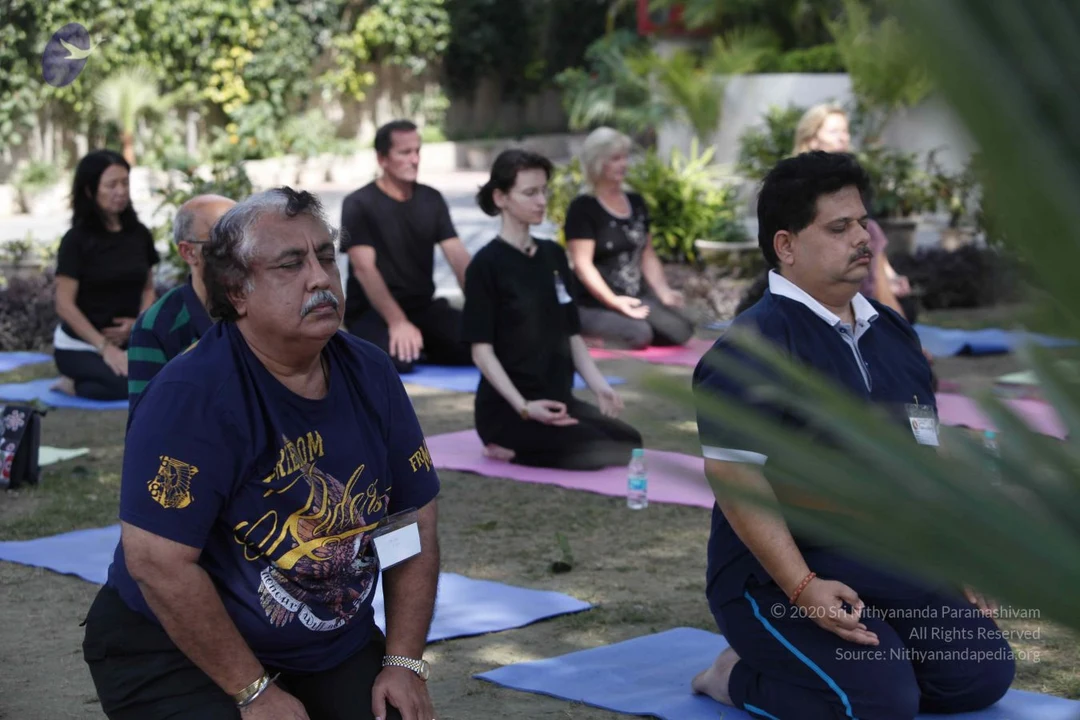
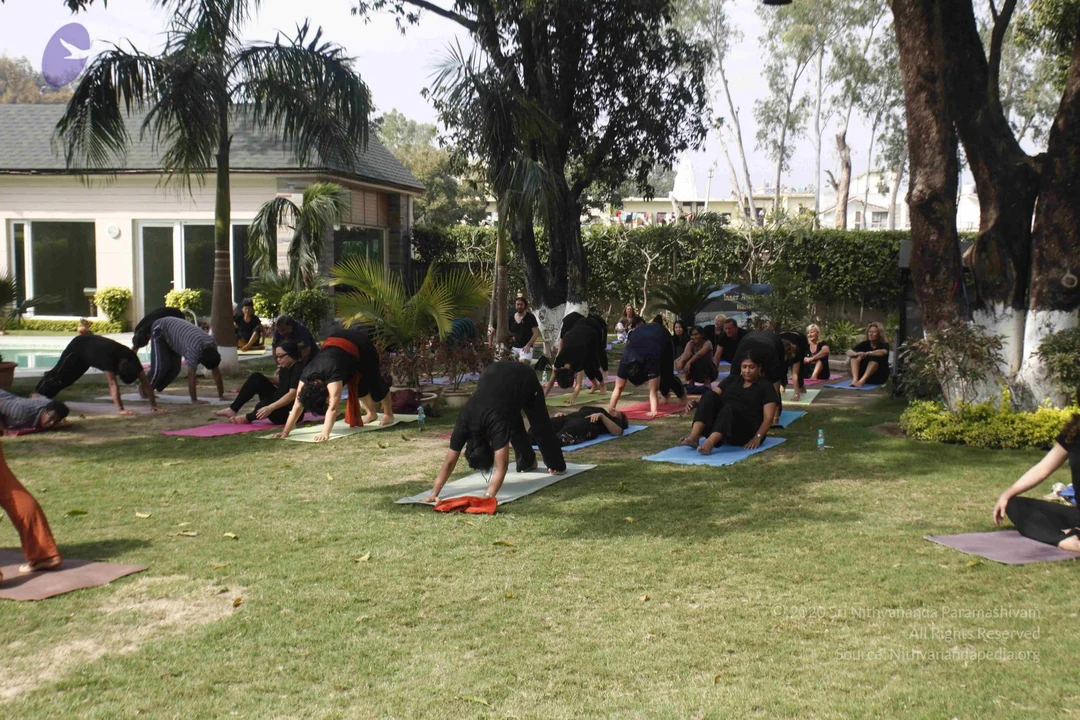
Yoga

Stage-Photos

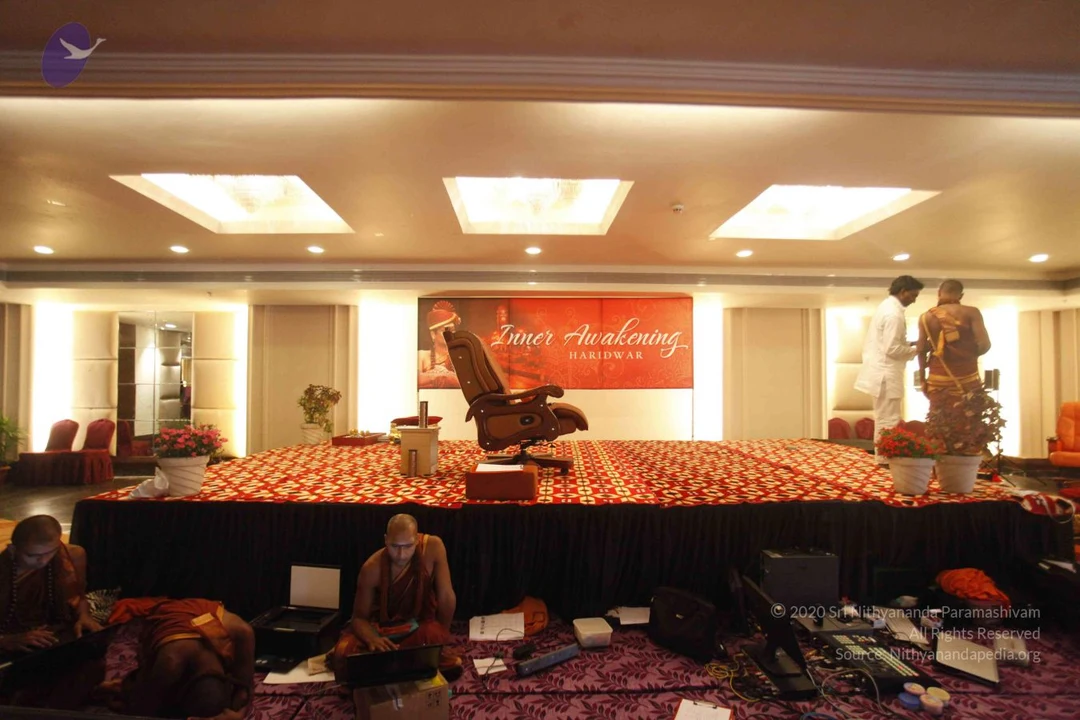
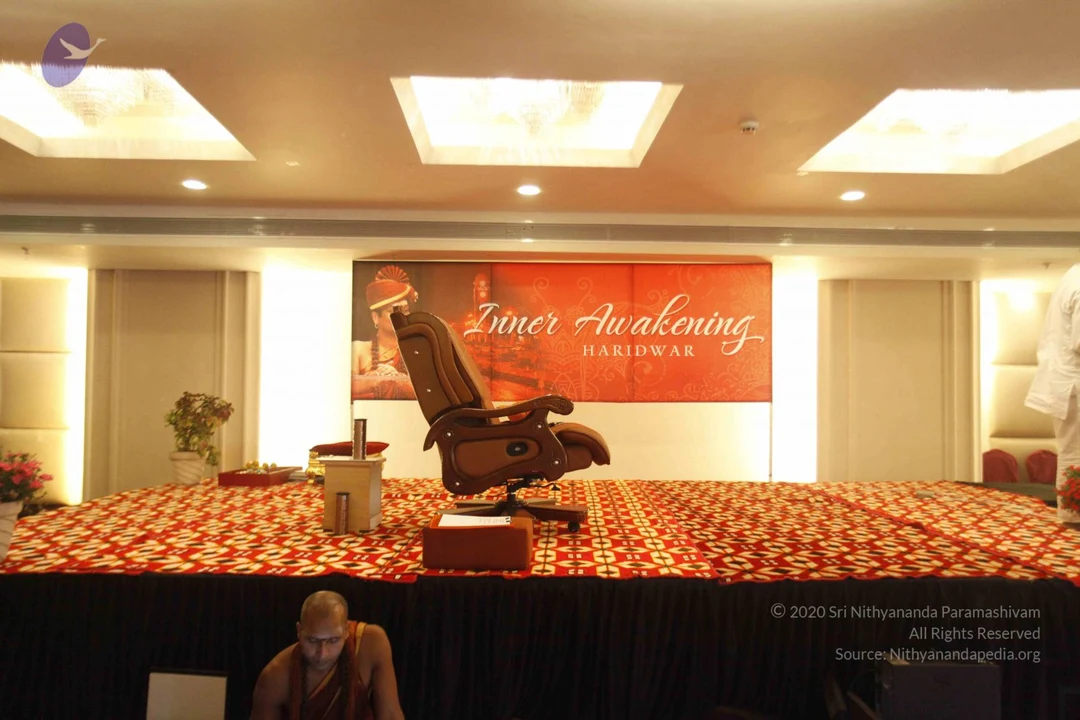
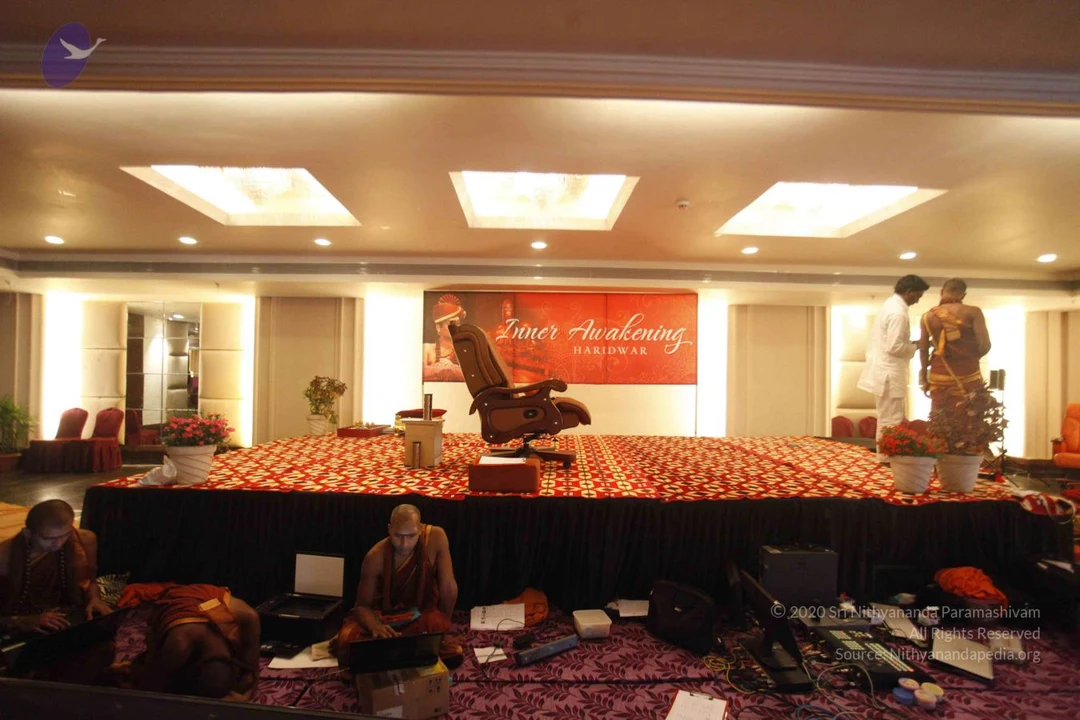
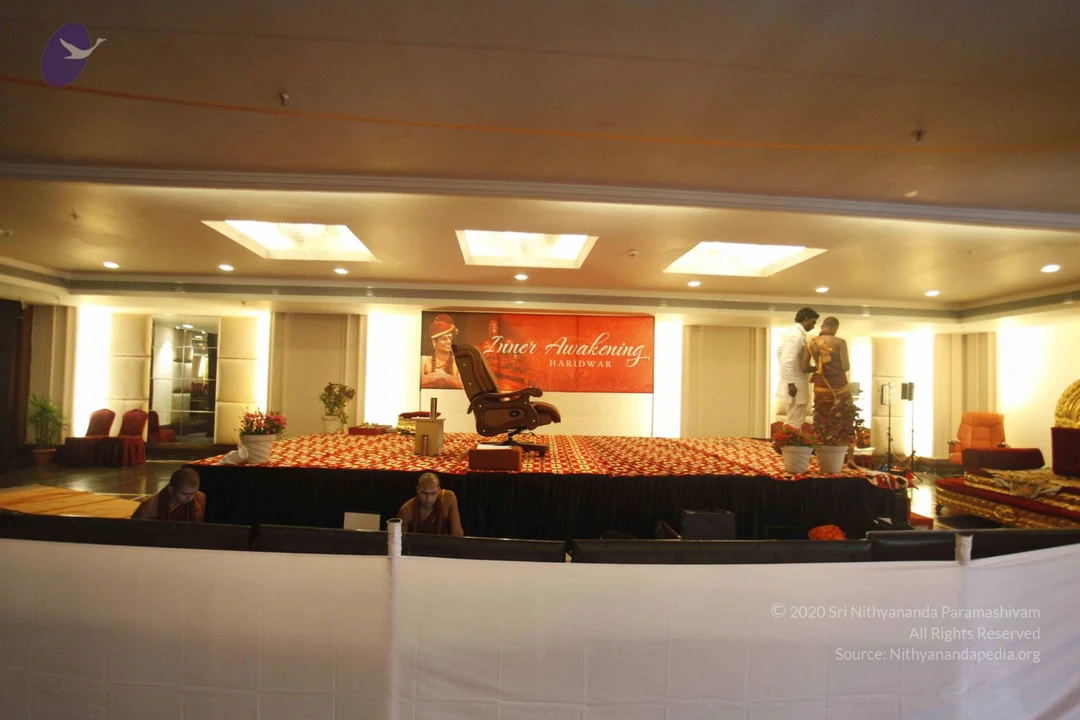
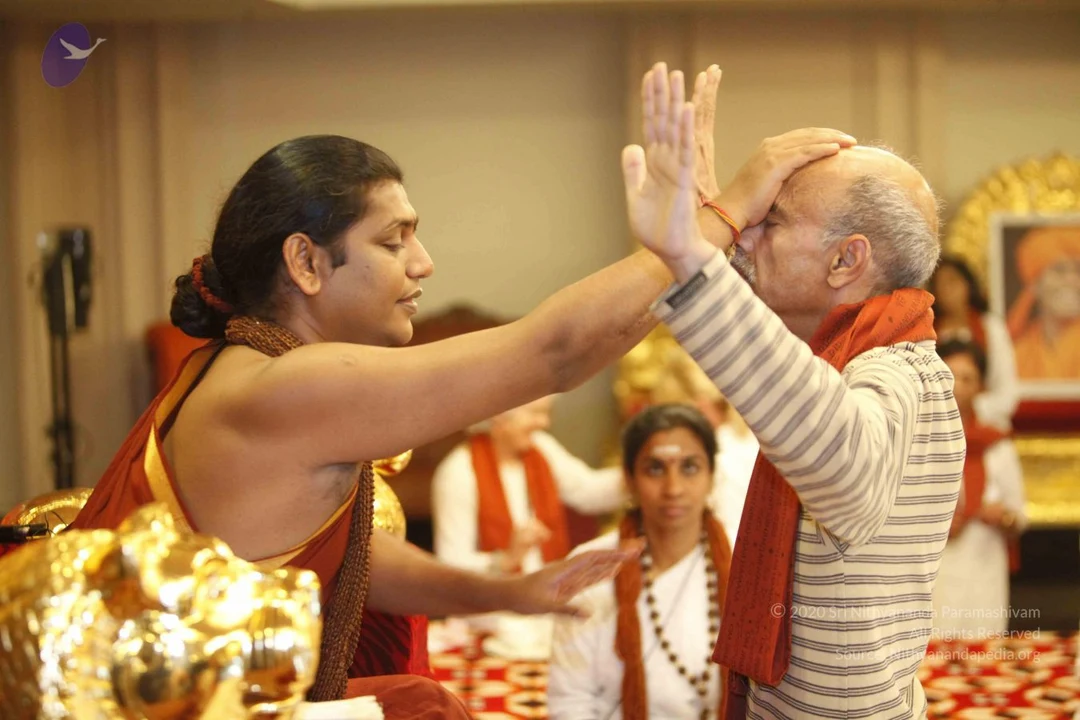
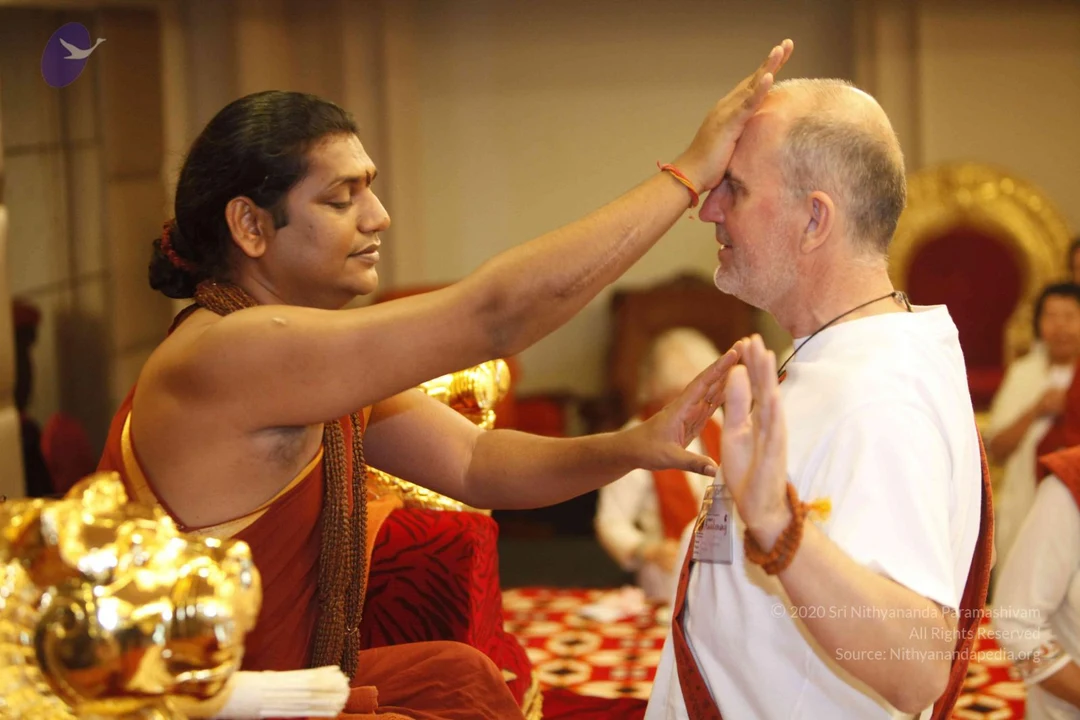
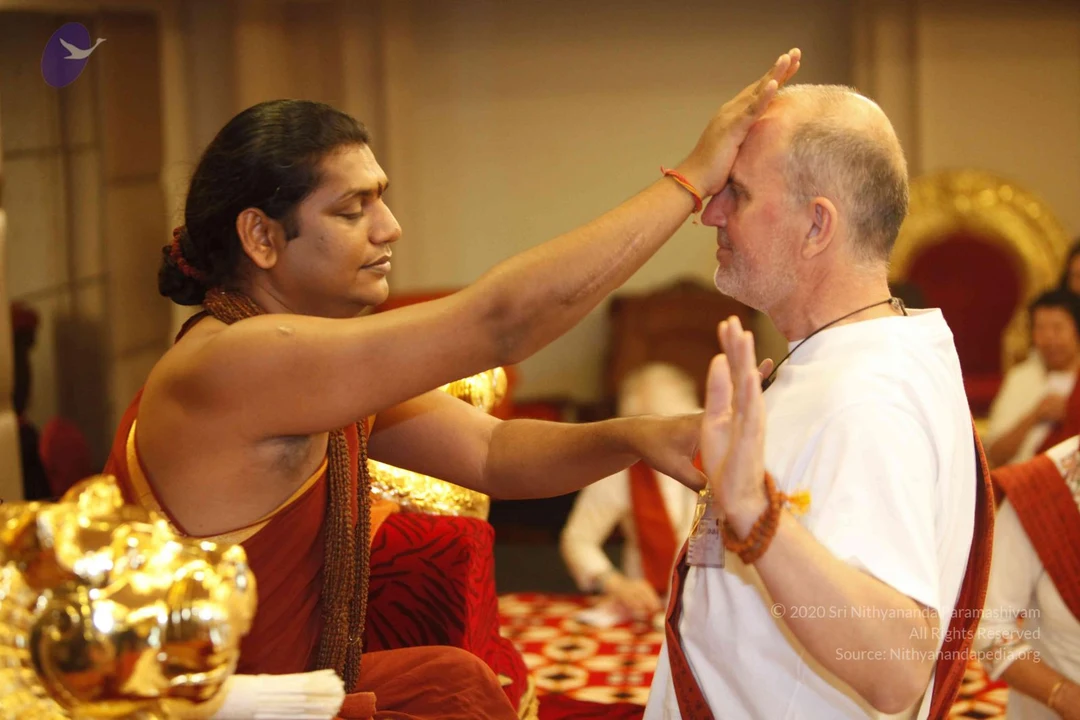
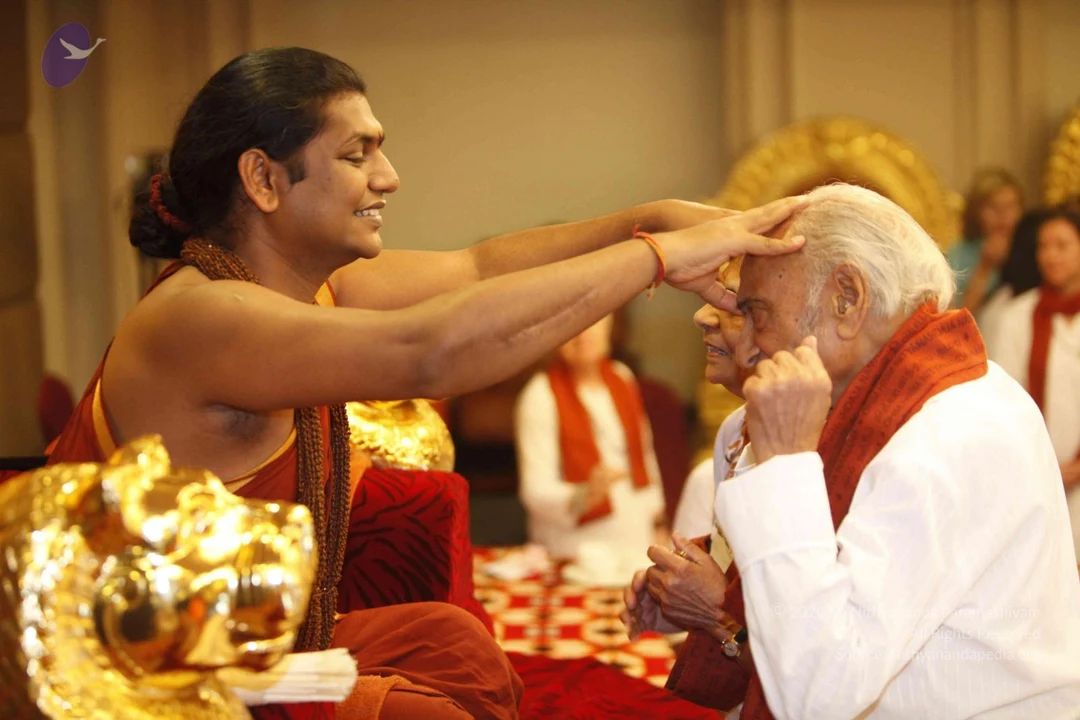
Satsang-And-Kalpataru-Darshan
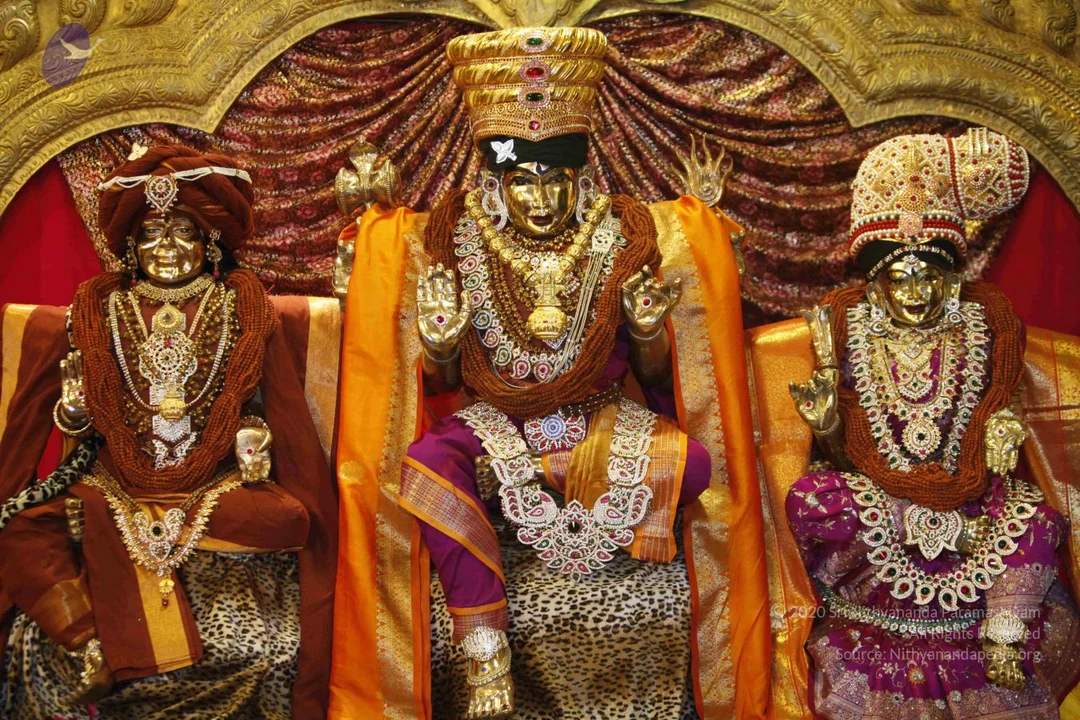
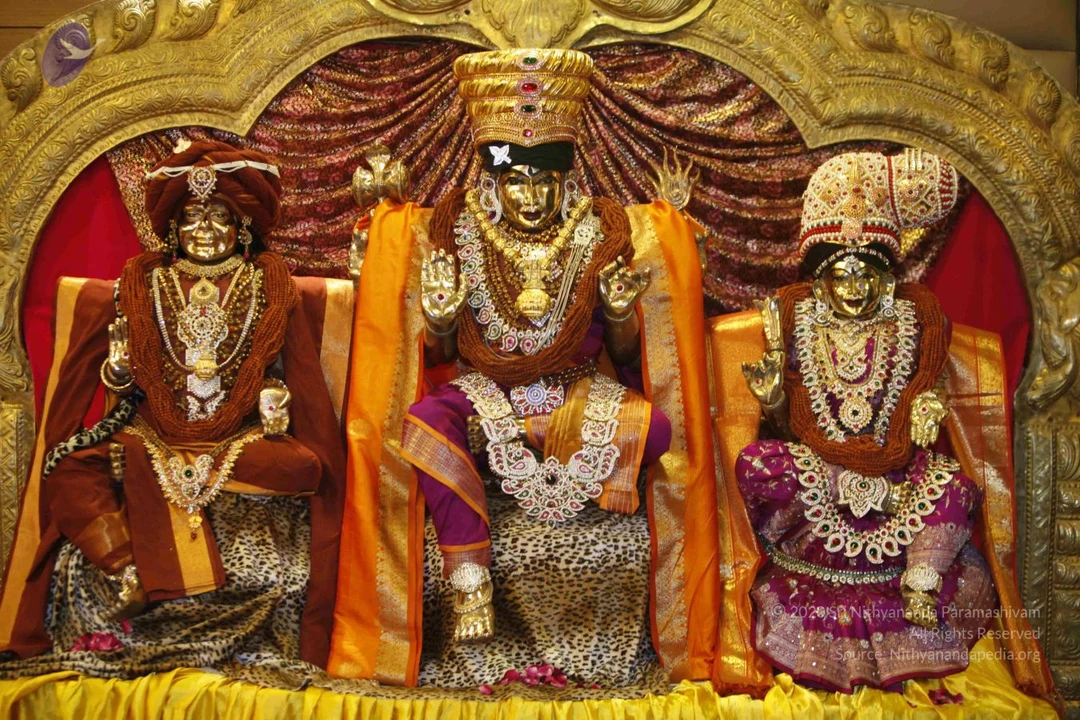
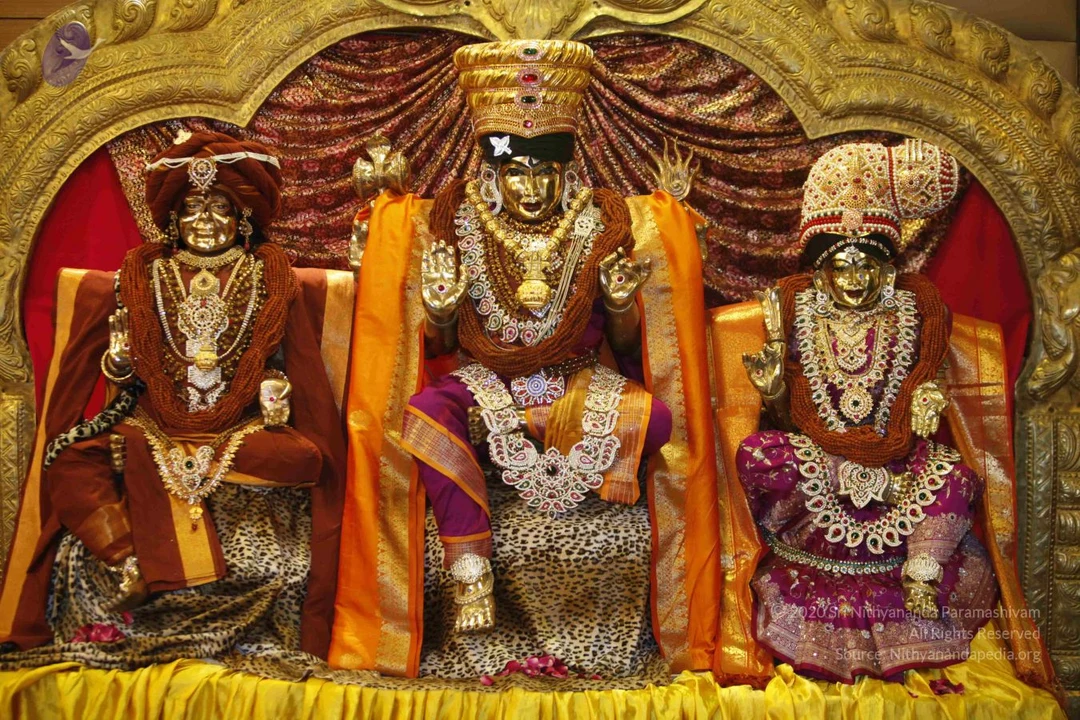
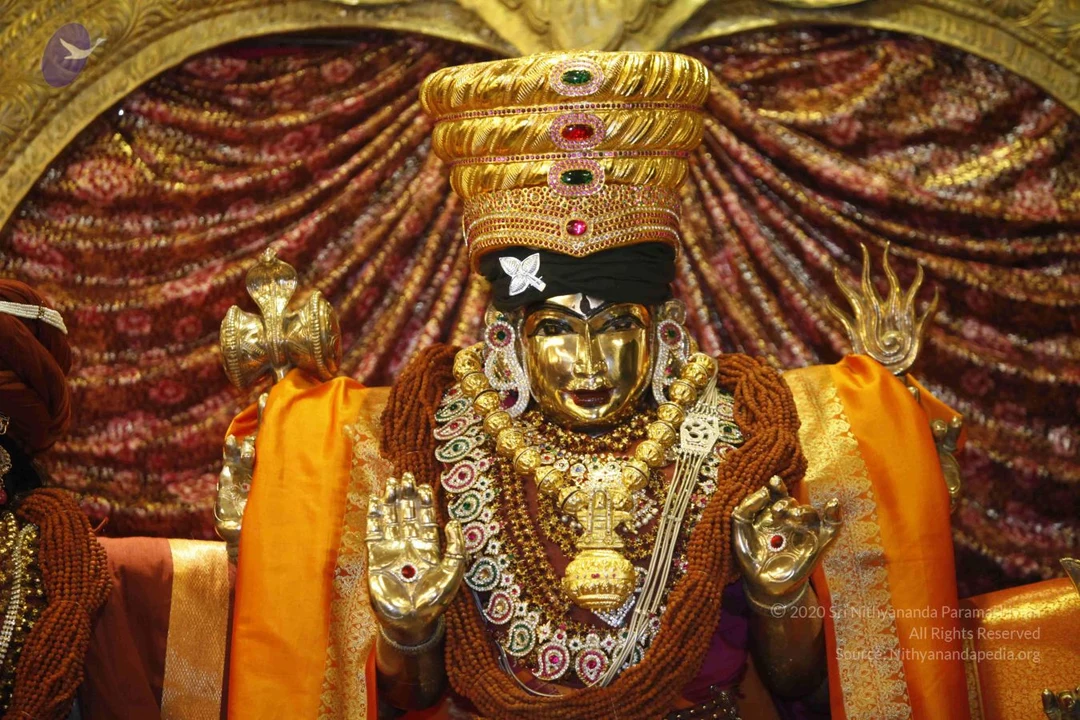
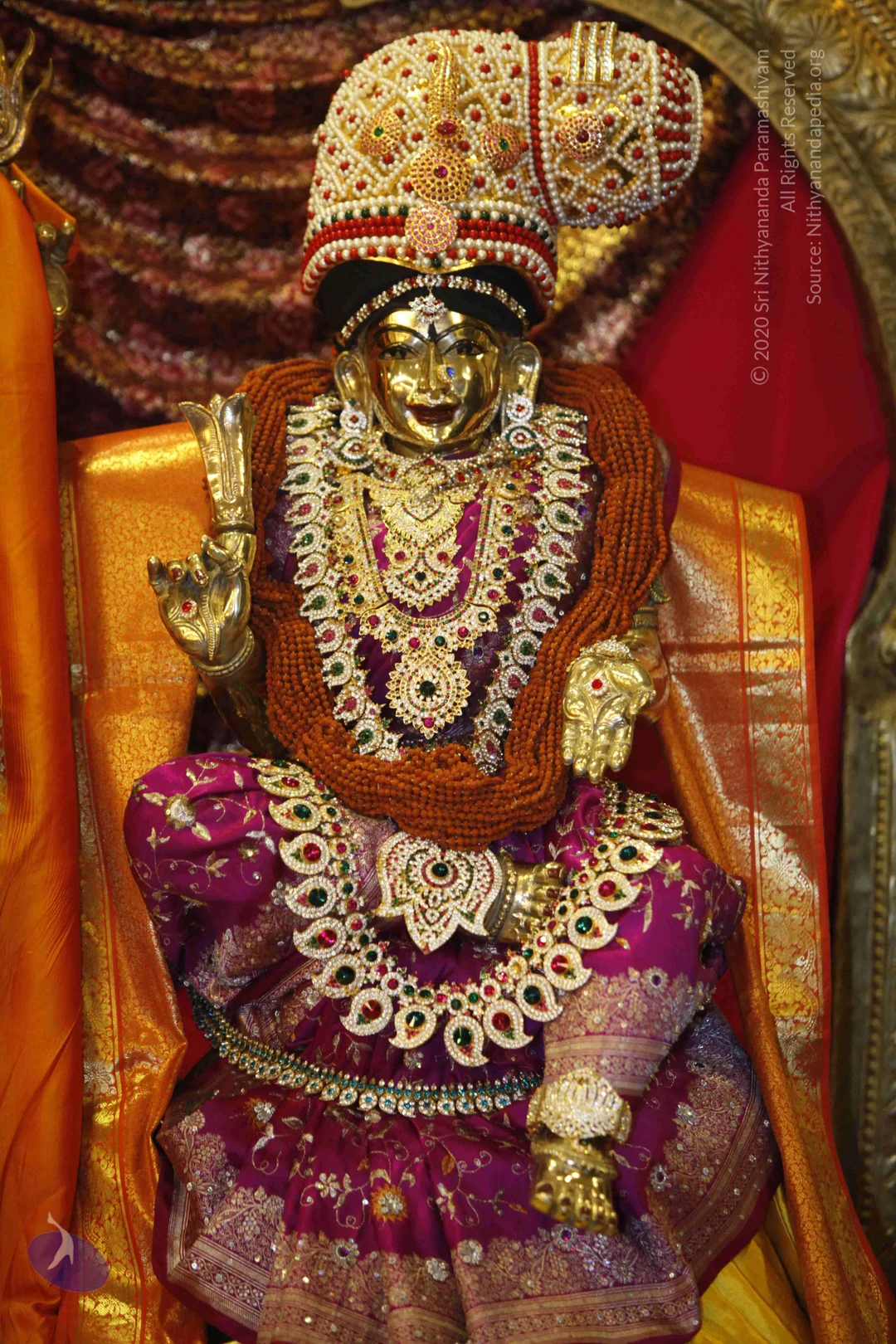
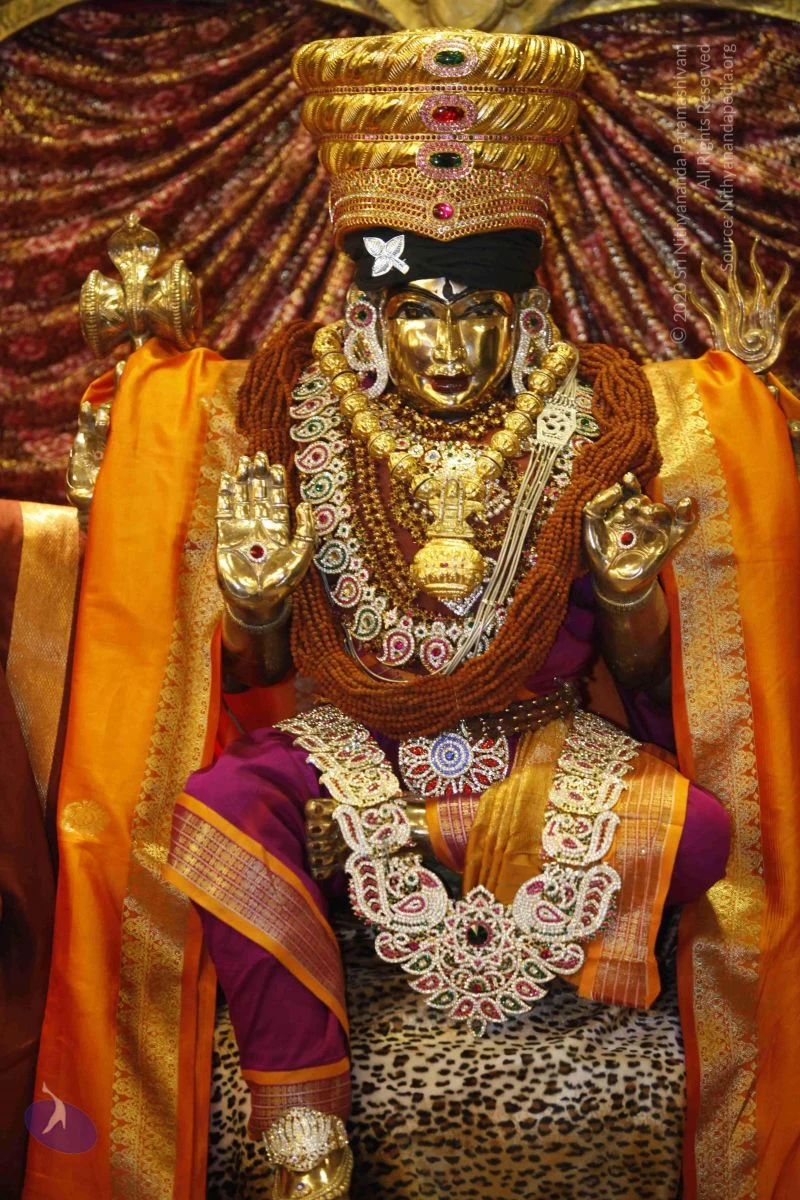
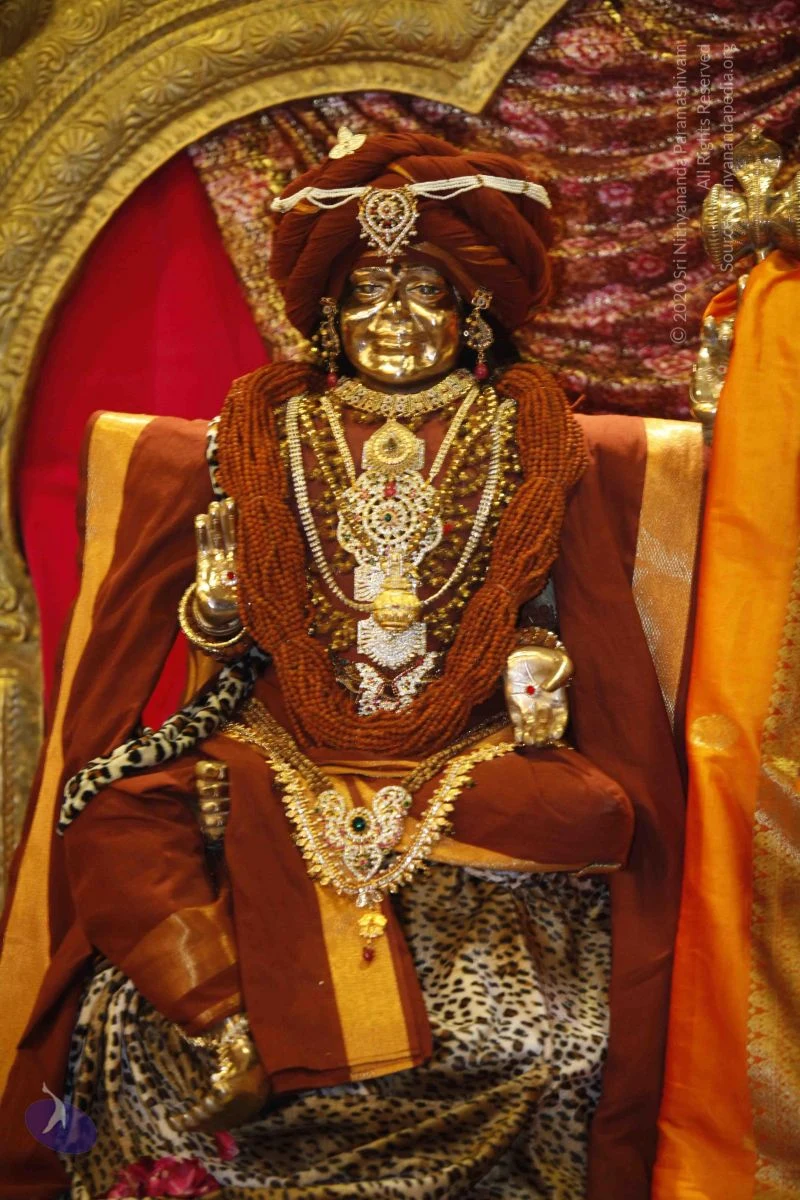
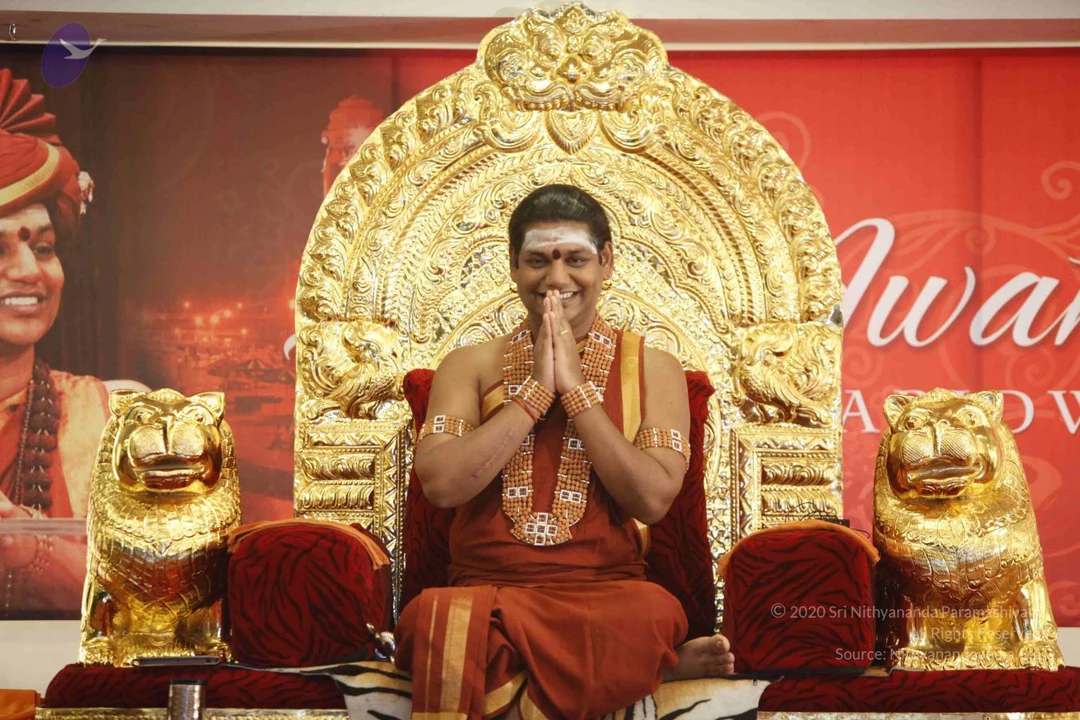
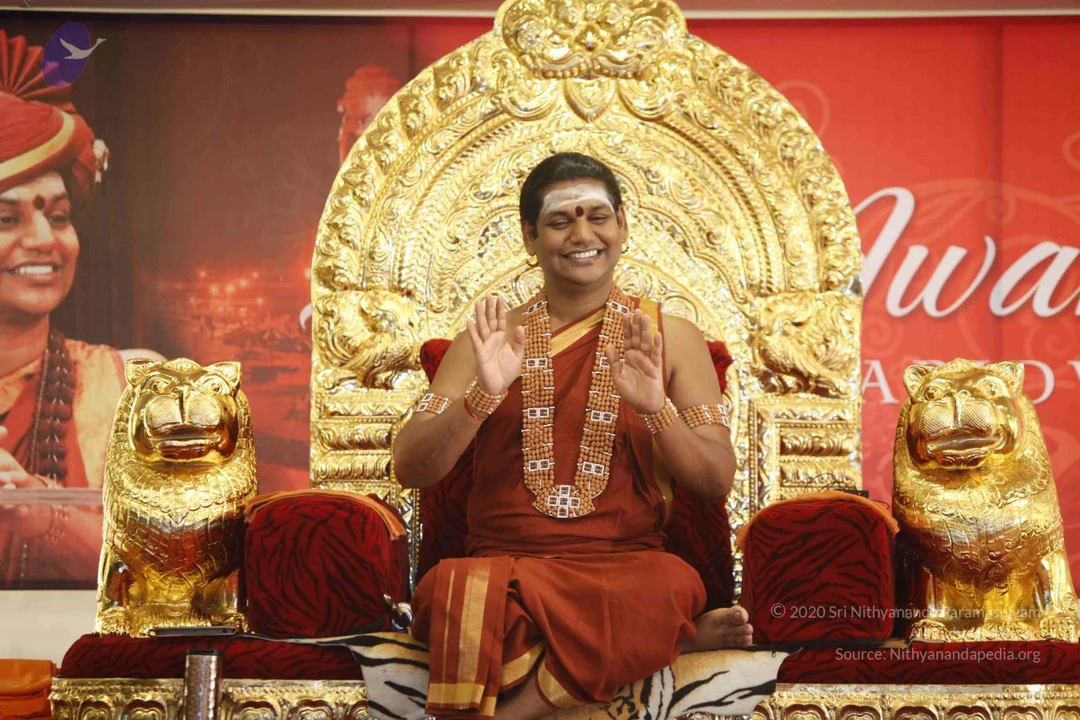
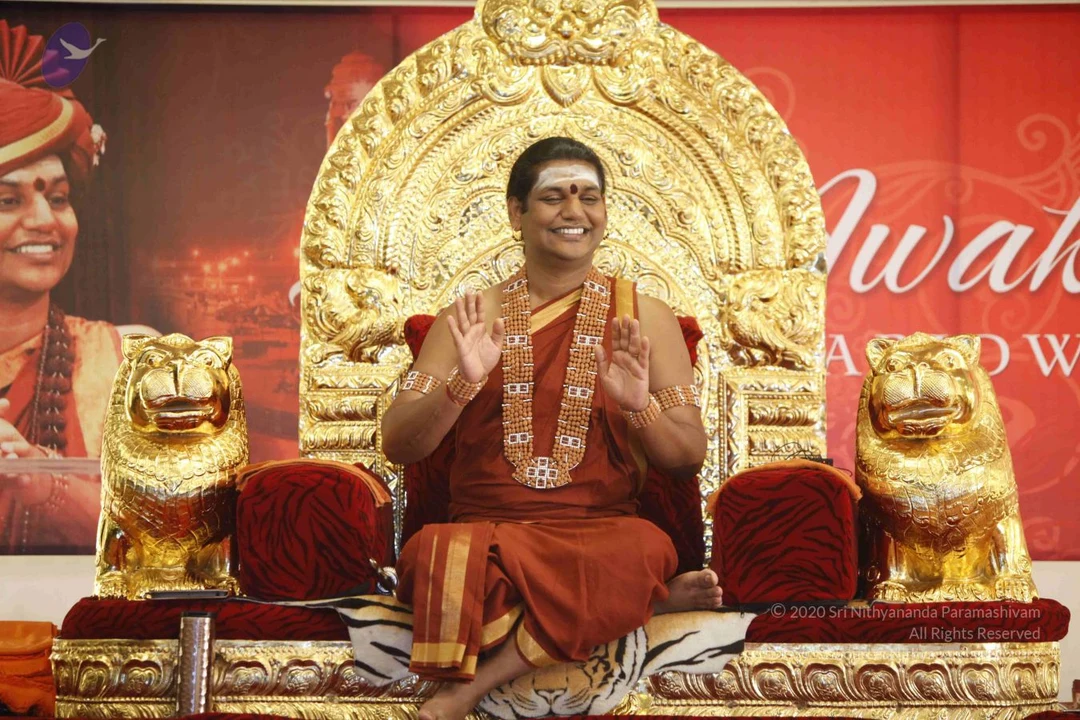
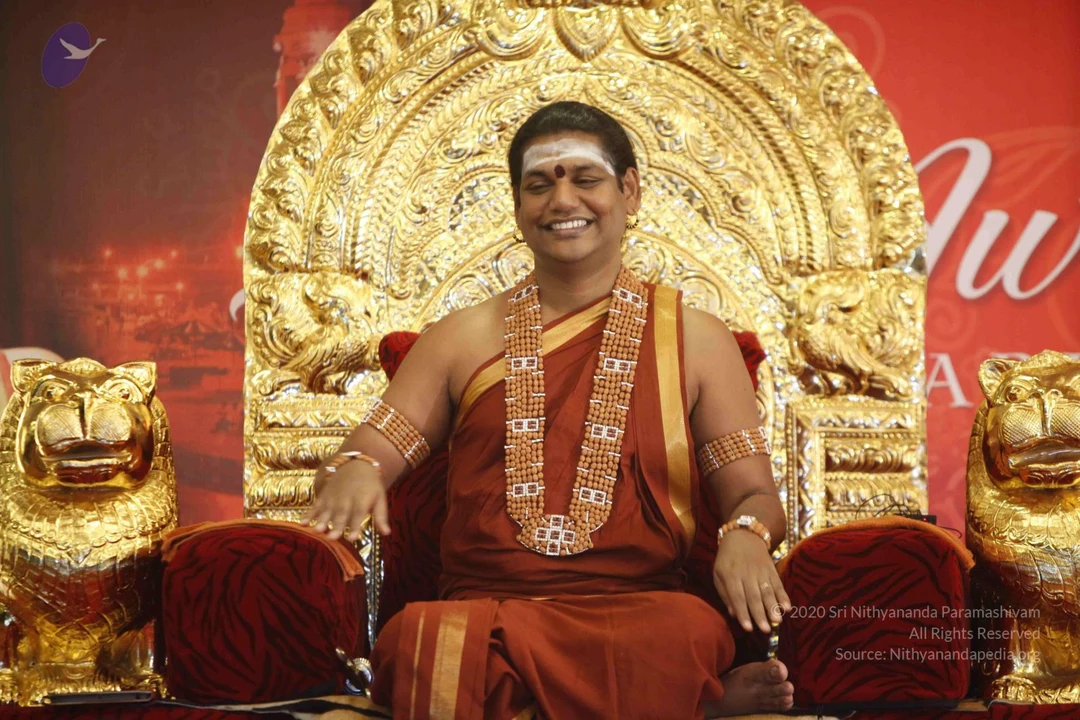
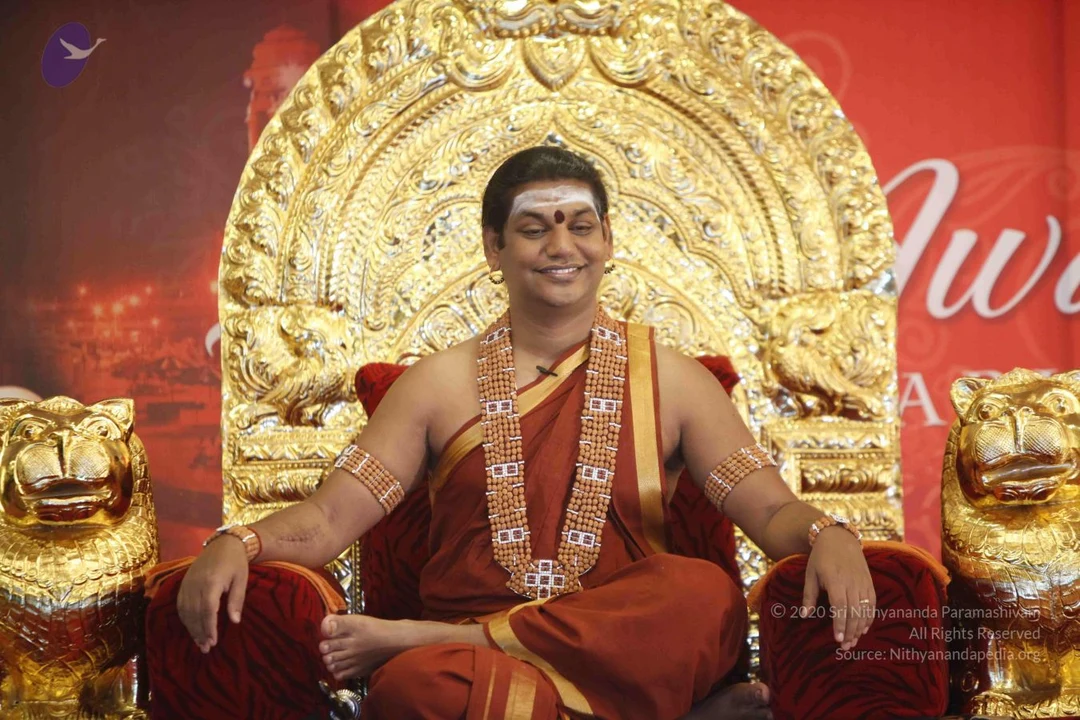
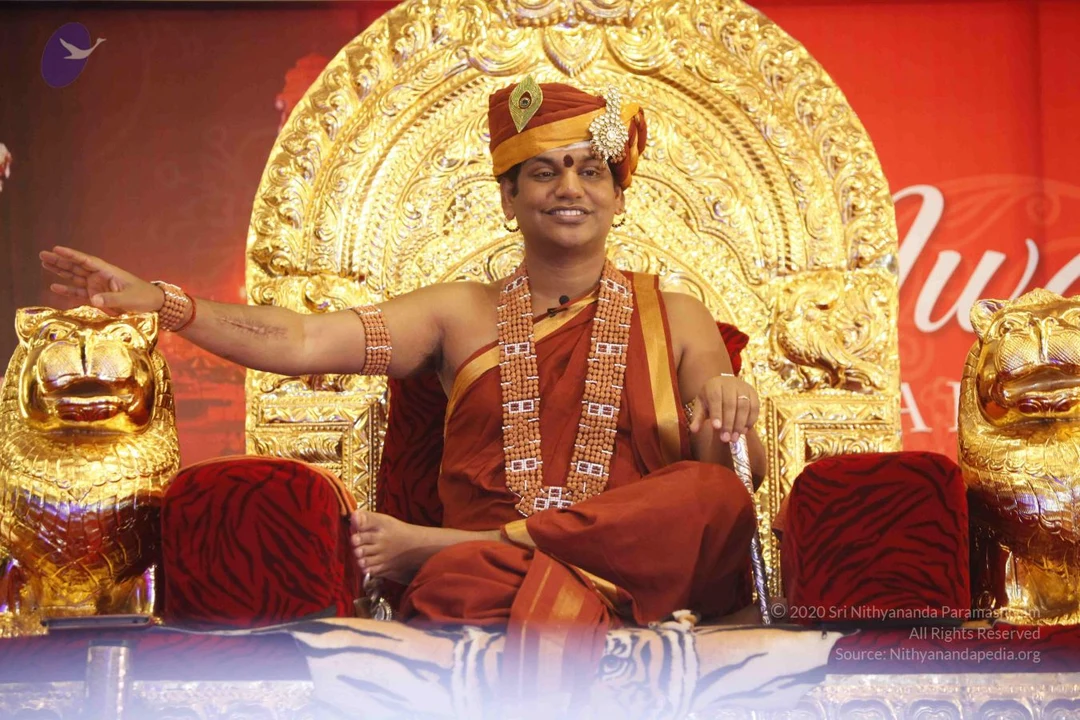
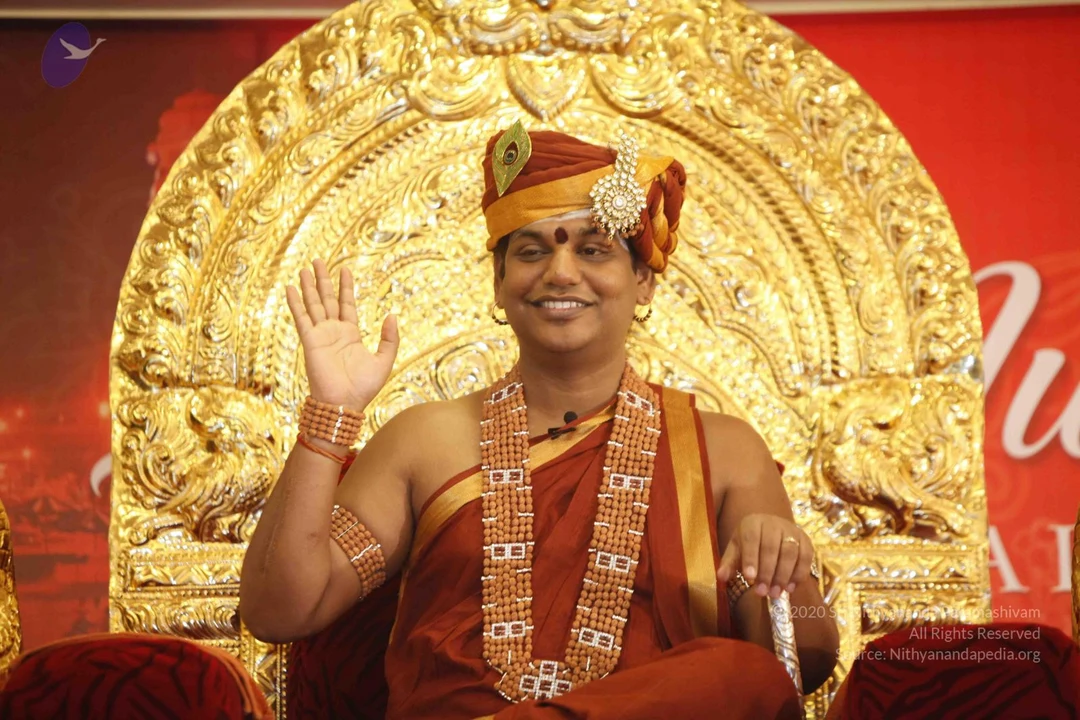
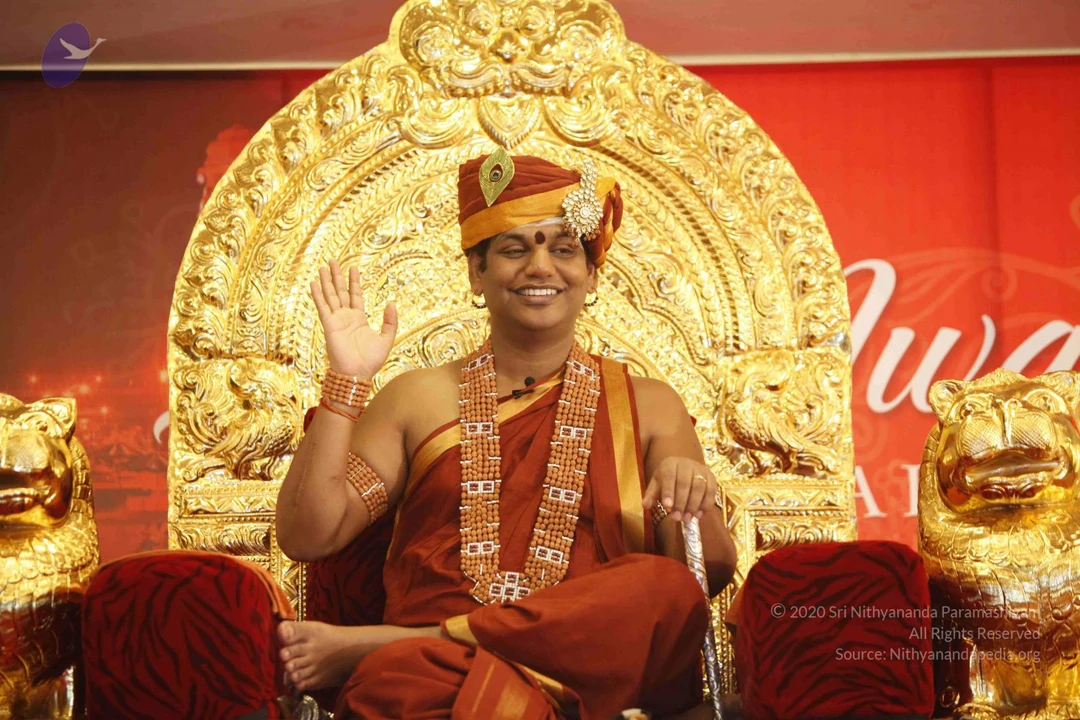
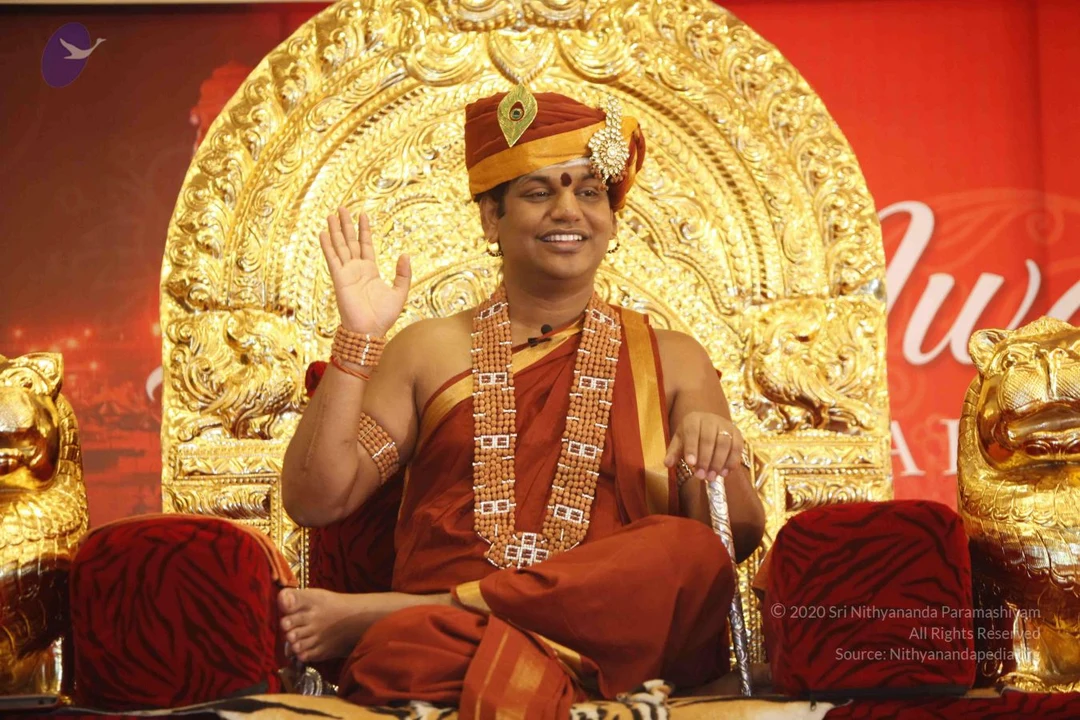
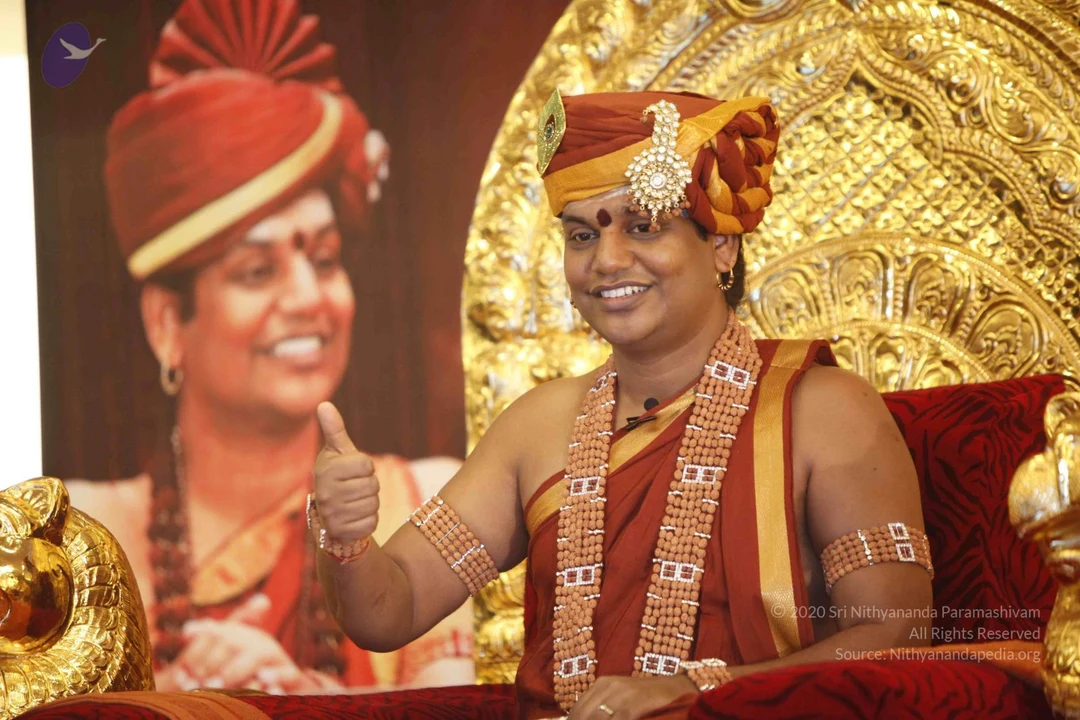
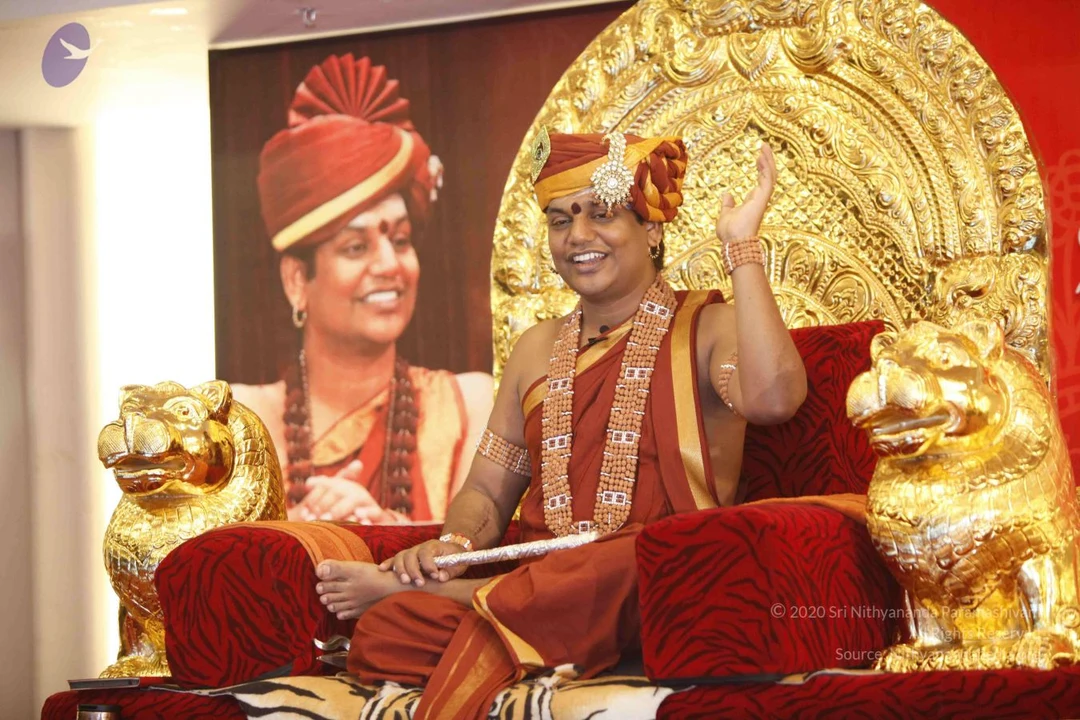
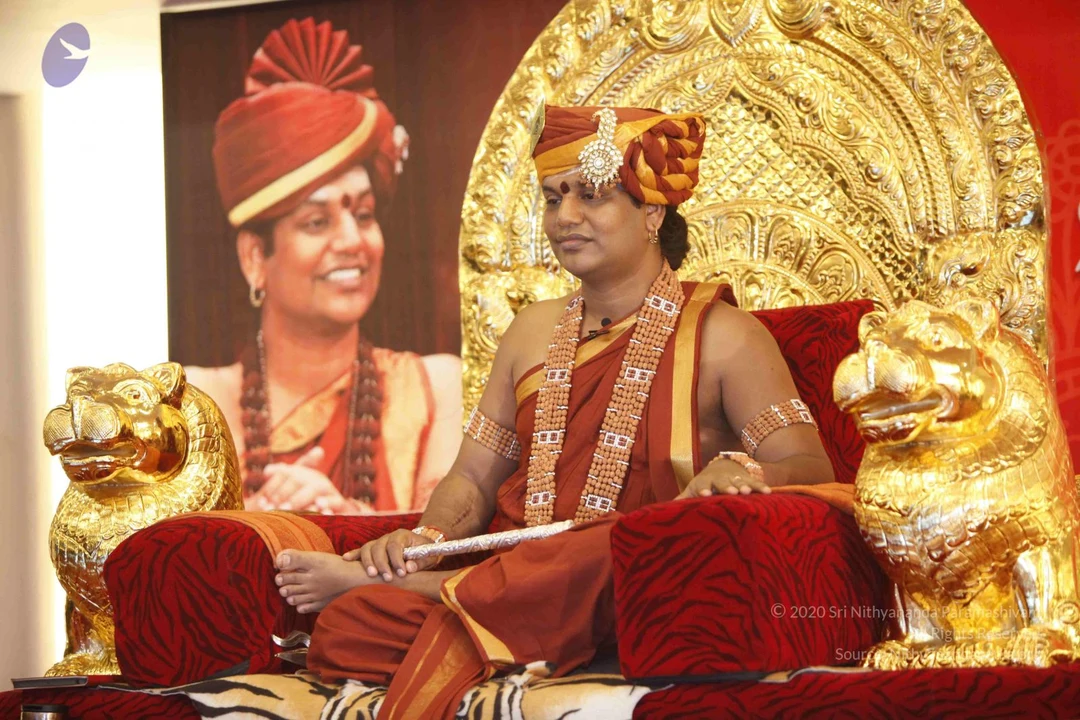
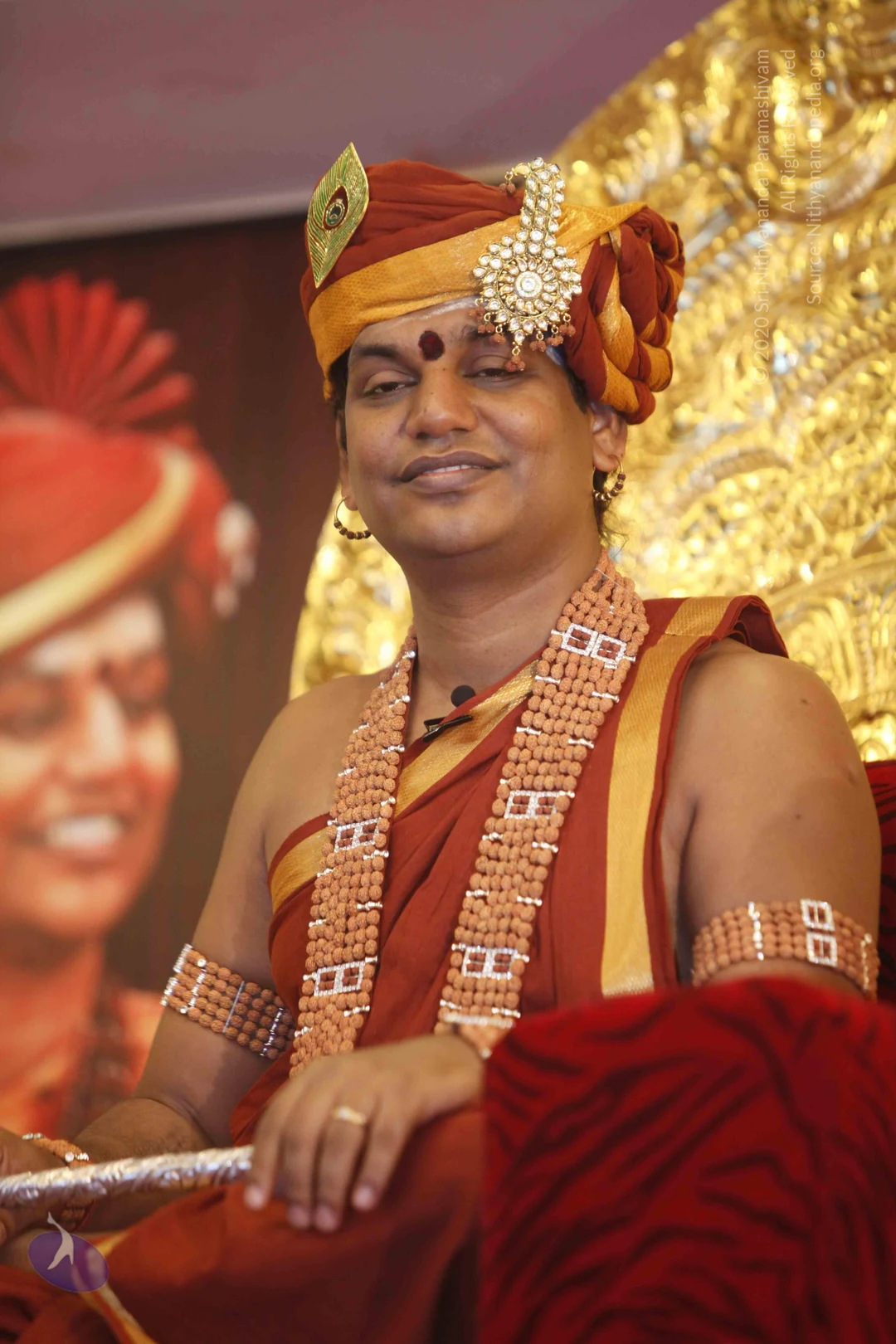
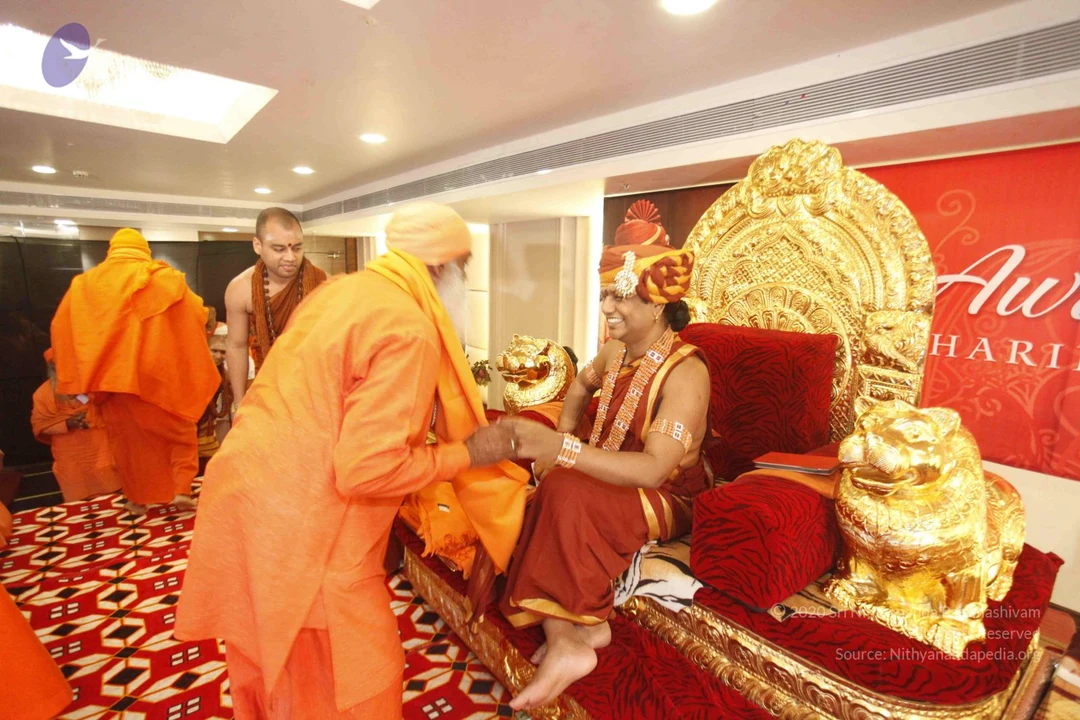
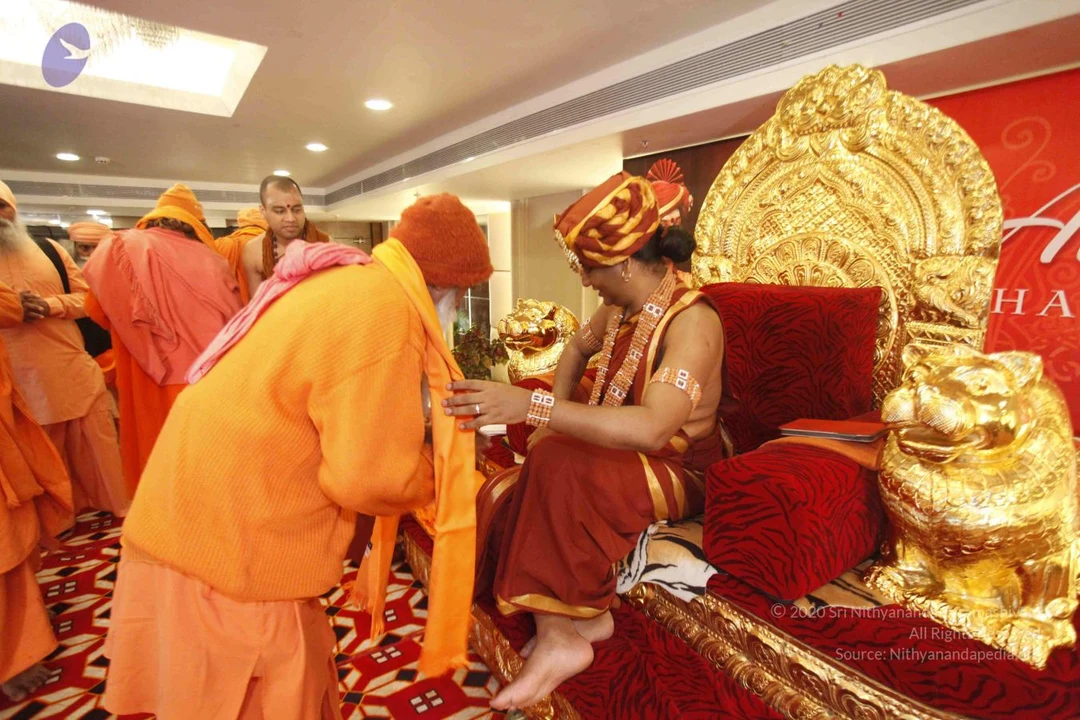
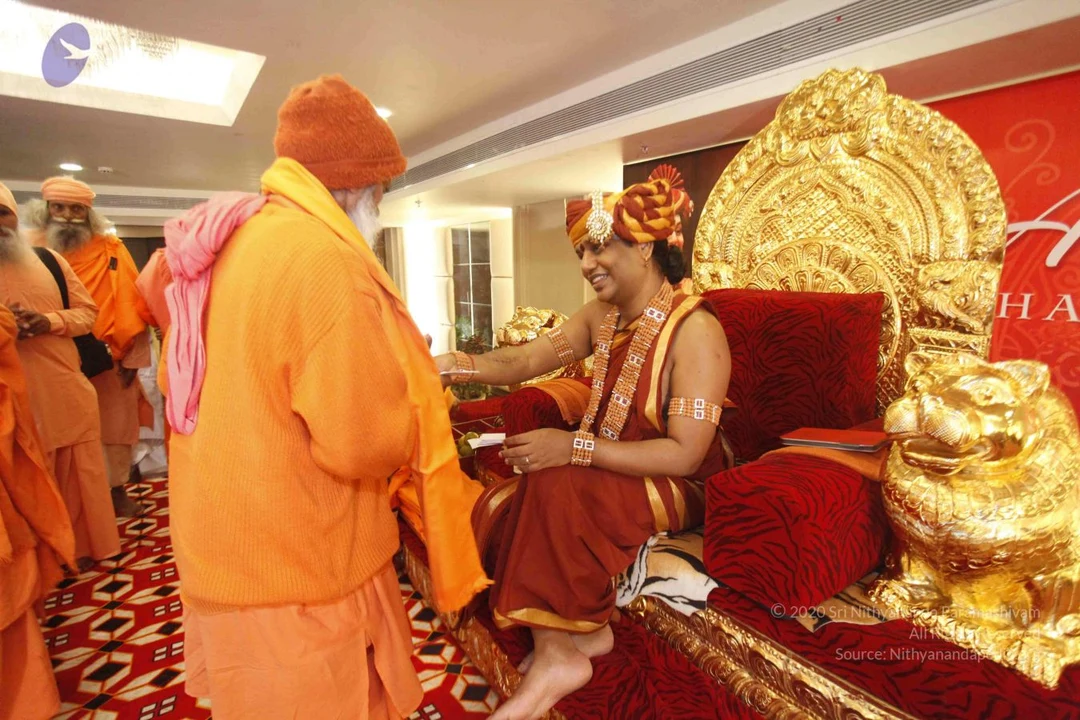
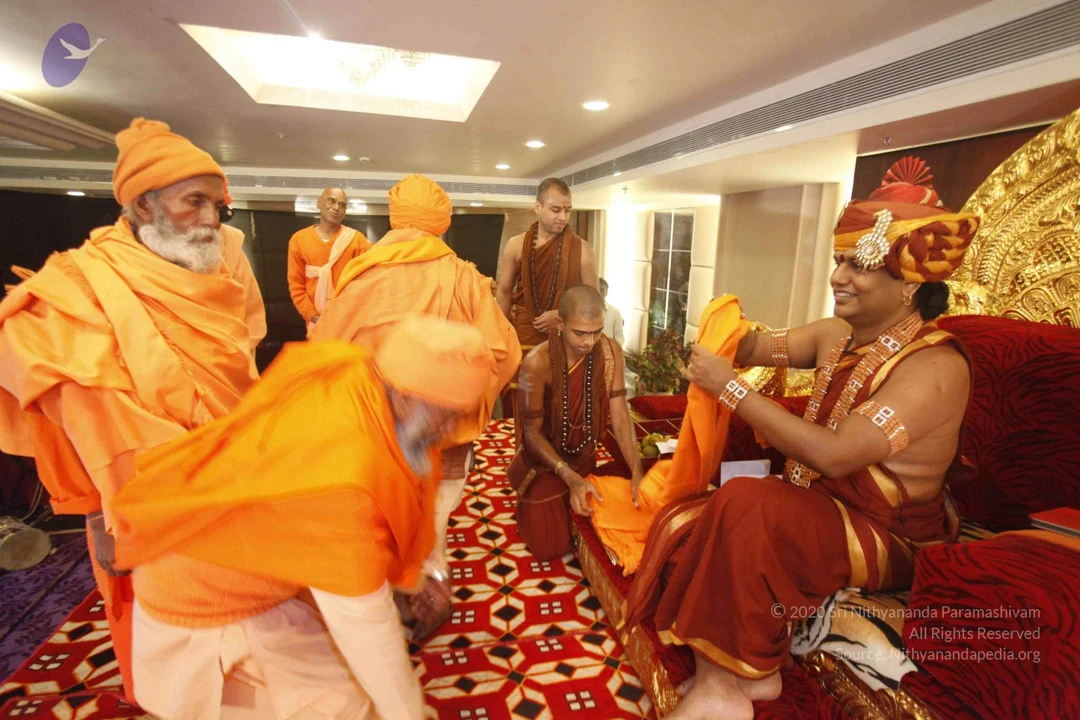
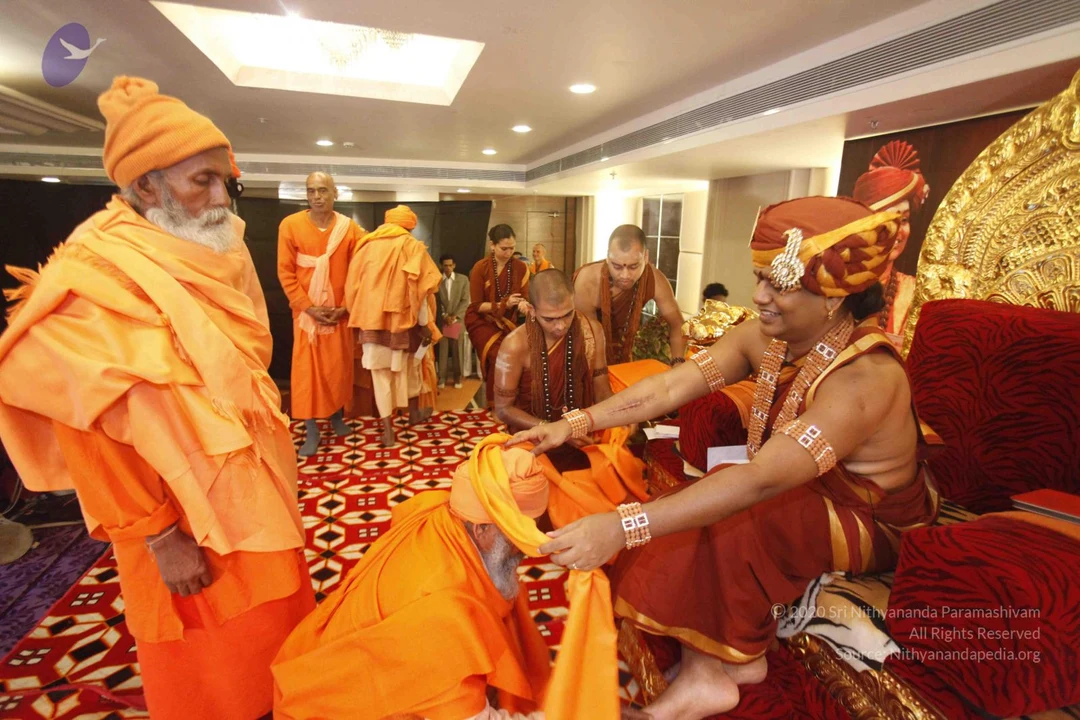
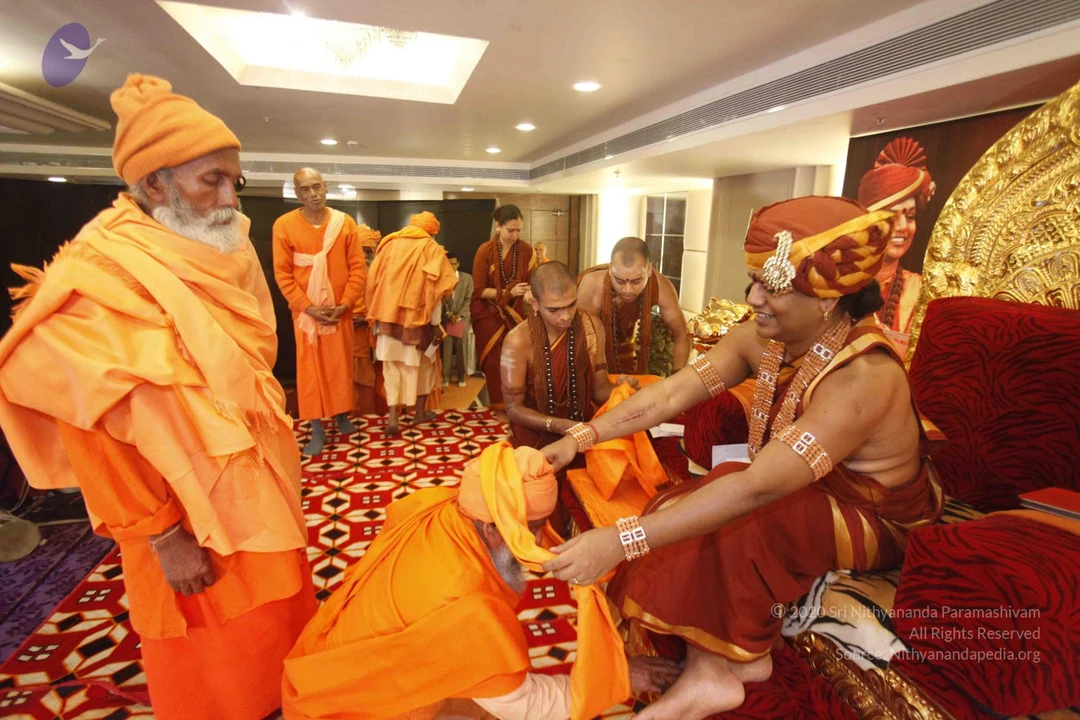
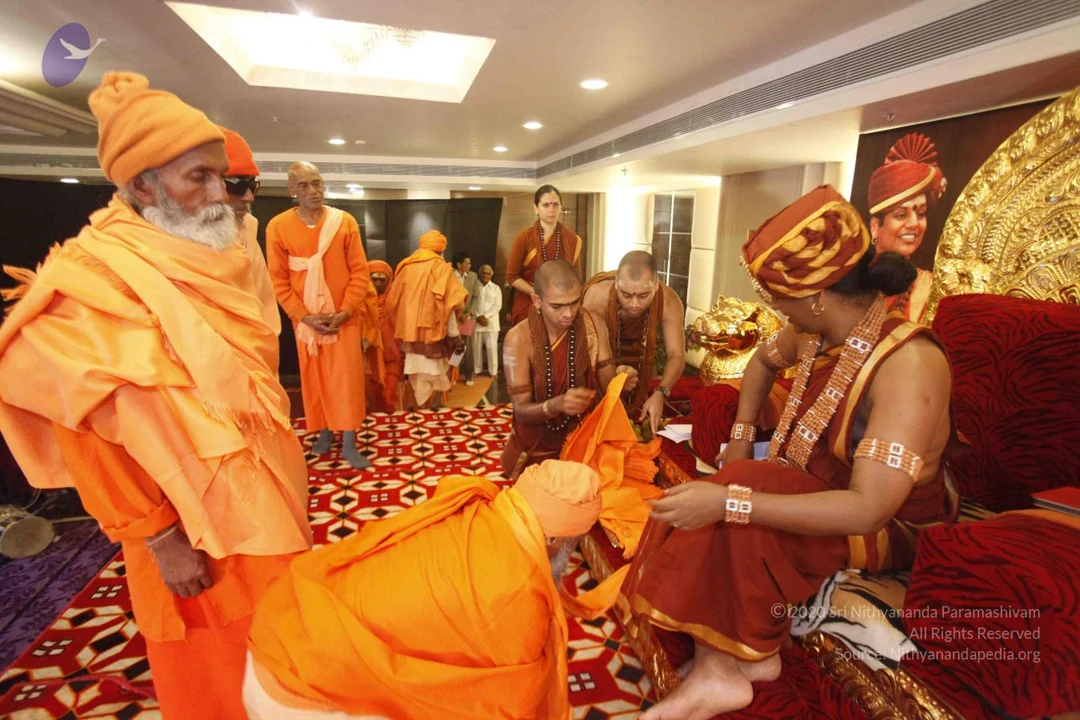
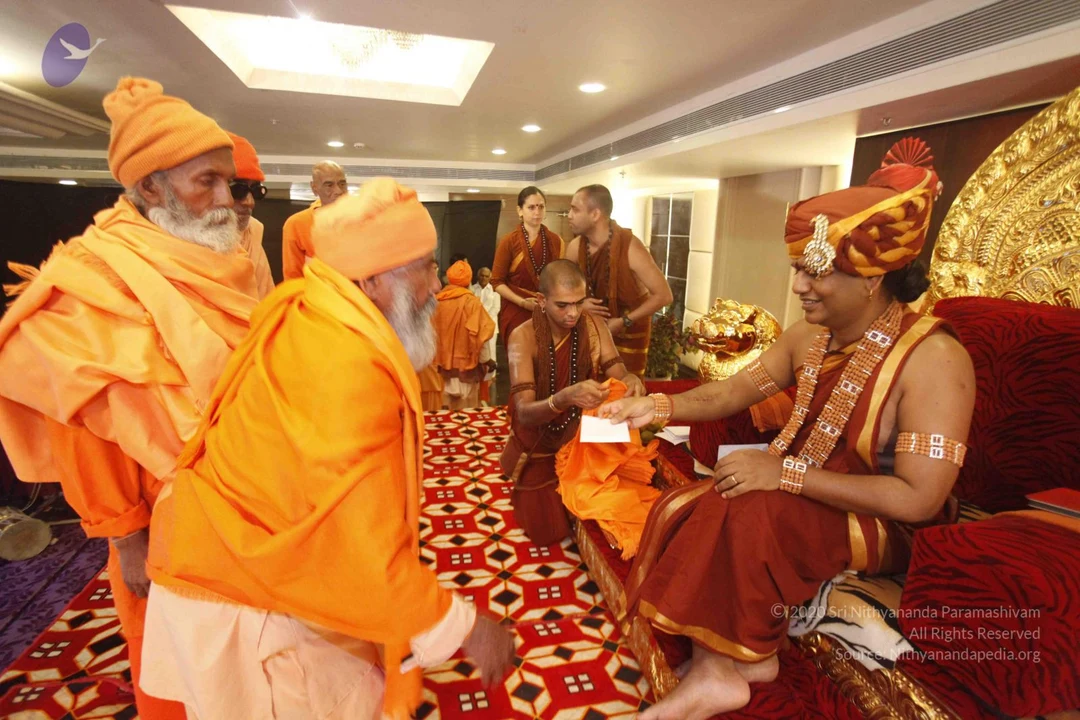
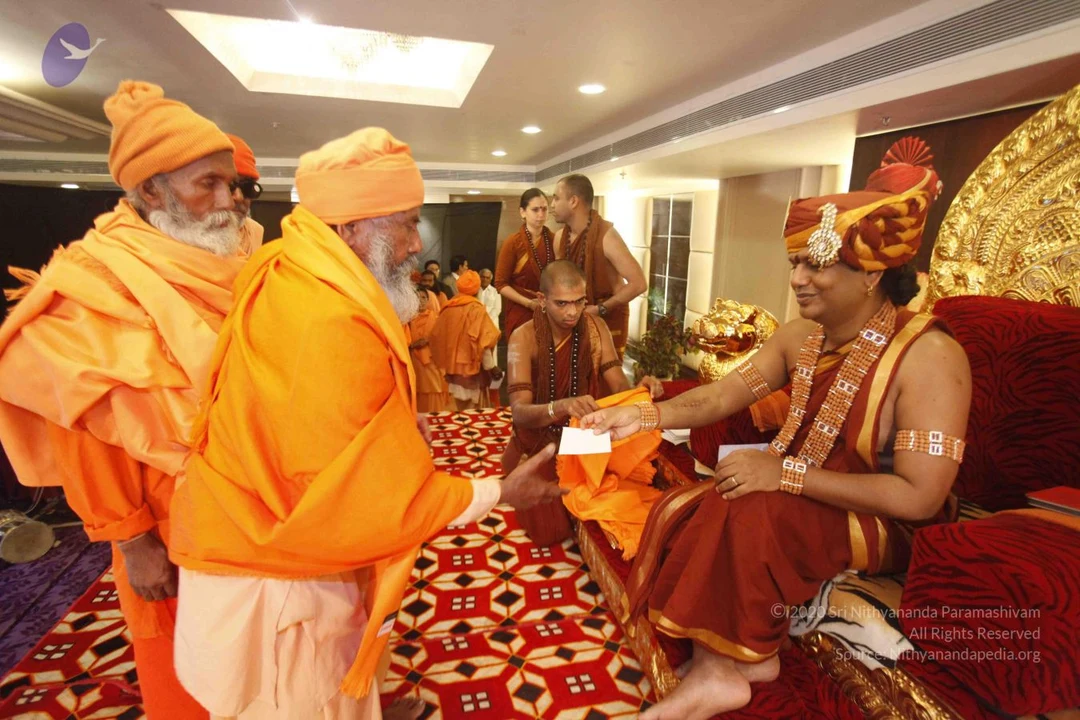
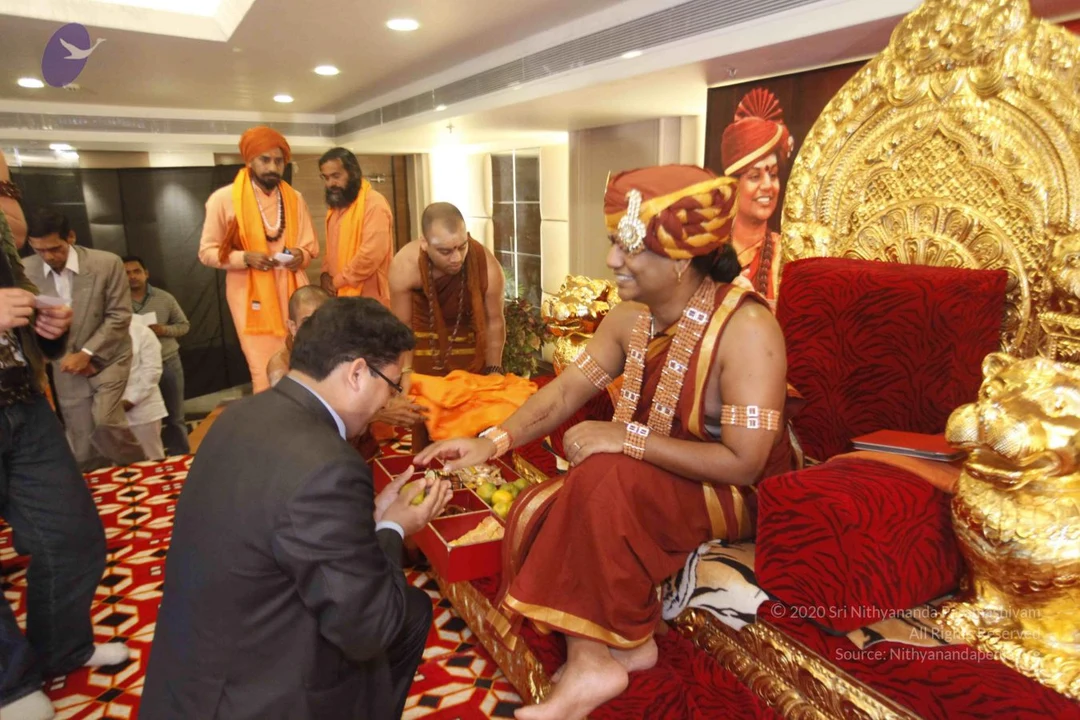
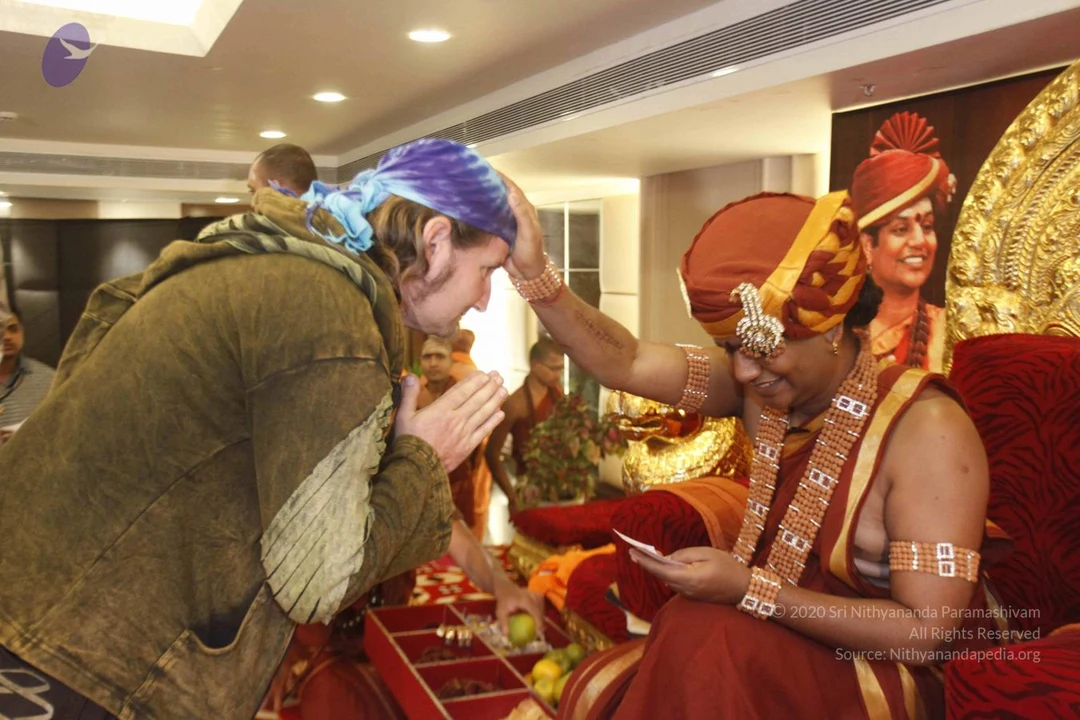
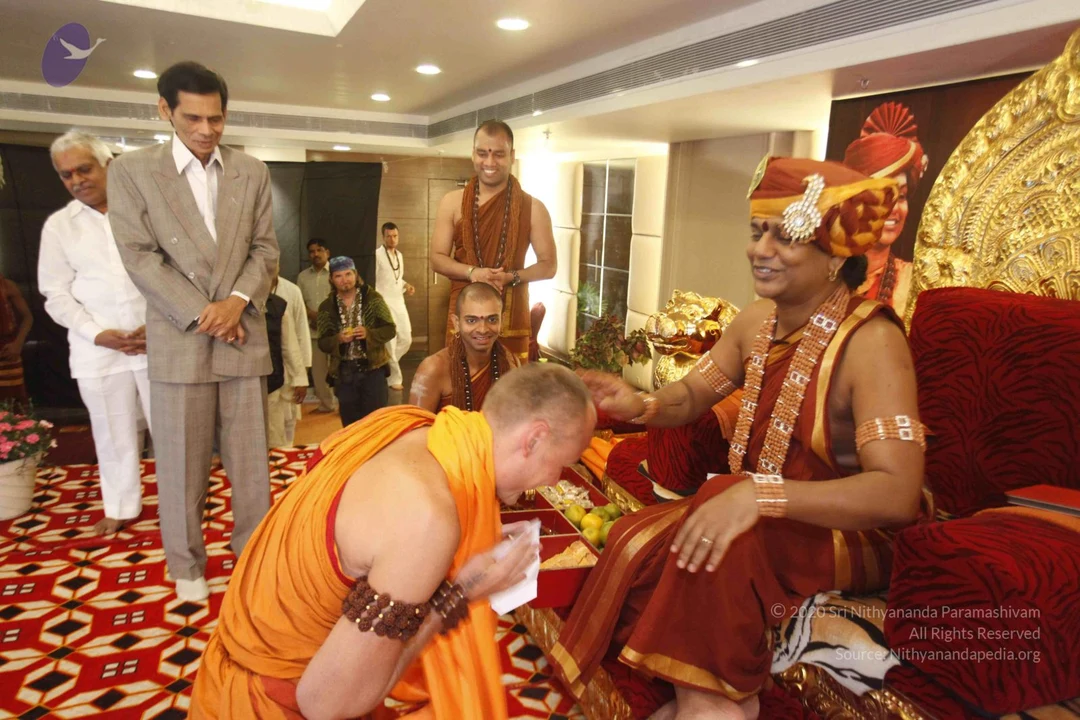
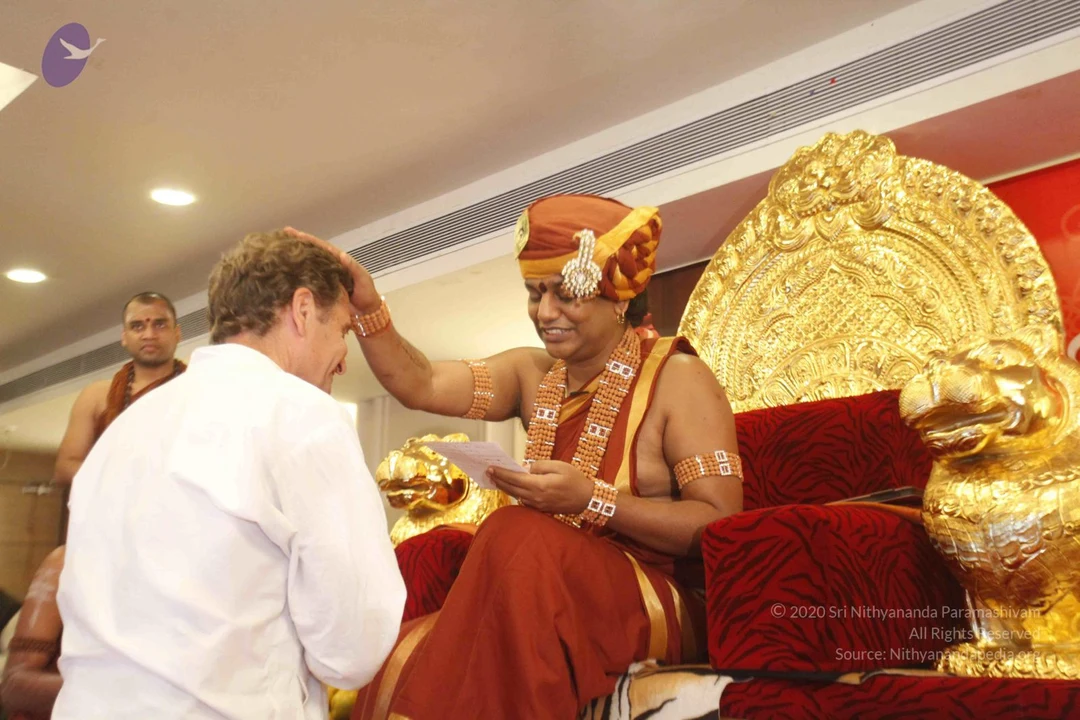
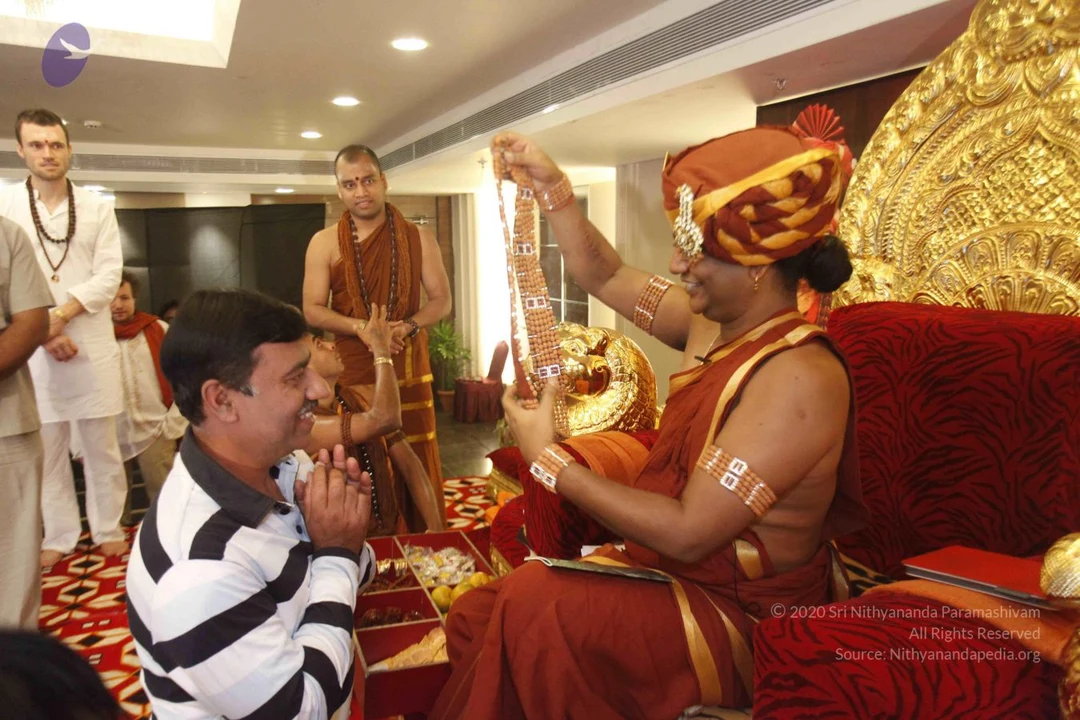
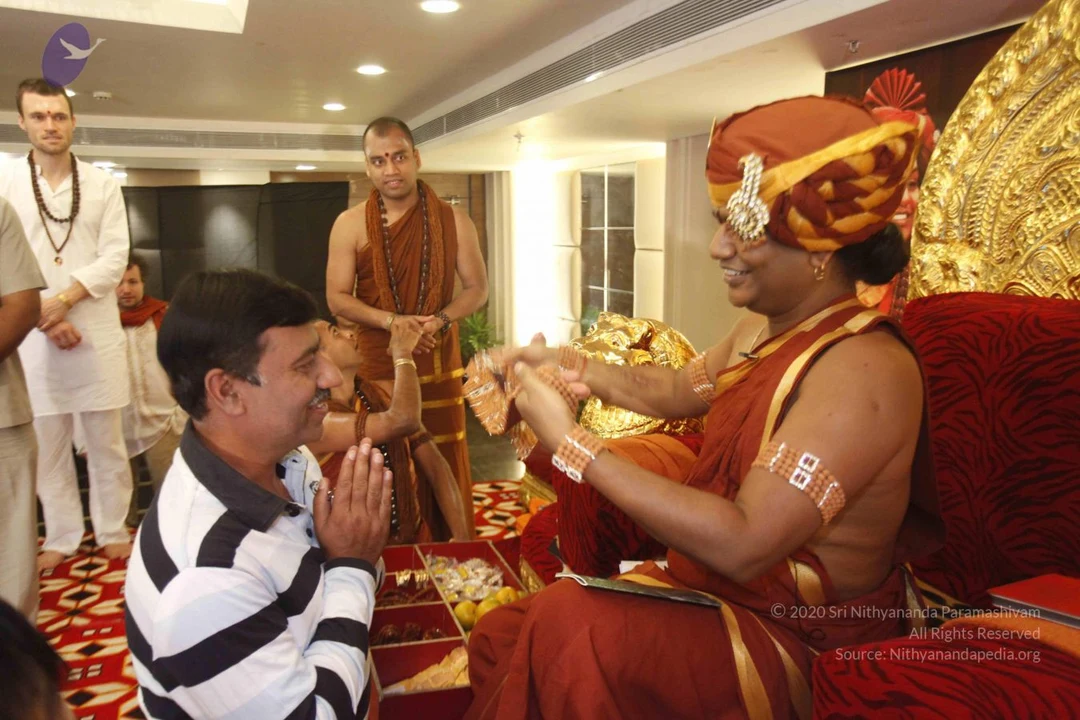
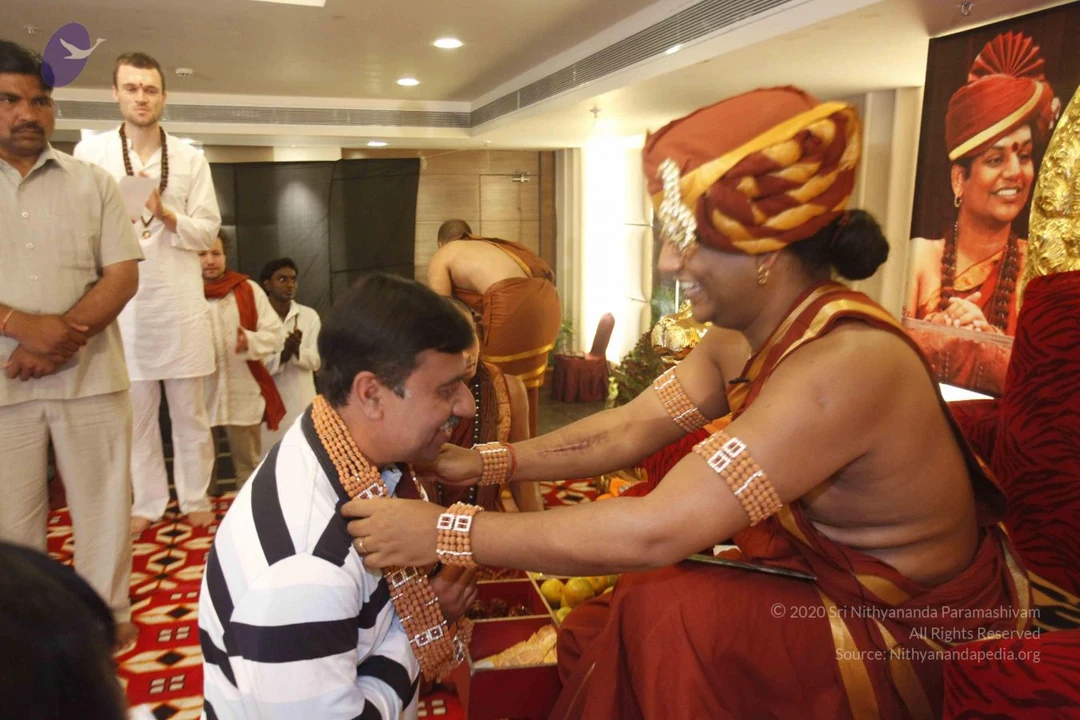
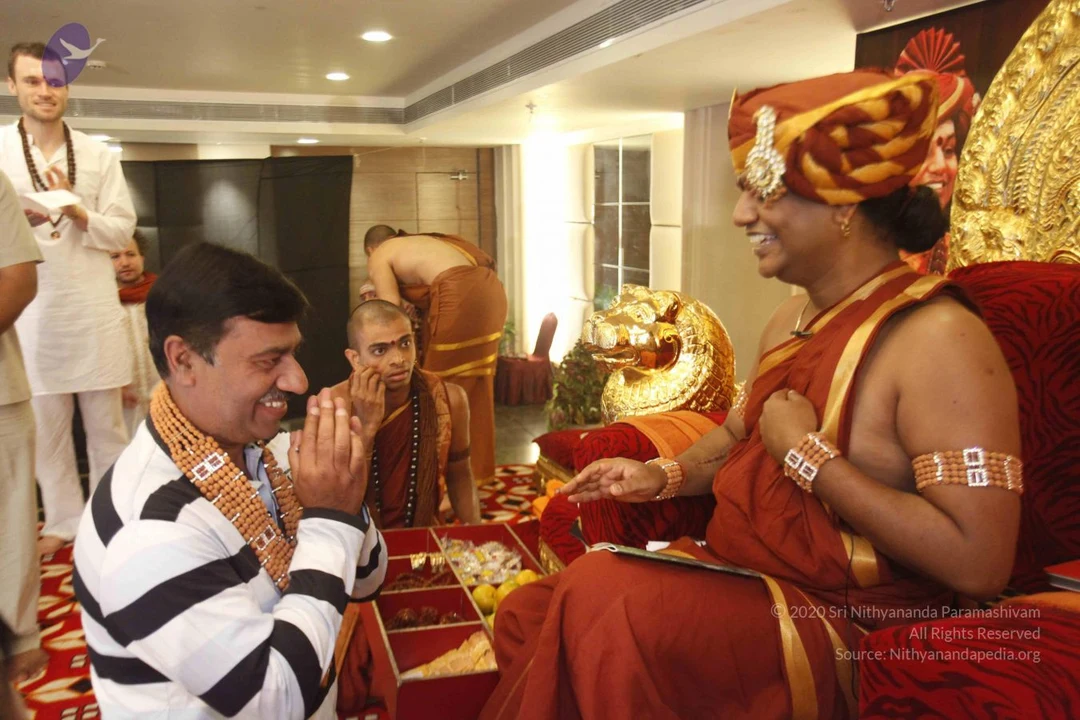
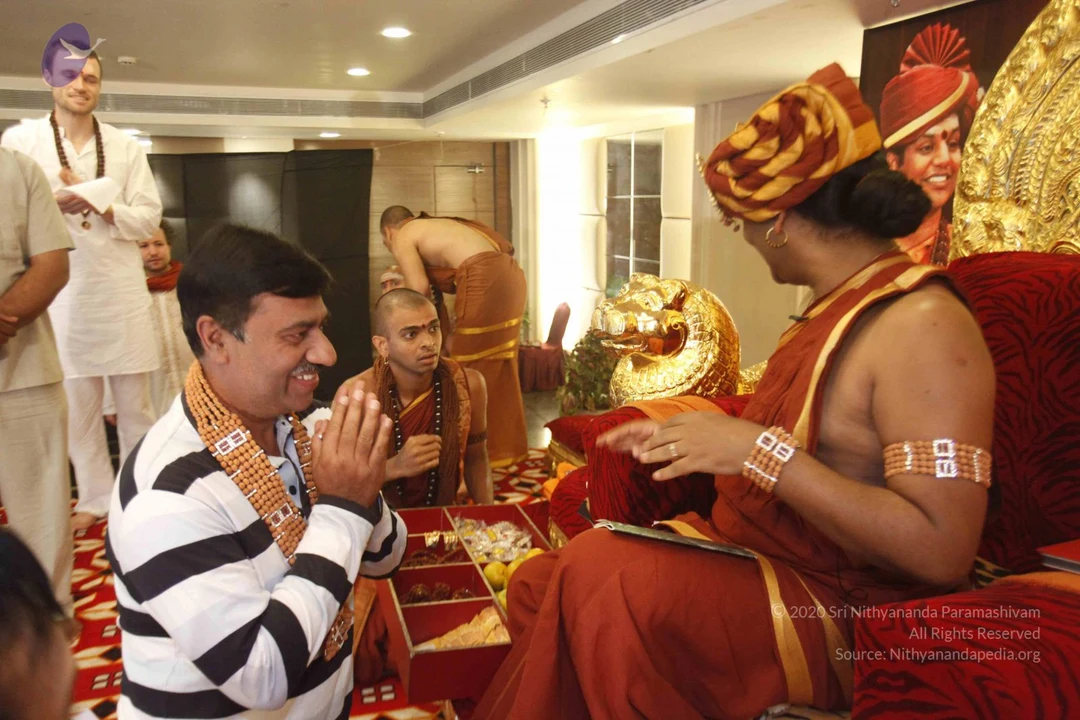
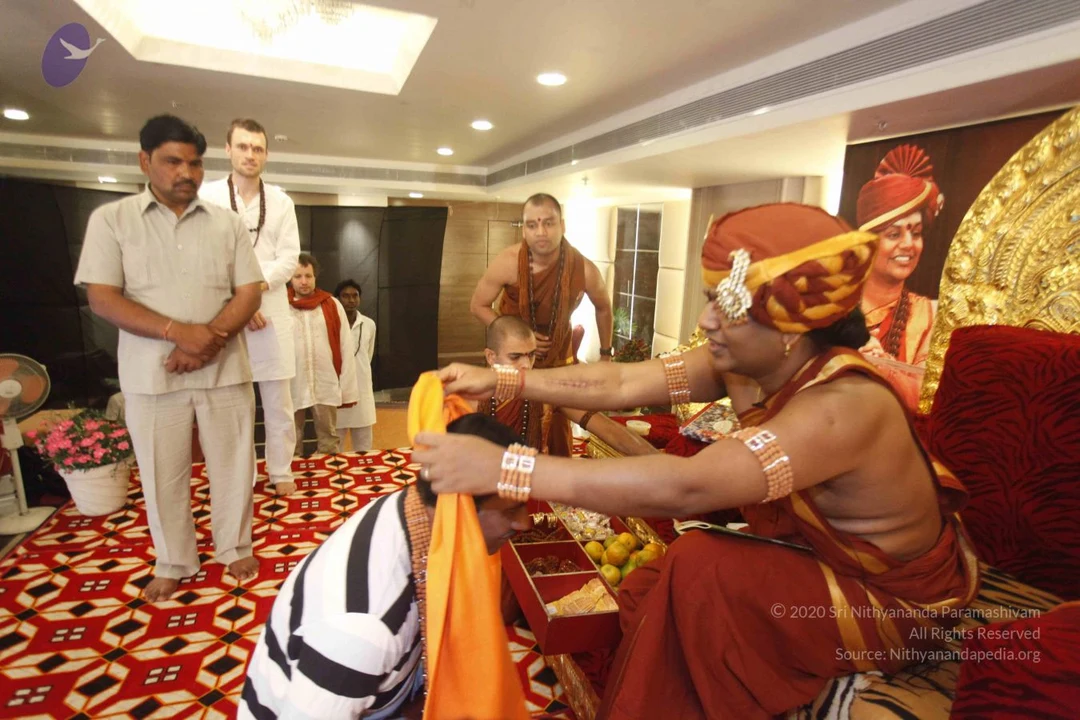
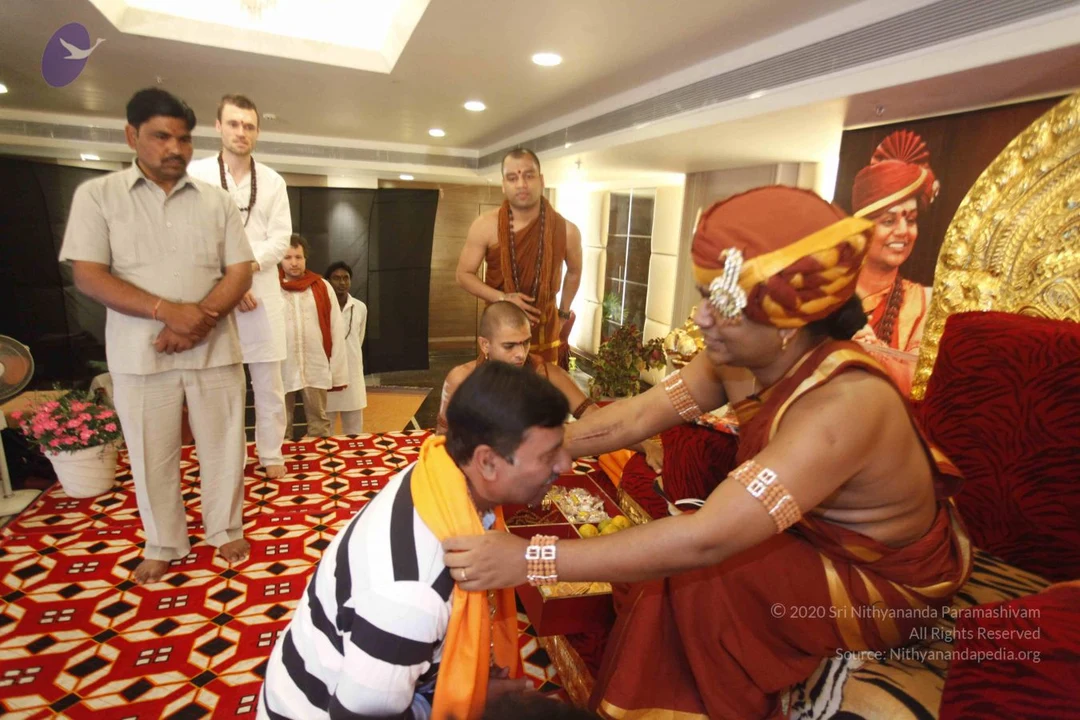
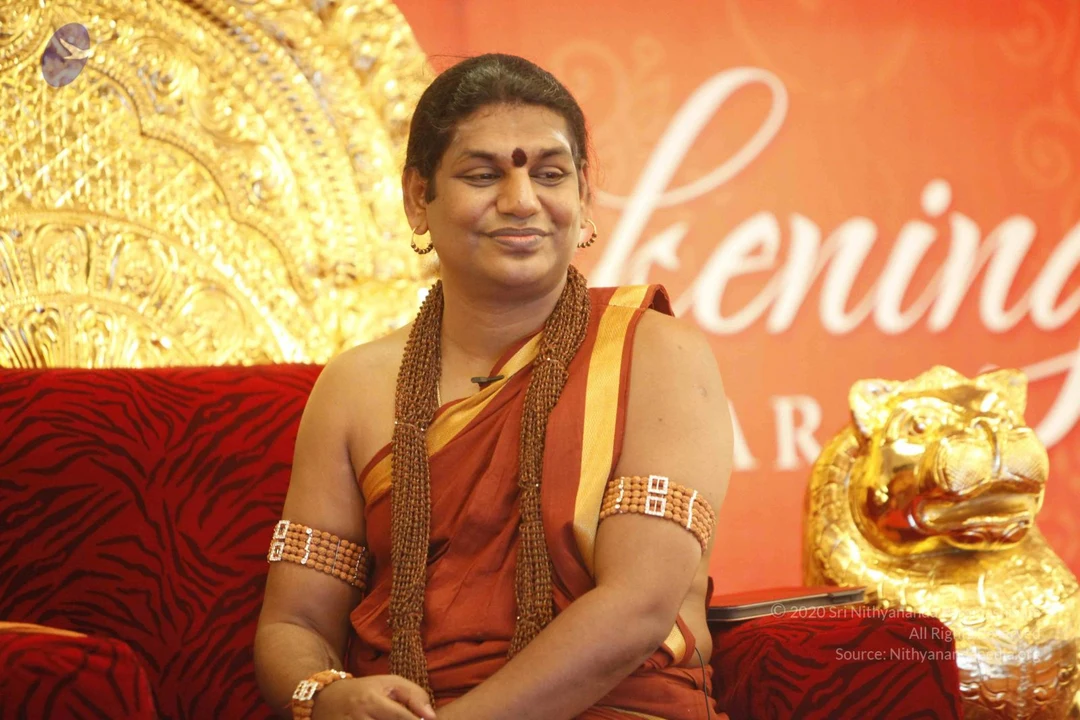
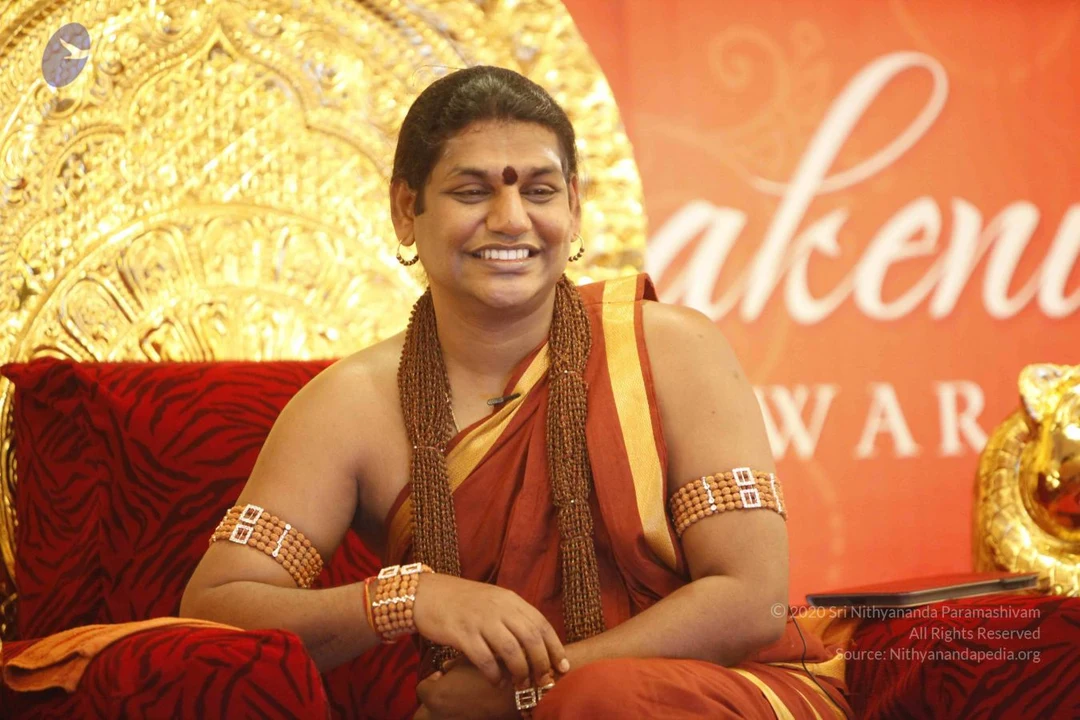
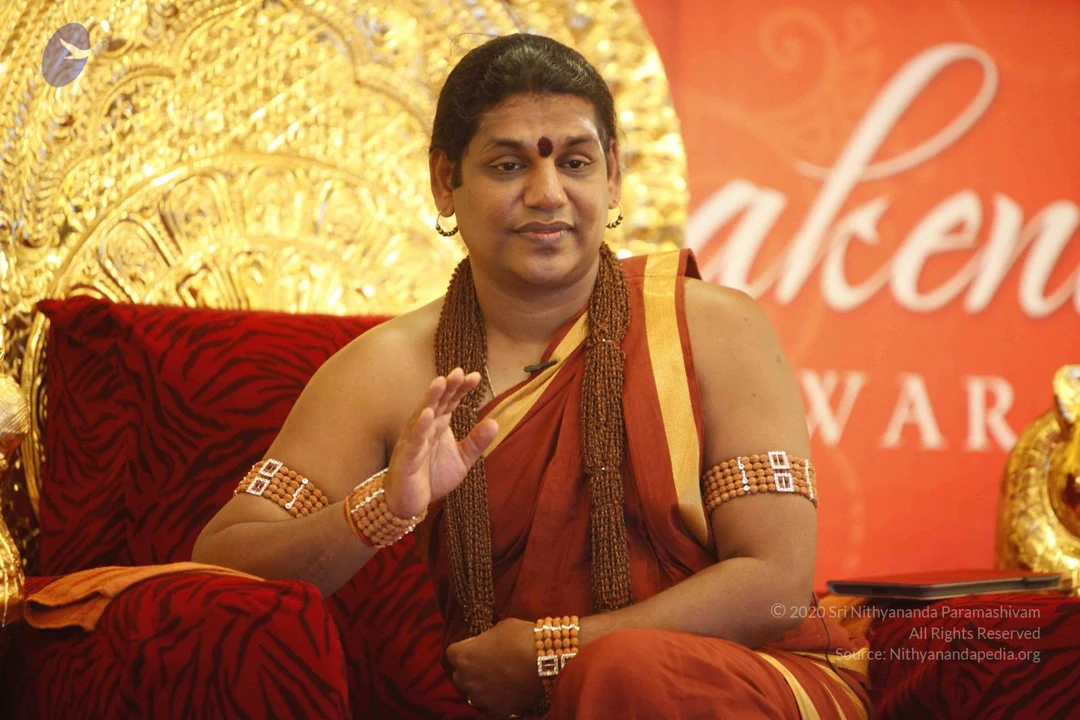
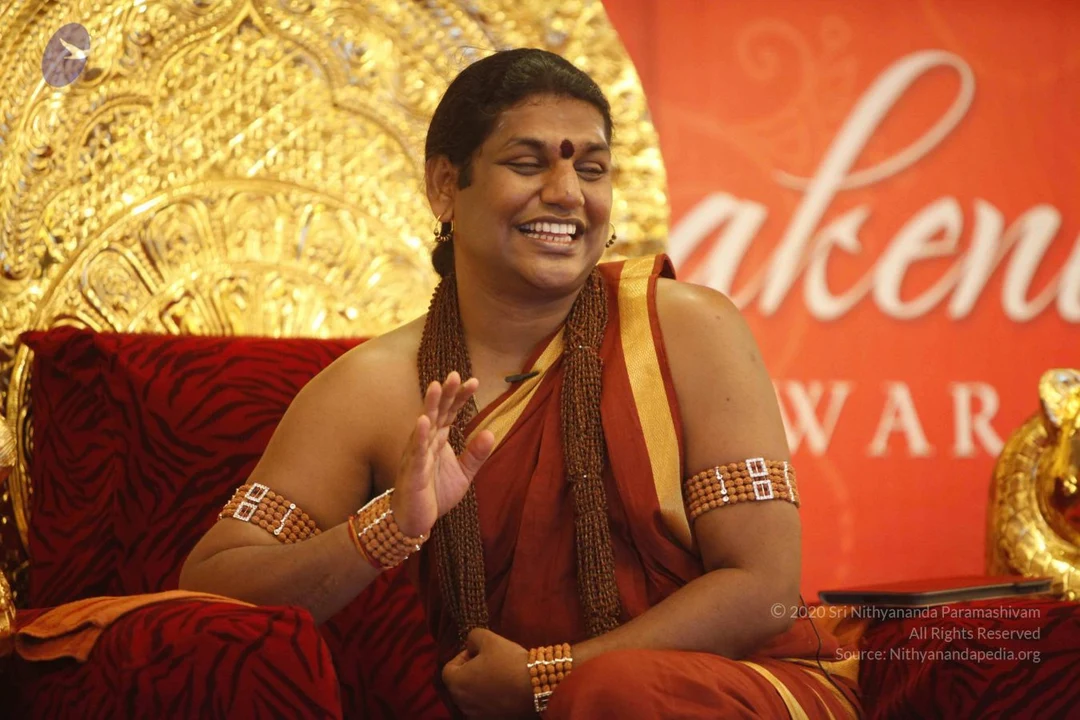
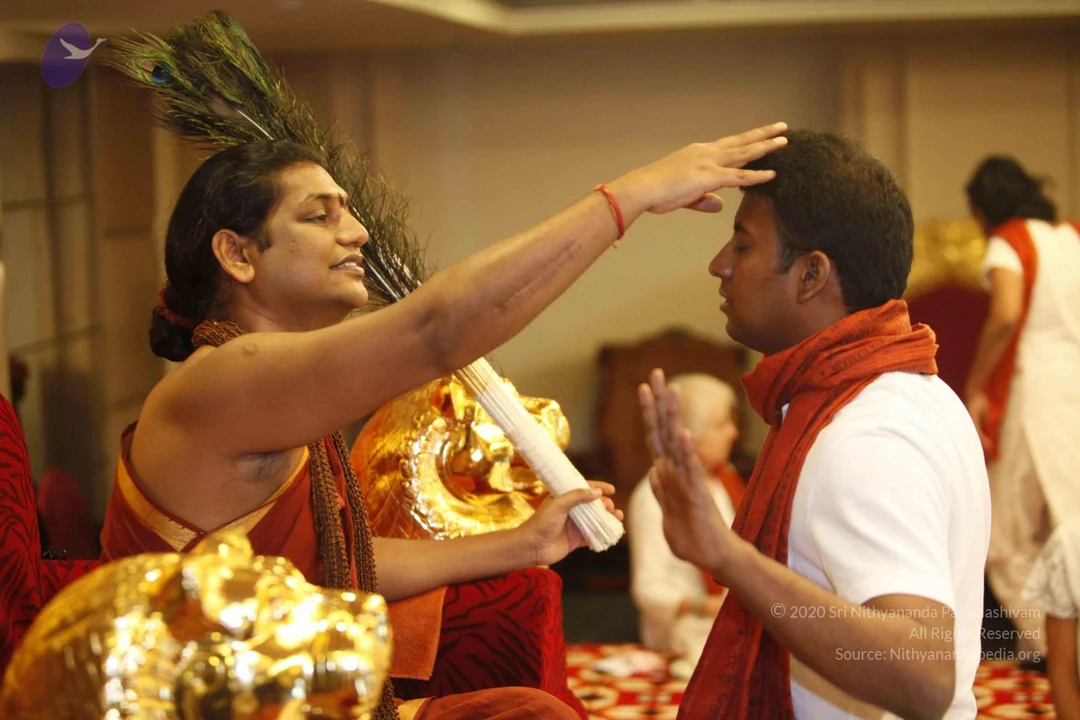
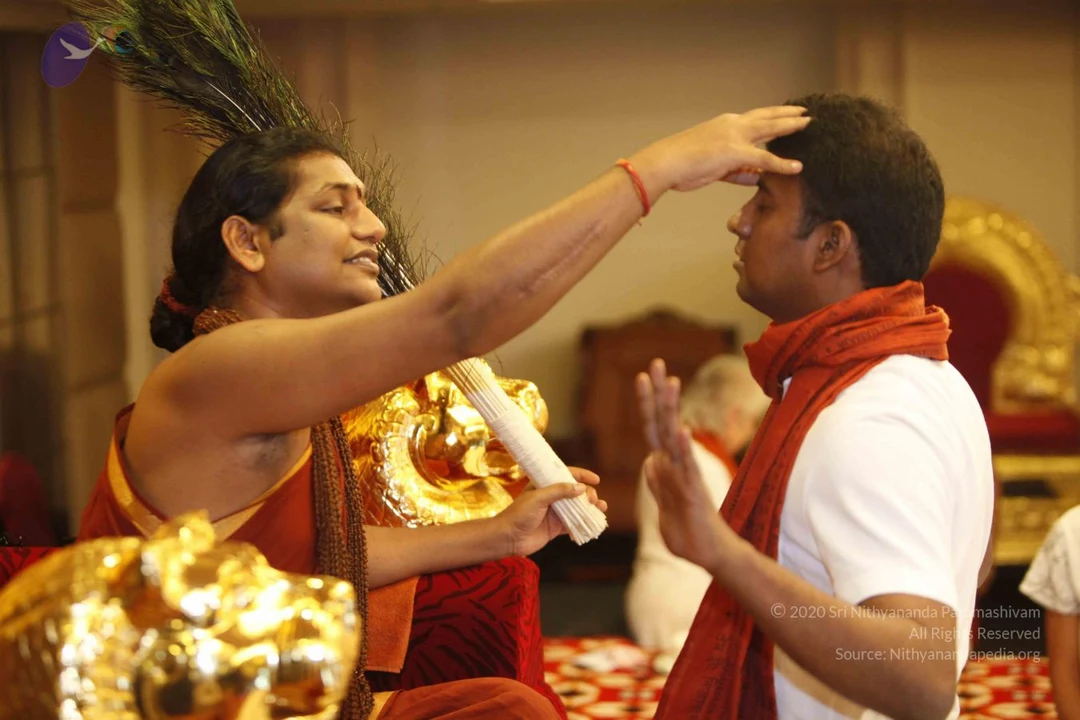
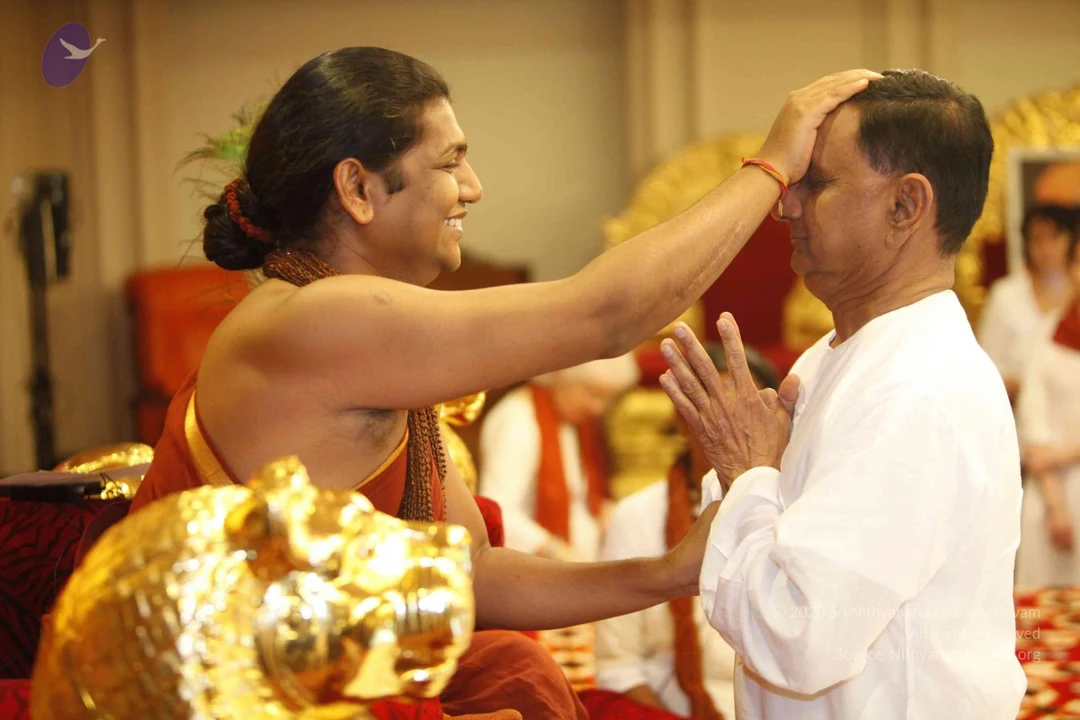
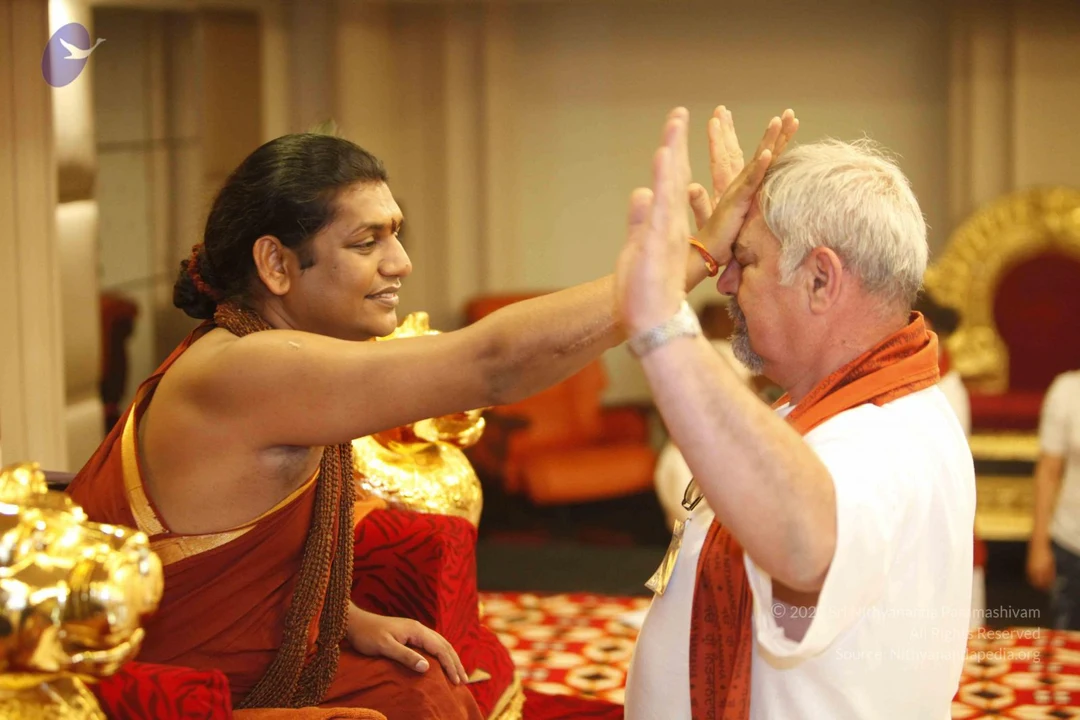
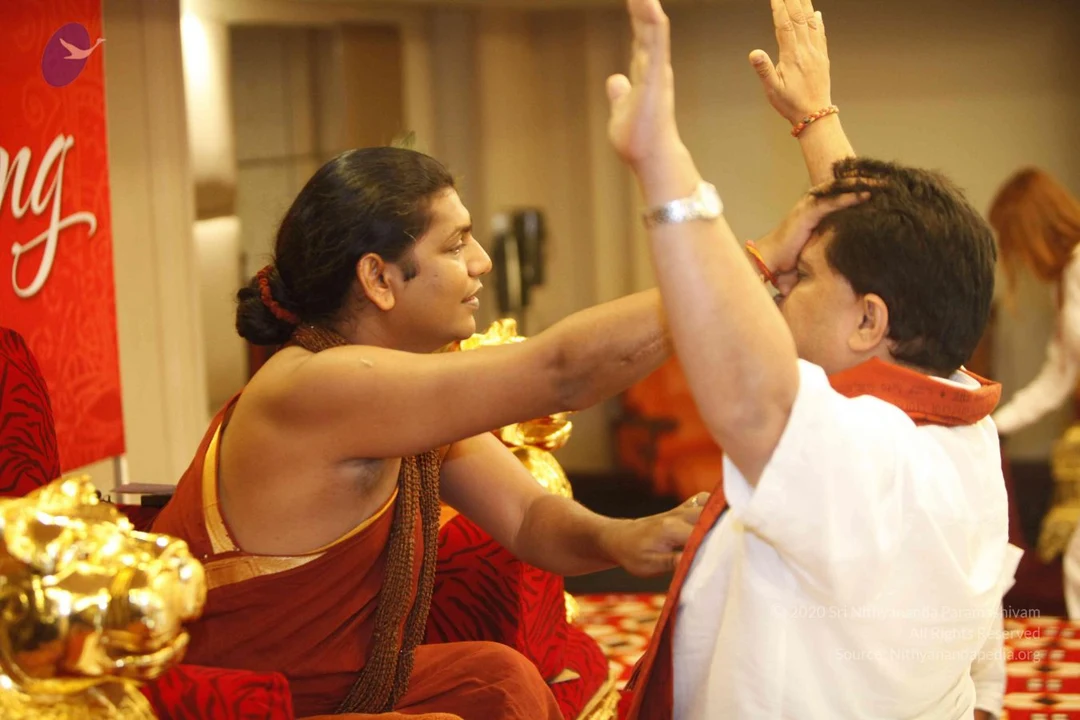
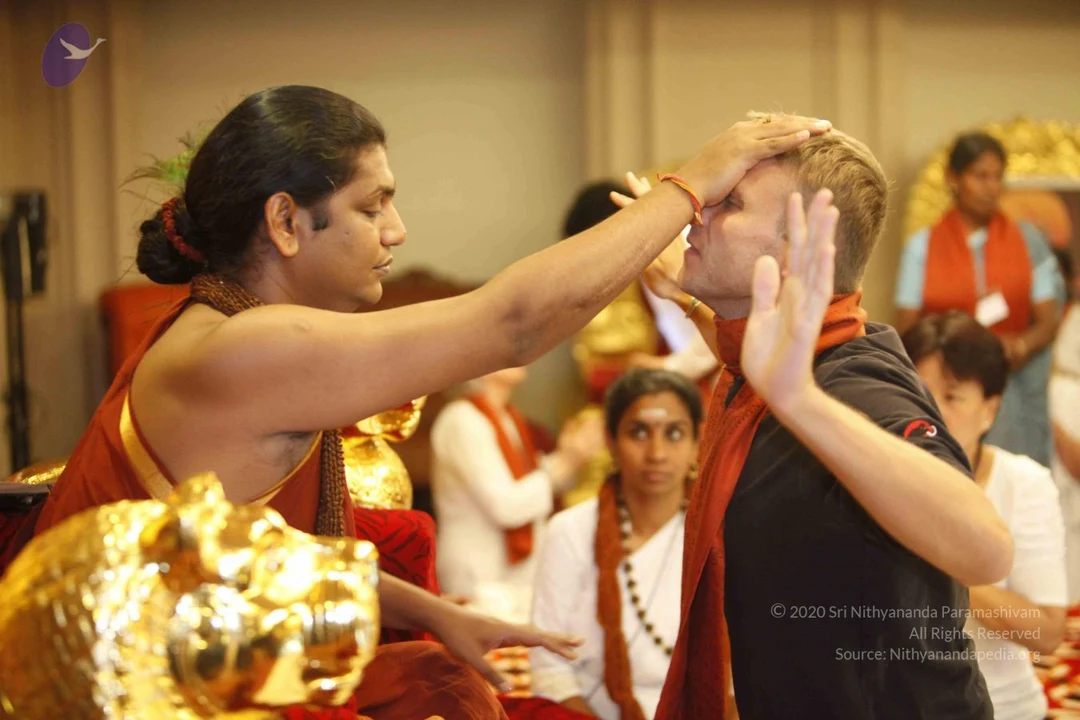
Darshan

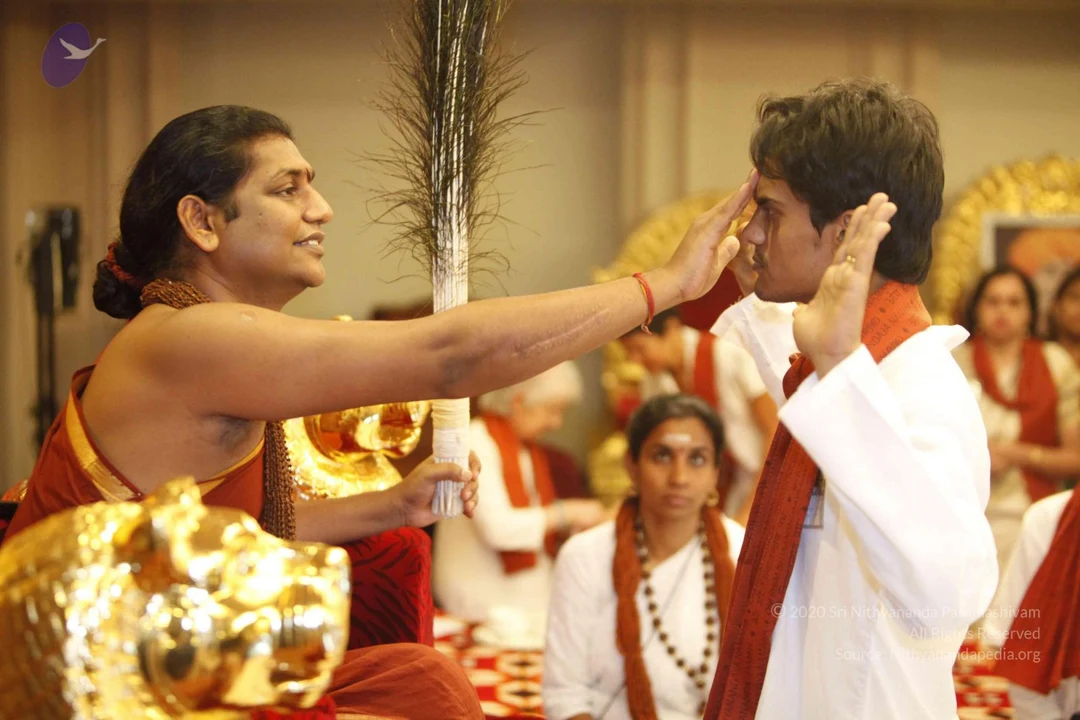
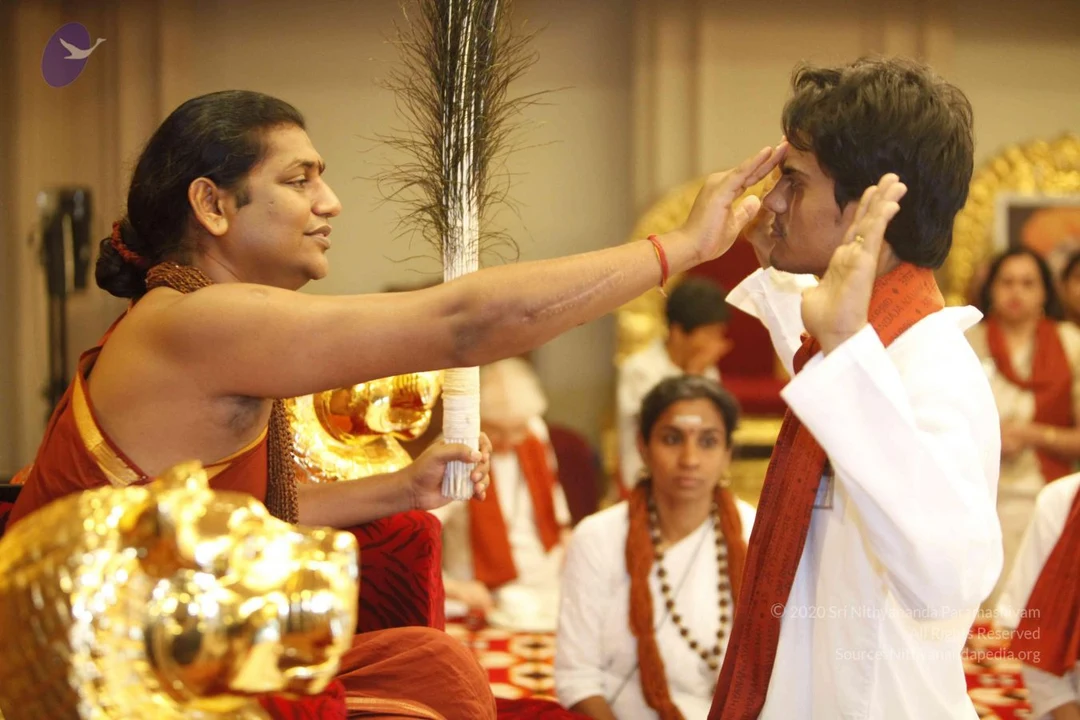
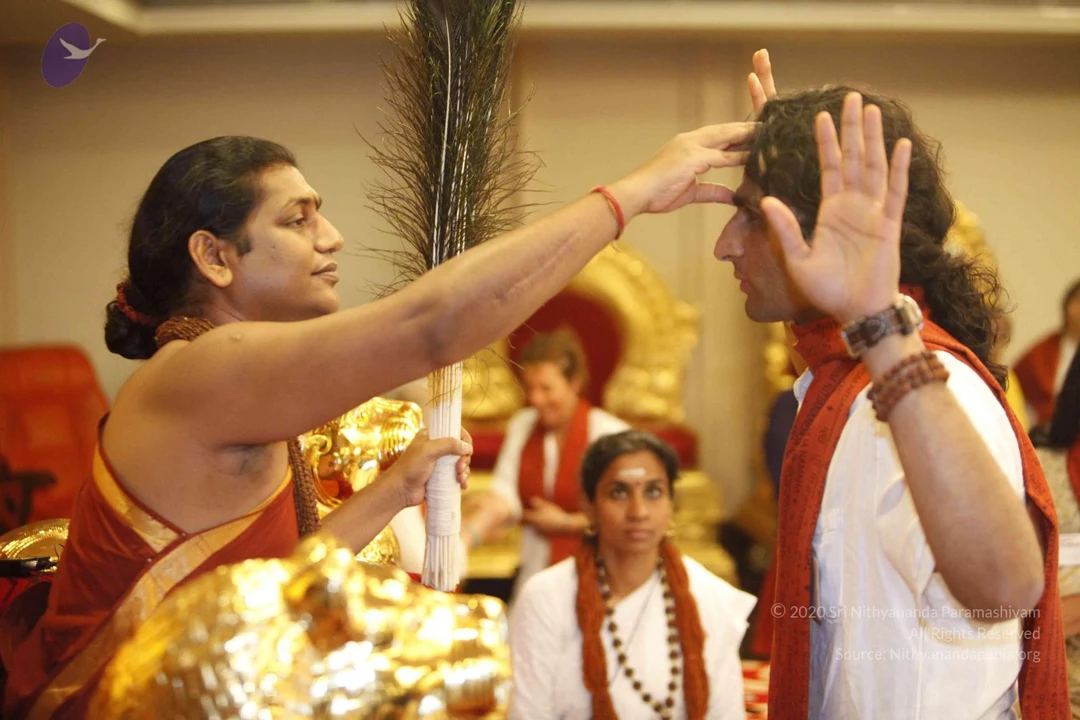
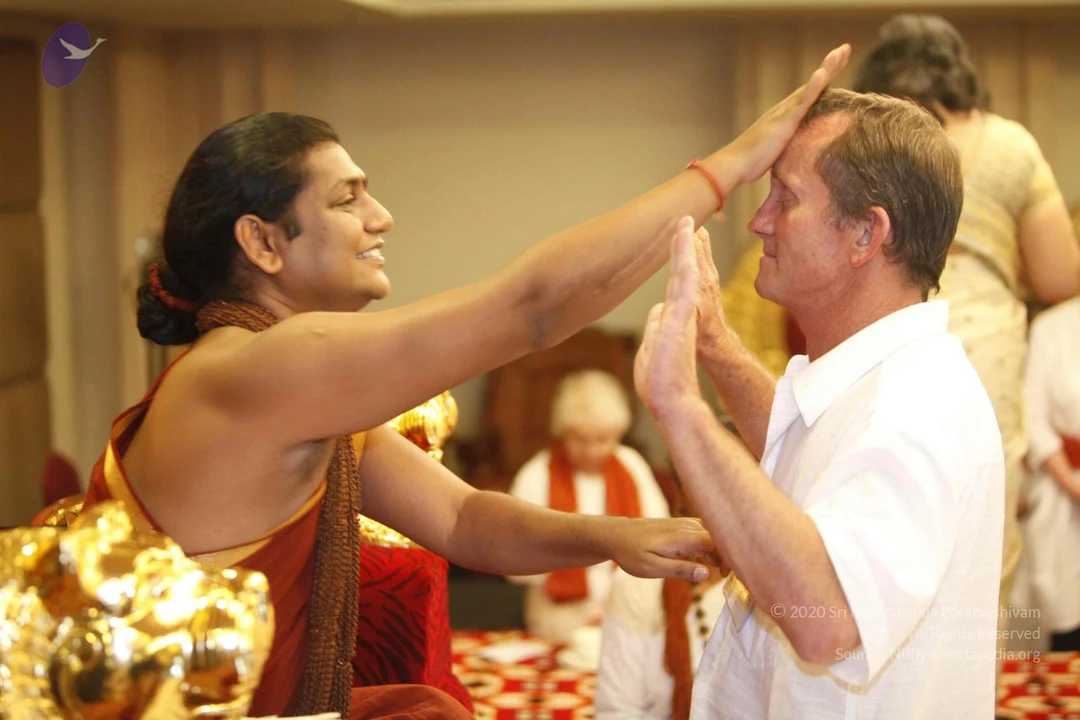
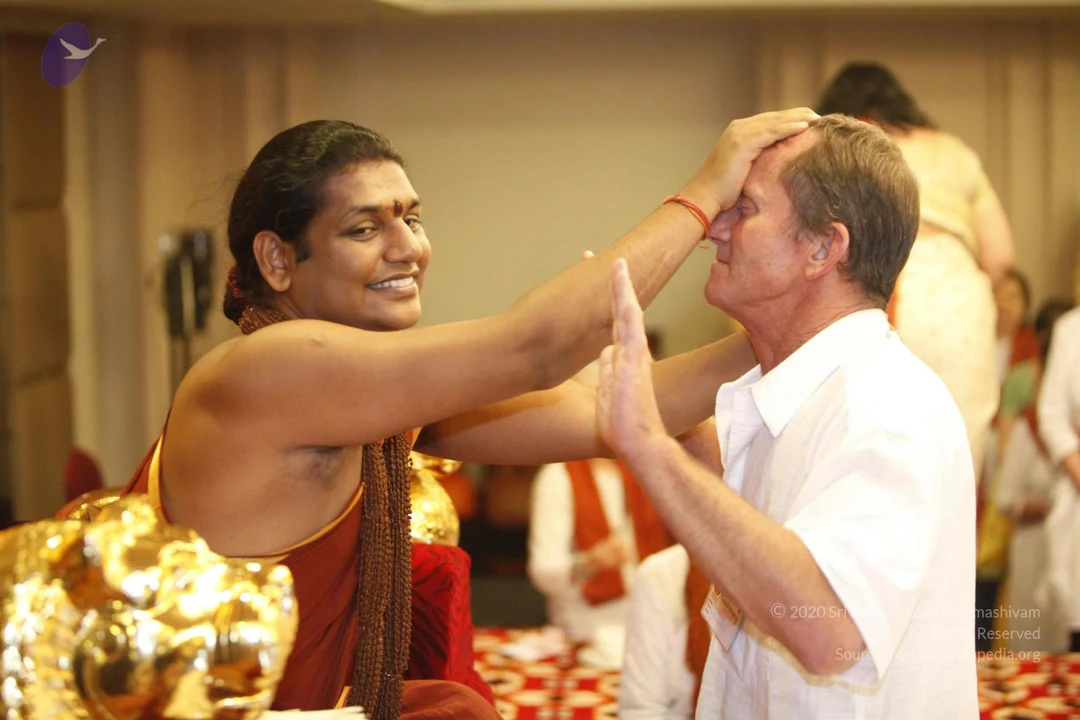
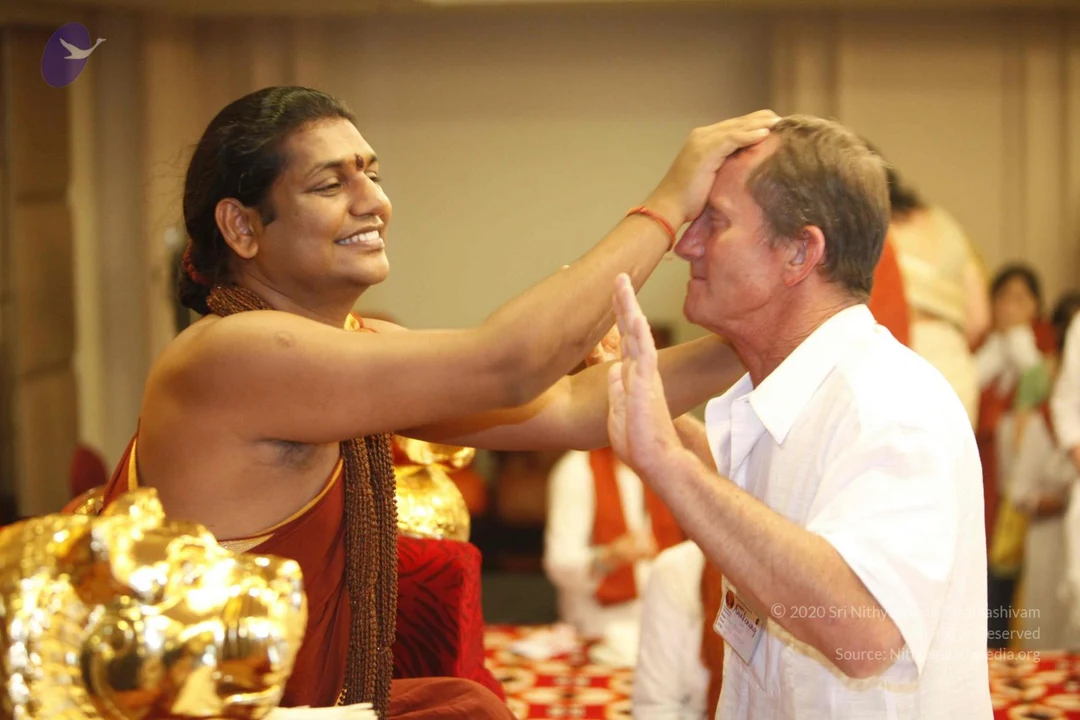
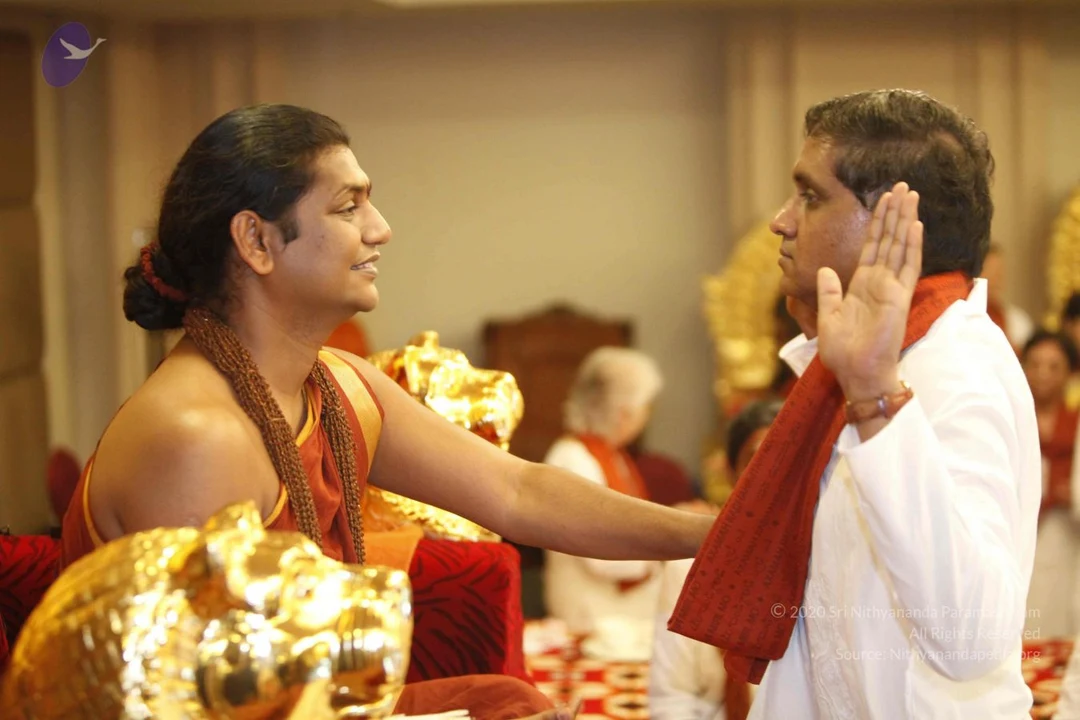
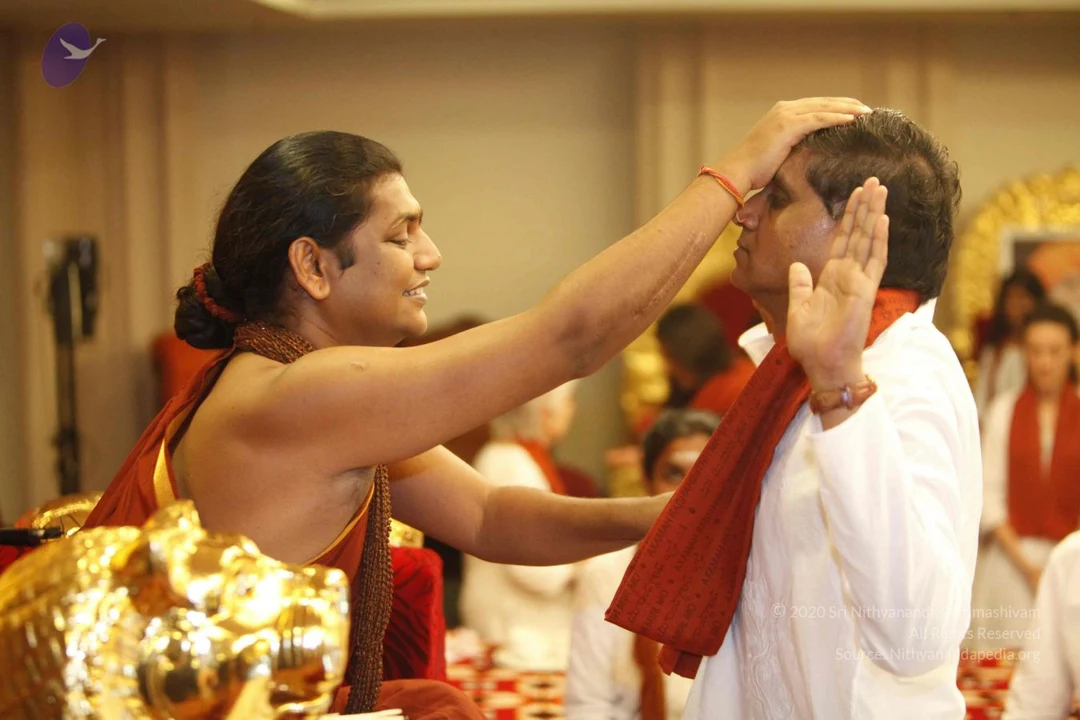

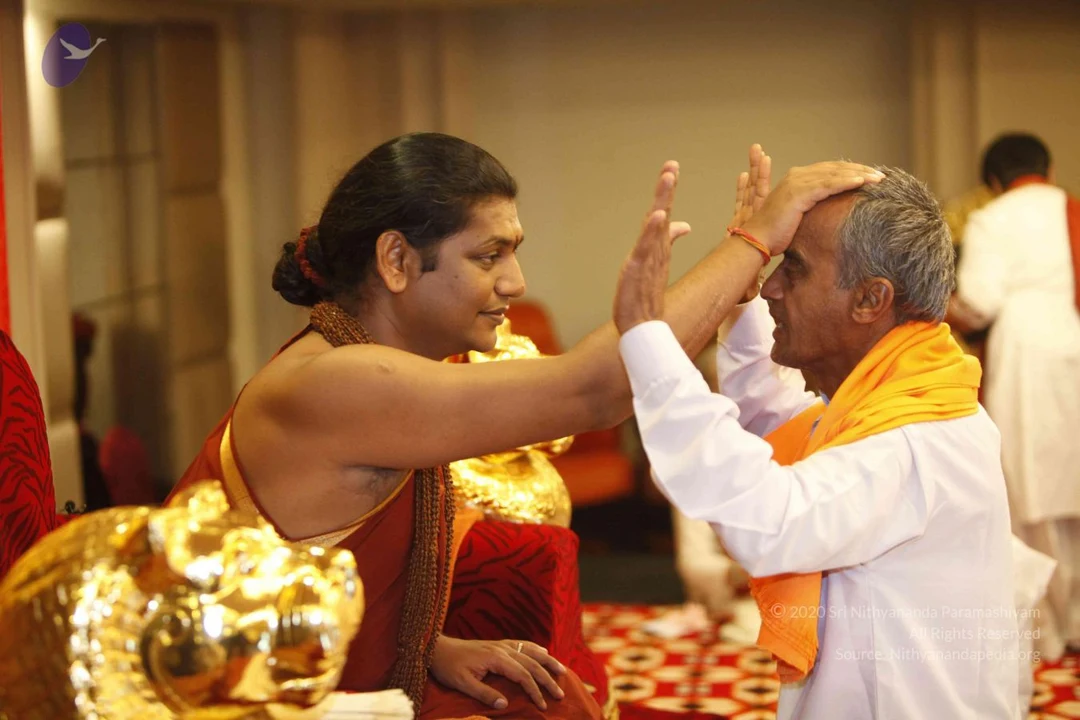
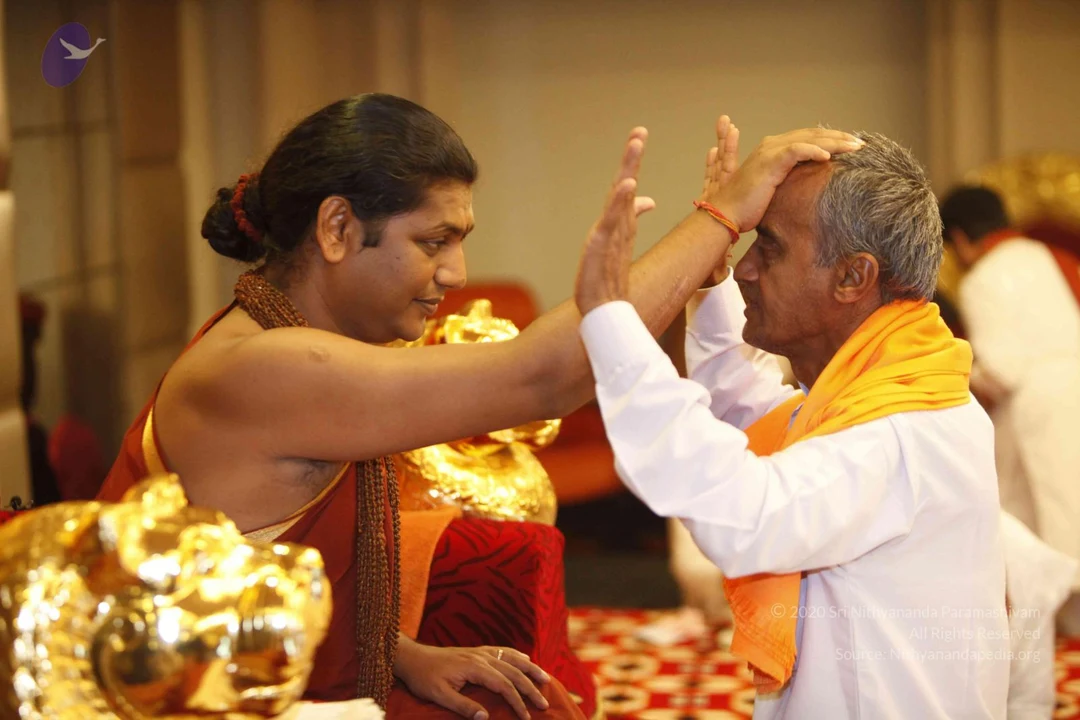

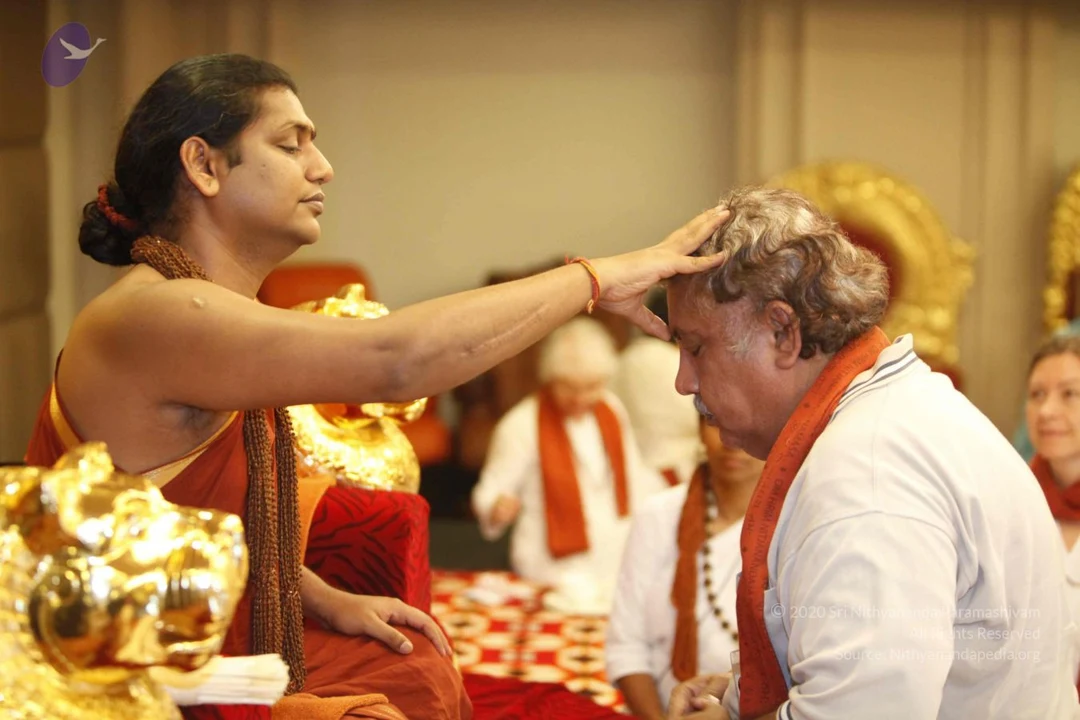
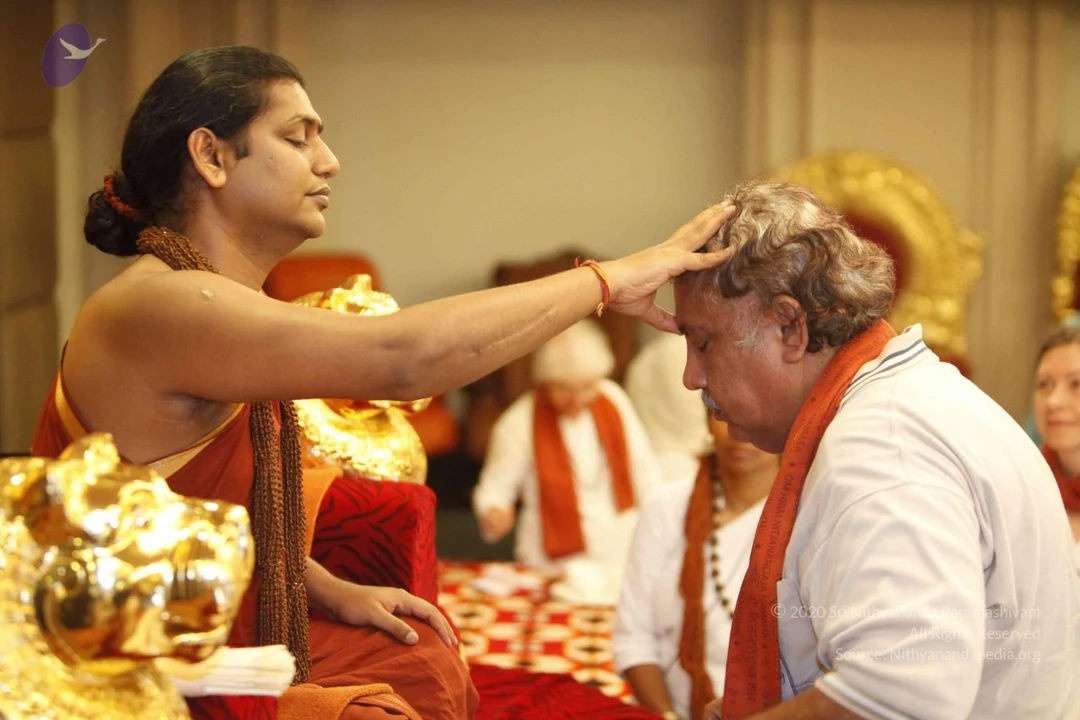
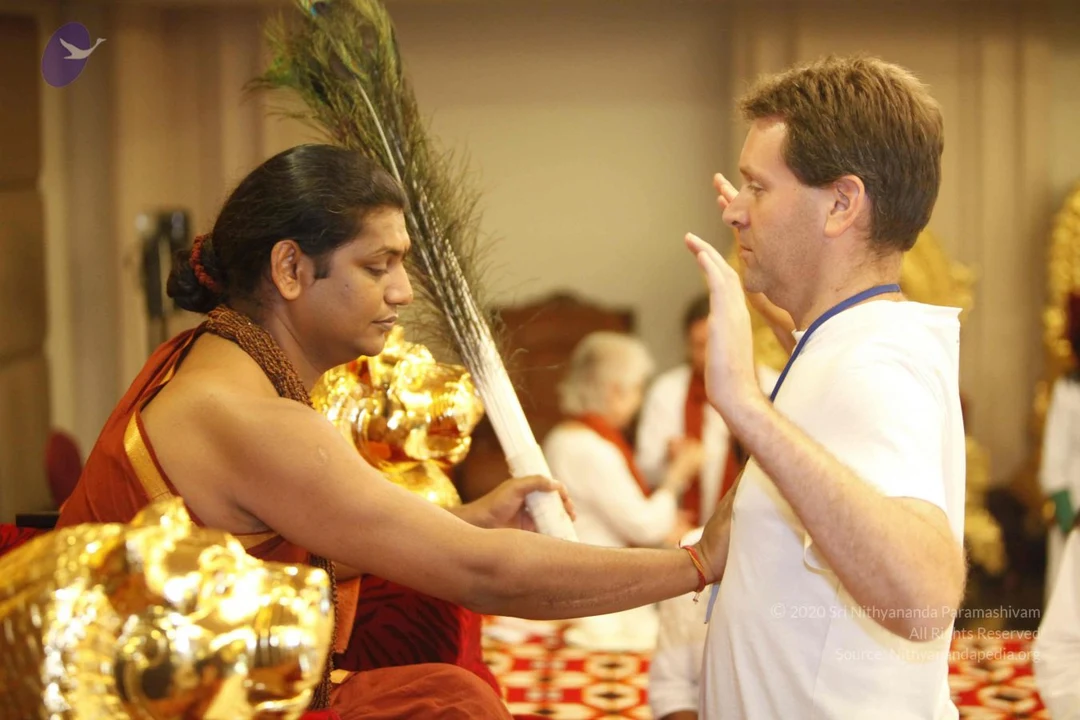
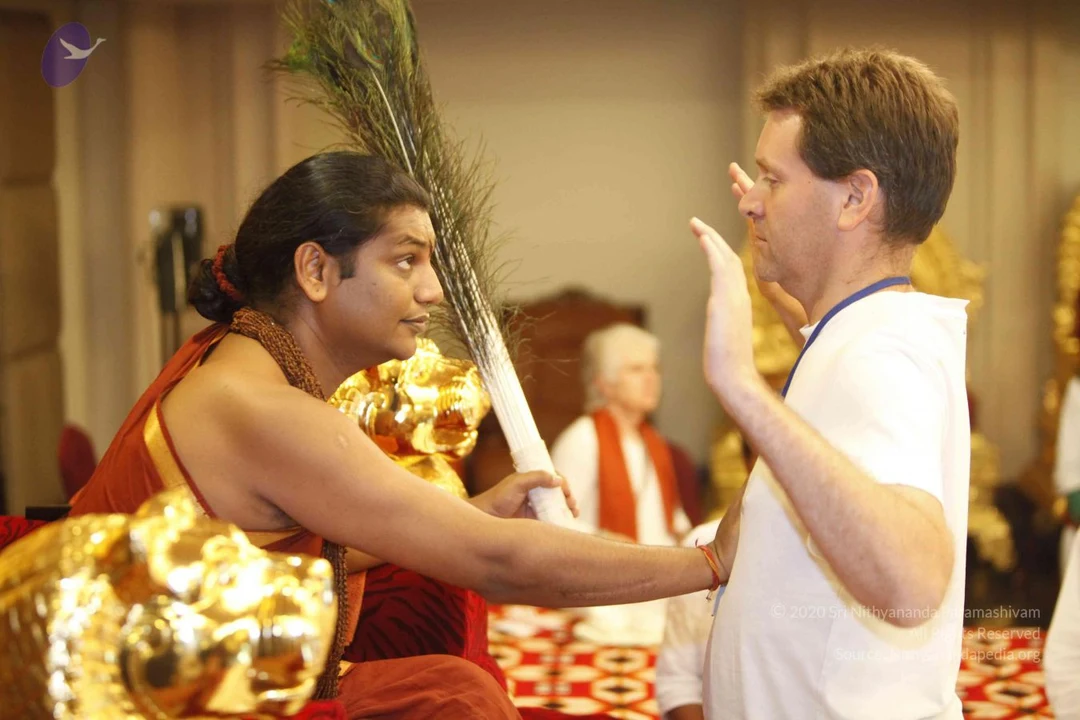
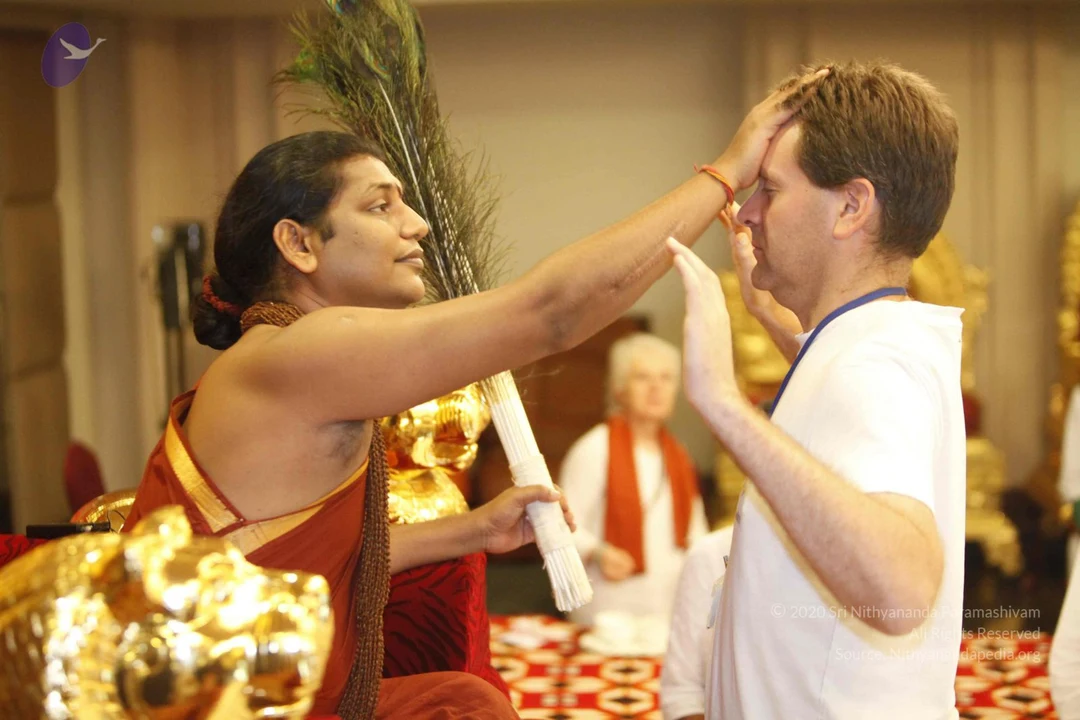
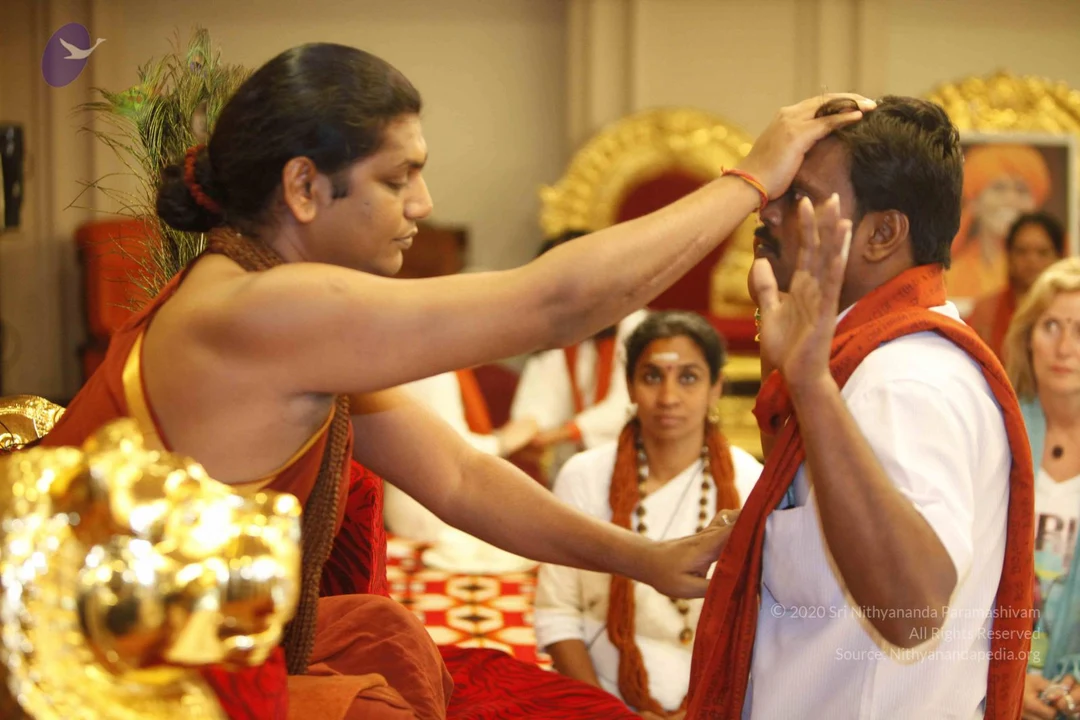
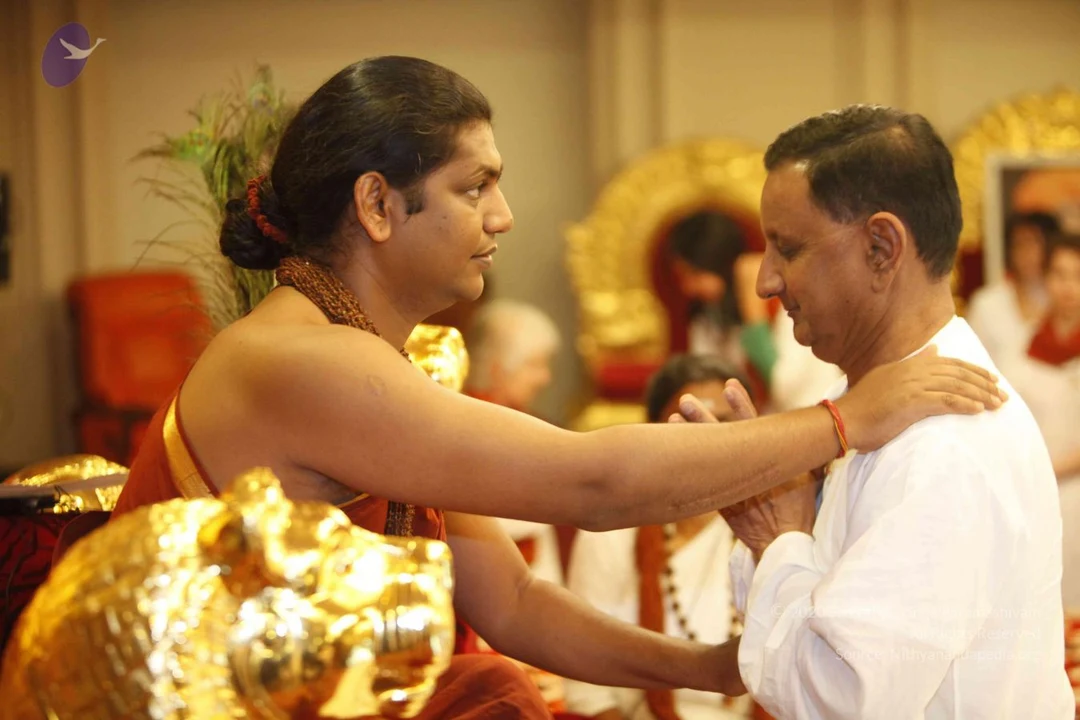
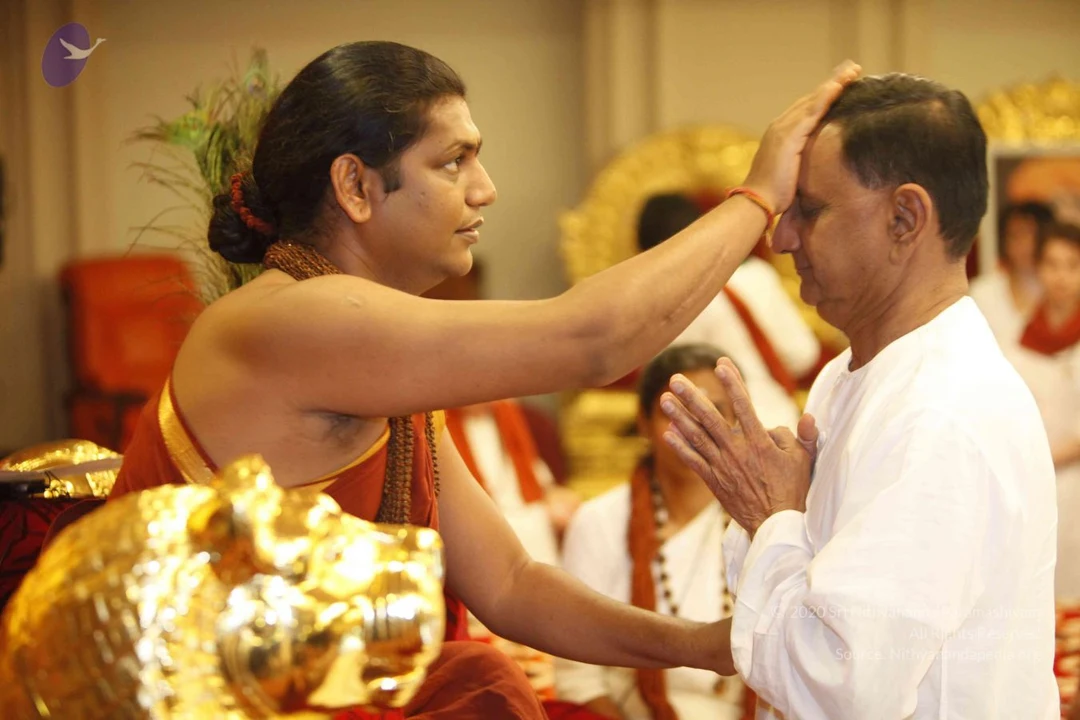
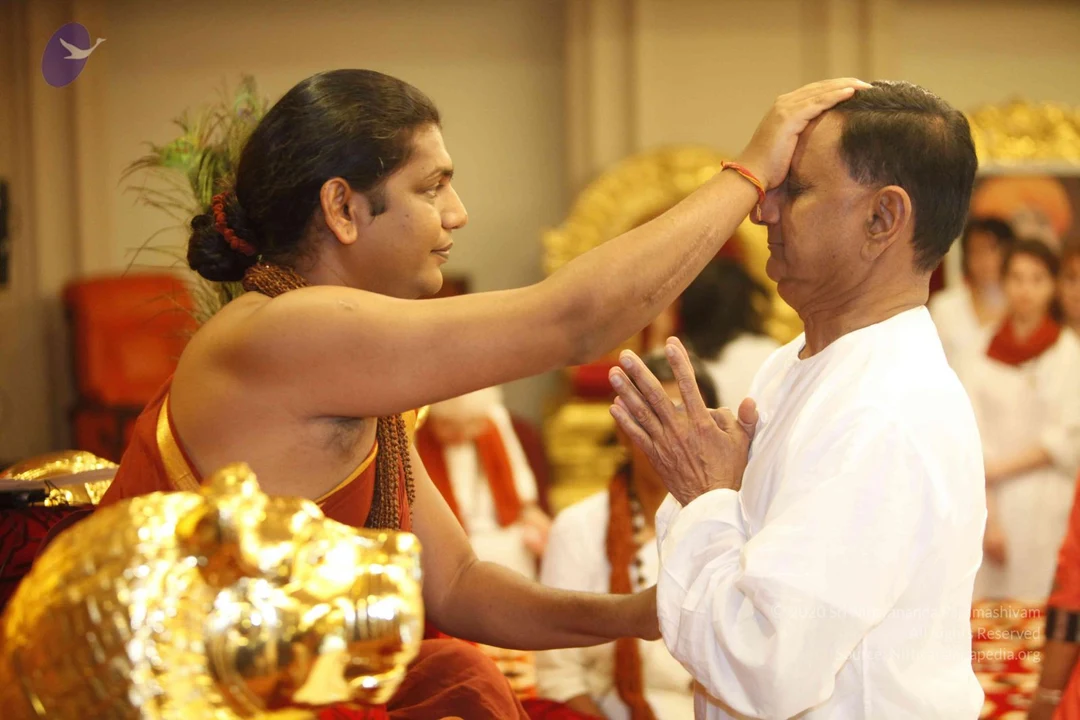
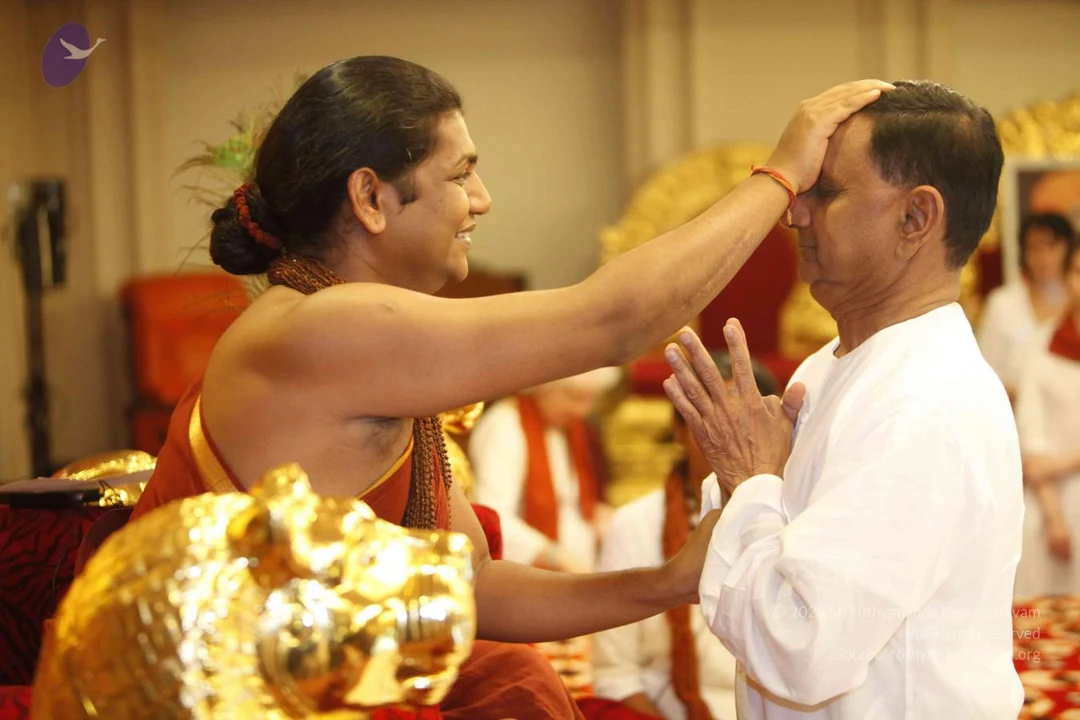
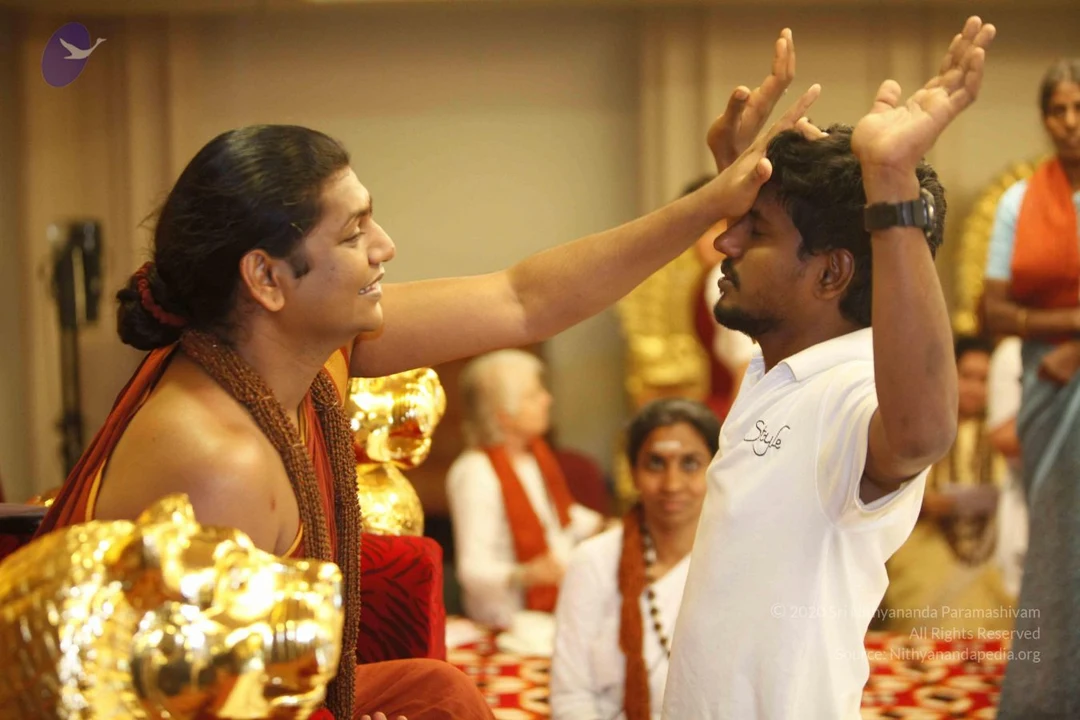
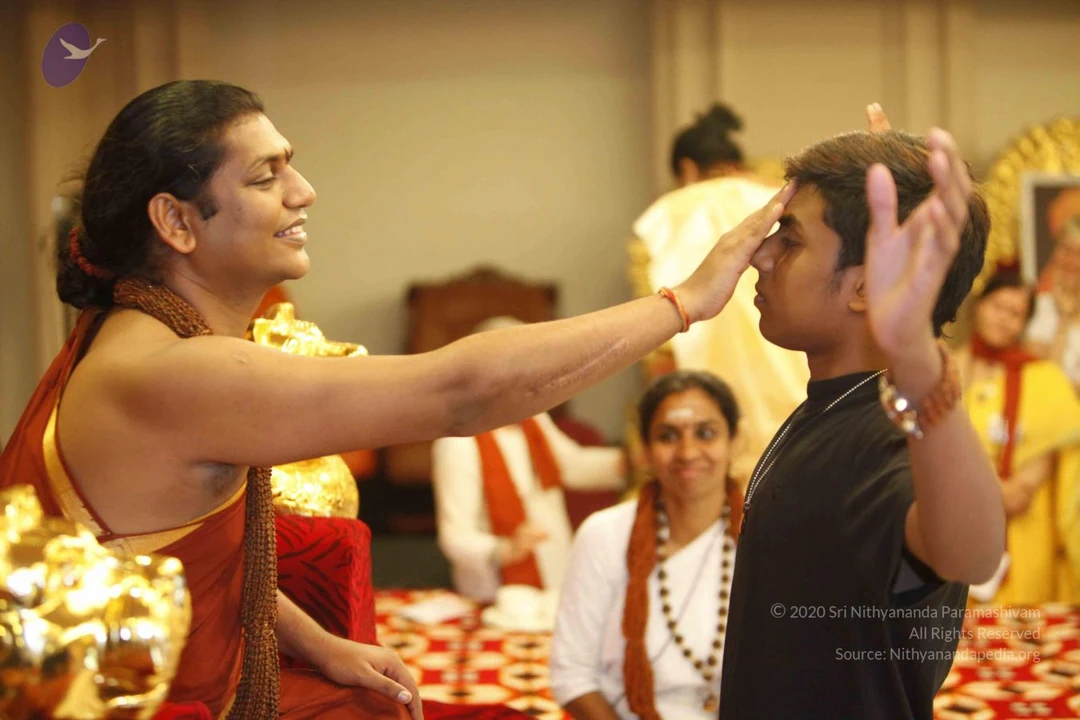
Photos Of The Day:
FB-Photos-of-the-Day
Photos from this day
View all 136 photosNithya Satsang
8 photosSource gallery
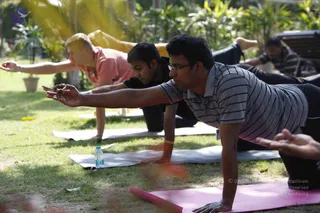
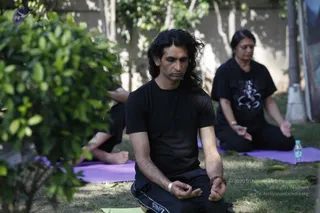
Yoga
8 photosSource gallery


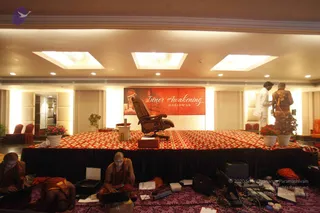
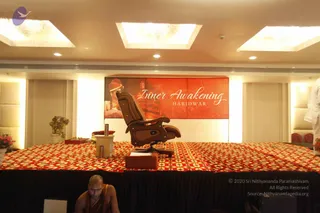
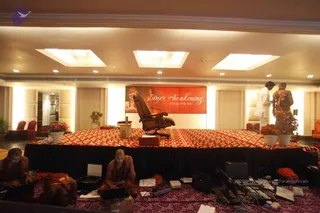
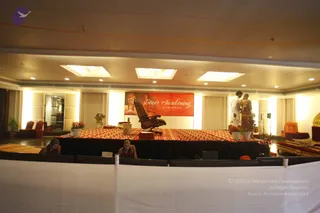
Stage-Photos
5 photosSource gallery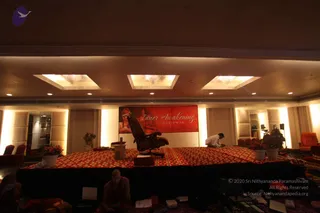
Satsang-And-Kalpataru-Darshan
77 photosSource gallery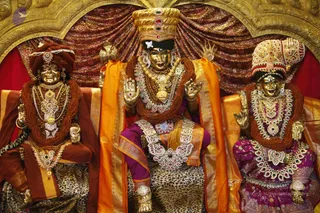
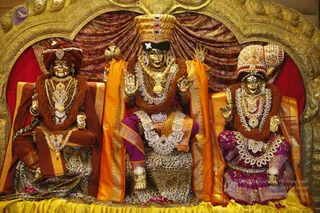
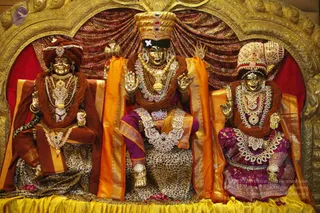
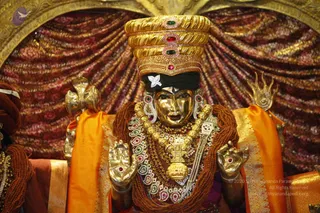
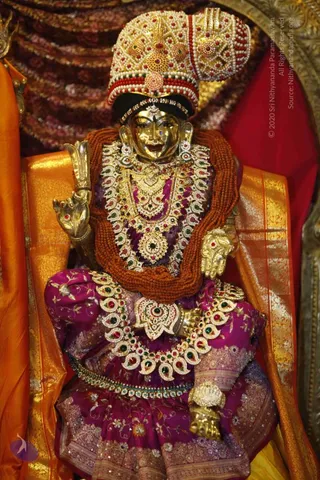
Darshan
35 photosSource gallery
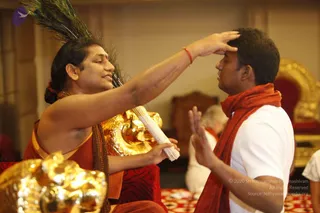
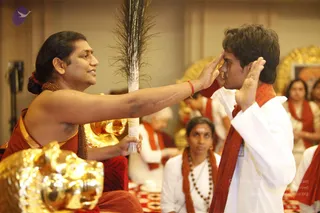
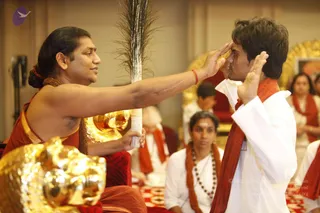
FB-Photos-of-the-Day
3 photosSource gallery