Skip to content
Monday

2 December 2013

Akashic Readings on Listening

Dated photos
360
Source pages
1
Media
3
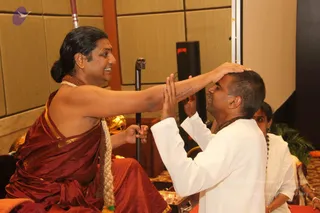
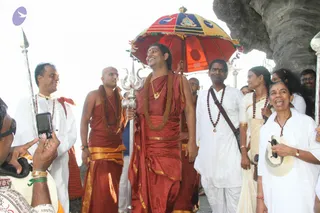
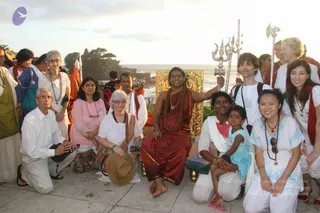
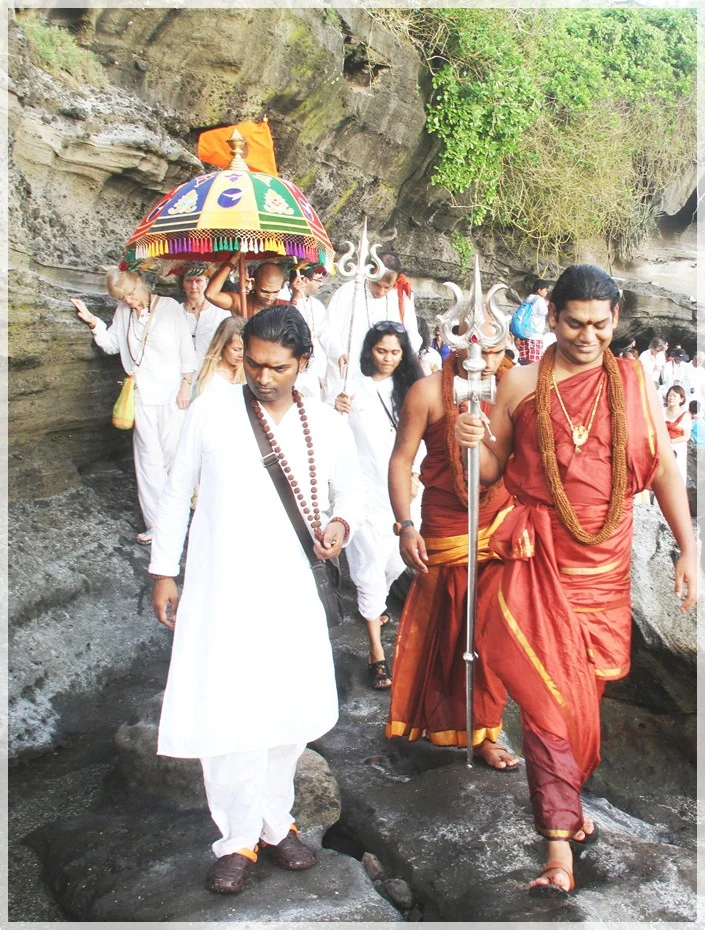
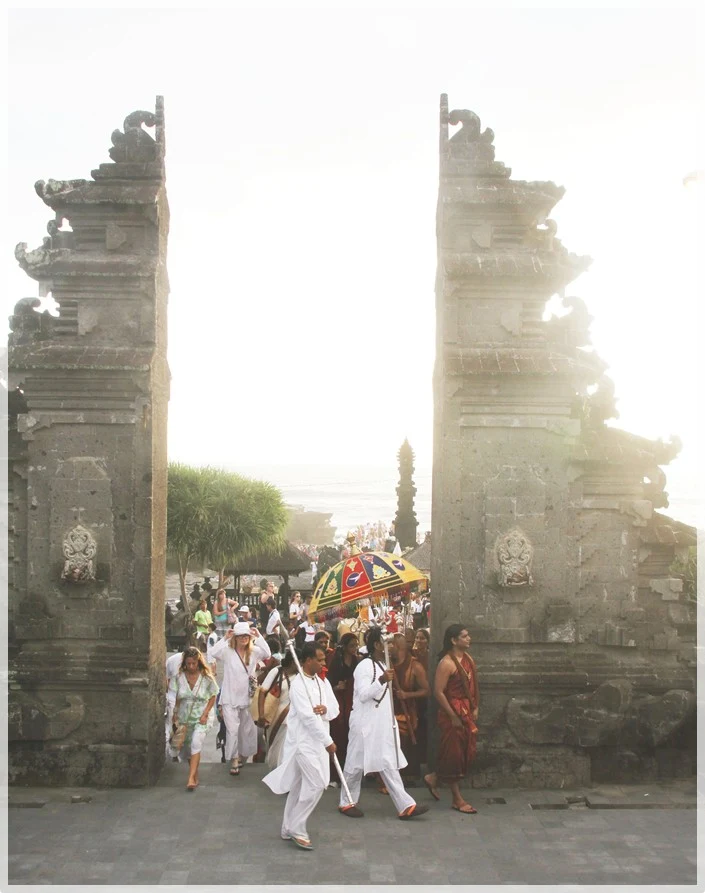
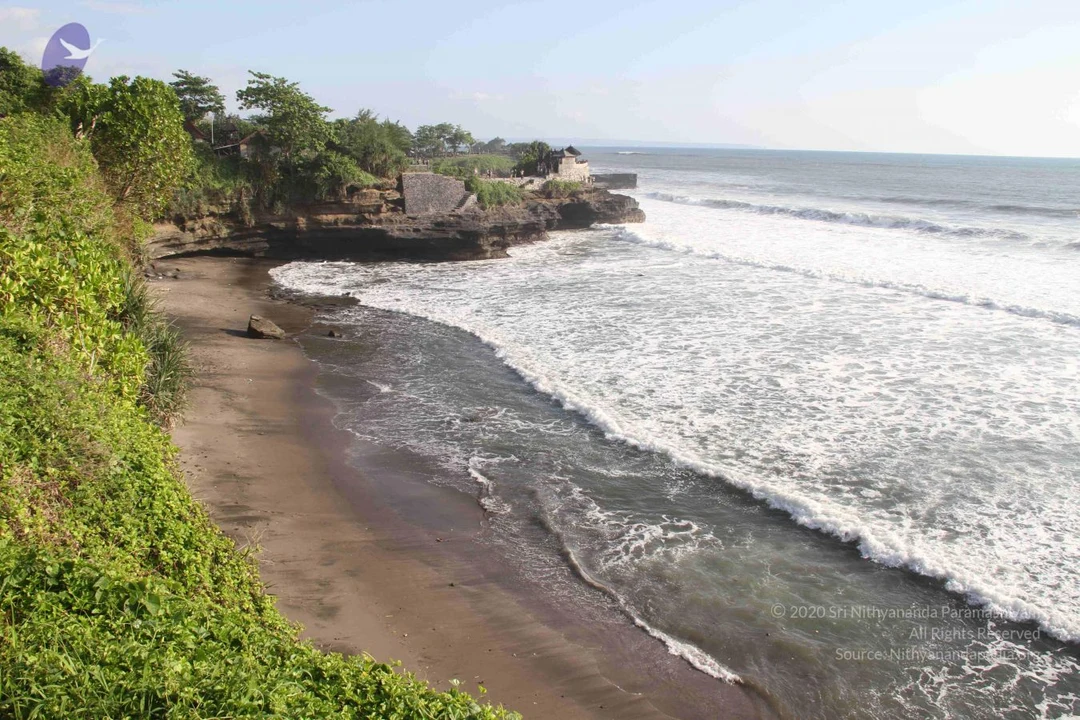
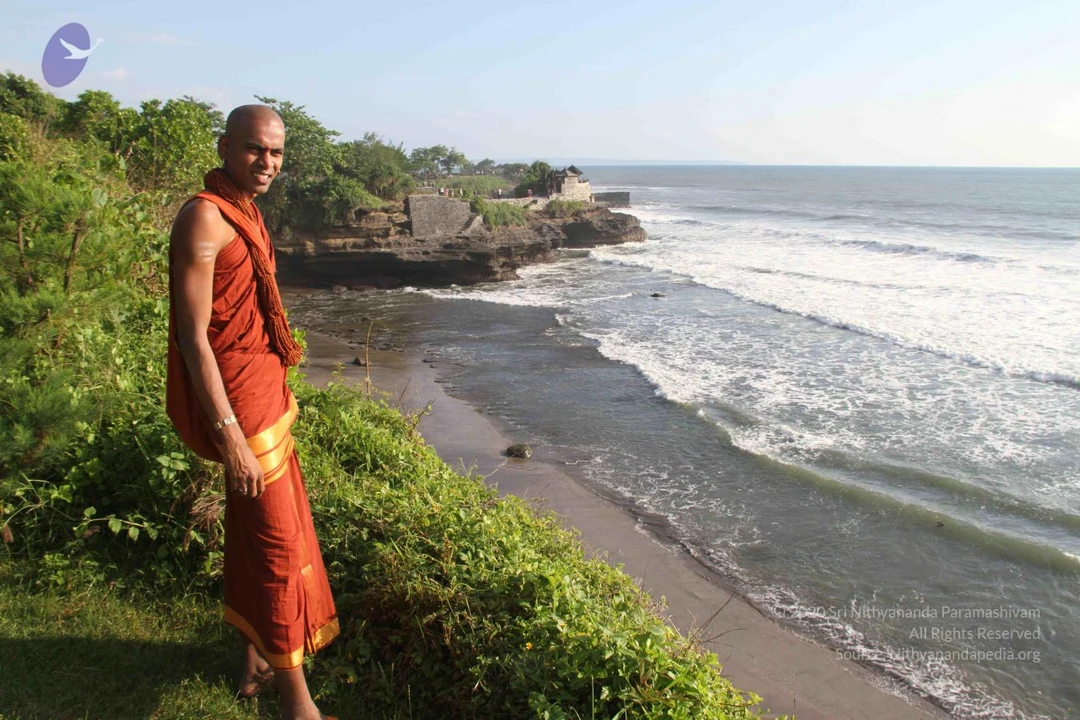
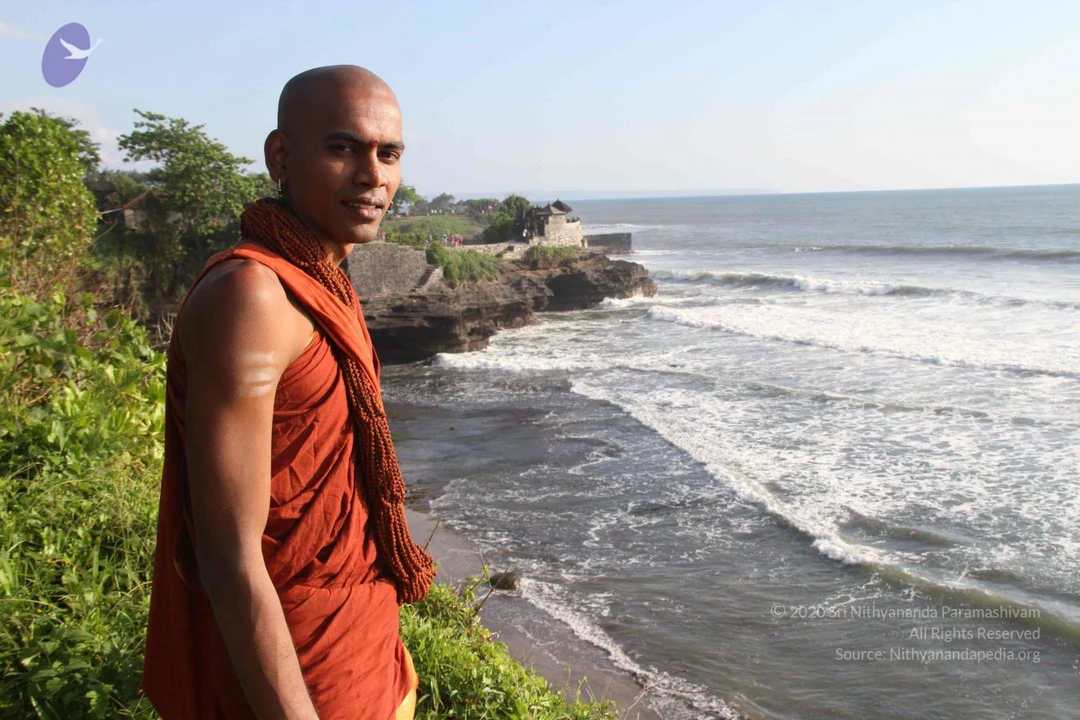
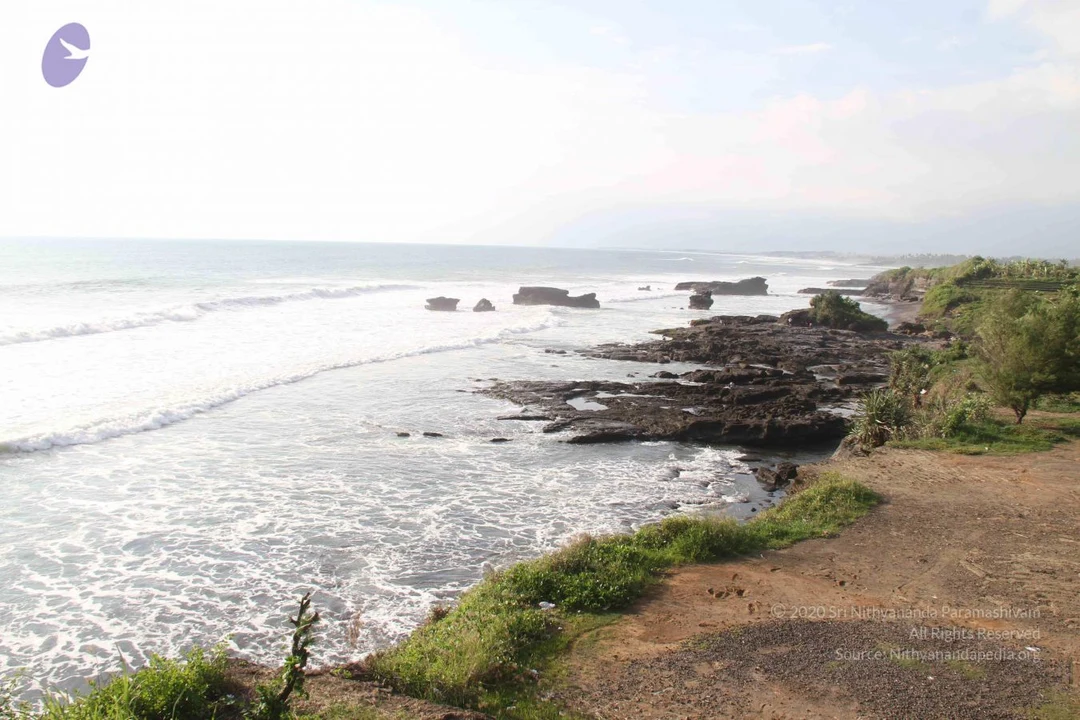
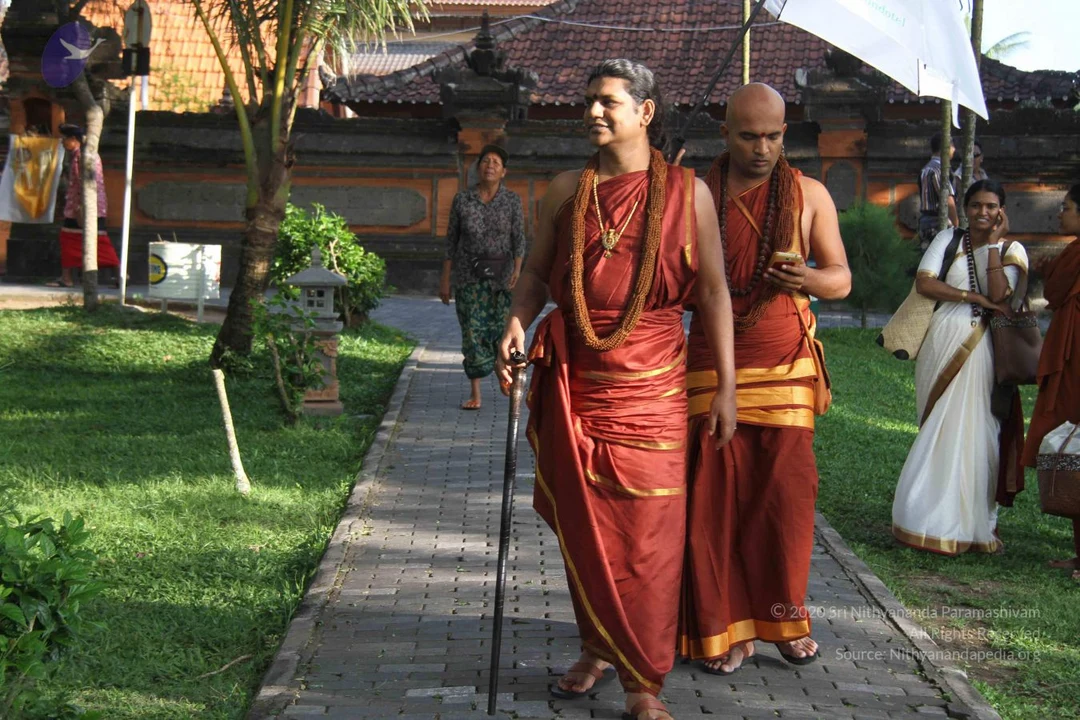
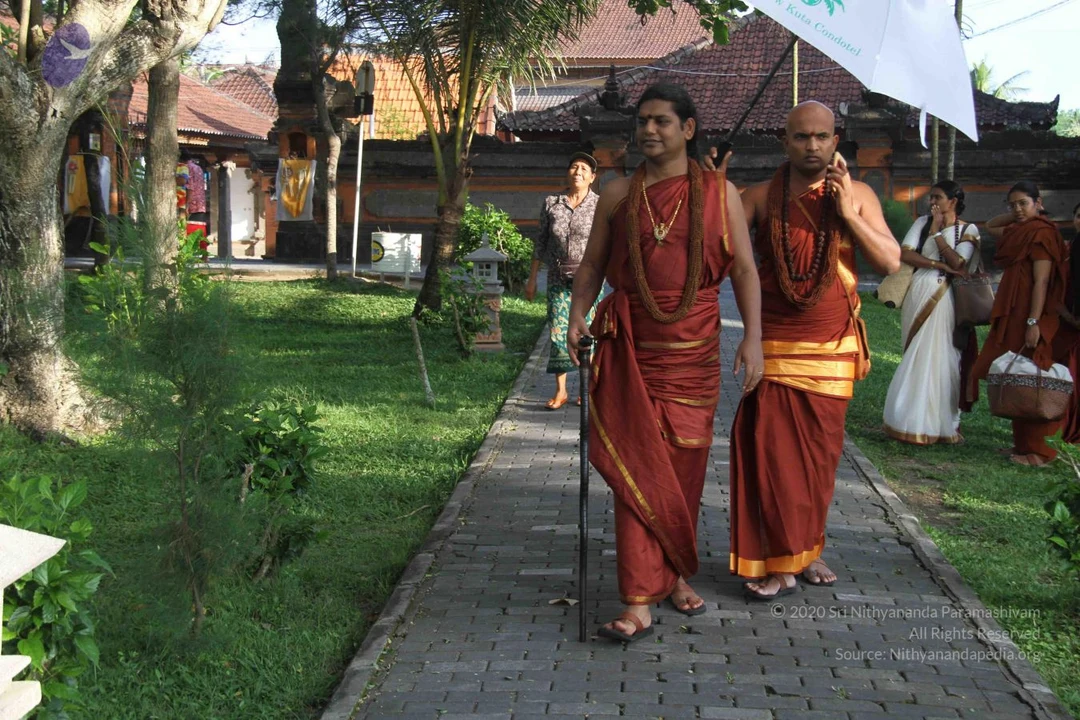
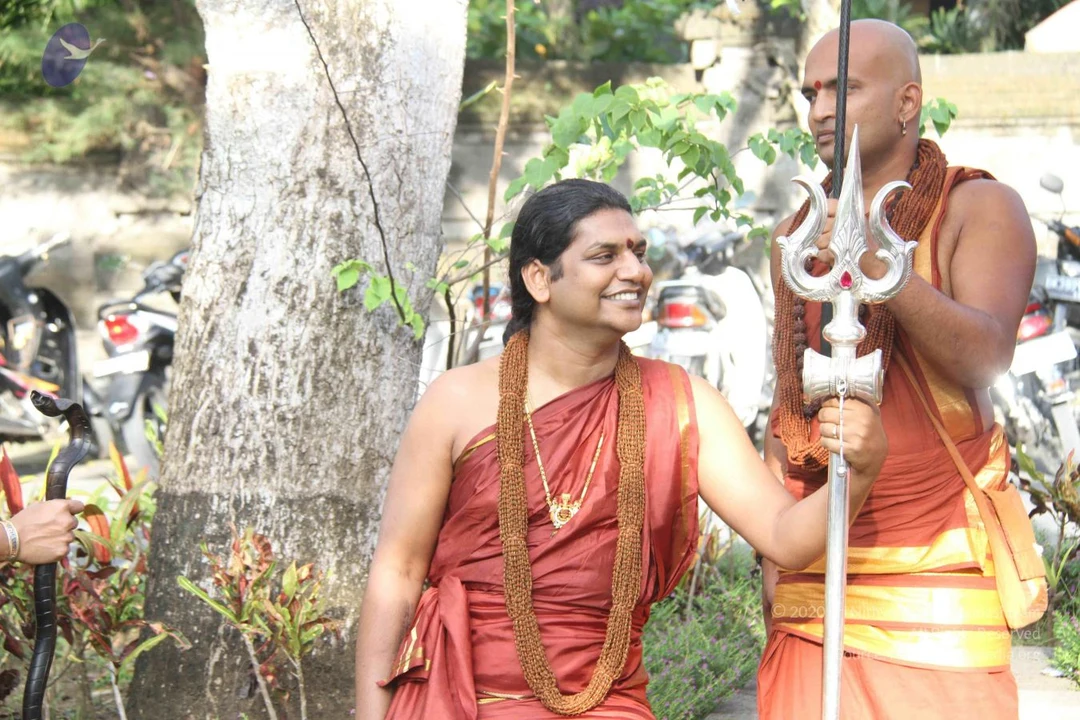
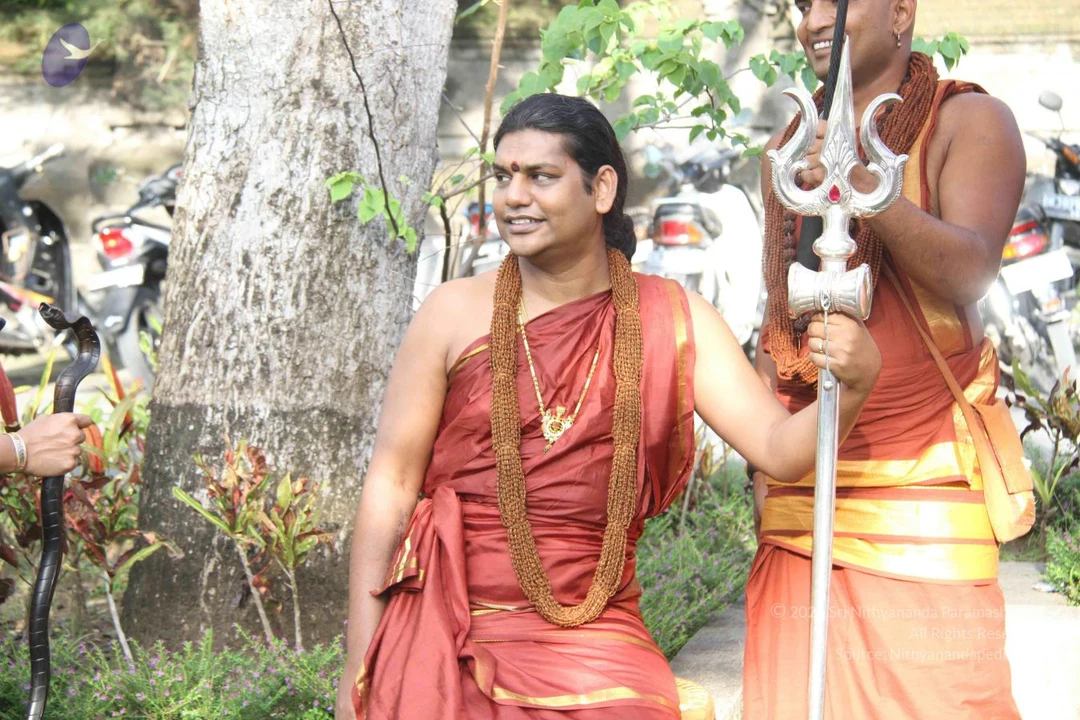
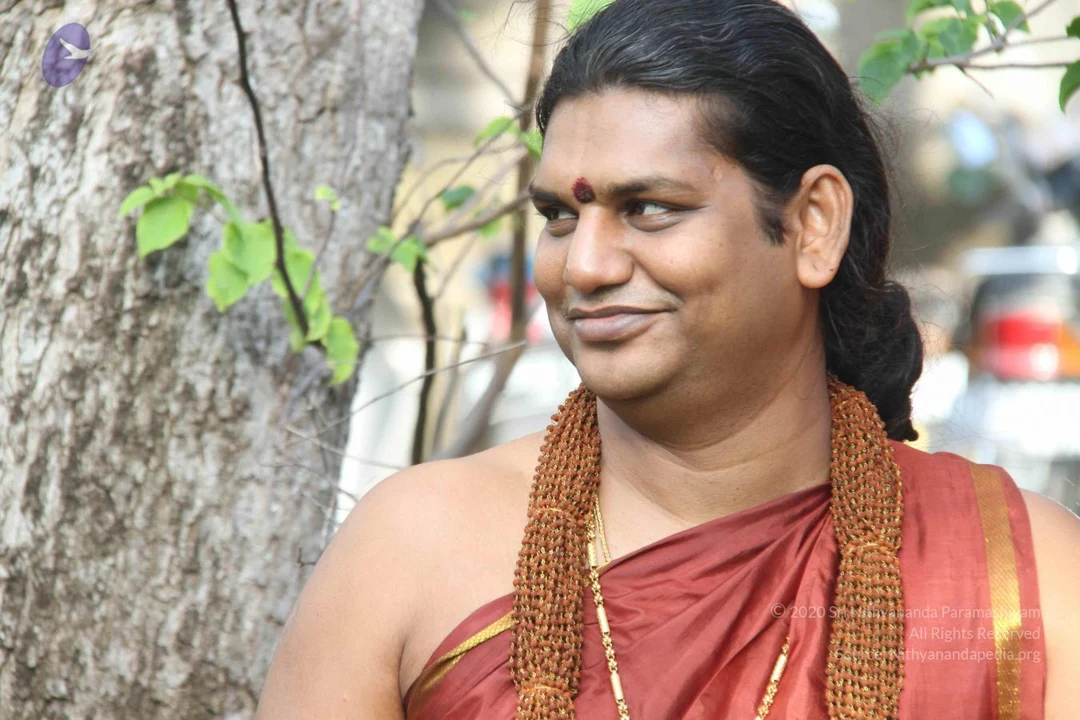
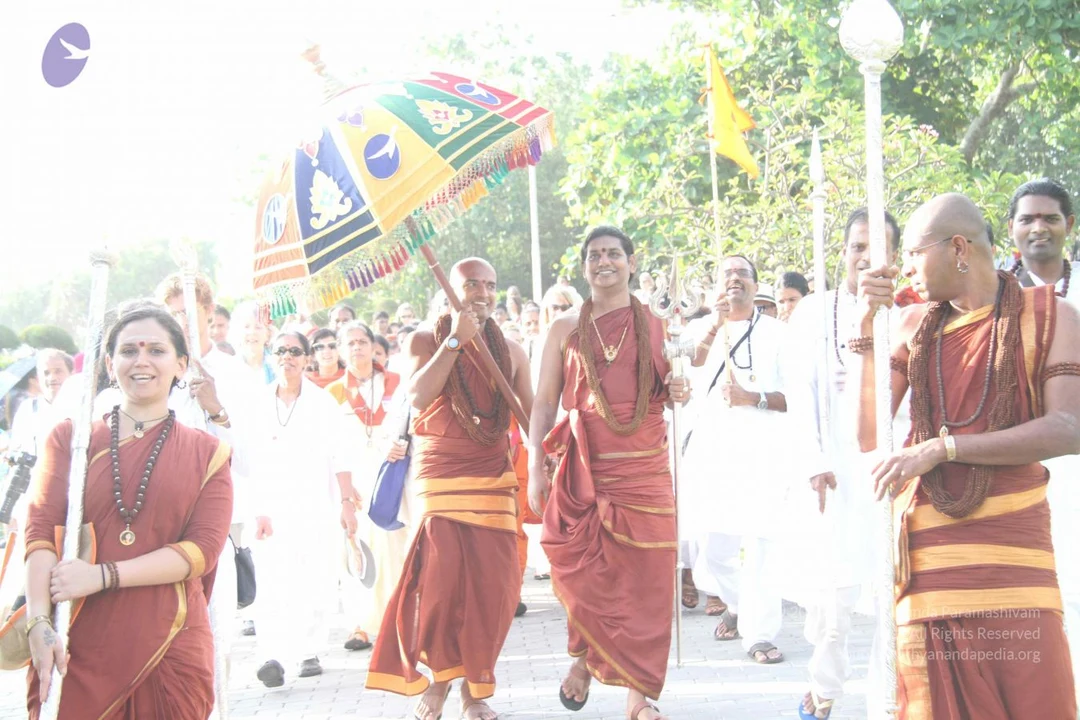
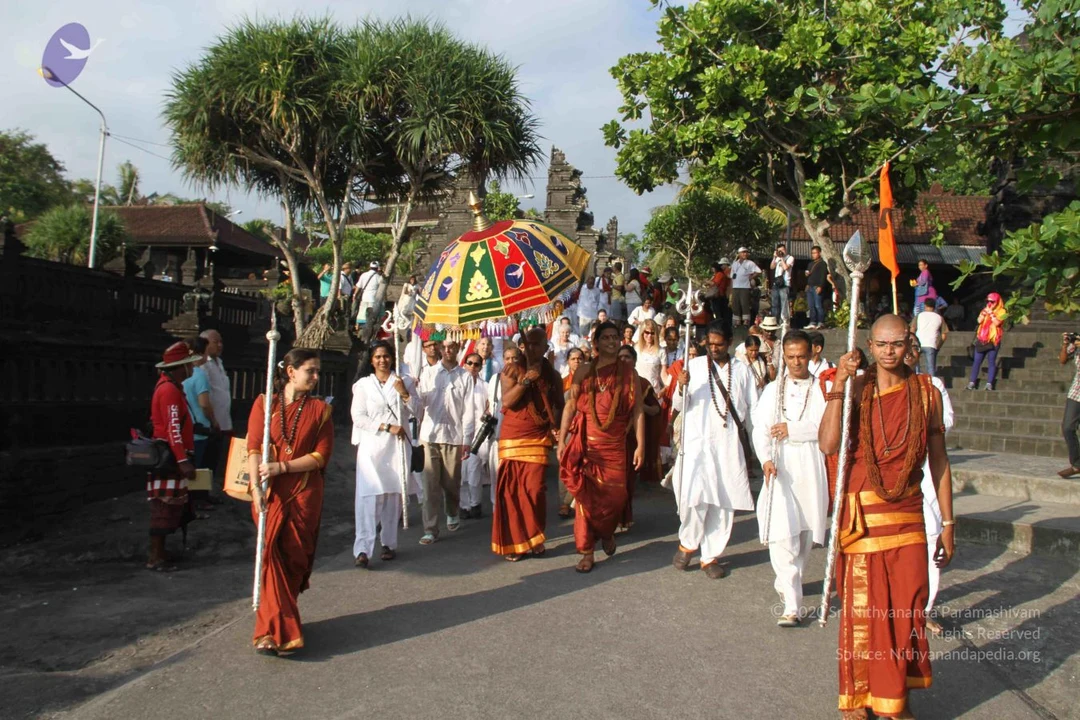
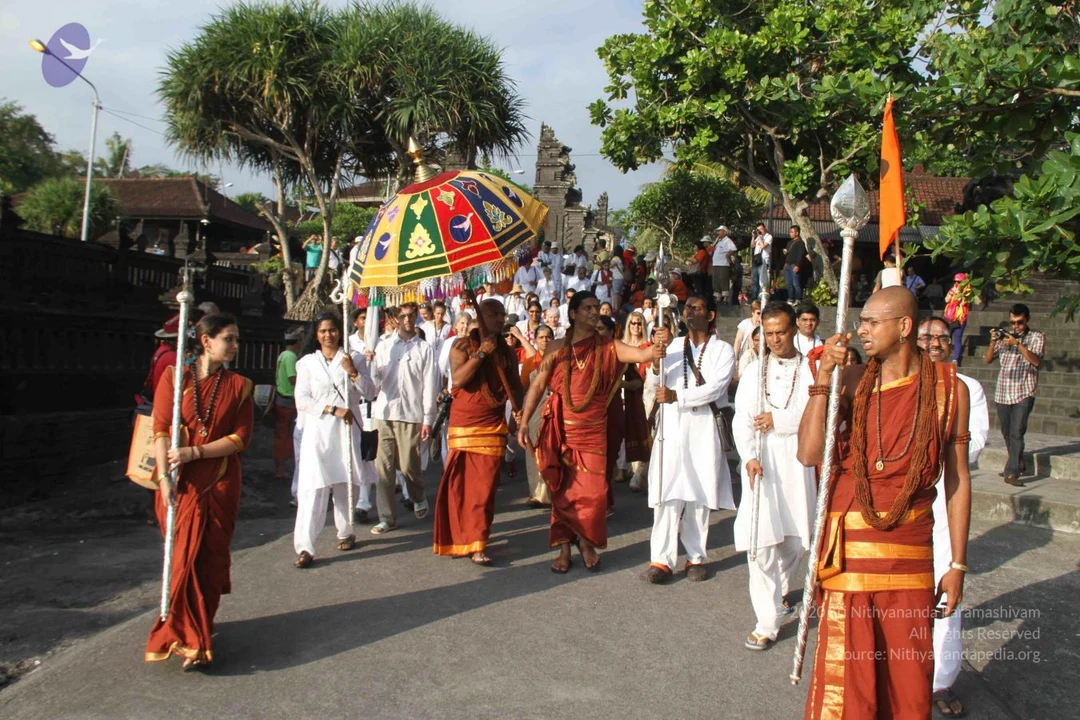
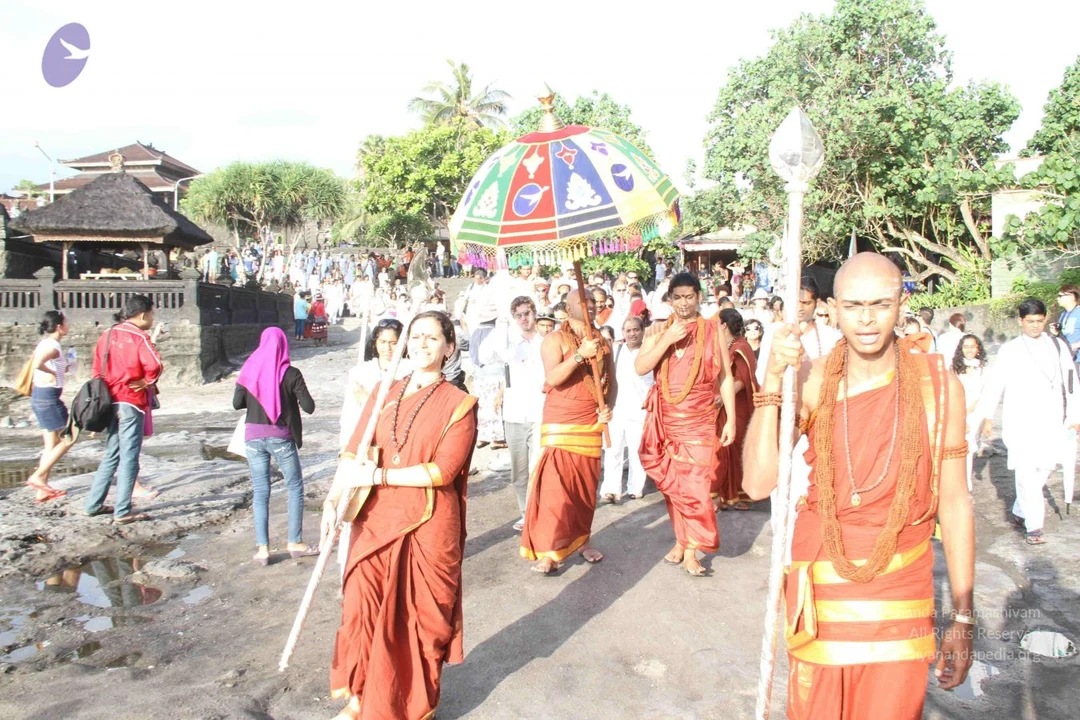
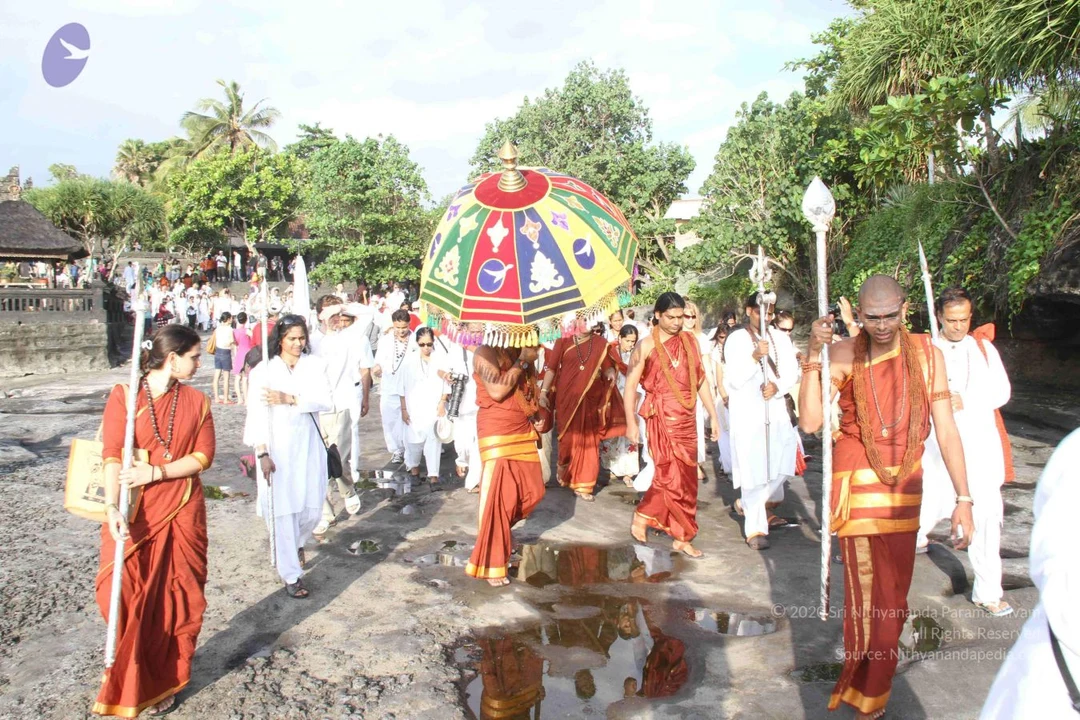
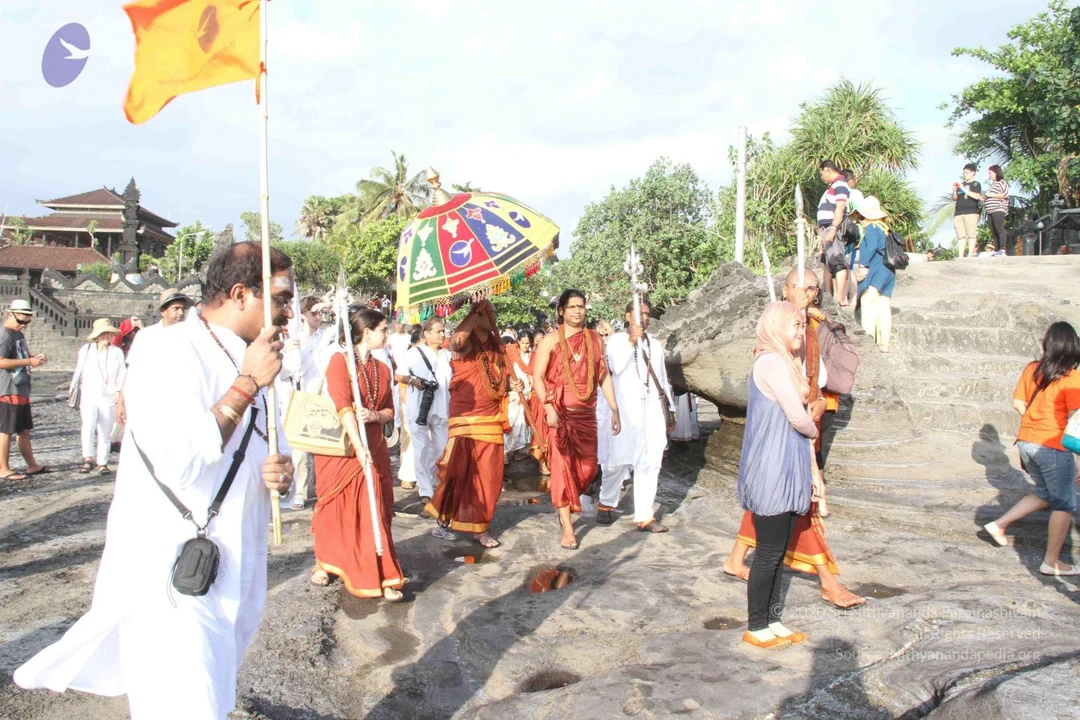
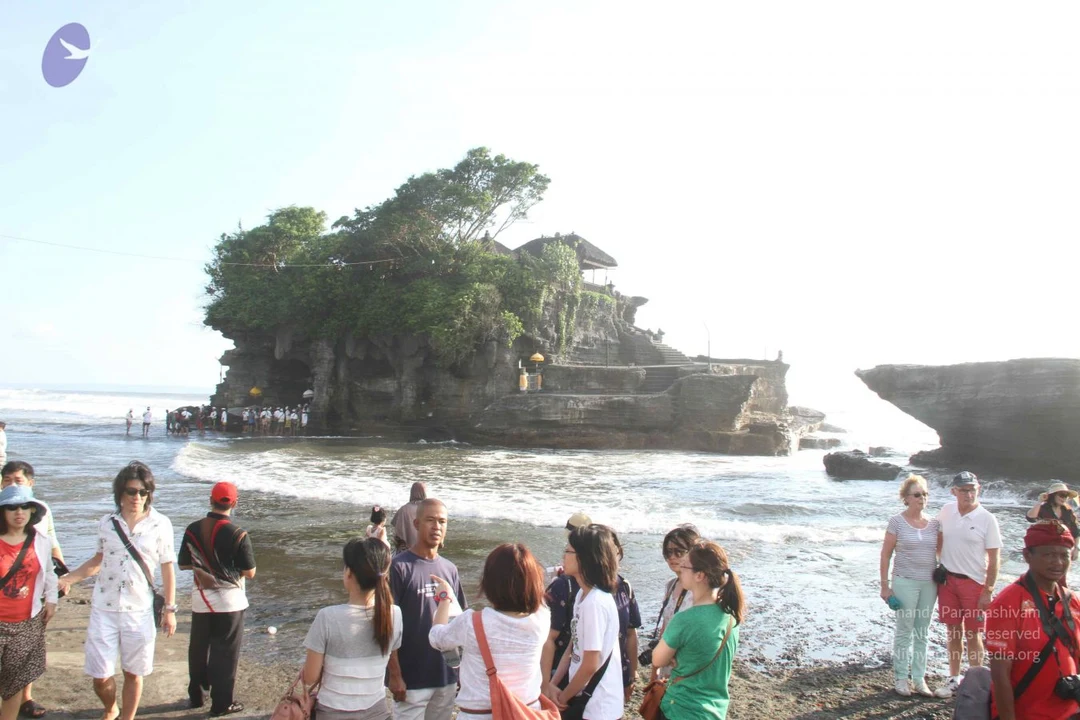
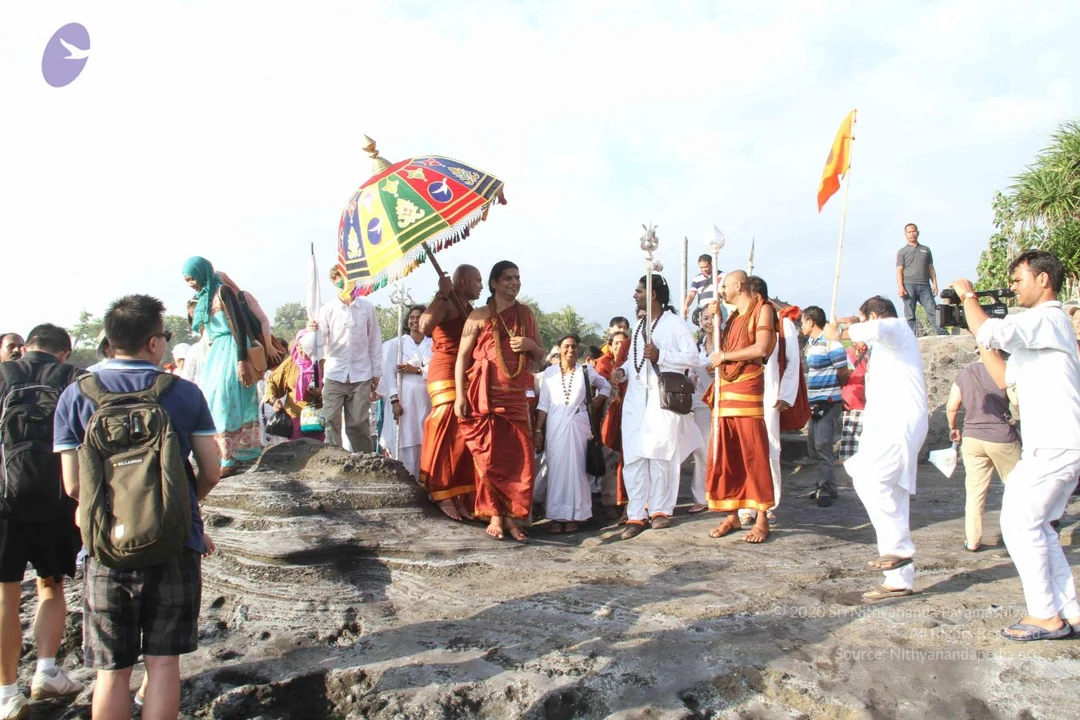
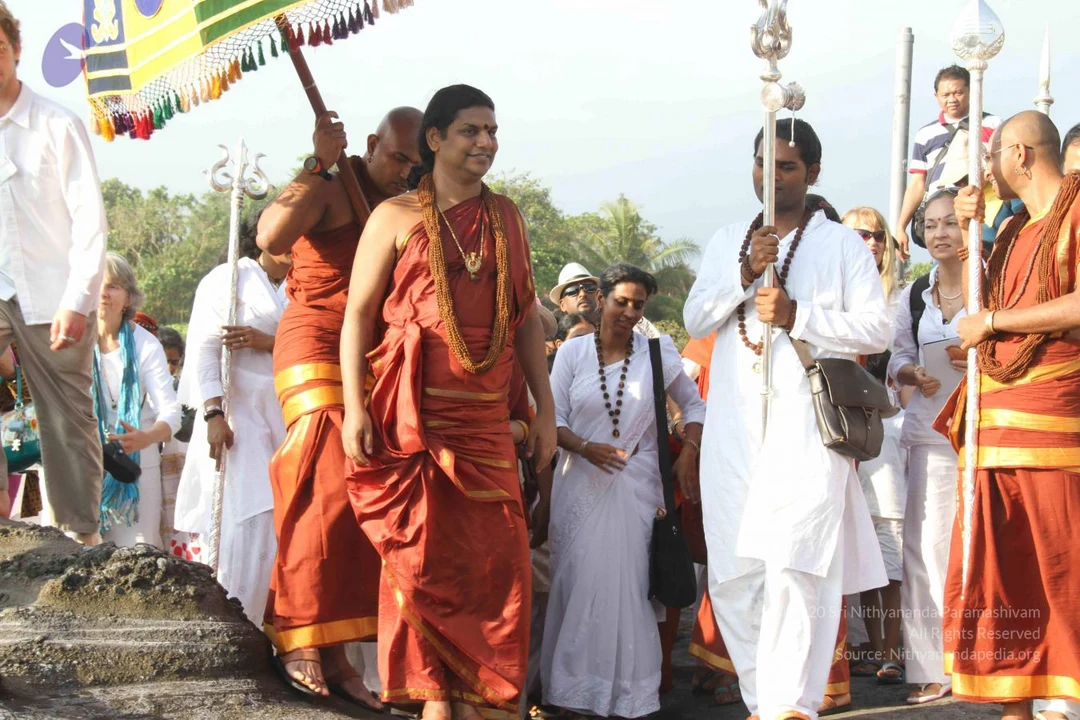
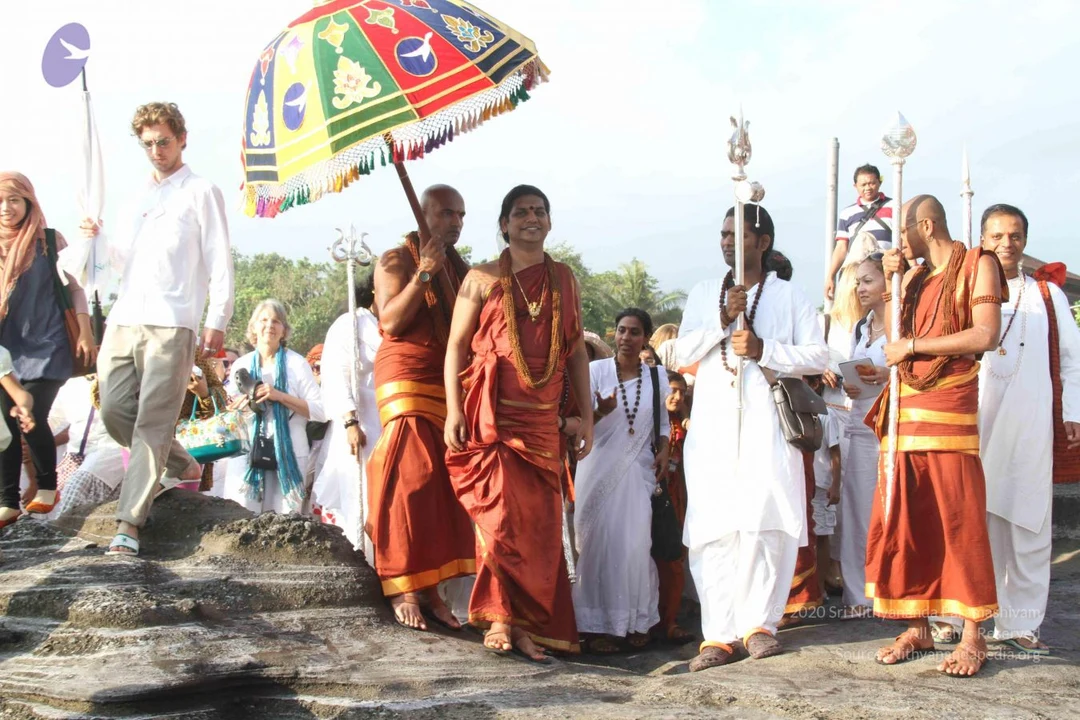
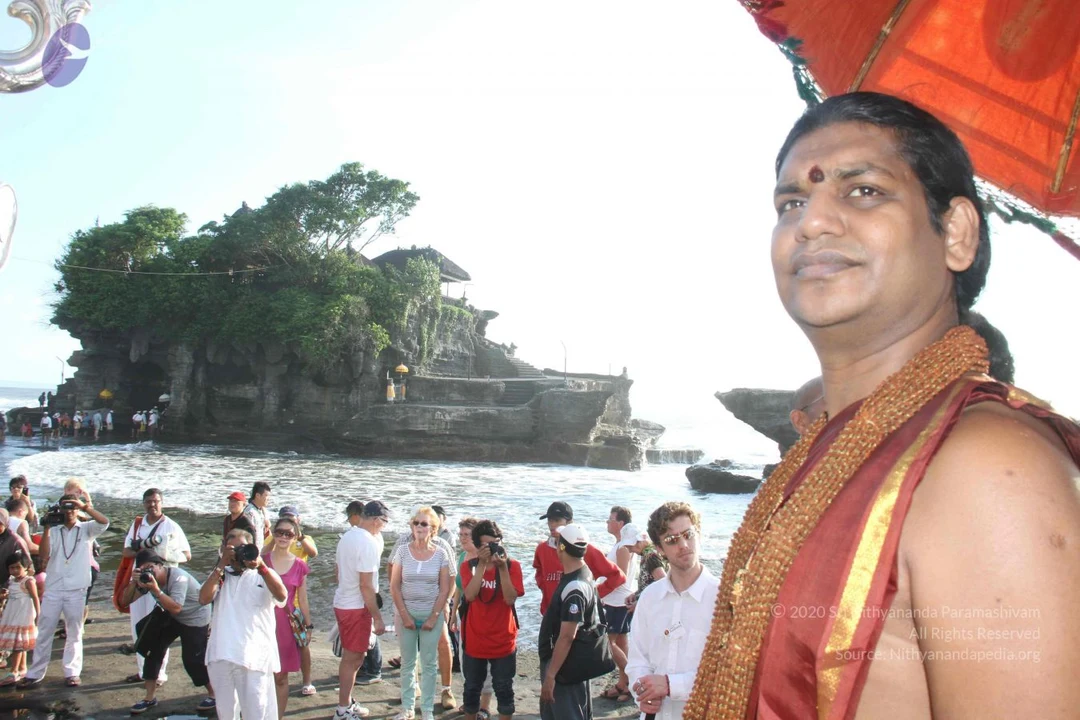
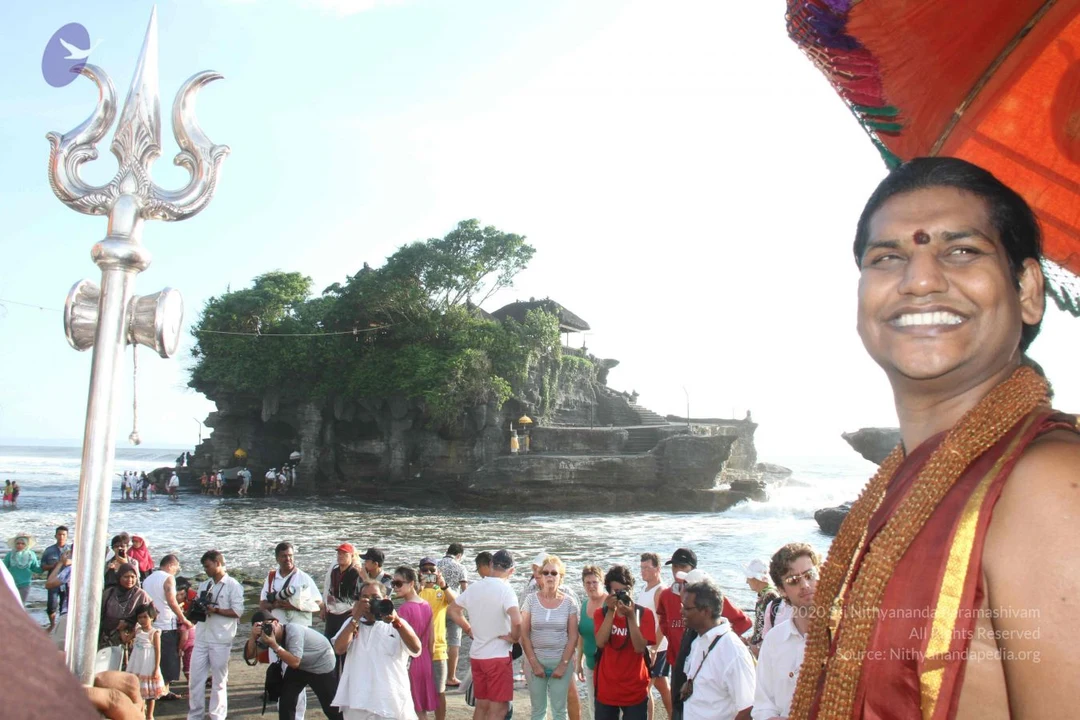
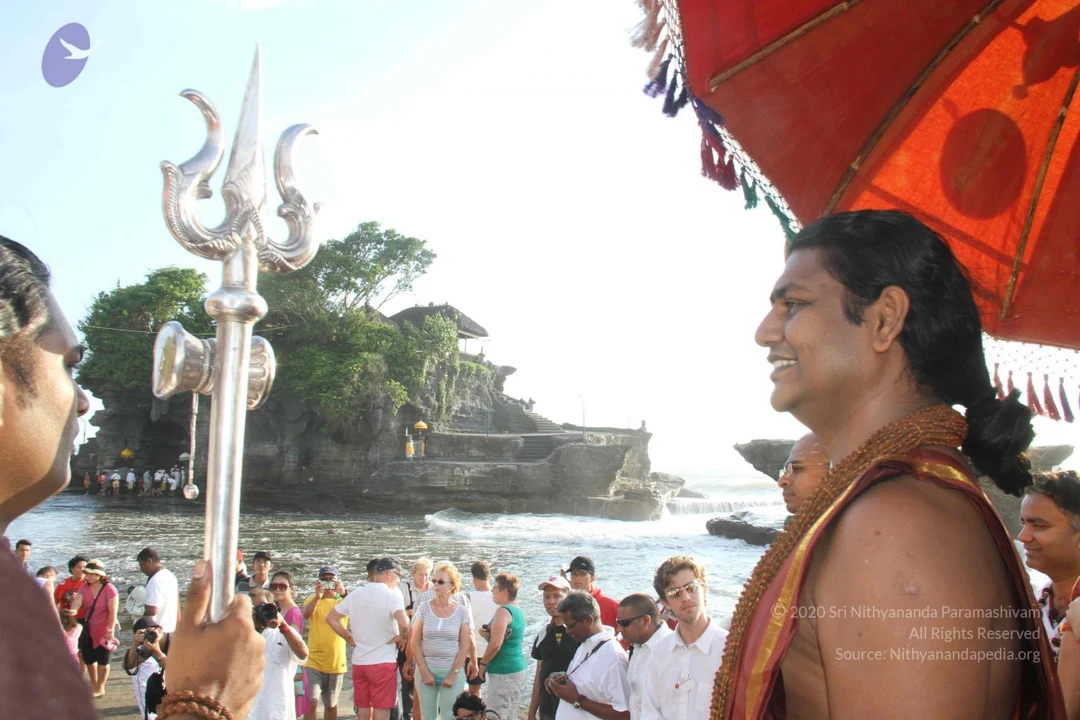
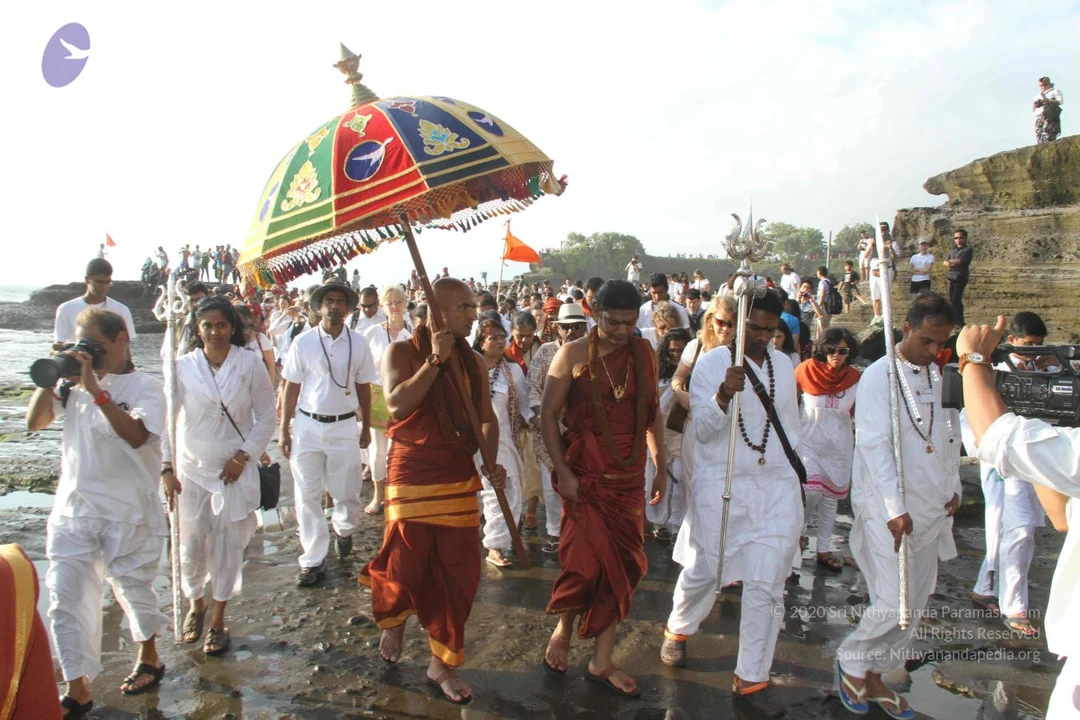
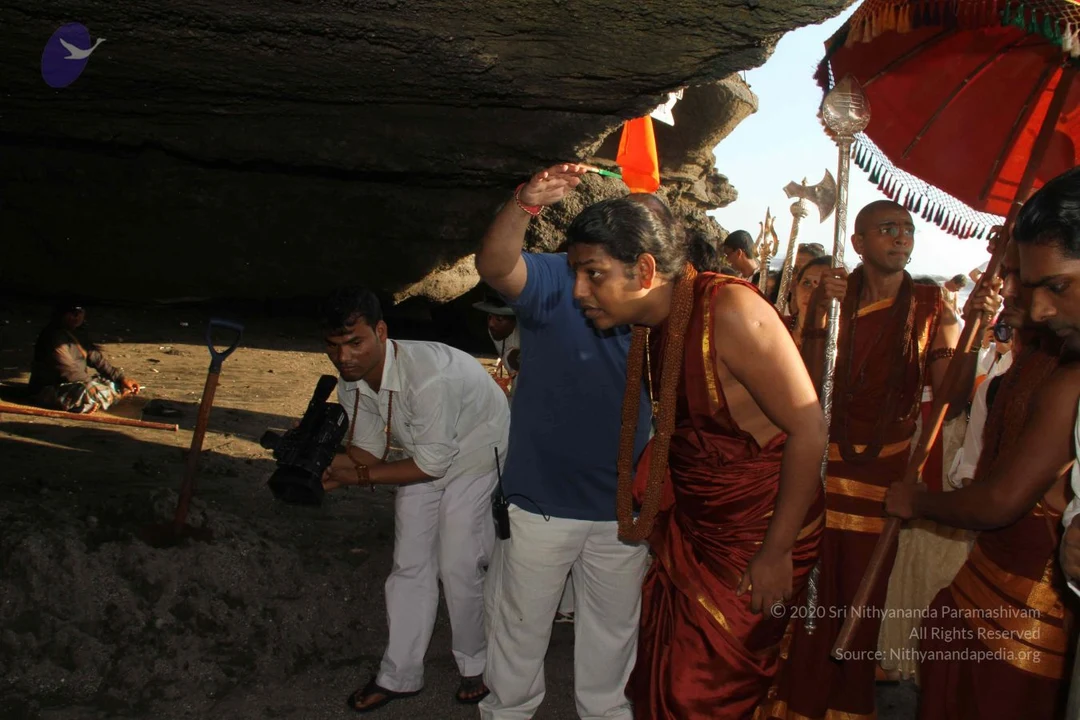
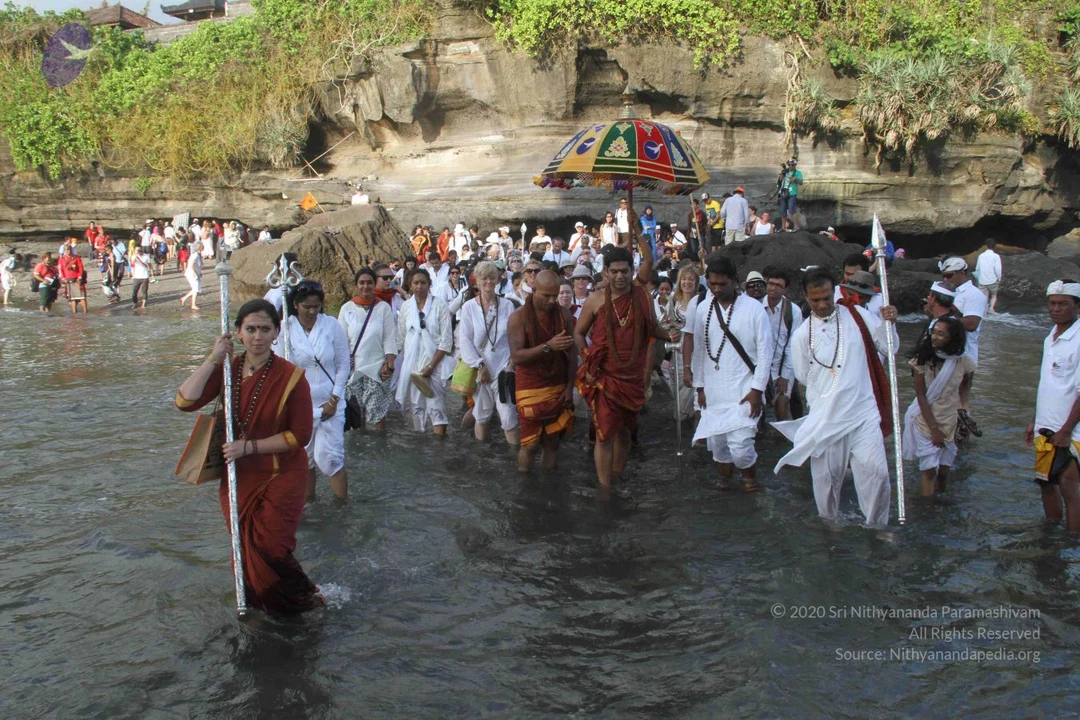
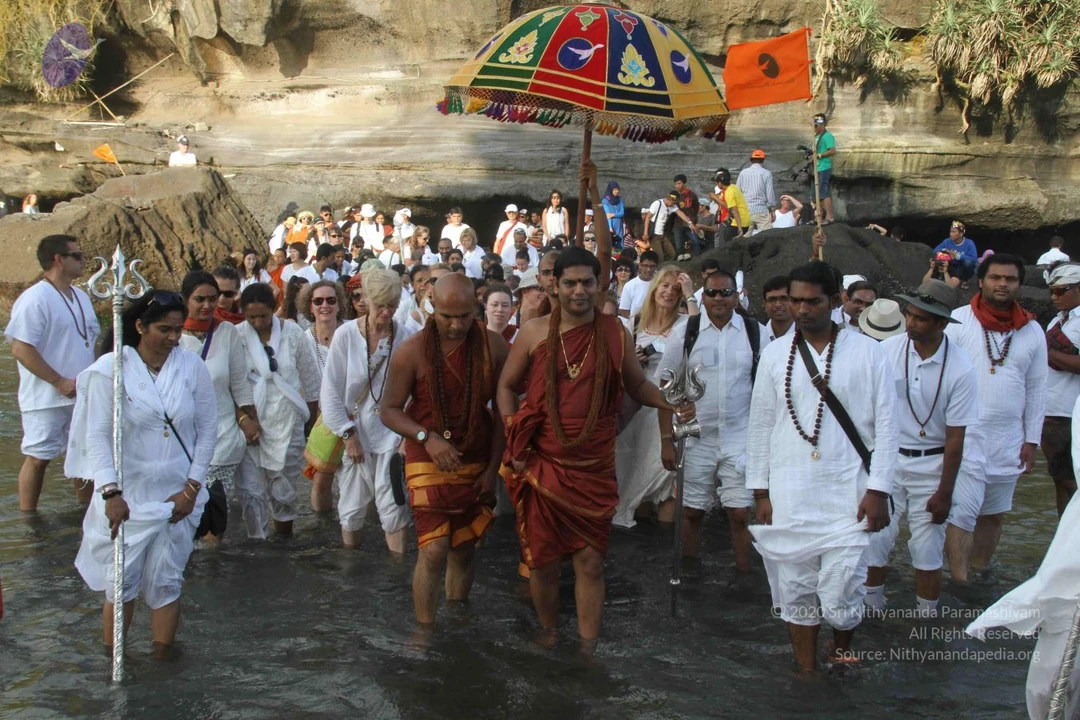
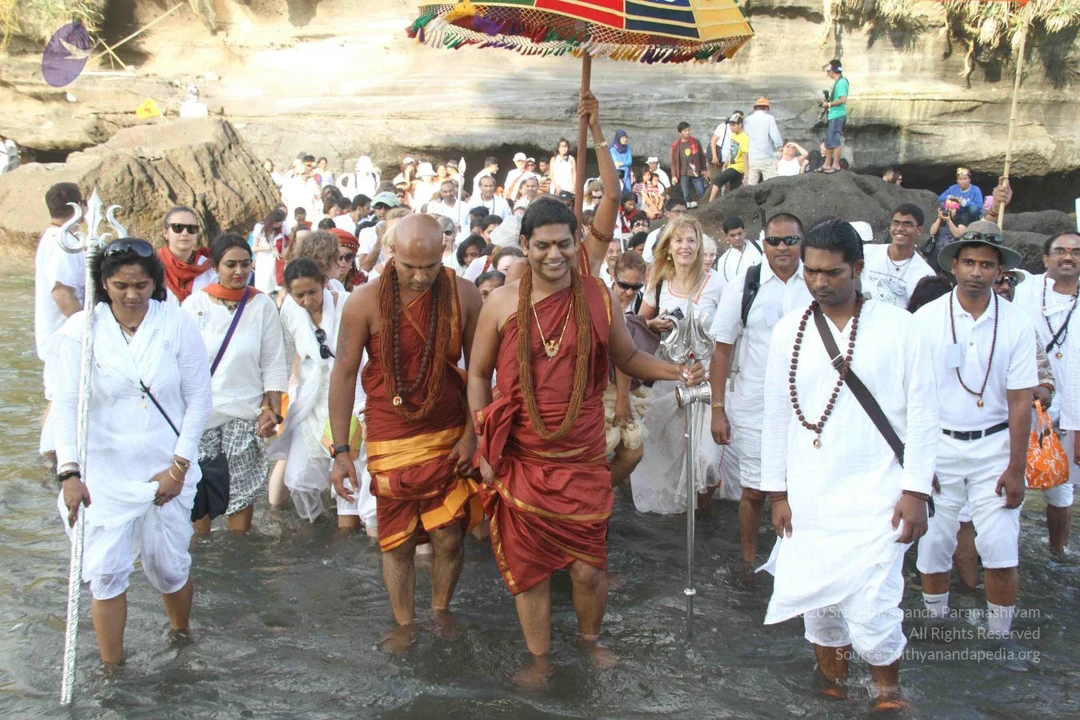
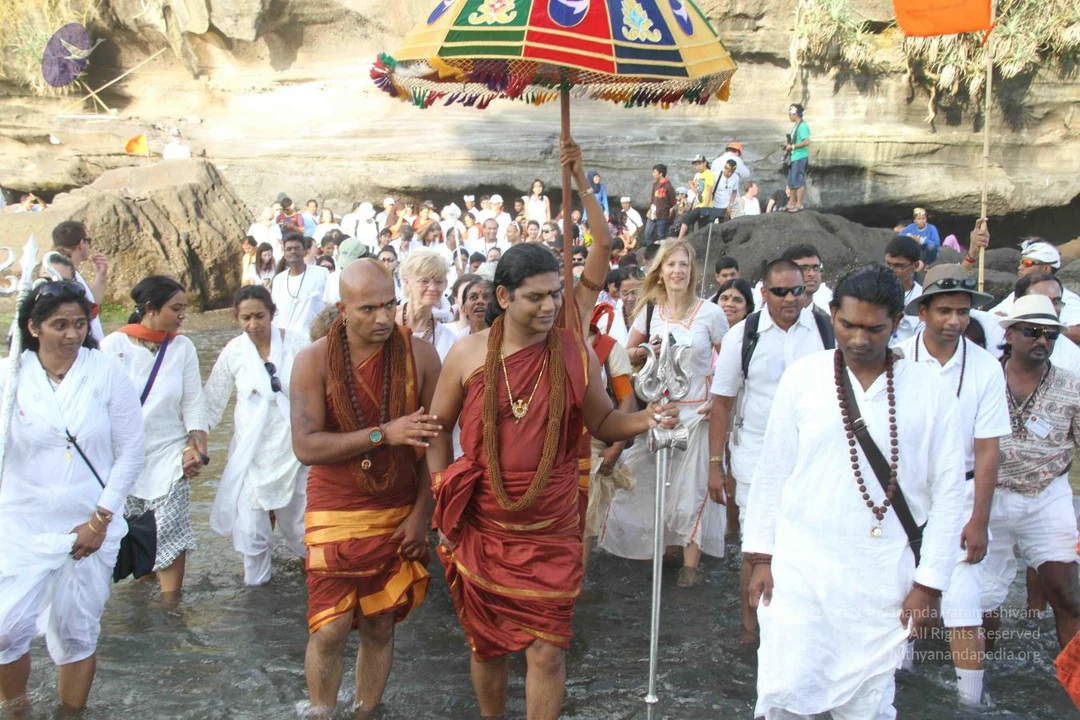
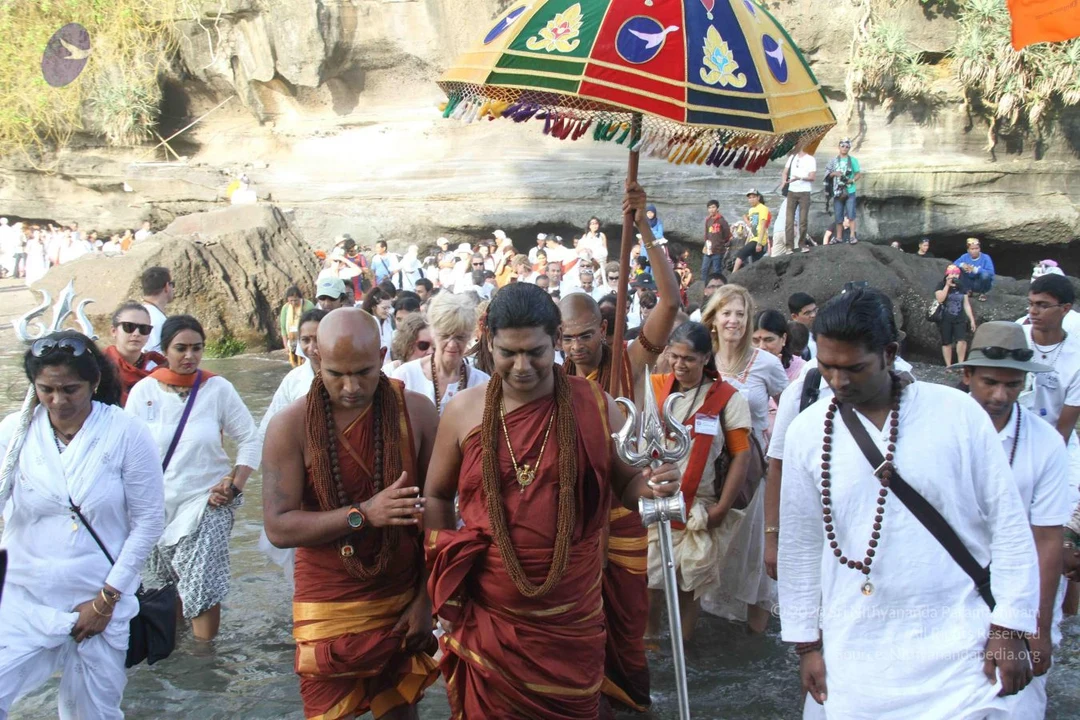
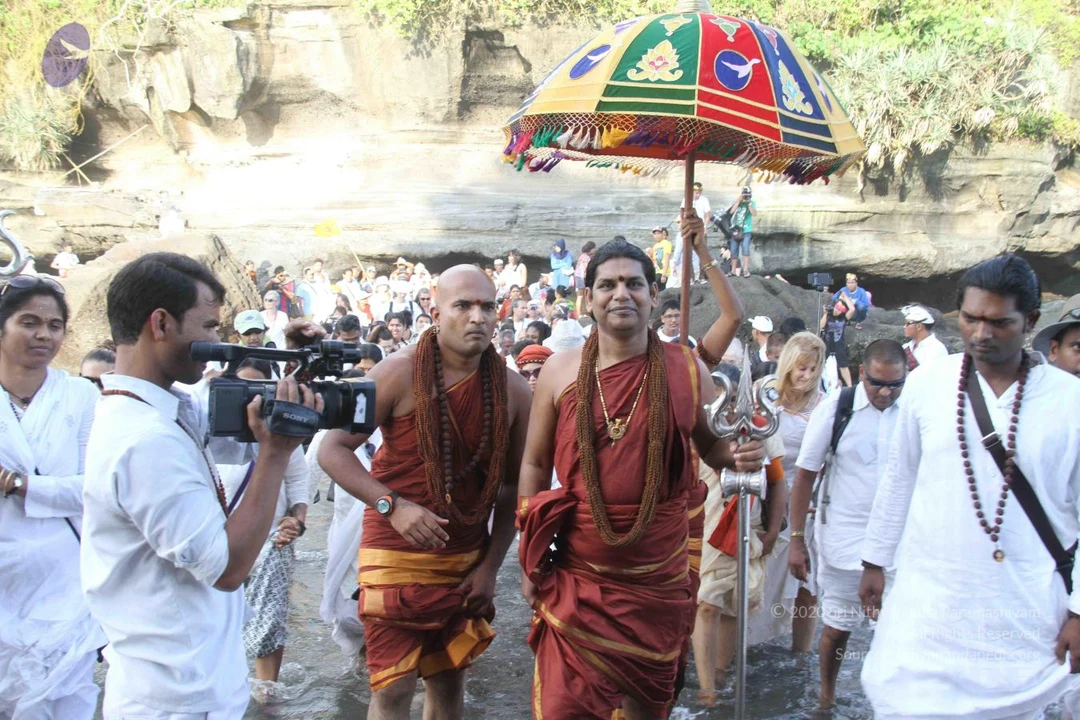
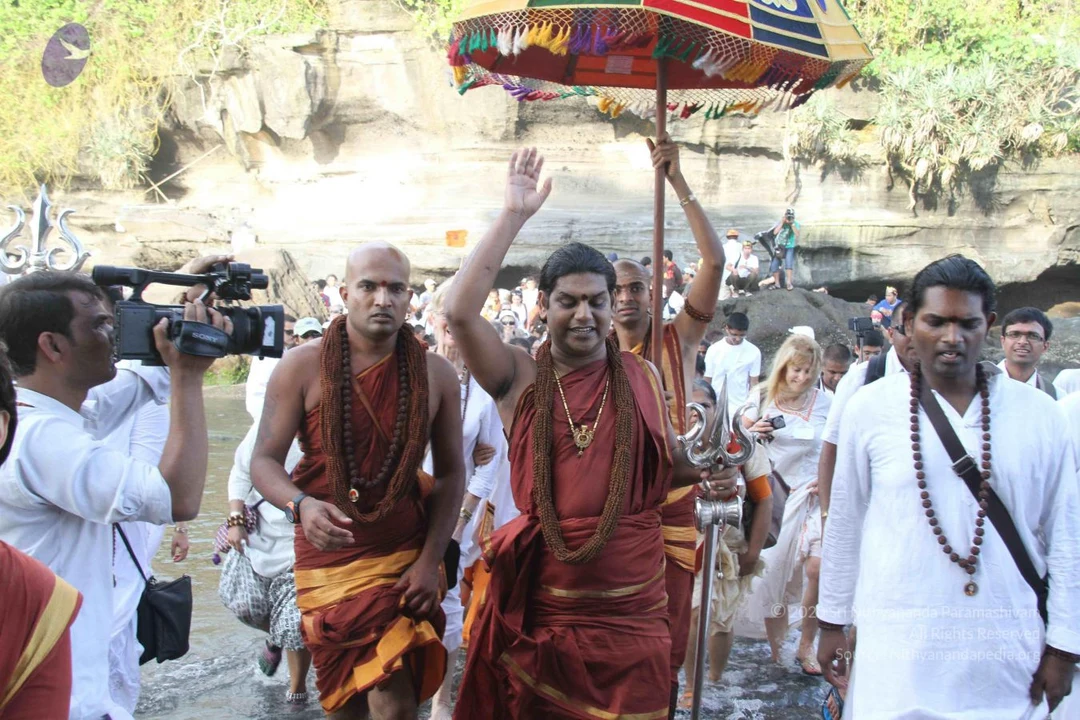
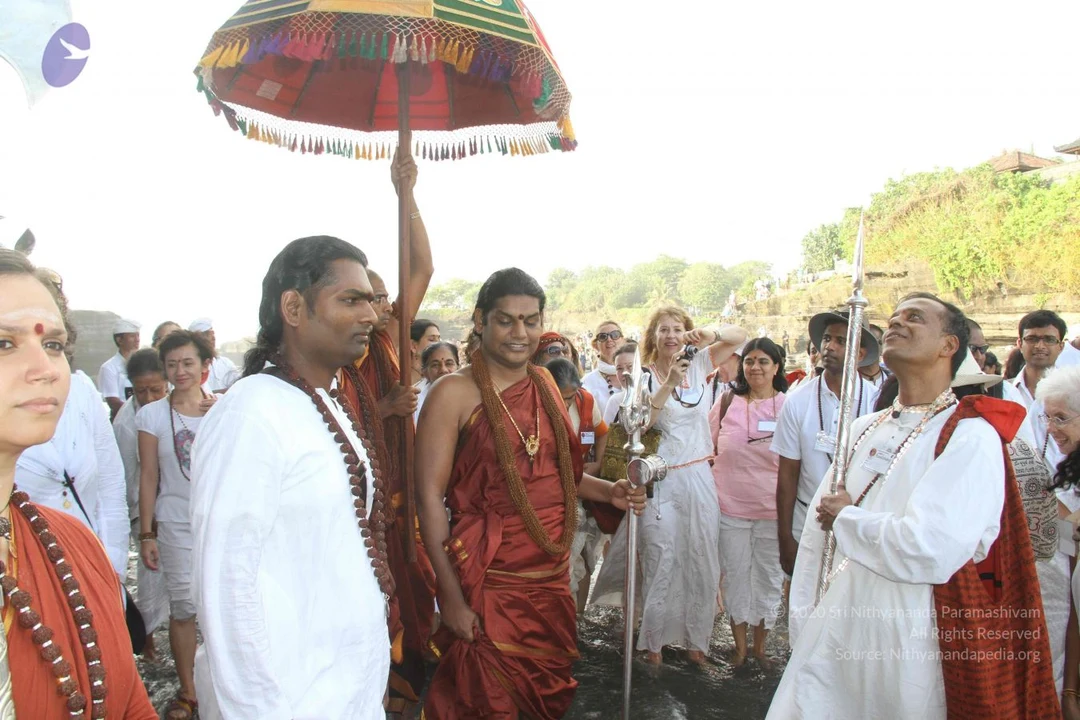
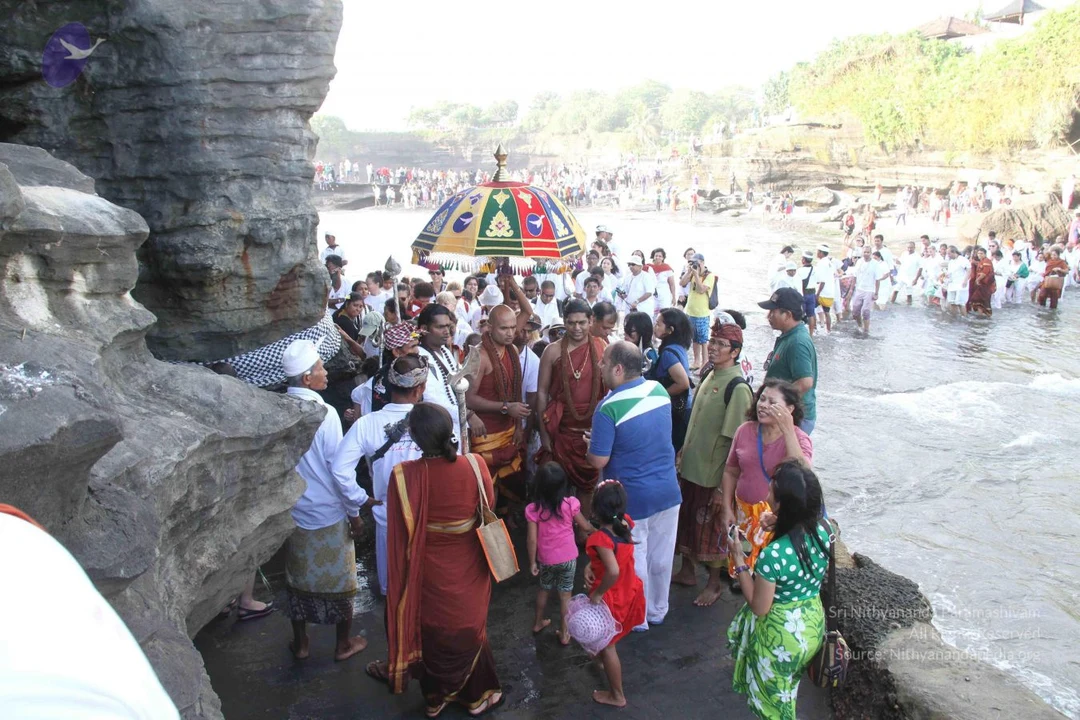
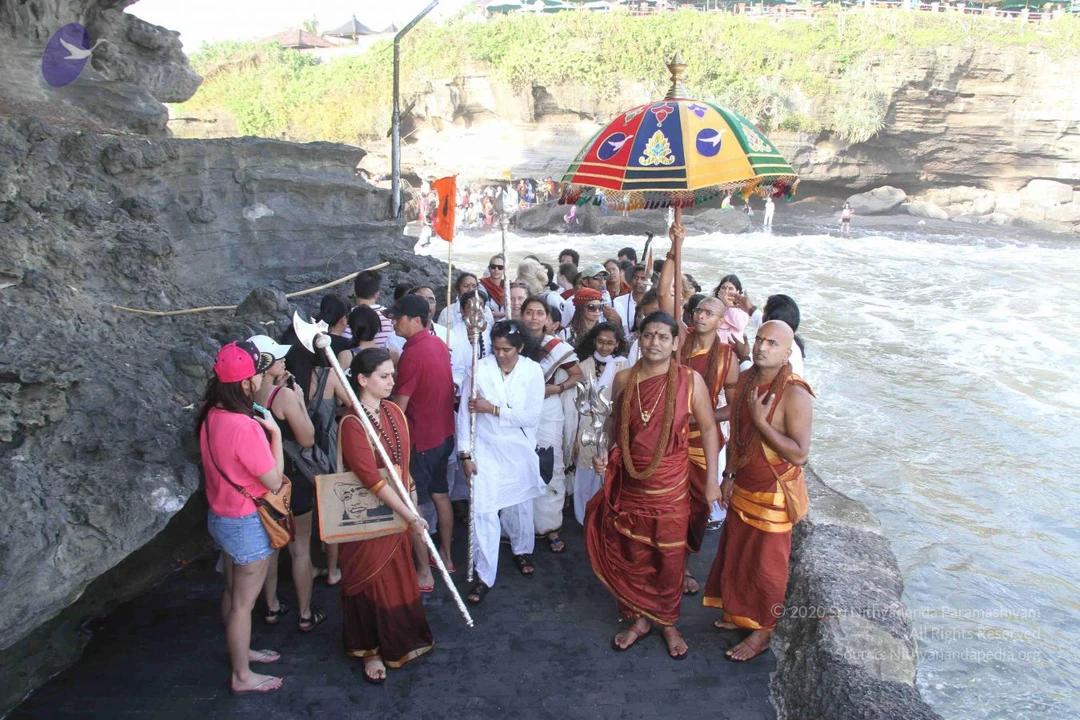
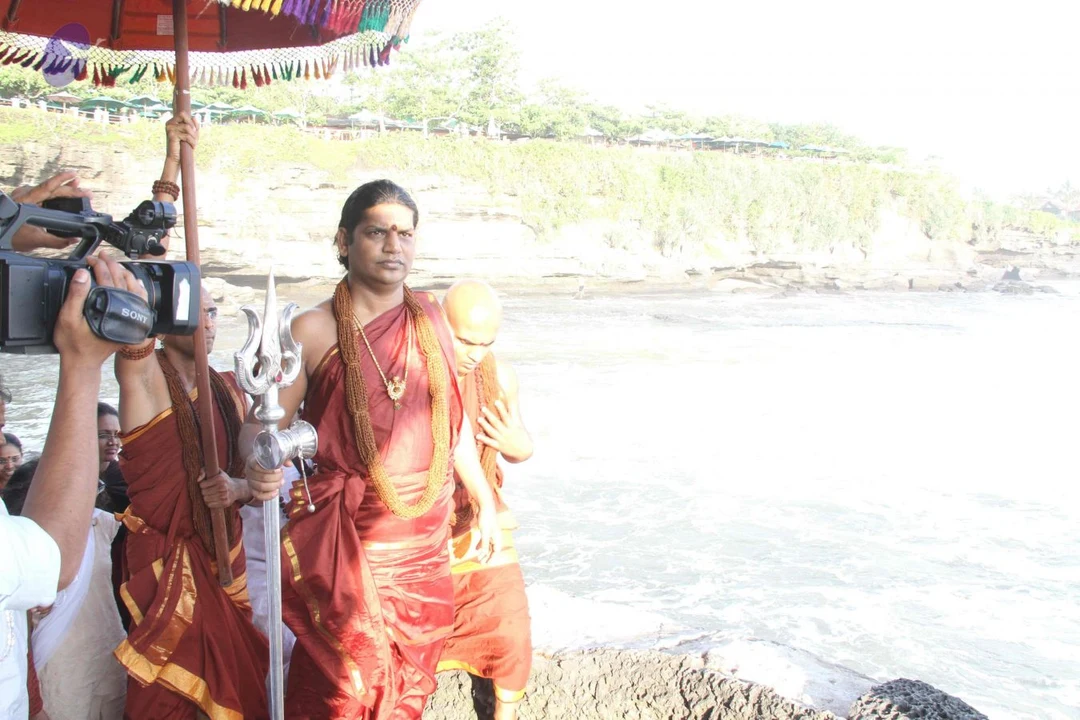
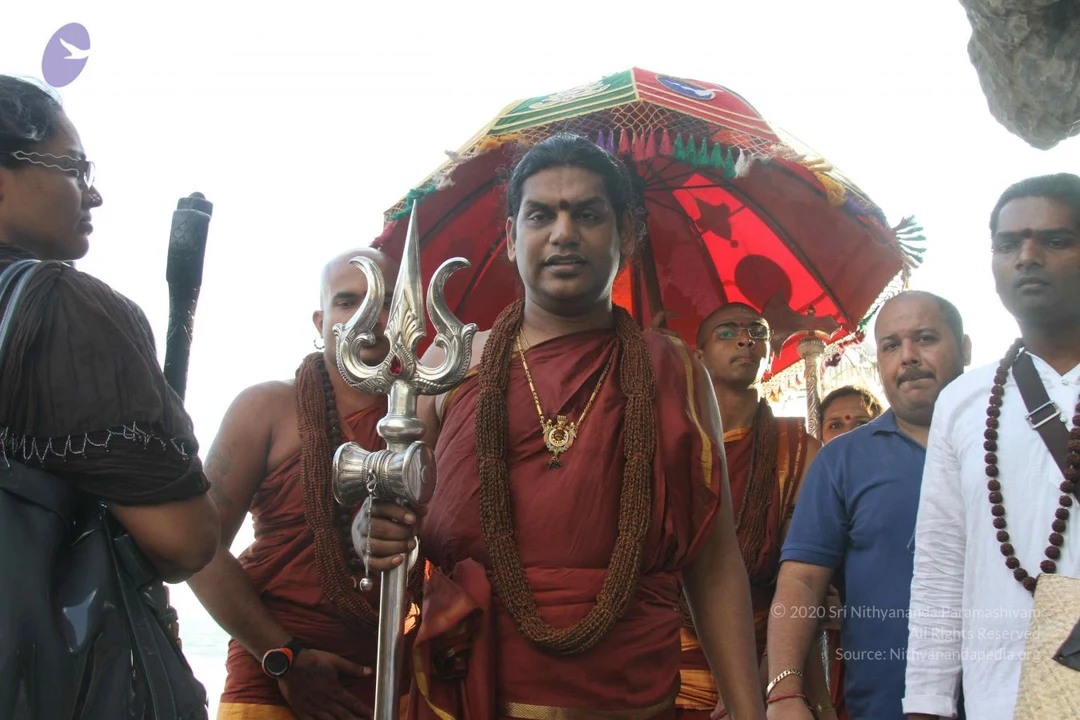
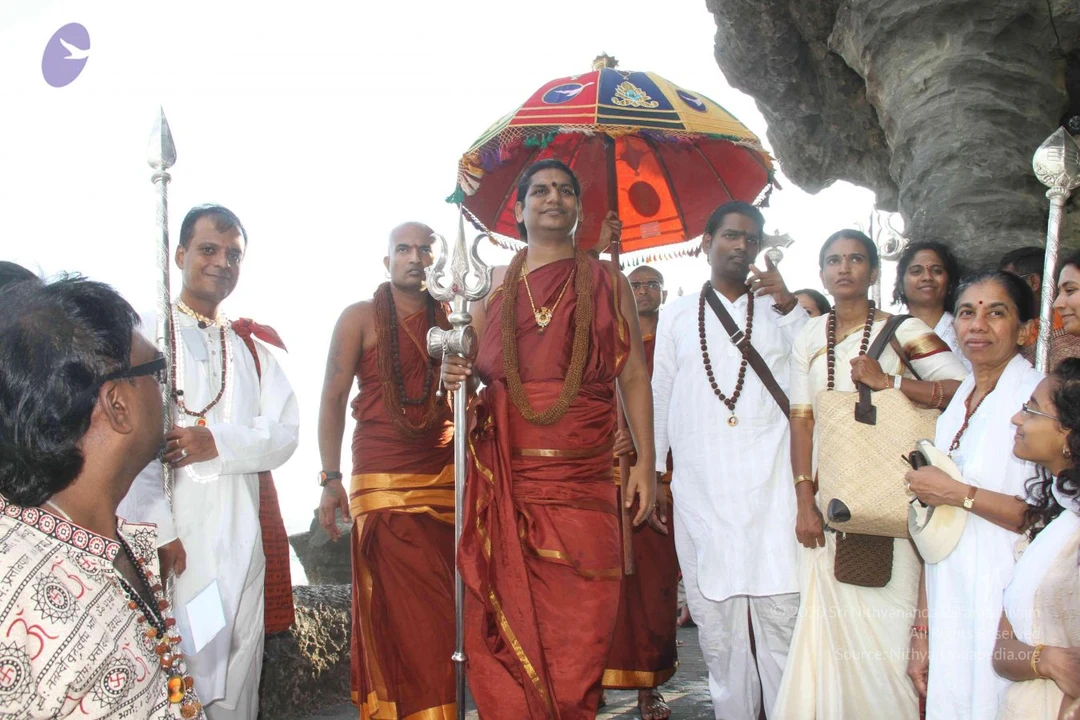
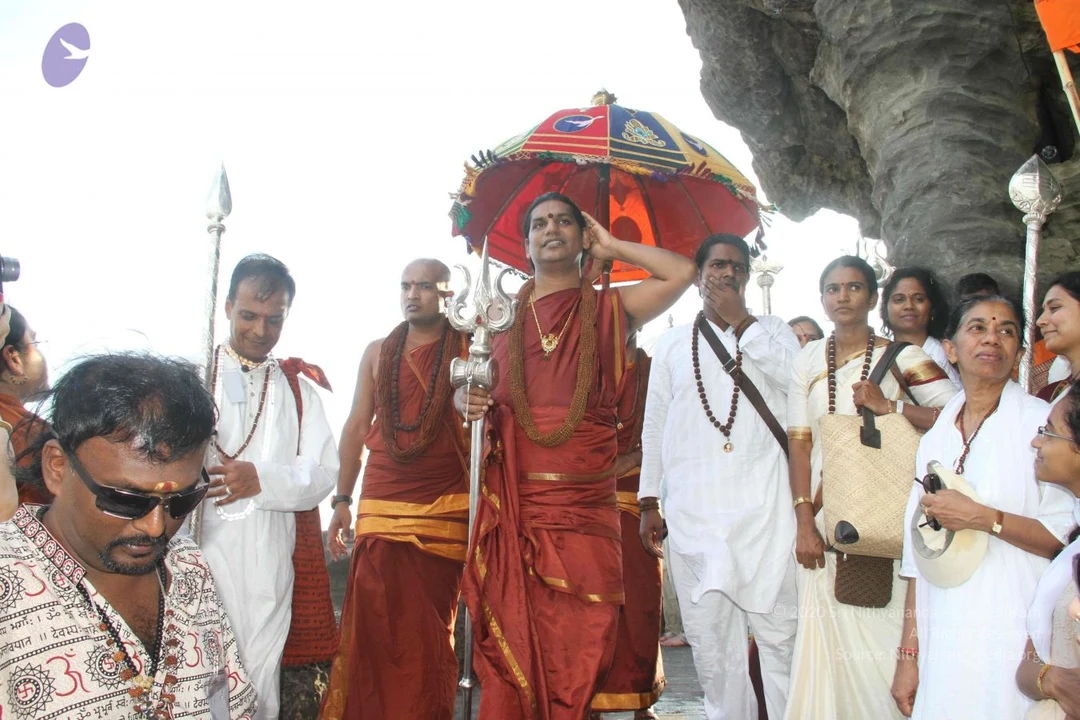
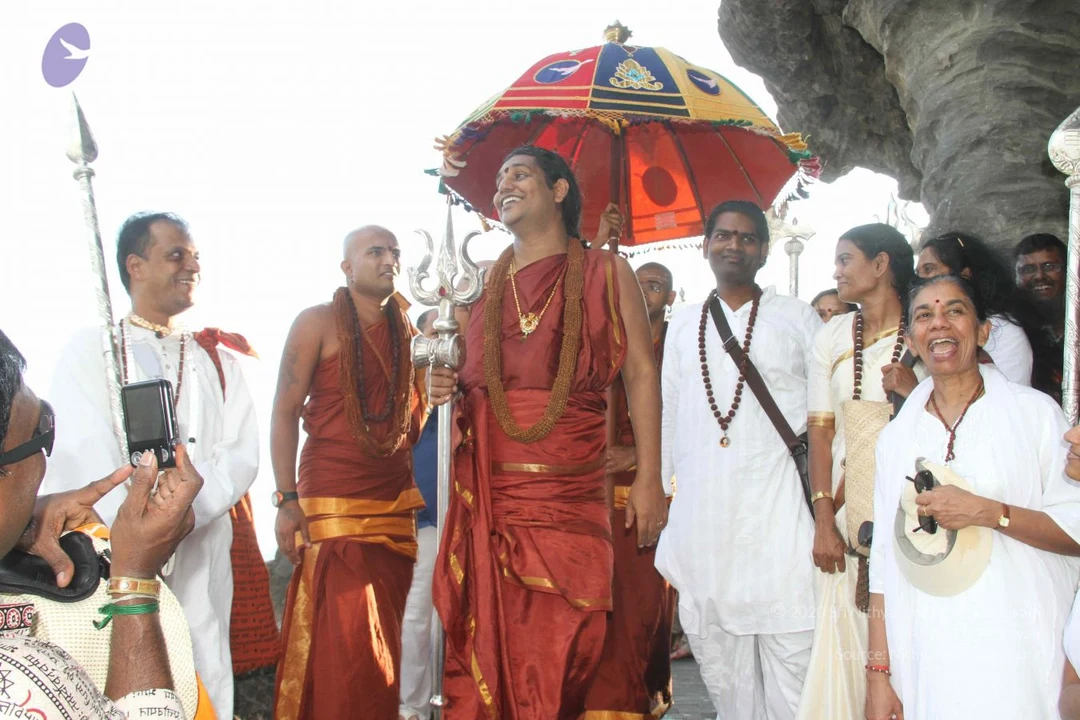
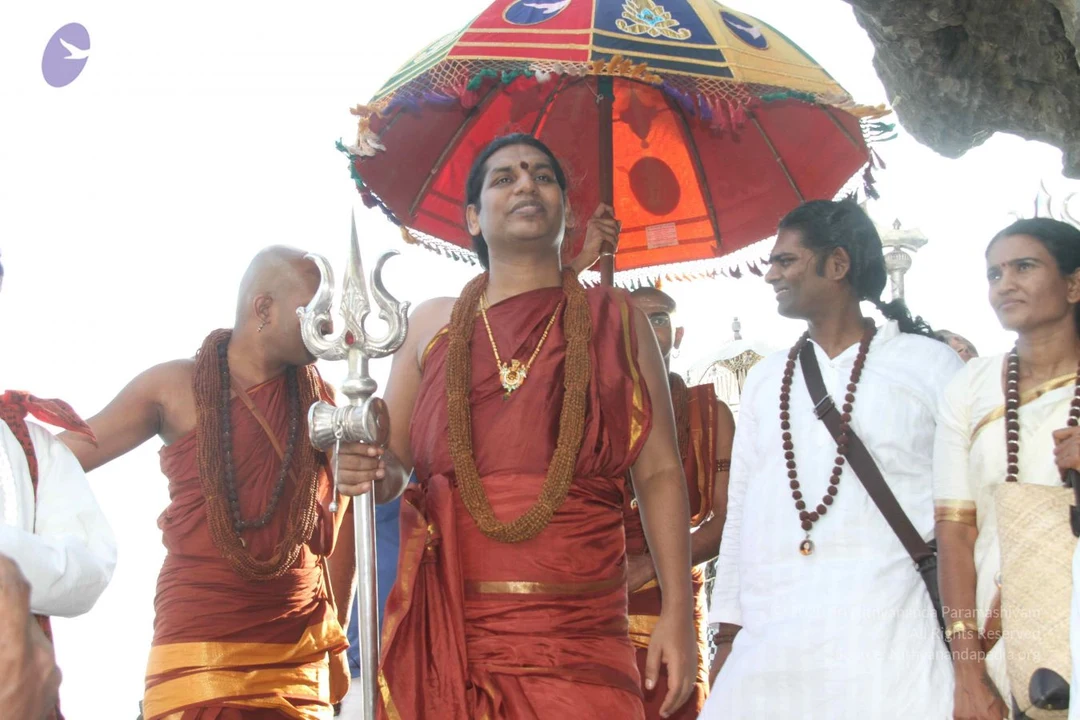
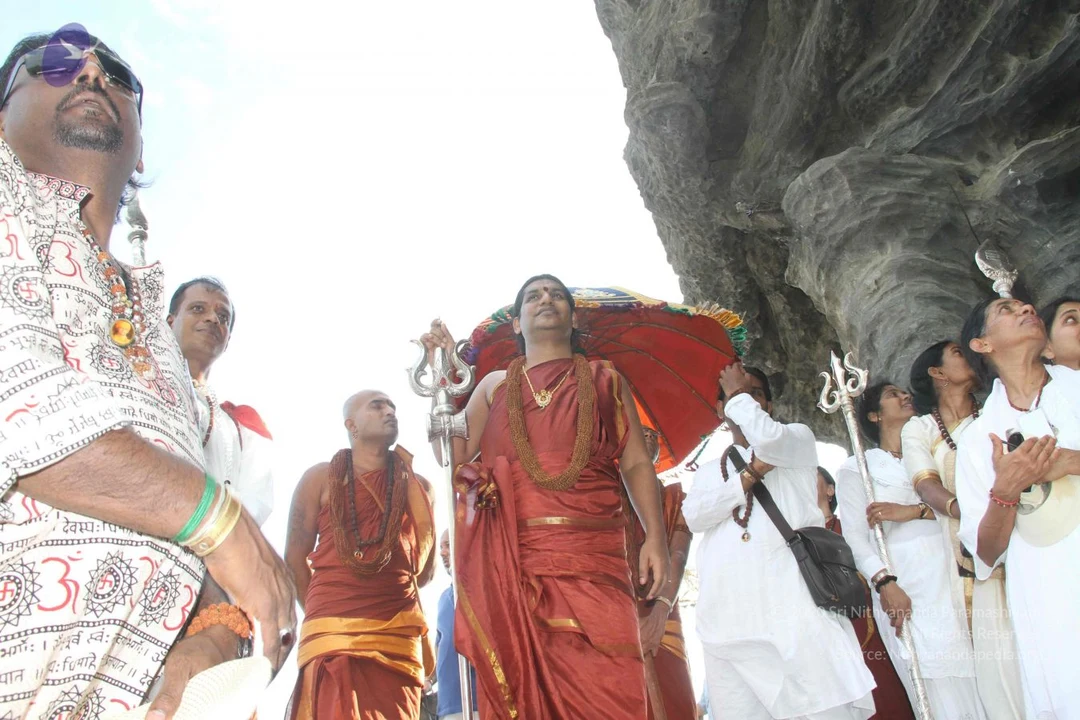
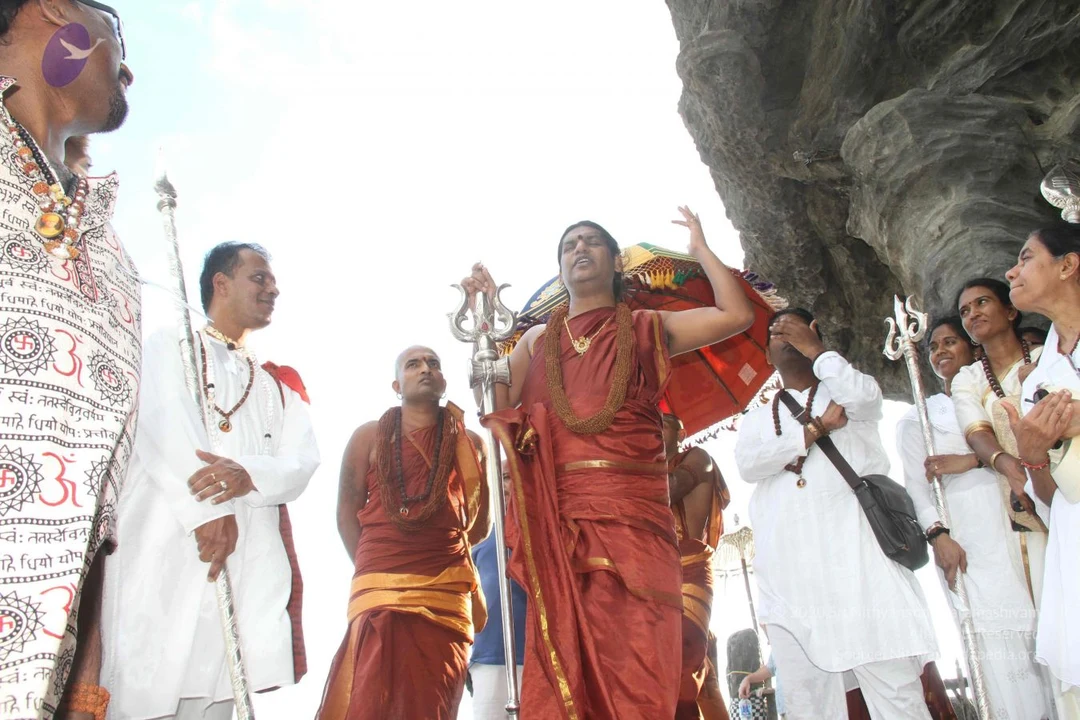
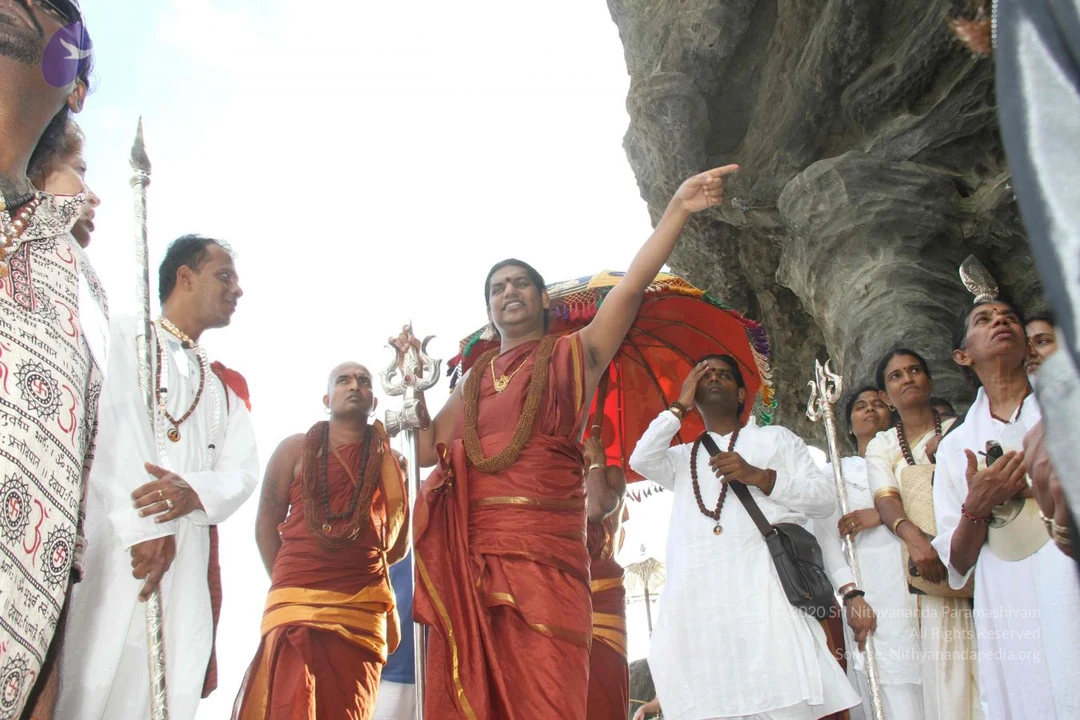
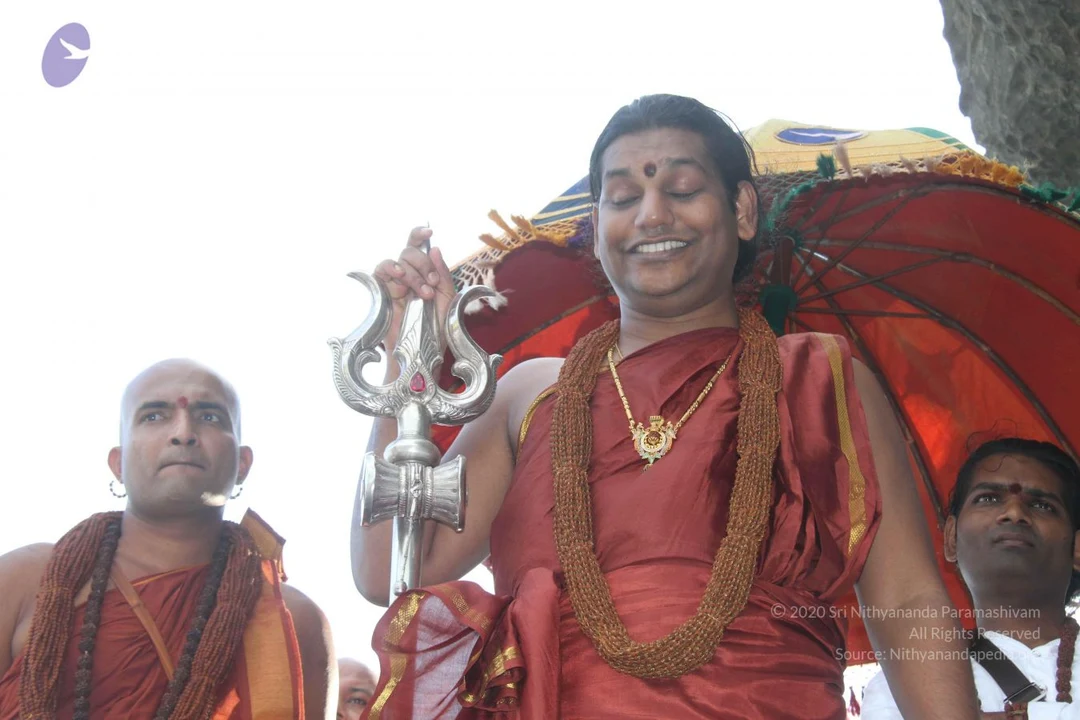
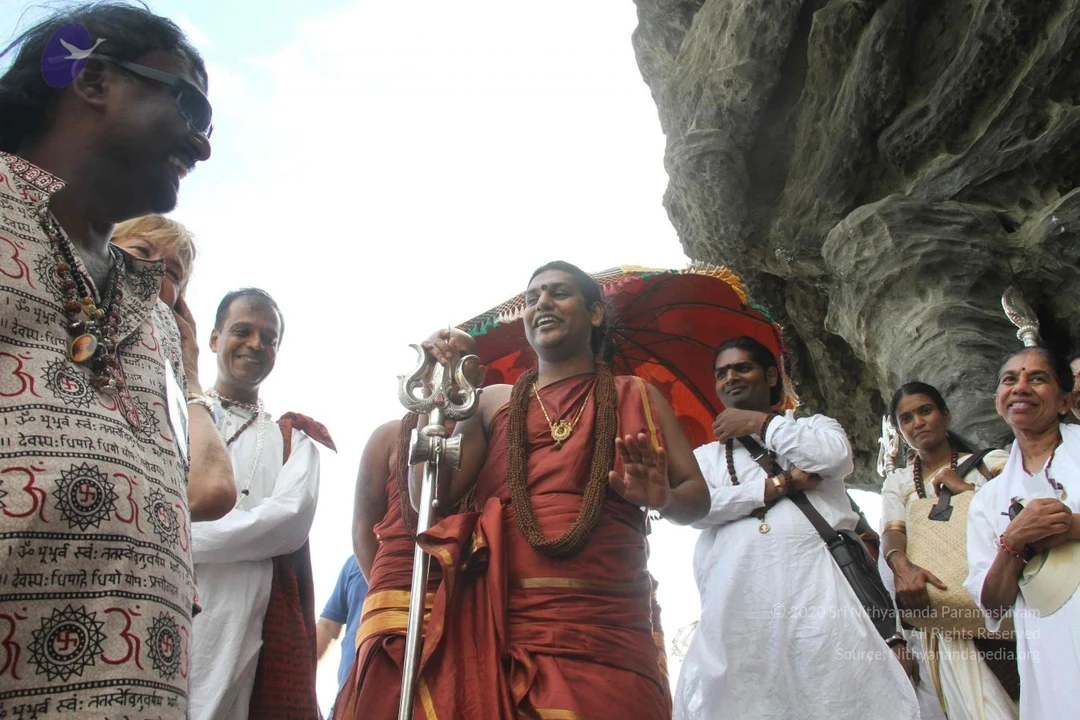
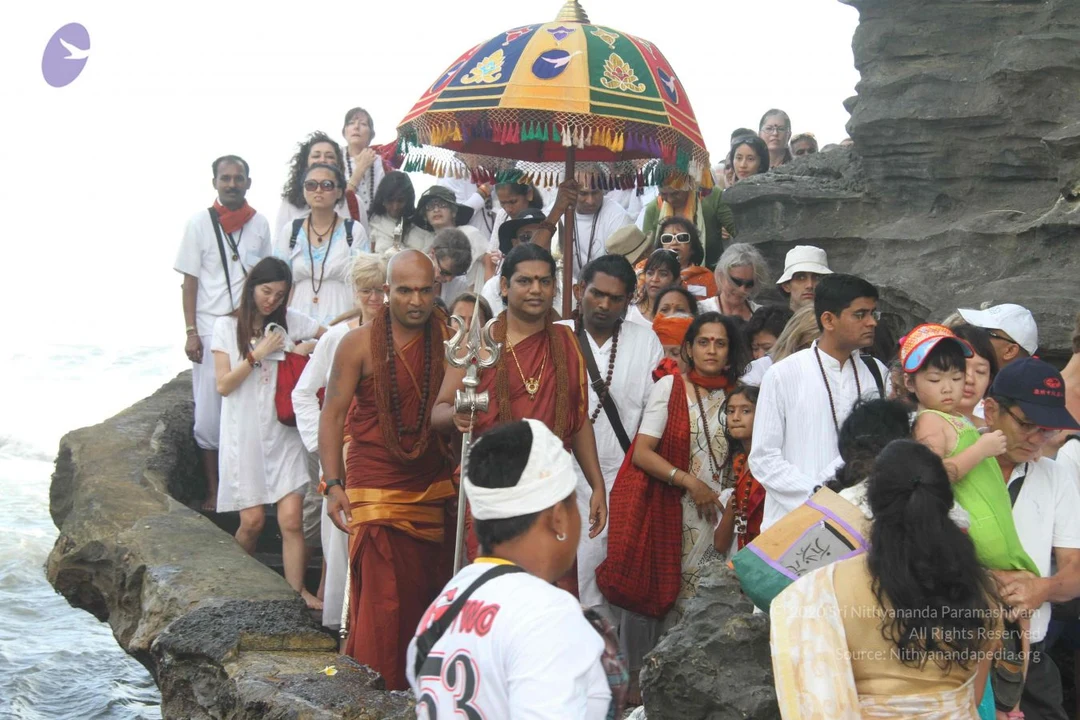
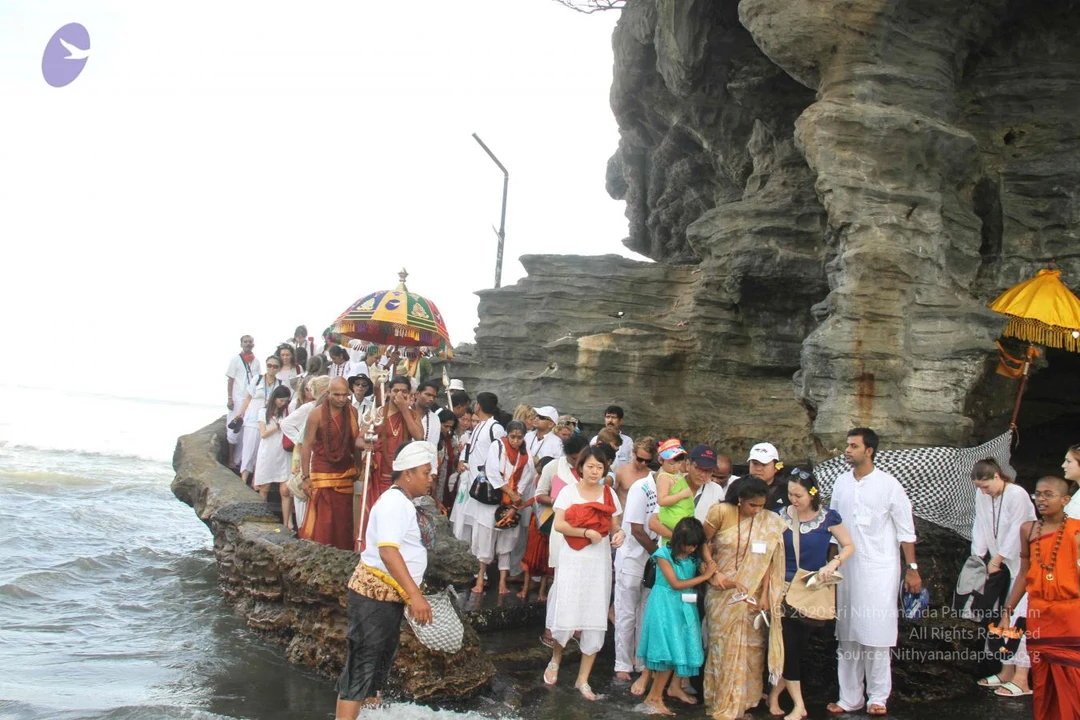
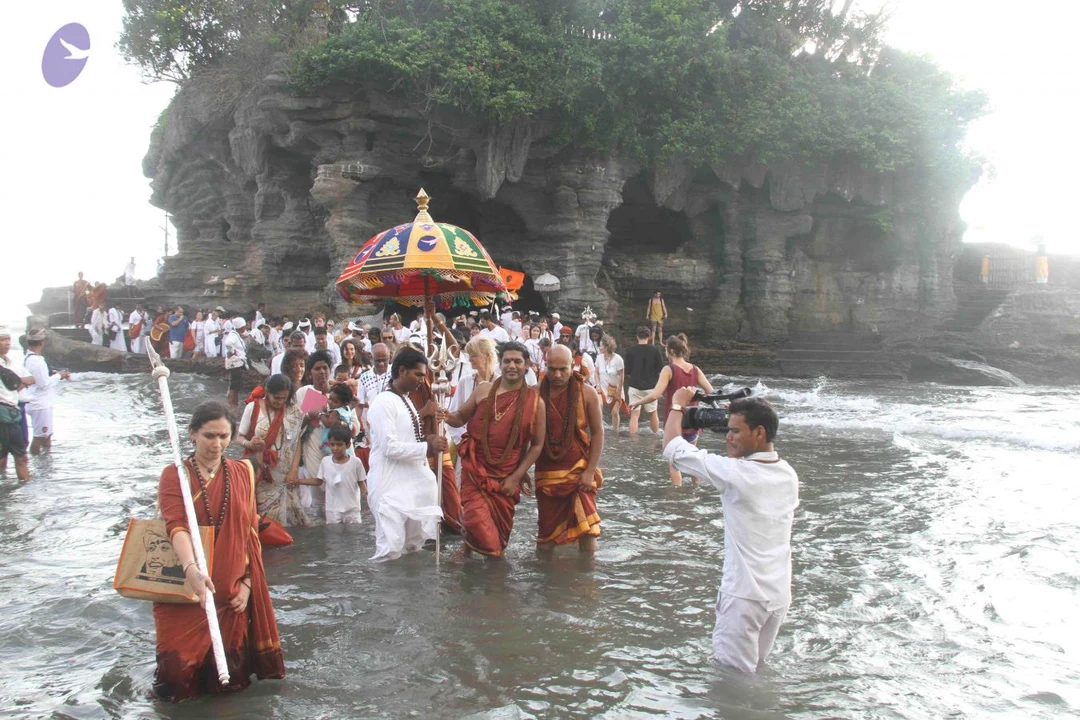
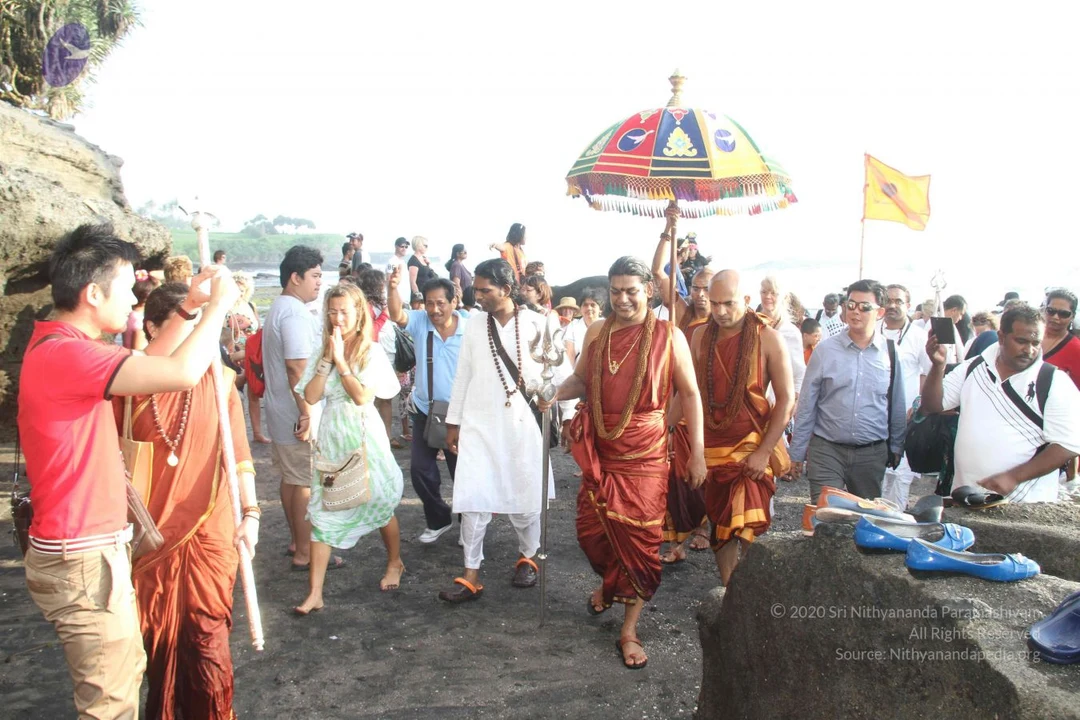
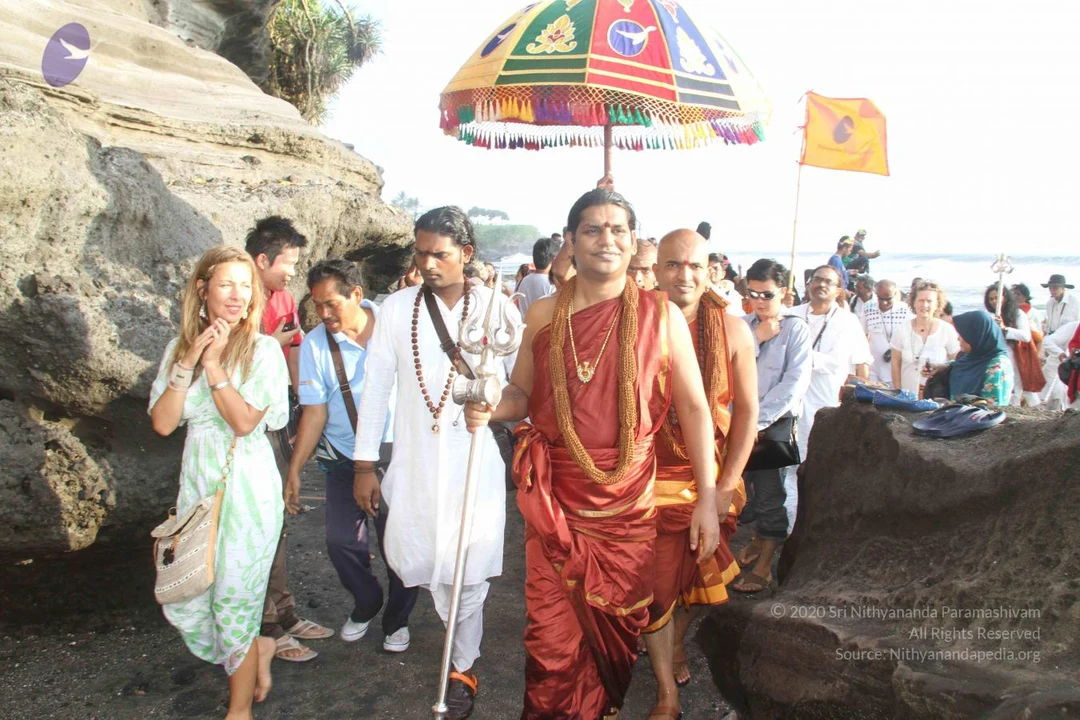
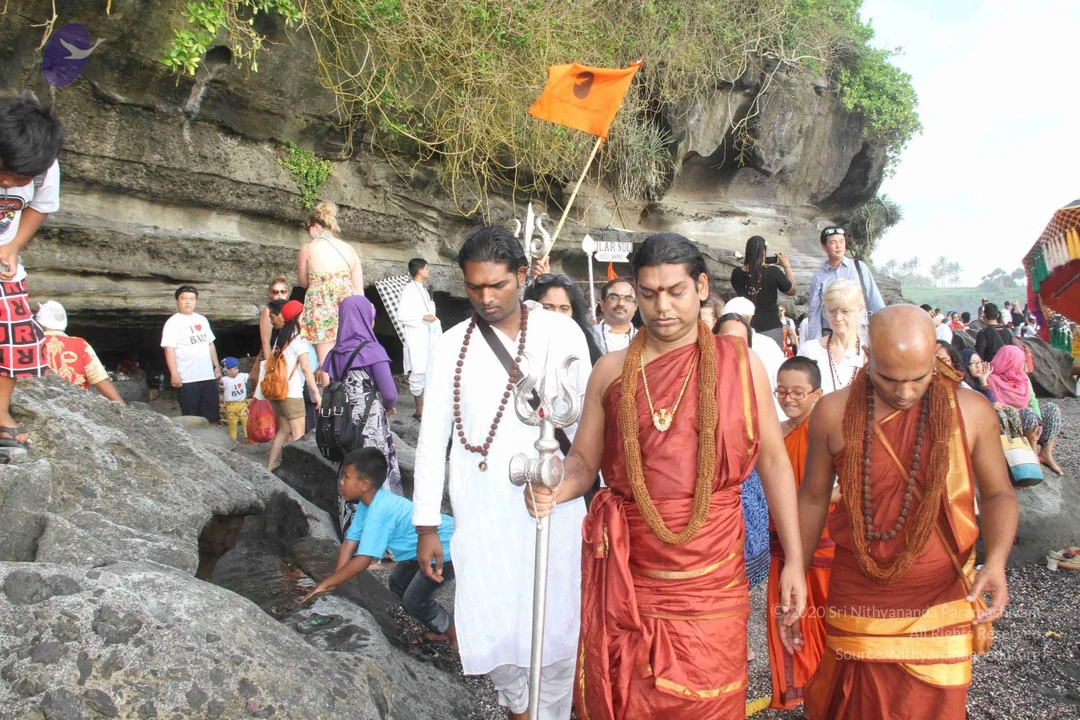
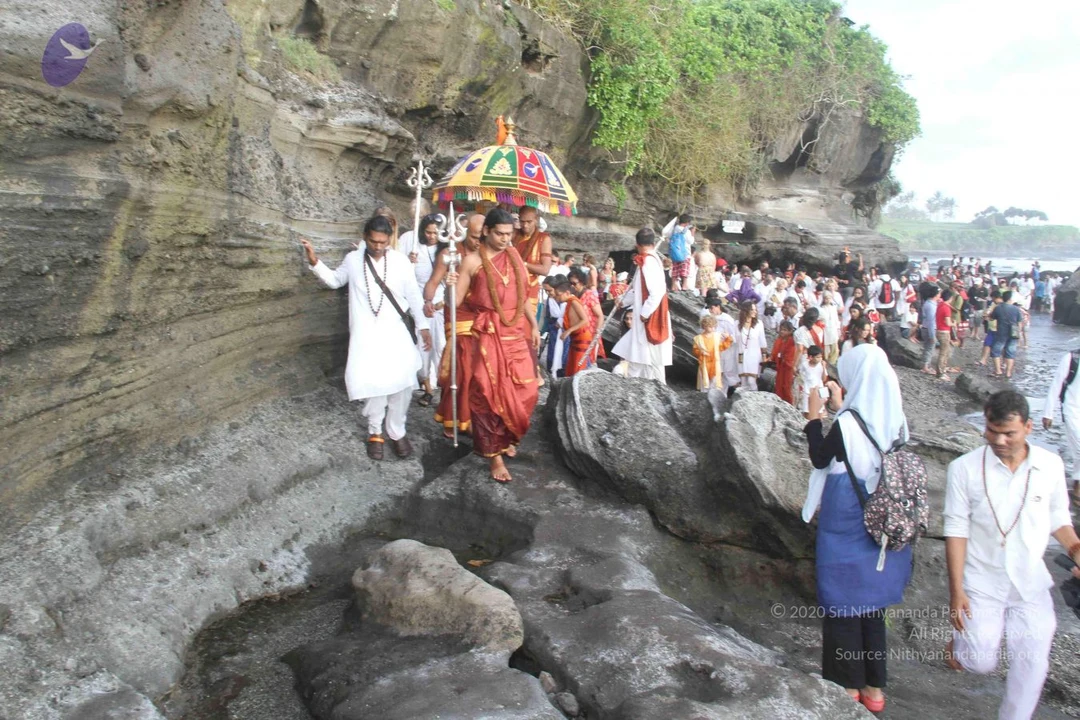
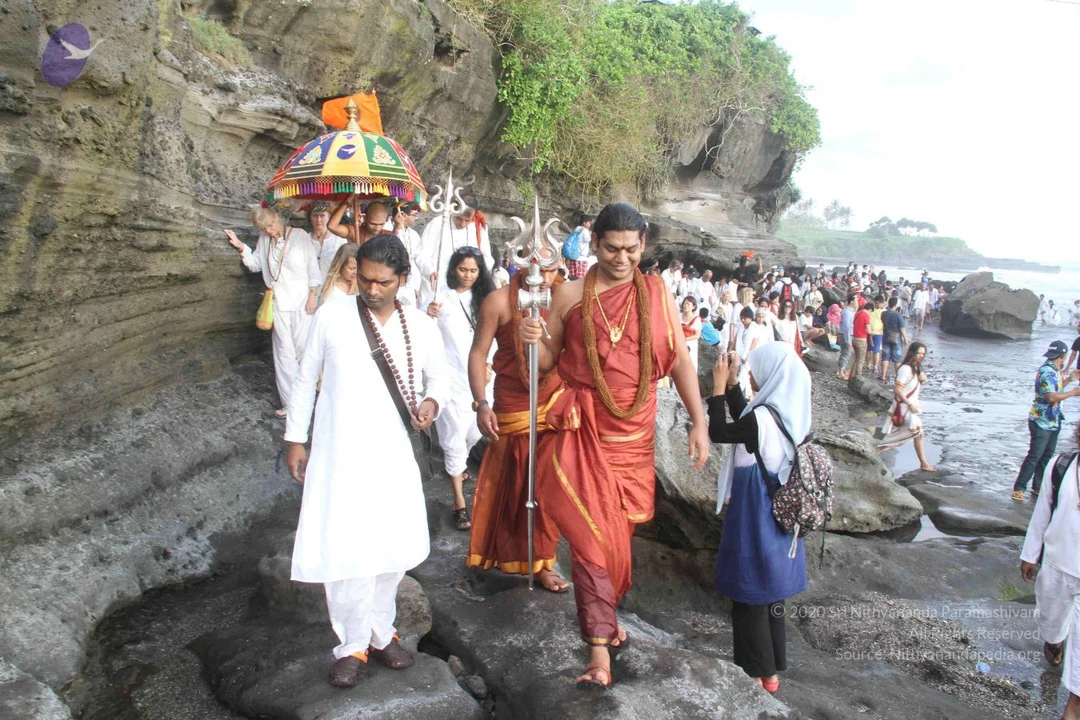
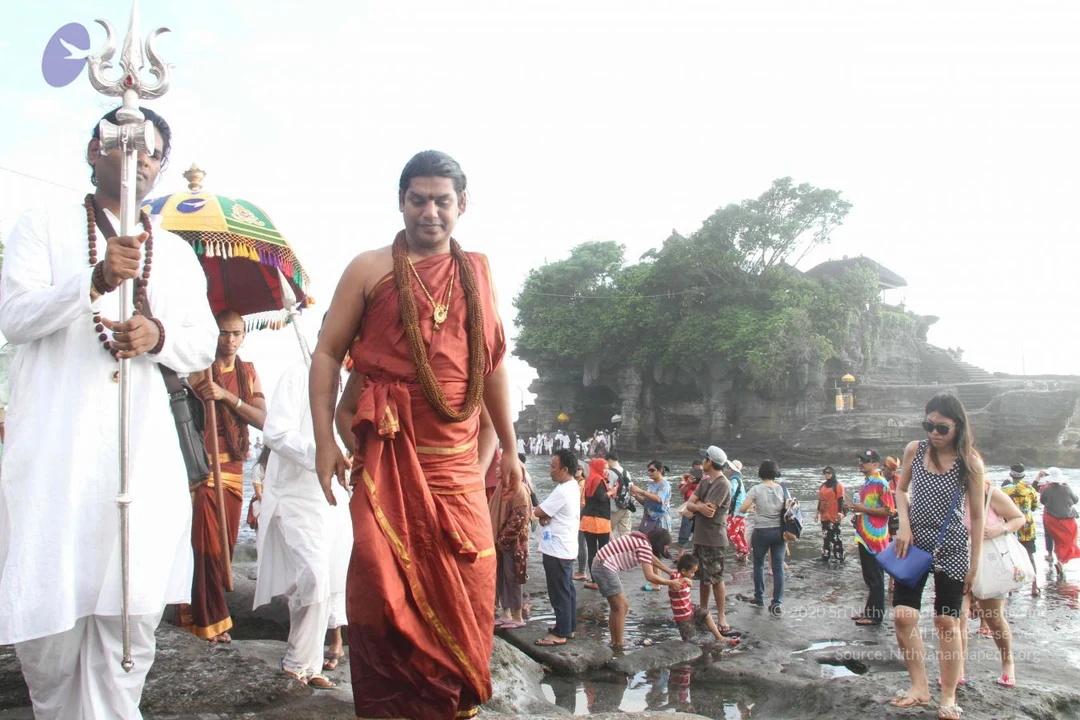
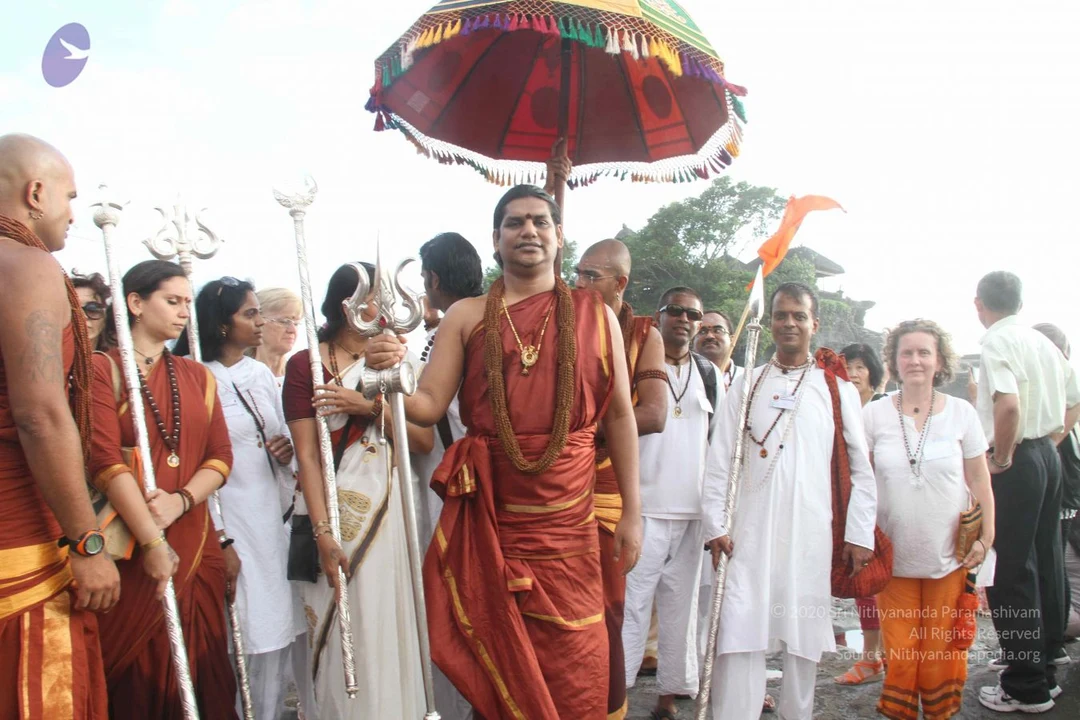
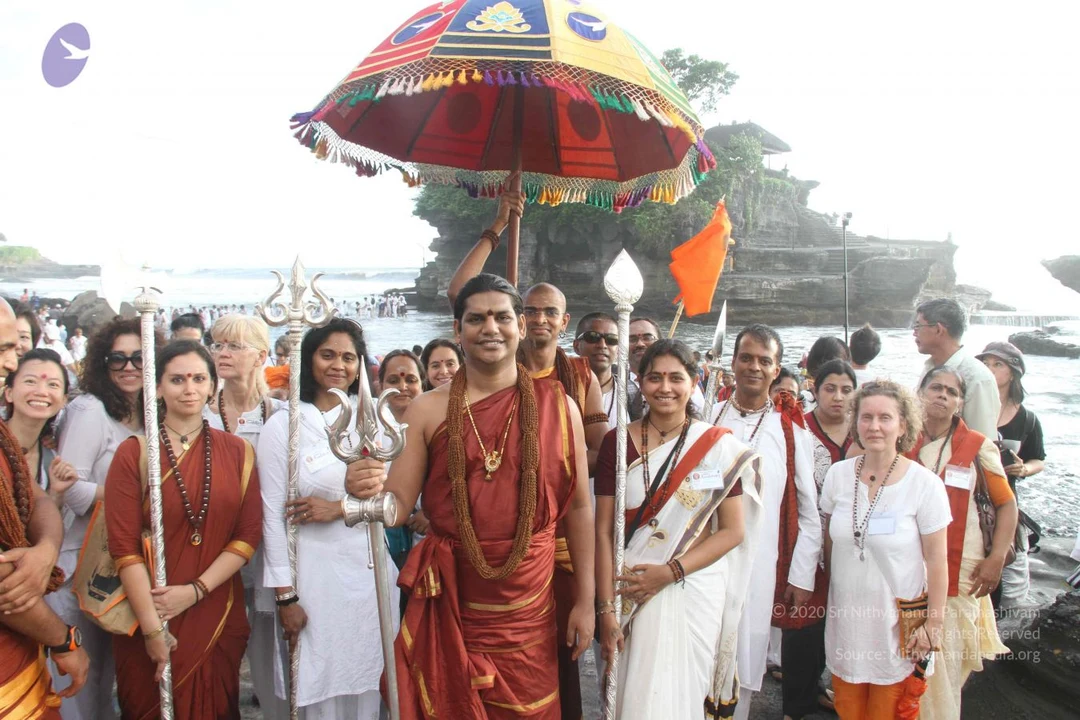
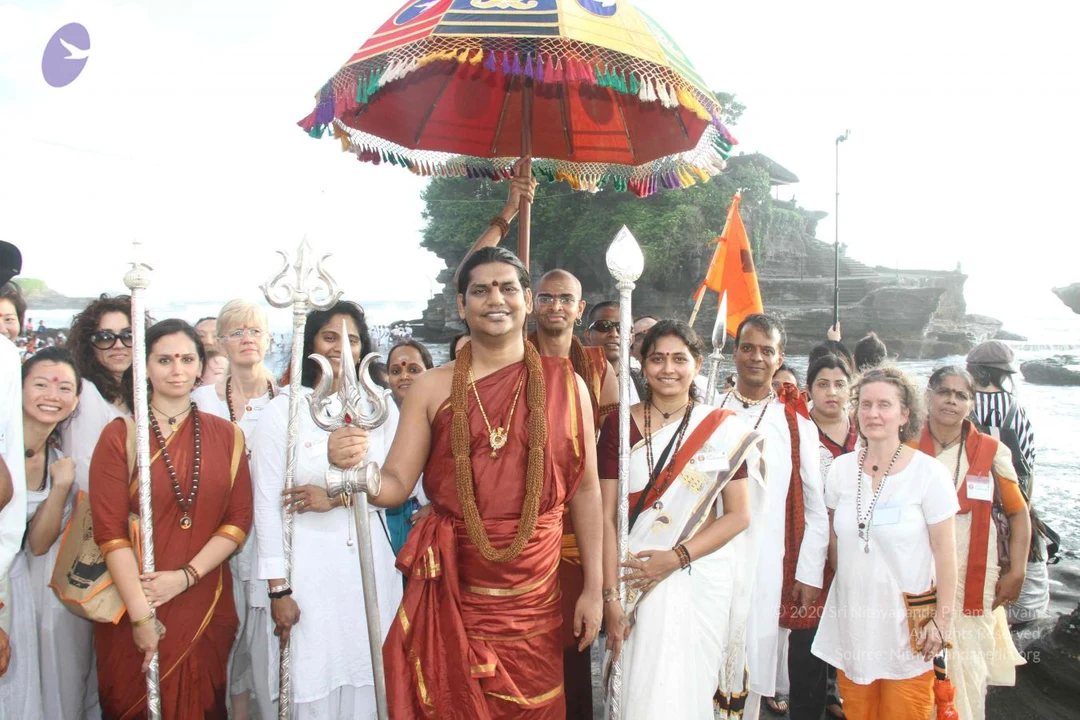
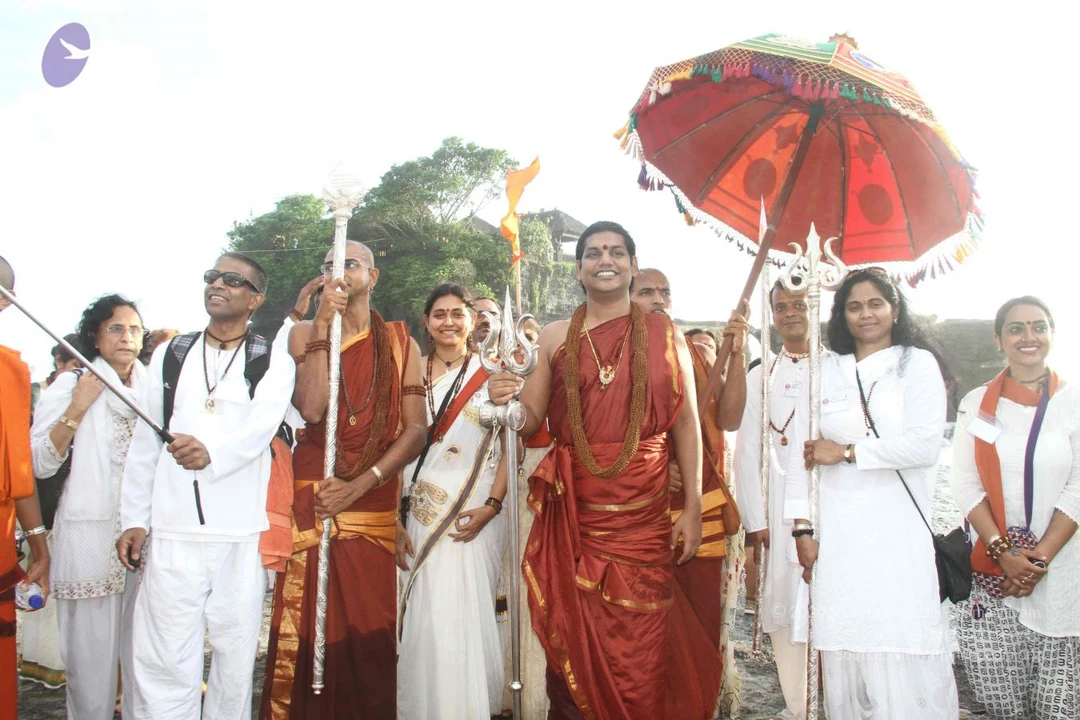
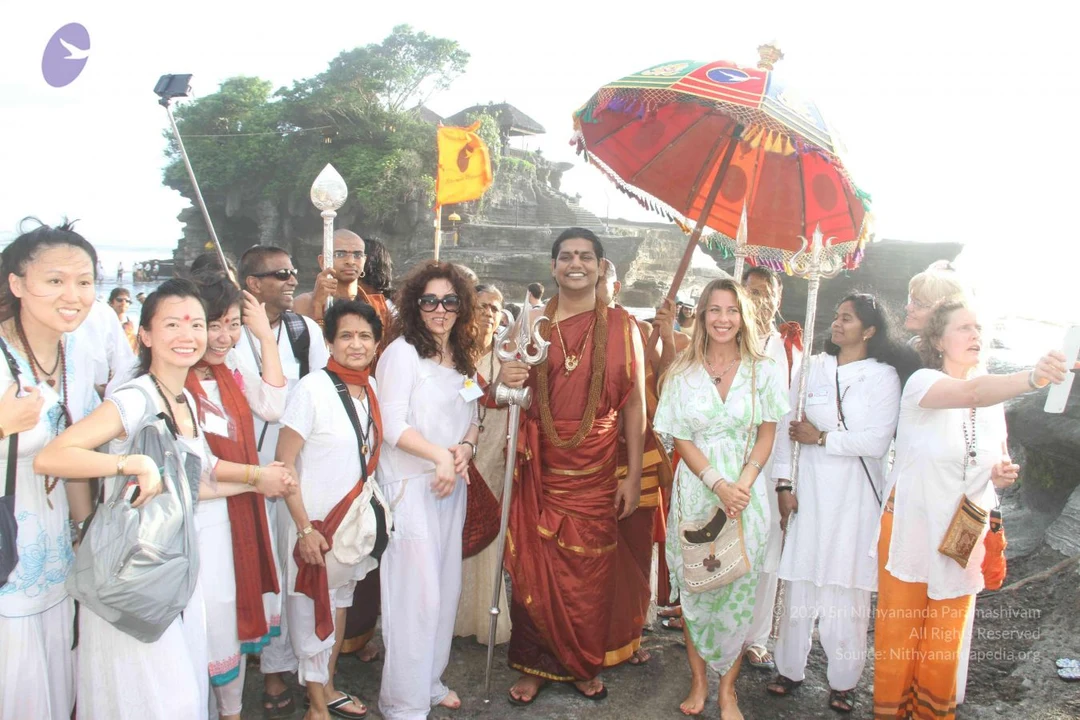
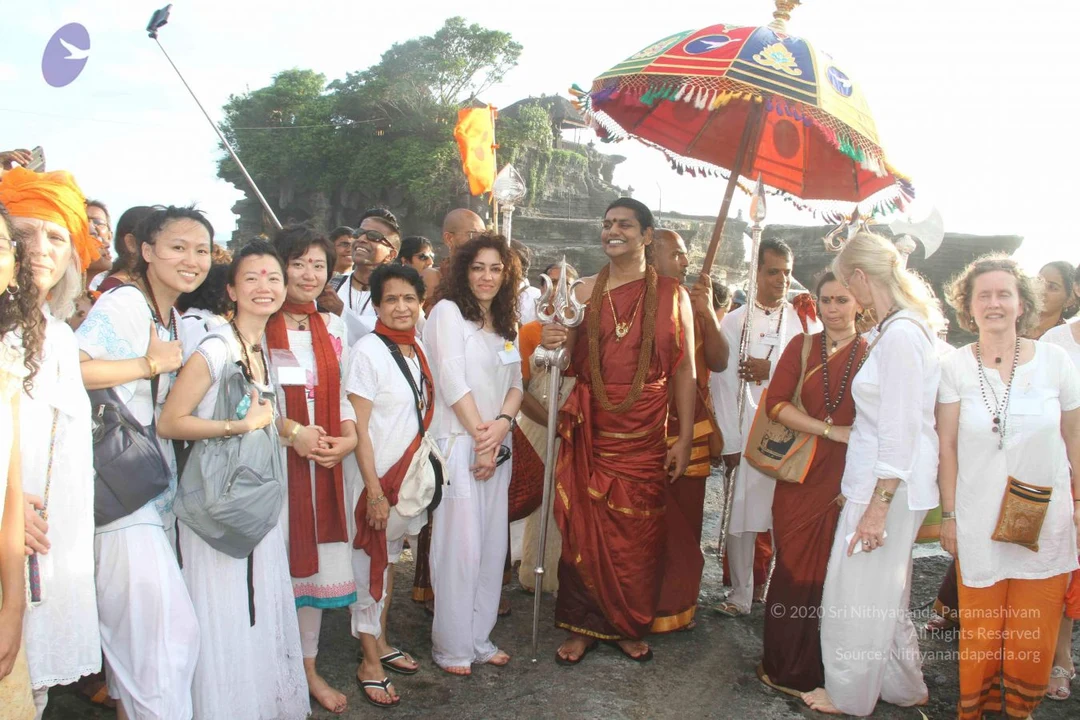
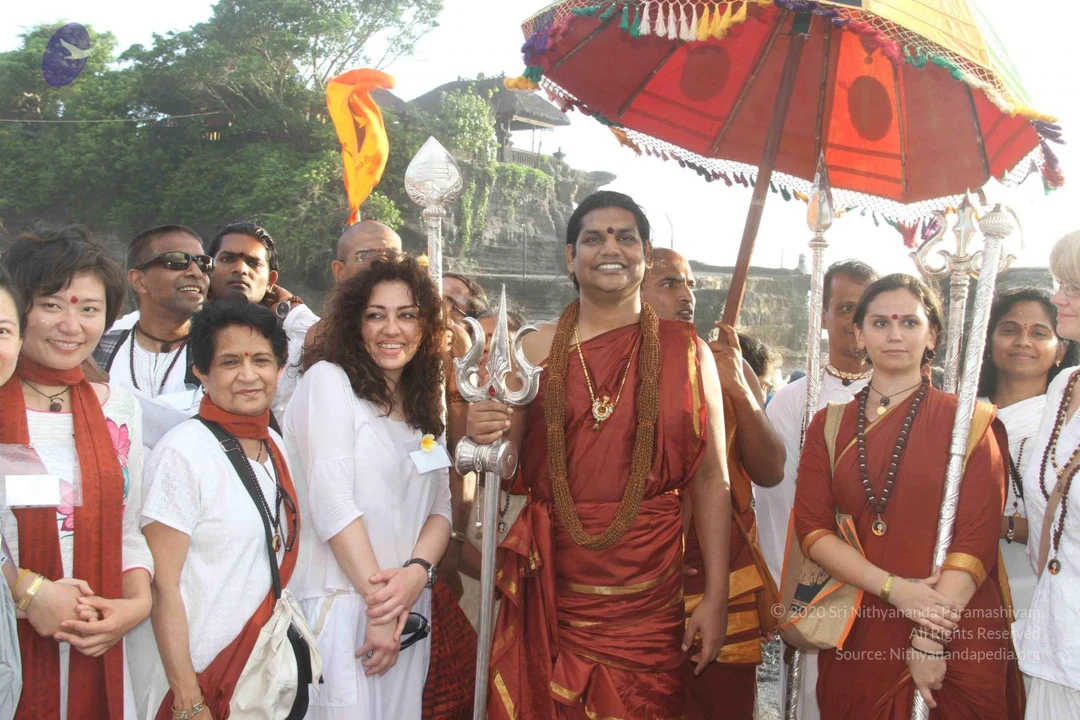
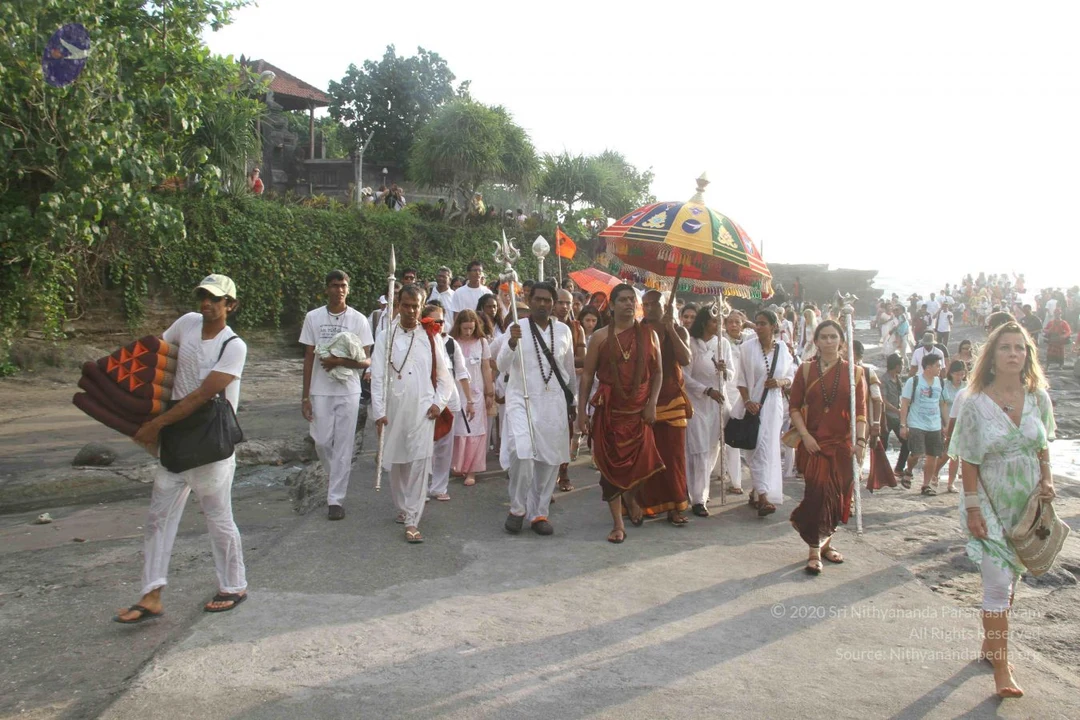
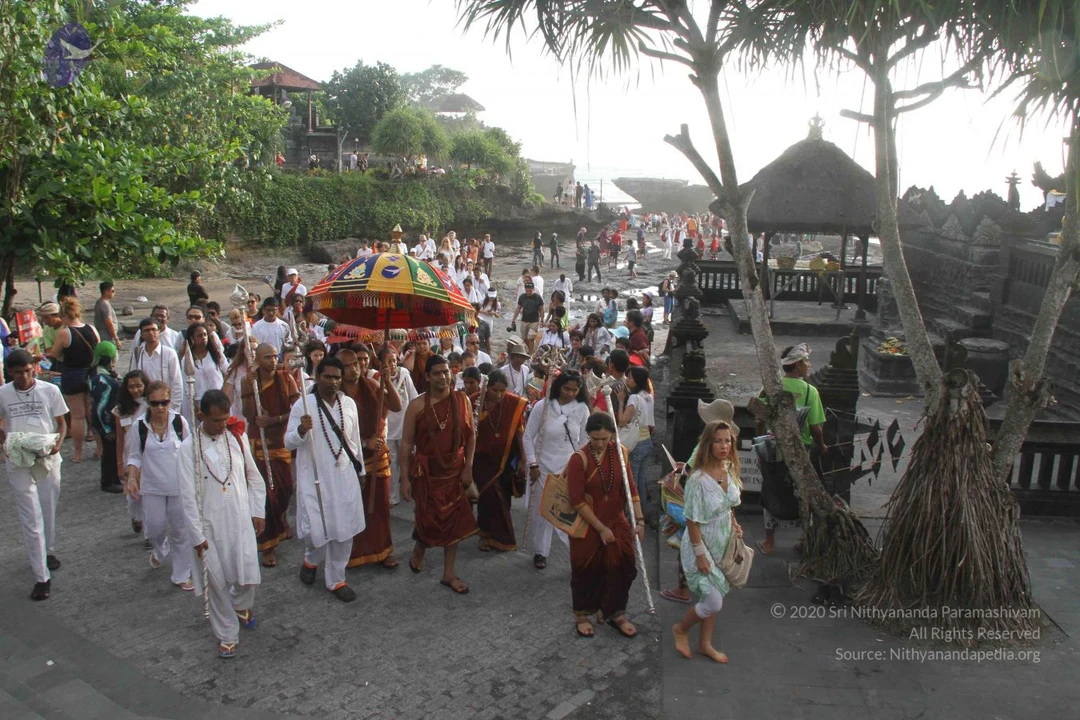
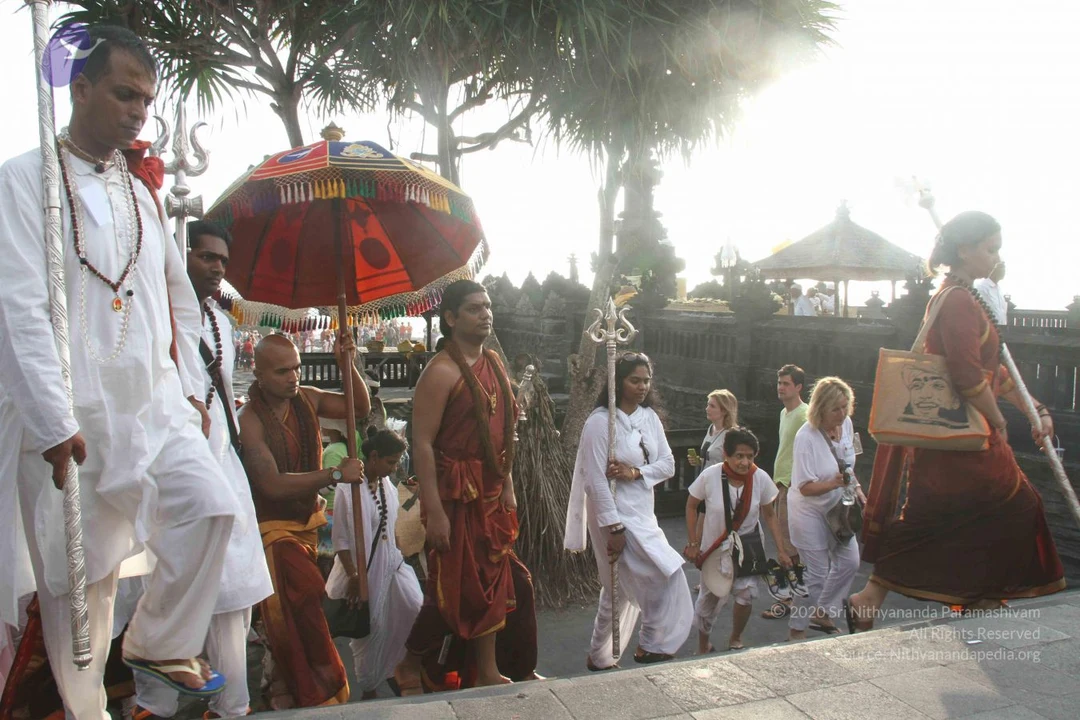
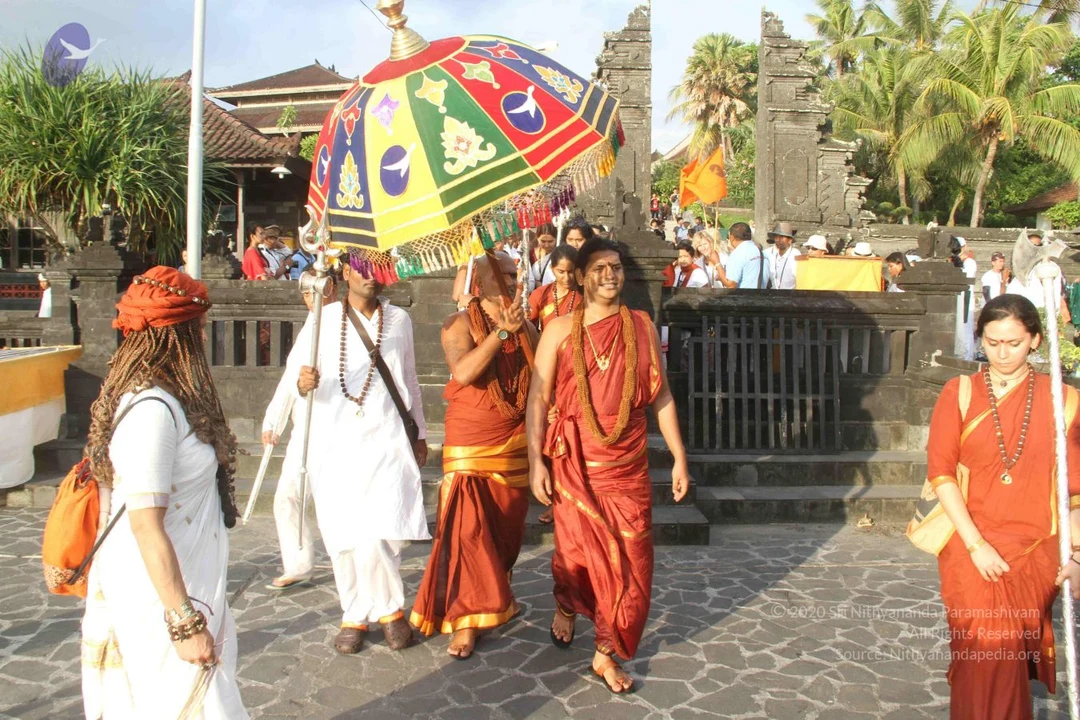
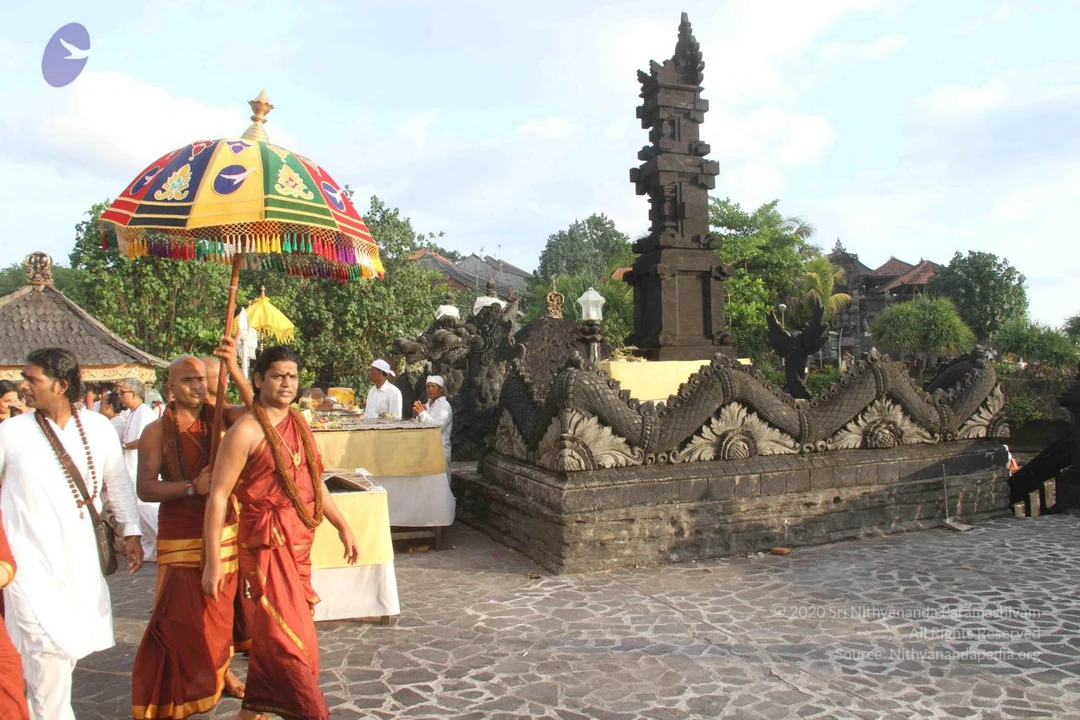
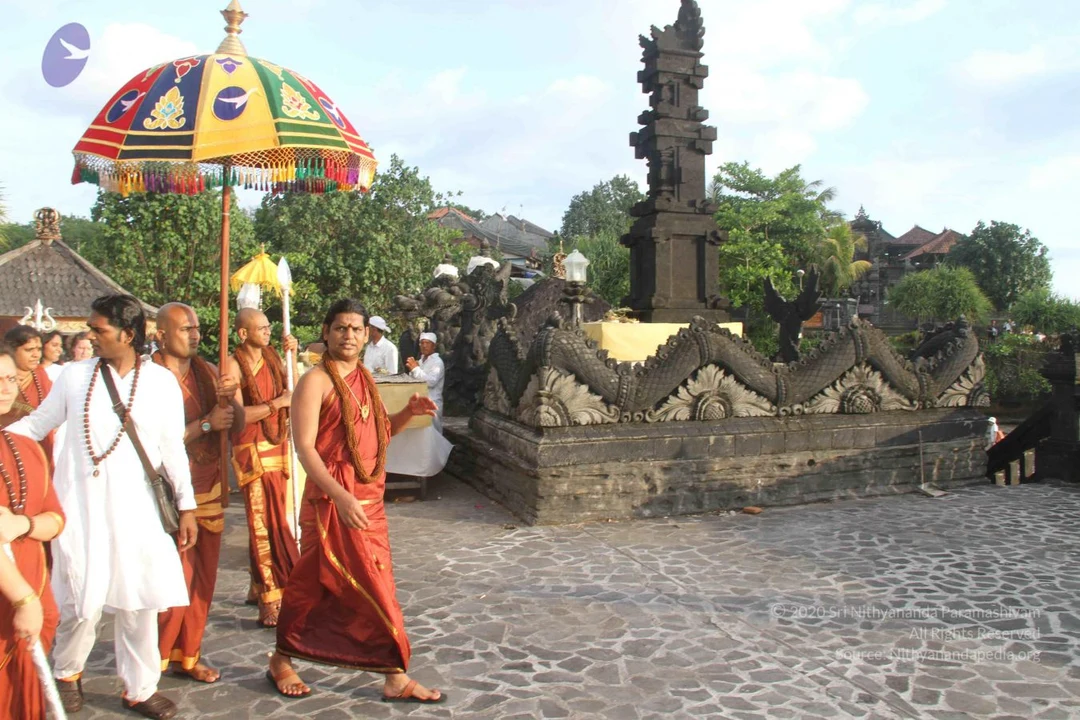
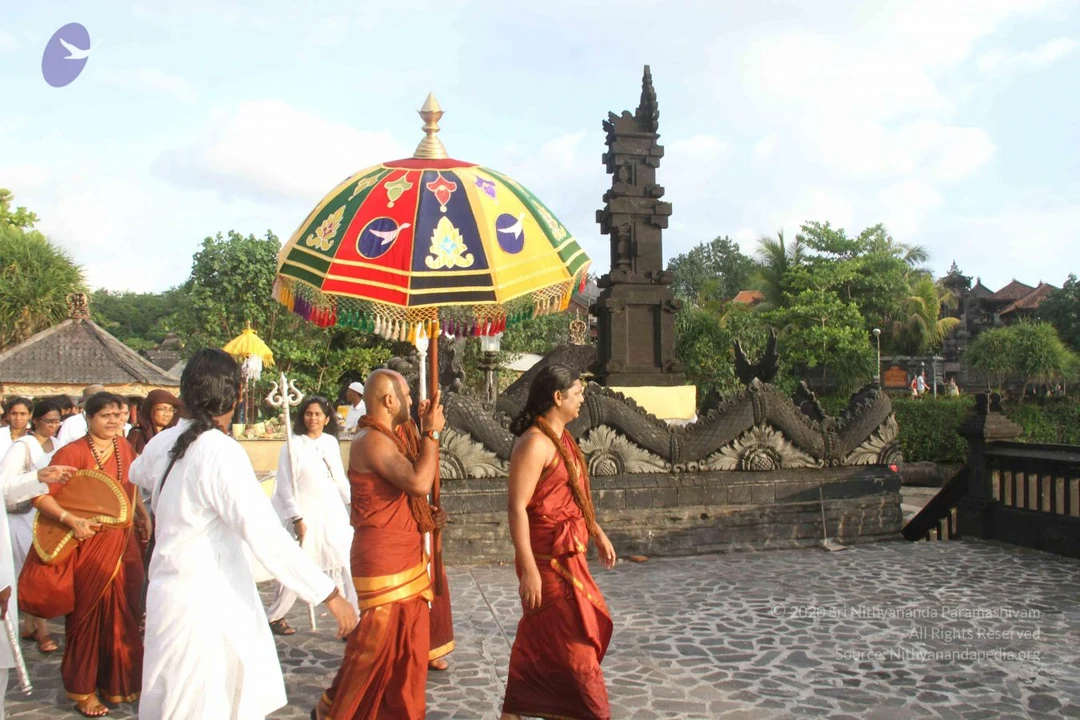
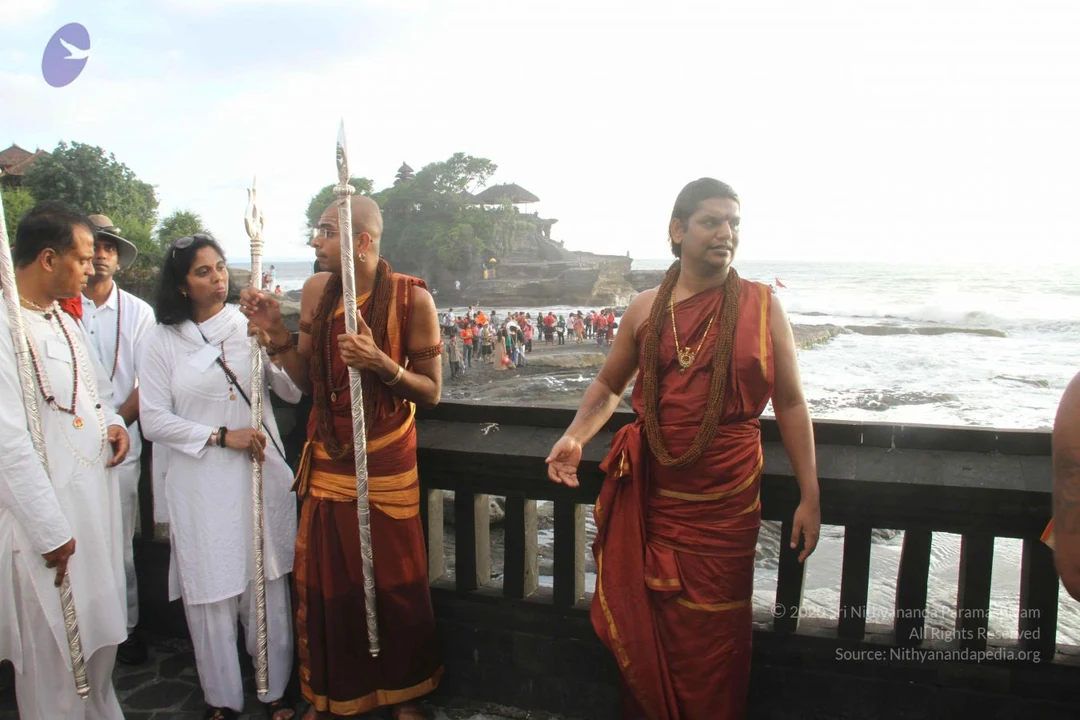
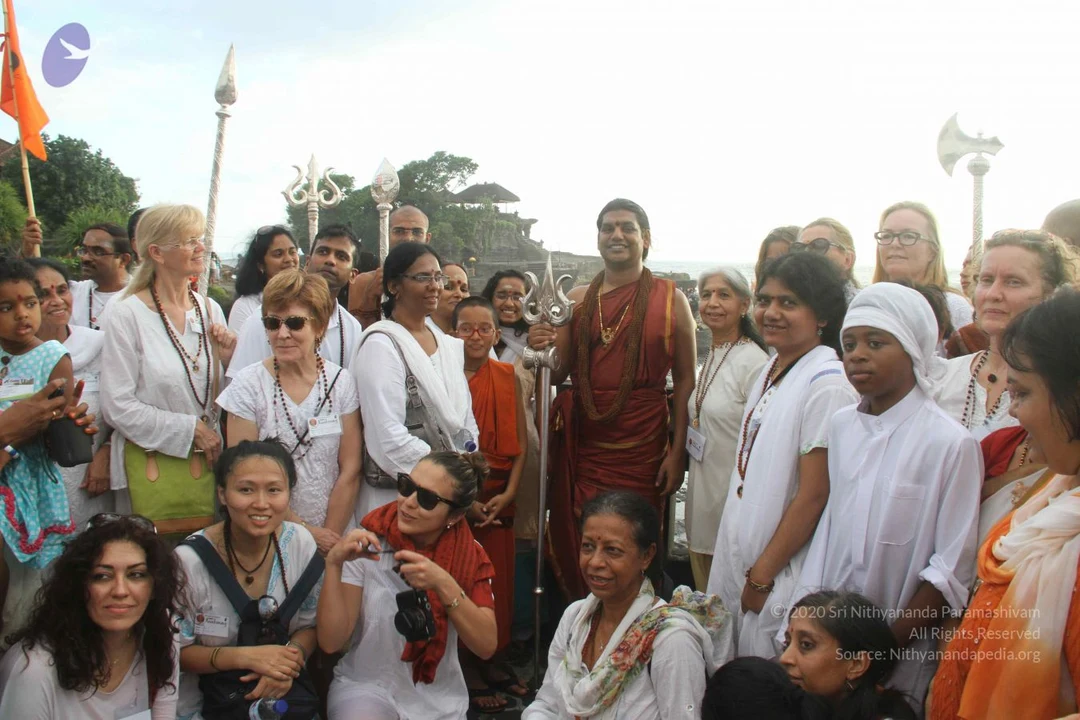
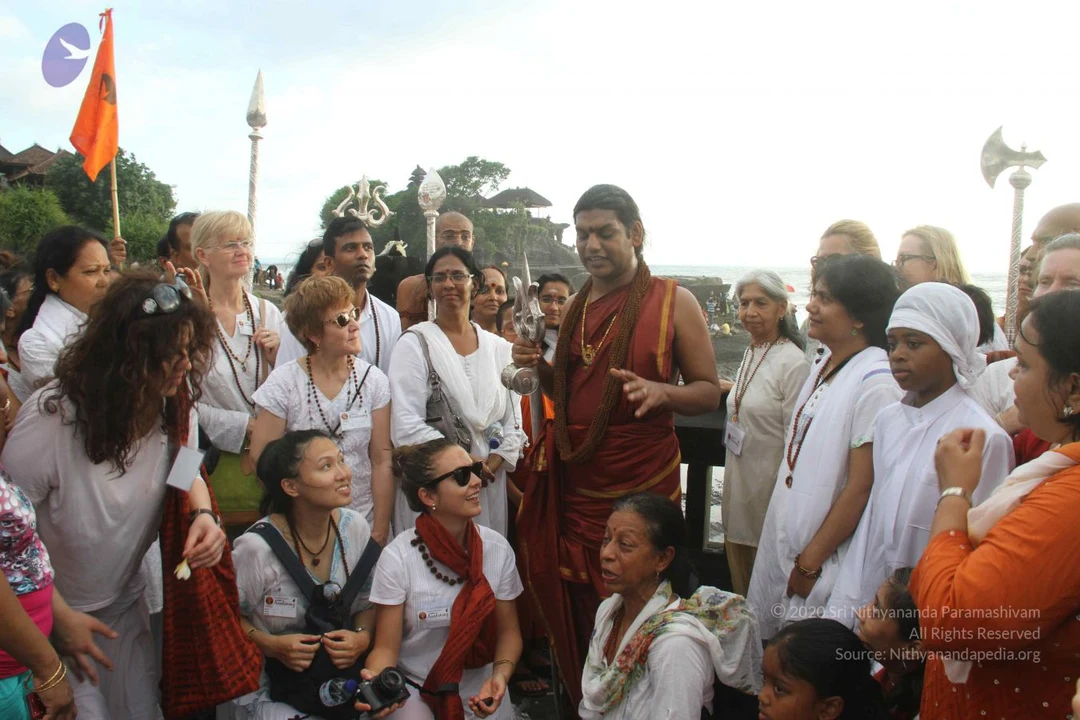
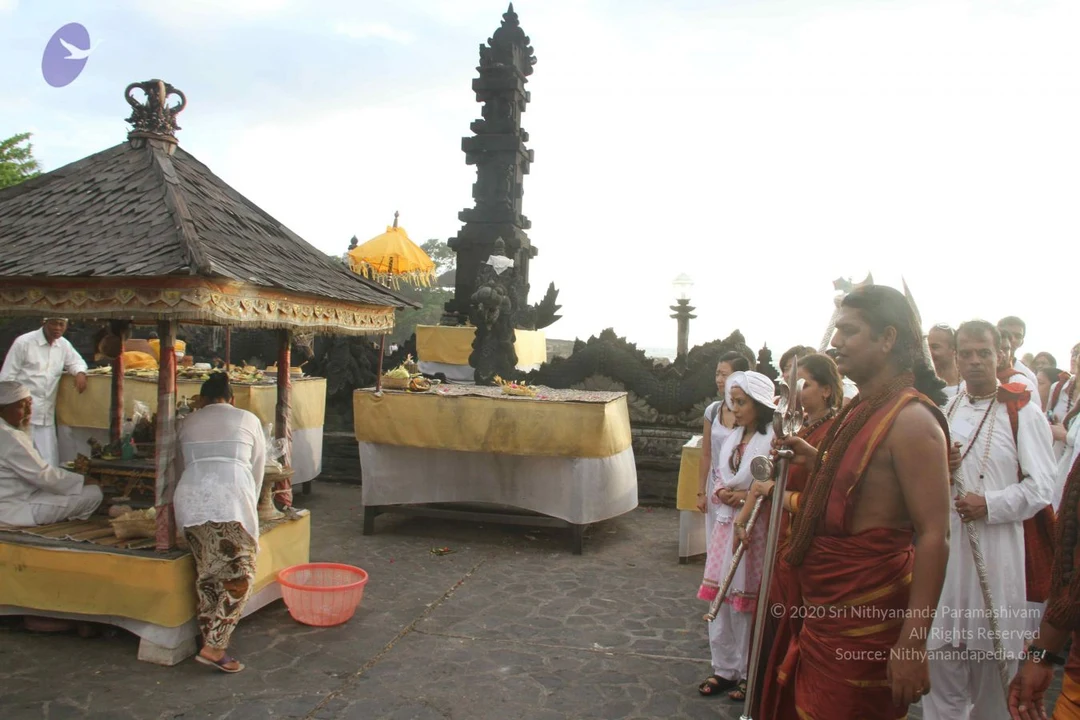
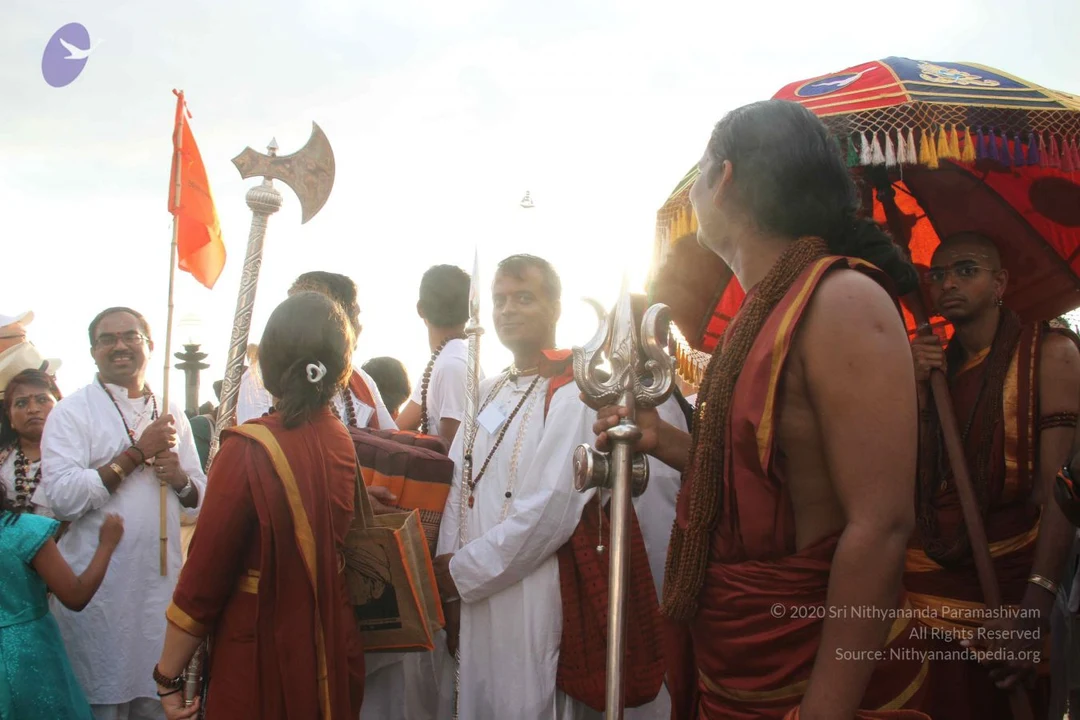
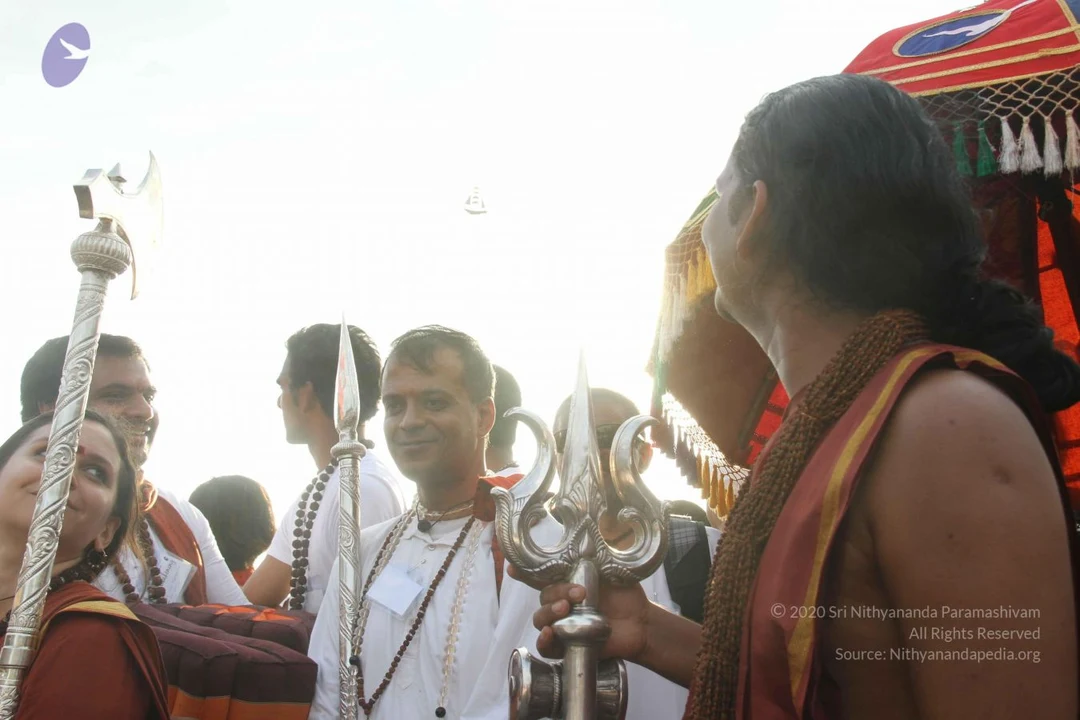
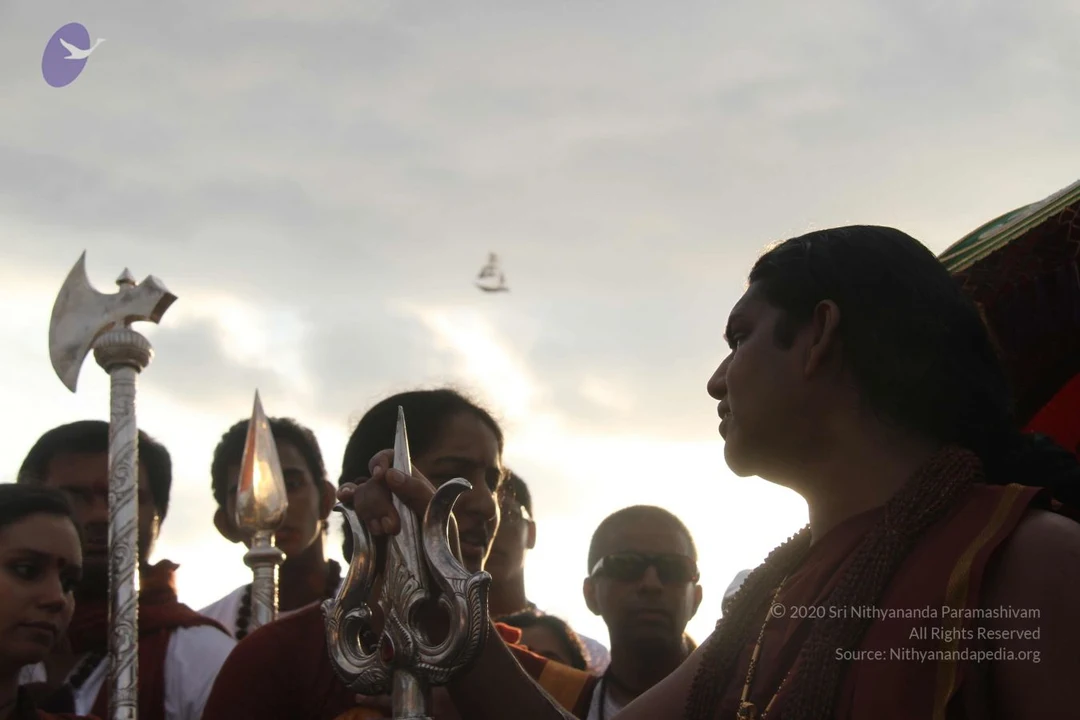
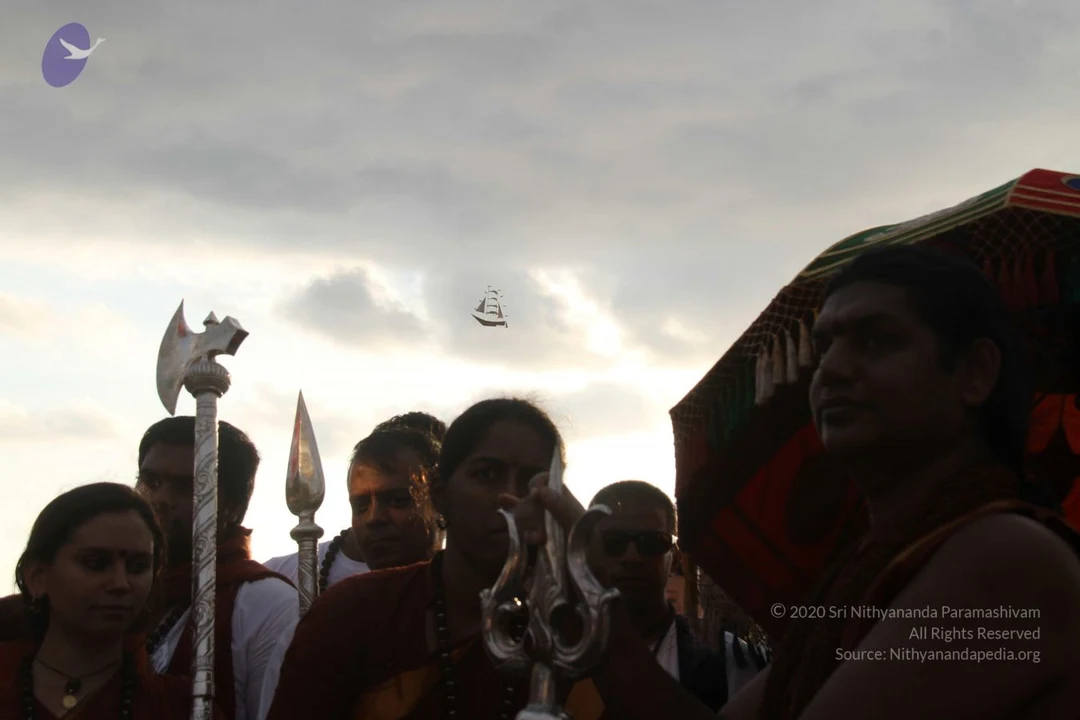
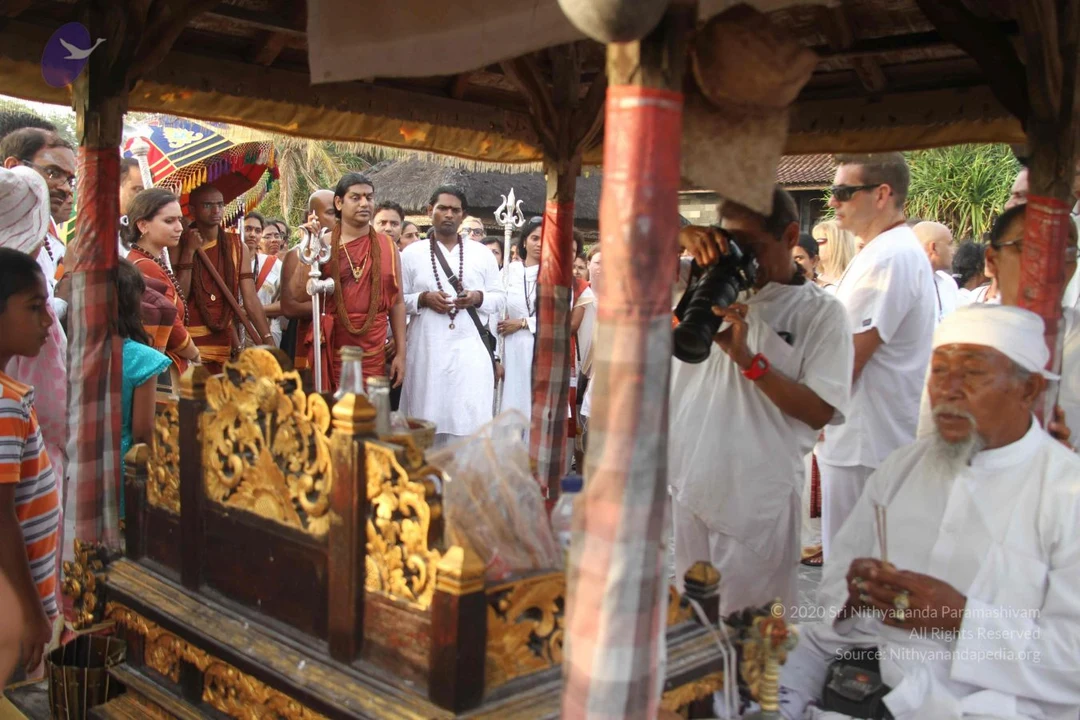
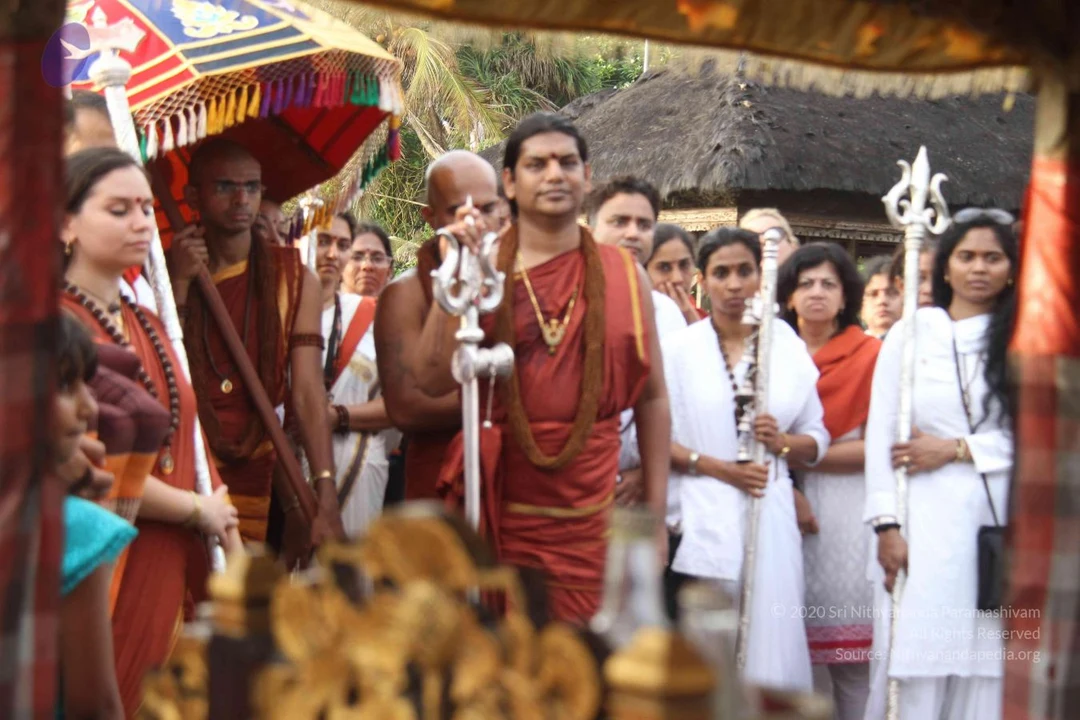
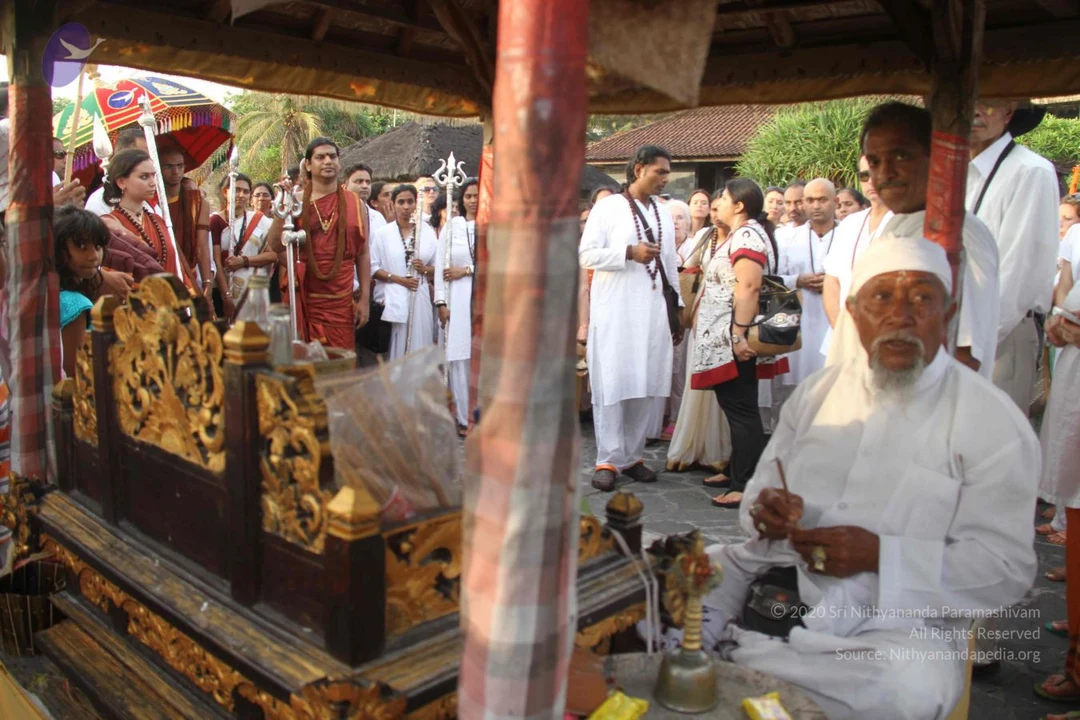
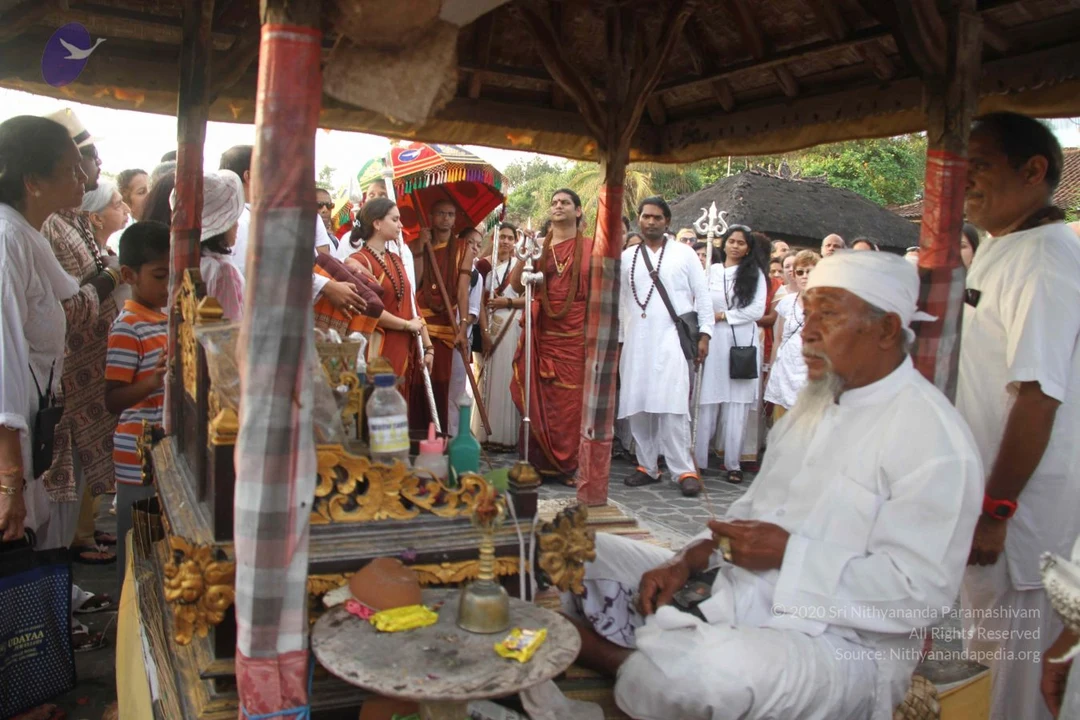
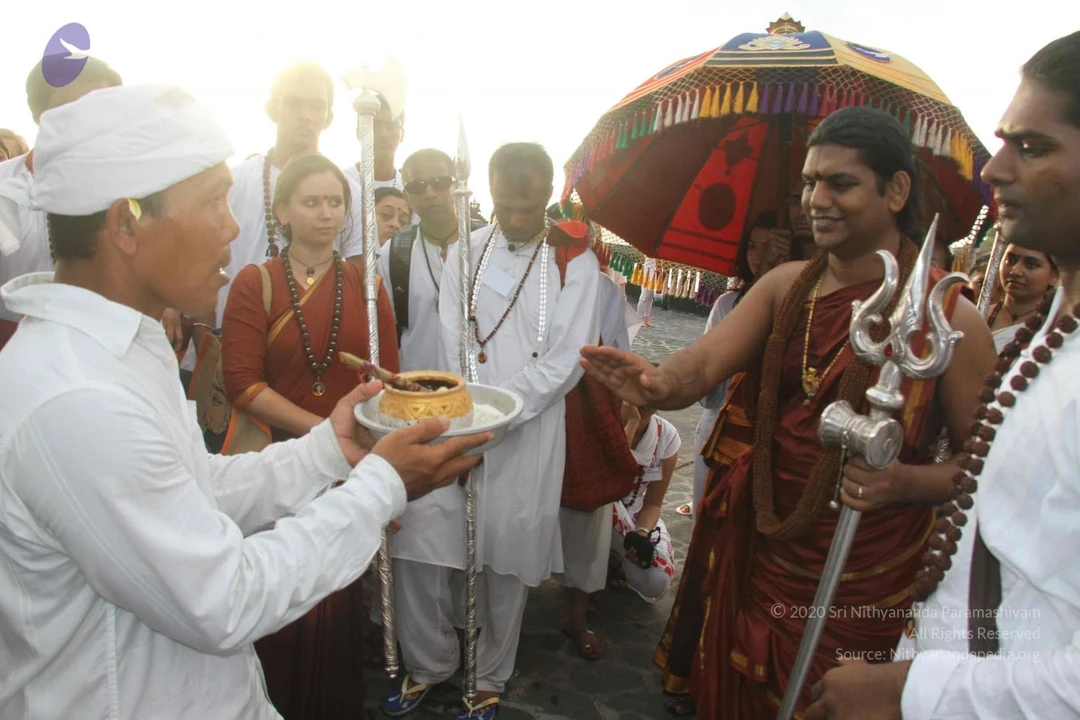
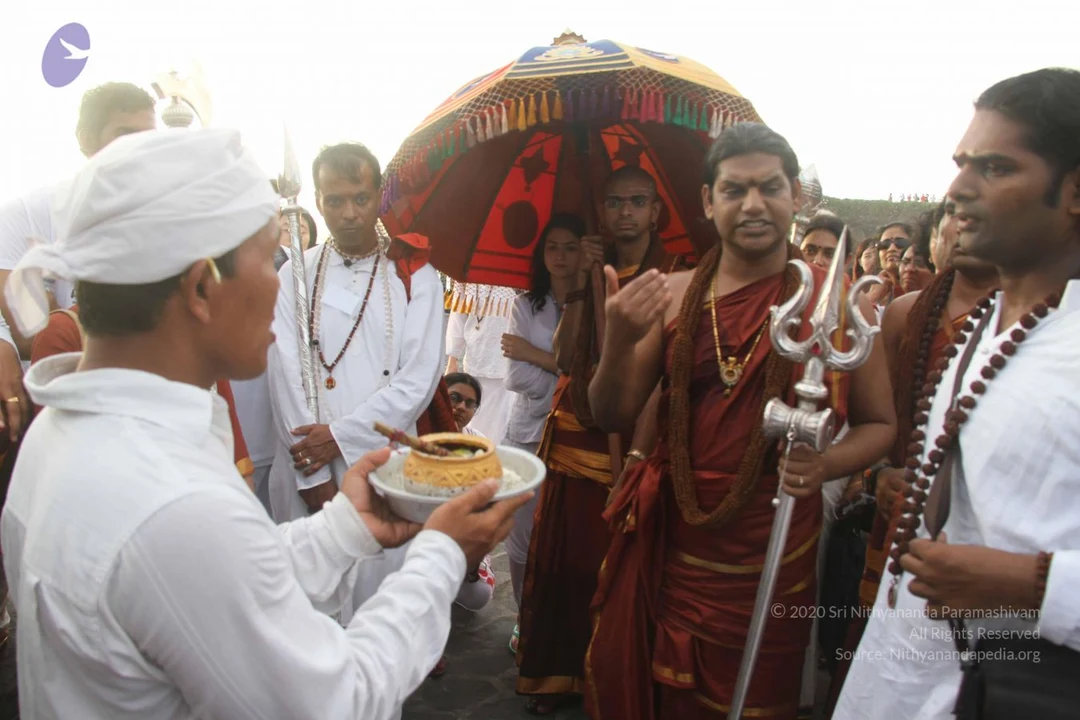
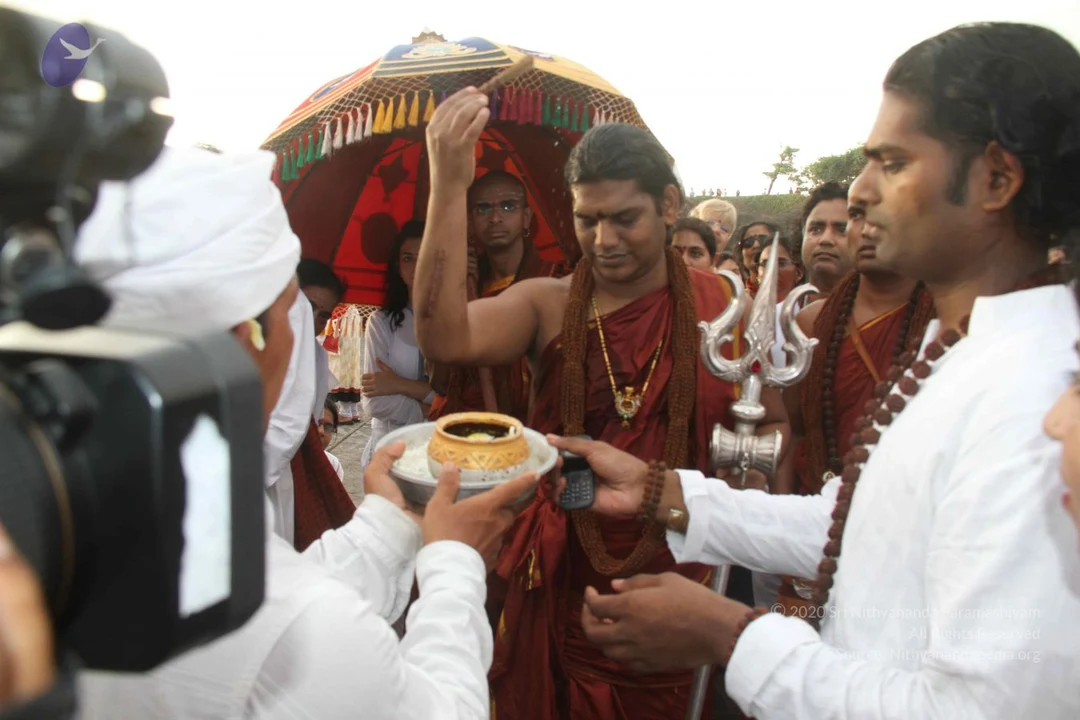
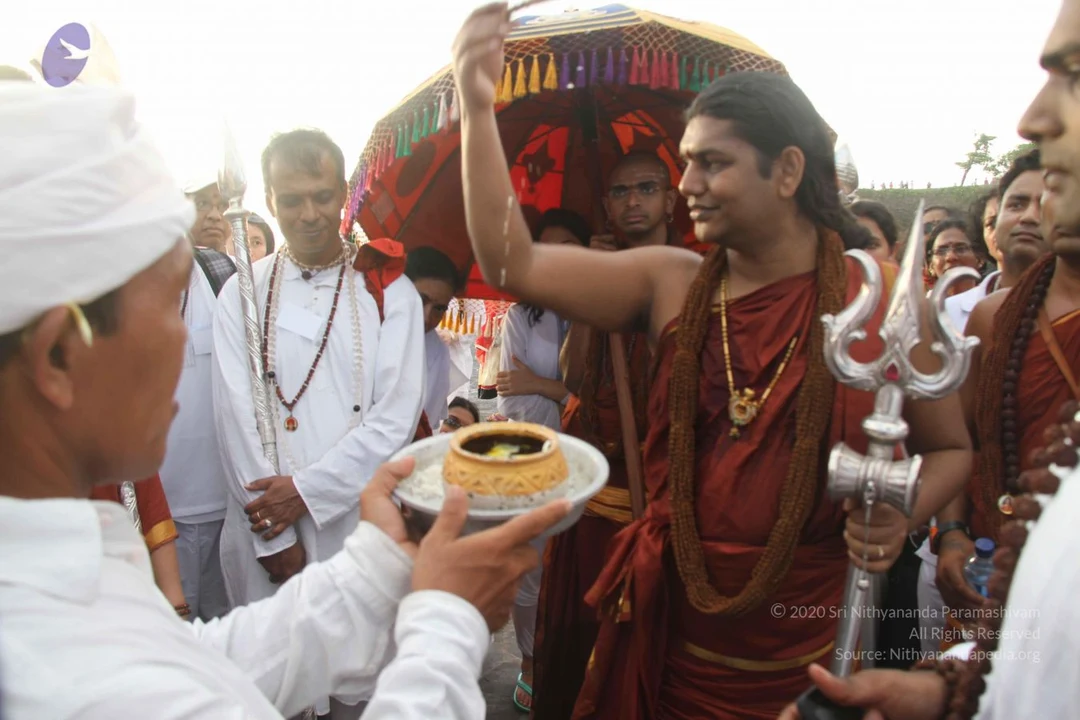
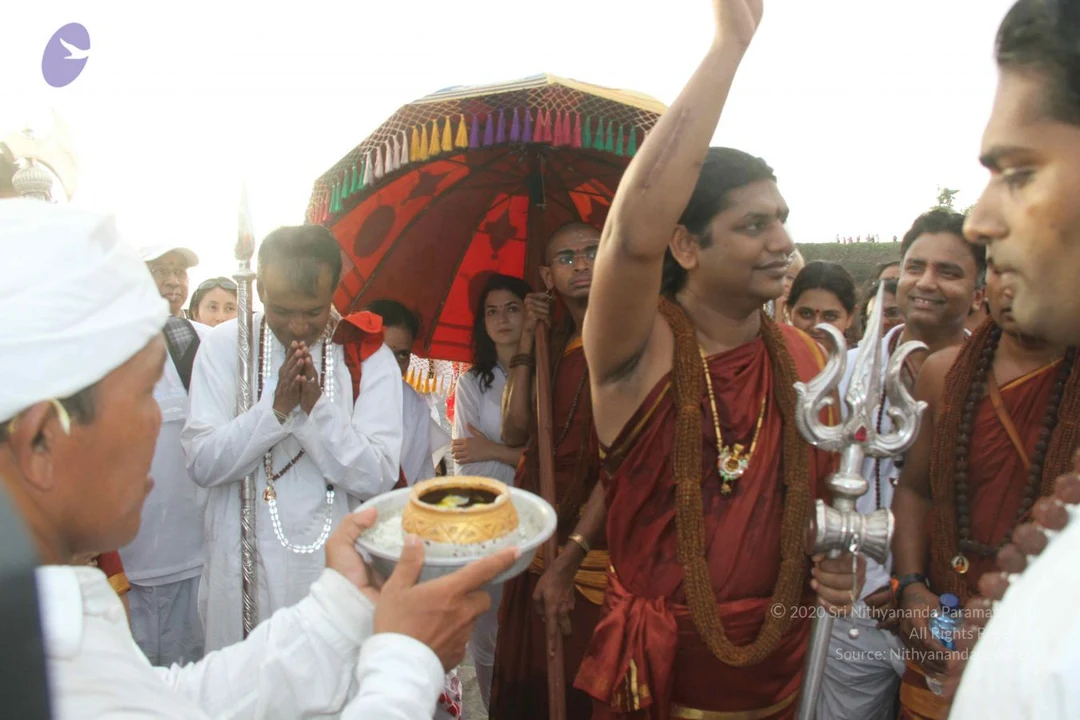
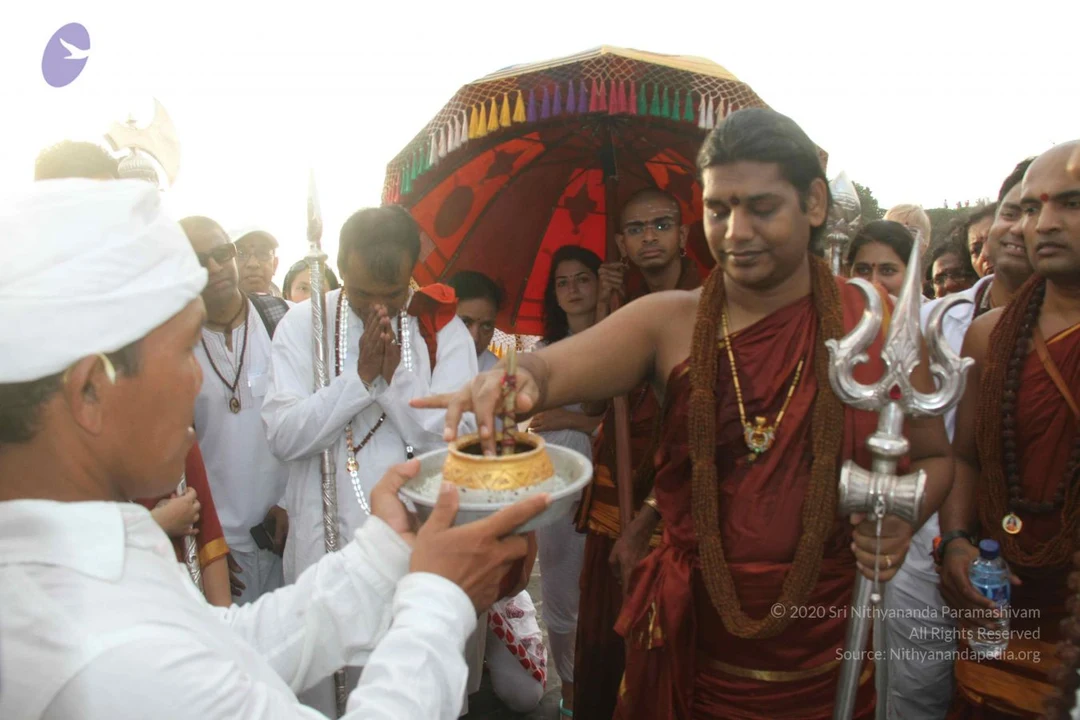
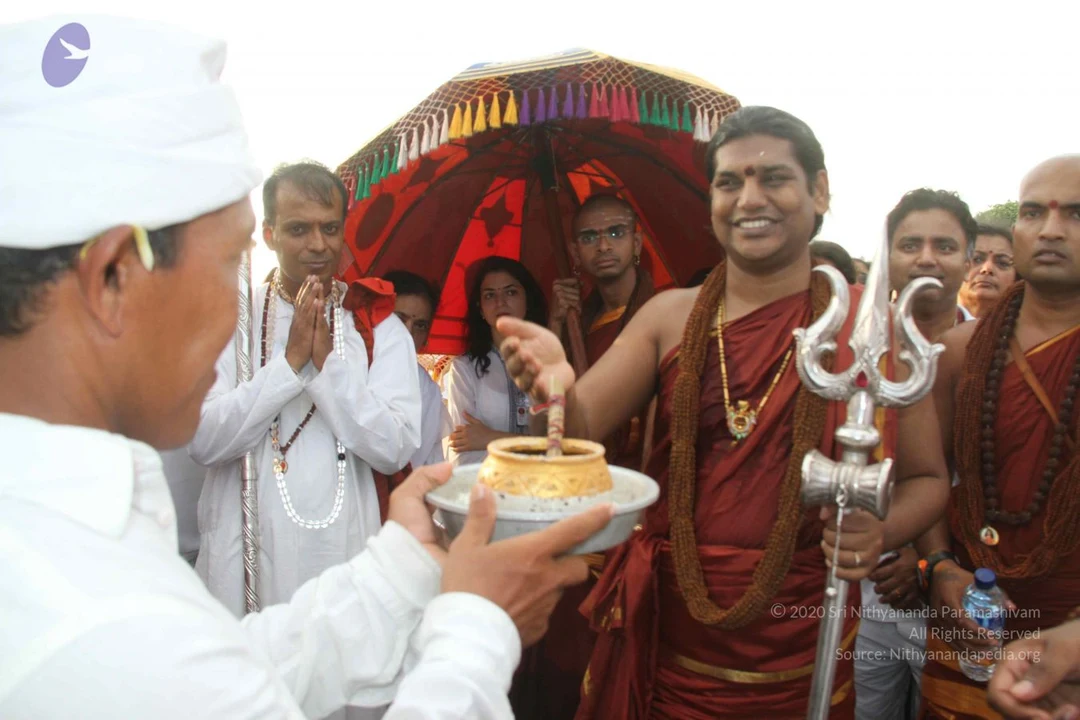
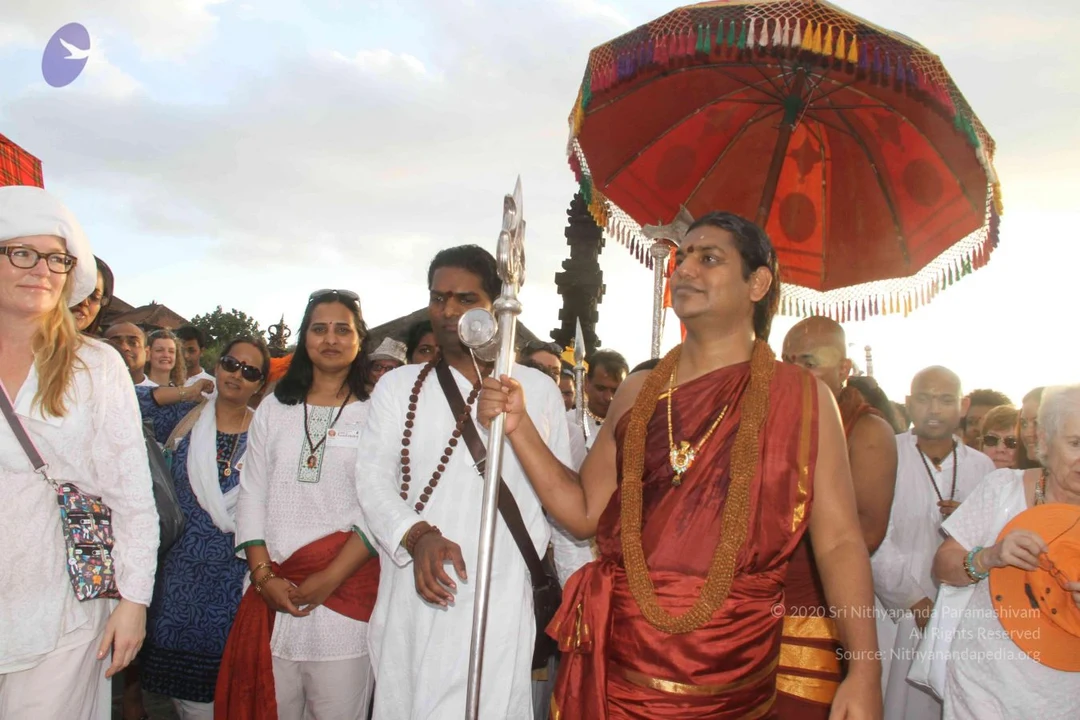
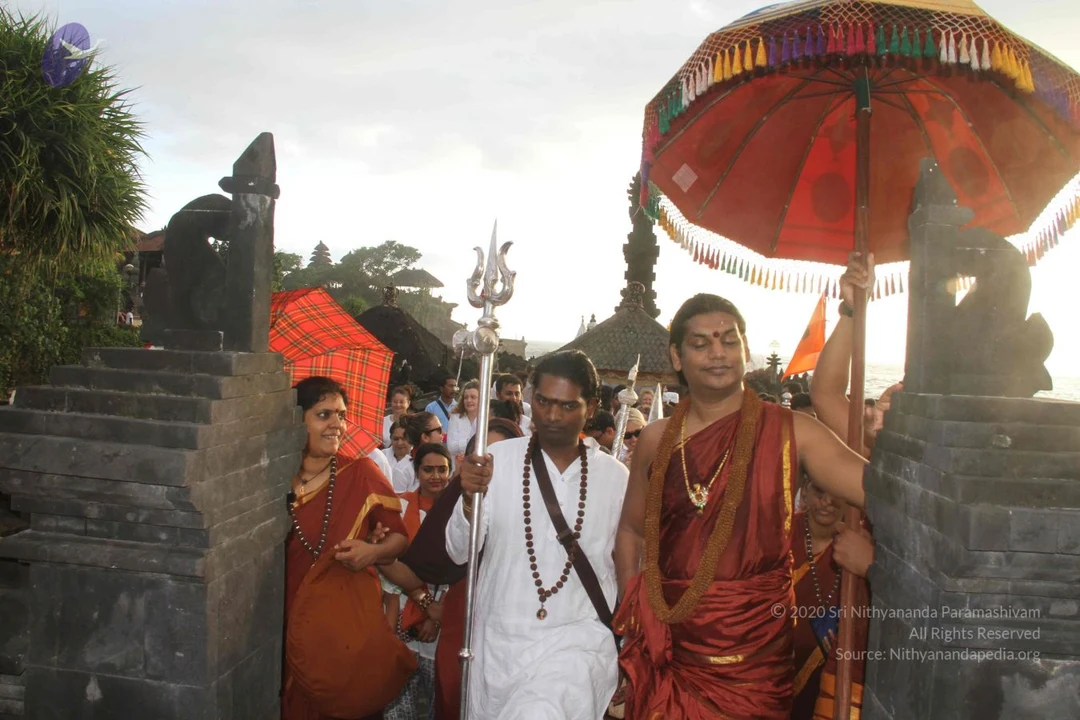
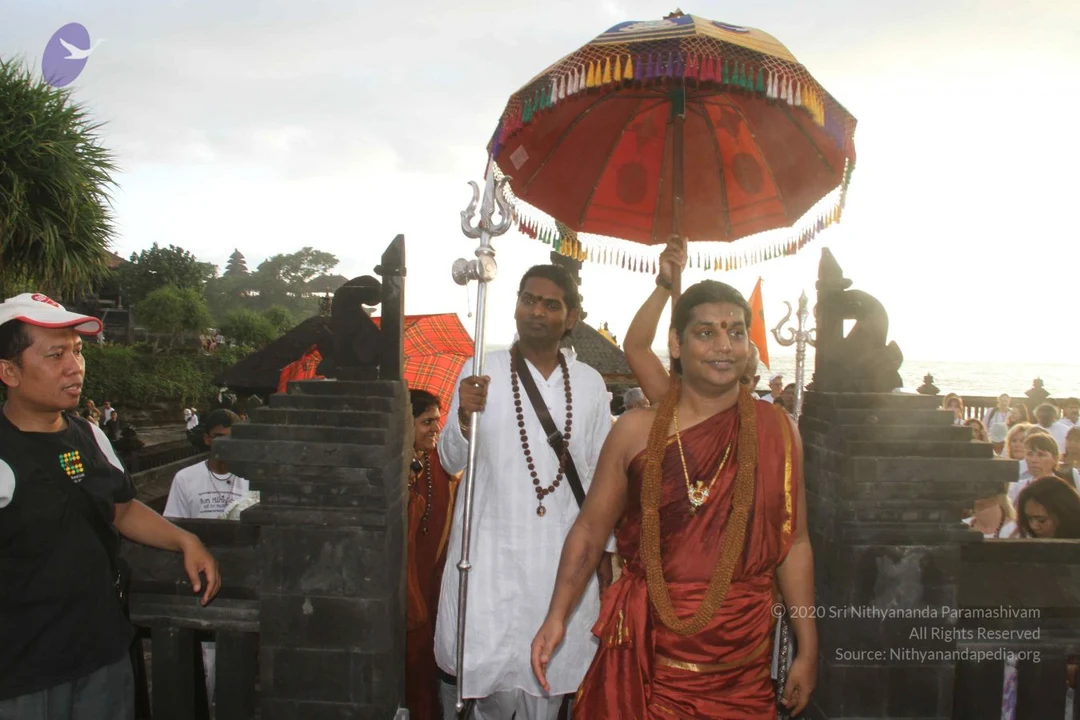
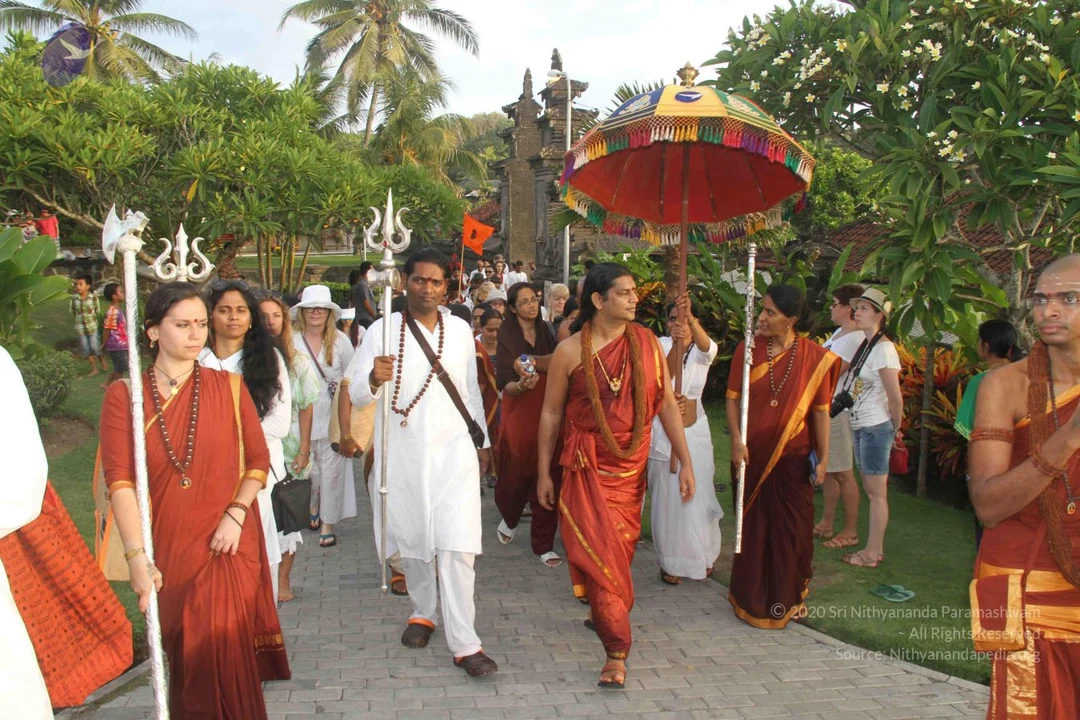
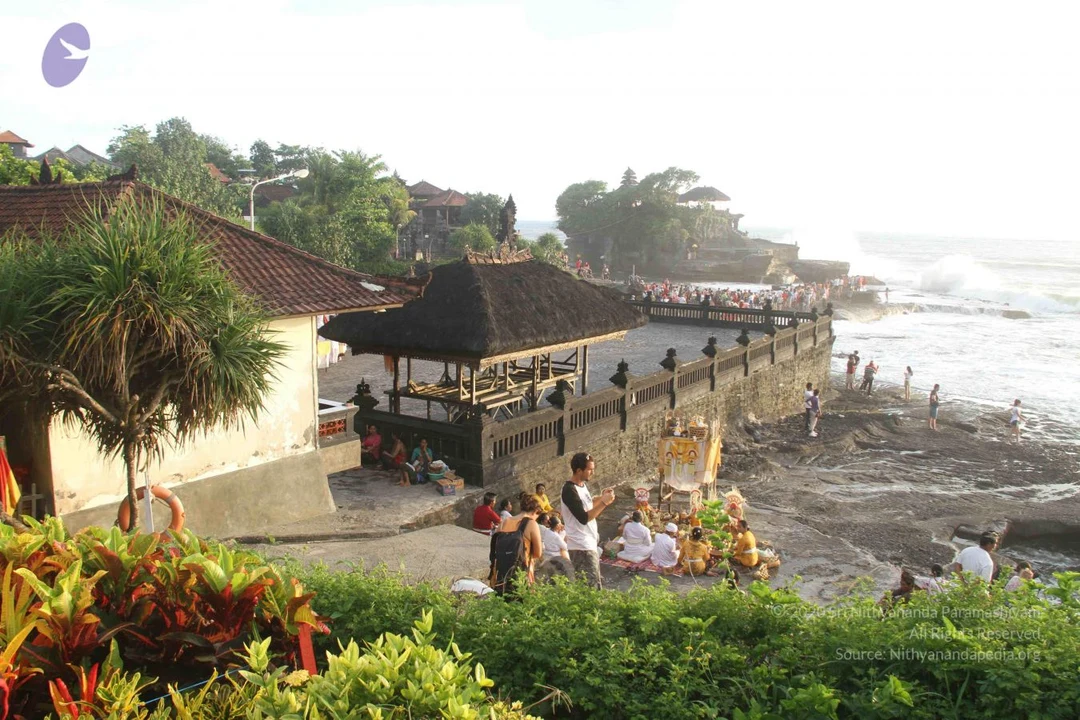
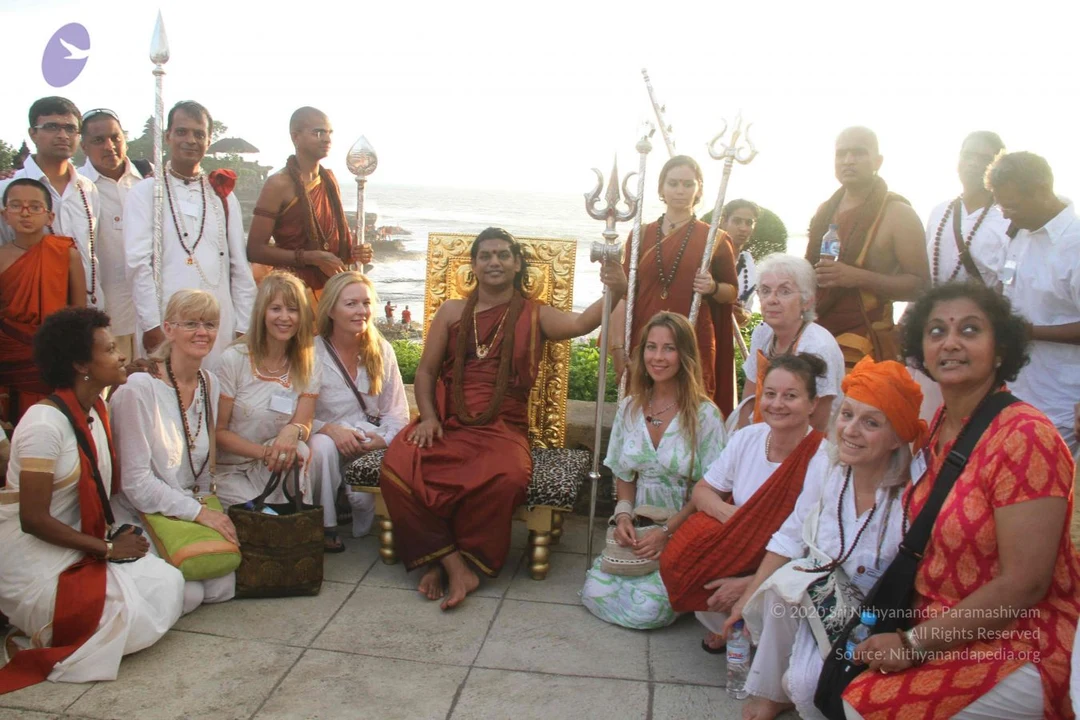
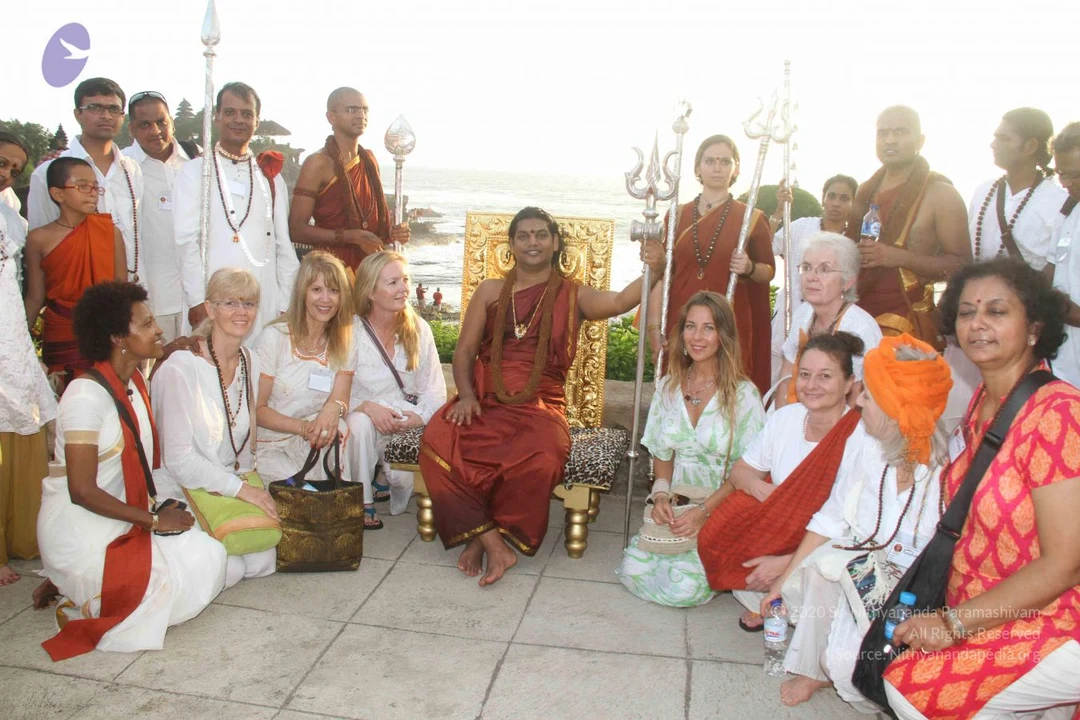
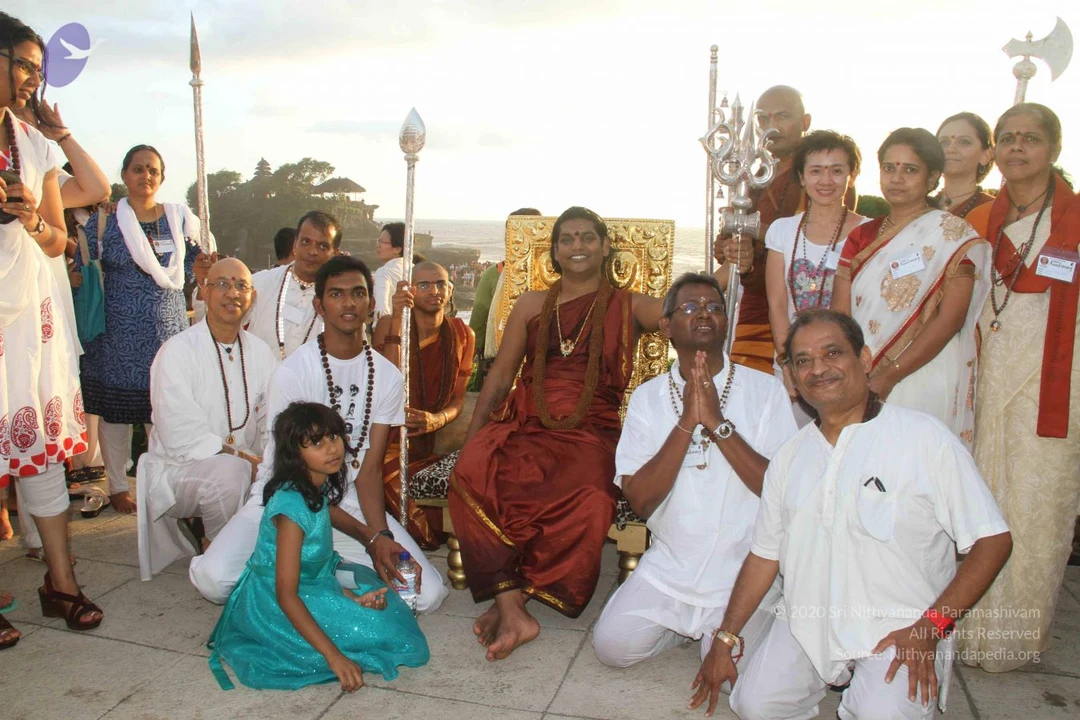
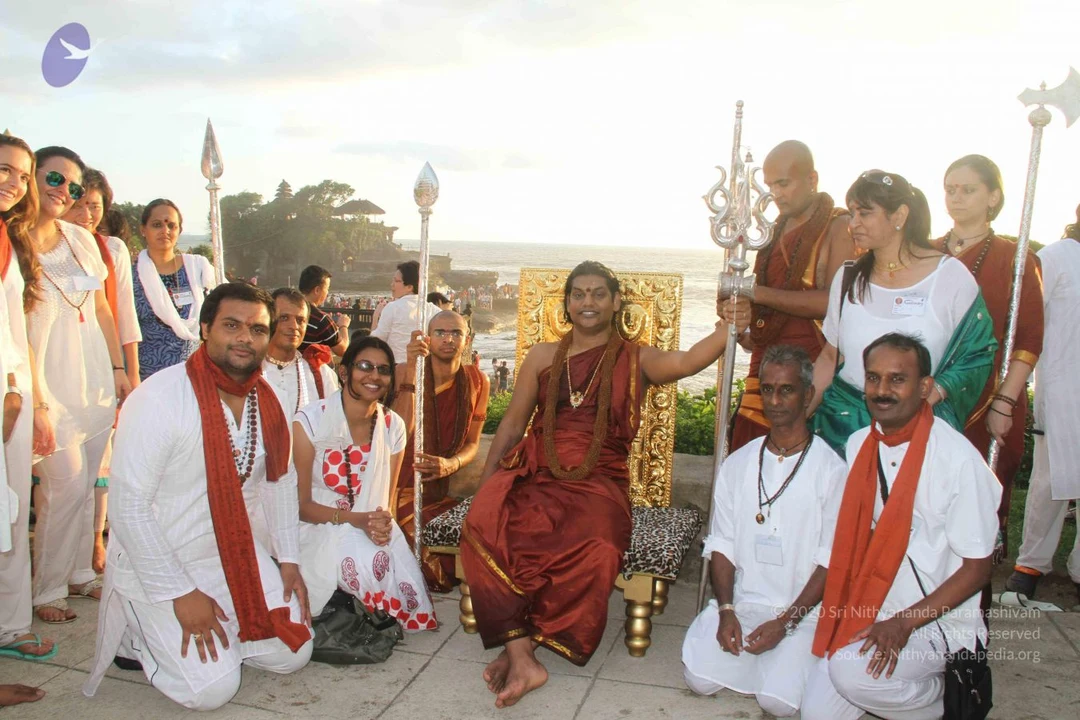
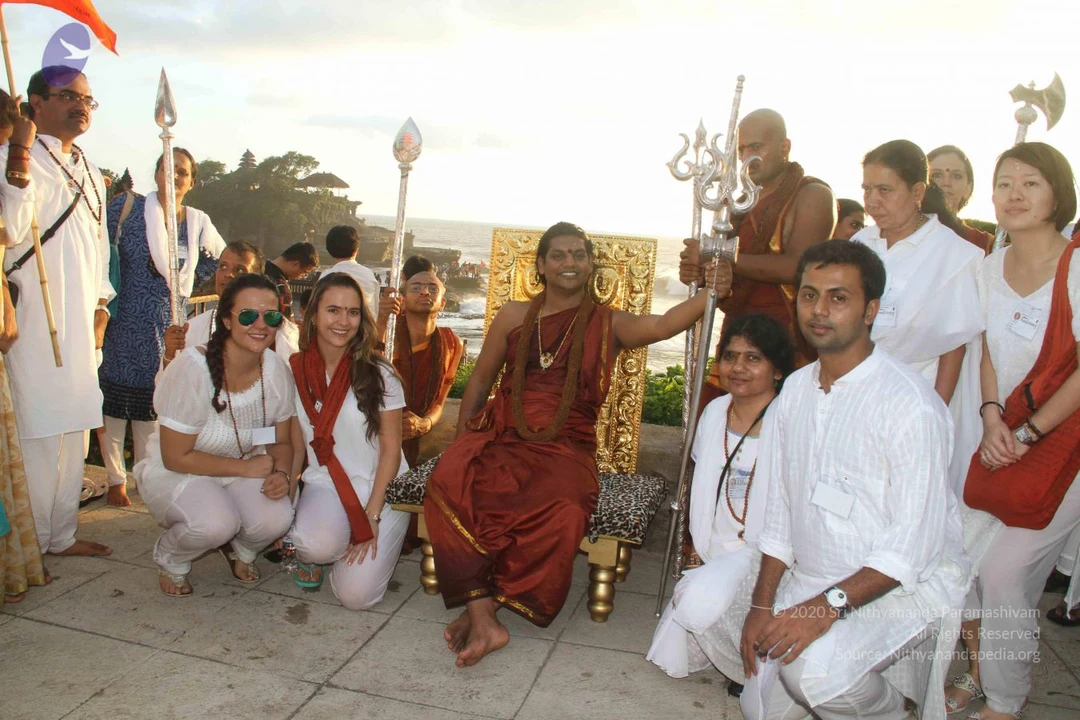
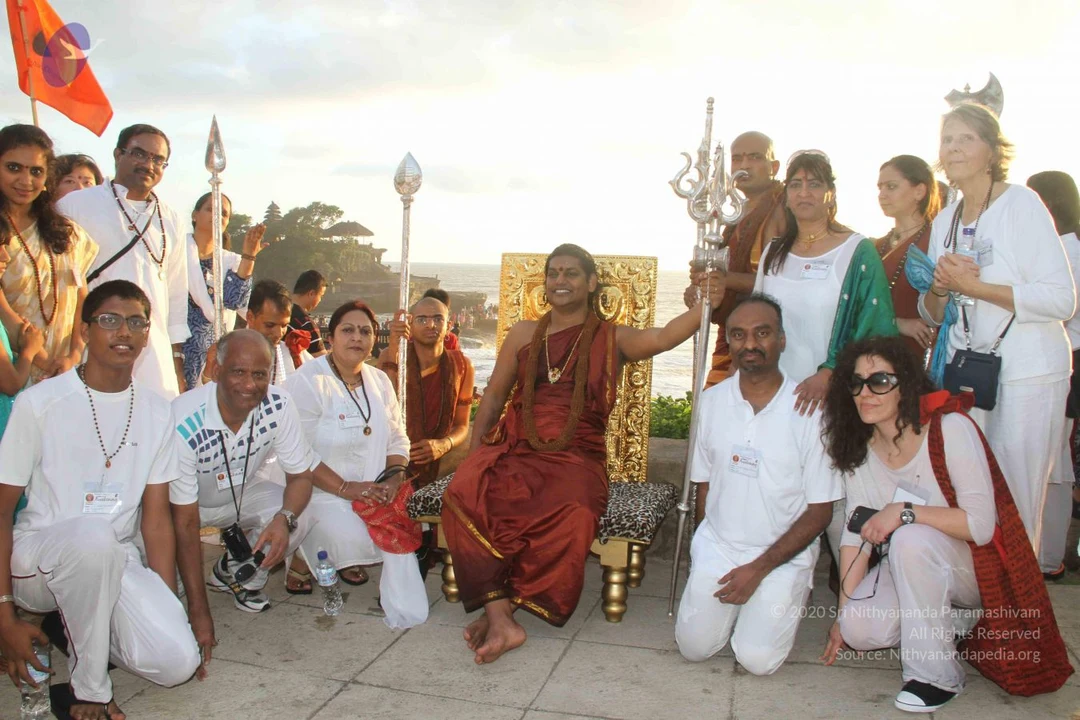
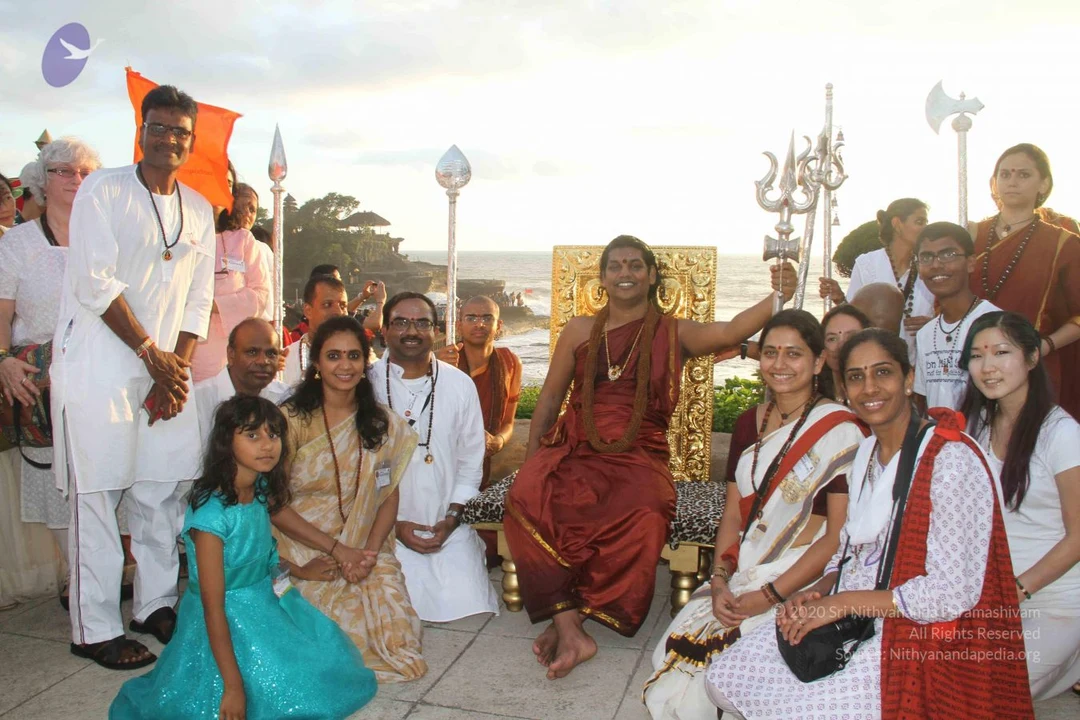
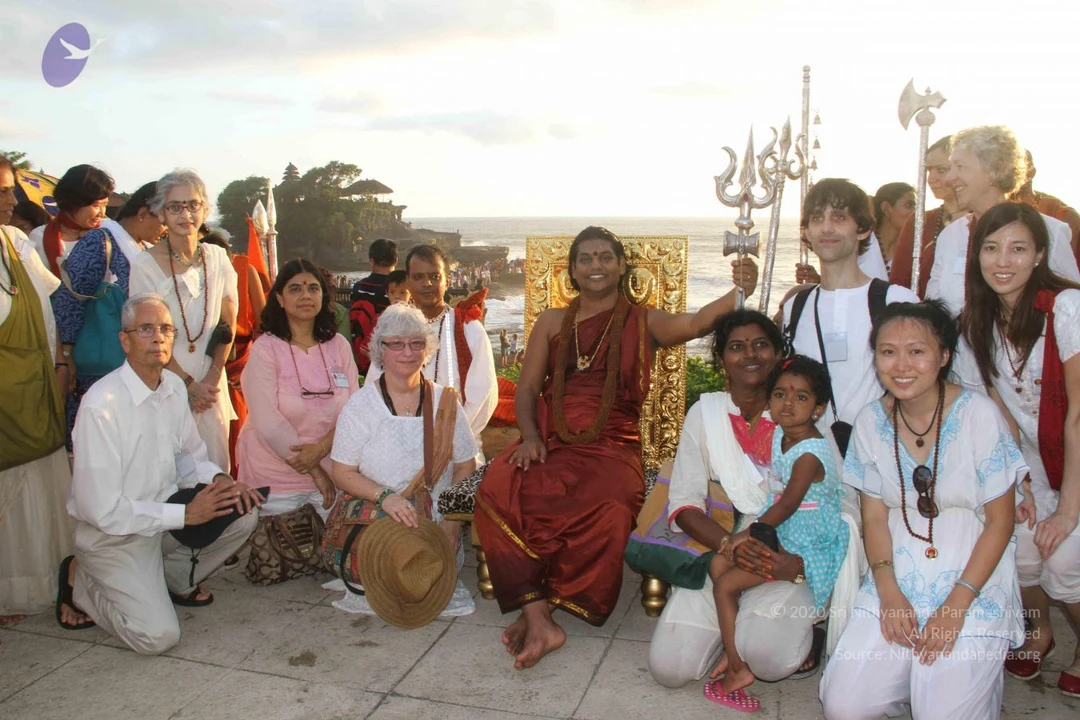
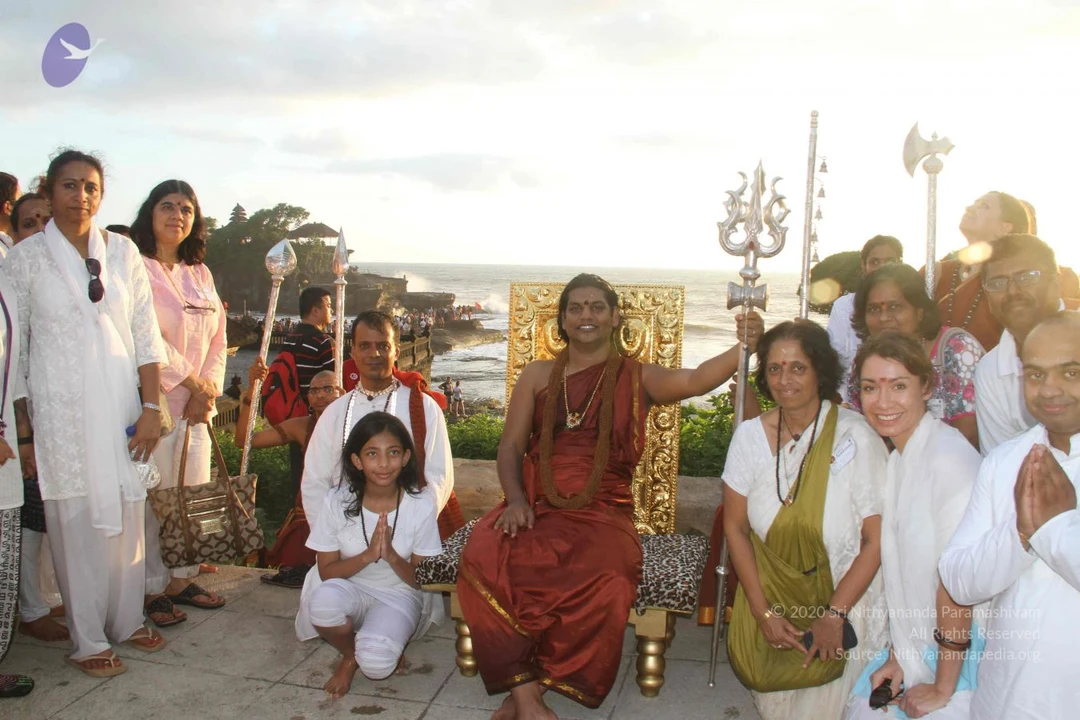
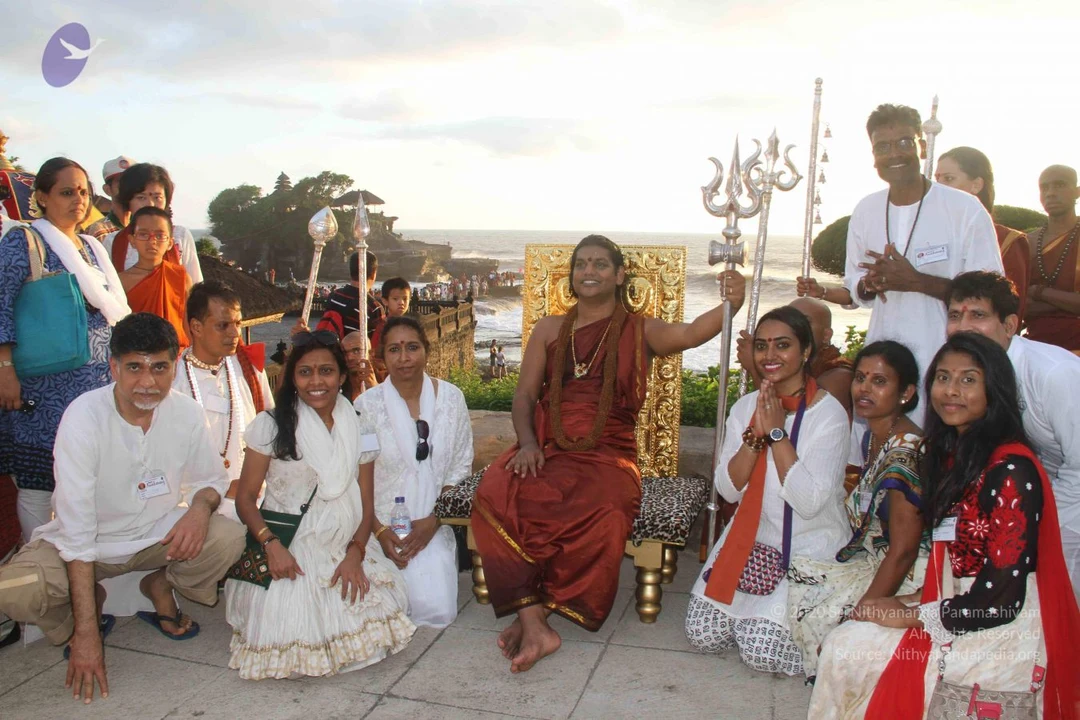
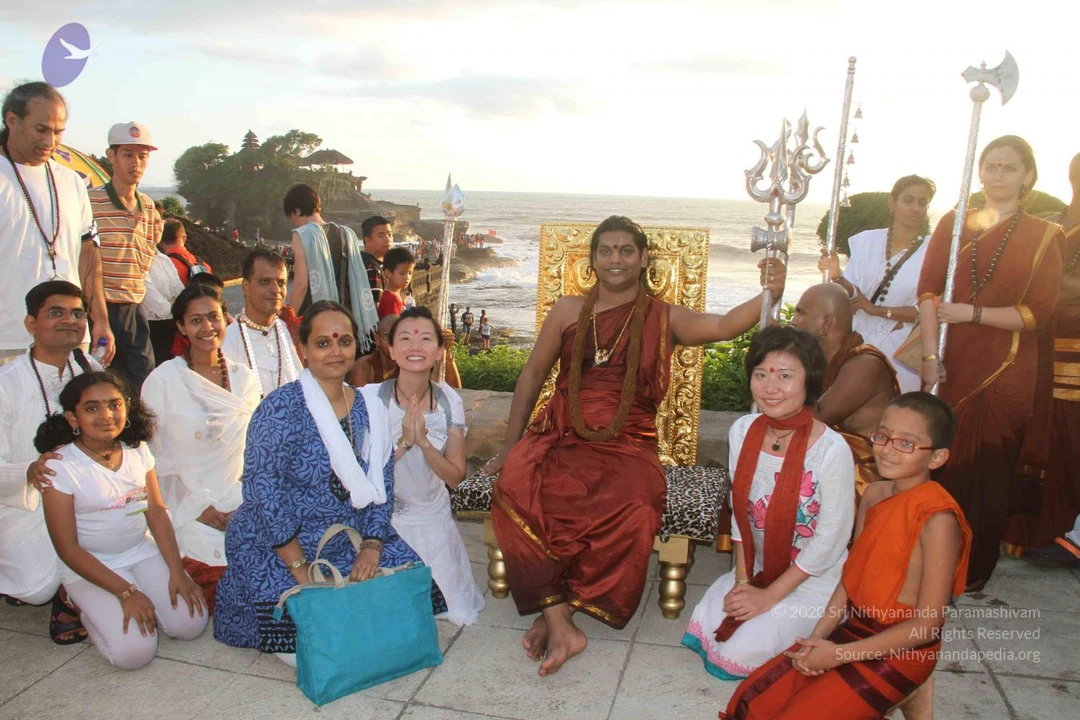
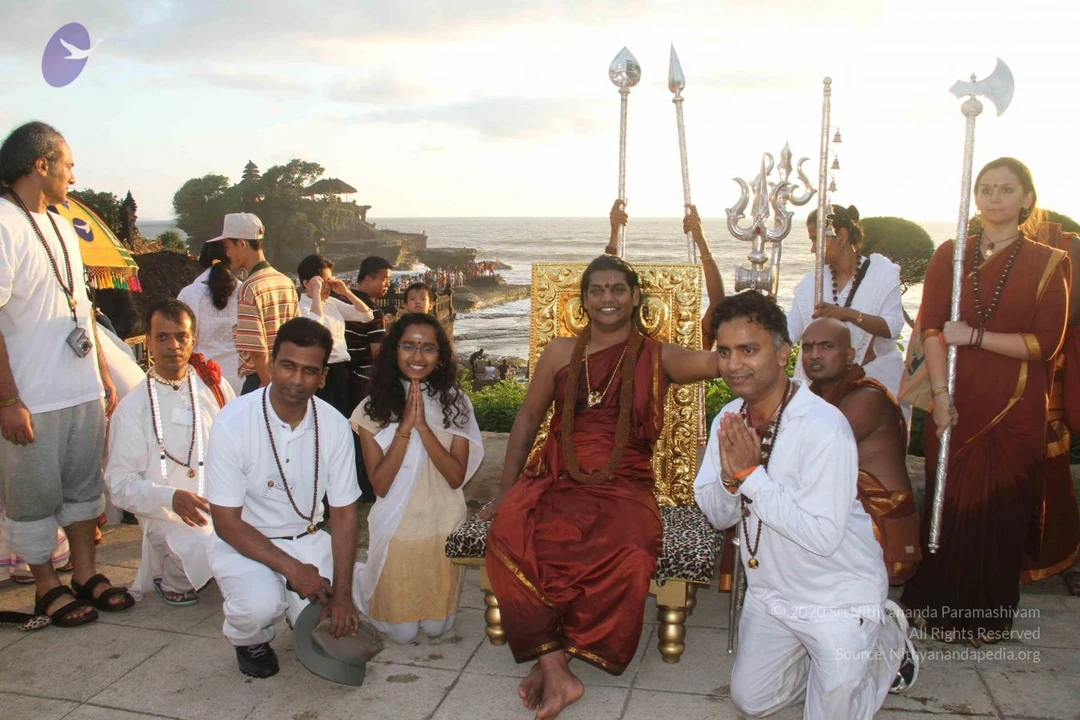
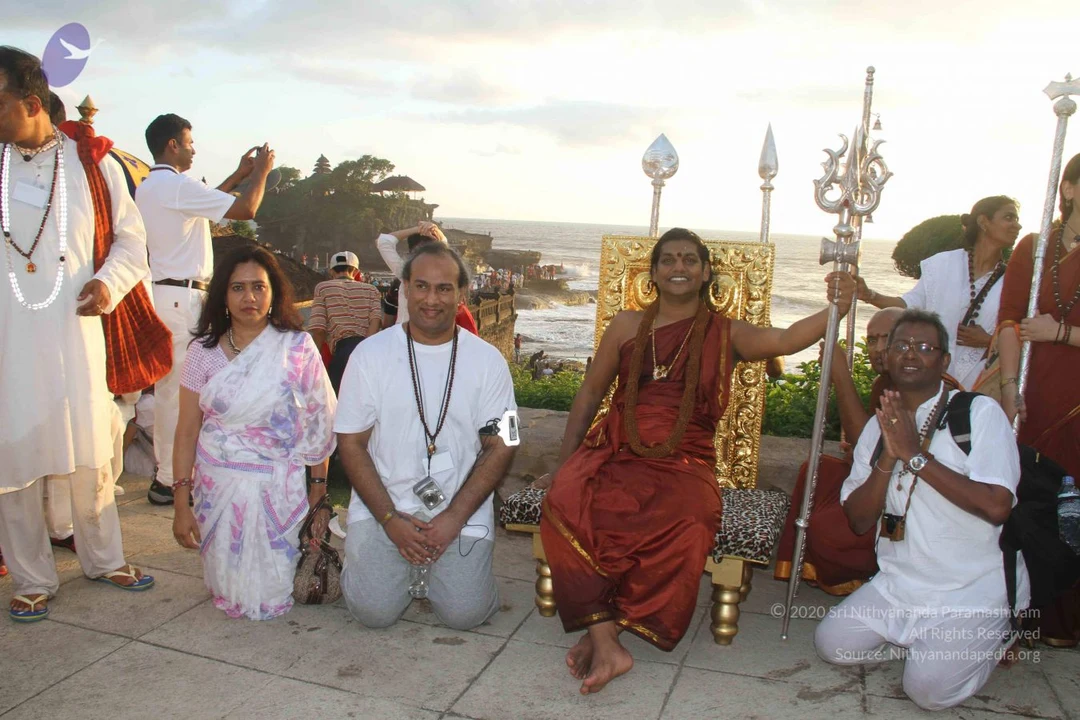
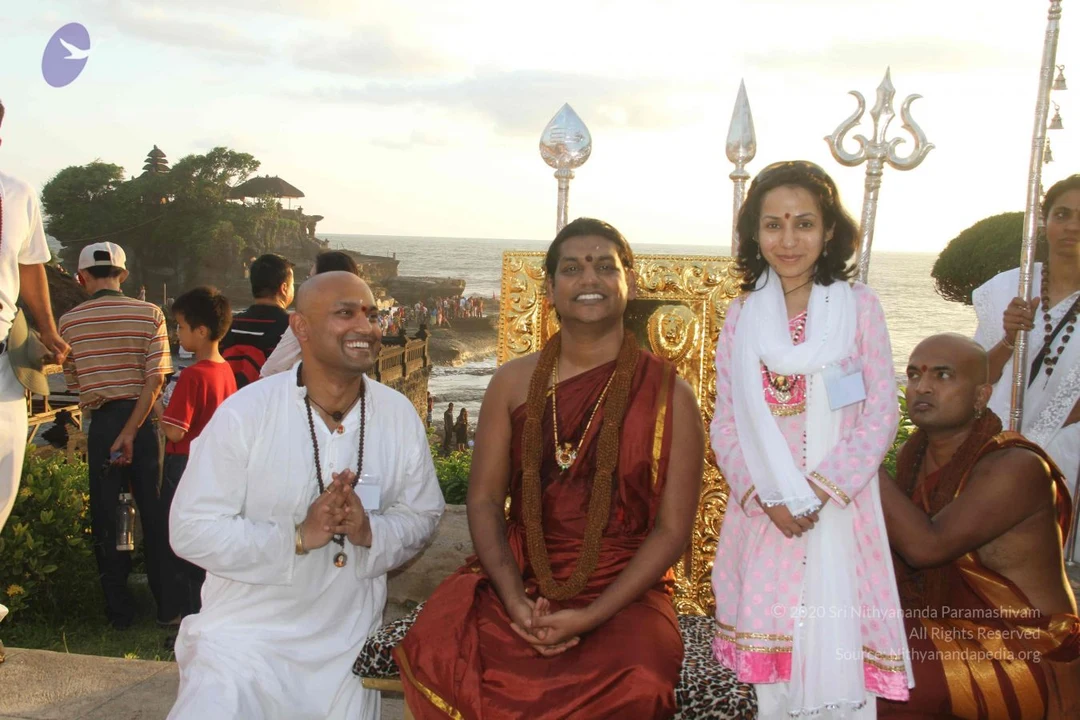
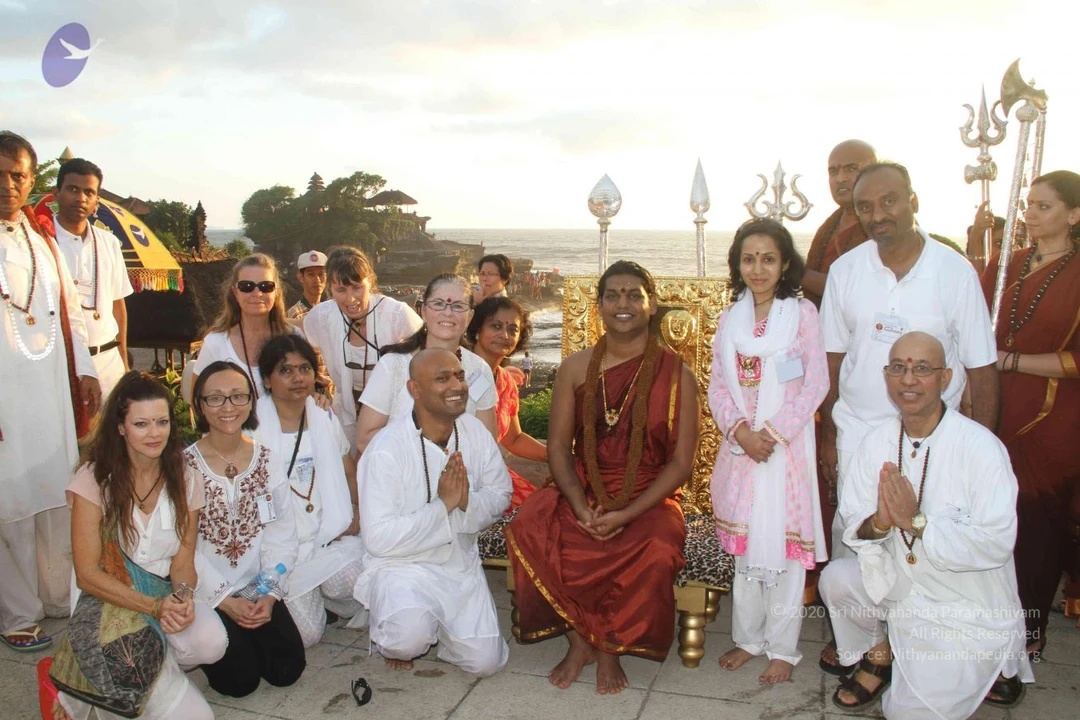
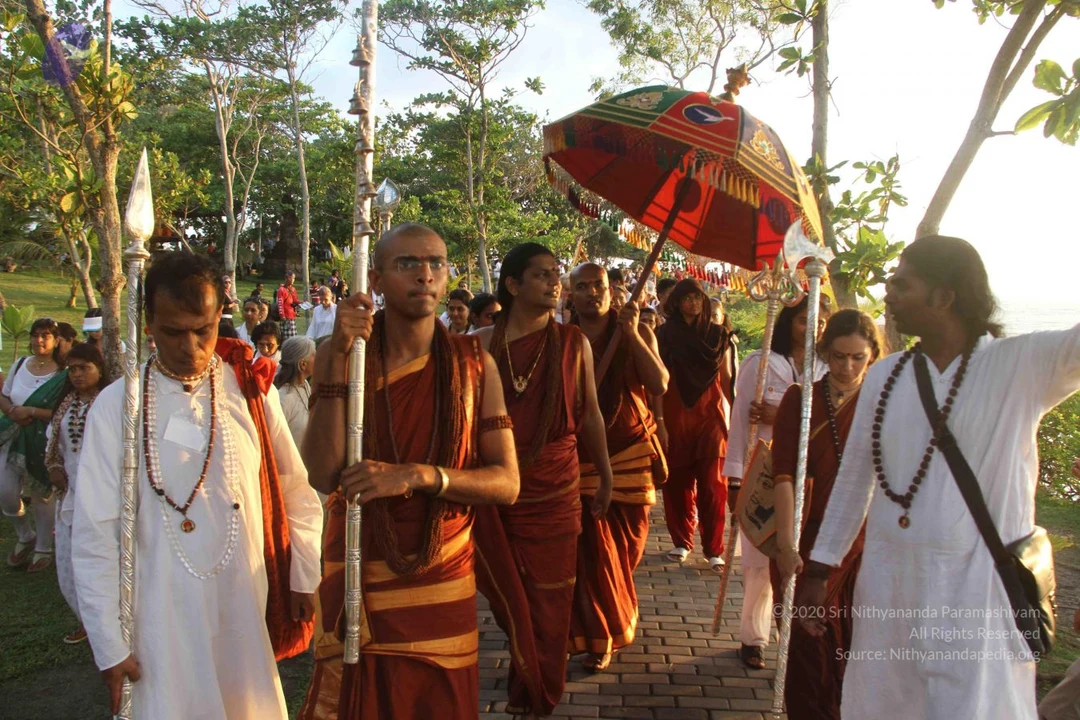
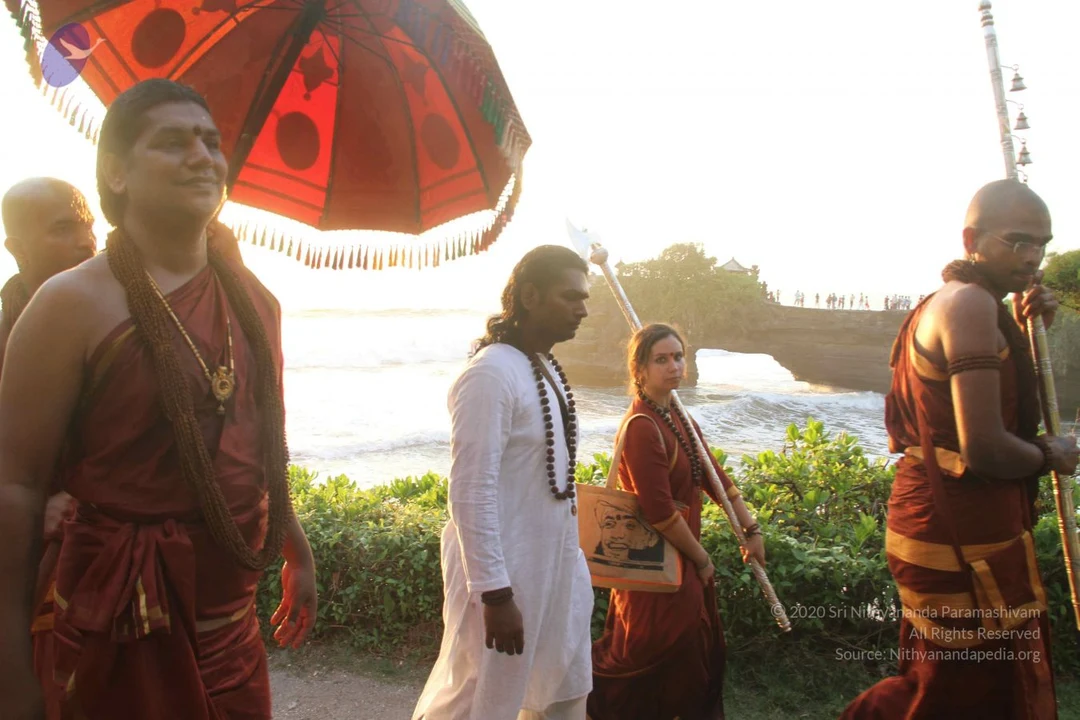
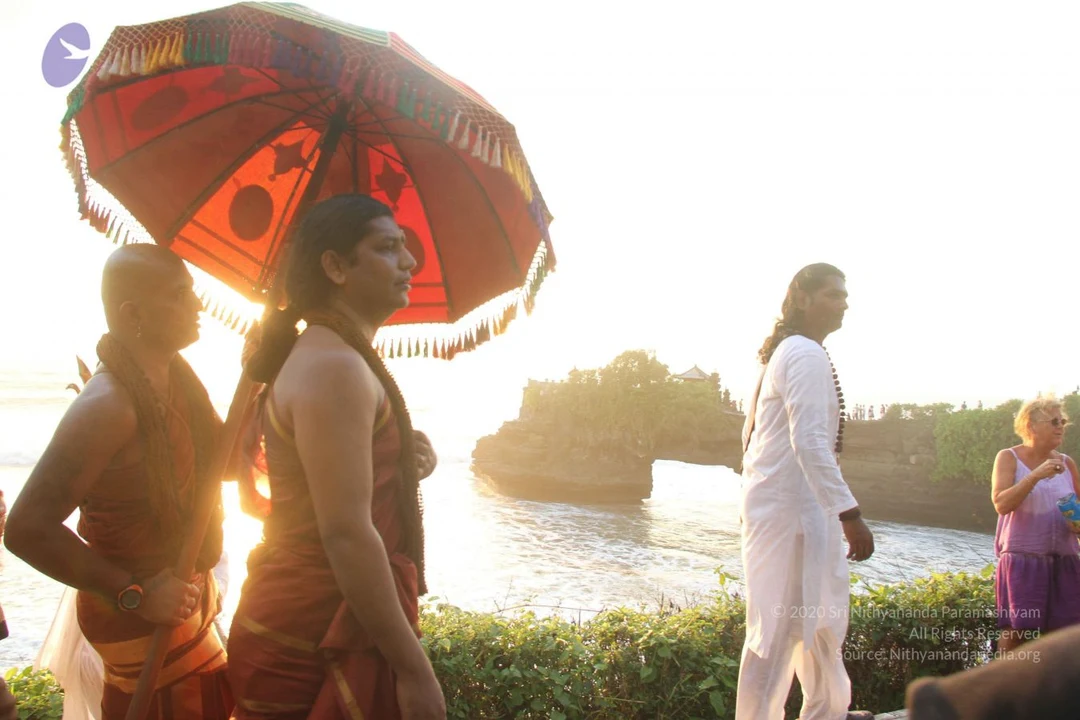
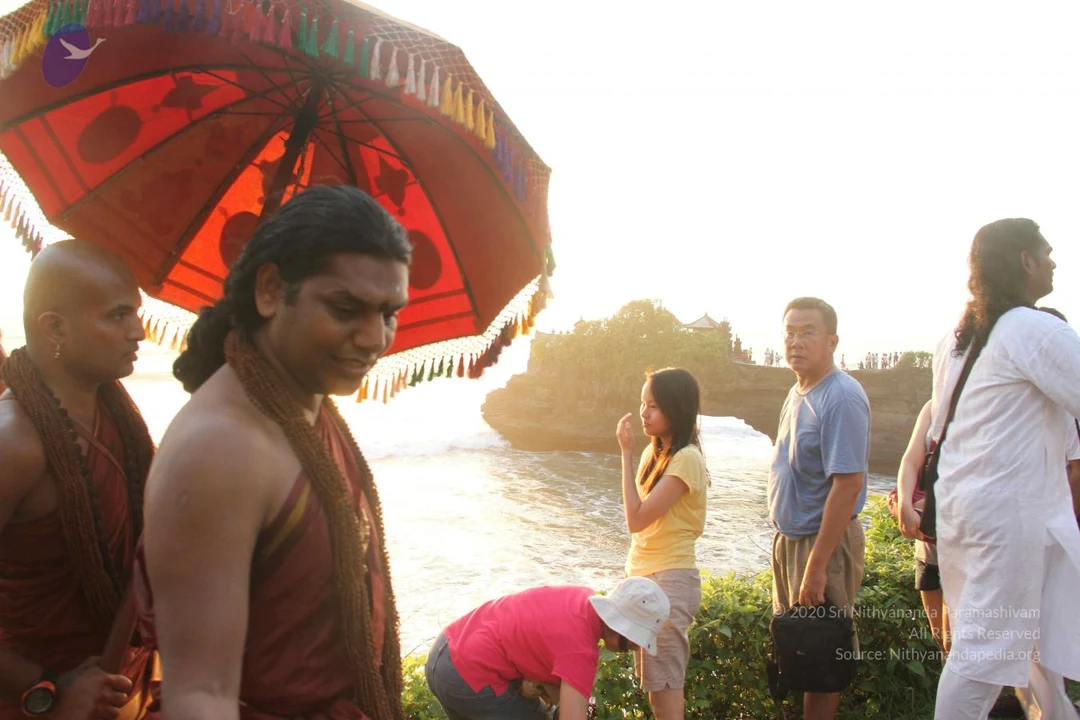
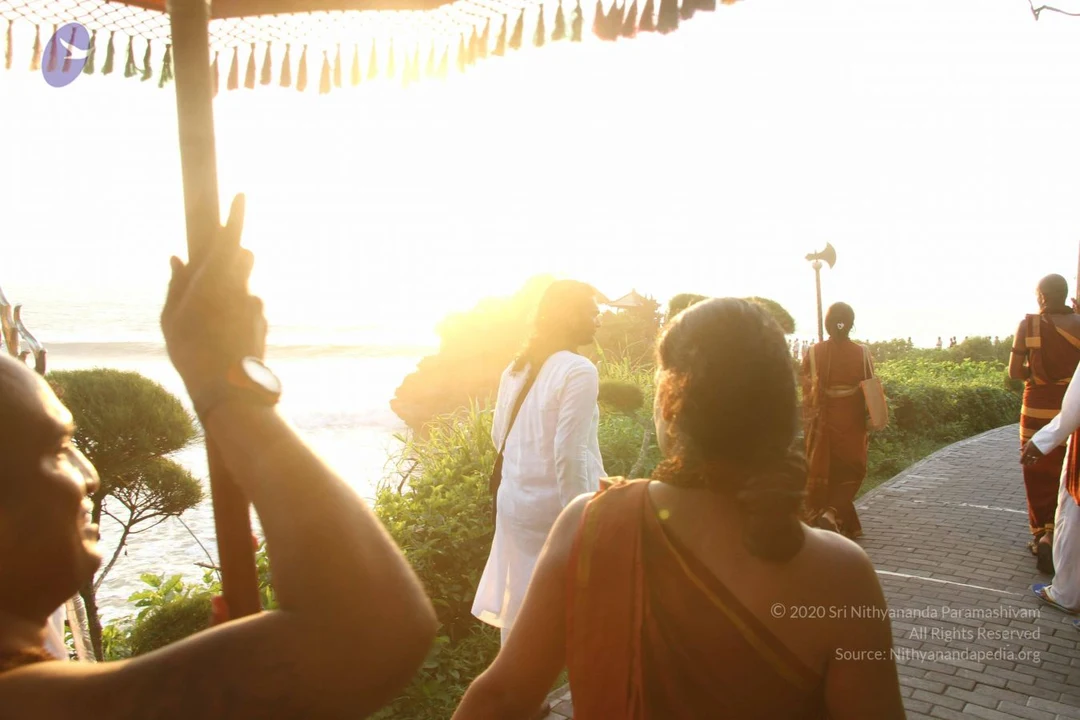
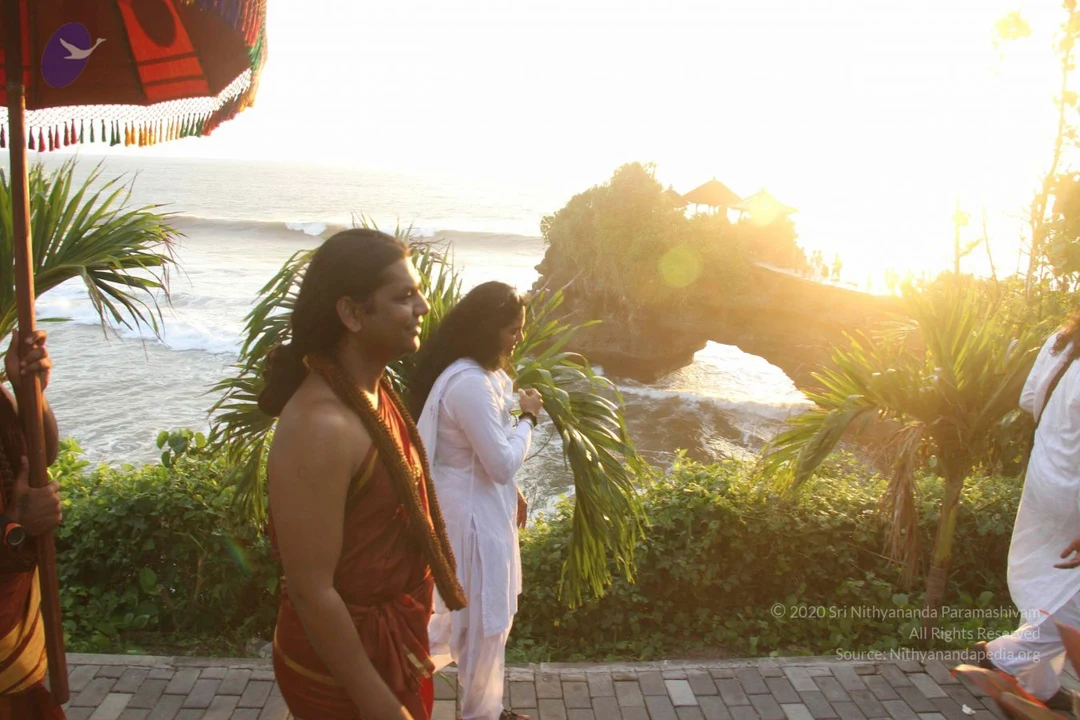
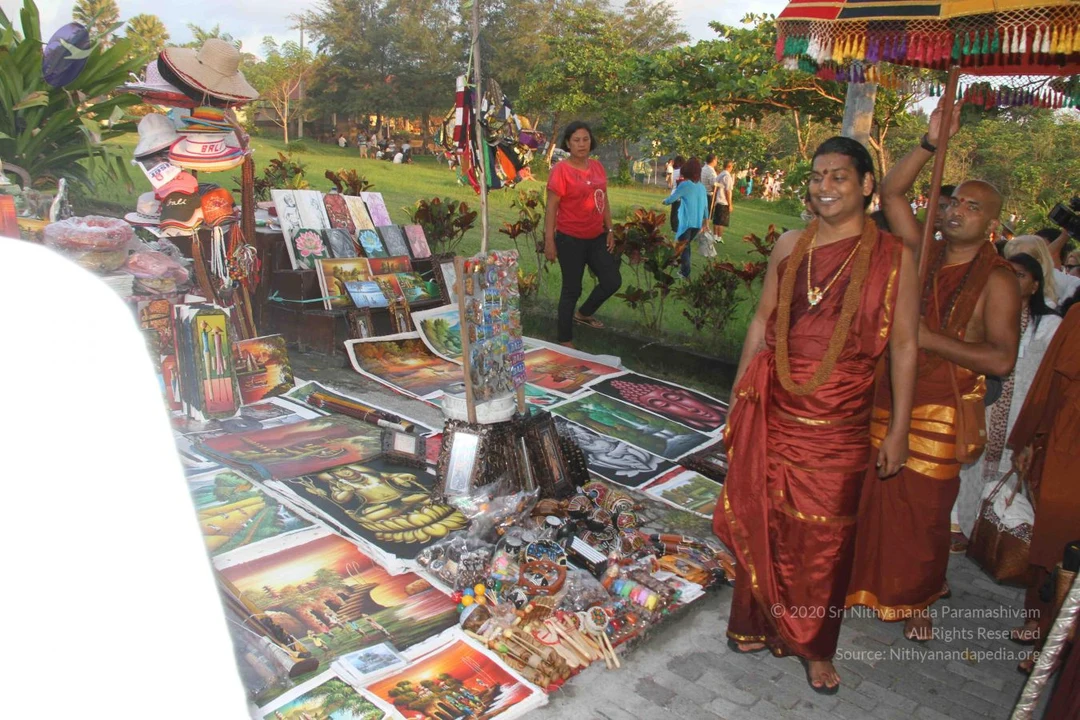
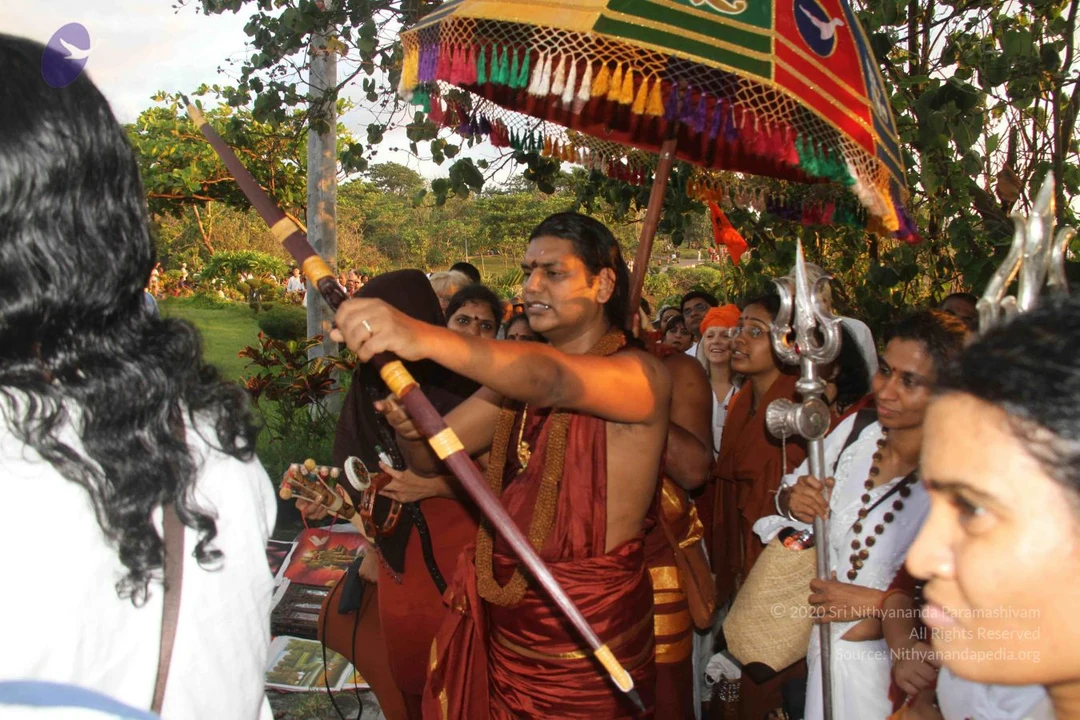
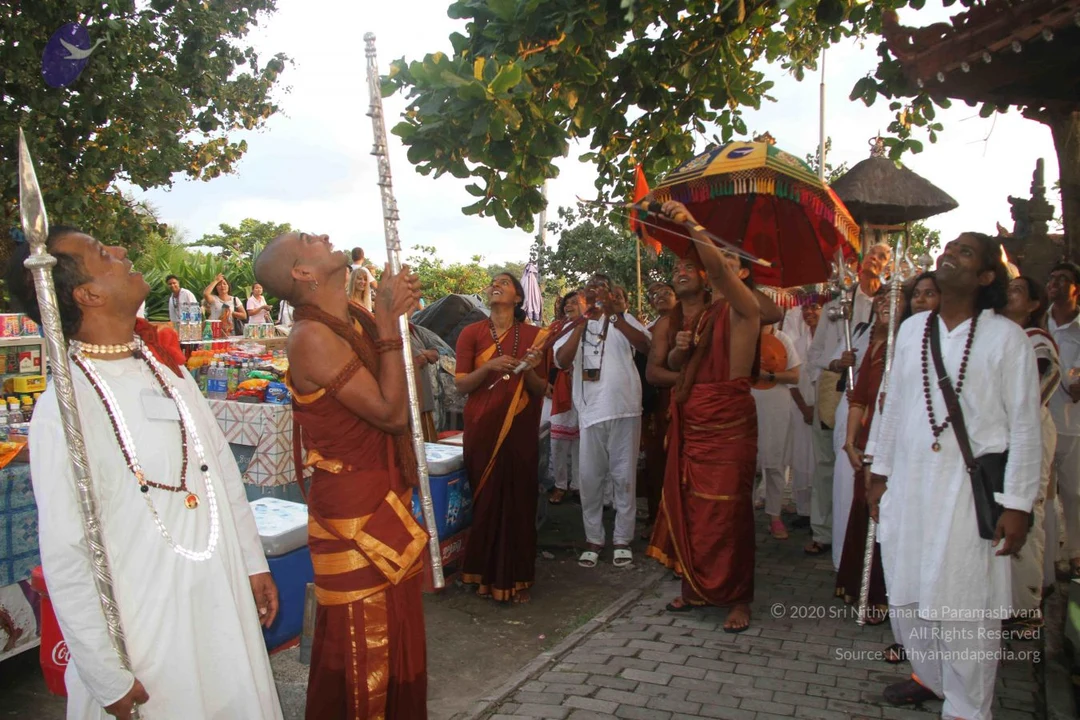
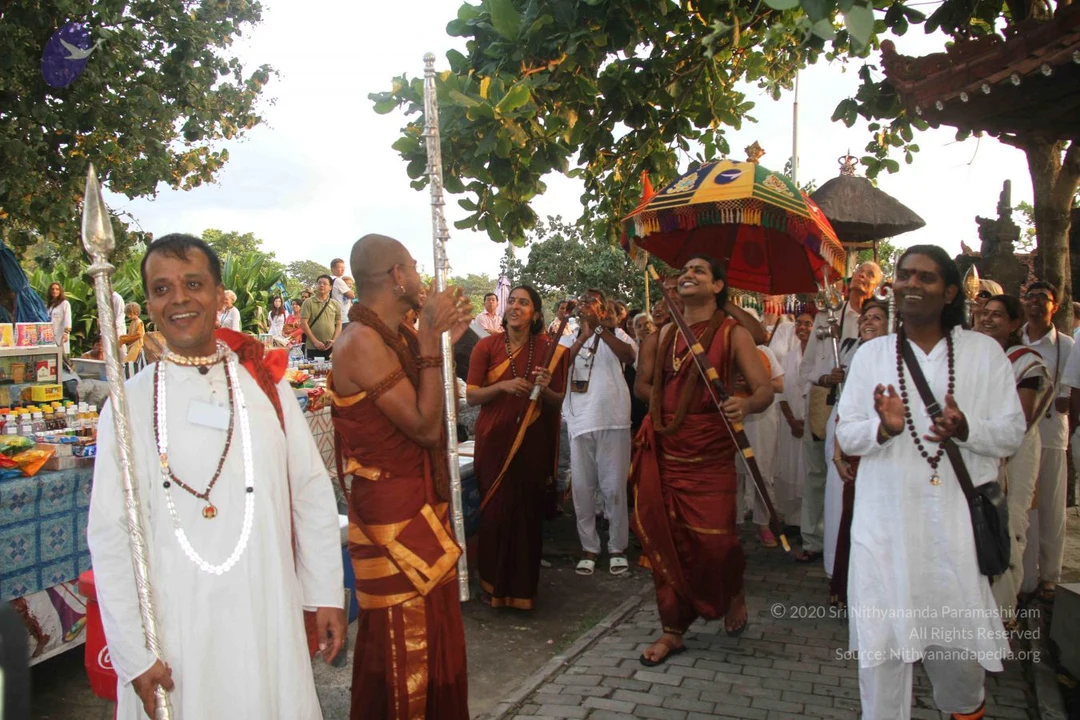
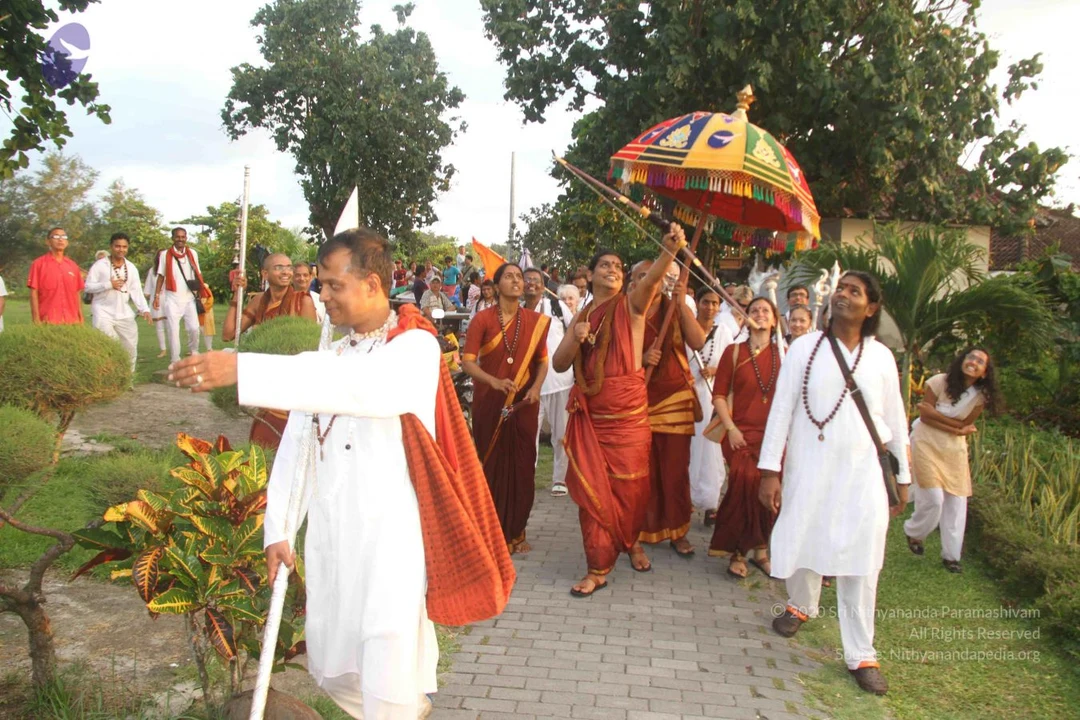
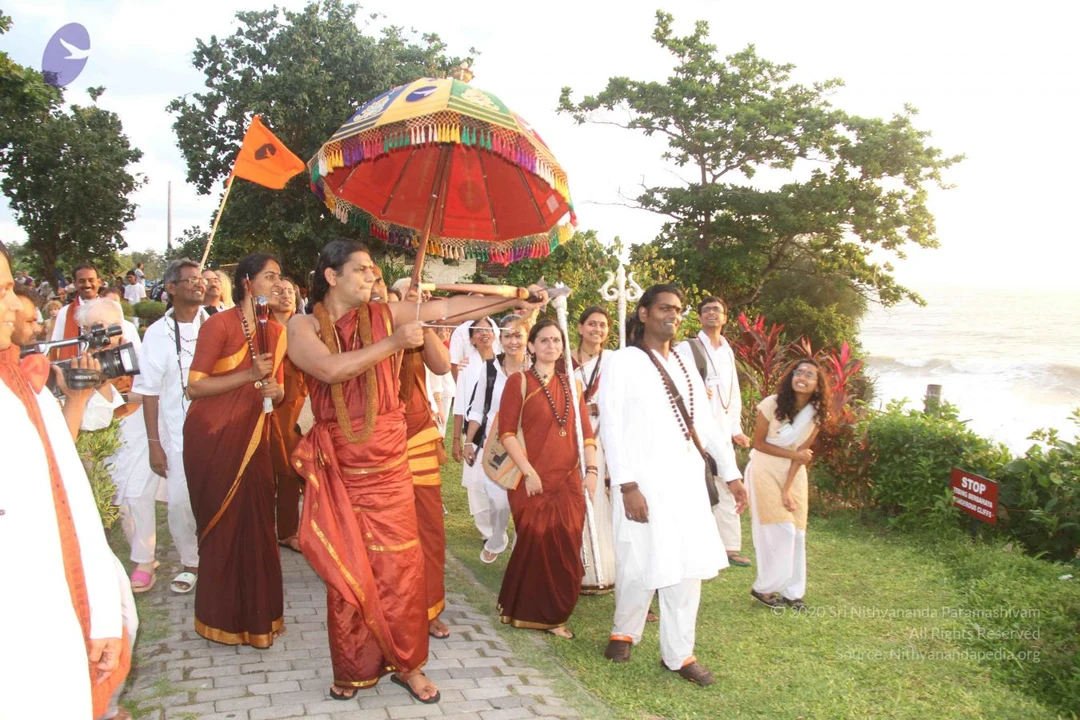
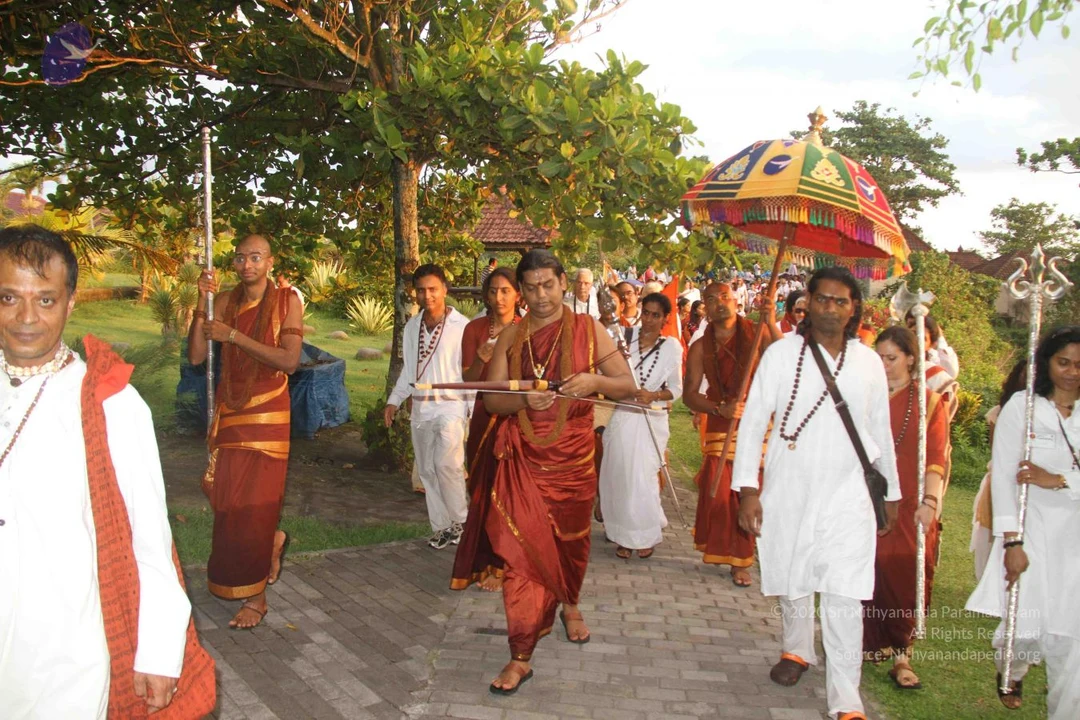
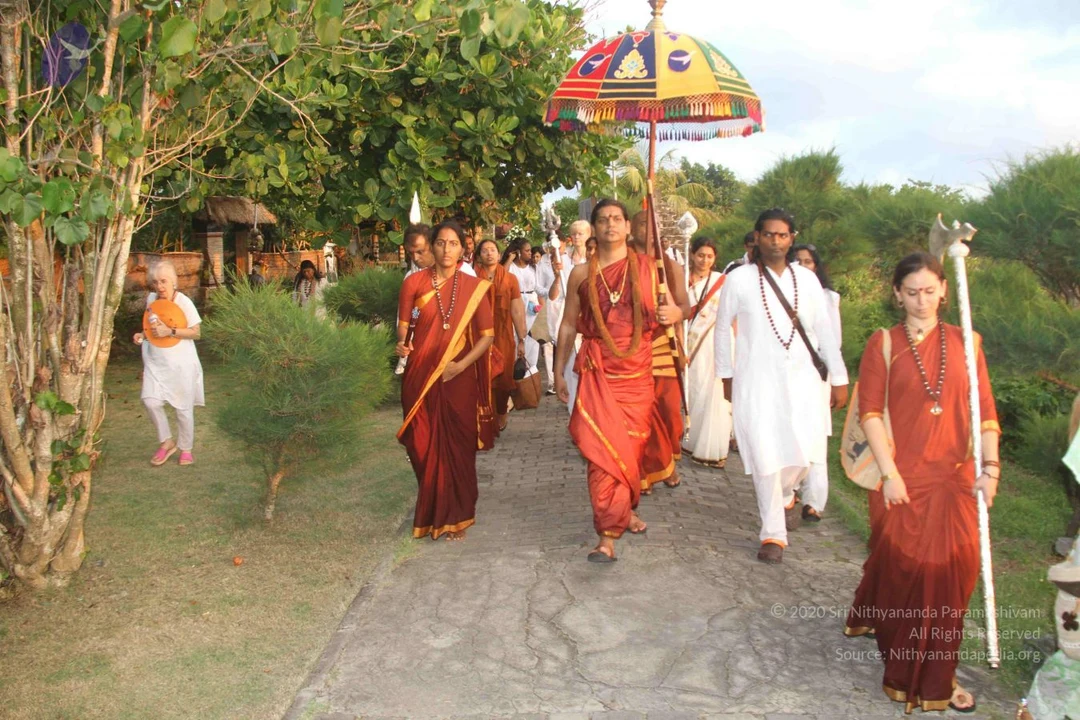
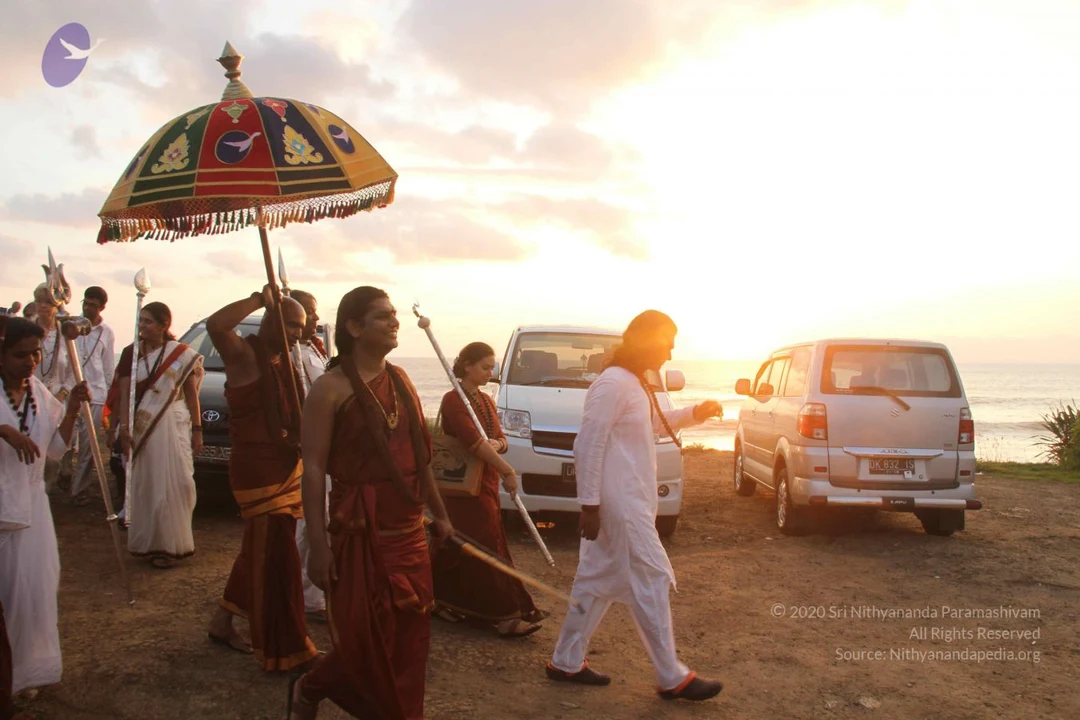
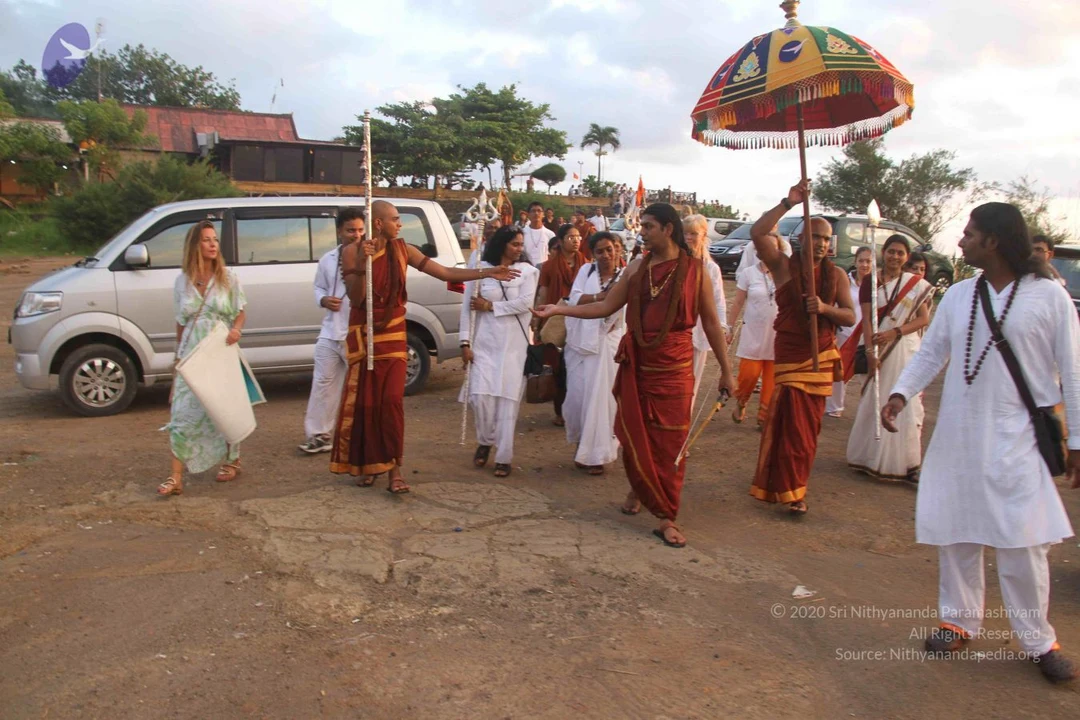
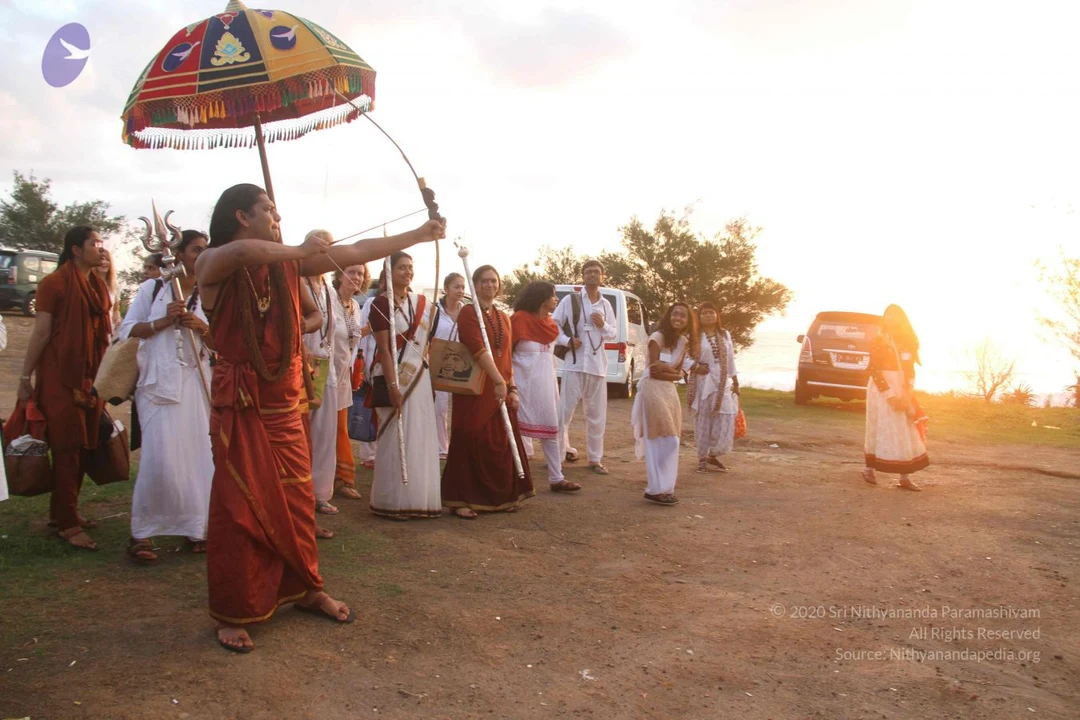
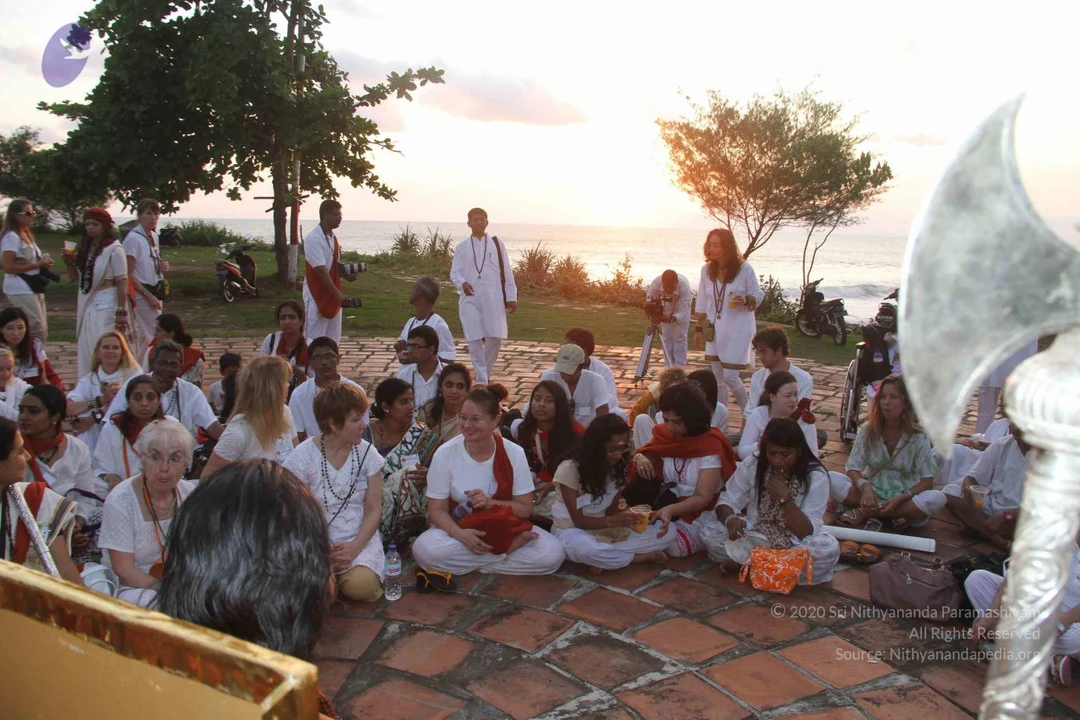
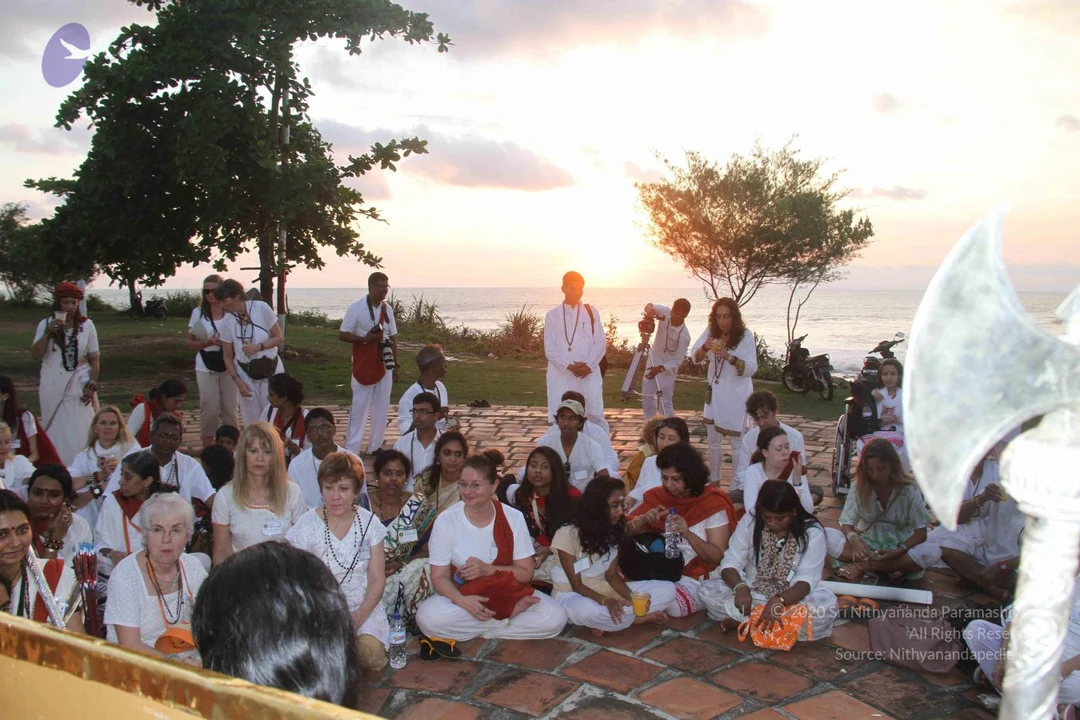
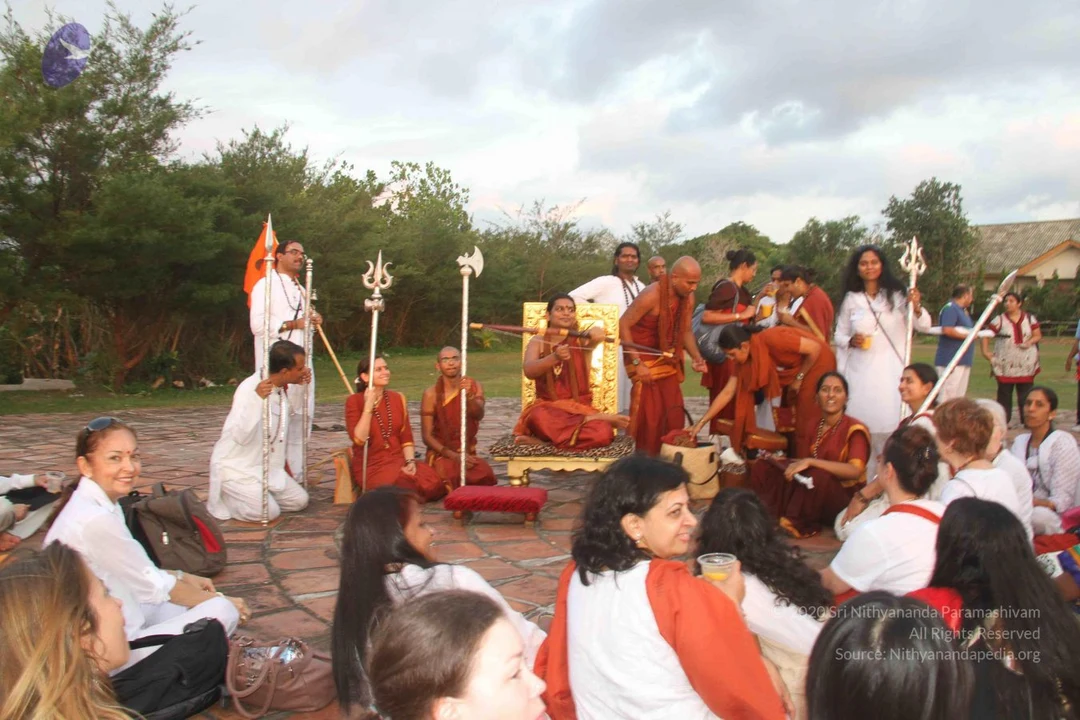
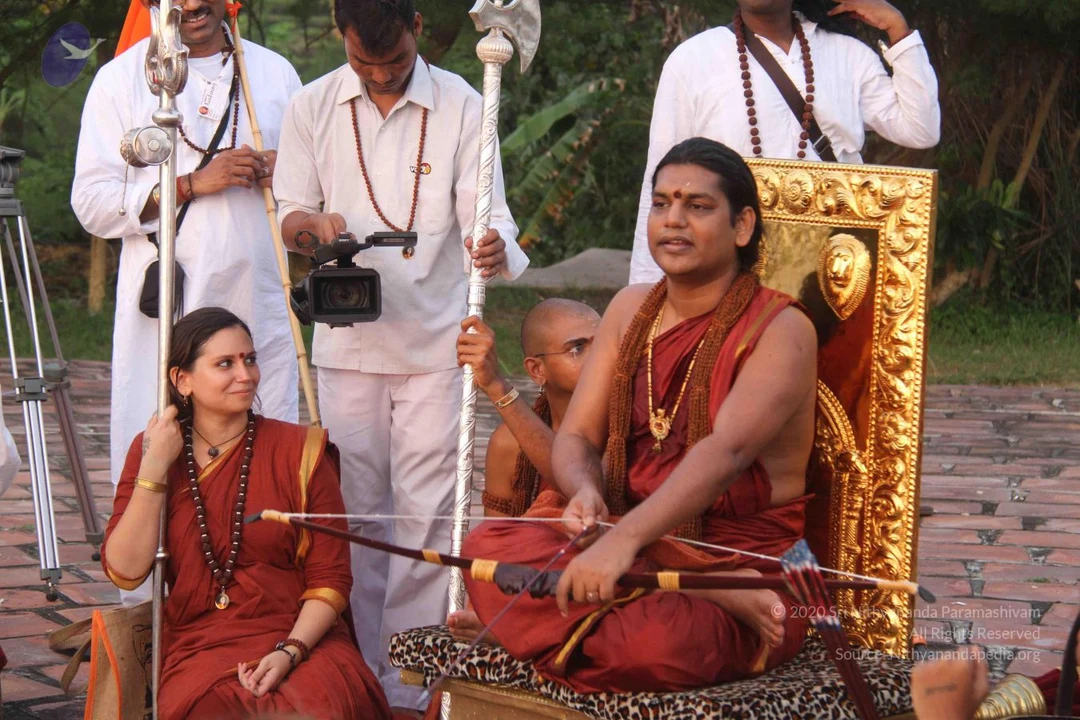
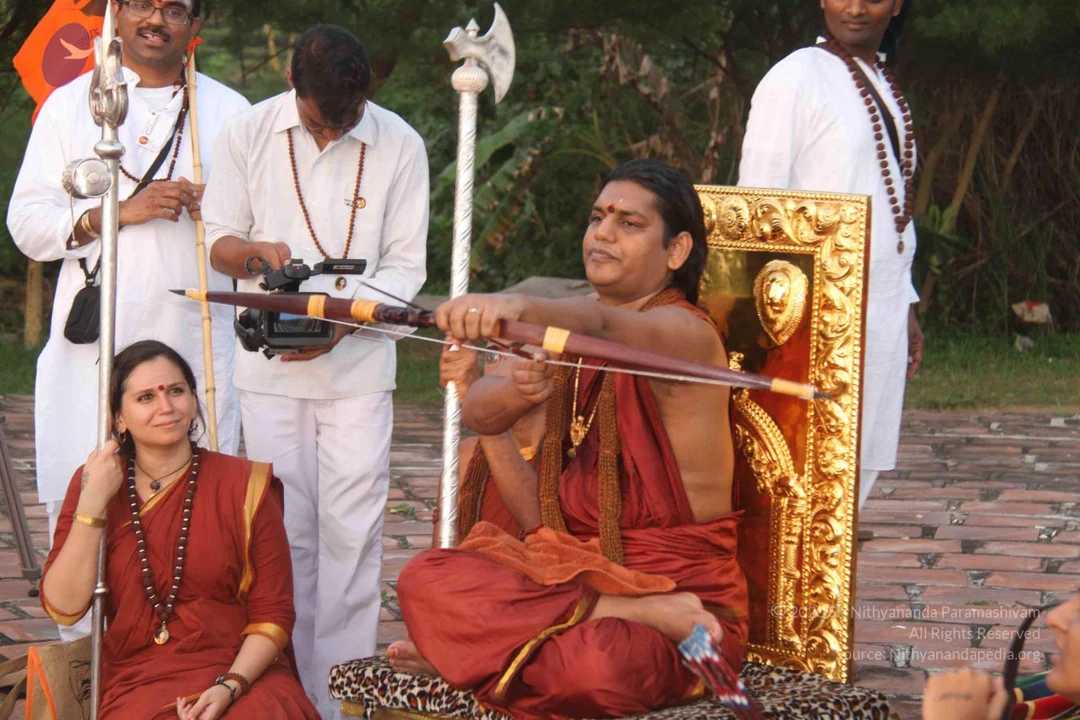
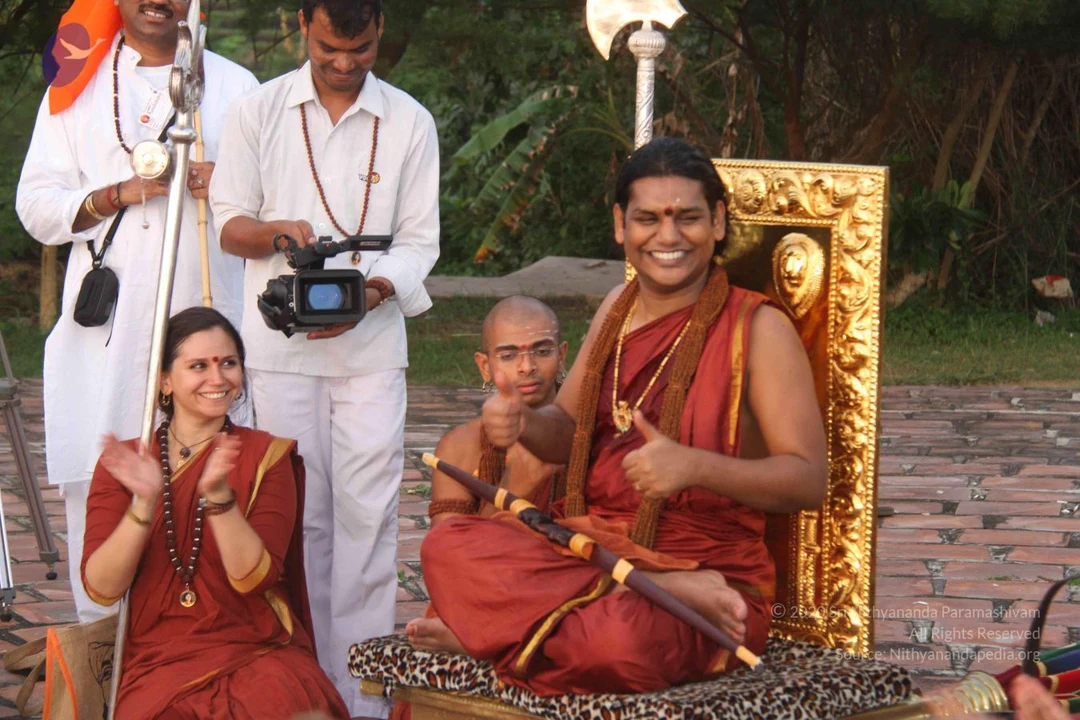
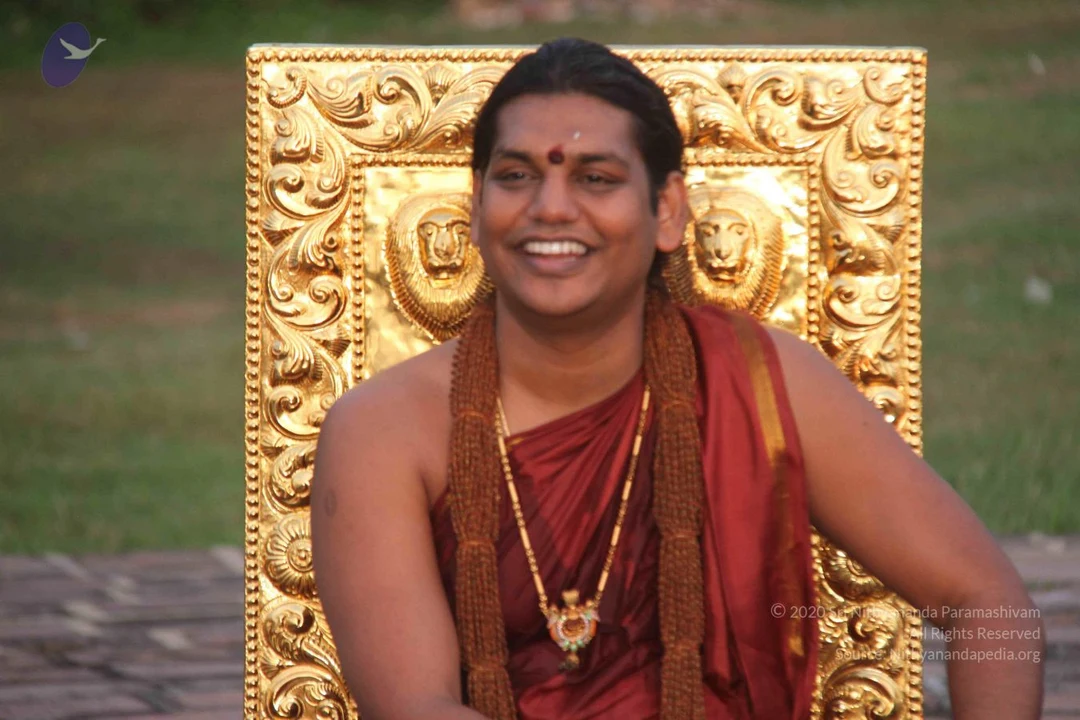
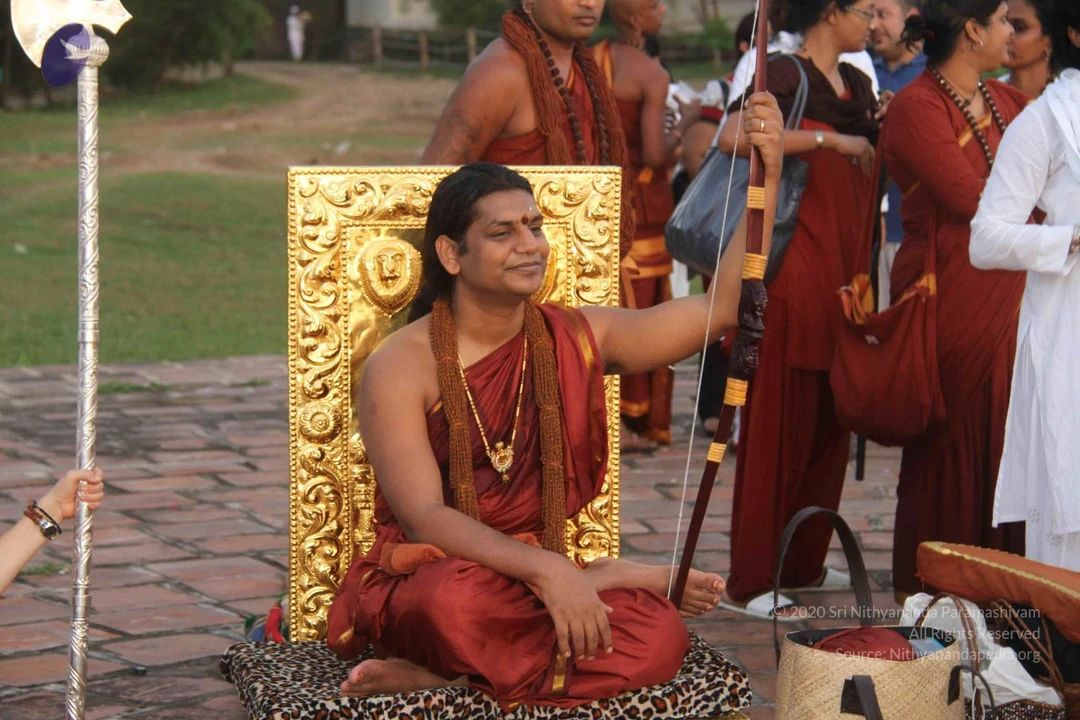
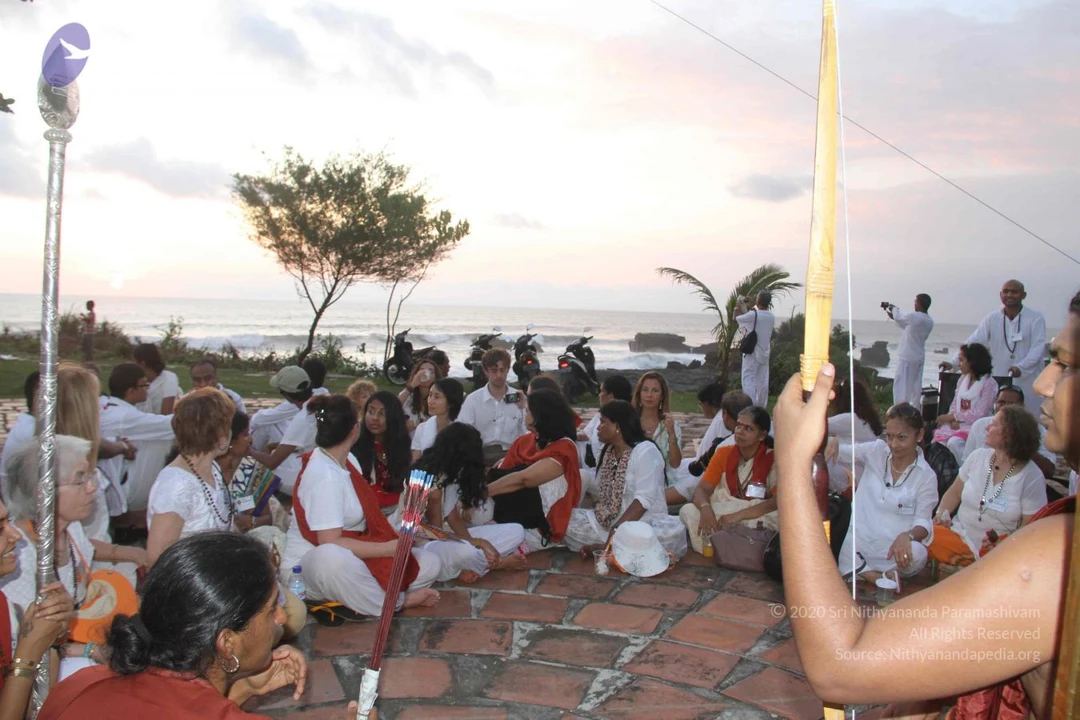
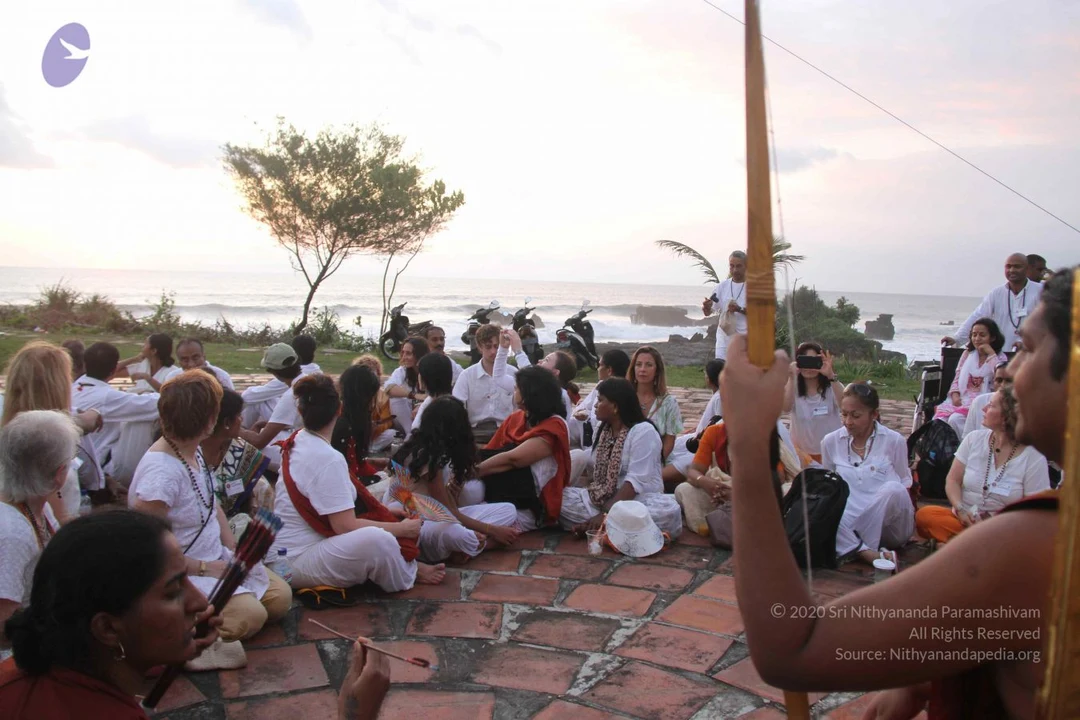
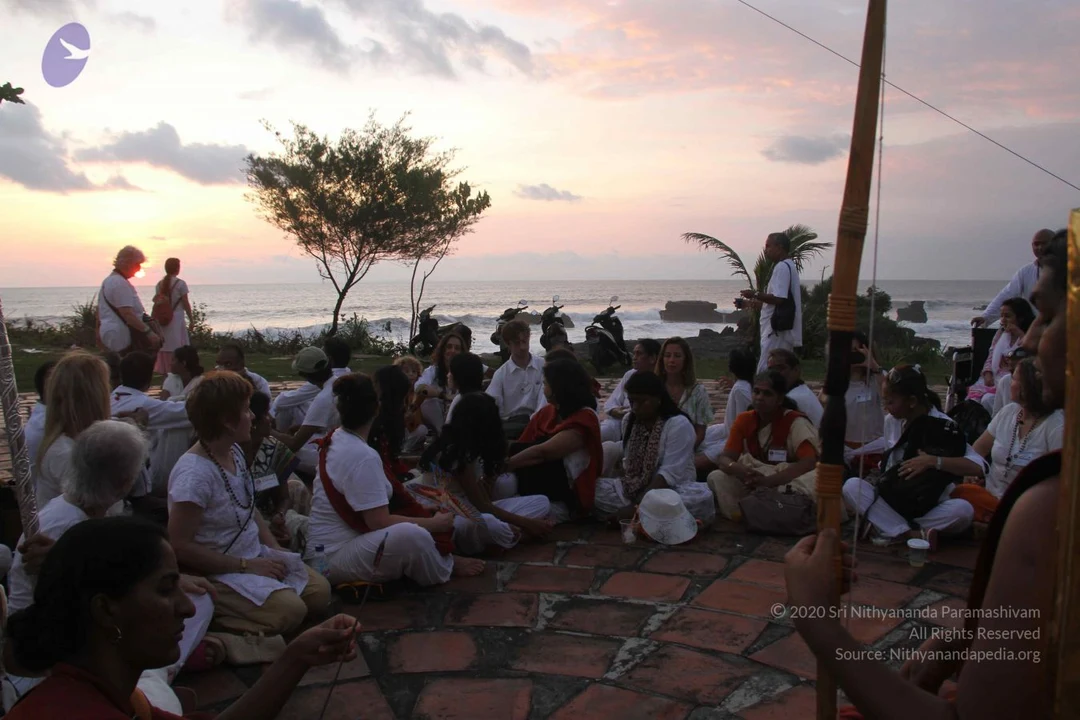
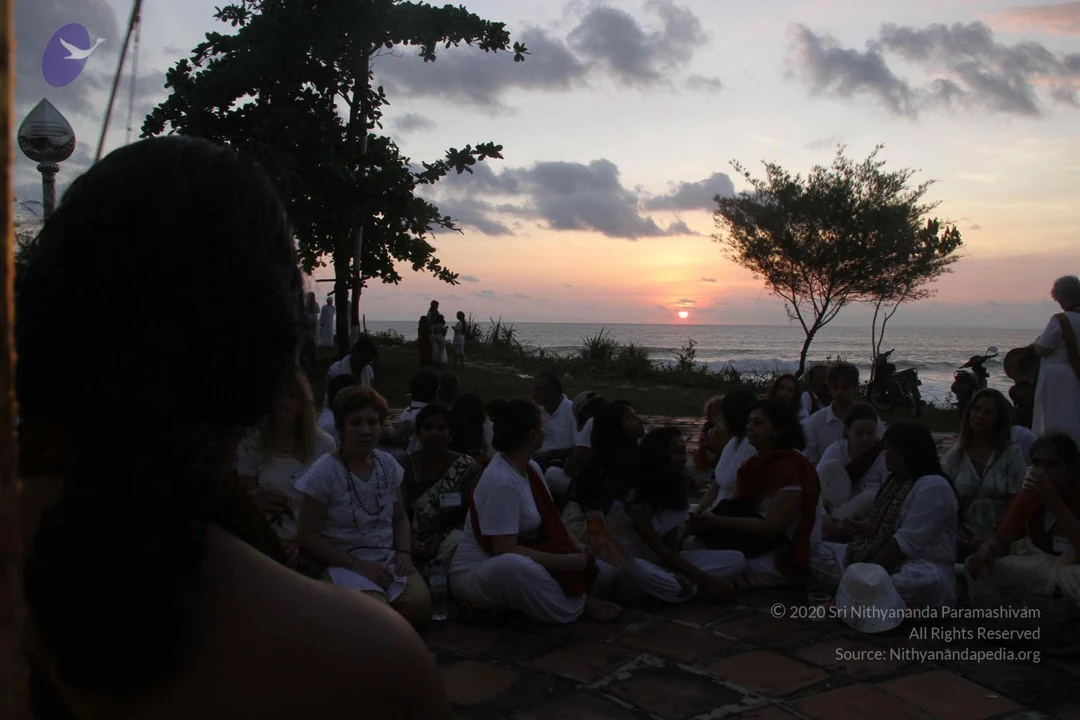
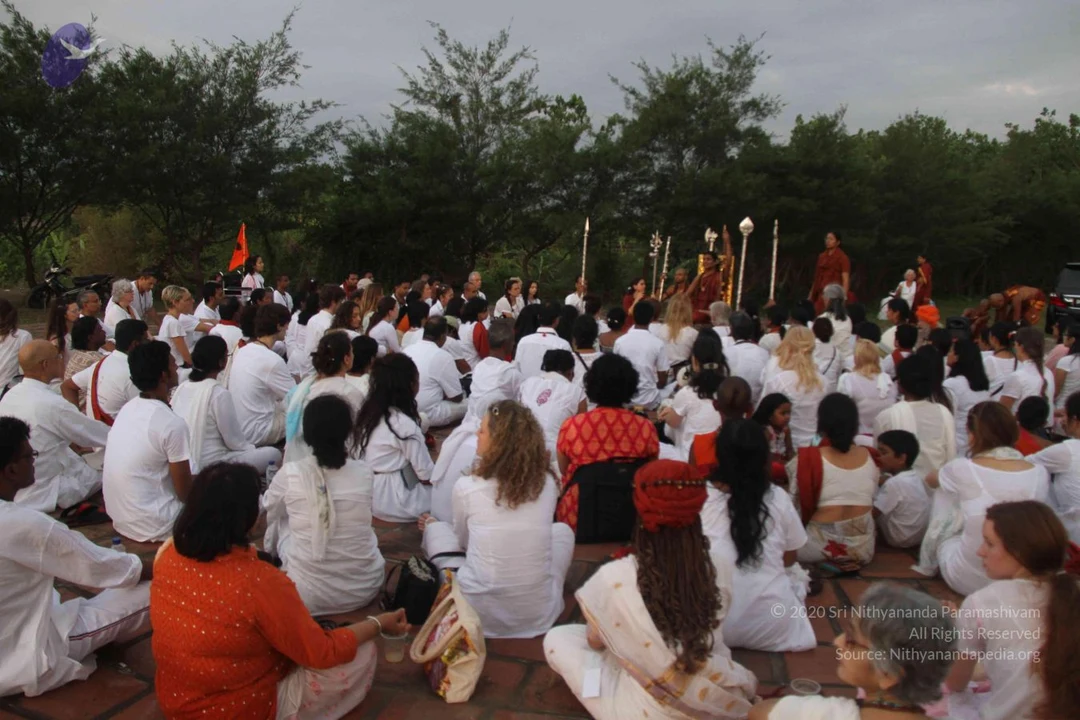
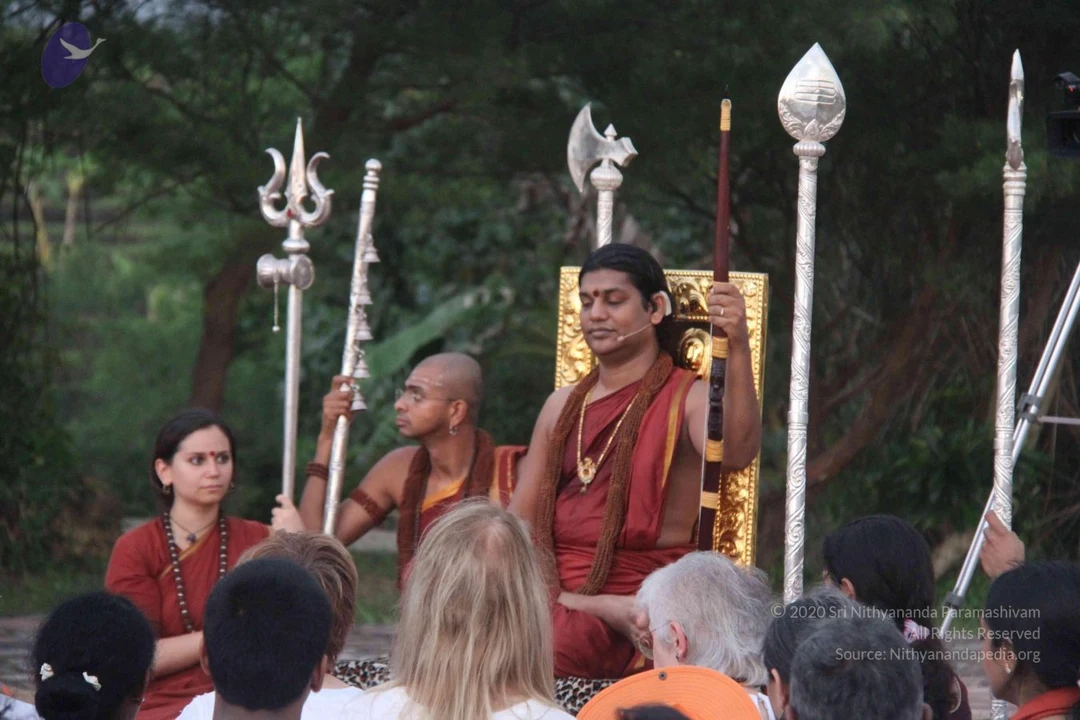
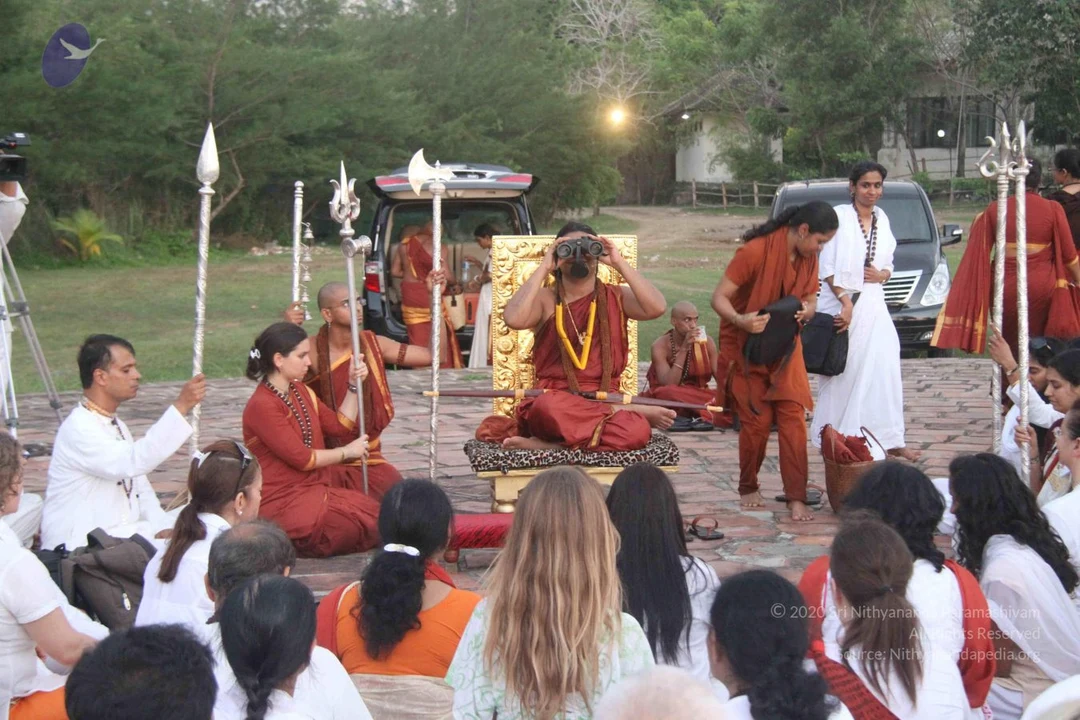
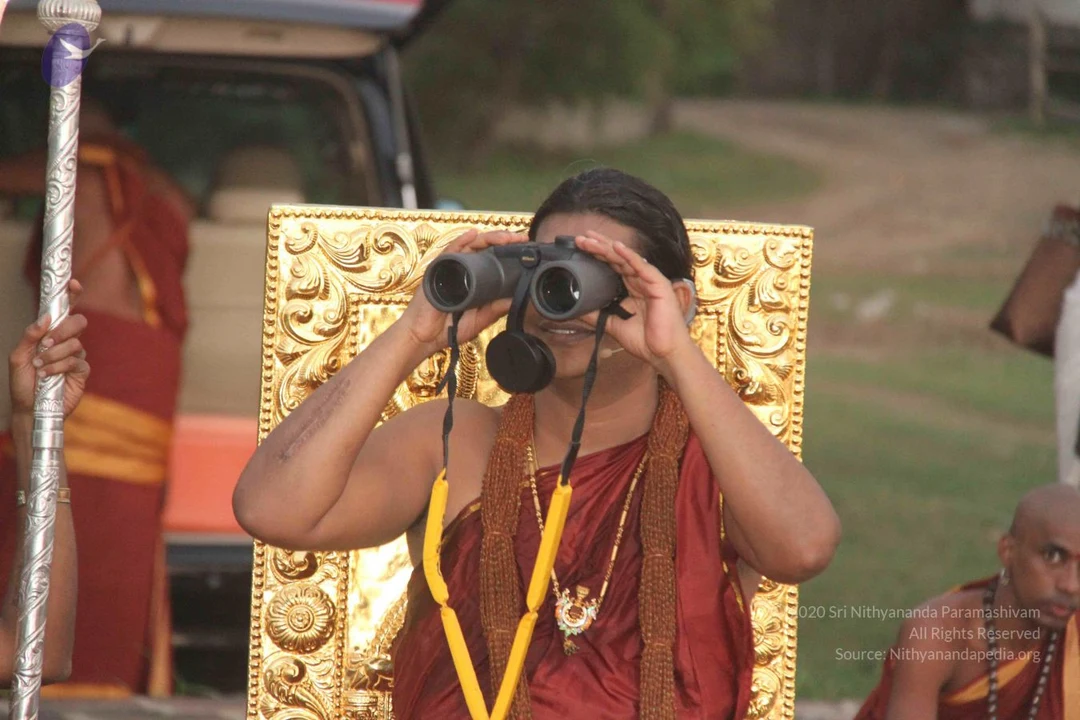
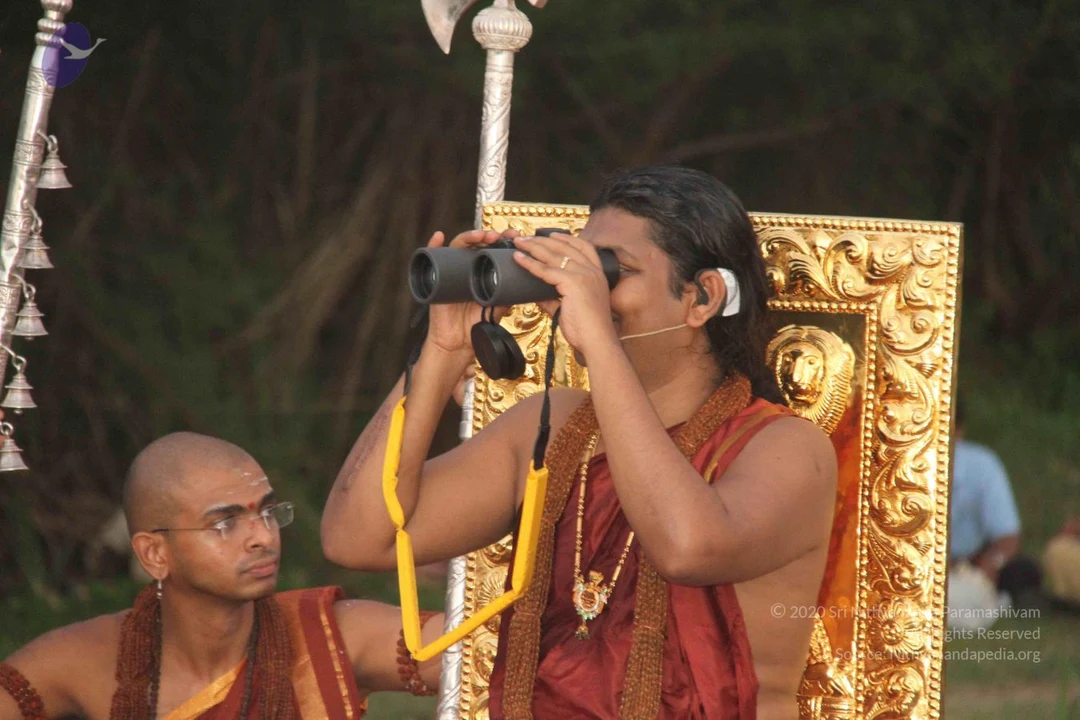
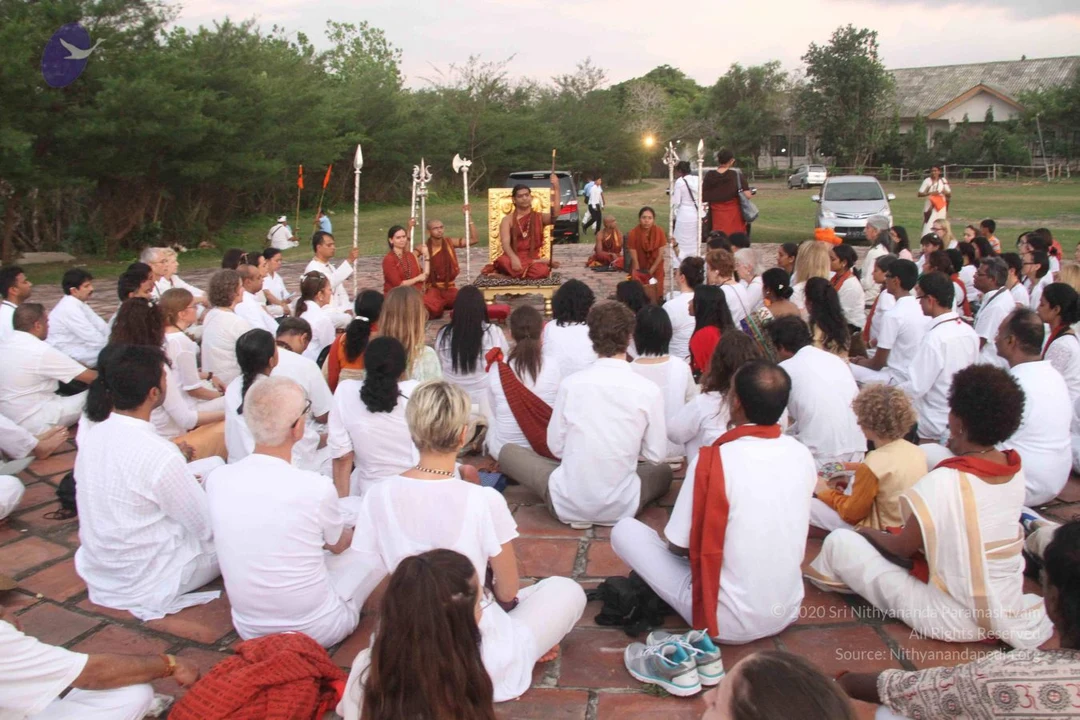
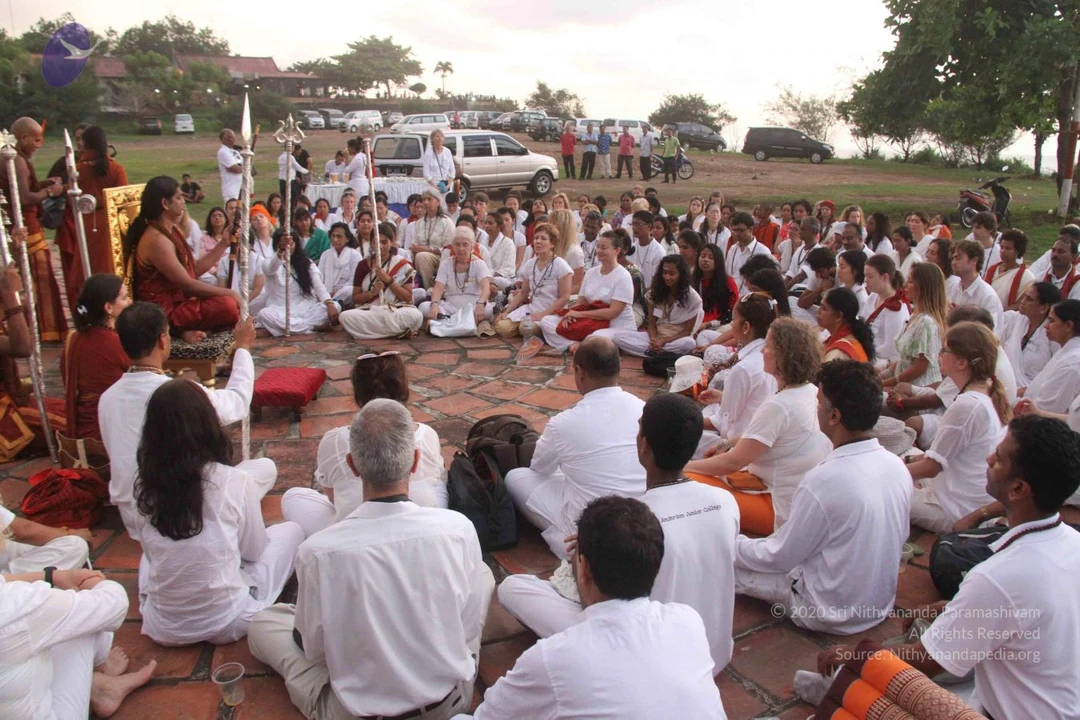
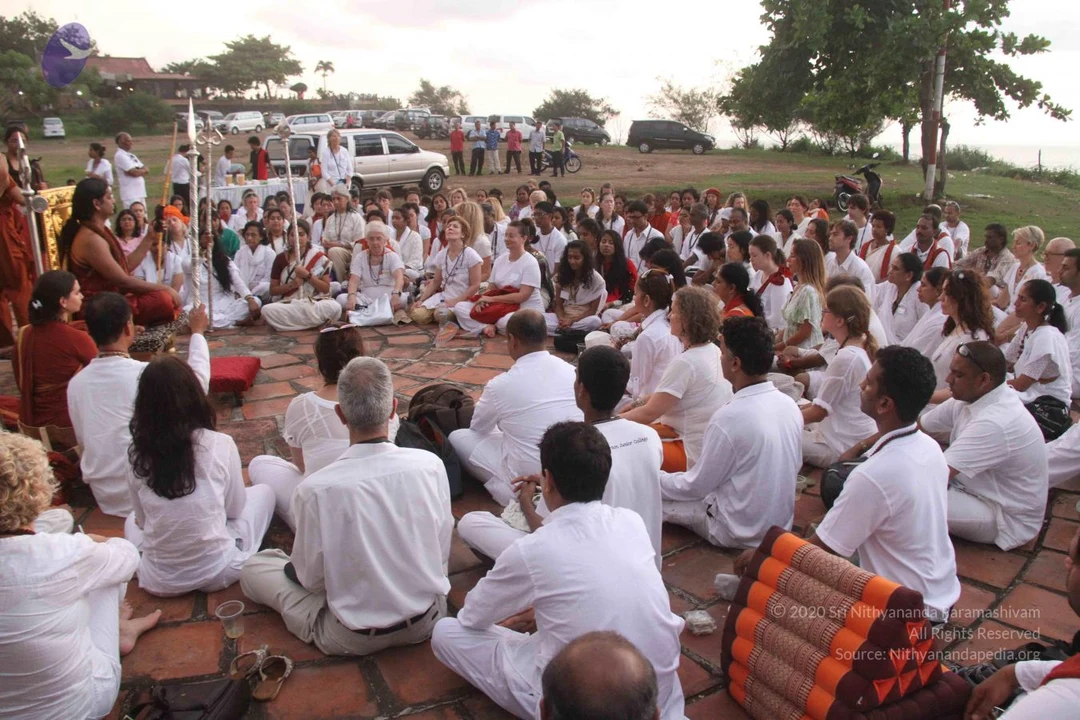
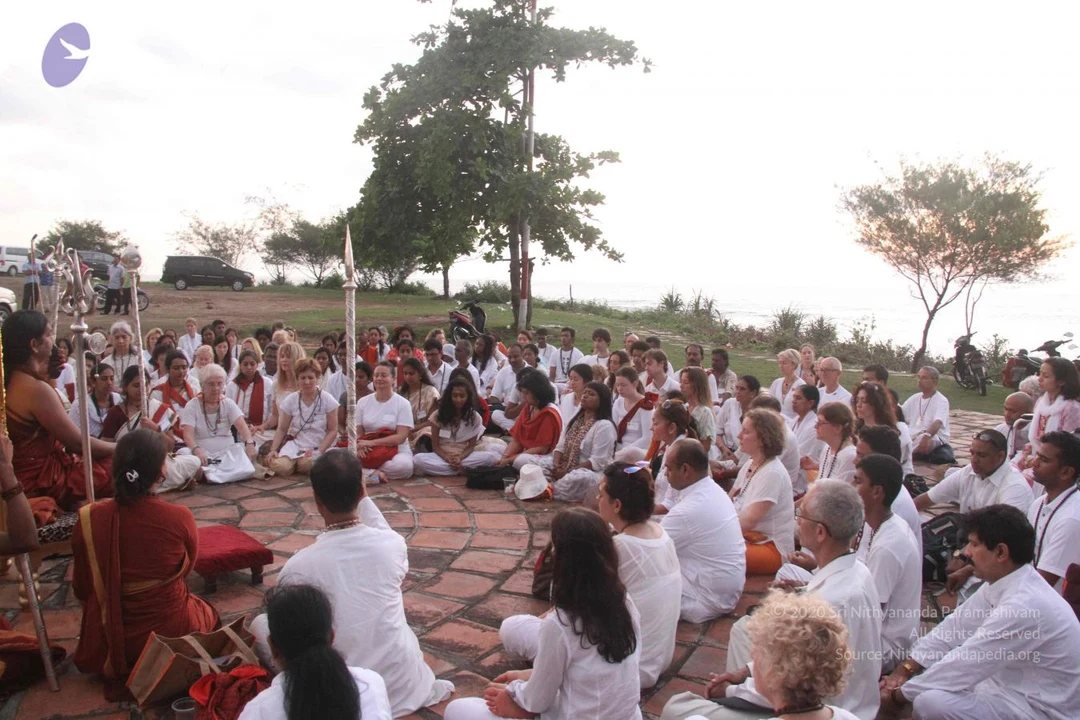
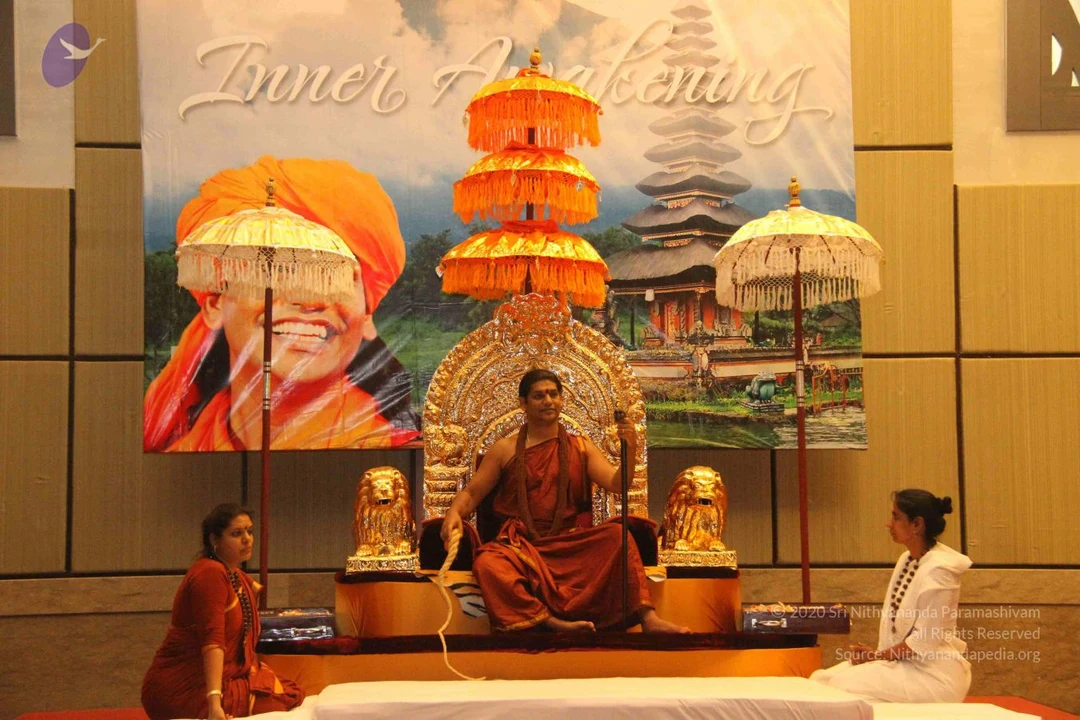
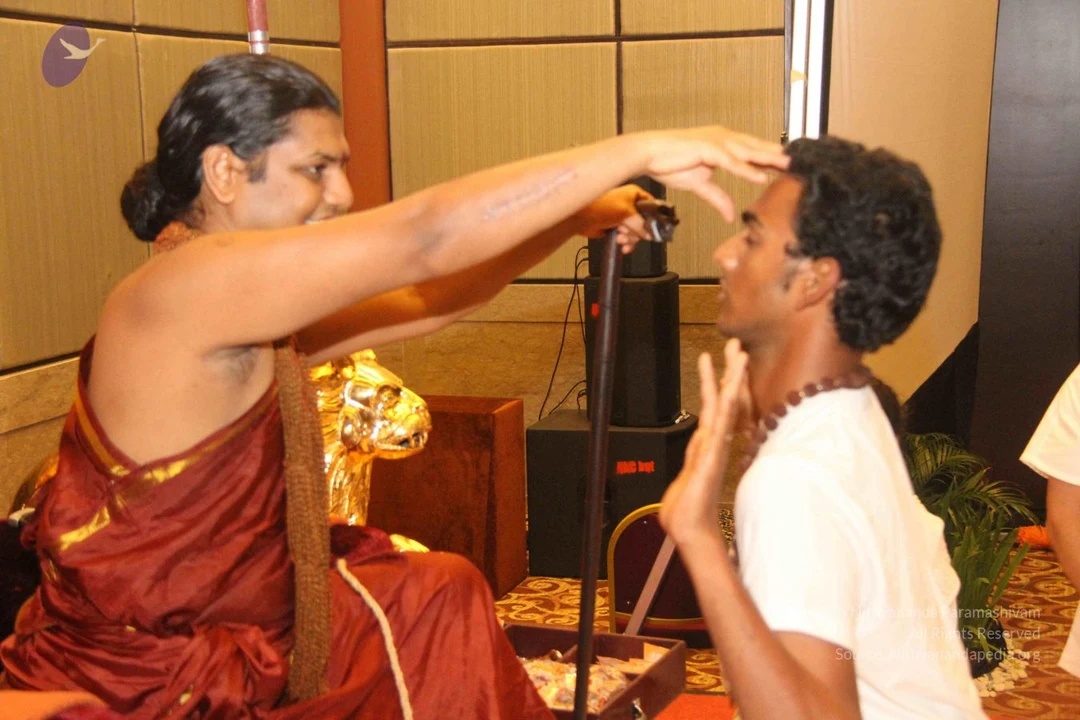
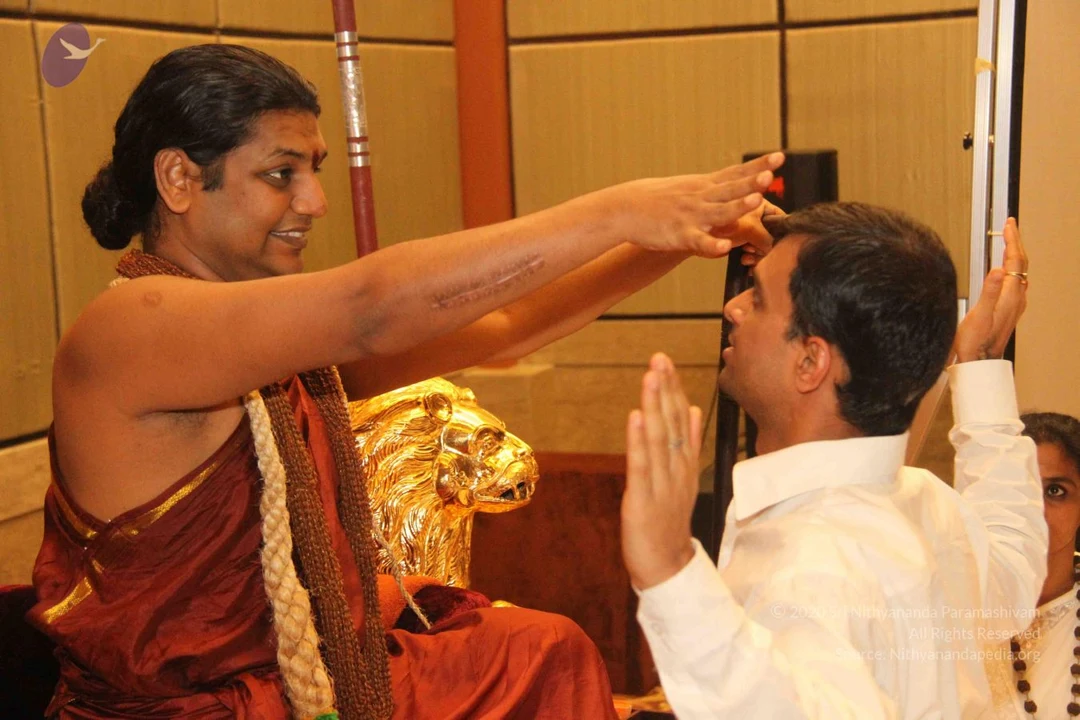
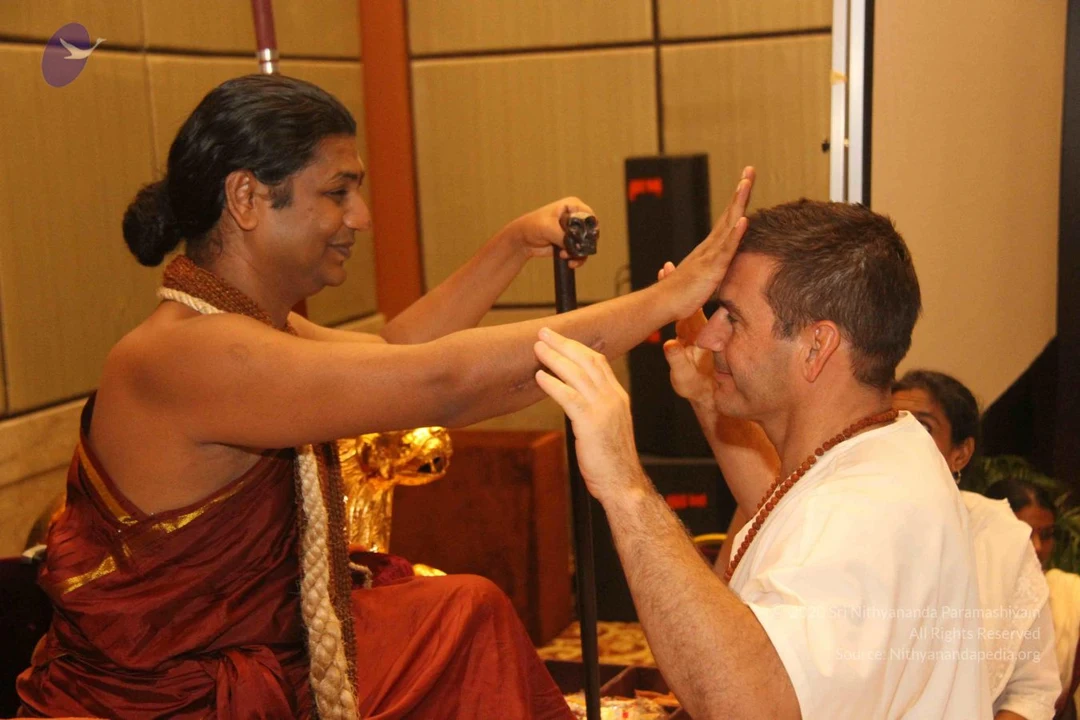
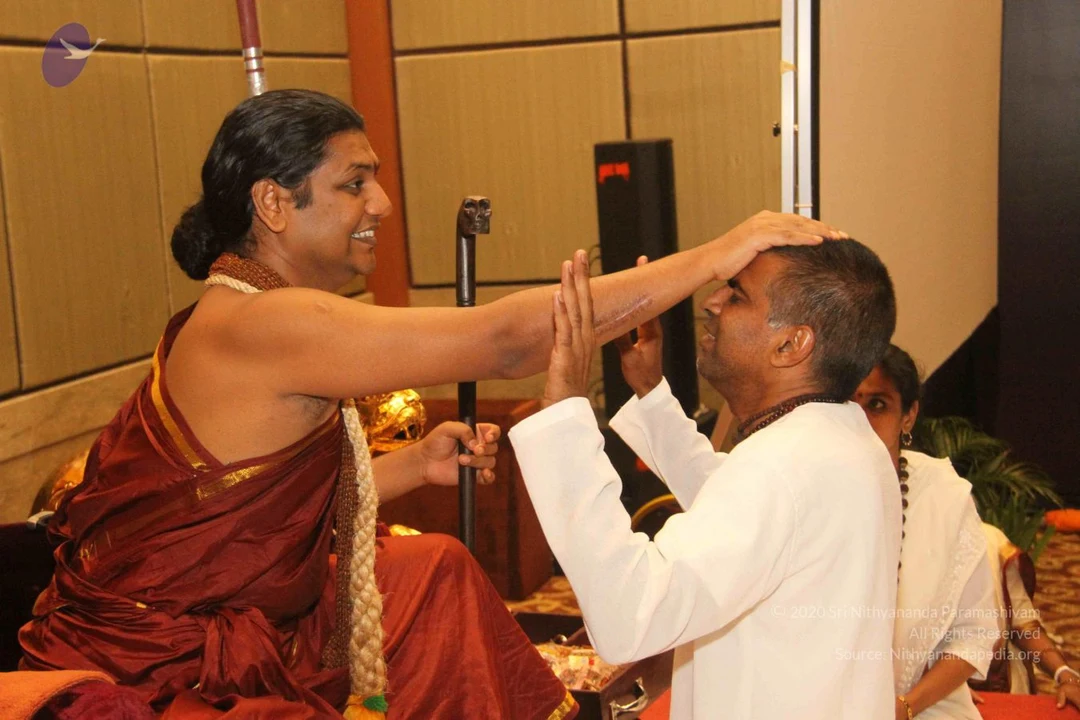
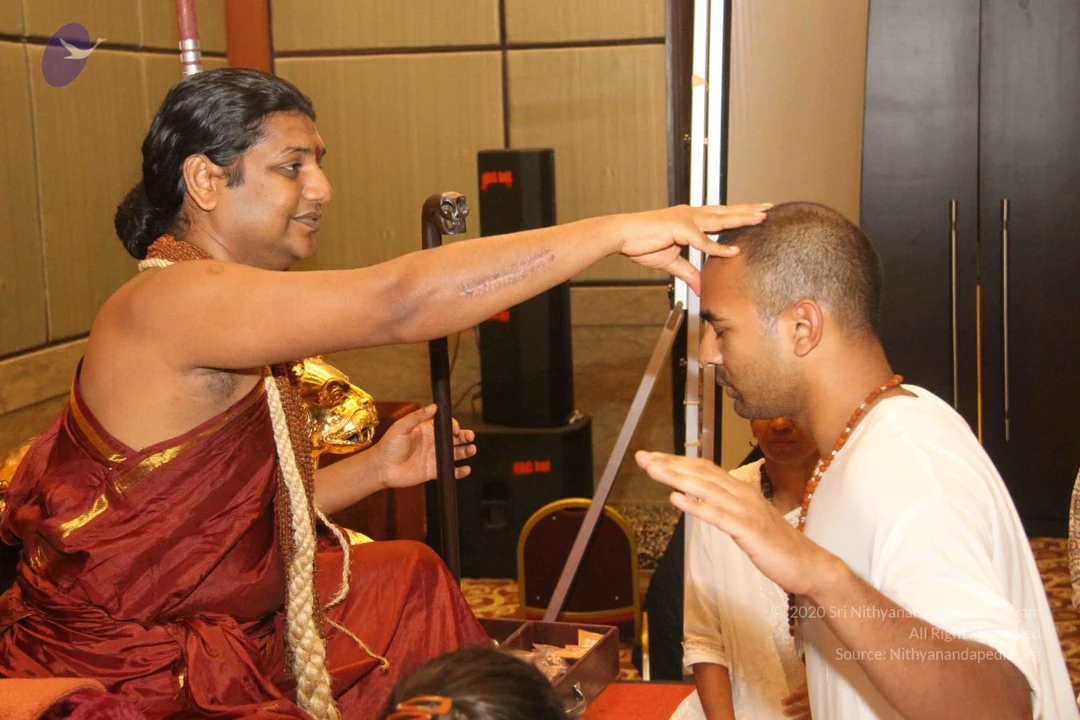
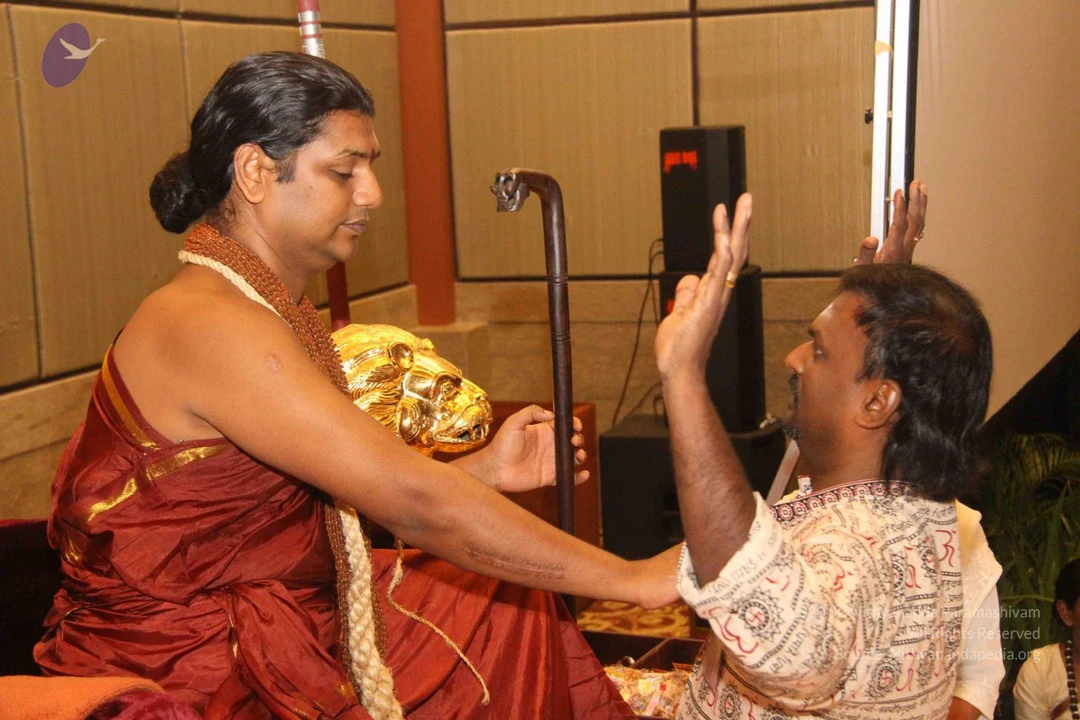
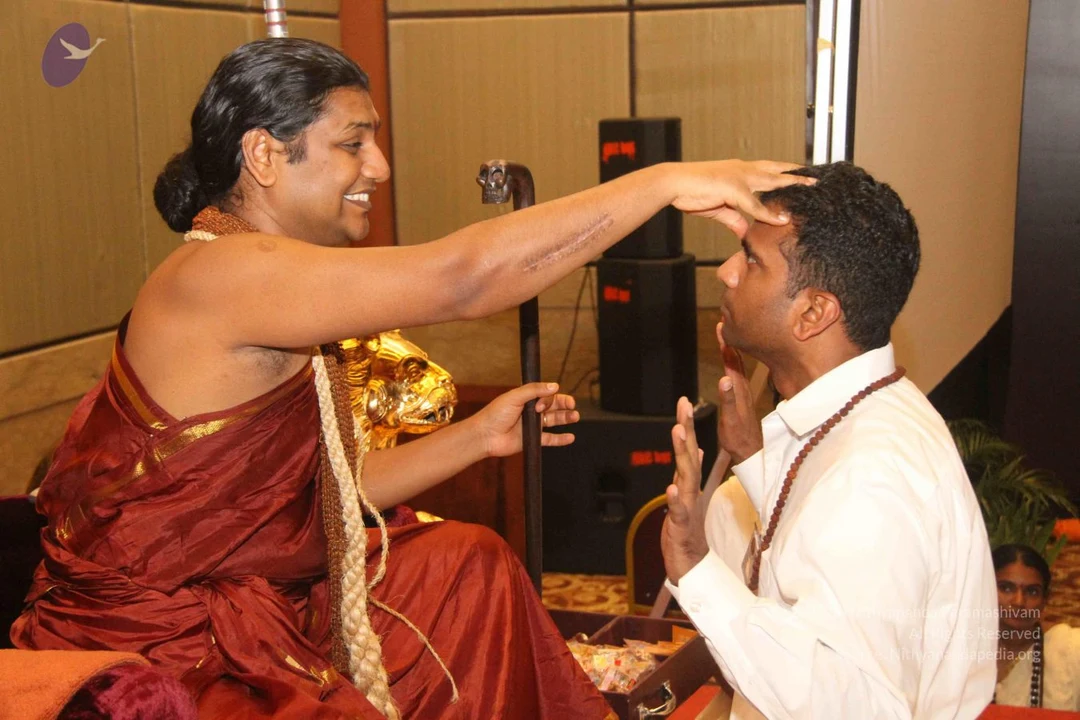
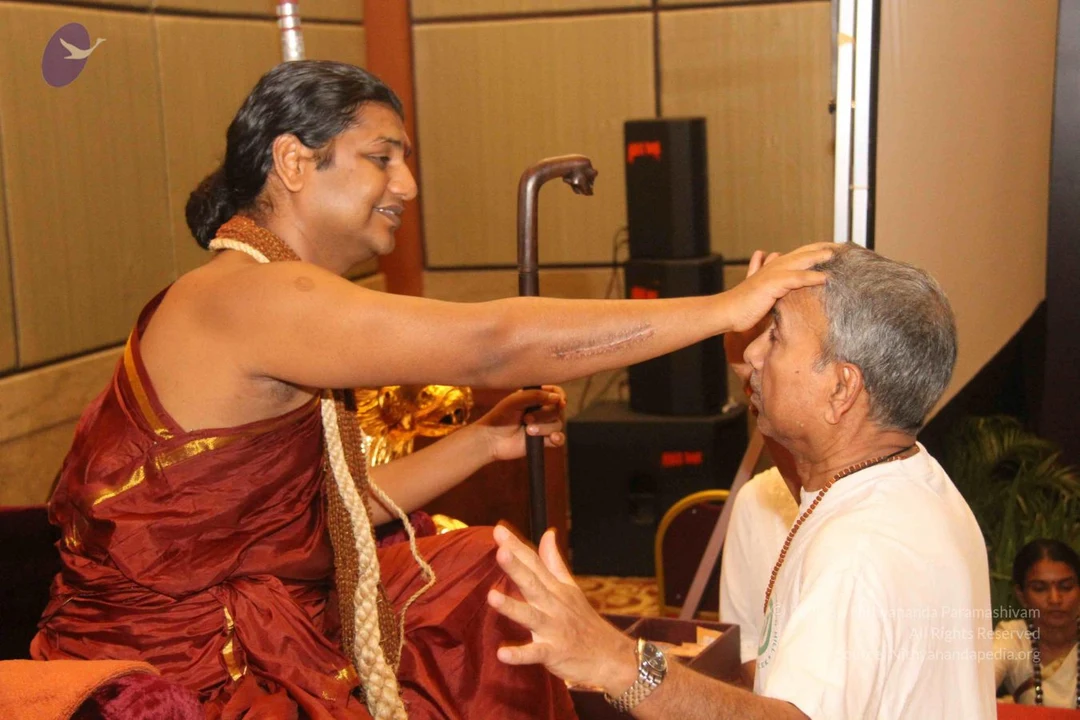
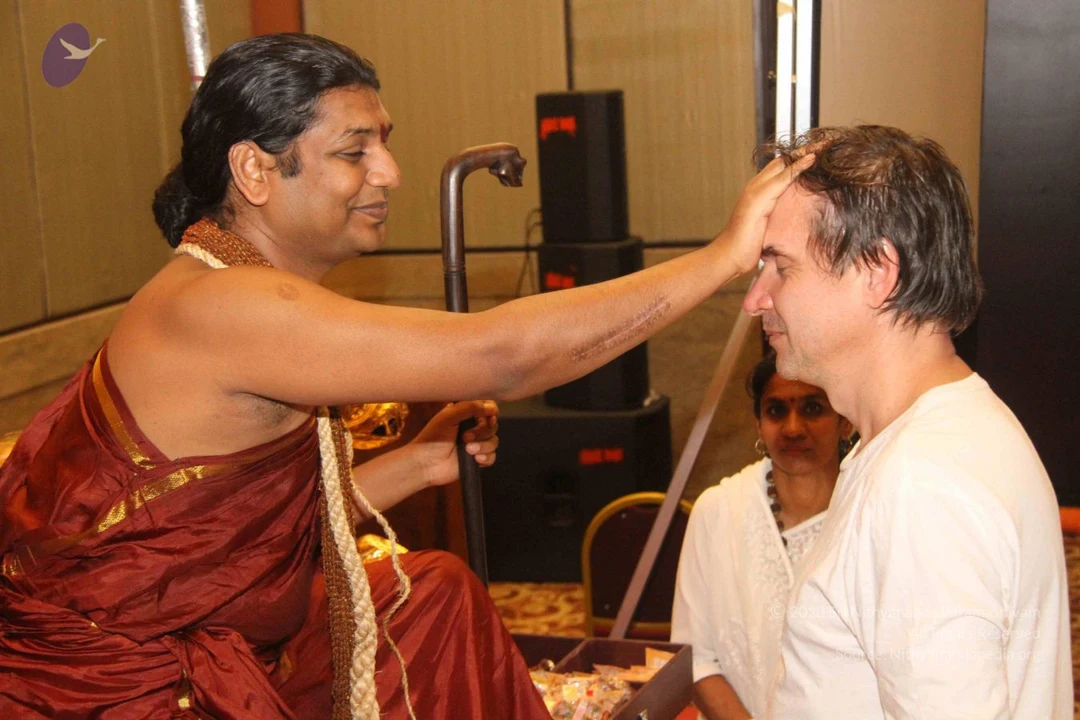
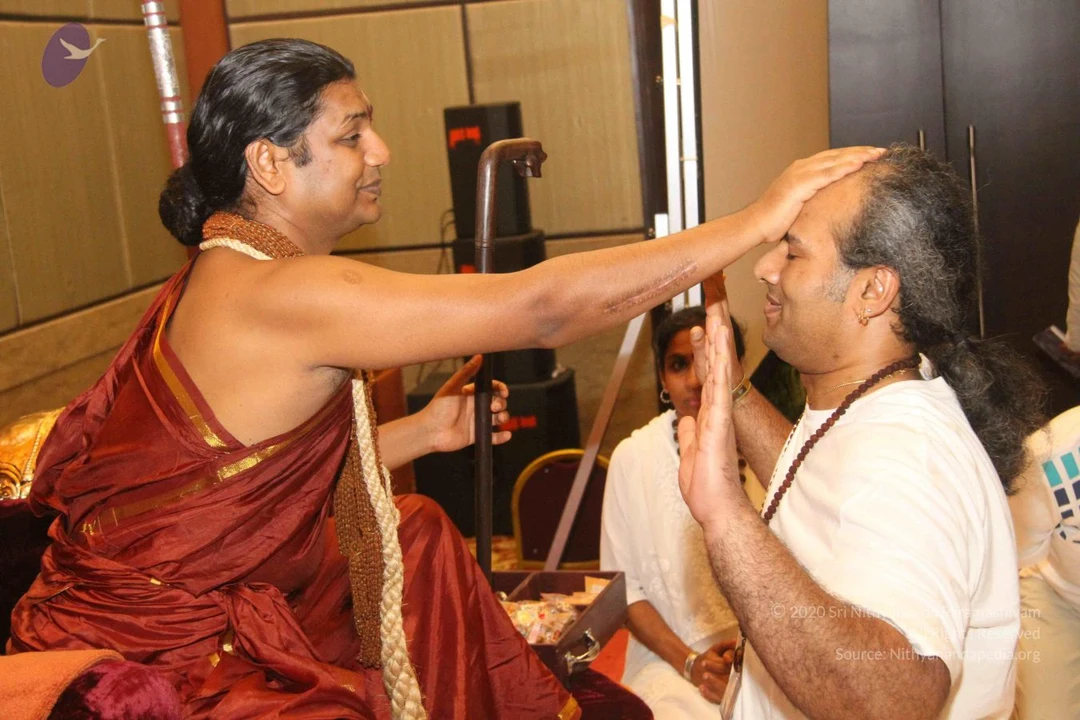
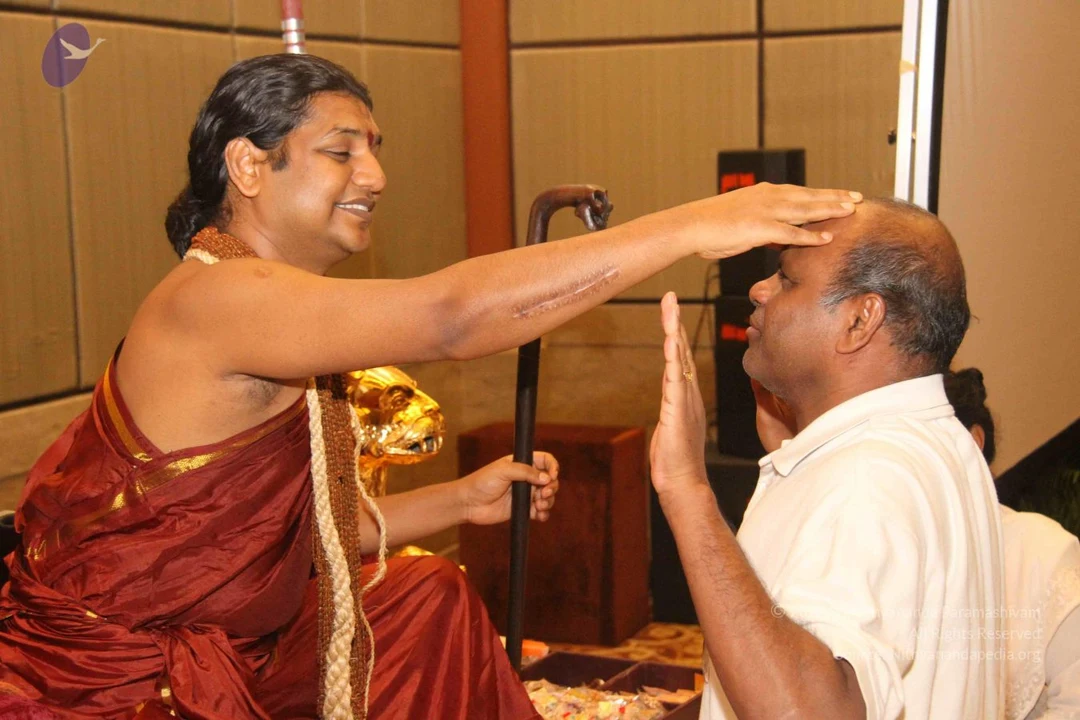
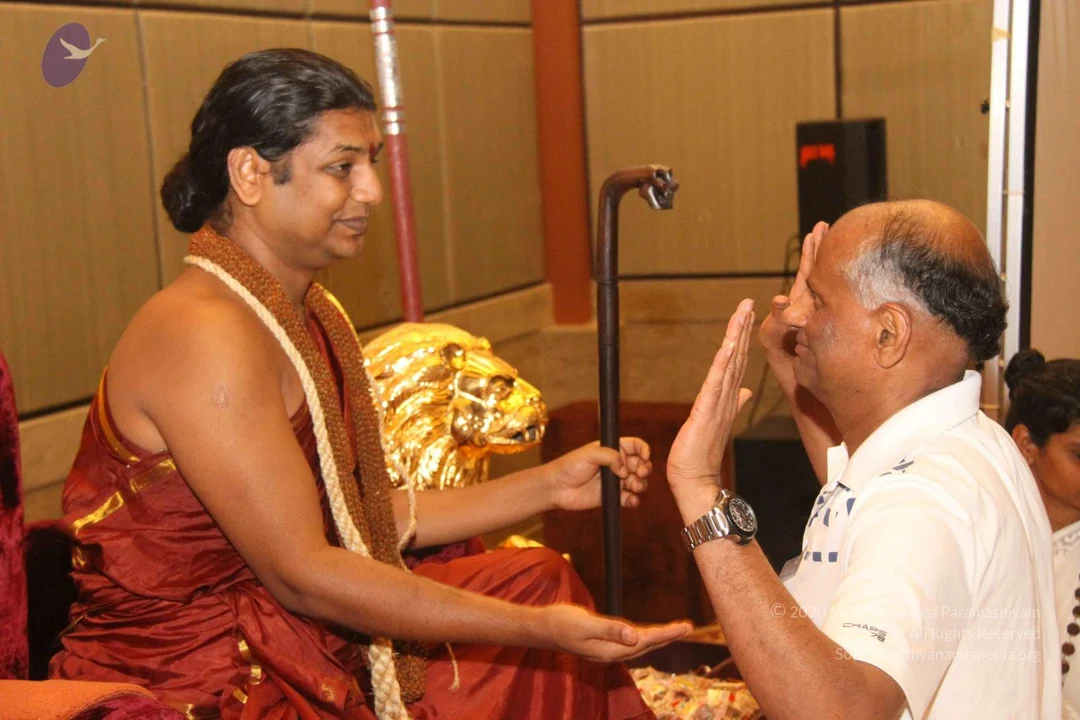
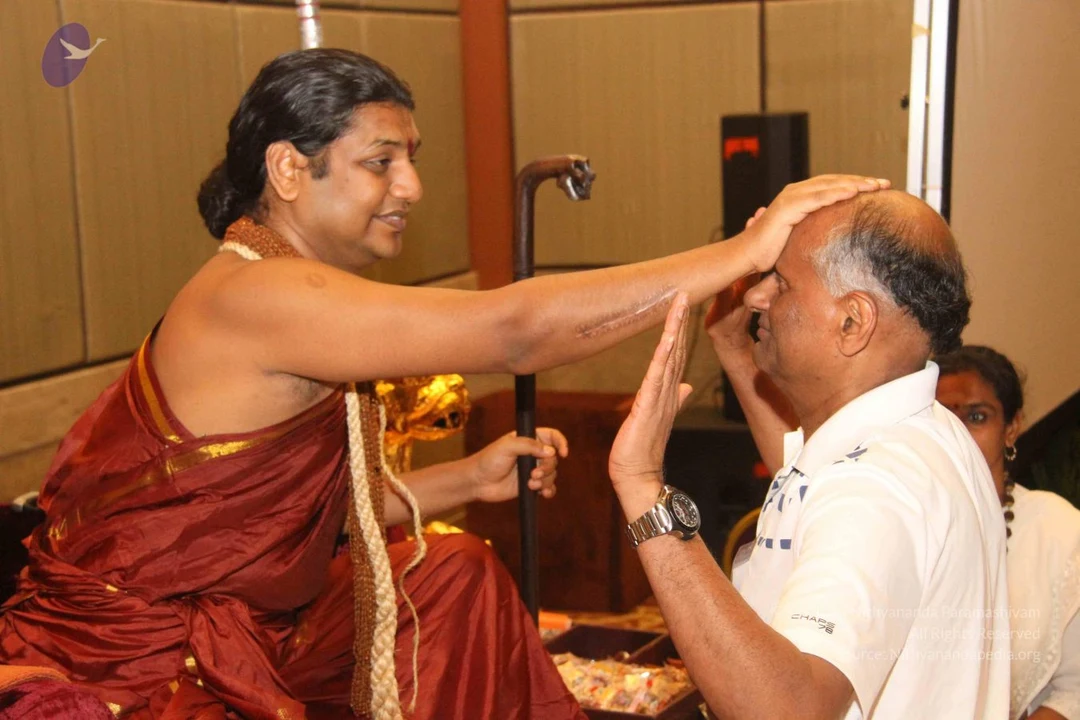
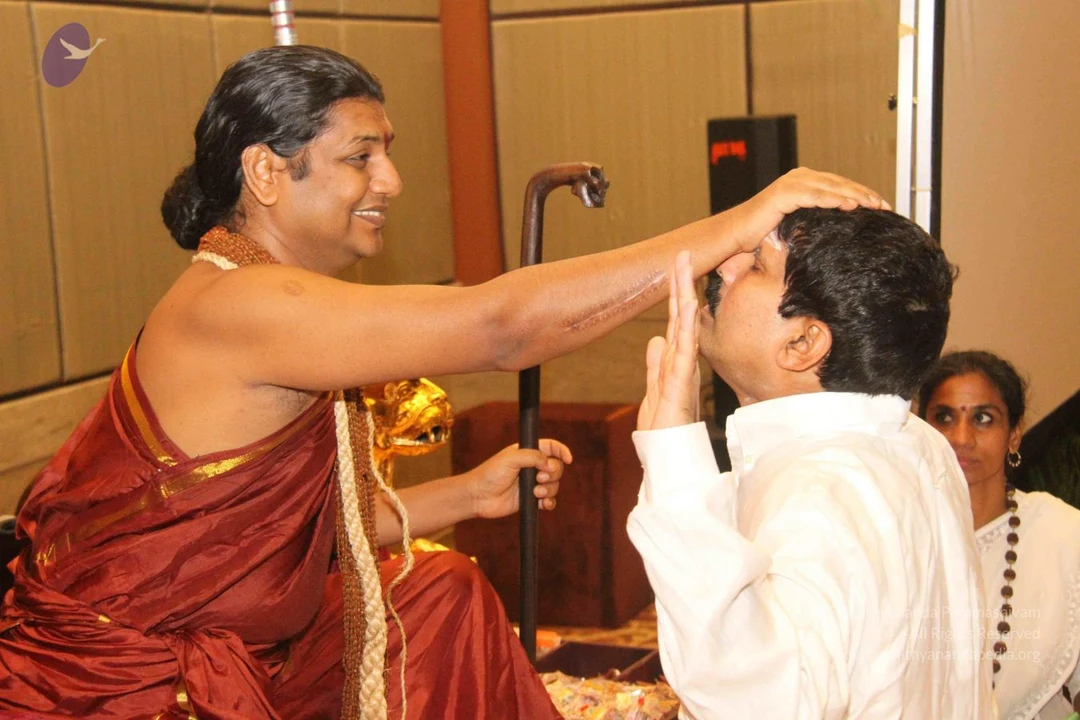
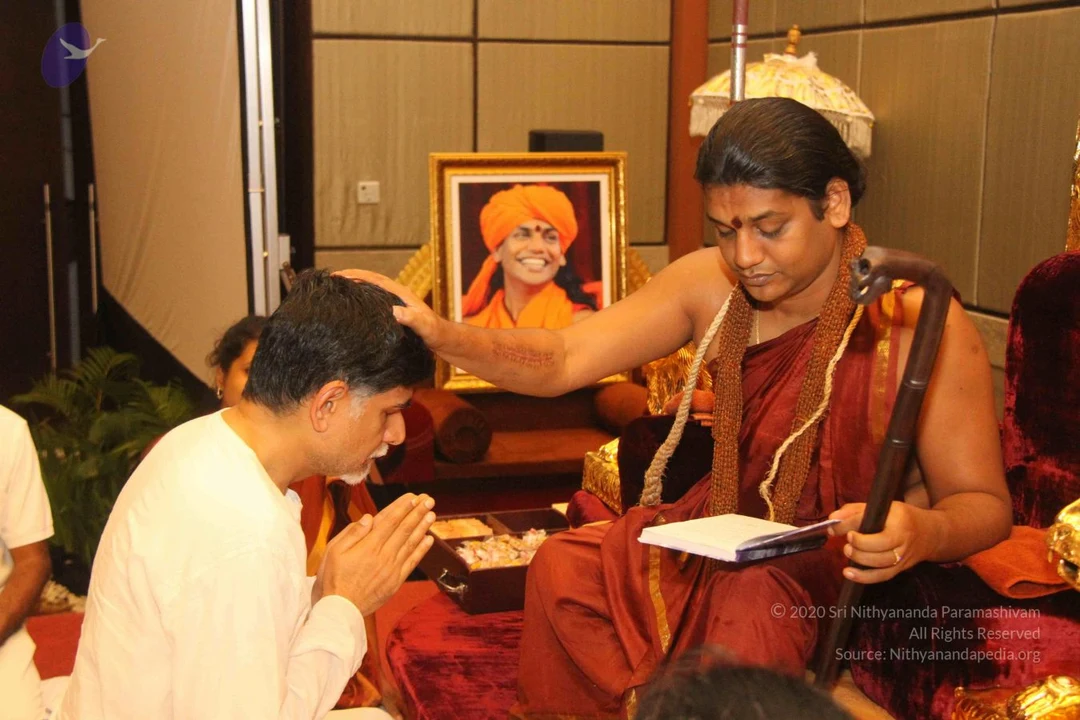
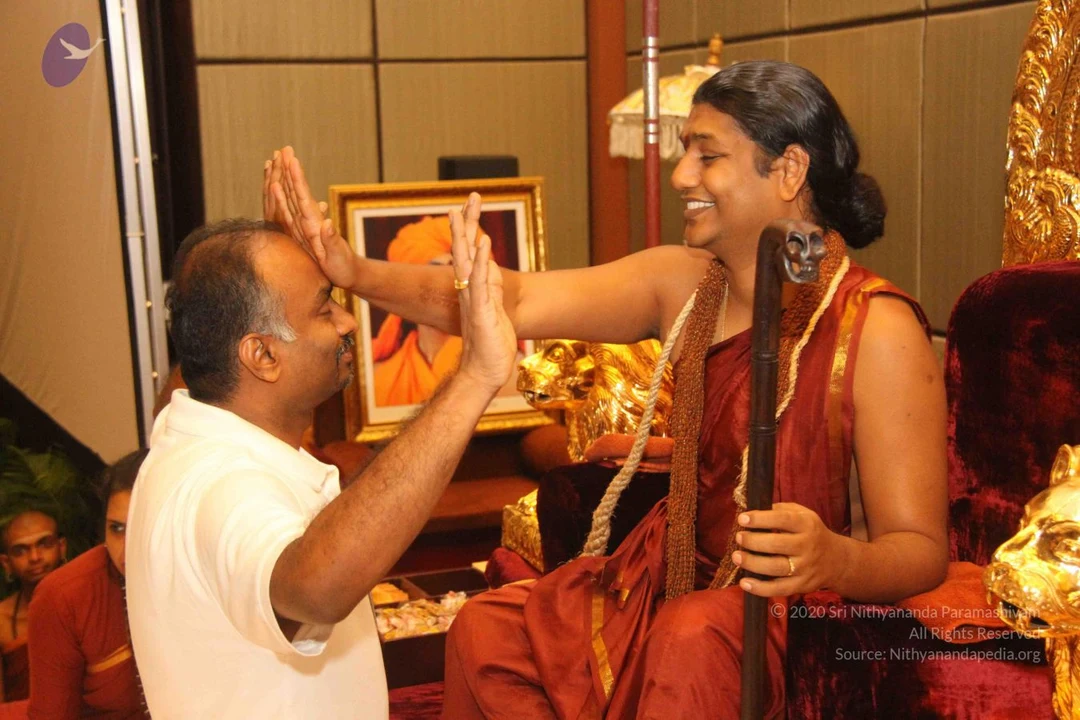
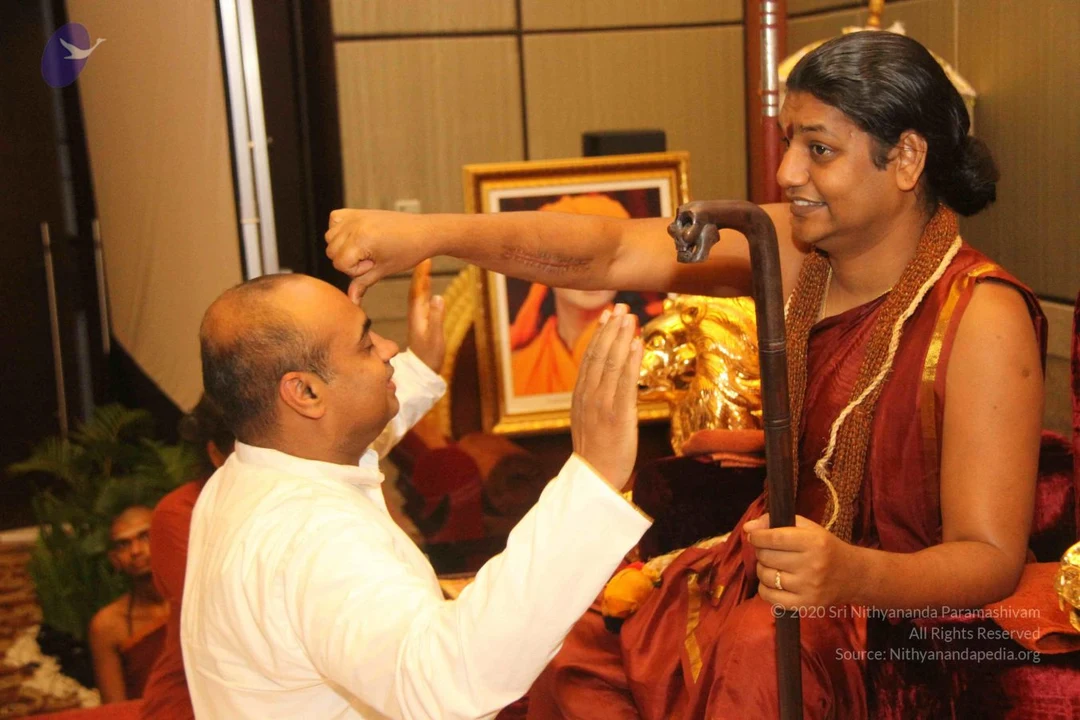
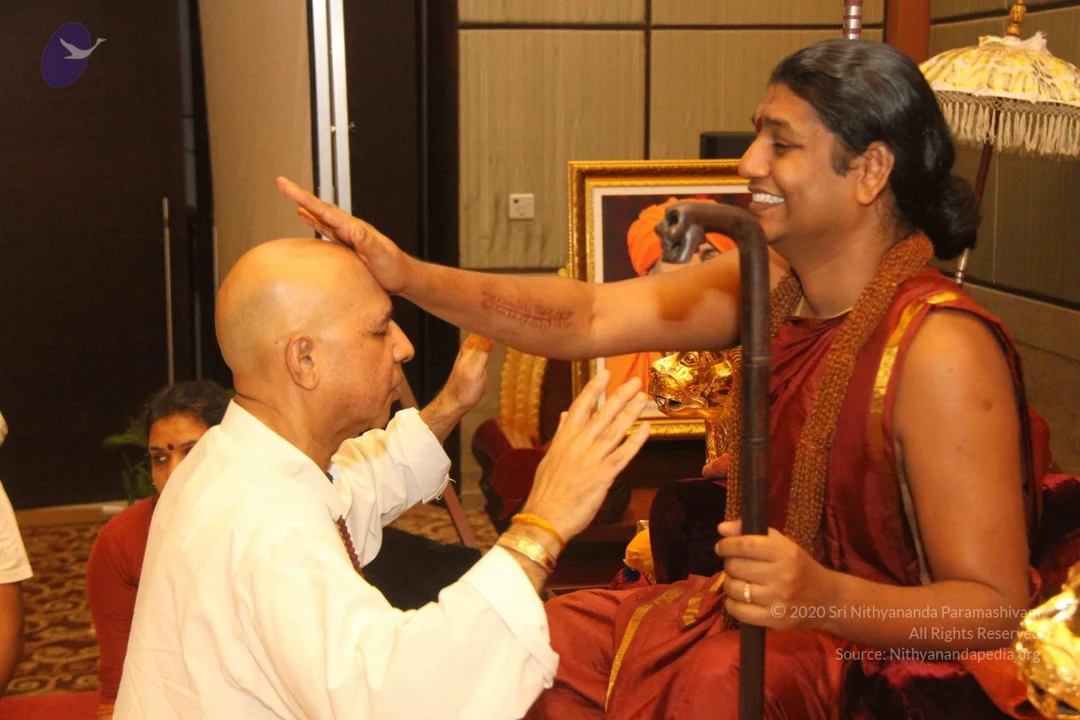
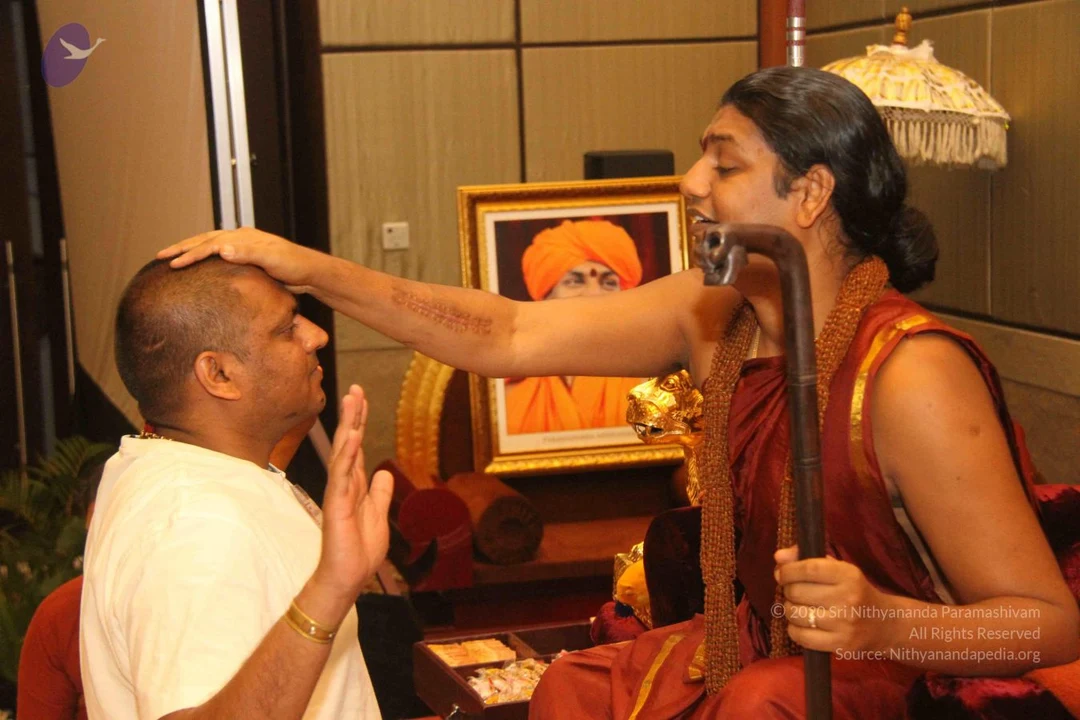
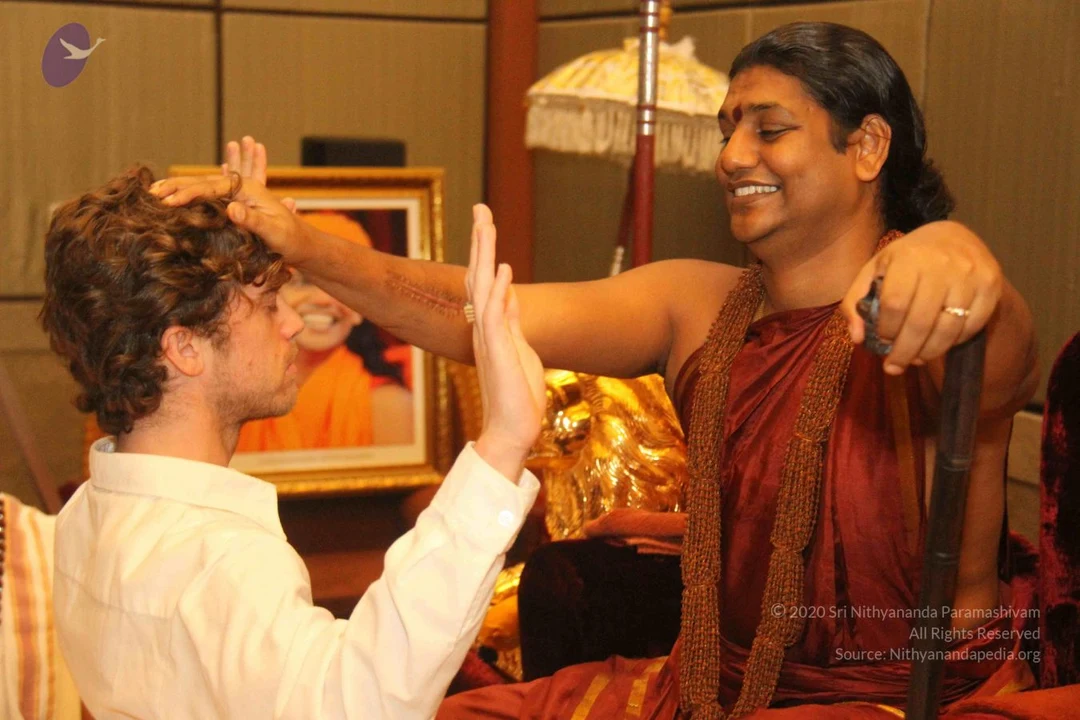
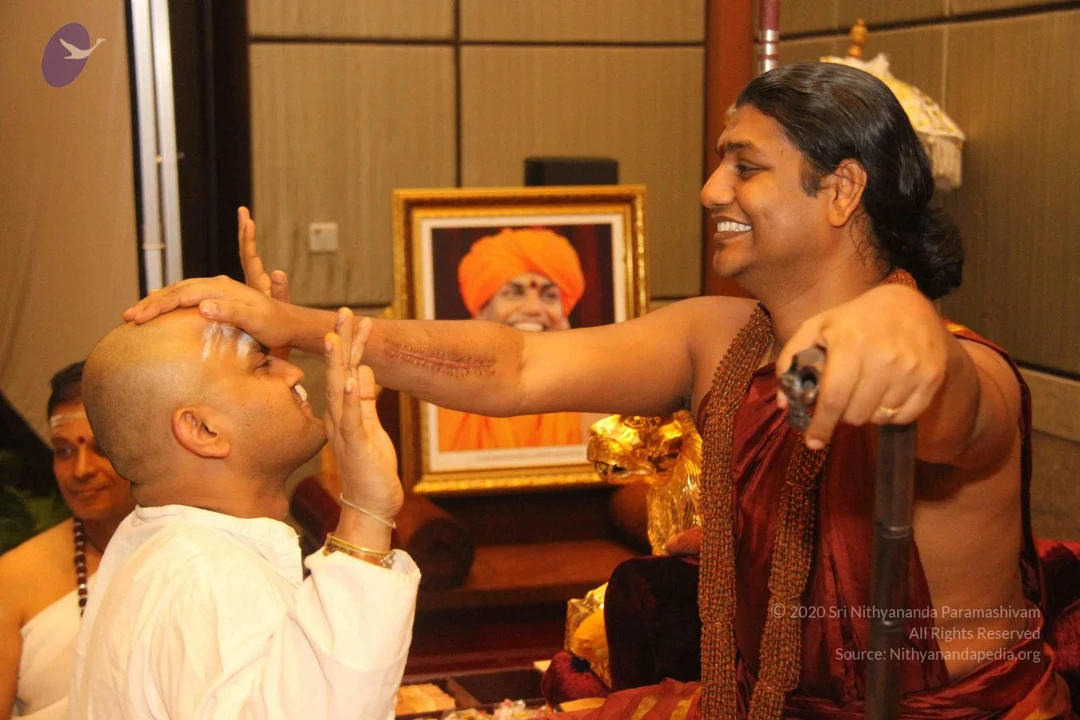
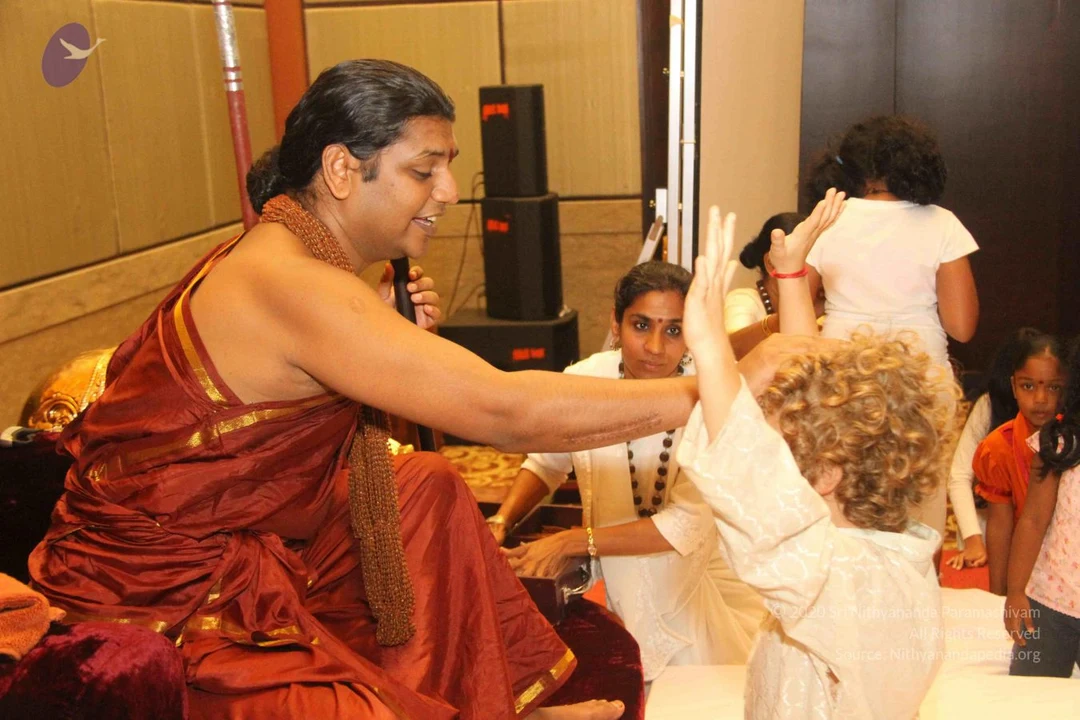
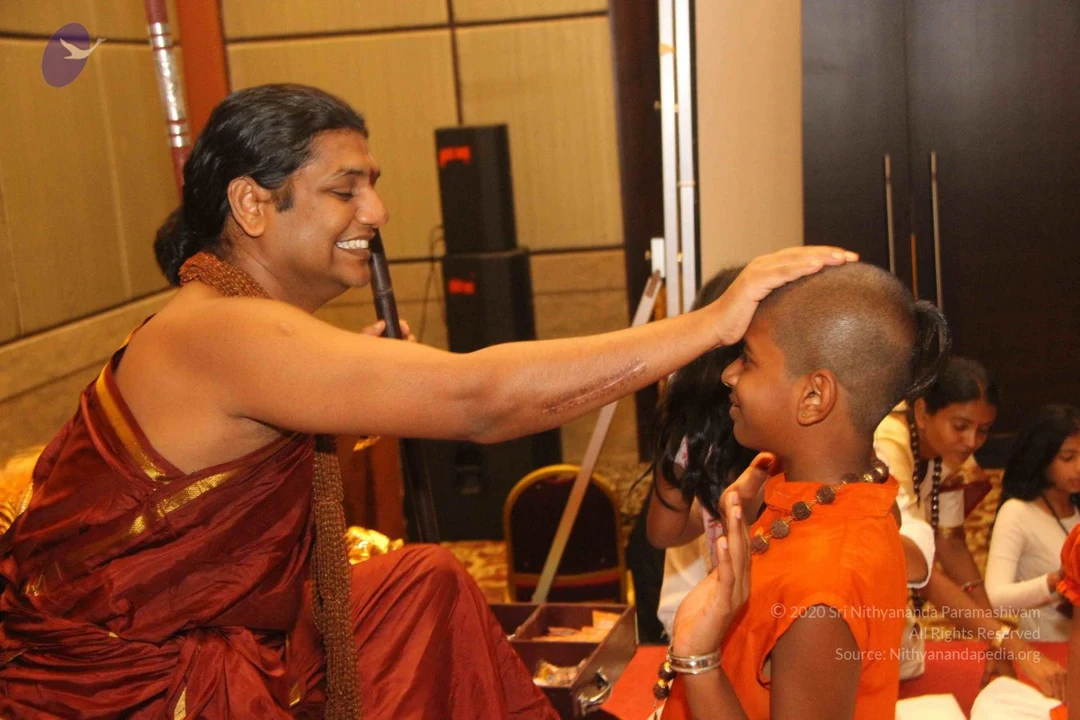
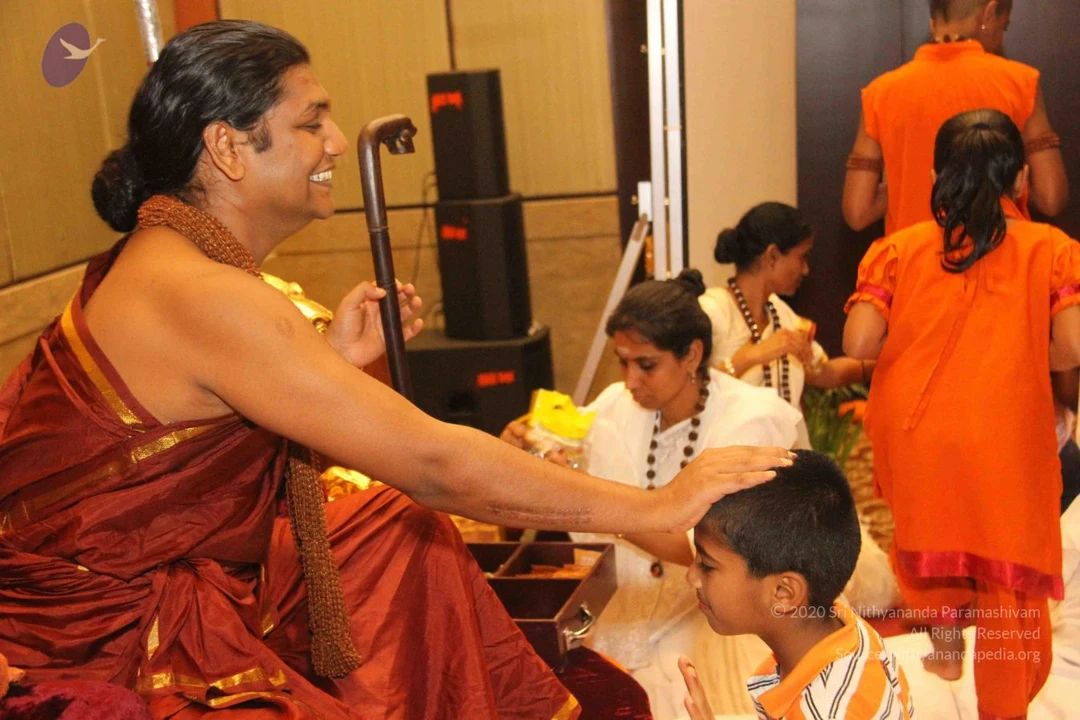
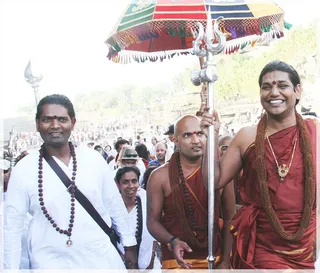
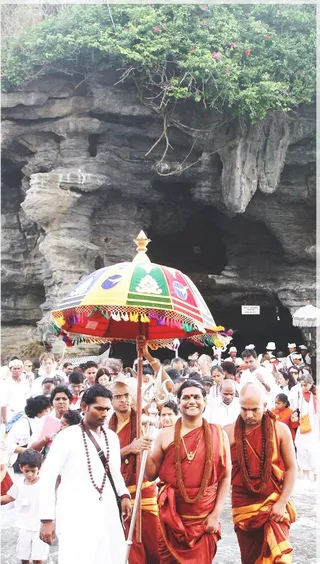
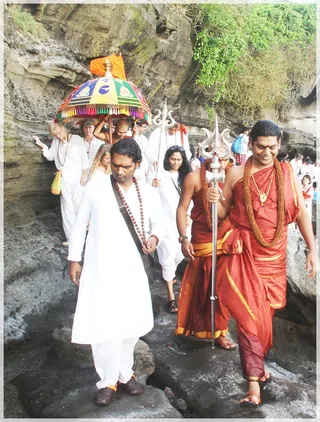
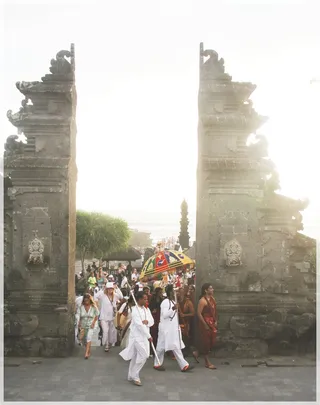
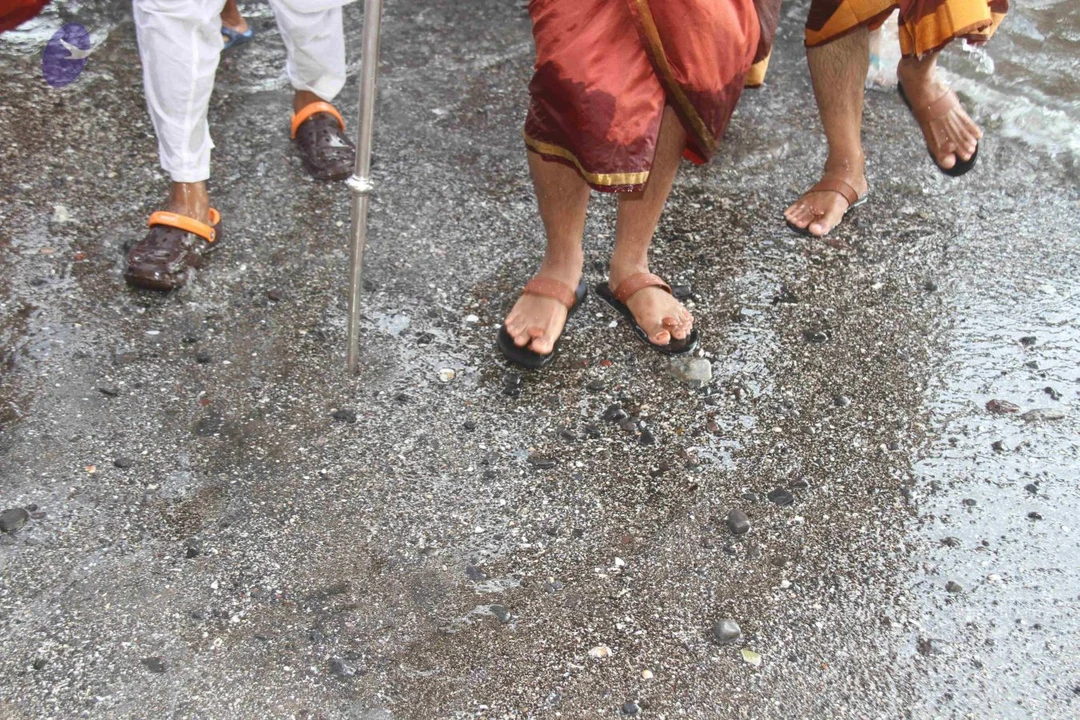
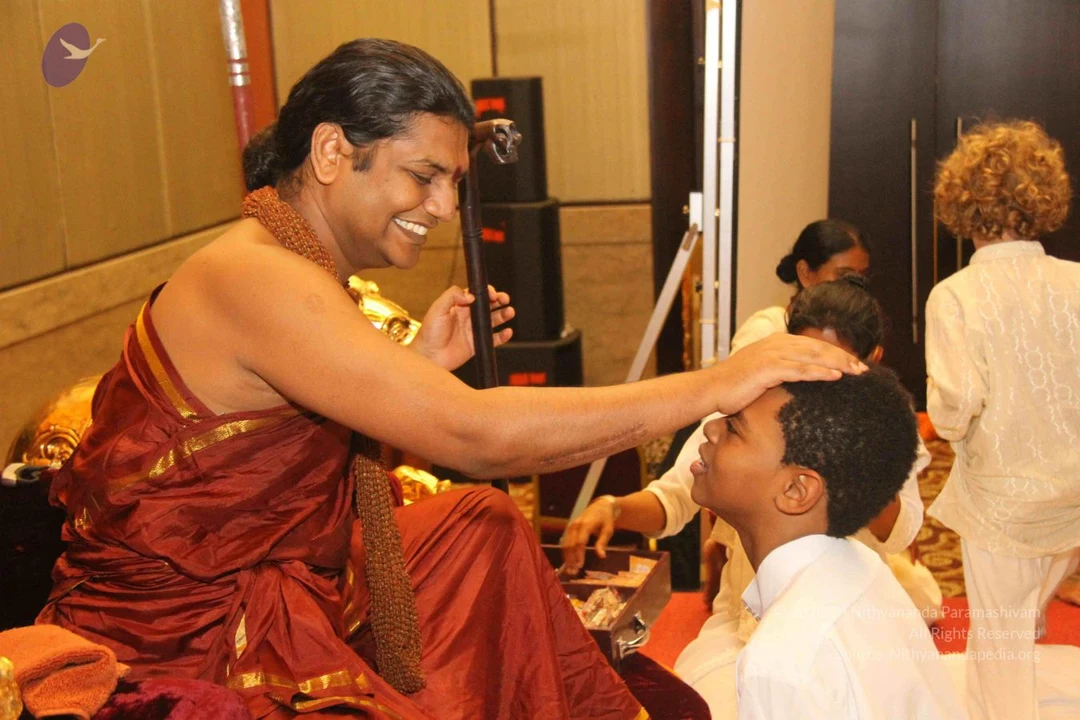
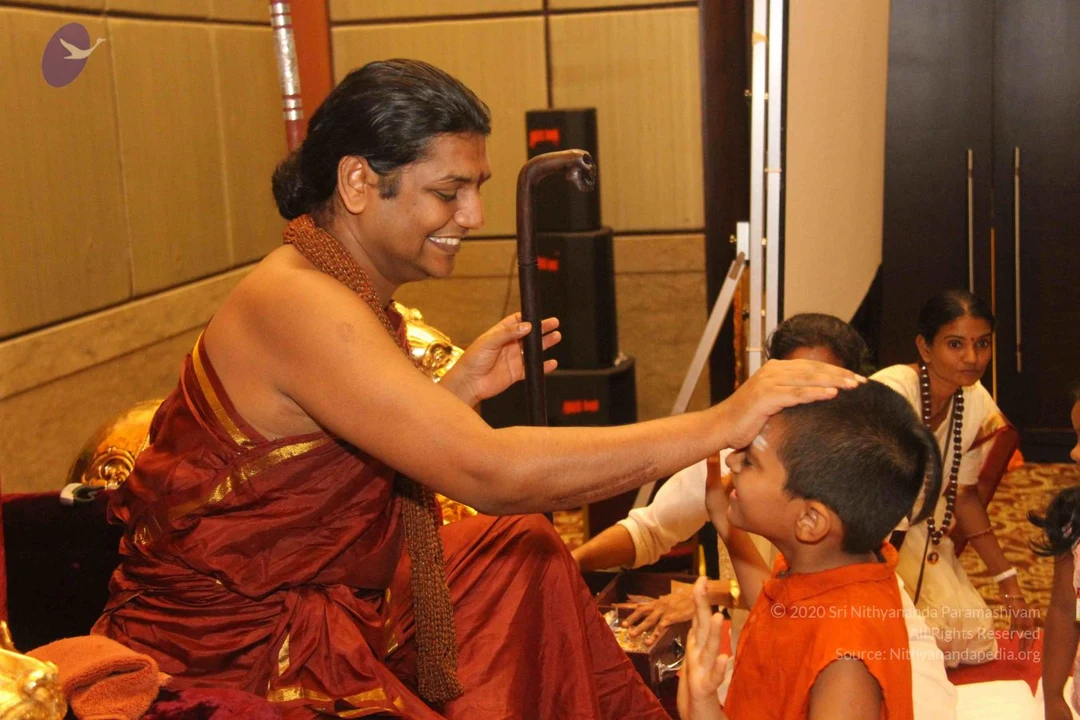
A seated man with long dark hair tied in a bun wears a rust-red draped garment with gold border and a long braided white garland with a rudraksha-style mala at his neck. He reaches forward, placing his palm on the crown of a short-haired man in a white kurta with a dark beaded mala, who holds his hands together in a respectful gesture. A wooden staff with a carved top stands between them. Behind are a golden kalasha-like object, dark wall panels and a woman in white with green plants at the right edge. The seated man matches the page's described appearance cues (long swept hair, rudraksha-style mala, ceremonial garland) and is presumed to be a person, though this is an appearance-based inference only.Outdoor procession on a rocky seaside area under a bright sky. A central man in saffron-red robes and a long rudraksha mala with a gold necklace walks beneath a red and gold ceremonial umbrella held over him, holding a silver trident-topped staff. Surrounding him are men and women in white ritual clothing with rudraksha malas, some in orange-red robes with gold borders, and a woman in white with a red bindi and a white sun hat smiling broadly. A silver staff is visible at left and right, and a man at left photographs with a small device. Rock formation in the background. a person: the central man in saffron-red robes and gold necklace is the distinctive figure under the umbrella, appearing to lead the procession.Outdoors at a seaside temple terrace in Bali, a group photo beside the ocean at sunset. At centre, a man in a rust-red dhoti and shawl with a gold necklace and mala sits on an ornate gold throne holding a silver trident, with a bare-footed pose. He is surrounded by devotees in white and pastel clothes, many wearing red and orange shawls and beaded necklaces. A woman in a white sari holds a small girl in turquoise, and a man in a white shirt holds a ceremonial axe-like staff. Kneeling figures in front, including a man in white with a straw hat nearby, and a sea and temple silhouette behind.

December 02 2013

Original wiki page
Contents

Title

Akashic Readings on Listening

Description:

In today’s morning satsang from Bali, Paramahamsa Nithyananda started the satsang with a deep meditation and then proceeded to read out the akashic records in answer to questions about the cosmic definition of listening, authentic listening to others, completion with physical diseases and pain and the influence of past lives..Then he guided the Nirahara Samyama meditation and followed that with Dial the Avatar.

Link to Video:

VideoAudio

Transcript:

Nithyanandeshwara Samaarambhaam Nithyanandeshwari Madhyamaam | Asmath Aachaarya Paryanthaam Vandhey Guru Paramparaam ||

00:39 Hindi - 00:49

I welcome all the devotees, disciples, samajis, satsanghis sitting with us moment through Nithyananda TV, Sadhna TV, Lotus News Channel, Janashree TV, Ishwara TV and through two-way video-conferencing. In many places having Nayana Deeksha.

Cities sitting with us in two-way video-conferencing having Nayana Deeksha; Santa Fe-New Mexico, Guadeloupe-Rameshwaram, Los Angeles-Arunachalam, Toronto-Kailasam, San Jose-Madurai, Surrey-British Columbia, Nithyananda Nagara-Bidadi, Singapore-Singapuram, Seattle-Chidambaram, Ohio-Prayag, San Diego-Tirualavai, Calgary-Amarnath, New Zealand-Adi Arunachalam, Hyderabad-Gupta Kashi, Bogota-Colombia, New York-Varanasi, Bangalore-Malleshwaram, Enriching Temple-Bidadi, Dakota Dunes, Devon-UK, Eva Halasai, Tiruvanmiyur-Chennai, Bangalore-North, Nithyananda Nagaramu-Hyderabad, Oklahoma-Somanatham, Riverside-California, San Diego-Tirualavai.

I welcome all of you with my love and blessings.

Today the 22nd batch Inner Awakening. Inner Awakening Level-4 first batch, 2nd day program is going on. It has started much better than I expected and it’s going on much better than my plans. Of course, I don’t plan. So, in a way, I can say, as it is planned itself.

I wanted to complete with all the television viewers, visitors. I committed with you all that from December 1st you will get my satsanghs in your language. I sincerely wanted to apologize and complete with you all that it did not happen because my assistants have failed me but there is no “because”; I failed, that’s all. And I commit with you guys, soon, very few days, in very few days, you will start listening to the satsangh in your language. I’ll work and make it happen.

Let us all create a space through the meditation for Mahadeva, Mahakala, Dakshinamurthy to land and answer our questions, do the Akashic Readings.

Sit straight. Close your eyes. Sit in the space of Upanishad – just sitting.

Q. Dear Mahadeva, Dakshinamurthy, can you please enlighten us on what is “listening” from the cosmic perspective?

Mahadeva: “Listening” is listening to the experience the other person is trying to impart into you without even using the ears just using your natural ability to listen to the other person. By your innate natural ability, you can listen, see, receive information just using your Third Eye and the organ related to your Third Eye – brain – without the use of any other organs. When you are listening, trying to listen put your whole effort on listening through your Third Eye.

Q. Dear Mahadeva, Kalabhairava, Dakshinamurthy, can you please enlighten us on how we can authentically listen to ourselves and to others every moment of life?

Mahadeva: When you learn authentic listening to others, you will learn authentic listening to yourself. Listening is interrupted usually by inauthenticity, inauthenticity’s of various levels, vested interests, fears, favours, greed and inadequate cognitions. When you are listening to others, put all of that out and only listen. By listening to others, you will learn authentic listening. That way, you will be able to listen even to you authentically. But first, listening authentically should start from listening to others; then you will learn listening to yourself.

Q. Dear Mahadeva, Dakshinamurthy, can you please enlighten us on how we can complete with physical disease, especially if there is physical pain?

Mahadeva: Listen to that part of your body which is not flowing blissfully, which is not flowing with health. Listen to that part. Ask exactly what that part wants. Just by listening to the different parts of your body you can align all of that to health.

Q. Dear Mahadeva, Dakshinamurthy, can you please enlighten us on how we can become more aware and complete with incompletions from our past lives and their grip and hold on our present life?

Mahadeva: How as only one complete answer. That is: “Guru’s Grace.”

NIRAHARA SAMYAMA MEDITATION IN PROGRESS

You can open your eyes. I bless you all to be Niraharis!

With this I bless you all. Let you all radiate with Integrity, Authenticity, Responsibility and Enriching with eternal bliss, Nithyananda! Thank you.

Let you all achieve, experience, live, express, radiate, share and explode in eternal bliss, Nithyananda

Photos
Sakshi Pramana:

Sharing from BOOK FARE

Tags:

Paramahamsa Nithyananda, meditation, akashic records, cosmic,listening, authentic, others, completion, physical diseases, pain, past lives, Nirahara Samyama, Avatar.

Photos Of The Day:

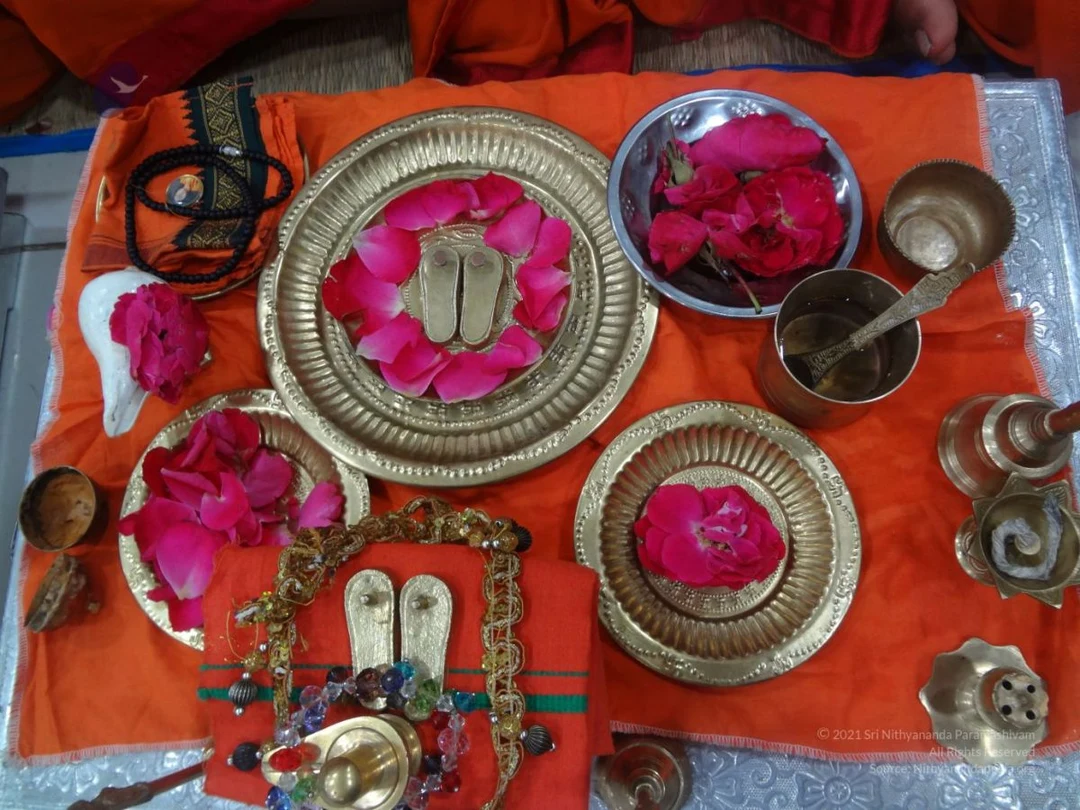
PadukaPuja
Nithyasatsang
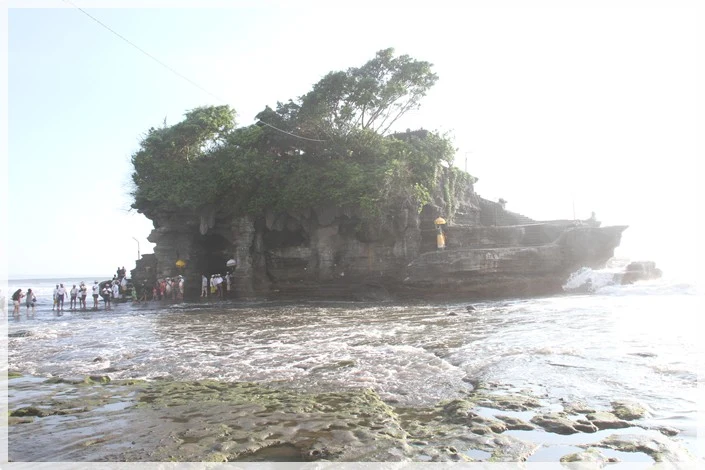
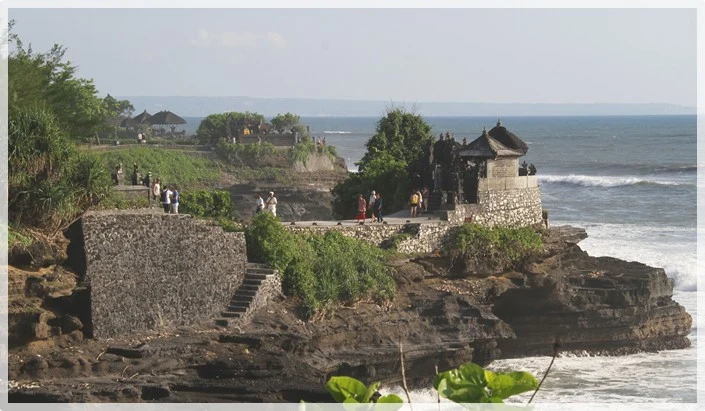
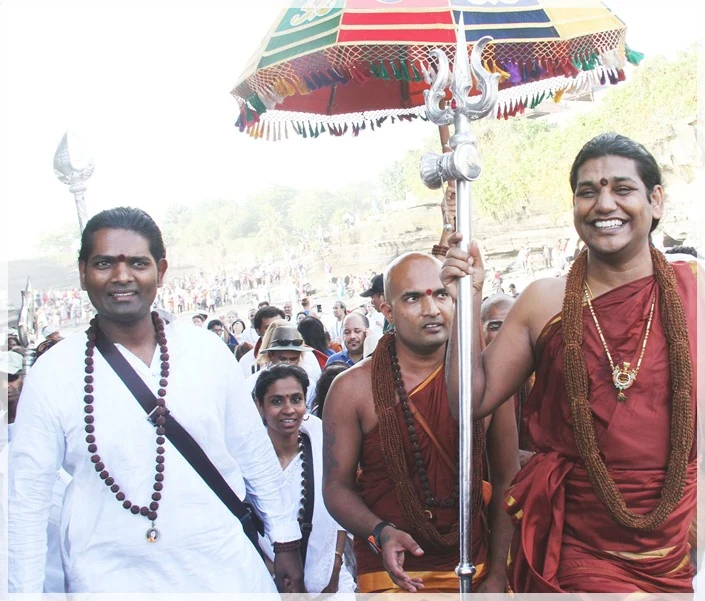
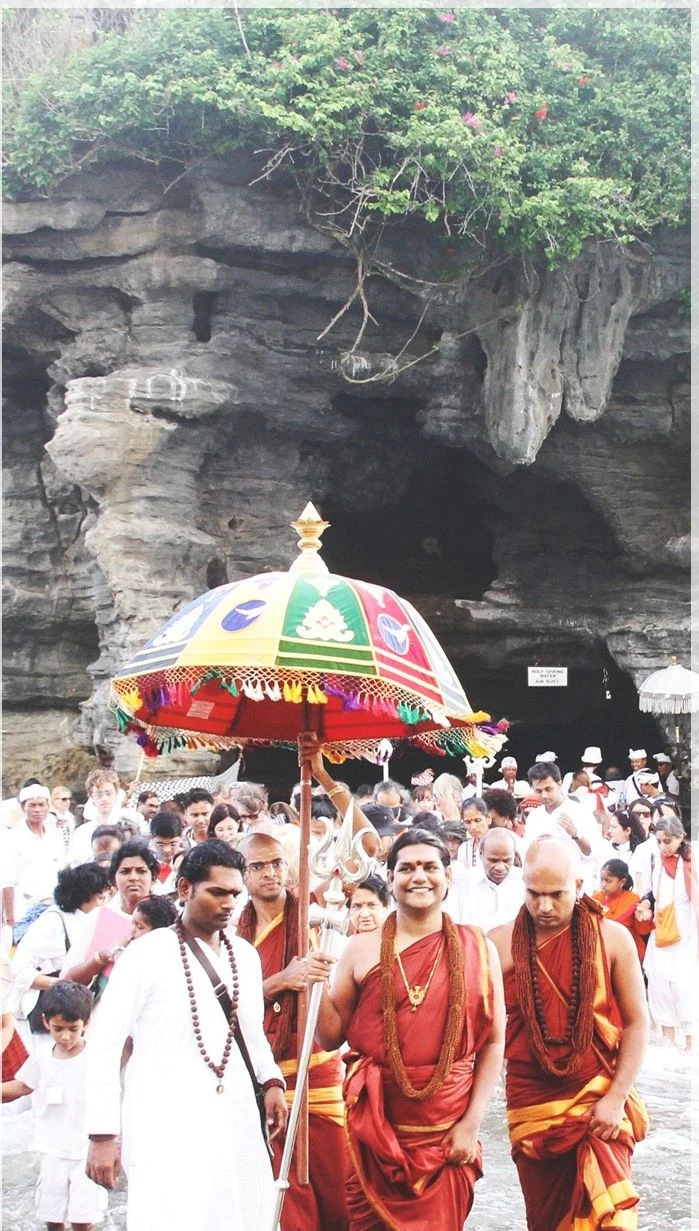
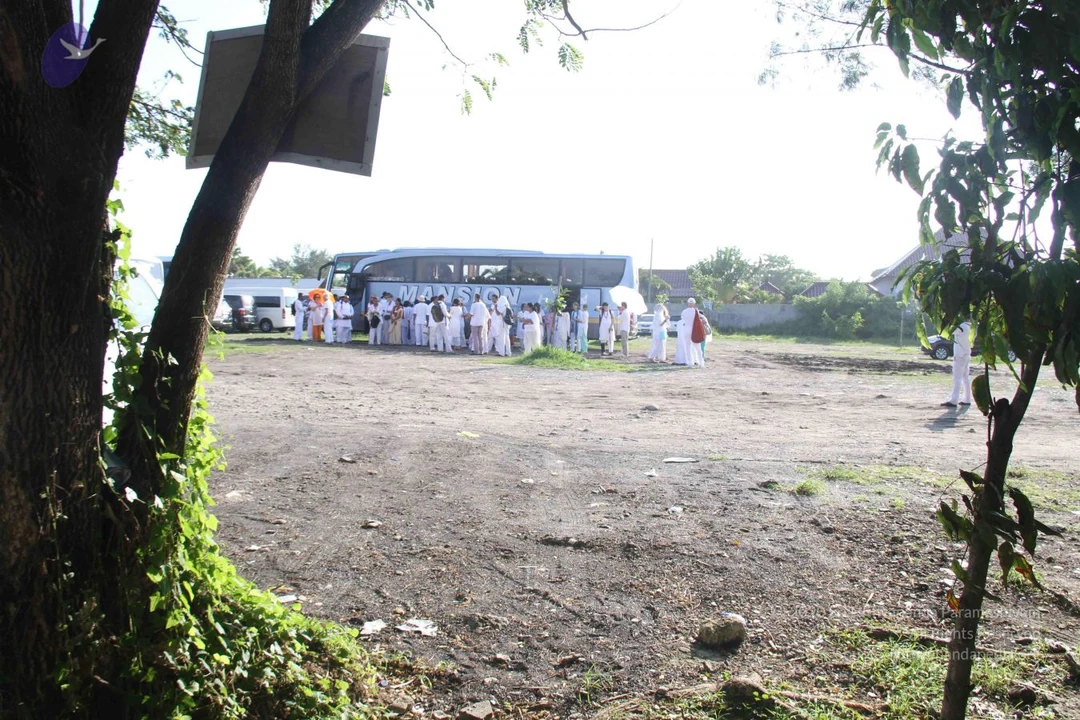
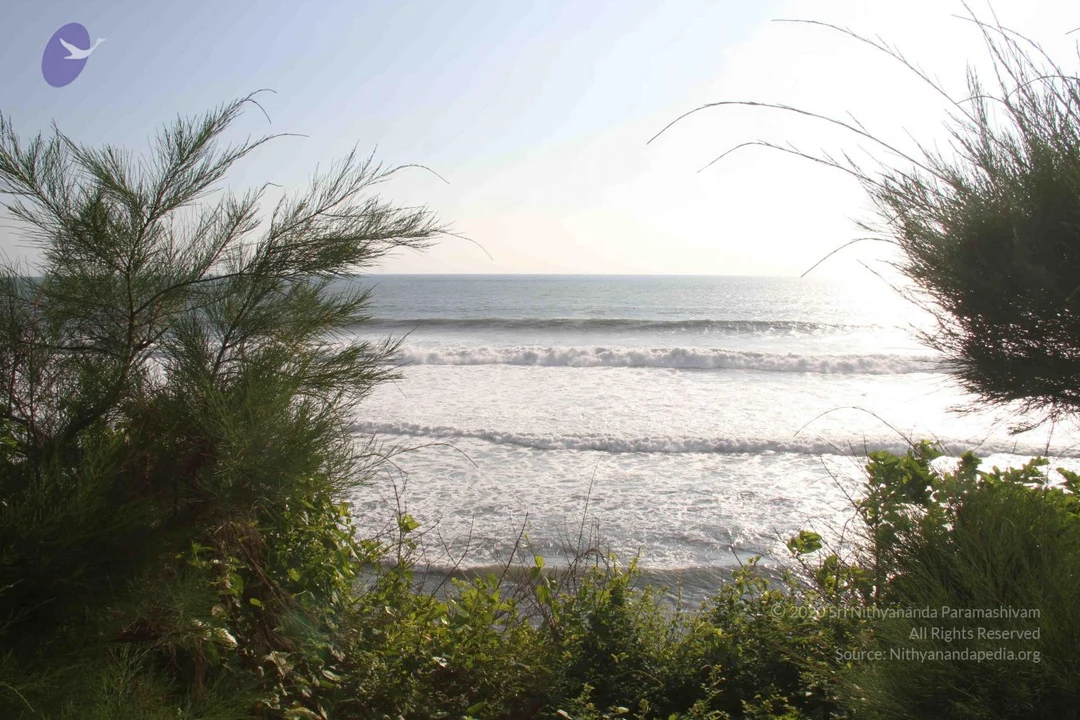
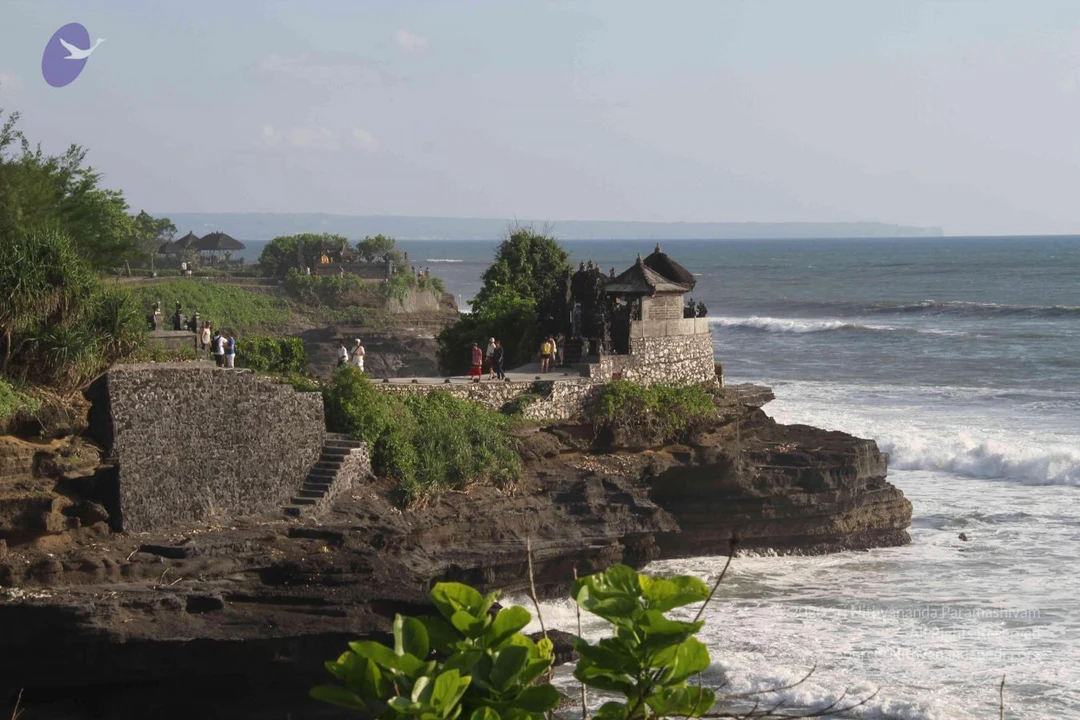
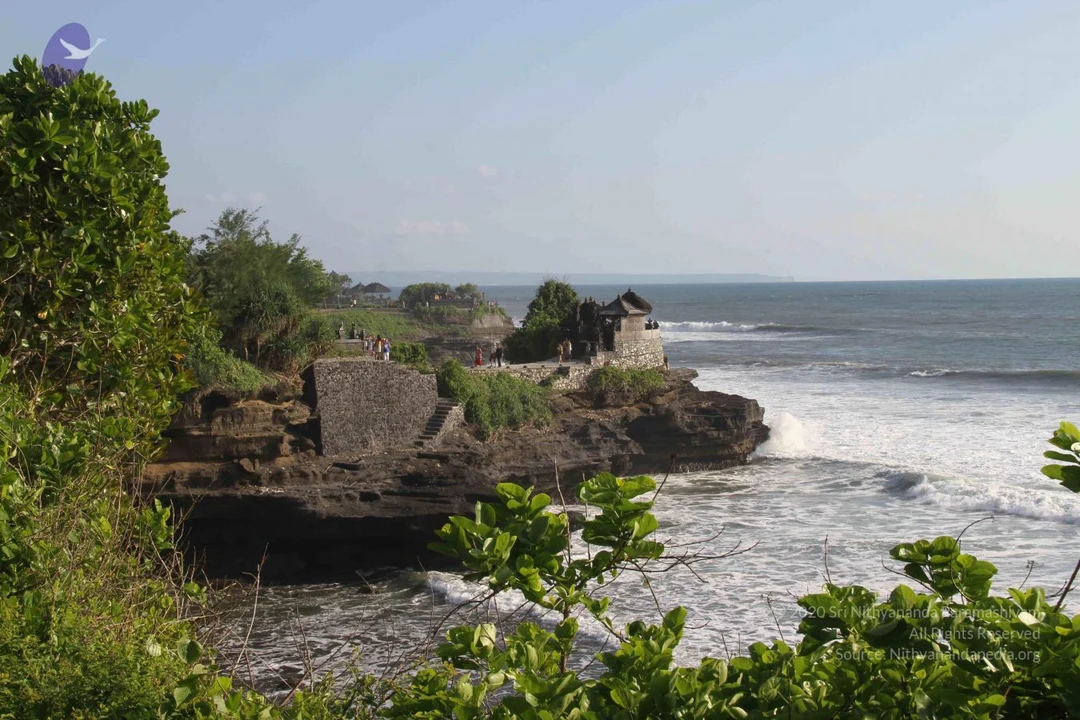
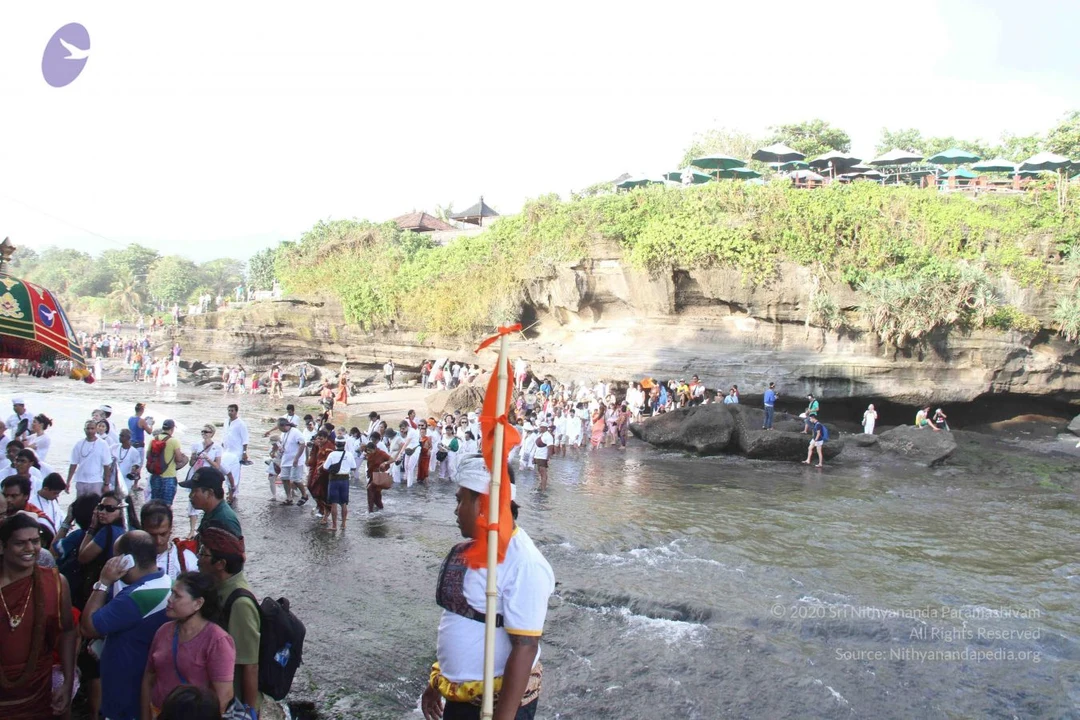
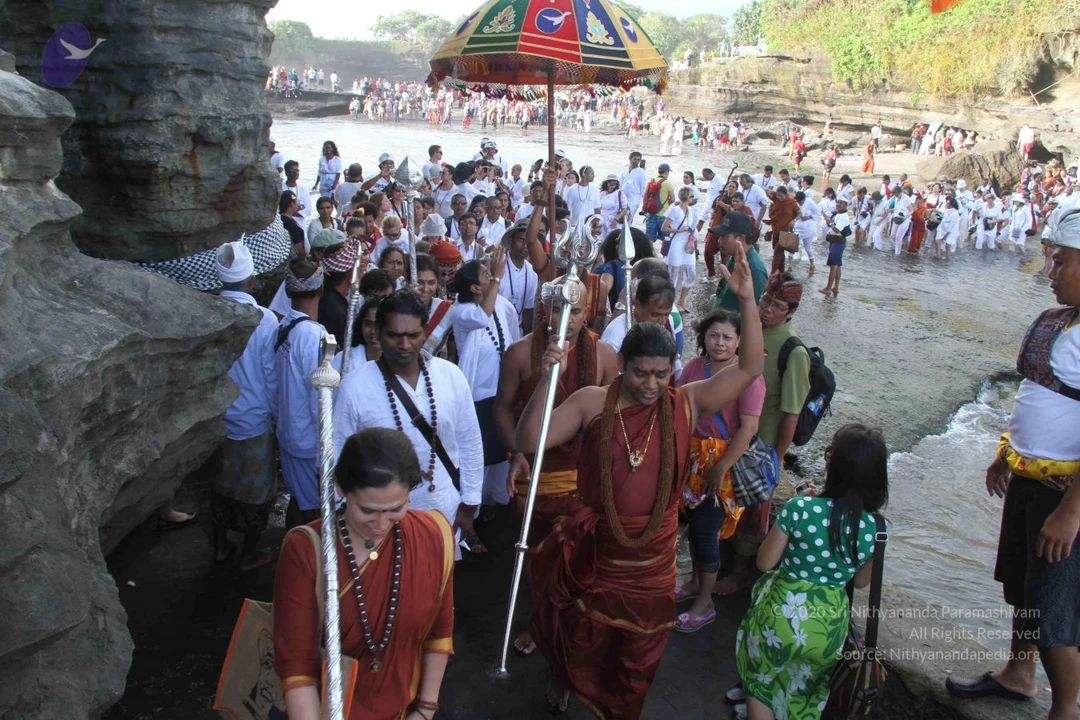
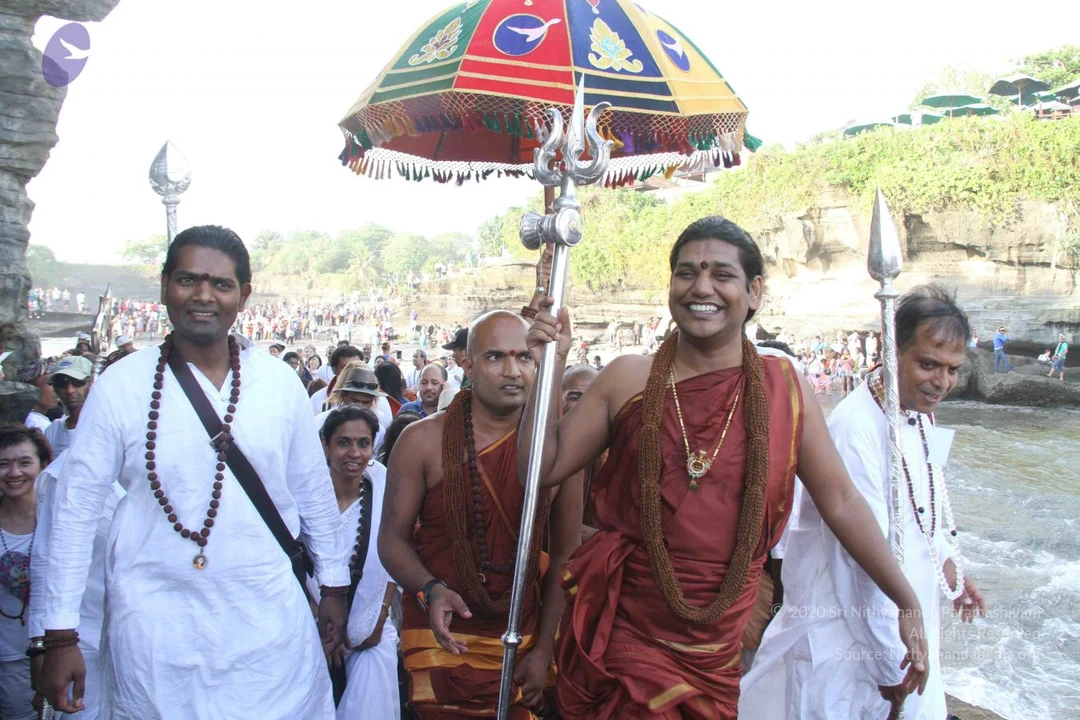
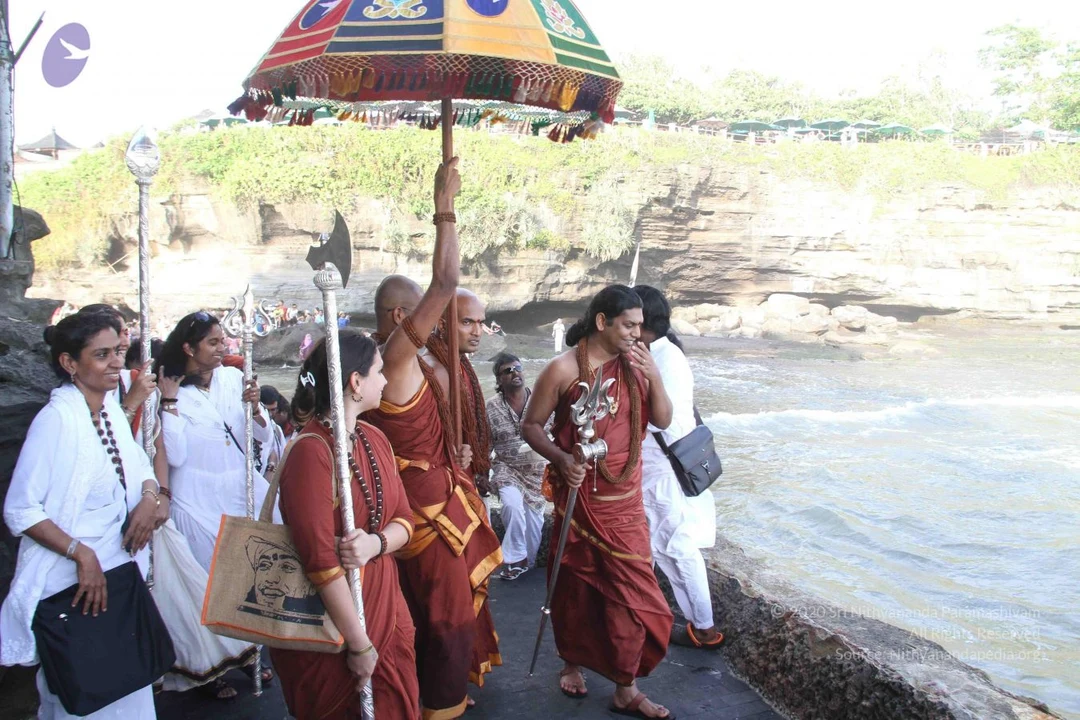
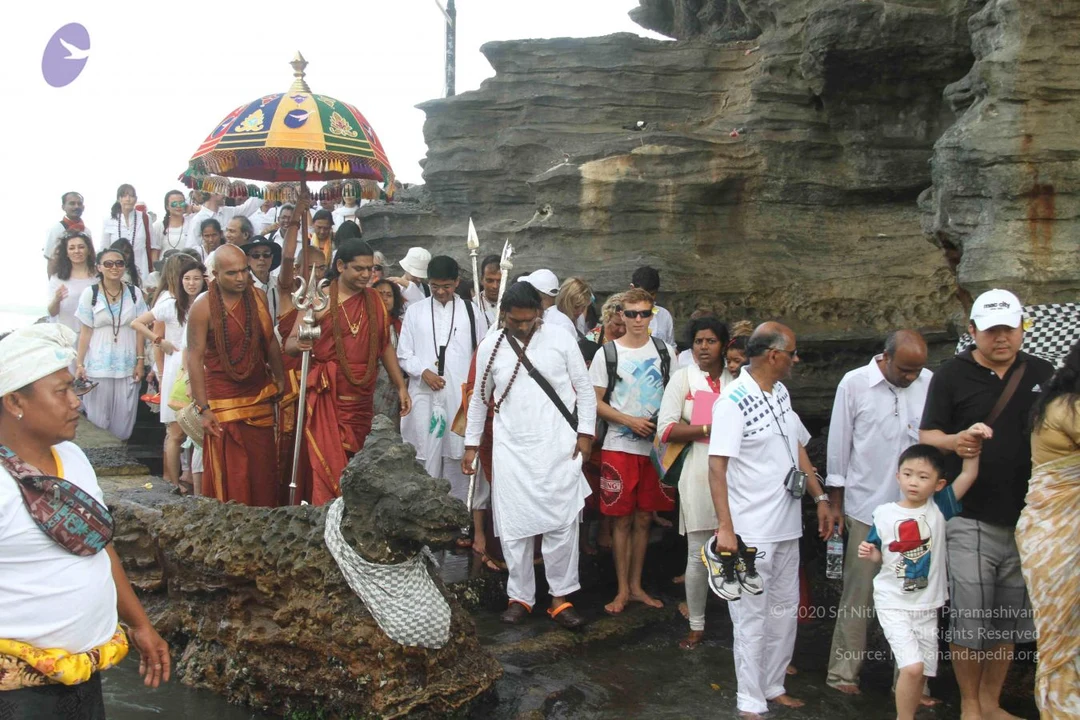
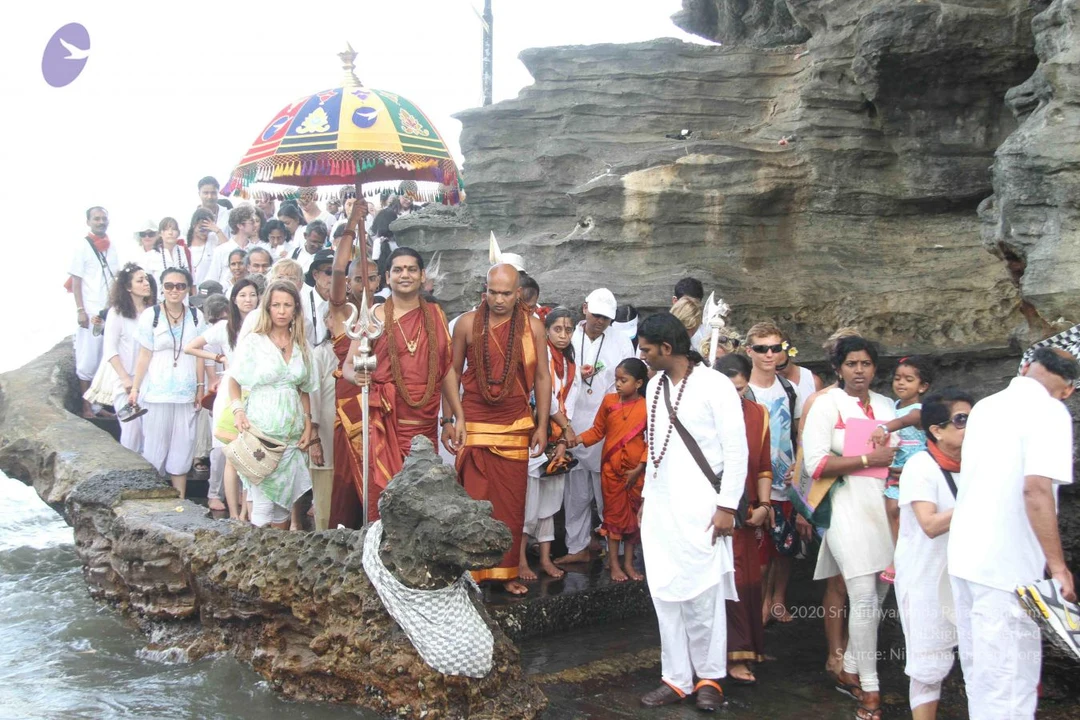
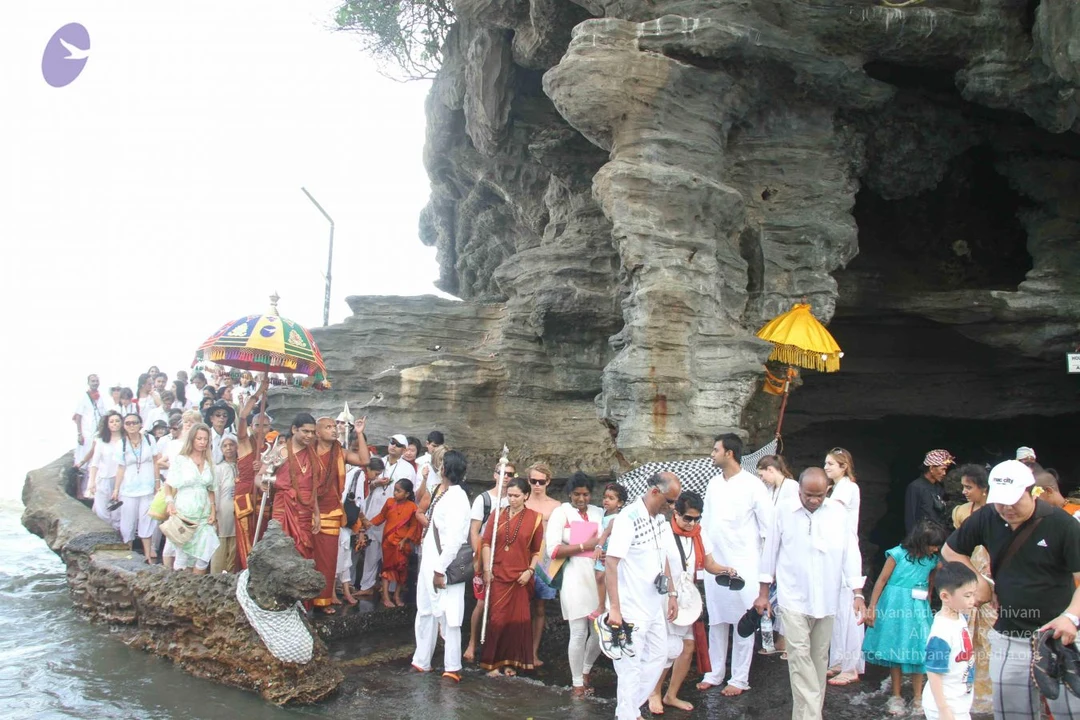
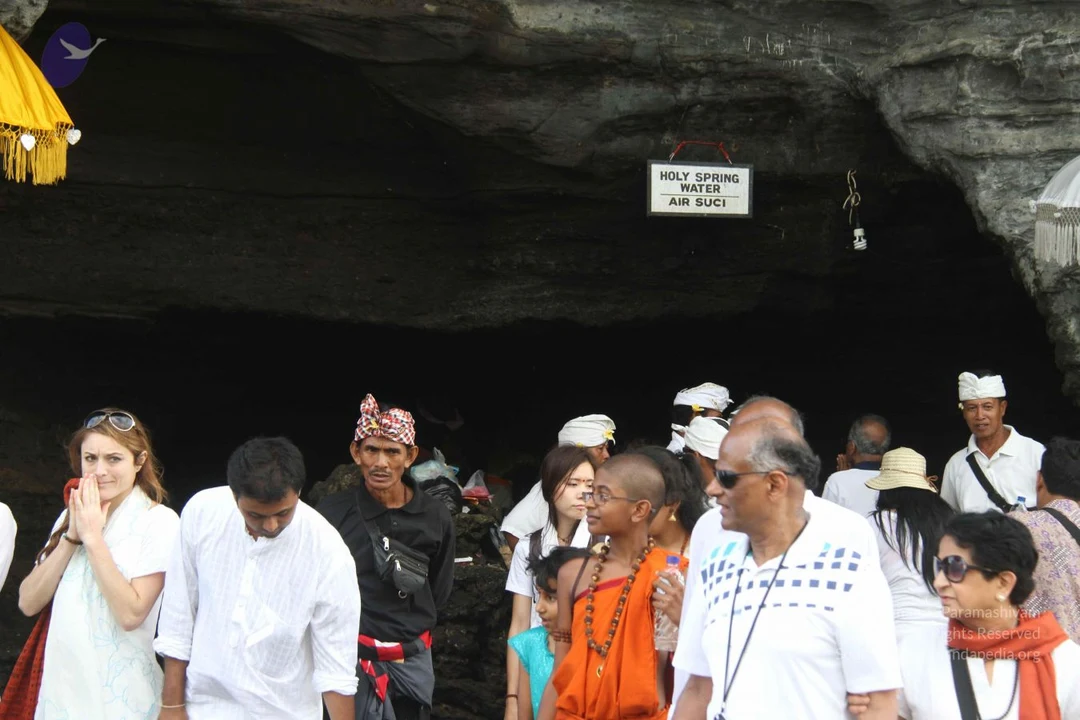
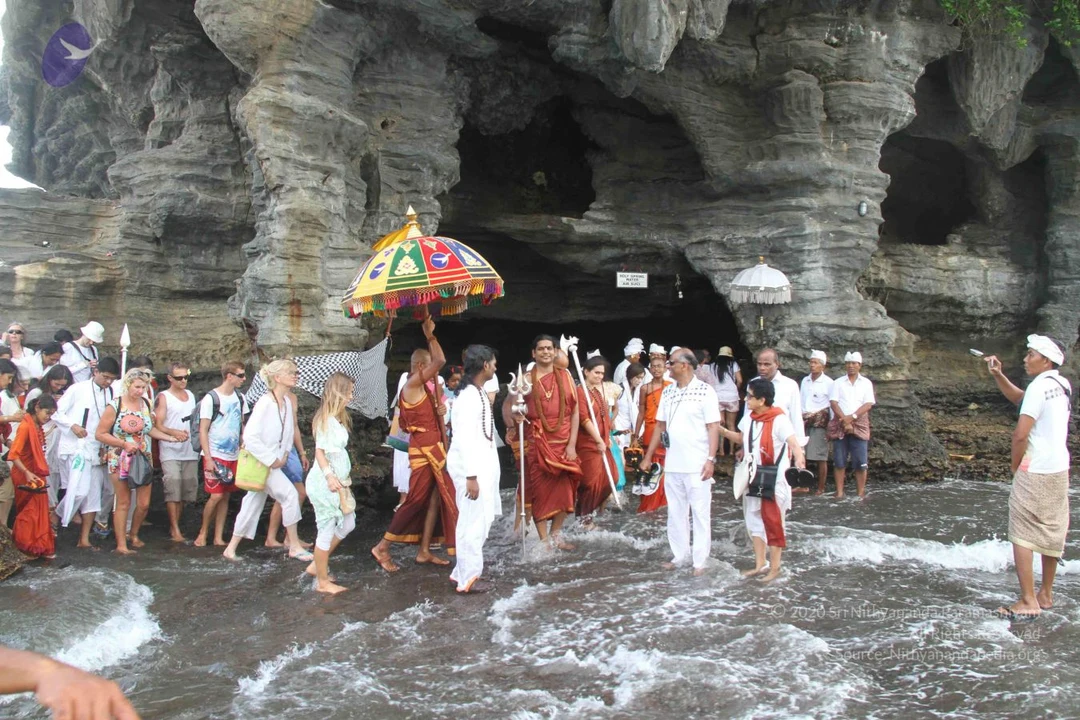
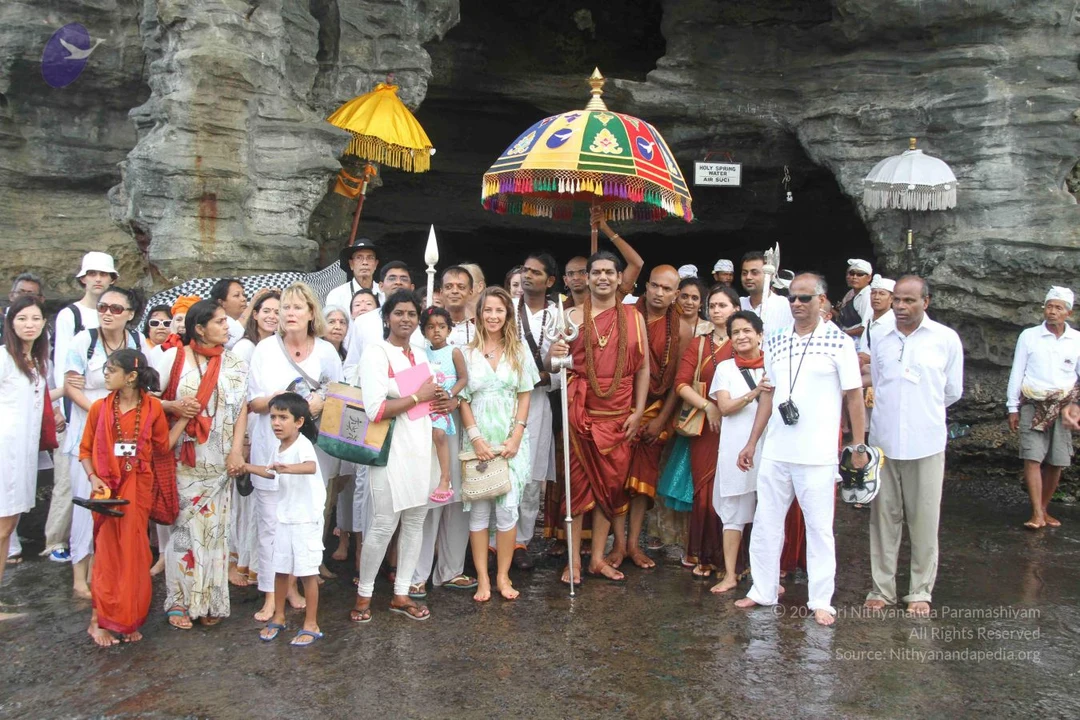
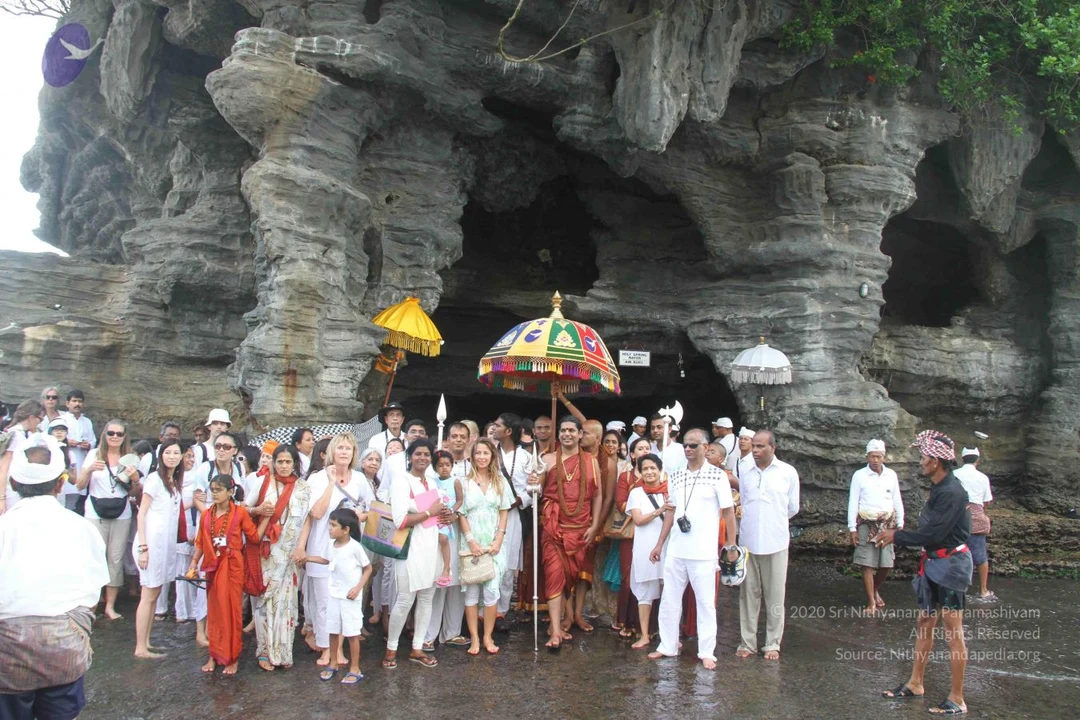
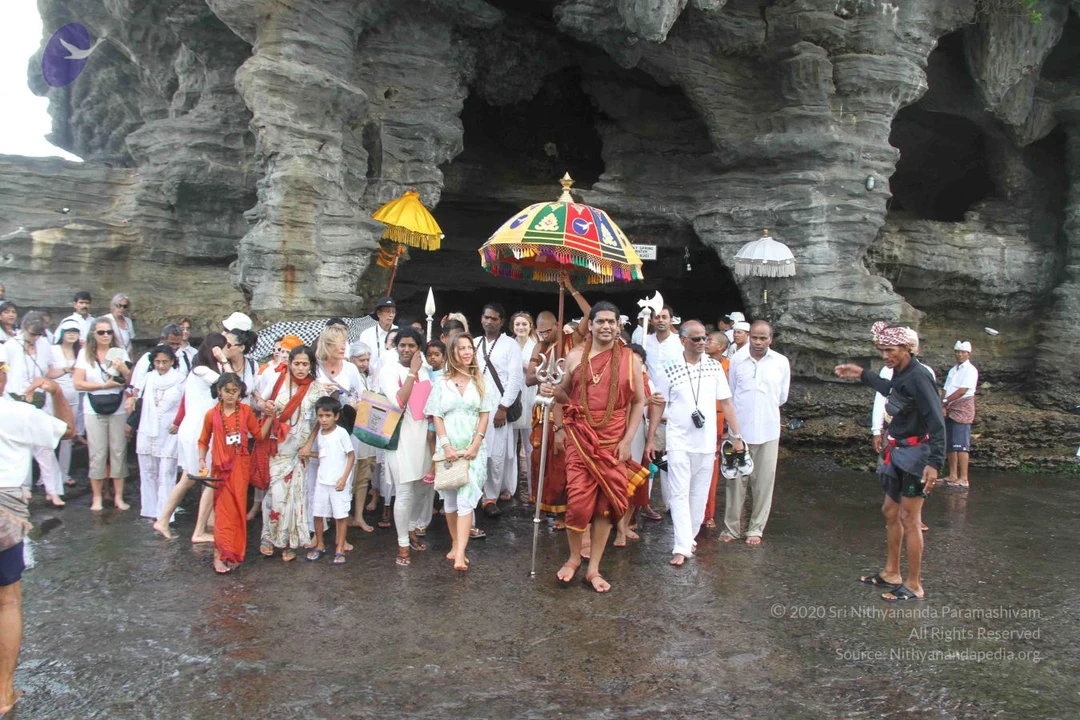
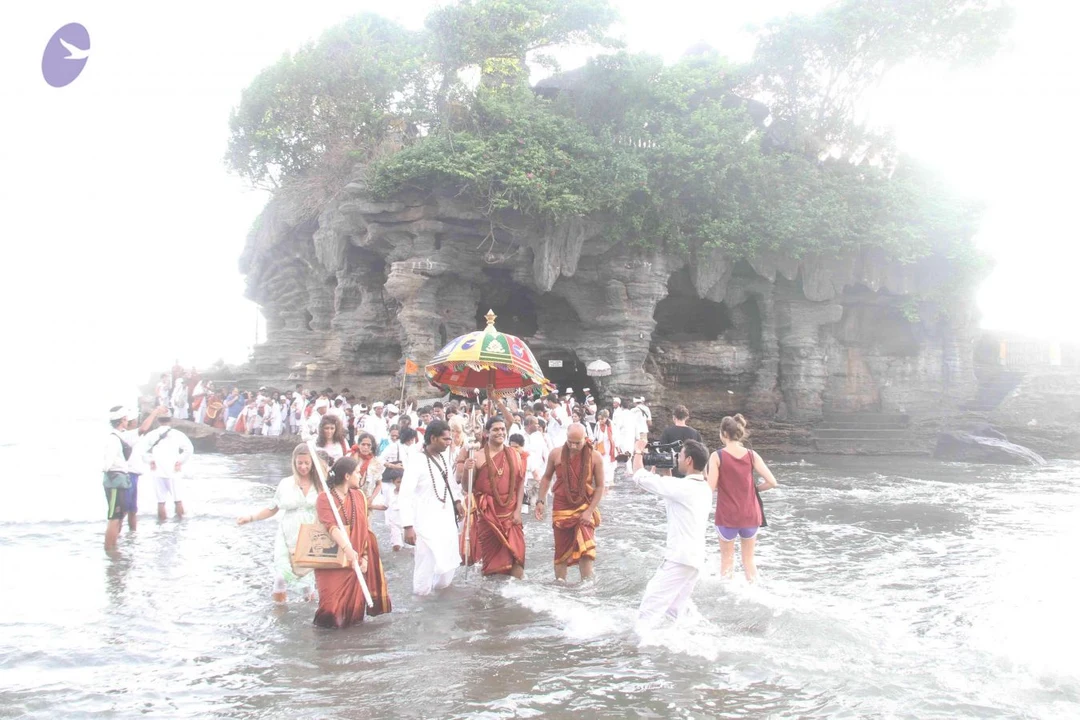
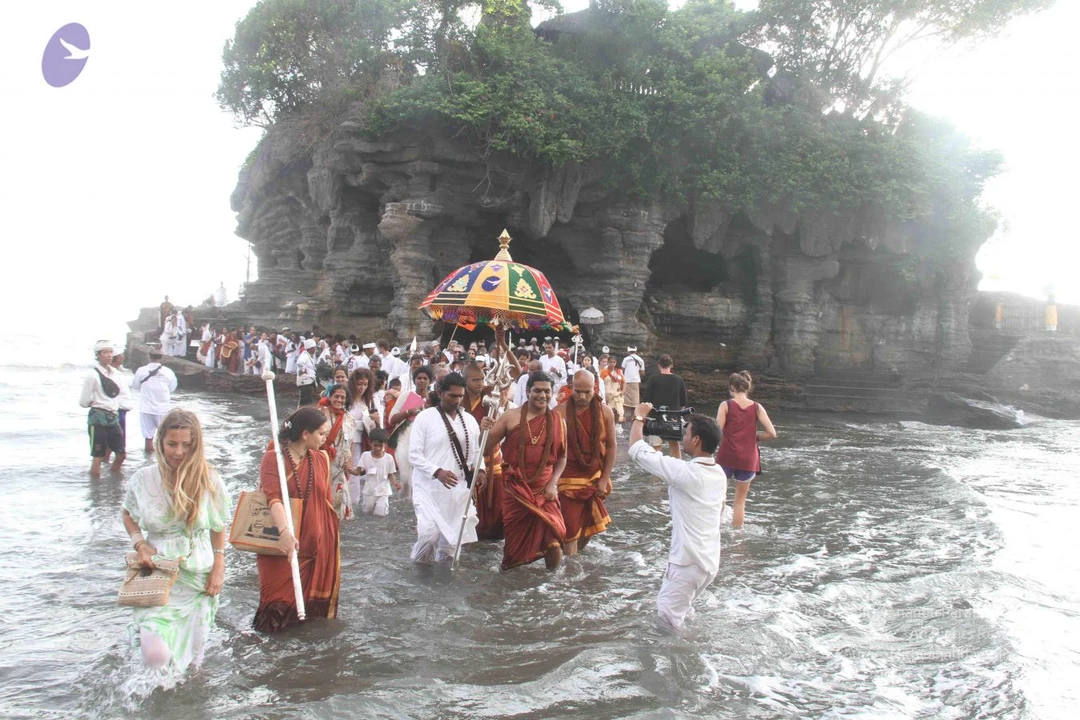
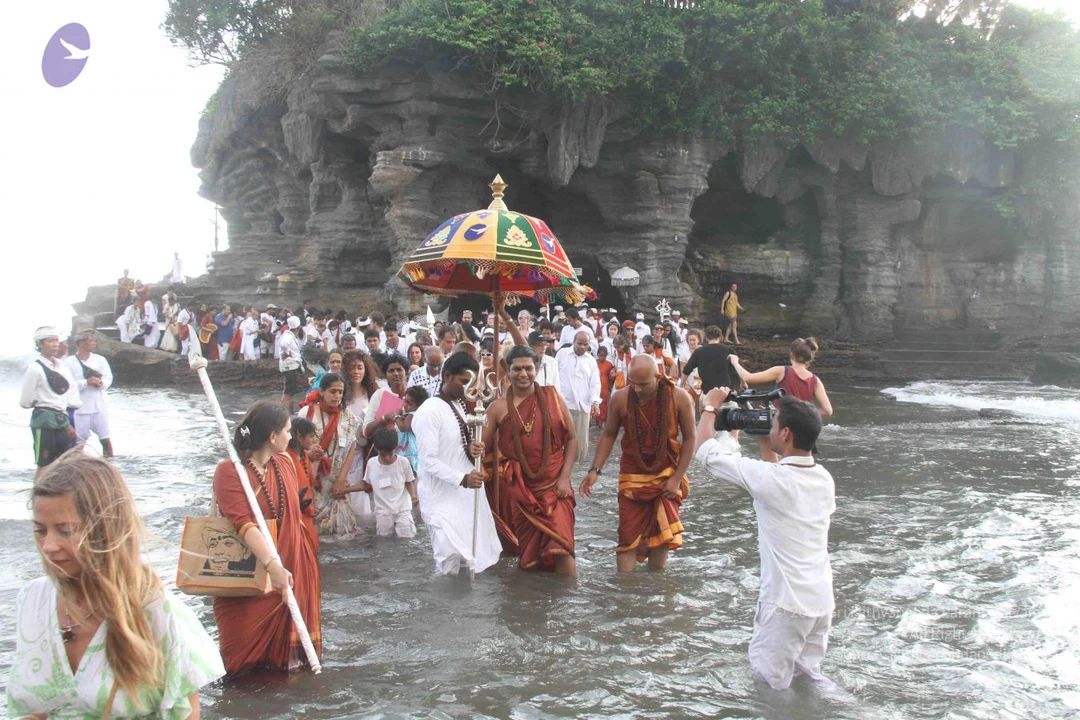
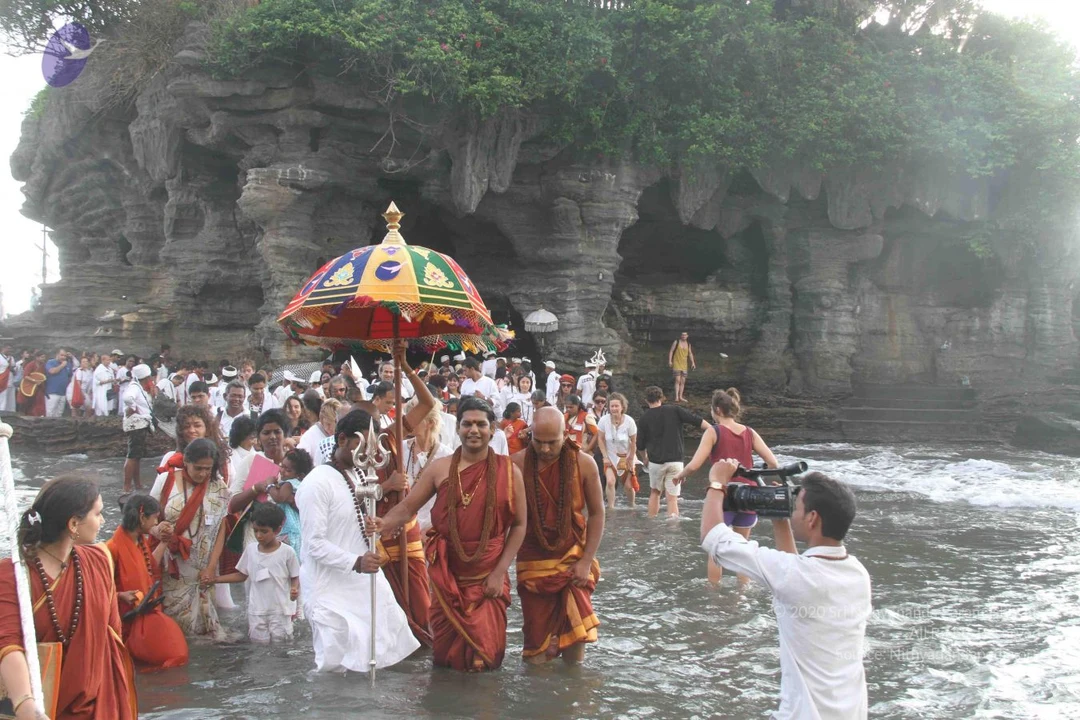
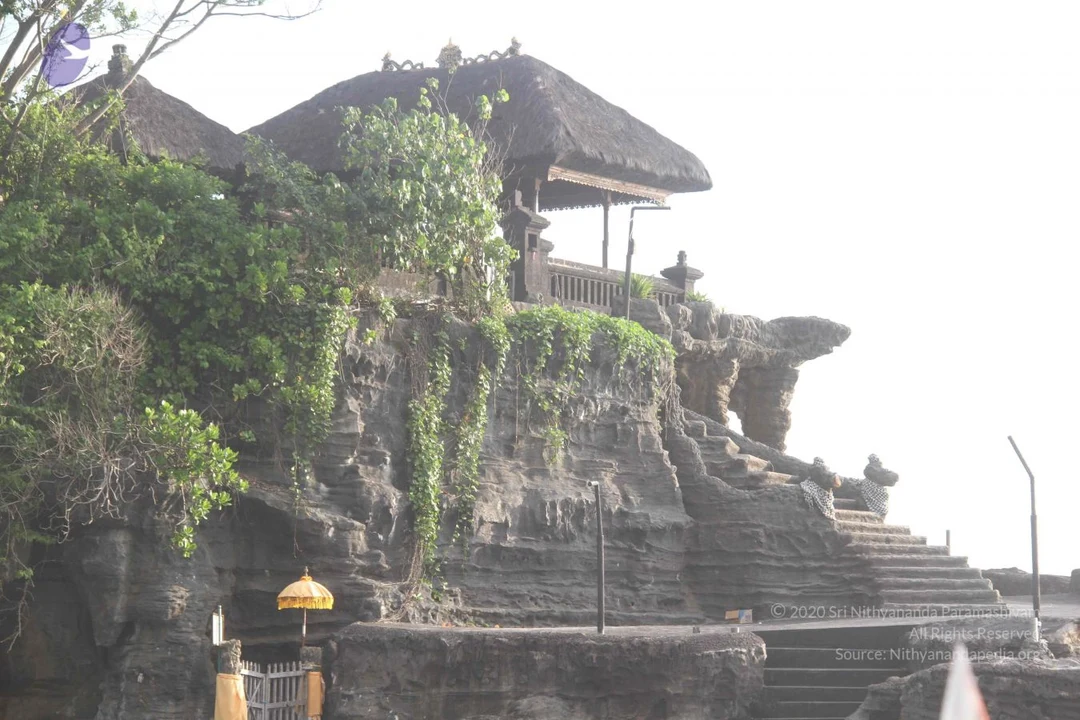
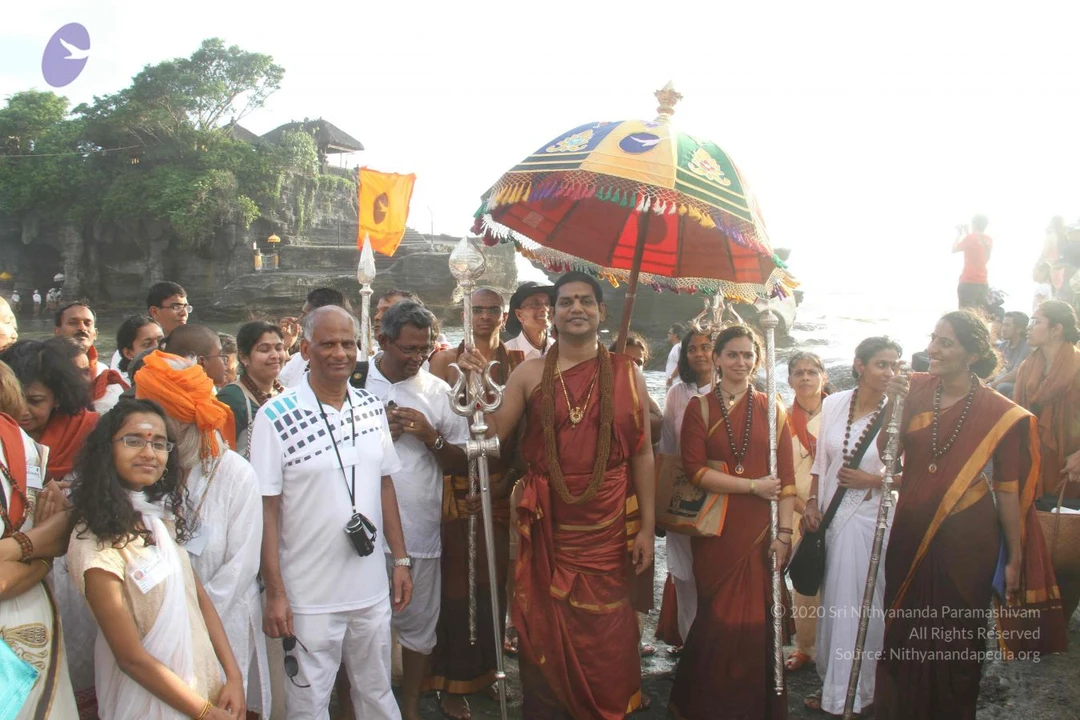
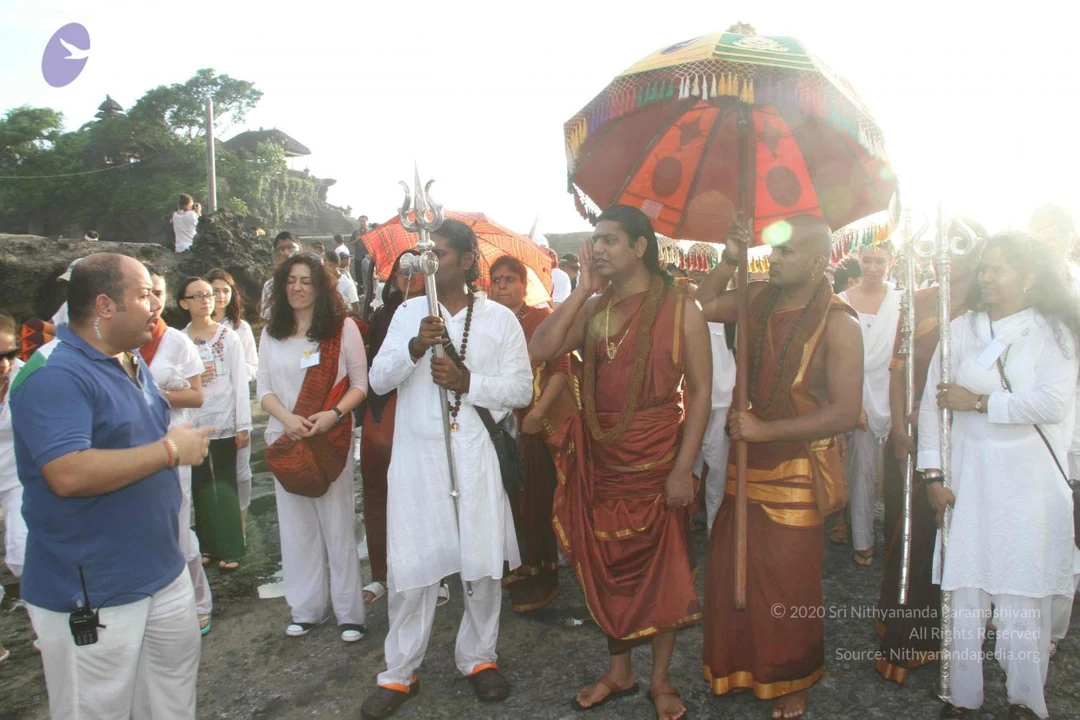
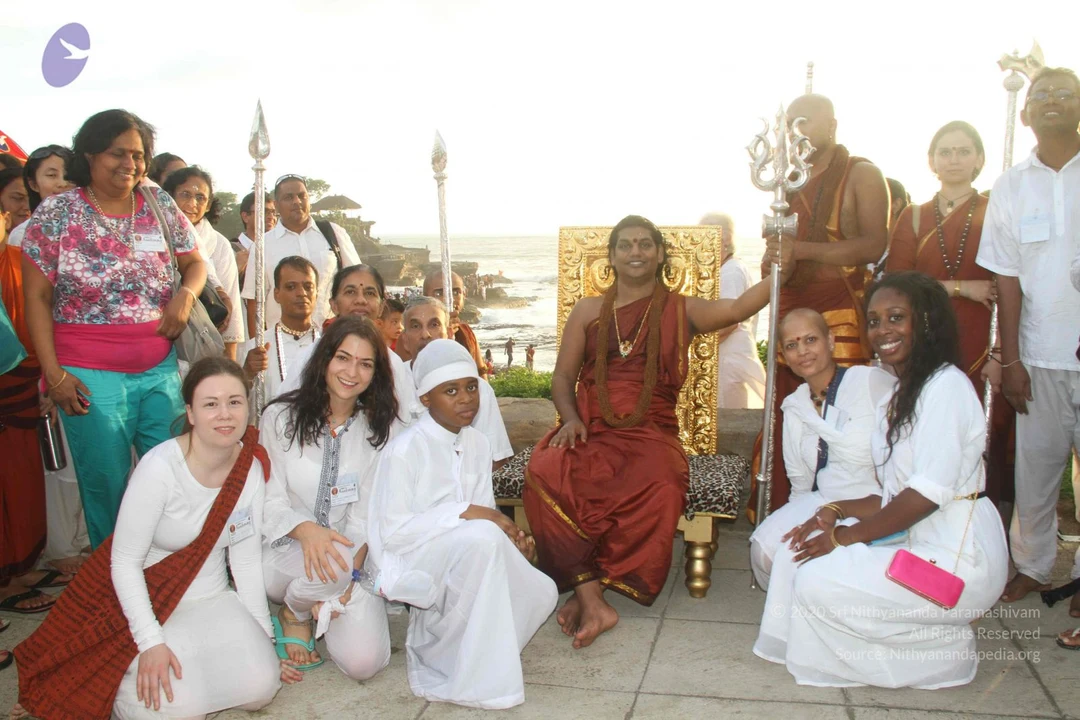
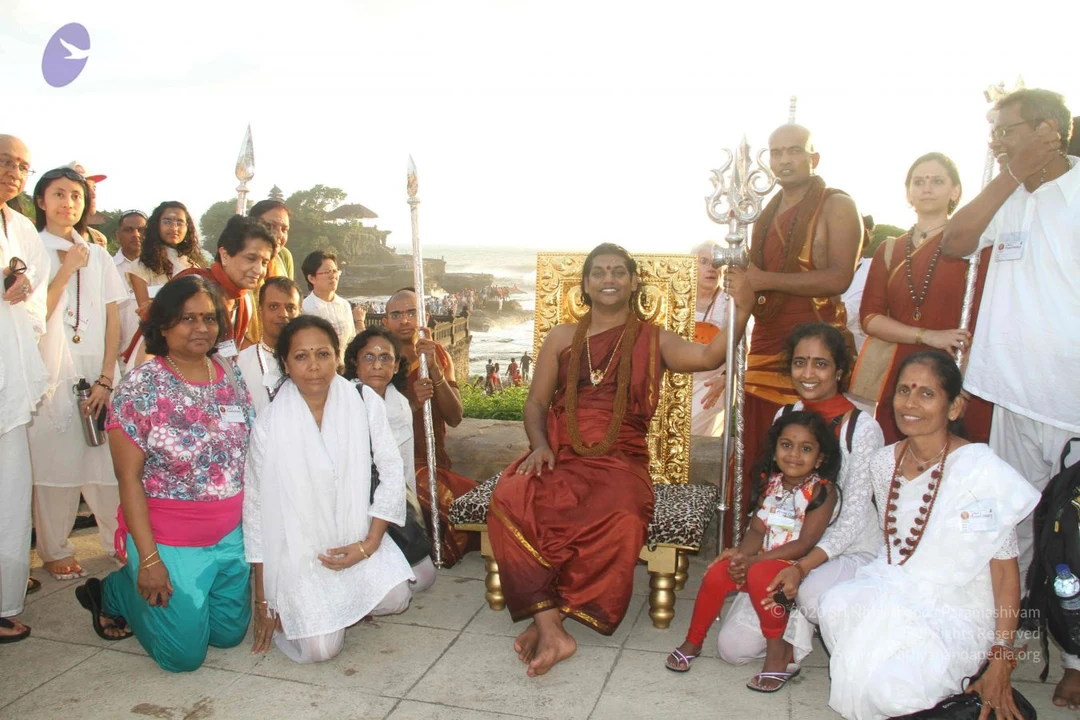
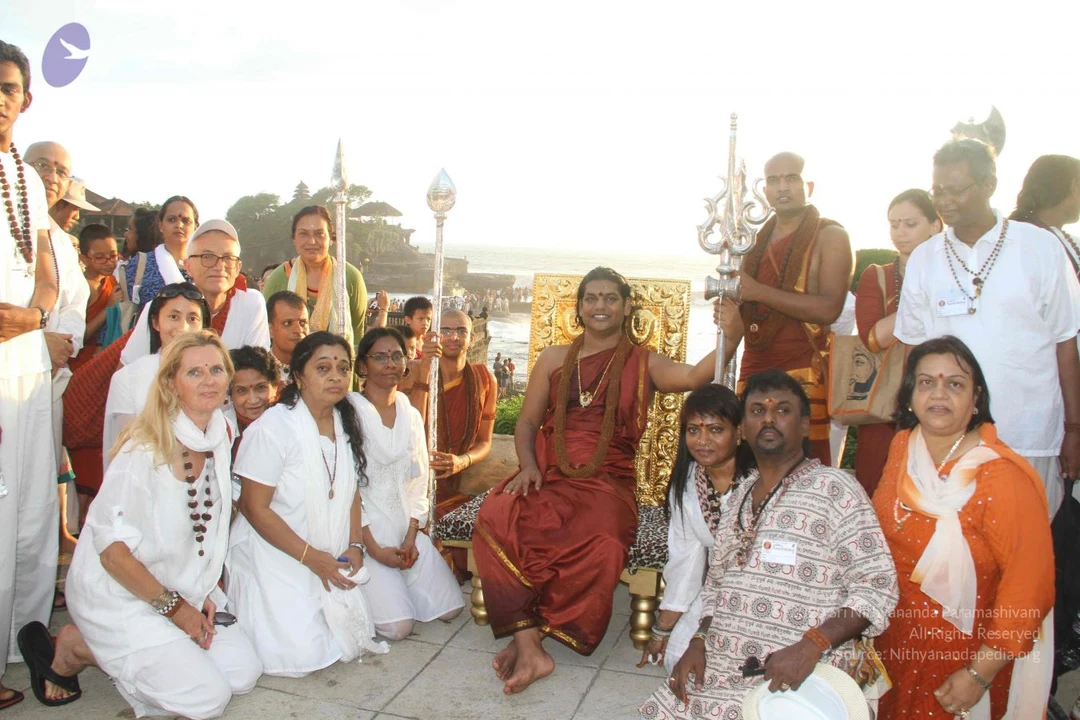
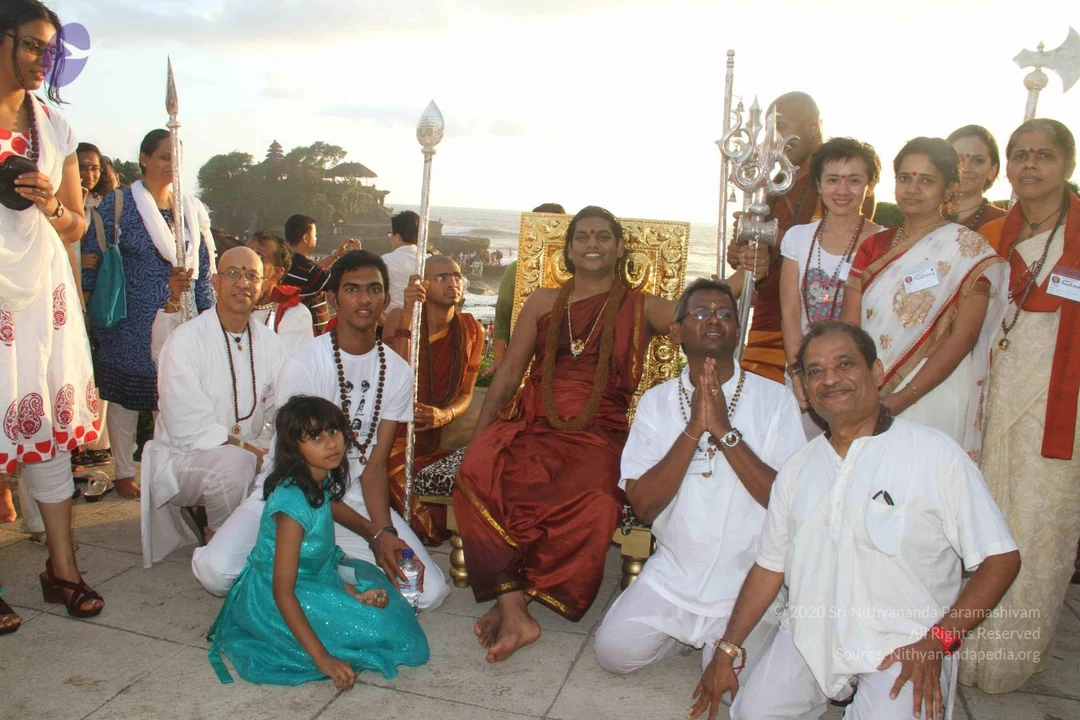
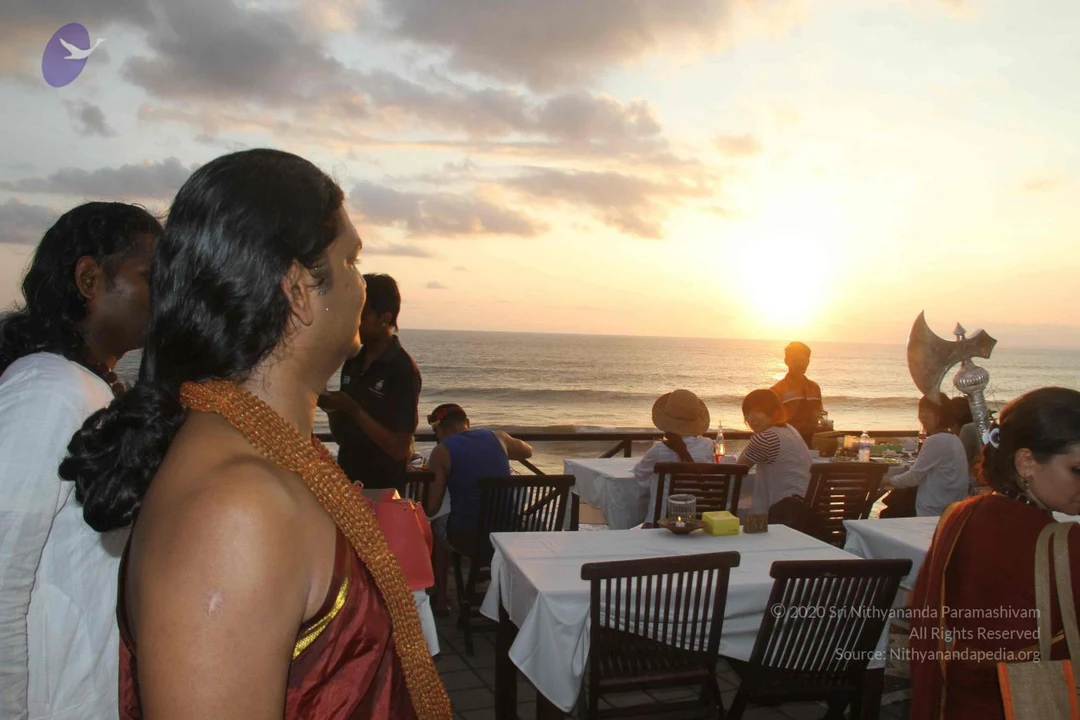
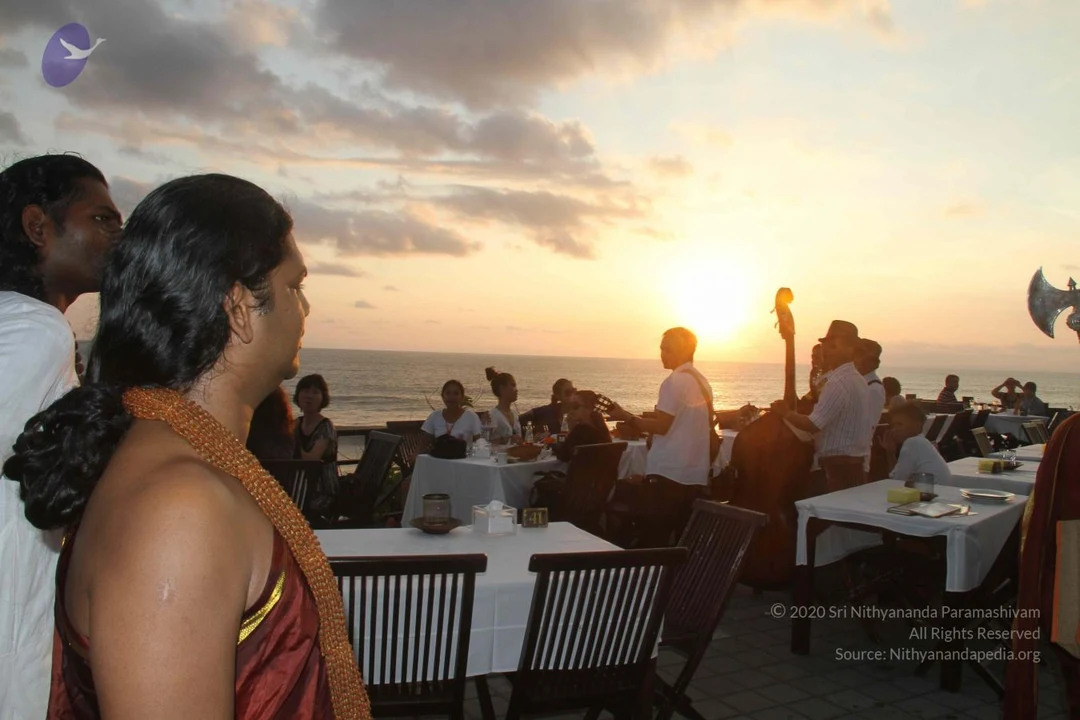
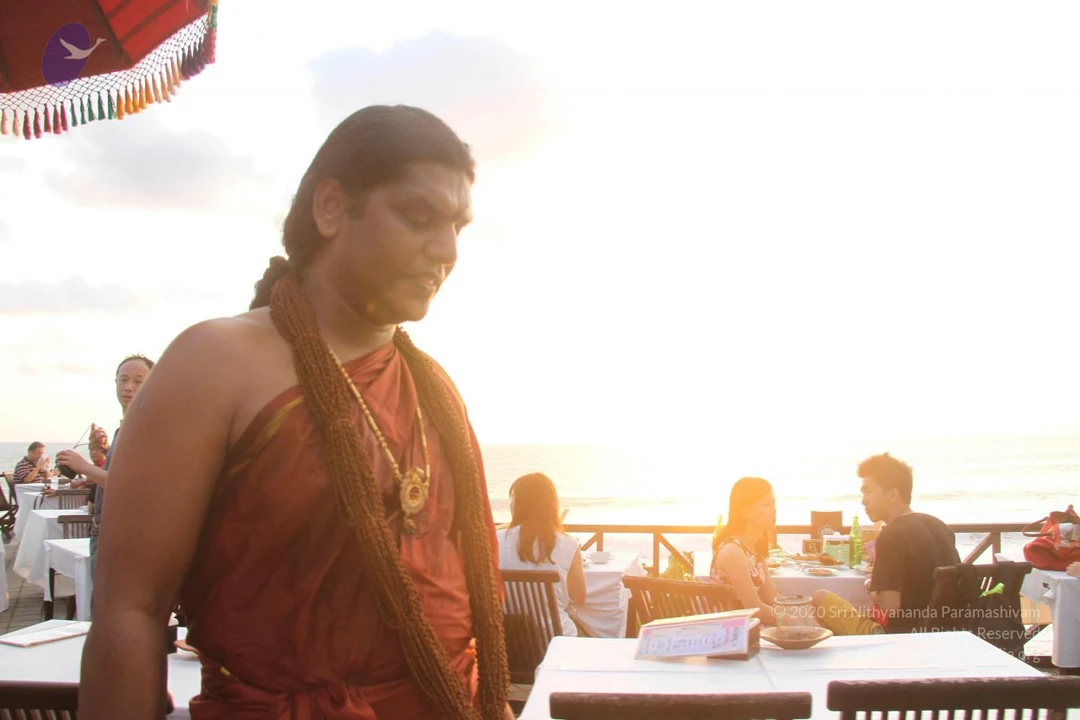
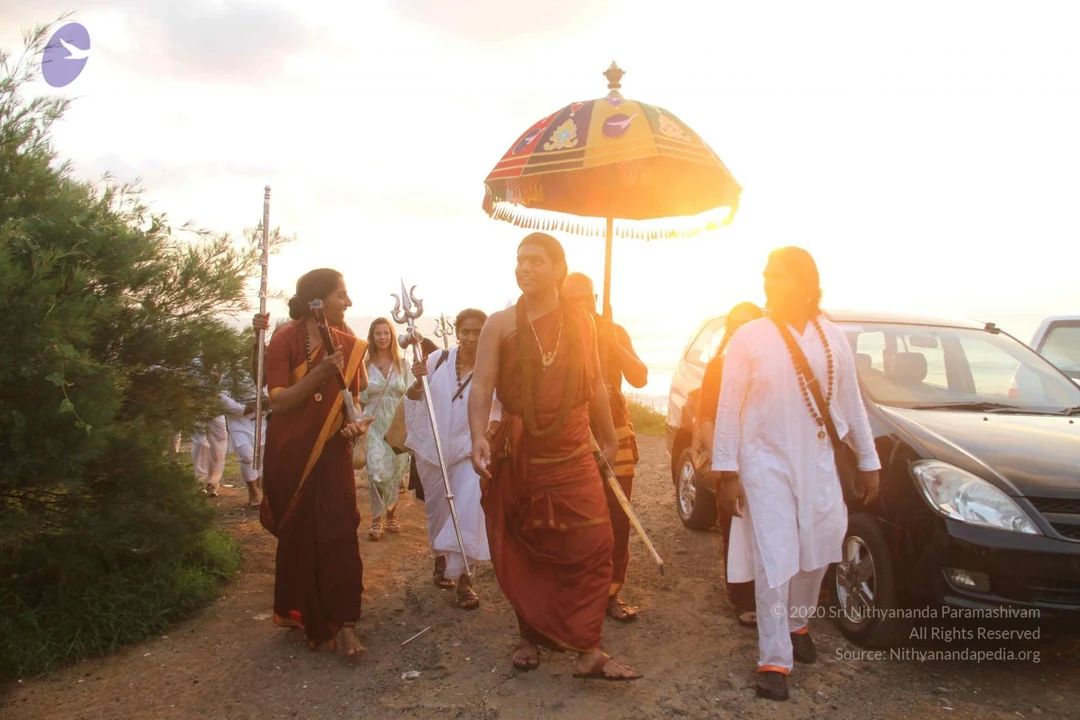
Tanoh-Lot-Temple-Visit
IA-Darshan

Photos Of The Day:

Morning-Puja

01-Morning-Puja

Photos from this day

View all 360 photos

Photos

1 photoSource gallery
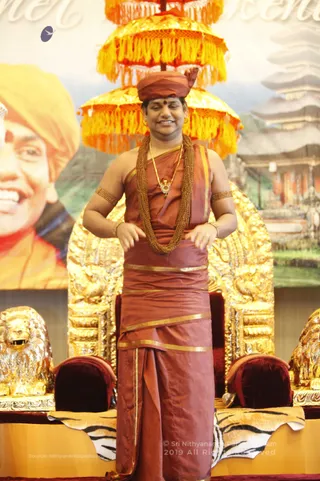
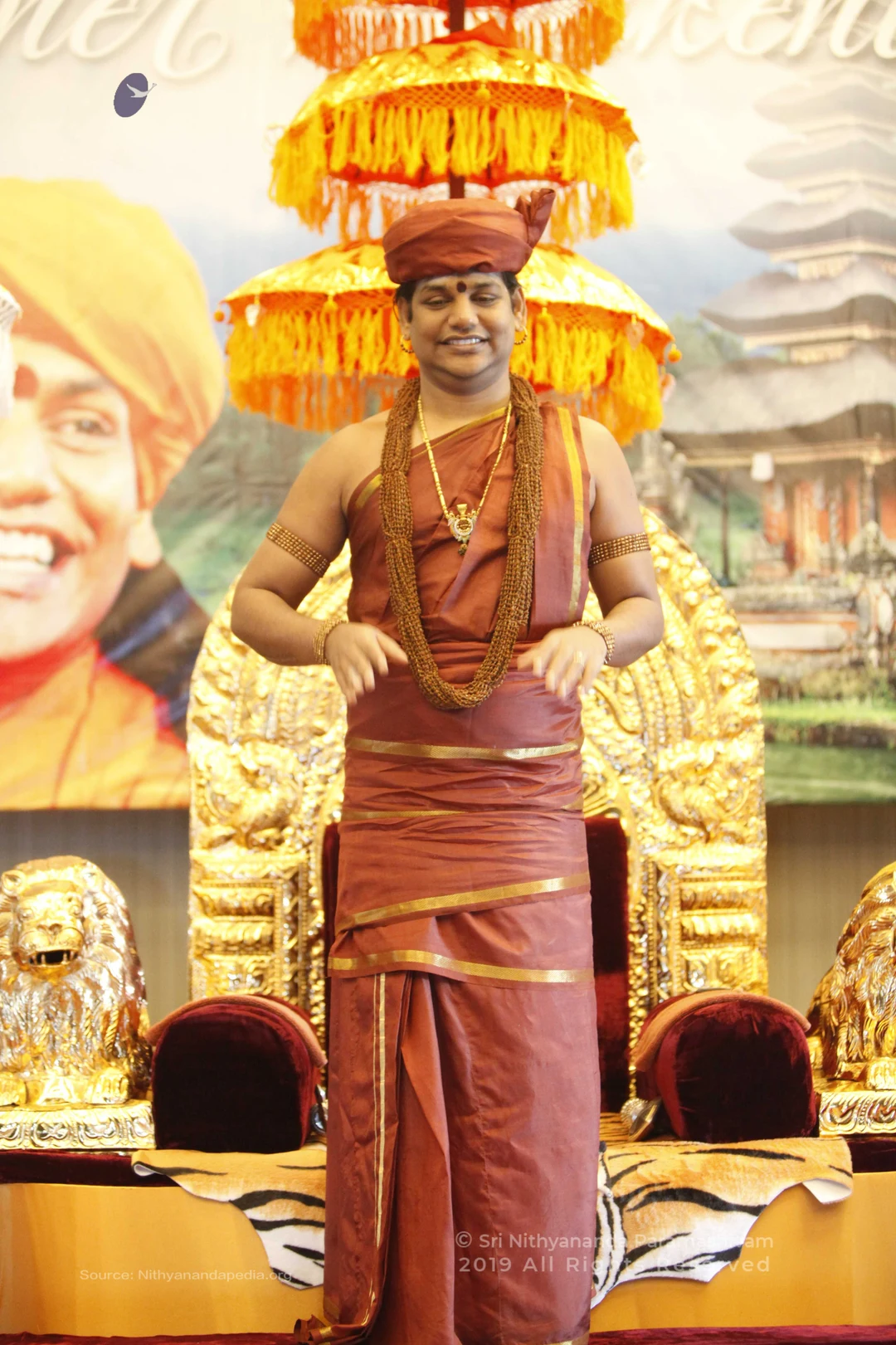
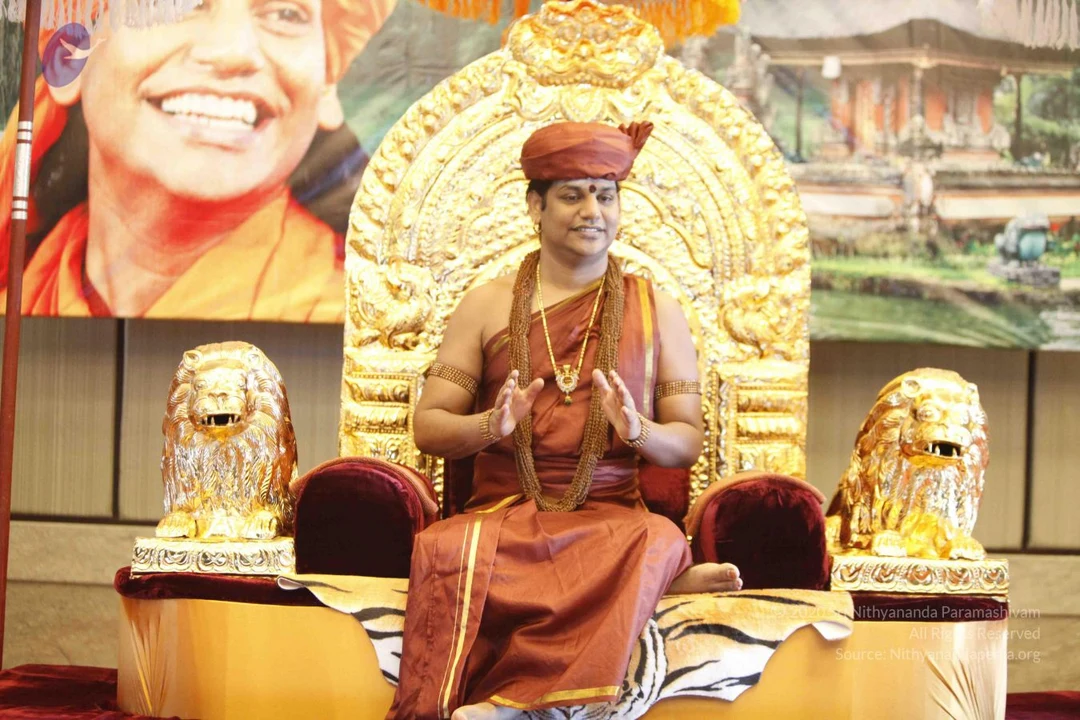
A standing man in a maroon-red turban and maroon dhoti-style garment with gold borders stands centrally on a stage, smiling with hands gesturing at waist level. He wears a long tiered rudraksha mala, a gold chain with a pendant, gold armlets and bangles, and a red bindi. Behind him are ornate gilded thrones flanked by gilded lion sculptures, a tiger-striped rug, and an orange-gold tiered umbrella. A large backdrop shows a smiling figure in a yellow turban and a temple scene. Appearance-based cues are ambiguous, so the man is a person on stage rather than a confirmed identity.

Photos

11 photosSource gallery
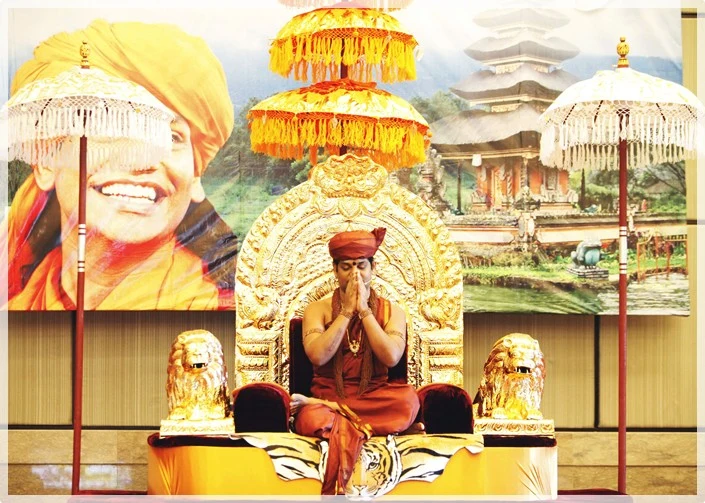
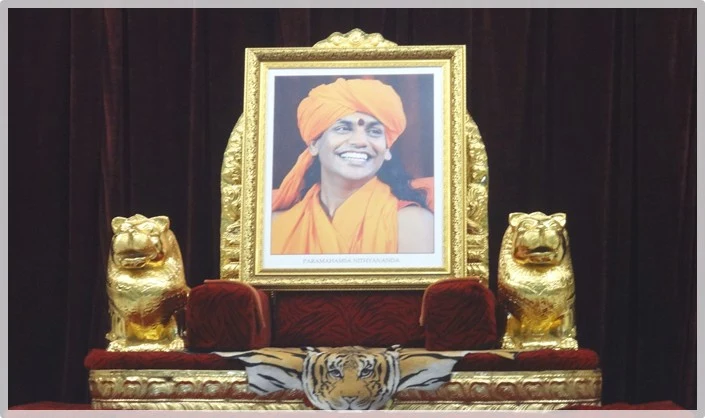
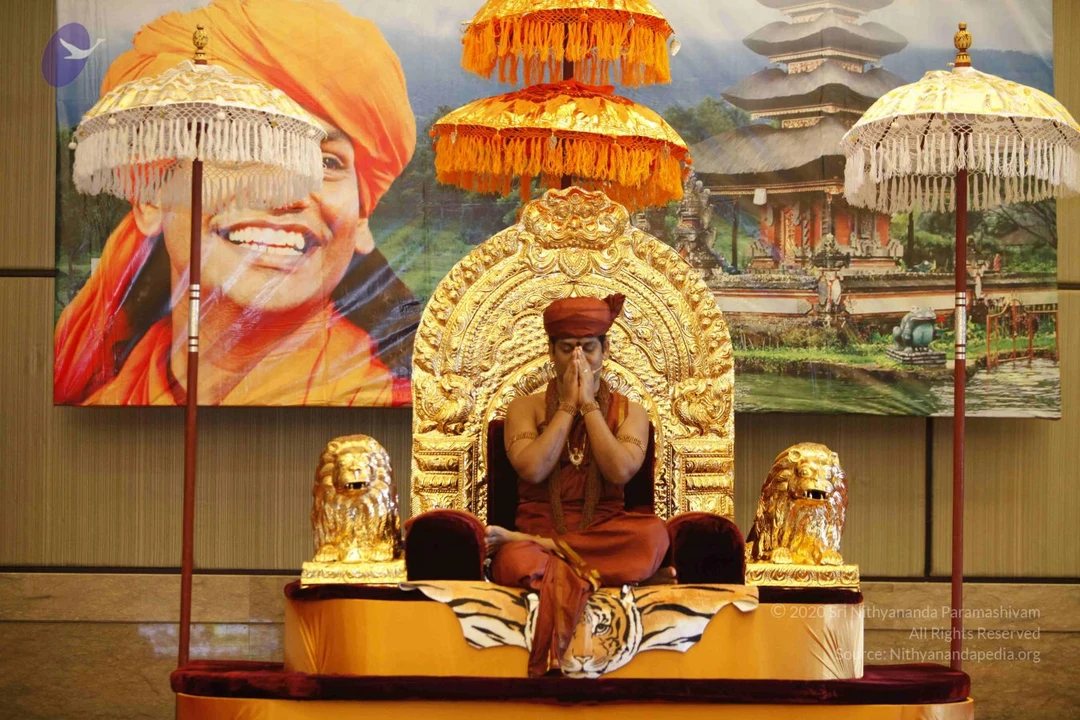
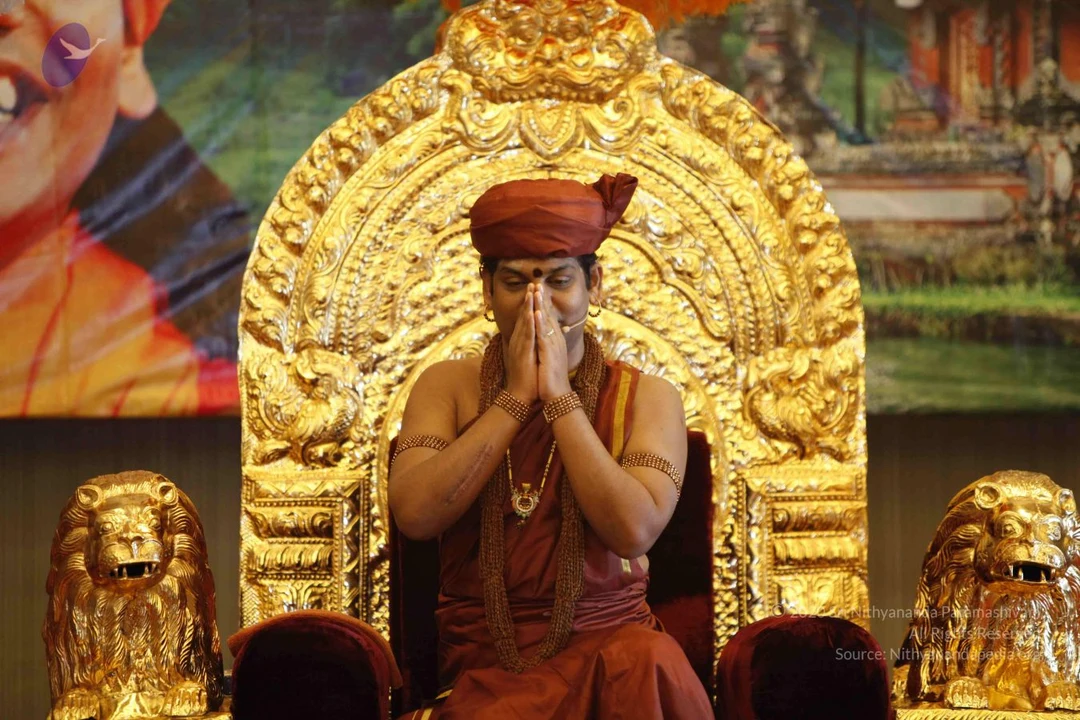
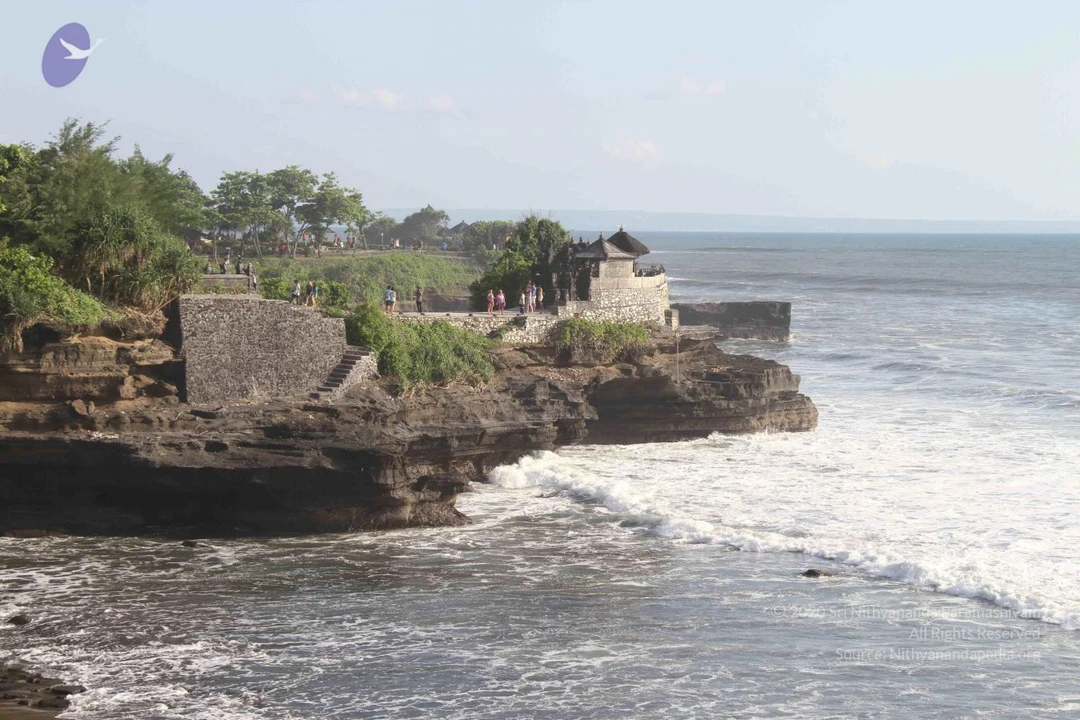
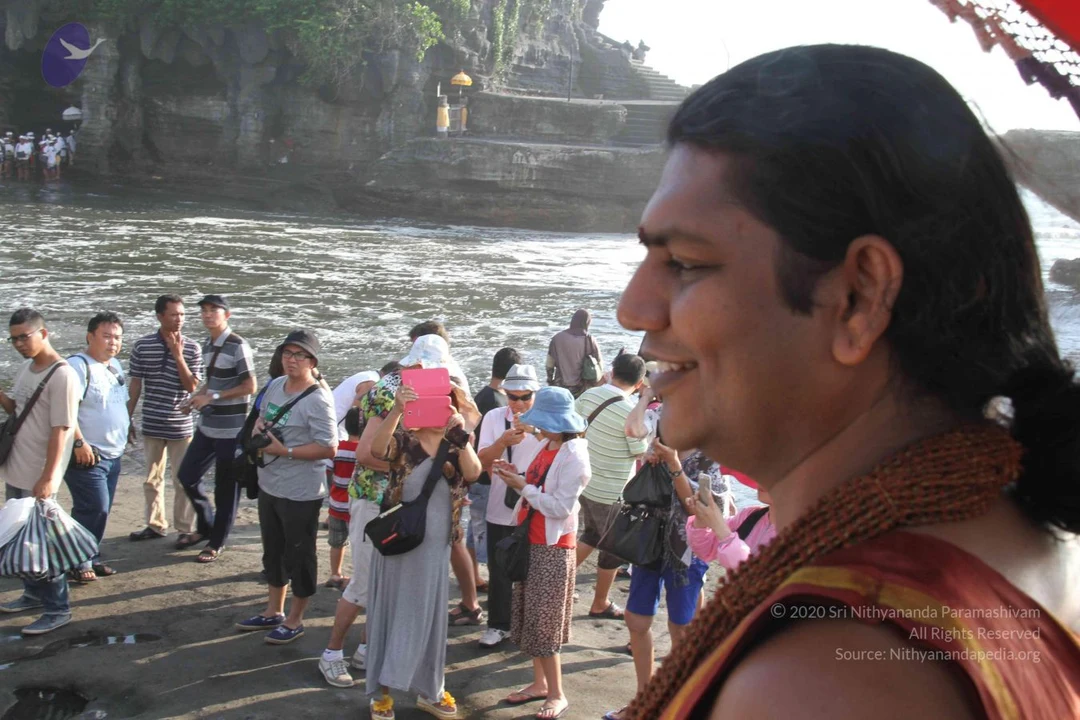
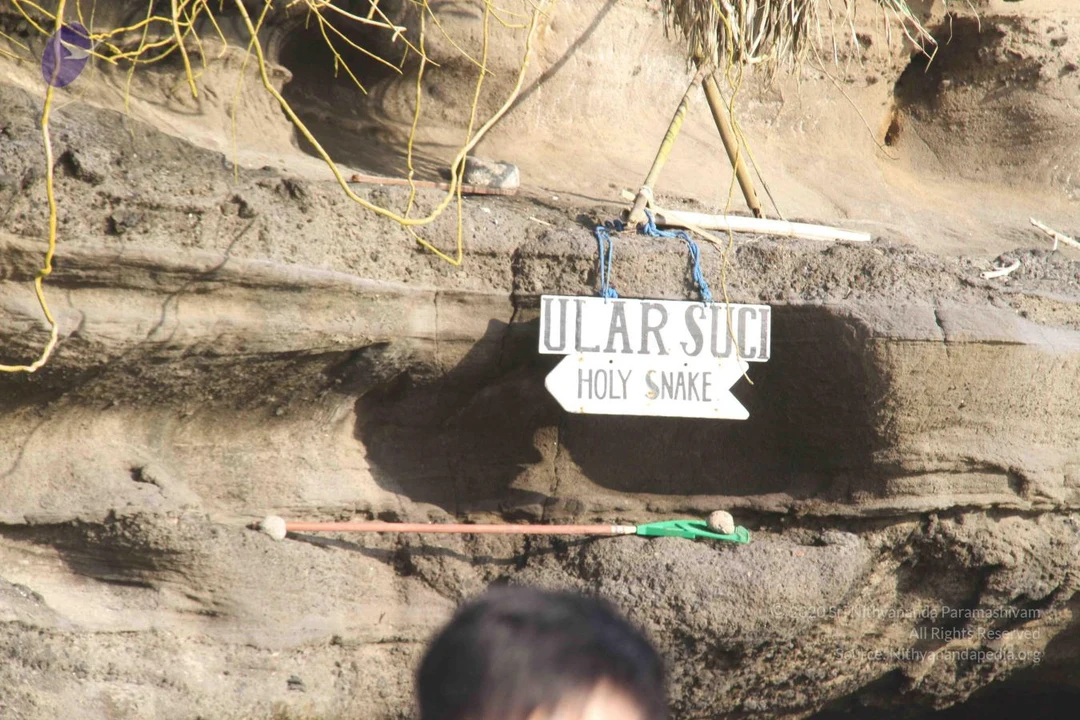
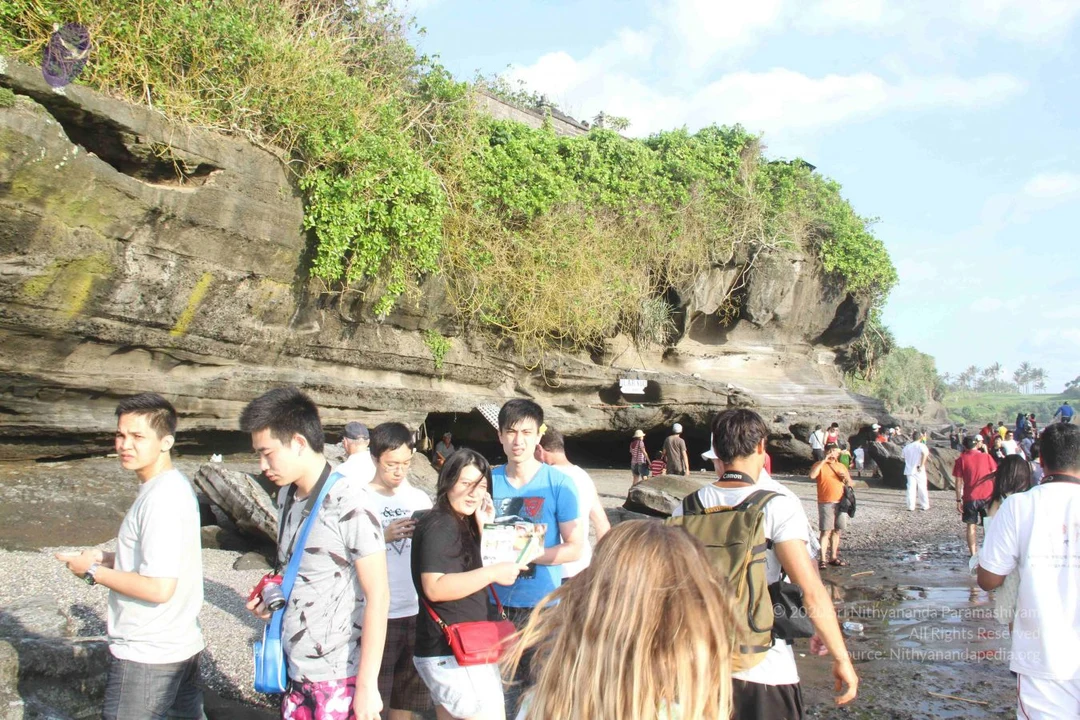
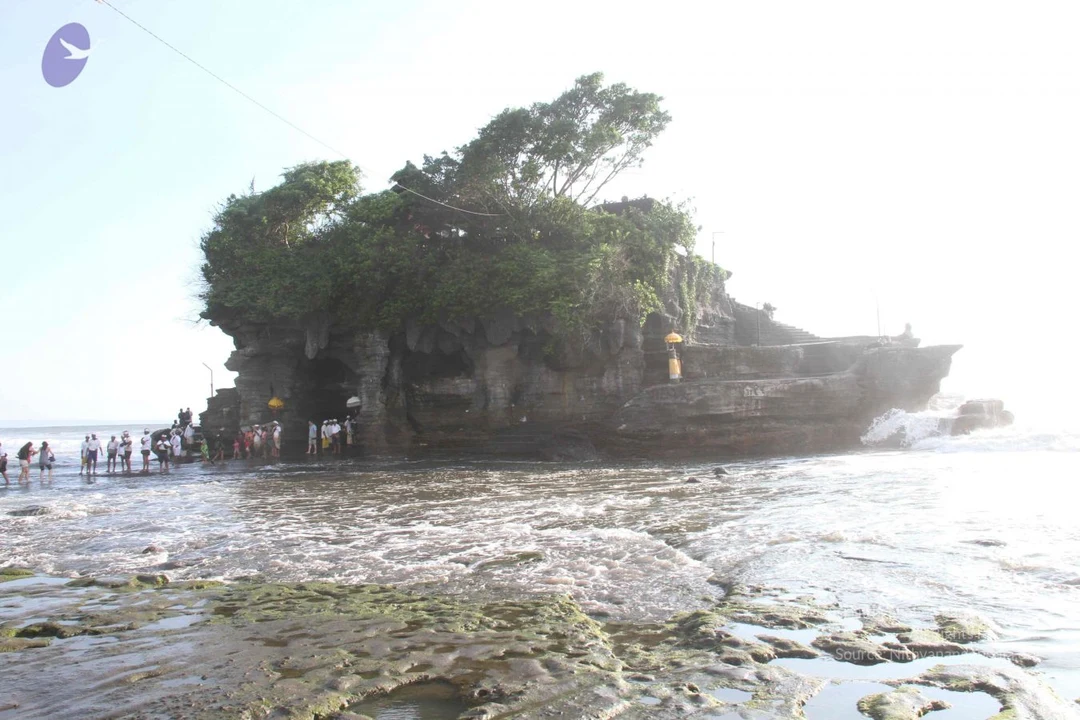
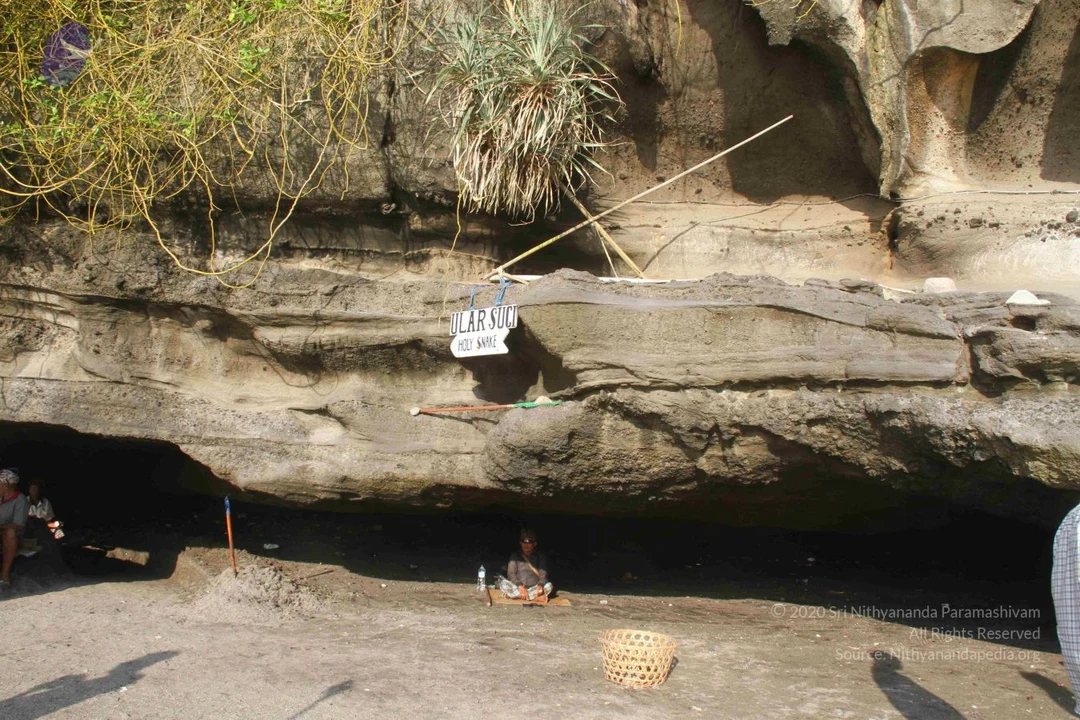
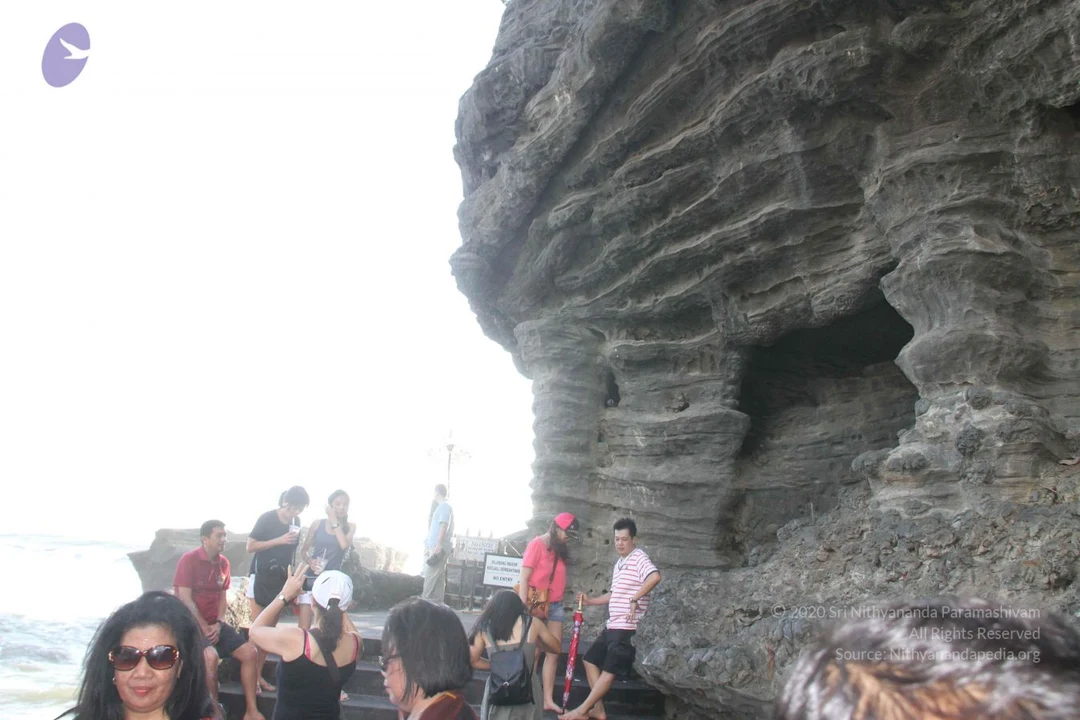
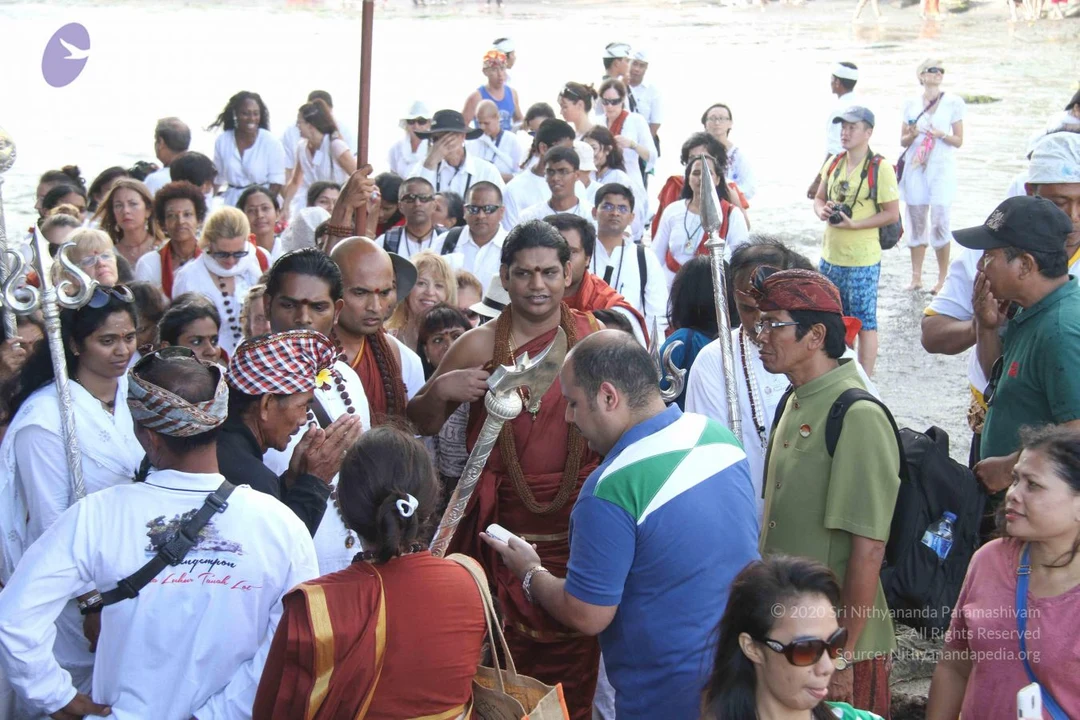
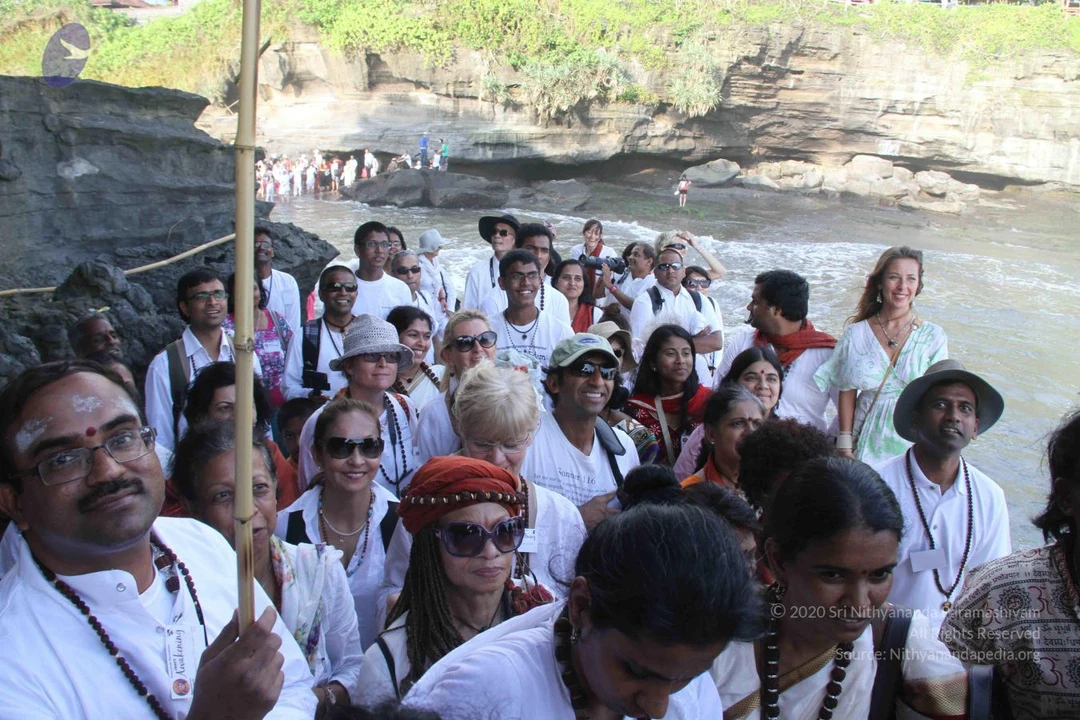
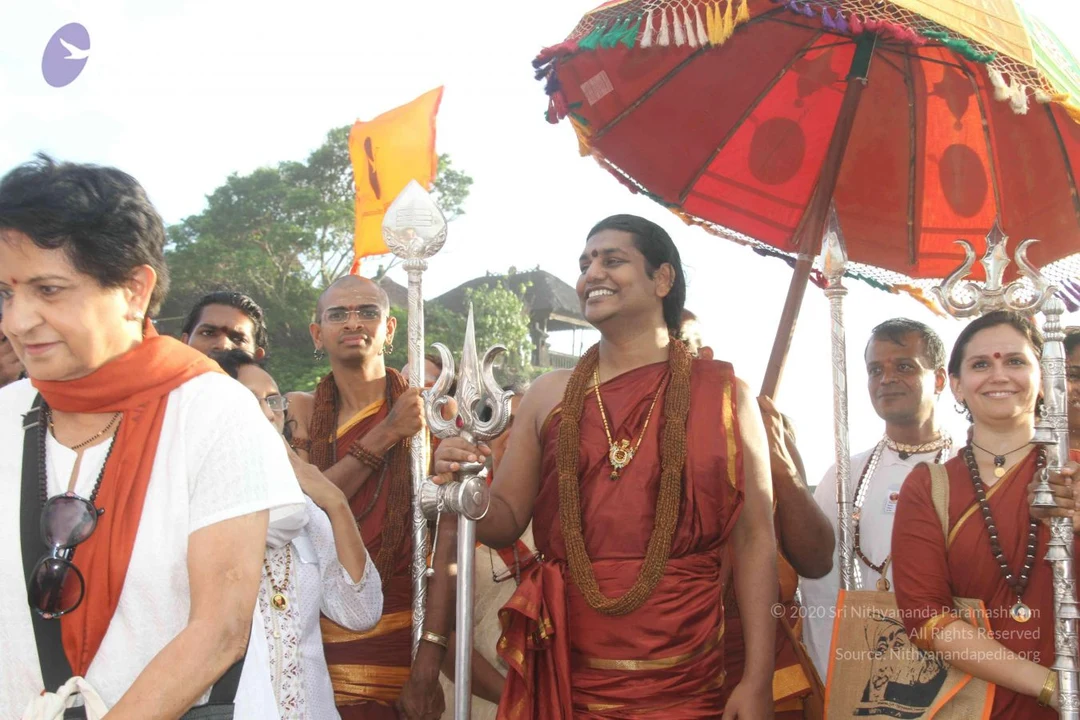
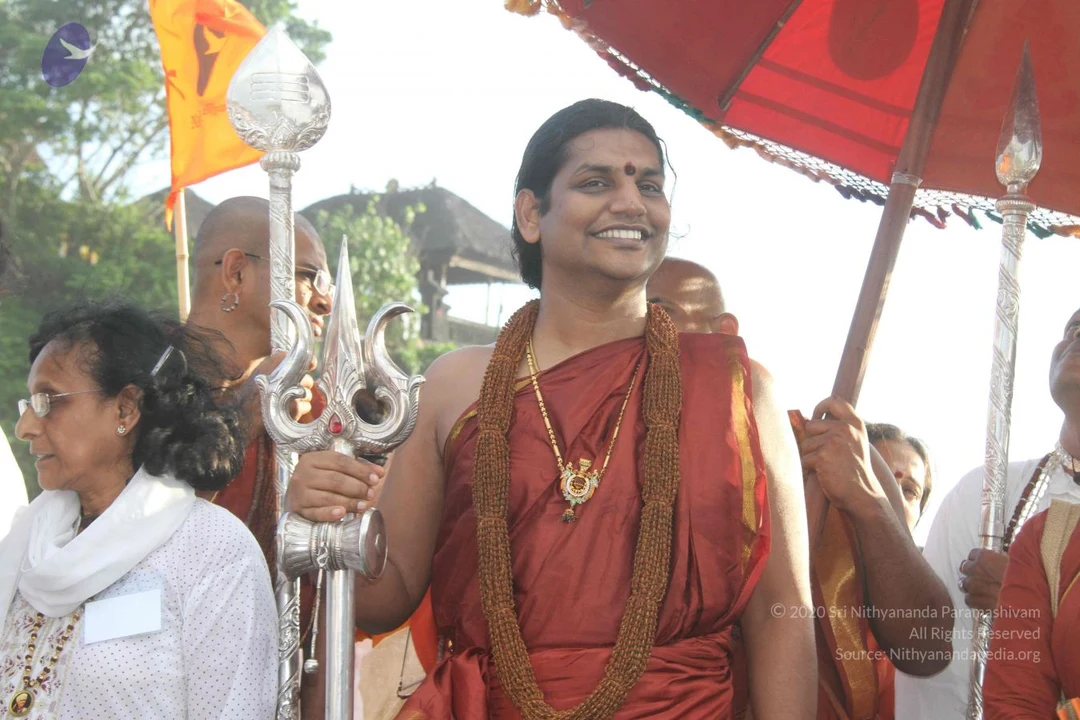
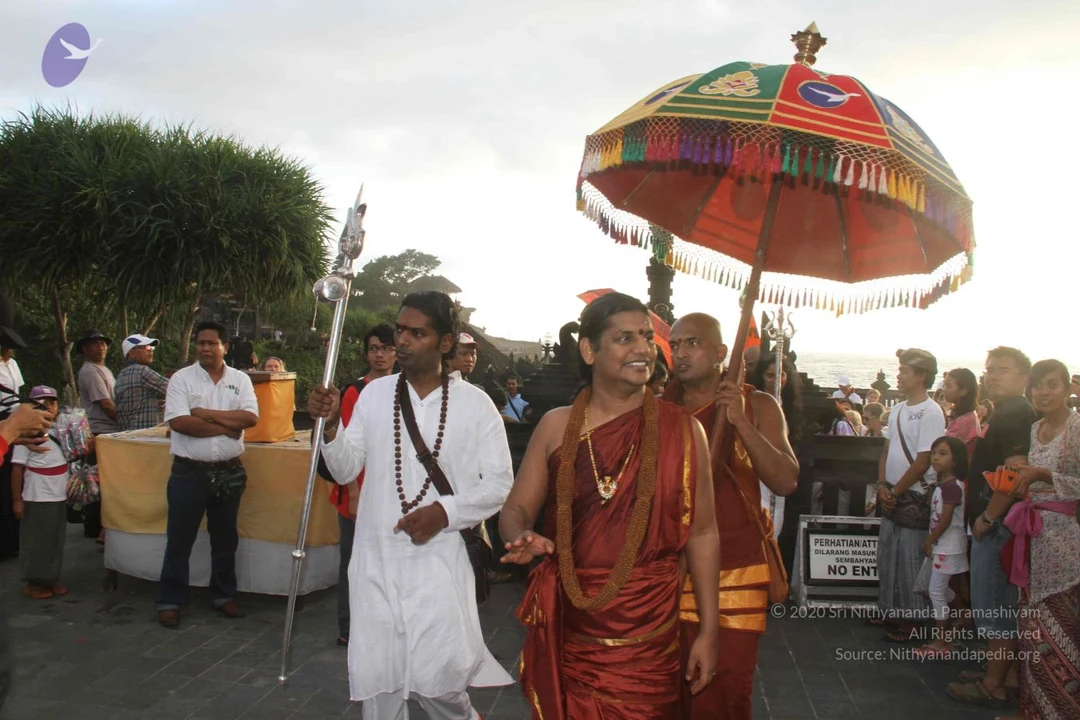
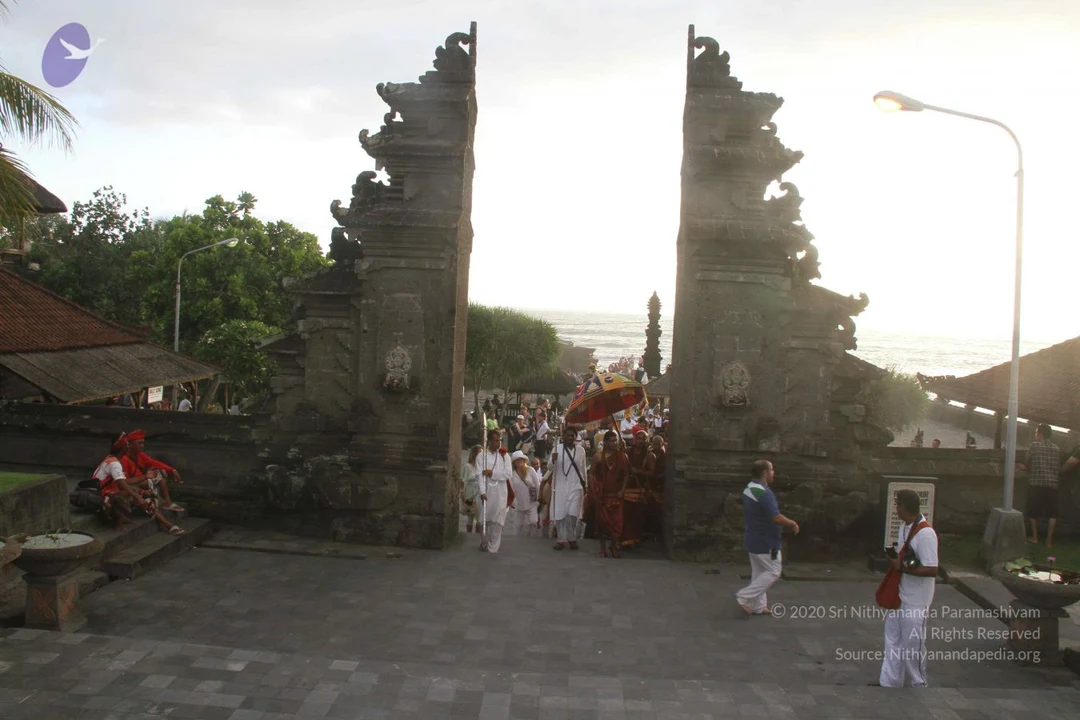
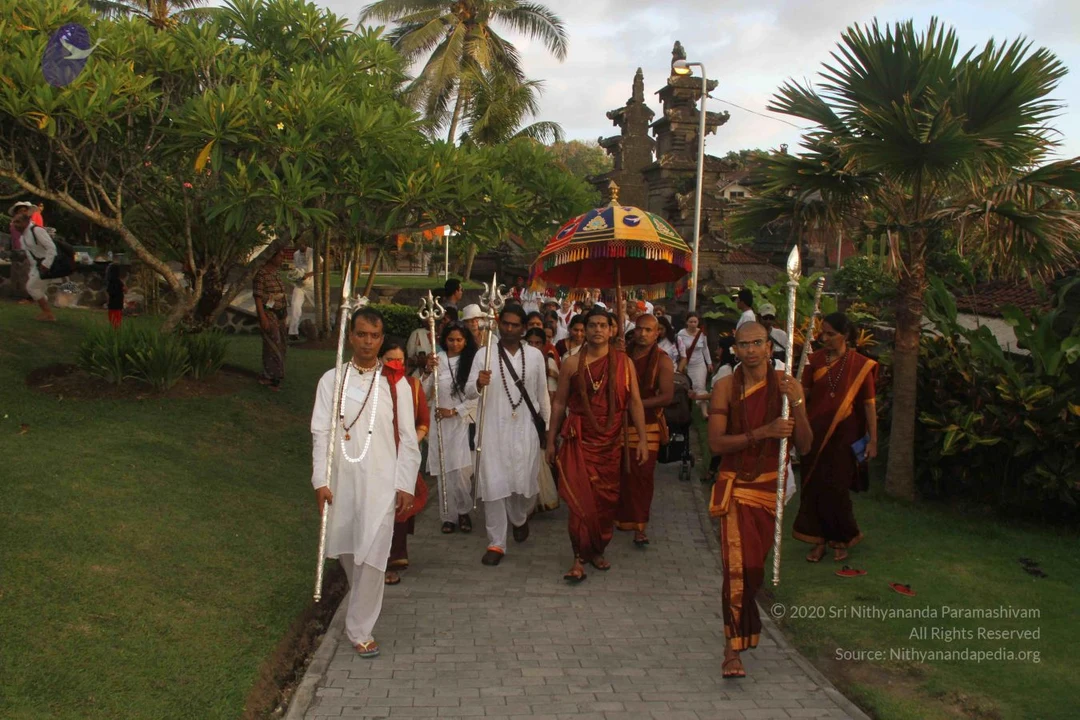
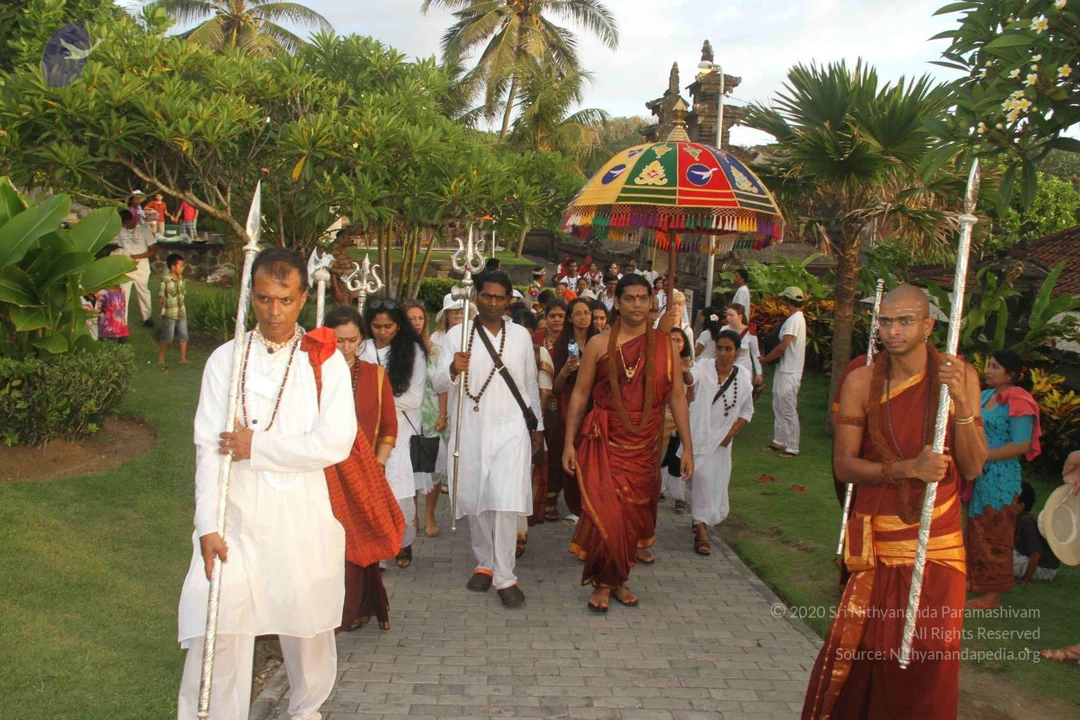
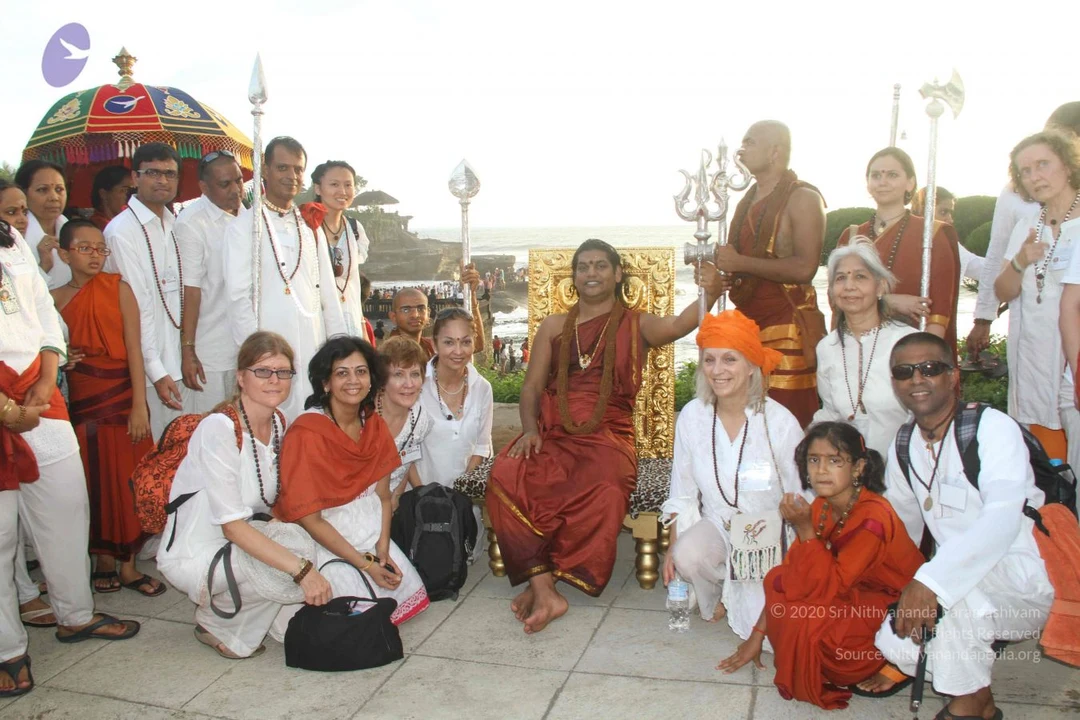
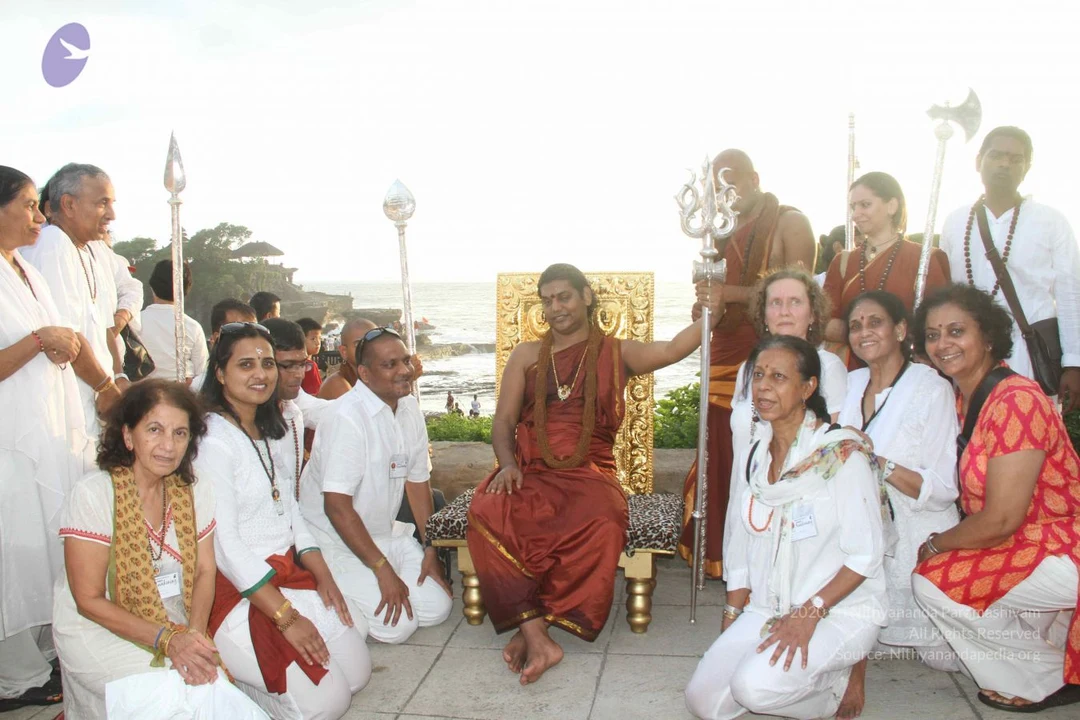
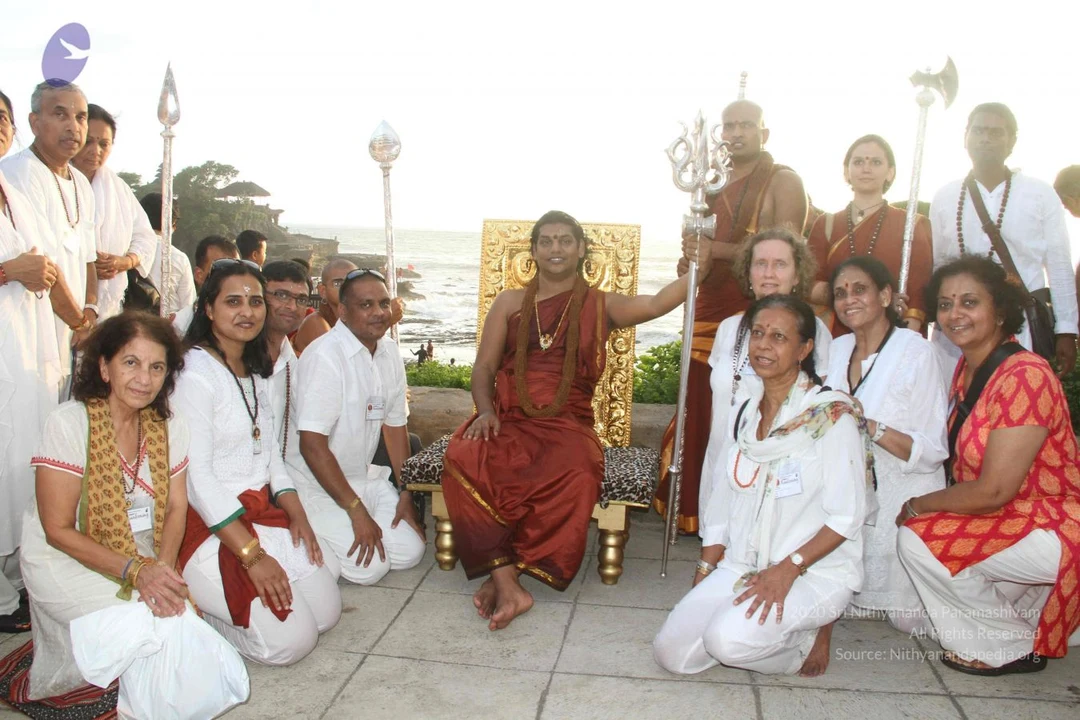
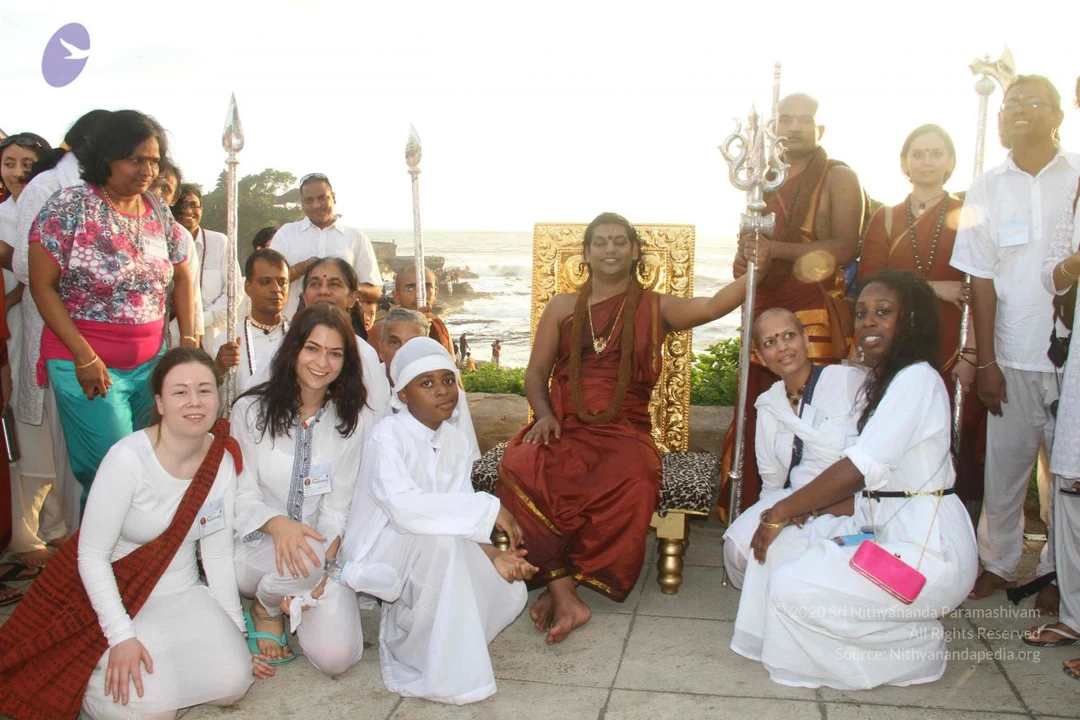
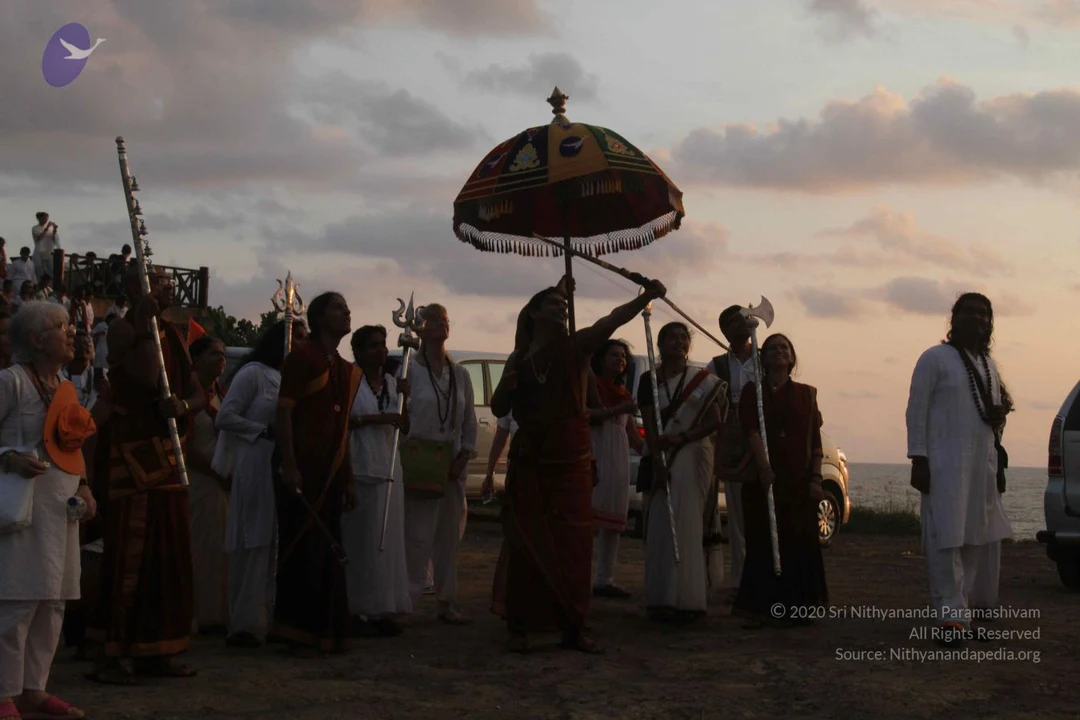
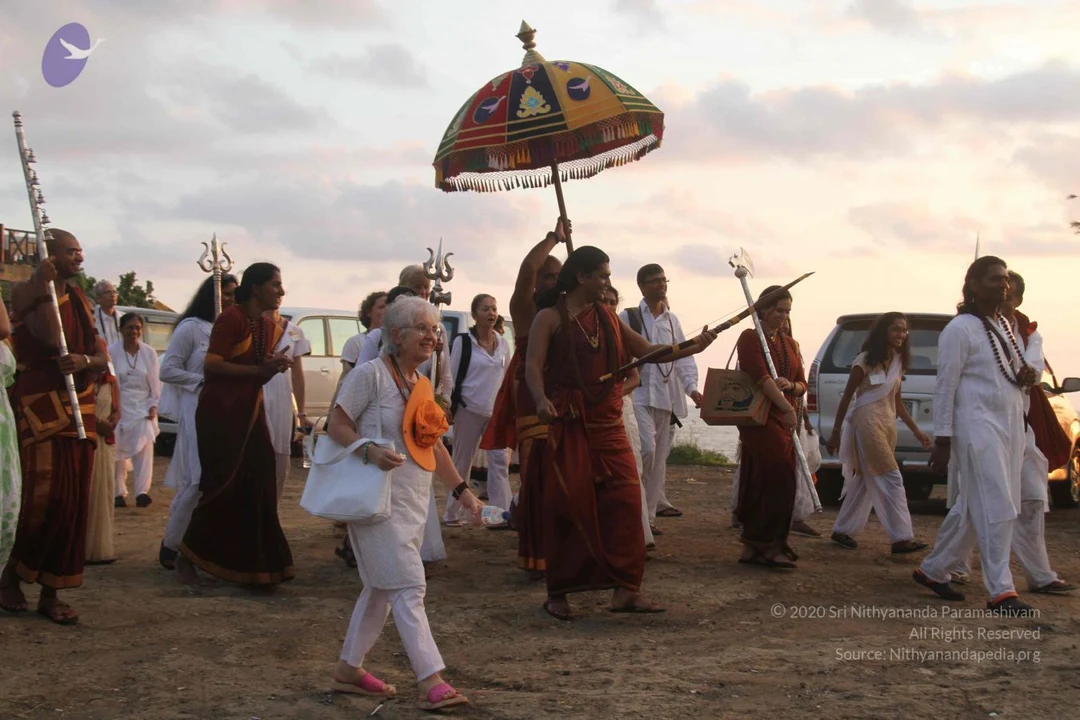
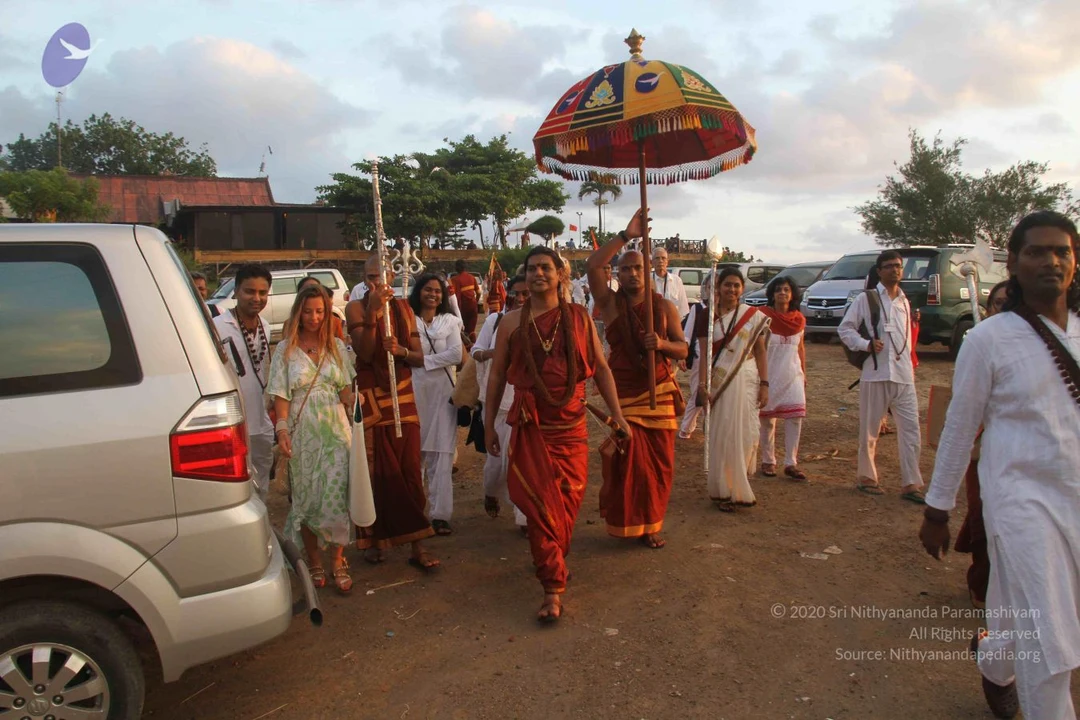
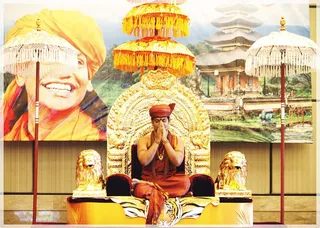
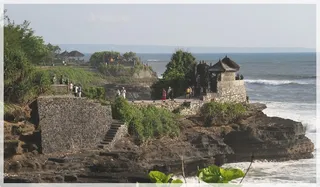
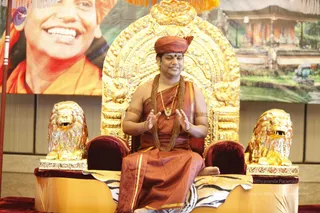
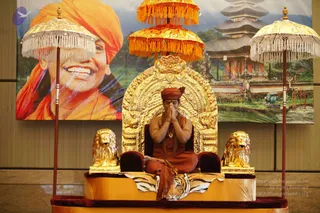
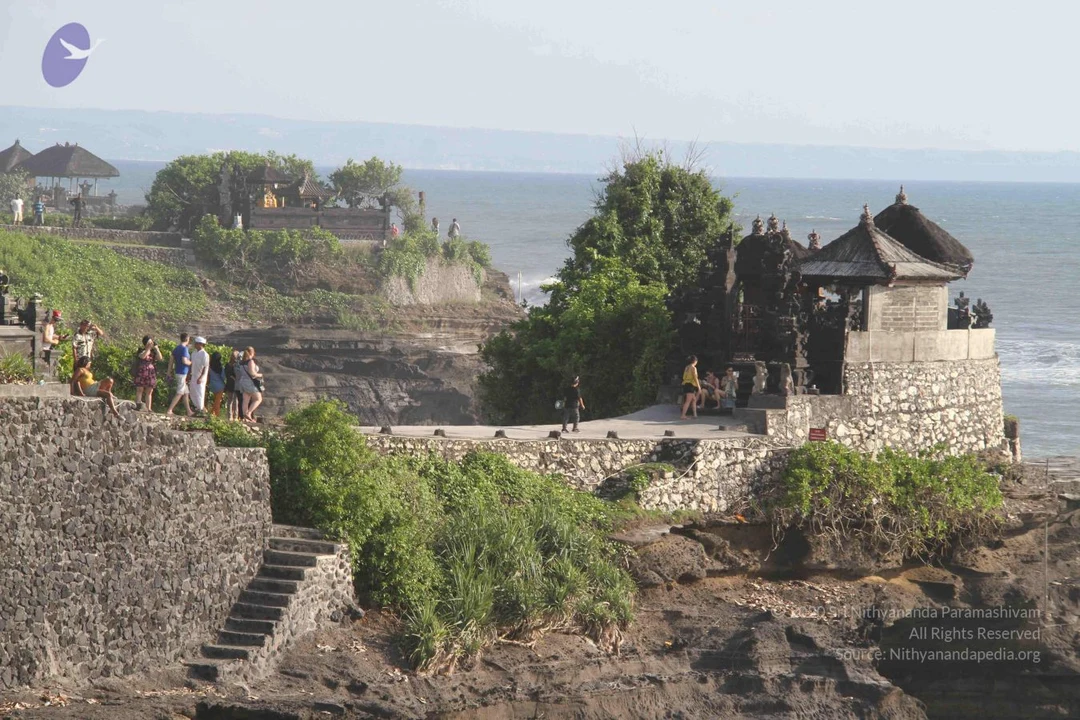
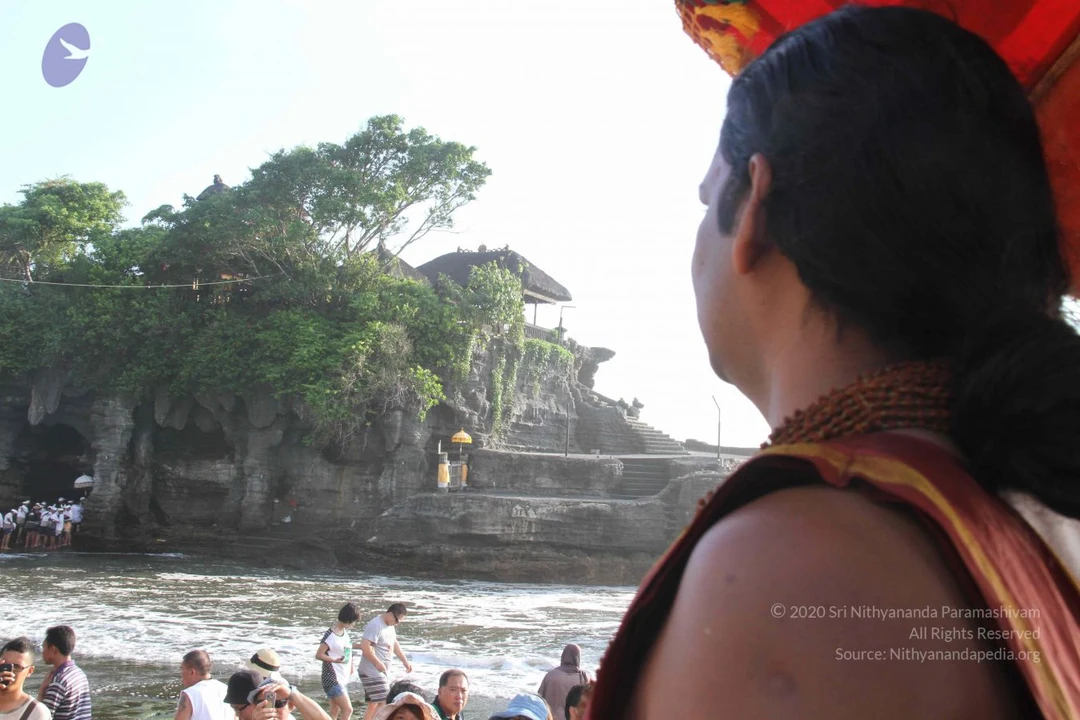
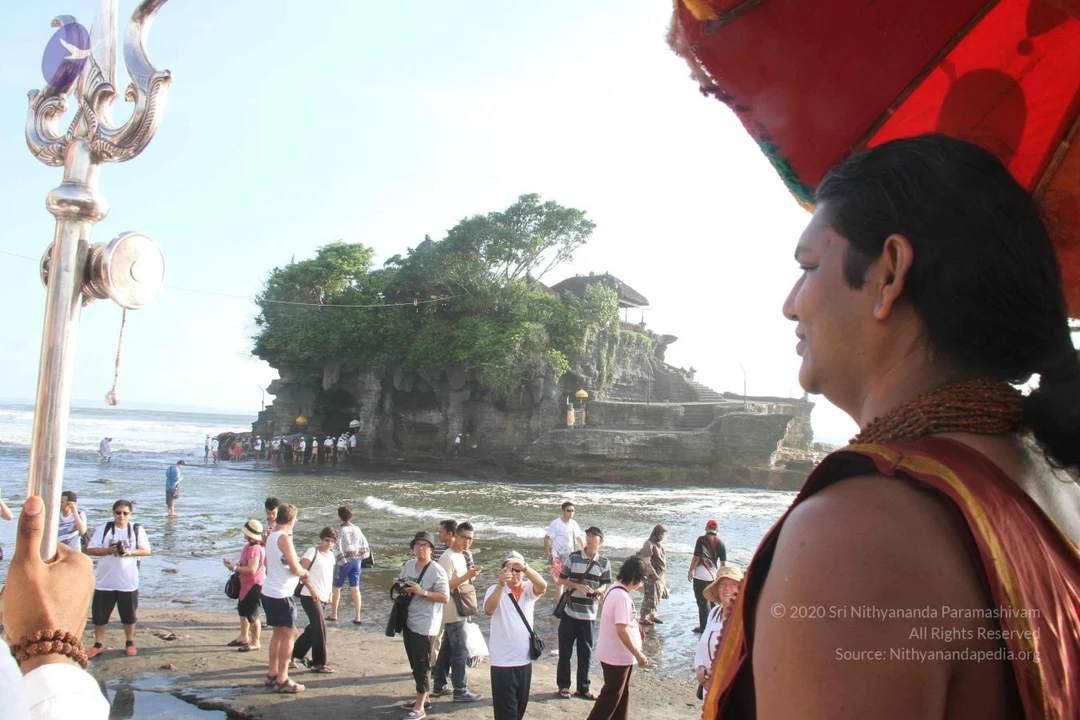
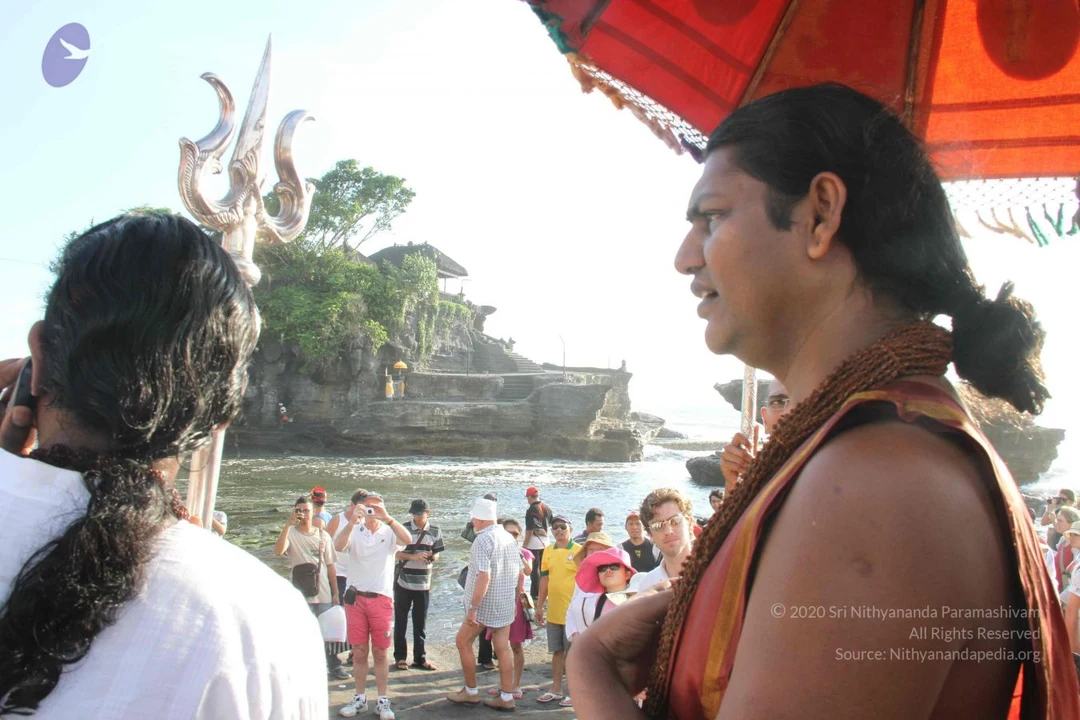
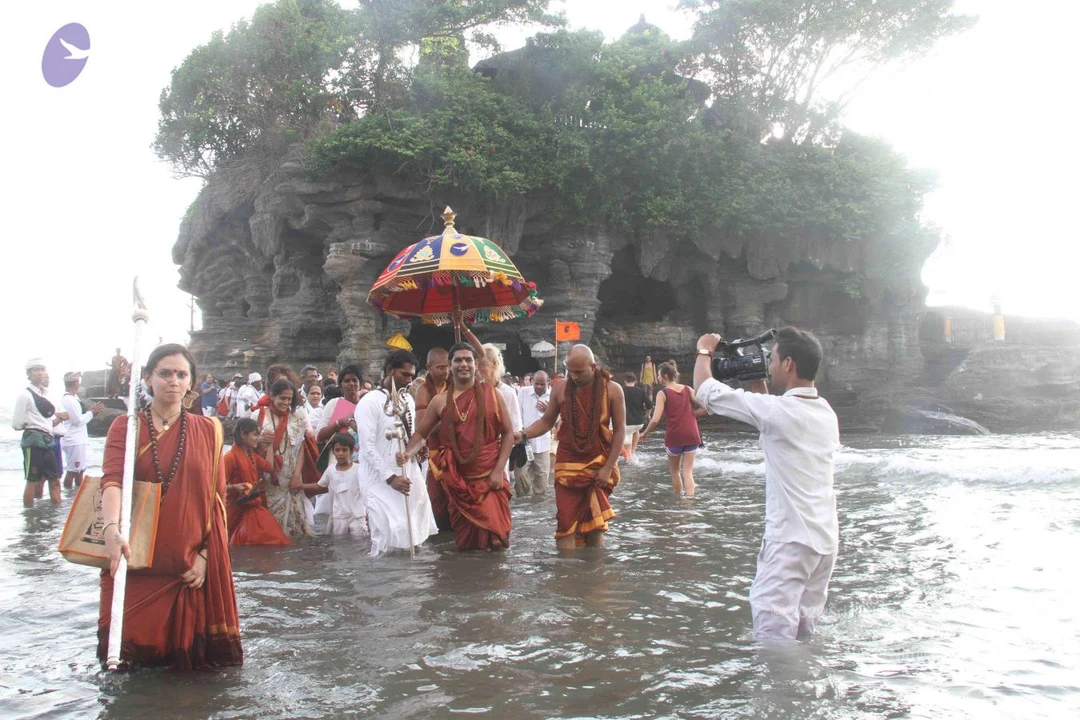
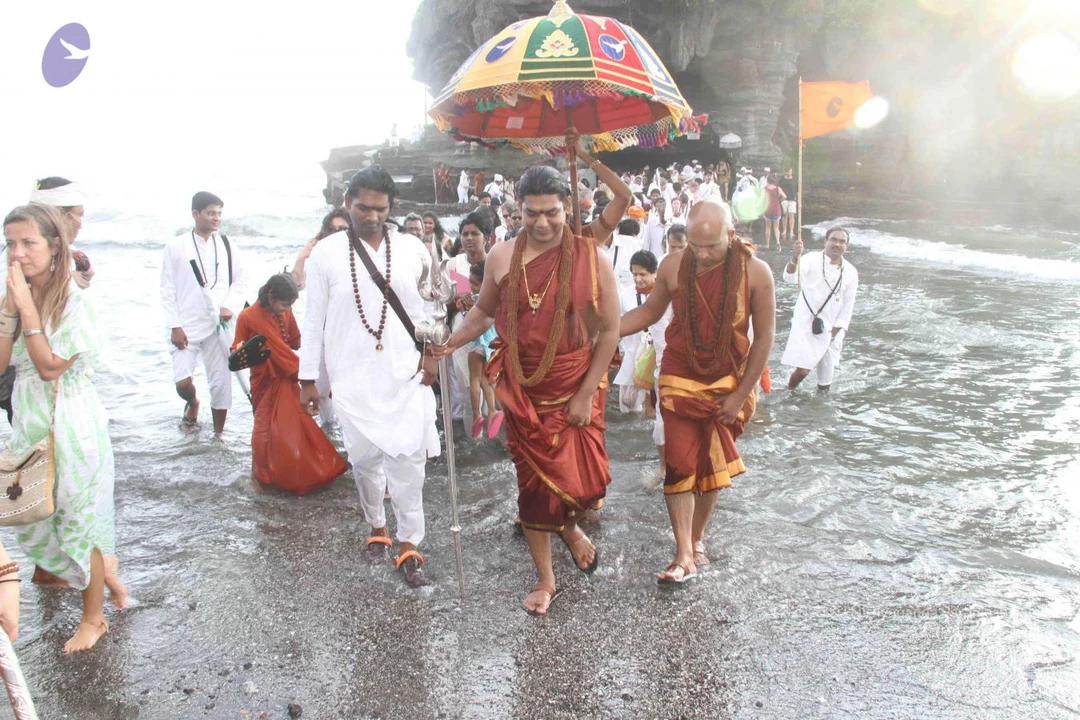
A seated man in saffron-orange robes and an orange turban sits on an ornate gold throne with carved backrest, flanked by two gold lion sculptures and a tiger-striped cloth draped over the dais. His palms are pressed together in namaste at his chest, and a rudraksha-style neck adornment is visible. Two white fringed ceremonial parasols with gold-trimmed red poles stand on either side, with orange and gold tiered canopies above. Behind him a large printed banner shows a smiling man in an orange turban and a temple with pagoda-style roofs set among green fields. Pieces of kumkum-style marks are visible on his forehead. The setting appears to be an indoor hall with pale wall panels. Only one physical person is present.A photograph of a coastal temple on a rocky promontory above the sea, with white waves breaking below. A small stone shrine pavilion with a tiered dark roof stands at the edge of the cliff, and a low stone wall with steps runs along the left side. Several visitors in light and colourful clothing, including a figure in red and others in white, walk along the stone pathway and gather near the shrine. Green tropical vegetation and thatched-roof structures crown the slope behind. No readable text is visible.Outdoor photo on a rocky shoreline with a large crowd behind. At right, a smiling man with long swept-back hair wears a saffron-red shawl, a rudraksha mala and a gold pendant necklace, and holds a silver trident-topped staff beneath a multicoloured fringed canopy. Beside him, a bald monk in orange-saffron robes and a rudraksha mala looks ahead. At left, a smiling man in white clothes wears a rudraksha mala and a crossbody bag. Behind them a woman in white and other devotees stand among a dense crowd on a hillside.A procession leaves a rocky sea cave, with a large multicoloured parasol carried on a long pole at the centre. Beneath it, a smiling man with a bare chest and shoulders wears a deep red-orange cloth wrapped at the waist, a long brown rudraksha mala and a gold pendant, and holds a ceremonial staff. Two men flank him in matching red-orange cloths and rudraksha malas, and a man in white with a brown bead mala walks at the left edge. Behind them a large crowd in white and light clothing follows, with a small sign reading in the cave entrance and flowering vines hanging from the rock above. The scene is outdoors on wet ground near the water.A procession descends a rocky, weathered cliff path beside a coastline. At the front, a man in plain white kurta and trousers with a red-beaded rudraksha mala and a crossbody bag walks ahead. Behind him, a man in orange-red ceremonial dhoti and shawl with a gold pendant holds a tall silver trident, and another man in red-orange garments carries a silver trident staff. Several people in white clothing follow, and a multicoloured umbrella with a tasselled canopy and an orange flag on top is held over the group. Green foliage hangs from the cliff above, and more devotees dressed in white and red stand in the background.A procession passes through a stone temple gateway with carved, tiered pillars and small relief panels, bright sea haze behind. Several people in white ritual clothing walk in front, including a man in white with a white head covering and two men carrying long poles. A brightly coloured red, yellow and blue ceremonial umbrella is held over a group in the centre. Women in saffron-orange and red saris and a woman in a pale green outfit walk among the group. The scene appears to be a temple procession in Bali.

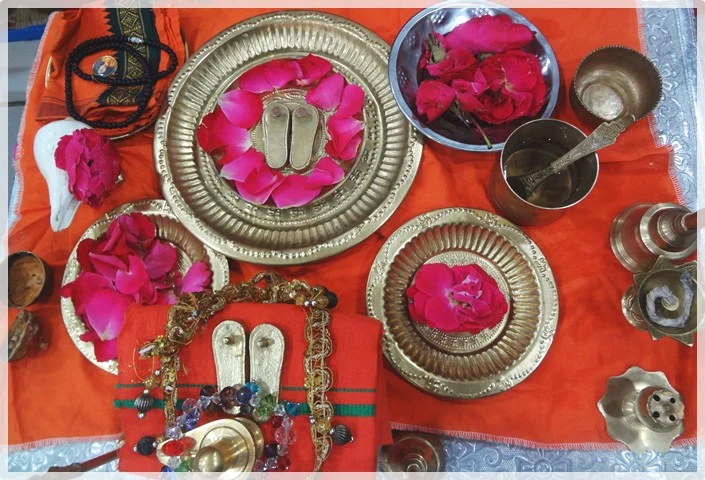
PadukaPuja

12 photosSource gallery
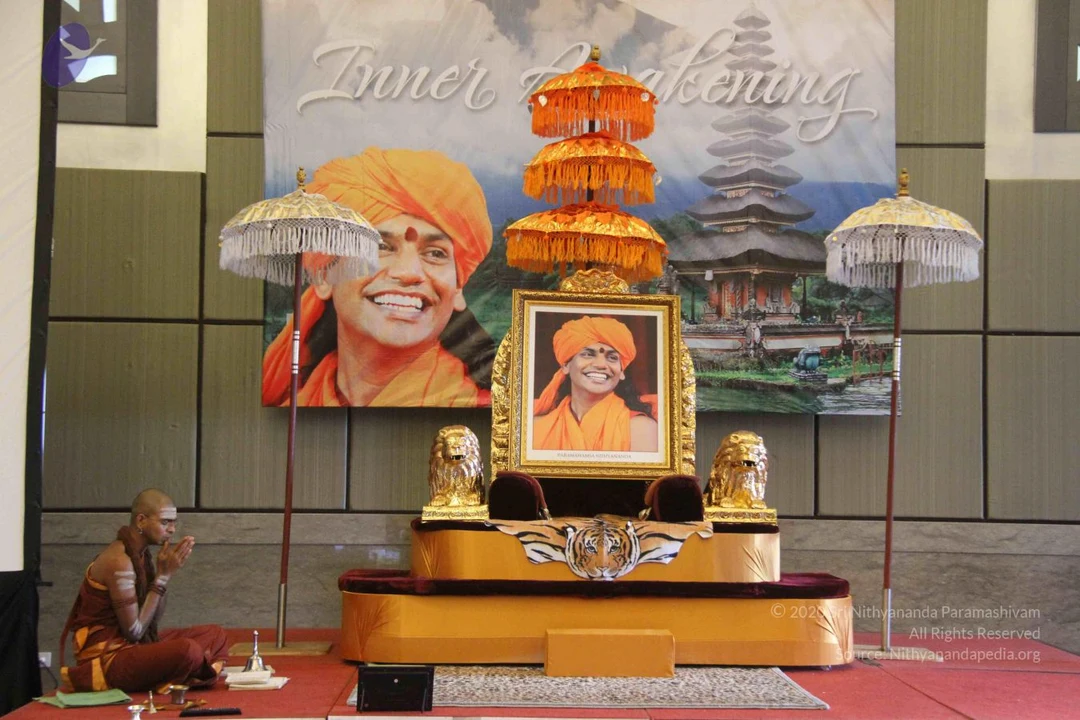
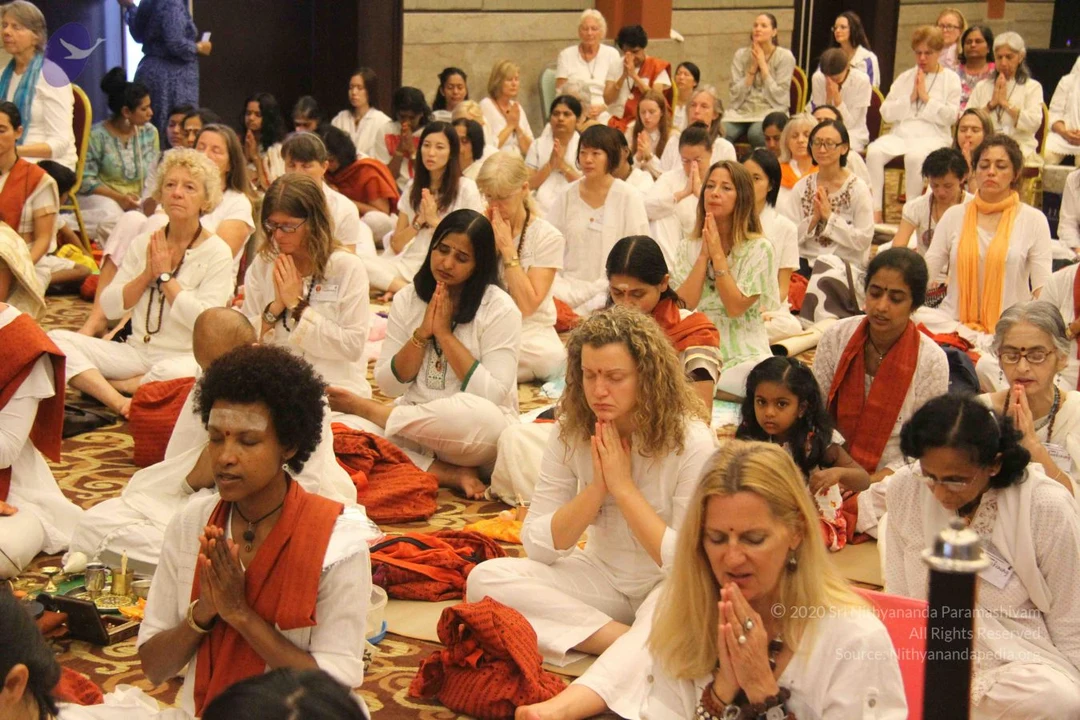
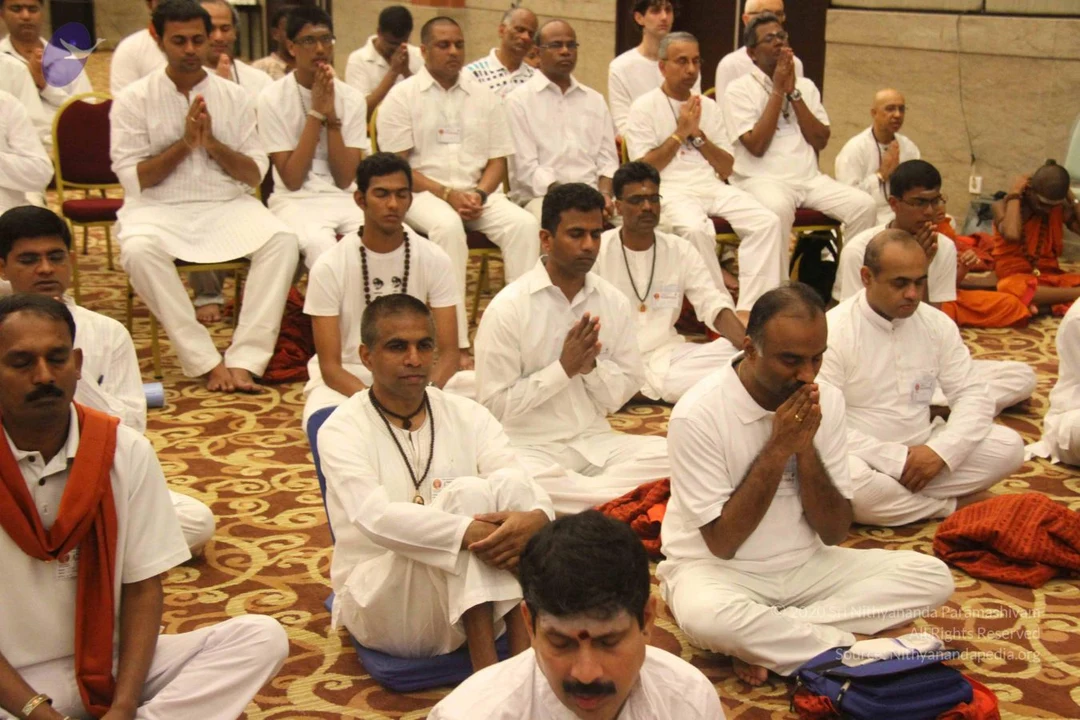
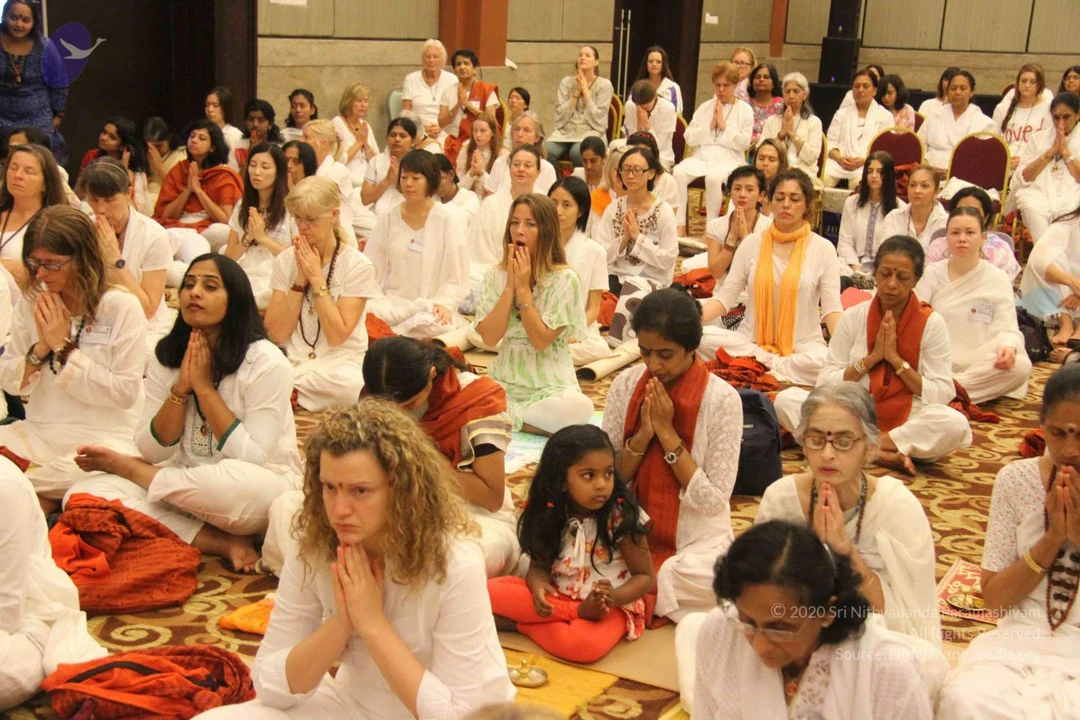
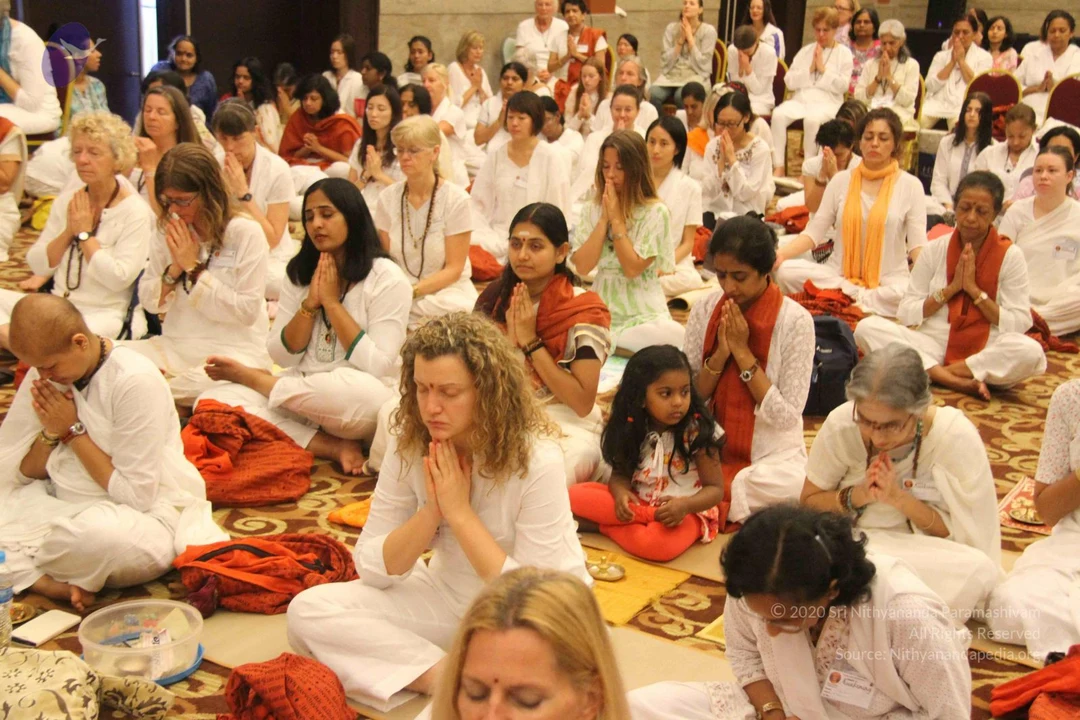
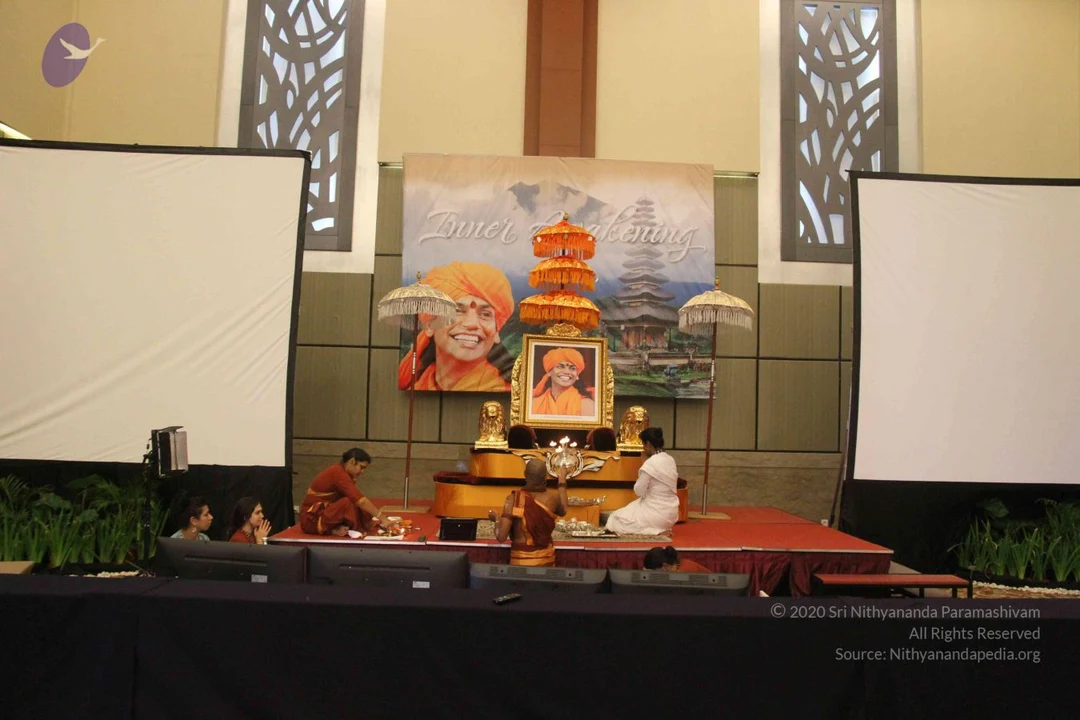
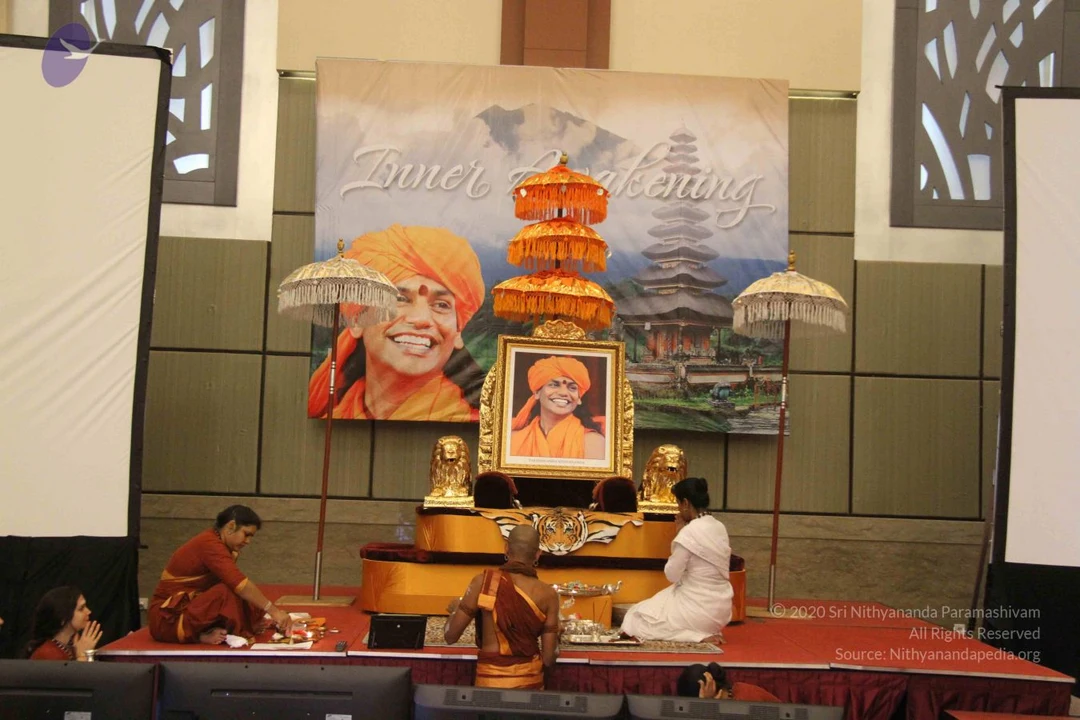
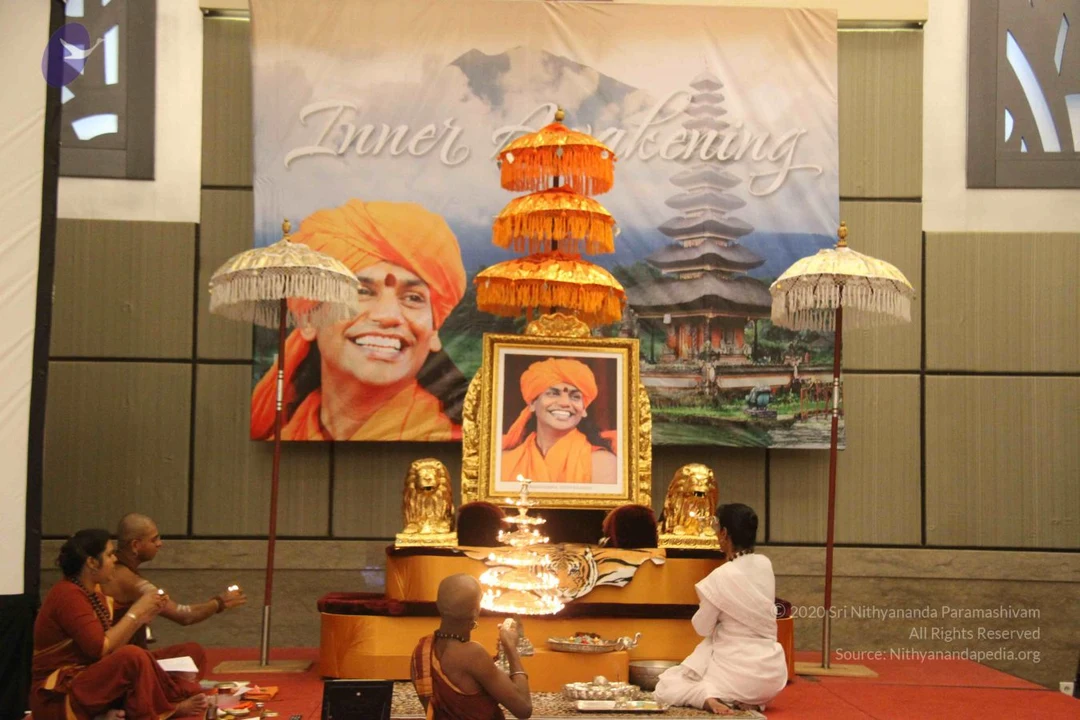
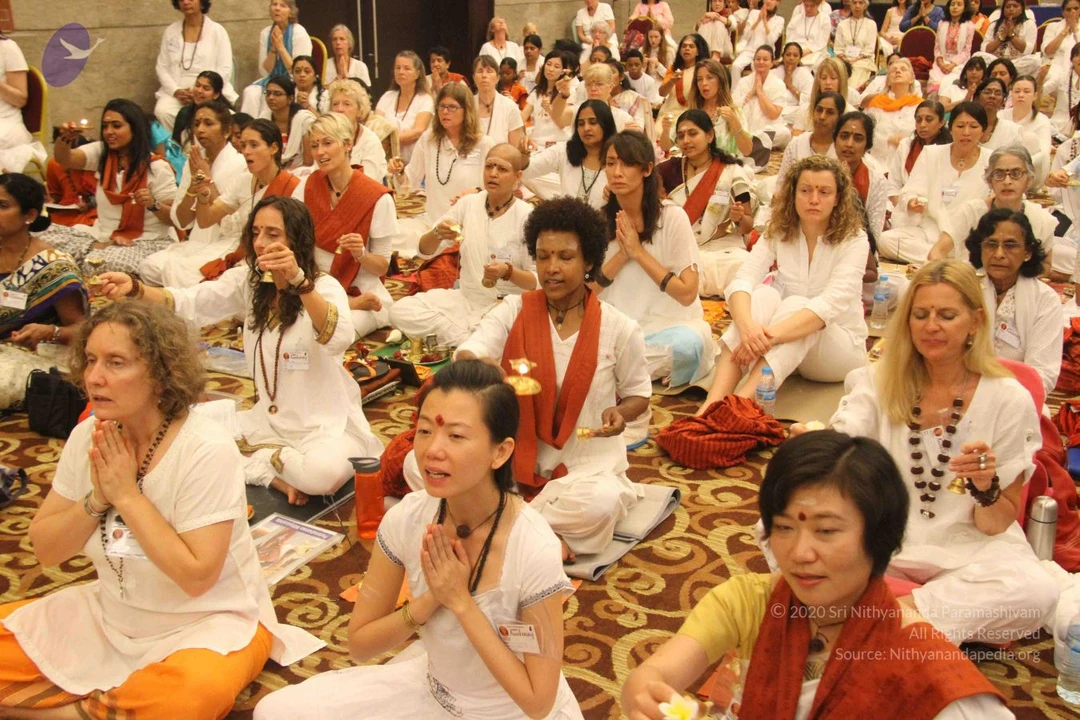
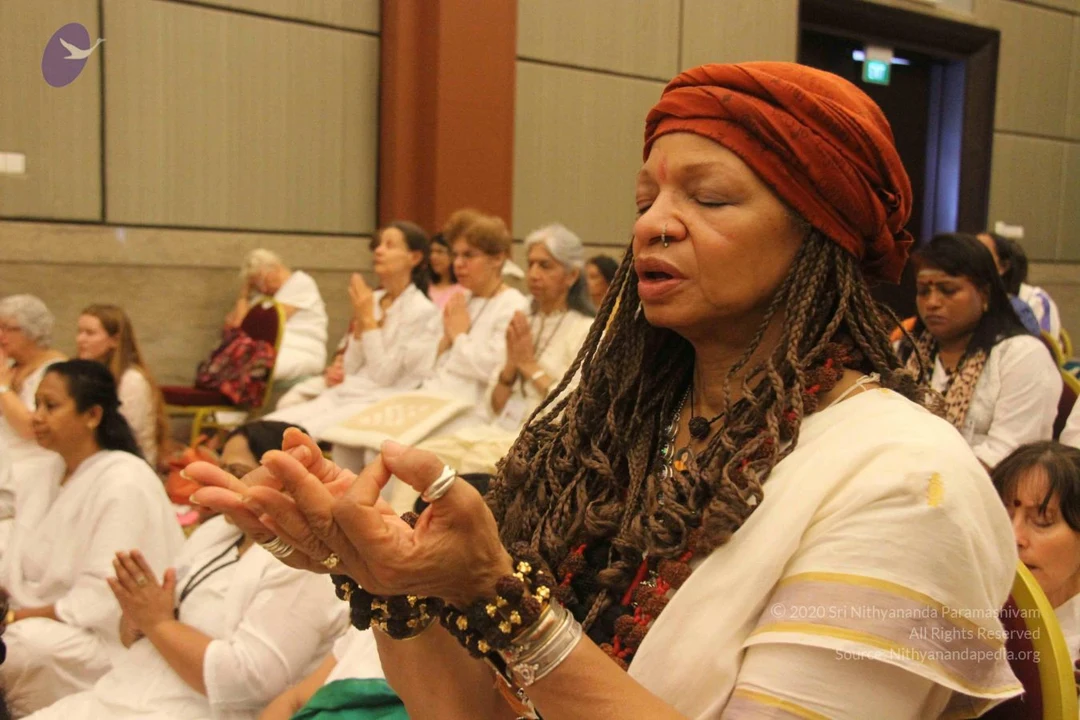
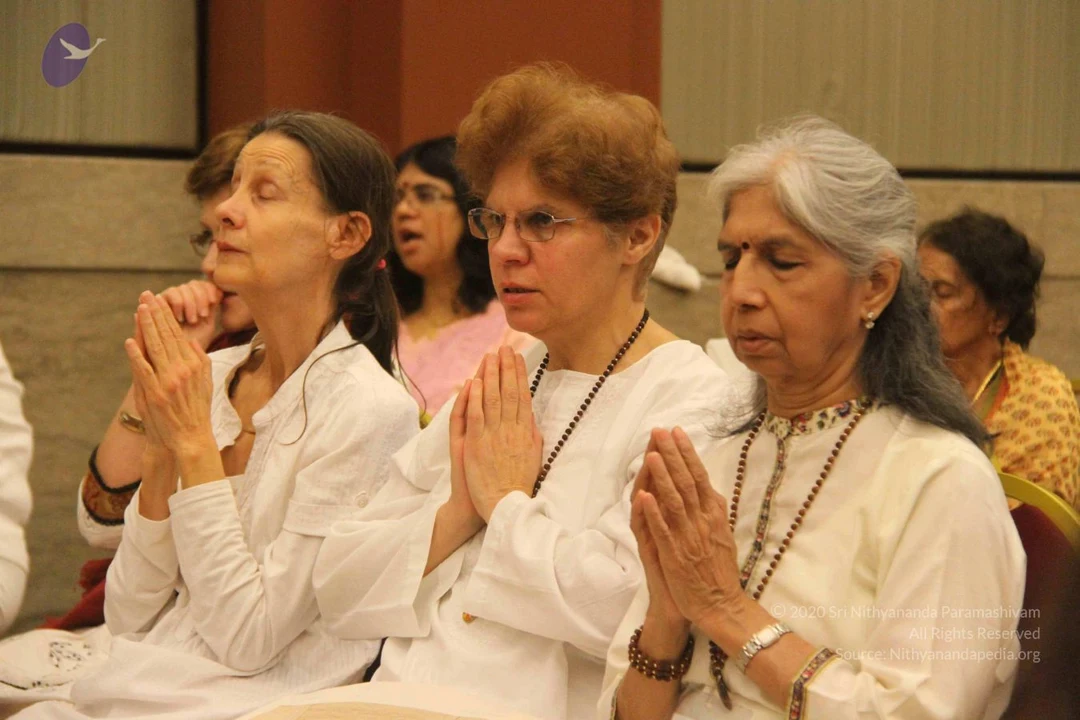
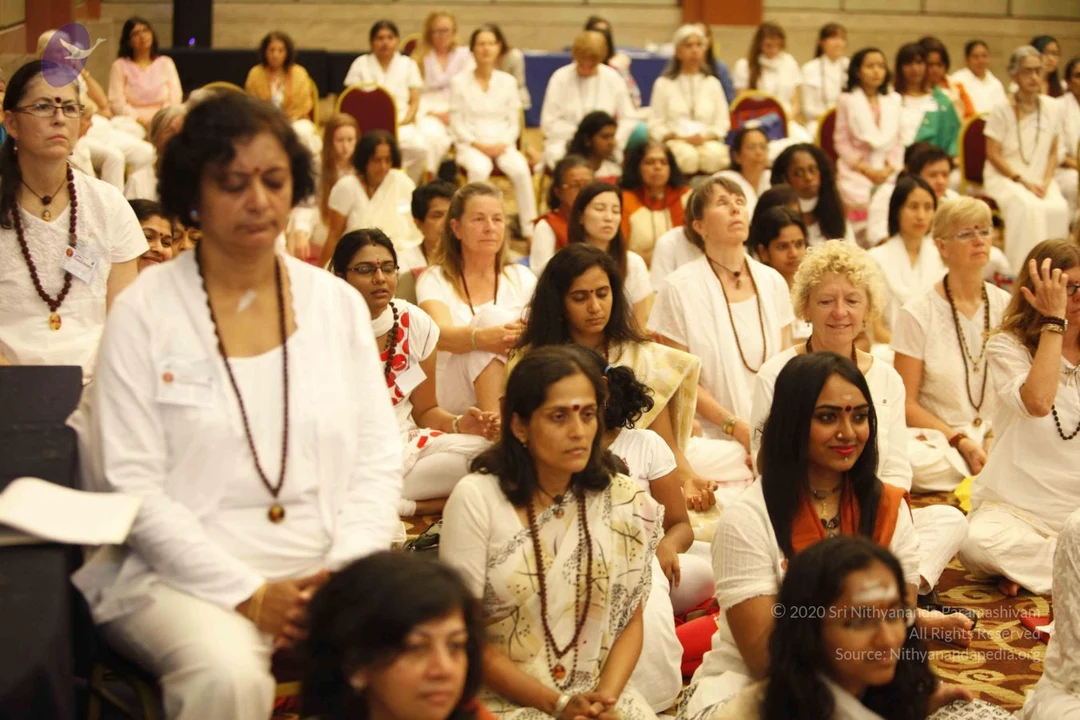
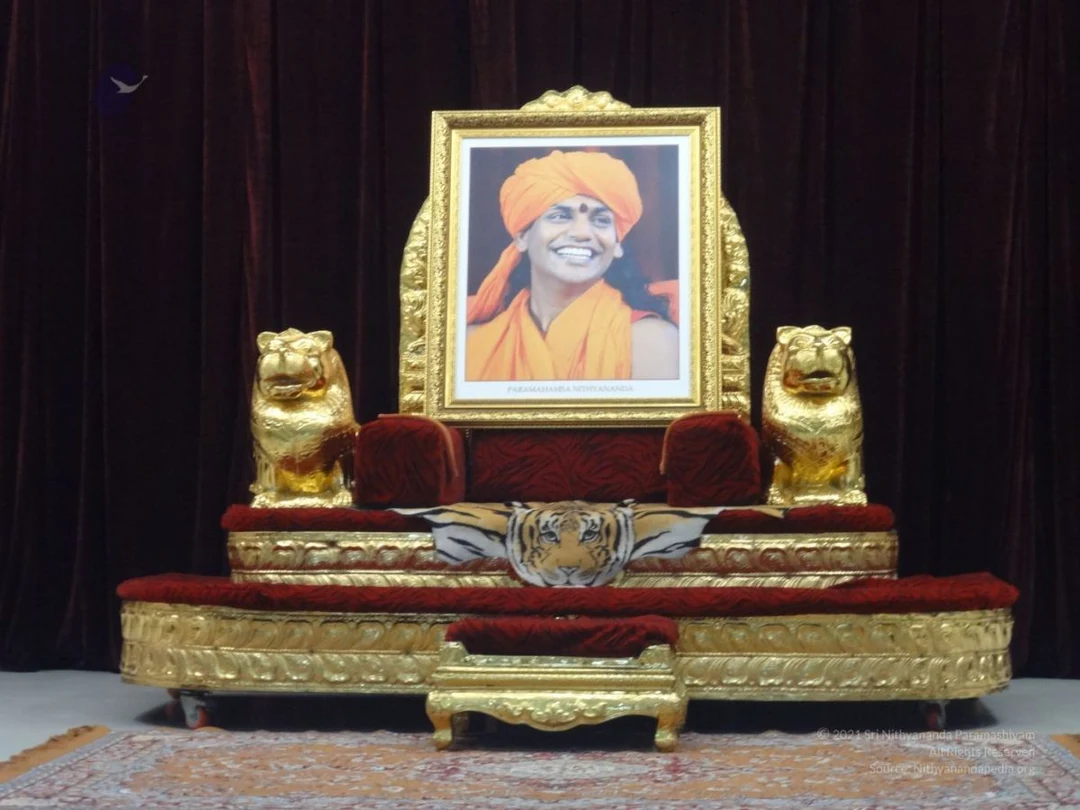
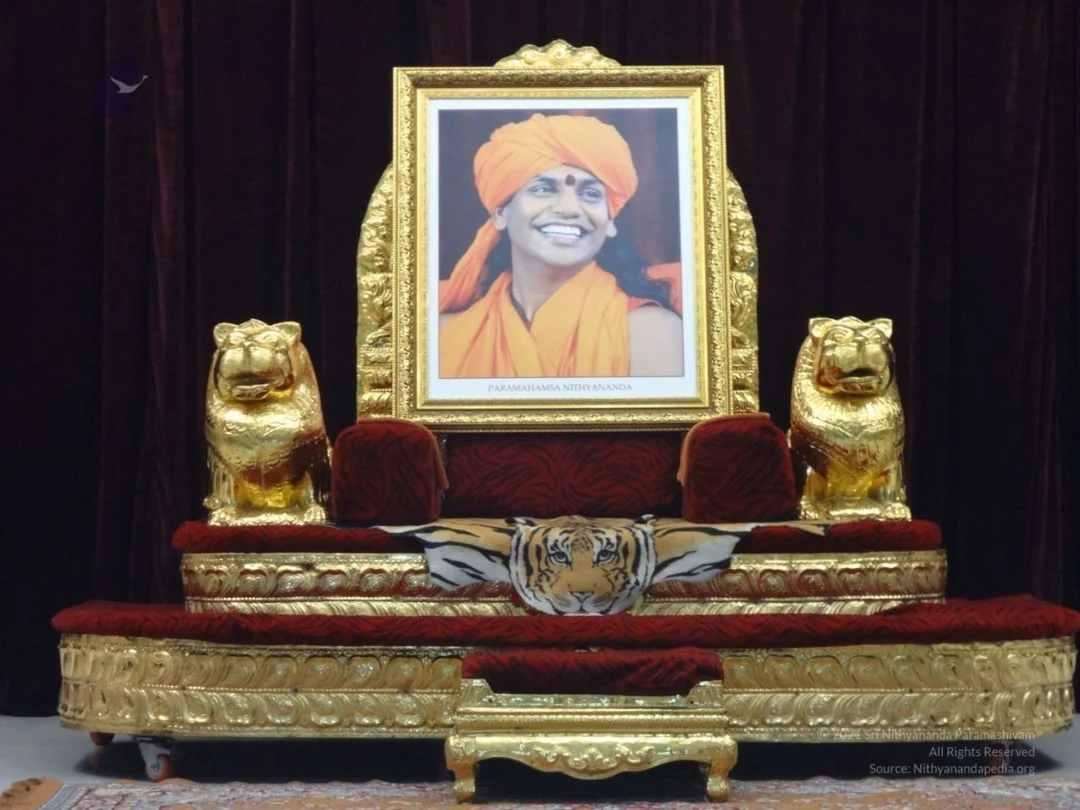
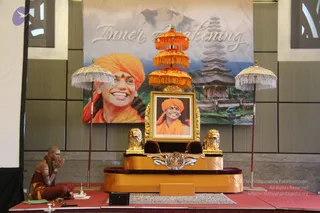
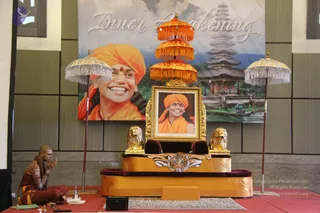
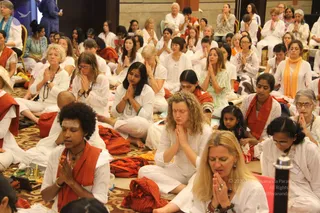
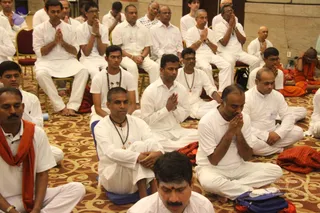
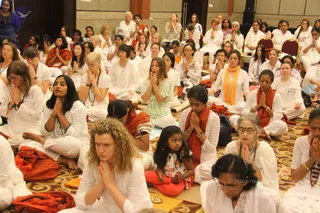
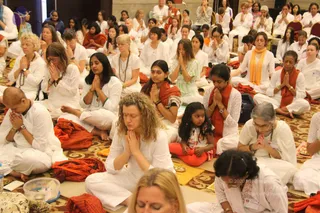
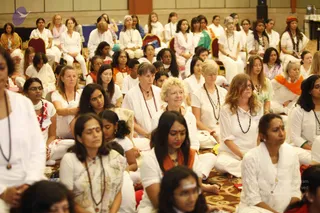
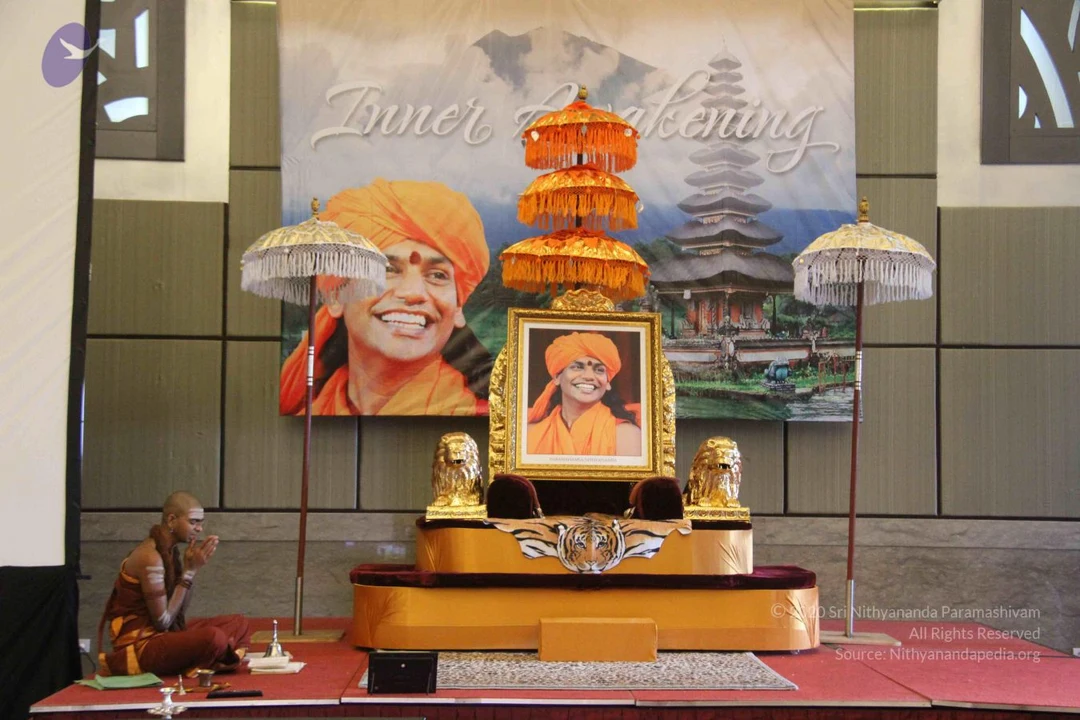
A stage set for a satsang with a golden throne centred against a large banner reading "Inner Awakening", showing a smiling man in an orange turban and a temple with tiered pagoda roofs. On the throne sits a framed portrait of a smiling man in orange robes and turban, flanked by two golden lion figures and draped with a tiger-skin cloth. Three tiered orange fringed umbrellas stand above the throne, with two white fringed parasols at the sides. At the lower left a shaved-headed priest in orange and red robes sits with palms pressed together in namaskar, with brass items and a small lamp on the red stage floor. The portrait on the throne is a depiction, and the banner imagery is printed.A stage set up for a satsang with a large orange and white banner reading "Inner Awakening" in cursive, showing a smiling man in an orange turban and a Balinese temple with pagoda-style roofs. Centre stage is an ornate golden throne draped with a tiger-striped cloth, flanked by two golden lion sculptures and a framed portrait labelled "Paramahamsa Nithyananda" showing a smiling man in an orange turban. Three tiered orange fringed umbrellas stand above the throne, with two white fringed Balinese umbrellas on either side. At the lower left a shaved-headed man in orange and red robes with white markings on his body sits in anjali mudra before the stage, with brass puja items and a bell in front of him on a green mat.A large seated gathering of devotees with palms pressed together in namaste during satsang or meditation in a carpeted hall. Most wear white clothing, with several men and women in orange-red shawls and saffron-orange stoles. Several women have hands folded at chest level with eyes closed. A young girl sits among the adults in the lower right. Many women in white garments are visible, with a woman in a green top and an orange stole in the middle right.A large group of devotees in white kurtas and dhotis sits on a patterned carpet in a hall, meditating with hands folded in namaskar and eyes closed. Several wear rudraksha malas and small pendants. Some sit on chairs at the back, and a few wear saffron-orange shawls. A man in front with a red tilak and orange shawl sits in the lower left. Bags and a folded orange cloth lie on the floor.A large seated group of devotees in a hotel ballroom with patterned carpet and gold-backed chairs, many with palms pressed together in anjali mudra during meditation. Most wear white kurtas, salwar sets or white tunics, with some in orange or saffron stoles and shawls. A young girl in a pink top and orange leggings sits in front, and a woman in a green dress and another in an orange scarf are prominent. No a person candidate is clearly identifiable among the visible participants, and no deity or altar is shown. Some attendees wear name badges.A large indoor satsang hall with many seated devotees, mostly women and some men, in white clothing with orange and red shawls, palms pressed together in anjali mudra with eyes closed. A small girl in a white top and red trousers sits among them. Some attendees wear rudraksha-style beaded necklaces. Orange cloth bags and yellow cushions lie on the patterned carpet. No a person candidate is clearly visible among the seated people; the view is of the assembled devotees only.

Nithyasatsang

5 photosSource gallery
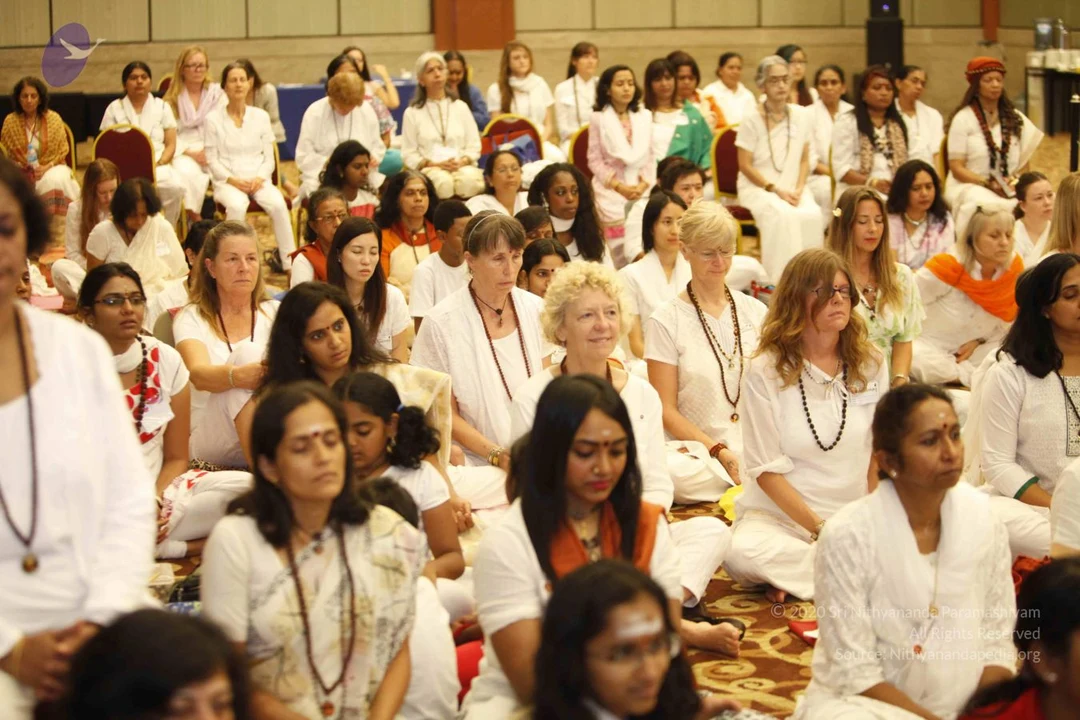
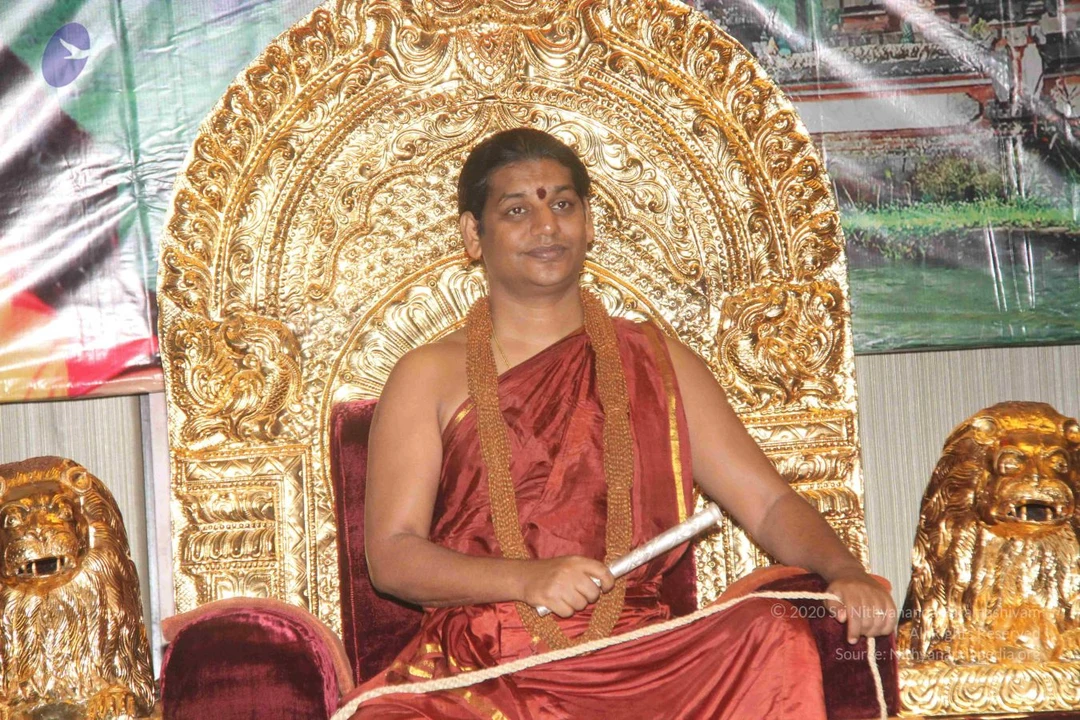
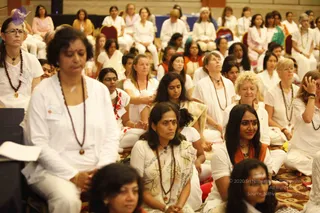
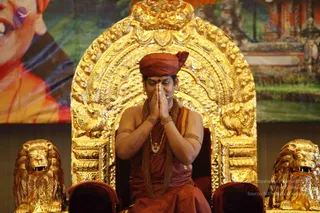
A man in rust-red and maroon robes sits on an ornate gold throne with carved arch and two gold lion sculptures on the armrests, with a tiger-striped cloth draped over the platform. He wears a rust-red turban, multiple tiered rudraksha malas and a gold pendant necklace, with gold armbands, and gestures with both palms open while speaking. Behind him a large banner shows a smiling man in orange robes and a garden pavilion scene. Swamiji (probable): the seated man's presentation shows a turban, rudraksha malas, ceremonial gold necklace and reddish-orange robes, and the page places Swamiji at this satsang.A seated man in reddish-orange robes and a matching orange head cloth sits on a large ornate gold throne with lion-shaped armrests, his palms pressed together in namaste. Beneath him a tiger-striped cloth covers the dais. Two gold-and-white ceremonial parasols with orange tassels stand on either side, and a large banner behind shows a smiling man in orange and a Balinese temple with pagoda-style roofs and a garden pond. Printed copyright text appears at the lower right. Only one physical person is present. a person: the seated figure wears a saffron-orange head cloth, orange-red robes, beaded necklaces and ornate gold bangles, seated on a throne in a ceremonial honour setting.A large seated gathering of women in a banquet hall during a meditative satsang. Most wear white clothing and white or cream shawls, with rudraksha and bead malas, pendants and necklaces. Several women have vertical bindi or vibhuti marks on their foreheads, and a few wear orange or saffron shawls. Many sit with eyes closed in meditation on a patterned carpet, while others sit upright with hands folded. Rows of red-cushioned chairs and a blue-draped table are visible in the background. No clearly identifiable a person figure is visible in this crowd.A large indoor satsang with a seated audience of mostly women dressed in white, many wearing rudraksha malas. In the foreground, a woman in white with a dark rudraksha mala sits with hands resting in her lap beside a black lectern, while a woman in a white and grey patterned sari with a red bindi meditates with eyes closed. A woman in a white top with an orange shawl sits nearby with a small vibhuti mark on her forehead. Behind them, rows of seated devotees in white and pastel clothing fill the hall, with red-cushioned chairs and a blue-draped table at the back. No speaker or throne is visible in the frame.A seated man in red-maroon robes and a matching turban sits on an ornate gold throne flanked by two golden lion heads, his palms pressed together in anjali mudra with eyes closed. He wears layered gold and rudraksha-style beaded necklaces, multiple gold bangles, and gold earrings. Behind him a large backdrop shows a painted portrait in orange on the left and a temple scene with green grounds on the right. The scene reads as a formal satsang seating, and the person is shown in prayerful greeting. Identity is unconfirmed from appearance alone, so the role is given as a seated devotee-leader in ceremonial dress.

Tanoh-Lot-Temple-Visit
238 photosSource gallery
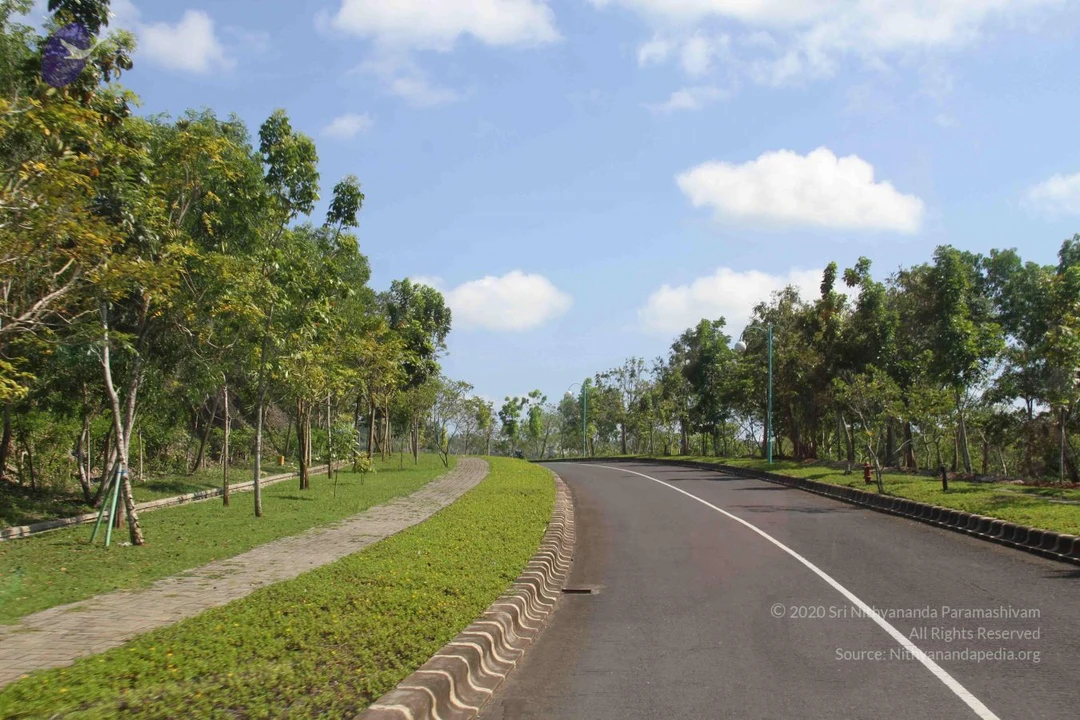
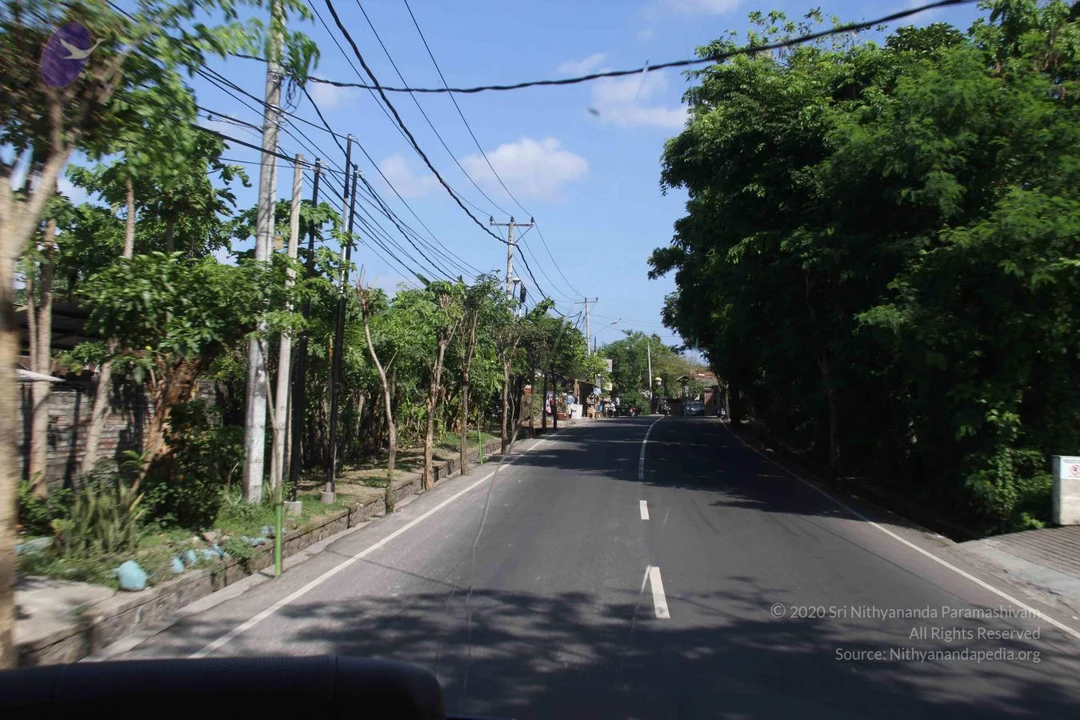
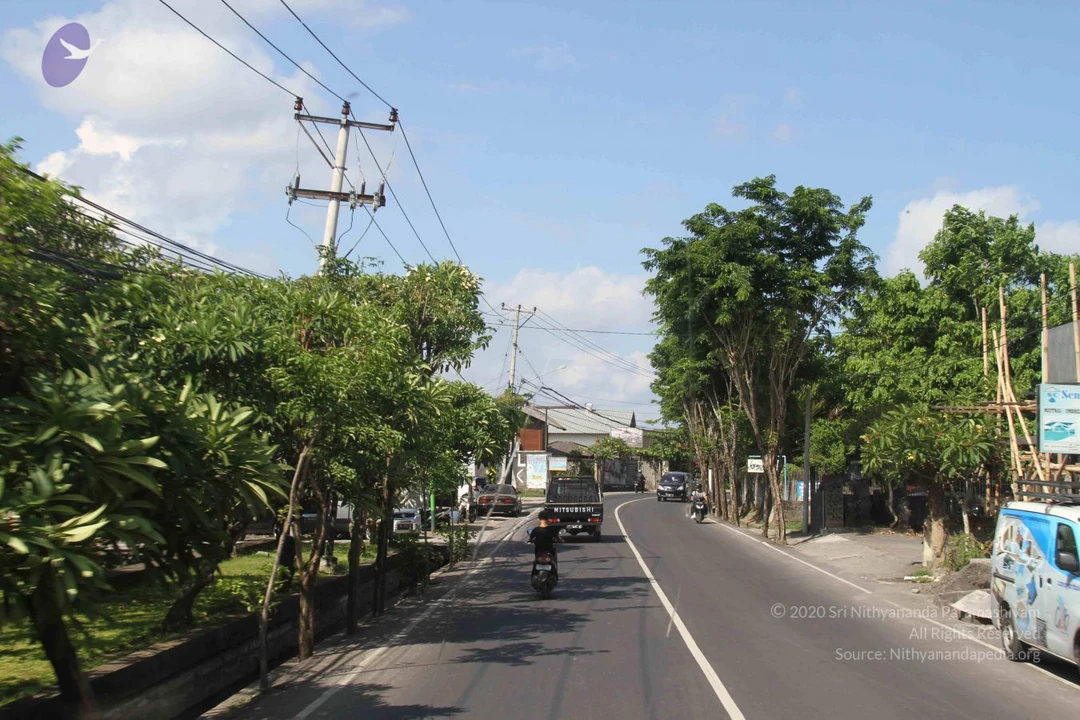
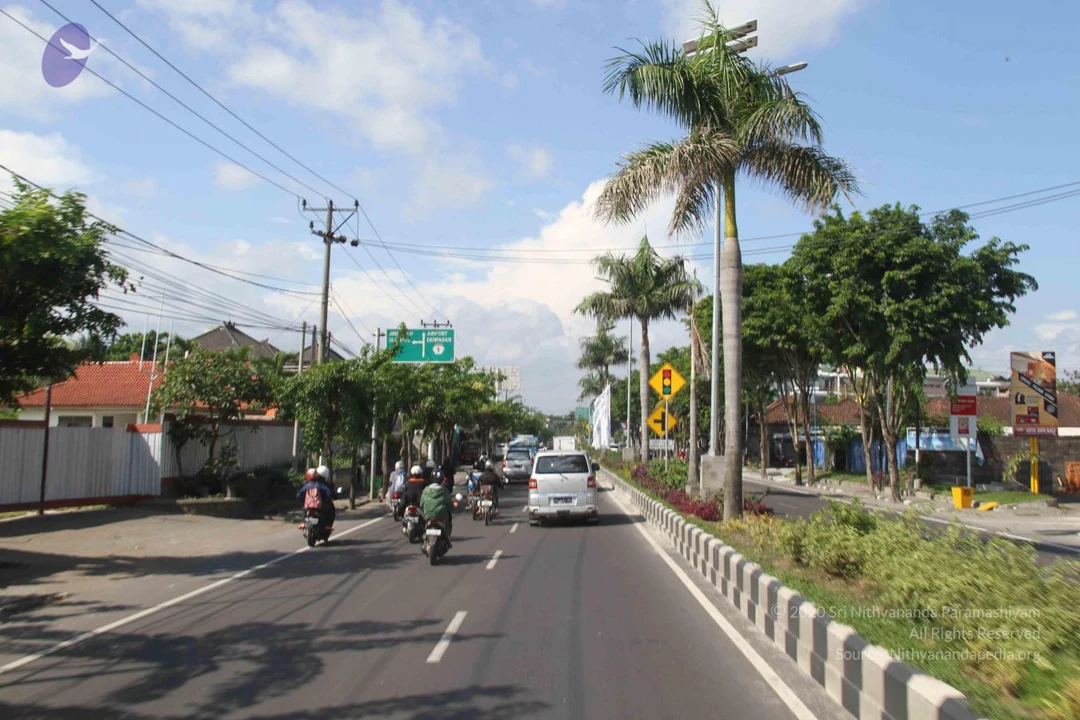
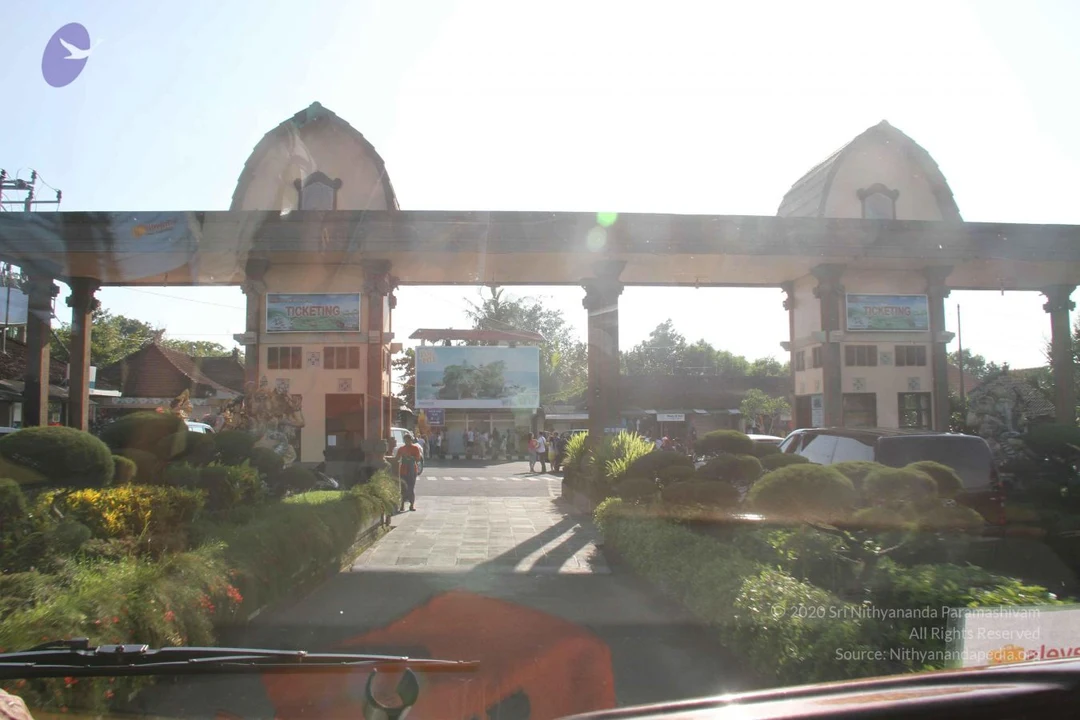
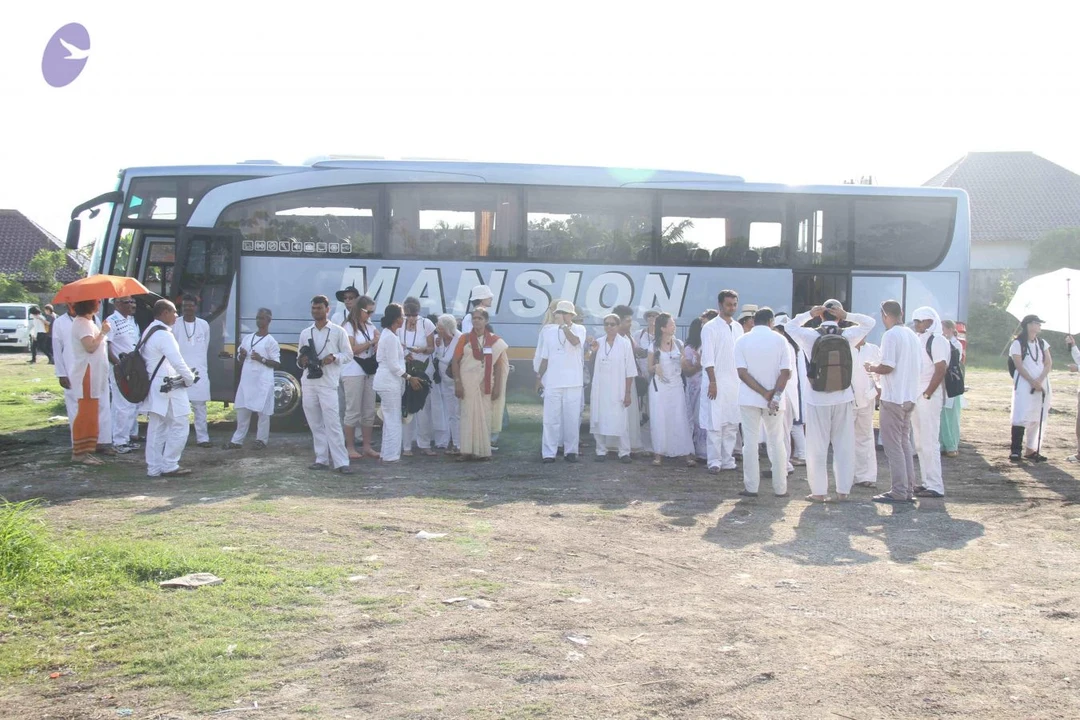
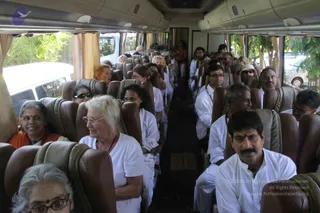
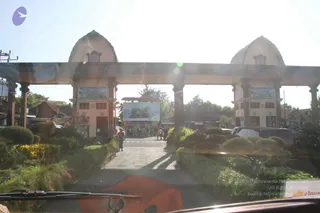
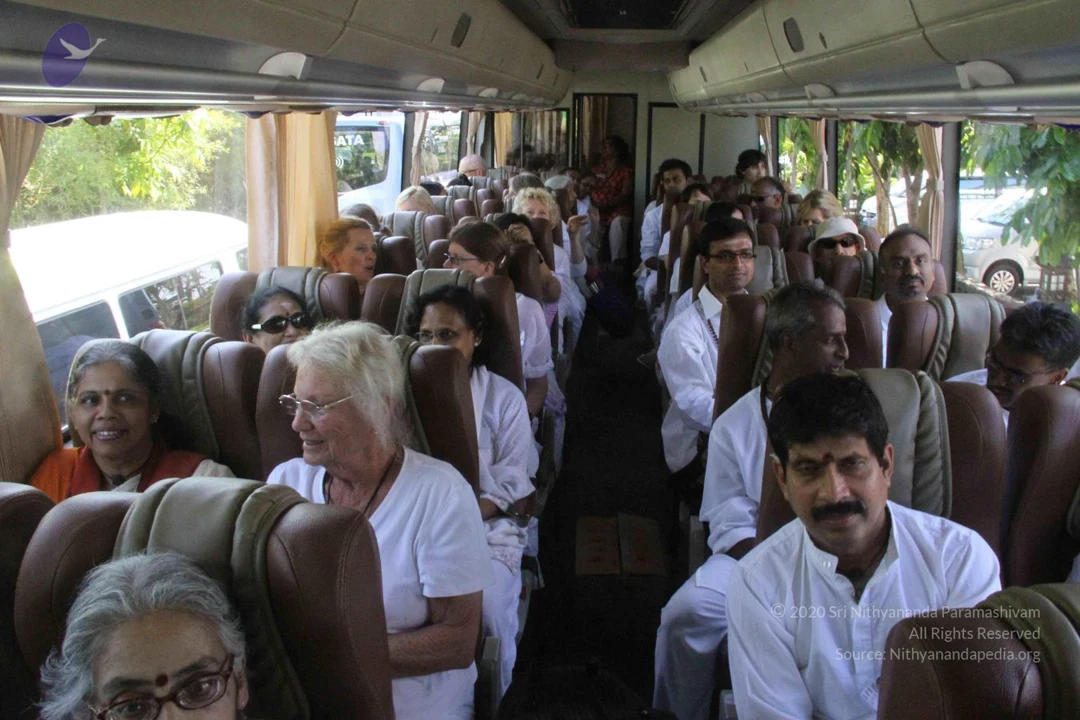
Interior of a coach bus with brown leather reclining seats filled with passengers, most wearing white clothing. In the foreground a woman with short grey hair and glasses wears a white top, and a dark-haired man in a white kurta sits at right with a red bindi on his forehead. Beside him a man in white looks on, and a woman in an orange shawl sits at far left near a window showing trees and a white van outside. Several other passengers in white sit further back.A curving paved road runs through a tree-lined landscape under a bright blue sky with scattered white clouds. Tall trees with slender trunks and green foliage line both sides, with a brick-paved footpath and a manicured grass strip with a stone-edged kerb on the left, and a grassy verge with green street lamp posts on the right. No people are visible.A photograph taken through a vehicle windshield of a paved two-lane road in Bali, lined with tall green trees, utility poles strung with overhead cables, and low roadside shrubs. A few small figures are faintly visible far down the road near roadside stalls, too distant to describe. Blue sky with scattered clouds sits above.A photograph of a tree-lined two-lane road on a sunny day with a blue sky and scattered clouds. Tall green trees, including frangipani-like shrubs, line both sides. Overhead power lines run along a concrete utility pole. A black pickup truck with a Mitsubishi badge drives ahead, and a motorcyclist rides on the left. A few cars are parked along the left curb, and a small blue delivery van is parked at the right edge. Bamboo scaffolding and a roadside sign stand near the right side. No ritual, satsang or assembly is visible.A photograph taken from a vehicle on a multi-lane paved road in Bali, with a white-bordered median and kerb. Several motorcyclists in helmets ride in the left lane, with a silver minivan and a silver car nearby. Tall palm trees, leafy roadside trees and red-roofed buildings line the street under a partly cloudy blue sky. A green directional road sign reads AIRPORT and DENPASAR, and a traffic light is visible.Photograph taken through a vehicle windshield of a gateway with two curved, peaked stone-and-stucco towers on a long horizontal beam, Balinese-style architecture. Under the left and right towers are signs reading TICKETING. A large billboard showing a green landscape stands beyond the arch. Trimmed hedges, shrubs and flowering plants line a paved walkway leading toward the entrance, with a few small figures in the distance and parked cars along the right. Bright sunlight and lens glare overlay the scene.
IA-Darshan

41 photosSource gallery
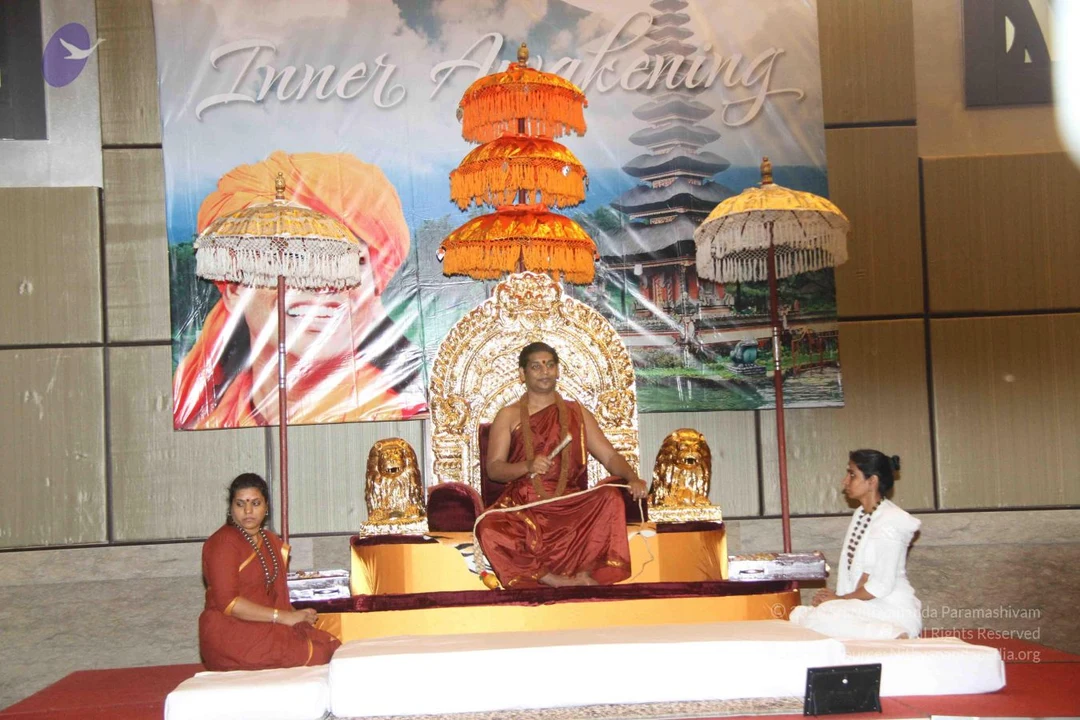
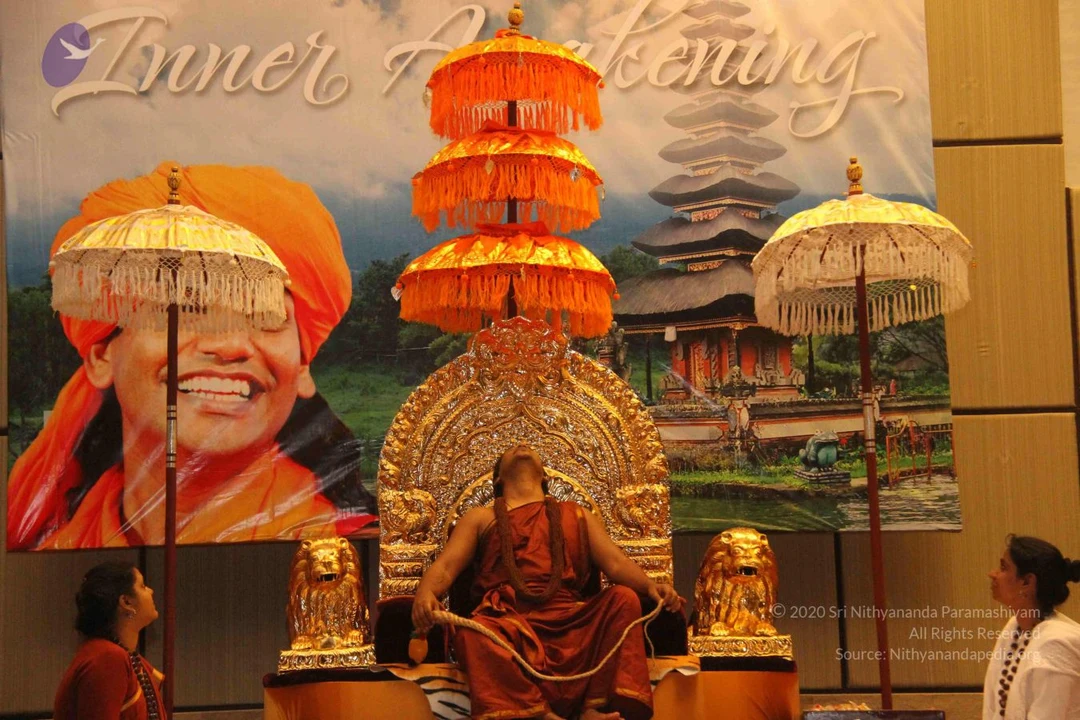
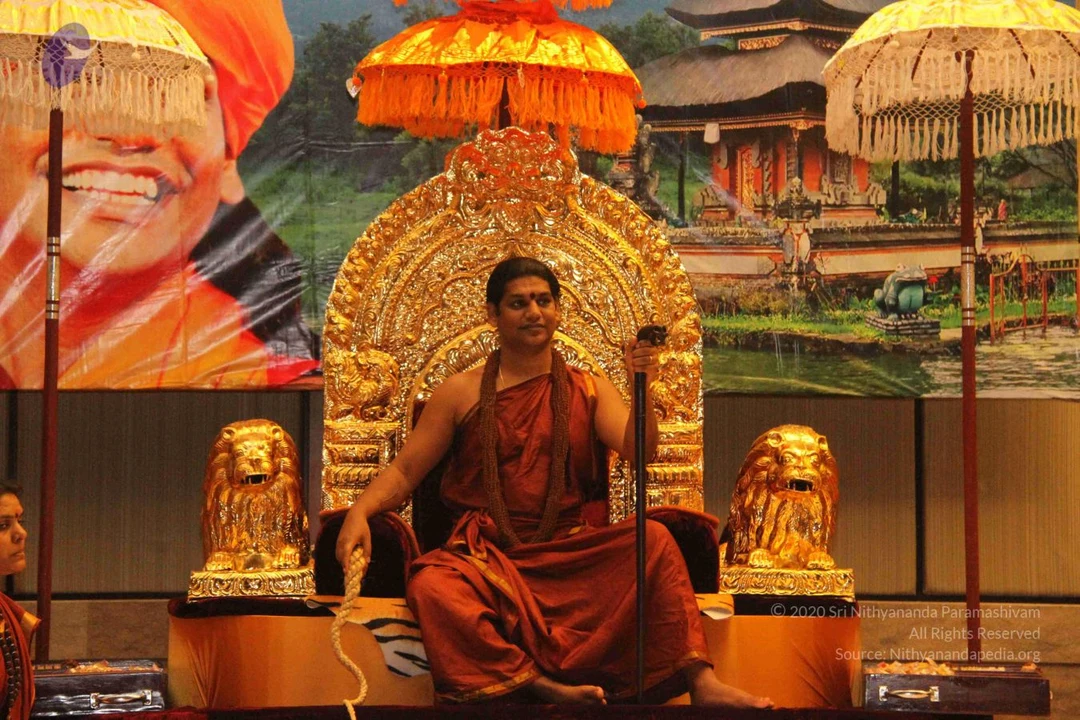
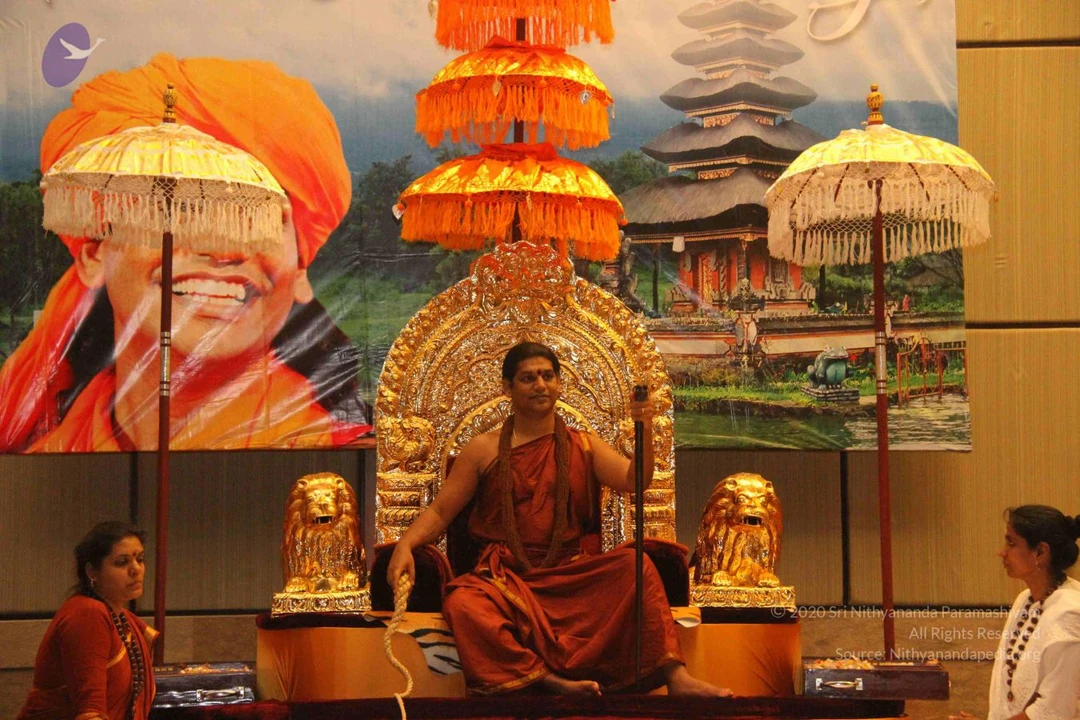
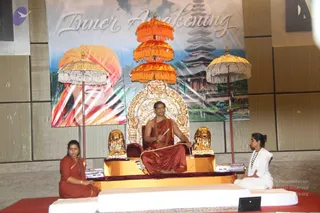
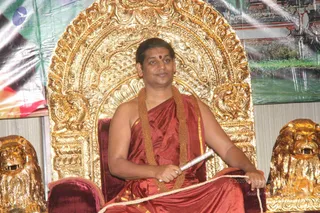
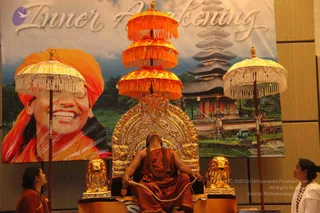
A seated teacher in a saffron-red robe sits on a gilded throne with golden lion figures and tiered orange canopies, holding a white cord or mala in his hands. Two women sit on the stage: one on the left in a red-orange sari with a beaded necklace, and one on the right in white with a long beaded necklace, seated on white cushions. Behind them a large banner reads Inner Awakening and shows a turbaned figure in orange and a multi-tiered pagoda-style temple. The stage is set with red carpeting and a small tablet on the right. Swamiji (probable) is seated on the throne with long swept-back hair, rudraksha-style beads, and ornate saffron clothing.A man seated on an ornate gilded throne with a carved golden backrest and gilded lion armrest figures on either side. He wears a deep red-maroon robe draped over his shoulders, a long rudraksha-style bead mala around his neck, and a small red bindi on his forehead. He holds a silver rod across his lap and smiles toward the camera. Behind him hangs a printed banner showing a temple scene with water and greenery. a person: the seated man wears a red robe, rudraksha mala and a bindi on a throne, cues consistent with the page's reference to a person, though his appearance is only partially visible.A seated figure in rust-red robes sits on an ornate gilded throne with a tall tiered orange parasol above, flanked by two golden lion statues. Long hair falls down the back and the figure holds a rope or cord in both hands. A large banner behind shows a smiling man in orange headwear and a Balinese temple with pagoda-style roofs and a green landscape. Two women in dark and white clothing stand at either side of the stage, facing the throne. Gold parasols with fringe flank the throne.A seated man in a rust-red saffron-toned robe with a rudraksha mala draped over his shoulders sits on an ornate gold throne flanked by two gilded lion statues. He holds a dark staff in his right hand and a rope in his left, and is barefoot. Two orange and gold fringed parasols stand behind the throne. A large backdrop shows a smiling person in an orange turban and a Balinese-style temple with a lily pond. A partially visible attendant stands at the left edge, and the scene suggests a stage setting for a satsang.A photograph of a seated man on an ornate golden throne with lion-shaped armrests and carved backrest, beneath a tiered orange and gold canopy with fringed umbrellas on both sides. He wears an orange-red robe with a long rudraksha-style mala draped over his shoulder, holding a long dark staff in one hand and a rope in the other. A large backdrop behind shows a smiling man in an orange turban and a traditional pagoda-style temple with a lush landscape. Two women sit on the floor at the sides: one in orange sari with a mala, the other in white with a mala. Swamiji (probable) is identified by the presenter's saffron-orange robe, long hair, and ceremonial mala cues, seated as the central speaker on the throne.A seated man in orange-red robes sits on an ornate gilded throne with a golden arched back, flanked by two golden lion figures, beneath a three-tiered orange tasselled canopy. He holds a white cord or fly-whisk in one hand. Two women kneel on a white-draped platform: one on the left in a rust-orange sari with a rudraksha-style necklace, and one on the right in white with a dark beaded necklace. A large backdrop shows an orange-turbaned smiling man beside a Balinese multi-tiered temple, pagoda-style roofs and a lake. White fringed parasols frame the throne. The setting is an indoor hall with beige wall panels.
Morning-Puja

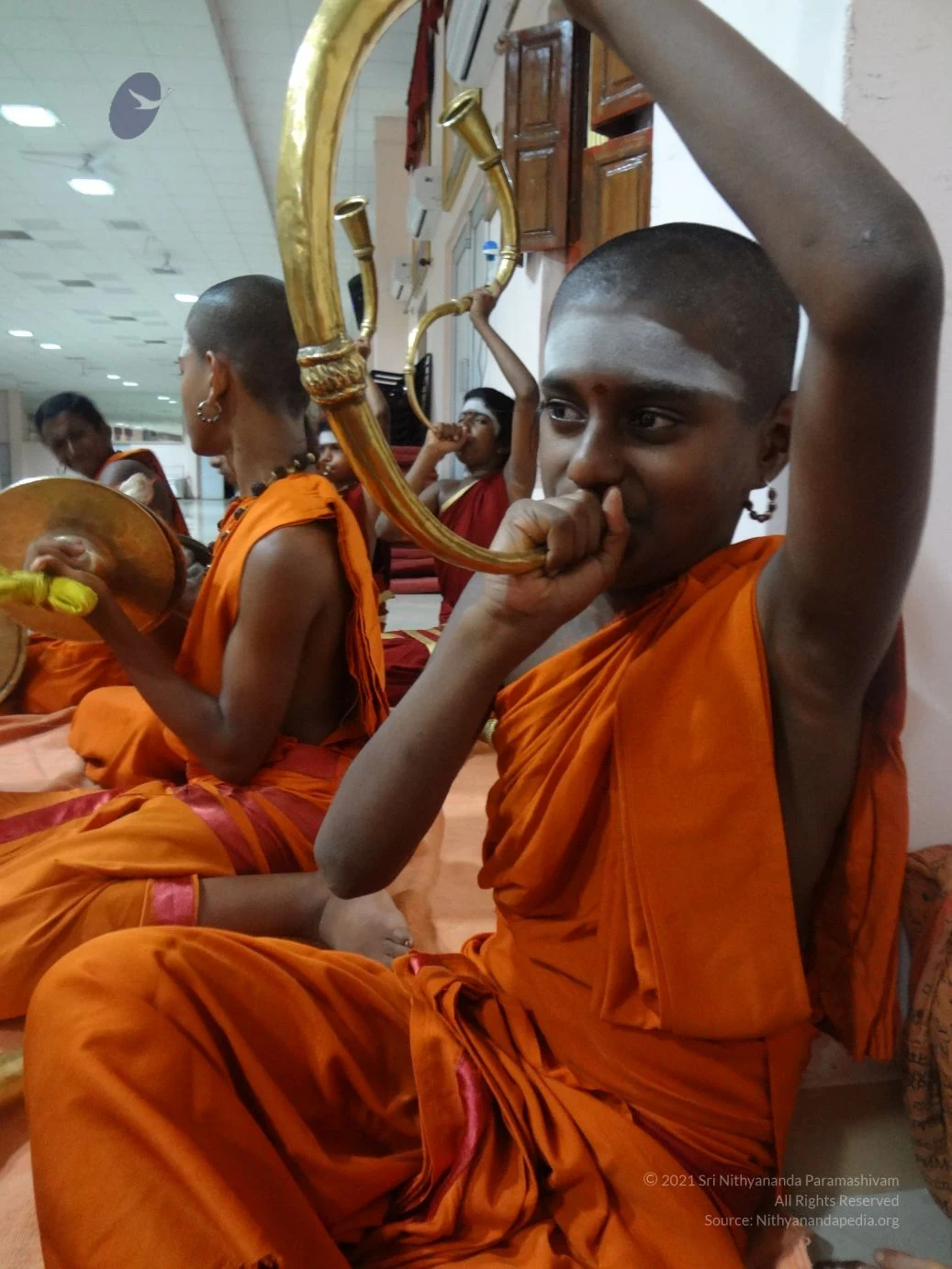
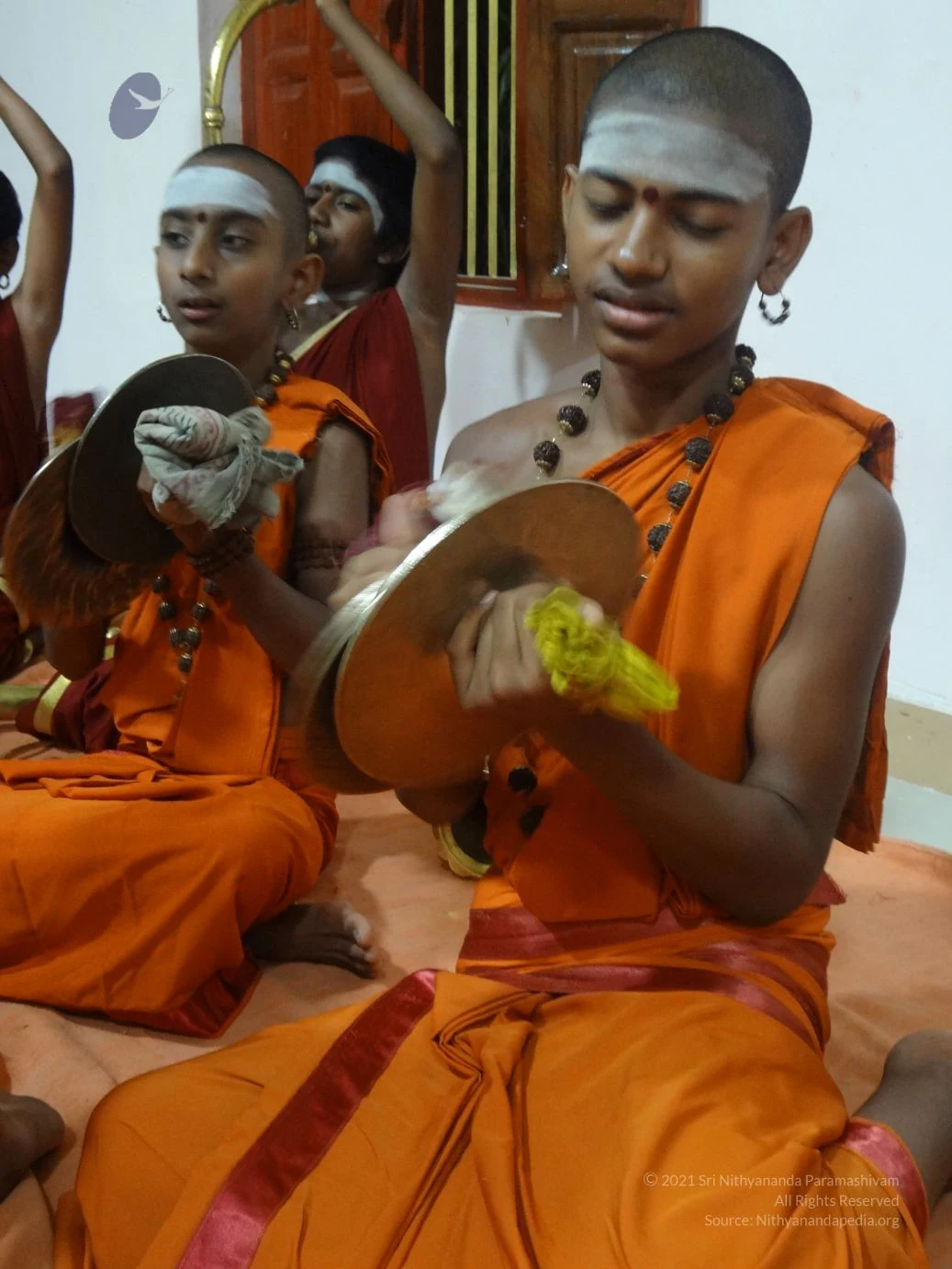
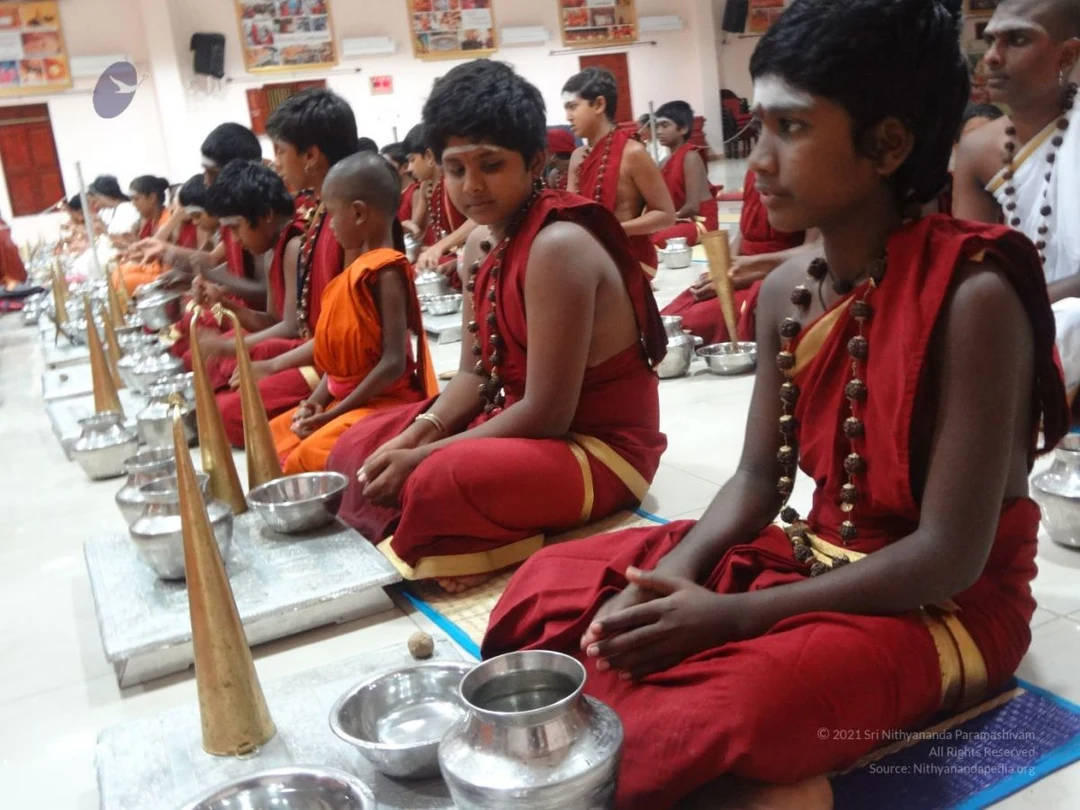
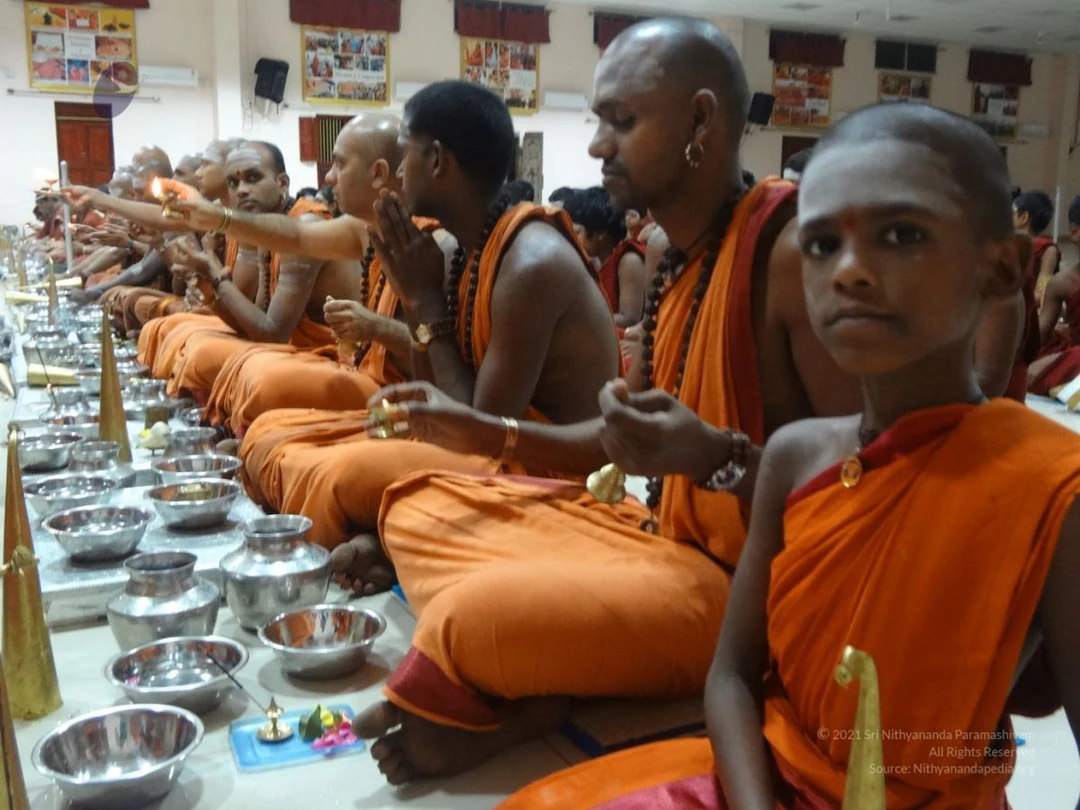
40 photosSource gallery
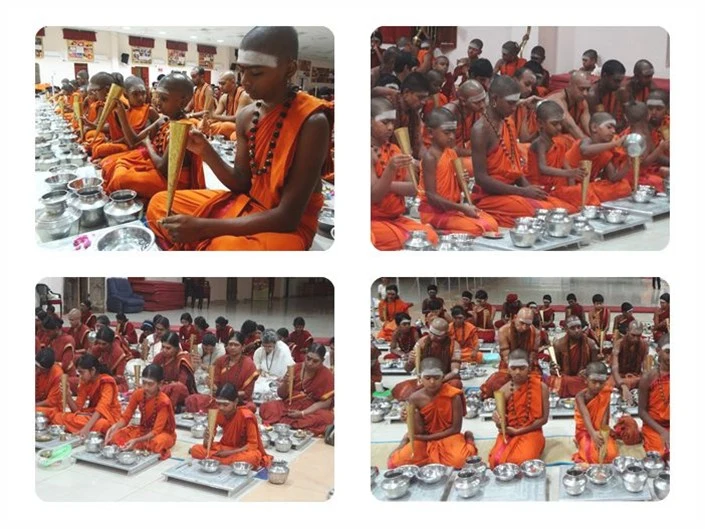
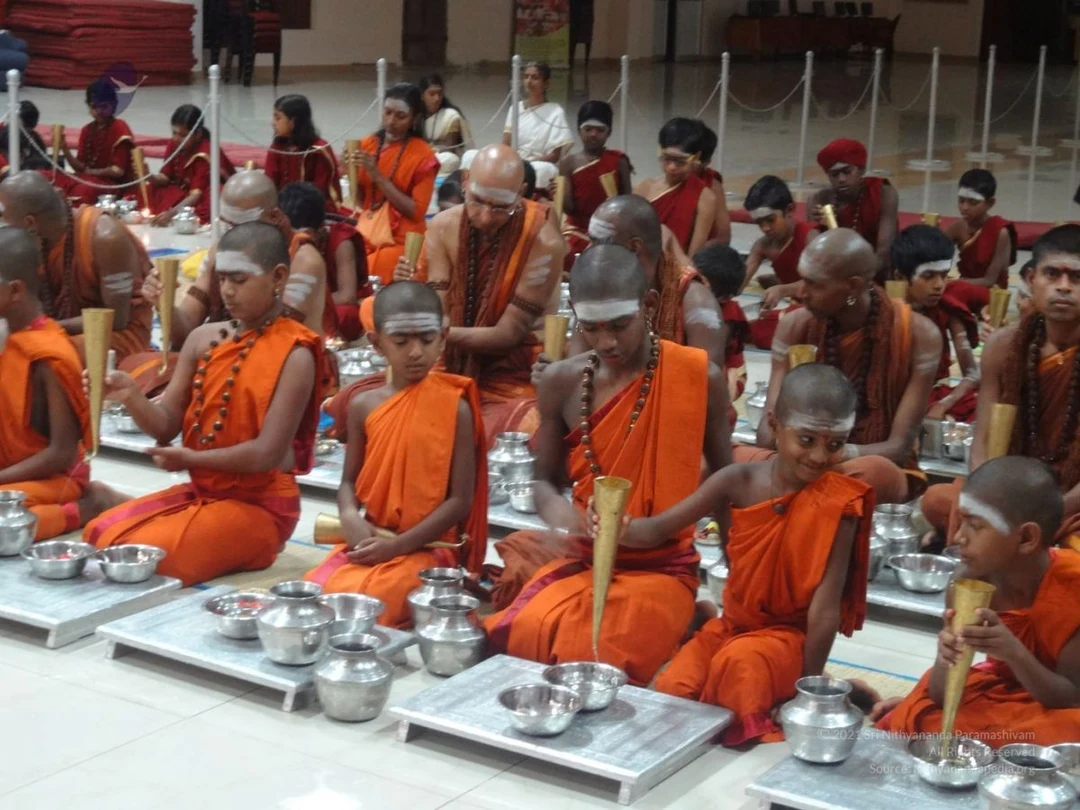
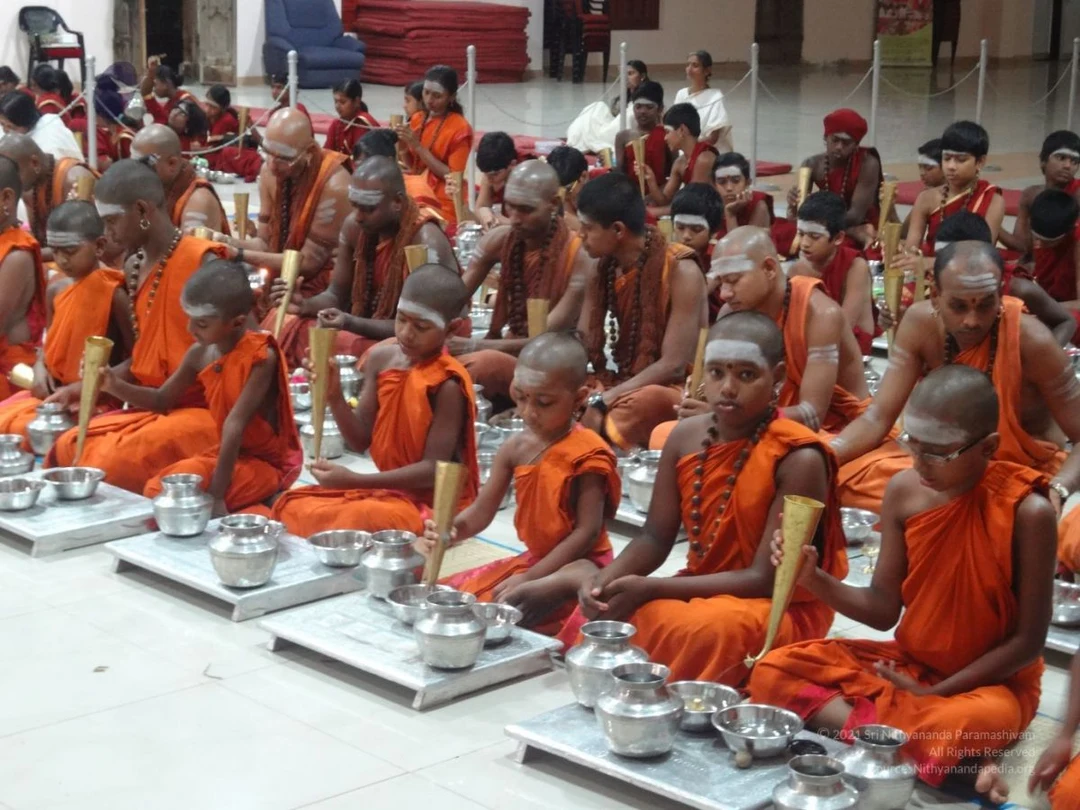
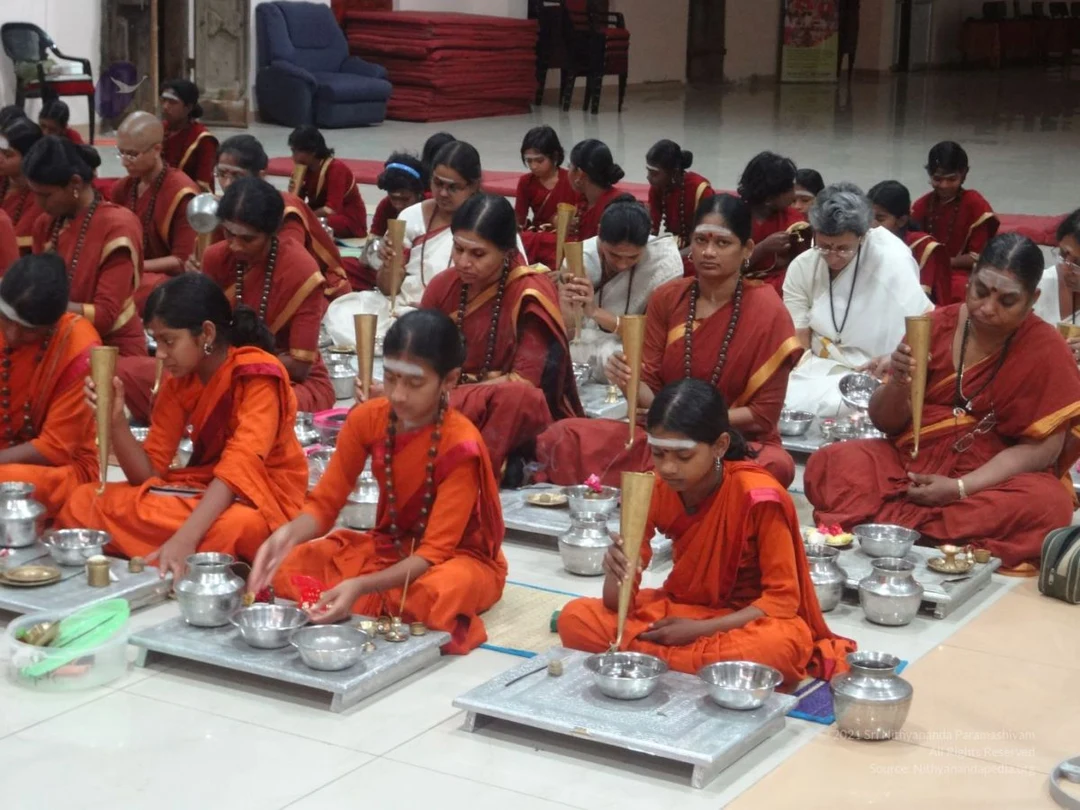
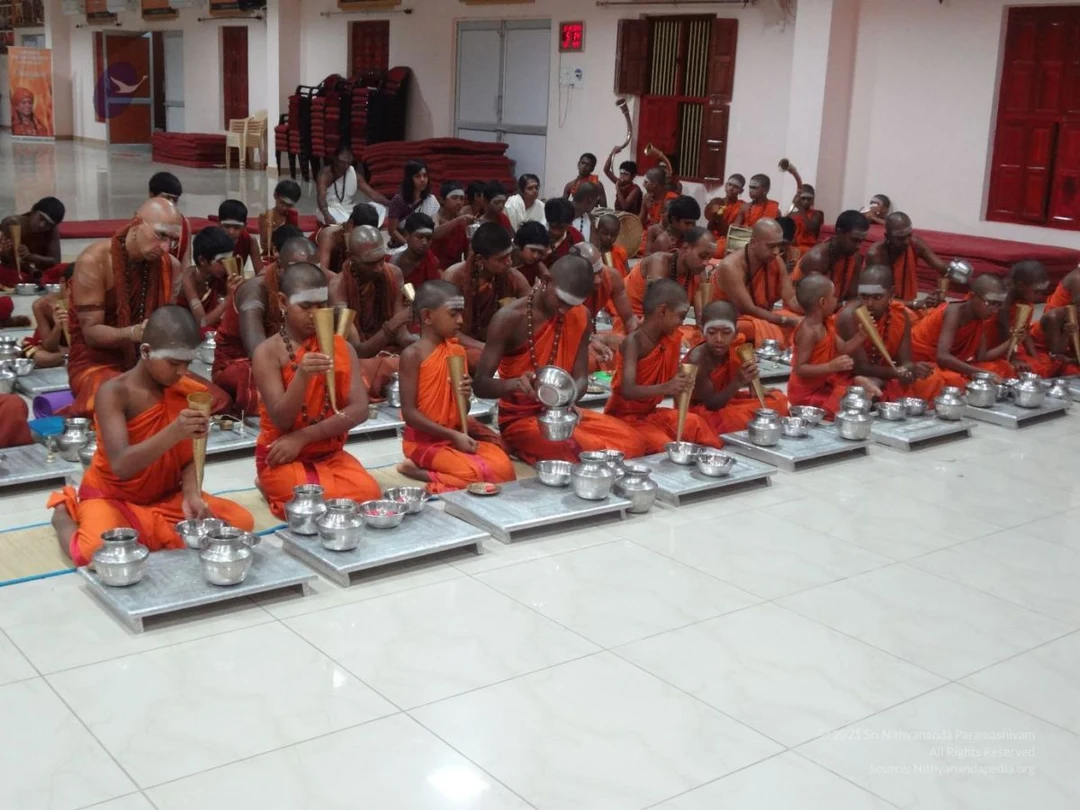
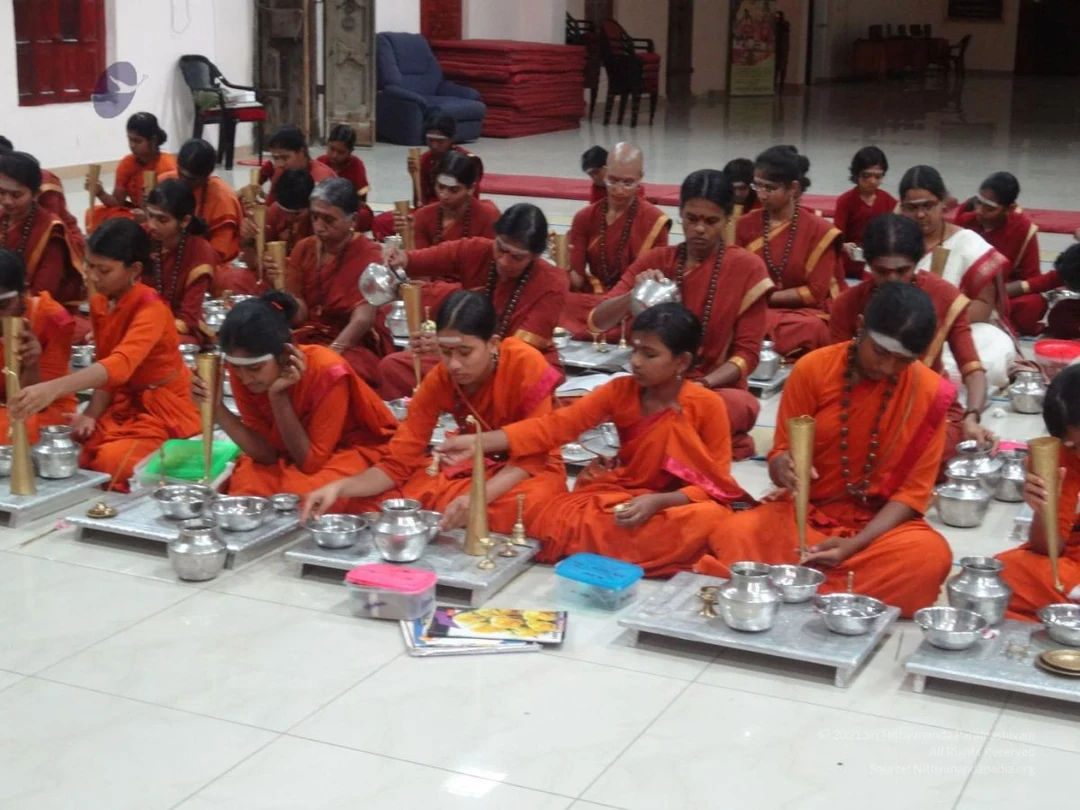
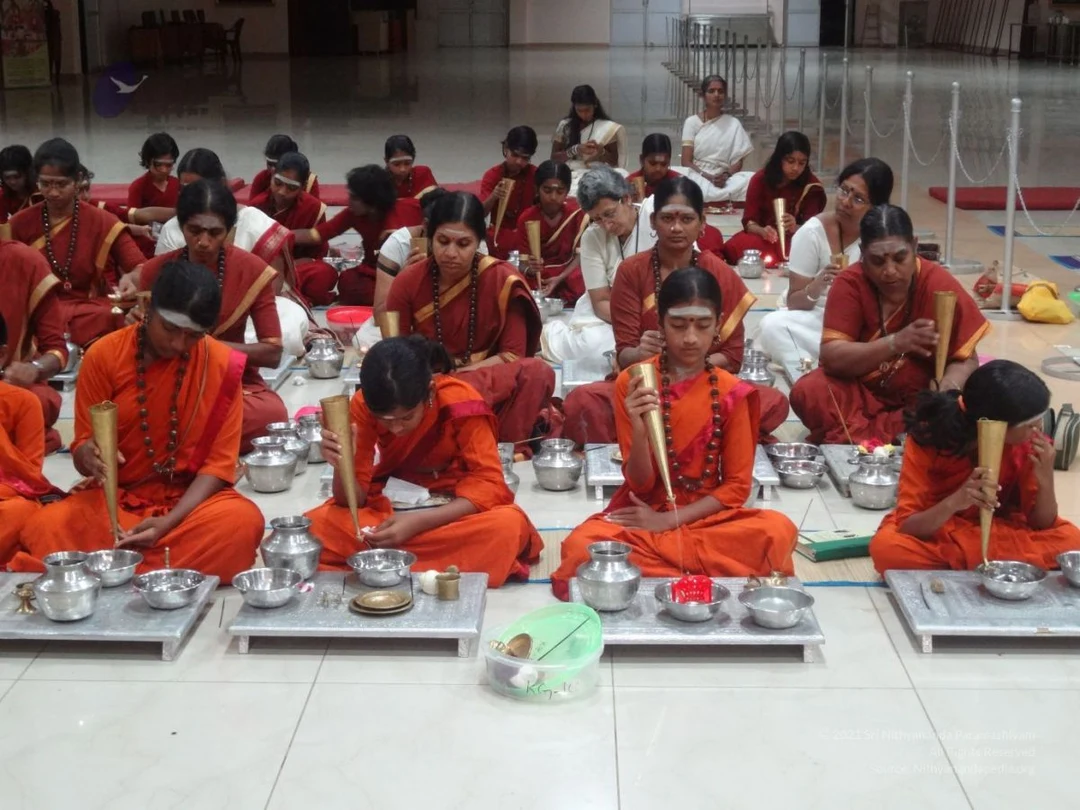
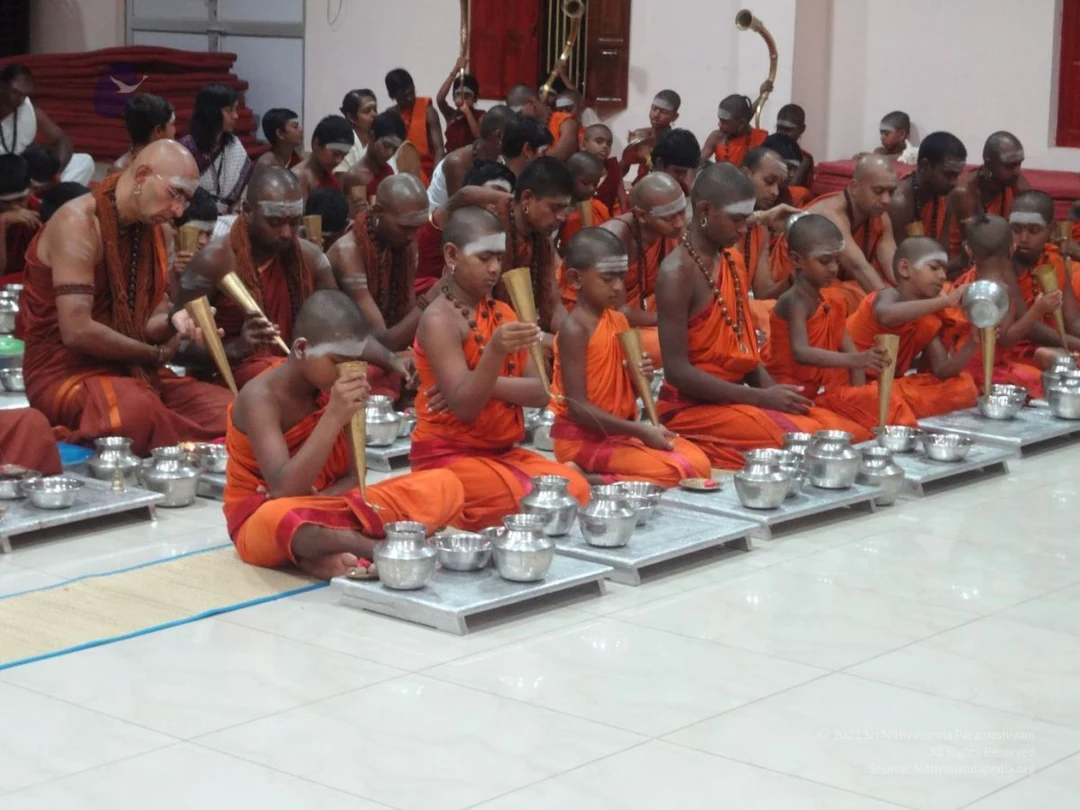
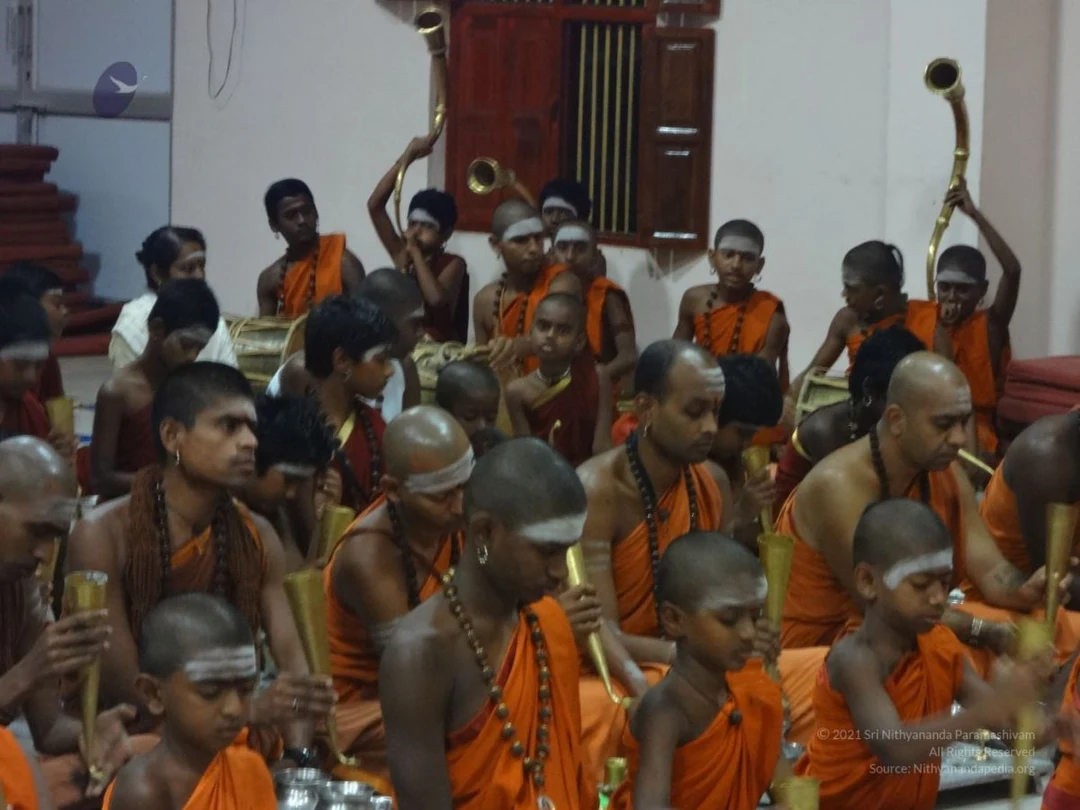
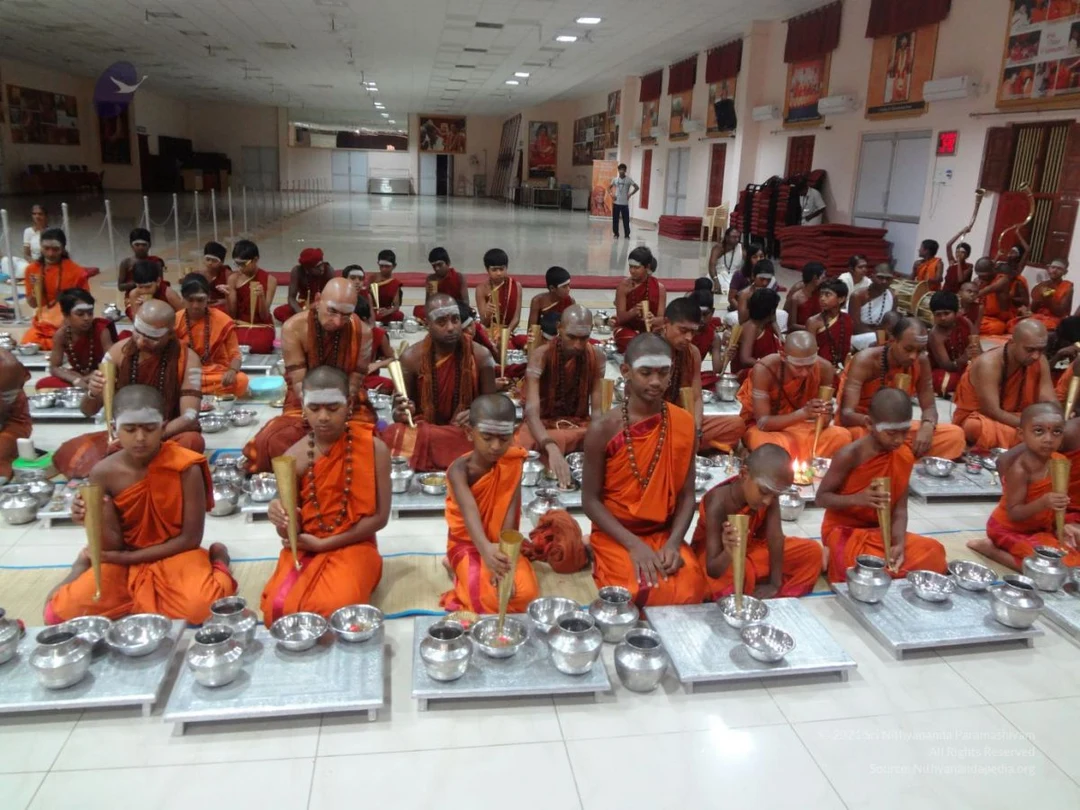
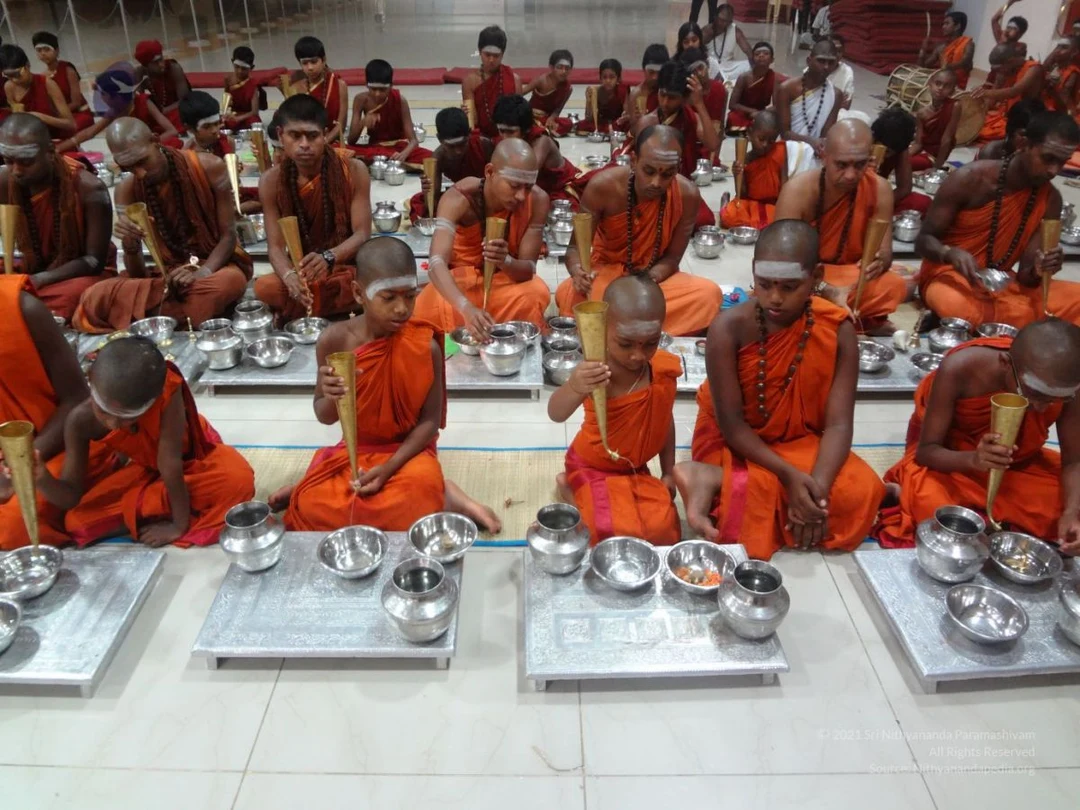
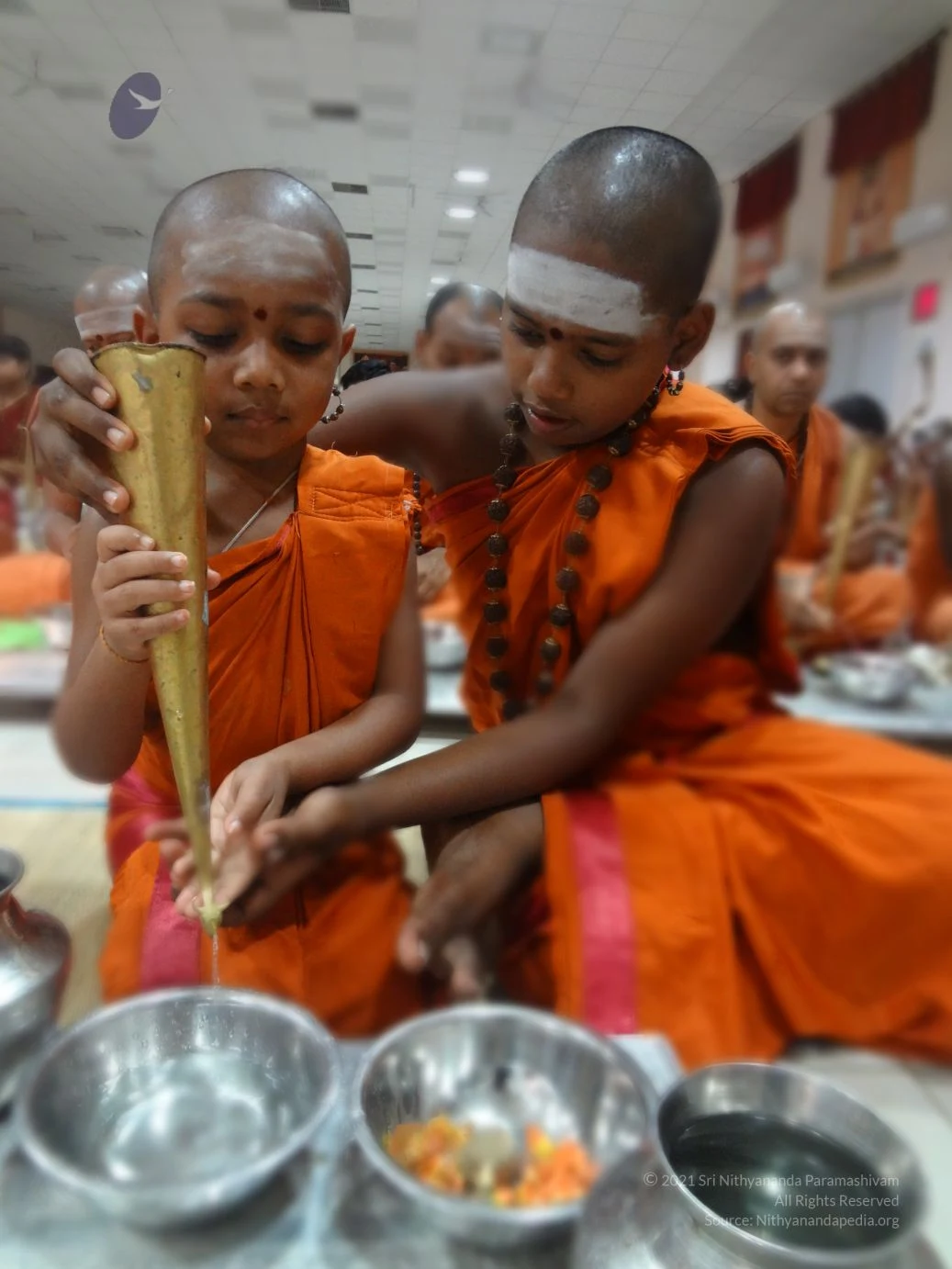
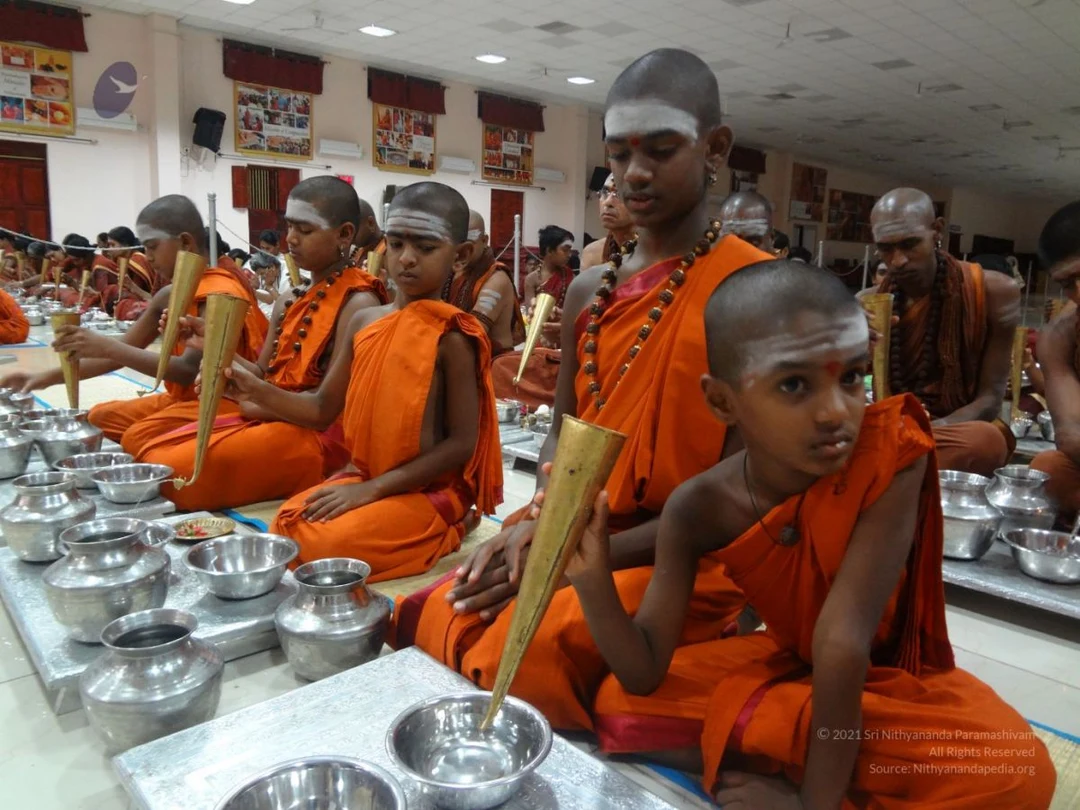
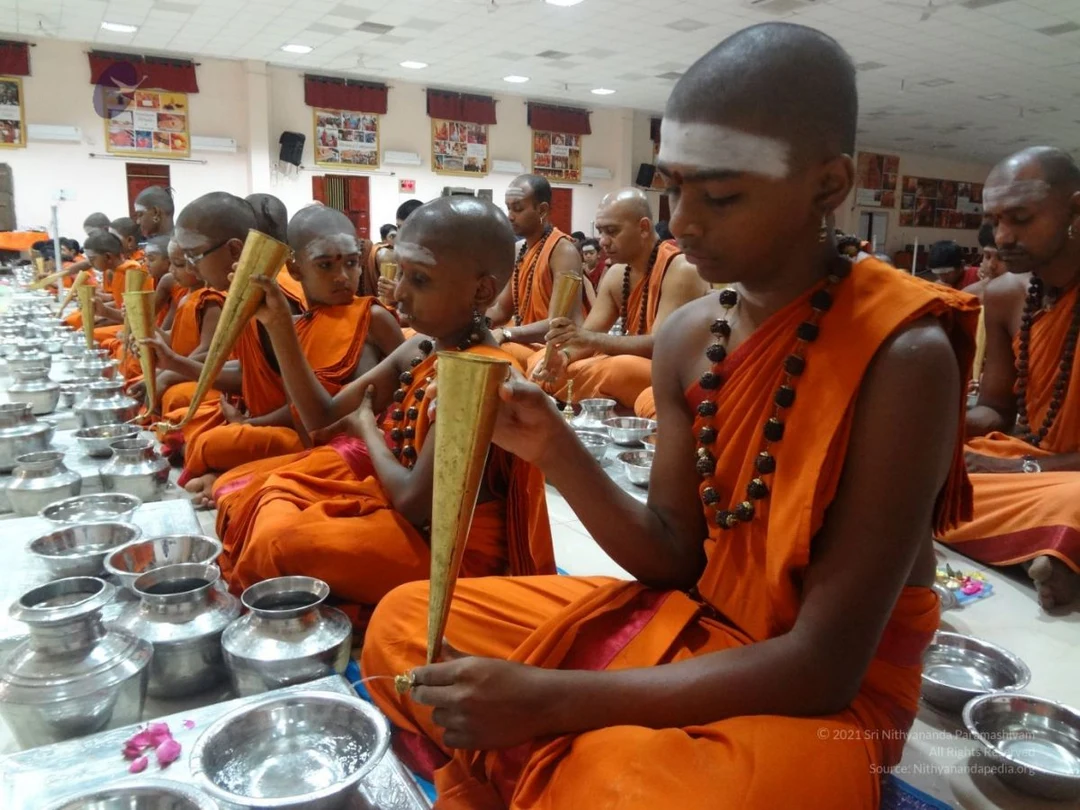
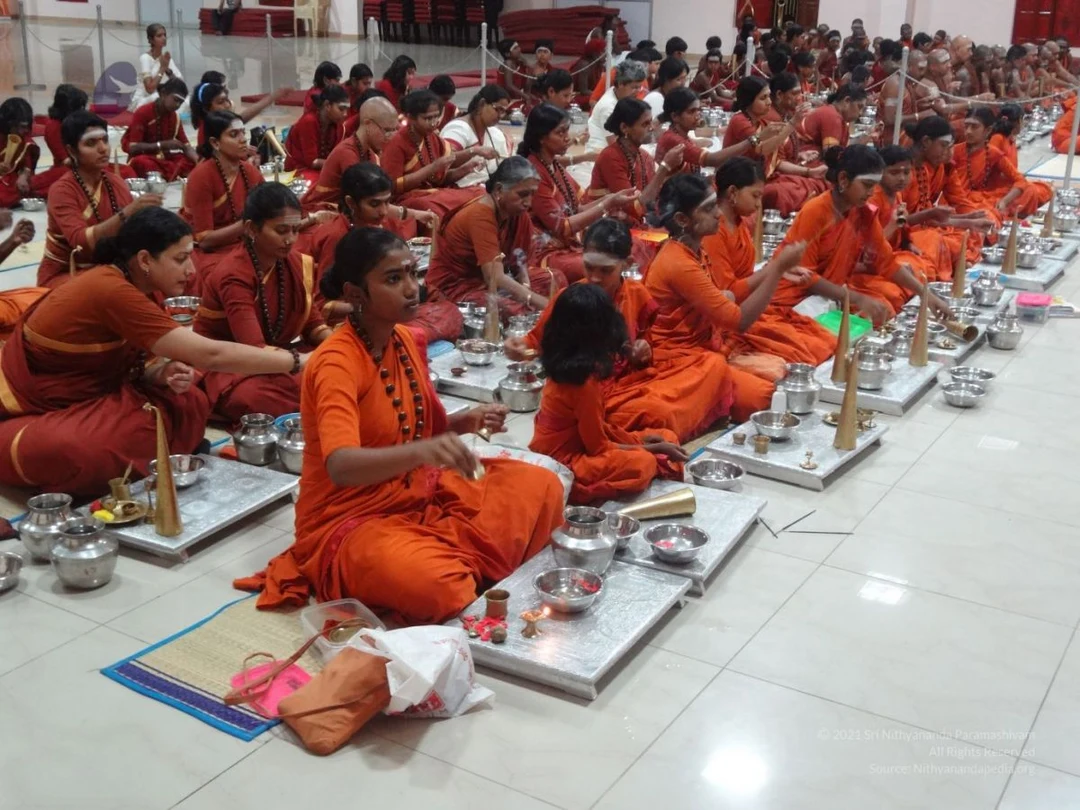
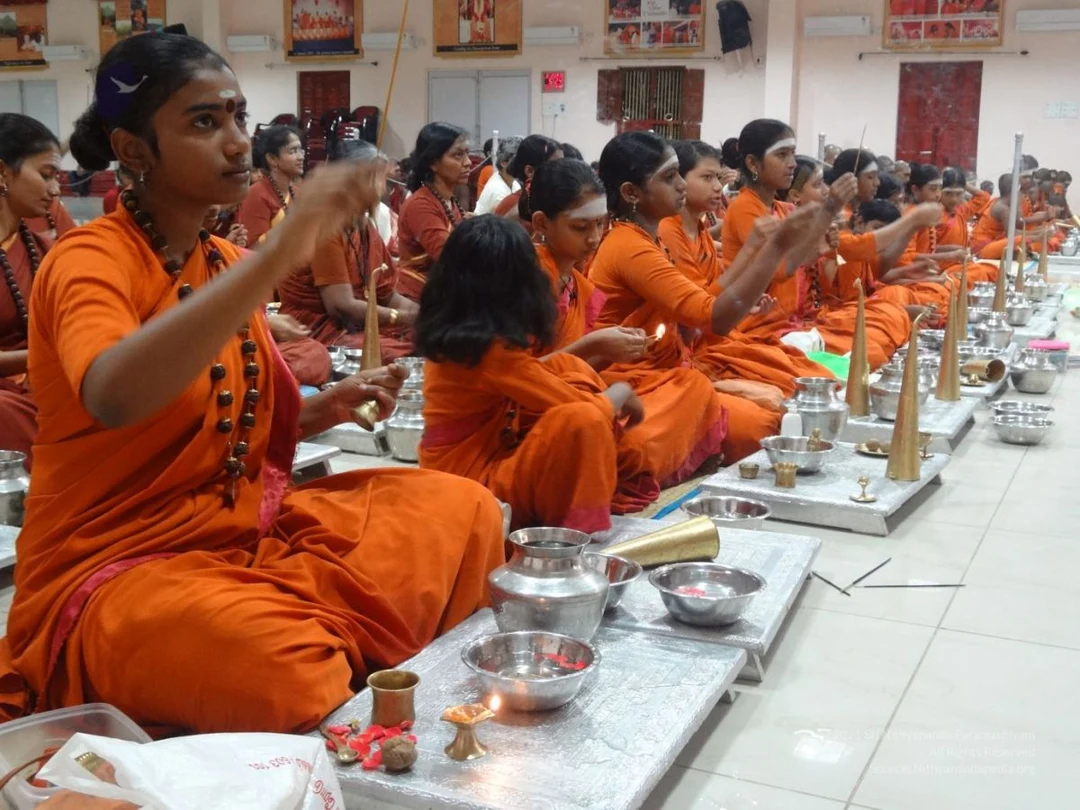
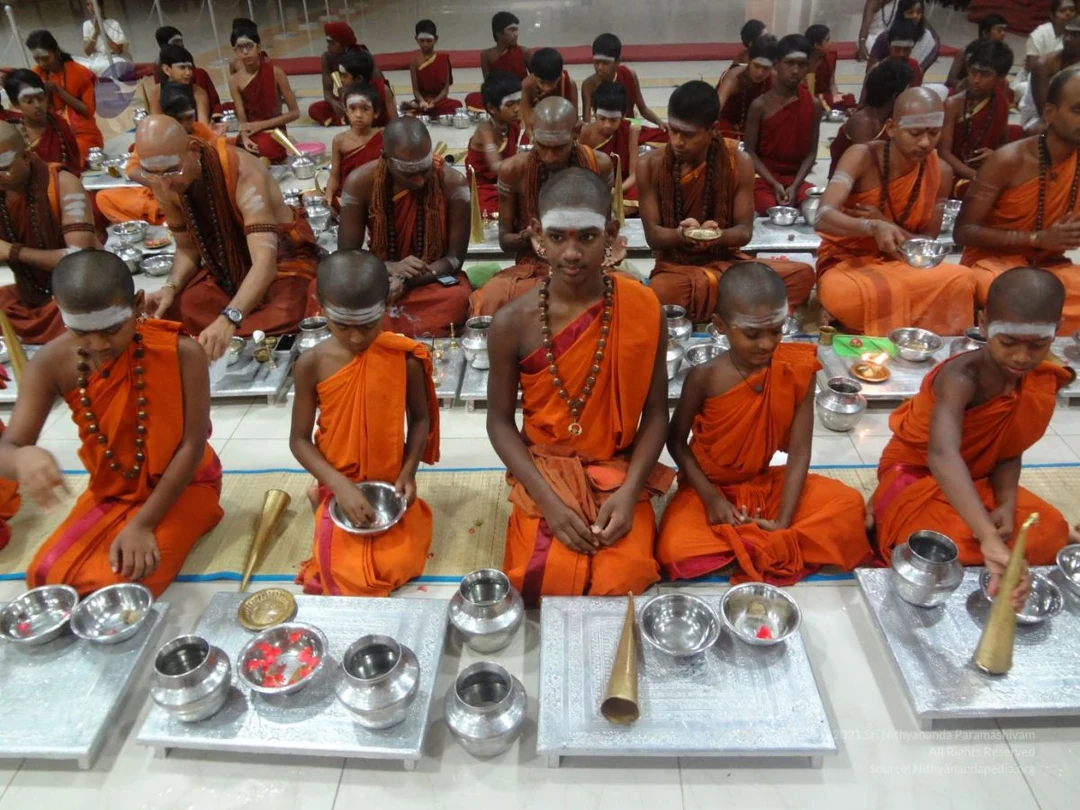
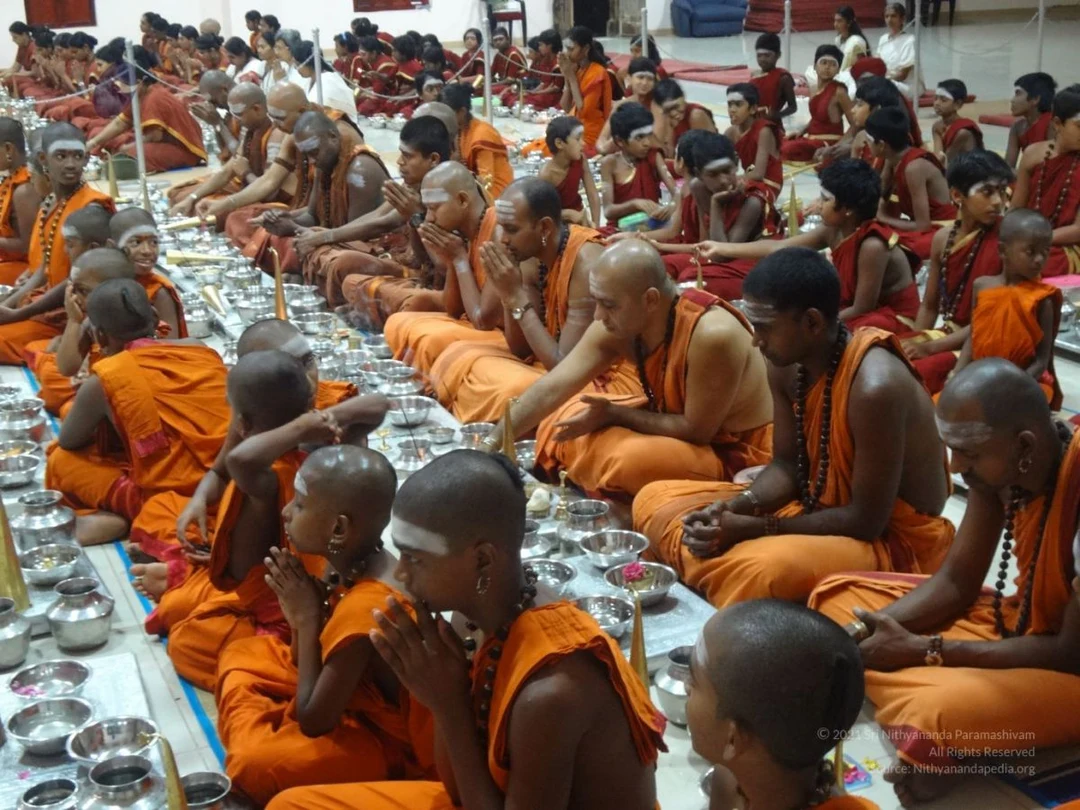
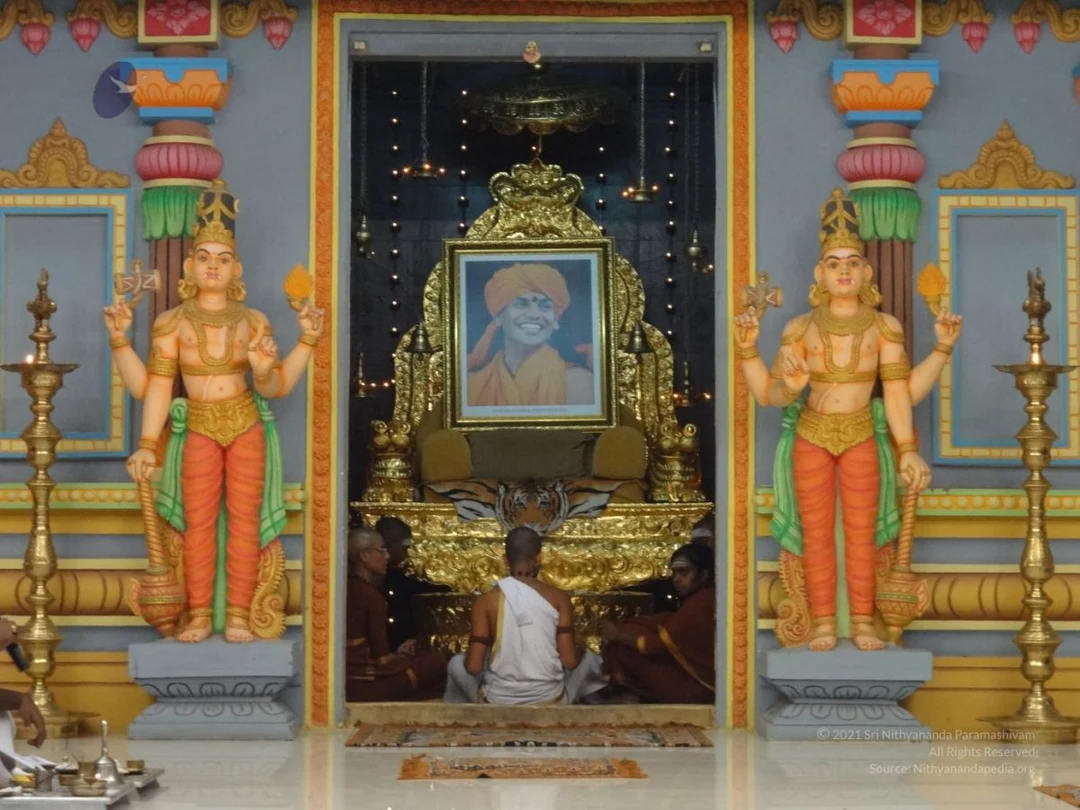
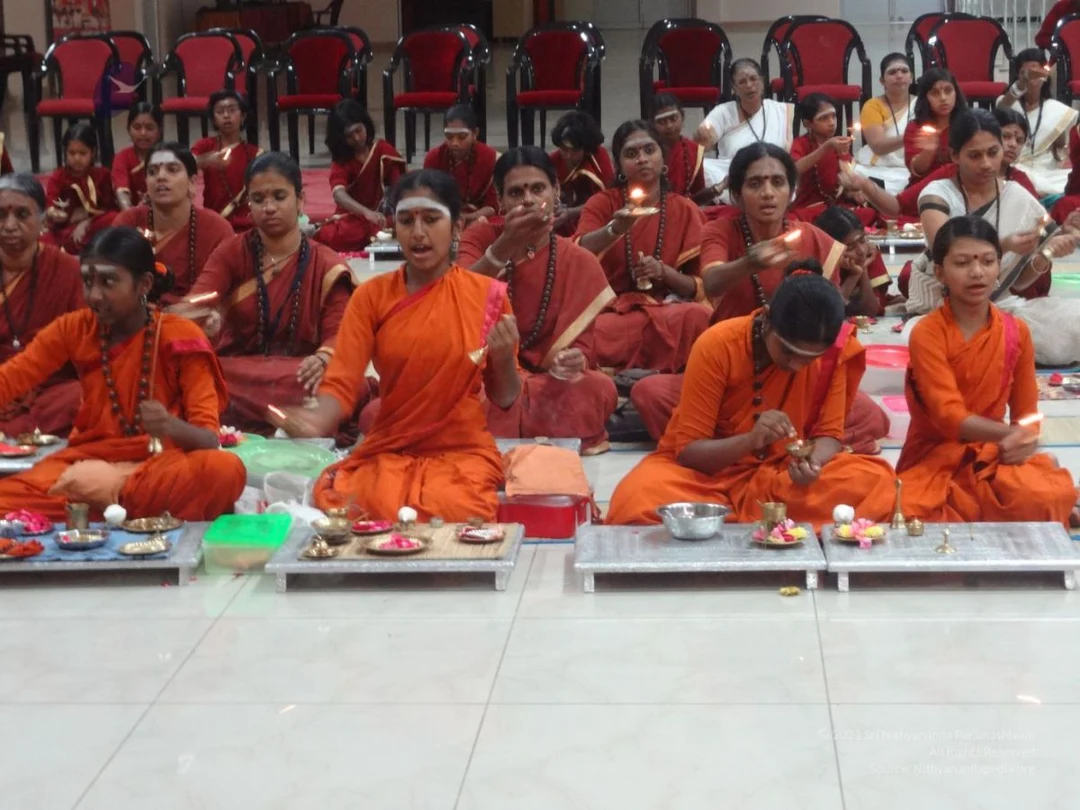
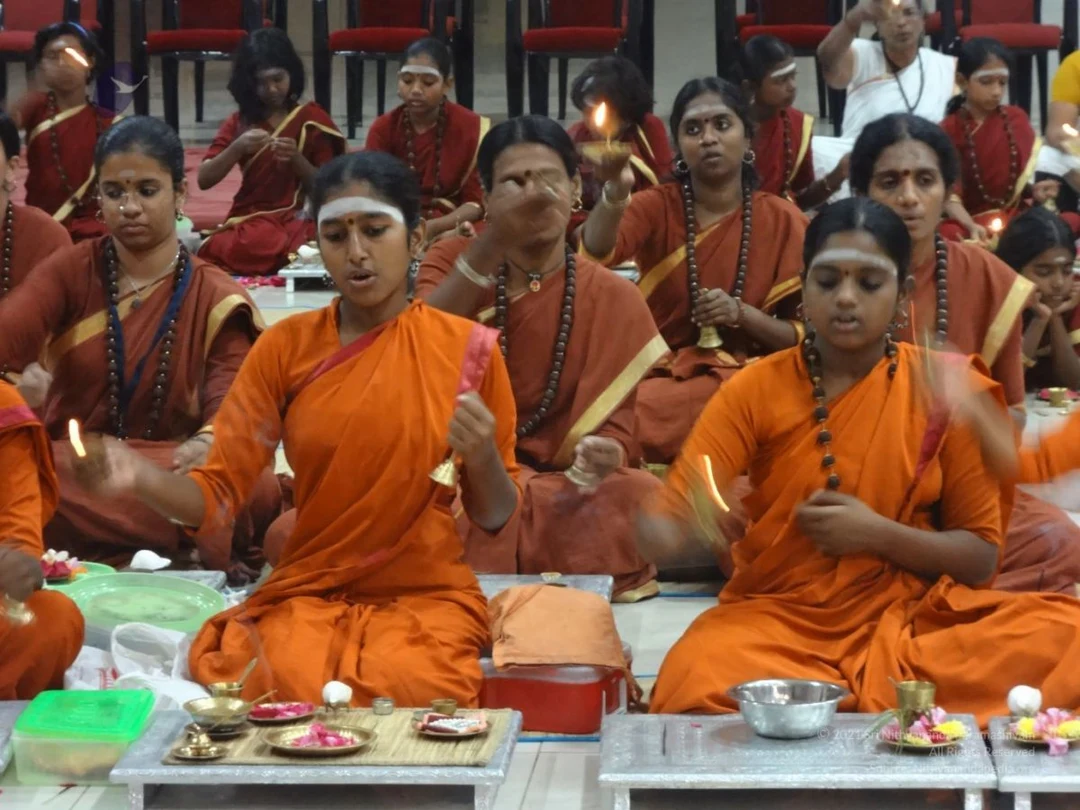
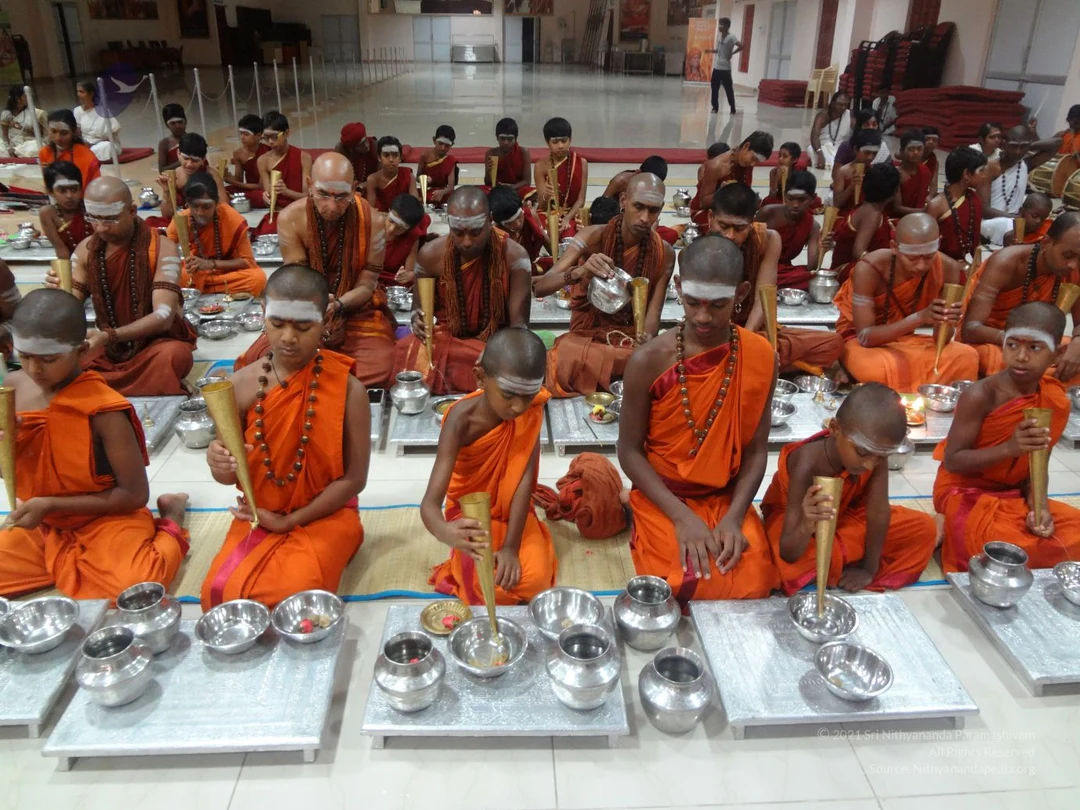
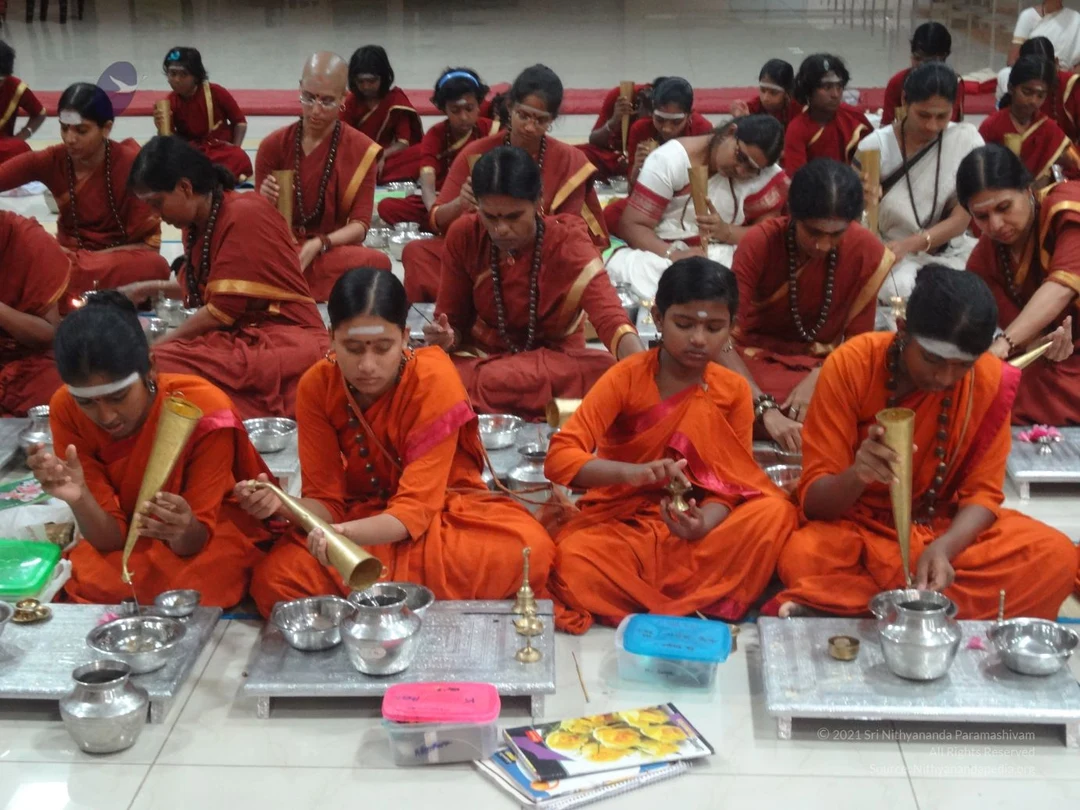
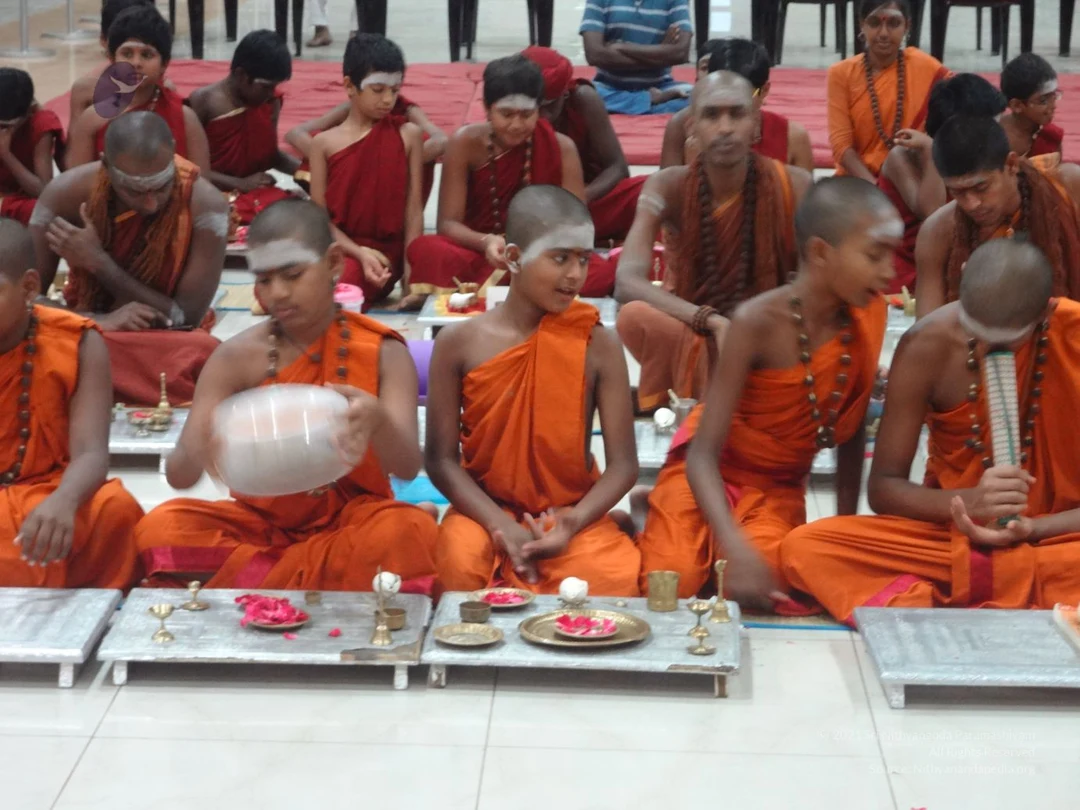
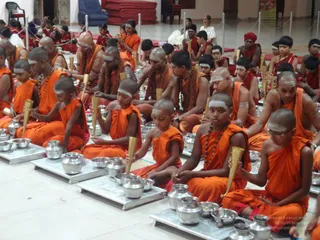
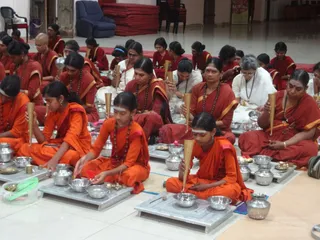
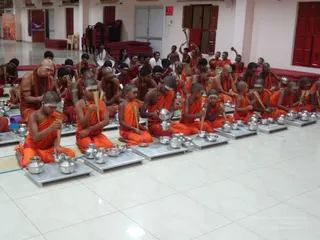
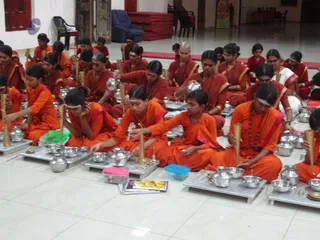
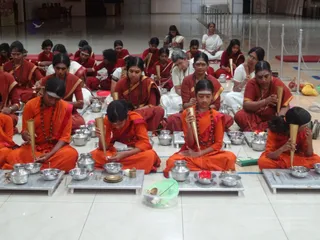
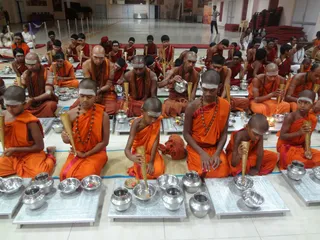
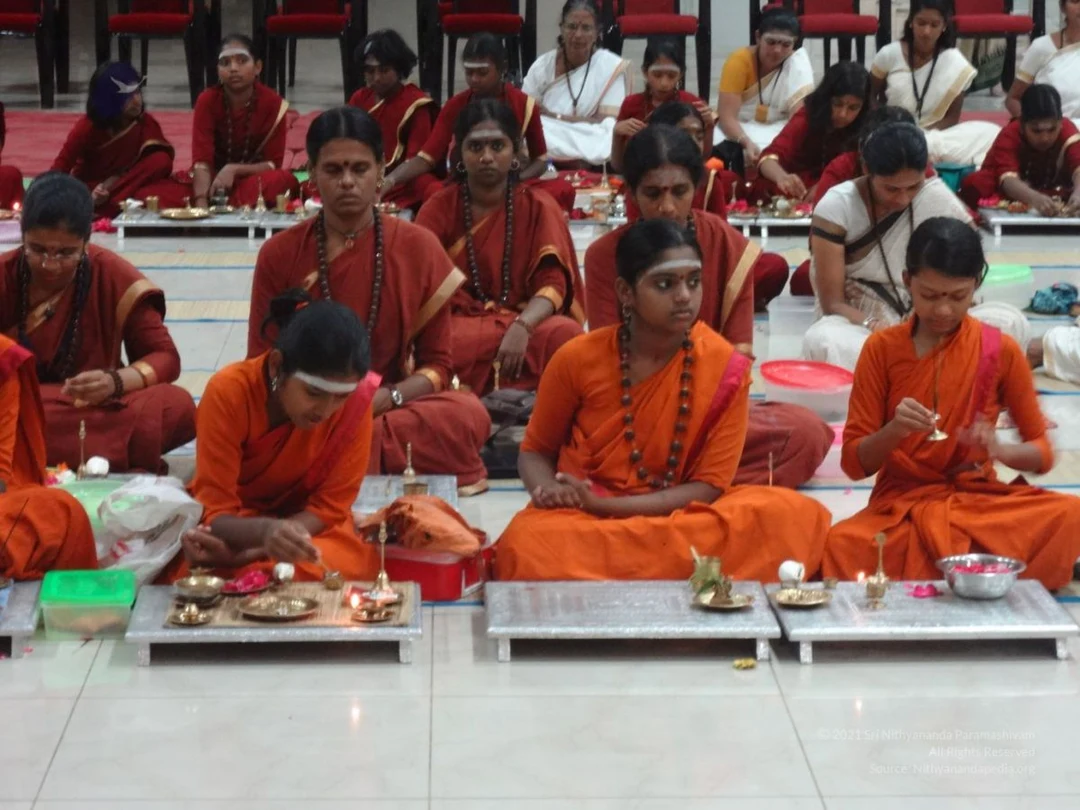
A seated group of young monks and boys in saffron-orange robes with red undergarments, many with white vibhuti stripes on their foreheads and shaved heads, sit on the floor of a hall performing a ritual. Several hold brass horn-shaped cones and bowls, with silver metal vessels and small steel pots set on low silver trays in front of them. Rudraksha malas hang around some necks. In the background, a woman in white and other seated attendees are visible among red mats and white rope barriers. Some participants appear to be working with the cones while others sit with hands near the trays, and an older bald man in orange with glasses sits in the centre-back. No figure is clearly identifiable as a person from appearance cues alone.A large group of young and adult sannyasis and novices in saffron-orange robes sit cross-legged on a white tiled floor during a ritual. Many have white and grey sacred ash marks on their foreheads and bodies, and several wear rudraksha malas. Most hold brass horn-shaped instruments, and silver and steel pots, bowls and cups are set on low silver trays before them. Red mats and a seated woman in the background complete the hall setting.A seated group of women and girls performs a ritual at a hall floor with small silver-toned trays holding metal bowls, pots and brass cones. Most wear orange or deep red saris with gold borders and rudraksha malas, several with vibhuti or tilak on their foreheads. In the foreground, a girl in orange holds a brass cone over a bowl, while a woman in red at right does the same. A white-clad woman at centre right sits among them. Red mats line the back of the room. No a person candidate is clearly visible.A photograph of a large group of young and adult monks in saffron-orange robes seated cross-legged on a white tiled hall floor, each with a shaved head and white forehead markings. Several hold long brass horns or trumpets to their mouths, and many sit beside silver metal vessels and bowls set on low grey platforms. Red-cushioned seating is stacked against the back wall, with red-framed wooden doors and a wall-mounted clock behind them. A few women in white saris sit among the group near the back.A photograph of a large group of seated women and girls in orange and maroon saffron-coloured robes performing a ritual in a tiled hall. Many wear rudraksha malas and white or orange headbands, and sit on low silver-coloured platforms arranged in rows. Each platform holds small steel and brass vessels, bowls, and tall brass cone-shaped horns on stands. Some participants pour liquid from small pots, while others hold and tend the vessels. A red mat and wooden cabinet stand in the background, and a small circular logo appears in the upper left corner.A large seated group of women and girls in orange and maroon saris with rudraksha malas performs a ritual in a tiled hall. Most sit cross-legged on mats, holding tall brass cones and steel bowls set on silver-coloured trays, while others in white saris sit behind and observe. Forehead markings and white cloth bands are visible. A few women in white saris sit near the back, and a green covered container sits on the floor at the front.
01-Morning-Puja
12 photosSource gallery
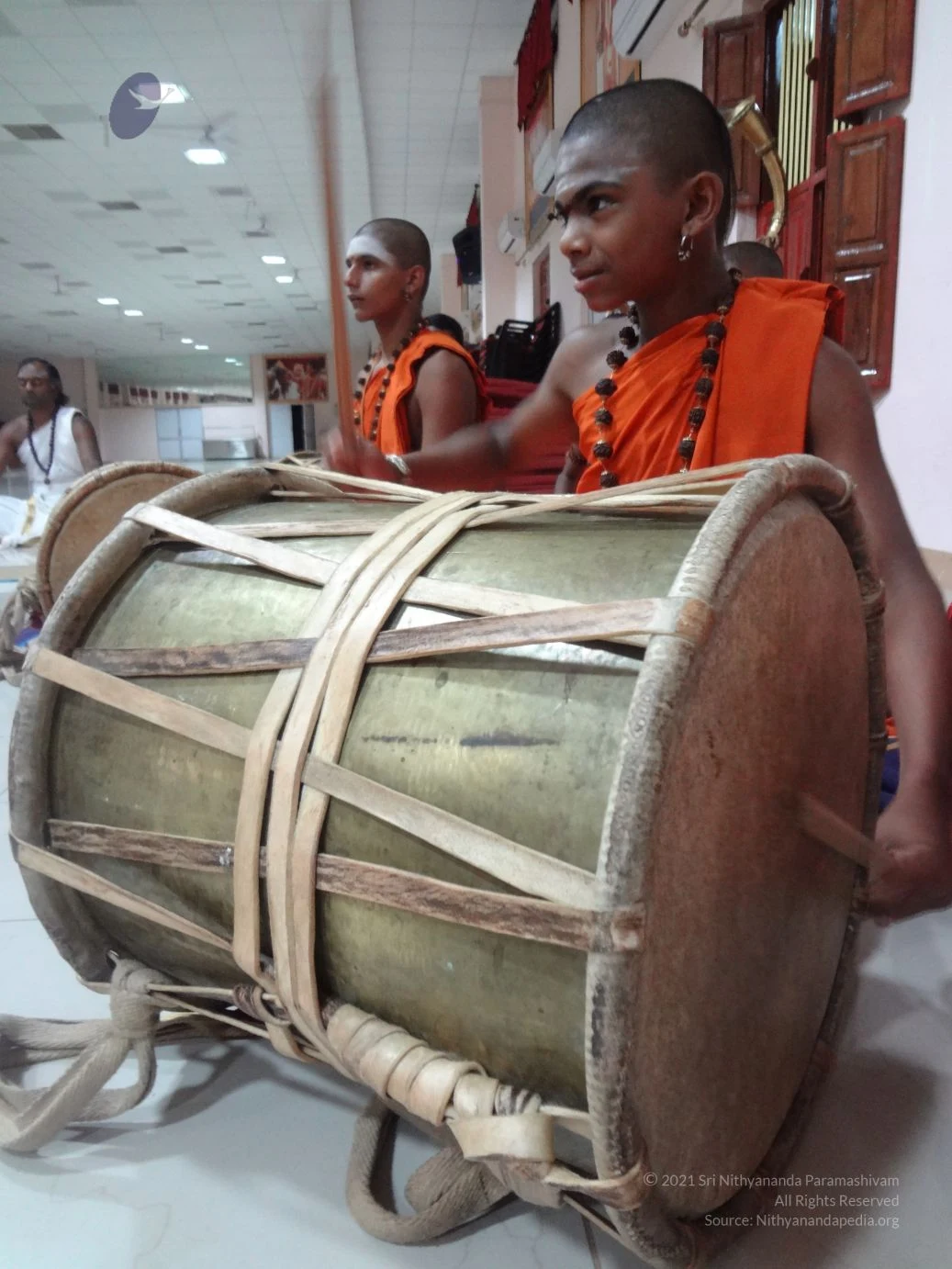
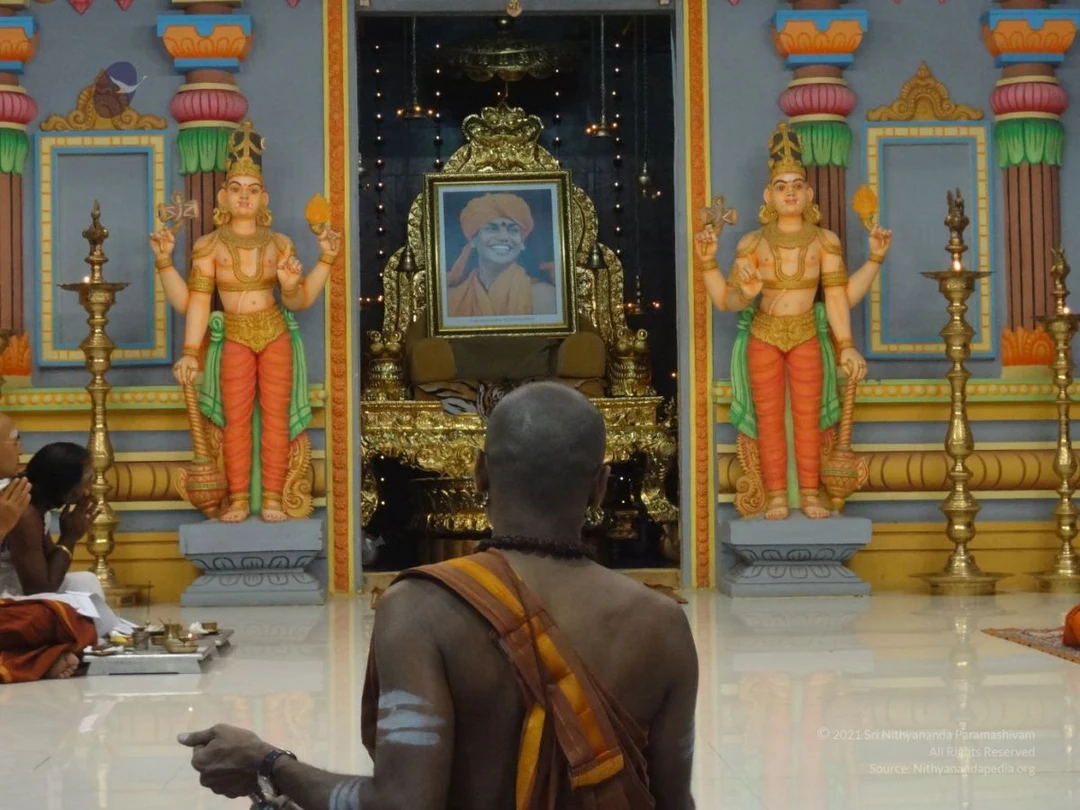
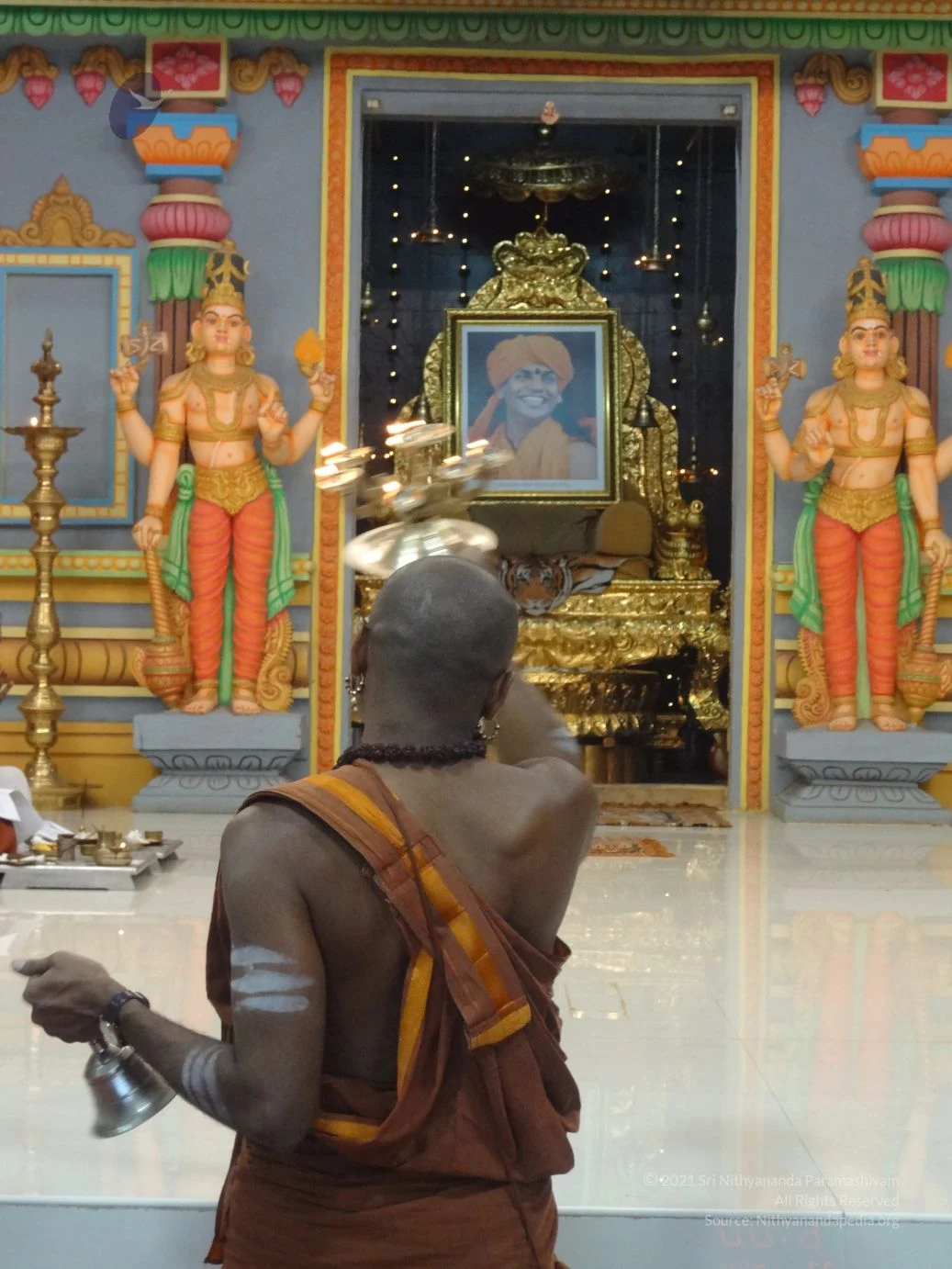
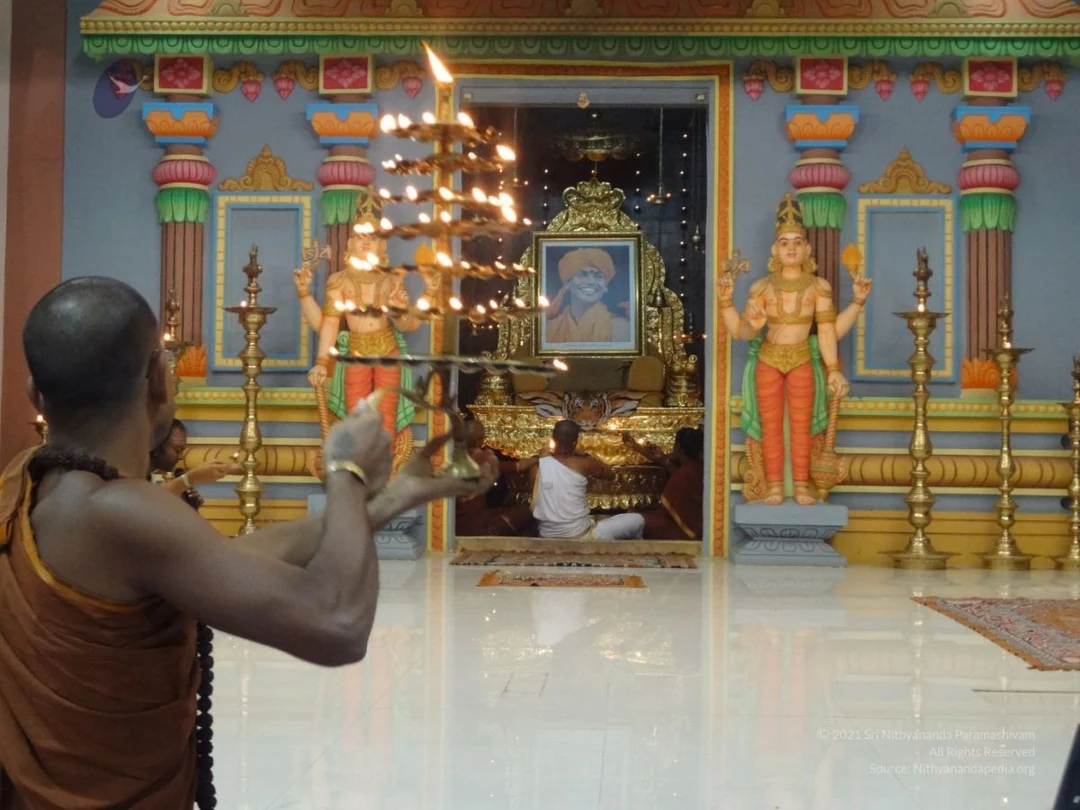
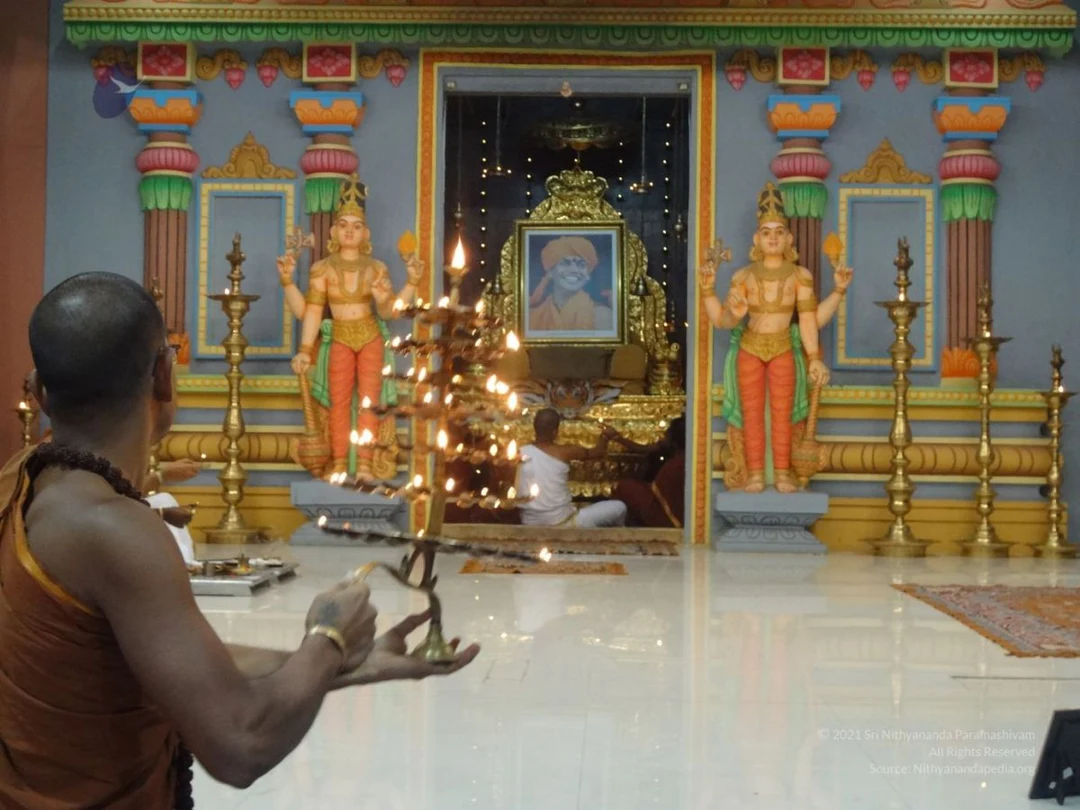
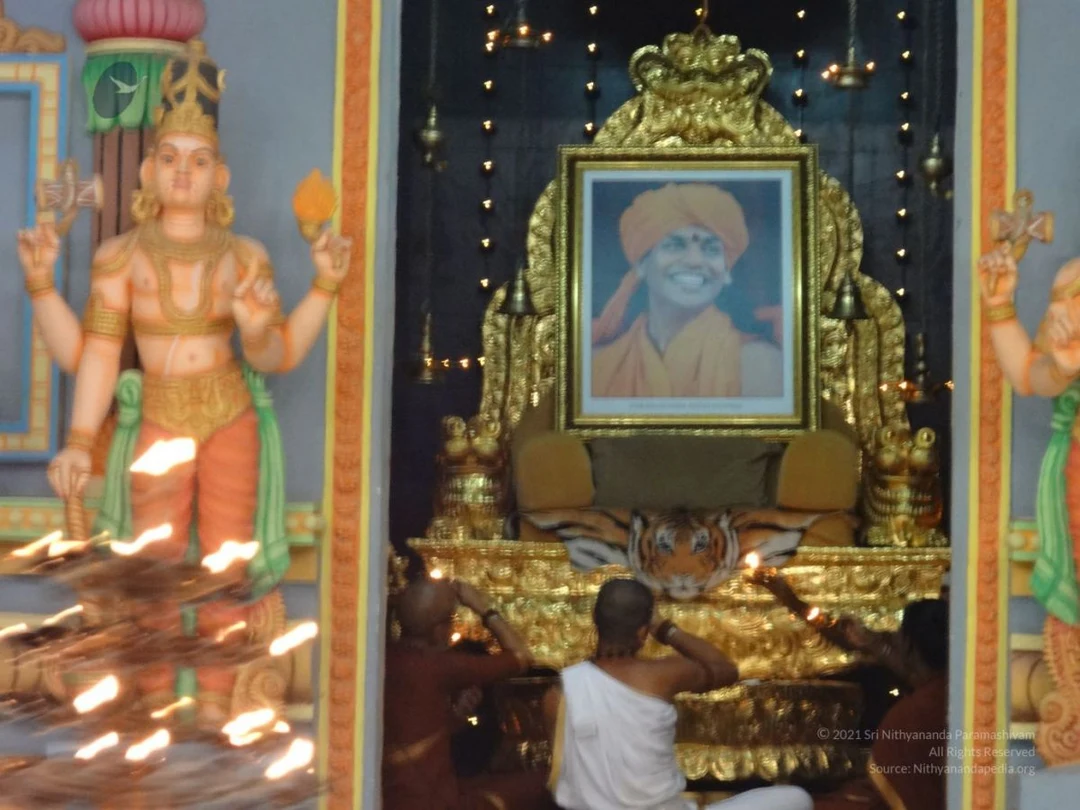
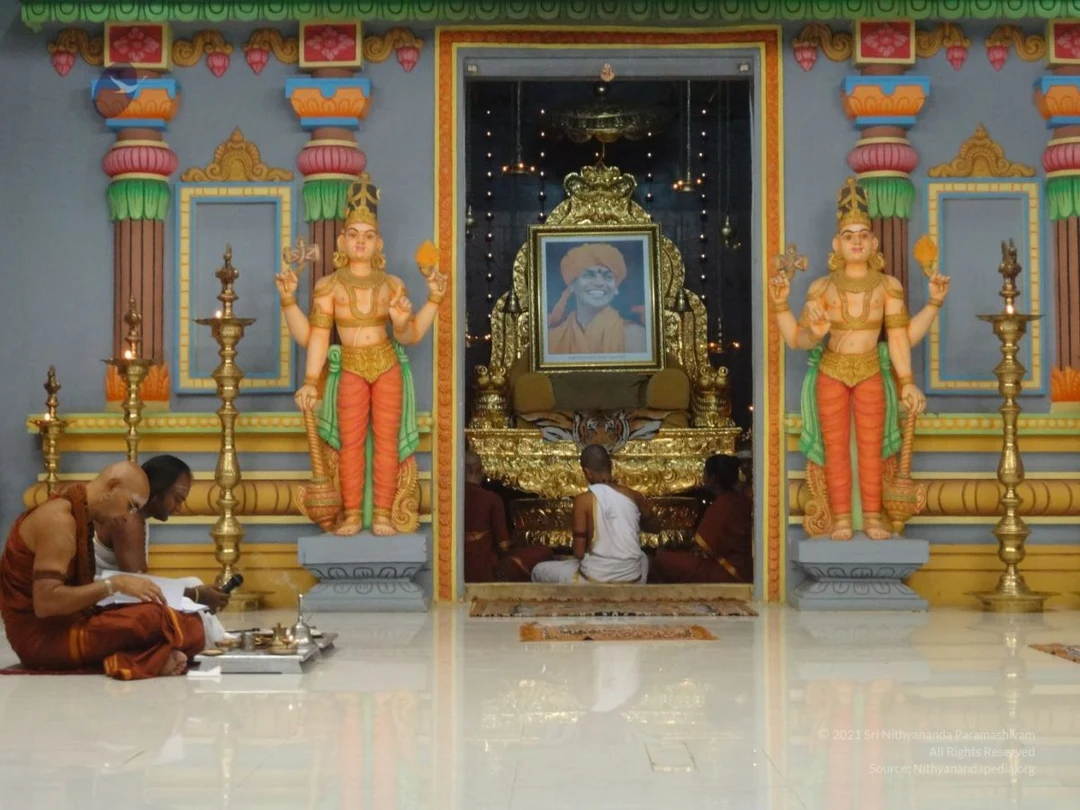
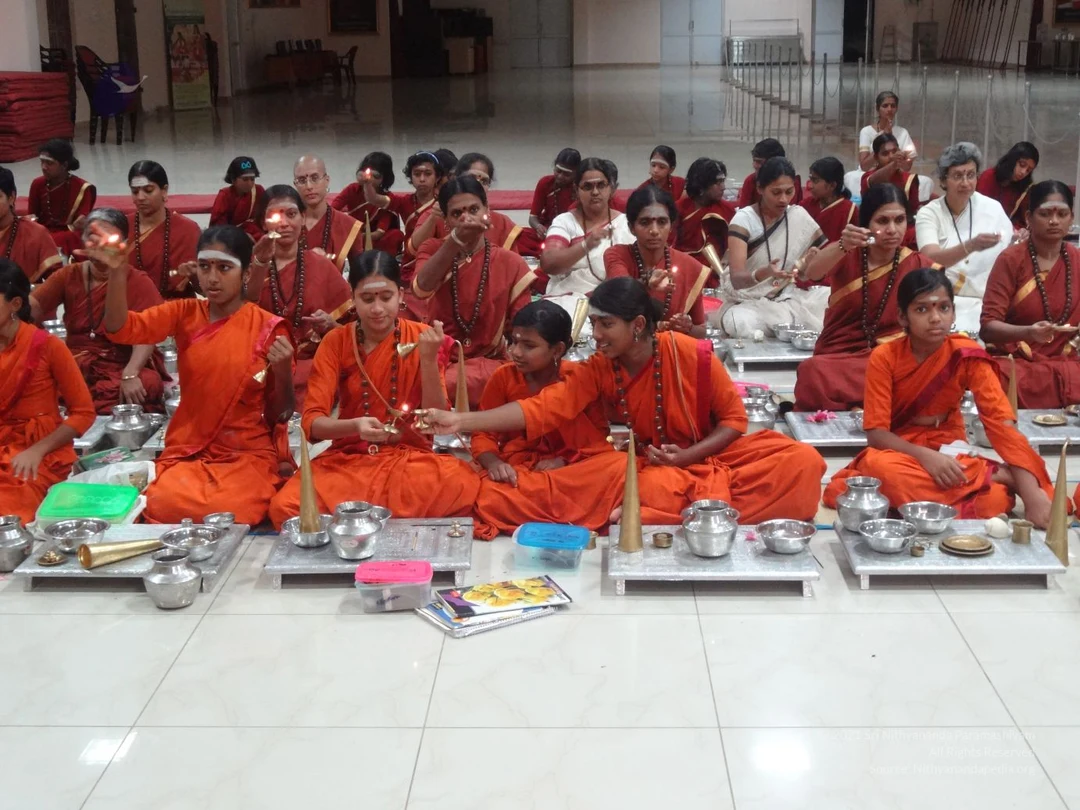
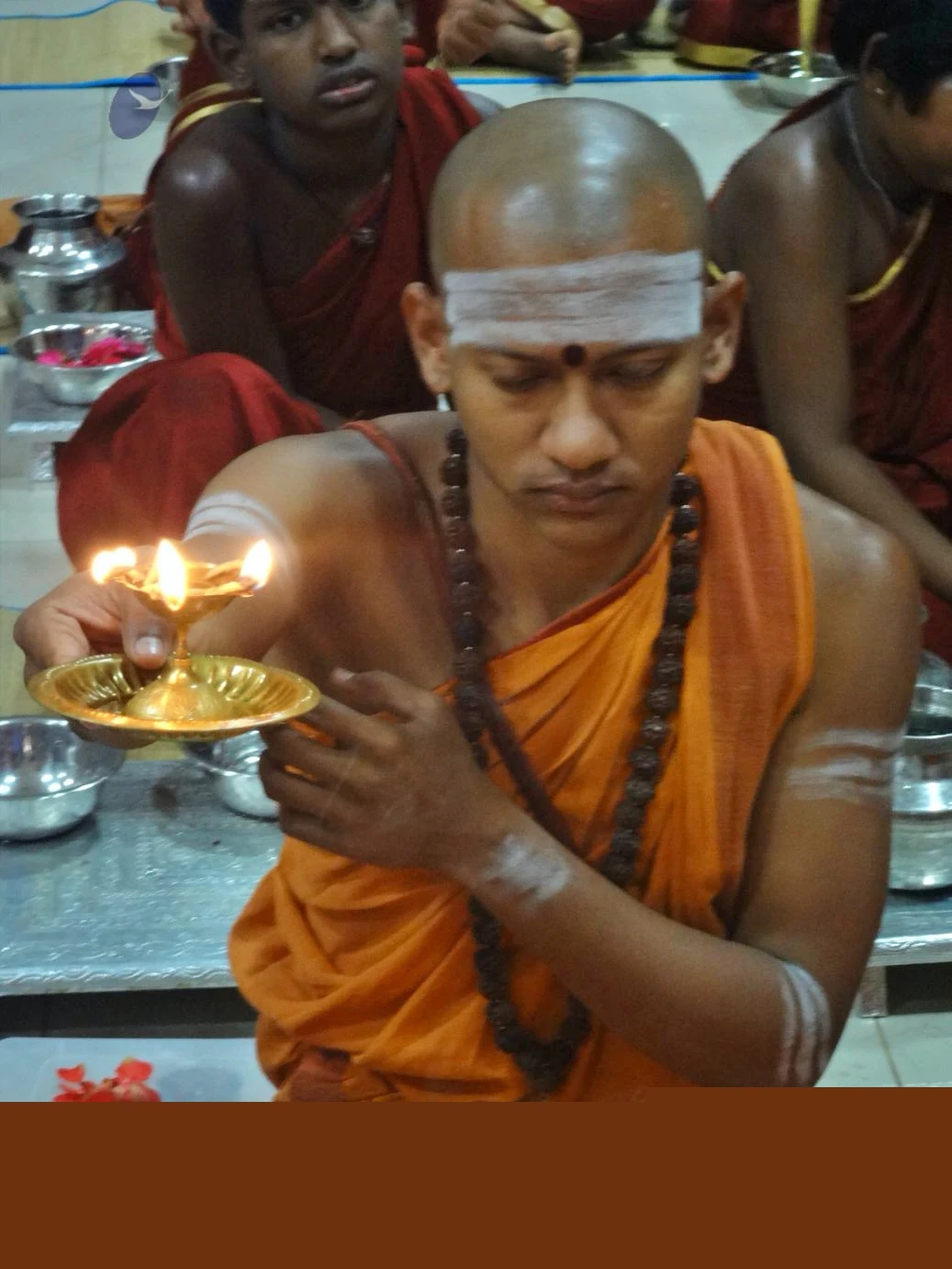
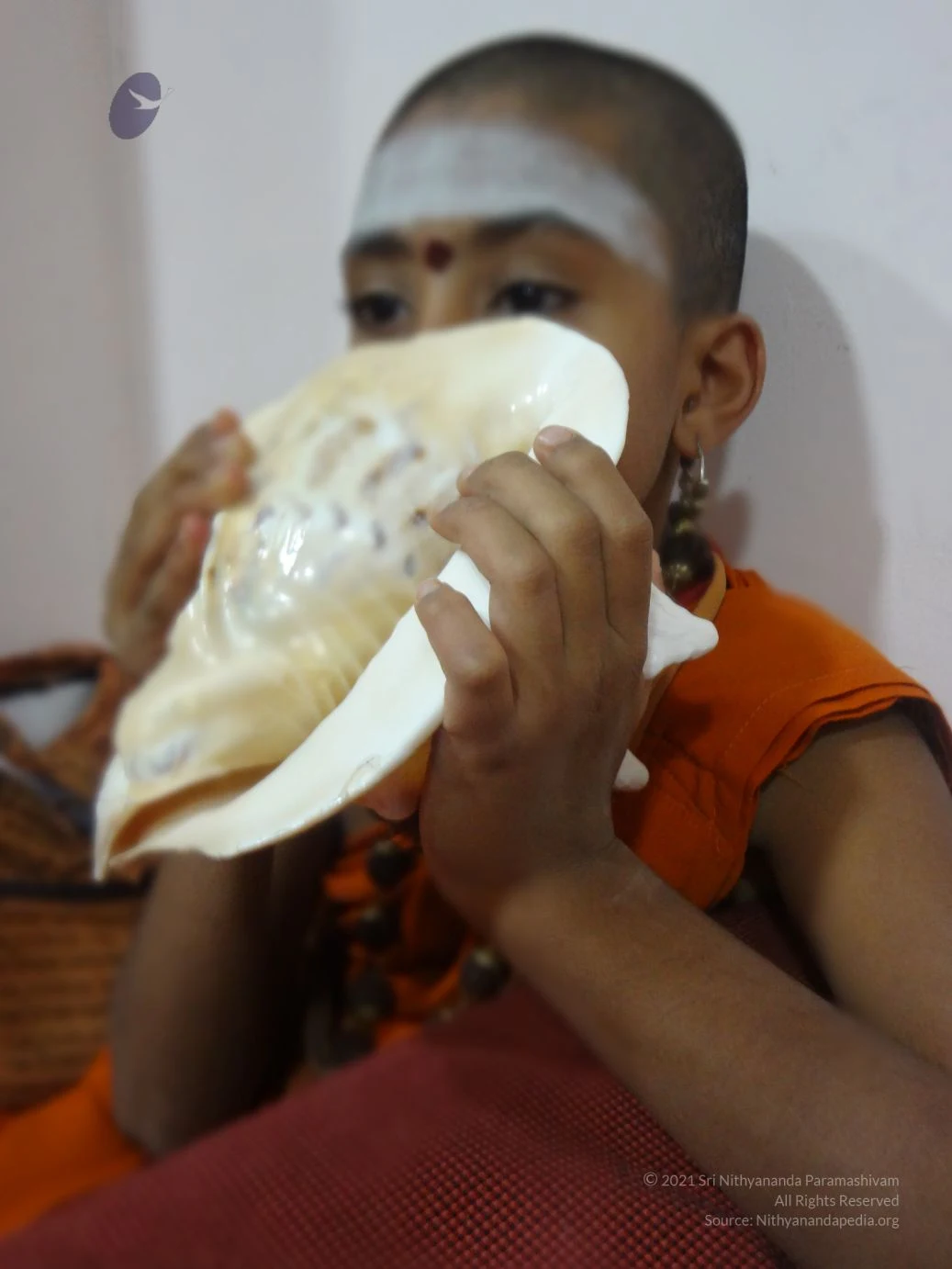
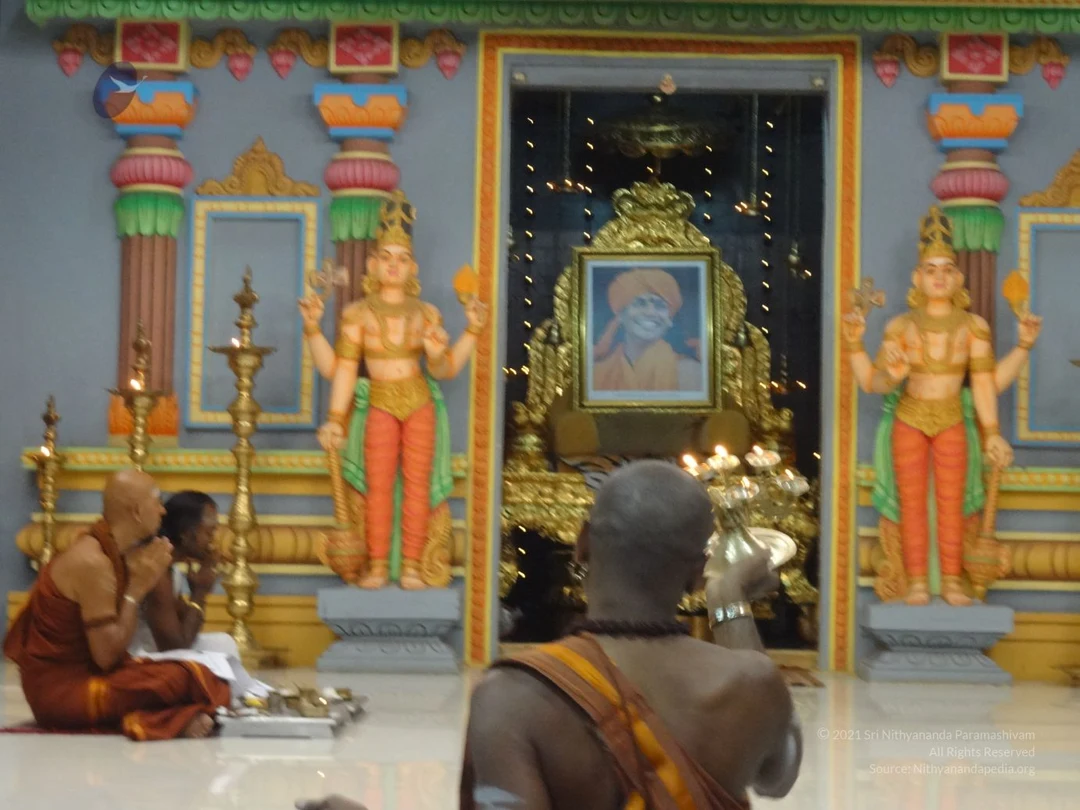
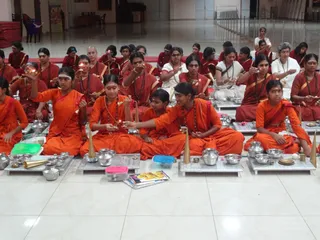
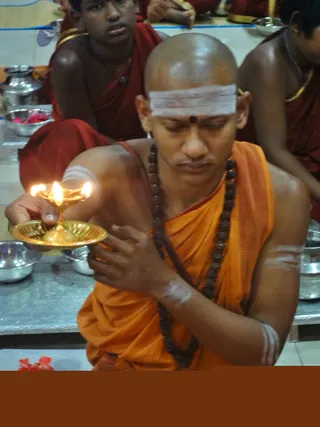
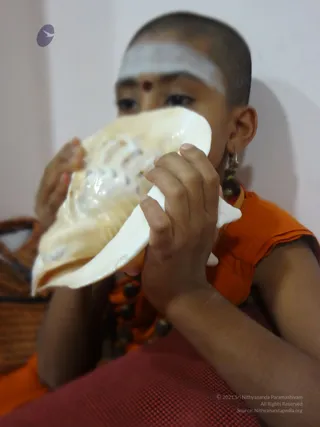
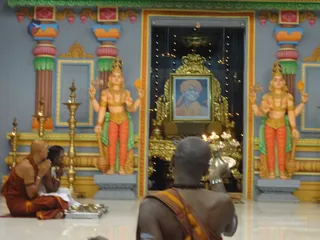
A group of young sannyasi-style boys and several adult monks in saffron-orange robes sit cross-legged in rows on mats in a bright hall, performing a puja. Many wear white forehead bands and rudraksha malas. Each holds a long brass horn-shaped vessel and pours or sprinkles from it, while silver plates and steel bowls and pots in front of them hold offerings and liquids. Adults and children are seated together in orderly lines, with additional people and red mats visible in the background.A seated group of ashram devotees in orange and red robes performs a puja on a tiled floor. Most sit cross-legged on the ground, many with white forehead markings and rudraksha malas, several blowing long brass horns, and others holding small brass bells and bowls. Silver metal pots, bowls and a silver-topped tray sit before them, with a brass lamp stand in front. A woman in white with a bead necklace sits among them, and a woman in white sari stands at the right edge. A small open book and a pink plastic box rest on the floor in the foreground.A large group of women in saffron-orange and maroon saris with rudraksha malas sit cross-legged on a white tiled hall floor during a morning puja. Many hold small brass oil lamps (aarti lamps) with lit flames, and several have white and red tilak marks on their foreheads. In front of them, silver-tone trays hold brass vessels, bowls, a conch-shaped horn and small brass bells, typical puja items. Several women in white saris and white shirts sit among them, and a few people stand or sit at the back of the room near a red mat and a wall-mounted display. No a person candidate is clearly visible.A shaved-headed young man in an orange saffron robe and dark rudraksha mala holds a brass oil lamp with three flames on a golden plate, eyes lowered in devotion. A white horizontal tilak band and red dot mark his forehead, and white ash stripes decorate his arms. Behind him, seated figures in maroon robes sit near silver bowls with pink flower petals.A young shaved-headed child in an orange sleeveless top and rudraksha-style bead necklace blows a large white conch shell held in both hands. A white vertical tilak and a red bindi mark the forehead, and small metal earrings hang from the ear. A red patterned cloth lies across the lap, with a woven basket at the left edge. The background is a plain pale wall.Interior temple shrine with blue and gold walls and two tall painted dvarapala-style figures with four arms holding objects, flanking a central doorway. Inside the doorway a gilded throne-like frame holds a framed portrait of a smiling man in an orange-saffron turban and robe, with string lights and lamps. In the foreground, a bald man in orange-red robes sits cross-legged at left with hands folded in prayer beside a seated woman in white, with brass lamps and a small tray of offerings. At right, a man with a shaved head and bare back wrapped in an orange cloth holds up a silver lamp or aarti plate toward the shrine, performing a puja. The portrait is a printed picture in a frame, not a physical person; the scene suggests a puja at the shrine.