Skip to content
Monday

17 June 2013

The Master can Destroy your Negative Patterns.

Dated photos
475
Source pages
1
Media
4
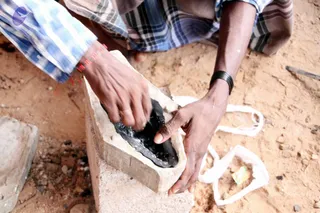
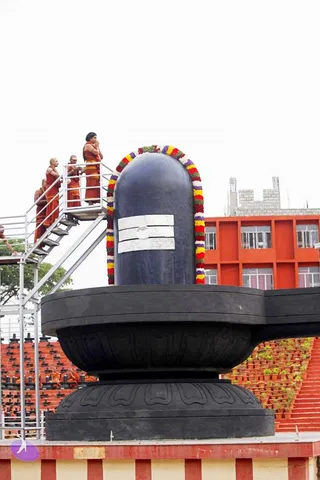
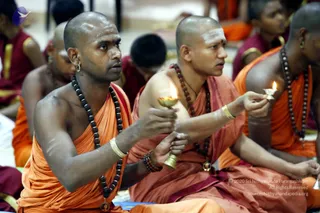
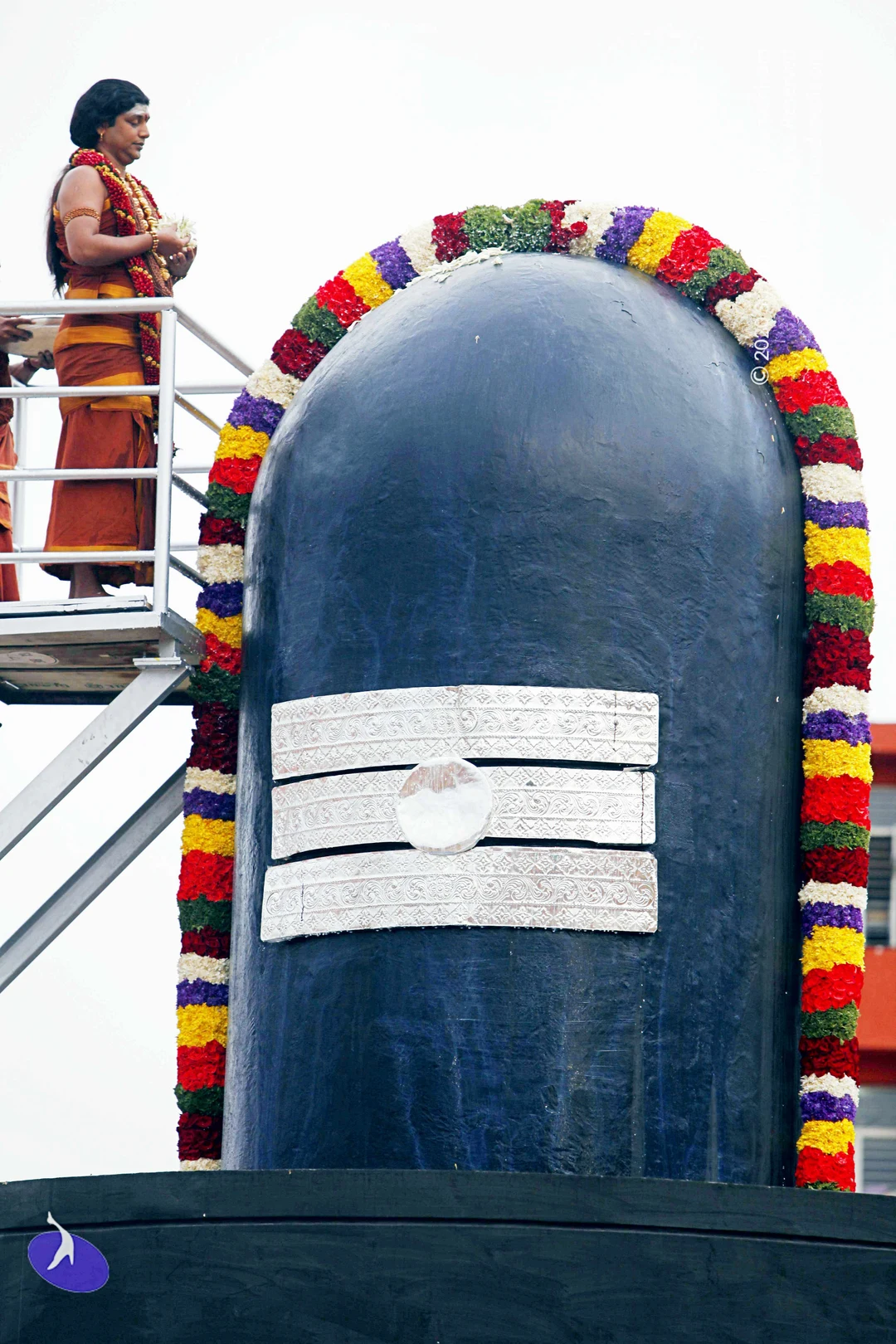
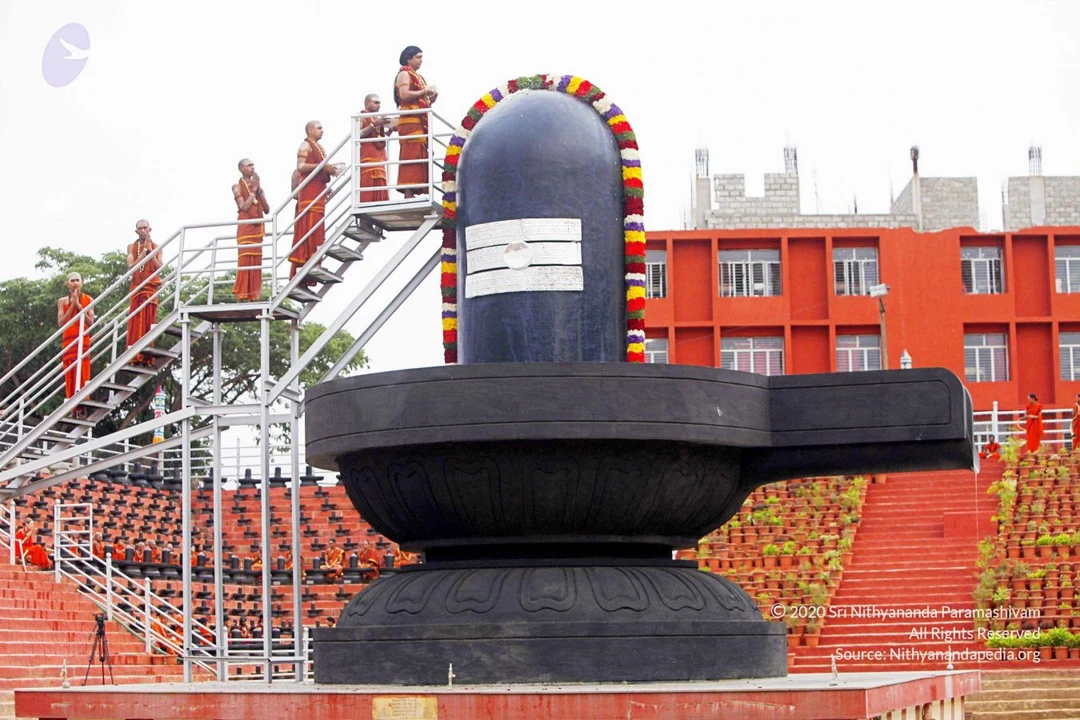
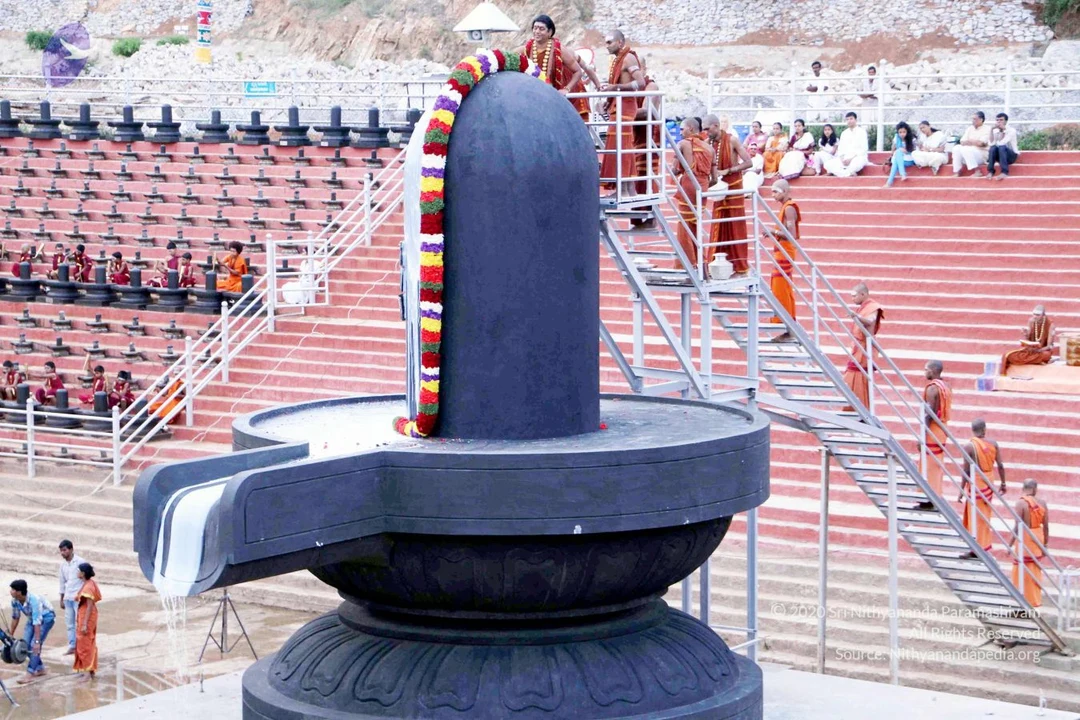
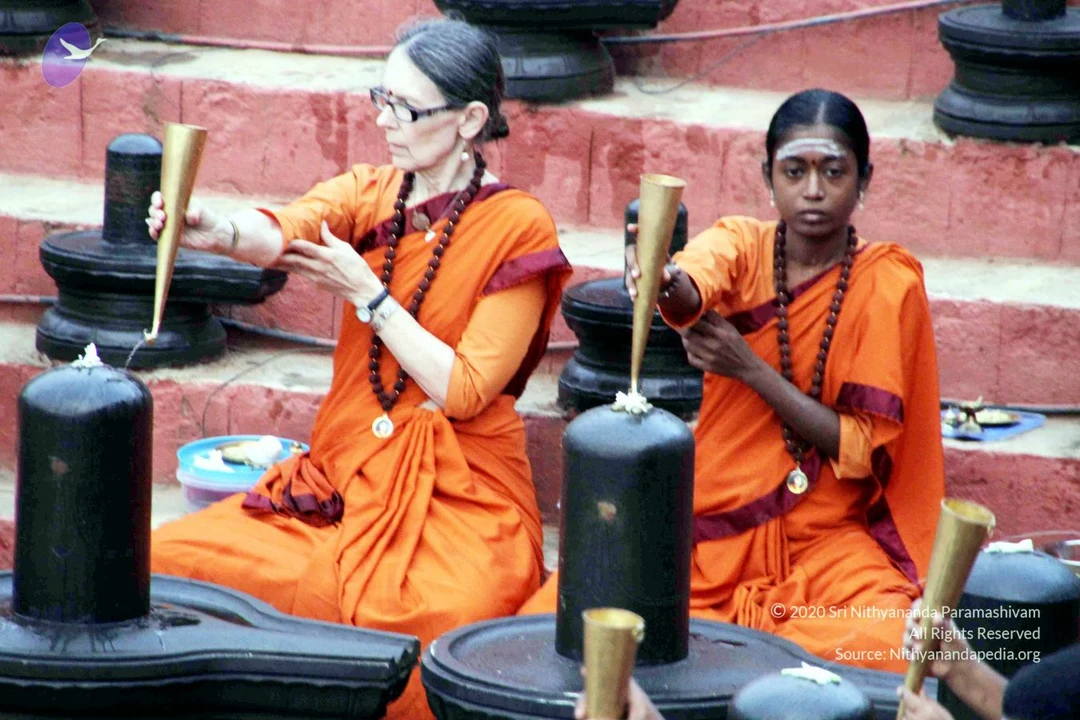
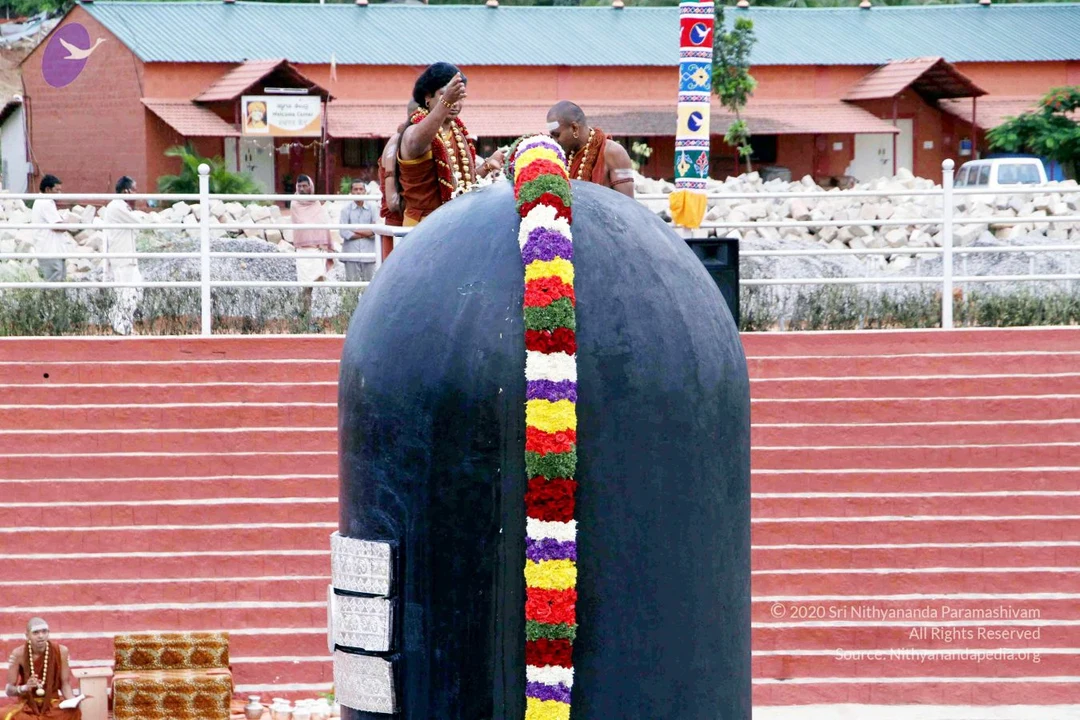
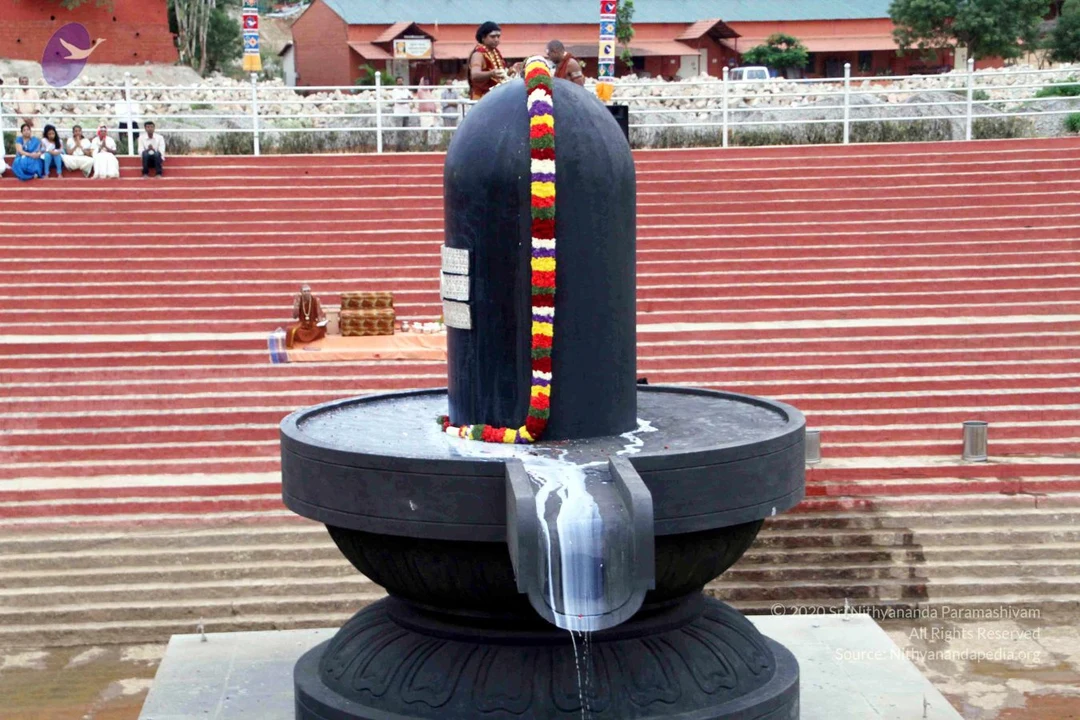
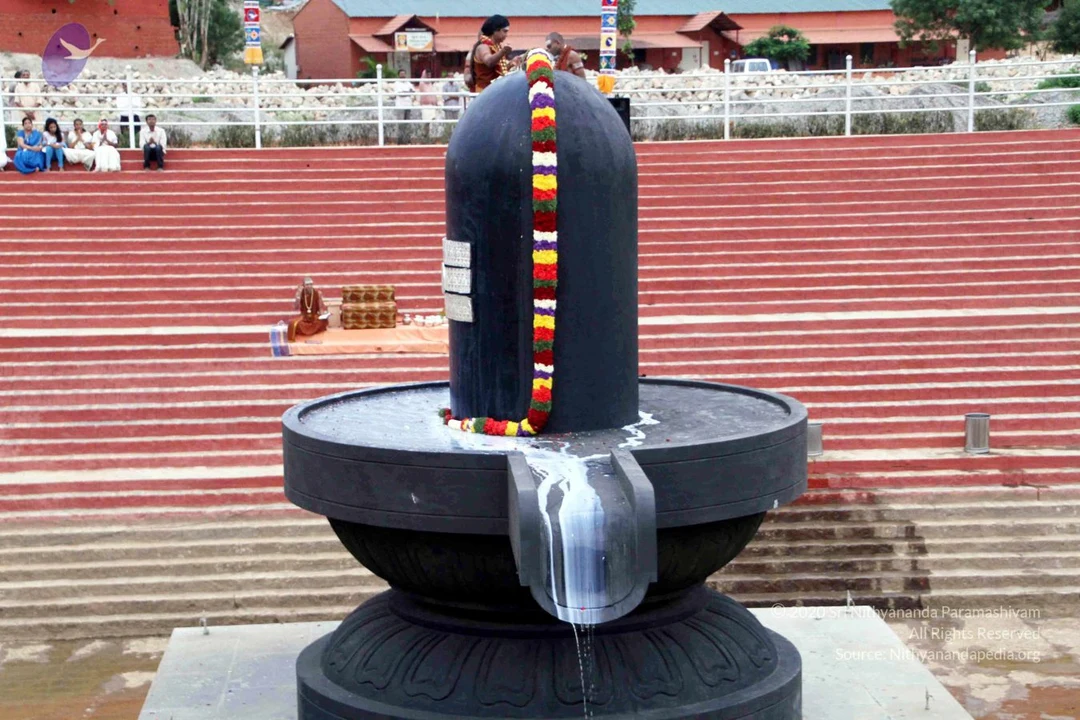
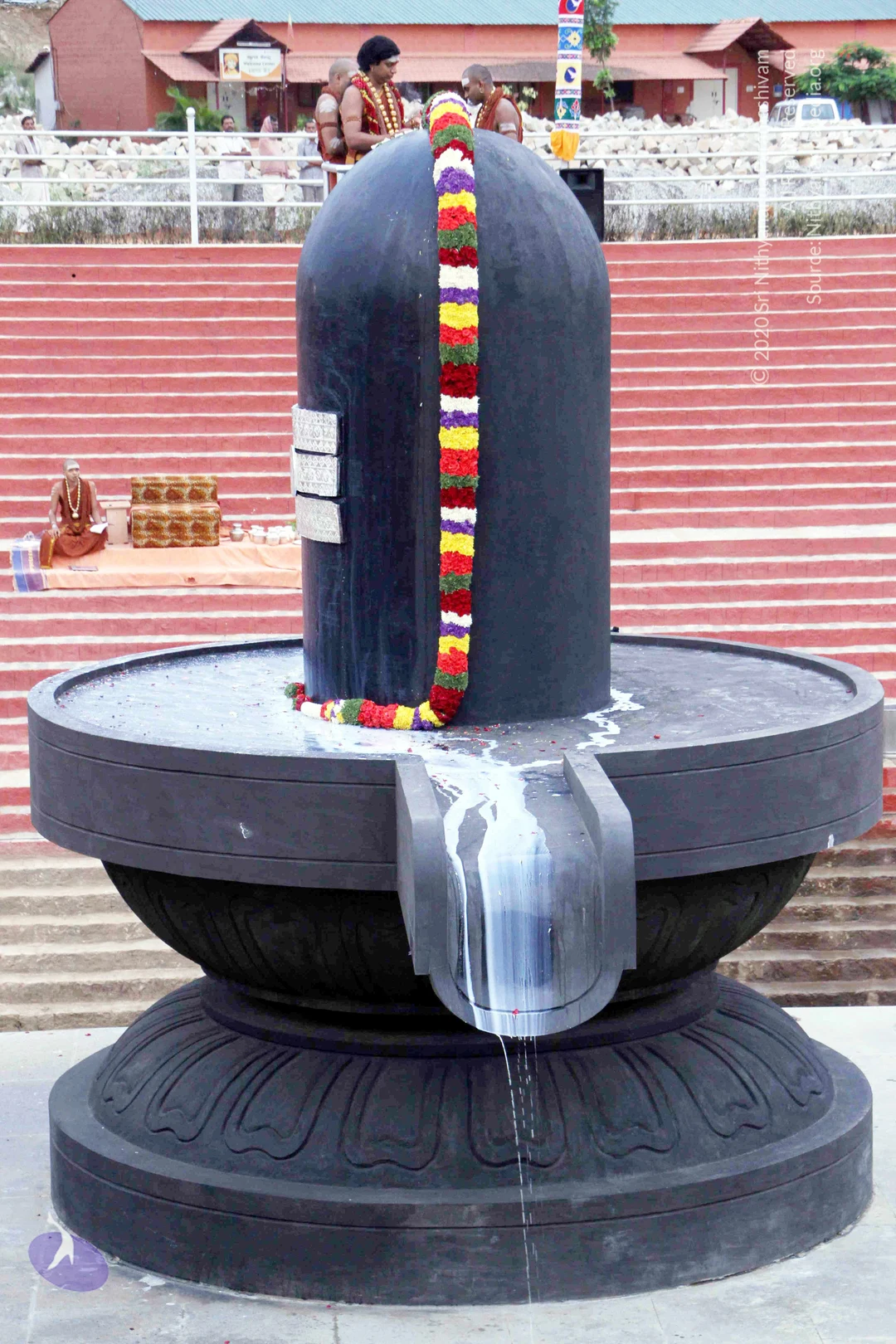
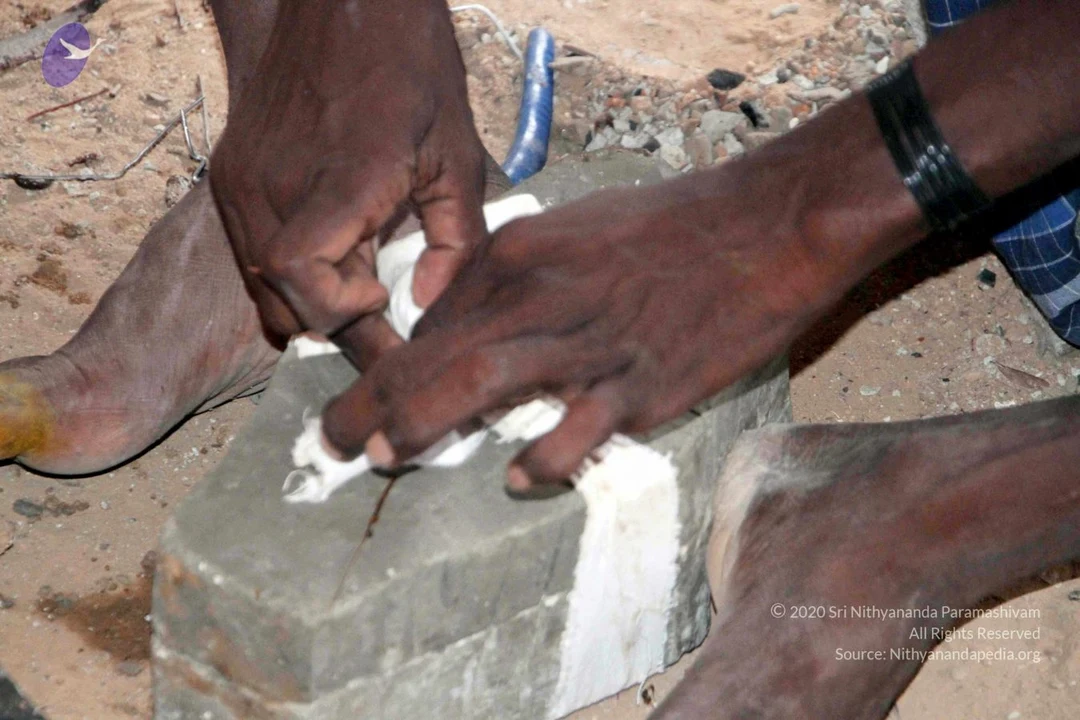
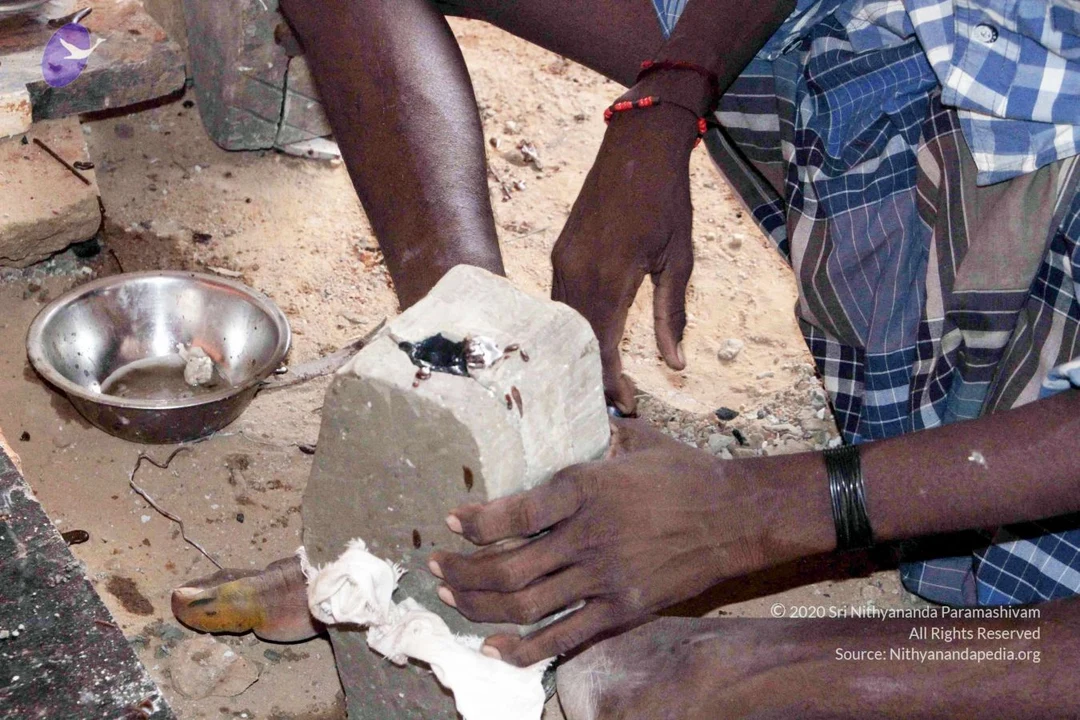
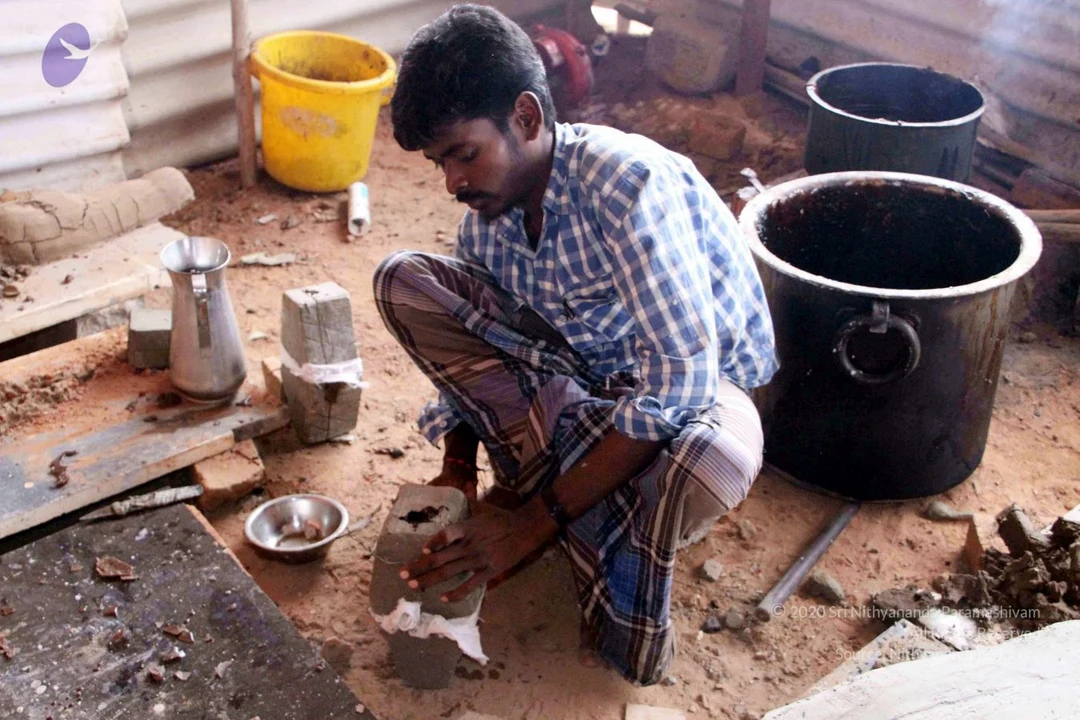
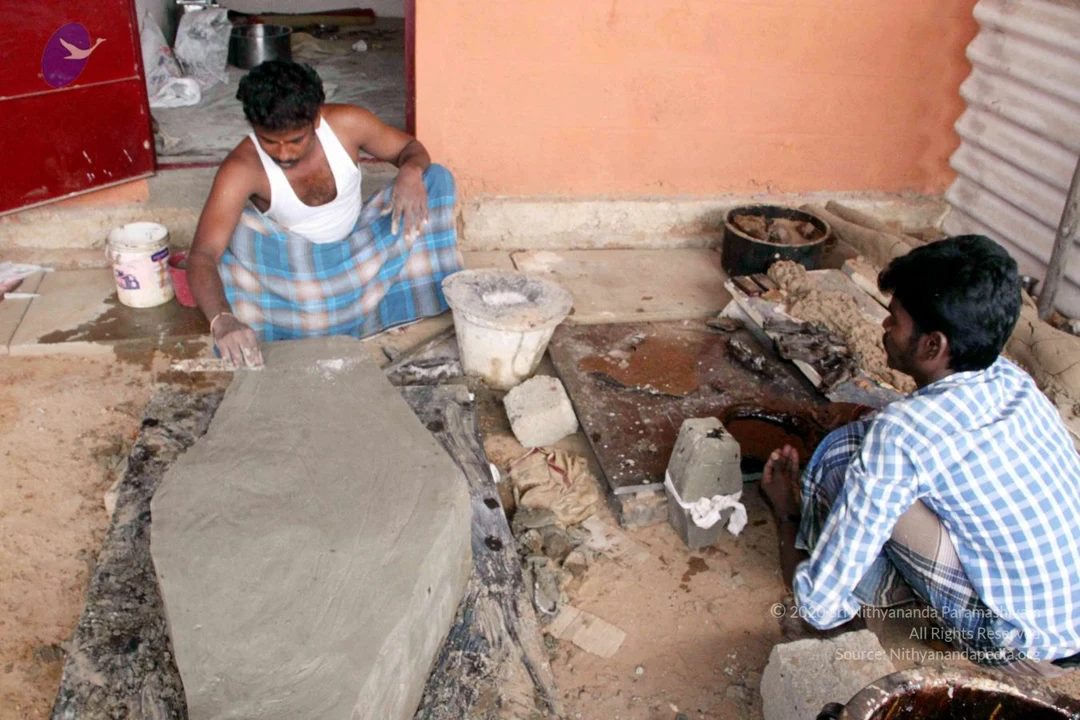
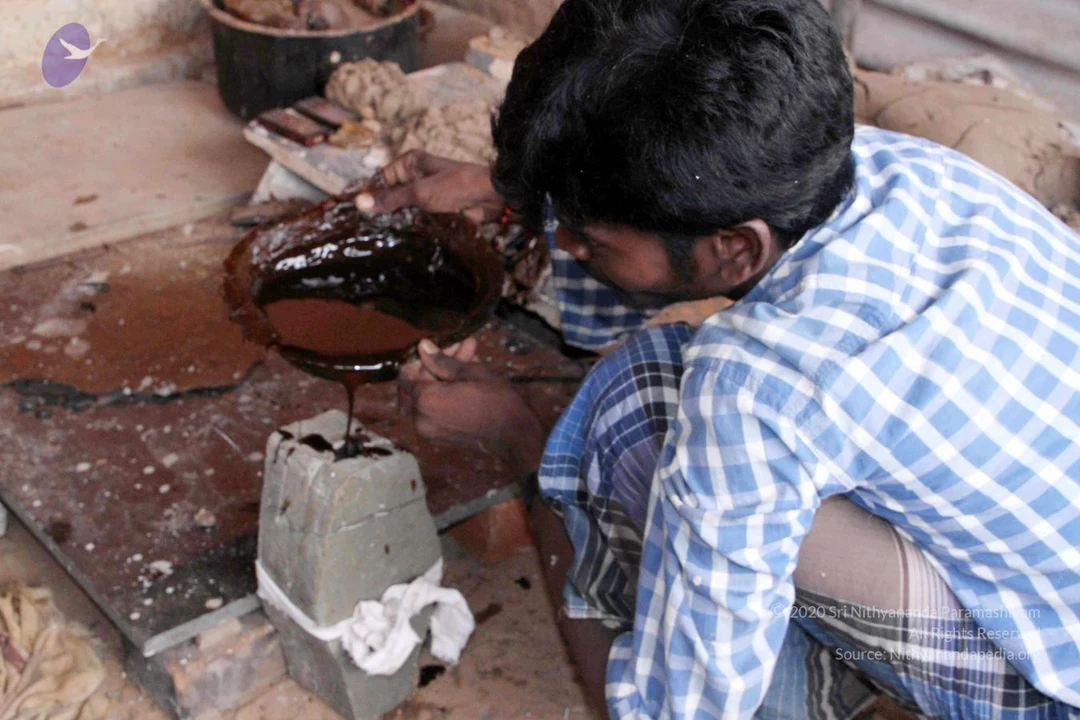
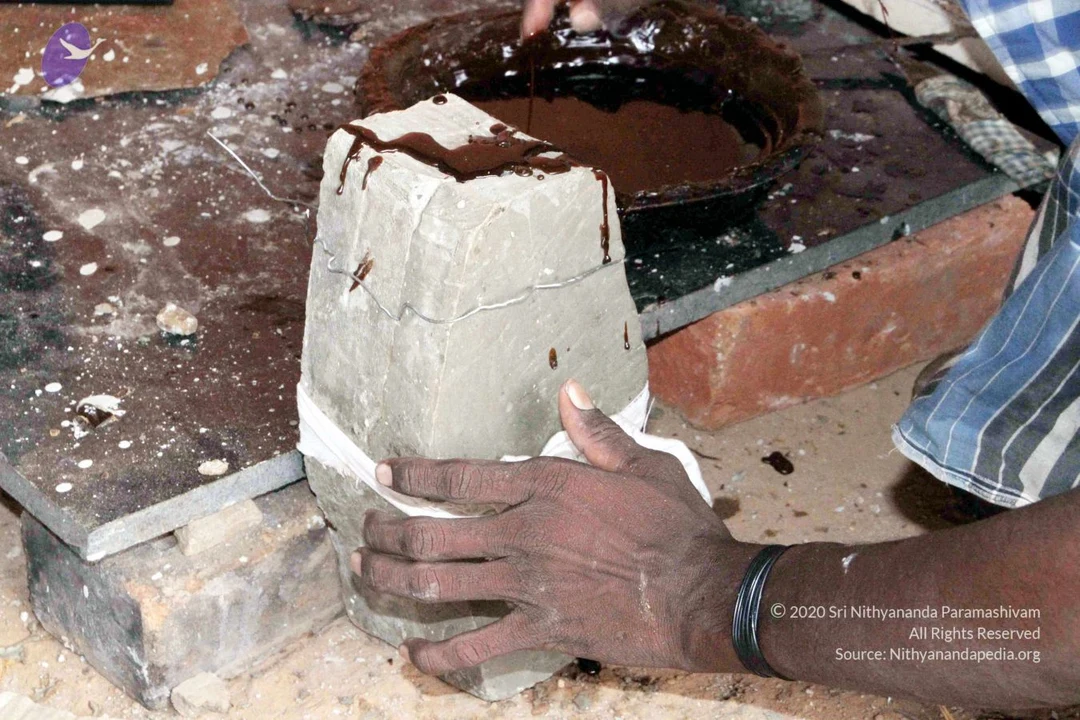
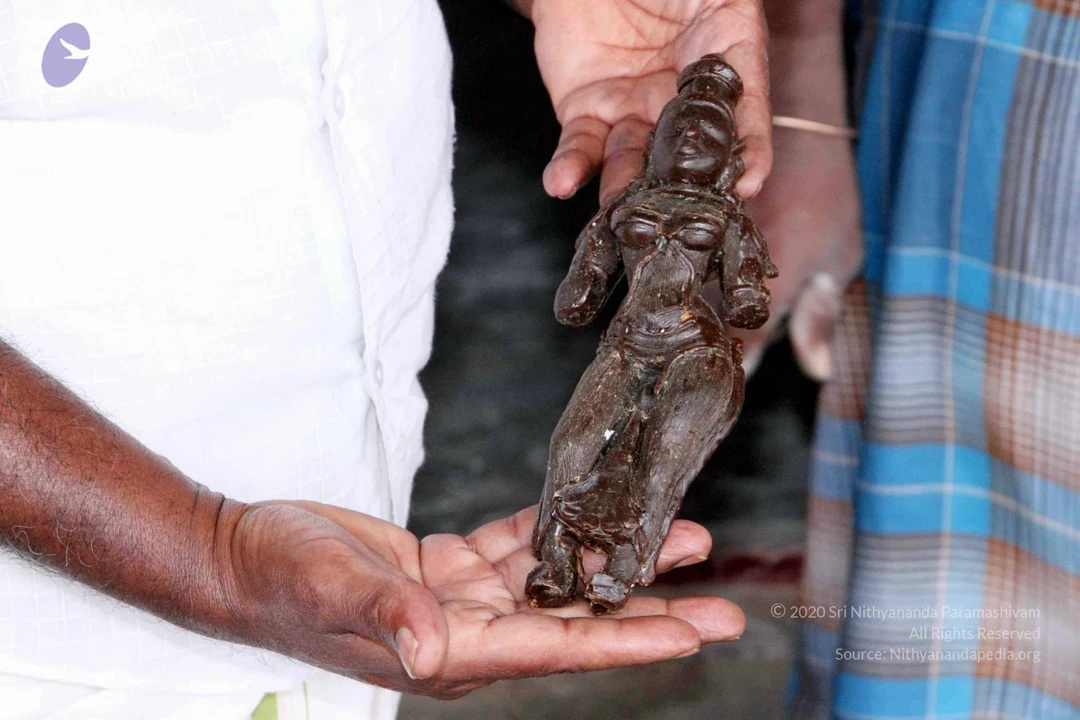
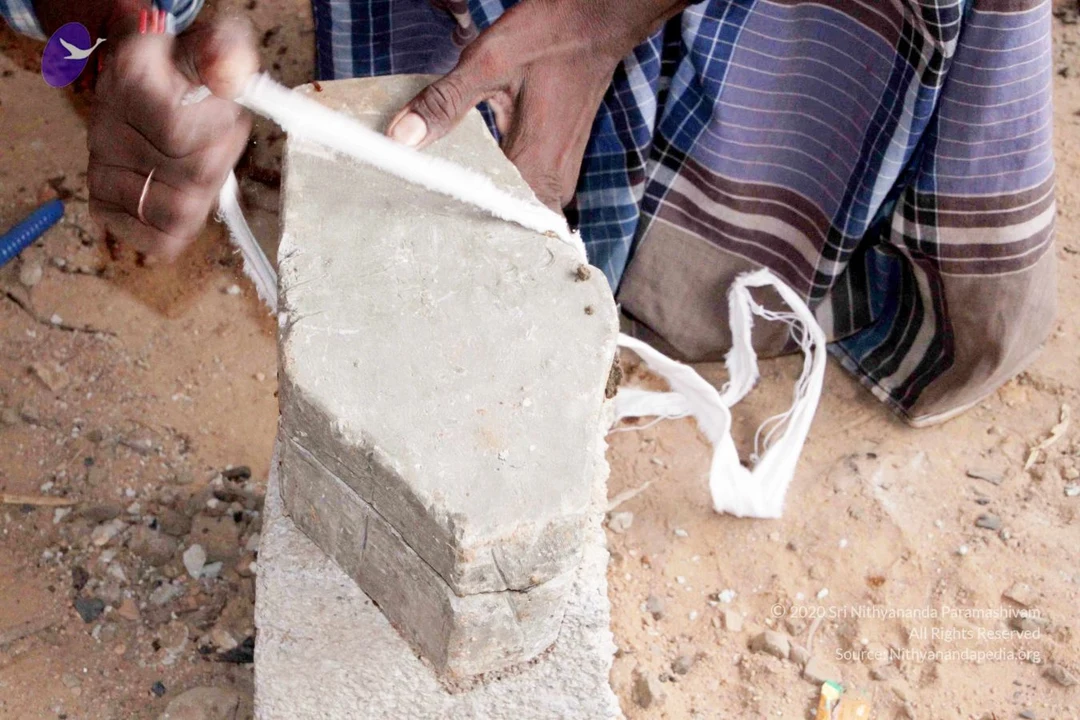
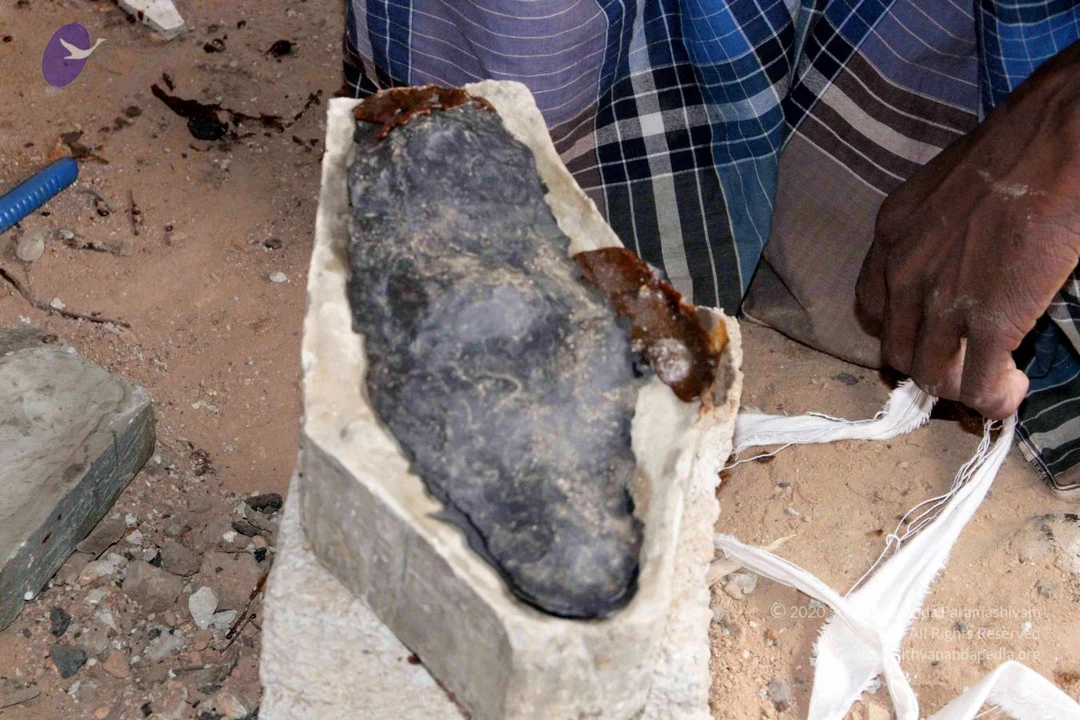
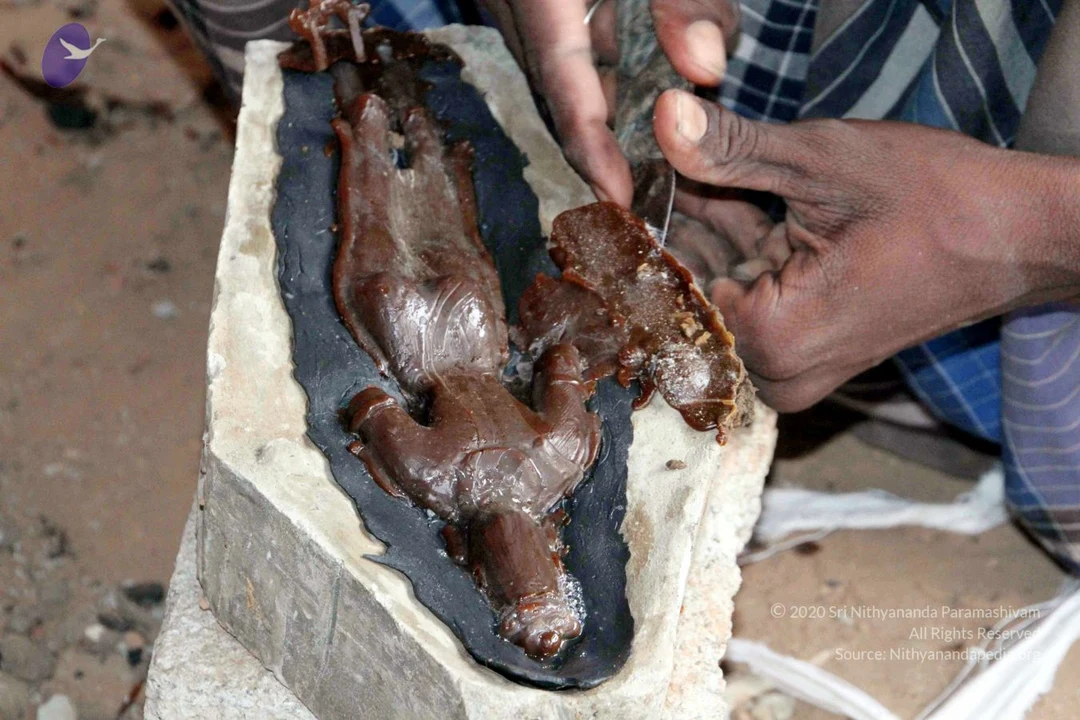
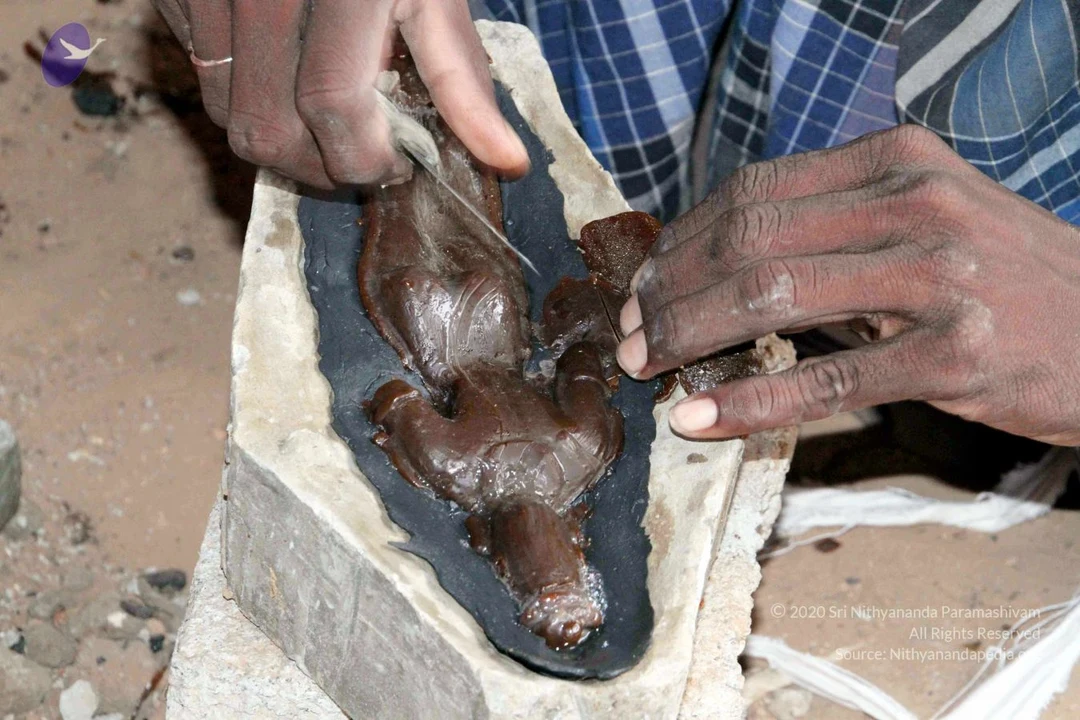
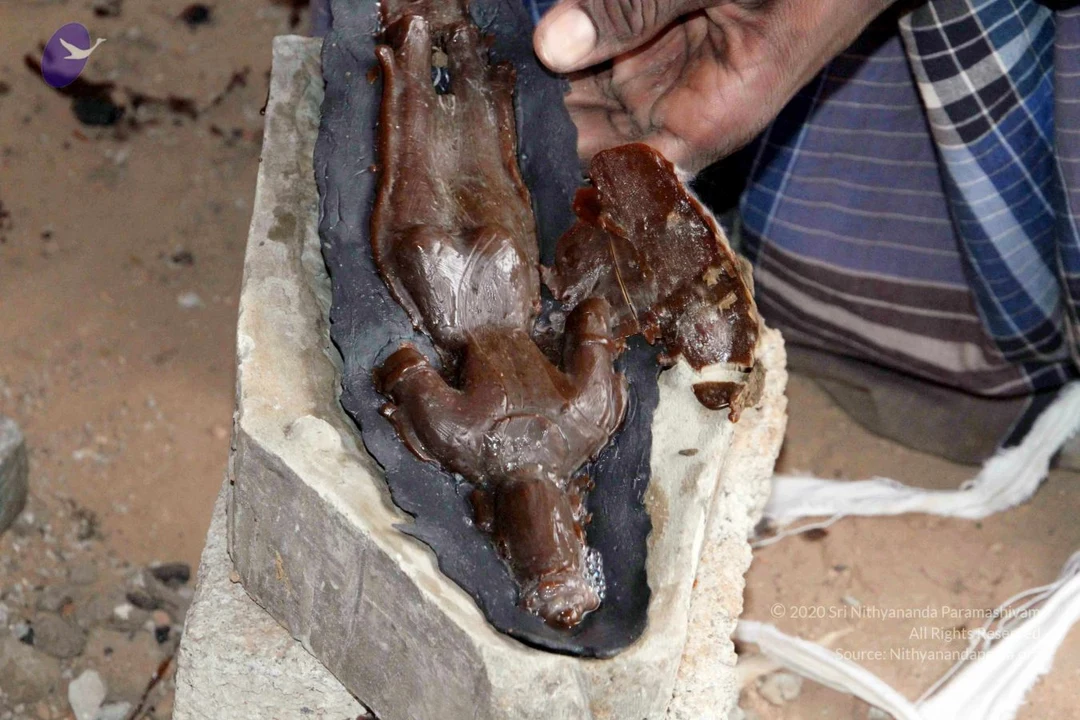
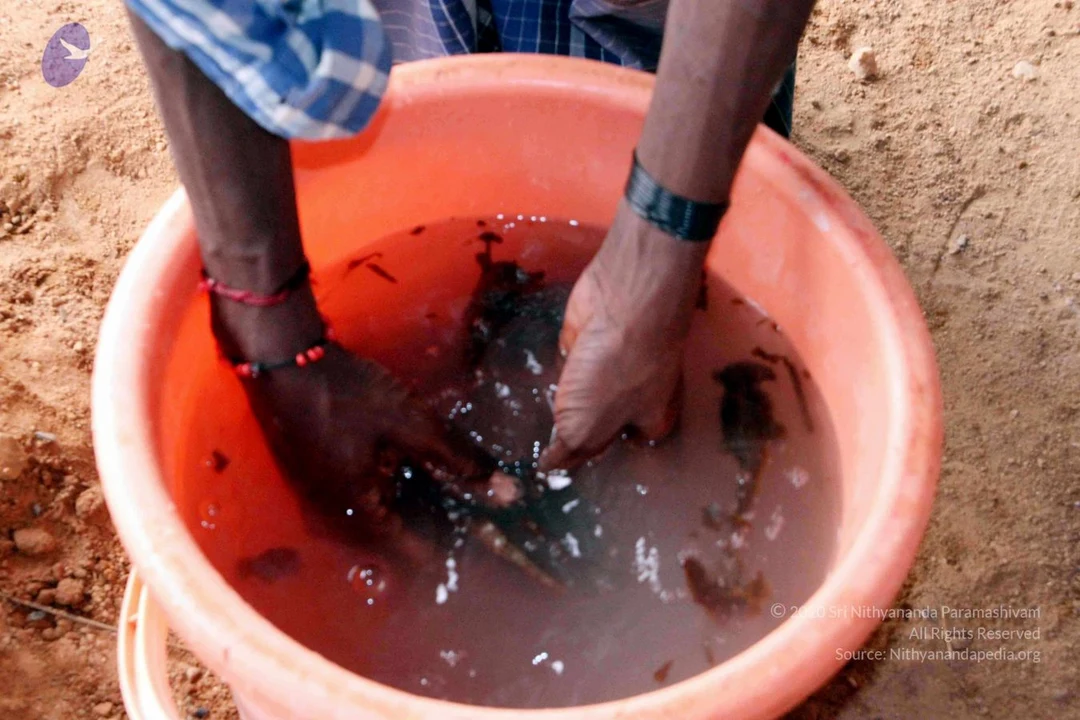
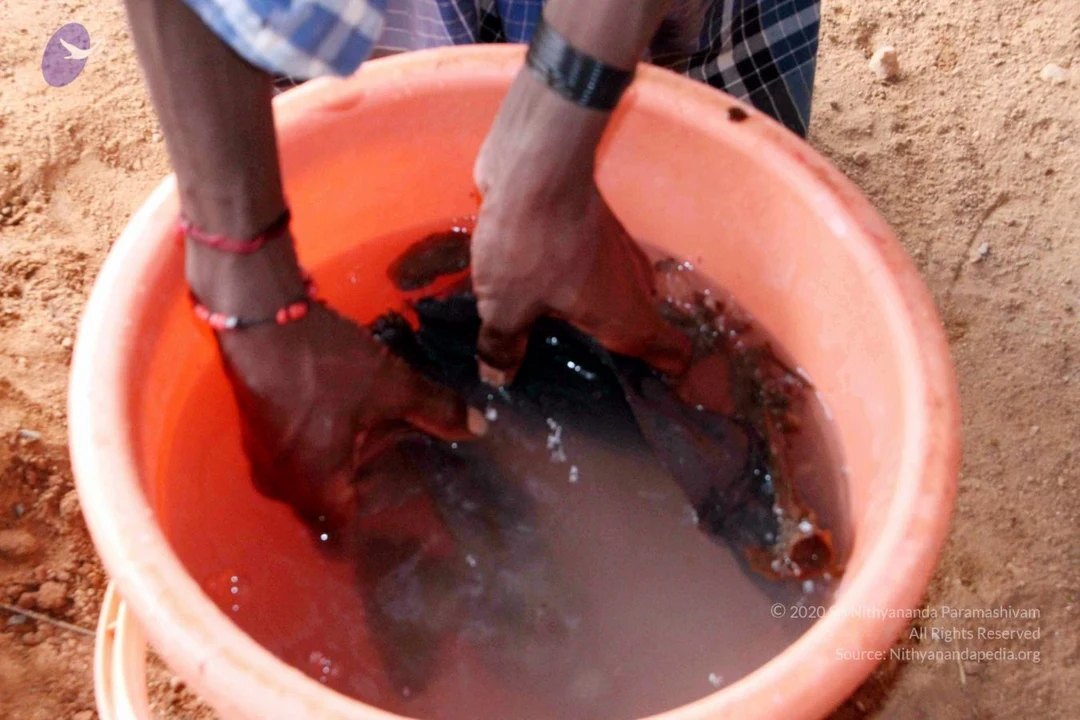
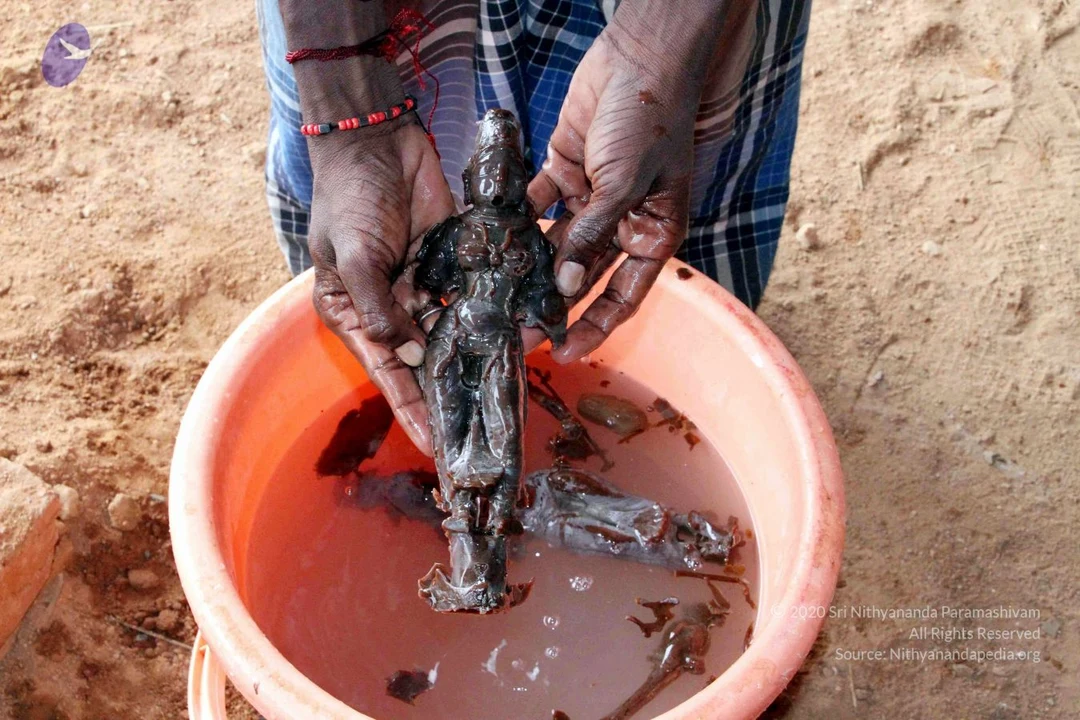
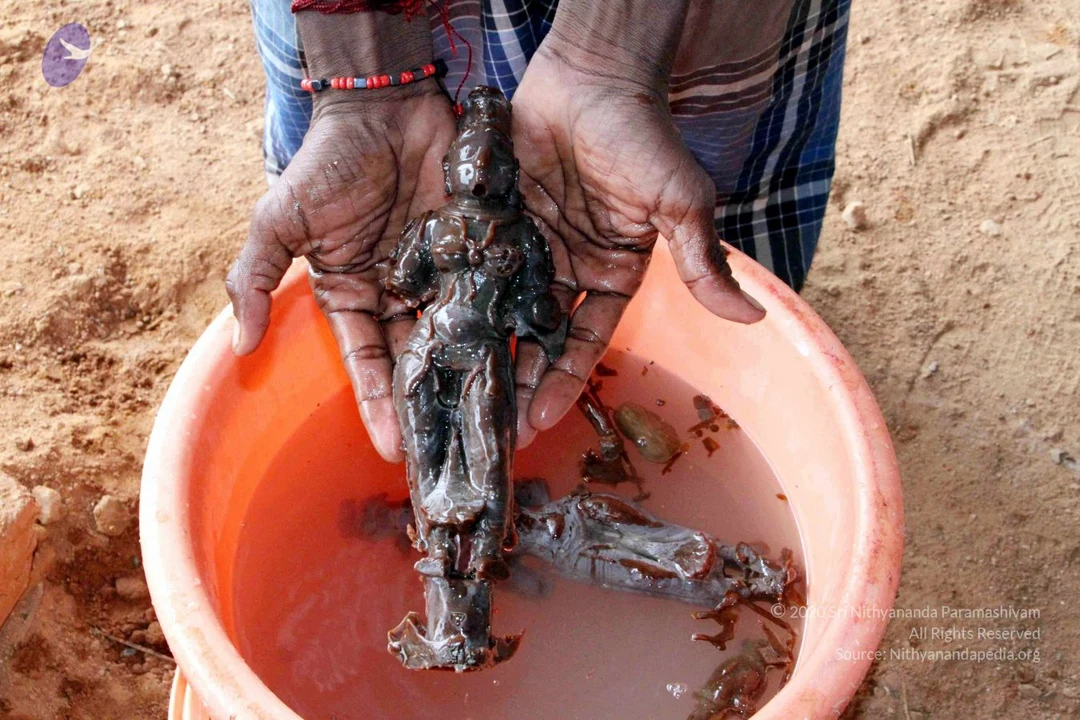
A close photograph of two hands working on a black stone object set into a pale stone mould on sandy ground. The left hand, wearing a blue and white checked shirt and red beaded wrist bands, presses or shapes the dark material, while the right hand, with a black bangle, rests beside it. Nearby lie a loose white cloth strip and a small paper packet, and a second pale stone block sits at the edge. The lower body of a seated man in a checked lungi is partly visible, with no face shown. No a person figure is visible.A large black lingam with a silver three-band tripundra and a garland of red, yellow, white and purple flowers stands on a black yoni-pitha base against a white sky and a red brick building. On a metal staircase and platform to the left, several saffron-robed men stand; the one at the top wears a long saffron garment with a flower garland and holds his hands together in namaskar. Other saffron-robed figures stand below them and to the left. Below, in the background, rows of smaller black lingams line red brick steps with potted plants.A photograph of seated saffron-robed sannyasis holding brass oil lamps (deepa) with flames during a ritual. The foreground monk on the left wears an orange shawl, a long dark rudraksha mala and a gold bangle, and holds a lamp with both hands. Beside him, a monk with a shaved head and white vibhuti/tilak on his forehead wears a red-orange garment and a rudraksha mala, holding a lamp in one hand and a second lamp at right. A monk at far right in orange holds a small lit lamp and wears a rudraksha mala. Other seated monks in orange and maroon robes are blurred in the background. The scene suggests an aarti or lamp offering. No one is identified as a person from appearance.

June 17 2013

Original wiki page
Contents

Title:

The Master can Destroy your Negative Patterns.

Description:

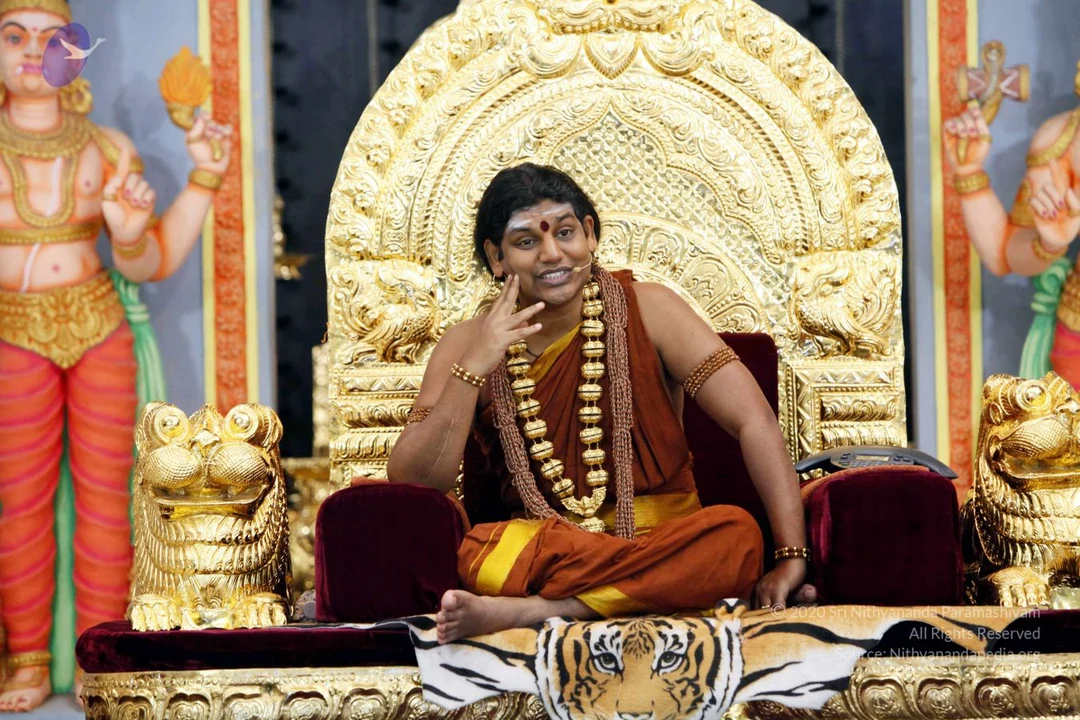
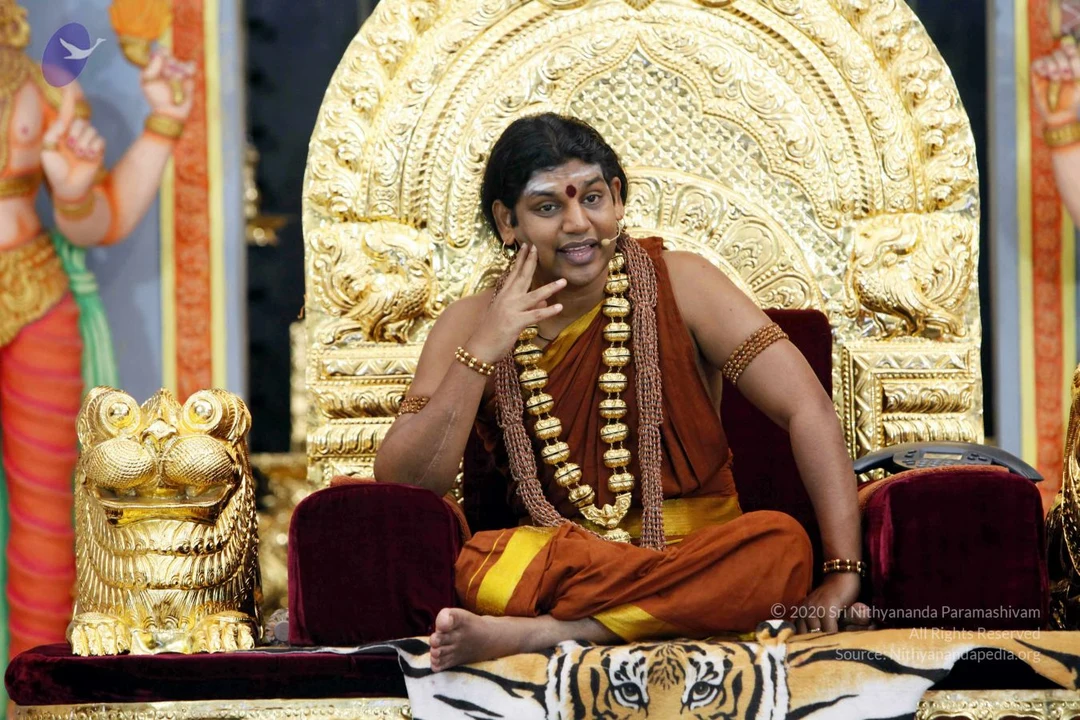
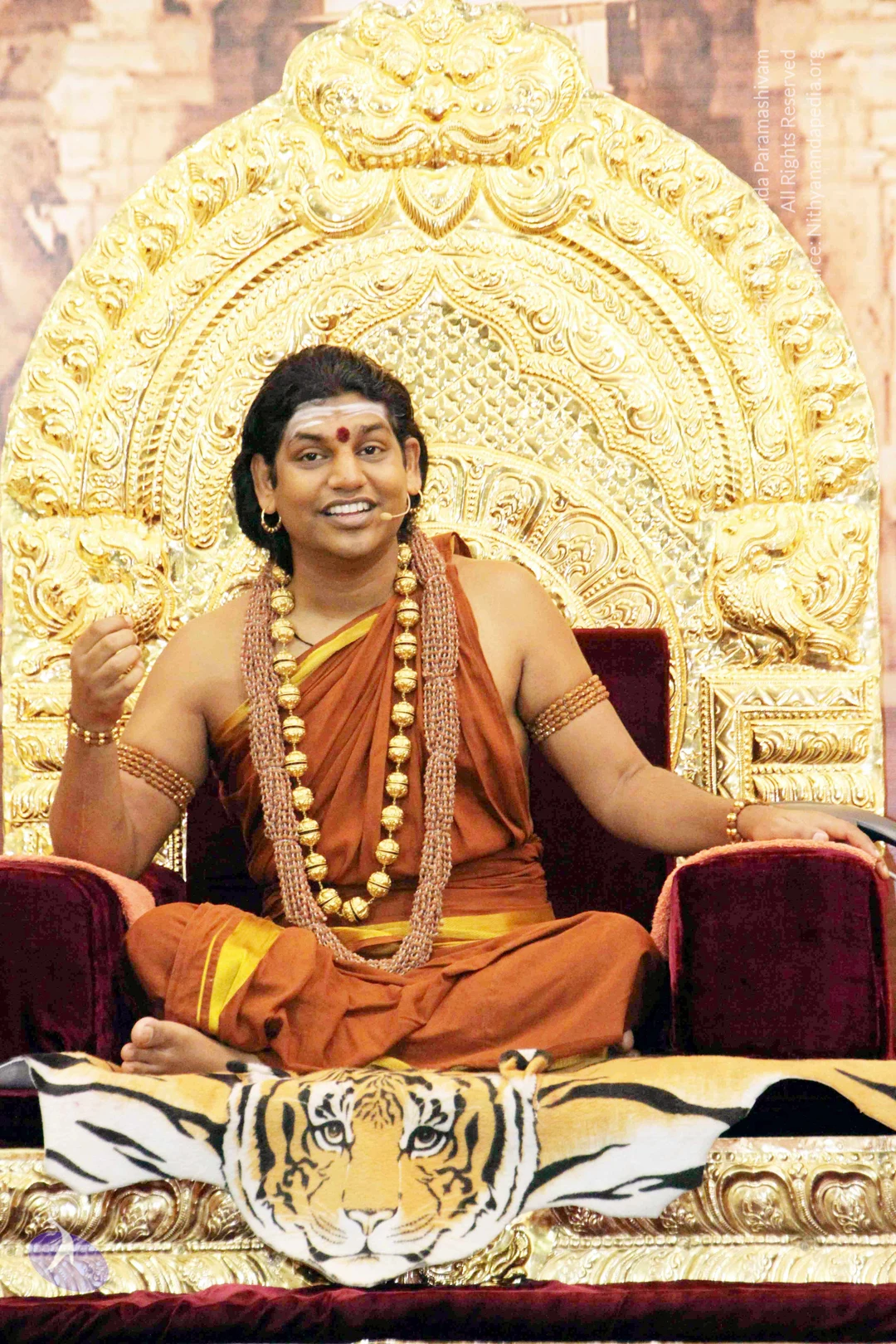
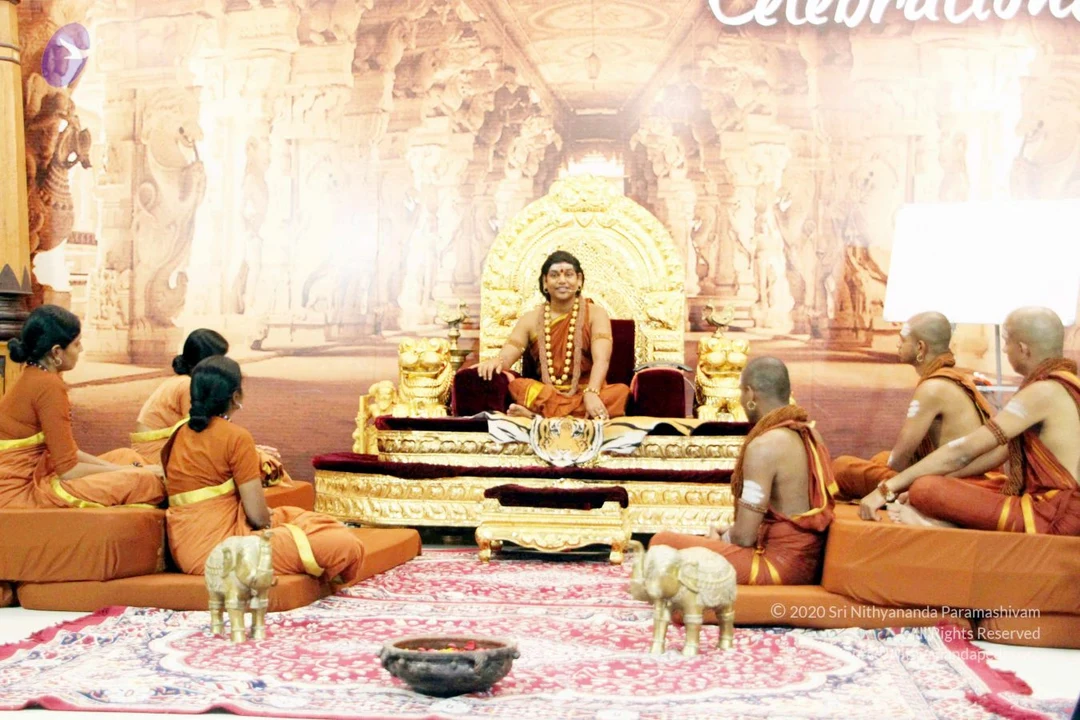
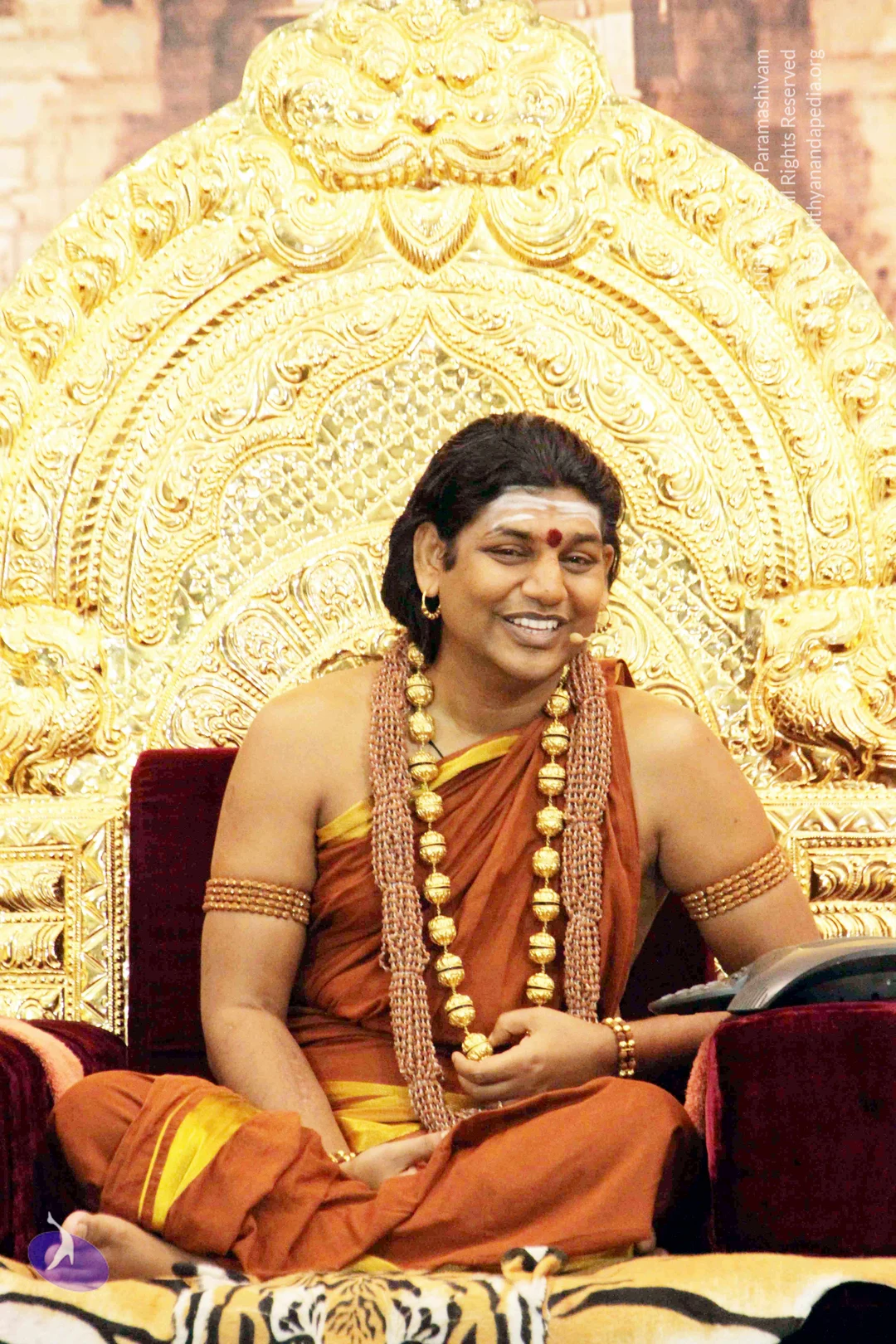
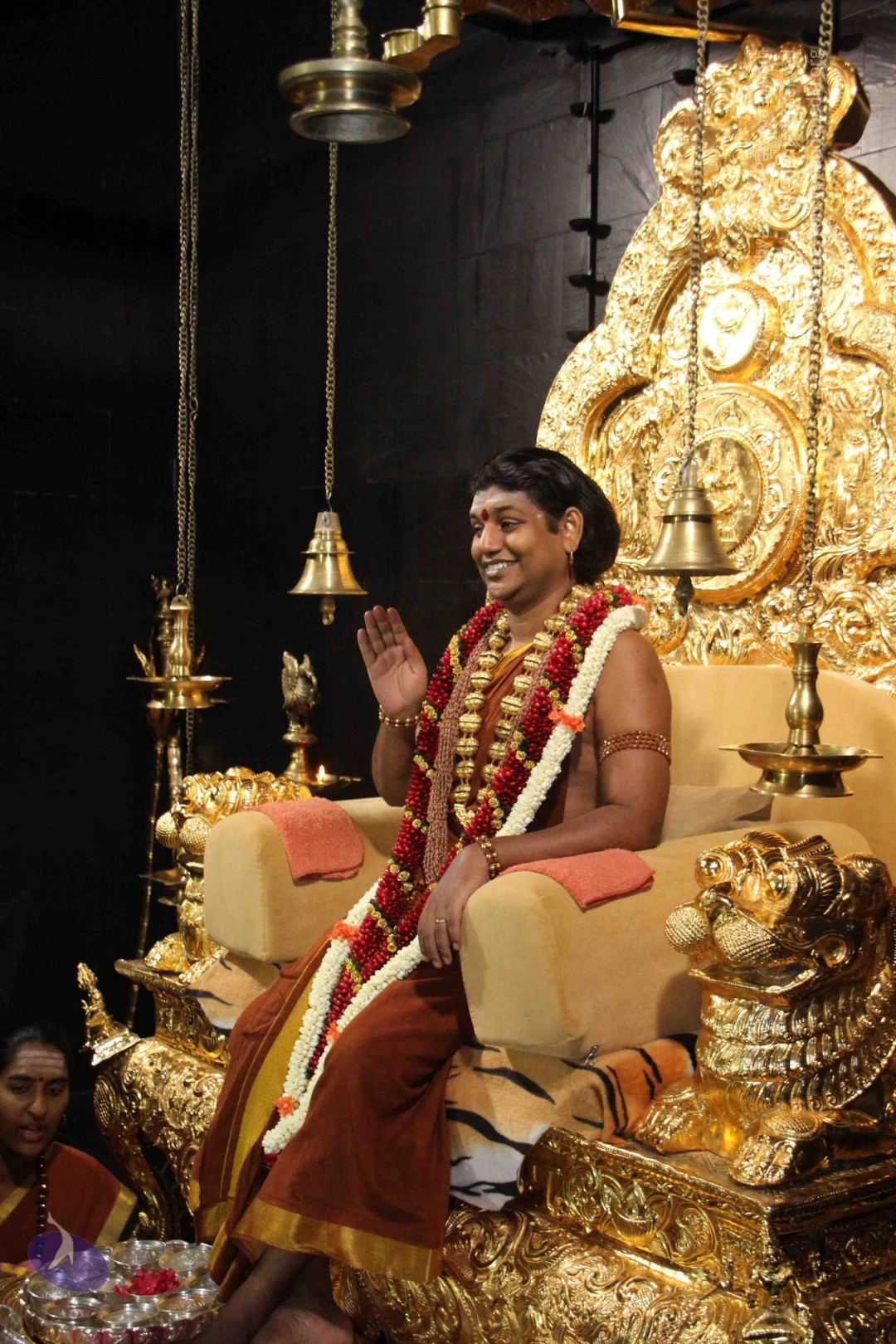
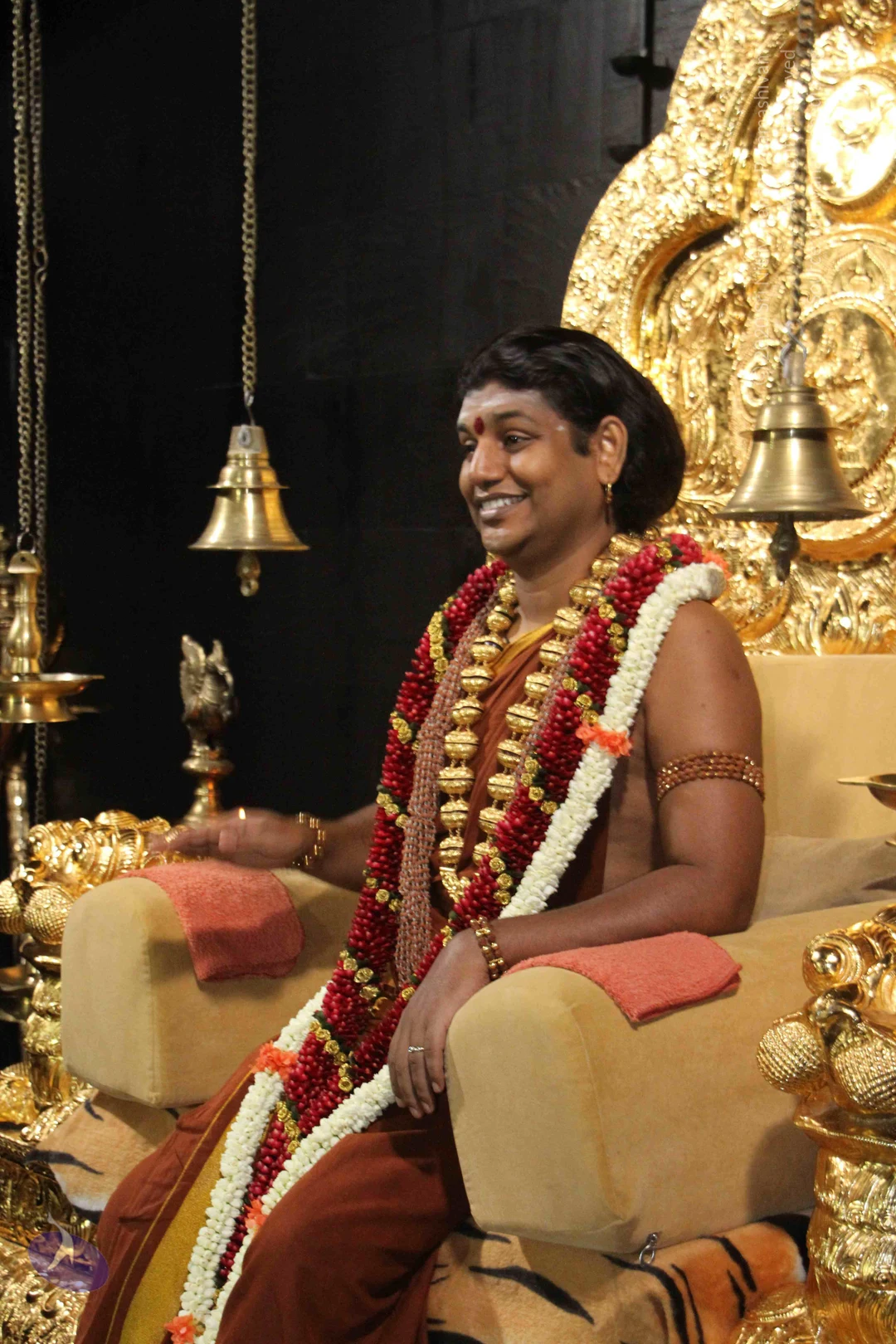
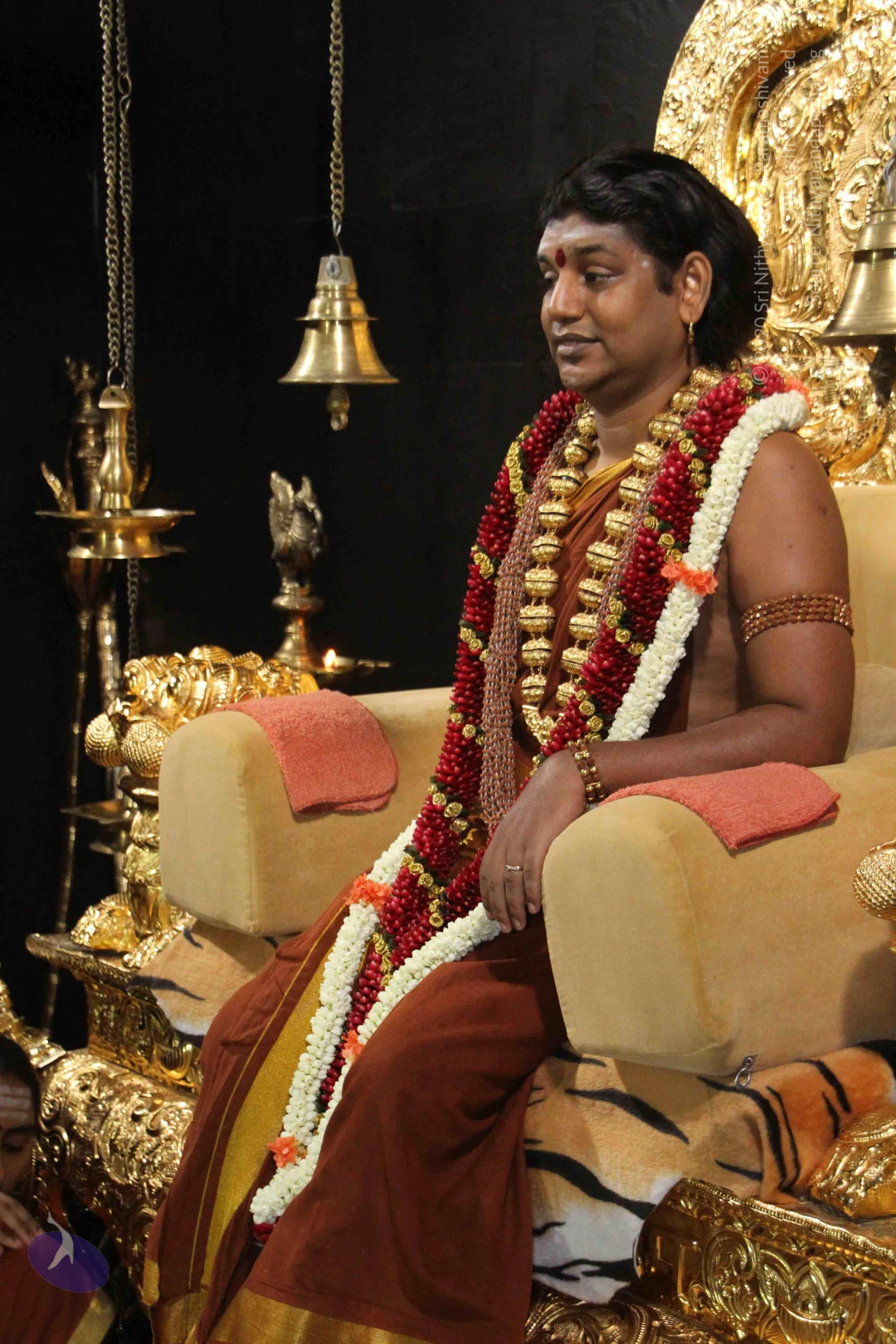
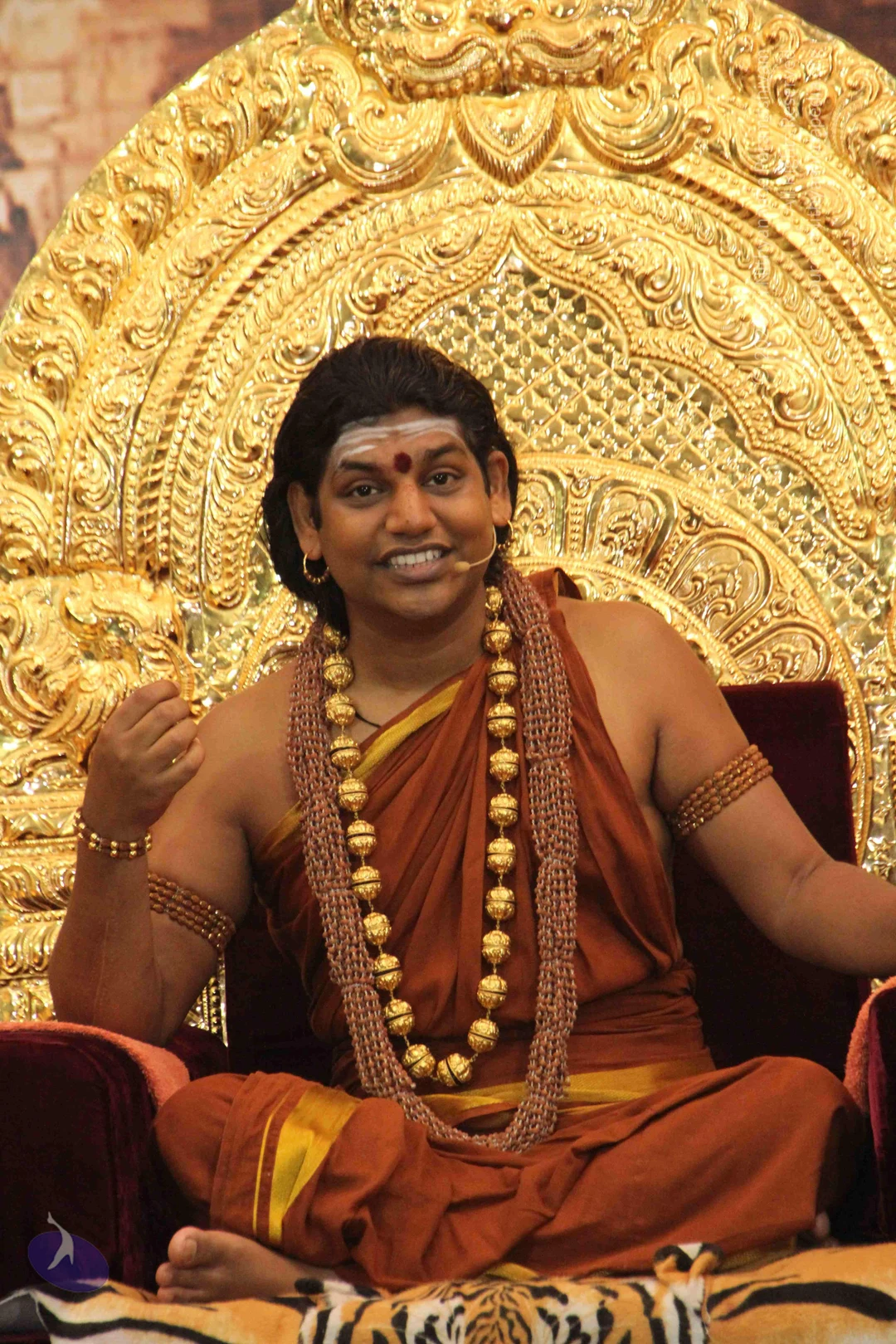
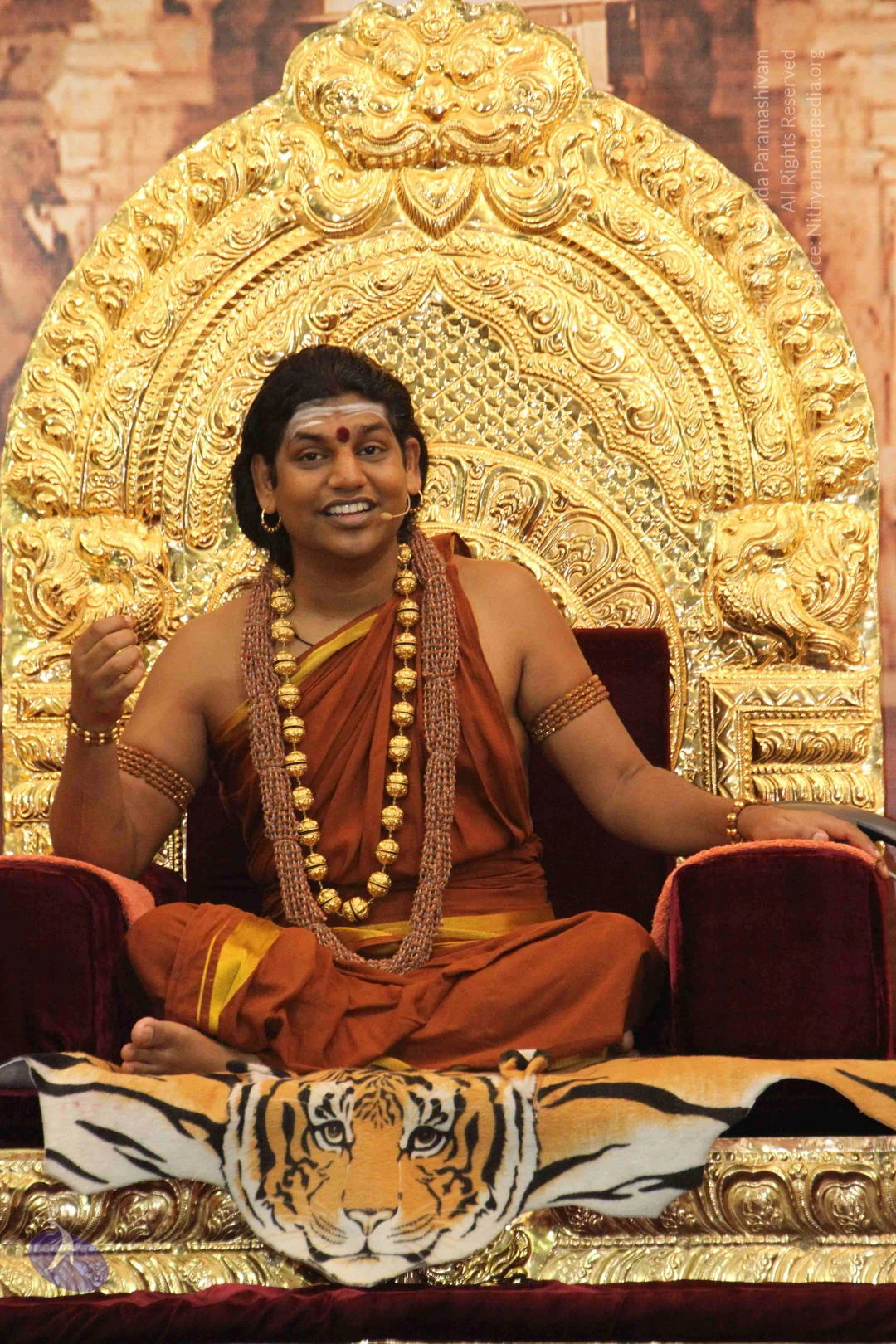
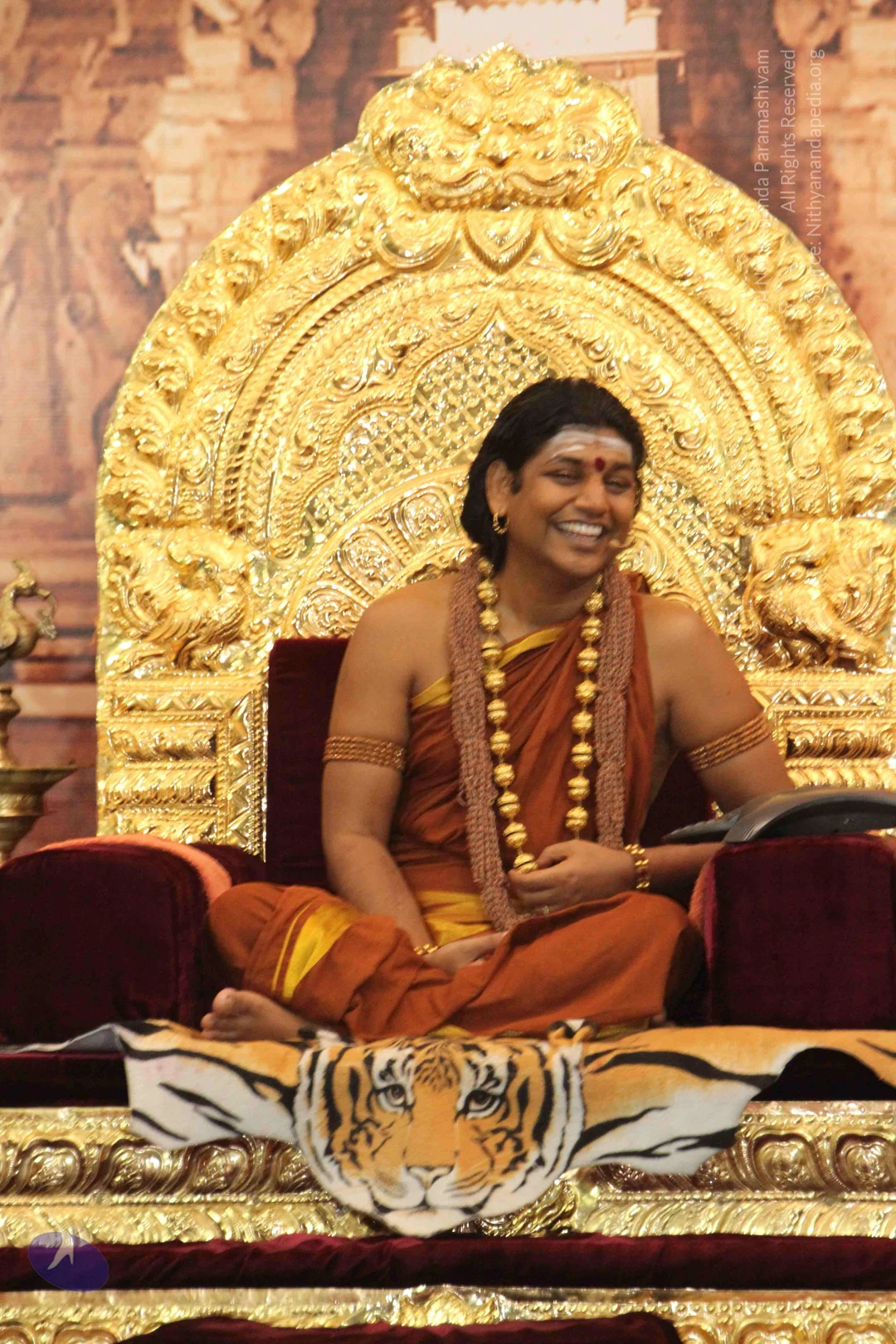
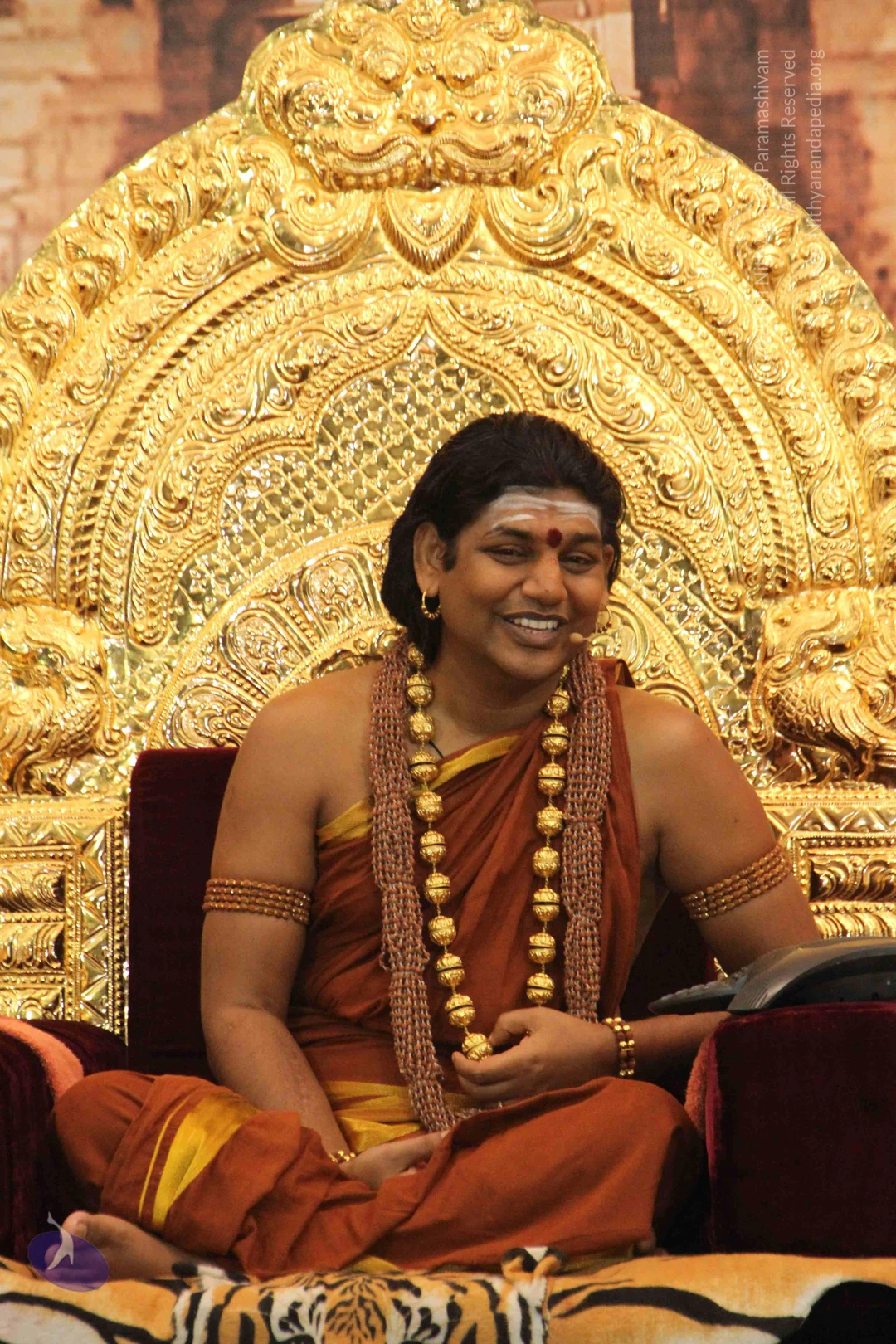
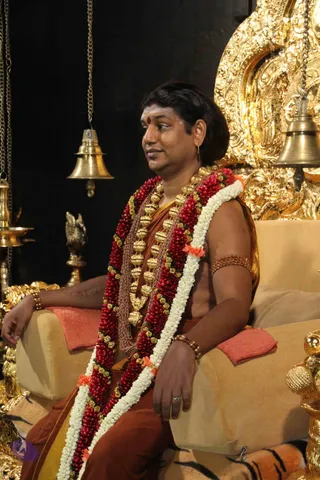
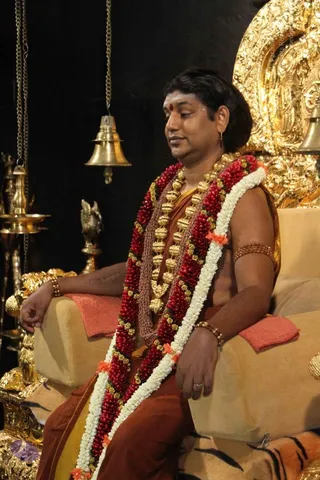
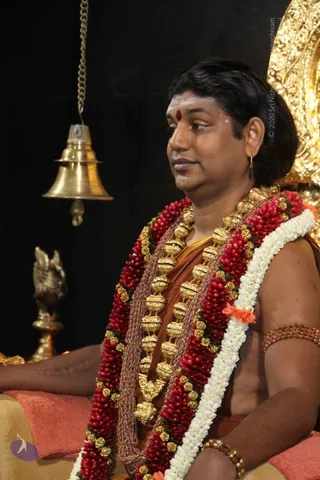
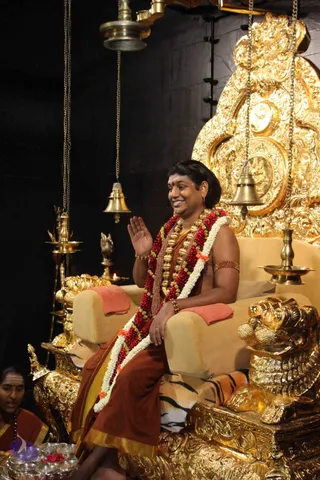
In today’s morning Satsang, Paramahamsa Nithyananda stressed how life will only begin for you when you have completed with your patterns. Like how a parasite sucks the life out of a tree, patterns suck the life out of you, you create hell for yourself and others. He urges us to continuously dig out our root patterns, complete with them, let others own our lives, and reside in a space of consciousness. Completion brings us new life and we become the most happy, blissful, complete beings!

On this Day Supreme Pontiff of Hinduism HDH Bhagavan Nithyananda Paramashivam Also Delivered a Satsang Discourse on Lotus TV

Link to Video:

VideoAudio
VideoAudio

Transcript:

Nithyanandeswhara Samaarambhaam

Nithyanandeshwari Madhyamaam |

Asmath Aachaarya Paryanthaam

Vandhey Guru Paramparaam ||

00:35- hin

Today I will expand on “PATTERNS AND PROCESS OF COMPLETION”.

Please come to the space of listening.

As long as your patterns are alive, wherever you are, you are in hell and you will create hell for others. Only when your patterns are completed, life starts for you, life begins for you.

Please listen! Please come to the space of listening!

As long as your patterns living through you, as long as your patterns living through you, listen, you will never know life. It is like when a parasite is sucking all the energy from a tree, the parasite grows, the tree dies. Same way, when the patterns, your patterns suck all your energy, they live, you die!

Why these patterns? Because, you wanted to possess your life, not own your life. If you decide to own your life and let everyone own your life, you won’t have patterns. Because you want to possess your life, you constantly think you are the body and mind. Please listen! You can possess only your body and mind, but you cannot possess your consciousness. That is why you never live as consciousness. You never want to reside in the space of consciousness.

3:15- Hindi

You need to know

3:35-m Hindi

Understand, a man who does not understand English language, what he misses in life I cannot explain. He misses the possibility of travelling to different countries where English is spoken. Even if he travels, he needs some guide, translator. An English-speaking person only can understand what a person who cannot understand and speak English misses. The person who cannot understand English, you can list hundreds of things which he misses. He will not be able to travel freely in the country where English is spoken. He will not be able to read great ideas available in English. Tons and tons of ideas is available in English.Whether you like it or not, English is the modern-day “Knowledge language”. In ancient time, the language of Knowledge is Sanskrit. All knowledge is stored in that language. Same way, now all knowledge is stored in English. So, tons and tons of knowledge available in English is not available to you when you don’t know the language. I wanted all of you to know, still there are tons and tons not translated, because Knowledge is so alive and current thanks to the IT revolution. Every day it is getting updated.

There is a proverb, modern proverb: Any IT product, the more you delay, you get better product for cheap price. The more you delay buying any IT product, whether it is a cable or iPad or iPhone, the more you delay, it gets better and better versions and the cost is dropping. I tell you, I don’t see this too far, I can see next few years, communication anywhere to anywhere at the rate of the speed of thought, free of cost, is going to be the lifestyle! You will see, communication from anywhere to anywhere at the speed of thought, the speed will be at the speed of thought! If you think, it is there! And at zero cost! Thanks to the IT revolution! Because of IT revolution, Knowledge is continuously getting current, current, current. Whether it is in the field of Medicine, the field of Communication, or travelling, transportation, in every field, Knowledge is getting continuously updated. I tell you, even in the field of Spirituality! Even in the field of Spirituality, it is getting continuously updated. The way the spiritual knowledge is transmitted, spiritual experience is transmitted, the way the knowledge is transferred, the way people experience the knowledge, it is getting updated. Really, you can never imagine if you just switch on the TV in your bedroom, you can see an incarnation live! And if you fix a web camera, he can see you live! So, the way spiritual knowledge is getting transmitted also is getting updated.

Listen! A person who does not know English can never understand what he is missing. Same way, the person who has not experienced completion can never understand what he is missing. What he is missing! Listen! A person who does not know completion will never realize what he is missing! Completion starts new life! It brings new energy! I just don’t know how to tell you about the importance of completion.

10:30-Hindi

Understand, continuously do completion. Completion with your root-patterns awakens your energy. It just awakens your energy. Completion with root-patterns is a basic need. When some people carry the root-patterns and enter into the life, life is so boring, torturous.

11:50-hindi

Root-patterns you carry take away all the best things. How much ever you plan and develop courage, it is swallowed destroyed in 2 mins.when your root-patterns appears all your courage is gone.

If your lust is rooted in root pattern, Please understand! You have a good news!!! Lust is never a root pattern. Lust can never be a root pattern. It’s a good news for you. It is always rooted on some other root pattern. Where you want to show yourself as hero, where you want to establish some superiority. Where you want to establish you are somebody special or you should be loved for (what) you are, who you are. There will be some other root pattern on which lust grows.

If lust is root pattern, it can never be transformed. It can only be completed. That is why it can transform. You don’t need to complete it. Osho is wrong when he says it can only be completed. Understand, I am telling you directly Osho is wrong when he says lust can only be completed. I yell you, you don’t need to complete it by going into it, or going through it.

It can be transformed, because it is not a root-pattern. It sits on different root-patterns. It is good news! At least four-five root-patterns create a knot on which Lust sits. If you analyze each root-pattern and complete with it, suddenly you will see you forget Lust! Not that you will be struggling with it; you forget Lust! See, there are five threads knotted. If the five threads disappear, the knots will disappear automatically. Lust is like a knot of different root-patterns. Fear can be root-pattern. Lust is not a root-pattern. When the different root-patterns disappear, Lust simply disappears. You need to look in, look in, complete with every root-pattern you are carrying. Complete with every root-pattern you are carrying! Only when you complete, complete, complete, you will start the life. Life starts in you, life starts in you when you complete with your root-patterns.

15:59- hindi

Only when you remove the root-patterns, you will start trusting you. Understand, just understand, you take a strong decision with all your will: ‘I will cross Lust! I will cross Fear!’ In ten days, either you see a horror movie or pornography; all your decisions are lost! It is all in the air! You are down, down with your patterns of Fear, or Lust! What do you think will happen? When you fall a few times, you will lose respect for you. That is why I tell you, before you complete with your root-patterns, any effort you do for joy, liberation, contentment, bliss, enlightenment, everything is waste! I tell you, the first step not only in the spiritual life, but in life itself, is finding your root-pattern and completing it. No Master’s teaching will work for you! No spiritual teaching will work for you till you find your root-pattern and complete with it!

I have seen people coming and telling me, ‘Swamiji, I practiced thirty years Ramana Maharshi’s atma vichara, self-enquiry; I practiced twenty-five years mantra japa as prescribed by Ramakrishna and Ramakrishna Mission; I have practiced pranayamas, kriyas, this kriya, that kriya taught by this sampradhaya, that Guru! I only got depression, Swamiji!’

I tell you, till you find your root-patterns and complete with it, any spiritual practice will not only will not give you the desired result, it is dangerous, because you will be strengthening the broken parts! It is like in a bridge there is a crack. If you strengthen both sides, what will happen? That crack will become big and the bridge will give way! That is why, in all my programs, first thing I tell people, ‘Find your root-pattern and complete it!’ Only then I start initiating people into unclutching and enlightenment. Before helping them to find the root-pattern and complete with it, even unclutching will not work!

Inner Awakening Level-1 program is specifically designed to help you with identifying your root-pattern and complete with it. From July 1st, we have a program. And I also wanted to tell one more thing, earlier I told all my followers to help others find their root-pattern. Now I wanted to make it very clear, you should help others find their root-pattern only after you completing with your root-patterns.

21 min to end

When you yourself are not complete, you cannot find/ help others to find their root-pattern. Not only that, you can find others’ conflicting pattern which is like the branches of root-pattern. But the real root-pattern can be discovered and destroyed only in the physical presence of an enlightened being! You can help them to find the conflicting patterns, but the root-pattern itself can be discovered and completed and destroyed only in the presence of an enlightened being!

HINDI

Conflicting patterns can be found by asking them to identify the three statements - Mamakaara, Ahankaara, Swa-Anyakaara – that a person has during a conflicting situation. So, all of you can help people find these three statements and explain to them how they can do the Swapoornathwa Kriya. For removing the root-pattern itself, you have to guide them to the Master. To remove the root-pattern itself, they have to come here.

Understand, sometimes people ask me, ‘What is the difference between I trying on my own to find the root-pattern, and you helping?’

The difference is very simple: Abhimanyu directly breaking the Chakravyuha and going inside, and Krishna going inside, Krishna taking Arjuna inside! I warn you, if you do it on your own, it can have undesirable consequences for you, for the person you are working on! Do not do it! Abhimanyu got stuck inside the Chakravyuha and could never come out of the Chakravyuha, and he died eventually! Abhimanyu breaking the Chakravyuha and going inside, and Arjuna is taken by Krishna inside, both there is a difference! Simply that is all is the difference!

HINDI

When you don’t find your root-pattern and complete, your whole life is wasted in that root-pattern, one. Second, you don’t find the purpose of your existence. Third, you will find your whole life is just going, you are not heading anywhere. I have seen many people, their whole day they are doing something, but they are not heading anywhere! I tell you, when you find your root-pattern and complete, first thing that will happen is you will find your purpose. Second, you will just see so much of time and life is in front of you. If you find the purpose of your life, in the same one day, you will find you are having more than seventy-two hours! If you don’t find the purpose of your life, in the same one day you will have only less than two hours! Finding the purpose!

HINDI

Human life starts only after you find, discover your root-patterns and complete it, only after you find your root-pattern and complete it! You will be able to identify and complete with your root-pattern in the presence of the Master, only in the presence of the Master! Listen, I am not trying to keep the final control in my hands! No! I am just making it very clear. You can find conflicting patterns wherever you are. But to find the root-pattern, you need to go deeper and deeper in your being. If you find your root-pattern and complete, you will not be wasting your time in the same pattern of wasting life. I have seen people, they worry about the same thing and never do anything to break from that, Never take responsibility to break from that pattern, from that mentality, from that lifestyle!

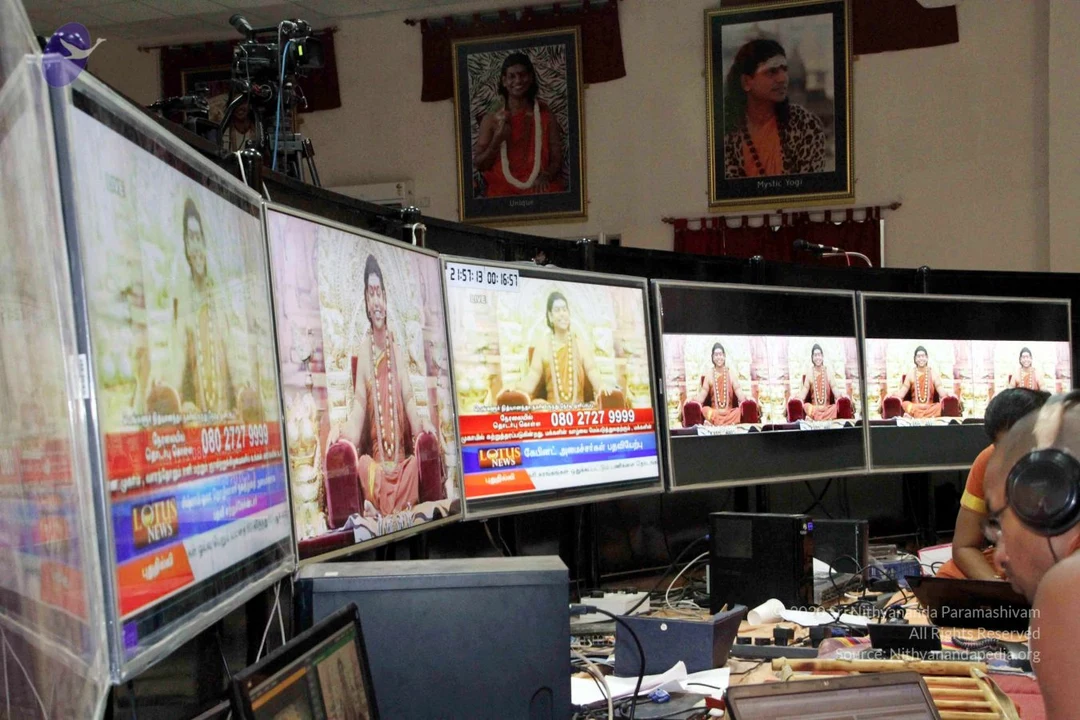
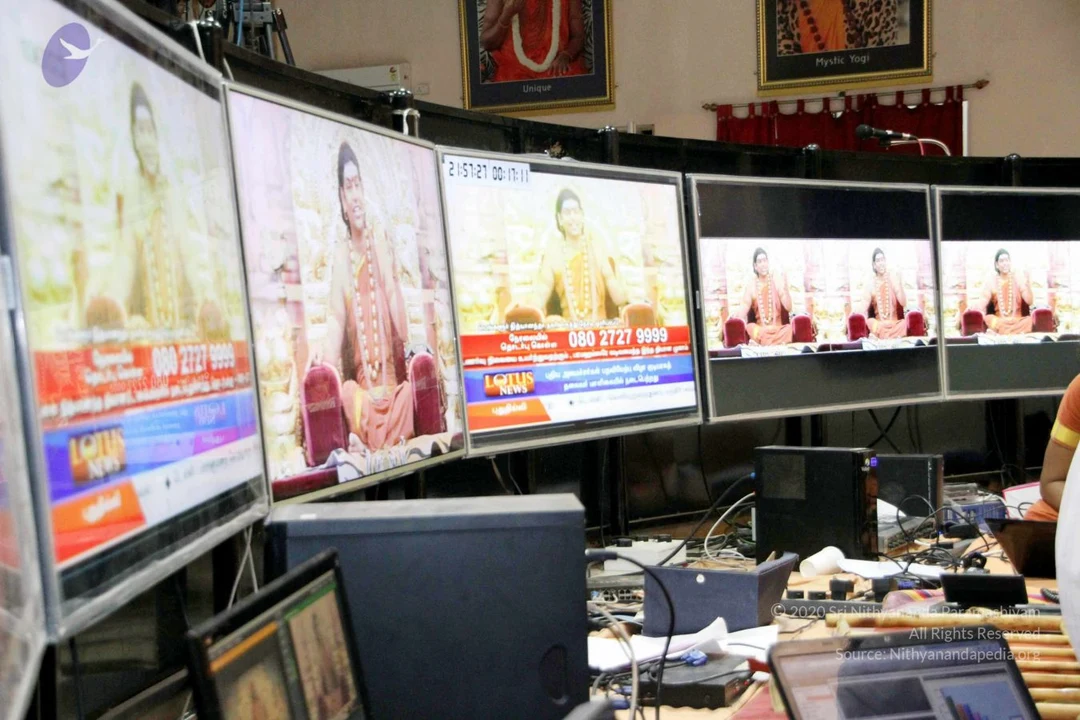
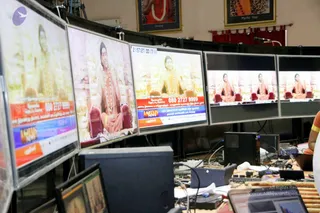
I tell you, in every school this should be the first lesson taught to kids: Find your root-pattern and complete with it. Find your root pattern and go beyond it. Finding your root-pattern should be your basic need. That is why I opened the possibilities in all ways. My trained sannyasis will help you identify your conflicting patterns first. You can call the number appearing in the screen. They will help you find the conflicting patterns you carry, the root patterns with which you are suffering.

HINDI

Whether you want to experience bhakthi, knowledge, enlightenment jnana, energy, Atman, God, anything higher, first thing you need to do, find your root-pattern and complete with it. That is why I opened all the doors. Either you can call now, the number appearing on your screen (+91 80 2727 9999). My sannyasis will help you to discover your conflicting patterns, and that is the reason also I opened, for the first time, the Inner Awakening Level-1 program through 2 way video-conferencing. You can attend the program from your city through two-way video-conferencing, from wherever you are. You will be able to discover your root-pattern and complete with it.

HINDI

I have seen people having cunningness as their root-pattern. They can never get out of it. They will be constantly struggling with it. They will be constantly suffering with it, but never they themselves will be never be able to get out of it. They themselves will never be able to achieve the next level in their life. Sometimes they will be spending twenty years in the same job. They will be stuck. They would not see any progress. They will not even remember, even know that progress is possible! They won’t even know something called “progress” is possible in their life. That is why I always insist first on finding the root-pattern and completing with it.

HINDI

Only when you discover your root-pattern and complete with it, unclutching can help you, self-enquiry can help you, any kriyas can help you, even your life, living happily is possible! Till then you may build a house, but you will not have a home! Having a house is different, having a home is different. Houses you have to construct. Home you have to build! Forget about spiritual, even your life will not start till you find your root-pattern and complete with it. When you have complete with your root-pattern, your whole being will be filled with so much, so much will be happening, you will be the most happening being! Happening beings are the happiest beings. Complete beings are the blissful beings. Incompletion leads to complication. I have seen, people’s incompletion leads to deeper and deeper complications.

HINDI

In Sanathana Dharma, the first thing you need to do. find your root-patterns and complete.

HINDI

Everything in the life becomes reality only when you find your root-pattern and complete it.

I bless you all! Let you all achieve, experience, Live, Express, radiate, Share, and explore in eternal bilss, Nithyanandam

Photos From The Day:
rudrabhishekam
pratyaksha paada pooja

nithya satsang

sarvadarshan

sacred arts

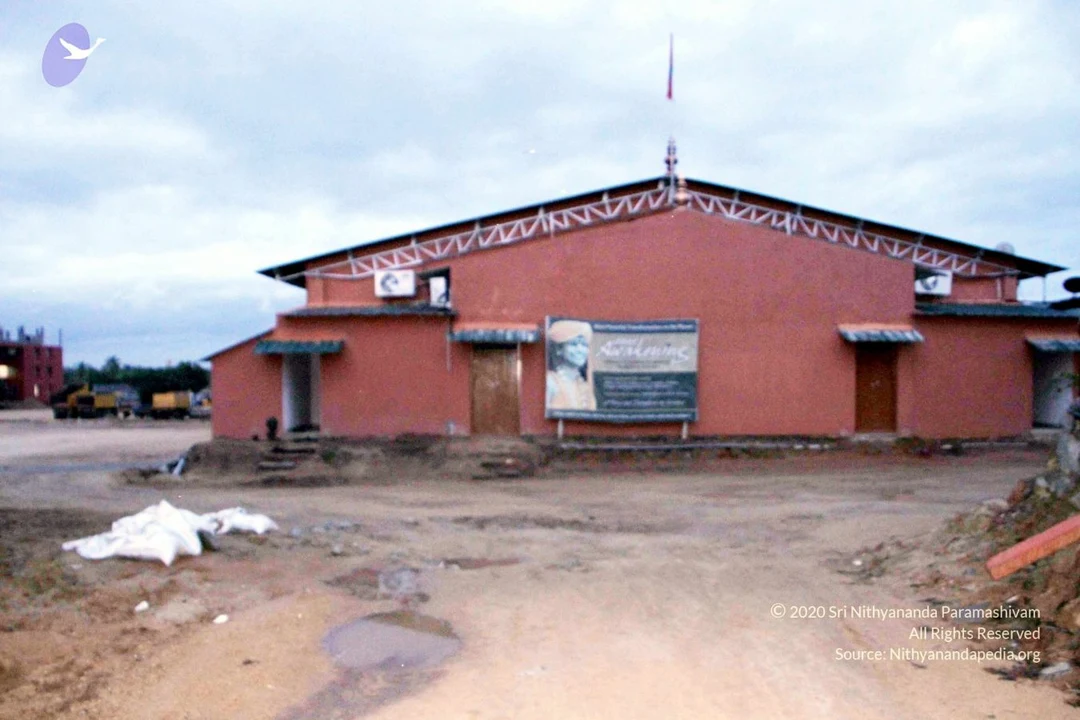
nithyanandeshwara paramashiva devalayam

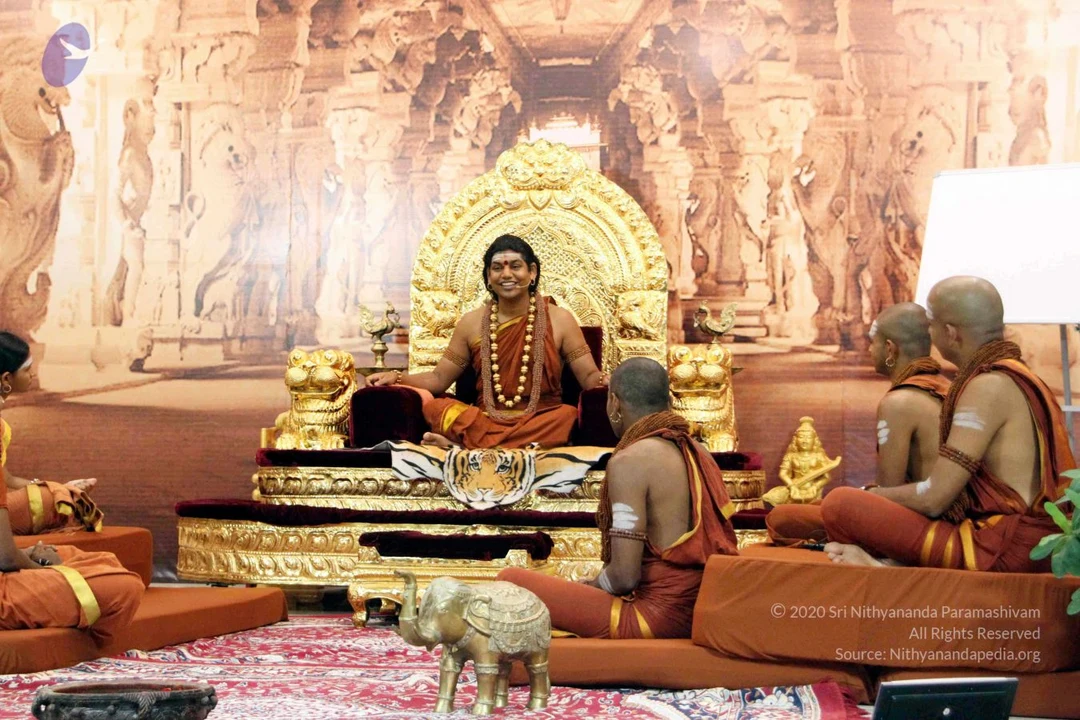
lotus tv live show

Tags:

Paramahamsa Nithyananda, life, begin, parasite, patterns, consciousness, completion, happy, blissful, beings.

Photos Of The Day:

Rudra-Abhishekam

Pratyaksha-Pada-Puja

Nithya-Satsang

Sarva-Darshan

Temple

Photos from this day

View all 475 photos

Photos From The Day:

15 photosSource gallery
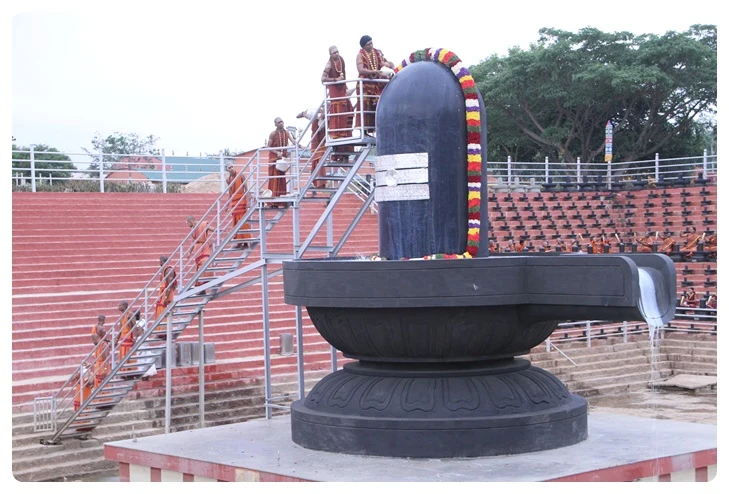
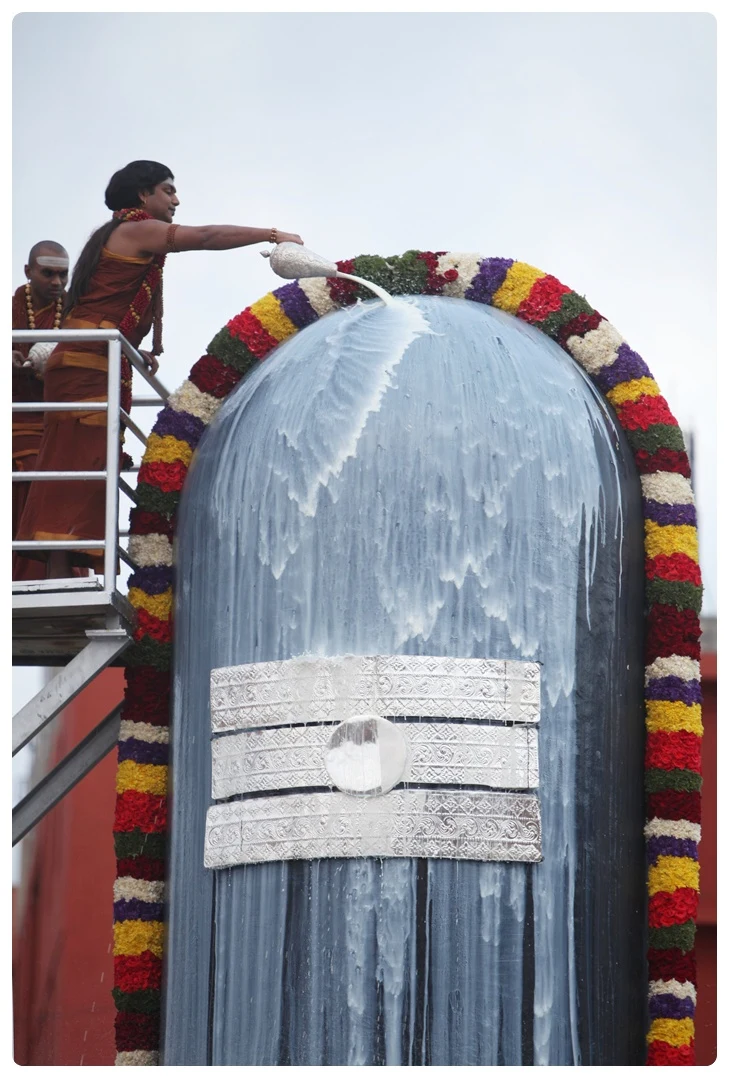
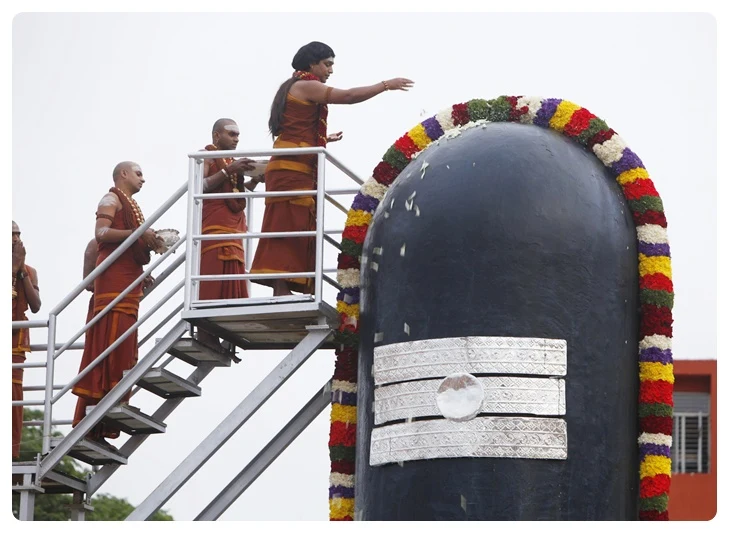
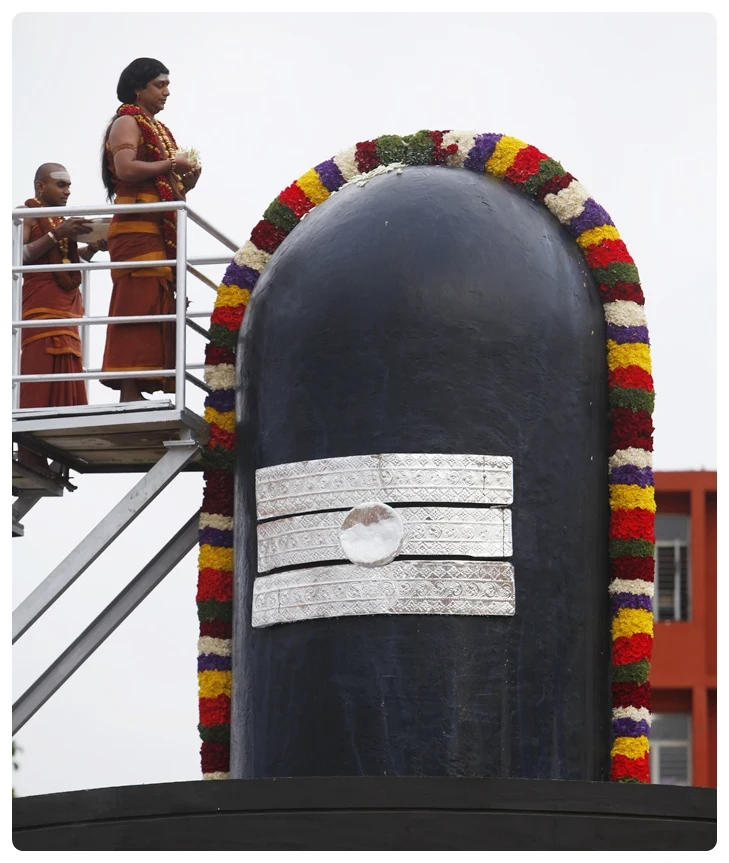
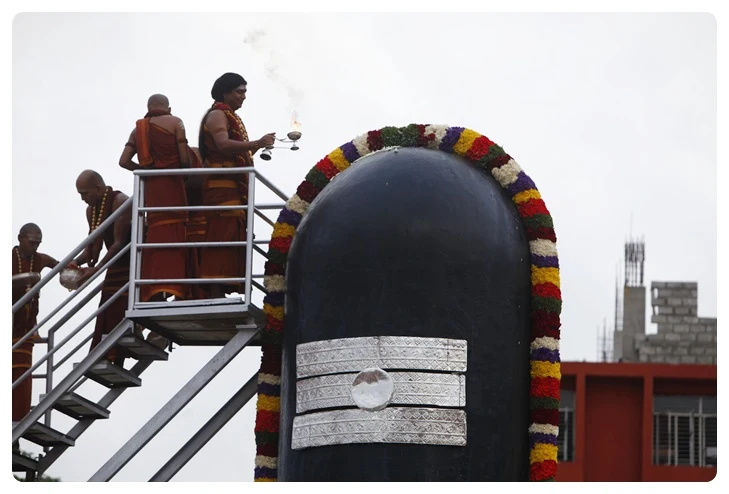
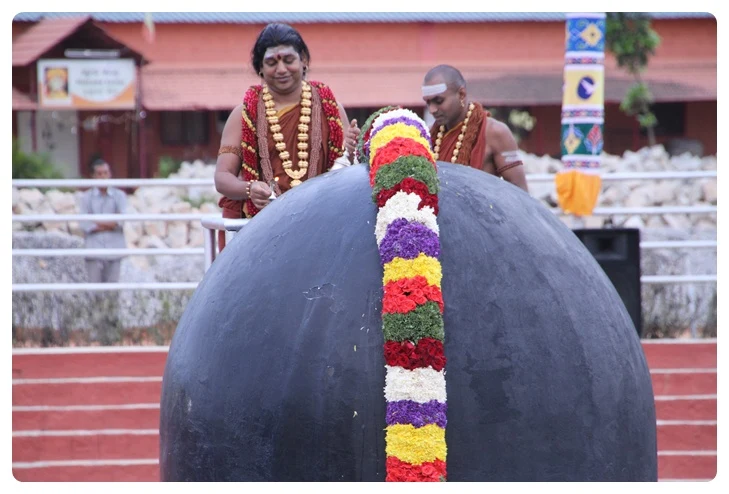
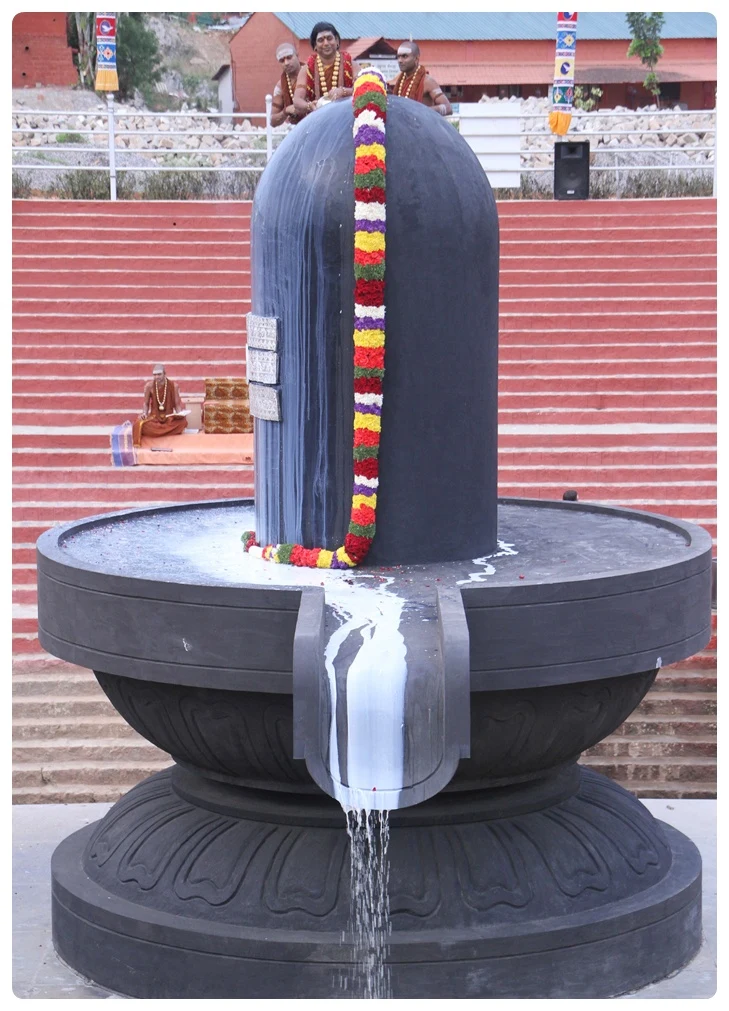
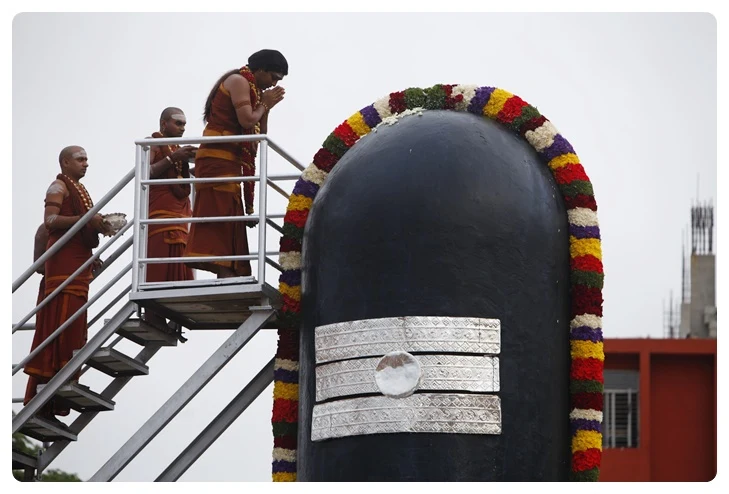
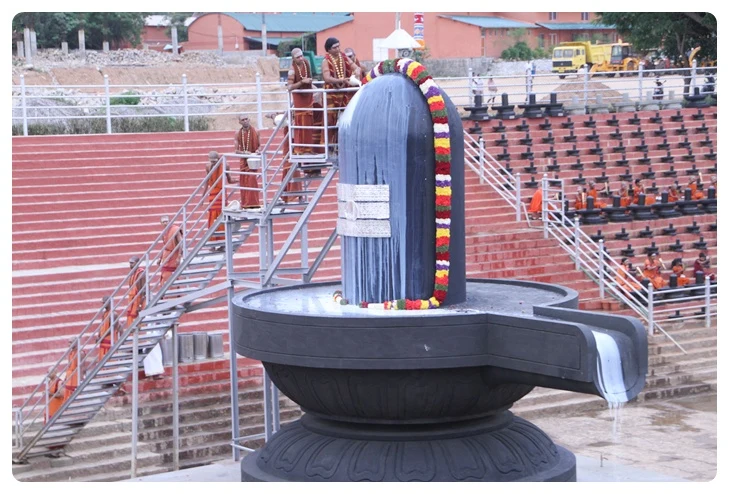
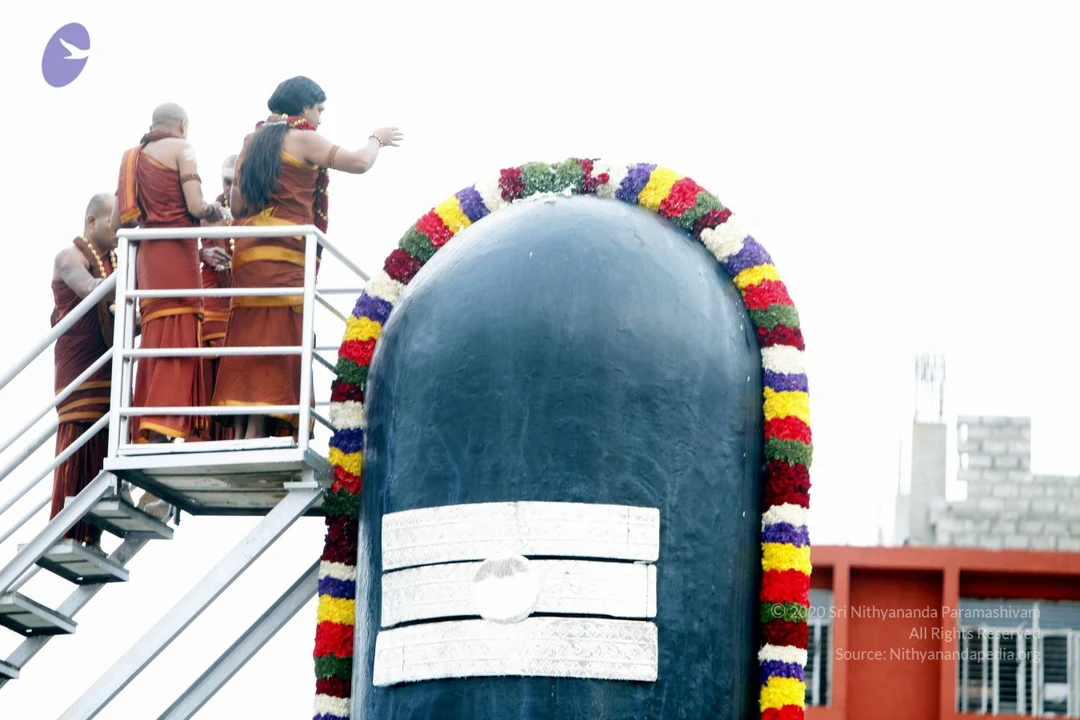
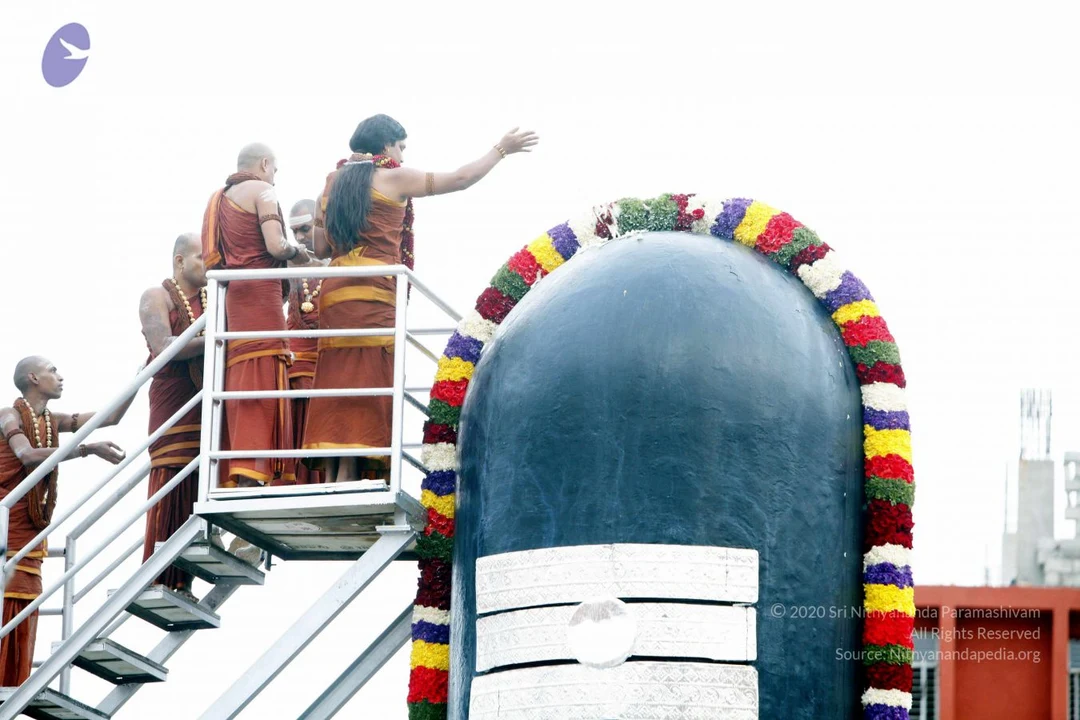
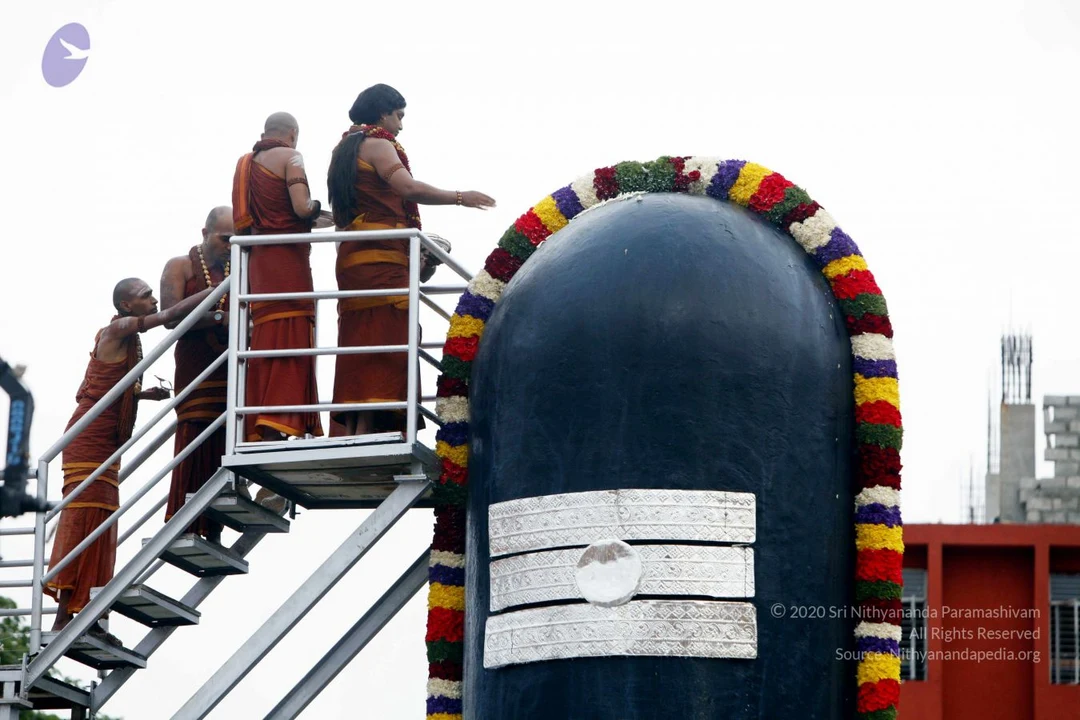
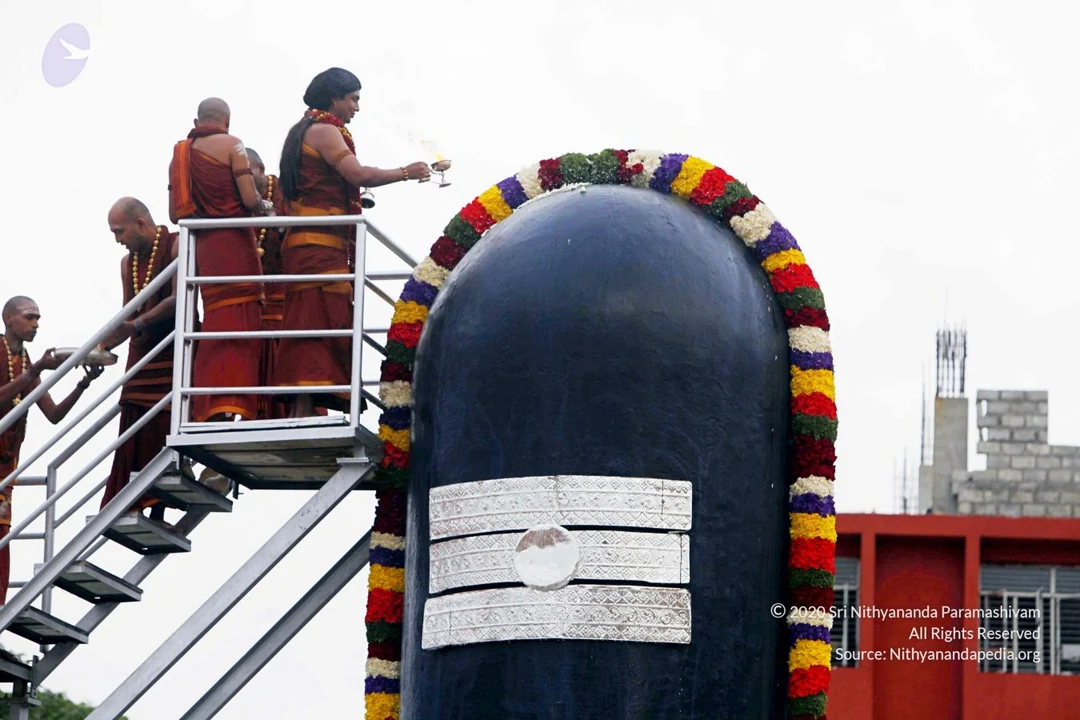
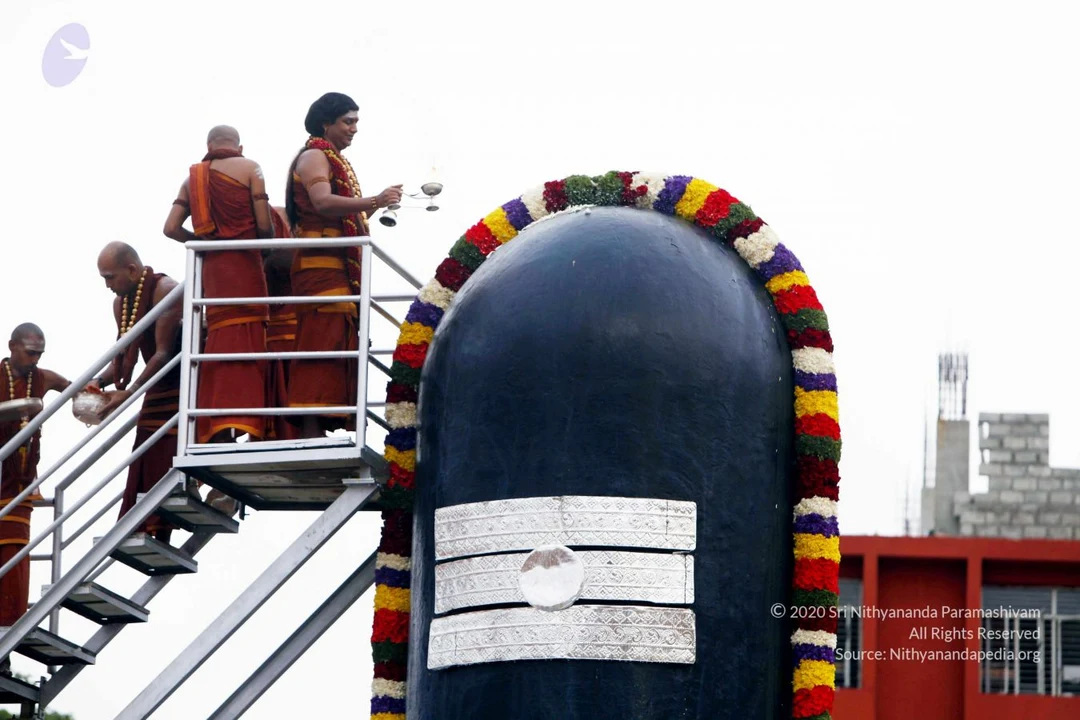
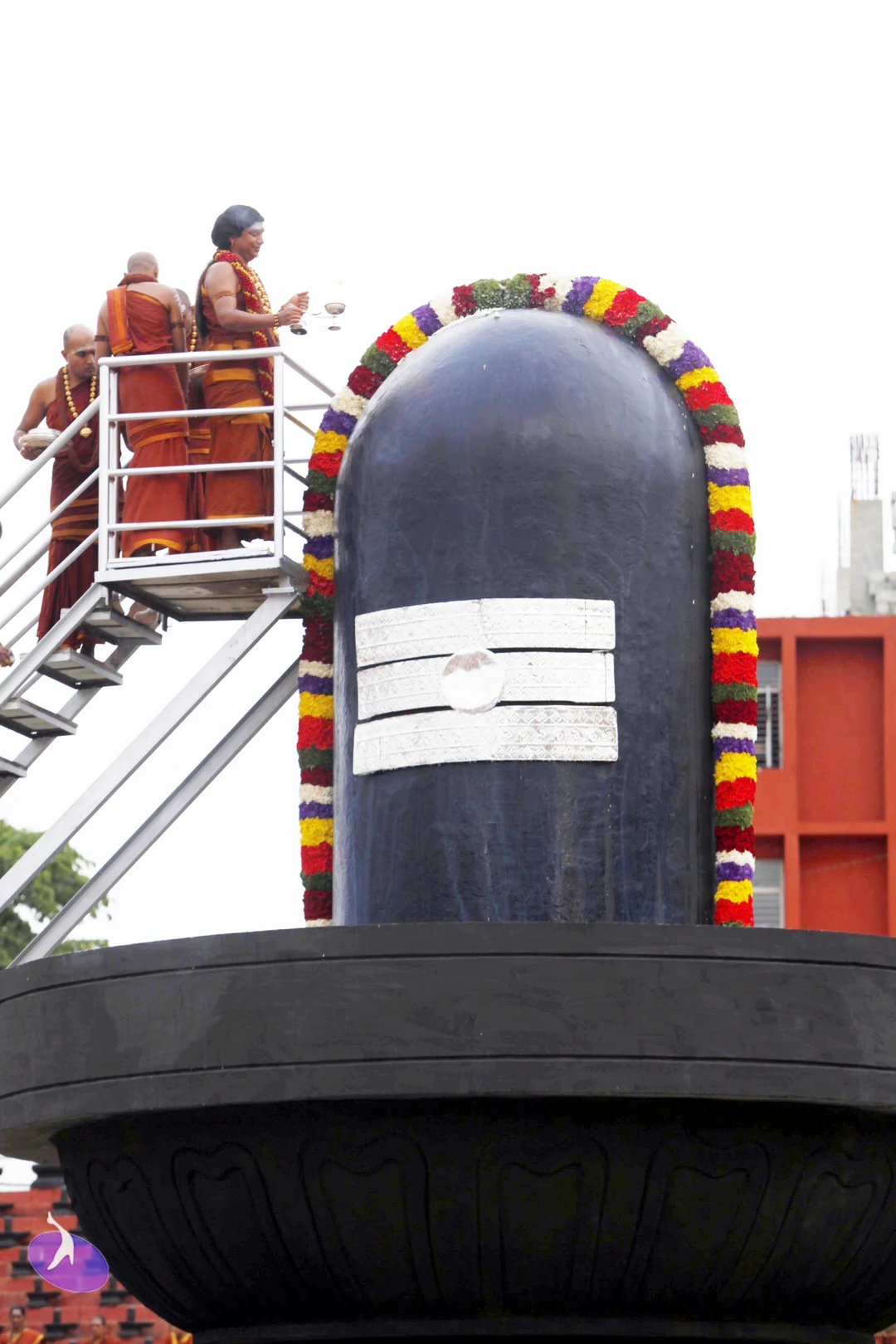
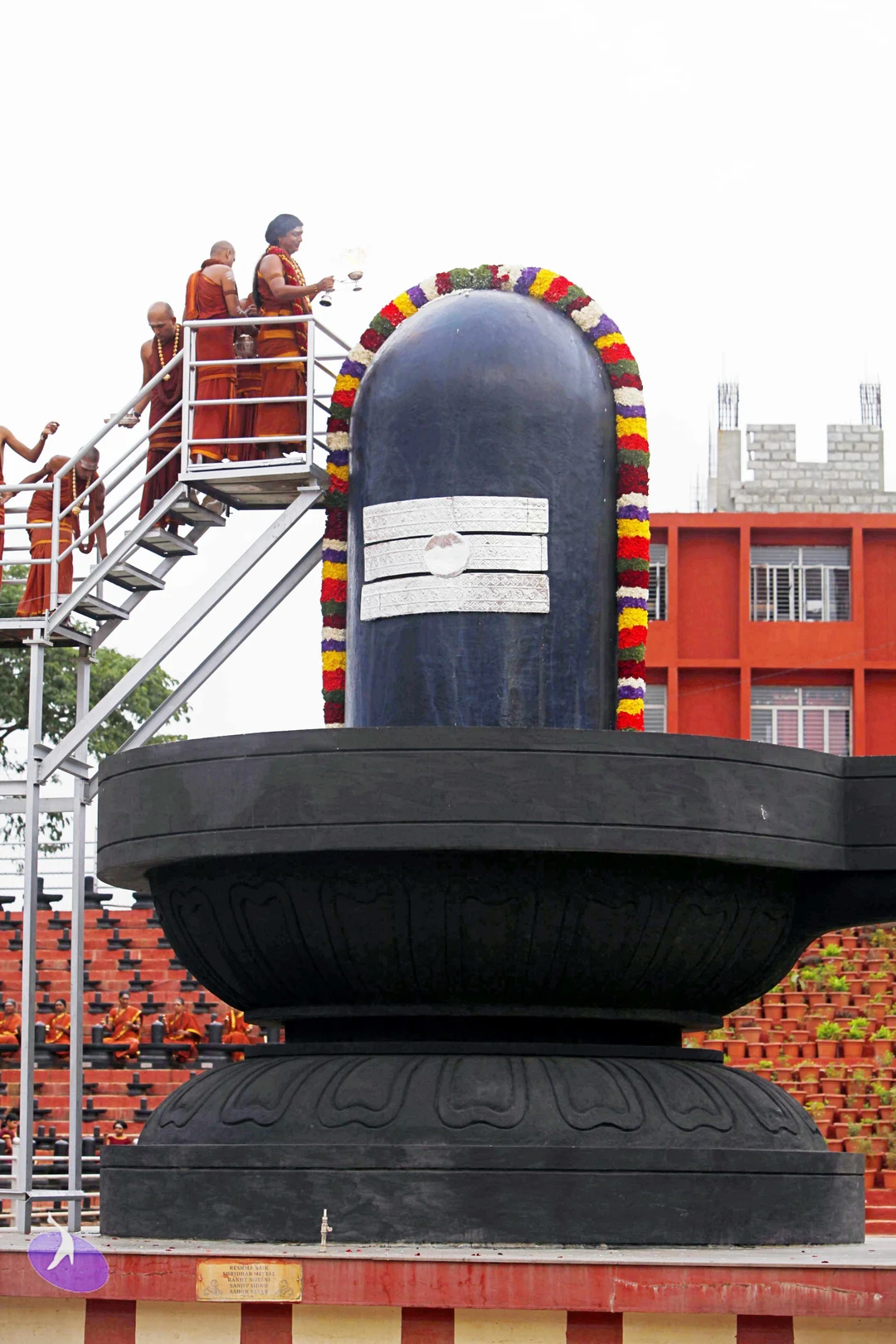
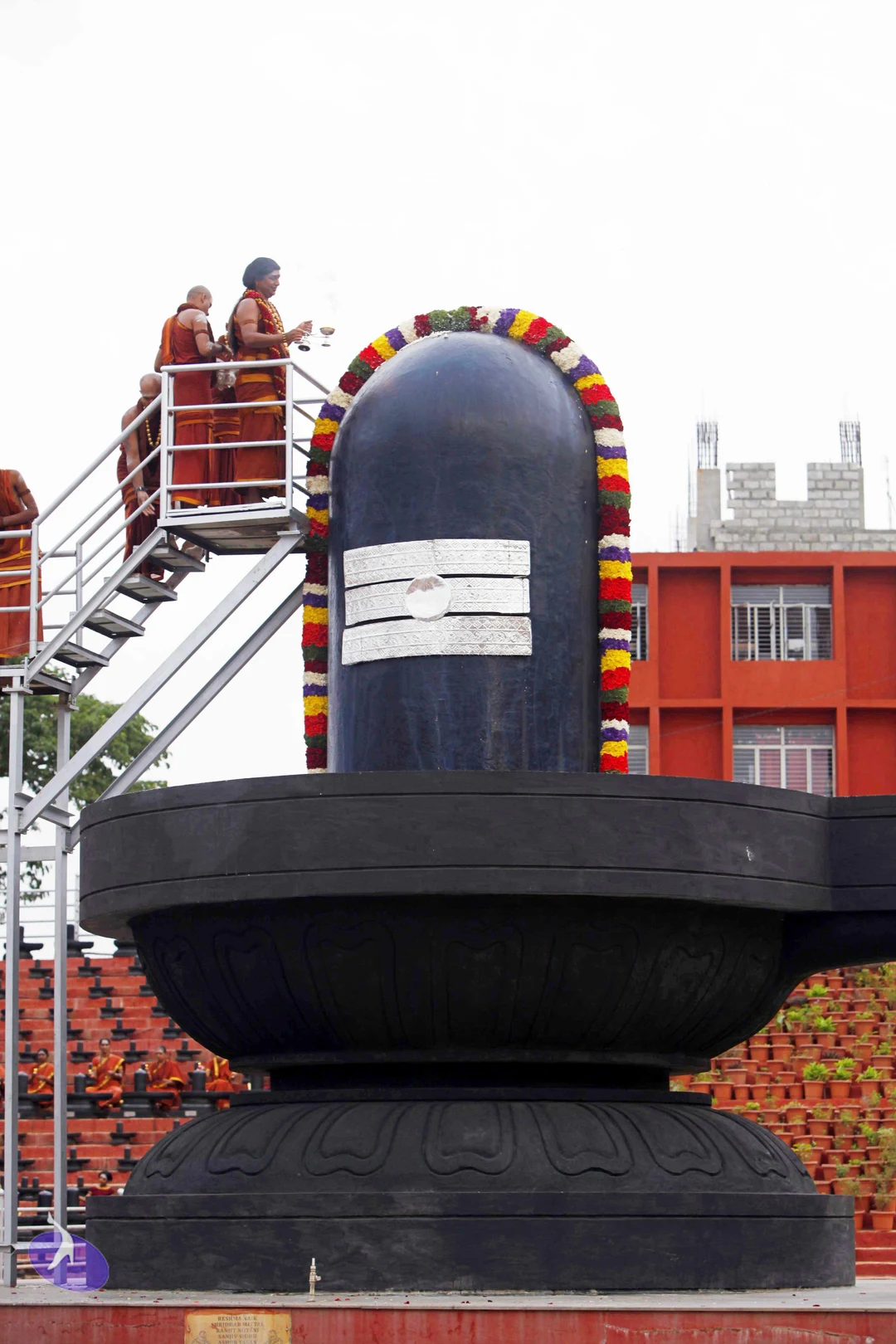
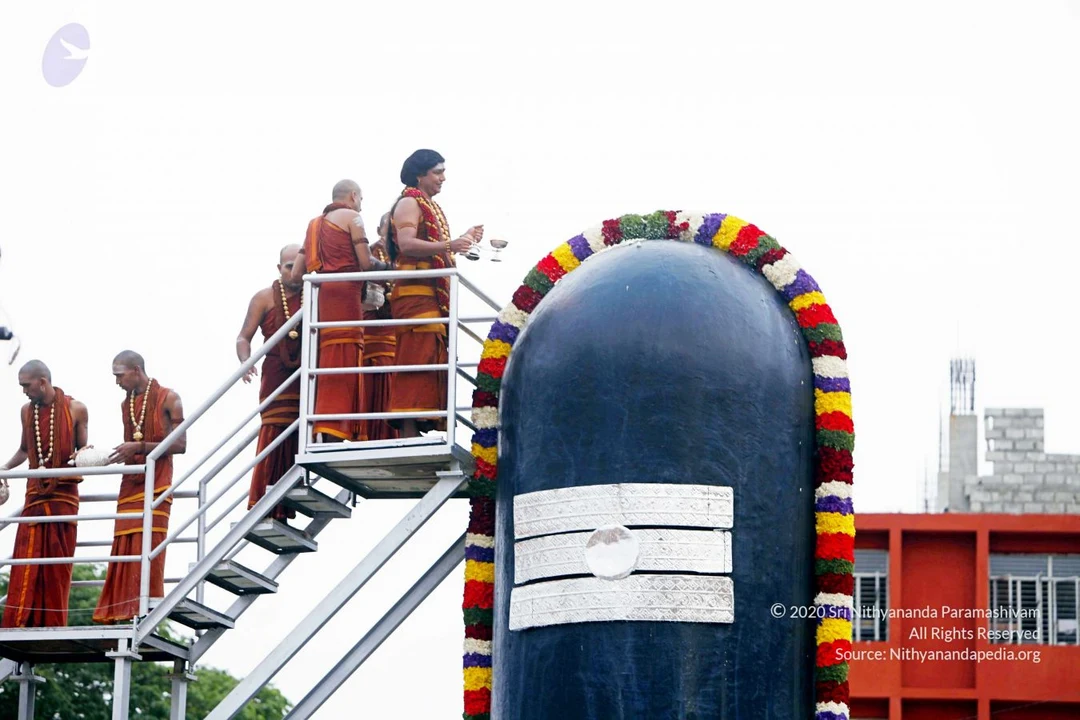
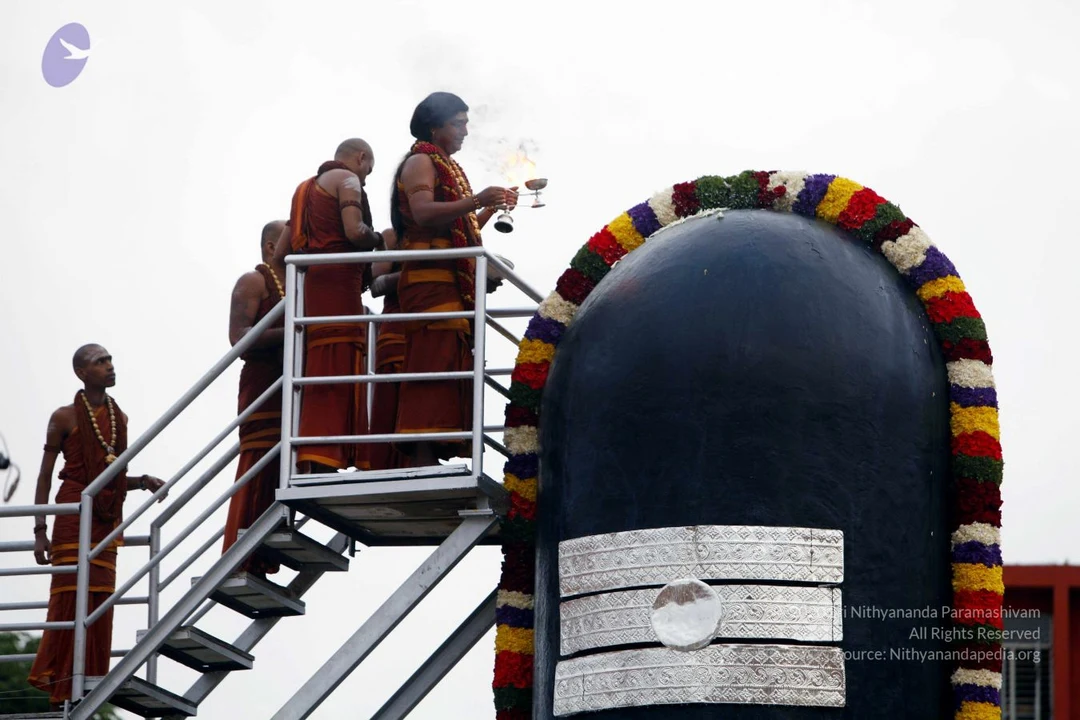
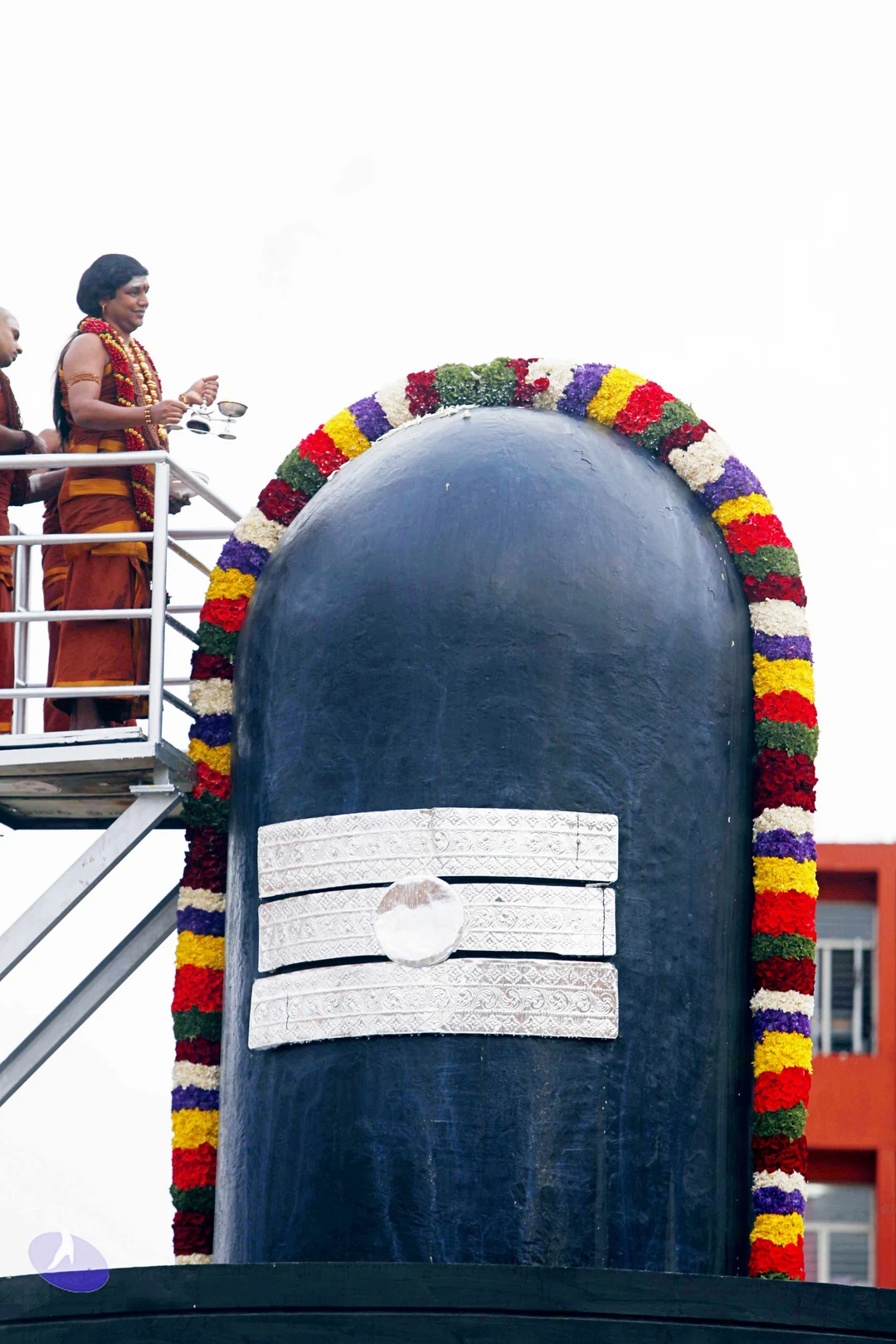
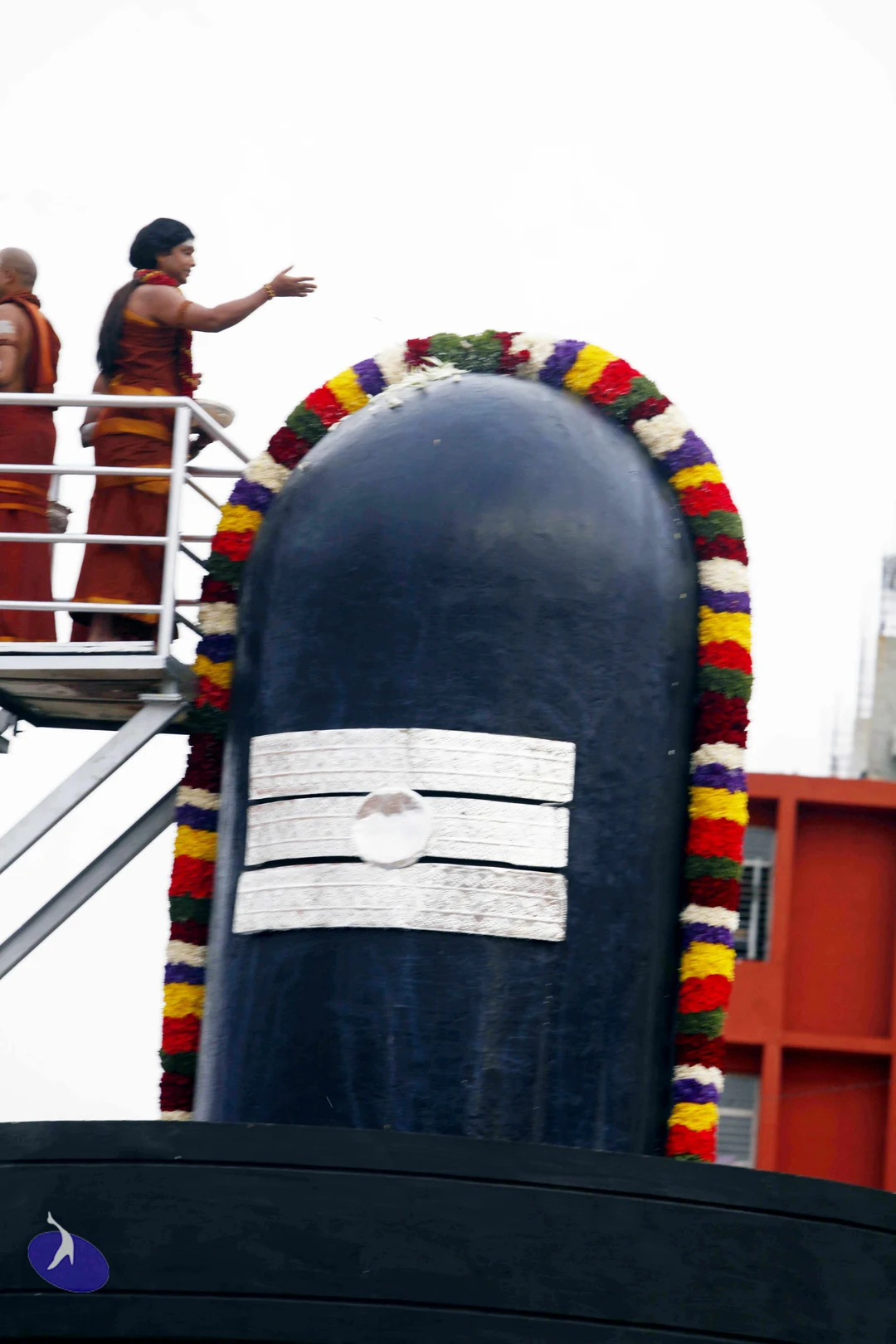
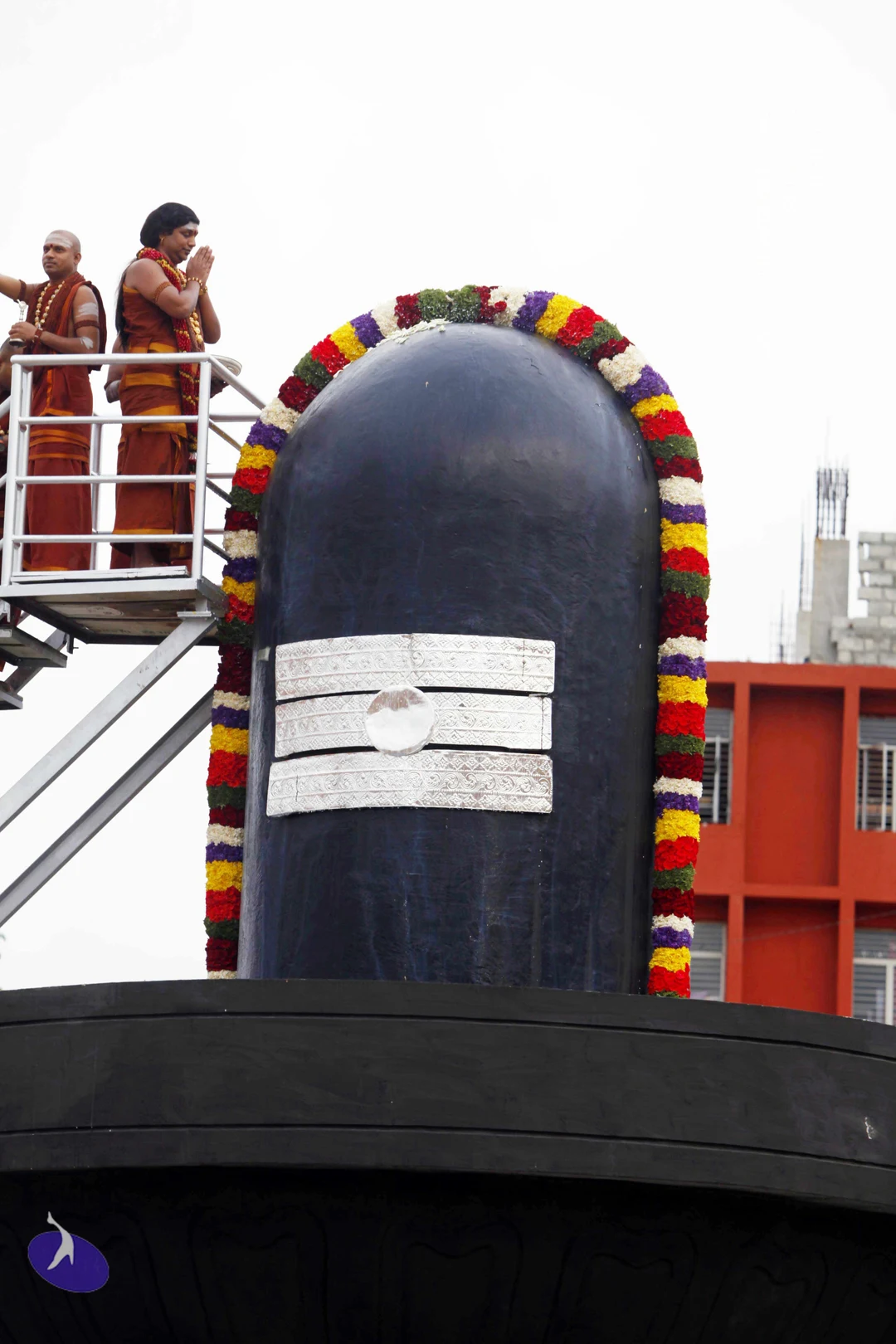
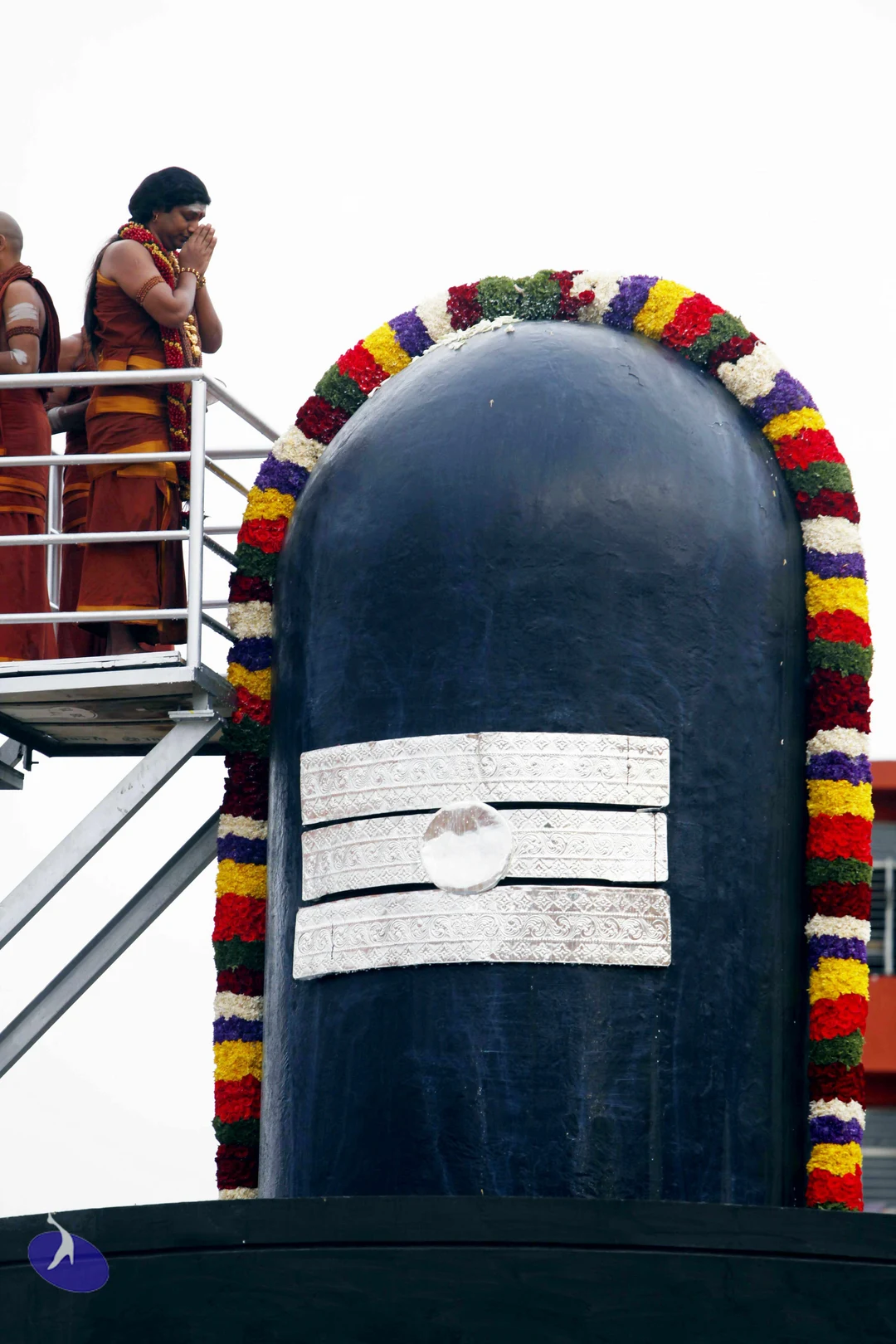
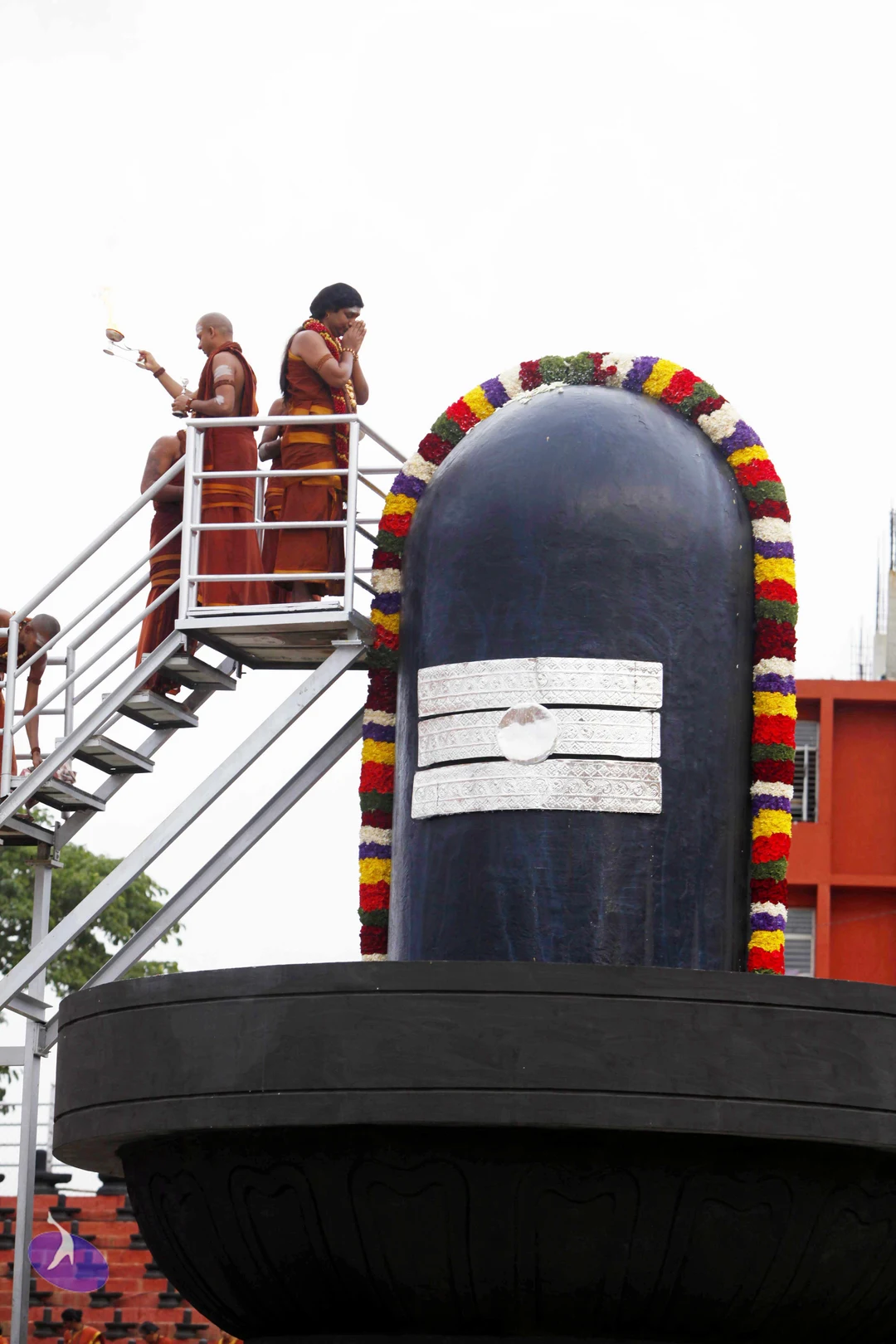
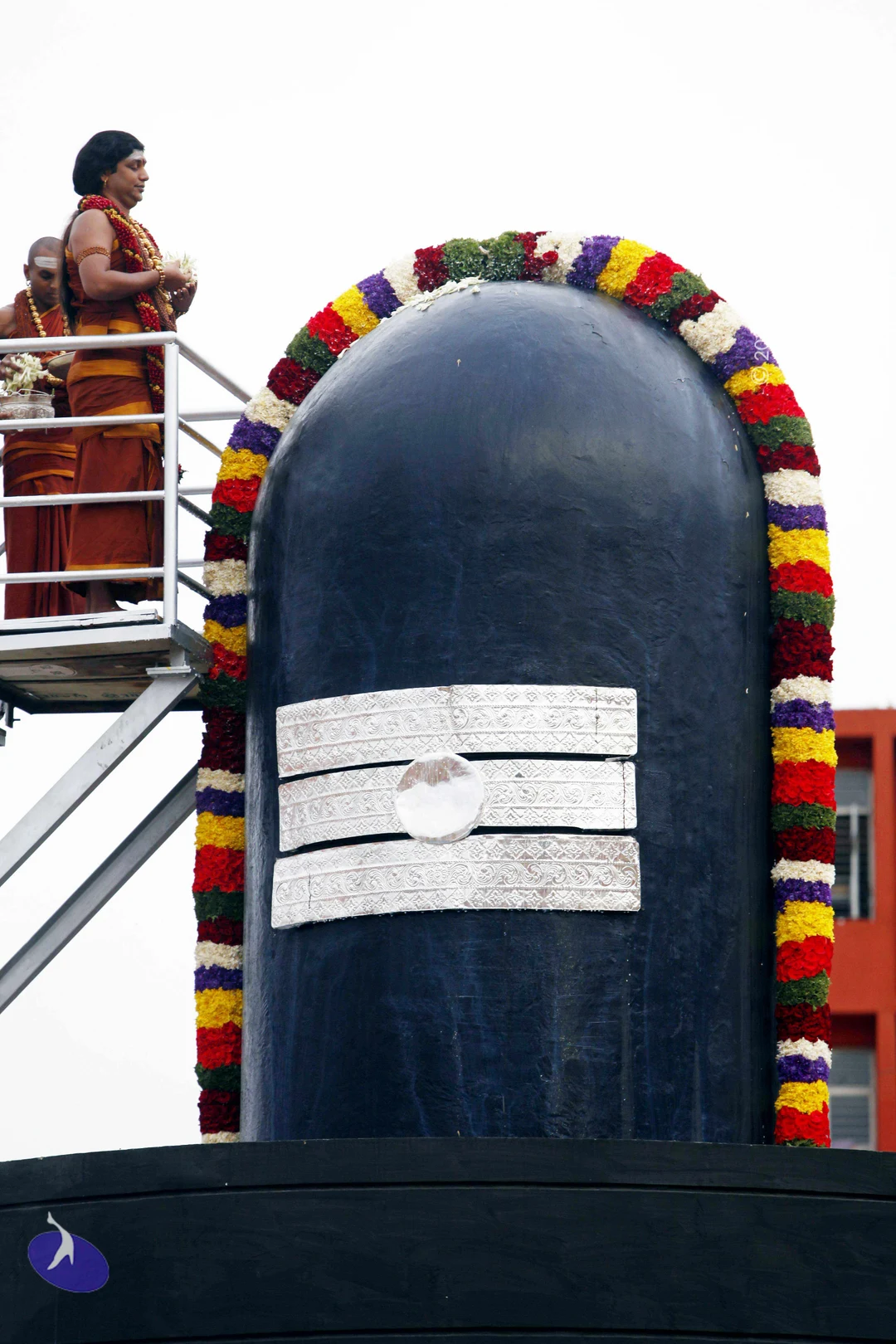
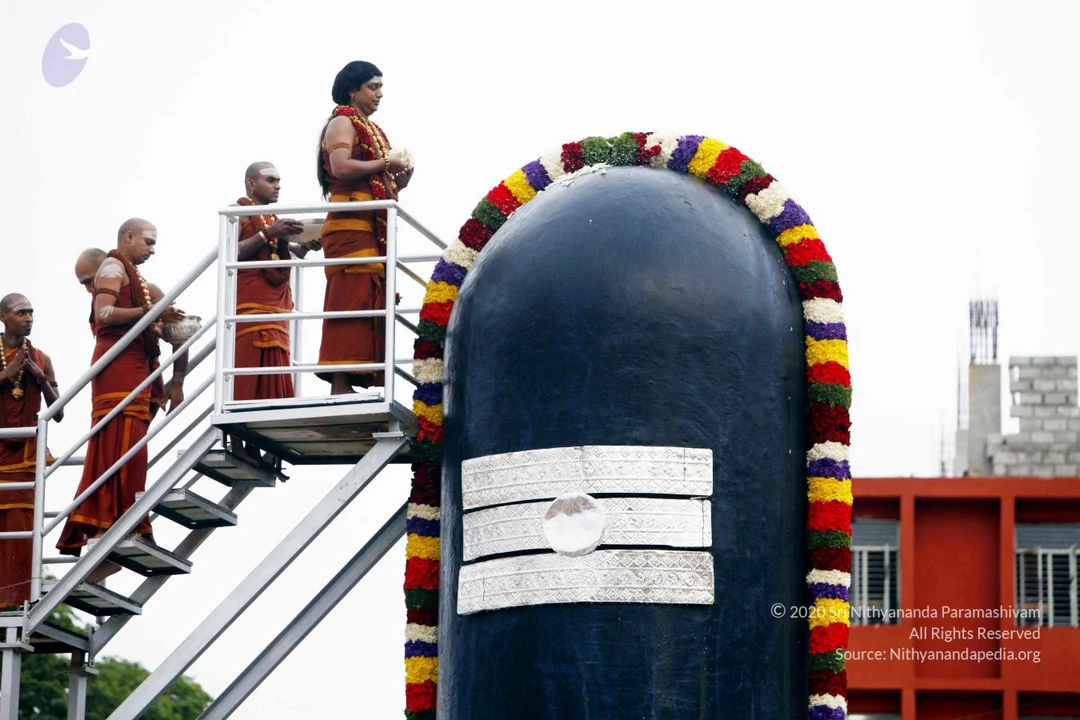
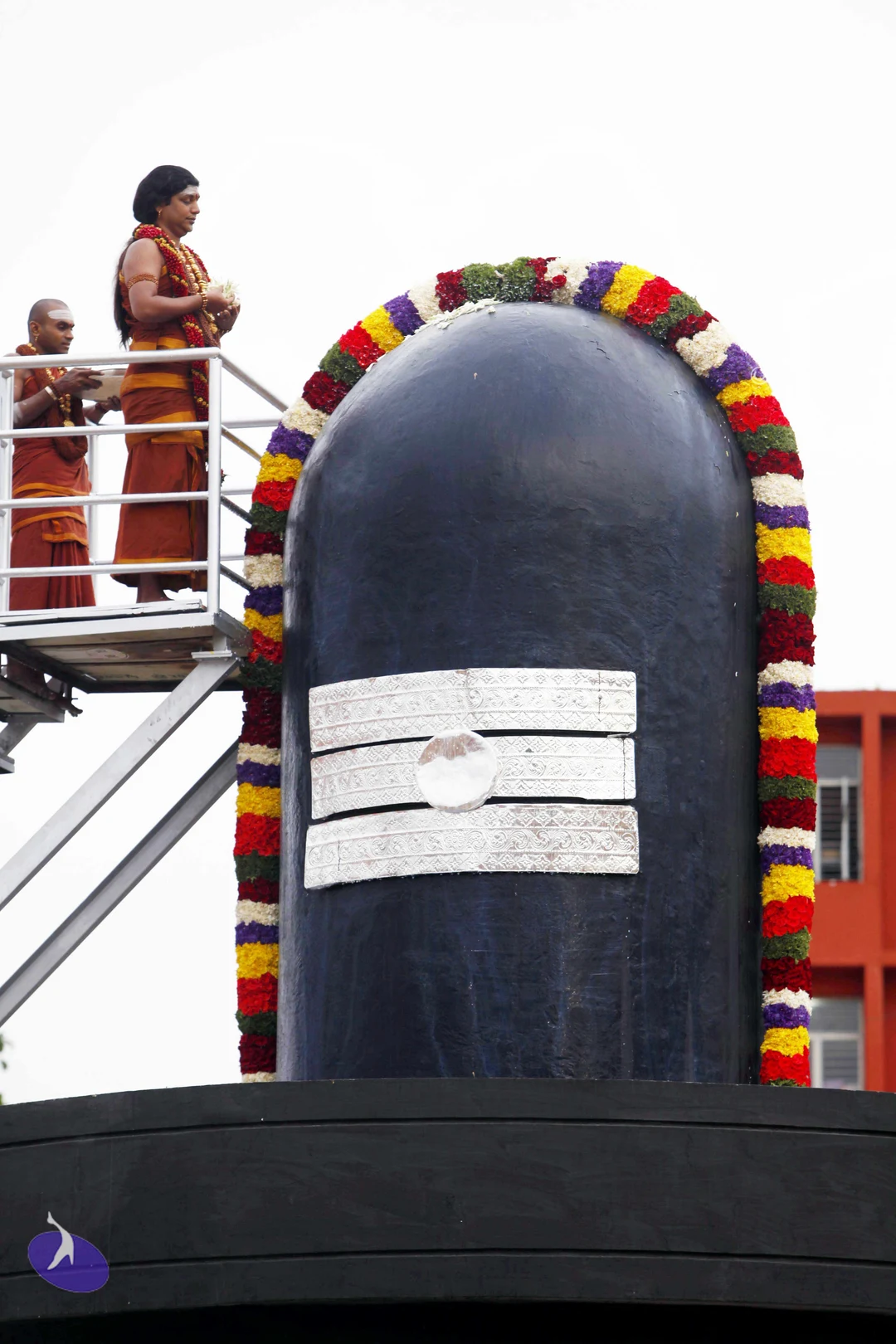
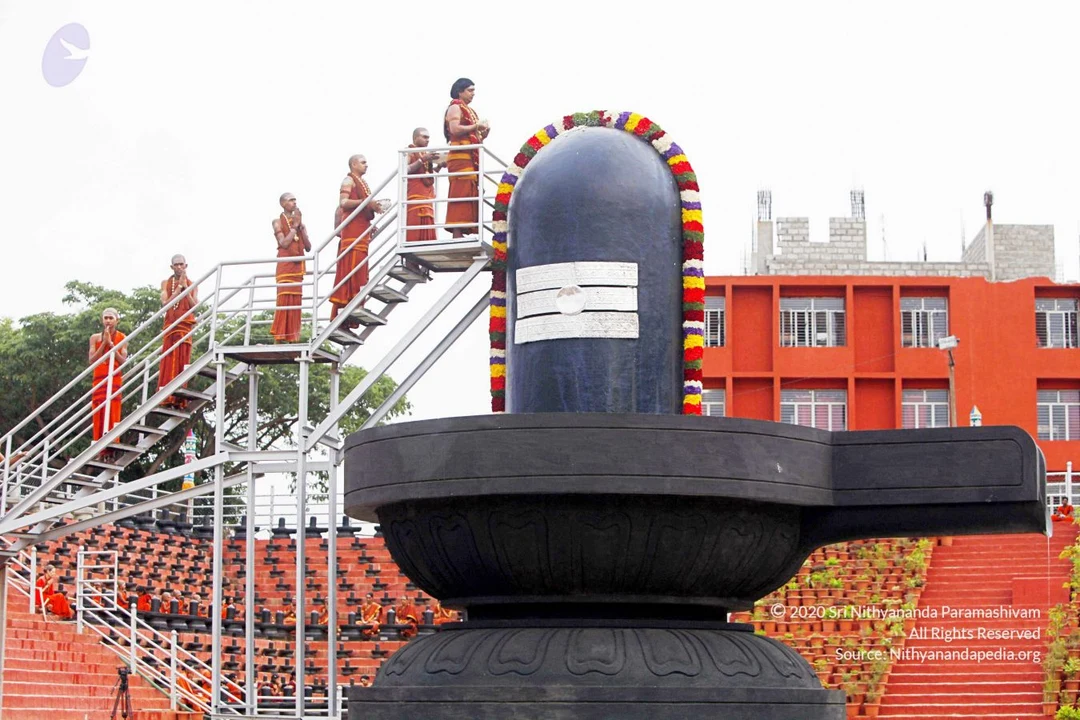
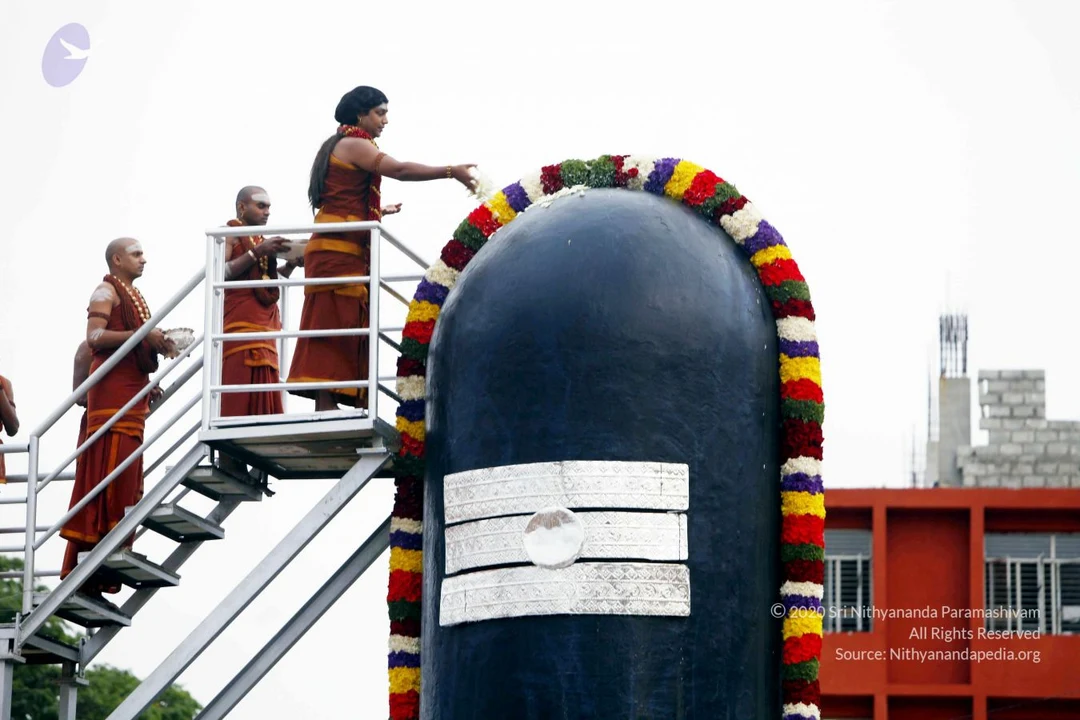
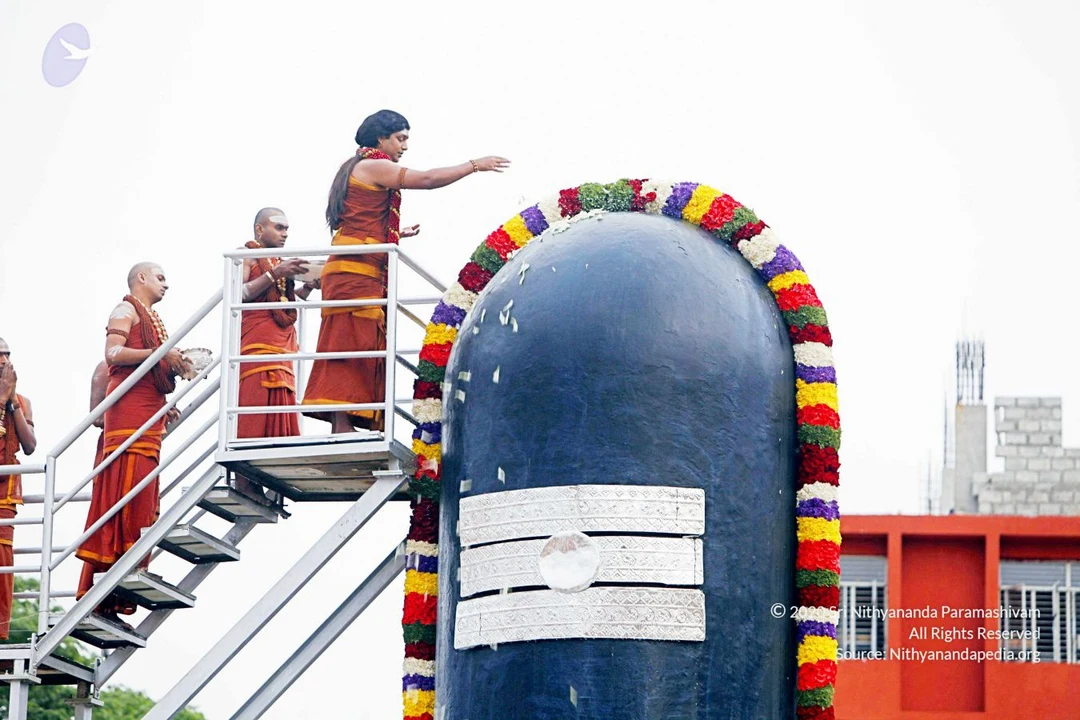
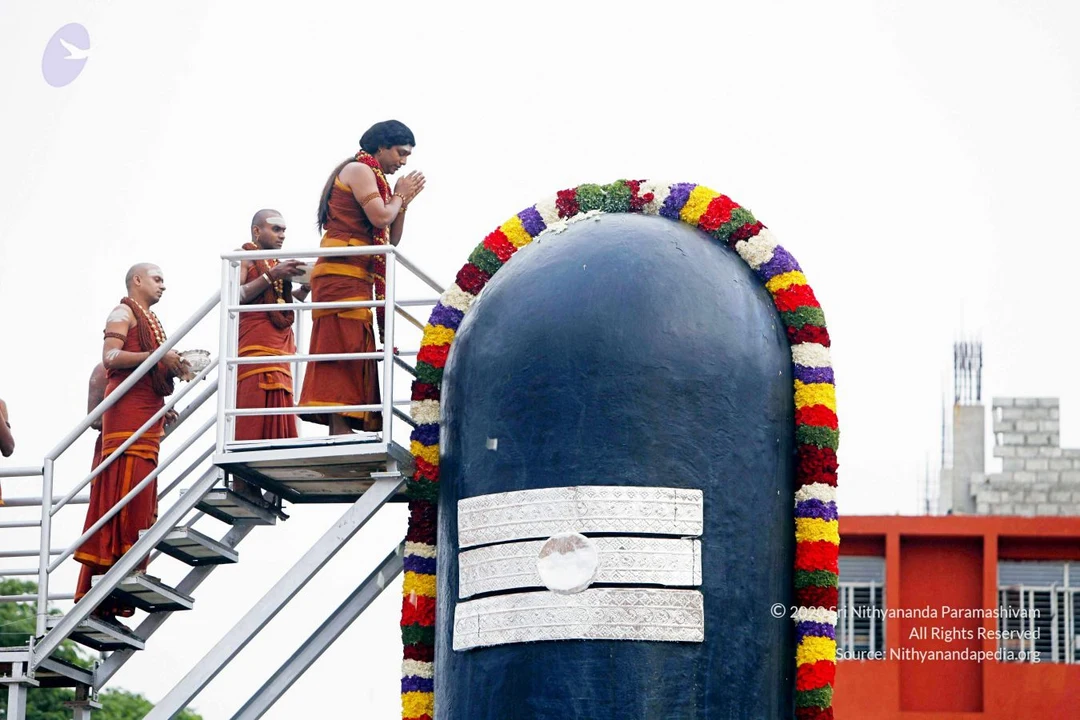
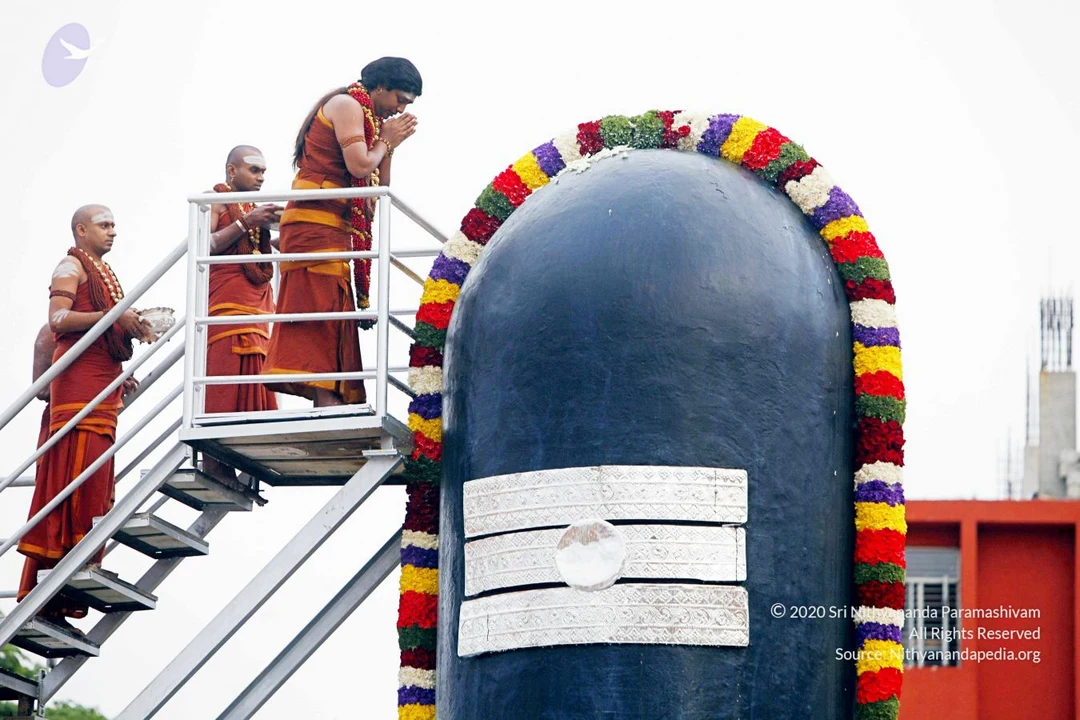
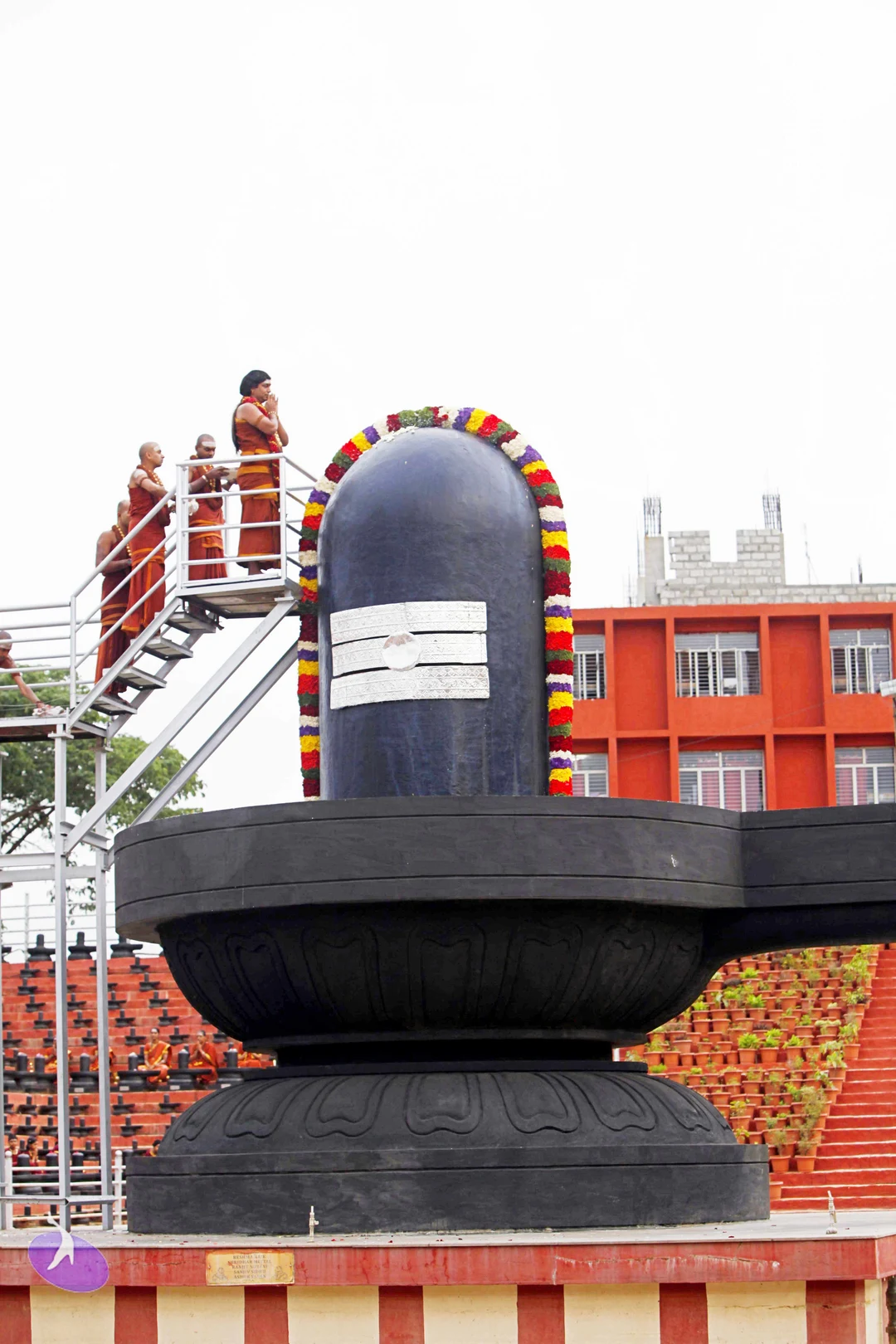
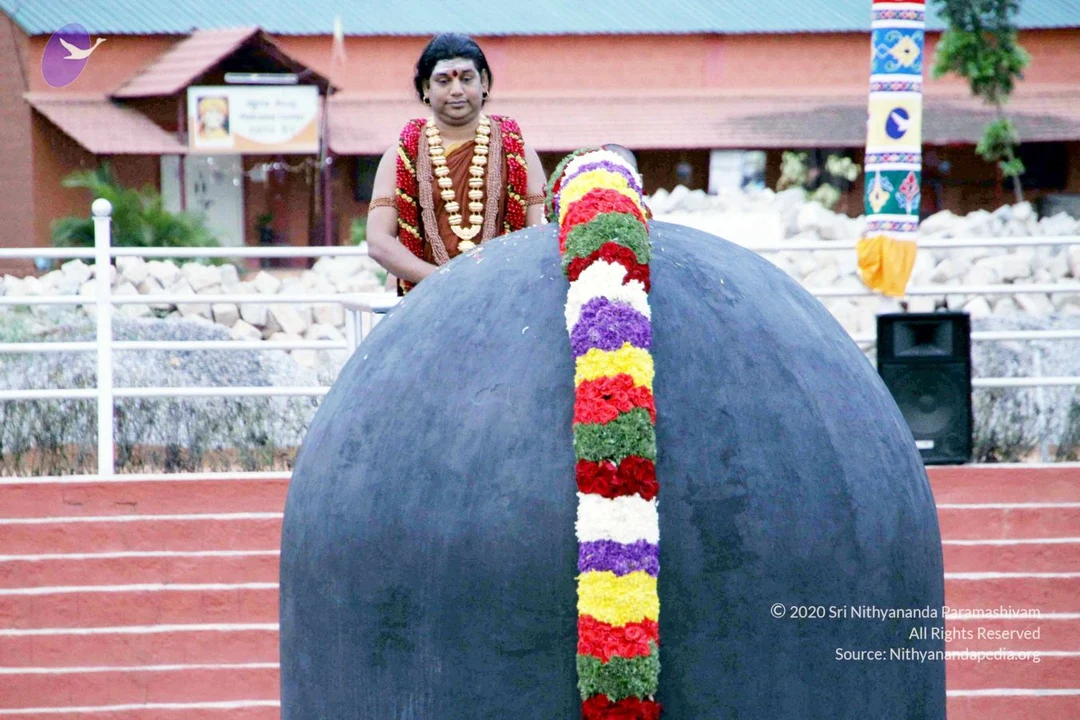
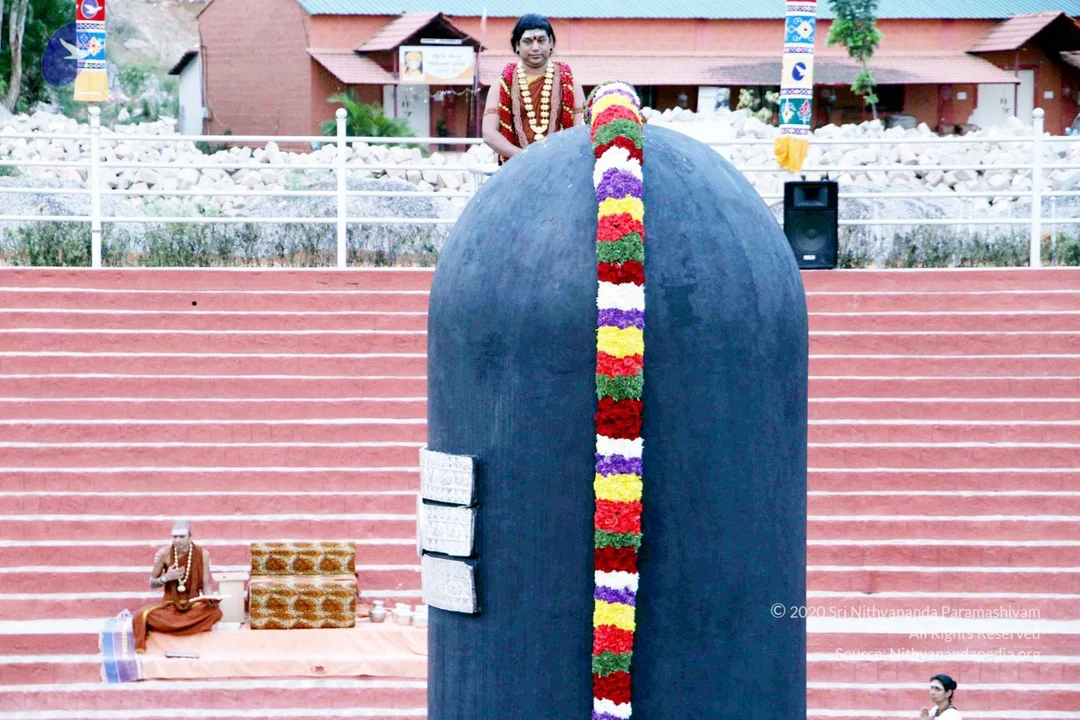
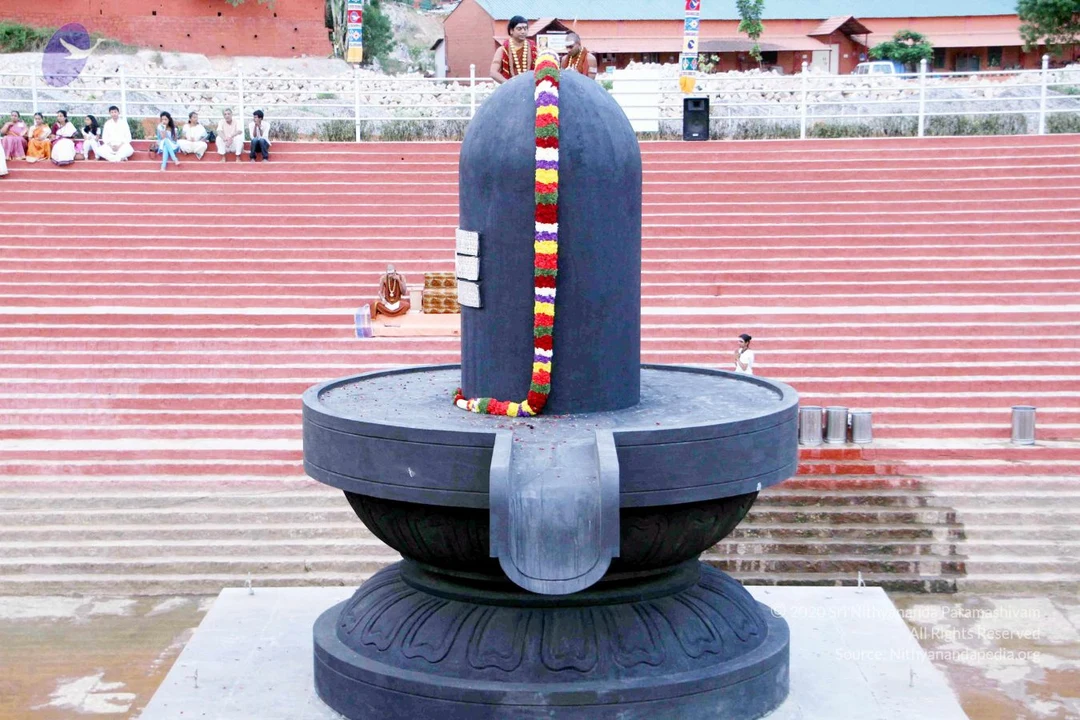
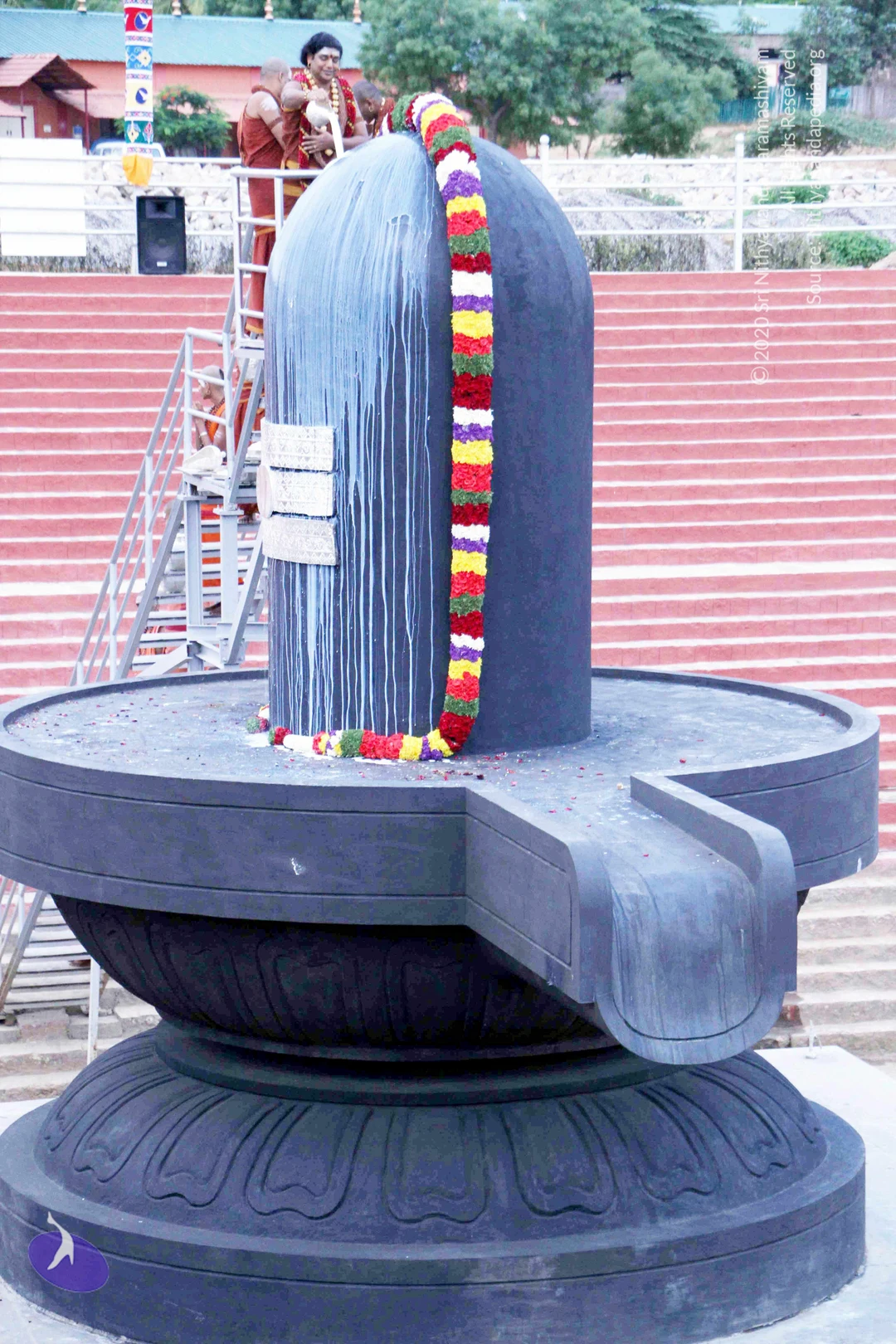
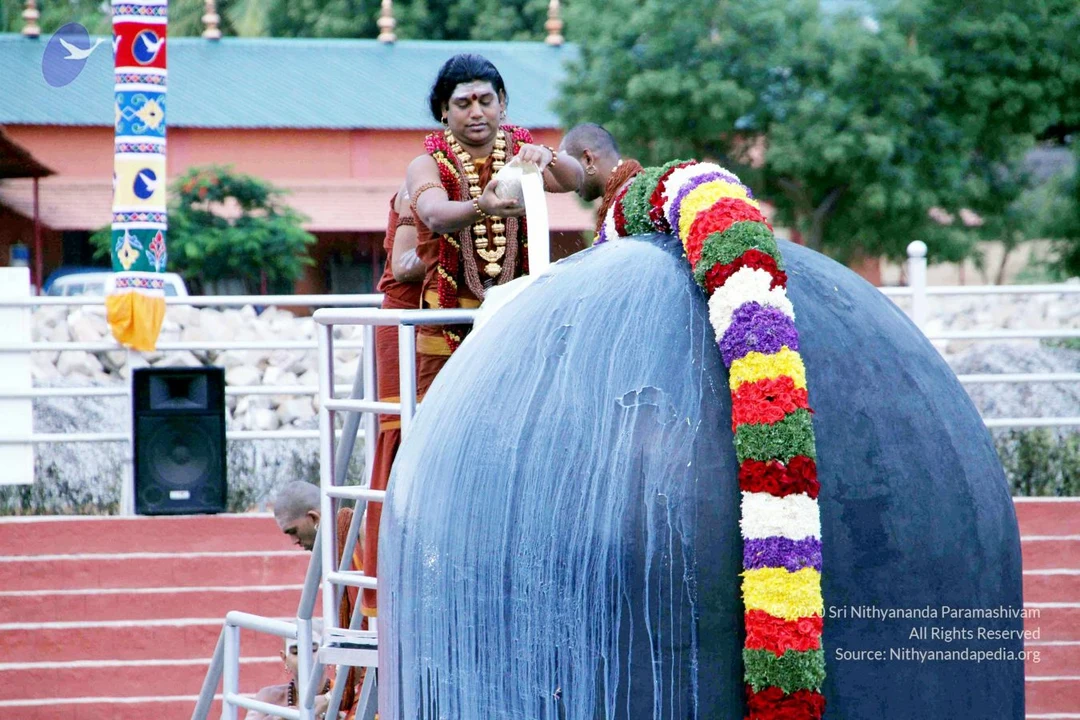
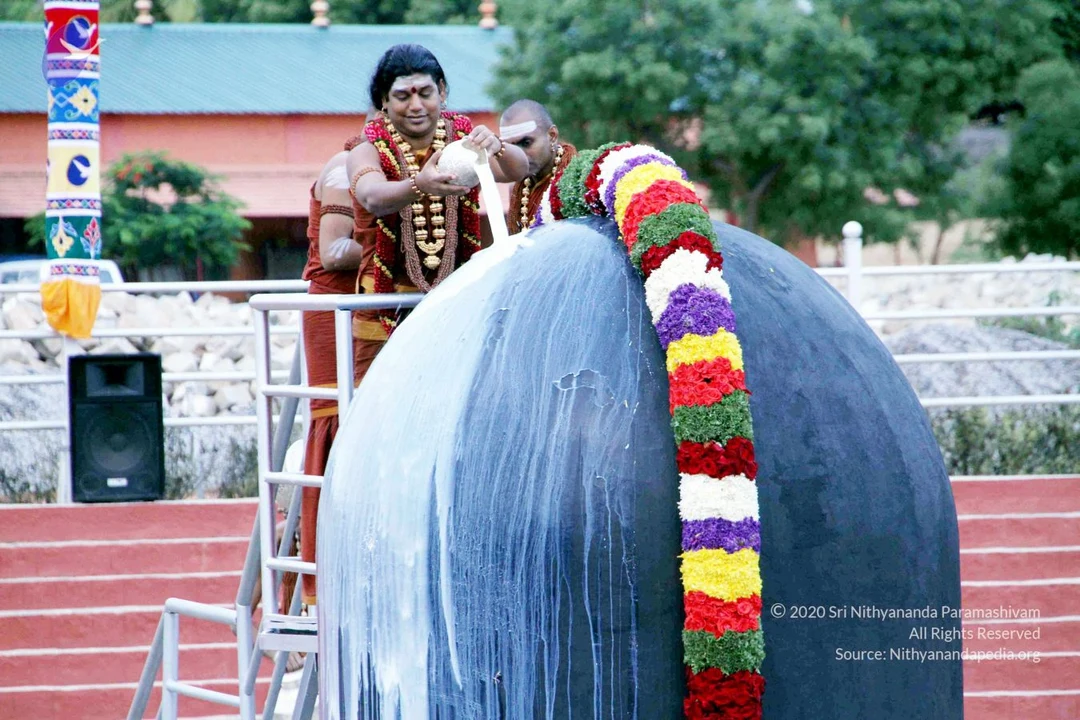
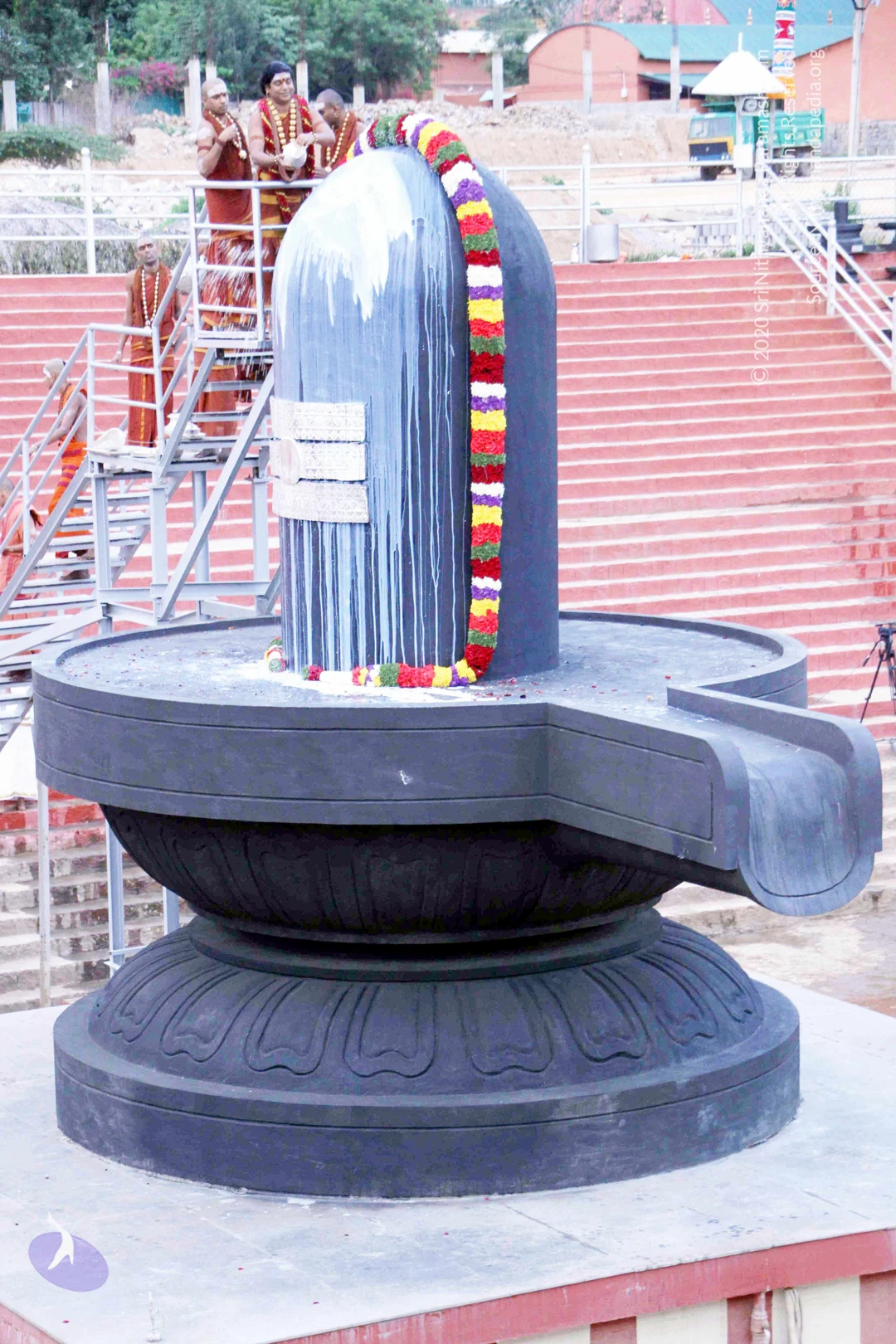
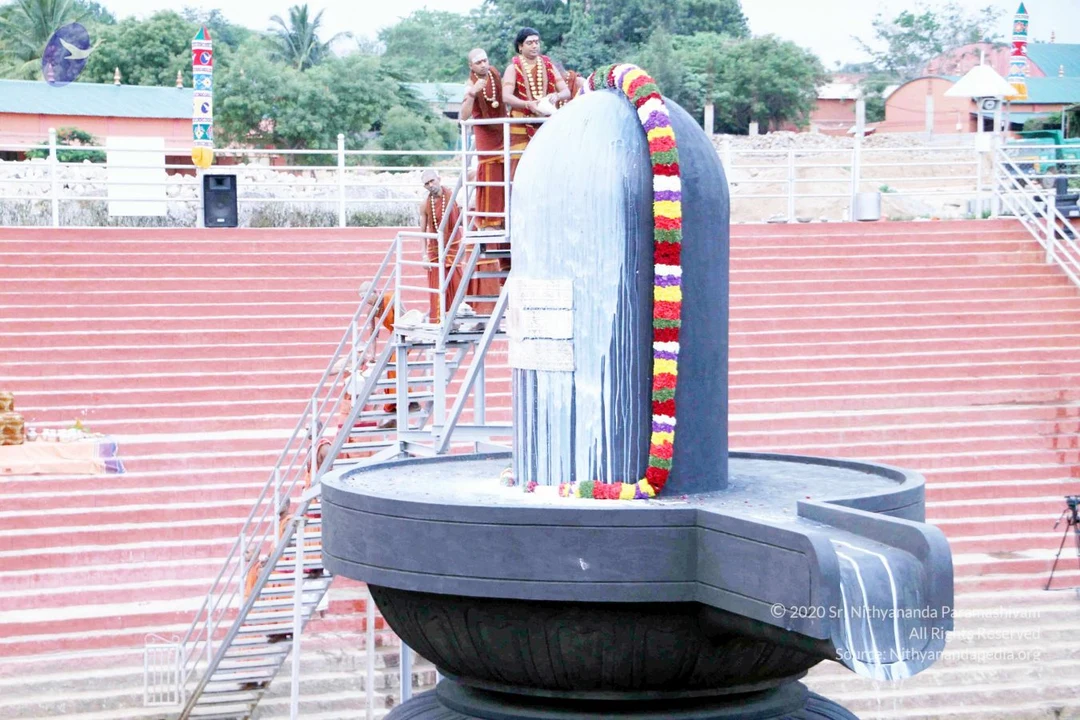
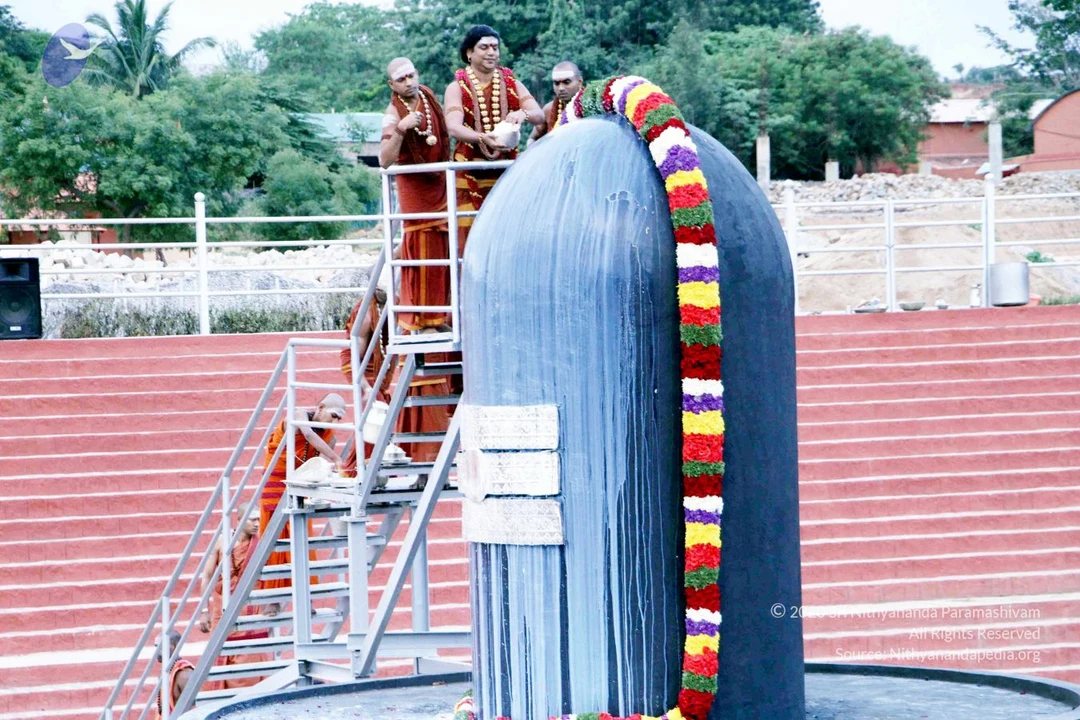
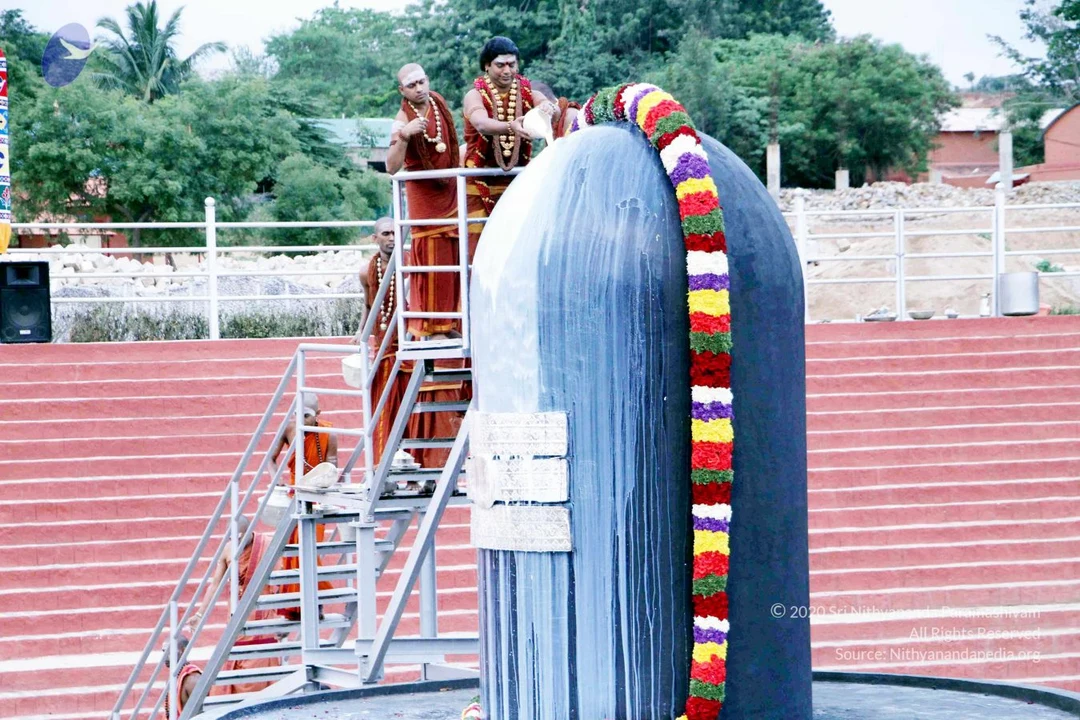
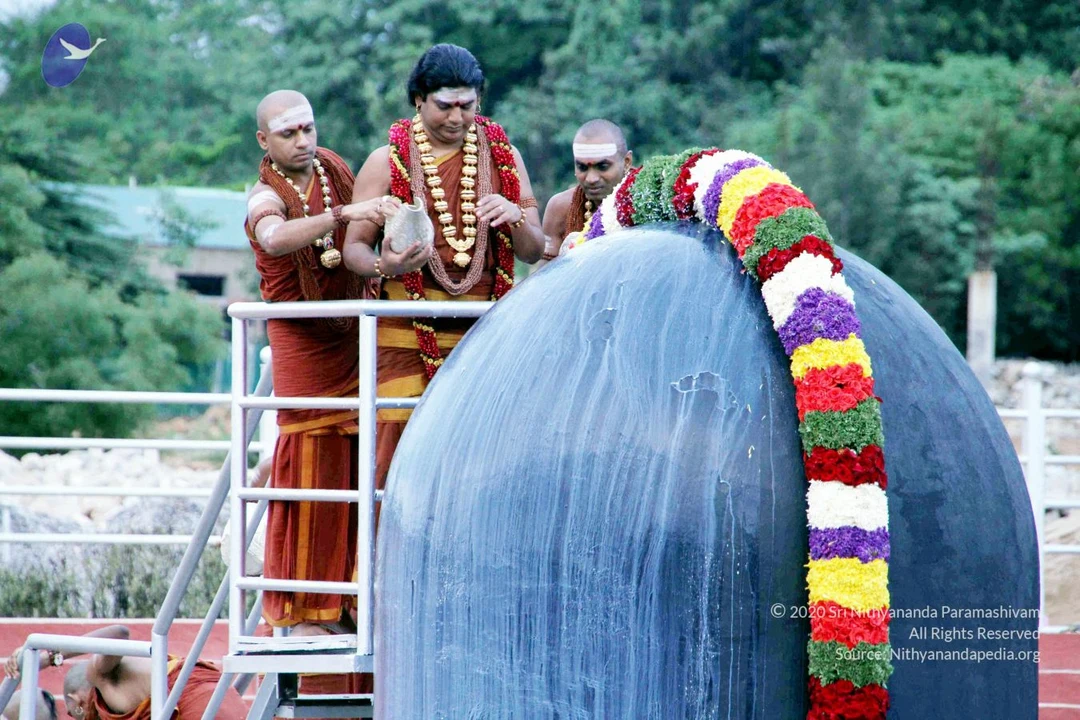
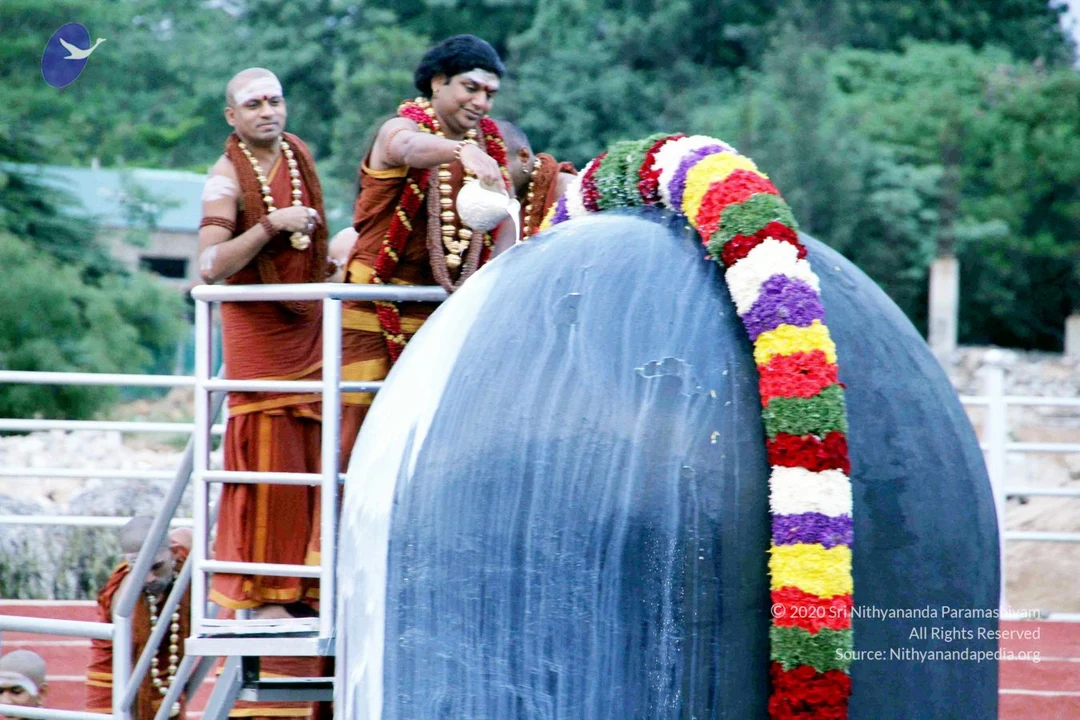
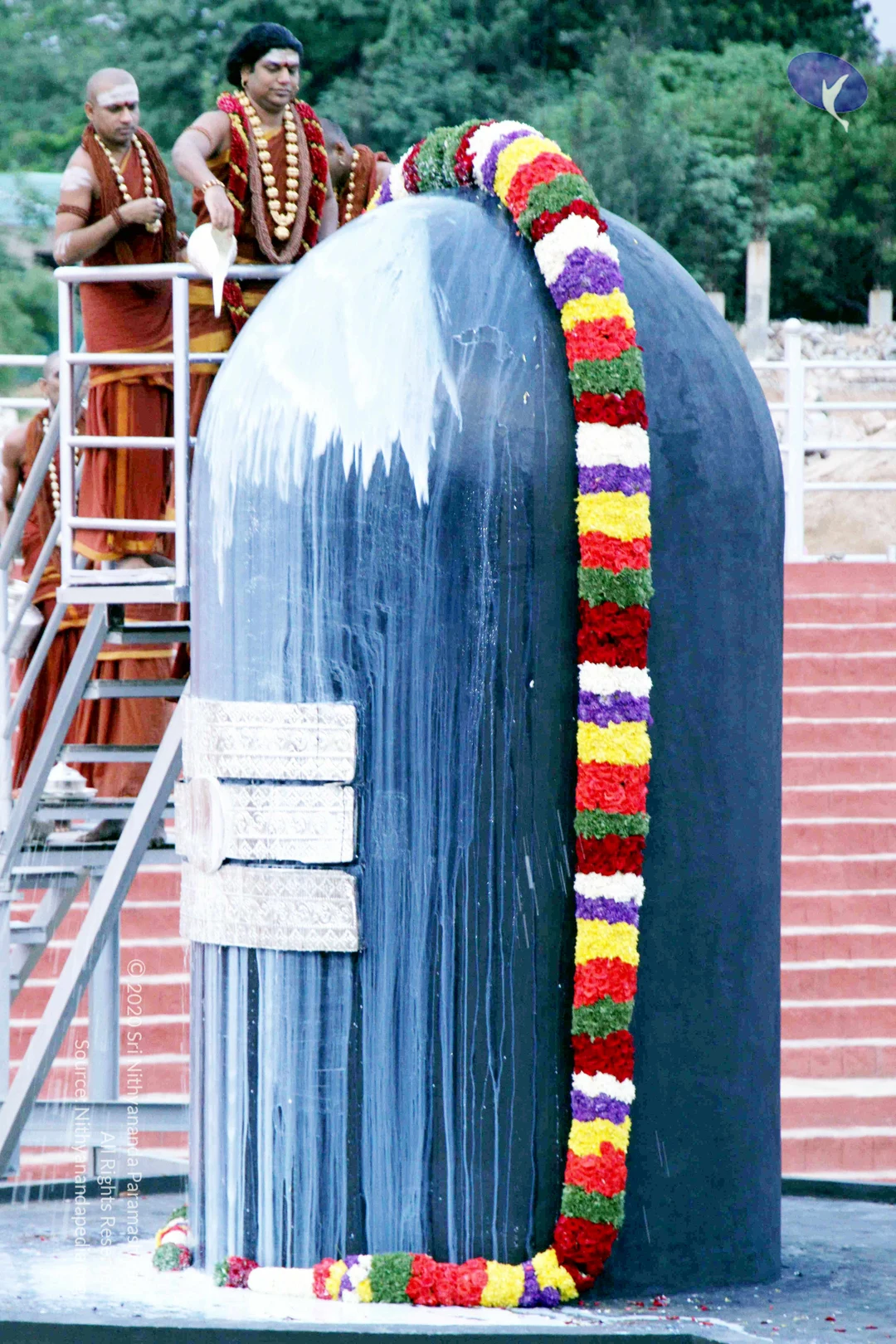
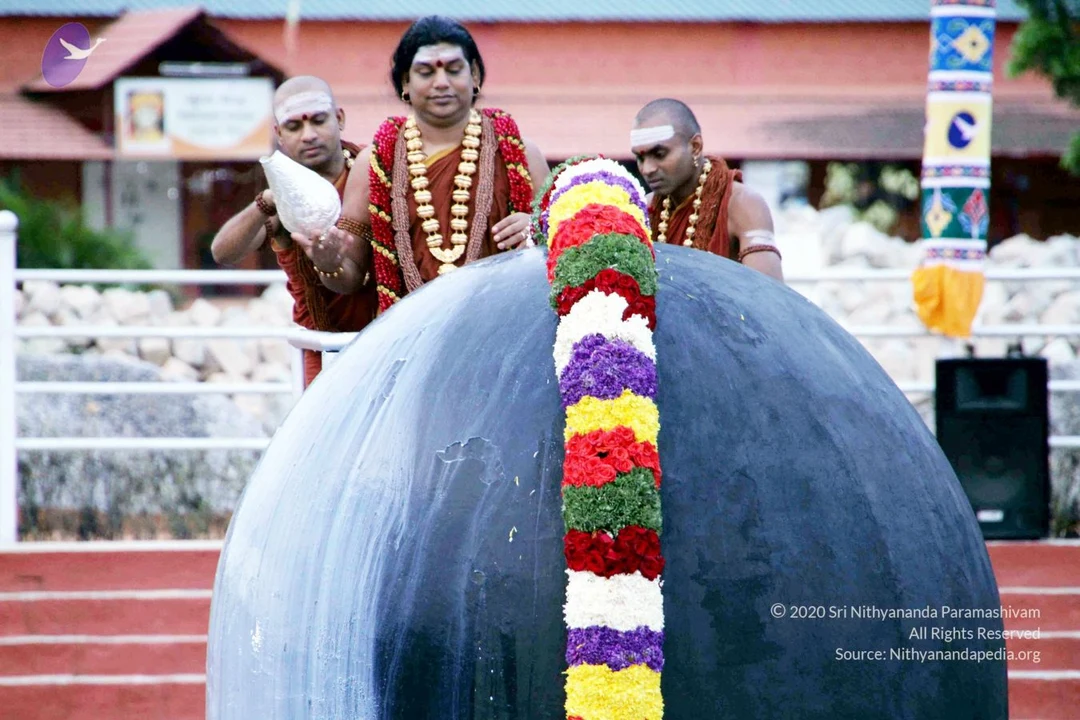
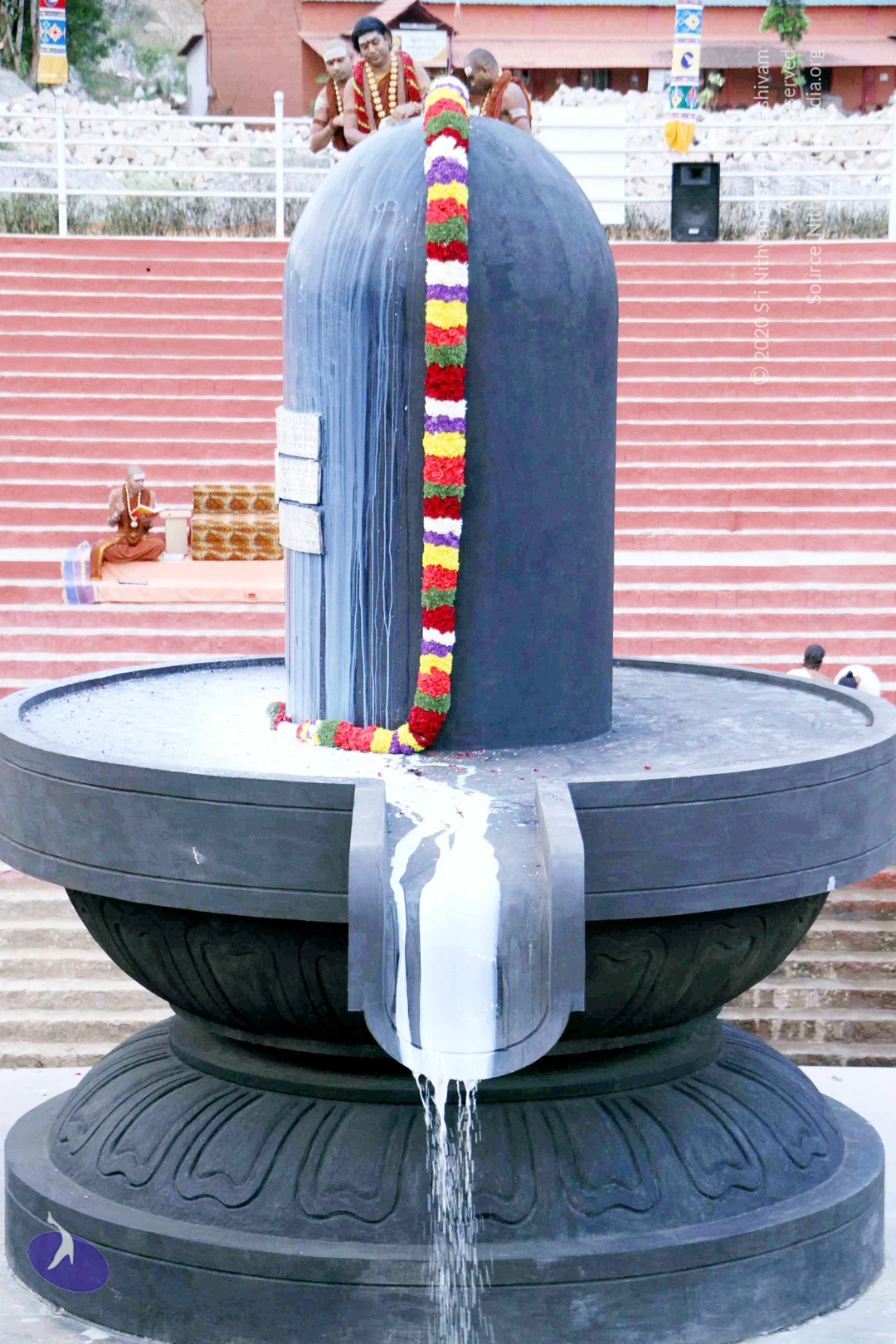
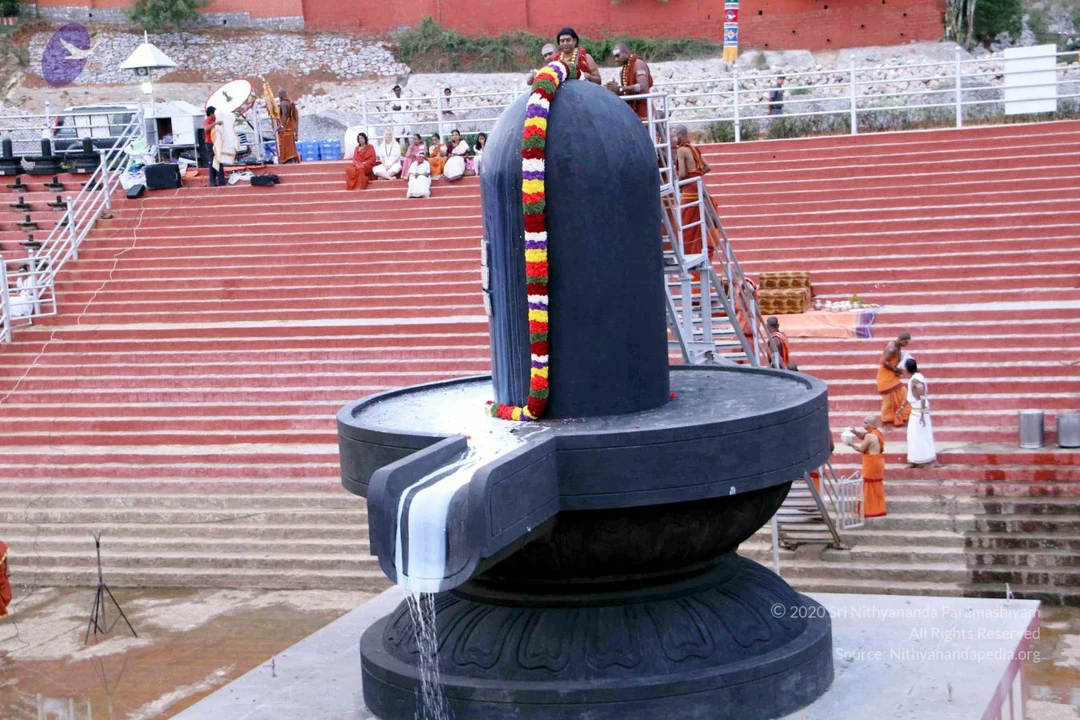
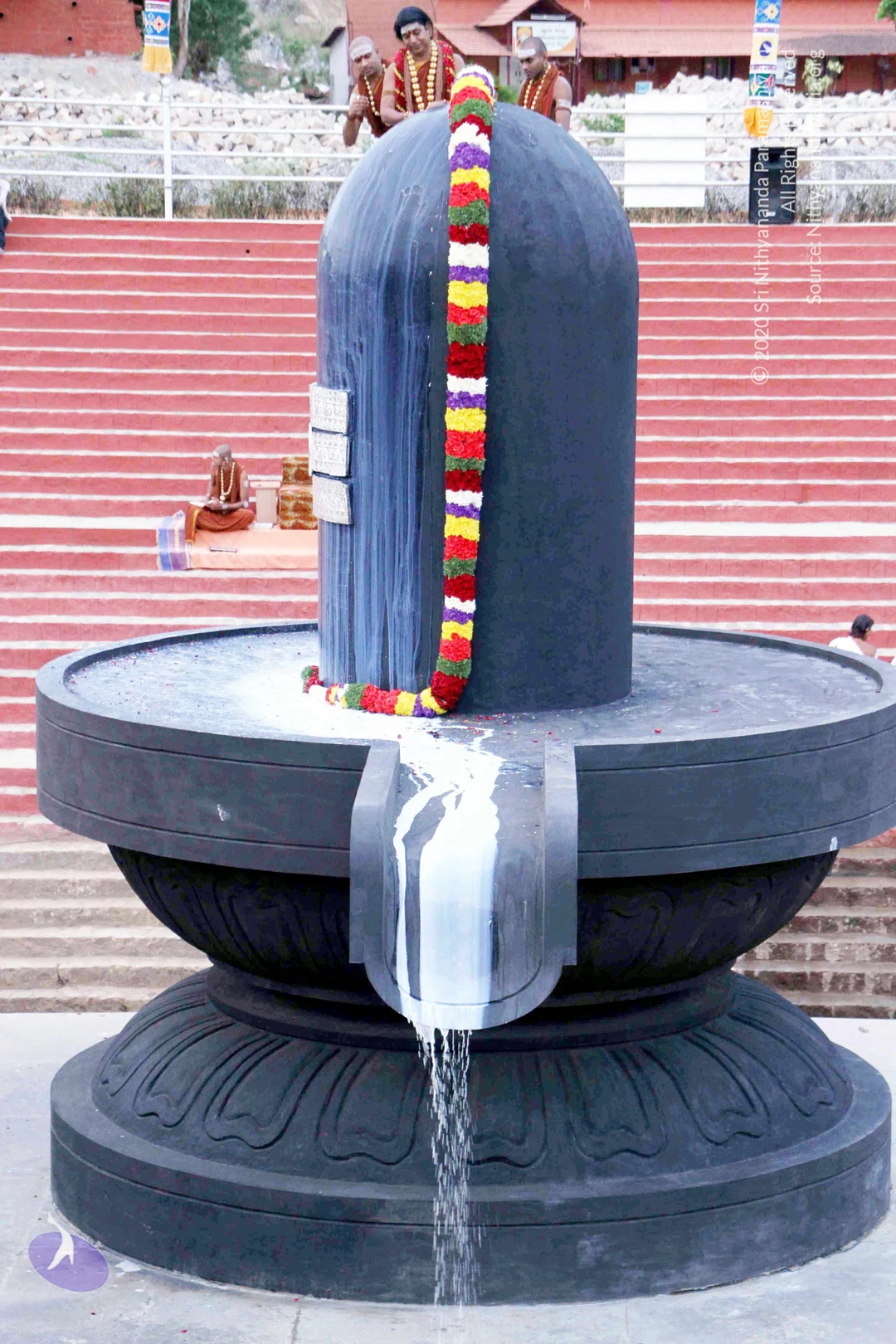
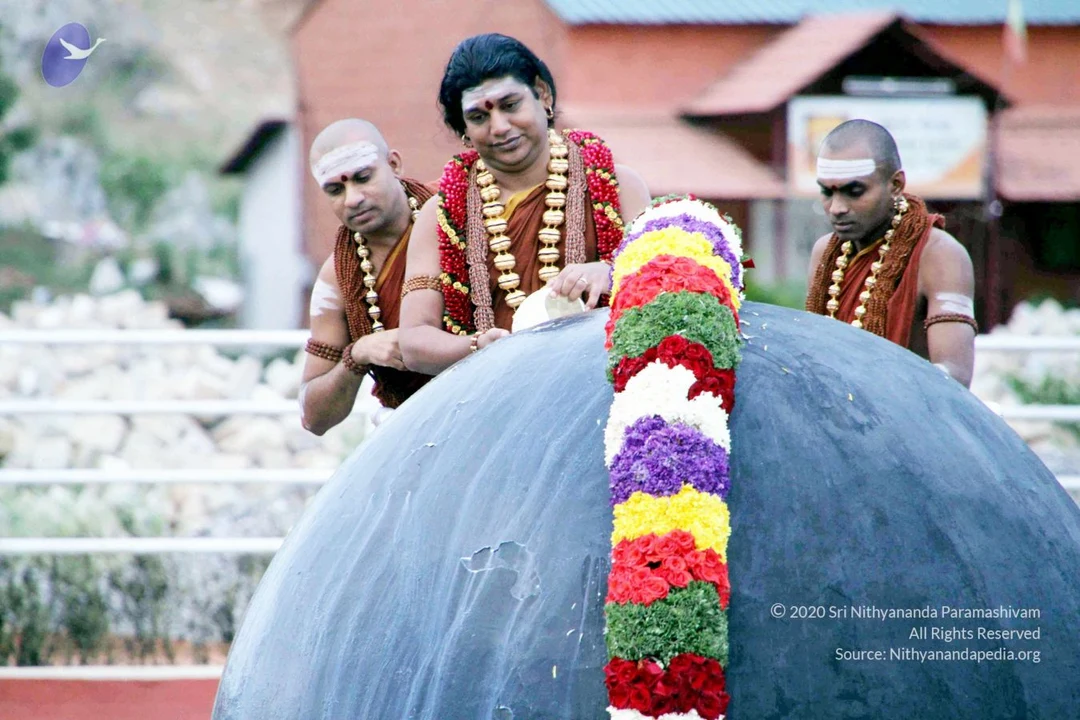
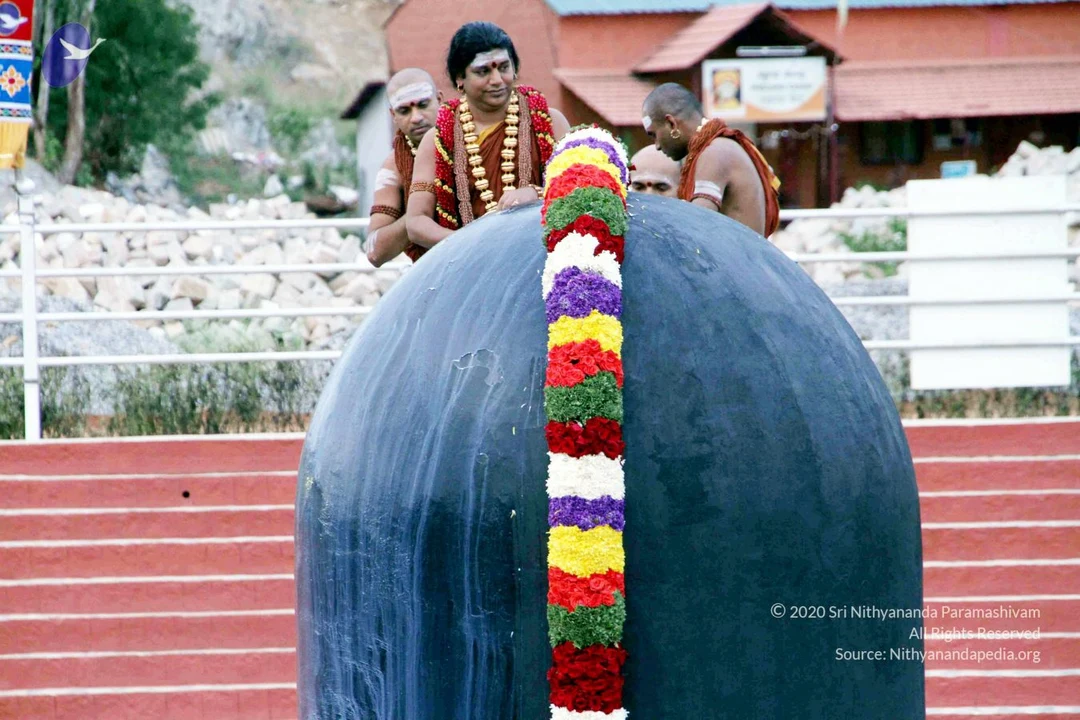
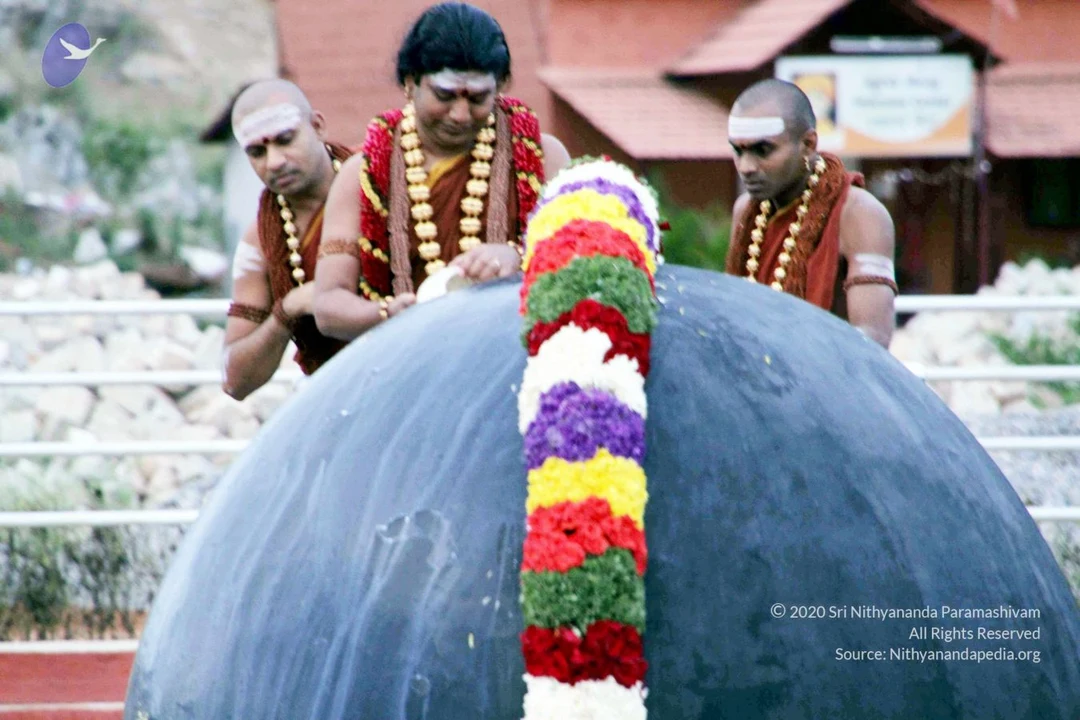
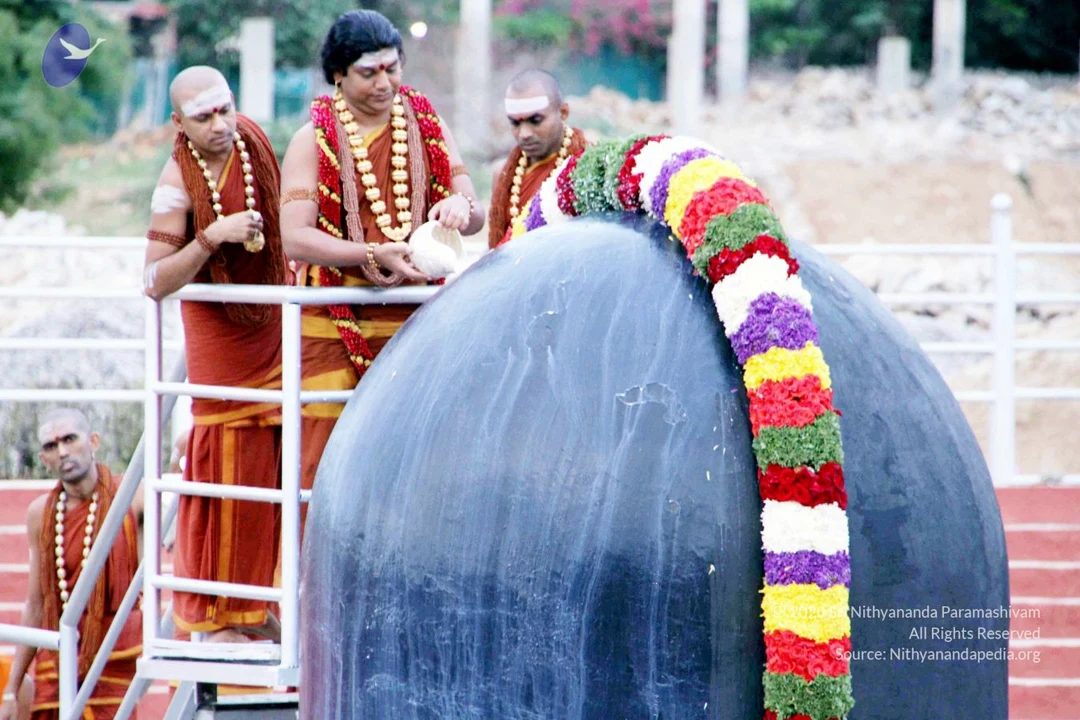
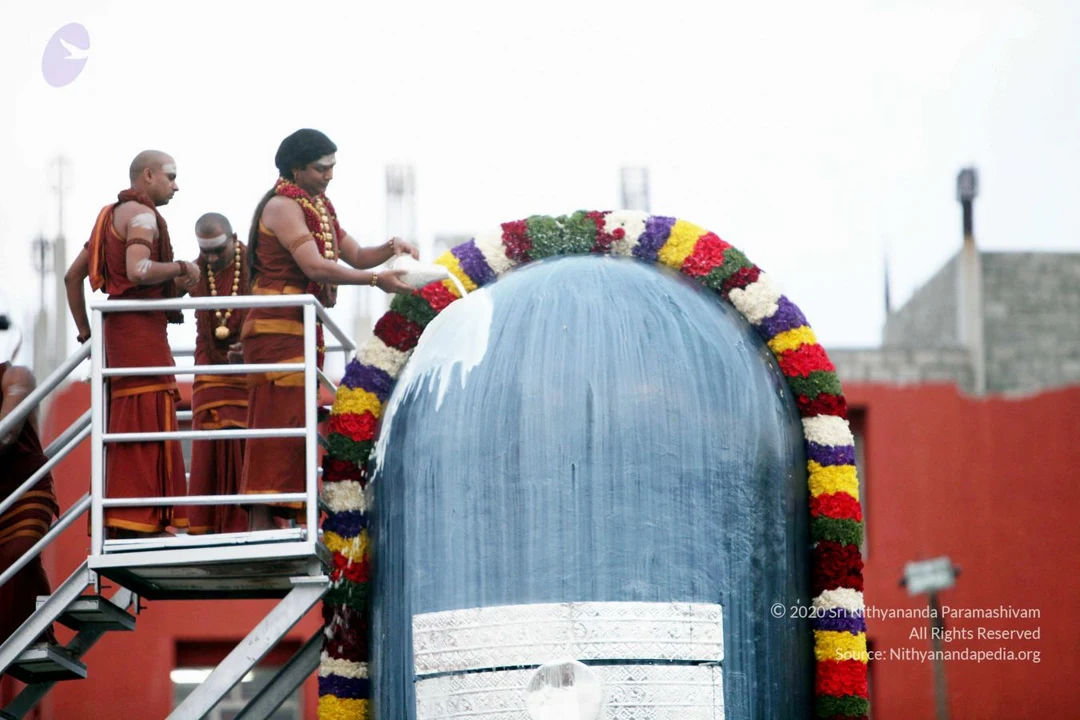
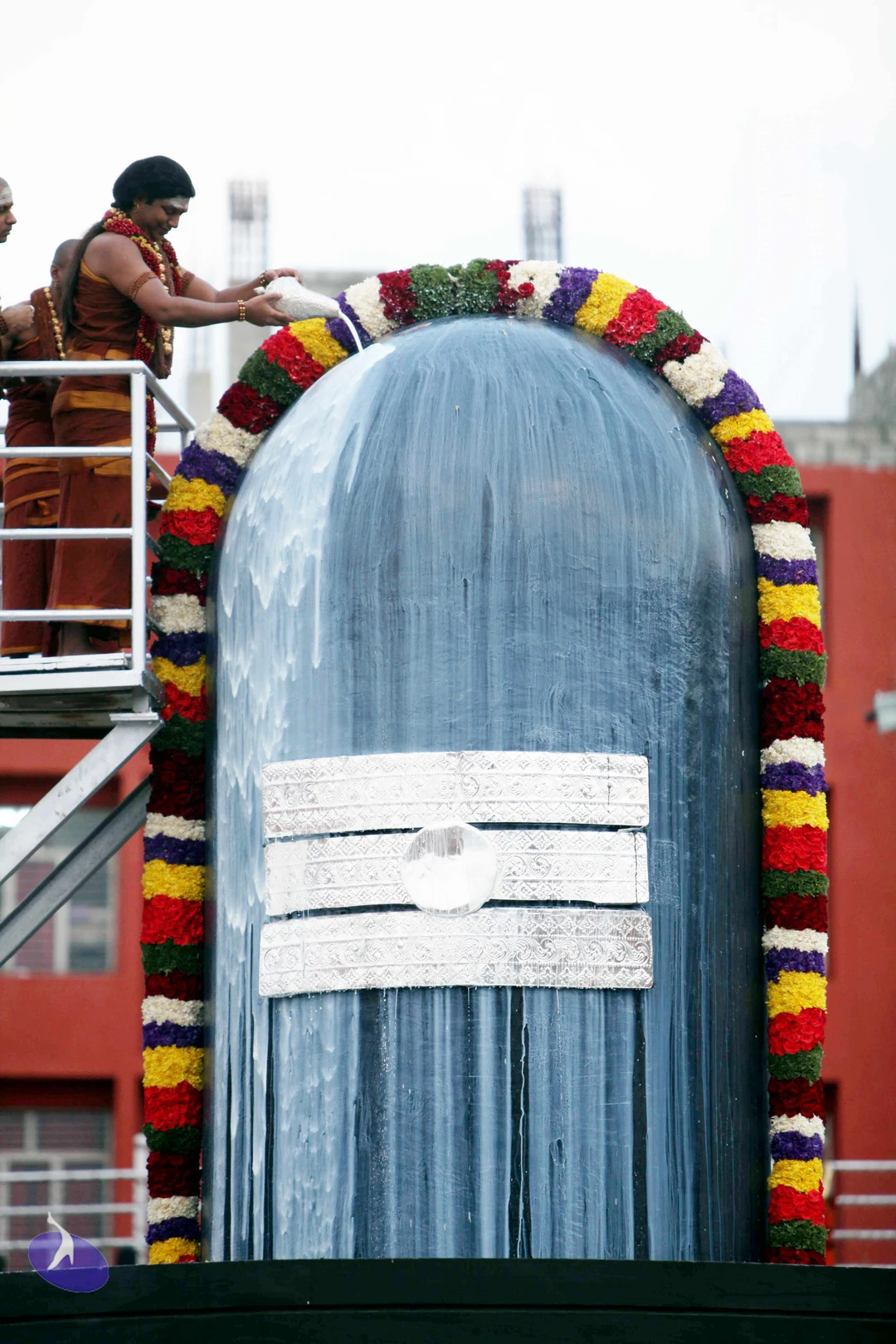
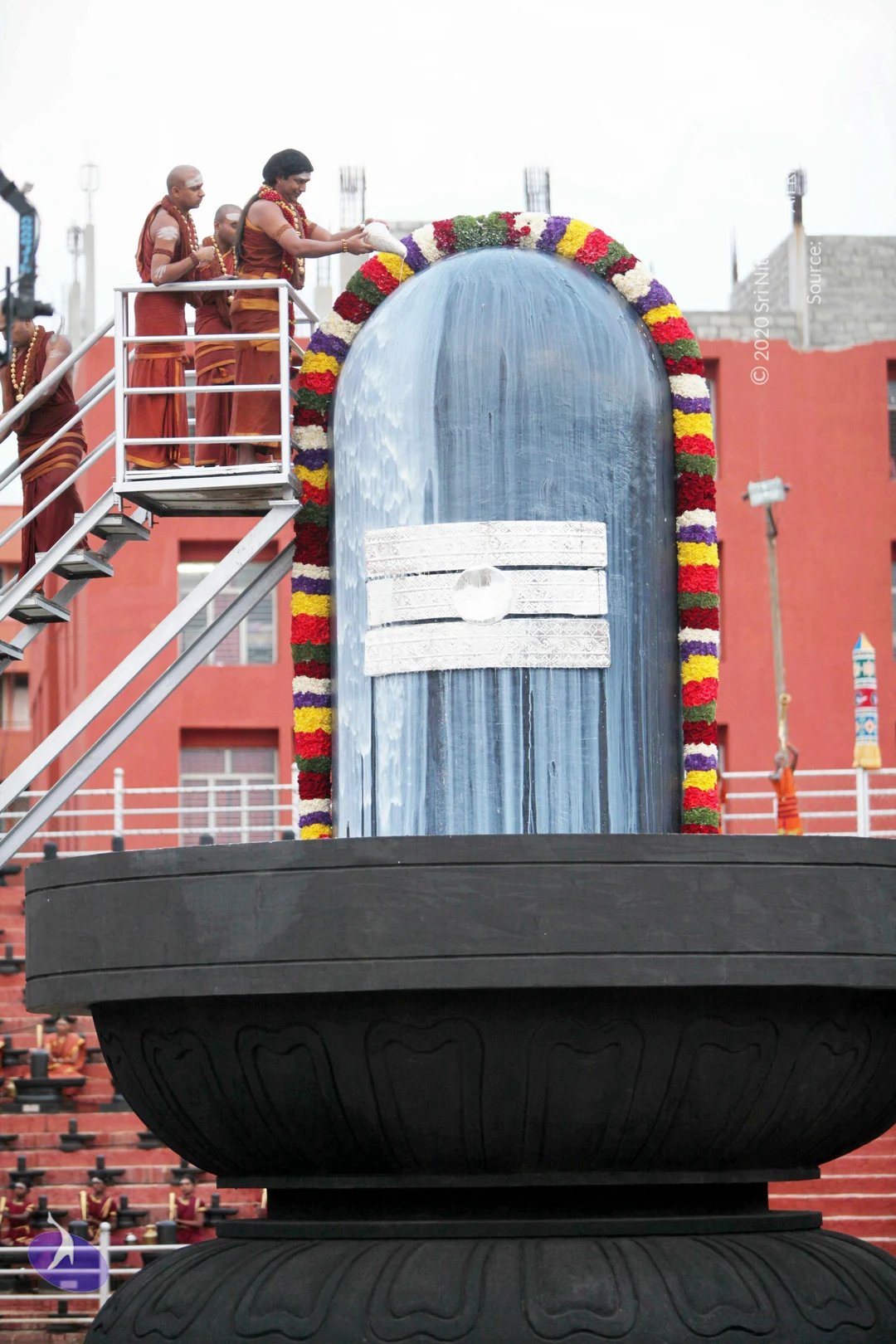
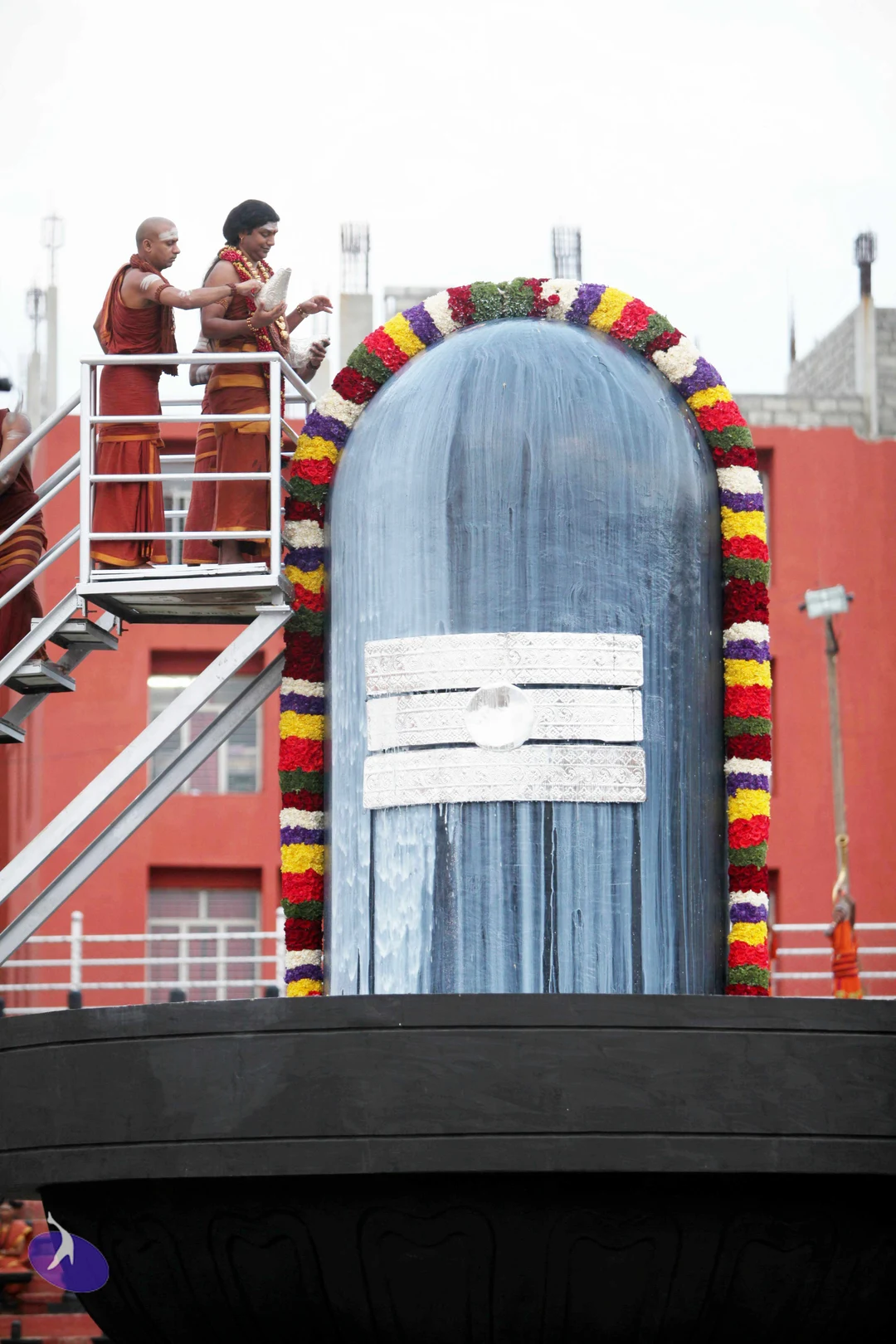
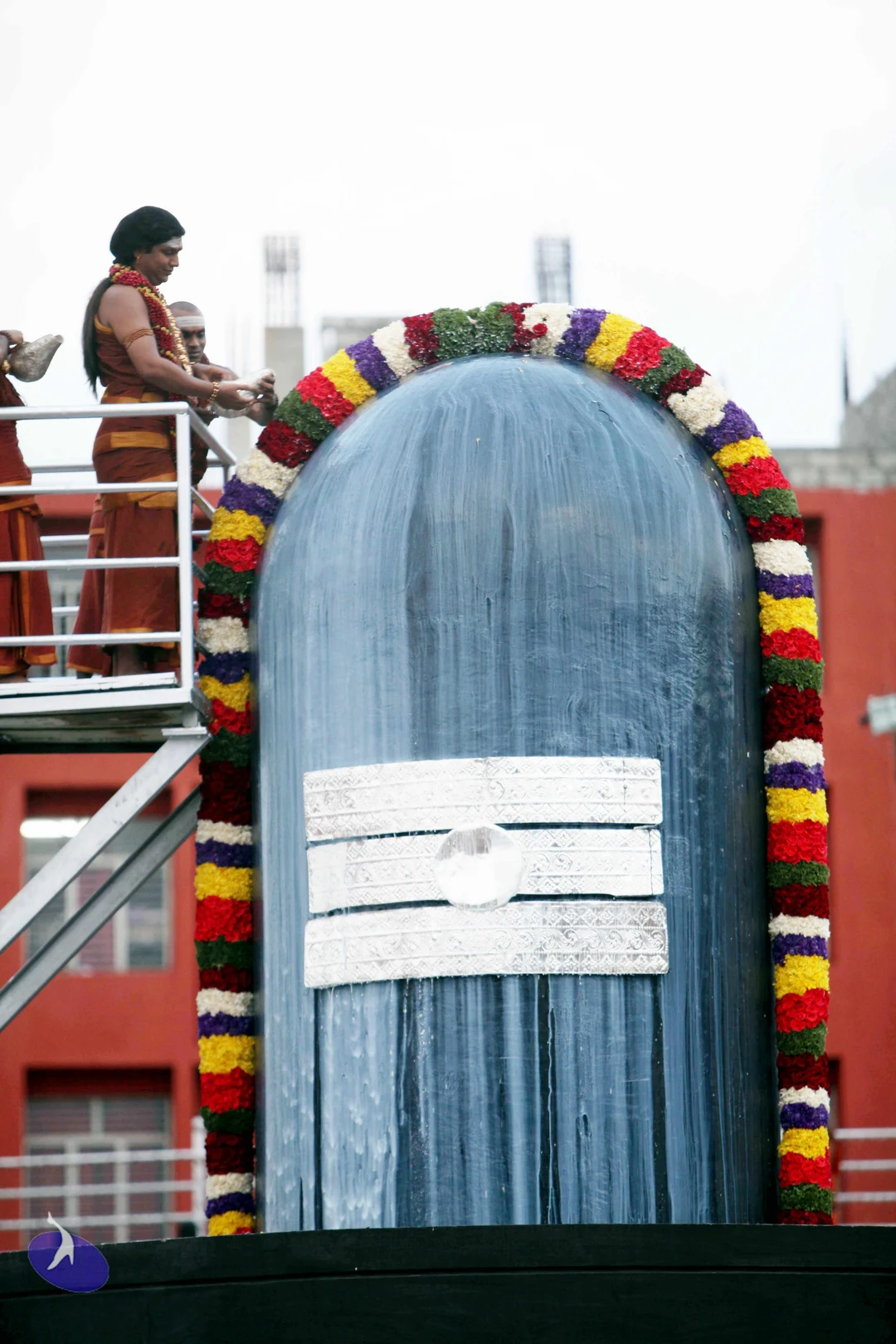
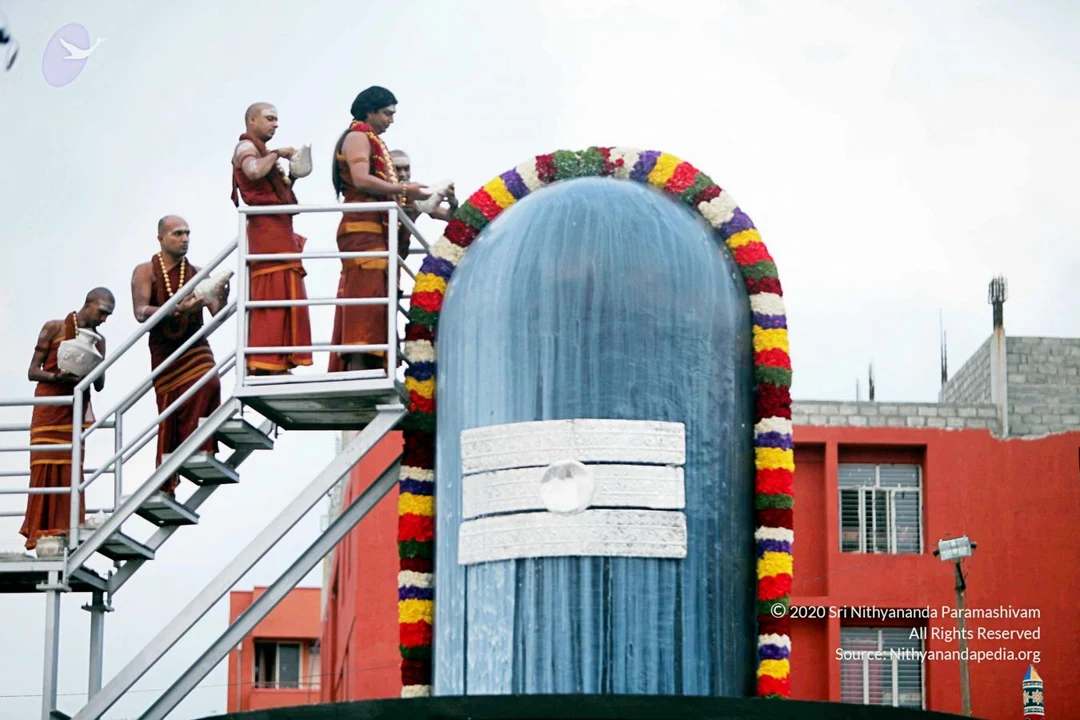
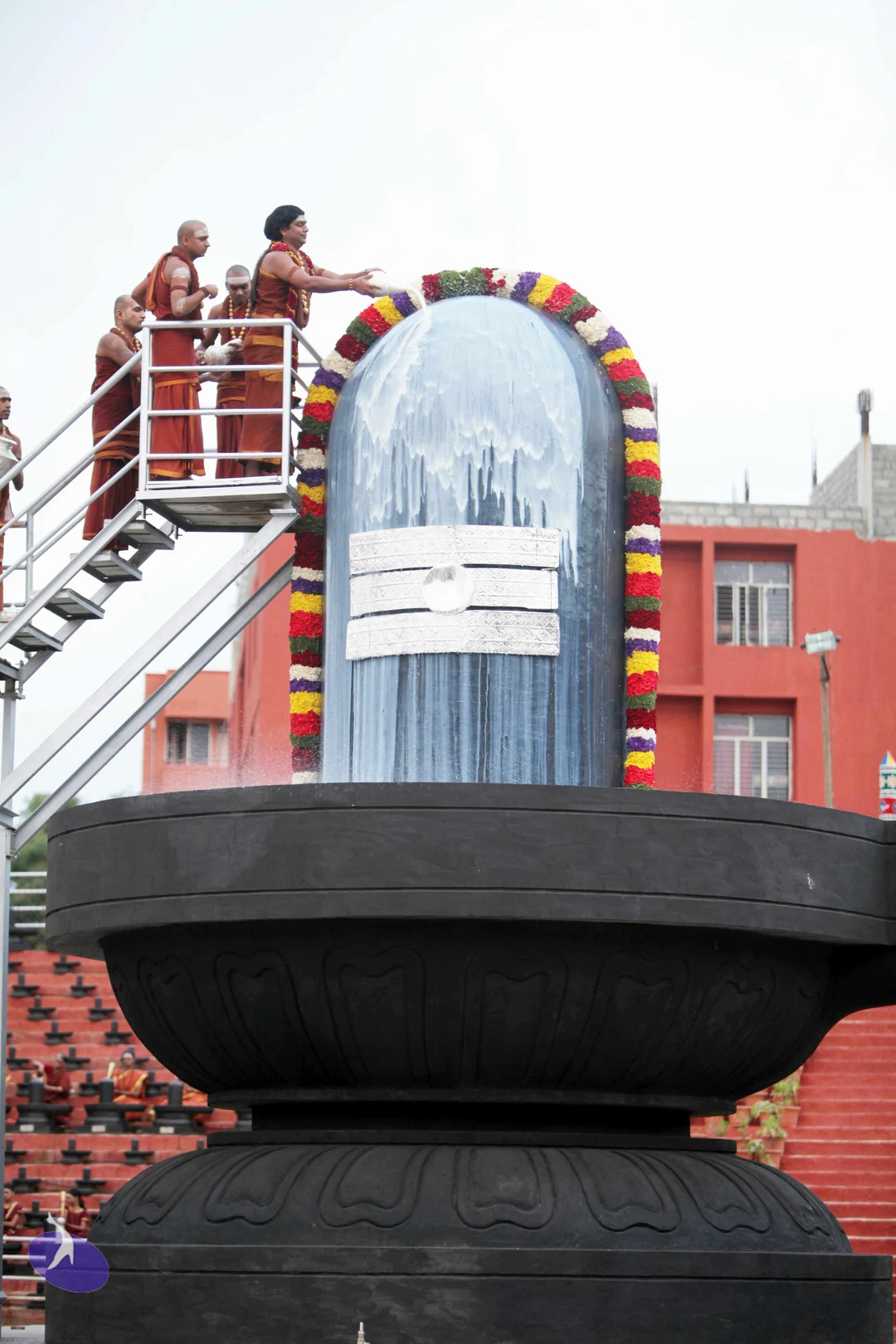
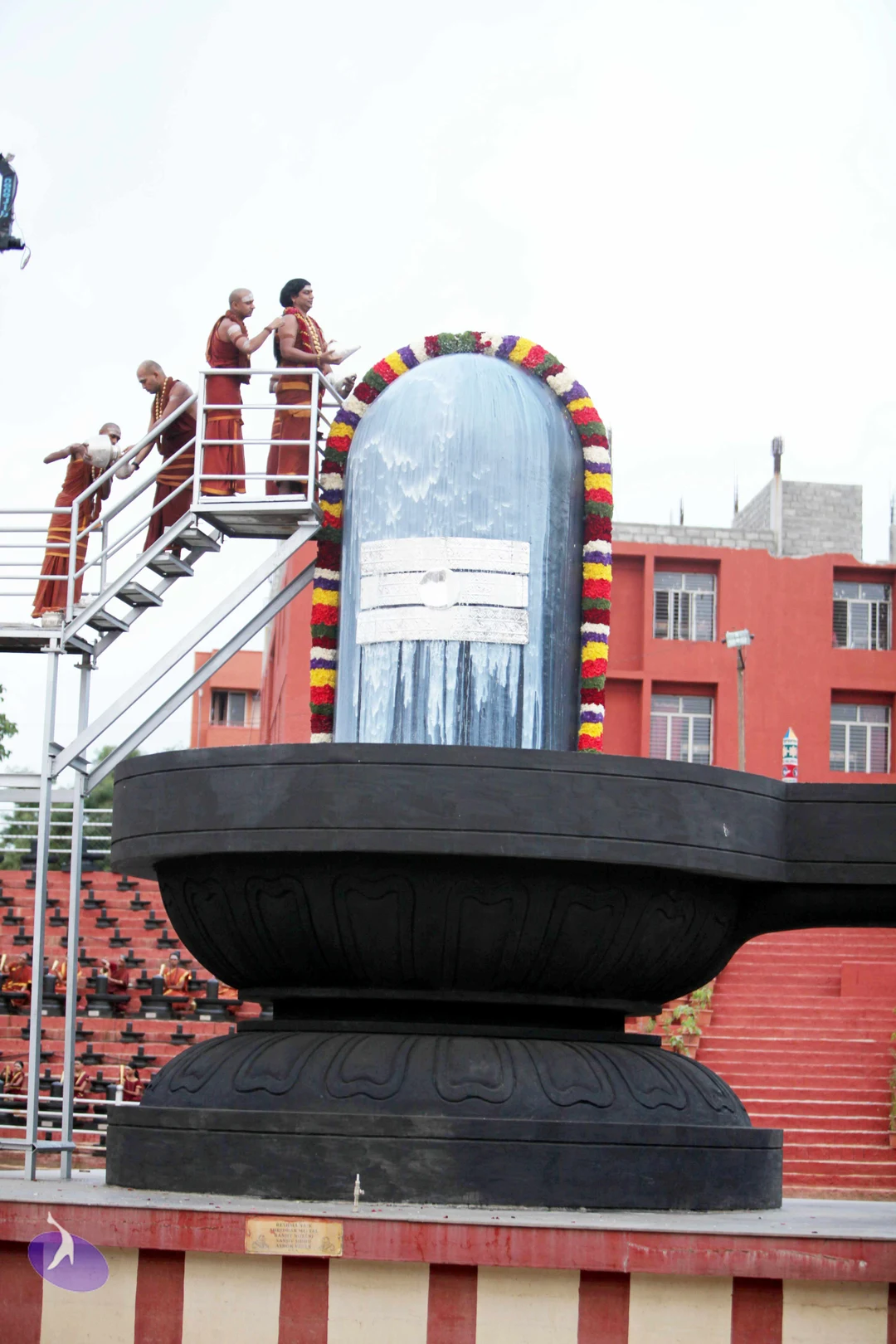
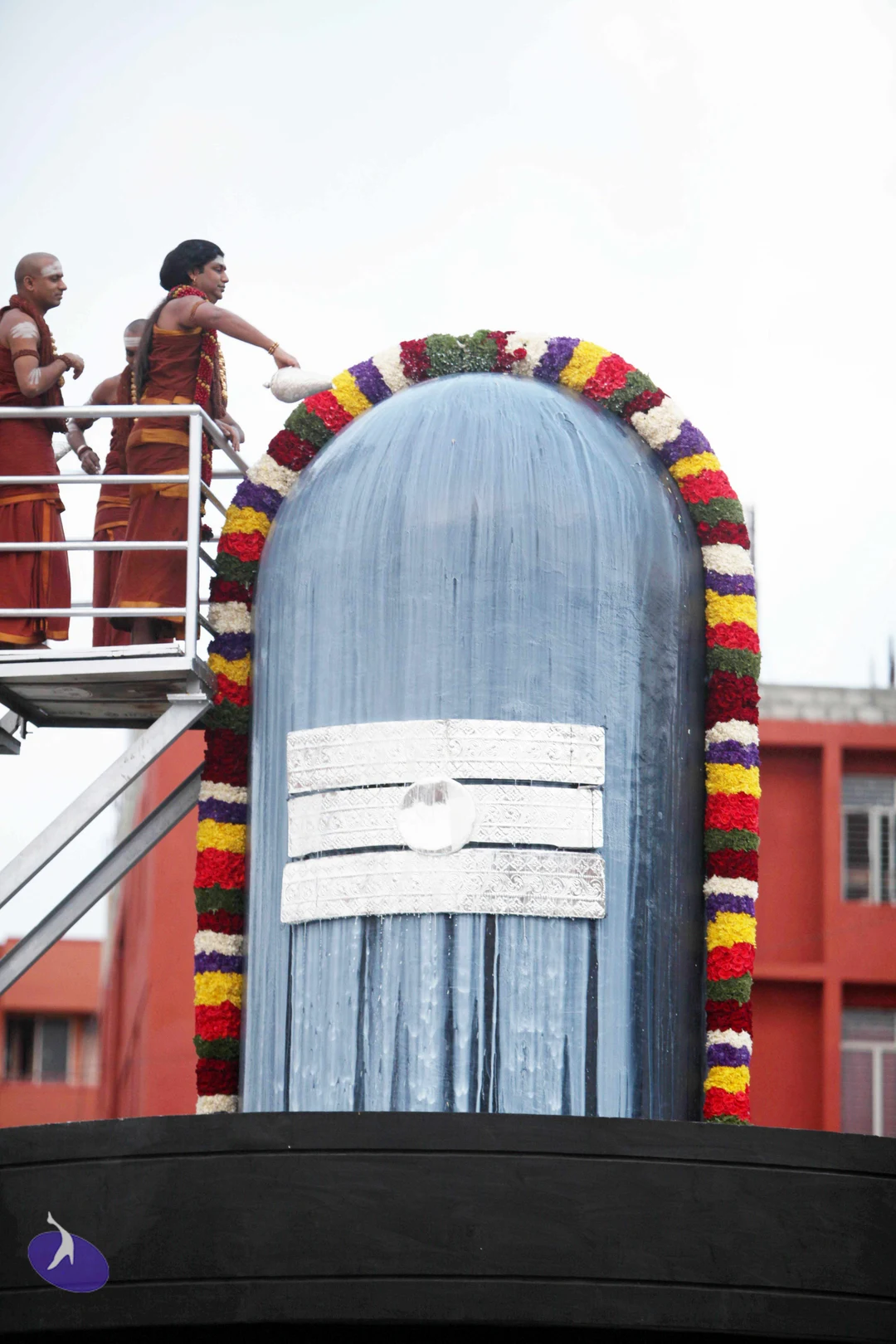
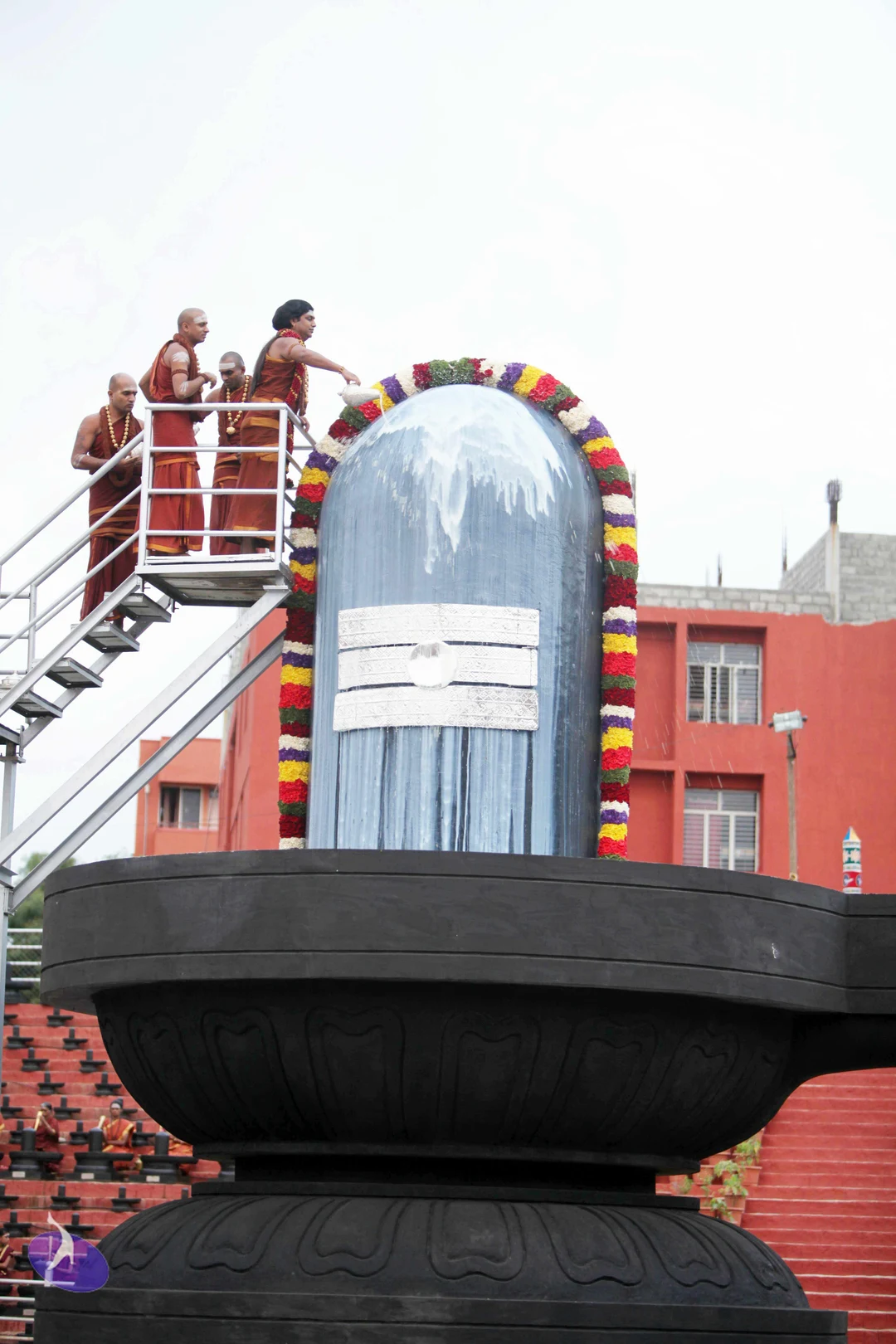
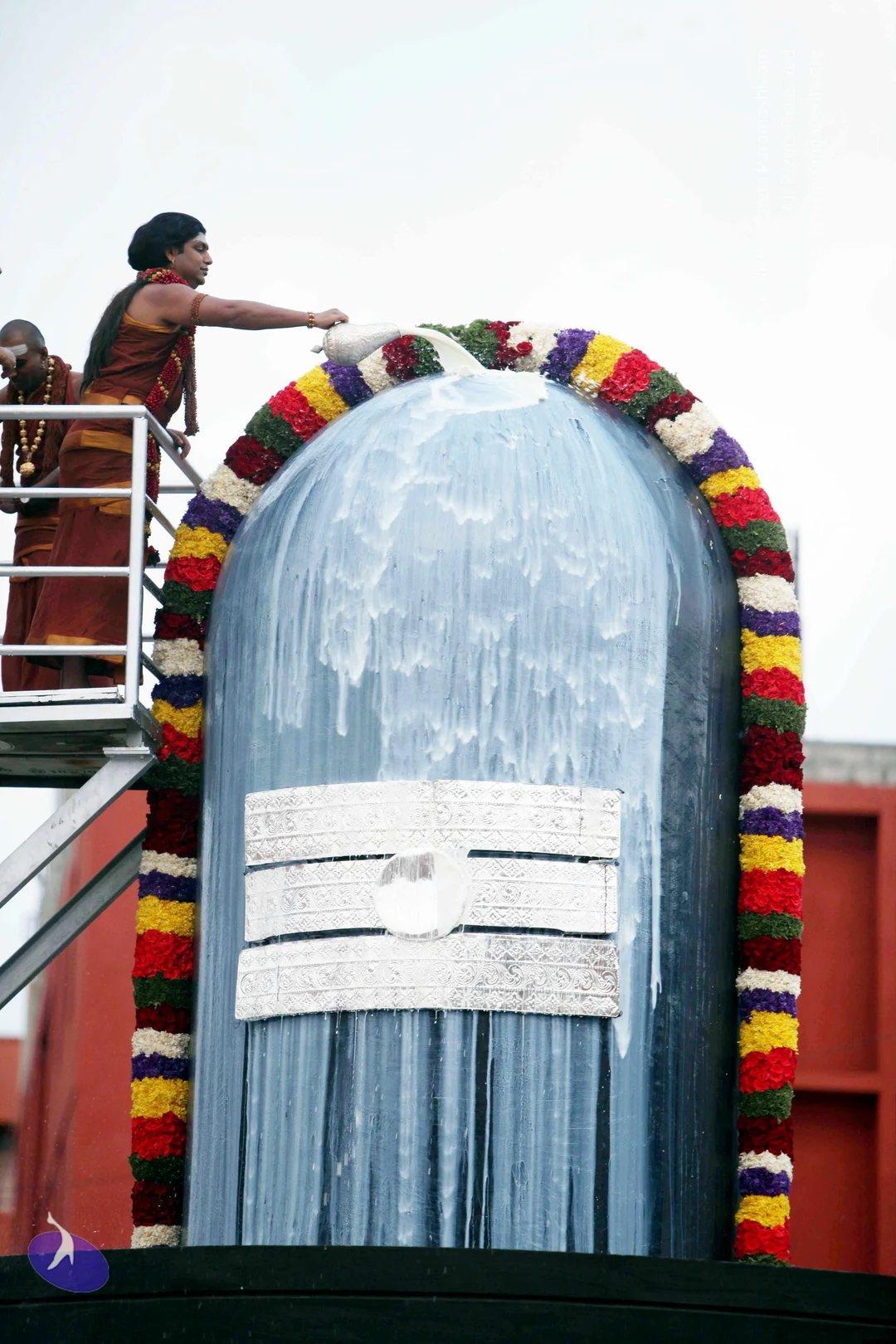
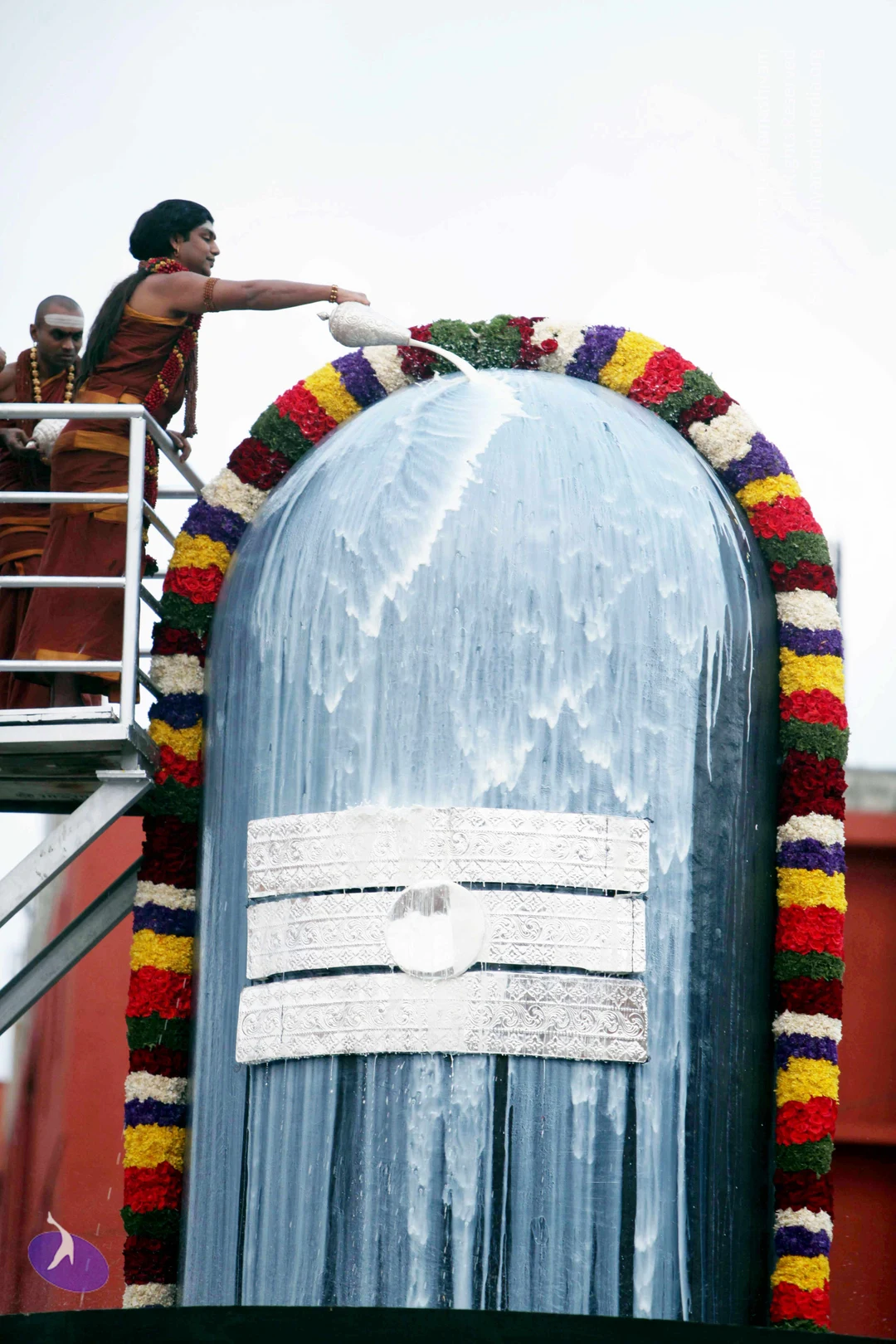
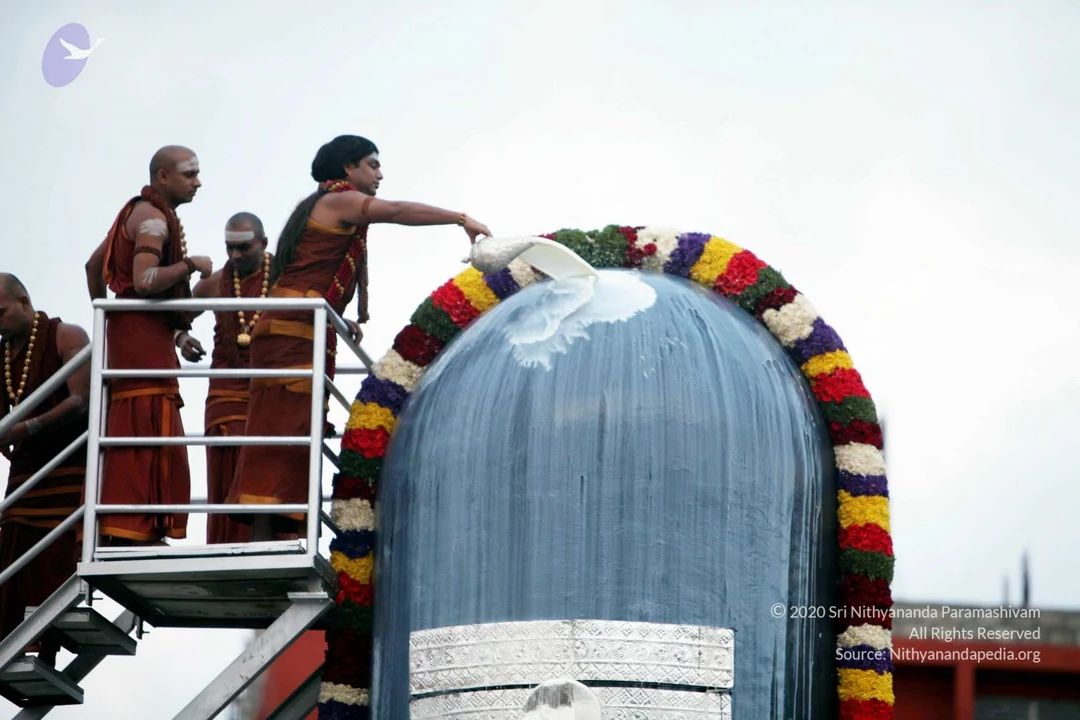
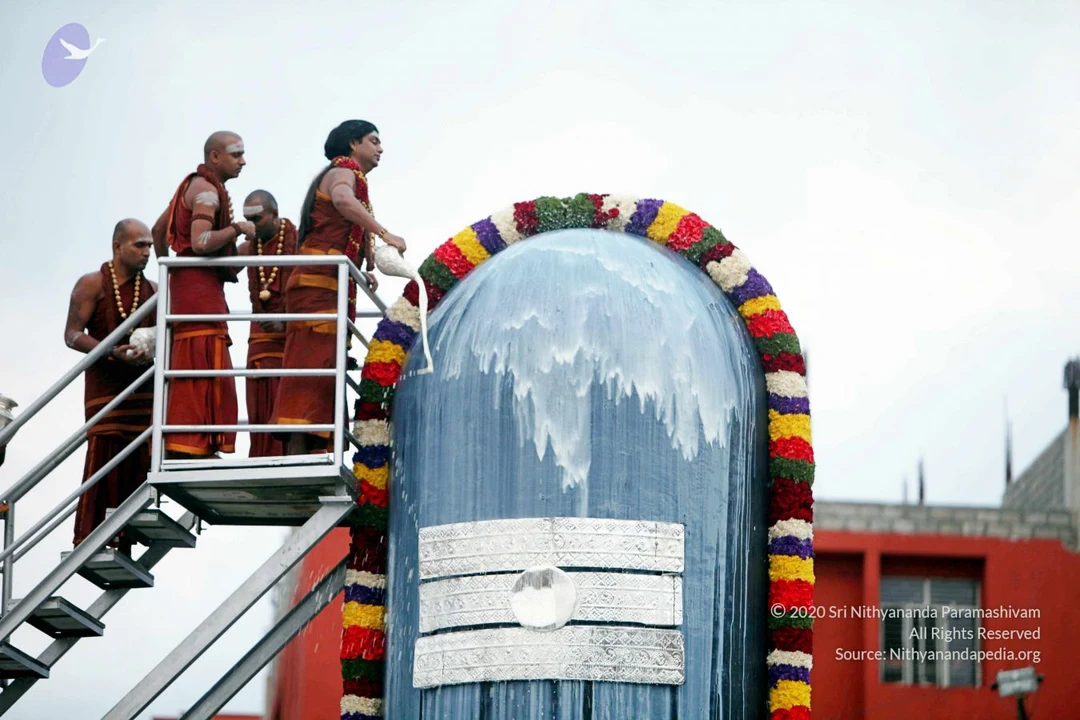
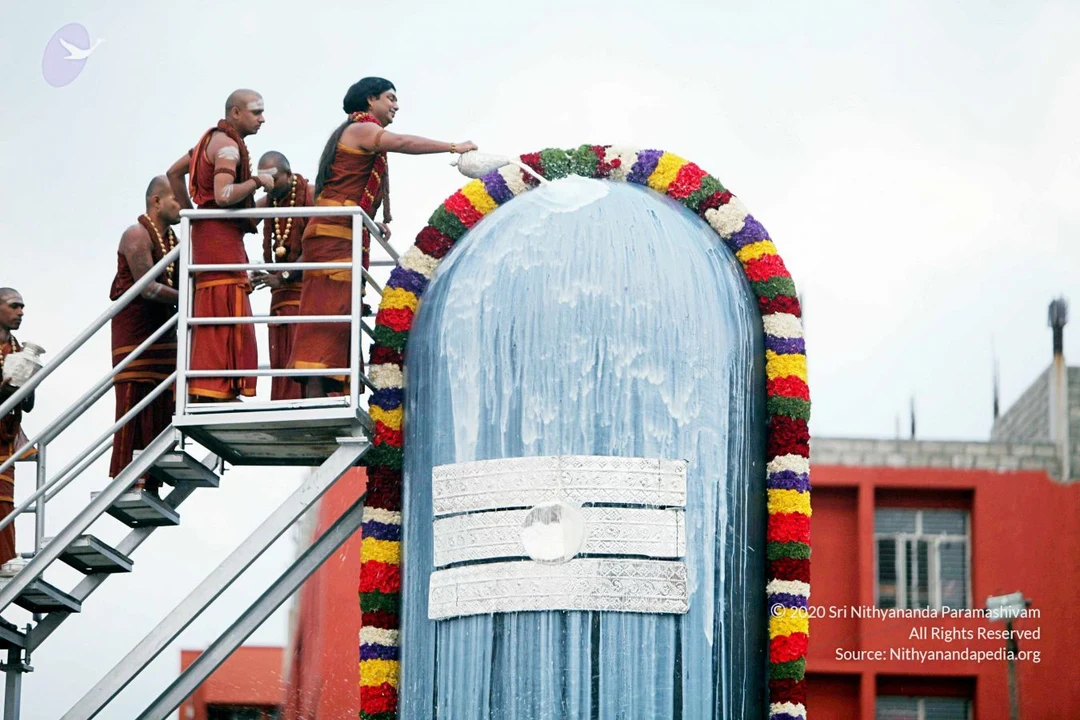
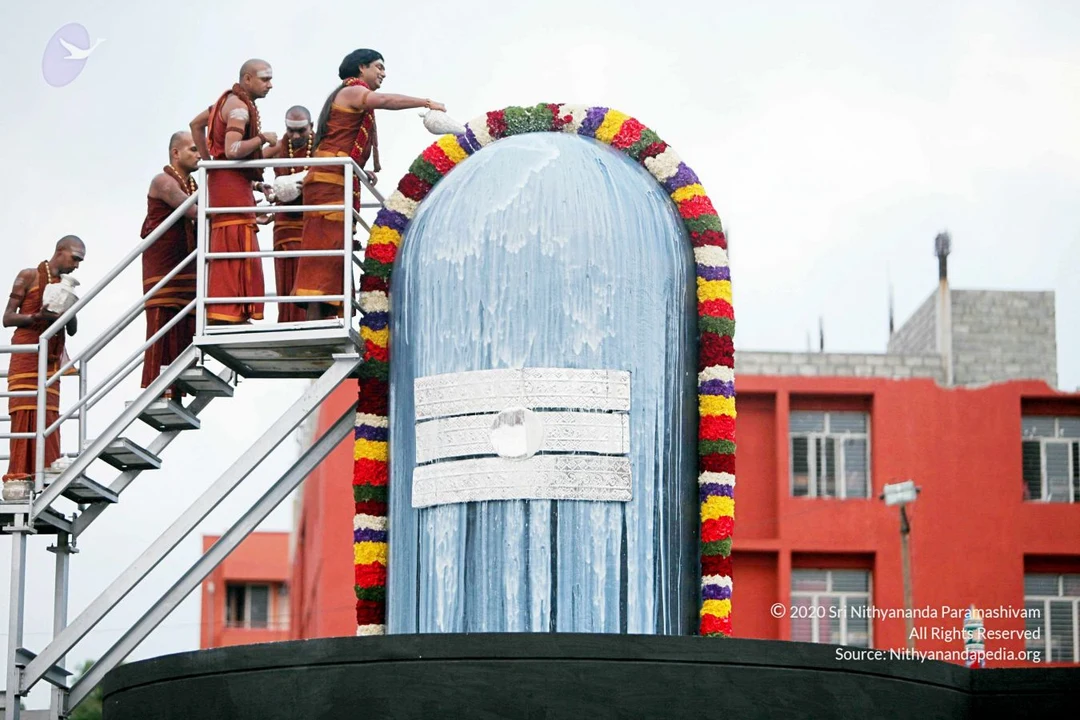
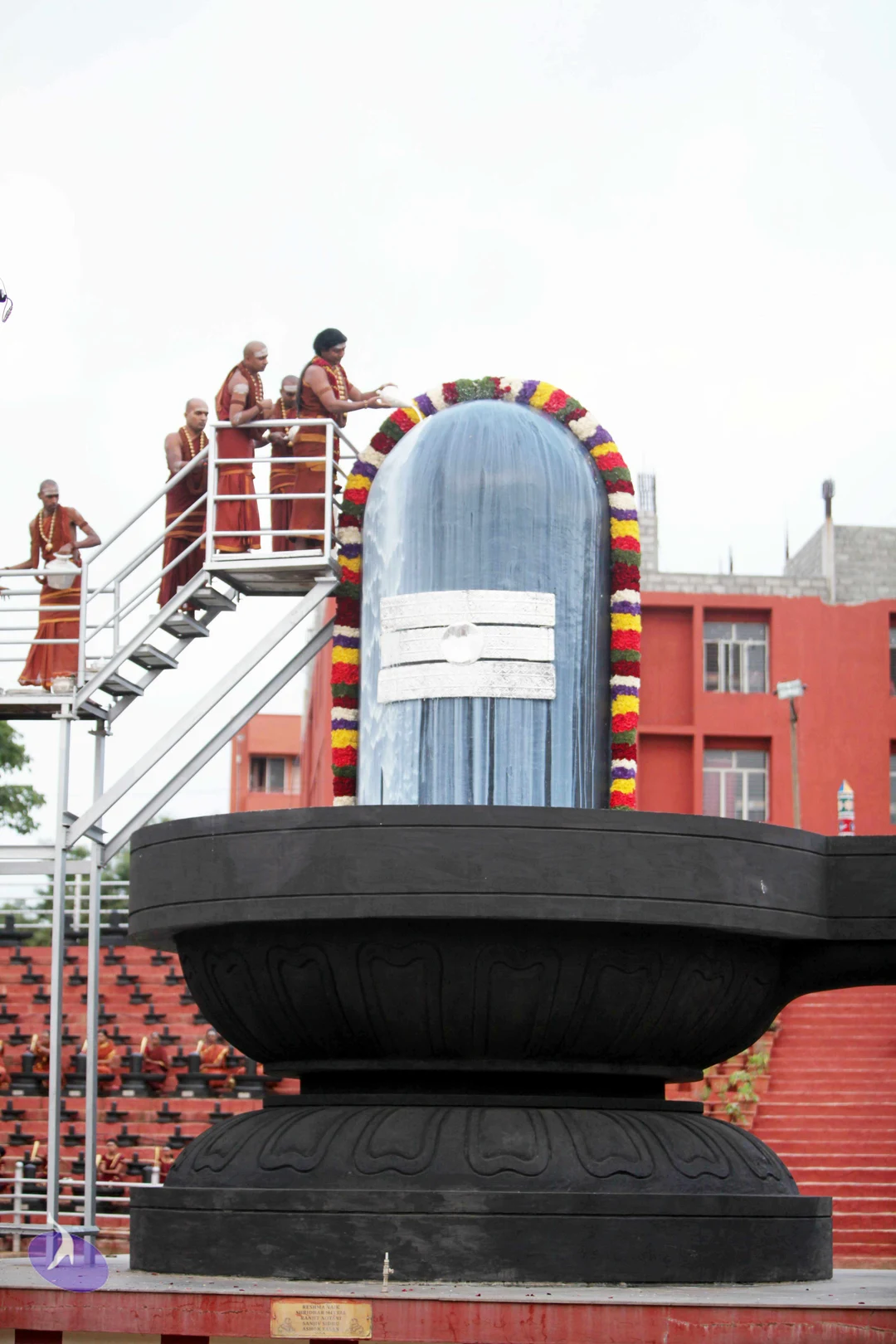
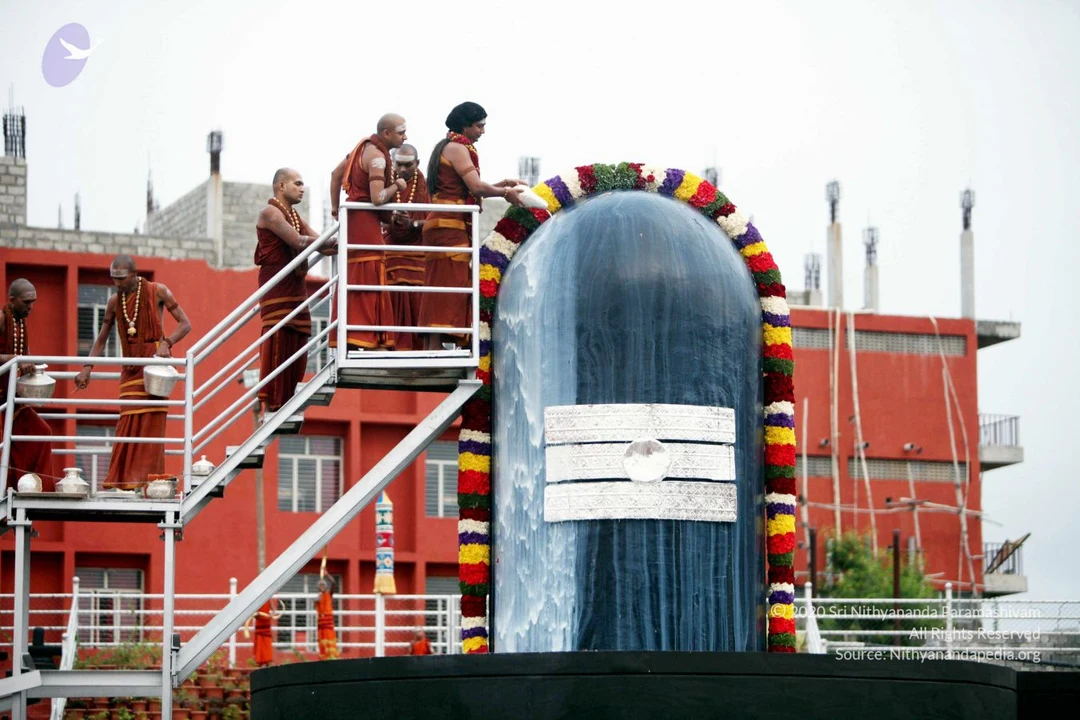
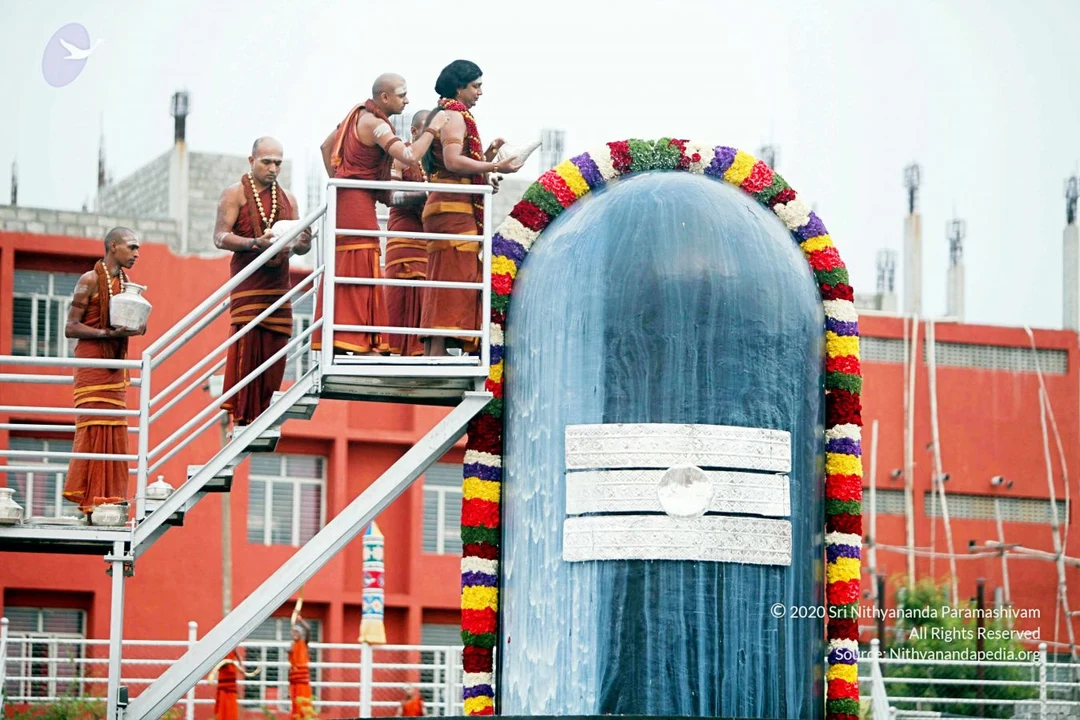
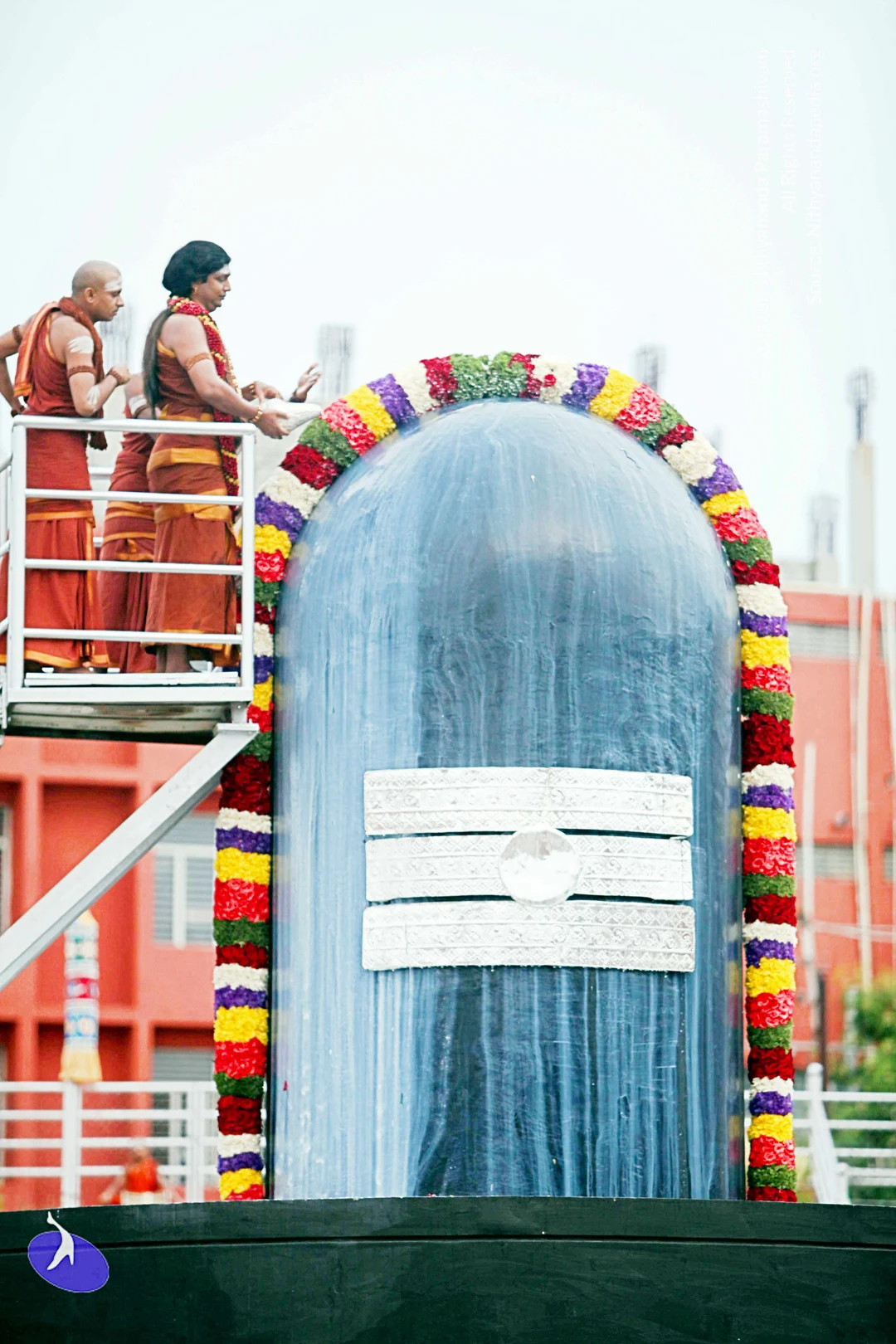
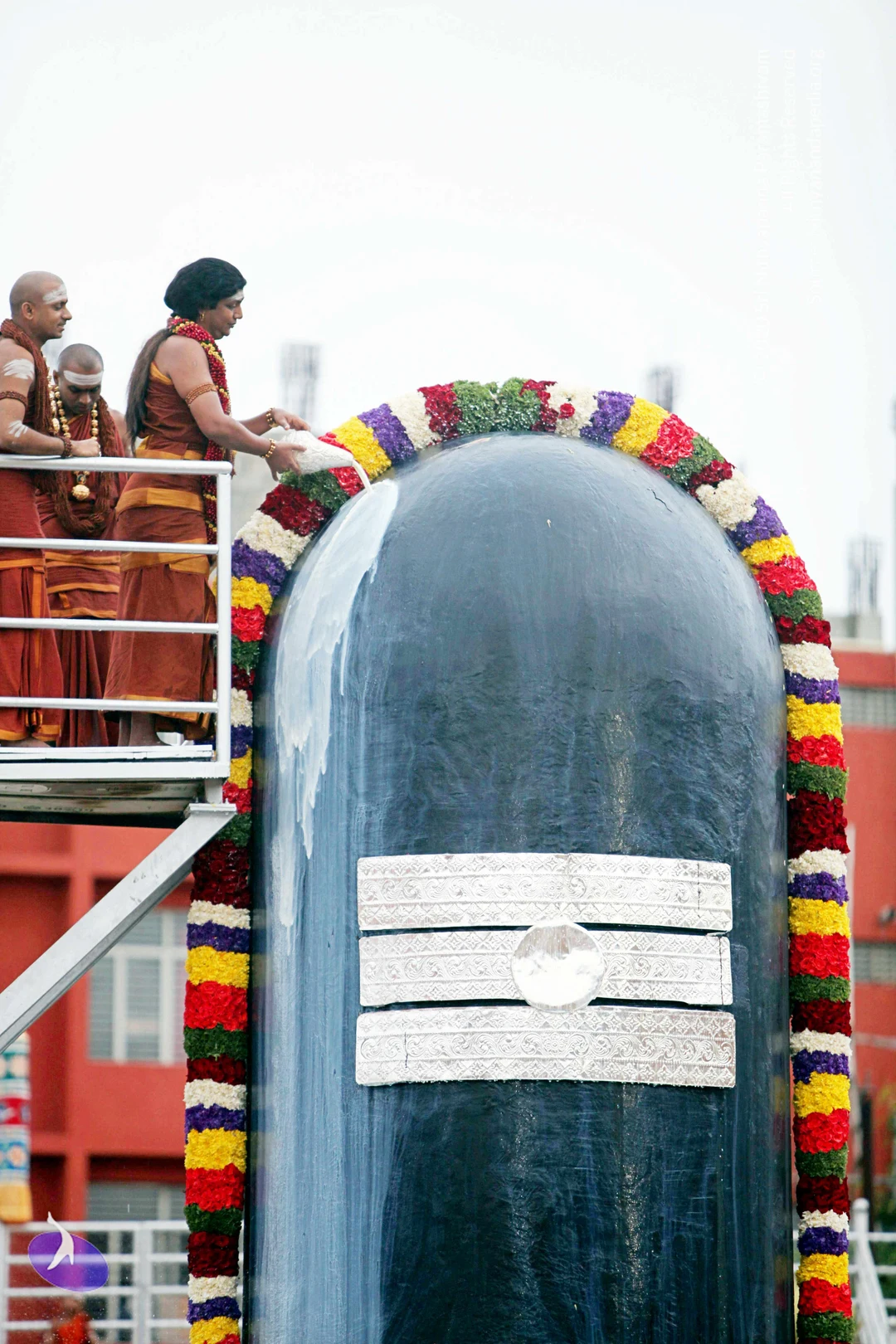
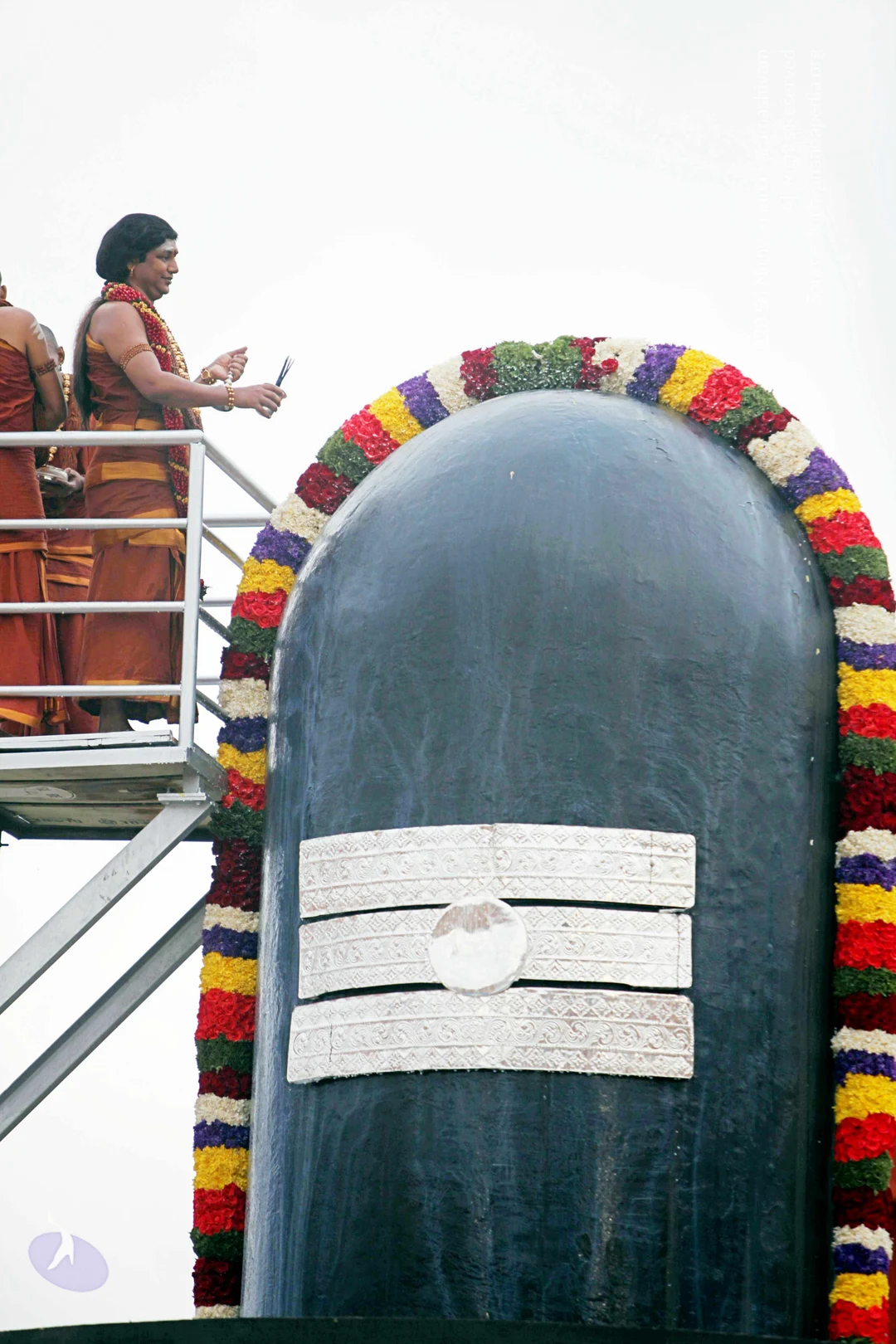
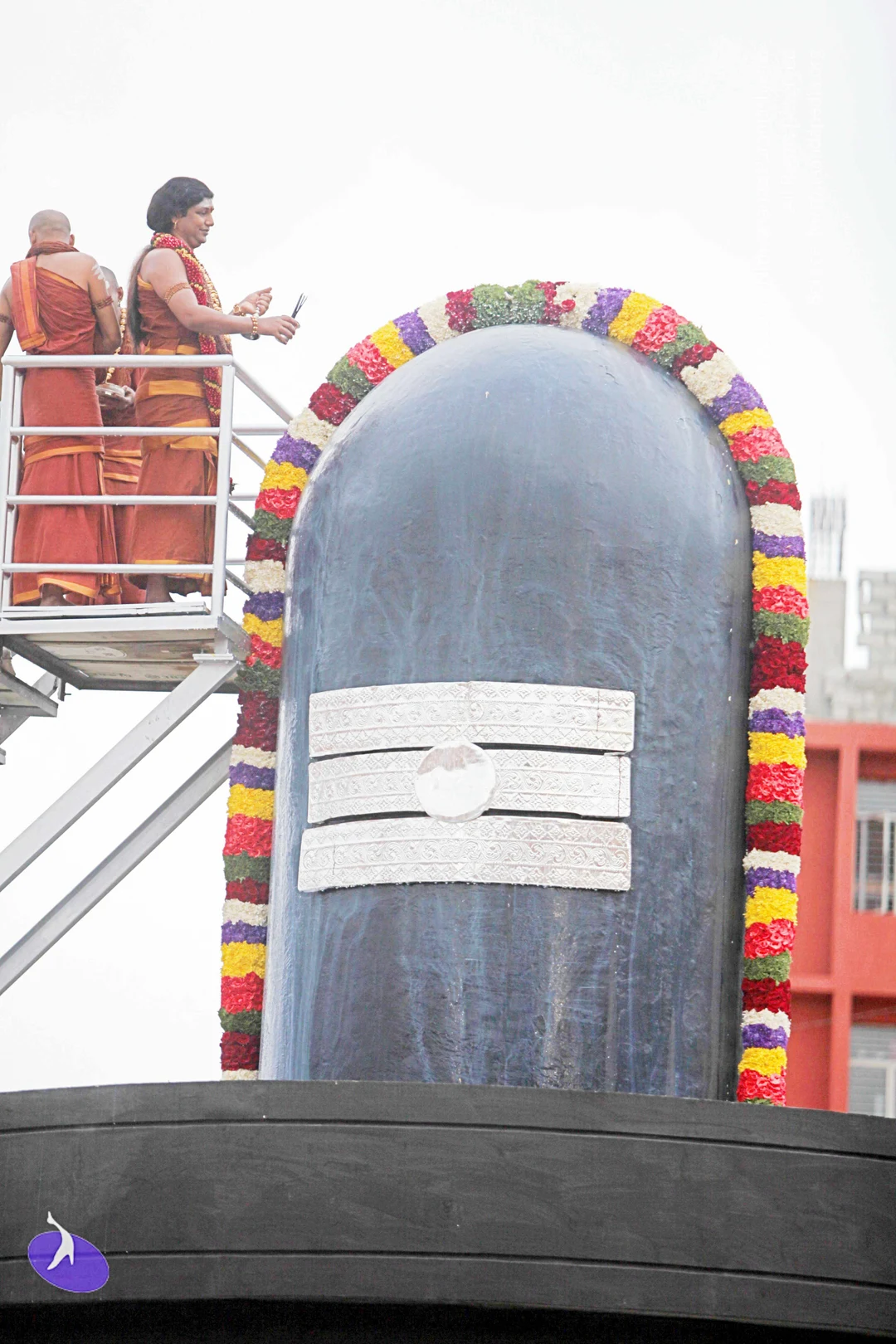
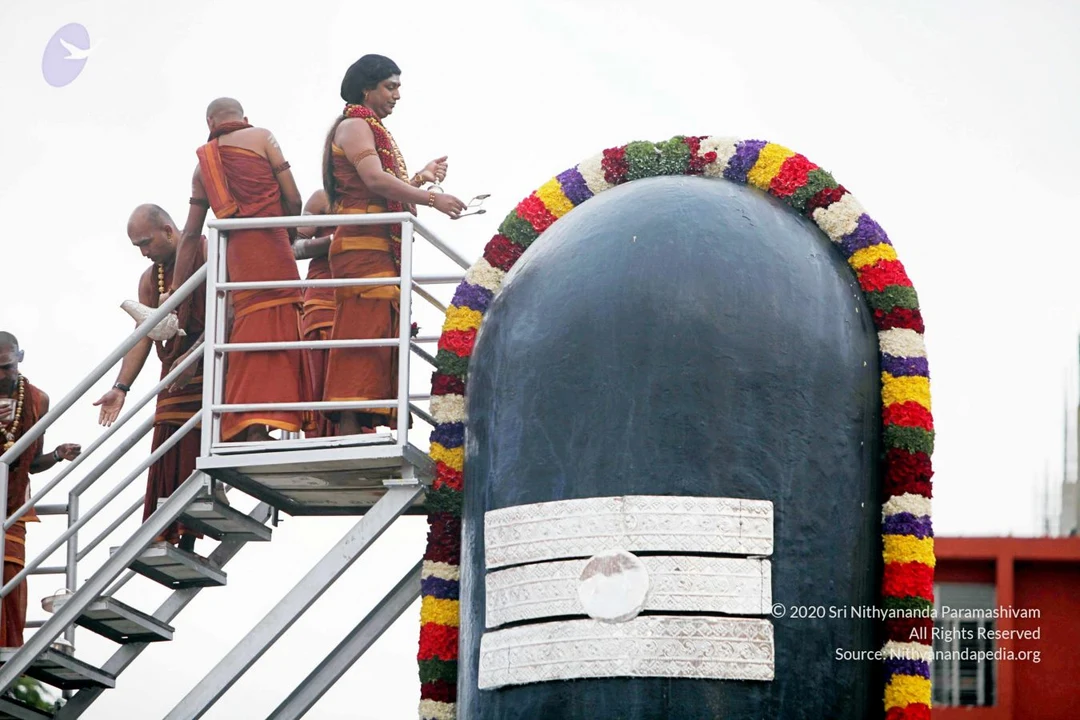
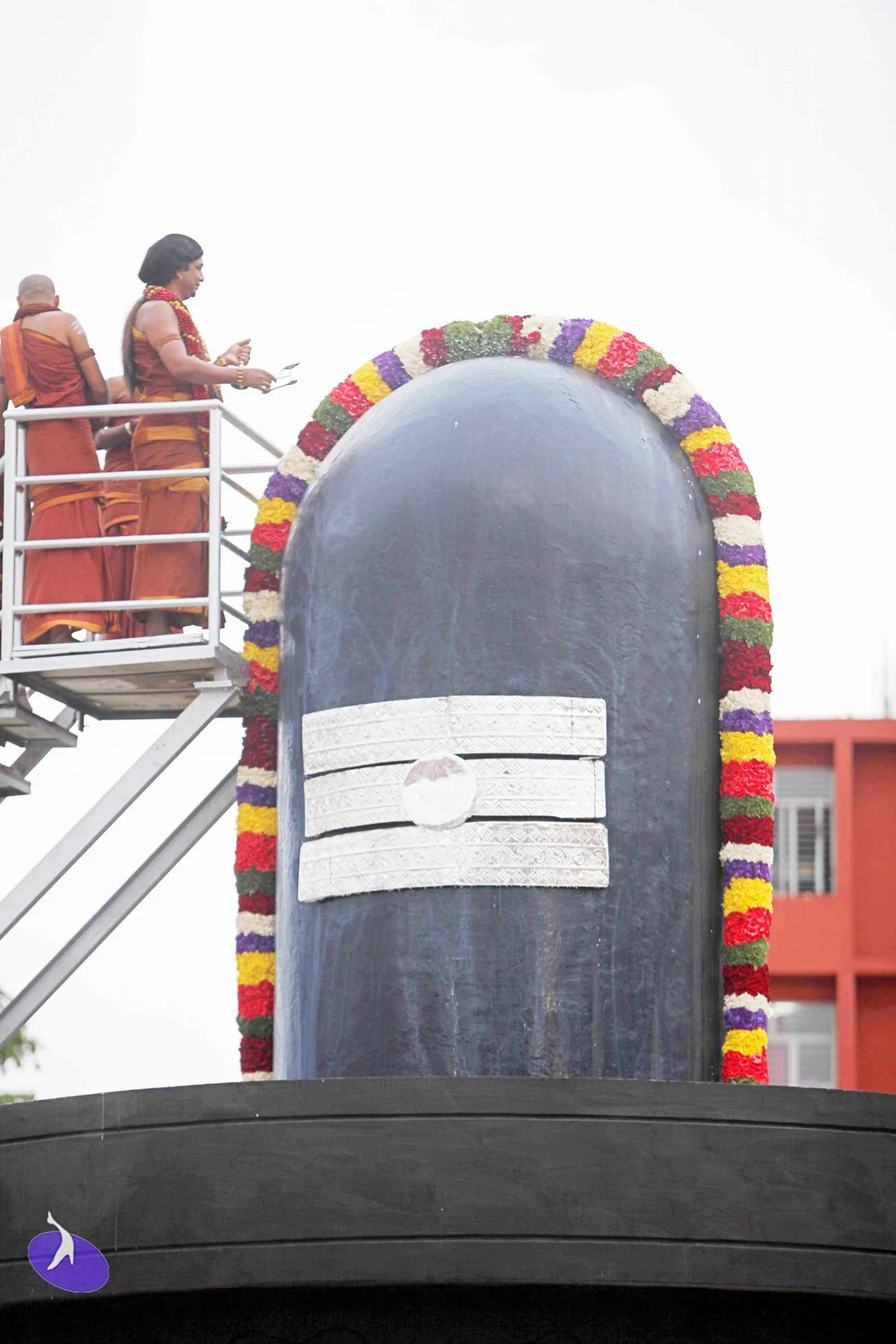
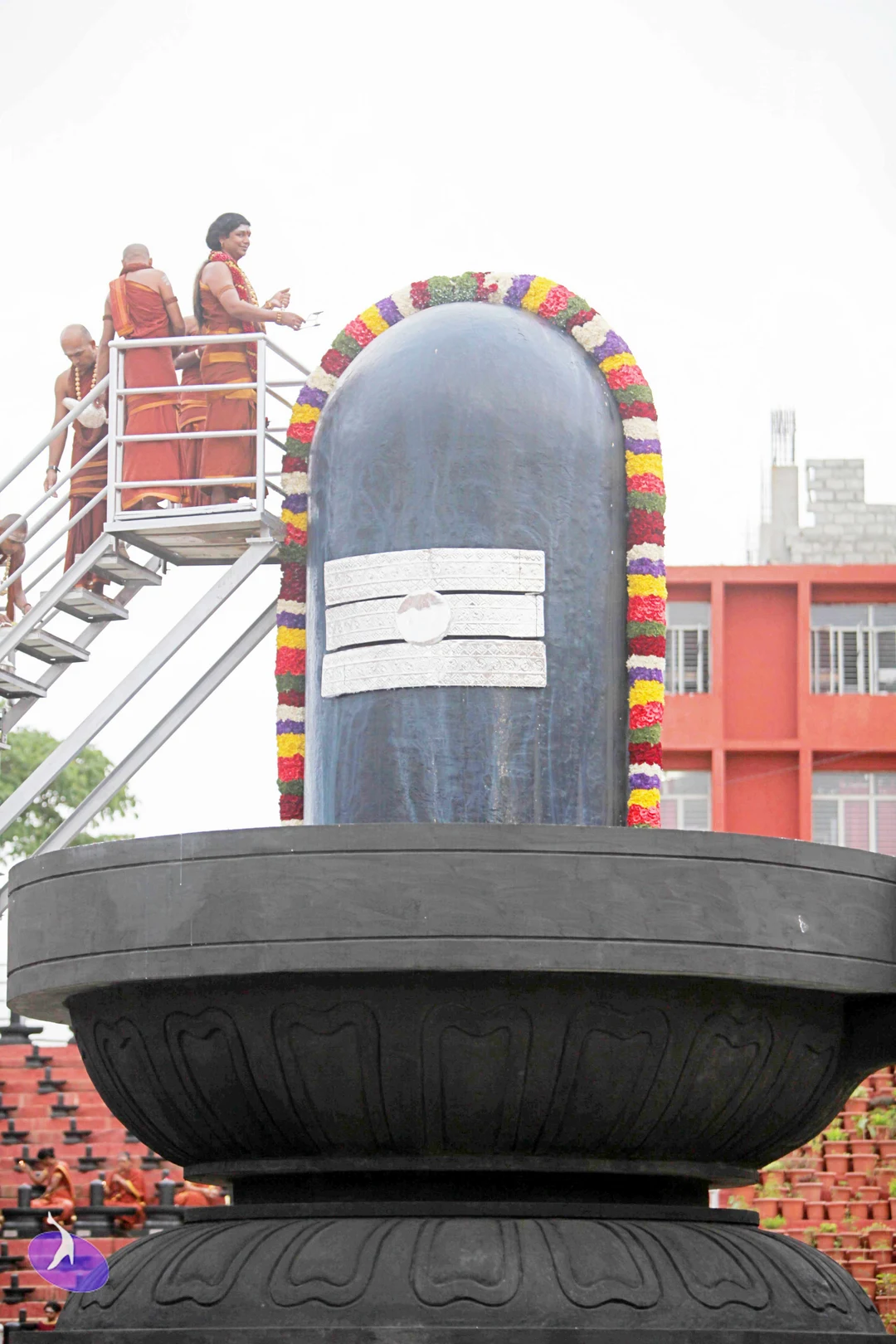
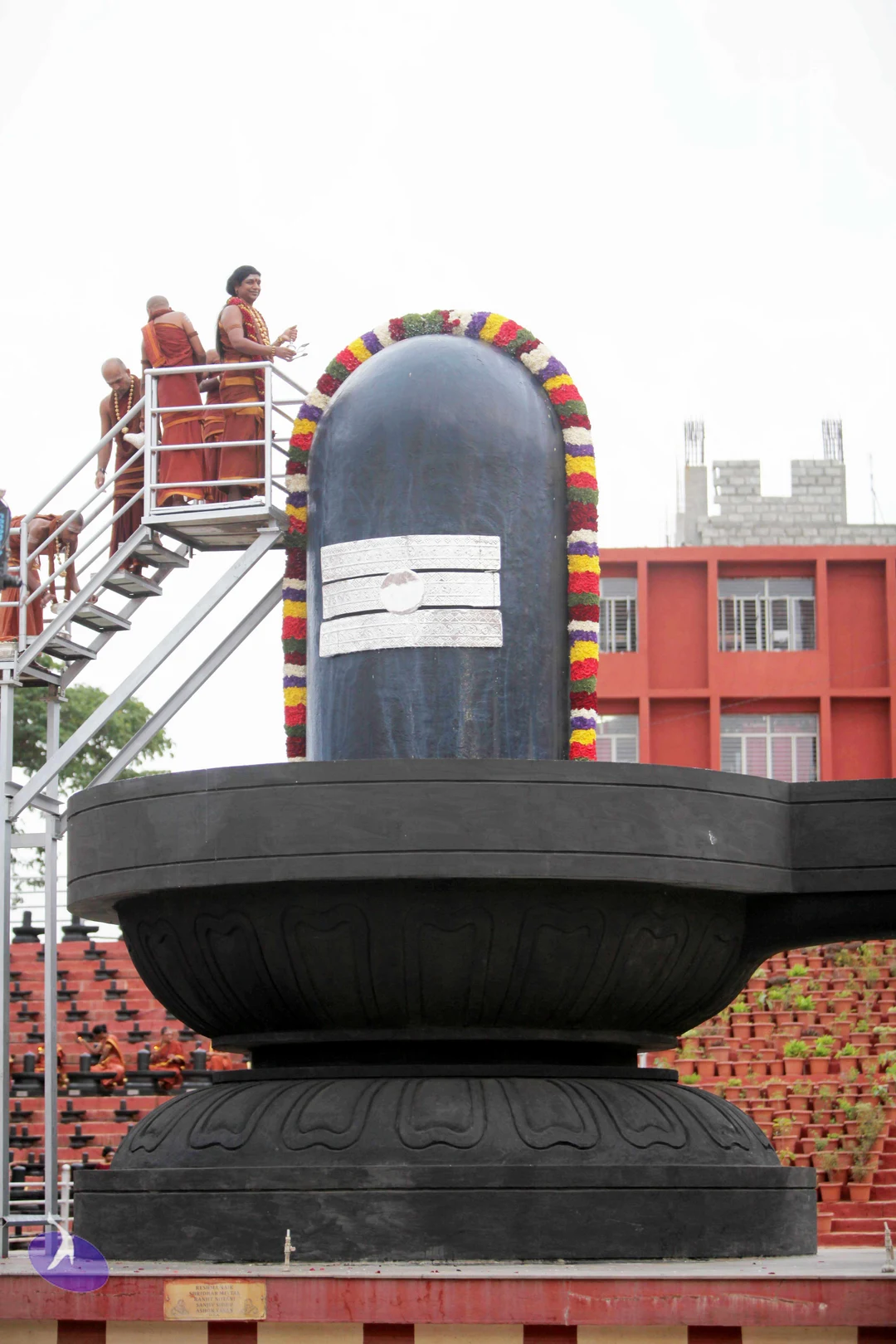
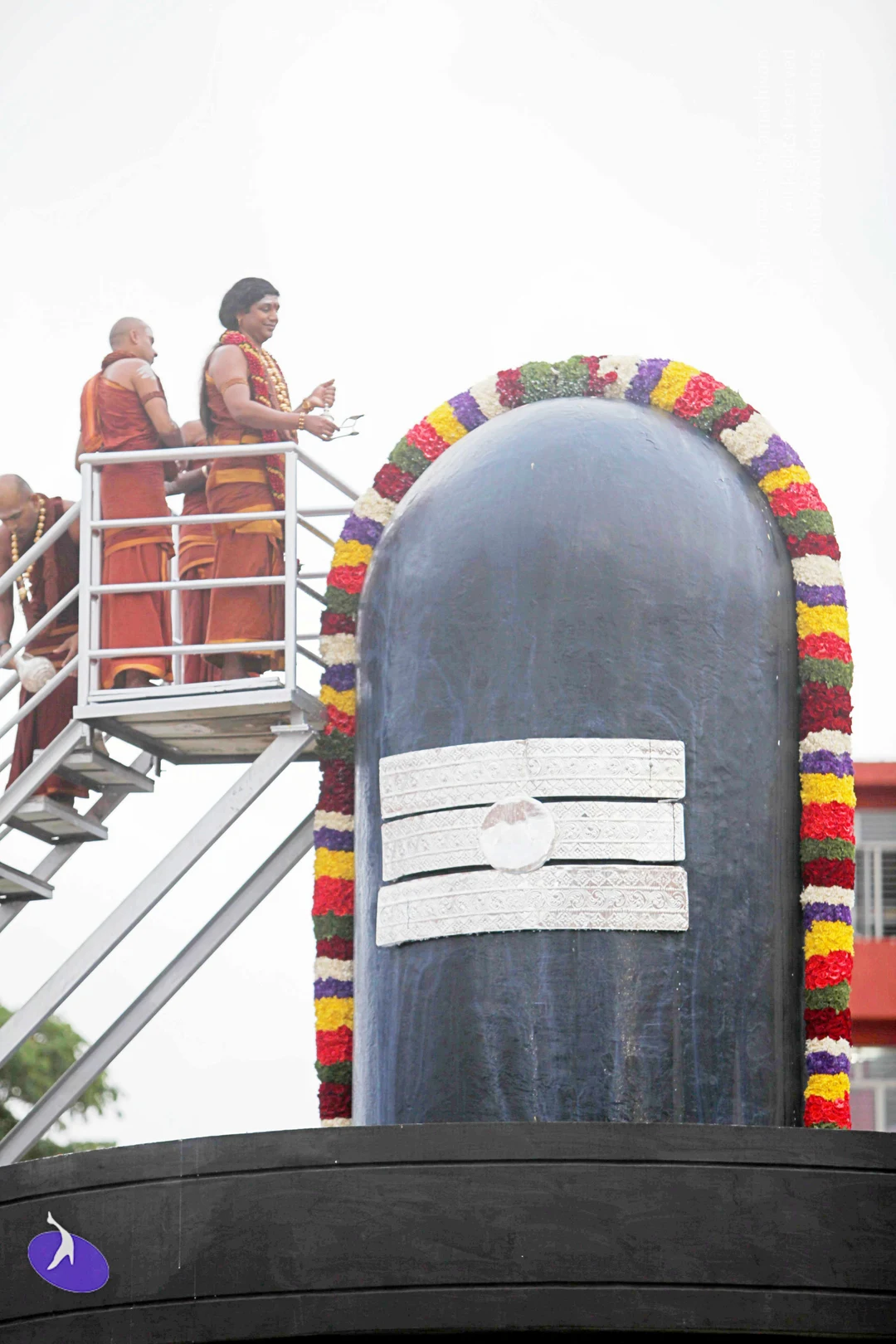
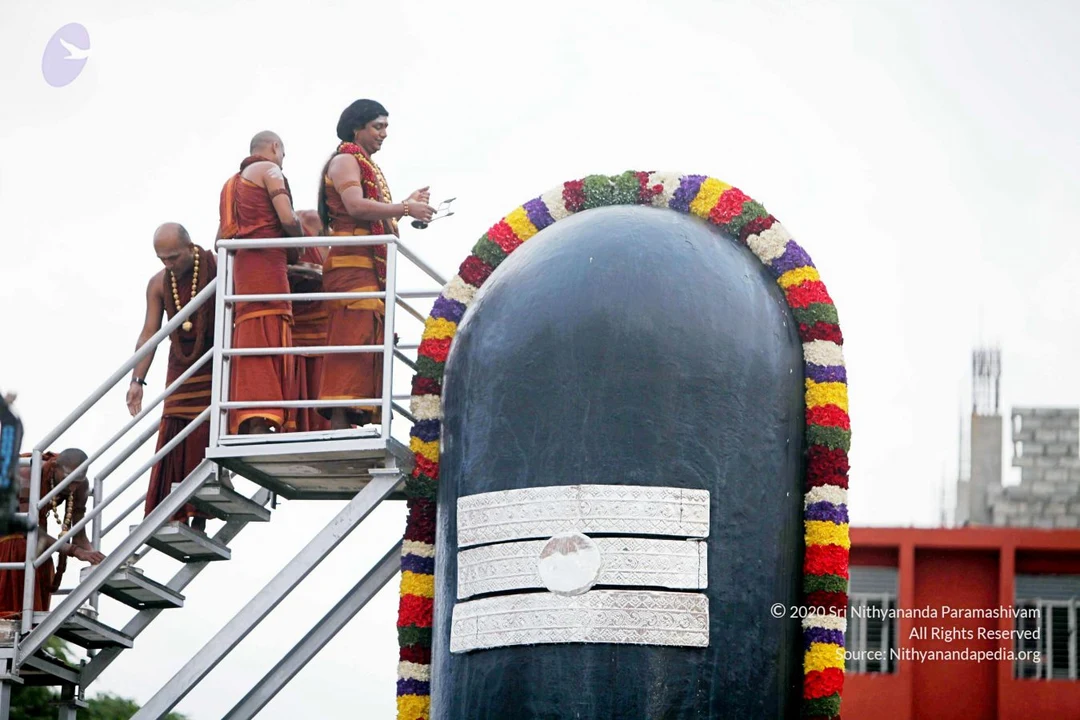
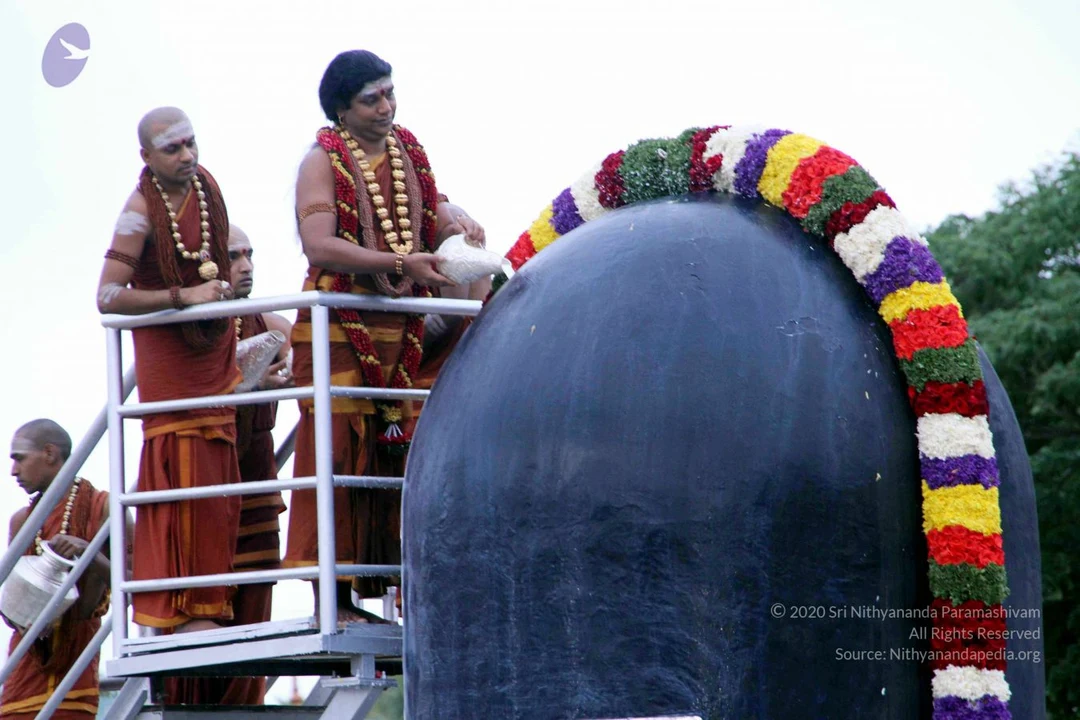
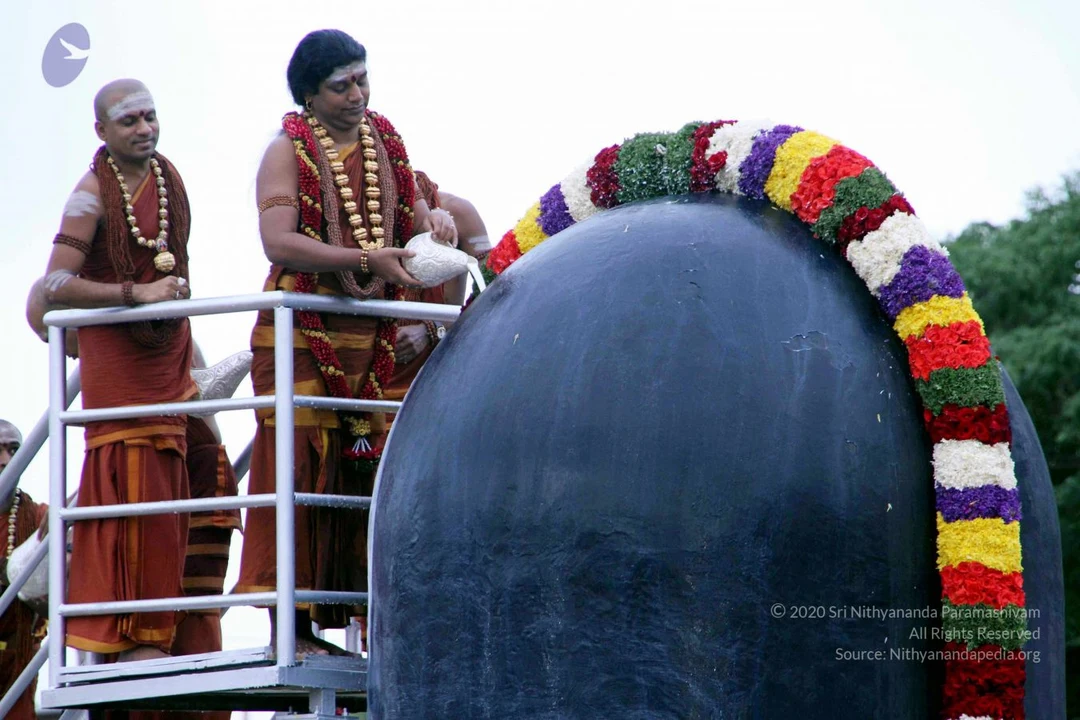
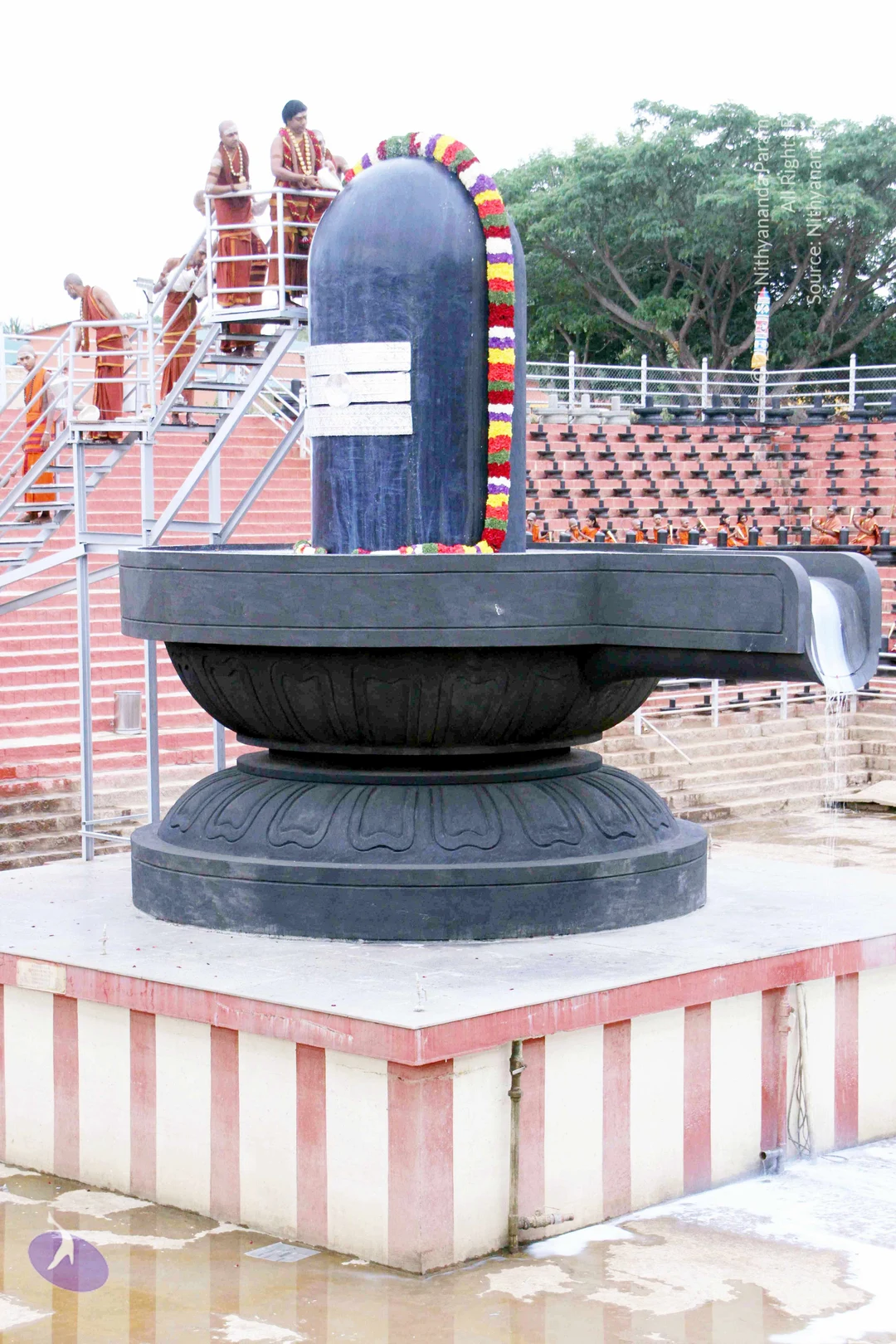
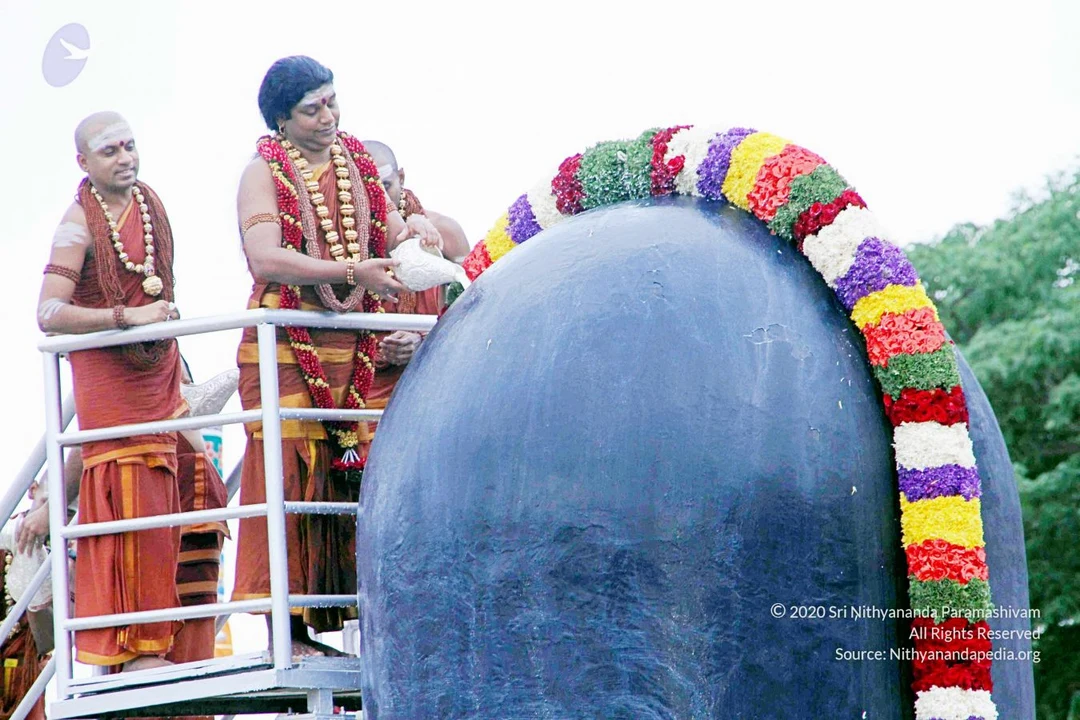
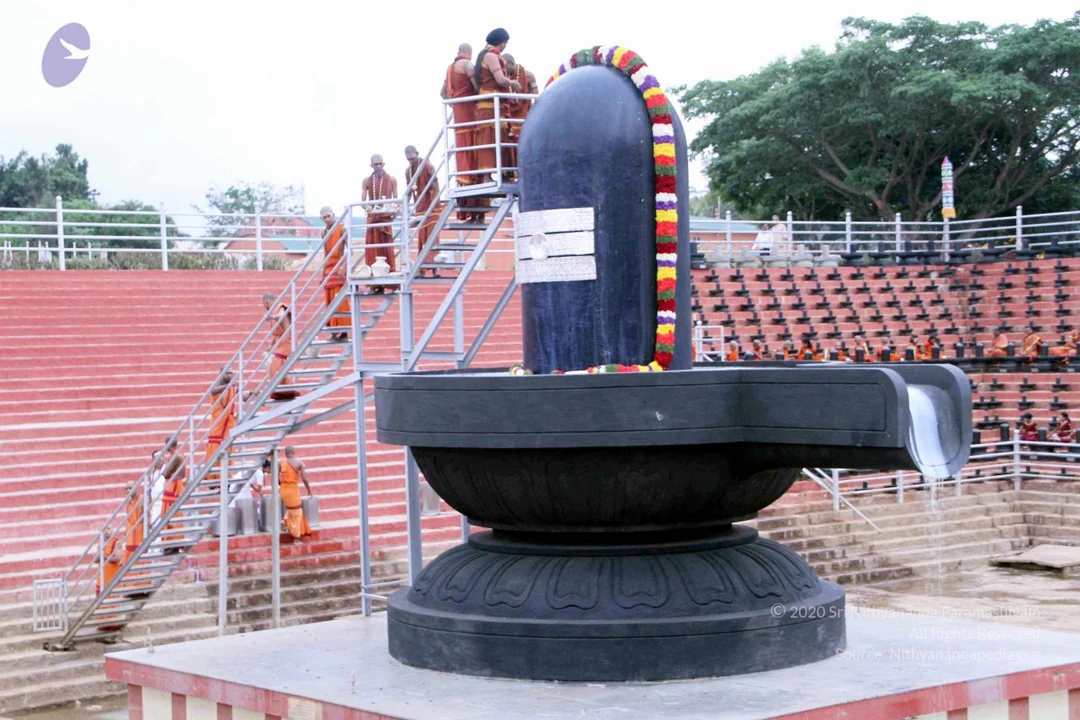
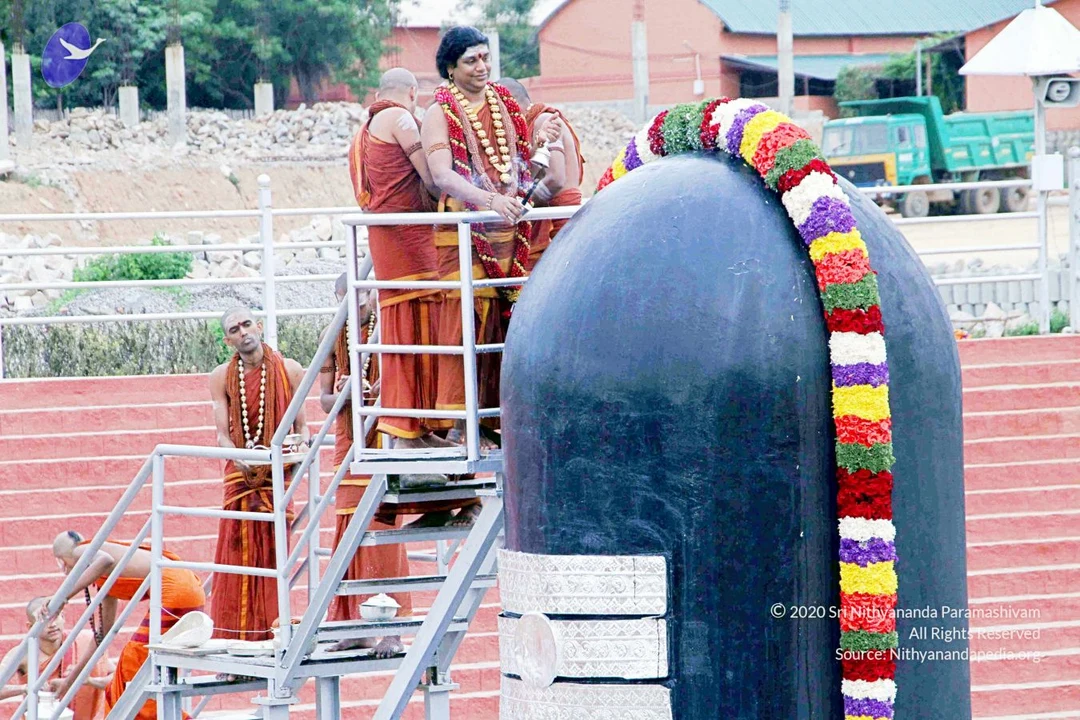
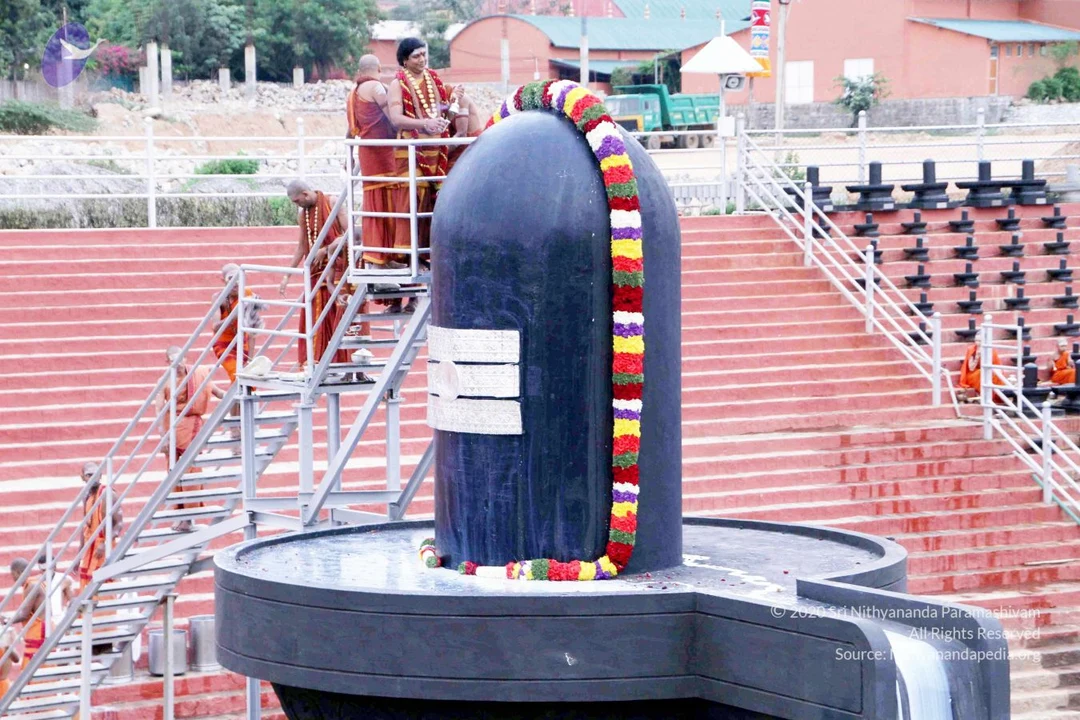
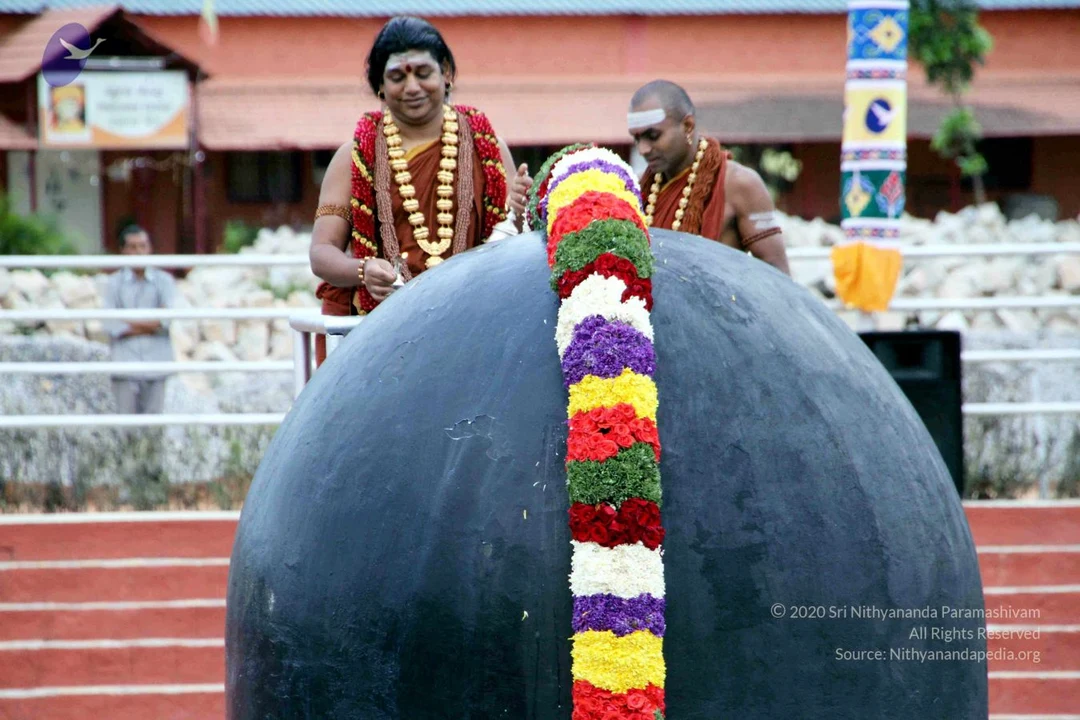
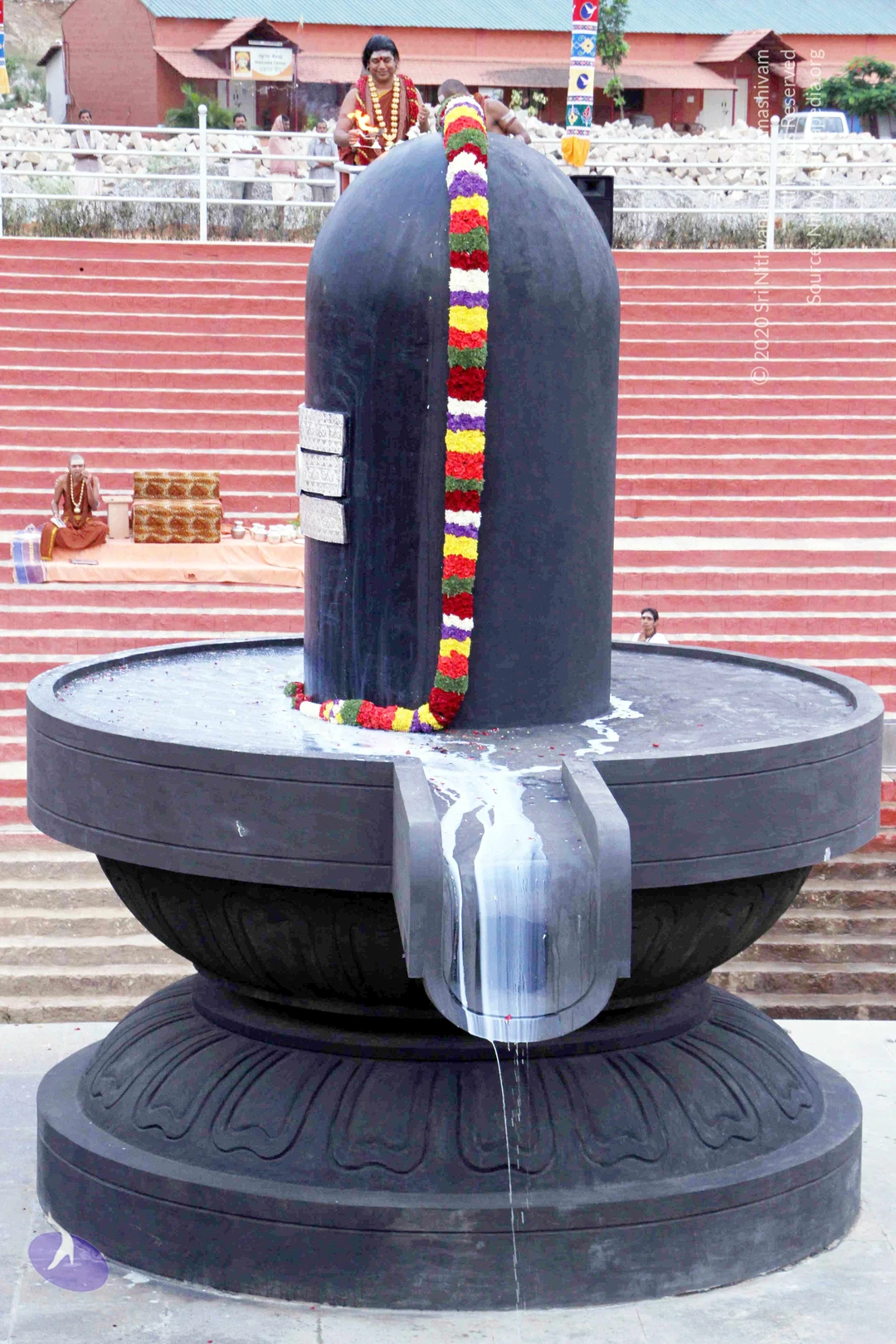
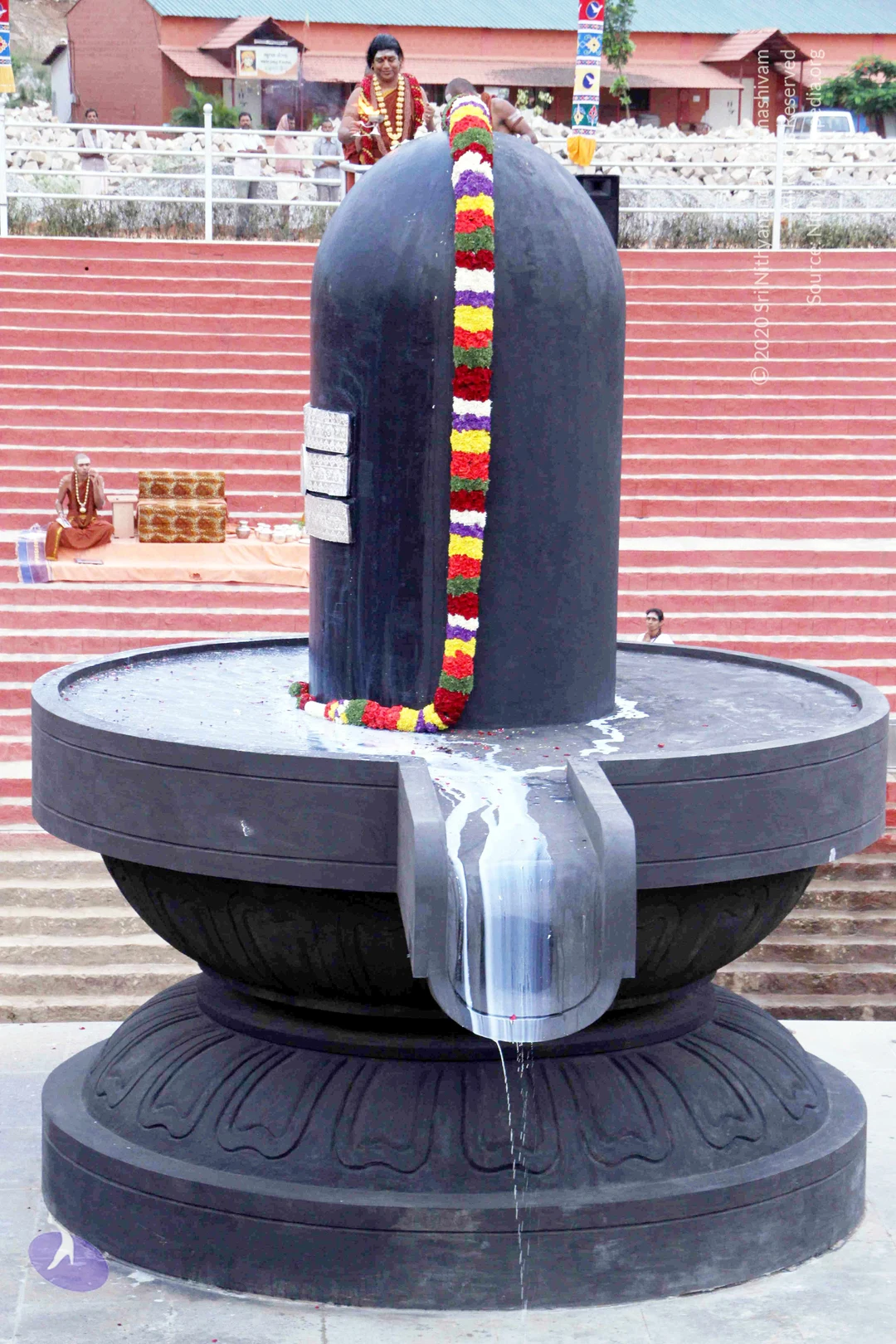
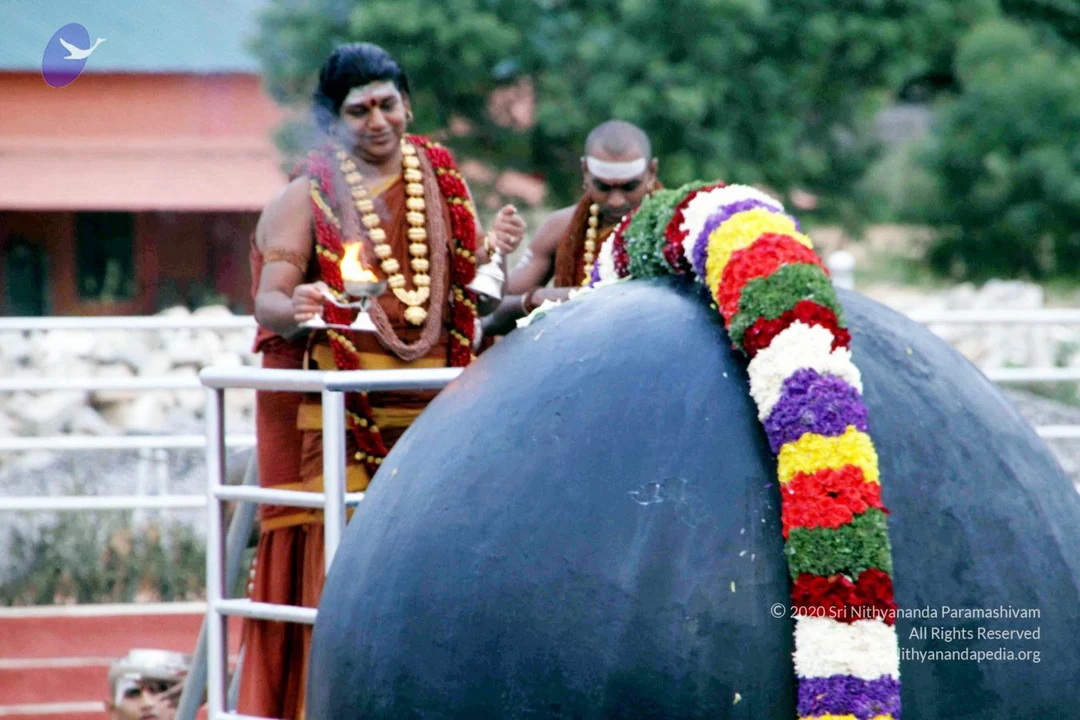
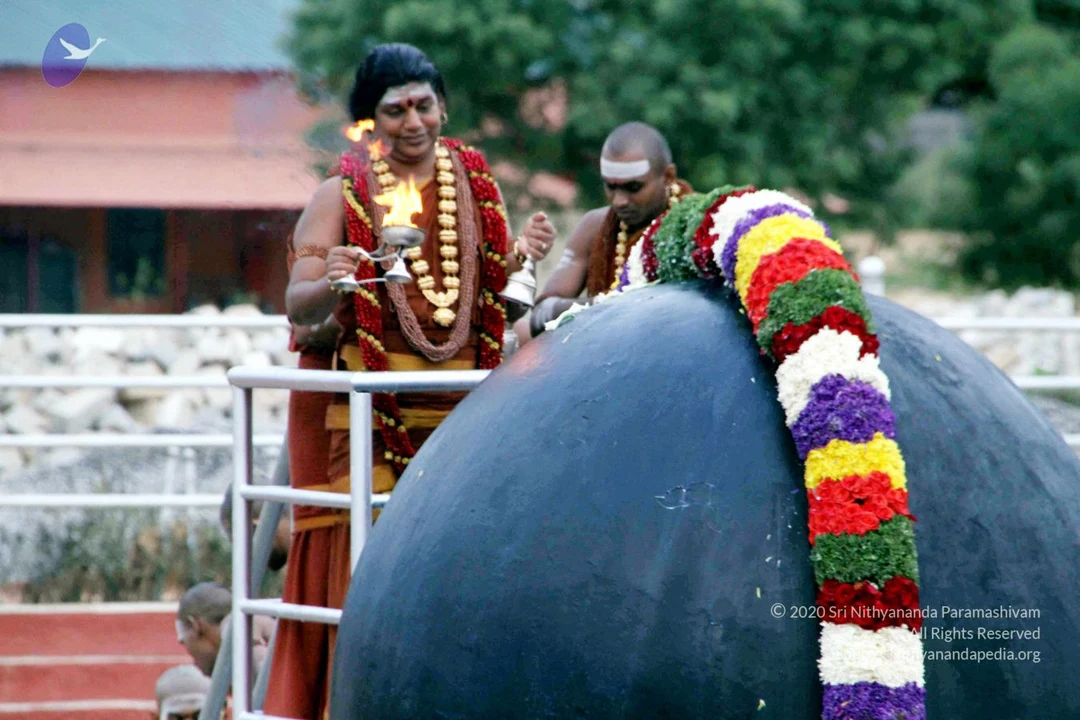
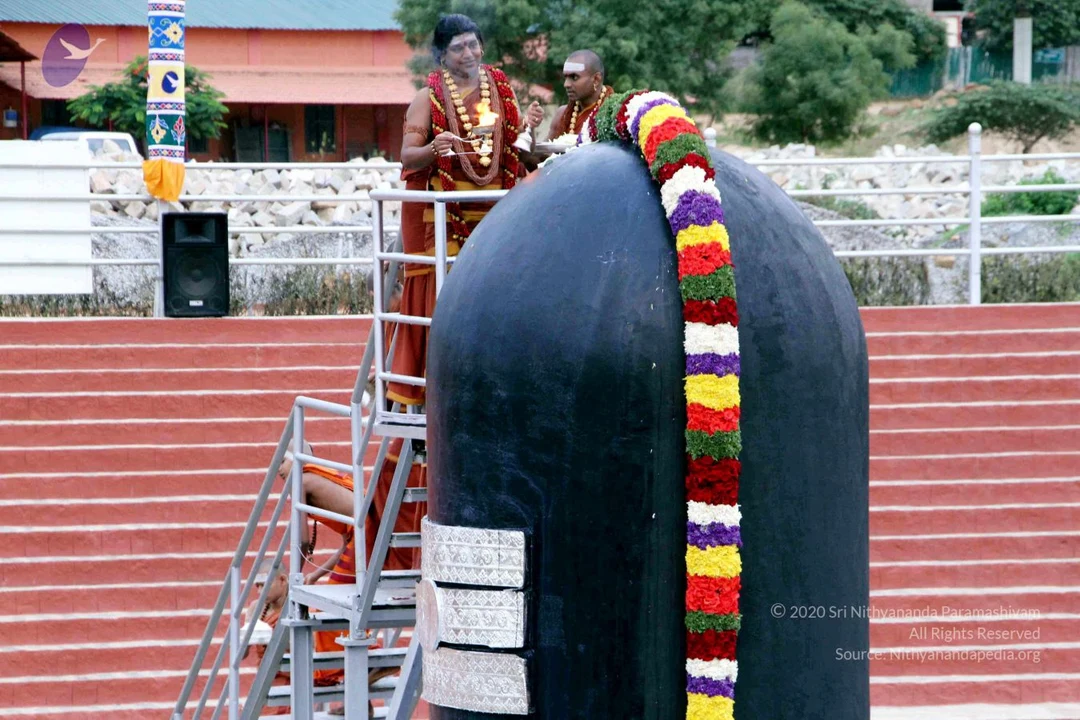
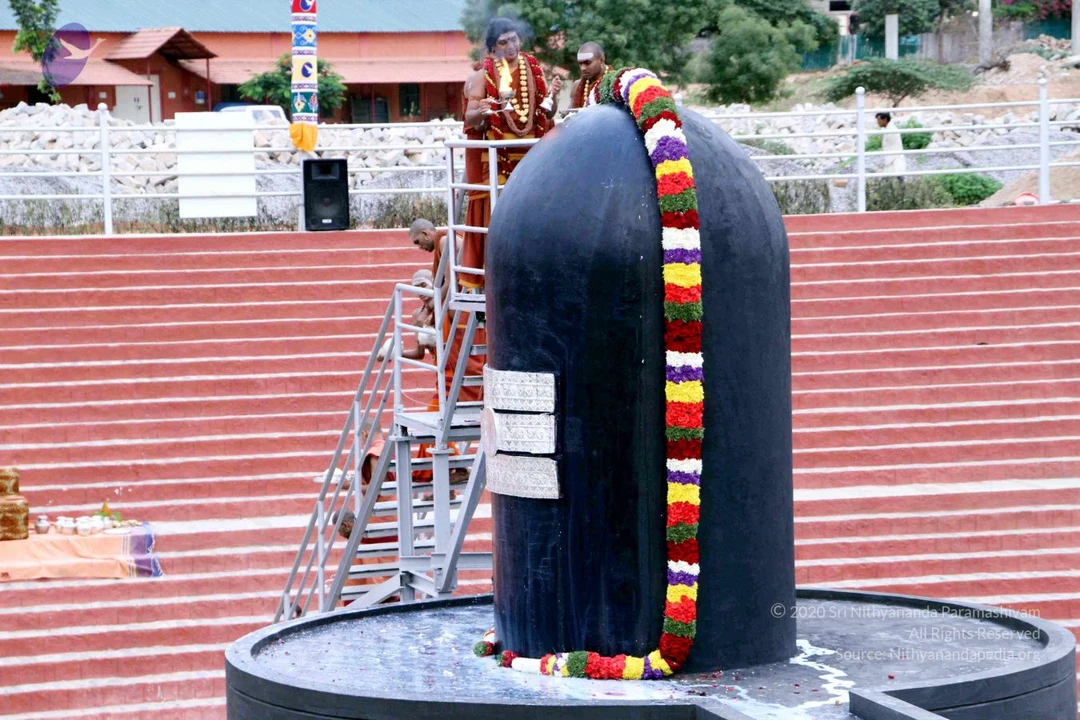
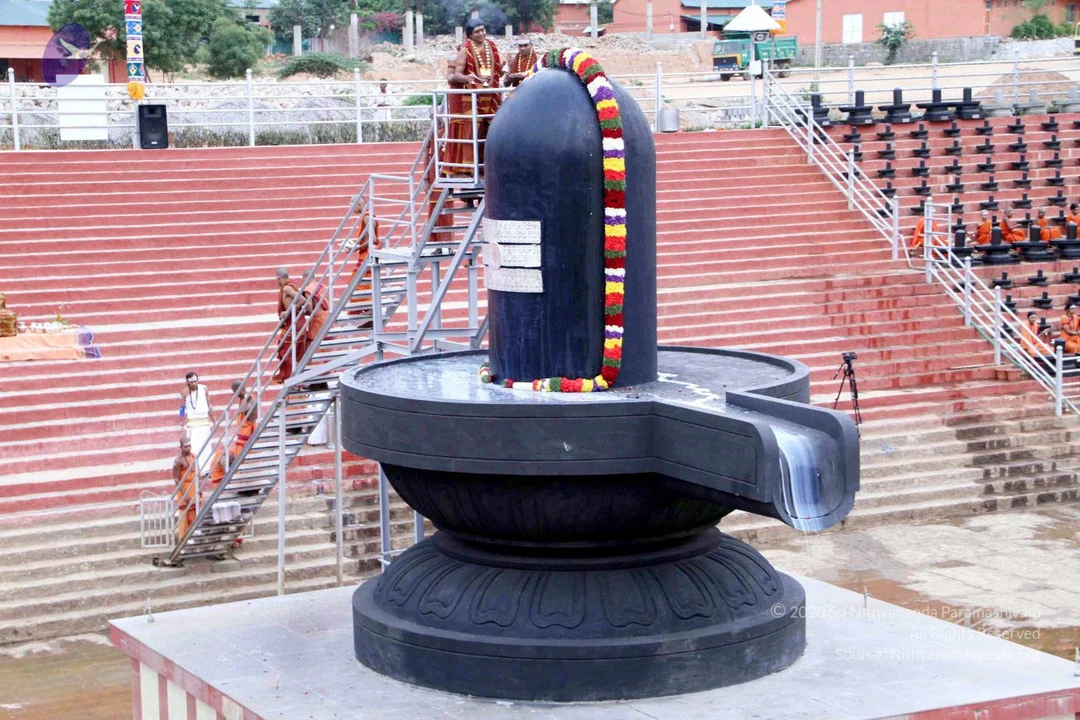
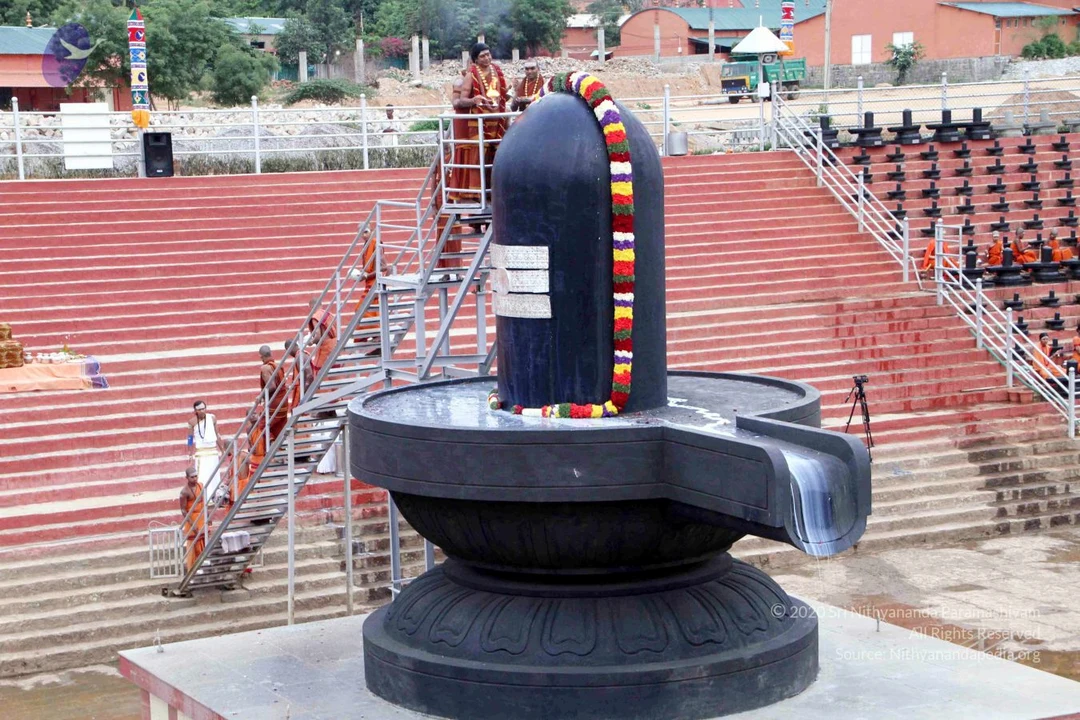
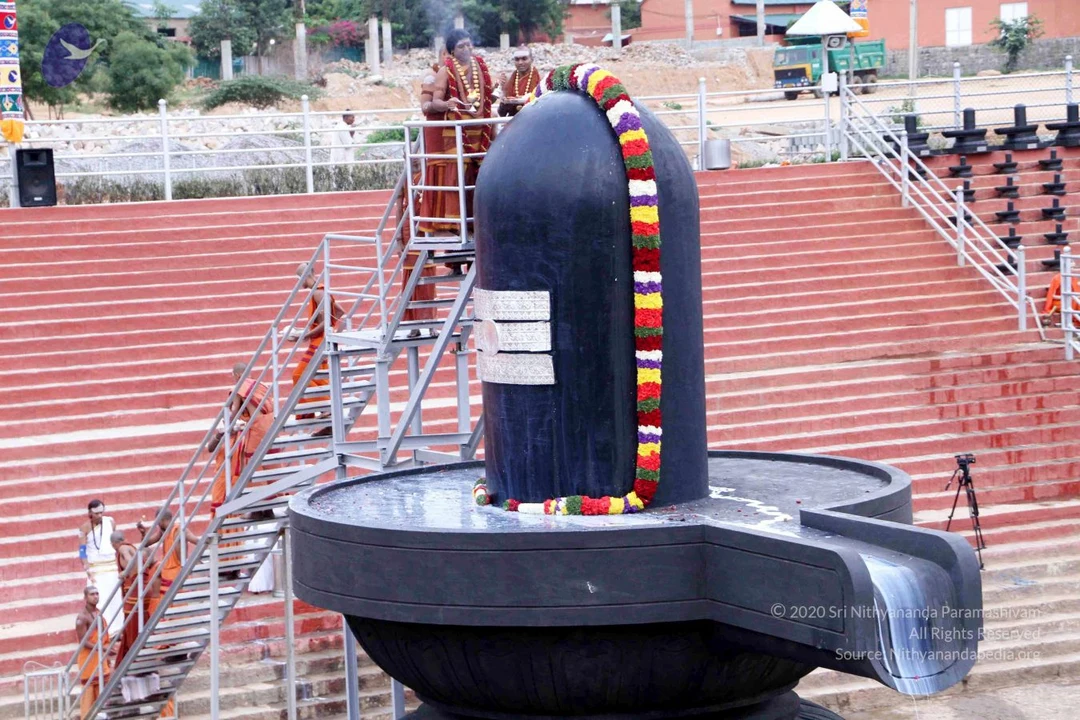
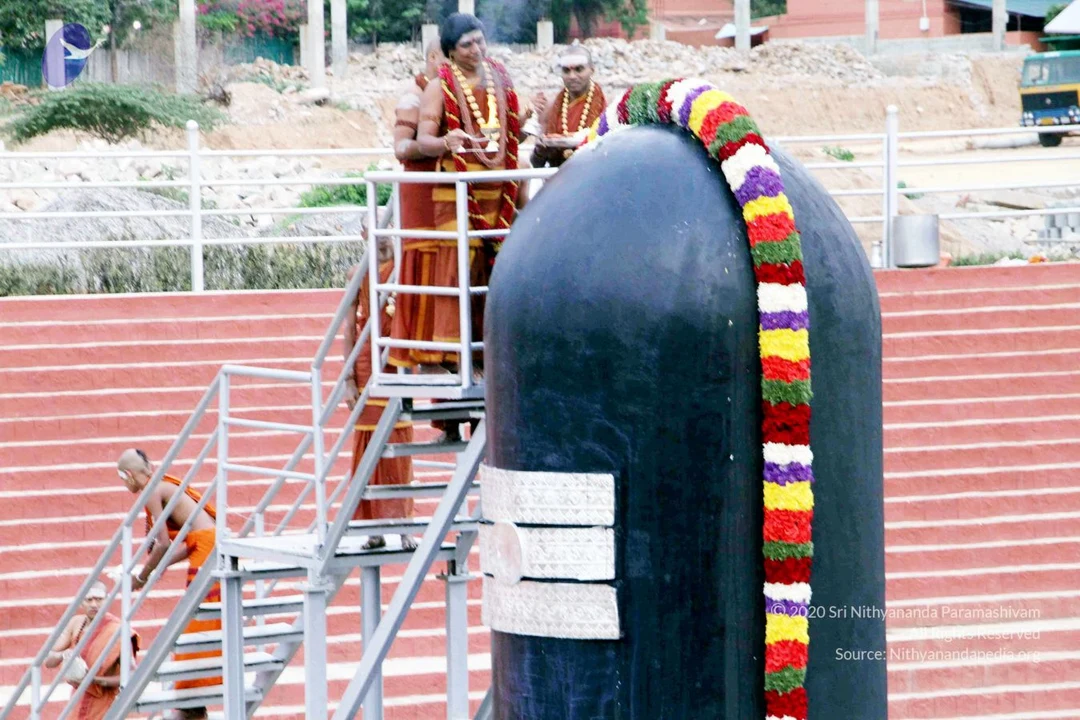
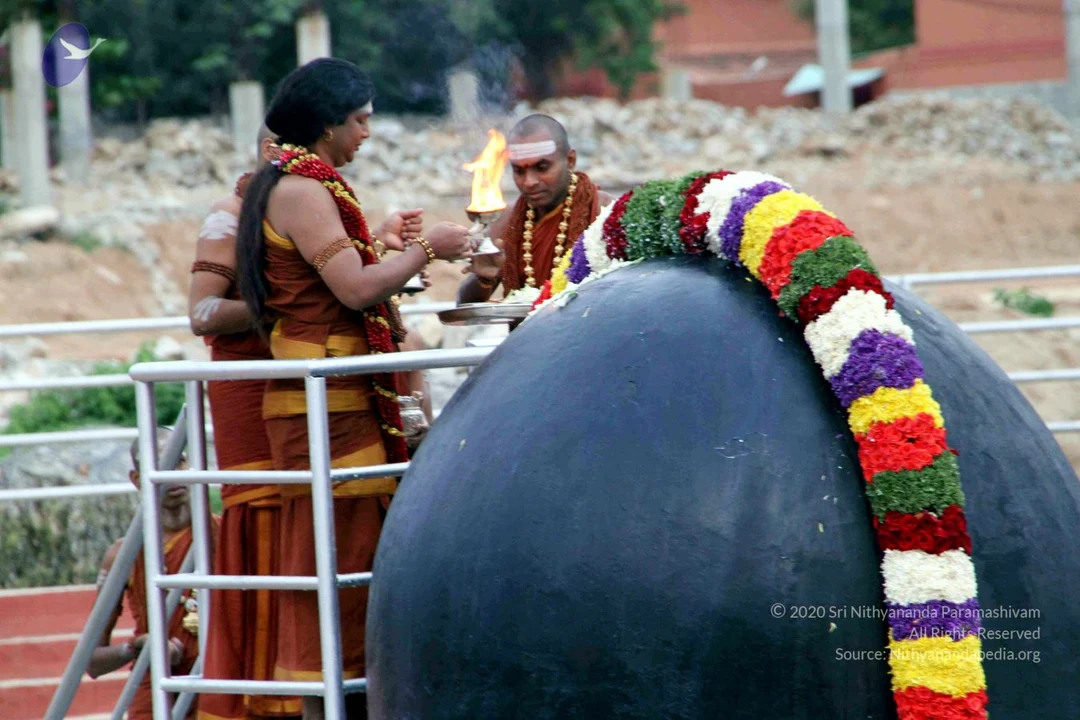
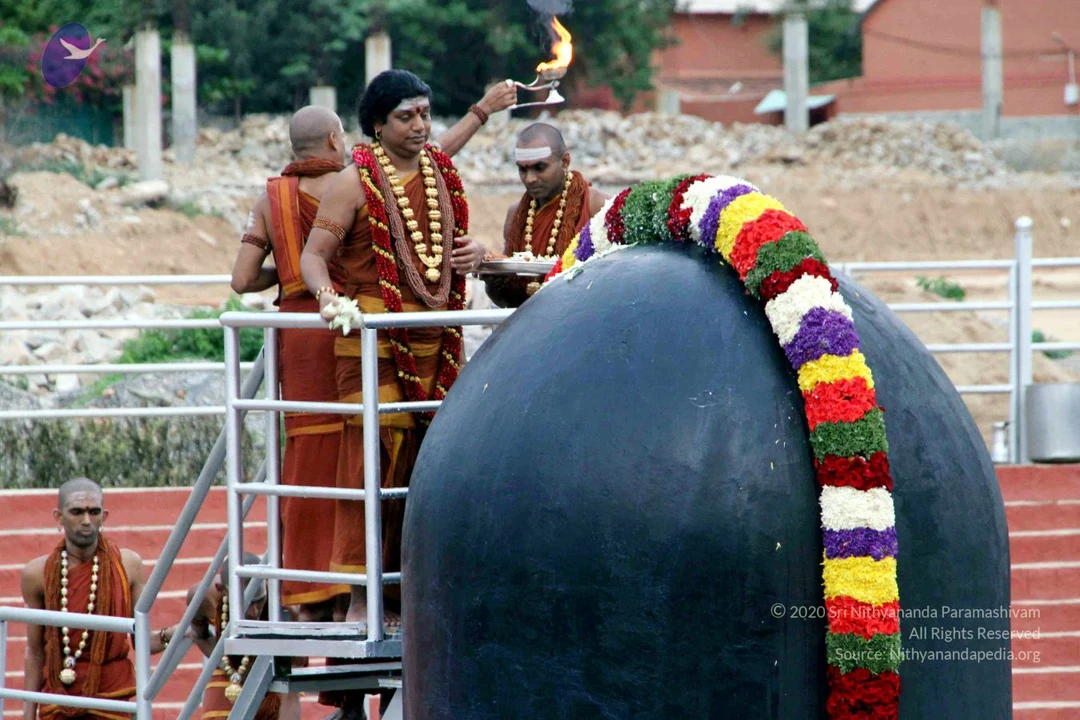
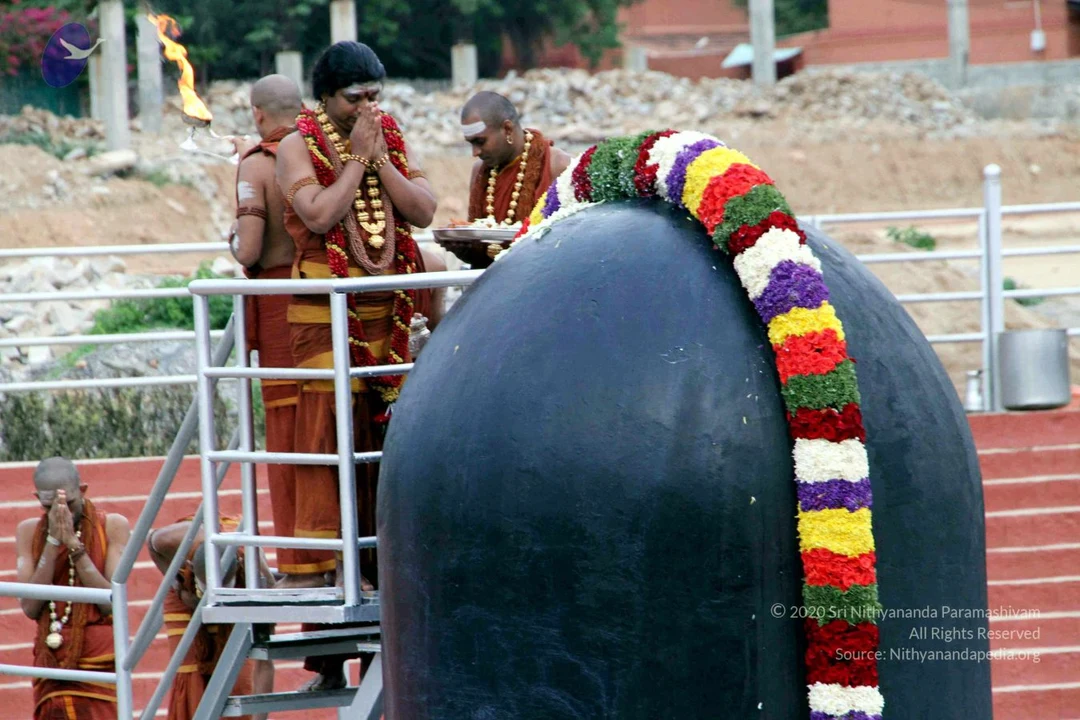
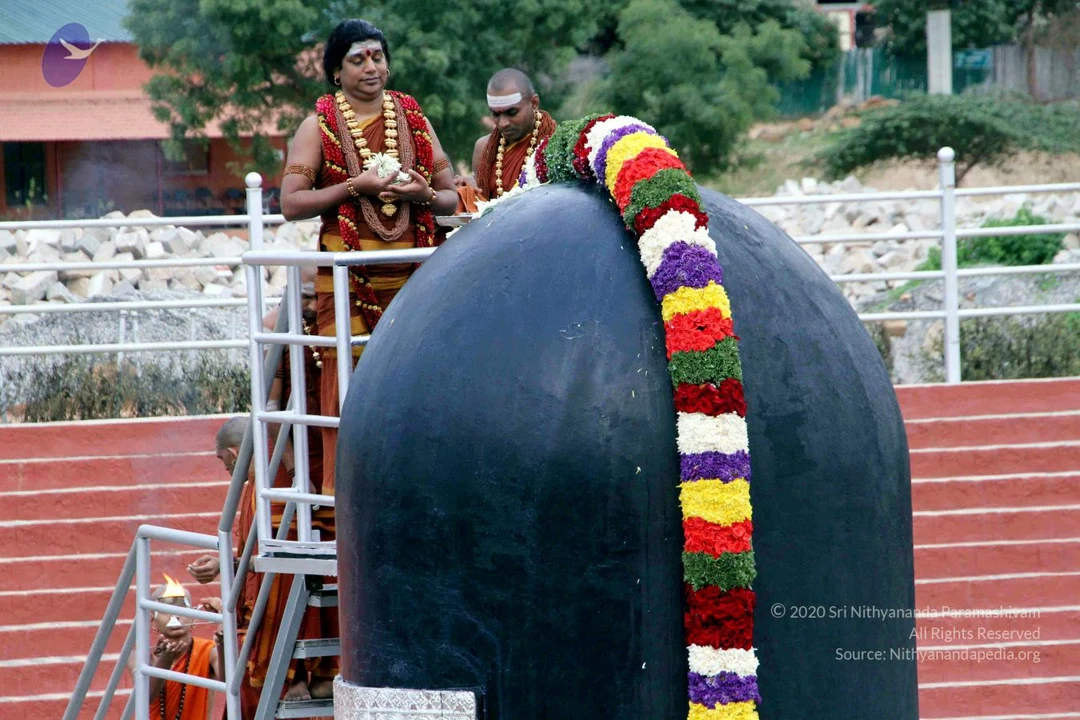
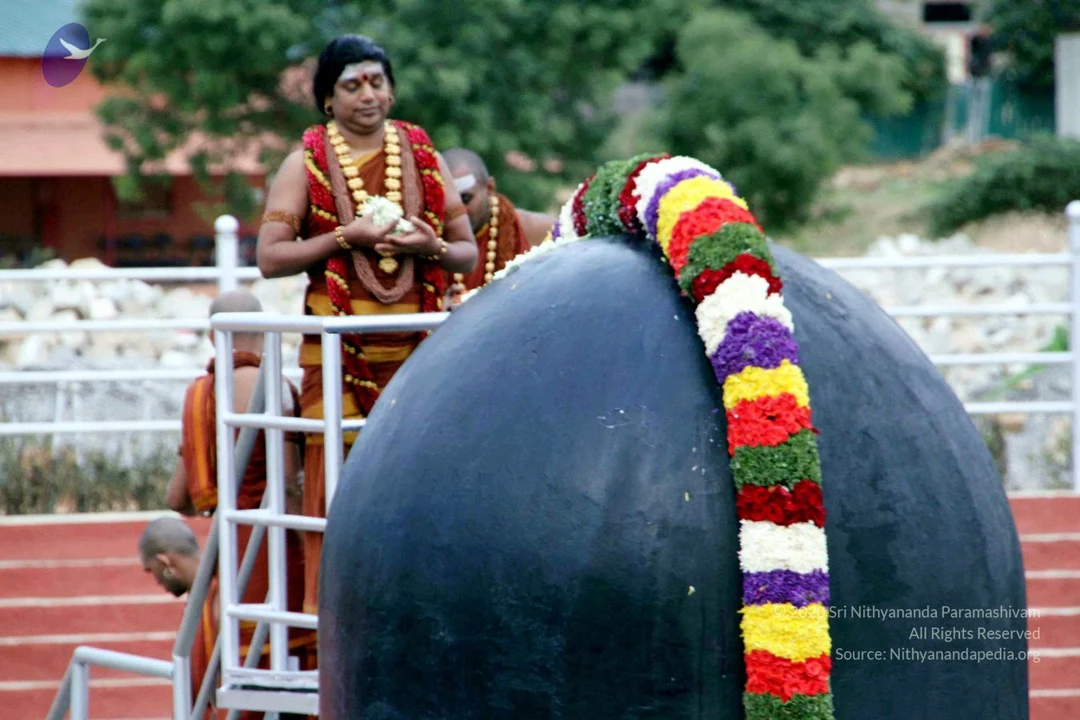
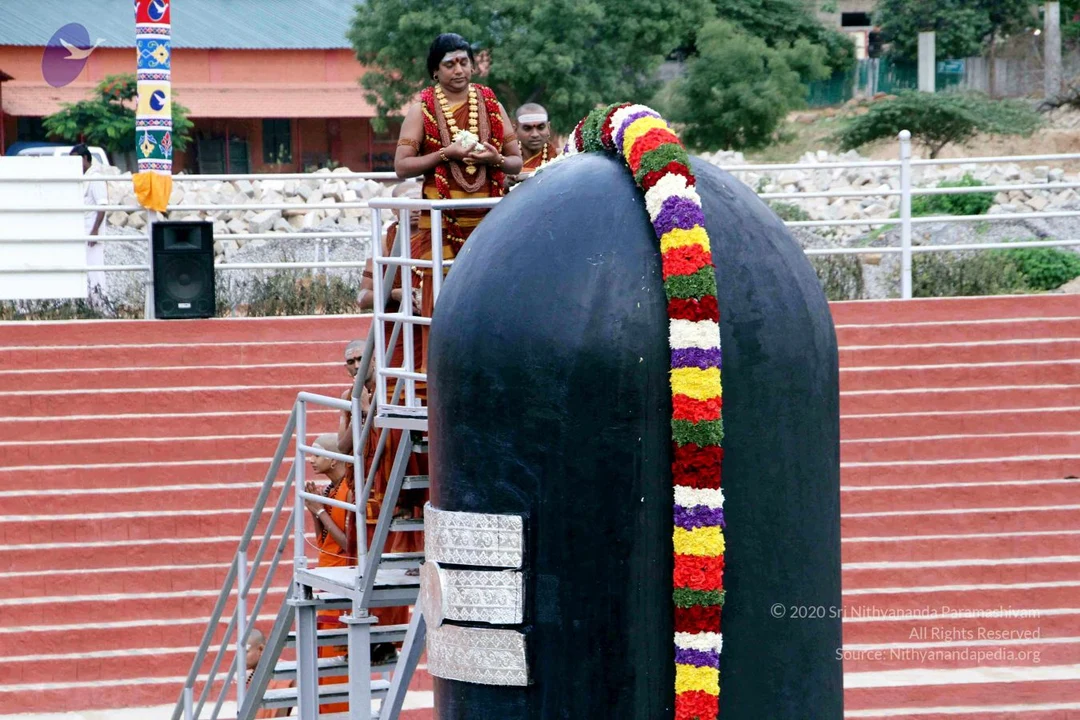
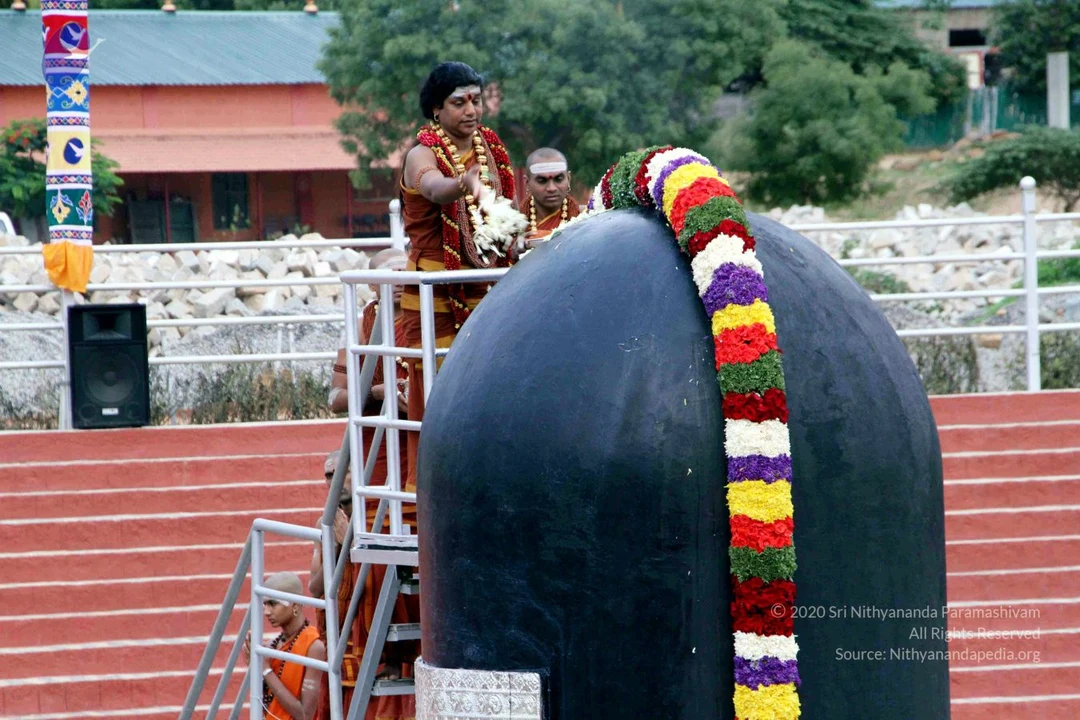
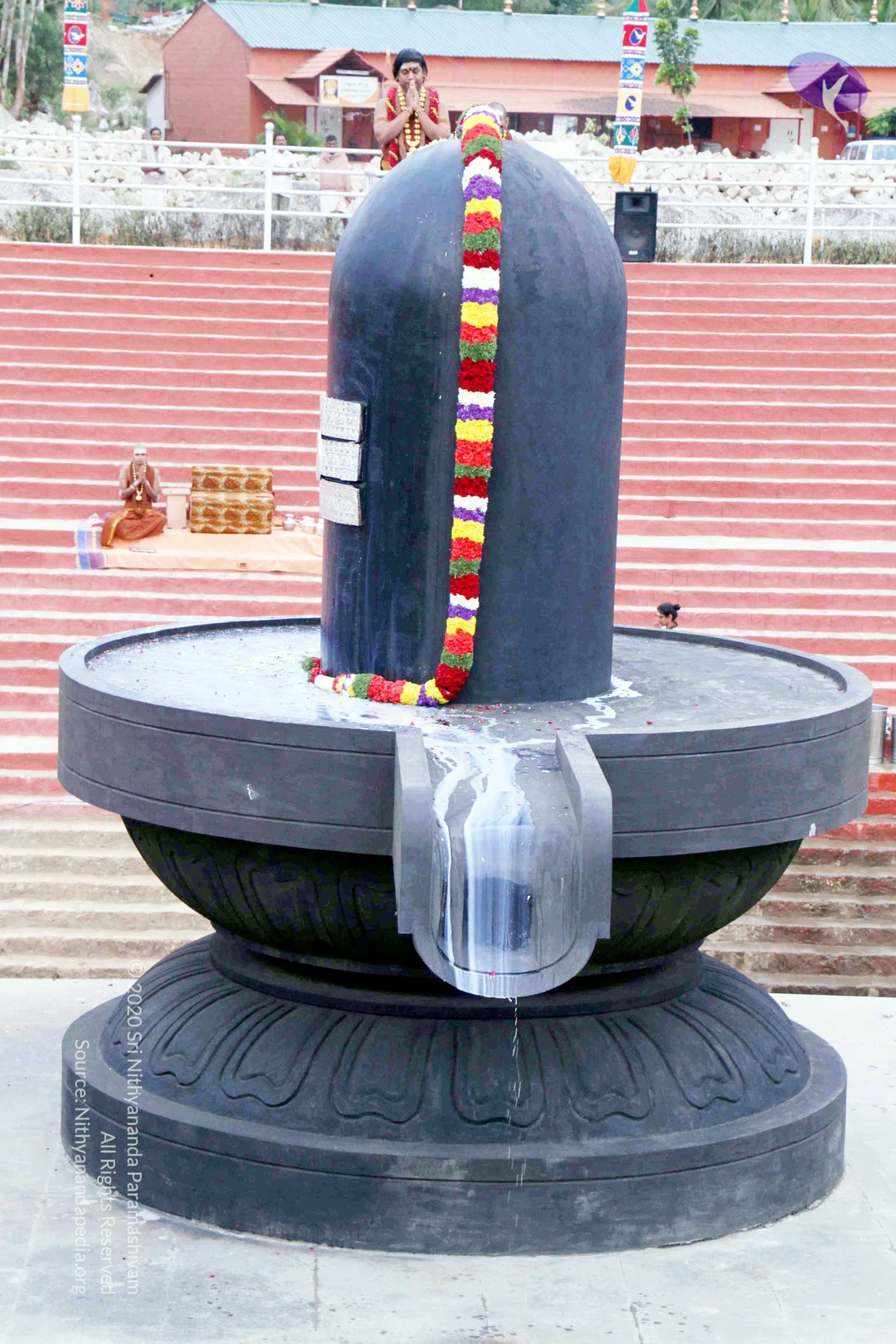
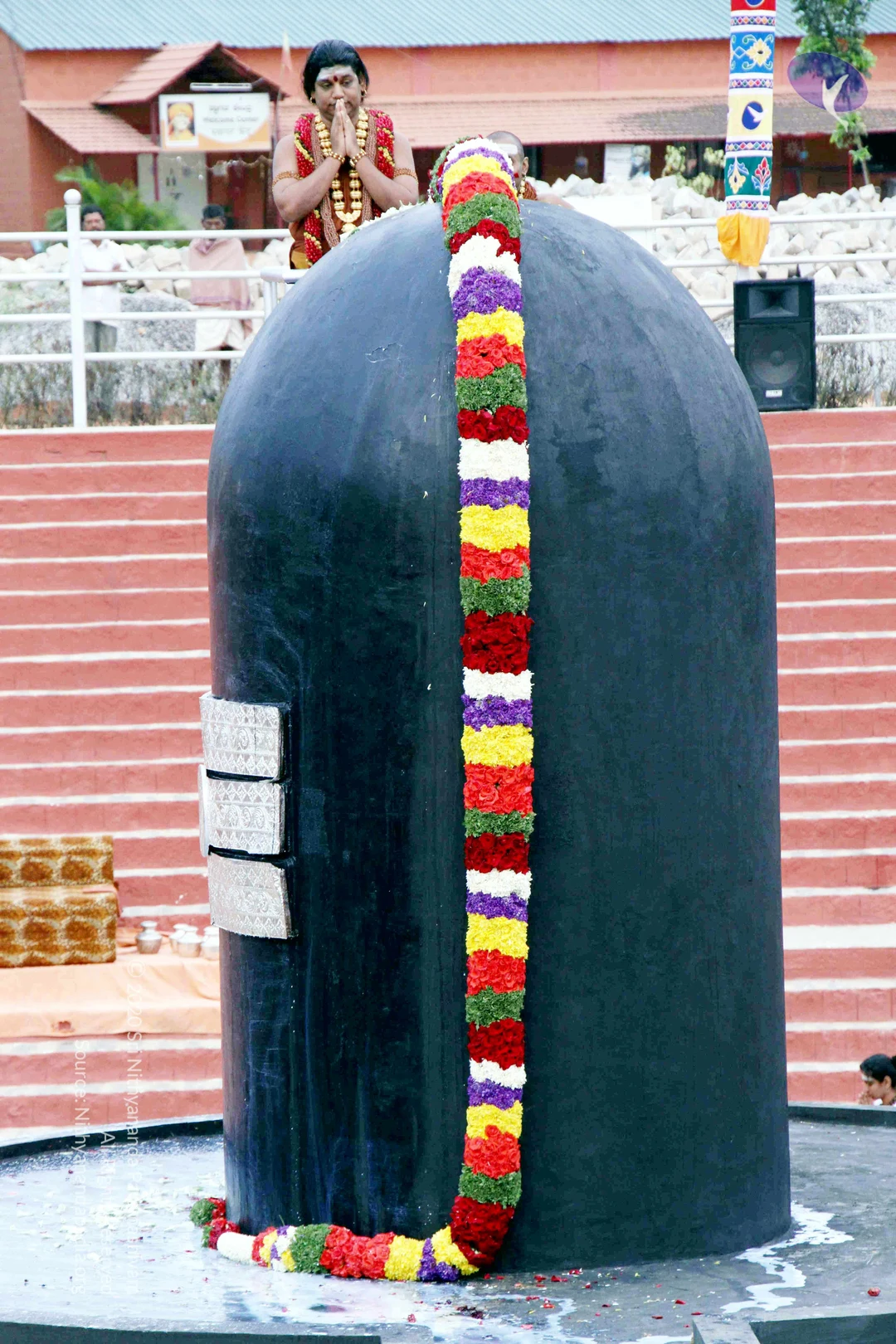
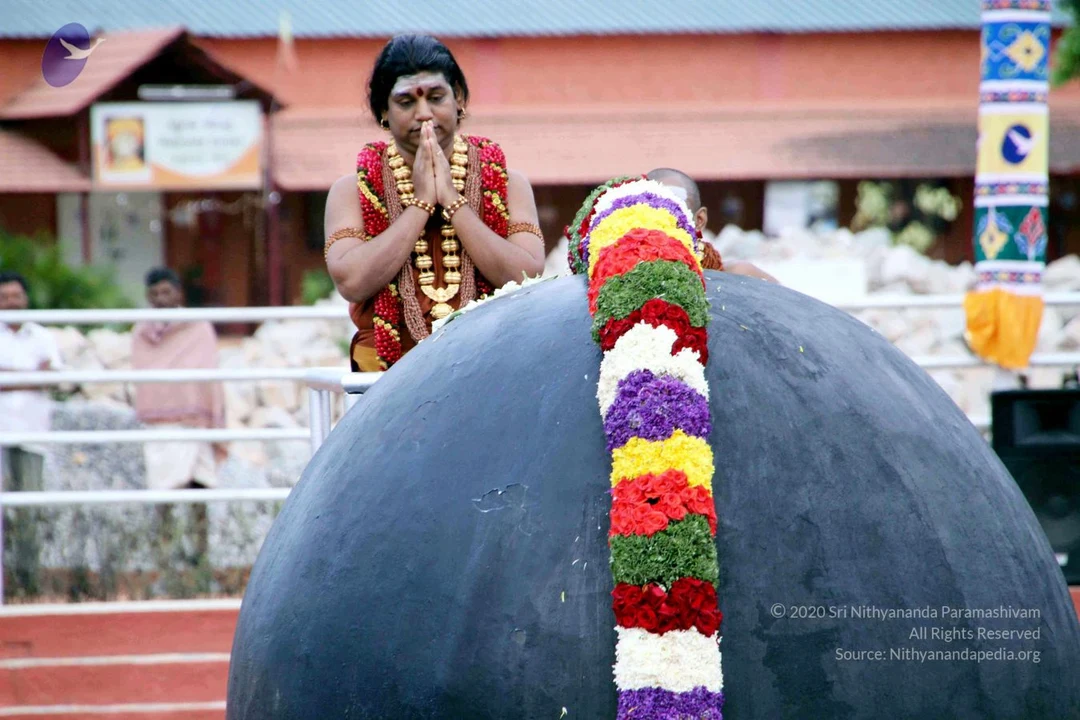
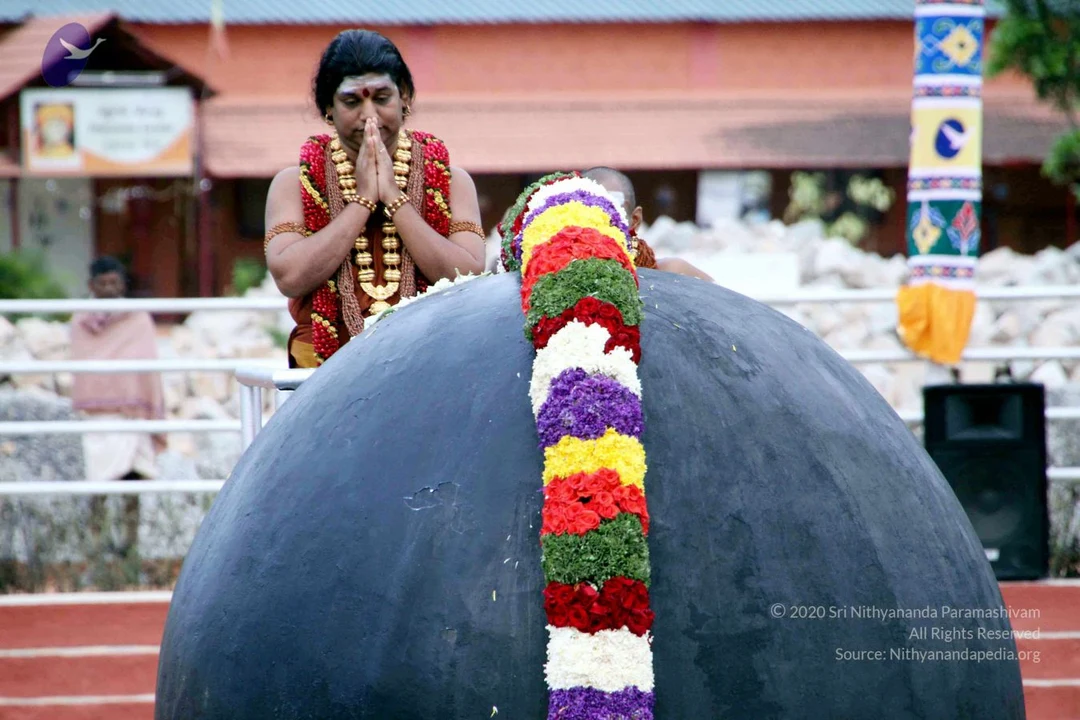
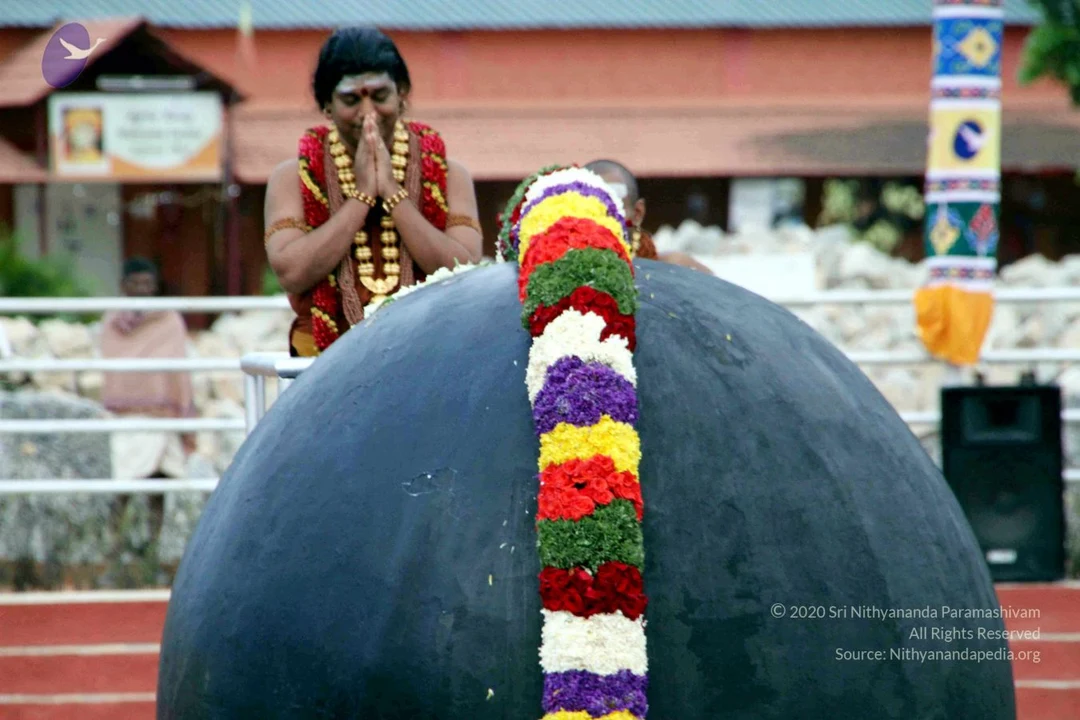
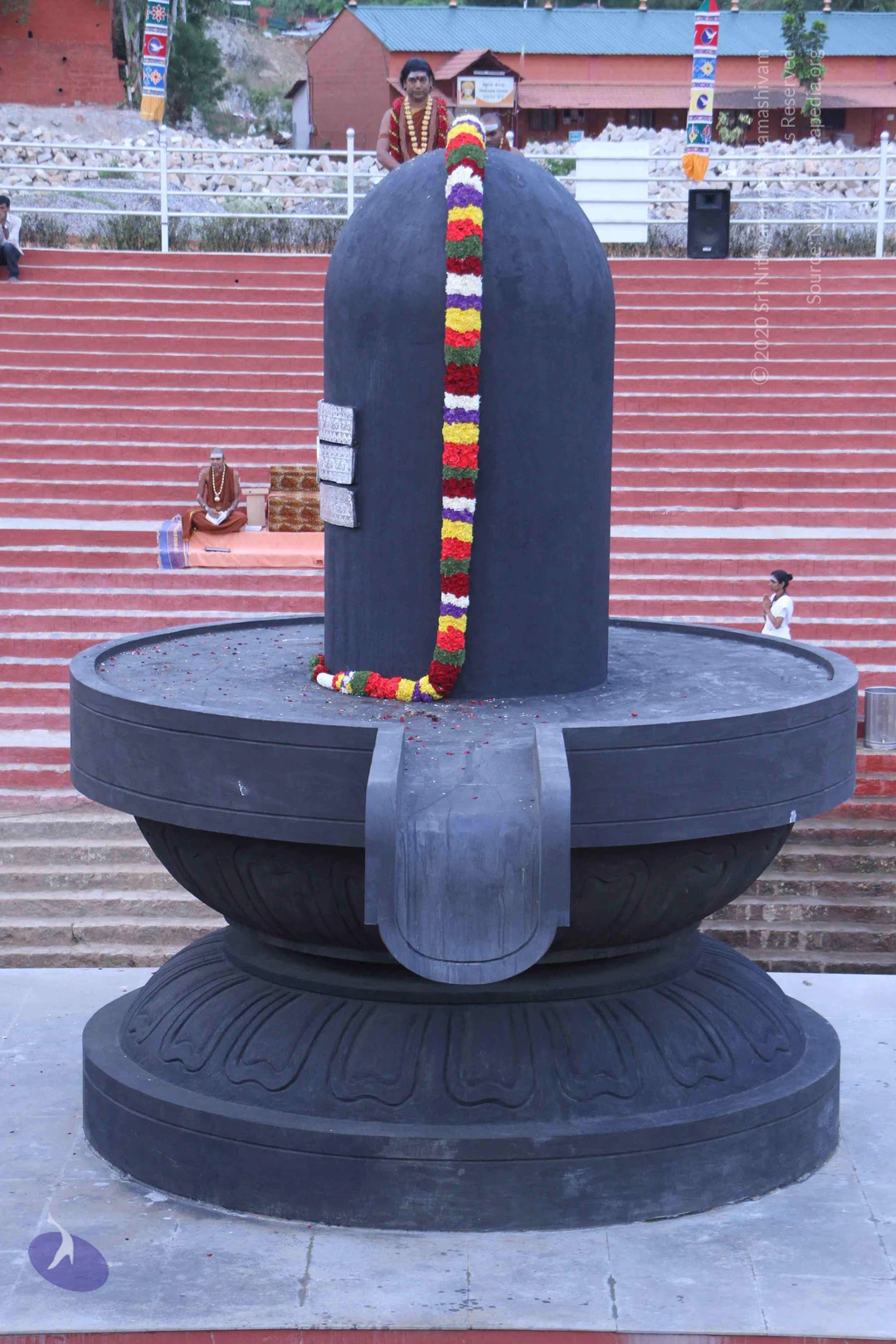
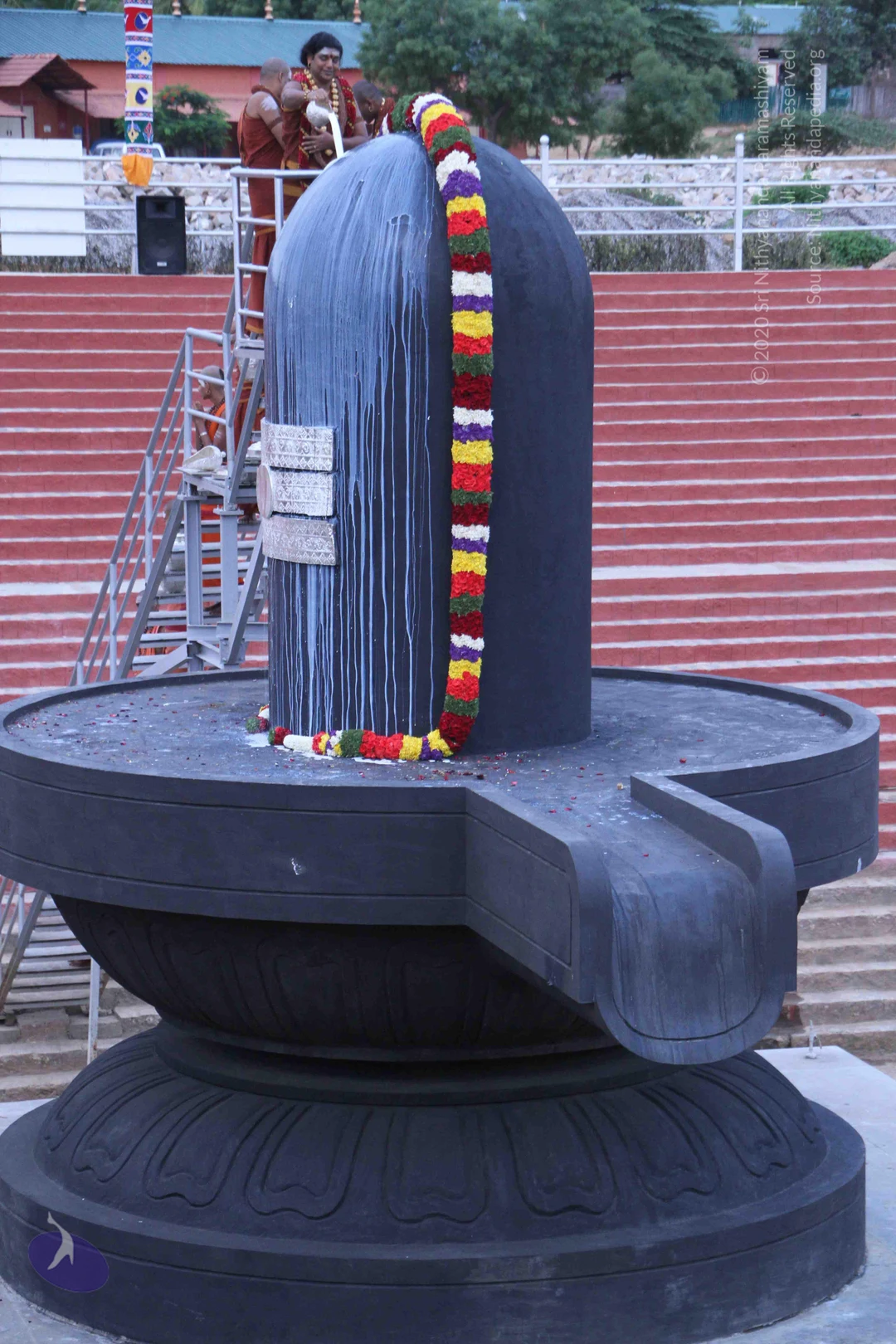
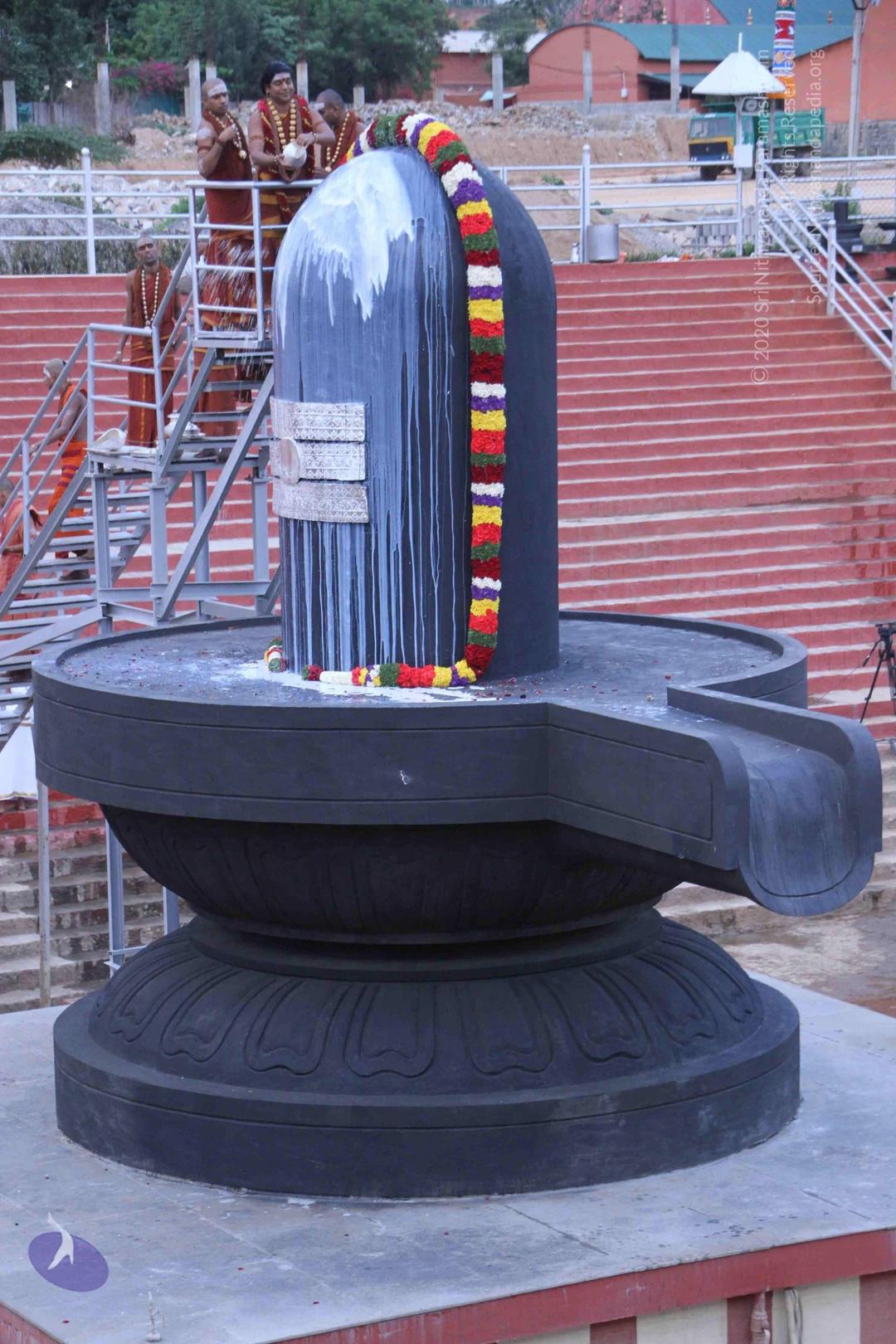
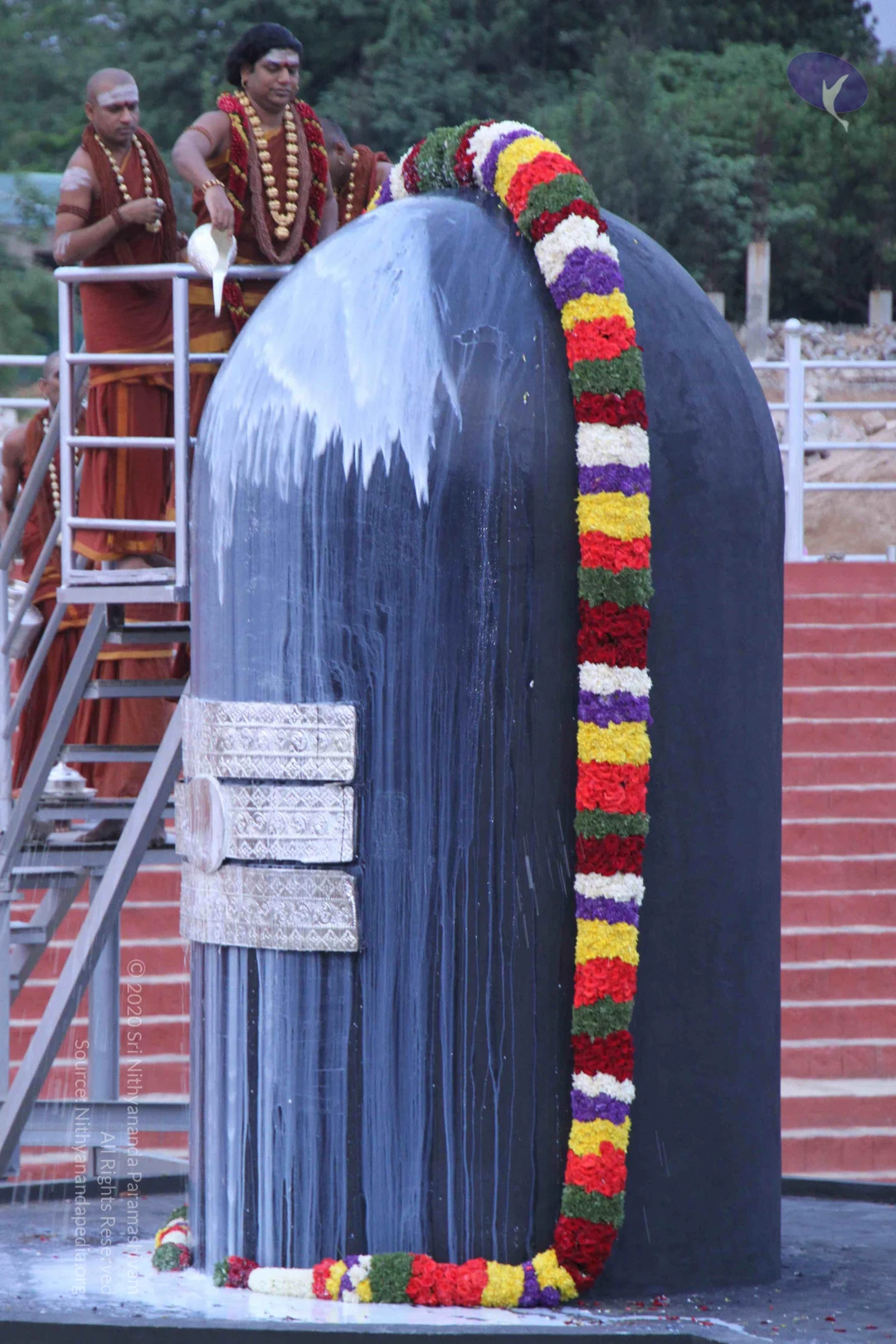
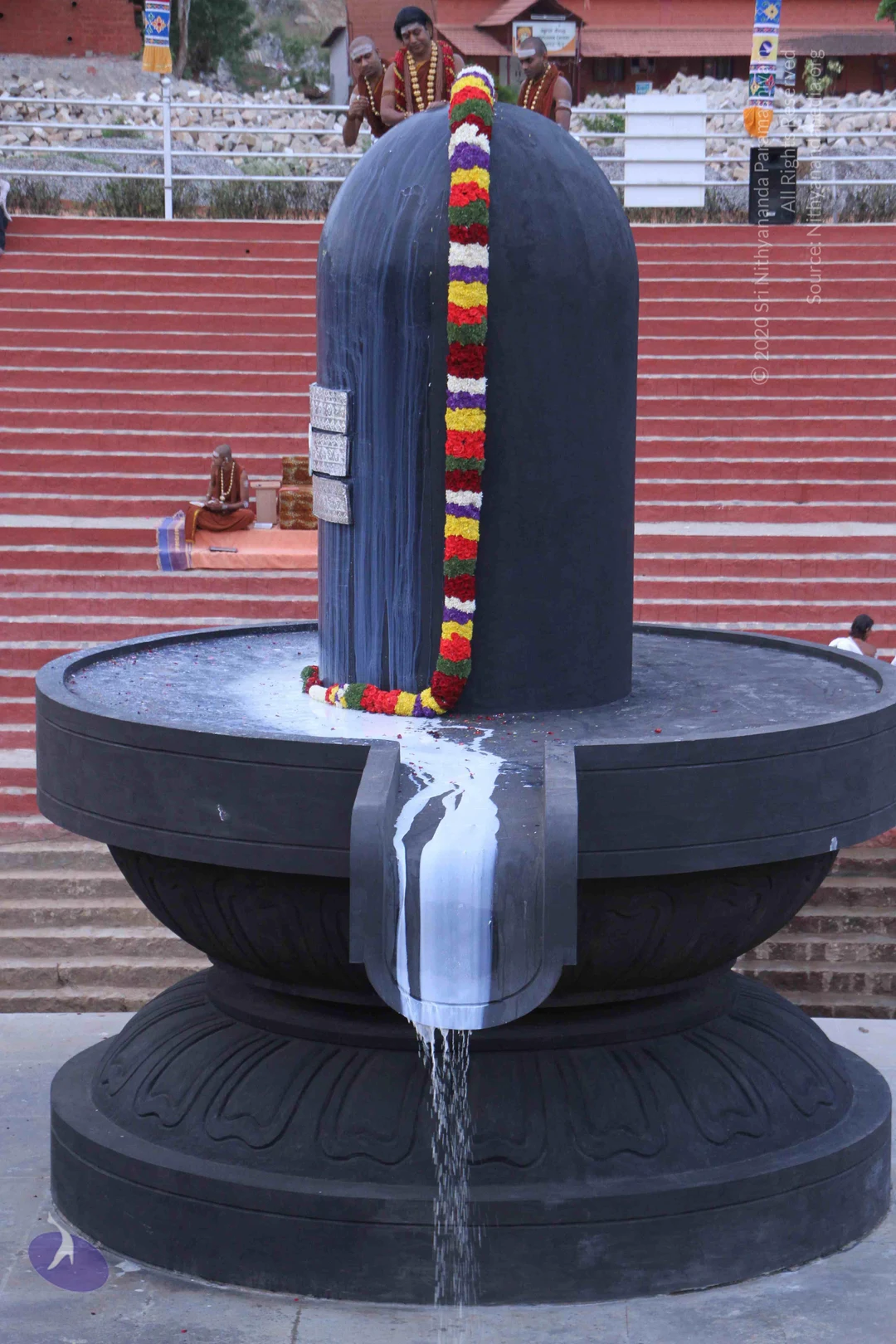
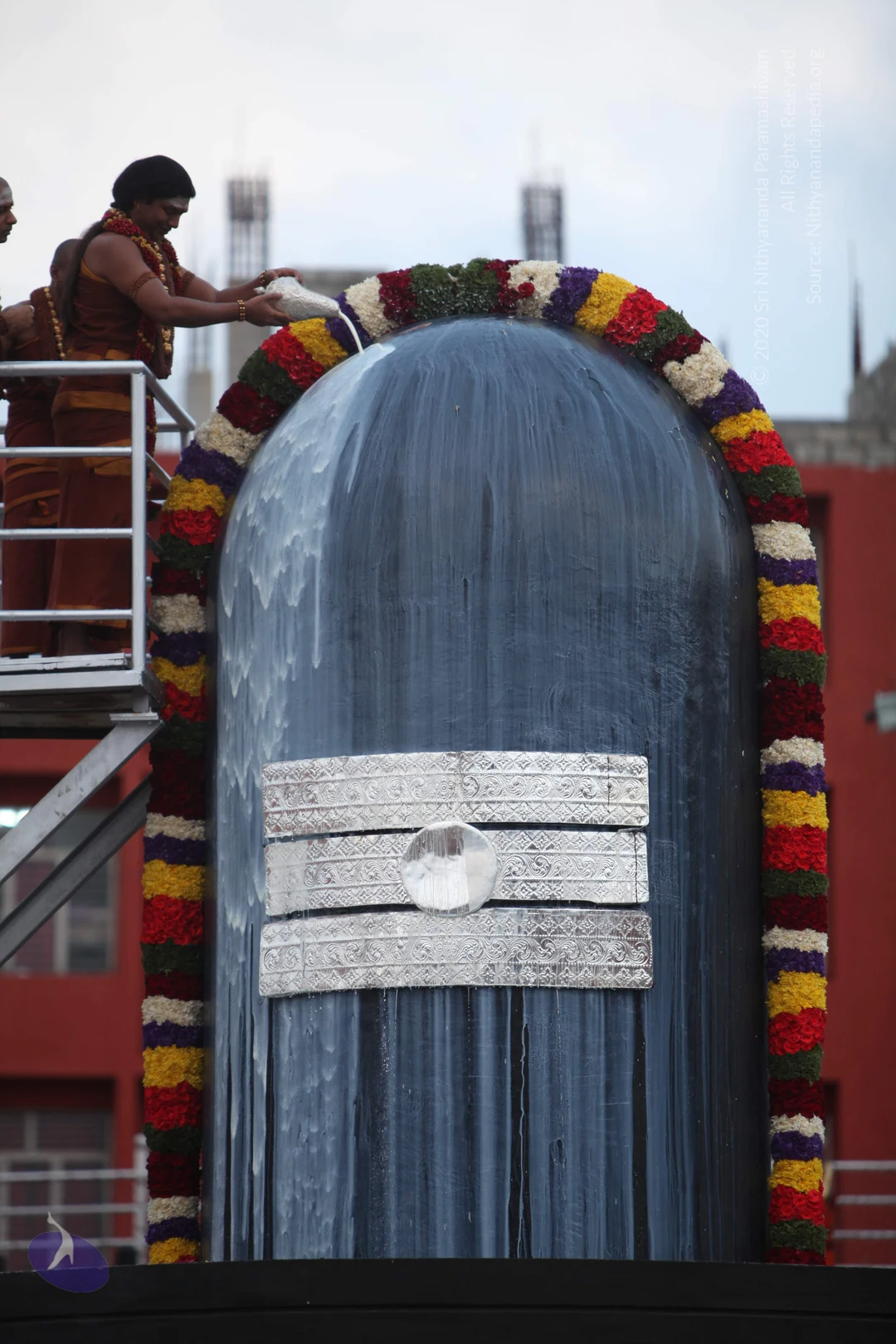
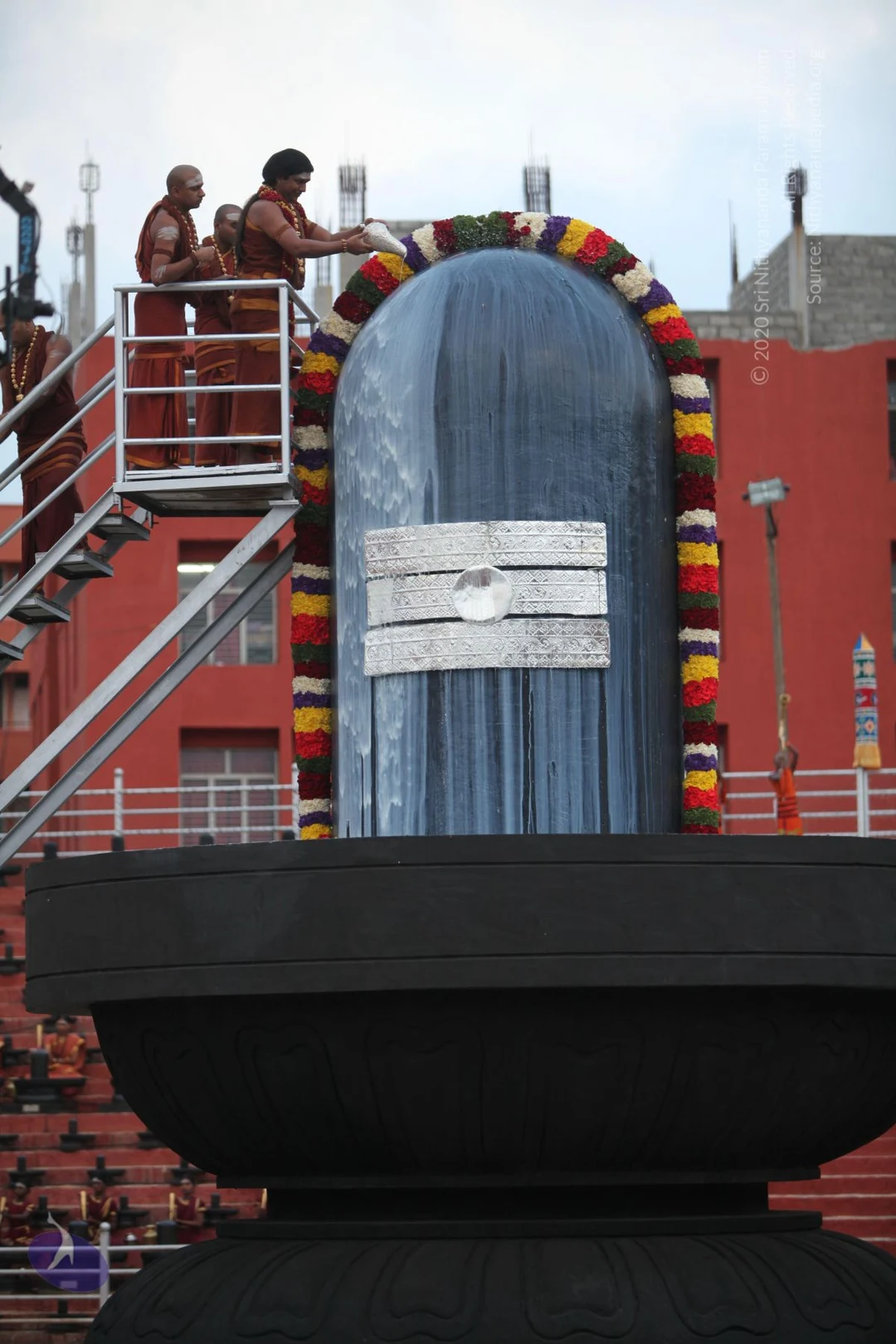
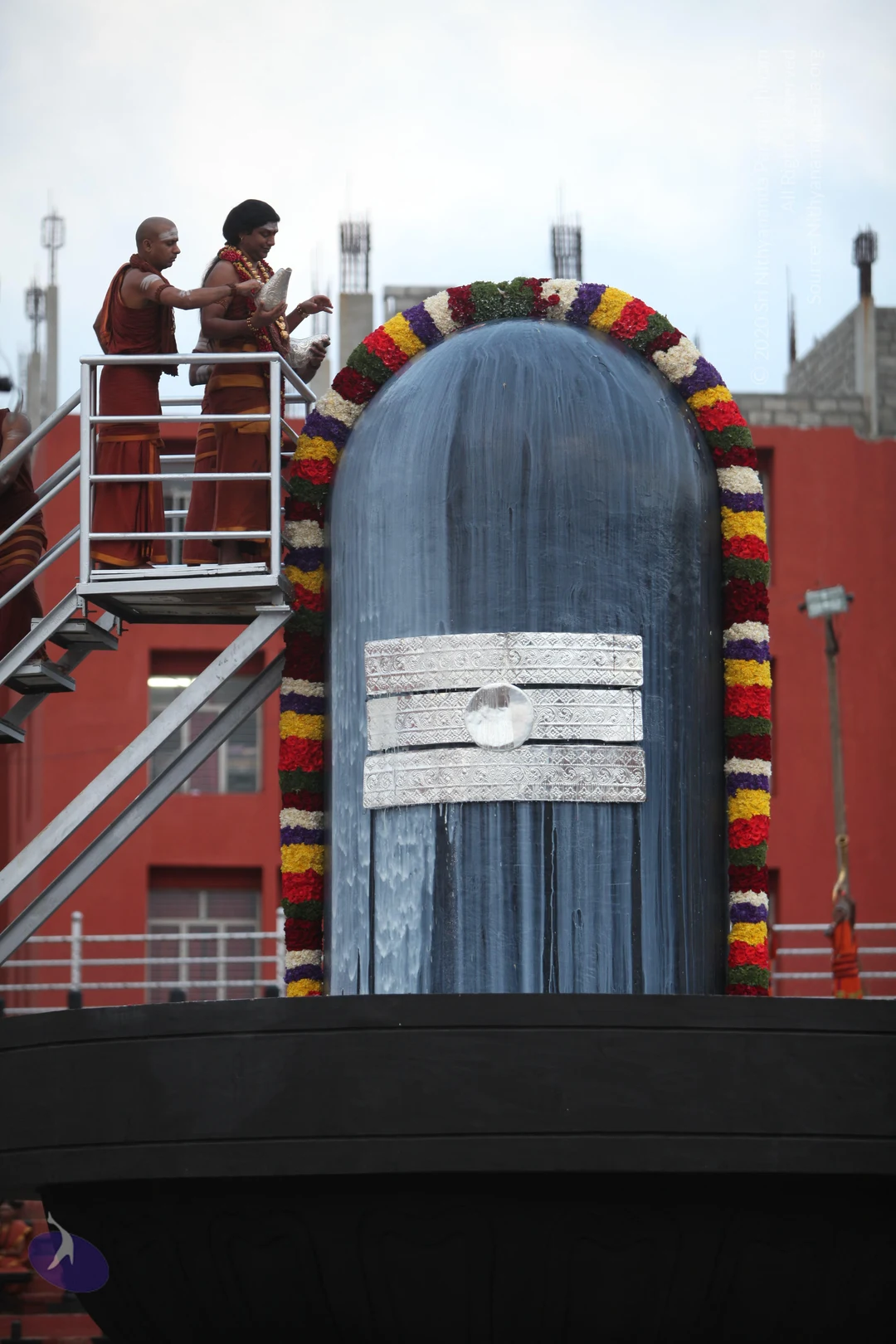
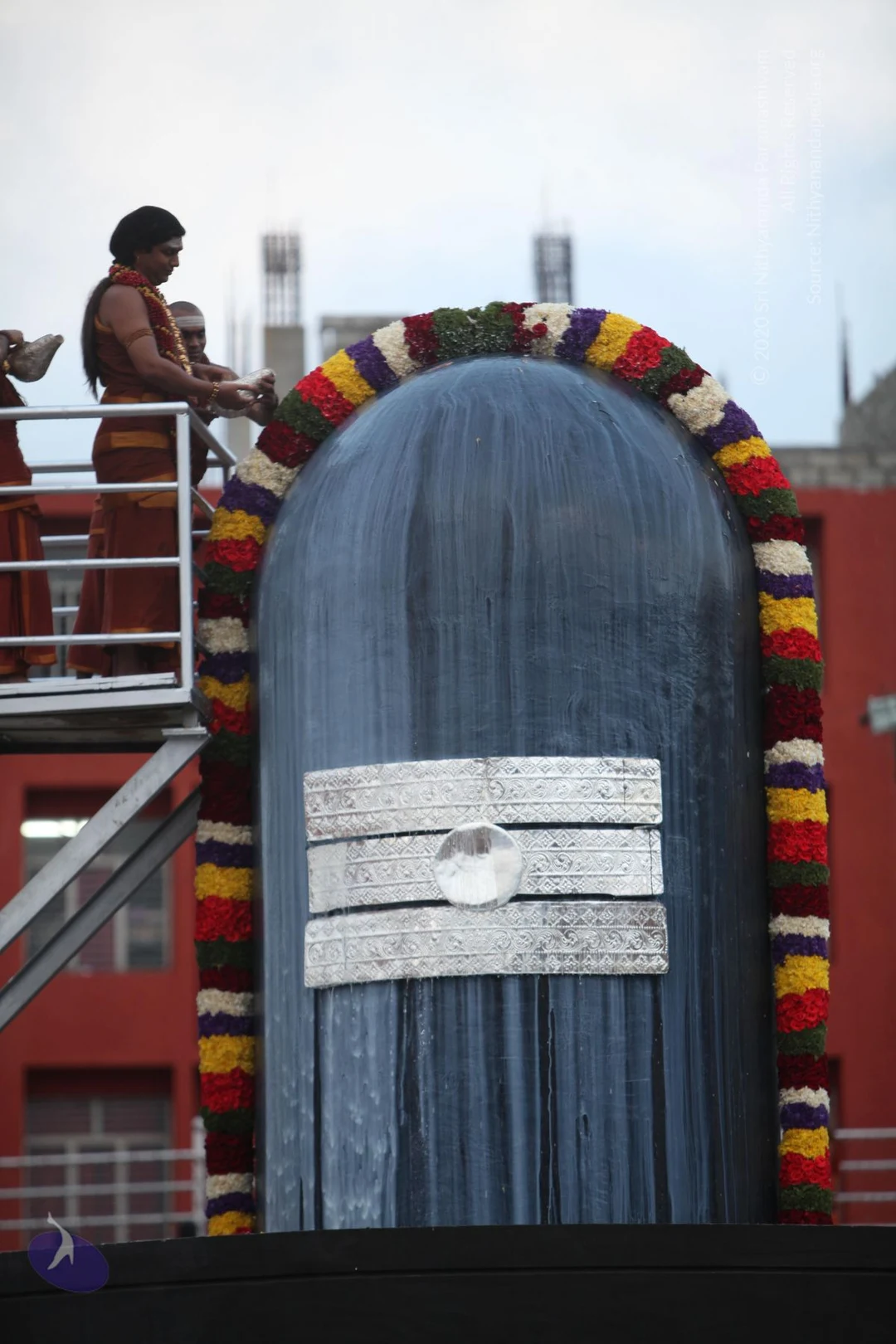
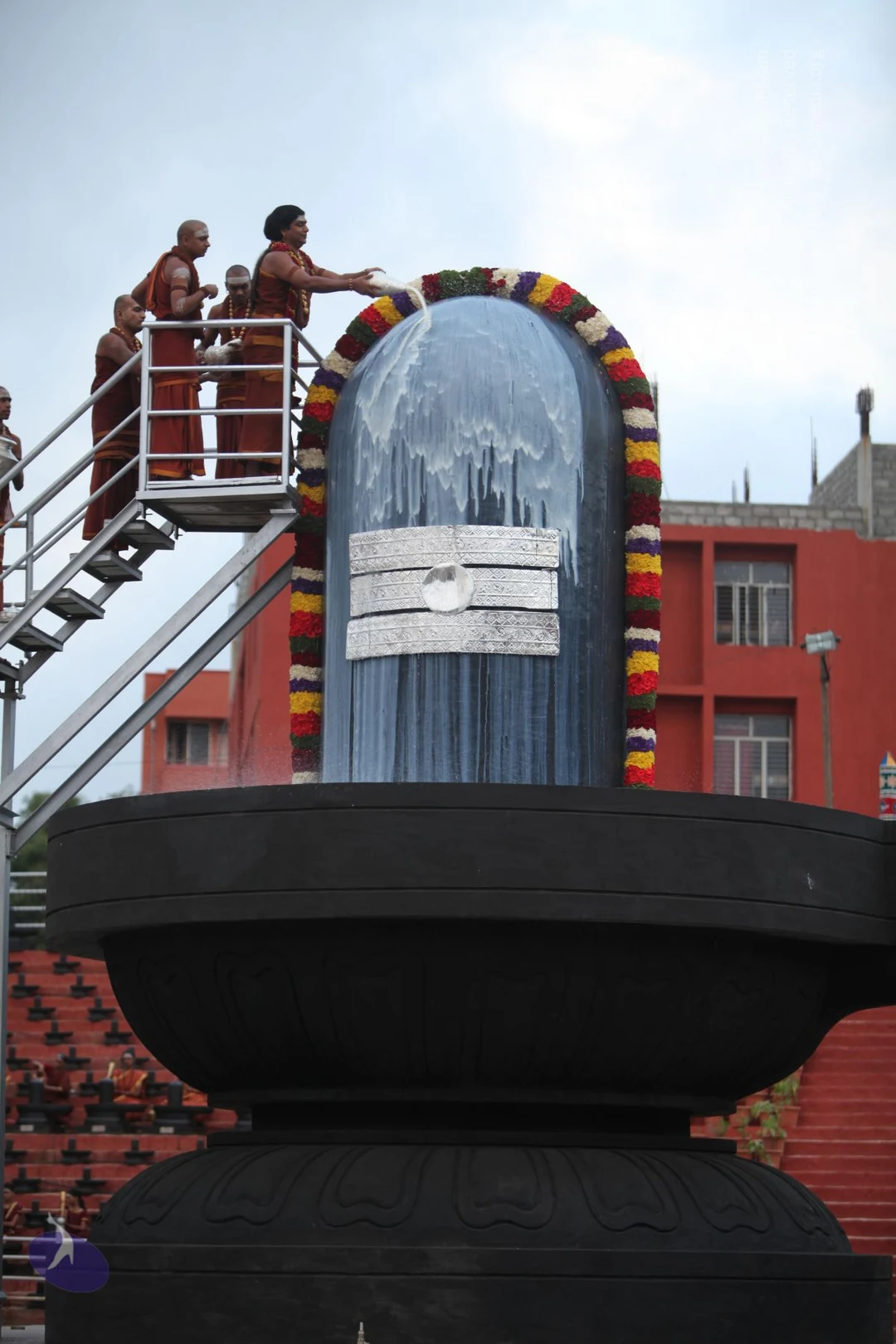
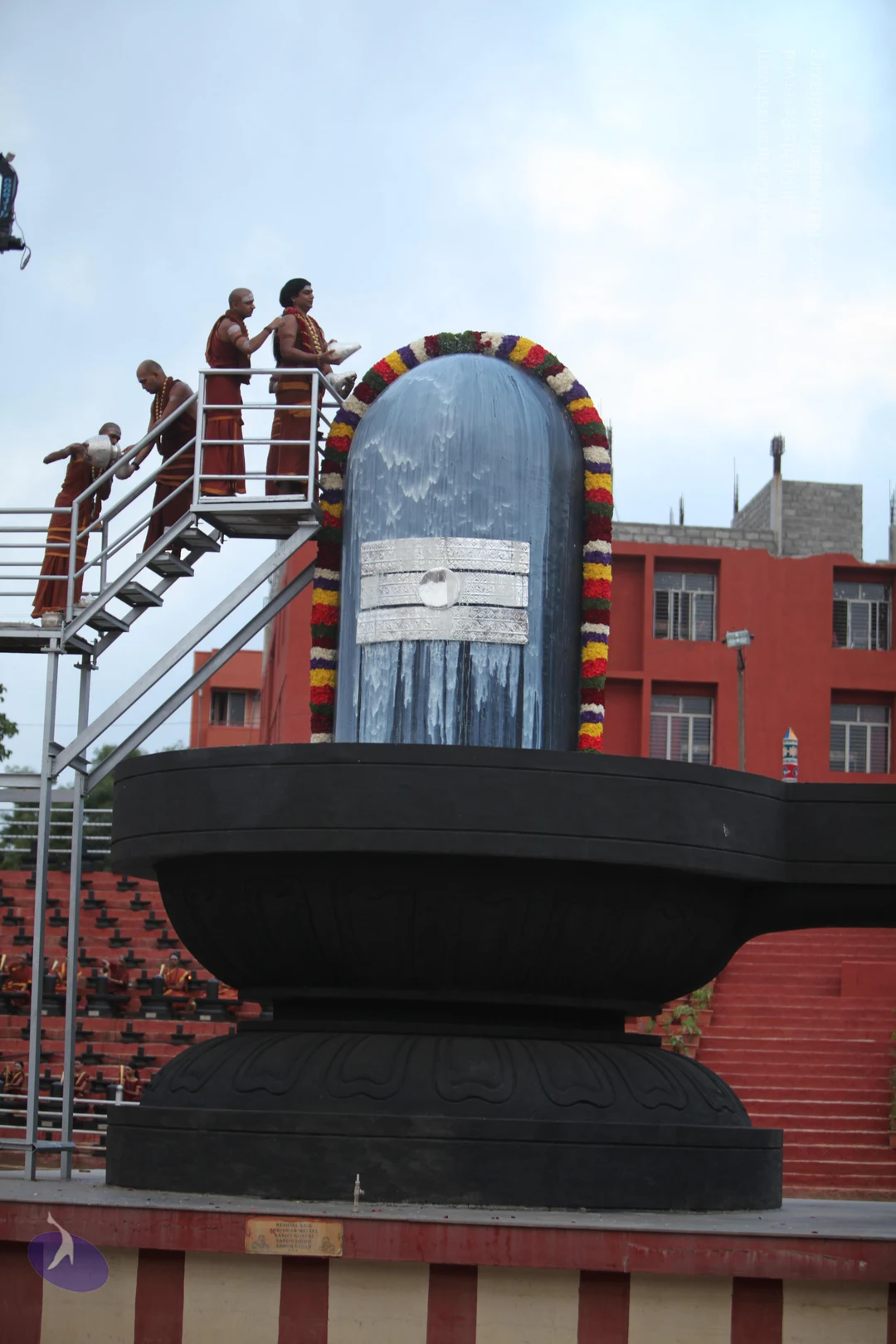
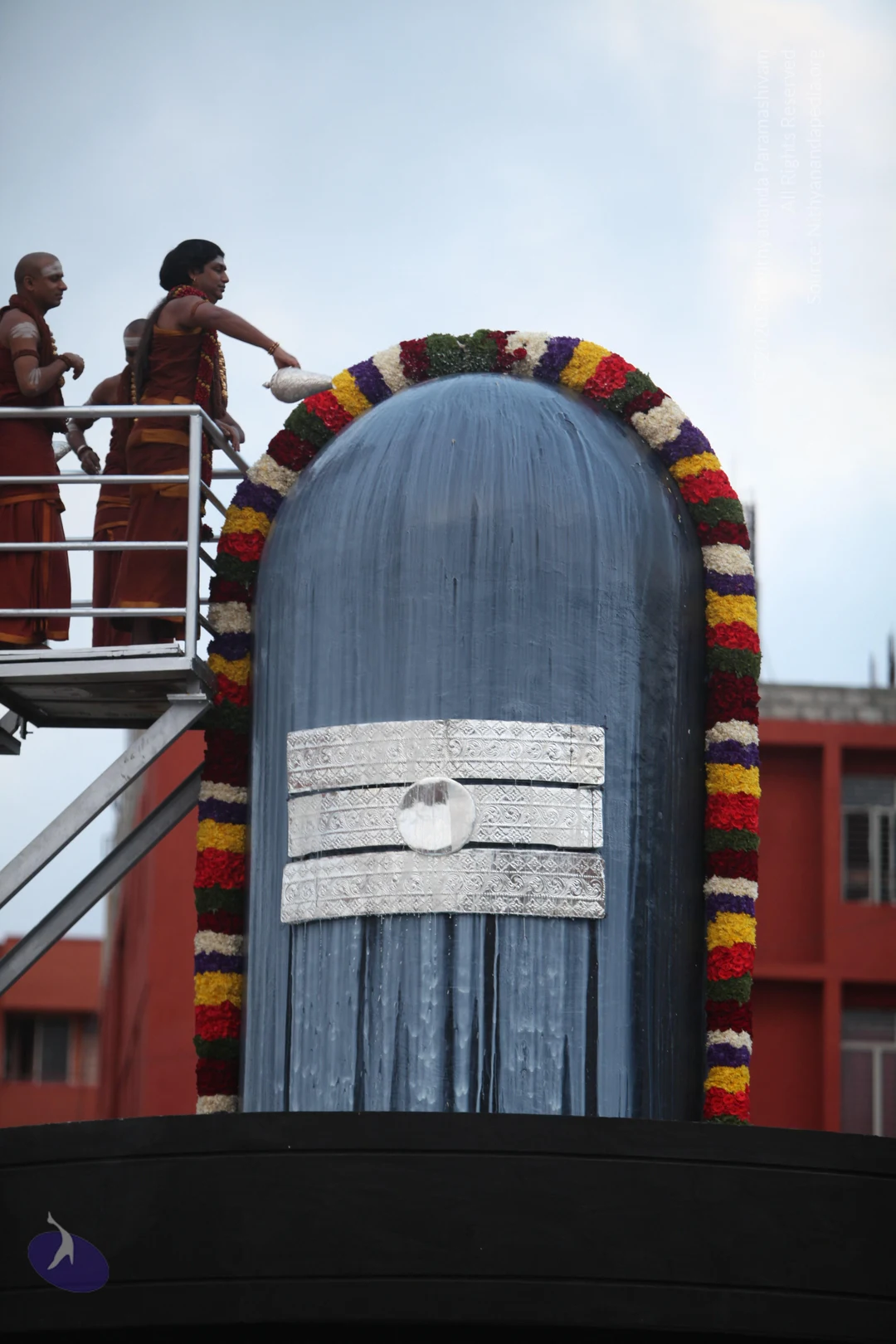
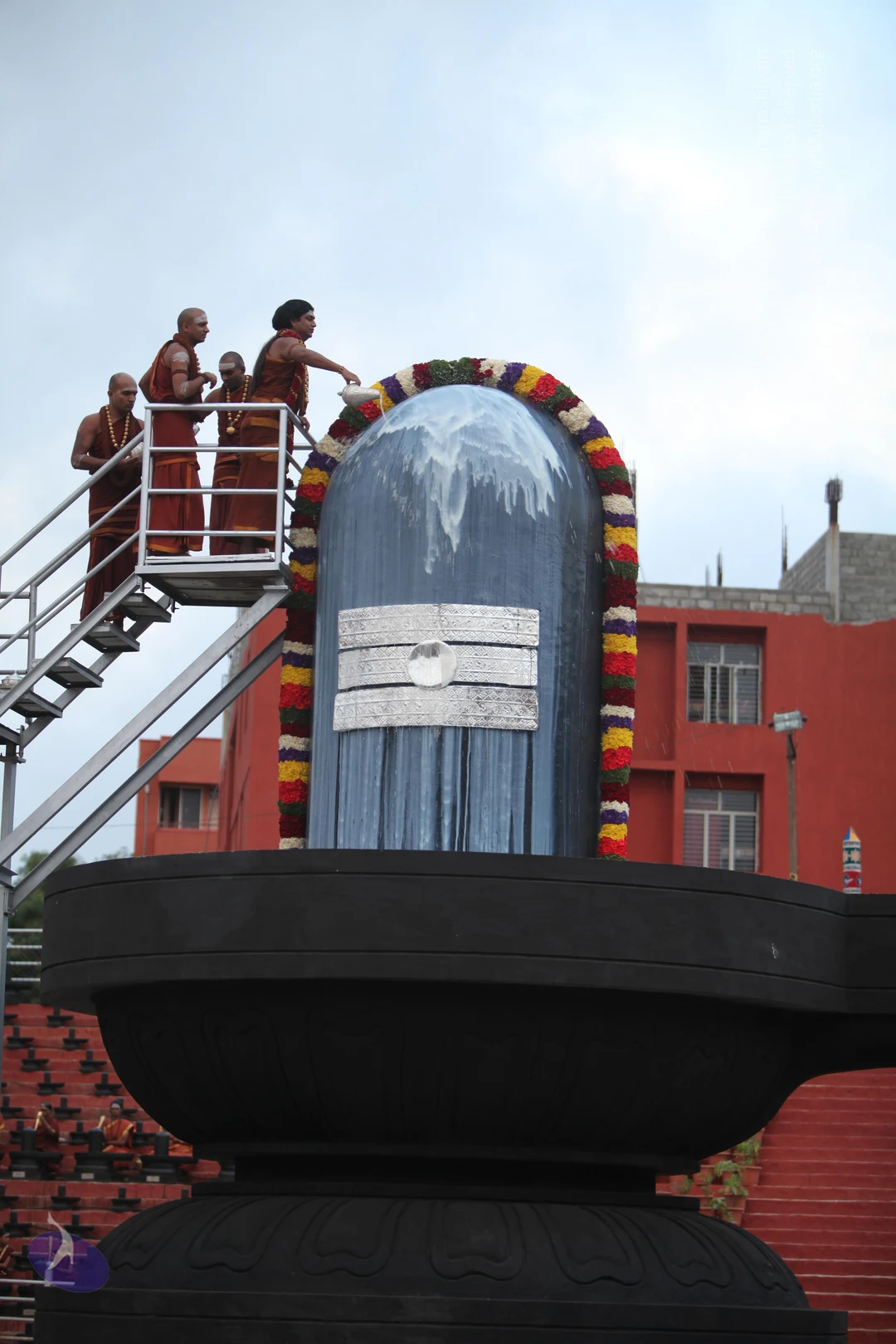
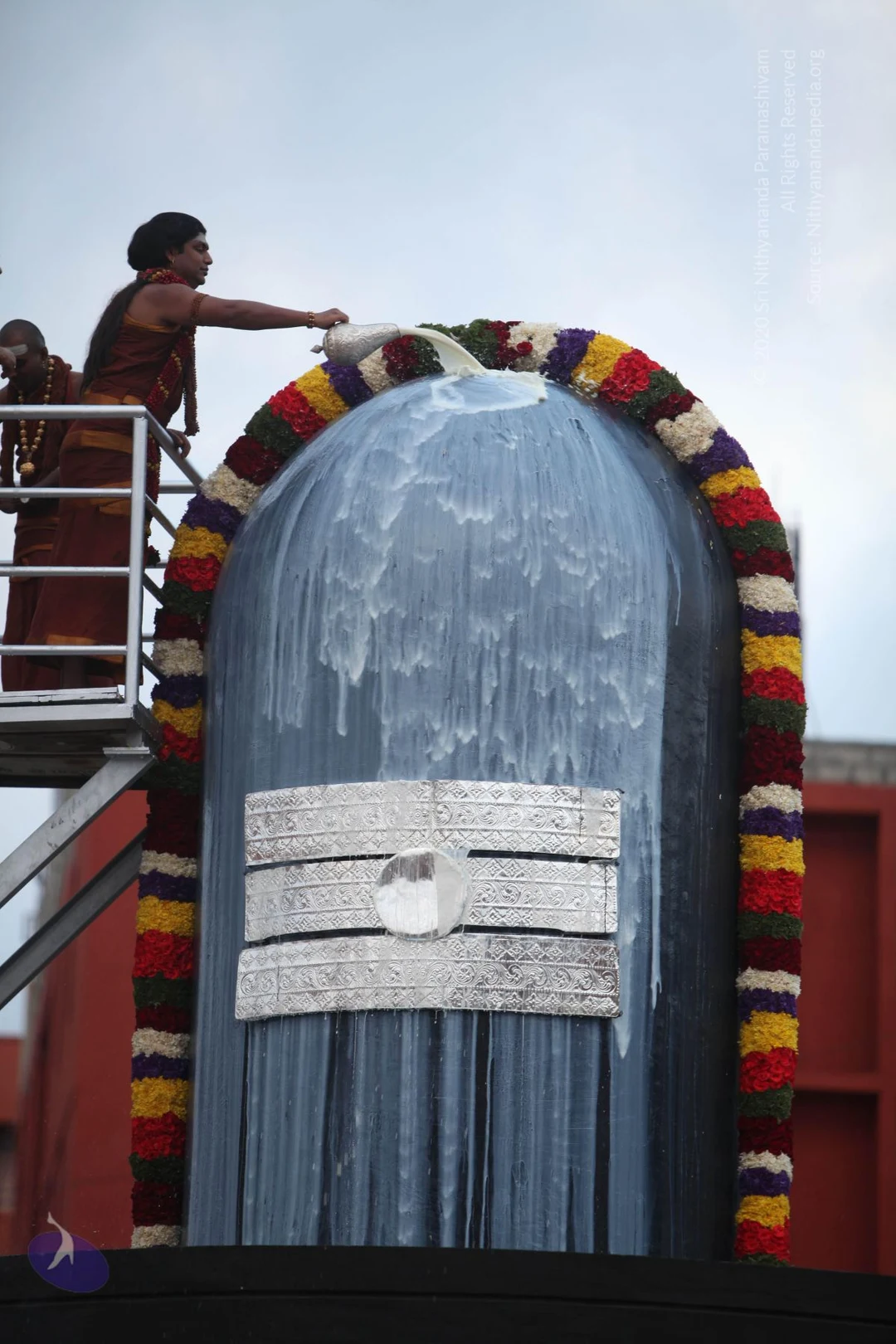
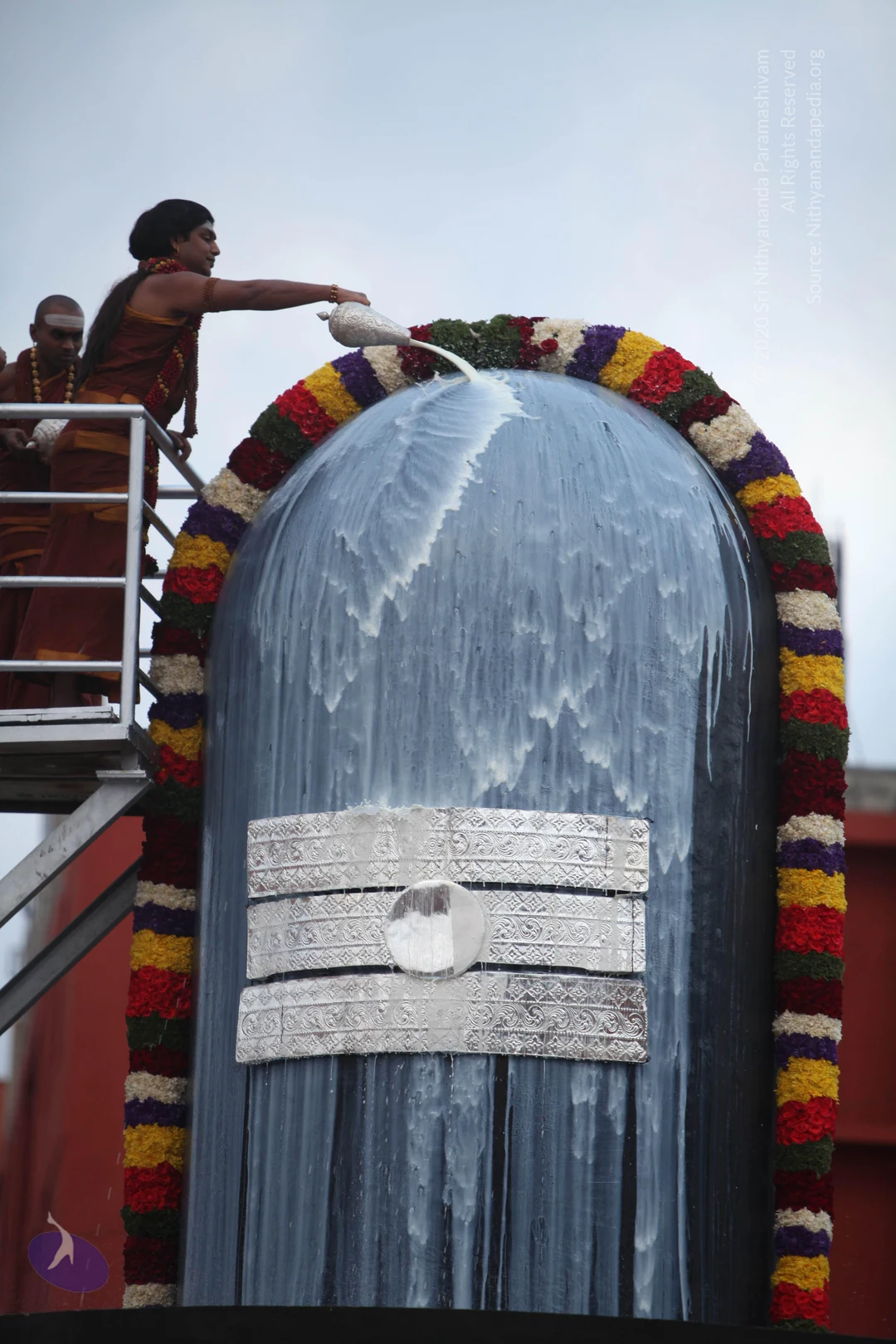
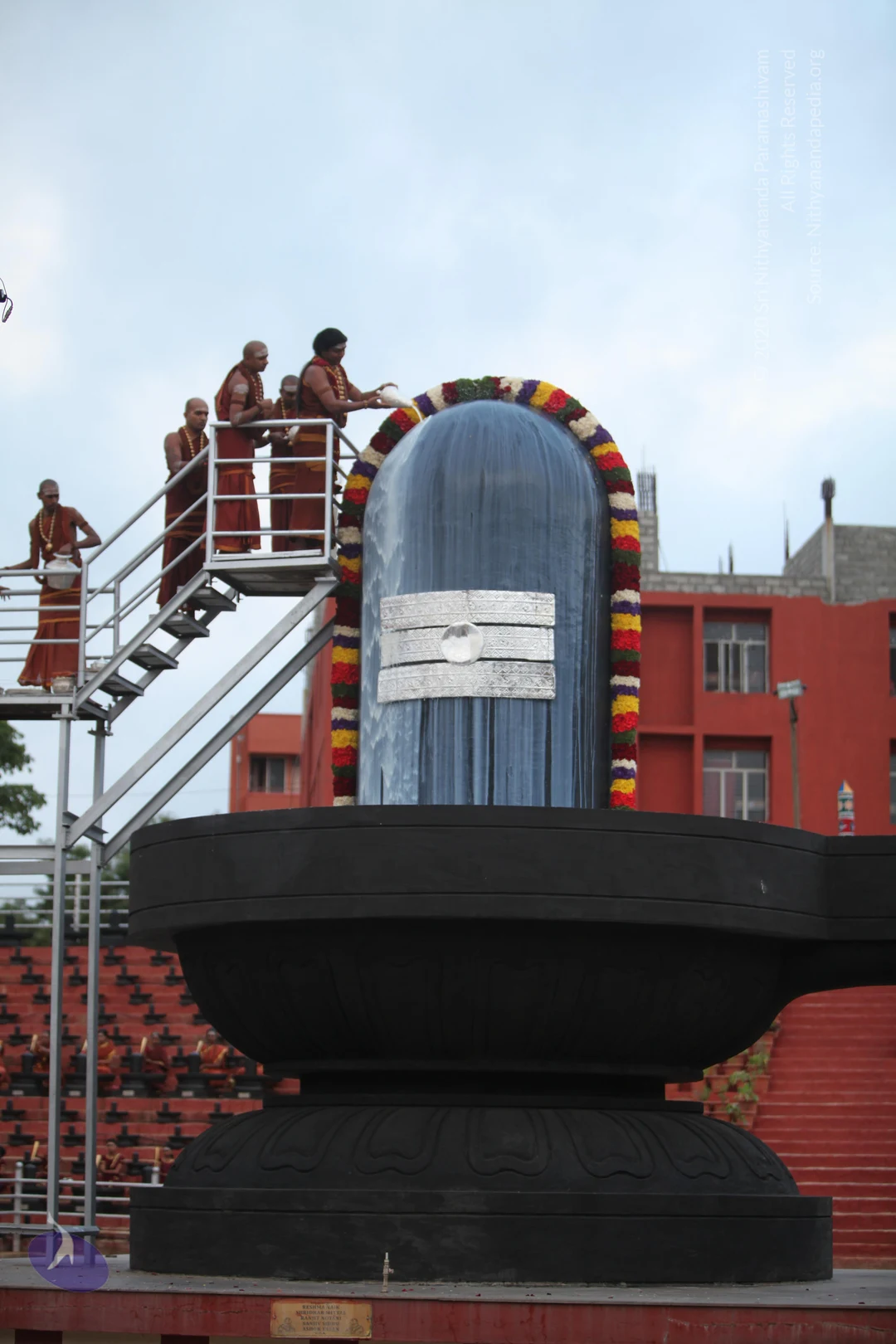
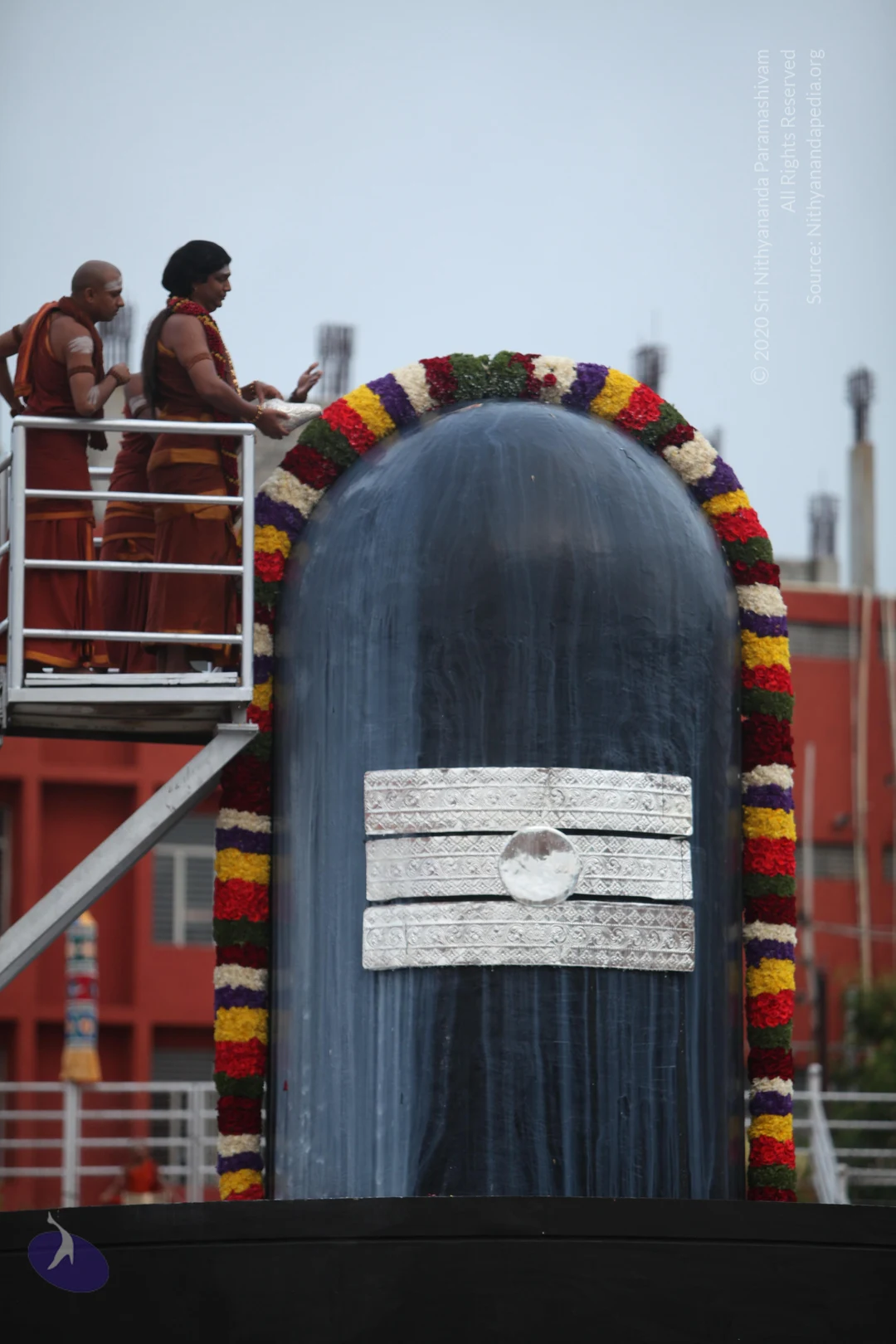
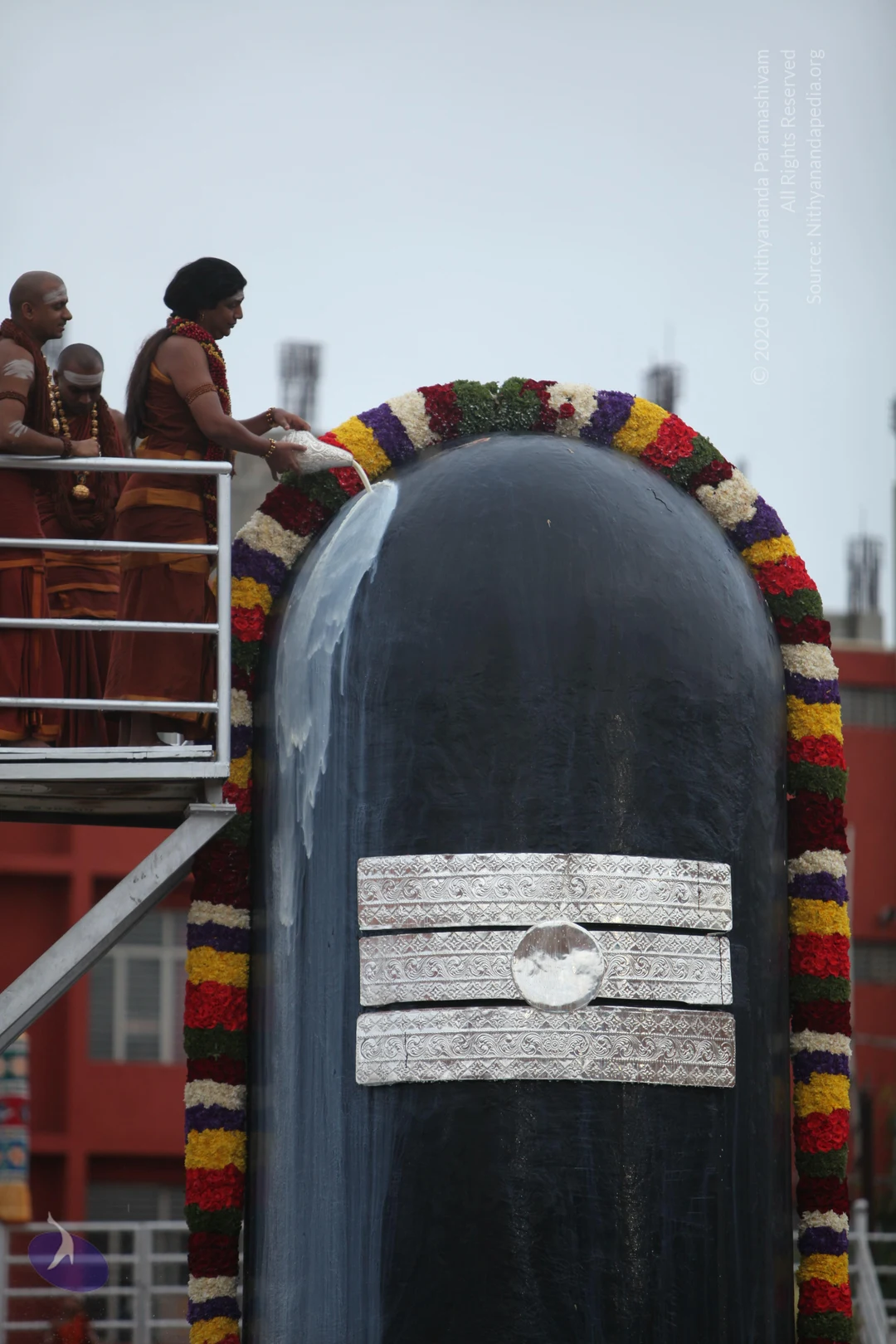
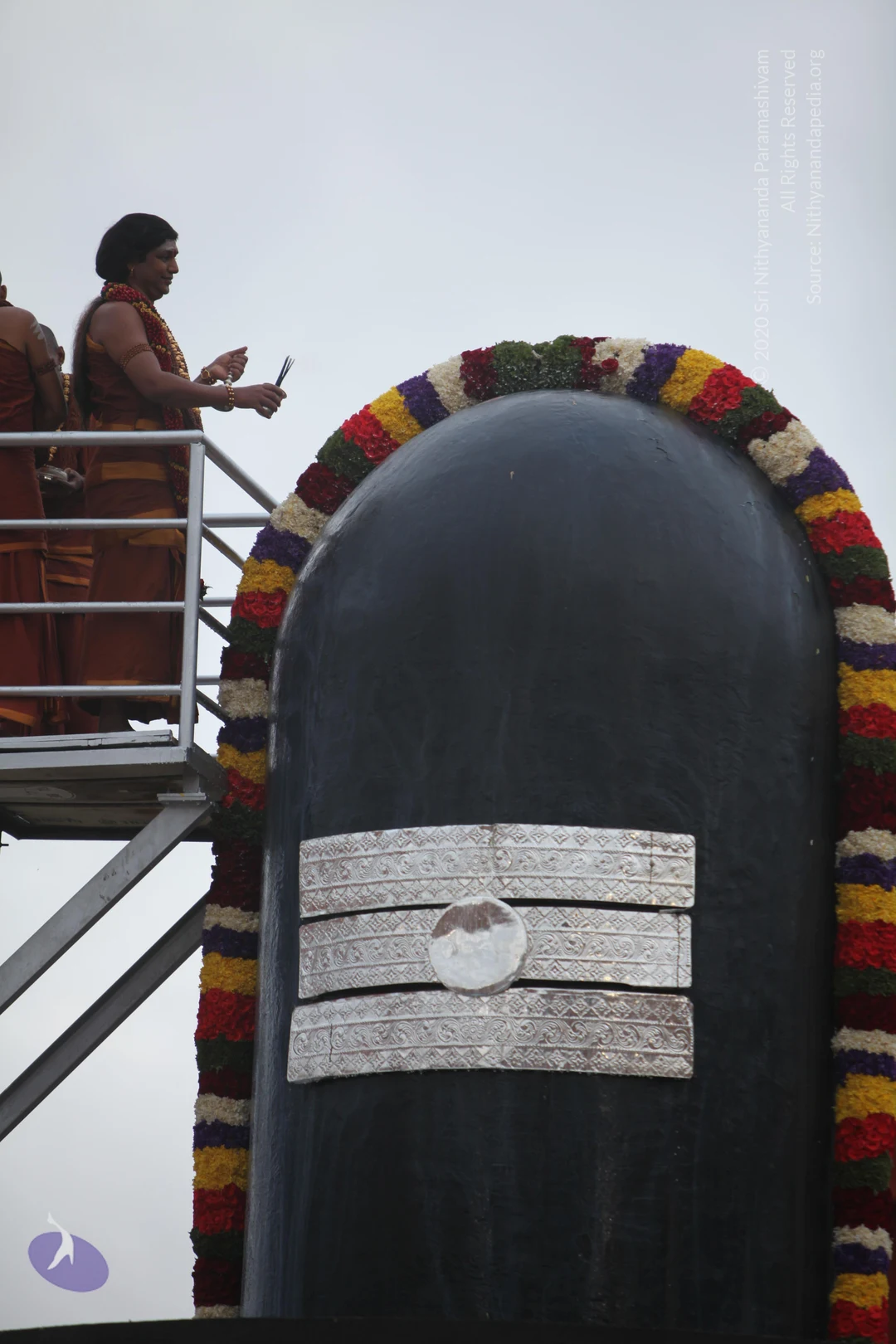
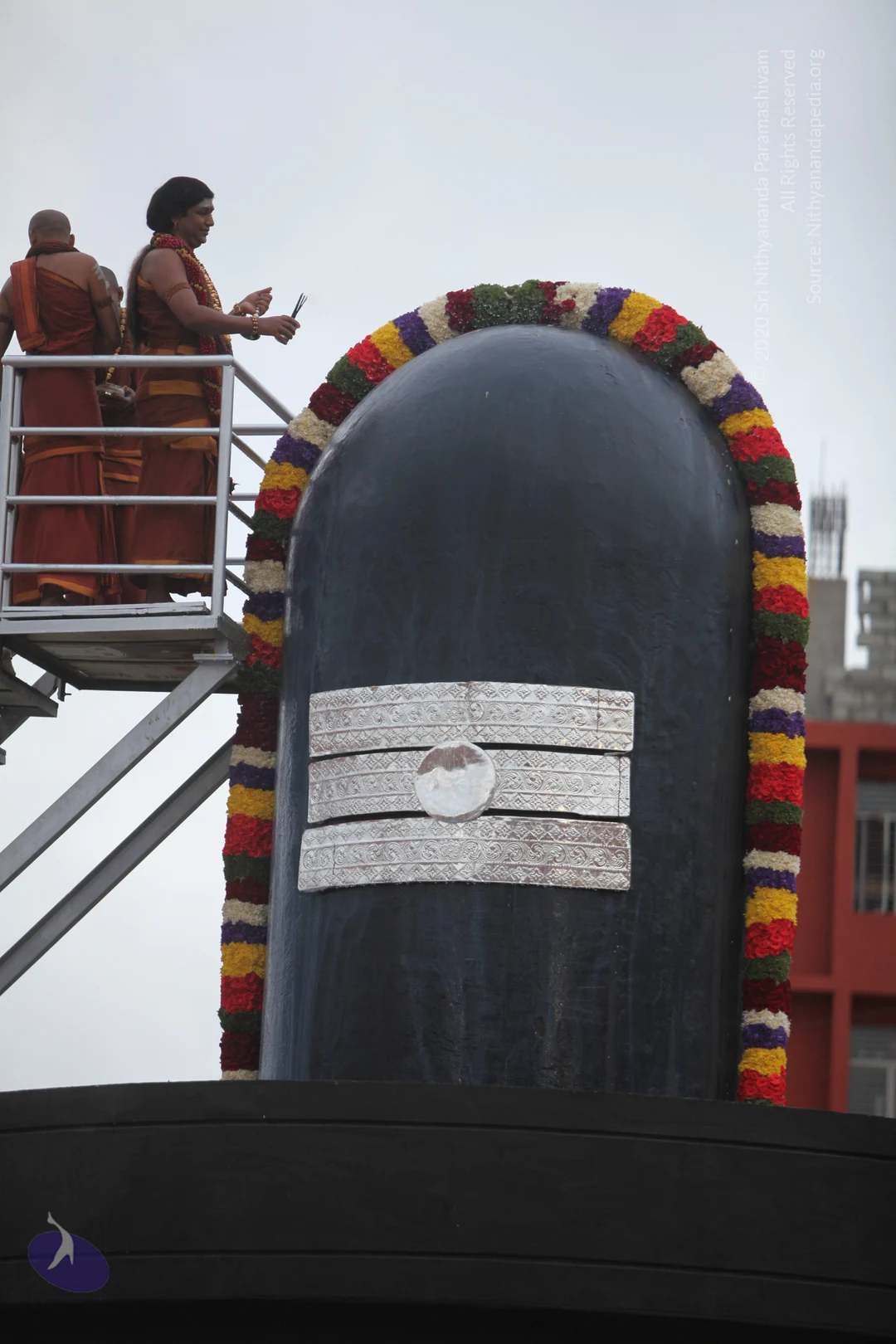
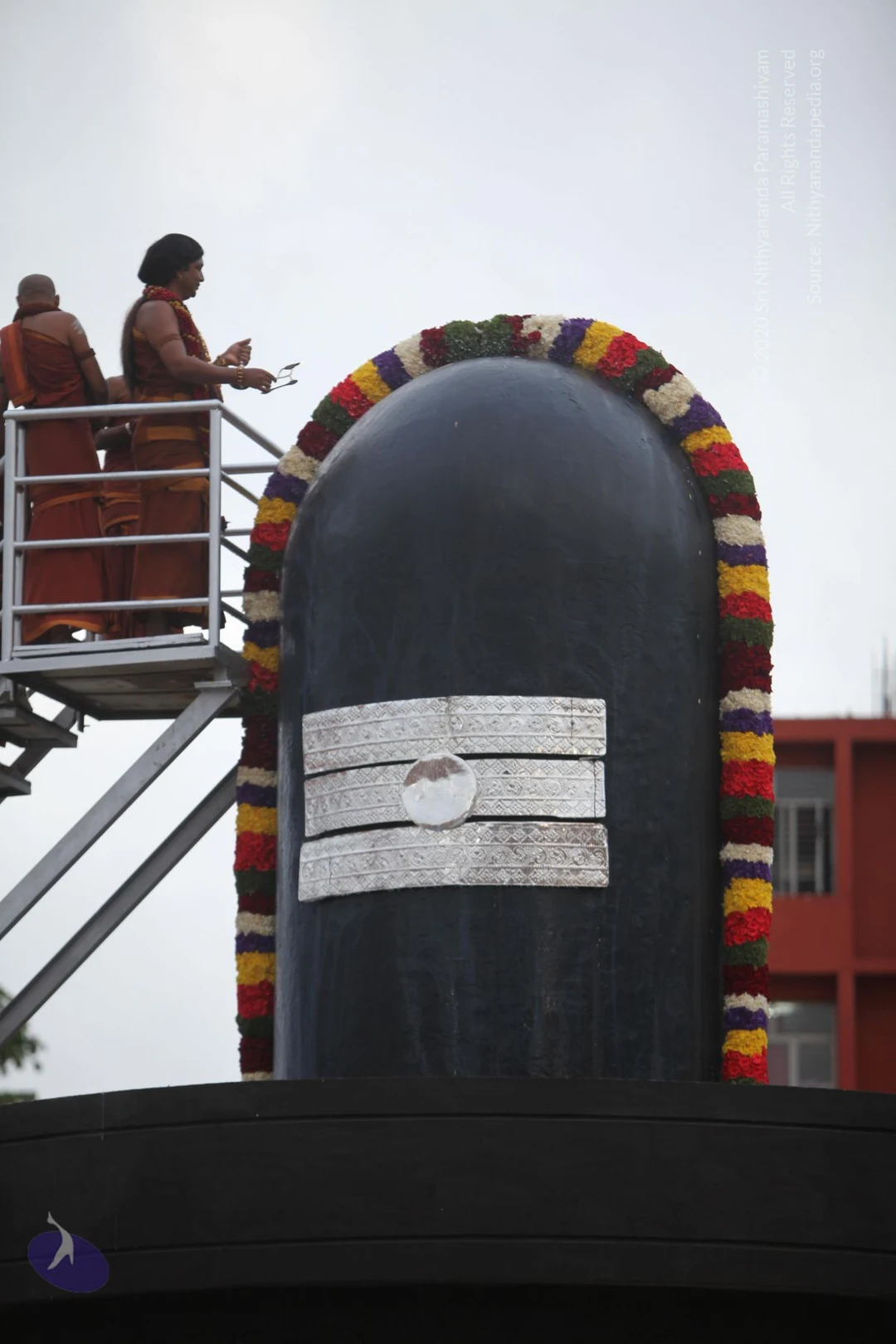
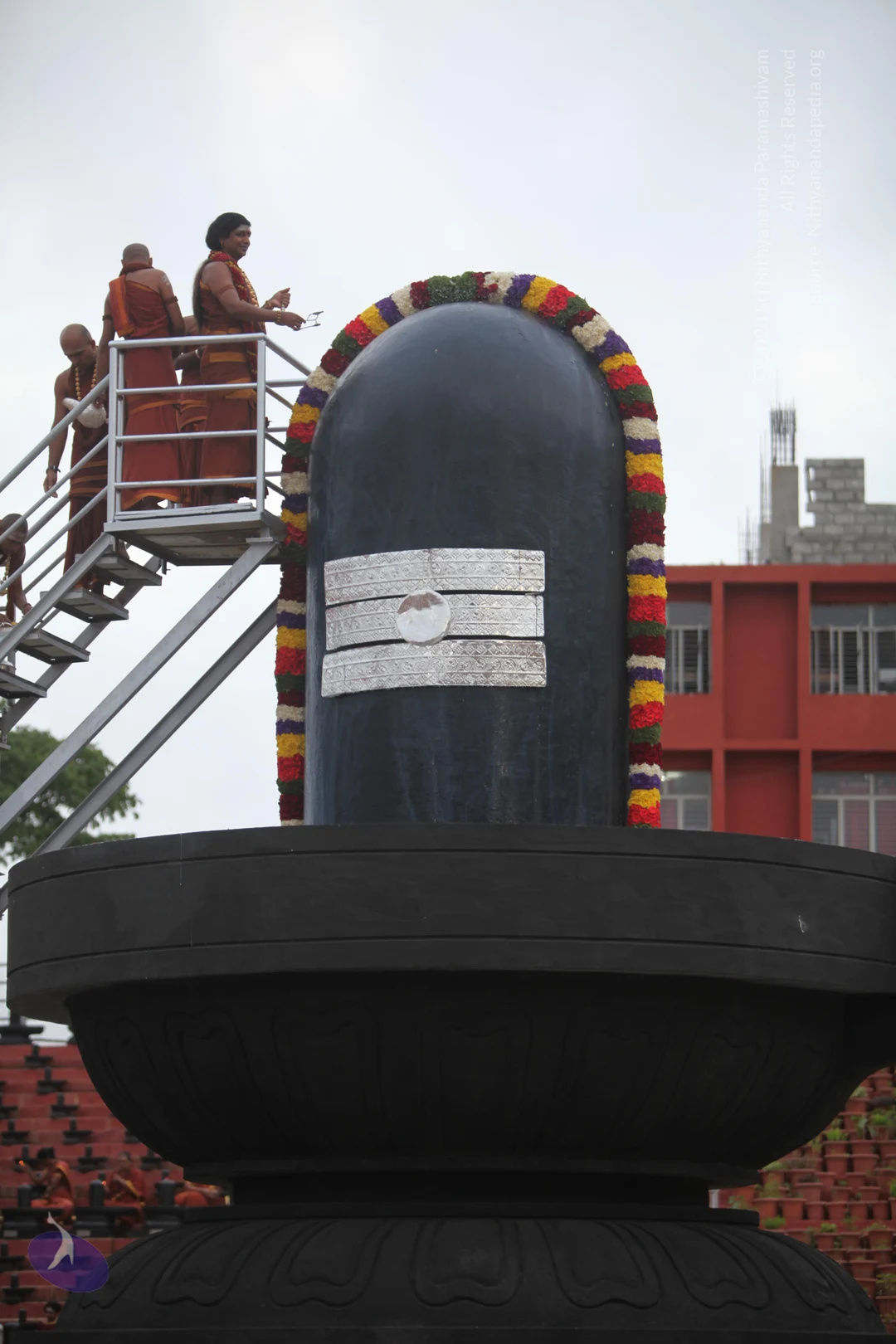
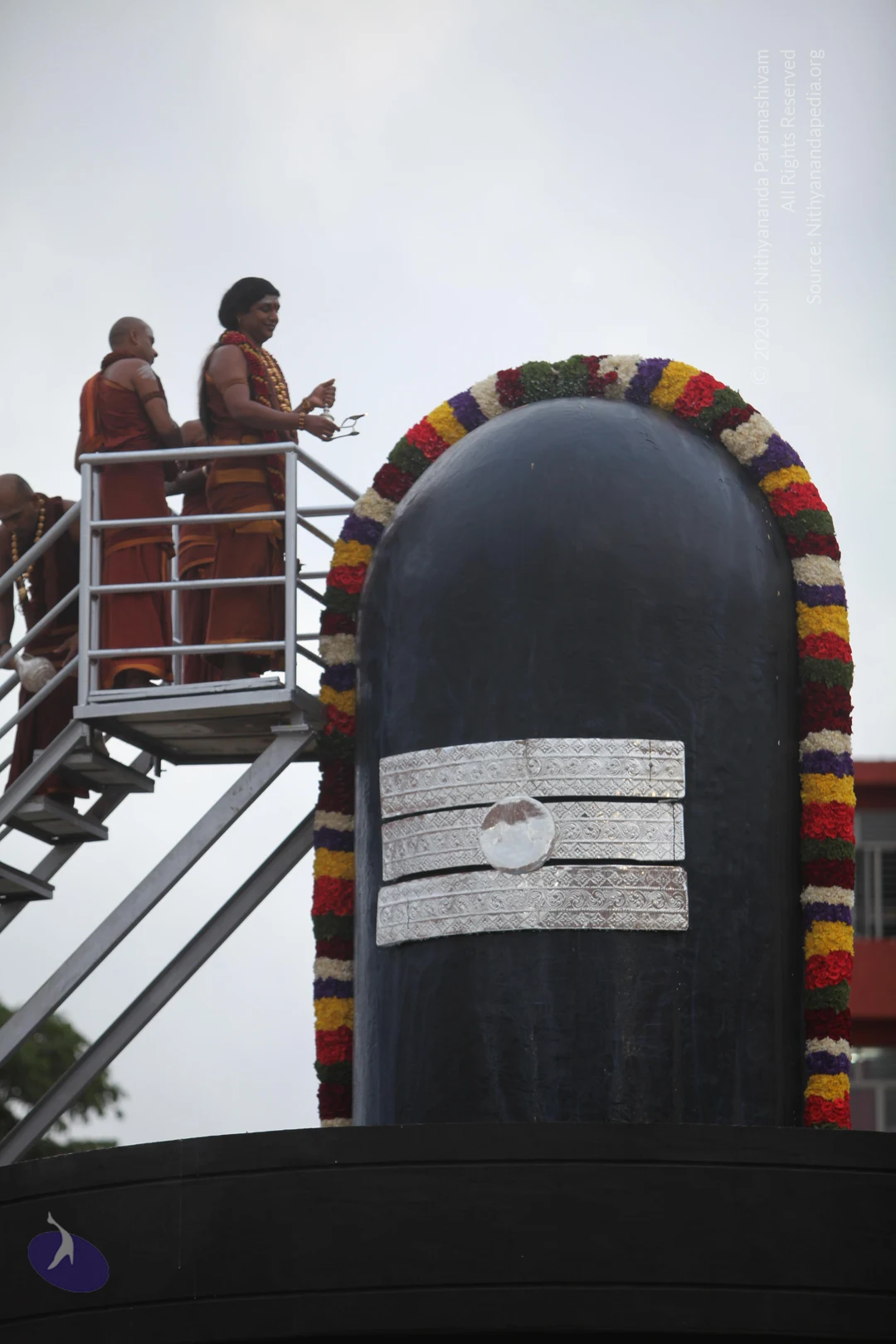
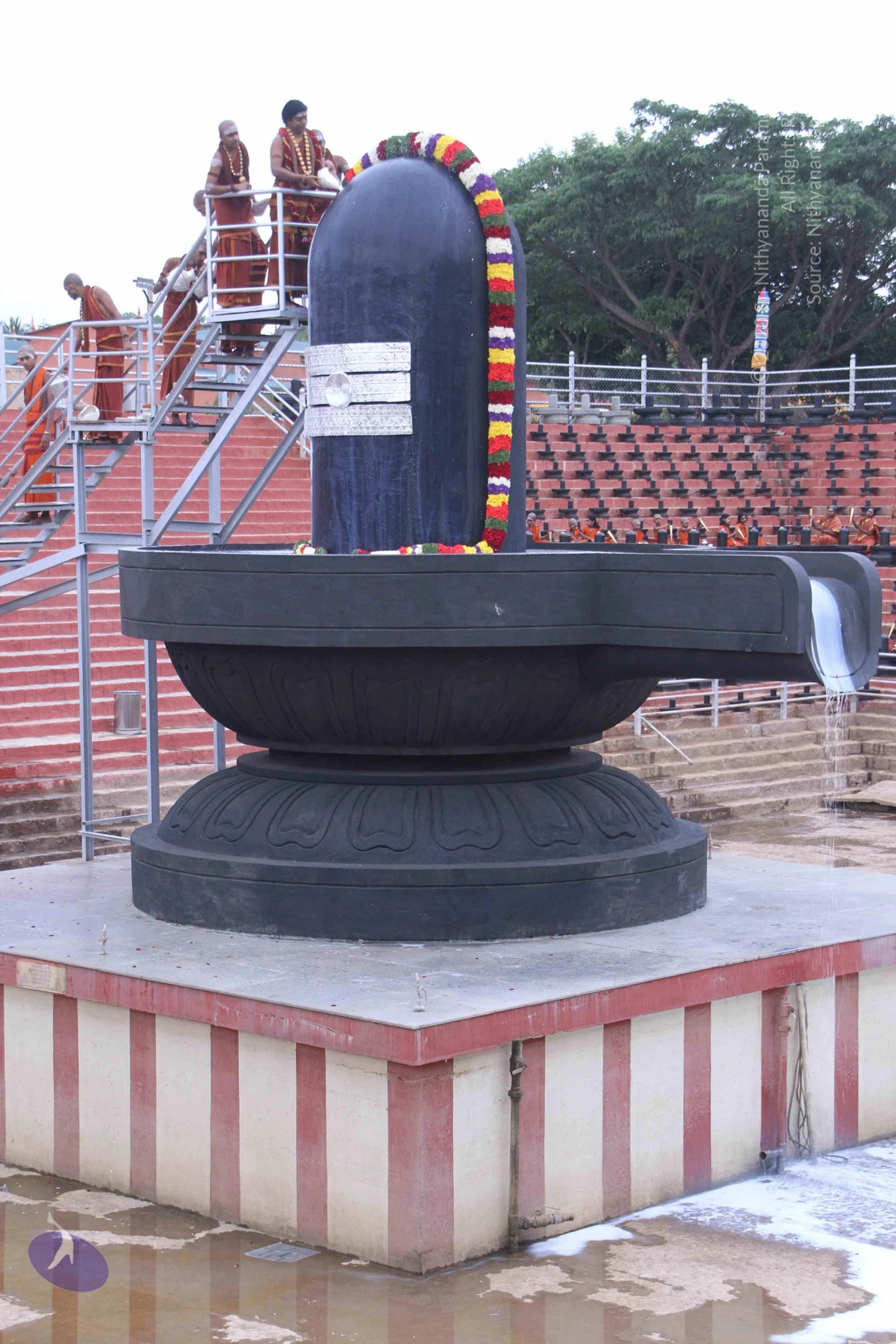
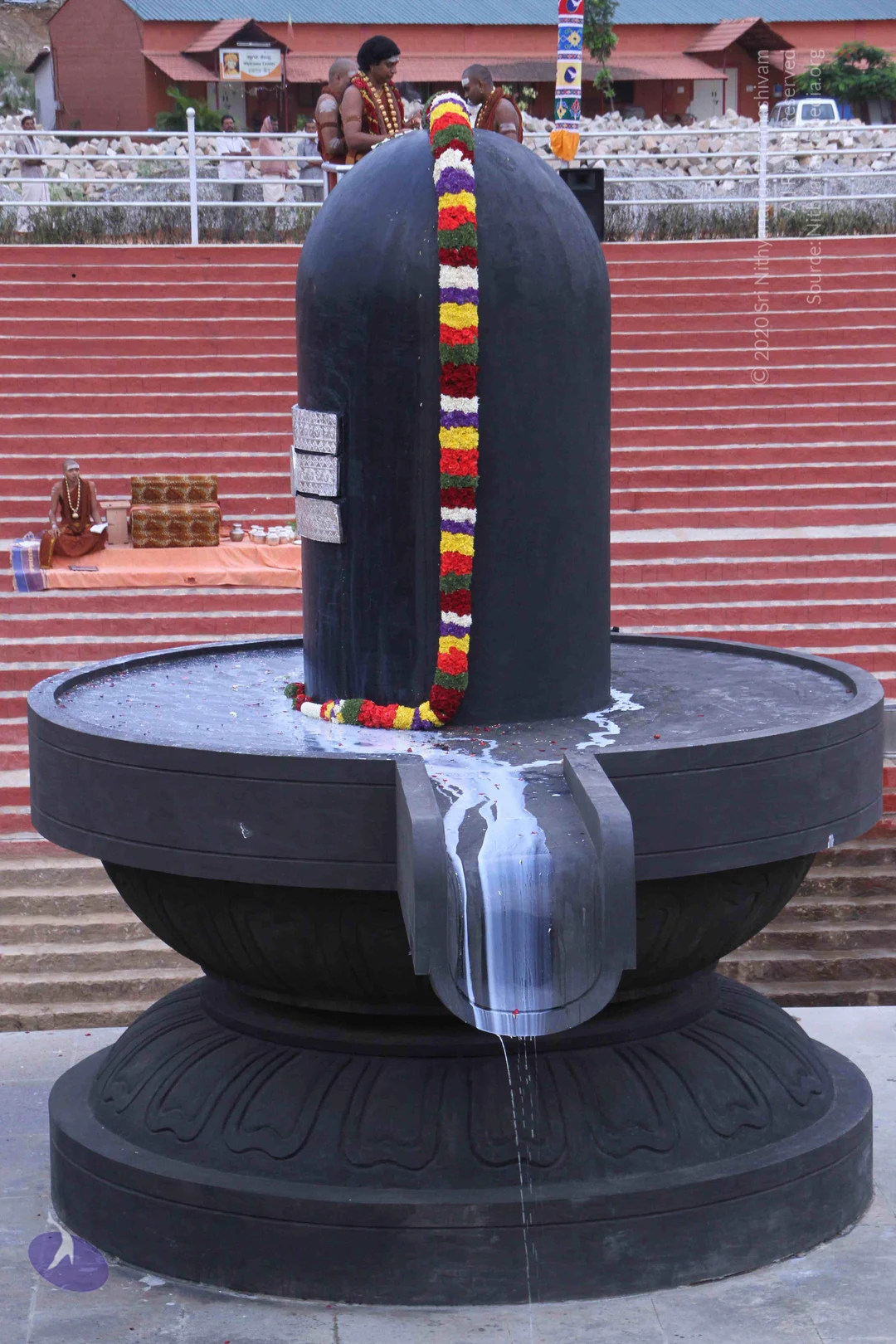
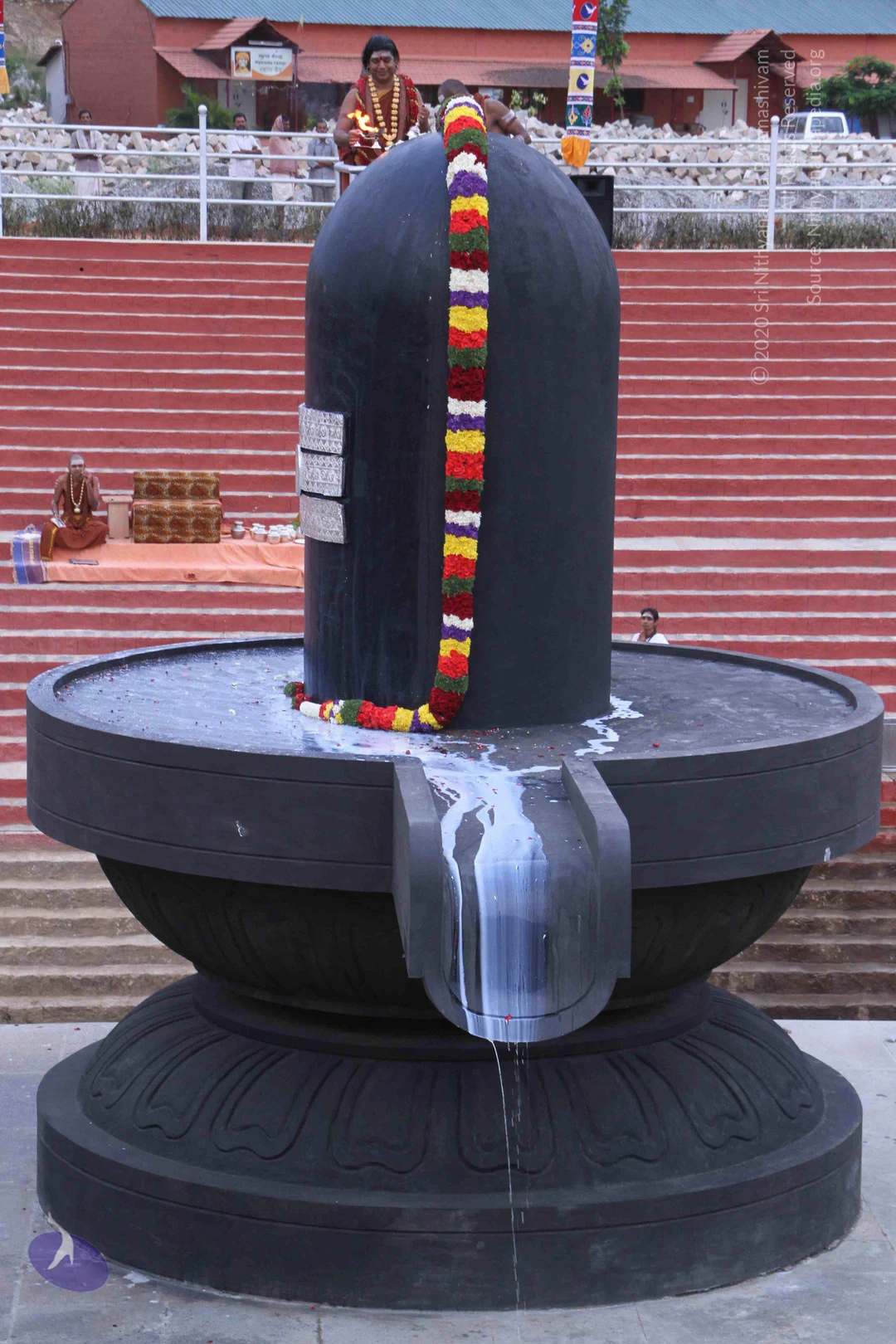
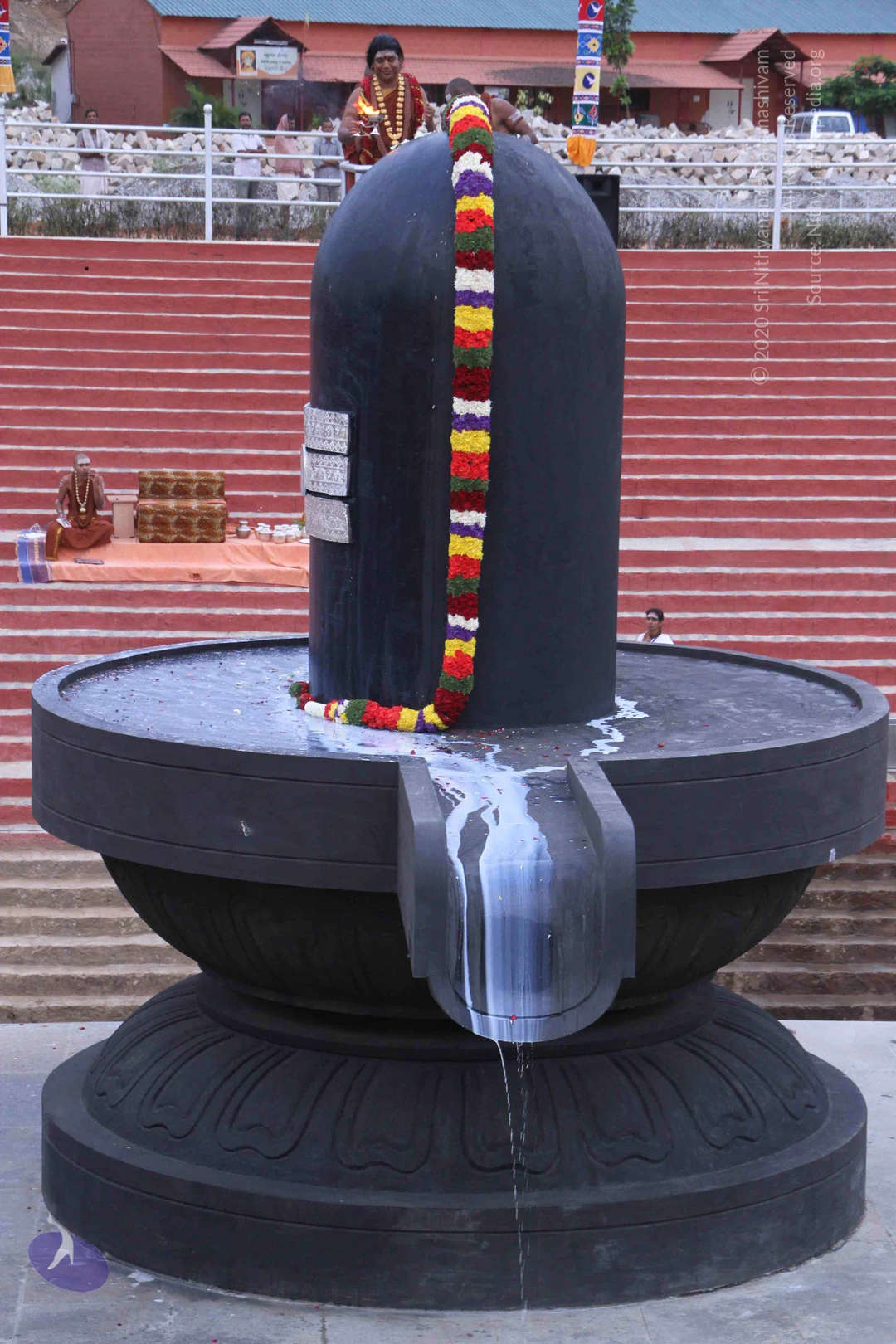
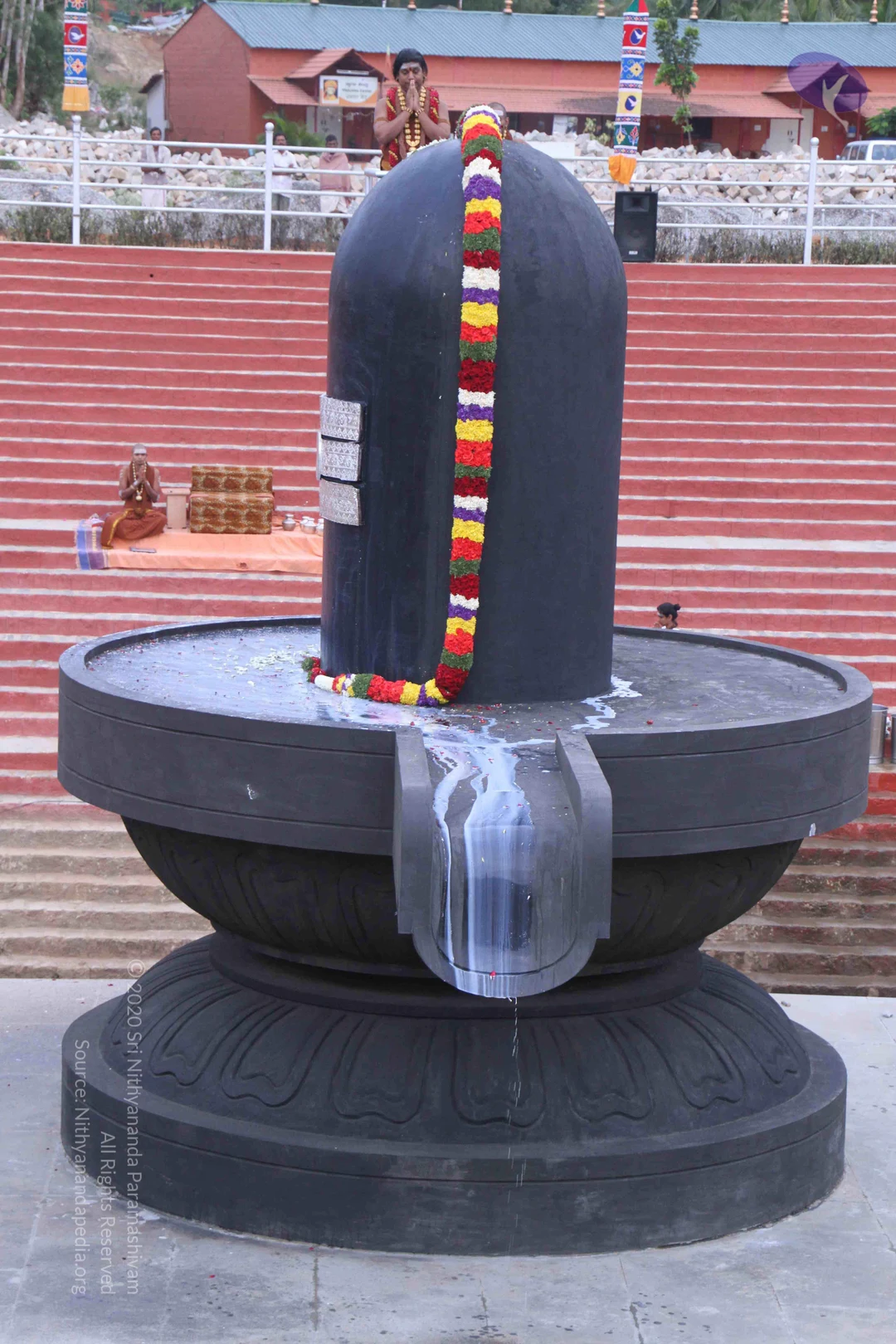
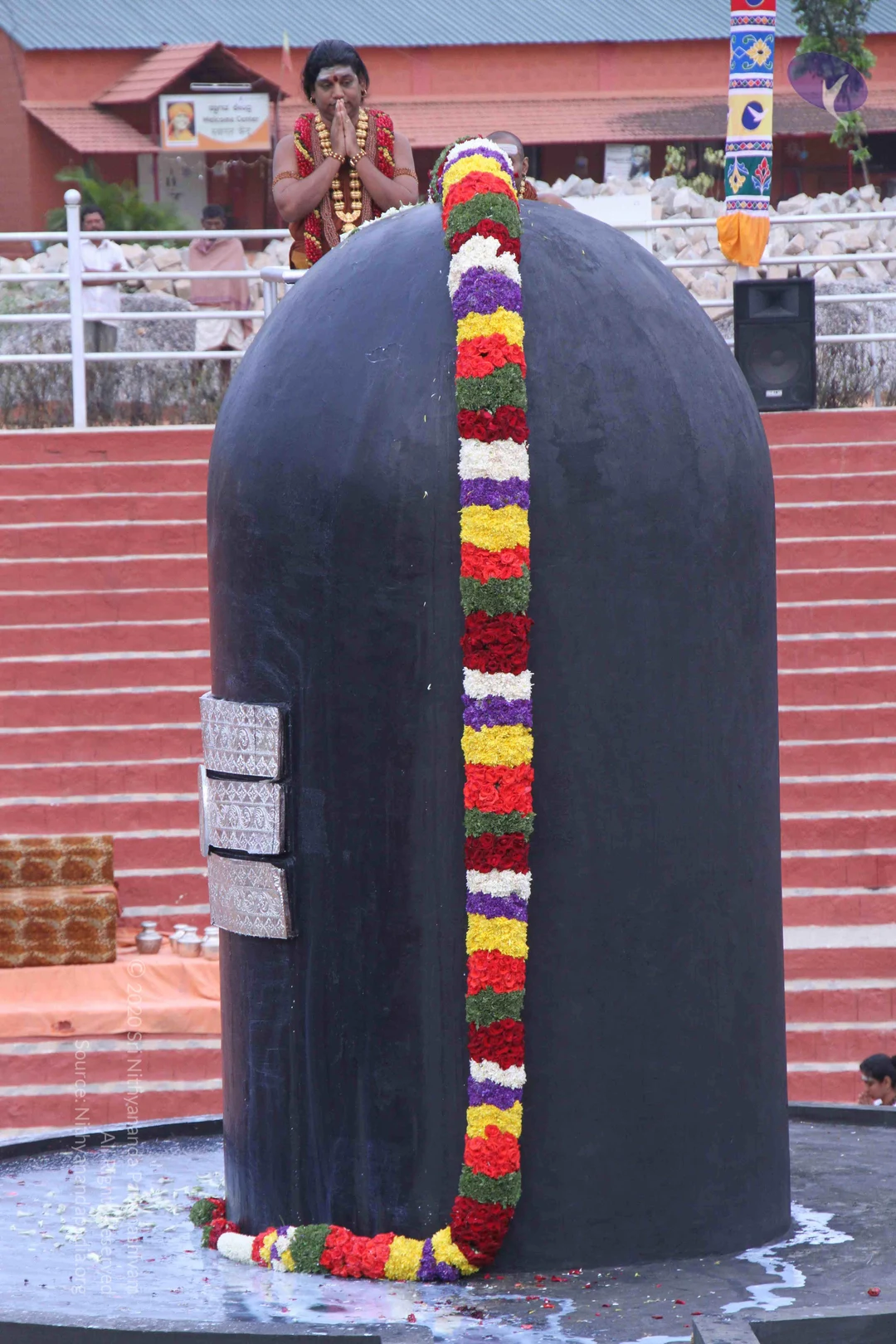
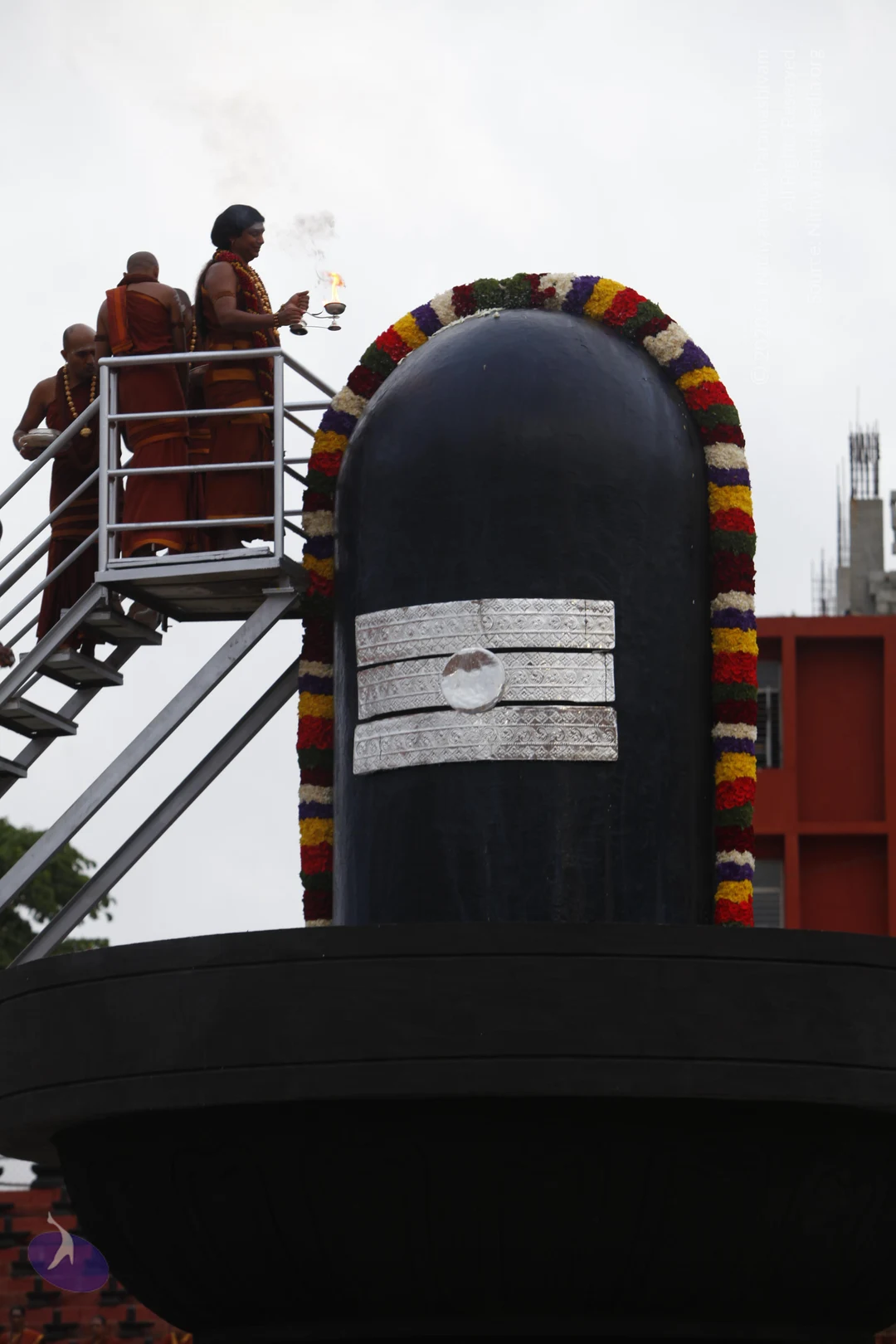
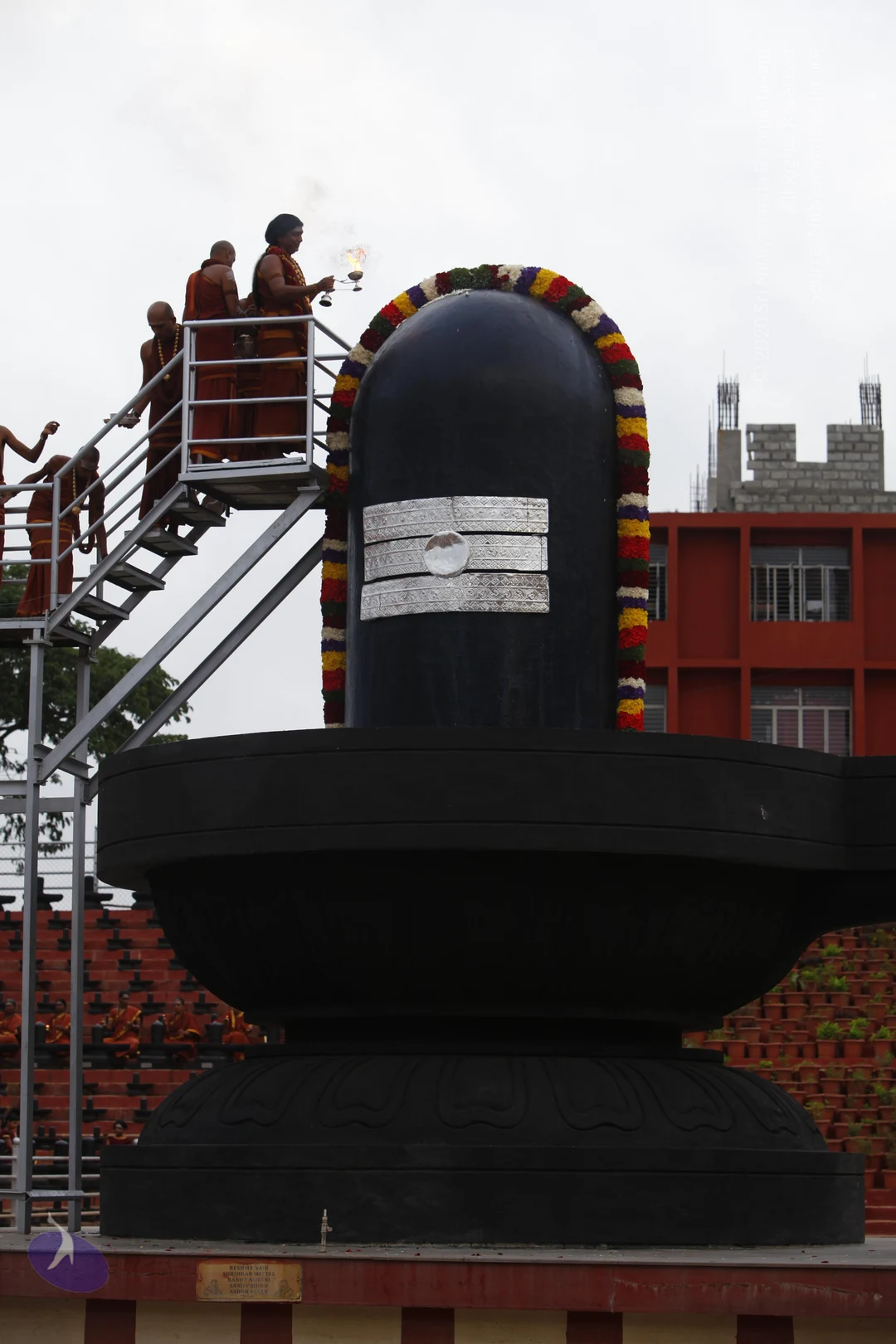
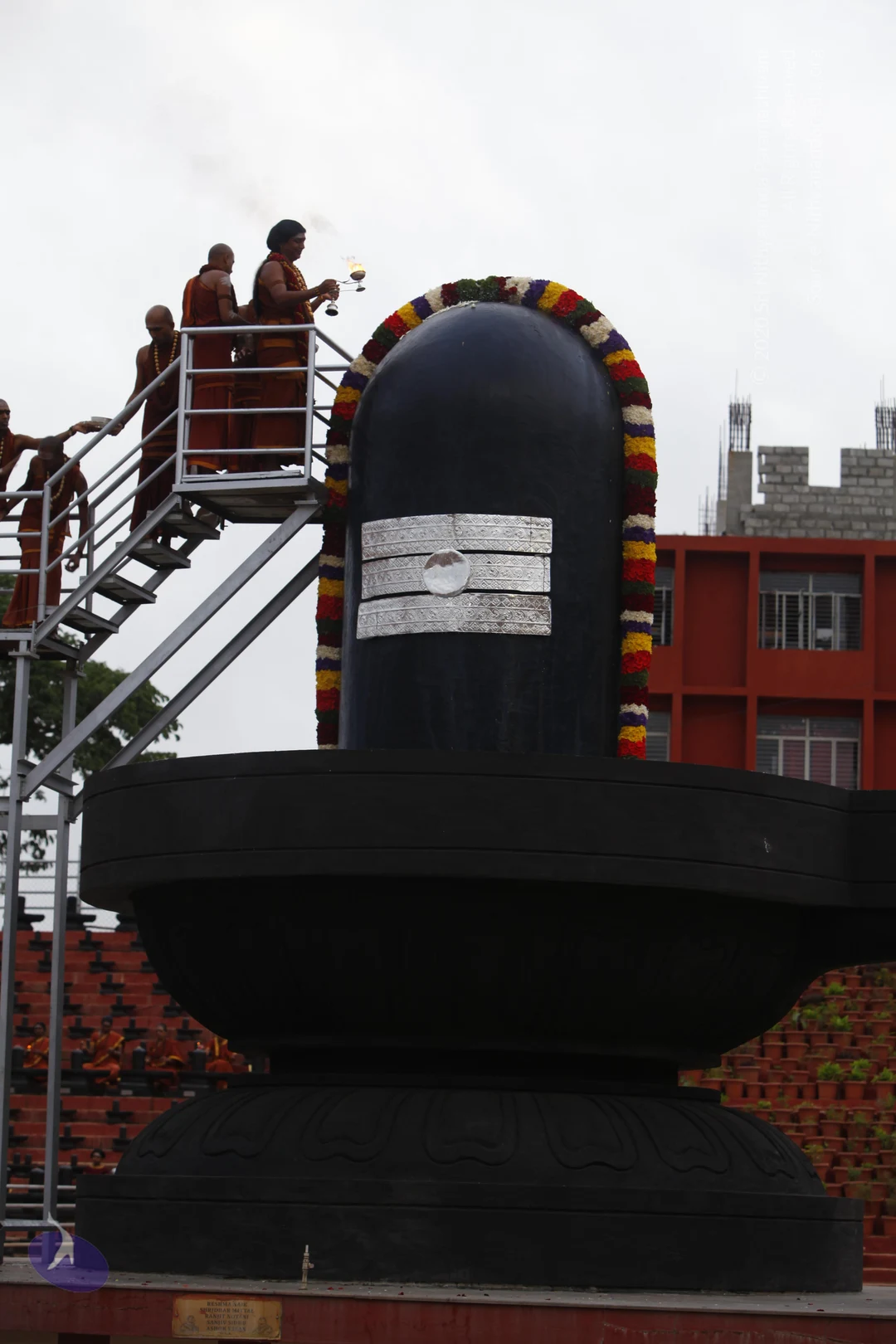
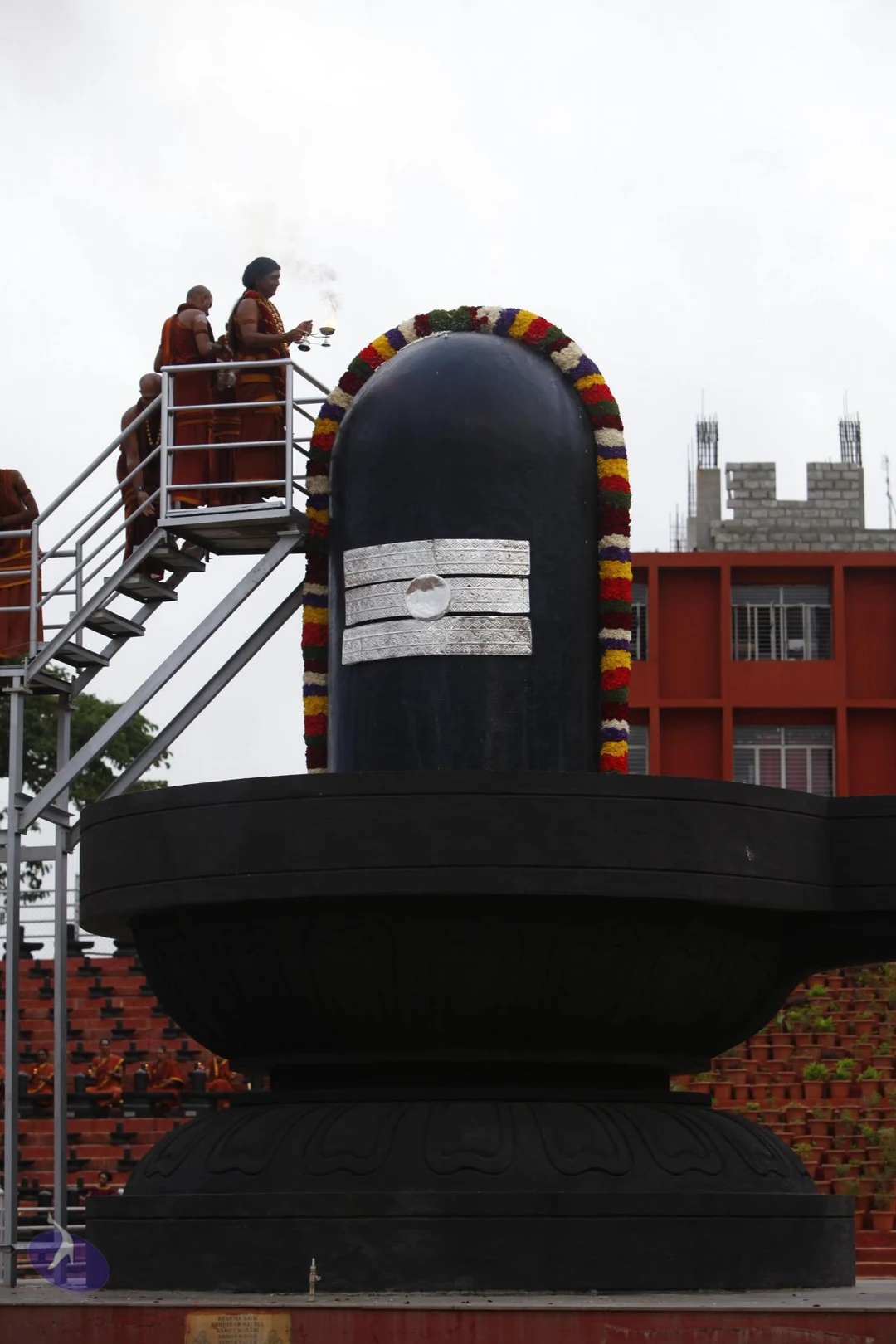
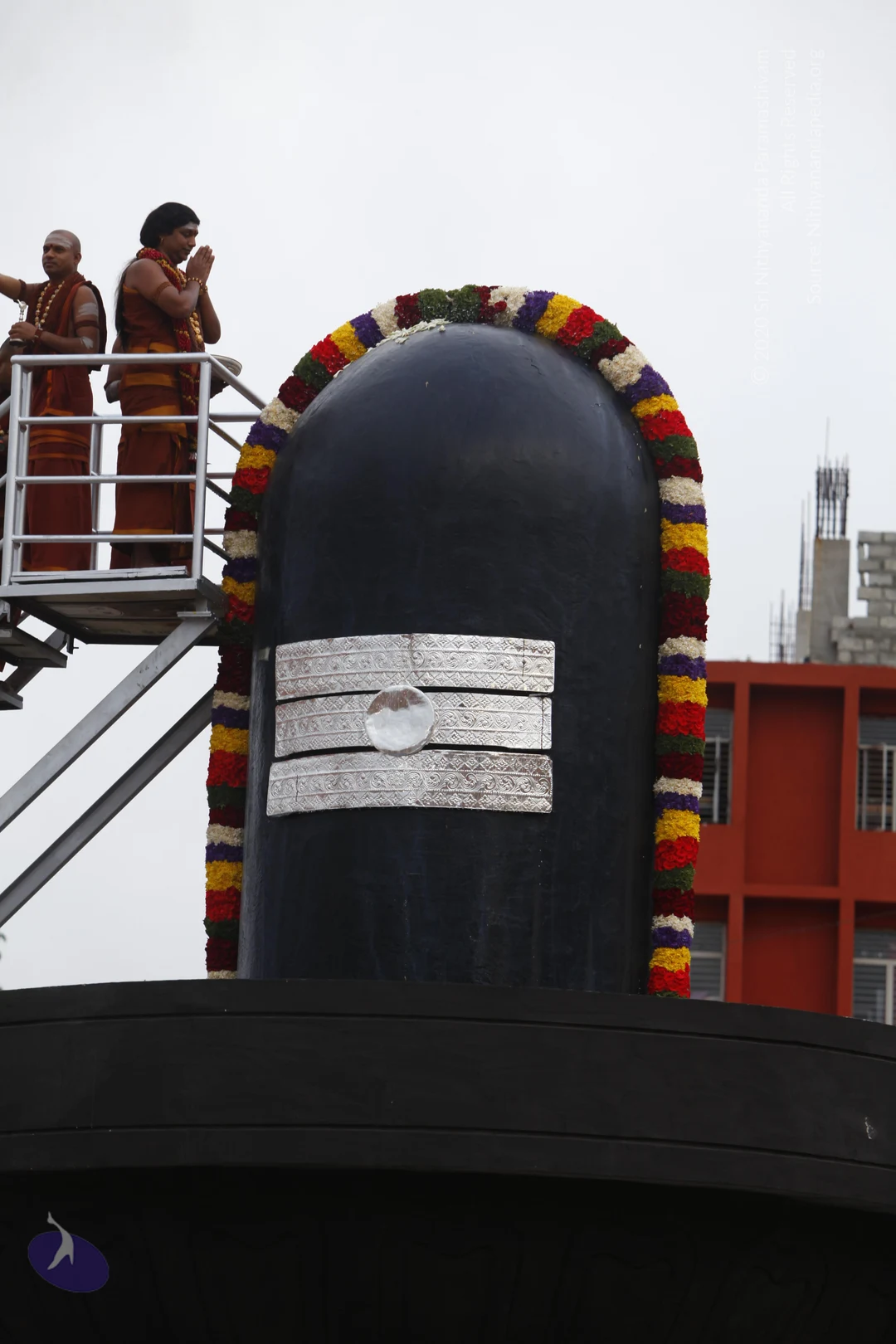
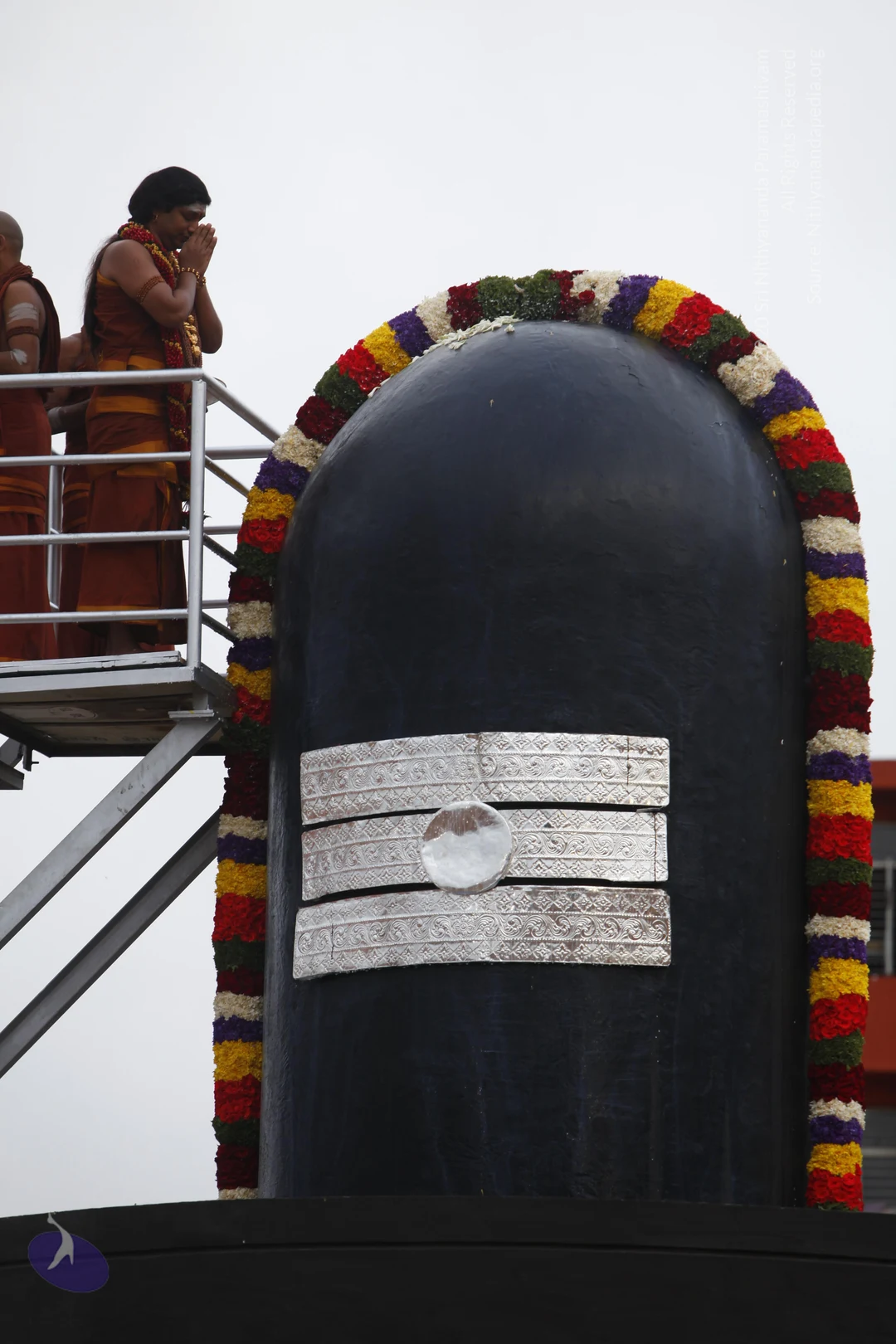
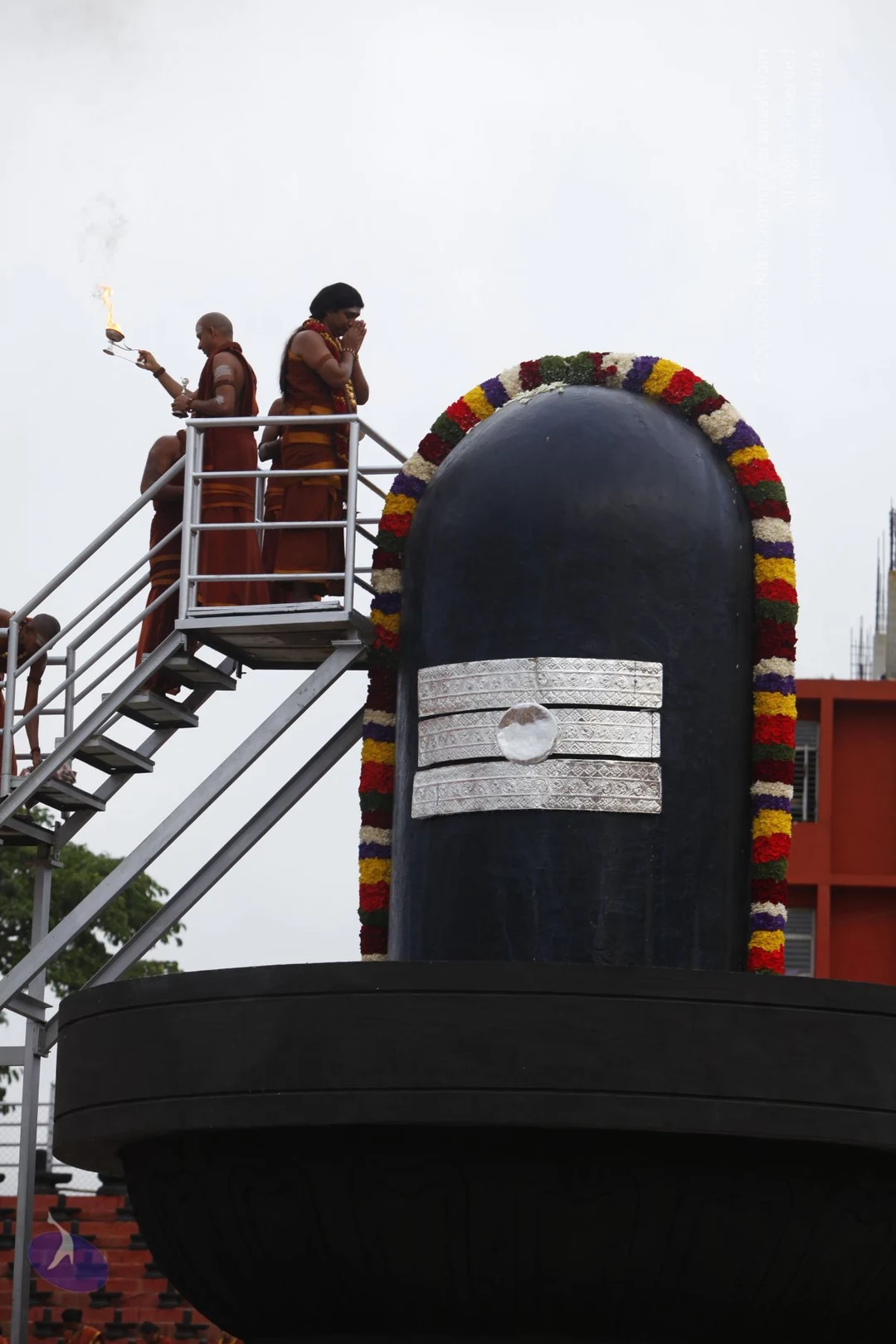
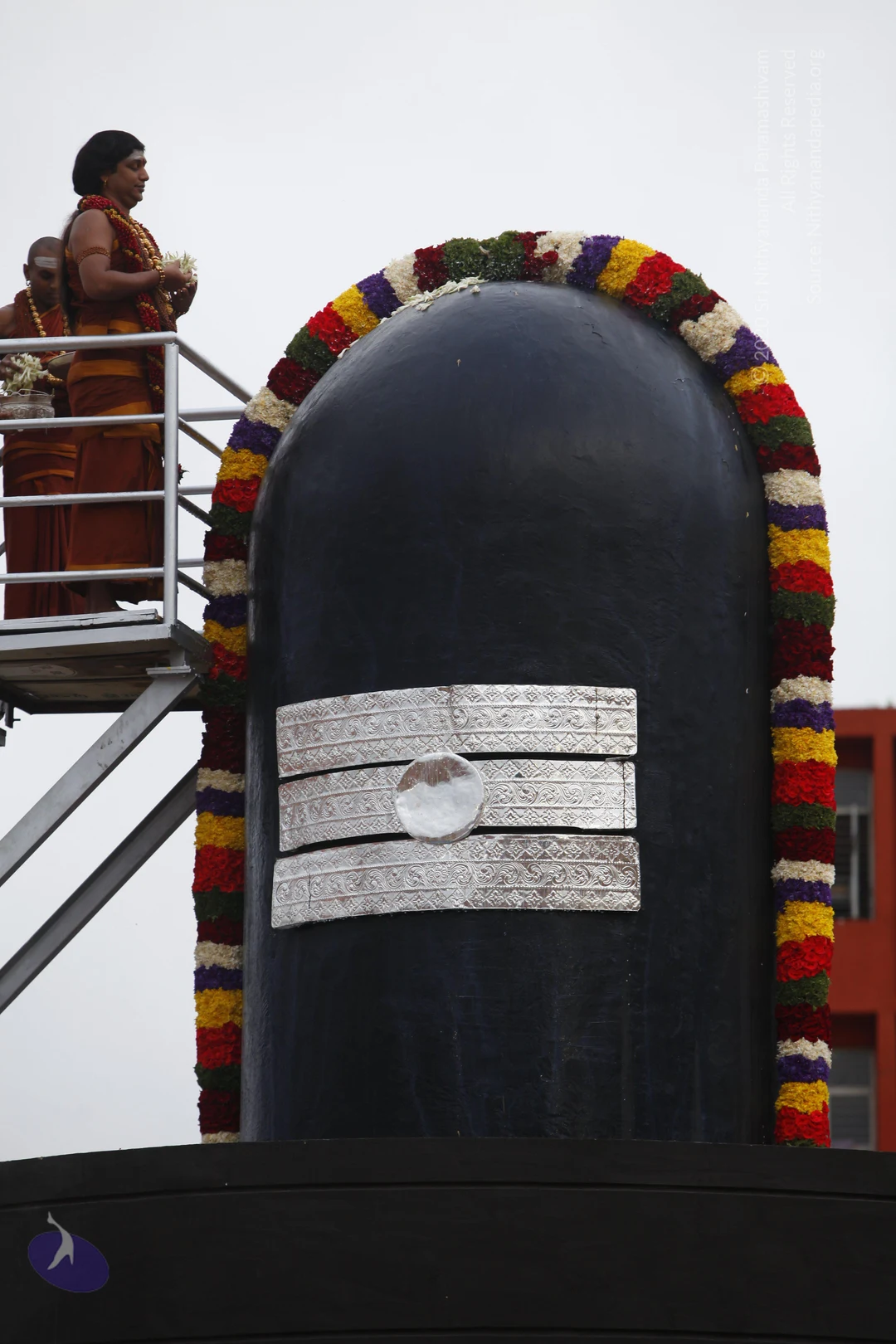
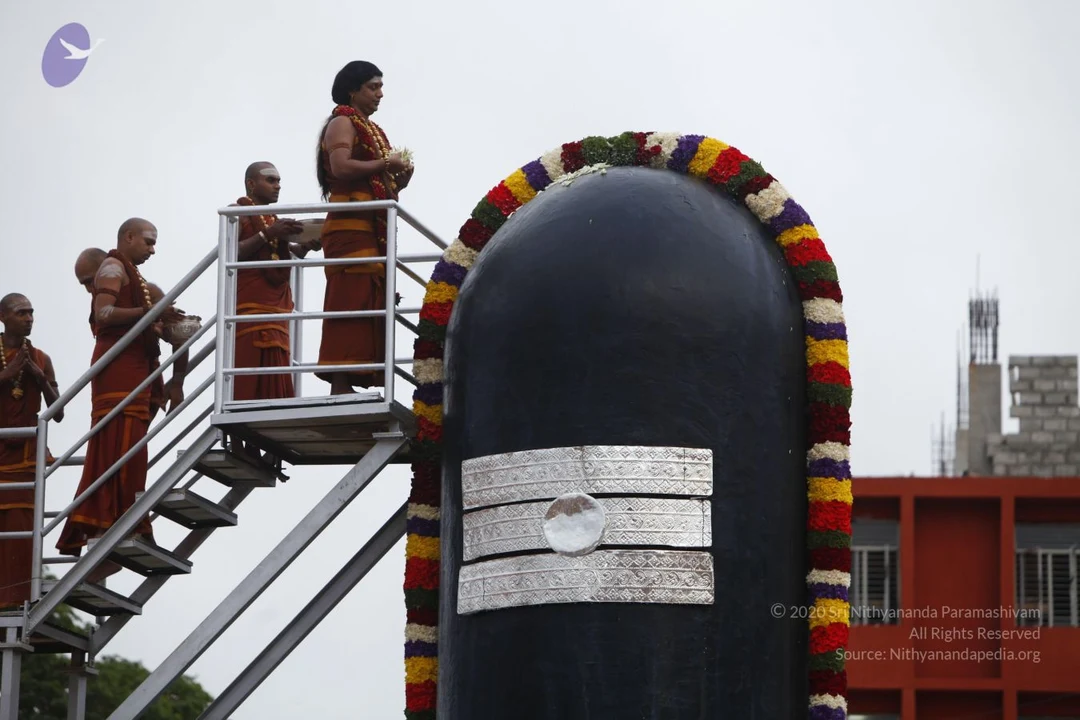
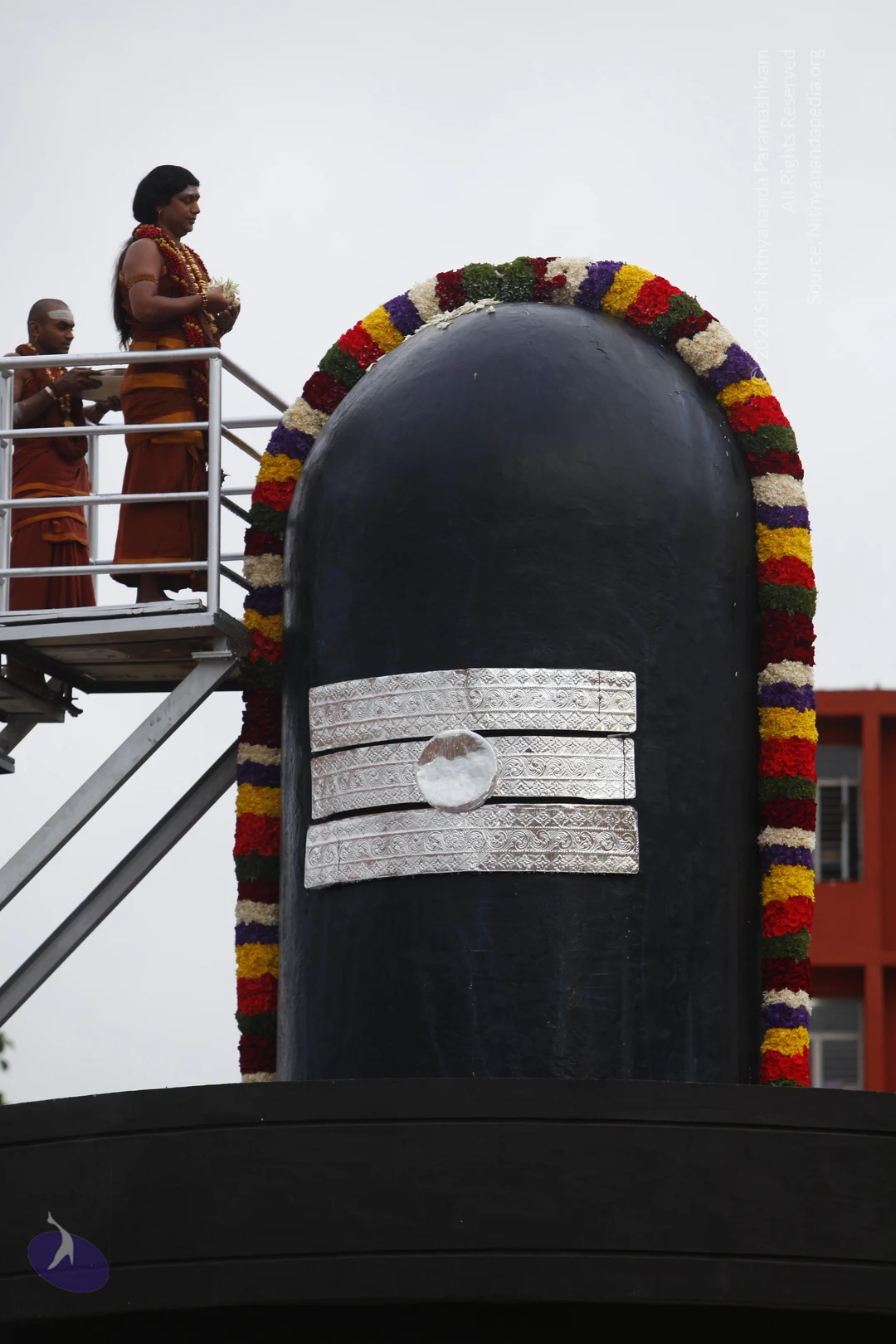
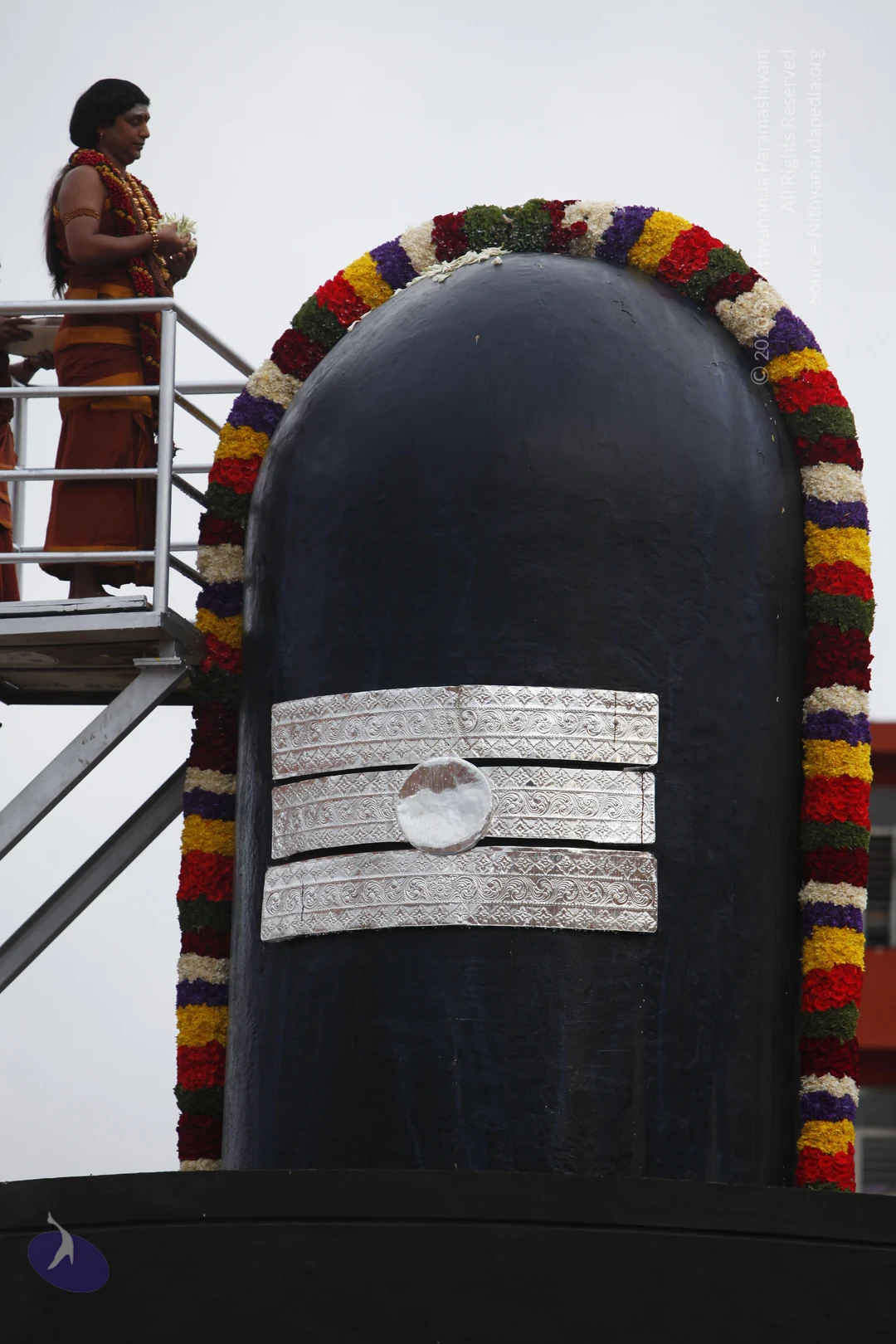
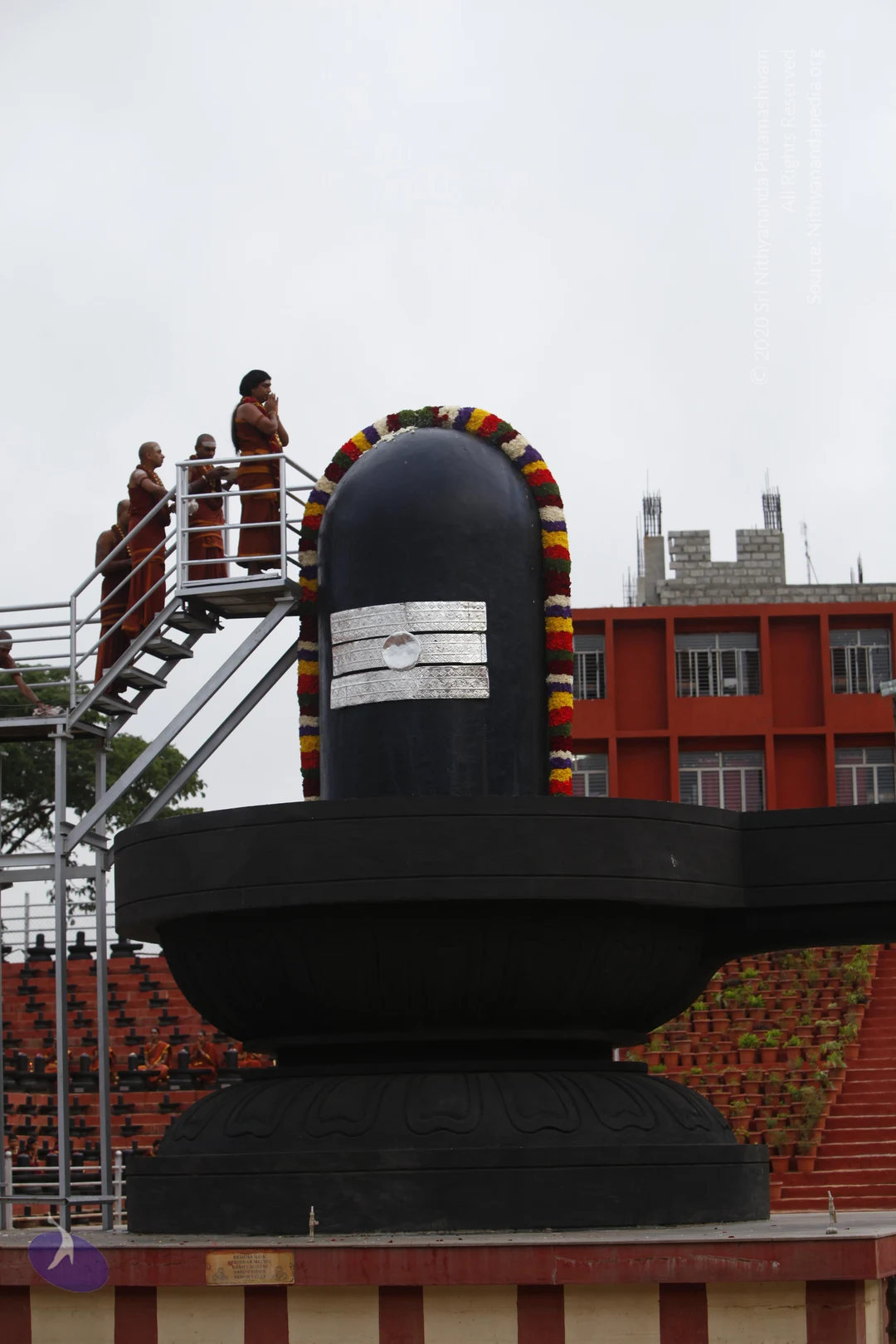
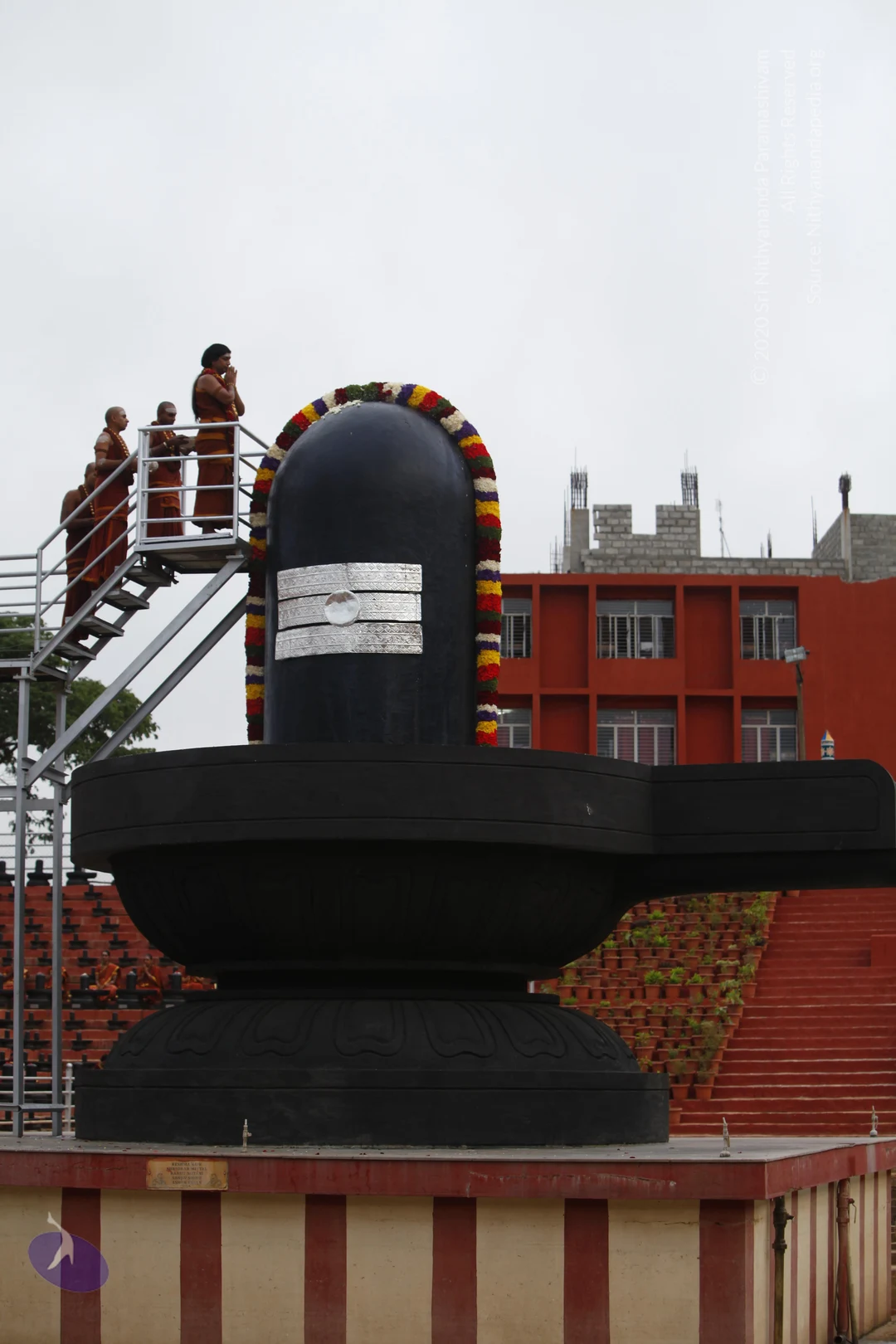
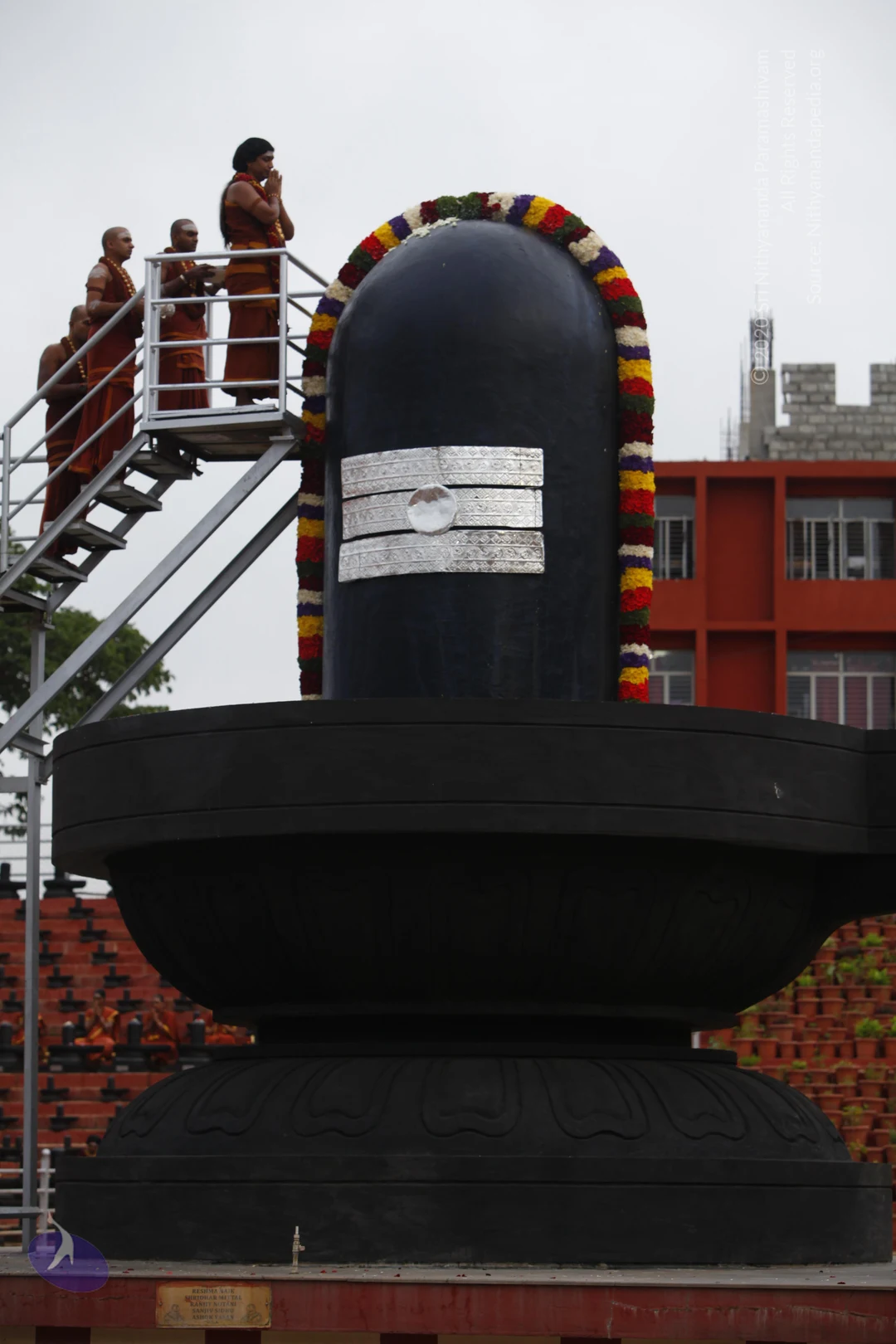
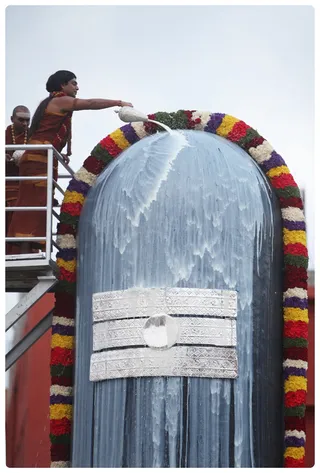
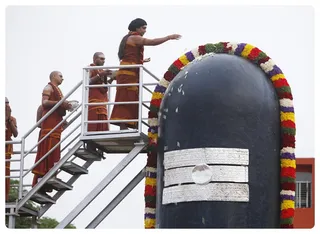
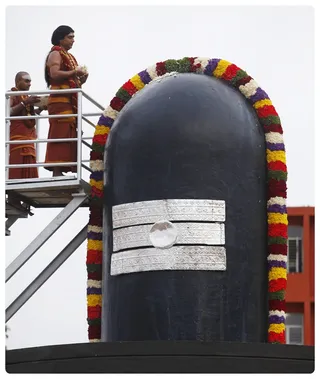
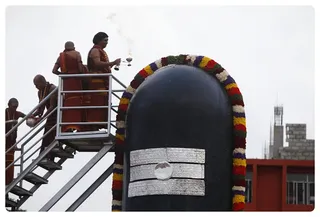
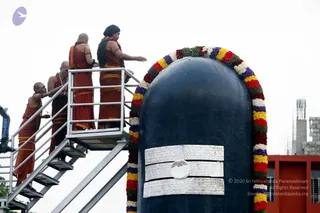
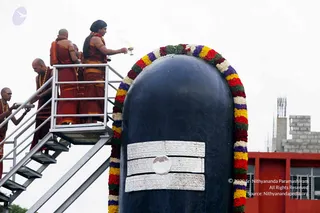
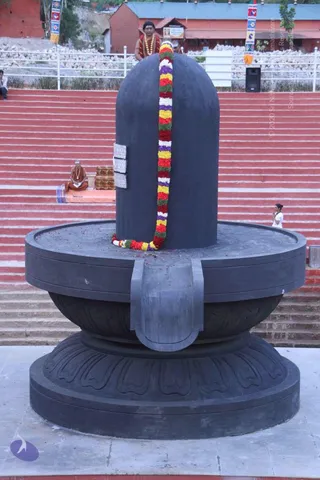
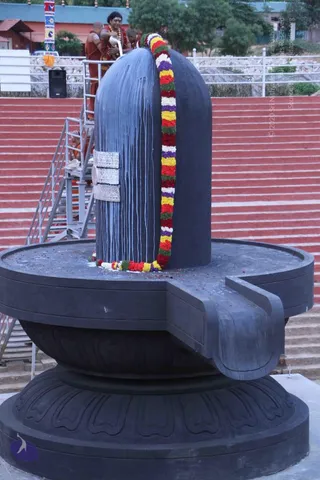
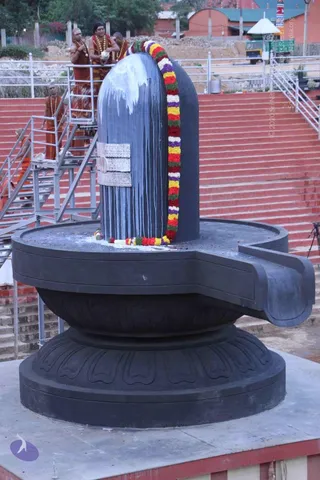
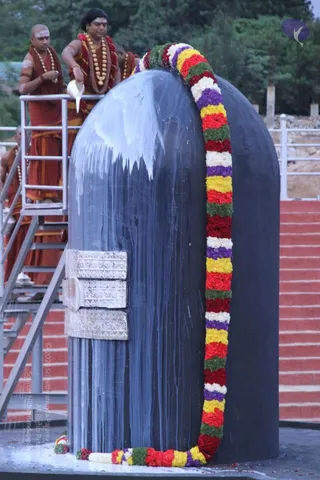
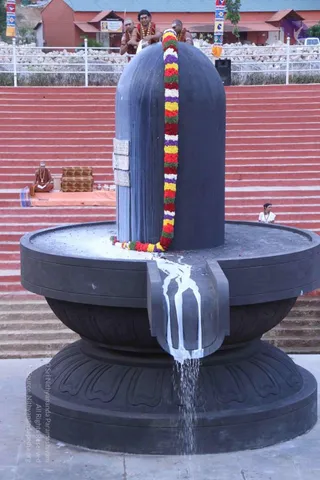
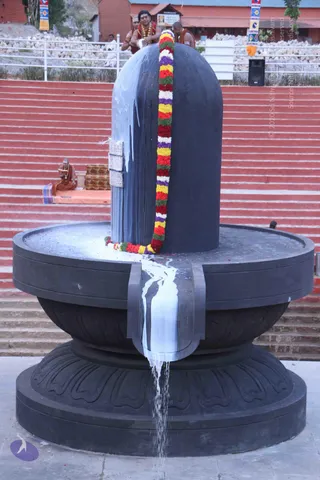
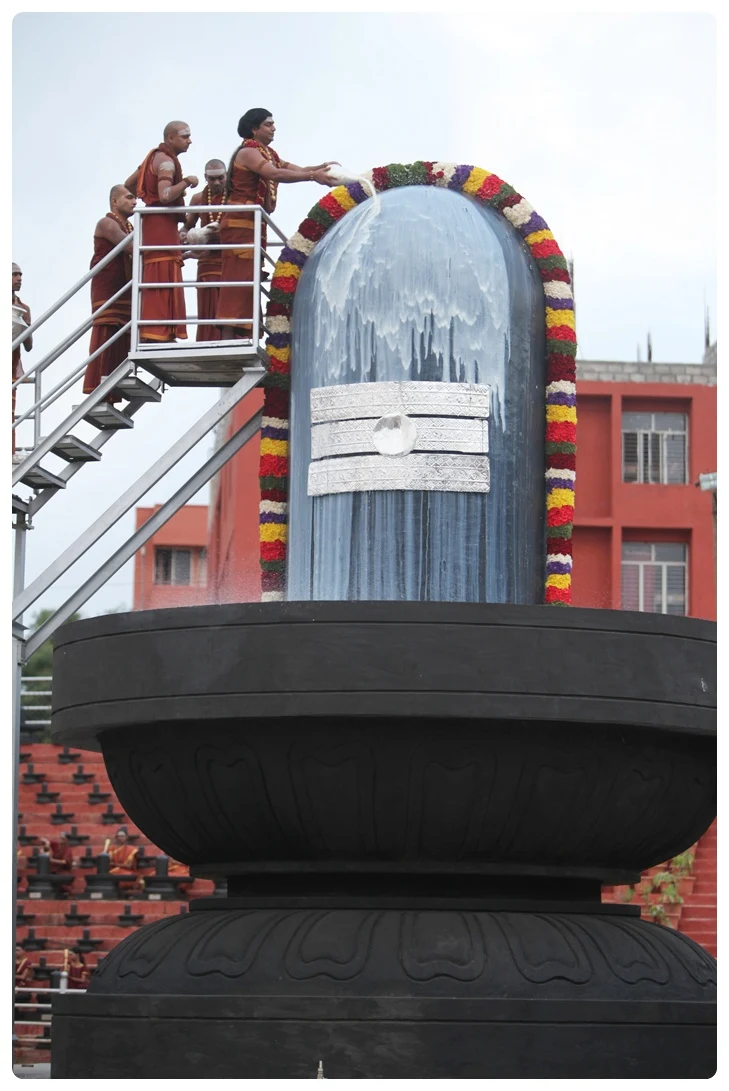
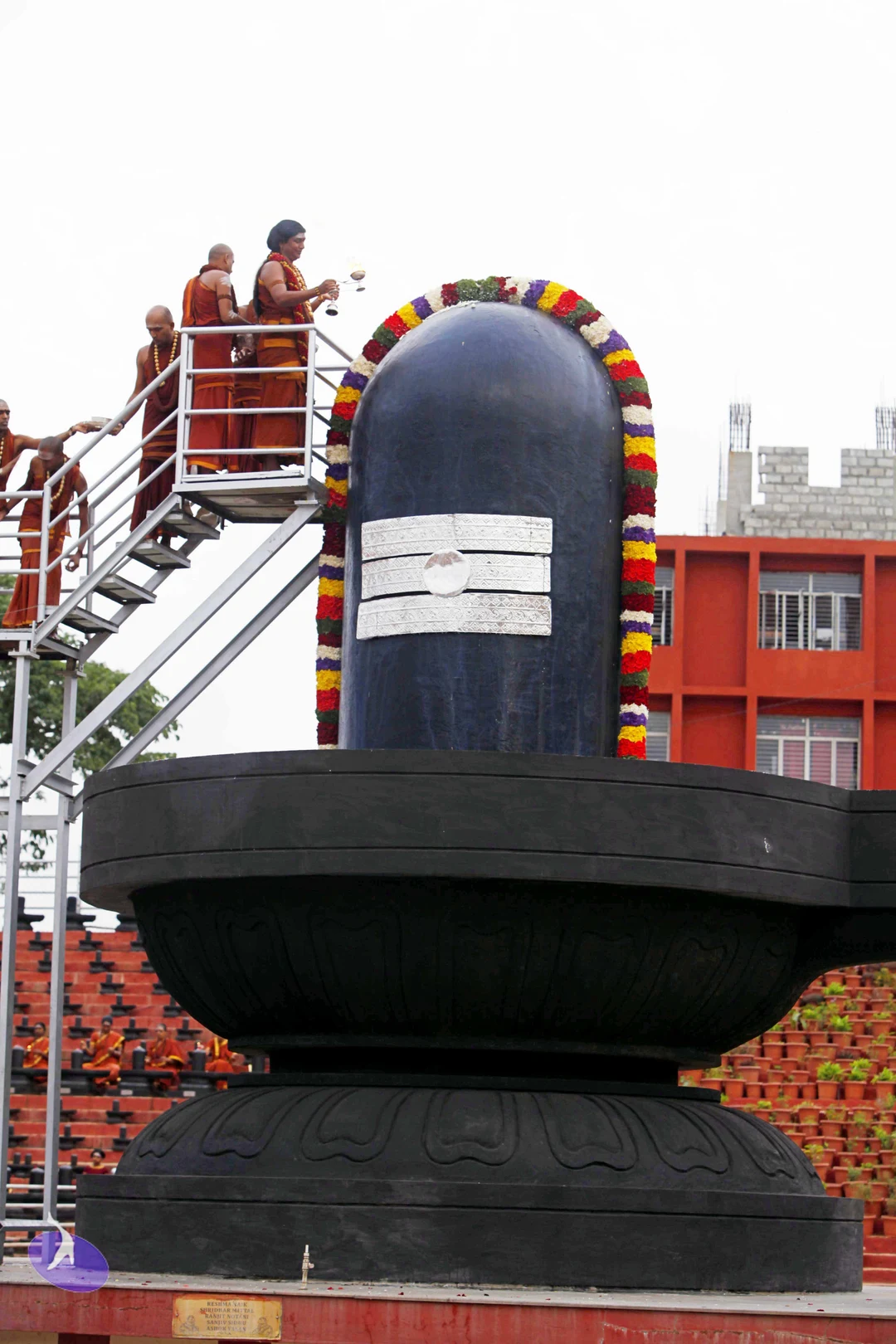
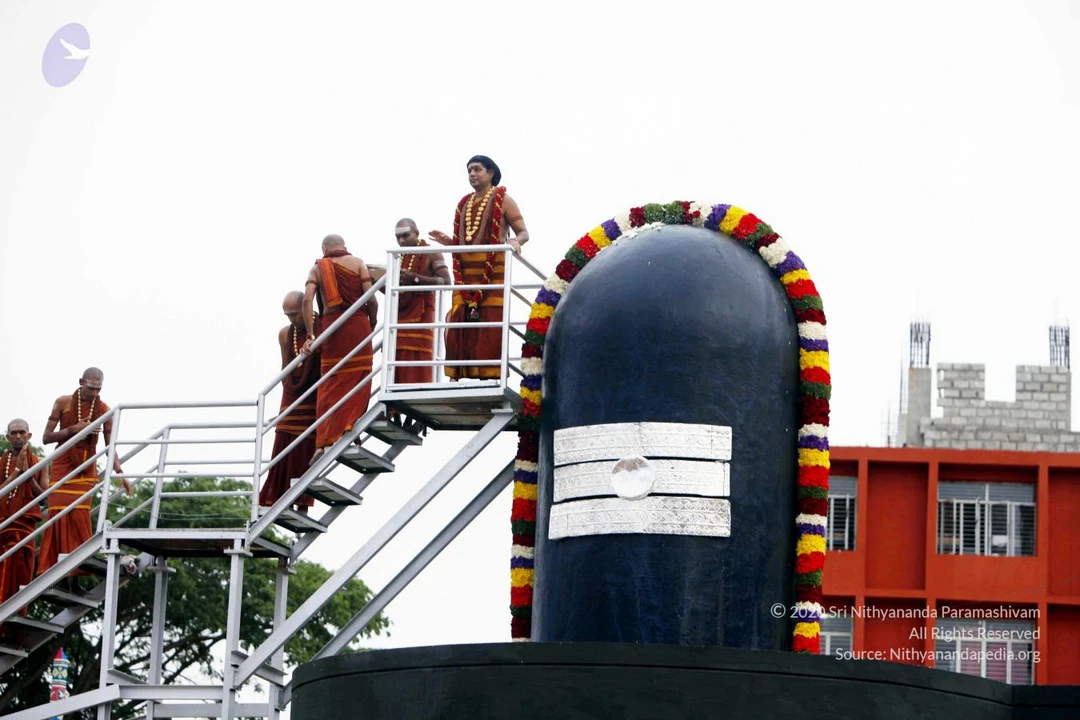
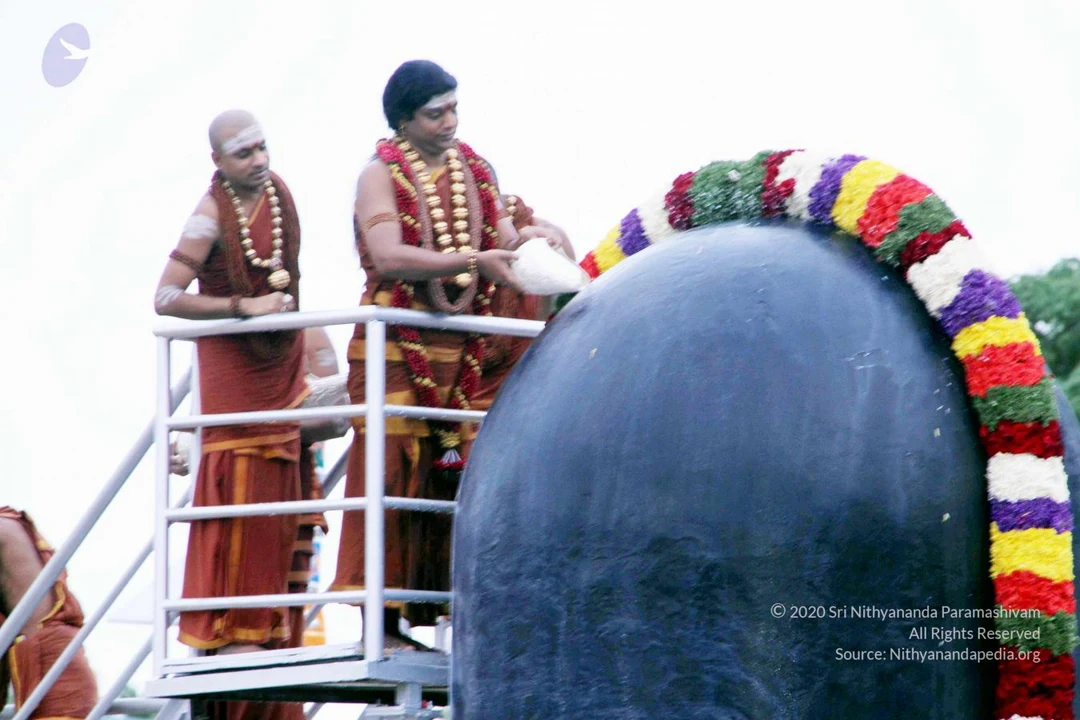
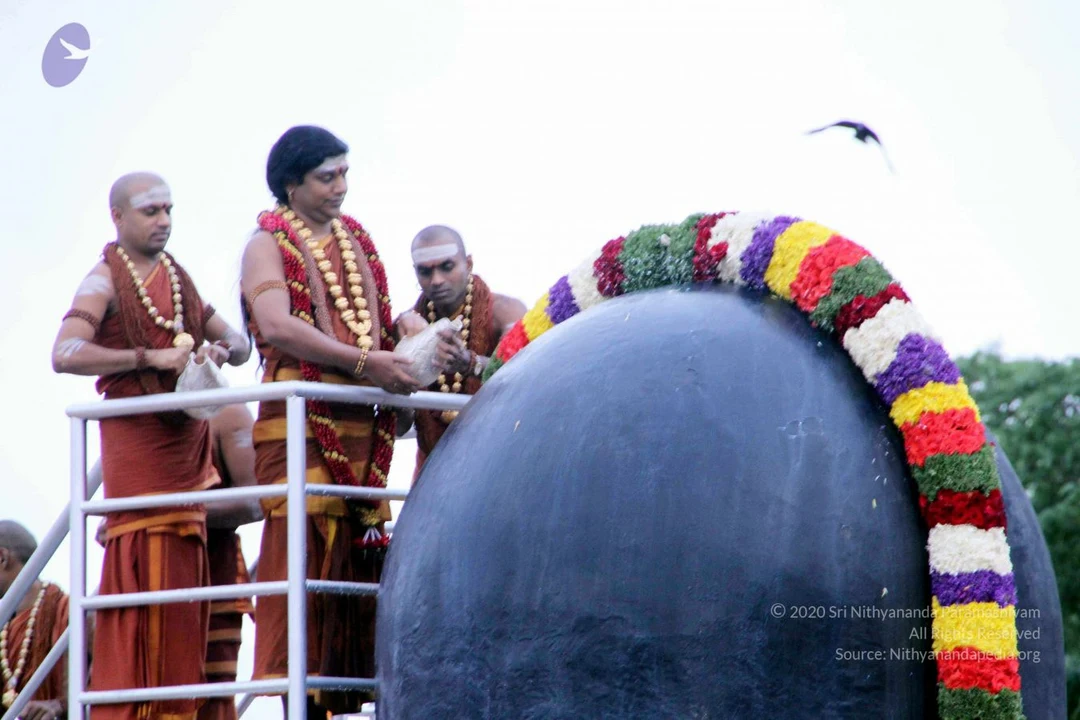
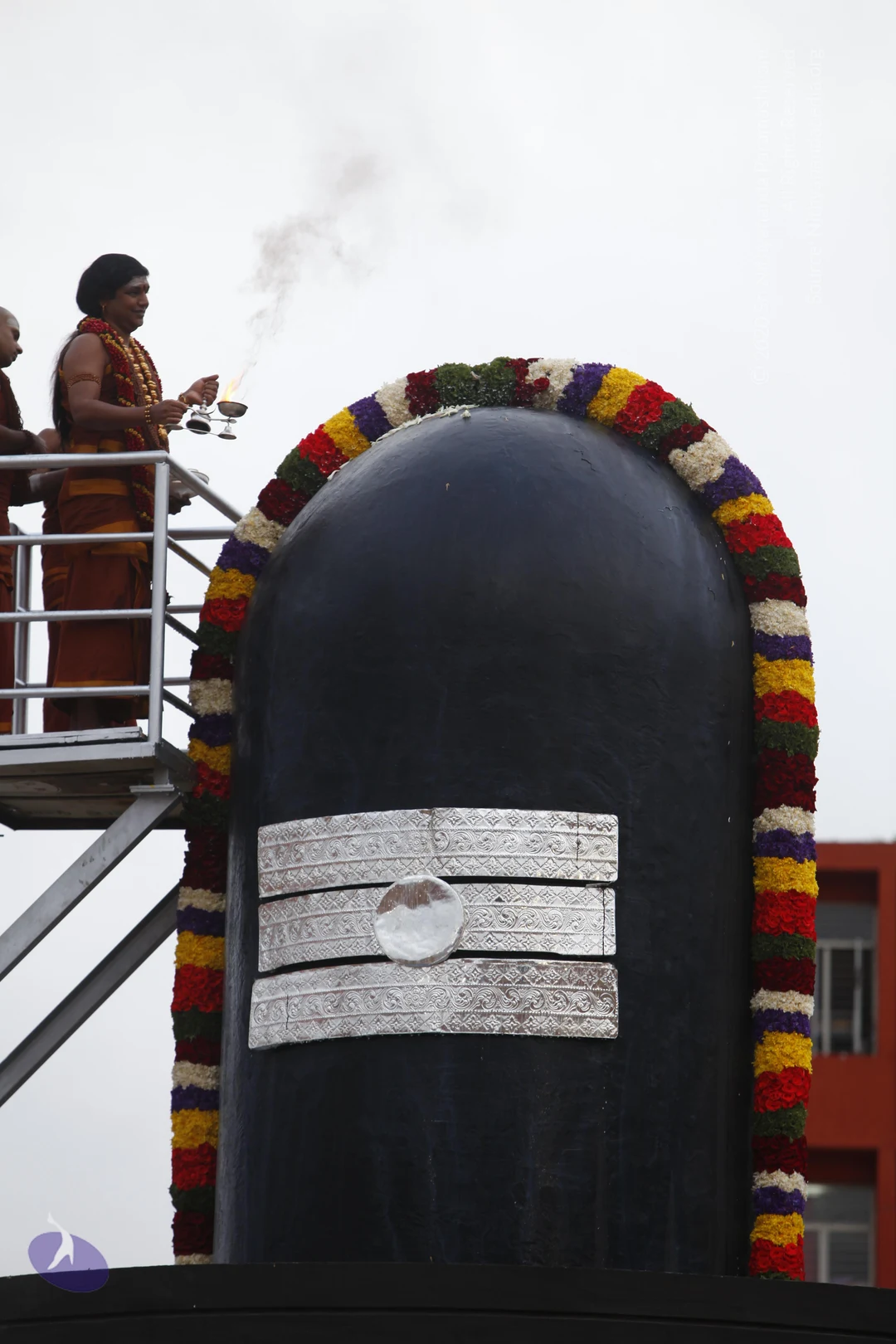
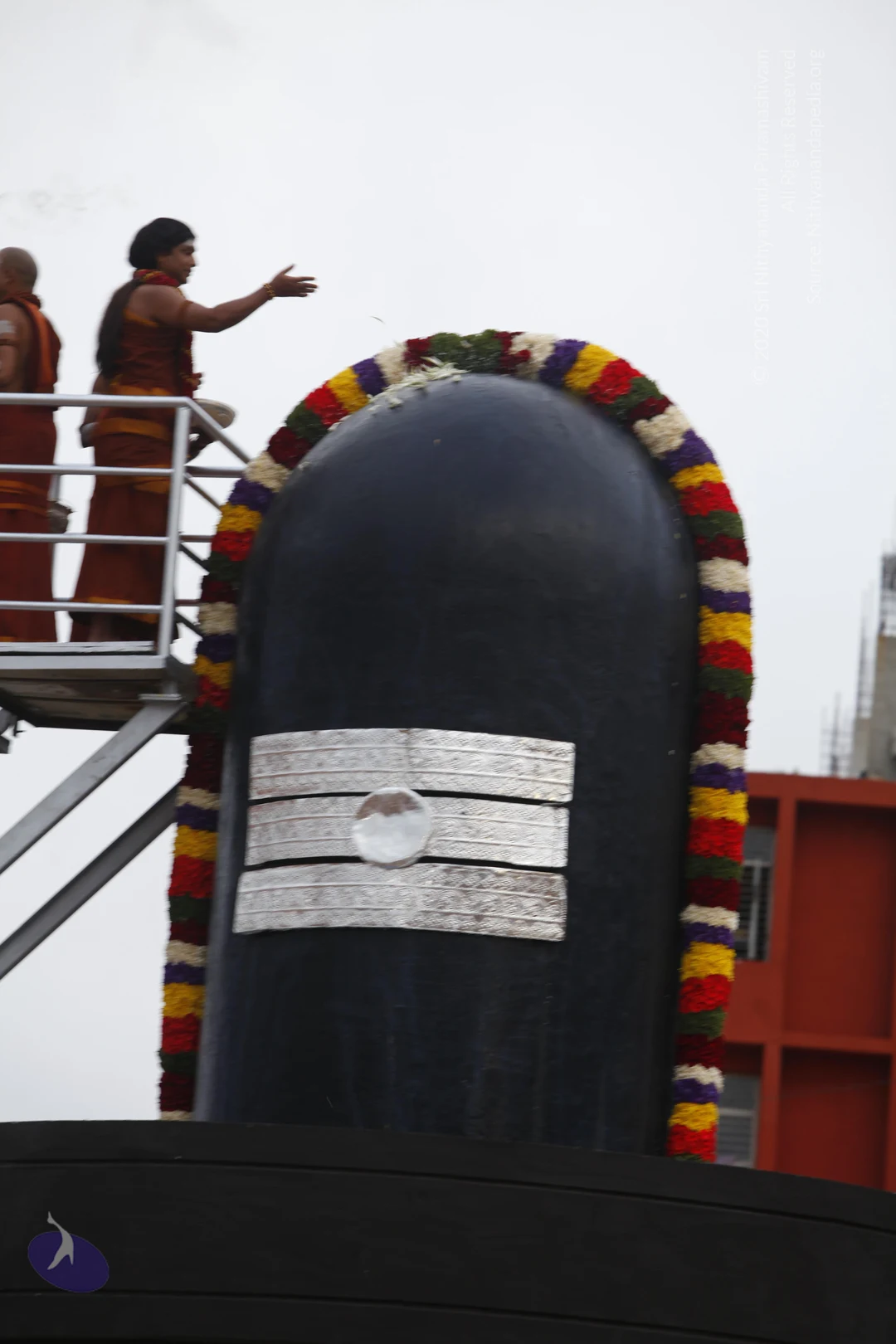
A large black stone Shiva lingam in a black yoni-pitha base is being bathed with milky white liquid that streams down its dark surface. A garland of marigolds and other flowers in red, yellow, orange, purple and white wraps around the lingam, and silver bands are fixed around its middle. On a metal platform at left, several saffron-robed priests stand on a staircase; the foremost, in an orange-red robe and with a dark topknot, reaches out to pour or offer something onto the lingam. Other saffron-clad priests are visible below, seated among the red brick steps of a tiered arena, and red-brick buildings stand behind. The scene is an abhishekam of the lingam.Outdoor photo of a very large black stone Shivalinga on a black circular yoni-pitha base with a spout, garlanded with a multicolour flower garland, set on a raised platform in an open stadium-like space with red-tiered seating. Several people in orange and maroon robes stand on a metal staircase and railing beside the linga, while more robed figures are visible among the seats in the background. Trees and a fence lie beyond.A photograph of an abhishekam at a large black Shiva lingam decorated with a garland of red, yellow, purple, white and green flowers. A man with long dark hair, a red-orange shawl and a red garland pours milky liquid from a white vessel onto the lingam from a raised metal platform. Silver bands with ornate patterns wrap the lingam's base section. A second man in orange-red robes and white forehead markings stands beside him at the railing. Pale sky in the background.Outdoors, a large black Shiva lingam wrapped in a garland of marigolds and red, yellow, purple and white flowers, with silver tripundra bands across its front, receives offerings. Beside it, on a white metal staircase and platform, stand several men in saffron-orange robes. The figure at the top right, with long dark hair and a red-and-gold garland, extends one arm over the lingam. Two bald men in orange stand near the railing, one holding a small metal plate. Small white petals or flower particles drift over the lingam. A person at far left covers their face with a hand.A photograph of a large black lingam with a silver yoni-style band and a silver disc, encircled by a garland arch of marigolds and roses in red, yellow, white, purple and green. On a metal platform at left stand two men in saffron-orange robes. The taller man has long dark hair swept back, wears a saffron garment and a red-and-white flower garland, and holds a white flower. The shaved-headed man beside him in orange holds a small object. A red building stands in the background under an overcast sky.A large black Shiva lingam decorated with a multicoloured flower garland in red, yellow, green, purple and white and three silver horizontal bands is in the foreground. Behind it on a metal staircase platform, several saffron-robed priests stand; the nearest figure with a tall hairstyle holds an oil lamp with flame and smoke, while others in orange robes and rudraksha malas stand nearby, one holding a bowl. A grey sky and a red building with a construction tower appear behind them. This appears to be a lingam worship or abhishekam ritual.

rudrabhishekam
129 photosSource gallery
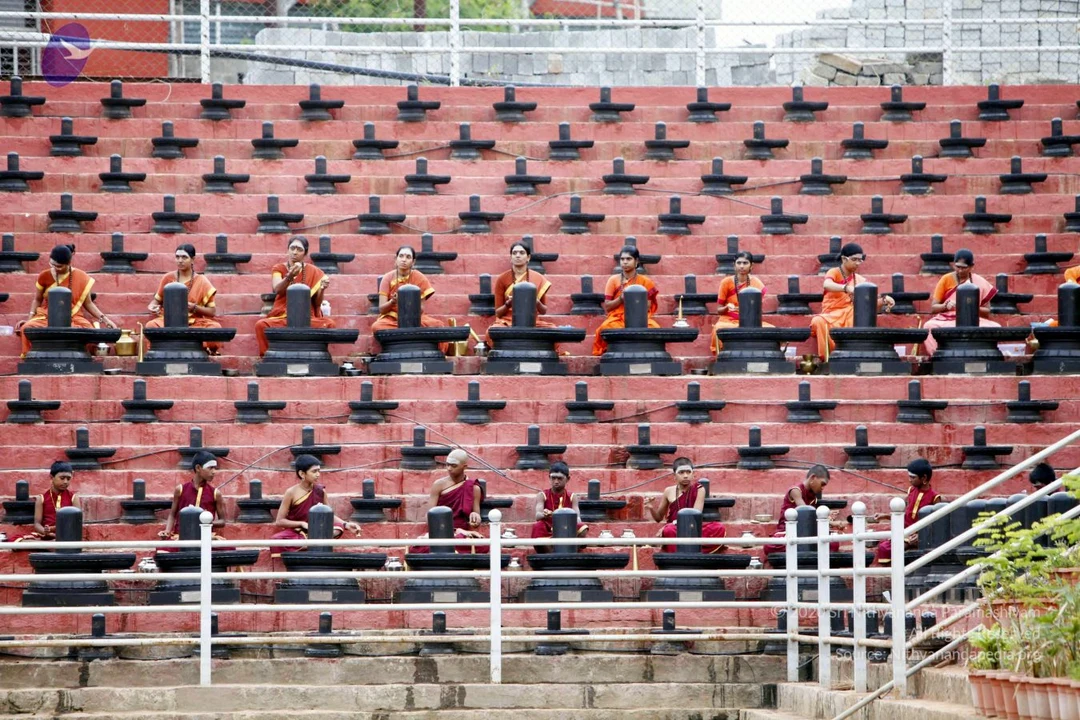
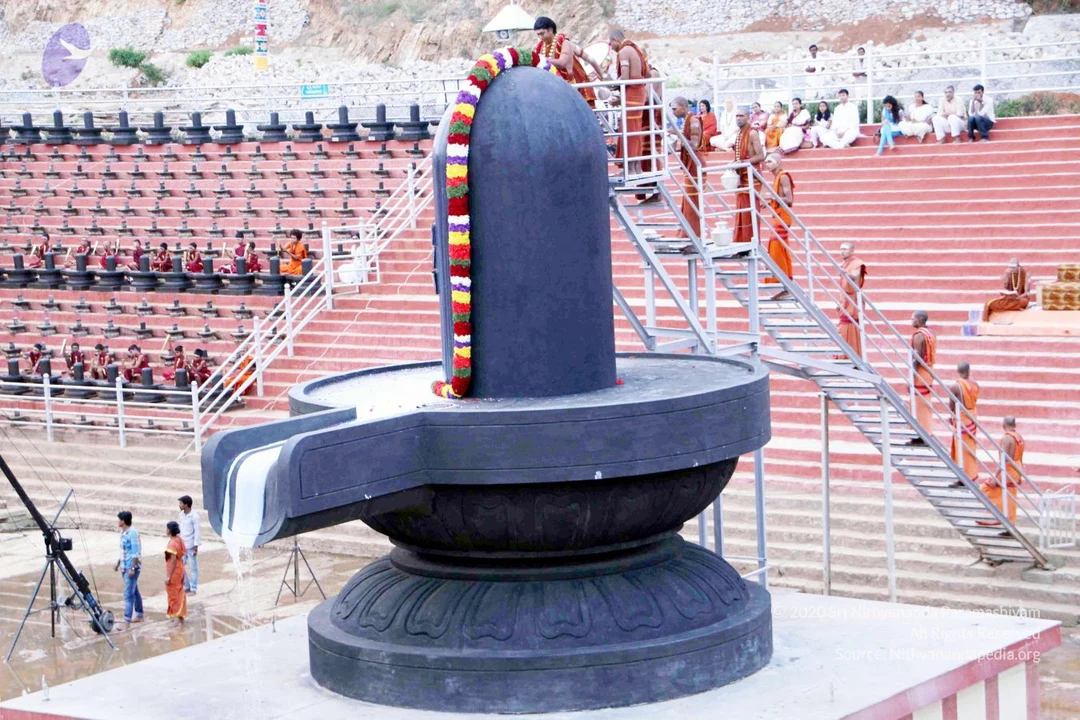
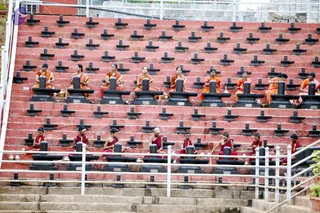
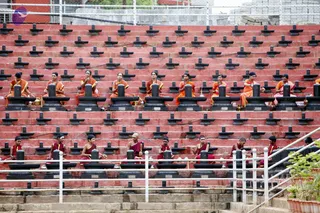
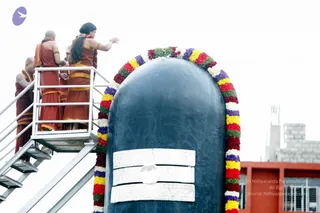
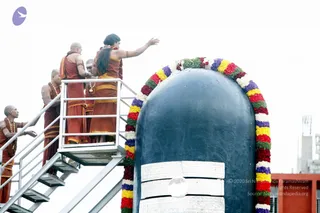
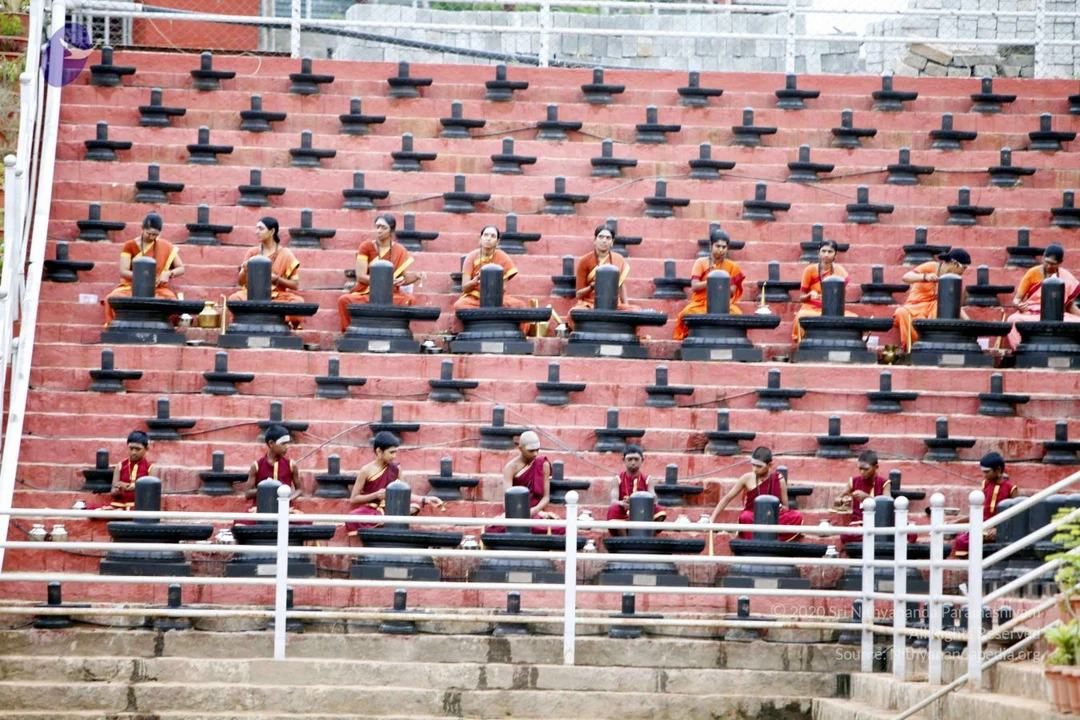
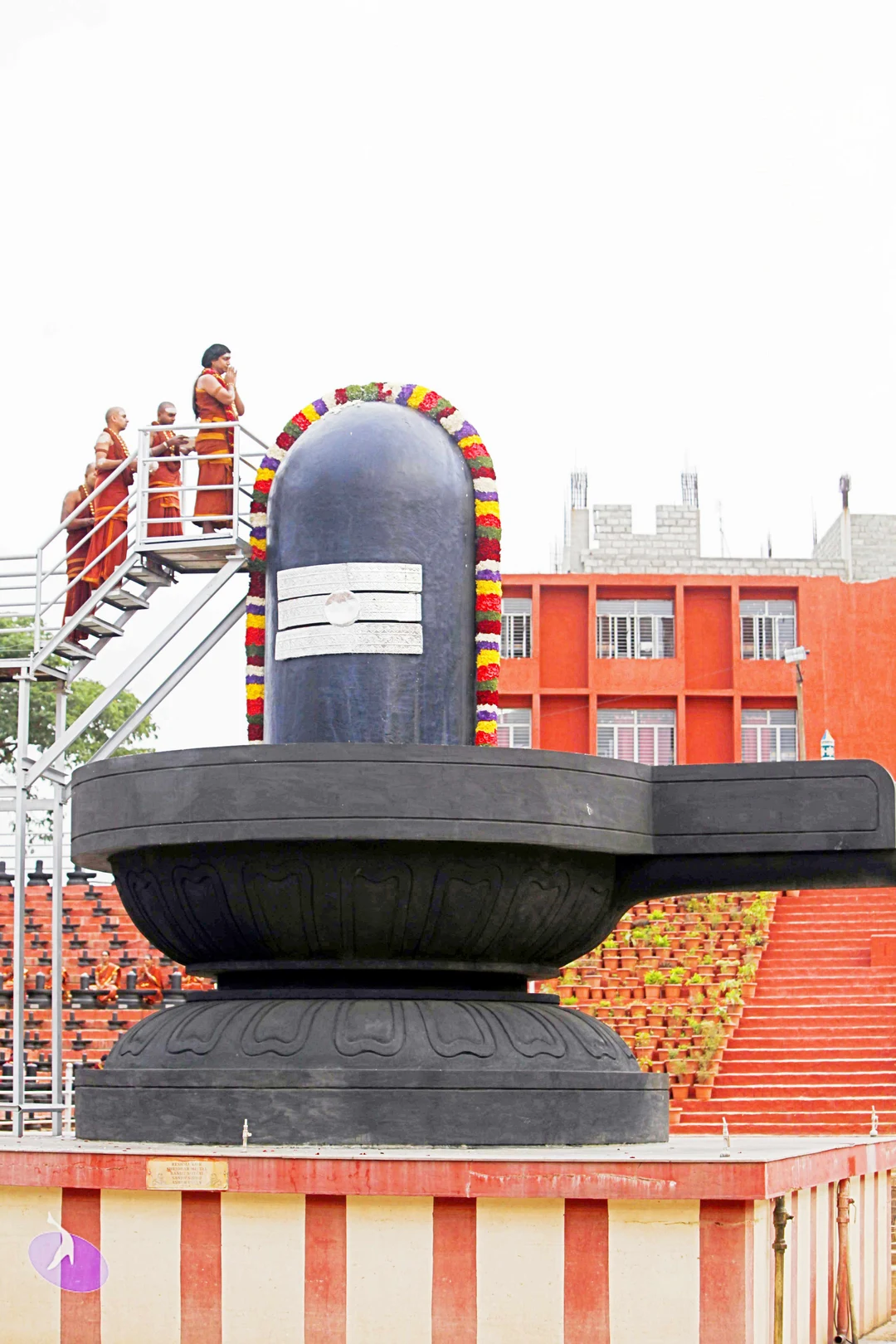
A photograph of a large outdoor shaiva-style ritual on red-painted tiered steps, with dozens of black stone shivalinga-shaped pedestals (peetha) arranged in rows. Seated on many of the pedestals are young ascetic-style practitioners in orange and saffron robes with red and maroon garments, some holding small brass vessels and oil lamps beside them. The white metal railings in the foreground separate the viewer from the seated group. A small purple logo appears at the upper left. Several robed participants sit cross-legged while others face forward in attentive posture.A photograph of a red-tiered stadium-style seating area filled with rows of seated people in saffron and orange robes, many with shaved or closely cropped heads, sitting cross-legged behind black stone pedestals topped with small brass vessels and oil lamps. Lower rows show people in deep red-maroon robes seated at similar pedestals. A white metal railing runs across the foreground, and potted plants sit at the lower right. The scene suggests an organized group satsang or ritual gathering, with the people arranged in orderly lines facing forward.A large dark grey Shivalinga with three horizontal white tripundra stripes and a white marking is draped with a garland of multicoloured flowers in red, yellow, green, purple and white. Behind it, on a metal railed platform reached by a steel staircase, several saffron-robed men stand; the central figure, with long dark hair and a red-and-white garland, wears an orange-yellow dhoti and raises one arm toward the lingam. Another man in saffron stands nearby with a shaved head. A red-brick building and a pale sky fill the background.Outdoor scene at a large black Shiva lingam draped with a multicoloured flower garland of yellow, red, purple, green and white blossoms, with a white band engraved on its base. On a white metal staircase and platform beside it stand several saffron-robed men with shaved heads and wooden rudraksha malas; one of them, in a red-orange cloth, raises an arm toward the sky while others stand nearby. A figure with long dark hair in an orange garment and yellow waistcloth stands at the top, arm extended, while a red brick building and pale sky form the background.A photograph of a large black Shiva linga, its rounded top wrapped in a garland of multicoloured flowers in red, yellow, orange, green, purple and white, with three horizontal silver tripundra bands and a central silver disc across its front. Four men in saffron-orange robes stand on a metal scaffold platform with silver railings and steps beside the linga. The foremost figure on the platform has long dark hair and a red garland, extending one hand toward the linga, while the others in orange cloth, one with a bare shaved head and rudraksha-style beads, stand nearby. A red building and concrete structures are visible behind, under an overcast sky.Outdoor photo of a large black Shiva lingam decorated with a multicoloured flower garland in red, yellow, green, purple and white, with silver ornamental bands across its middle. On a metal platform at left, several saffron-robed priests stand on a stair-like scaffold; the figure at centre has long hair swept back, a red-orange garland and ornaments, and holds a small oil lamp or aarti flame toward the lingam. Other priests in orange robes and rudraksha or flower garlands stand beside and below, one holding a brass plate. The scene is a puja or abhishekam with a red building and concrete block wall behind. Count of visible people: about six.
pratyaksha paada pooja

30 photosSource gallery
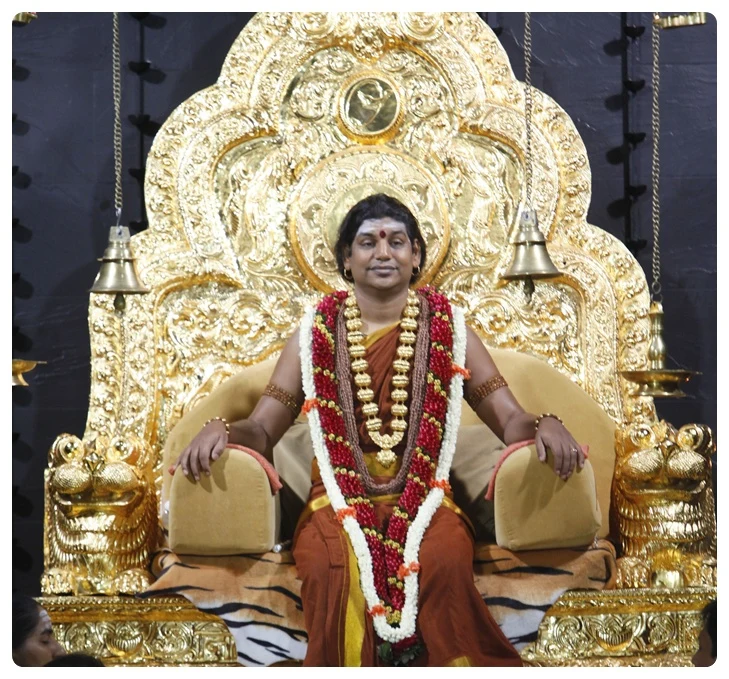
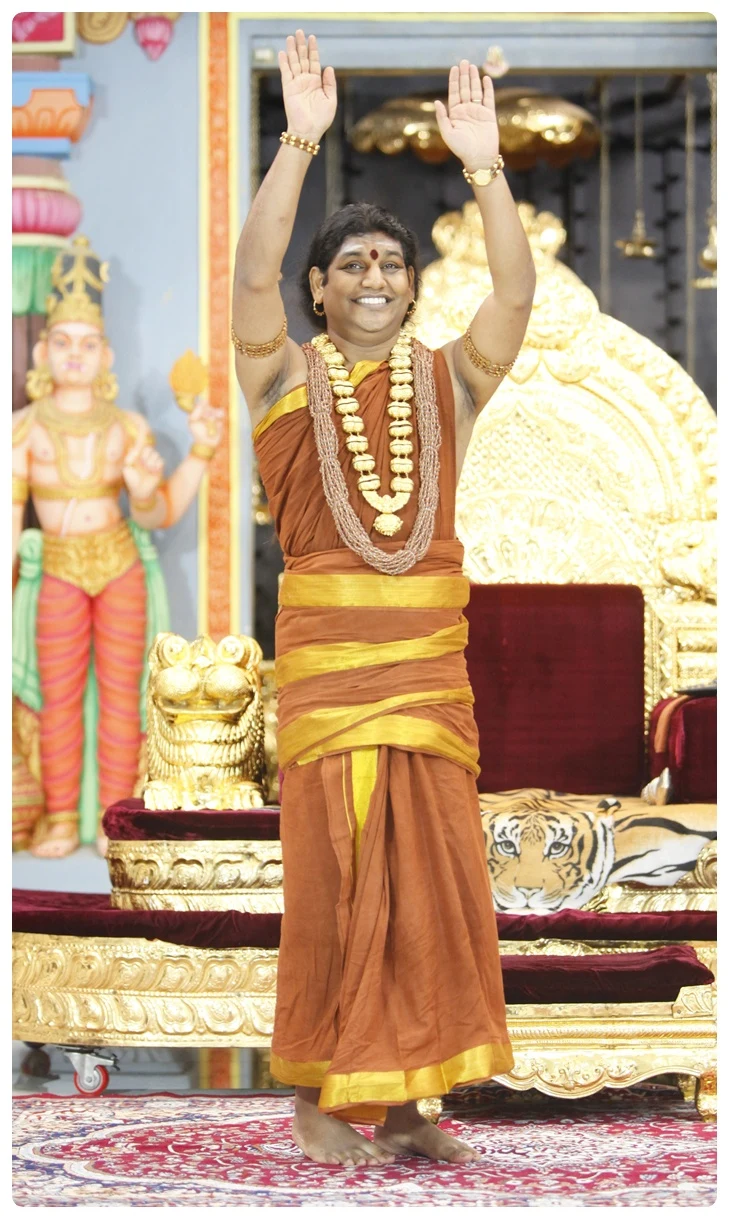
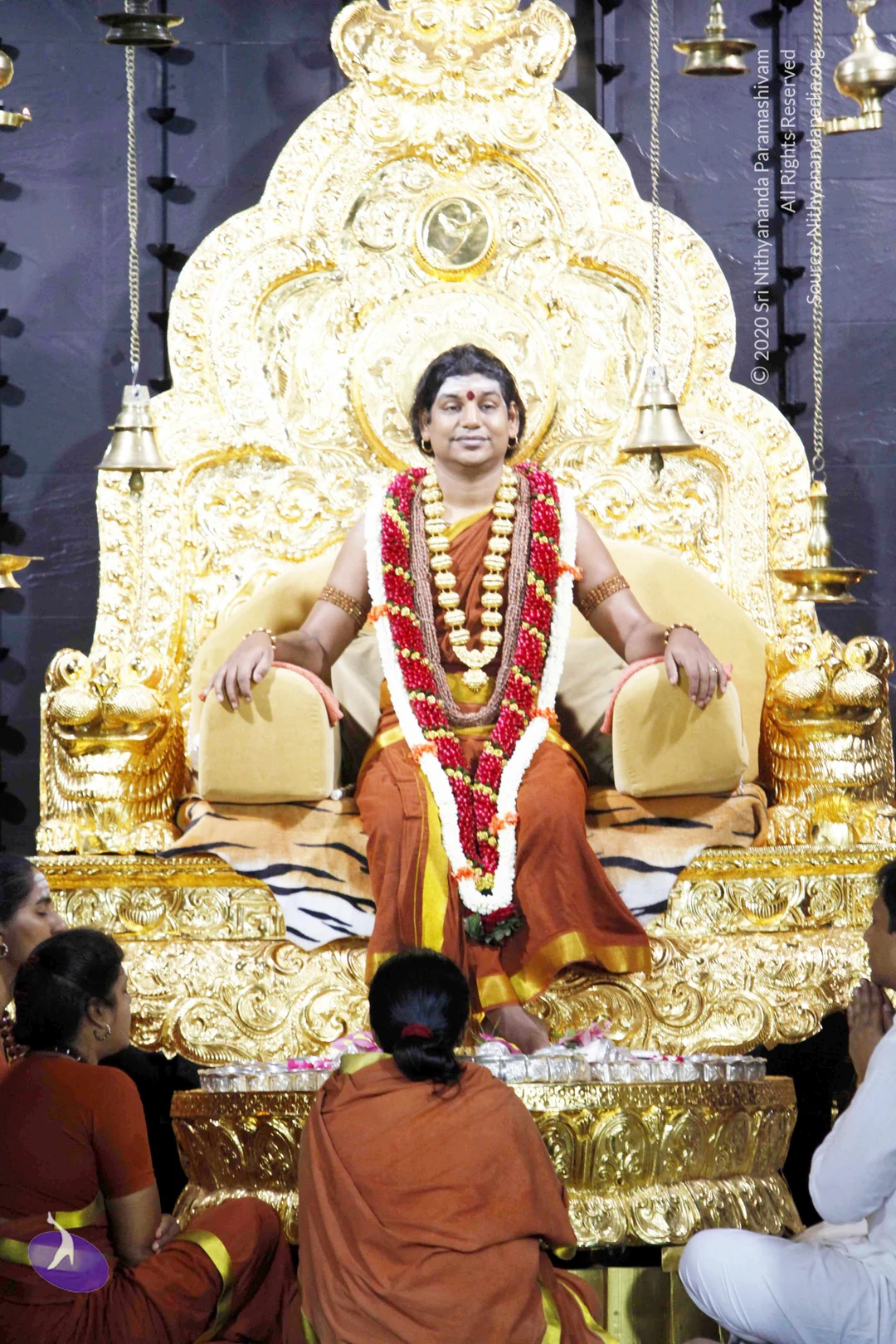
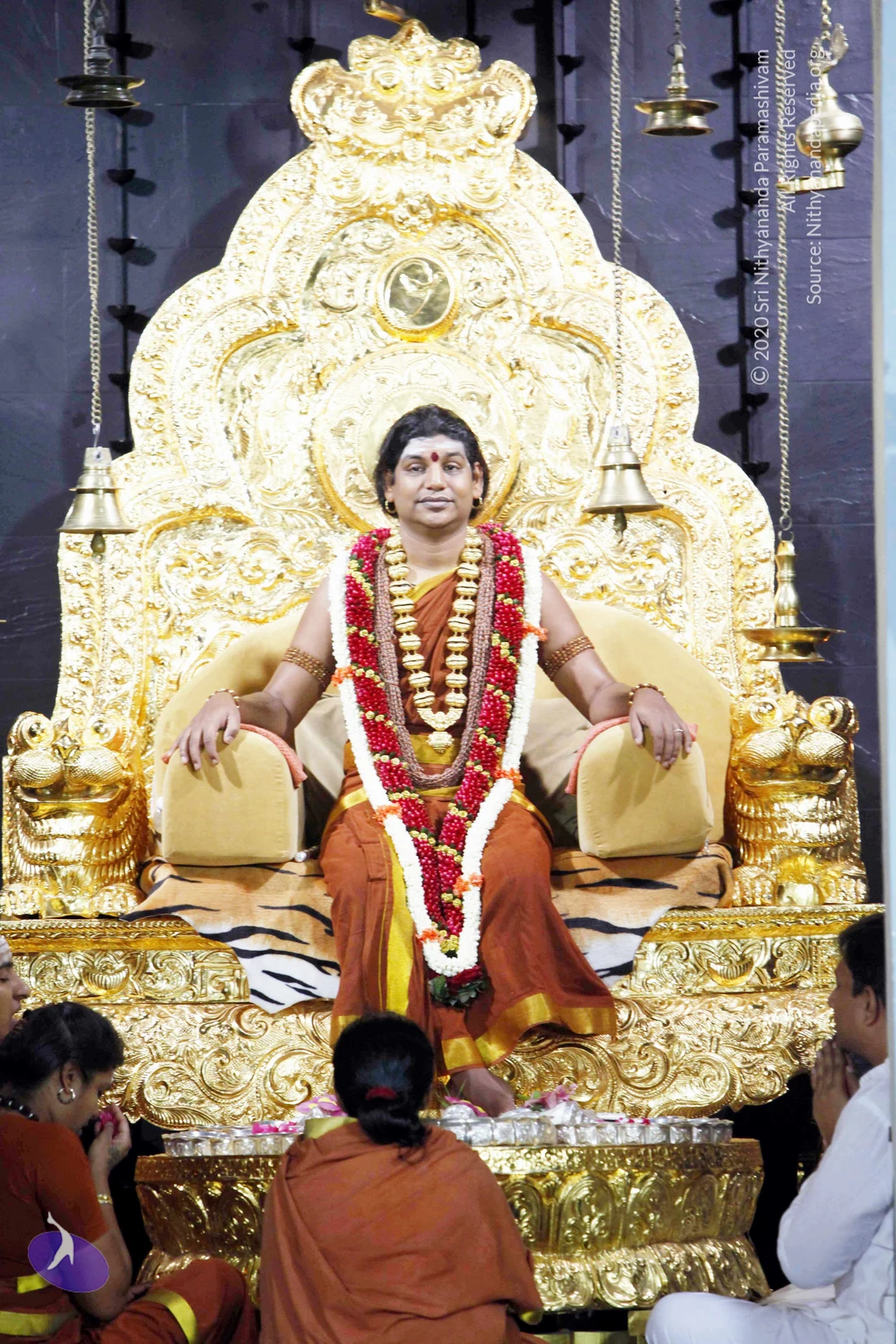
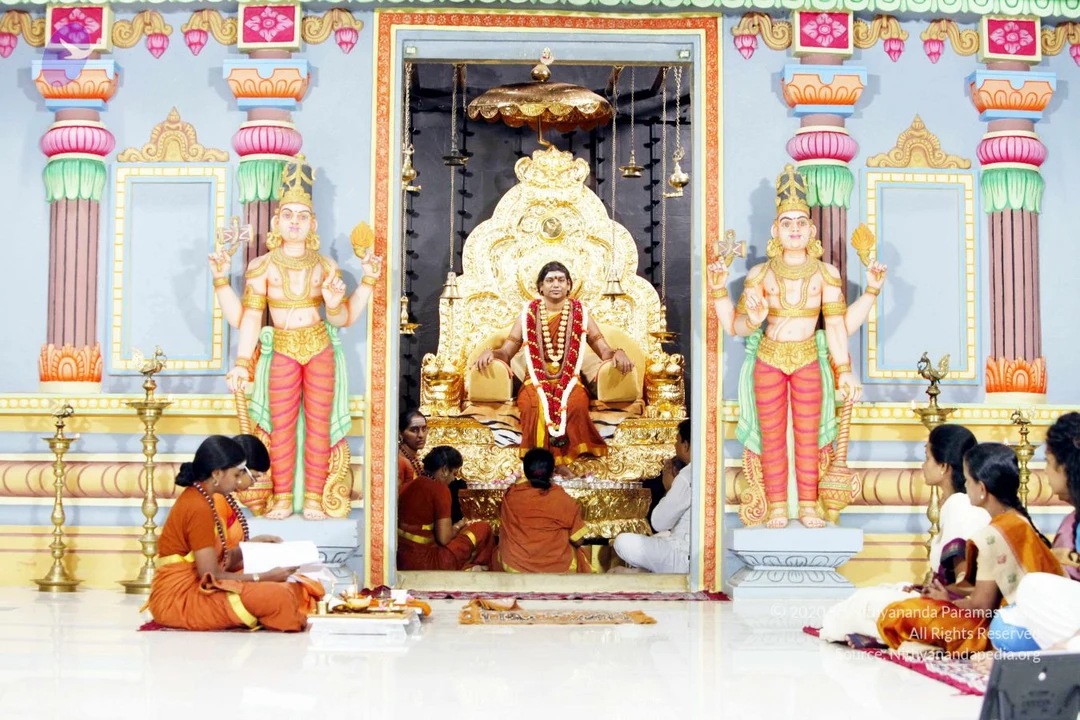
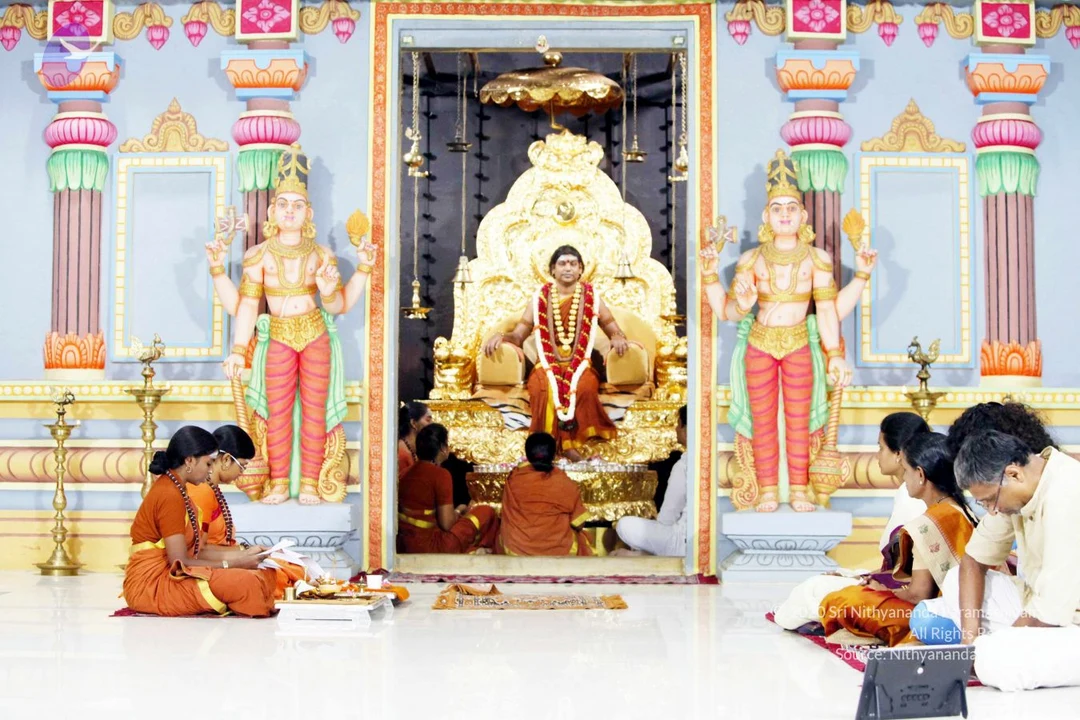
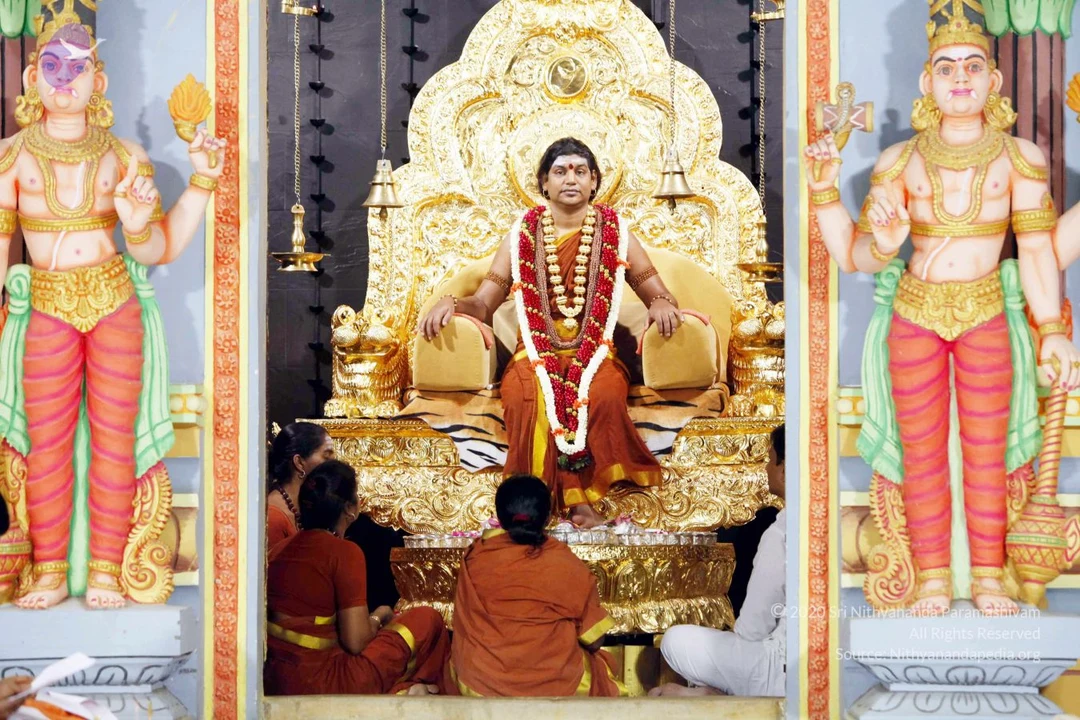
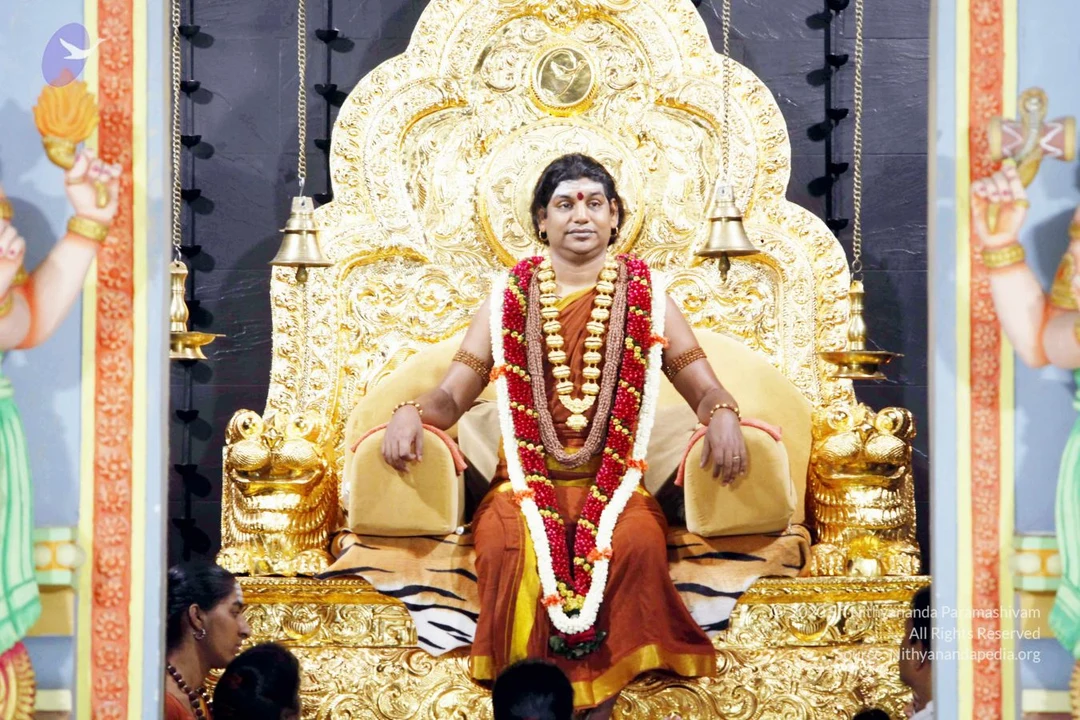
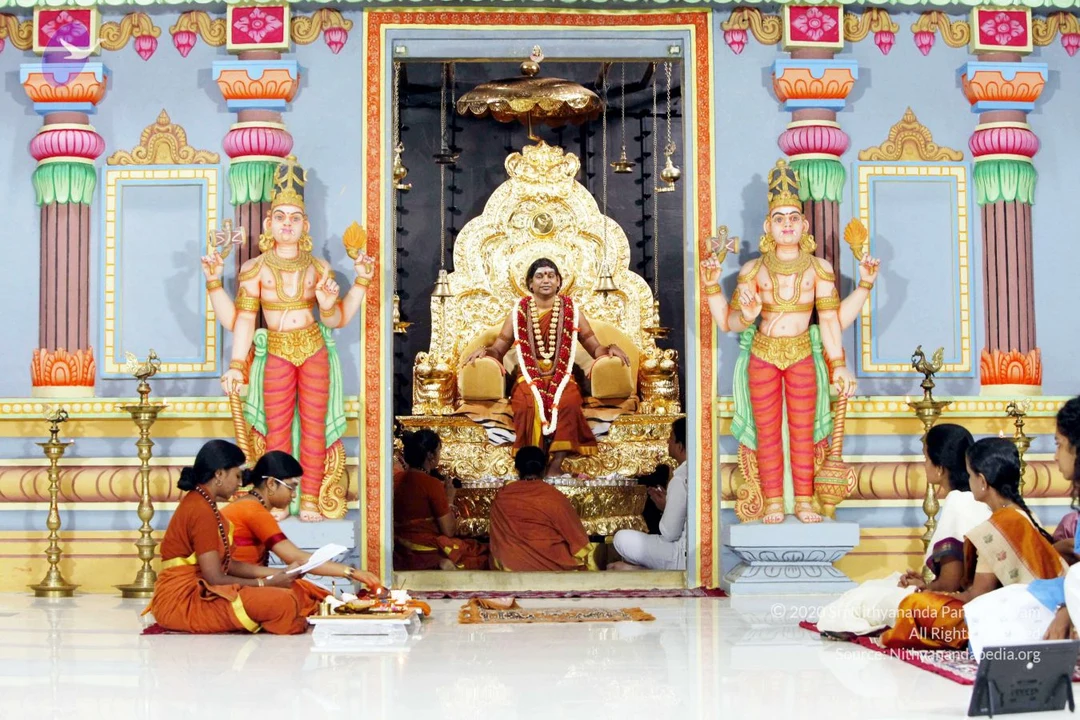
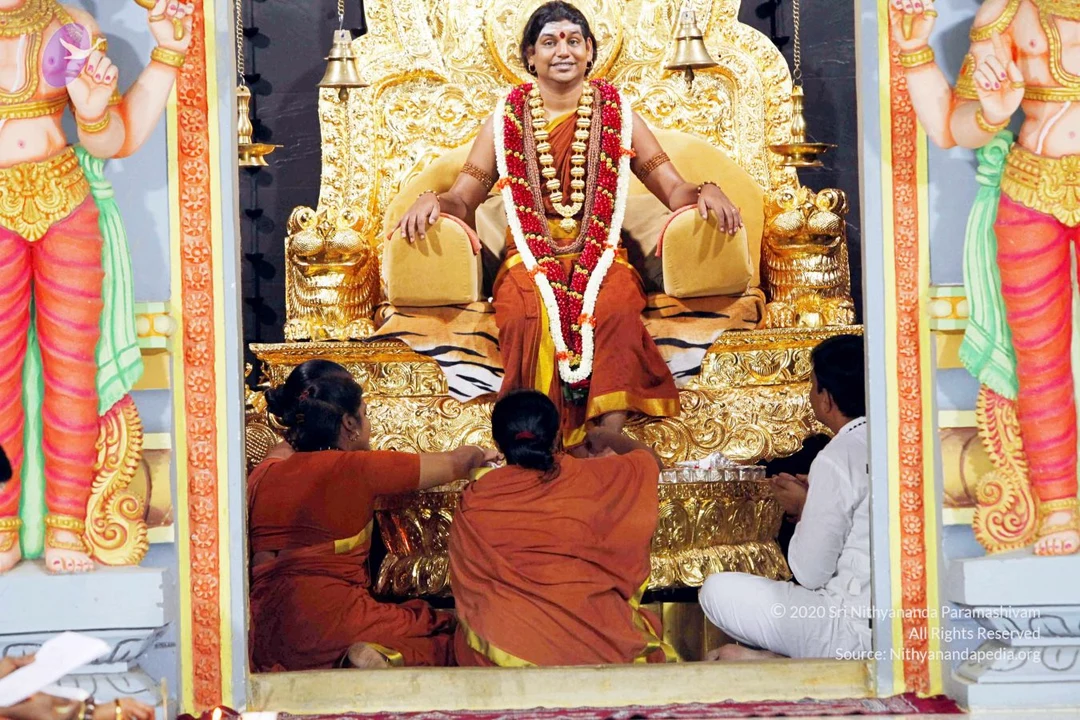
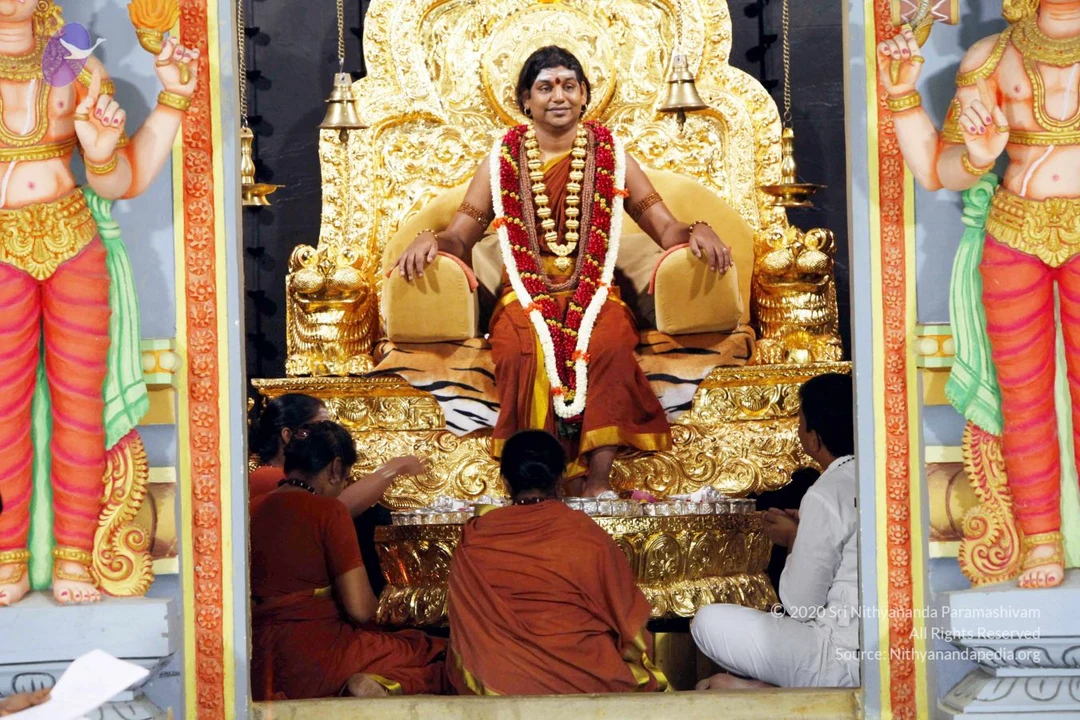
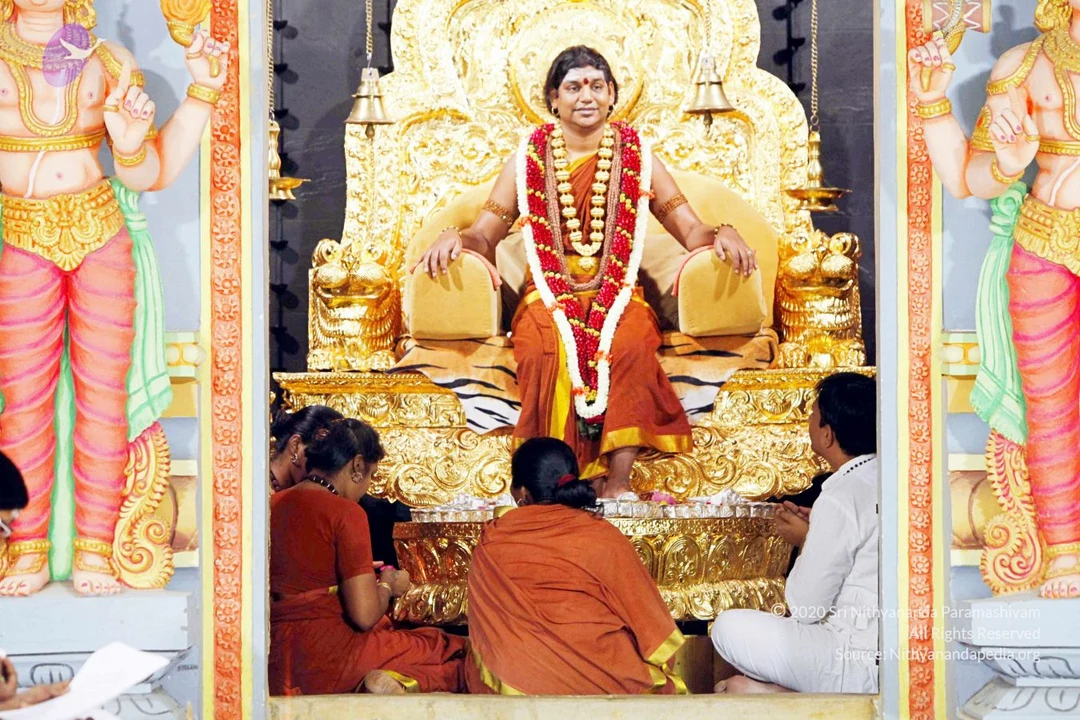
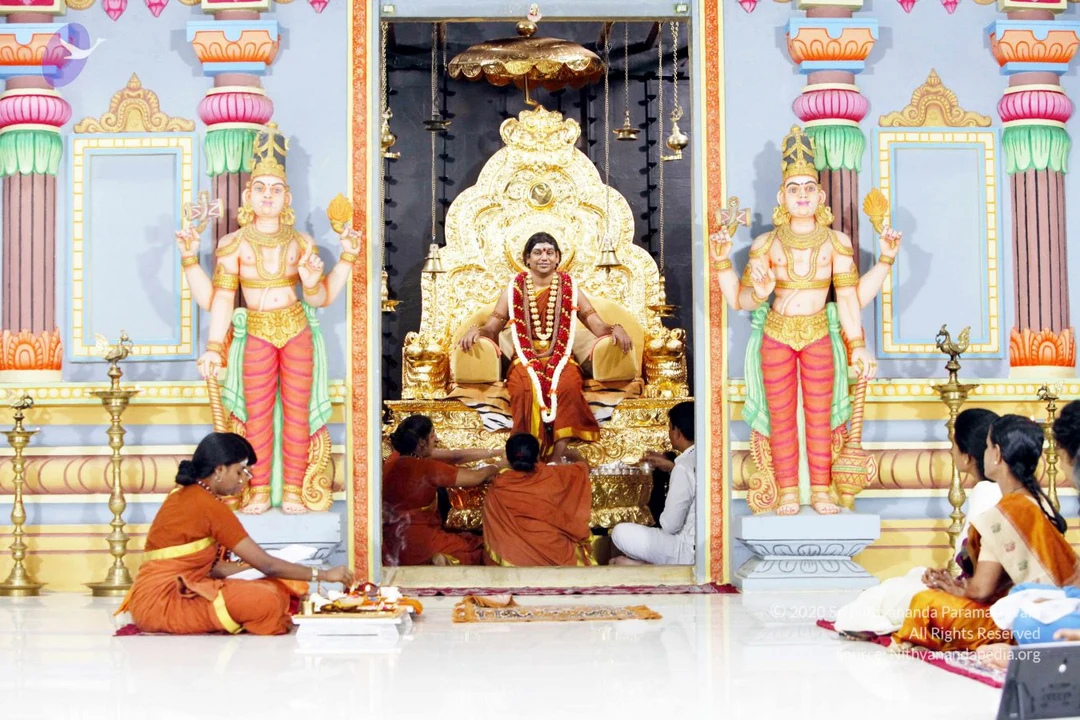
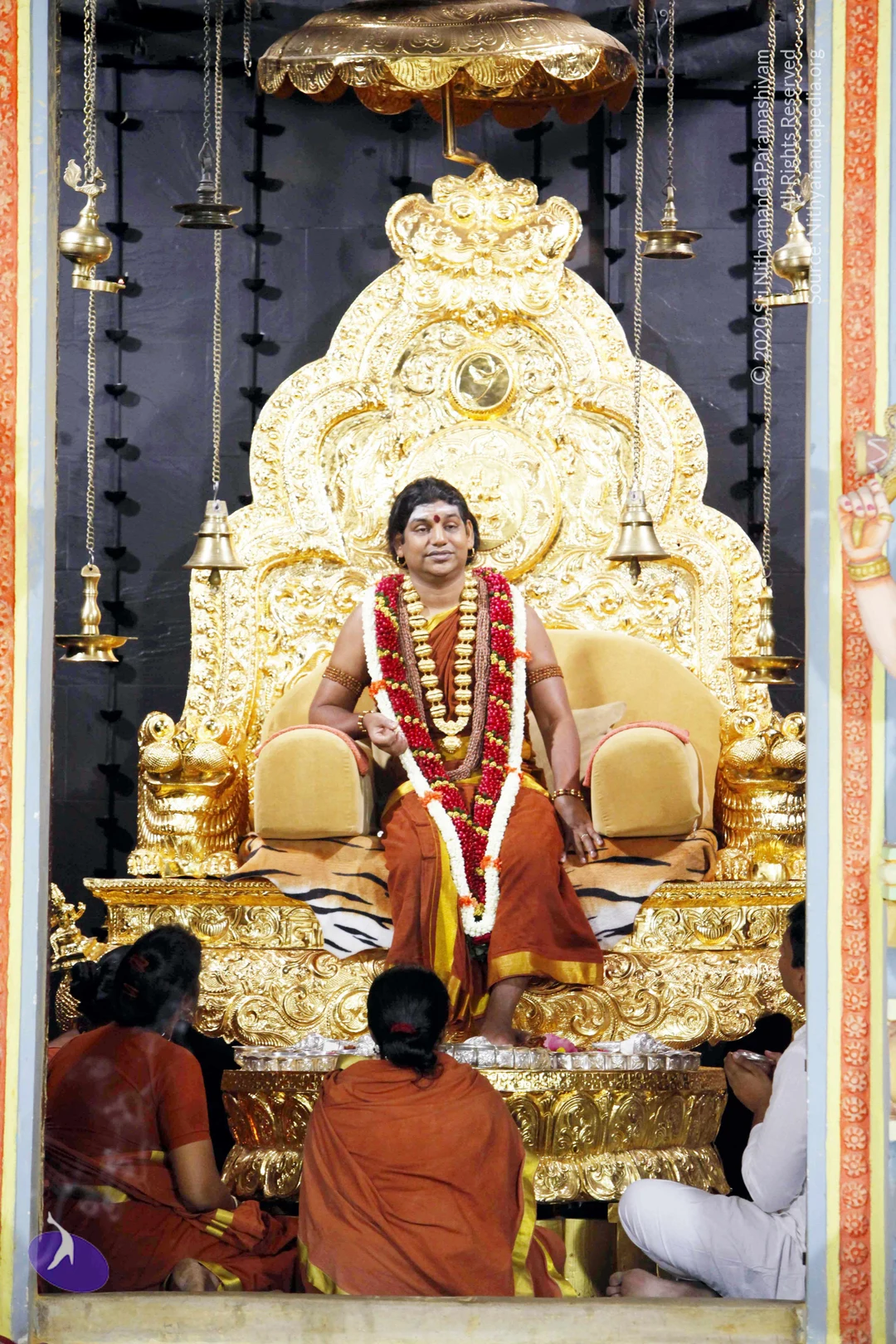
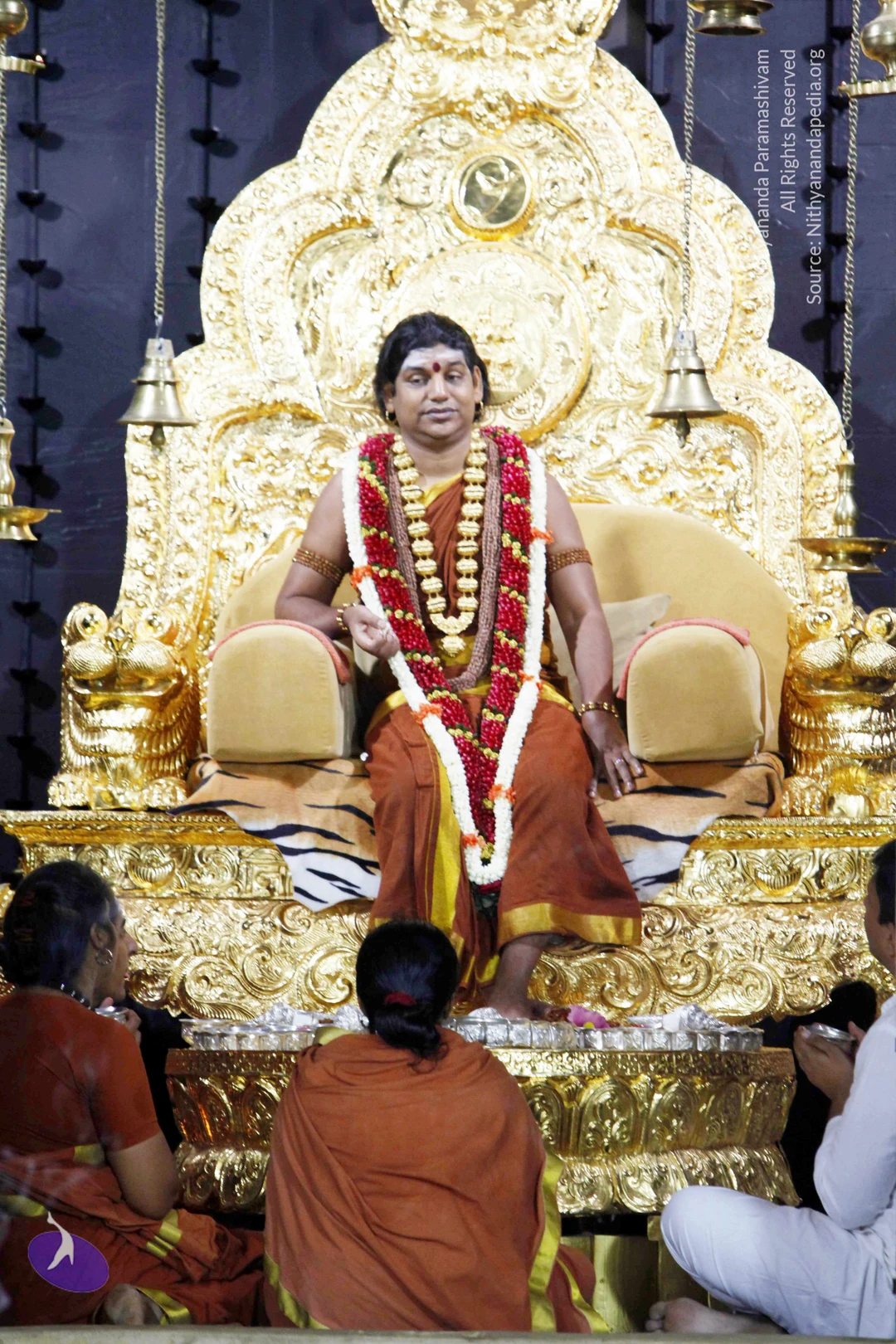
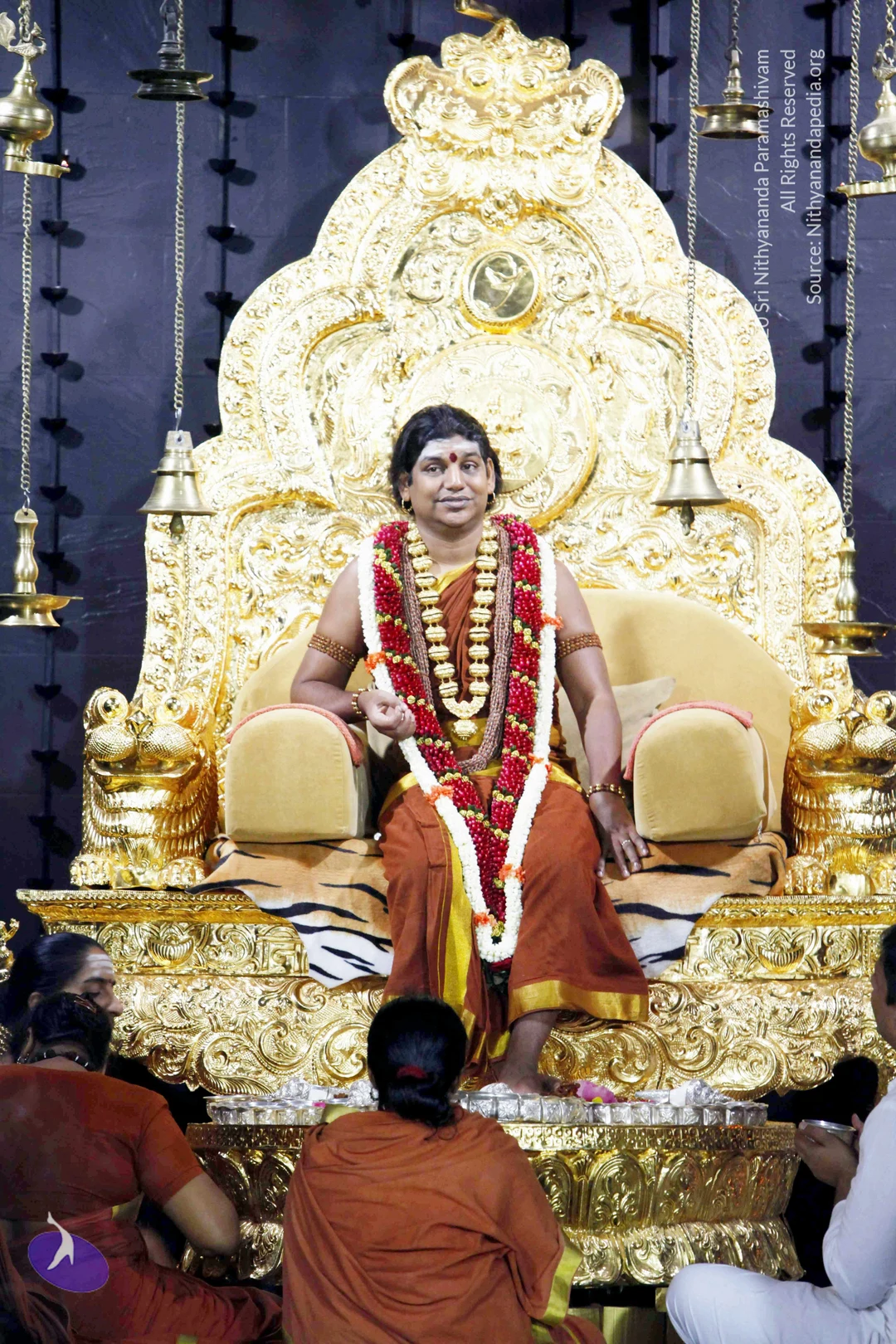
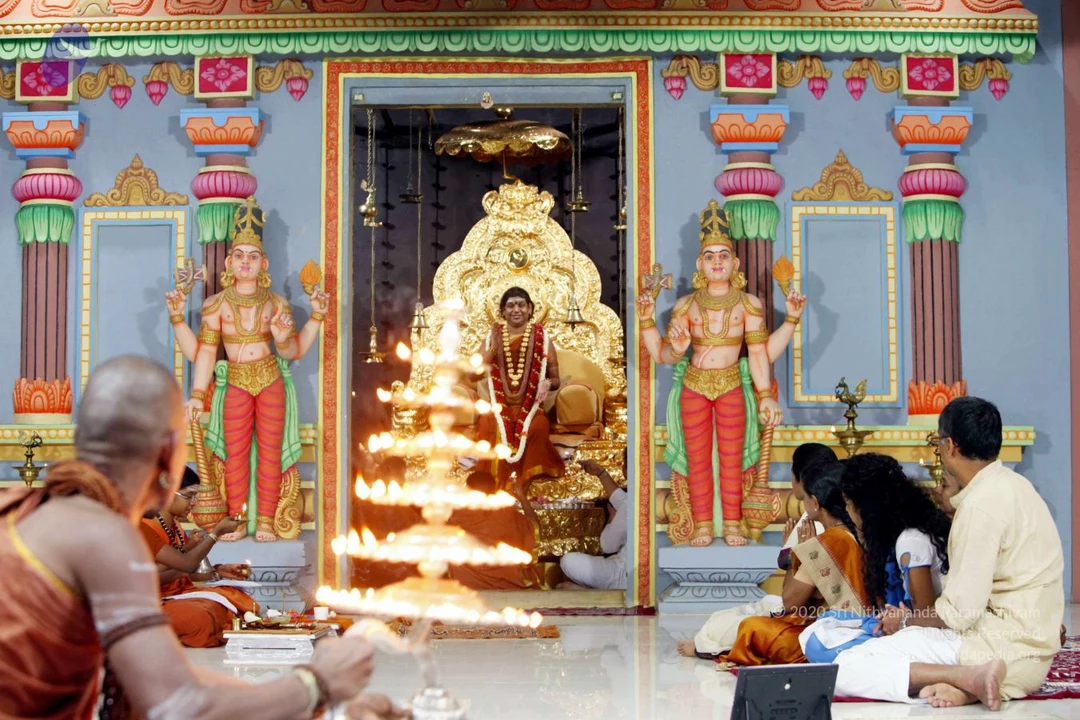
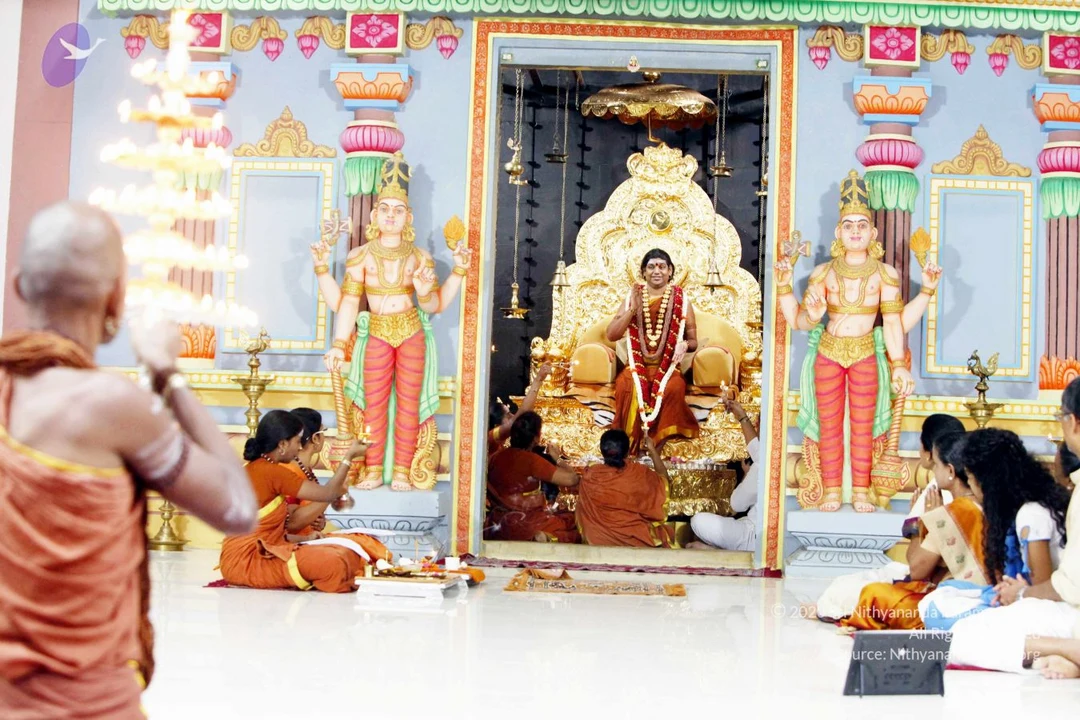
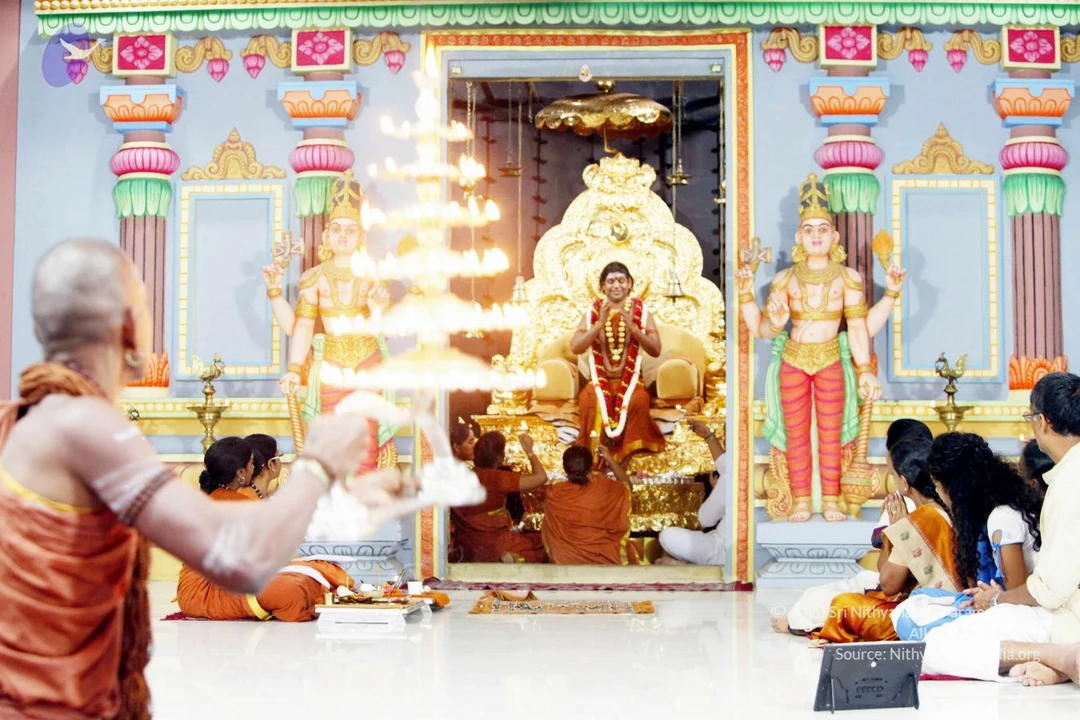
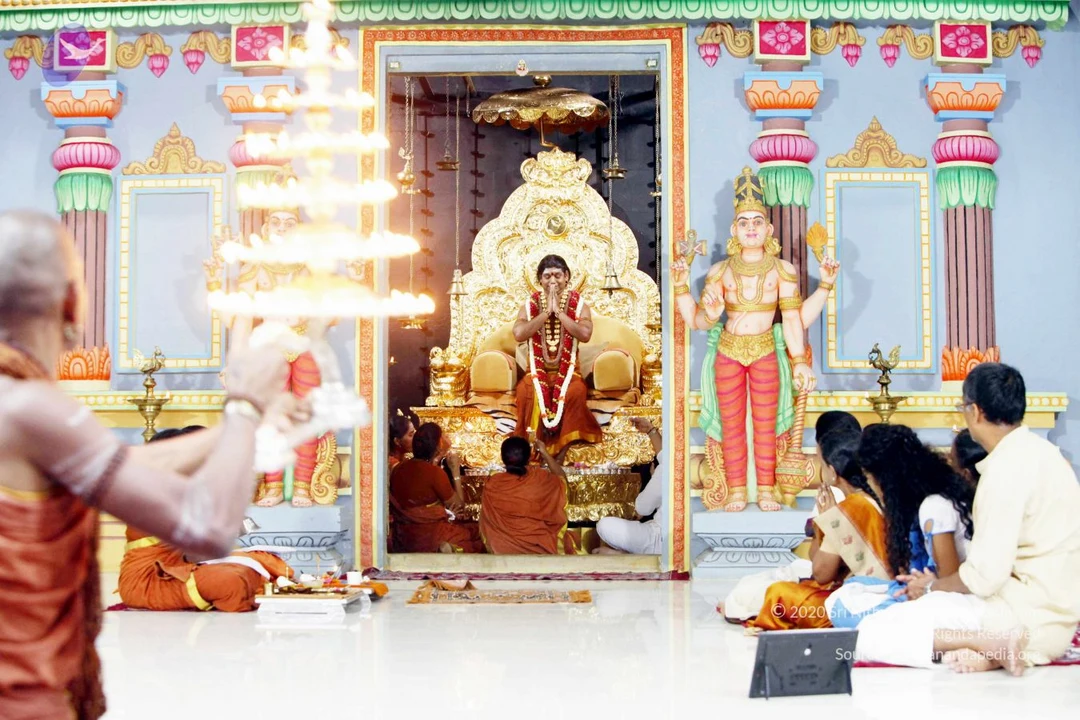
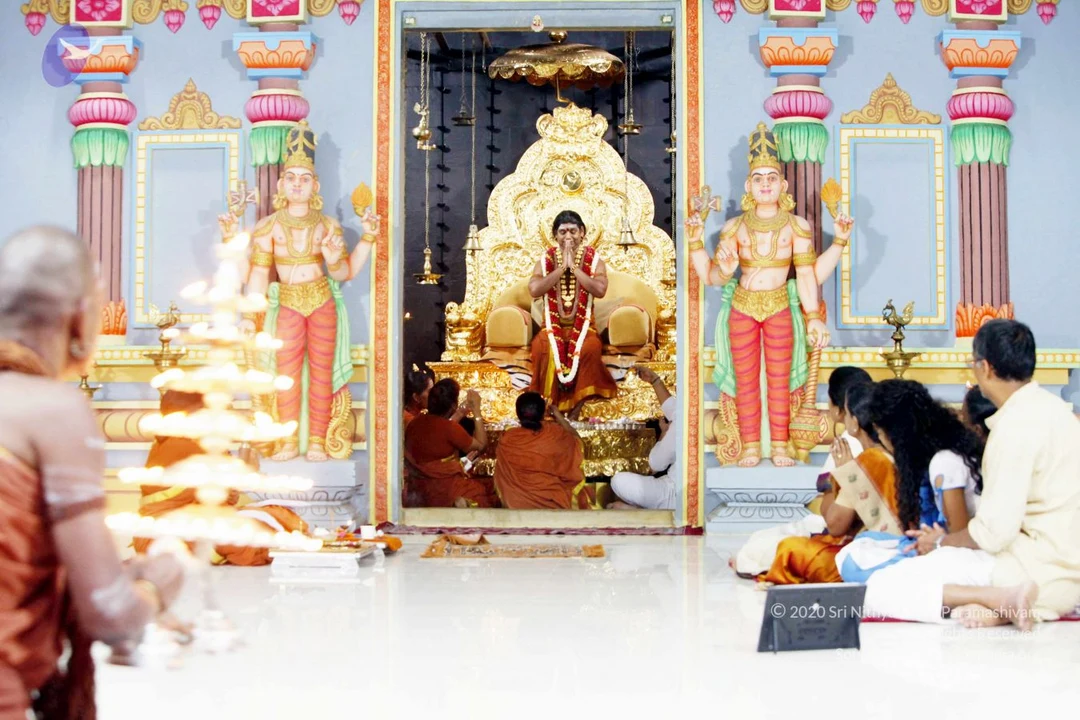
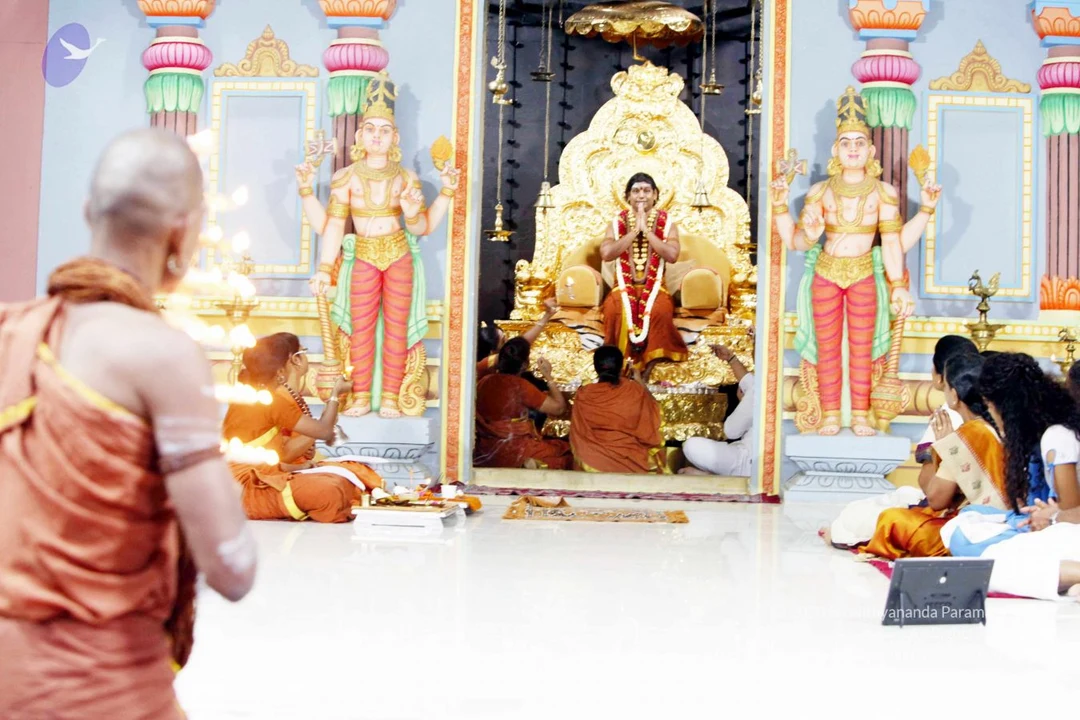
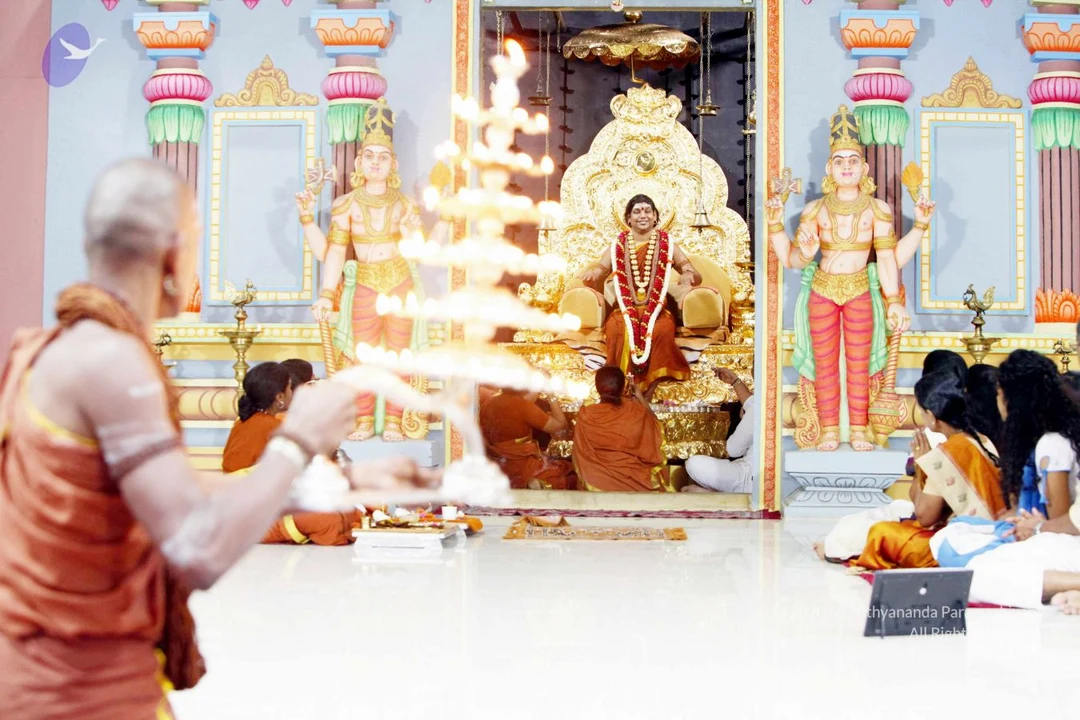
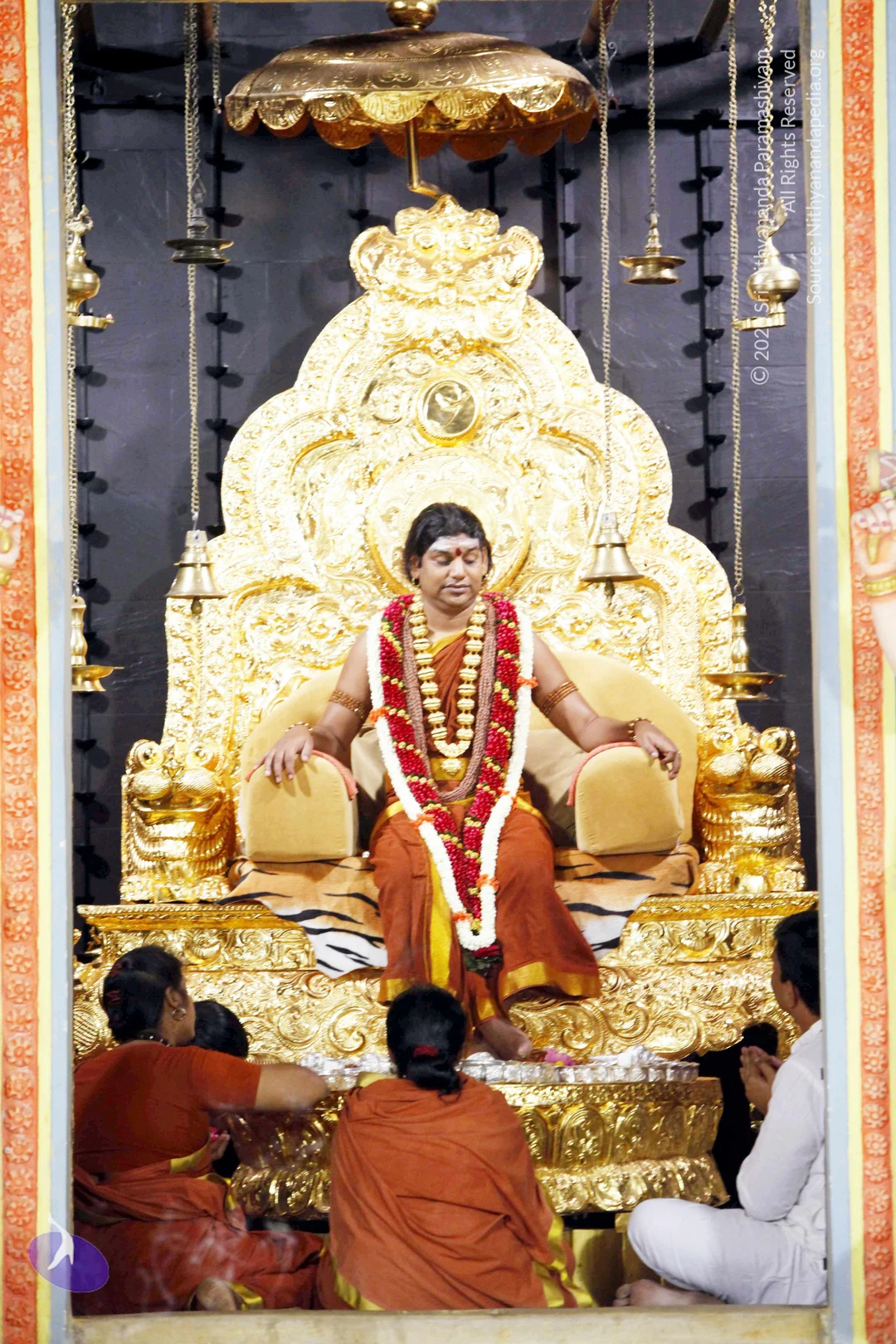
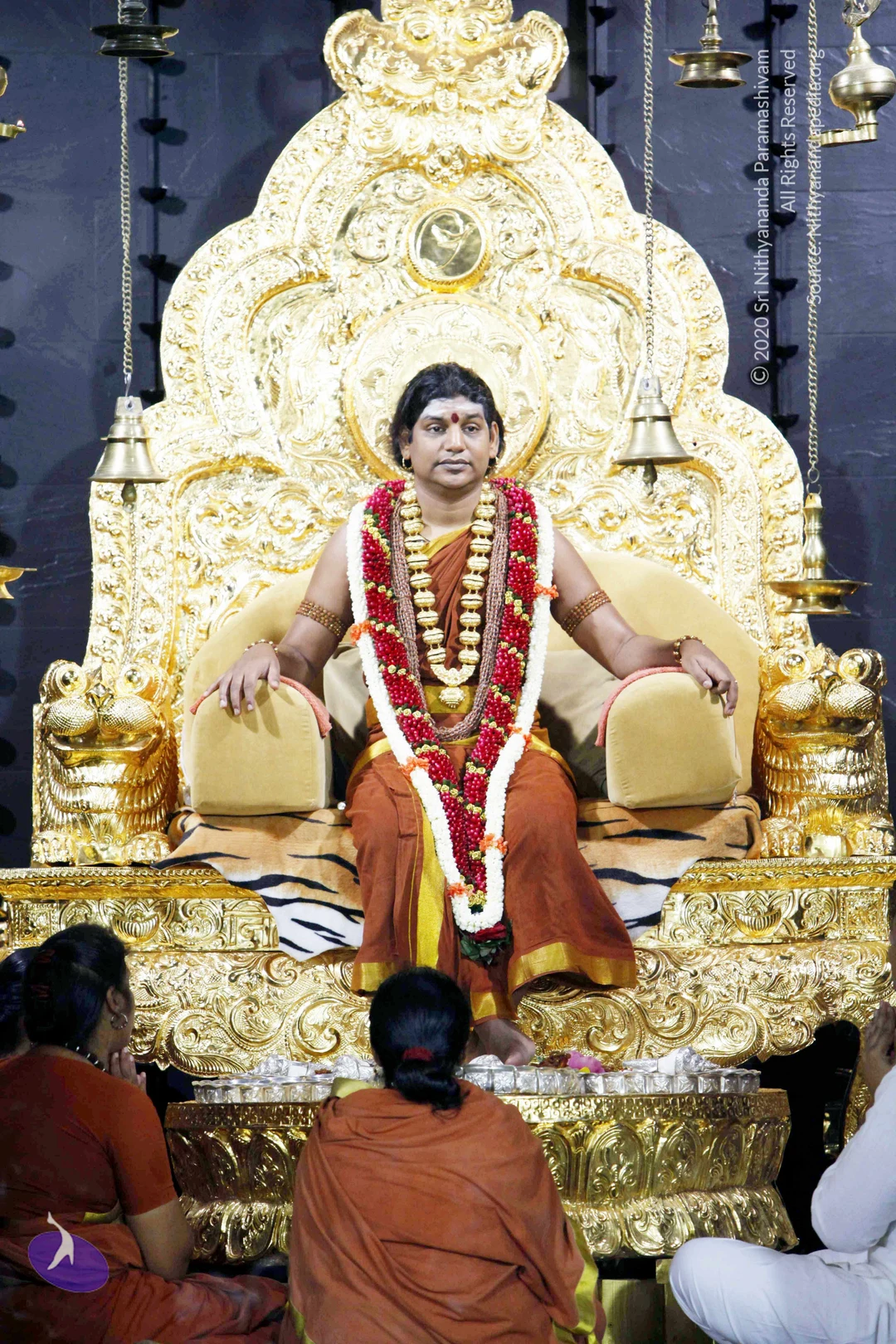
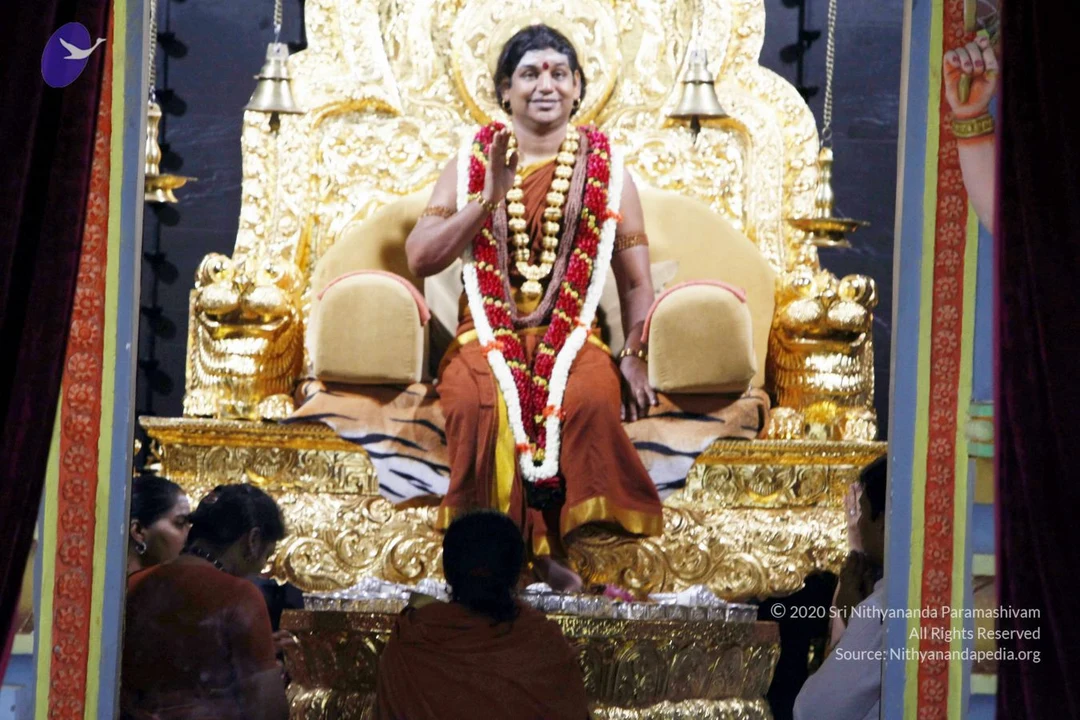
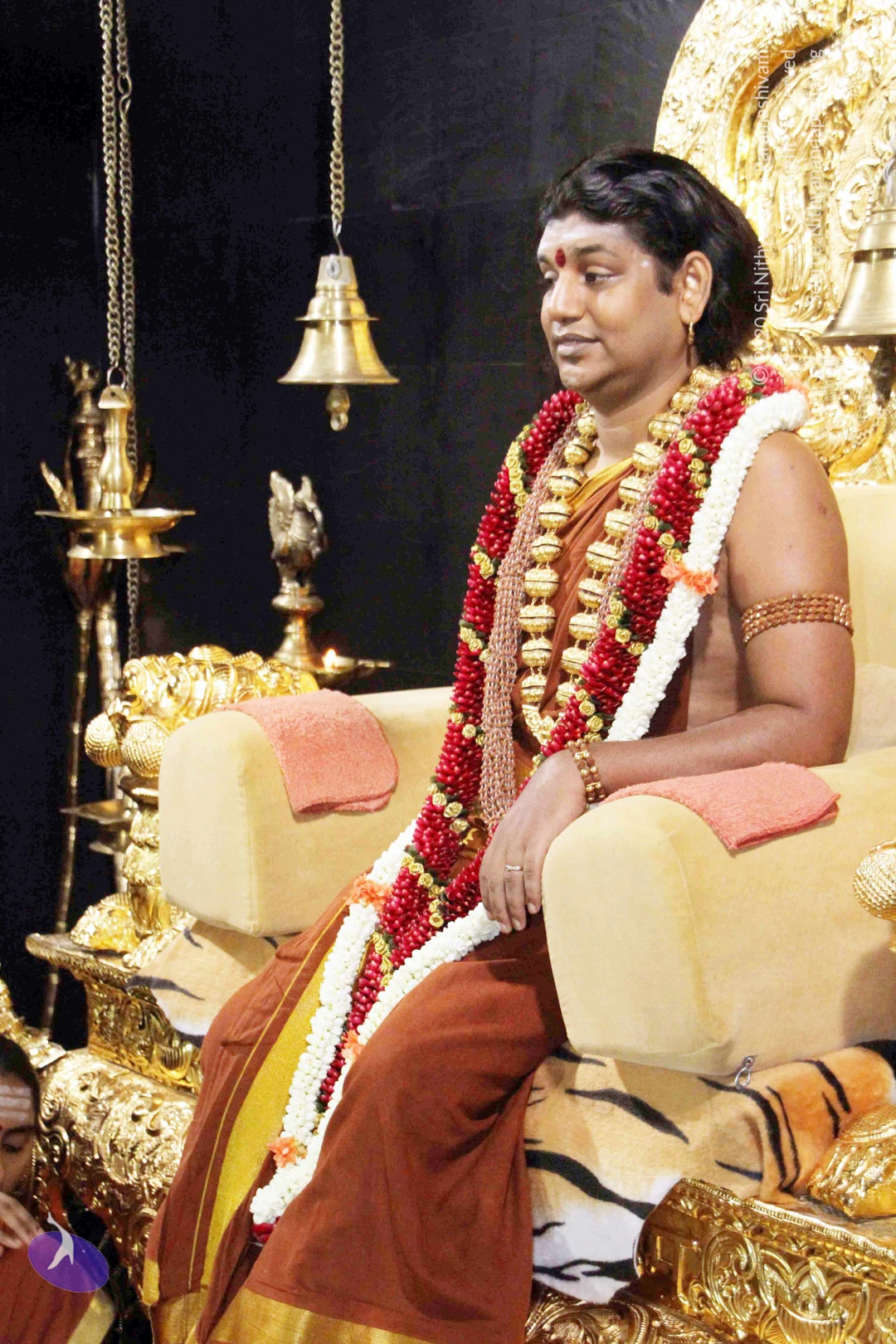
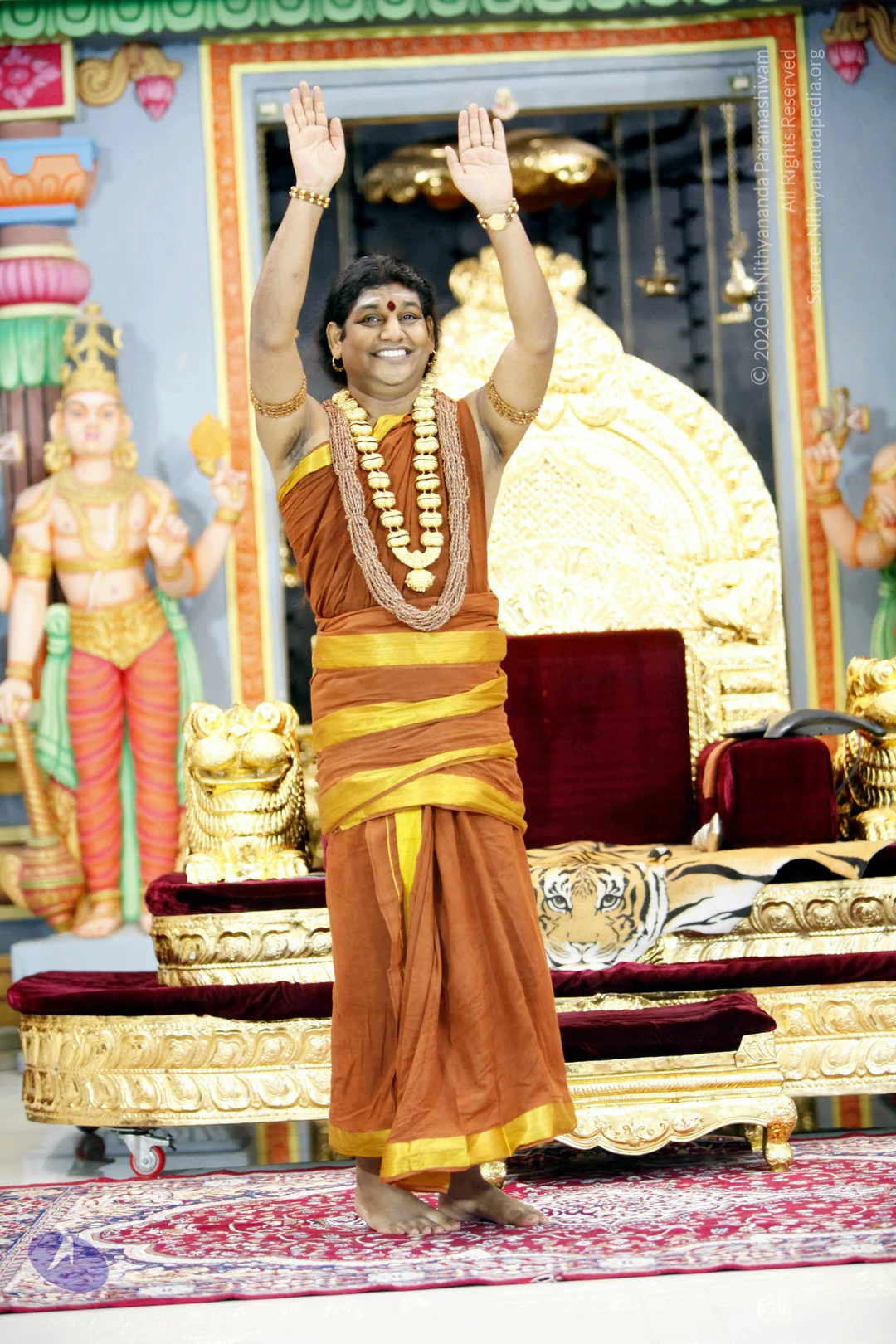
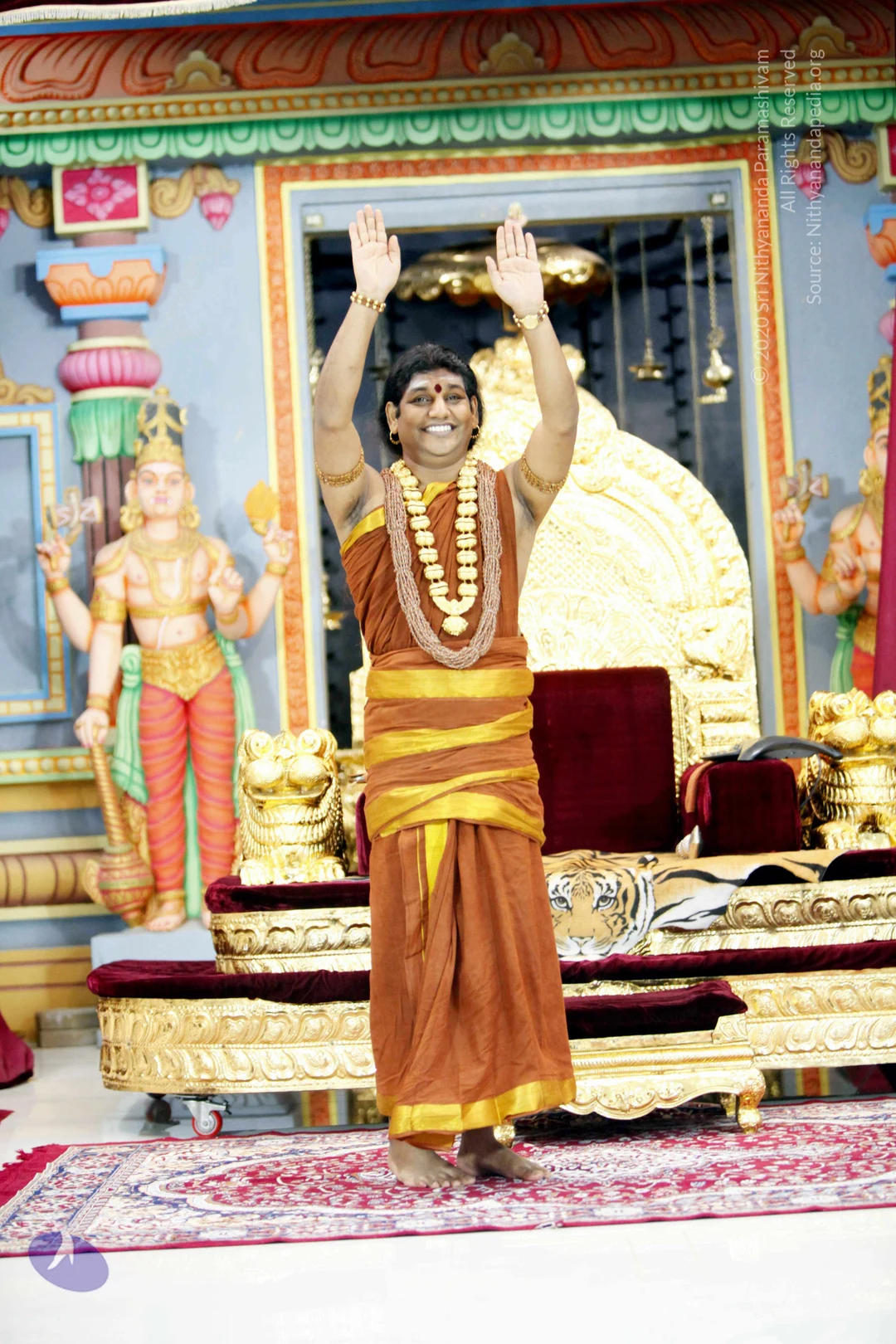
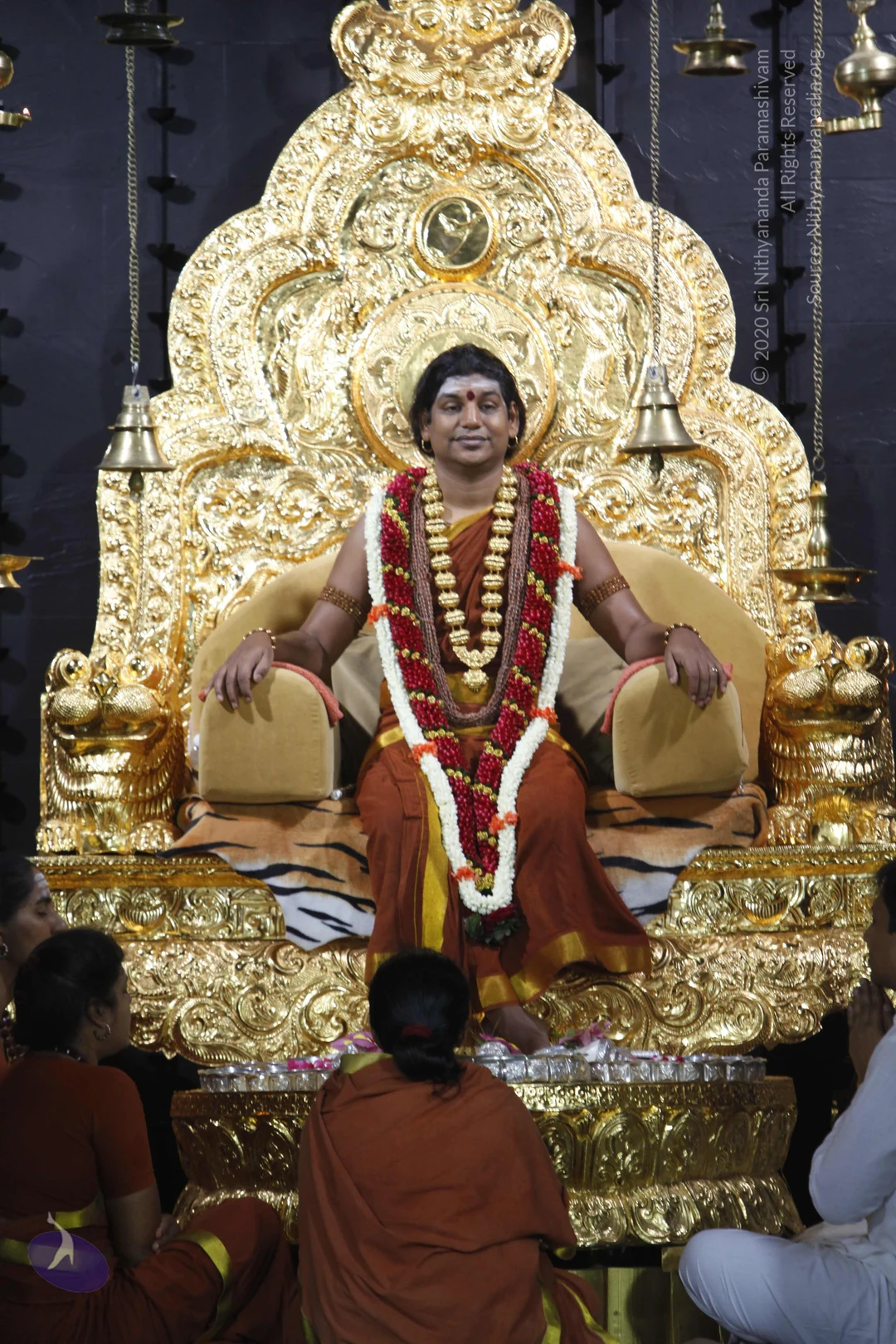
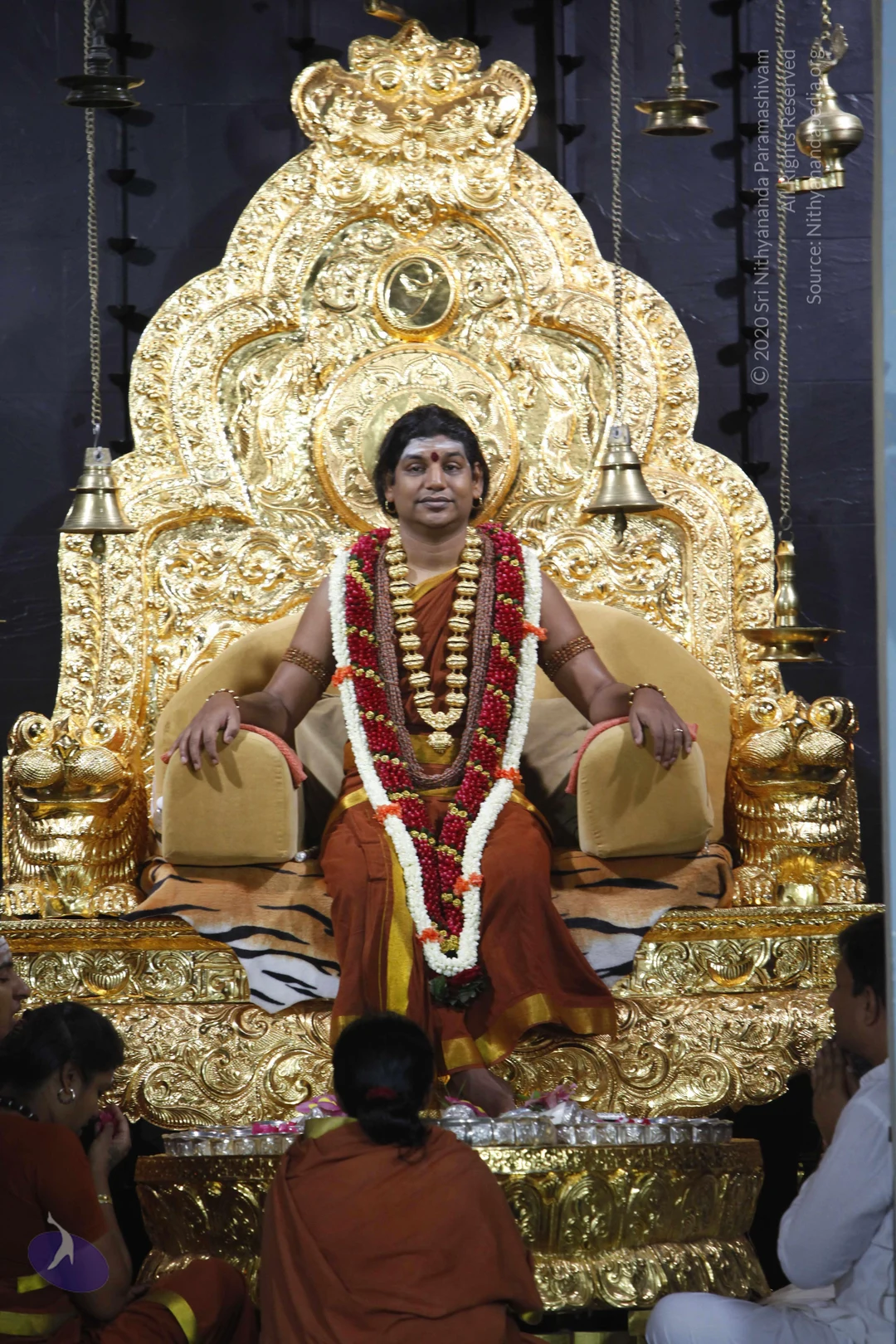
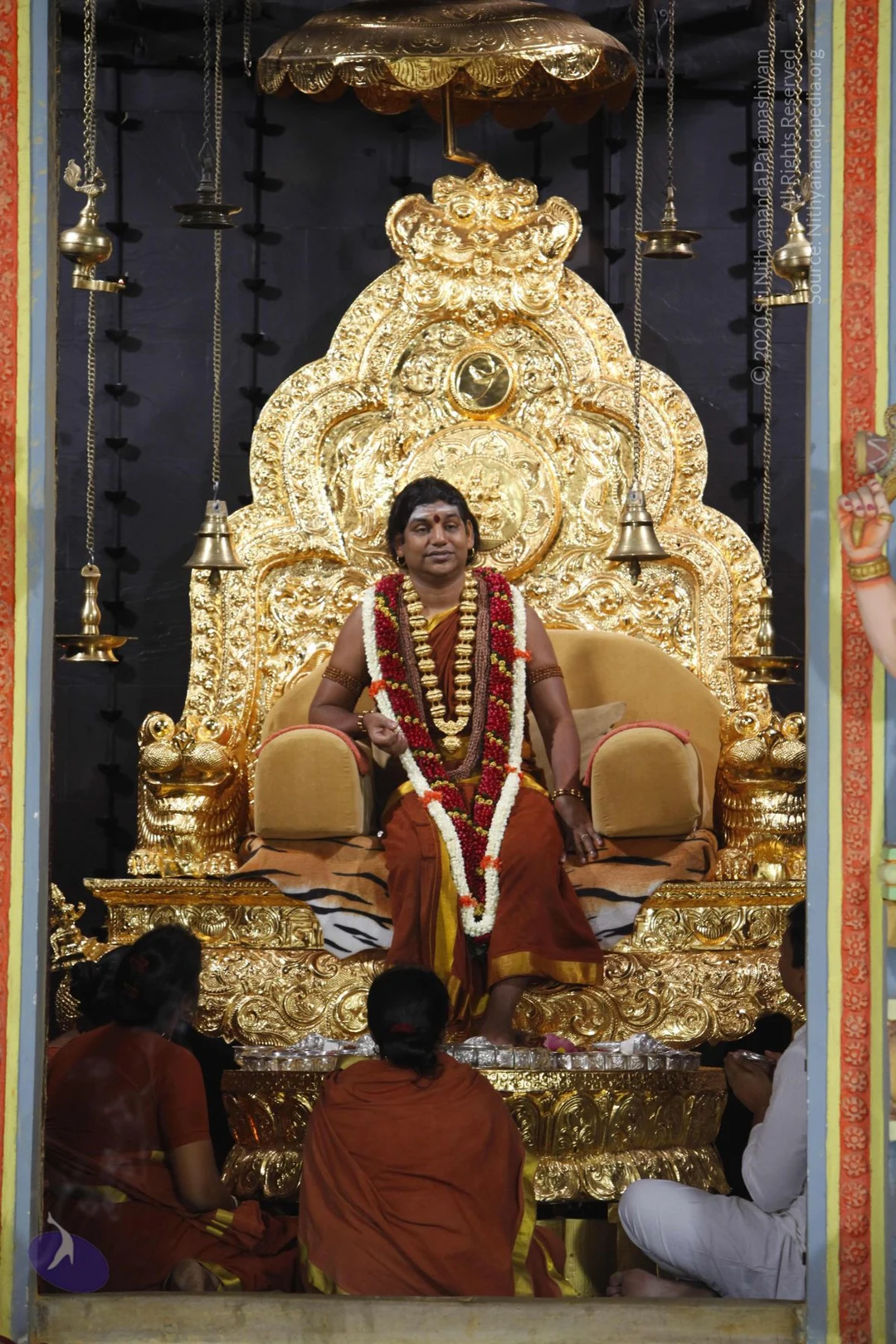
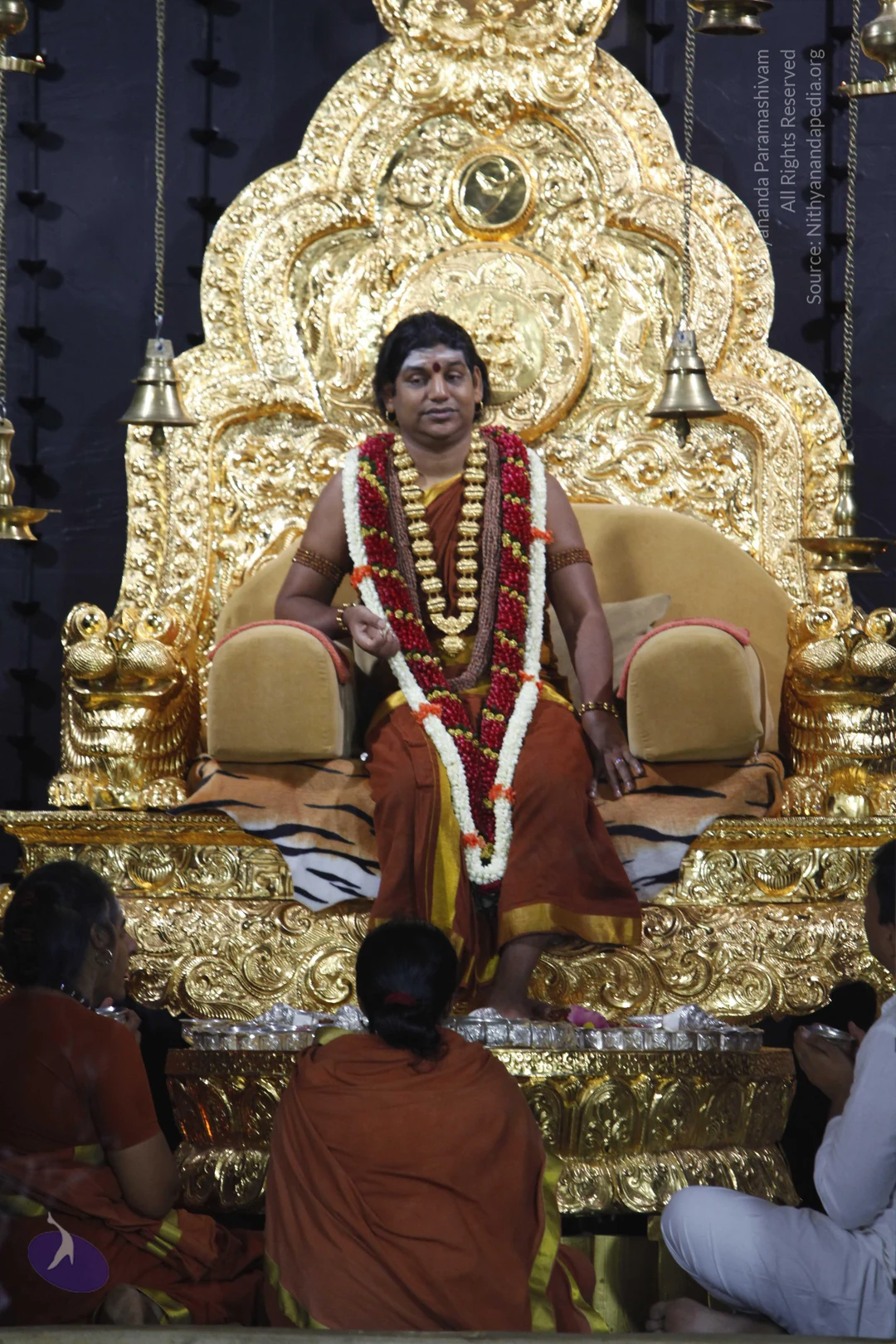
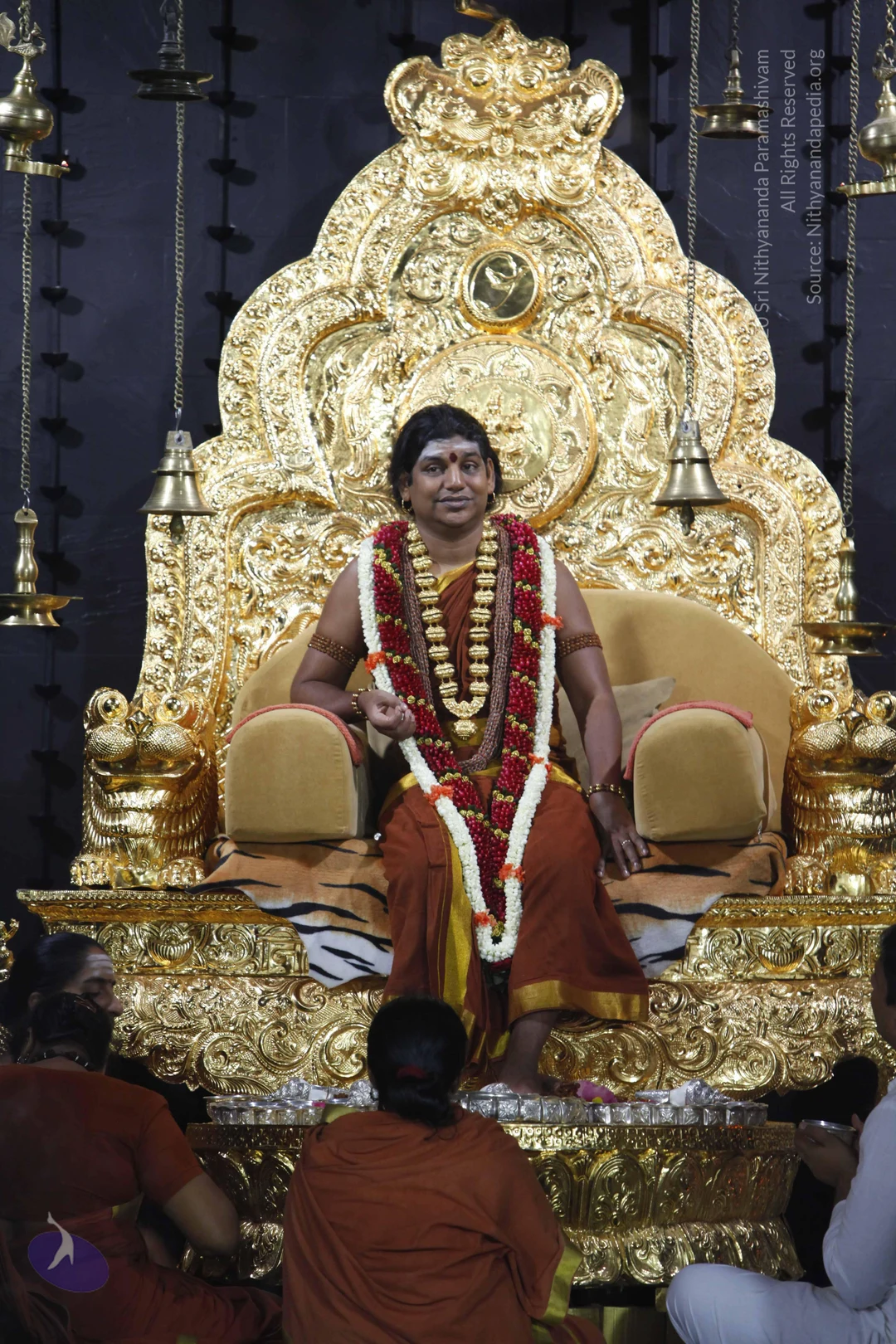
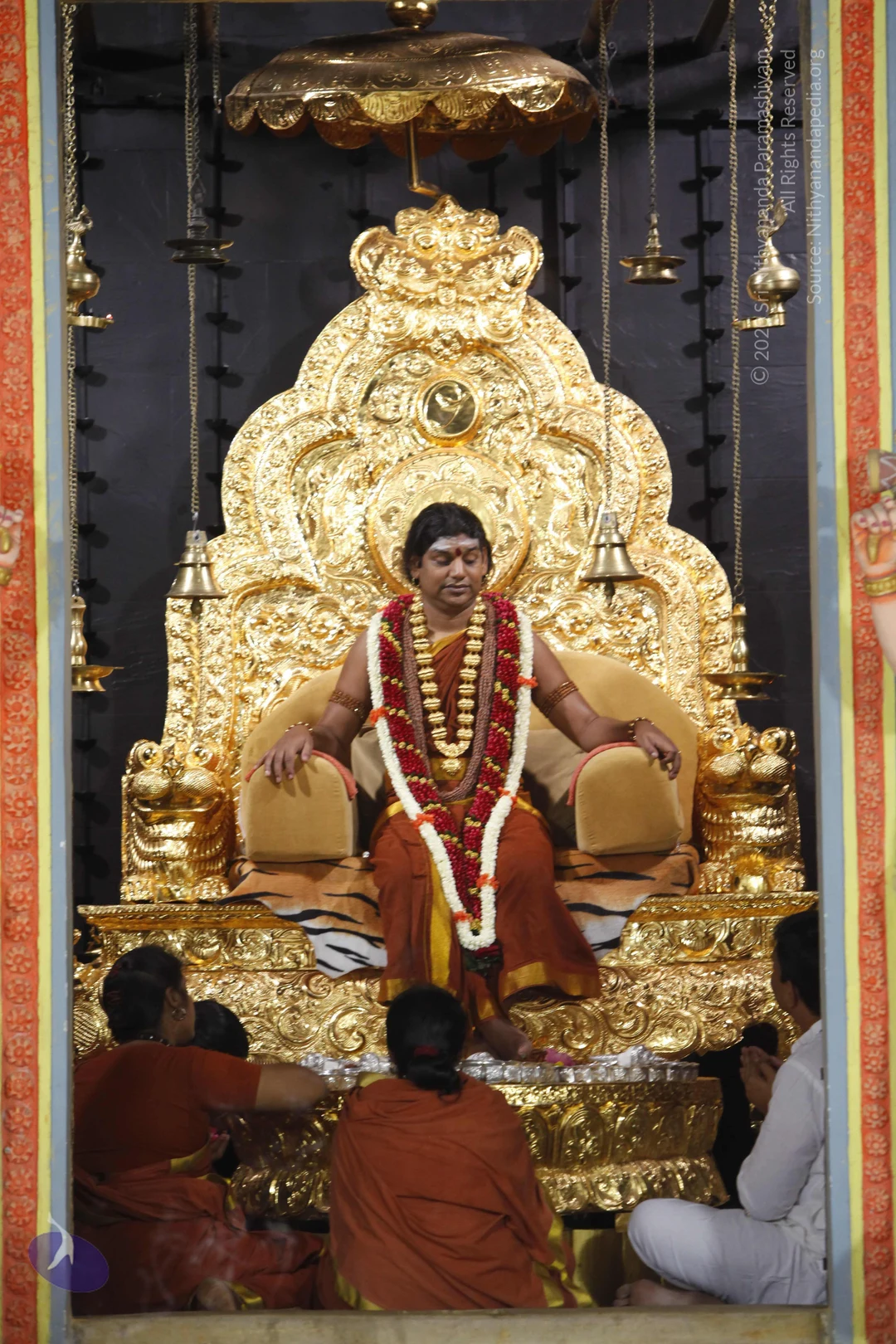
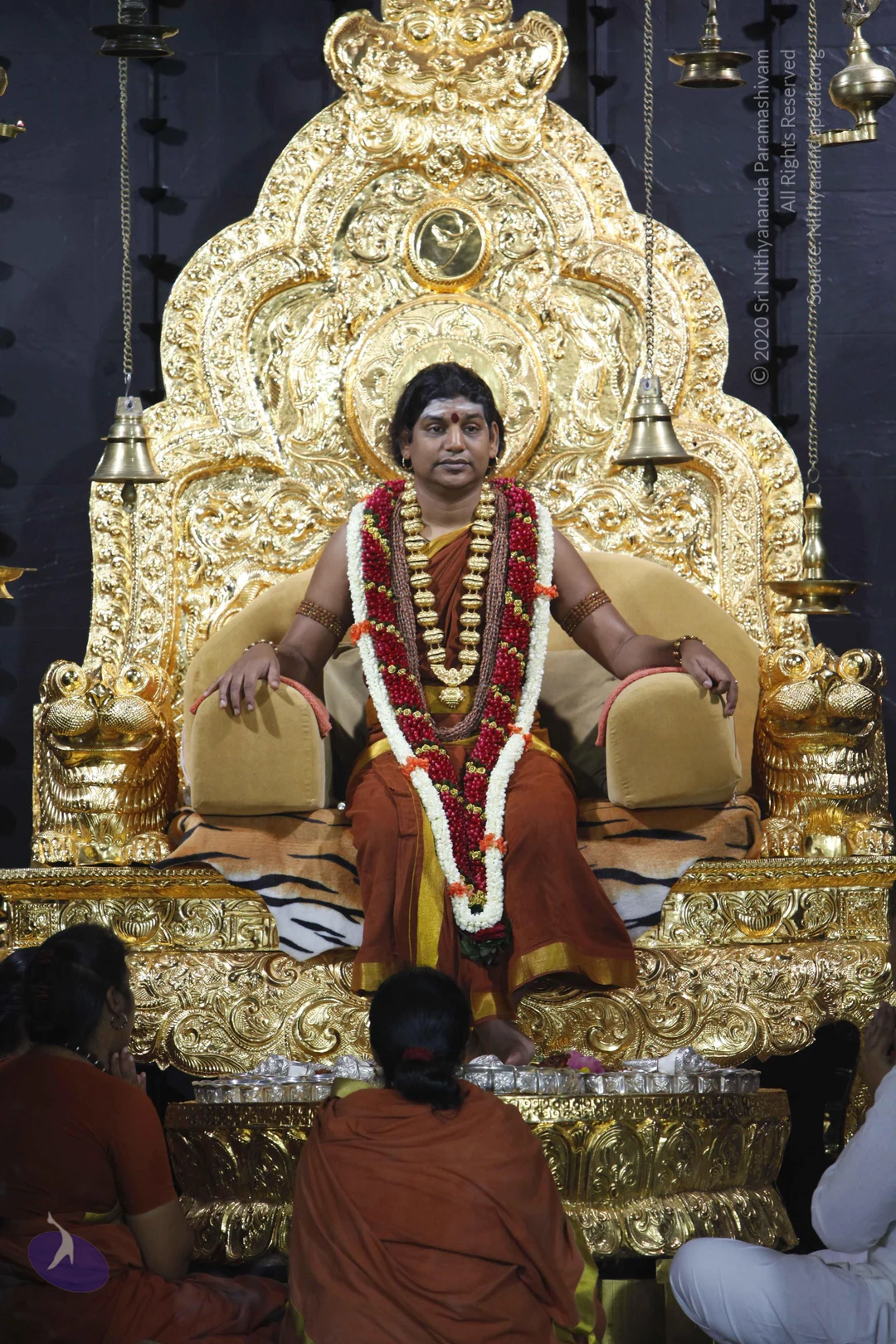
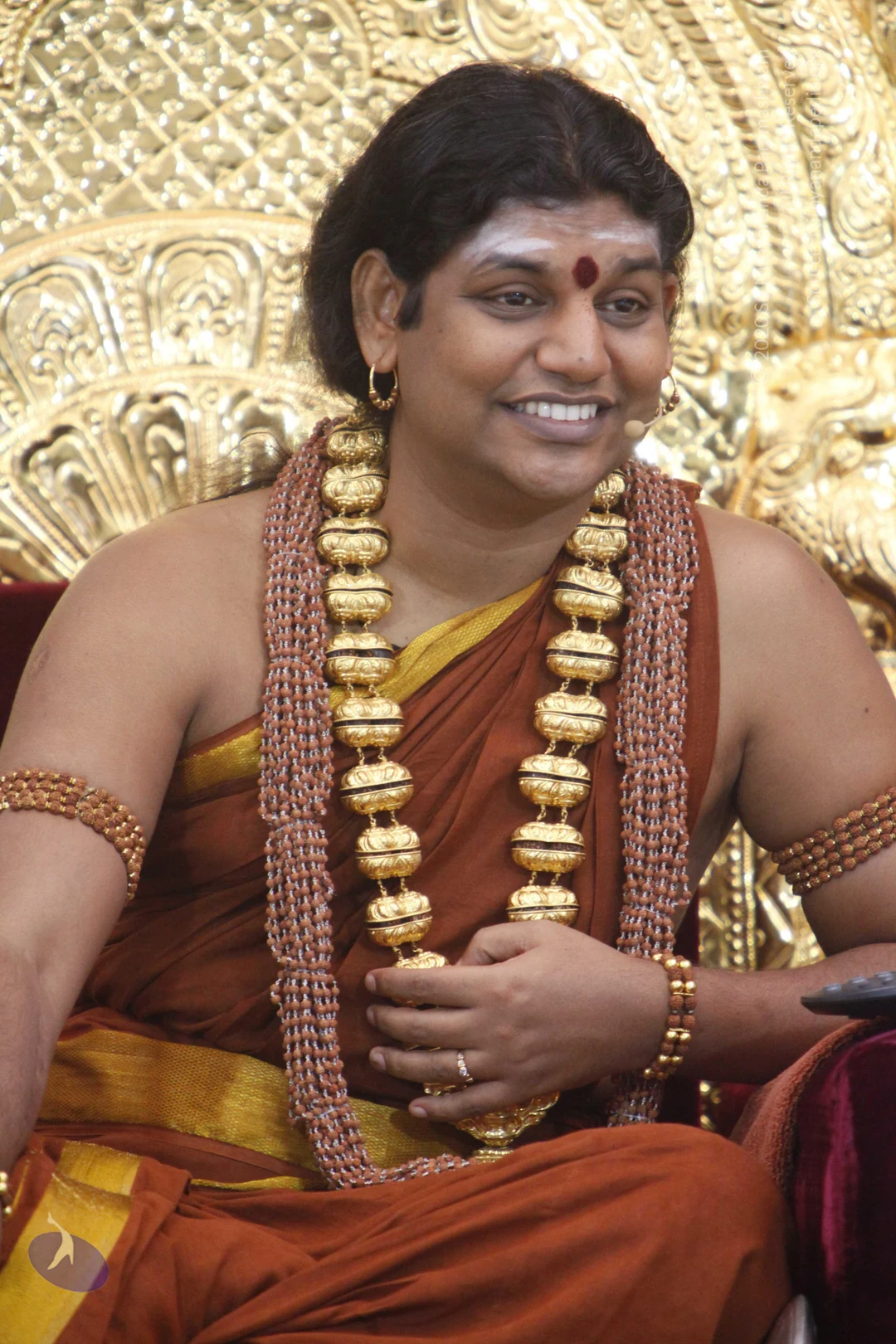
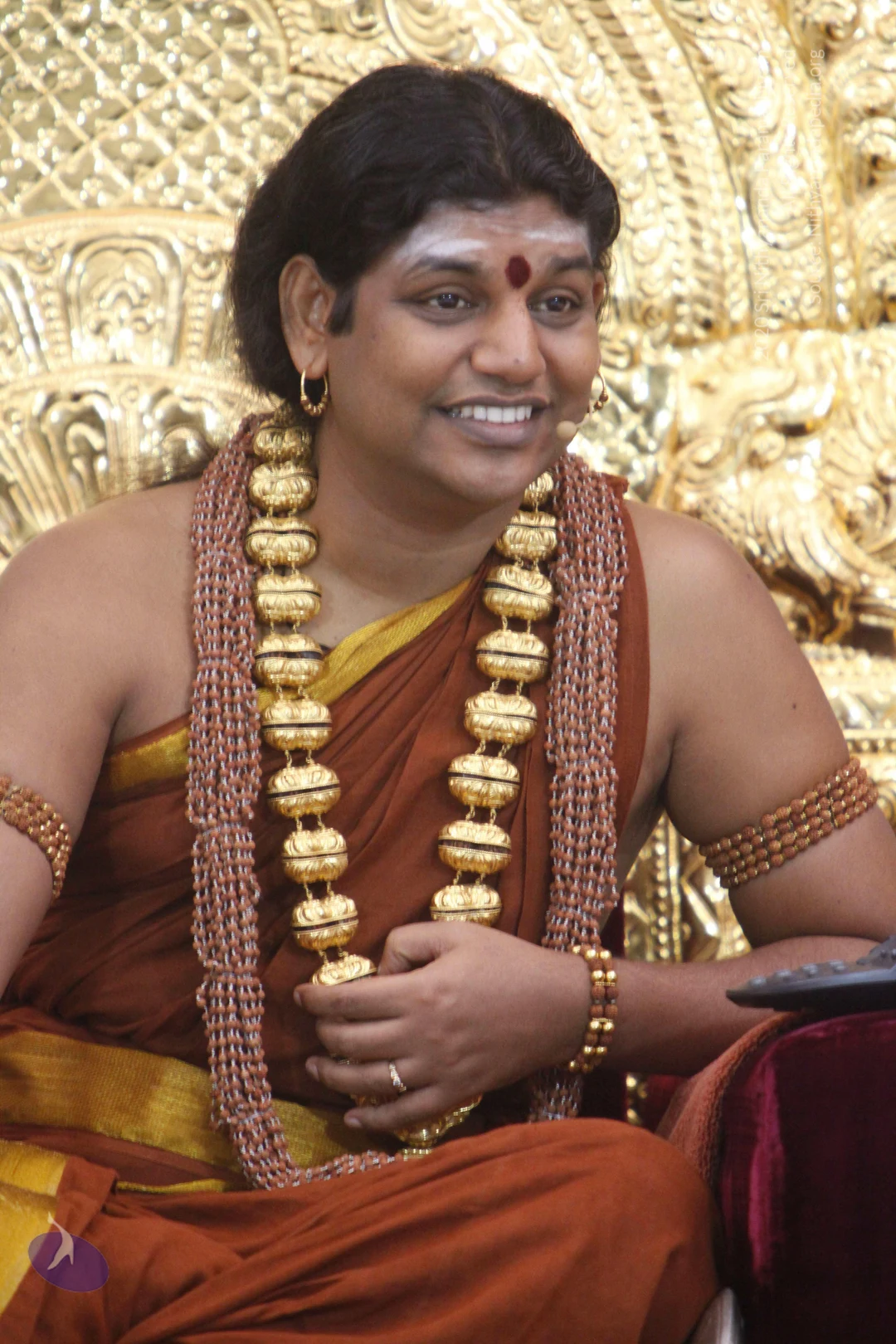
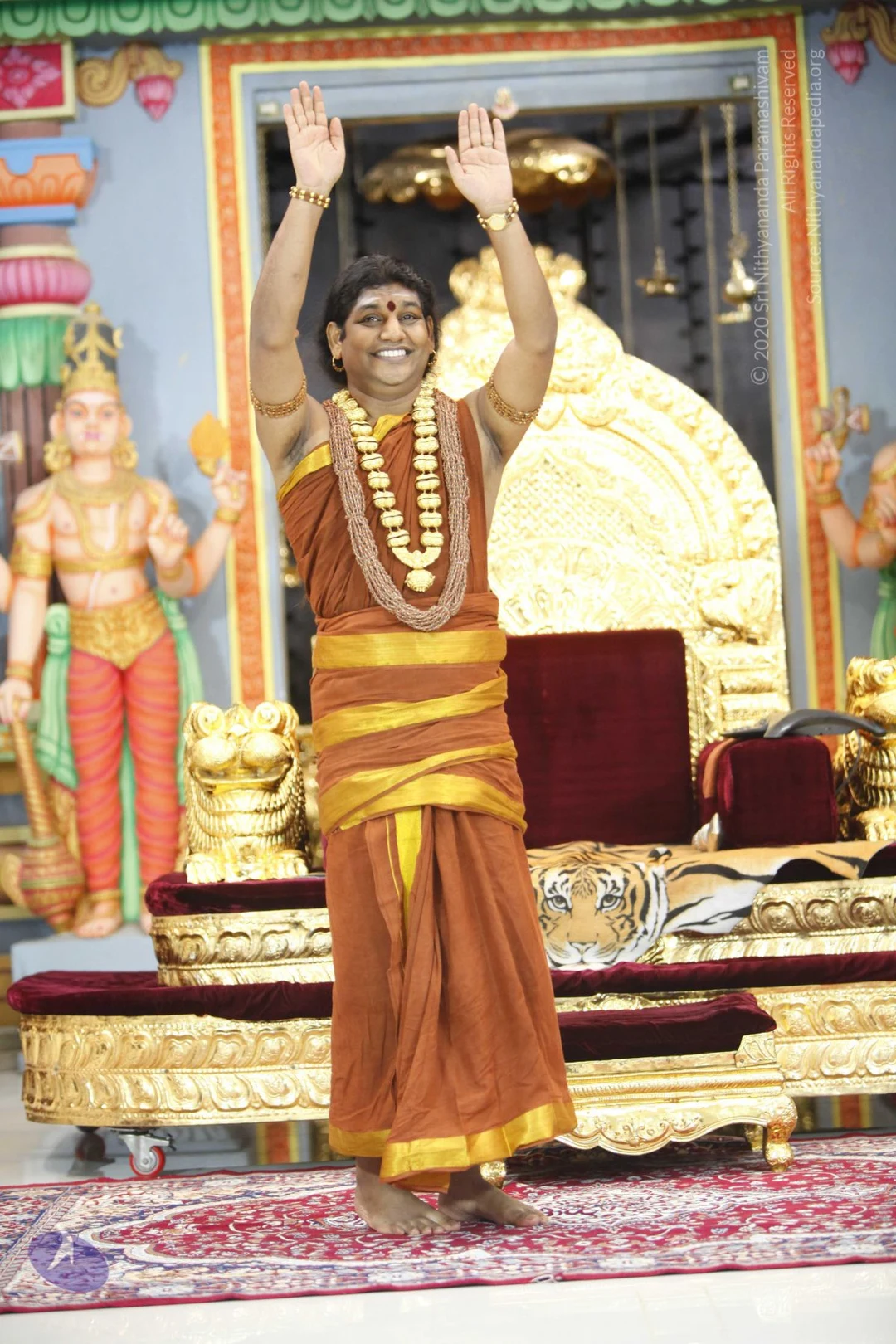
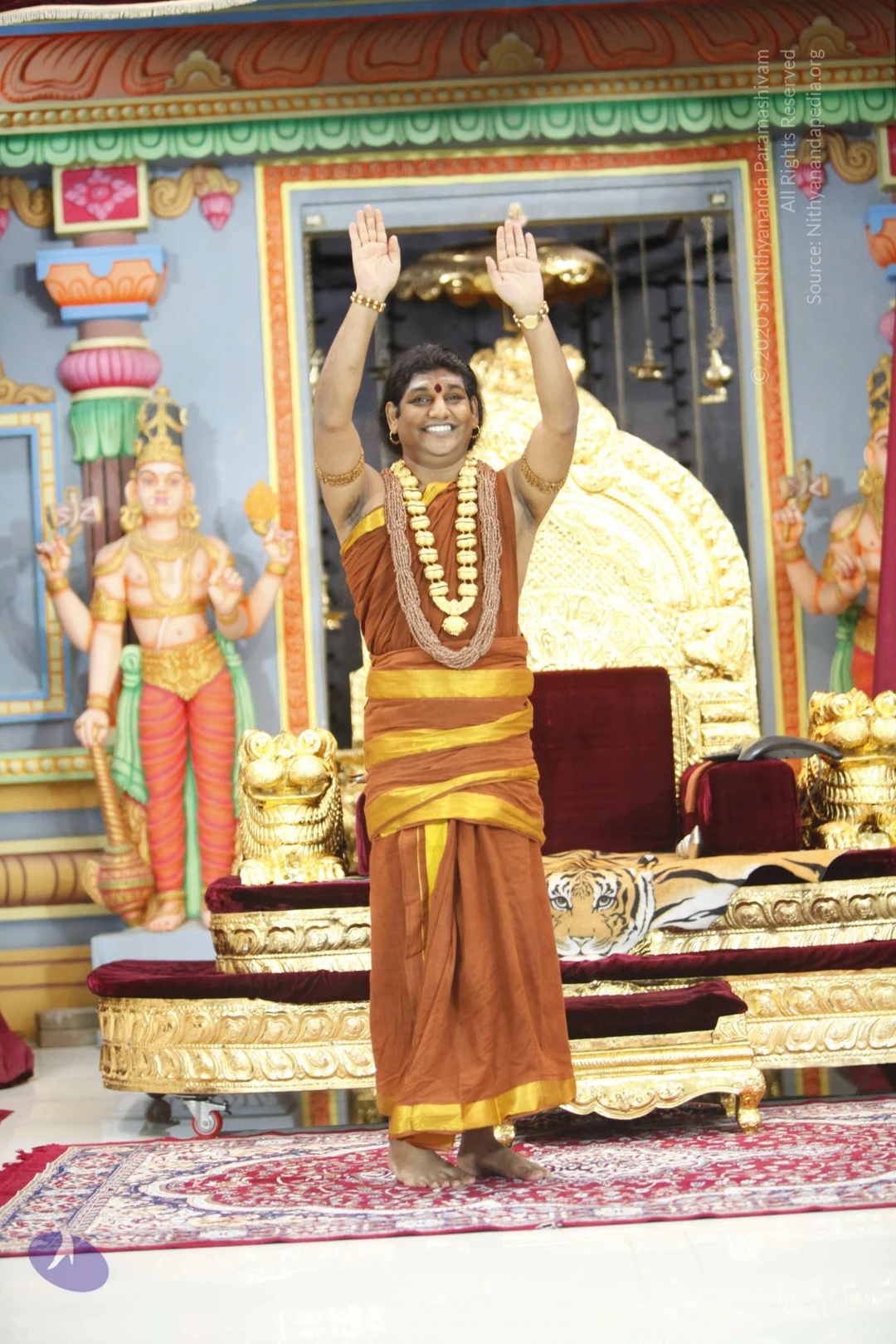
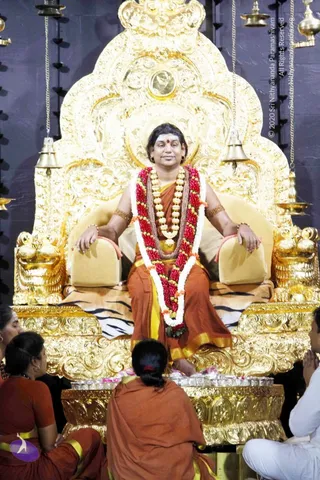
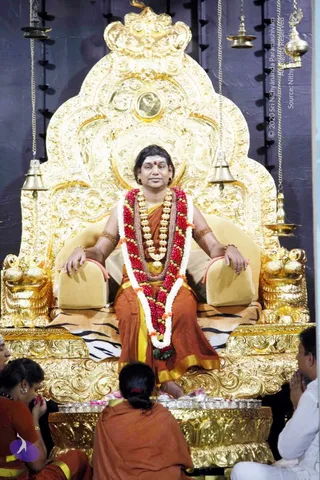
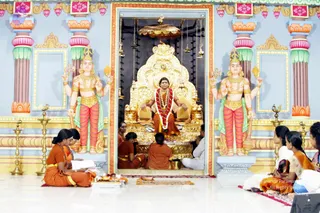
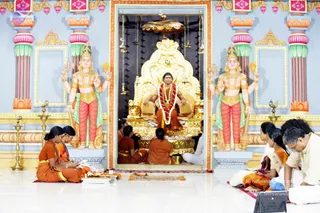
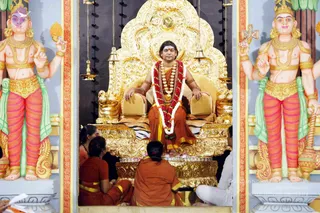
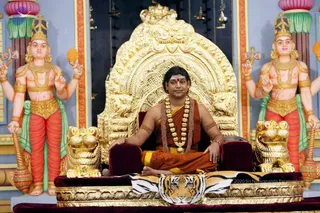
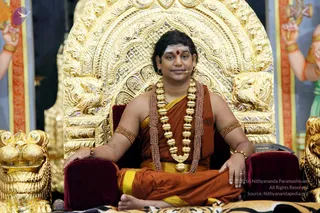
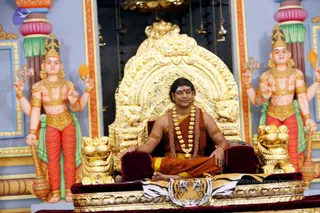
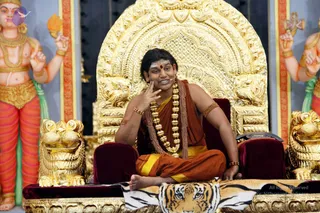
A seated man on an ornate gold throne with carved lion heads and a tiger-striped cloth draped over the seat, wearing an orange-brown robe with gold borders, a multi-strand gold necklace, a rudraksha mala, and a red-and-white flower garland. He has a red bindi and gold armlets and sits with hands resting on the armrests. Two women in orange saris sit in the foreground, one with hair in a bun seen from behind, and a man in white kneels with hands folded at the lower right. Brass oil lamps hang from chains above, and a gold-decorated base holds garlands and offerings.A photograph of a man seated on an ornate gold throne with carved lion-head armrests and a tiger-striped cloth draped over the seat. He wears an orange-saffron garment with gold borders, a gold bead necklace, a rudraksha-style mala, a red-and-white flower garland, gold armlets and bangles, and a red bindi. Hanging brass bells and oil lamps are suspended above him. In the foreground, a woman in orange and a person in a white robe sit with hands folded near a golden platform holding flower-strewn offerings and small glasses. The man's appearance with long swept-back hair, saffron clothing, rudraksha mala and ceremonial gold necklace is consistent with Swamiji (probable), seated in a satsang setting.A photograph inside a temple hall: a man seated on an ornate gold throne with a canopy, wearing an orange robe, a red flower garland and beaded necklaces, flanked by two large painted murti figures of multi-armed deities in gold jewellery and pink-and-green dhotis. Seated devotees in orange and saffron saris and robes sit on the white marble floor before the throne, with brass oil lamps, a small offering tray and a kalasha-style setup in front. Hindu satsang or puja setting. The seated throne figure is a central candidate but his face and distinguishing cues are not clearly enough established to name him, so the appearance is uncertain.A photograph inside a brightly painted temple hall with pastel blue walls, pink and green lotus-topped columns and gold trim. Two tall gold-and-pink painted dvarapala-style guardian statues stand on either side of the doorway, each holding ritual objects. In front of the throne, several women and a man in orange and white sit on the floor, with a few seated devotees on the right in cream and orange clothing and a brass oil lamp at the lower left. Lotus-decorated brass lamps and a small offering tray sit on the marble floor.A photograph of a seated man on an ornate gold throne in a shrine-like alcove flanked by two painted dvarapala guardian statues holding a flame and a trident. The seated man wears a saffron-orange dhoti and shawl, a red and white flower garland, a gold necklace and a rudraksha mala, with bangles on his wrists. Tiger-striped cloth covers the throne seat, and hanging brass lamps are suspended above. Three women in orange saris sit in front of a gold stand holding small offerings, and a man in white clothing sits at the right edge. Visible cues are long swept-back hair, saffron clothing and rudraksha beads, consistent with the Swamiji (probable) label on this seated figure in the center of the throne, who is being honoured in a puja setting.A photograph of a seated man on an ornate gold throne with carved lion-head armrests and a tiger-striped cloth draped over the seat. He wears an orange-brown robe with a yellow-gold border, a red-and-white flower garland, a rudraksha mala and a gold necklace, with a red tilak on his forehead. Gold hanging bells and oil lamps flank the throne, and carved figures stand on the side pillars. Two women and a few other people sit in the lower foreground. Probable Swamiji: long swept-back hair, ornate gold throne, saffron-orange robe and rudraksha mala.

pratyaksha paada pooja

37 photosSource gallery
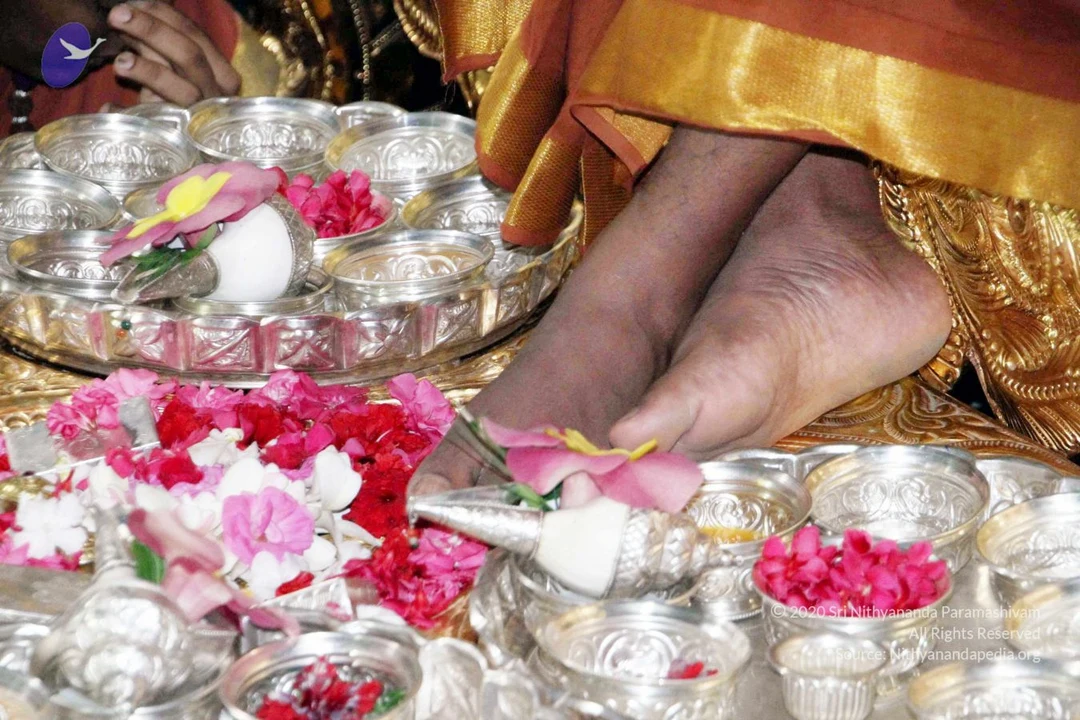
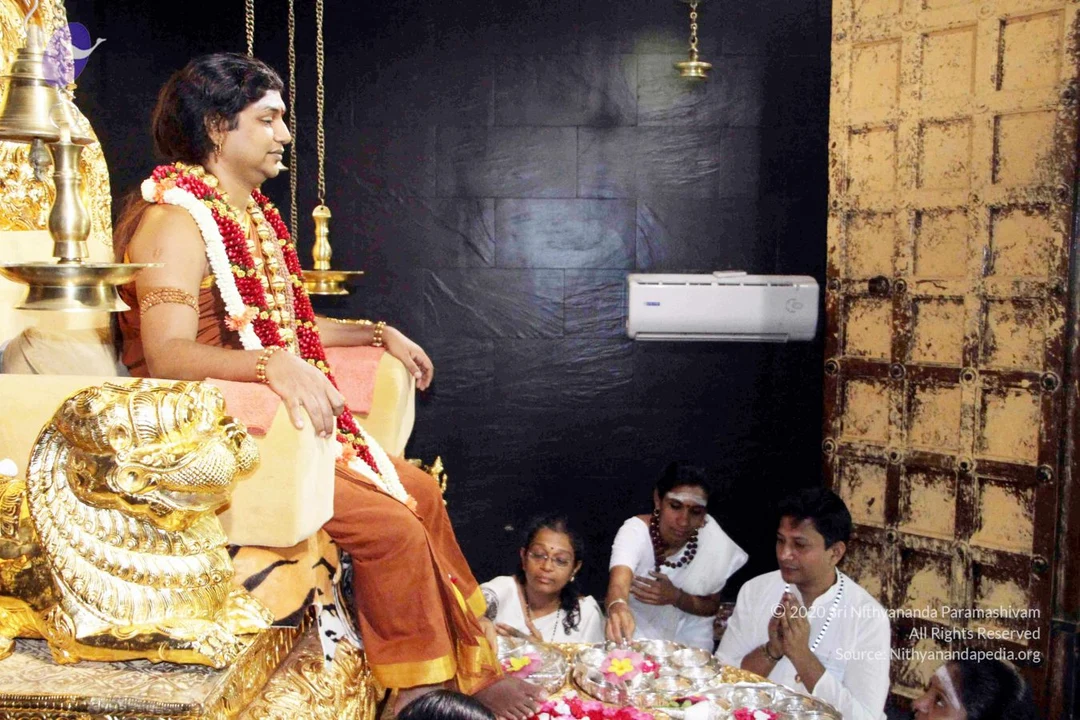
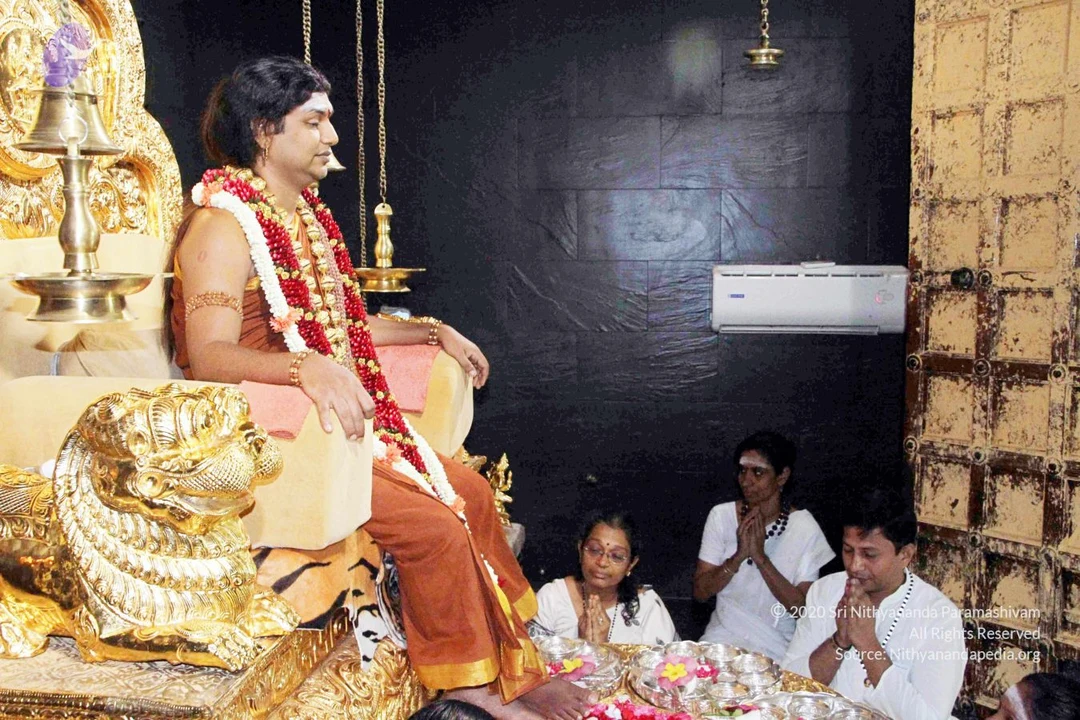
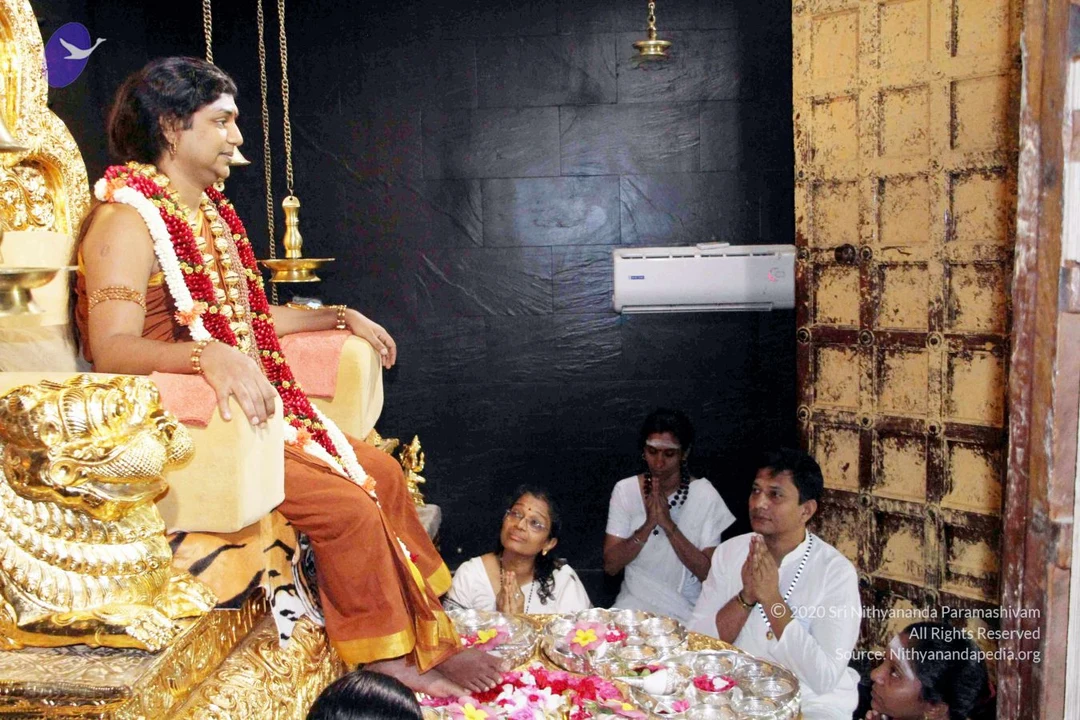
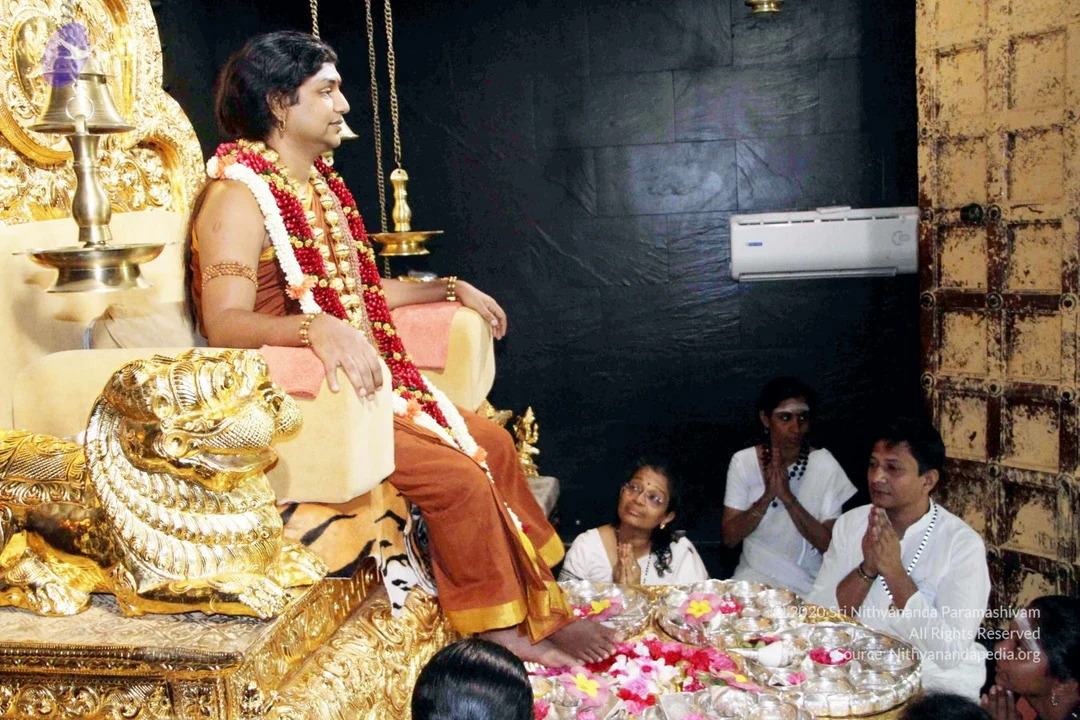
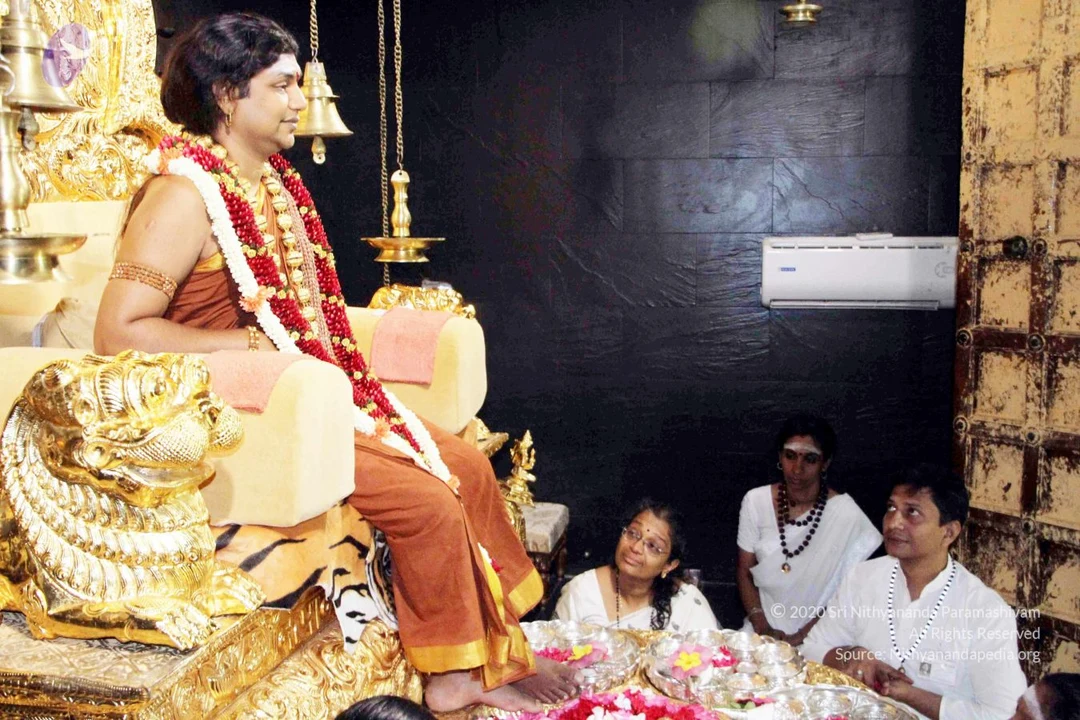
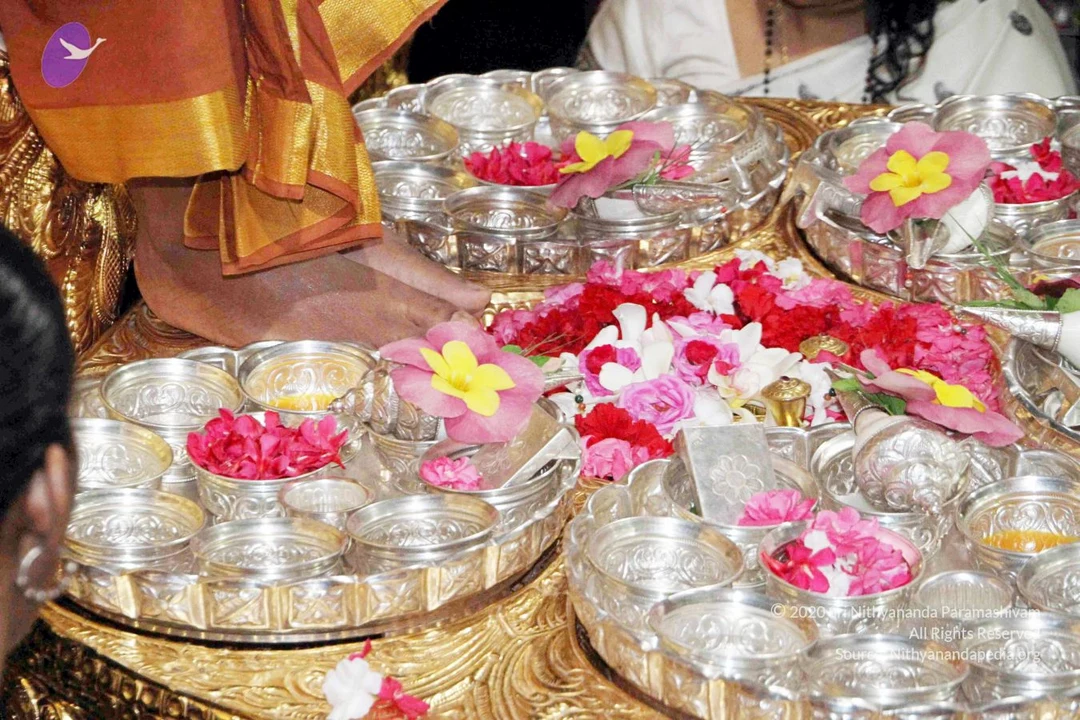
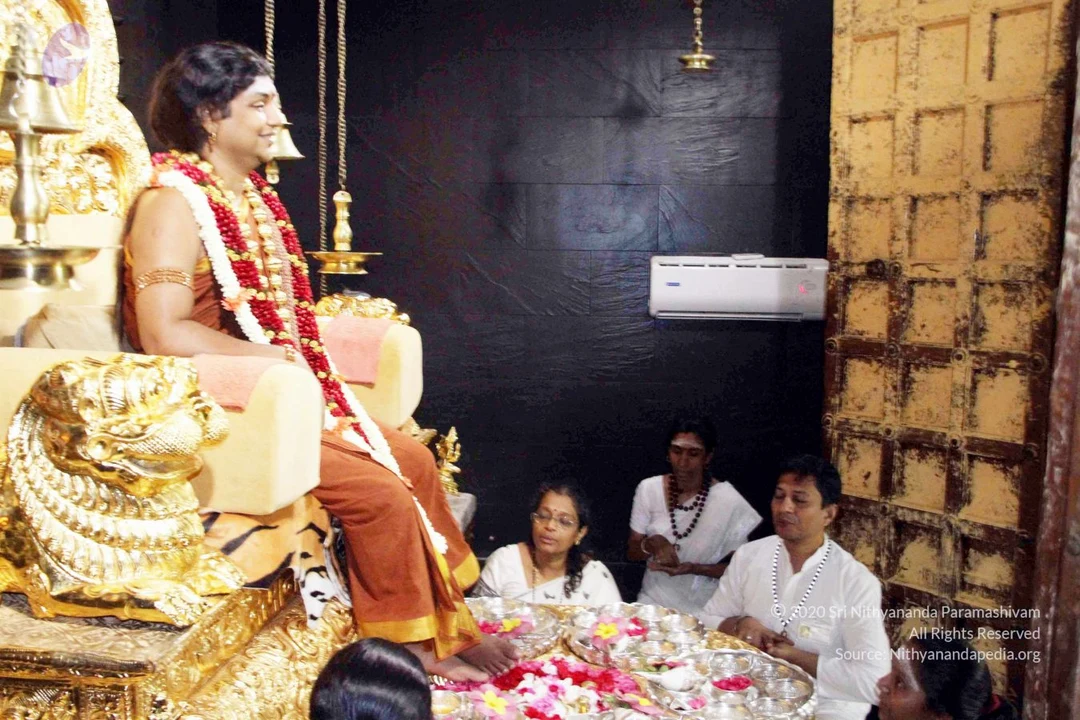
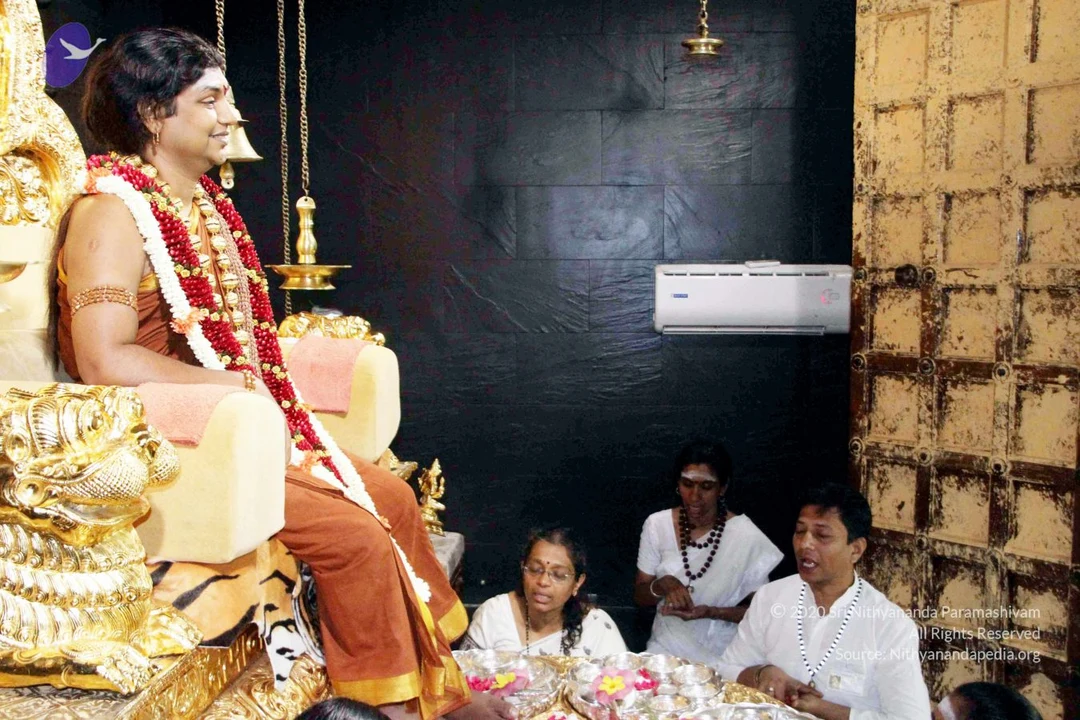
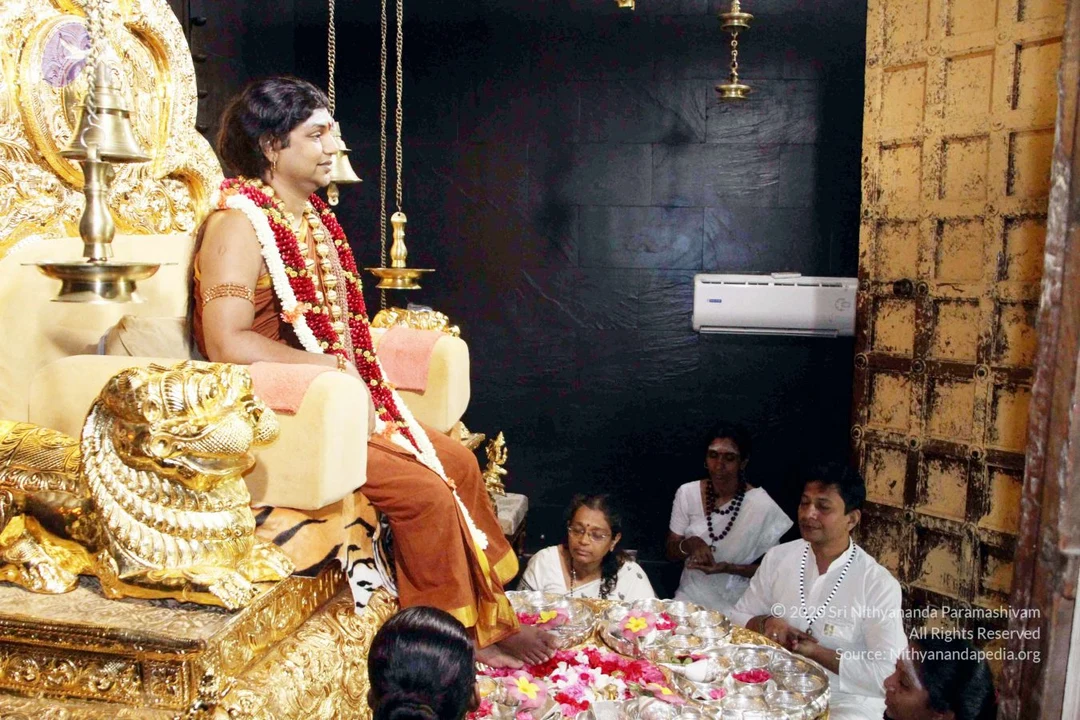
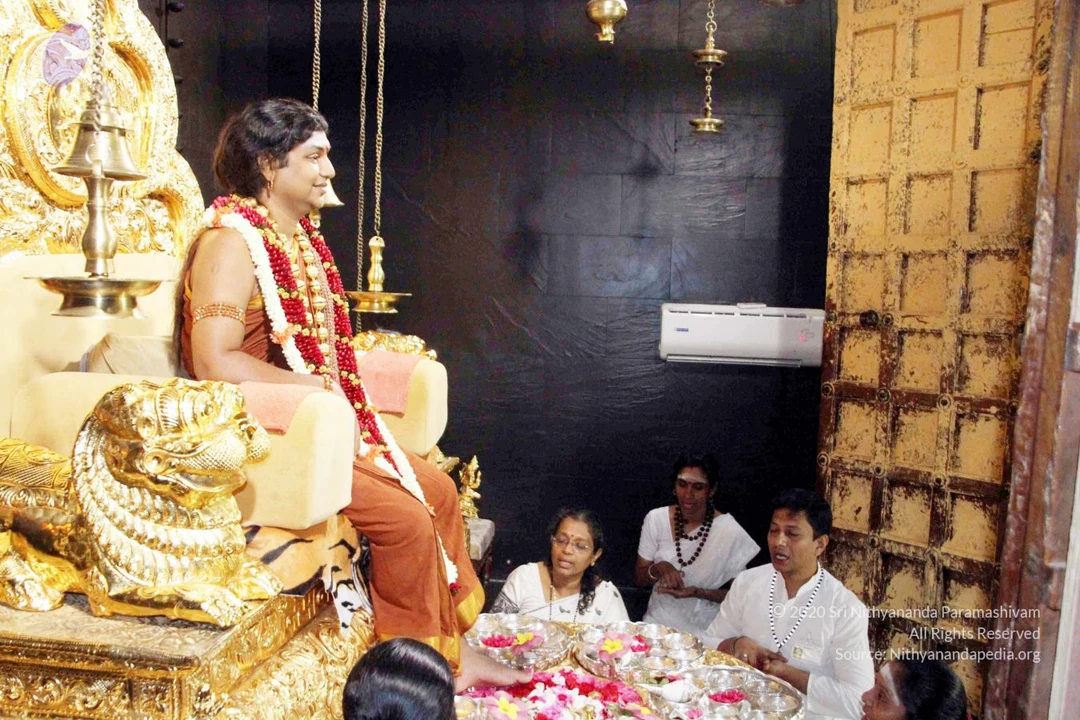
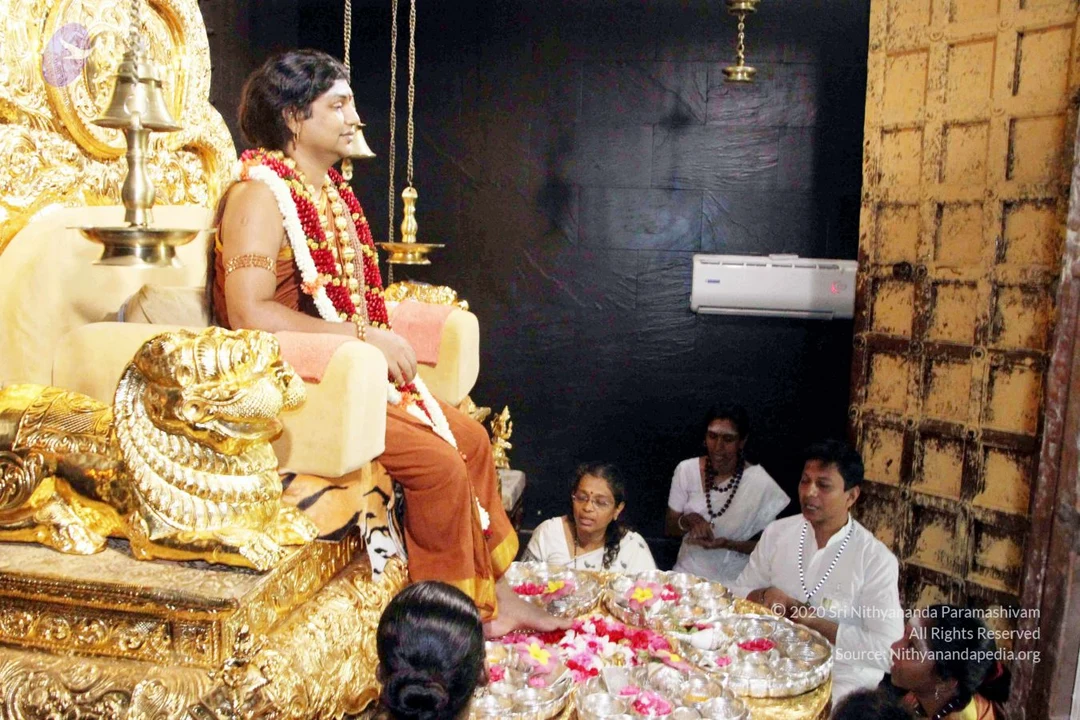
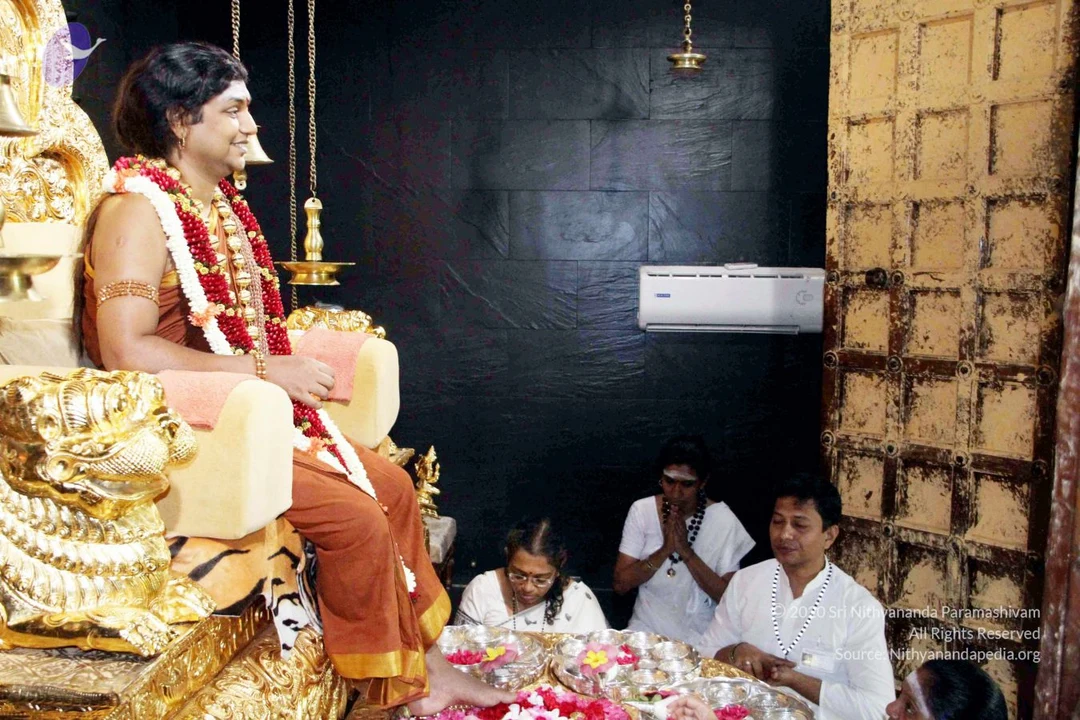
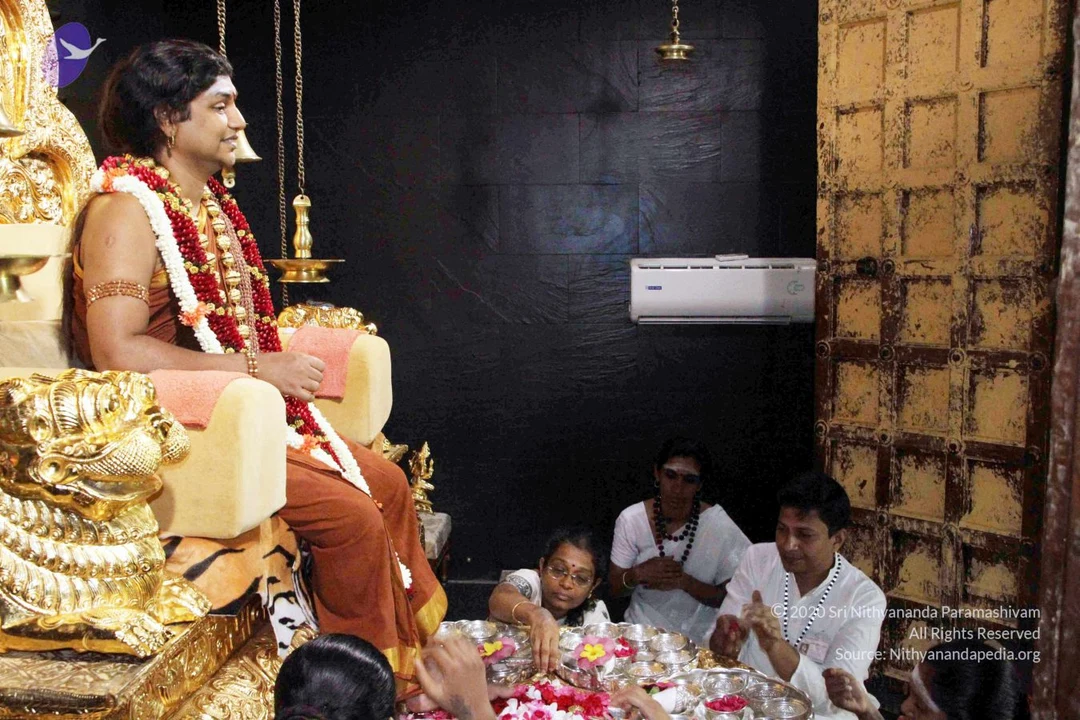
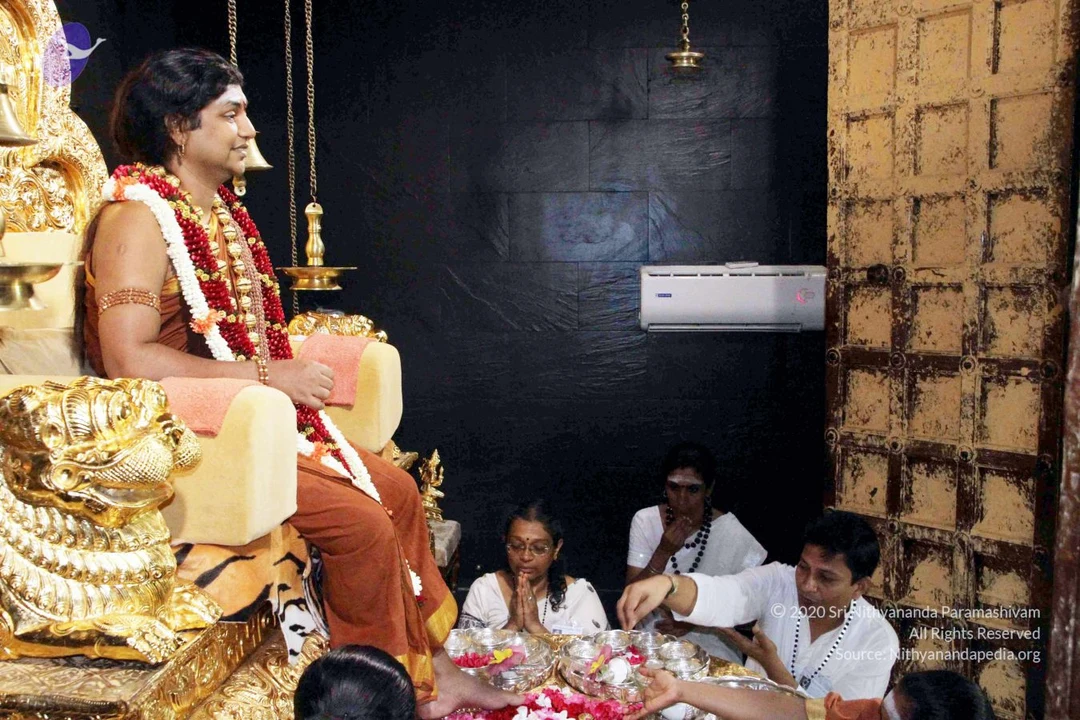
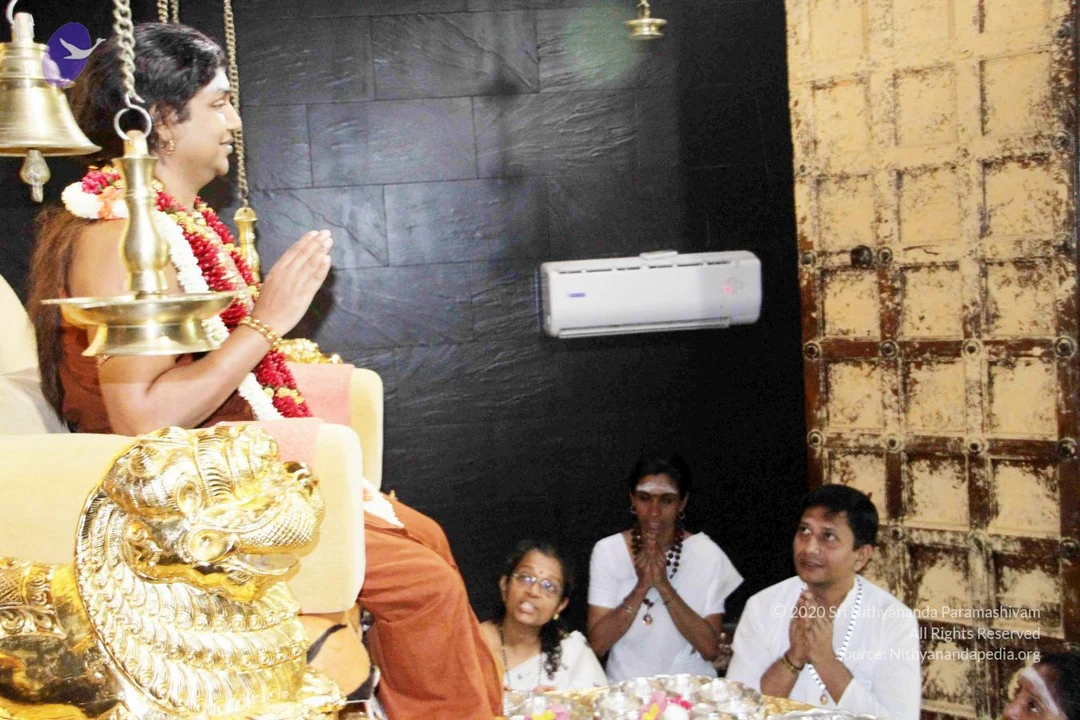
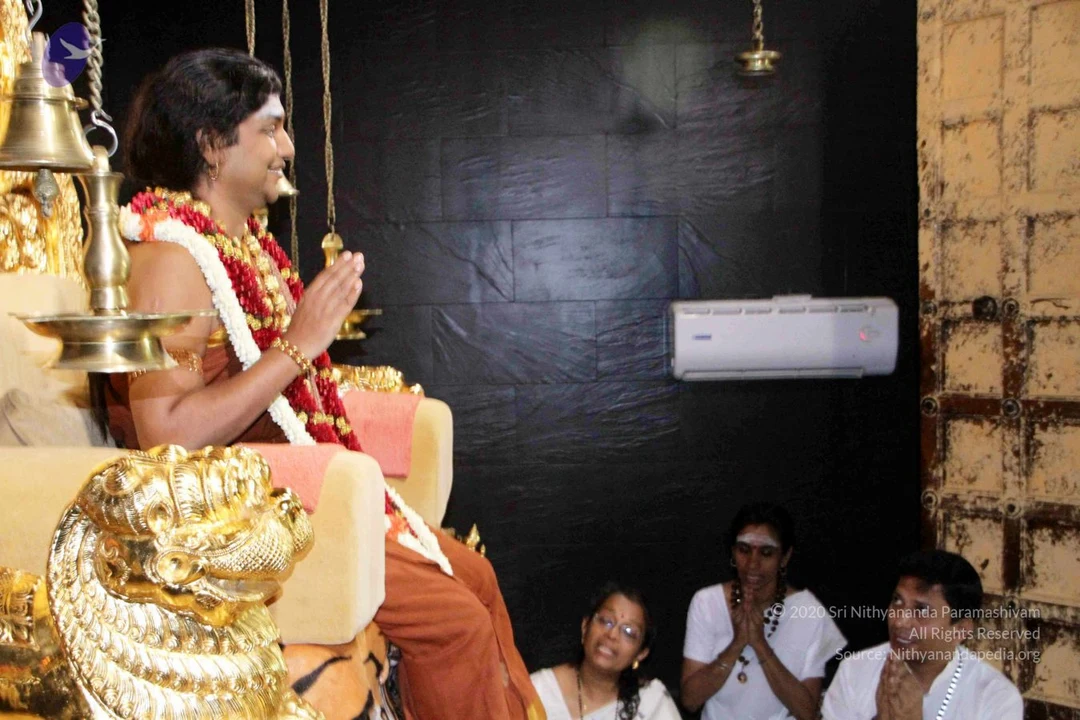
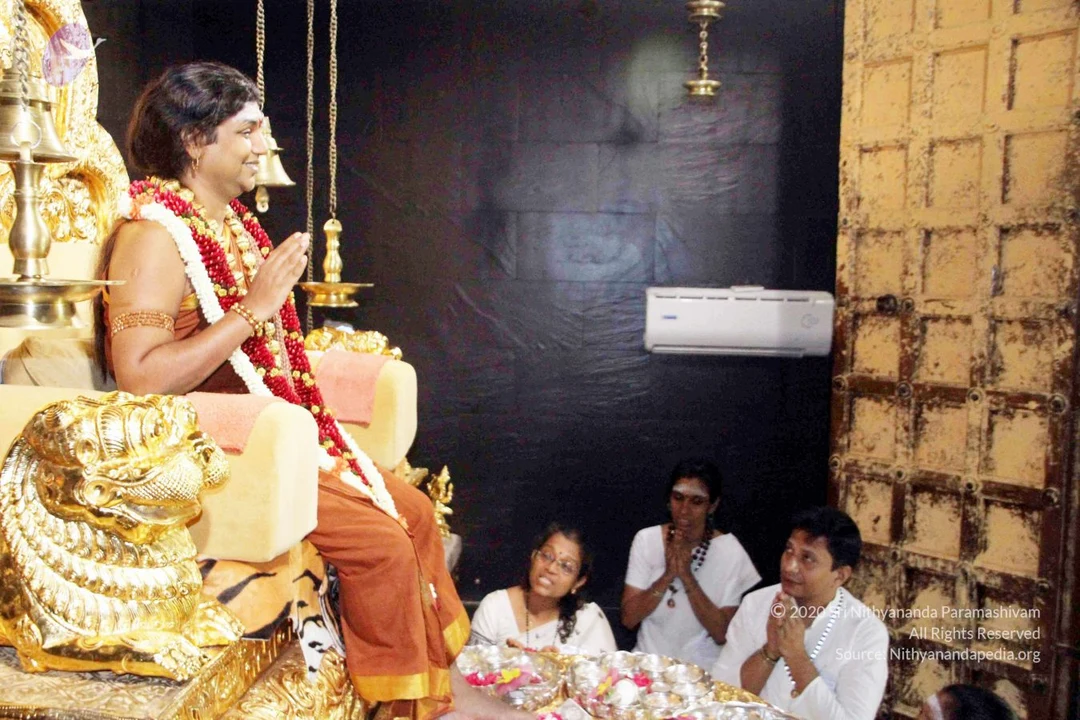
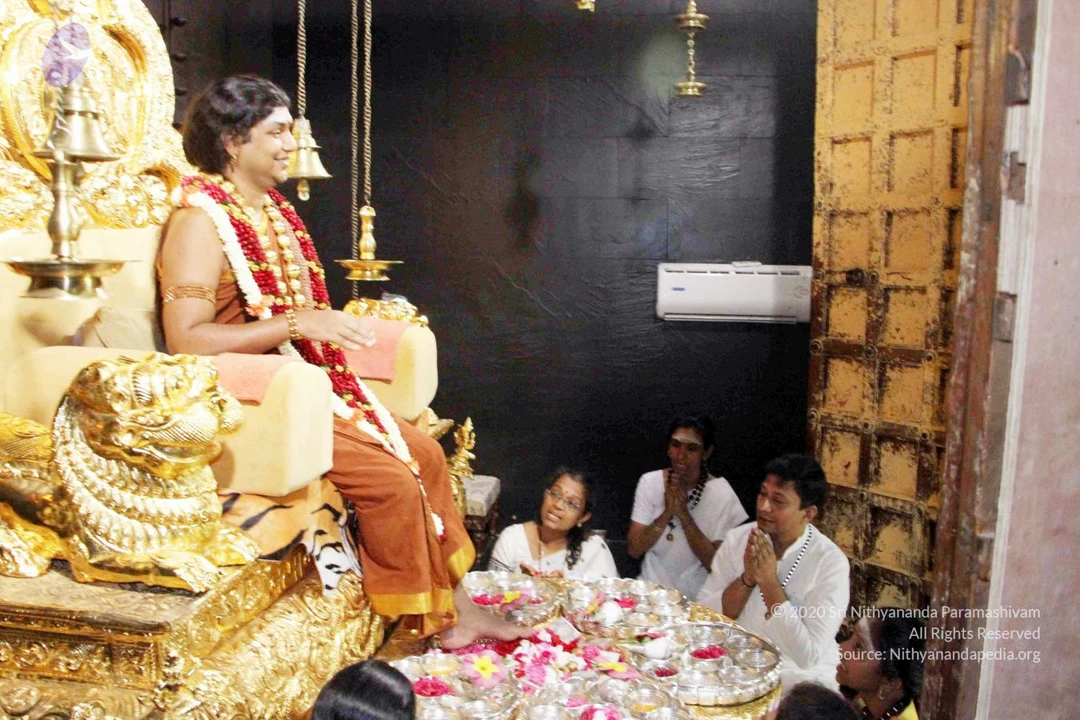
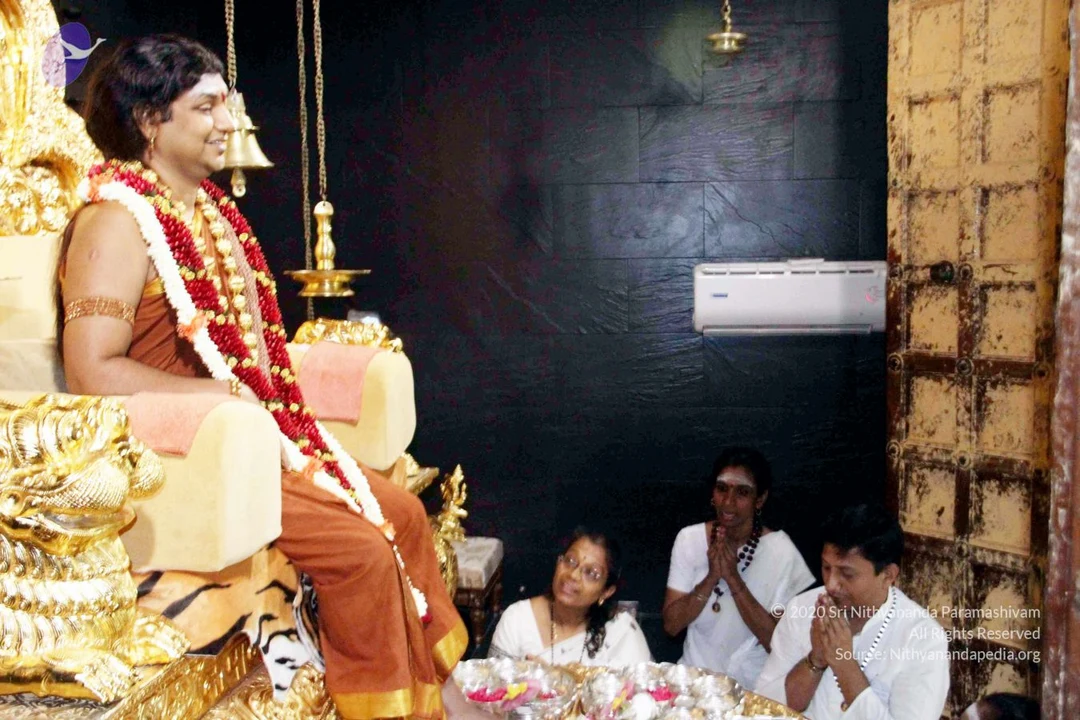
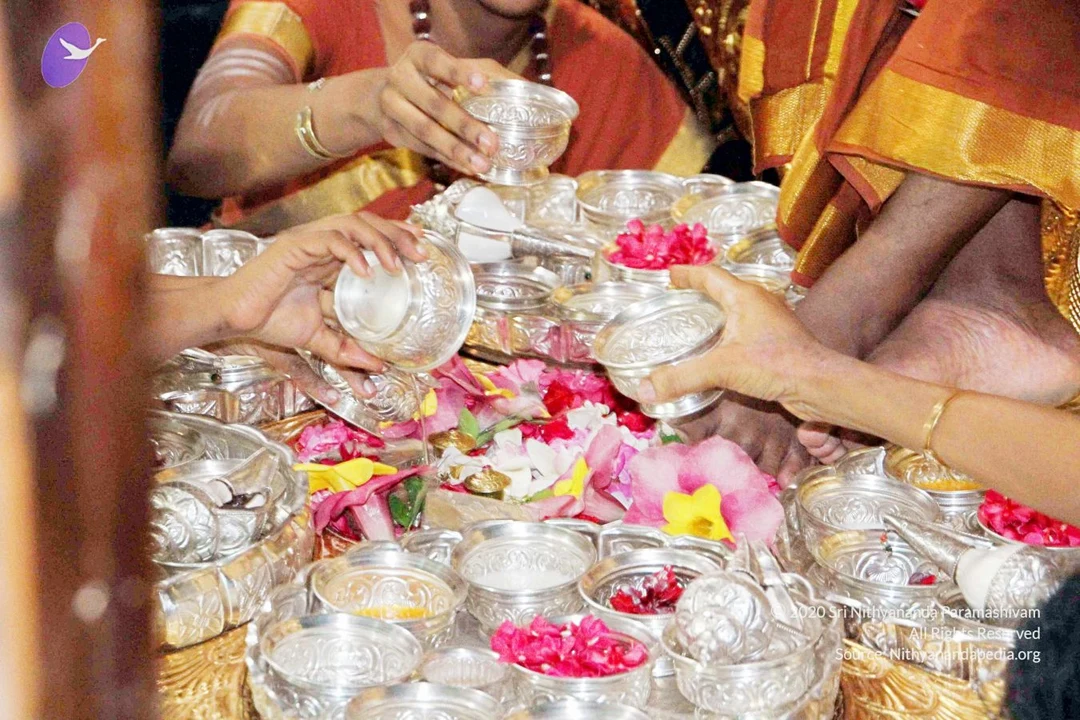
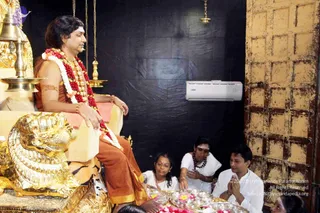
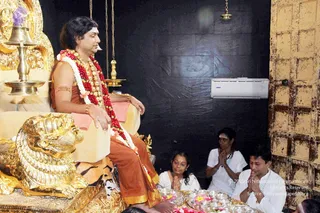
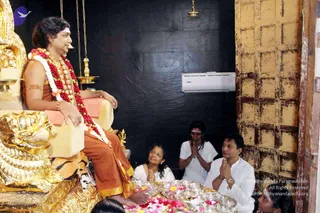
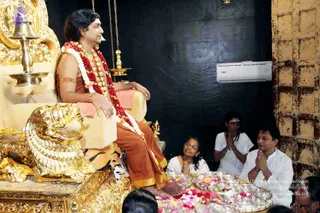
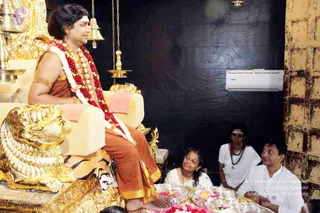
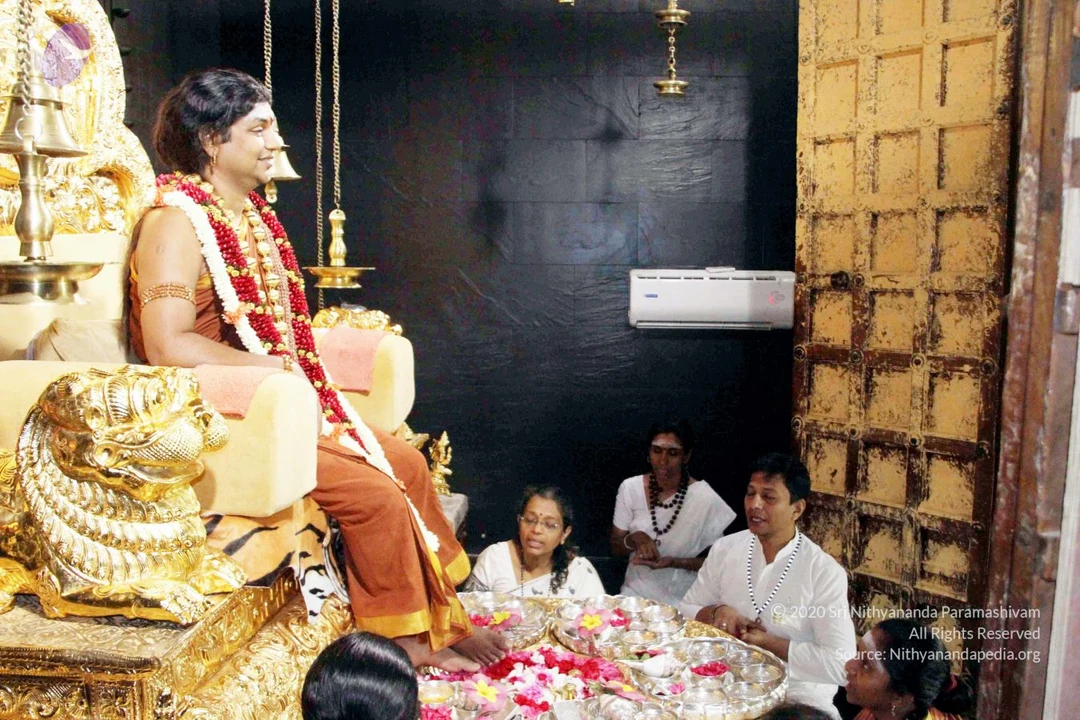
A seated man with long swept-back hair, a red-and-white garland and gold necklaces, wearing an orange-brown wrap, sits on a gilded throne with a golden lion-form base. Beside him stands a brass oil lamp. Three devotees in white clothes kneel before him at a tray of flowers and offerings: a woman in a white sari, a shaved-headed priest in white with a rudraksha mala and vibhuti marks, and a man in white with folded hands. A wall-mounted air conditioner and a dark wooden-panelled door are in the background. Probable Swamiji cues are the long hair, rudraksha-and-gold adornment and orange wrap, shown in a seated-teaching role before the devotees.Photograph of a seated figure on an ornate golden throne with a carved golden lion-head armrest, wearing a saffron-orange dhoti and shawl, a long red and white flower garland with a gold necklace, gold armband and bangles, and a white forehead marking; his long dark hair is swept back. Two devotees in white clothes sit before him with hands in anjali mudra, and a woman in white with glasses kneels near brass thalis holding flowers and small lamps. A brass oil lamp stands on the left and a hanging brass lamp hangs from chains above. A wall-mounted air conditioner and a dark stone wall with a gold-studded wooden door complete the room.A seated man in saffron-orange robes with long swept-back hair and a red-and-white flower garland sits on a gold-carved throne with a pink cushion in a dark stone-walled room with a wall air conditioner and an ornate brass door. Probable Swamiji (probable) seated on the throne, with long hair, saffron clothing and a garland; his appearance-based candidacy is supported by these cues. Before him, a woman in white with folded hands and a man in white with a rudraksha-style necklace sit in prayer, and a man in white with palms joined sits at the front. Brass plates of flower petals, oil lamps and offerings lie on the floor in front, and a partial figure is visible at the bottom right. Several people are visible, including partly cropped figures at the edges.A seated man with swept-back dark hair, wearing an orange-brown dhoti and a red-and-white flower garland with gold ornaments, sits barefoot on an ornate gold throne with a carved lion-head armrest, a pink cushion and a brass oil lamp beside him. a person: long swept-back hair, a gold necklace and garland with orange-brown clothing and a throne, presented as the seated honoured figure. Before him on the floor, a devotee in white with glasses stands, and another in white with hands joined in anjali, while a man in white folds his hands in prayer beside a brass tray of flowers and small silver vessels. A black stone wall, an air conditioner and a carved wooden door form the room backdrop.A seated man in a saffron-orange and ochre robe sits on an ornate golden throne with a carved lion-head armrest, wearing a long red and white flower garland, a rudraksha-style necklace, a gold armlet and a tilak on his forehead; his cushioned armrests are pink. Before him on the floor are silver trays of flowers and offerings. Two women in white saris and one man in a white shirt with a beaded mala sit on the floor watching him. Oil lamps and a brass bell hang beside the throne, against a dark slate wall with a wall-mounted air conditioner and a carved wooden door. Swamiji (probable): the seated man's long swept-back hair, saffron robe, garland and necklaces match the page's reference to him.Close view of a golden-throne ritual setting with silver bowls and plates arranged in rows. Pink, red and white flowers, including yellow-centred pink plumeria blooms, fill the bowls and cover the gold surface. A pair of bare feet in a saffron-orange and gold-bordered cloth rests on the platform near the flowers, and a white-clad person with dark hair is visible at the upper right. The image appears to show a puja or padapuja offering arrangement; no face is clearly visible for appearance-based identification.

nithya satsang

13 photosSource gallery
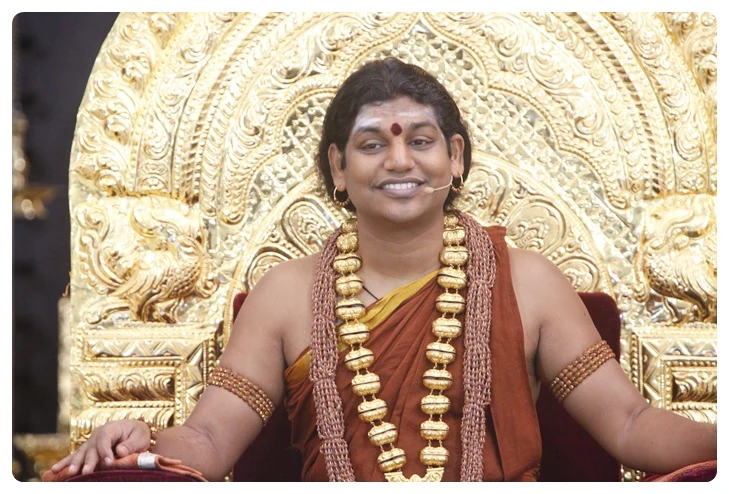
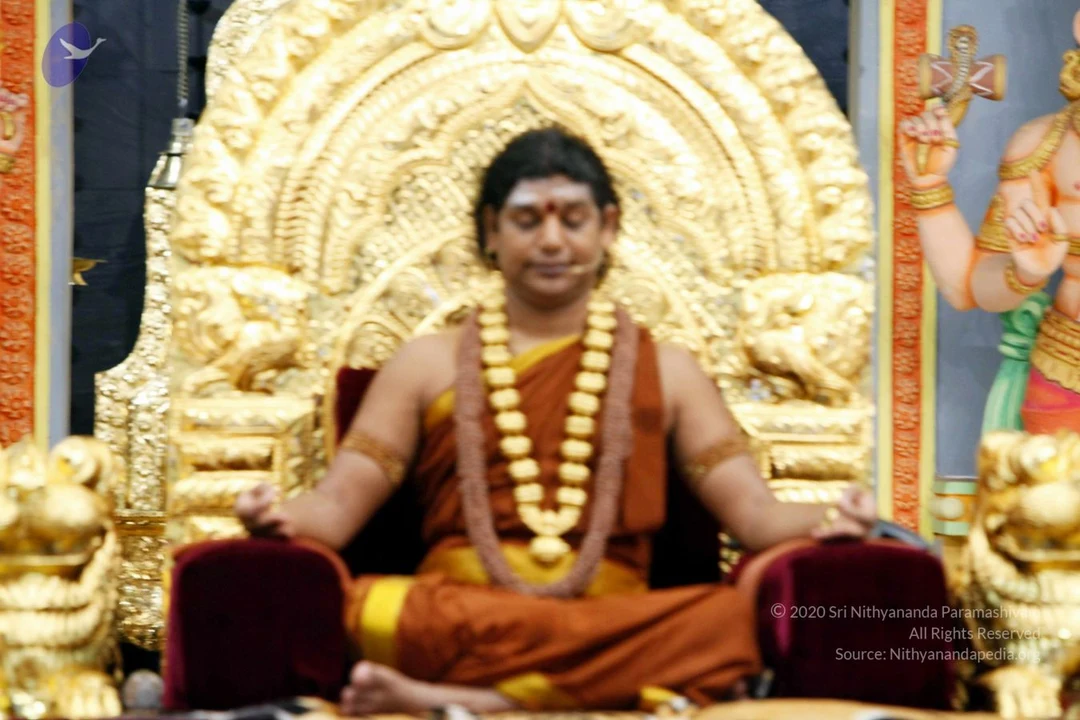
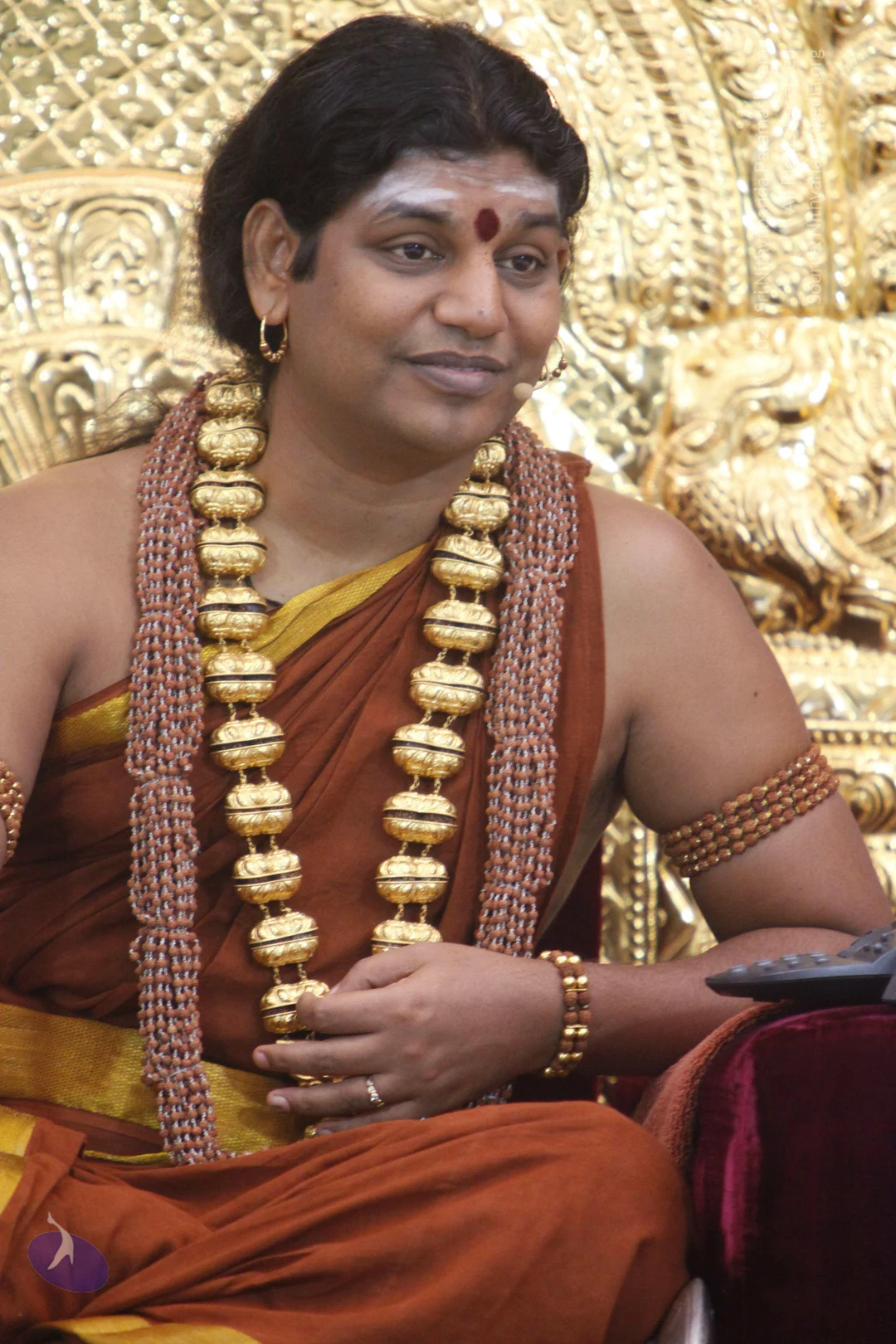
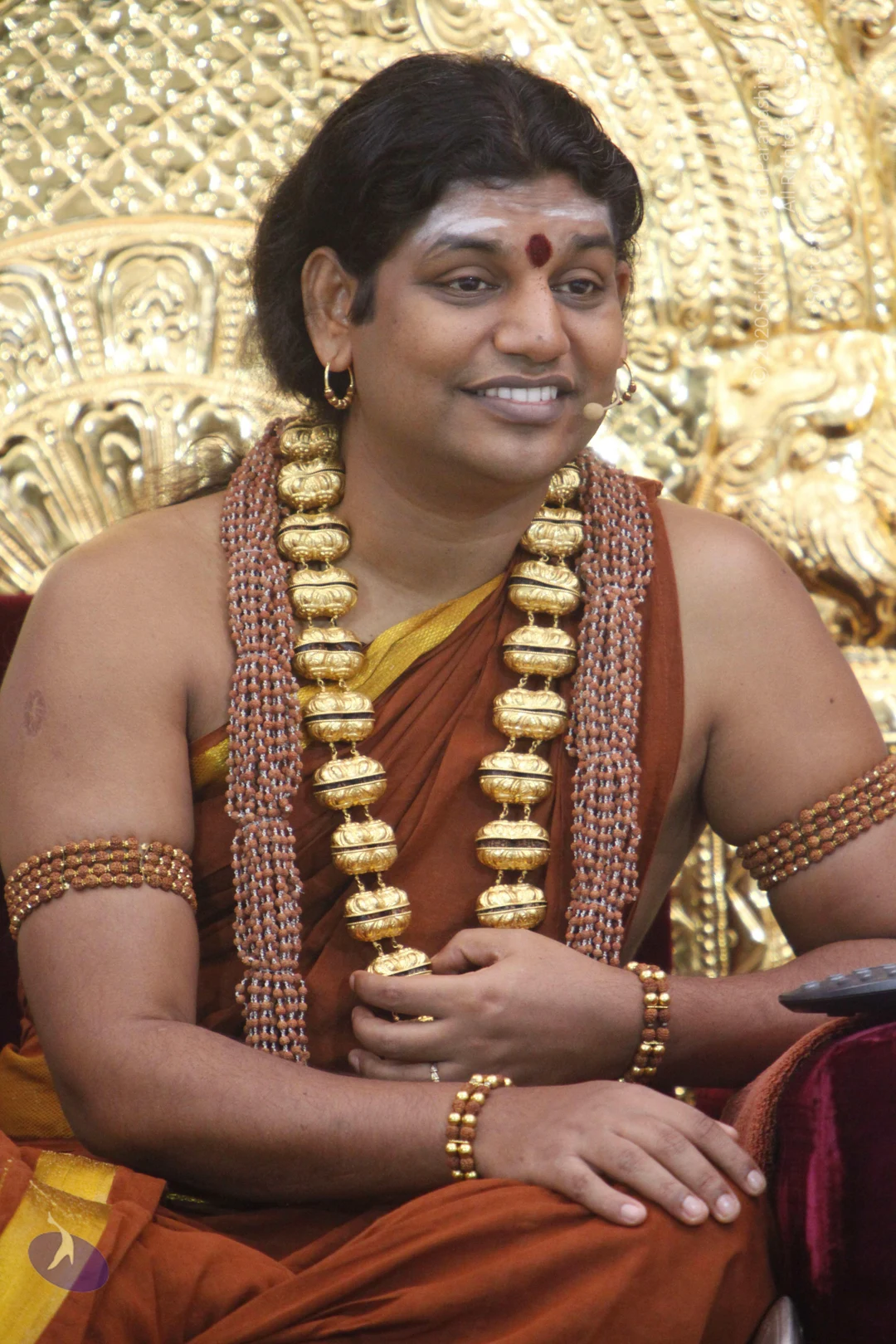
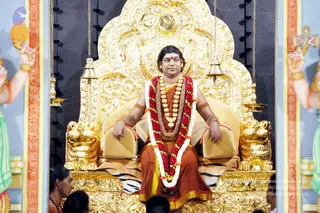
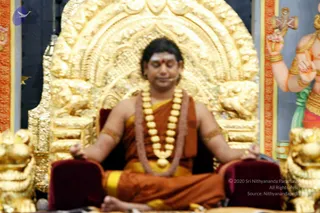
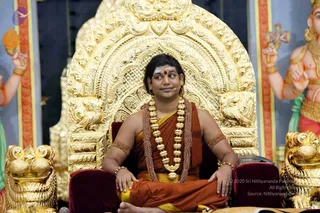
A seated man in saffron-orange robes sits cross-legged with eyes closed in meditation on an ornate gold throne with carved lion figures and a gilded arched backrest. He wears a long ceremonial necklace of large yellow-gold beads and a rudraksha mala over his shoulder, with a red tilak on his forehead. Upright on the throne, his hands rest on the red velvet armrests. Gold carved lions flank the throne, and a painted deity figure with a trident appears at the right edge against an orange panel. The setting resembles a stage for satsang.A seated man in saffron-orange robes with a gold-bordered shawl sits cross-legged on an ornate gold throne with carved lion-head armrests in front of a golden arched backrest. He wears a heavy gold bead necklace over rudraksha mala strands, gold armbands and bangles, a red bindi on his forehead, and a small earpiece microphone; his hair is swept back. Two painted deity figures with raised hands and gold jewellery stand on either side. a person by cues of saffron robes, rudraksha malas and ceremonial gold jewellery, seated on a throne as the speaker at a satsang discourse.A seated man sits cross-legged on an ornate golden throne with lion-head armrests and a tiger-skin cloth draped over its base, centered in front of a shrine wall. He wears a saffron-orange dhoti and shawl, a long gold necklace, a rudraksha mala with a gold pendant, gold armbands and a red tilak on his forehead. Two large painted deity statues flank him, each with multiple arms, gold crowns, gold jewellery and green-and-red garments, holding ritual objects. A gold kalasha-like finial and brass hanging lamps are visible behind the throne. He appears to be the seated teacher giving satsang.A man seated cross-legged on a red velvet-cushioned chair before an ornate gold throne with carved lion heads and scrollwork. He wears a saffron-orange garment with a gold border, layered gold beaded necklaces and rudraksha-style brown beads, gold armlets and bangles, and a red bindi on his forehead. He has a small microphone clipped near his face and is seated in a satsang-style setting with painted deity figures and gold decorative panels on either side.Photograph of a seated man on an ornate gold throne with a golden arched back and two golden lion-head armrests, sitting cross-legged on a tiger-striped cloth. He wears an orange-saffron dhoti and shawl, a long gold necklace, and a beaded rudraksha mala, with a bindi on his forehead. Two large painted statues flank him: standing figures with crowns, pink-red skin, and green sashes holding ritual implements. Golden lion statues sit at the base of the throne. The scene is a temple-like hall with blue and pink pillars and hanging brass lamps.A photograph of a seated man on an ornate golden throne with lion-form arms, draped on a tiger-striped rug. He wears an orange-brown robe with a yellow border, a long necklace of golden beads and a rudraksha-style mala, gold armbands and bangles, and a red bindi on his forehead. He sits cross-legged and gestures with his right hand raised near his face while speaking. Behind him stand golden and multicoloured deity murti figures holding a flame and a ceremonial staff. A single man is physically present, and the visible cues of a long swept-back hairstyle, saffron-orange ceremonial robes, layered gold ornaments and a throne are consistent with the page's reference to the a person teaching context, marked probable by appearance.

sarvadarshan

29 photosSource gallery
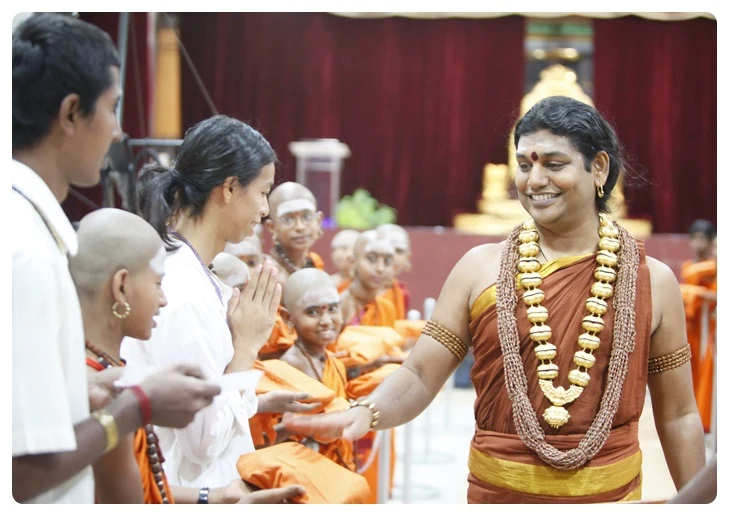
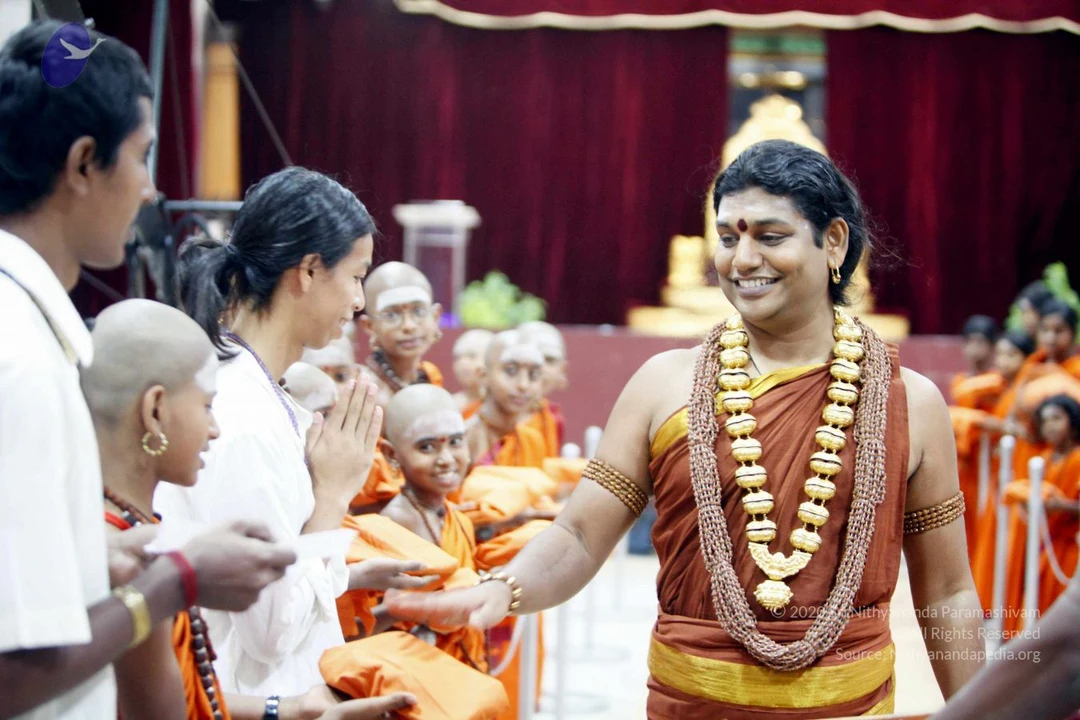
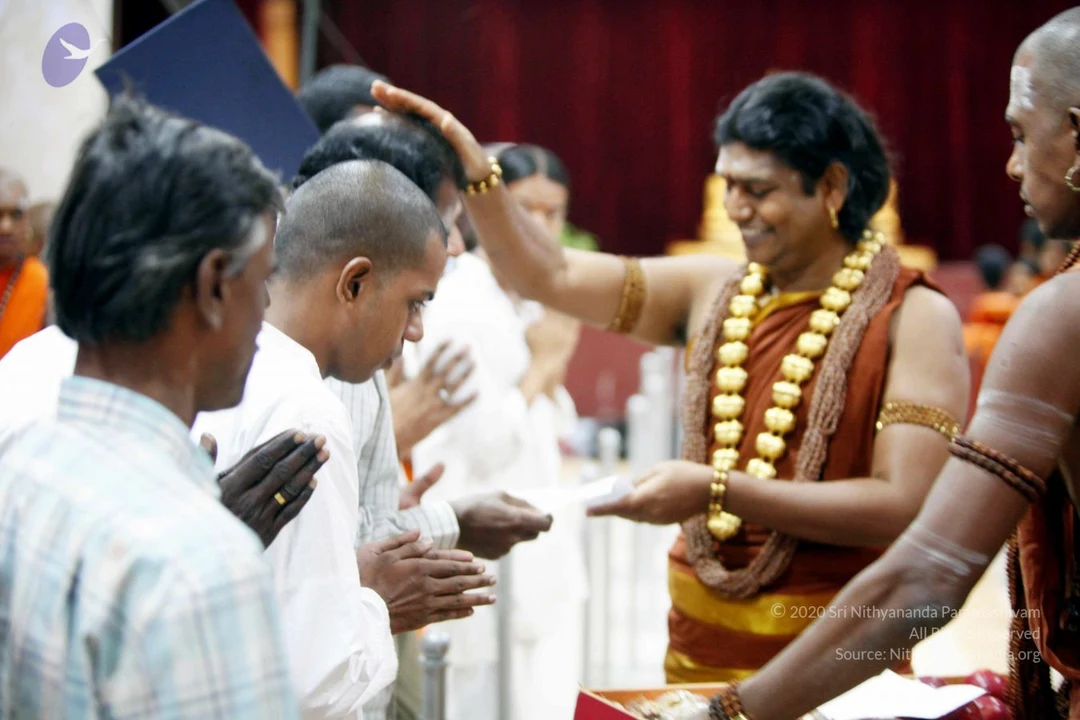
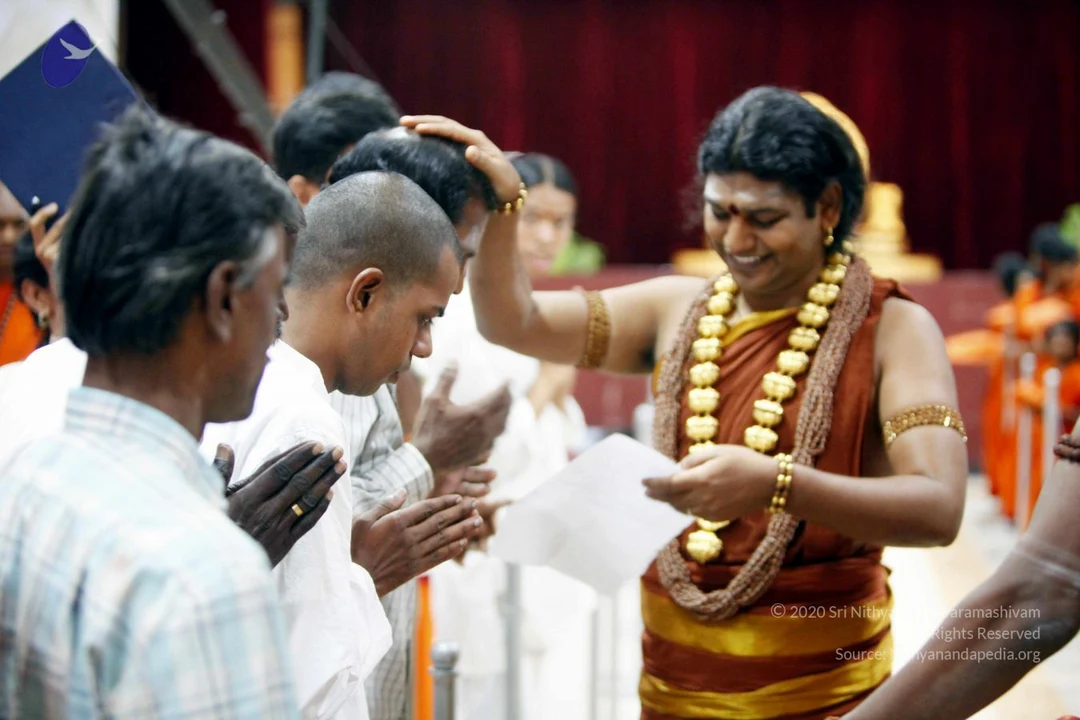
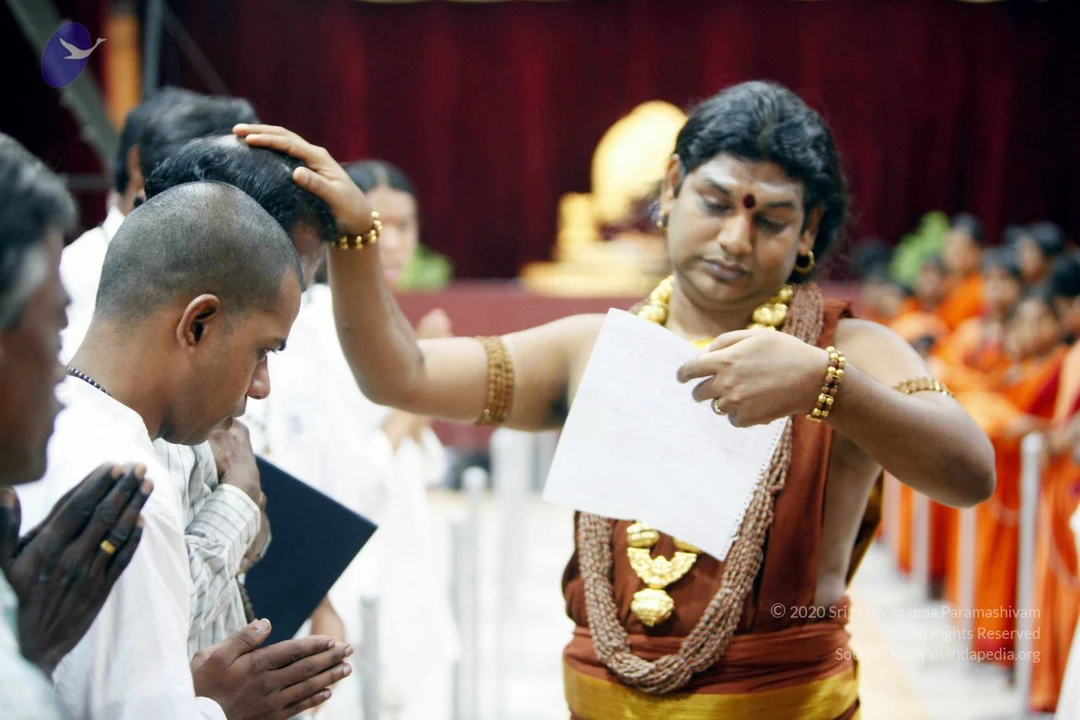
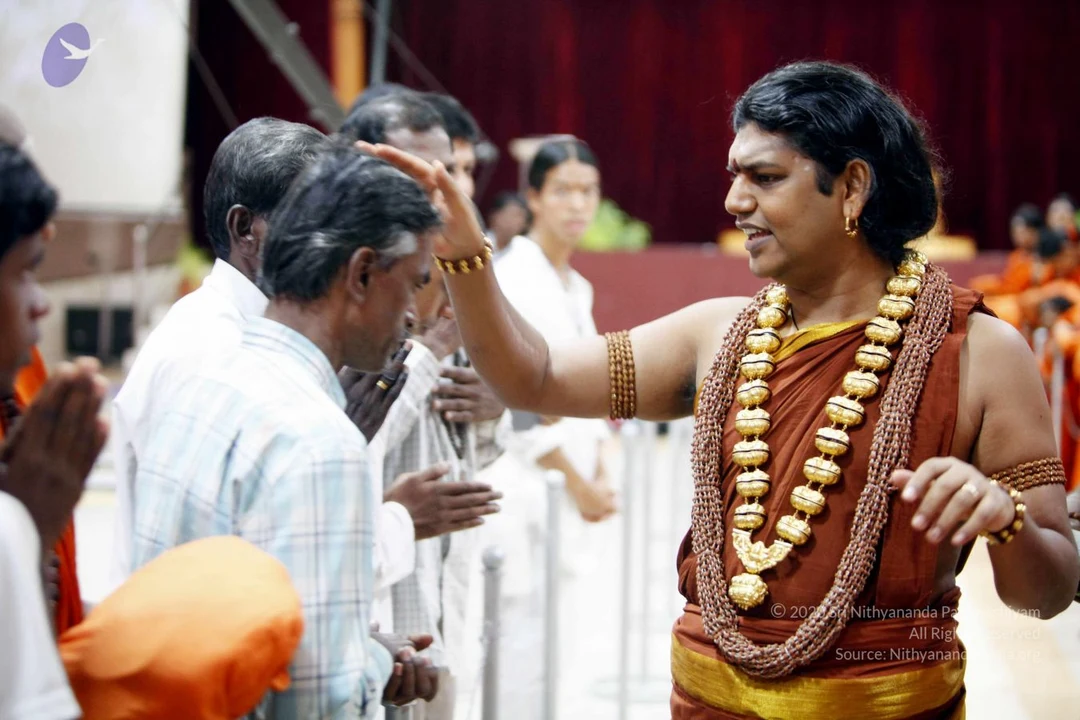
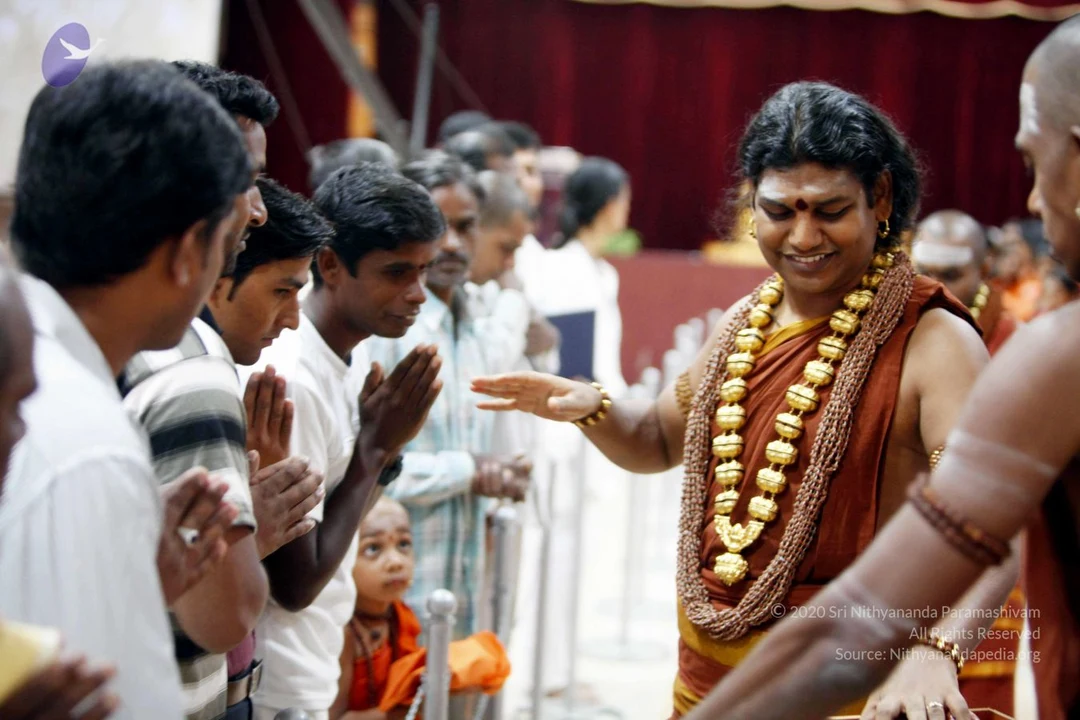
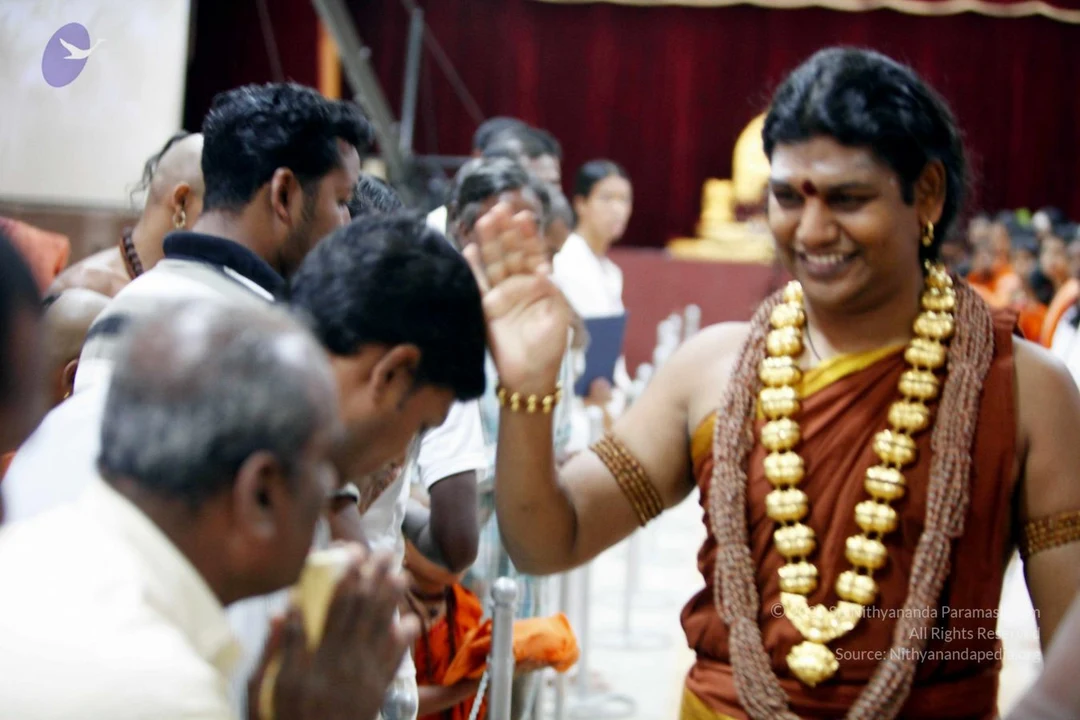
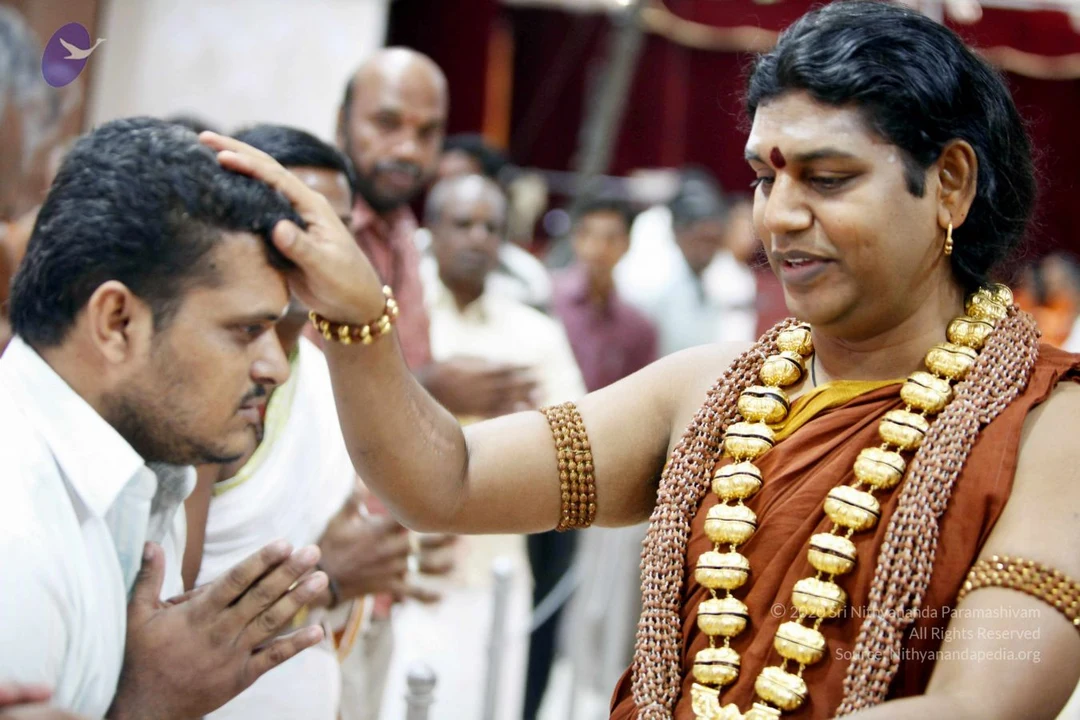
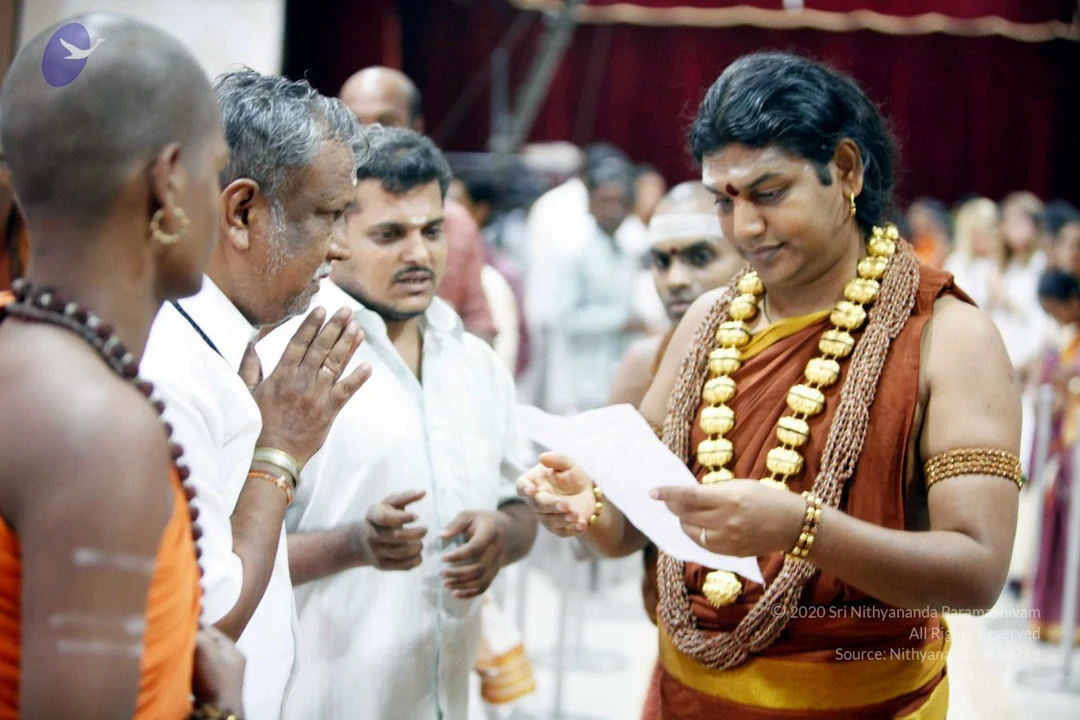
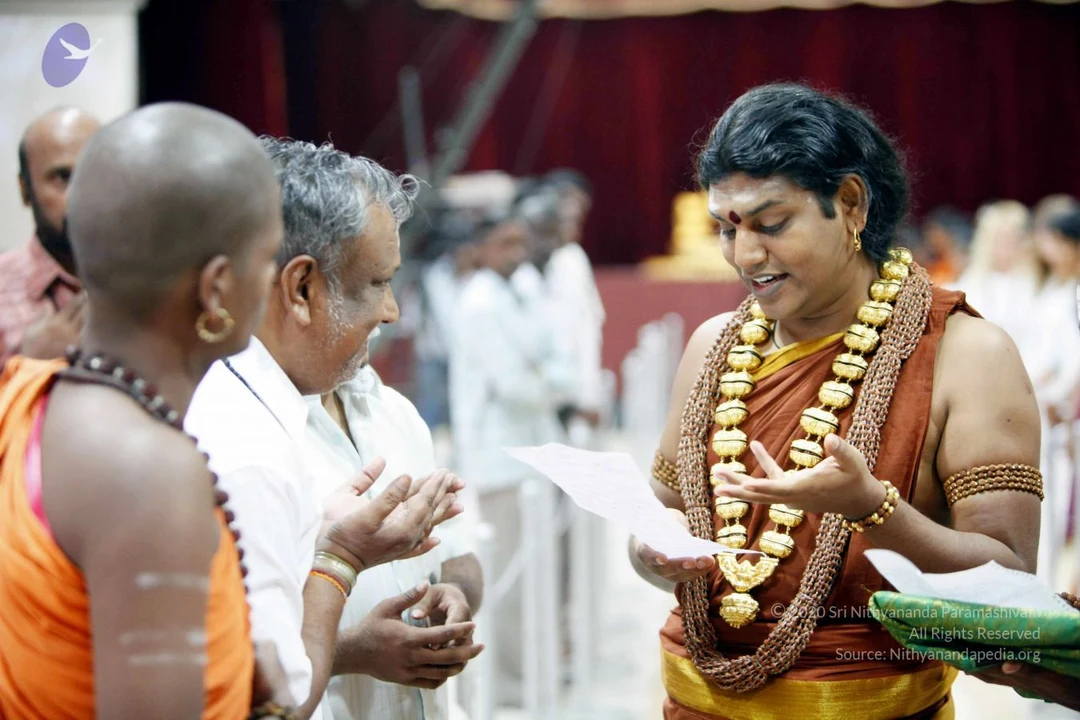
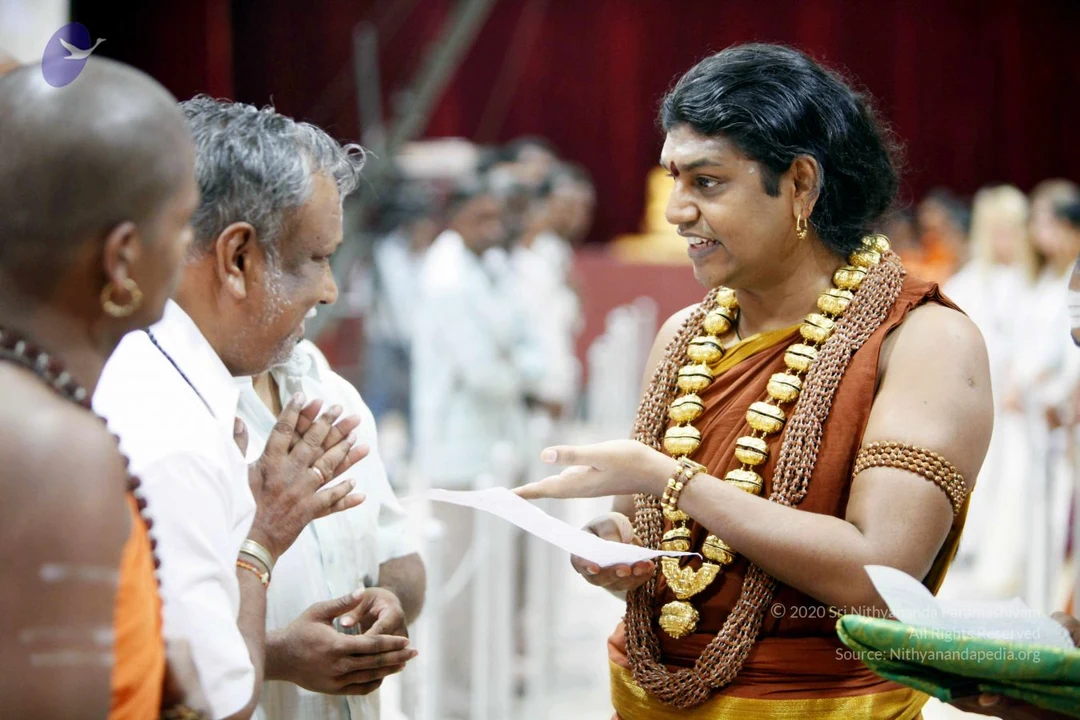
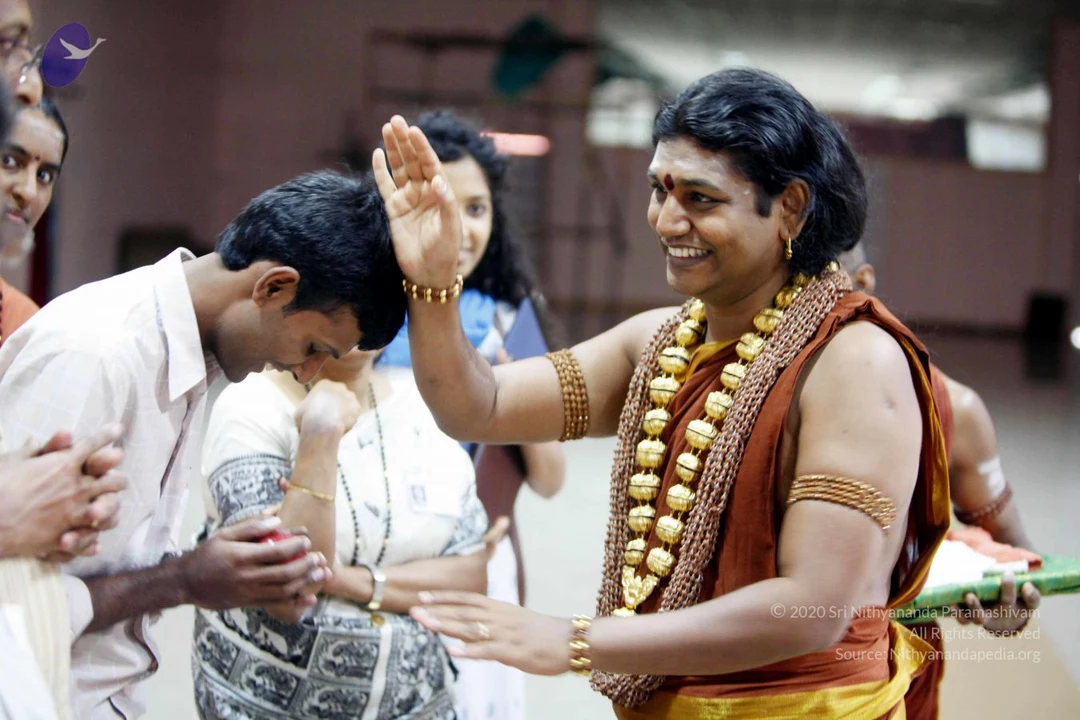
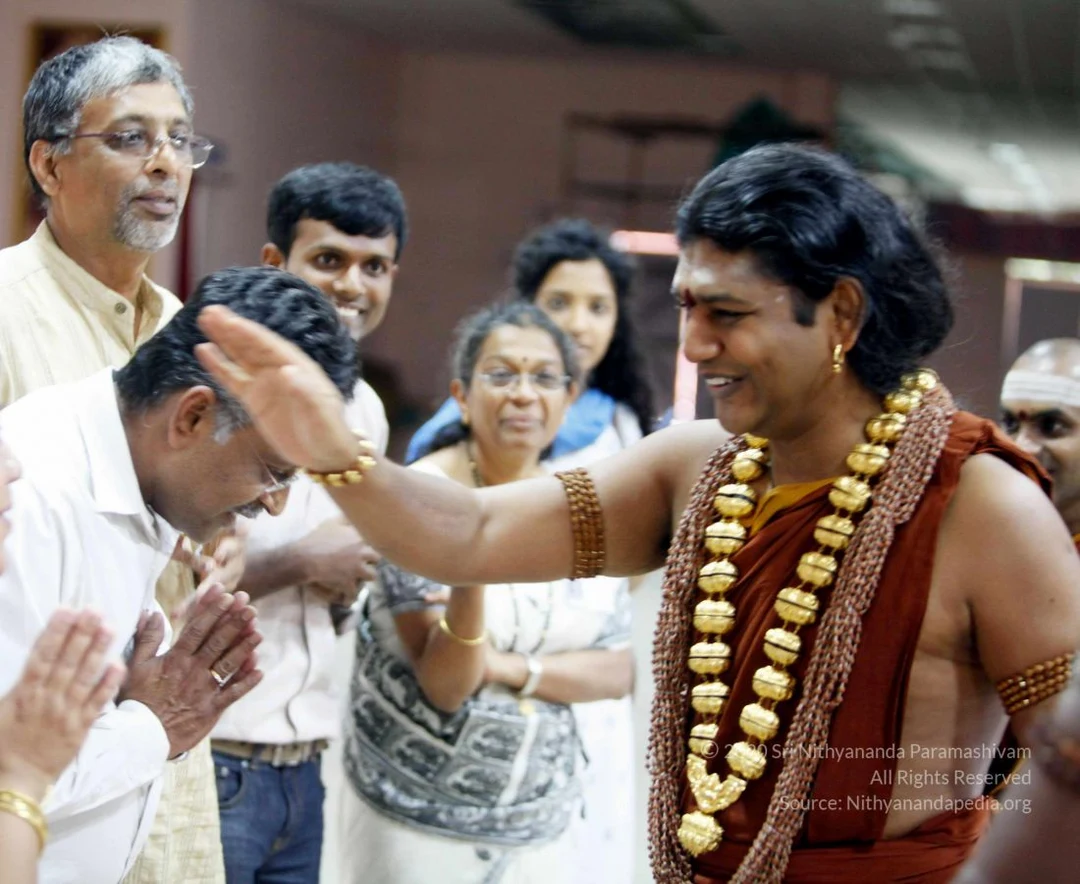
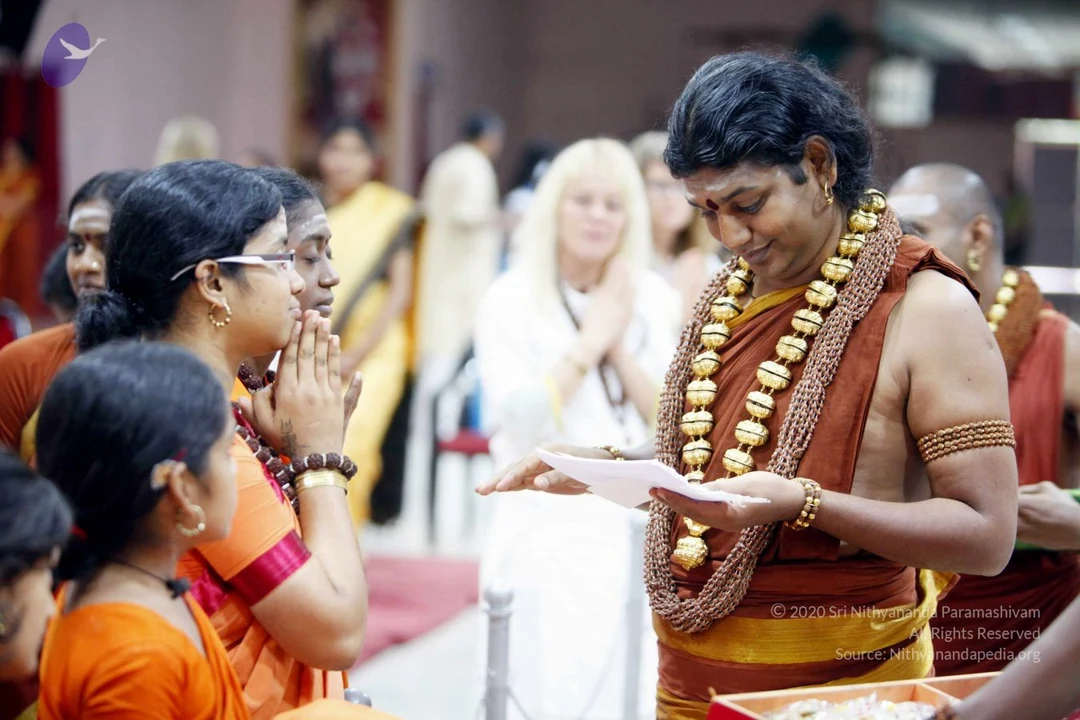
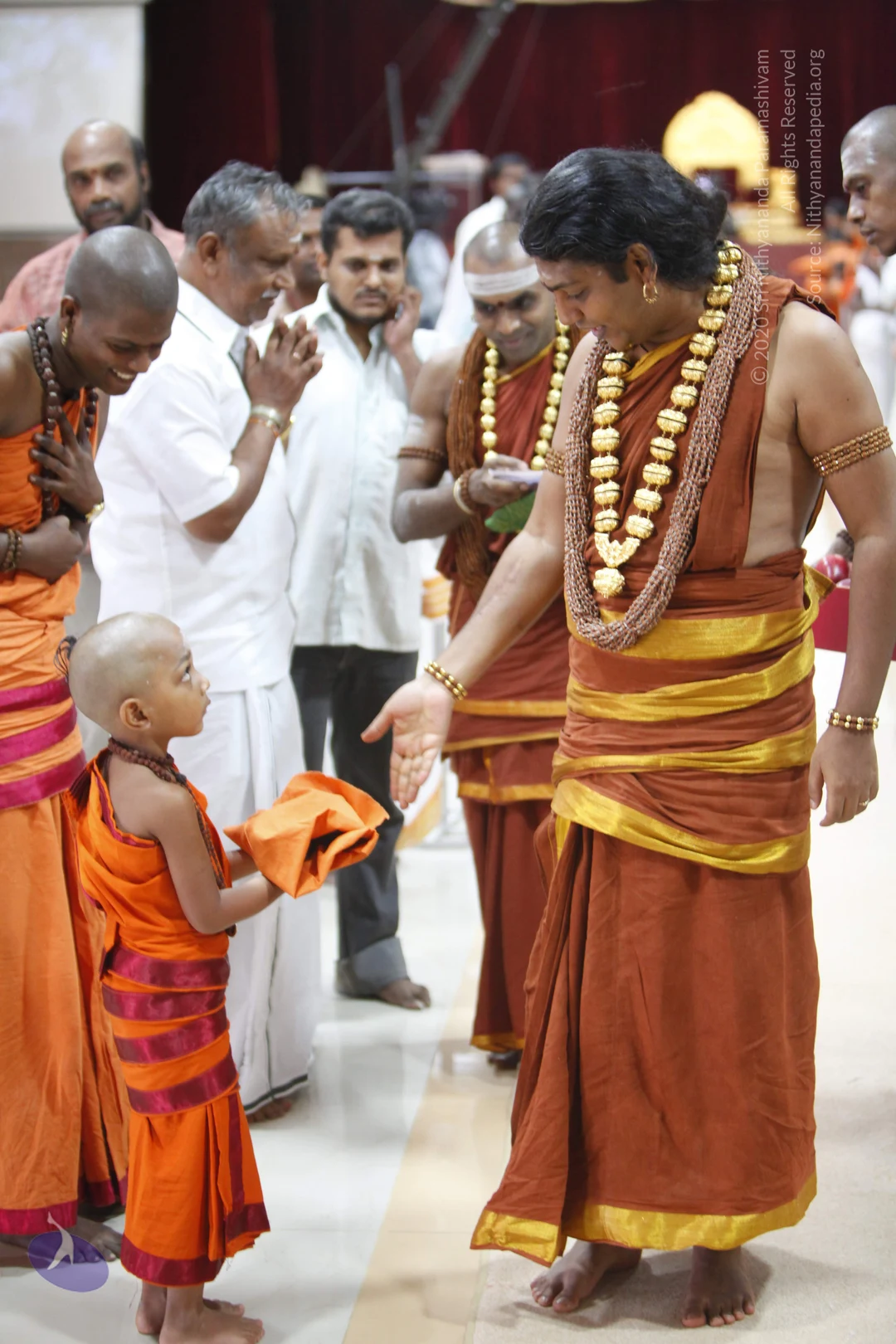
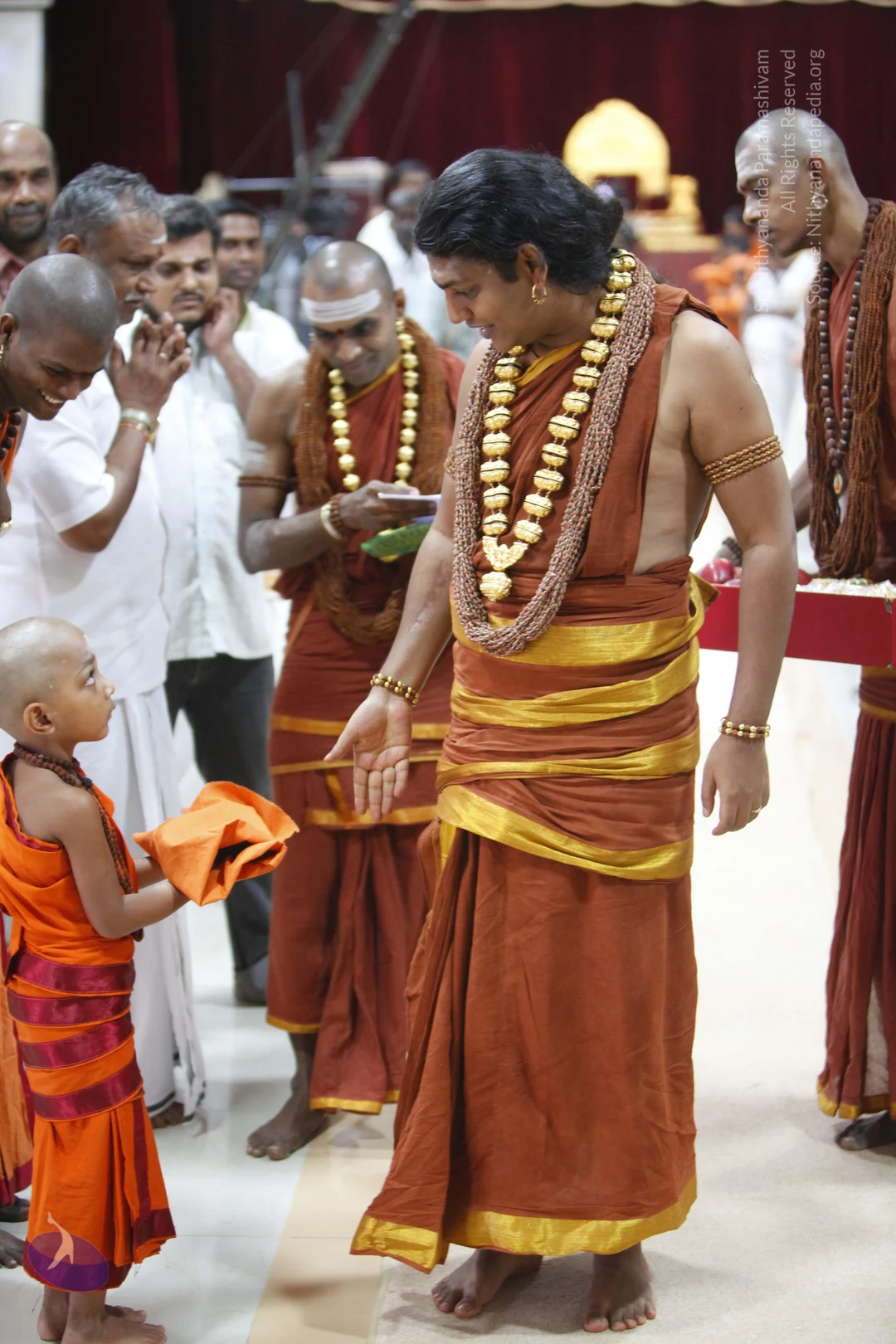
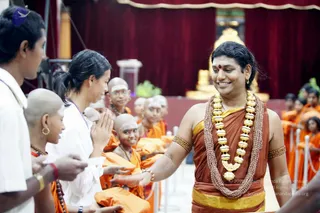
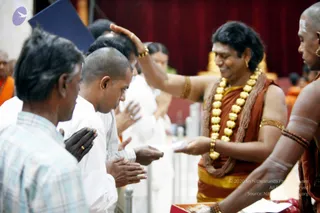
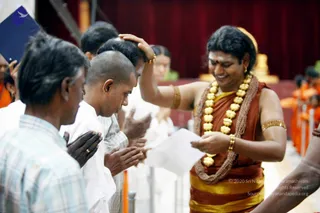
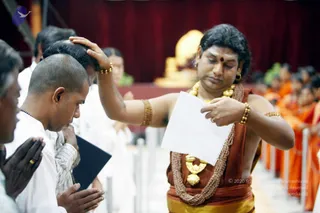
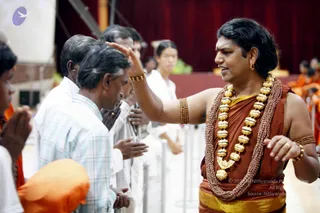
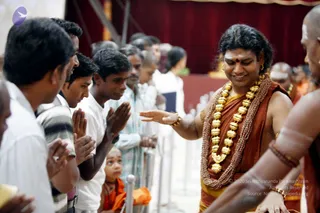
A photograph inside a temple-style hall with red velvet drapes and a gilded deity shrine in the background. A man in a rust-orange cloth wrap with a gold-bordered yellow edge wears a heavy gold bead necklace over a rudraksha-style mala, gold armbands, a red bindi and gold earrings, smiling and extending his hand toward a line of people. Around him, shaved-headed young monks in saffron-orange robes with white forehead markings sit or stand, and a woman in white with a purple shawl and dark ponytail stands with palms pressed together. A man in a white shirt stands at left, and rows of saffron-clad figures sit along the right edge.A photograph of a ceremonial blessing in a hall with a red curtain. A man in an orange-brown dhoti-style garment with a long gold-bead and rudraksha necklace and gold armlets raises his right hand in blessing over the head of a bowed man in a white shirt. A kneeling devotee with folded palms and a white cloth nearby, another man in a checked shirt stands at left, and a priest with bare upper body and white sacred ash marks stands at right holding a red tray. Other devotees in white and saffron stand in the background.Photograph of a ceremonial moment in a hall with a red curtain backdrop. A figure in a rust-orange dhoti-style wrap with a wide golden border, wearing a long multi-strand gold bead necklace over a rudraksha mala and gold armbands, places a hand on the head of a shaved-headed man in white, who bows with palms pressed together. The figure holds a folded white paper in the other hand and smiles. Two other men, one in a blue checked shirt and one in white, stand with hands folded in prayer to the left. Orange-robed attendants stand in the background, and a gold-coloured object is visible at the top right. Appearance-based candidate: a person, identified by the distinctive gold bead necklace, rudraksha mala and orange ceremonial wrap.A photograph of a ceremonial blessing inside a hall with a red curtain backdrop. A figure with long dark hair, a red bindi, gold necklaces, gold bangles and a rudraksha mala, wearing a rust-orange wrap and gold-trimmed cloth, places one hand on the head of a shaved-headed man in white who bows with hands together. The figure holds a folded white paper in the other hand. A blurred golden figure stands in the background, and rows of people in orange robes are visible at right. Several people in white clothes stand near the blessing. Appearance-based candidate: a person, identifiable by long swept hair, rudraksha mala, gold necklaces and saffron-orange clothing, performing the blessing as the central figure.A photograph of a crowd gathered at a barrier in a hall with a dark red curtain behind. In the foreground a man with swept-back dark hair, rust-brown wrap and layered ceremonial gold and rudraksha necklaces raises one palm toward the devotees while his other hand gestures outward. Devotees in white and light checked shirts stand with hands folded in anjali or lean forward, and a shaved-headed man in white stands behind. Saffron-clad attendants are visible in the background. The man wears a gold bangle, rudraksha armbands and a gold-rimmed earring. Probable Swamiji (probable) is the man with the long swept-back hair, rudraksha malas and gold necklaces.A photograph of a long-haired man in an orange-brown wrap with a heavy gold necklace and rudraksha mala, smiling and extending his hand toward a line of devotees with palms pressed together in namaste. A red bindi and gold earrings are visible. Several devotees stand behind a metal barrier, and a child in orange clothing is in the lower foreground. Red drapery and other robed figures fill the background.

sacred arts

58 photosSource gallery
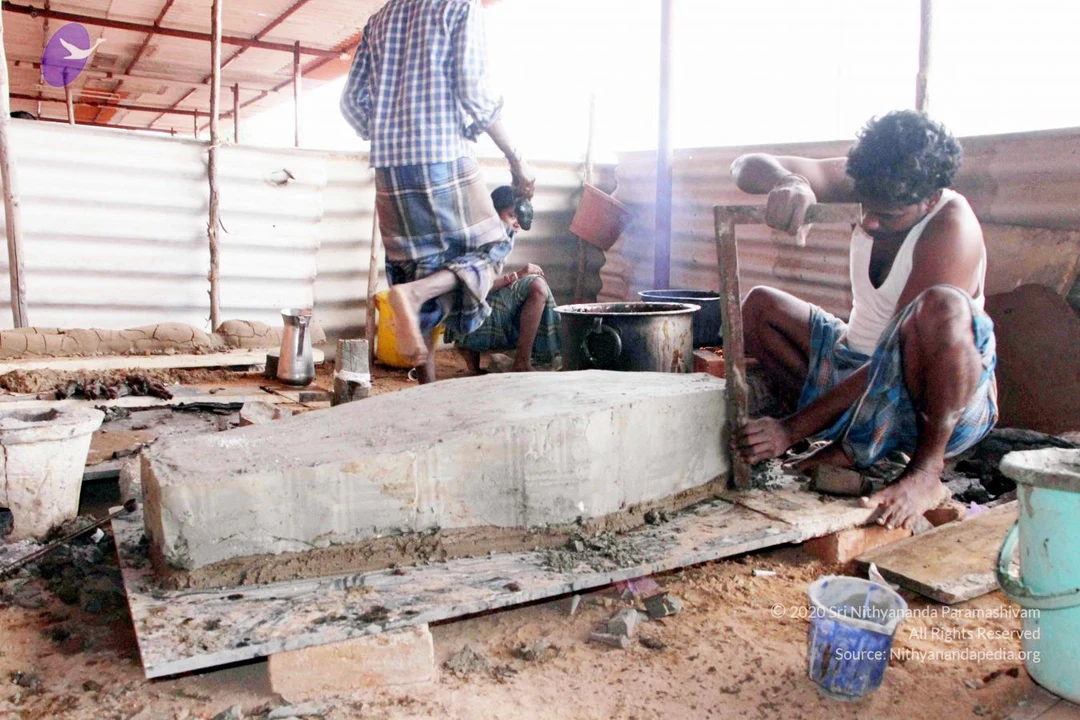
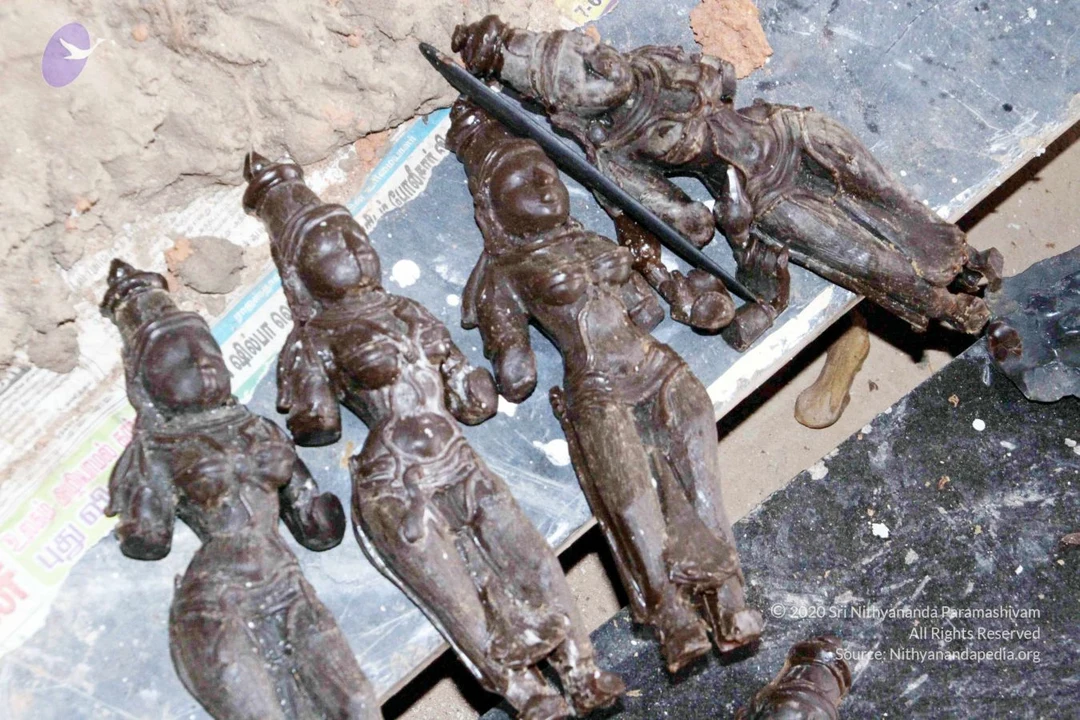
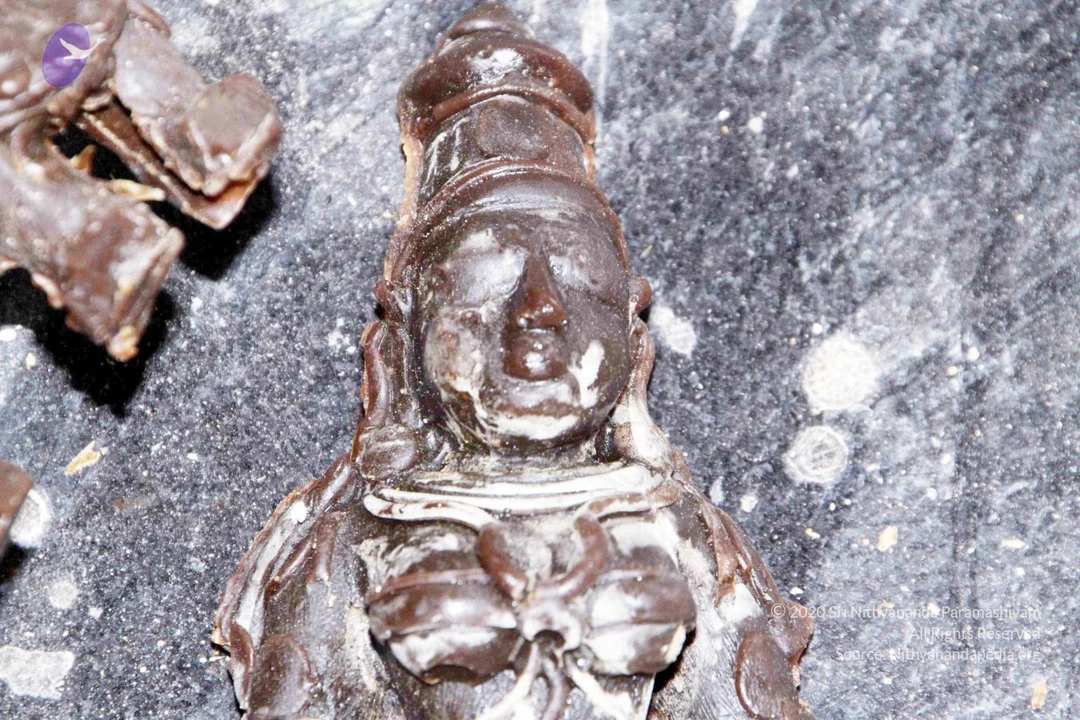
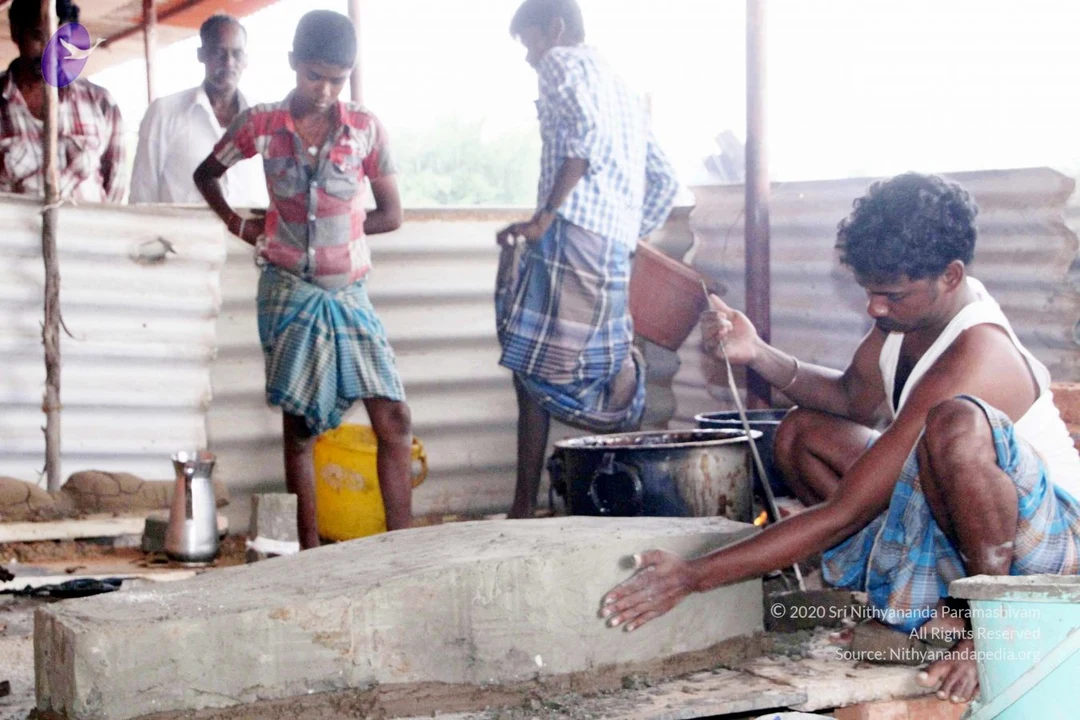
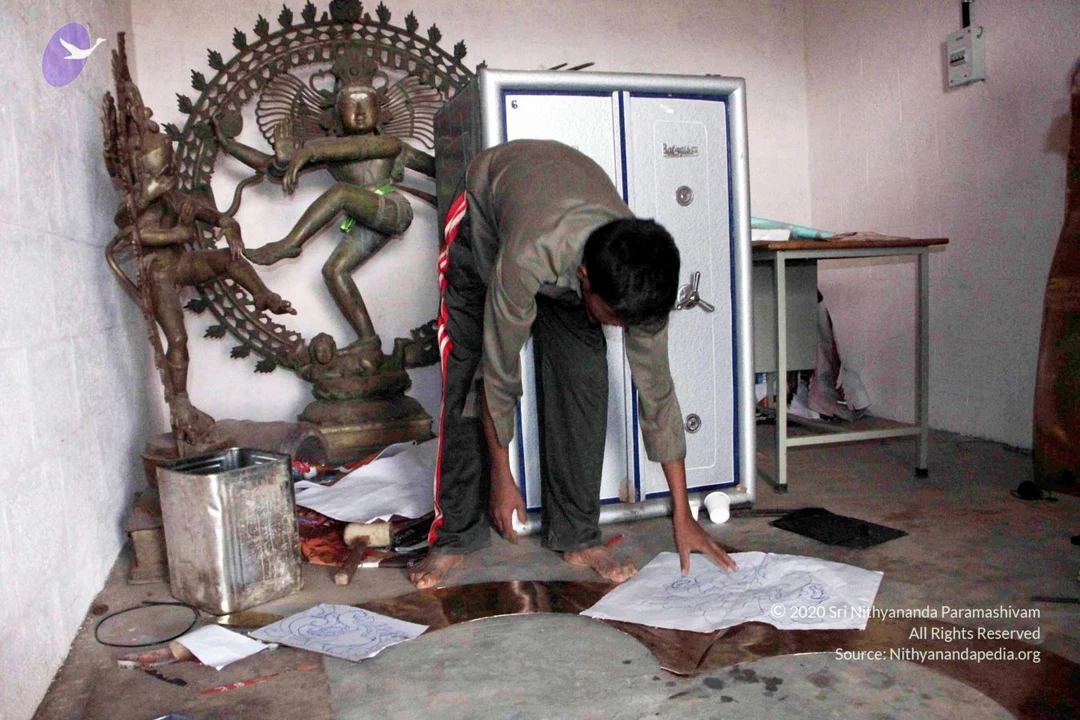
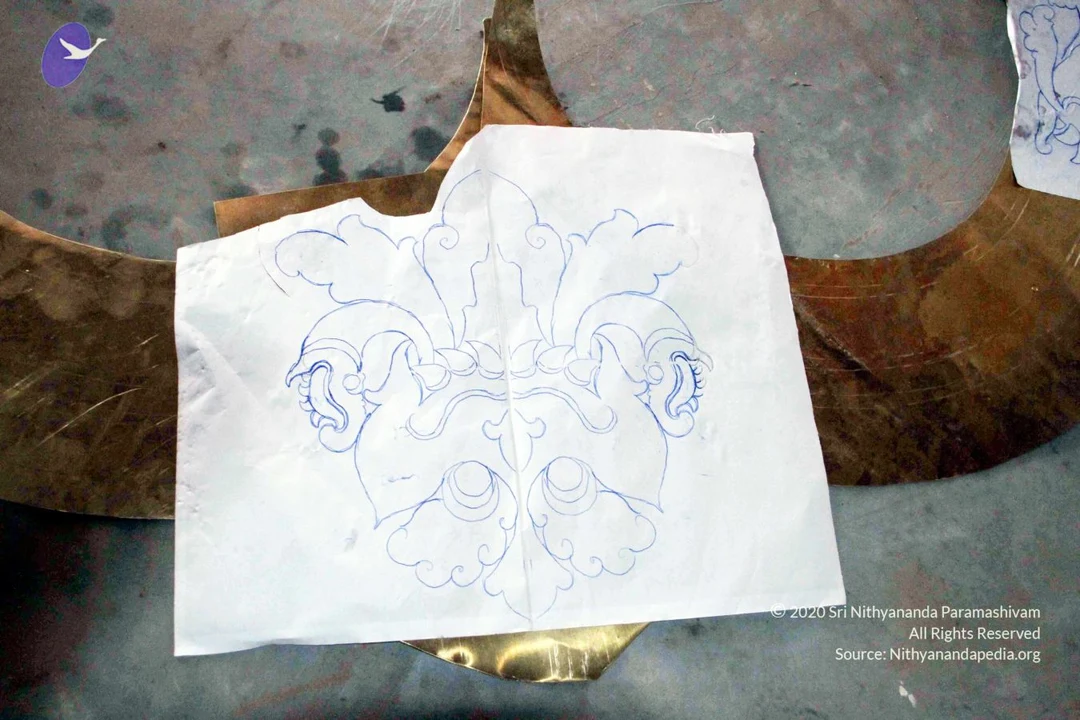
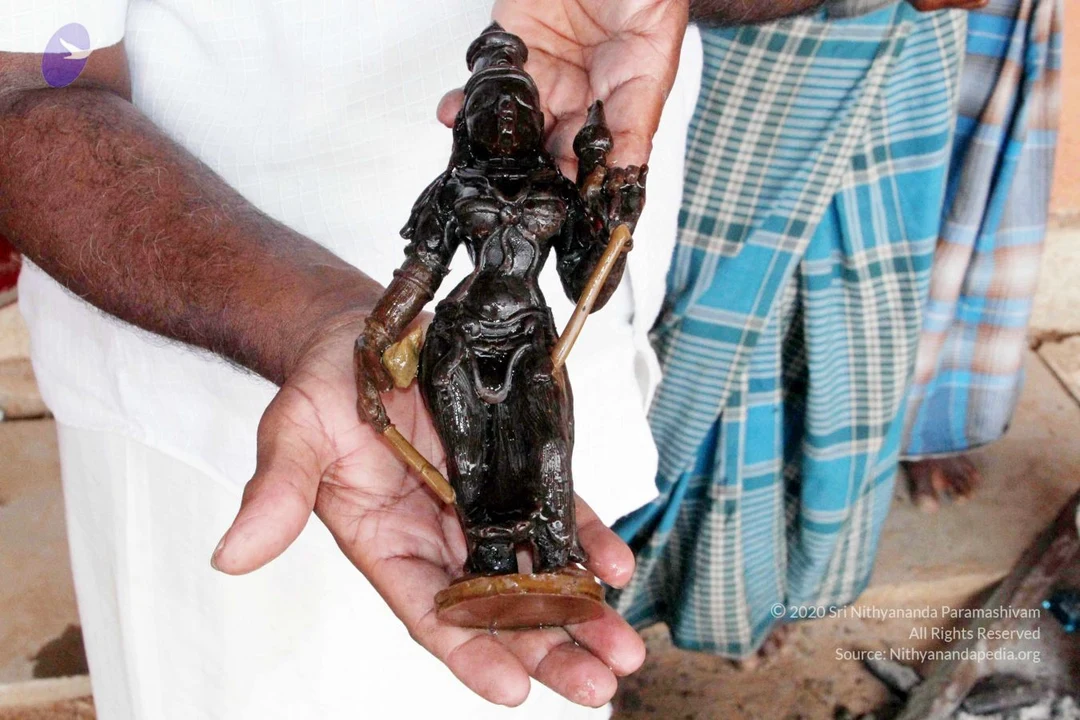
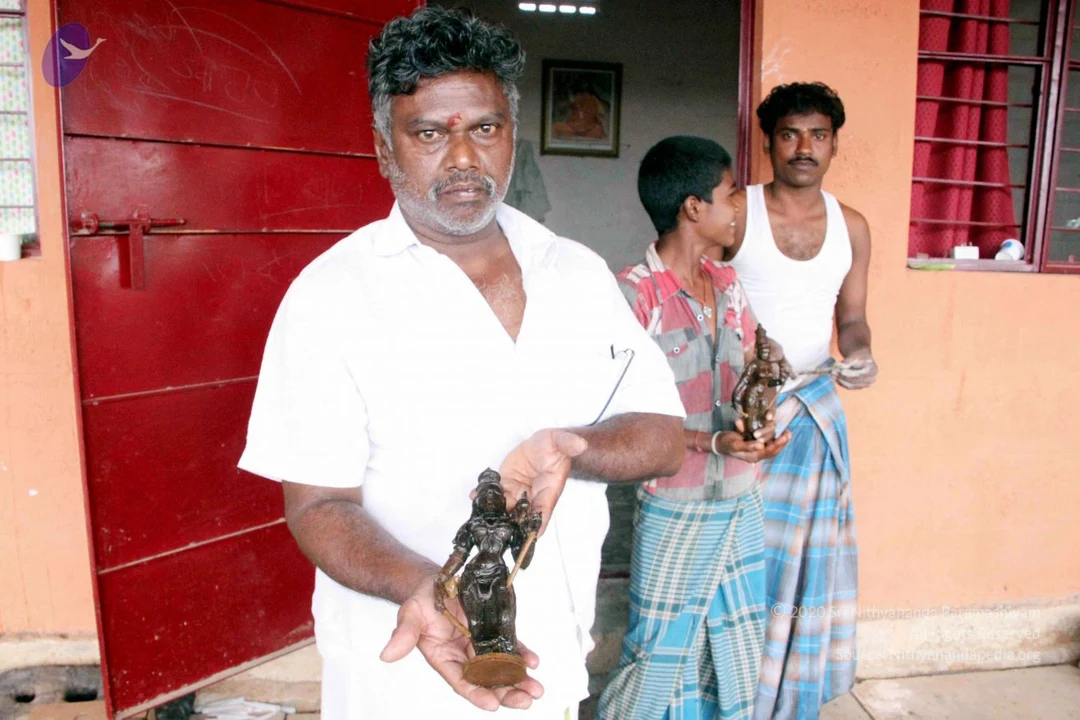
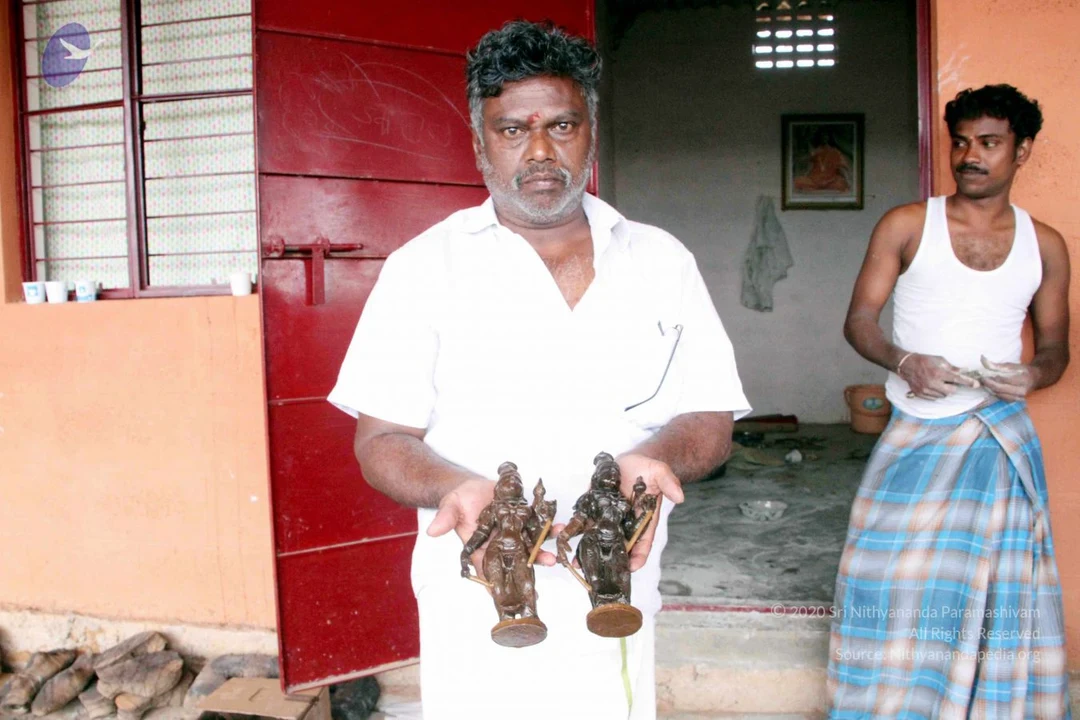
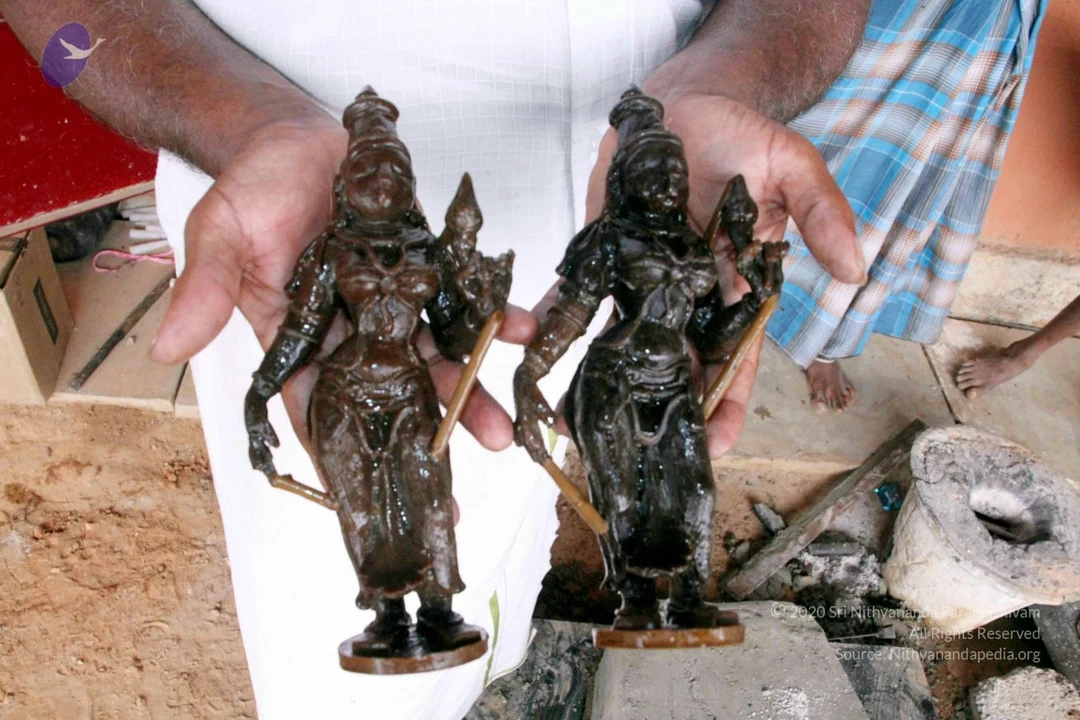
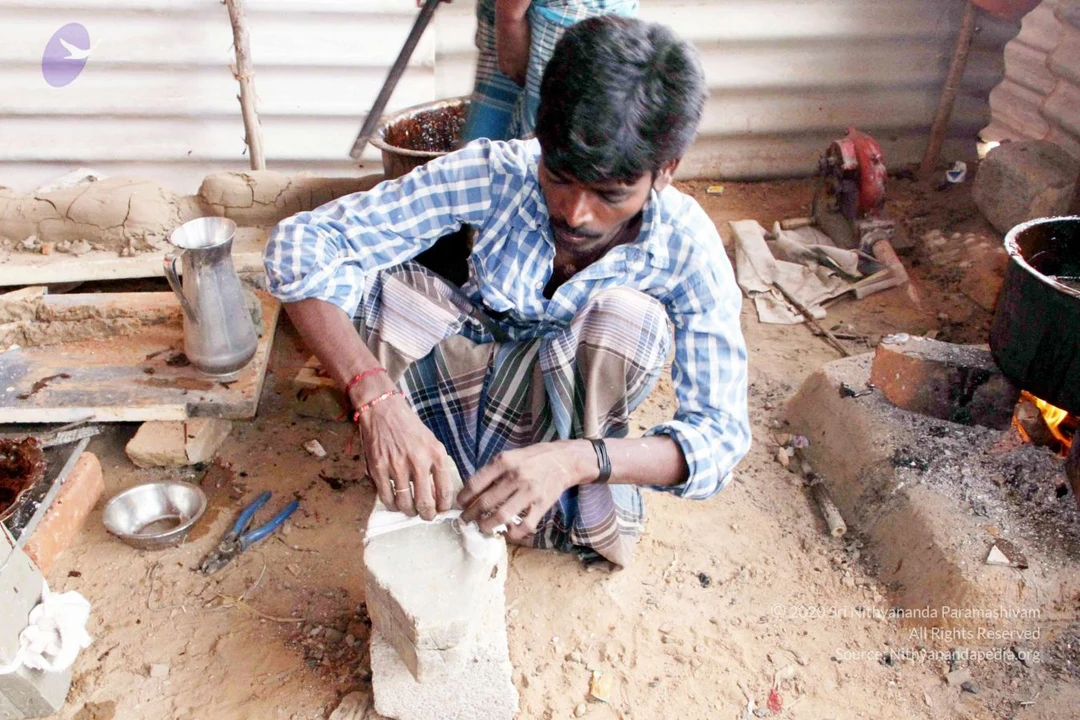
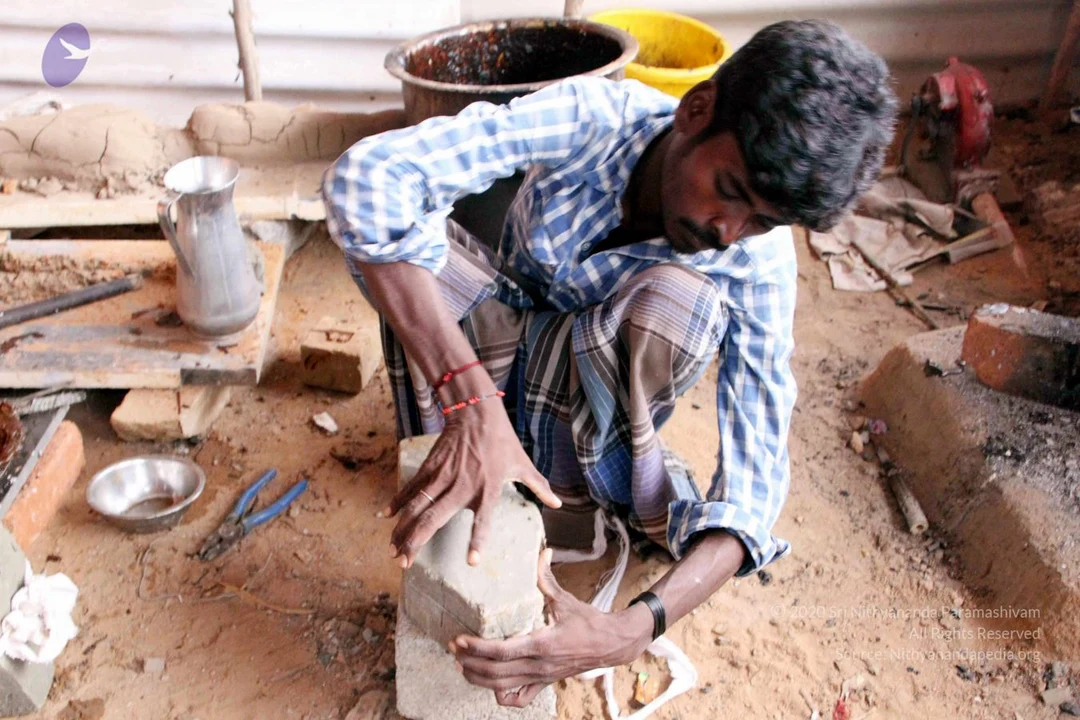
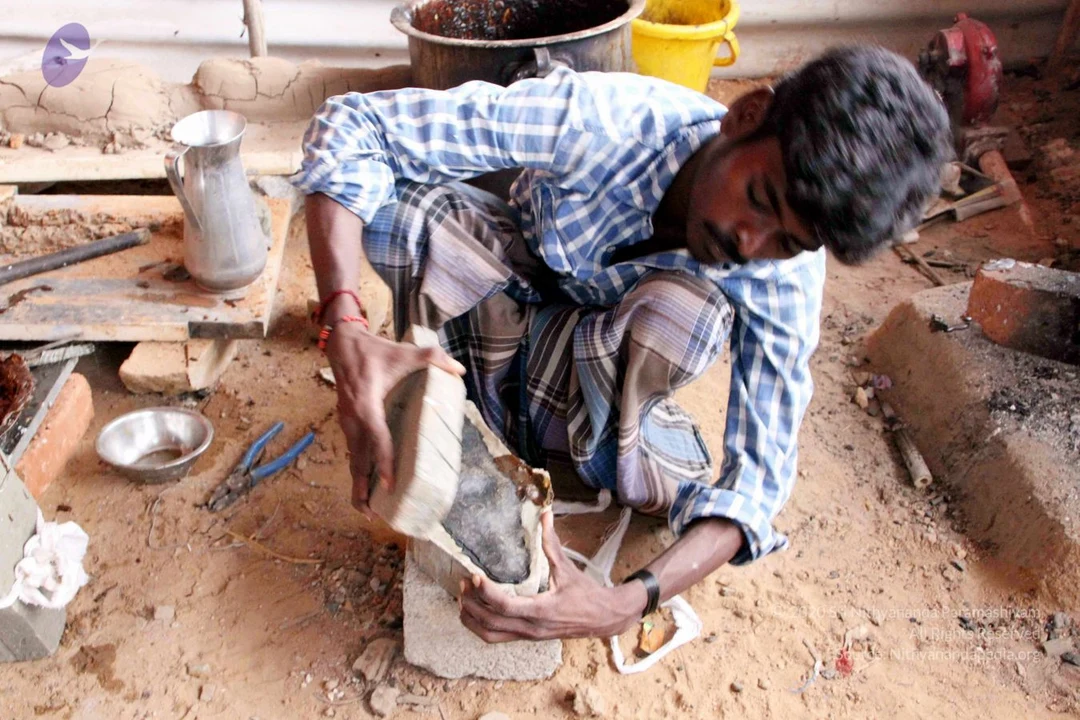
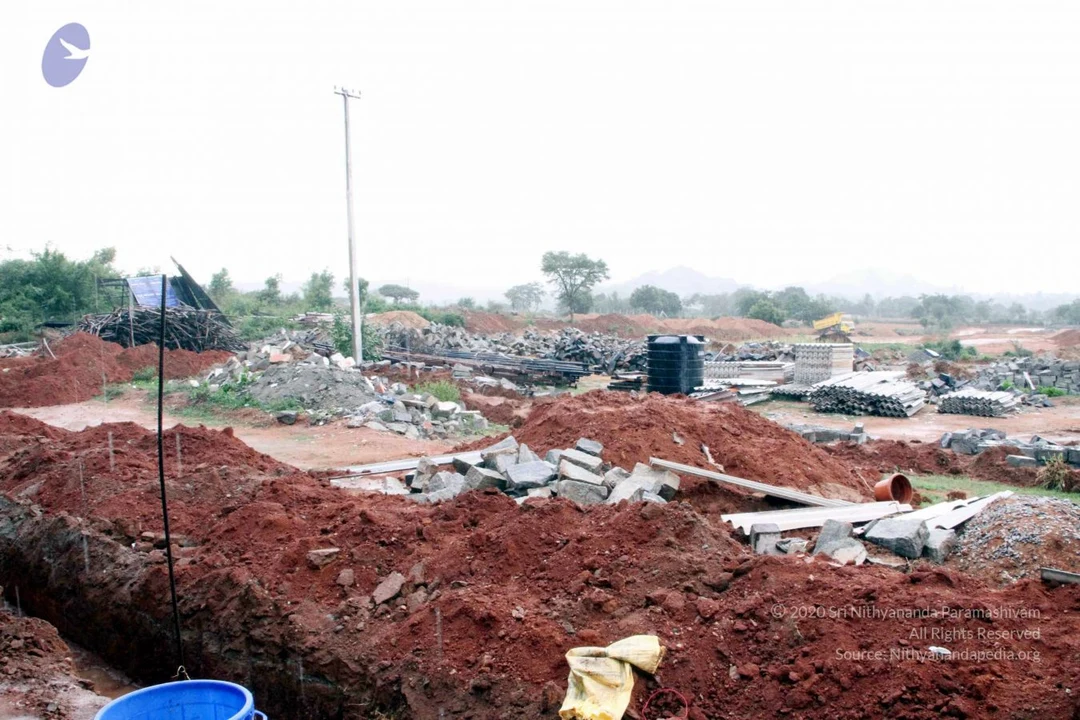
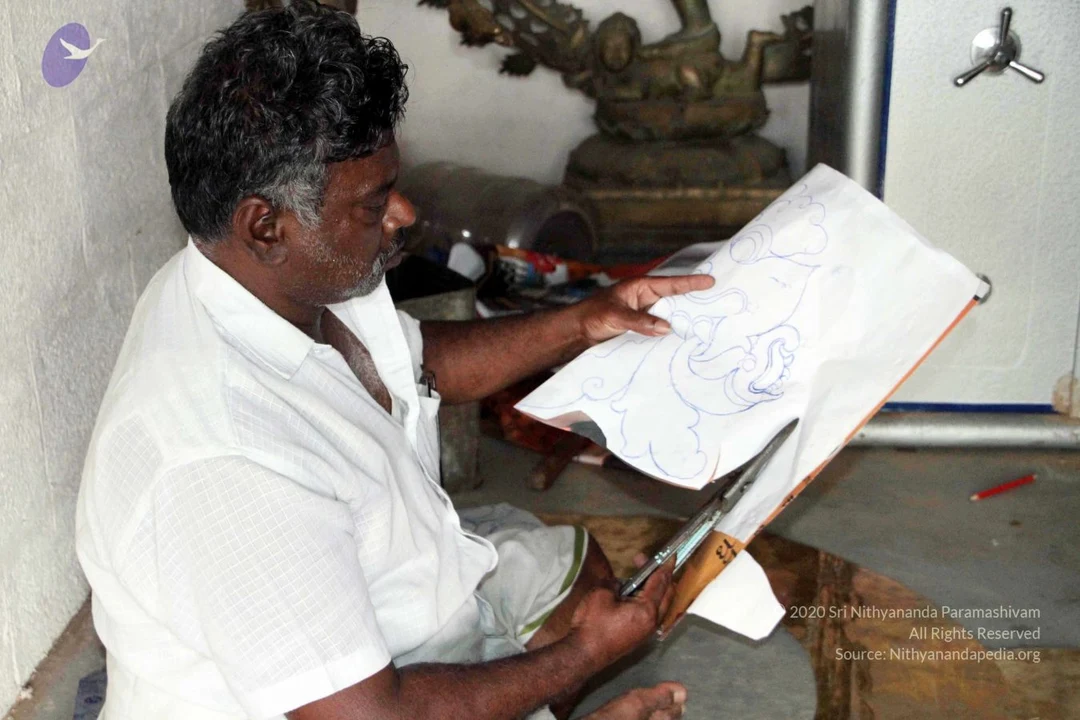
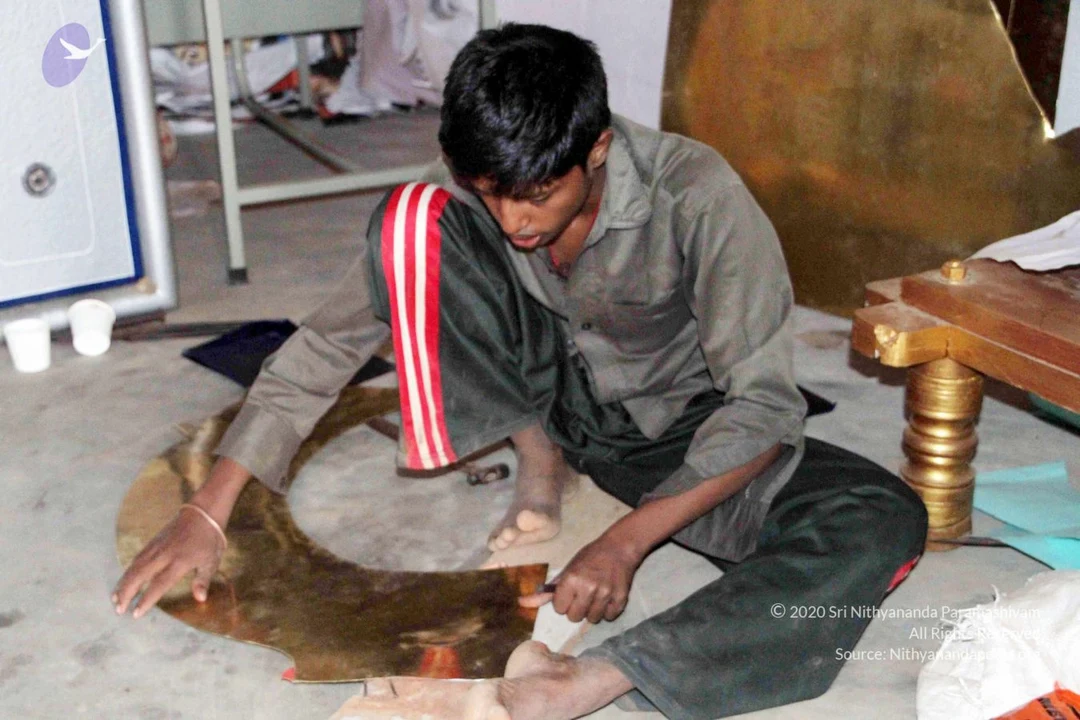
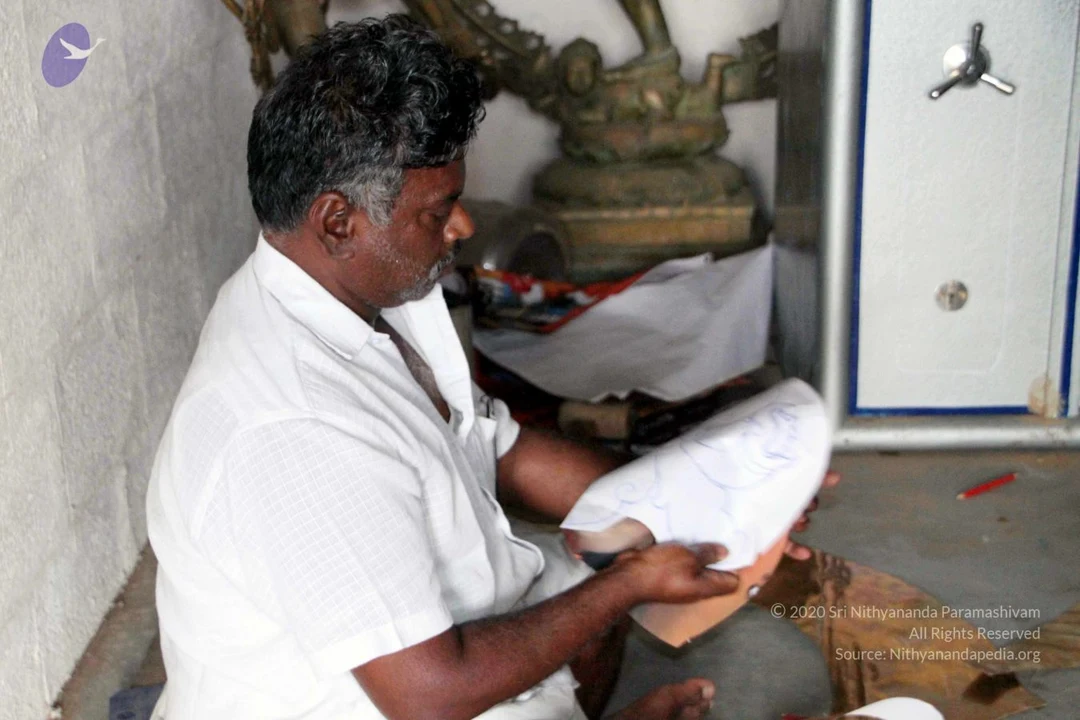
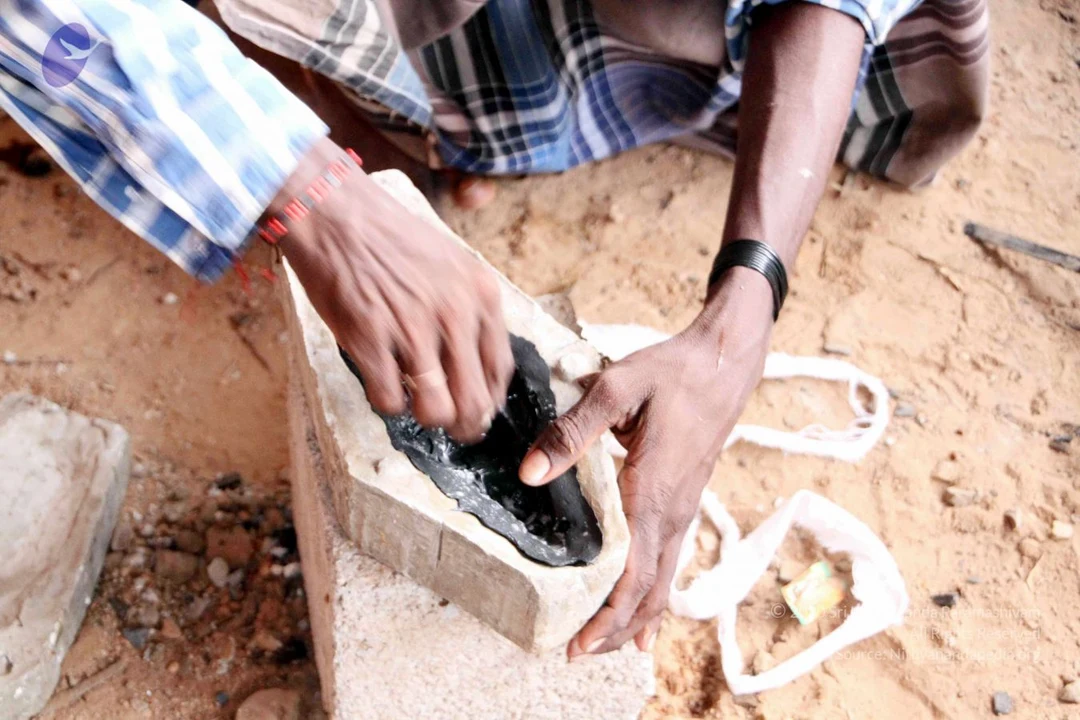
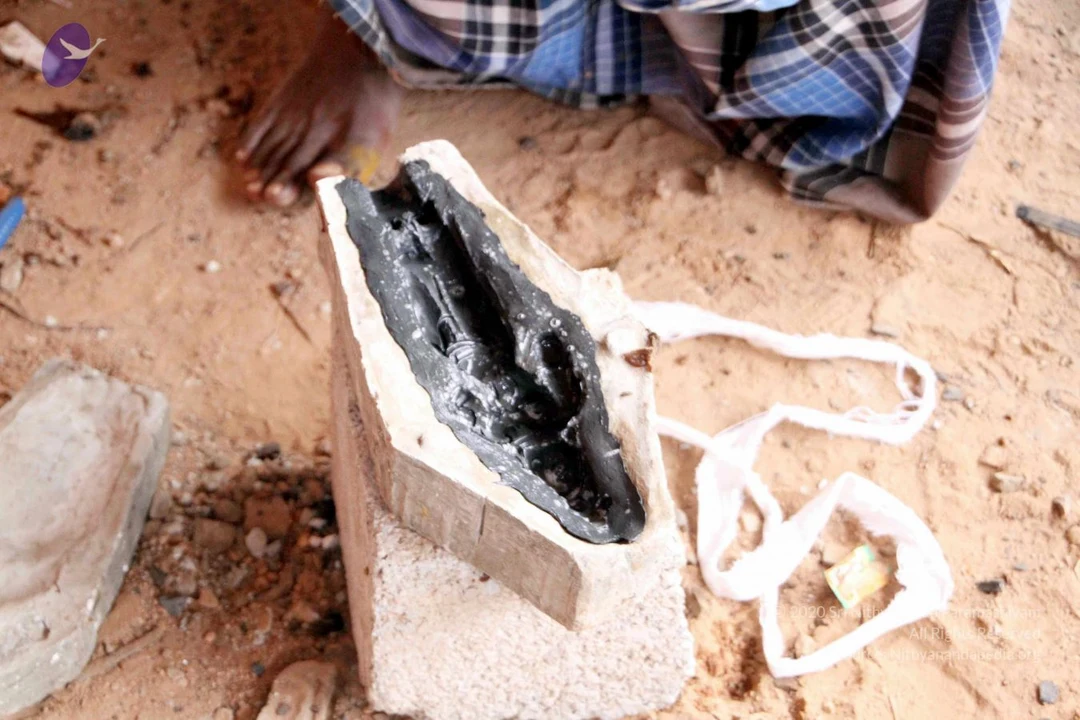
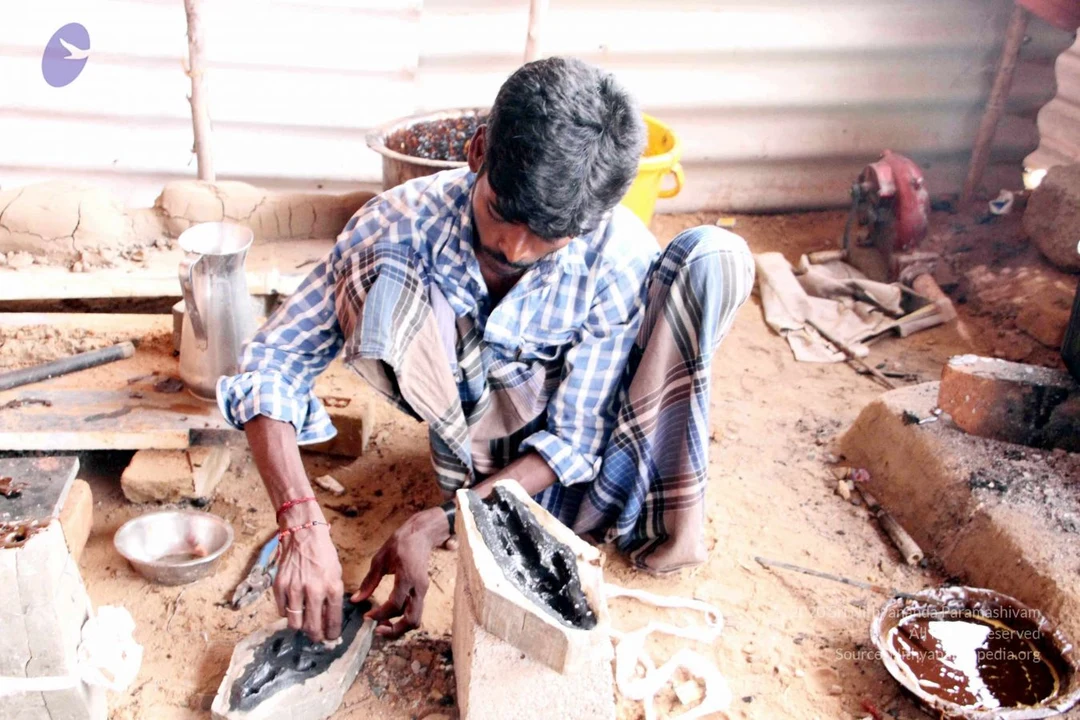
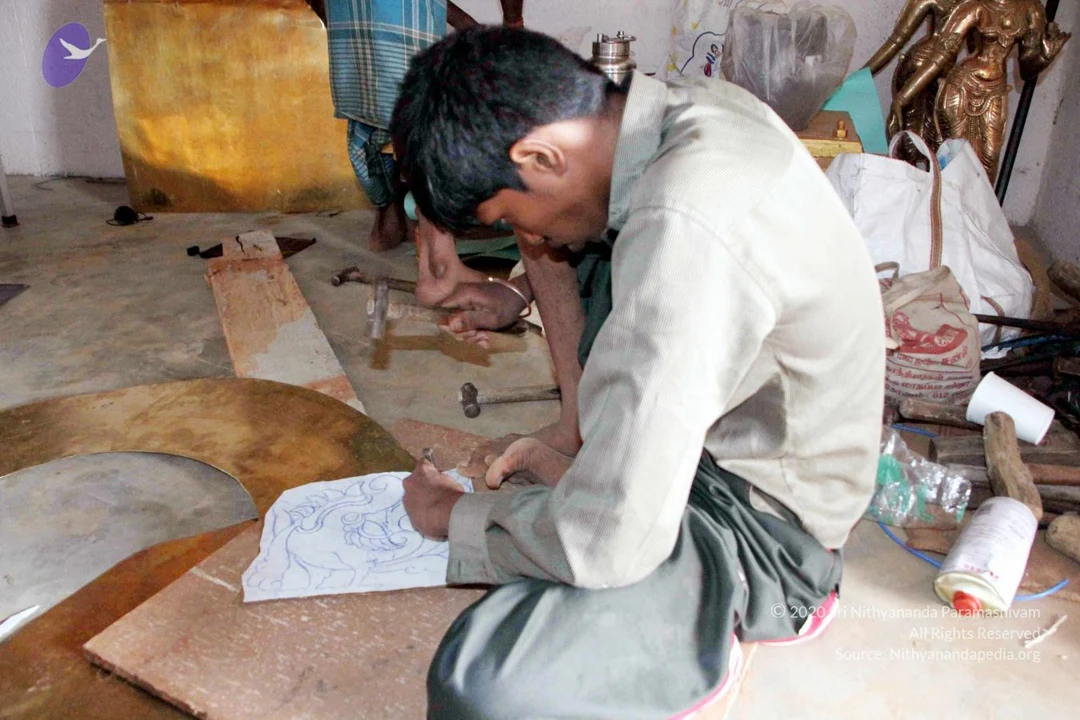
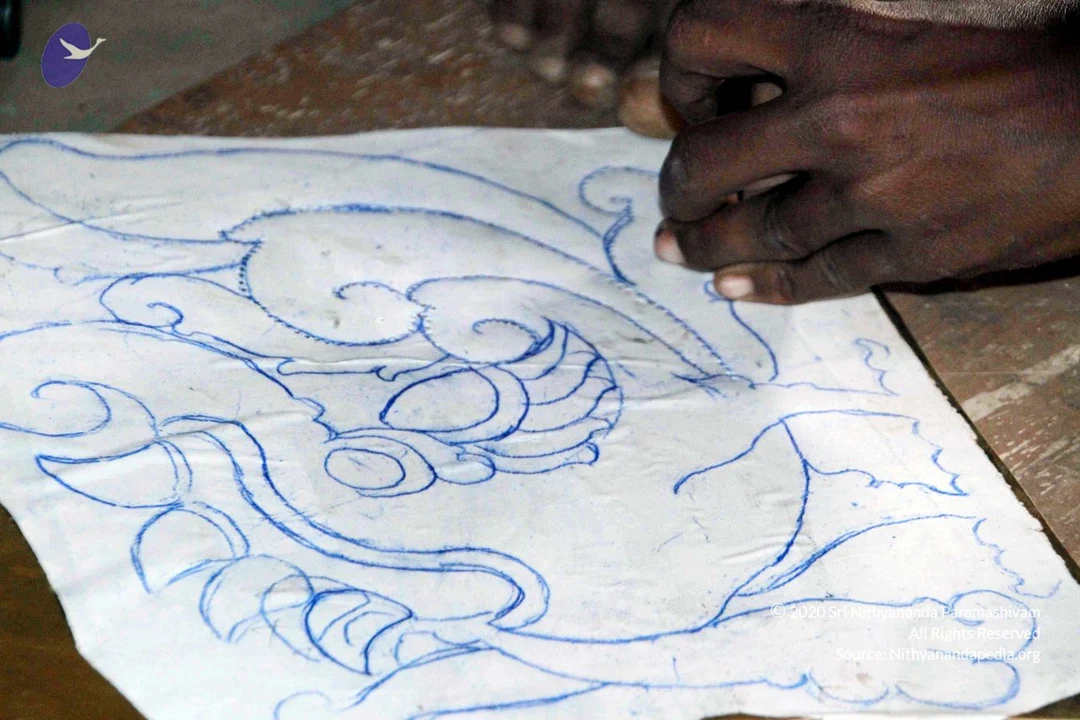
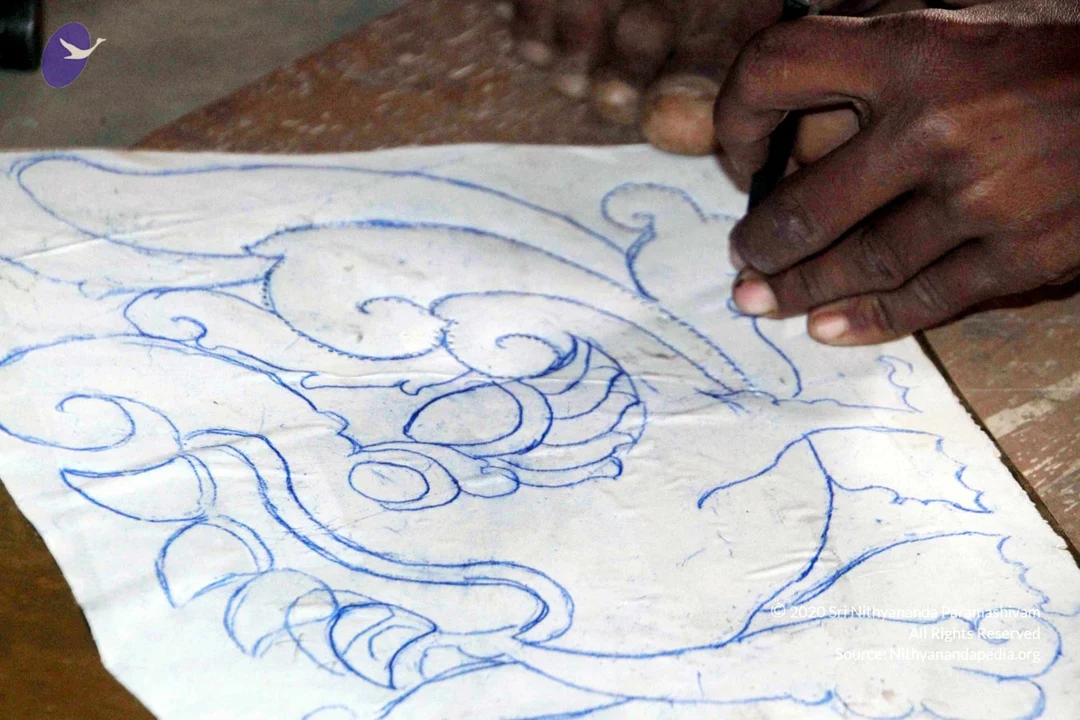
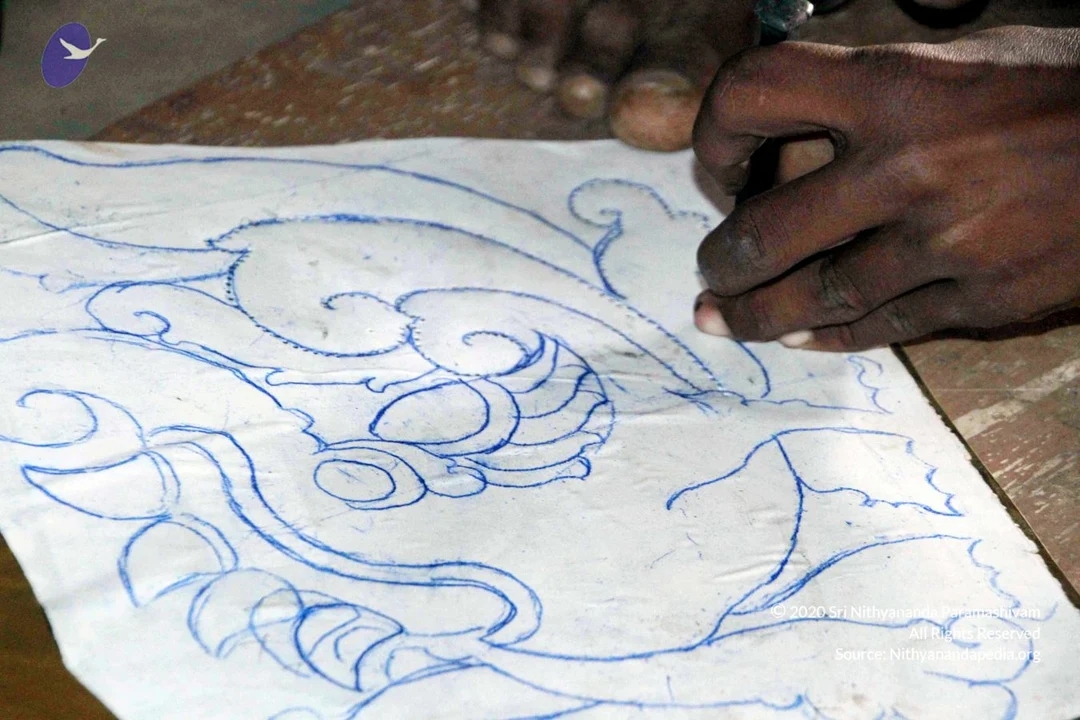
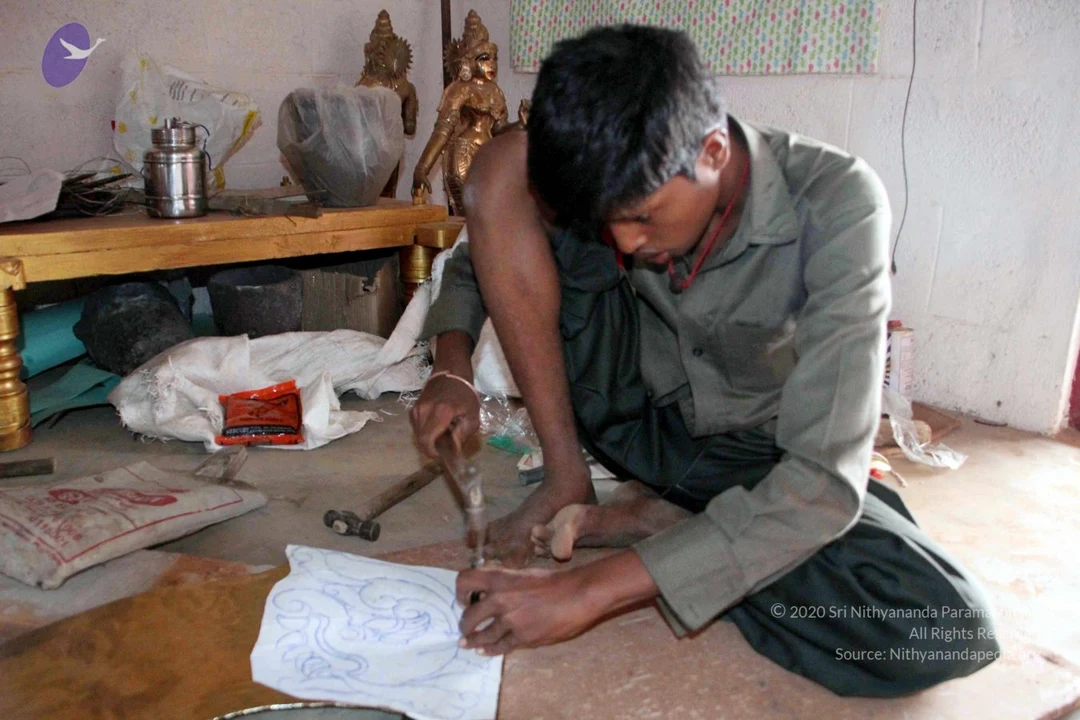
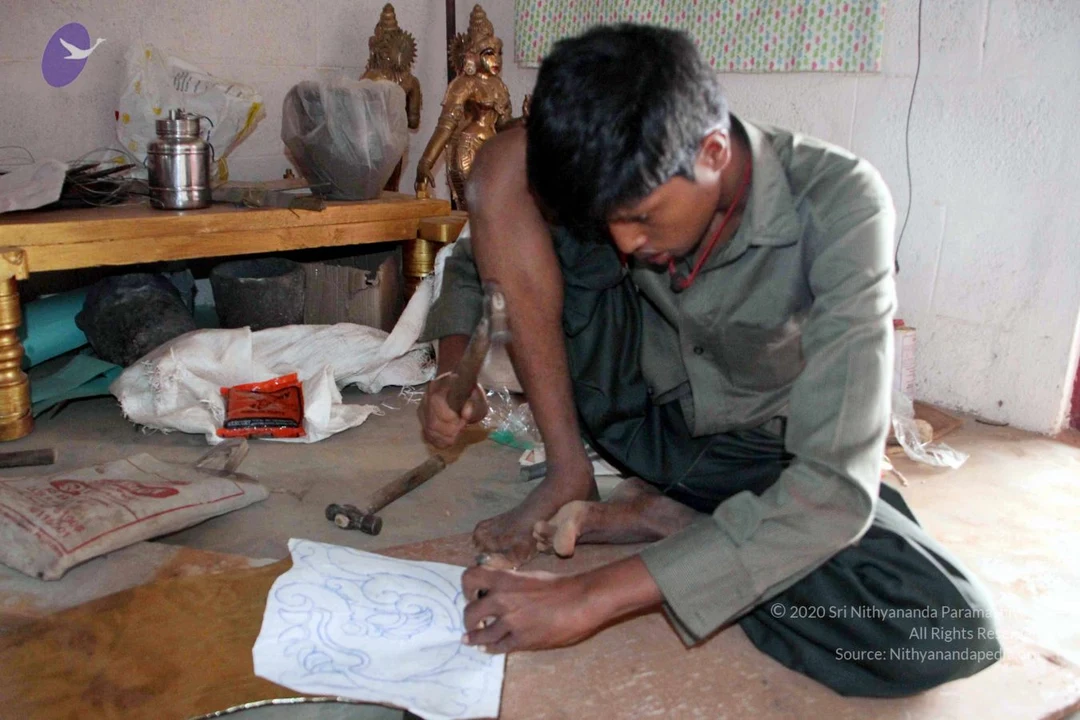
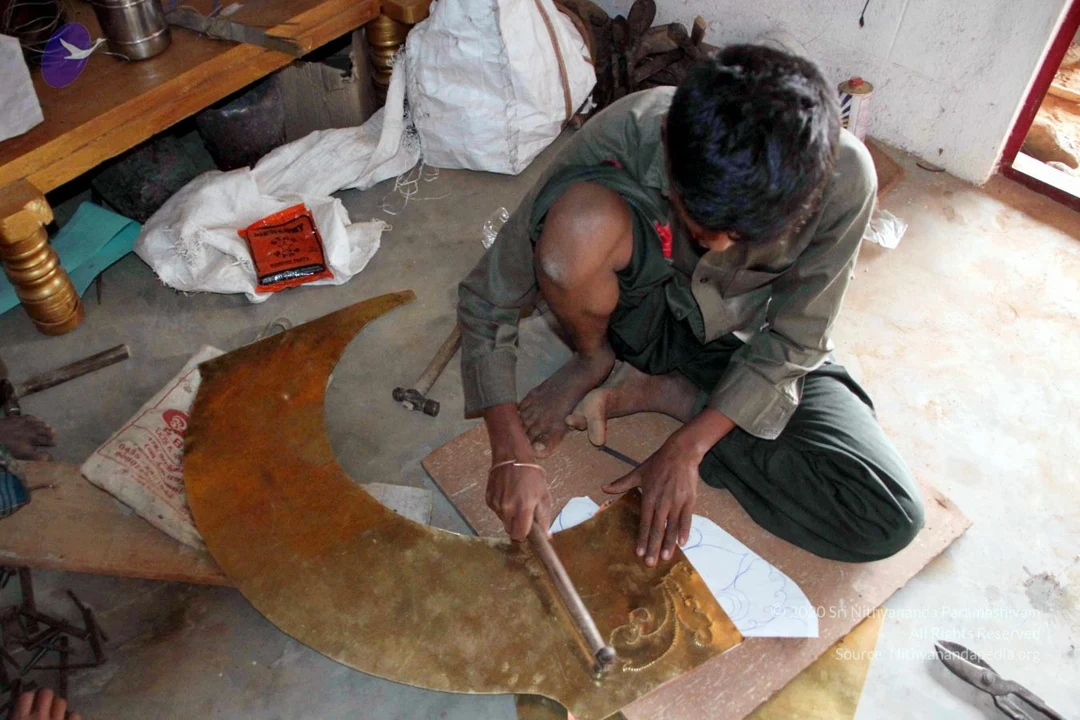
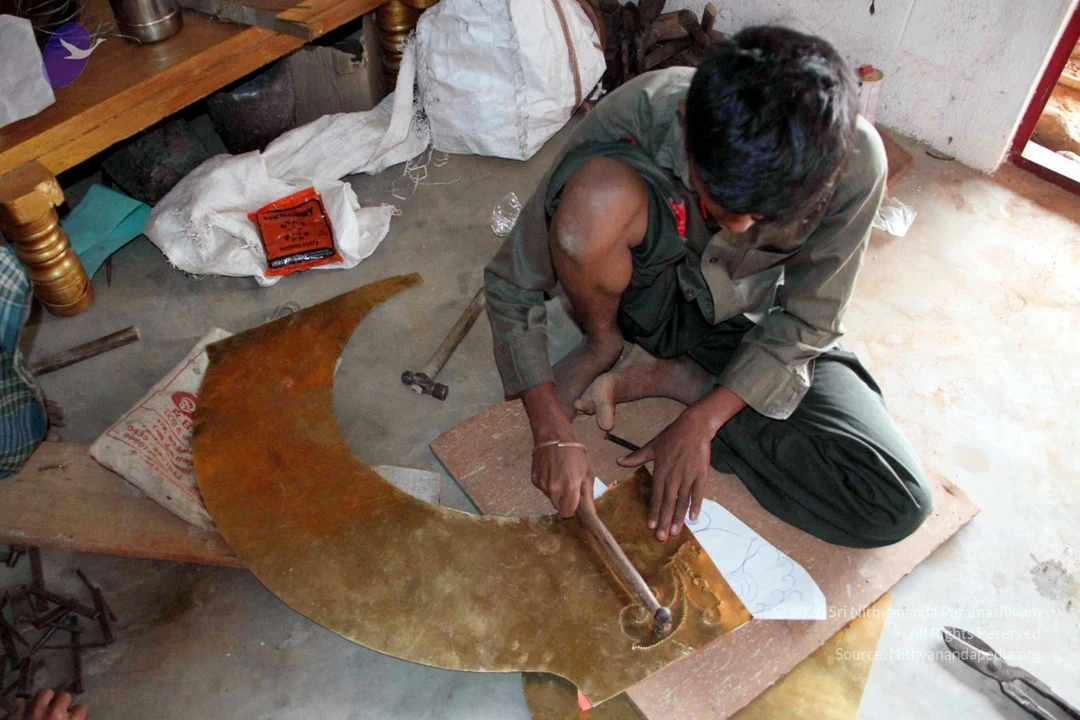
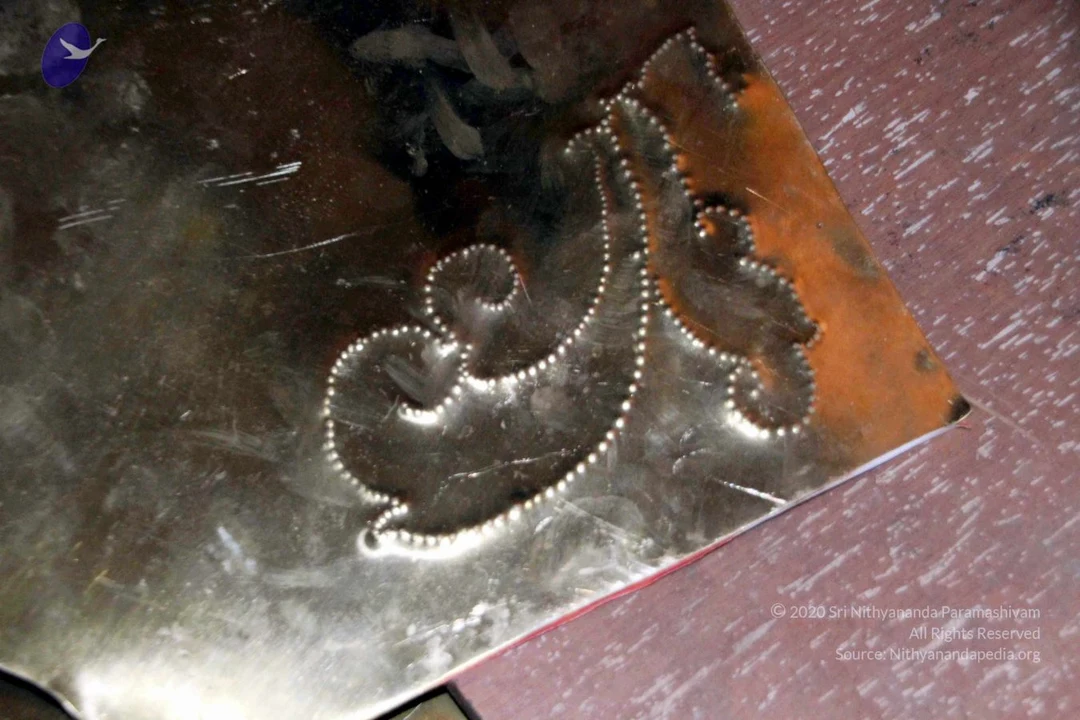
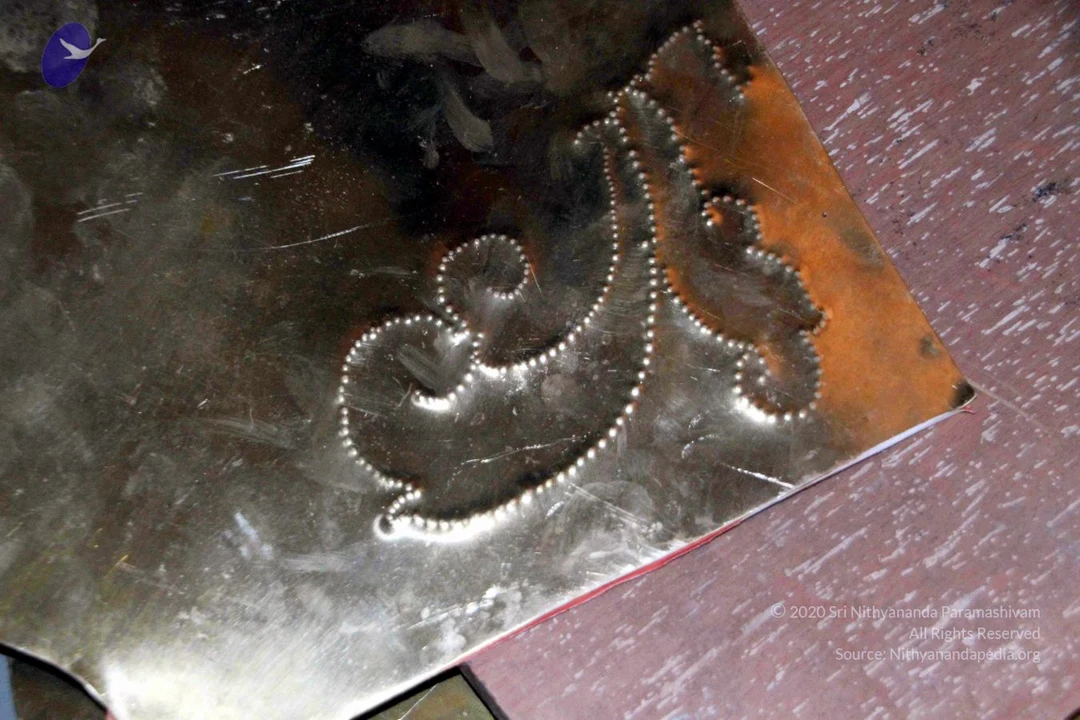
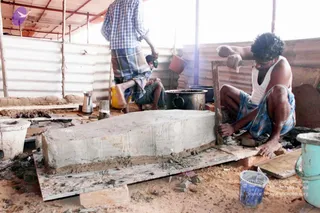
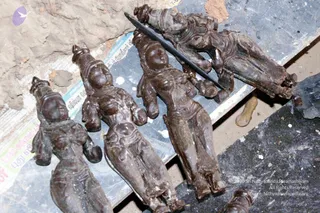
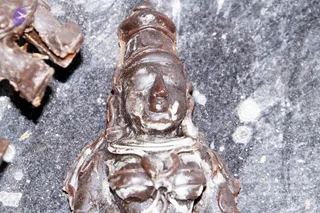
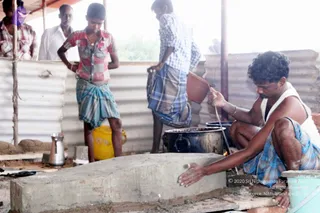
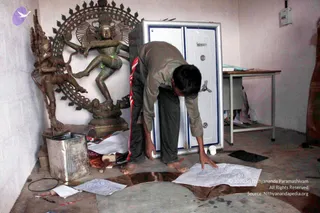
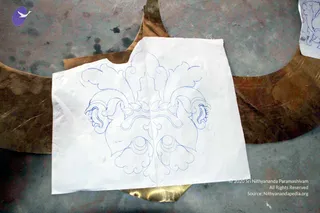
A photograph of workers in a rough open-sided shed working on a large rectangular block of pale stone resting on a wooden board. A man in a white vest and checked lungi kneels at the right, using a tool and hand near the block's edge. Another man in a blue checked shirt and lungi stands at the back, while a third sits in a lungi on a yellow bucket. Behind them are corrugated metal walls, a metal cooking pot, a jug, plastic buckets and scattered mortar and debris on the dirt floor. No a person candidate is visible.Four dark bronze or metal deity murti figurines lie scattered on a grey metal sheet beside a patch of dirt and a crumpled newspaper with Tamil print. The figures have crowned heads, ornate jewelry and multiple arms, and one holds a long dark rod or weapon diagonally across the frame. No people are visible, and the figures appear to be unmounted statues on the ground.Close-up photograph of a small dark brown figurine, apparently a deity murti with a tall conical headdress and broad face, carved with a bulbous necklace and chest ornaments, its surface dusted with white residue. Set on a grey speckled stone surface, with broken dark brown fragments at the upper left. No people are visible; the image shows only the figure and stone.A photo of workers at an open corrugated-metal shed. In the foreground a bare-chested man in a blue-and-white checked lungi and white cloth sits crouched beside a long concrete slab, working with a metal tool over a black pot on a small fire. Behind him a man in a blue-checked lungi pours from a terracotta pot, a boy in a red-and-white striped shirt and checked lungi stands watching, and an older man in a checked shirt and white shirt stands in the background. A yellow plastic drum and a steel jug sit on the ground. No a person candidate is visible, and no ritual is evident; this is a manual construction-type scene.A young man in a grey long-sleeved top with red side stripes and dark track pants bends over a workshop floor, hands pressed down on large white paper sheets with blue sketched designs. Behind him stands a grey steel safe with a silver handle. To the left, a bronze Nataraja dancing Shiva figure with a flaming arch stands beside a bronze statue of a seated figure. Scattered papers, a metal bucket and a wooden mallet lie on the floor, and a wooden table is against the wall at right.A photograph of a paper stencil or template with a blue ink drawing of an ornate decorative motif, with scrolling leaves, flame-like petals and curling volutes, laid over curved sheets of brass or gold metal on a grey work surface. No people are visible. Metalwork craft preparation, such as tracing a design onto sheet metal for chasing or cutting.

nithyanandeshwara paramashiva devalayam

53 photosSource gallery
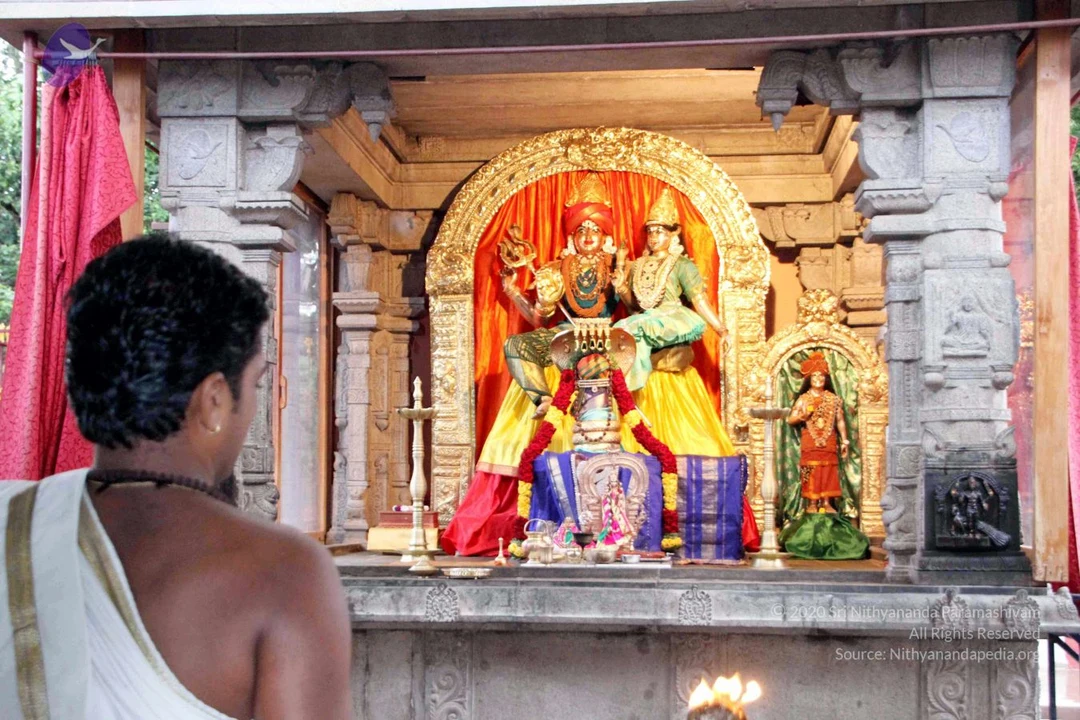
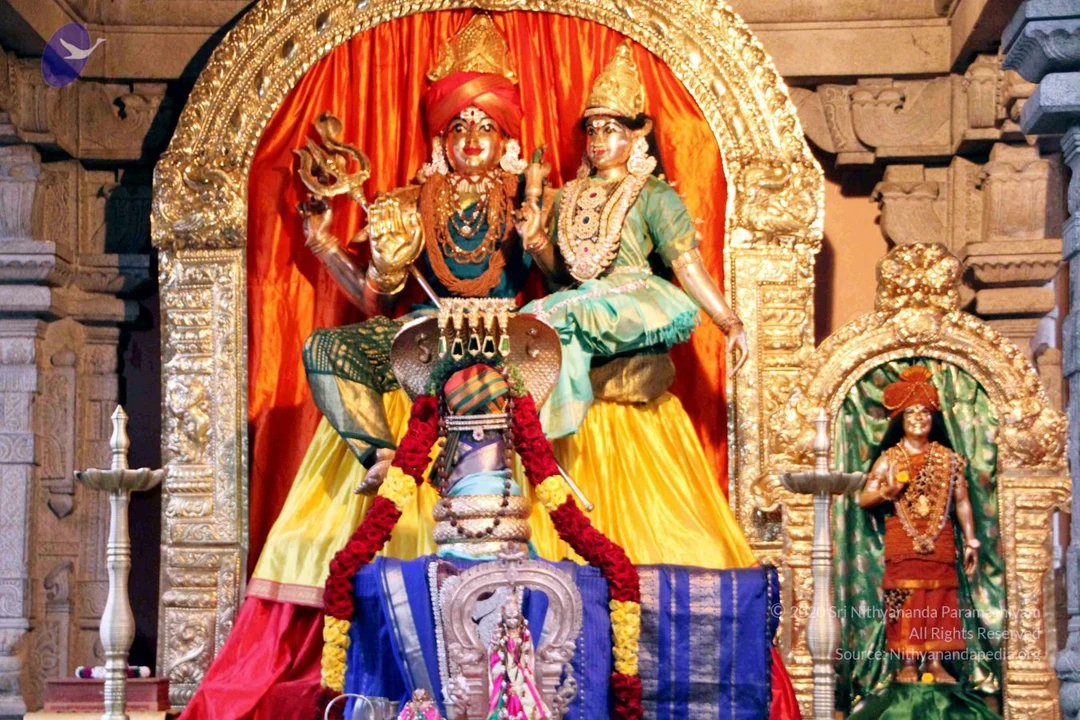
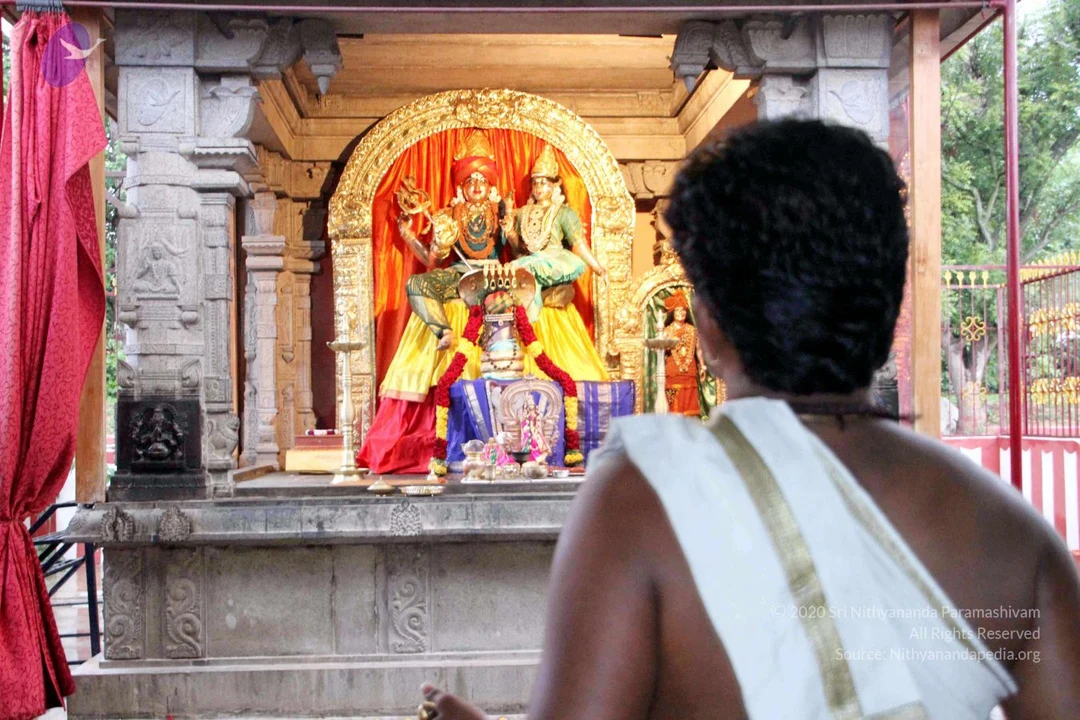
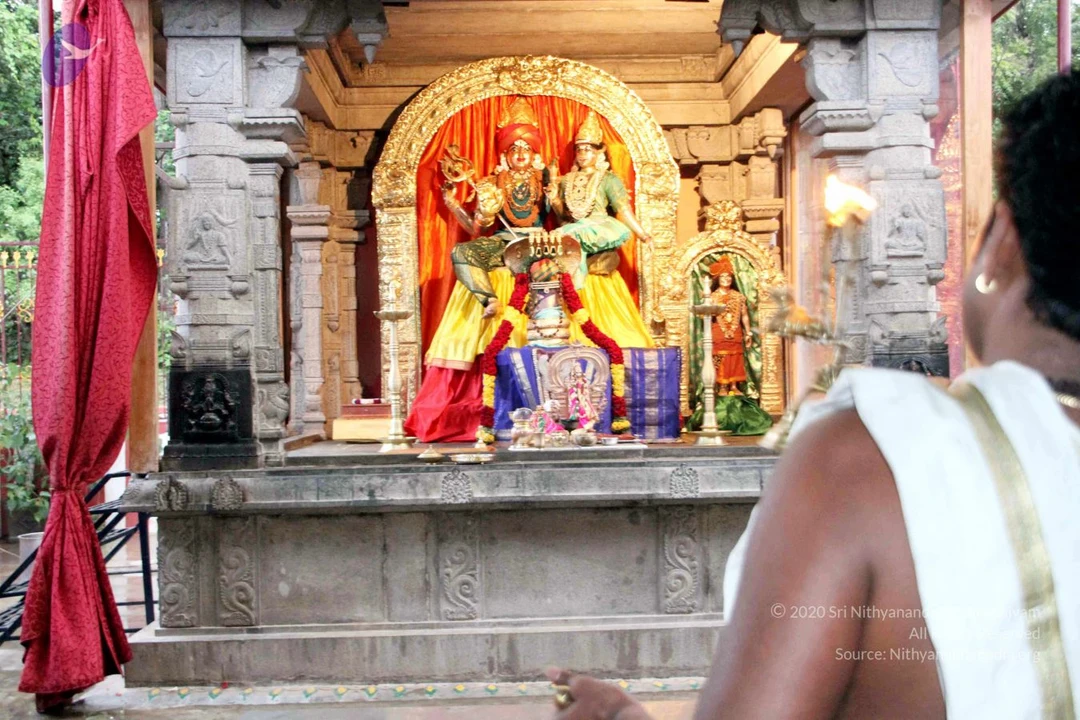
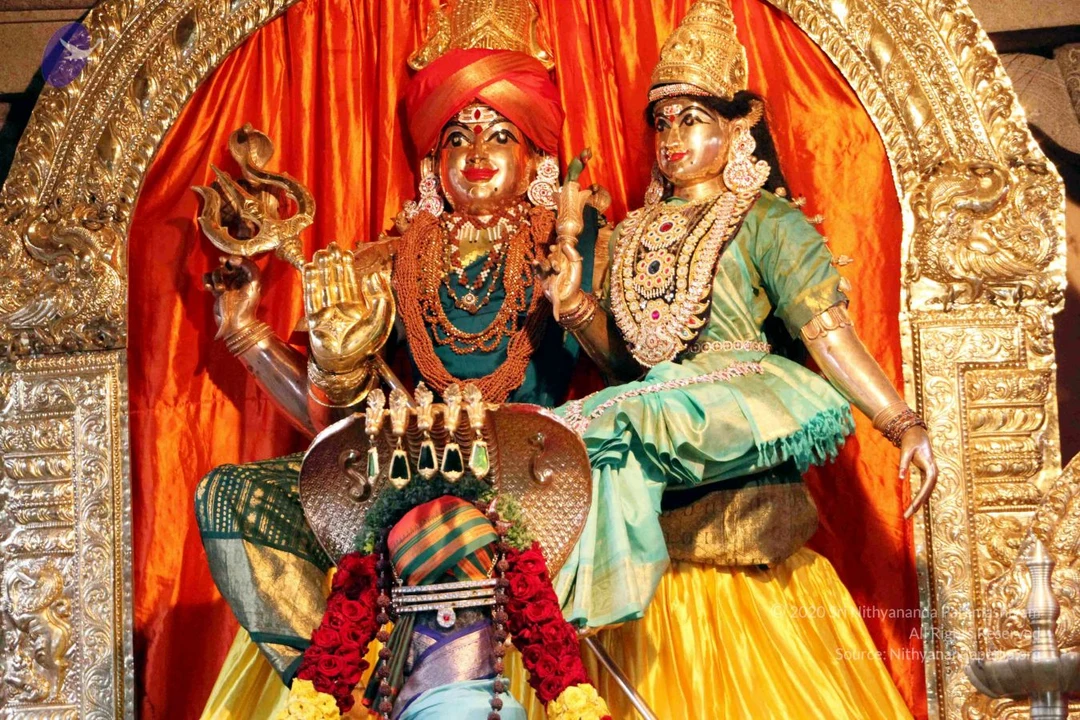
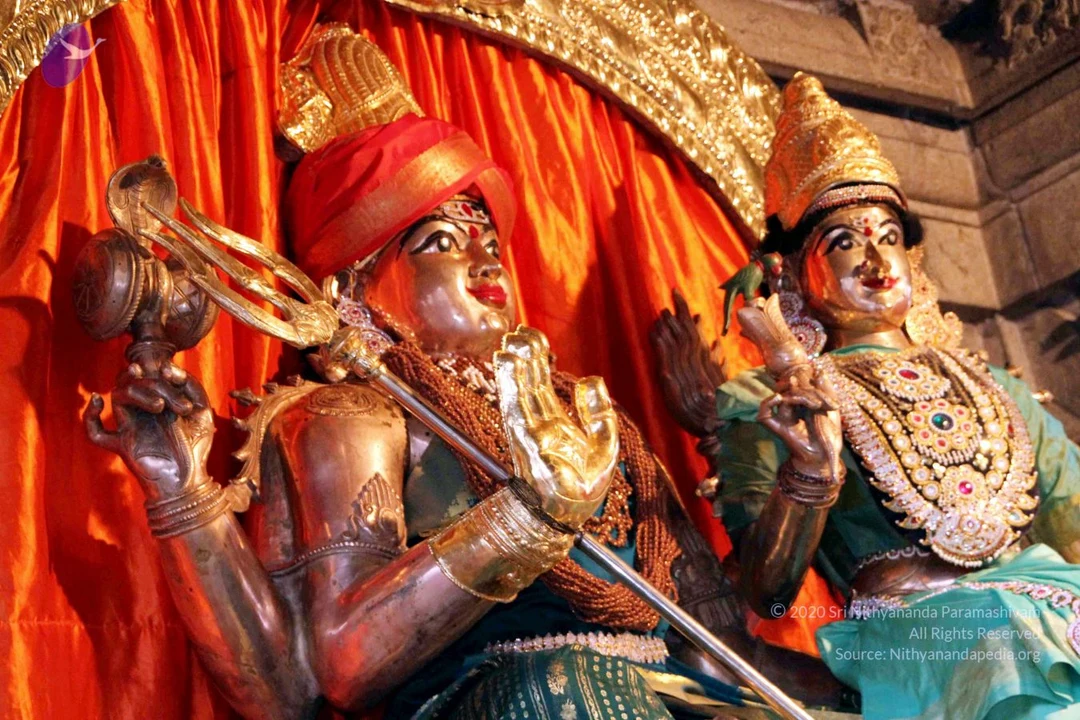
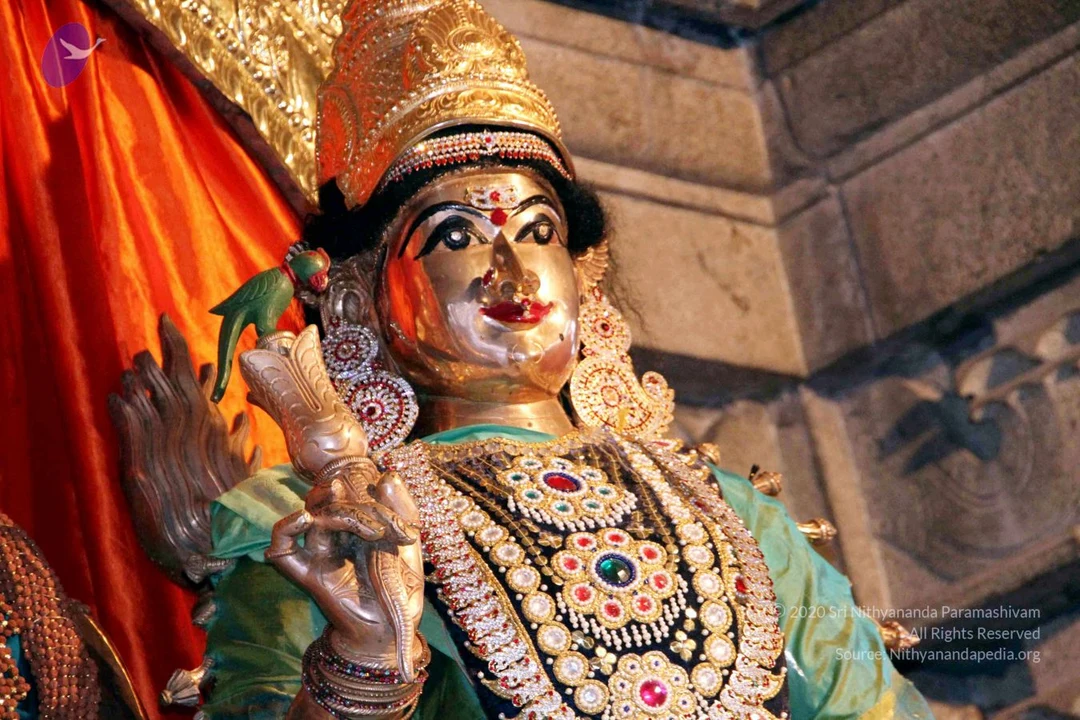
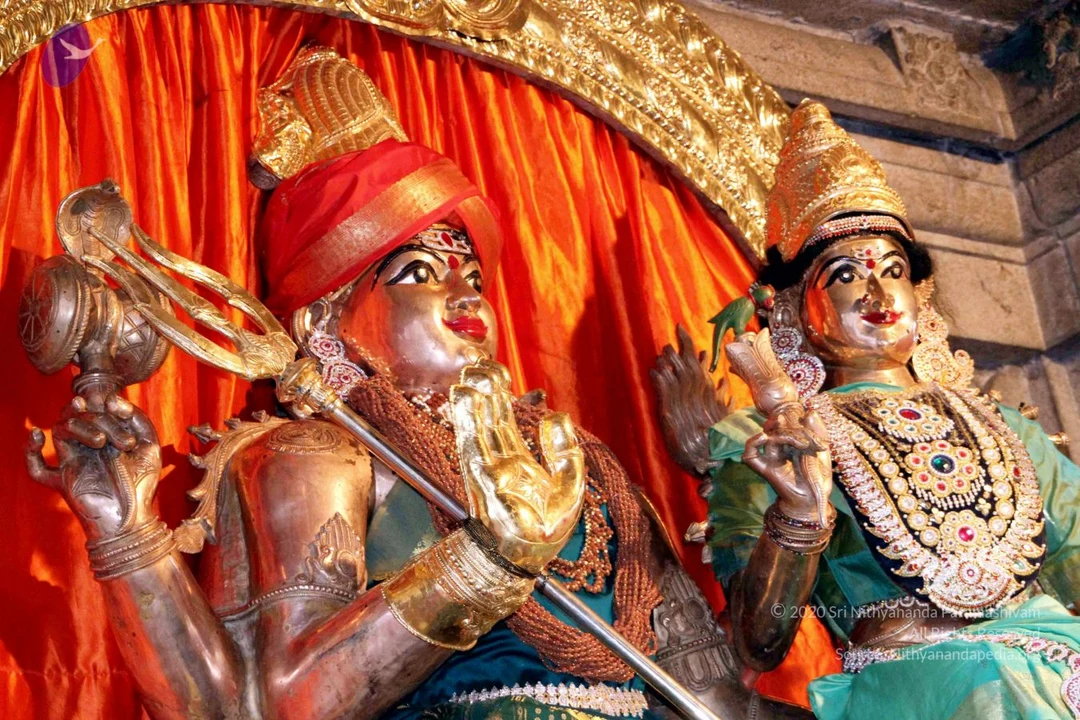
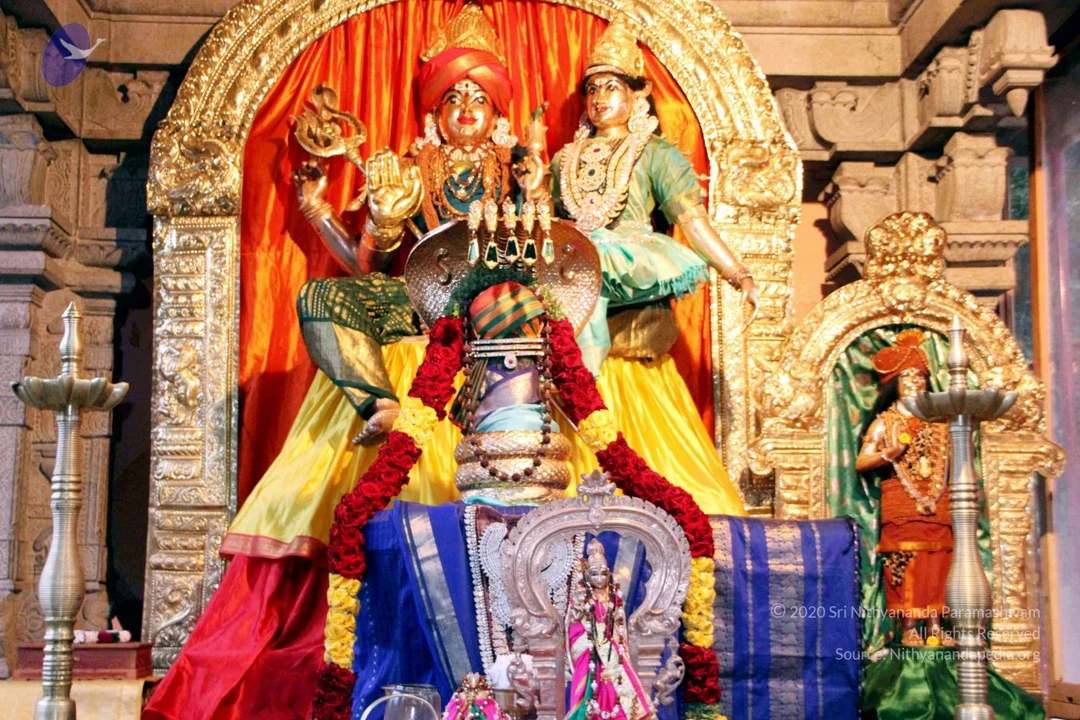
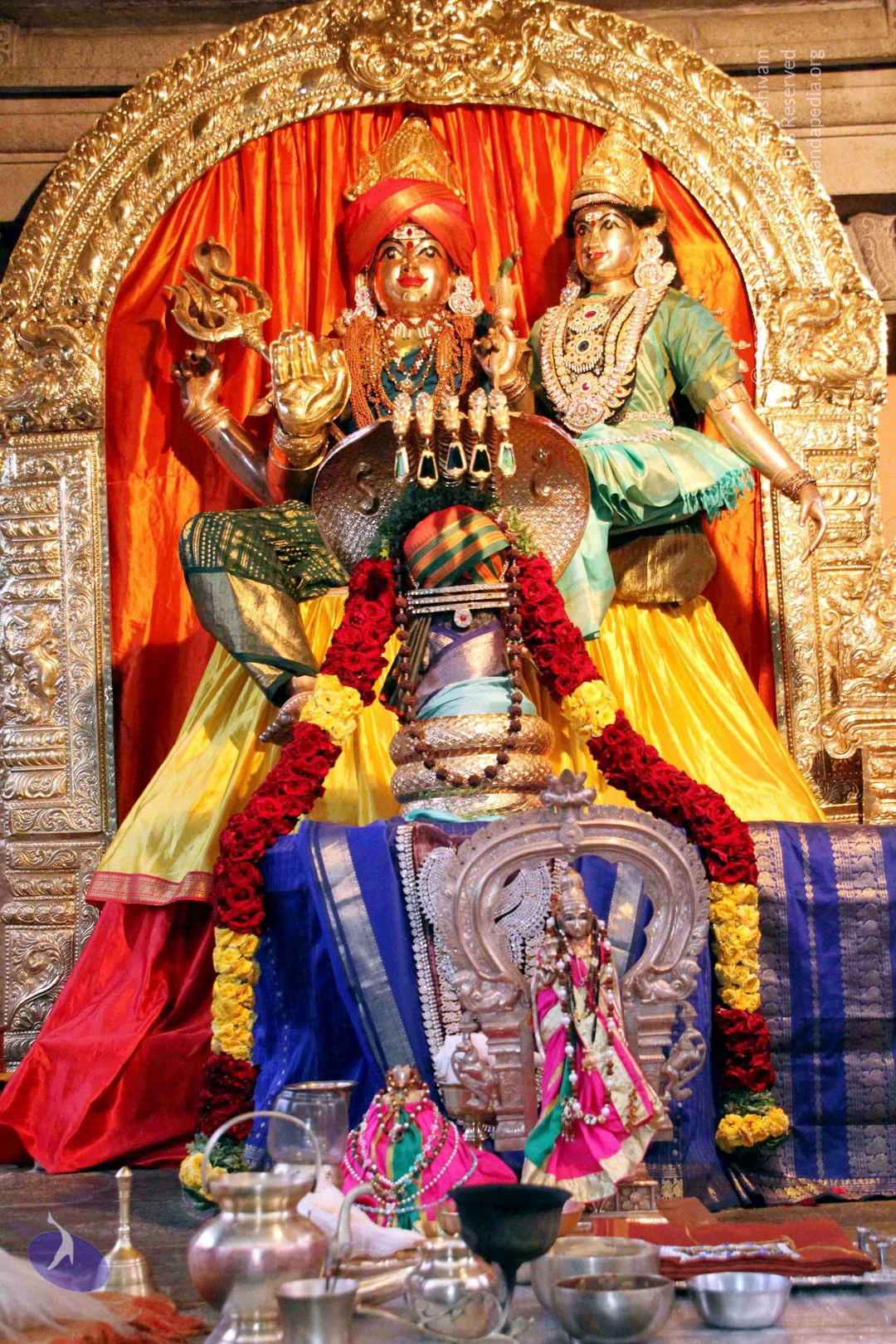
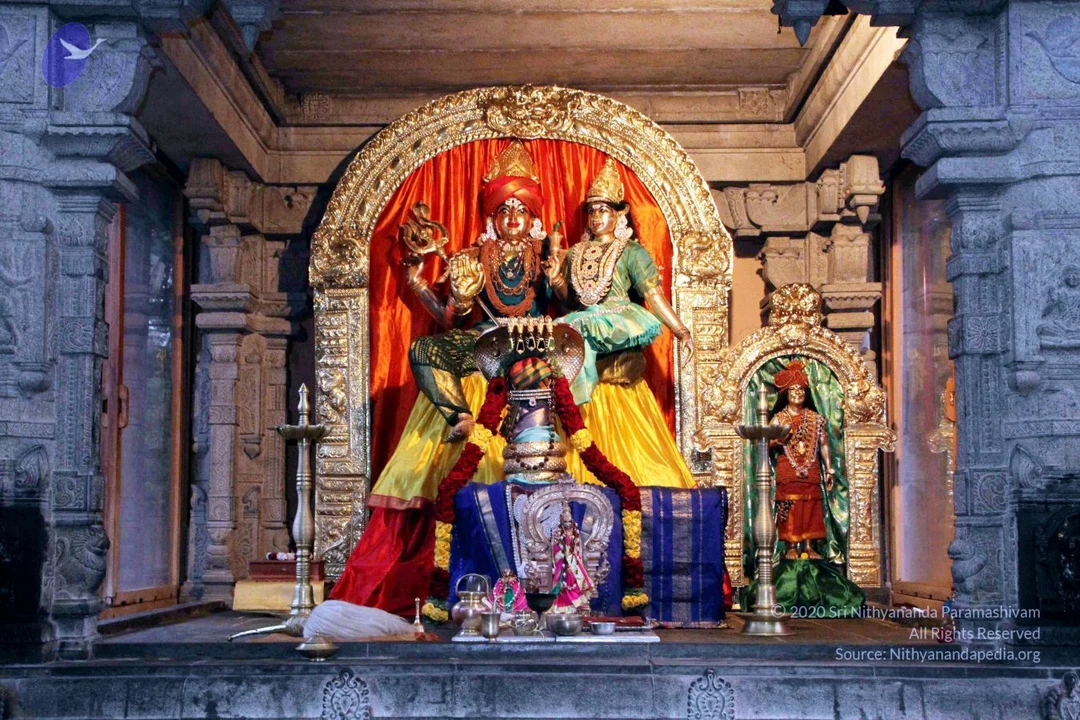
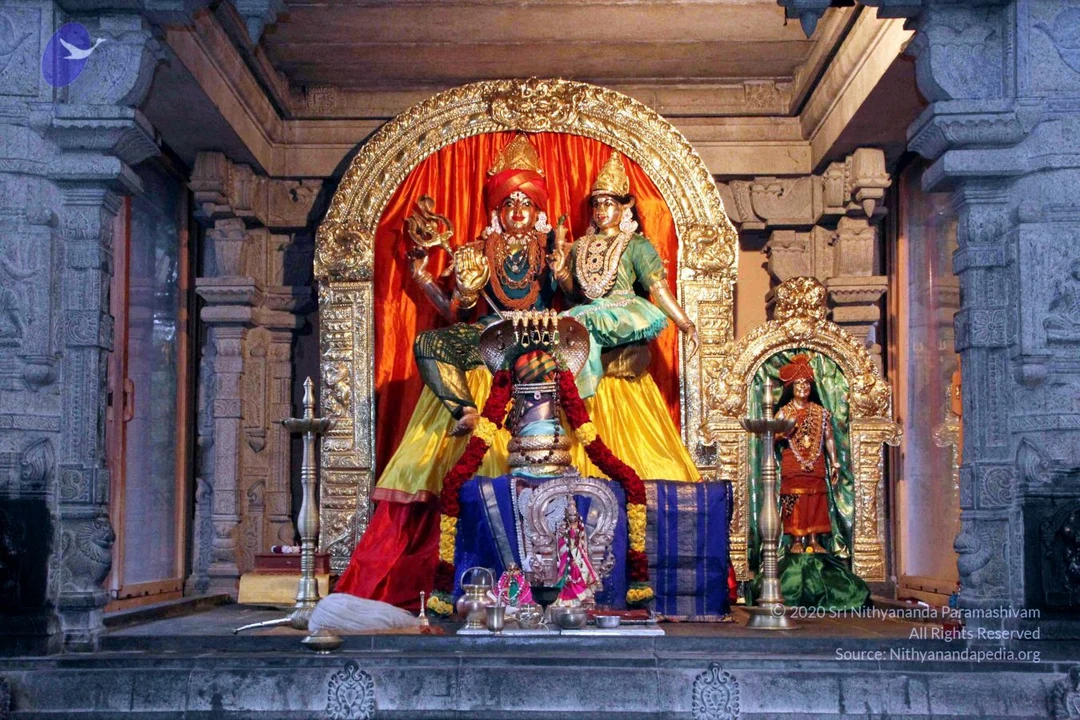
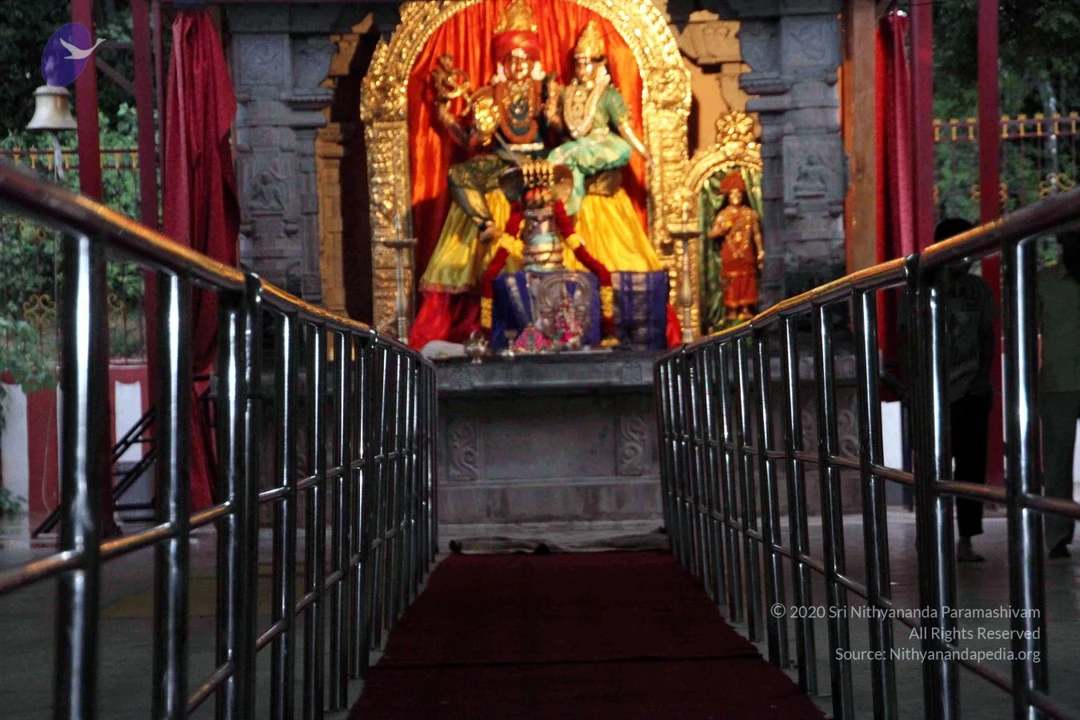
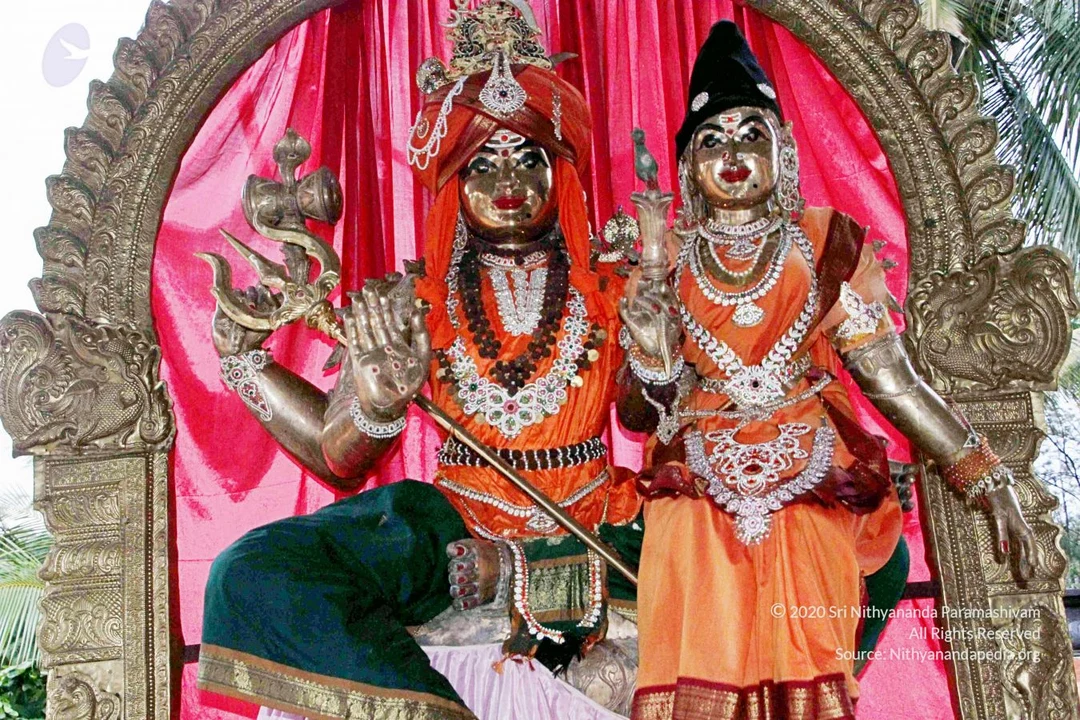
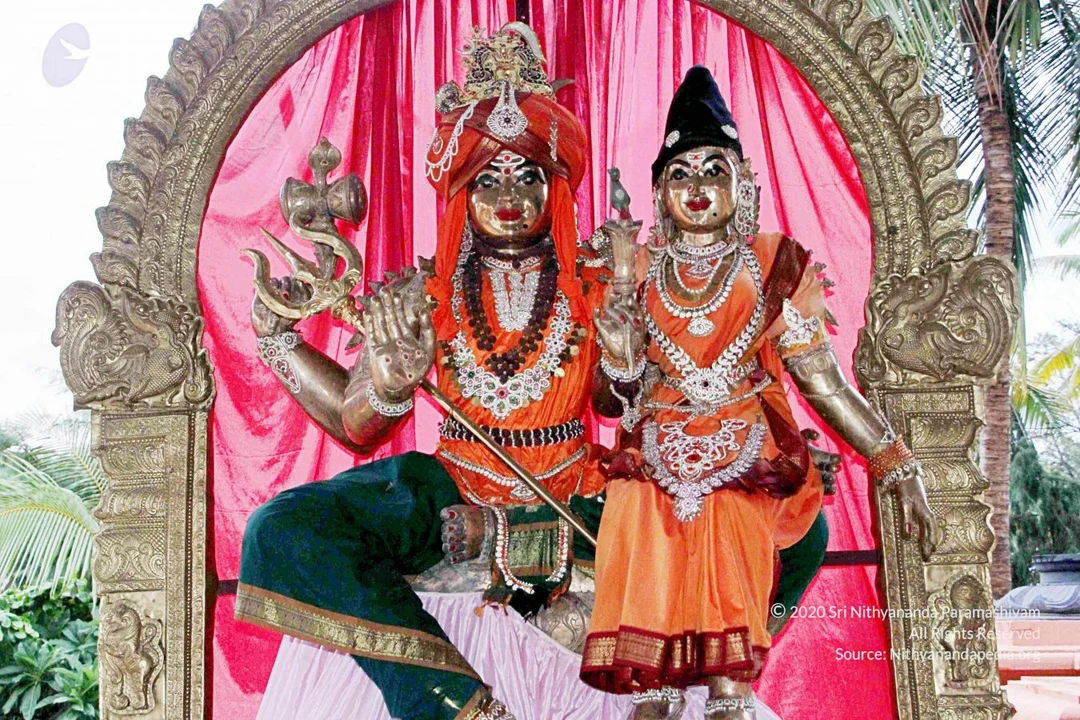
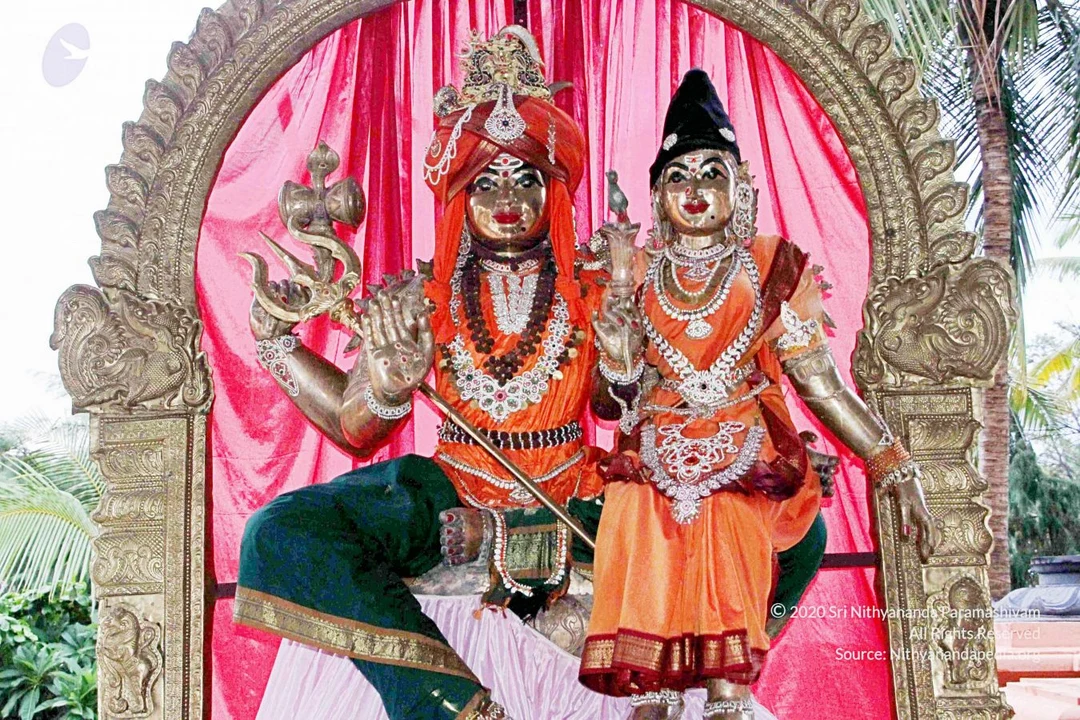
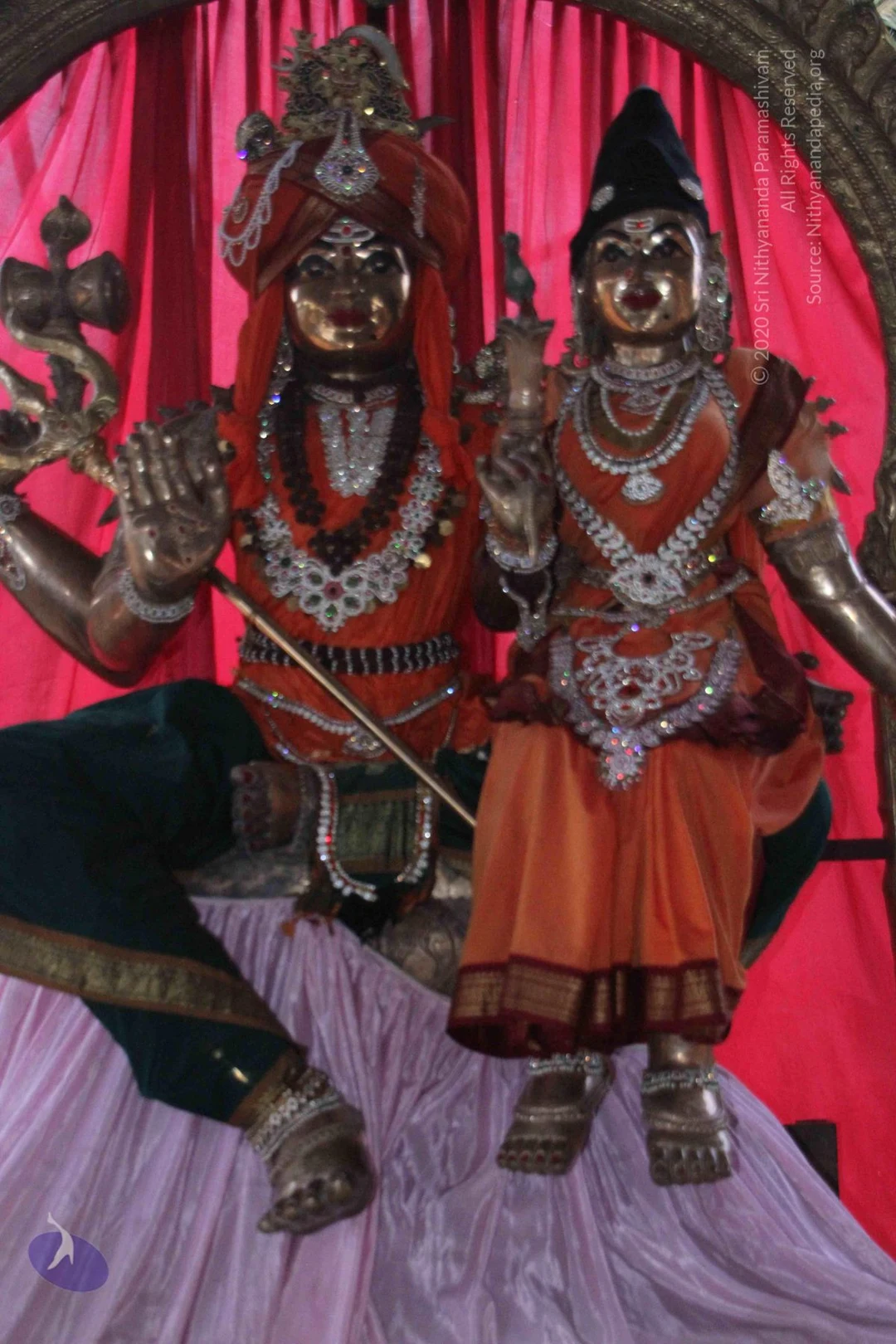
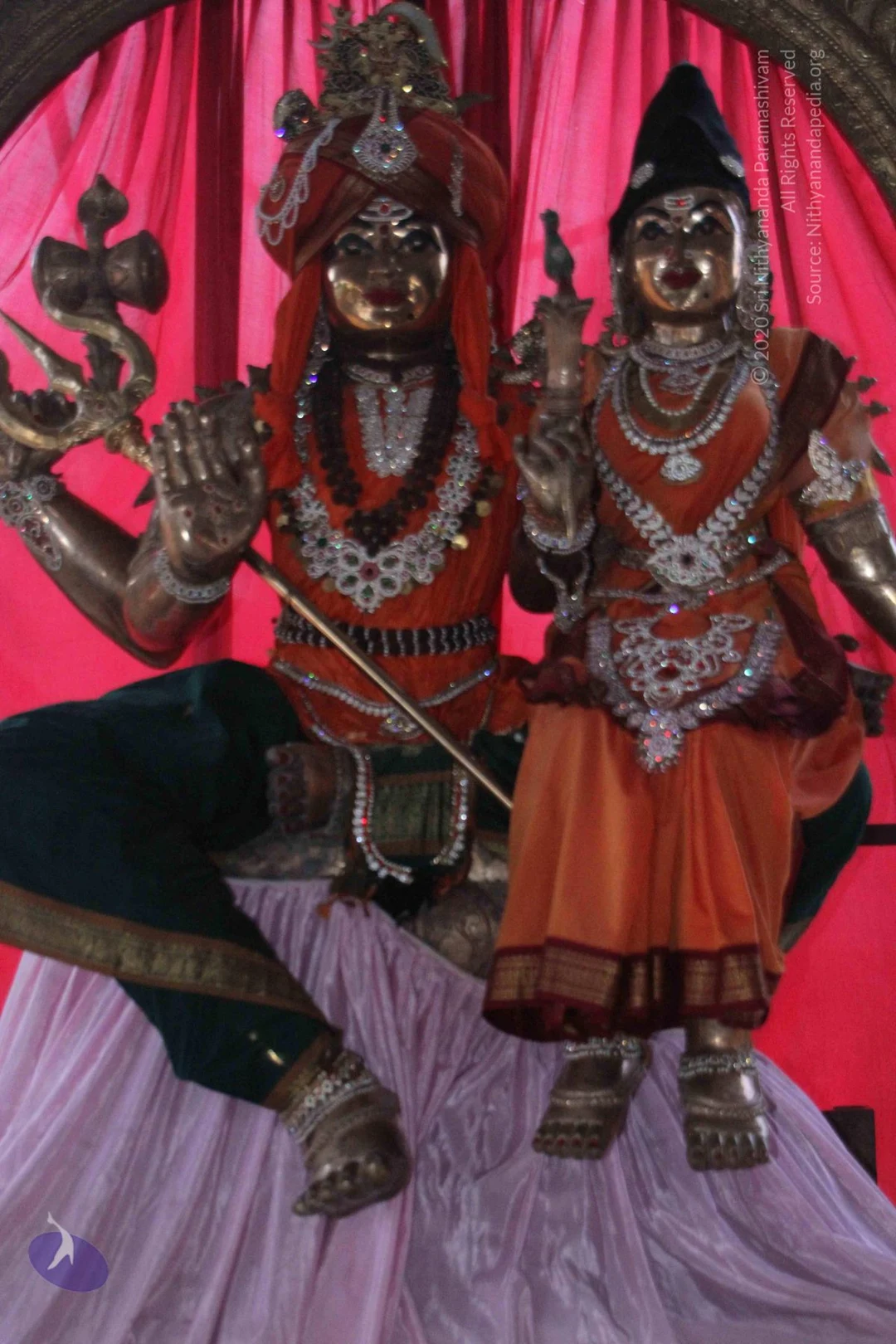
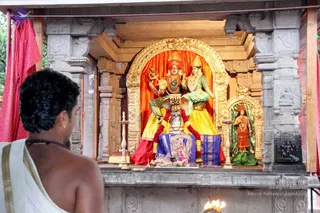
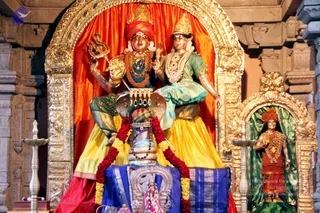
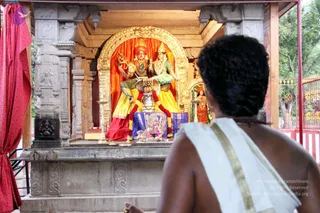
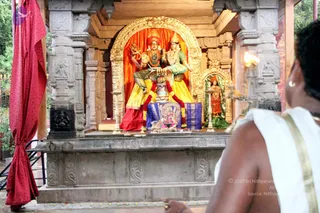
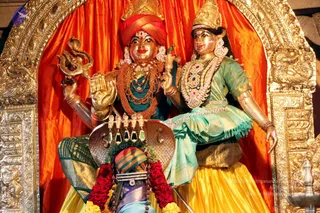
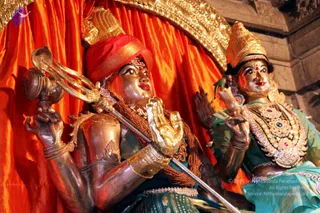
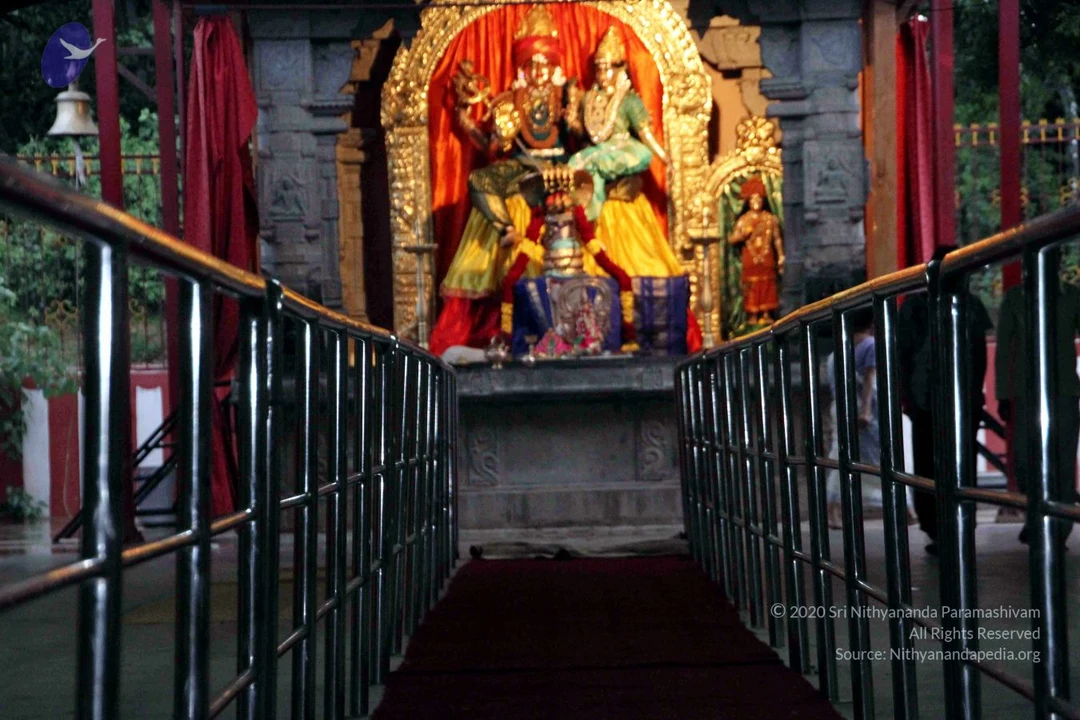
A temple shrine photographed from behind a standing priest wearing a white dhoti with a gold border and a dark rudraksha-style mala at his neck, facing an ornate gold-framed niche. Inside stand two large painted deity murtis: the left figure is blue-skinned with a red turban and holds a trident, the right figure wears a gold crown and green-and-yellow sari-like dress. Red and orange cloth hangs behind them, with a garland of red flowers draped over the central pedestal, which holds a kalasha and puja items. Brass oil lamps stand on either side, a small smaller figure in orange and green stands at the right, and a flame burns in the foreground. Grey stone pillars frame the shrine.A photograph of a temple shrine showing a richly decorated sanctum. Two gilded deity murti sit side by side on a throne-like seat against an orange and red drape within a gold-ornamented arch. The figure on the left wears a red turban, a trident-like staff, and an orange-gold necklace; the figure on the right wears a gold crown, a teal and yellow sari, and a jewelled necklace. Red and yellow marigold garlands drape a silver lingam-shaped form in the foreground, set over a blue cloth. A brass oil lamp stands on each side, and a smaller figure in an orange turban and green drape stands in the right niche. No living people are visible.A photograph of a temple shrine with a deity murti pair seated on a yellow and blue-draped platform beneath a gilded arch, with a red curtain hanging at the left. A pot-shaped vessel and offerings stand before them, with marigold garlands draped down the platform. In the foreground, a person seen from behind wears a white cloth with a gold border, standing in front of the shrine in devotion.A photograph of a temple shrine with a gold-framed arch holding two painted deity murti seated on a blue-and-purple draped pedestal. The central figure wears a red and gold crown and a green-and-gold garment, while the companion figure wears a green and yellow dress with a red crown. A stone lingam-like object with red and orange flower garlands sits before them, flanked by brass oil lamps with lit flames on the right. A red curtain hangs at left and a small standing figure in orange appears in a side niche. In the foreground at right, a person with short dark hair wears a white dhoti with a gold border and is facing the shrine with hands raised in worship. No a person candidate is clearly identifiable.A photograph of a gilded murti pair seated on a raised platform before an orange-red silk backdrop, framed by ornate gold filigree arches. The male figure wears a red turban, a rudraksha mala and layered beaded necklaces, and holds a trident and a small drum-like object. The female figure wears a crown, a green and gold sari, a heavy jewelled necklace and large earrings, and sits on his lap. Red roses and yellow flowers garland the base, and a silver-rimmed platter with hanging lamps stands in front. This is a deity murti, not a living person.Close photograph of two golden-bronze metal murti statues of deities seated before a vivid orange silk backdrop with gold trim. The left figure holds a trident and a small drum-like instrument, wears a red turban with a tilak, a rudraksha-style bead necklace and gold bracelets. The right figure wears a jade-green sari, heavy jewelled gold necklace with red and green stones, and a gold crown, holding a lotus stem.

lotus tv live show

24 photosSource gallery
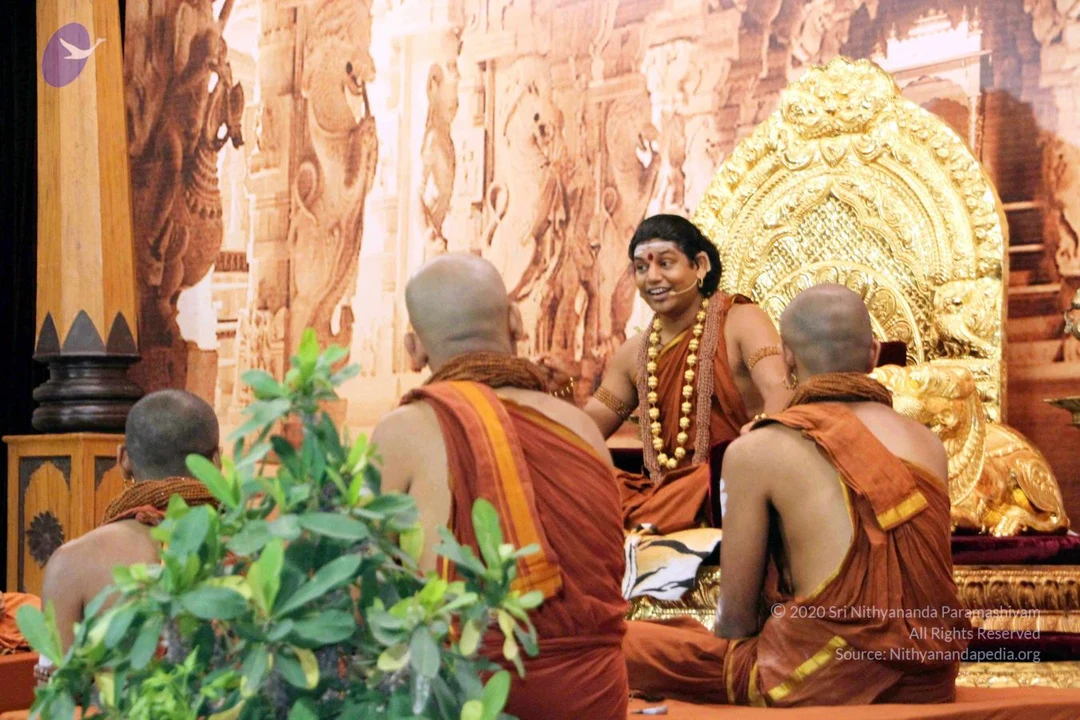
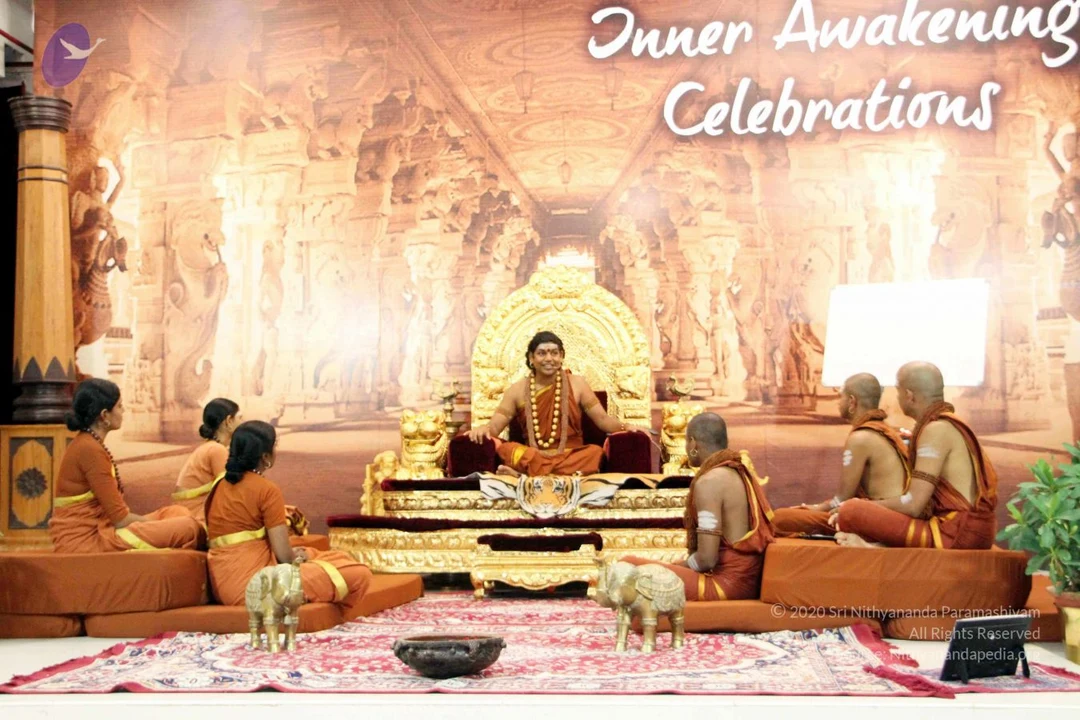
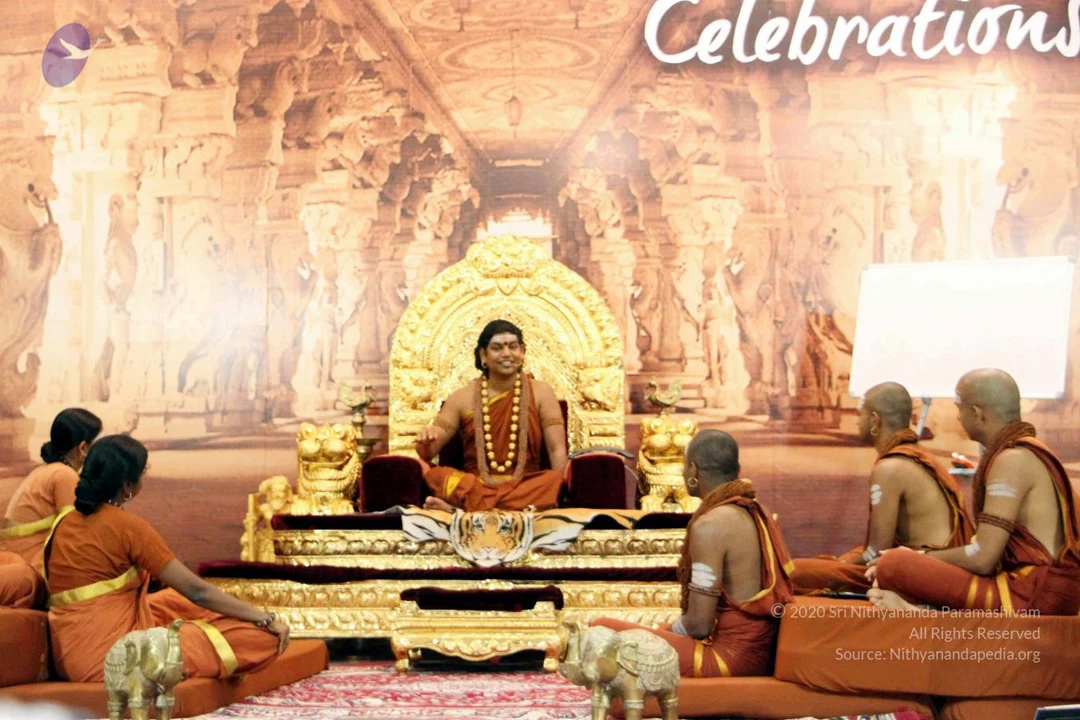
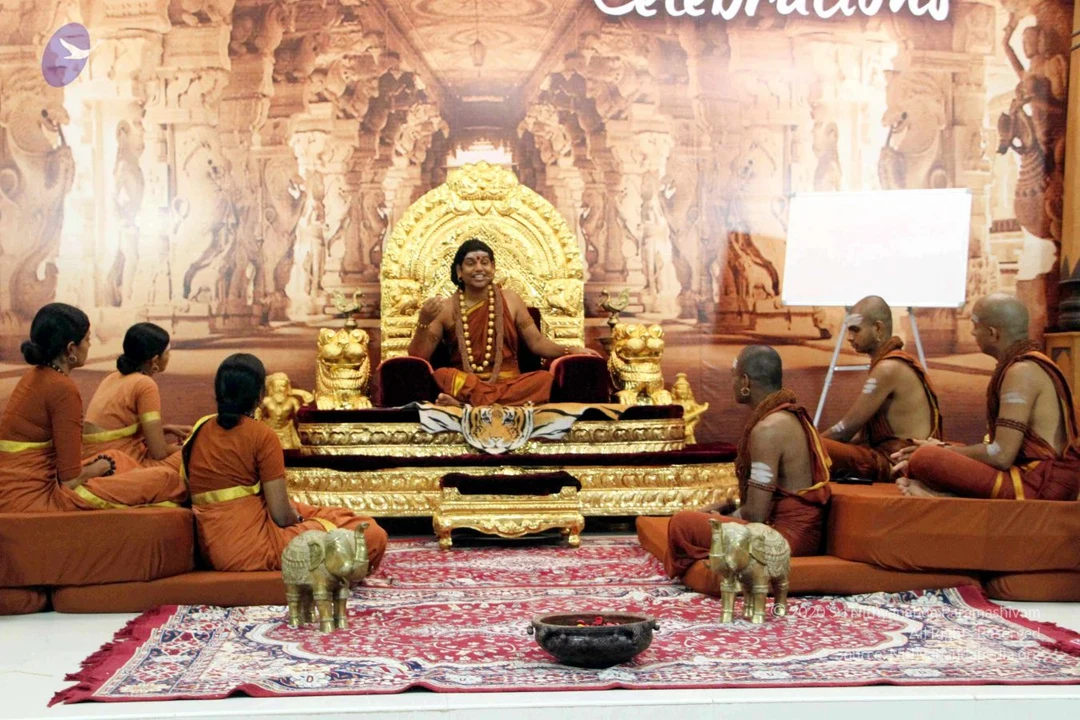
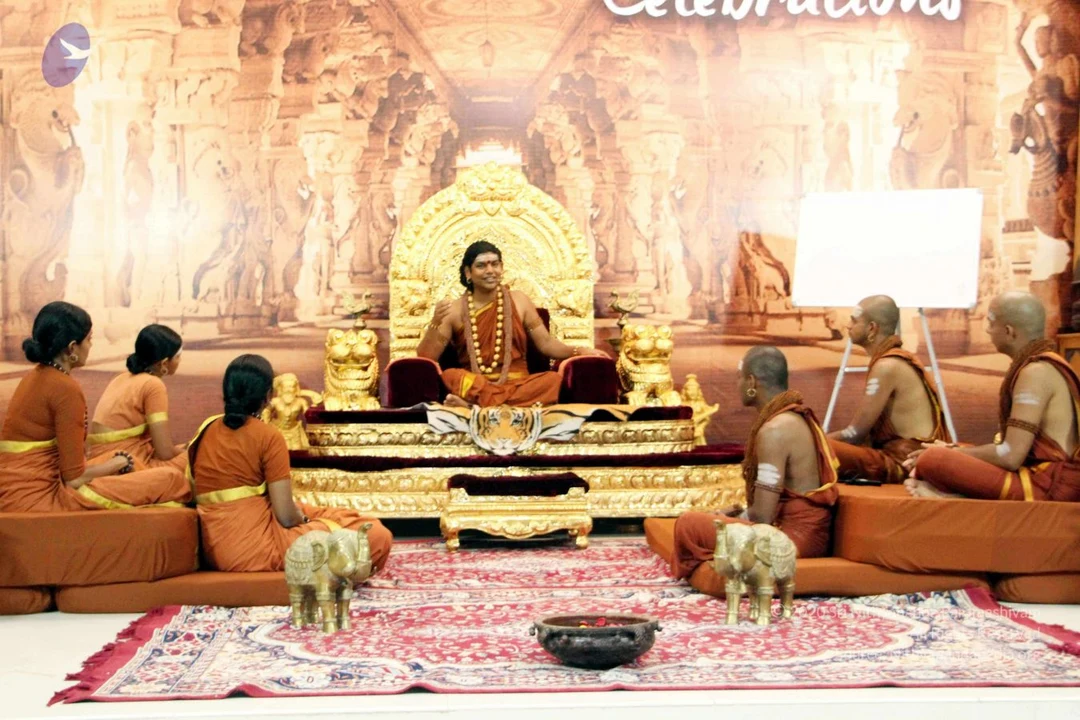
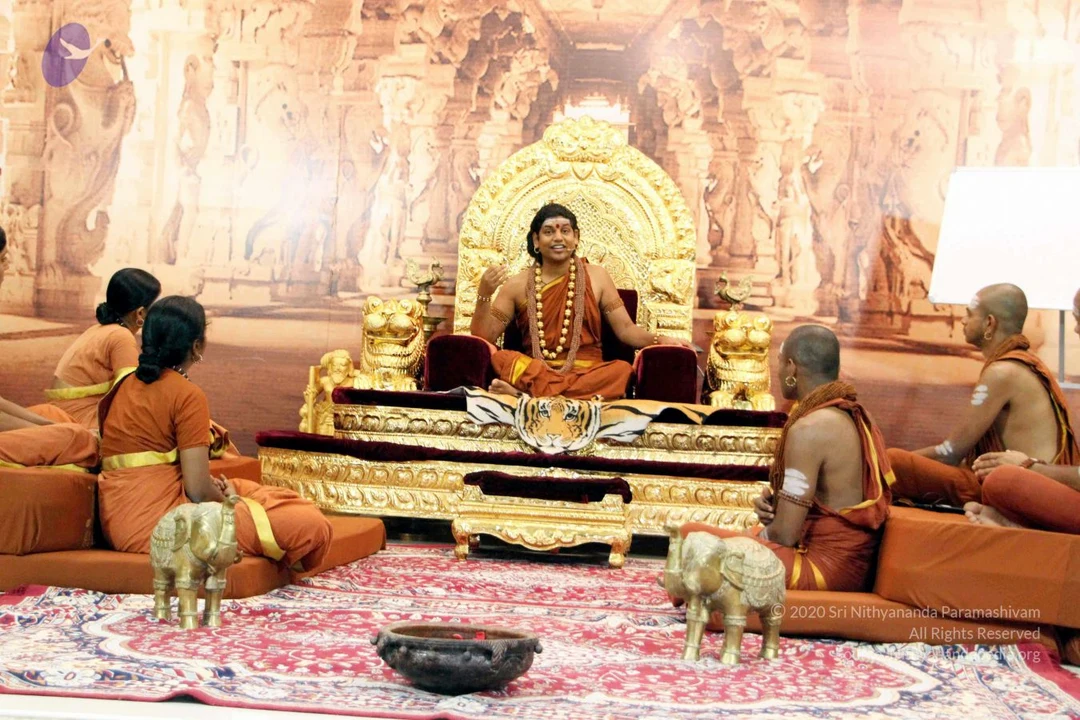
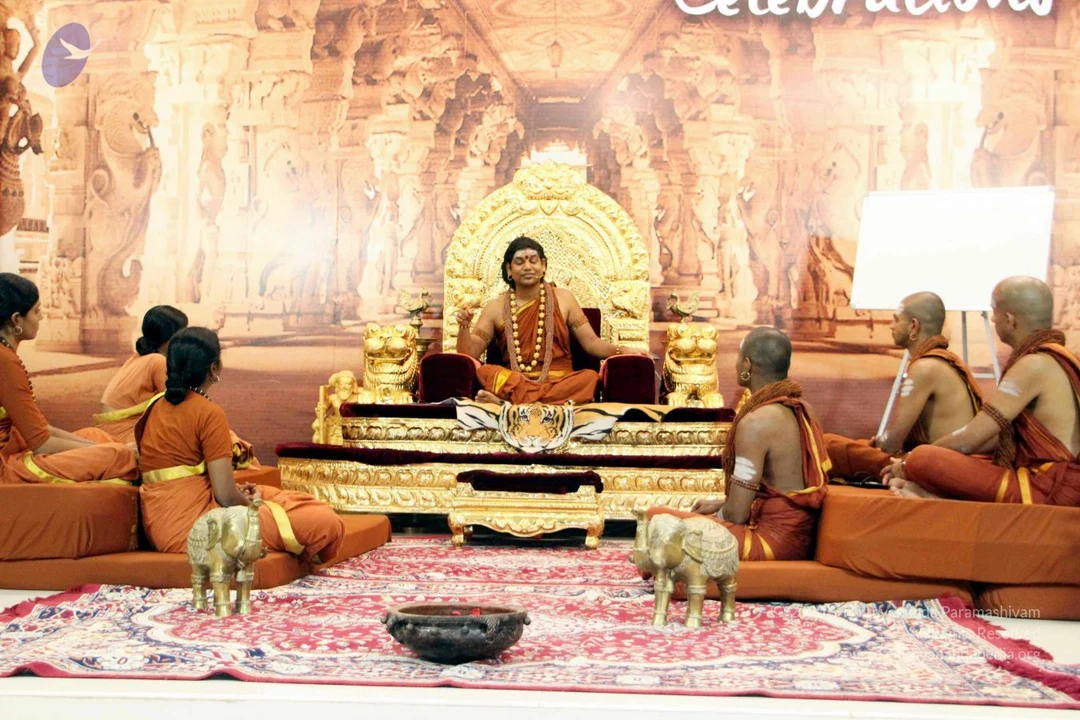
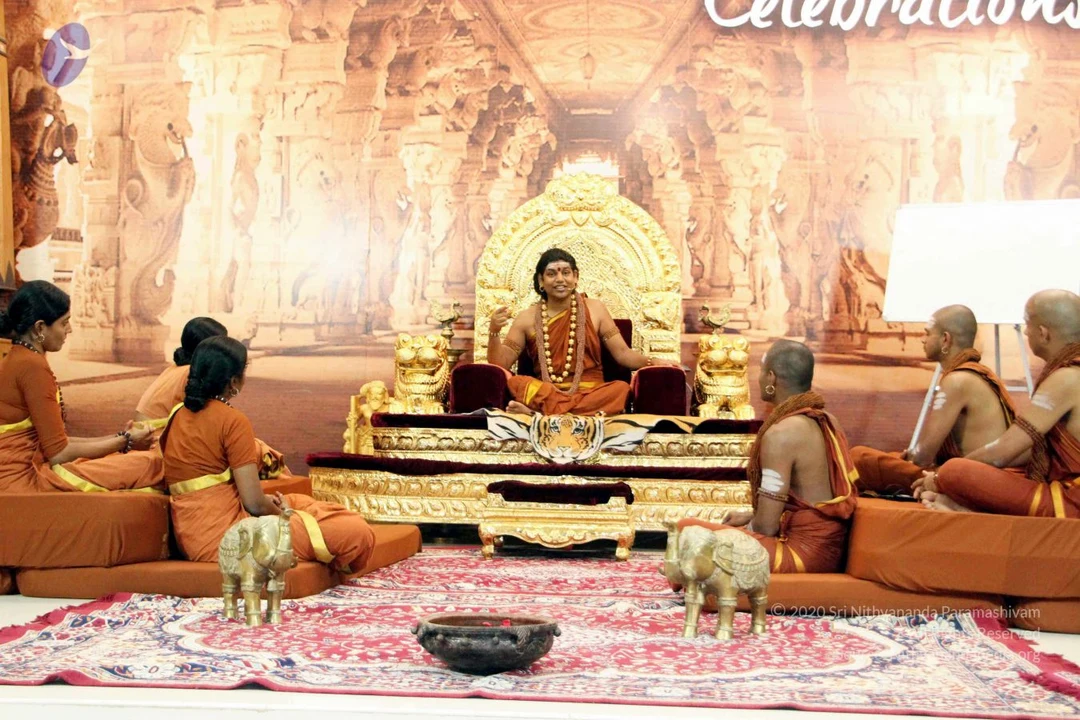
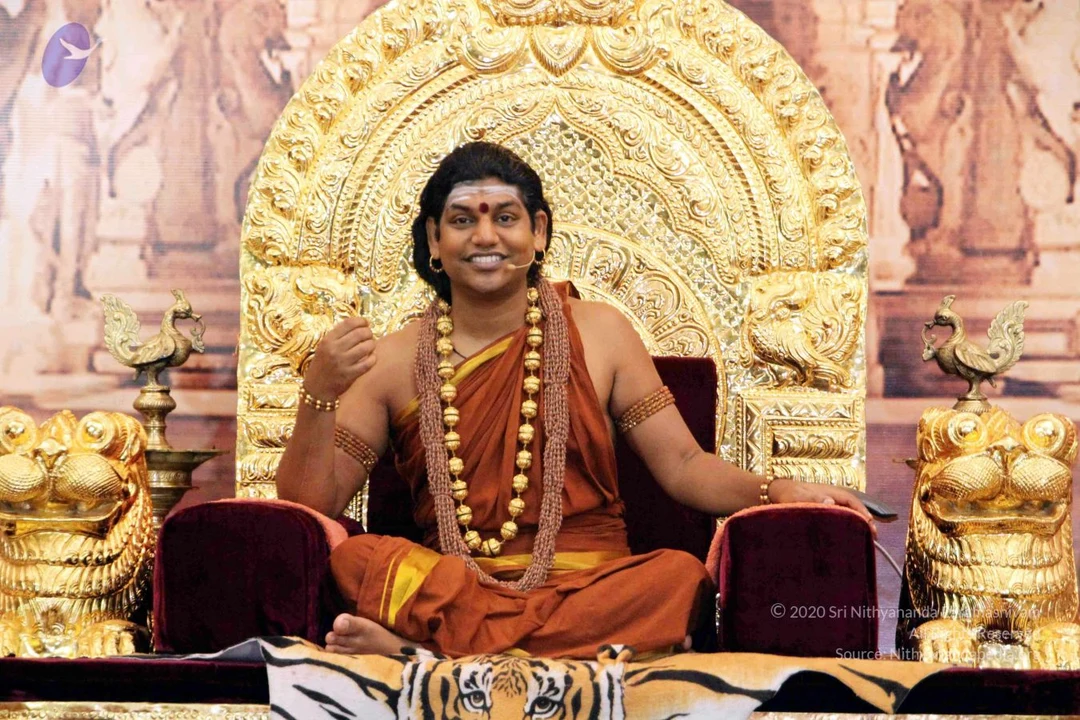
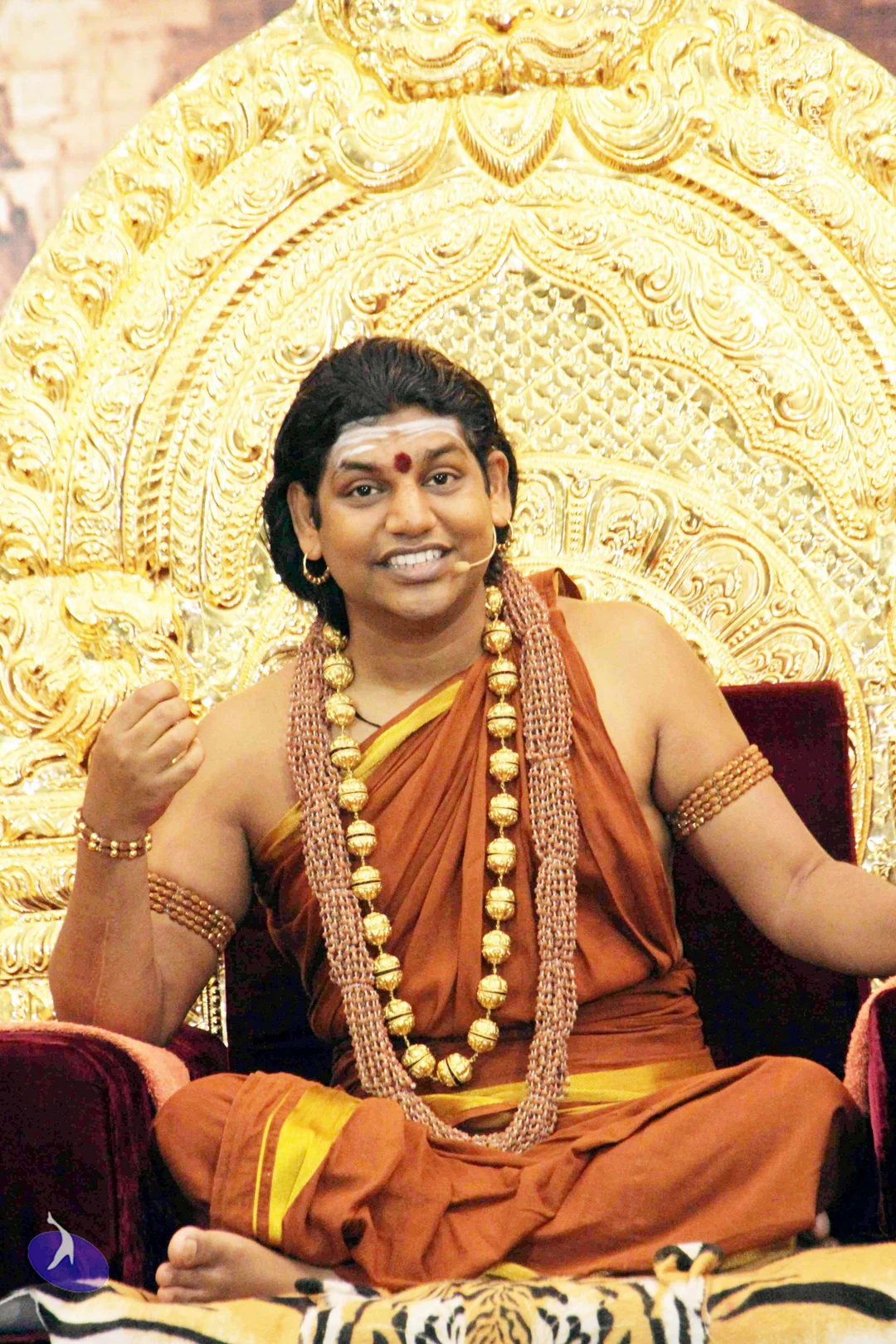
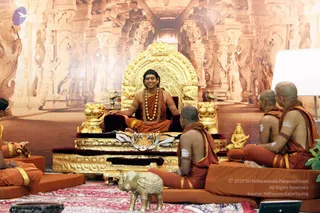
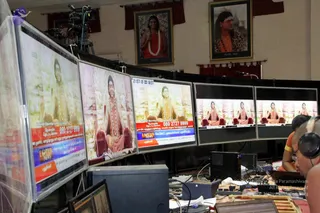
A seated figure in saffron-orange robes with a rudraksha mala and gold necklace sits on an ornate gold throne with lion-form armrests, draped with a tiger-striped cloth, smiling. Long dark hair and ornate ceremonial clothing are visible, and this figure matches the Swamiji (probable) appearance cues. Four other people sit on orange cushions around him: one at left edge partly visible, two shaved-headed disciples in saffron robes with white forehead marks seated at right and centre, and a figure at the far left. A small brass elephant and a silver-toned deity figure sit on the floor, with a laptop at lower right. The backdrop is a gold-toned carved temple wall relief.A photograph of a control room where several flat-screen monitors are mounted in a row showing a live broadcast. Each screen shows a man seated on a red cushioned throne-like chair, wearing an orange robe, a white flower garland and gold-toned necklaces, with a backdrop of decorative items. Two framed portraits hang on the wall above: the left one shows a man in orange with a white garland, the right one a man in a leopard-print shawl, labelled Mystic Yogi, with another label reading Unique. A video camera on a tripod sits at the upper left. A person wearing headphones is seated at a desk in the lower right, and a second person in orange is partly visible at the far right. Cluttered equipment, cables and papers cover the desk in the foreground.A photograph of a row of five wall-mounted flat screens in a control room or studio, all showing a live broadcast of a seated figure in saffron-orange robes with a red-and-white beaded mala draped over the chest, sitting on red velvet chairs before a golden backdrop. The screen at centre displays a clock reading 2:51:27 and a Lotus News ticker with a phone number. Above the screens hang framed portraits, one labelled Unique and another labelled Mystic Yogi, with a red curtain and a microphone stand in the background. In the foreground, a desk holds computer towers, cables, papers and laptops, and a person in orange clothing is partly visible at the right edge.A photograph of a satsang discourse on a stage with a temple-carving backdrop. A man with long dark hair, red bindi, rudraksha-style beaded necklace and orange robes sits in front of a large gold ornate throne with lion motifs, gesturing while speaking. Two shaved-headed monks in orange robes with orange-and-gold shawls sit with their backs to the camera in the foreground, and a leafy green plant stands at left. Swamiji (probable): the seated speaker wears long swept-back hair, a bindi, a rudraksha mala with ceremonial beads, gold bangles and saffron clothing, consistent with the page's Nithyananda Paramashivam discourse. Three physical people are visible.A photograph of a satsang on a stage set with a temple-architecture backdrop and the banner text "Inner Awakening Celebrations" in white script. Five people sit on orange floor cushions around the throne: two women in orange saris with gold borders on the left, and three men in orange dhotis and shawls, two bald and bare-chested with white markings, on the right. Gilded lion figures flank the throne, small brass elephant figures stand on the red carpet, and a dark bowl sits in front.A photograph of a seated man giving a discourse from an ornate gold throne with a carved arched back and gold lion-form armrests. He wears saffron-orange robes, a rudraksha mala and a long gold bead necklace, with sacred ash marks on his forehead, and gestures with one raised hand. A tiger-striped cloth covers the dais beneath him. A partially visible person with earrings sits at the lower right edge, and a golden bird ornament stands on the left. The backdrop shows painted temple-style columns. a person is seated centrally on the throne, identified by the saffron robes, long gold bead necklace, rudraksha mala and ornate throne setting.

Rudra-Abhishekam
49 photosSource gallery
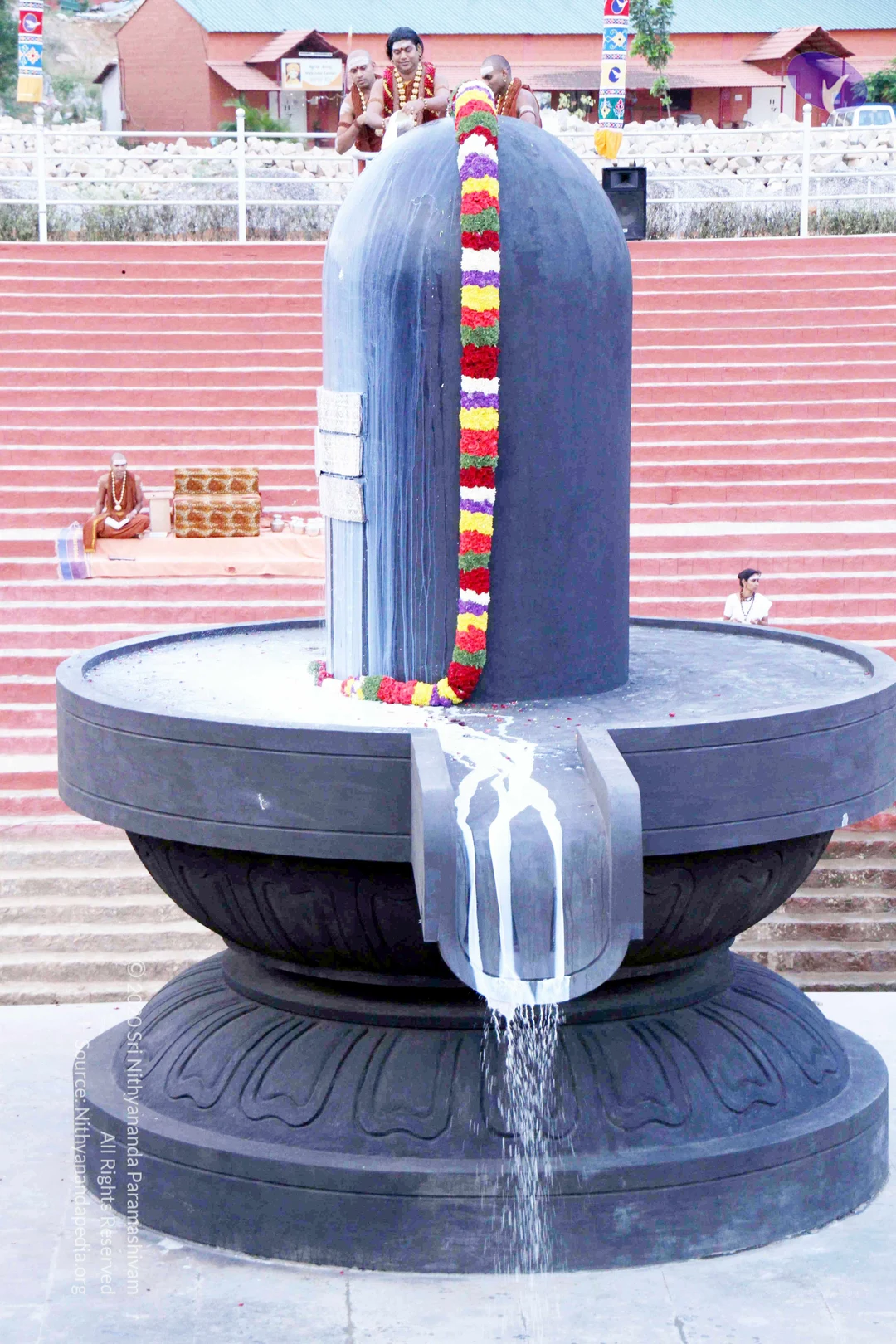
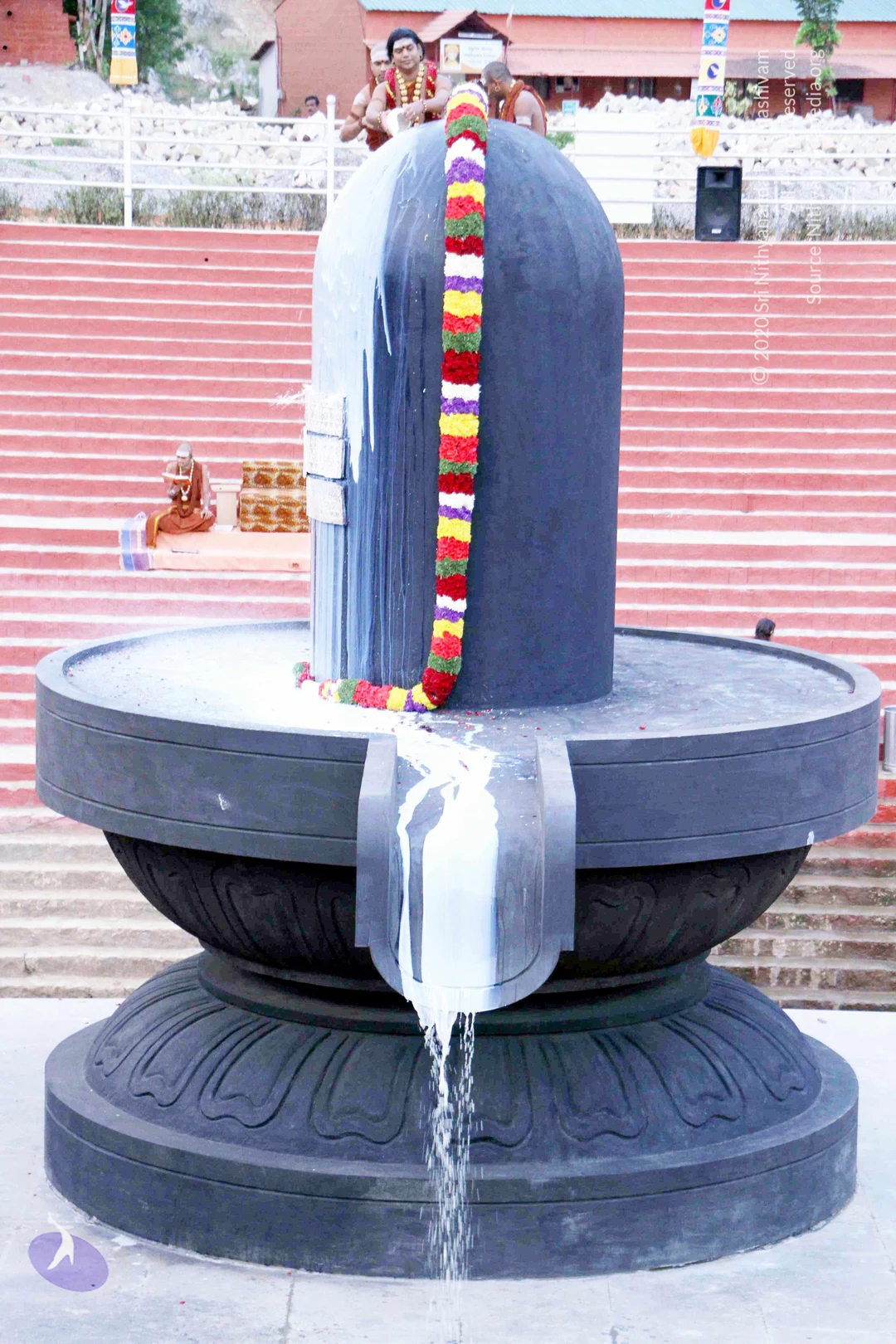
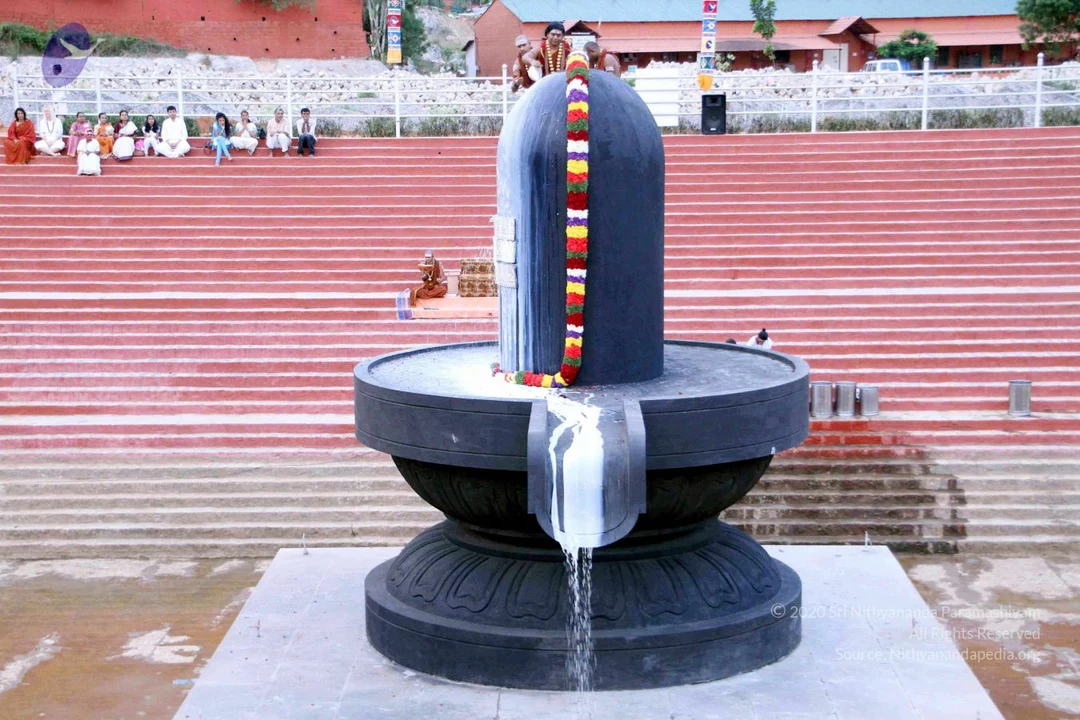
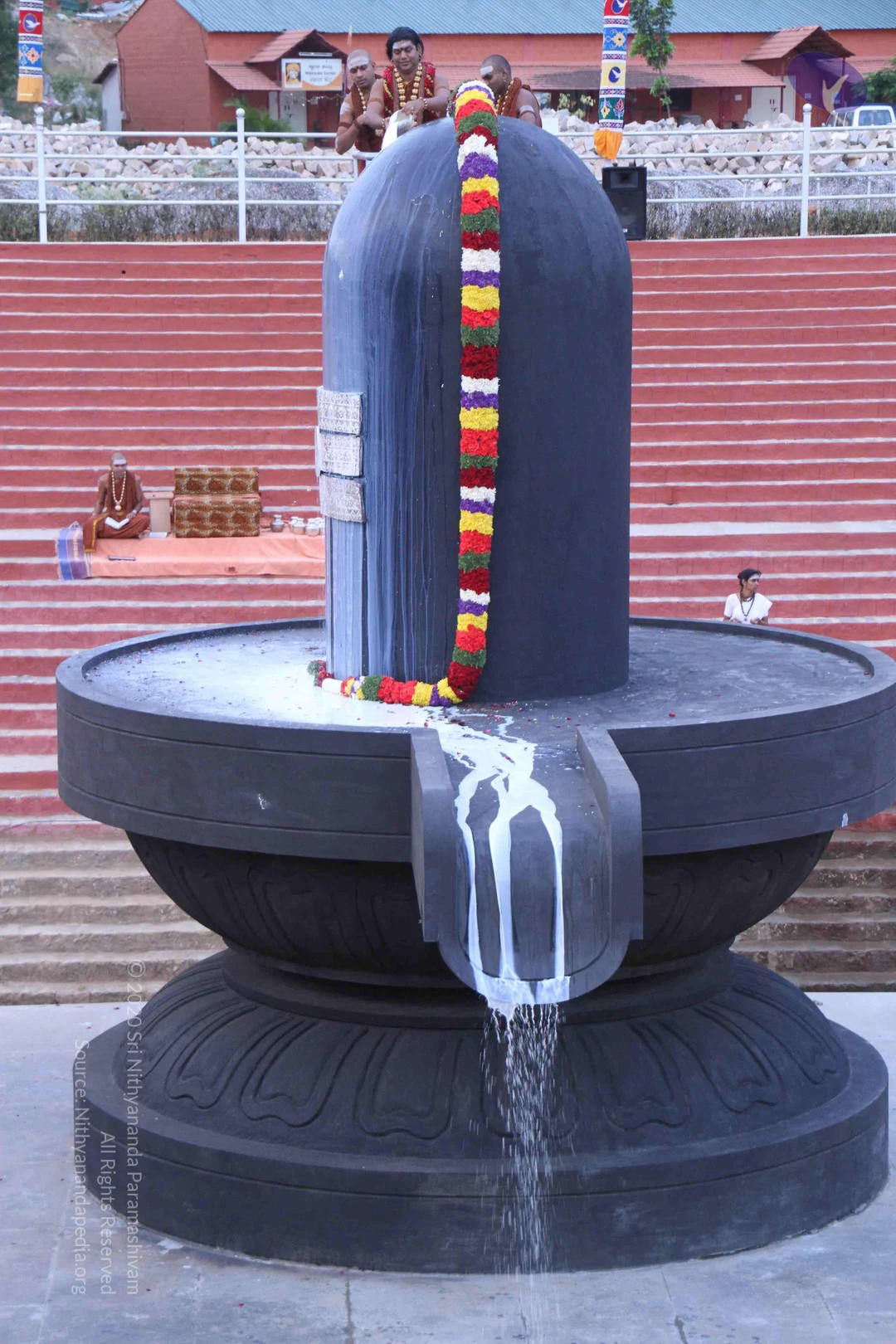
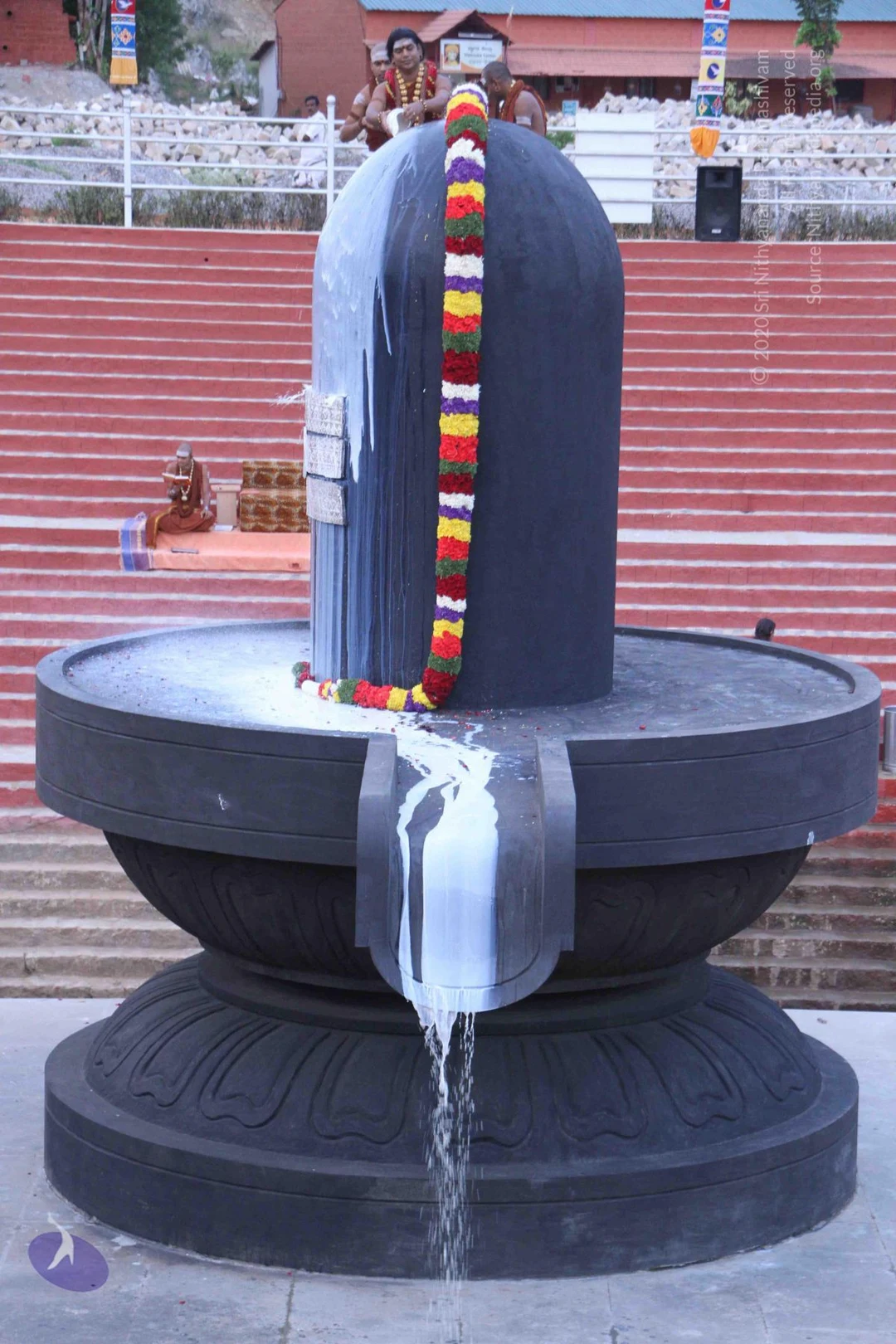
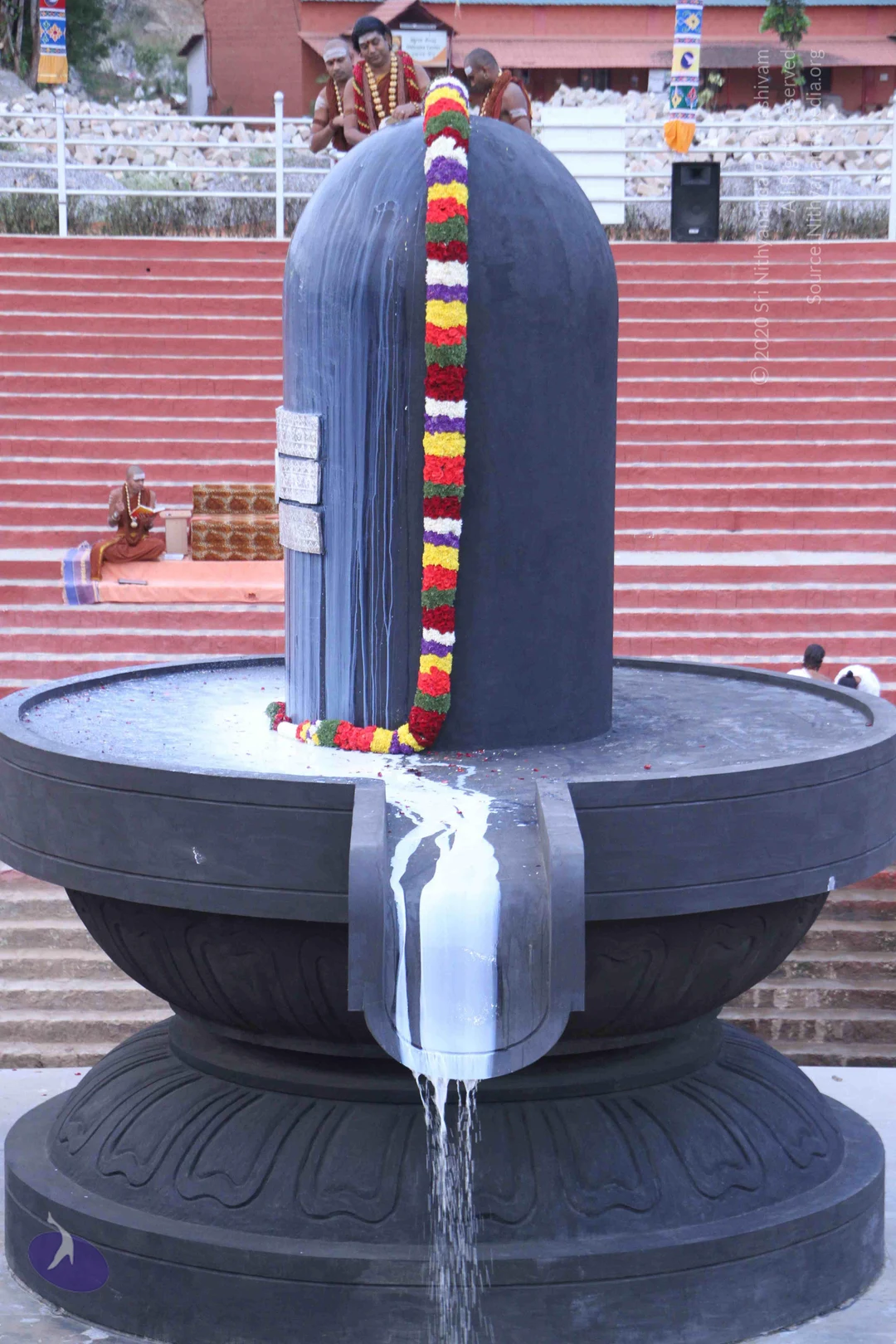
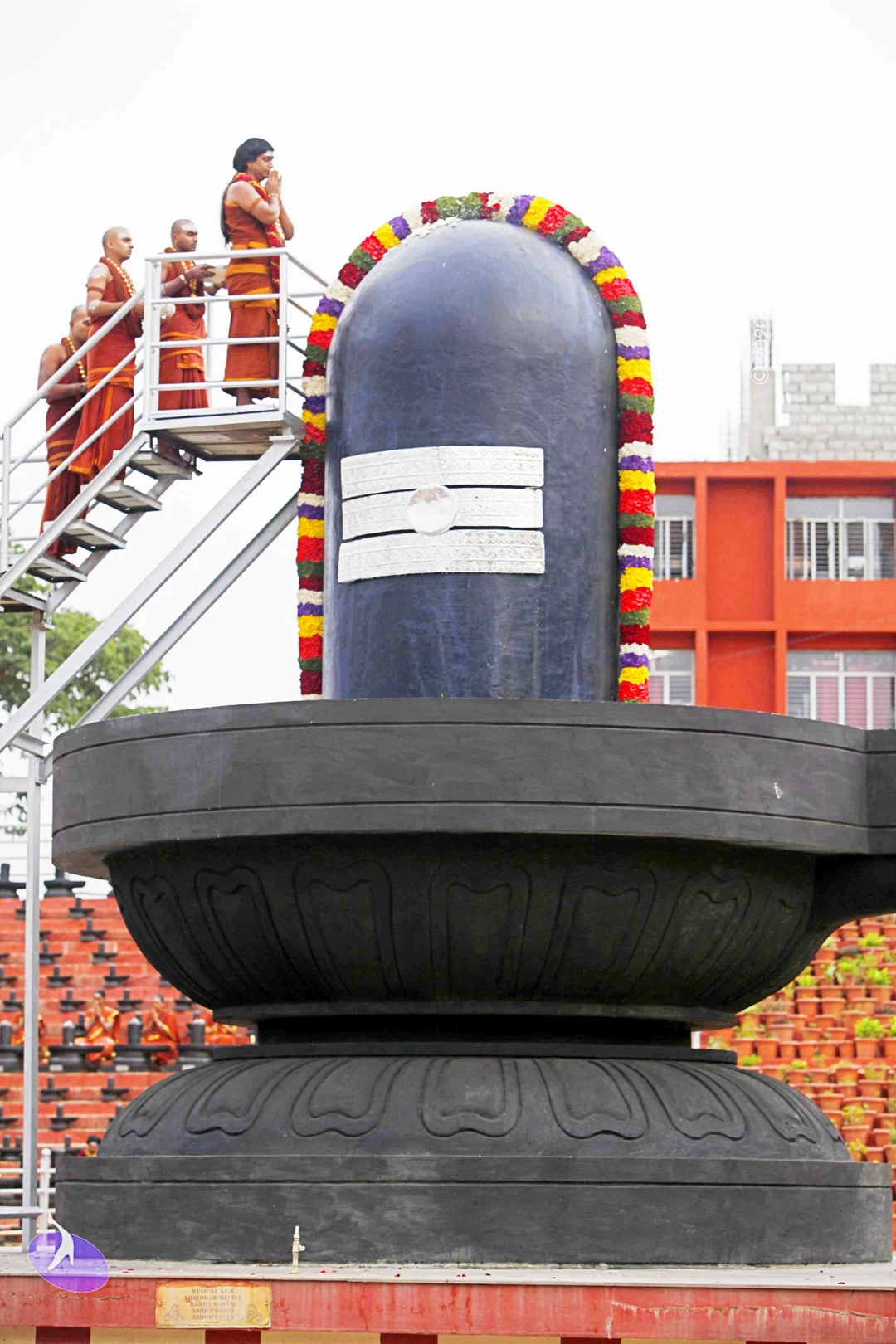
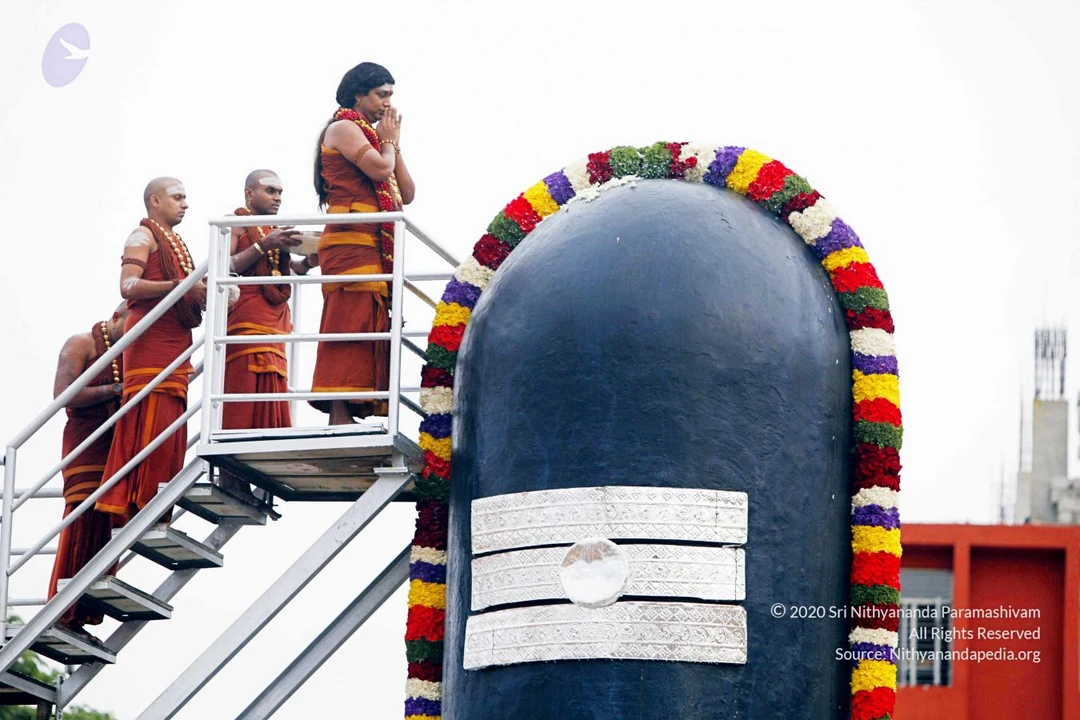
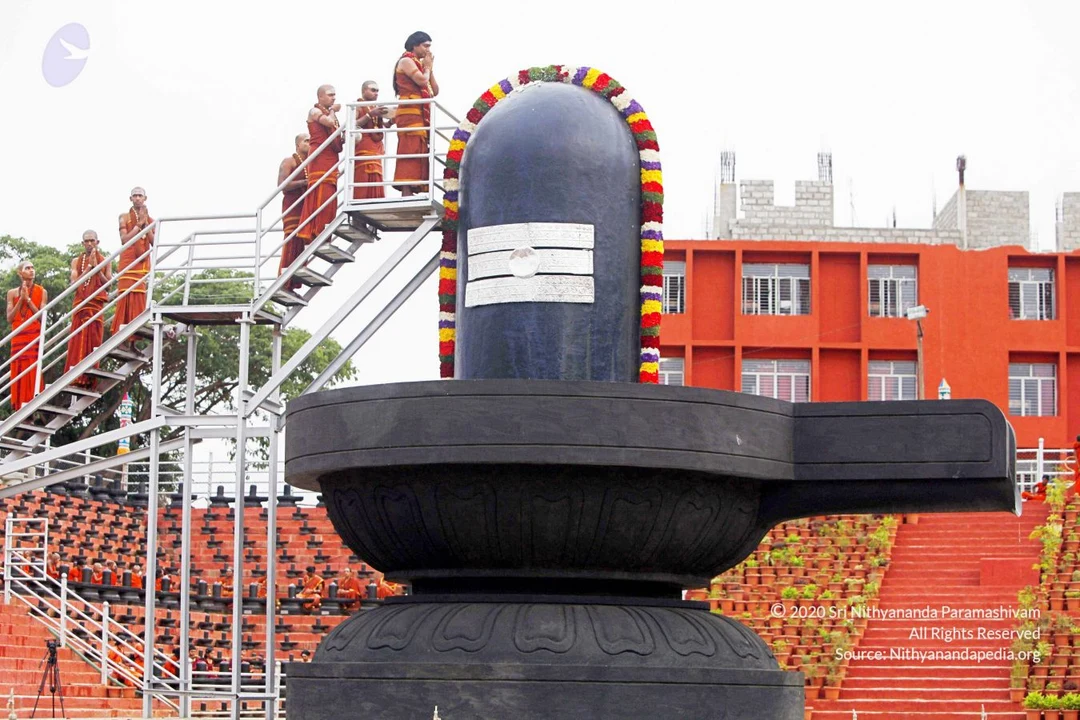
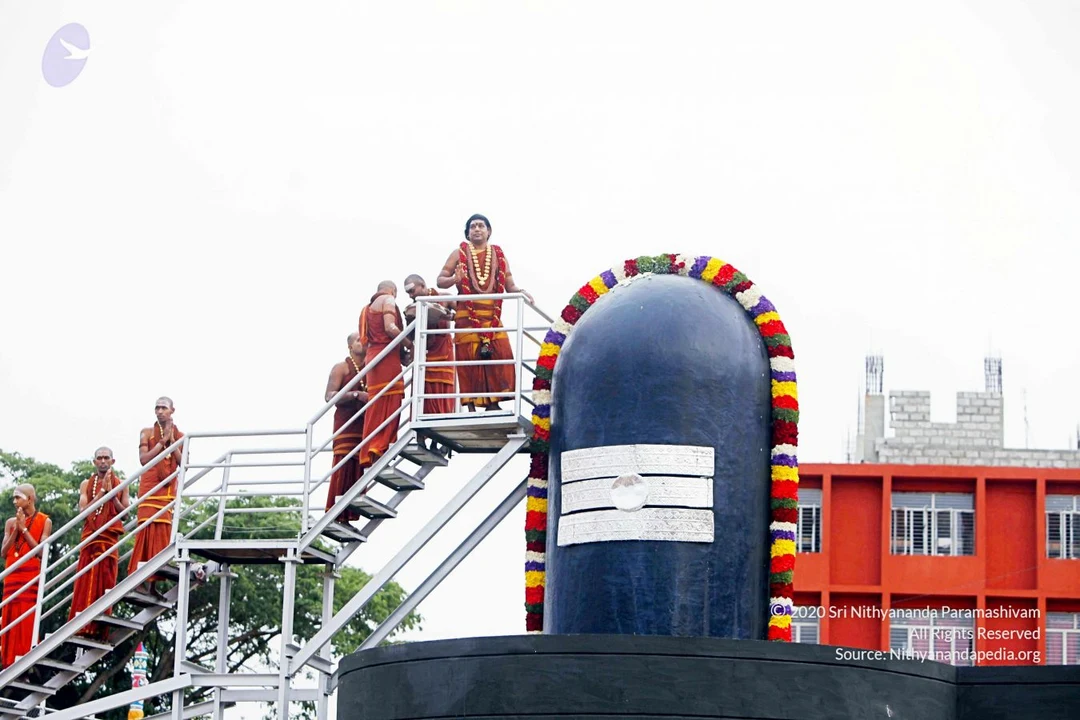
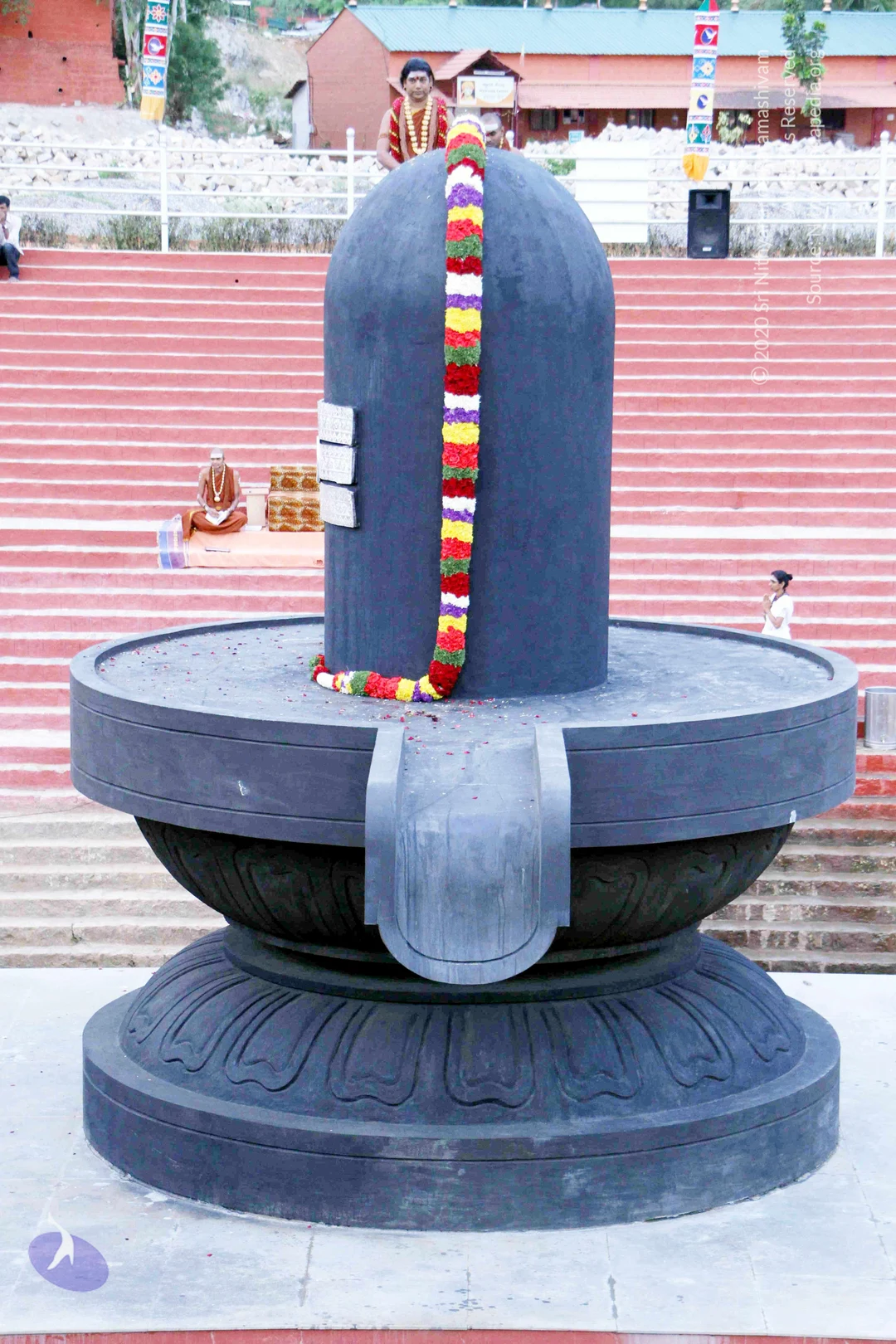
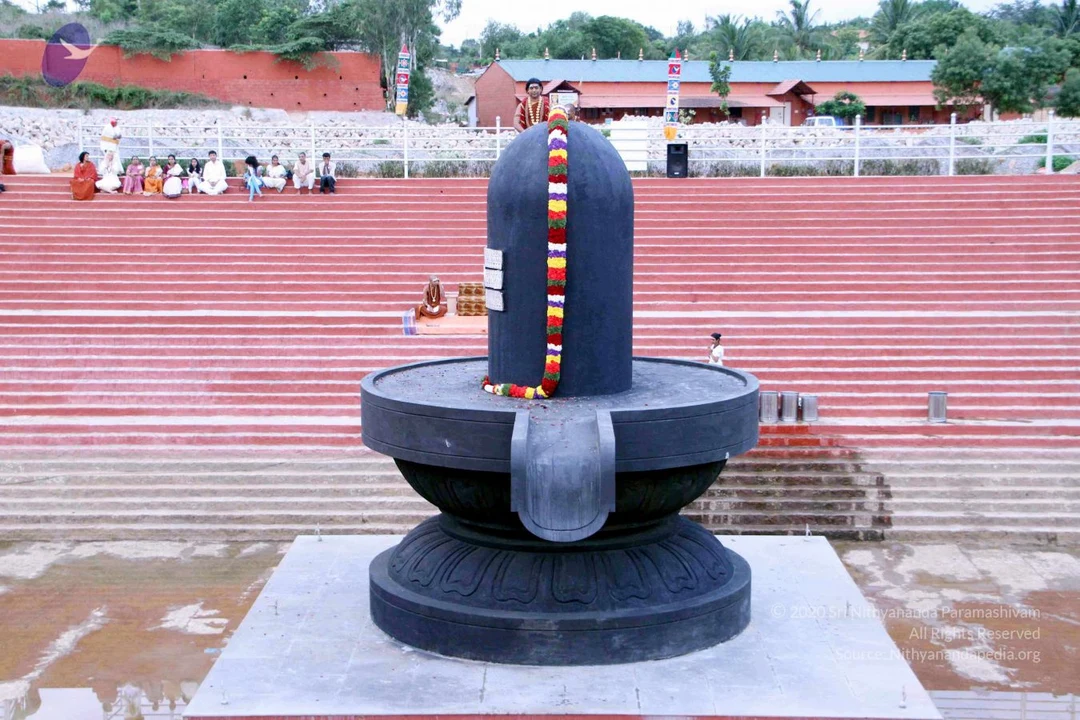
A large dark grey stone Shiva lingam on a matching yoni-shaped base stands on a flat paved platform, draped with a long garland of red, orange, yellow, white and purple flowers. Red brick steps rise behind it. A seated person in orange and white robes with a rudraksha mala sits on a pink mat at left, and a standing person in red garments with a garland stands atop the lingam area in the background. A woman in white stands with folded hands at right near the steps. Red-and-white flower petals are scattered on the platform, and a red-roofed building with prayer flags appears in the background.Outdoor abhishekam of a large dark black stone Shiva lingam on a matching yoni-pitha base. Milky white liquid streams down the lingam's surface, and a multicoloured garland of red, yellow, green, white and purple flowers wraps its shaft. Silver plates are attached to the lingam's front. A metal staircase leads up beside it, where a man in a saffron-orange robe stands on the platform and a bald priest in orange robes works nearby. A standing figure in a red-orange shawl with a long garland holds an object at the top of the lingam. Red-painted steps and a white railing form the backdrop, with trees and a small building beyond.A large dark grey stone Shivling on a tiered black yoni-pitha base is being bathed with white milk or abhishekam liquid that runs down its surface. A multicolour garland of red, yellow, white, green and purple flowers encircles the lingam, with petals scattered on the base. Behind it, on a raised metal scaffold platform, several men in saffron-orange and red robes stand; the central figure wears a red-and-white shawl, a red-beaded mala and a gold-coloured necklace, holding an offering vessel. Red brick steps and a red-roofed building form the background.A large dark polished lingam, a Shiva linga, is being bathed with milky white liquid poured down its surface and dripping onto a stone platform. A multicoloured flower garland of red, yellow, white, purple and green blossoms wraps around the lingam's top and base. Two standing priests stand on a metal staircase and platform at the upper left; the nearer one wears an orange-red dhoti, a red shawl, a gold beaded necklace and a white forehead mark, and pours from a white vessel, while the other, in an orange-red garment with a red shawl and a gold necklace, stands beside him. Silver-ornamented panels decorate the lingam's front. Red stone steps and green trees form the background, indicating an abhishekam ritual.A large dark grey stone Shiva lingam on a black yoni pedestal is being bathed with milk that pours down a spout. A multicoloured flower garland of red, yellow, white and green blooms drapes the lingam. Behind it, a man in an orange-brown robe with a rudraksha mala stands at the top, flanked by two other men in saffron-toned clothing, and a woman in white sits near the red-stepped platform. A seated figure in orange robes with a mala sits on a cloth-covered platform to the left, beside a small table with brass vessels and a patterned cushion. Red brick buildings and a banner appear in the background.A large dark stone Shiva lingam on a black yoni pedestal is being bathed with white milk, which runs down the lingam and out the spout onto the stone platform. A long garland of red, yellow, white, purple and green flowers hangs around the lingam. Behind, red-brick steps rise, and a man in a red garment with a garland stands at the top of the lingam with two other men in orange and white near him; a seated figure in orange sits on a cloth at the left. The scene suggests an abhishekam ritual outdoors.
Pratyaksha-Pada-Puja

1 photoSource gallery
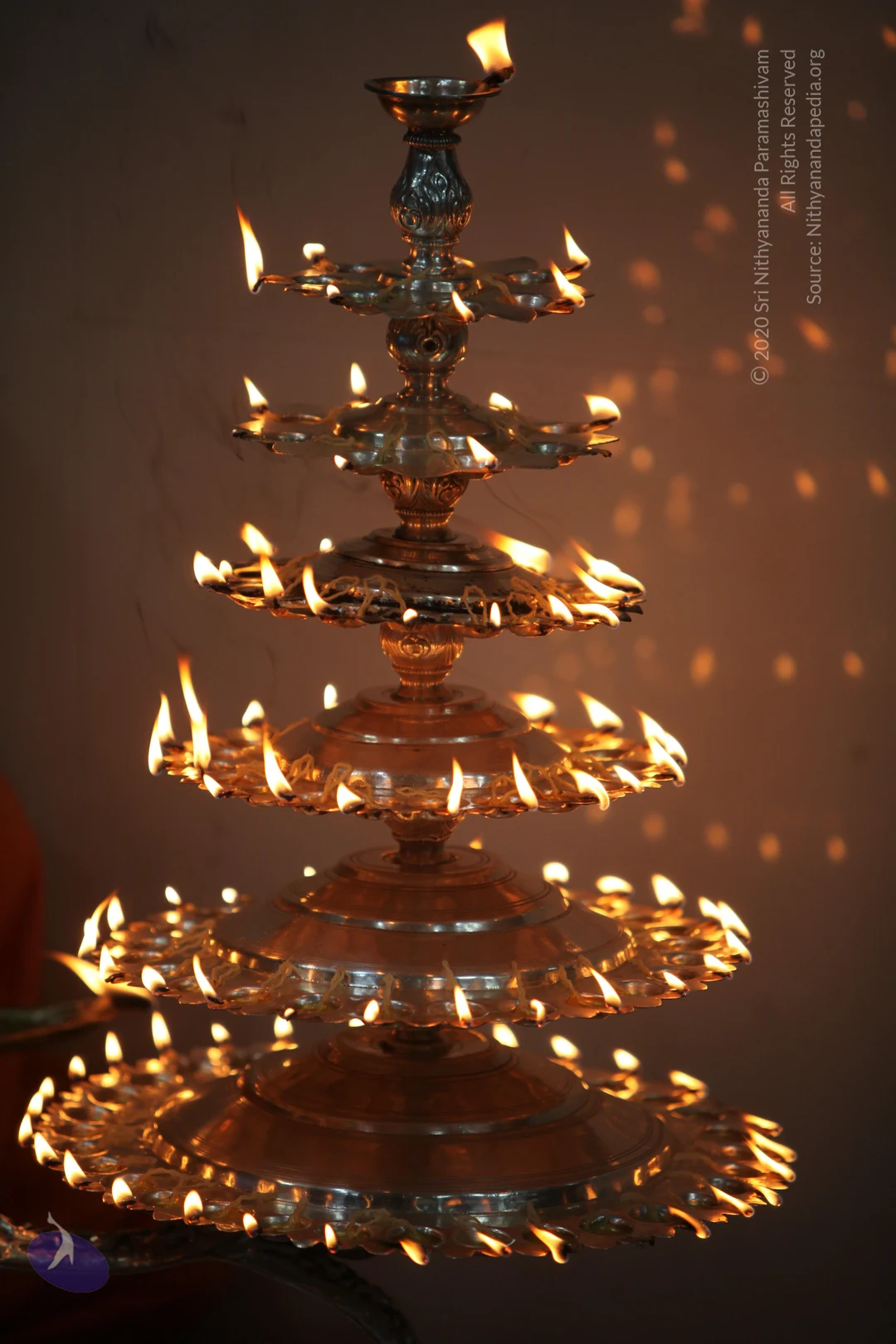
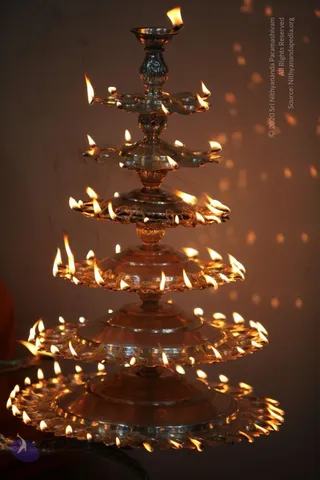
A tiered brass lamp stand, a multi-level nilavilakku-style lamp, holds many lit oil lamps with flames across six ascending circular trays on a tall ornate central shaft. The background is dark and warm, with bokeh light spots on the wall to the right. No people are visible, and no a person appearance is present.

Nithya-Satsang

20 photosSource gallery
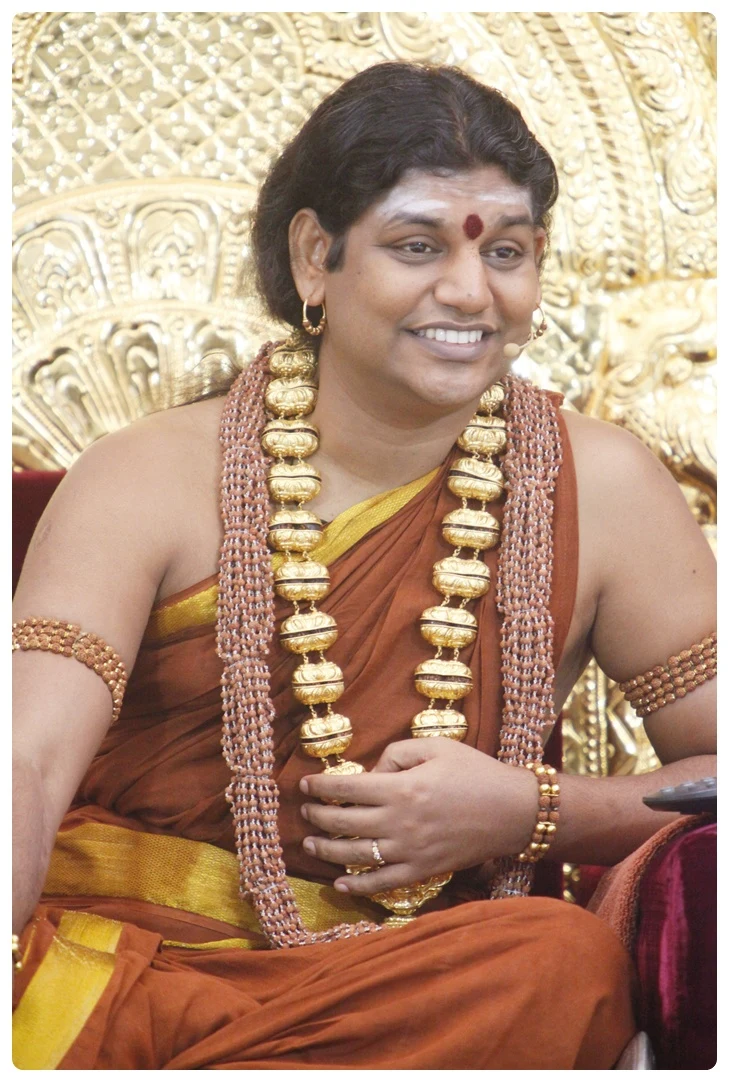
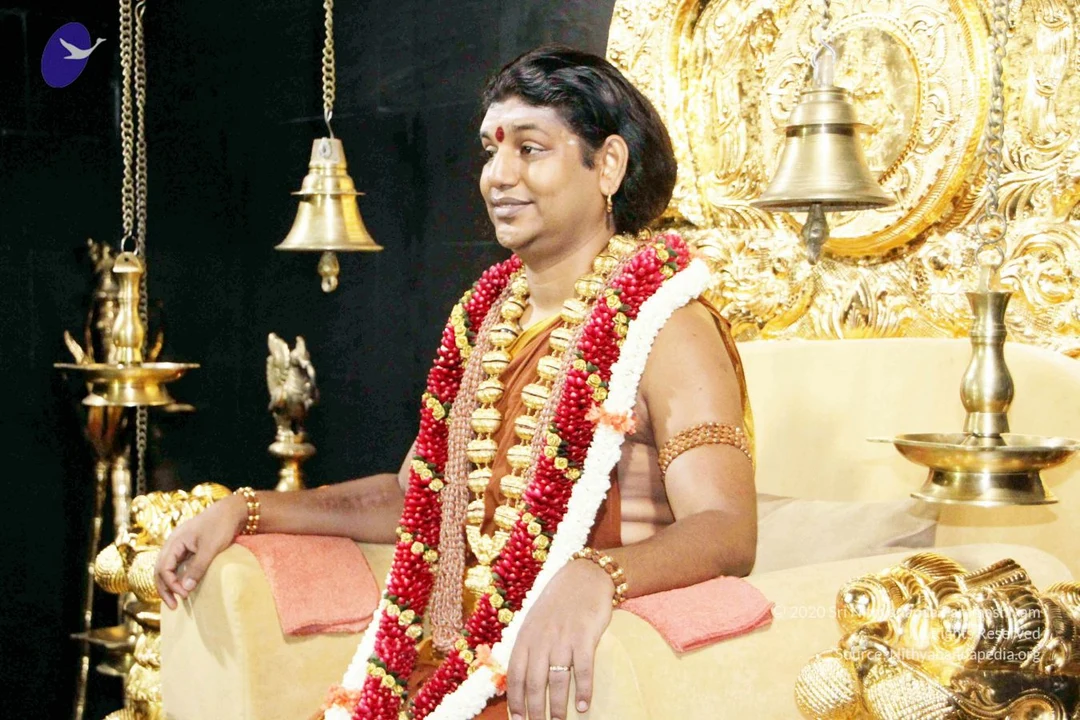
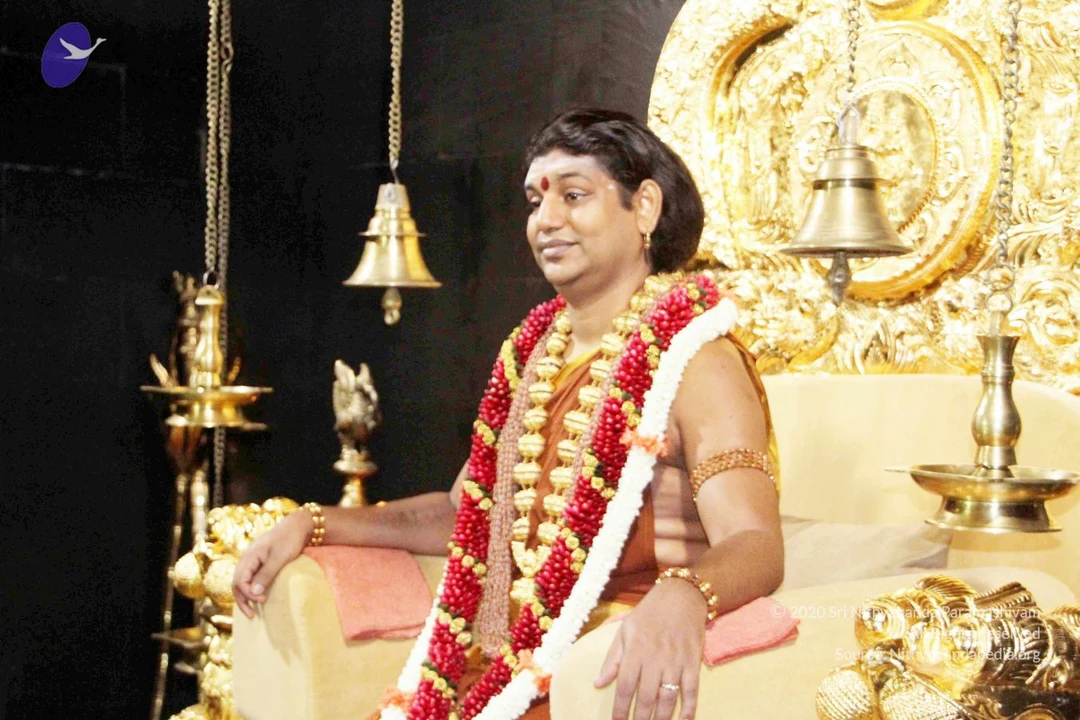
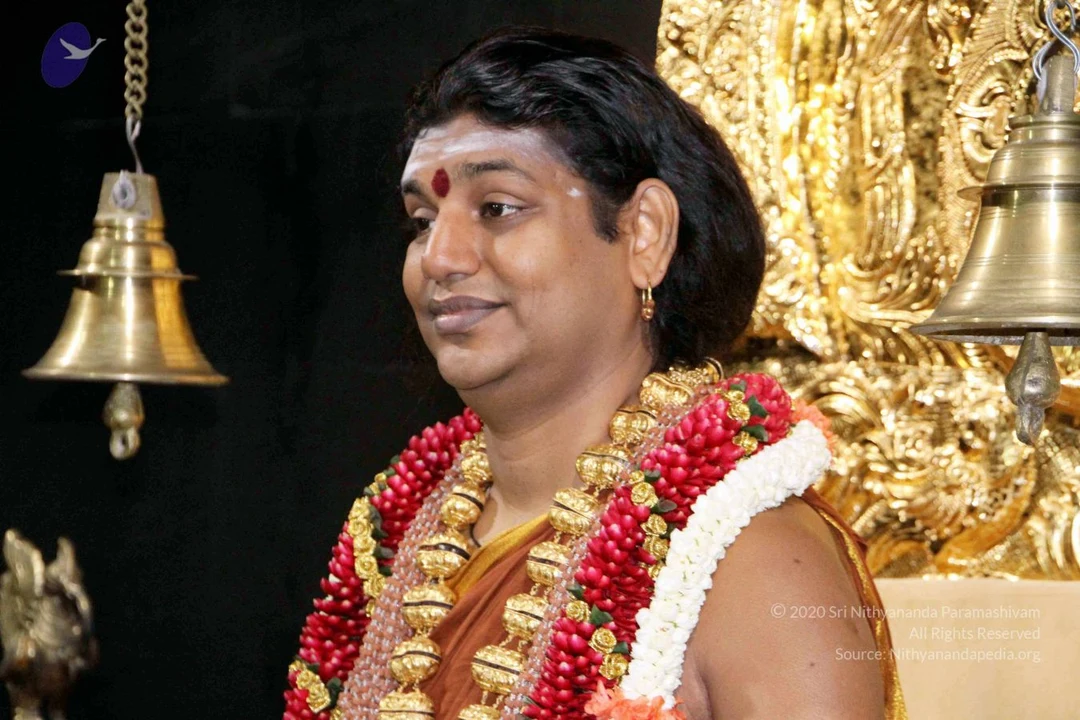
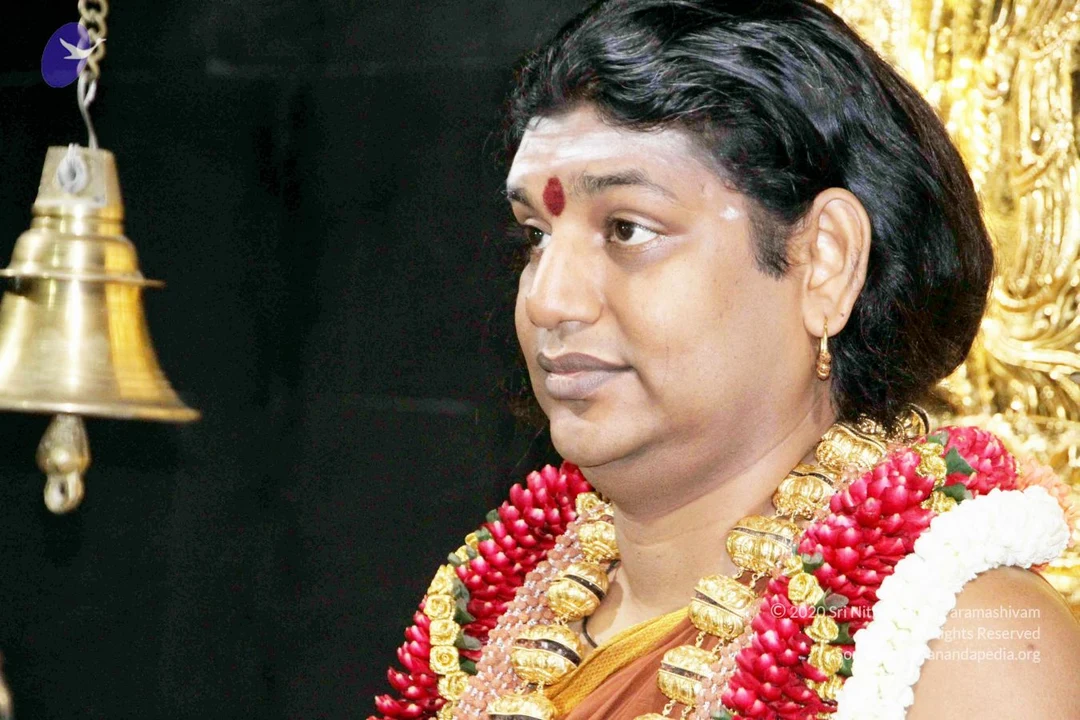
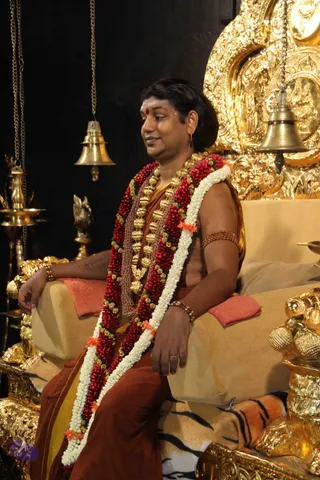
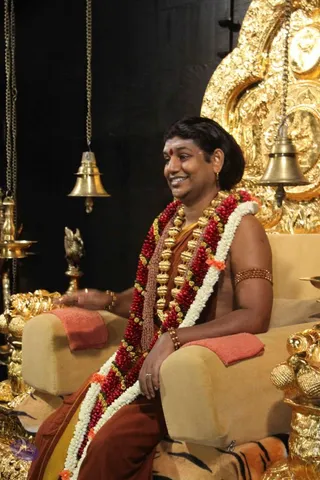
A man sits on an ornate gold throne with carved gilded panels, a tiger-stripe cloth draped over the seat and a cream cushion beside him. He wears a rust-orange garment over a bare chest, a red bindi on his forehead, layered red and white flower garlands and a heavy gold necklace with bead-like pendants, plus a beaded armlet and wrist mala. Brass hanging bells and a brass lamp stand flank the throne. a person: the appearance cues are a swept-back dark hairstyle, ceremonial gold necklace and garlands, and orange clothing, seated on a throne as the honoured figure.A seated man in a golden-ornamented setting sits on a cream velvet throne with a gold-carved backrest and a tiger-striped cloth draped over the seat. He wears rust-orange robes, a thick gold bead necklace, and a long red and white flower garland with orange blossoms. A red bindi and a bronze armlet are visible; his bare upper torso is uncovered. Brass hanging bells and a brass lamp stand behind him on the left. a person: the seated man has a swept-back dark hairstyle, saffron-orange robes, rudraksha-style gold beads, and a ceremonial garland, consistent with the page's description of a satsang event.A seated man in a rust-orange dhoti and shawl sits on a cream upholstered throne-like seat before an ornate gold carved backdrop. He wears a red-and-white flower garland over a heavy gold ceremonial necklace with rudraksha-style beads, a red bindi on his forehead, and beaded bracelets on his wrist and upper arm. Brass hanging bells and a brass lamp stand stand behind him, and a tiger-striped cloth covers the seat. Swamiji (probable): the appearance cues of a swept-back hairstyle, a crown-like ornate ceremonial setting, orange clothing and gold necklaces support a candidate seated in a ceremonial posture, though the identification rests on those visible cues alone.A seated man in a rust-orange garment wears layered garlands of red and white flowers, a heavy gold necklace of ornate beads, a red bindi and rudraksha bracelets. Behind him rises an ornate gold throne-back, and a hanging brass bell and a brass oil lamp stand against a black backdrop. Swamiji (probable): the seated figure has long swept-back hair, ceremonial gold necklaces, a garland-covered orange garment and rudraksha adornments, consistent with the page's reference to Swamiji; appearance-based label only.A smiling man with short dark hair and a red bindi sits on an ornate golden throne with a carved lion-face armrest and a tiger-striped cloth draped over the seat. He wears a rust-orange garment with a gold border, a bare upper torso with a gold armband, and layered red and white flower garlands over gold-bead necklaces. His right hand is raised in a blessing gesture. Hanging brass oil lamps and bells surround the throne, and a woman in a red sari with a tilak stands at lower left beside a tray of flowers and small brass vessels. The setting is a dark temple-style hall.A smiling man sits on a cushioned golden throne in a dark hall. He wears a rust-orange robe draped over one shoulder, leaving his chest bare, with gold bead necklaces and layered red and white flower garlands. A red bindi marks his forehead, and he wears a copper-toned armlet and gold bracelets. Behind him stands an ornate gilded throne back with embossed carvings. Brass hanging bells and a brass oil lamp stand at his left, and a tiger-striped cloth covers the floor. Appearance-based label: a person, seated in a teaching posture.
Sarva-Darshan

9 photosSource gallery
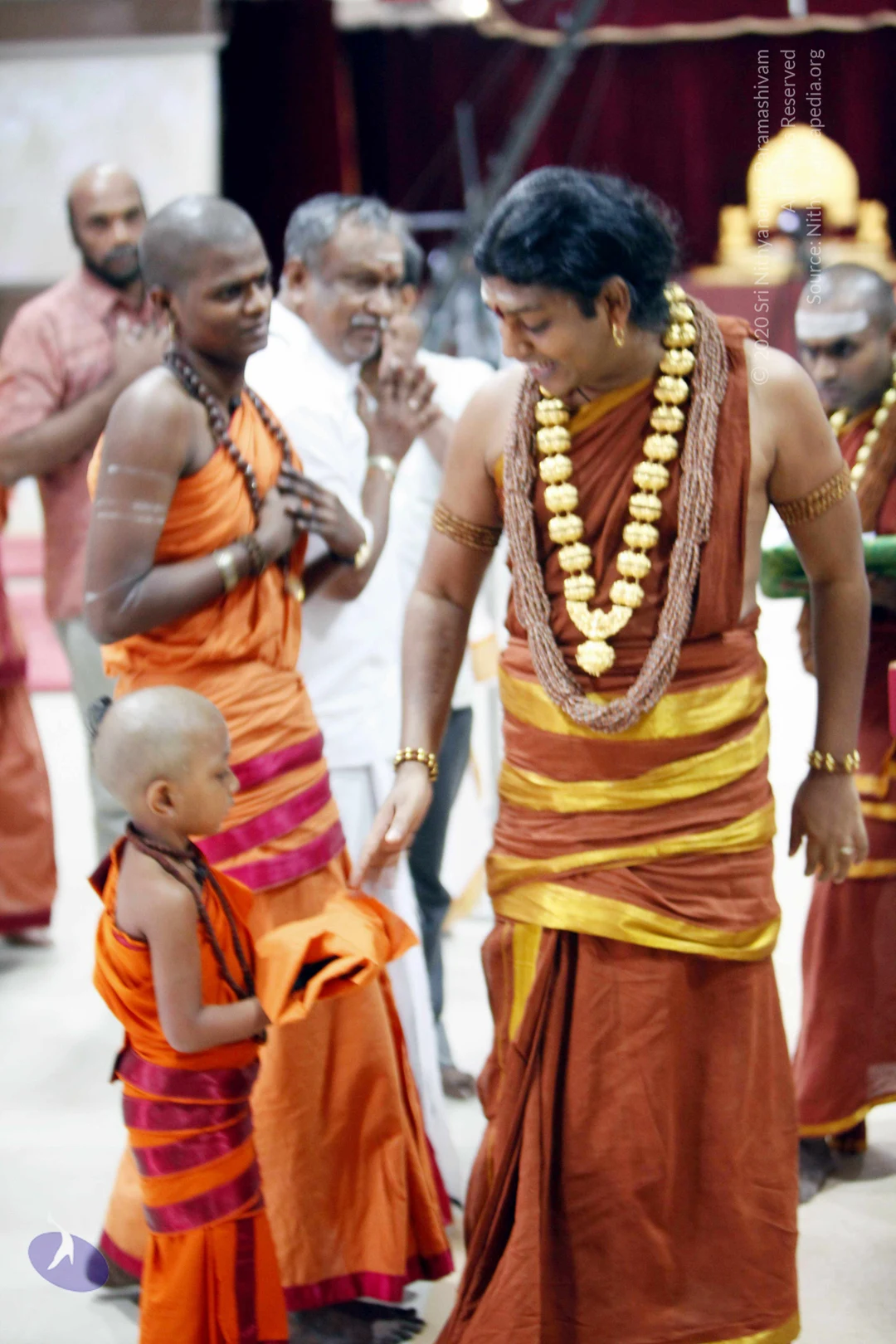
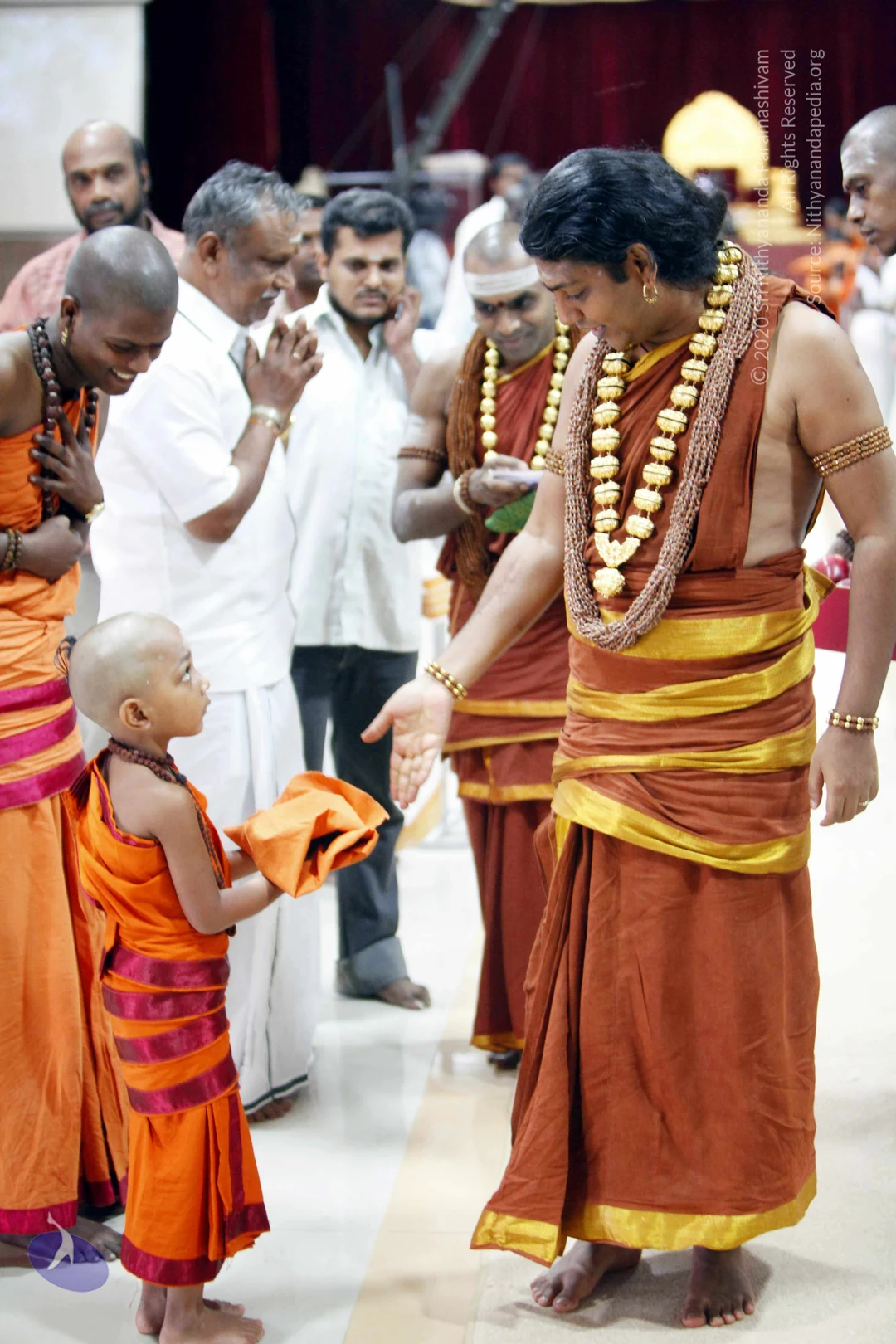
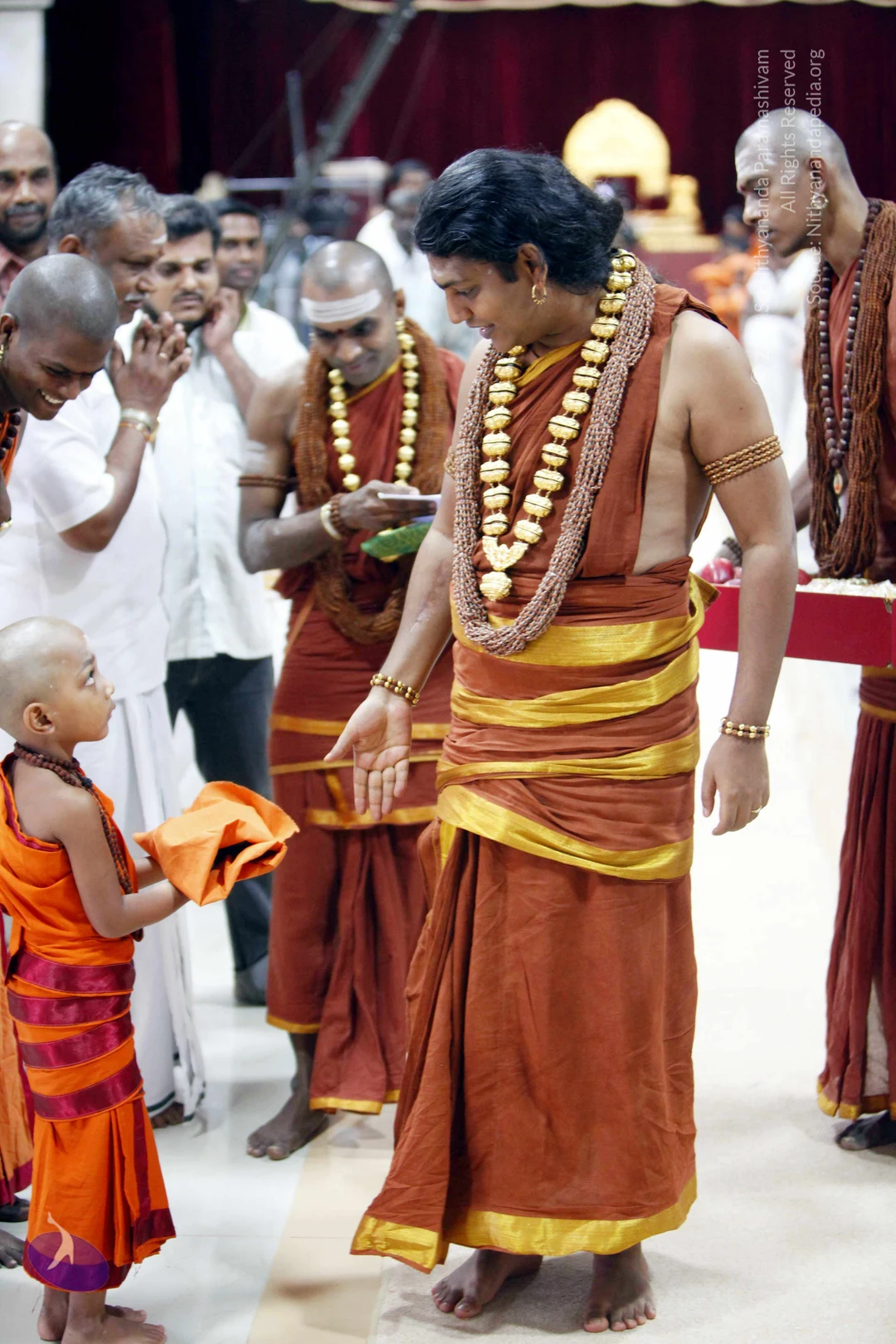
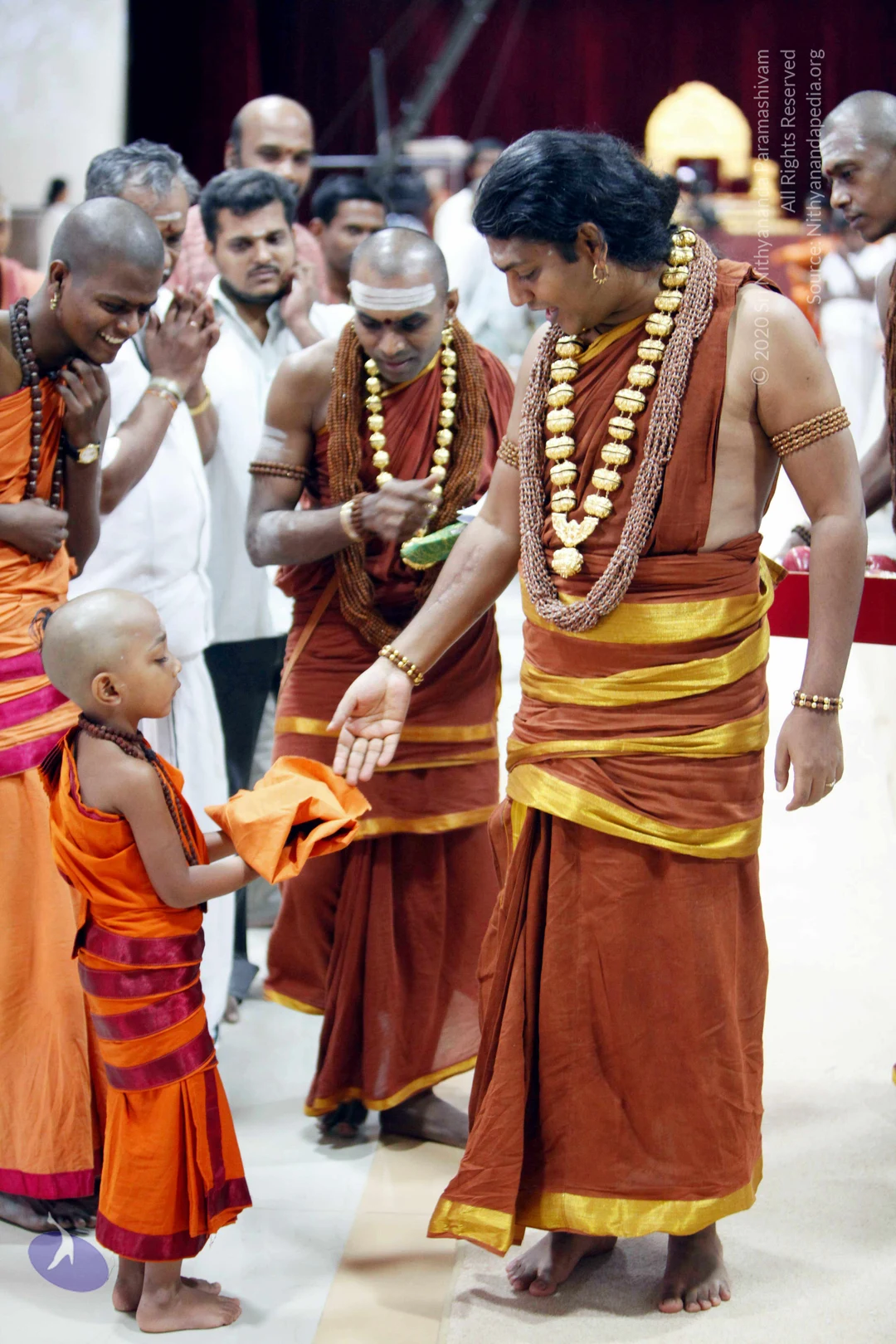
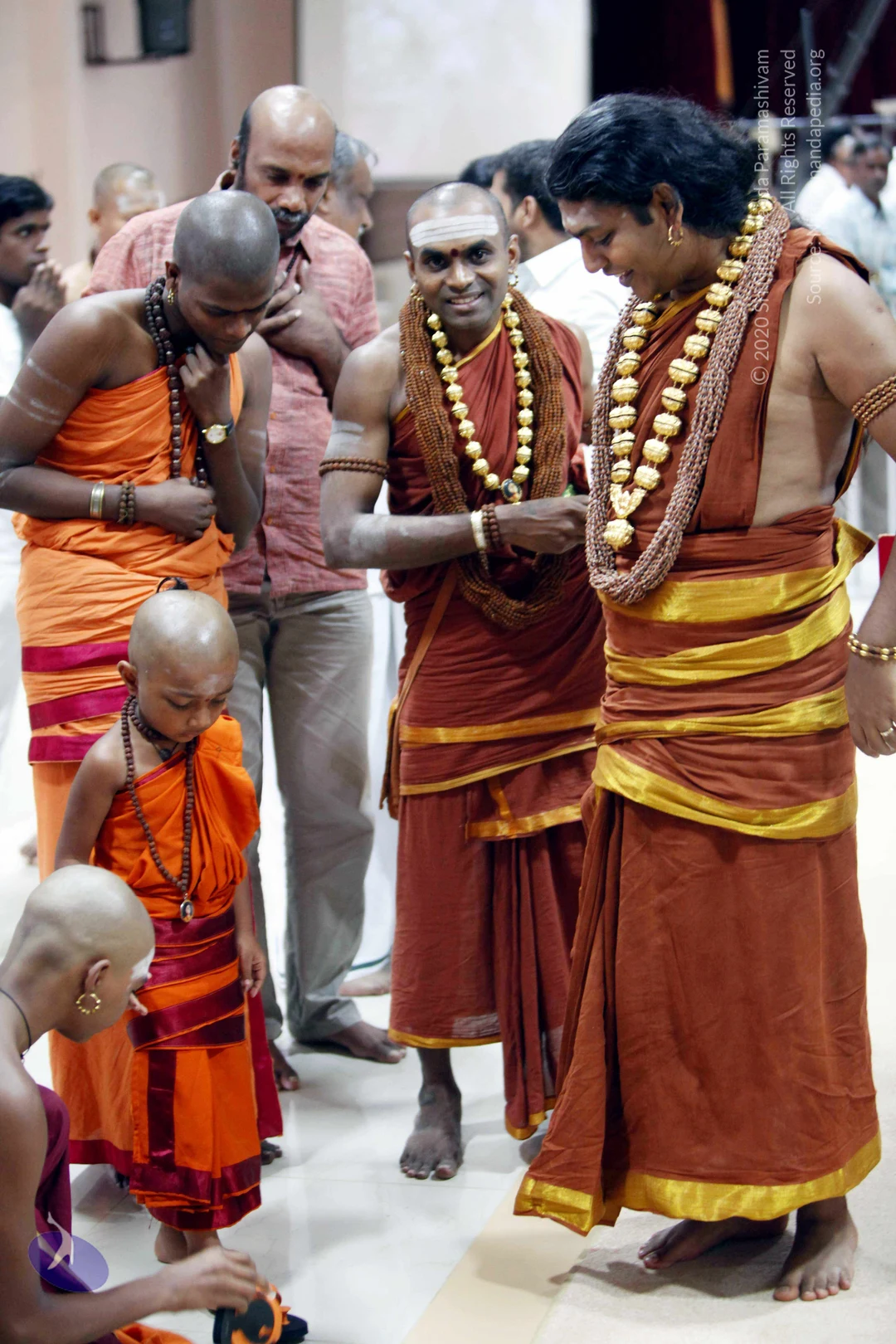
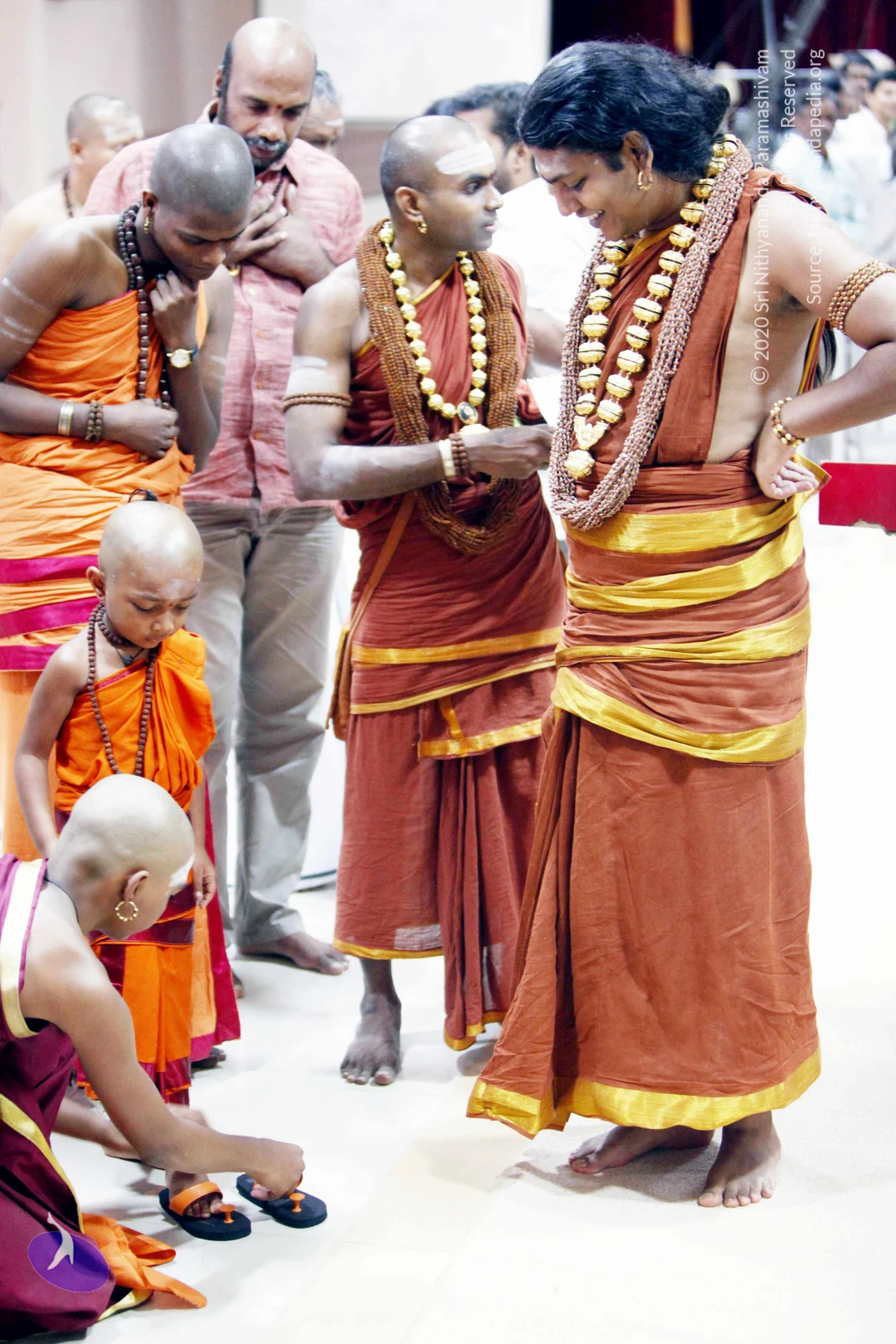
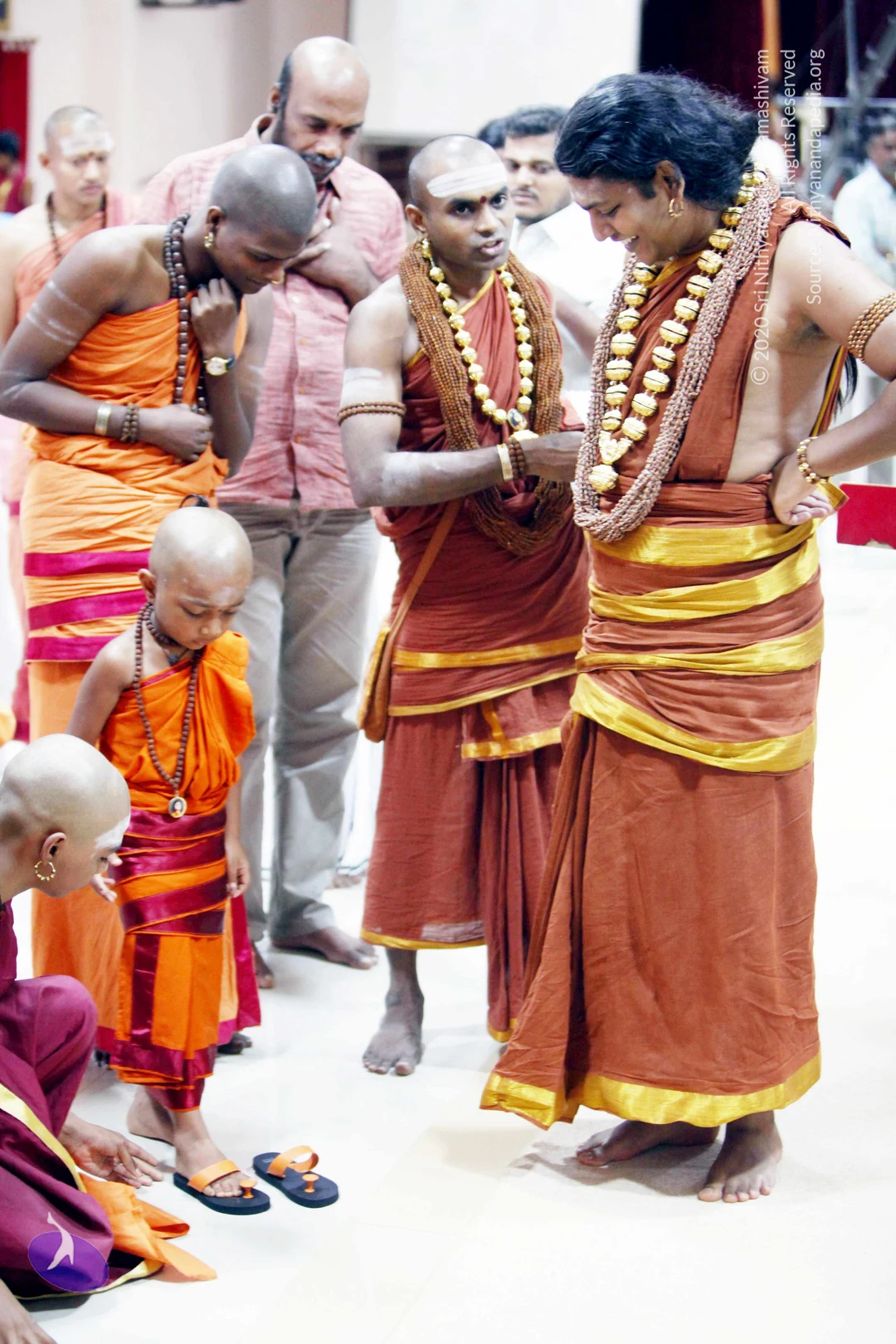
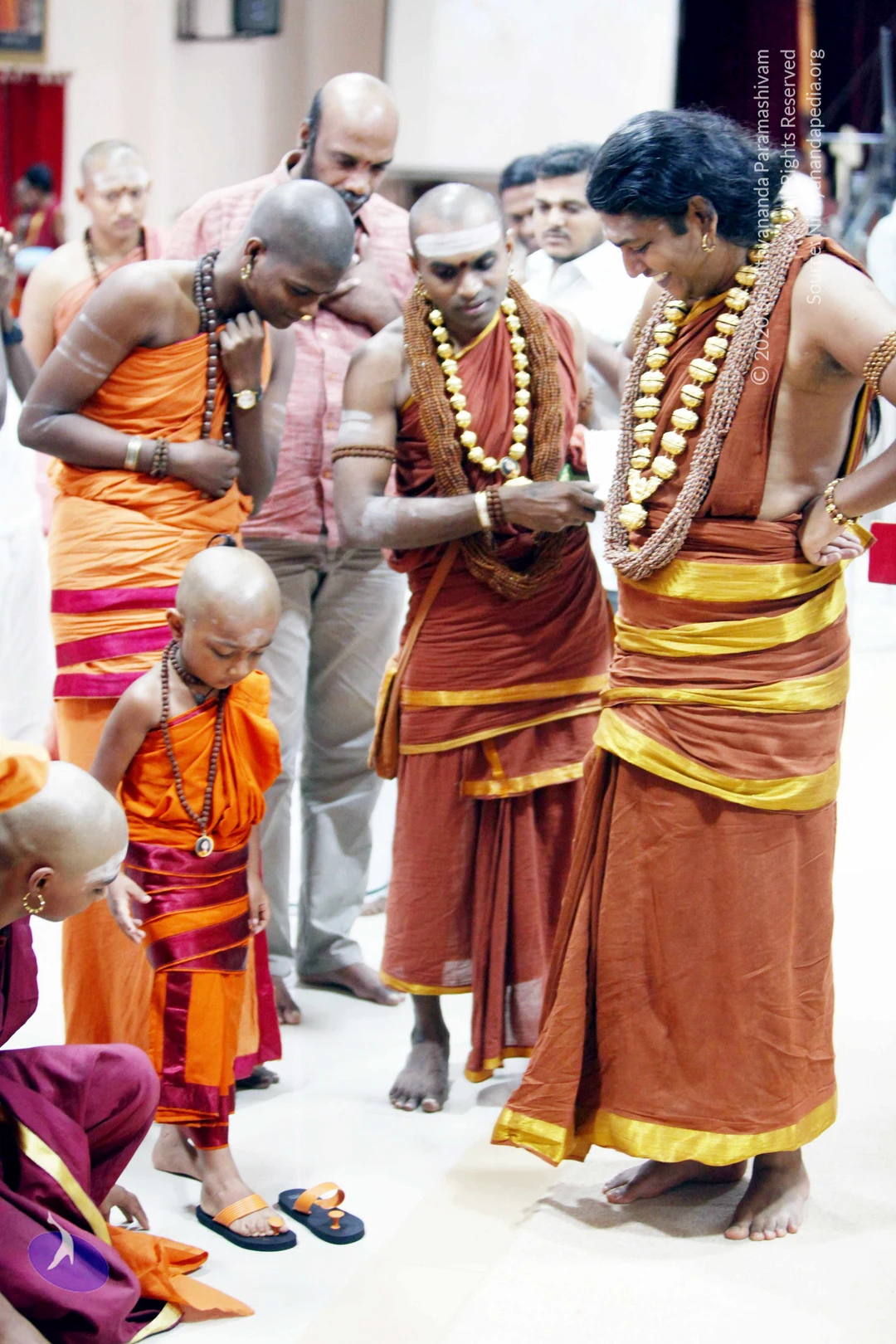
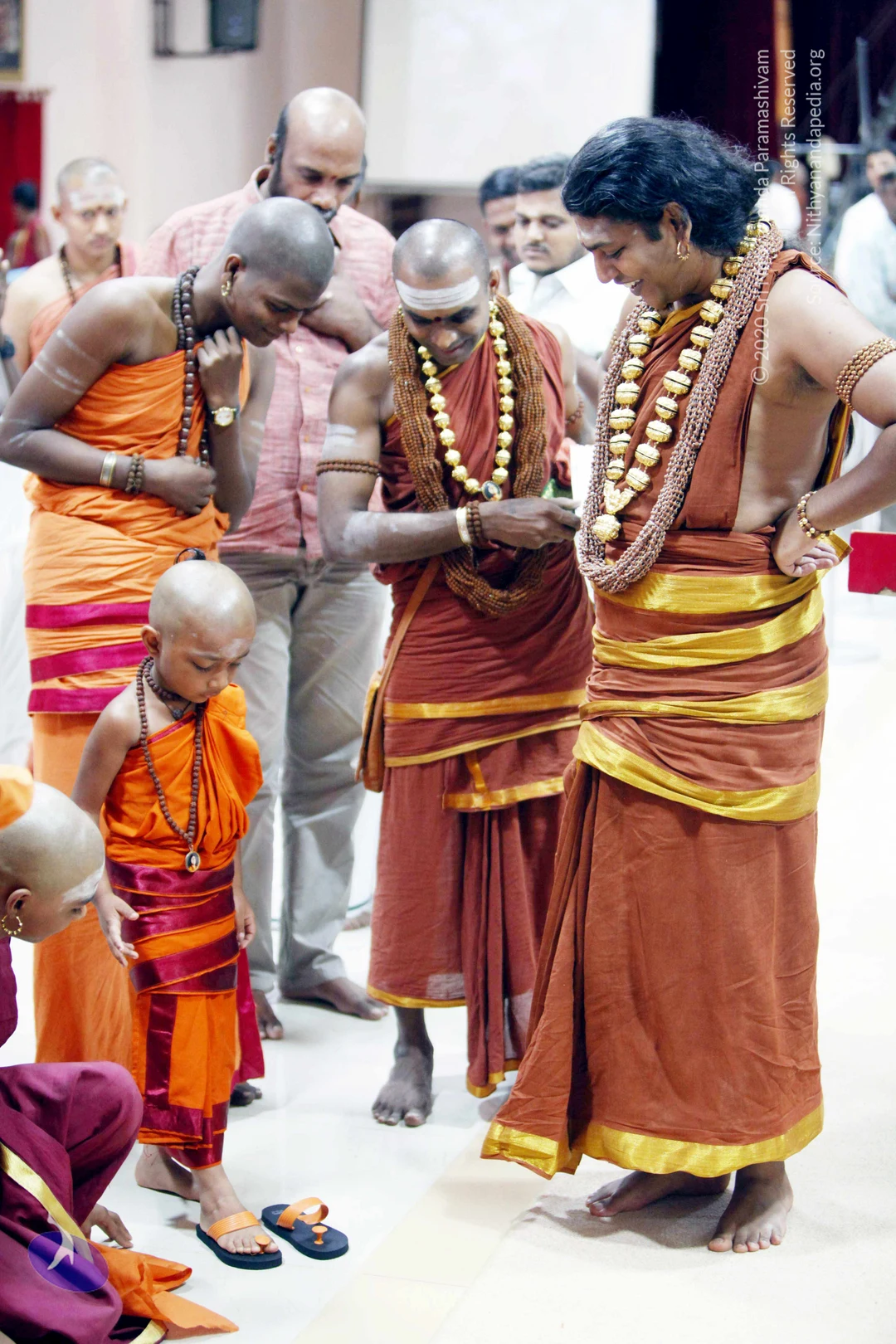
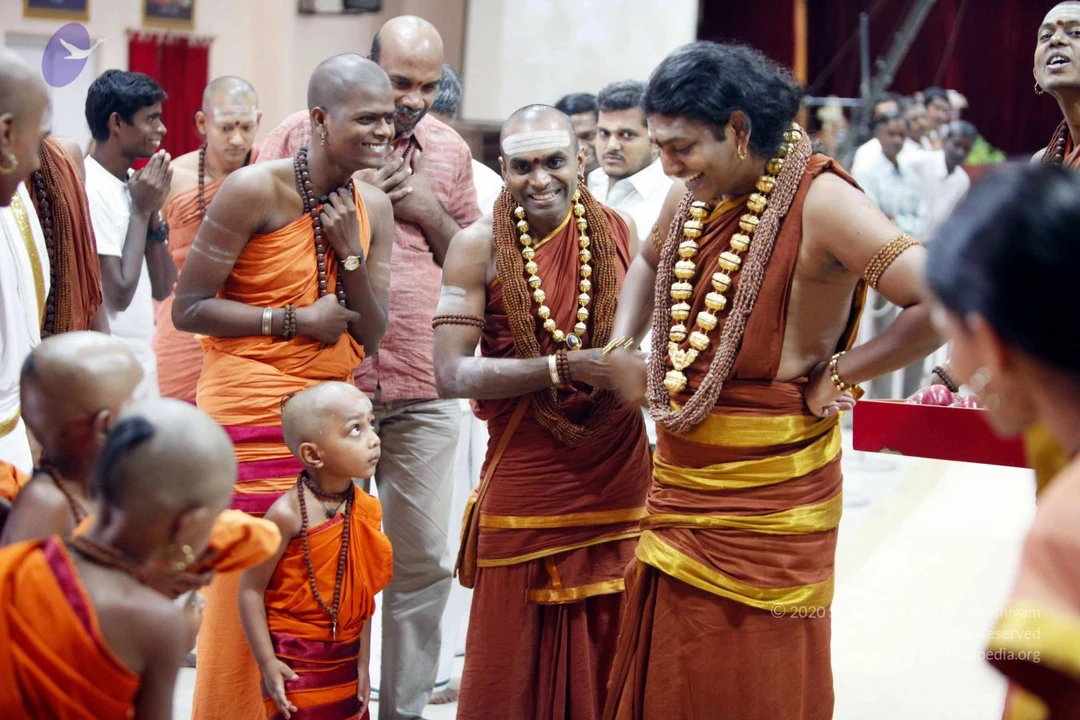
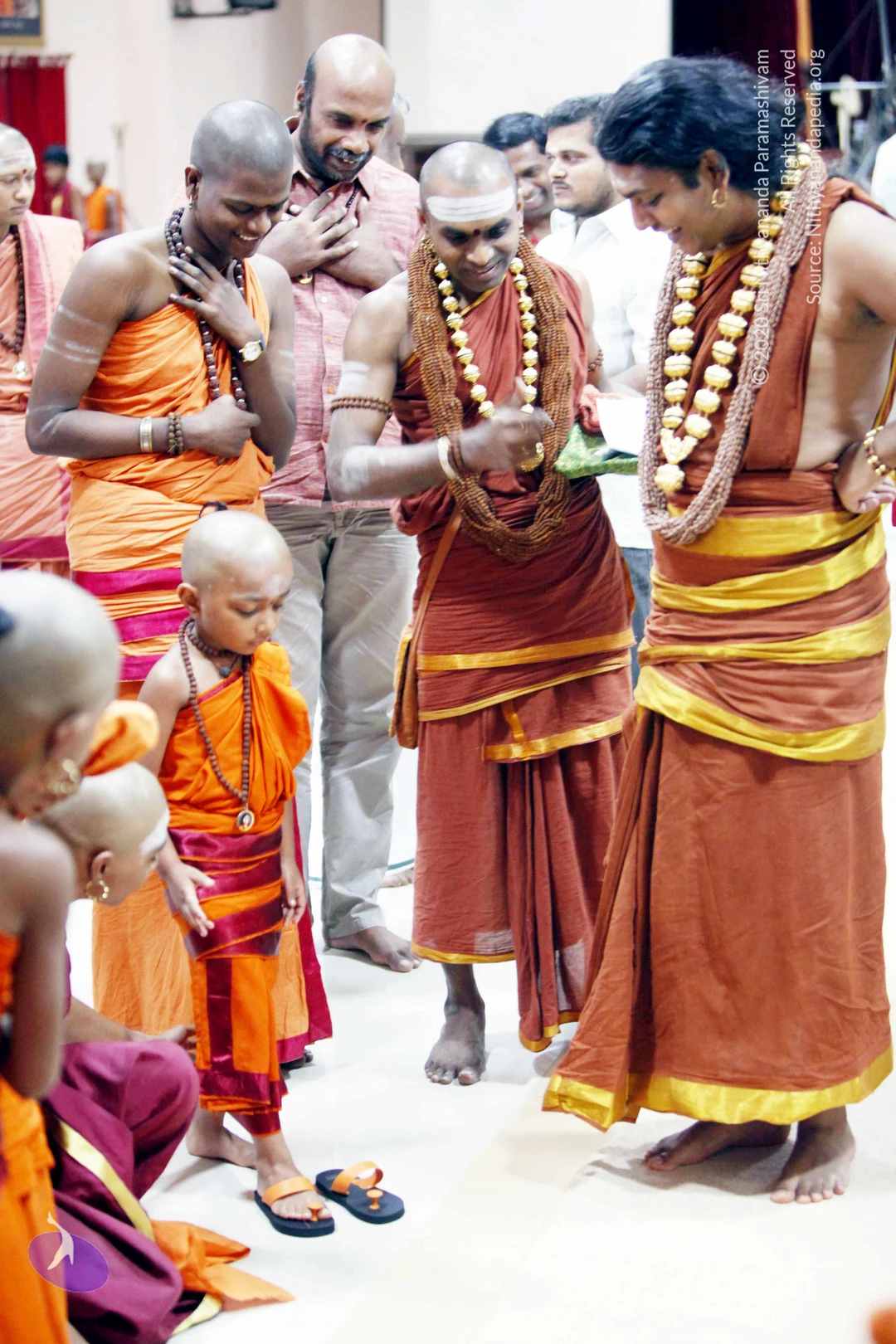
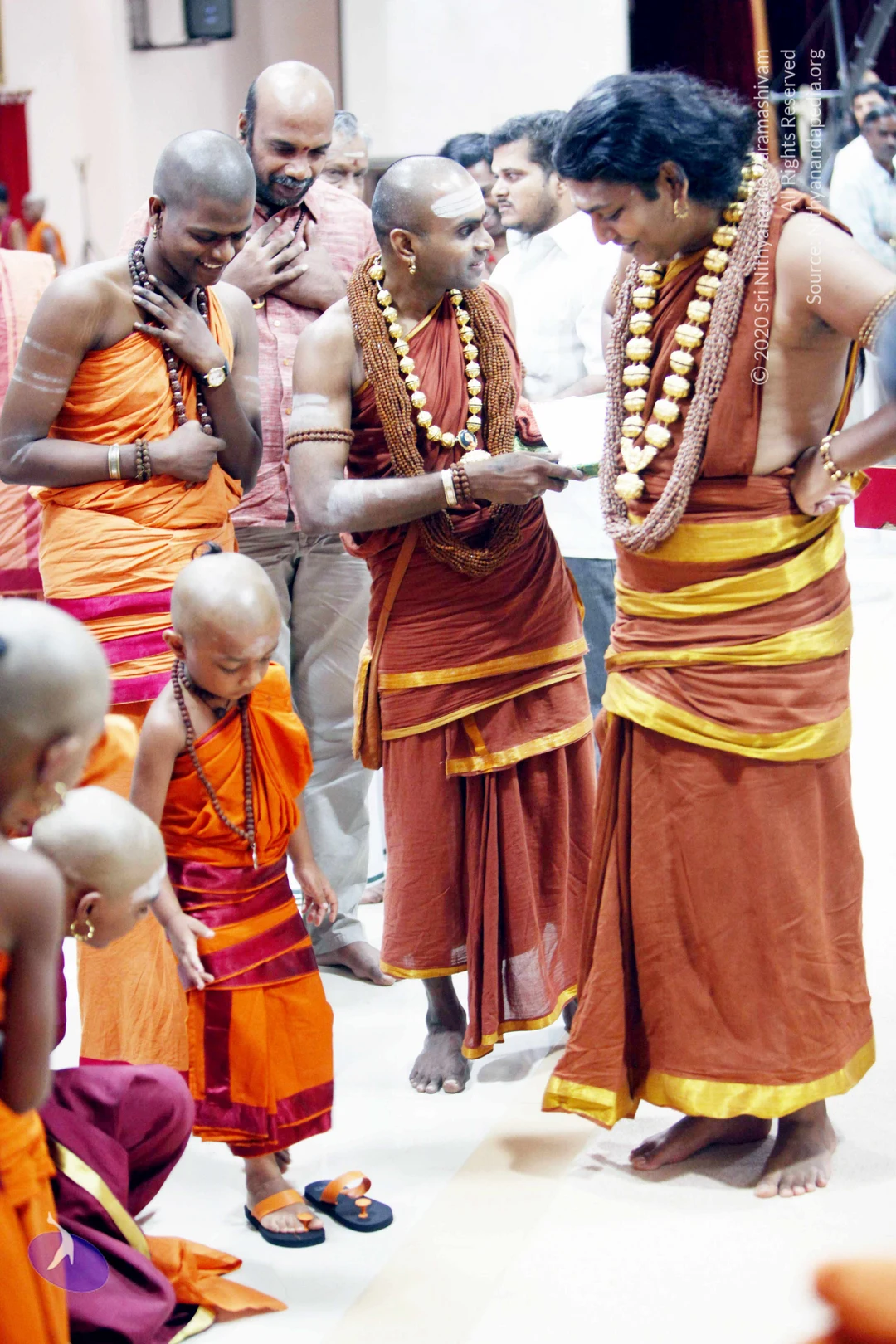
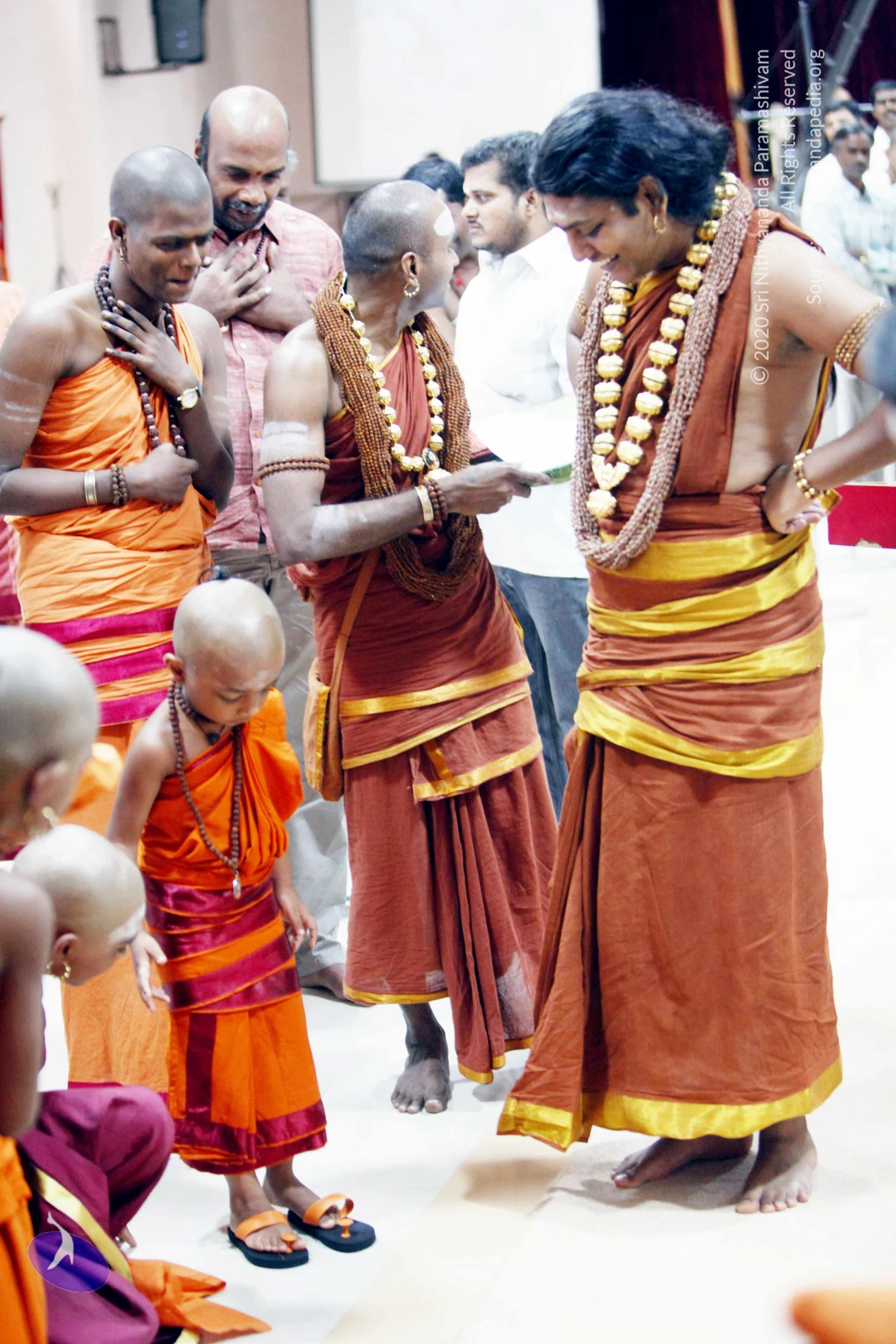
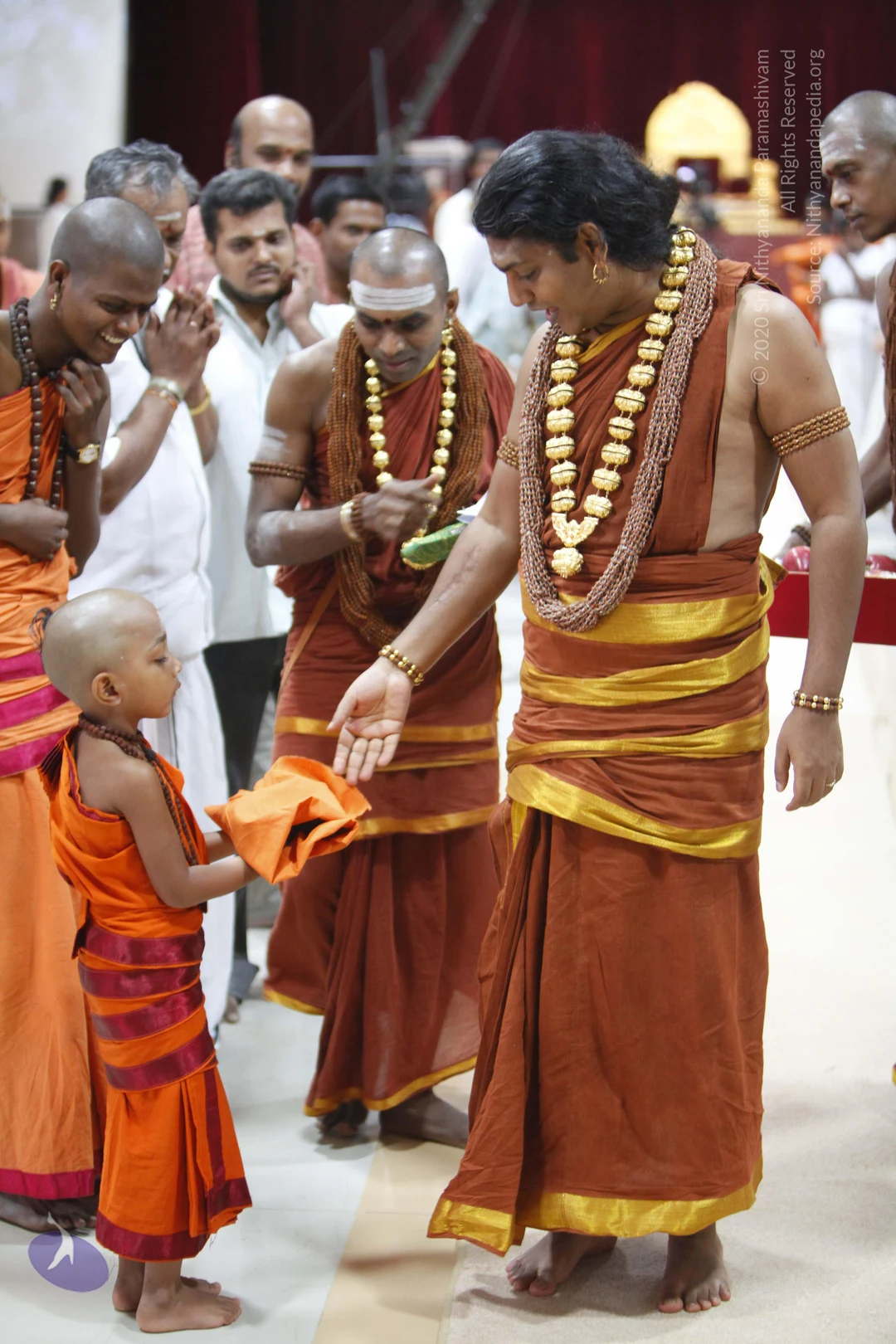
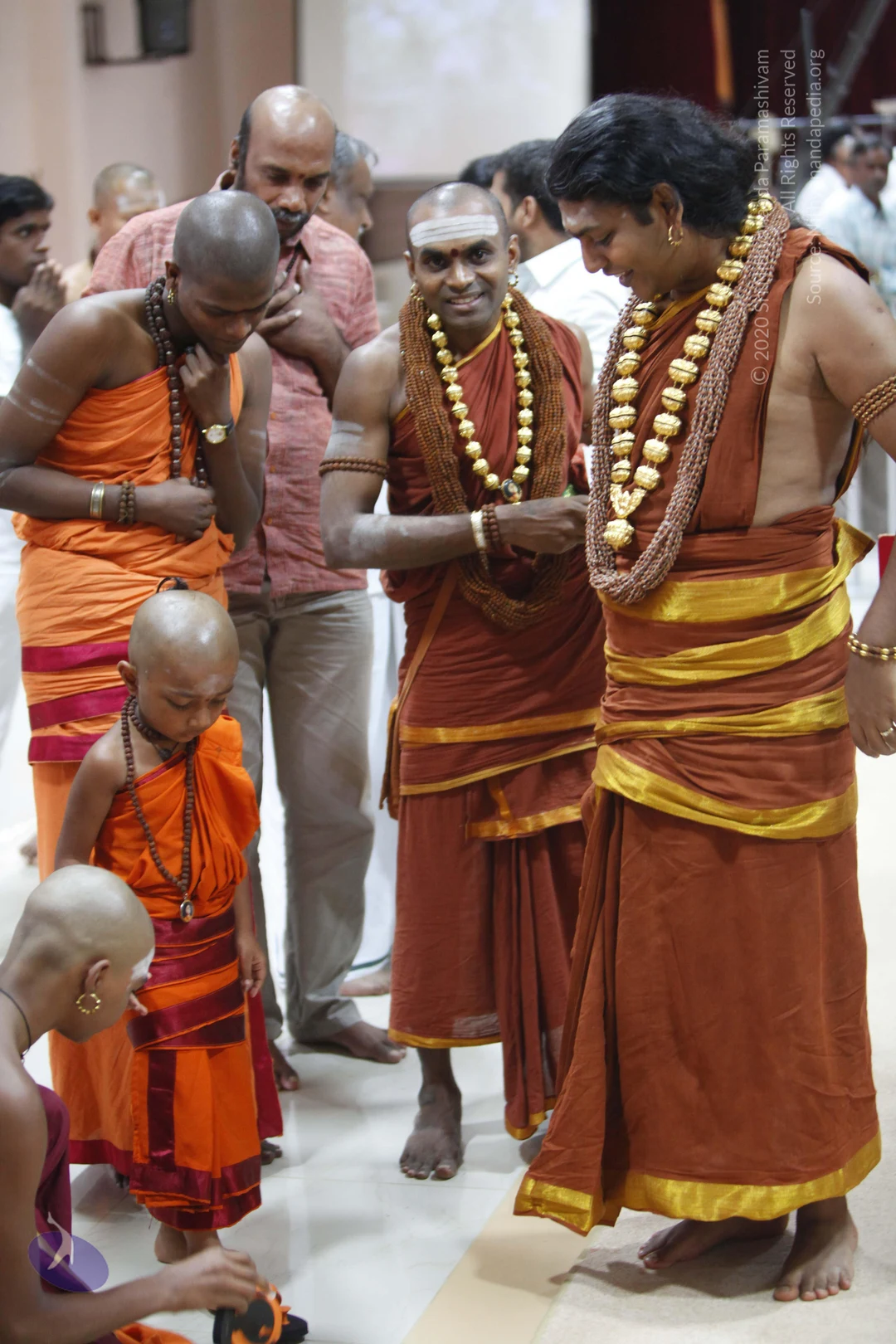
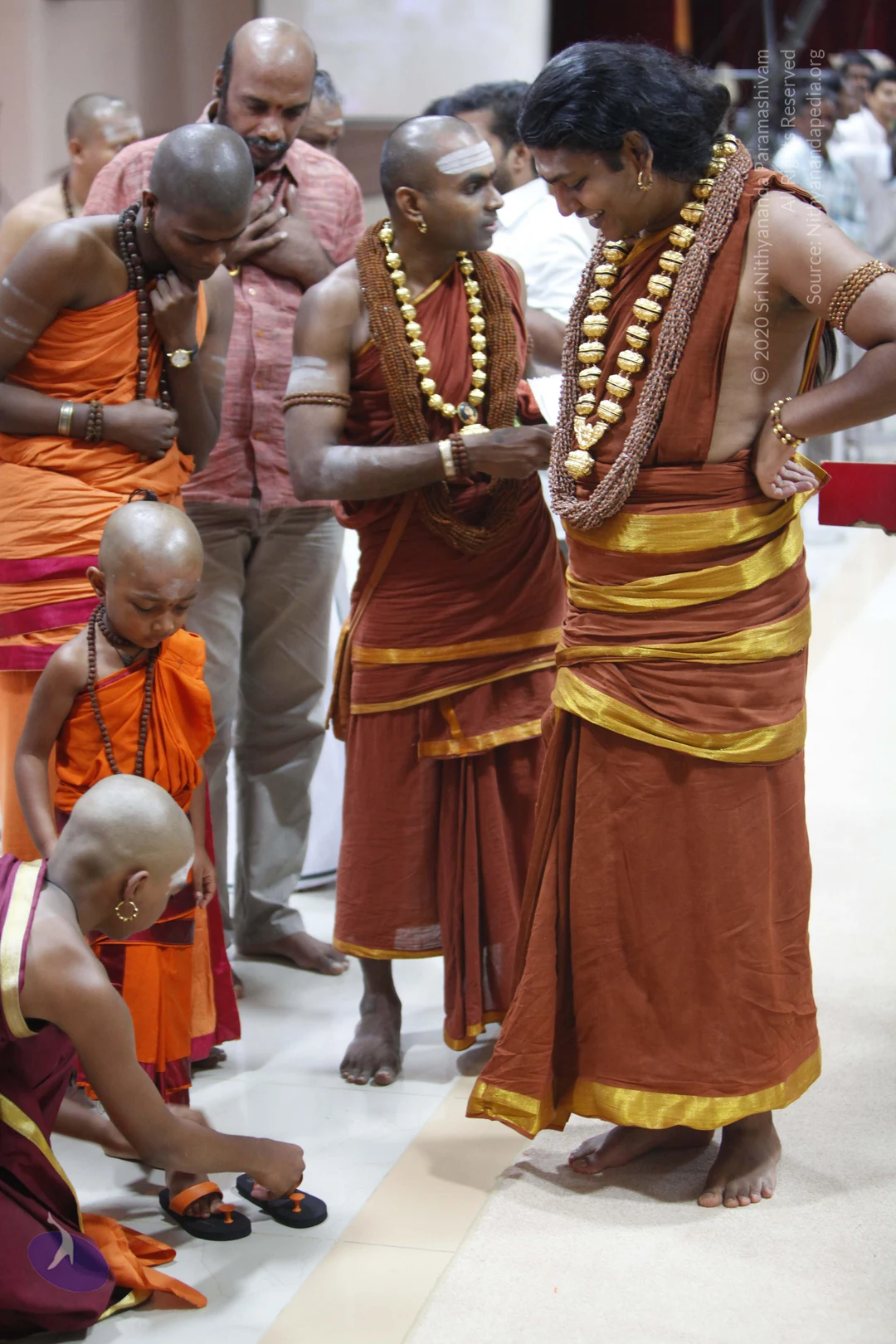
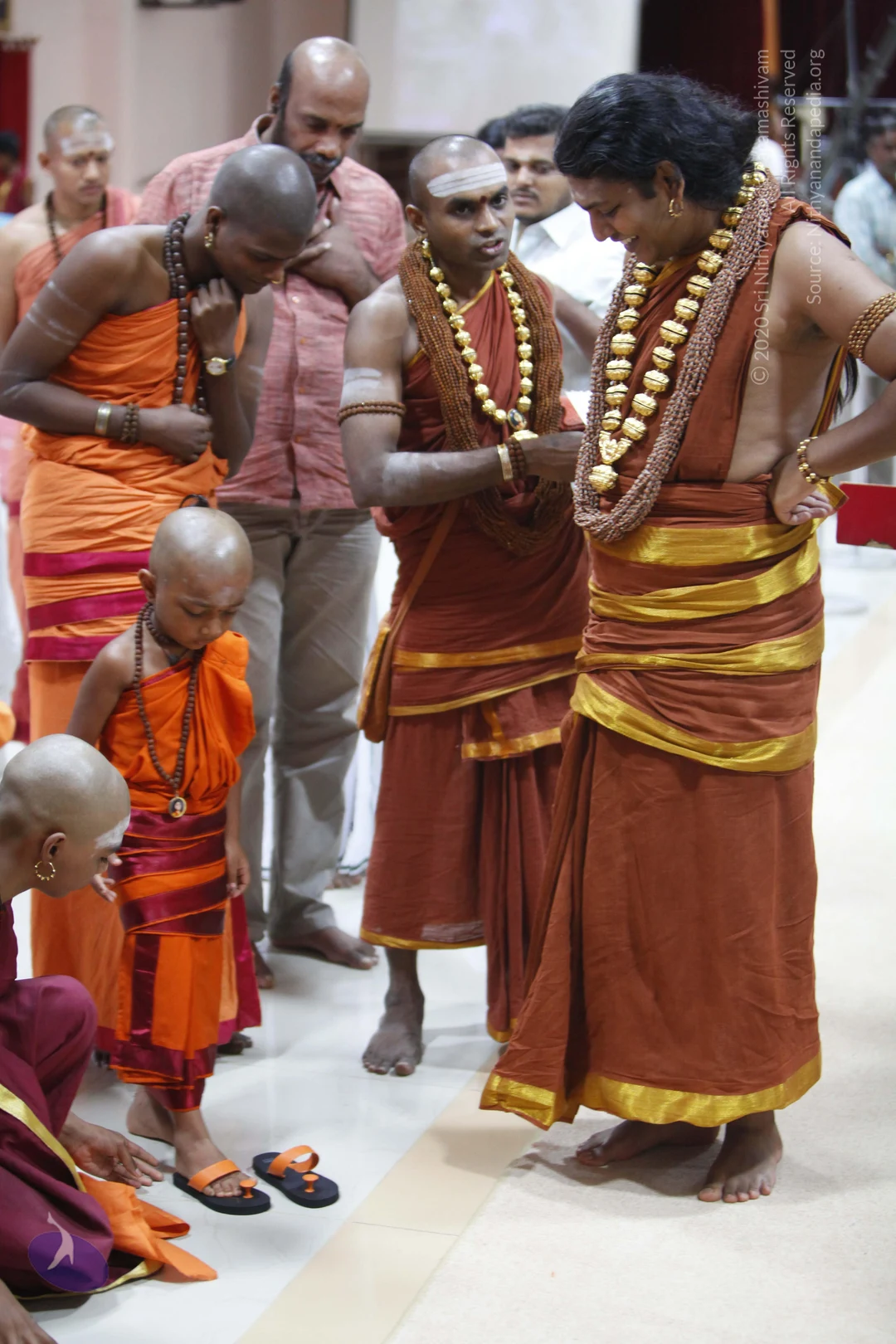
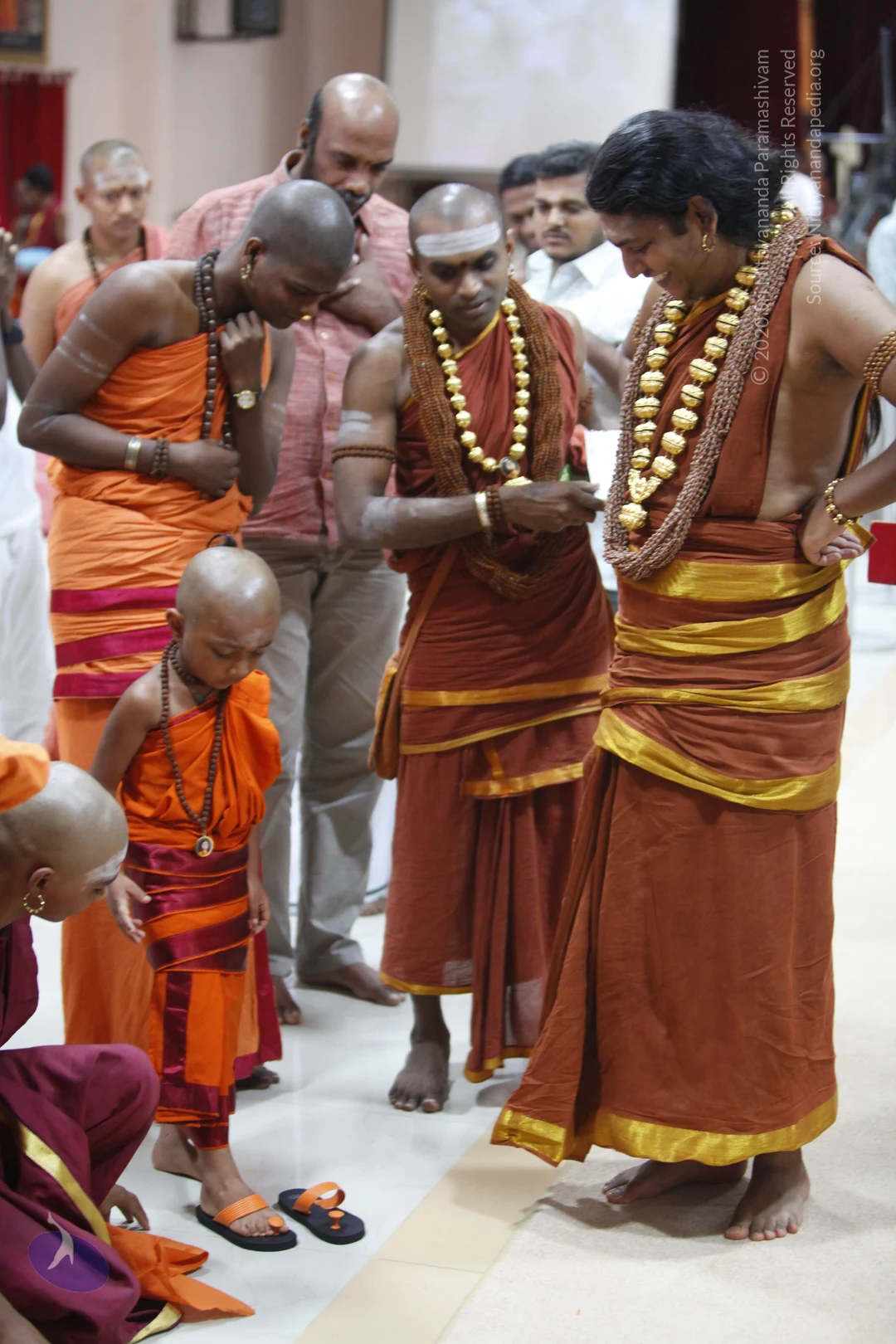
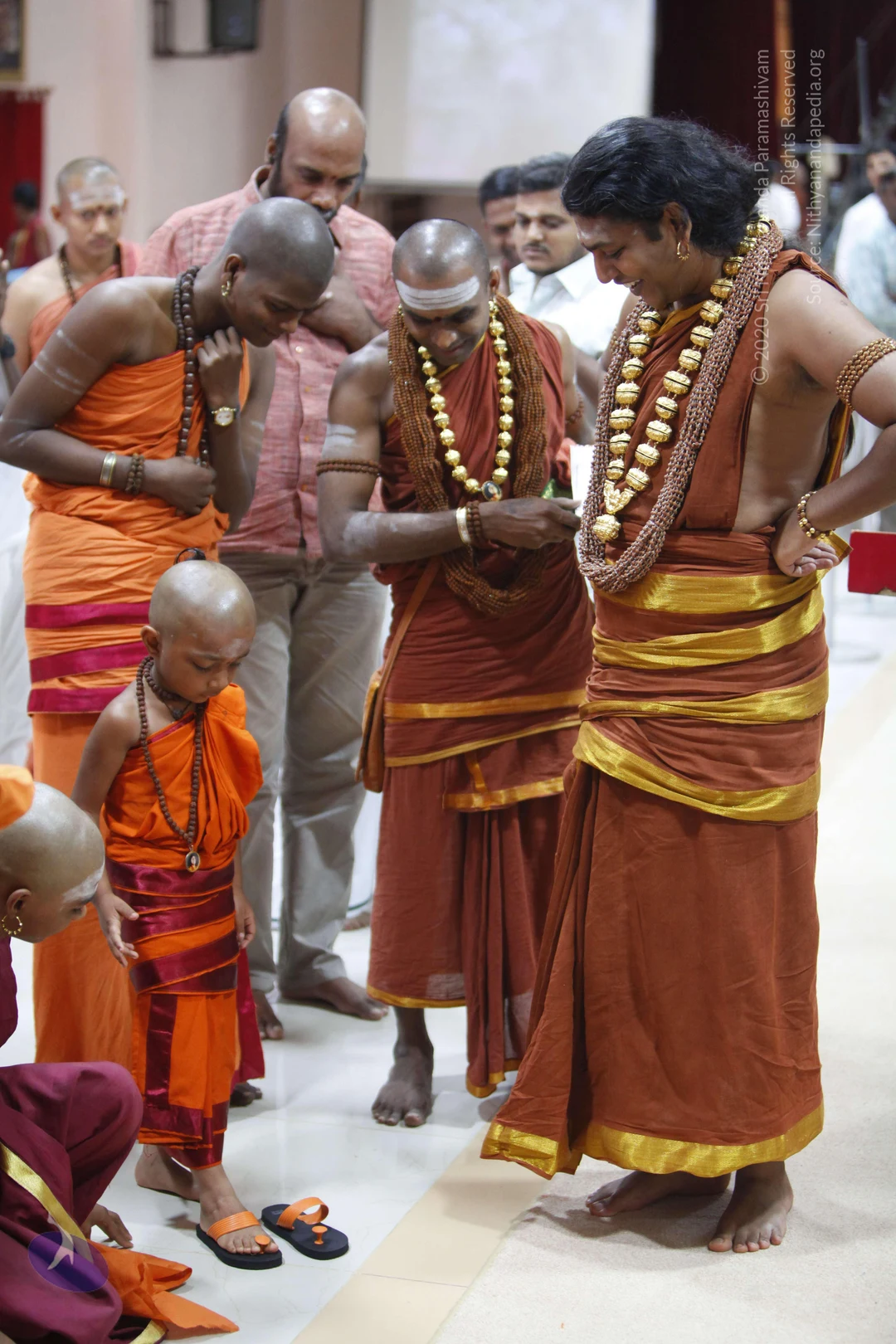
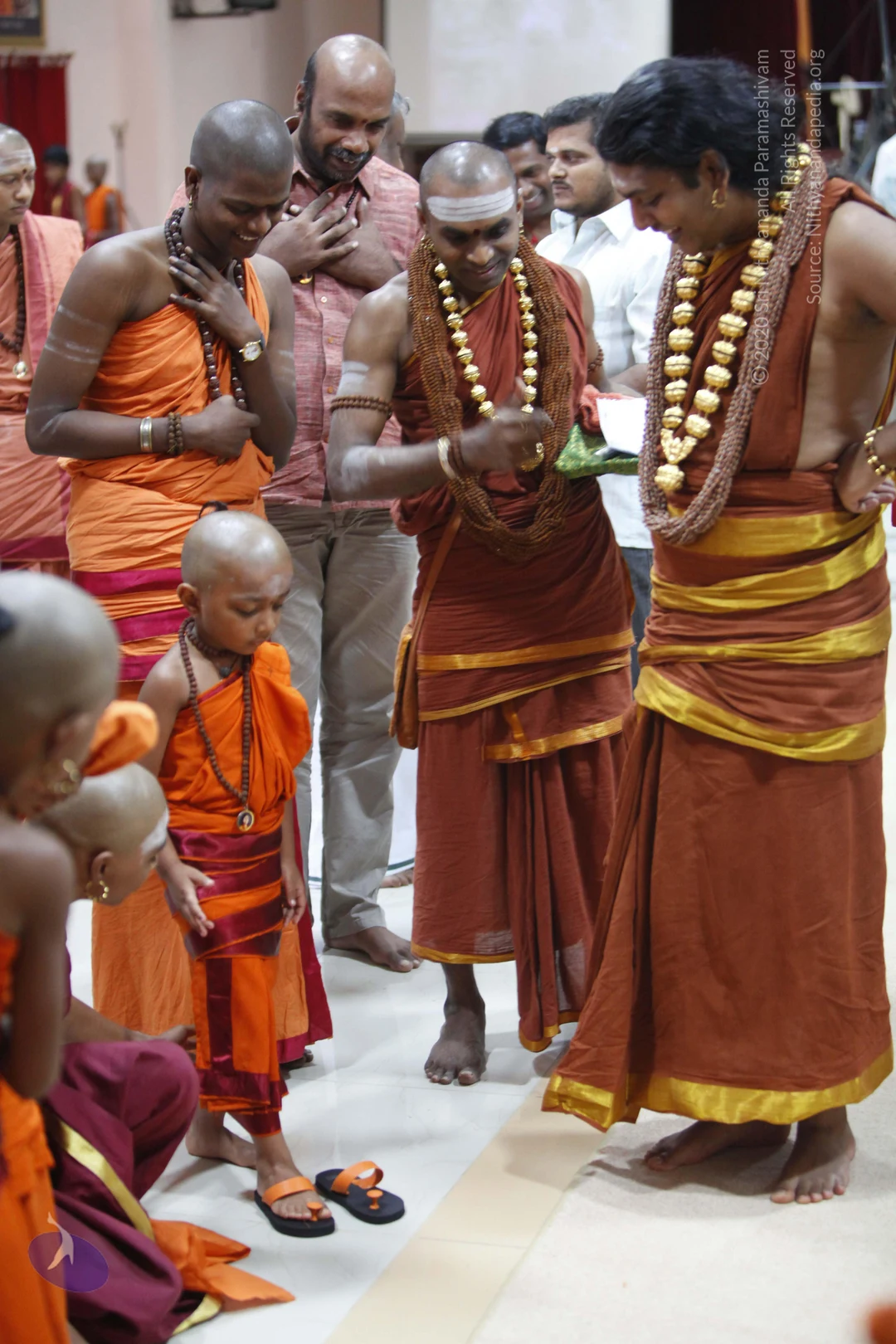
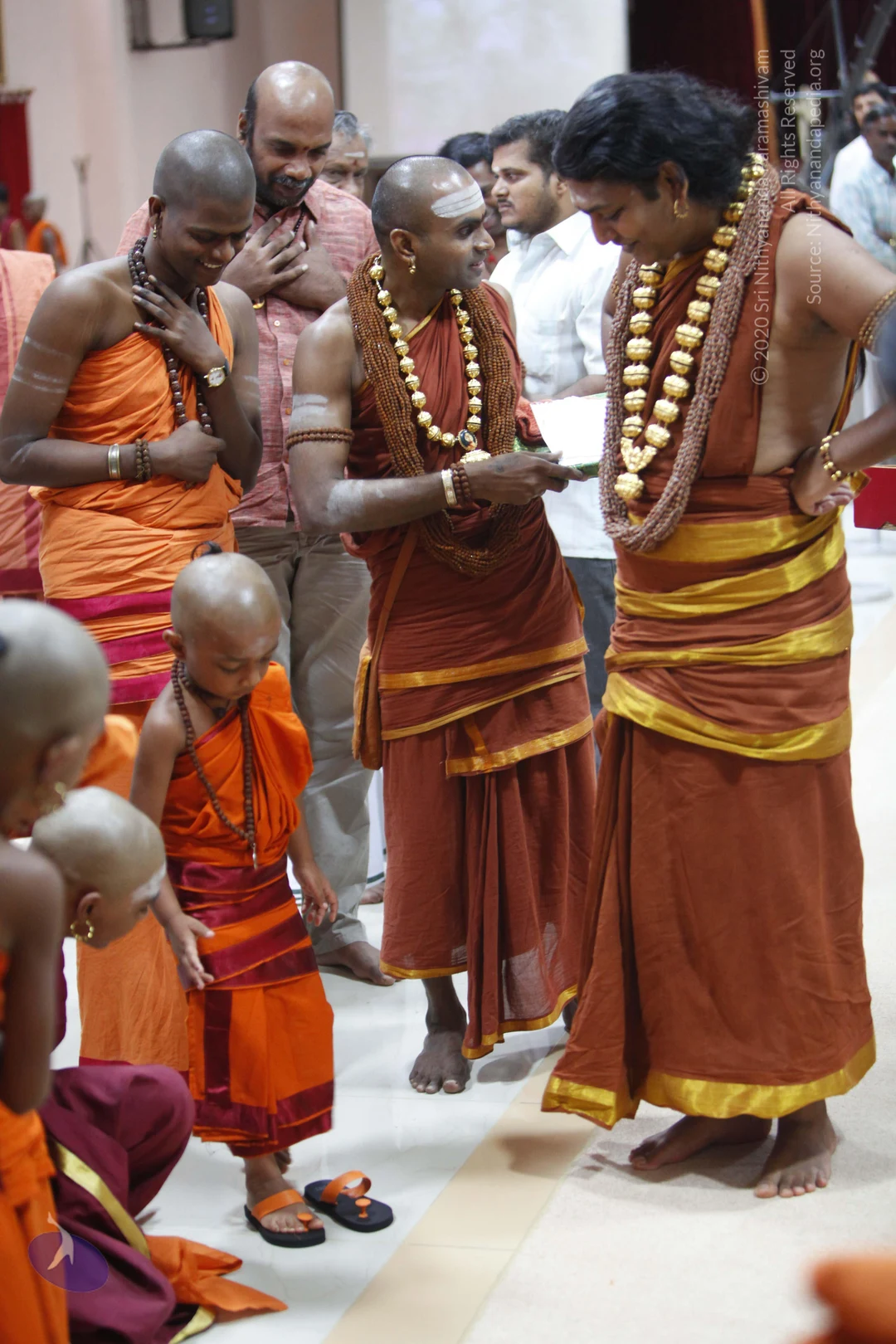
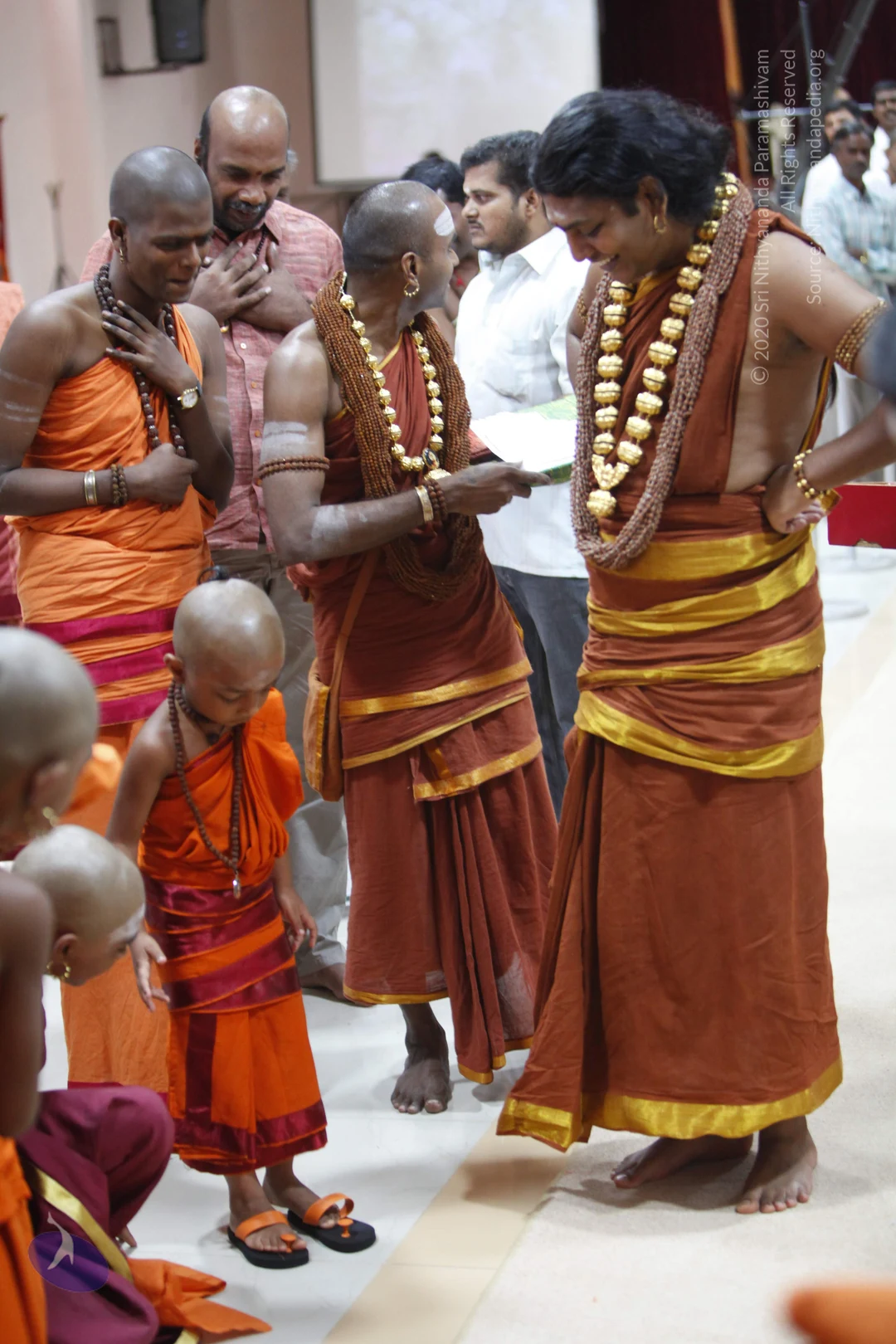
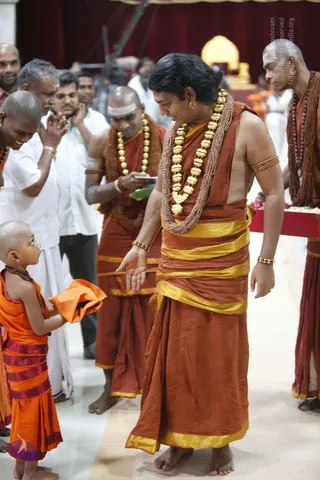
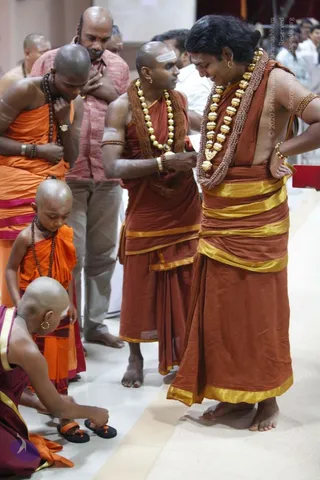
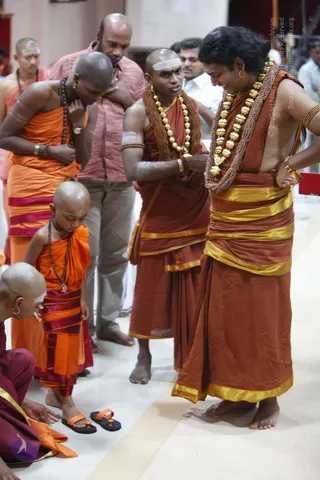
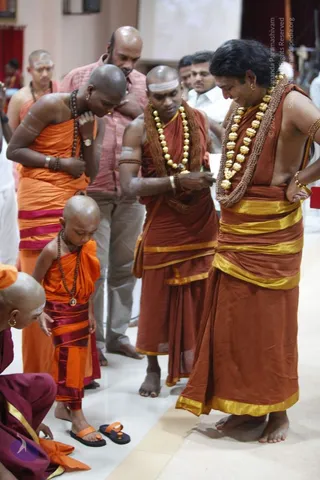
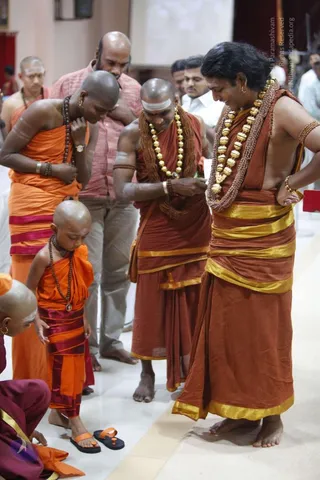
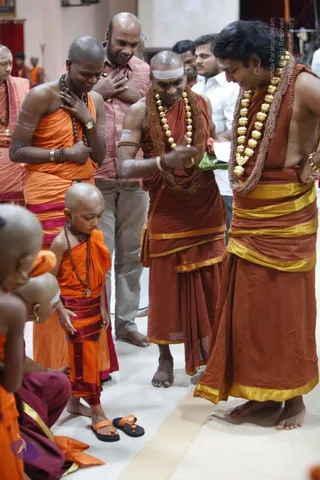
A photo in a temple-like hall shows a man with long dark hair swept back, wearing a rust-orange draped garment with gold-edged bands, a thick gold bead necklace and a rudraksha mala, bare-chested with a gold armlet, and a gold bangle, reaching out a hand toward a small shaven-headed child in saffron-orange robes with a rudraksha mala who holds out an orange cloth. Behind them, a priest in similar rust-orange robes with gold beads and a white forehead mark holds a small object, and other men in white and rust-orange stand watching; a red tray and a red curtain with a golden seat appear in the background. a person: the central man in orange robes with gold necklaces and rudraksha is an appearance-based candidate, presented in person.A photograph of a ceremonial scene indoors on a pale marble floor. A figure with long swept-back dark hair, wearing a rust-brown dhoti-style garment with broad gold borders, multiple layers of gold beaded and rudraksha-style necklaces, gold bangles and a gold-hooped earring, stands barefoot with one hand on the hip and smiles toward a shaven-headed young attendant in orange robes and a gold-embroidered necklace who holds an object at the chest. Two shaven-headed boys in orange robes and rudraksha malas stand nearby, and a boy in maroon and orange kneels at the lower left placing orange-and-black sandals on the floor. A man in a pink shirt and grey trousers stands behind, with a white-and-red marked forehead on one younger attendant.A photograph of a ceremonial moment in a hall with white marble flooring. A woman in rust-brown robes with gold borders and a rudraksha mala, wearing a gold-bead necklace, smiles and turns while a man beside her in similar rust-brown robes with gold necklaces and a white tilak on his forehead adjusts a gold ornament at her chest. Behind them stand shaven-headed boys in saffron-orange robes with rudraksha beads, one of them looking down at a pair of black-and-orange sandals on the floor. Other figures in orange and maroon, including a seated man in maroon at the left edge, and a man in a pink shirt stand nearby. Whether any of these people is a person cannot be established from appearance.A photograph of a ritual scene in an ashram hall with a cream marble floor. In the foreground, a bald young boy in orange robes with a rudraksha mala stands barefoot beside a pair of orange and black sandals, while a seated attendant in maroon robes kneels at lower left. Centre, a man in rust-brown robes with gold trim and a gold bead necklace with rudraksha beads has a white tilak on his forehead and reaches toward a second man. At right, a smiling man with swept-back dark hair wears a rust-brown dhoti with gold borders, layered gold-bead and rudraksha necklaces, and a gold wrap at the waist. Behind them, bald men in orange and a man in a pink shirt and grey trousers look on. a person candidate not clearly identifiable from appearance.Photograph of a ceremonial scene indoors on a white marble floor. A tall figure at right with long swept-back dark hair, wearing rust-red and gold-bordered draped cloth, a heavy gold bead necklace and a brown beaded mala, stands barefoot with a hand on the hip while smiling downward. Nearby, a shaved-headed attendant in rust-red cloth with gold border and gold beaded garland and a white tilak on his forehead fastens or adjusts something at the neck. Left, a young shaved-headed boy in orange robes and rudraksha mala steps into orange sandals, with an older shaved-headed man in orange cloth behind him and a man in a pink shirt and grey trousers standing in the background. A kneeling attendant in maroon cloth appears at lower left. The white marble floor and cream carpet suggest a temple or ashram hall.Photo of a group of saffron-robed sannyasis in a bright hall with white floor. A bald child in orange cloth with rudraksha mala stands barefoot, a pair of orange slippers placed on the floor before him. A man in rust-brown robes with gold-bordered wrap, gold beaded necklace and rudraksha mala and a white horizontal tilak on his forehead smiles and gestures with his hand toward the child, while another robed man in rust-brown with gold sash and layered gold beads stands at right with hands on his hips. Standing behind are men in orange garments and a man in a pink shirt and grey trousers, with a white-shirted man at the back. A seated figure in maroon robes is at lower left.
Temple

9 photosSource gallery
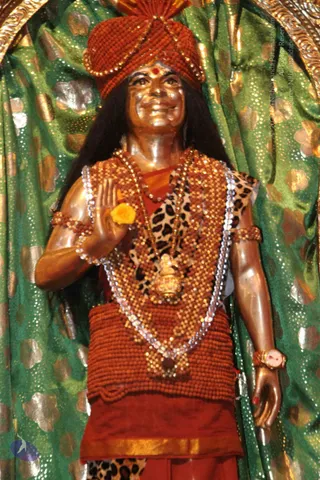
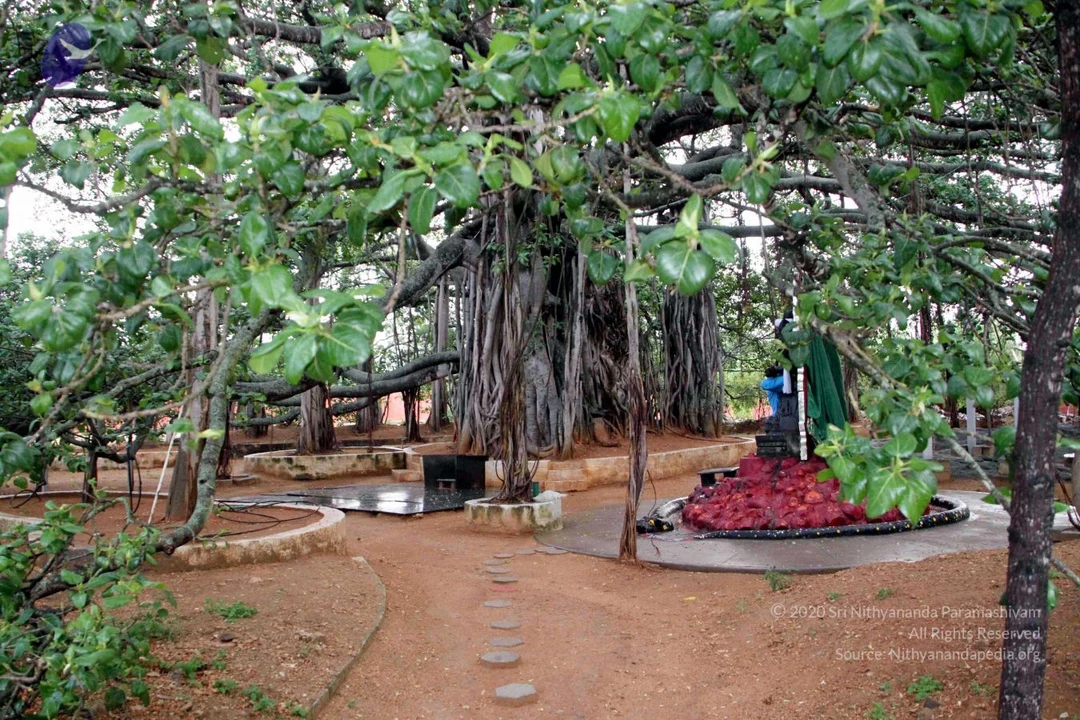
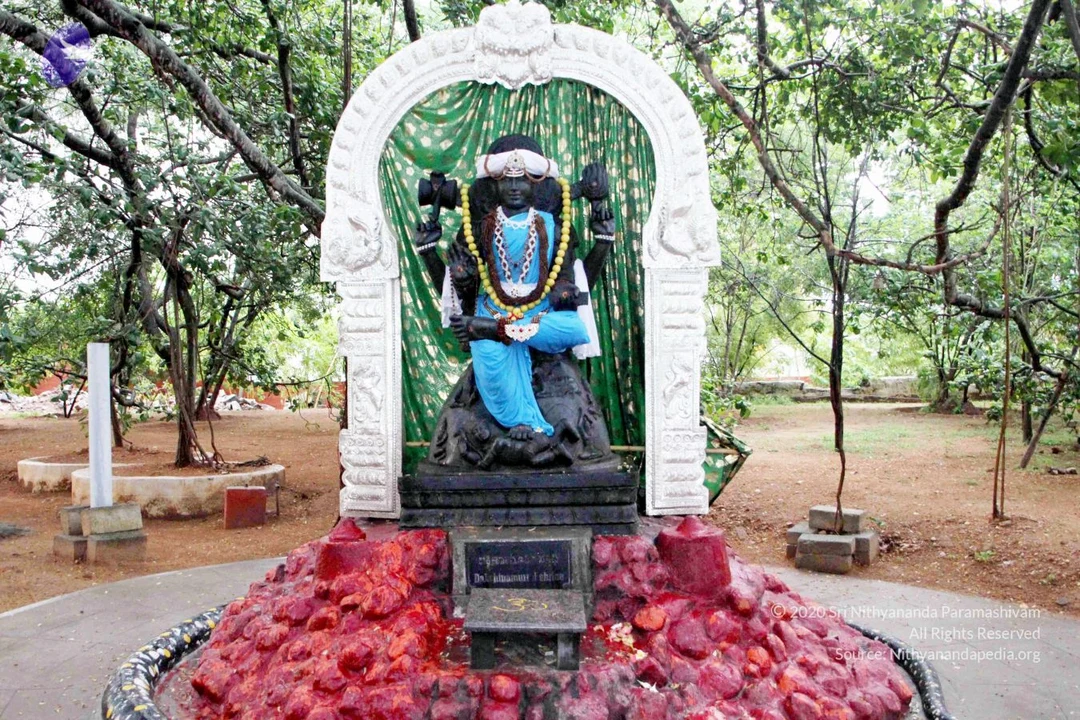
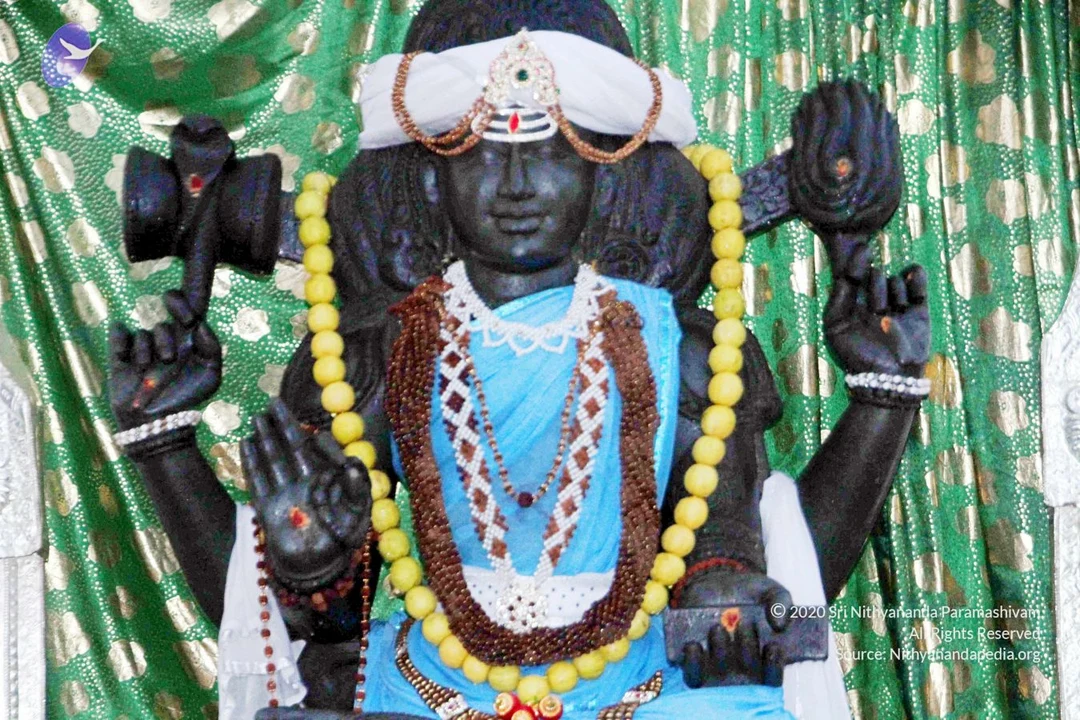
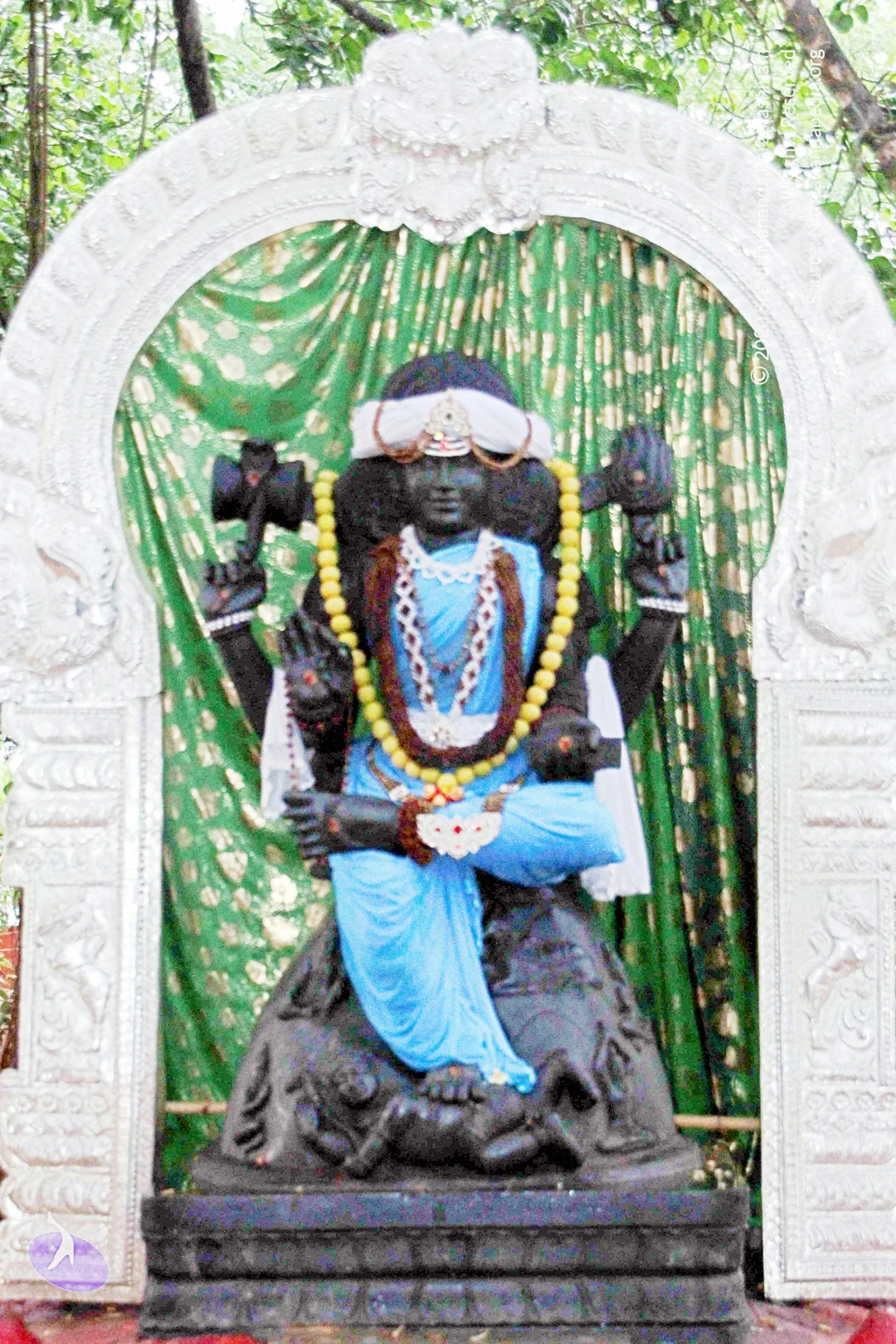
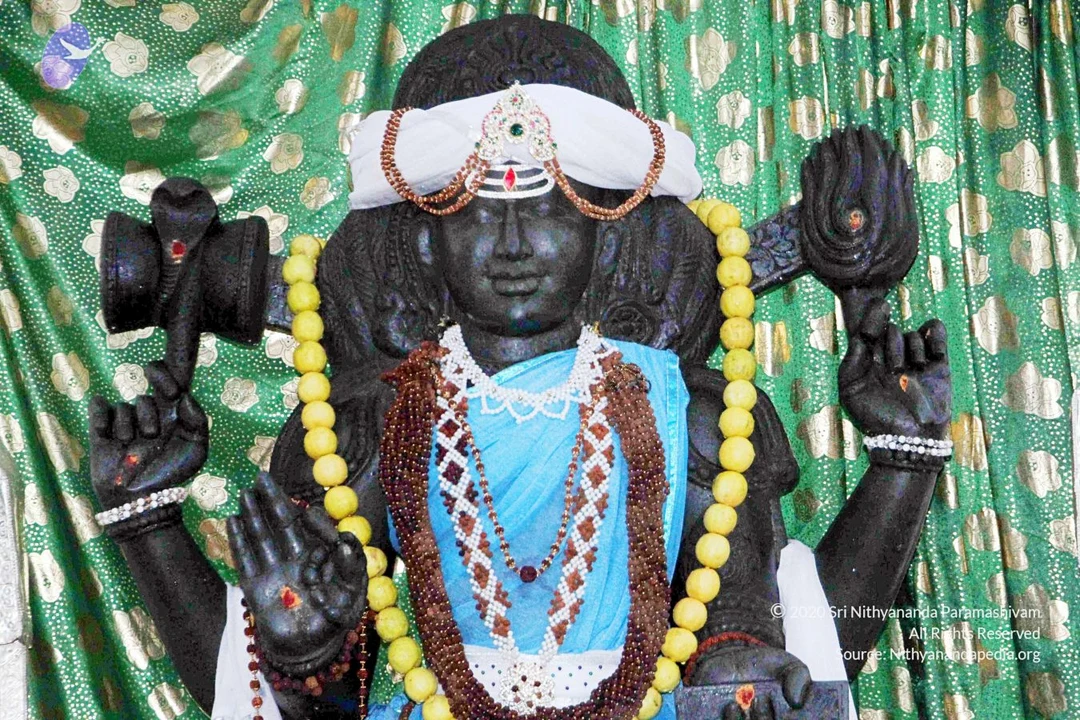
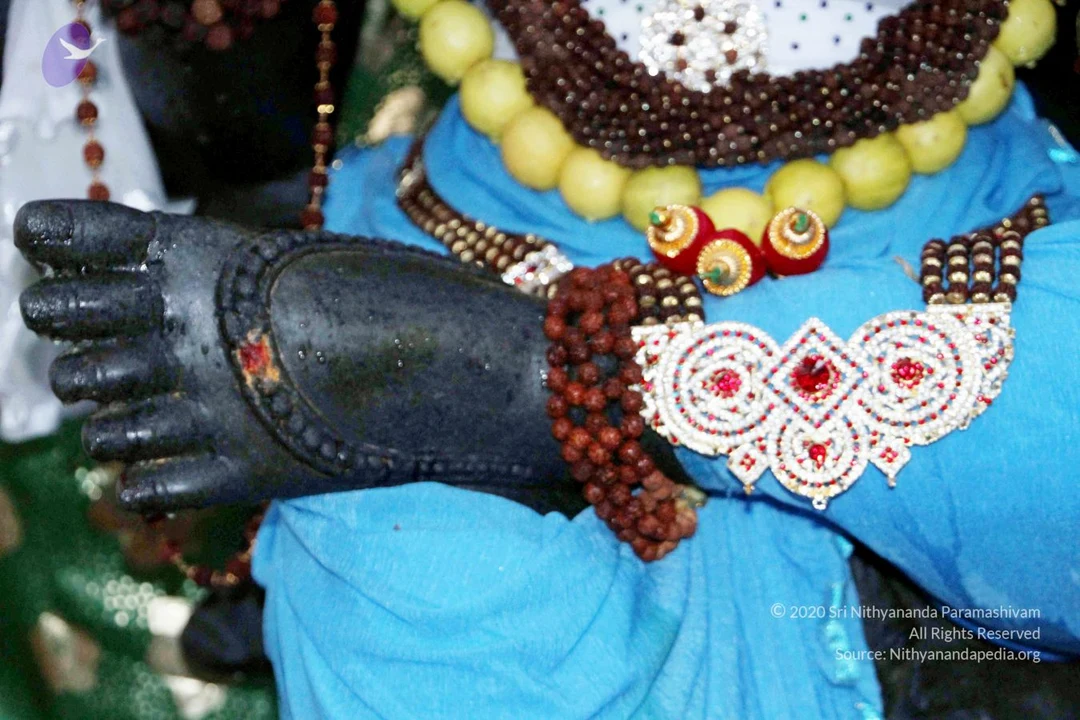
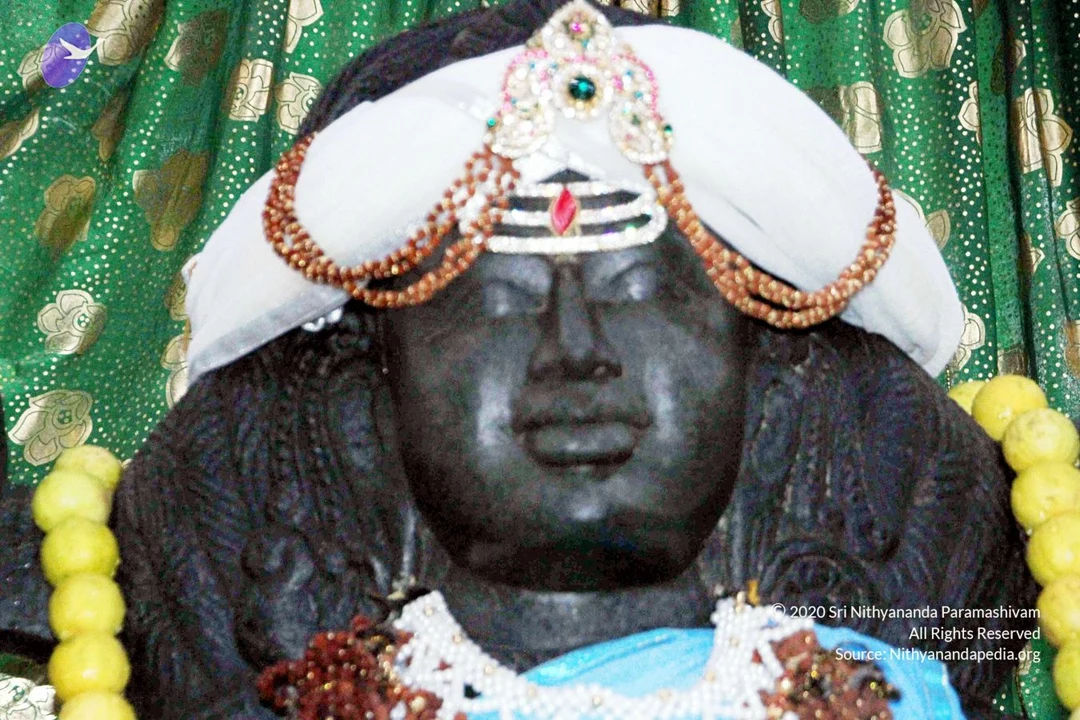
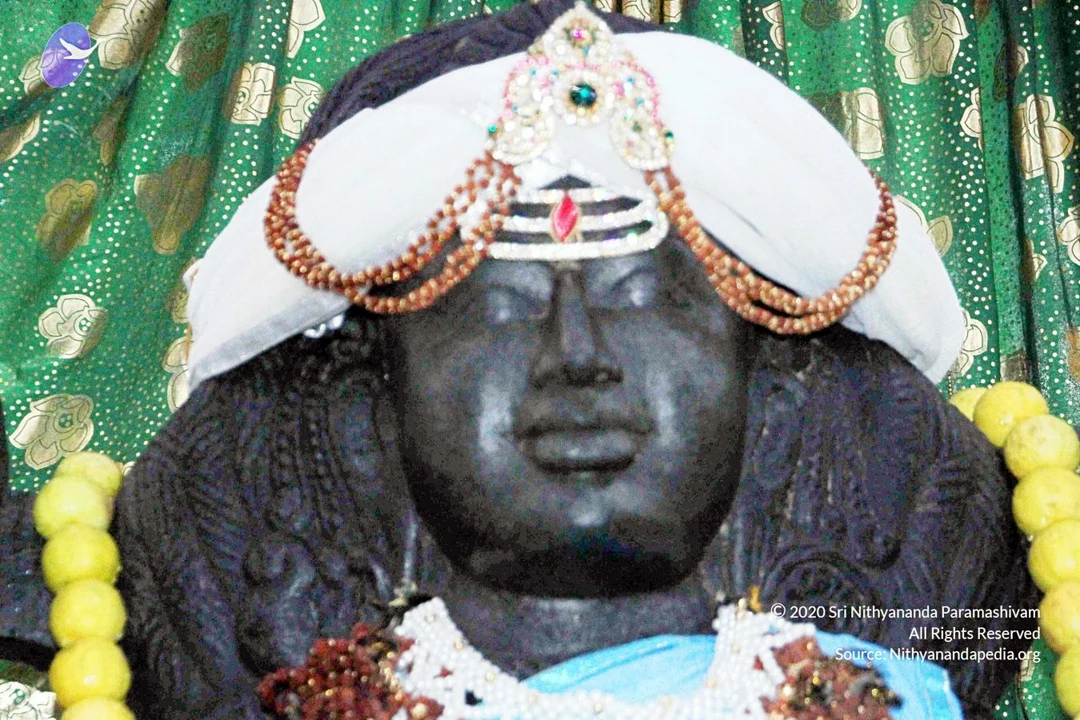
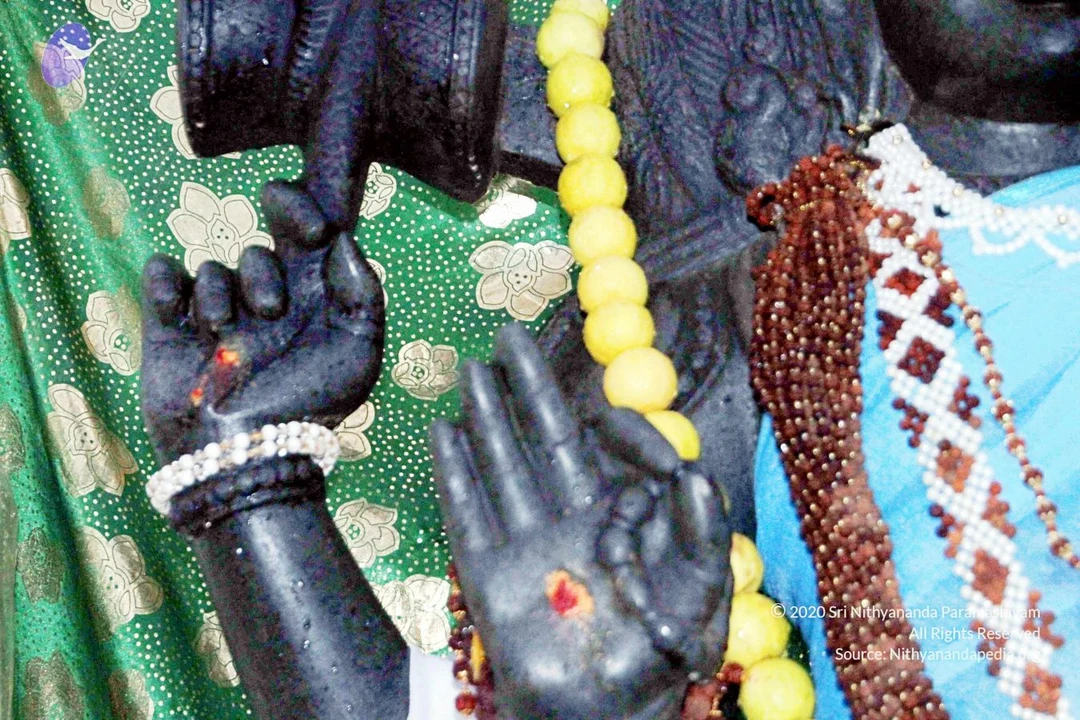
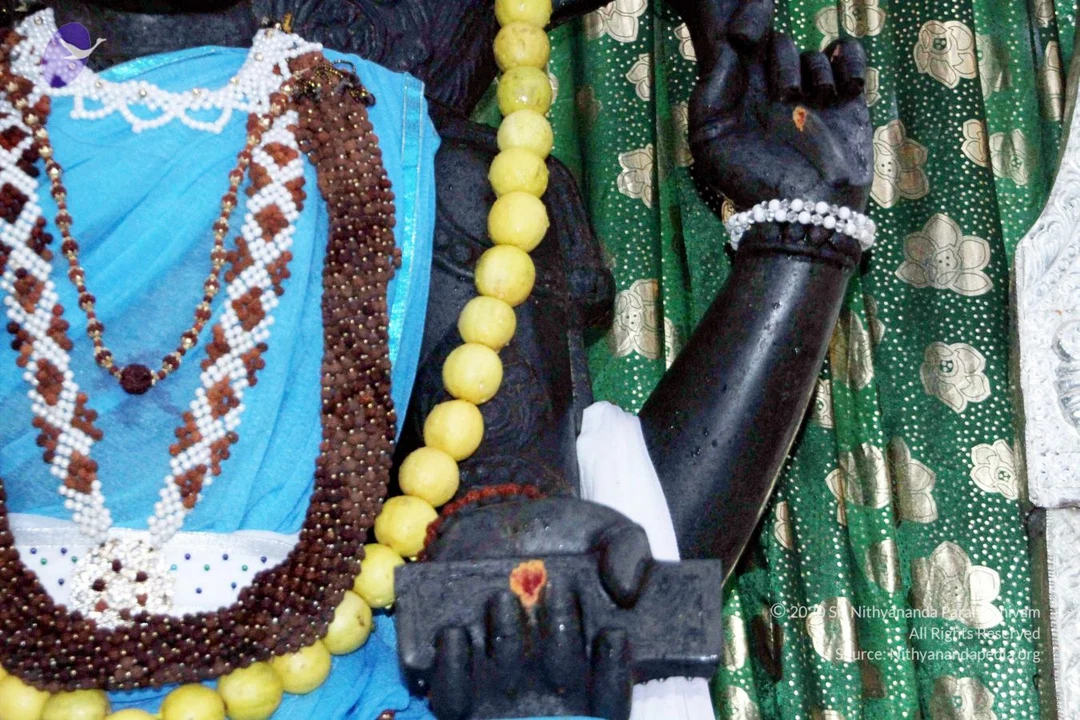
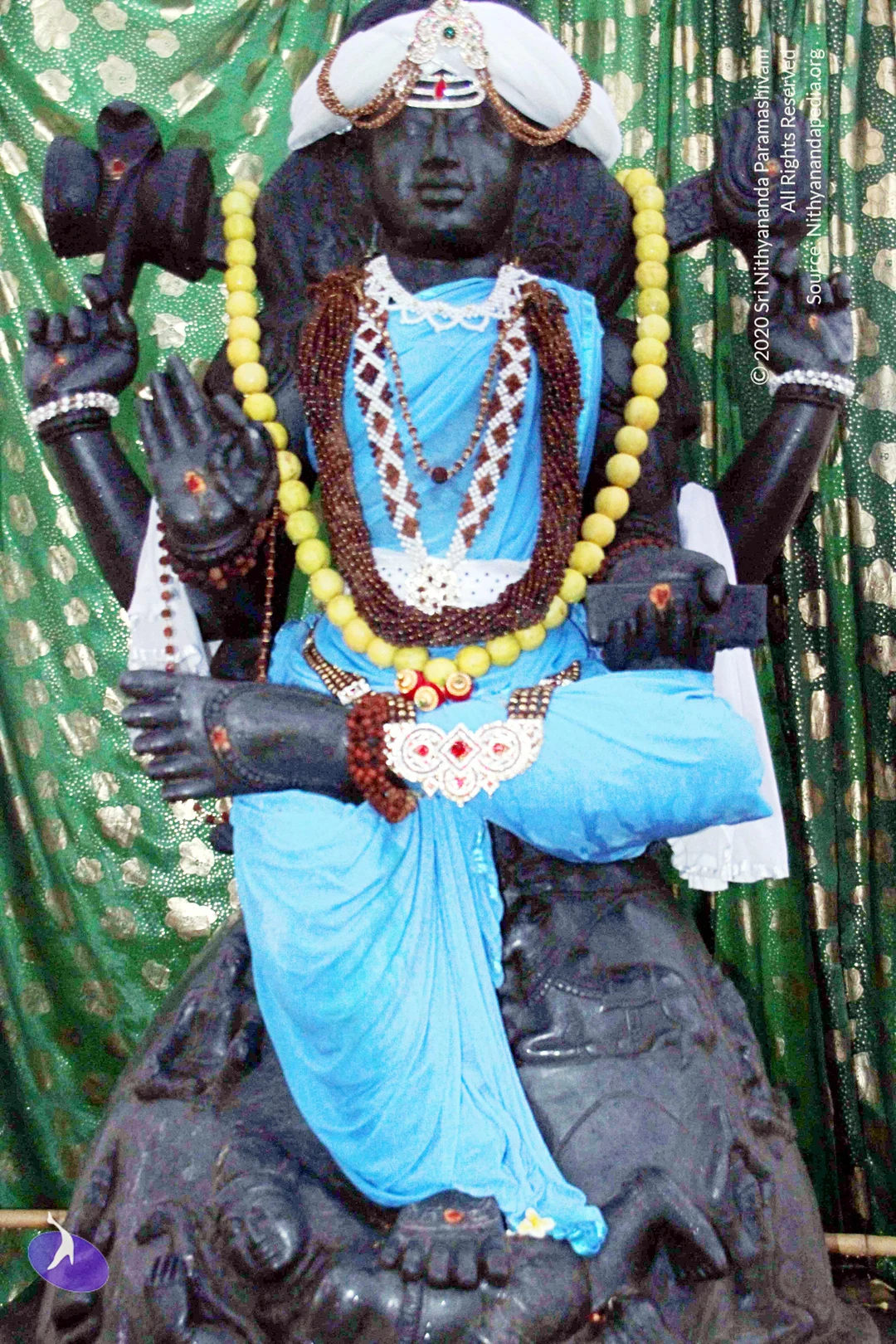
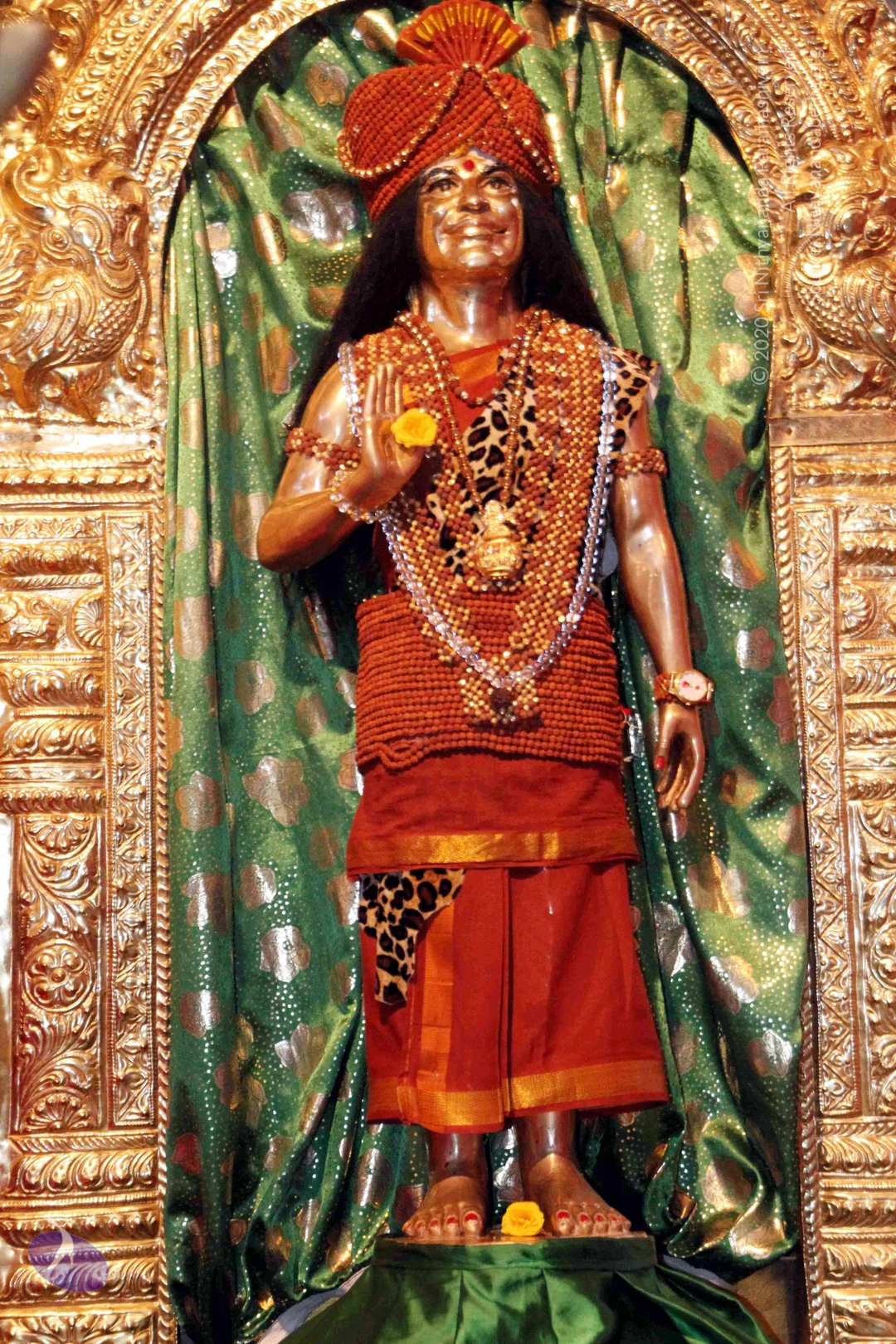
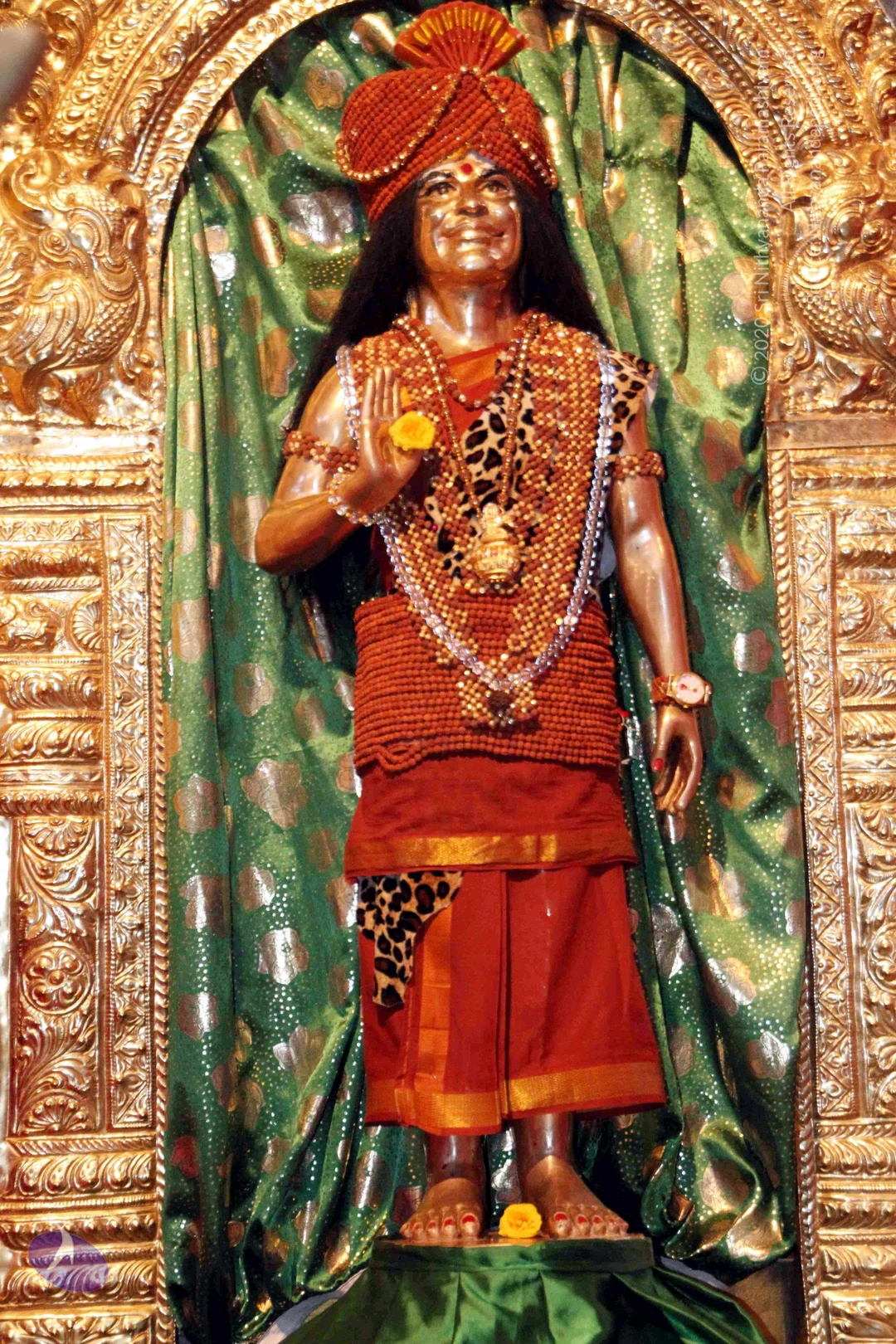
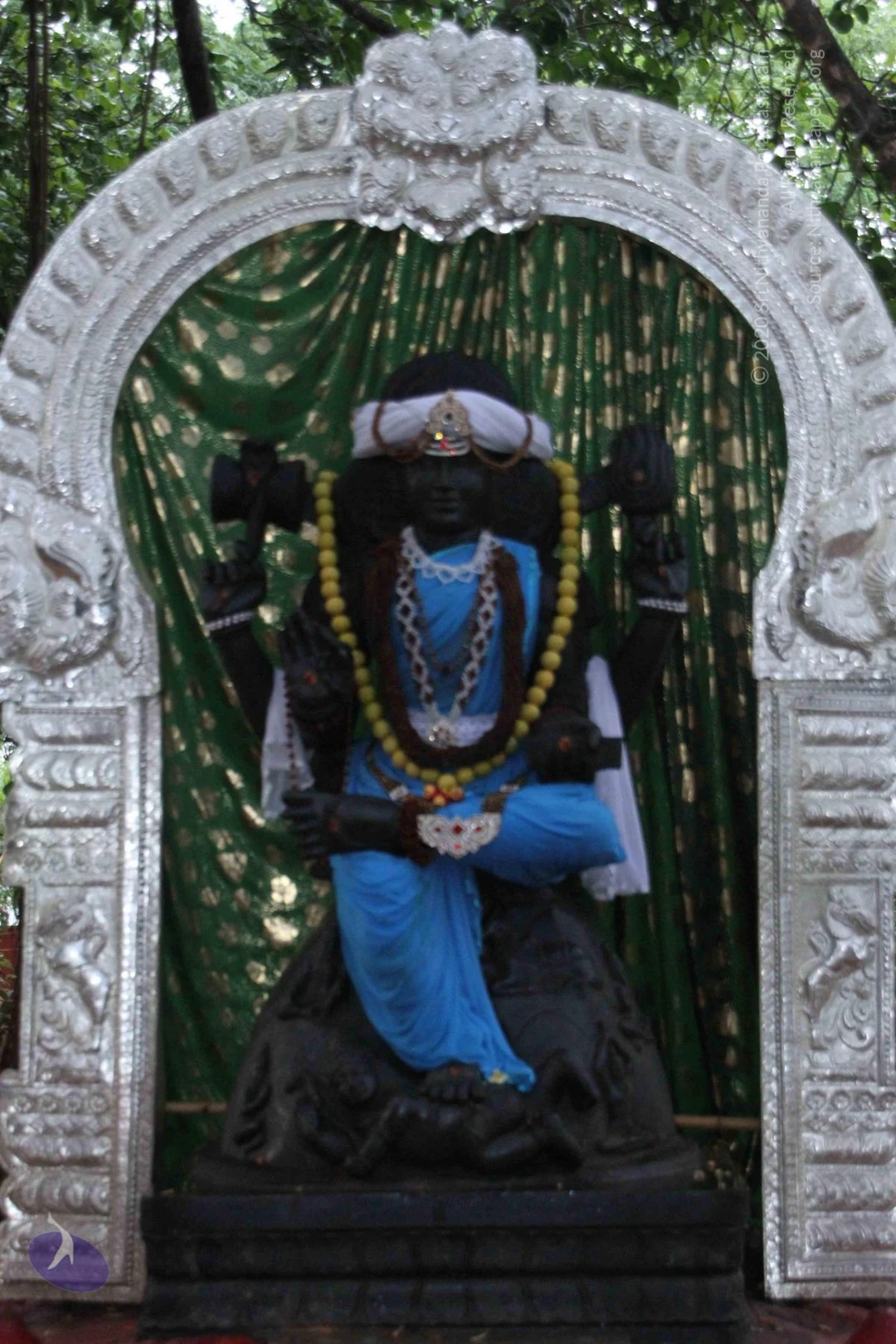
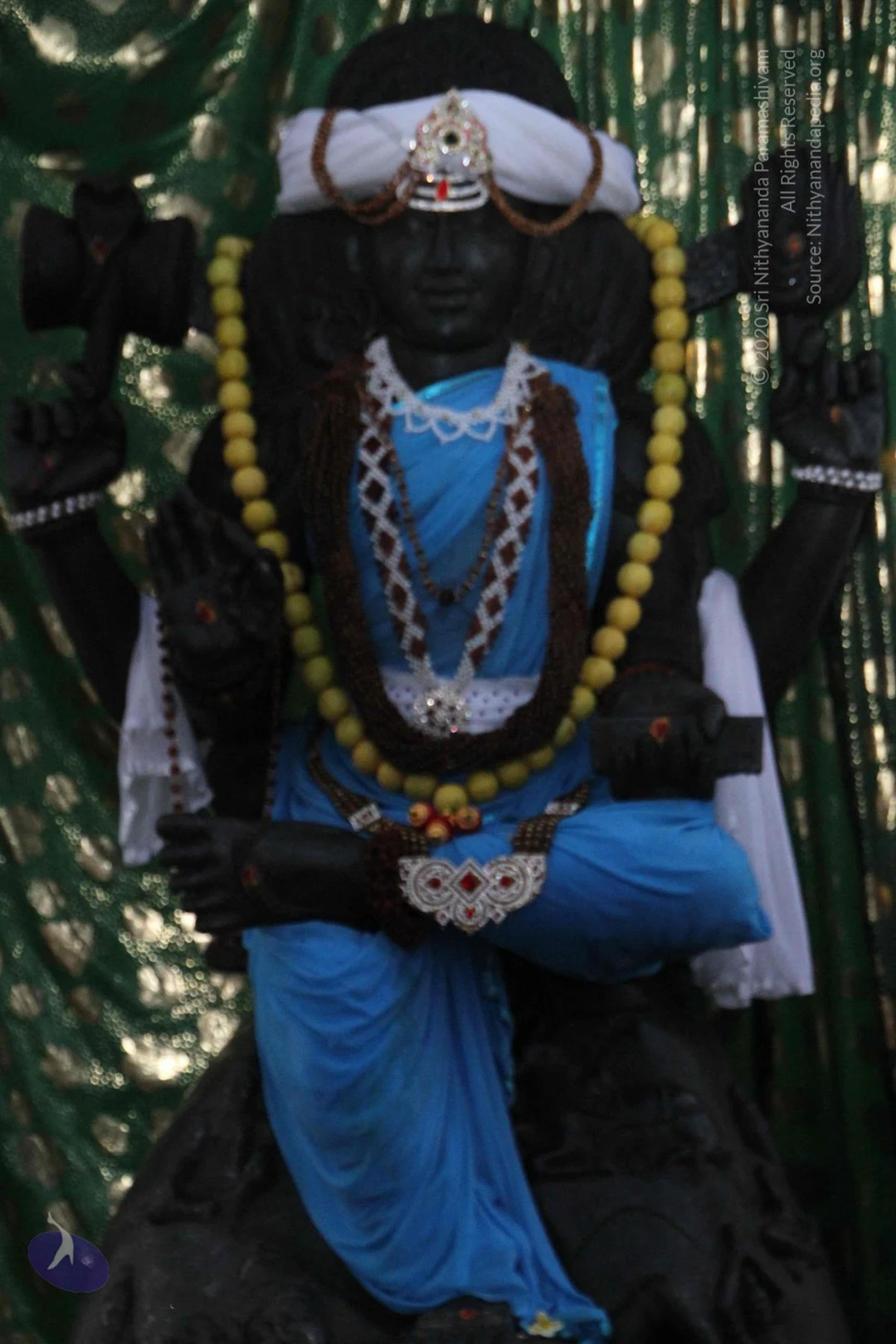
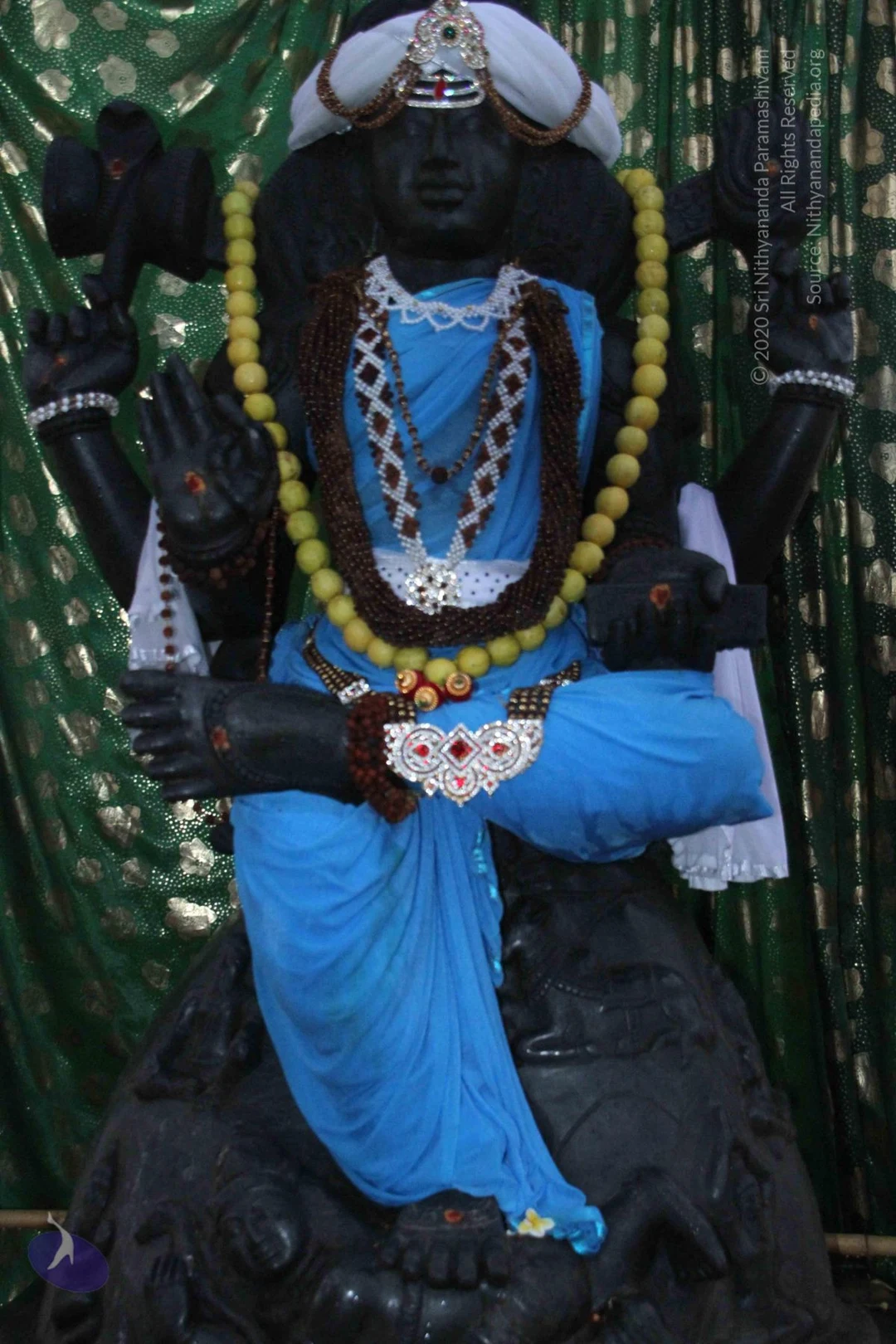
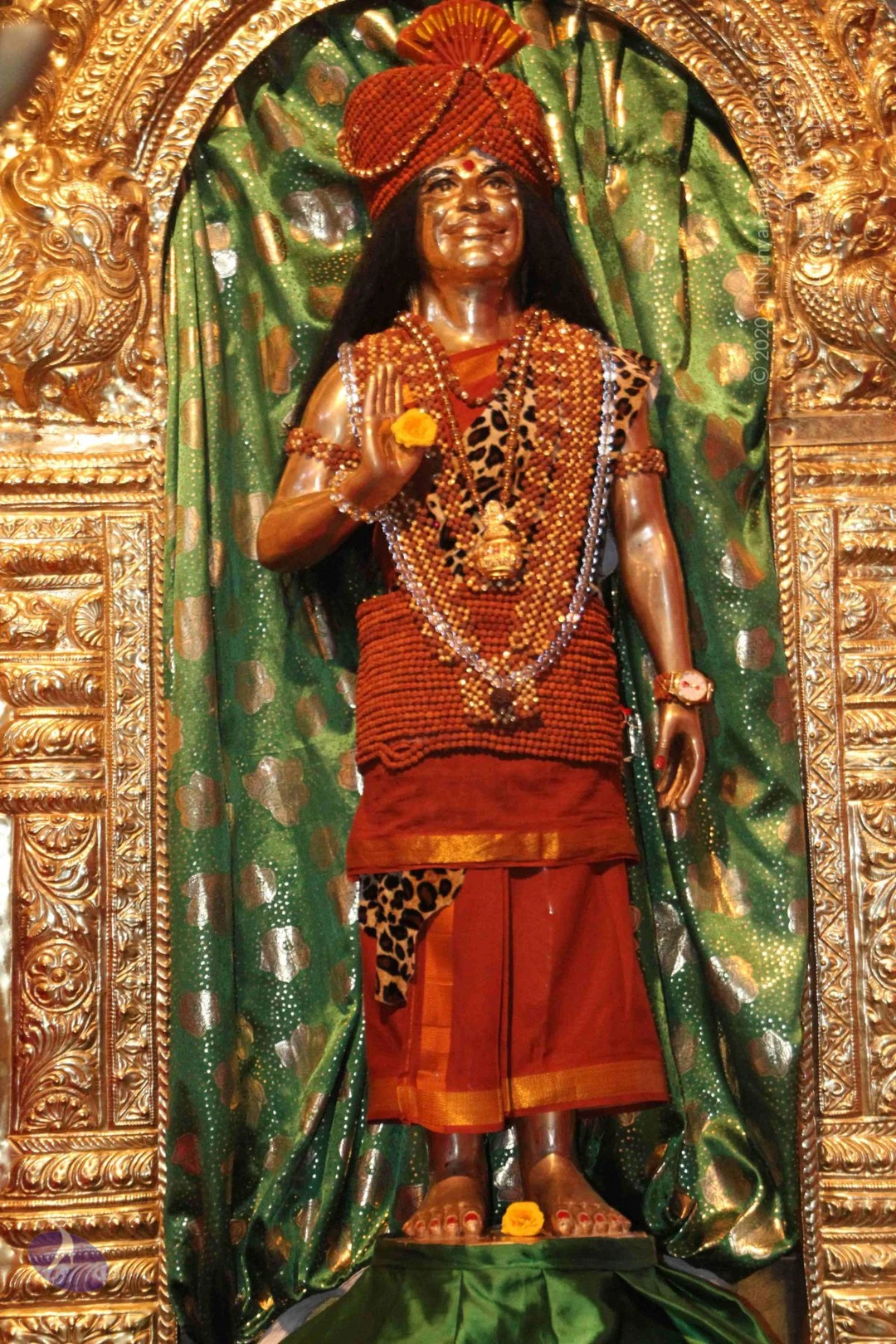
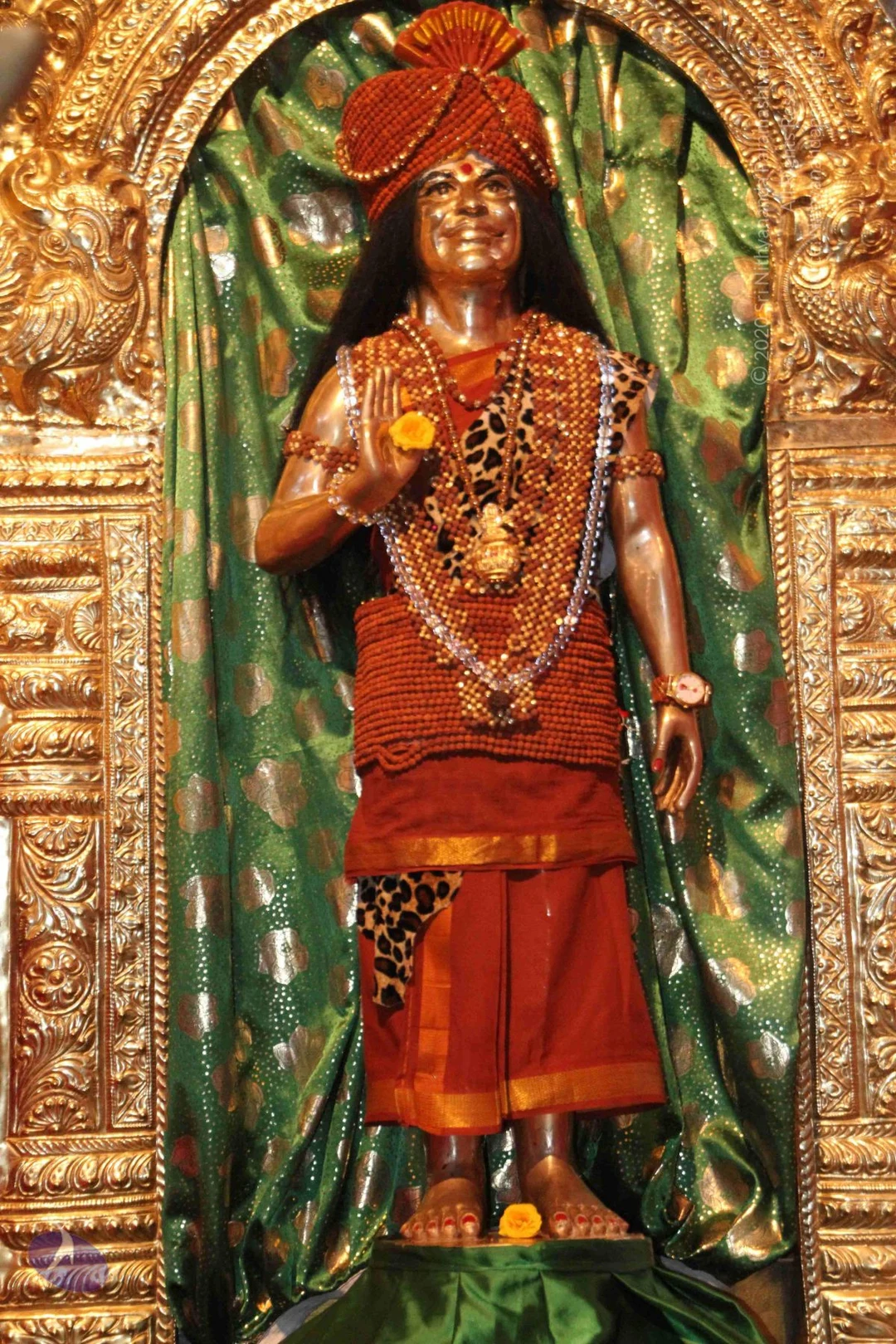
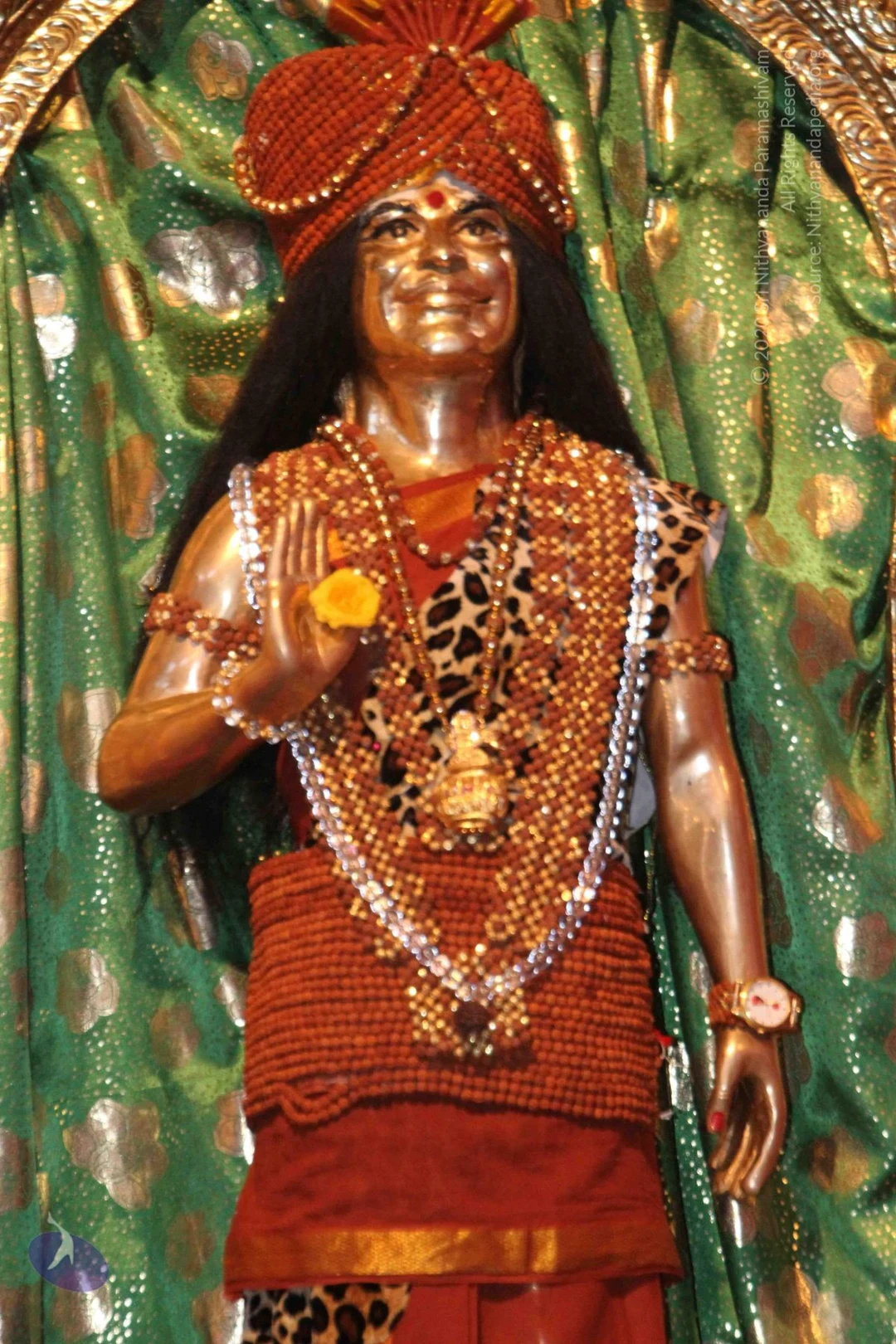
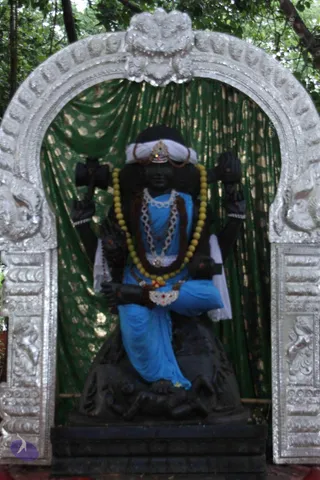
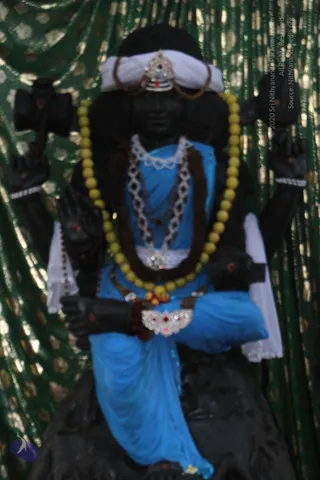
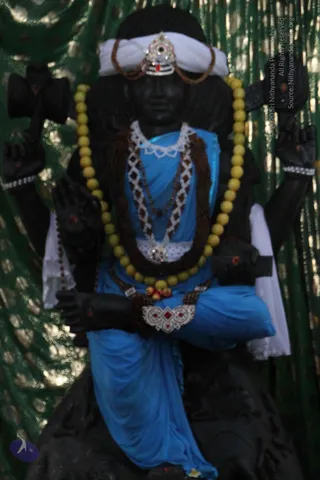
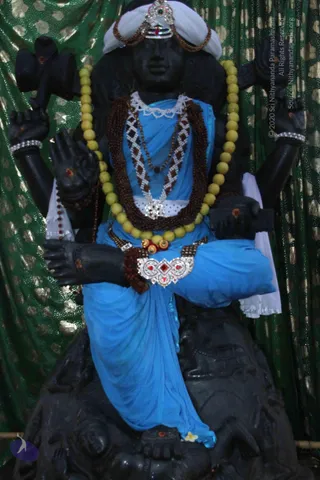
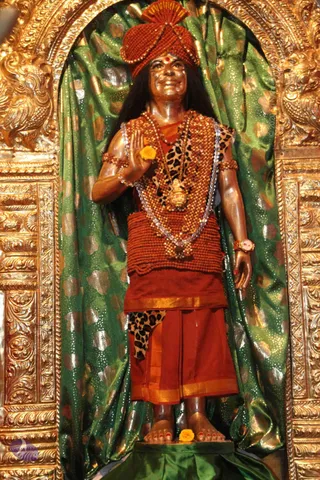
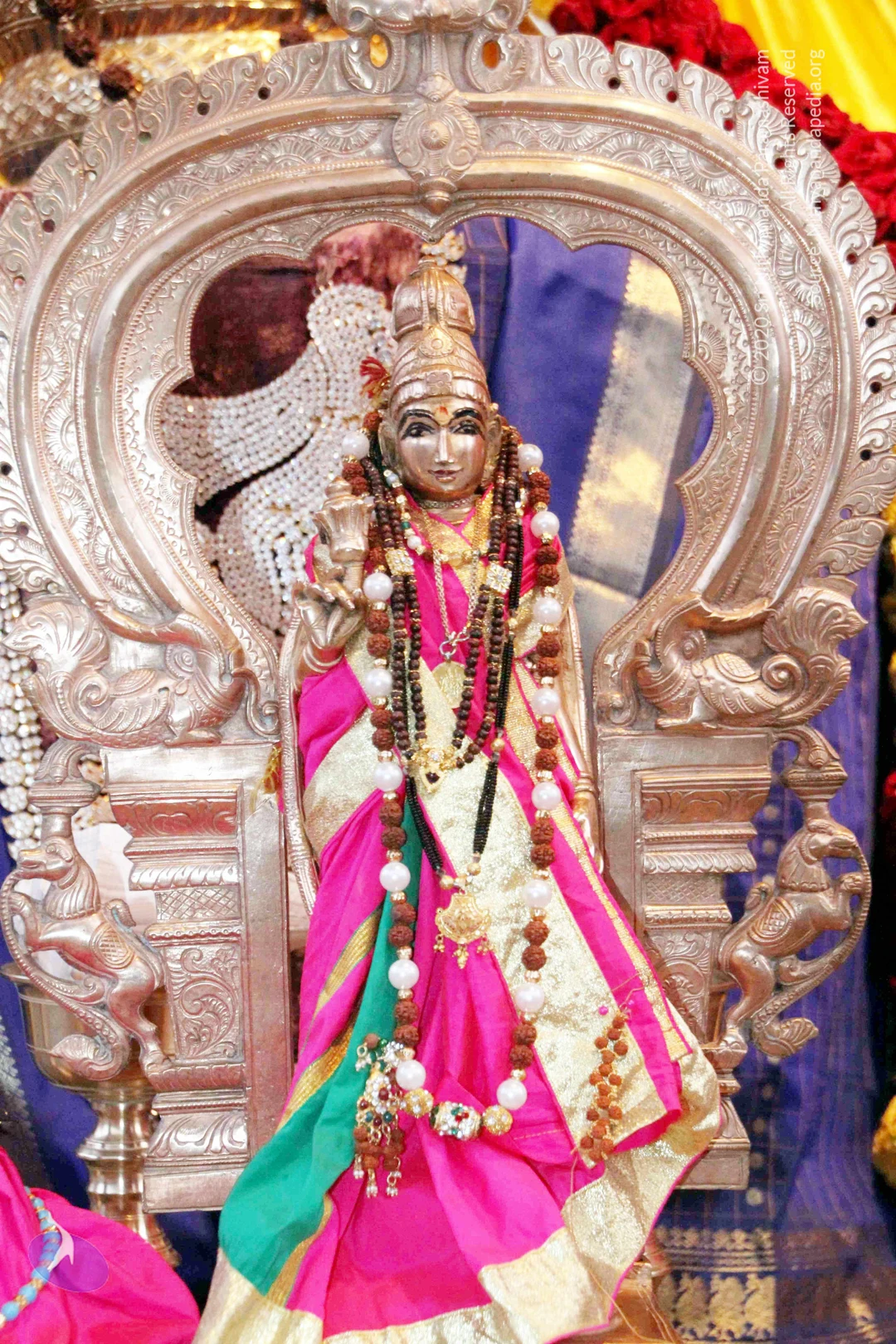
A photograph of a dark stone deity murti seated in a silver-framed ornate arch set before green curtains with gold spots and leafy trees behind. The figure has multiple arms, wears a white turban with a jewelled ornament, a yellow bead garland, a white and brown beaded necklace, and a blue draped cloth around the lower body. It sits on a dark rocky base. No physical people are visible in the scene.A dark-complexioned statue of a four-armed deity murti seated in a meditative pose, dressed in a blue draped cloth with a white turban adorned with a silver crest. Yellow beaded garlands and layered silver and white necklaces hang across its chest, and it holds ritual objects in its hands. The figure is set against a green curtain with gold dots. The statue is not a physical person, and no living individuals are visible.A dark stone or black-finished deity murti of Shiva-form is seated in a meditative cross-legged posture against a green sparkly cloth backdrop. The figure wears a white turban-like headband with a silver trident-shaped ornament, a long strand of yellow beads across the chest, layered white and brown beaded necklaces, and draped blue fabric over the lap. Multiple arms hold objects including a damaru-like drum and a trident, adorned with silver bangles and red stones. Visible text in the corner reads a and , which is omitted from the text field. No physical people are presentA black stone murti of a multi-armed deity is seated on a dark carved pedestal in front of a green cloth with gold dot pattern. The figure wears a white turban with a silver ornament, a blue draped cloth, a yellow beaded garland, brown rudraksha-style beads, and silver-and-red jewelled necklaces and waist ornaments. Several hands hold objects and one is raised in a blessing gesture. Flower petals rest near the base. No living people are visible.A life-sized bronze-toned statue of a standing male figure in an ornate gilded arched shrine with green silk drapery printed with gold and silver motifs. The figure wears a red-orange turban with a red tilak mark, long dark hair, dense layers of rudraksha beads and a pendant, a red-orange beaded upper garment, a leopard-print shawl and a red-orange dhoti with gold border. A yellow flower rests in the raised hand and a yellow flower lies at the feet on a pedestal. No physical people are visible; the figure is a statue.A life-size gold-toned statue of a standing male figure in front of a green and gold brocade backdrop. The figure wears a red-orange beaded turban with a red bindi, long dark hair, layered rudraksha-style beaded necklaces with a gold pendant, a leopard-print shawl over the shoulders, a red-orange beaded waist garment and a red lower cloth with gold border. The right hand is raised in blessing holding a yellow flower, and a wristwatch is visible on the left wrist.