Wednesday
9 January 2013
Discover Your Peak Capacity
- Dated photos
- 70
- Source pages
- 1
- Media
- 3
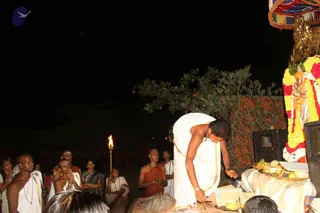
January 09 2013
Original wiki pageTitle
Discover Your Peak Capacity
Description
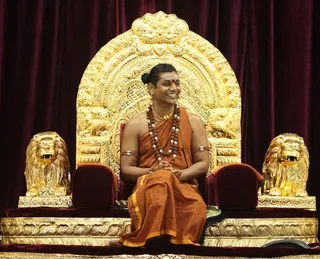
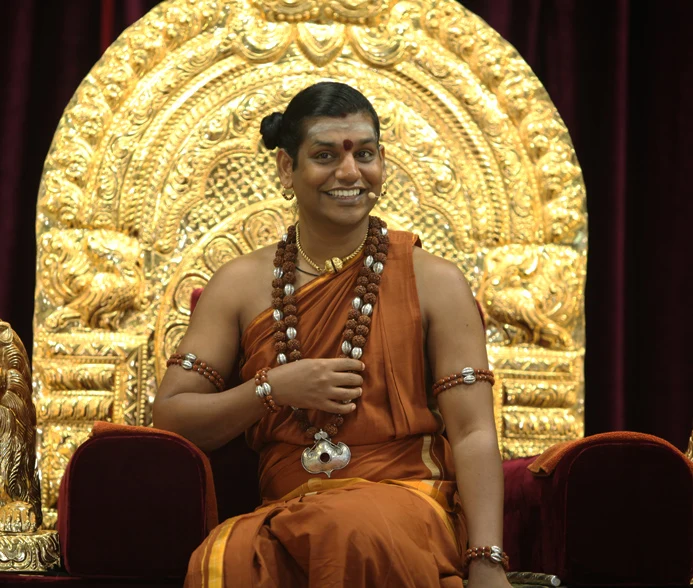
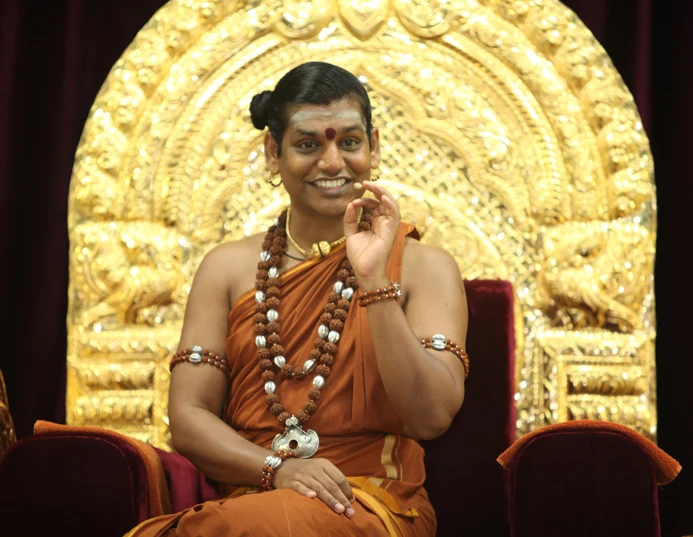
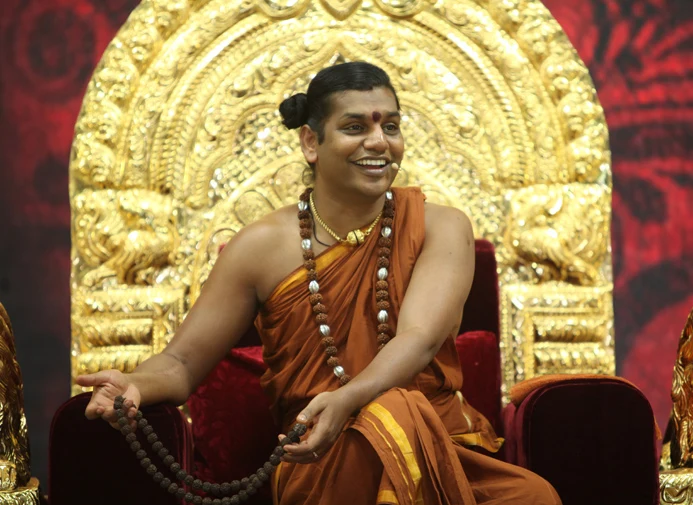
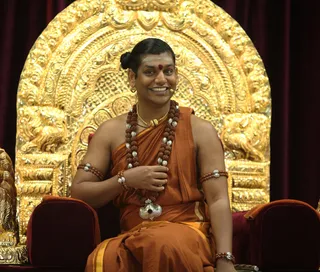
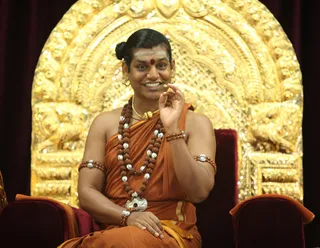
In today’s morning satsang, Paramahamsa Nithyananda (Swamiji) relates the teaching of Lord Buddha. The Buddha’s disciples asked Him why He continued to express human qualities and did not ascend into a higher dimension. He replied that even after enlightenment He will continue to assume physical existence until the last soul on Planet Earth achieves liberation. With profound passion and inexhaustible patience, He will teach and guide until every sentient being has been fully realized. This sutra is known today as the Bodhisattva Vow. Nithyananda presents it as a role model, which He Himself embodies. This expansion of the self, stretching to meet the spiritual need of every individual, represents living with authenticity.
Video and Audio - Discover Your Peak Capacity
| Video | Audio |
Transcript
(00:31)
Sadāshiva samārambām shankarācharya madhyamām Asmadācharya paryanthām vande guru paramparām.
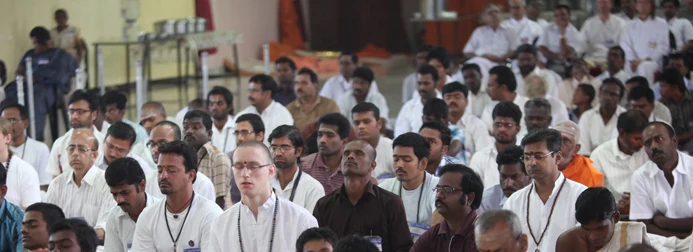
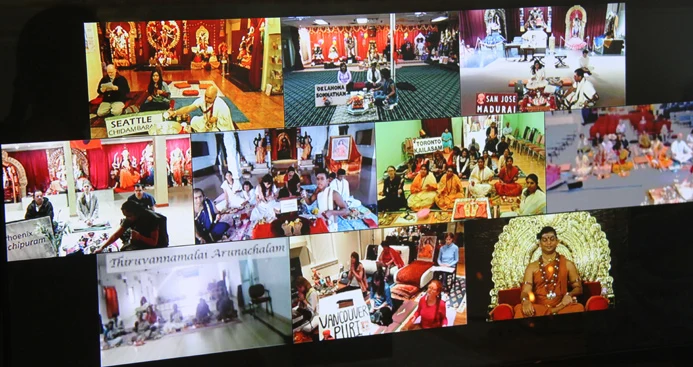
I welcome you all with My love and respect. I welcome all the devotees, disciples, samajis, satsangis, sitting with us around the world at this moment. In 466 places through Nithyananda-TV and 28 places two-way video-conferencing having Nayana Deeksha. In 246 cities, in 26 countries around the world as per the statistics. Cities sitting with us in two way video-conferencing, having Nayana Deeksha: Hollywood California, North Hollywood California, Lawspet Pondicherry, Eldams Road Chennai, Manchester UK, Alwarpet, Oman Sivagangai, Louisville Kentucky, Scottsdale Arizona, Guadeloupe Rameshwaram, Singapore Singapuram, Edgewater New Jersey, San Julian France, New York Varanasi, Ohio Prayag, and Bangalore Malleshwaram, Singapore Singapuram, Oklahoma Somanatham, Seattle Chidambaram, Los Angeles Arunachalam, San Jose Madurai, Hyderabad Bhagyanagaram, Toronto Kailasam, Oklahoma Somanatham, Phoenix Kanchipuram, Edgewater New Jersey. I welcome all of you with My love and blessings. Toronto Kailasam Suganth I accepted today your application for Sannyas. You can- I will tell Bhakta to talk to you, after the final interview you will be receiving Sanyas very soon. Blessings.
(04:11) Today Nirahara Samyama 2nd level, 2nd day. Now I can see Tiruvannamalai Arunachalam and Vancouver Puri, I can see Oklahoma now and...now I can see Saint Louis Tirumala, blessings to St. Louis Tirumala, Louis Tirumala. I can see Hong Kong also, Hong Kong too. St.Louis Tirumala you guys are able to see me? Yes, blessings. I can see Austin now, and Bangalore North, blessings. Phoenix, I can see Phoenix also.
(05:13)
Okay, today I have a beautiful gift for you guys. After finishing these series; formally a complete Inner Awakening sessions I will offer it through Satsang, morning Satsang. For the sake of people who can’t come here and for the sake of people who have done Inner Awakening like a revision we will be offering. Of course, naturally you will not be able to have the physical initiations and energy darshans and akashic readings. Those part we may not be able to have, but the theory part and Kriyas we will be having through morning Satsang.
(06:23)
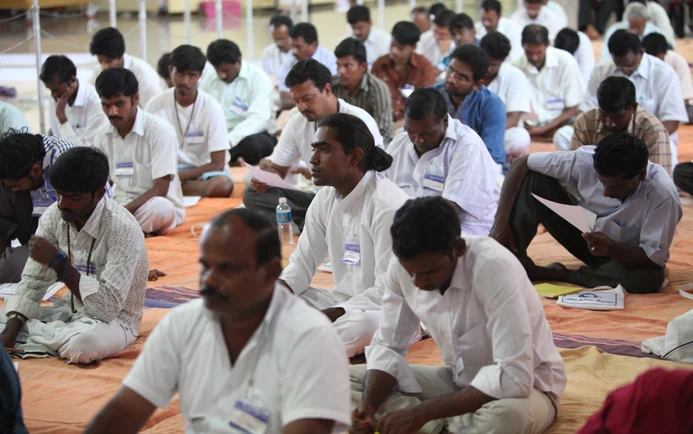
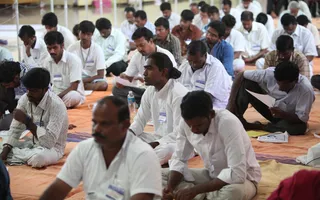
Today is second day of Nirahara Samyama and second day of Nithya Kriya Yoga Tamil Program happening in Bidadi. Let's start today's subject. I wanted to remind and ask if you have attended yesterday's Satsang and did not do yesterday’s assignment, please raise your hand. Listen, if you attend- if you have not come to the yesterday's Satsang, no problem. But if you have come for yesterday’s Satsang and did not do the yesterday's assignment raise your hand. All of you are requested to leave the hall and finish your assignment and come back. Please leave the hall, complete your assignment and then come back.
(07:41)
All over the world, in all the centers, if you have been here yesterday in the Satsang and did not do the yesterday’s assignment. See, no assignment you will be able to complete it in one day. But if you have tried, that’s enough. You sat with yourself at least for ten, fifteen minutes and tried to pen down, then it is equivalent to you doing the assignment. You did not even give the ten minutes for yourself, for your assignment then you should; now I give you the time, please go and do your assignment and come back.
(08:40)
I will continue to expand on authenticity, about which we were working yesterday. I was explaining the tattva of mamakara, ahankara, anyakara and taking responsibility even for anyakara. Strength, power; please understand, whether it is ordinary level of the world or metaphysical level of using the powers of the mind, or the spiritual level of using Conscious powers; in all three levels only when you take the responsibility for anyakara you express, you radiate. I tell you. (09:52)
There is a very beautiful story; it’s a Buddhist story, which has a deep meanings. It’s a very powerful metaphysical science they express through this story. Somebody goes and asks Buddha, "You talk so much about Nibbana.” Nibbana means the ultimate state of Enlightenment, Nirvana, in Sanskrit we call it Nirvana; in Buddhism Nibbana. The word is borrowed from Saiva Siddhanta; Saiva Siddhanta uses this word Nirvana. We have the oldest record of this word being used in the literatures is Shaiva Records. Around 8000 years before the great Saint Thirumoolar is using the word Nirvana Deeksha, the Nibbana is borrowed from the word Nirvana of Saiva Siddhanta Sampradaya; the Shaiva Sampradaya.
(11:25)
Understand? Somebody ask Buddha, “Bhagavan, you speak so much about Nibbana; Nirvana. When are you going to get into that state?" The person meant, “Are you already in that state, or you have to get into that state?” Of course, the Nibbana; Nirvana, the person was asking was Videha Mukti means after leaving the body. So naturally Buddha is in the body when the question was asked, so He can not say I am already in that state.
(12:24)
Enlightenment, Jivan Mukti and Videha Mukti- there is a difference. Jivan Mukti means living Enlightenment, Videha Mukti means radiating Enlightenment after you leave the body. So this person was asking more about Videha Mukti. Buddha laughed, “Naturally I can not say I am already in, because I am having the body.” The next answer was very shocking, Buddha says, “I won't be achieving Nirvana, even after I leave the body. Only after the last person of the world achieves Nirvana, I am going to achieve it. I will be waiting. I will be waiting.”
(13:20)
That is why I tell you still Buddha is available, He is waiting. “Till the last person achieves Enlightenment I am not going to have Nibbana; Nirvana. I am going to be waiting.” The Masters who commit with the disciples. Understand, the Masters who commit with the disciples, make themselves continuously available. This is the extreme patience. Buddha works as if today you are going to get Enlightenment. But, He is ready to wait till the last person gets Enlightenment.
(14:24)
The power of passion and patience, both expresses in their extreme, only when you are authentic. Please understand when a disciple feels: “My Master is responsible for my Enlightenment, Master fulfills your anyakara. That is why when I say I commit with you till you become Enlightened, the energy which works through this body will protect you and help you to reach that Enlightenment, I am authentic about it.
(15:23)
Understand, I am authentic about it. Sometimes people ask me, just a few days before, one of my brahmacharini was asking me, “How do you have so much of patience Swamiji? You go on repeating the same; we are doing the same mistake and you repeat the same words. How you have patience?” I was telling her, “Forget about one janma, I am repeating this for last so many janmas to you guys. And I know for sure I am going to repeat at least few more janmas.”
(16:17)
There is a beautiful story by Rama Krishna. He says, “Only when the Swati Nakshatra is in peak; if it rains and the mother pearl comes and open the mouth above the ocean, and if that Swati Nakshatra rainwater goes inside that mother pearl. And that mother goes inside the ocean, that water drop, she works and makes it as a pearl. So how many things have to fall together? Swati has to be in a peak, rain has to happen, the mother pearl has to come to the top of the ocean, and she has to open her mouth, the water drop has to fall and then she will close the mouth before the ocean water gets into the mouth. If salt water gets in, pearls cannot happen. The pure Swati water has to get in, and then she goes inside, pearl happens. For pearl happening, so many things have to align.
(17:27)
Same way, for an Enlightenment to happen in you, you have to listen, then you have to internalize, then you should decide to work, you should have a strong trust, then you will work. There is much of- so many things need to align. The rain knows all the water it showers may not become pearl, and it has to wait for the Swati to come, then the pearls- mother pearl to come up and open the mouth. It knows, but it goes on showering. I know, so many things has to align, but I go on doing my work. I go on showering. Stretch, stretch, stretch. Peak capacity expresses with peak authenticity.
(18:55)
I will not give up on you. I tell you, unless you have tremendous patience, authenticity can not become reality in you. You need to have tremendous love and patience. I tell you, in any field, life happens to you, completion happens to you, only when there is tremendous love for people and decision not to give up on people. (20:11)
The December Inner Awakening, I was talking to some of the disciples, “What happens, your son never comes to the programs and all that?” She was giving some reasons: “No, no, no. He is a silent, polite kid but he doesn’t come, I don’t know.” And I was telling her how I don’t give up on you guys. You should make sure you don’t give up on them. "How come this guy doesn’t get connected?"
(20:58)
She was giving some reason, the very reason, the way she gives the reason I can understand; she gave up on him or she is not working on him. And I told her, ”No, you cannot give up on people.” I tell you first thing, you be authentic. Are you really honestly trusting what you are living what I am doing to you? If you think this is the best can happen to human being, then you can't afford to give up on human beings. If you give up on human beings, you are hypocrite. No, you can’t give up on human beings. You may, may not be Nischala, but till you become Nischala I will not give up on you. Nischala means unshaken.
(22:37)
Whether you give up on Me or not, I don't care, I will not give up on you. Bring authenticity, ability to stretch yourself to complete even the anyakaras. Anyakara, what others feel about you is not a curse, it is the possibility you can expand. If they feel you are great, expand, stretch yourself to fulfill that; if they think you are wrong naturally they will attack you. Be strong enough to stand and withstand. I am doing My job. Same way now it is your turn to do your job.
(23:51)
Raise to the anyakara of others especially raise to the anyakara of Me. I have certain image about you. When I raise to the image you carry about Me, now it is your turn to raise yourself to My image about you. Only then the Guru disciple relationship starts. Shiva has to raise to the expectations of Uma, Uma has to raise to the expectations of Shiva; only then the Meenakshi’s wedding happens. See the Meenakshi’s wedding is the symbolic scene of soul merging with Cosmic Soul; individual becoming Enlightened. Always the individual soul starts the journey fighting with the Cosmic Soul.
(25:10)
Understand, the journey starts with fight. The individual soul says, “Eh, come on! What do you mean by not letting what I want happen?” When you want to buy two candy for fifty paise, and the shopwala says only he will give one candy for fifty paise, and you start fighting with him; that fight is nothing but your fight with the Cosmic soul. Even that is an expression of your individual soul rebelling. Don’t think only when you start knowing about the science of Enlightenment your individual soul rebels, no! Your fight at the age of three with the candywala to have more candy for the same money, from there your fight starts. All the journey, ultimate journey starts with fight. That is why the Meenakshi and Sundareswara's union also started with fight. She goes there, all the way to Kailash. That poor fellow is meditating. He is there somewhere, but she goes there all the way; for what, fight.
(27:17)
Almost all your sadhana is fight; nothing but fight. Each time you expand to fulfill the responsibility of other’s image about you, the Cosmic union happens in you. The Meenakshi Kalyana happens in you. Meenakshi Kalyana is the typical story of how an individual soul expresses authenticity with mamakara, ahankara and anyakara and just by authenticity She is a successful queen and goddess; incarnation. In all our temples I keep only the incarnations. See Venkateswara incarnation, Arunagiri Yogeshwara incarnation, Meenakshi incarnation; because their lives have meaning. They are not myth; they are perfect math. It may be mystical but not mythological. When you do not understand the math of the mystery you make it mythological. (30:28)
When you understand the mystery, you will understand it is a simple math, not myth. If you don’t know the mystery, math becomes myth. Meenakshi is the perfect example of authenticity of mamakara, ahankara, anyakara. Each time you raised the anyakara of Me, means My image of you. You express being one with the Cosmos. You cease to be the individual soul, you cease to be the individual soul and you become the very cosmic soul.
(31:41)
I will brief the Meenakshi story. Understand. I will explain Meenakshi’s story today; part of Meenakshi’s story. She goes to all the three worlds and conquers everybody, literally everybody. And goes to Kailash, conquers Subramanya, Ganesha. Of course, Meenakshi is an incarnation of Devi, Parvati; so before She incarnated as Meenakshi She has given birth to Ganesha and Subramanya, all of them, so the Meenakshi Sundareswarar wedding was attended by Ganesha and Subramanya.
(32:49)
Both kids attended the wedding of father and mother. No, even Paranjothi, Rishi Paranjothi who writes the Thiruvilaiyadal Puranam; records Ganesha and Subramanya attended the wedding ceremony. He also records the Ganesha Puja to be done, during the wedding was done directly to Pratyaksha Ganesha, without having the deity of Ganesha. He took the ahudi directly.
(33:33)
So, She conquered Subramanya, Ganesha, then finally Nandi. Nandi is standing, fight goes on; She won Nandi also. And then when she stood in front of Mahadeva; when your individual soul raises to the level of standing face to face in front of the Cosmic Soul, the anger disappears, sadhana disappears. When the anger disappears, please understand, when the energy expresses as anger; if the anger is removed from the energy, it just completely turns into love. She just fell in love because the anger, the chilly component of the energy was removed. Very beautifully the story says, “First time in Her life She understood what is shyness.” Very sweetly the story explains, “She understood what is shyness.”
(35:39)
Most of our women; forget about men, even women do not know shyness. Understand, if you are born and brought up in city, you do not know anything called shyness. Still maybe little in the villages, remote villages of India the shyness is there. Shyness means the giggly romance you carry about carrying your own identity. Understand, I am defining shyness. The giggly romance you feel inside you about carrying your own identity; means your own body and mind. If you are born and brought up in cities the subtle parts, those subtle feelings are all already destroyed, because in city you need to defend yourself, protect yourself.
(37:11)
Lot of men’s eyes fall on you from the young age, so you have to create certain identity, certain understanding, certain defense mechanism. So you need to grow a lot of thorns around you, so that takes away the grace of rose. In the village, especially safe Indian villages, many eyes falling on you in a vulgar way; the possibility is less. So, still you carry that giggly romance inside your heart about how you carry your body, how you feel about you, how you carry your identity.
(38:30)
So, first time Meenakshi experienced shyness, She was brought up to be a King. Please understand, not to be a Queen, to be a King, because the moment She was born, her father was given instruction by Mahadeva almighty, “Think of Her as a son and bring Her up to be a King.” She had a body with qualities of masculine and feminine, both genders, which is very rare body. She had that kind of body. That is why the power, the aggression. She was a powerful King. I don’t want to use the word Queen. Sundareswara was actually like a Queen. She was like a powerful King, really powerful.
(40:00)
So the story says, the moment She felt that shyness, the masculine components which she was carrying in the body, all of that disappeared. She just fell into the sweet depth of passive feminine consciousness. I can say, She became Enlightened. The physiological and psychological mutation has happened. The union of the masculine and feminine energy happened inside Her. Then Mahadeva says, “All right, what do you want? Do you want to fight?” She said, “No, I want to marry you.” Then He says, “All right, you are in human body. I have to assume a human body to marry you. You go back to Madurai, I will come there as Sundareswara and marry you.” Then He comes down as Sundareswara and marries Her.
(41:50)
The whole story is the story of authenticity. The problem is the moment I remember Meenakshi I don't speak. There is so much to say; about Sundareswara I can speak, but not about Meenakshi.
(43:13)
The whole Meenakshi story is story of authenticity. Every time you raise to the anyakara, you stretch yourself to fulfill the anyakara you achieve completion, you achieve fulfillment, you achieve union. Liberation from your individual identity happens to you only when you raise yourself to the anyakara of others. When you stretch yourself to the anyakara, liberation from ahankara and ammakara happens.
(44:31)
I will give you the next level of assignment. Please understand, today’s assignment is extension of yesterday's assignment. Look deeply within and identify the inauthenticity in those conflicting aspects of your life. Identify what are the words you gave and did not fulfill. Identify if you gave words, which are not according to your peak capacity. Not just what you think as peak of your capacity, but what others consider as peak of your capacity. You may be thinking you will take 80 marks, but your mother really thinks you will take 100 mark. So only when you stretch yourself to the 100 mark, you liberate yourself from the identity you carry about you.
(45:54)
Understand, covering up your mamakara happens by ahankara. But liberation from your mamakara happens only when you fulfill anyakara. Liberation from mamakara happens only when you fulfill anyakara. So today’s assignment: look deeply within and identify the inauthenticity in those conflicting aspect of your life. Identify what are the words you gave and did not fulfill. Identify if you gave words, which are not according to the peak of your capacity. Not just what you think as peak of your capacity but what others also consider as peak of your capacity.
(47:15)
I bless you all who are sitting with us around the world at this moment; 671 places through Nithyananda TV, 28 places two-way video conferencing having Nayana Deeksha in 313 cities, in 28 countries around the world as per the statistics. Let you all achieve, experience, live, express, radiate, share, explore and enrich with eternal bliss Nithyananda. Thank you. (47:47)
Transcript in Tamil
நித்ய கிரியா யோகா வகுப்பு - சத்தியங்கள்..
உங்கள் அனைவரையும் வணங்கி வரவேங்கின்றேன்..
எப்பொழுதுமே இக்கரைக்கு அக்கரைக் பச்சை என்றுதான் தெரியும்... ஆற்றில் ஒரு கரையில் இருந்து அடுத்தக் கரையைப் பார்த்தால் பச்சையாகத்தான் தெரியும். வாழ்க்கையில் எப்பொழுதுமே மற்றவர்கள் இருக்கின்ற இடம் ரொம்ப நல்லா இருக்கின்ற மாதிரிதான் தெரியும். பசுமையையும், தென்றலையும் பார்த்து அமர்ந்தீர்காளானால் உங்களுக்குள்ளே இருந்துகூட அமைதி வரலாம். ஆனால் பக்கத்தில் இருக்கும் காதலியால் தான் நினைத்து, ஓ! அவர்களுடன் இருந்தால் வாழ்க்கையே வசந்தமாக இருக்கும் என்று நினைத்து திருமணம் செய்துகொள்கிறோம். பிறகுதான் தெரியும் அது எங்கிருந்தோ வந்த ஆனந்தம்.. இங்கிருந்து வந்தது அல்ல! பல நேரங்களில் உள்ளுக்குள் இருந்து வருகின்ற சந்தோஷத்தை ஒரு பொருள், ஒரு நபர், ஒரு இடத்தின்மீது திணிக்கும்பொழுது ஏற்படுகின்ற உணர்வைத்தான் ஆசை என்று சொல்கிறோம்.
ஆசையில்கூட தவறில்லை, ஆனால் இந்த கான்ட்ரடிக்டிவான ஆசைகள்.. கான்ட்ரடிக்டிவான ஆசைகள்.. என்றால் சிலநேரத்தில் நிறைய சம்பாதிக்க வேண்டும் என்று தோன்றும்.. சில நேரத்தில் எதுவுமே வேண்டாம் எல்லாவற்றையும் தூக்கிப்போட்டுவிட்டு ஆசிரமத்திற்கு ஓடிப்போயிவிடலாம் என்று. சில நேரத்தில் தோன்றும் நிறைய மக்களுக்கு எல்லாம் நல்லது செய்ய வேண்டும் என்று.. சில நேரத்தில் என்ன செய்தாலும் நன்றிகெட்ட ஜென்மங்கள் இவர்கள் எதுவும் செய்யக்கூடாது. முடிந்தவரை பிடிங்கி நாமே வாழவேண்டும். நீங்களே யோசித்துப் பாருங்கள்.. இதல்லாம் உங்களுக்குள் வருவதுதான்.. குழப்பமான ஆசைகள், சுய முரண்பாடான ஆசைகள்.
உங்களுக்குத் தலைவலி சரியாகவேண்டும் என்றால், தலைவலி சரியாக வேண்டும், தலைவலி சரியாகவேண்டும் என்று மனதில் நினைத்துக்கொண்டே இருந்தீர்கள் என்றால் தலைவலி இன்னும் ஆழமாகத்தான் போகும். ஏனெனில் தலைவலி, தலைவலி என்ற வார்த்தையை நினைத்துக்கொண்டே இருக்கின்றீர்கள். தலை நன்றாக வேண்டும் என்று நினைத்தால்தான் தலை நன்றாகும். முதலில் குழப்பமான ஆசைகள், பிறகு சுய முரண்பாடான ஆசைகள், பிறகு சிக்கலான ஆசைகள். சிக்கலான ஆசைகள் என்றால்,. திடீரென்று ஒரு கோடிரூபாய் பணம் வந்தால் ஒரு கட்டிலை வாங்கிப்போட்டு வாசலில் அமர்ந்து போகிற வருகின்றவர்களை எல்லாம் கேள்வி கேட்கலாம். உண்மை!
இப்பொழுது அதற்கு என்ன செய்ய வேண்டும், லாட்டரி வாங்க வேண்டும்! லாட்டரி எத்துனை பேருக்கு அடிக்கும்? எல்லாம் சுக்கிர திசை இருந்தால் அடிக்கும்பா.. ஜோசிரைப் போய்க் கேட்பது.. சுக்கிரதிசை எப்பொழுது வருகிறது? லாட்டரியை வாங்கிவிட்டு வீட்டுக்கு வௌியில் படுத்துக்கொண்டே இருப்பது. நீங்கள் செய்த செலுக்கும், உங்களுக்கு என்ன வேண்டுமே அது நடப்பதற்கும் ஏதாவது சாத்தியக்கூறு இருக்கிறதா? ஆனால் என்ன செய்வது..இந்தச் செயலாலேயே உங்கள் ஆசை நிறைவேறிவிடும் என்கிற குழப்பமான சிக்கலான் மன நிலையிலேயே வாழ்வது. அதாவது நீங்கள் செய்கின்ற செயல் நேரடியாக அந்த ஆசையைப் பூர்த்தி செய்யாது. ஆனால் இந்த செயலைச் செய்துகொண்டே கனவு கண்டு கொள்வது. அரசியலில் பார்க்கலாம், ஒரு கவுன்சிலராக ஜெயித்துவிட்டாலே போதும், அடுத்து மந்திரியாகிவிடலாம், அதற்கடுத்து முதலைமைச்சராகிவிடலாம் என்று கனவு கானுவார்கள். இப்பொழுது என்னதான் ஆகியிருக்கின்றார்.. கவுன்சிலர் தான் ஆகியிருக்கிறார். எம்.எல்.ஏ சீட் வாங்க வேண்டும், பின் தேர்தலில் நிற்க வேண்டும், பின் தேர்தலில் ஜெயிக்க வேண்டும். பின் 5 வருடமாவது அப்பதவியில் இருக்க வேண்டும். இதுதான் சிக்கலான ஆசைகள்.
செய்கின்ற செயல் பலன் தராது என்று தெரிந்தும், தருகின்றது என்ற எண்ணத்தாலேயே சரியான முயற்சிகளைச் செய்யாமல் வாழ்க்கையைச் சிக்கலாகவே கழித்தல். இந்த மூன்று நிலை ஆசைகள்.. முரண்பாடான ஆசைகள்.. குழப்பமான ஆசைகள் சிக்கலான ஆசைகள்.. குழப்பமான ஆசைகள் என்றால்.. உதாரணம் சொன்னதுபோல.. வேலைக்குச் சென்று சம்பாதித்து வாழவேண்டும் என்று ஒரு நேரத்தில் தோன்றும்.. சில நேரத்தில் எல்லாத்தையும் விட்டுவிட்டு சாமியாராகிப் போய்விடலாம் என்று தோன்றும். இதுதான் குழப்பமான ஆசைகள். அடுத்து சுய முரண்பாடான ஆசைகள்..
தலைவலி சரியாகவேண்டும், சிகரெட் பிடிப்பதை விட வேண்டும் என்று நினைத்துக்கொண்டே இருந்தால் விட்டுவிட முடியுமா? ஏனெனில் ஒவ்வொருமுறையும் சிகரெட்டை நினைக்கின்றீர்கள்.. அப்பொழுது என்ன ஆகும்? அந்த சுகம் நினைவிற்கு வரும், பின் செய்ய வேண்டும் என்கிற தூண்டுதல் அதிகமாகும். இவைகள்தான் சுய முரண்பாடான ஆசைகள். மூன்றாவது சிக்கலான ஆசைகள்..
நான் லாட்டரி டிக்கெட் கதை சொன்னது போல.. எதையோ அடைய நினைப்பது, ஆனால் வேறு ஒரு திசையில் சென்றுகொண்டிருப்பது - இவைகள்தான் சிக்கலான ஆசைகள். இதுமாதிரி உங்களுக்குள் இருக்கின்ற அந்த 3 நிலை ஆசைகளையும் முதலில் கண்டறிவோம். கண்டறிந்த பிறகு அதை எப்படி அதை்தாண்டி வாழ்க்கையை முழுமையாக்குவது என்று பார்ப்போம். இந்த ஆசைகளில் வாழ்க்கை சக்தியை வீணடிக்காமல். நன்றாகத் தெரிந்துகொள்ளுங்கள்.. ஒன்று ஆசை உங்கள் வாழ்க்கையை நிறைக்கும், இல்லை நீங்கள் ஆசையைப் பூர்த்தி செய்வீர்கள். நன்கு ஆழமாகக் கேளுங்கள்.. ஆசைகள் உங்கள் வாழ்க்யைப் பூர்த்தி செய்தால் உங்களால் அதைச் பூர்த்தி செய்ய முடியாது. நீங்கள் ஆசையைப் பூர்த்தி செய்தால் ஆசை உங்களைப் பூர்த்தி செய்யாது.
ஆழமாகக் கேளுங்கள்..
அதாவது நீங்கள் தலைவனாக இருந்தீர்களானால் வெற்றியடைந்தால் நீங்கள் உங்கள் ஆசையைப் பூர்த்தி செய்வீர்கள். பல நேரத்தில் உங்கள் ஆசைகள் அனைத்தும் உங்கள் மனதை நிறைத்து நீங்கள் இயங்காமல் உங்களை முடக்கி வைத்துவிடும். அது அடிமைத்தனமான வாழ்க்கை! நீங்கள் உங்கள் ஆசைகளைப் பூர்த்தி செய்கிறீர்களா? இல்லை உங்கள் ஆசை உங்களை நிறைக்கிறதா?
ஆழமாகக் கேளுங்கள்..
அதாவது நீங்கள் உங்கள் ஆசைகளைப் பூர்த்தி செய்தீர்களானால் மிகுந்த வெற்றியடைந்துவிடுவீர்கள். நீங்கள் தலைவனாக இருந்து உங்கள் ஆசைகளை பூர்த்தி செய்துகொண்டே செல்வீர்கள். ஆனால் அது நடப்பதே இல்லை. உண்மையில் என்ன நடக்கிறது? ஆசைகள் தான் உங்களை வைத்து அழுத்துகின்றது. அதனால்தான் எதையுமே செய்யாமல், எந்த எண்ணமும் இல்லாமல் மந்தமாக இருக்கின்றீர்கள். முதலில் செய்யவேண்டியது என்ன வெனில், நீங்கள் உங்களுக்கேக் கொடுத்துக்கொள்கின்ற வார்த்தைகள், மற்றவர்களுக்கு அளிக்கின்ற வார்த்தைகள் இதை யோசித்து விழிப்புணர்வோடு கொடுக்கத் துவங்குங்கள்.
ஒரு சிறிய உதாரணம்.. சாதாரண சிறு சிறு விஷயங்களில்கூட.. நான் தினம்தோறும் யோகா, தியானம் இதெல்லாம் செய்யப்போகிறேன் என்று யோசித்தீர்கள் என்றாலே அது உங்களுக்கு நீங்கள் கொடுத்துக்கொள்ளும் வார்த்தைகள். நீங்கள் உங்களுக்குச் செய்துகொள்கின்ற சத்தியம் அது. ஒரு இரண்டுநாட்கள் அதைச் செய்யாமல் விட்டுவிட்டீர்கள் என்றால் உங்களுக்கே உங்கள் மீது இருக்கின்ற நம்பிக்கை போய்விடும். ஏனெனில் ஏந்த முடிவை எடுத்தாலும் ஏற்கனவே உங்கள் மீது உங்களுக்கு நம்பிக்கை இல்லாததனால் உங்கள் வாழ்க்கையில் எந்த முடிவுமே நிஜமாக மாறுவதில்லை.
நன்றாக ஆழ்ந்து யோசித்துச் சொல்லுங்கள்.. எத்துனைப் பேருக்கு நீங்கள் எந்த முடிவெடுத்தாலும் உடனே உங்களால் அதைச் செய்துவிடமுடியாது என்கிற சுய நம்பிக்கையின்மை உள்ளிருந்து உடனடியாக மேலெழுகிறது? இதுதான் வாழ்க்கை.. அப்பொழுது நாம் எந்த முடிவெடுத்து என்ன உபயோகம்? பல நேரத்தில் ஏதாவது ஒரு விஷயத்தை கமிட் செய்த உடனேயே.. நமக்கே நம்மீது நம்பிக்கை இருப்பதில்லை. காரணம் என்னவென்றால் முட்டாள்தனமாக, விழிப்புணர்வின்றி நமக்கு நாமே வார்த்தைகளைக் கொடுத்துக்கொள்கிறோம். விழிப்புணர்வின்றியே மற்றவர்களுக்கும் வார்த்தைகளை கொடுக்கின்றோம். உதாரணத்திற்கு ஒரு நண்பரிடம் நாளை மாலை 8 மணிக்கு உங்களோடு டின்னர் சாப்பிட வருகிறேன் என்று சொல்லிவிட்டீர்களானால் உயிரேப் போனாலும் அதைப் பூர்த்தி செய்துவிட வேண்டும். ஆனால் என்ன.. நாம் அப்படி இருப்பதில்லை. நண்பன்தானே.. தப்பாக எடுத்துக்கொள்ள மாட்டான் என்று நினைப்பது. அவர் தவறாக எடுத்துக்கொள்வாரா? இல்லையா? என்பது வேறு விஷயம். வார்த்தைகளைக் கொடுத்துக் கொடுத்து அதைப் பூர்த்தி செய்யாமல் போகும்பொழுது உங்களுக்கு உங்கள்மீது இருக்கும் நம்பிக்கையும், உங்களை சுற்றியிருப்பவர்களுக்கு உங்கள் மீது இருக்கின்ற நம்பிக்கையும் அழிகின்றது.
வாழ்க்கையில் வெற்றி என்பது, உங்களுக்கு உங்கள் மீது இருக்கின்ற நம்பிக்கை, உங்களைச் சுற்றியிருப்பவர்களுக்கு உங்கள் மீது இருக்கின்ற நம்பிக்கை. அதுதான் வாழ்க்கையில் வெற்றி. என்வாழ்க்கையில் வெற்றியே ஒன்றே ஒன்றுதான்.. எனக்கு என் மீது இருக்கும் நம்பிக்கை, என்னைச் சுற்றியிருப்பவர்களுக்கு என் மீது இருக்கும் நம்பிக்கை. அவ்வளவுதான். வாழ்க்கையில் எல்லாப்பெரிய நம்பிக்கையுமே உங்களுக்கு உங்கள் மீது இருக்கும் நம்பிக்கையும், உங்களைச் சுற்றியிருப்பவர்களுக்கு உங்கள் மீது இருக்கும் நம்பிக்கையினாலும்தான் வரும்.
வாழ்க்கையில் மற்றவர்களுக்கு நீங்கள் கொடுக்கின்ற கமிட்மென்ட்- அதுதான் வார்த்தை. உங்களுக்கு நீங்களே கொடுக்கின்ற கமிடமென்ட - அதுதான் எண்ணம். இது இரண்டையும் நீங்கள் தோல்வியடையச் செய்யும்பொழுது, அதை நிறைவேற்றாமல் போகப்போக.. உங்கள் வாழ்க்கையில் வெற்றி சுருங்குகின்றது. உங்கள் வாழ்க்கையில் உங்களைச் சுற்றியிருப்பவர்களுக்கு நம்பிக்கை வராமல் உங்களால் எதையாவது சாதிக்க முடியுமா? சொல்லுங்கள். ஏனெனில் உங்கள் வாழ்க்கையின் எல்லா வெற்றியும் உங்களைச் சுற்றியிருப்பவர்களை சார்ந்து இருக்கின்றது. நீங்கள் தேர்வில் வெற்றியடைவது உங்கள் ஆசிரியரைச் சார்த்து இருக்கின்றது. உங்கள் பதவி உயர்வு உங்கள் முதலாளியை சார்ந்து இருக்கின்றது. நீங்கள் நல்ல முதலாளியாக இருந்து வெற்றியடைவது உங்கள் வேலையாட்களைச் சார்ந்து இருக்கின்றது. நீங்கள் ஒரு நல்ல தாயாக வெற்றியடையவது உங்கள் மகனைச் சார்ந்து இருக்கிறது. நீங்கள் ஒரு நல்ல மகனாகவோ, மகளாகவோ வெற்றியடைவது உங்கள் தந்தைத் தாயைச் சார்ந்து இருக்கிறது. அப்பொழுது உங்களின் எல்லா வெற்றியுமே உங்களைச் சுற்றியிருப்பவர்களை சார்ந்துதான் இருக்கின்றது. அப்பொழுது உங்களைச் சுற்றியிருப்பவர்களுக்கு உங்கள்மீது நம்பிக்கை இல்லையென்றால் வாழ்க்கையில் வெற்றி பெருவது சாத்தியமா? கொஞ்சம் யோசித்துப்பாருங்கள்..
ஒரு சிறிய உதாரணம்..
உங்கள் கணவனுக்கோ, மனைவிக்கோ கொடுத்த வார்த்தையை எப்படியாவது காப்பாற்றாமல் இருக்கலாம், உங்கள் சகோதரர்களுக்கு கொடுத்த வார்த்தையைக் காப்பாற்றாமல் இருக்கலாம், உங்கள் வாழ்க்கையில் யார் யாருக்கெல்லாம் நீங்கள் வார்த்தையைக் கொடுத்து காப்பாற்றாமல் இருக்கின்றீர்களோ. நன்றாகப் புரிந்துகொள்ளுங்கள்.. நீங்கள் உங்களுக்குக் கொடுத்துக் காப்பாற்றாமல் இருக்கின்ற வார்த்தைகள், சில நேரத்தில் ஒரு பெரிய மருத்துவராக வேண்டும் என்று உங்களுக்கு நீங்களே வார்த்தையைக் கொடுத்திருப்பீர்கள். ஆனால் கடைசியில் என்னவாயிருப்பீர்கள் கம்பவுண்டர் ஆகியிருப்பீர்கள். எத்துனைப்பேர் உங்களுக்கு நீங்களே கொடுத்த வார்த்தைகளை காப்பாற்றவில்லையே என்று வருத்தப்படுகின்றீர்கள் கை தூக்குங்கள். மற்றவர்களுக்கு கொடுத்த வார்த்தைகளை காப்பாற்றவில்லையே என்று வருத்தப்படுகின்றீர்கள் கை தூக்குங்கள். இன்னொரு முக்கியமான விஷயம் இந்த ஆன்மீகப் பெயர் வாங்கியவர்கள்.. சாமி.. இந்த பெயரை என்னால் சட்டரீதியாக மாற்ற முடியாத நான் திருப்பியளித்துவிடுகின்றேன் என்று சரணாகதி செய்துவிட்டீர்கள் என்றால் கூட வார்த்தையைக் காப்பாற்றியதற்கு சமம்.
ஏனெனில் காப்பாற்ற முடியாது என்பதையாவது சொல்லிவிட்டீர்கள் இல்லையா? அப்பொழுது அந்த நபர் அவருடைய வாழ்க்கையில் அடுத்த முடிவை எடுப்பார். உங்களை நம்பி உங்களைச் சார்ந்து இருக்க மாட்டார். கொடுத்த வார்த்தையைக் காப்பாற்ற முடியவில்லை என்பதைச் சொல்லிவிட்டால்கூட அது நல்லது. ஆனால் அதைக்கூட நிறைவு செய்யாமல் இருந்தீர்கள் என்றால் உங்கள் மீது உங்களுக்கும், உங்களைச் சுற்றியிருப்பவர்கள் மீது உங்களுக்கும் நம்பிக்கையே வராது.
ஆழமாகப் புரிந்துகொள்ளுங்கள்..
உங்களுக்கு நீங்கள் கொடுக்கின்ற வார்த்தை, மற்றவர்களுக்கு நீங்கள் கொடுக்கின்ற வார்த்தை இவை இரண்டையும் ஆழமாக யோசித்து செய்யும்பொழுதுதான் ஆசைகளைச் தாண்டிய குழப்பமில்லாத வாழ்க்கையை வாழத்துவங்குவீர்கள். ஆசைகள் சார்ந்த குழப்பம் என்பது வேறு ஒன்று இல்லை - விழிப்புணர்வின்றி கமிட்மென்ட் கொடுப்பது. விழிப்புணர்வின்றியே பேசுவது, சிந்திப்பது. சிலபேர் என்னிடம் சொல்வார்கள்.. என் வாழ்க்கையையே உங்கள் காலின் சரணாகதி செய்துவிடுகிறேன் சாமி.. நீங்கள்தான் எனக்கு கதி! நான்.. ‘ஒரு நான்கு நாட்கள் இருந்து ஆசிரமத்தில் இருக்கின்ற தோட்டதிற்கு எல்லாம் தண்ணீர் ஊற்றி சேவை செய்துவிட்டுப்போ அப்பா!’ என்றால்.. உடனேயே.. எனக்கு வீட்டில் வேலை இருக்கிறது என்பார்கள். அப்பொழுது வாழ்க்கையை சரணாகதி செய்தேன் என்று ஏன் புலம்புகிறாய்? பெரும்பாலான நேரங்களில் விழிப்புணர்வின்றியேப் புலம்பவது. நாம் மற்றவர்களுக்குச் சொல்கிற வார்த்தைகள், நமக்குச் சொல்கிற வார்த்தைகள் எல்லாமே விழிப்புணர்வற்றது. அர்த்தமில்லாதது, பொருளற்றது. நிறைவில்லாதவை, நிறைவேற்றப்படாதவை, நிறைவேற்றவிரும்பாதவை. விழிப்புணரவின்றியே சிந்திக்கின்றோம், செயலாற்றுகின்றோம்..
ஒரு உதாரணத்திற்கு.. யாராவது ஒருவர் எனக்கு ஒரு வார்த்தையைக் கொடுத்துவிட்டு அதைச் செயல்படுத்துவில்லை என்றால், அல்லது செயல்படுத்த முடியவில்லை என்று சொல்லிவிட்டால்கூட அது நேர்மை. ஆனால் அதைக்கூடச் செய்யவில்லை என்றால் அவர்களுக்கு நான் என்ன வரம் அளித்தாலும் பலிப்பத்தில்லை. ஏனெனில் இணைப்பு பாலமே இல்லை! அதே மாதிரிதான் உங்களைச் சுற்றியிருப்பவர்களுக்கு நீங்கள் ஒரு வார்த்தைக் கொடுத்து அதை நிறைவேற்றினால் நல்லது. இல்லை நிறைவேற்ற முடியாததை அவர்களிடம் சொல்லிவிட்டாலும் பரவாயில்லை. ஆனால் இது இரண்டையும் செய்யாமல் இருந்தால் அவர்களால் உங்களுக்கு எந்தவிதமான ஒத்துழைப்பும் இருக்காது. அவர்களுடைய ஆசீர்வாதம் உங்கள் வாழ்க்கையில் பலிக்காது.. பல நேரத்தில் உங்கள் பெற்றோரை பலமாக உணர மாட்டிர்கள்.. காணரம் என்னவென்றால் அவர்களுக்கு கொடுத் வார்த்தைகளை பூர்த்தி செய்திருக்க மாட்டீர்கள். பூர்த்தி செய்ய முடியாது என்று அவர்களுக்கு சொல்லியும் இருக்க மாட்டீர்கள். முதலில் உங்களுக்கு நீங்களே கொடுத்துக்கொண்ட வார்த்தைகளைப் பட்டியலிடுங்கள்.. அப்பொழுது உங்களின் ஒவ்வொரு எண்ணத்தையும் விழிப்புணர்வோடு சிந்திப்பது, பேசுவது, வாக்களிப்பது என்ற நிலைக்கு உயர்வீர்கள்.
Photos
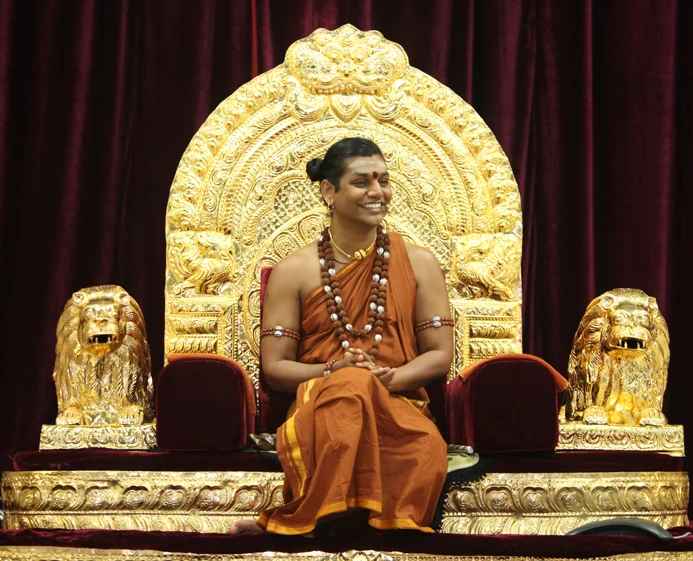
Puja
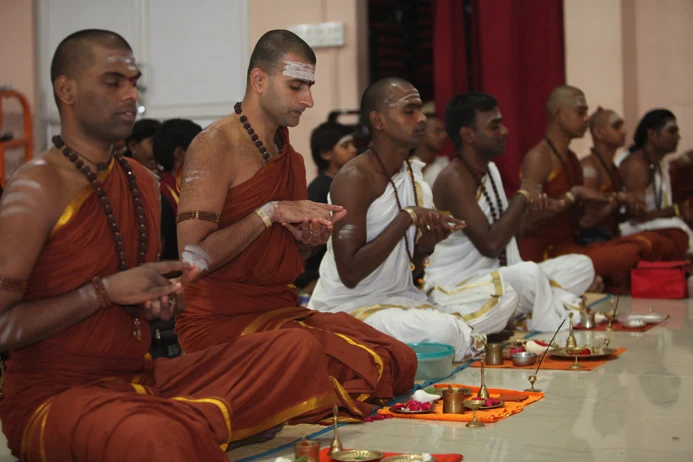
Satsang
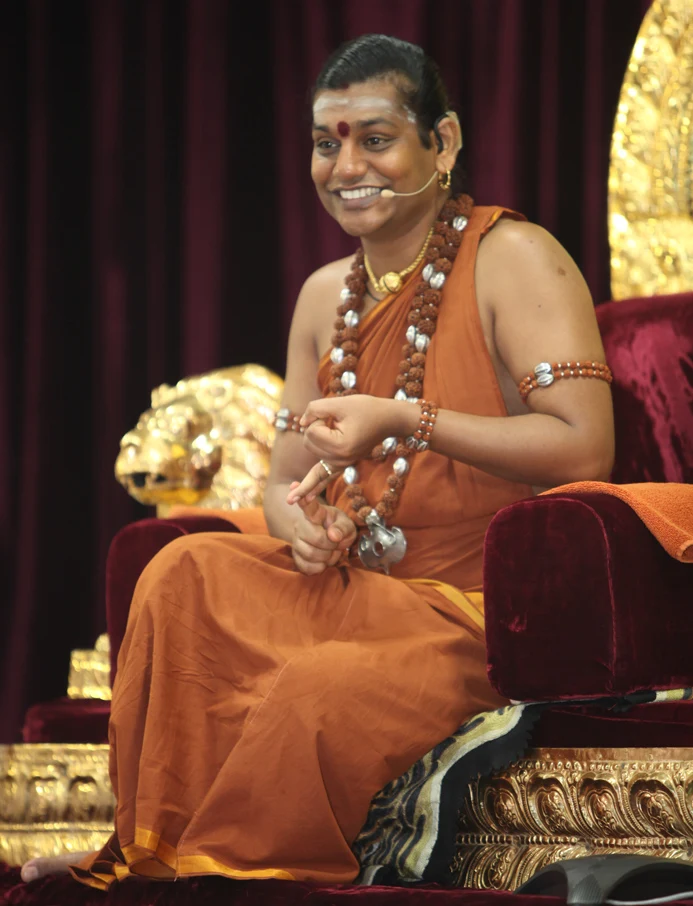
Nithyananda Times
Tags
Paramahamsa Nithyananda, Buddha, dimension , enlightenment, human, existence, physical, soul, Planet Earth, liberation, passion, inexhaustible, being, sutra, Bodhisattva Vow, self, spiritual, individual, living, authenticity.
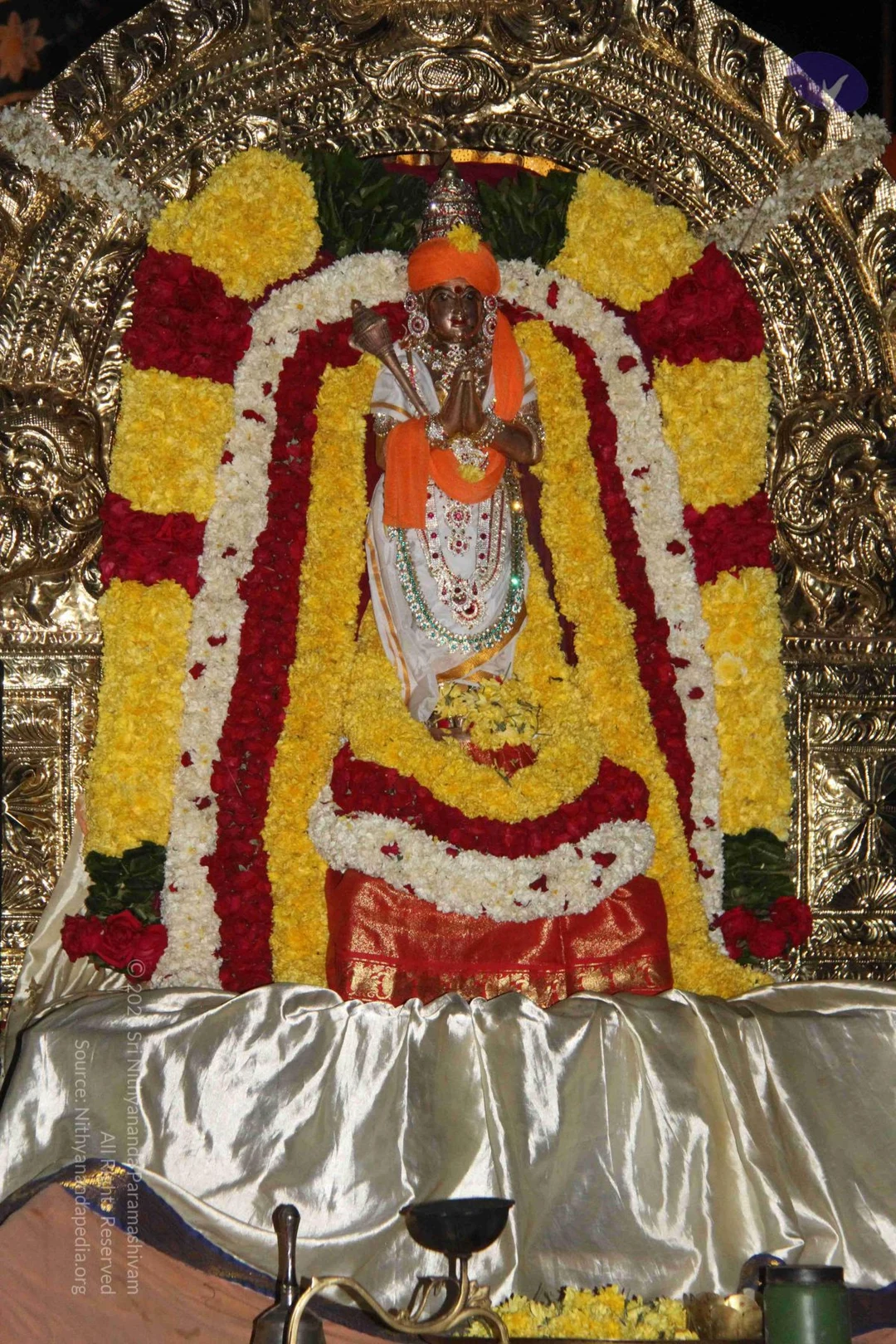
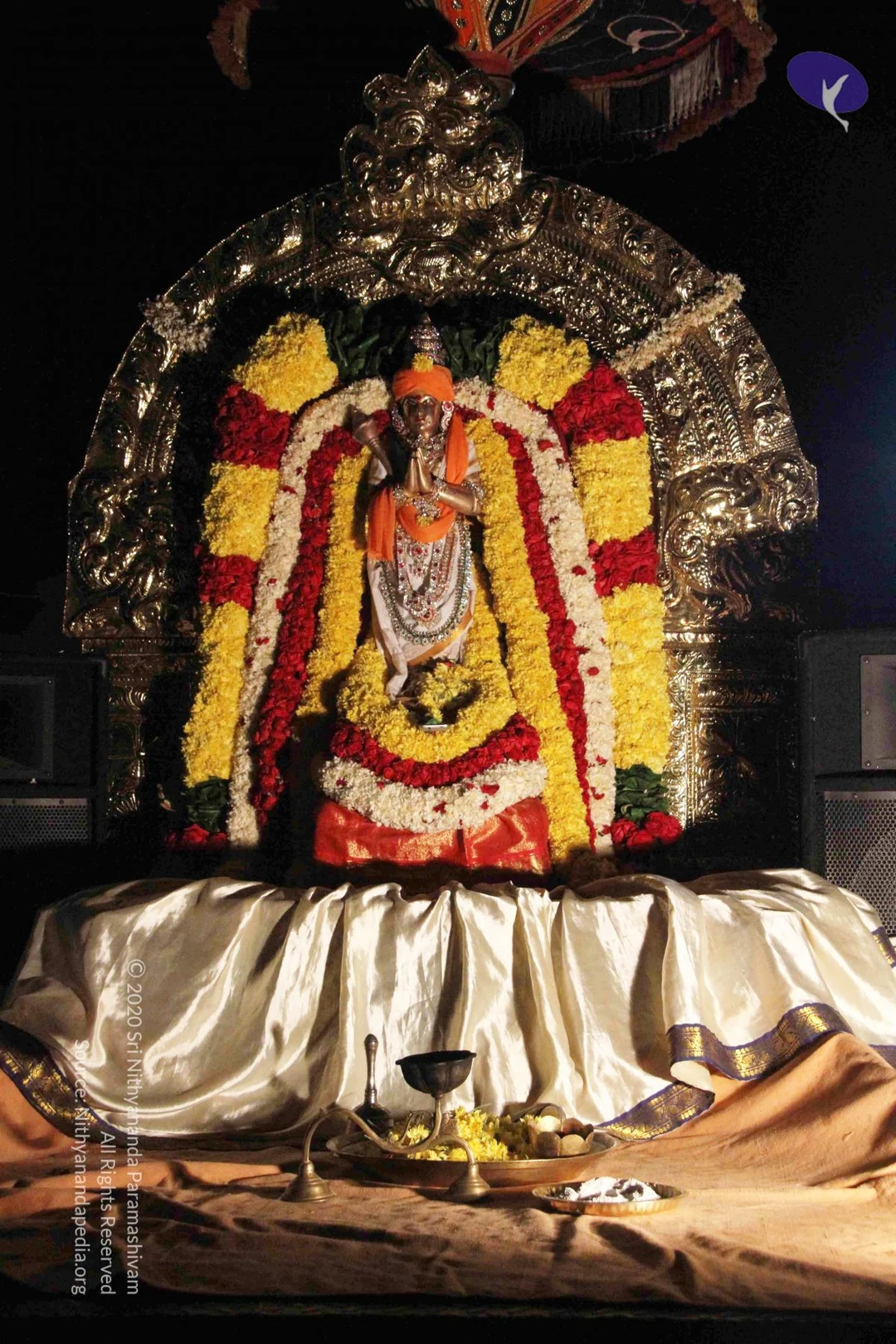
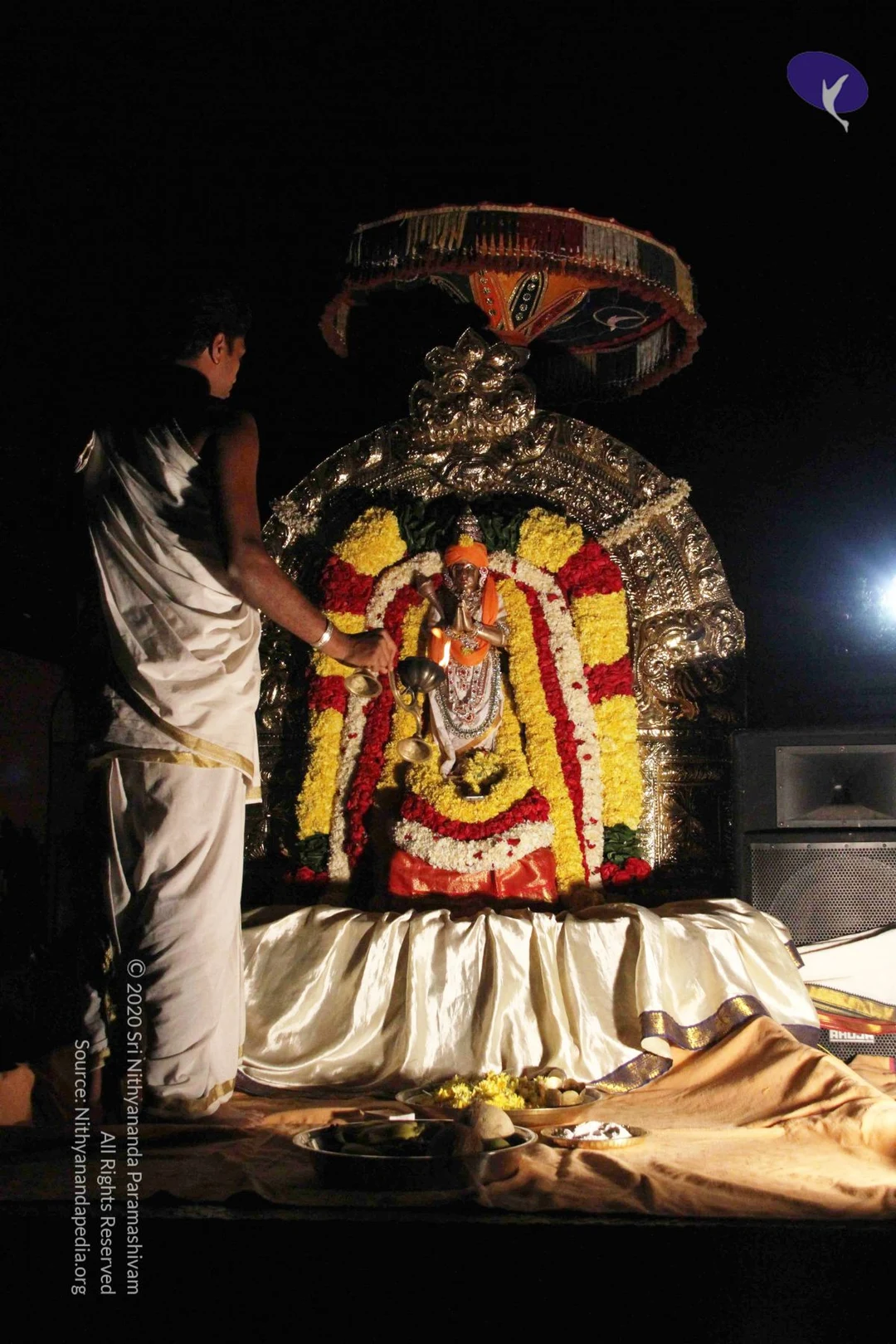
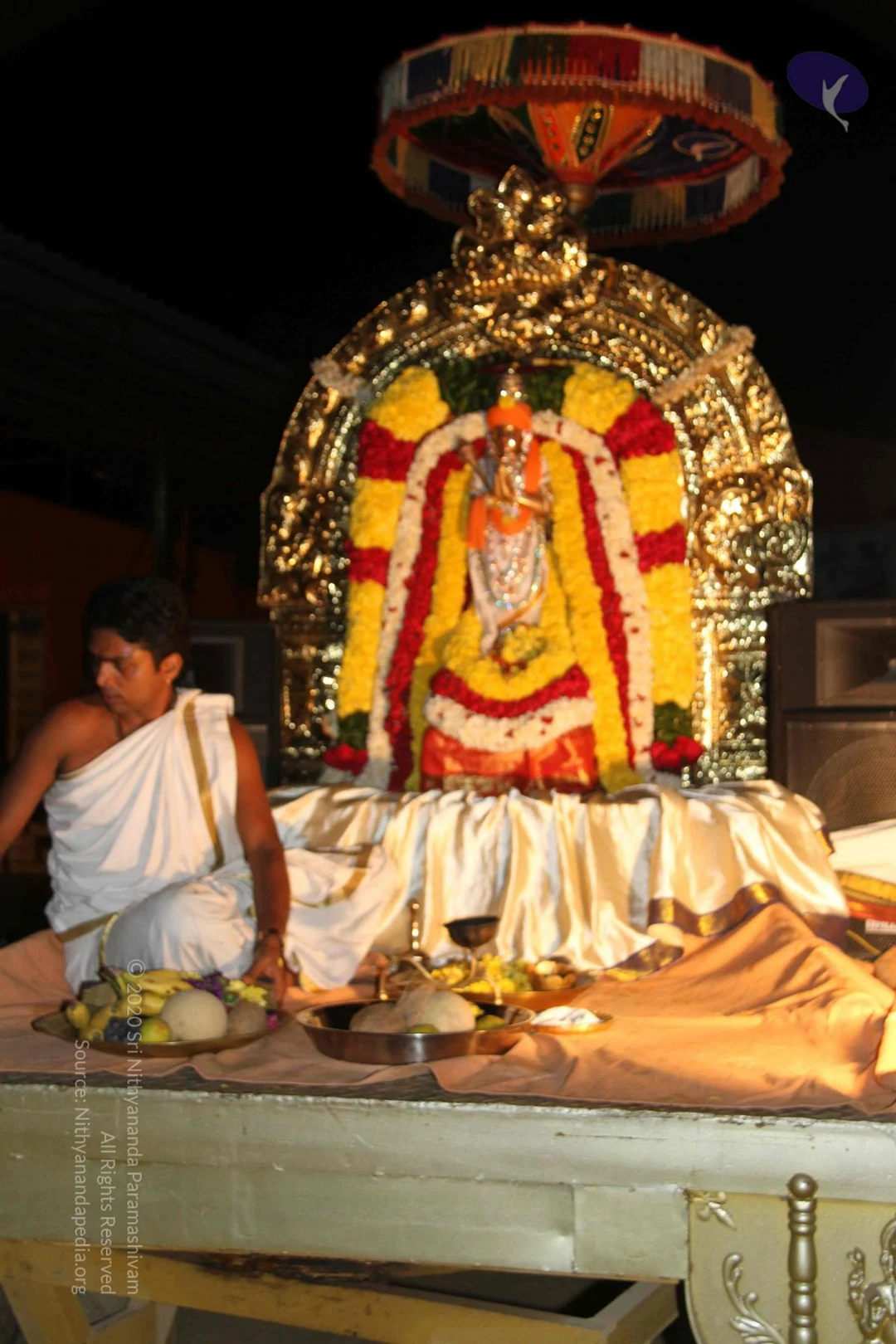
Photos Of The Day:
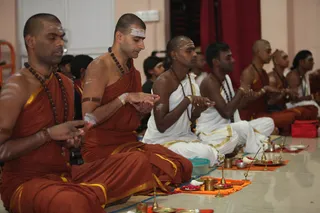
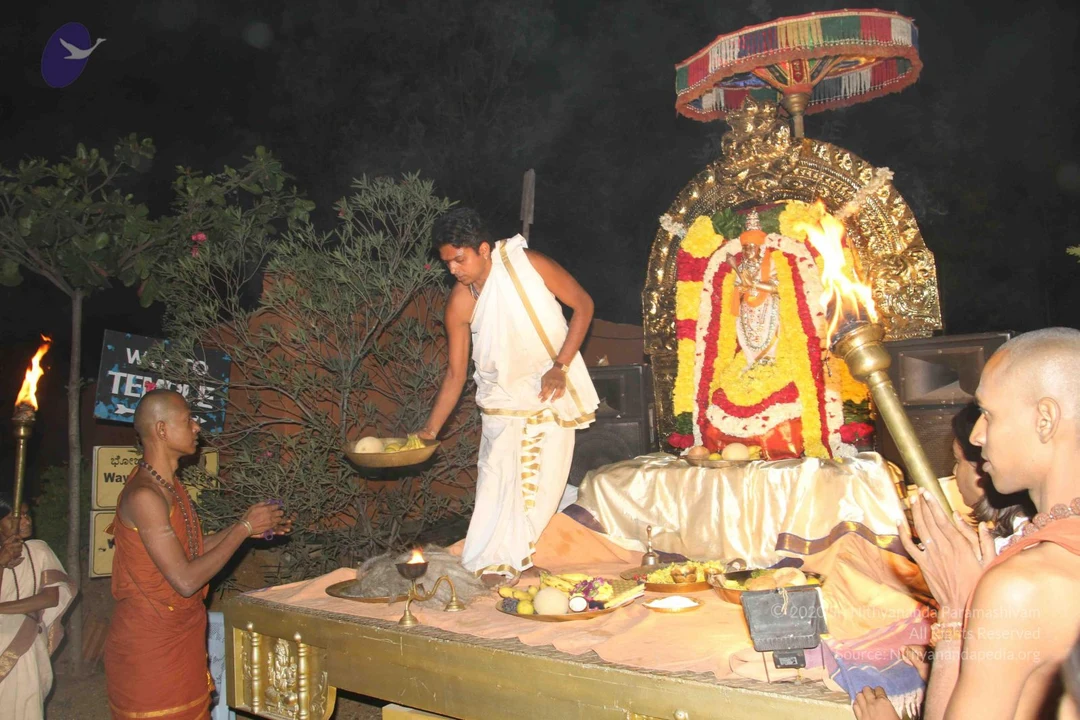
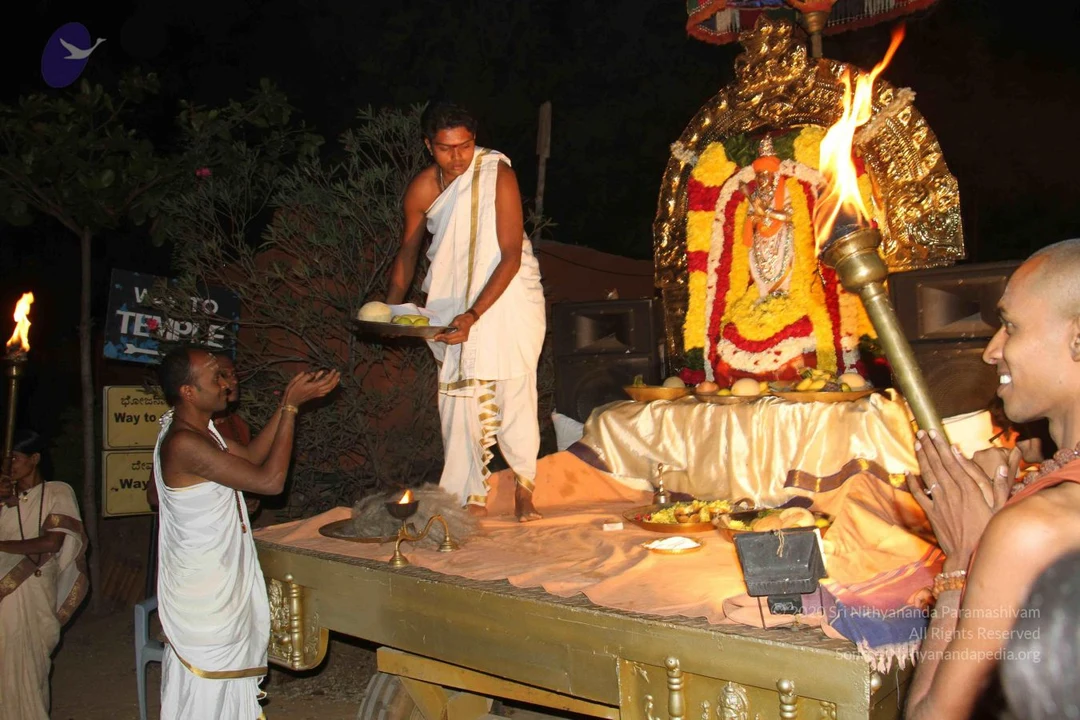
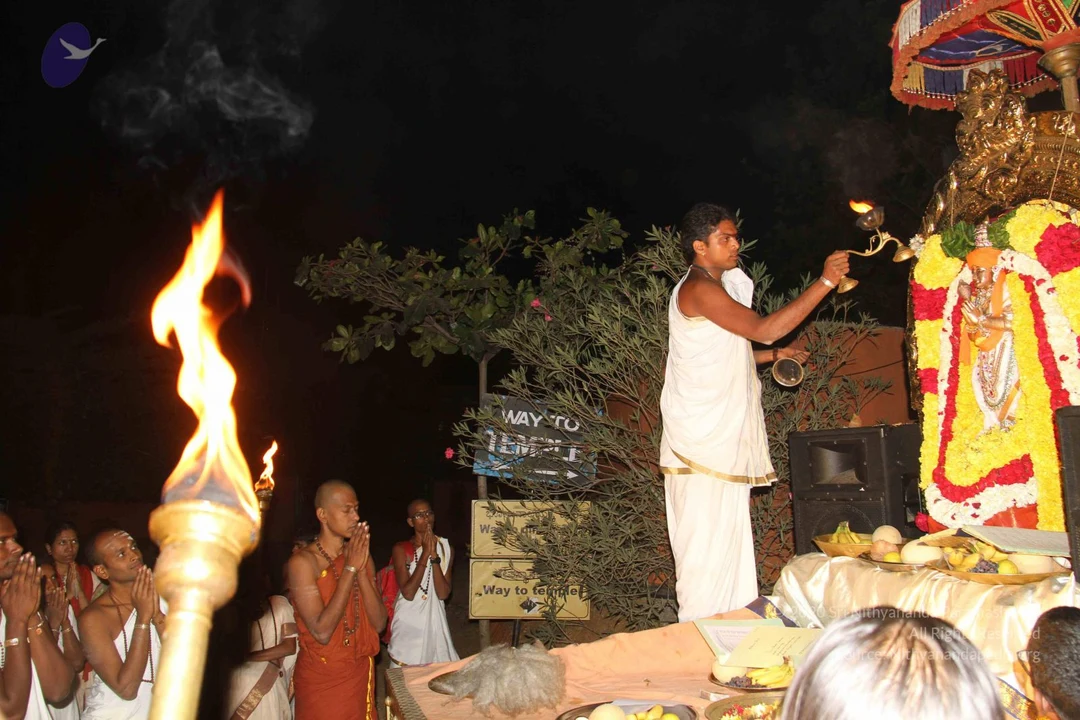
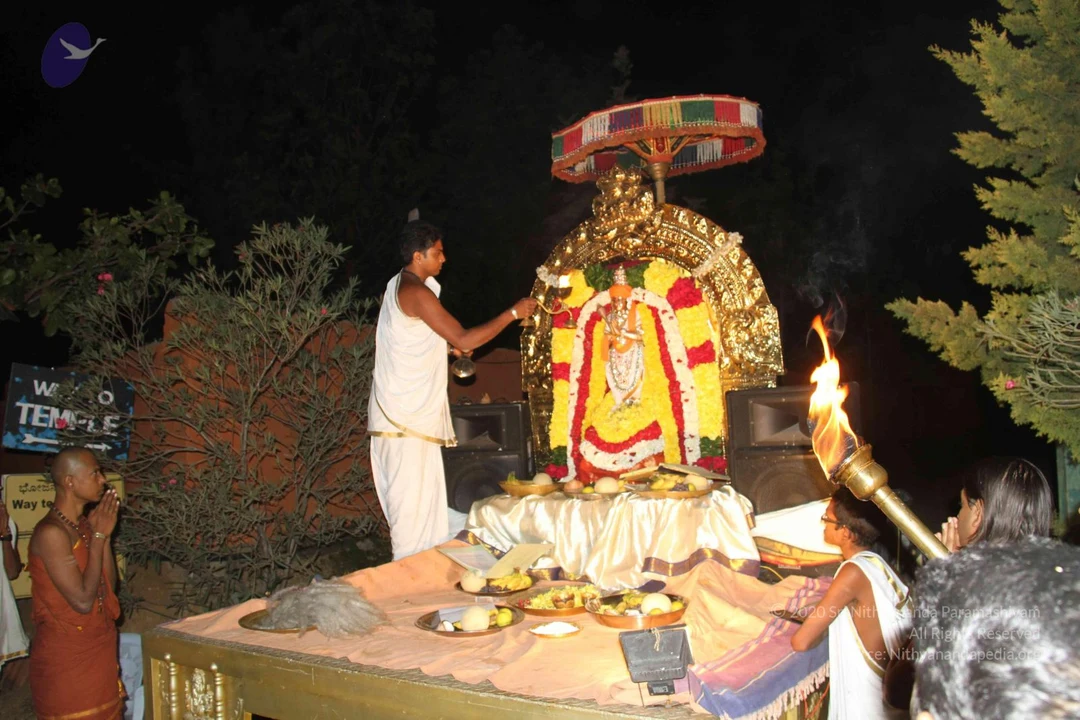
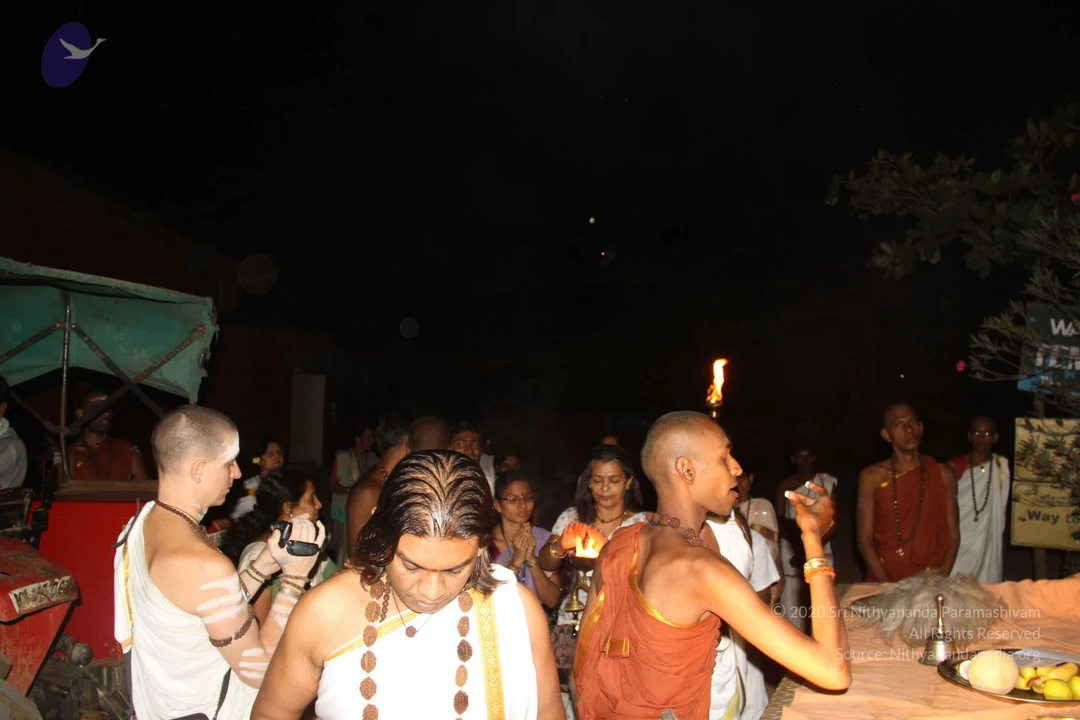
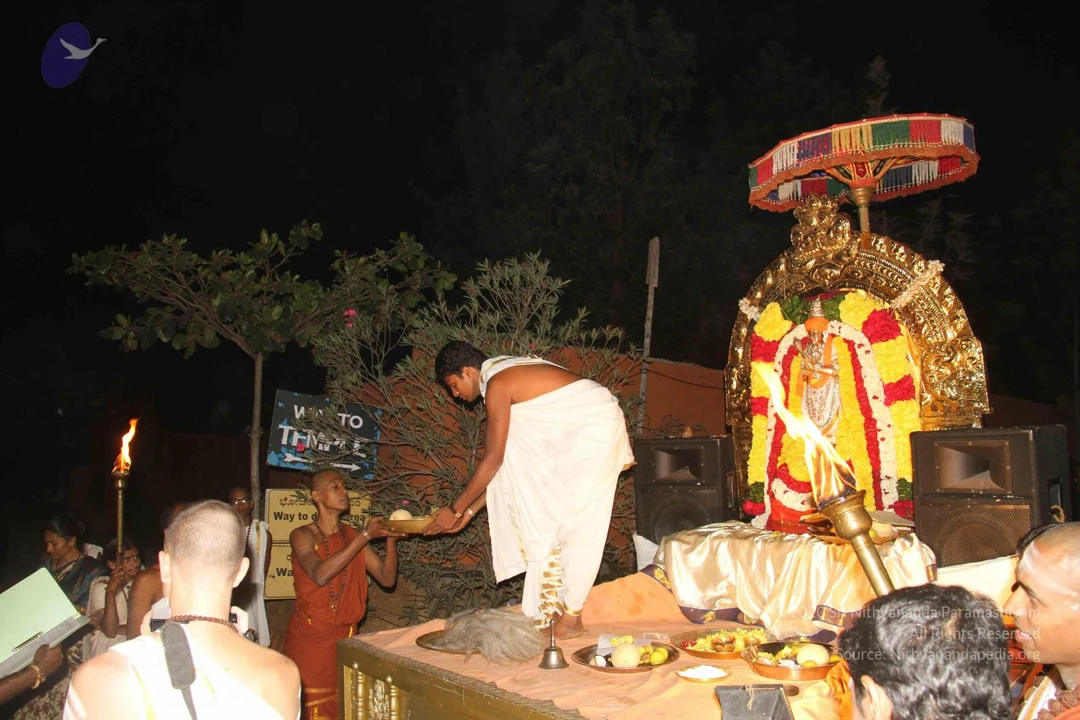
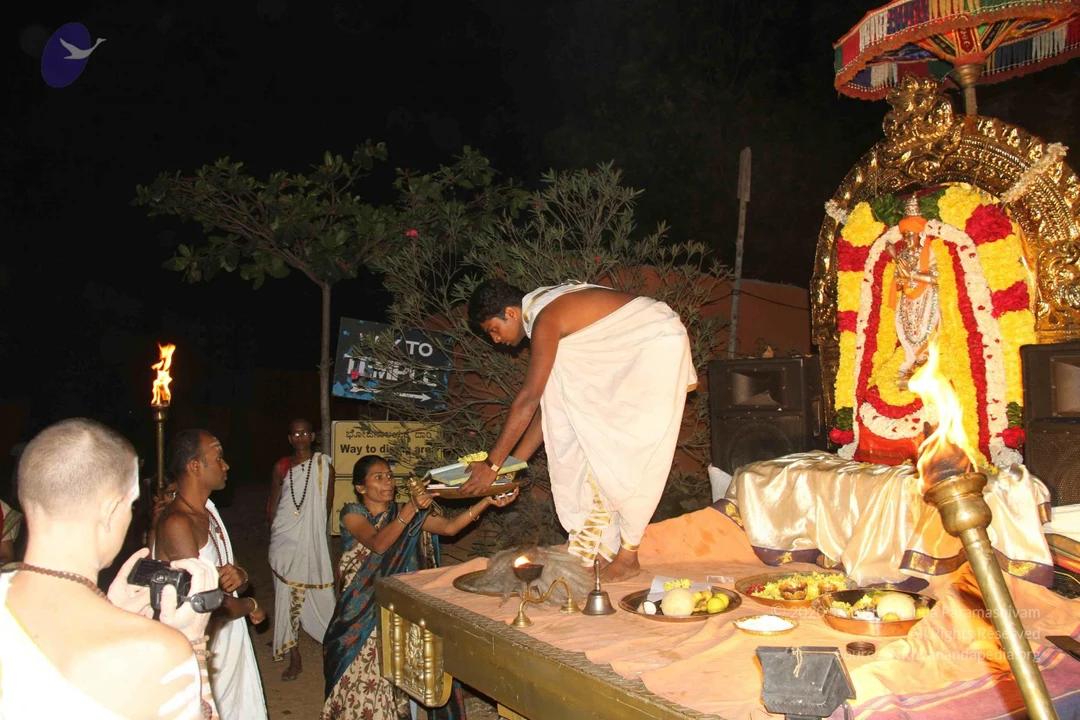
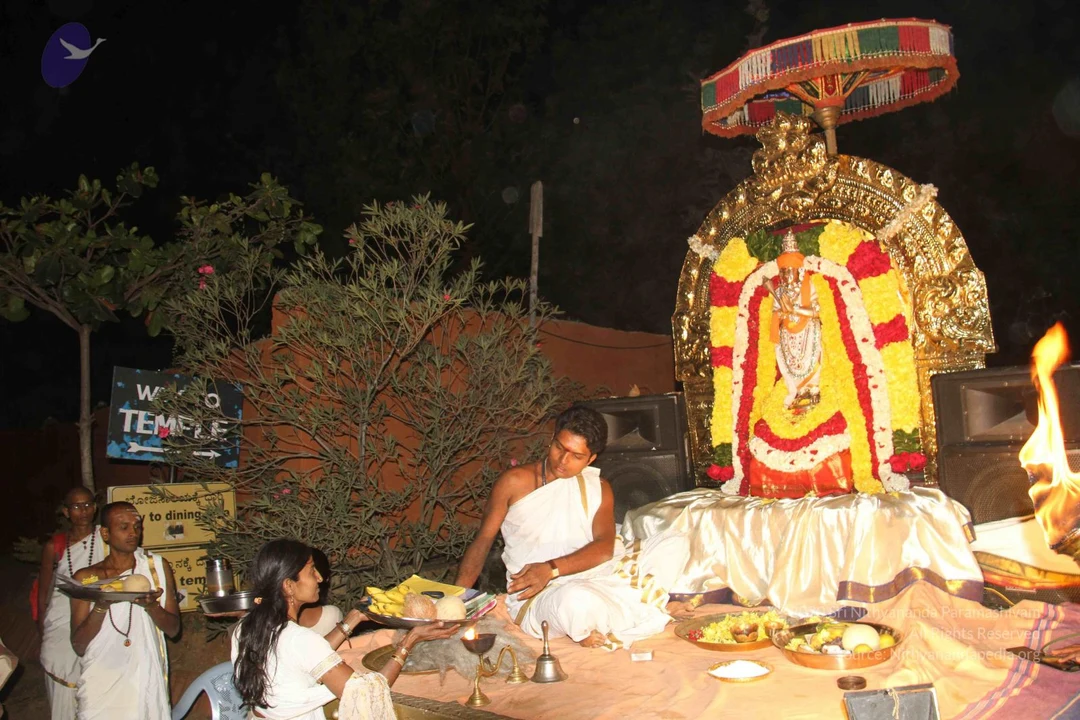
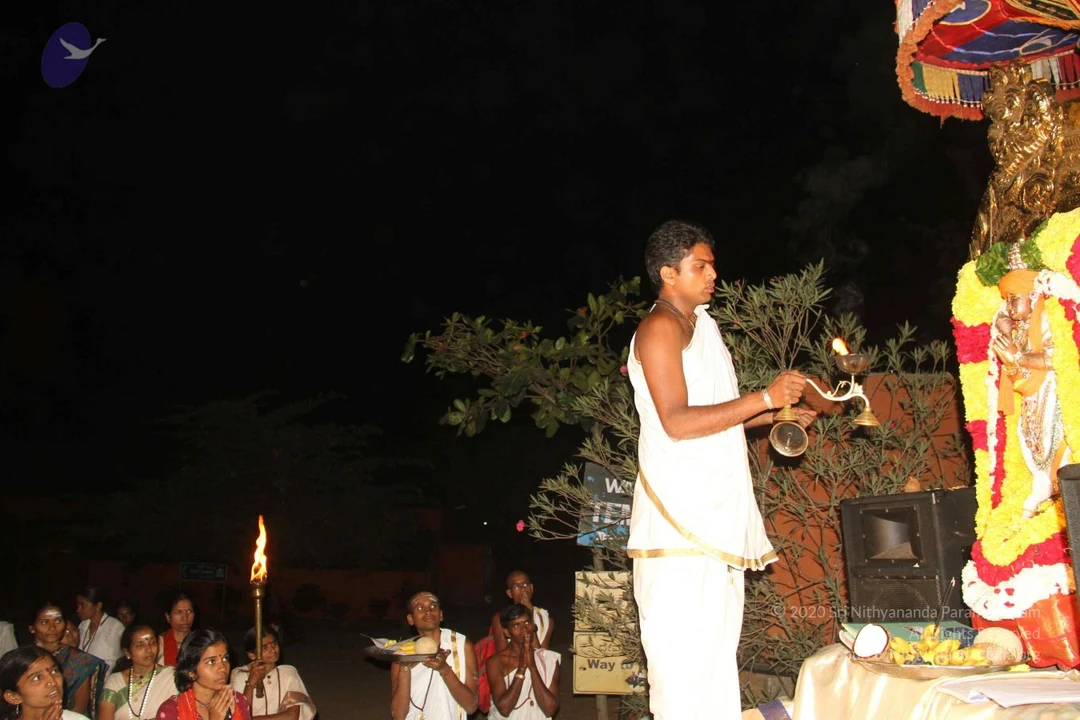
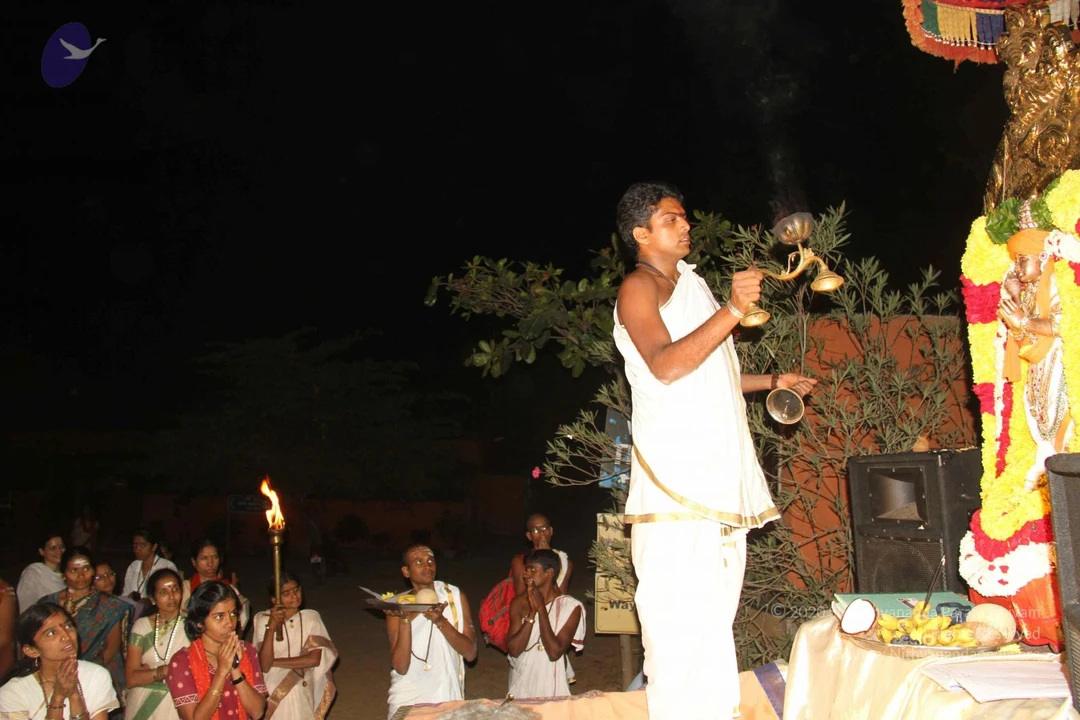
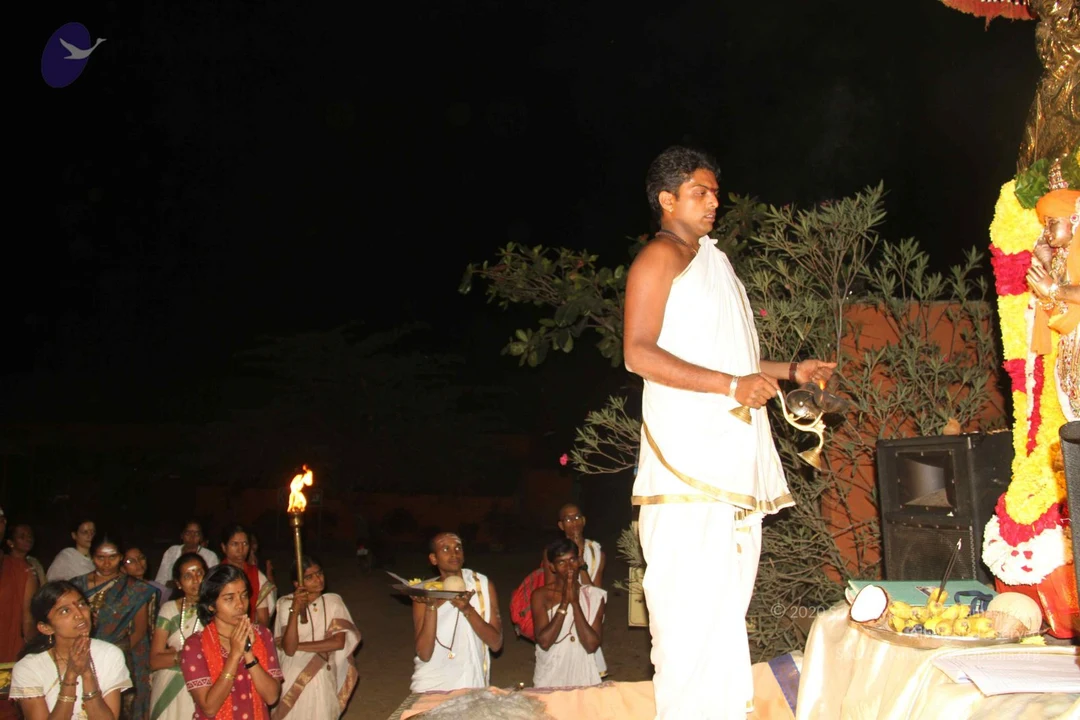
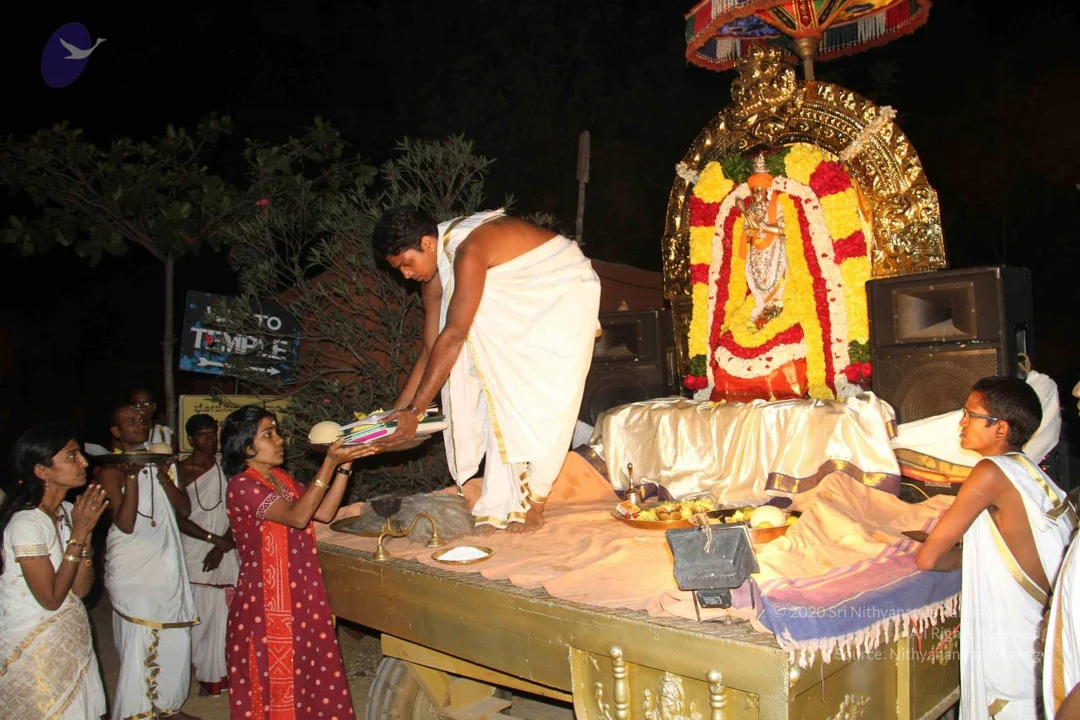
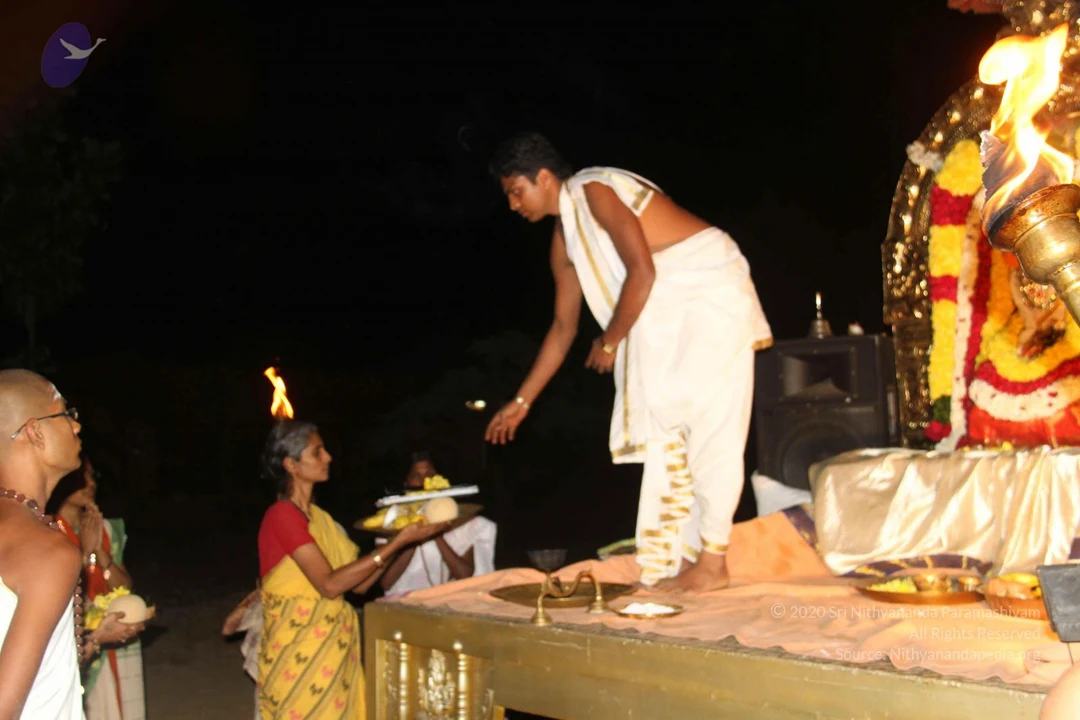
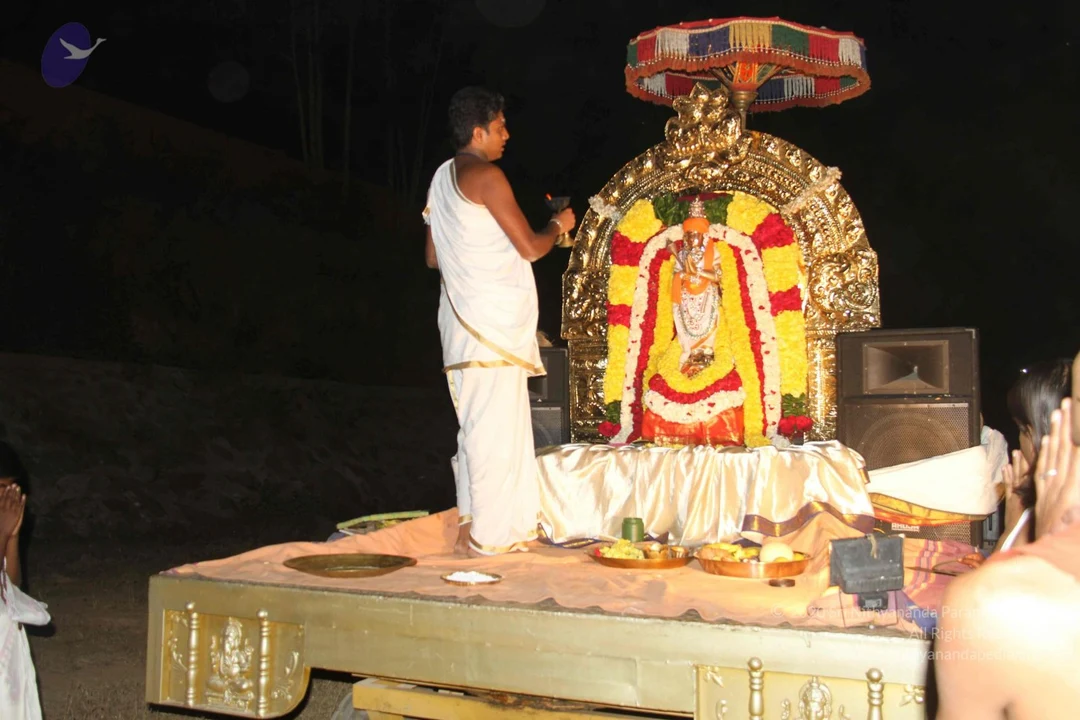
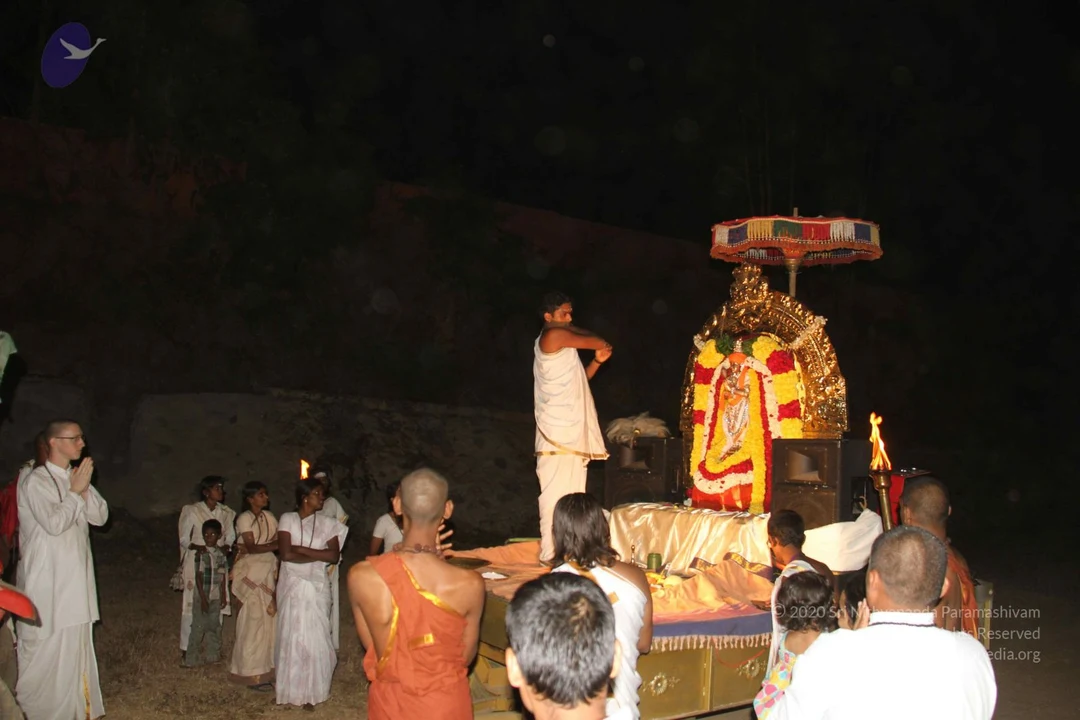
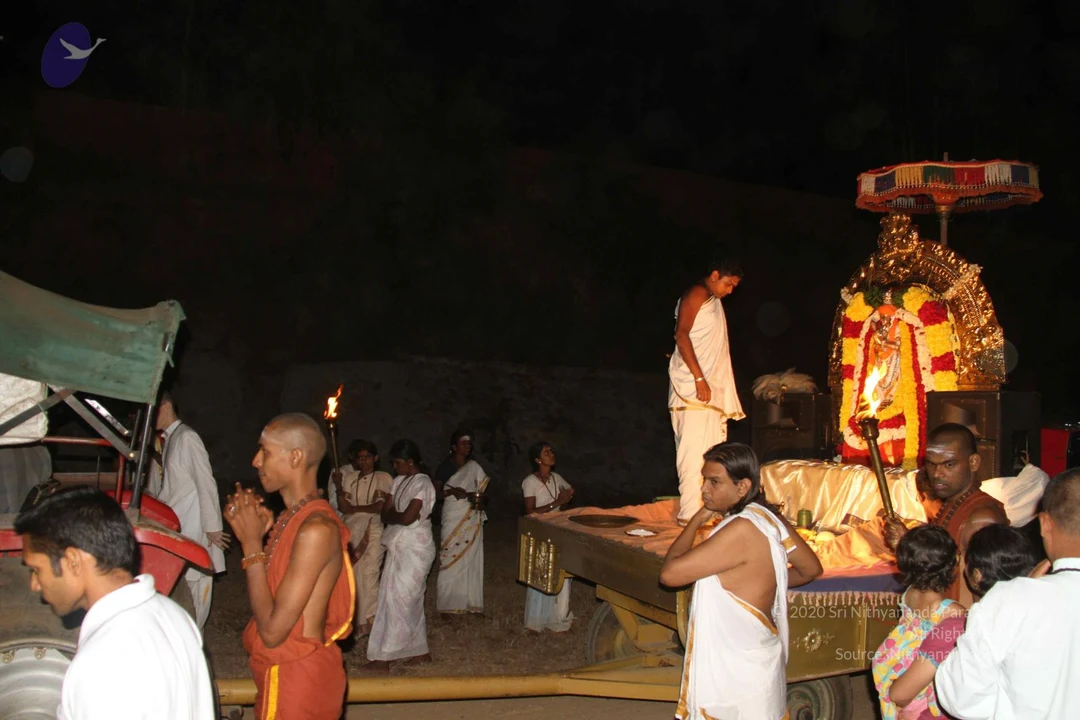
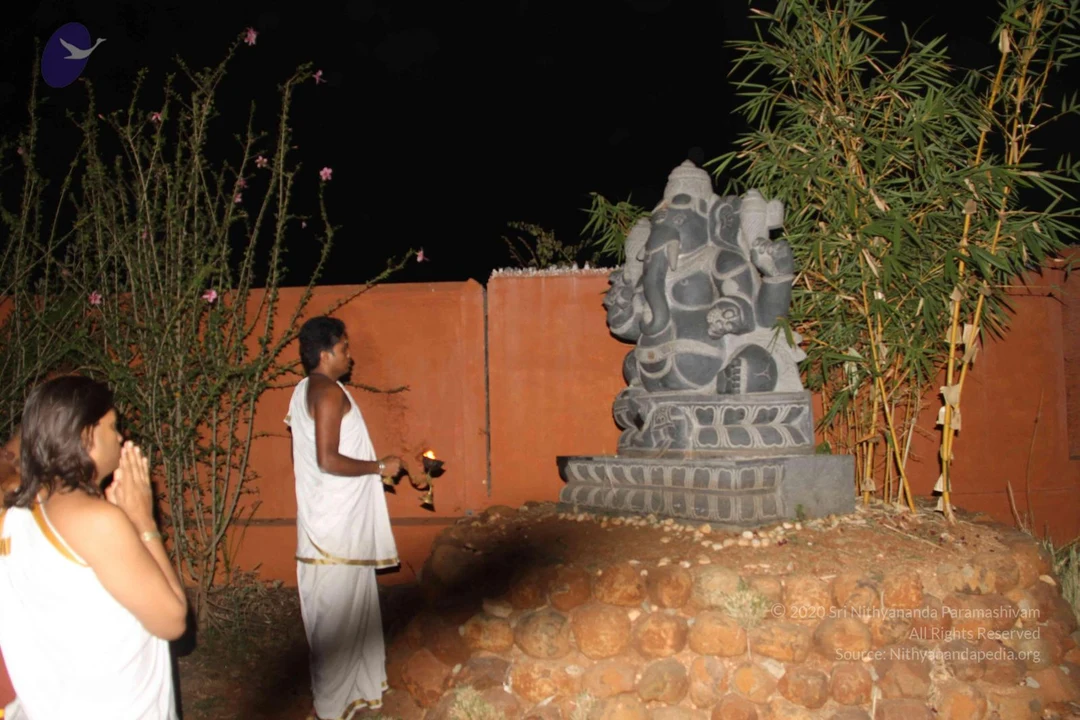
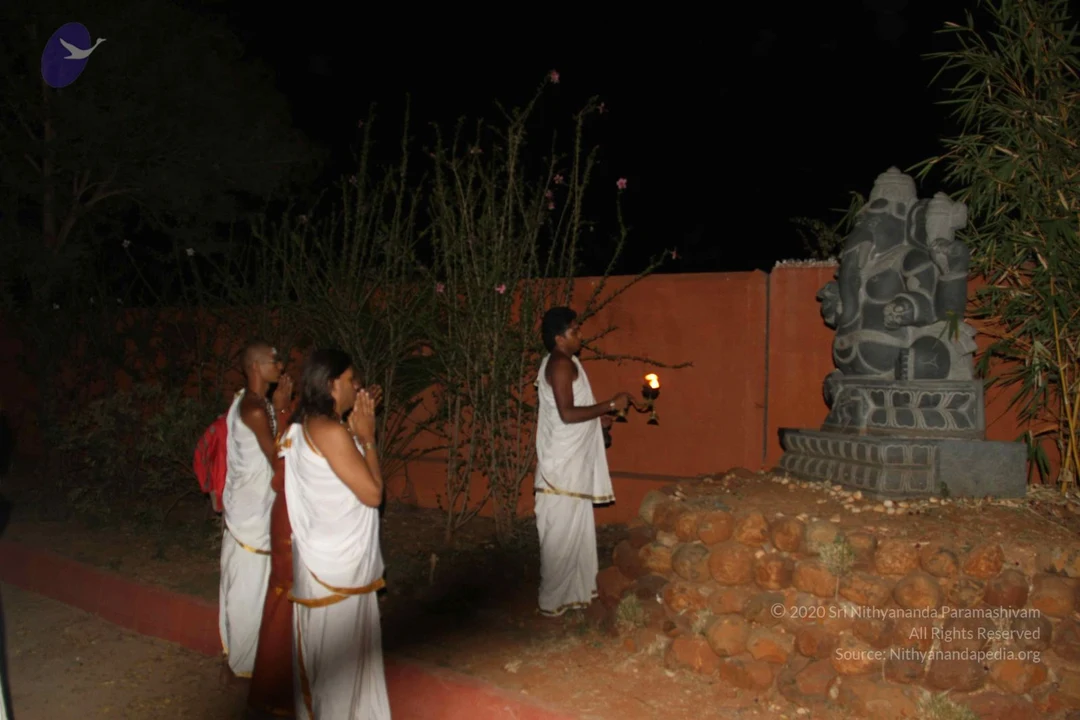
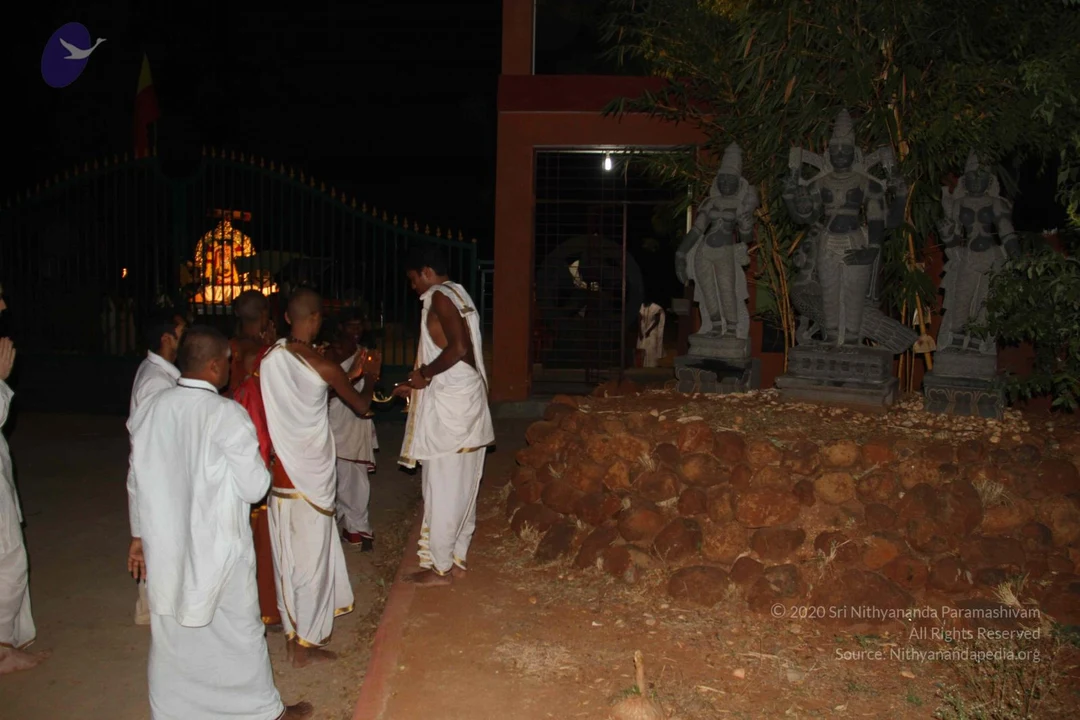
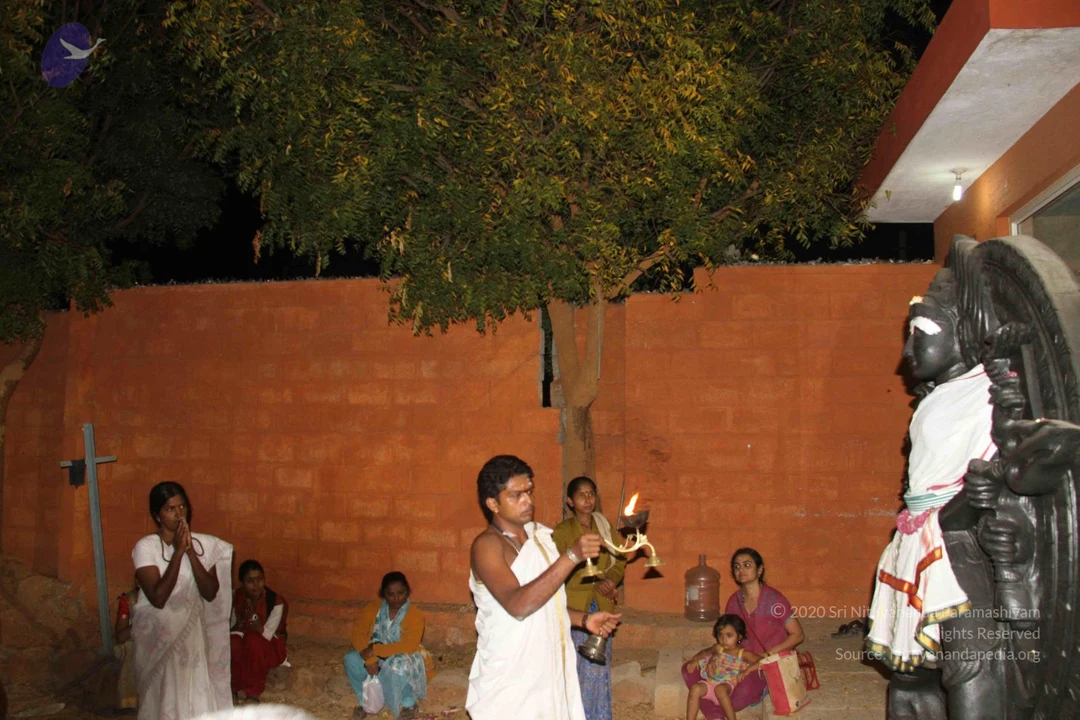
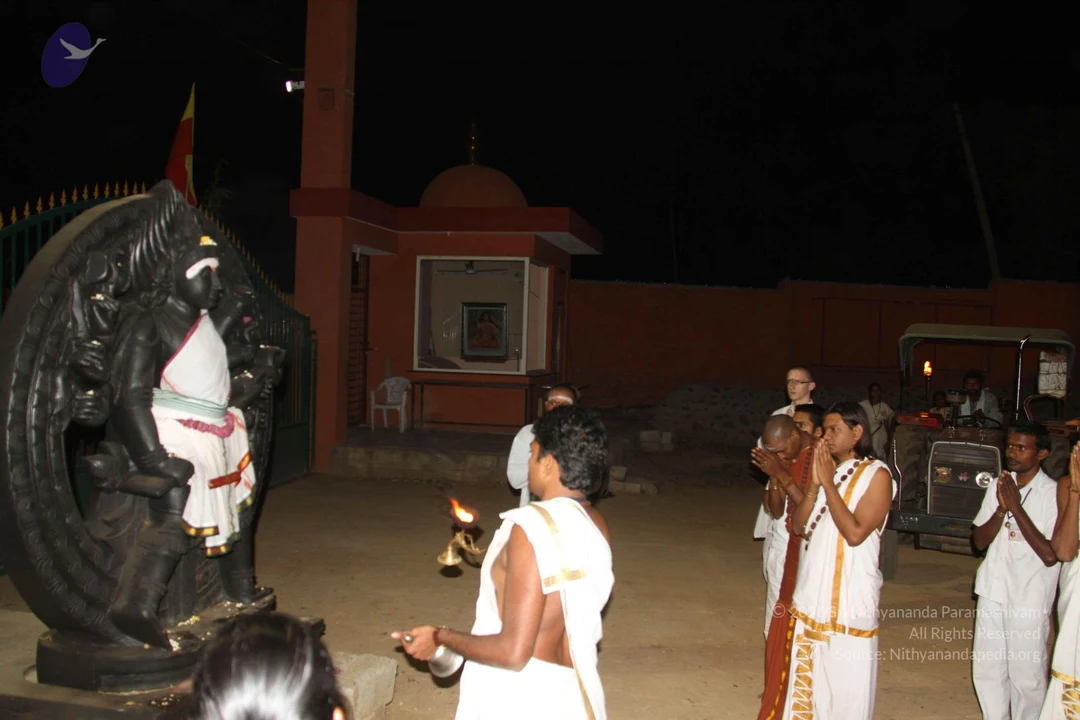
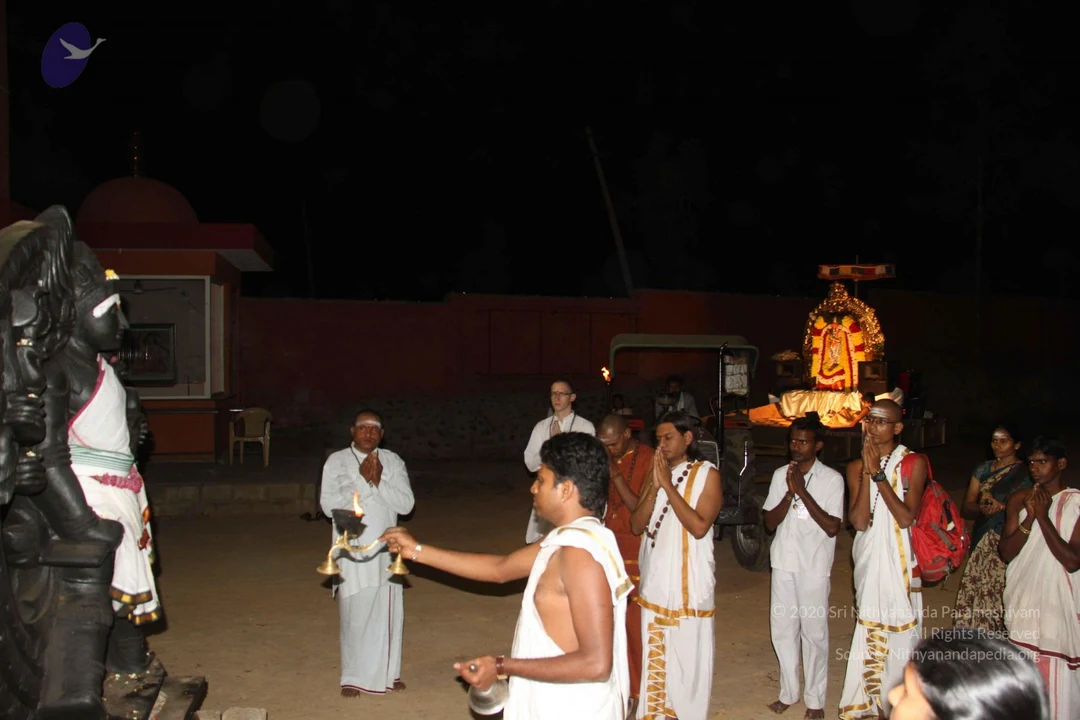
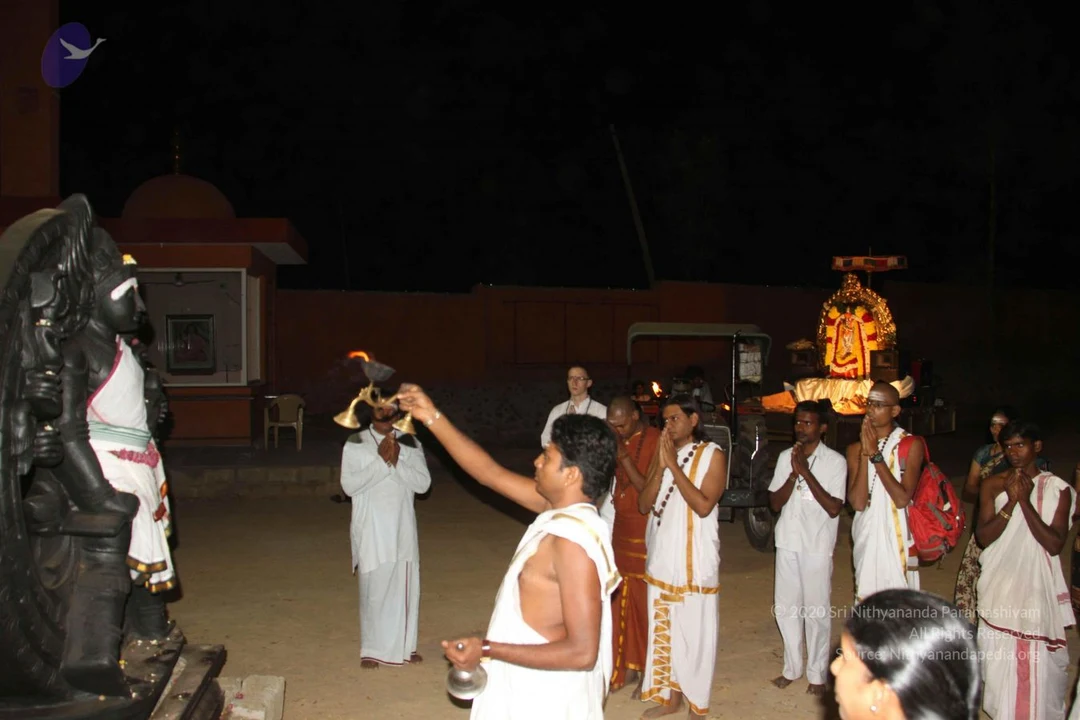
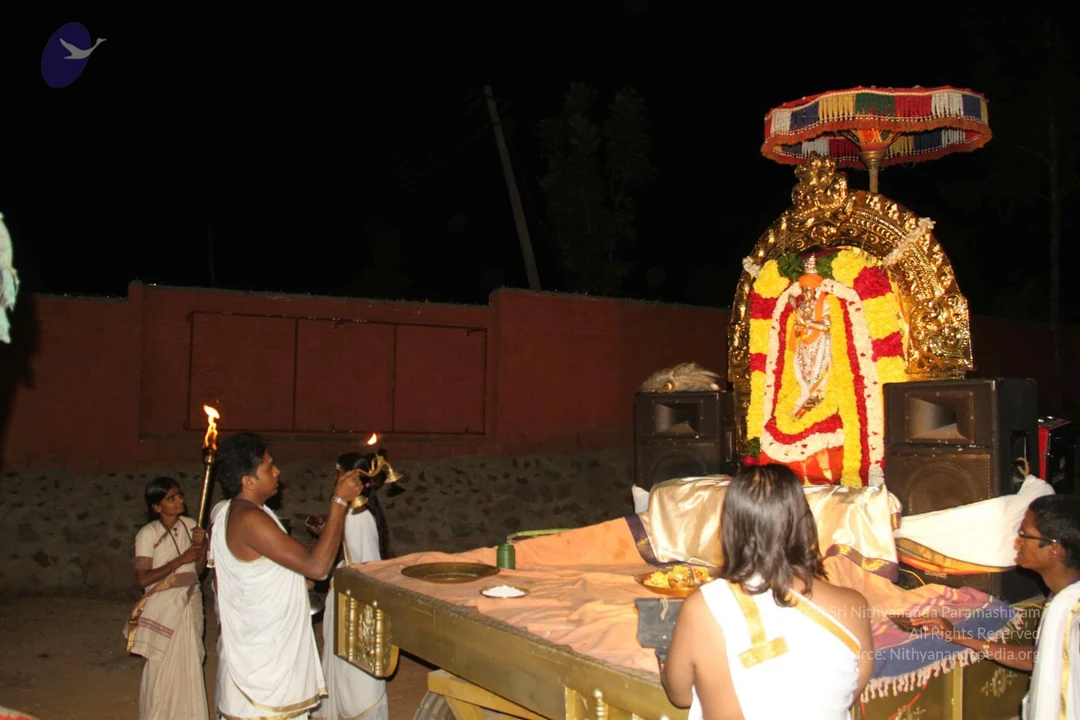
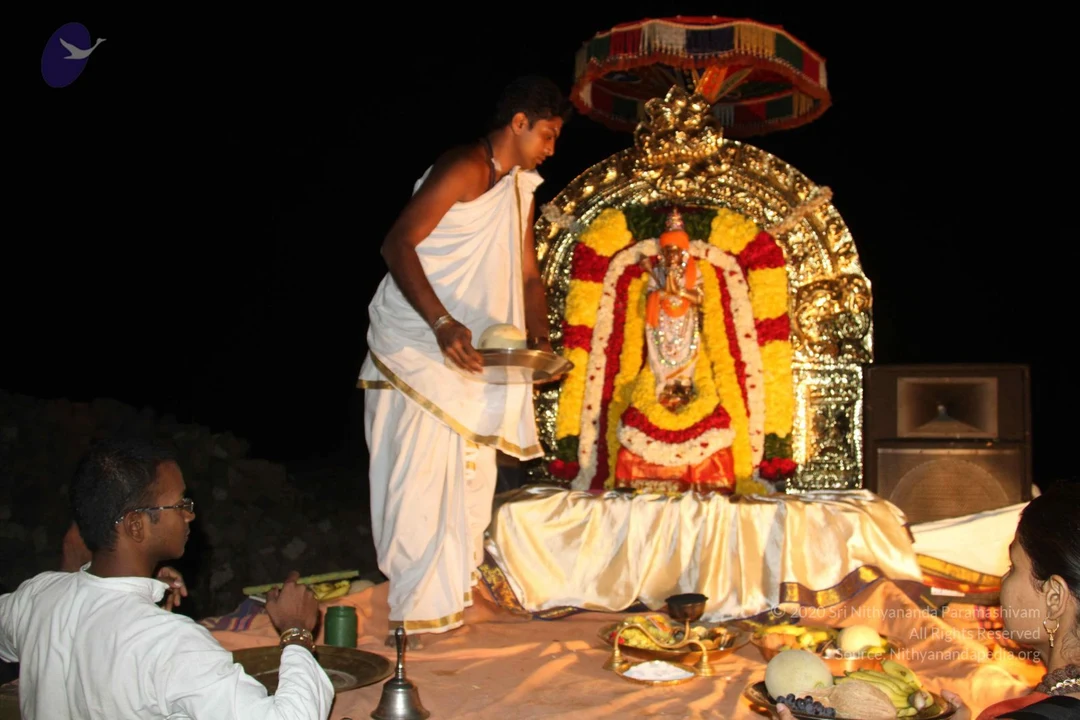
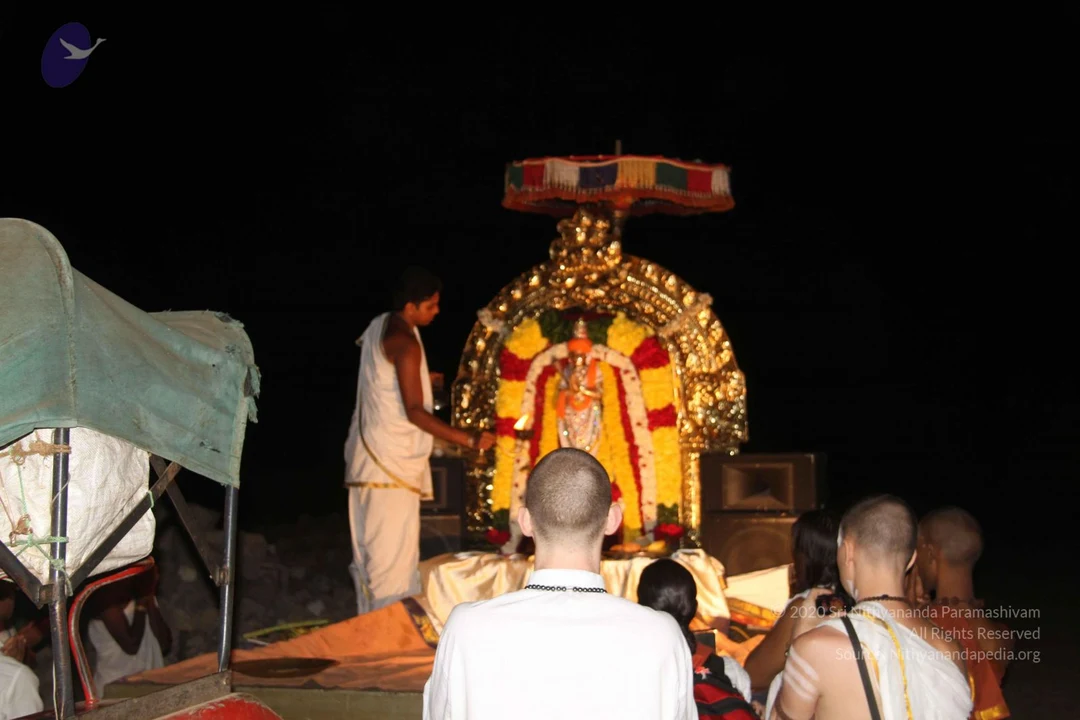
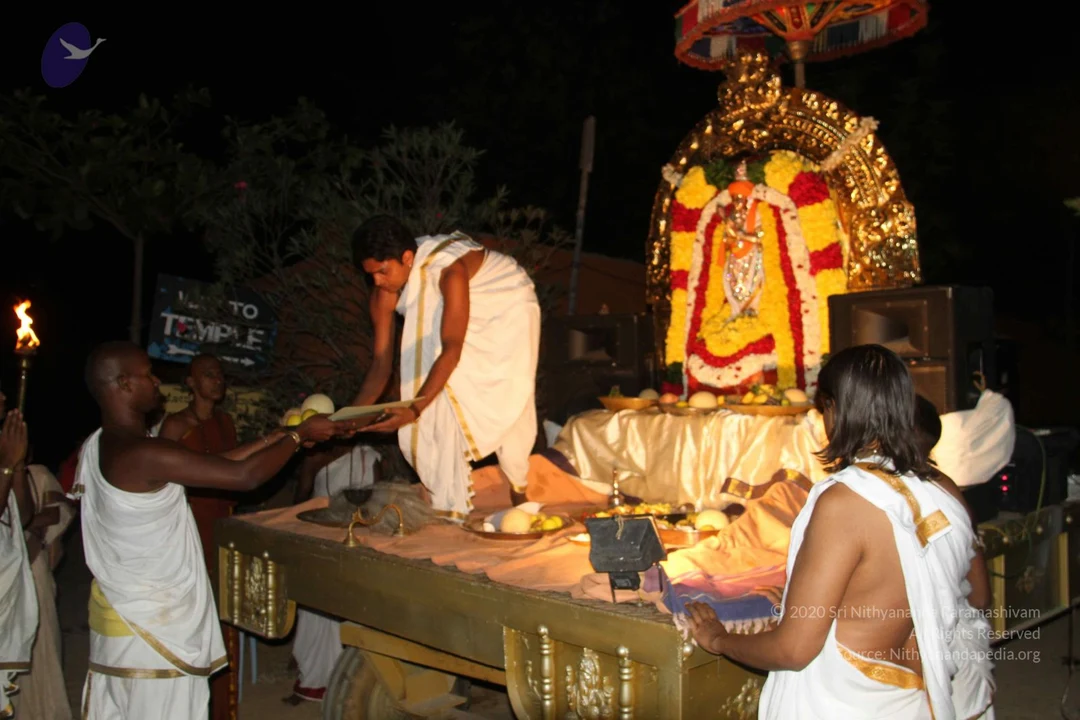
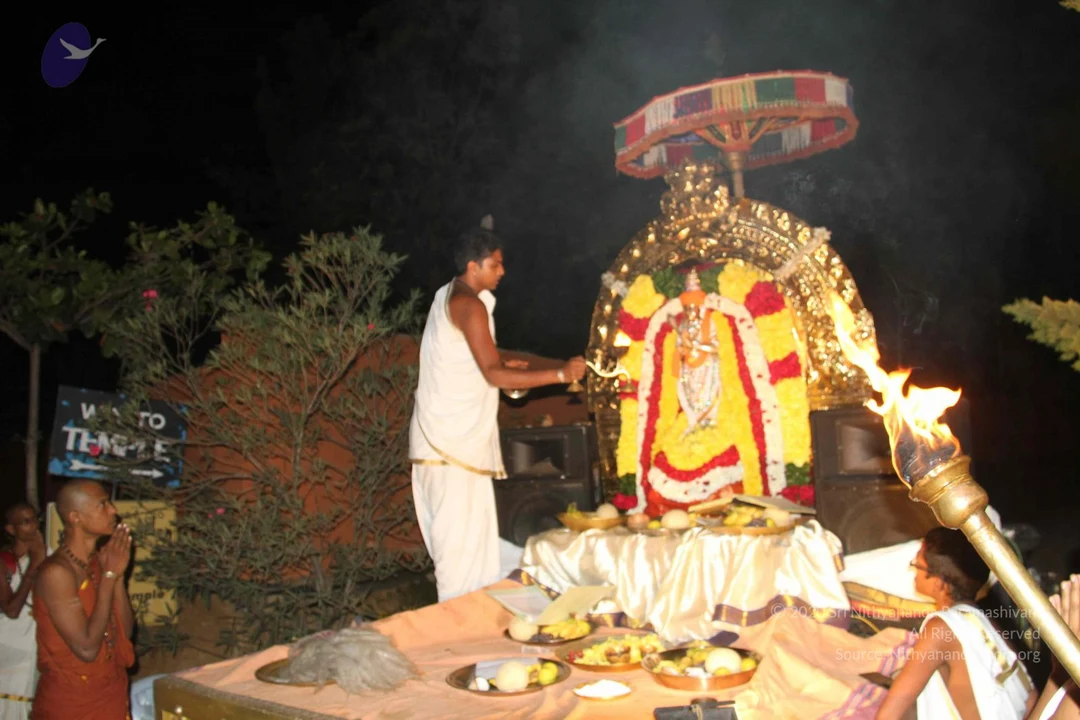
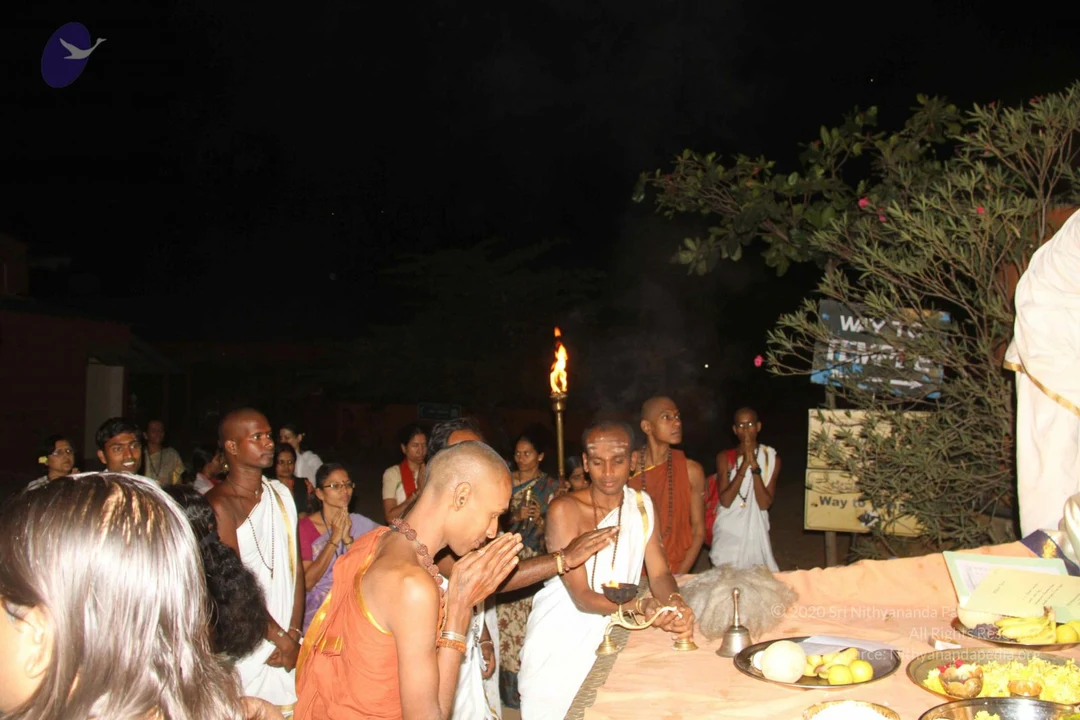
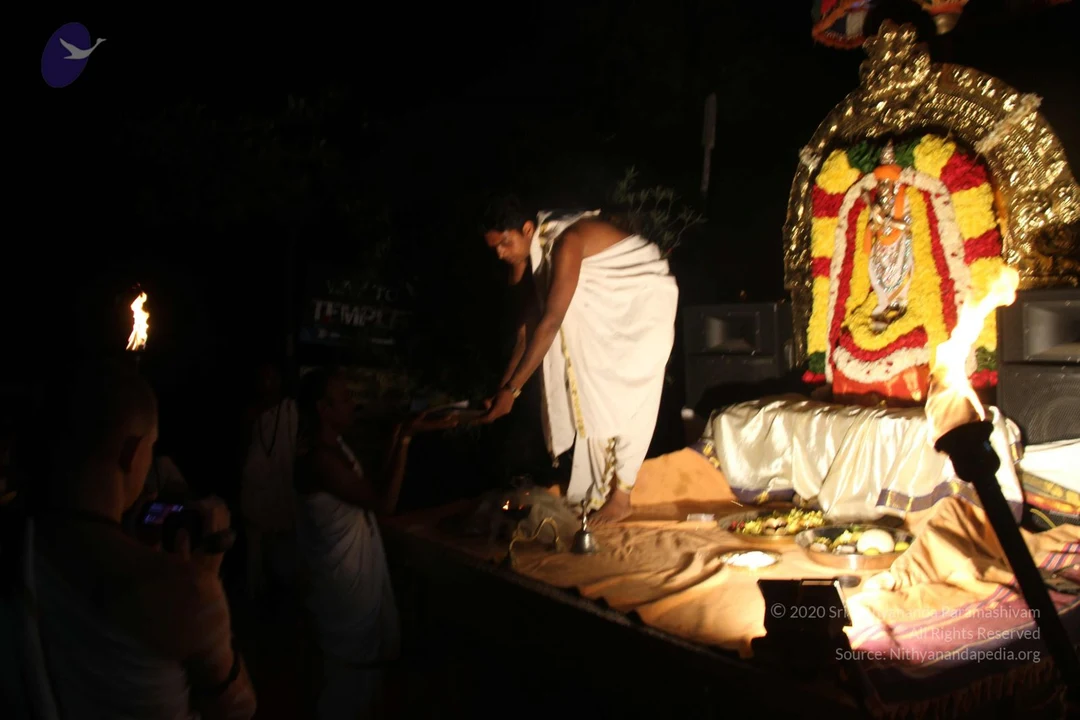
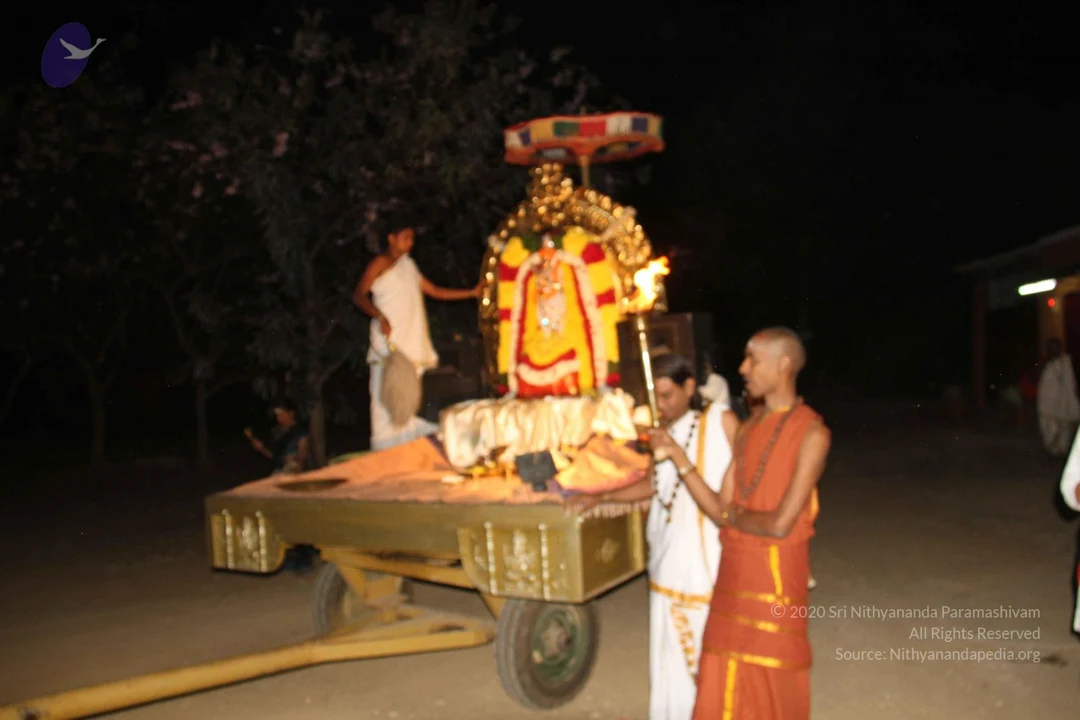
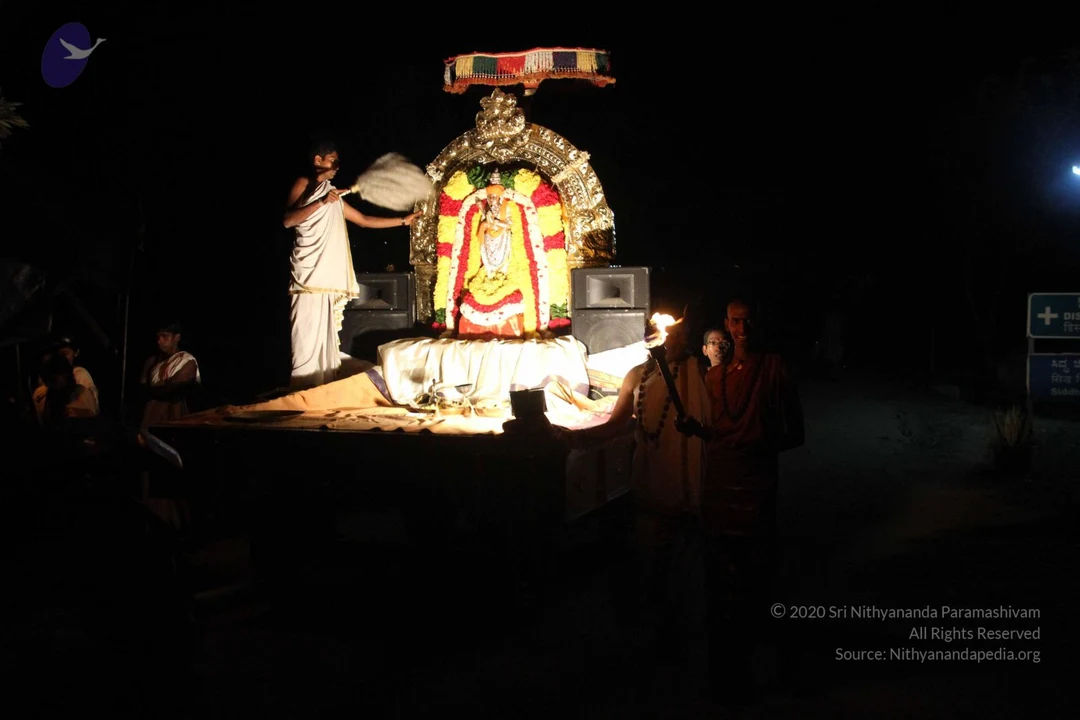
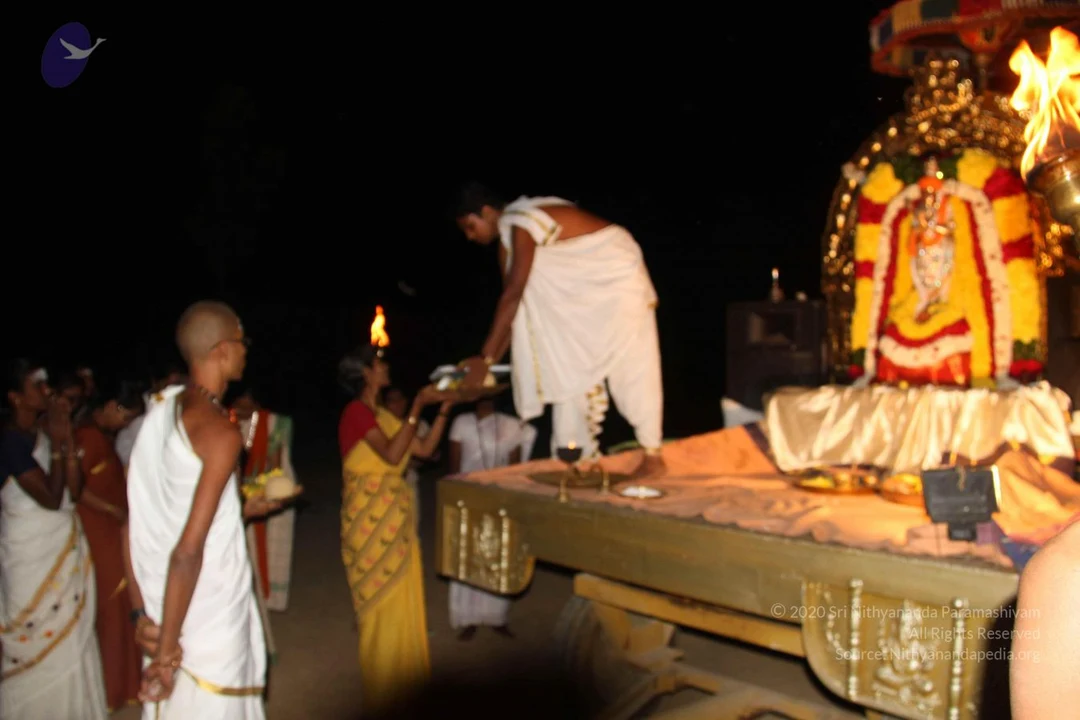
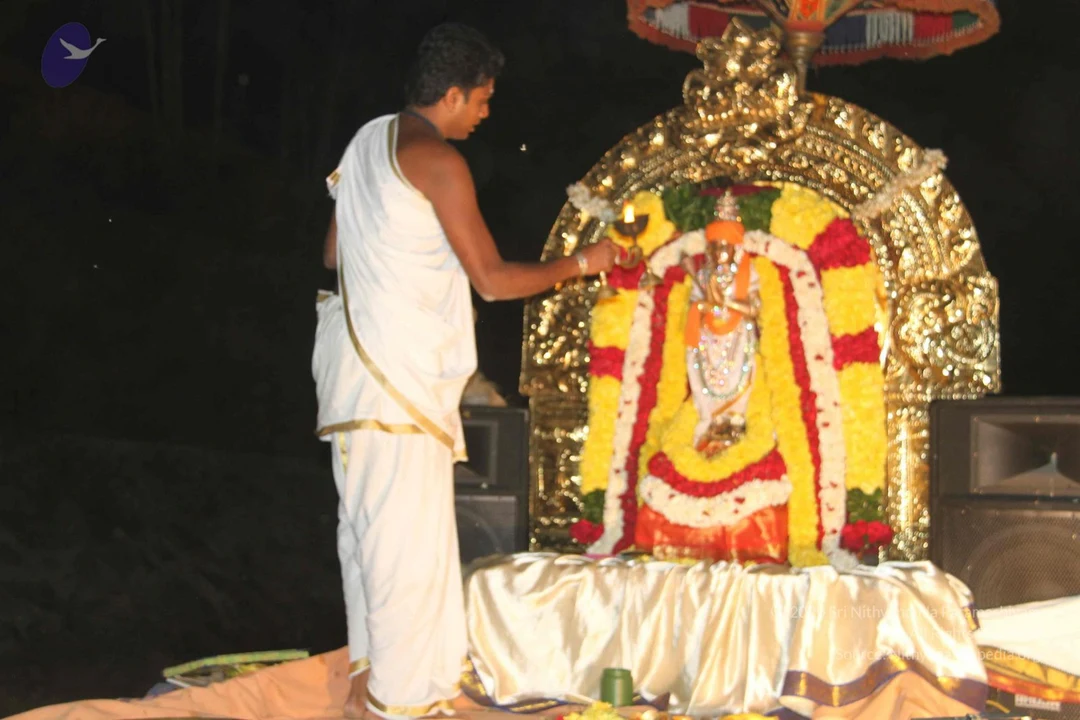
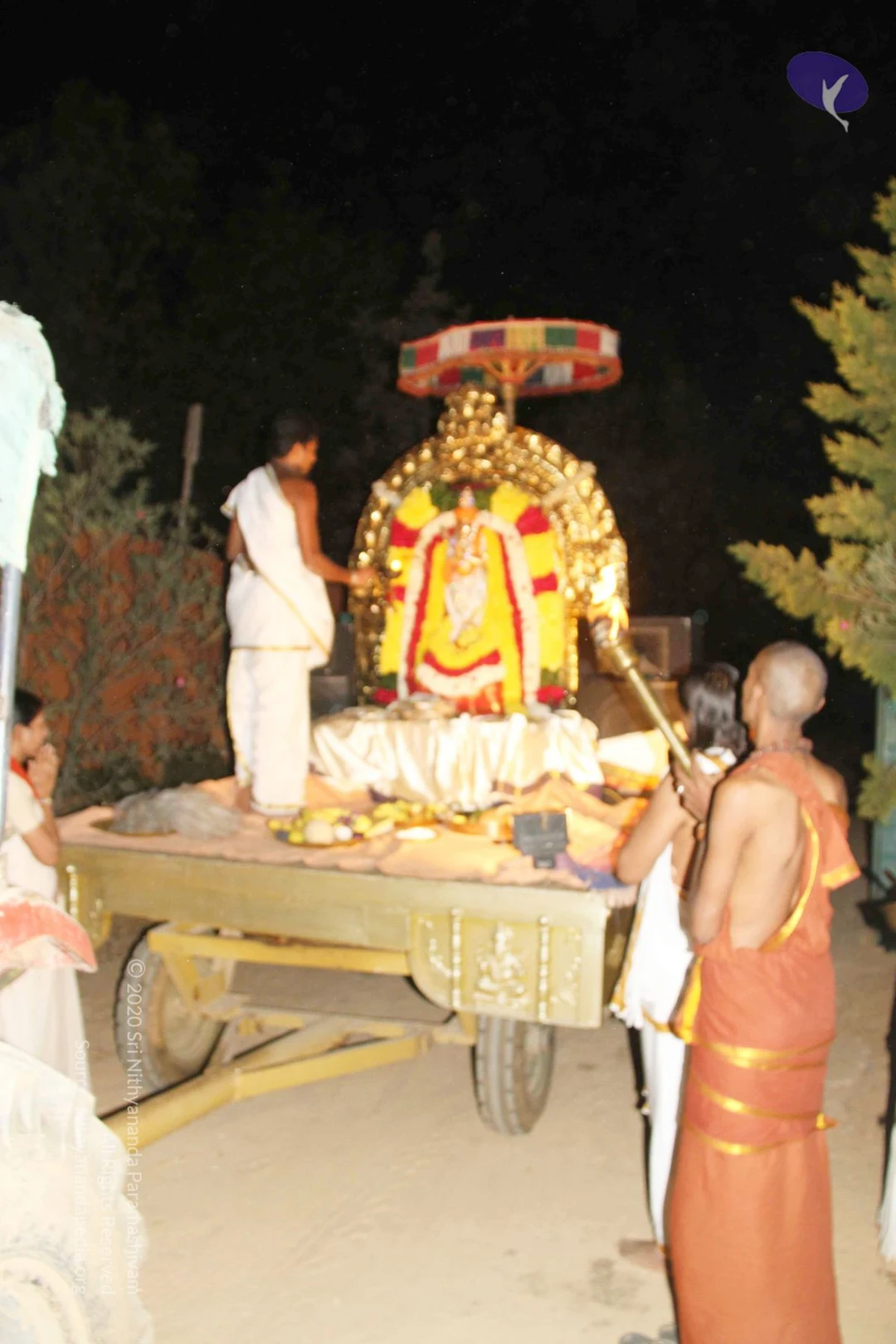
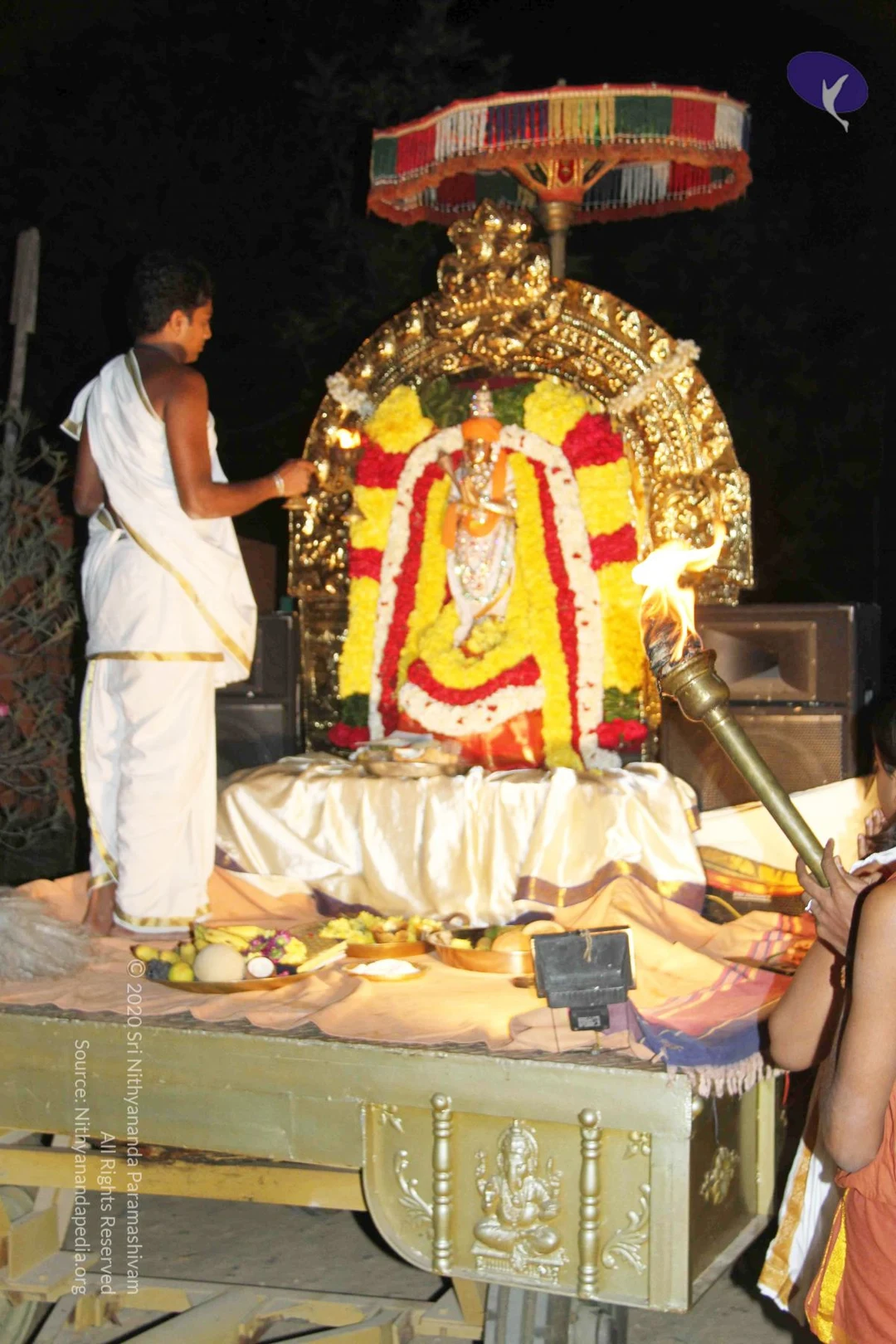
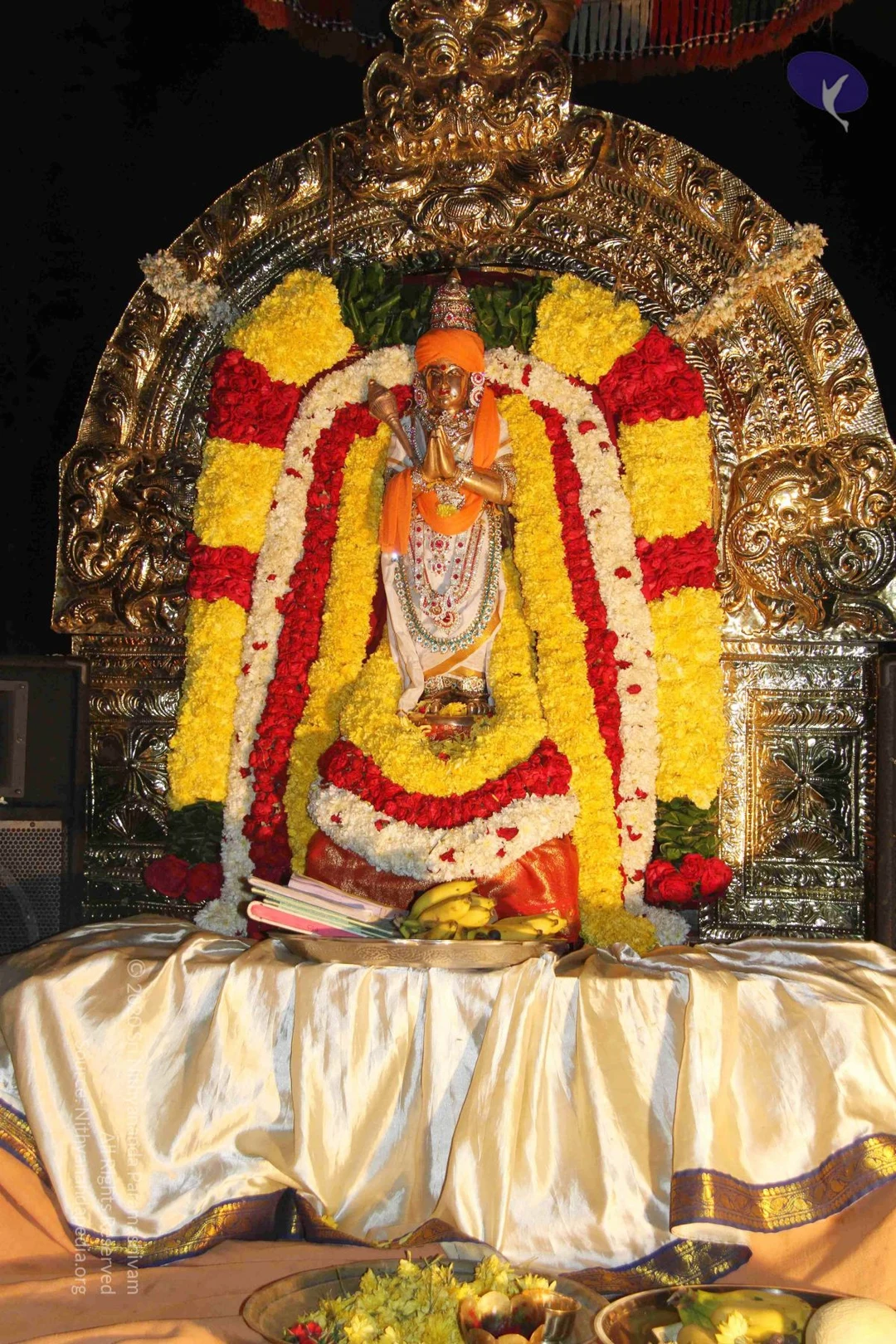
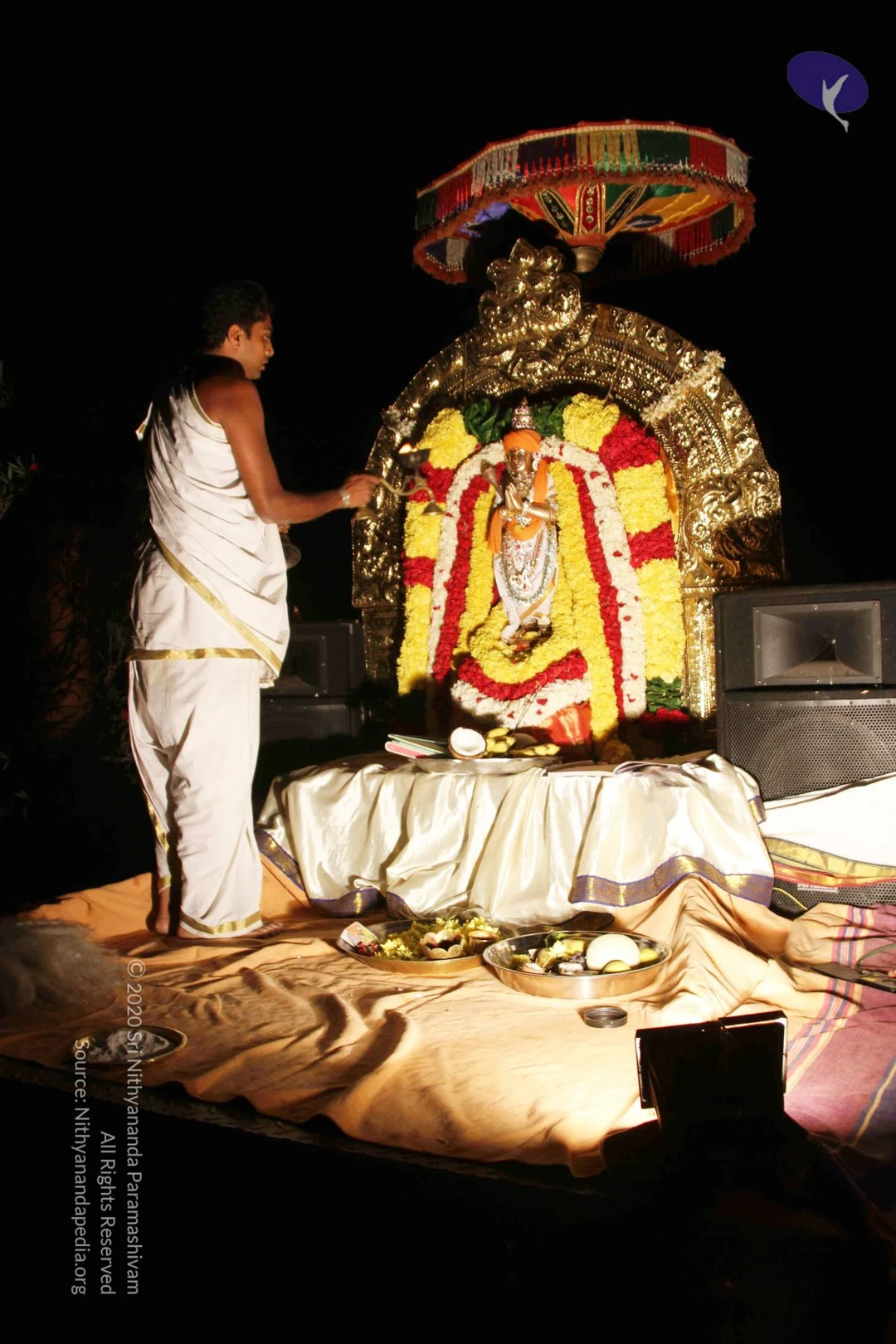
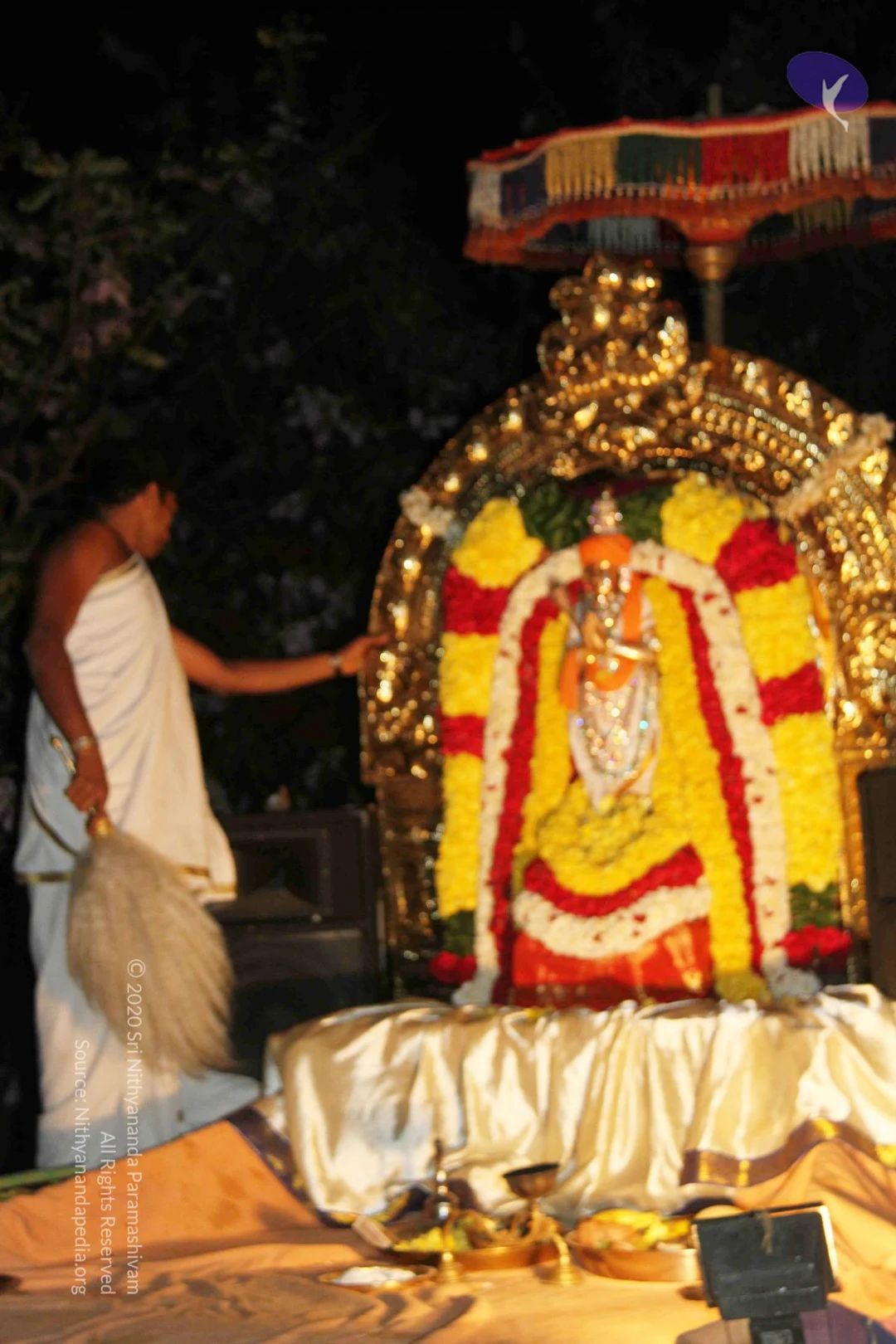
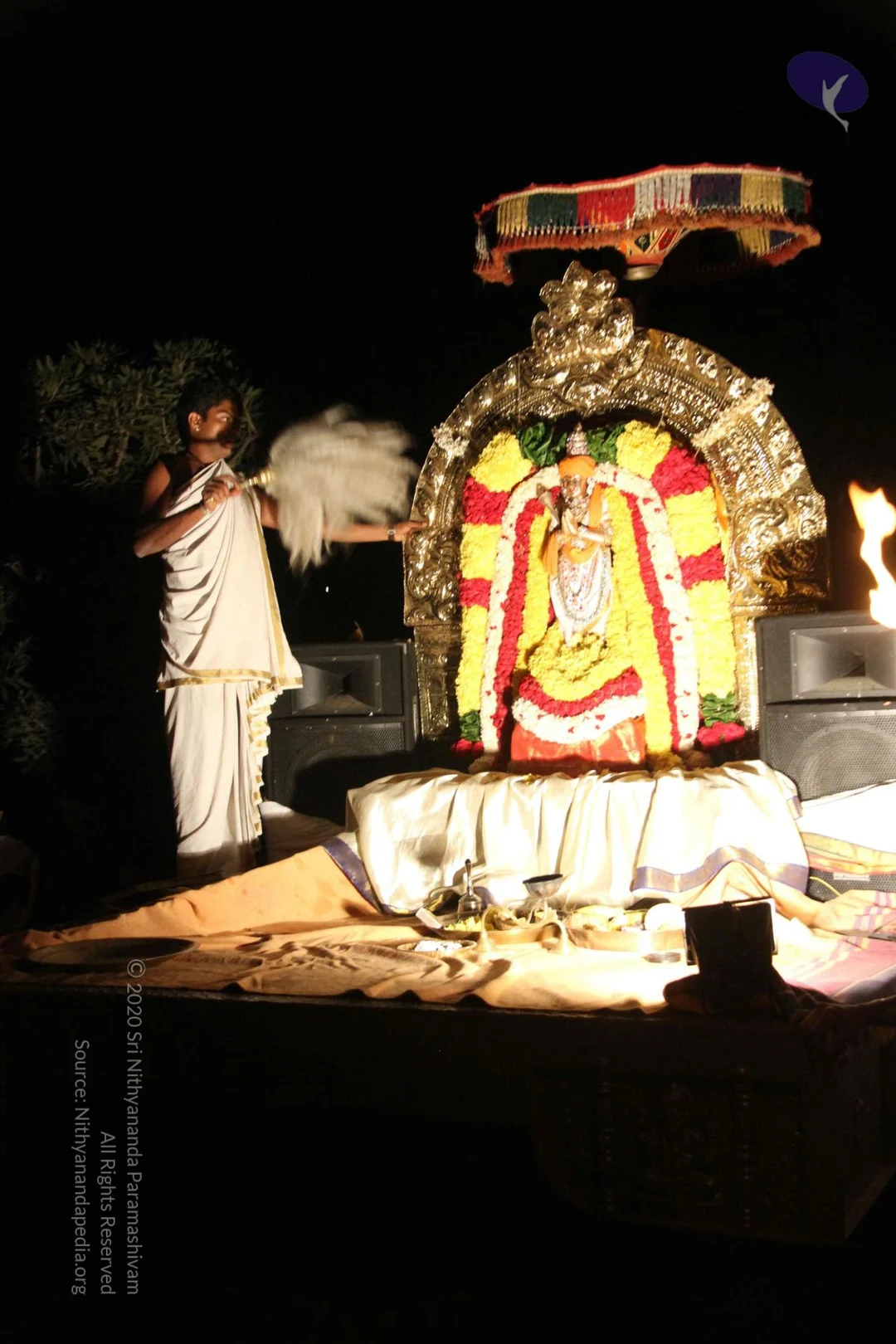
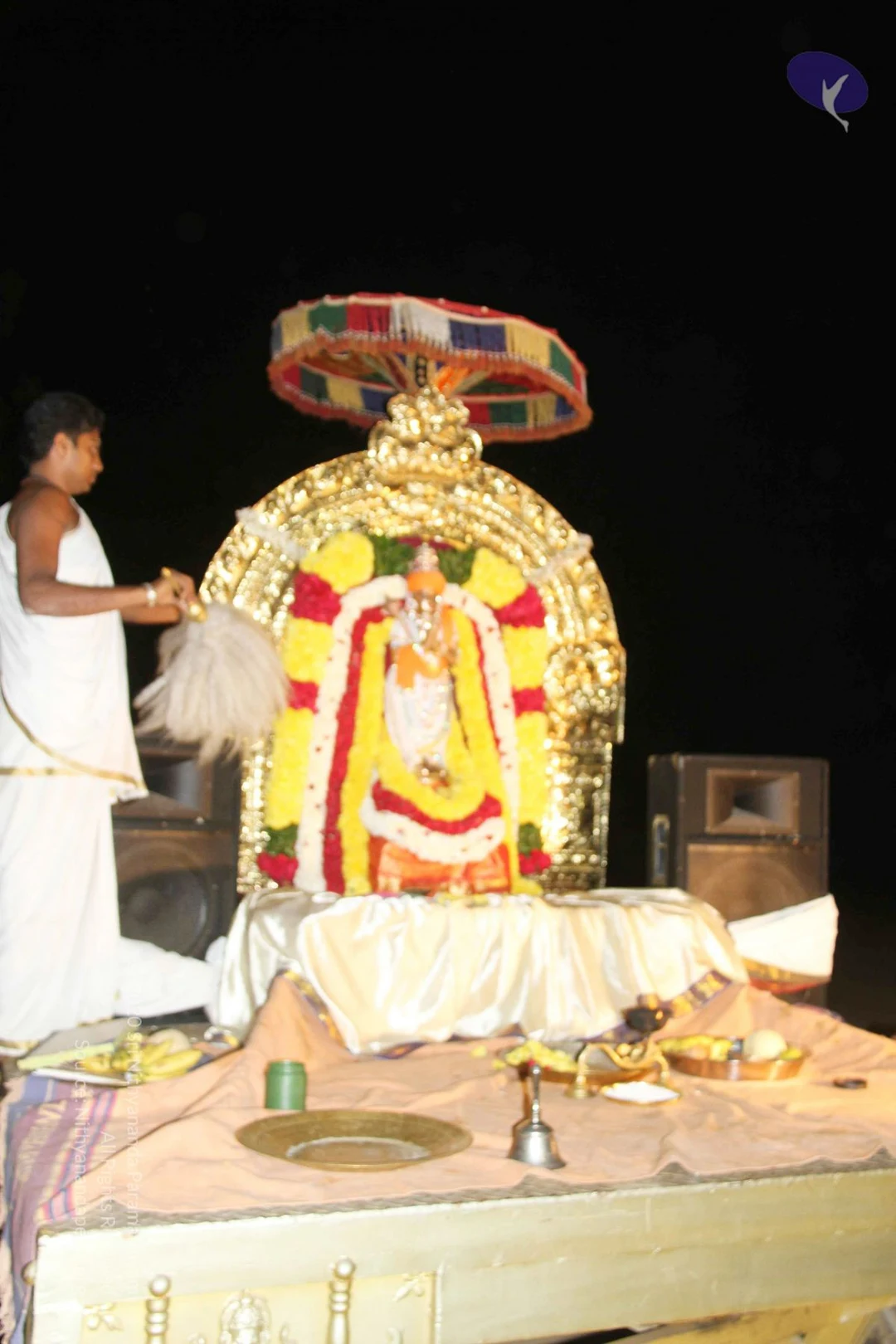
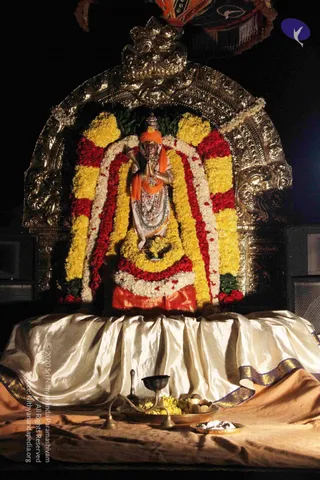
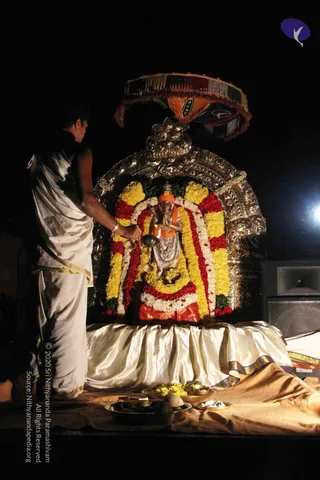
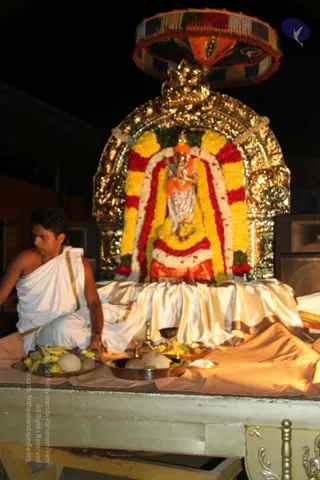
Chandikeshwar ratham
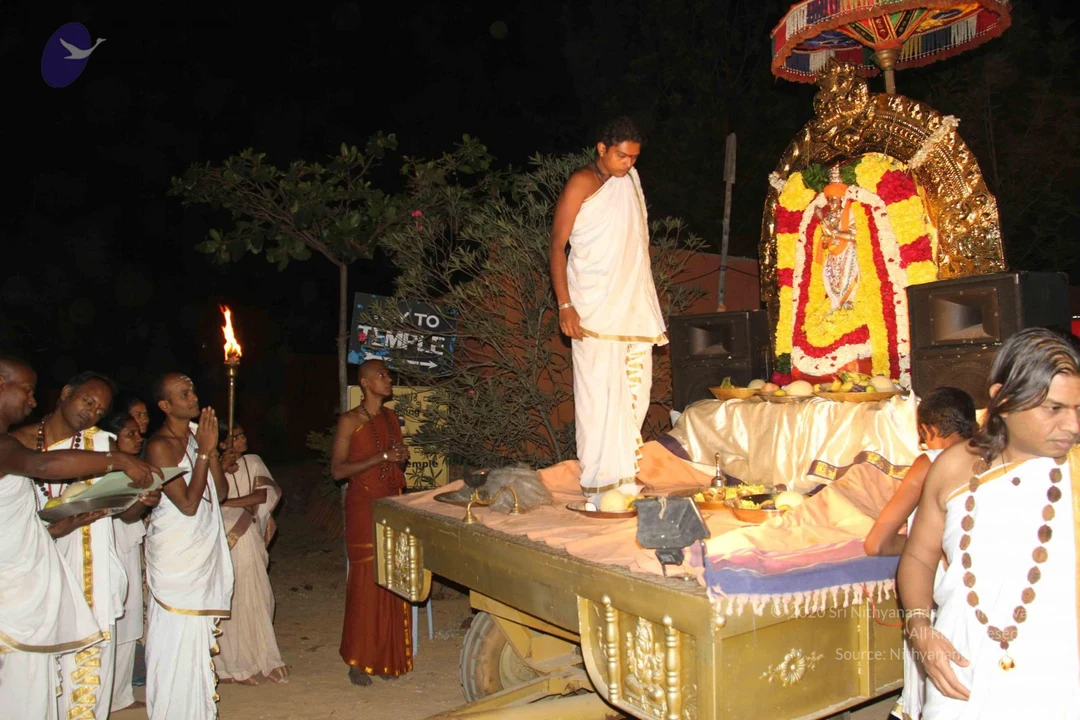
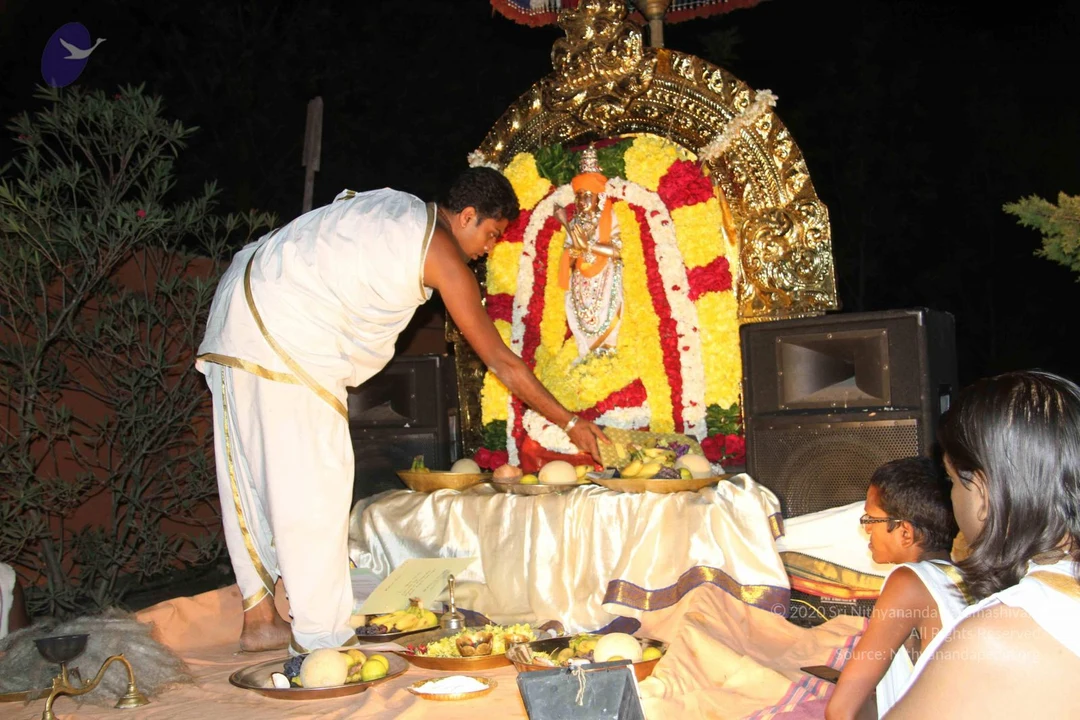
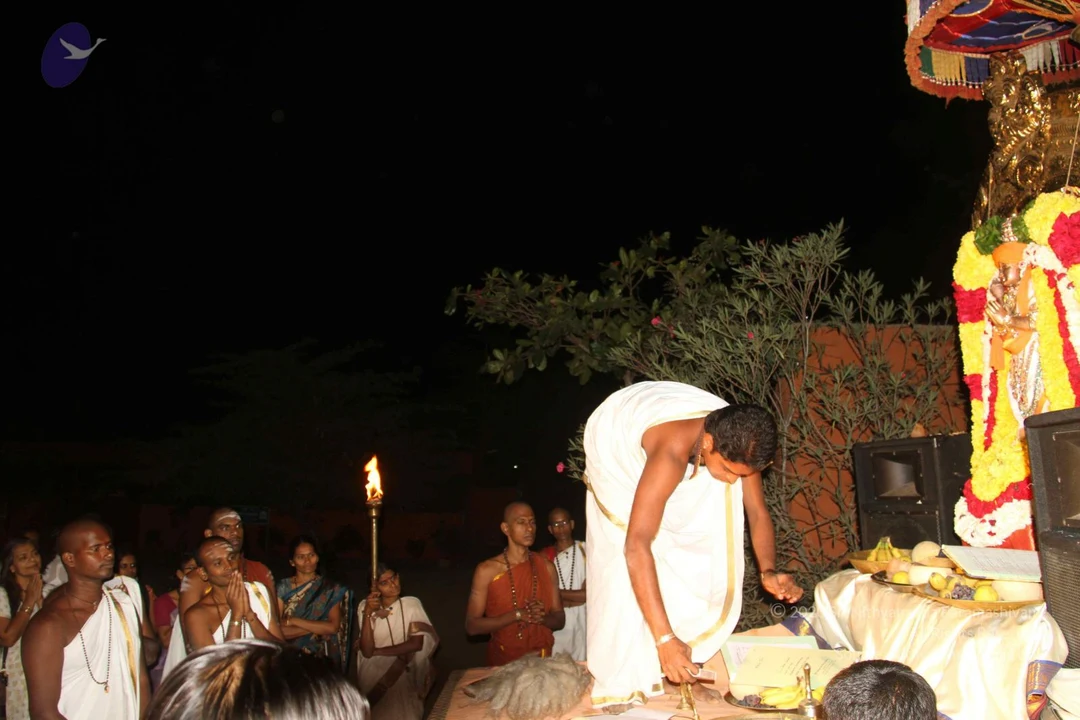
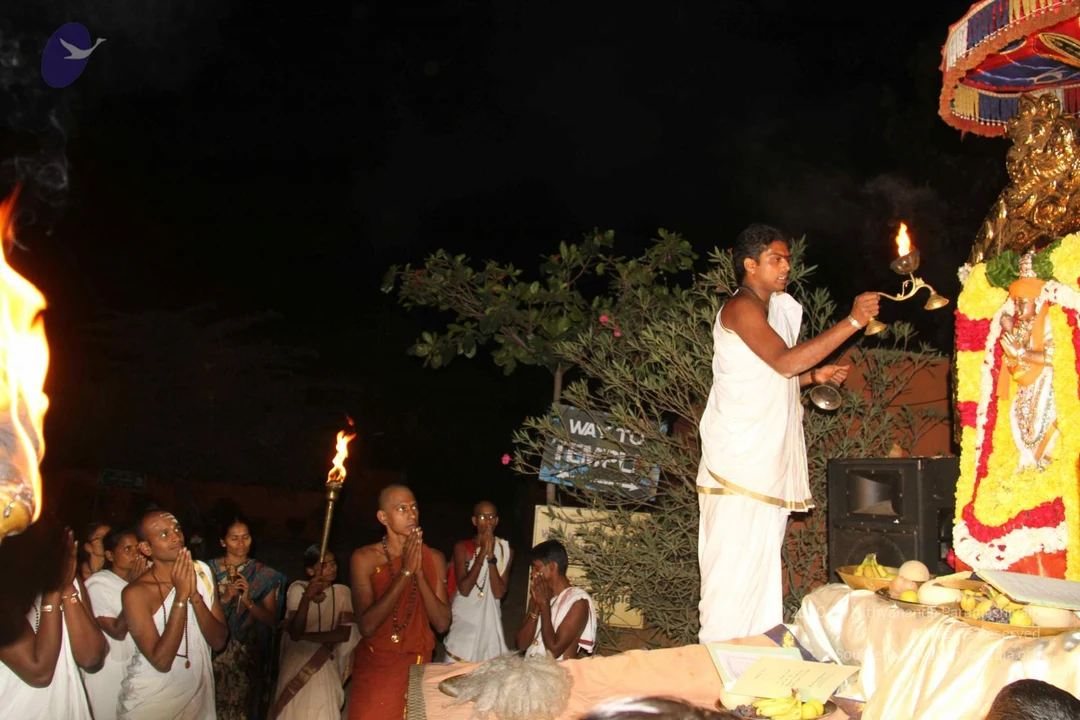
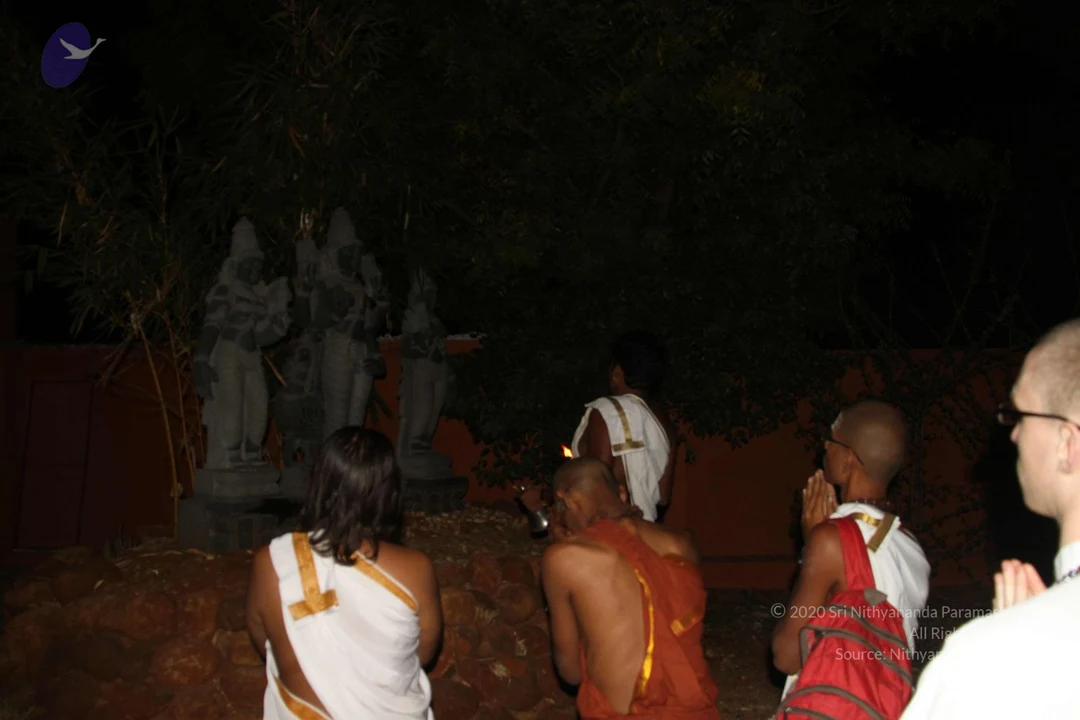
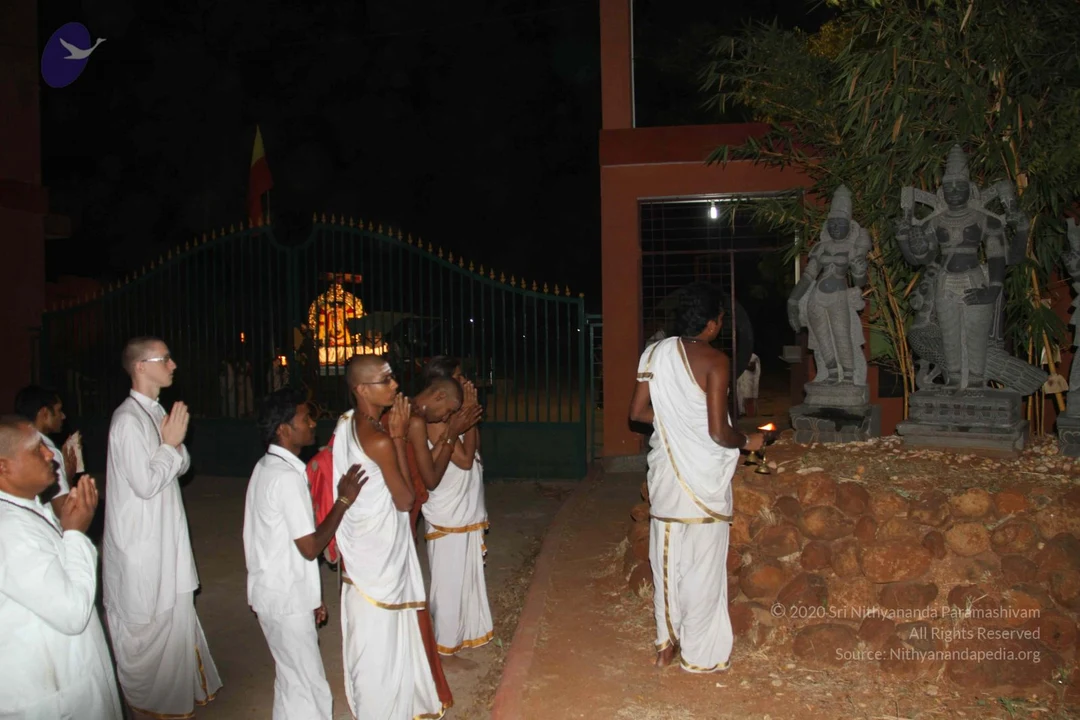
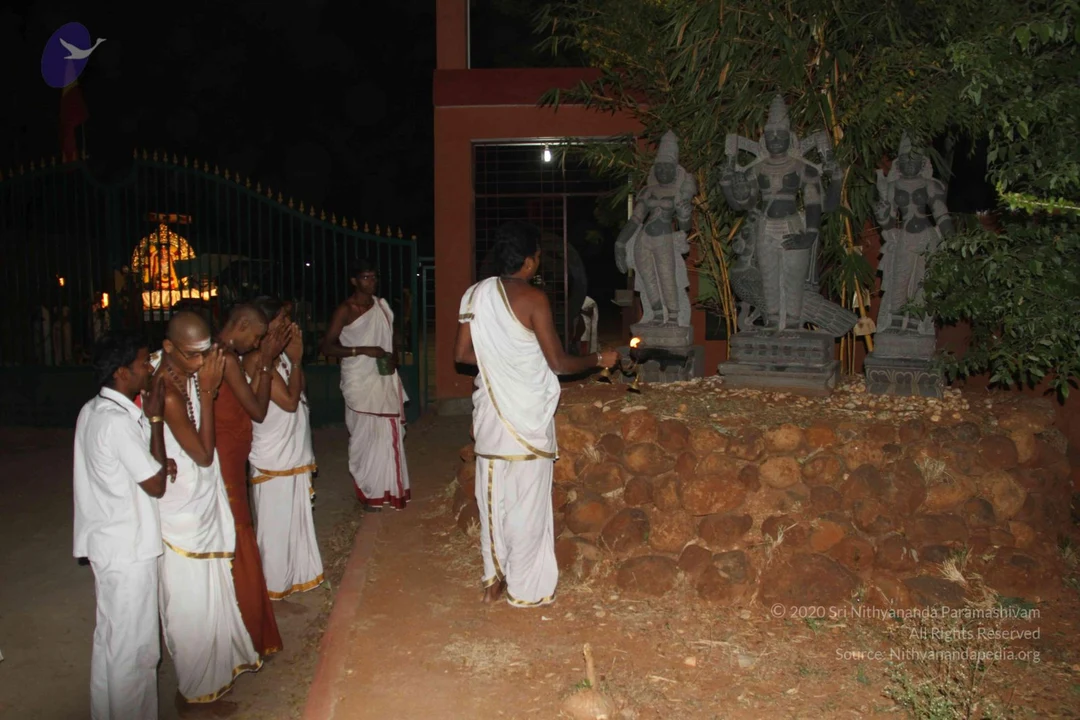
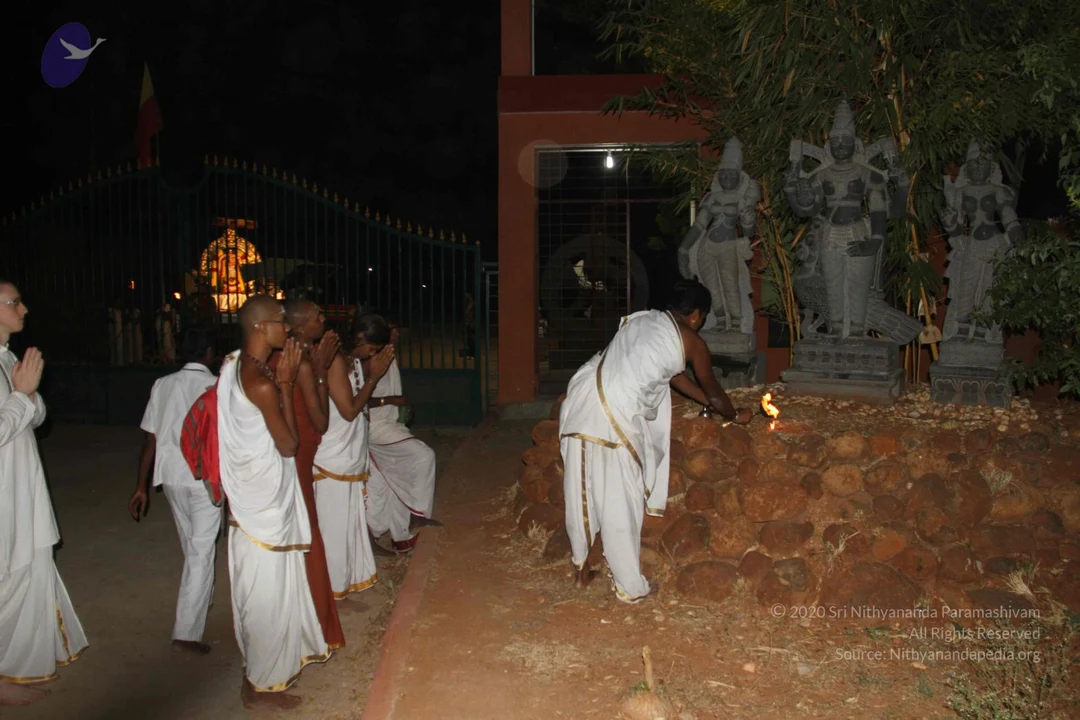

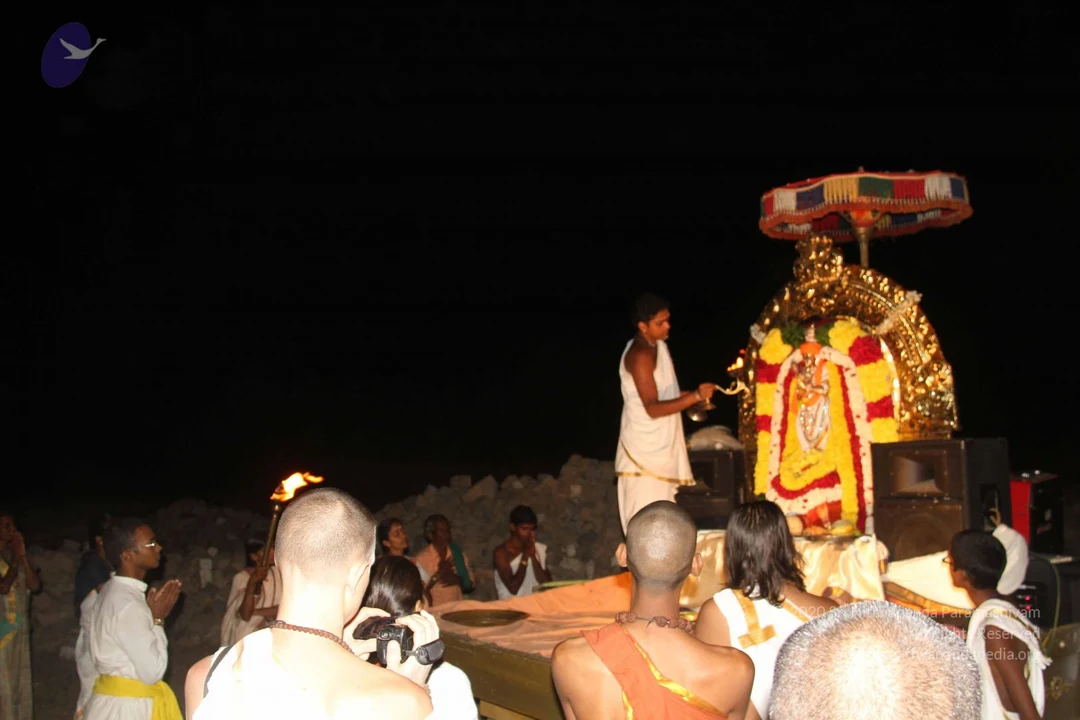
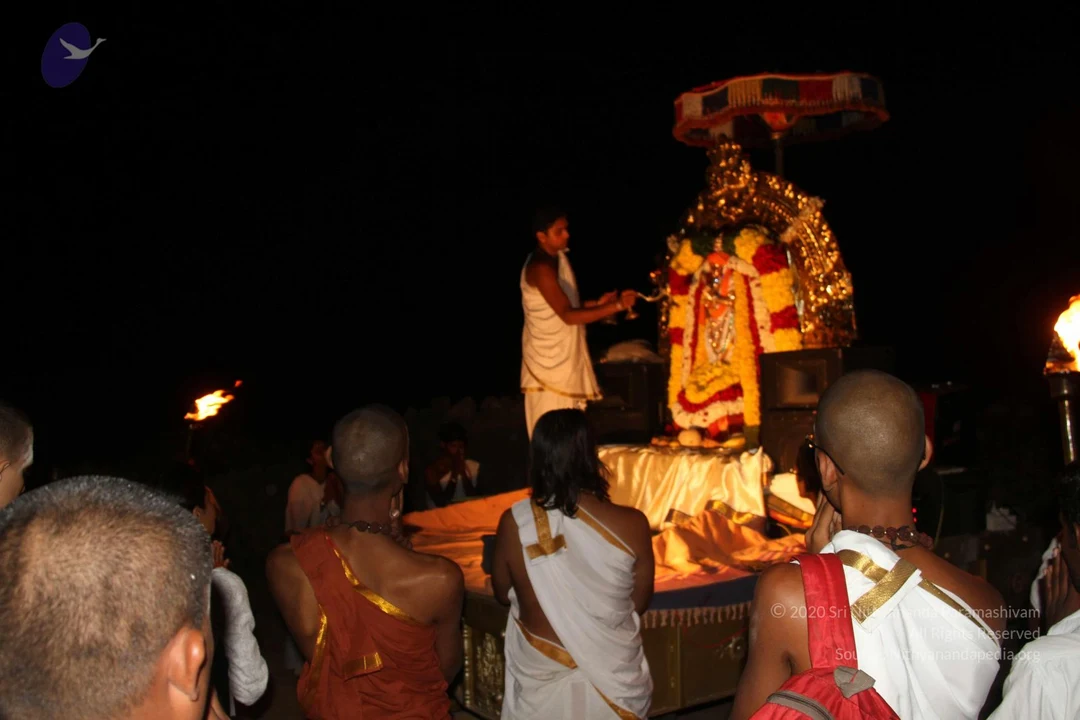
Photos Of The Day:
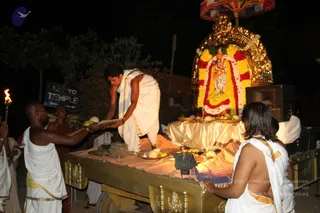
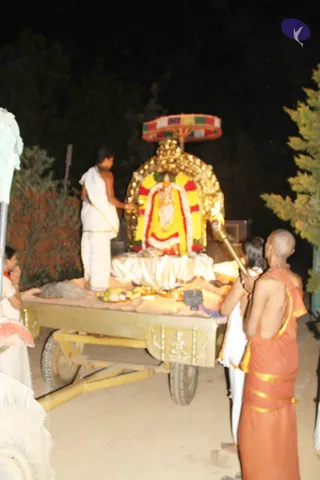
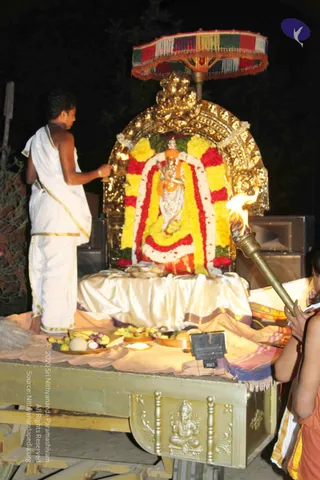
Chandikeshwara-Ratham
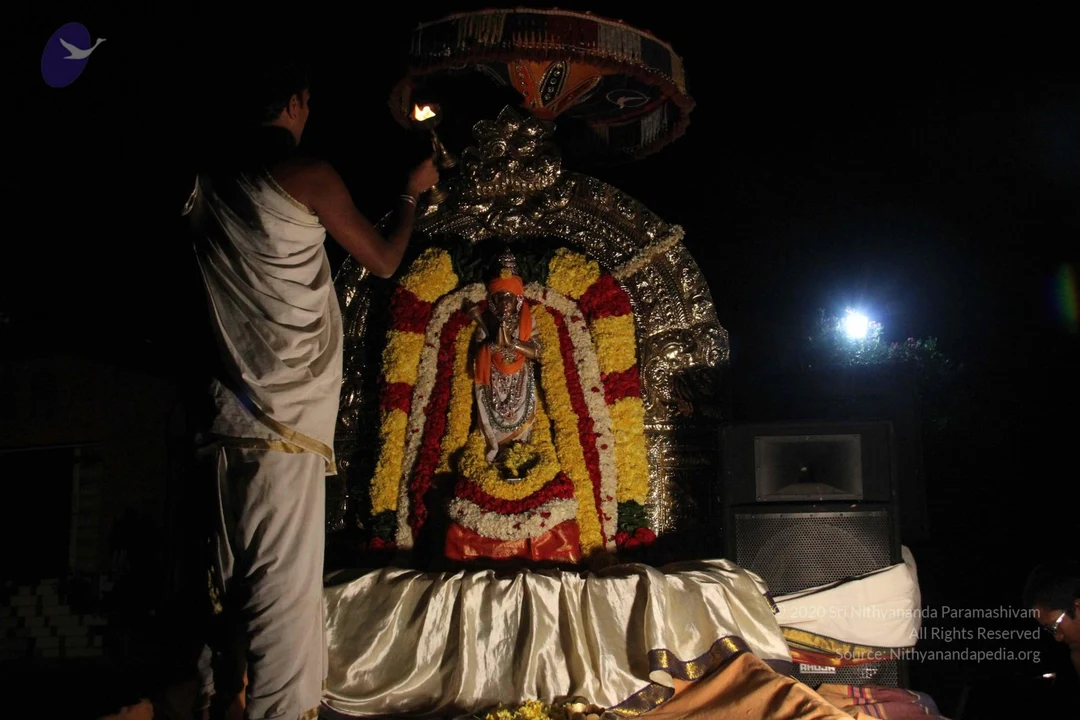
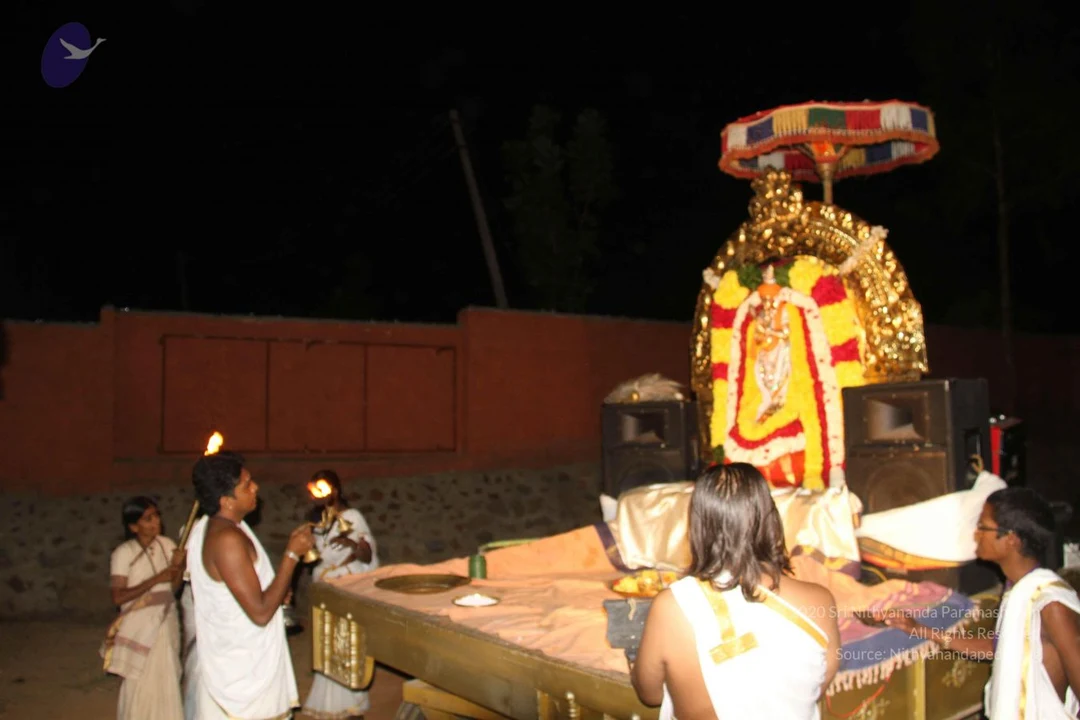
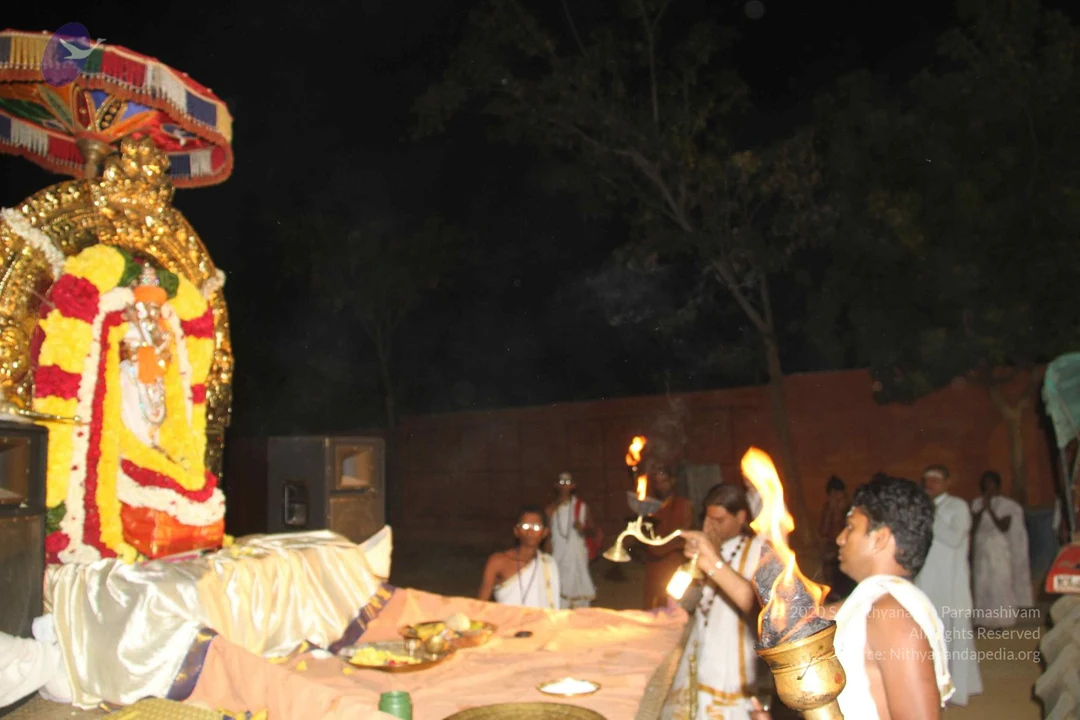
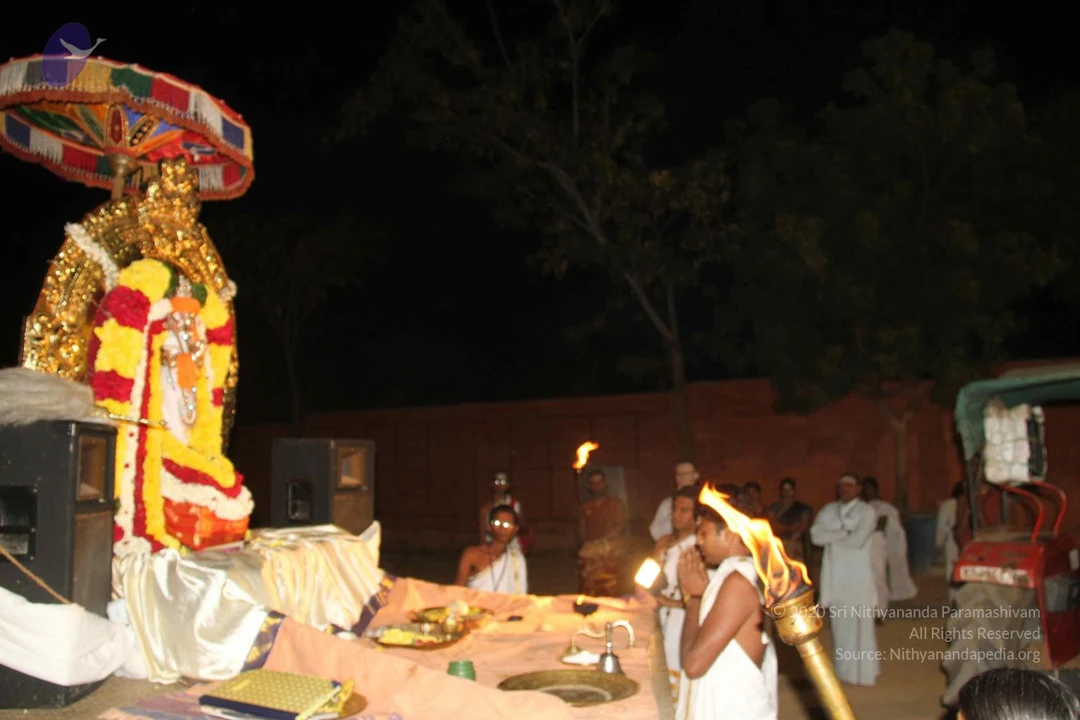
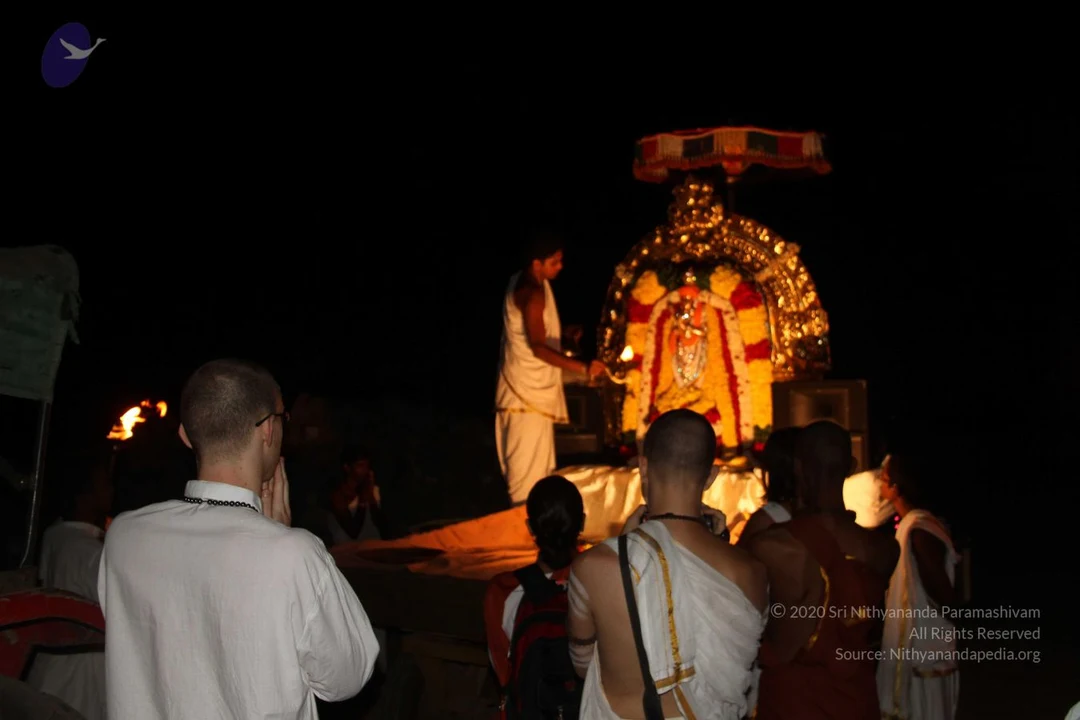
Photos Of The Day:
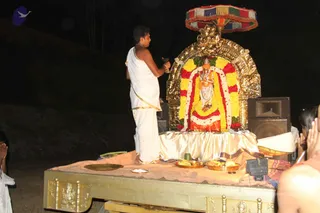
Chandikeshwara-Ratham
Photos from this day
View all 70 photosPhotos
7 photosSource gallery
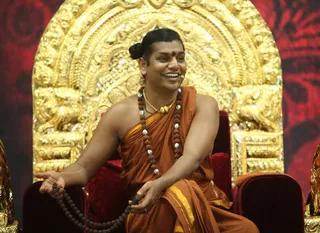
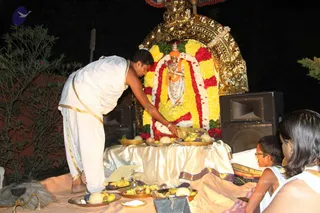
Chandikeshwar ratham
36 photosSource gallery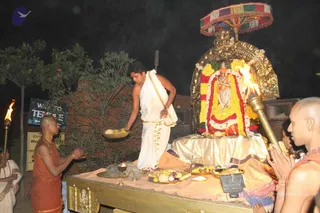
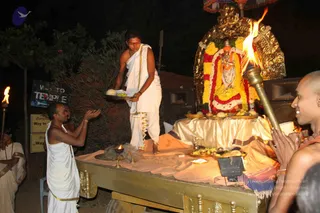
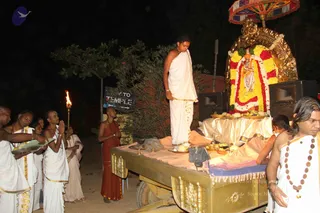
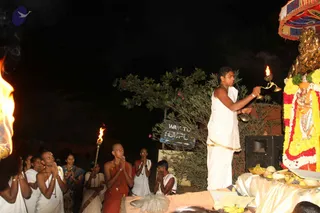
Chandikeshwara-Ratham
21 photosSource gallery
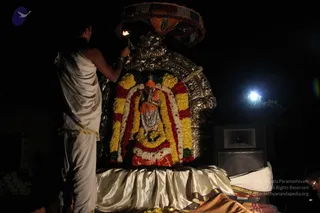
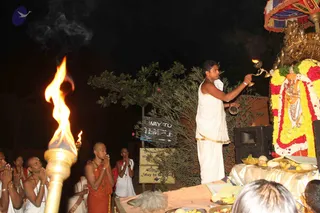
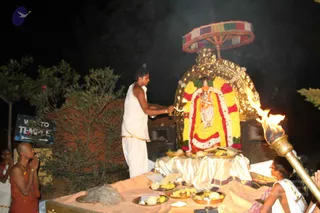
Chandikeshwara-Ratham
11 photosSource gallery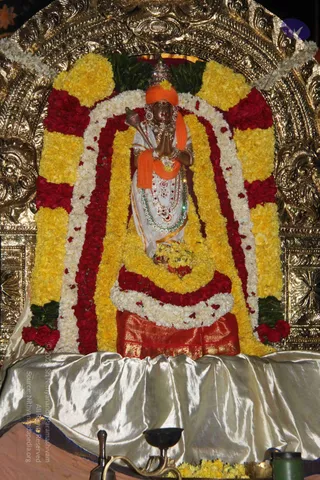
January 09 2013
2 photosView all