Saturday
9 January 2016
Nithyananda Times, 09th January, 2016
- Dated photos
- 19
- Source pages
- 1
- Media
- 3
January 09 2016
Original wiki pageTitle
Nithyananda Times, 09th January, 2016
Day's Events
NITHYANANDA SACRED ARTS UNIVERSITY
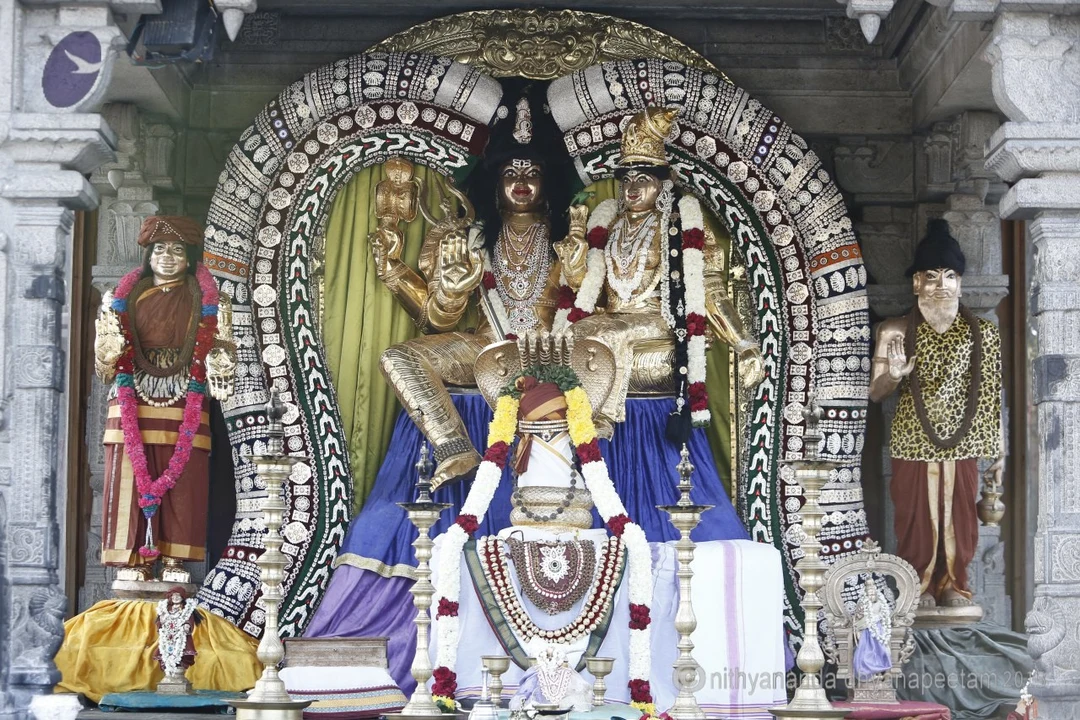
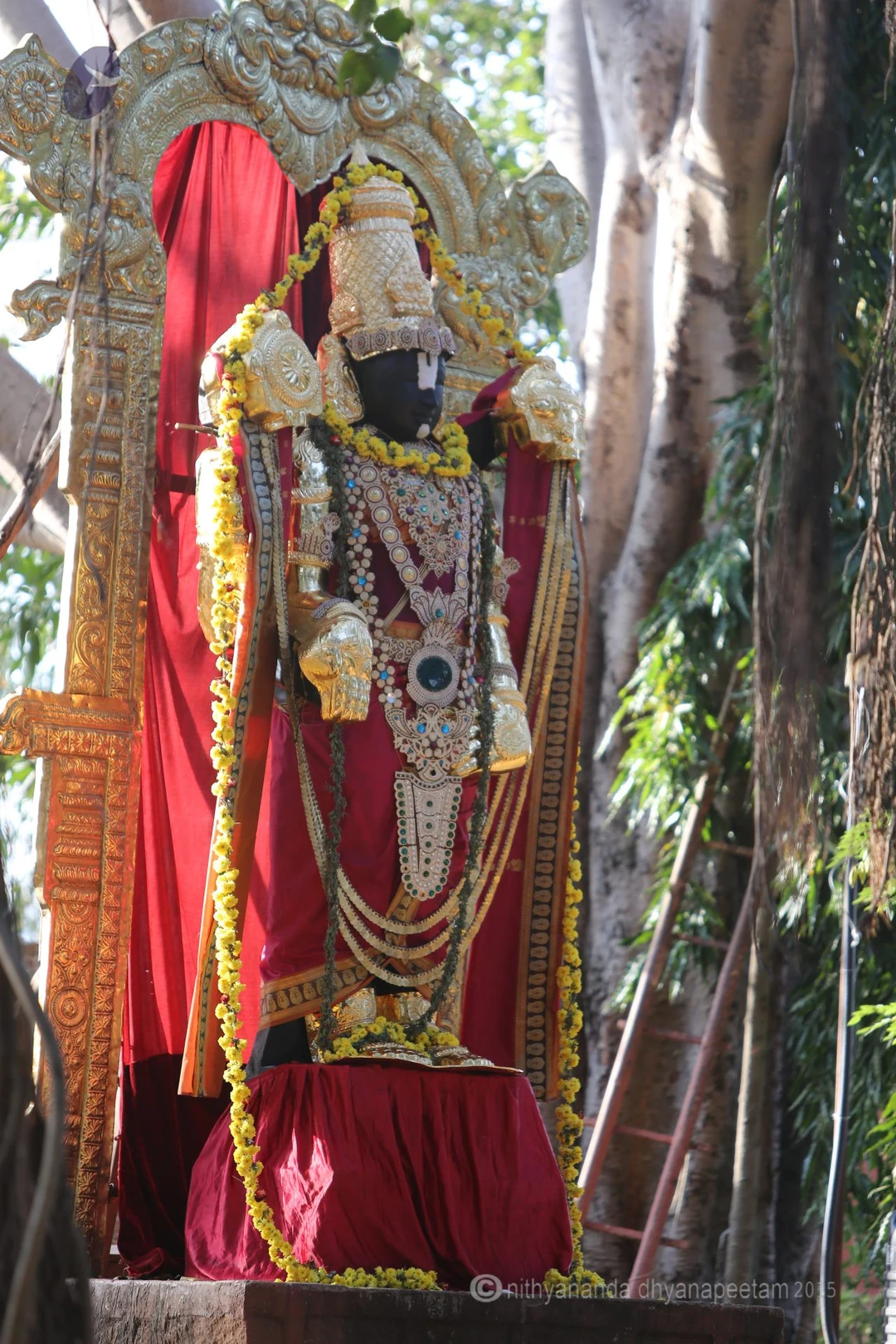
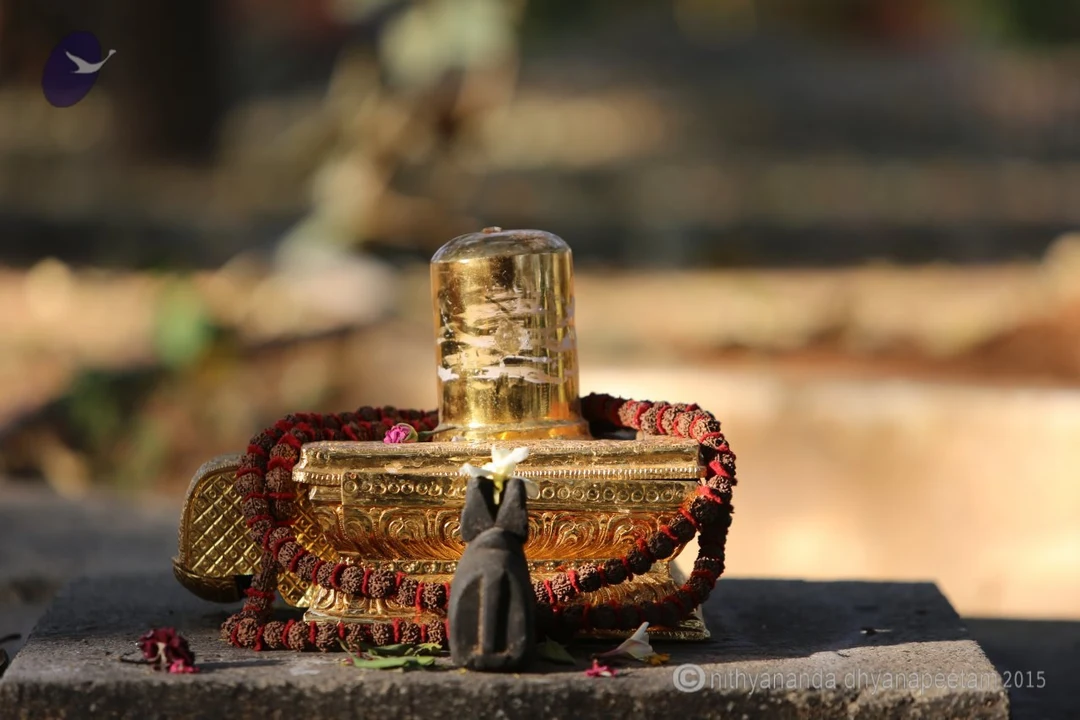
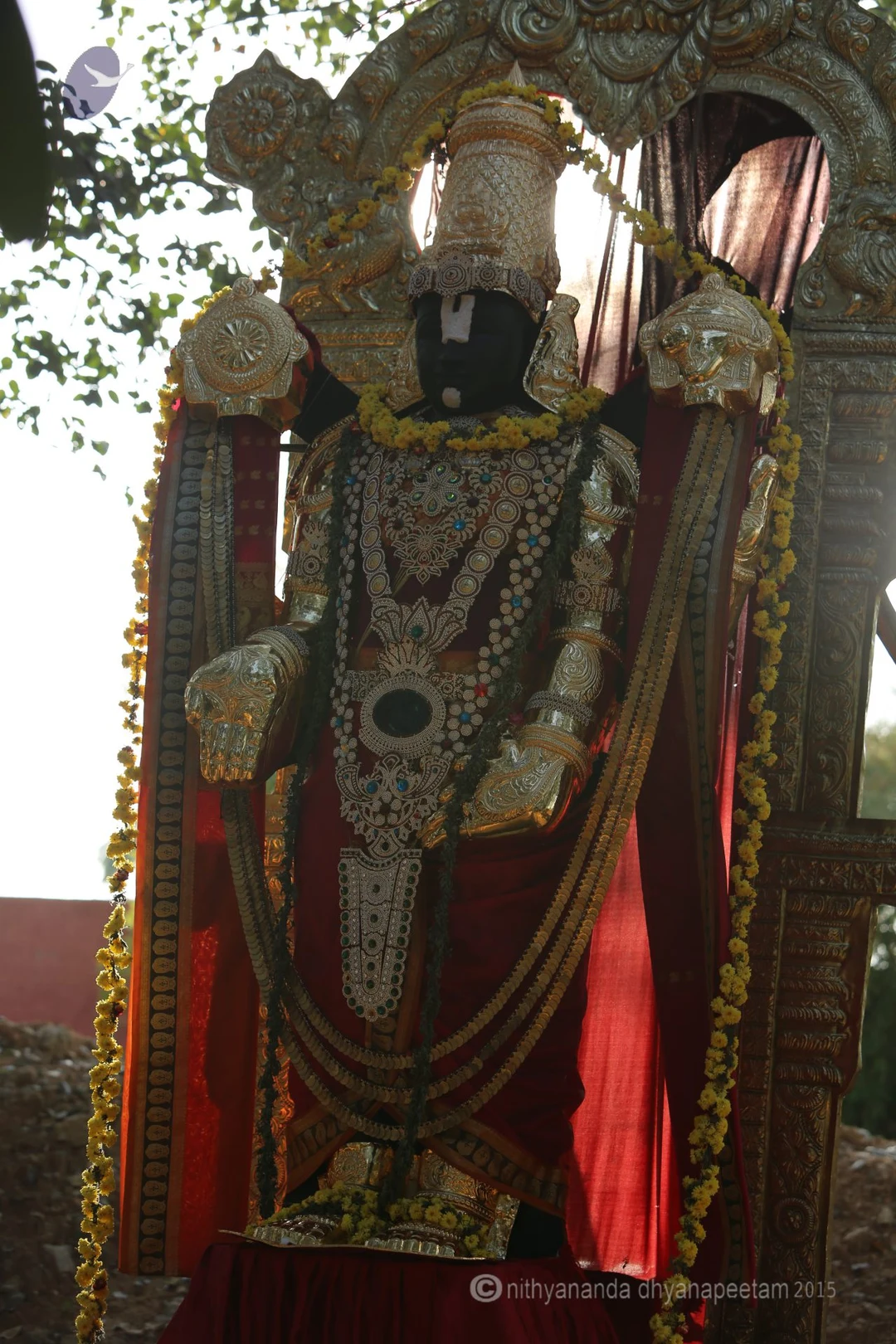
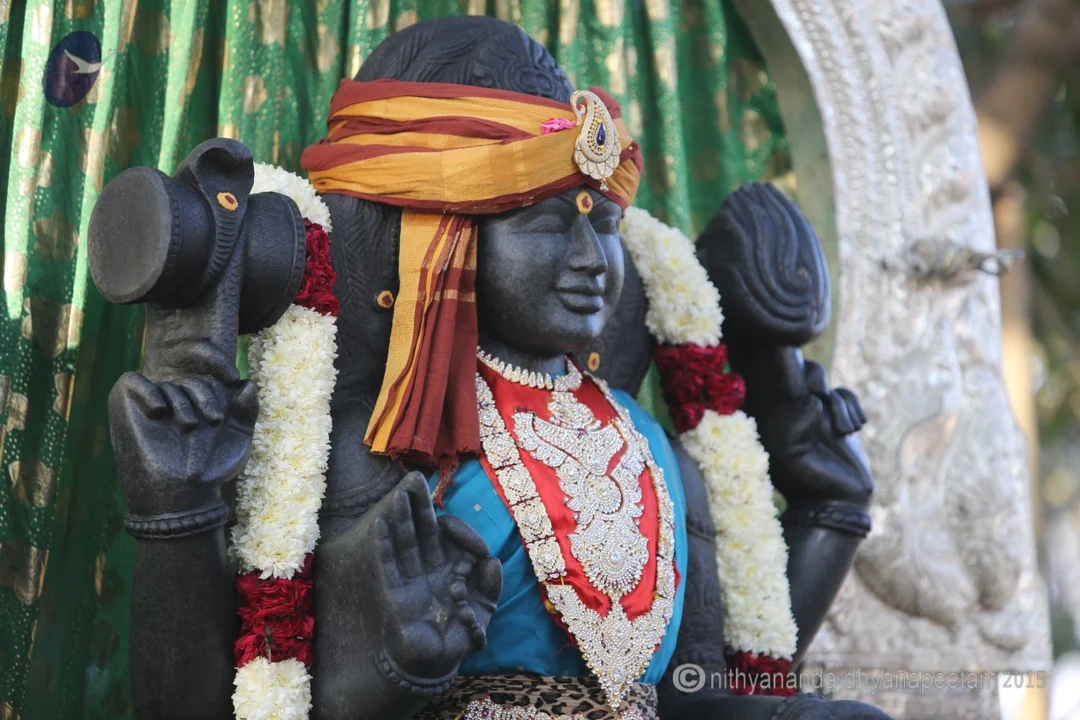
All the Deities are hand crafted at Bengaluru Aadheenam. The workshops practice ancient techniques, rituals and beliefs practiced since the 13th century, remaining untouched by the passage of time. Everything is done by hand from carving the wax mold to pouring the metal to polishing the finished product. The entire work is based on Agama Shastra - the ancient science of temples and deities. The gamut of operations include temple jewelry, clothing for deities and stone, metal, wood and sheet metal work.
Link to Video:
Transcription
00:11 nithyānandeśvara samārambhām nithyānandeśvari madhyamām | asmat āchārya paryantām vande guru paramparām ||
00:46
I welcome all the Devotees, Disciples, Sarvajnapeetha Yajmaans, Samaajis, Satsanghis, everyone, Thanedars, Mahants, Kotharis, sitting with us all over the world.
1:04
Yesterday’s Satsang, I made a statement to all my disciples, “thou shall not do any spiritual practice.” Many people were asking, should we stop doing yoga, should we stop doing every day Shiva Pooja? Listen. Including yoga and Shiva Pooja, you will not do spiritual practice. Listen carefully. Do yoga and Shiva Pooja to manifest the power, not as spiritual practice. If you are doing Shiva Pooja, as a spiritual practice to demand something from Sadāshiva he may come, but feeling, “Oh god, again this fellow. I have to see him f... his face, he will ask for some stupid things.” Do it as manifestation of Sadāshiva in you. Do Shiva Pooja to manifest Sadāshiva in you. Seeing Sadāshiva in the Deity, is nothing but you training yourself to manifest Sadāshiva, wherever you want. If you can manifest him in the Deity, you can manifest him wherever you want. Understand. Even Shiva Pooja is only to manifest powers, experiences, not as spiritual practice. Do yoga to manifest all the spiritual powers from inside, which has been put inside you as a seed in Shuddhadvaitam.
3:22
At least, after Inner Awakening Program, thou shall not do any spiritual practice. Because in the Inner Awakening itself, I put all the seeds inside. You just need to manifest, manifest, manifest...Understand. The whole Pooja is nothing but method, way of manifesting Sadāshiva. Sit with the tremendous declaration: the Cosmic Source from which everything is living, let it manifest here. Let it accept this offerings. Let you manifest in my life continuously, with all your experiences and powers, glory. Understand. The mentality you carry is you. Supreme mental set up, a supreme thought current, is what I am teaching you. Have this supreme thought current, whether you do yoga, even while you do yoga, tell yourself very clearly: the powers and seed is inside, let it start manifesting, let it start manifesting, supreme powers...supreme experiences, the greatest Oneness. Understand. In thinking, talking, walking, living, in every step. In every step, go on manifesting, manifesting, manifesting. All the spiritual practices you do, do it only for manifesting. If you think they are spiritual practices, don’t do. Do it only for manifesting. Only from the context of manifesting, understanding of manifesting, it should be practiced. Everything you do in your life, should be for manifesting these extraordinary powers and experiences.
7:22
The thought current, the Shanthi Patha reveals, “May the sacred truths declared in Upanishads fully manifest and radiate in me, as sacred experiences, sacred powers, and sacred sentiments, who am integrated and authentically devoted the knowing and experiencing that truth, the Atma, the self, “tadaatmani nirate ya upanishatsu dharmaaste mayi santu te mayi santu.” Recite the Mantra, Shanti Mantra, Shanthi Patha, along with me:
auṁ āpyāyantu mamāṇgāni vākprāṇaścakśuḥ śrotram-athobalam-indriyāṇi ca sarvāṇi | sarvaṁ brahmopniṣadam mā’ham brahma nirākuryām mā mā brahma nirākarod-ani...anirākaraṇamstva-nirākaraṇam me’stu | tadātmani nirate ya upaniṣatsu dharmāste mayi santu te mayi santu ||
09:55
The thought current this Shanthi Patha, shares with all of us is: declare through your will, to integrate yourself and manifest the Supreme Consciousness, Brahman, manifest all the sacred experiences, sacred sentiments, sacred powers. With this Shanti Mantra, with this declaration, peace declaration, let’s enter into the first verse of the Upanishad. Shanti Mantra is mostly considered as introduction. Because sometimes few Upanishads use same Shanti Mantra, same Shanti Patha, so this verse is considered more like an introduction. Now,... listen and recite the first verse along with me.
12:13
keneṣitaṃ patati preṣitaṃ manaḥ kena prāṇaḥ prathamaḥ praiti yuktaḥ | keneṣitāṃ vācamimāṃ vadanti cakṣuḥ śrotraṃ ka u devo yunakti |
Recite once more:
keneṣitaṃ patati preṣitaṃ manaḥ kena prāṇaḥ prathamaḥ praiti yuktaḥ | keneṣitāṃ vācamimāṃ vadanti cakṣuḥ śrotraṃ ka u devo yunakti |
13:40
Beautiful verse. The translation is, “By whom willed and caused does the mind go towards its object, by whom willed and caused and directed and united with which does the first vital life energy the Chief cause, comes forth towards it...its activities, at whose will does this speech gets activated and speaks, enlivened and directed by what luminous divine power indeed do the eyes and the ears engage in their functions.”
14:31
First and foremost, sacred action: Seeking. It is only when you start Seeking the Truth, your spiritual journey starts, till then whatever you are doing...can be entertainment, good entertainment, can be called as good entertainment, not spirituality. With Seeking, spiritual practice starts. With the right Guru’s Incar...Initiation spiritual practices end. The moment I initiate you, after that whatever you do, is only manifesting, not Initiation.
keneṣitaṃ patati preṣitaṃ manaḥ kena prāṇaḥ prathamaḥ praiti yuktaḥ | keneṣitāṃ vācamimāṃ vadanti cakṣuḥ śrotraṃ ka u devo yunakti |
16:11
Seeking. “By whom willed and caused does the mind go towards its object, by whom directed and united, with which does the first vital life energy, the Chief cause, comes forth towards it... its activities, at whose will does the speech gets activated and speaks enlivened and directed by what luminous divine power, indeed do the eyes and the ears engage in their functions.”
17:03
Seeking. Coming to the fundamental basic questions. Coming to the fundamental basic questions. Understand. Whenever something fails in your life, whenever you are not manifesting something as you want, the first thing you need to do is, come to question the fundamentals. Come and start questioning the fundamentals. Touch up will never solve the issues. Maybe it’ill make up and make it look like you made it for others. Listen. For others to look like you made it, is different; you making it, is different. Are you interested in, others feeling you made it, or, are you interested in, you making it.
18:29
Whenever things fail, things are not working out, ask fundamental questions. Don’t be afraid, if you ask fundamental questions some of the skill sets you acquired, some of the plans you made, some of the road through which you travelled, may all, will become redundant, irrelevant. You may have to undo them. You may have to remove them from your life. It may even cost you. It may even cost you, that is okay. Ability to have the fundamental questions again and again, and abide by the Seeking, is Renunciation. Whenever you fail, go and ask the fundamental questions. Reorganize yourself, reinvent yourself, rejuvenate yourself, without the fear of burning some part of you, dropping some part of you, removing some part of you. That, that guts, that courage is what I call Rudra! Ability to reinvent yourself is Rudra.
20:25
Usually during the maintenance, you forget your goal and acq...acquire luxurious frills, inauthenticity frills. Again and again, or at least whenever you face failure, ask the fundamental questions, that will remove, the inauthenticity gathered around you. That will remove, the inauthenticity you created around you. Ability to go on removing the inauthenticities gathering around you, is Rudra. In Brahma, Vishnu, Rudra, Brahma creates, Vishnu maintains, Rudra rejuvenates. Rejuvenation means, ability to reinvent yourself, by coming to the fundamental questions of life, Seeking. Coming to the basic questions of life, Seeking.
keneṣitaṃ patati preṣitaṃ manaḥ kena prāṇaḥ prathamaḥ praiti yuktaḥ | keneṣitāṃ vācamimāṃ vadanti cakṣuḥ śrotraṃ ka u devo...ka u devo yunakti |
“By whom willed and caused does the mind go towards, thinks its object, by whom directed and united, with which does the first vital life energy. th... the Chief cause, comes forth towards its... its activities, at whose will does the speech gets activated and speak, enlivened and directed by what luminous divine power, indeed do the eyes and the ears engage in their functions.”
23:09
For any problem, solution is not asking superficial questions. If you ask superficial questions and fix the problem, you may be doing, temporary maintenance. You may be doing break down maintenance, and you will continue to do break down maintenance. You will continue to do break down maintenance. You will continue to do crisis management. Ask the fundamental questions. Ask the fundamental questions. By asking fundamental questions, if you reinvent yourself, if you rejuvenate yourself, if you reactivate yourself, if you rededicate yourself to the Truth, you will solve the problems from the core! You will solve the problems from the core. All the solutions, comes out of the core. All the solutions comes out of the core, will be eternal. If your business is not working, don’t try to ask what is happening to my business? Ask, “what is happening to me? Am I interested in what I am doing? Am I passionate about what I am doing? Am I really into what I am doing?”
keneṣitaṃ patati preṣitaṃ manaḥ kena prāṇaḥ prathamaḥ praiti yuktaḥ |
The Upanishads starts with the fundamental questions. If something does not work out in your life, start asking fundamental questions! Raise fundamental questions.
26:30
I give you 24 hours time. Look into your life, whichever part is not working. Don’t try to solve that part, you can’t retain two disease and heal one disease. You can’t retain two disease and cure one disease. Understand. You can’t retain two problem and solve one problem. No, life doesn’t work that way. Maybe your psychiatrist work that way. Maybe your doctors work that way, but life does not work that way. Life is whole.
27:15
Solutions come only when you ask fundamental questions of life!... Ask fundamental questions. Whenever something does not work, ask, “What am I? Who am I? In what am I interested? What makes me alive? What gives me inspiration? What makes me active? What raises me to my peak?” Ask fundamental questions. Ask fundamental questions. Only that’ll solve the problems permanently, eternally. The more you ask the fundamental questions, more you will build up powerful foundation for life, powerful foundation for Sadāshiva to manifest through you, powerful foundation for the divine expression. Ask fundamental questions. That’ll only solve your problems and create the foundation from which you can go on manifesting and growing. 24 hours to ask fundamental questions. Then come back to understand the deeper truths about Seeking, The first verse of Keno Upanishad,
keneṣitaṃ patati preṣitaṃ manaḥ kena prāṇaḥ prathamaḥ praiti yuktaḥ | keneṣitāṃ vācamimāṃ vadanti cakṣuḥ śrotraṃ ka u devo yunakti |
29:47
With this I bless you all, let you all radiate with Integrity, Authenticity, Responsibility, Enriching, Causing, Living Shuddhadvaitam Shaivam, the Eternal Bliss, Nithyananda.
Thank you. Be Blissful.
Title
குருமார்களும் துறவிகளும் இந்துக்களின் இதய துடிப்பு || பகுதி 1|| நித்யானந்தம்|| 9 ஜனவரி 2016
Video
Title
குருமார்களும் துறவிகளும் இந்துக்களின் இதய துடிப்பு || பகுதி 2|| நித்யானந்தம்|| 9 ஜனவரி 2016
Video
Photos From The Day:
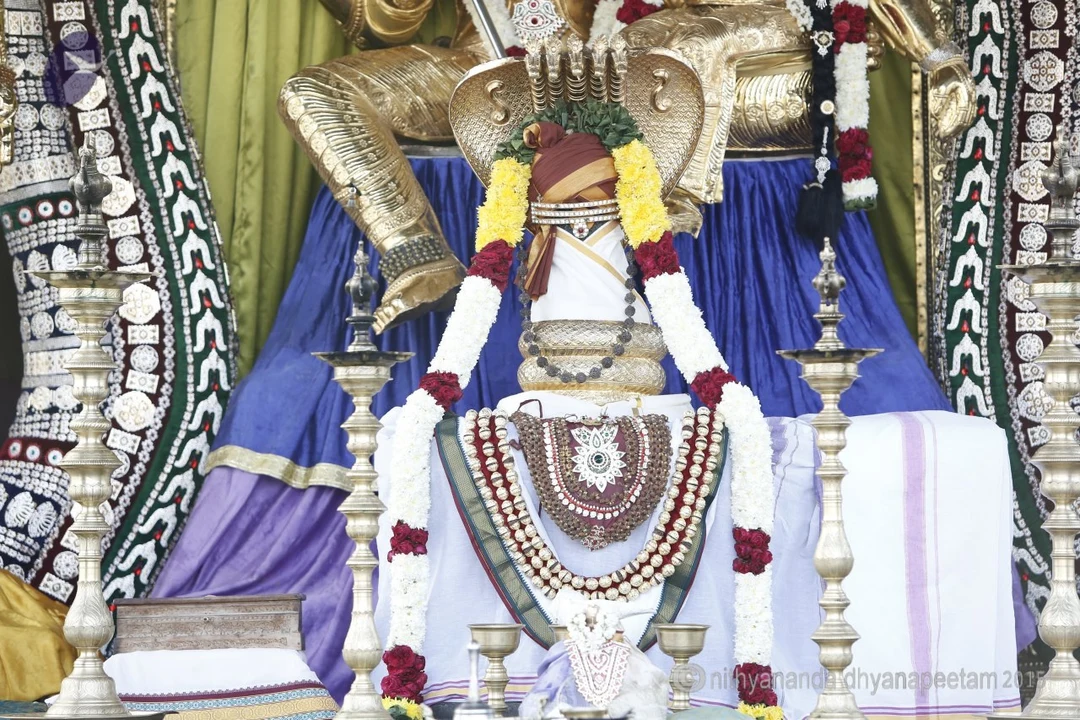
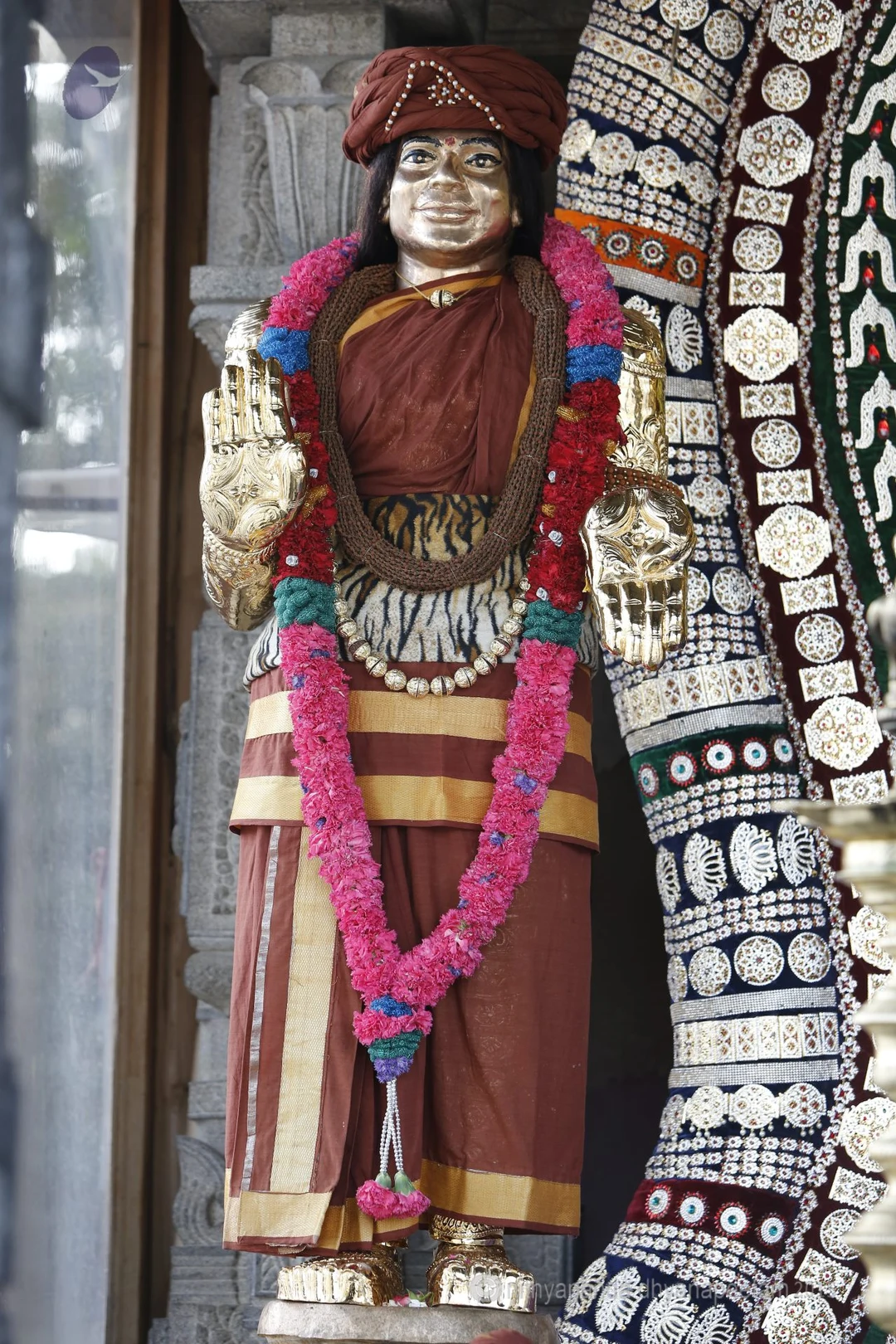
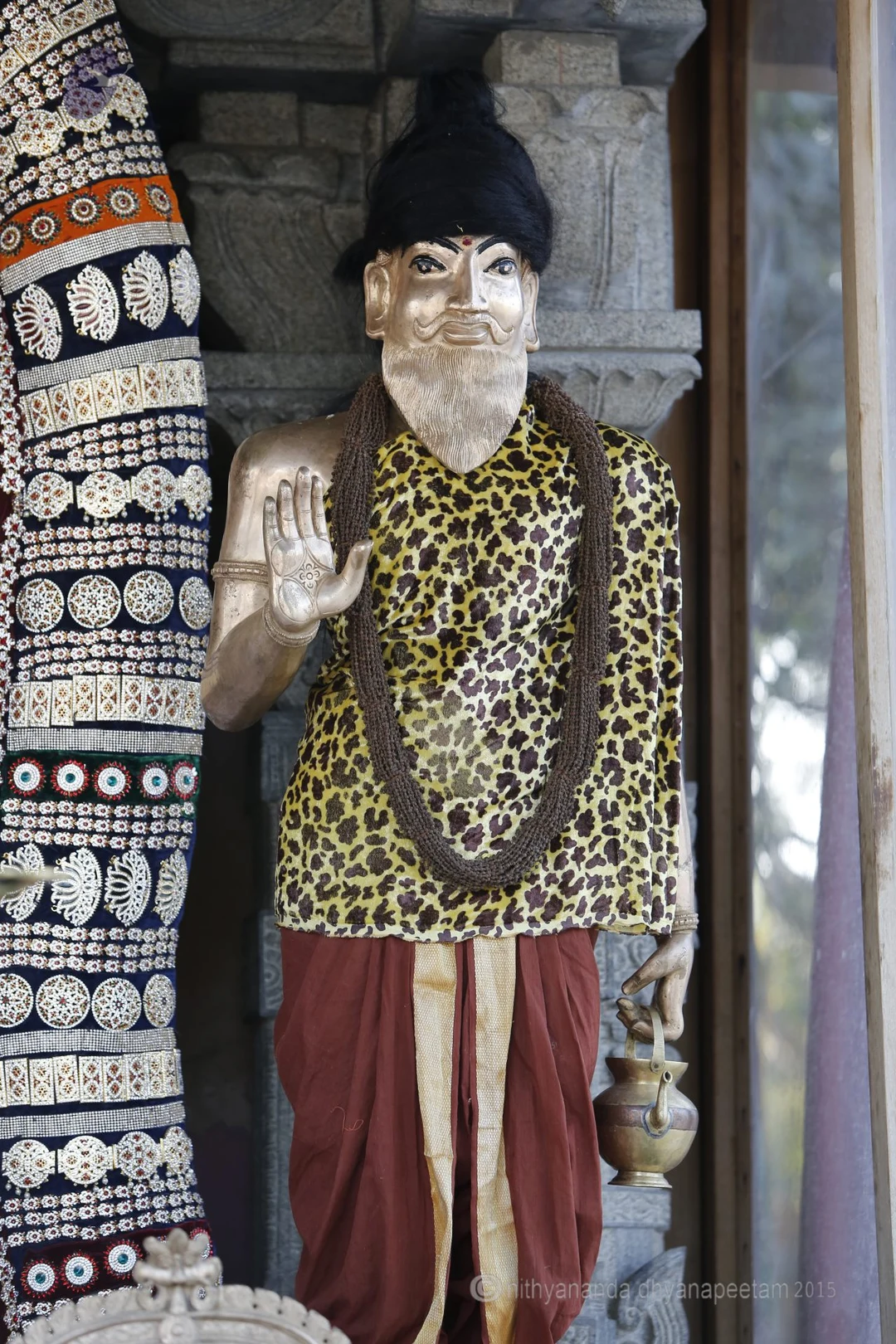
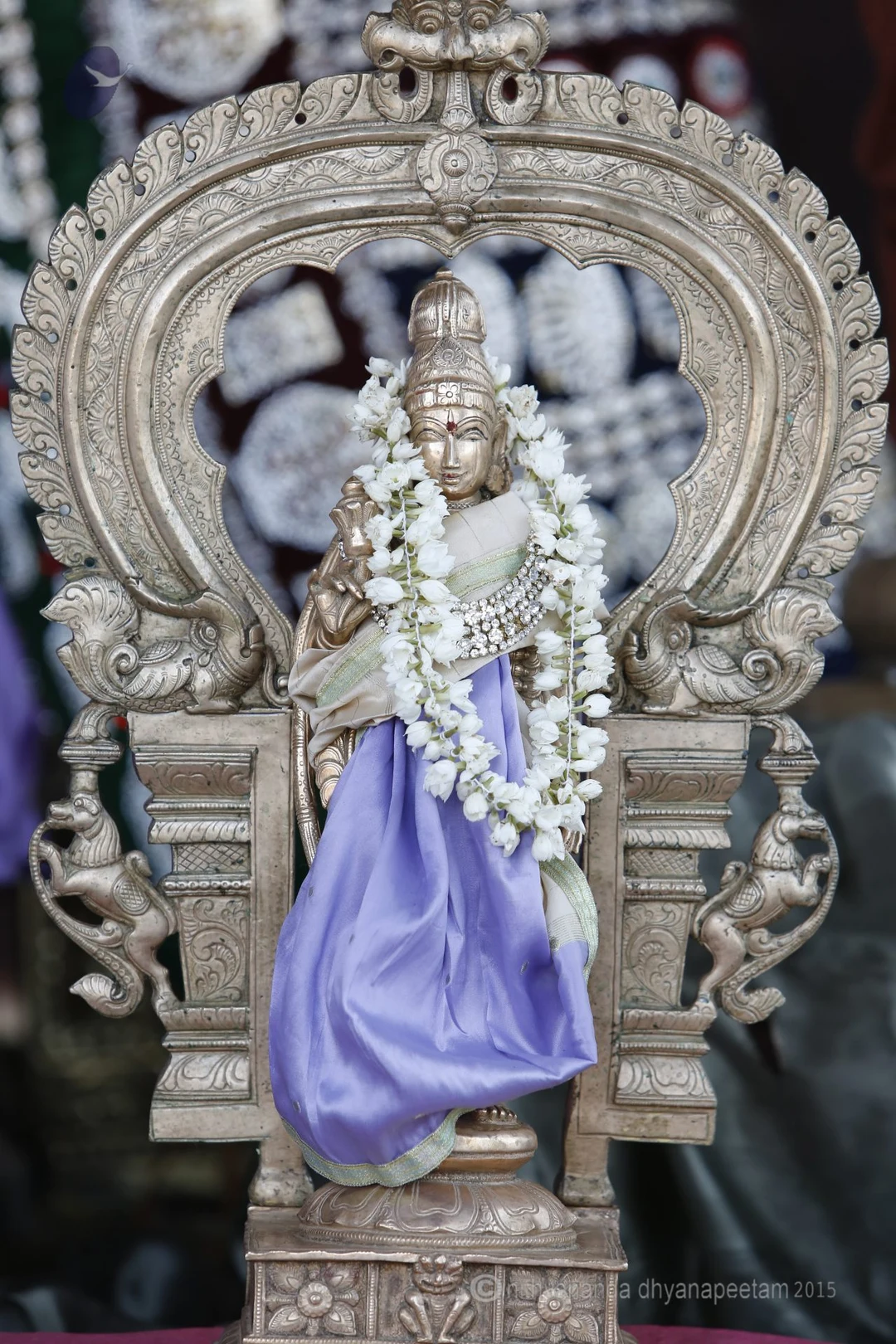
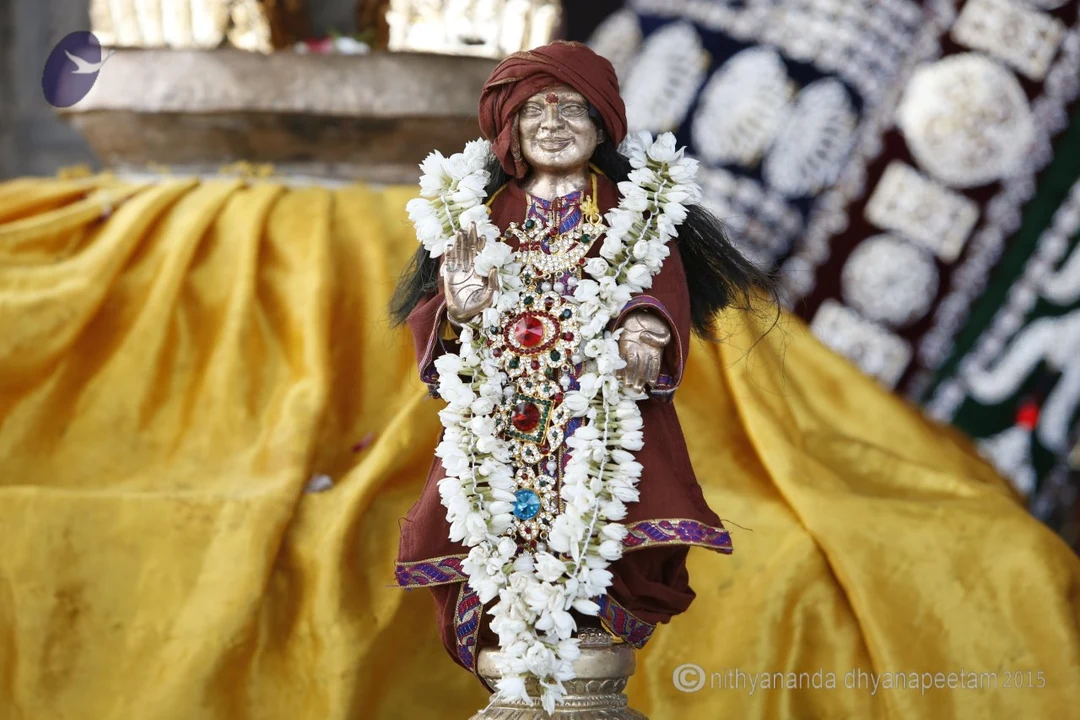
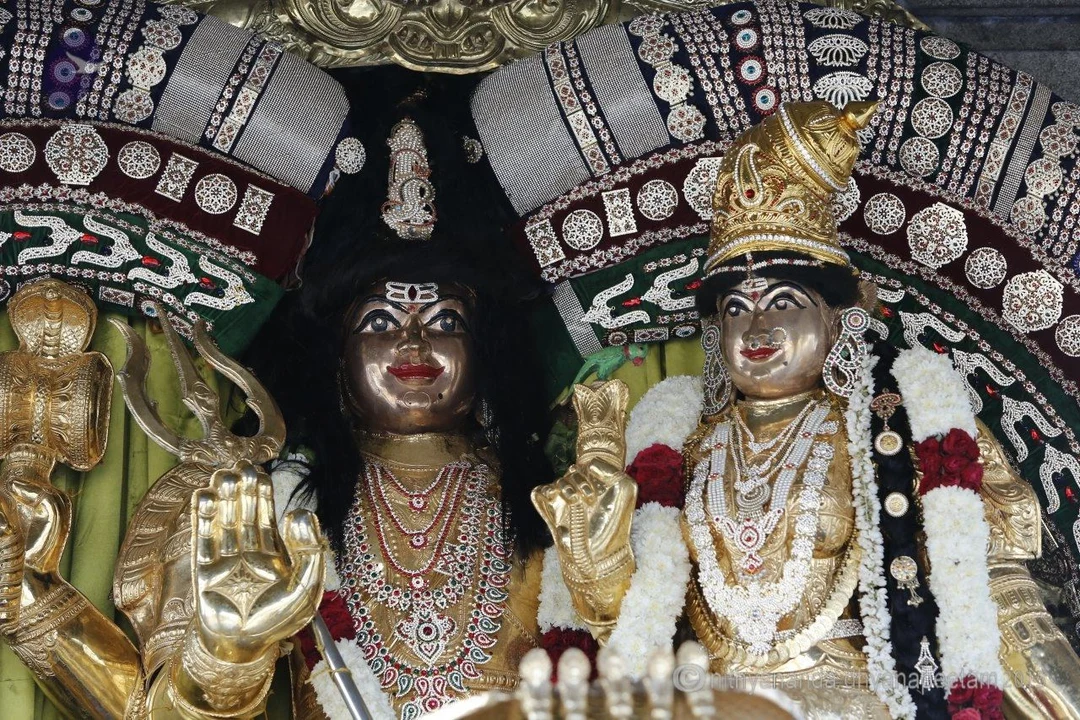
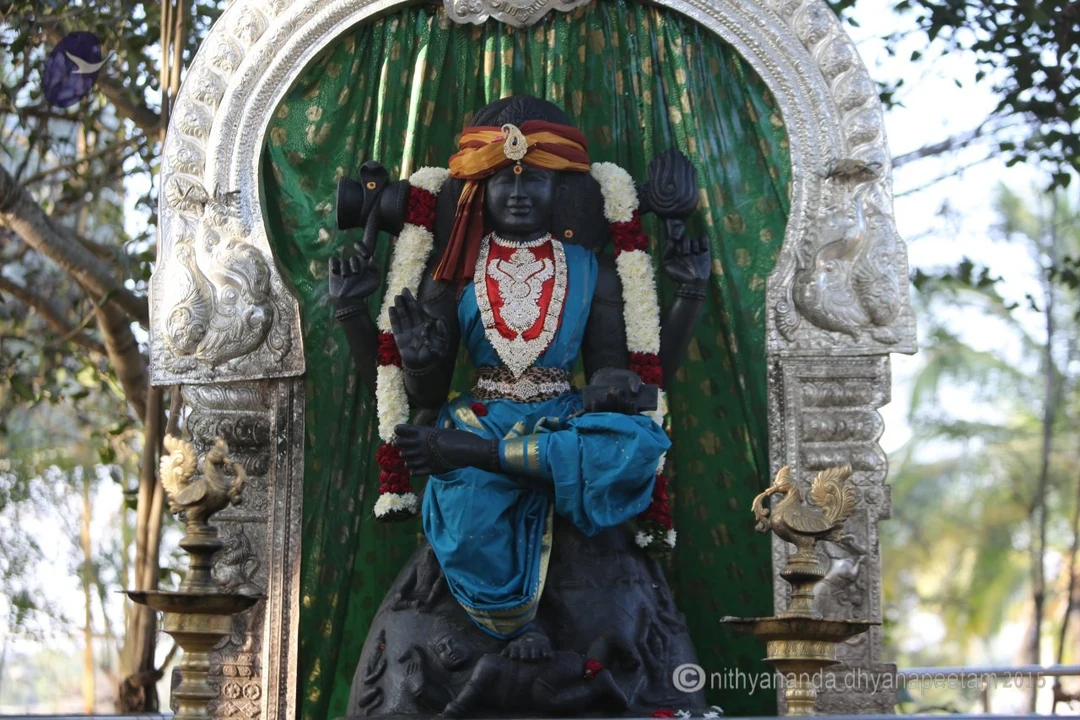
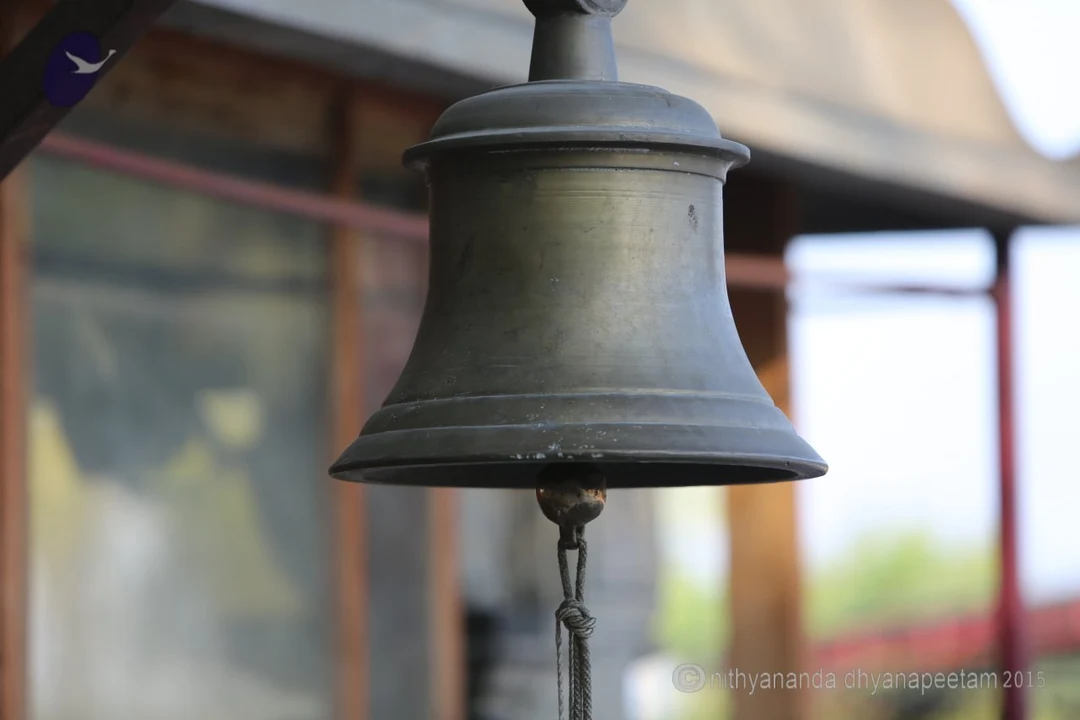
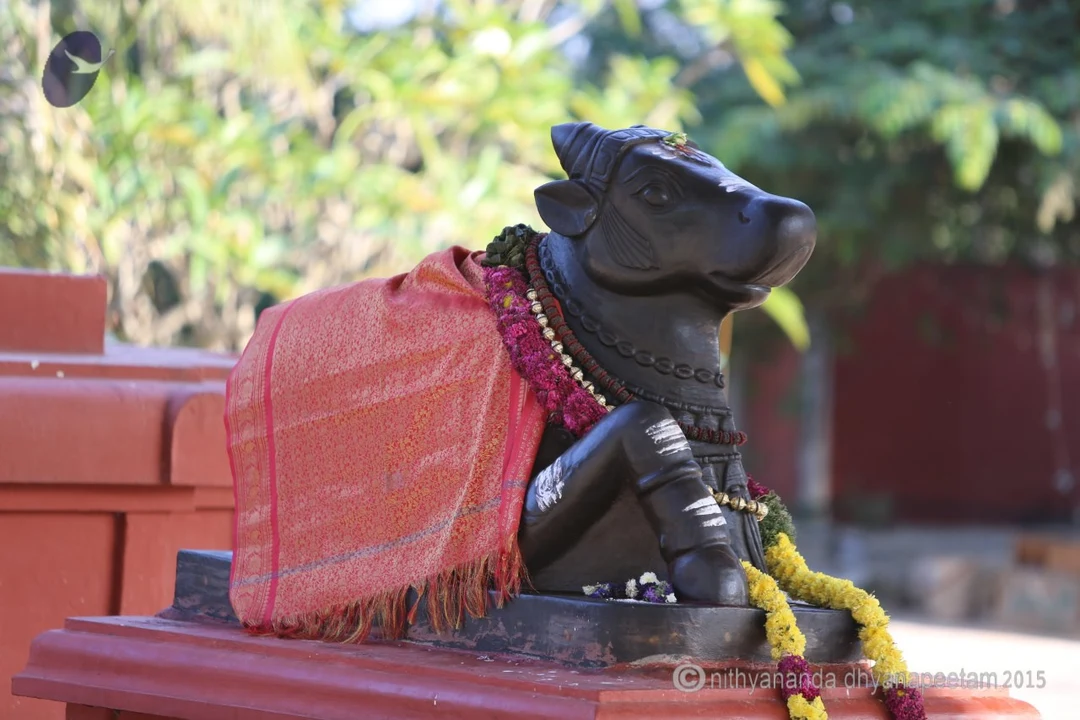
Deities of Nithyanandeshwara Hindu Temple
Photos Of The Day:
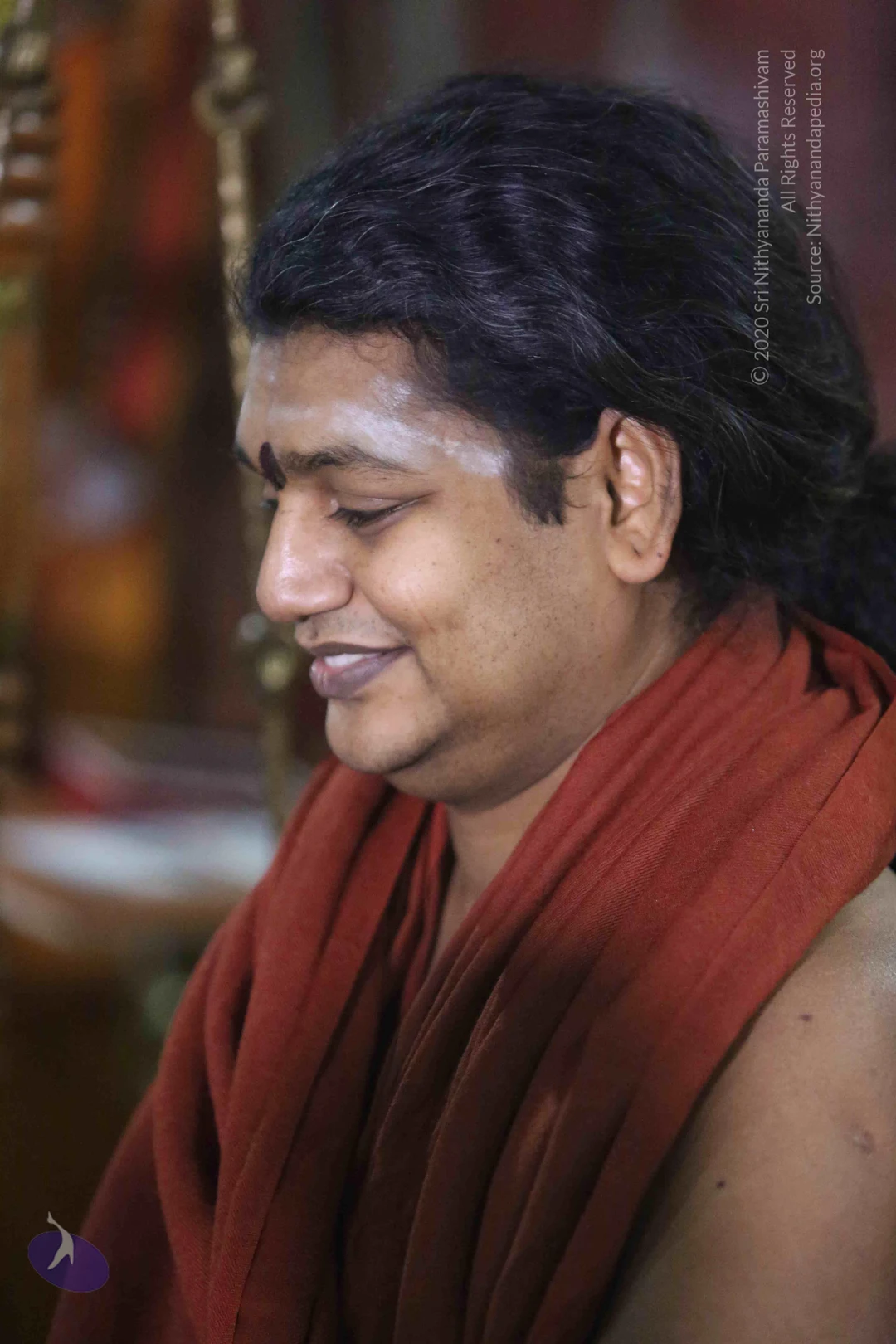
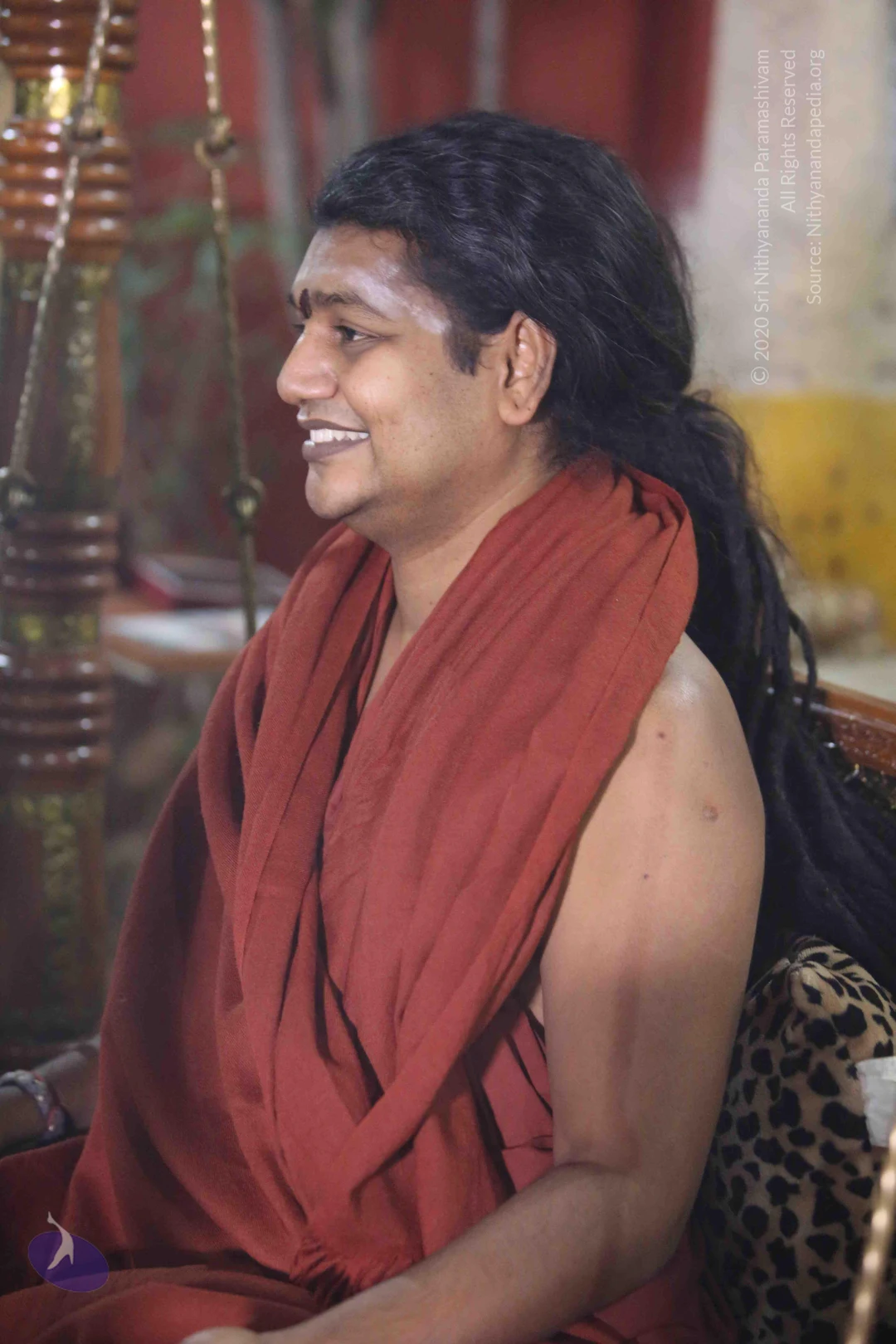
Nithyanandam-Darshan
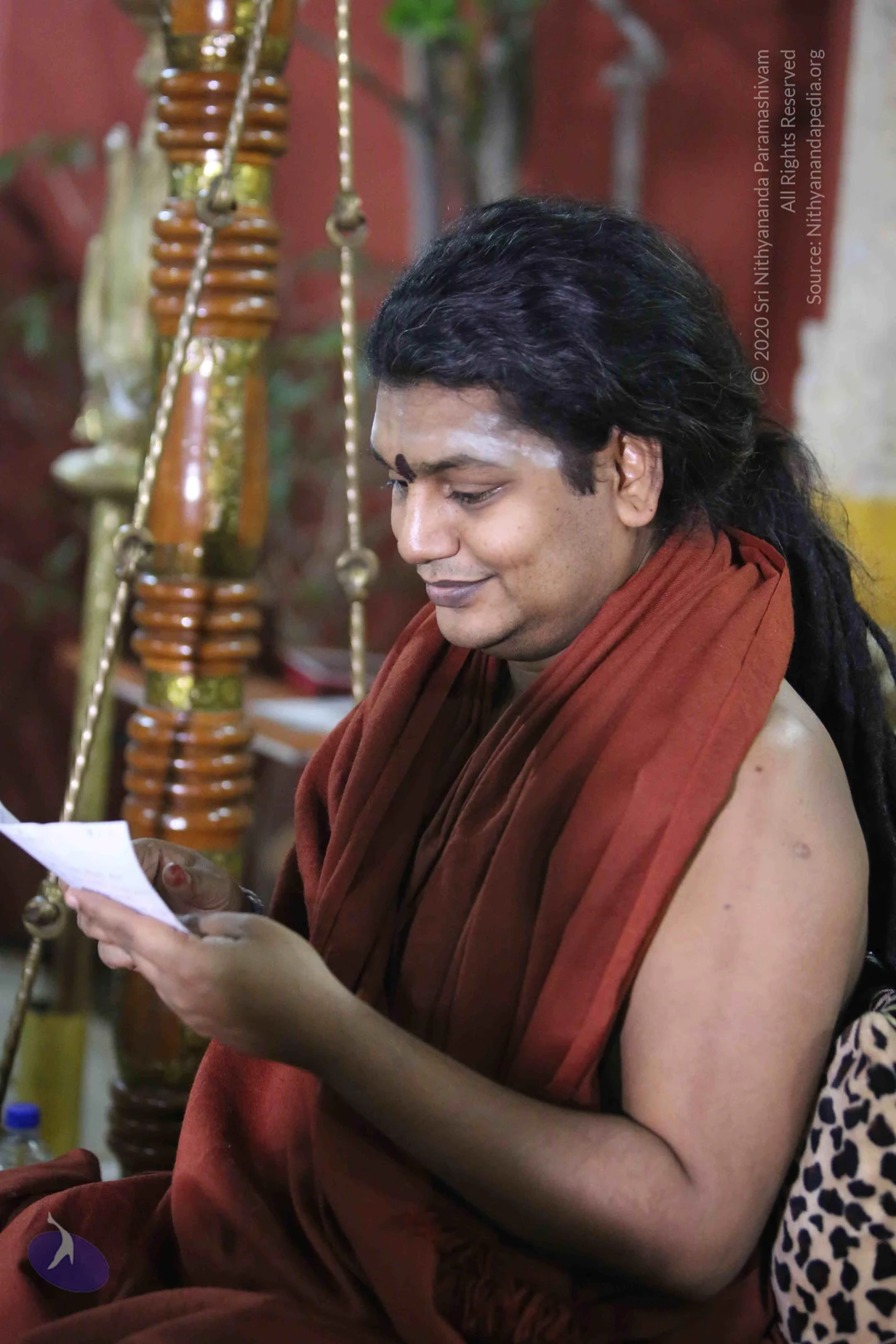
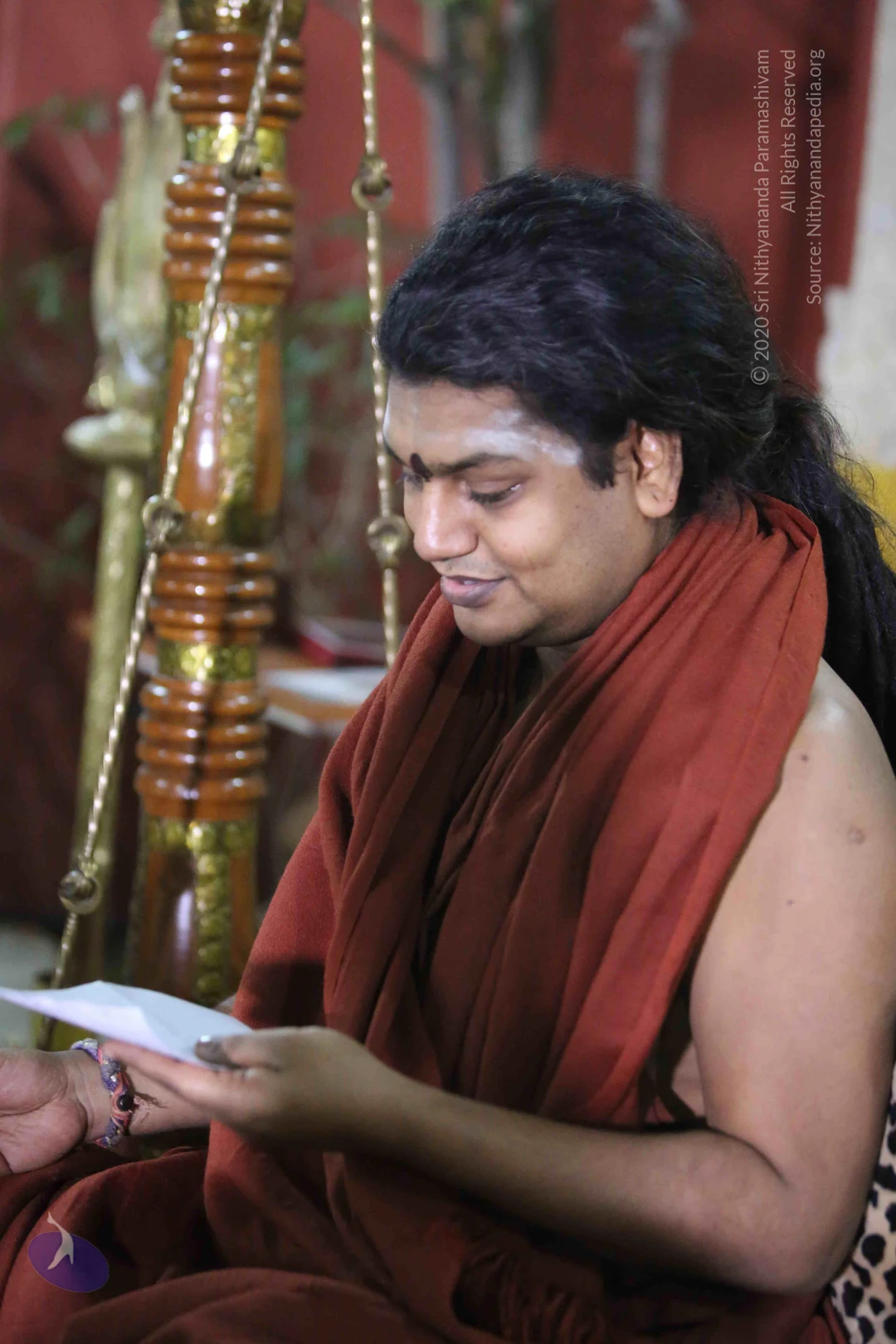
Photos from this day
View all 19 photosDeities of Nithyanandeshwara Hindu Temple
14 photosSource gallery
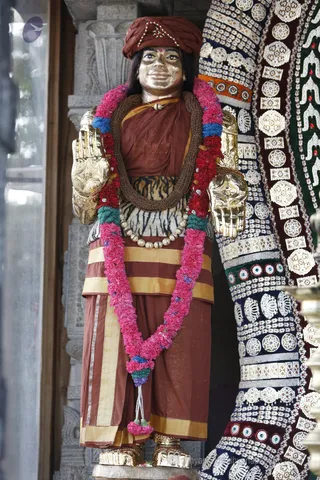
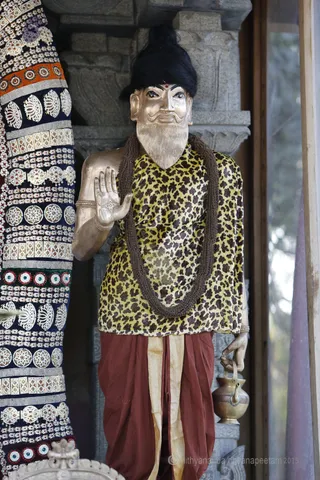
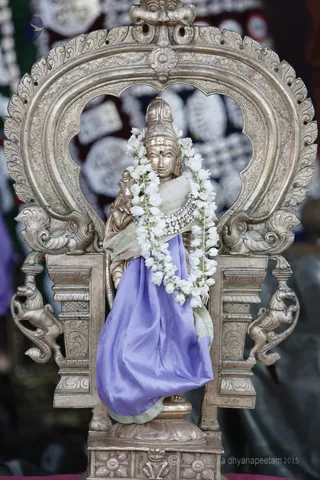
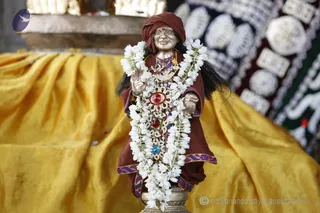
Nithyanandam-Darshan
4 photosSource gallery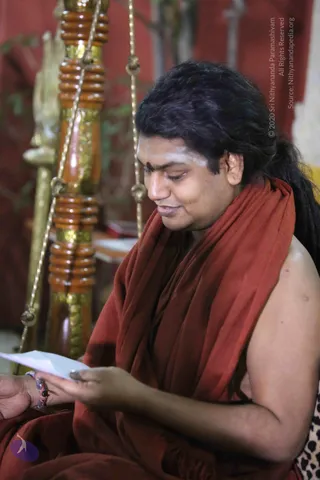
More photos
1 photoView all