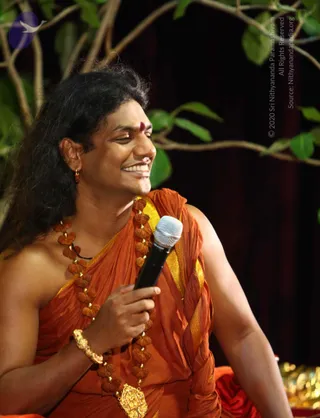
Friday
4 May 2012
Your Emotions are just Body fluids!
- Dated photos
- 78
- Source pages
- 1
- Media
- 2
May 04 2012
Original wiki pageTitle:
Your Emotions are just Body fluids!
Description:
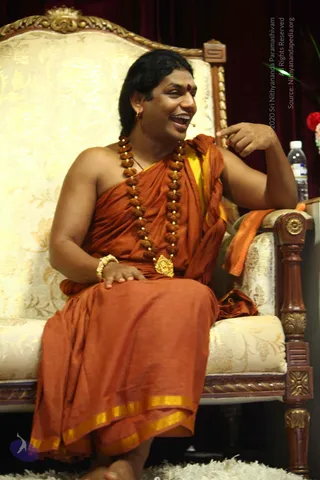
4 May 2012/Morning Satsang/Q&A In today’s morning satsang, Paramahamsa Nithyananda (Swamiji) takes questions from devotees. The first question asks about what existence is like without rebirth. Does “no rebirth” mean we exist only externally in the cosmos? Paramahamsa reverses the perception of this question. Without form, he tells us, there is no external and internal, which are limitations. Rather than being limited by physical senses, we acquire all the million senses of the universe. “No rebirth” does not mean taking away from us: it expands and adds to us! The second question concerns a great emotional shock from witnessing a bus accident with fatalities. The questioner’s wife could not sleep after the incident and is still suffering. Is there a solution? Paramahamsa gives instruction that the woman should remember everything as vividly as possible and re-experience the shock completely, daily until it loses its emotional impact. Gradually the shock will heal if it is not suppressed. He reminds us that all emotions are just hormones – body fluids. When we understand our biochemistry we cease to be enslaved by our emotional reactions.
Link to Video:
| Video | Audio |
Transcript:
Your emotions are just Body fluids!
Question: Does no rebirth means the soul will not be born with a body but will be on with the cosmos externally. Thank you.
Swamiji: When you do not have a body, the concept of external and internal does not exist. Being one with the cosmos, alive with the cosmos, vibrating with the cosmos, living as a cosmos. When I say, you will not be born with one body, I mean you will be born in all bodies. You will be experiencing, enjoying all bodies. I am not taking five senses away from you, I am adding five billion senses to you. Understand enlightenment and videha mukti need to be understood in a right angle from the right direction, from the right language, from the right understanding. So be very clear, when I say you will not have anymore birth, do not be insecure, do not feel you are going to miss something, lose something. You are only going to gain everything. You are only going to have everything, so no rebirth should not be understood in negative terms, it need to be understood in positive terms.
Question: This is a question from my wife. Recently there was a bus accident near her house. What she saw was one person crushed by a bus and another woman crying helplessly, that she lost her child. My wife could not sleep for one day. How to handle this shock at that moment and later?
Swamiji: Unfortunately, she was not able to handle at that moment. Now, the only way to handle is before going to sleep in the night time, just tell her to sit and relive the whole thing. It will be horrible, understand like a it will be sweating, shivering, horrible. But it’s okay, go through. Go in to it, go through it. Same way early morning after waking up immediately go through it like a death meditation how you are asked to face all the fears consciously, go through this shock consciously. In two three days you will see it will be just forgotten, all the unnecessary shock, fear, emotion associated with that scene will melt down. When your body shivers, tears roll, that emotions will melt down. Understand, when body fluids leave the body, concern emotions leave the system. Fear, suffering is associated with the tears and when your nose runs, the mucus and the tears are directly connected to fear, shock and suffering. And your male or female hormone, the semen is directly connected to lust and guilt. Self torturing concepts are directly connected to sweat. So, when those body fluids leave you, when you consciously go through those experiences, the emotions associated with those memories will leave your system. Understand, understand this one key, you will not be bound by any emotion, all emotion is nothing but a little bit of liquid added to your body. If you take out that liquid, emotions will disappear. You can completely control. Yes, now they have discovered it is called Rheum, the liquid comes from nose watery substance. You understand this truth; you can solve not just this problem, all problems. All your problems, all your emotional sufferings and emotional clots are nothing but little bit of liquid in your body. So many things you do and repent later on, just because of the little bit of male hormone in the body. So many decisions you make, when that hormones are high in your body just that little bit of liquid when it is removed from your body, your whole strategy is different now, your whole concept of life is different now, your whole ideas and decisions are different now. I tell you, liberate yourself from this liquid mentality. The liquid based mentality, this is what is Pratyahara. Understand, Pratyahara means not being forced to take any decision by body fluids. Anger, lust, fear, greed, attention please understand, attention need is not male hormones action, it is female hormones action. For male hormone it is a lust, for female hormone it is a attention need. That is why male want to get rid of the lust quickly because it is like a prison. Female want to relax into it because it’s like a AC room. There is a big difference, between the male’s need and the female’s wants. And same way, every body fluid is associated with one strong emotion. I tell you, Know, learn how to handle make decisions independent of your body fluids, you will live a solid life. You will live a fulfilling life. You will live a powerful fulfilling life. I know with just simple anger, frustration, people make big big decisions. One brahmachari came to me and said he wanted to leave the adheenam few days before. I asked why, because the structuring department has fired him, scolded him. I told nothing, don’t bother go and sit and do manipuraka kriya, shout scream at them, scream to the level from mouth that water will come. Usually, when you are sleeping sometime, if you are tired if you have screamed too much, from mouth a kind of saliva will pour. That’s also called Rheum only, I told him till that Rheum comes, shout, scream and relax. After two days he came back and said, Oh God Swamiji, now I am able to see everything with the clear eyes. When you clear the body fluids, you make stable decisions. Man who makes stable decisions, not influenced by body fluids or the mental patterns and setups created by body fluids is Yogi. This capacity is Pratyahara. Now I can see very clearly how Saraswati is defining very Pratyahara. This word is such a complicated word, never ever interpreted this clearly by any yoga sampradaya, by any tradition. I can see very clearly Saraswati exploding!
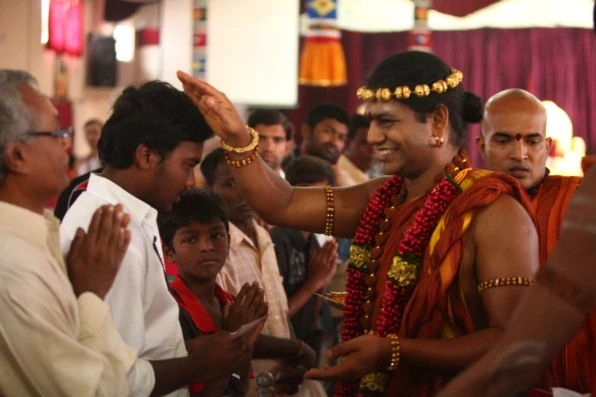
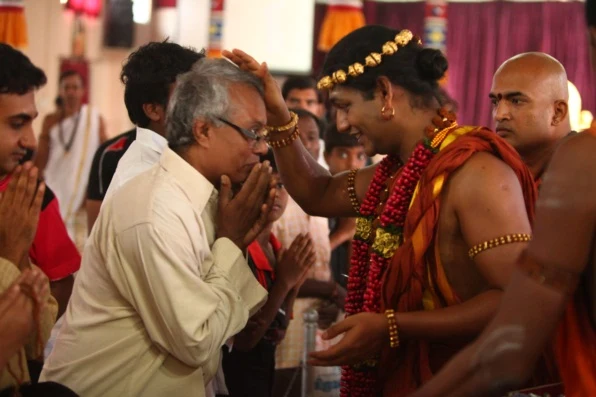
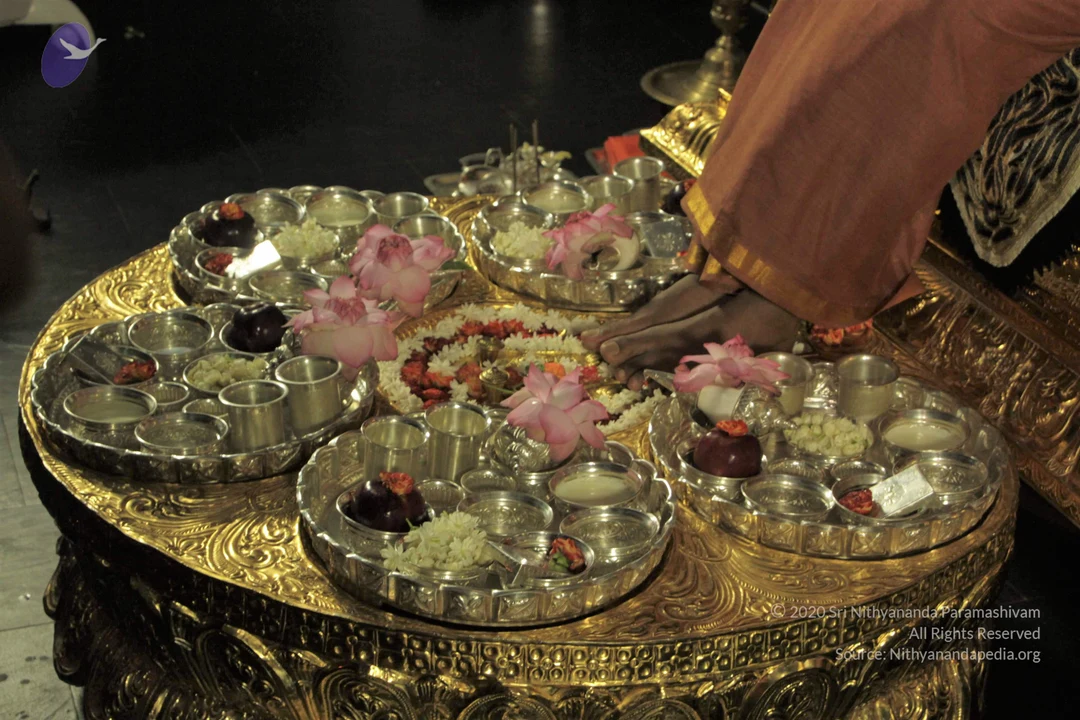
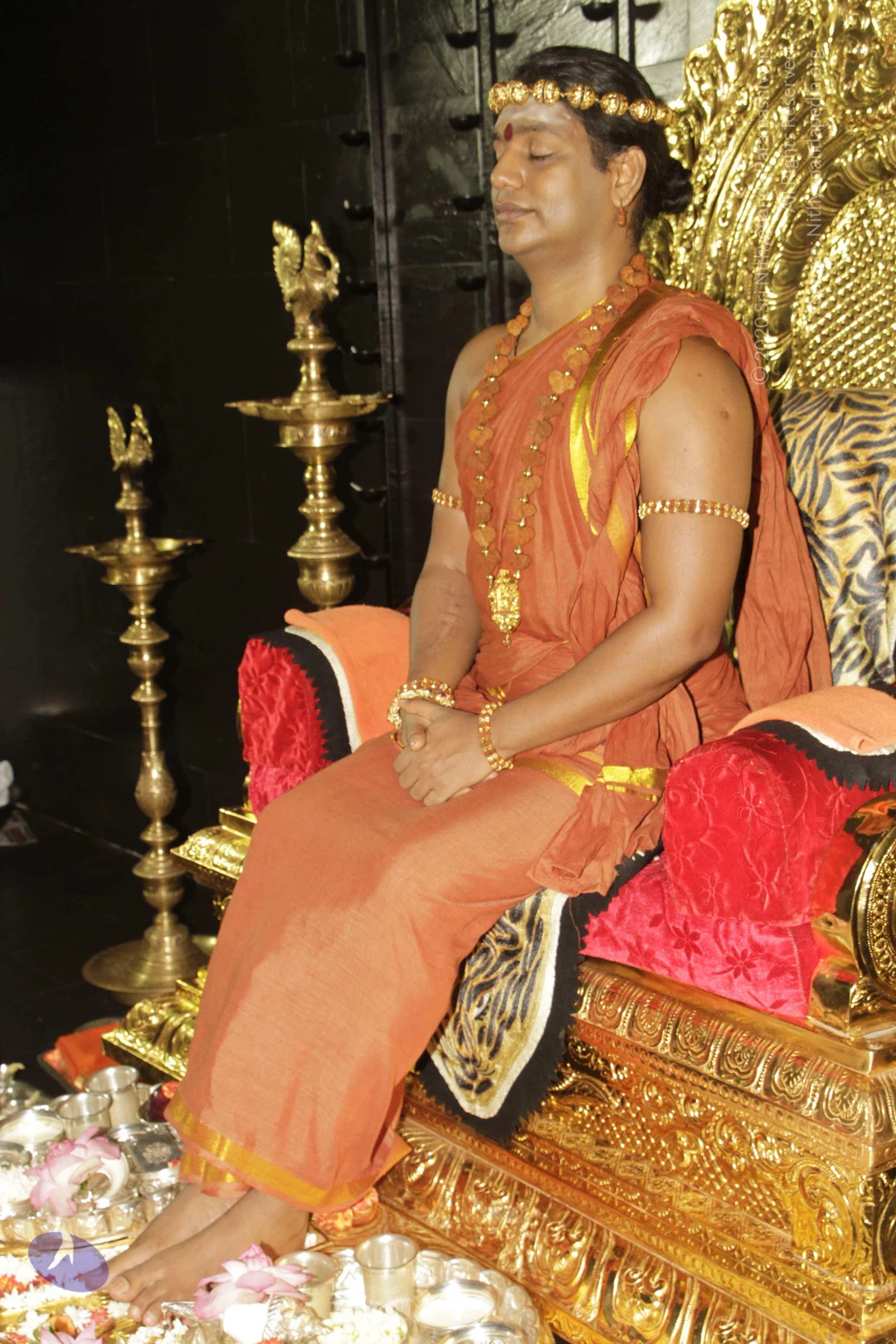
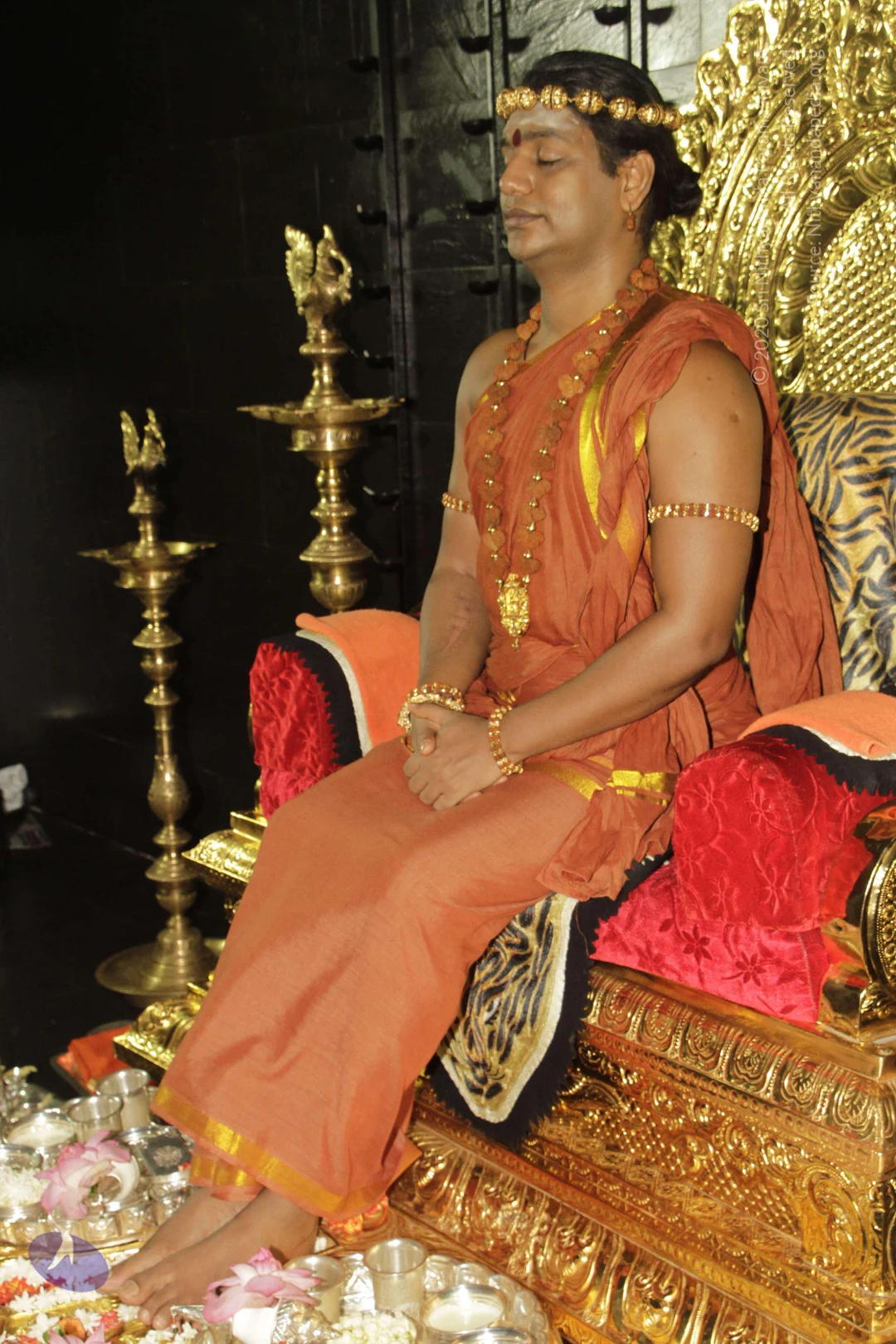
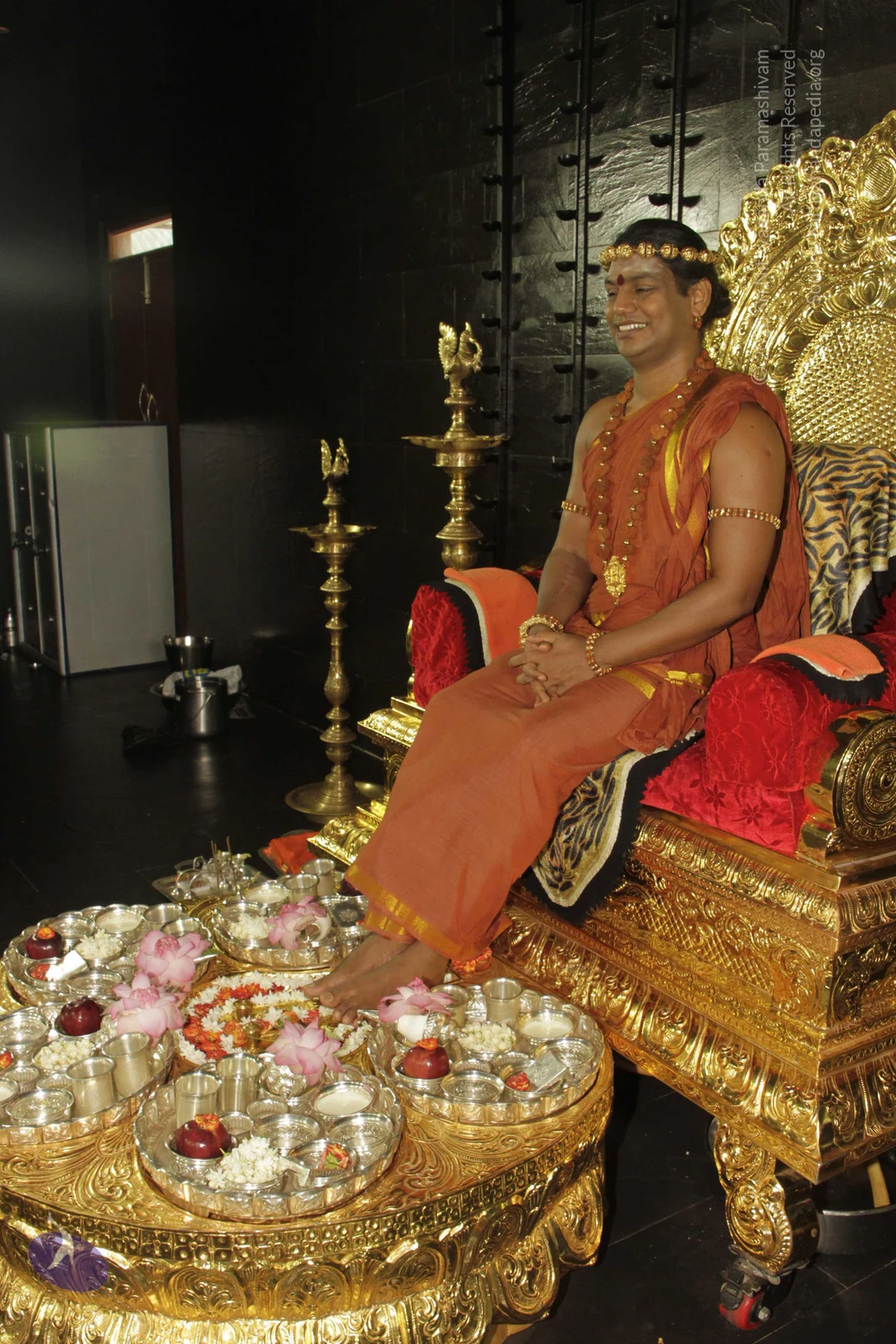
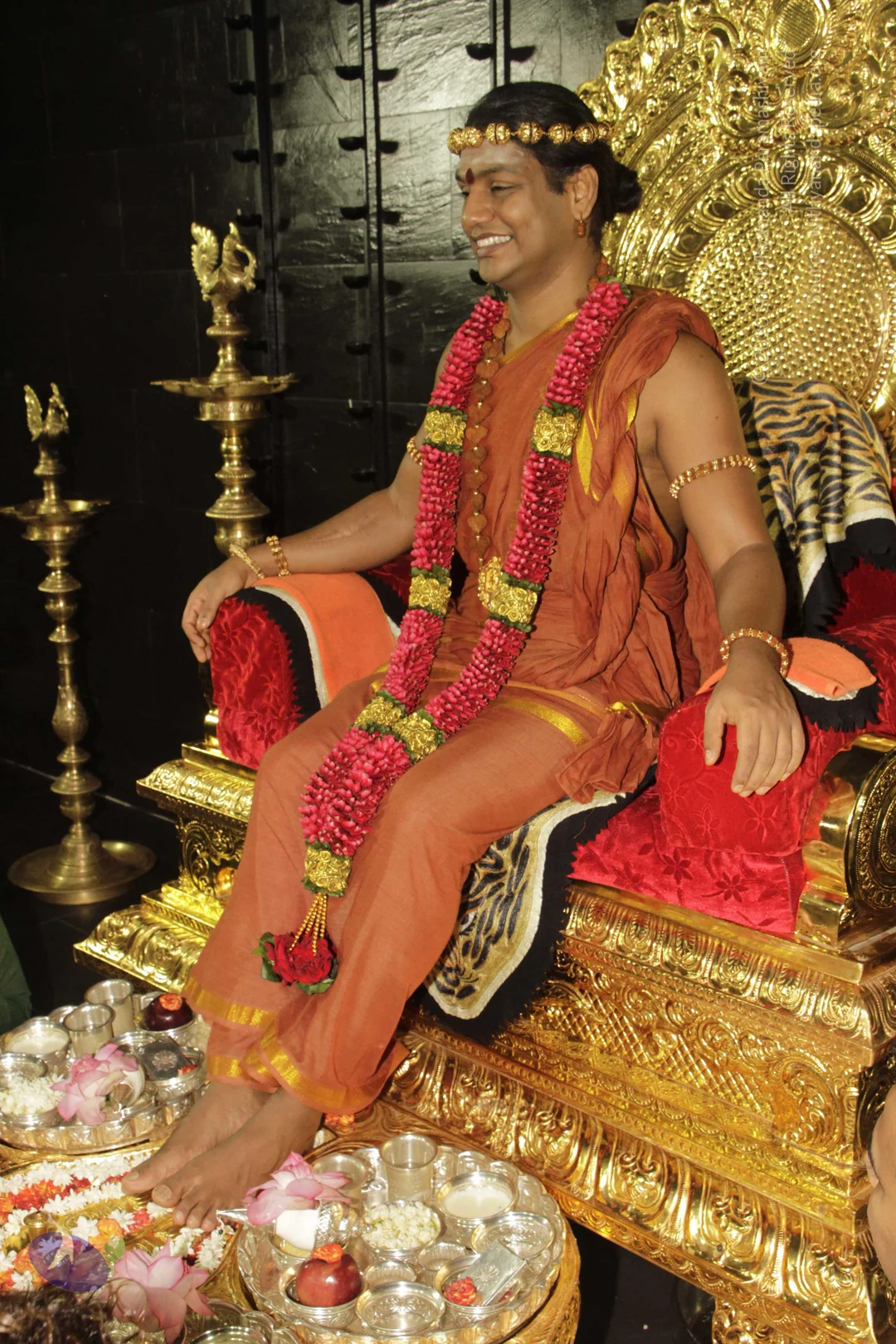
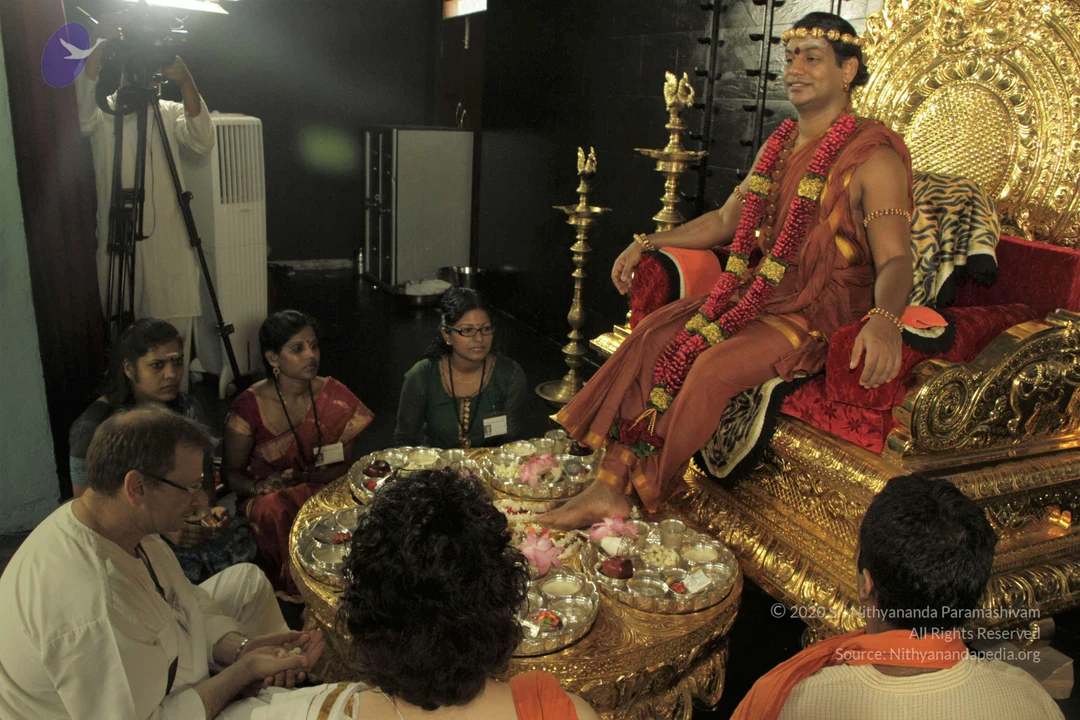
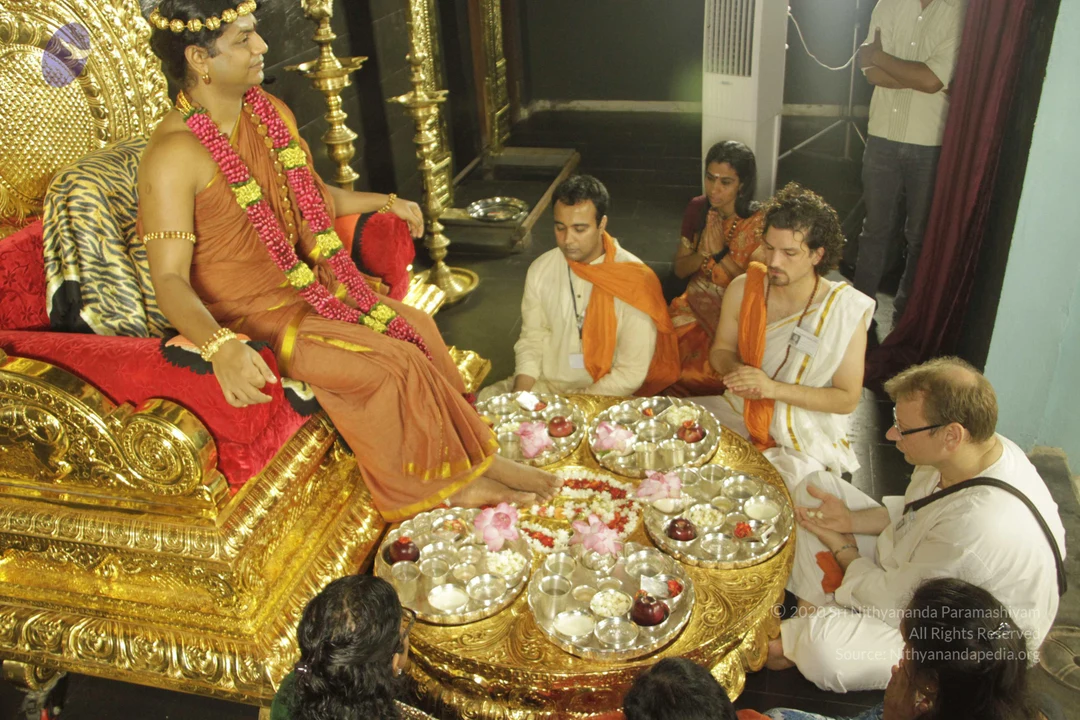
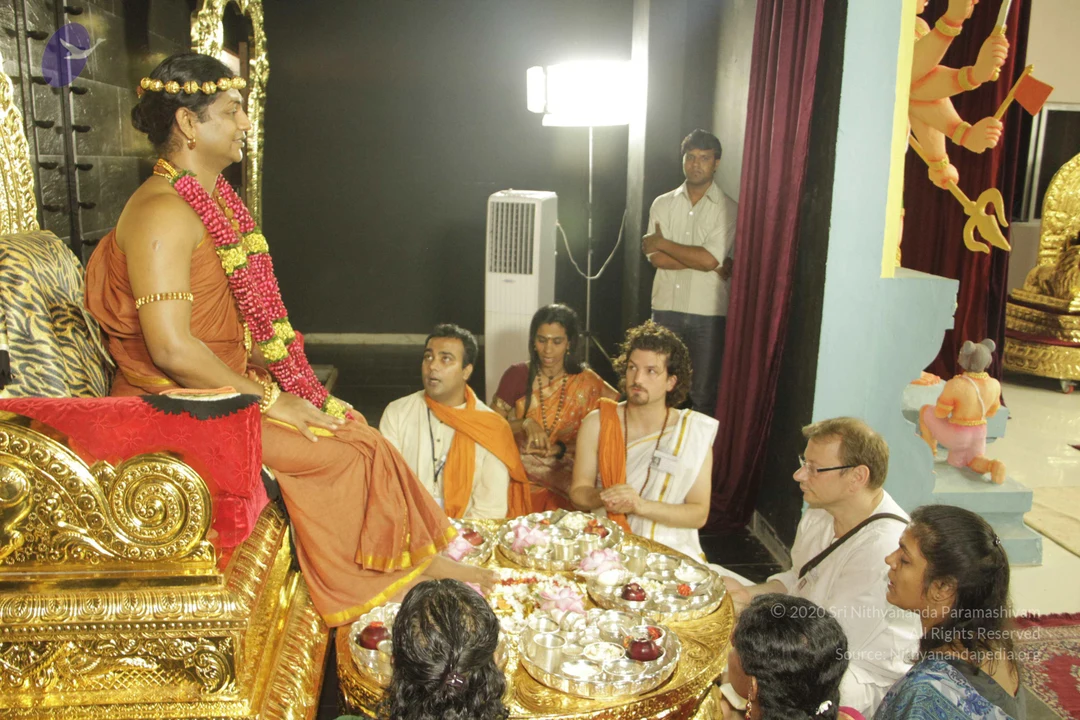
Spot Notes: Friday, May 4th, 2012 “Sadashiva samarambam, Jnana Sambandha madhyamam asmadacharya paryantam vande Guru paramparam!” I welcome you all with my love and respects! I welcome all the devotees, disciples, Samajis, Satsangis sitting with around the world at this moment in 854 places through Nithyananda TV, 22 places 2 way Nayana Deeksha, in 225 cities, 24 countries! Cities sitting with us in 2 way Video conferencing having Nayana Deeksha are – Madhurai Aadeenam, Dubai, Malaysia Palani, Toronto Kailasam, Dubai, Seattle Chid, Austin, Phoenix Kanchi, Ohio, San Jose, LA, Calgary, Sing, Arkansas – USA, Seattle Atmamaya, Oman Siva Gangai, Vancouver Puri, OK Som, Tiru, Hyd, Atlanta Ujjayini, Charlotte Srisailam. I welcome all of you with my love and blessings! Nithya Hariharan and Ma Atmamaya from Seattle, Sangavasini Calgary, Sreenu Babu Chicago, Bhaskaran Toronto, Valli Toronto blessings to all of you, I accepted your paada puja 1) Question – Does no rebirth means the soul will not be born with a body but will be on with the cosmos externally. Thank you - Thanaletchumi I A No. 83. Thanaletchmi, when you do not have a body the concept of external, internal does not exist. Being one with cosmos, vibrating with cosmos, being one with alert with cosmos. When I say you will not be in one body, I am saying you will be with all bodies. You will be enjoying all bodies. I do not mean I will take 5 senses from you. I am adding 5 billion senses to you. Enlightenment and videha mukti need to be understood from the right angle, right direction, in the right way. So be very clear when I say you will not have any more birth, don’t feel insecure. Don’t think you are going to miss something, lose something. You are only going to gain everything, you are only going to have everything. So no rebirth should not be understood in negatively, it needs to be understood positively. 2) Question - Dear Swamiji . This is a question from my wife. recently there was a bus accident near her house. What she saw was one person crushed by a bus and another woman crying helplessly that she lost her child. My wife could not sleep for one day. How to handle this shock at that moment and later? - Binoy Joseph - IA ID No. 75 Binoy, unfortunately she was not able to handle at that moment. Now the only way to handle it is before going to sleep in the night time, just tell you to sit and relive the whole thing. It will be horrible like sweating, shivering. But it is ok. Go into it, go through it. Same way early morning after waking up immediately go through it like a death meditation how you are asked to face all the fears consciously, go through this shock consciously. In 2,3 days you will see it will fade away. All the emotions, fear, all will melt down. When body fluids leave the body, concerned emotions leave the system. Fear, suffering is associated with tears and mucus. The mucus and the tears are directly connected to fear, shock and suffering. Your male of female hormone the semen is directly connected to lust and guilt – self torturing concepts are directly connected to sweat. When those body fluids leave you, when you conscious go through those experiences, the emotions associated with your system will leave your system. Und this one thing you will be liberated from emotions. All of them are connected to some little fluid in your body. That s all. It is called rheum – the liquid comes from nose, watery substance if you understand this one truth you will come out of all problems. All your problems, sufferings, emotional clots are nothing but little bit of liquid in your body. So many things you do and repent later on is just because of that little bit of hormones in your body. Just that little bit of liquid when you remove from your body, your whole strategy, concept of life, ideas and decisions are different now. I tell you liberate yourself form the liquid mentality, the liquid based mentality. This is what is called as pratyahaara. Understand pratyahaara means not being forced to take any decision by body fluids. Anger, lust, fear, greed, attention – please understand, attention need is not male hormone secretion, it is female hormone secretion. For male hormone it is lust, for female hormone it is attention need. That is why male wanted to get into the lust quickly because it is like a prison. Female wants to relax into it, because it is like A/C room. There is big difference between male’s need and female’s wants. Same way every body fluid is associated with one strong body fluid. I tell you - know how to handle, make decisions independent of your body fluids, you will live a solid life, you will live a powerful fulfilling life. I know with just simple anger, frustration people make big decisions. One Bramhachari came and said he wanted to leave the adheenam few days before. I asked why because structuring department has scolded him. I told do Manipuraka kriya, do at a level where water will come from your mouth….rheum – when the water comes out from the mouth it is called rheum only. I told till that happens shout, scream and then relax. After few days he came back and said oh god! Swamiji now I am able to see everything with clear eyes. When you clear the body fluids, you make stable decisions. Man who makes stable decisions not influenced by body fluids or mental patterns created by body fluids is yogi. This capacity is Pratyahaara. Now I can see very clearly how Saraswathi is defining the very pratyahaara. This word is such a complicated word that it was never interpreted clearly by any yoga sampradaaya, by any tradition. I can see very clearly Saraswathi exploding. Just now I remembered something. Day before yesterday these few heads of one or two mutts in Tamilnadu, I don’t know for what reason. I want to give them 10 days to retrieve their statement, they made a statement very funny they said Nithyananda who does not know Shaiva tradition. I challenged them. They said they will go to court. I am telling them this is a spiritual thing court cannot decide. I told them I am from tradition of Jnana Sambandar who did analvadam, punalvadam. Jnana Sambandar wrote on a leaf and put in fire - it did not burn, he put the leaf in water, it did not get wet. It floated against the current! Test the ..i challenged. Whatever I spoke is from Shiva. I am ready for Analvadam, punalvadam. If I uttered a single word which is not from Shiva, let my tongue stop speaking. Within ten days if they don’t retrieve the statement, me Kaala Gaala is telling them if they don’t withdraw that statement, all the hands which signed that statement will not function. Let it be on record. Jnana Sambandar conquered those days the fanatic munis not the real Jains. See the real Jains like Mahavira thousands of enlightened Jains are there. Jnana Sambandar did not argue with them. He argued with peopel who were cheating in the name of Jainism. Just like how Jnana Sambandar conquered few people who were cheating in the name of Jainism, Buddhism, even Shaivism, I think now it is my term. They passed a resolution and you type any Shaiva keyword in the internet, I am the only Guru who has spoken and appears. Even in Tamilnadu I am the largest spiritual publisher still. I am the largest spiritual crowd puller. I don’t know what they mean by this. Very funny and they instigated and burnt my effigy in Thiruppanandal. Ten people tired to burn. Police has arrested them. I am telling them, you don’t understand, even if I don’t stop my devotees in every city of Tamilnadu and in 120 countries your effigies will be burnt. But I am responsible for law and order. That is the reason I don’t do this cheap acts.is this the way to behave for Shaiva countries? 151 countries, my devotees will do that. I feel responsible. …alright I am sending this my message to all of them…. Peru Aadeenam called me personally and thanked and supported for accepted this peeta. Few aadeenams who have signed….. I am telling you. If you want to know really in 151 countries your effigies will be burnt.. alright June 5th in all our centres we will chant your name and give you your respect. If my disciples know Thiruppanandal aadenam have instigated people and burn t my effigy you will not know they will…in their statement they have called my name as Mr.Nithyananda. I wanted to tell all these Aadenams whoever you signed, all of them put together the number of followers you have, ten times more disciples I have. I am not saying for pride, I need to make you understand. 10 times more people respect me not just as their guru, but as their God. In their statement they are saying and encouraging all their devotees to protect and do whatever they feel. I feel responsible for law and order. That is the reason am silent. I read the whole resolution. Every line is funny. Now this one resolution is enough to file a hurting a religious sentiments. If Nakki Kovalu calls me Nithy, it is not hurting because that is the way he is. But if you heads of mutts who are supposed to be respected. If you guys are using this kind of words. Then no other way. My disciples have to respond. I have not taught my disciples to take stones, I have taught them true shaivism… They will put their thumb impression on blood and send it to the Tamilnadu Government to express their true sentiments getting hurt I am supposed to e your commander general. I am supposed to be your Senadhipati. It is so unfortunate that you guys are declaring war on me! They also very clearly stated in their writing, resolution that I don’t belong to the Shaiva community. Of course the whole Tiruvannamalai city is boiling because they questioned even my birth! Of course I never bothered about community so I did not even take a community certificate. But they are not bothered, they have not even allowed me to give my side explanation. It is very funny to see this I can never understand, people who don’t know anything about other religious leaders and spiritual organizations I don’t know how are they leading and becoming mutt heads. In the most influential spiritual people in the world in the 100 nobody is born and brought up in Tamilnadu. Sri Sri is also not brought up in Tamilnadu, he is only born in Tamilnadu and brought up in Karnataka. I am the only person who is representing that culture. I am commanding all my devotees and disciples and requesting all viewers June 5th we will gather on 2 way all over the world to show our solidarity and respect the Shaiva tradition and we will politely offer our respects to all the mutts representatives of Shaiva tradition, telling them Swamiji taught us how to respect Shaiva Tradition. he never told us to throw stones and rebuke. He always taught us how to offer flowers. They gave what they have. Let us give what we have Lets move to the next segment of morning satsang Dial the Avatar 1) E-pada puja – Hariharan & Atmamaya –Seattle. Venkateshwara’s house the garba mandri is clled Ananda Nilaya. And the roof above him is called Ananda vimana. Venkateshwara in Tirupati is the only deity is the only deity where never ever Puja stops. So it is called Nilaya – stable. Each Garbha mandri is ..madhurai garbha mandir is called indra vimana, Tiru is called yoga vimana, Chidambaram is clale dananda sabha. 2) E-pada puja – Sanghavasini, Calgary. Chinmaya mission used to do connect their parents and elders through Bal Vihar. Now not only through kids, through pets also connect ppl to spirituality. 3) Sreenu babu Gudivada from USA – e-pada puja 4) Bhaskaran & Rasika from Toronto Kailasam – e-pada puja 5) Valli – e-pada puja from Toronto So tomorrow we are completing the 21 day Ajapa Japa group. Today your meditation time is 90 minutes. Please enter in minute4peace.org. From tomorrow one month I am going to speak in Madhurai on the history and philosophy of Madhurai Aadeenam. I bless you all who are sitting with us at this moment around the world in 1074 places through Nithyananda TV, in 22 places through 2 way Video conferencing, in 256 cities, 27 countries! Let you all achieve, experience, live, express, radiate and share and explode the eternal bliss, Nithyananda. Thank you!
Photos From The Day:
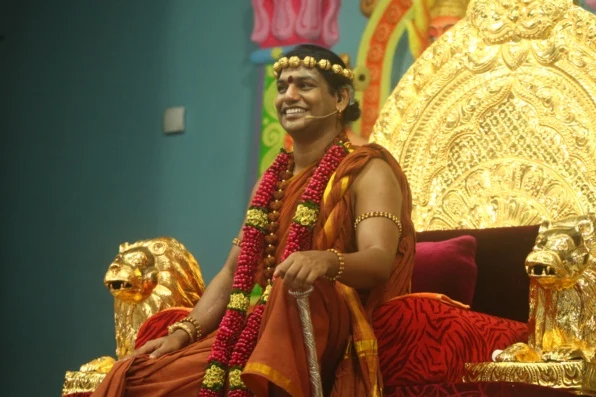
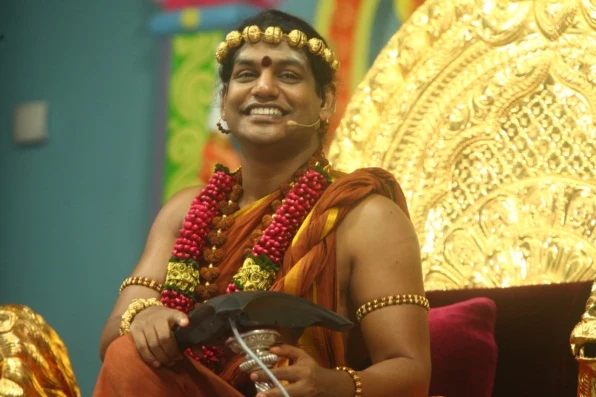
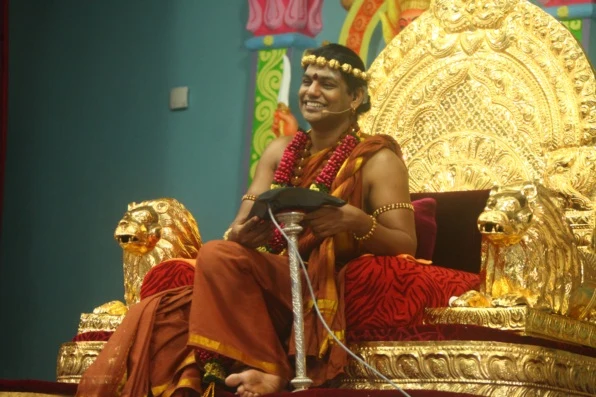
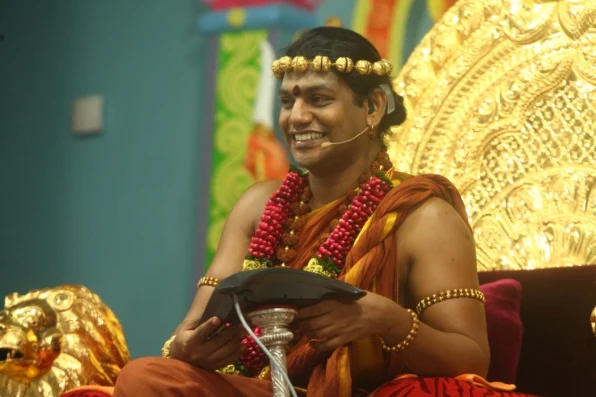
Tags:
question, existence, rebirth, cosmos, perception, external, internal, limitation, physical, senses, acquire, expand, concern, shock, witness, fatalities, wife, sleep, suffering, solution, woman, remember, vivid, experience, impact, heal suppress, emotion, hormones, body, understand, enslave, reactions.
Photos Of The Day:
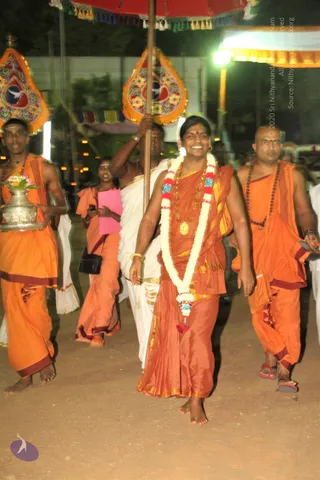
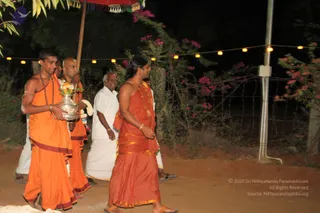
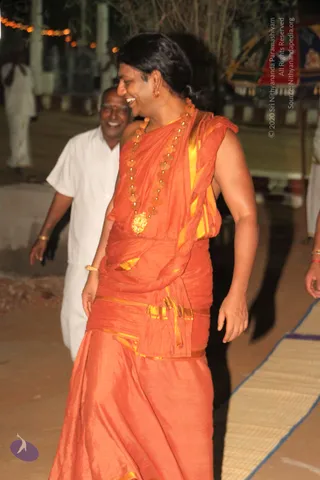
01-Temple
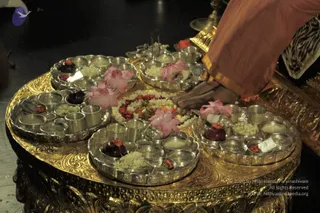
02-Pada-Puja
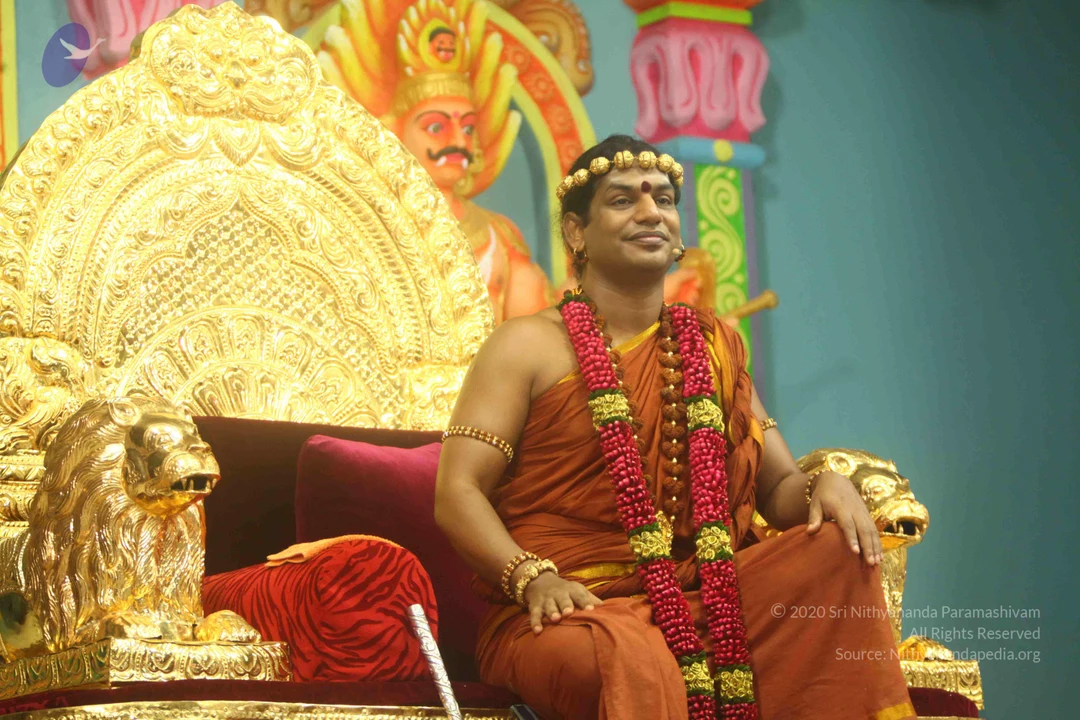
03-Satsang
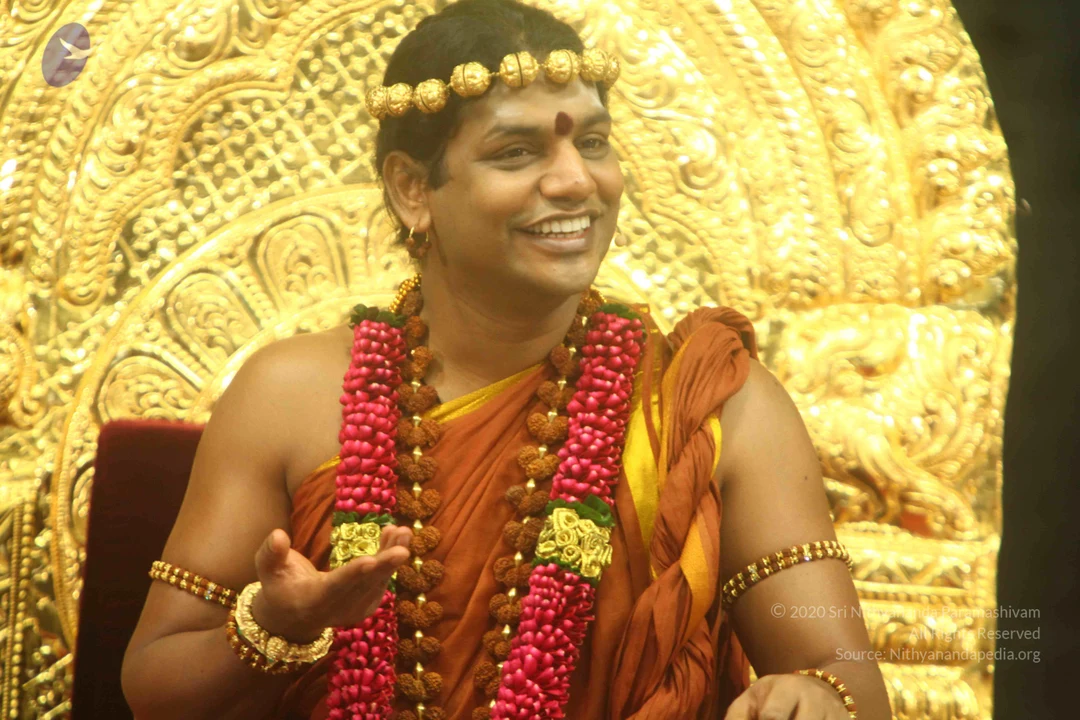
06-IA-Session
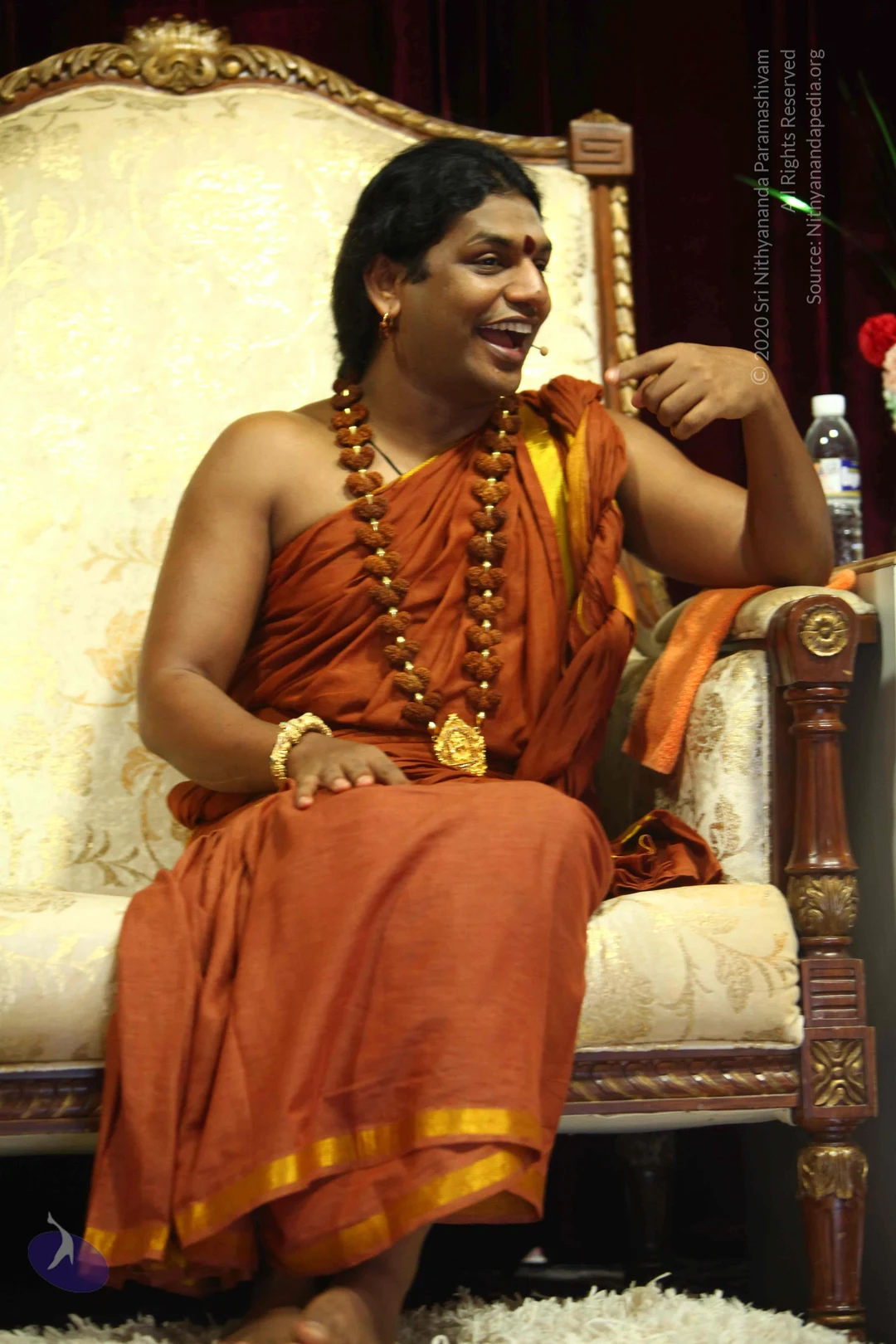
07-IA-Graduation
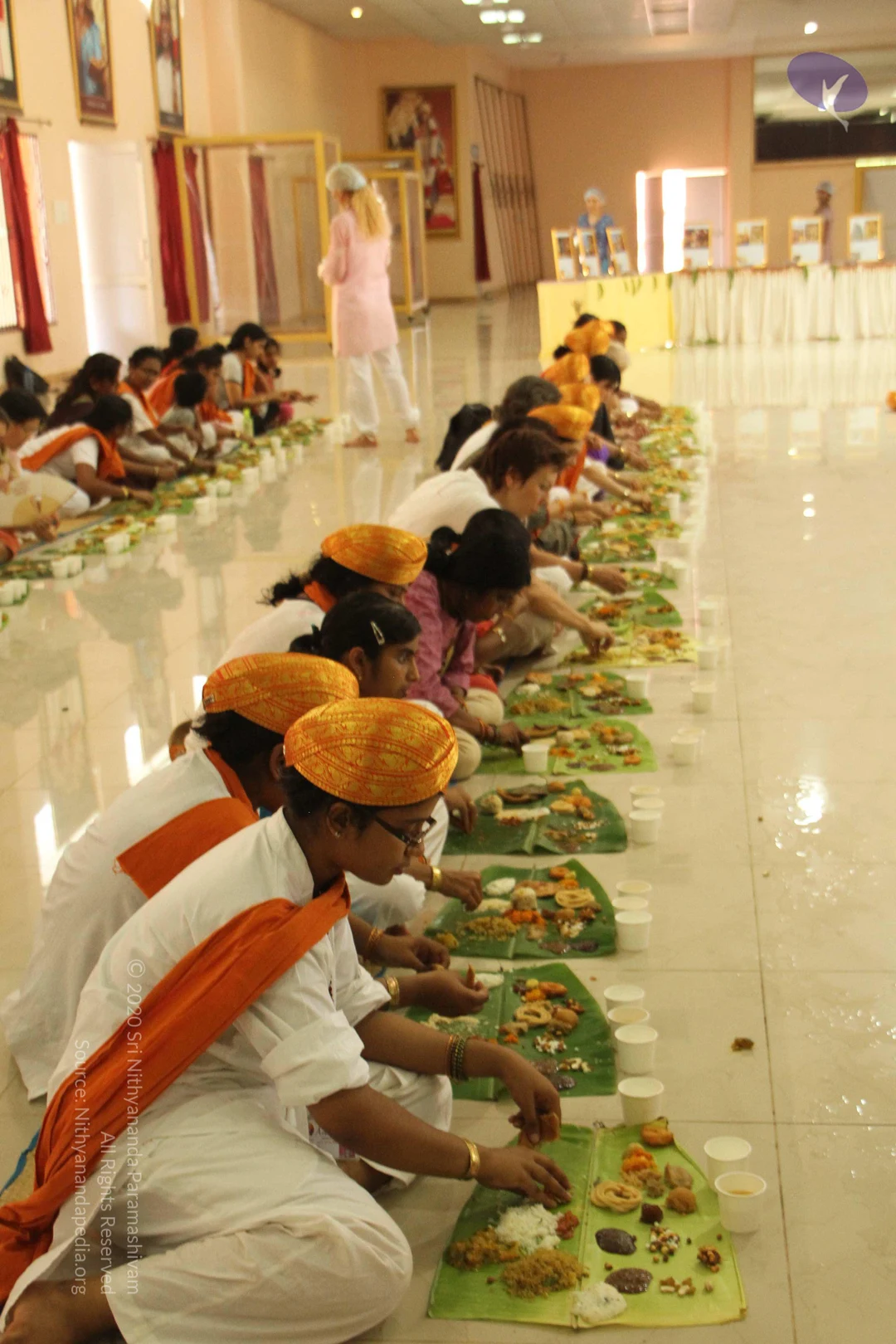
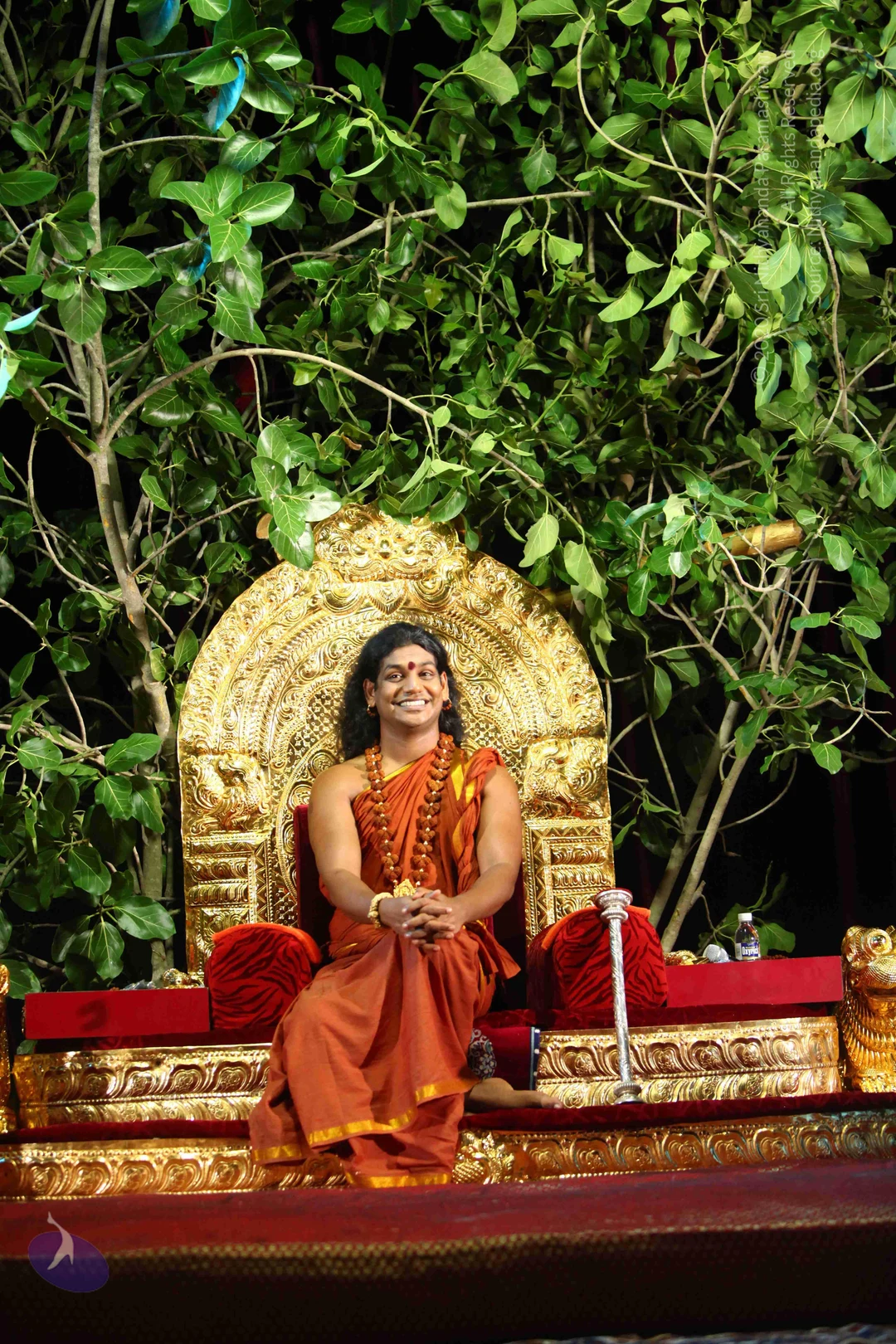
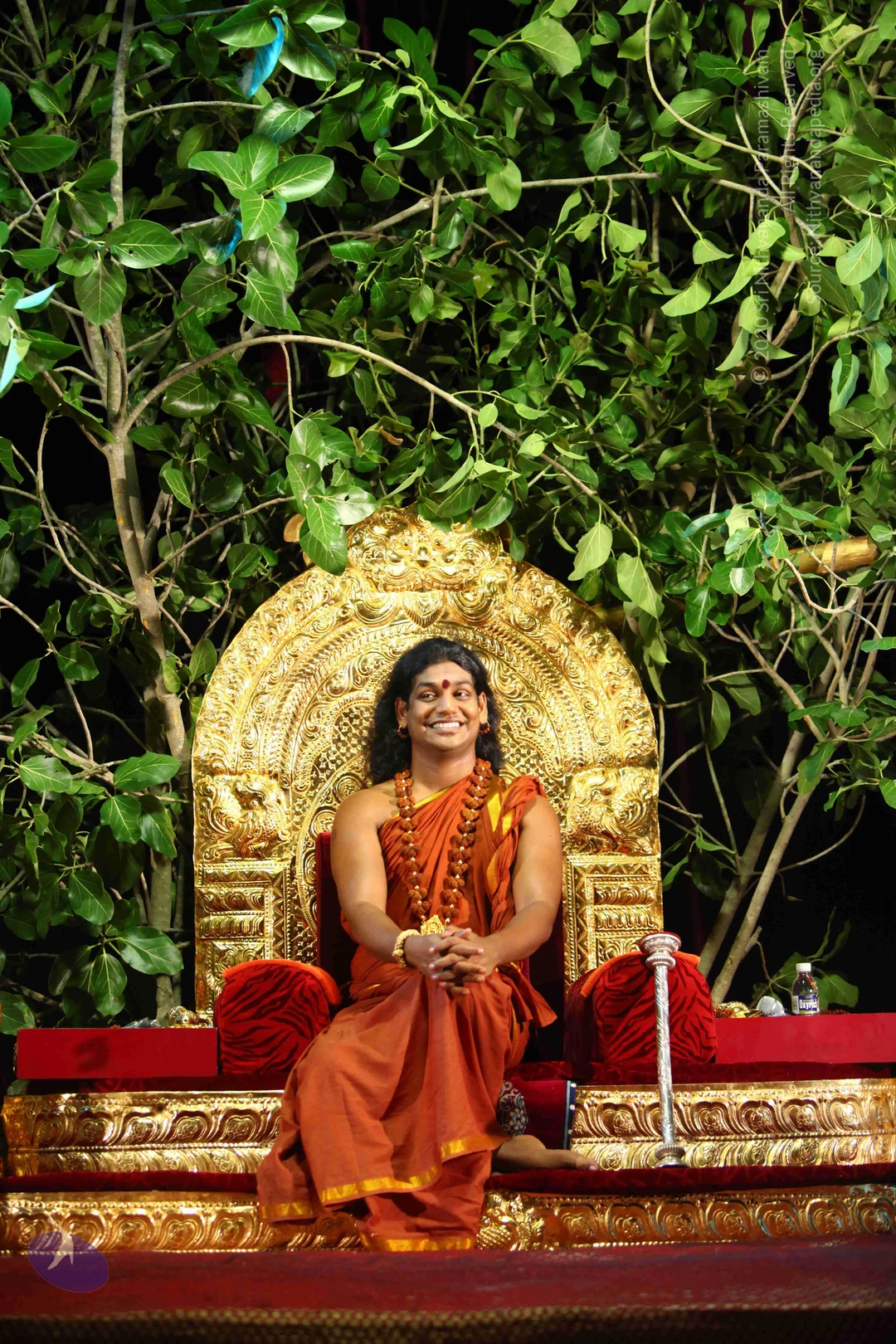
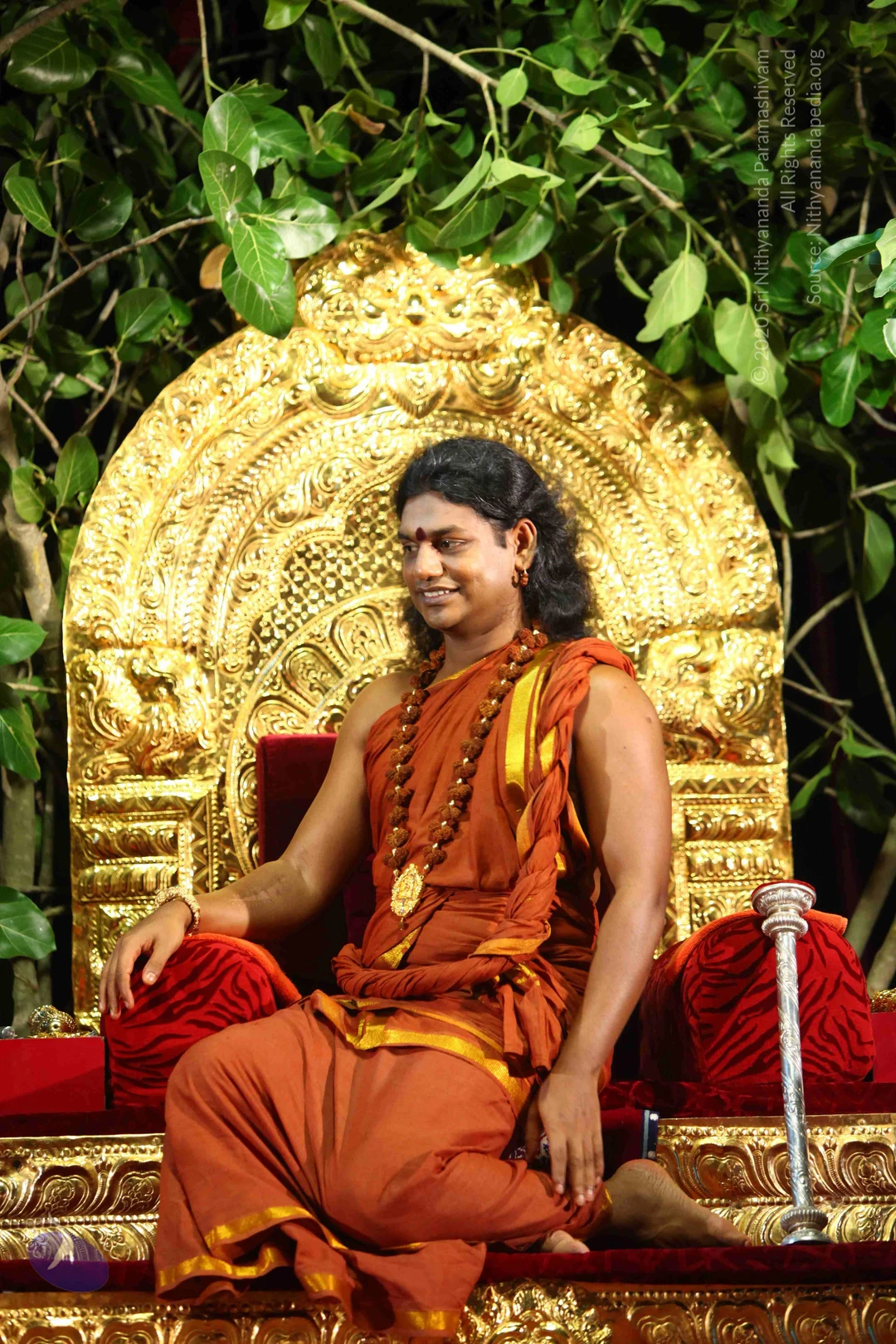
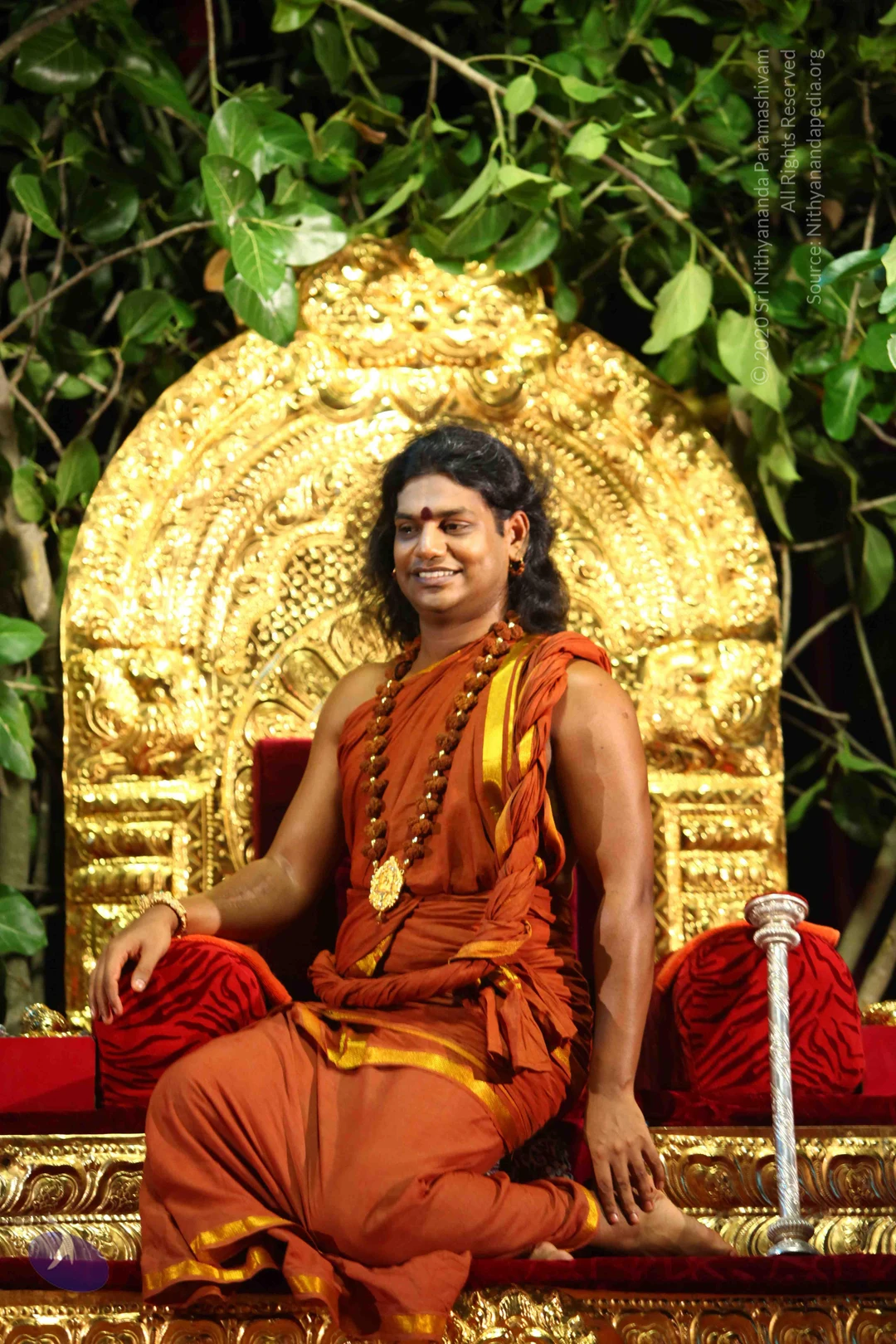
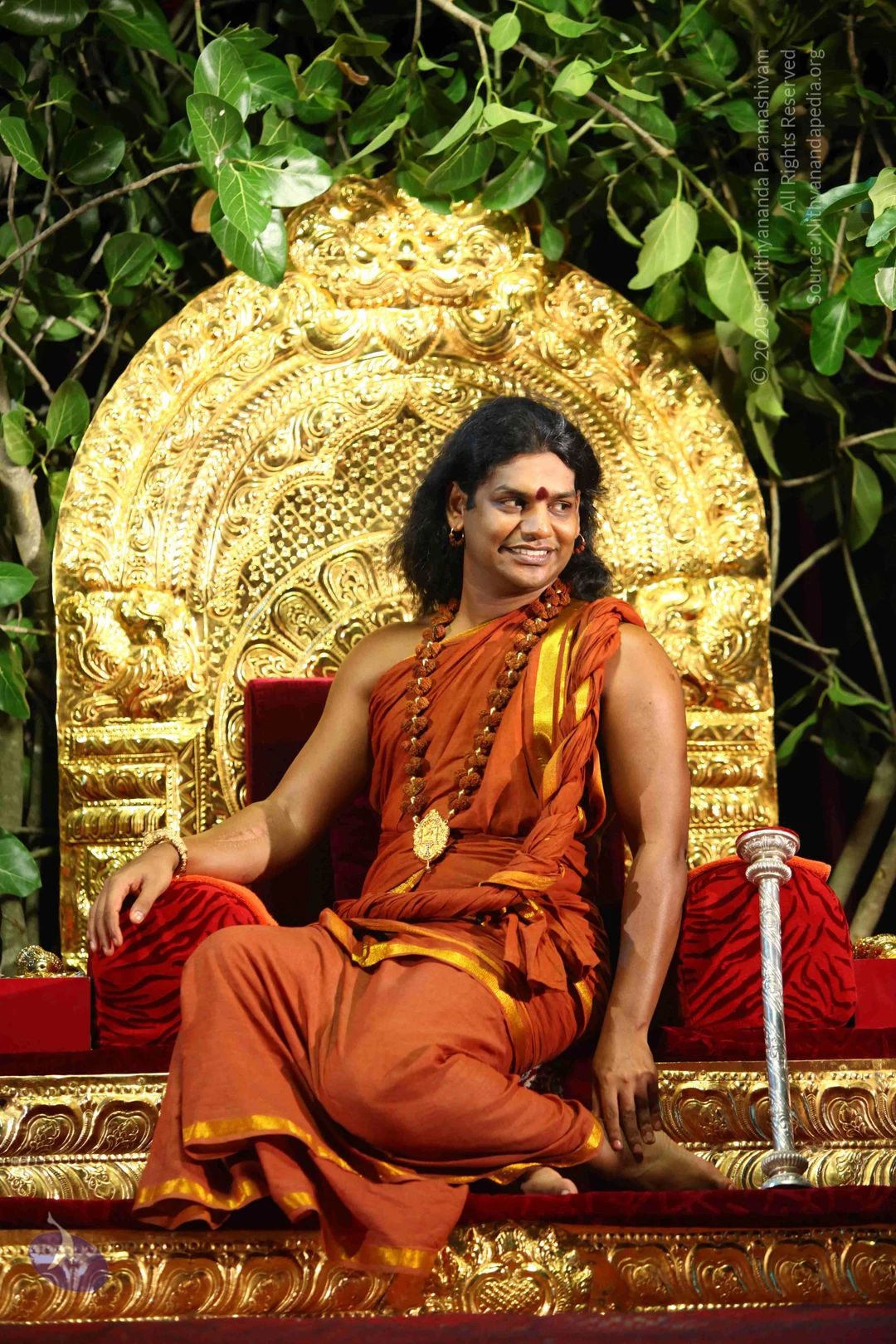
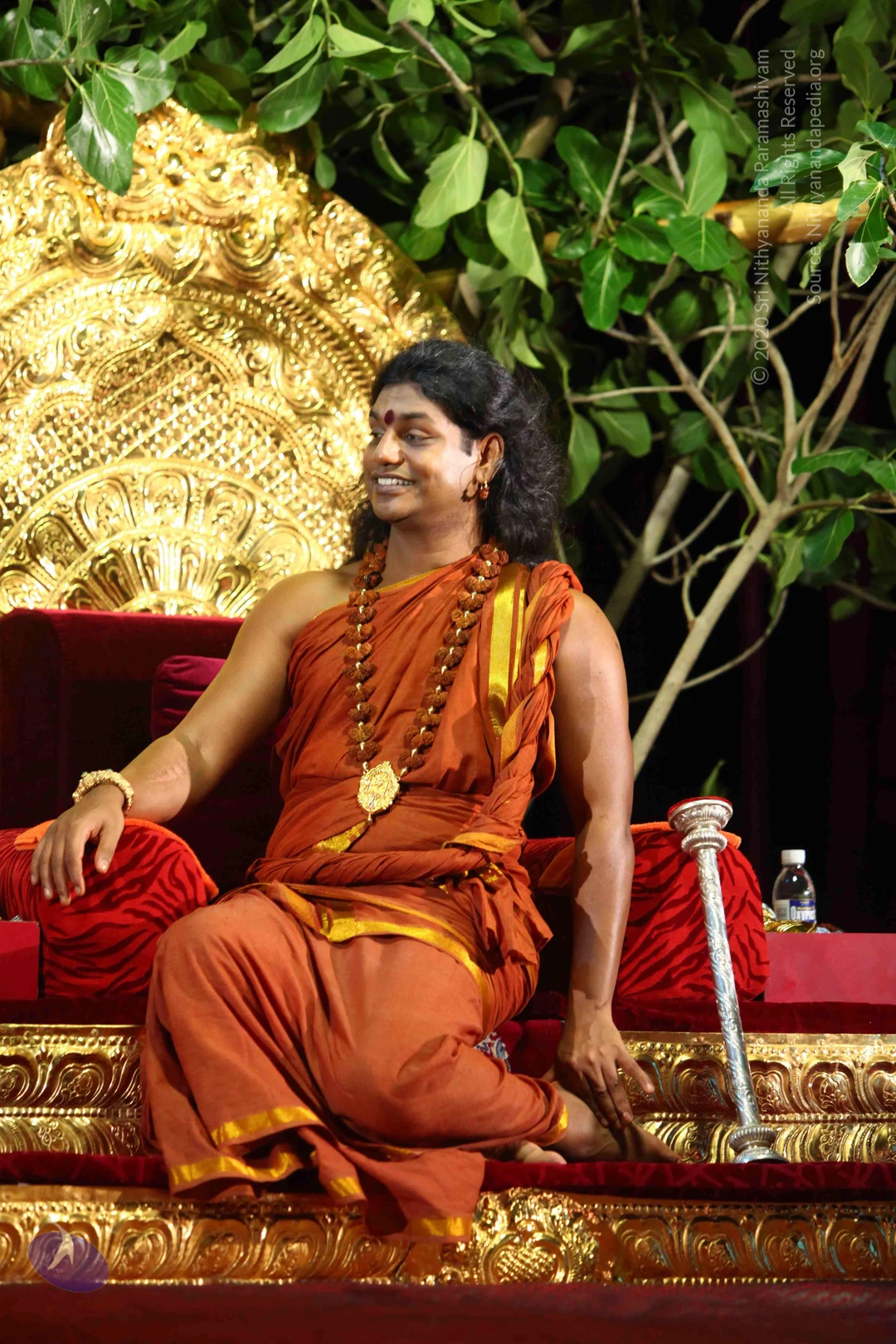
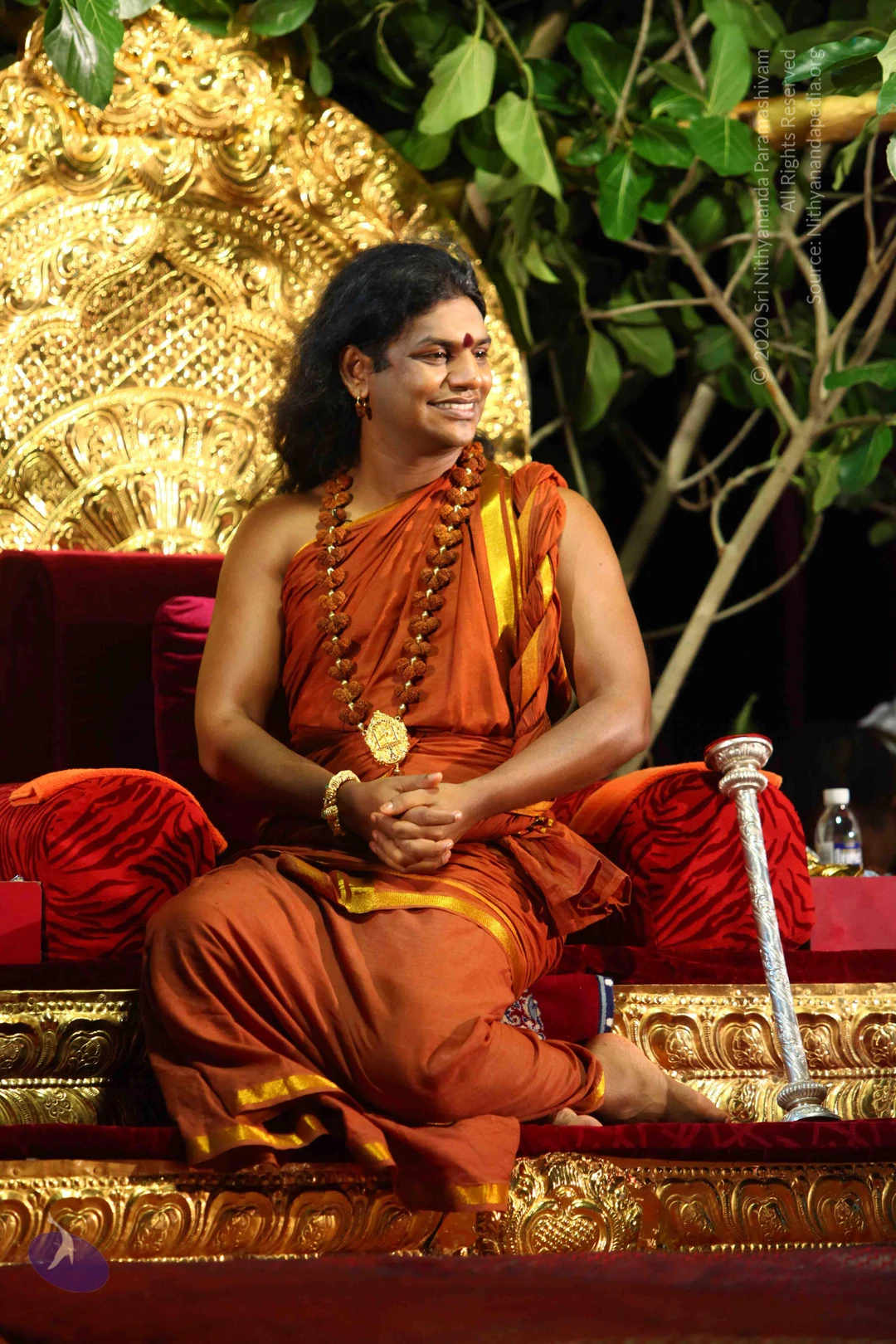


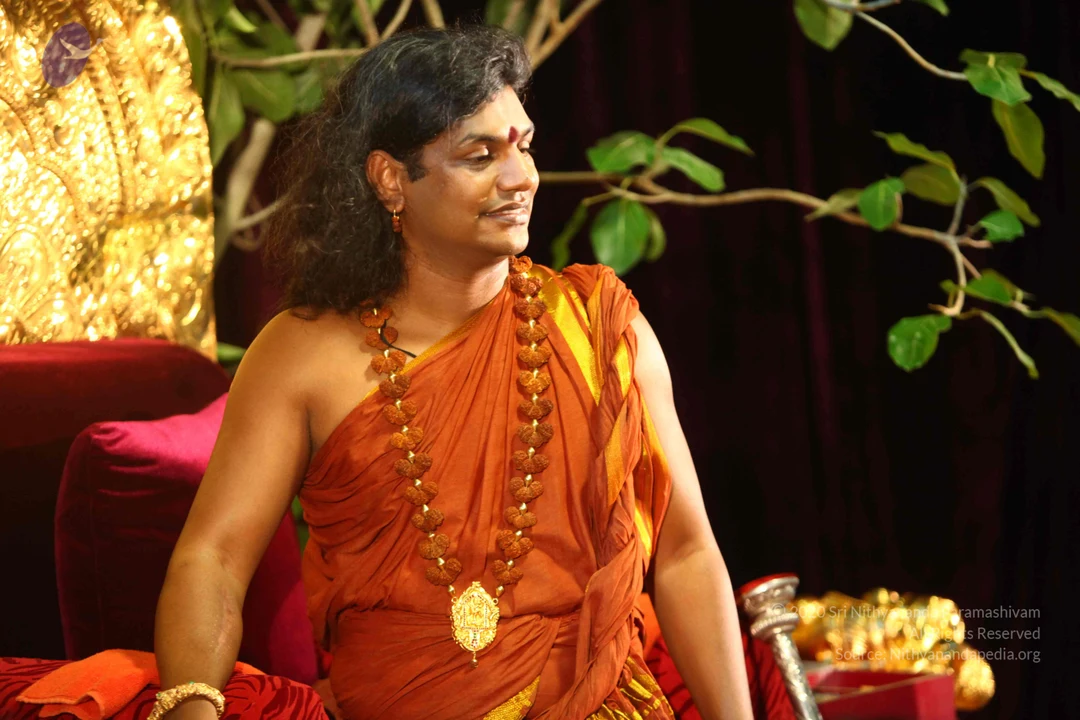
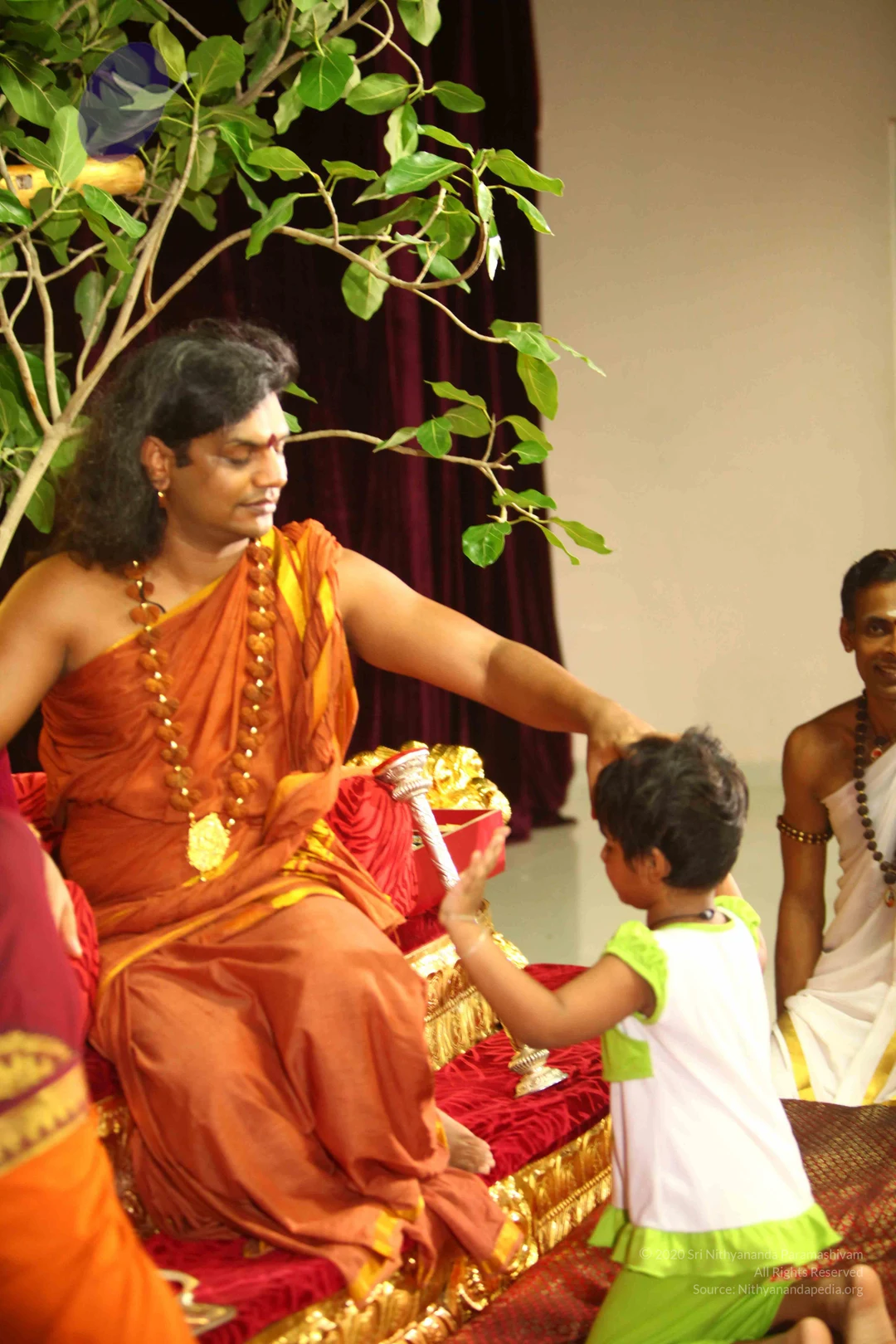

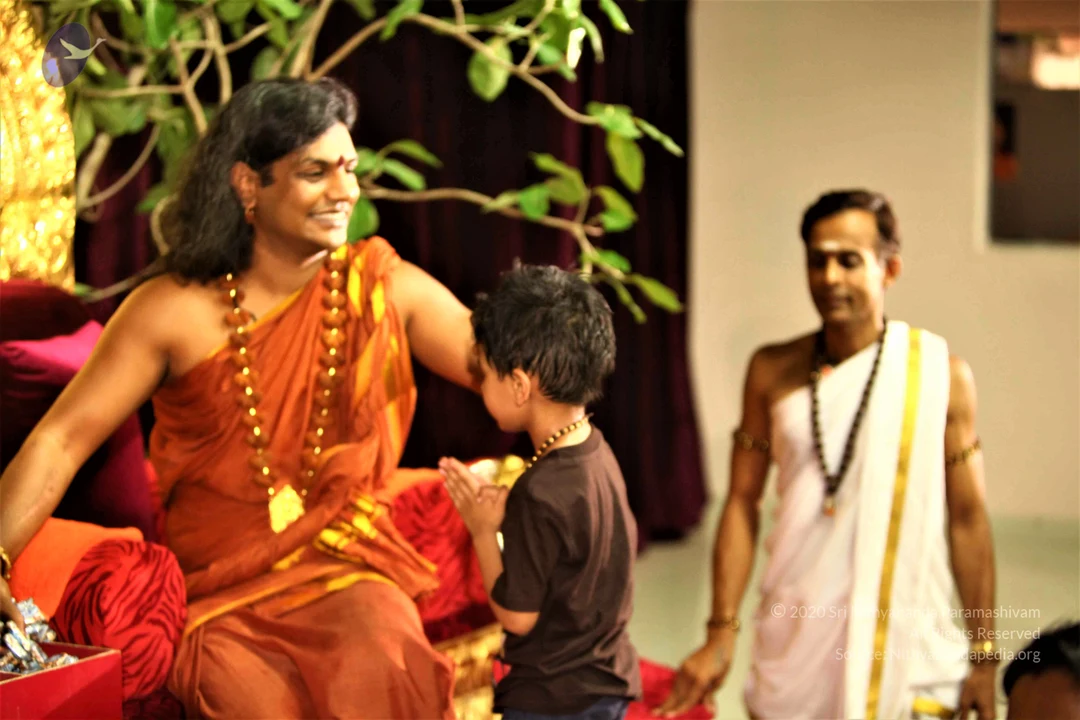
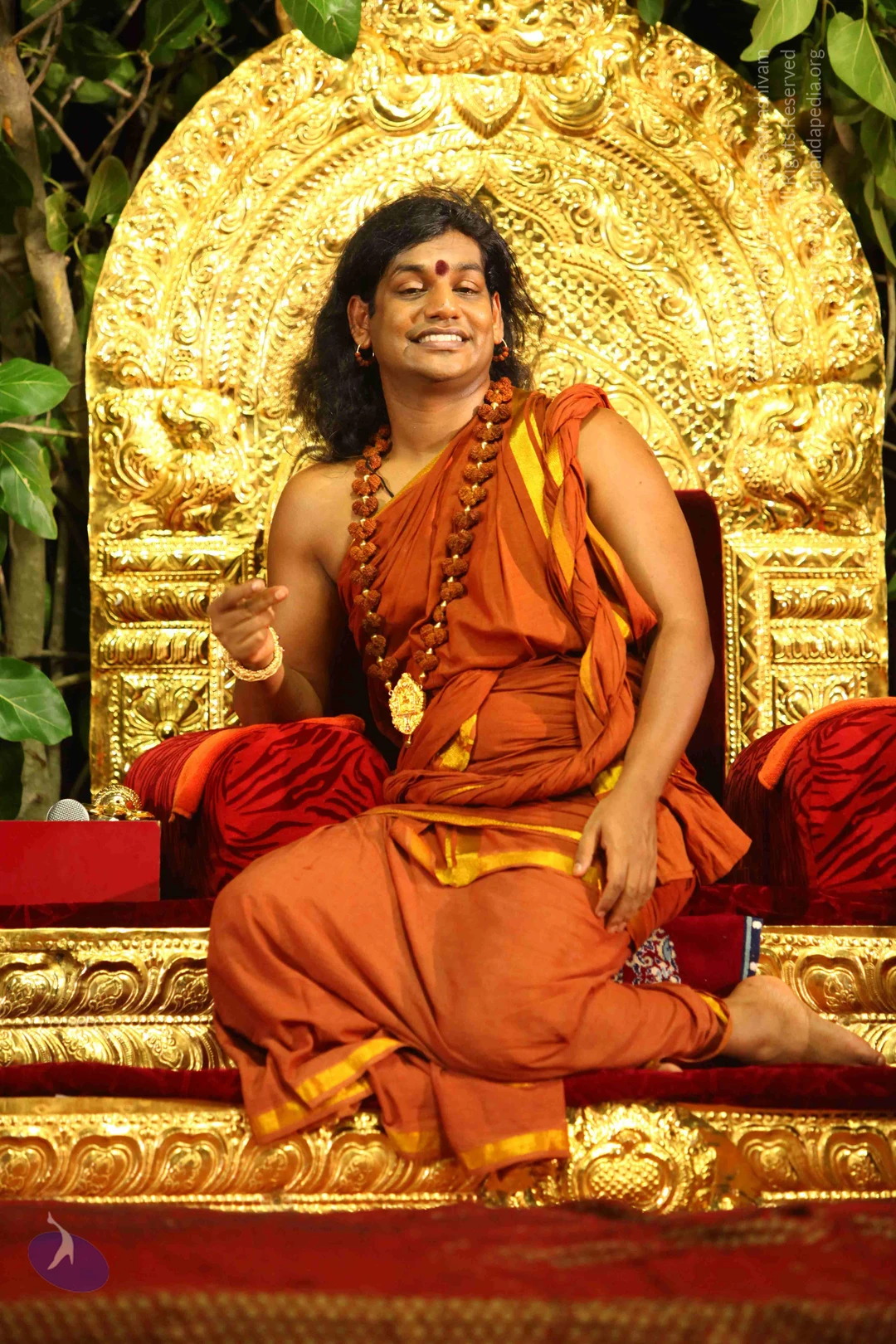
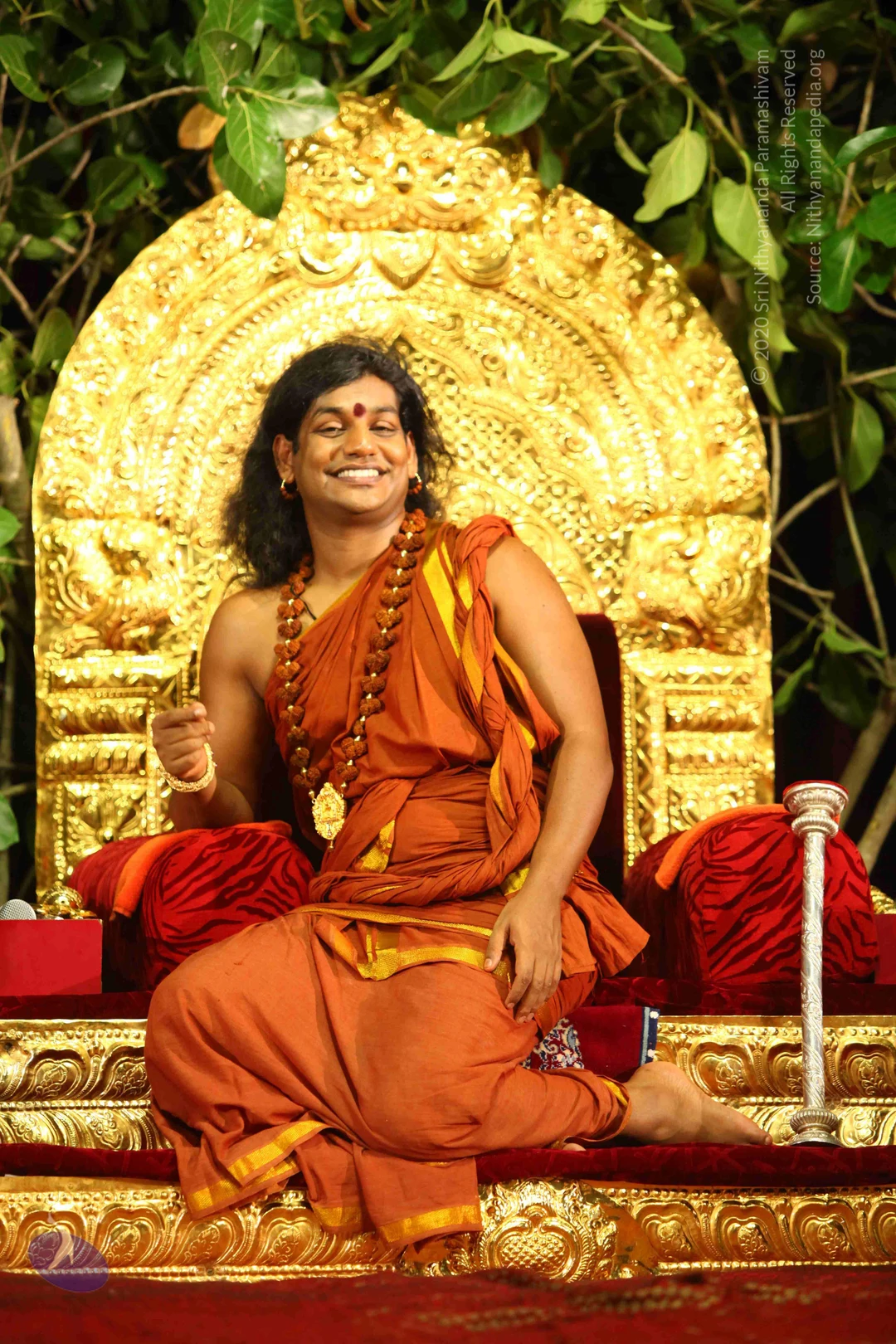
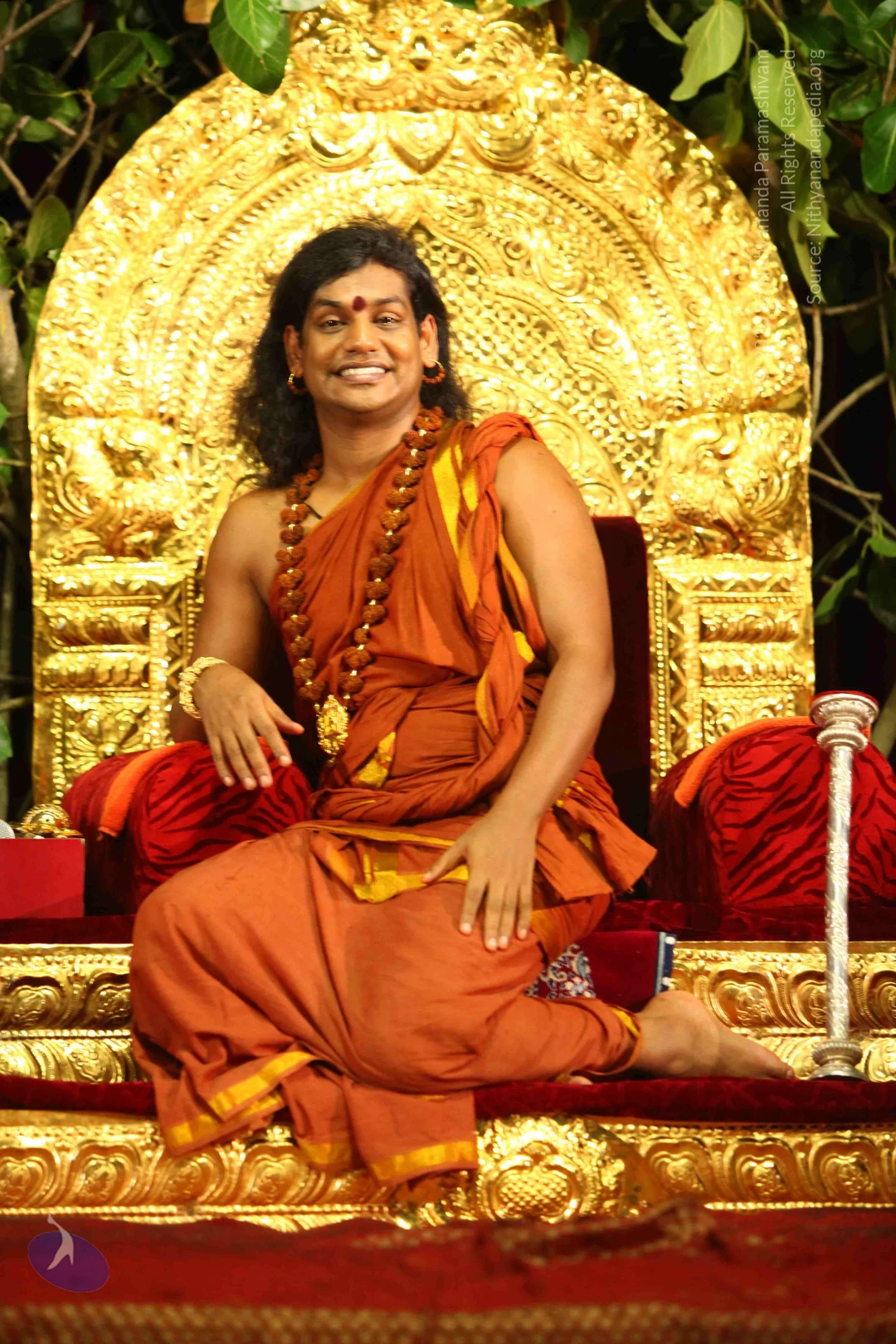
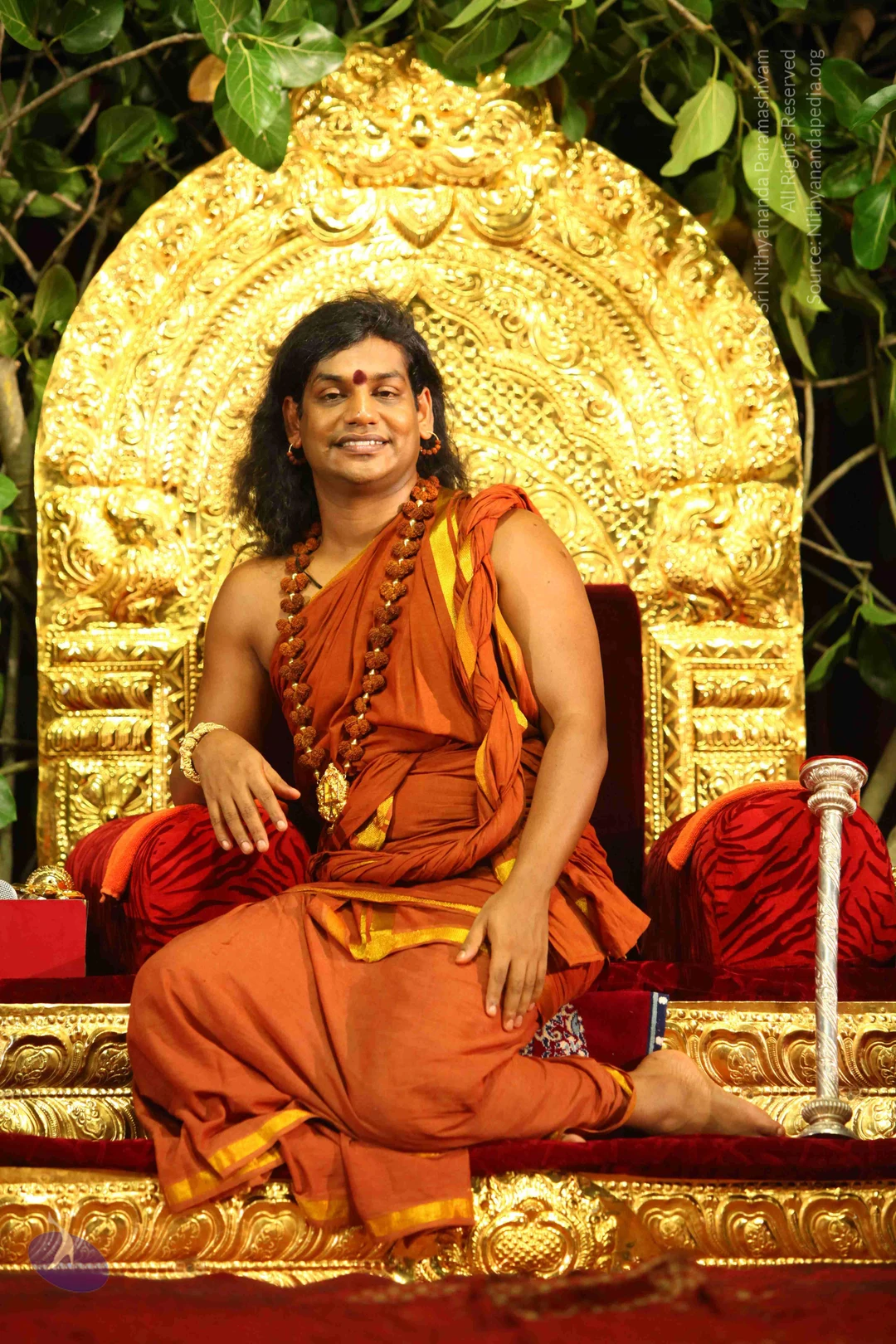
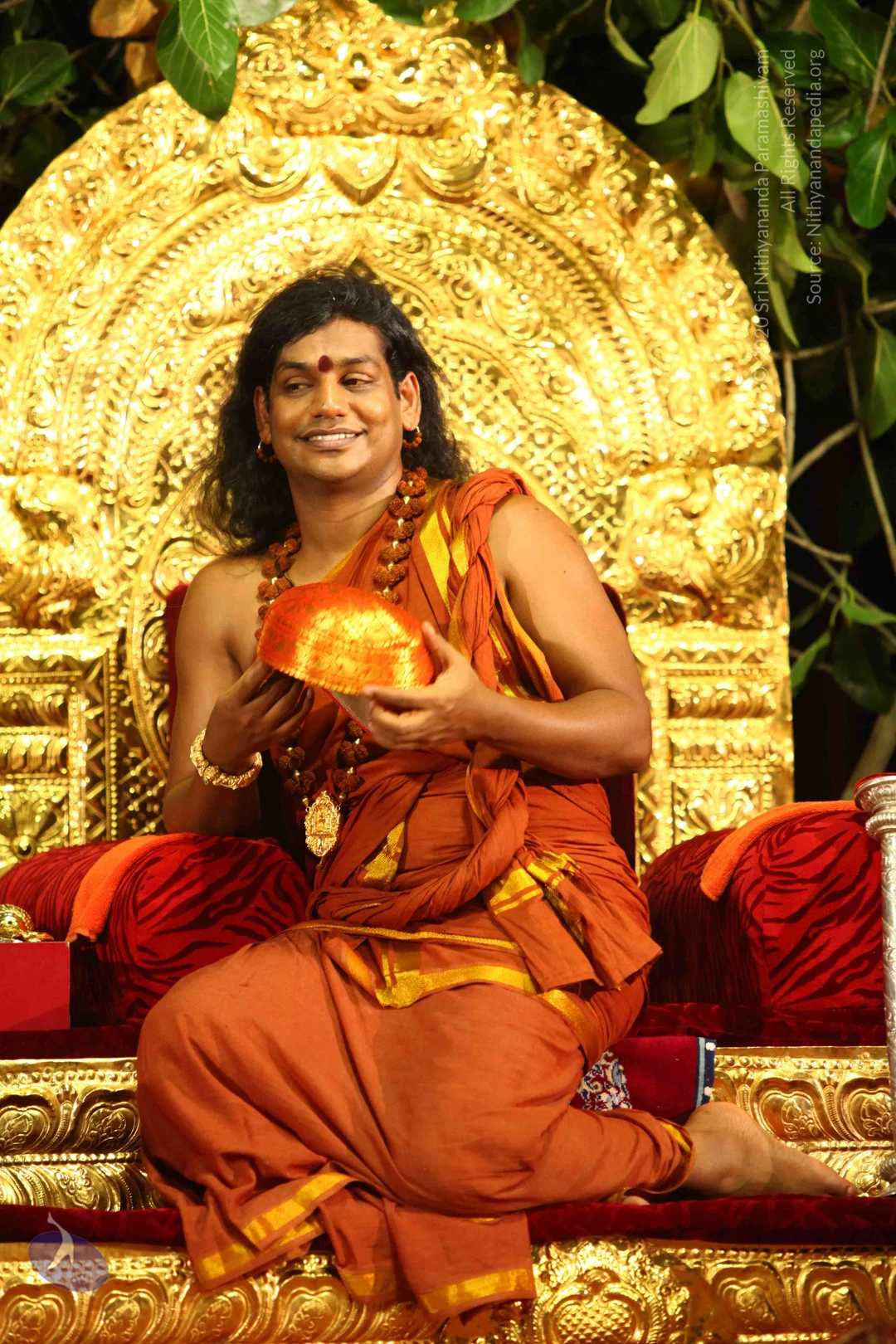
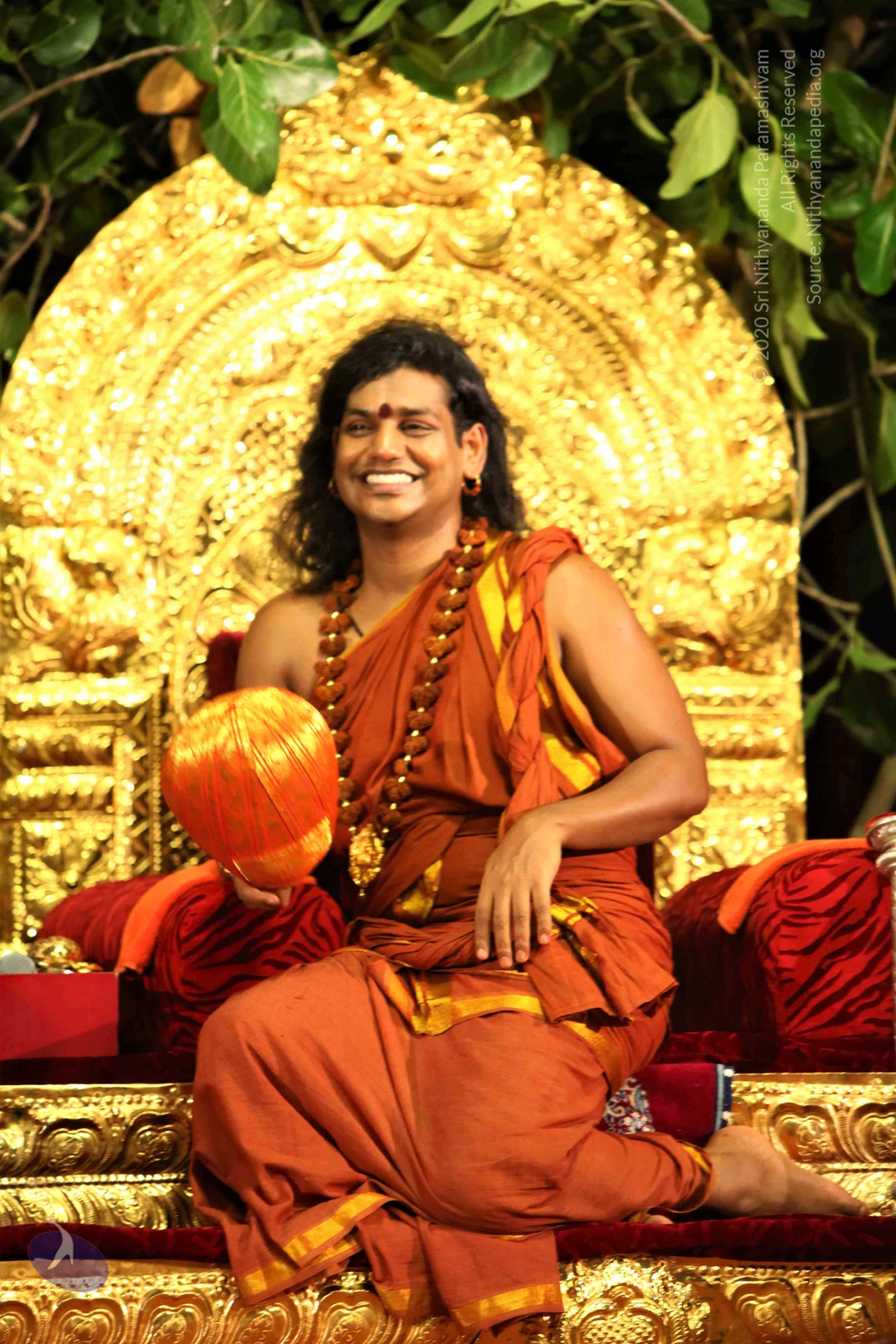
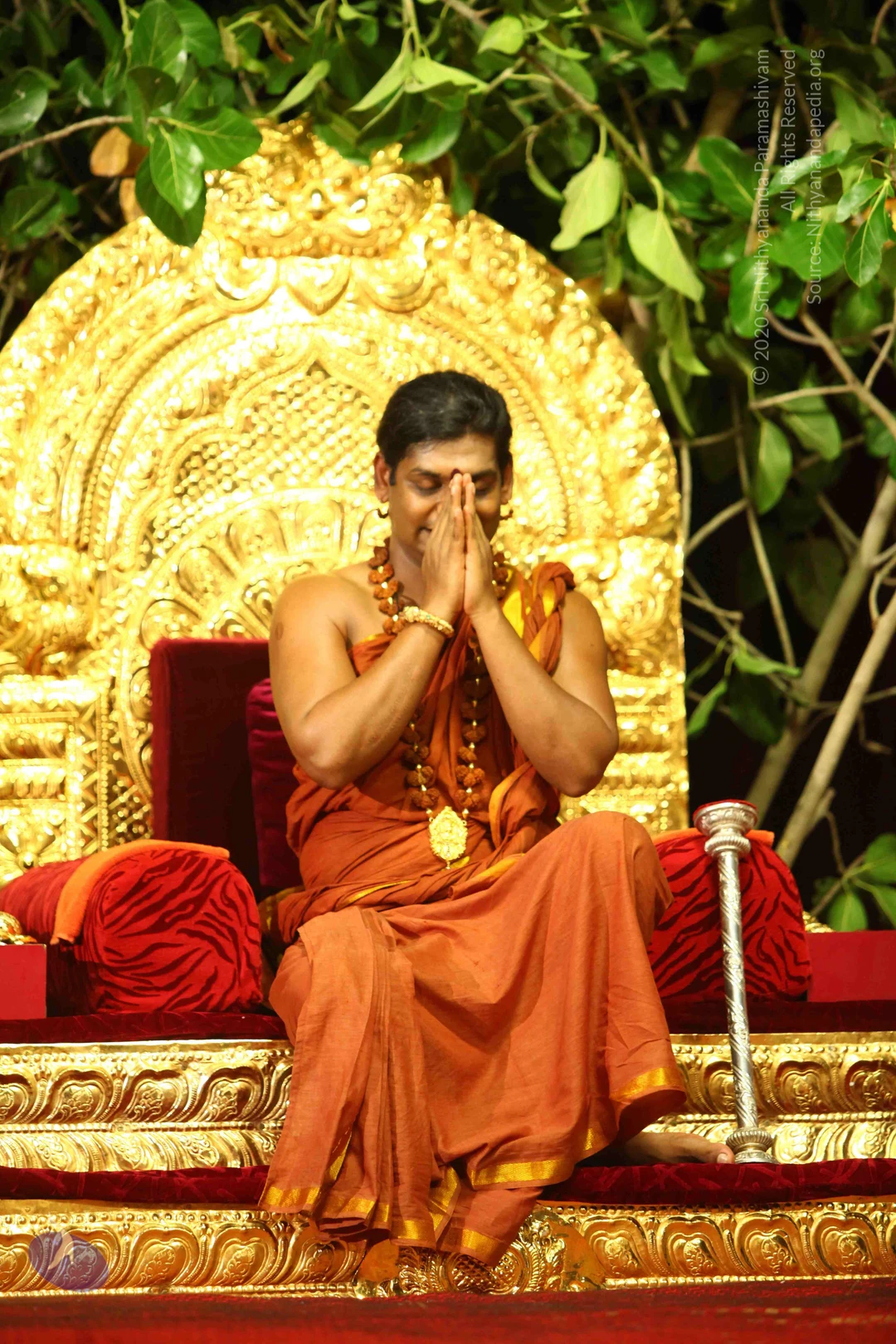
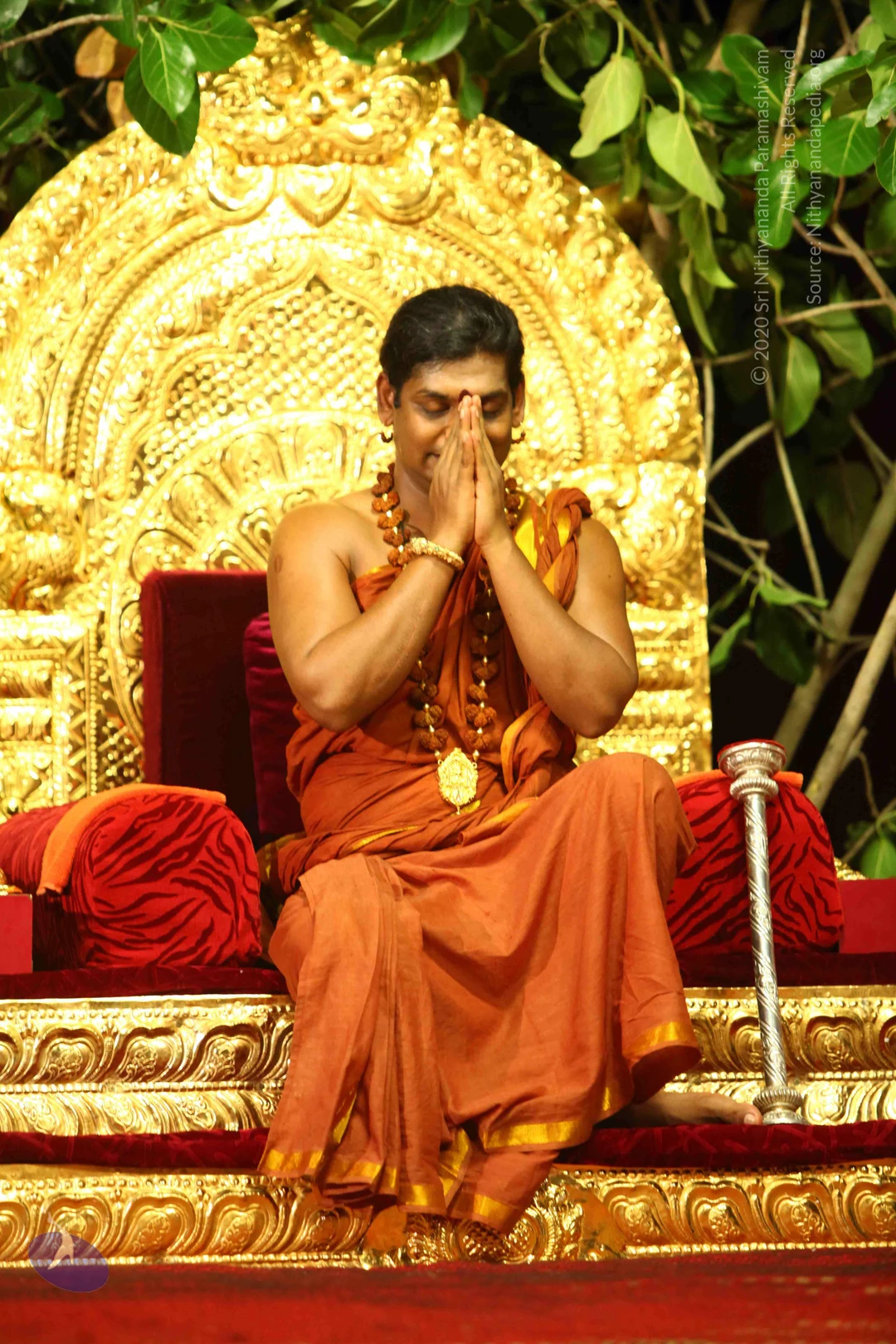
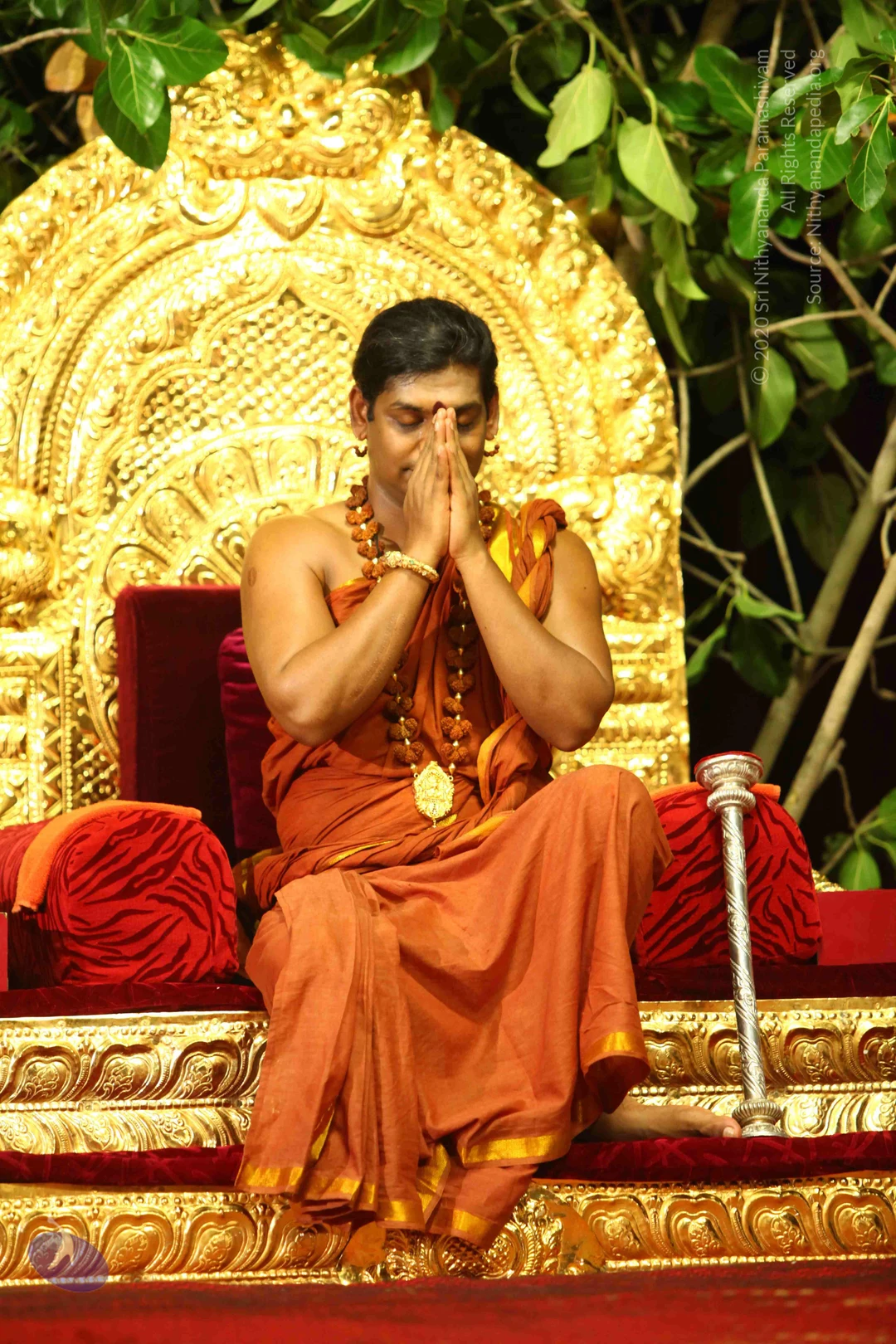
08-Receiving-Swamiji-At-TV-Malai
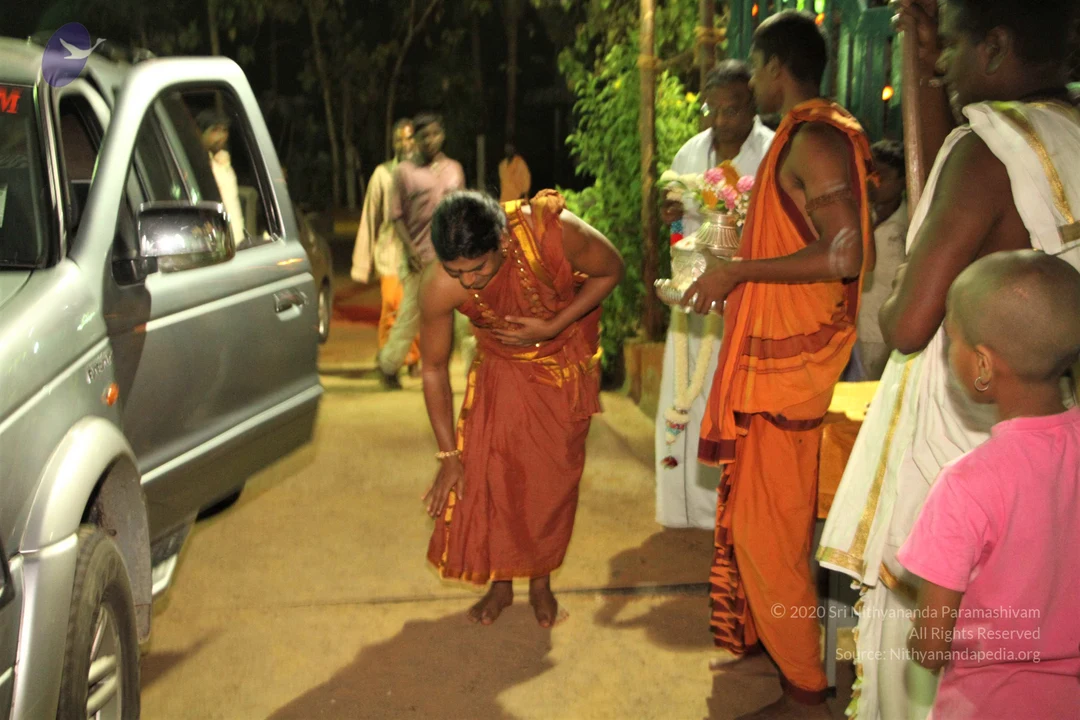
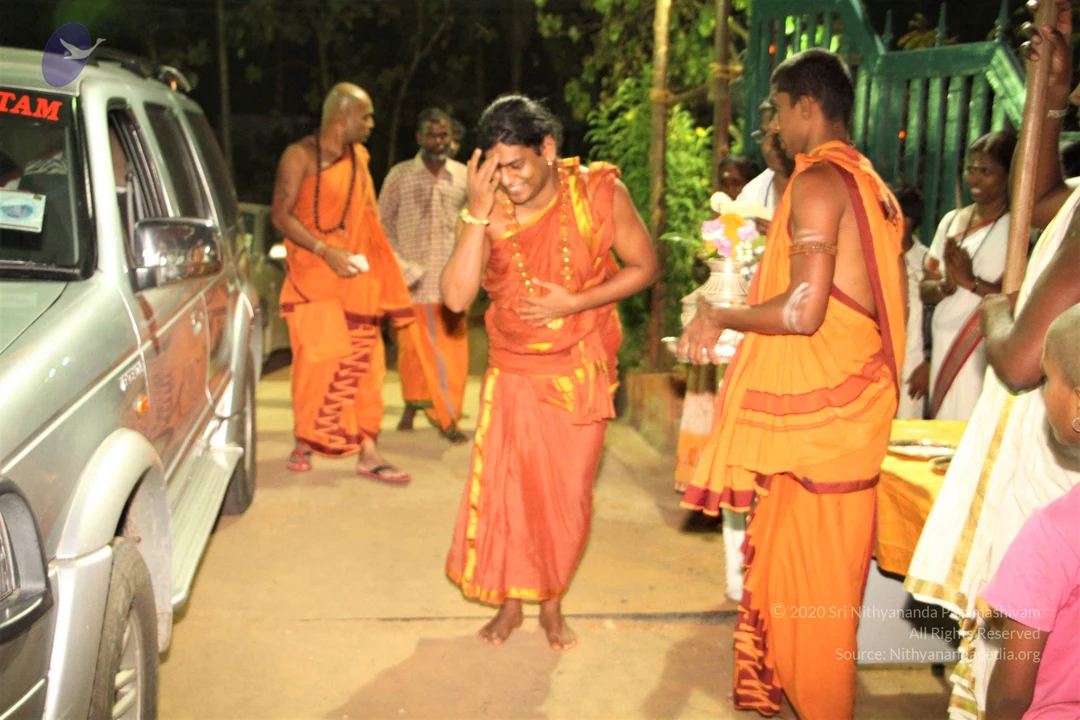
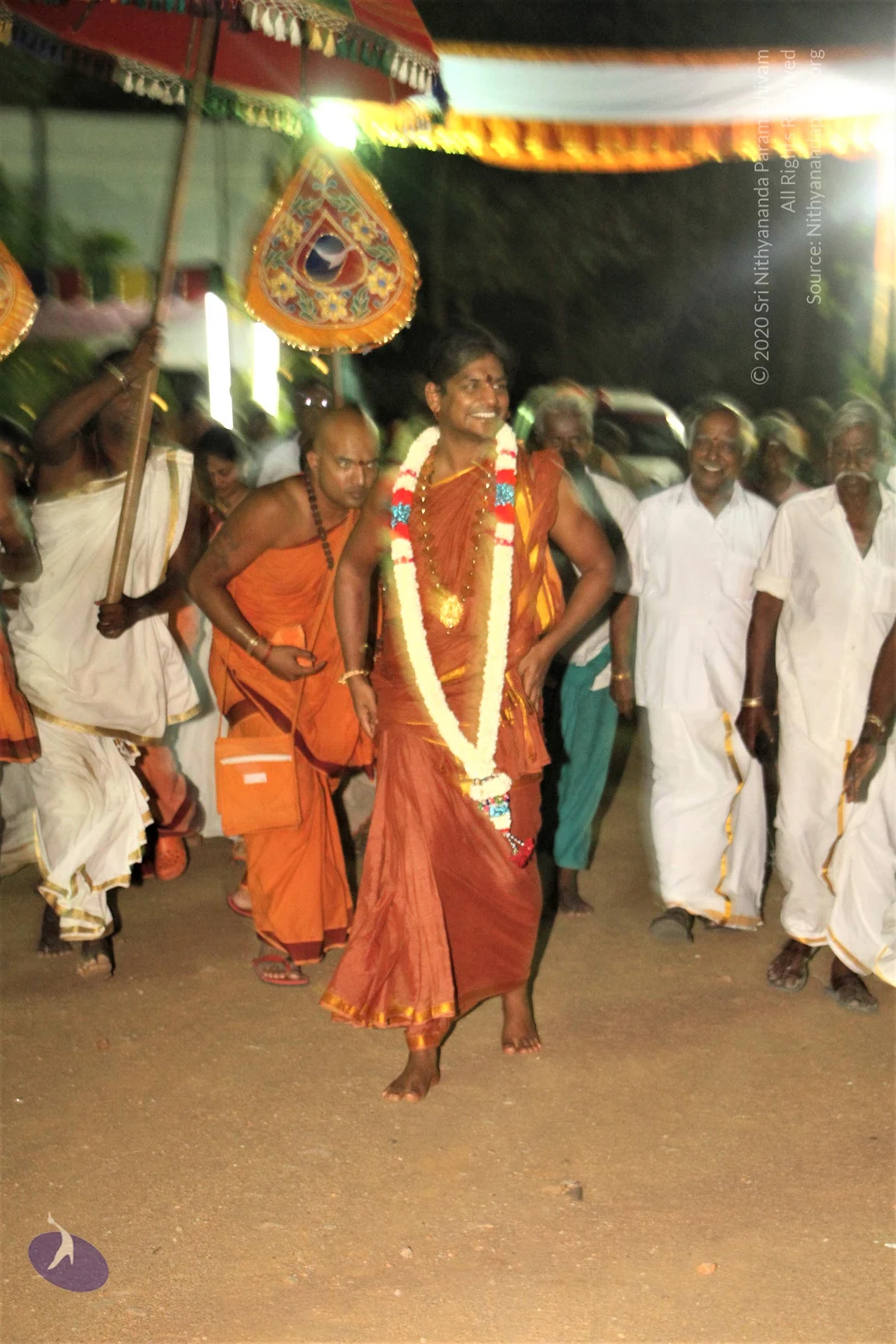
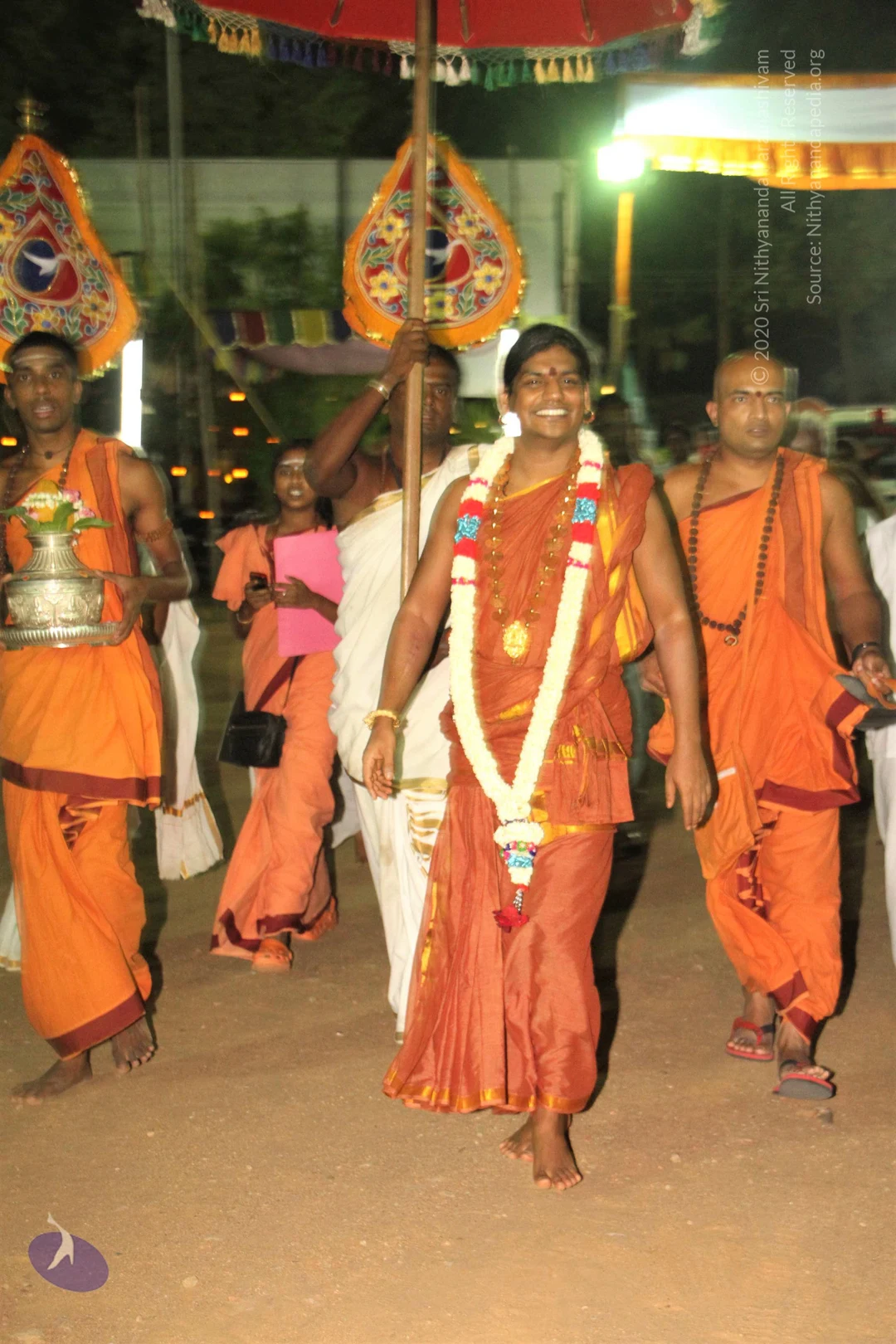
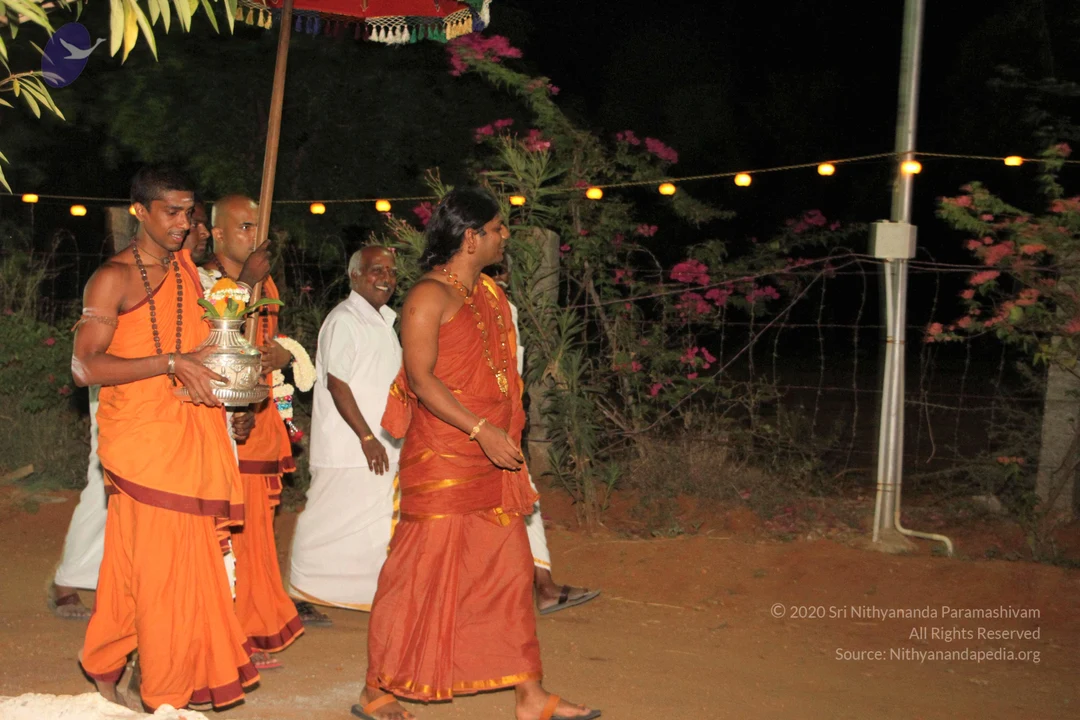
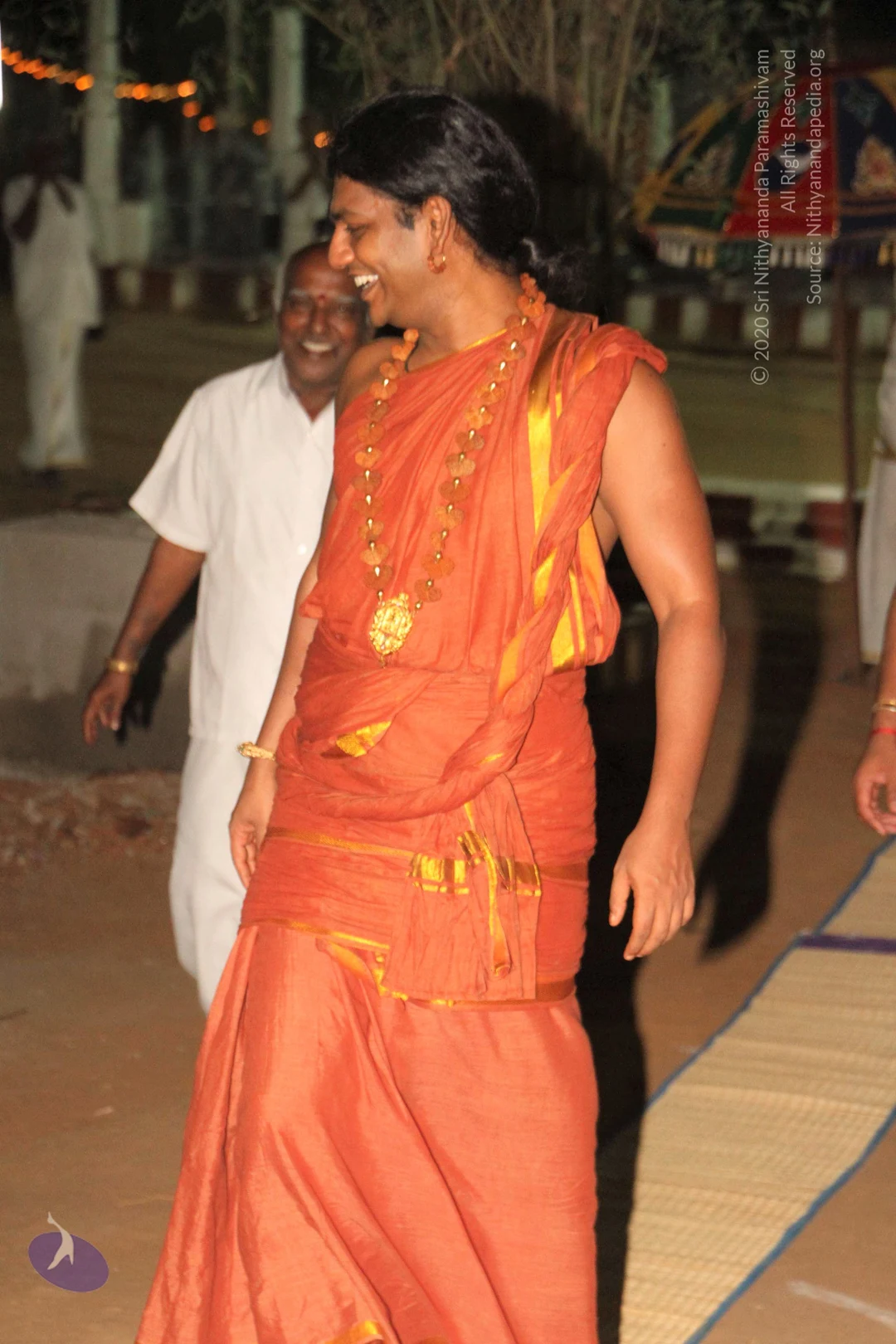
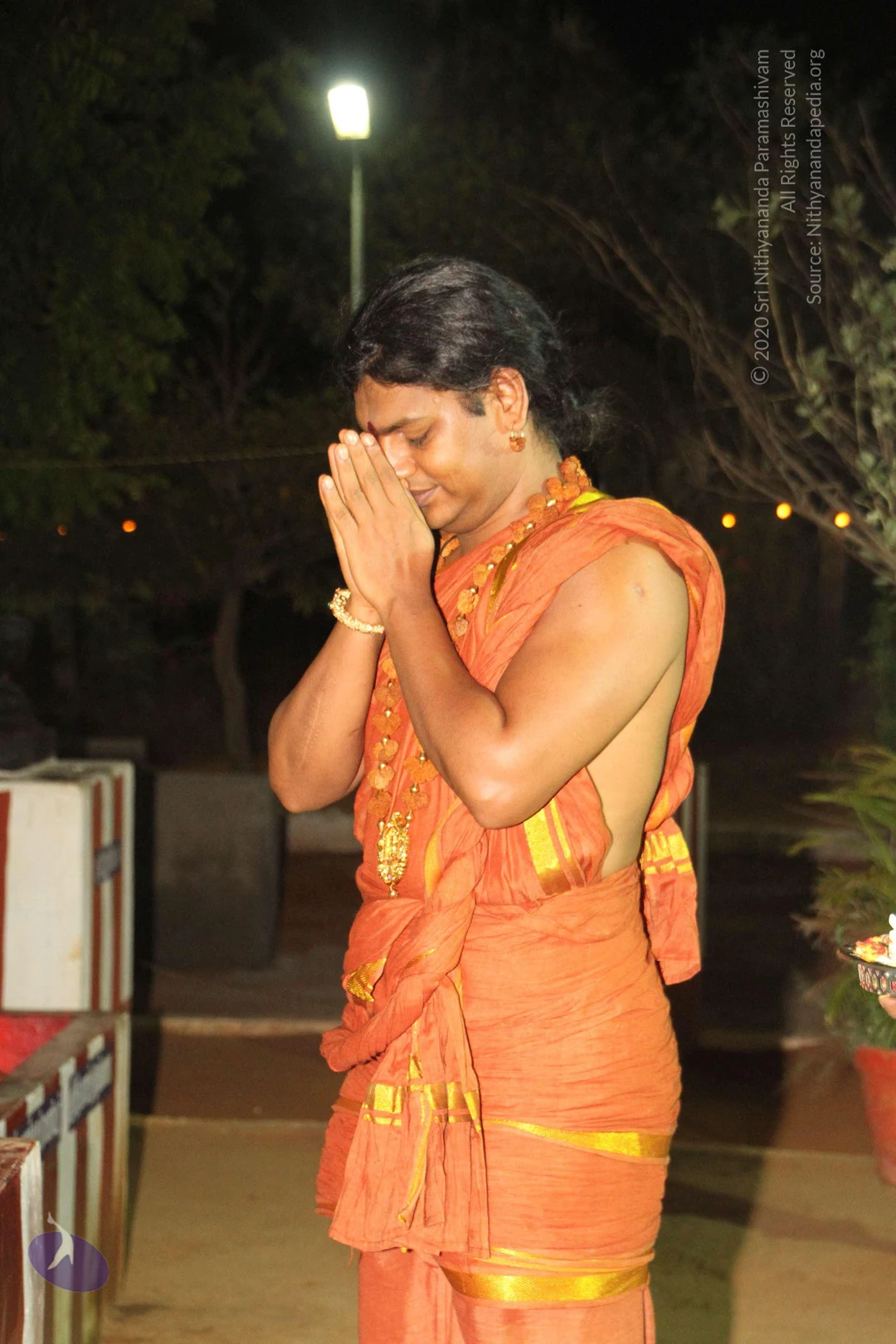
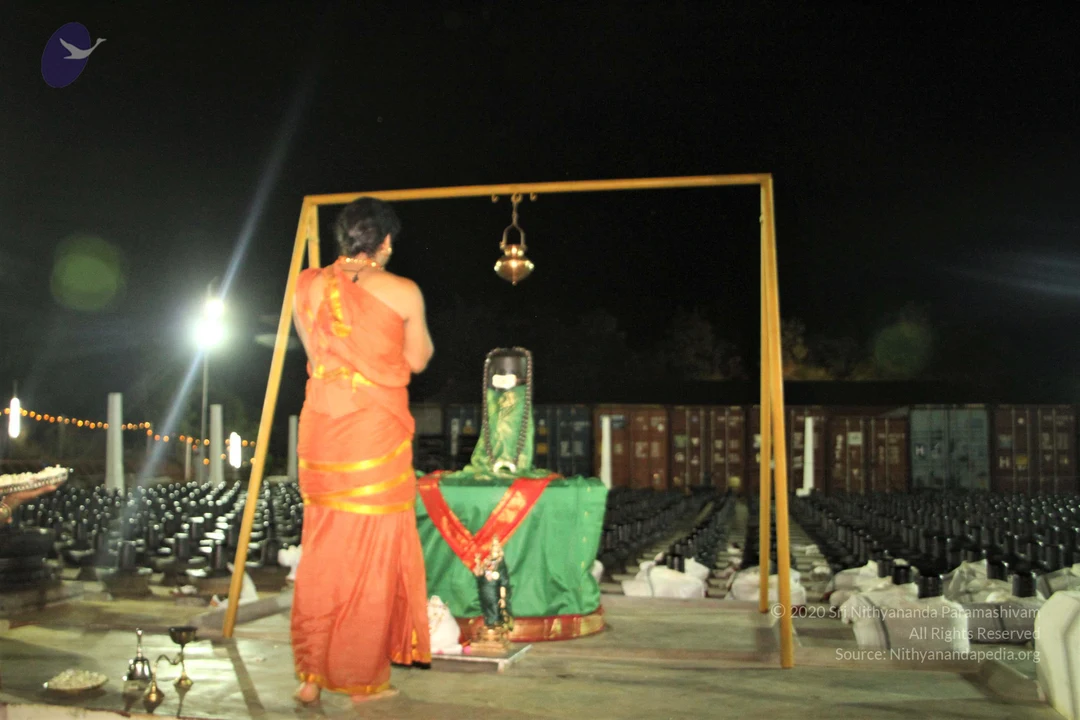
09-Darshan
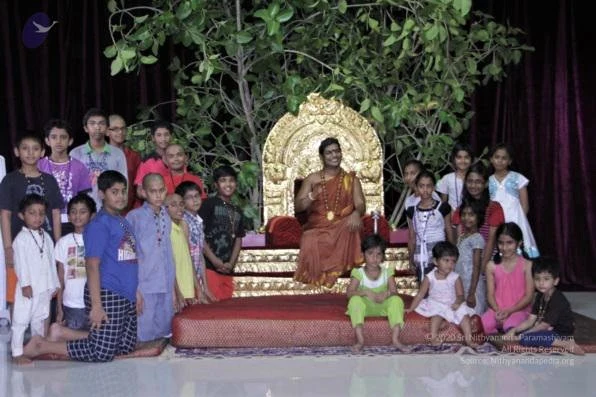
Photos from this day
View all 78 photosPhotos From The Day:
27 photosSource gallery
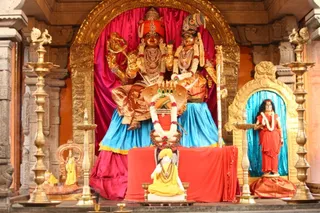
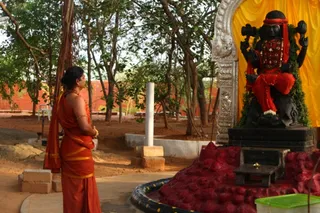
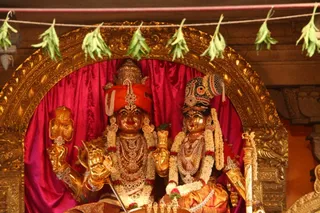
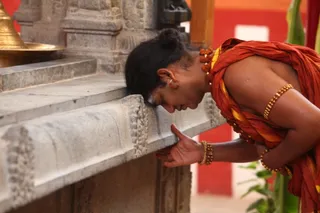
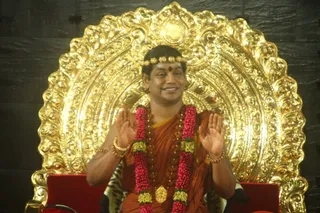
02-Pada-Puja
10 photosSource gallery
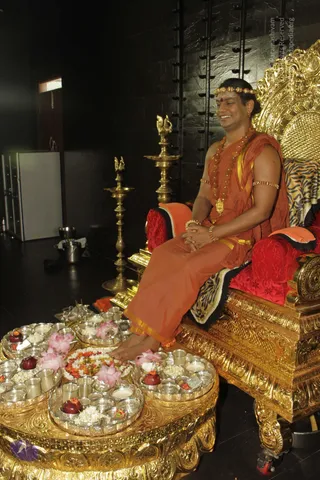
03-Satsang
2 photosSource gallery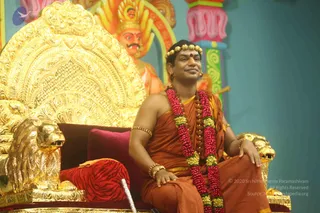
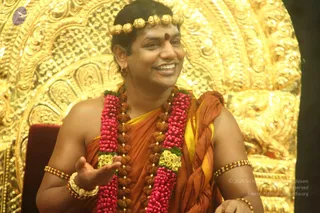
07-IA-Graduation
20 photosSource gallery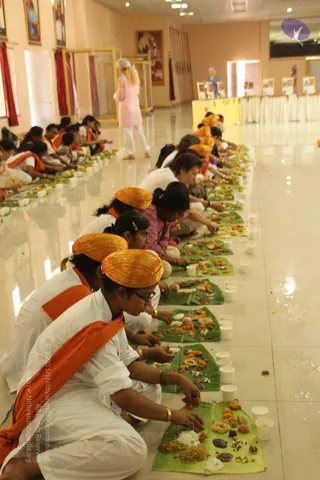
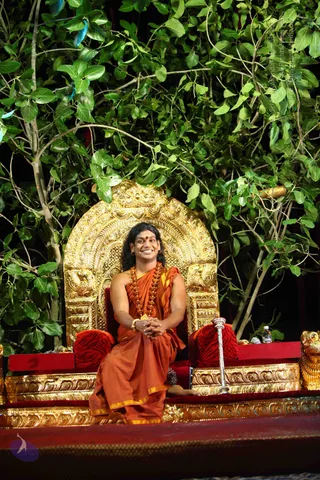
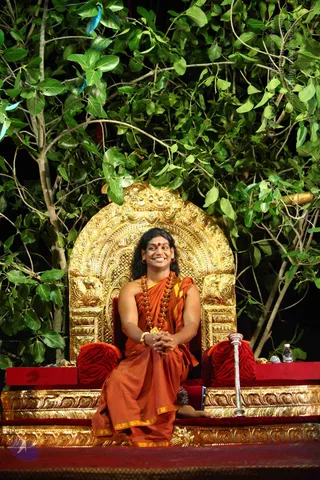
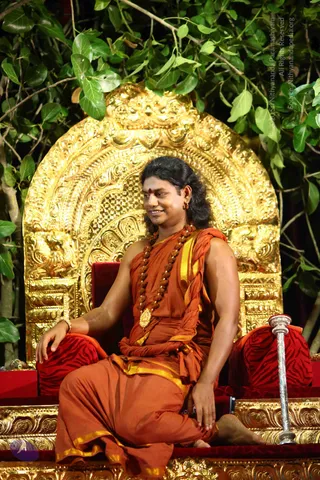
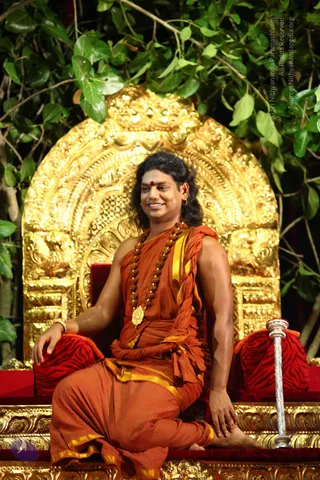
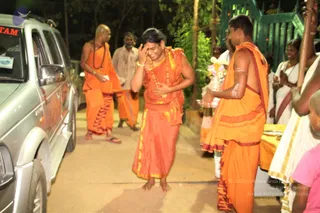
08-Receiving-Swamiji-At-TV-Malai
8 photosSource gallery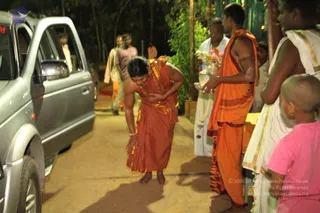
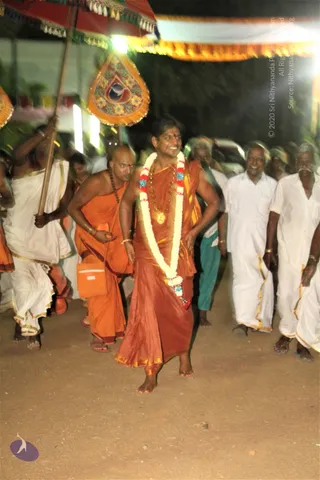
May 04 2012
11 photosView all