Wednesday
25 January 2012
THE SUPREME PONTIFF OF HINDUISM HDH BHAGAVAN NITHYANANDA PARAMASHIVAM
- Dated photos
- 14
- Source pages
- 1
- Media
- 2
January 25 2012
Original wiki pageTitle
THE SUPREME PONTIFF OF HINDUISM HDH BHAGAVAN NITHYANANDA PARAMASHIVAM
Description
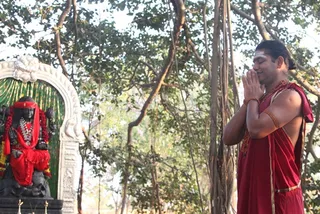
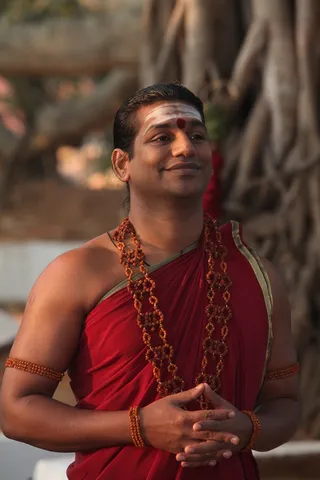
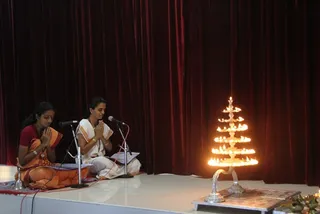
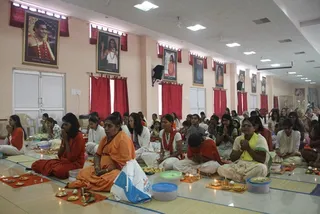
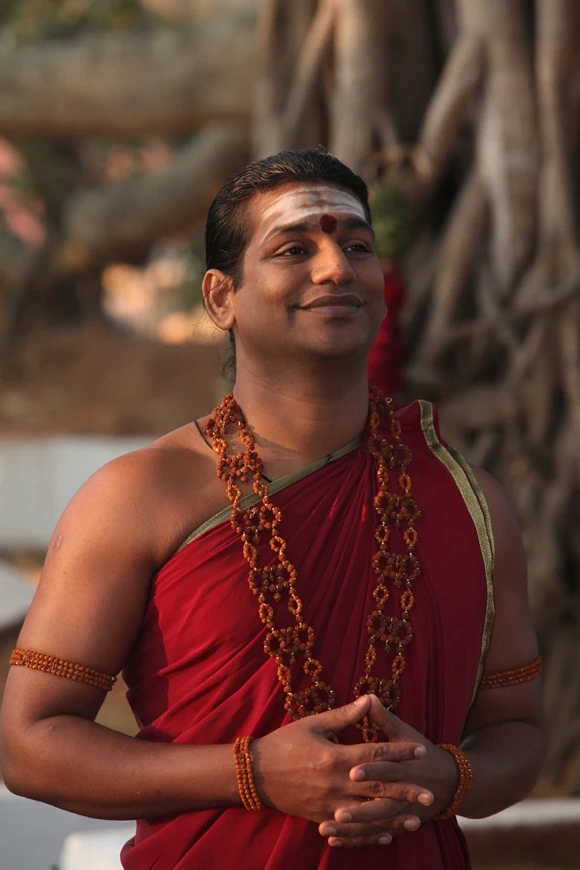
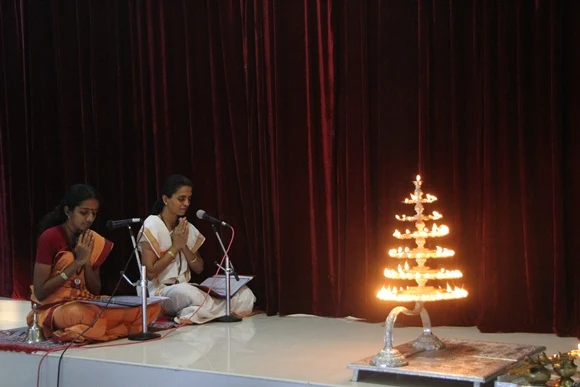
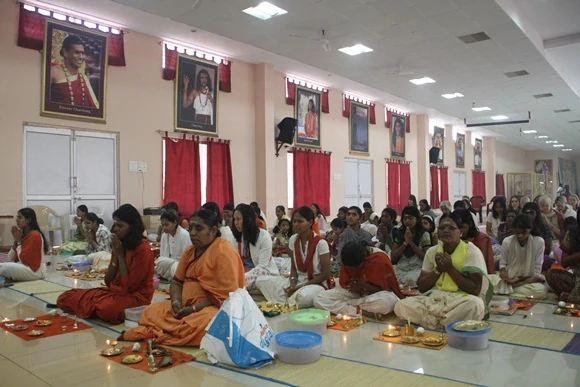
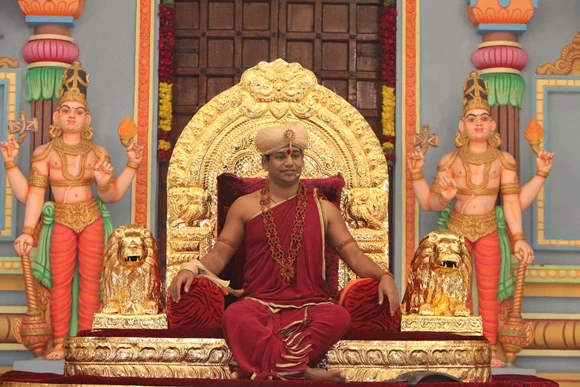
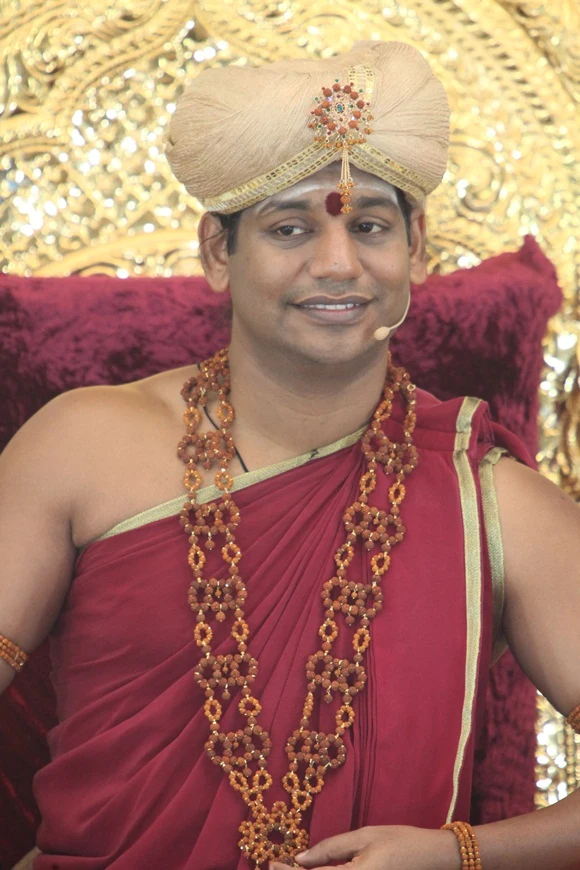
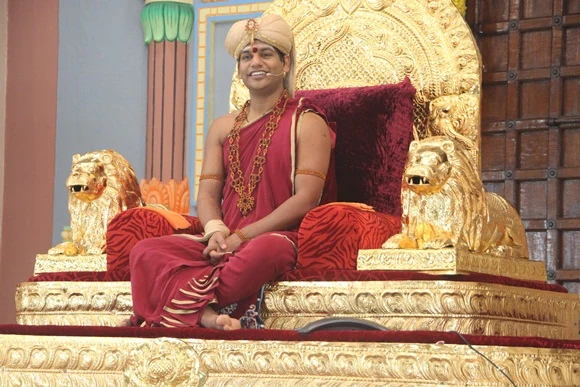
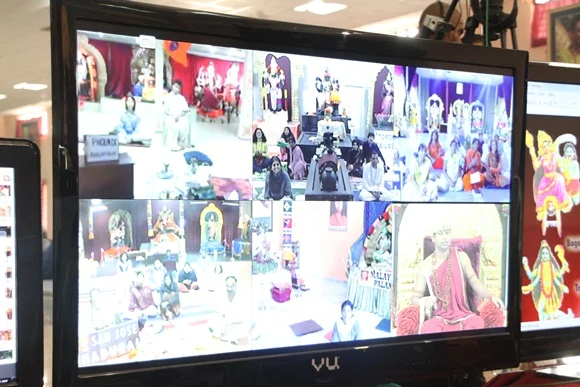
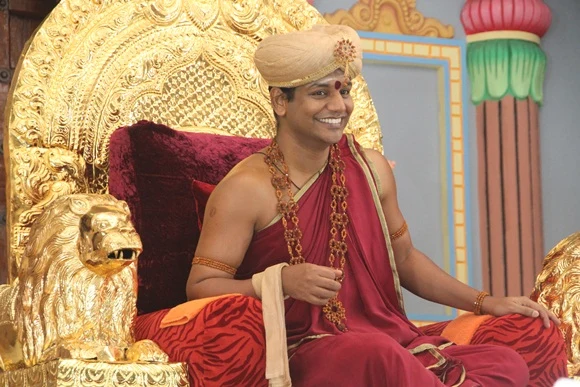
TALKS FROM MORNING SATSANG ON JAN 25 2012 AT BIDADI ASHRAM, INDIA Bhagavad Gita (Song of God) is a timeless treatise on the essence of living enlightenment. The Gita was imparted by the enlightened Hindu incarnation Sri Krishna to the warrior-prince Arjuna over 5000 years ago. Amazingly, the spiritual wisdom and life solutions offered in the Gita are so universal and current that even today it is used as a personal transformation guide. In today’s talk on Bhagavad Gita, Chapter 3, Verse 41, Paramahamsa Nithyananda enjoins us to examine our highest purpose in life. When we are clear within ourselves and with those around us what we want to accomplish during our time on Planet Earth, each of us can offer and receive support for our visions. Even if we don’t agree with the stated mission of another, we can renounce our judgments and criticisms and simply hold our peace. Open sharing of our intentions and ideals creates vibrancy and enthusiasm in the sangha, the community. We become mitra, universal friends.
Video and Audio - BG Jan 25th 2012
| Video | Audio |
Transcript
Wednesday, January 25, 2012
Bhagavad Gita Karma Yoga, chapter 3, 41st verse –
“tasmat tvam indriyany adau niyamya bharatarsabha papmanam prajahi hy enam jnana-vijnana-nasanam |”
“Therefore, O powerful descendant of Bharata! You subdue the power of the senses and renounce this wicked urge desire which destroys the consciousness and discrimination”
The technical working in this whole verse – renounce. Renouncing means understanding and executing by realizing certain object or action or thought pattern is not conducive for the fulfillment of the mission they have taken. The responsibility they have assumed. For the sake of your larger vision, mission & responsibility, giving up your whims and fancies and lose way of thinking and acting is renunciation.
Next technical term – consciousness – the pure perception of you which is the reflection of the pure cosmos is consciousness.
Discrimination – the intelligence with which you understand your higher purpose, things which will support or disturb your higher purpose is discrimination.
Wicked urge – the thoughts which are making you forget the higher vision, larger mission of your life, making you take short term decisions is wicked urge. I can say non-discrimination is wicked urge.
So let me now define all the technical terms. Renounce, wicked urge, consciousness, discrimination is described. The sacred secret verse from this verse is –
Bhagavan says subdue the power of senses and renounce this wicked urge. One of the biggest problems with this wicked urge is it destroys and does not make you understand the largest purpose of your life. …
If you are committing wrong actions, your discrimination is destroyed. If you are living as lazy bum, 3rd rate irresponsible donkey, not taking responsibility, your very consciousness is destroyed. Your very consciousness is covered with dust. Not assuming responsibility, not taking up the role you need to play in the life is equally criminal, crime like doing wrong things. Doing wrong things in the life, losing the discrimination is equivalent to the non-responsibility of life. It is like not taking responsibility means what? You are just afraid of life. You don’t do anything. you don’t get involved at all. Not having discrimination means what just doing all wrong things. Both are equally criminal. Bhagavan is very clearly making it here in this sutra. Wicked urge – the electric signals which goes into your system and makes you lose the purpose of your very existence and over turns your whole thinking flow. See it is like a 20 hours you think, plan, properly develop your life spiritually by going to the right place and doing everything. By evening 11 o clock something happens to you and your wicked urge comes up all your spiritual planning, action everything goes into the air. And the wicked urge goes so strongly in your system. You lose the whole purpose of existence and life mess with your life and somebody else’s also.
Let me define the wicked urge. Wicked urge is the strong signal that goes into your system and over throws the very purpose with which you are living your life. Over throws the very understanding with which you are pulling your life. First not to be affected by the wicked urge, you need to define what is the purpose of your life, why are you breathing? Why you need not put your head on the railway track?
All the fellows should sit first with yourself. describe your life’s purpose, vision, mission to yourself then after you are very clear, gather a santha meeting let everybody describe their life’s purpose, vision, mission to the whole Sangha. Understand here nobody can interfere with other’s purpose. All of you should come up with your own mission. Nobody has right to teach another person his live’s purpose. Structuring has no right to tell a person what his mission should be. They should only support a person fulfill his purpose. Today you should sit and pen down what is the purpose of your life, of your existence. Tomorrow each group should describe why they are alive and each one should take a vow, I will support this person to fulfill his life’s mission in whatever way I can. When I cannot, I will move out, I will keep quiet. But I will not disturb. Please understand, person who takes the decision to support in your life’s mission or vision is Mitra – friend. Buddha says the future sangha should be with tremendous friendliness. Now it is time each person understands his vision clearly to himself and expresses clearly to Sangha. If you have some other vision and express something else, then Sangha will support only what you express only. Then it will be constantly pulling and pushing for you only. If you said you want to go to North and actually wanted to go to South, then Sangha will be pulling you to north and you cannot then tell no, no I want to go to south! I tell you you have to be really really very clear. All you guys have to take this step. Maybe I will speak about this elaborately tomorrow also because I am not sure all our extended Sangha is seeing this like our branch ashrams, temples, all over the world. all Ananda samjis, satsangis should sit and discuss your life’s vision and support each other in whatever way you can. Whether you want to create a spiritual ambience, business partner, or life partner, I have no problem. Be honest to your vision and mission and express honestly to the sangha. I can tell you – others help if you can, if not move out. I think anybody who is clear about his life’s purpose should be supported only hypocrisy should not be supported. Hypocrisy is the cancer that needs to be destroyed. No vision is wrong. If somebody wants to marry 20k women, be soaked in brandy whisky and does not want to come to consciousness, who are we to judge right or wrong? Nobody has the right to judge. But the vision has to be clear. So if someone says this we can tell we cannot support you. But if somebody has something else inside and is expressing something else outside, then not only the hypocrisy even the person has to be destroyed. Just to destroy the hypocrisy, Devi takes the form of Dhoomavathy. Dhooma means smoke – the smoke that covers the consciousness. When you see hypocrisy you should become Dhoomavathy. Dhoomavathy is described as Devi who sits with long hair and pulls the tongue out and hits the head.
Today this is the home work for all of you – sit and describe your own purpose. It can even be 5 or 6 – this, this, this and last if possible even enlightenment also. it can be nothing wrong. And after describing your life’s purpose, vision, the whole Sangha should sit and discuss including volunteers and staff. See it is like a some staff may be having a problem which is worthy of few hundred rupee. Because it cannot be described, they are suffering, struggling with it. but one person or Sangha can fulfill just like that. or it maybe just one blessing from Swamiji. Who knows. The whole problem may disappear. SO first everyone should understand their vision and mission in life. Describe it elaborately and sit with the whole sangha and describe it to the whole sangha so that sangha can help each other to fulfill their live’s vision, their lifes’ mission. And not only that, because you also describe to the whole sangha, you also feel more connected to the whole sangha.
Let you guys start this homework today and tomorrow you should complete this. I wanted all our sangha – temple, ashrams branches, with Adheenamites, With staff, with volunteer – three groups do it. because only when they understand their own vision and mission, they will even understand what is wicked urge, what is not aligned with their mission. So you should sit and work with the vision statement and mission statement. Naturally you will receive so much of help and support from everybody. I tell you if you are very clear about your vision, life’s purpose and people around you are all very clear about yoru life’s purpose, and friendly. Now I give order to the whole sangha, friendliness is the base material with which you will support each other’s life mission. Either you support or if you cant just keep quiet. Understand if you have this kind of ambience that is heaven. But hypocrisy should be dealt like Dhoomavati. If some fellow is describing his vision as something and has something else, then you should be Dhoomavati and Bhagala Mukhi. If you are honest then be like Raja Rajeshwari and Bhuvaneshwari. Having the right understanding of your vision and mission, not having hypocrisy and expressing it, and having a friendly community who will support it is heaven. That’s all.
Photos
Enriching Materials
Tags
Bhagavad Gita, Paramahamsa Nithyananda, examine, purpose, life, clear, accomplish, time, Planet Earth, receive, support, visions, mission, criticism, peace, sharing, intentions, ideals, enthusiasm, community, universal,
Photos from this day
View all 14 photos