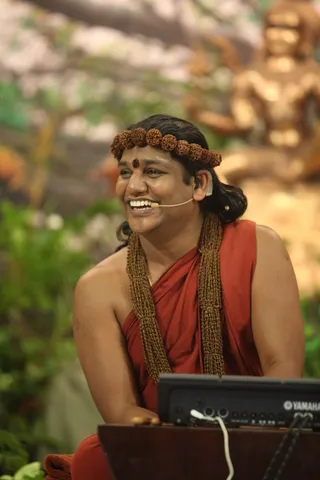
Sunday
25 January 2015
Upanishads - The True Source of Living
- Dated photos
- 103
- Source pages
- 1
- Media
- 6
January 25 2015
Original wiki pageTitle
Upanishads - The True Source of Living
Description
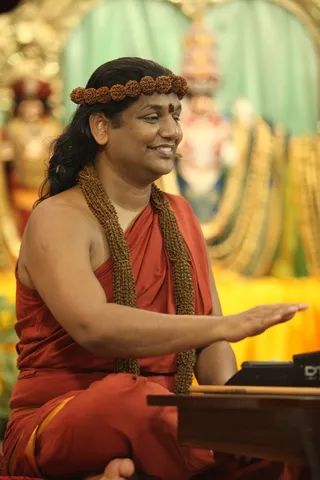
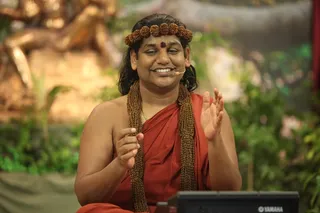
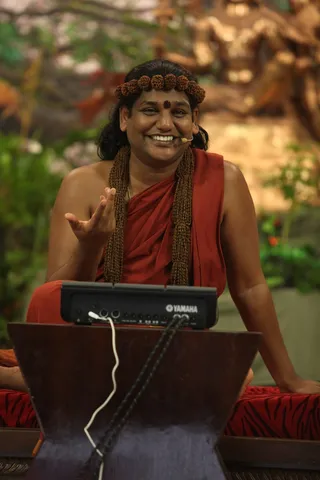
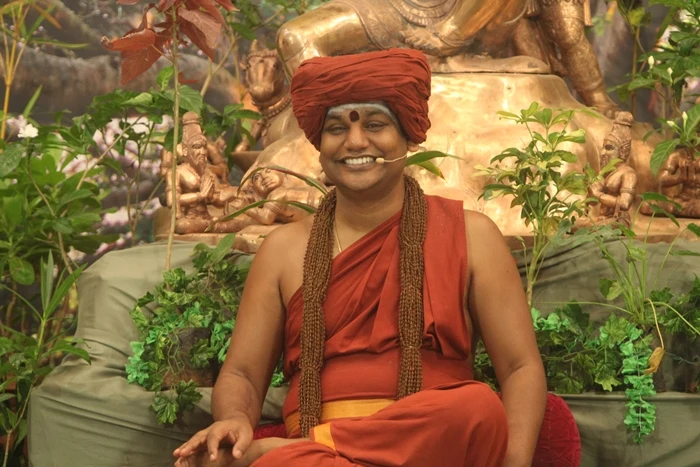
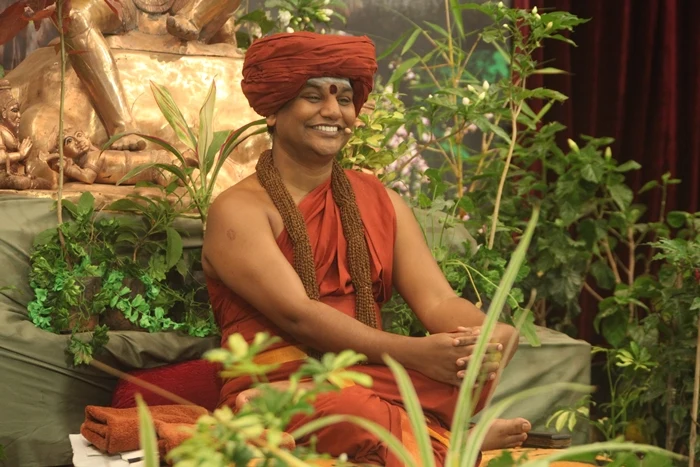
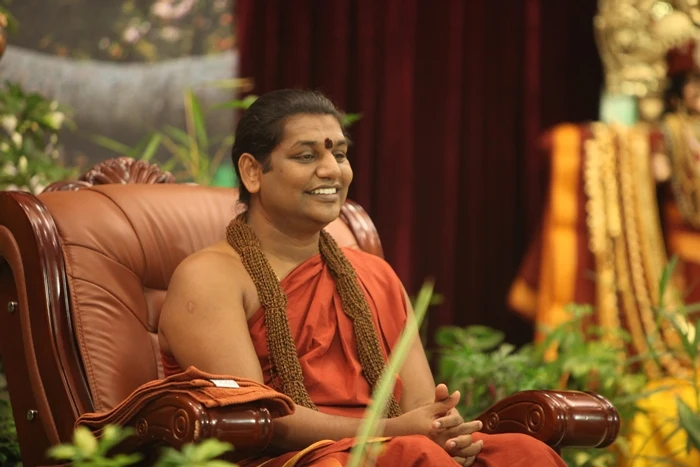
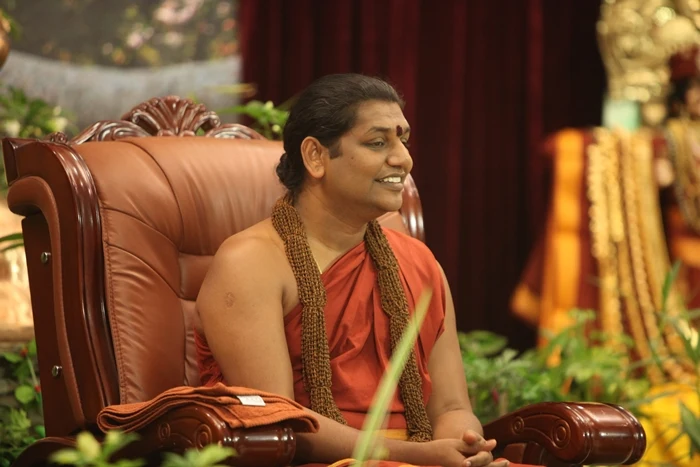
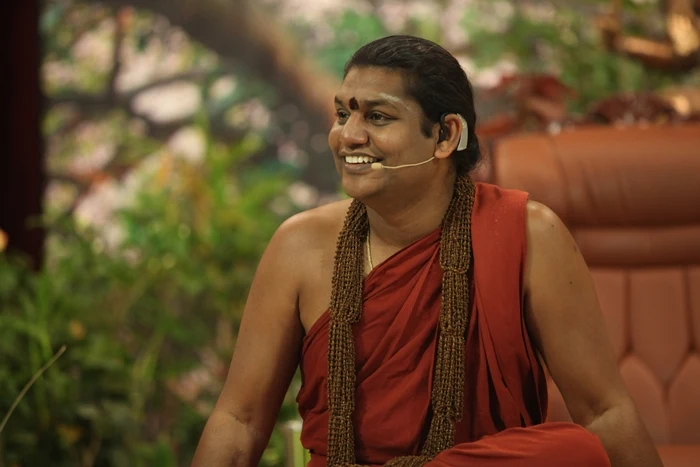
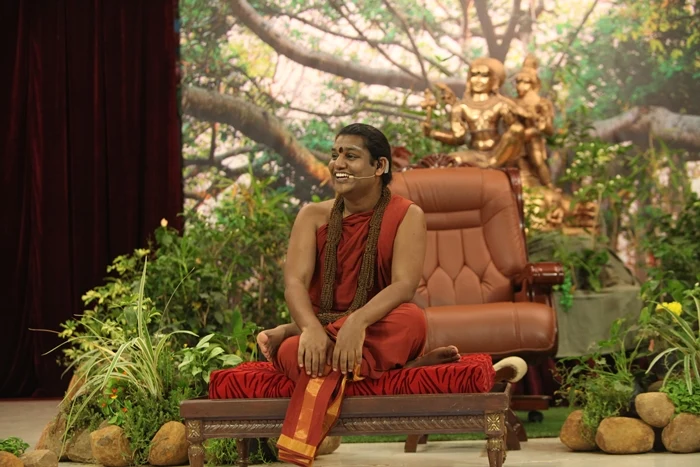
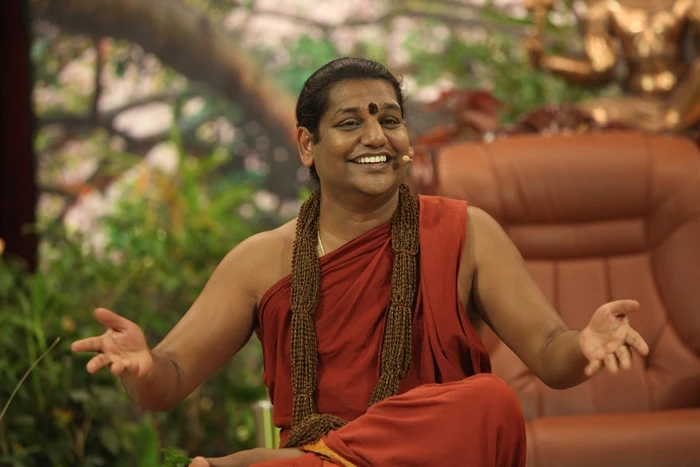
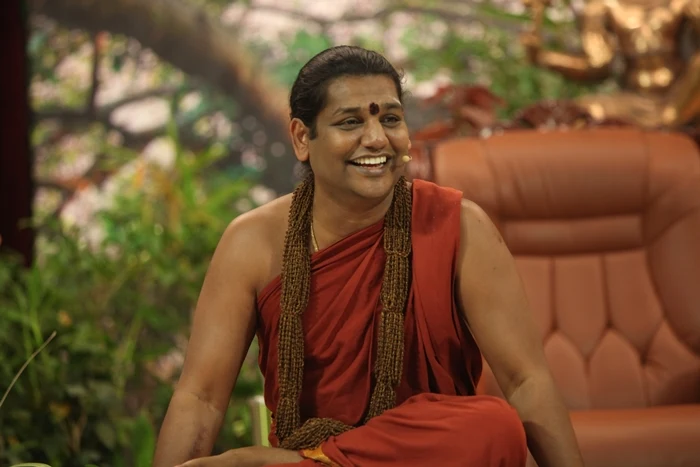
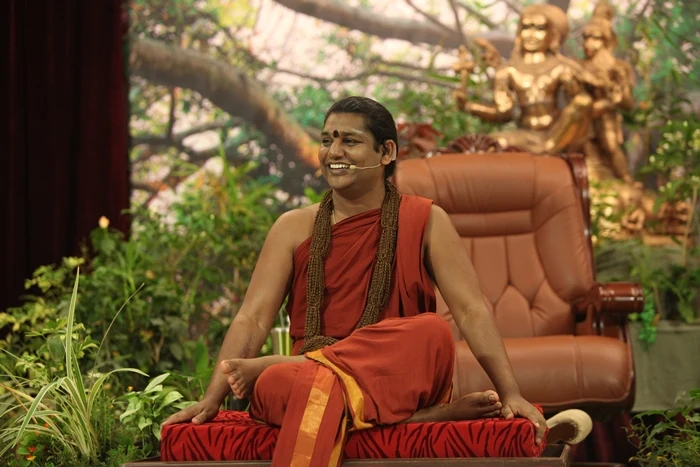
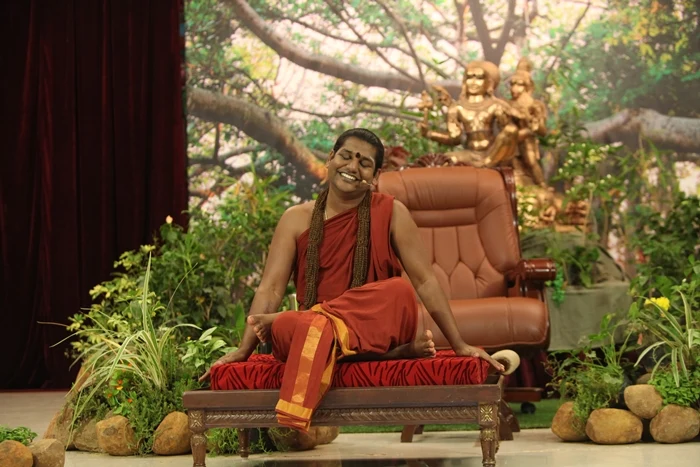
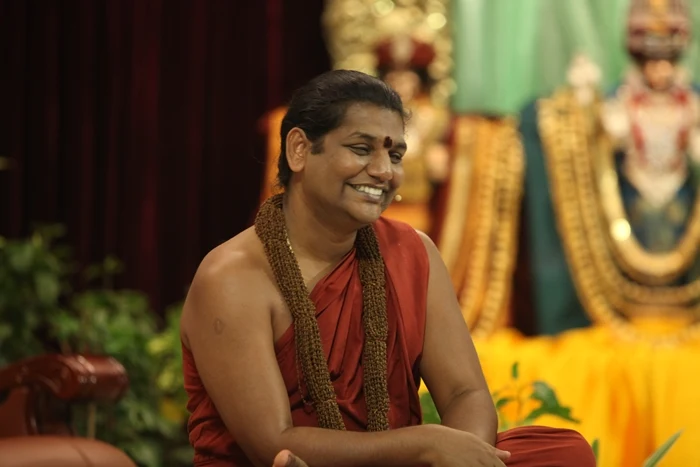
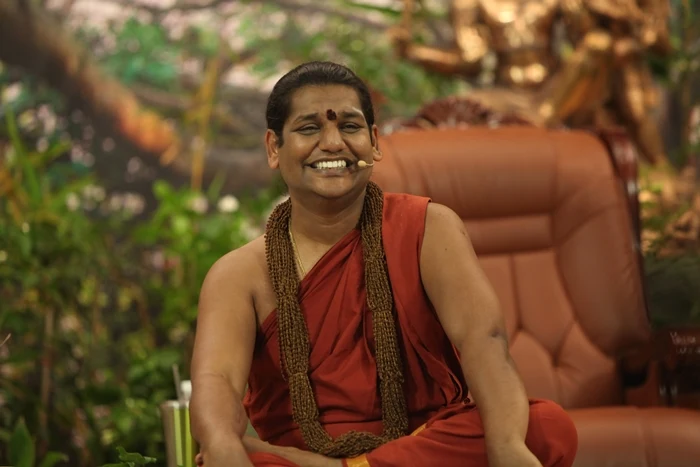
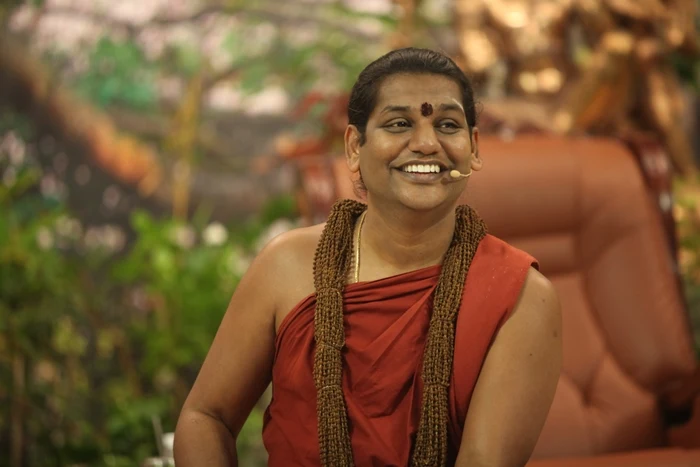
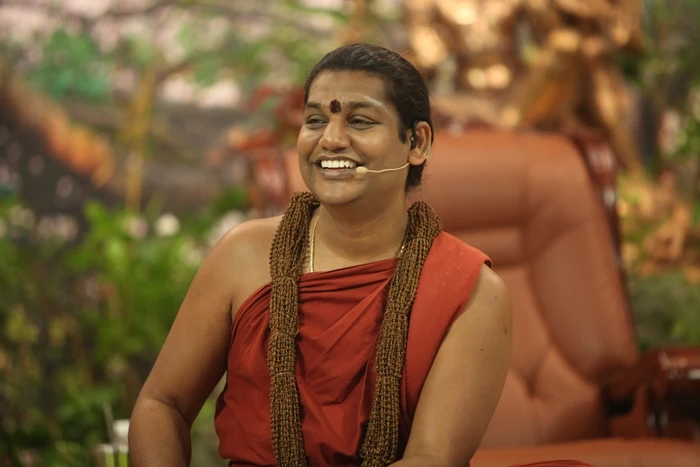
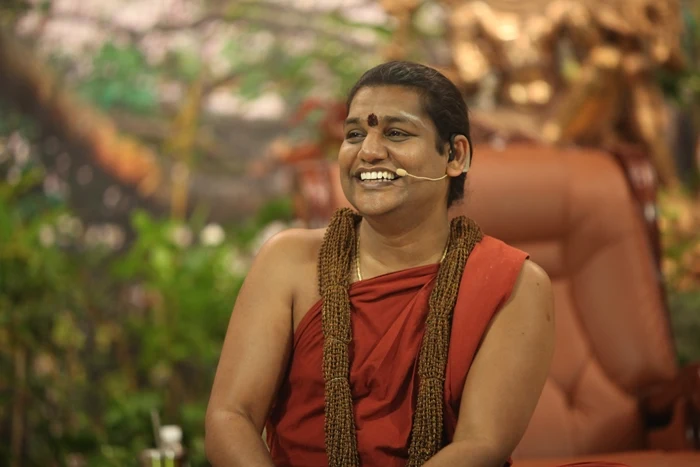
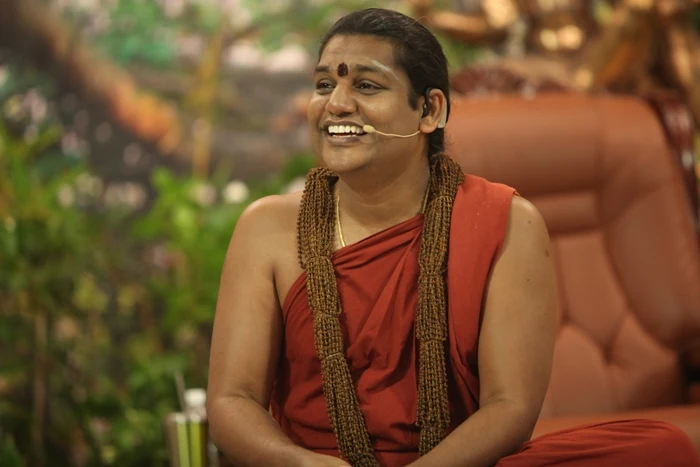
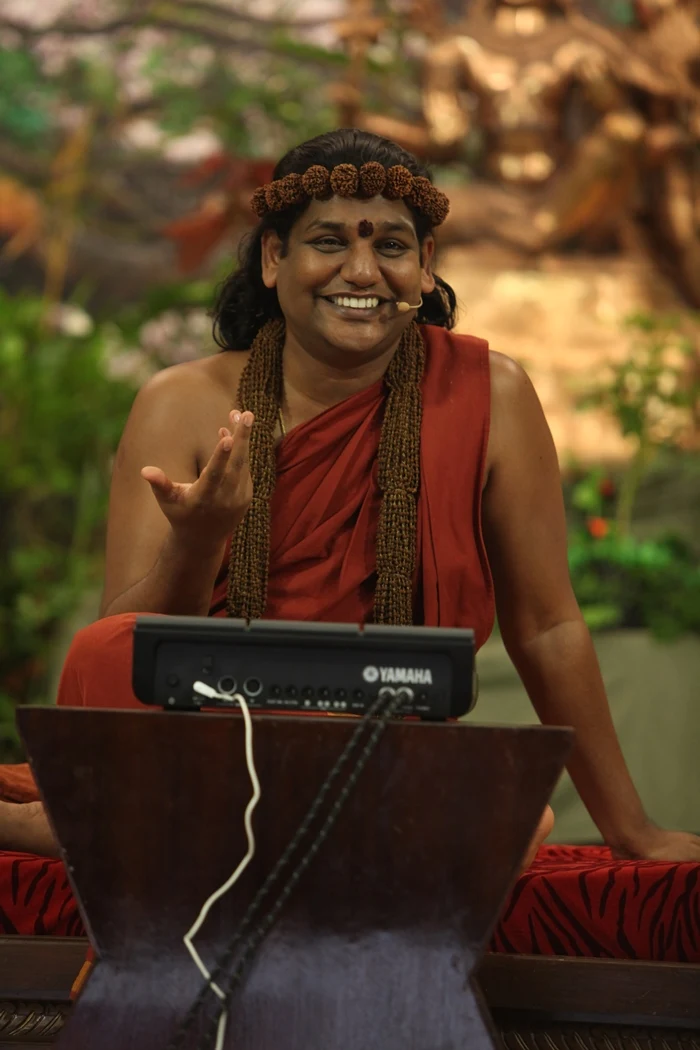
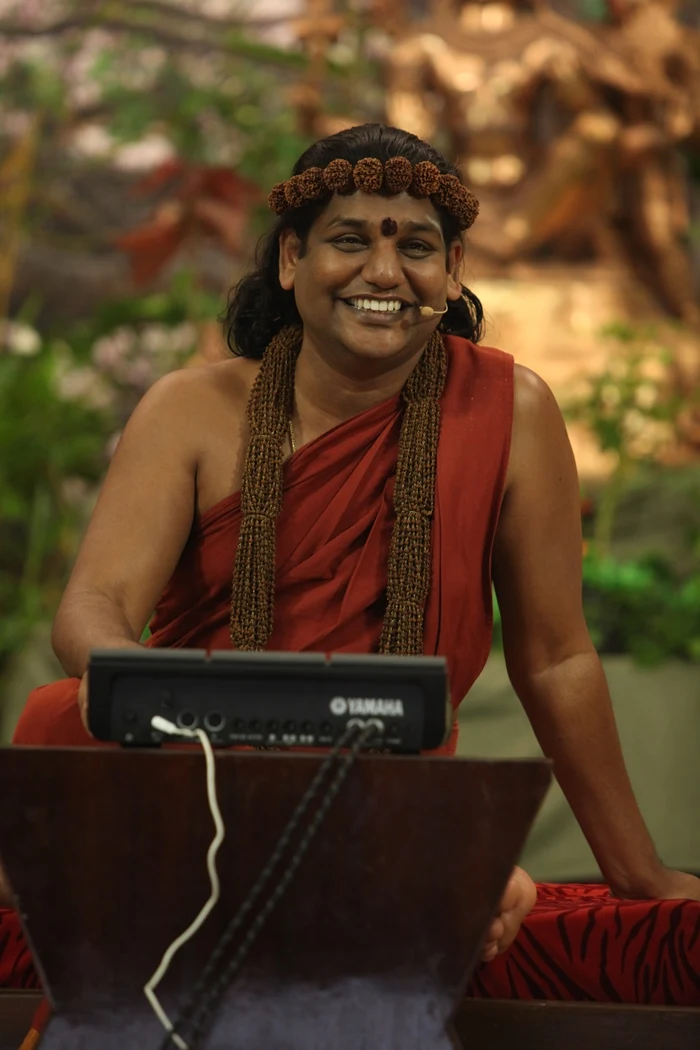
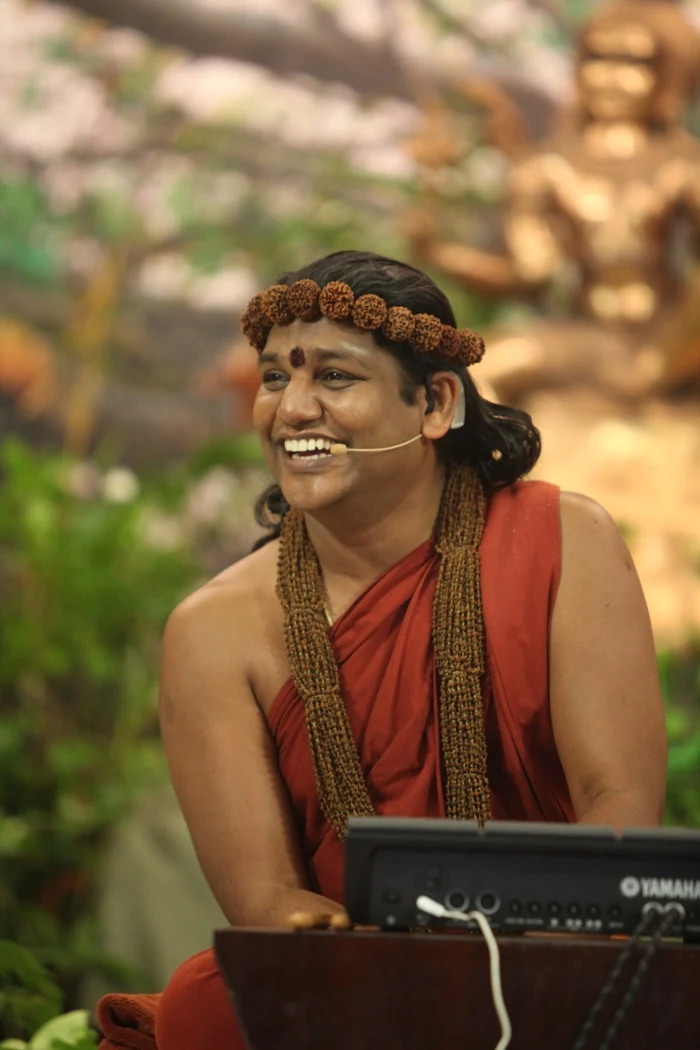
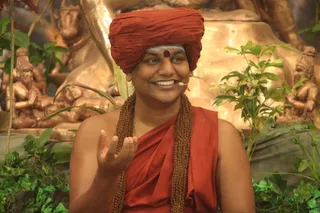
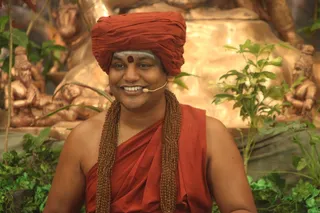
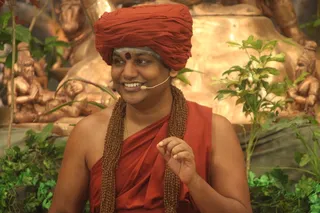
Today’s (25th January, 2015) Morning Satsang continues with the Upanishads Series - Living Advaita. Paramahamsa Nithyananda initiates us into Vaada Prativaada – debating the spiritual truths. In the Vedic tradition, all human possibilities are used to internalize the spiritual truths. With deep analysis of ourselves, our being opens up. Debates are a powerful method to open up our being and internalize the Vedic truths.
Video and Audio - Upanishads - The True Source of Living
| Video | Audio |
Transcript
(00:16)
nithyānandeśvara samārambhām nithyānandeśvari madhyamām | asmat āchārya paryantām vande guru paramparām ||
(01:08)
I welcome all the devotees, disciples, samajis, satsangis, Shrimahants, Mahants, Thanedars, Kotharis, visitors, viewers, sitting with us all over the world through Nithyananda TV, Sadhna TV, two-way video-conferencing having Nayana deeksha. Cities sitting with us in two-way video-conferencing having Nayana deeksha: Mill Valley-Vairavan Koil, Dakota Dunes, New York-Varanasi, Vancouver, Bangalore North, Rajapalayam Aadheenam, San Jose-Madurai, Surrey-Canada, Hyderabad Aadheenam, Dakota Dunes, New York-Varanasi, Jorpati-Nepal, Winston-Salem, Selang-Malaysia, Nirbedha- Tiruvarur, Melbourne-Tiruvarur, Devon-UK, Kuala Lumpur-Palani, Singapore-Singapuram, Hyderabad-Gupta Kashi, Los Angeles-Arunachalam, Houston-Kalahasti, Seattle-Chidambaram, Guadeloupe-Rameshwaram, Ohio-Prayag, Hyderabad-Gupta Kashi, Devon-UK, Toronto -Thiru Kailasam.....and some more cities are joining.....Winston-Salem and Surrey-Canada, New York-Varanasi.
I welcome all of you with My love and respects.
(03:00)
Upanishads. I will continue to expand on the Shanthi Mantra. So, let’s start with the Shanthi Mantra.
ॐ पूर्णमदः पूर्णमिदम् पूर्णात् पूर्णमुदच्यते |
पूर्णस्य पूर्णमादाय पूर्णमेवावशिष्यते || || ॐ शान्तिः शान्तिः शान्तिः || Om Poornamadhah Poornamidham Poornaath Poornam Udhachyathey | Poornasya Poornamaadhaaya Poornamevaavasishyathey || || Om Shanthi Shanthi Shanthih || Completion, this is Completion, that is Completion. If this is removed from that, both remains, continue as Completion. When the Completion merges into Completion, Completion alone remains. If the Completion is removed or perceived to be removed from Completion, again Completion alone remains as Completion.
(05:03)
Vivekananda says, ‘Forget about all you know as religion. Go back to Upanishads, the Source. Drink from the source which will strengthen you. Listen. Drink from the source which will strengthen you.’ Many time, the “achara” – the everyday practices you observe, gets the status of religion, and sometime, the “achara” starts even contradicting the main core truth of religion and you continue to practice the “achara”, leaving the religion. It is like.they say a story: In one mutt they had a cat. The cat used to jump around the Sannidhanam when he does puja. He will create a big ruckus. So, Sannidham has said, ‘Hey, first tie the cat before I start the puja, so that I don’t have disturbance.’ They tied the cat, and Sannidhanam did the puja peacefully. Second day, again, they tied the cat, he did puja. Third day, again, they tied the cat, he did puja. After some time it became a habit that before Sannidham starts the puja, you tie the cat, so that he starts the puja. One fine day, cat died and they don’t know what to do: Without cat, how to start the puja? 😀 They started searching around here and there for a cat. ‘Hey, we have to tie the cat; only then puja can start’. Finally, that day Sannidhanam did not do puja because cat was not there. See, the “acharas”, unfortunately get into the state of religion, when the reason, context, is lost in course of time. There are thousands of stories where “achara” becomes, “anushtaana” becomes religion.
(07:56)
See, “achara” and “anushtaana” is way of living religion only if you know the context of the “achara” and “anushtaana”. Once in a while, you have to review yourself the… all the “achara” and “anushtaana” you are doing - are you in the right context and doing it? Based on which you can measure scale - are you in the right context? How to align yourself to the right context? The scale to align you to the right context is Upanishads. Again and again and again, go back to the source, Upanishads. Upanishads will give you the clarity, setting the right context for the “aachaara” and “anushtaana” you are following and making you live, making you live the context in your everyday life. See, “achara” and “anushtana” means: “habits” and “lifestyle”; the every-day habits and lifestyle you are supposed to follow. Neither you should give up the “achara” and “anushtaanas”, nor you should be without knowing the context. You should do it knowing the context; doing it by knowing the context. People who give up, lose spiritual strength. And people who don’t know the context, become superstitious. If you give up “achara” and “anushtaana”, you will lose spiritual strength. If you don’t know the context and continue to do, you will become superstitious. So, for both disease who don’t know the life, and who are living superstitious life – for both, the greatest medicine is Upanishads.
(11:34)
It is like extracting the gold out of mud. See, the gold ore, they collect the gold ore, process it, boil it, acid-wash it; finally the gold comes out. Did the gold come from somewhere, out of nowhere? No. It came only from itself. But was the gold there in the beginning? No. It came only from itself. Exactly the gold from the gold ore, an enlightened being out of you, it is there inside you. Only if it is there it can come out. Otherwise it can’t come out. Whatever need to be added in you for you to become an enlightened being is “Completion”. Whatever need to be removed from you is the idea you have incompletion. There is no incompletion itself. If something is there, it will continue to be there. Listen. If something is there, it will continue to be there. From the gold ore, if all the dirt can be removed and gold finally remains, how can you say there was a time this dirt was part of gold? Anything which can be removed, how can you say it was part of it? You were insensitive to see both of them separate in the beginning. Now they have become separated to the level you are able to sense, that’s all. Listen. If the dirt is inside the gold, can it be separated? No. Because it was never inside, it can be separated. If the incompletions are part of your programming, it can never be separated. Because it is already out of you, it can be taken out. Understand. Now they are out of you, but not to the level you can sense it. Once they are out of you to the level you can sense it, you declare: Poornamadhah Poornamidham Poornaath Poornam Udhachyathey | Poornasya Poornamaadhaaya Poornamevaavasishyathey ||
(15:41)
Once, the way you perceive you, the way your guru perceives you, you will declare you are enlightened being, Understand. When I see you again and again, I perceive you are separate, your incompletions are separate. That is why I attack your incompletions. But you feel your incompletions are very much part of you and you feel I am attacking you. What to do? It can never be part of you. Your incompletions can never be part of you. If it is, it can never be separated. If it can be separated, it can never be part of you. Understand. Only gold can come out of gold. Anything else which comes out of gold was never part of gold. In Vedic tradition, all the human possibilities are used to internalize and internalize the spiritual truths. One of the biggest possibility of human beings is a deep in-depth analysis. When you do a in-depth analysis, beyond your logic your being opens up. That is why “vaada-prativaada” – debates are a powerful method to internalize and internalize the Vedic truths. When I was teaching Brahmasutra, I encouraged devotees to have “vaada-prativaada”. Now again, today I am initiating all of you; start the groups everywhere – in the YouTube, Facebook, Twitter – with the title “Upanishad Debates”, with the hashtag “#UpanishadDebates”. Start the “vaada-prativaada”.
(19:45)
I tell you, by doing “vaada-prativaada” with Buddhists, Shankara established his ultimate advaitic experience into Buddhists; but listen, from Buddhism, more than ninety percent He digested and assimilated. So, end of the day Buddhists and Shankara, both were enriched. Same way, Buddhists, Nagarjuna, he by doing debate with the disciples and followers of Shankara, he established his ultimate experience, no doubt; but he picked up so many convincing points from the Vedic tradition. I tell you, in debate, ultimately nobody wins, nobody loses; both get enriched. Let’s start the “vaada-prativaada”, internalizing, internalizing process of Vedic tradition. Fullness, Completion, comes from Completion, continues to remain as Completion. From which it came, and which came out, both continues to remain as Completion. And, when it goes back, Completion remains as Completion. If this is the case, can Completion come out of Completion? If it is not, then why we perceive incompletion? This is the question I am leaving it for debate. Debate. When you debate, you will internalize, you will internalize, you will understand, you will look in, you will see the possibilities.
(23:32)
Debating with the right person is a joy. That is why Vyasa comes down to taste debate with Shankara. He comes down to taste debating with Shankara. And it goes on and on and on, till one disciple understands who is debating with whom, and falls at the feet of both, and chants: शंकरं शंकराचार्यं केशवं बादरायणम् । Shankaram Shankaraachaaryam Keshavam Baadharaayanam | Shankara, Mahadeva, is sitting here as Shankaracharya. Keshava, Vishnu, is sitting here as Badarayana. How is the debate going to end? Who is going to win? Who can lose? Then, both of them reveal their identity to each other and end the debate. So, we also will have two teams, Shankara team and Vyasa team. Start debating. Understand. Again and again and again, the truth need to be re-lived, remembered, rejoiced, radiated. Truth needs to be re-lived, remembered, rejoiced, radiated. Remember, relive, rejoice, radiate.
(26:37)
शंकरं शंकराचार्यं केशवं बादरायणम् । सूत्र-भाष्यकृतौ वन्दे भगवन्तौ पुन: पुन: ॥ Shankaram Shankaraachaaryam Keshavam Baadharaayanam | Sutra-bhaashya Krithau Vandhey Bhagavanthau Punah Punah ||
One does the Sutra, one does the Bhashya. Listen. End of the day, this question: Can Completion come out of Completion? Is there anything called “incompletion? If it is not there, why are we perceiving? And what is the truth about the Completion coming out of Completion? All these questions do not have answer. When you dig, dig, dig, dig, dig these questions, you will only have experience. So now, today launching this great debate, “vaada-prativaada”, “prashna-utthara”, question and answer and debate, I am opening Myself, and making Myself available. You can call in now for a direct debate with Me. From anywhere around the world, you can call in now the screen on your number. Whether you are watching Sadhna TV, Nithyananda TV, two-way video-conferencing, you can call 080 27279999 to have a direct debate with Me, or question-answer with Me, on this subject. But restrict yourself only to this subject which we are discussing today.
(29:07)
Swamiji: Nithyanandam! Nithyananda here. Caller: Nithyanandam, Swamiji. This is Ma xxxxxxxx from Vancouver. Swamiji: Yes, go ahead. You have a question or you want to debate? Caller: I will have a question. I am sure it won’t go into debate. I cannot go into debate with you. Swamiji: 😊😊 😊Okay. 😊😊😊 Alright! Go ahead. Go ahead. Please come up with your question. Caller: Yah. So, what I understood from the satsang is that our incompletions are like the dust which is there in the ore of the gold, and it is separate from the gold itself, it is not gold. But why..why that... does why does our mind attract that dust and we perceive it as part of us or part of that gold? Swamiji: See, actually I have to ask this question to you, My mind is not perceiving, you understand? My mind is not perceiving the dust as part of gold. So, I am clear about it. I have to ask you, why are you perceiving dust as gold? You please tell Me. Because, this is your experience. See, I am...I am answering from My experience. I do not perceive dust as a gold. Now you are only perceiving dust as gold. Now you only have to answer from your experience zone – “How do I perceive dust as gold?” Caller: Oh...I feel I have incompletions where actually they are not part of me. I know they are not part of me. But I am always trying to ….. Swamiji: Can you….No, no, no please…. please ...You think they are part of you? Caller: No. But I feel I have them. I don’t know why, although I know they are not part of me, and I can complete and end it. But, still, every time, I feel I have got to complete. That means, I have incompletions. Swamiji: So, what I am saying, directly you are not able to come to the conclusion you have incompletion. Only with the indirect symptoms you are able to come to the conclusion you have incompletions. Am I right? Caller: Correct, correct, correct Swamiji. Swamiji: Listen. Listen. Listen now. See, have you seen the psychiatric drugs and other drugs advertisement in your TV channels in Canada? Caller: Yes, correct Swamiji. Swamiji: There will be some twenty-five diagnostic lines: “If you have mild laziness and little tiredness associated with or without your back pain and knee pain, and if you have a small….slight headache at the age of forty-five, or before and after, if you have a little bone weakness and bone pain before sixty five or after sixty five, or around sixty five, please consult your doctor. You may be heading towards osteoporosis”. If you see this advertisement, who you think will be very sure that they don’t have, or they are approaching towards osteoporosis? Caller: Correct. It is just a perception. Swamiji: Listen. Listen. How the fussy diagnostic methods are taught to you, for you to believe you have a disease so that you can come to the doctor for medicine and you can be exploited, society has taught you the fussy diagnostic methods to make you believe you have incompletions, so that you can be divided to pieces and exploited. So, the straightforward, please listen, the straightforward, single line answer: Do you know your incompletions are separate from you and you can end it? Caller: Yes, I do. Swamiji: Then, stop with it. Stop with it. This is like a straightforward ‘I have a knee pain. Let me get the herb or the oil and apply it on the knee pain.’ Straightforward, over. But, now, unfortunately, when you are having knee pain, you are seeing that advertisement – “a middle-aged lady, unable to walk slowly.....”, and the lines goes on, “If you have a knee pain before forty five, or after forty five, or around forty five, and you have a little tiredness, laziness, unsaid restlessness evening or before evening, or around the time you go to the bed, and if you have the craving and feeling like eating and drinking whenever you find time and you are not able to control or you think you are not able to control, please approach your family doctor. You may be heading towards osteoporosis.” If you see this advertisement, what will you do? Caller: Go and buy the drug or go to the doctor.
(35:14)
Swamiji: Listen. Your question has a two part. First part, you said, “I know my incompletions are separate from me. I can end them by Completion.” That statement is equivalent to, “I have a knee pain. I will get the oil, pain balm, apply it. Over.” But the second statement you made, ”I must be having incompletion because this, this, this, this, are all there.” Can you repeat the second statement? Caller: Eh..I feel, at the end of the day, I have incompletions and I have to complete with them. Swamiji: Yes. So, who gave you that fuzzy diagnostic technology? Caller: My mind. It is just my perceptions and my mind. Swamiji: And your friends, family, and relatives, who don’t want to see you happy; who have a vested interest in keeping you in low profile. So, why do you want to accept their fuzzy diagnostic methods and diagnose, confirm you have incompletion so that they can exploit you with their medications? Each one will give you a solution for incompletion. Your uncle, the moment he makes you feel you are incomplete, he will tell, “Serve me and take care of me. I will stand by you and protect you from all incompletion.” The next guy, he will come and tell you, “Marry me and live with me. I will protect you from all incompletion.” Husband is a person who stands by you during all the troubles and trials and problems of life which will not be there if he is not there in your life.
(31:16)
Caller: 😊😊😊😊 Swamiji: I Am telling you Ma, every person who gives you the fuzzy diagnostic method and convinces you, you have incompletions, has something to gain by you believing you have incompletion. Now, you are My disciple. Am I right? Caller: Yes, Swamiji. 😊 Swamiji: So, I am one of the important part of the life in you. Am I right? Caller: You are my LIFE, Swamiji, not part of my life. Swamiji: Yes. Then, come on. Listen to Me. Listen to Me. Now... Kalabhairava is My life, understand. Just like I am your life, Mahadeva, Kalabhairava is My life, and keeping Him as a witness I Am declaring with all My integrity – you know the words I utter come true. You can look into your own life or other disciples’ life, whatever – with all the grace of Mahadeva, keeping Him as a witness, all My integrity I am declaring: You do not have any incompletions. Caller: Thank you, Swamiji. Thank you for completing me Swamiji. I love you. Swamiji: You are complete okay. Caller: Thank you, Swamiji. I love you. Thank you, Swamiji. I love you. Swamiji: So, from now, you will start meditating on it, contemplating on it. Keeping this as a cognition you will start functioning. My blessings to you. Clear?
(39:19)
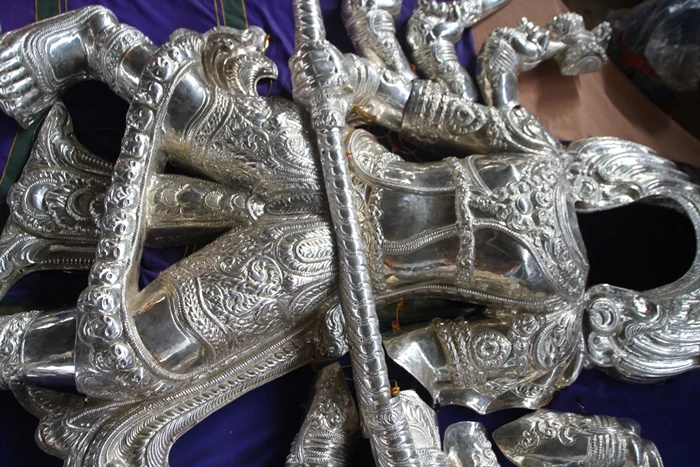
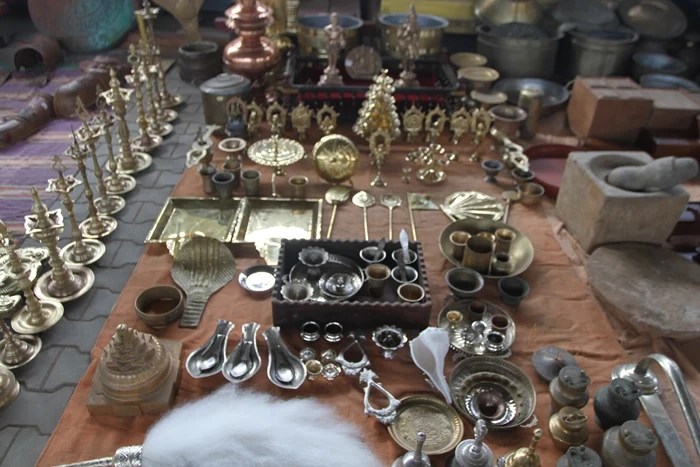
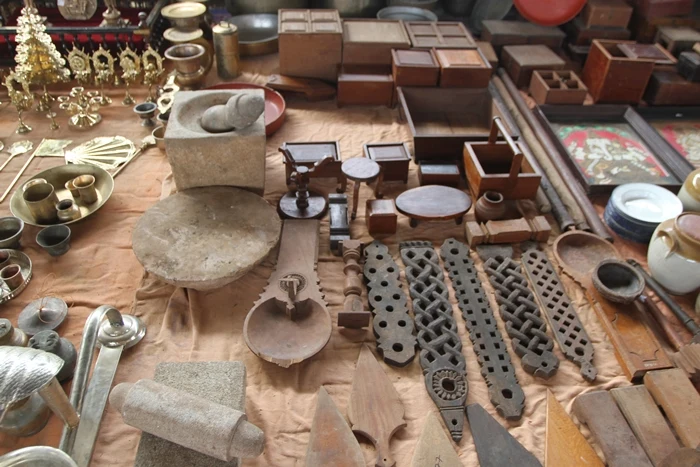
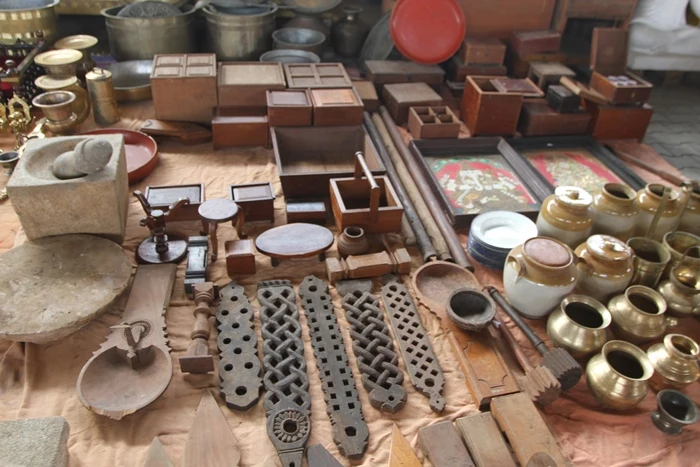
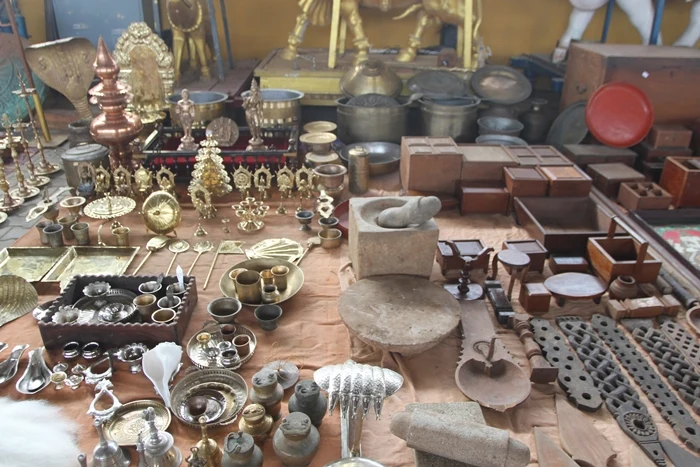
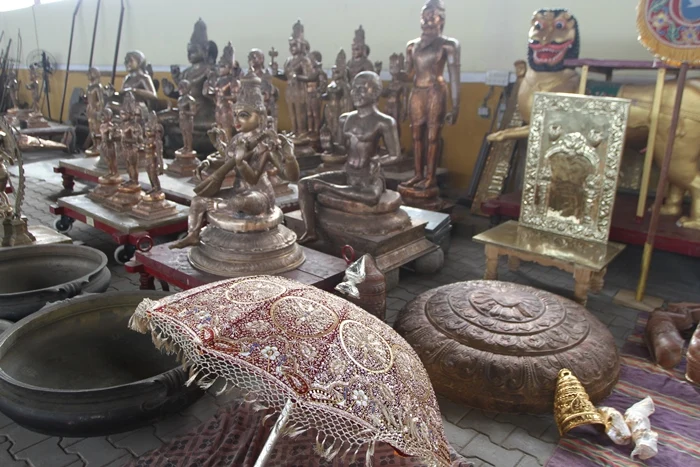
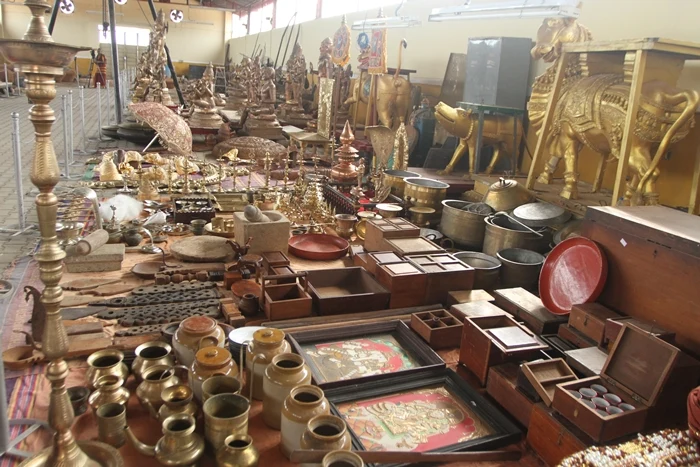
Caller: Thank you, Swamiji. I love you. Thank you, Swamiji. I love you. Swamiji: Blessings. Be blissful. So it is time..... Caller: Yes, Swamiji. Swamiji: Blessings Ma. It is time. We will have to move to the next step. We are..... Actually, today we have a long day, because the Nithya Kriya Yoga participants are going to have a session in the sacred arts by Me. I am taking them to the sacred arts tour. Otherwise I would have continued the question-answer and debate. I am not able to. But we will continue in the next days...continuous days. Because today we have a Nithya Kriya Yoga, I will move to the next segment. But, in the further sessions and further satsangs, we will continue to have question answers and debates on these Upanishads. And, today the Vedic lifestyle introduction tour to sacred arts to all the Nithya Kriya Yoga participants. So, Nithya Kriya Yoga participants, please go and have your breakfast quickly. Now it is 8:03 but keep it as 8 and by 9 finish your breakfast. Before 9:30, be in the sacred arts. And I will give you guys the tour and intro to Vedic lifestyle. Now, with this, I bless you all. Let you all radiate with Integrity, Authenticity, Responsibility, Enriching, Causing Living Advaita, eternal bliss, Nithyananda. Thank you, Be blissful.
(41:34)
Description
Nithya Kirtan sung in the presence of Paramahamsa Nithyananda. Nithya Kirtan: Om Guru Nada Nithyananda. on 25th January, 2015
Video - Nithya Kirtan: Om Guru Nada Nithyananda
Description
Nithya Kirtan sung in the presence of Paramahamsa Nithyananda. Nithya Kirtan: Nama Sivaya Nama Sivaya Om Namasivaya. on 25th January, 2015
Video - Nithya Kirtan: Nama Sivaya Nama Sivaya Om Namasivaya
Description
The daily Video Magazine of Nithyananda Sangha. Nithyananda Times - 25th January, 2015
Video - Nithyananda Times - 25th January, 2015
Video - LA Verdadera Fuente de Vivir
Photos
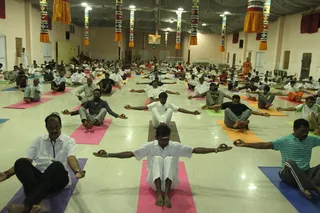
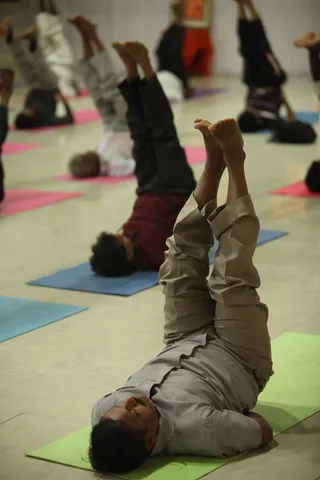
Nithya yoga
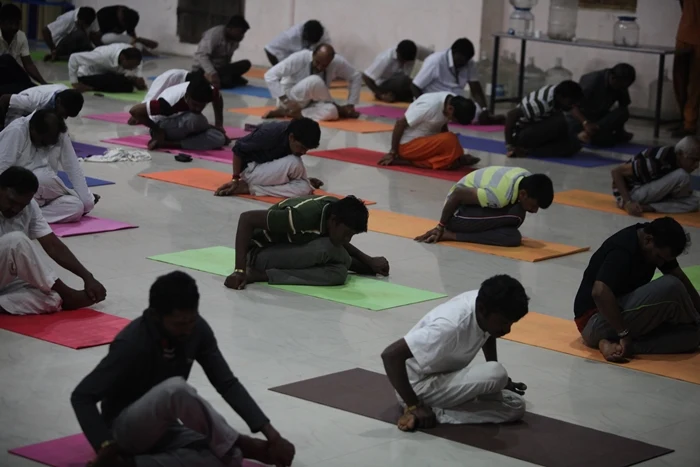
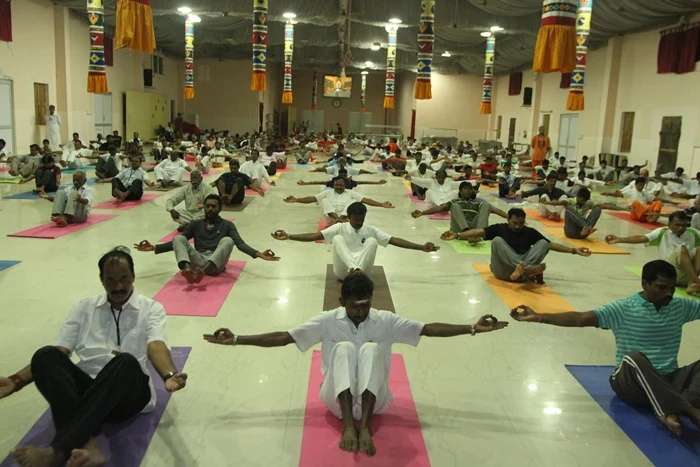
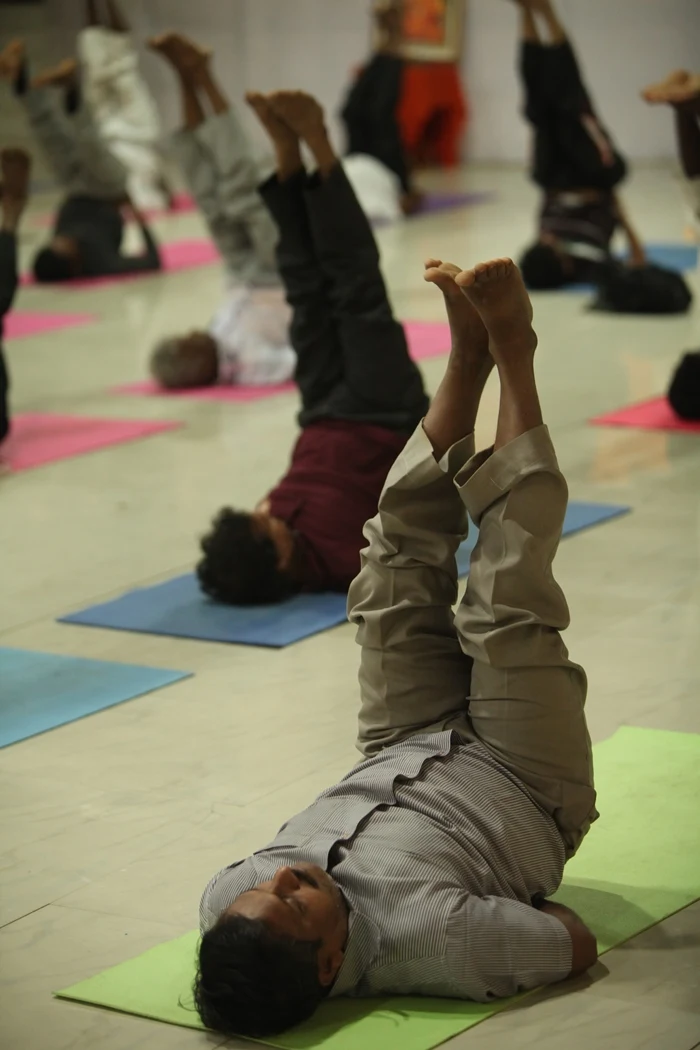
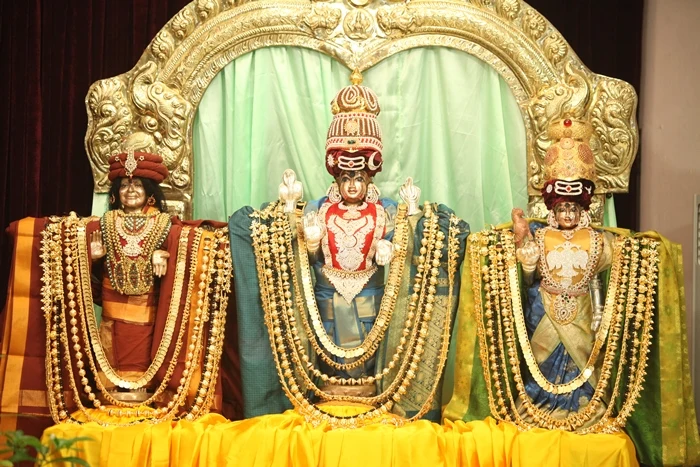
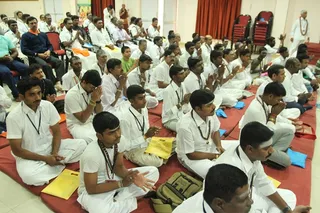
Nithya Satsang
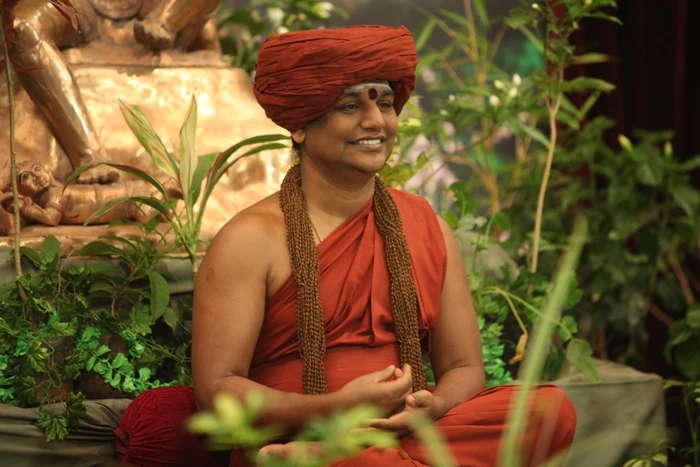
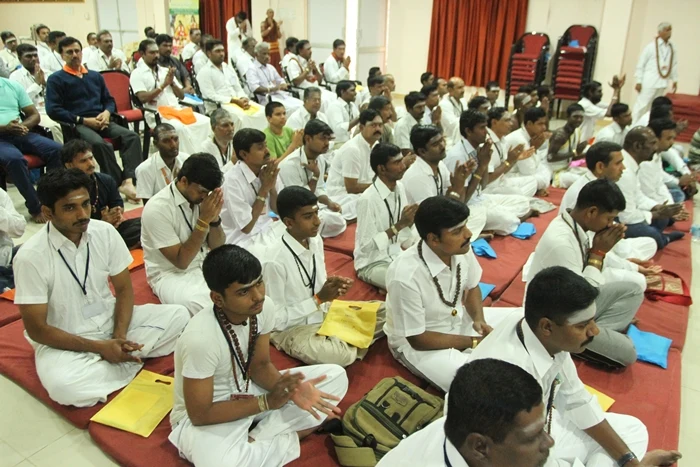
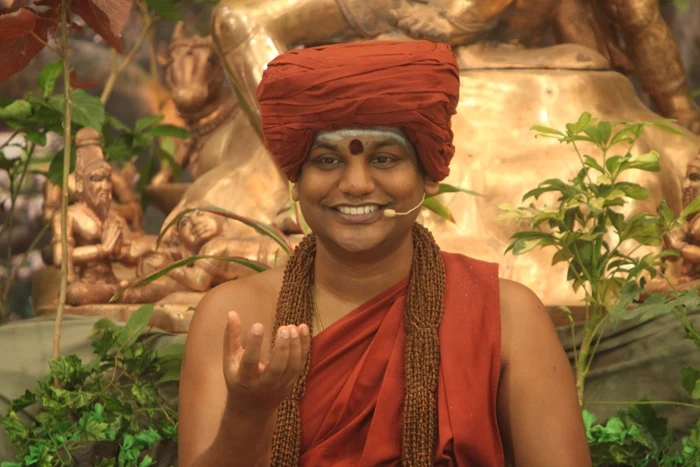
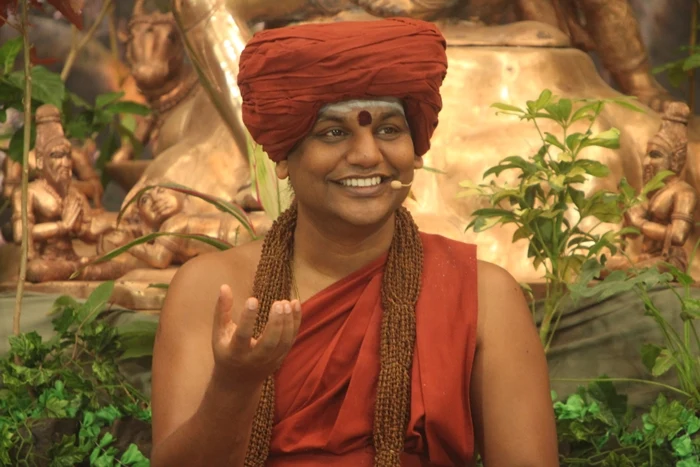
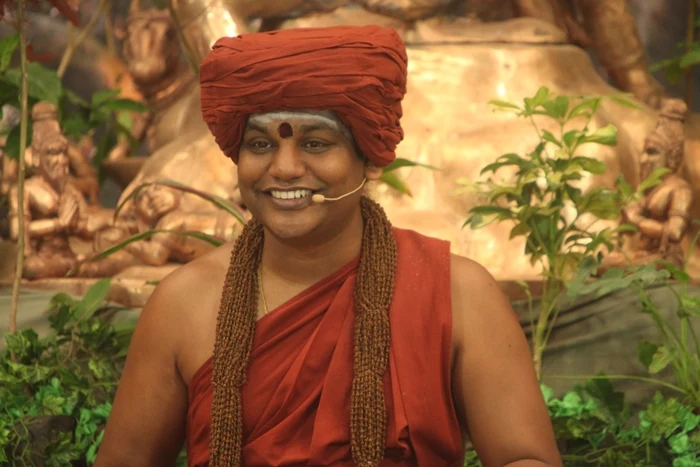
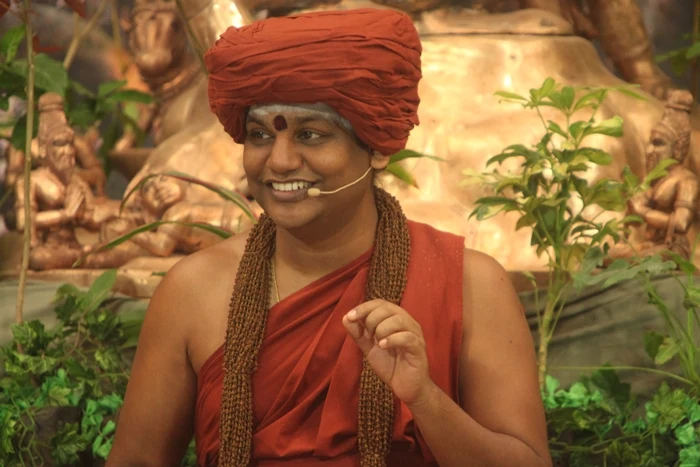
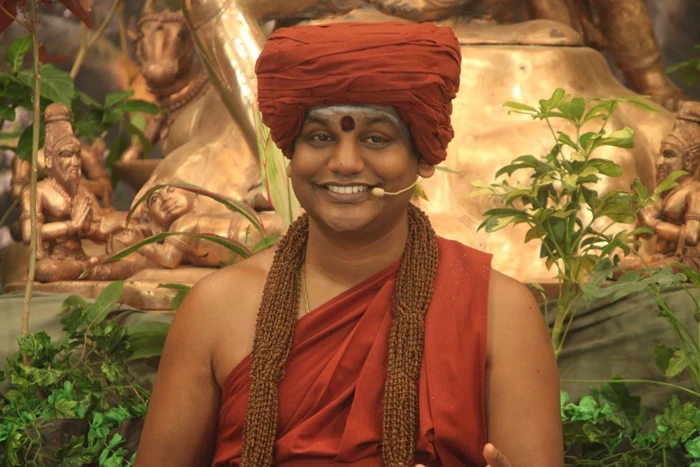
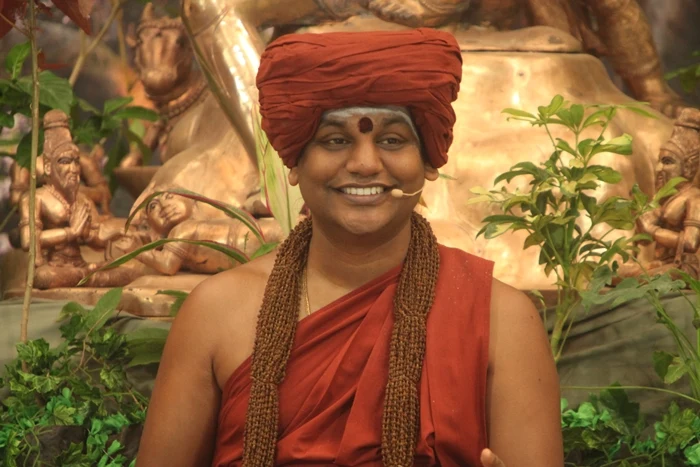
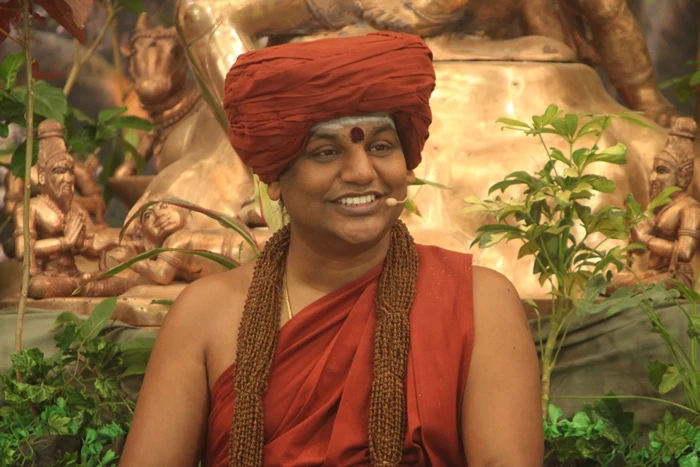
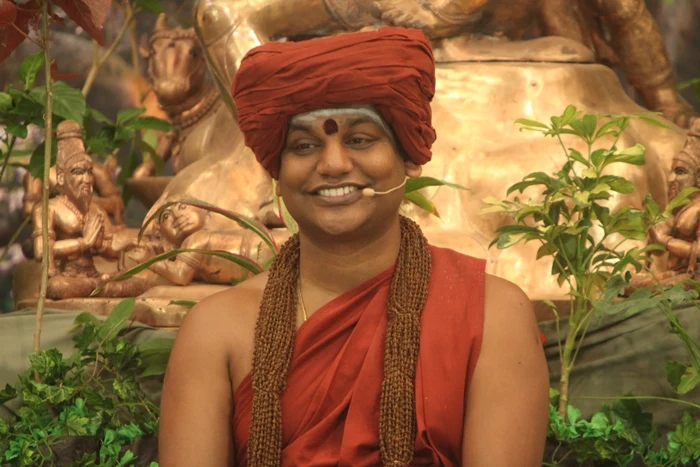
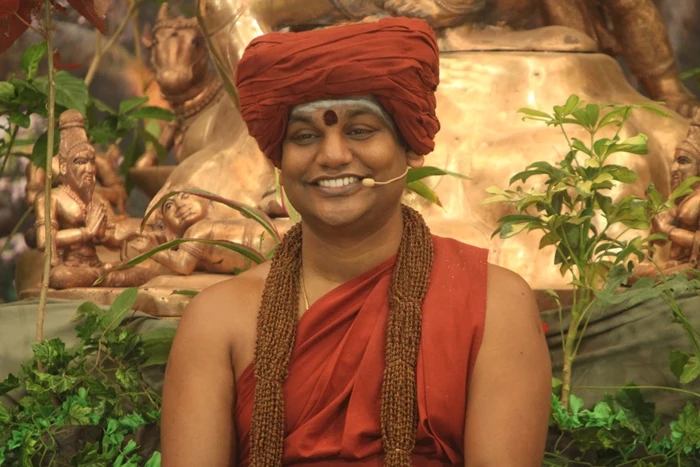
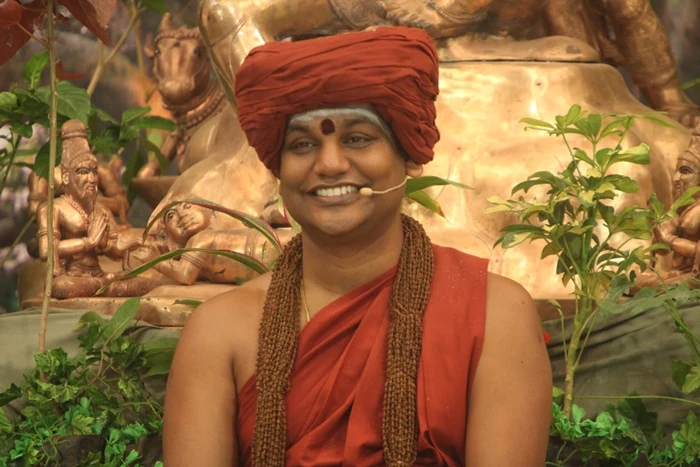
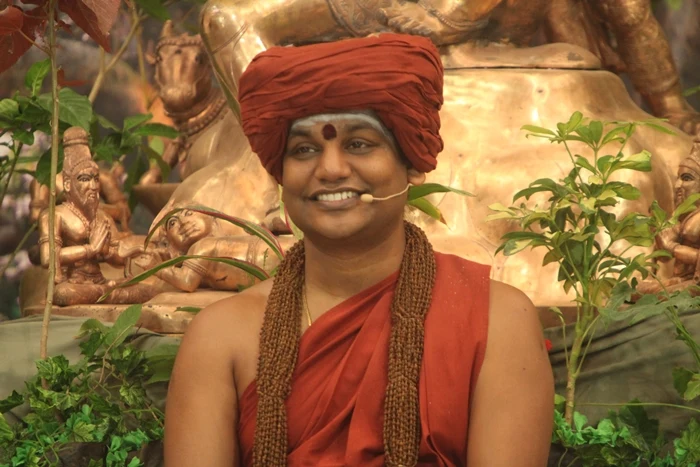
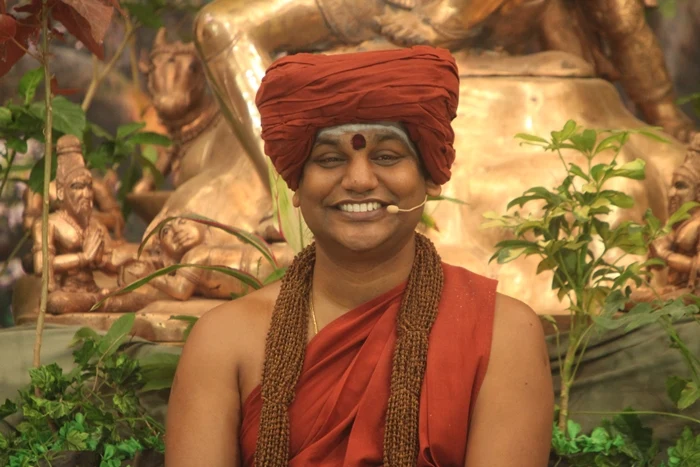
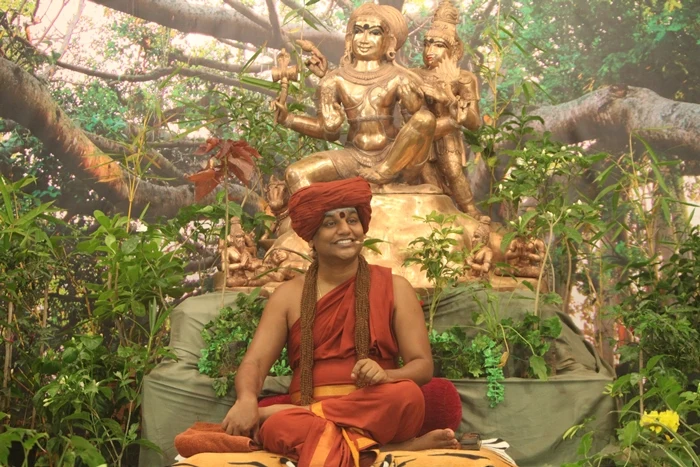
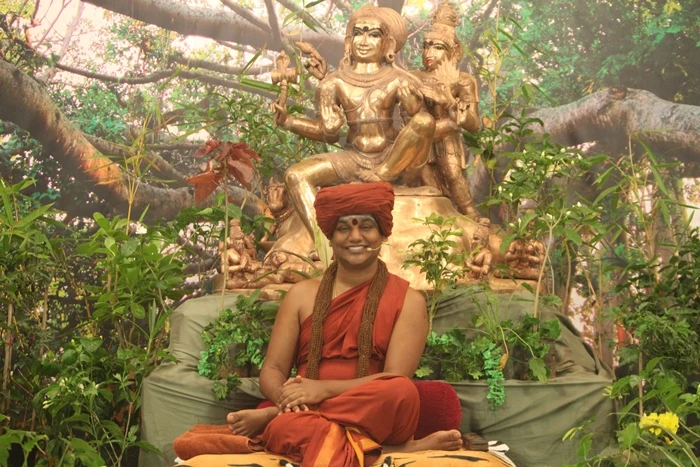
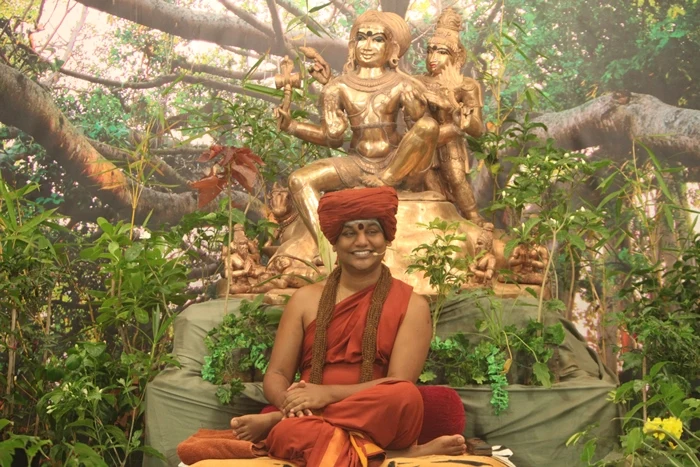
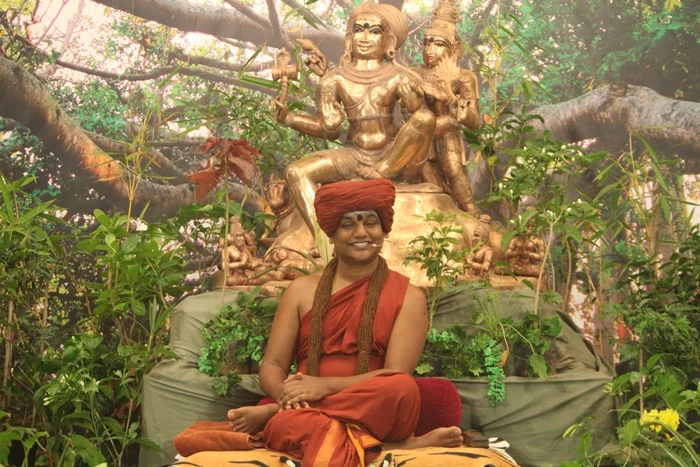
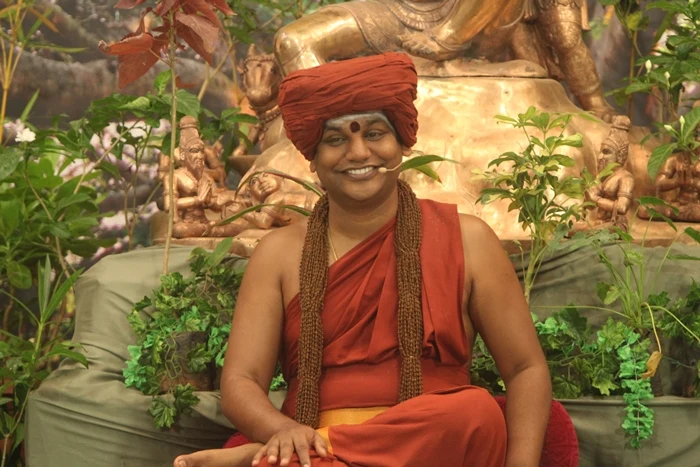
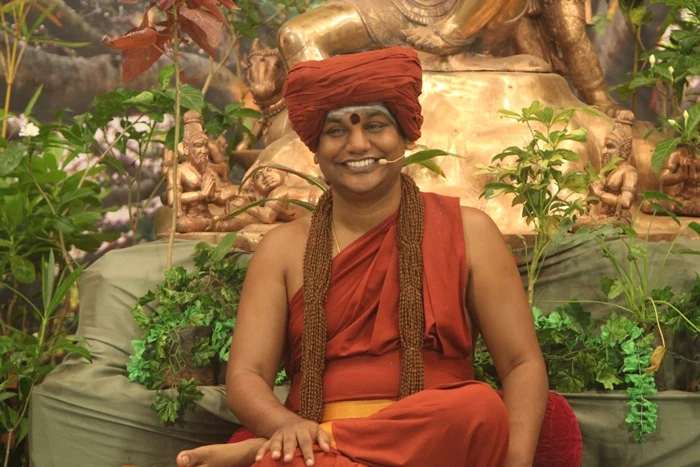
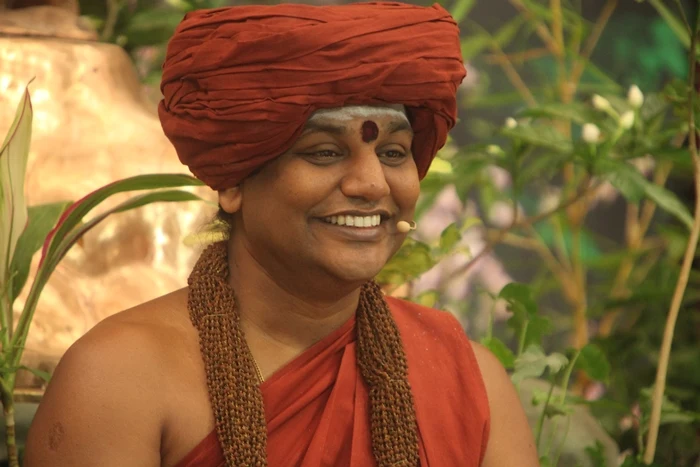
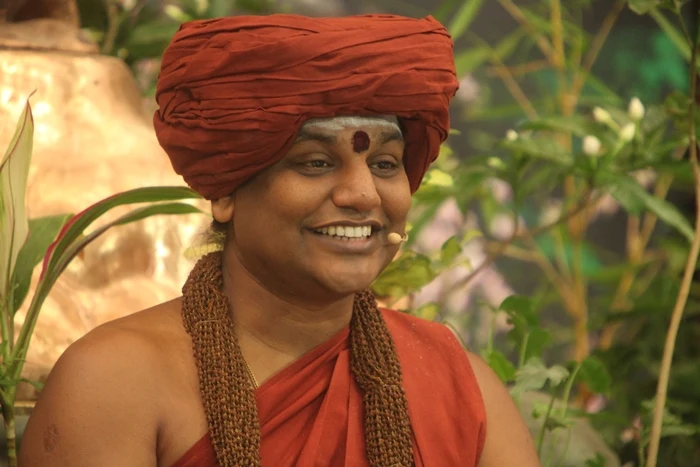
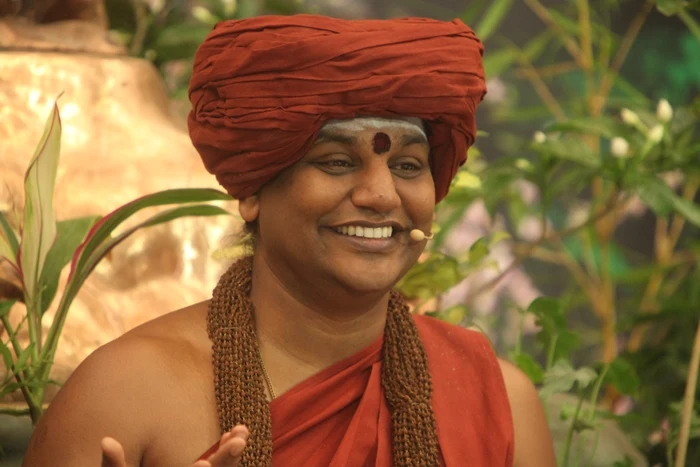
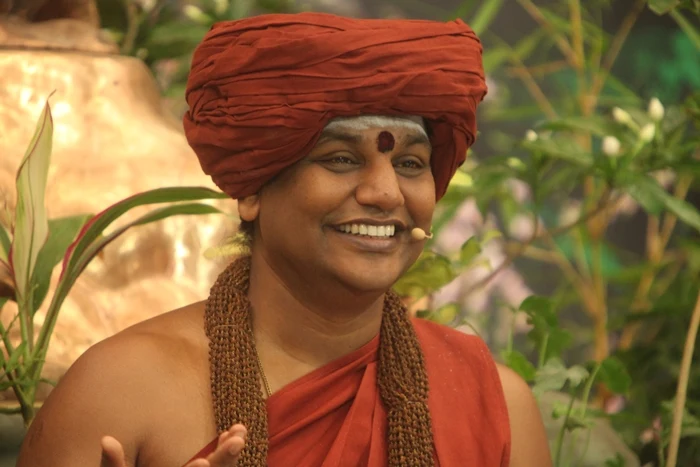
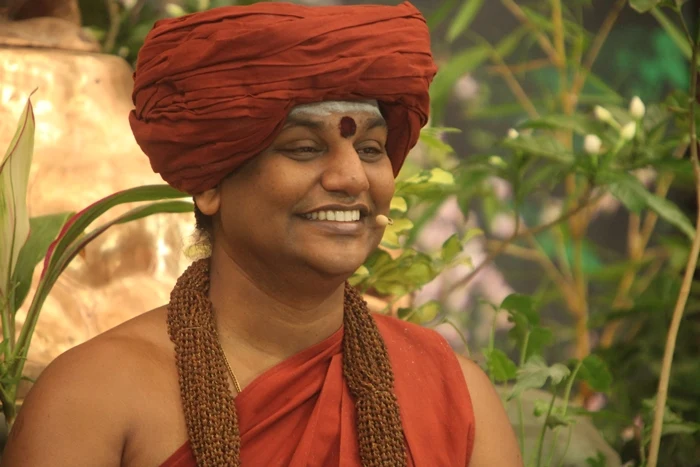
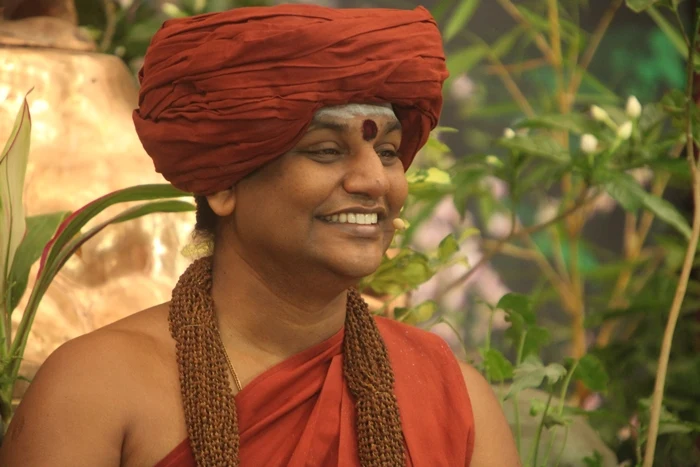

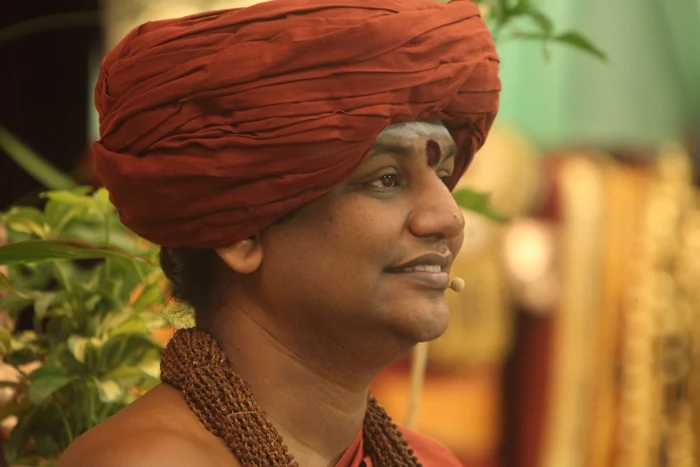
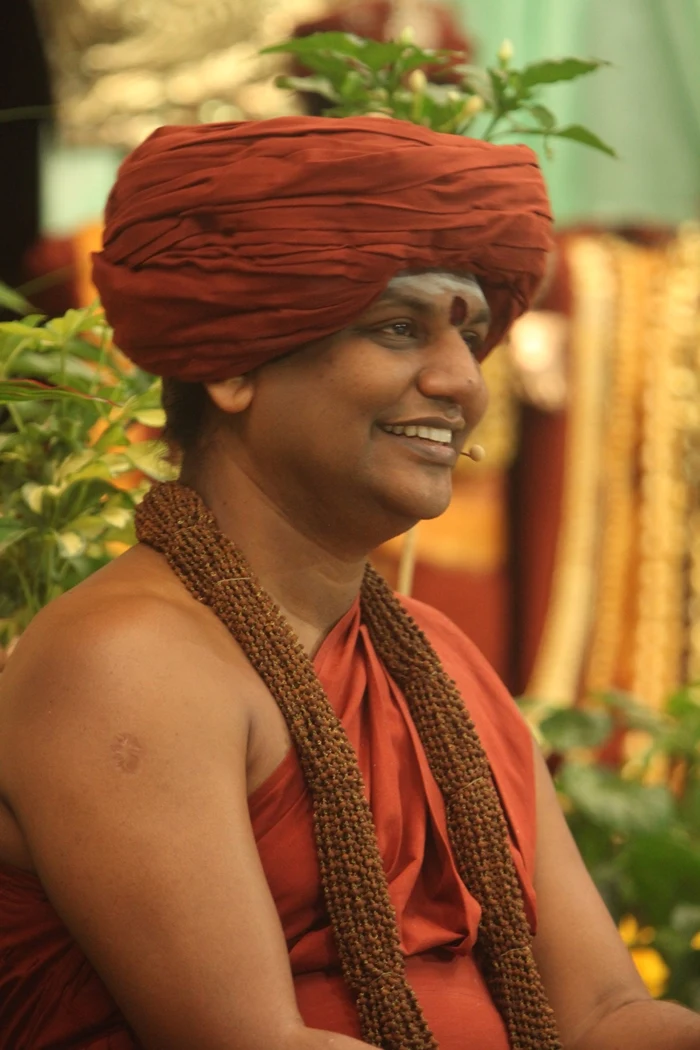
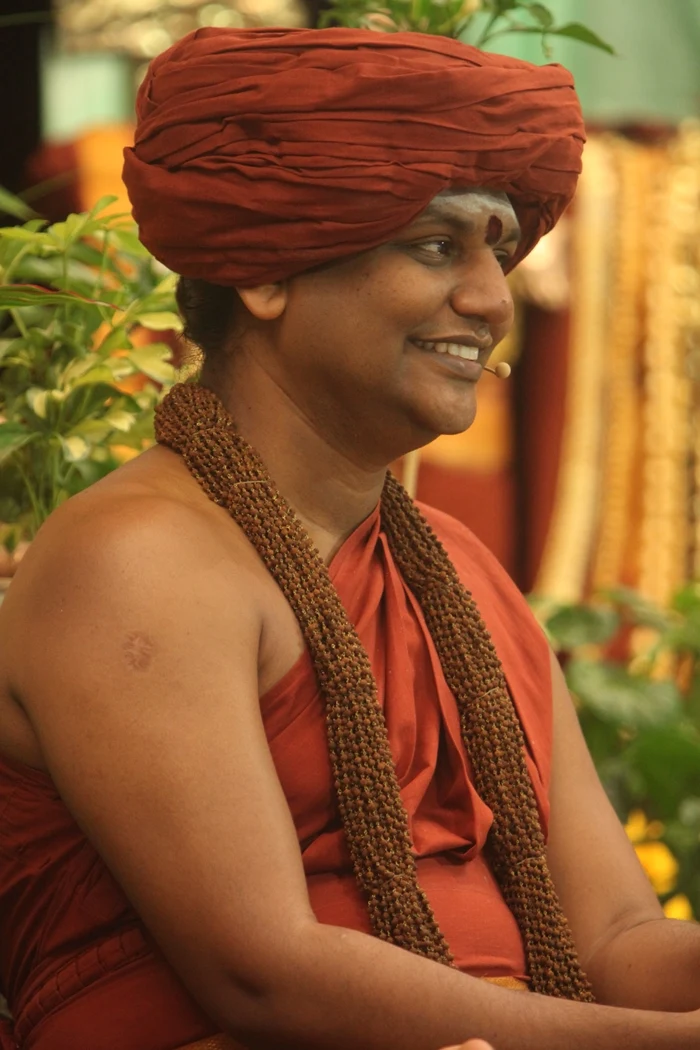
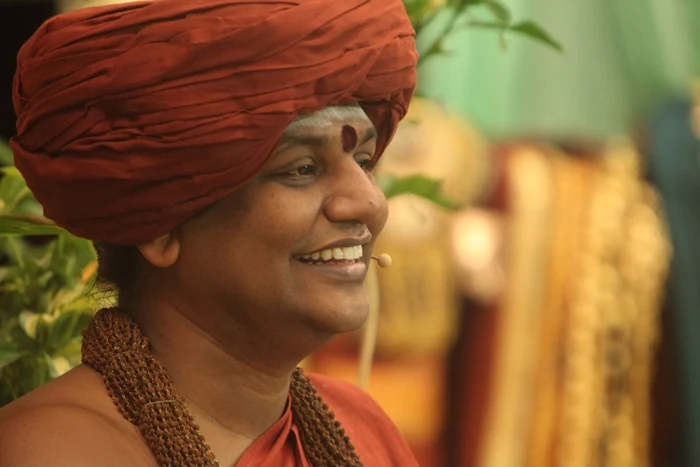
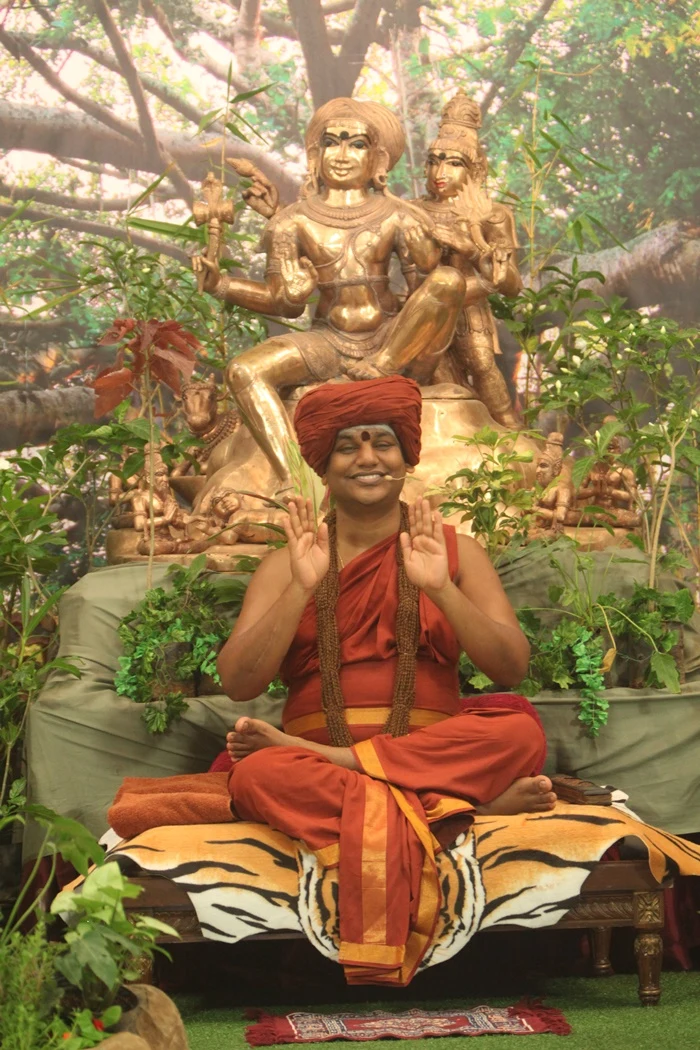
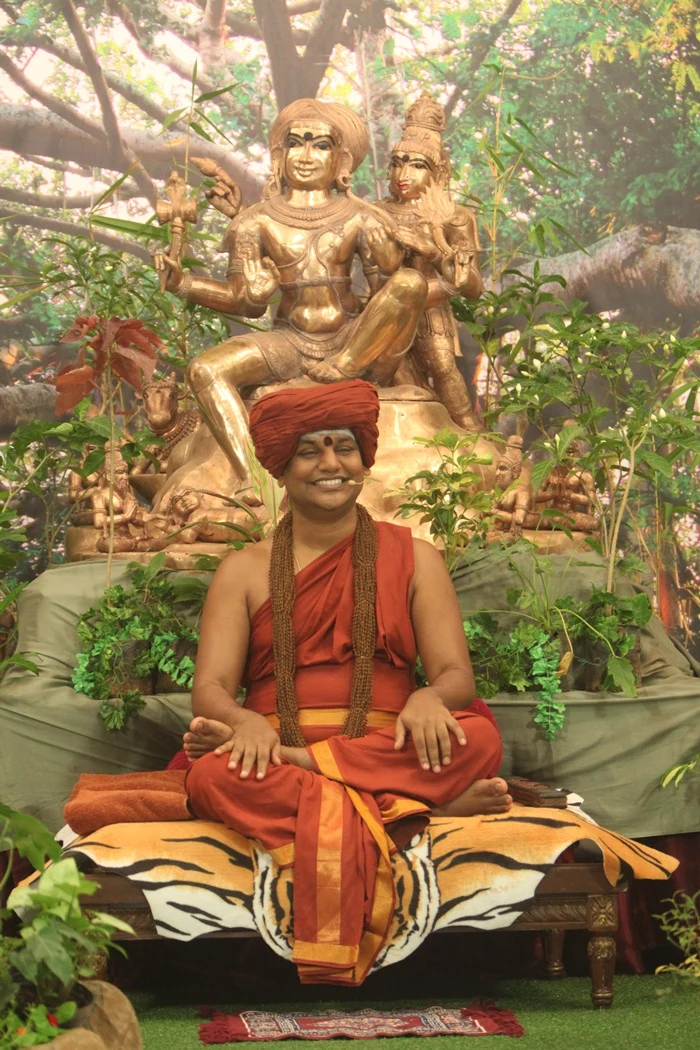
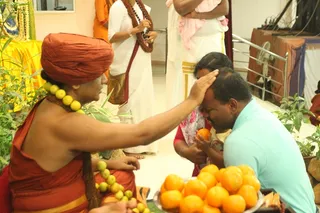
Kalpataru Darshan
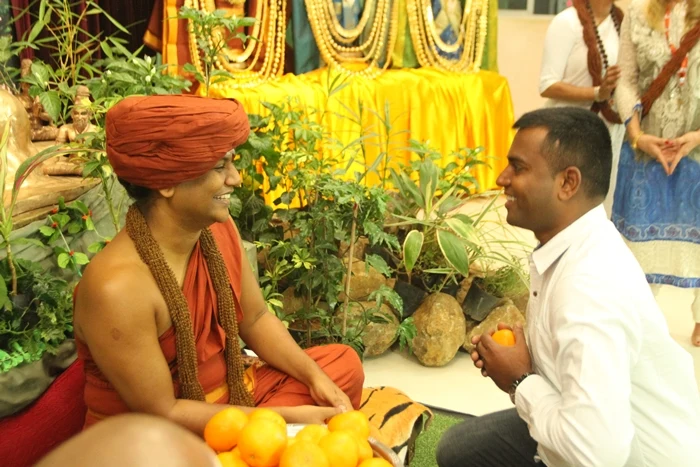
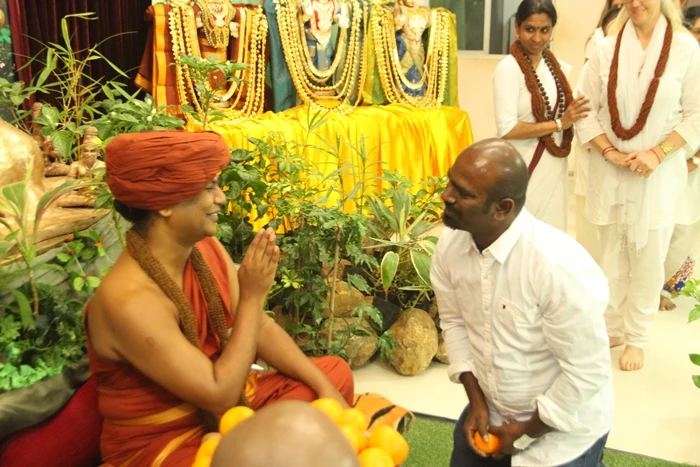
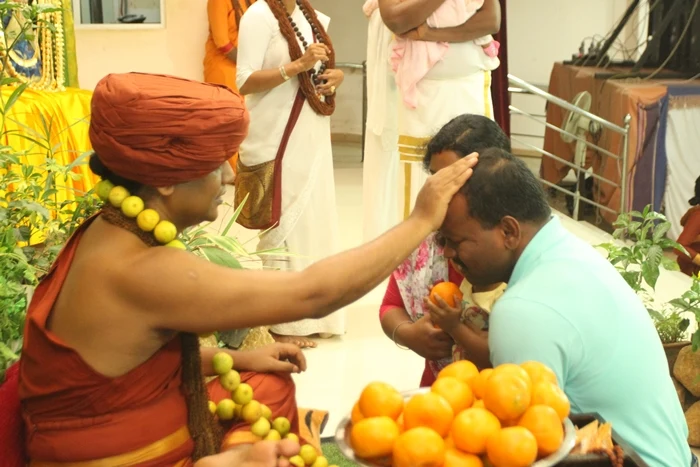
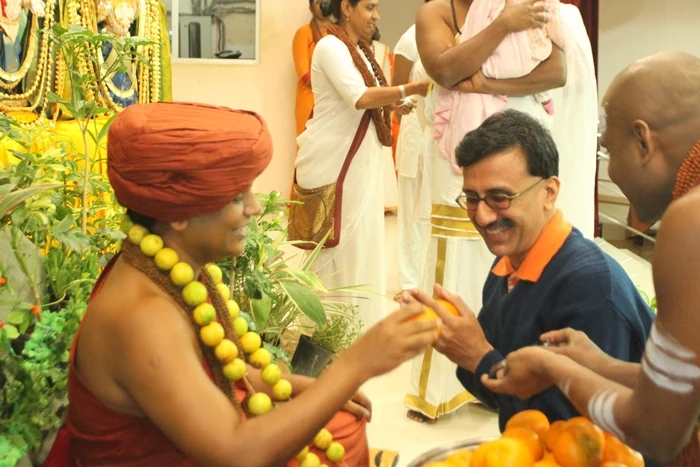
Nithya Kriya Yoga Session
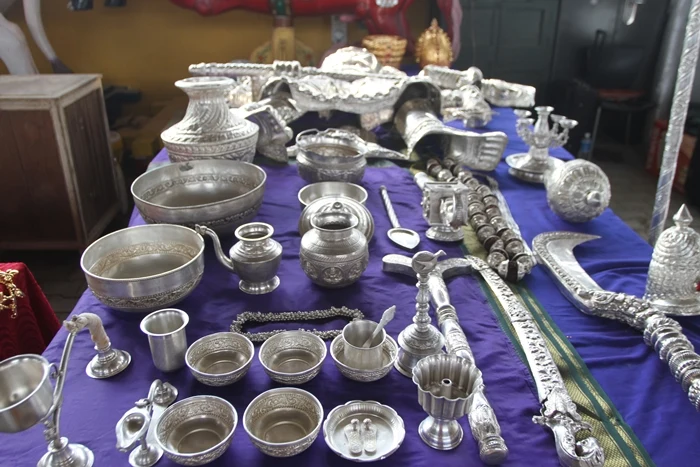
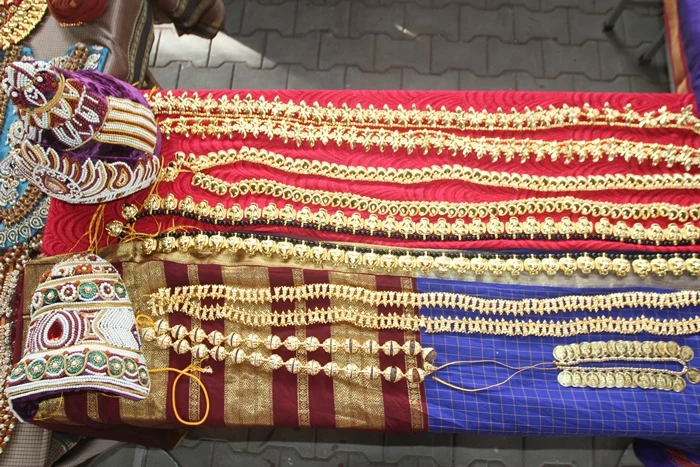
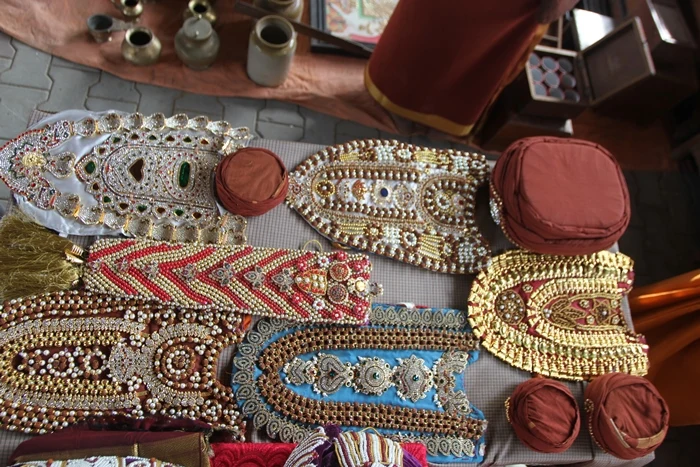


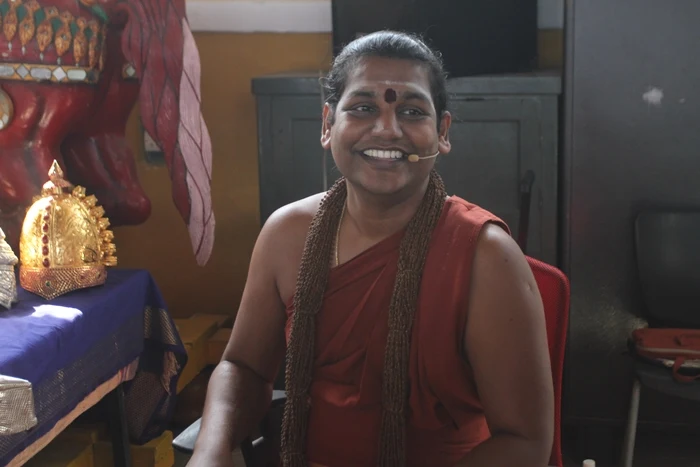
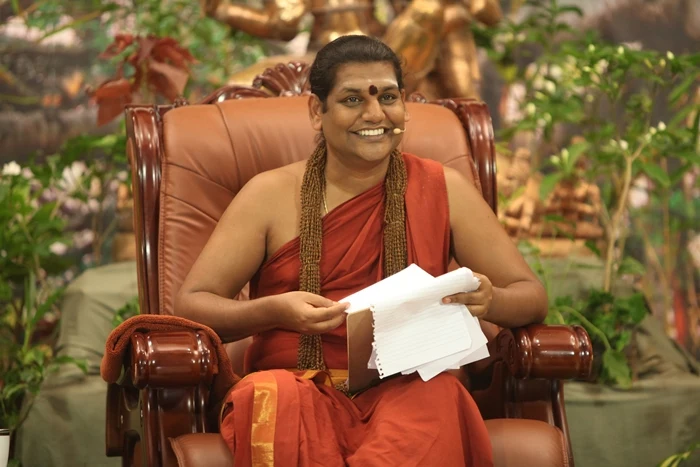
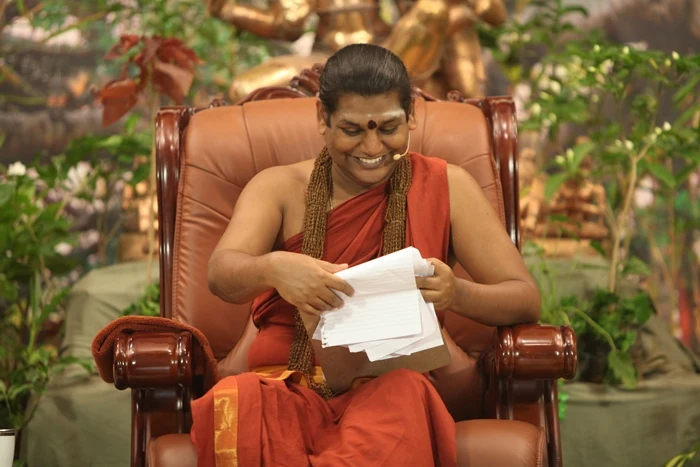
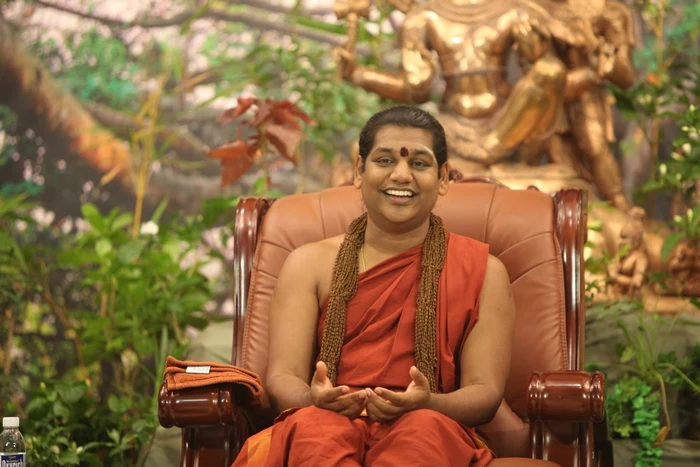

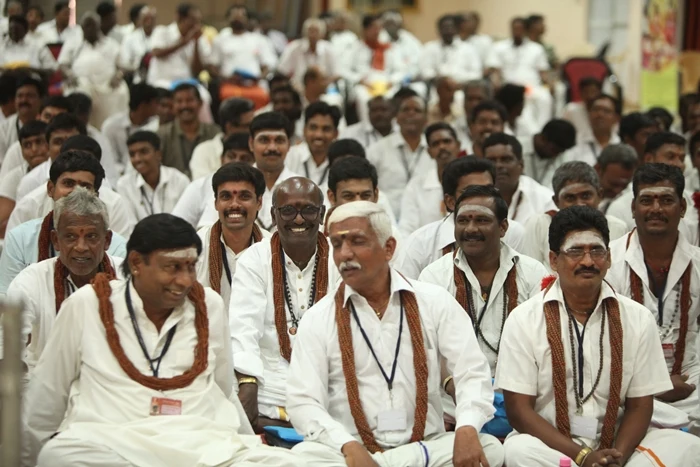
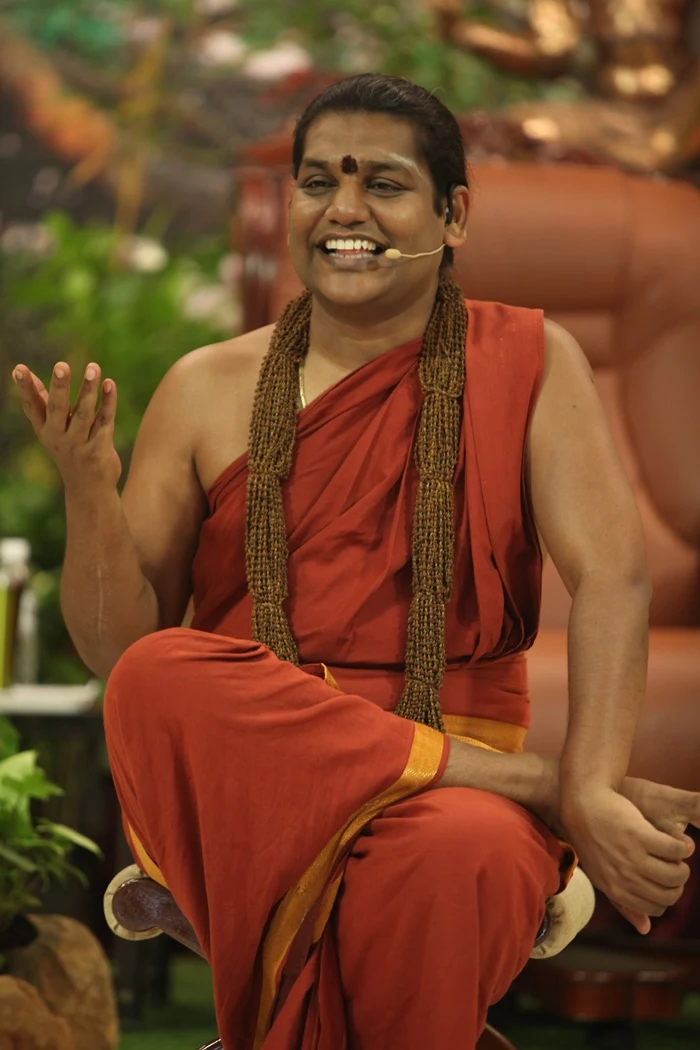
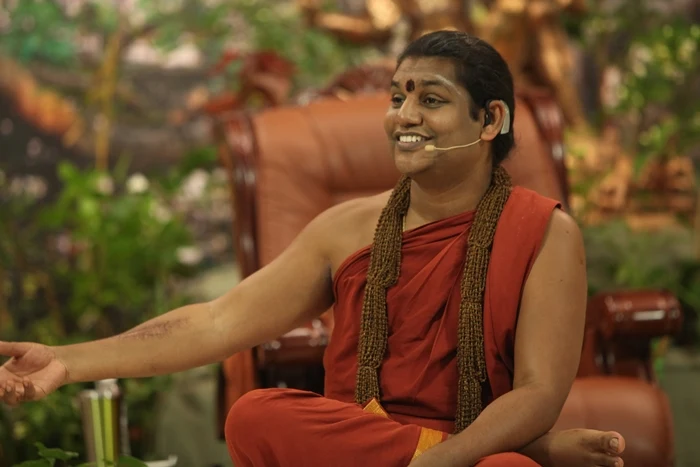
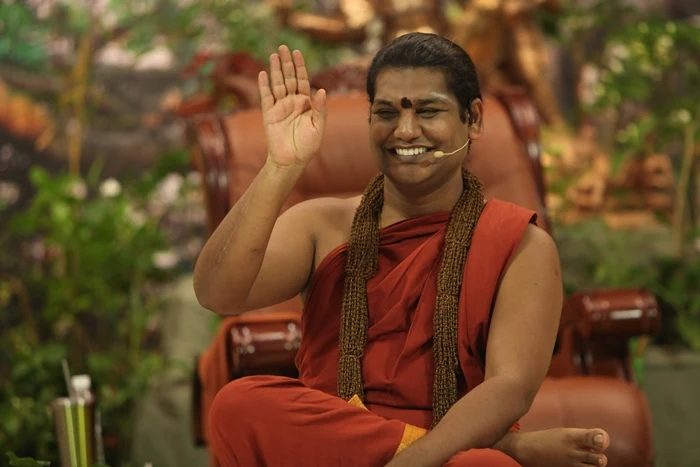
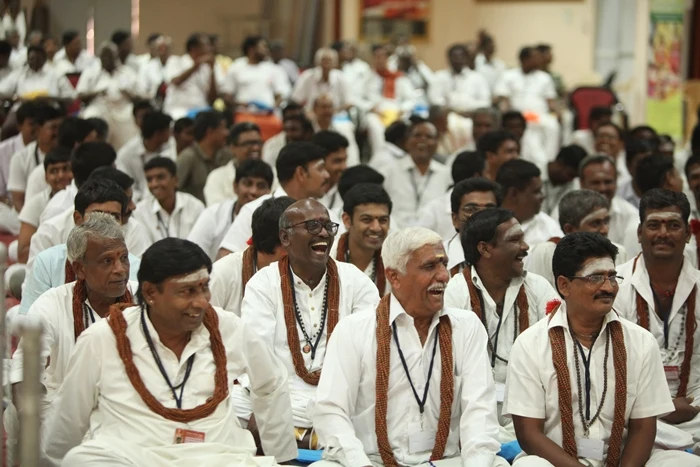
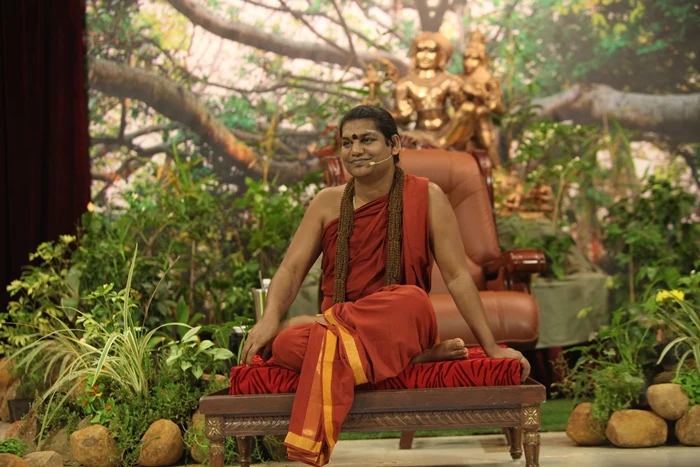
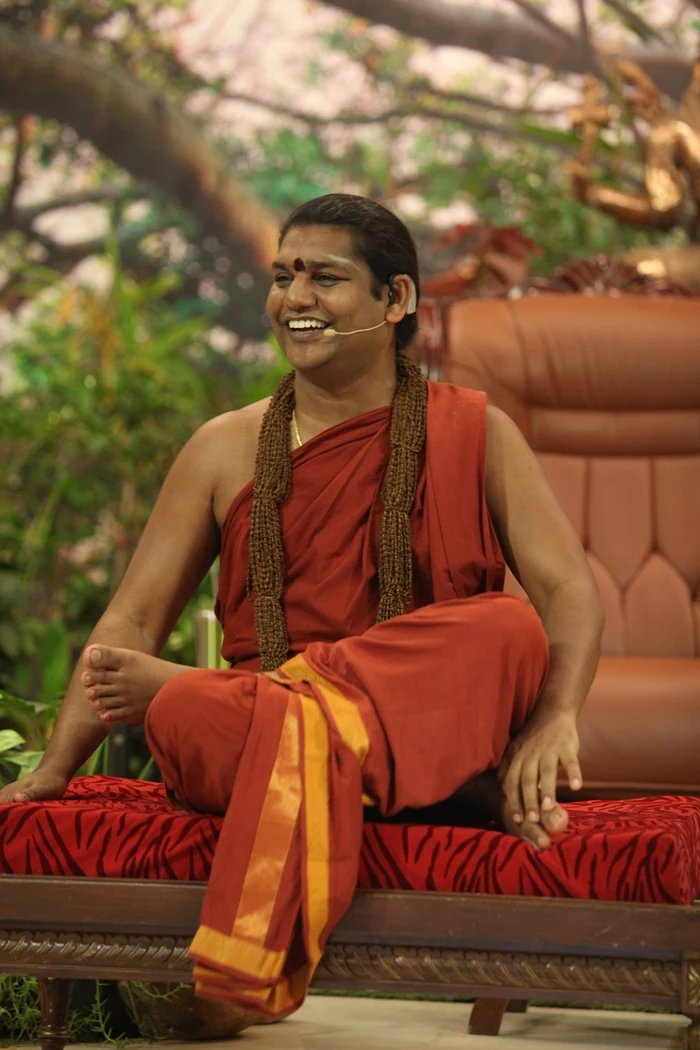
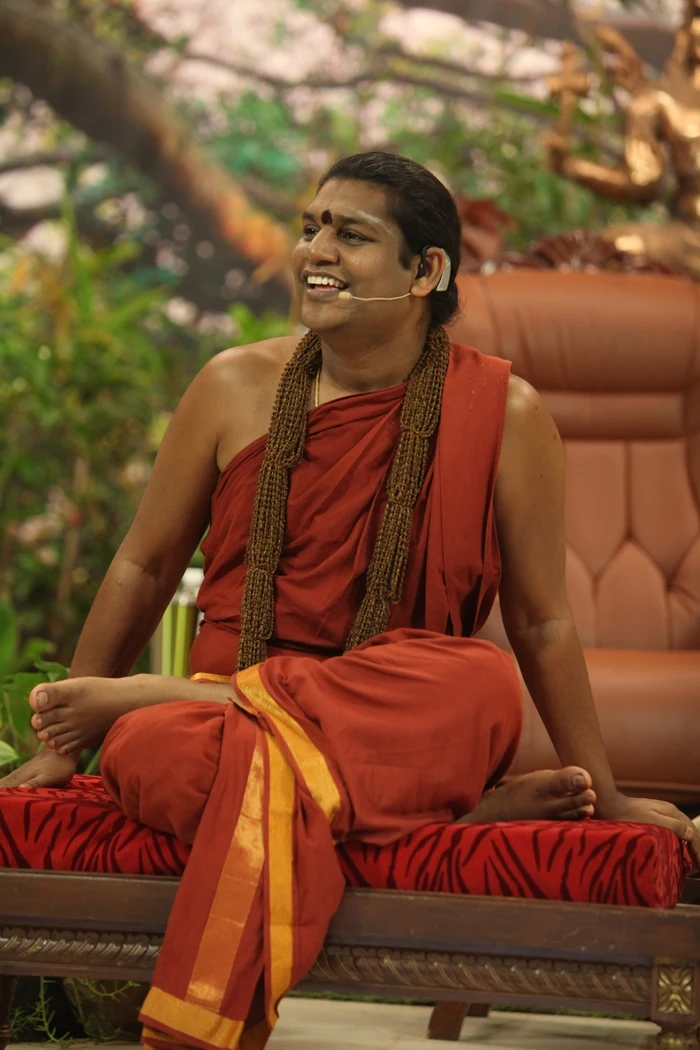
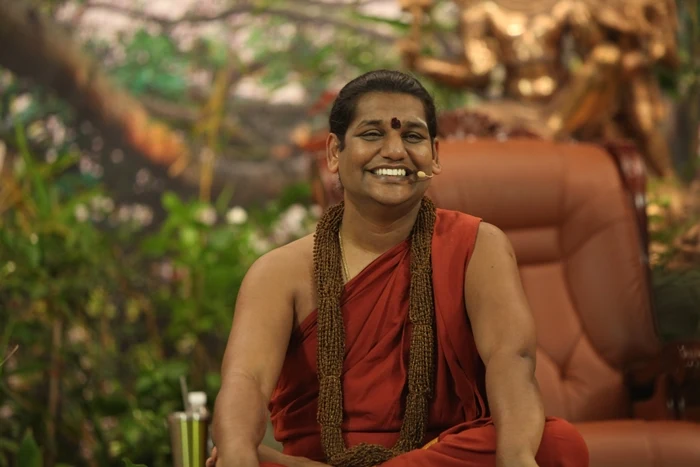
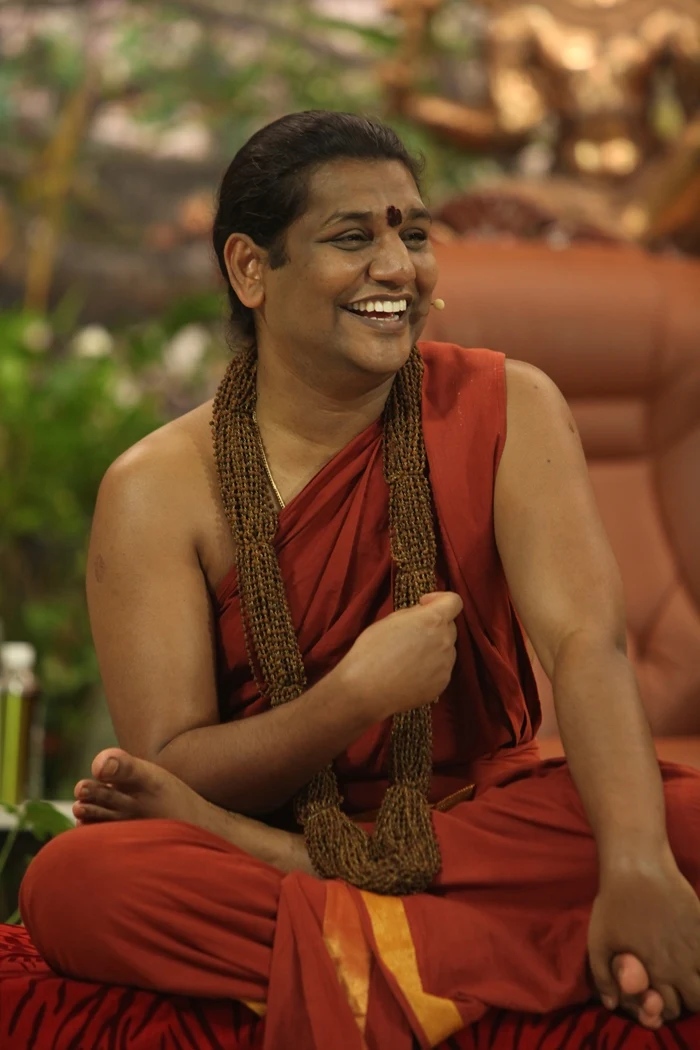
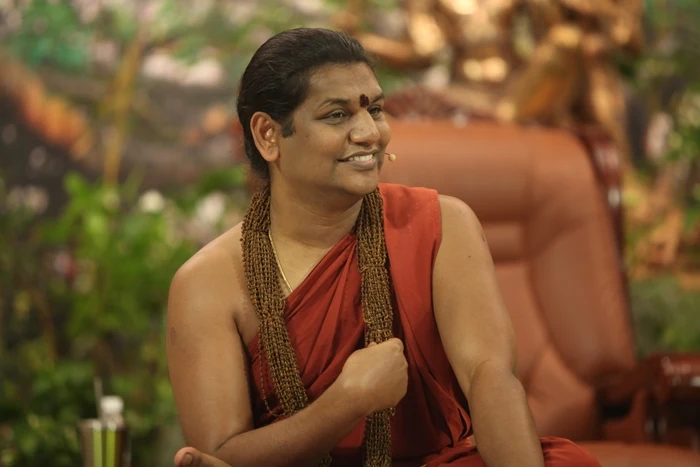
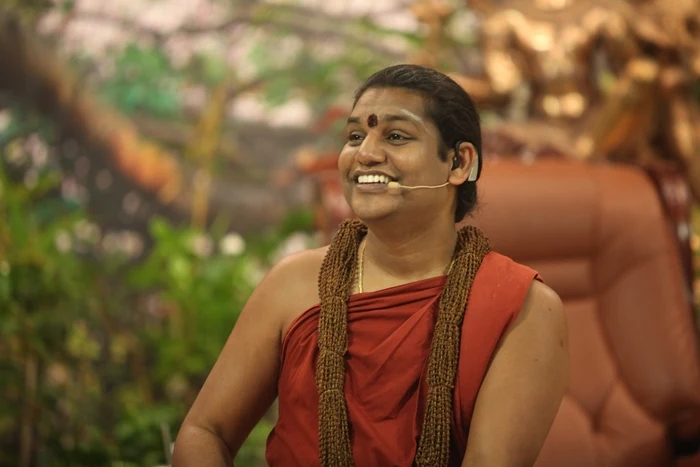
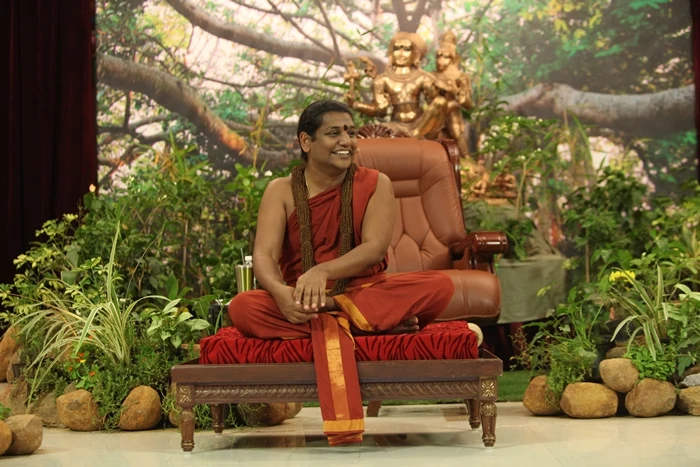
Shivoham Process
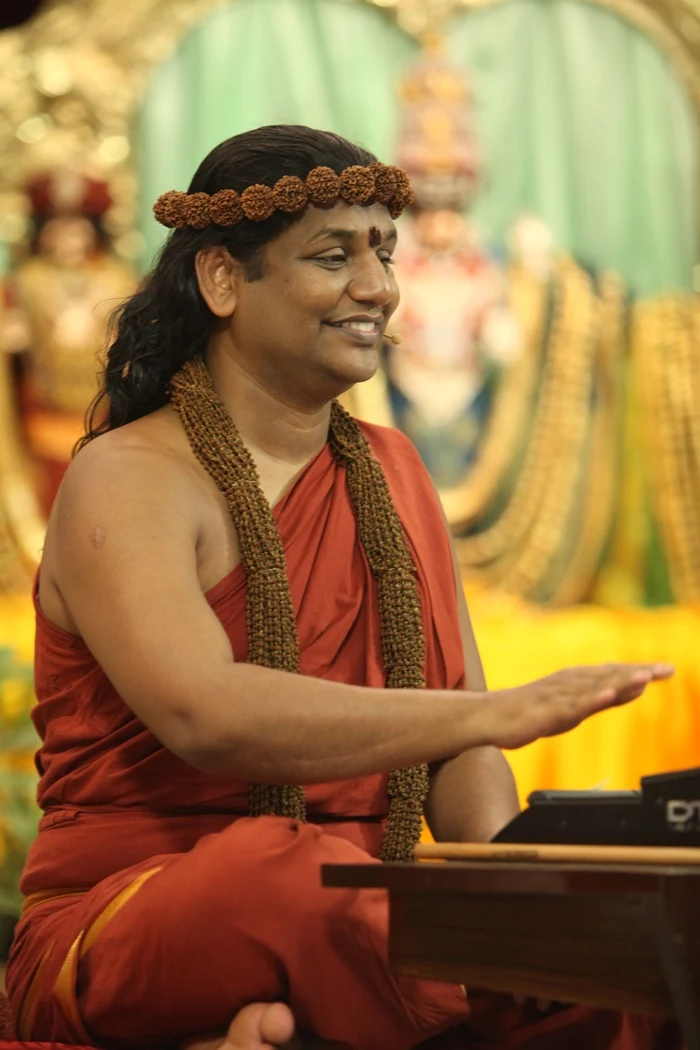
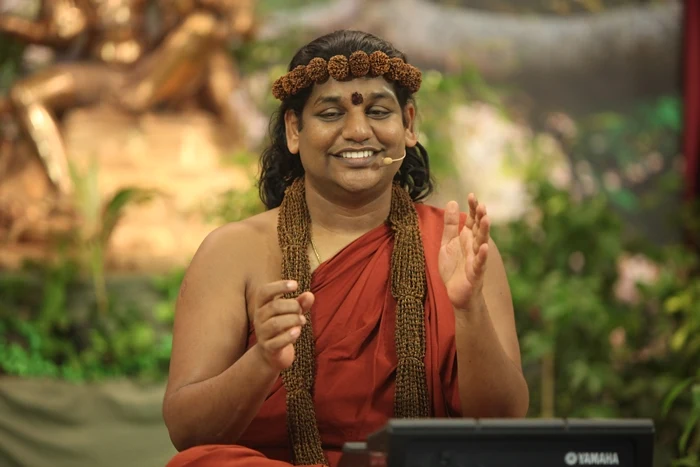
Link to Facebook Post
https://www.facebook.com/ParamahamsaNithyananda/photos/a.321615927926264/779747465446439/ https://www.facebook.com/ParamahamsaNithyananda/photos/a.321615927926264/779748492113003/
Photos from this day
View all 103 photosNithya yoga
4 photosSource gallery
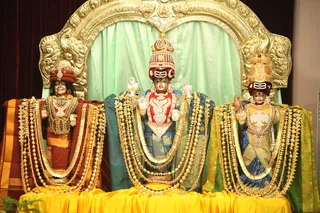
Nithya Satsang
38 photosSource gallery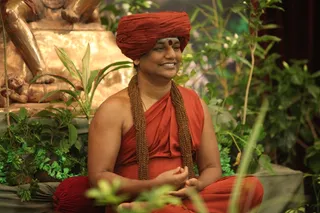
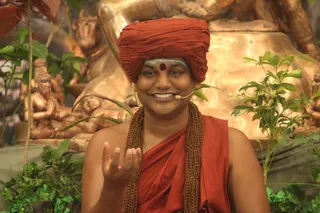
Kalpataru Darshan
4 photosSource gallery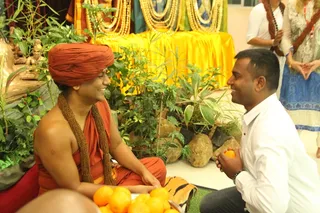
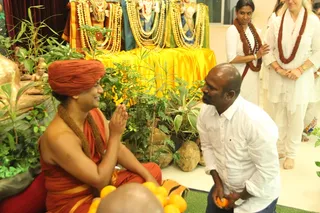
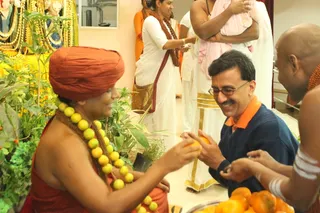
Nithya Kriya Yoga Session
51 photosSource gallery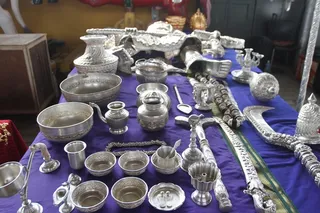
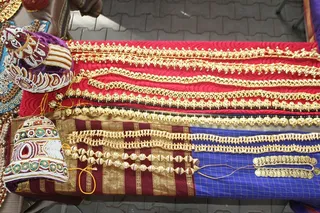

Shivoham Process
6 photosSource gallery