Monday
25 January 2016
The Hindu Way Approaching Death
- Dated photos
- 123
- Source pages
- 1
- Media
- 3
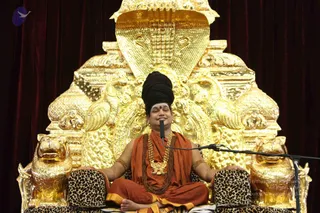
January 25 2016
Original wiki pageTitle
The Hindu Way Approaching Death
Narration
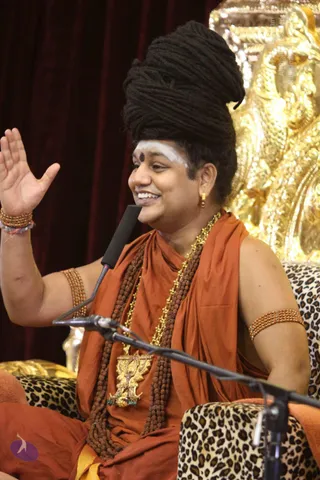
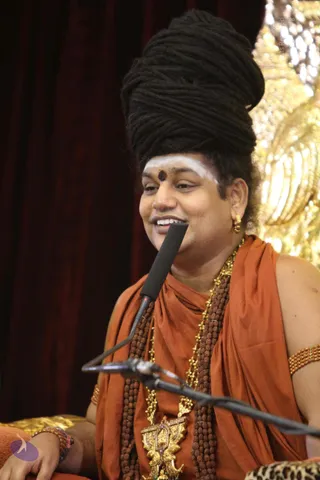
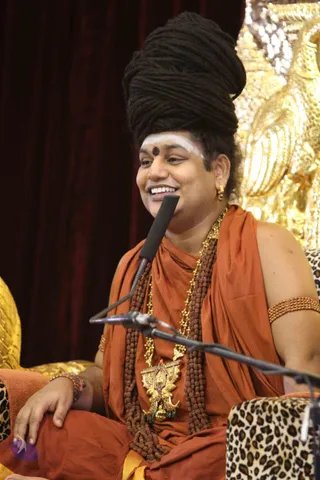
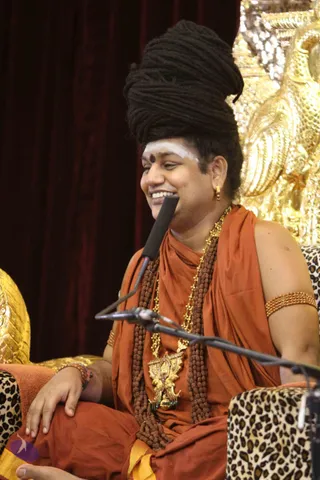
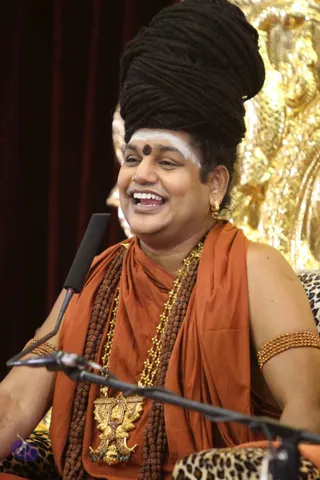
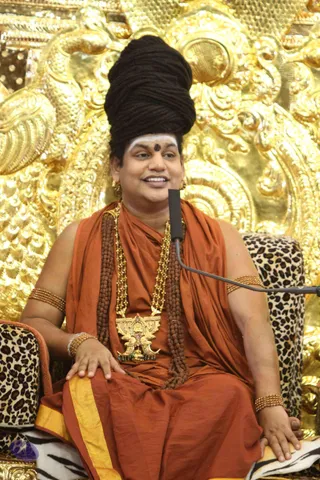
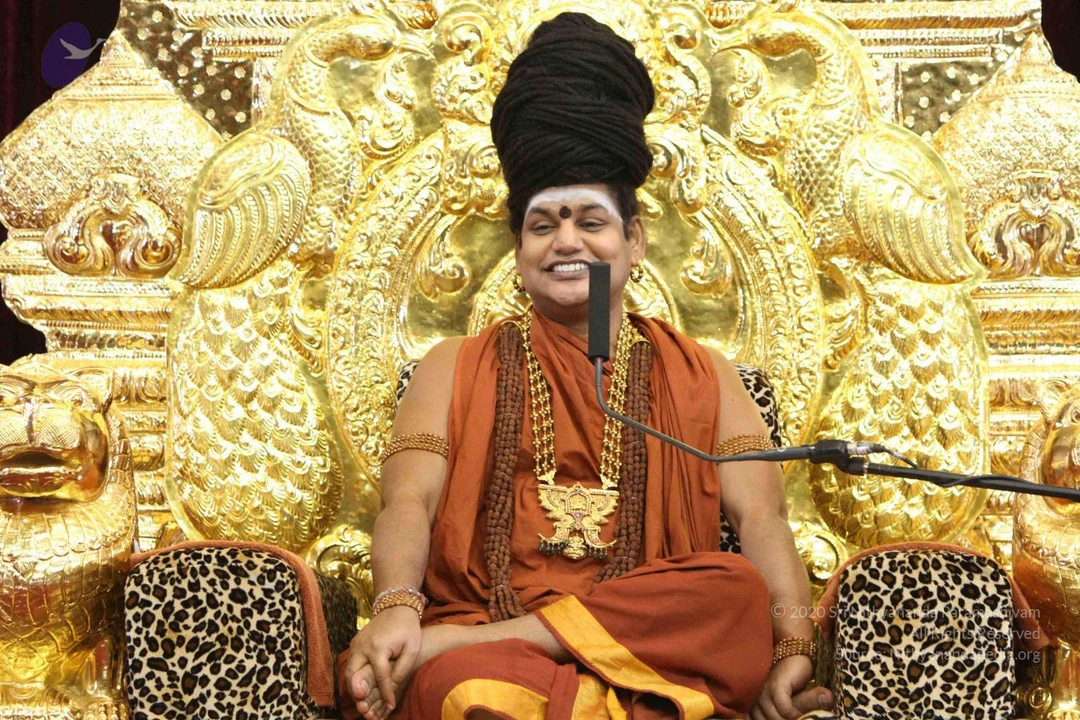
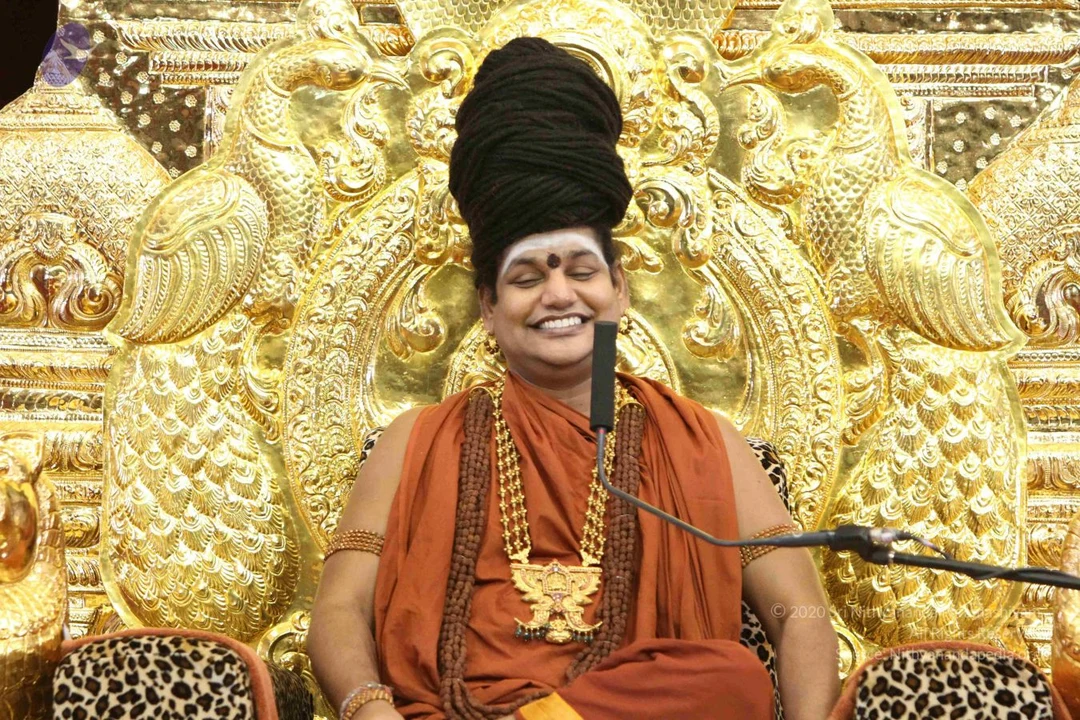
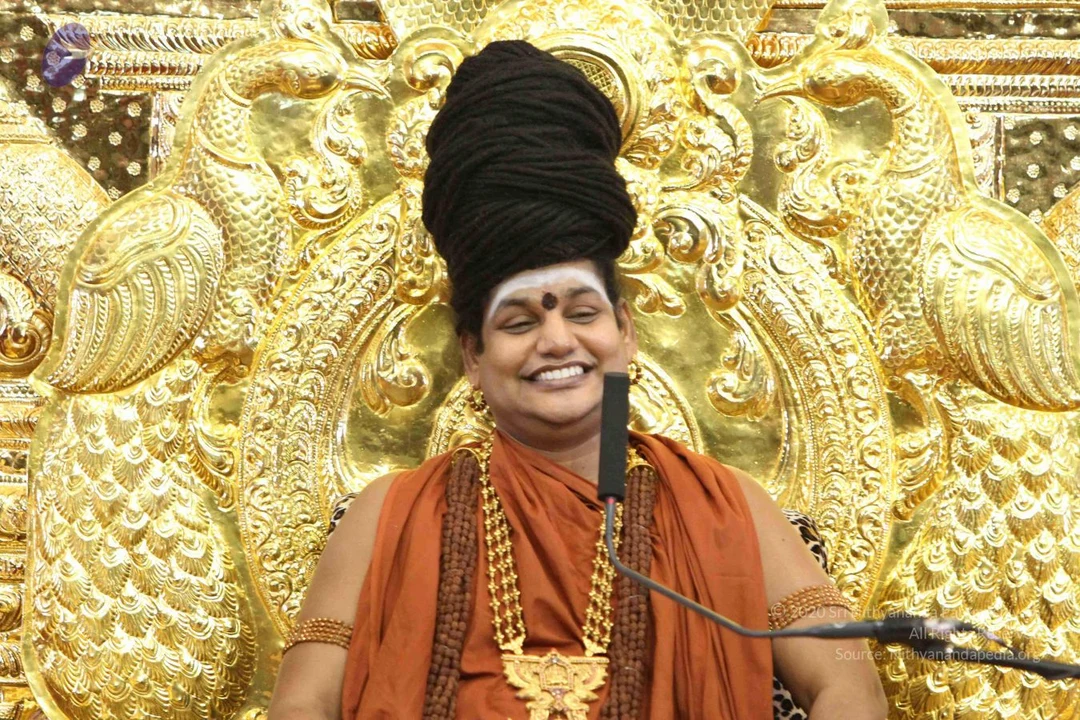
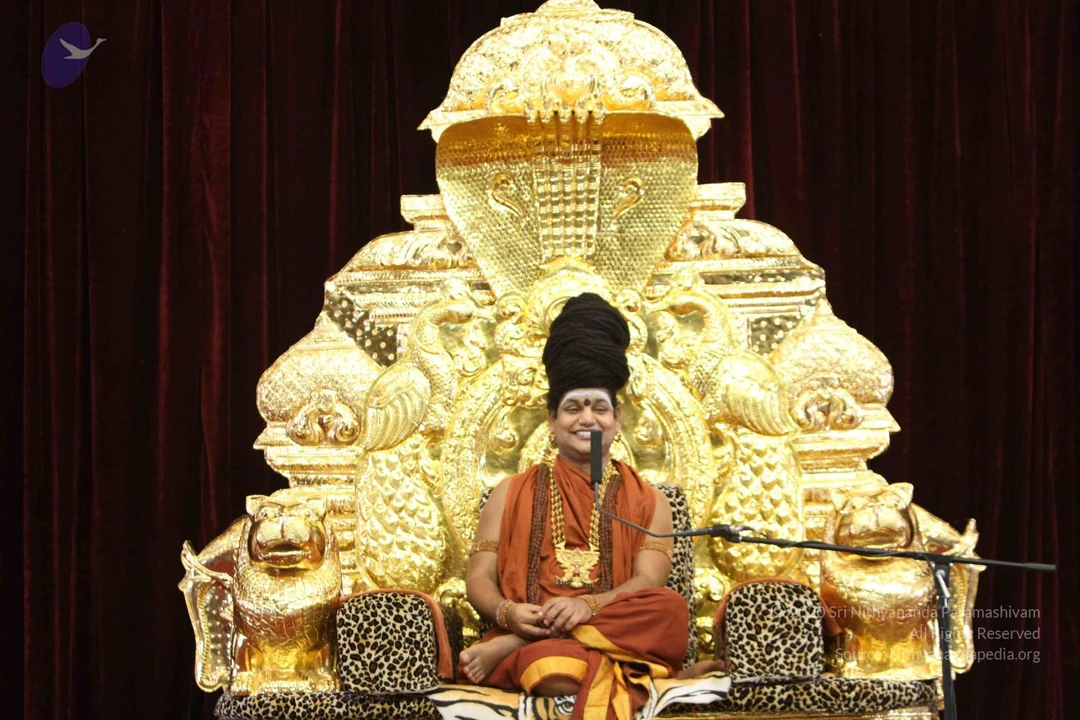
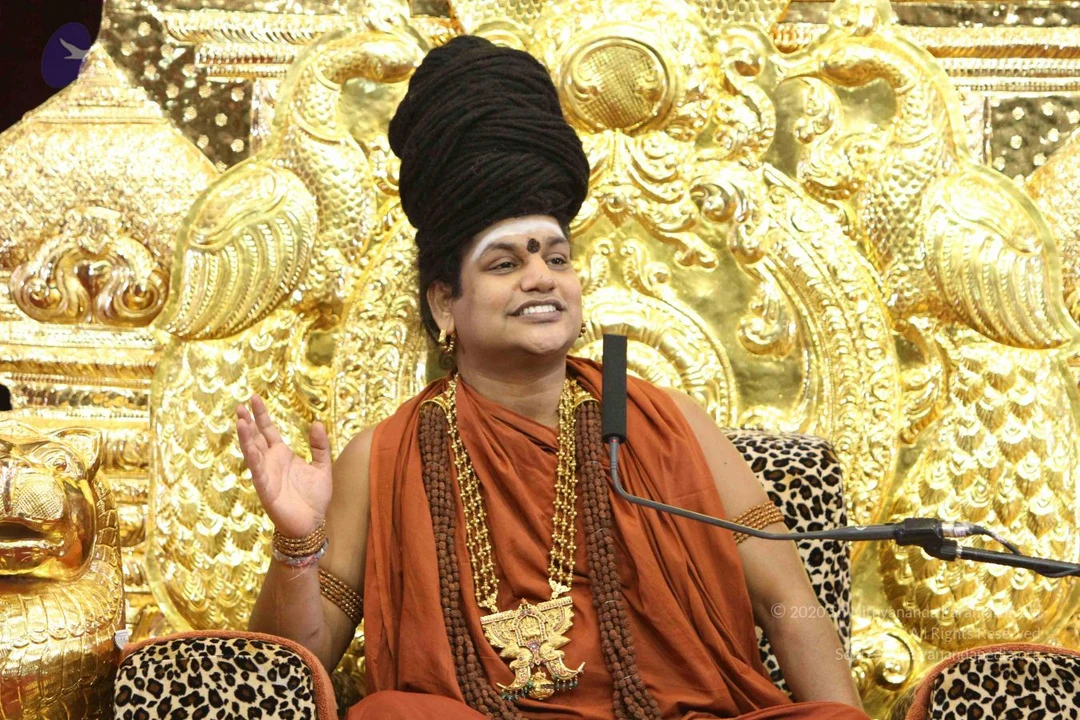
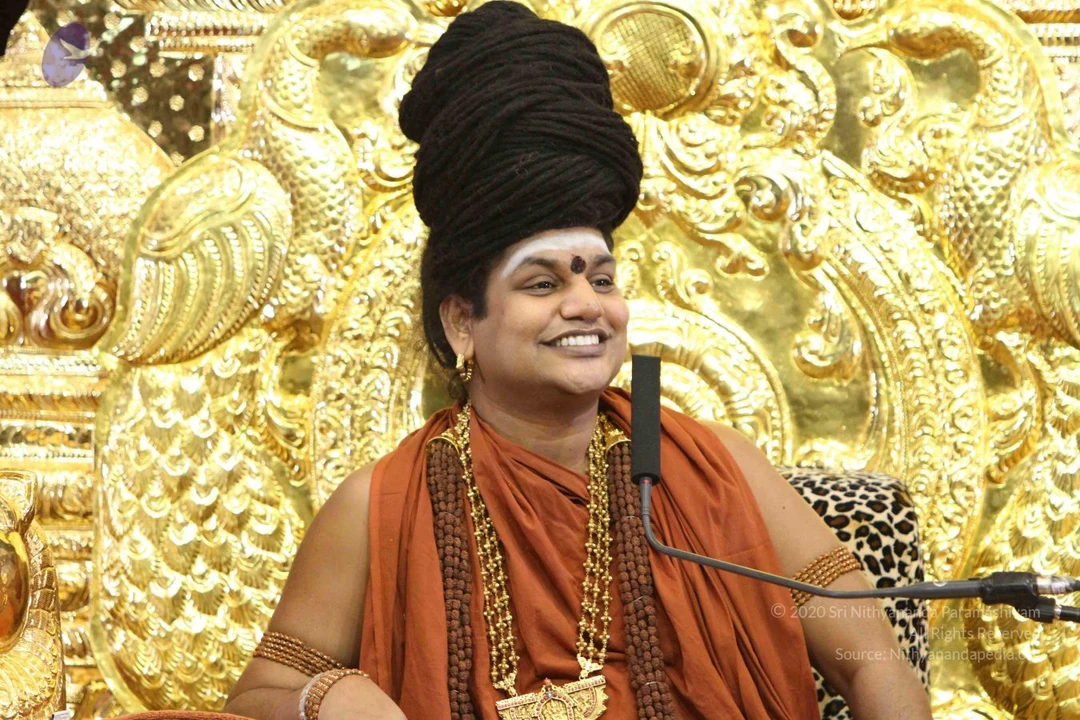
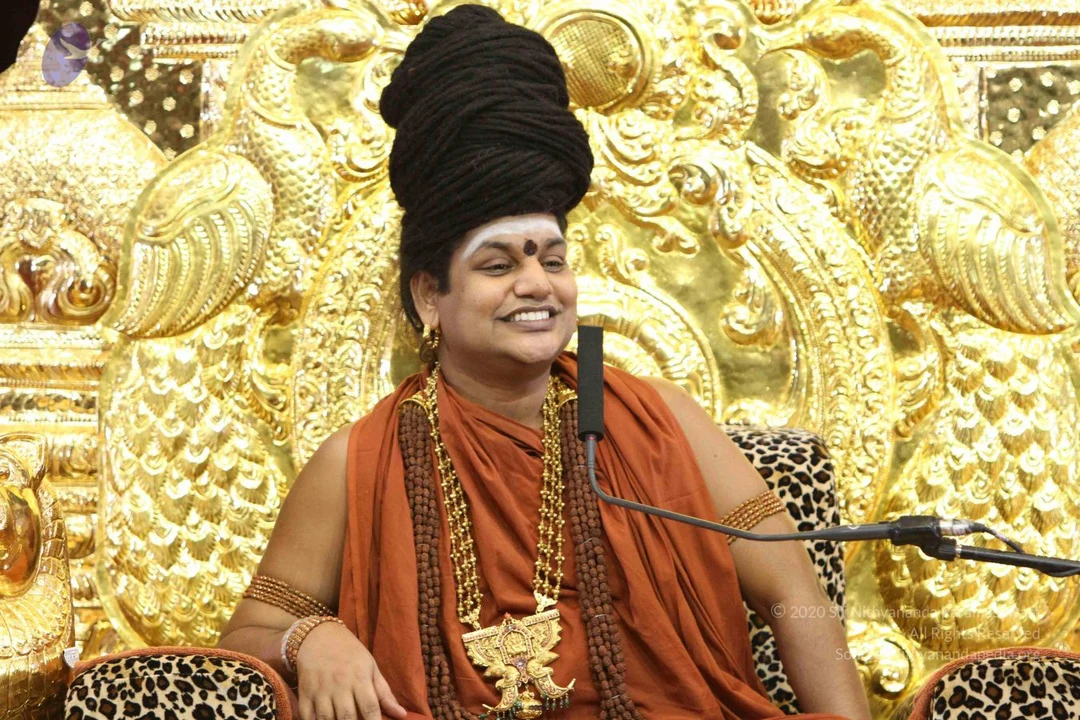
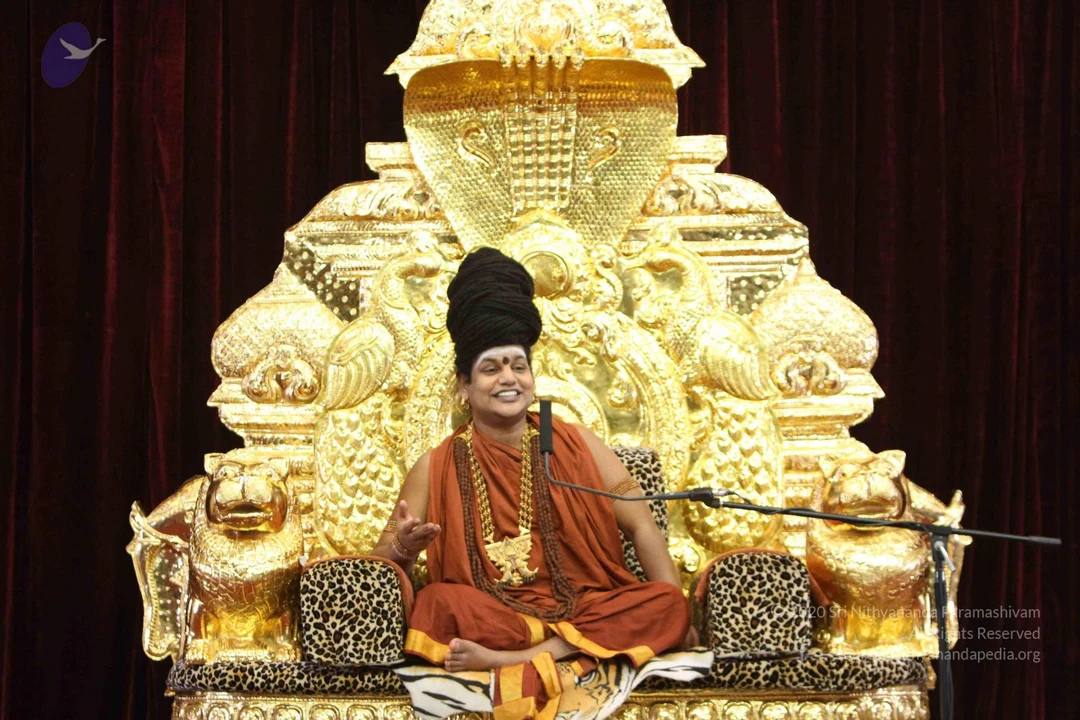
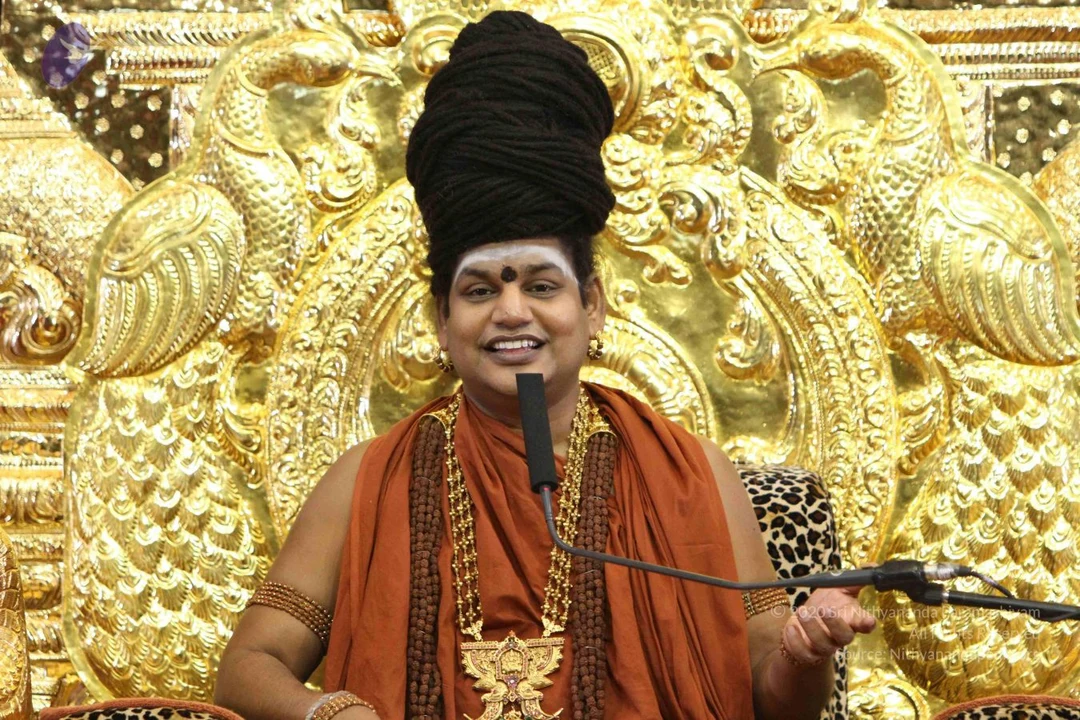
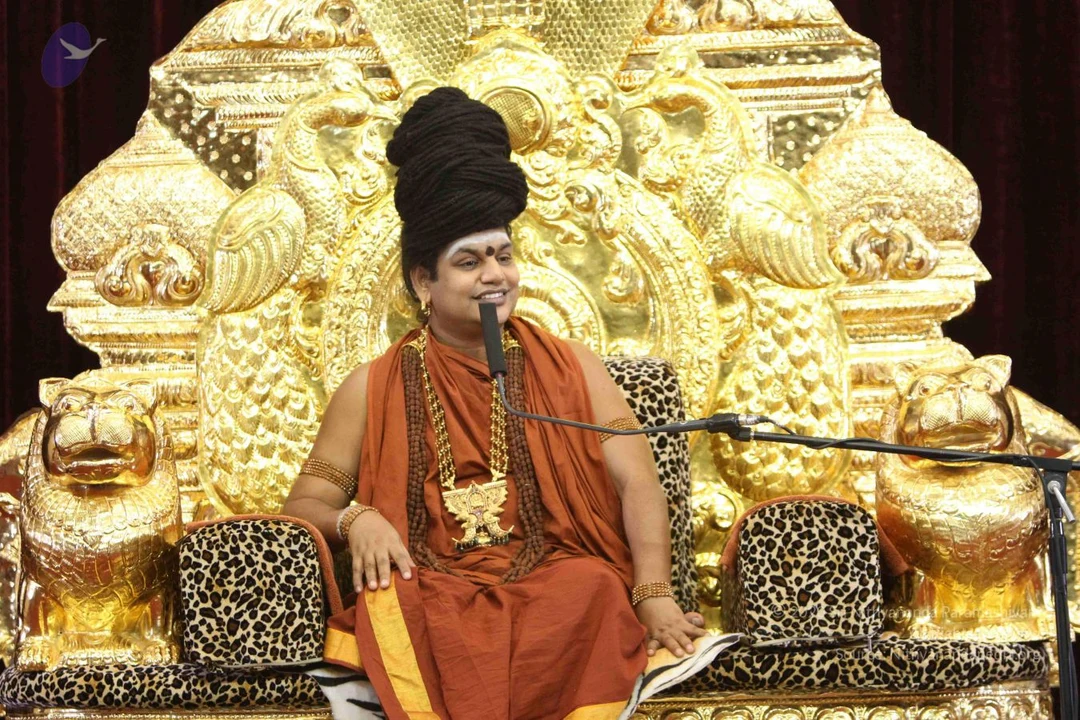
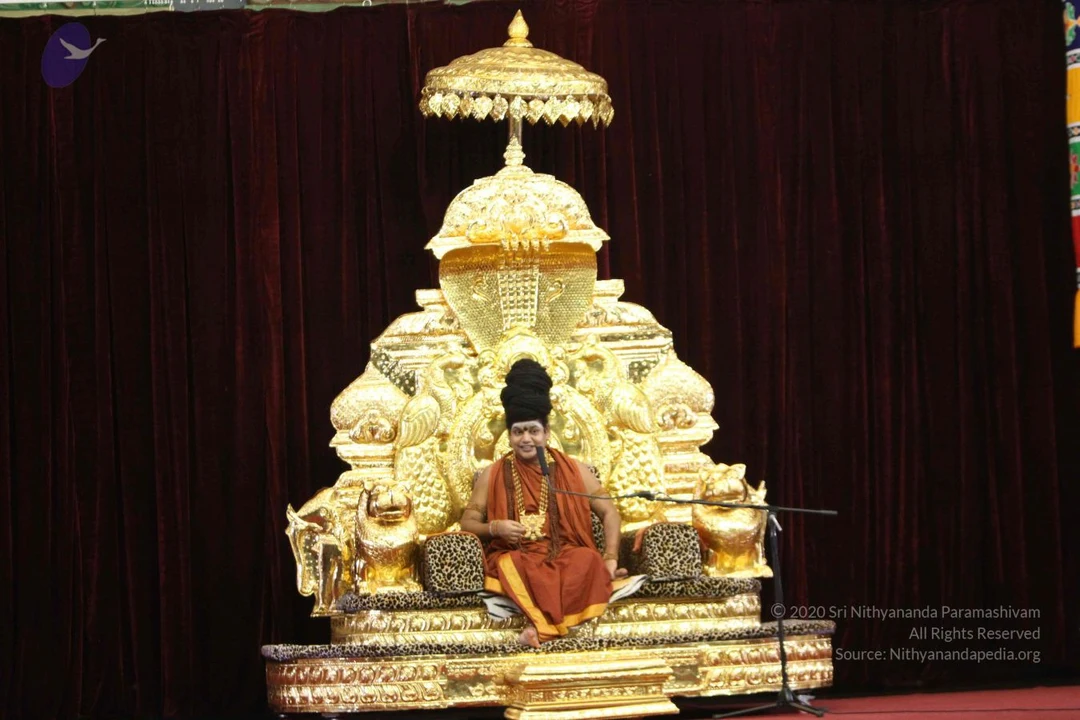
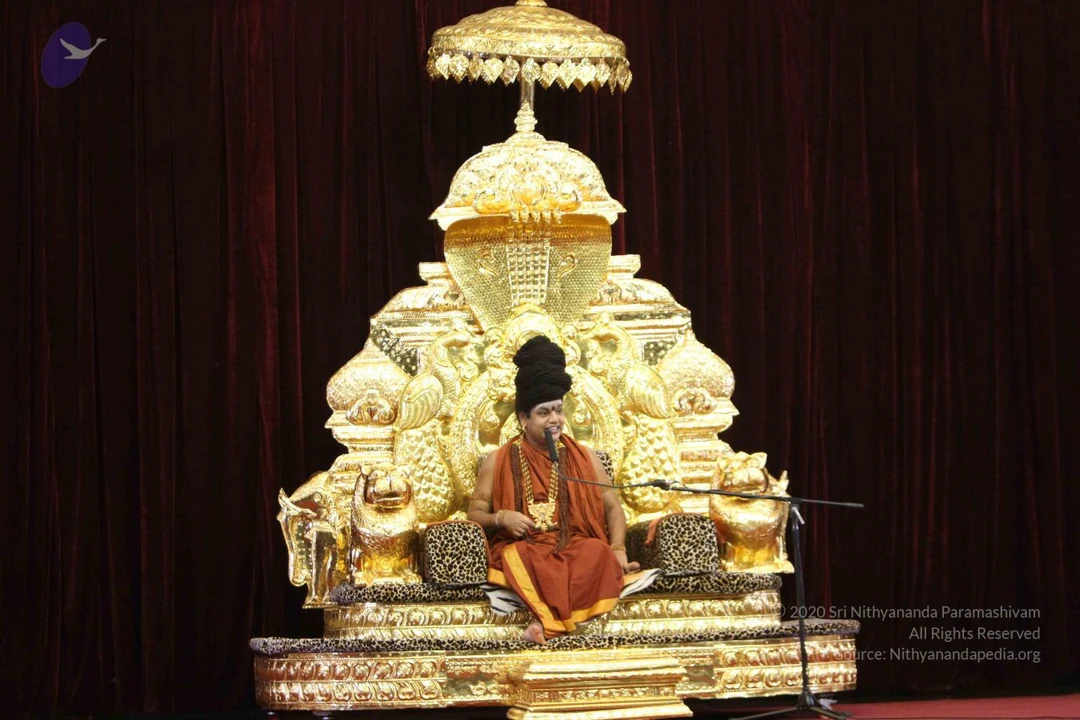
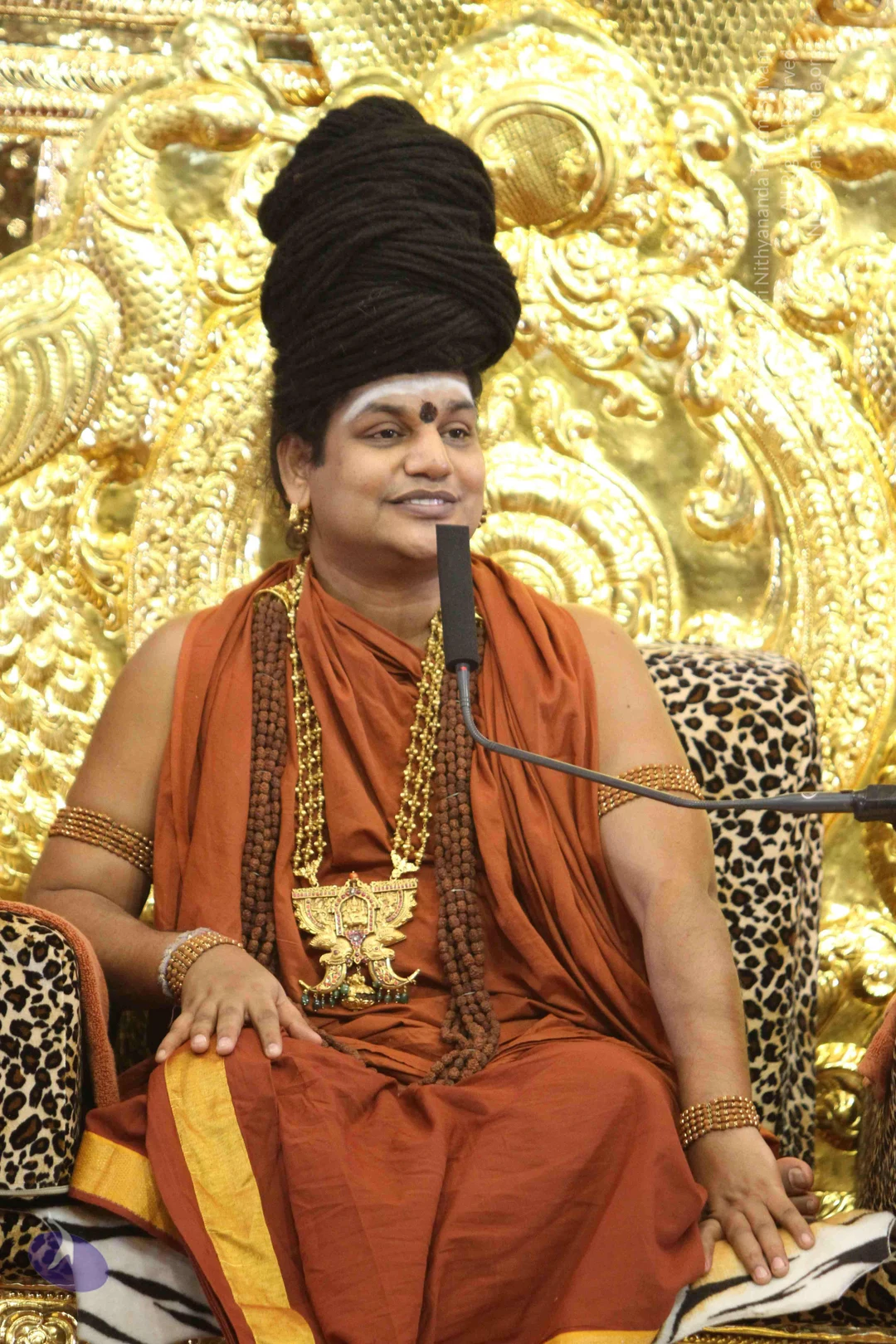
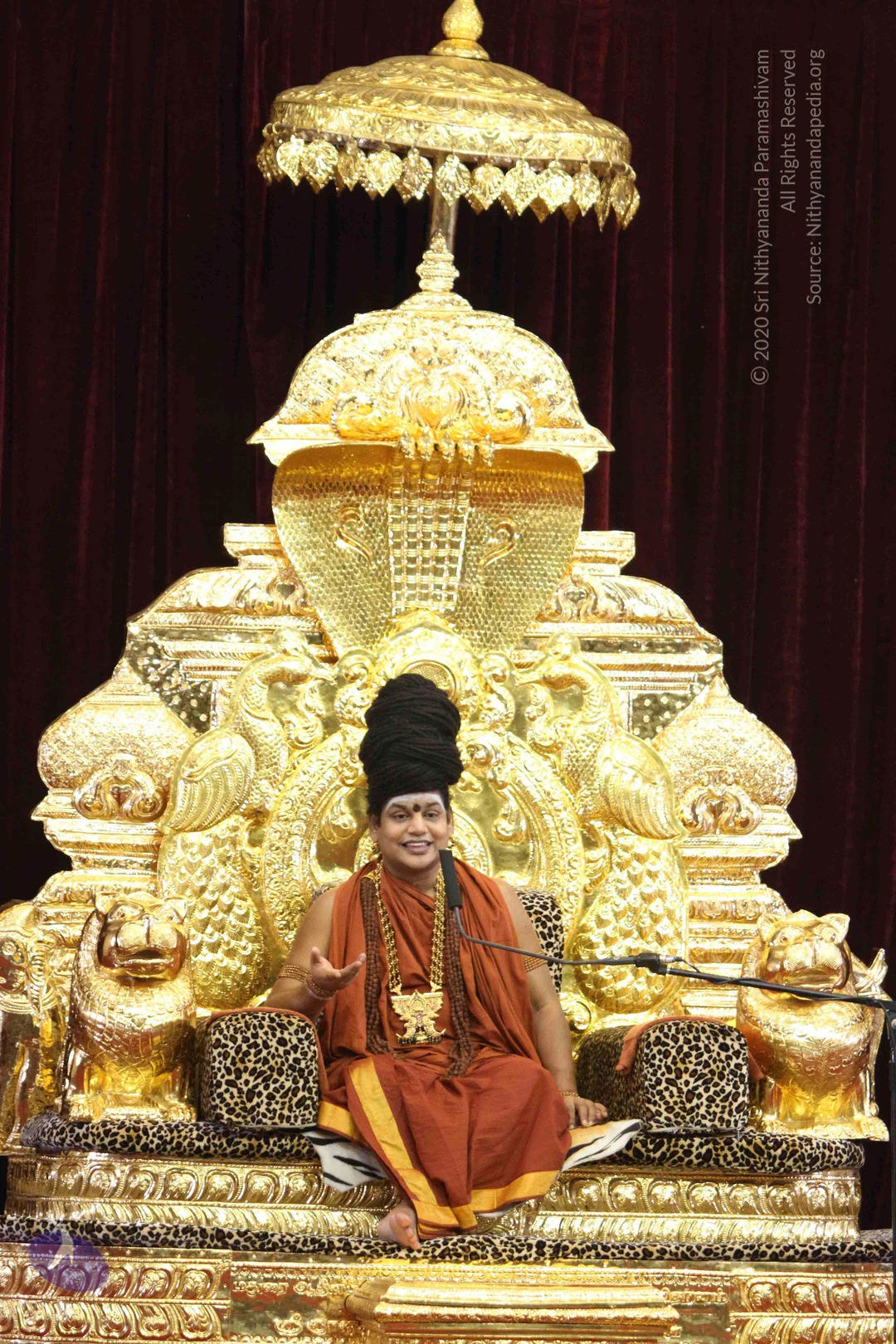
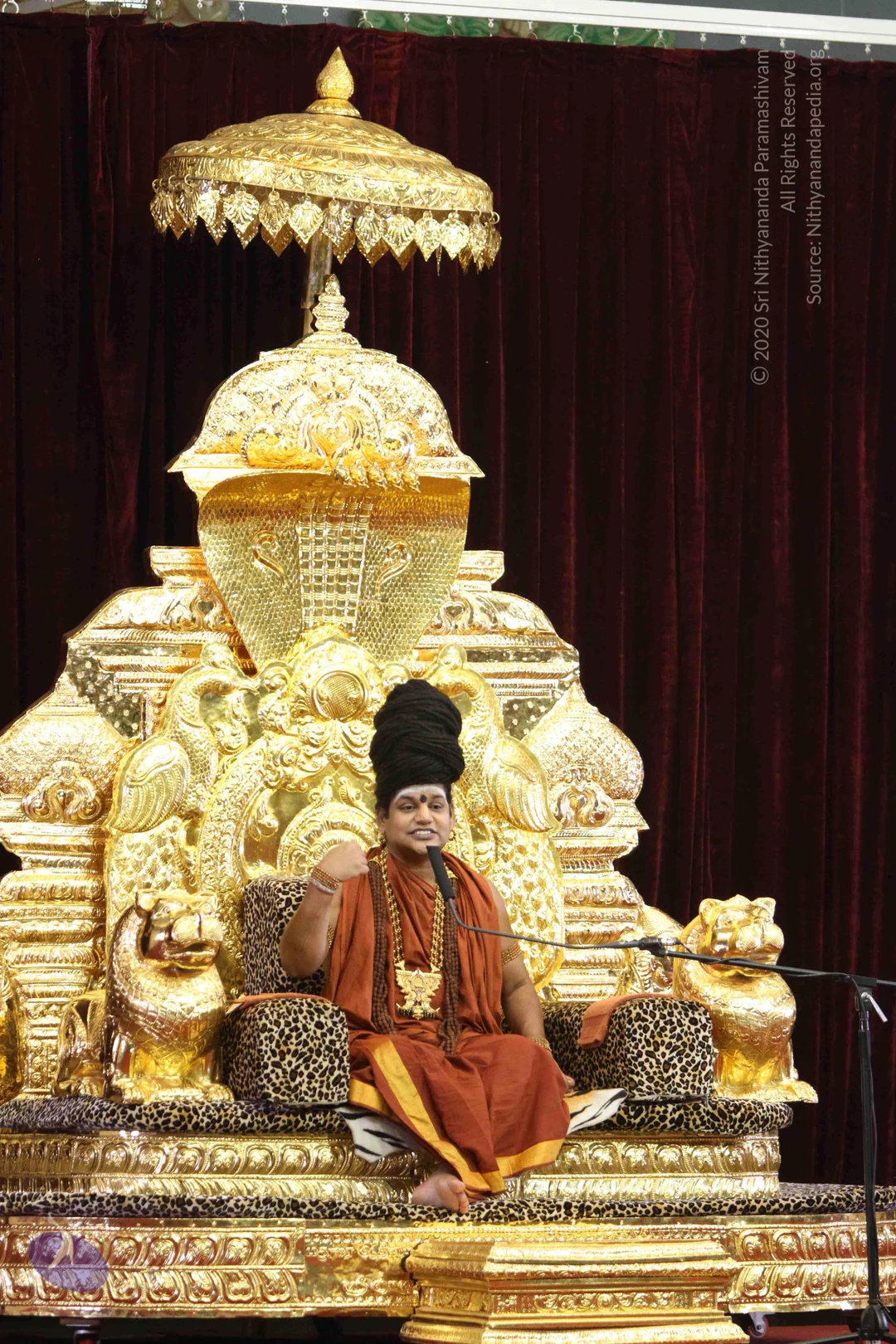
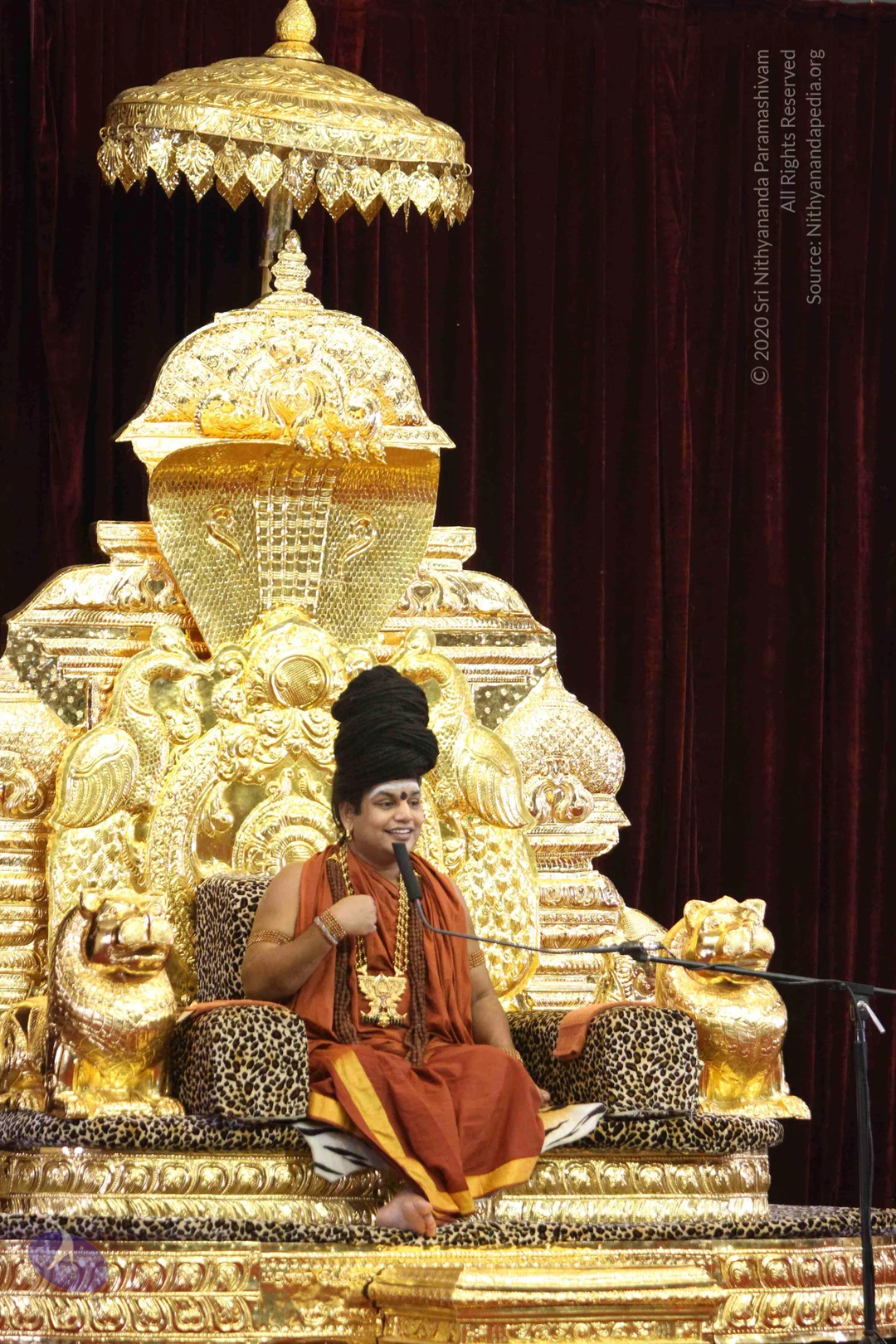
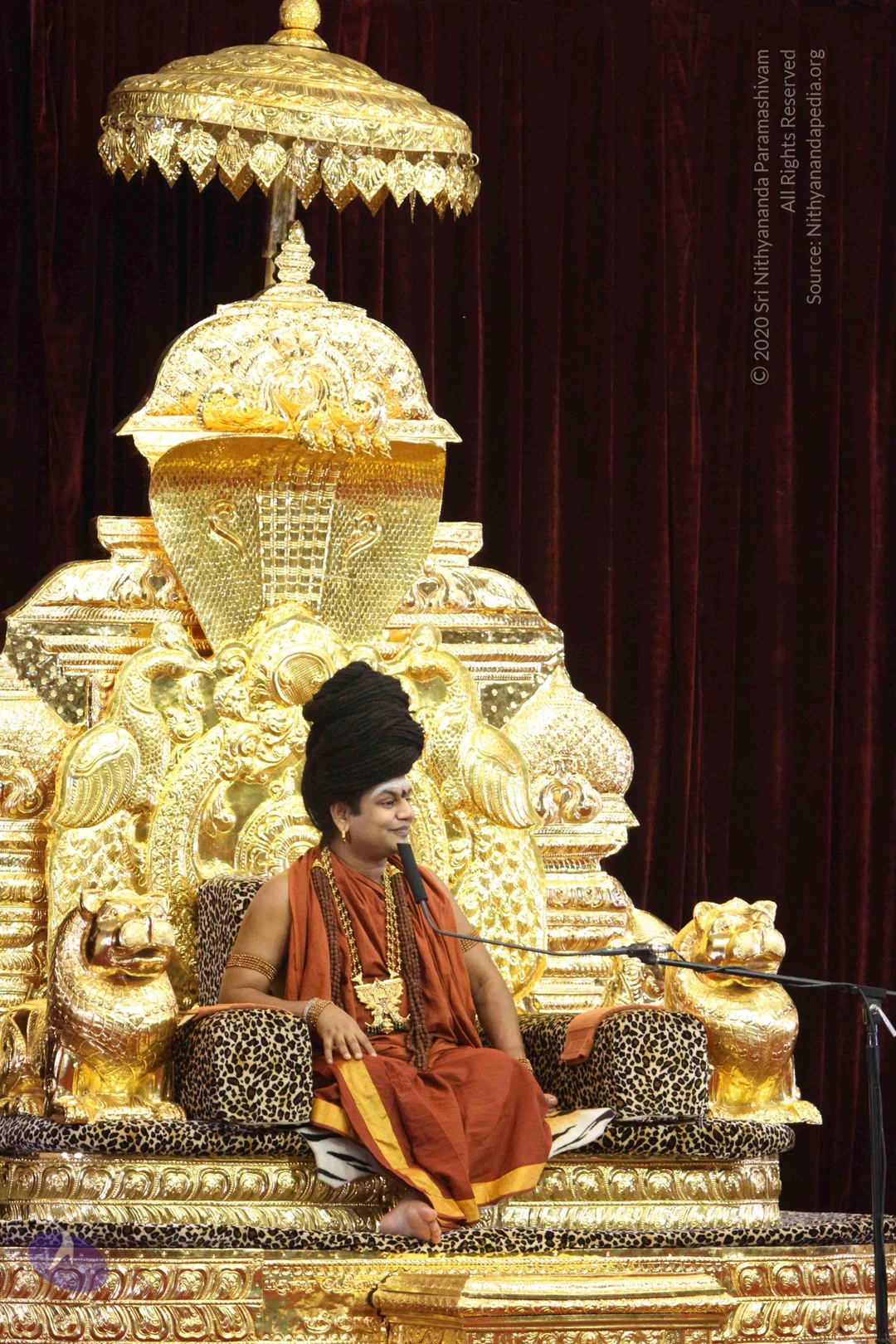
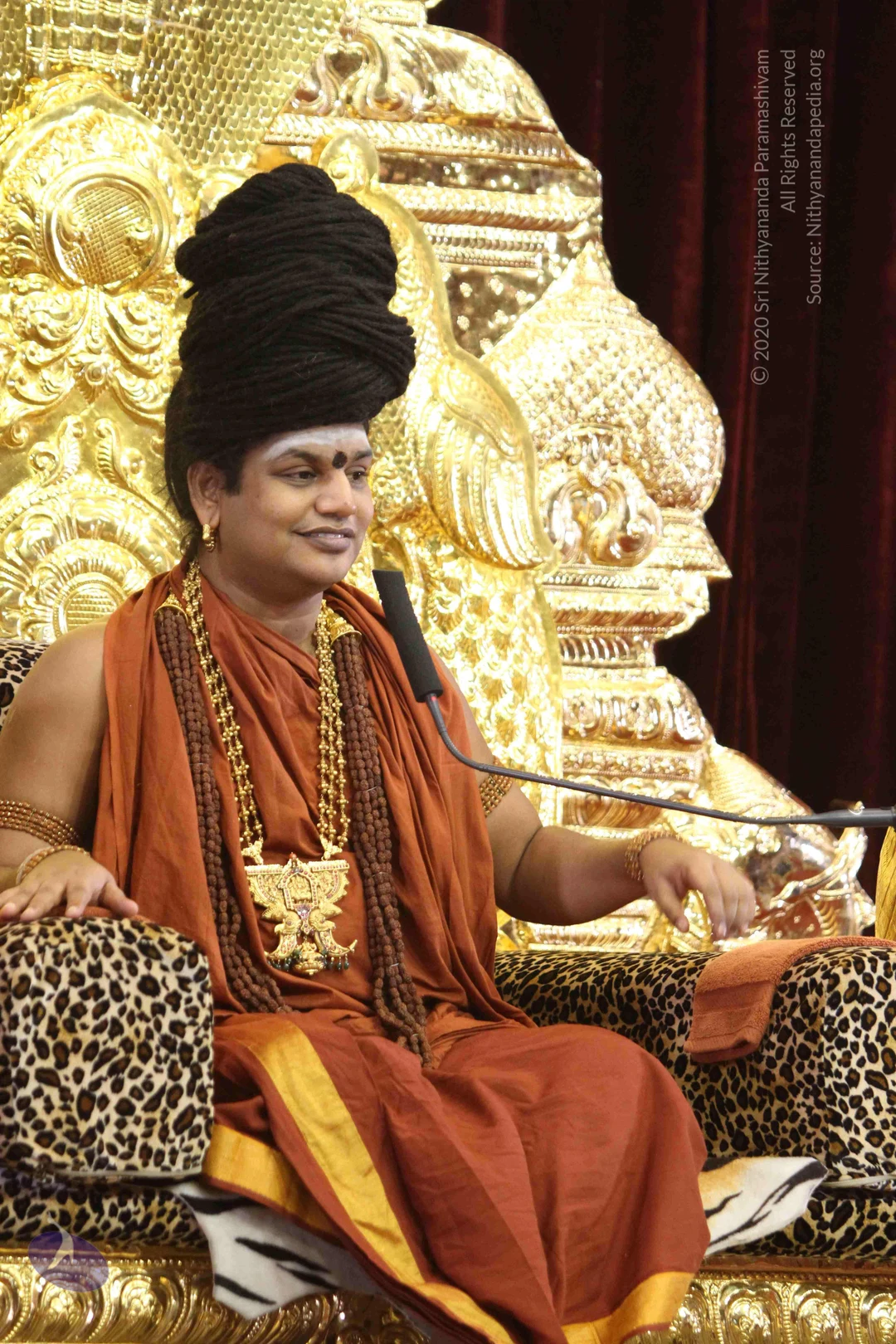
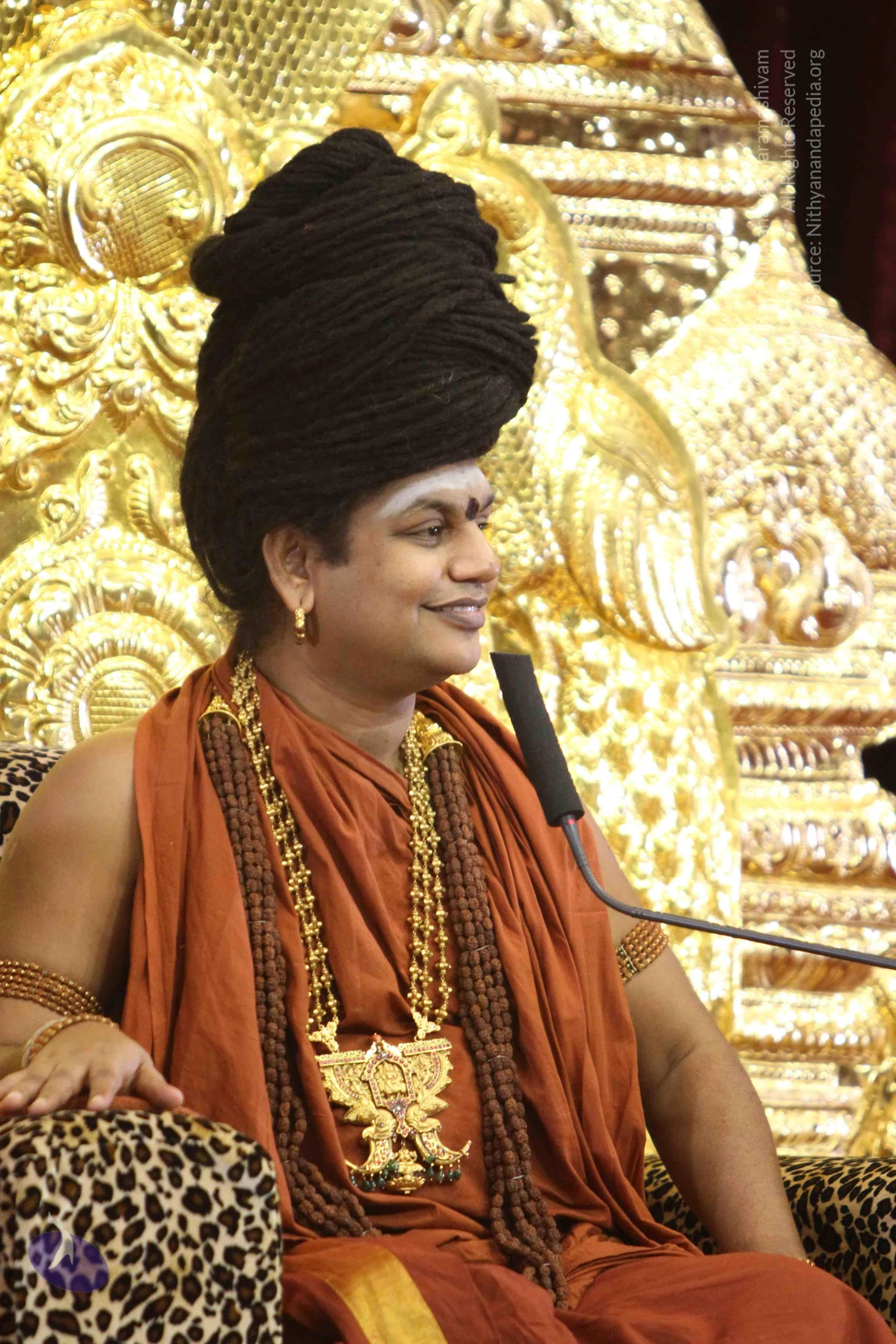
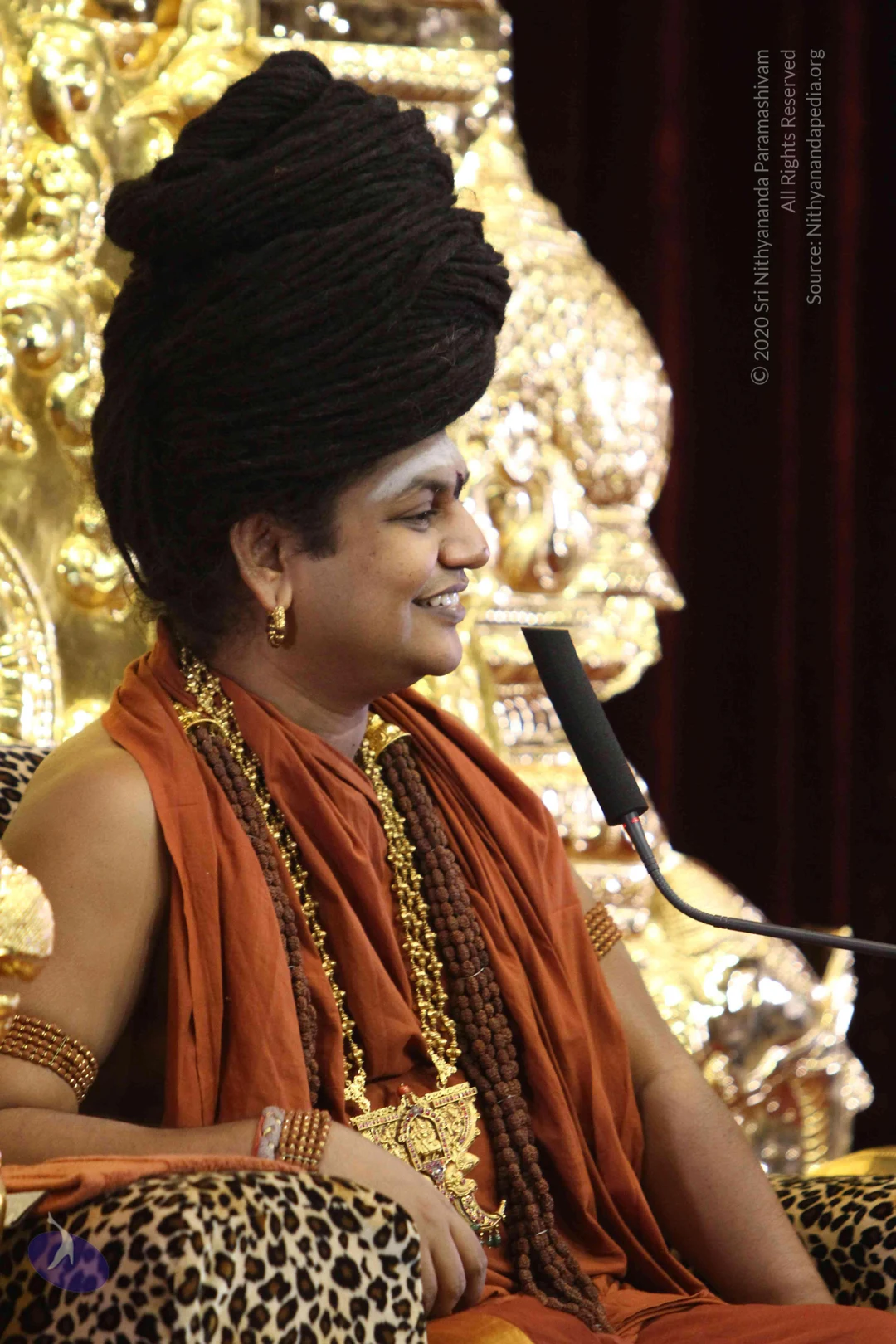
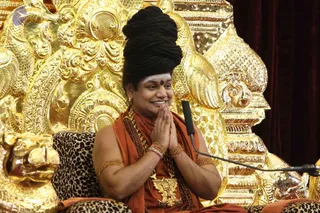
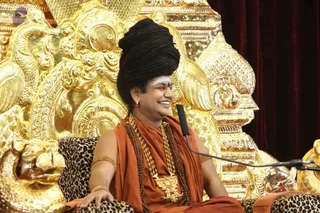
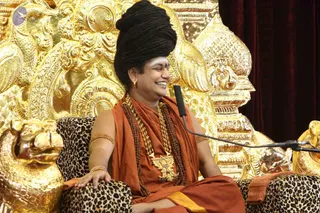
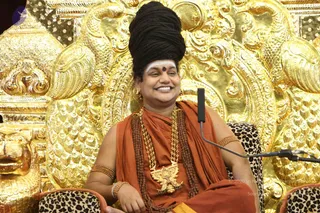
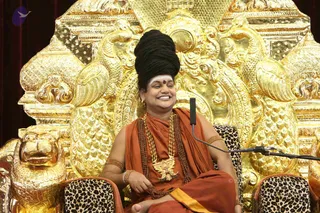
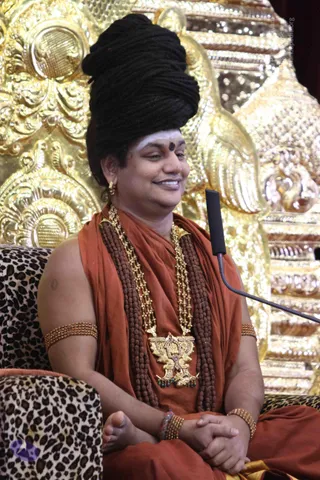
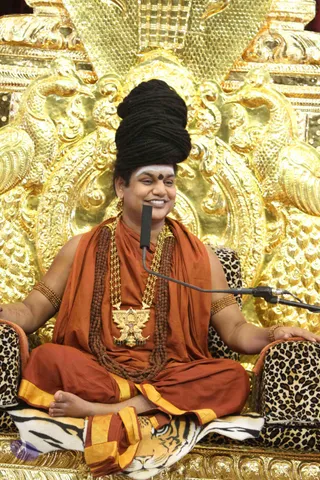
The Supreme Pontiff of Hinduism (SPH), Jagatguru Mahasannidhanam, His Divine Holiness, Bhagavan Nithyananda Paramashivam, expounded on the Cosmic Principles of Death during the everyday live public talk - Nithyananda Satsang. In this talk entitled The Hindu Way of Approaching Death (Isa Upanishad, mantra 17/ part 2), the SPH finished composing His answer for the Sangha Anthem for which He translated and commented on the verses.
The SPH revealed that by the time you reach death, you will become the being which you have never imagined to be. He explained that it is not that you will have completion or incompletion about your relatives, but suddenly you will feel they are irrelevant to you. He revealed that when the death pain starts and you start moving, all the people with whom you lived will become irrelevant; the memories will become irrelevant. “The moment the pain of the Death starts in your system, everything becomes useless. The only memory worthy of remembering at the time is: All you did to experience Oneness with the Cosmos, all you did to experience Oneness with the Cosmos.” The Supreme Pontiff of Hinduism concluded with this most powerful revelation about the death process.
Video and Audio - The Hindu Way of Approaching Death
| Video | Audio |
Description
"""Aum krato smara kṛtaṁ smara - AUM, remember what all I did, to become One with you. krato smara kṛtaṁ smara - remember what all you did to become One with Him."" The sacred secrets of during and beyond life and death are presented from the bold experiences and words of the Upanishadic Rishis in this mantra 17 of Isavasya Upanishads in Living Advaita Series (25th January 2016). From His Advaitic consciousness, Paramahamsa Nithyananda reveals how this verse introduces the Hindu way of approaching Death. Why do Hindus cremate the body? What is to be remembered when the time of leaving arrives, be it every night. The mantra does not say remember your sins, your good charities, merits or bad acts, but only asks one to remember all the actions one did to unite with AUM, the Supreme Consciousness. This illumines the highest Hindu ideal of knowing oneself to be beyond the mind, actions and the body itself, and the goal, path of human life, being ONENESS with AUM, Consciousness, the Eternal Life. ""It only asks you – remember what all you did to achieve oneness with You. Both sides, the Consciousness or Isa, has been asked to remember whatever each did to achieve ONENESS. Remembrance of the goal is only required at the time of Death, for all obstacles, struggles, relationships of life become immaterial and useless when that time arrives. vāyur-anilam amṛtam athedaṁ bhasmāntaṁ śarīram | auṁ krato smara kṛtaṁ smara krato smara kṛtaṁ smara || 17 ||
Transcript
(0:20)
nithyānandeśvara samārambhām nithyānandeśvari madhyamām | asmat āchārya paryantām vande guru paramparām ||
(0:47)
I welcome all of you with My love and respects. I welcome all the devotees, disciples, Samajis, Satsanghis, SriMahants, Mahants, Thanedar, Kotharis, Visitors, Viewers, everyone sitting with us, all over the world through Nithyananda TV and two-way video conferencing having Nayana Deeksha. Cities sitting with us – Indrani-New Jersey, Hyderabad Aadheenam, Hyderabad Guptakashi, Trinidad Tobago, Singapore Aadheenam, and Amrita, Warrington UK, Phoenix Aadheenam, Nithya Melbourne Aadheenam, St. Louis Aadheenam, Mukta, and Kuala Lumpur Aadheenam, Toronto Aadheenam. Baladhara and Nirbheda you guys have to use the word ‘Melbourne Aadheenam’ only. Aadheenam is the place where you stay and the temple is temple.
(2:09)
Even the word ‘ashramites’, is now nullified, means its no more useful you should use the word ‘Aadheenam Vāsis’, Aadheenam Vāsis or you can say ‘Aadheenamites” in a contemporary way. Aadheenam Vāsis is the traditional way or Aadheenamites, so, because many people have started corrupting the word ‘ashram’. That is why I decided – let’s use the word ‘Aadheenam.’ Alright, I welcome all of you with My love and respects.
(2:54)
So I finished composing My answer for the Sangha Anthem, and this is from the space of the Giver – answer. So, Atmapriya will sing. She will present My lyrics to all you guys. I don’ t know who sang that Sangha Anthem which was played, but whoever has written the lyrics and sang, they have done a very good job. My thanks to them. We will find out who did it and we will openly acknowledge them with their names. But now My answer is ready. For My answer, lyrics is from Me; tune, voice from Ma Atmapriya, Atmapriya.
(04:25)
Malargal ketten vanamey thandanai, thanneer ketten amirtham thandanai, ninaivai kettaai Nirivai thanden, agamatu kettai sugamatu thanden, ninaivai kettai Niraivai thanden, agamathu kettai sugamathu thanden, ninaivai kettai Niraivai thanden, agamathu kettai sugamathu thanden, ethai nan ketpeeeen , ethai nan ketpeeeen unnaiey tharuvai, nanee endrida enaiye tharuven, malargal ketten vanname thandanai, thanneer kettan Amirtham thandanai, ninaivai kettai Niraivai thanden, agamathu kettai sugamathu thanden, ethai nan ketpeeeen ethai nan ketpeen unnaiey tharuvai, nanee endrida enaiye tharuven, malargal ketten vanname thandanai, thanneer kettan amirtam thandanai, kanavil tholaindai nanavai vanden, vinavil tholaindai vidayai vanden, kanavil tholaindai Nanavai vanden, vinavil tholaindai vidayai vanden, ethanil tholainthaaaaal ethanil tholainthaaal neeye varuvai, ennil tholaindal naane varuven, ninaivai kettai niraivai thanden, agamathu kettai sugamathu thanden, degam veelndthai bodham serthen, manadhil veelndthai ennaethuil serthen, degam veelndthai bodham serthen, manadhil veelndthai ennaethuil serthen, ethanil veelndthaal unnidam serpai, Ullathil veelndthida ullathil serpen, Ninaivai kettai Niraivai thanden, Agamathu kettai Sugamathu thanden, Nanee endridaaa, , Nanee endrida enaiye tharuven, Ninaivai kettai Niraivai thanden, Agamathu kettai Sugamathu thanden
(8:33)
Alright, now I will translate and comment on the verses I wrote. Listen. Ninaivai kettai niraivai thanden Listen to My answer. Please listen, it’s actually from the space of answering. All of you might have heard the song, the Sangha Anthem, that day itself I translated. Today I am translating My response. Ninaivai kettai niraivai thanden
(9:11)
See, actually, when you see the Master and start the feeling connection, you fall in love only in a normal way, where you cherish the memories. You always ask only for memories from a relationship, but I gave You Completion from our relationship. Understand, the relationships where memories are given, if the if only the memories are left out from the relationship, then its ordinary binding relationship, which leads to pain, suffering at one day. Here, you might have asked only memories, because you know only that comes from relationship, but I gave you Completion from Our relationship. And, you only asked the inner-space, I gave Bliss, joy in the inner-space.
(10:30)
And the next question is—what should I ask to get ‘You’ for you to give You? The answer is – If you decide You-Me, Me-You, I will give ME to you. It is not actually asking, understand, if you get something by asking, it can be taken away from you. If you get something by deciding, it can never be taken away from you. Even I can’t take away Myself from you, even when I can’t take away Myself from you, only then really you got Me. Understand, that is why, here no question of asking Me and getting Me, just deciding –You-ME, ME-YOU, then, simply I am there in you, you are there in Me. Neither you can take ‘you’ away from Me, nor I can take ME away from ‘you’... See, if you ask and get, there is always a possibility, one day it can be taken away, or you may lose it, but if you declare and have it, it can never be taken away—which is not given cannot be taken away. So, courage to declare gets ME to you, irrevocably.
(12:26)
Next line, actually the next line, My answer I am reading out and translating – Kanavil tholaindai Nanavai vanden You were lost in the dream. The only help I can do to you, when you are lost in the dream – is coming as waking state to you. Not attending the internal details of your dream for example: if you are dreaming as if the whole house in which you are sleeping is burning, coming with up with the fire engine or trying to put the fire off is not going to help you. Just wake you up is the only help. So, when you were lost in the dream, I came as a Waking State. Vinavil tholaindai vidayai vanden
(13:30)
When you are lost in the questions, doubts, dilemmas, I came as the Solution. Understand, this word here – vinavil tolaindai vidayai vanden – has two meanings — vinavil tolaindai means you are lost in questions when u give this see when you give a meaning question to the word vinavu the word vidai means the answer. When you give a meaning doubt to the word ‘vinavu' – ‘vidai’ means Nandi. The ‘vidai’ word can be used in Tamil for answer and Nandi both. That is why – “vidaieriya perumane.”
(14:23)
Understand, if you are lost in doubt the only antidote is faith like Nandi. Trust like Nandi. Serve like Nandi. So this word ‘vinavil tolainde’, if you give the meaning question, ‘vidai’ means answer. When you are lost in question I come as answer. When you are lost in doubts and confusion I come as Nandi. Embodiment of trust, to take you to Mahadeva. And Nandi is suppose to be the First Guru of Shaiva Sampradaya.
(15:12)
The next lin - ethanil tholainthaaal neeye varuvai The question is: In which I should get lost for you to come? Then the answer is – ennil tholaindal naane varuven — when you are lost in ME, I Myself will come.
(15:42)
The next line — degam vindhai bodham serthen — you fell into the body Bodham is the Greatest State you can experience in the body. I raised you to the Bodham means the intoxication of enlightenment that is Bodham. Degam veelndthai bodham serthen — see the Enlightenment, if it is tasted by your every muscle, it is called Bodham.
(16:18)
And – degam veelndthai bodham serthen. Manadhil veelndthai ennaethuil serthen – when you fell into your Mind I raised you. ‘Ennathu’ means my Inner Space. ‘Eil’ means The House. ‘Enathu Eil’ you fell into the mind I raised you to my inner space.
(16:46)
The question comes – ethanil veelundthaal unnidam serpai – where should I fall to raise you, Raise me to You. Take me to You. Then the answer is –ullathil veelundthida ullathil serpen. Here the word ‘Ullam’ means ‘Ananda Gandha’. Ullathil veelunthida, because Ramana Maharishi uses the word "Ullam" for "Ananda Gandha" and I am using the same word as Ramana Maharishi used.
(17:23)
Ullathil veelunthida ullathil serpen – if you fall into Ananda Gandha, I will make you reach the Reality. That is all. You fell into the body I raised you to the intoxication of Enlightenment. You fell into the mind I raised you to My Inner Space. If you fall into Ananda Gandha I will raise you to Reality. That is all.
(17:56)
So with this understanding you can listen to the question song and answer song both by Atmapriya. When you become a speaker, maintaining your singer voice is difficult. Only a Speaker know this difficult, difficultly. Go ahead.
(18:29)
Malargal ketten Vanamey thandanai Thanneer ketten Amirtham thandanai Ninaivai kettaai Nirivai thanden Agamathu kettai Sugamathu thanden Malargal ketten Vanamey thandanai Thanneer ketten Amirtham thandanai Ninaivai kettaai Nirivai thanden Agamathu kettai Sugamathu thanden Ethai nan ketpeeeen aa aah aah aaah aaah aaah Ethai nan ketpeeeen Unnaiey tharuvai Nanee endrida enaiye tharuven Malargal ketten vanname thandanai Thanneer kettan Amirtham thandanai Ninaivai kettai Niraivai thanden Agamathu kettai Sugamathu thanden Katil tholaindhen valiyai vandhanai Erulil tholaidhen oliyai vandhanai Kanavil tholaindai Nanavai vanden vinavil tholaindai vidayai vanden Ethanil tholainthaaaaal Ethanil tholainthaaal neeye varuvai Ennil tholaindal Naane varuven Malargal ketten Vanamey thandanai Thanneer kettan Amirtham thandanai Ninaivai kettai Niraivai thanden Agamathu kettai Sugamathu thanden Pallam veelndhen sigaram serthanai vellam veelndhen karayil serthanai Degam veelndthai Bodham serthen Manadhil veelndthai Ennaethuil serthen ethanil veelndthaal unnidam serpai Ullathil veelndthida ullathil serpen Ninaivai kettai Niraivai thanden Agamathu kettai Sugamathu thanden Ethai nan ketpeeeen Ethai nan ketpeeeen Ethai nan ketpeeeen Unnaiey tharuvai Nanee endrida enaiye tharuven Ninaivai kettai Niraivai thanden Agamathu kettai Sugamathu thanden
(22:28)
Let Me enter into today’s Upanishad verse. 17th verse. Please chant along with Me. vāyur-anilam amṛtam athedaṁ bhasmāntagṁ śarīram | auṁ krato smara kṛtaguṁ smara krato smara kṛtaguṁ smara || 17 || Please repeat. auṁ krato smara kṛtaguṁ smara krato smara kṛtaguṁ smara |
vāyur-anilam amṛtam athedaṁ bhasmāntagṁ śarīram | auṁ krato smara kṛtaguṁ smara krato smara kṛtaguṁ smara || 17 ||
(24:03)
I can say this is the Hindu way of approaching the Death. Please understand, this verse gives so many unsaid, deeper level of understandings.
vāyur-anilam amṛtam athedaṁ bhasmāntagṁ śarīram | auṁ krato smara kṛtaguṁ smara krato smara kṛtaguṁ smara || 17 ||
Let the vital life-energy ‘Wind’ present in the body, now merge into the all-pervading, eternal cosmic life-energy; and now let this gross body along with subtle body, disintegrate into its basic elements and be reduced to the sacred ashes.
(25:03)
Please understand each of these verse are very important. The way Sanatana Dharma approaches Death It’s very clear, the body has nothing useful. It has no use after death, that is why they say, let it disintegrate – bhasmāntaguṁ śareeram. This verse declares about the need of cremation for Hindus. Why cremation in Hinduism? It is this verse shows the way why cremation in Hindu tradition, because – vāyur-anilam amṛtam athedaṁ. Let the ‘prana’ merge with the Cosmic Prana. bhasmāntaguṁ śareeram – let the body go back to its basic elements, no use! After you leave the body, it has no use; you don’t need this after that. If you want, you will have one more body. You will take a new body, but this itself is not required.
(26:41)
vāyur-anilam amṛtam athedaṁ bhasmāntagṁ śarīram | auṁ krato smara kṛtaguṁ smara krato smara kṛtaguṁ smara || 17 || Please understand, the sacred secrets, truths about Life and Death, our Upanishadic Rishis know, is clearly presented in this verse. Body assumes its shape and it can go back to the basic elements... See the whole talk here it says very clearly—Let the prana, vayu relax, merge into the Cosmic life, anilam; and let the body retire to the basic elements, become ashes. But you remember what all you did to become One with the Cosmos. Oh Cosmos, please remember, what all I did to reach you.
(28:33)
It means what: there is something beyond your life-force, prana and body, which is inside you, whatever THAT did during the Life, only THAT matters. Understand, there is something beyond your breath and your body, whatever THAT did during its existence, stay inside the body, only that matters. The individual consciousness, what was the context it was holding, and actions it was performing does not matter, only the context, the individual consciousness was holding, matters.
(29:35)
The Sutra does not say – “Oh body, please remember all the charity you did. Oh body, you lived a sinless life, other than 10 nights, remember that. Oh body, how much of merit and good actions you did, how much of charity you gave for God’s organization, please remember that.” No. No! You are not asked to remember how much of good things you did, you are not asked to repent for the bad things you did. God saved you, you are not asked to do any confession… You are only asked to remember what all you did to achieve the Oneness and God has been requested to remember – what all you did to achieve Oneness.
(30:59)
auṁ krato smara kṛtagṁ – “O Lord, please remember, what all I did to achieve Oneness with You. Oh my Being, remember what all you did to achieve Oneness with Him.” That’s all is worthy of being remembered in the last moment. Do not ever do, whatever sins you did, please repent for it, this is the last moment, and based on the sin, put charity. No. No!
(31:38)
We are not interested in the money of the fellow who is about to die. We are interested in the liberation of the fellow who is leaving the body. A real Hindu priest will not stand next to the dead body and plan for harvesting his property. Asking him, “if you have done so much sin and if you give all this property to this, this people, all that sins will be forgotten.” A Hindu Guru can never do negotiation. The Upanishads does not teach you to remember sin or merit while you are dying.
(32:35)
It only asks you – “Remember what all you did to achieve Oneness with Him. Oh God, remember what all this being did to achieve Oneness with You.” Both sides have been asked to remember whatever each did to achieve Oneness. The remembrance is all about what has been done to experience Oneness. The concept of Death, after Death, before Death. Before Death, what you need to do, during Death what happens, after Death what is Life, everything in this one verse.
(33:34)
See the boldness of Upanishadic Rishis. Sometimes I feel, Mahadeva’s breath is more beautiful than His words... I am not underestimating His words or disrespecting His words. His breath– Upanishads – are so beautiful, such pure Truths. Every time I remember Upanishads I feel so complete. Oh God, appa! What a beautiful religion I have been born in and what amazing Truths I have been told. Because who knows, if I would have heard, half-baked concepts, who knows? I would have started believing it and wasted this whole life. It is Upanishads, such big relief! Nobody is asking you to remember all the sins you did and repent for it. Nobody is asking you to remember all the charity you did and feel proud about it, as if you are having a visa for heaven – first-class visa, second-class visa... No. You are not even asked to remember to do Completion. No! Nothing is required.
You are just asked, “Aye, remember what all you did to achieve Oneness. Oh Lord, remember what all he did to reach Oneness with You!”, that’s all.
(35:50)
I tell you, remembrance of the goal only is required during death, because all obstacles have already become useless to you. For example, if your money, bank balance, wealth, relationship, they were all only the obstacles, that you did not achieve Oneness, all of them have already become useless to you. When obstacles have become immaterial, nullified, all you need is just remembering the goal, nothing else.
(36:34)
krato smara kṛtaguṁ smara krato smara kṛtaguṁ smara | First prayer: AUM means: addressing Supreme Consciousness, Īśā. In this Upanishad, the word “Īśā” is used as addressing Supreme Consciousness. AUM– addressing the Supreme Consciousness and praying – remember what all I did, to become One with You. Telling your being, what all you did to become One with Him, that’s all. Because all the things which were obstacles–your ego, your body, your mind, your wealth, no vehicles is useful anymore. They won’t even let you get into your own car, they will only put you in an ambulance. You can’t sign in any checkbook. No! You can’t sign in any checkbook. All the things which were distracting you from staying in the space of Oneness, now has become useless. Now you don’t need to remember the struggles, you need to remember about the Goal. Anything else – repenting, guilt, everything will only remind you about the struggles. Understand, when the problems are there, you can remember about the struggles. Here the problems does not have any more power over you. Only a fellow who has died, knows this secret. I know for sure this Rishi achieved Enlightenment through Death experience. Only a person who walked the road can so clearly describe. Actually, the moment the pain of the Death starts in your system, everything becomes useless. Everything, everything becomes useless. Now, what is the point in talking about, thinking about something which is no more part of you! The only thing you need to remember is GOAL. The Goal.
(39:44)
Actually you will become the Being which you never imagined you, you can be, by the time you reach the Death. It is not that you will have completion, or incompletion about your relatives, suddenly you will feel they are irrelevant to you, really I am telling you. The closest relationship you think will look almost unknown and irrelevant. Who is this guy? I don’t remember him, no really! It will become, the person will become irrelevant to you. At the most you may see Guru’s form, but not the way you related to Me externally, but the way you relate with Me internally with your Ātmamurti [inner deity present in the soul], that relationship will become Reality at that moment; not the way you relate to Me externally, but the way you relate to Me inside you as your own Ātmamurti. All other relationships, people places, objects, everything will become irrelevant. You will neither have completion nor have incompletion. For example: somebody who is living in U.S., if you ask them a question: are you complete? Or incomplete with the planet Jupiter and the people there living there? What will you say? Neither complete nor incomplete, they are irrelevant. If somebody is living in Jupiter. Same way when the death pain starts, and you start moving, all the people with whom you lived will become irrelevant, the memories will become irrelevant. The only memory worthy of remembering at the time is –all you did to experience Oneness with the Cosmos, all you did to experience Oneness with the Cosmos, that’s all, that’s all.
(42:15)
krato smara kṛtagṁ smara – exactly this is what you go through during the death process in Inner Awakening. Even though there is one full Upanishad, Kathopanishad on Death, this one verse gives you the essence – the Hindu way of approaching death, how a Sanatana Hindu Dharmi approaches Death, what Death means for a Sanatana Hindu Dharmi? What death means for a Sanatana Hindu. This verse gives an introduction.
(43:11)
I will continue, continue to expand on narration of Death as per Sanatana Hinduism, Sanatana Hindu Dharma – book of Death as per Sanatana Hindu Dharma. I will continue to expand in the further satsangs.
(43:39)
Now with this bless you all: let you all radiate with Integrity, Authenticity, Responsibility, Enriching, Causing Living Shuddhadvaita Shaivam, the Eternal Bliss. Nithyananda. Thank you. Be Blissful. ~ end of Nithya Satsang ~
(43:56)
Title
Nithyananda Times, 25th January, 2016
Description
Video Magazine of the Nithyananda Peetham - 25th January 2016 covering:
Thai Poosam from Nithyananda Peetham, Bengaluru Aadheenam and around the Globe
Nithya Dhana Yoga 2-day program around the world
Lemon piercing for Thai Poosam, Nithyananda Peetham, Bengaluru Aadheenam
Abhishekam for Thai Poosam, Svayambhu Nithyanandeshwara Temple, Bengaluru Aadheenam
Video - Nithyananda Times, 25th January, 2016
Photos
Evening Satsang
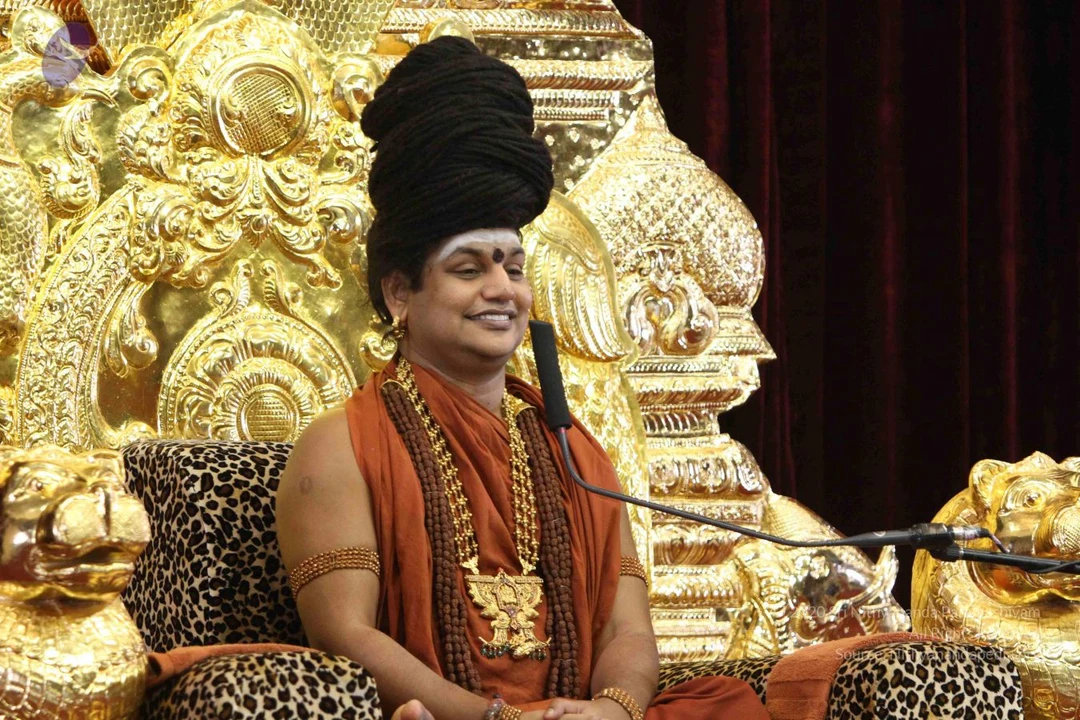
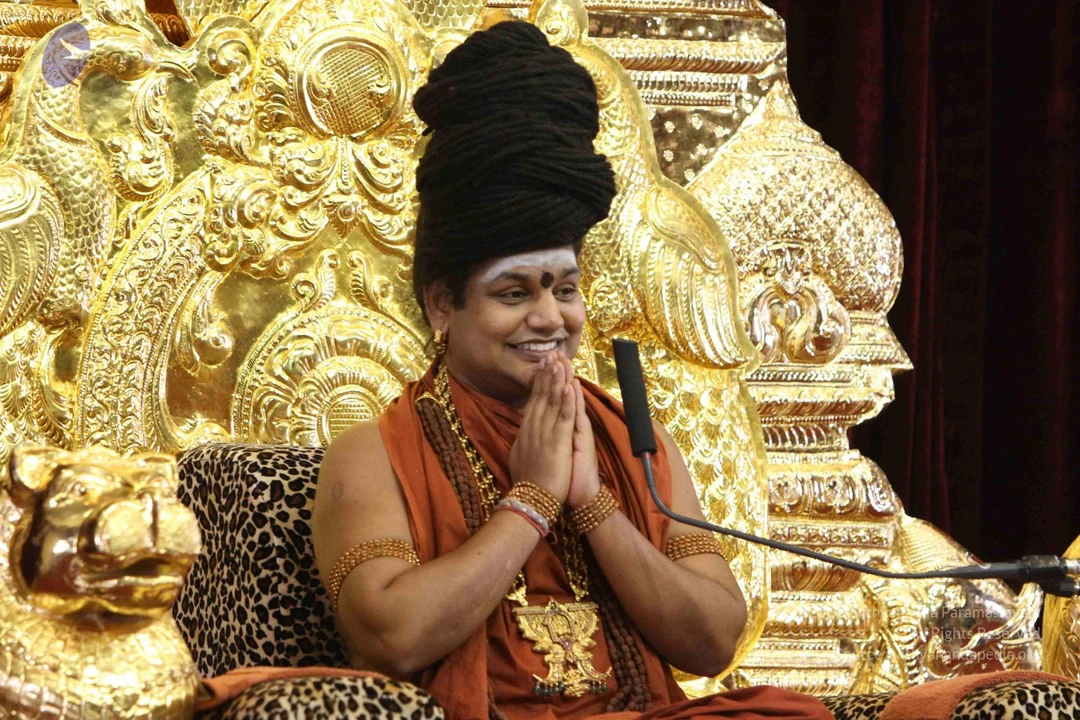
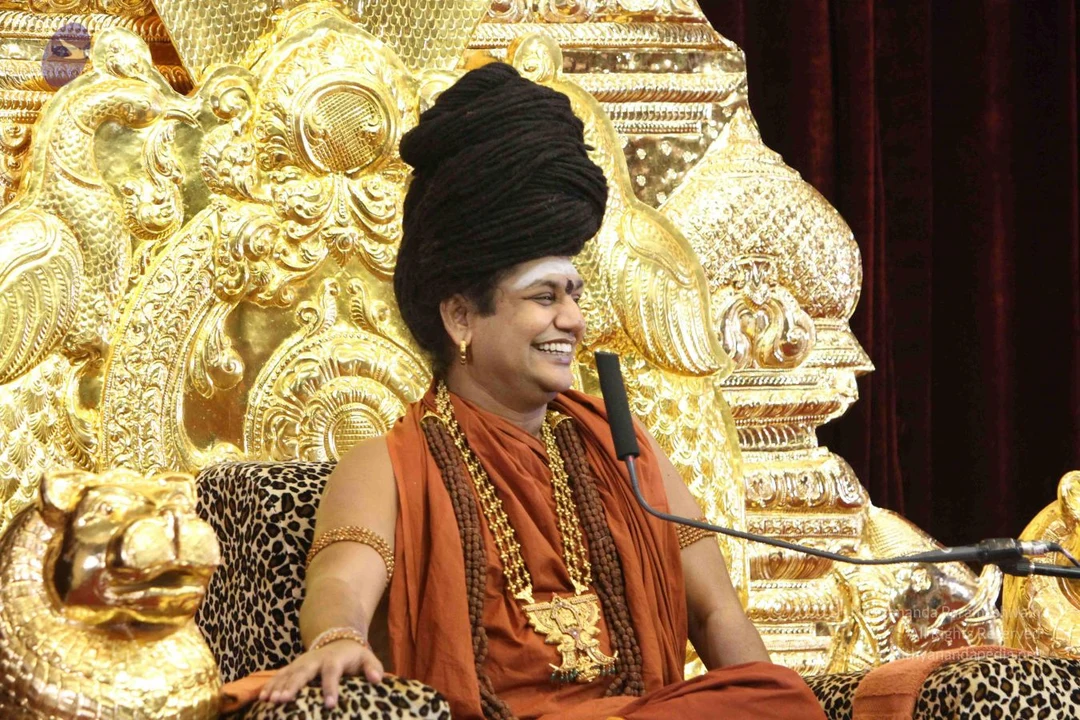
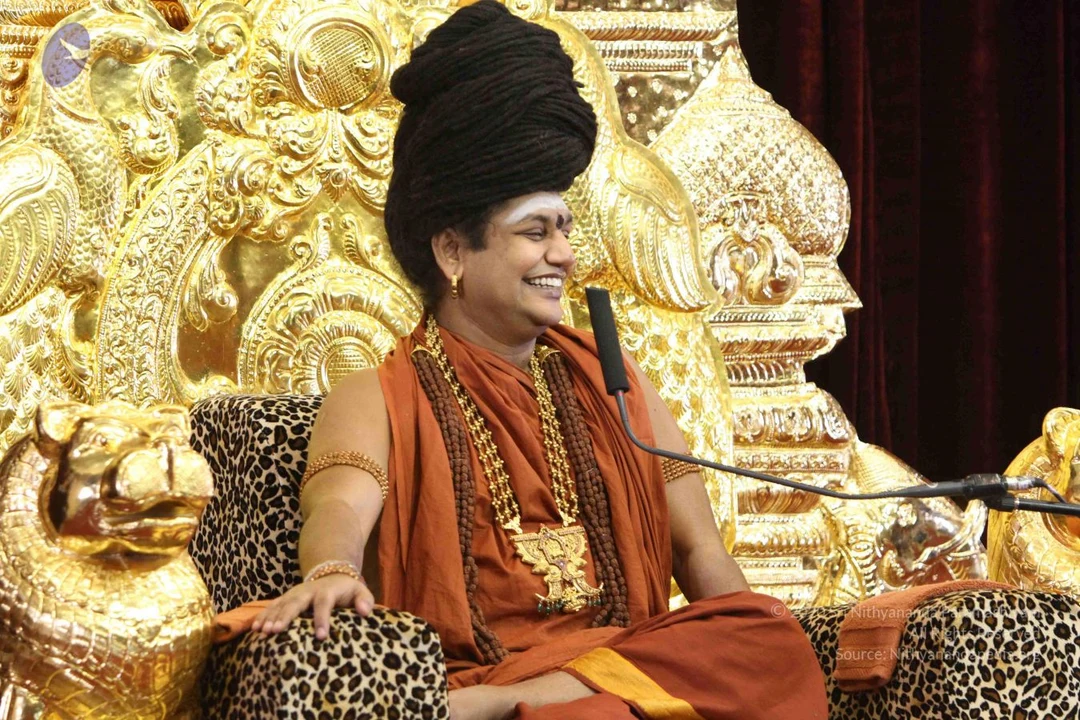
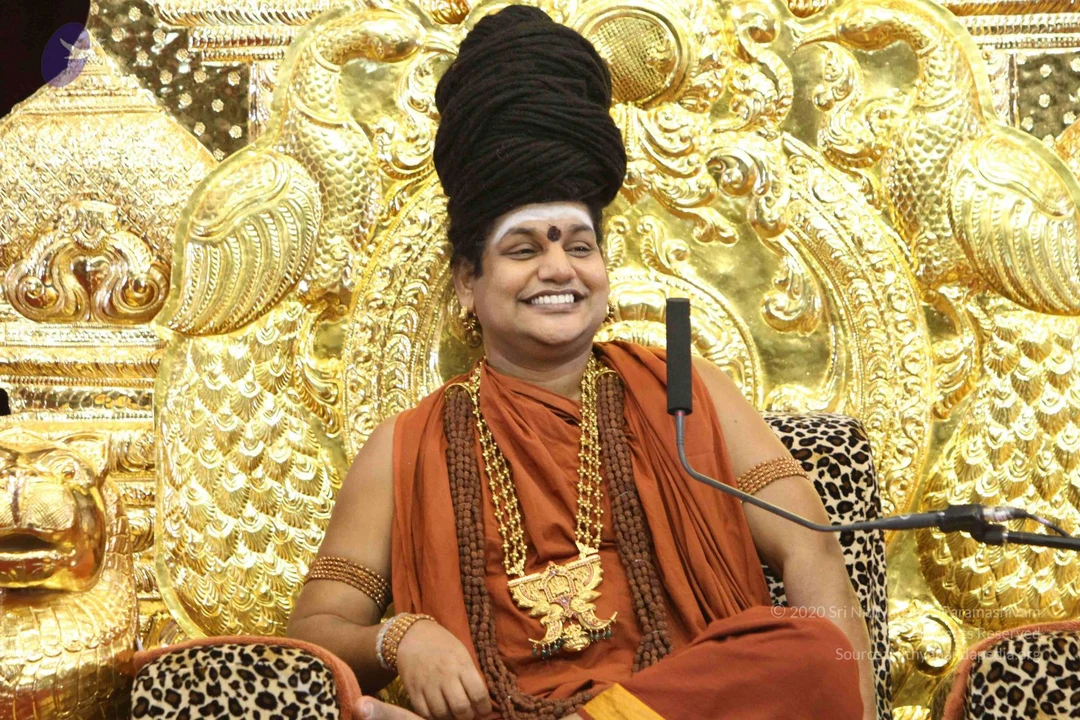
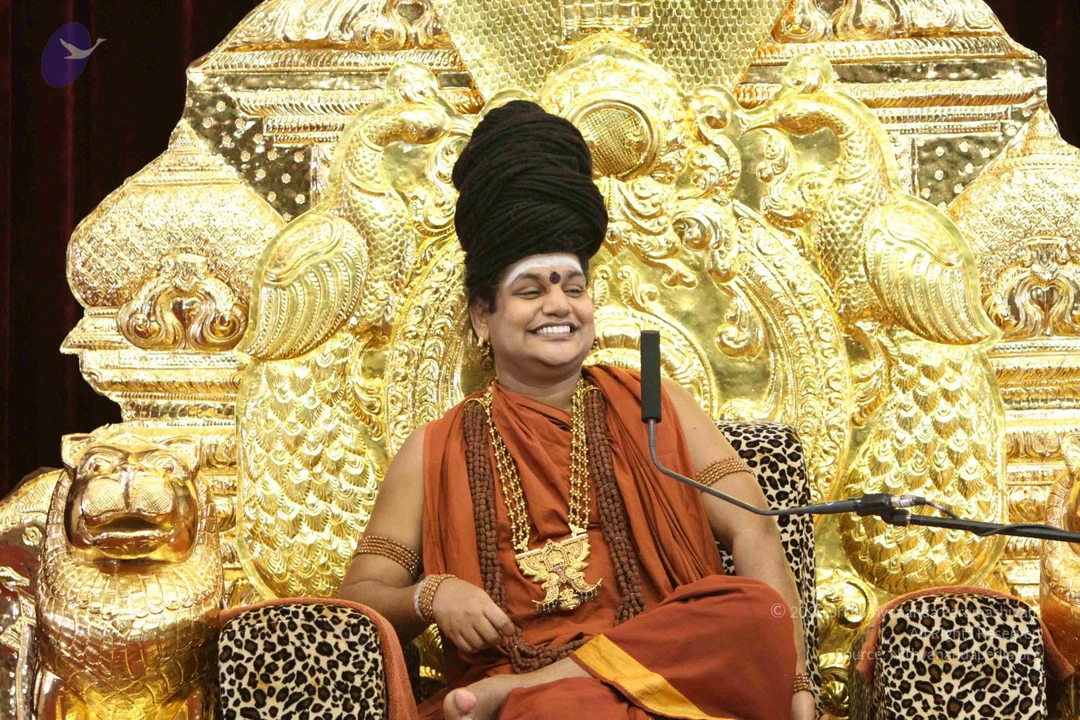
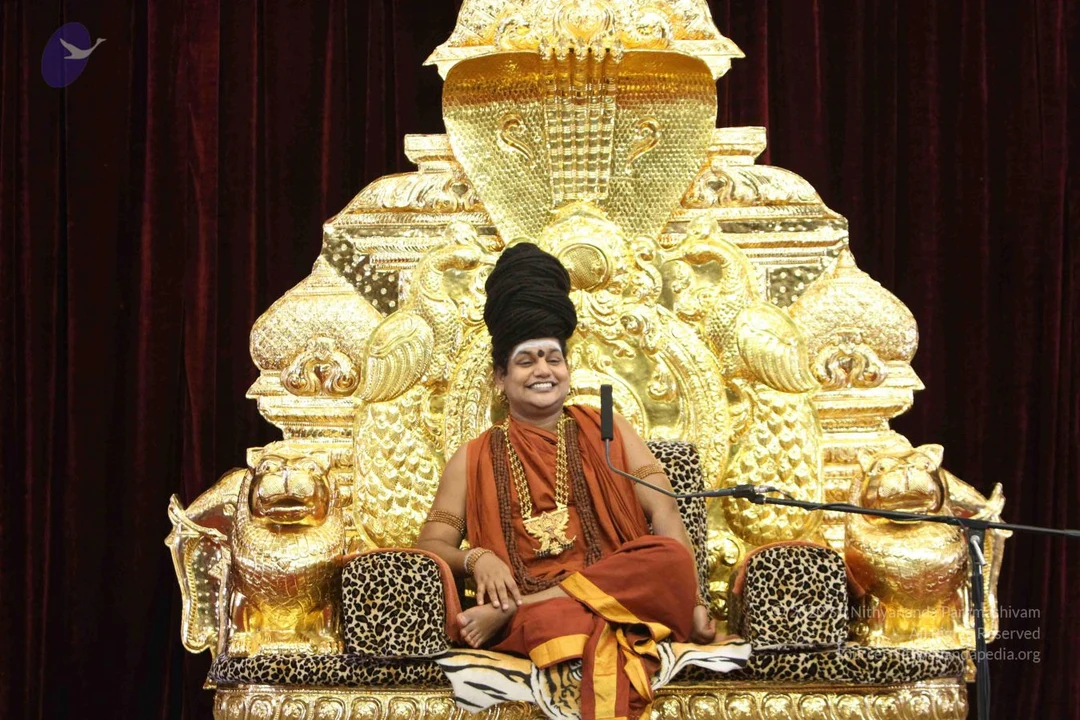
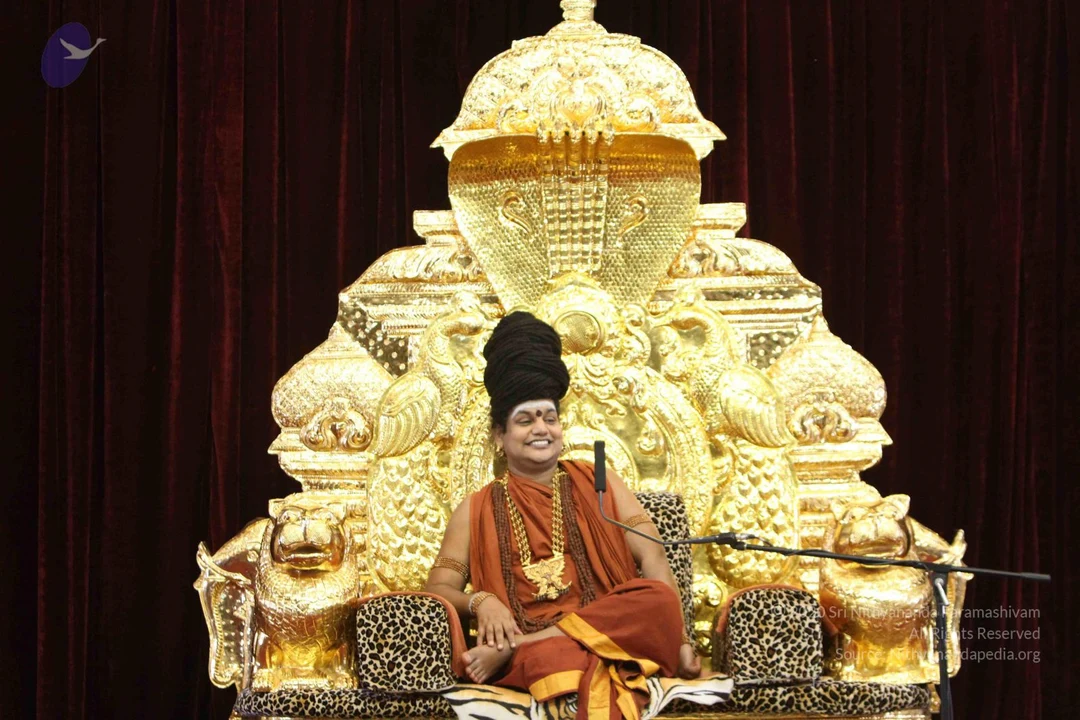
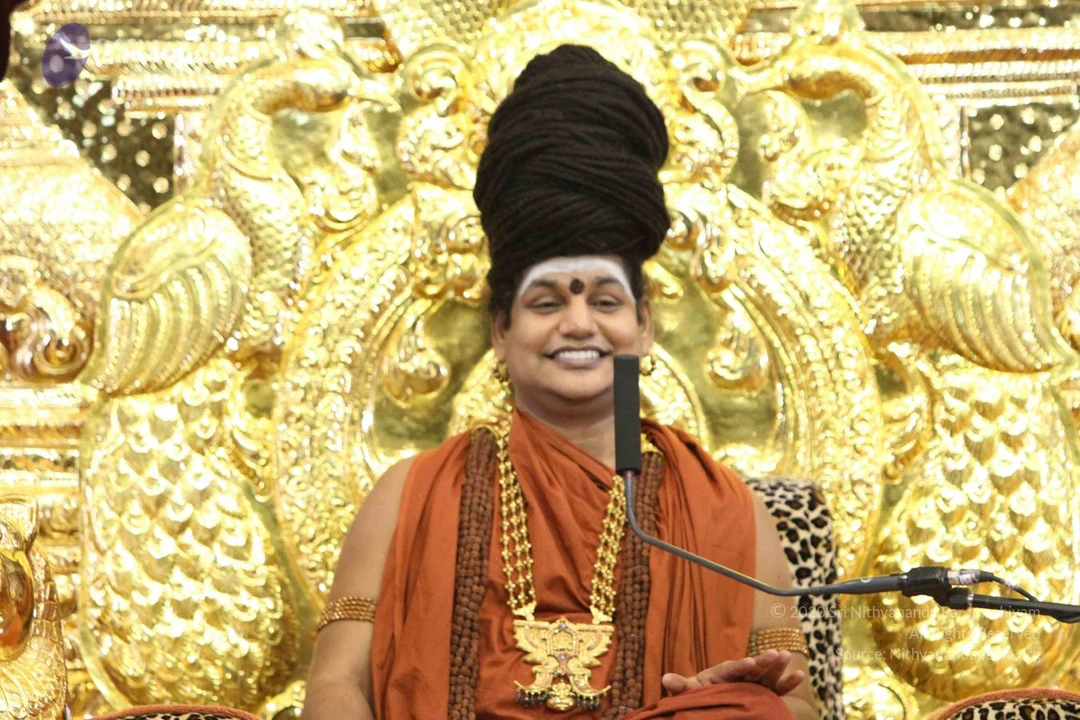
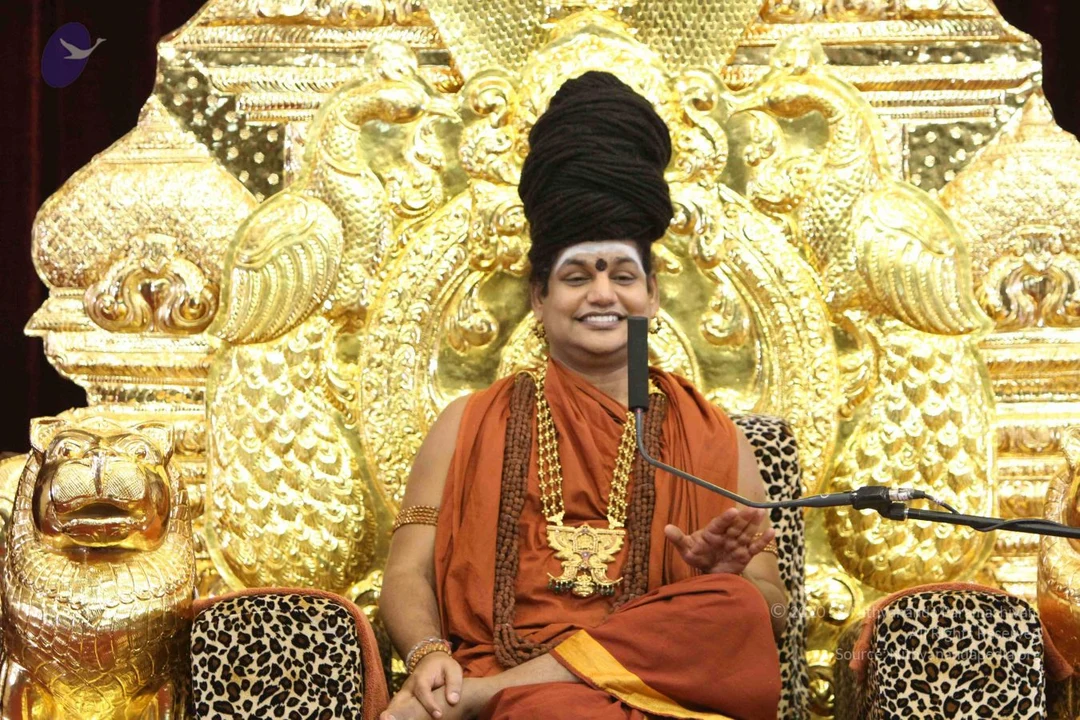
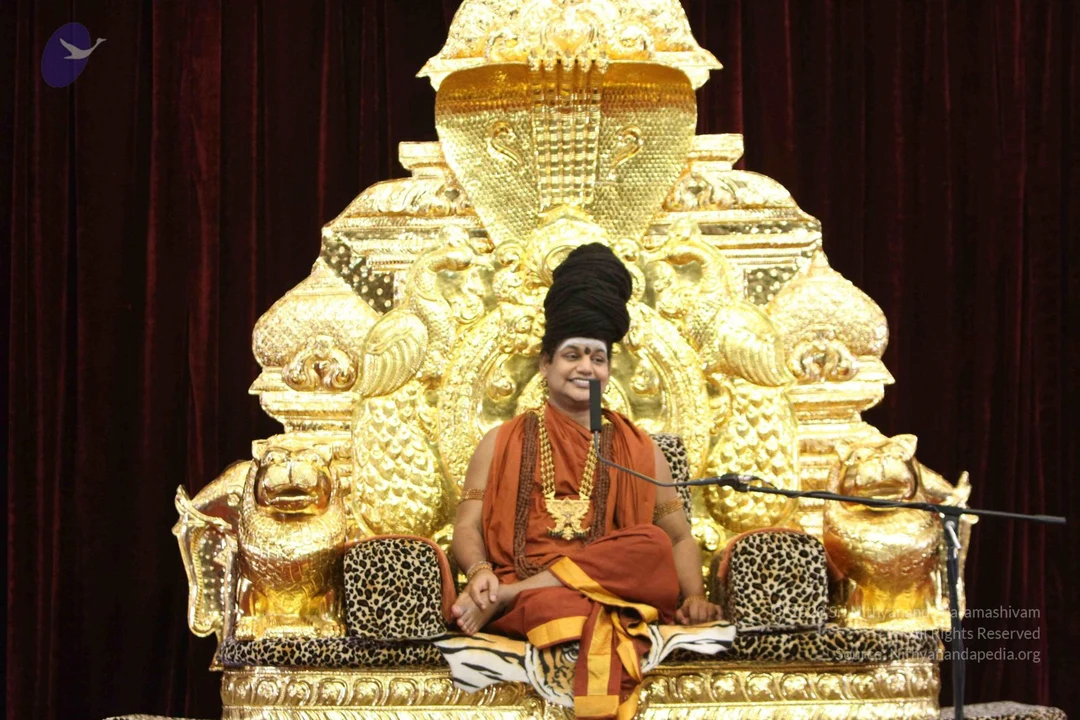
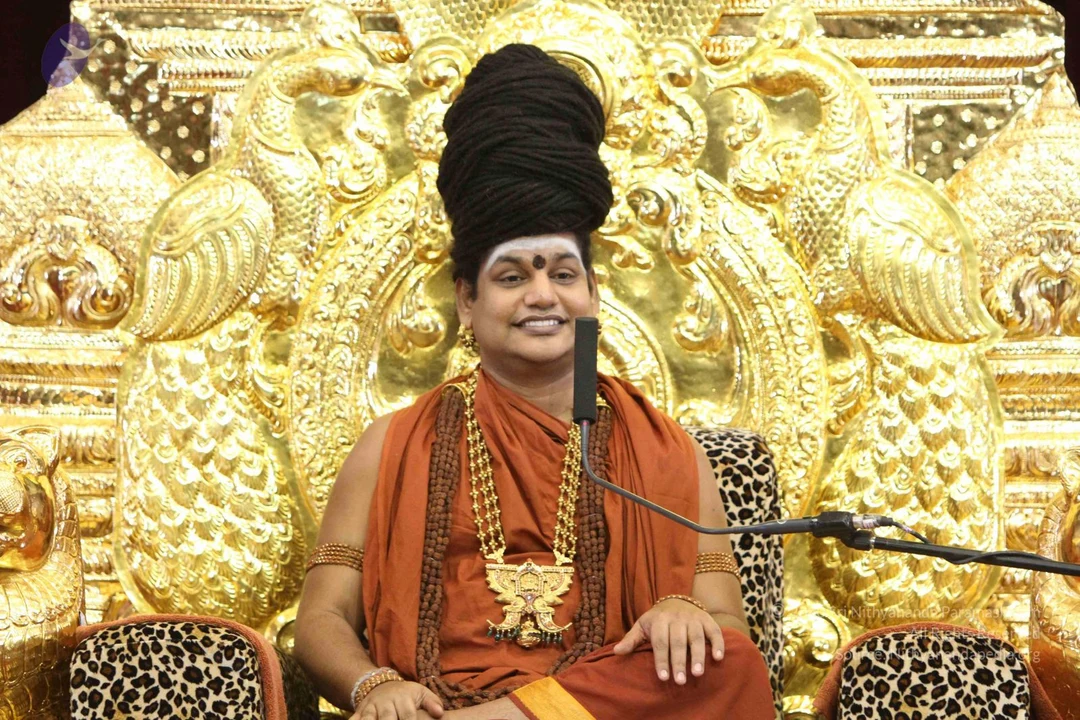
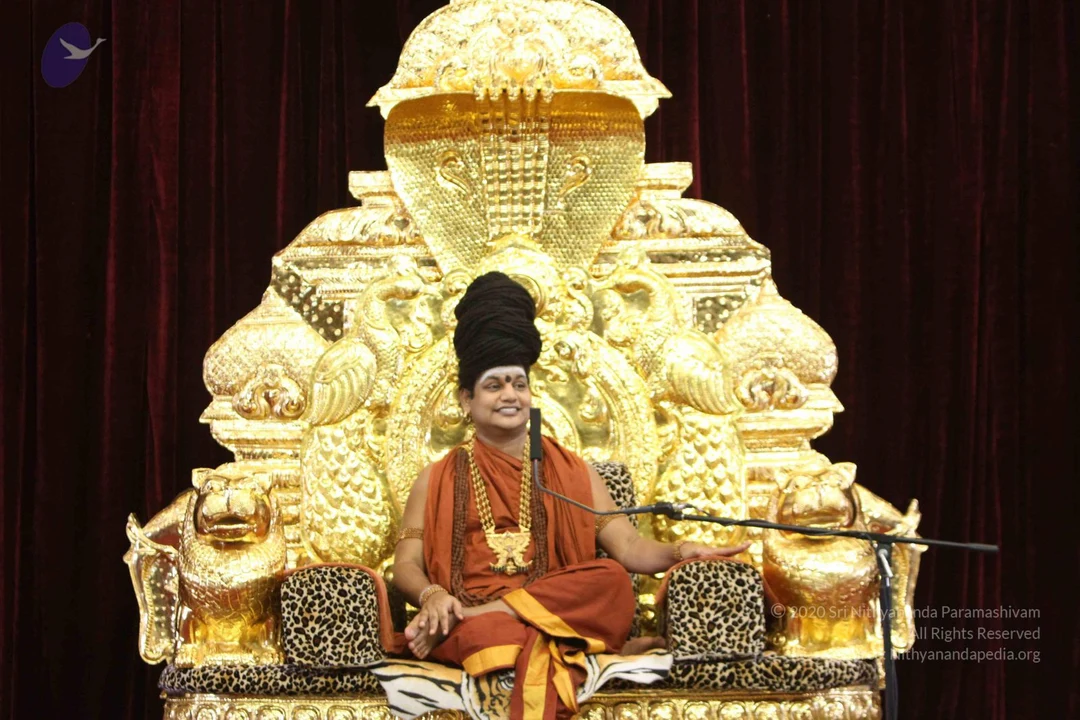
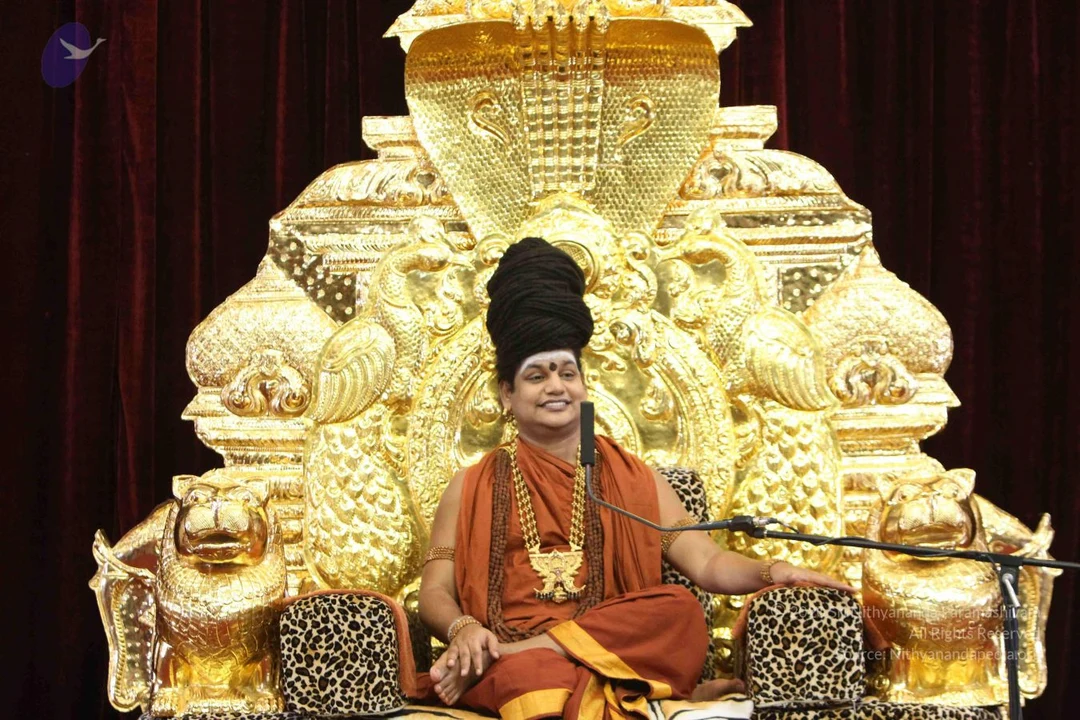
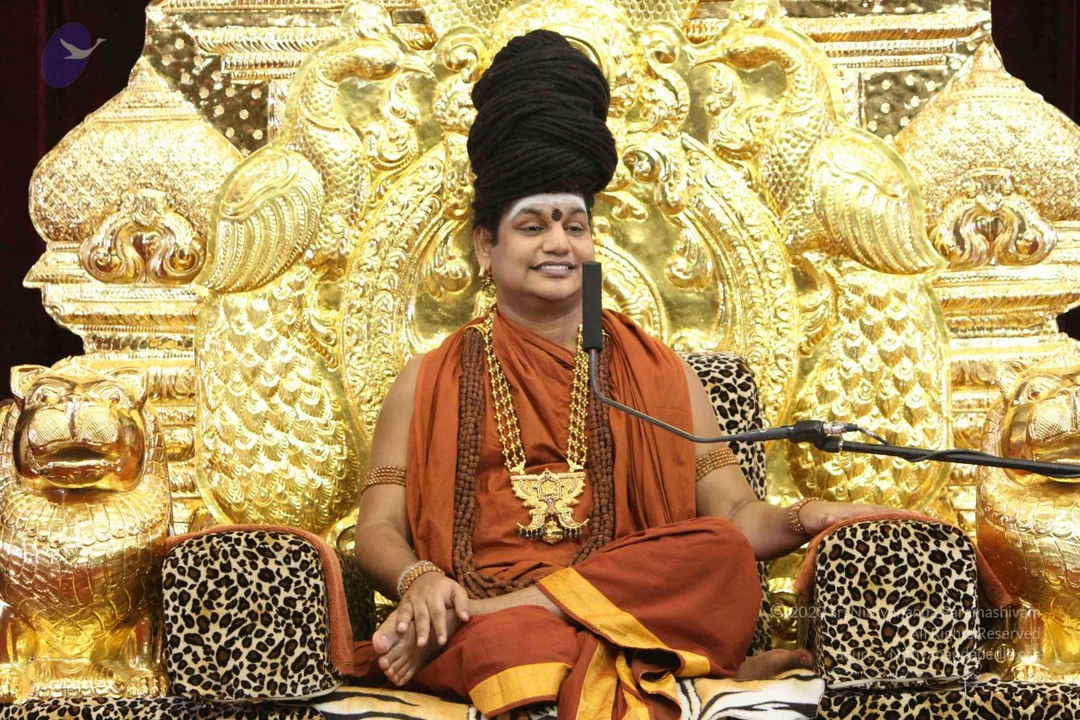
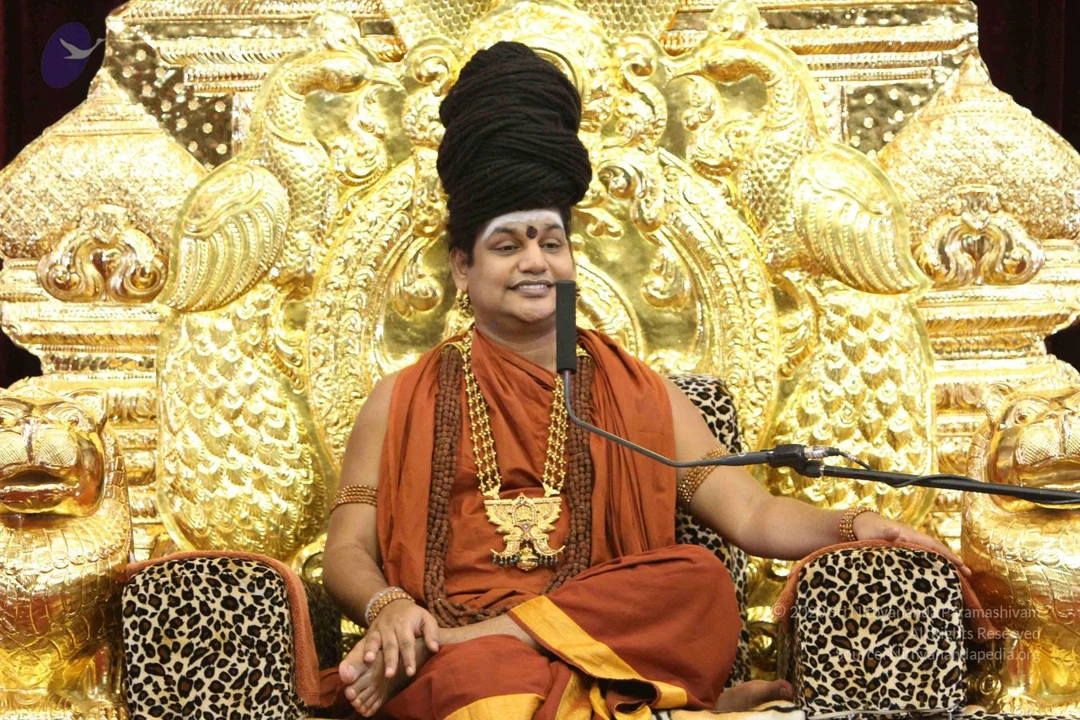
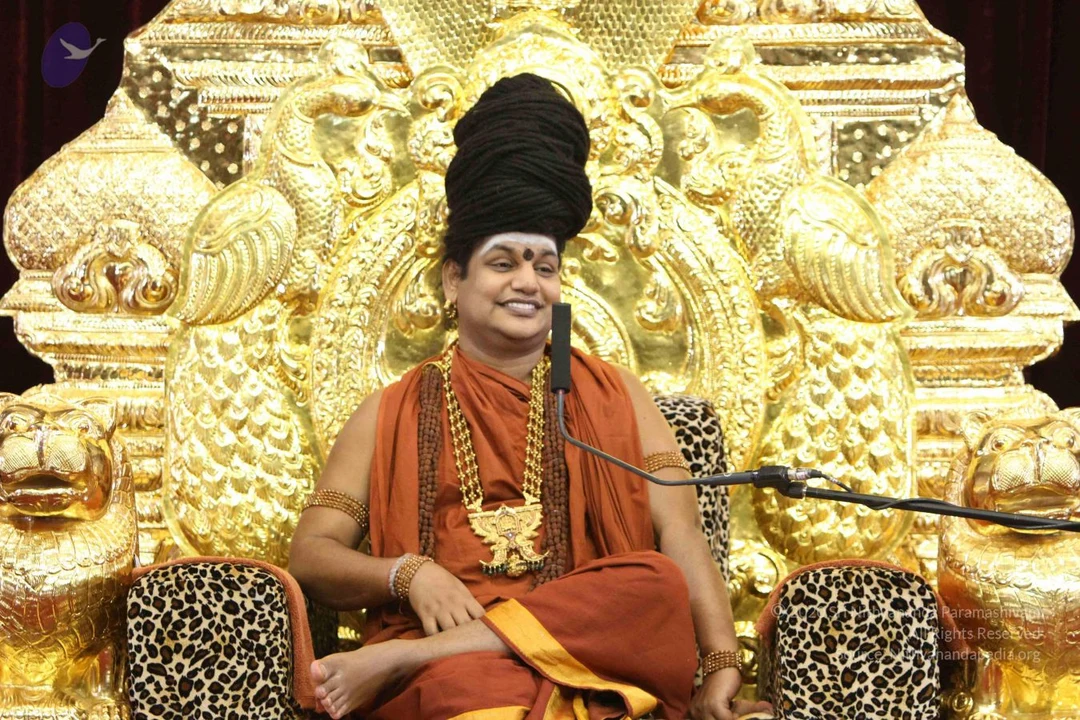
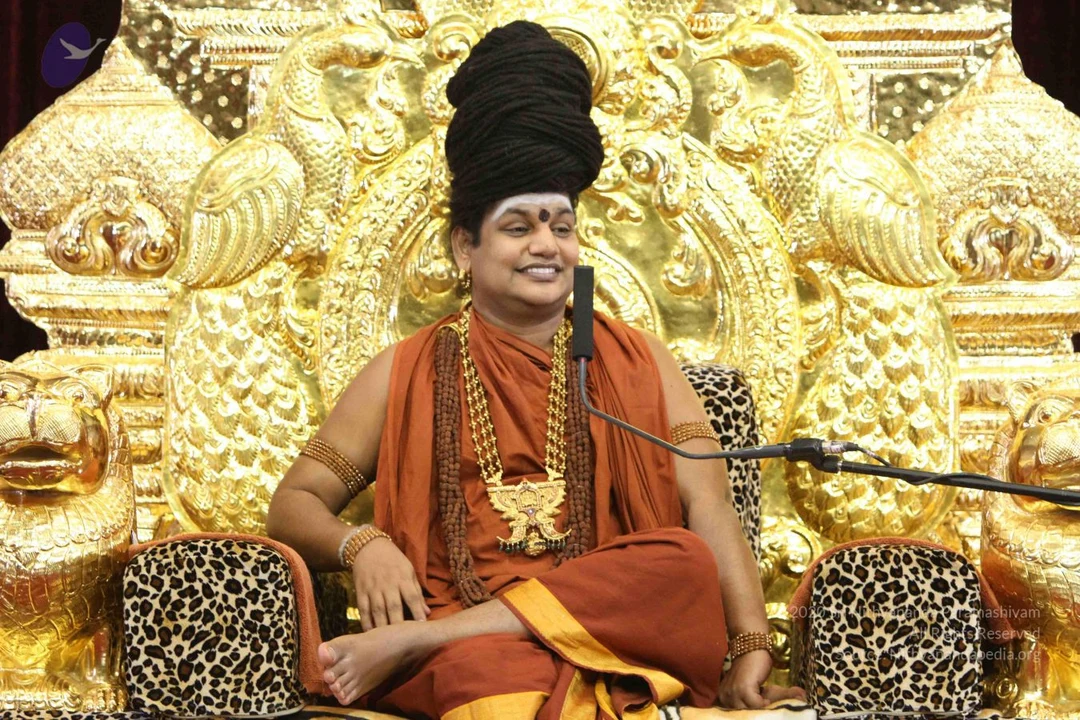
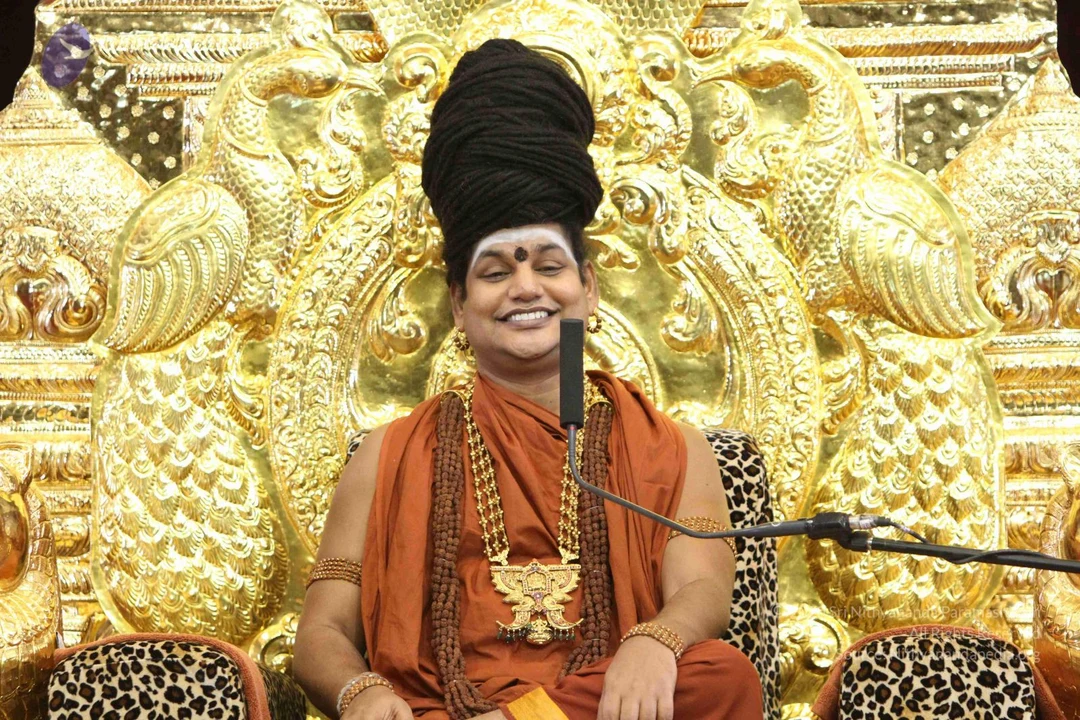
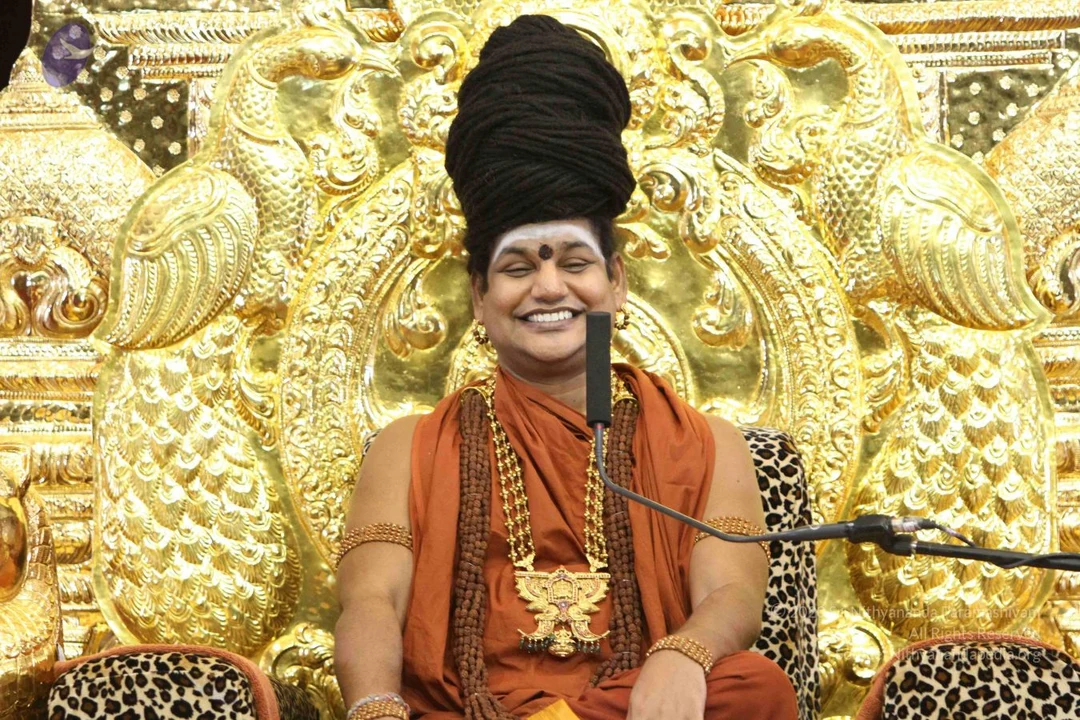
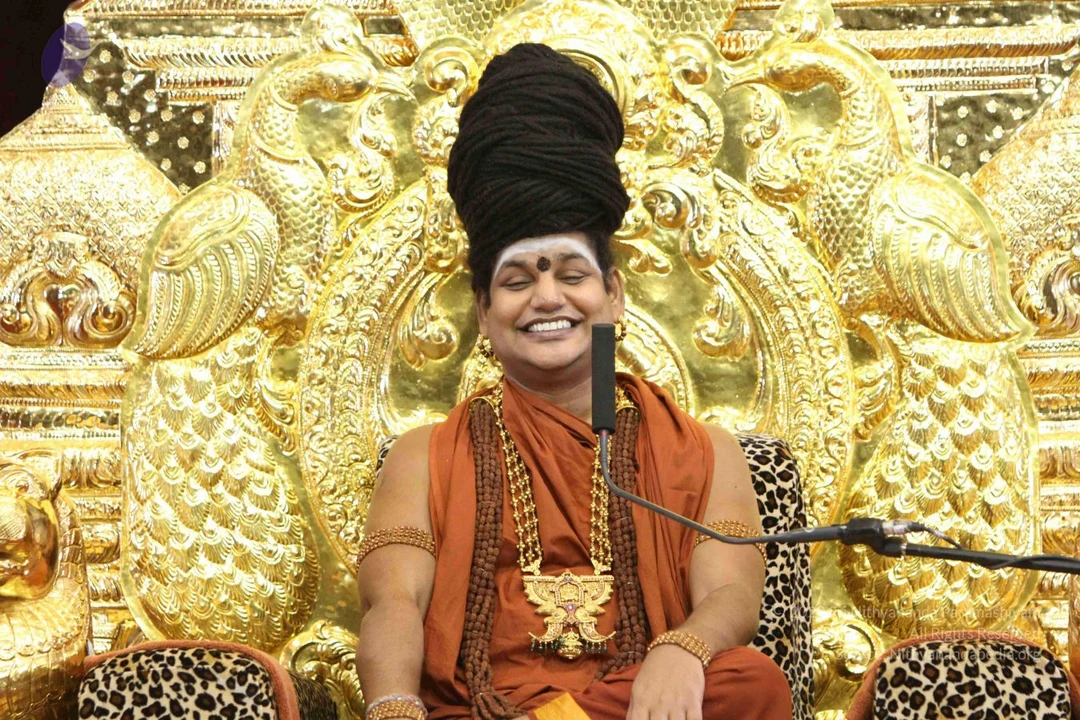
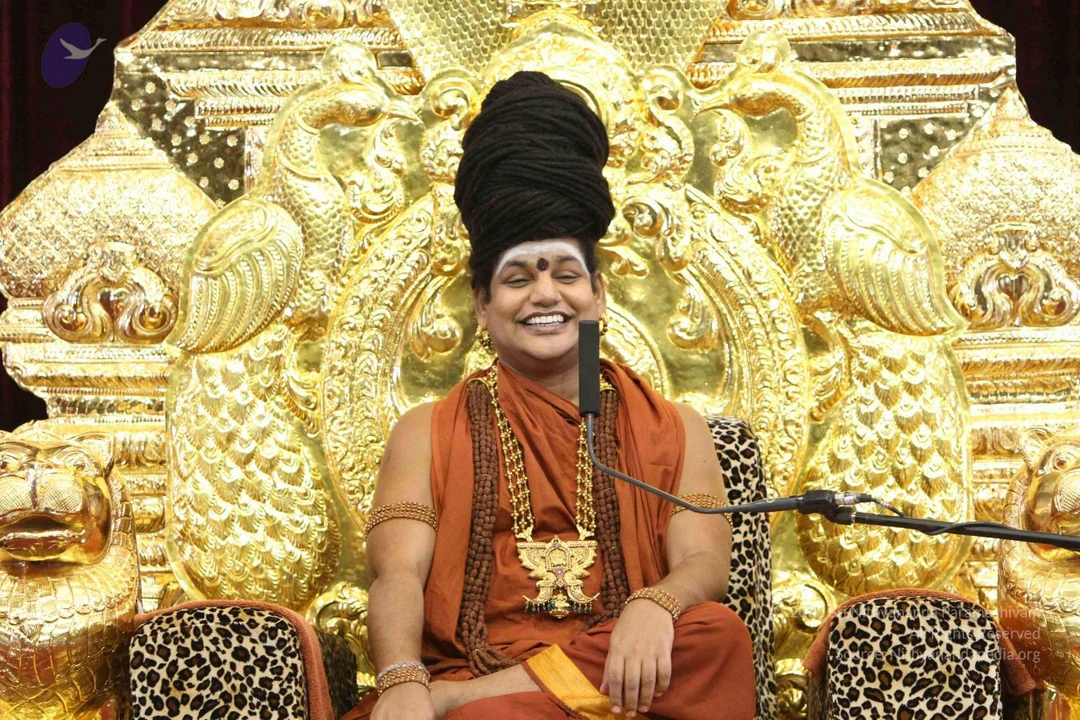
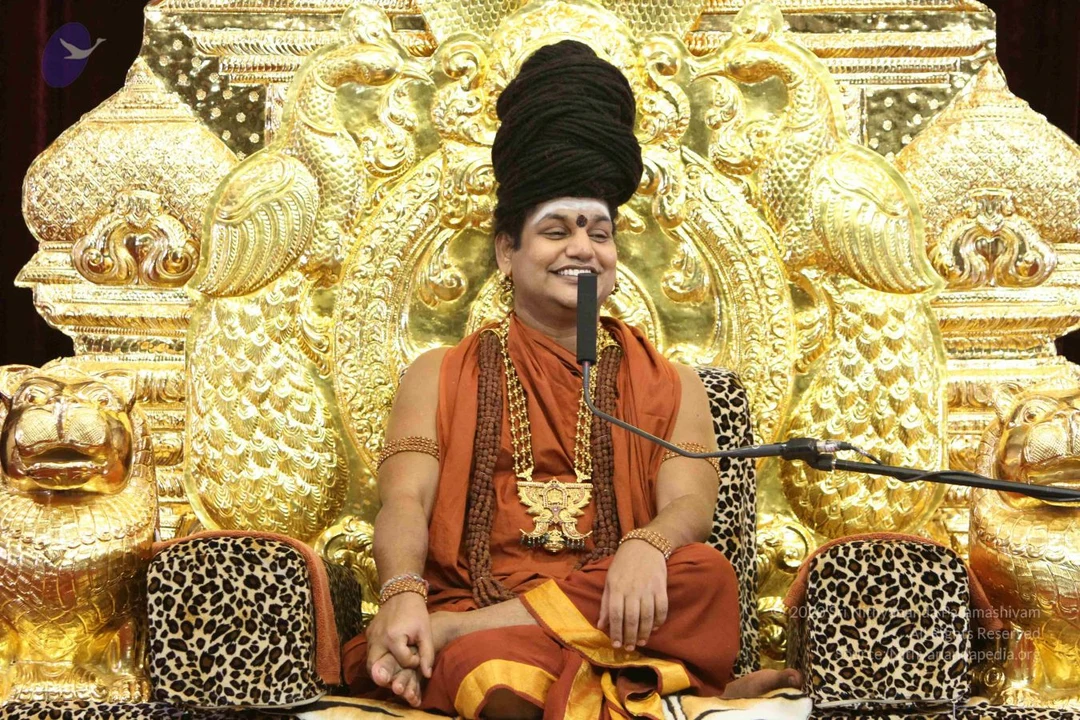
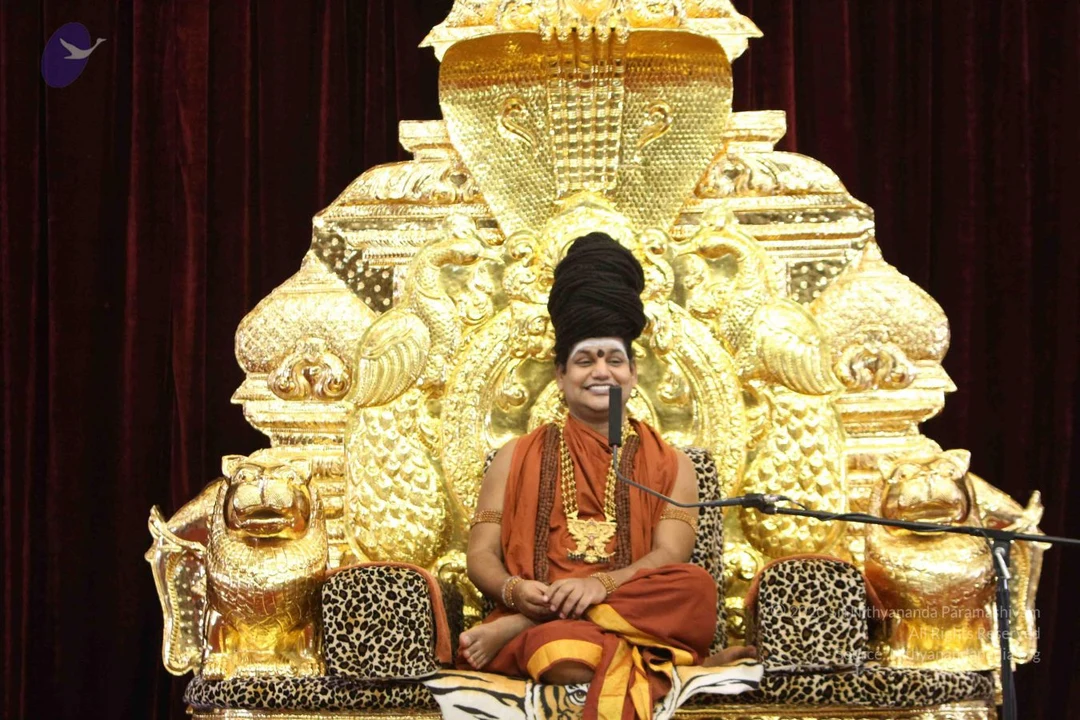
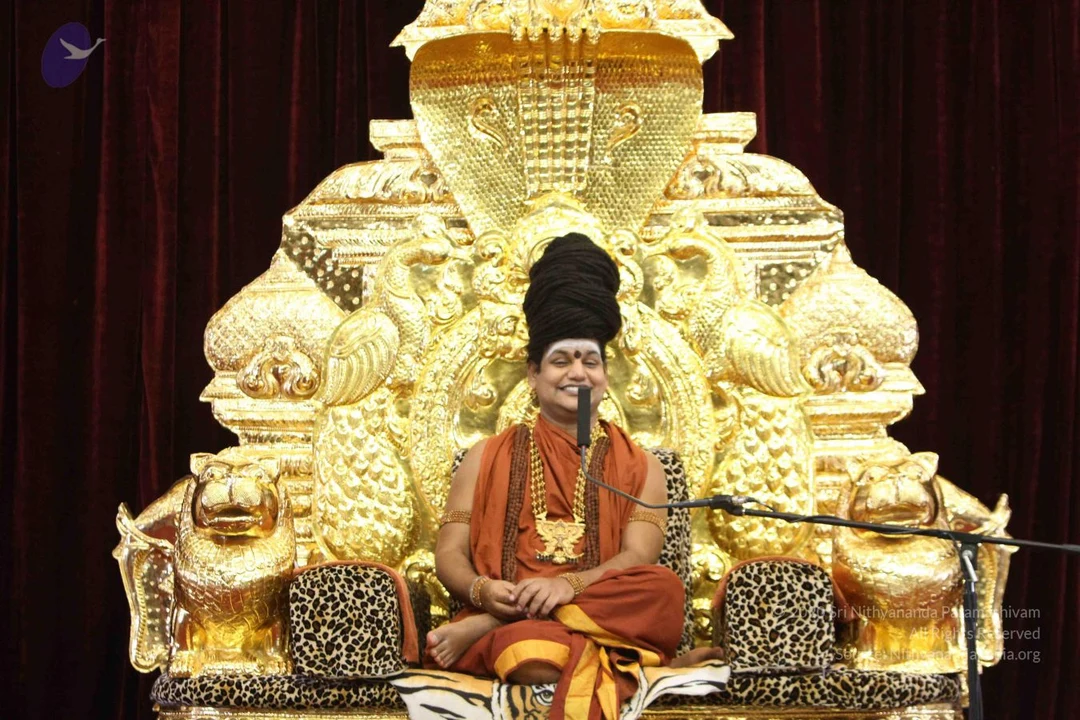
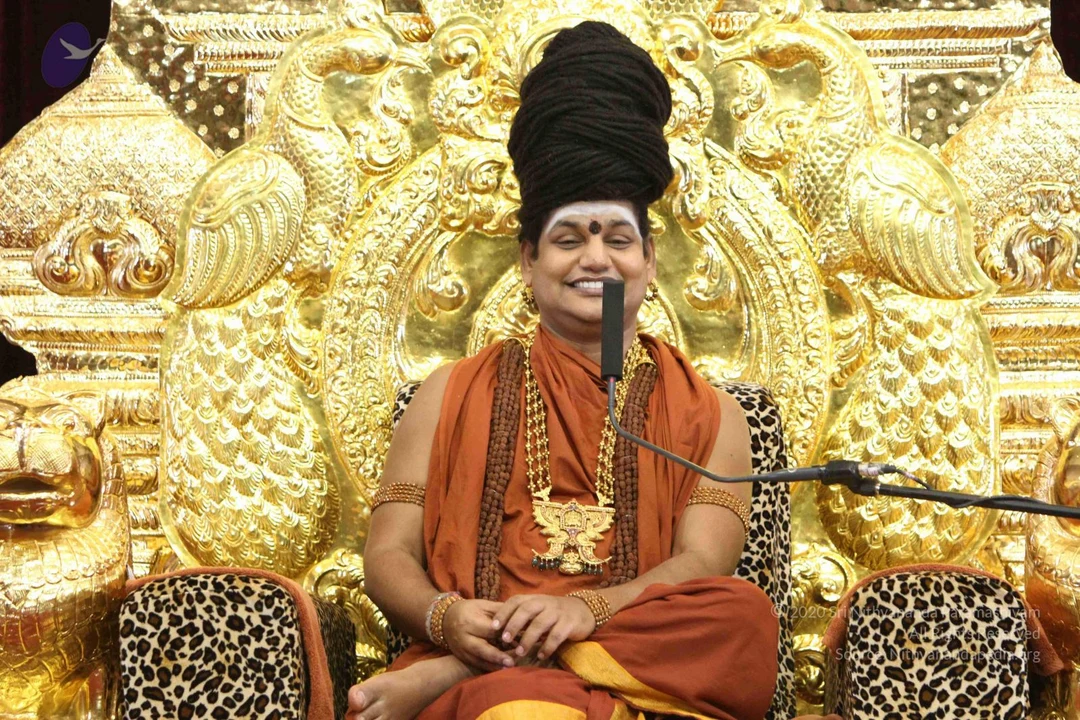
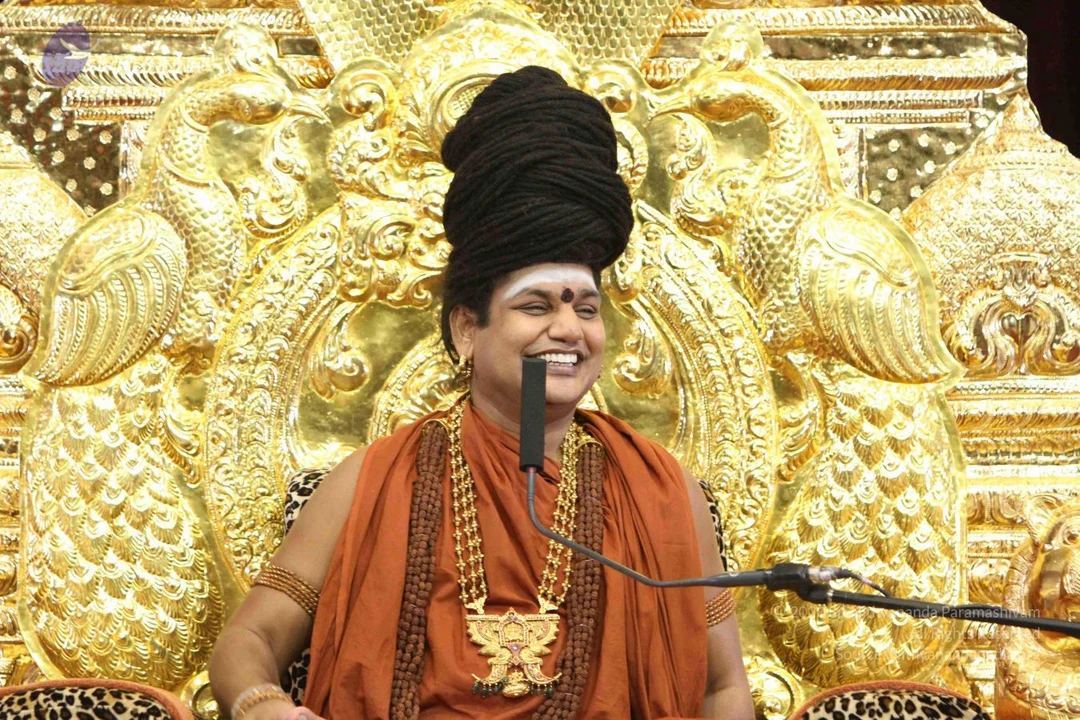
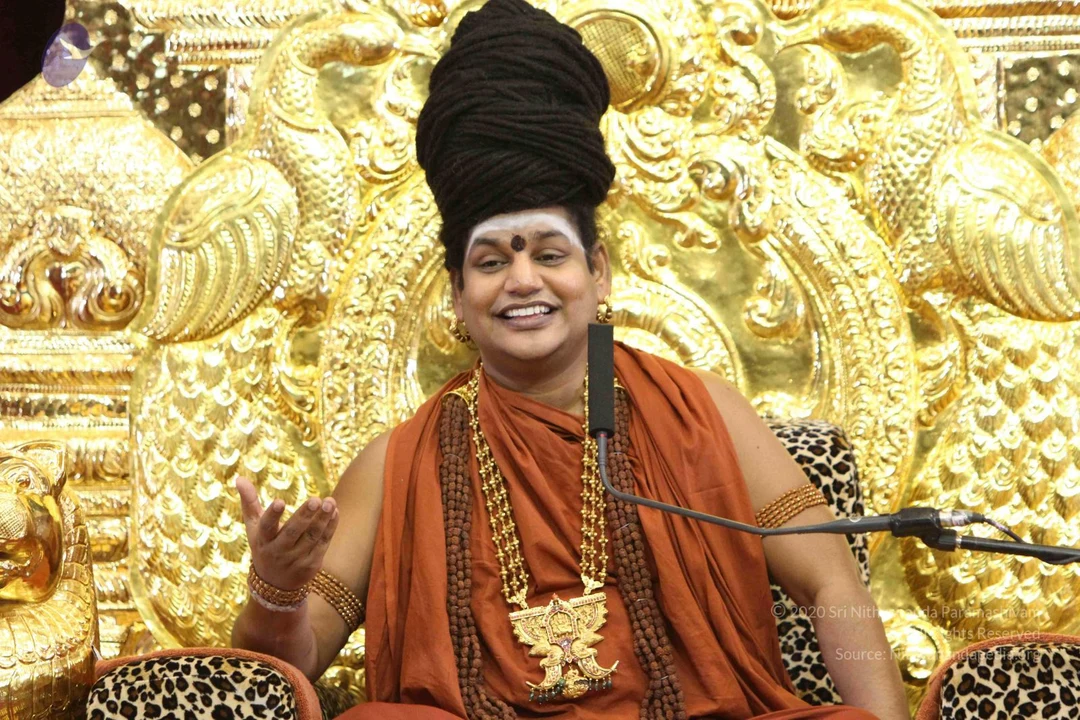
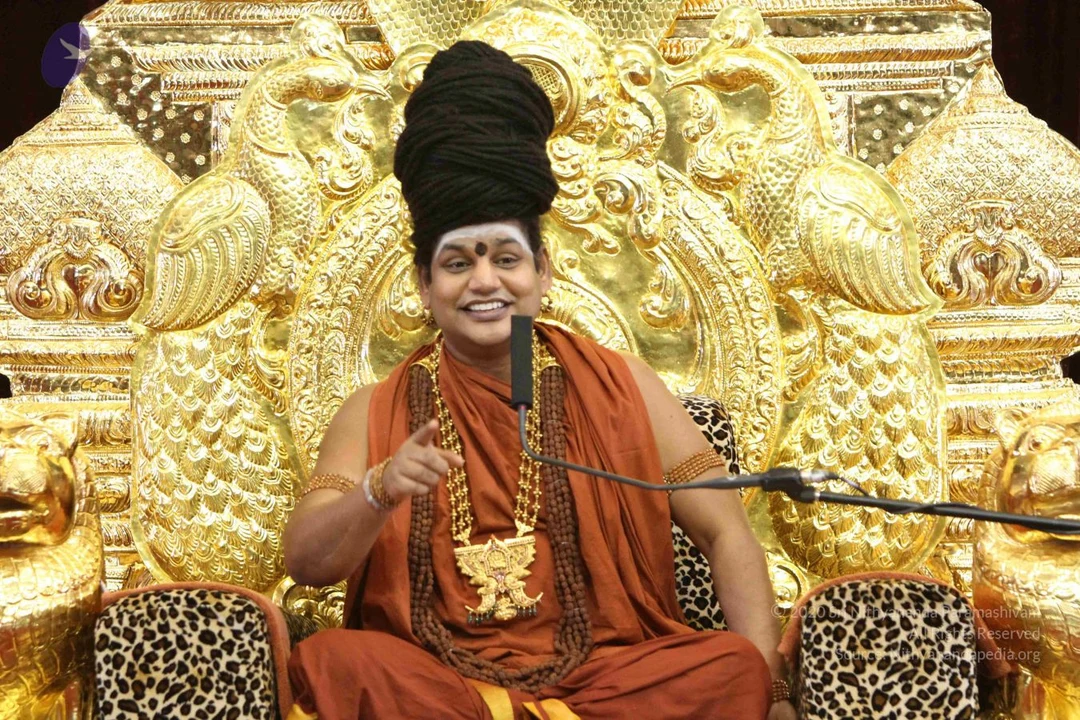
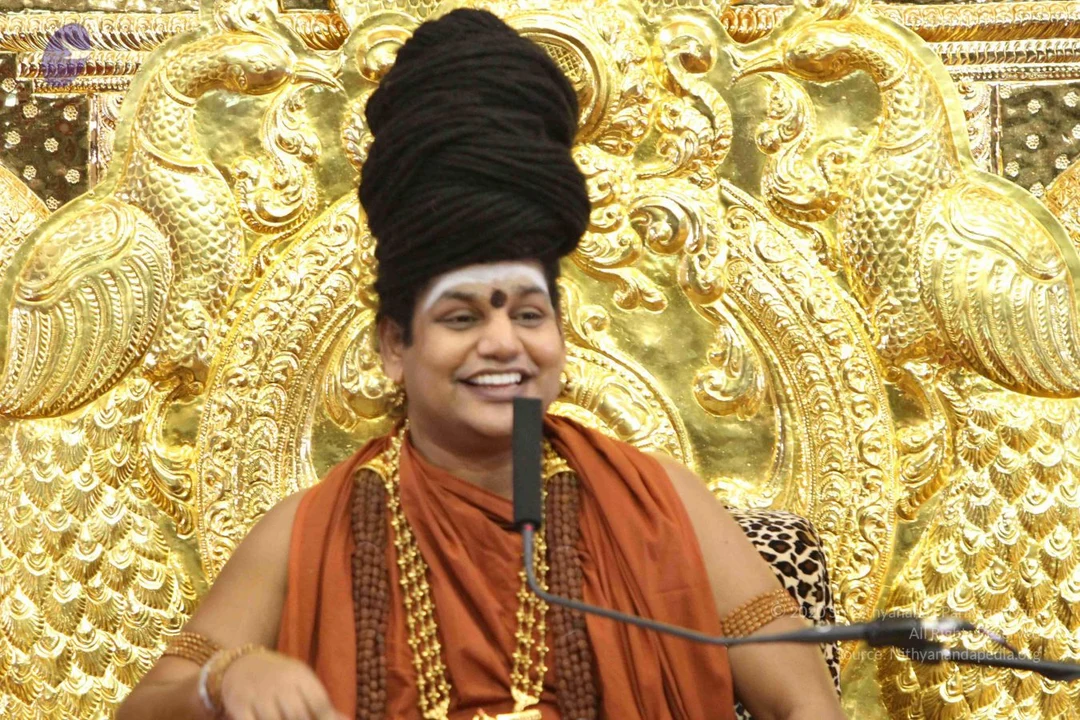
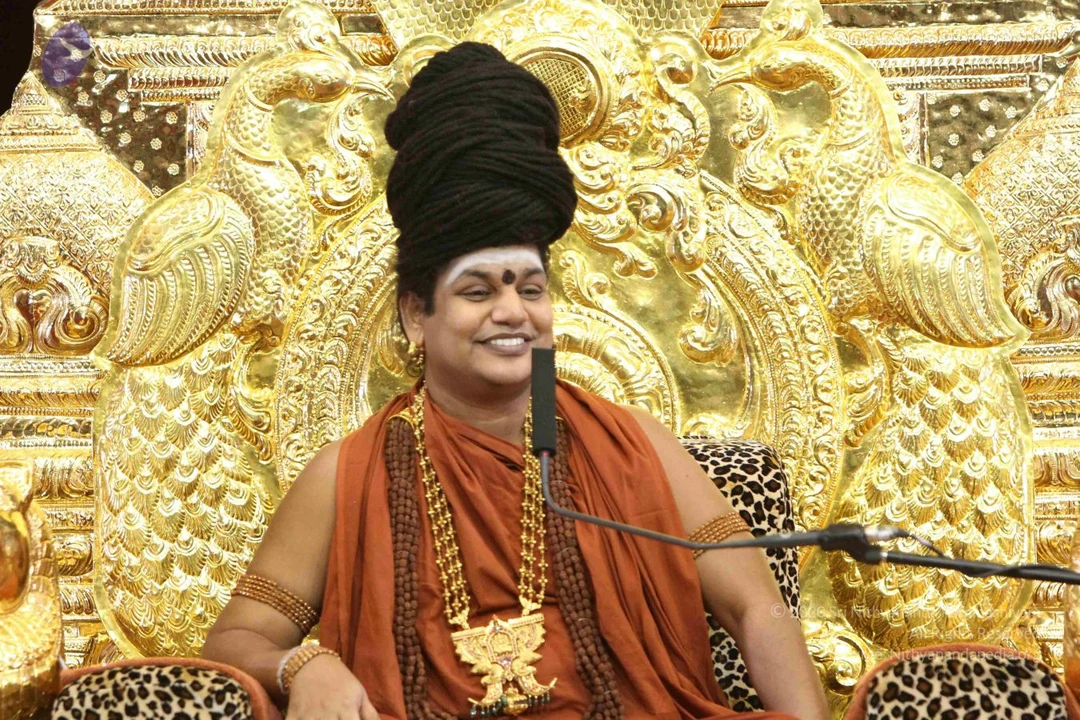
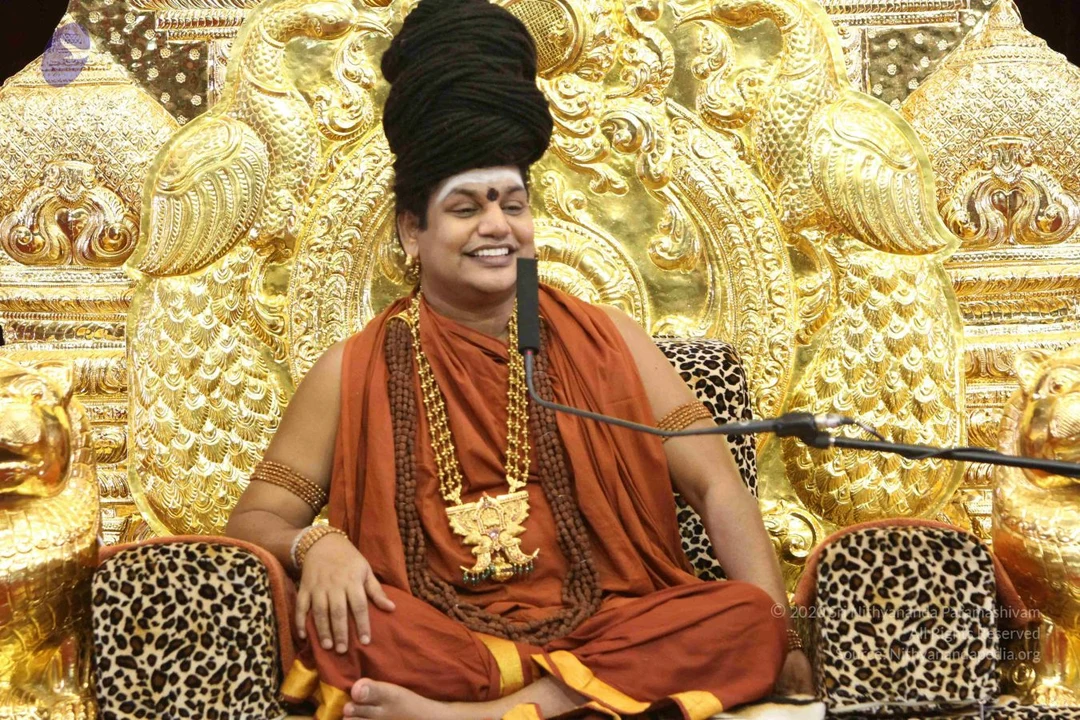
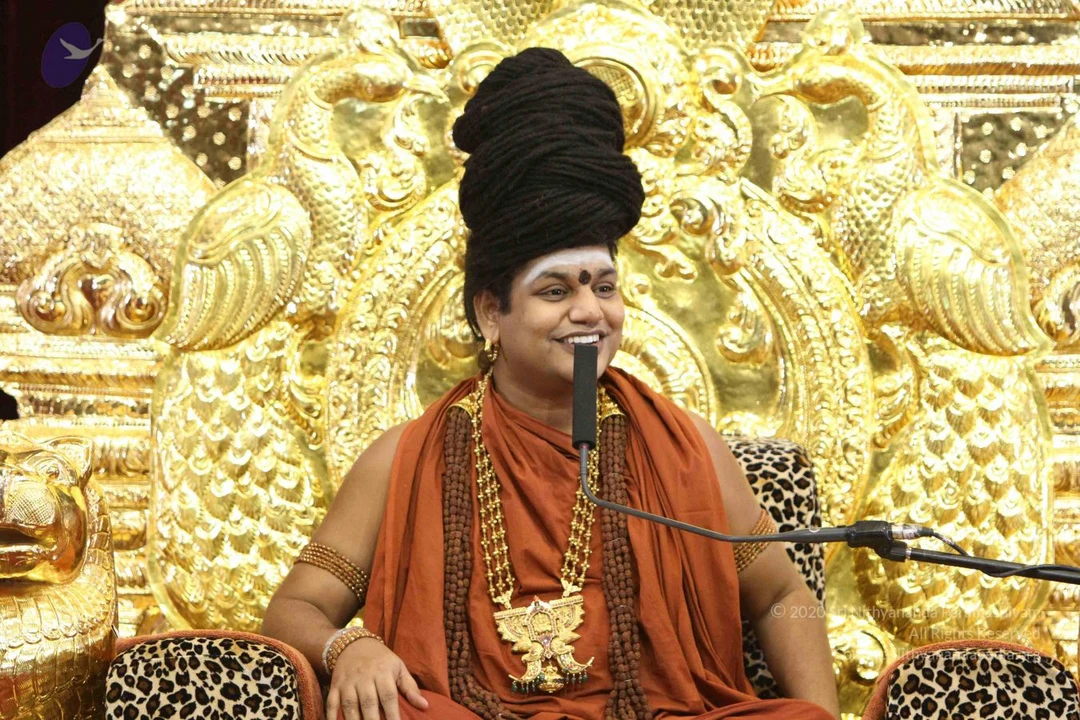
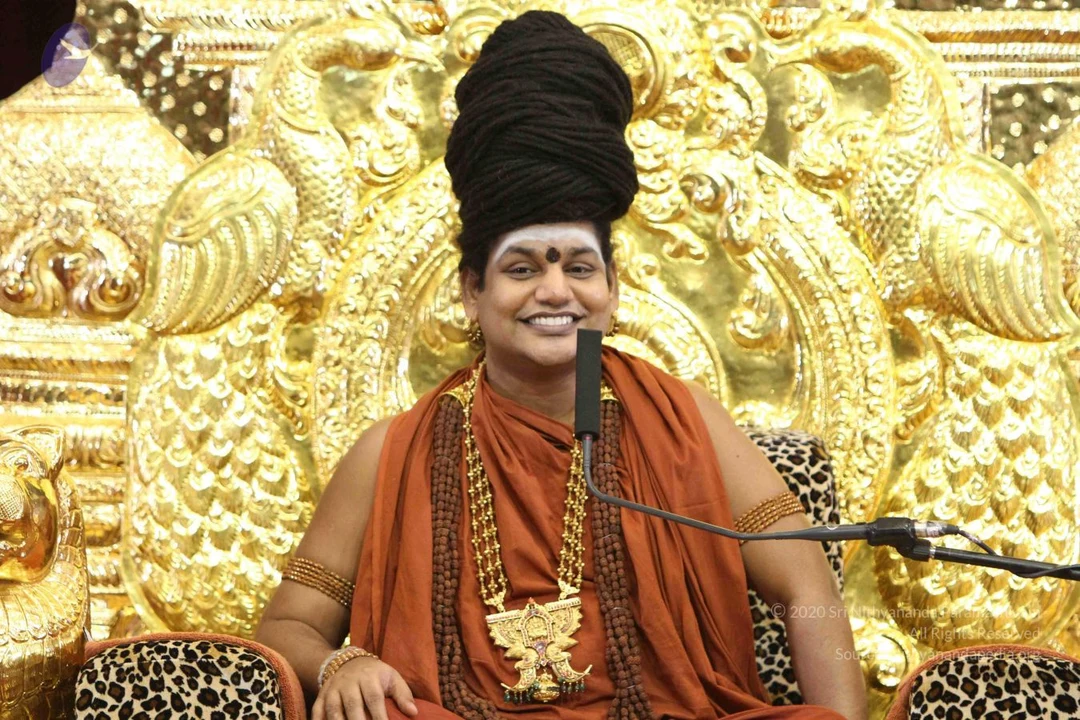
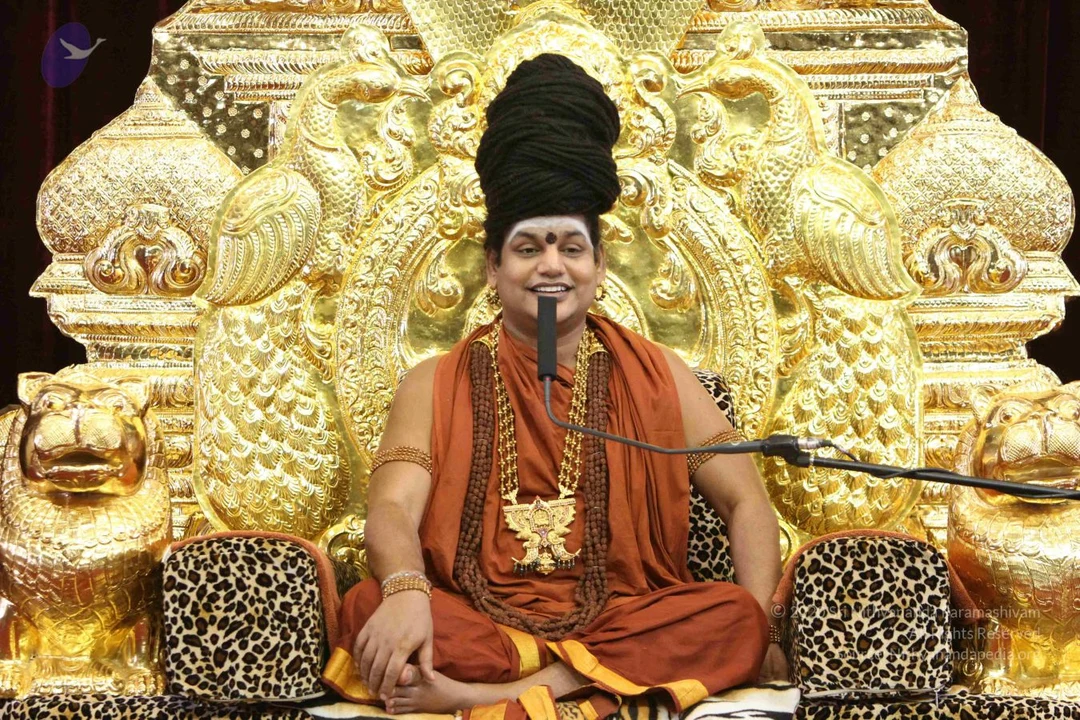
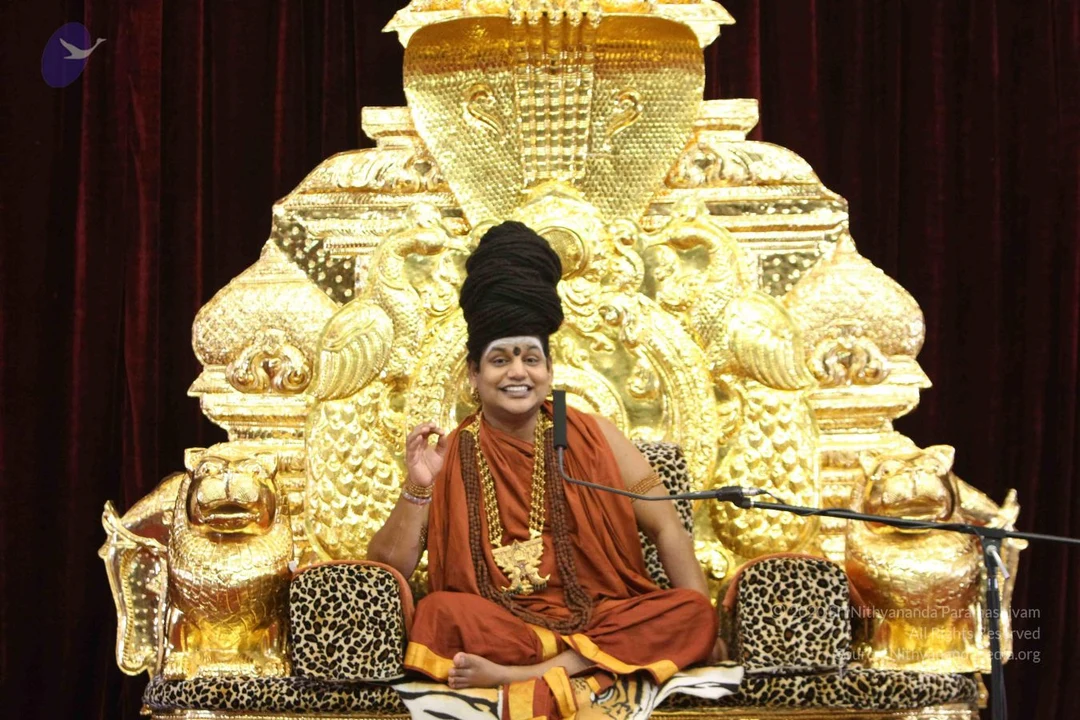
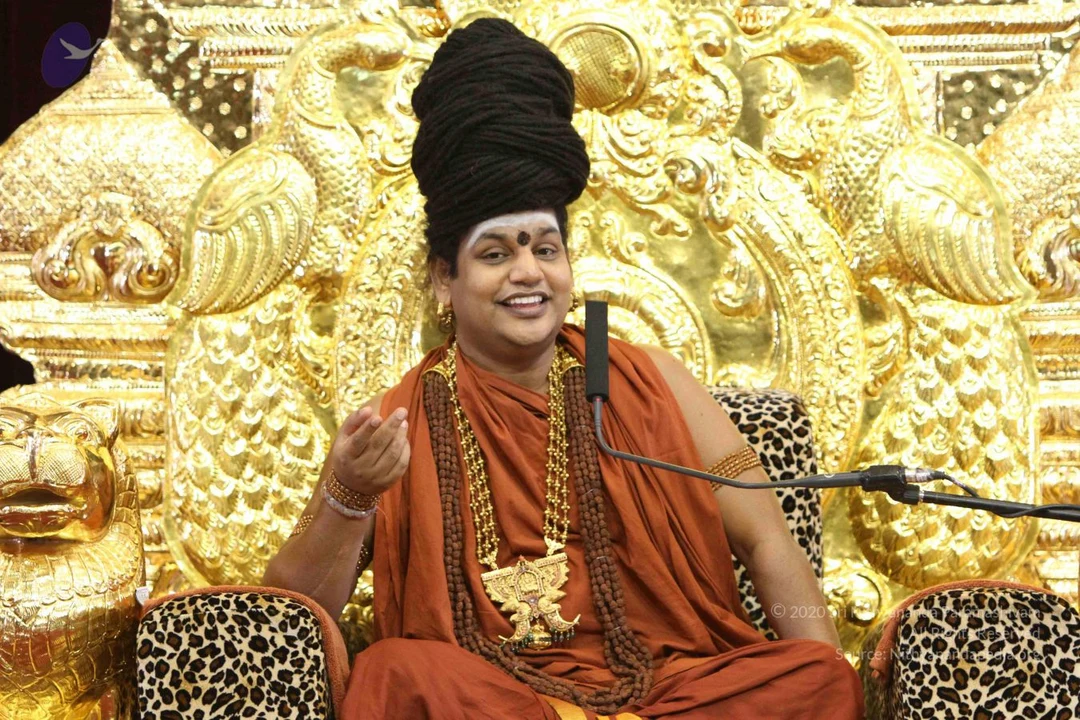
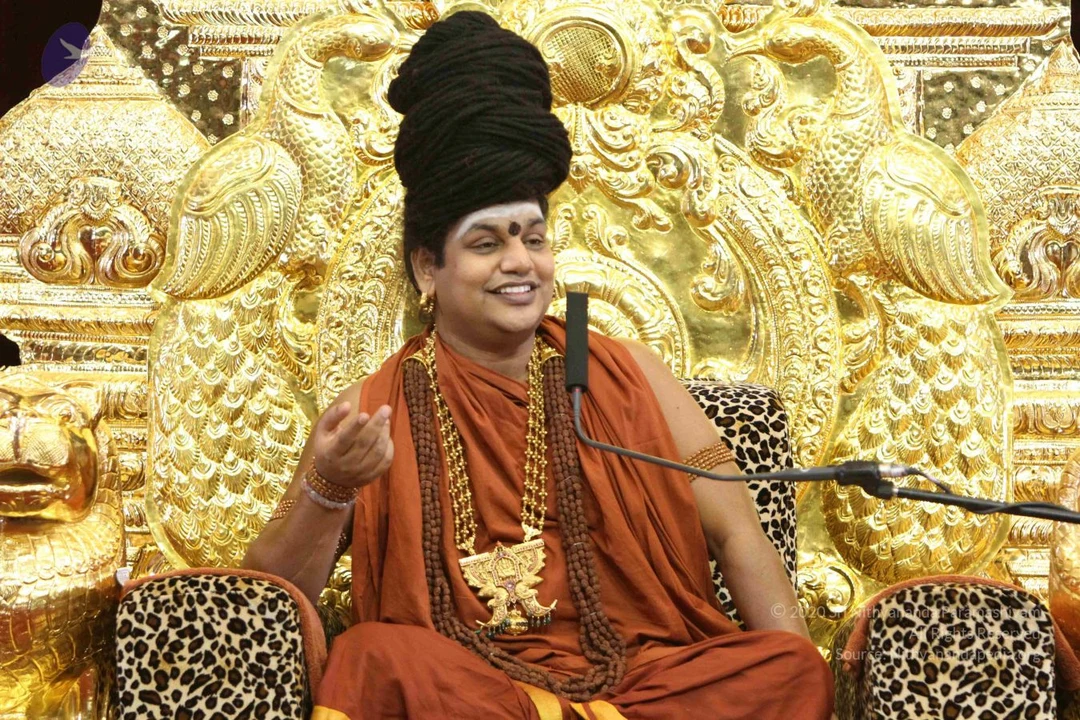
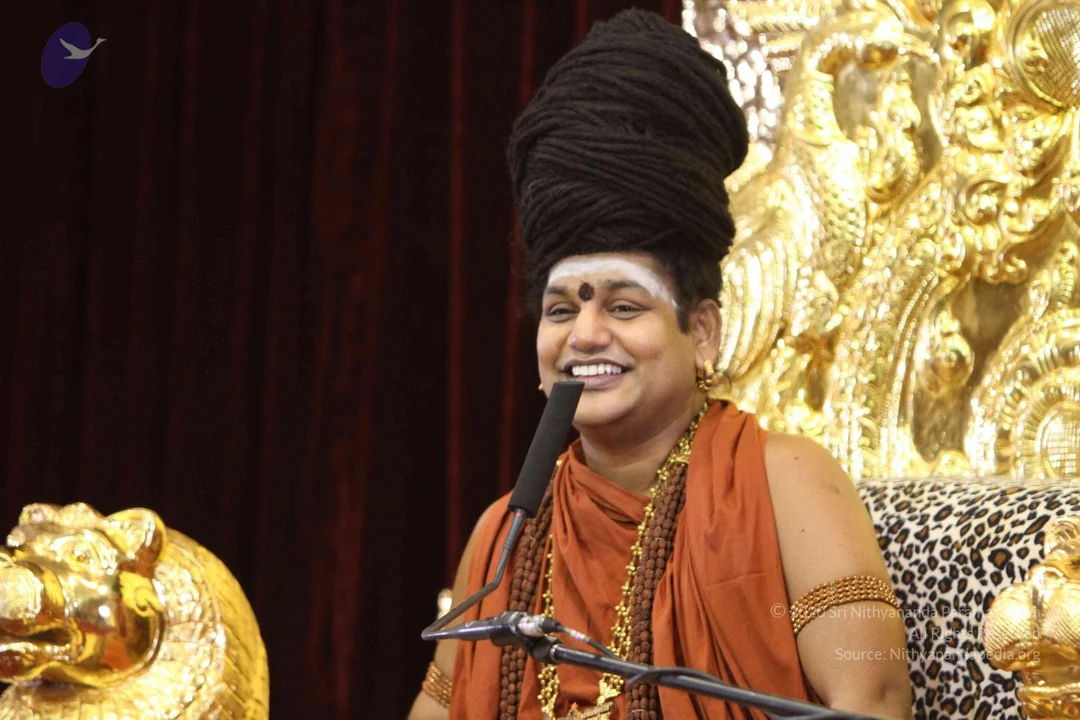
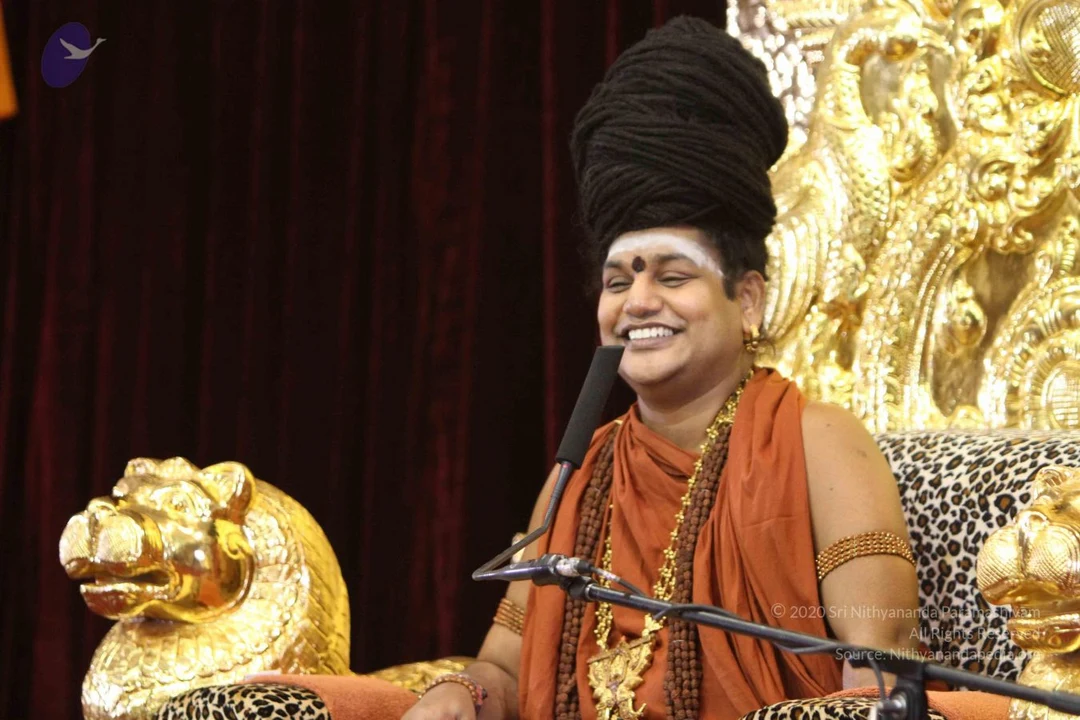
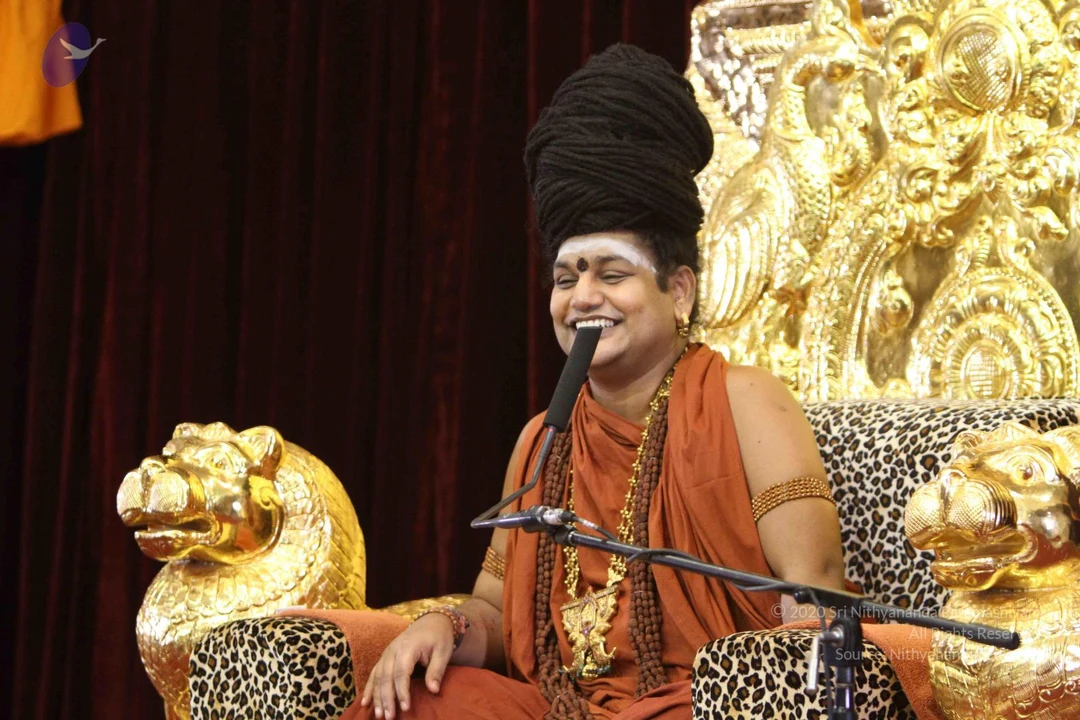
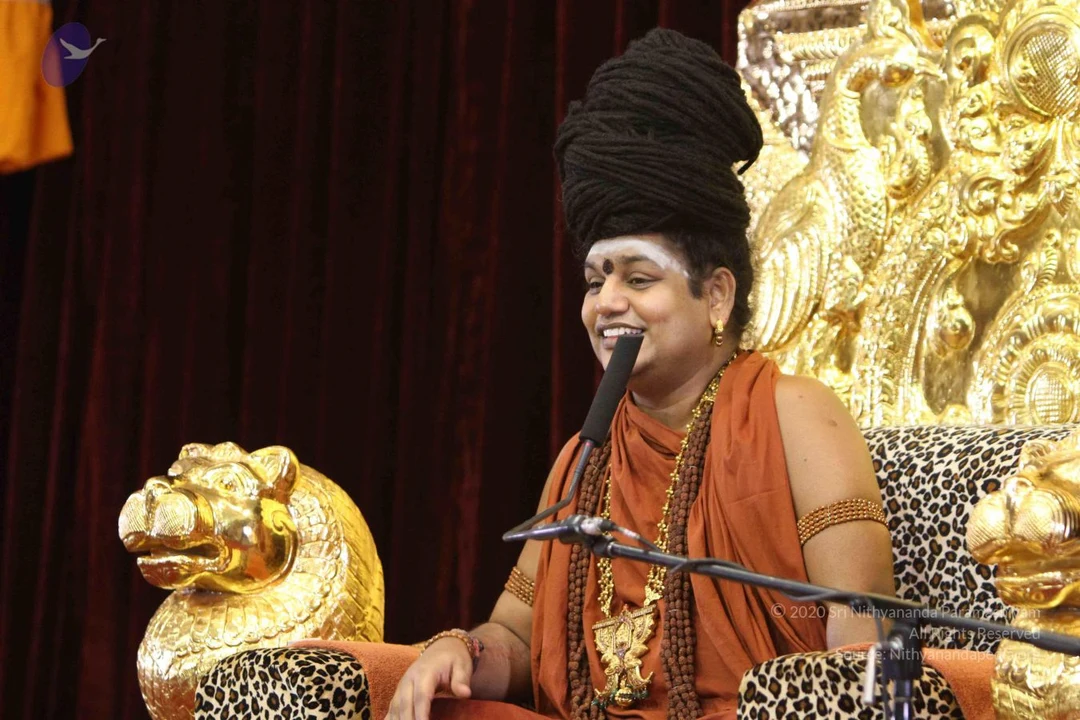
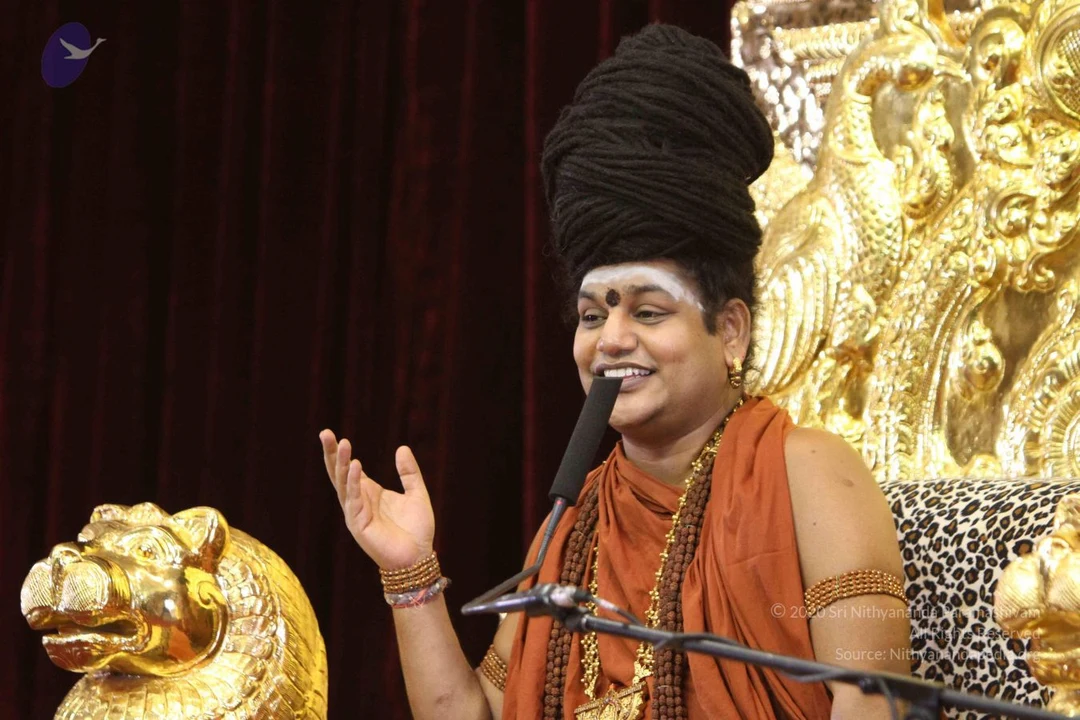
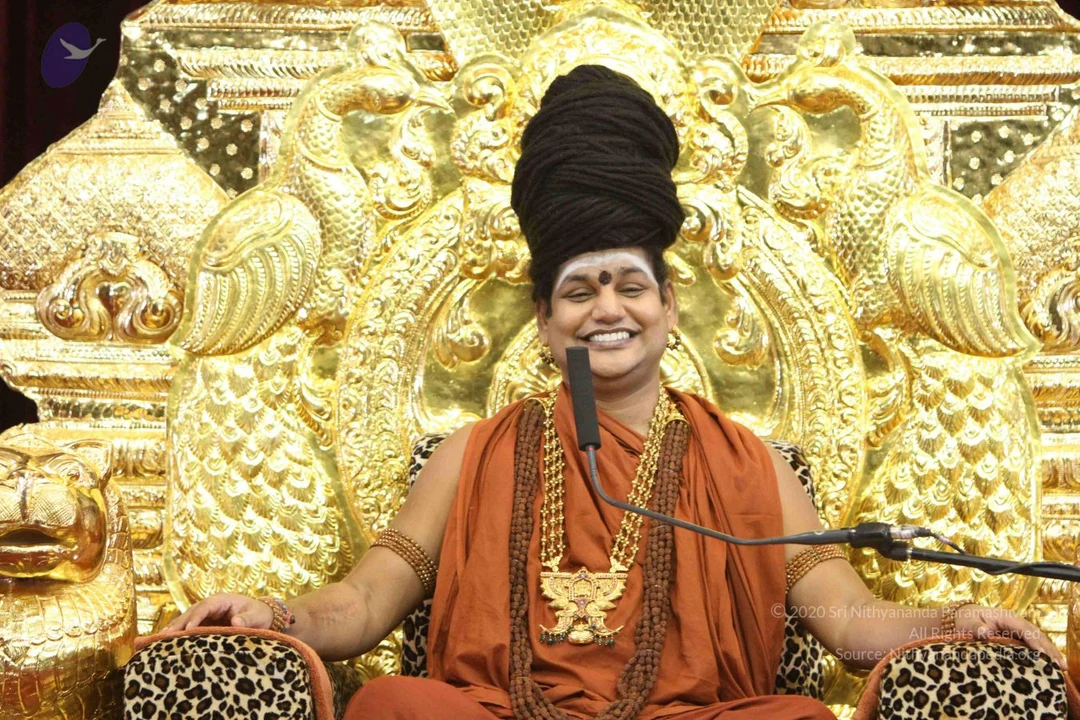
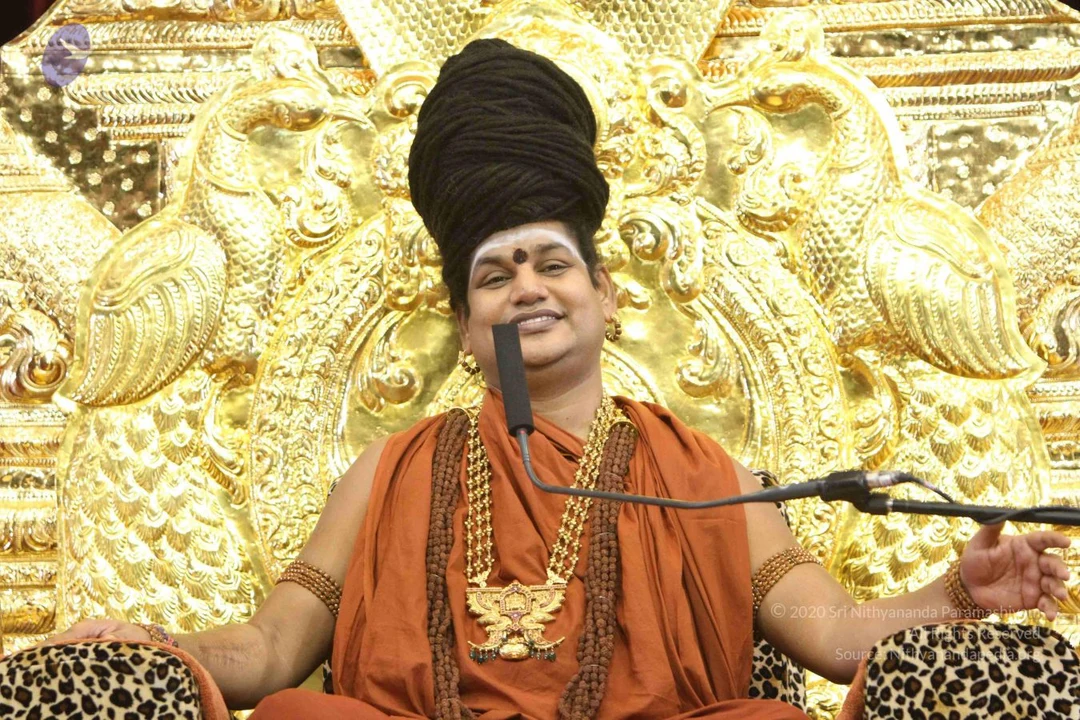
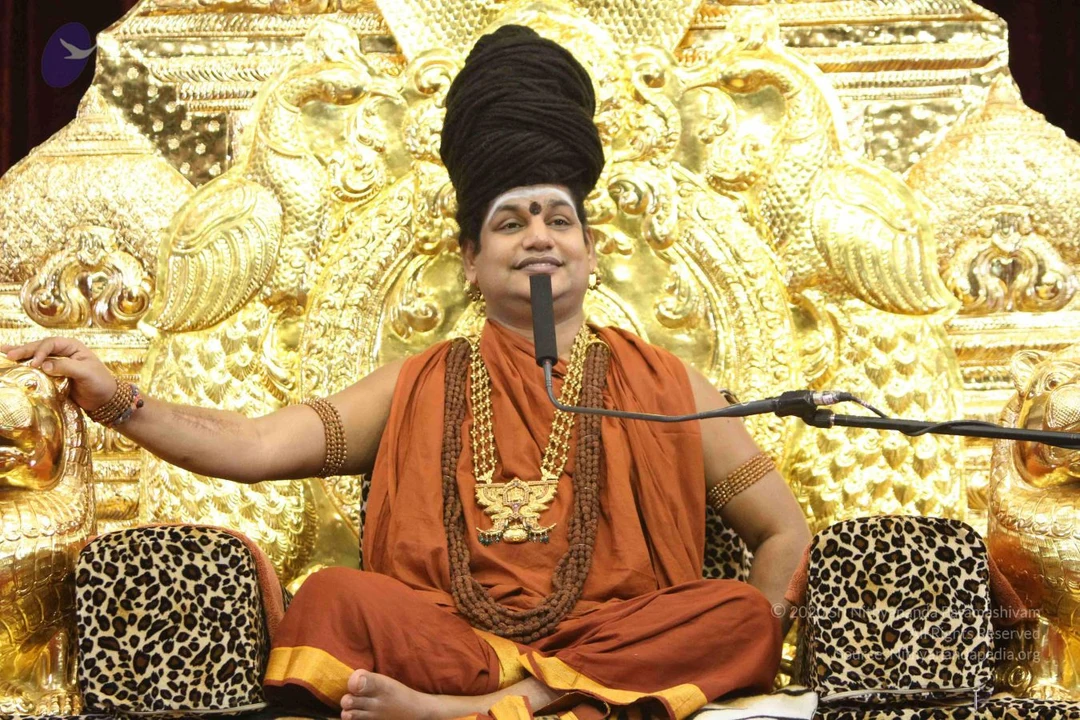
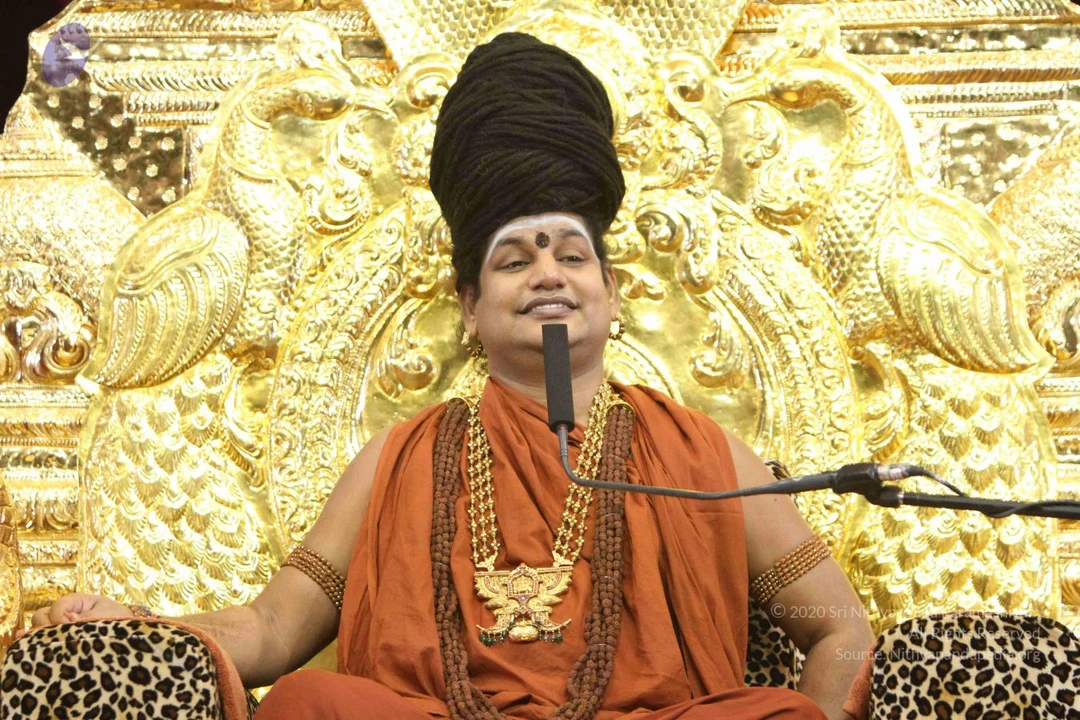
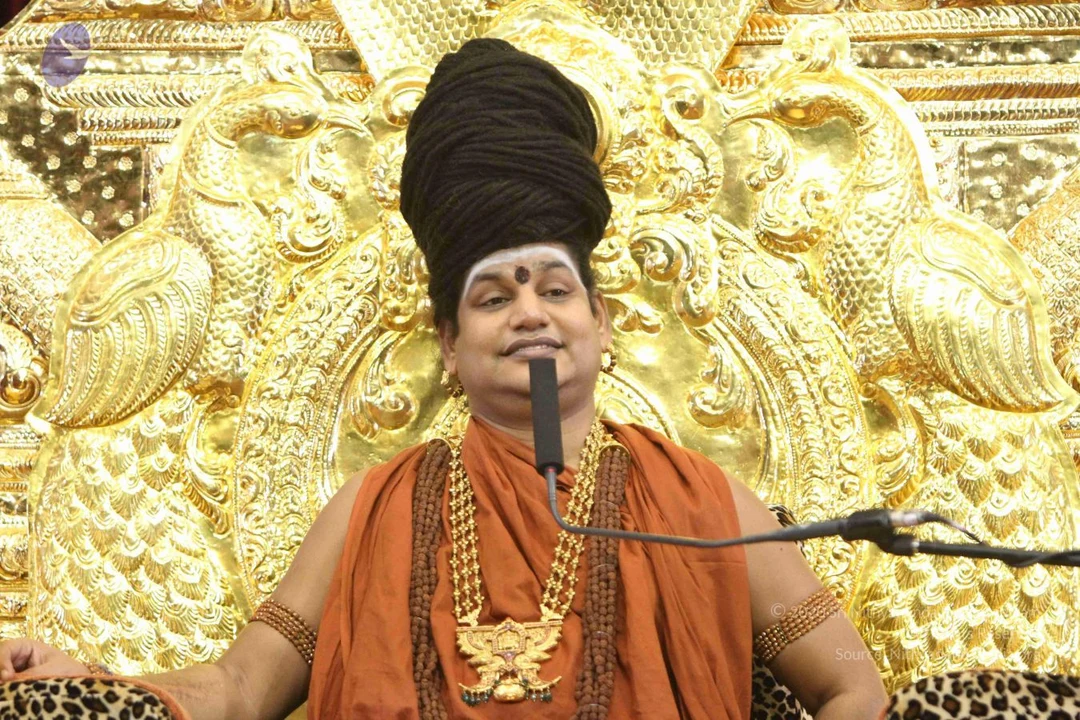
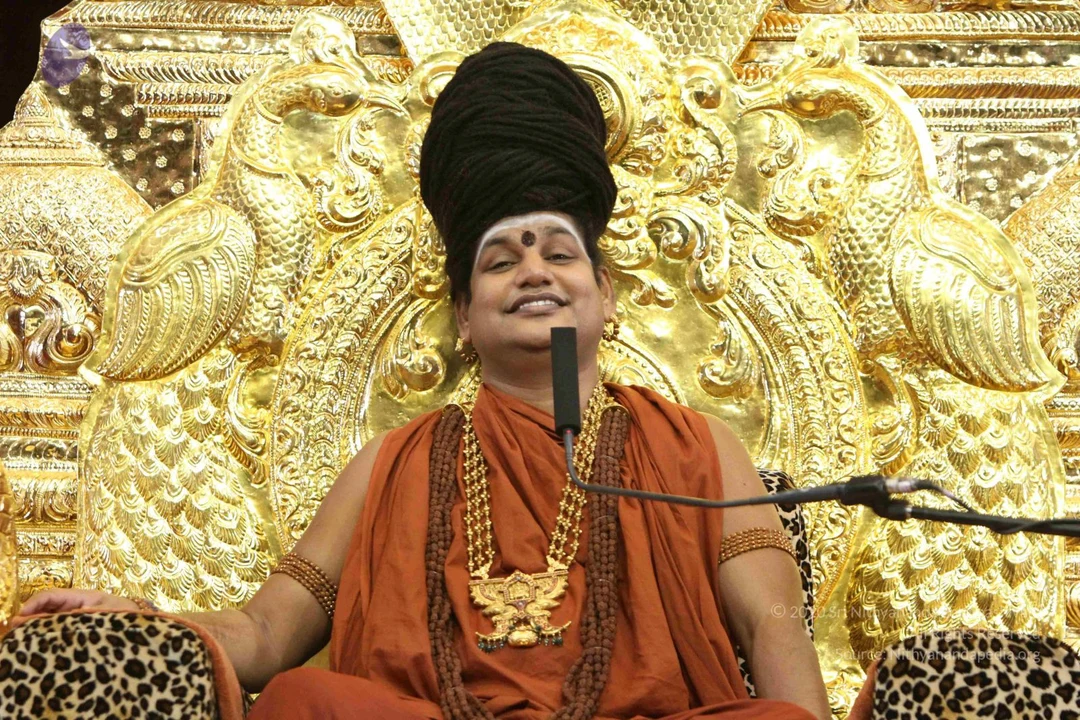
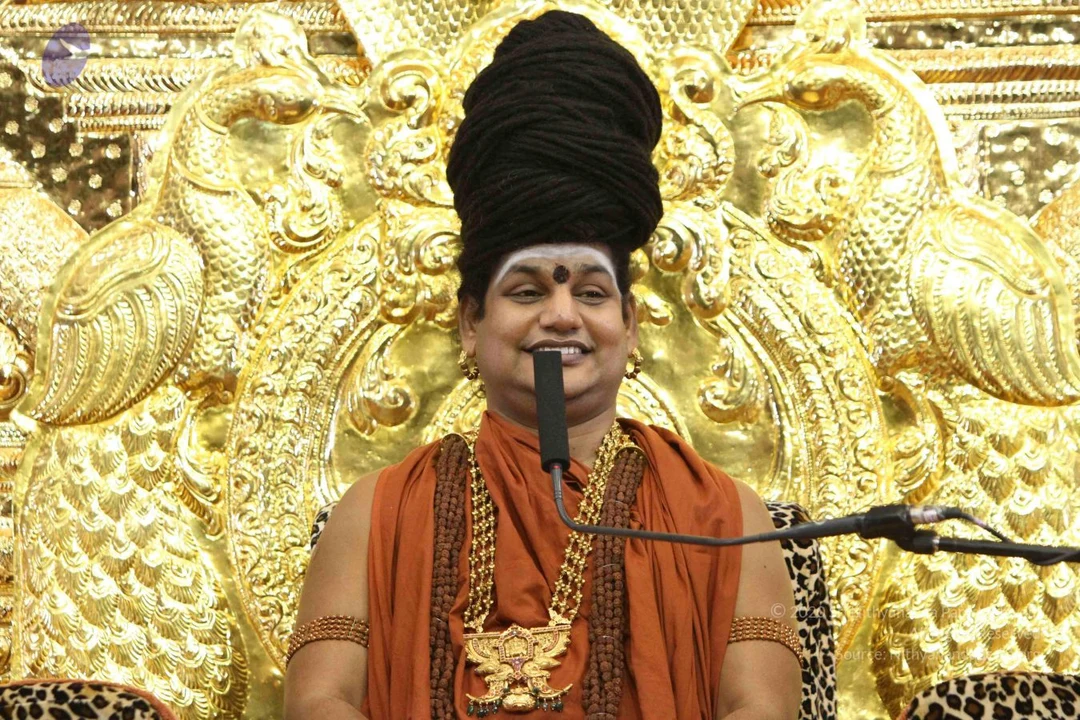
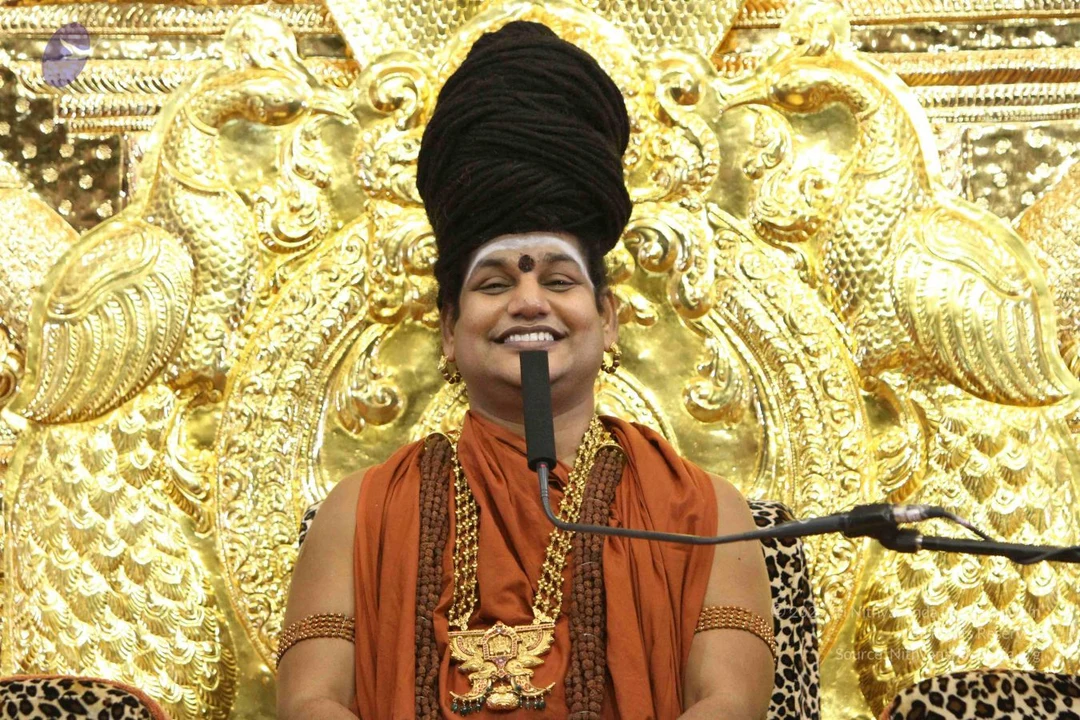
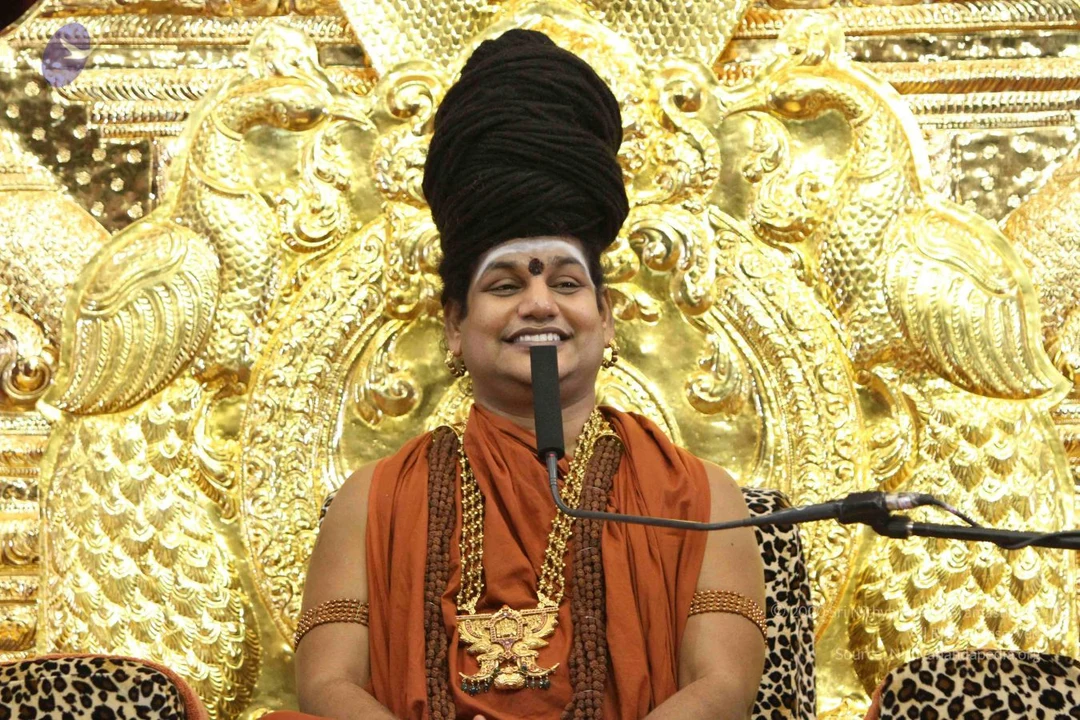
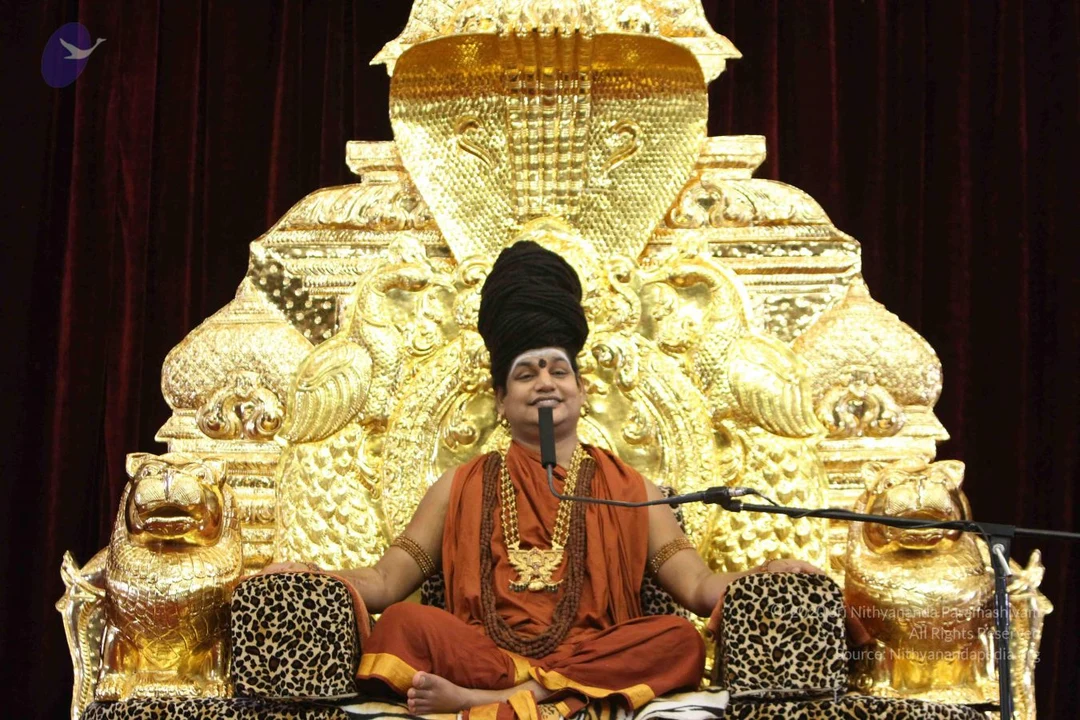
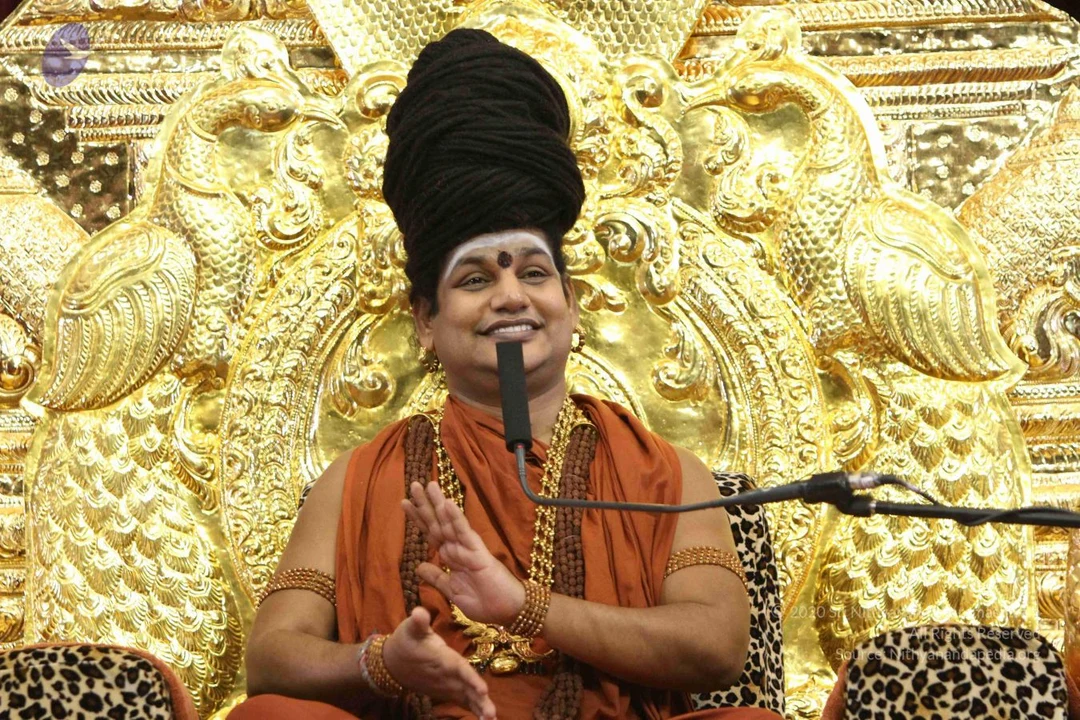
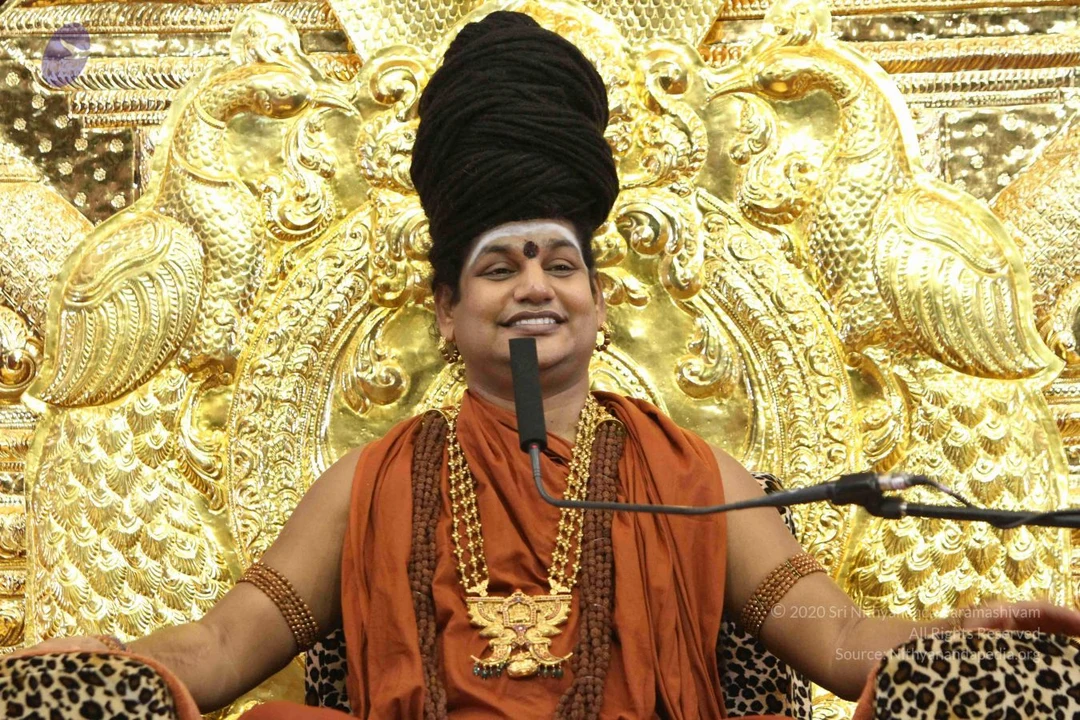
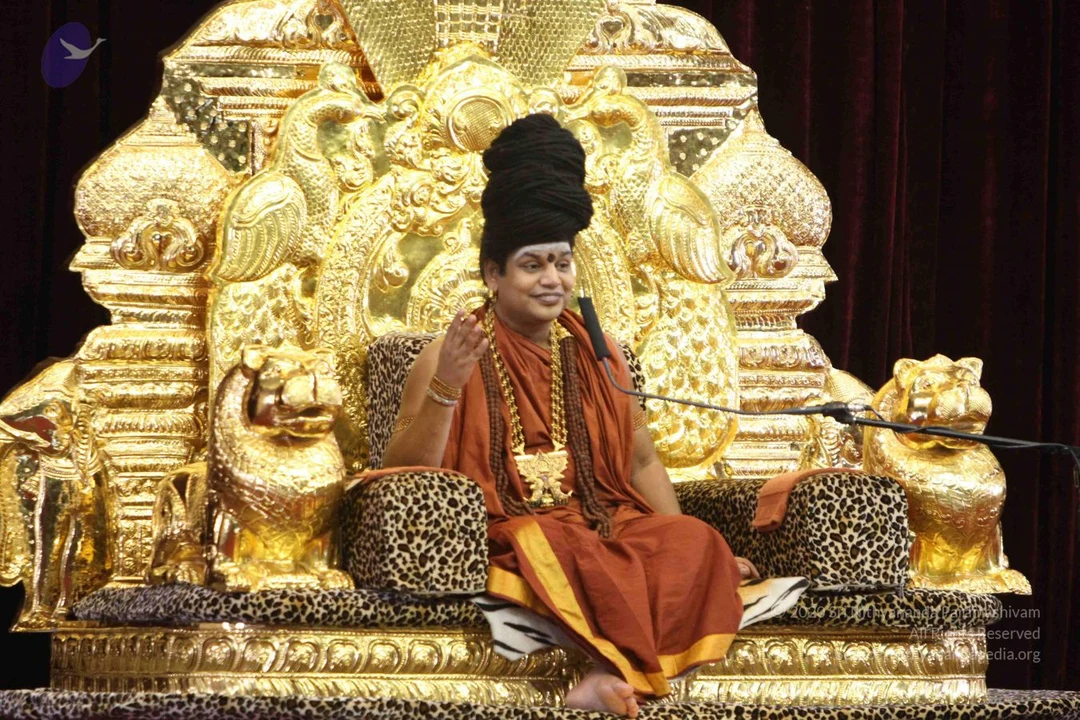
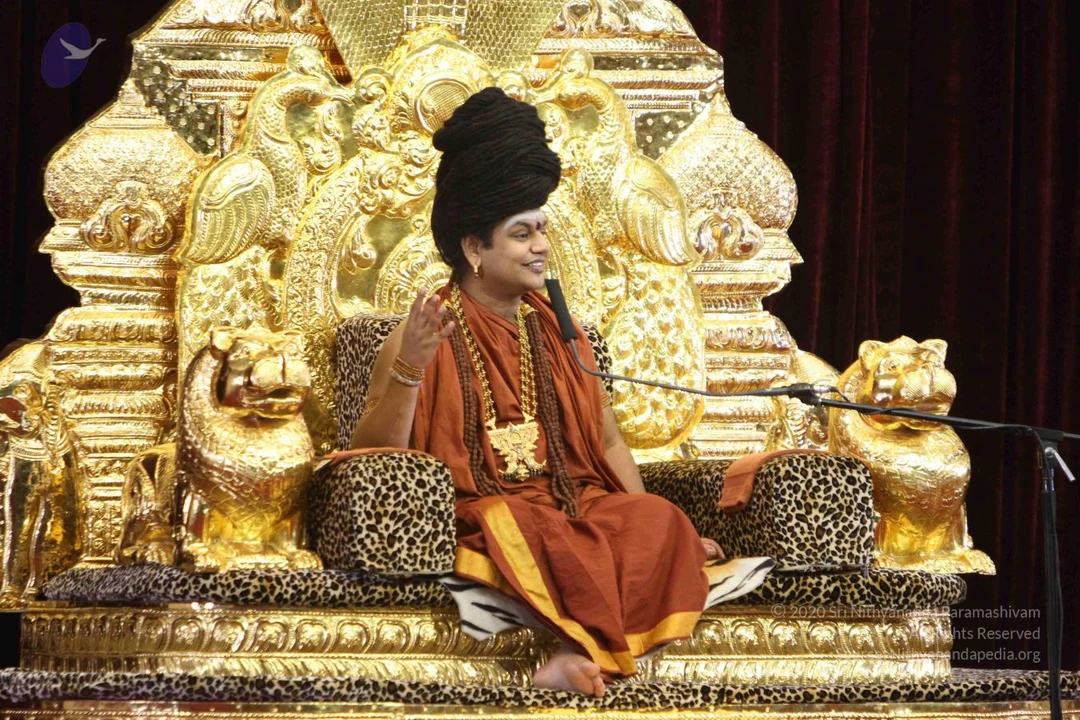
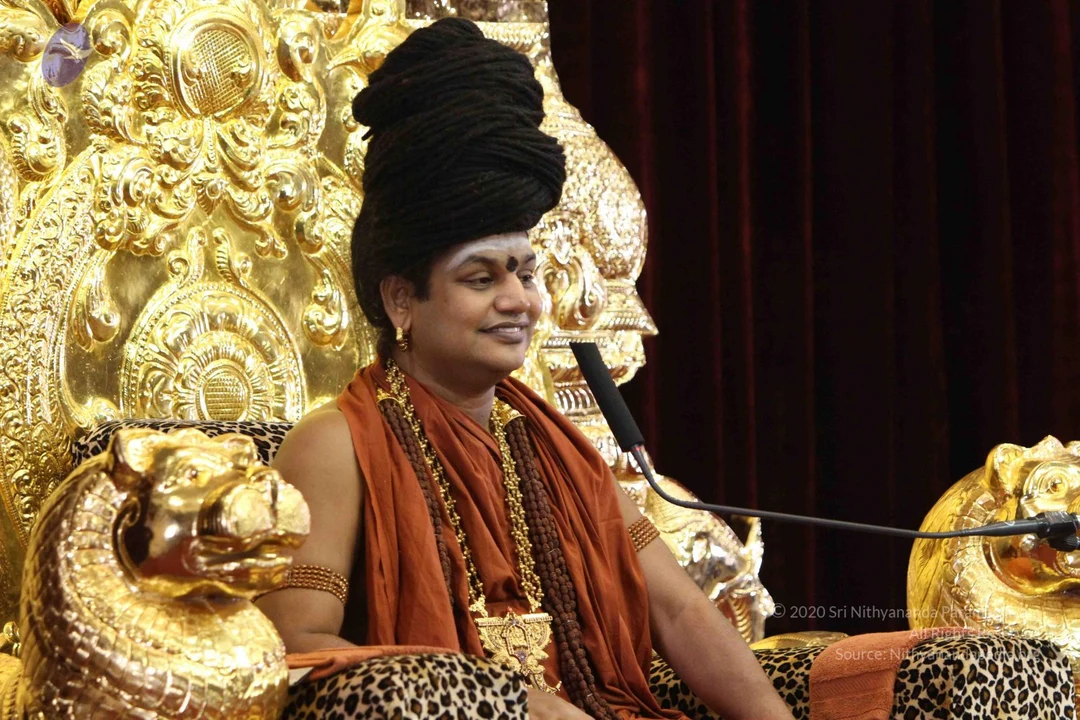
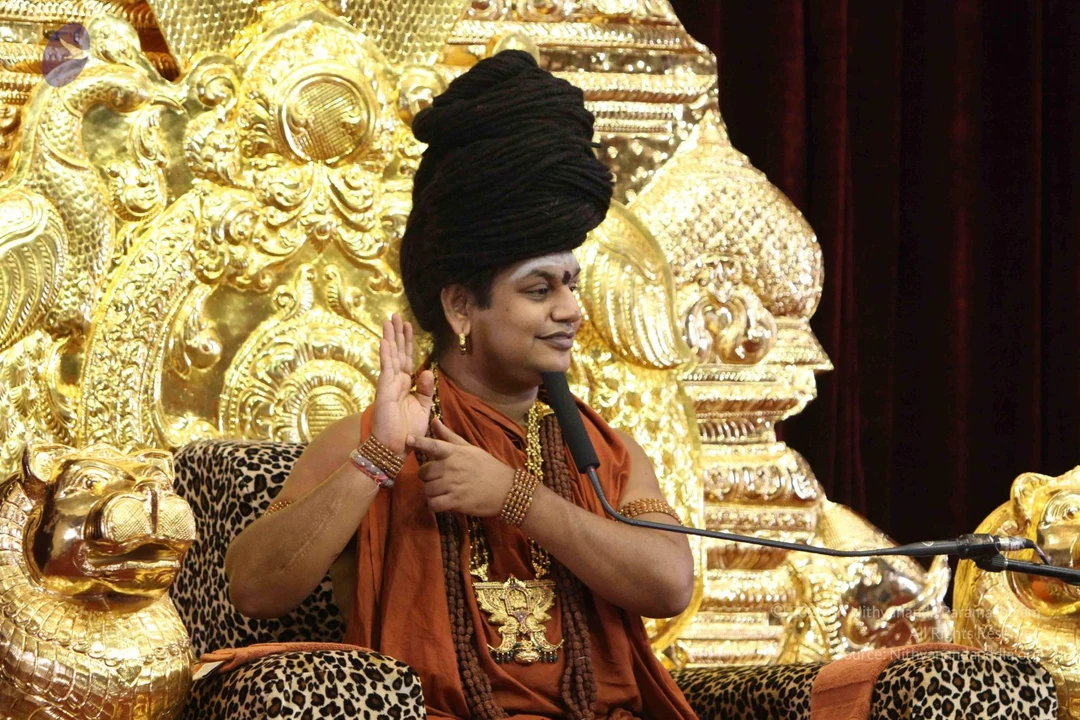
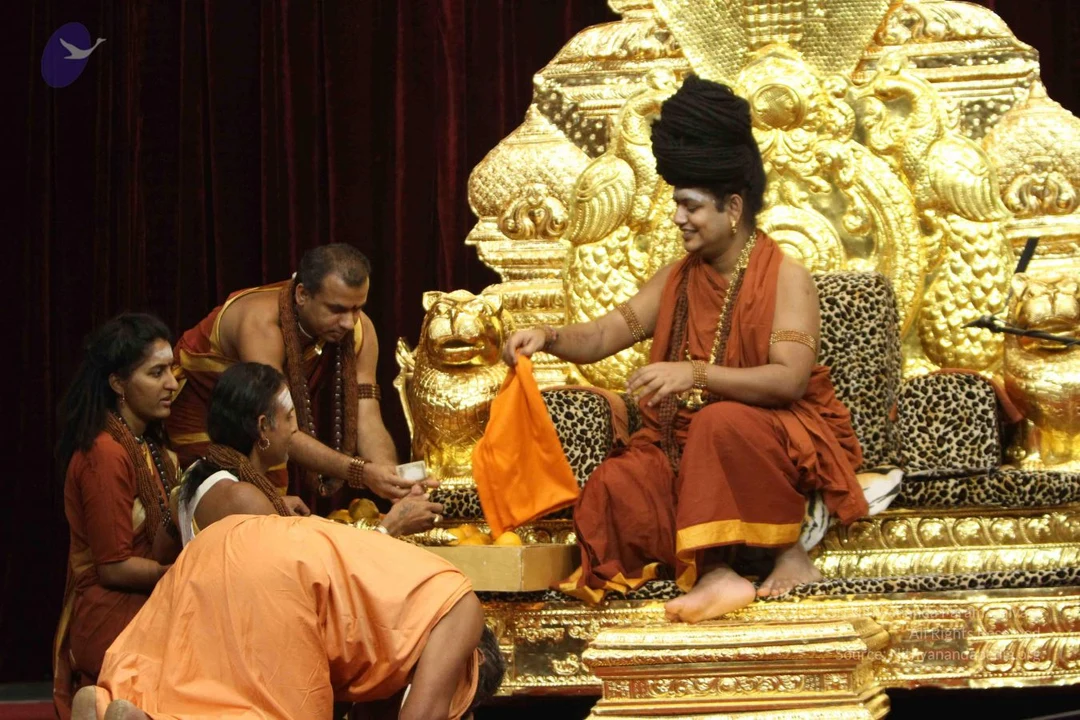
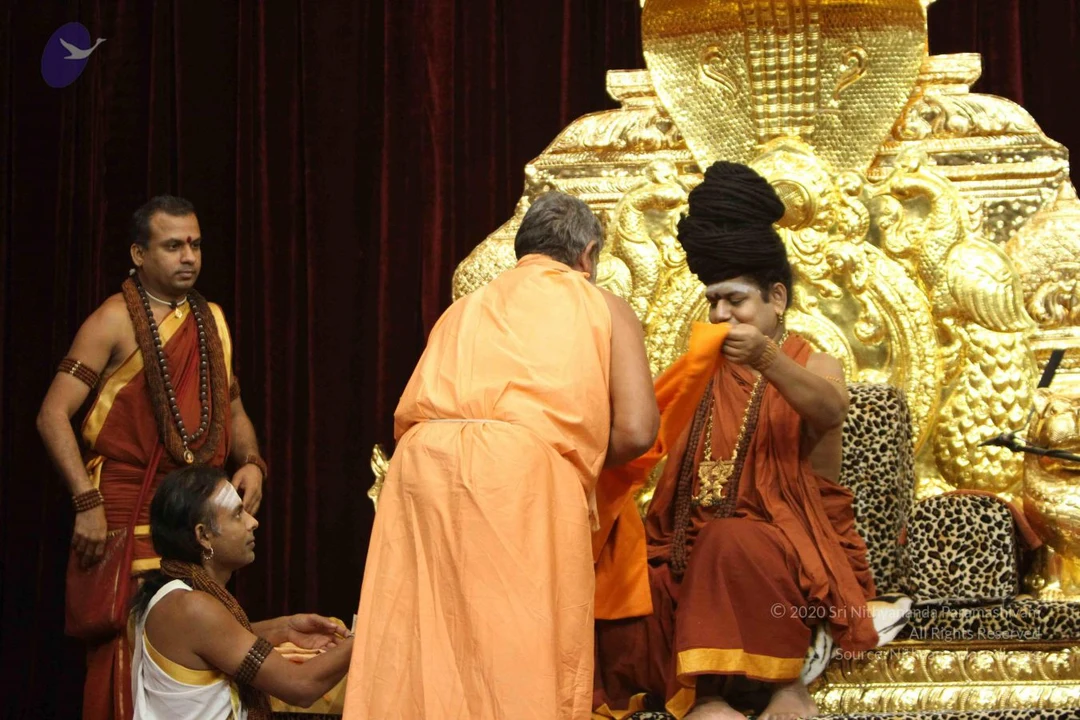
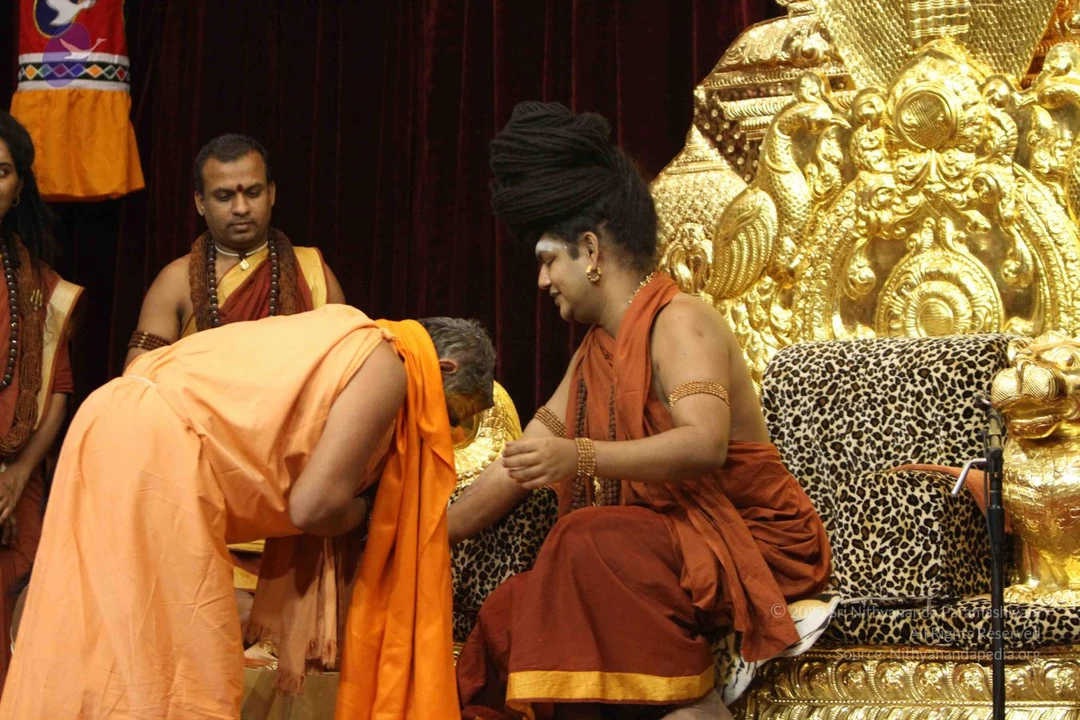
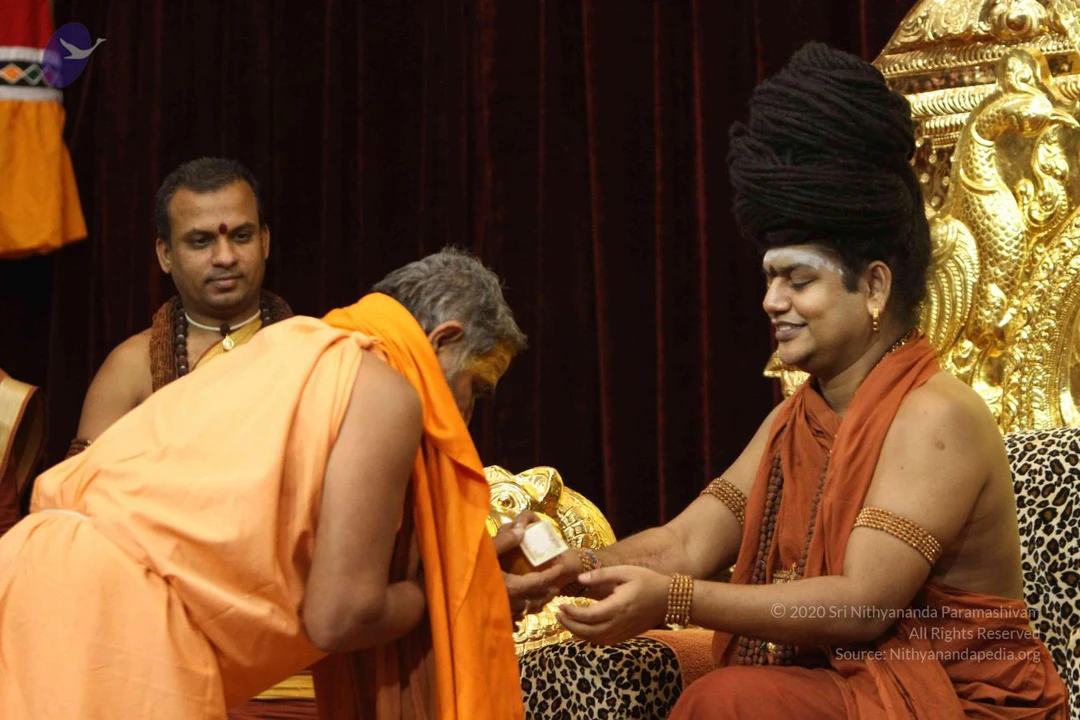
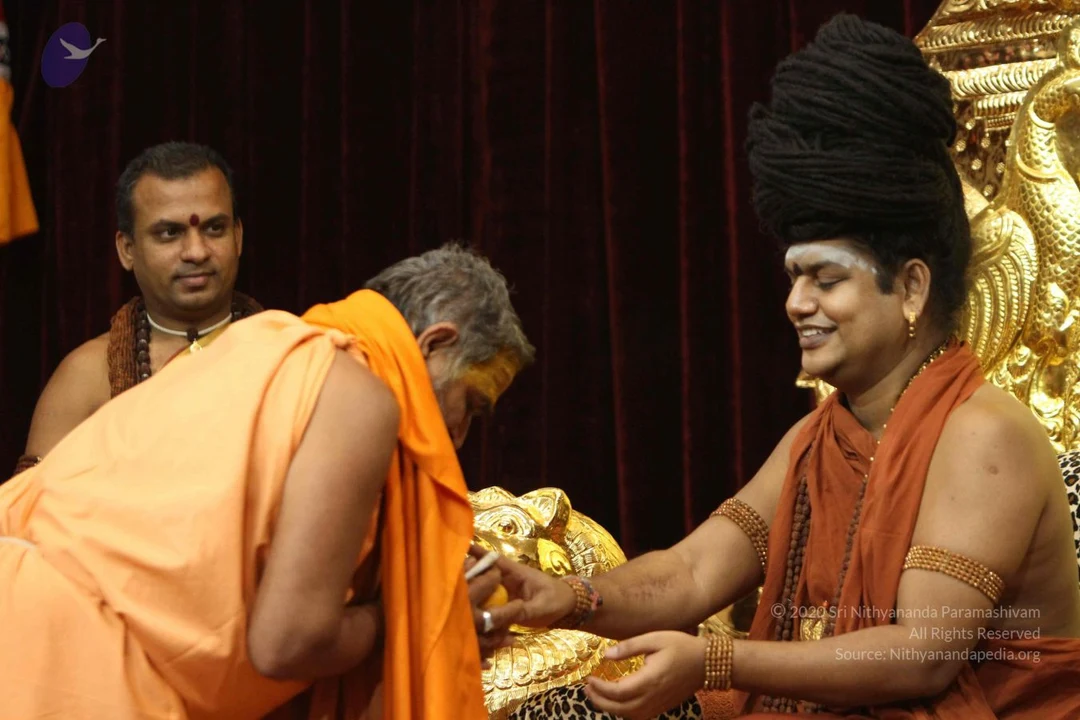
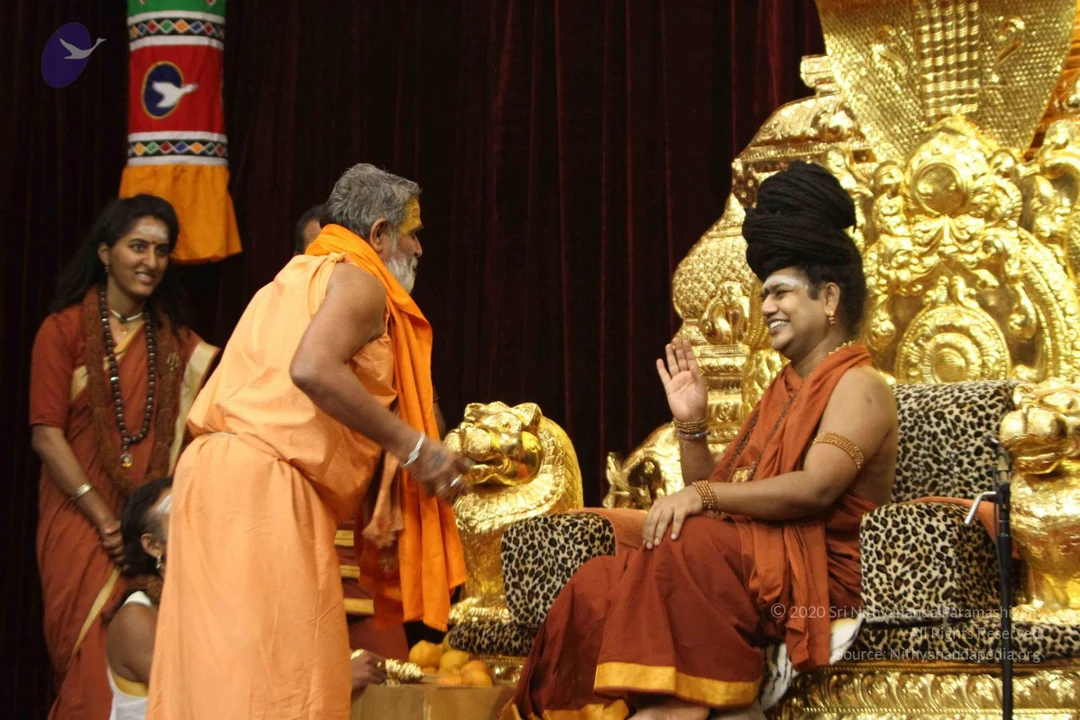
Photos Of The Day:
1-Evening-Satsang
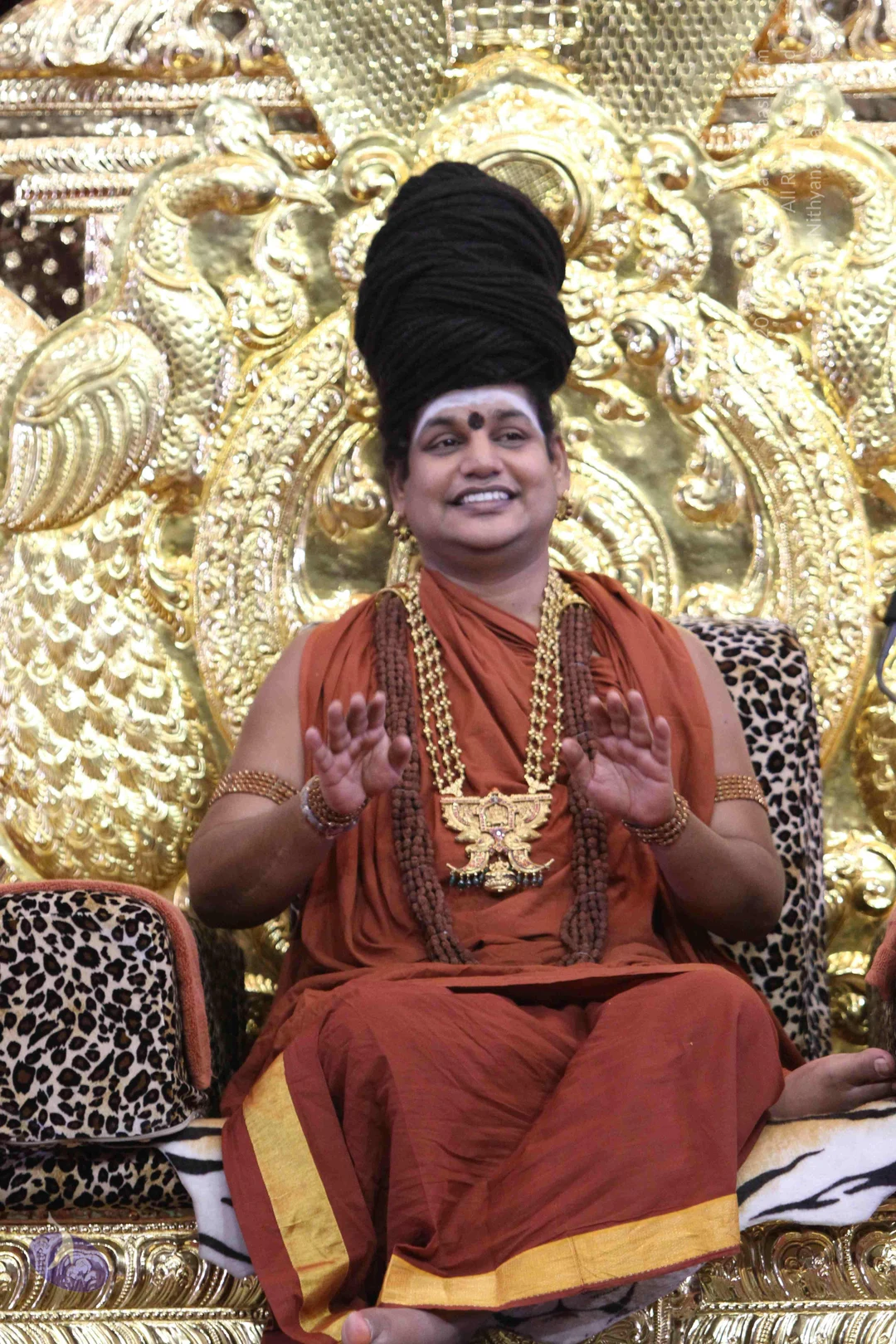
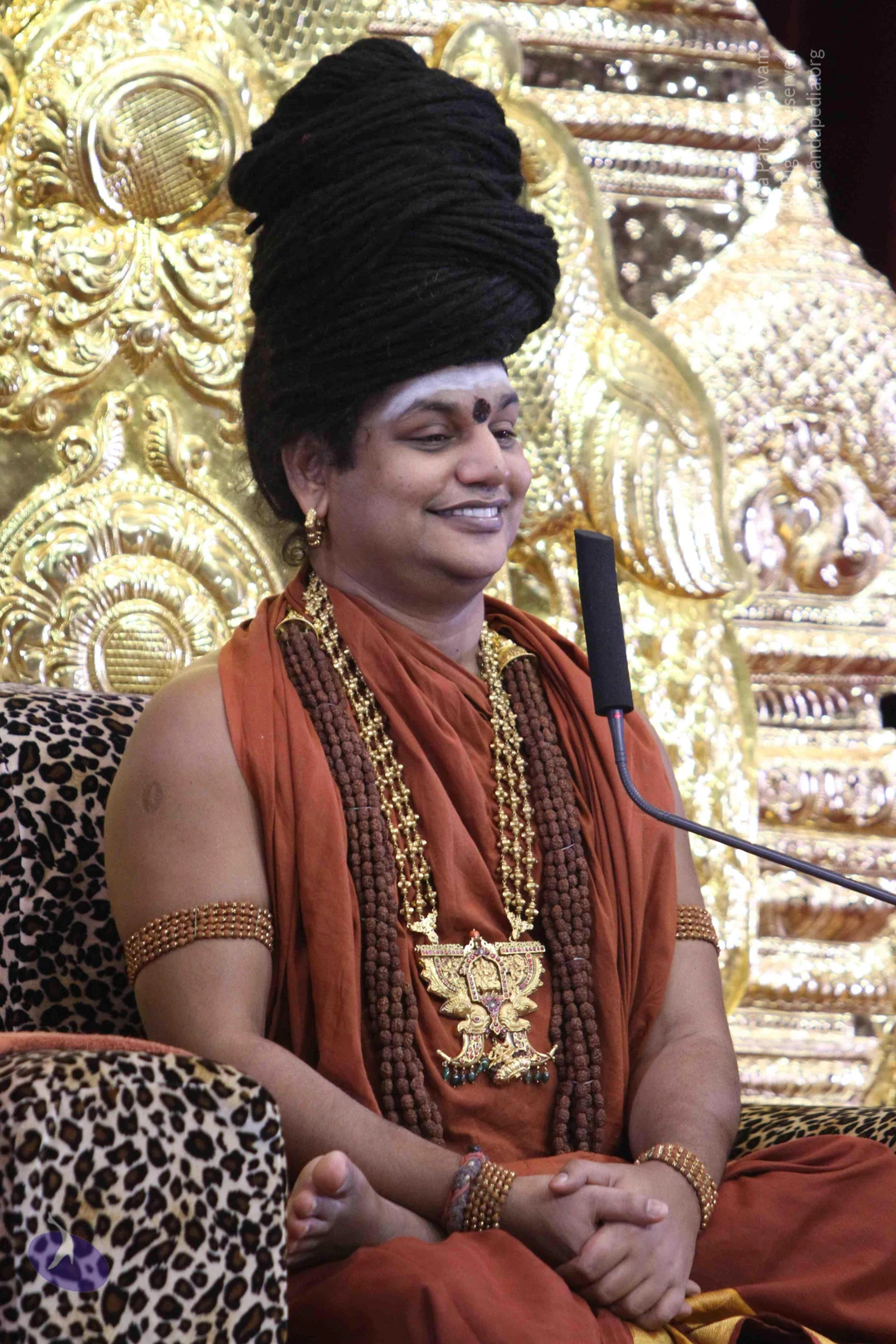
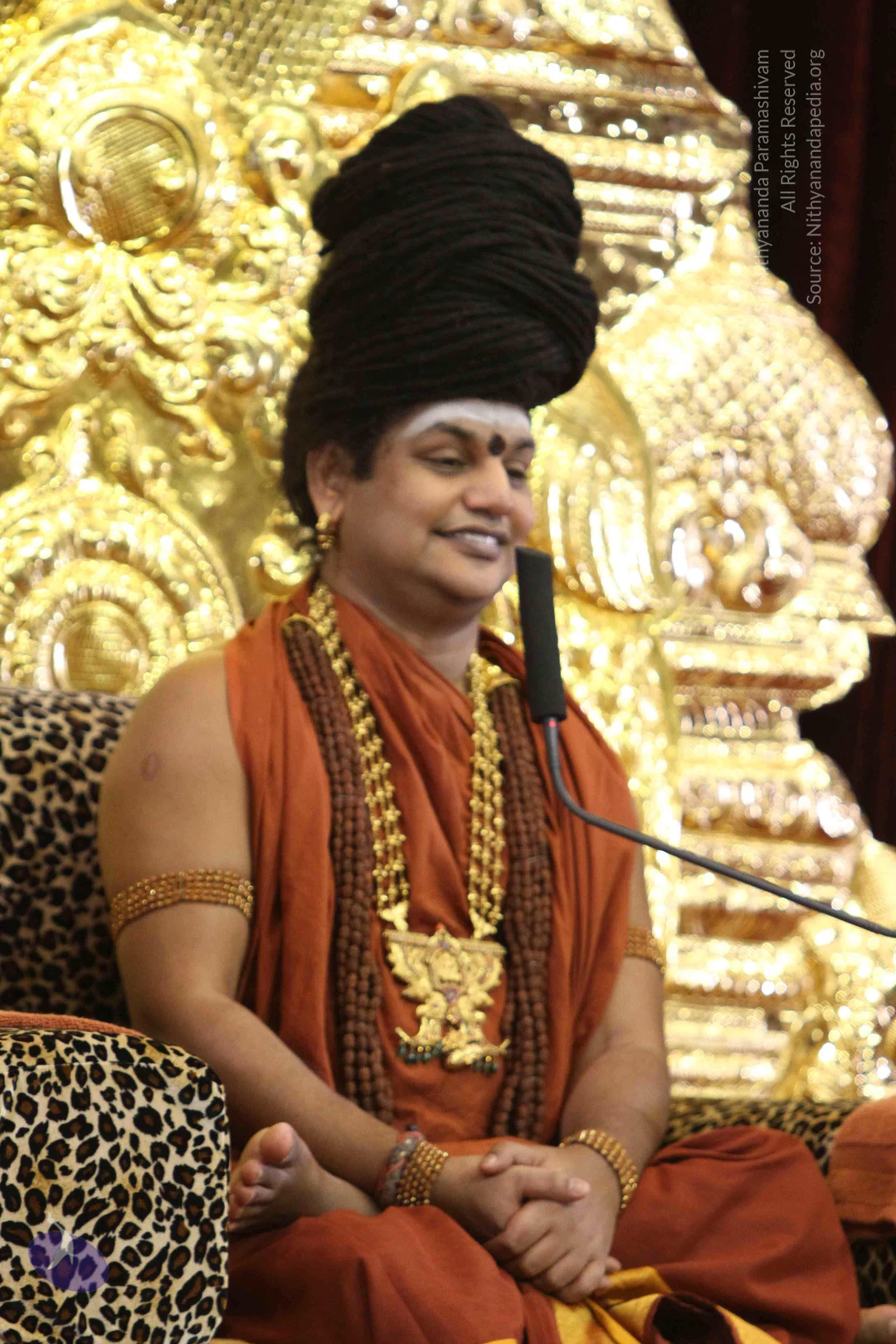
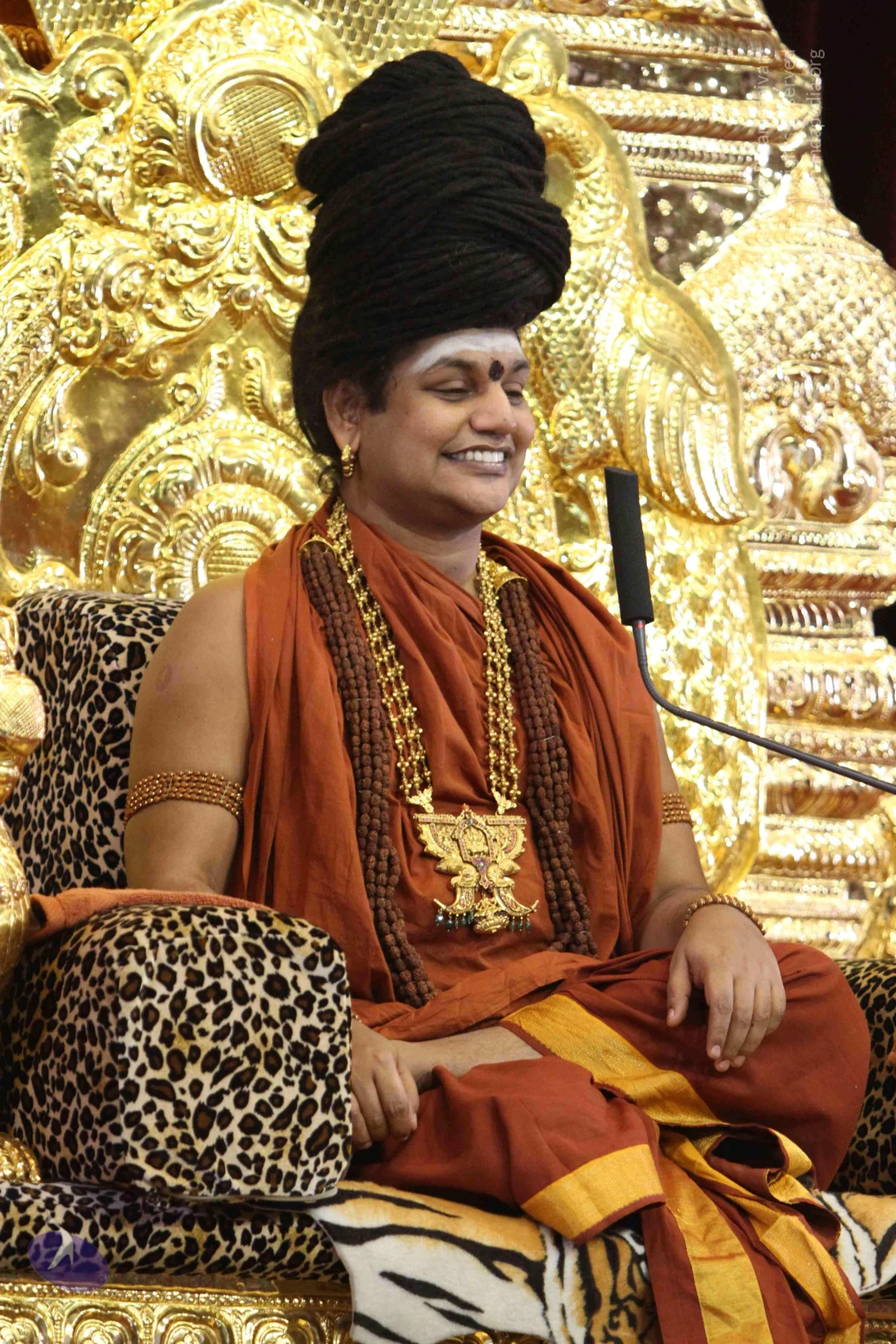
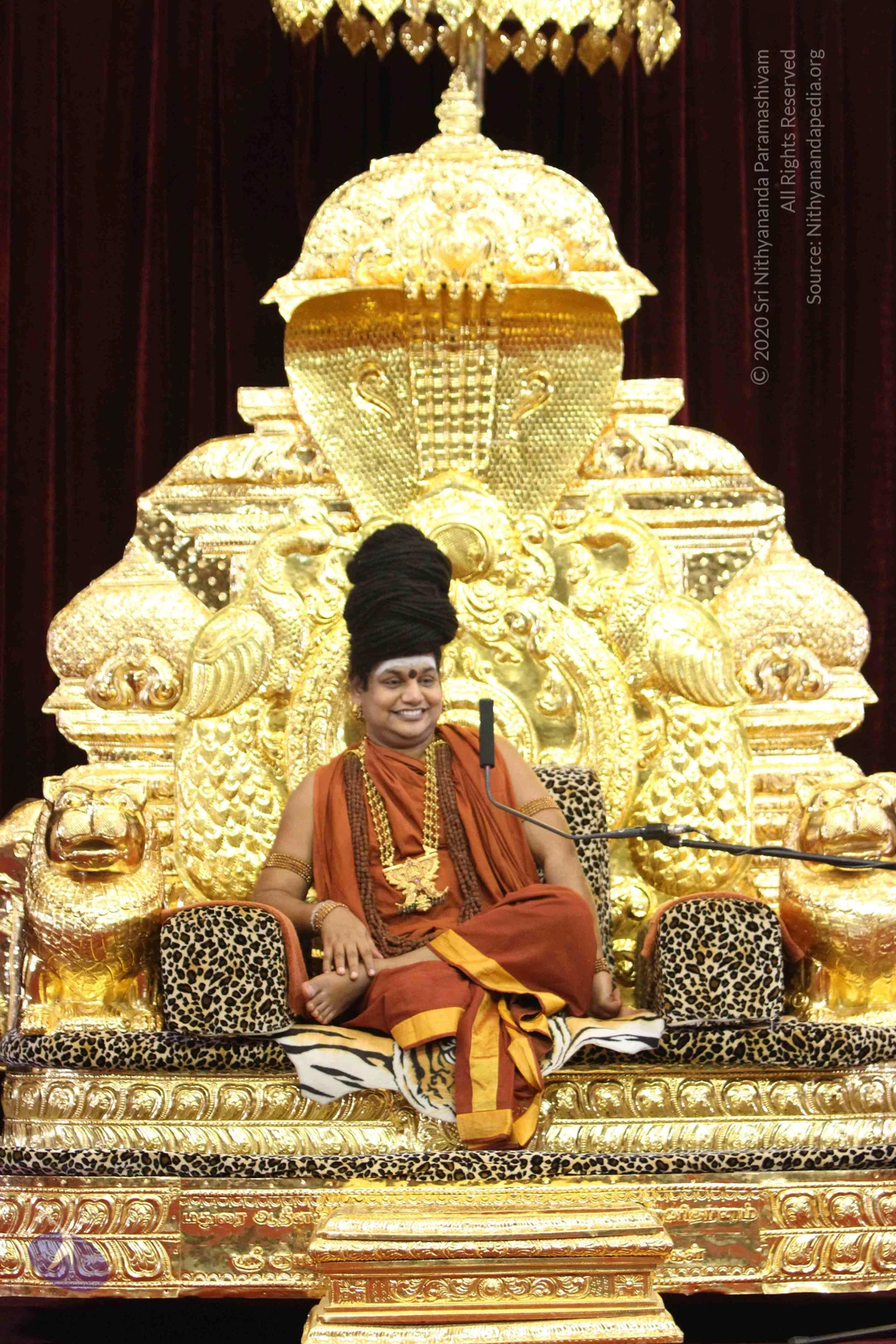
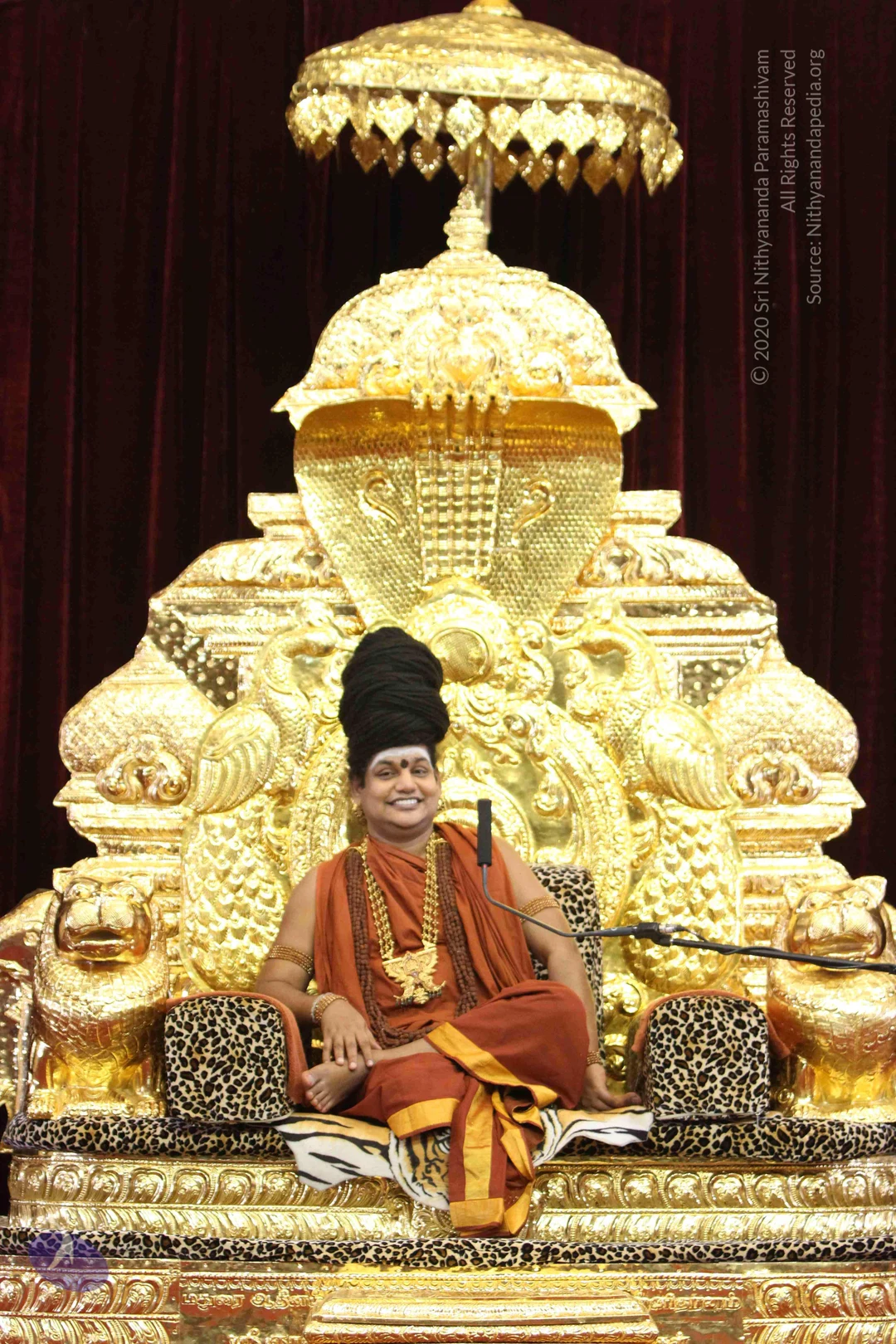
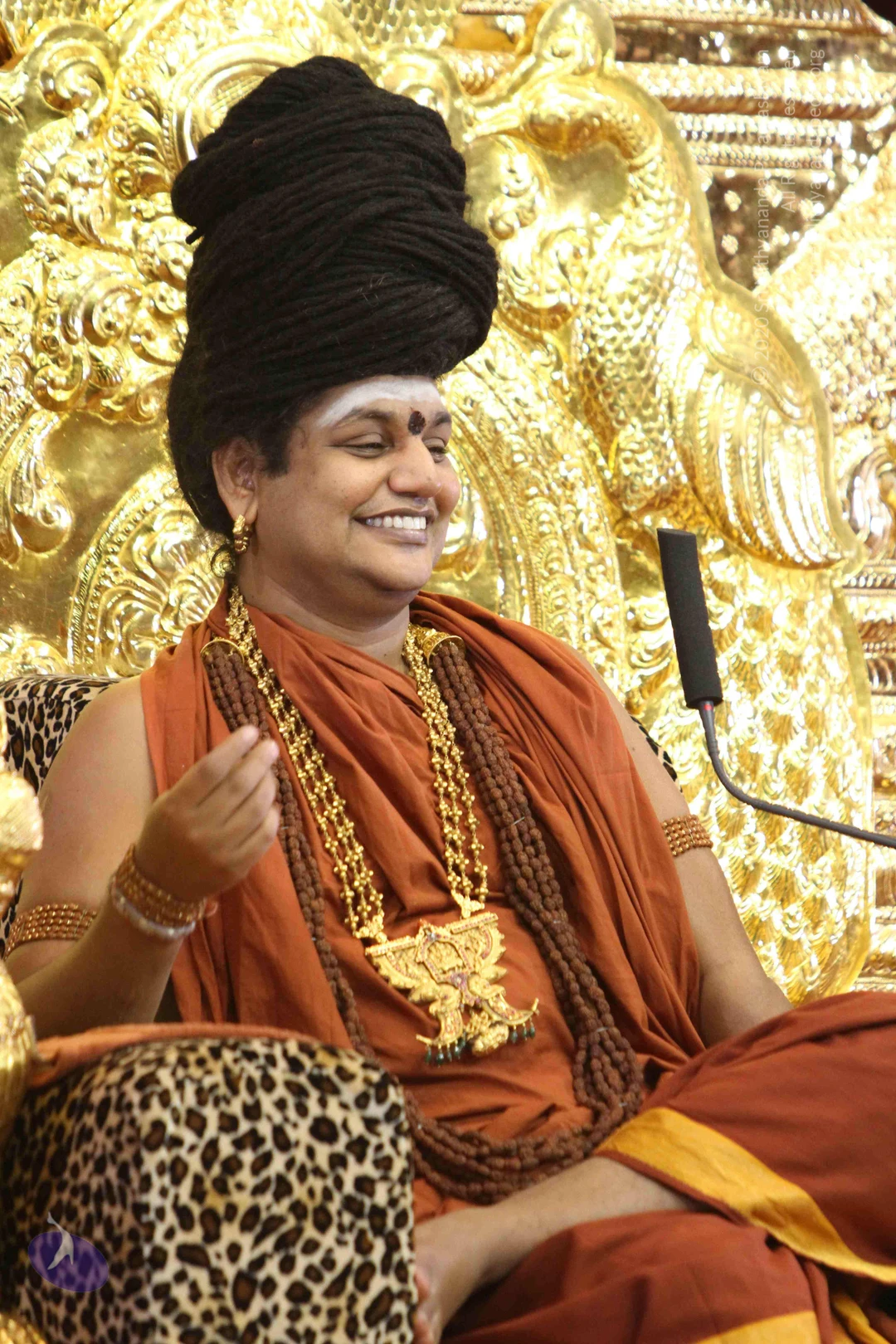
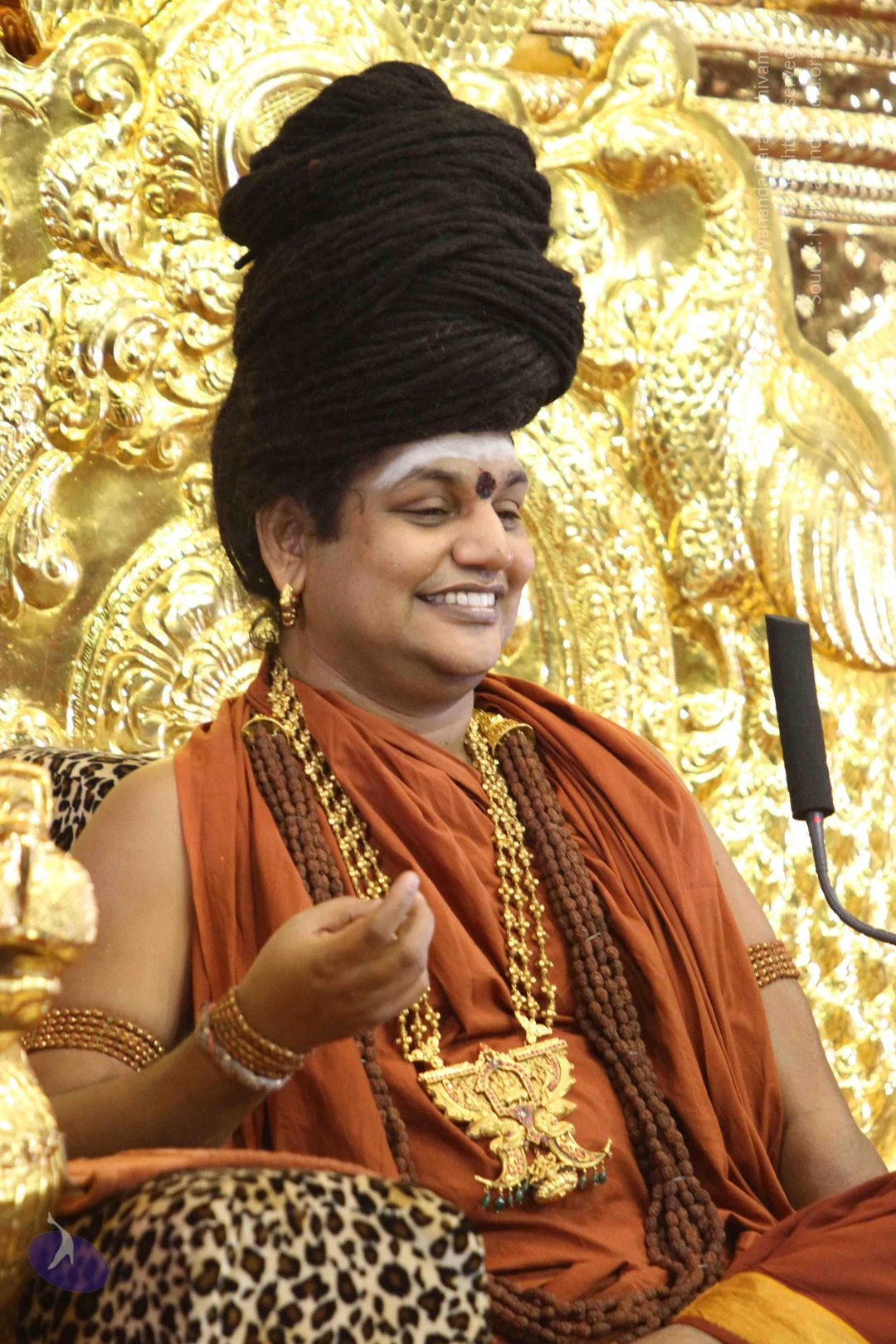
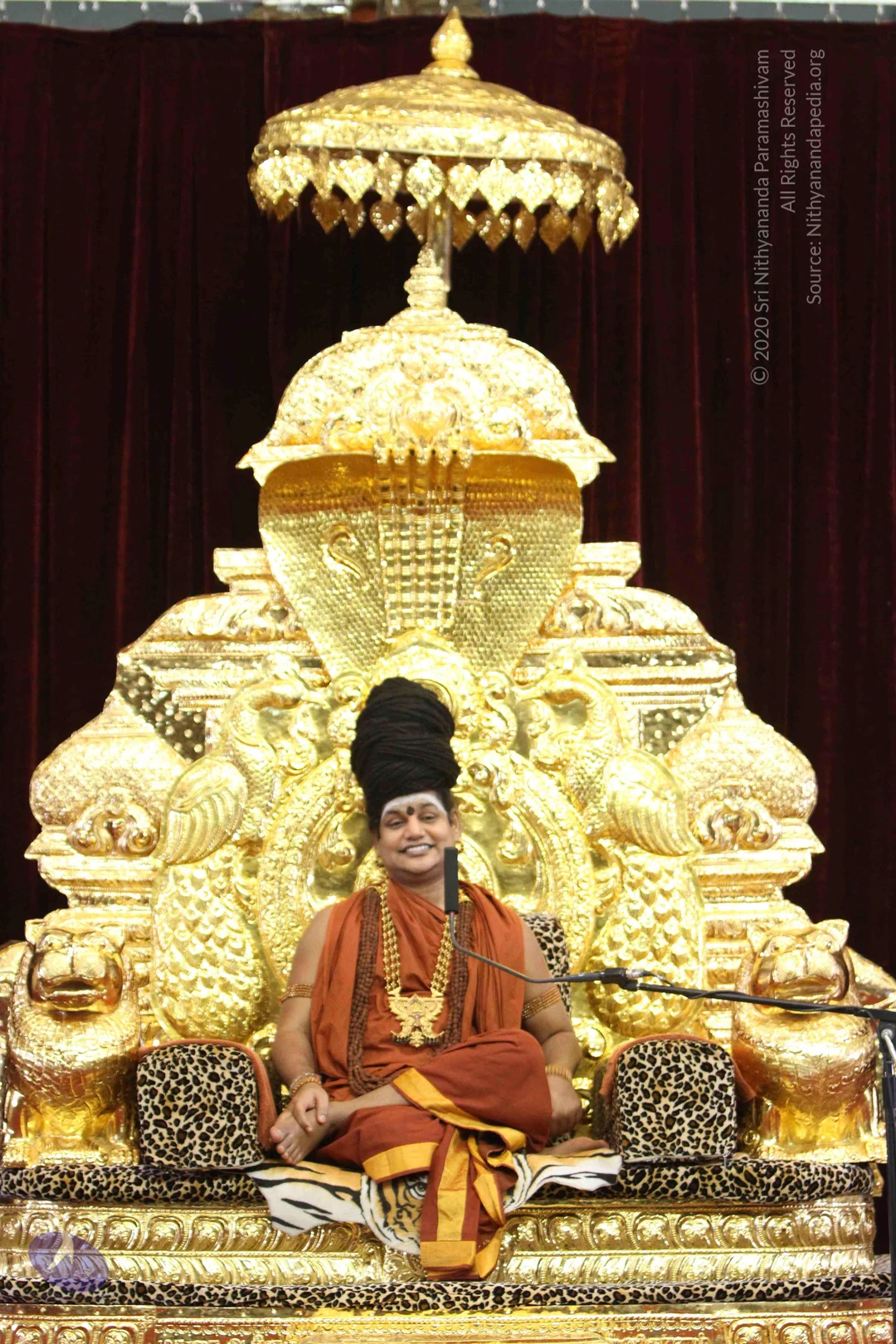
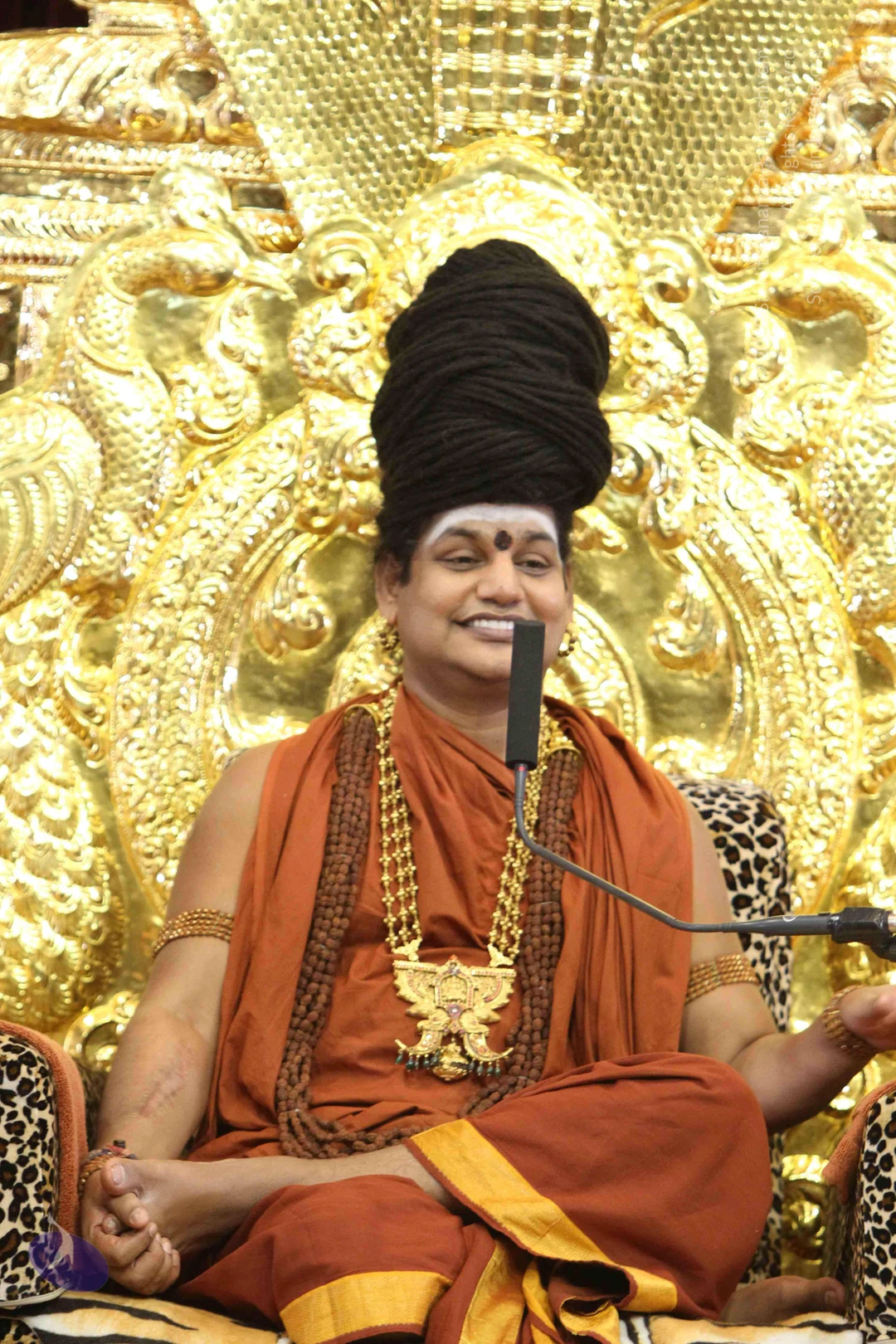
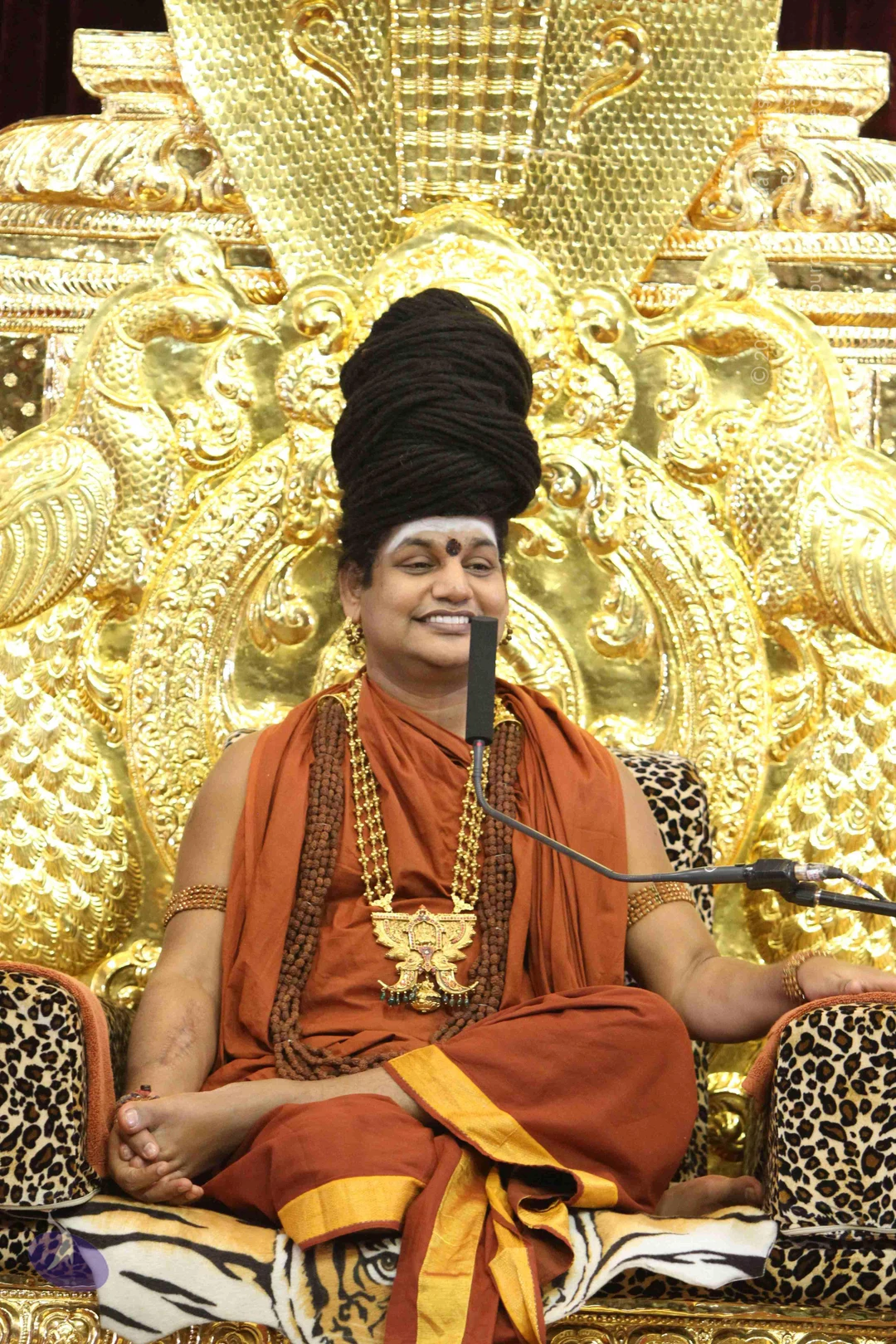
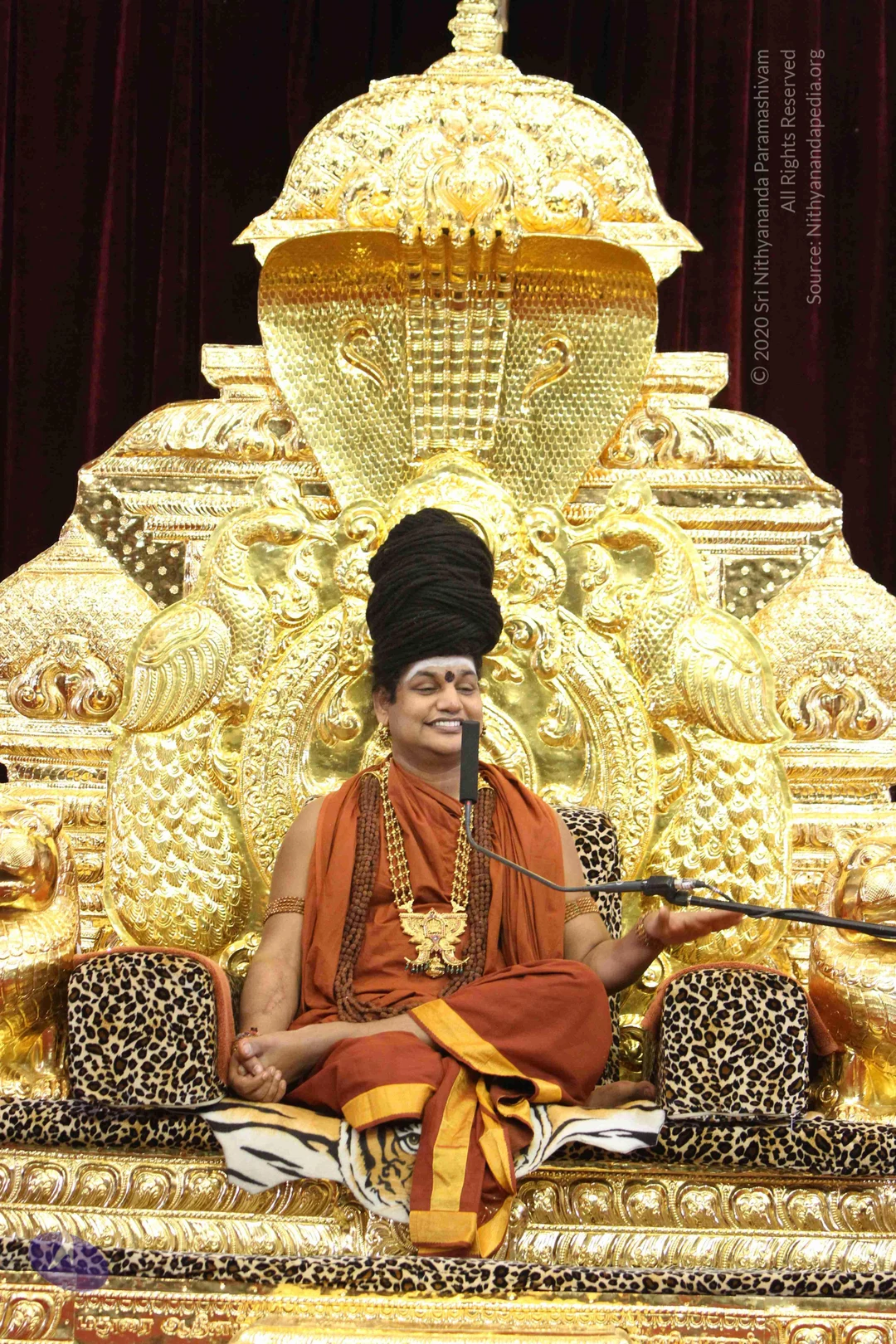
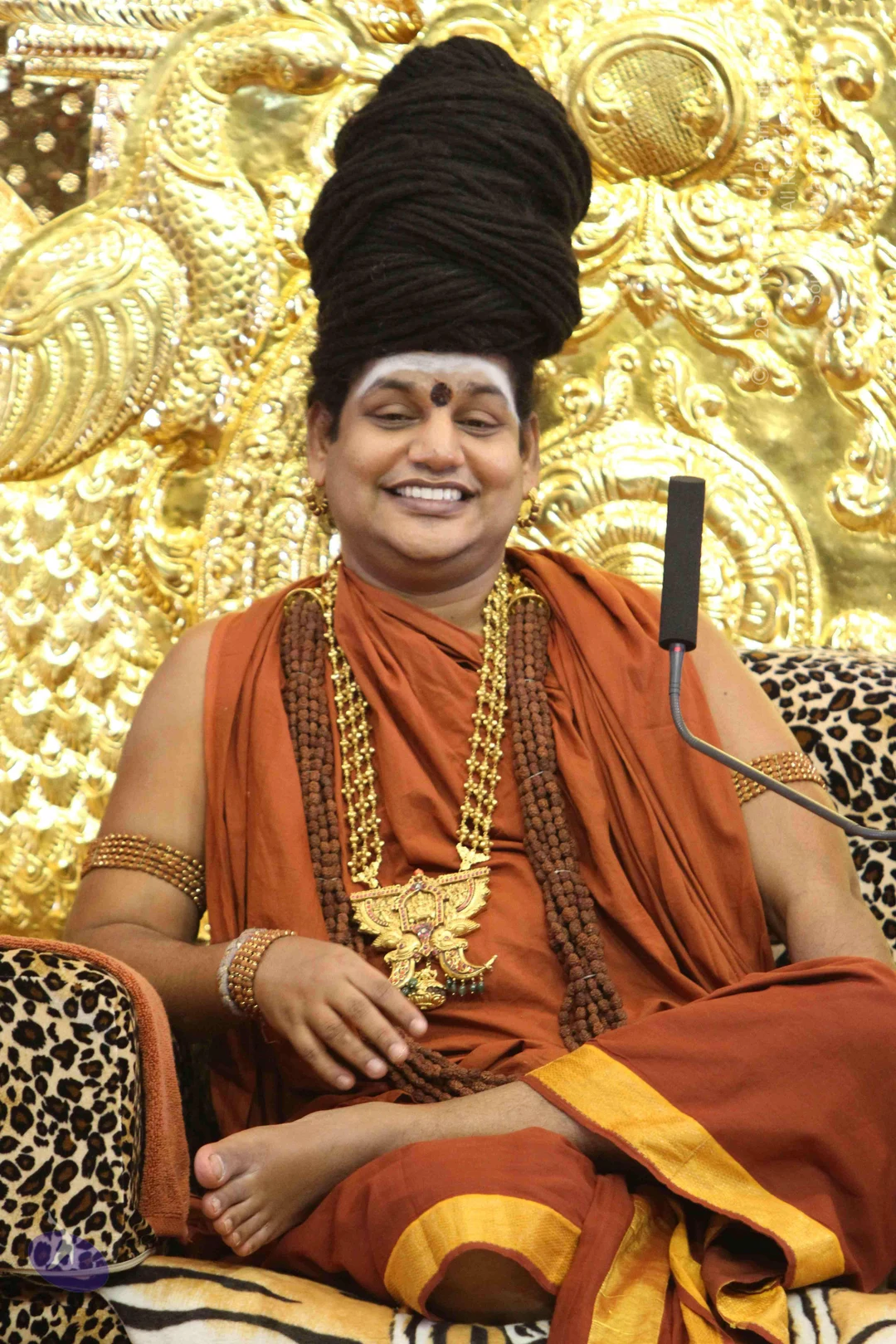
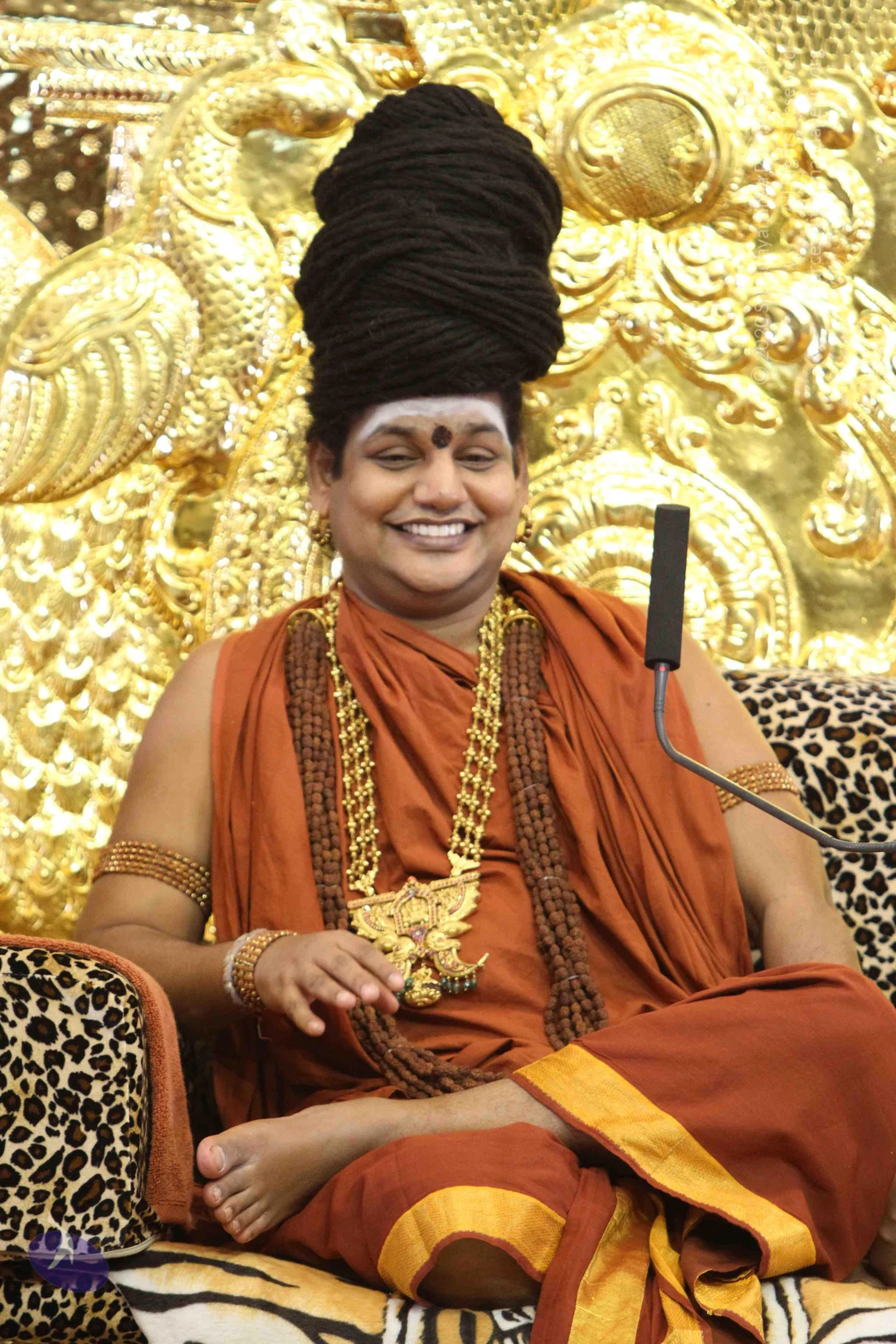
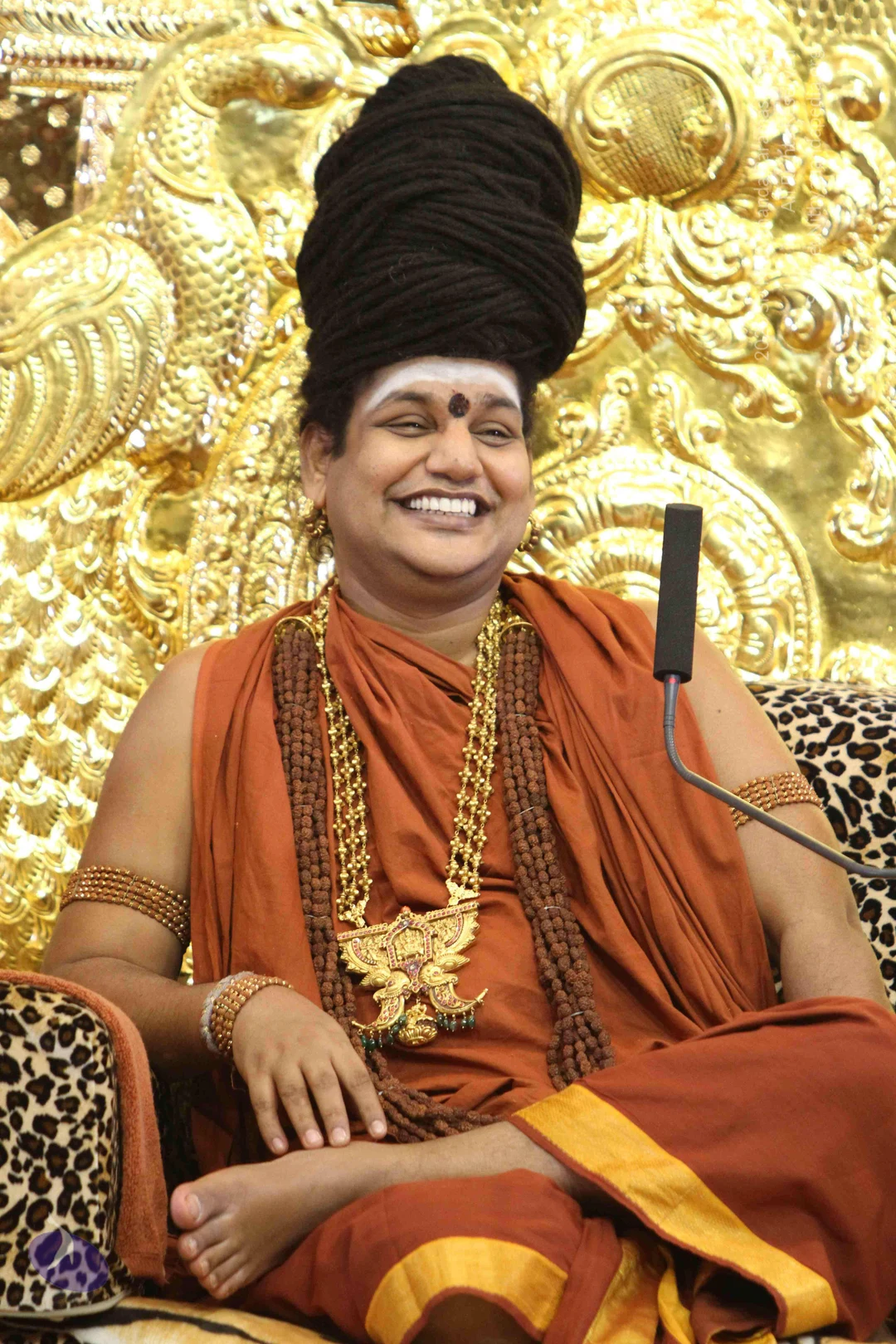
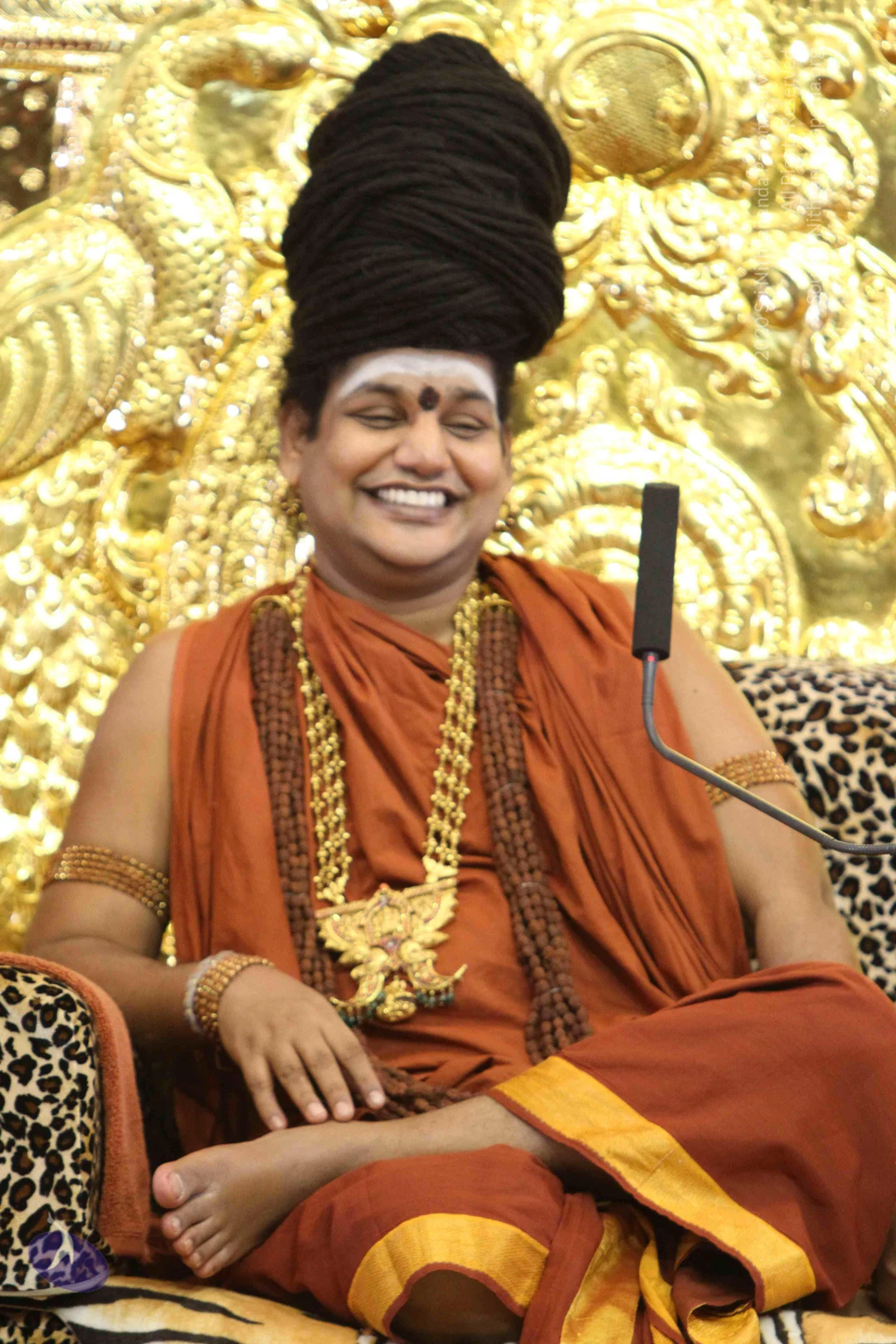
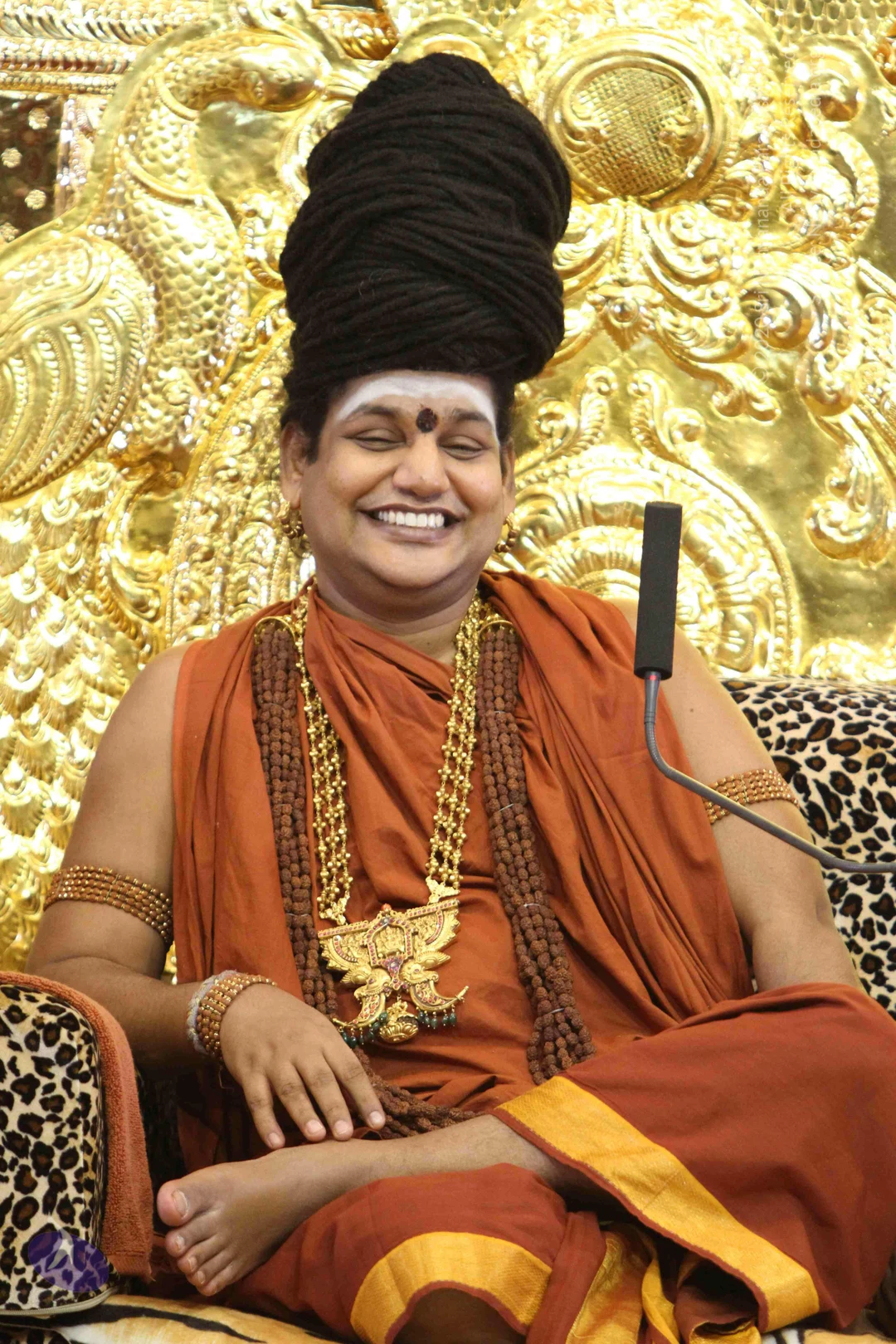
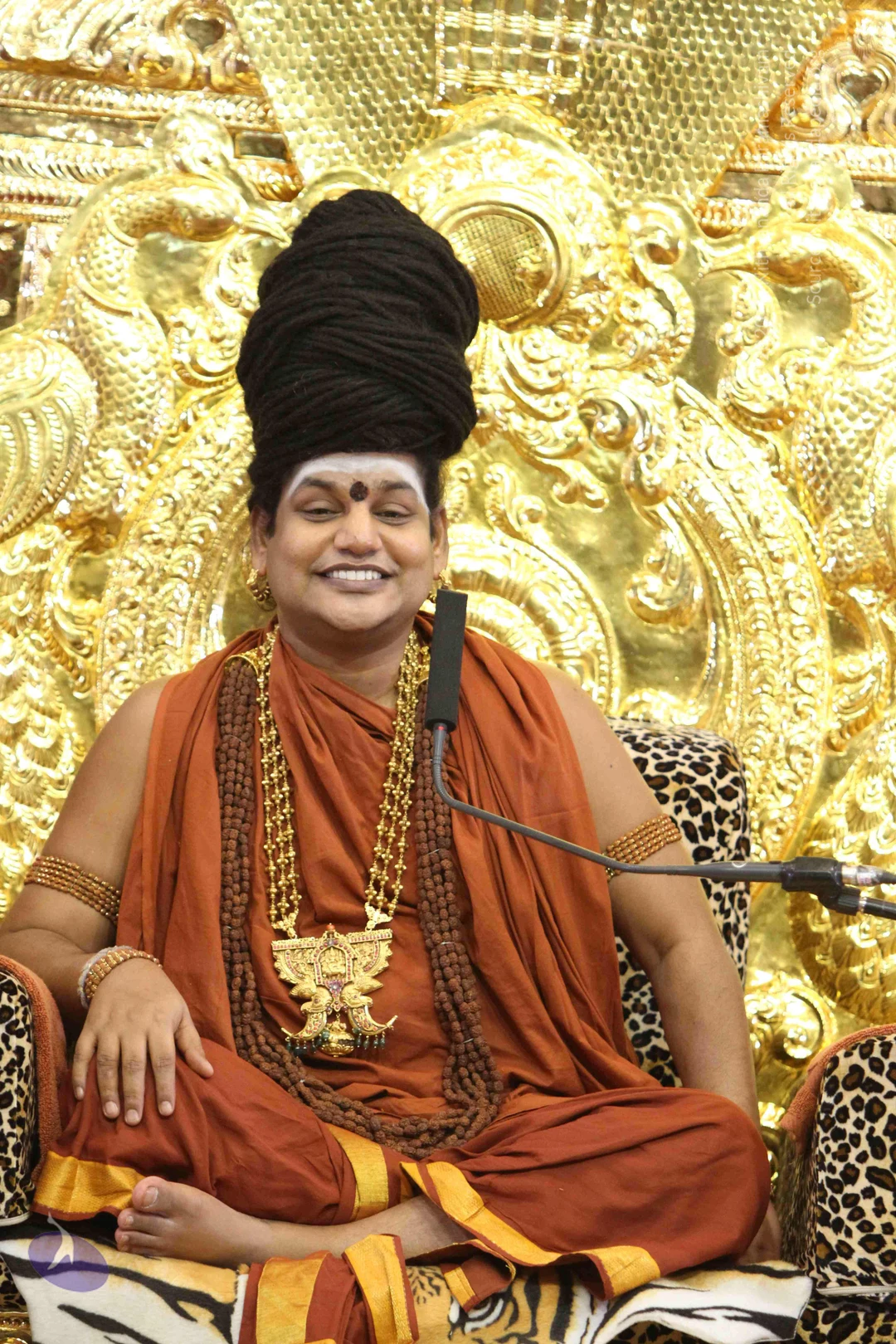
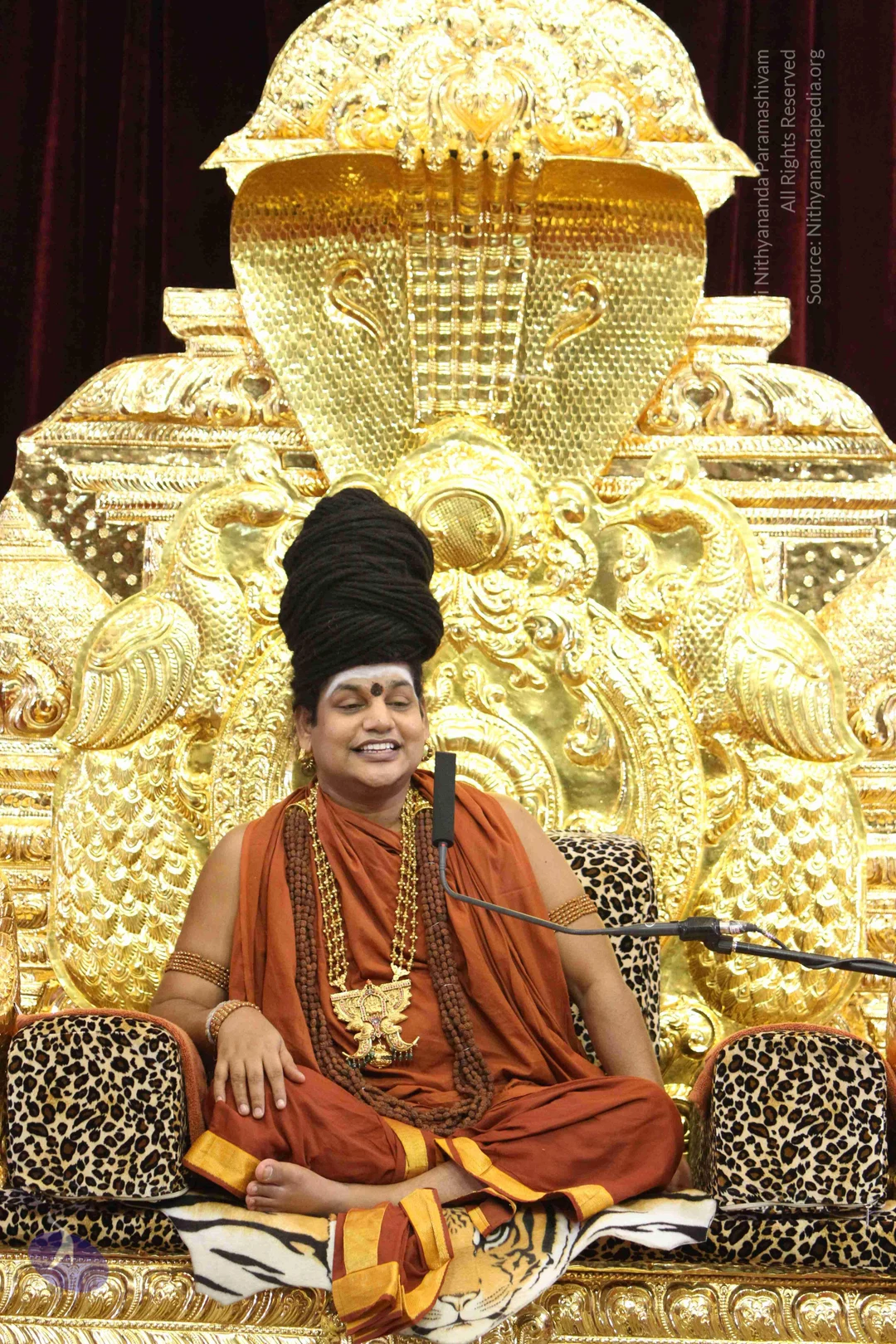
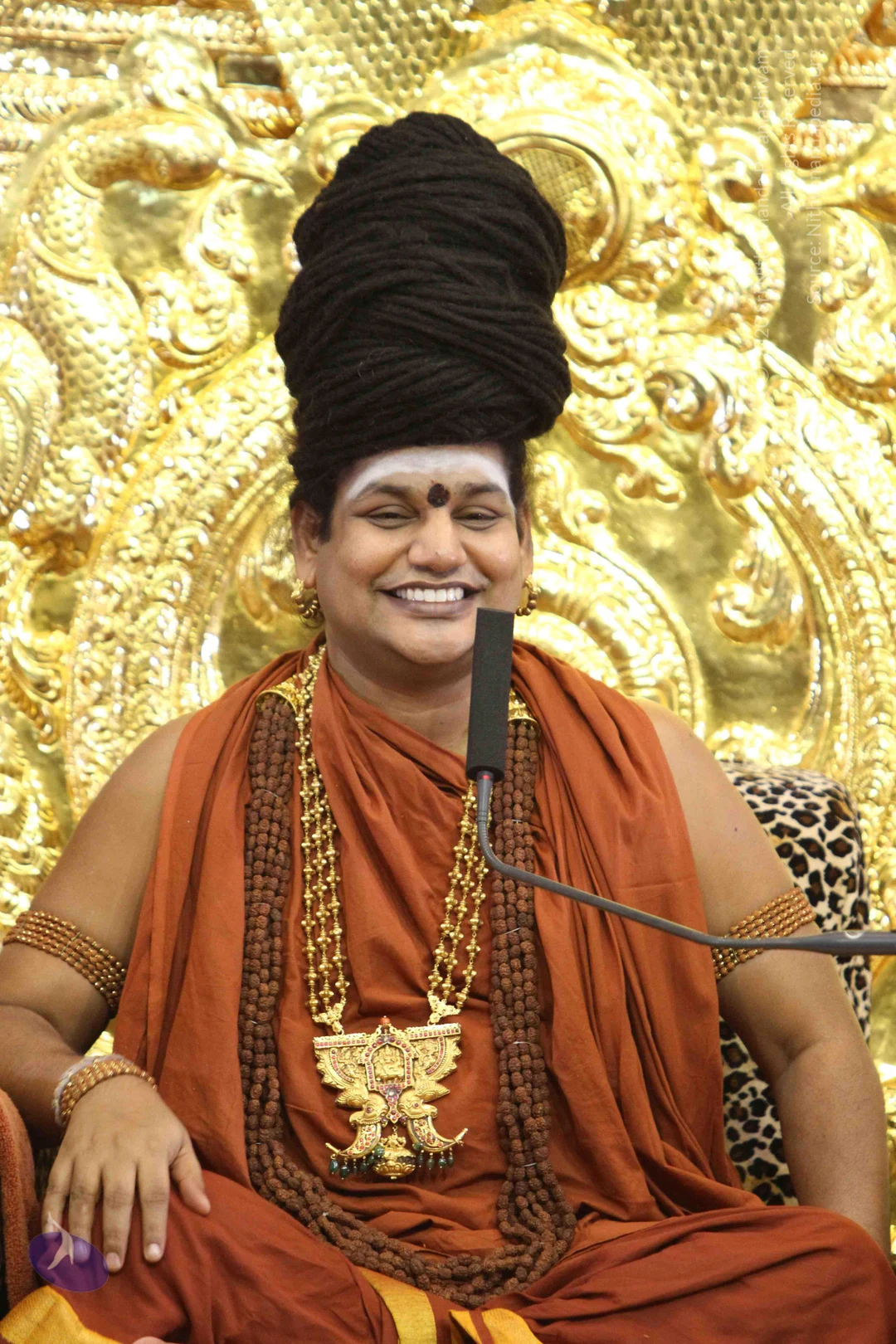
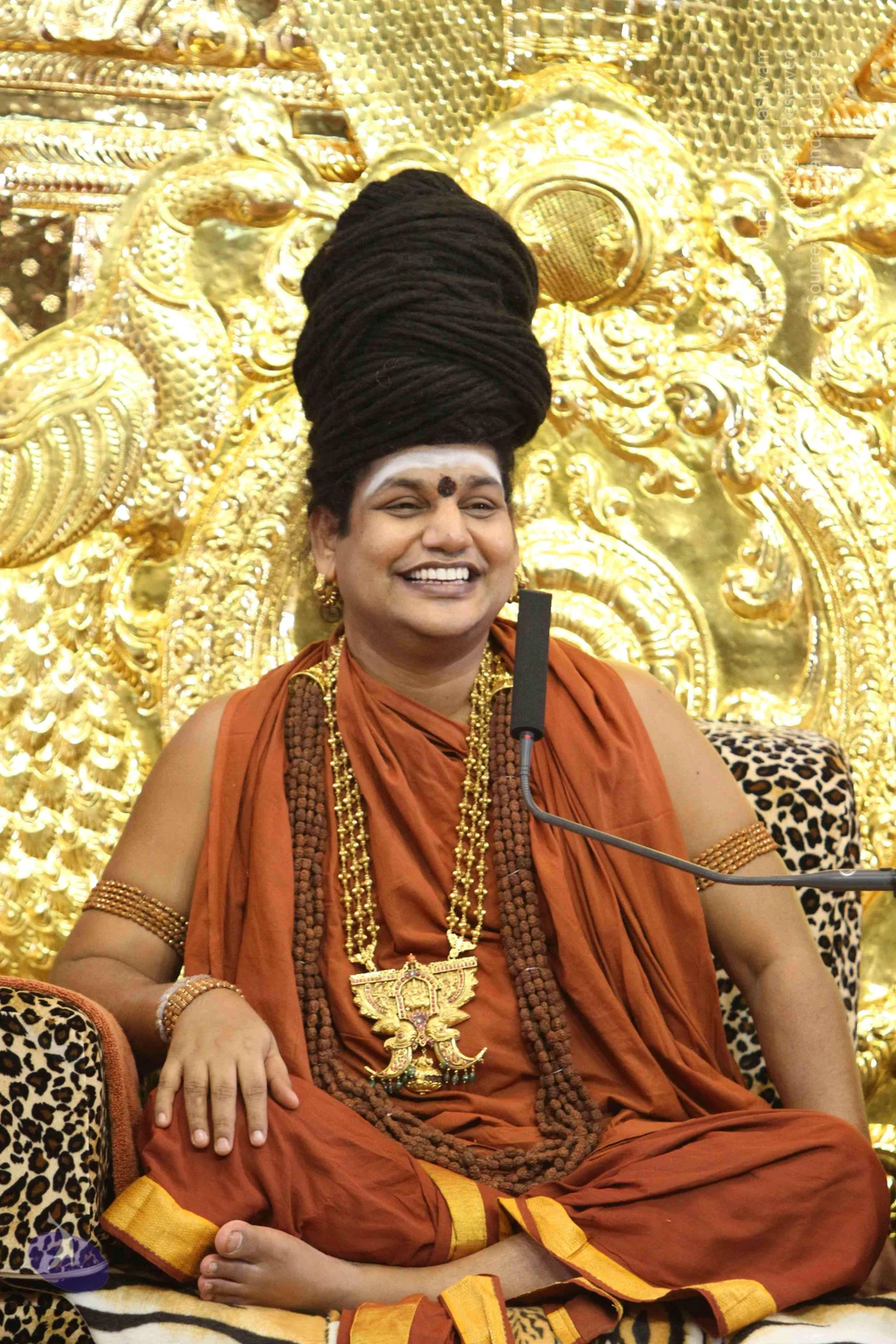
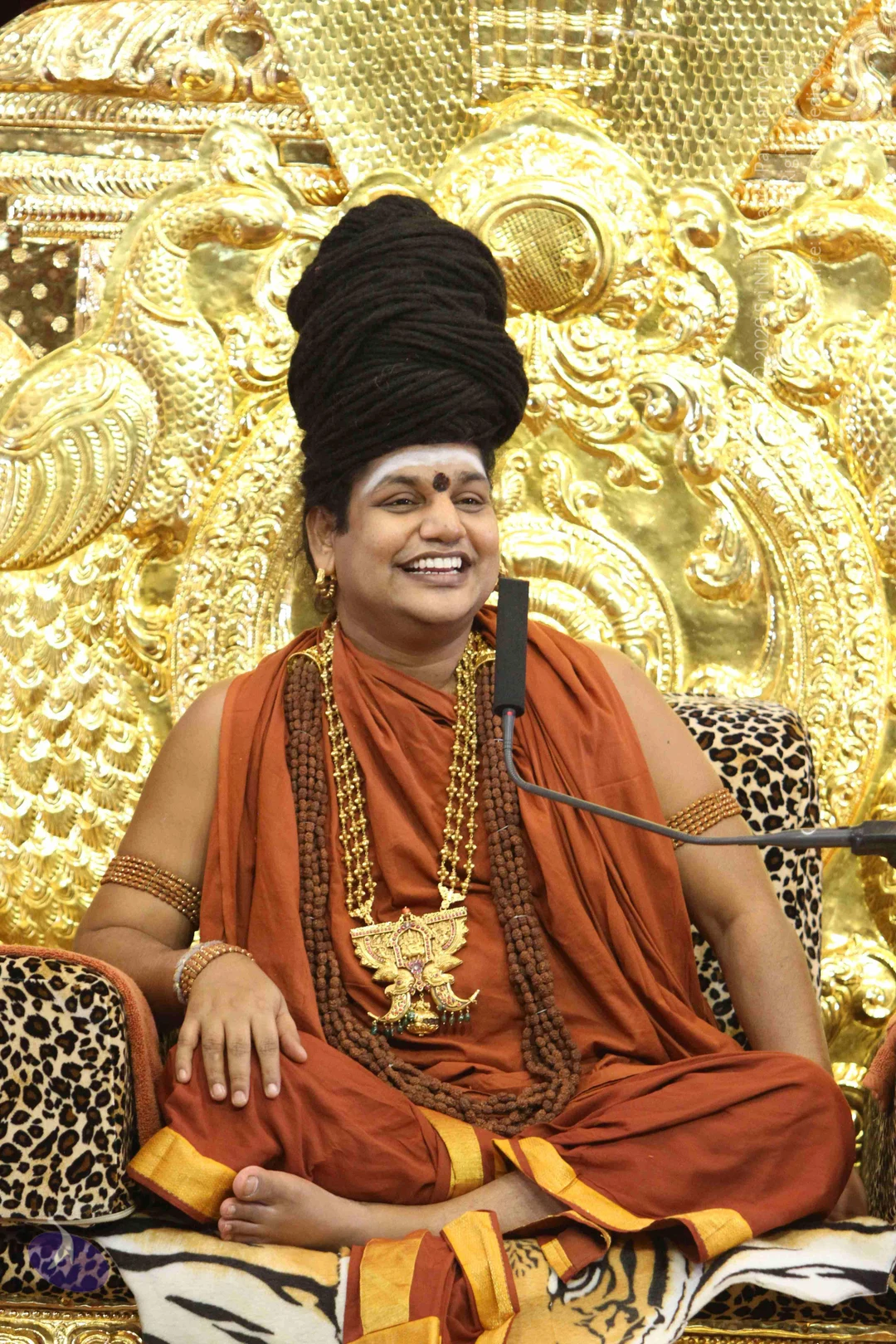
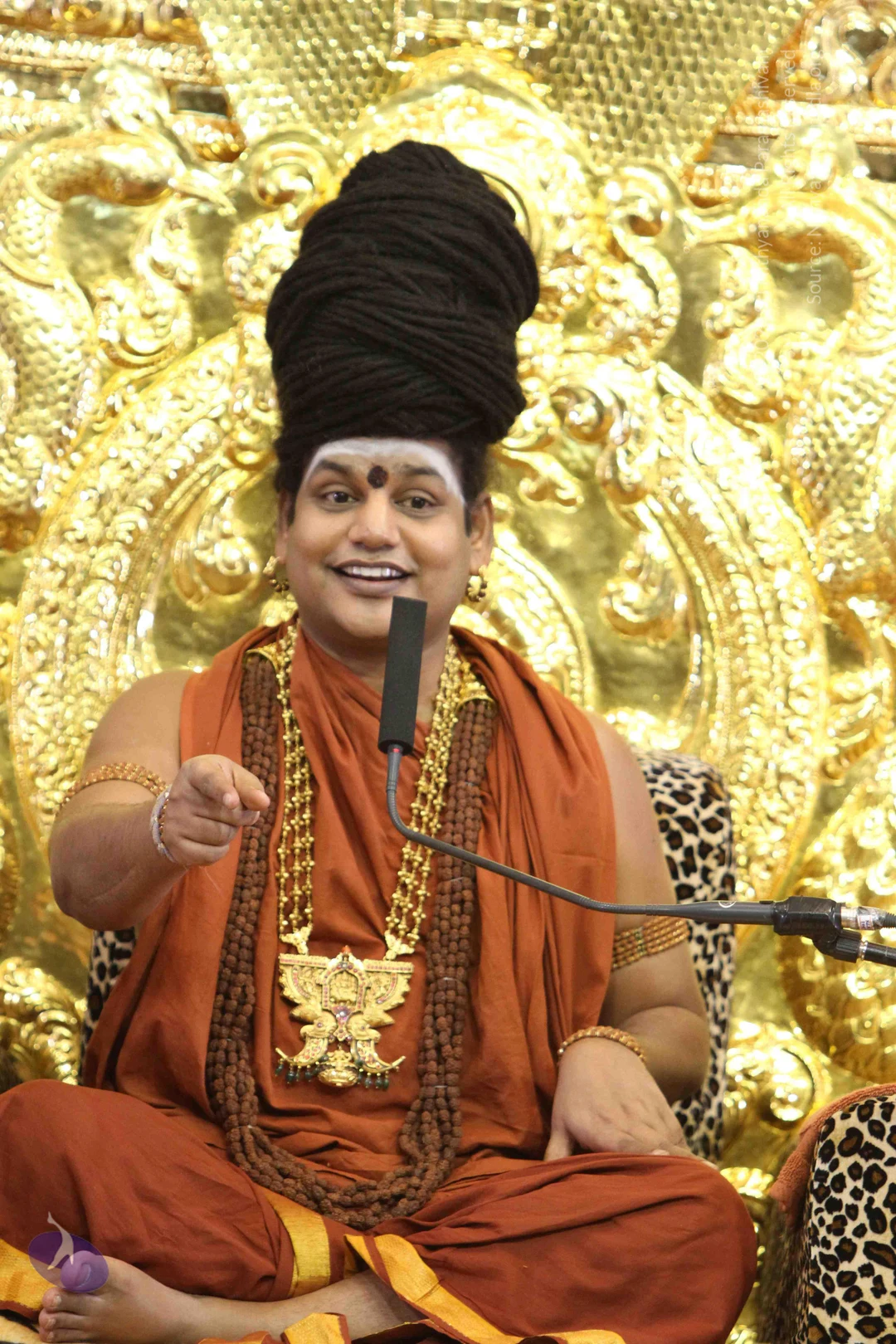
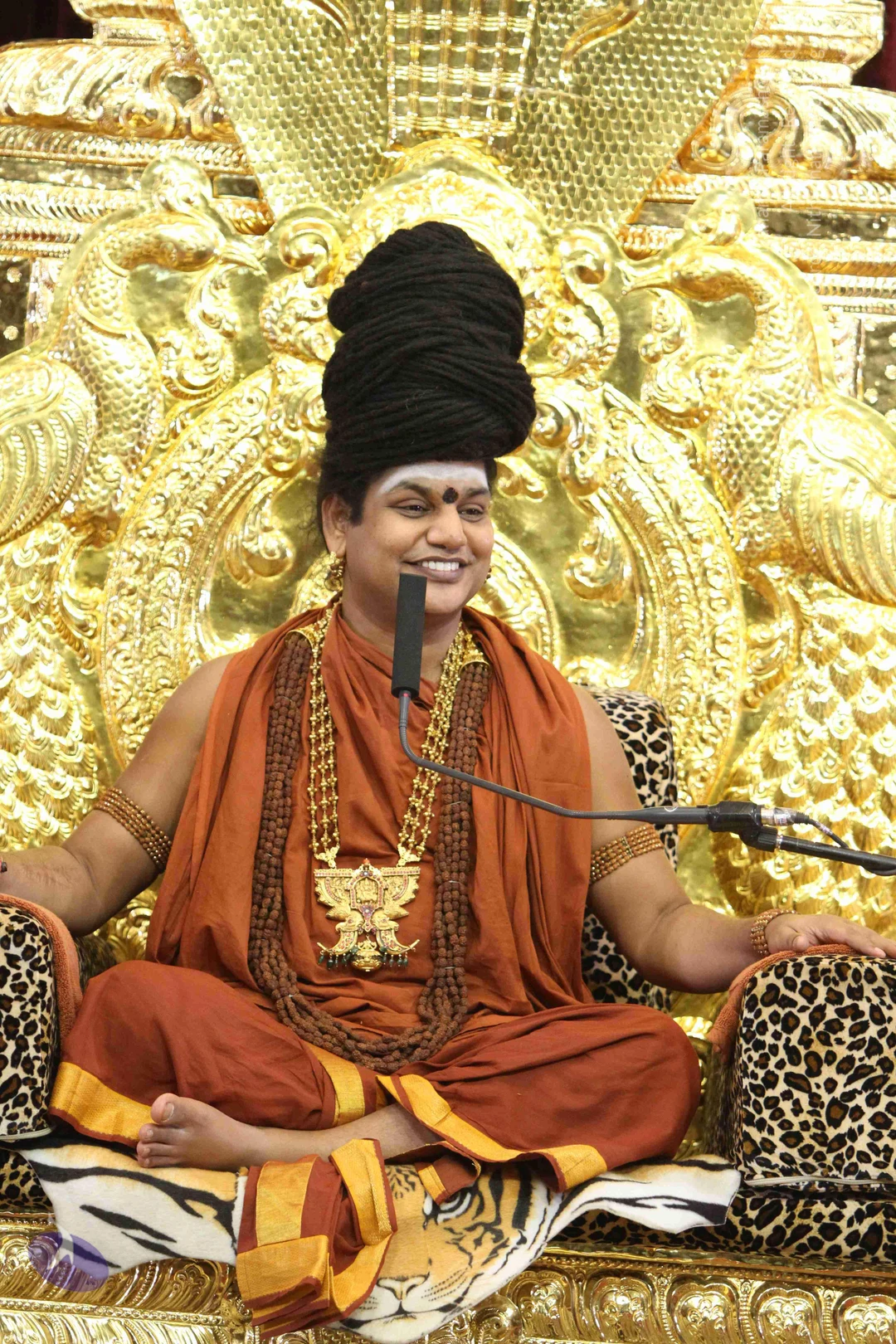
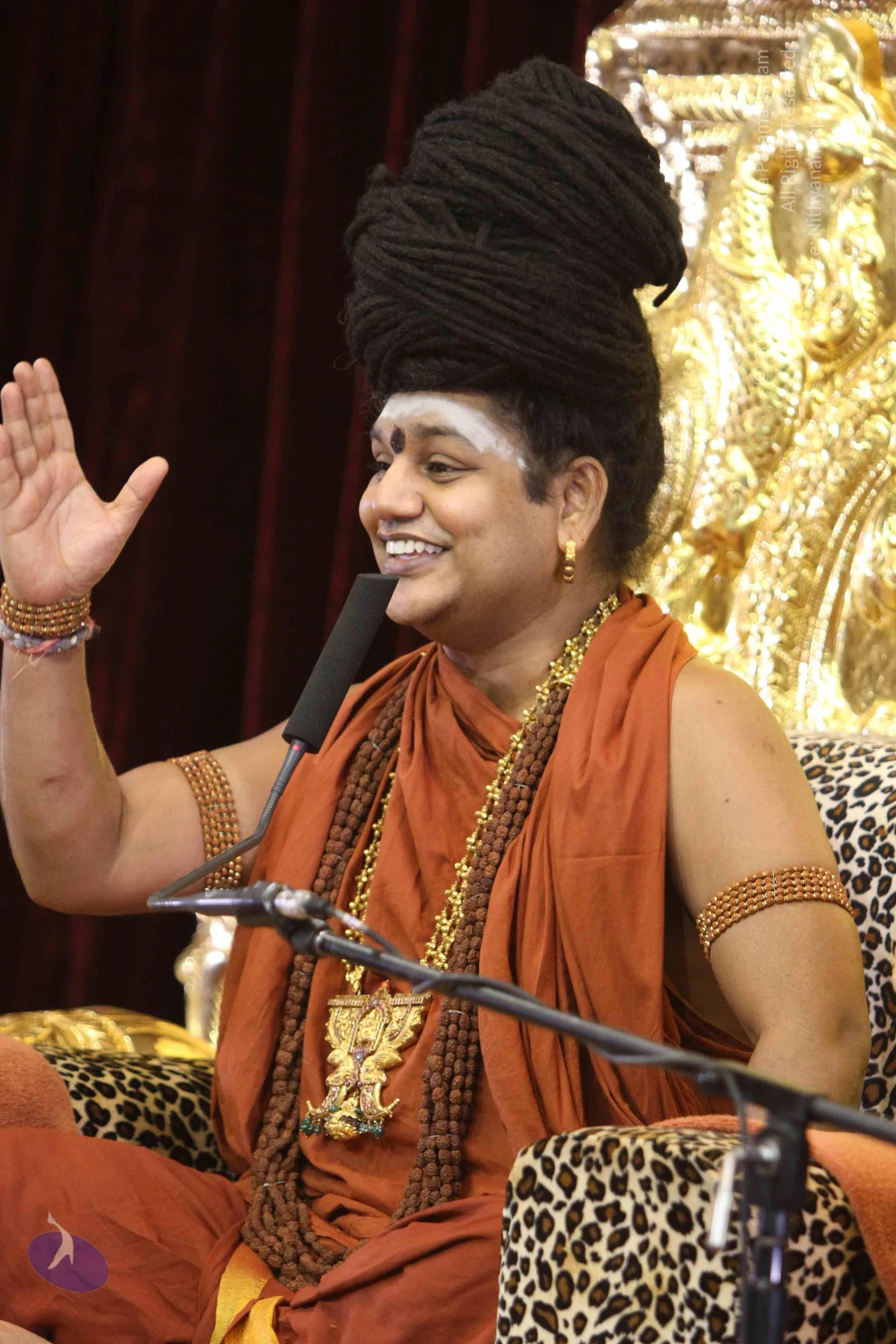
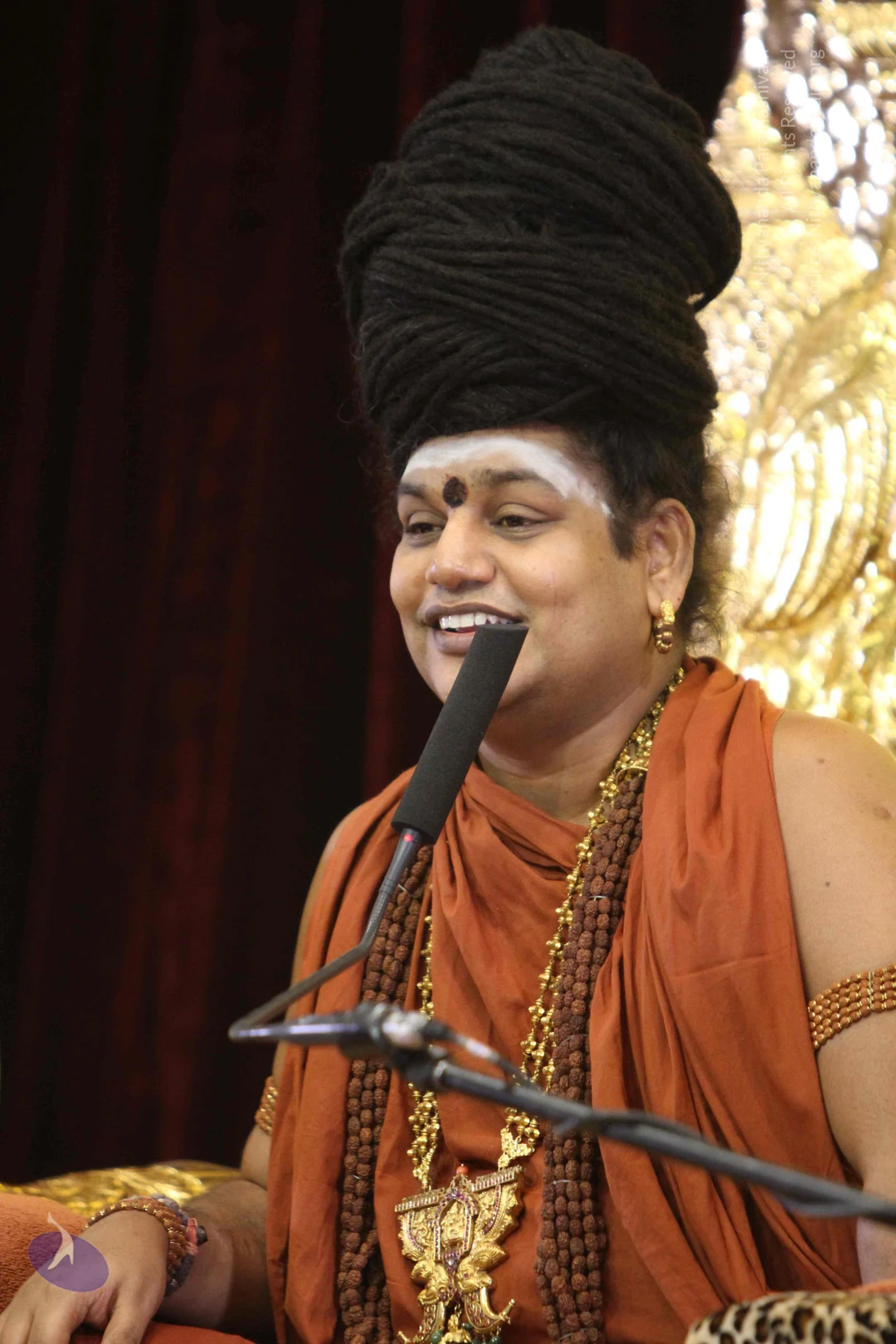
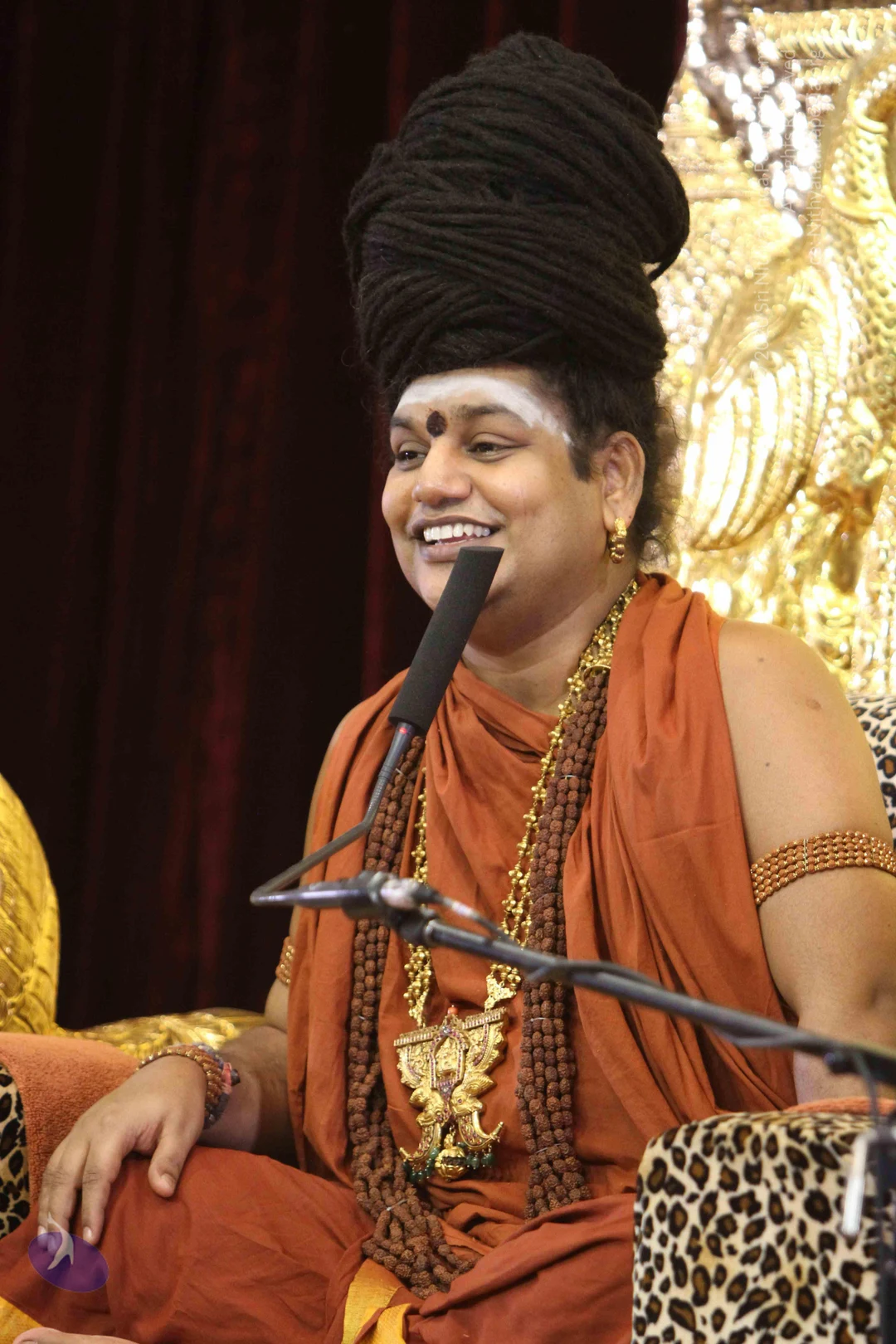
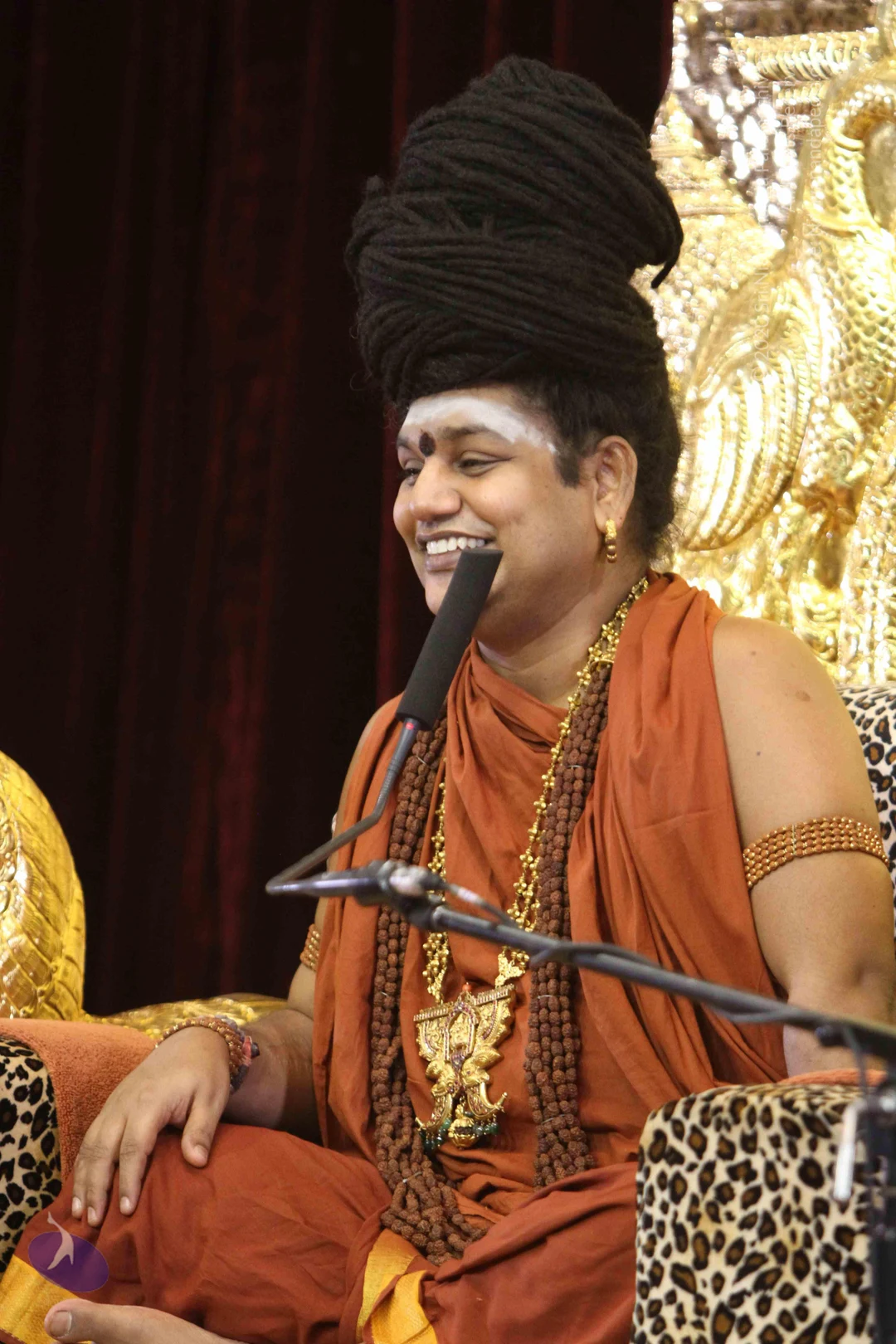
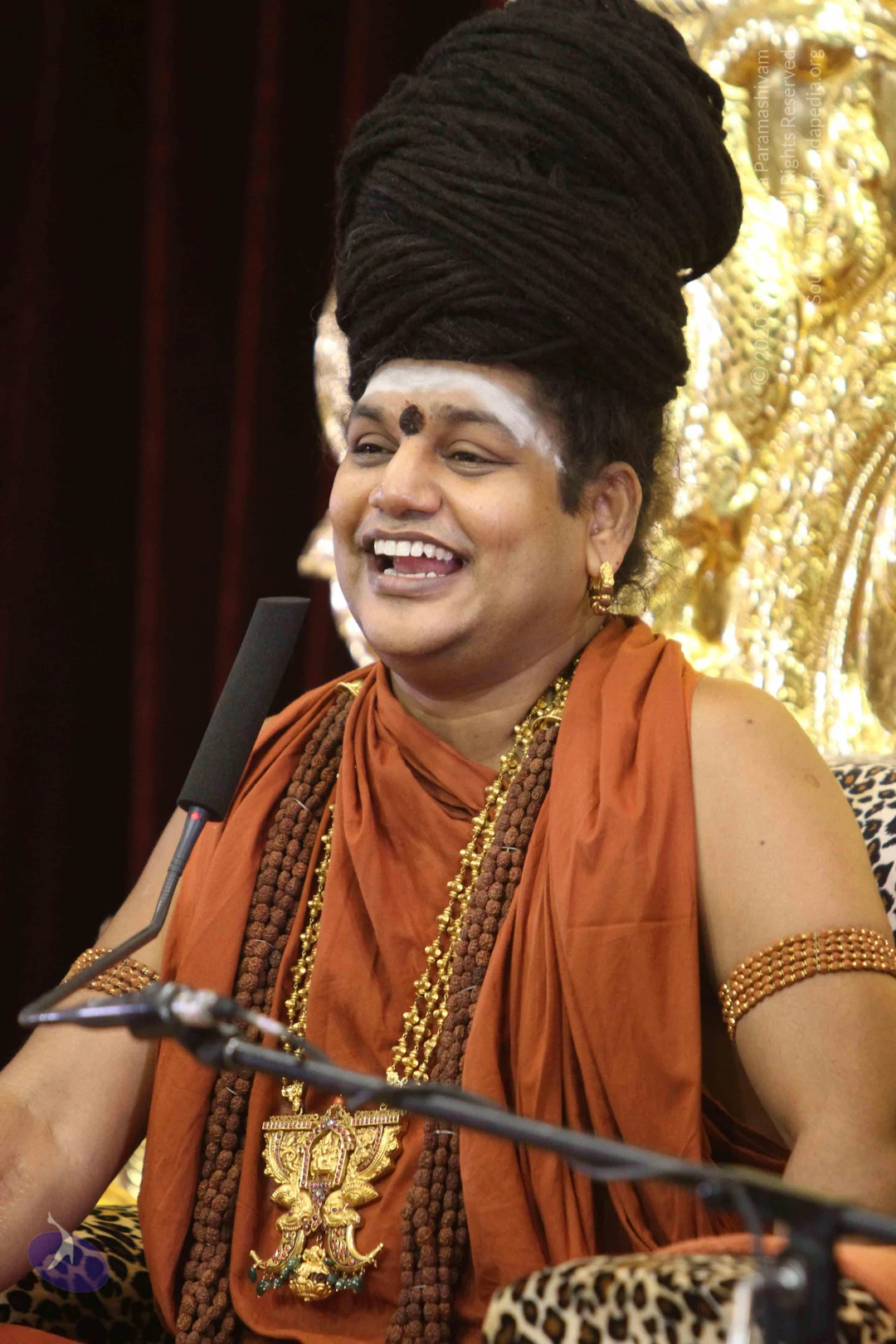
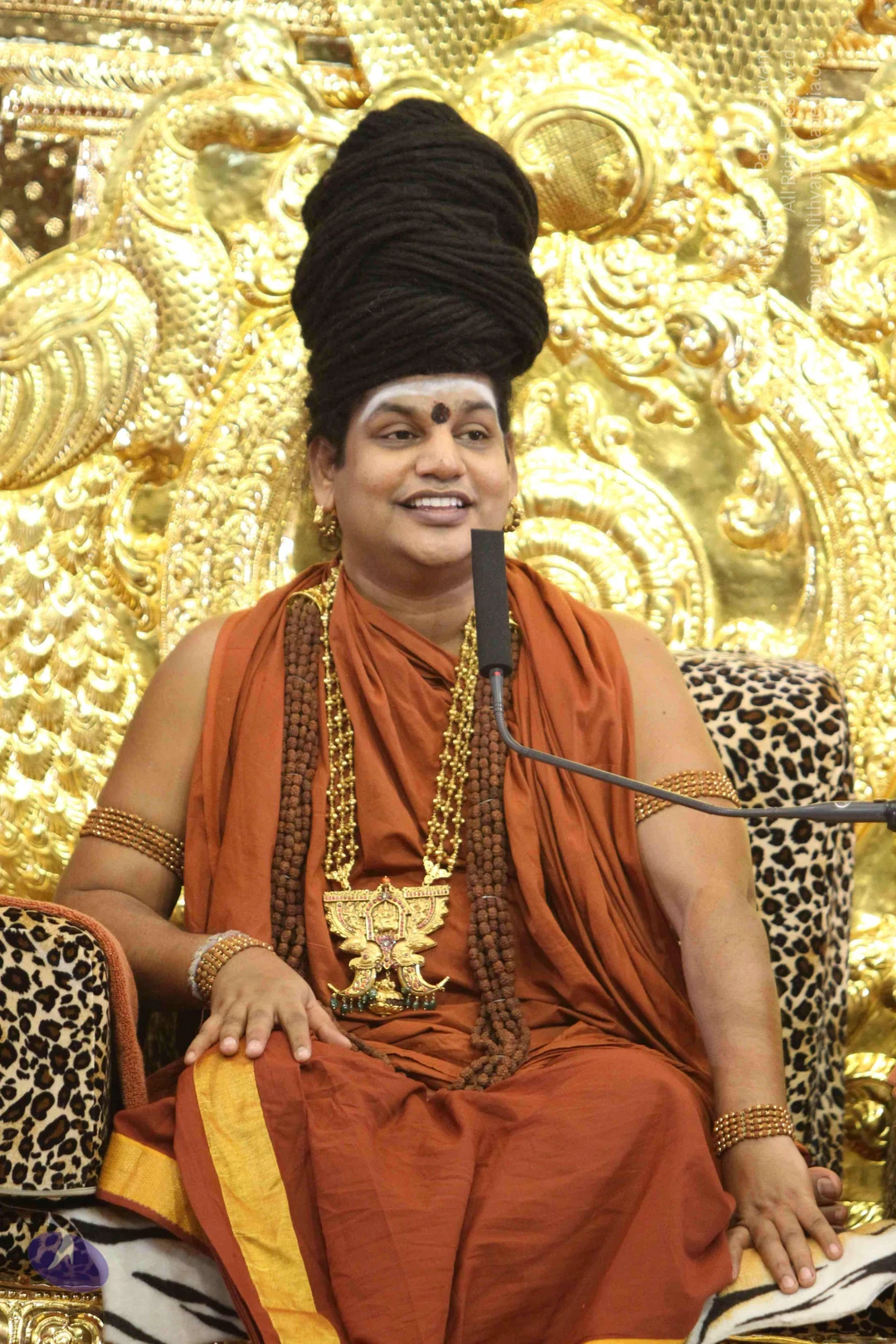
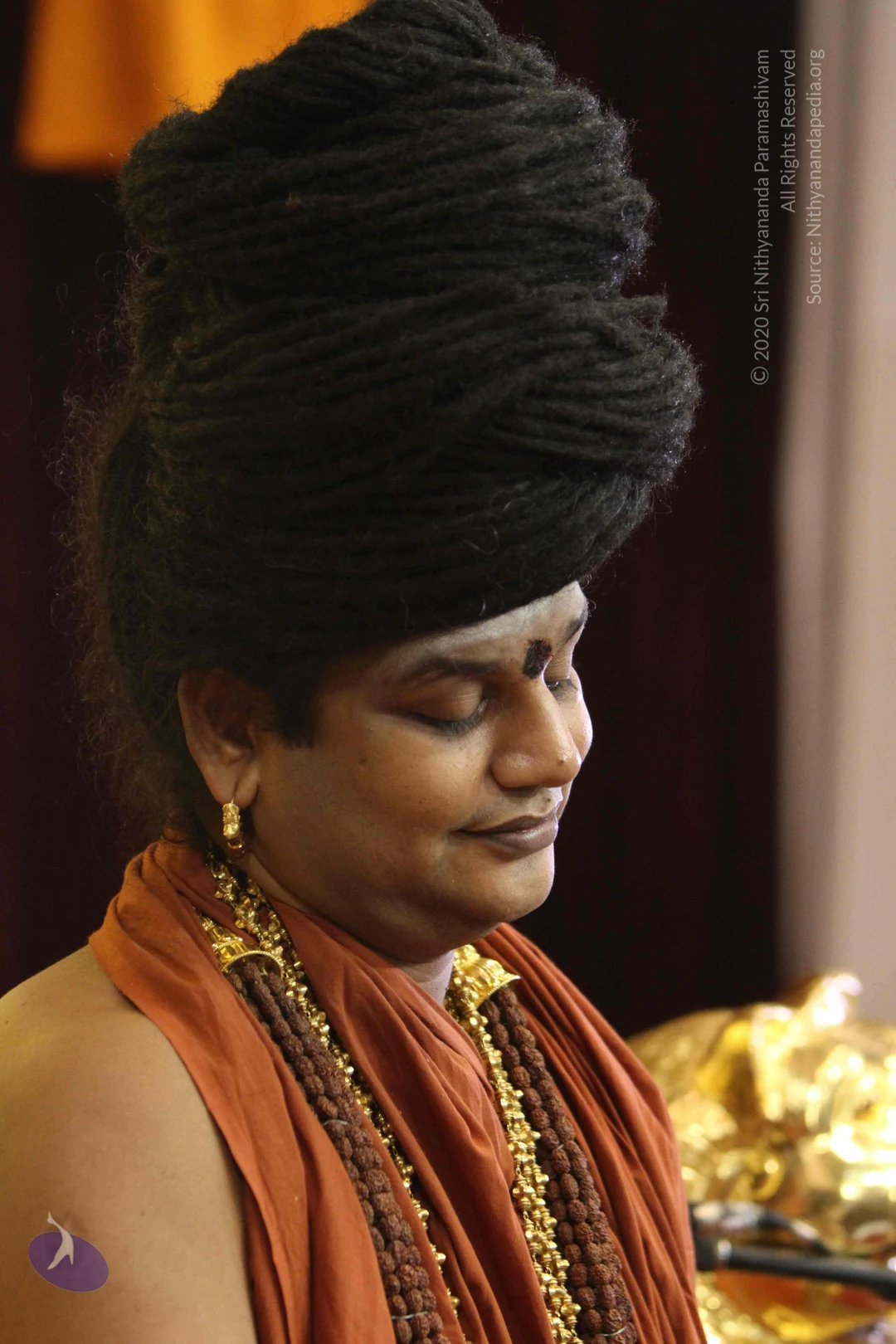
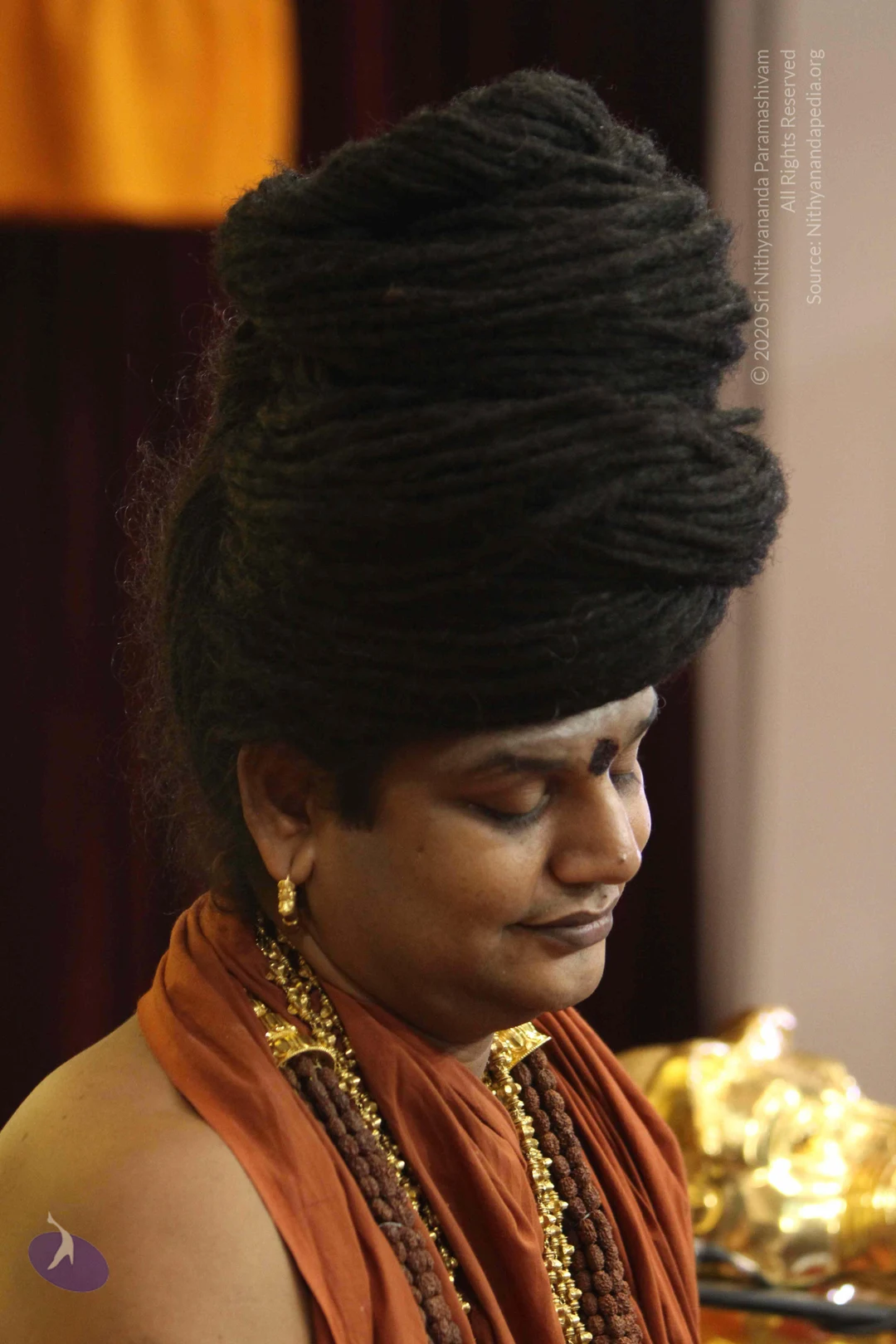
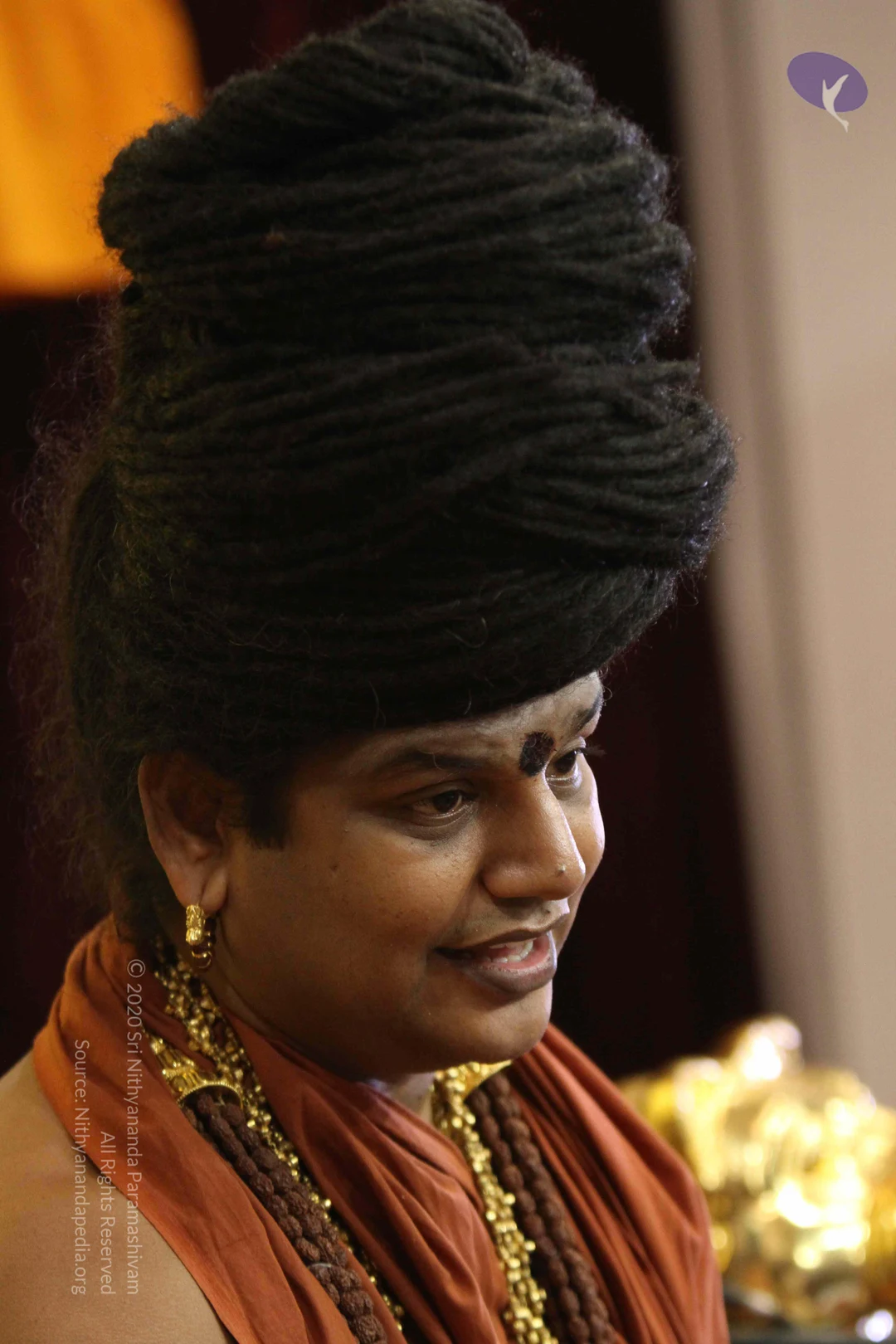
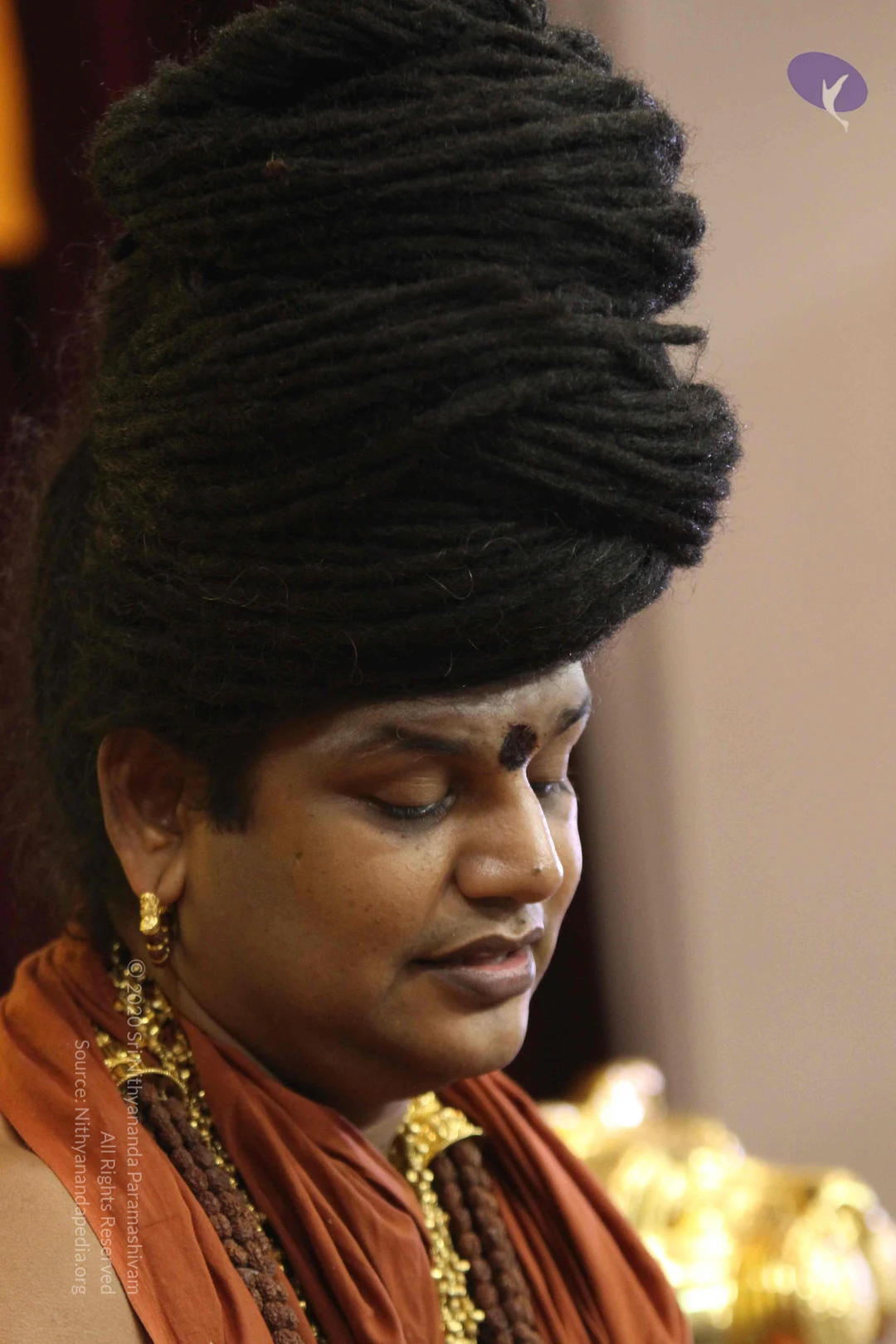
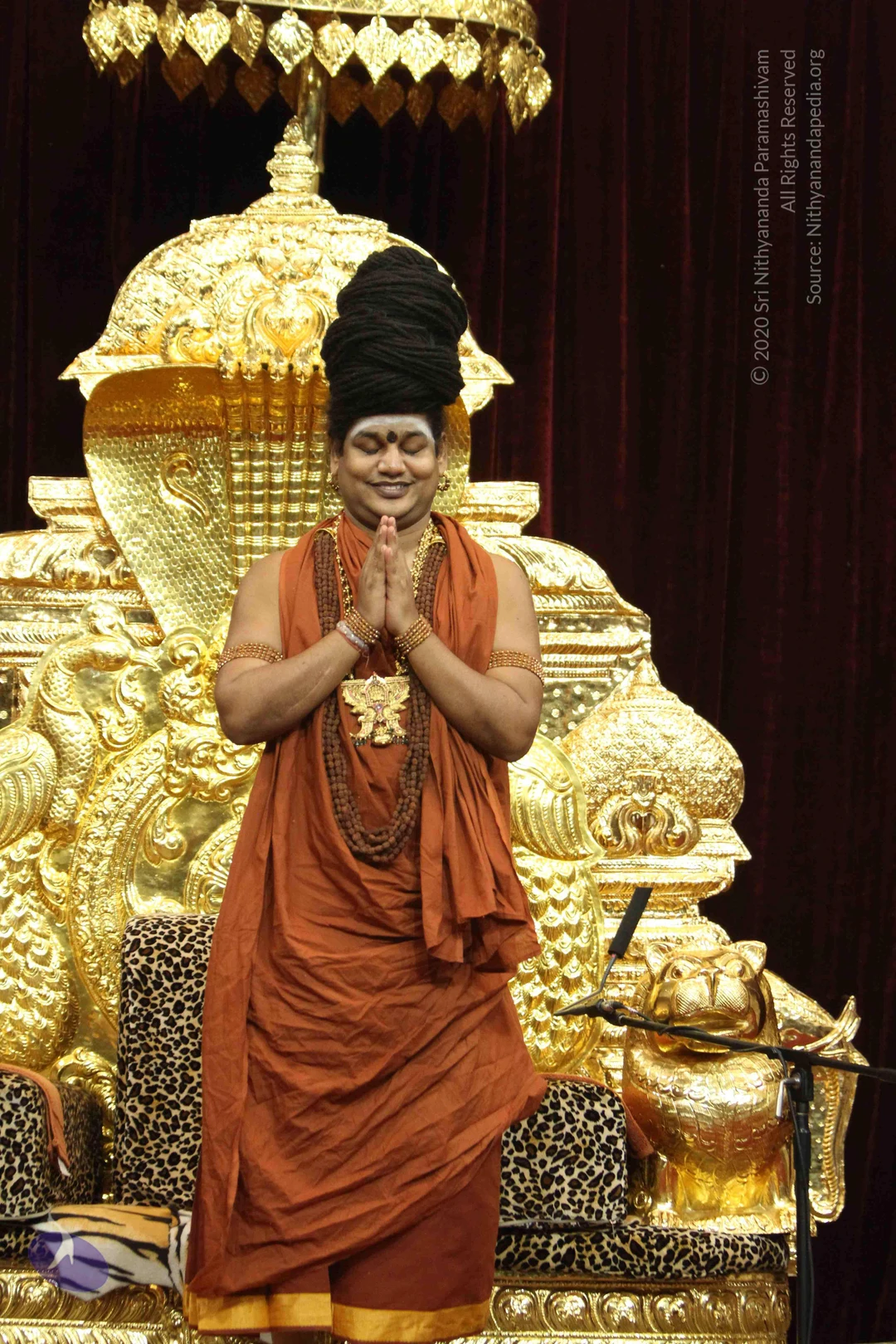
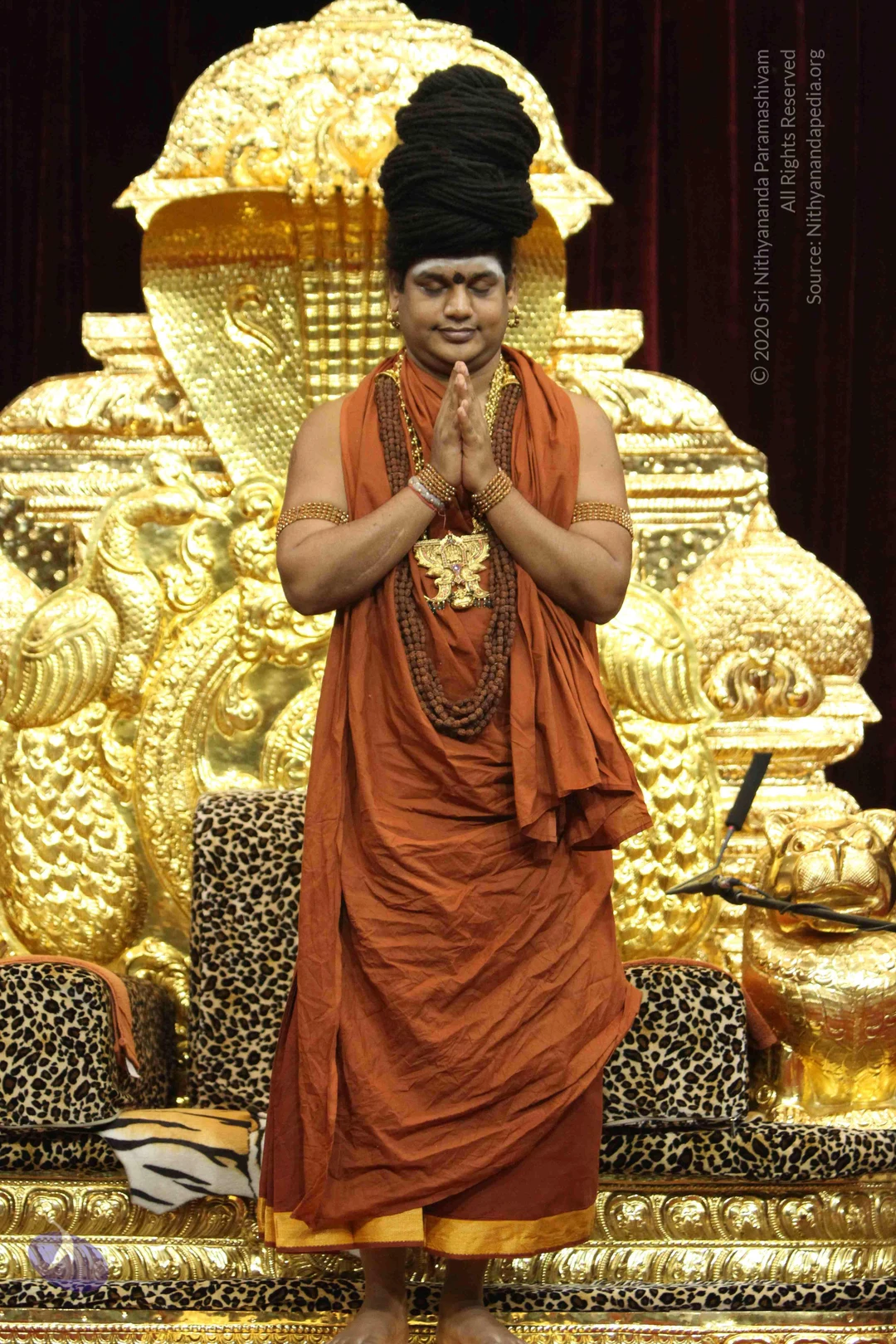
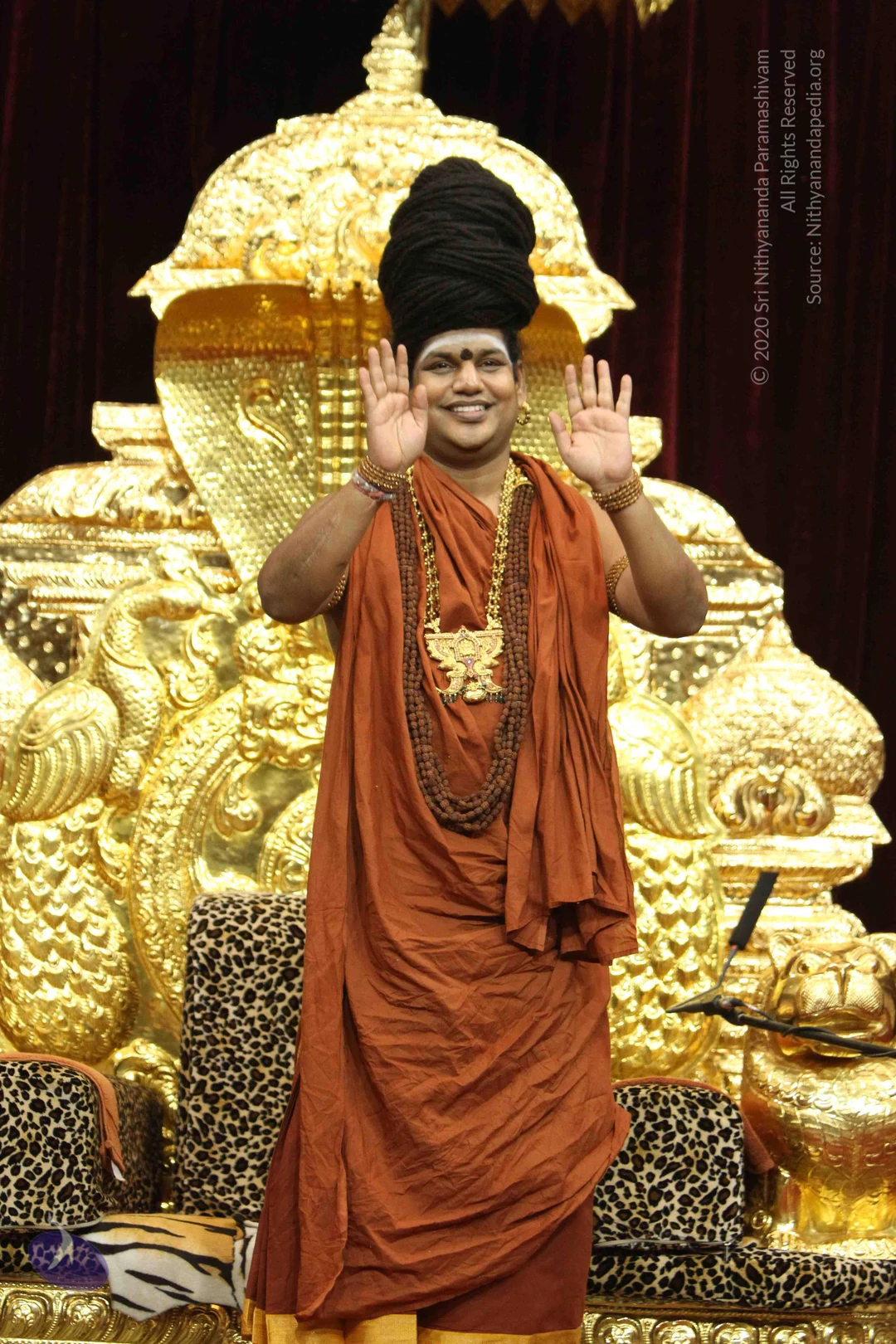
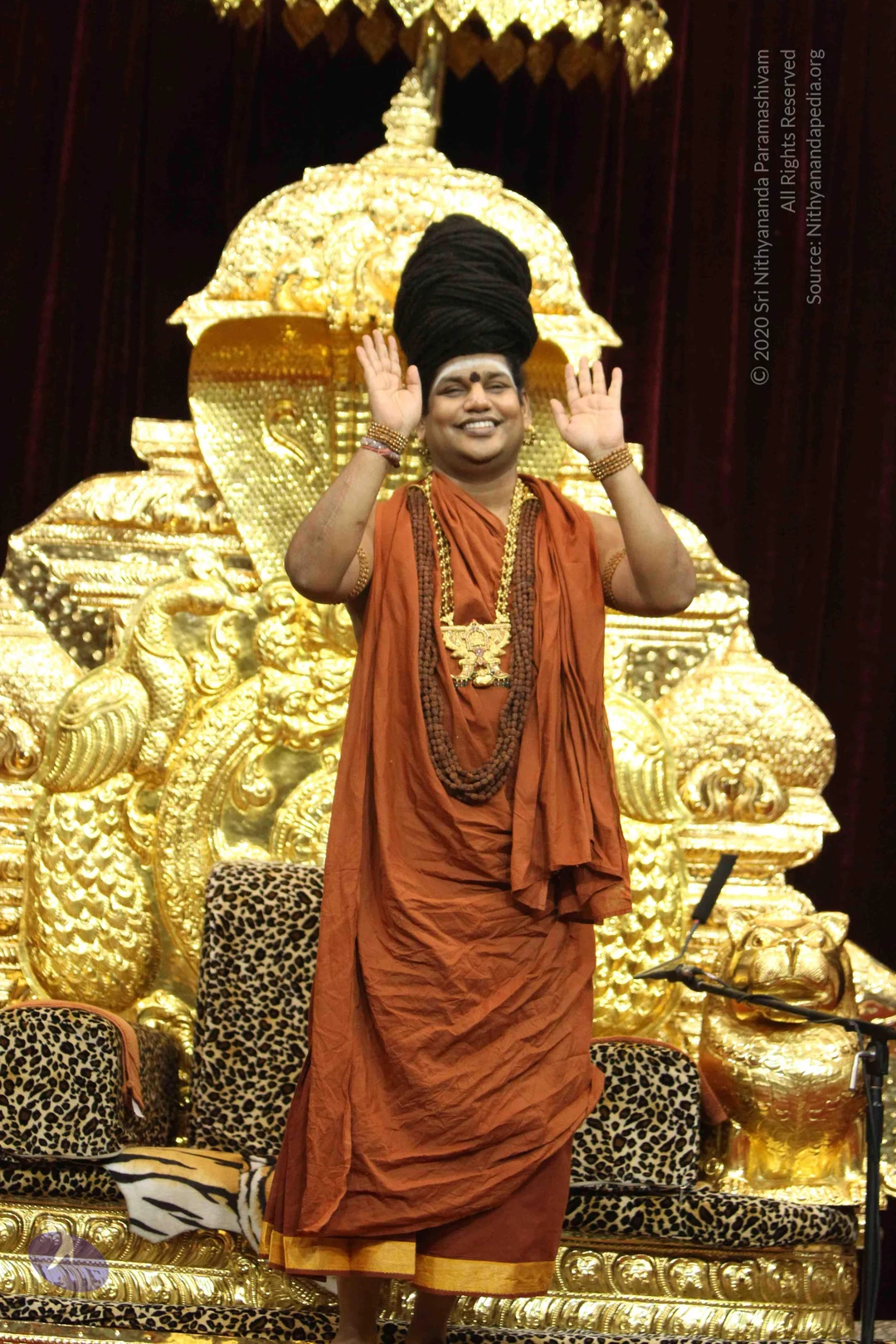
,
Photos from this day
View all 123 photosEvening Satsang
77 photosSource gallery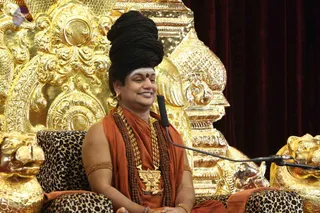
1-Evening-Satsang
22 photosSource gallery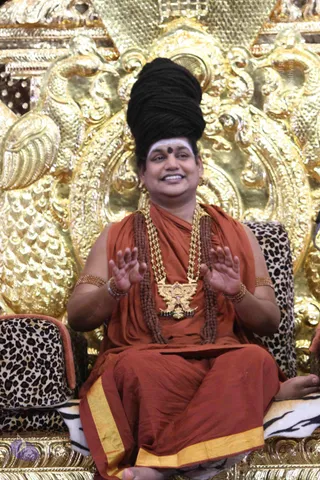
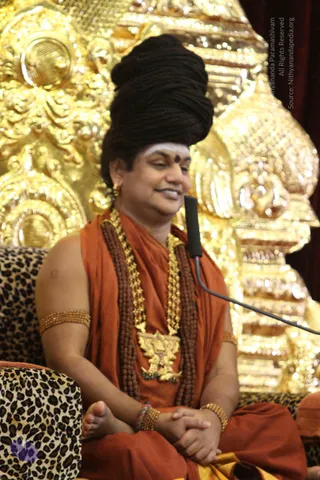
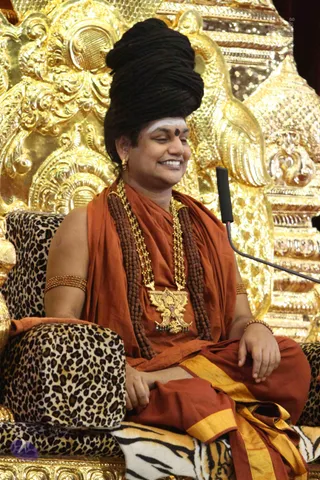
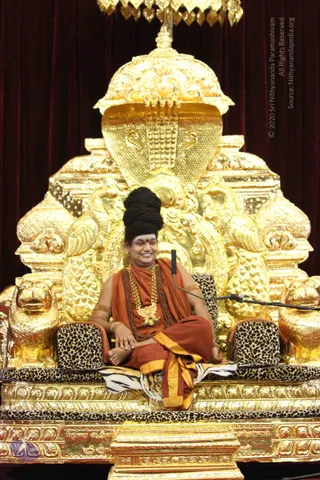
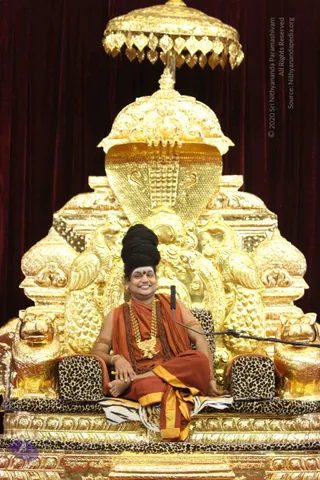
1-Evening-Satsang
2 photosSource gallery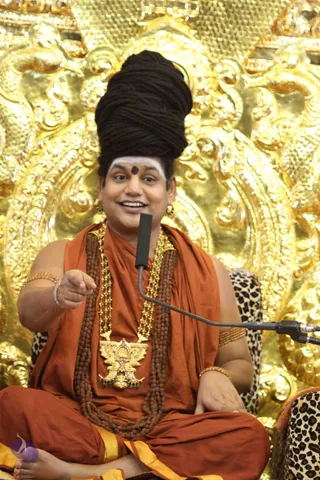
1-Evening-Satsang
22 photosSource gallery