Skip to content
Friday

22 May 2020

Living Enlightenment - 1st Samadhi Experience of Nithyananda || The Importance Of Placing The Trust On The Master || Paramashivoham S4 day 16 || Swamiji Bhava Darshan || Pratyaksha Pada Puja ||The Hindu Holocaust

Dated photos
7
Source pages
1
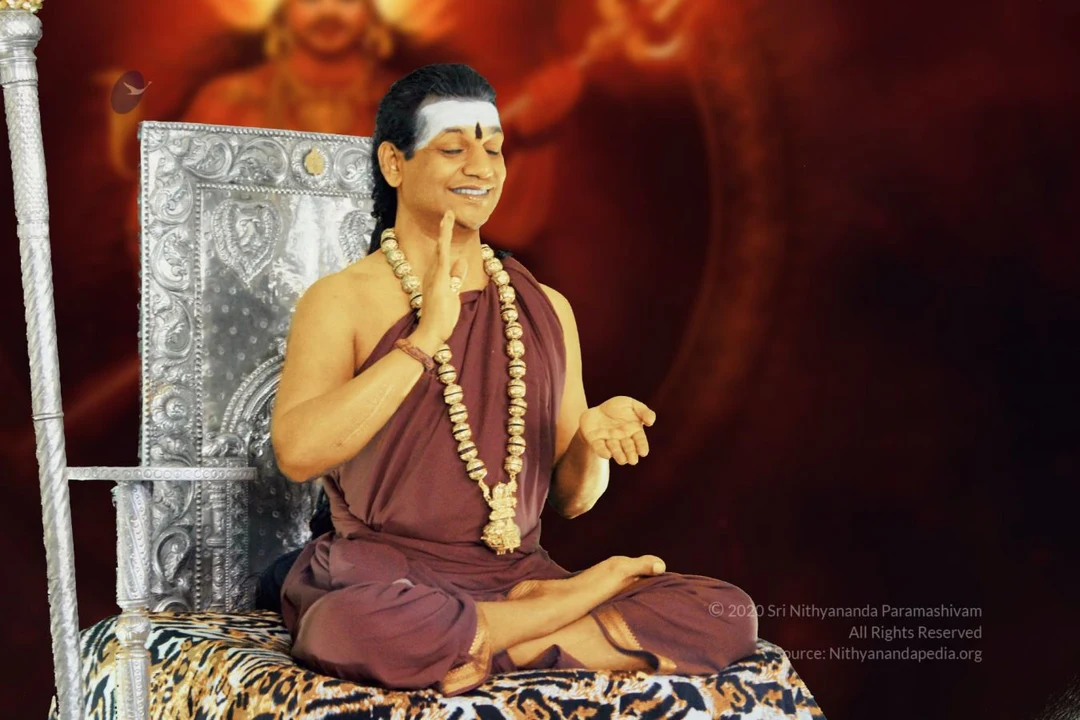
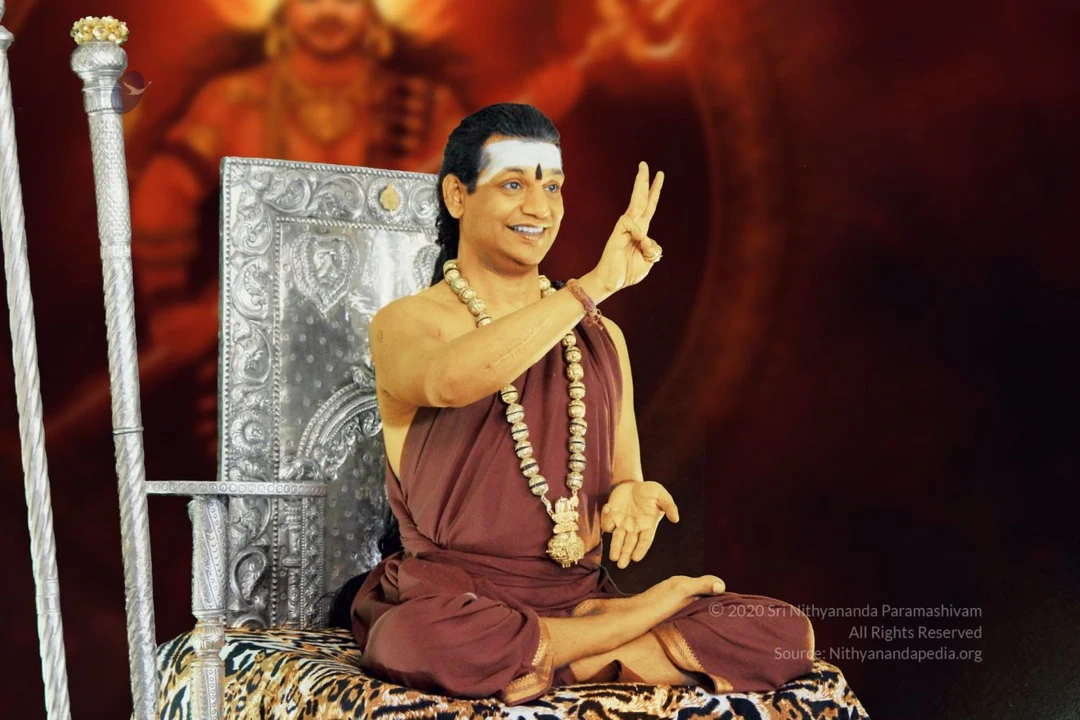
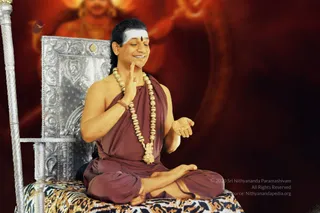
A seated man in a maroon-brown dhoti-style garment and gold-bead necklace with a gold pendant sits cross-legged on a silver ornate throne with a leopard-print cushion. He has long dark hair swept back, a white forehead mark with a vertical tilak, and raises one hand in a blessing gesture while the other rests open on his knee. Behind him is a red-orange backdrop with a deity-like figure partly visible.Close crop of a seated figure in a maroon-red robe with gold-bordered edges, legs crossed in lotus-style posture on a leopard-print cloth over a silver-patterned throne back. A large ornate gold necklace with a central pendant hangs on the chest, and a silver staff with carved patterns rests beside the figure. Hands rest on the knees and throne arm; the face is outside the frame. Appearance-based a person cues are limited to the maroon robe and gold necklace, the figure is not shown in full, so identity remains uncertain.Close-up portrait photograph of a man with eyes closed in calm meditative repose, head tilted slightly downward. He wears a white band across the forehead with a dark vertical tilak mark at the centre, and long dark hair falls at the side. Gold and beaded ornaments with a bead necklace appear at the bottom edge of the frame, and a deep red background sits behind him. Appearance cues include long hair, a white forehead band, ornate gold necklace and dark tilak, consistent with the Swamiji (probable) candidate presented in a meditative portrait.

May 22 2020

Original wiki page
Contents

Title

Living Enlightenment - 1st Samadhi Experience of Nithyananda || The Importance Of Placing The Trust On The Master || Paramashivoham S4 day 16 || Swamiji Bhava Darshan || Pratyaksha Pada Puja ||The Hindu Holocaust

Narration

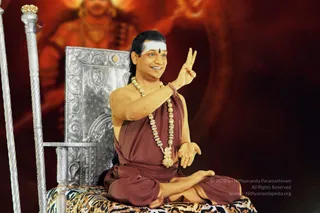
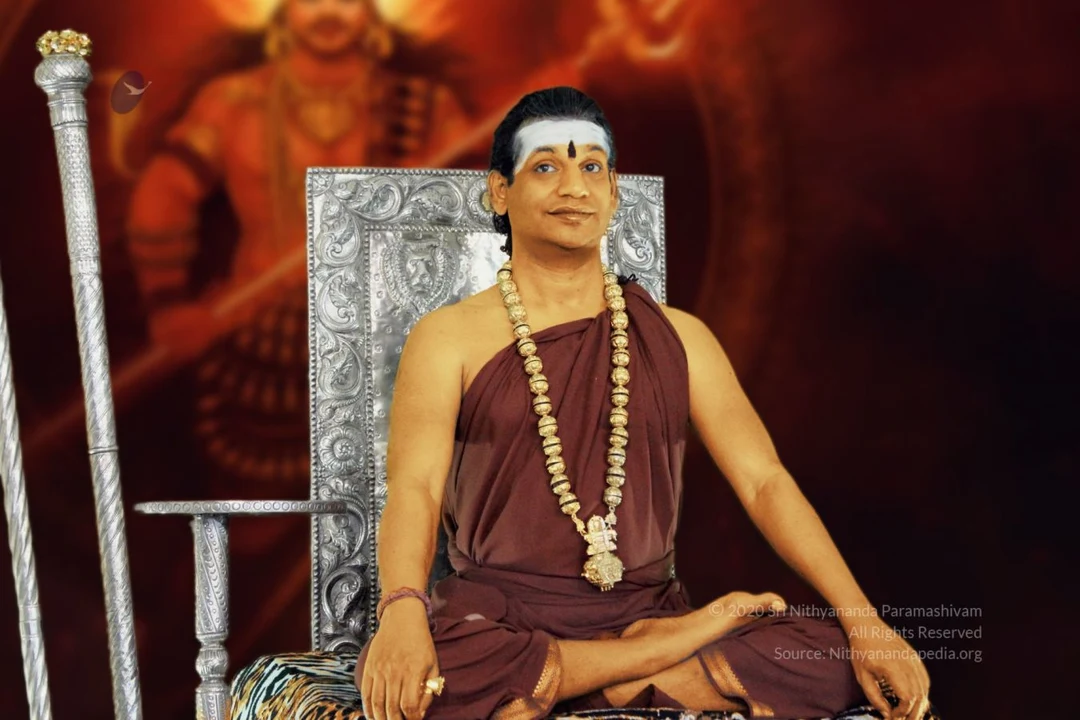
KAILASA's Department of Information Broadcasting, in collaboration with SHRIKAILASA Uniting Nations for Peacekeeping, aimed at eradicating violence and promoting peace, telecasted the Nithyananda Satsang on Living Enlightenment - 1st Samadhi Experience of Nithyananda revealed by The Supreme Pontiff of Hinduism, Jagatguru Mahasannidhanam, His Divine Holiness, Bhagavan Nithyananda Paramashivam. His Divine Holiness (HDH) in this intimate ground-breaking Satsang described the importance of placing the Trust on the Master, and the meditation technique that bestowed the enlightenment experience in Him. This experience served as the divine inspiration for HDH to pursue the spiritual path intensely, leading up to the final flowering of Consciousness, or Enlightenment, which happened on January 01 2000.

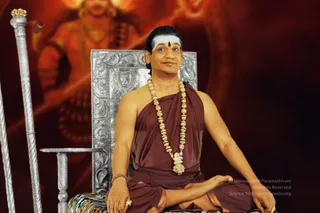
Contributing to over 108 humanitarian causes of SHRIKAILASA Uniting Nations, KAILASA's Nithyananda Hindu University marks today as Season 4, Day 16 of Paramashivoham. One of the major highlights of KAILASA’s contributions through this convention is Power Manifestation, today being the Power Surabhi. HDH blessed one and all with a divine Darshan following the Pratyaksha Pada Puja which was offered by the delegates to Him.

Sanyasis of the Nithyananda Order of Monks and initiated Acharyas worldwide, affiliated with the Department of Education of KAILASA, conducted a series of seminars focusing on the Truths of Kalpataru, The Hindu Holocaust and Gratitude to The Guru as revealed by The Supreme Pontiff of Hinduism, HDH, inspiring millions towards the Science of Hinduism.

Enrichment Content from the day

https://nithyanandapedia.org/gproxy/105qIOaGwM6uuCXsgl-rHnqDq61CPSfqc

Facebook Posts

Photos Of The Day:

FB-Photo-of-the-day
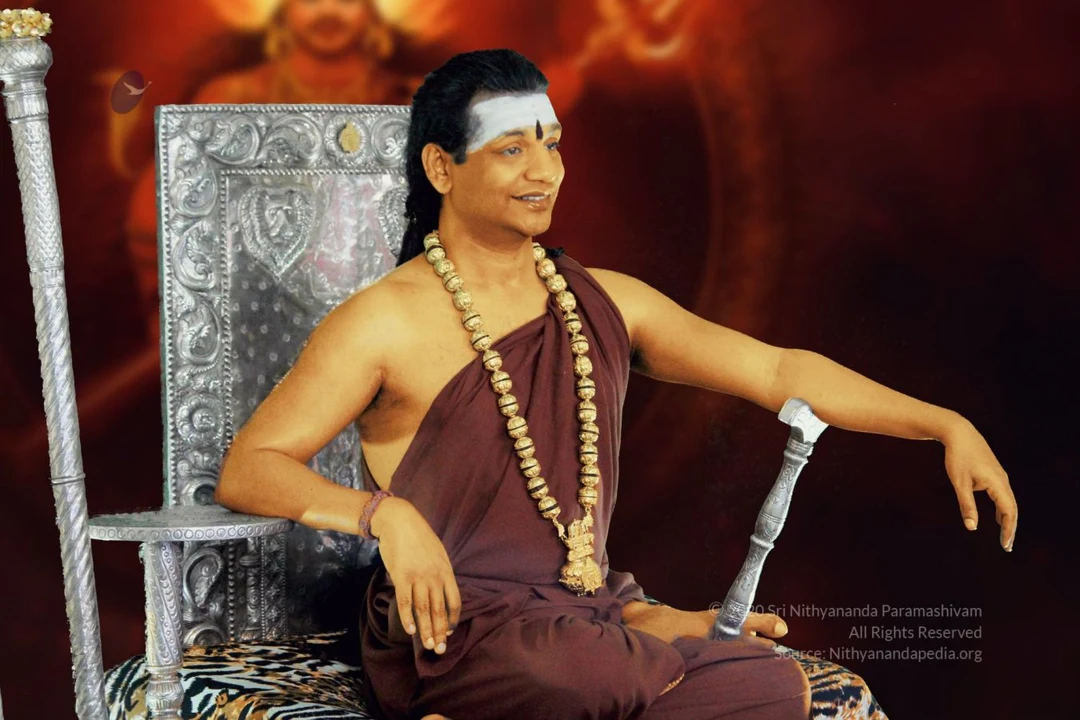
Photos from this day

View all 7 photos
A seated man sits on an ornate silver throne with carved floral and heart-shaped panels and a leopard-print cushion. He wears a maroon-brown dhoti-style wrap that leaves his upper body bare, a long gold beaded necklace with a pendant, and a red bindi with a white forehead marking. His right arm extends outward over the chair's silver armrest, and a red-and-purple beaded bracelet is on his wrist. A red glowing backdrop with a faint figure behind him. Pictured person's identity is not established by appearance alone; the image is a studio portrait-style photo with copyright overlay text in the lower right.A man with swept-back dark hair and a white vertical tilak with a red dot sits cross-legged on an ornate silver throne with carved floral panels. He wears a maroon-brown draped robe and a heavy gold bead necklace with a gold pendant, plus a red thread bracelet and rings. A silver staff with a crown finial stands to the left. Behind him, a red-orange painted deity figure with a spear and ornate gold ornaments is shown, with a small silver tray table beside the throne.A seated man in a maroon-brown dhoti and draped wrap sits cross-legged on an ornate silver throne with a leopard-print cushion. He wears a long gold-bead garland with a pendant, has white vertical tilak and a dark bindi, and holds one hand raised near his chin while the other rests open. A warm red backdrop shows a faded deity murti with a trident-like staff. Appearance-based label: a person, seated in meditation-like posture on the throne.A seated man in a maroon-brown dhoti-style garment and gold-bead necklace with a gold pendant sits cross-legged on a silver ornate throne with a leopard-print cushion. He has long dark hair swept back, a white forehead mark with a vertical tilak, and raises one hand in a blessing gesture while the other rests open on his knee. Behind him is a red-orange backdrop with a deity-like figure partly visible.Close crop of a seated figure in a maroon-red robe with gold-bordered edges, legs crossed in lotus-style posture on a leopard-print cloth over a silver-patterned throne back. A large ornate gold necklace with a central pendant hangs on the chest, and a silver staff with carved patterns rests beside the figure. Hands rest on the knees and throne arm; the face is outside the frame. Appearance-based a person cues are limited to the maroon robe and gold necklace, the figure is not shown in full, so identity remains uncertain.A close crop of a seated person in a maroon-red cloth with a thin gold border, sitting cross-legged on a leopard-print cushion. Their bare feet are visible at the left and right edges. One hand rests on the lap, wearing a gold ring and a pink-beaded bracelet on the wrist. A large gold pendant hangs at the top of the frame, and a silver chair arm appears at the right. Only torso, hands and feet are visible; the face is out of frame. The person's identity cannot be determined from the visible evidence, so this is recorded as an unsure candidate.Close-up portrait photograph of a man with eyes closed in calm meditative repose, head tilted slightly downward. He wears a white band across the forehead with a dark vertical tilak mark at the centre, and long dark hair falls at the side. Gold and beaded ornaments with a bead necklace appear at the bottom edge of the frame, and a deep red background sits behind him. Appearance cues include long hair, a white forehead band, ornate gold necklace and dark tilak, consistent with the Swamiji (probable) candidate presented in a meditative portrait.