
Tuesday
22 May 2018
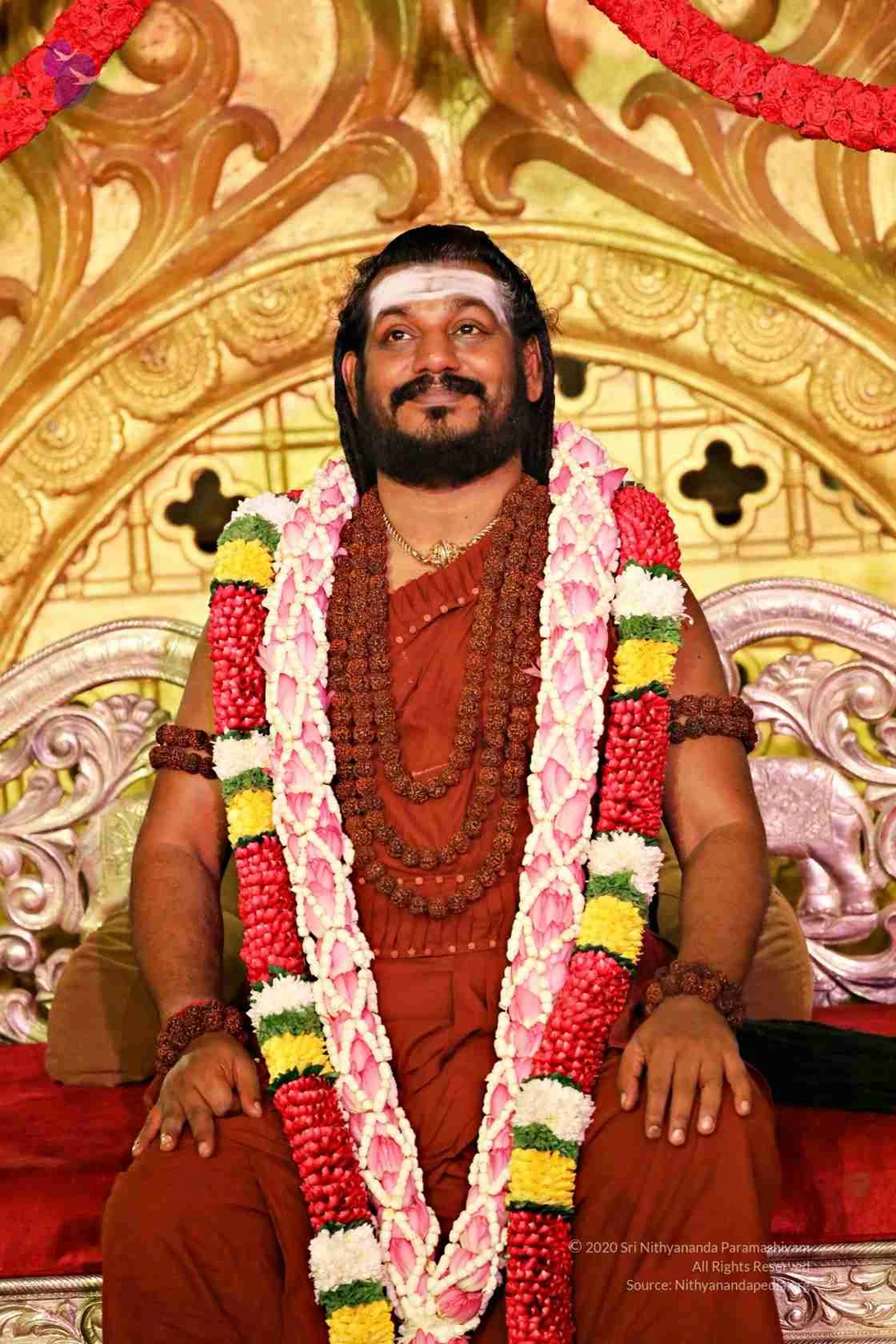
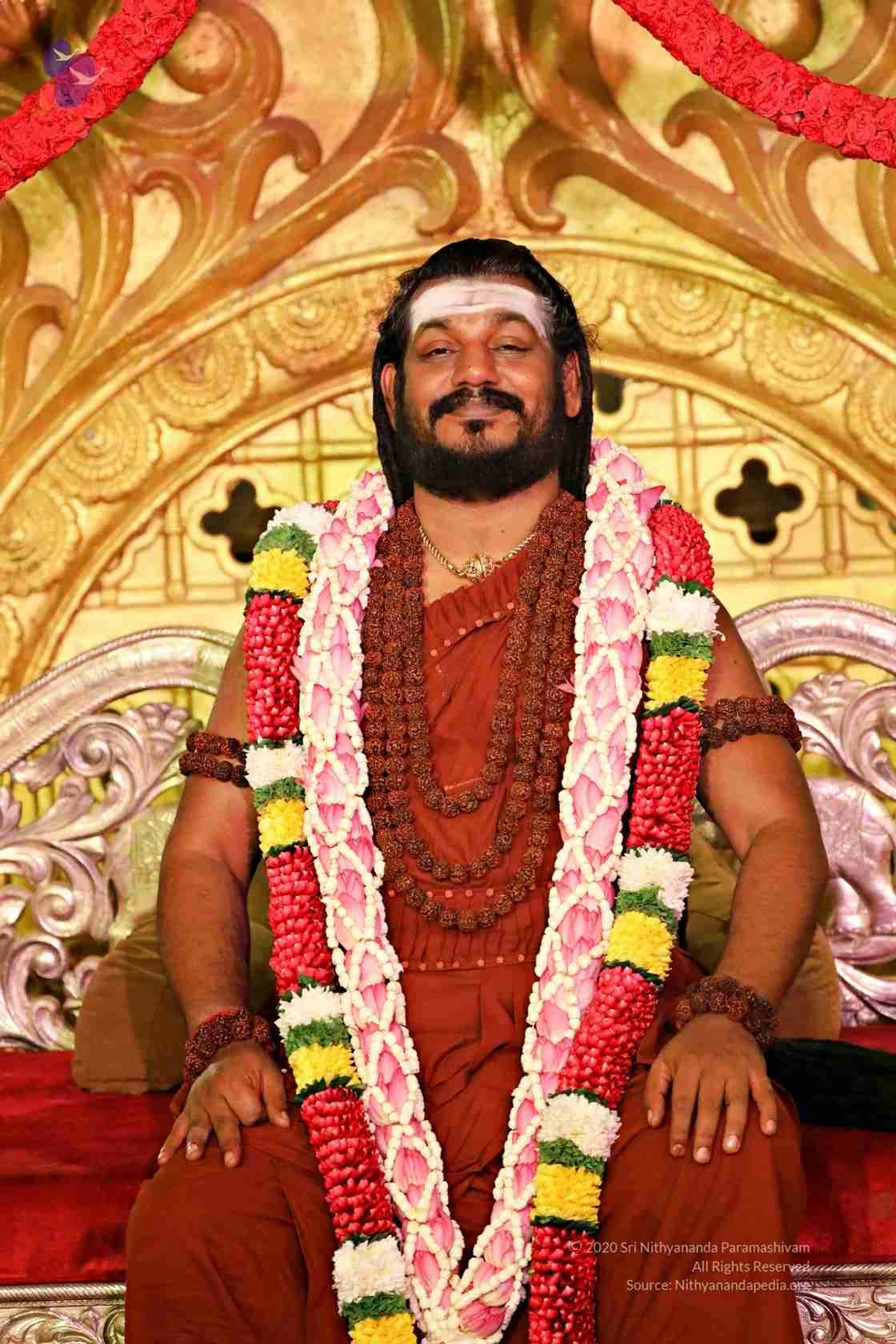
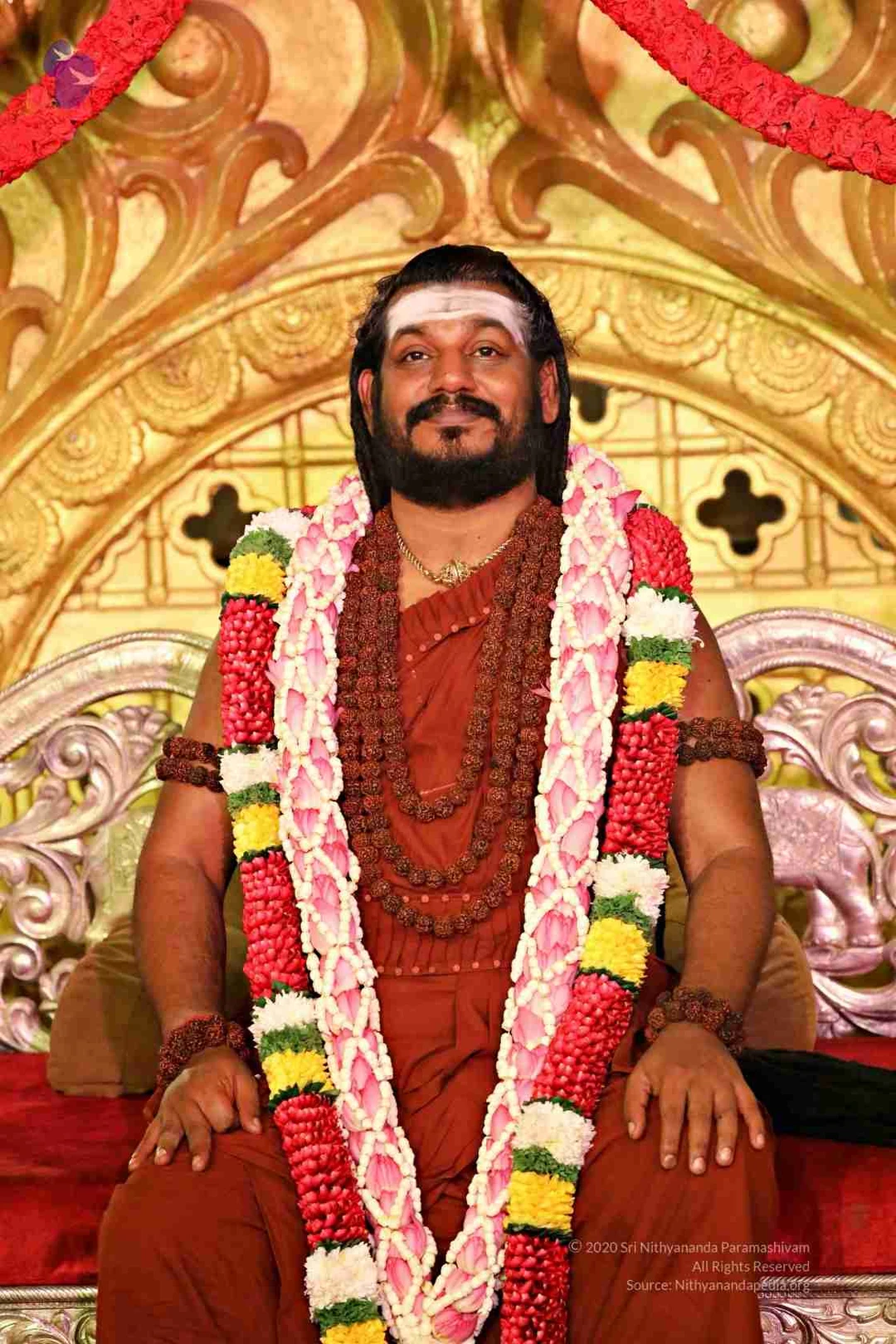
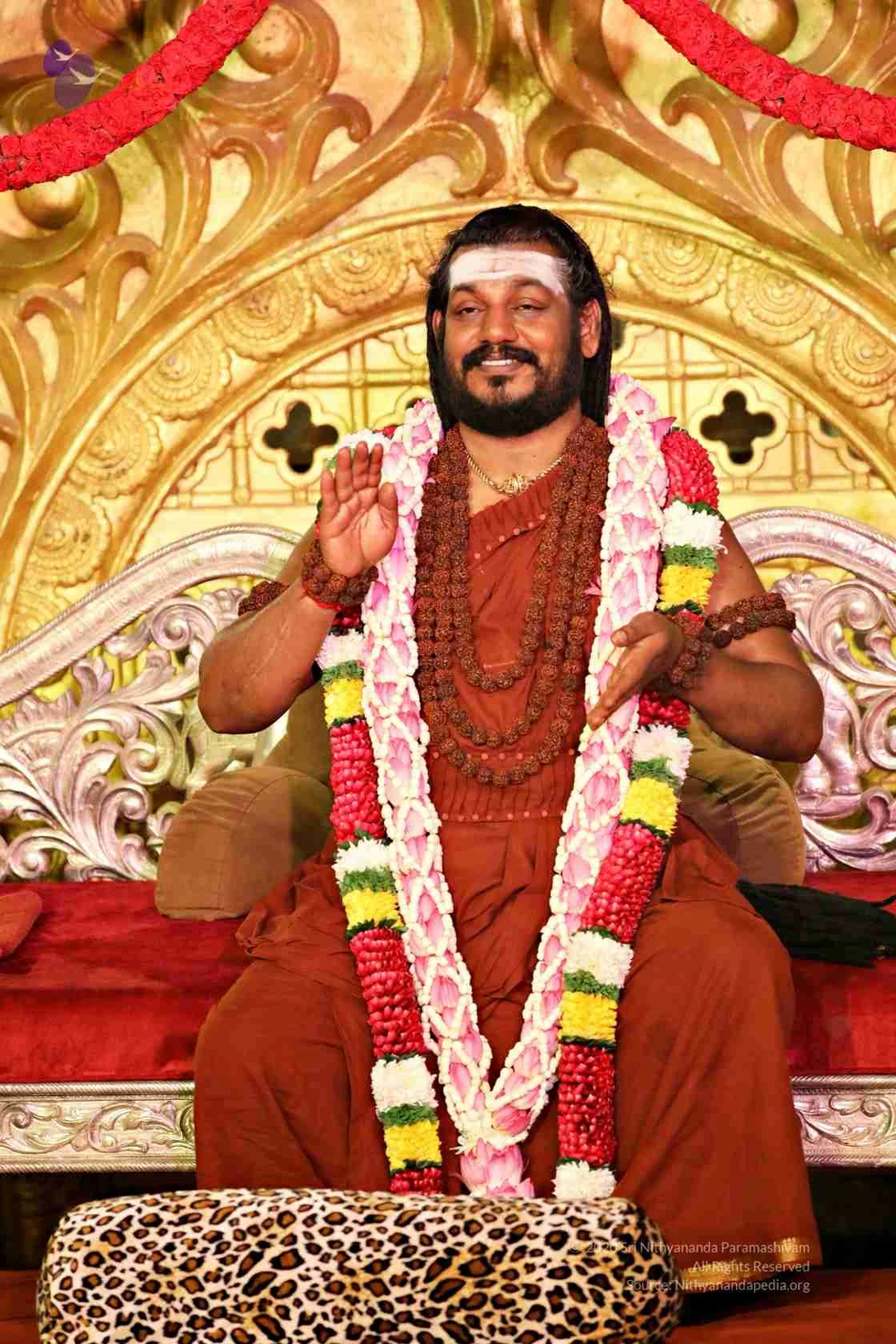
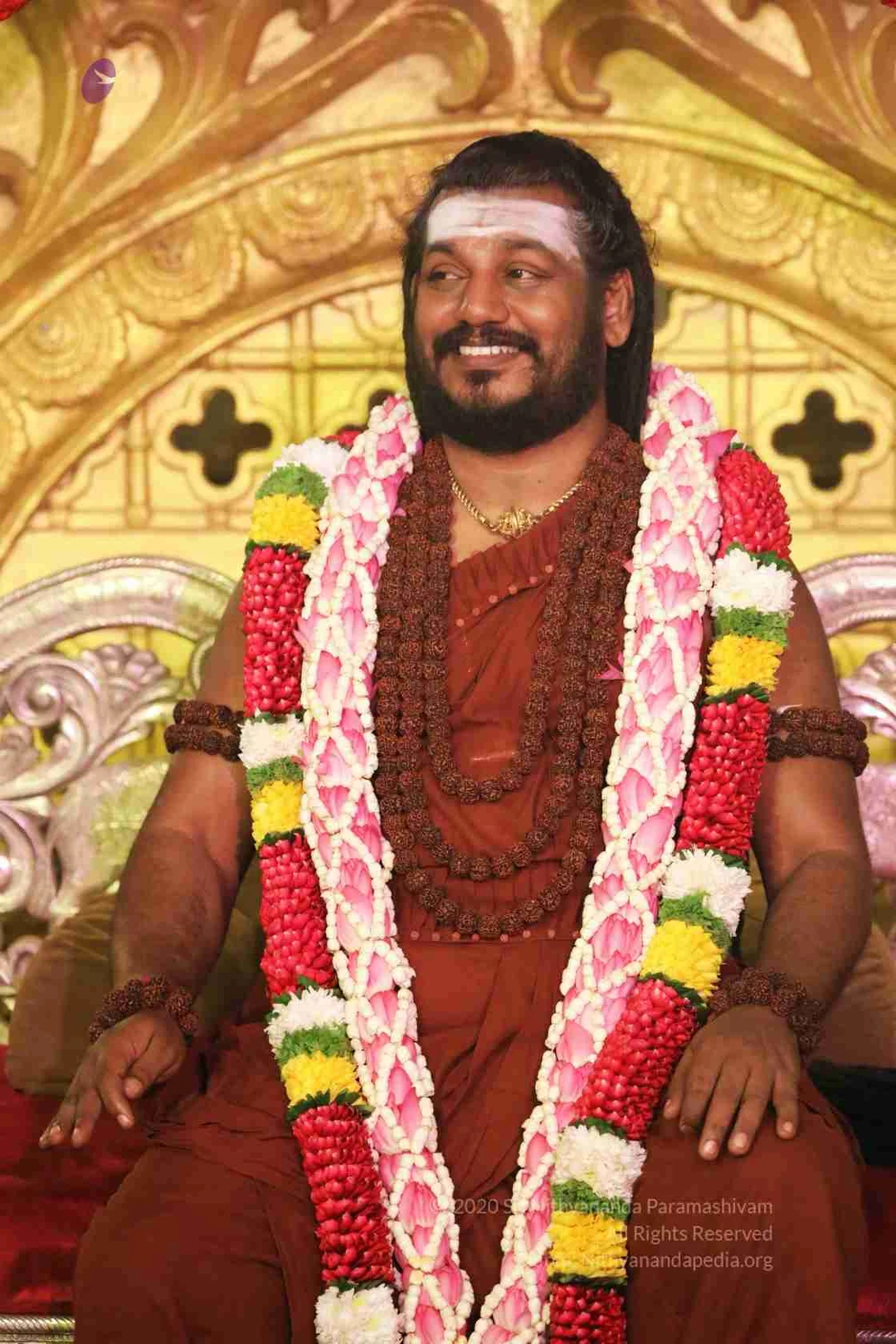
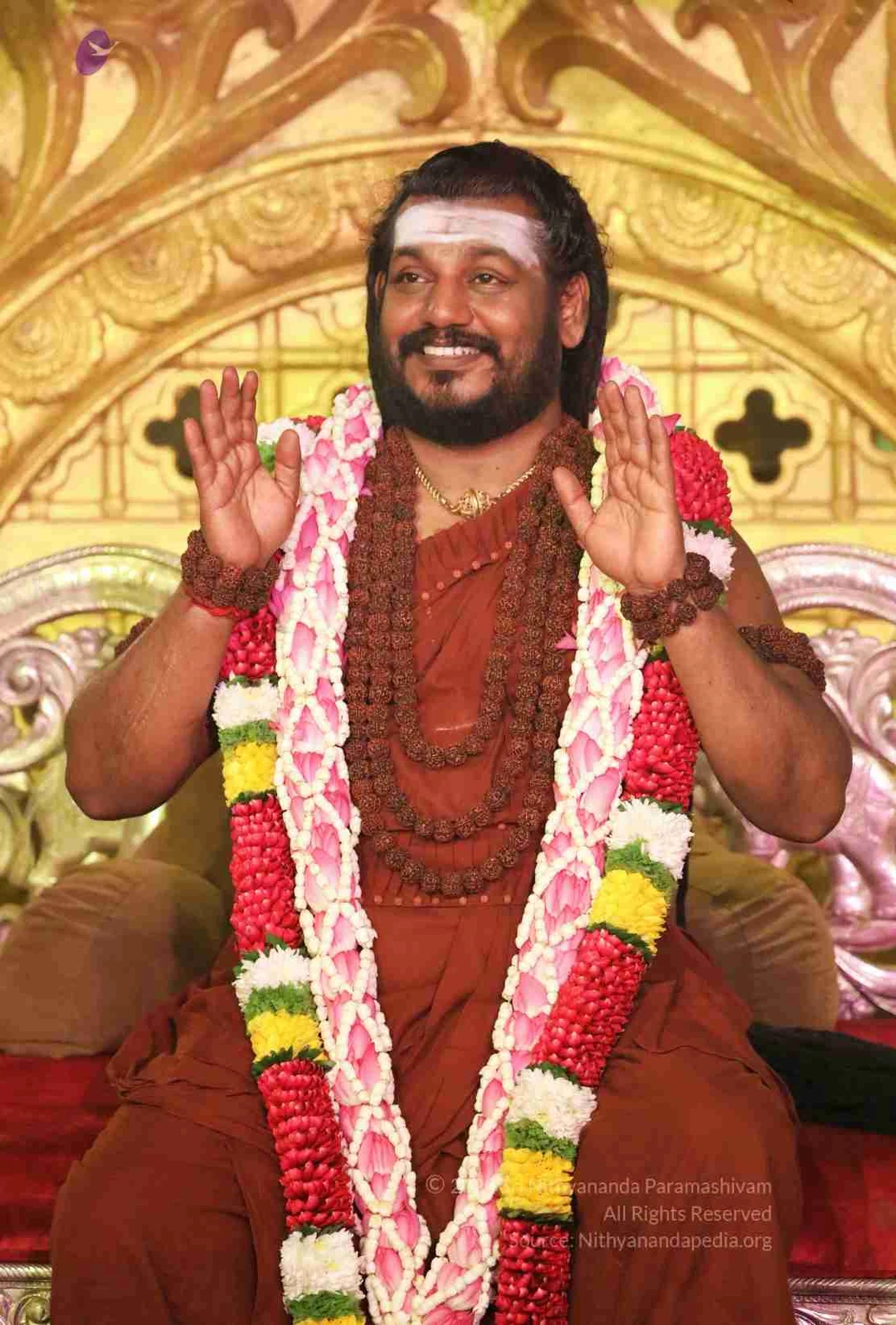
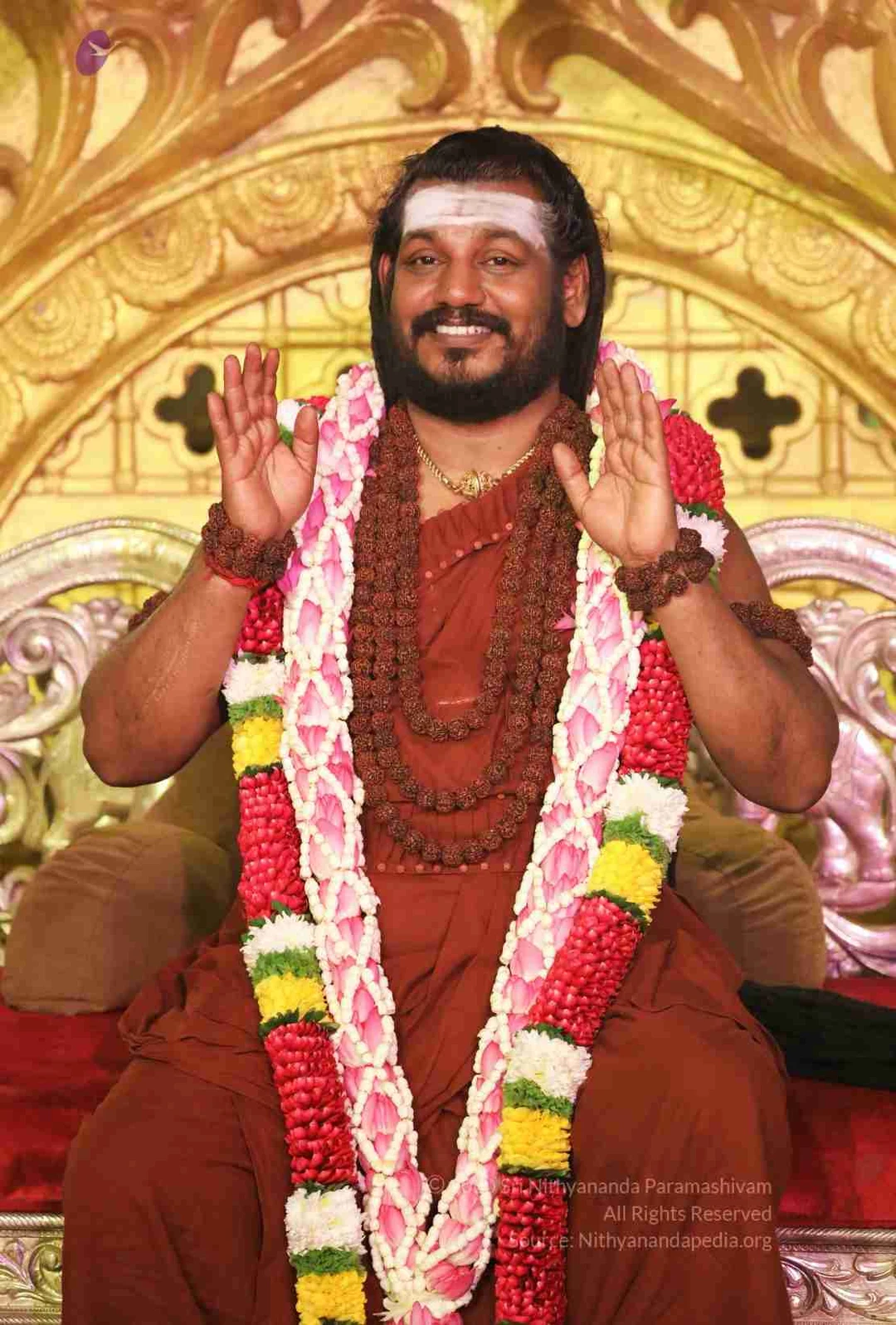
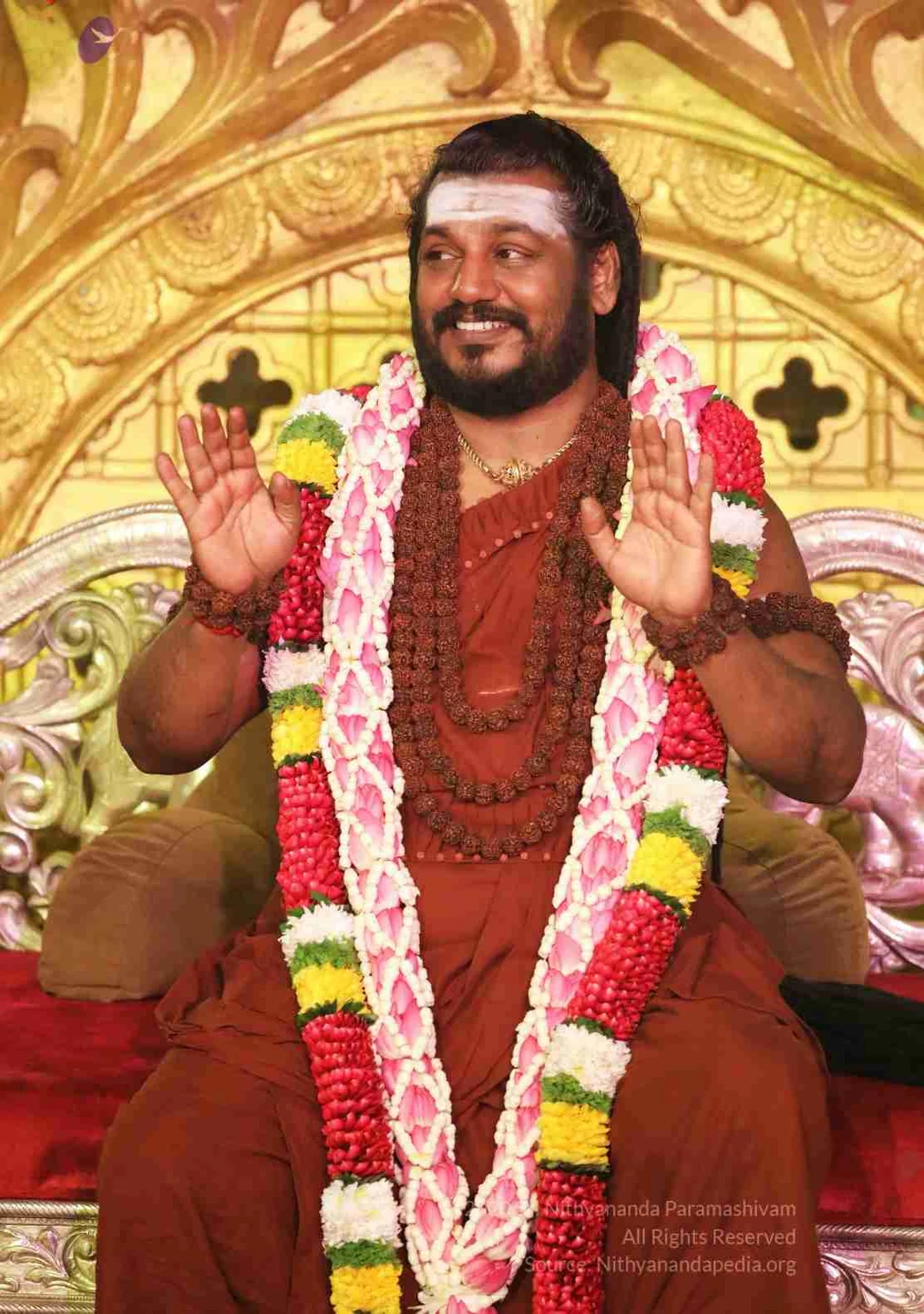
Glimpses from Aadhi Kailash Kutir || Energy Darshan || The Supreme Pontiff of Hinduism, Jagatguru Mahasannidhanam, His Divine Holiness, Bhagavan Nithyananda Paramashivam personally attended to administering the construction of the Nithyananda Sadashiva Devasthanam ||
- Dated photos
- 803
- Source pages
- 1
May 22 2018
Original wiki pageTitle
Glimpses from Aadhi Kailash Kutir || Energy Darshan || The Supreme Pontiff of Hinduism, Jagatguru Mahasannidhanam, His Divine Holiness, Bhagavan Nithyananda Paramashivam personally attended to administering the construction of the Nithyananda Sadashiva Devasthanam ||
Narration
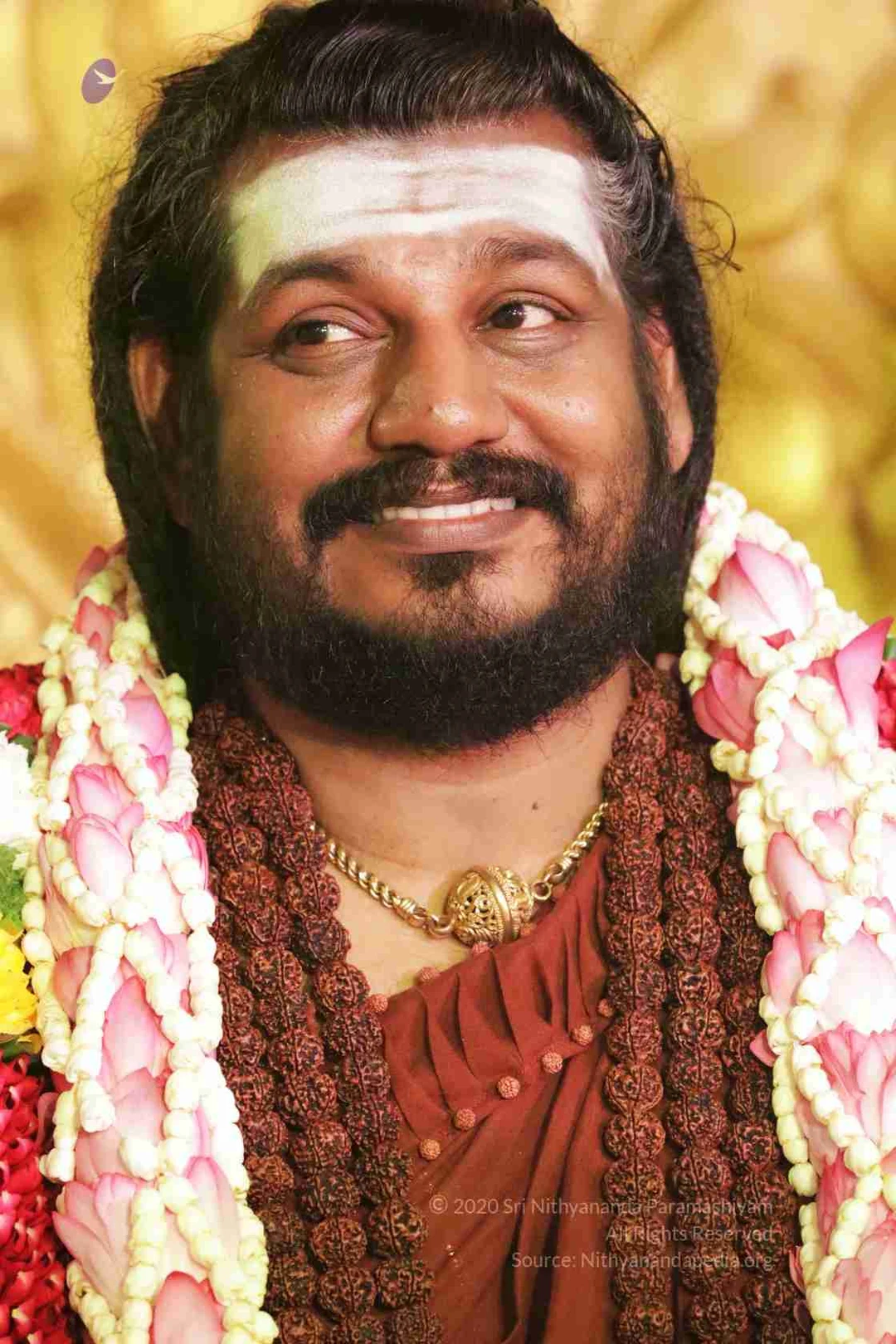
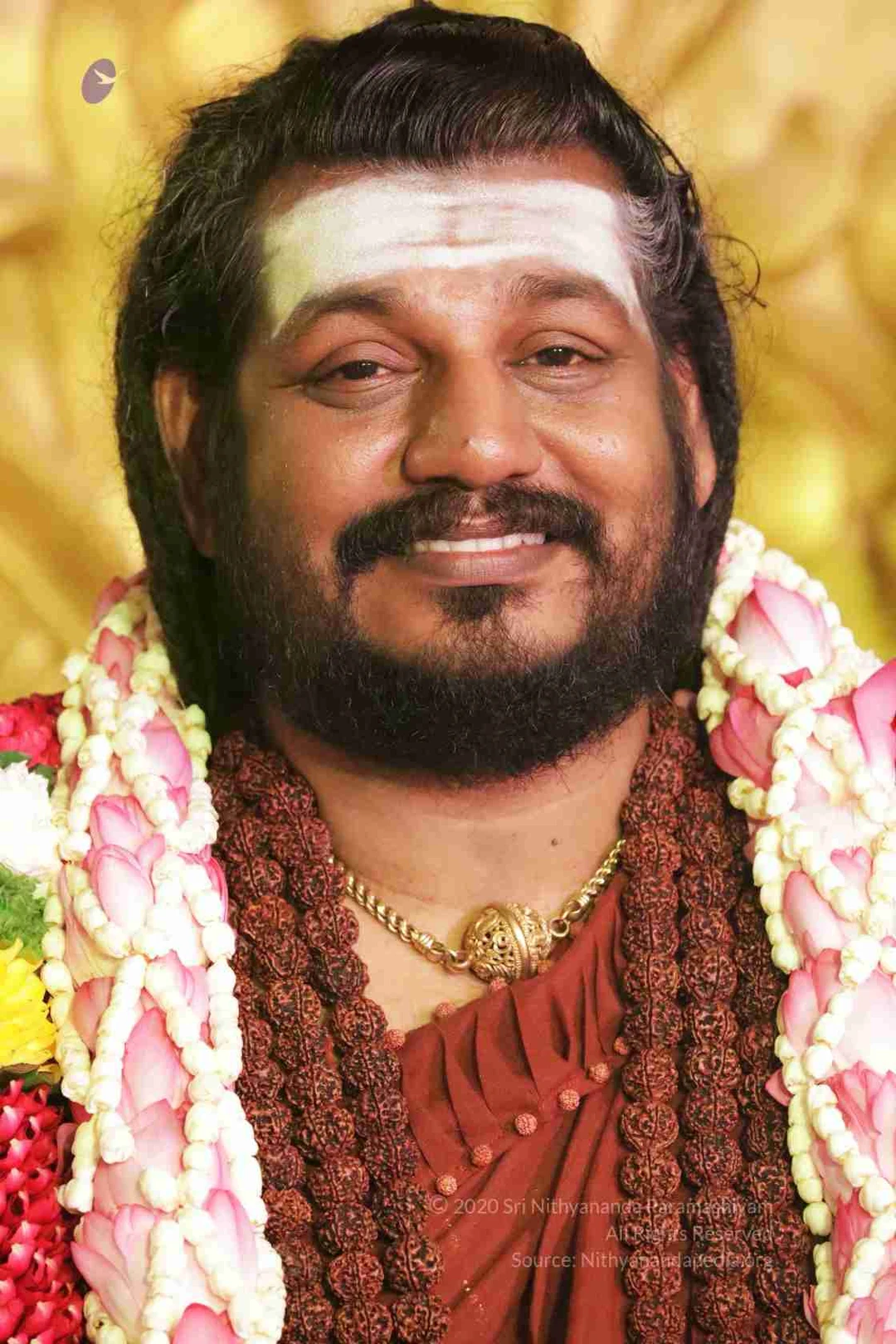
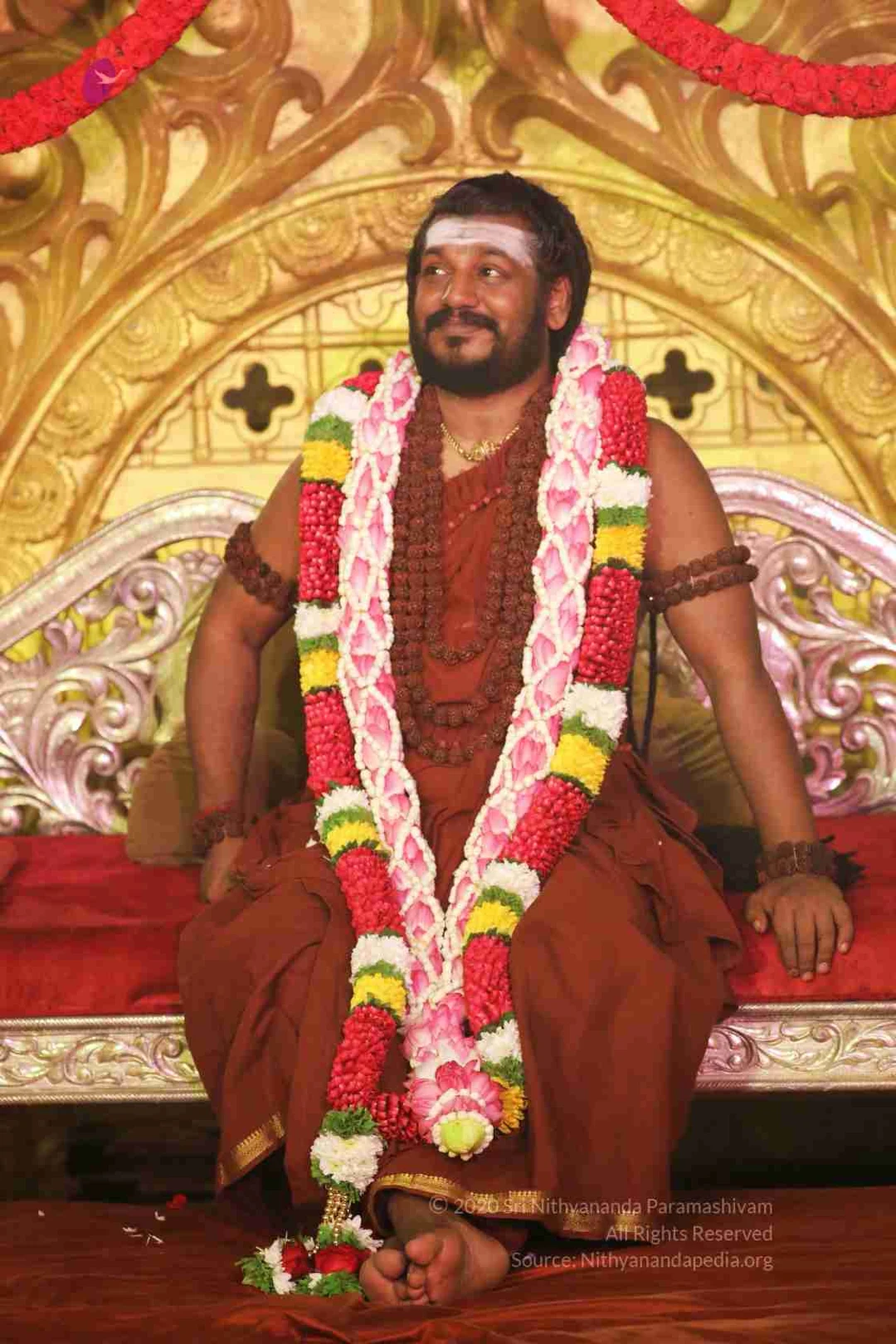
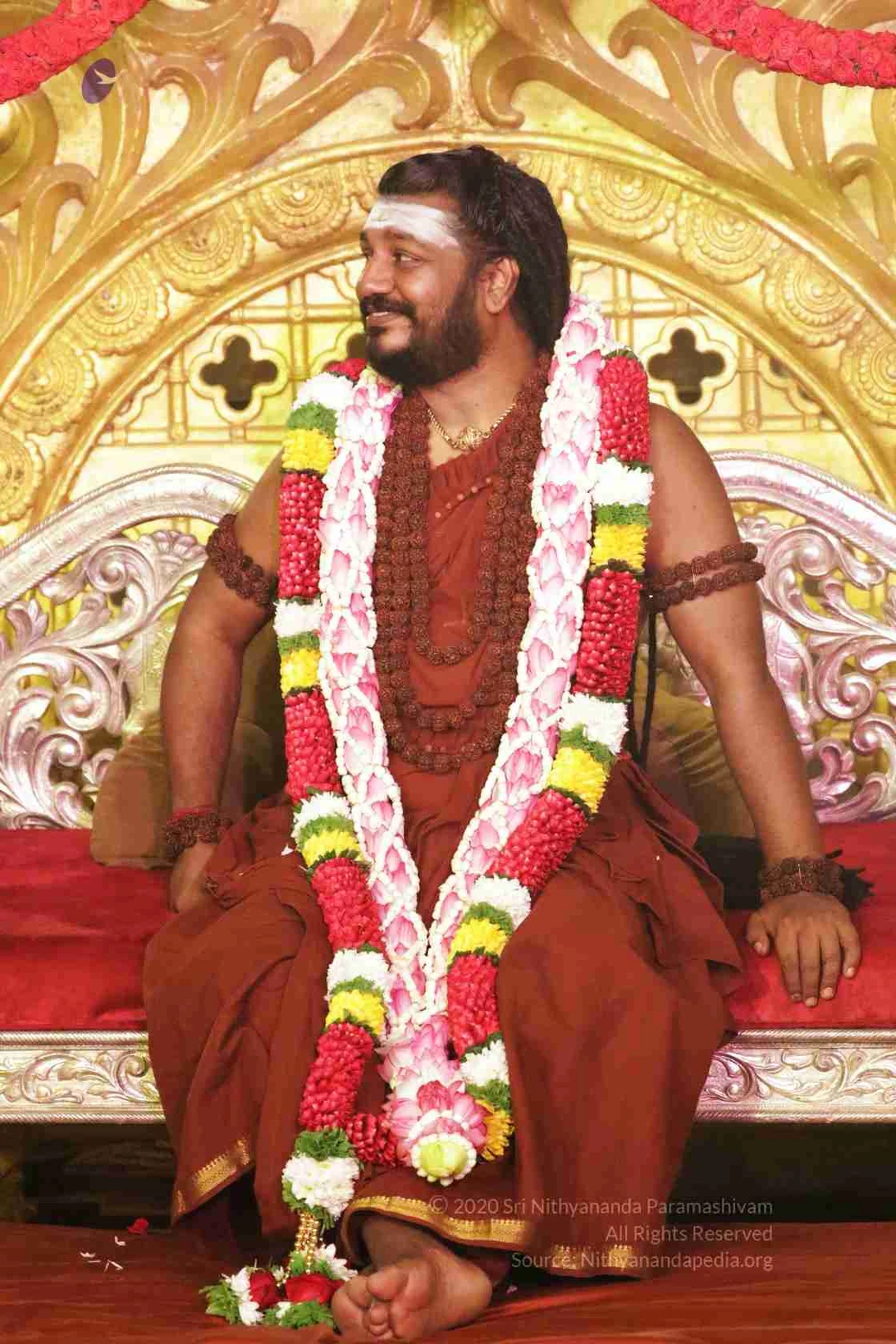
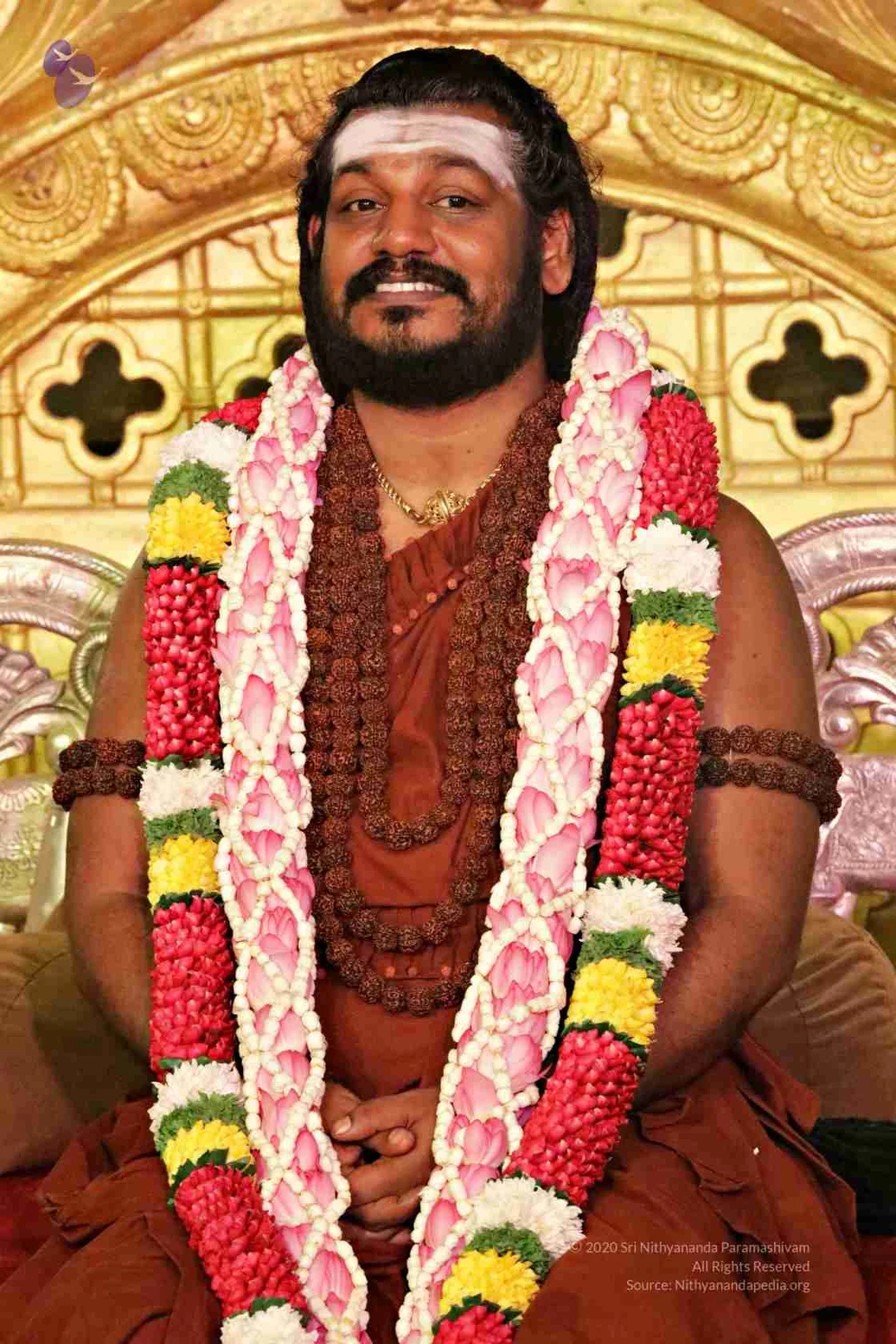
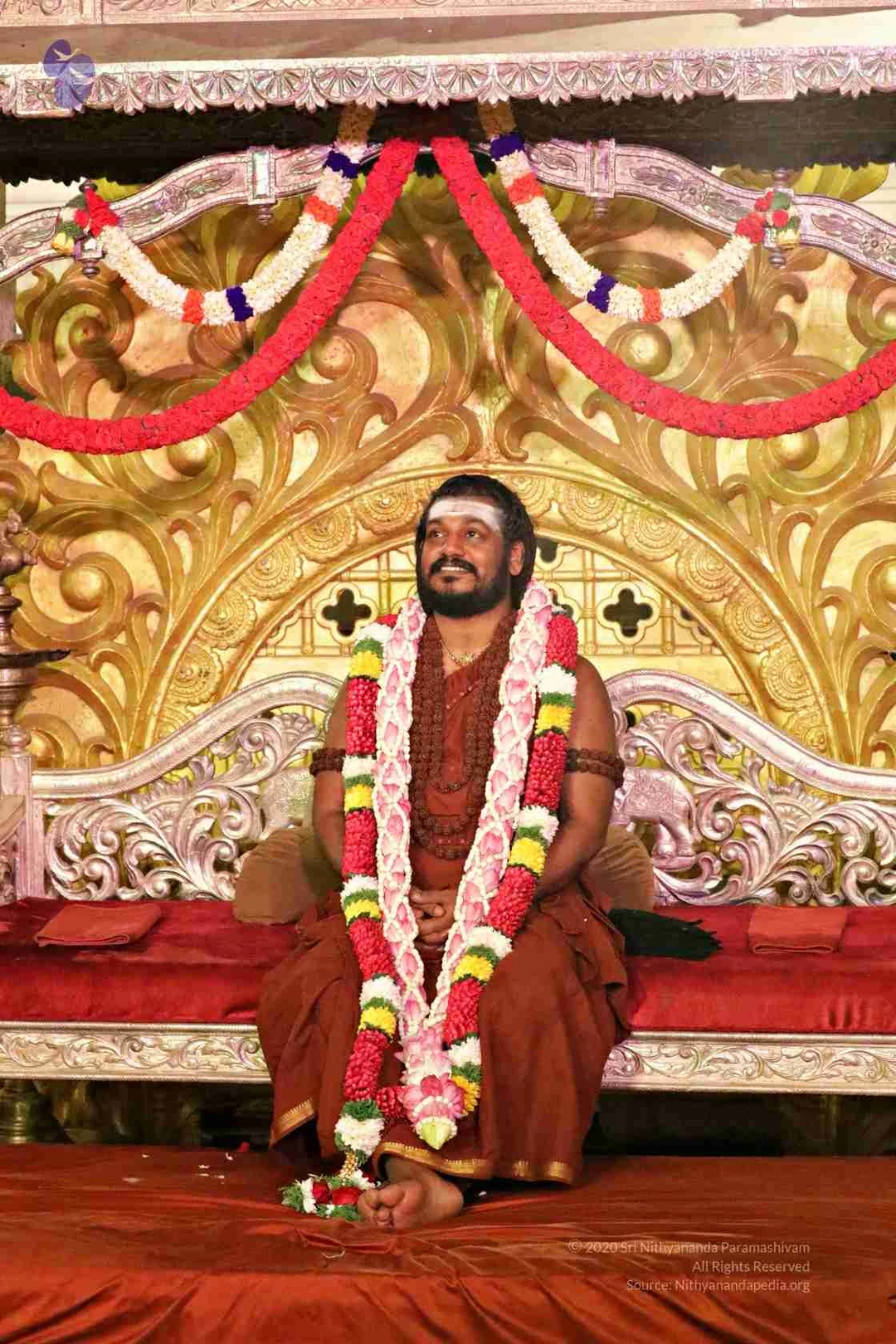
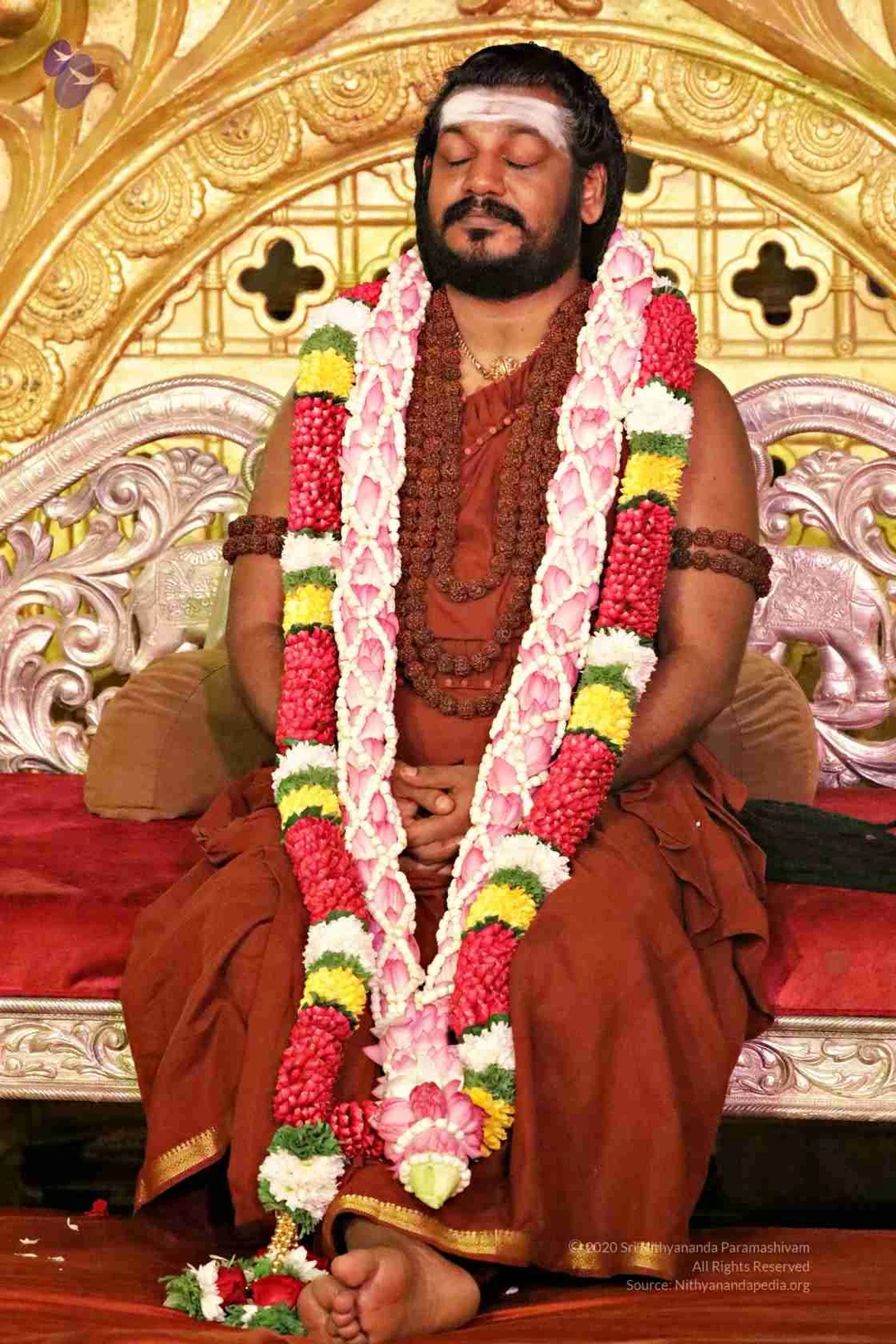
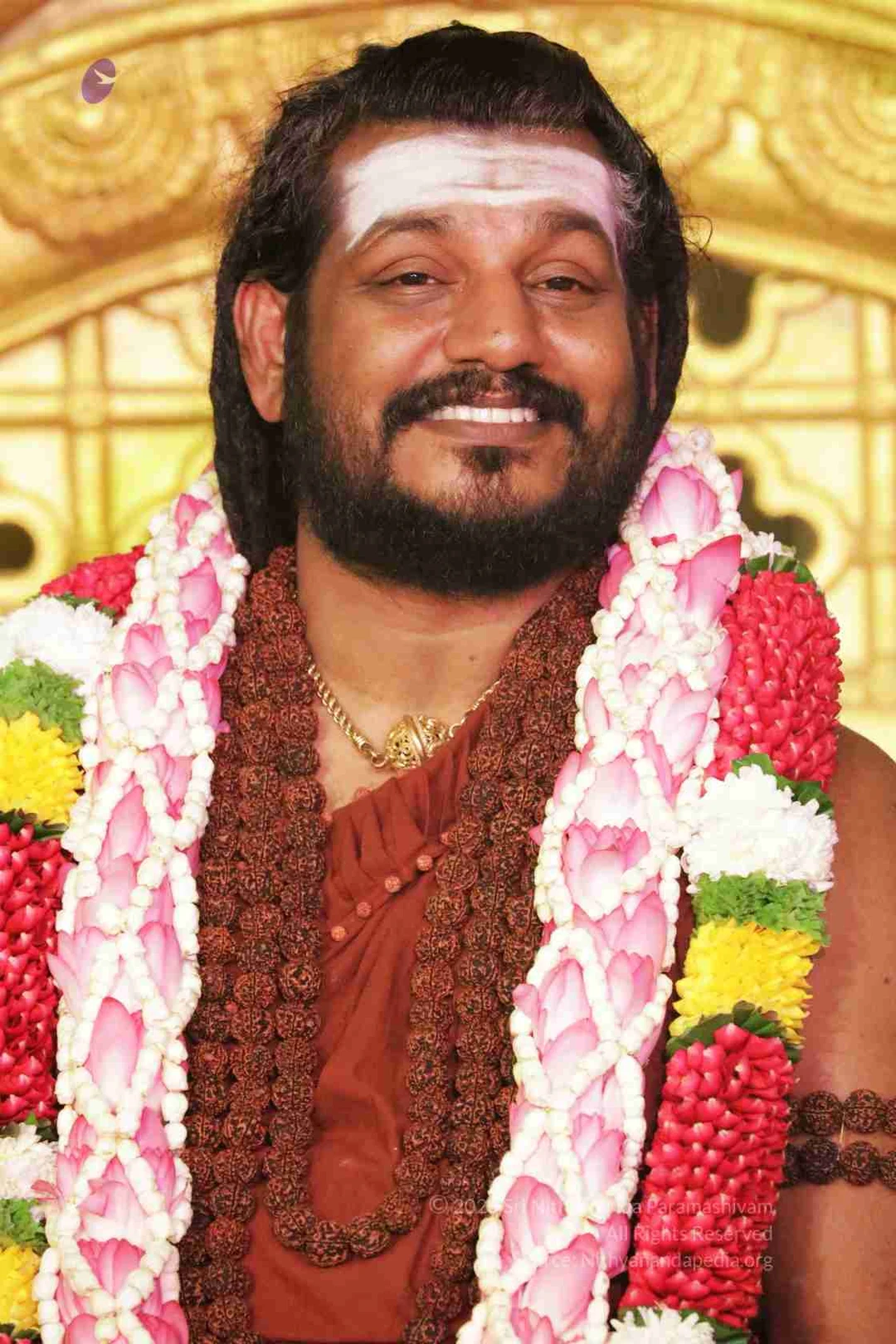
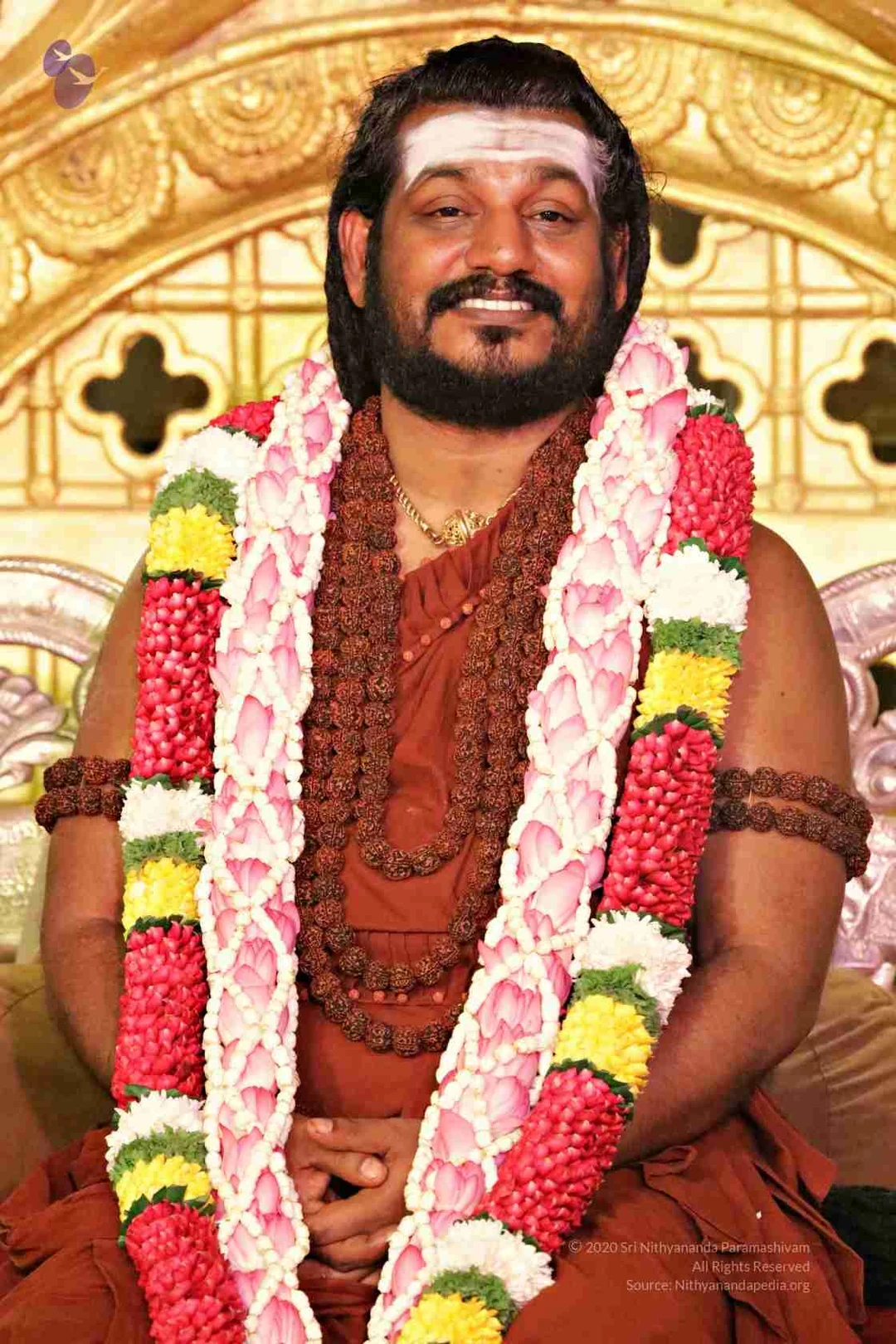
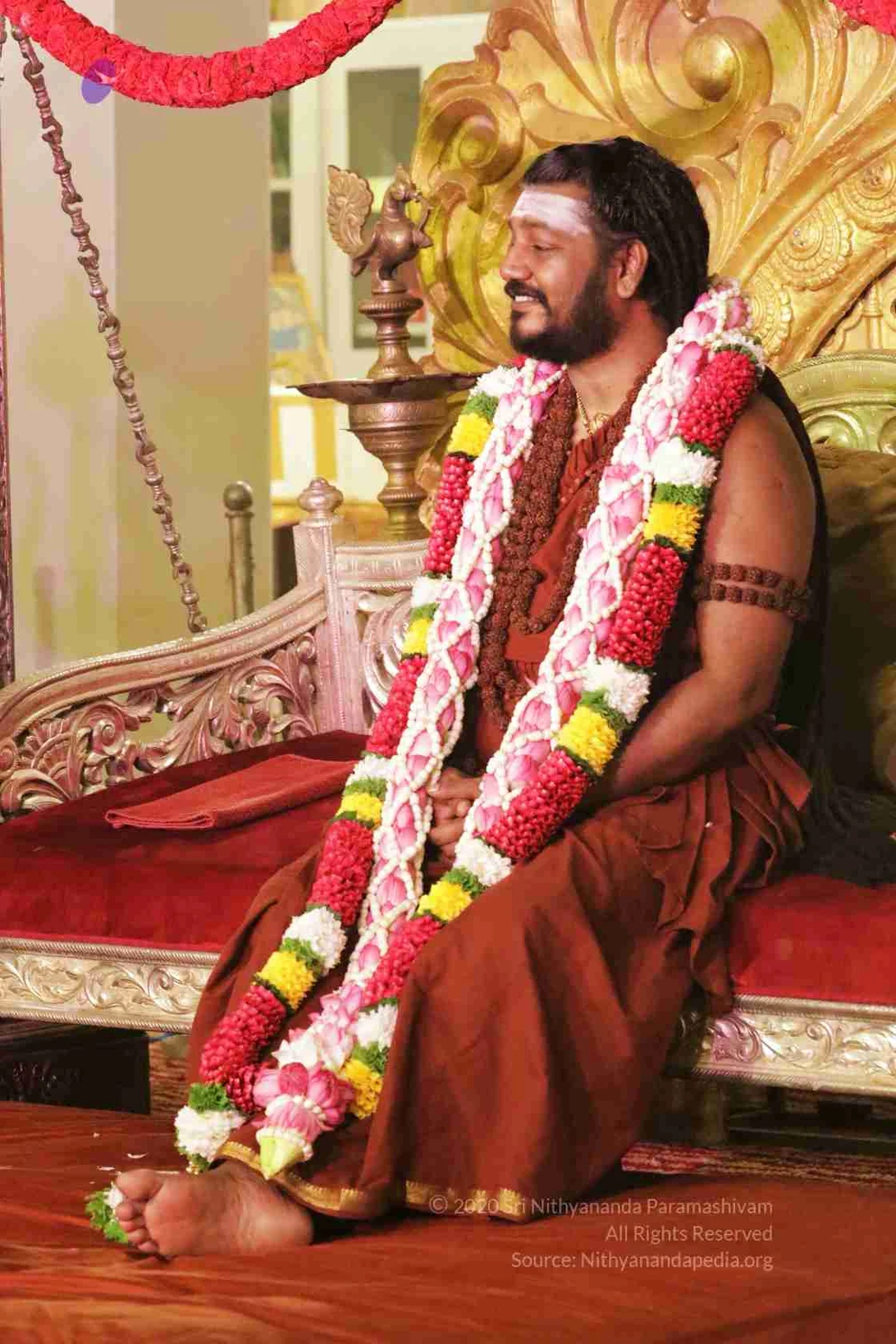
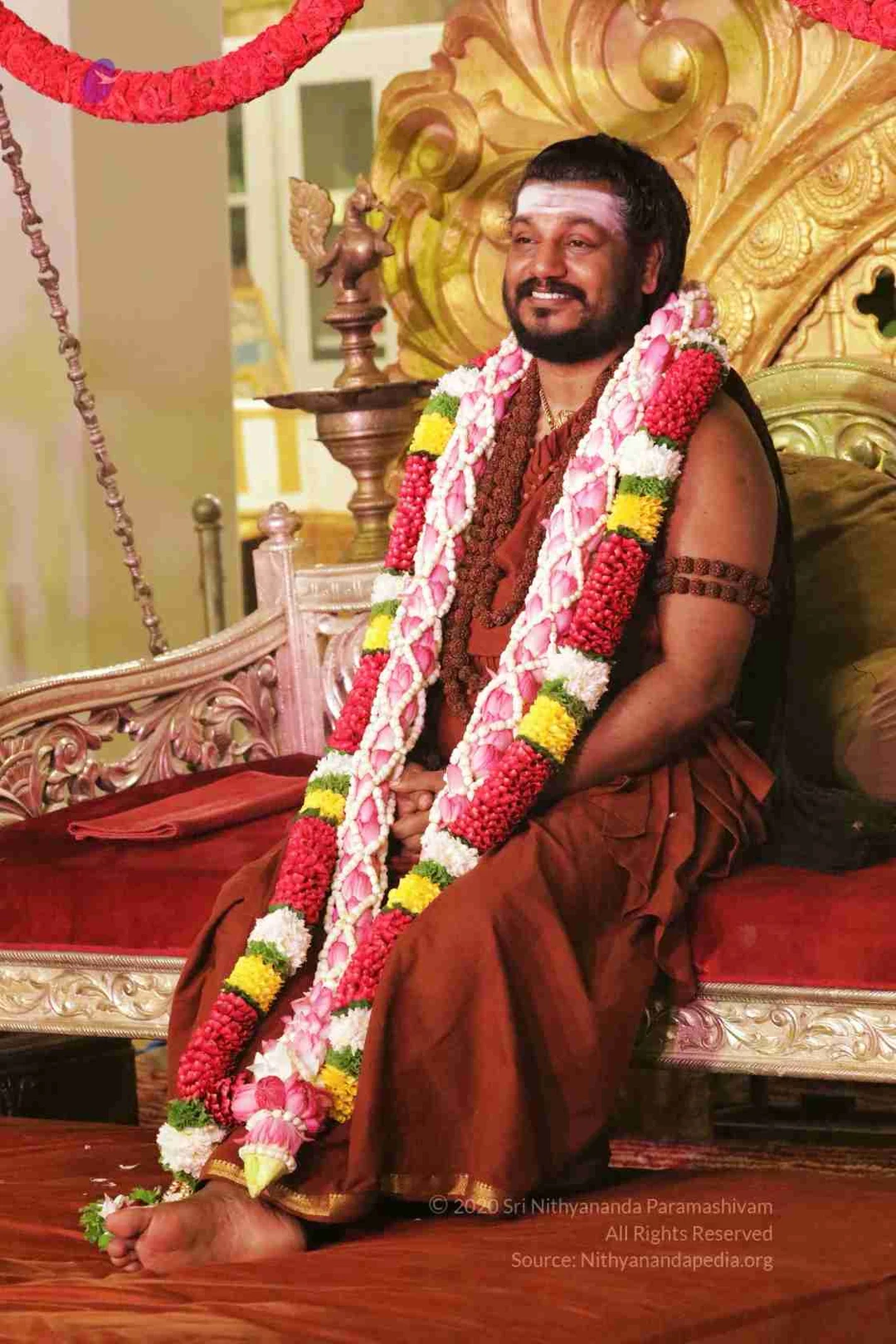
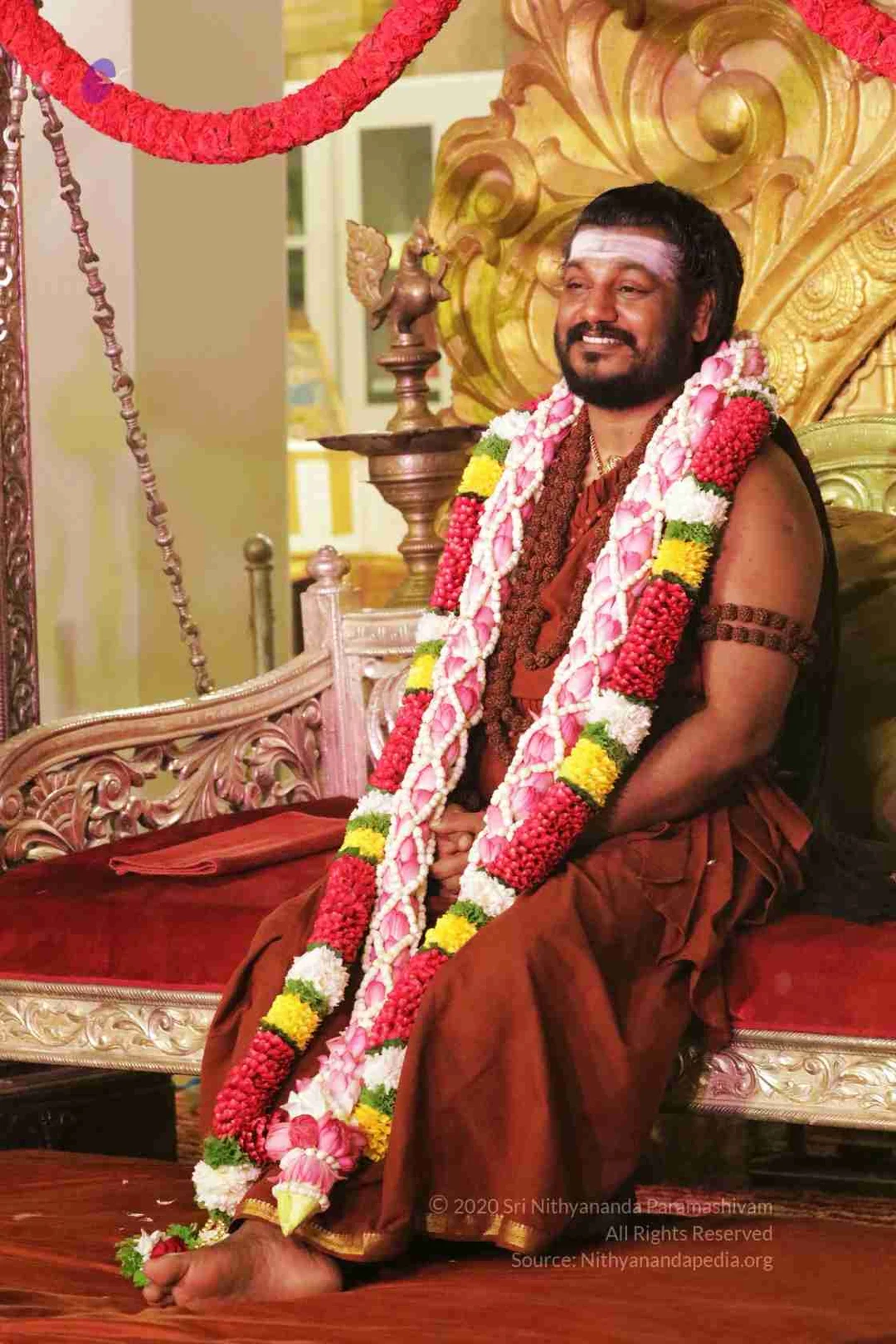
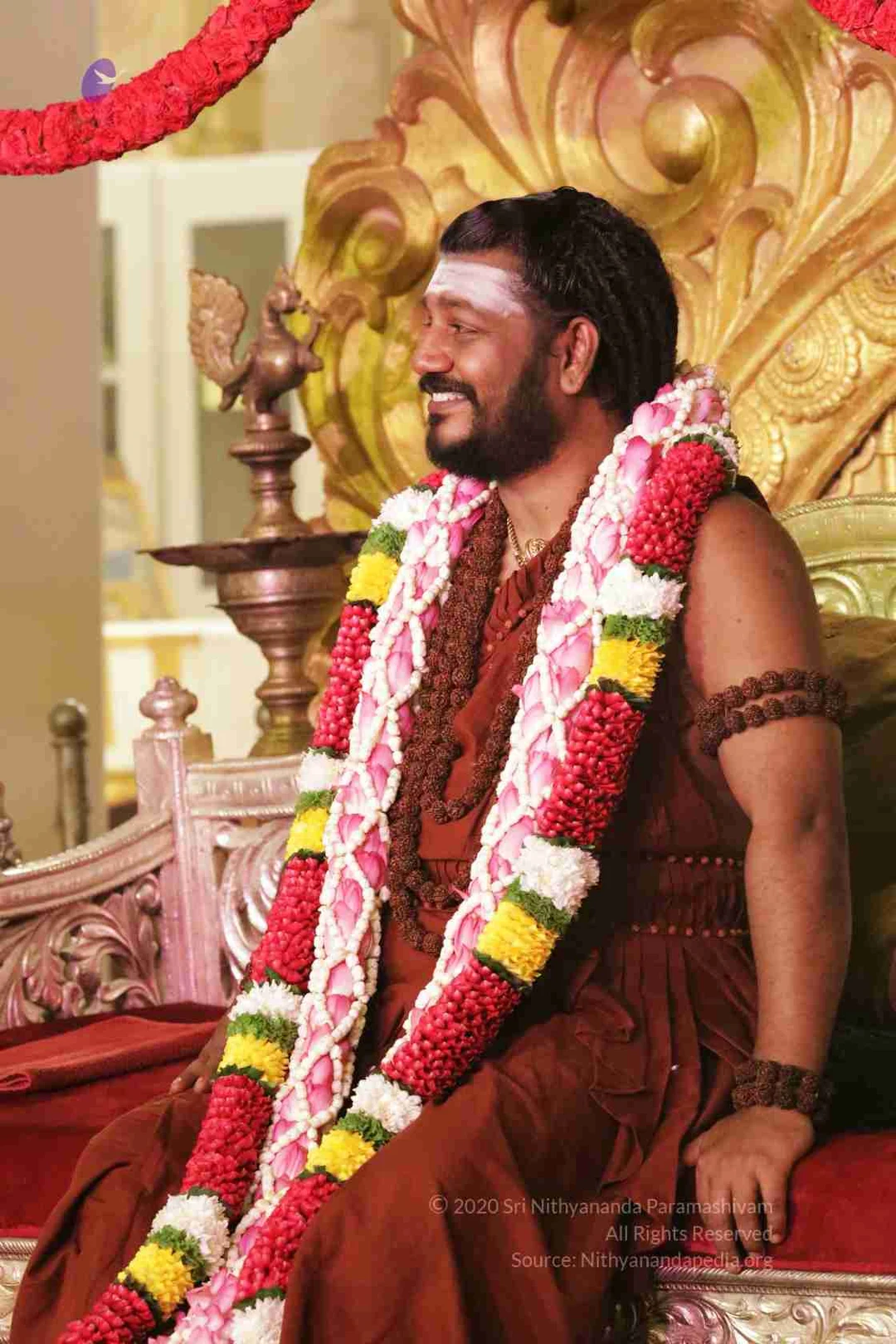
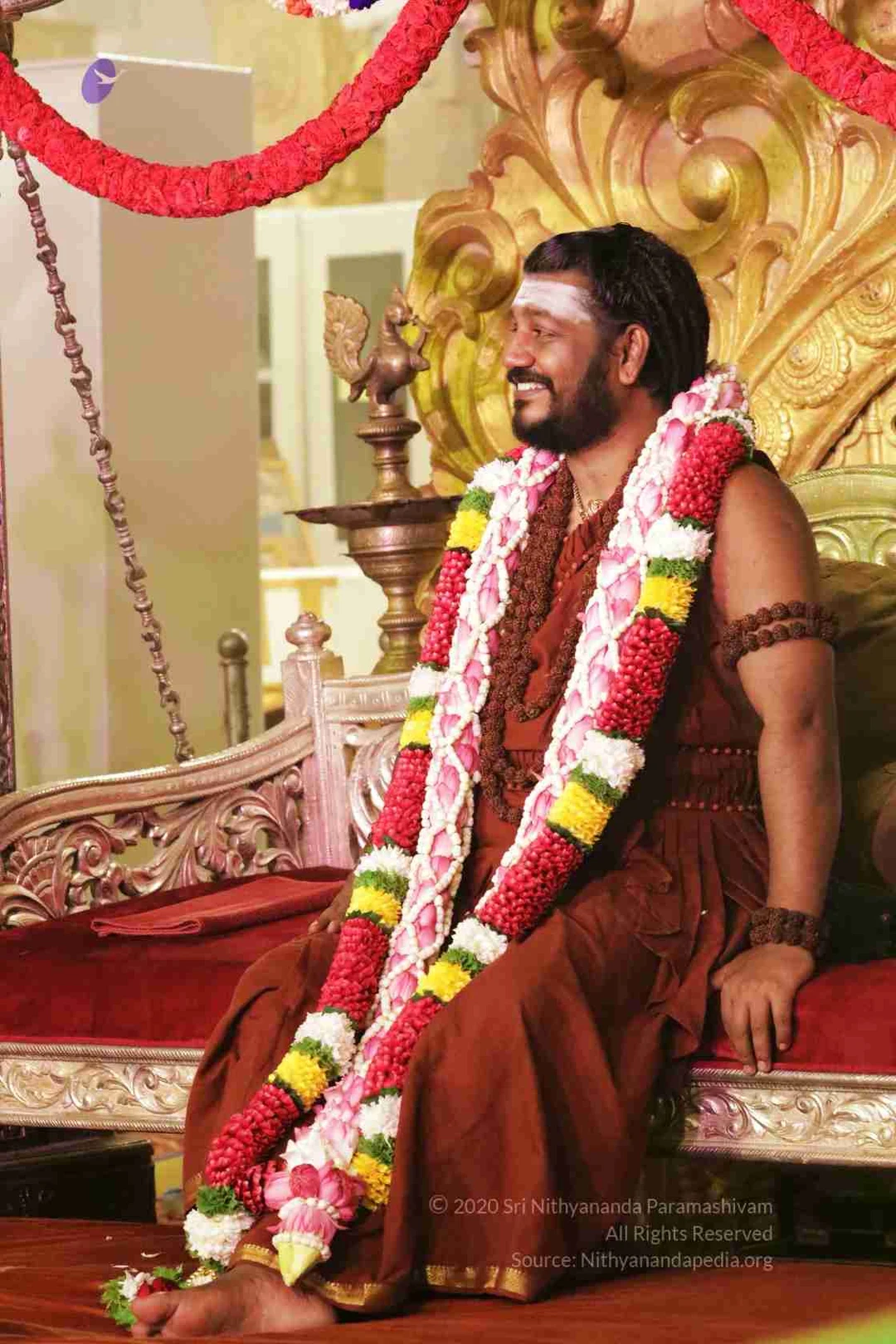
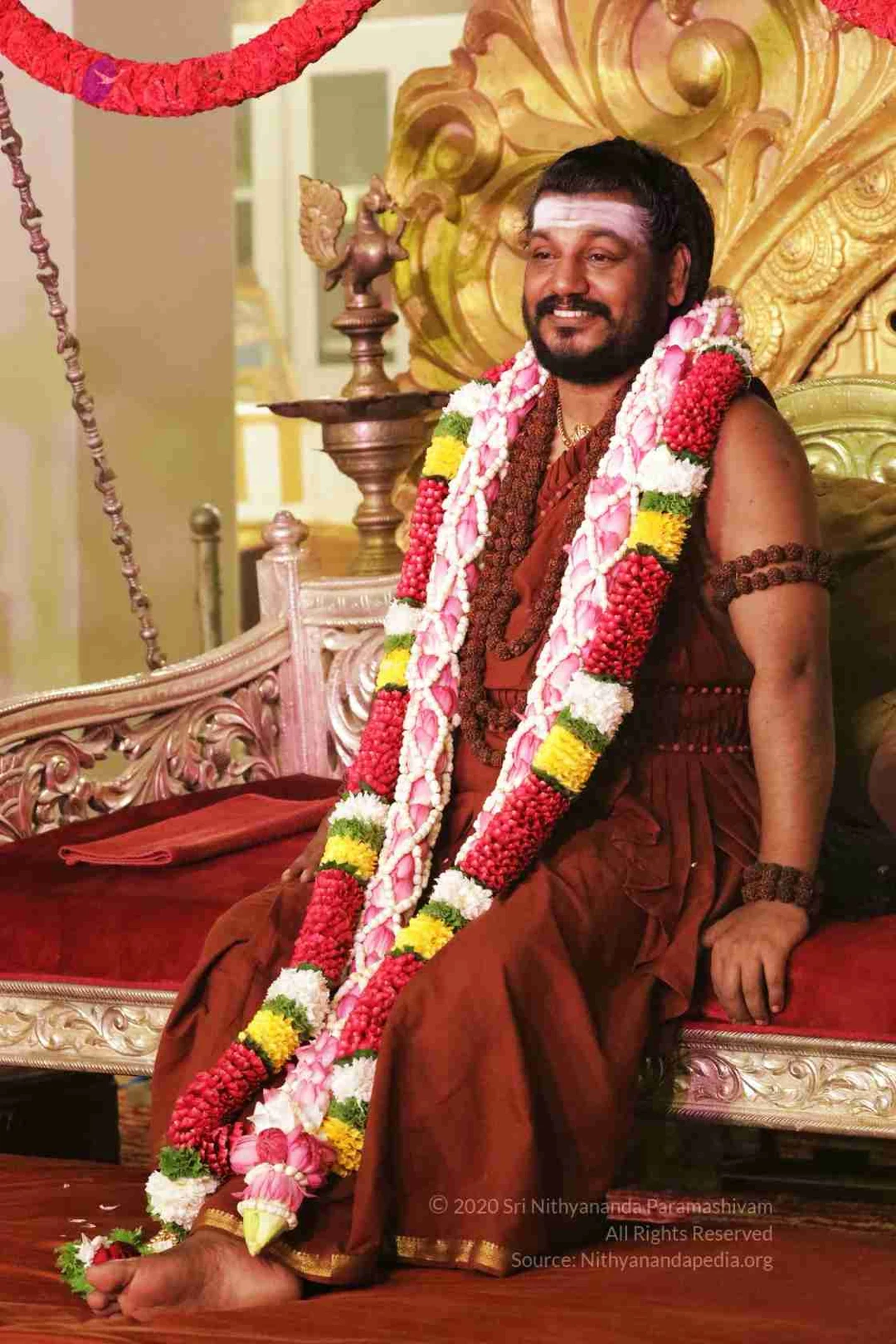
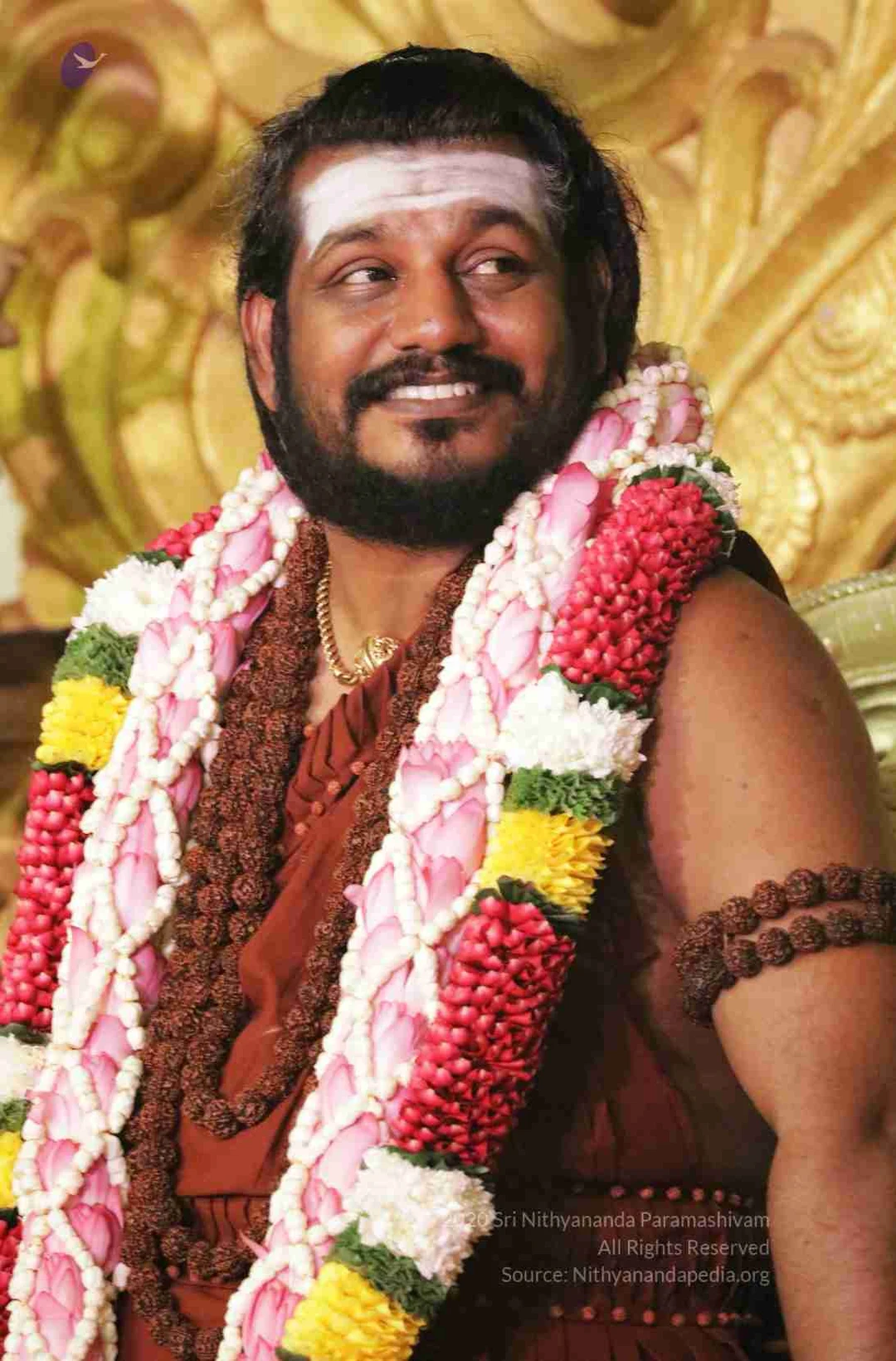
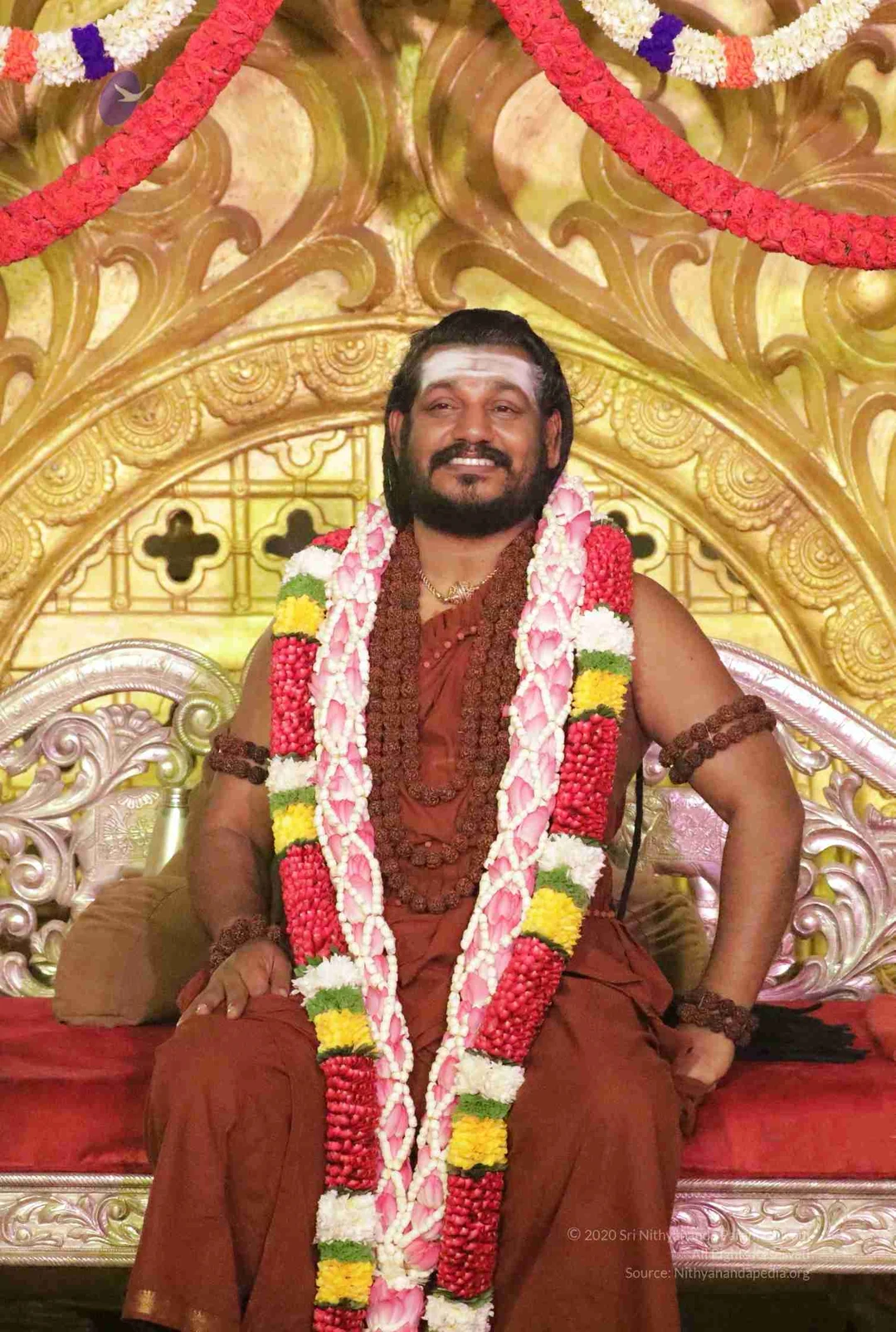
The Supreme Pontiff of Hinduism, Jagatguru Mahasannidhanam, His Divine Holiness, Bhagavan Nithyananda Paramashivam, is the visionary through whom this whole revival of KAILASA is made possible. Today, The Supreme Pontiff of Hinduism, Jagatguru Mahasannidhanam, His Divine Holiness, Bhagavan Nithyananda Paramashivam personally attended to administering the construction of the Nithyananda Sadashiva Devasthanam of what is going to be the largest golden temple for Sadashiva in the world. Sitting amongst the stone pillars that will be used for the temple, He oversaw construction work being done in the land which will accommodate the third Prakaram of the temple.
Photos
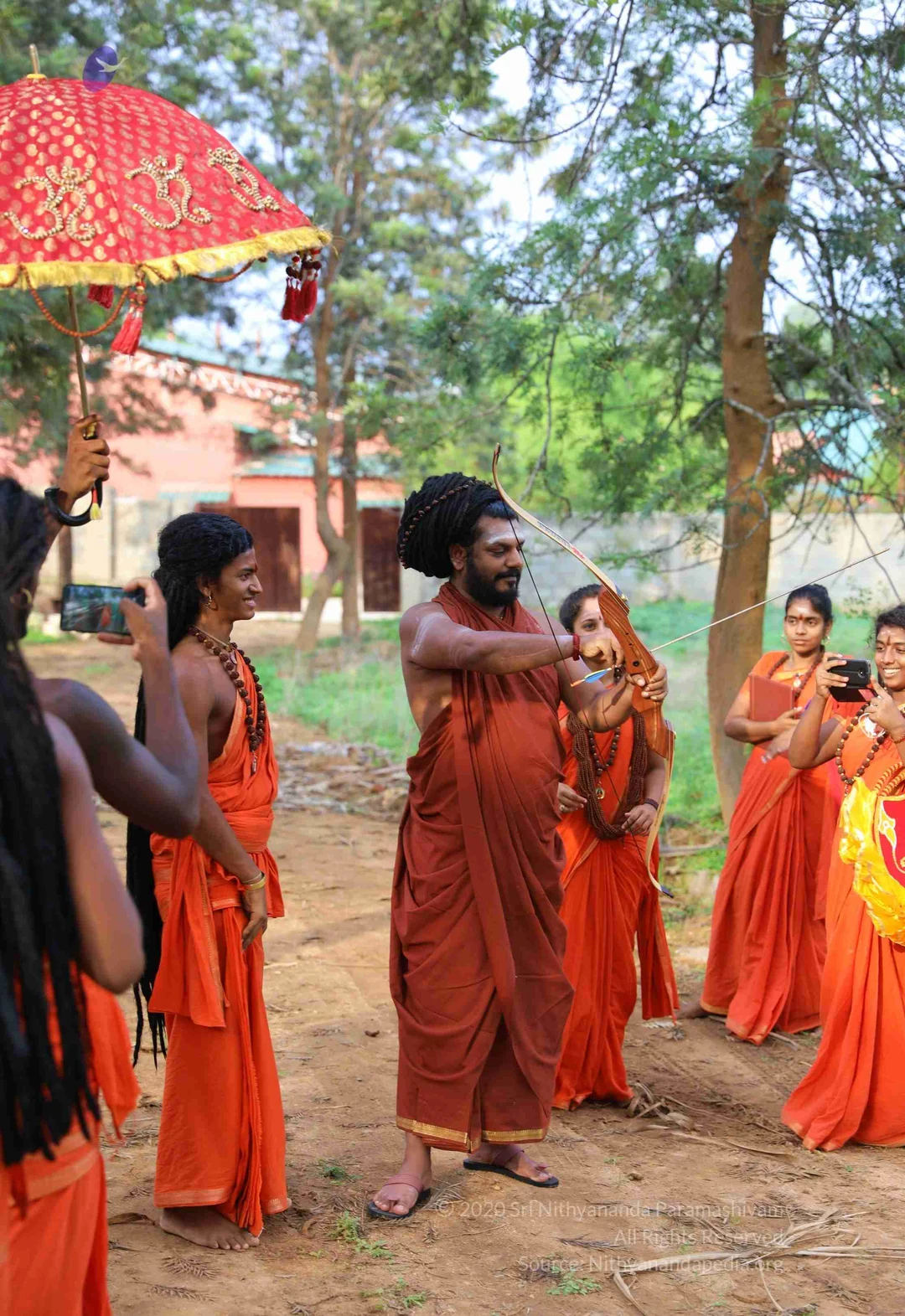
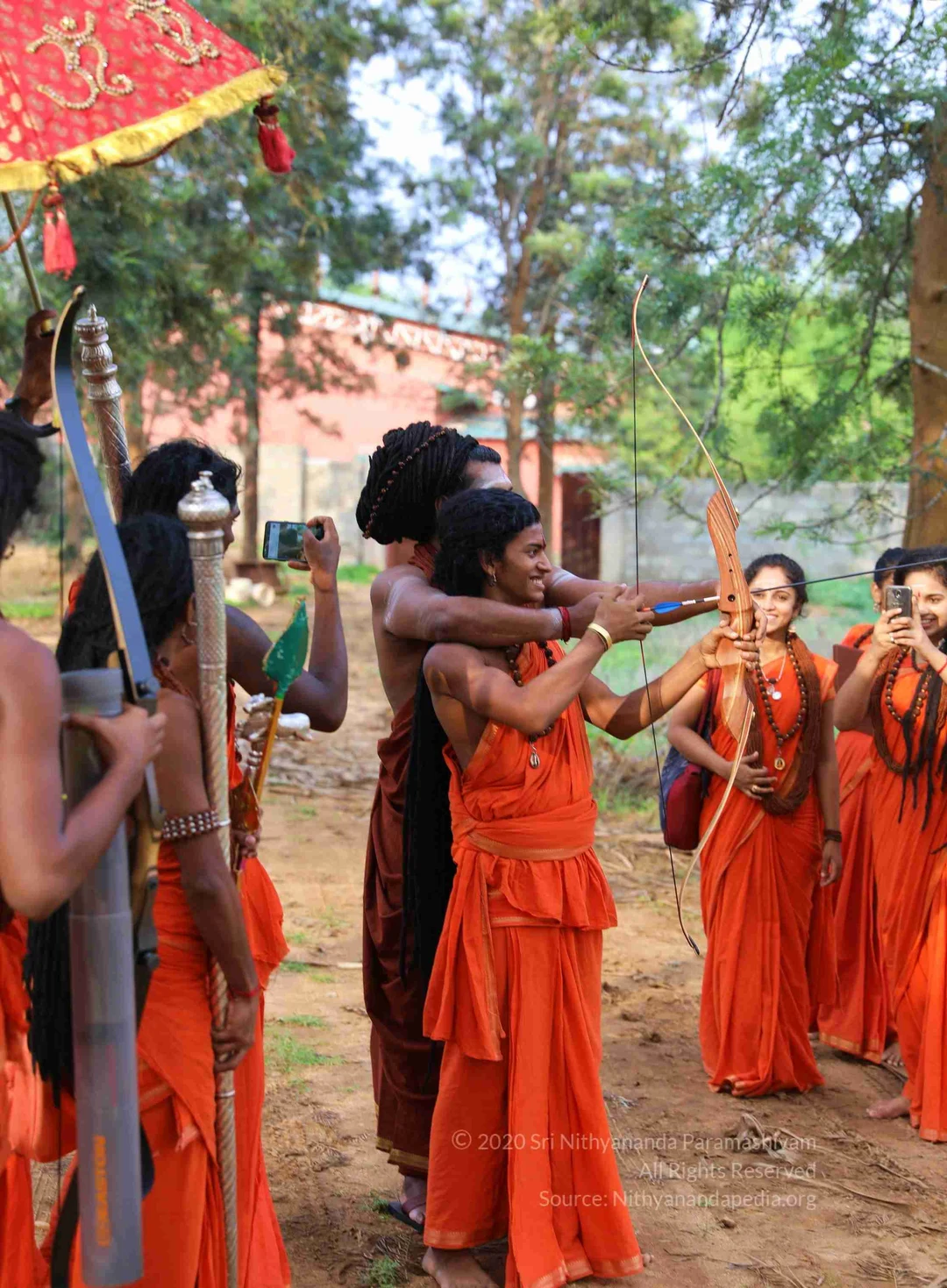
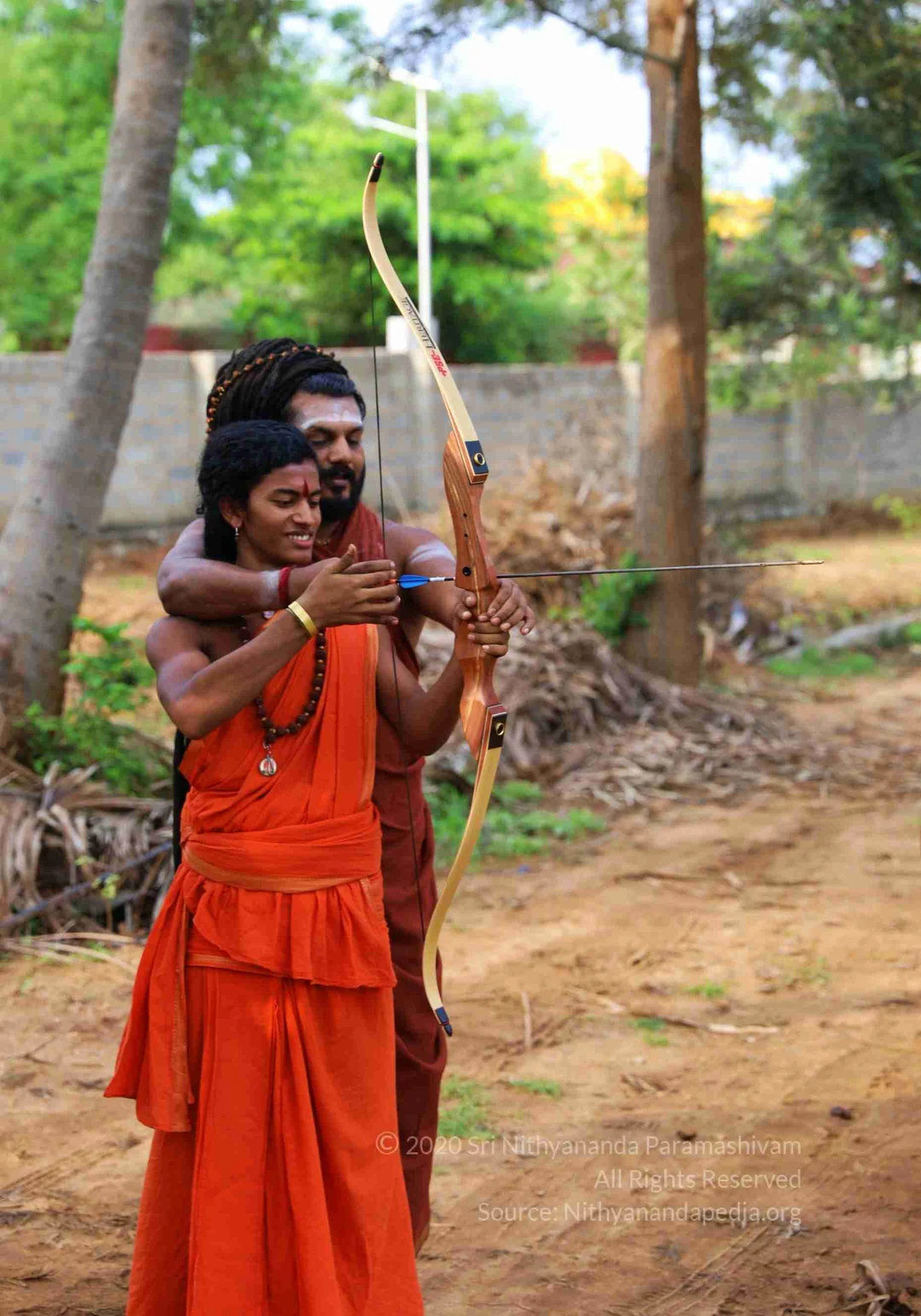
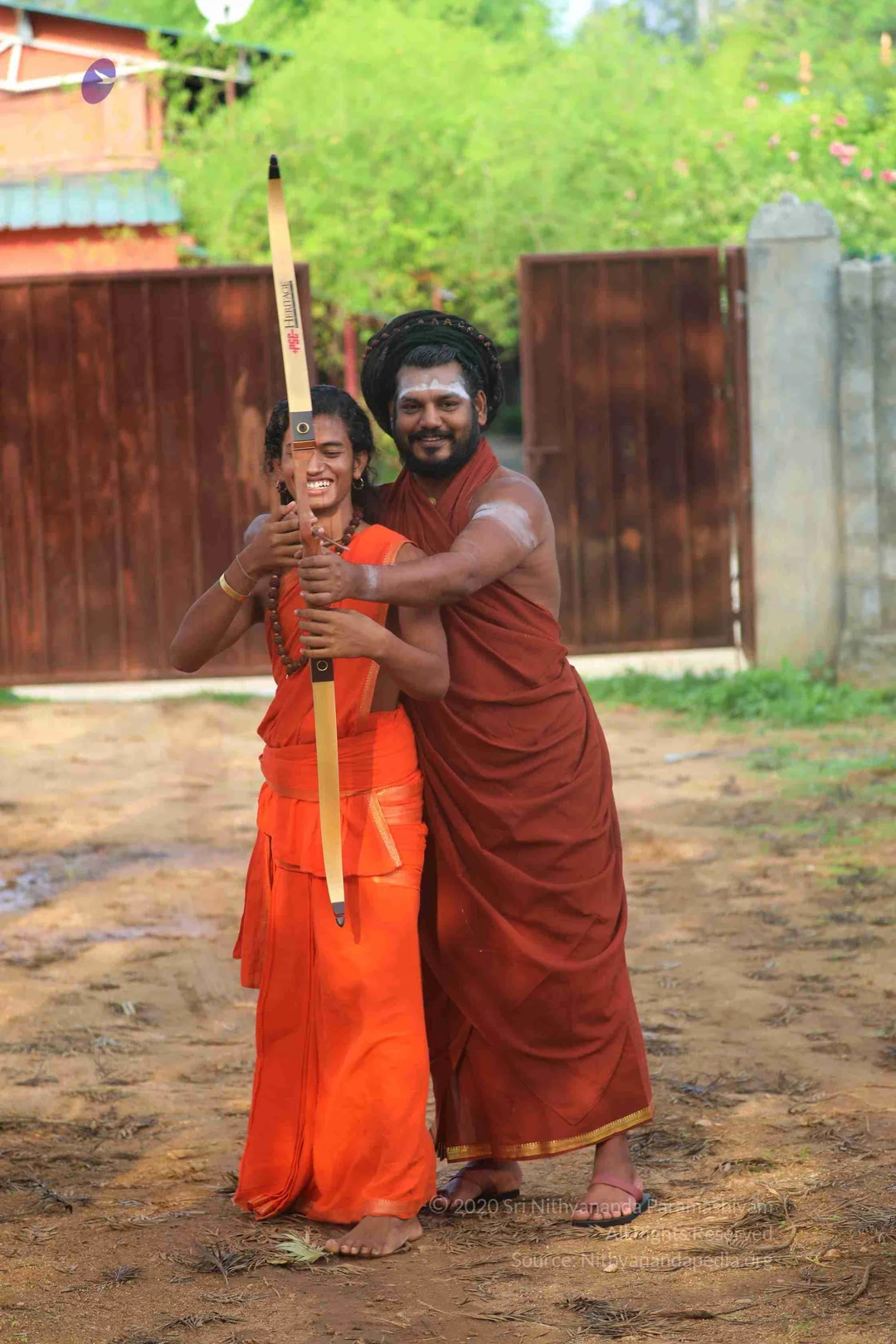
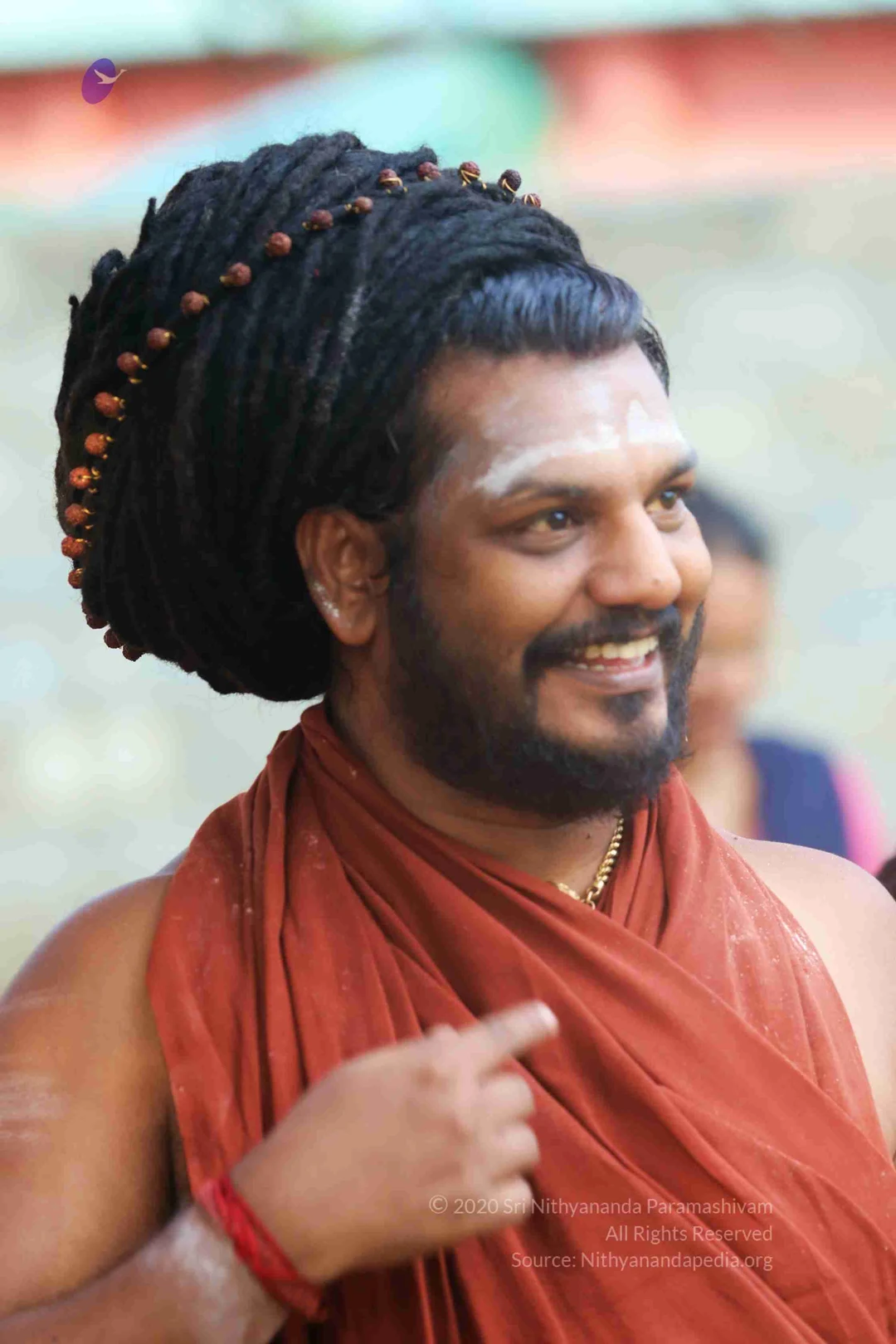
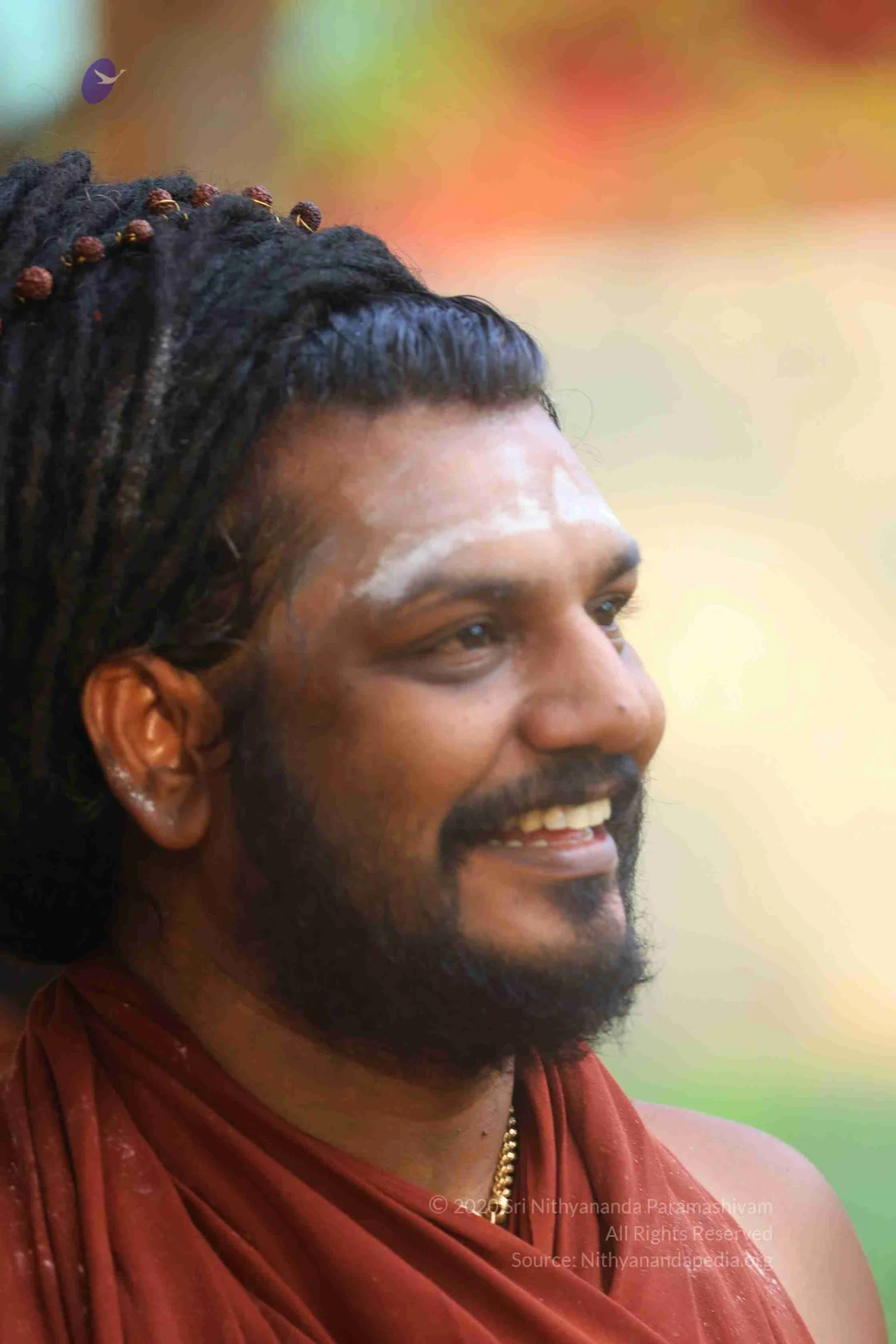
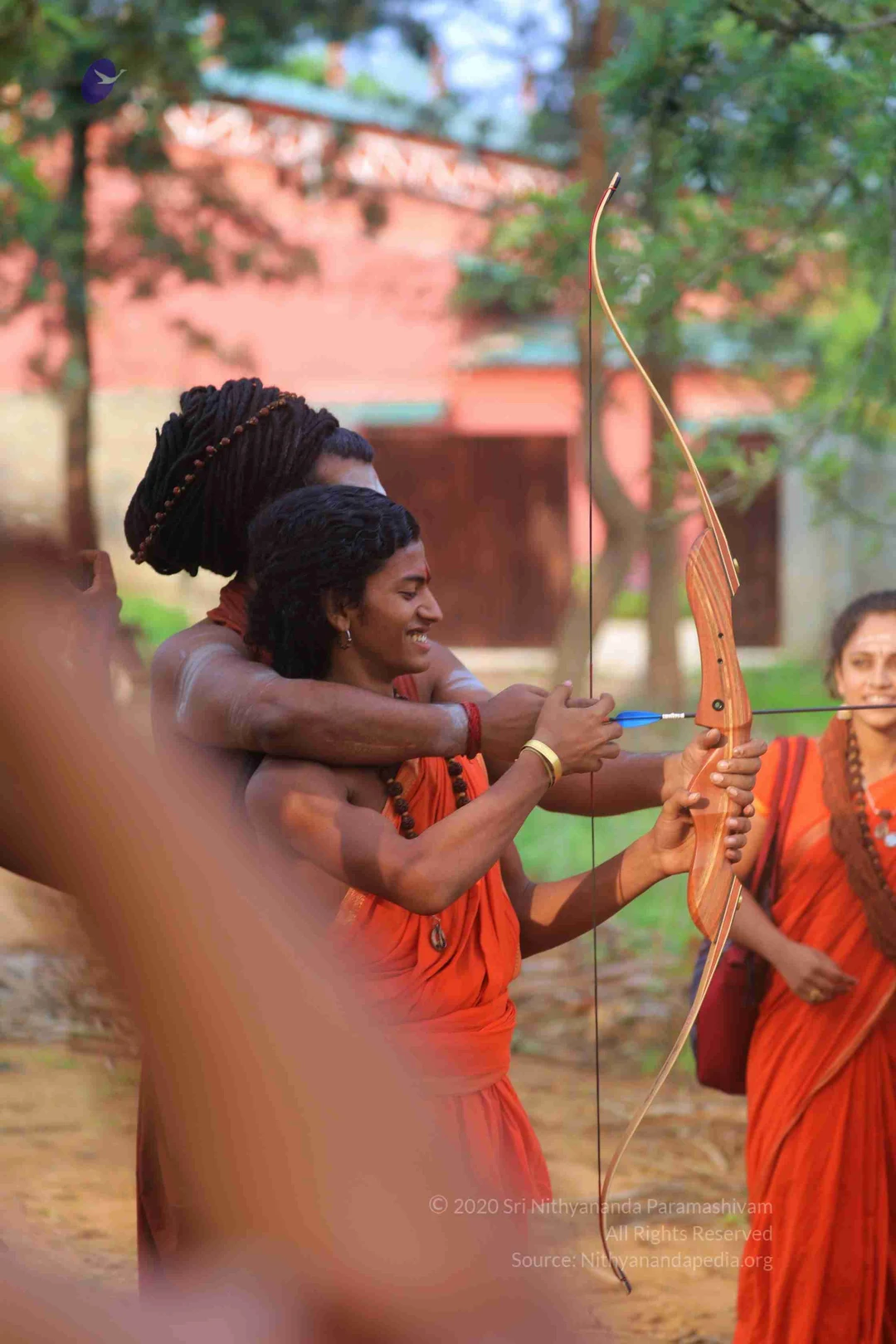
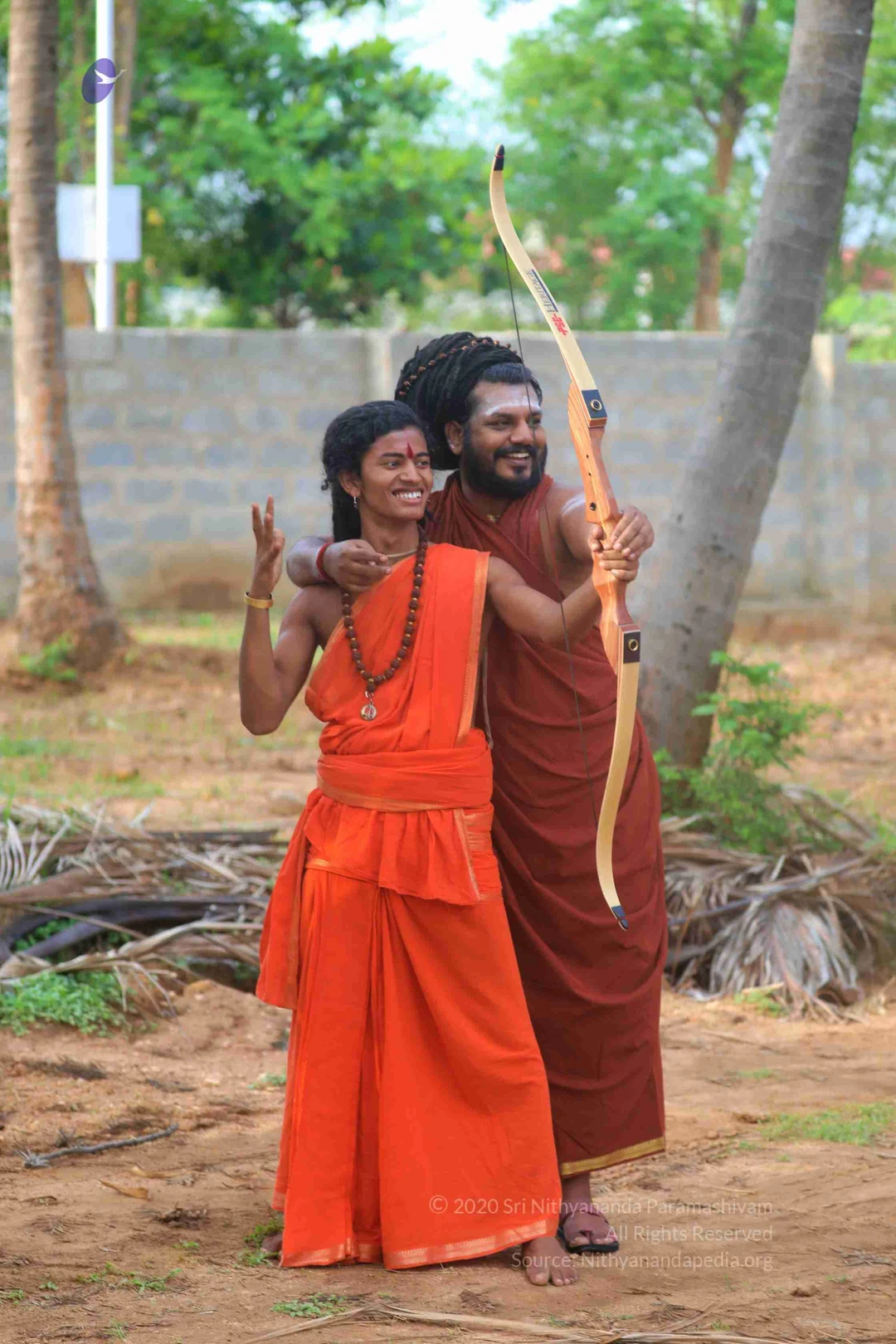
Dhanur Vidya
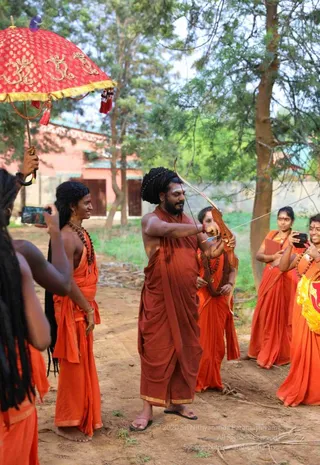 Guru teaching dhanur vidya (archery training)
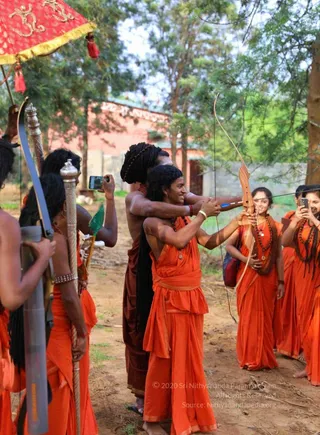 Guru teaching dhanur vidya (archery training)
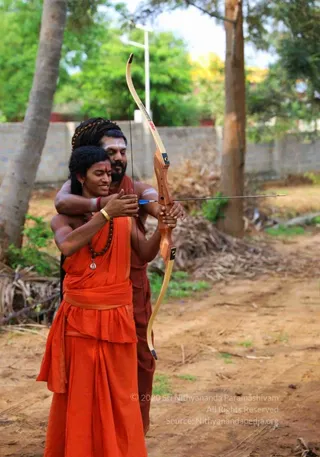 Guru teaching dhanur vidya (archery training)
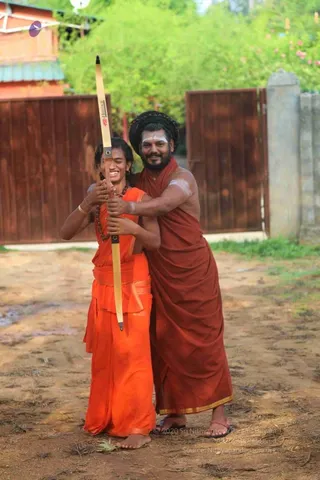 Guru teaching dhanur vidya (archery training)
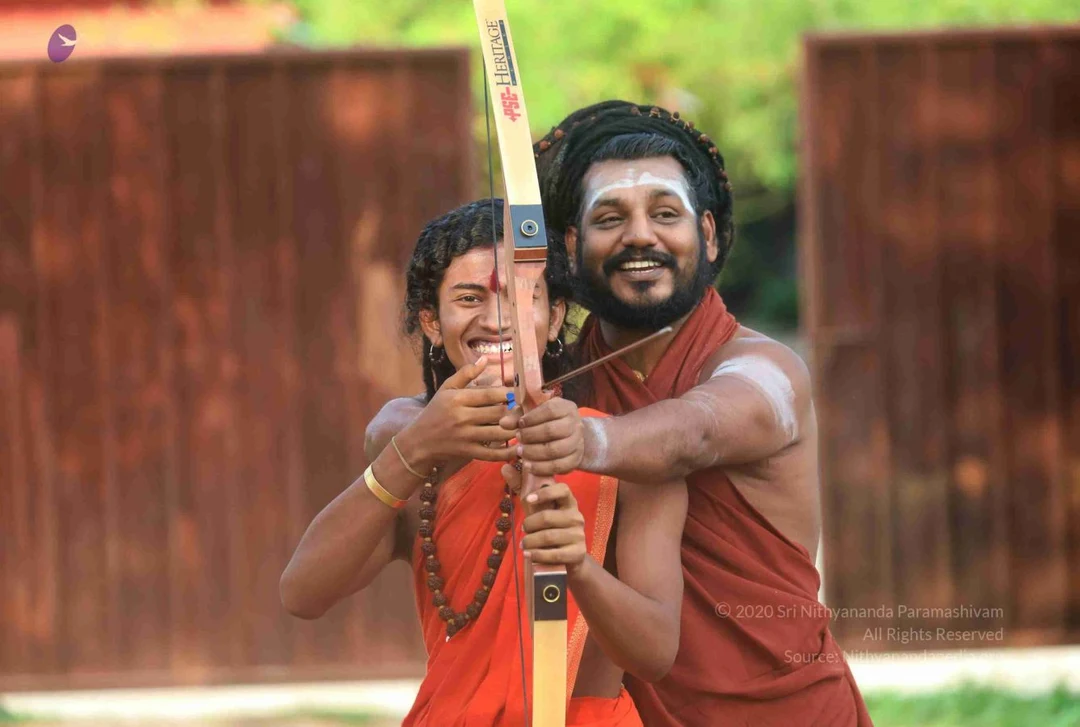 Guru teaching dhanur vidya (archery training)
 Guru teaching dhanur vidya (archery training)
 Guru teaching dhanur vidya (archery training)
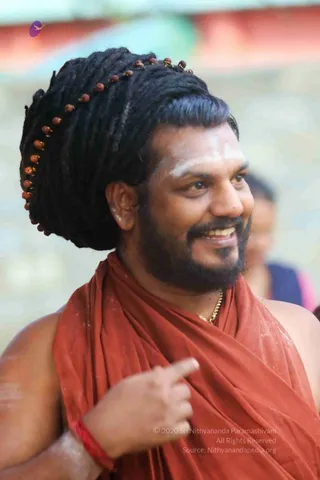 Let's all enjoy the innocence of existence
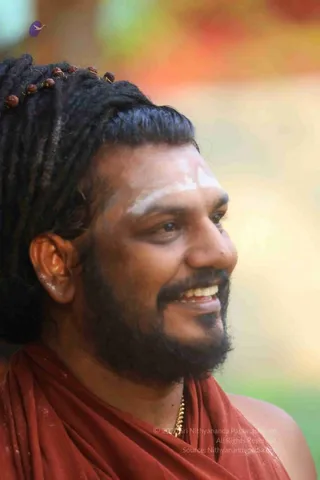 Let's all enjoy the innocence of existence
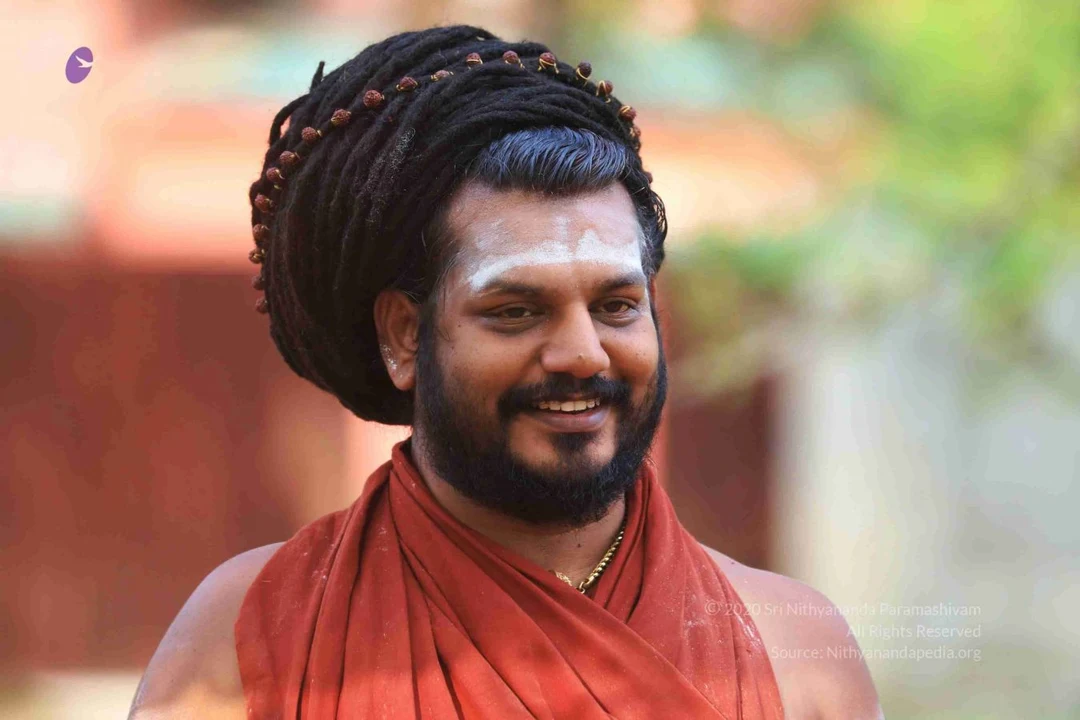 Let's all enjoy the innocence of existence
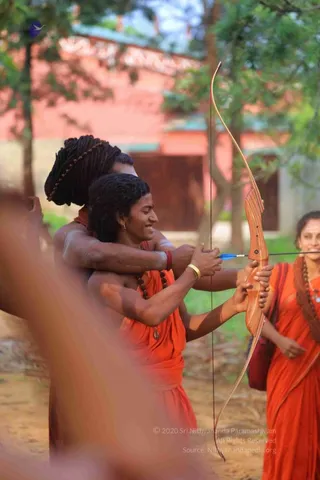 Guru teaching dhanur vidya (archery training)
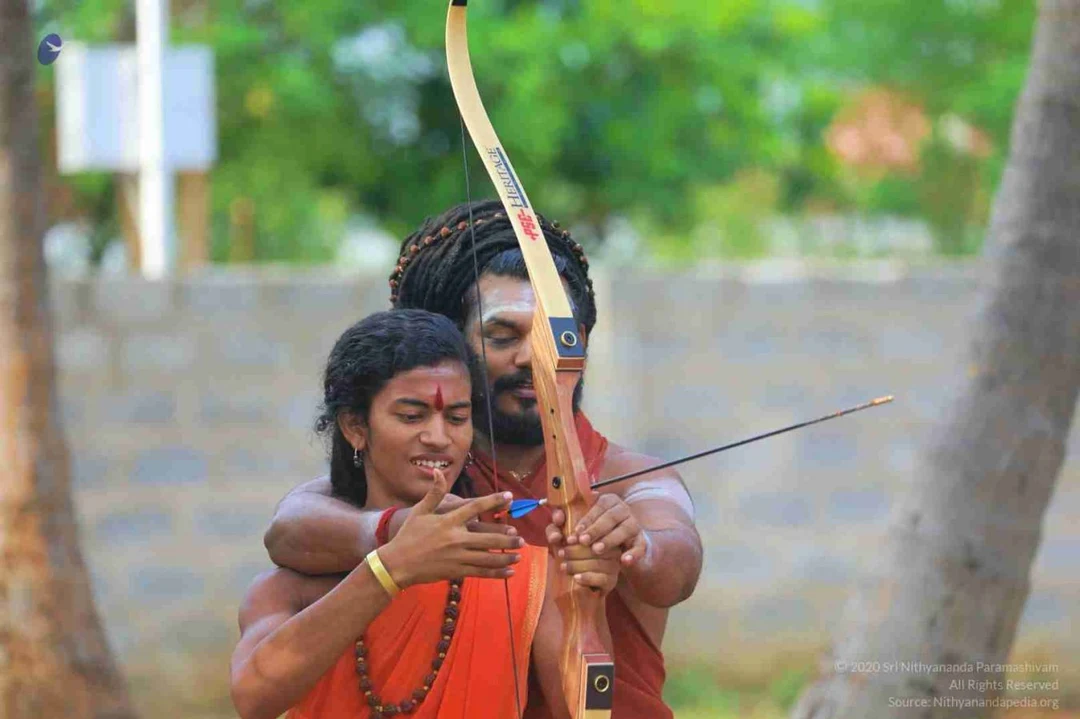 Guru teaching dhanur vidya (archery training)
 Guru teaching dhanur vidya (archery training)
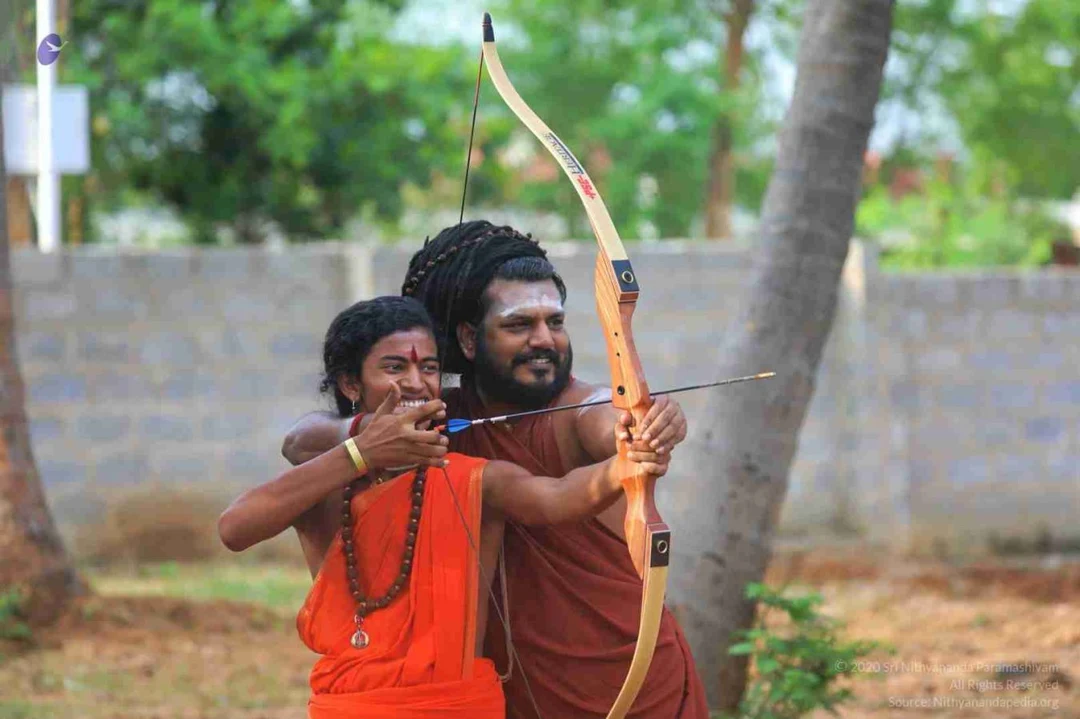 Guru teaching dhanur vidya (archery training)
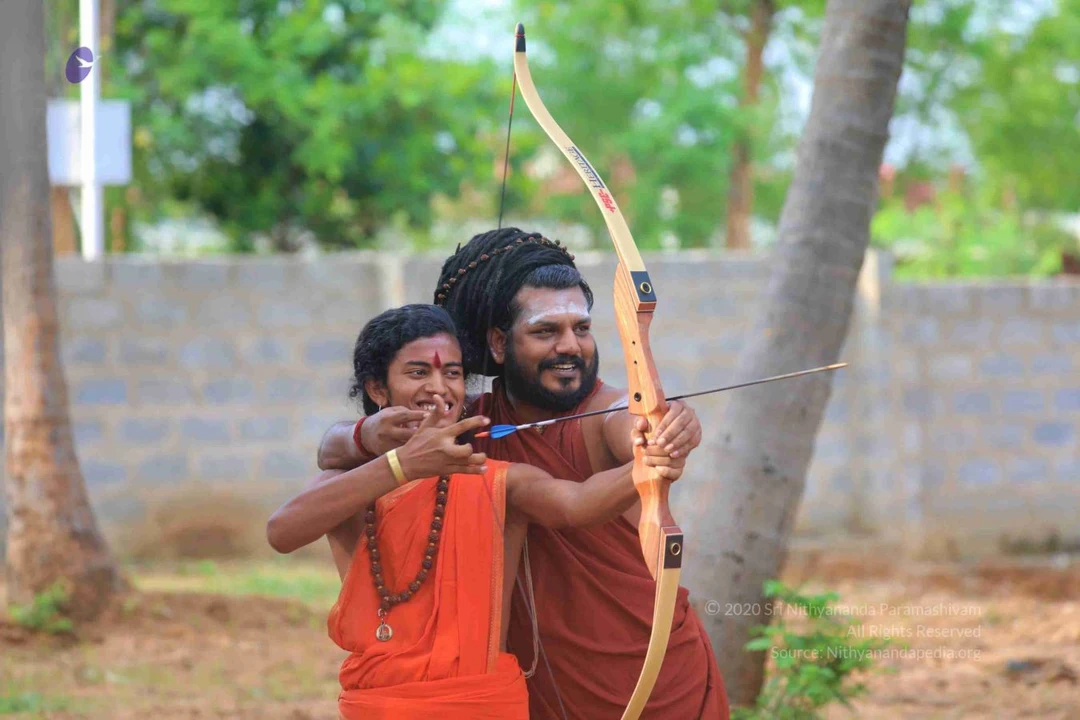 Guru teaching dhanur vidya (archery training)
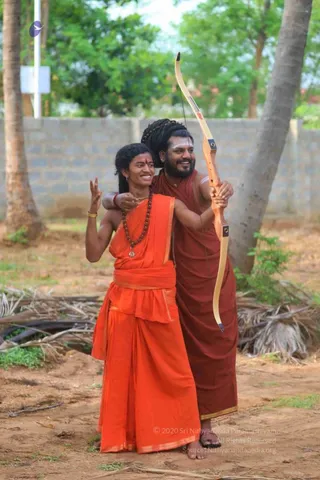 Guru teaching dhanur vidya (archery training)
Overseeing Construction
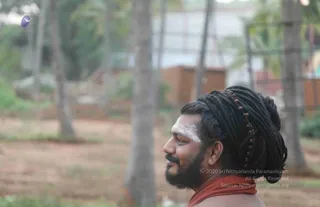
 HDH Nithyananda Paramashivam overseeing construction of the Nithyananda Sadashiva Devasthanam
 HDH Nithyananda Paramashivam overseeing construction of the Nithyananda Sadashiva Devasthanam
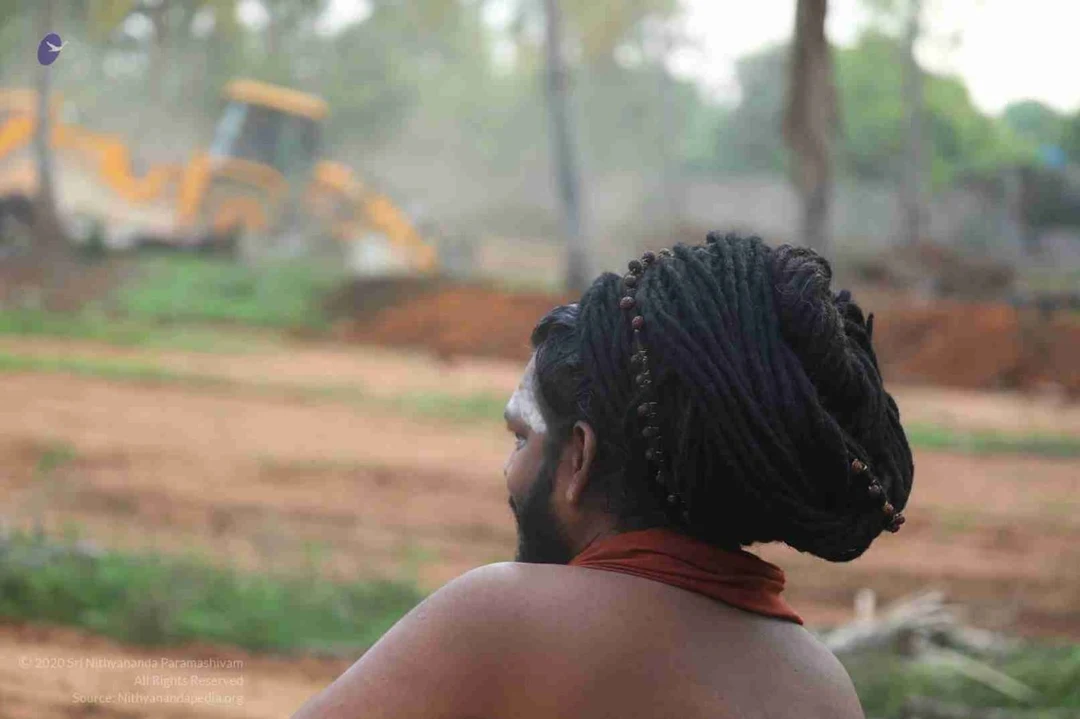 HDH Nithyananda Paramashivam overseeing construction of the Nithyananda Sadashiva Devasthanam
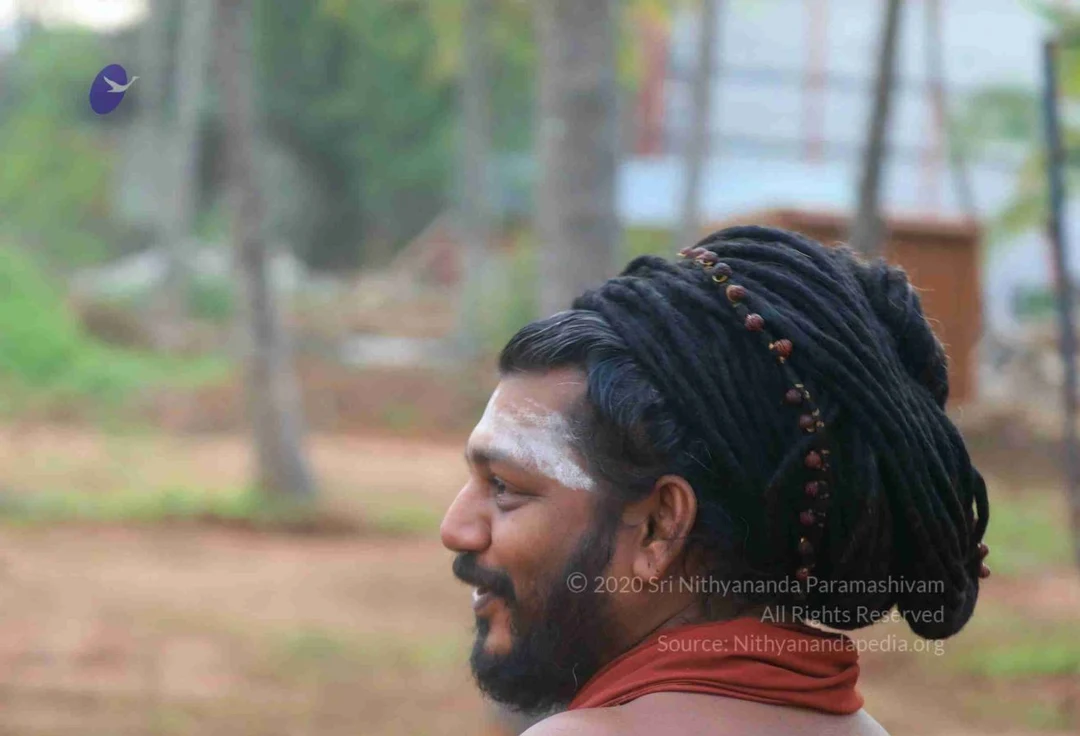 HDH Nithyananda Paramashivam overseeing construction of the Nithyananda Sadashiva Devasthanam
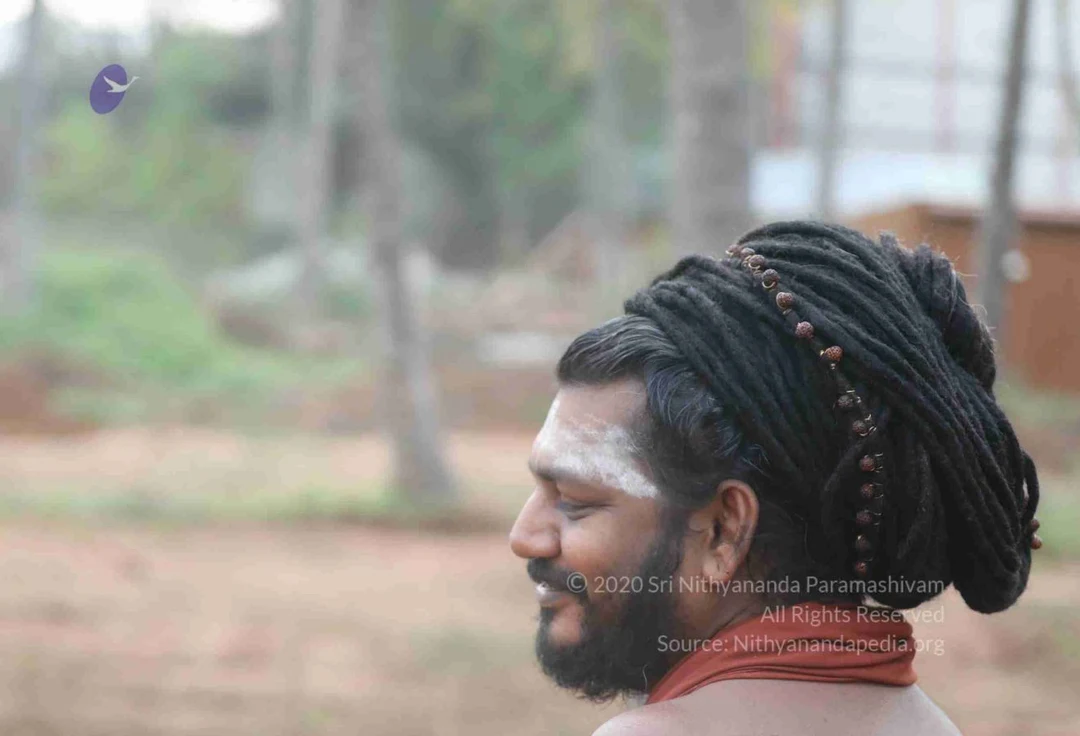 HDH Nithyananda Paramashivam overseeing construction of the Nithyananda Sadashiva Devasthanam
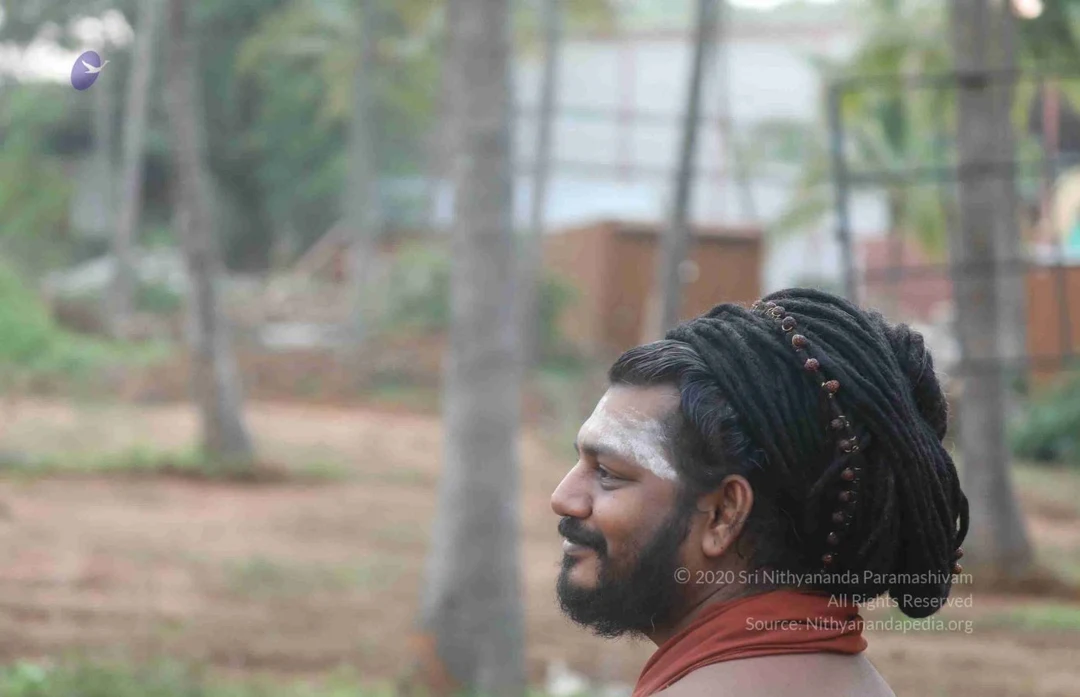 HDH Nithyananda Paramashivam overseeing construction of the Nithyananda Sadashiva Devasthanam
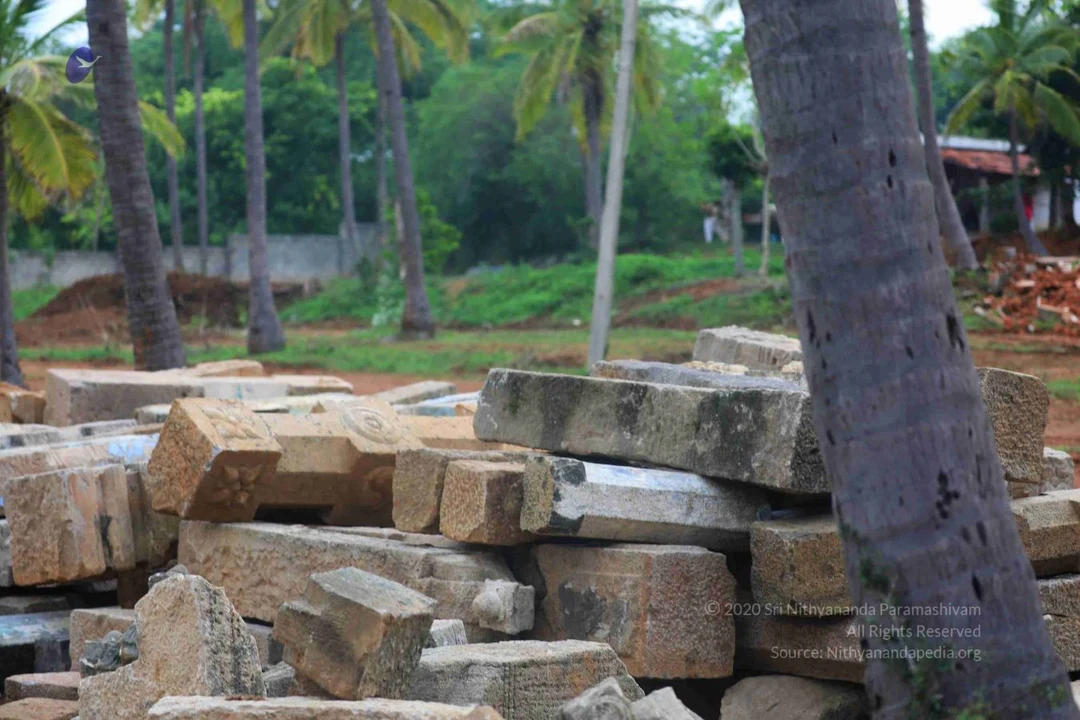 HDH Nithyananda Paramashivam overseeing construction of the Nithyananda Sadashiva Devasthanam
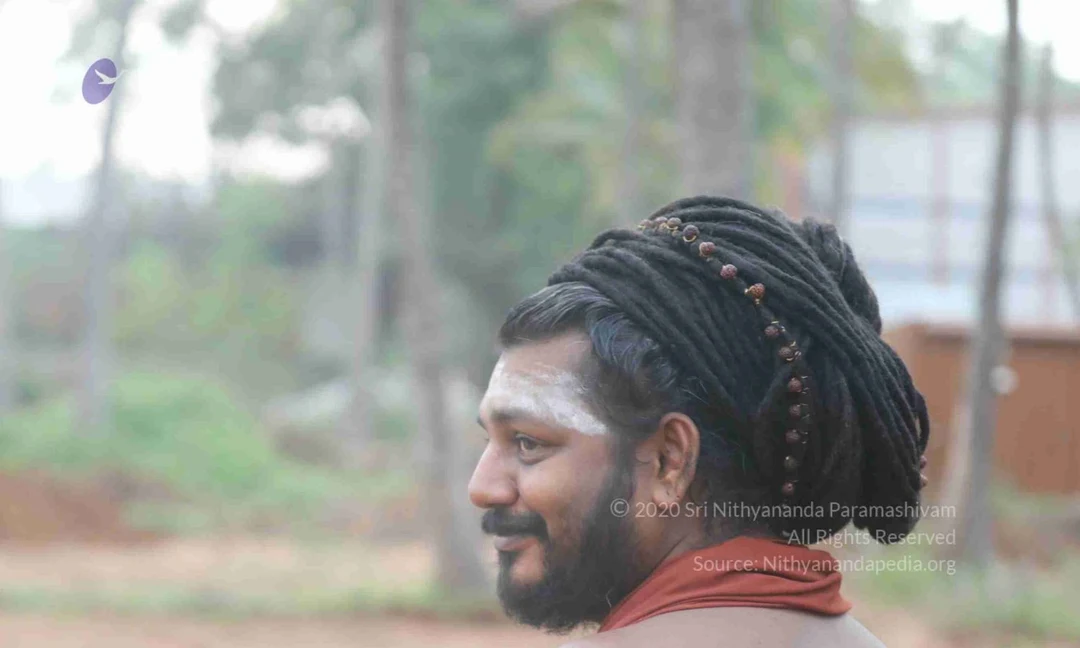 HDH Nithyananda Paramashivam overseeing construction of the Nithyananda Sadashiva Devasthanam
 Avatar presence is living healing energy field
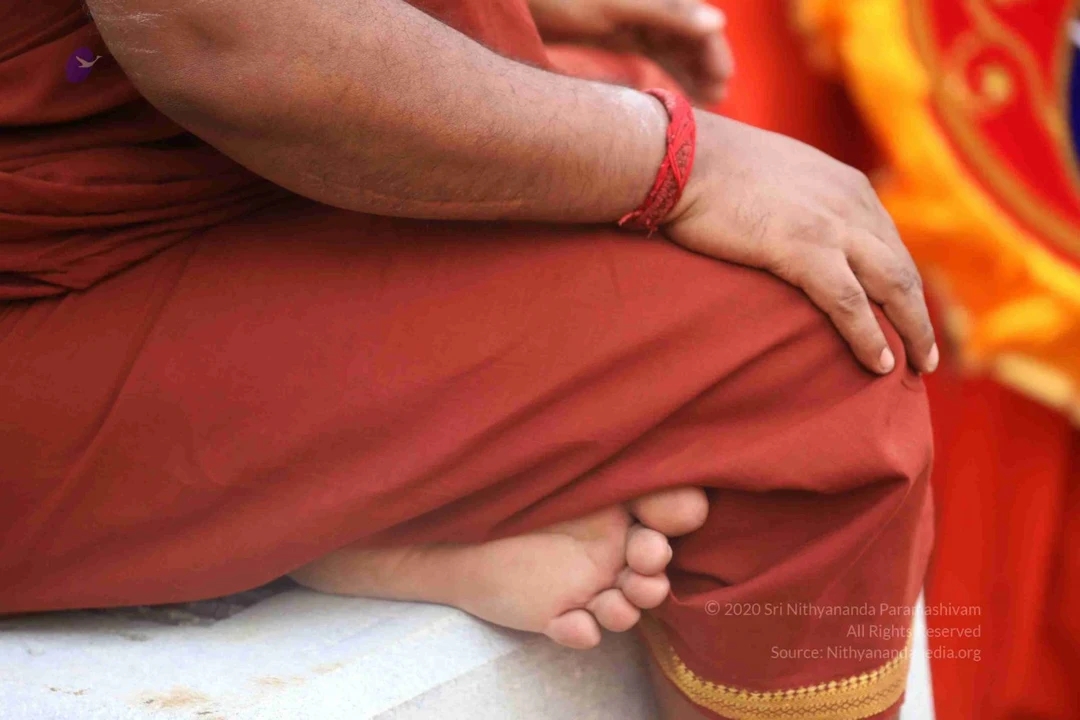 Avatar presence is living healing energy field
 Avatar presence is living healing energy field
 Avatar presence is living healing energy field
 Avatar presence is living healing energy field
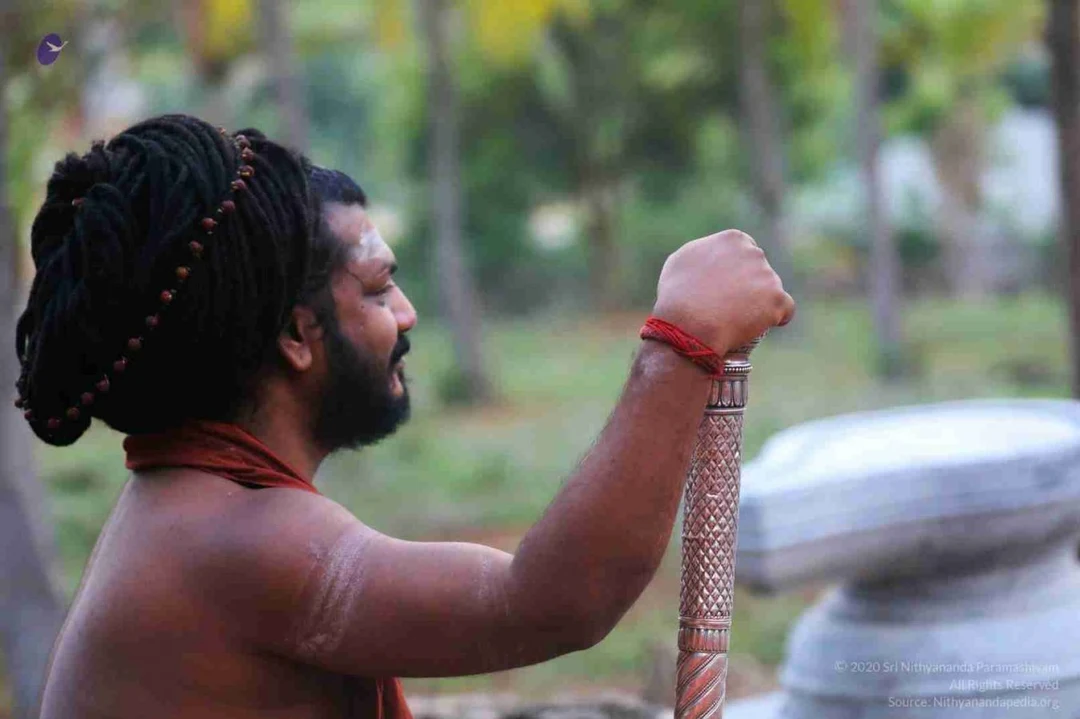 Avatar presence is living healing energy field
 Avatar presence is living healing energy field
 Avatar presence is living healing energy field
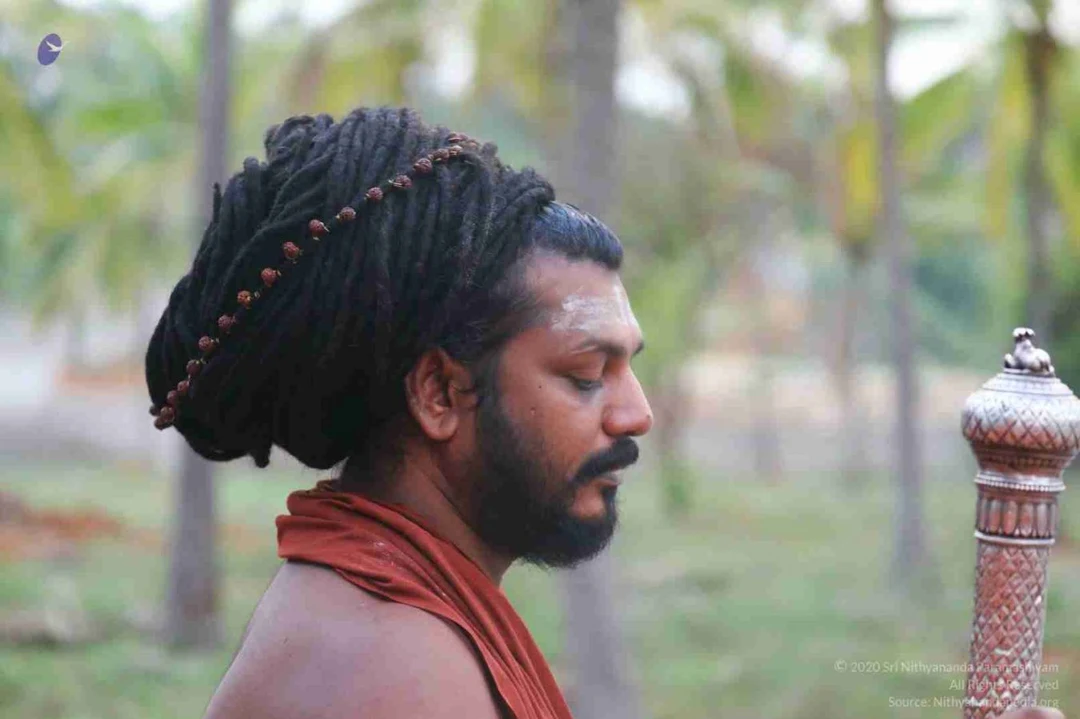 Avatar presence is living healing energy field
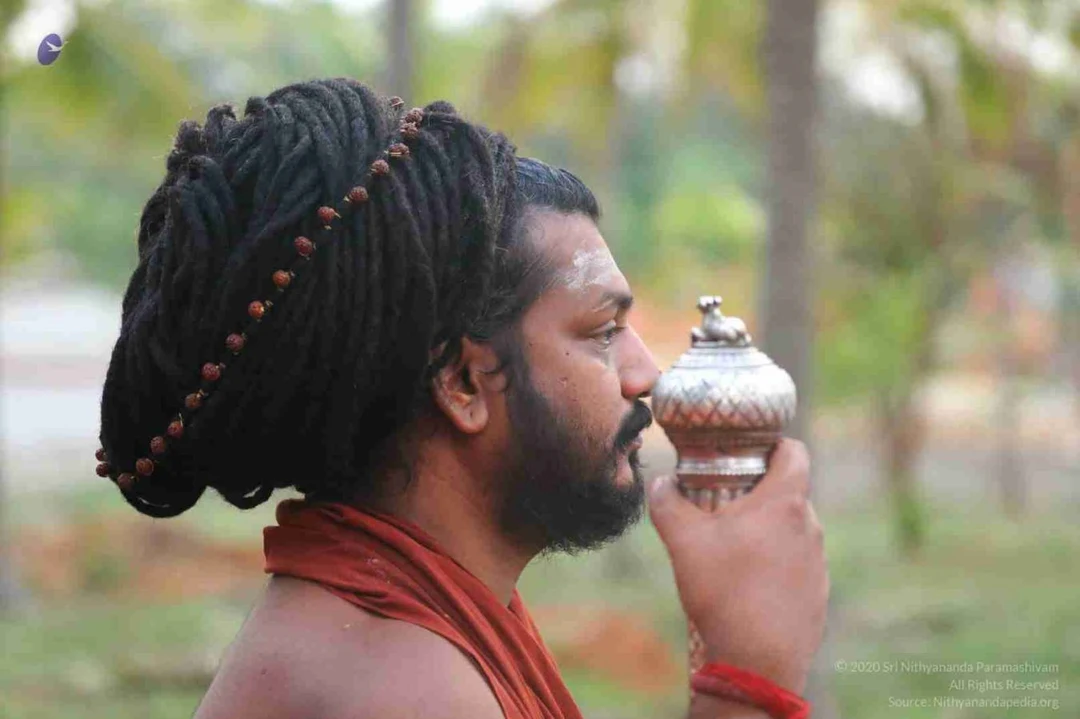 Avatar presence is living healing energy field
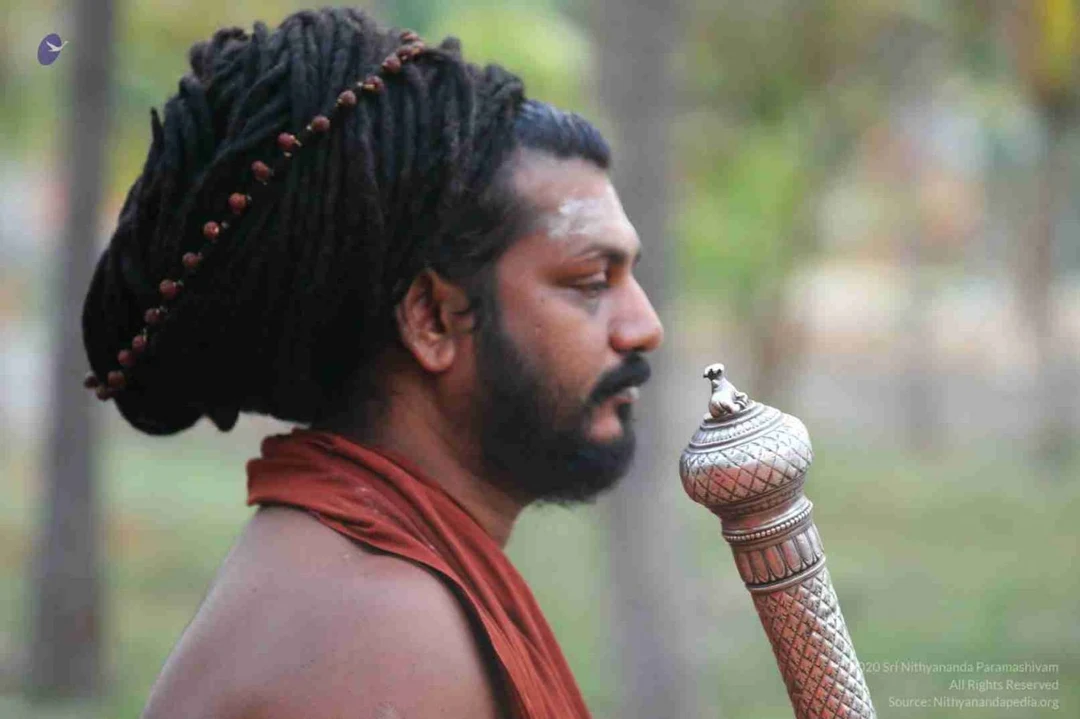 Avatar presence is living healing energy field
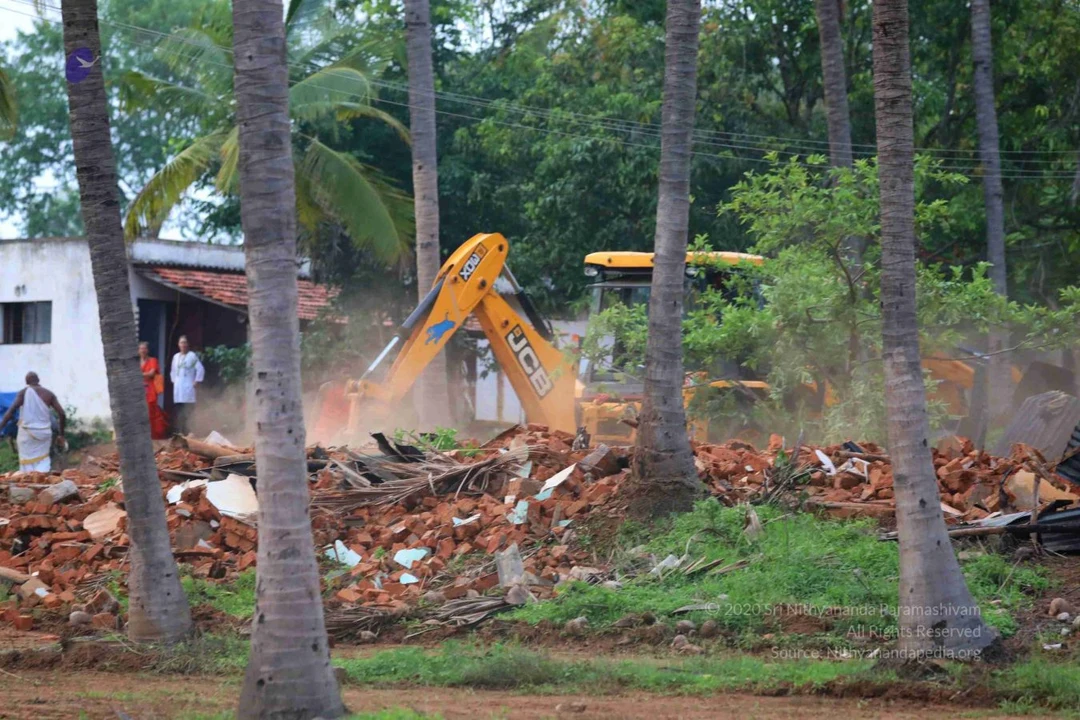 HDH Nithyananda Paramashivam overseeing construction of the Nithyananda Sadashiva Devasthanam
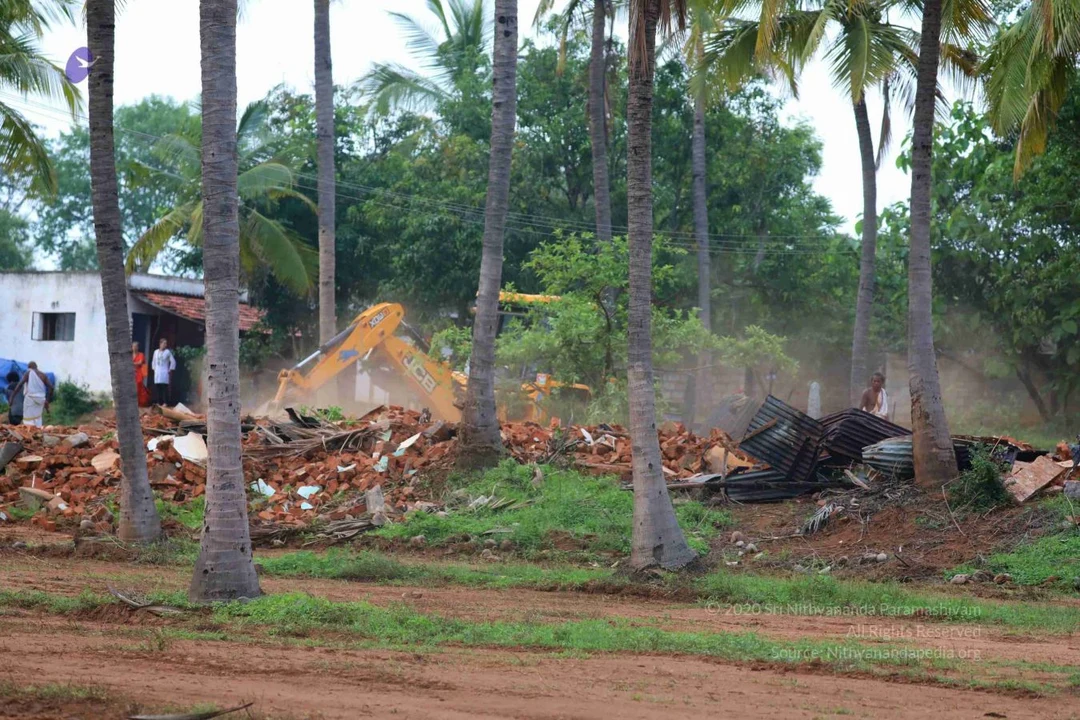 HDH Nithyananda Paramashivam overseeing construction of the Nithyananda Sadashiva Devasthanam
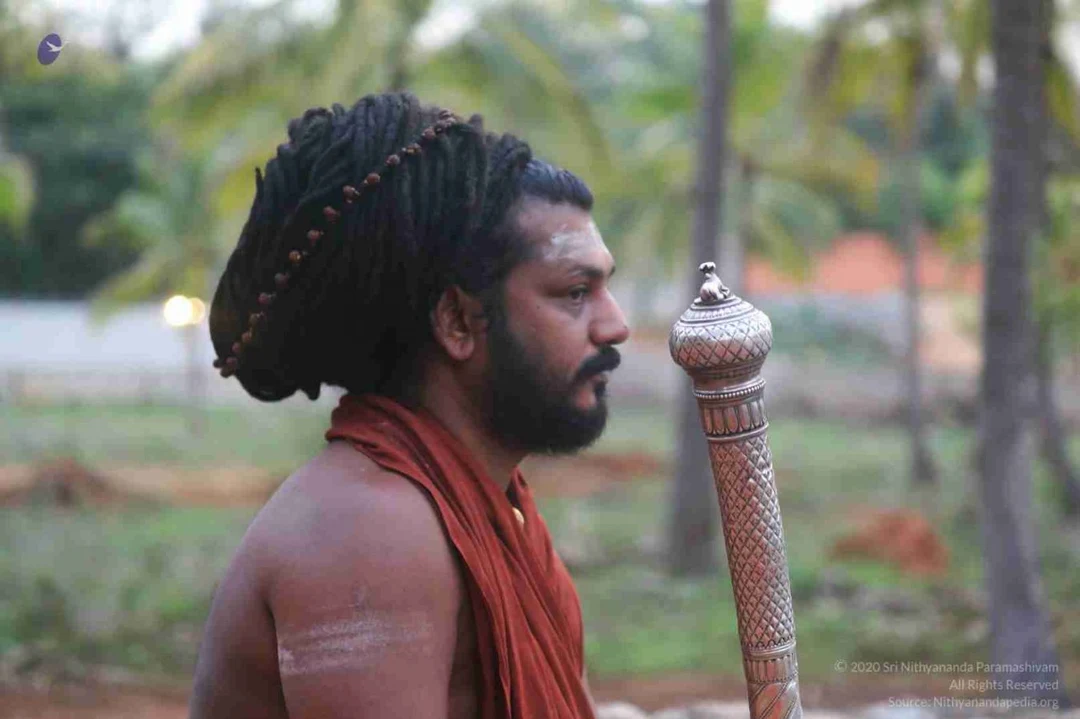 Avatar presence is living healing energy field
 Avatar presence is living healing energy field
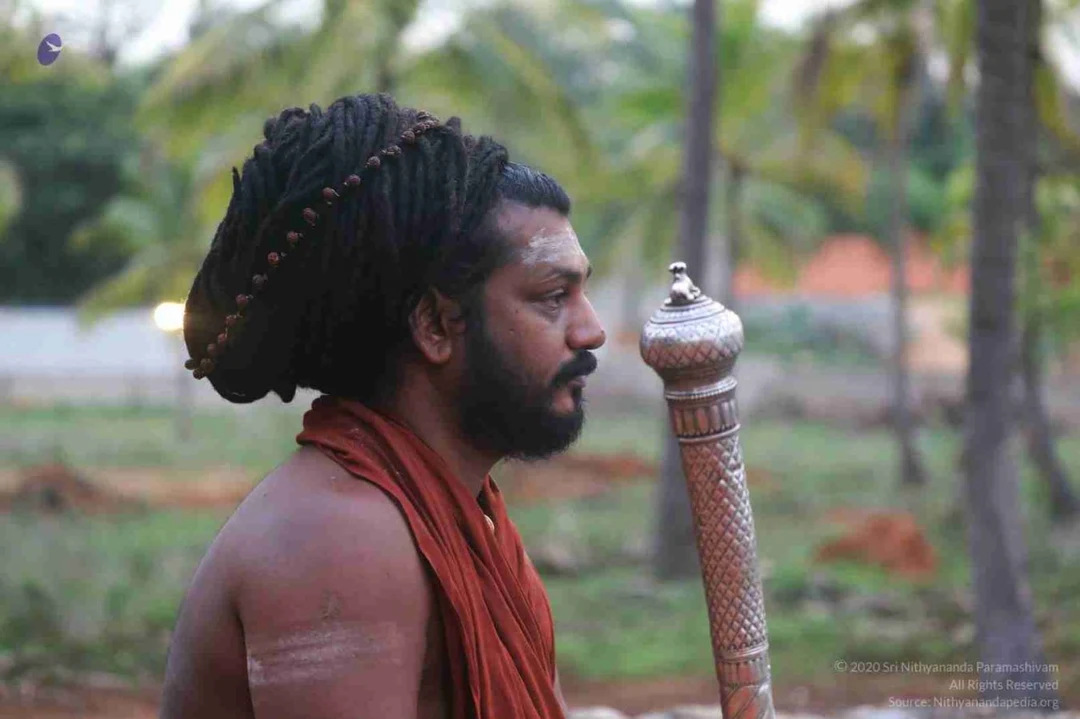 Avatar presence is living healing energy field
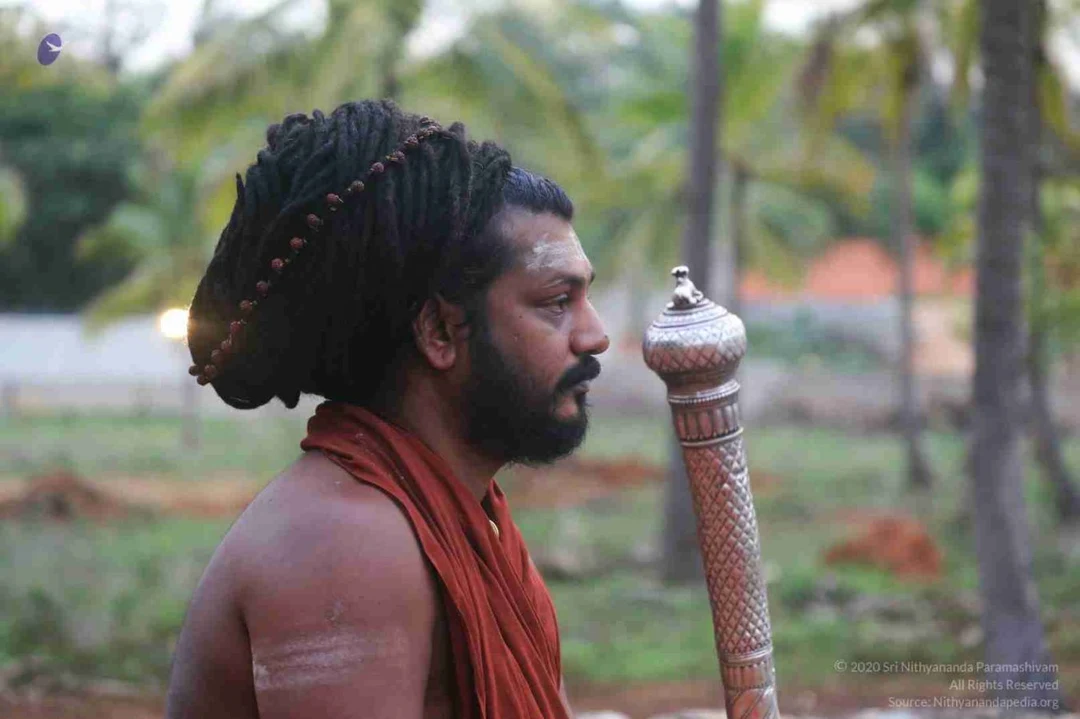 Avatar presence is living healing energy field
 Avatar presence is living healing energy field
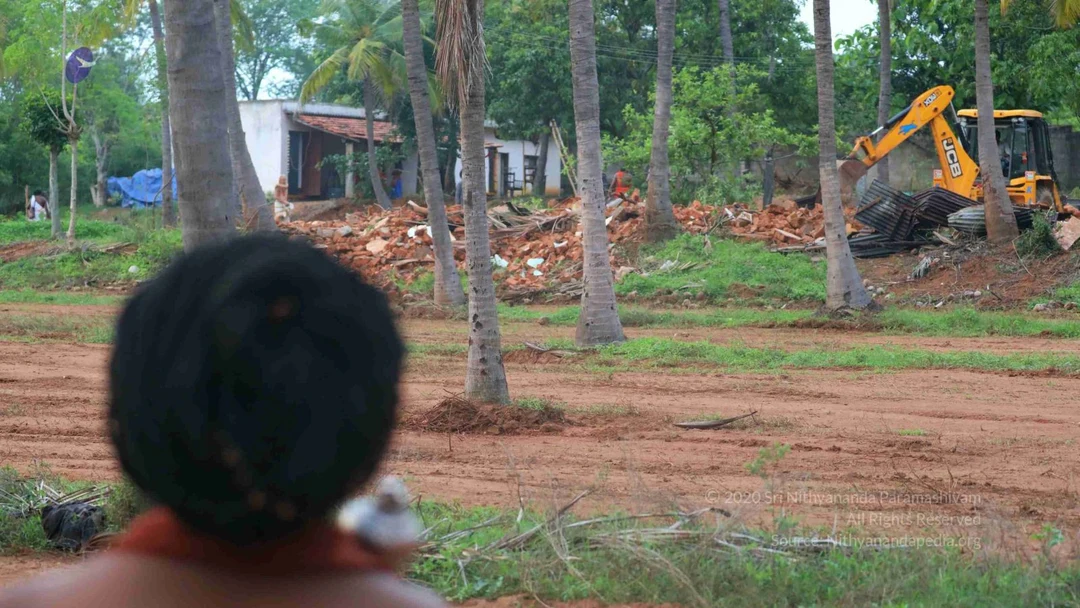 Avatar presence is living healing energy field
 Avatar presence is living healing energy field
 Avatar presence is living healing energy field
 Avatar presence is living healing energy field
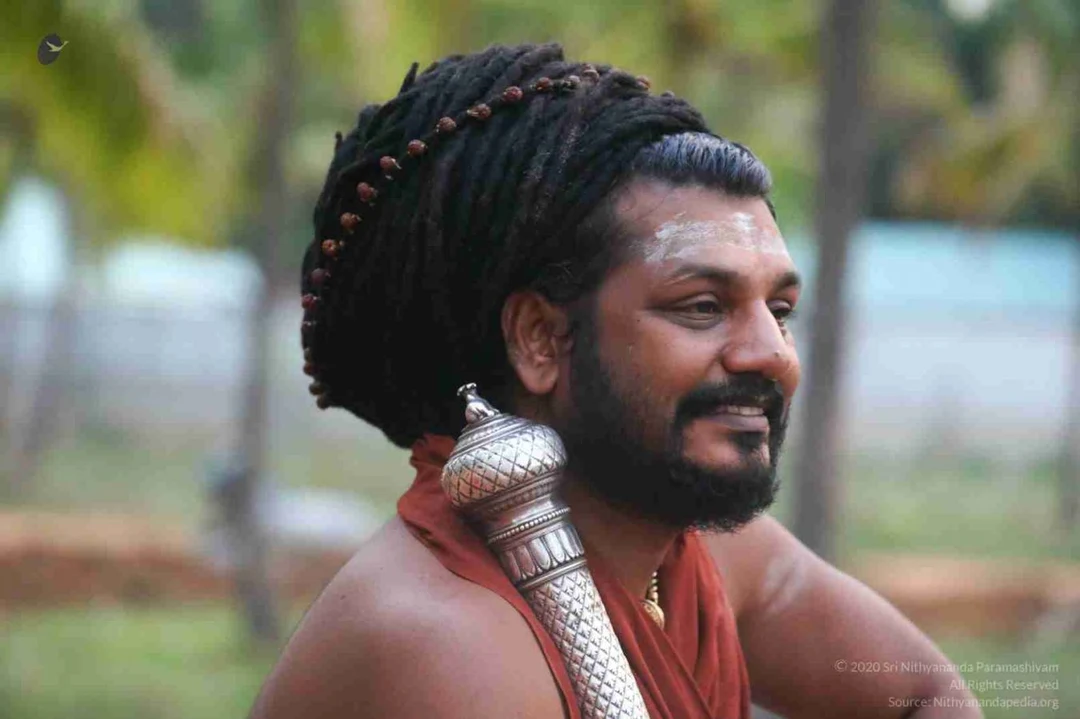 Avatar presence is living healing energy field
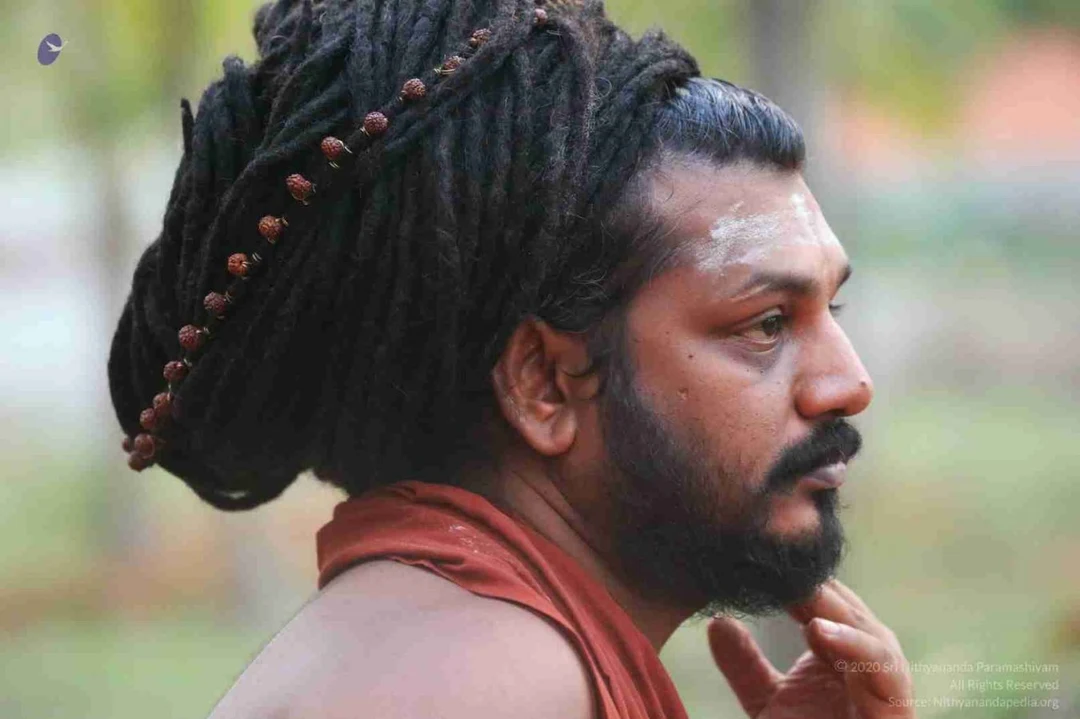 Avatar presence is living healing energy field
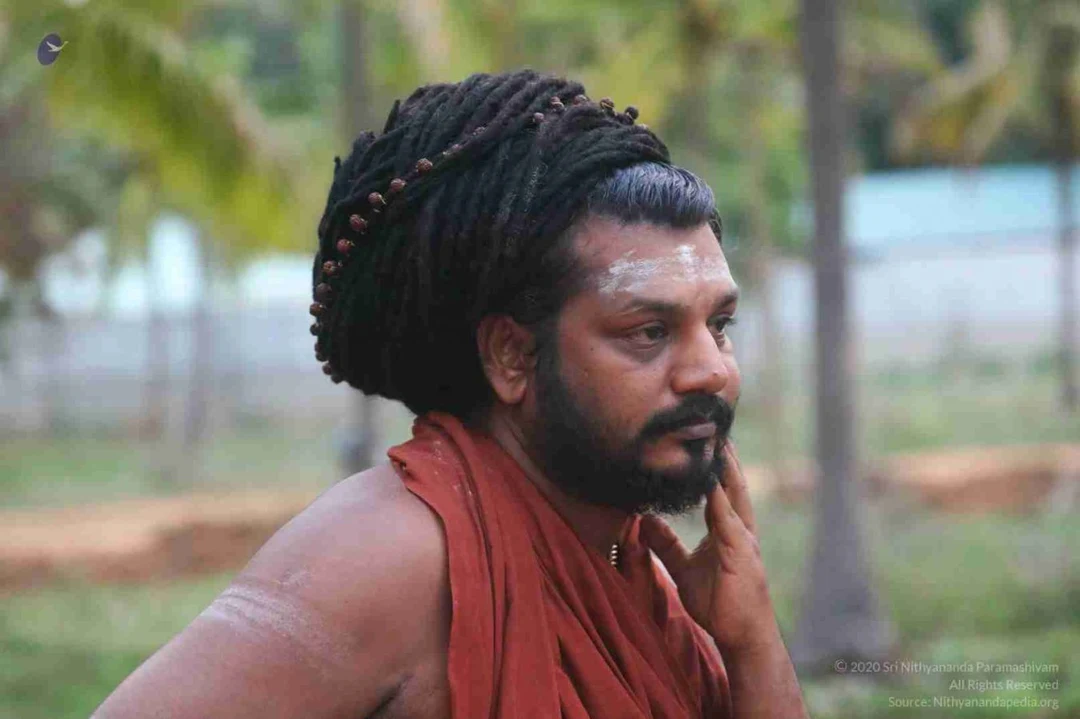 Avatar presence is living healing energy field
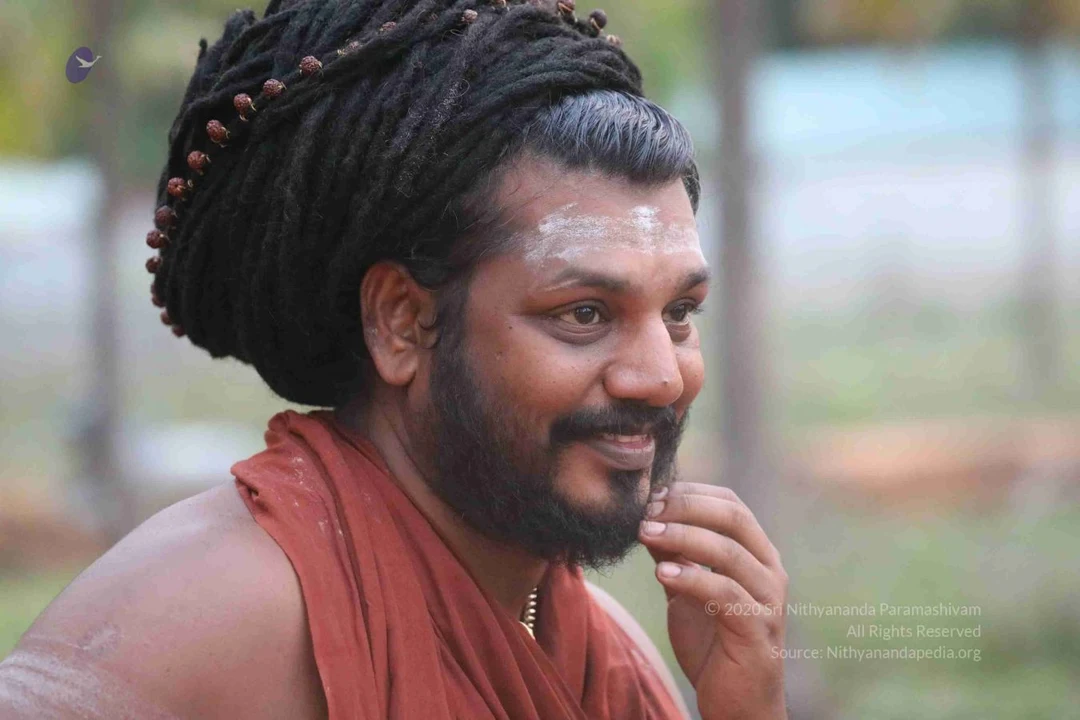 Avatar presence is living healing energy field
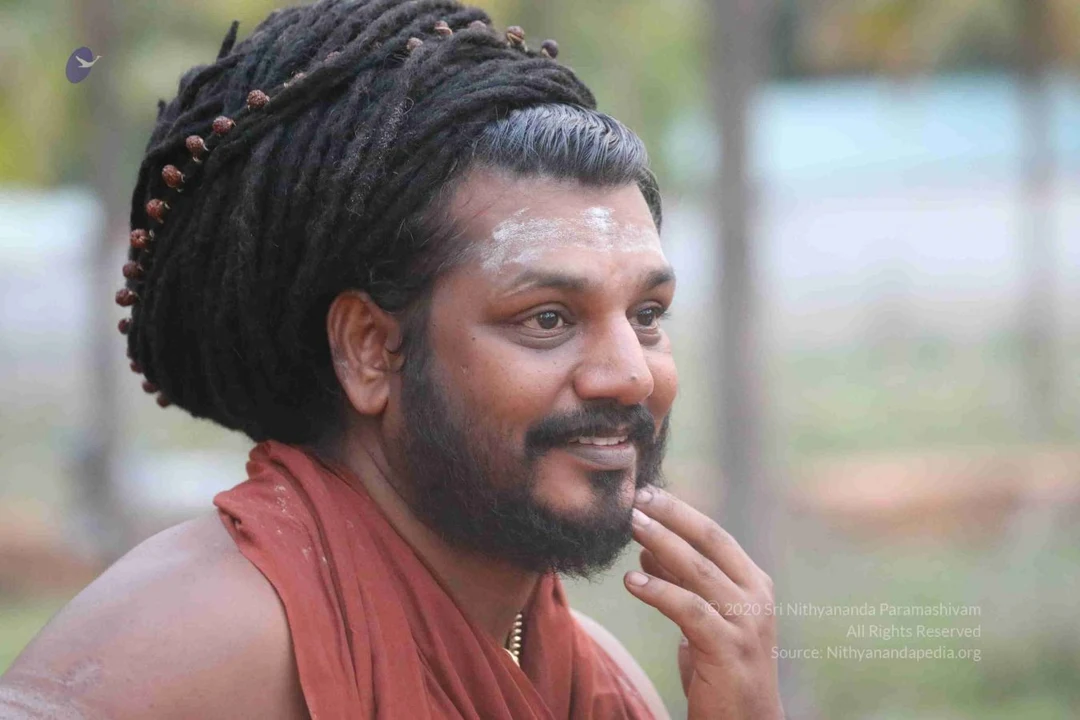 Avatar presence is living healing energy field
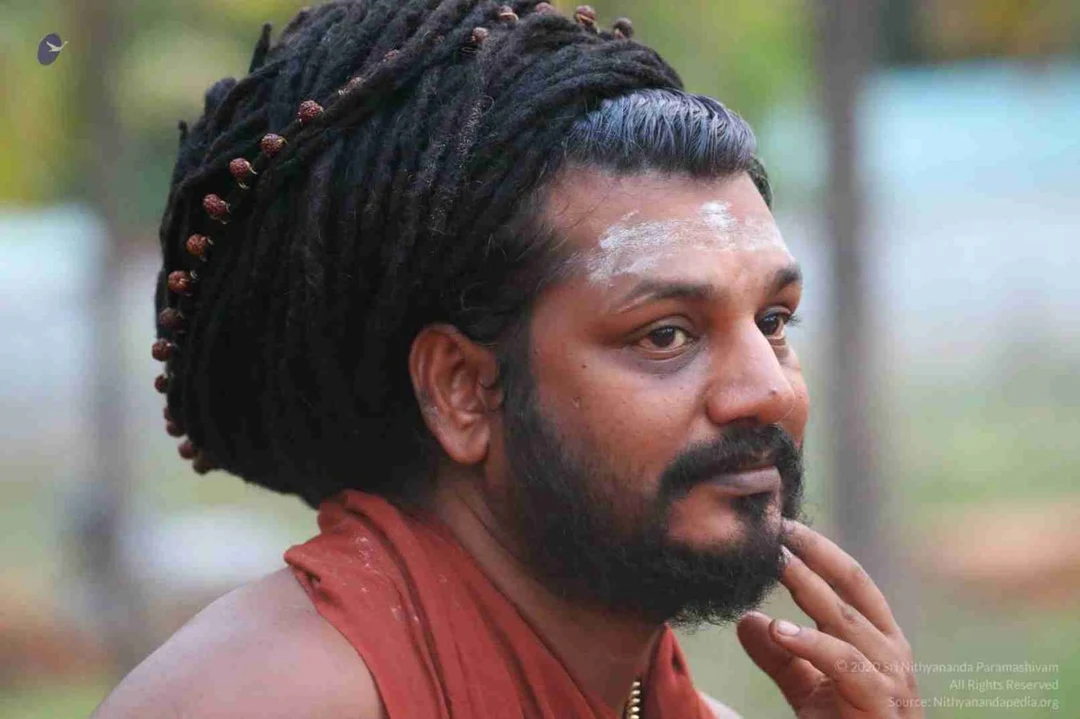 Avatar presence is living healing energy field
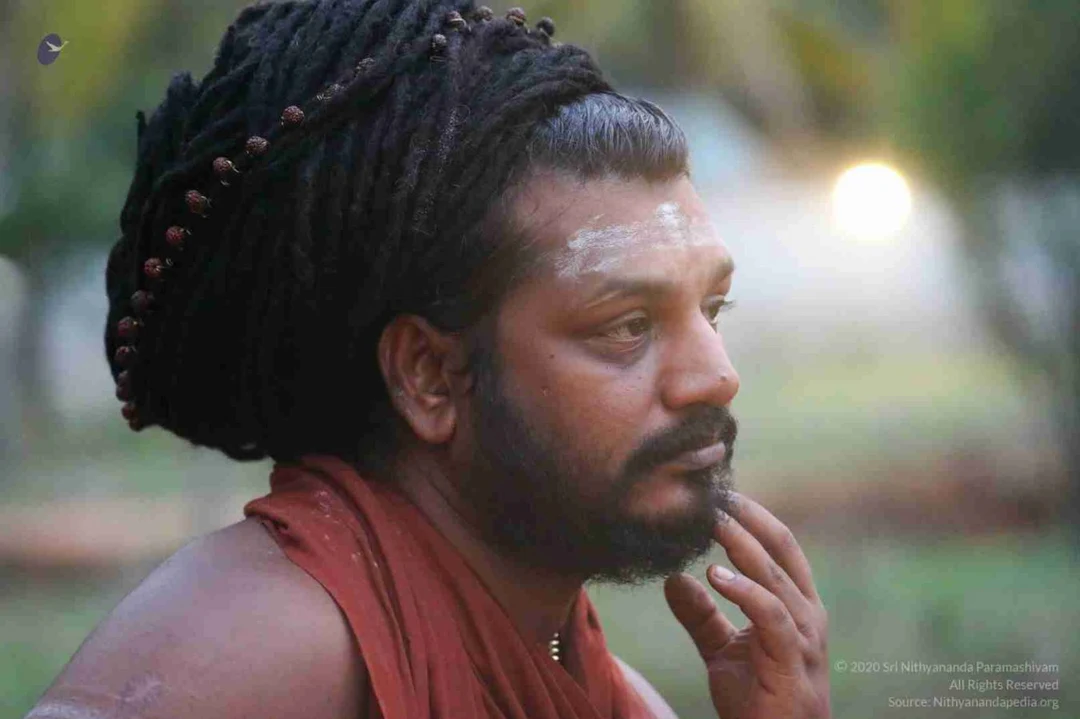 Avatar presence is living healing energy field
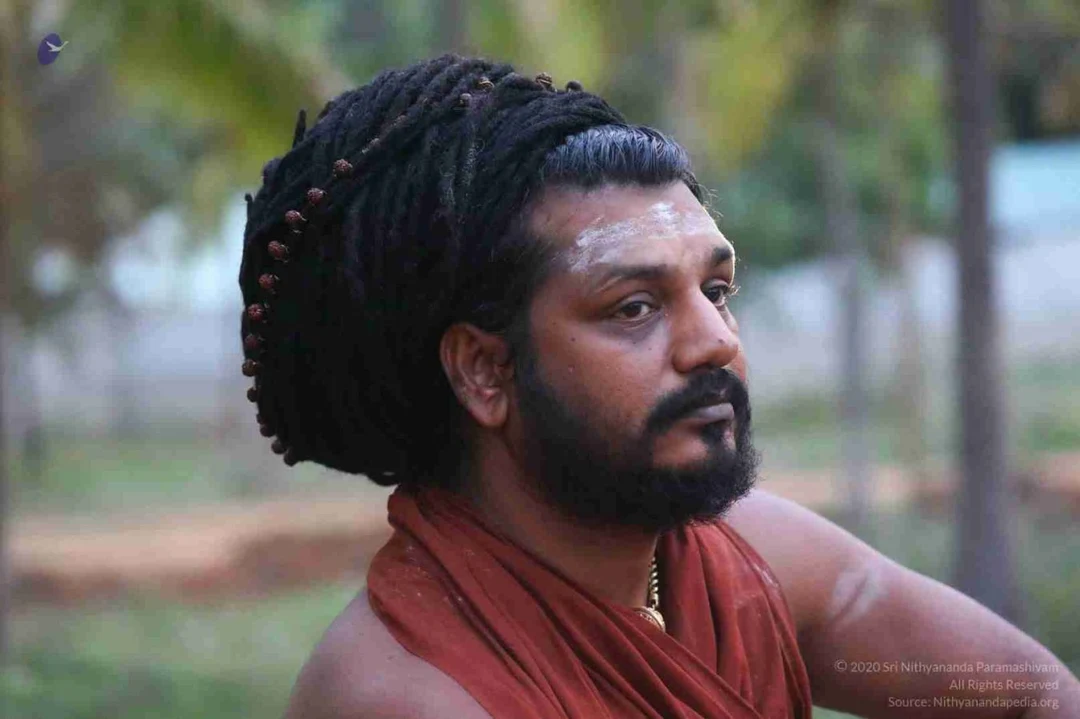 Avatar presence is living healing energy field
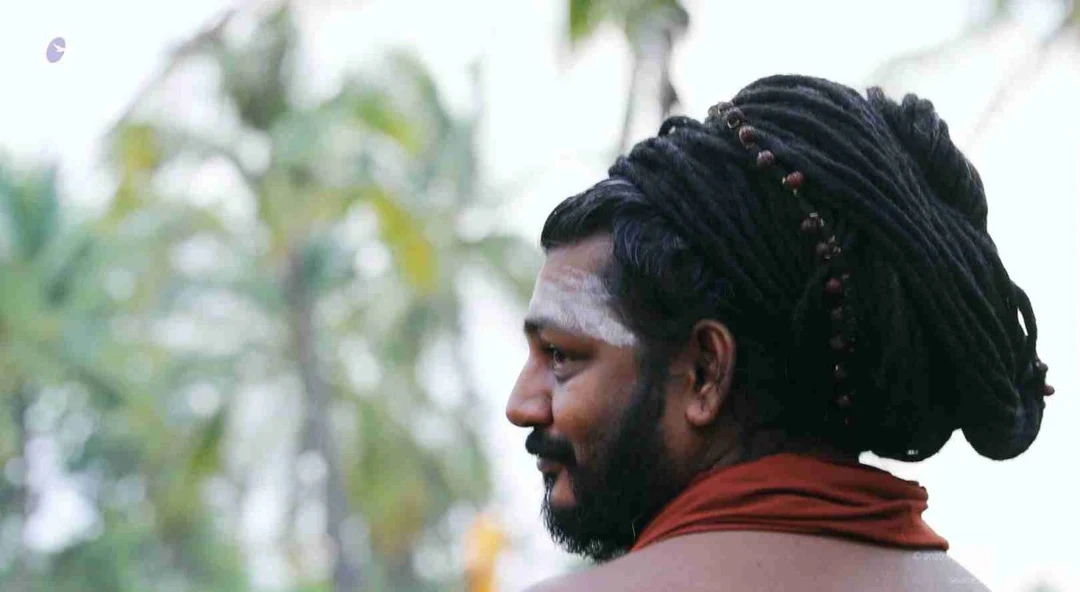 Create spiritual integrity, vatavarana, in and around you
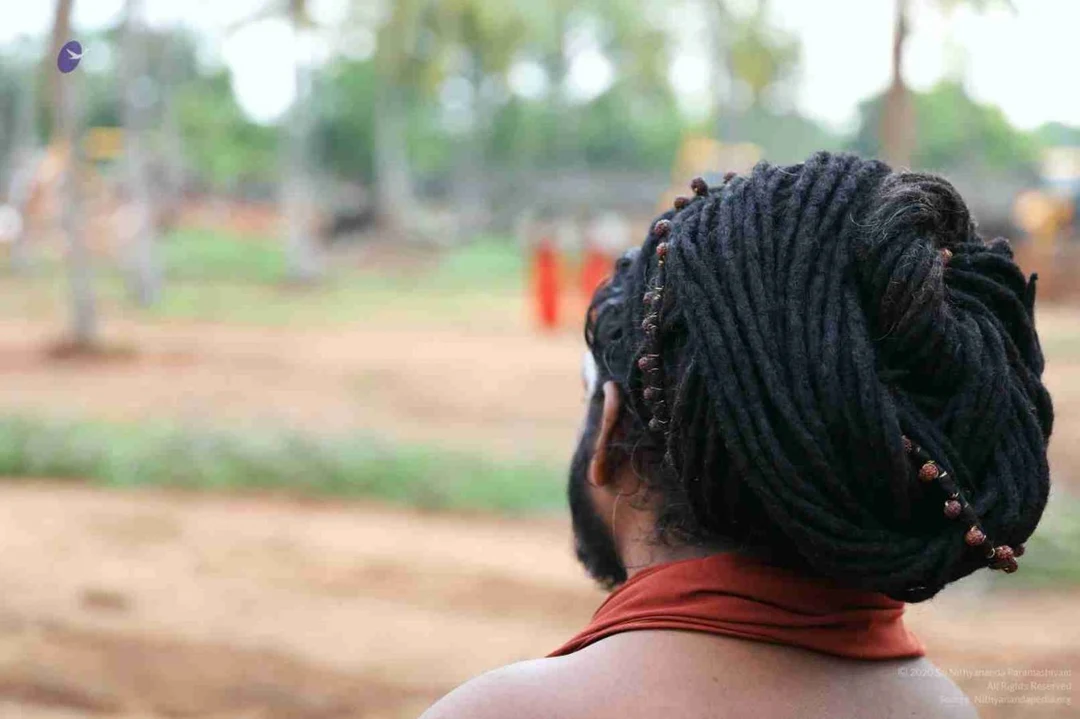 Create spiritual integrity, vatavarana, in and around you
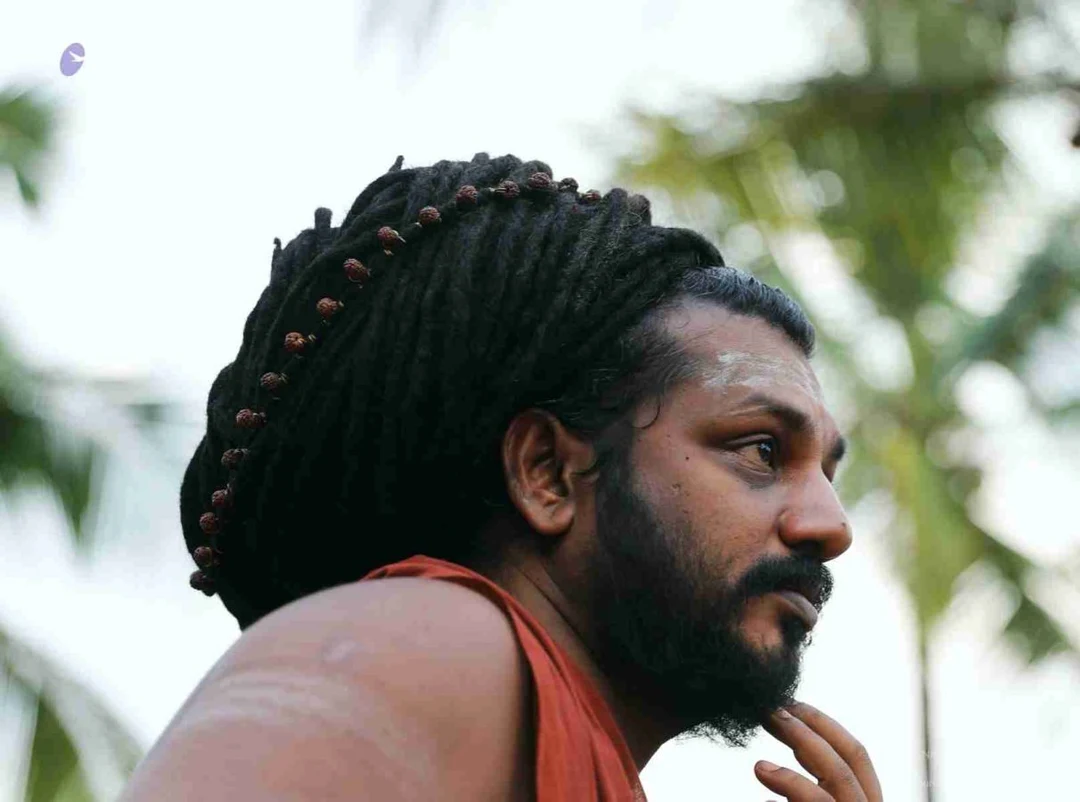 Create spiritual integrity, vatavarana, in and around you
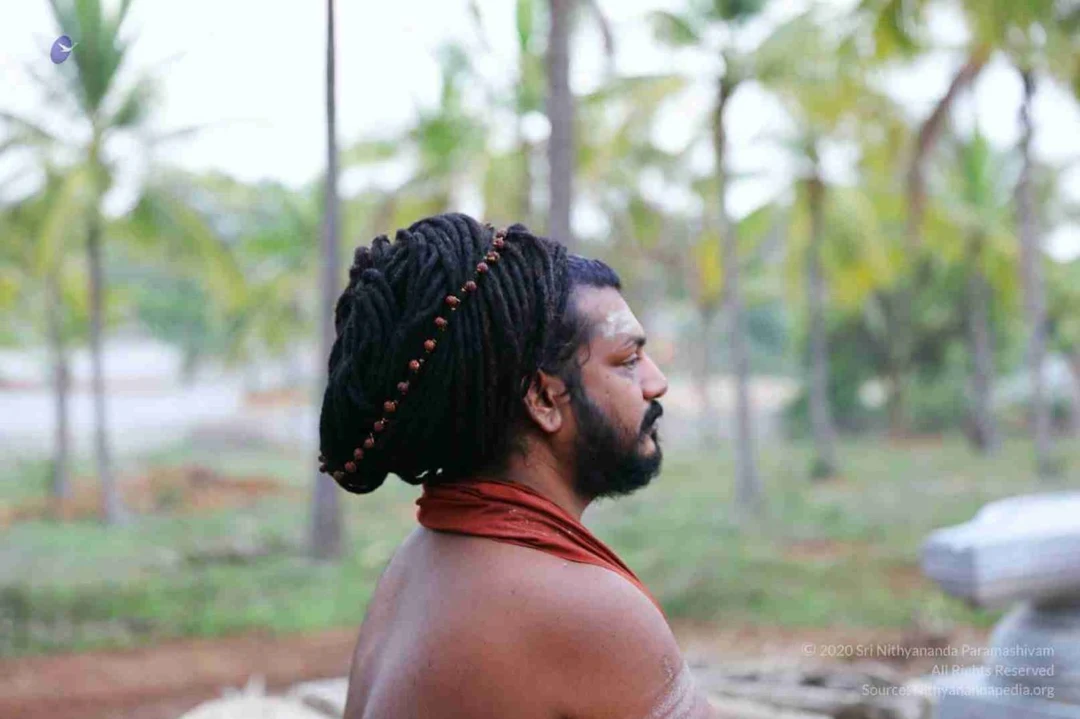 Create spiritual integrity, vatavarana, in and around you
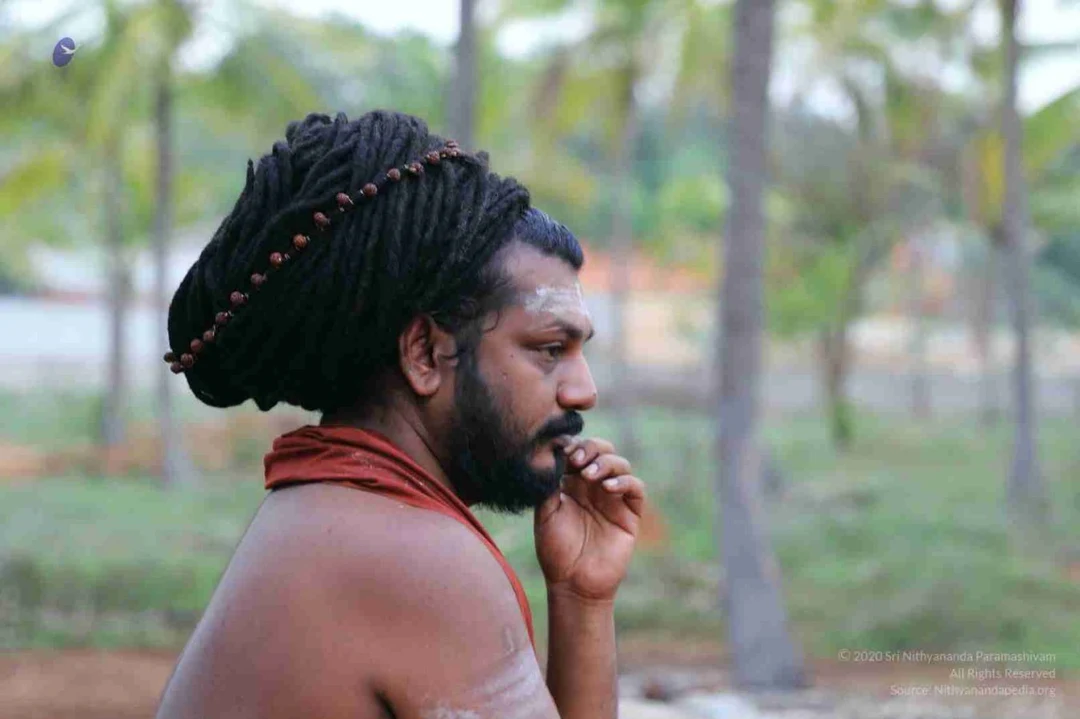 Create spiritual integrity, vatavarana, in and around you
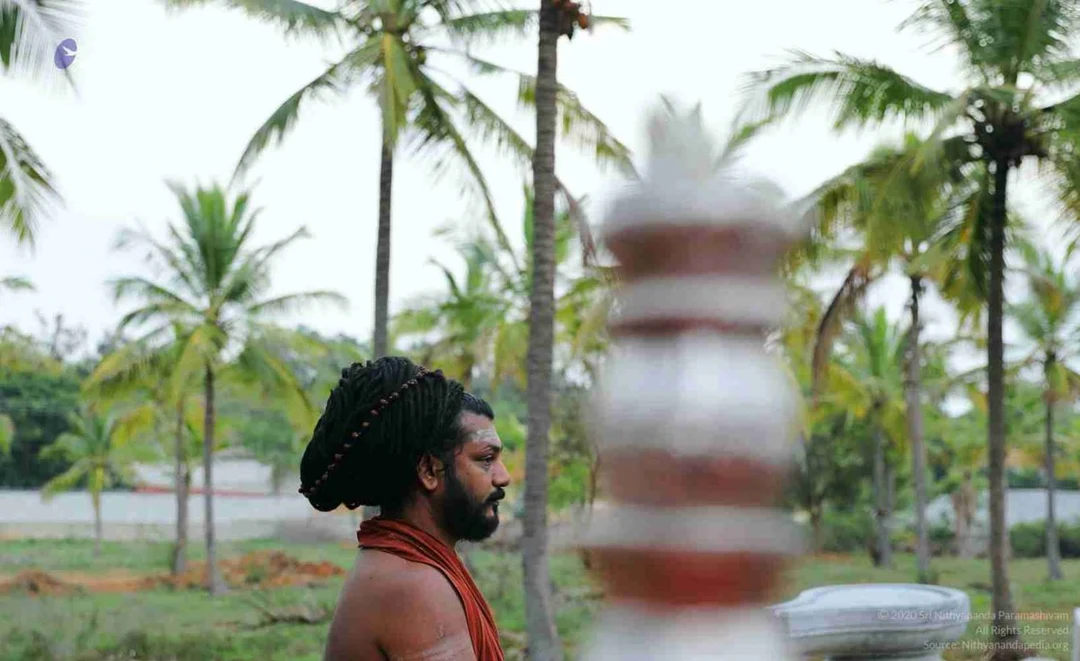 Create spiritual integrity, vatavarana, in and around you
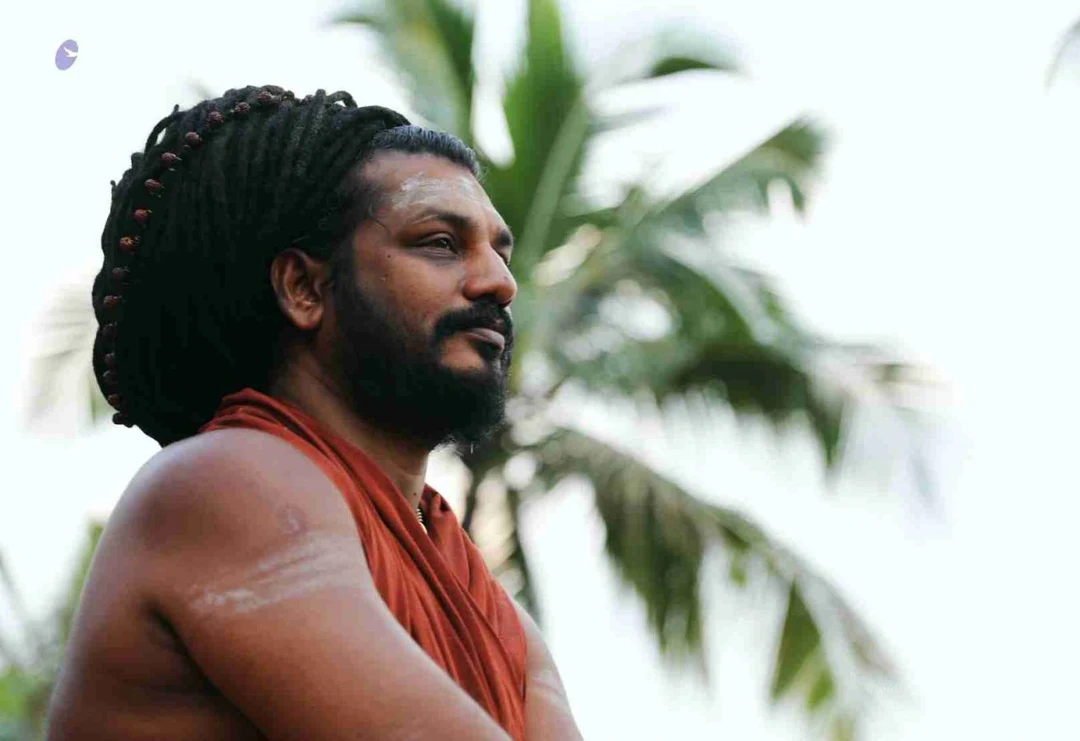 Create spiritual integrity, vatavarana, in and around you
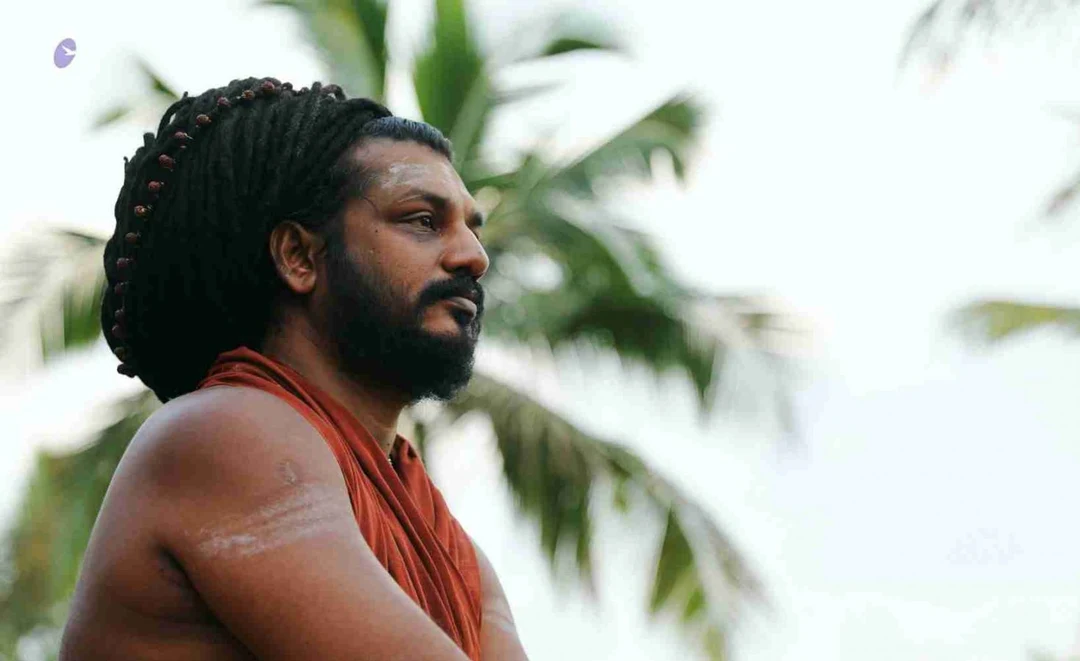 Create spiritual integrity, vatavarana, in and around you
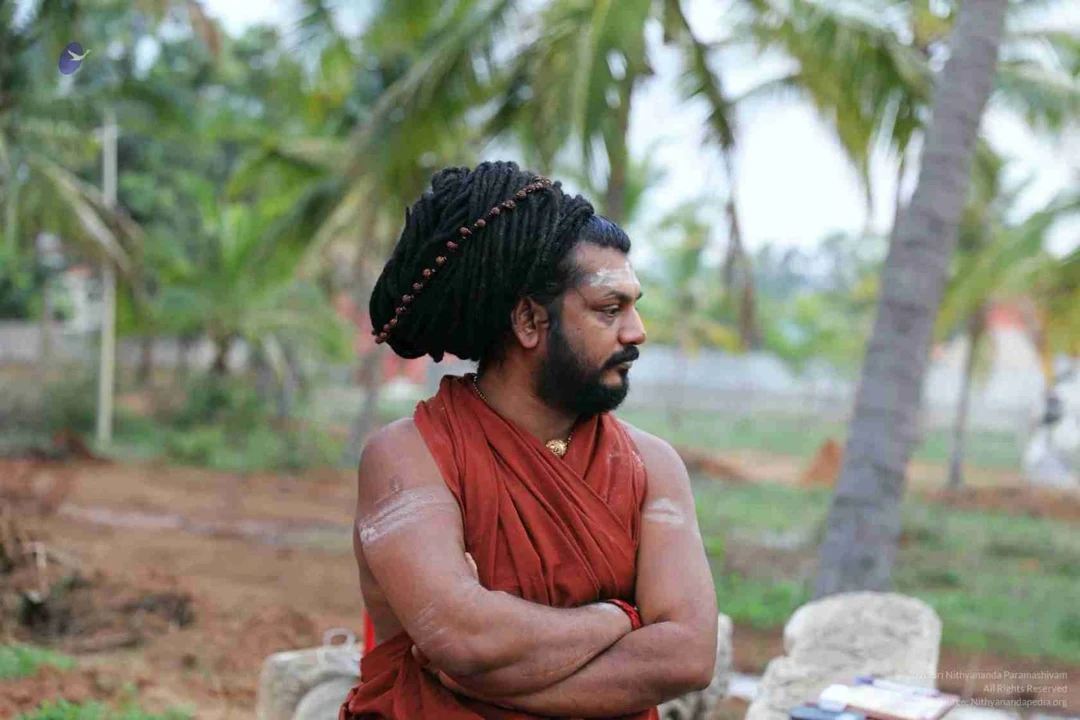 Create spiritual integrity, vatavarana, in and around you
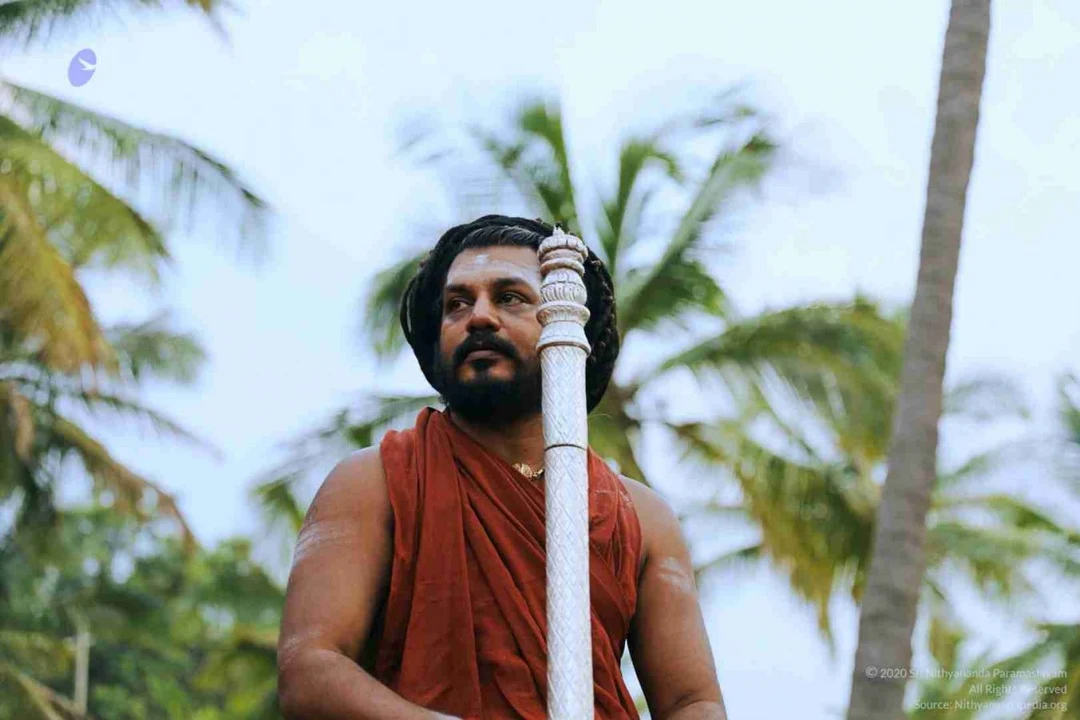 Create spiritual integrity, vatavarana, in and around you
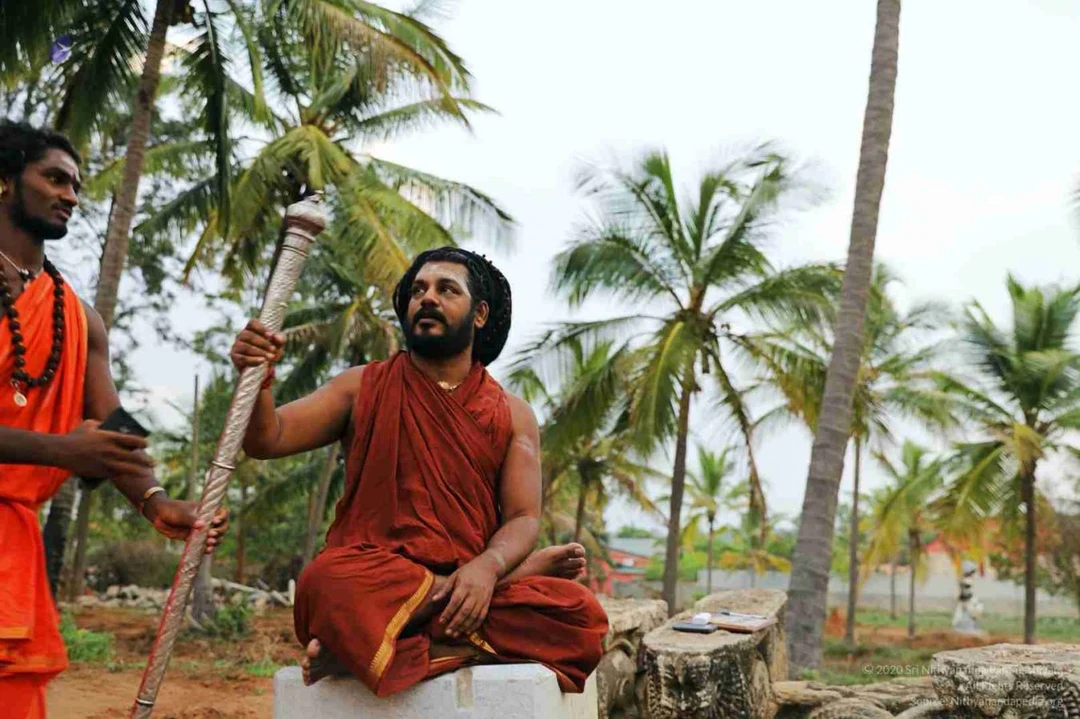 Create spiritual integrity, vatavarana, in and around you
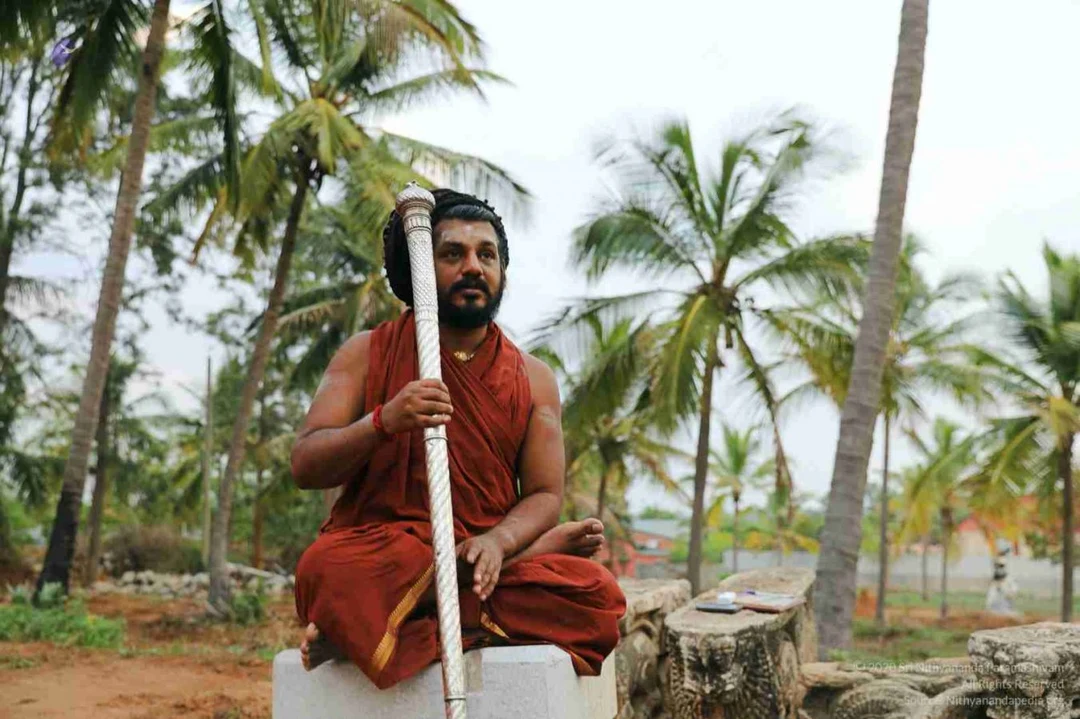 Avatar presence is living healing energy field
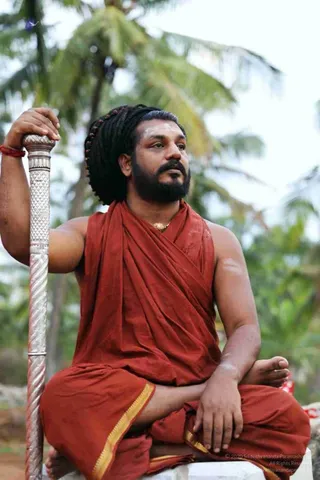 Avatar presence is living healing energy field
 Avatar presence is living healing energy field
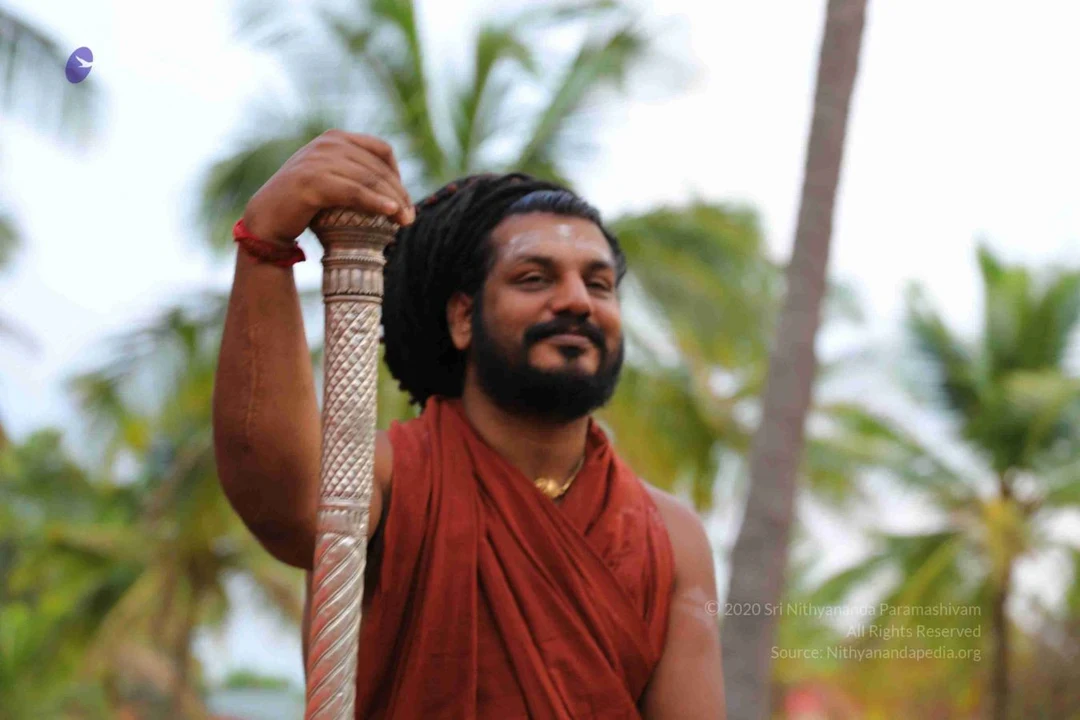 Avatar presence is living healing energy field
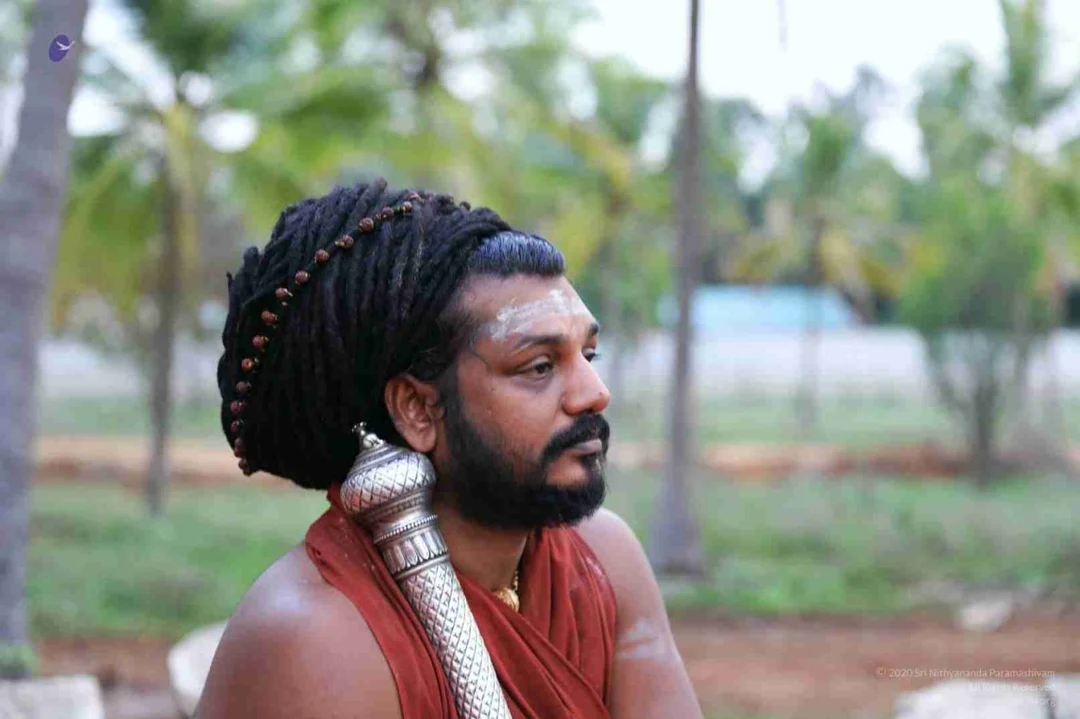 Avatar presence is living healing energy field
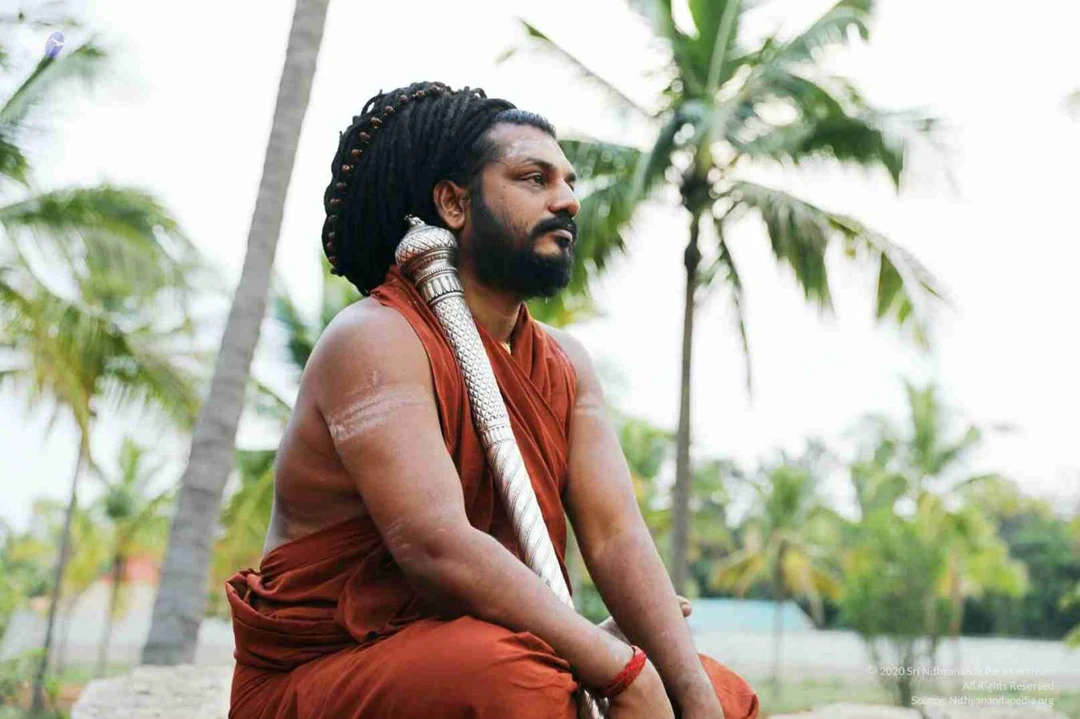 Avatar presence is living healing energy field
 Avatar presence is living healing energy field
 Avatar presence is living healing energy field
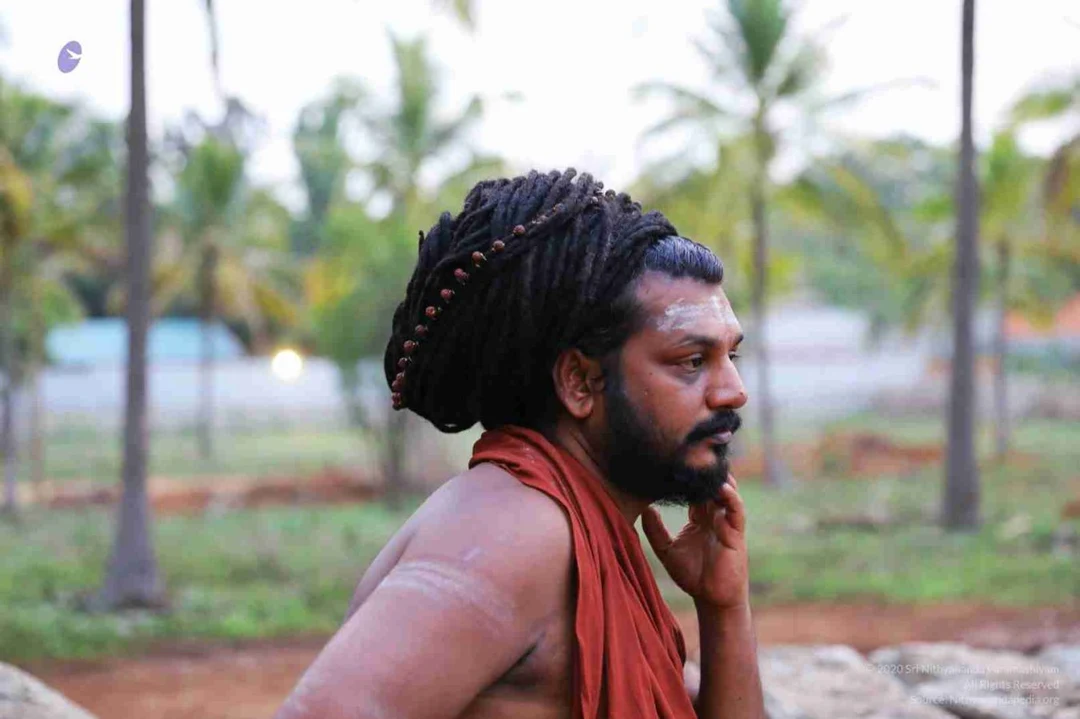 Avatar presence is living healing energy field
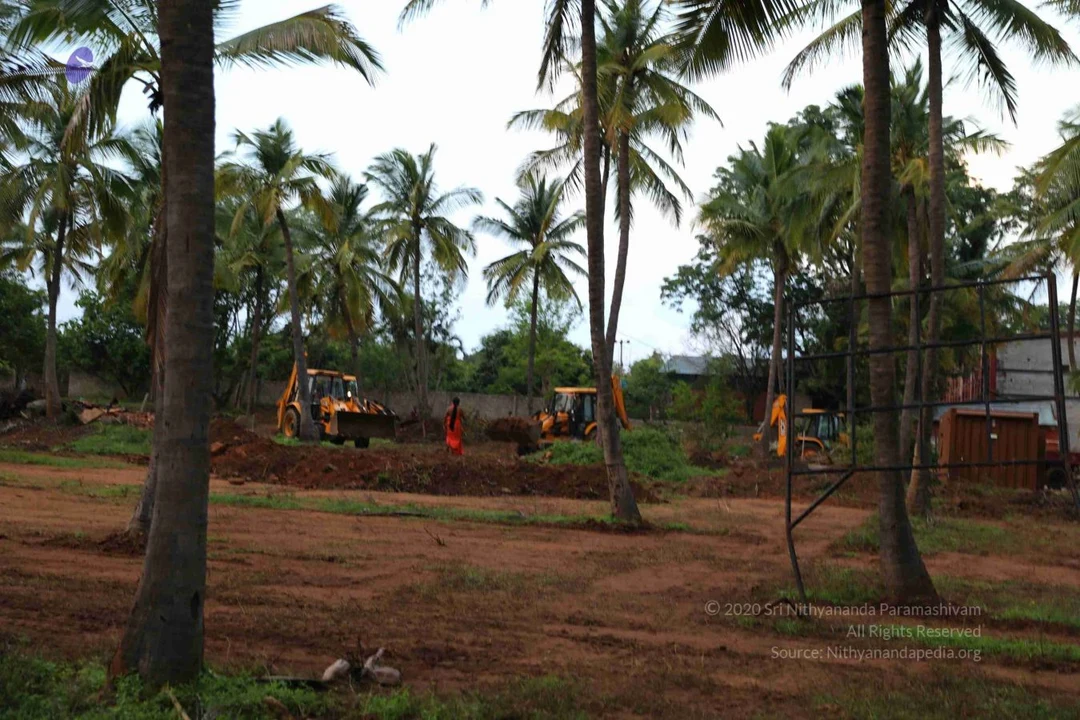 HDH Nithyananda Paramashivam overseeing construction of the Nithyananda Sadashiva Devasthanam
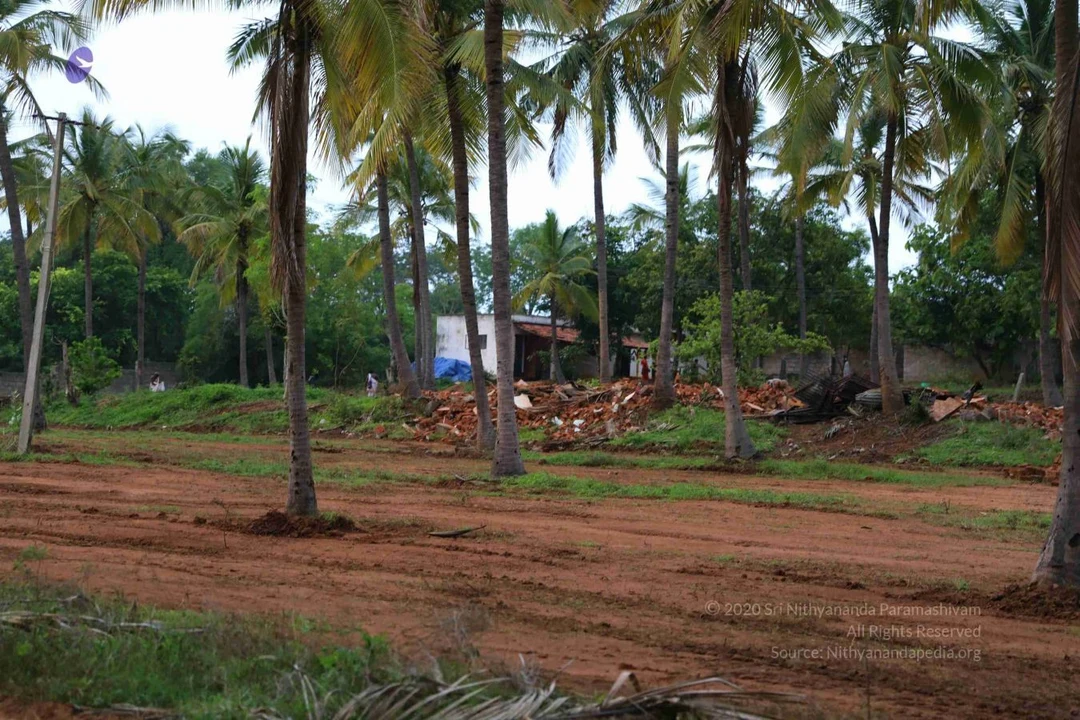 HDH Nithyananda Paramashivam overseeing construction of the Nithyananda Sadashiva Devasthanam
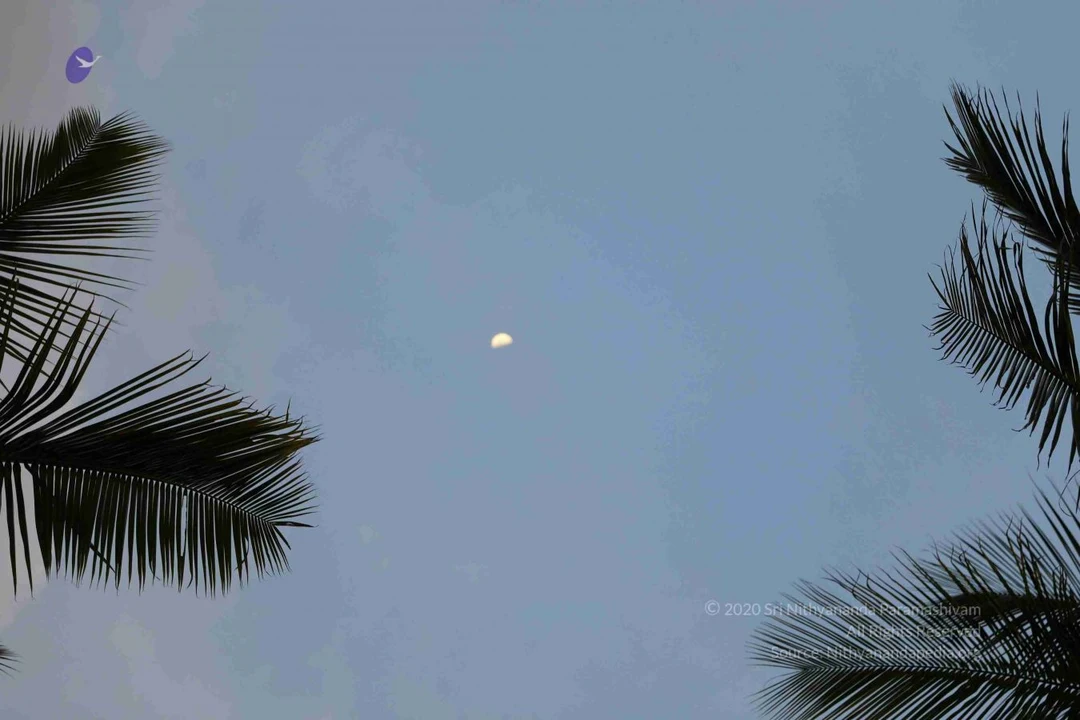 Beautiful vatavarna of Adi Kailaasa
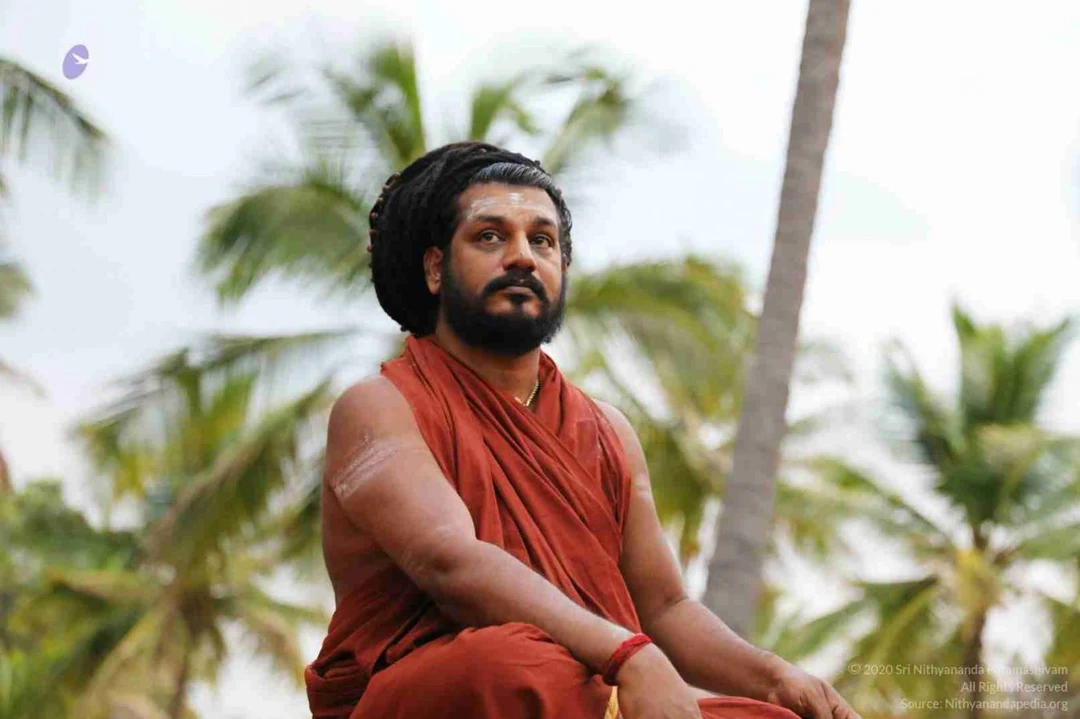 Avatar presence is living healing energy field
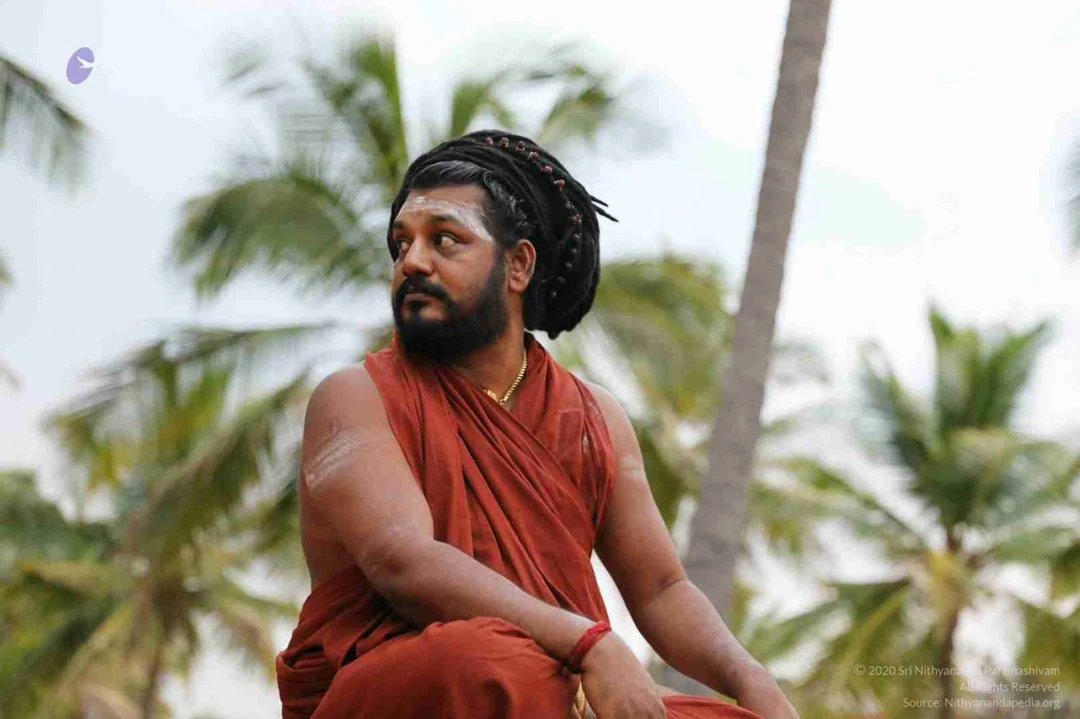 Avatar presence is living healing energy field
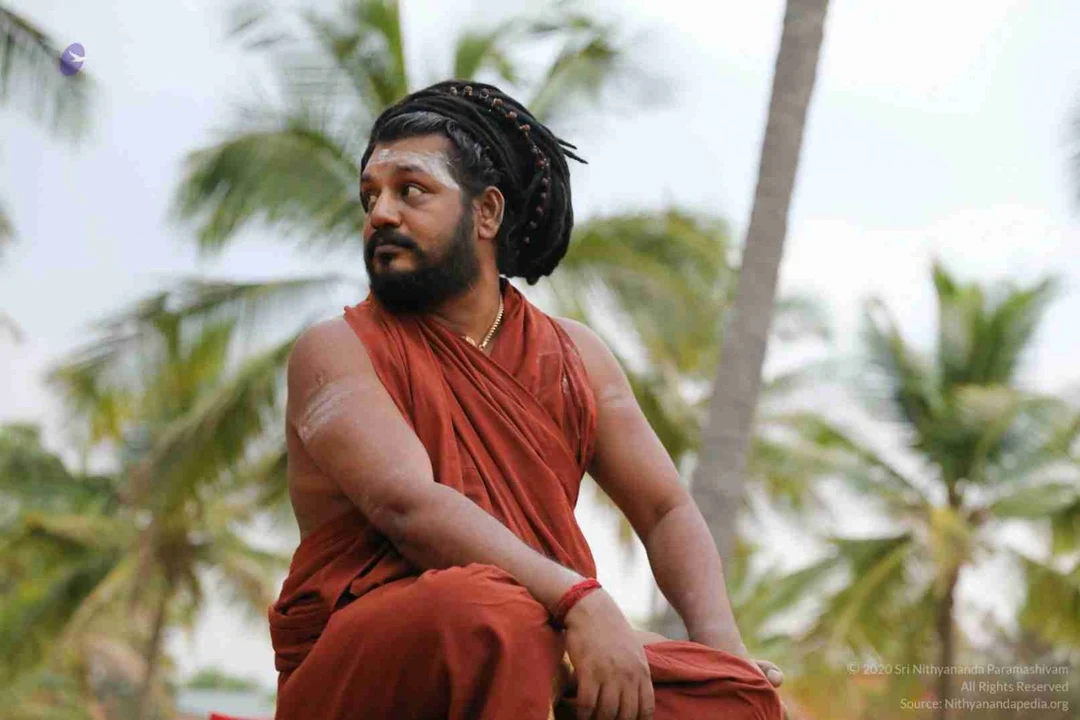 Avatar presence is living healing energy field
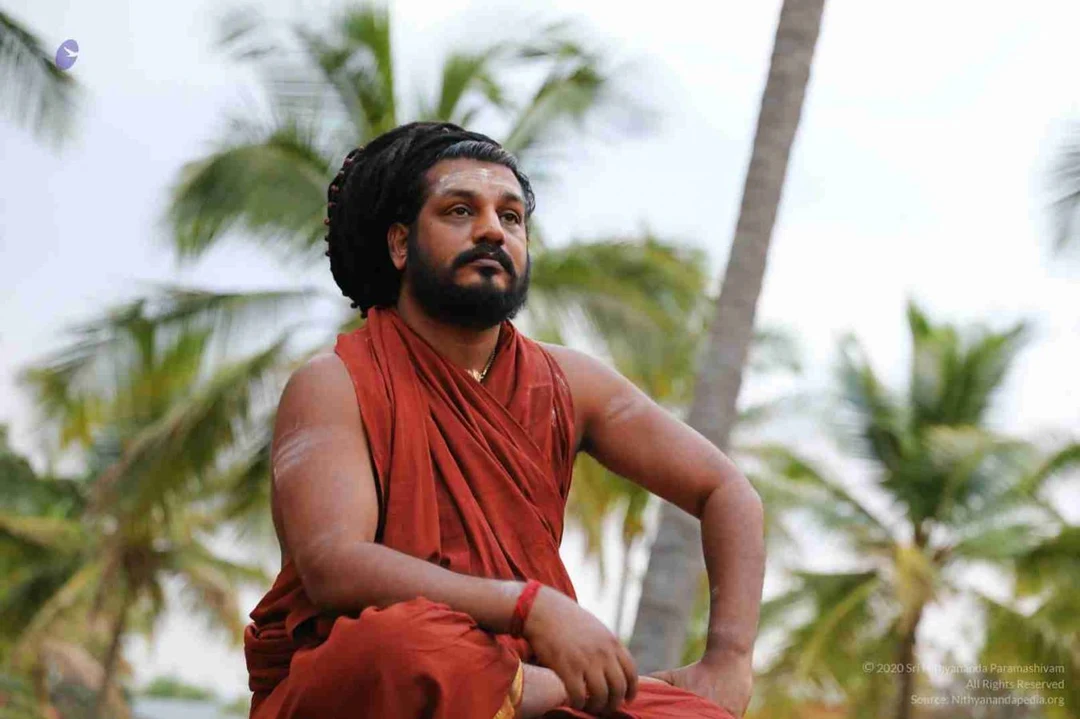 Avatar presence is living healing energy field
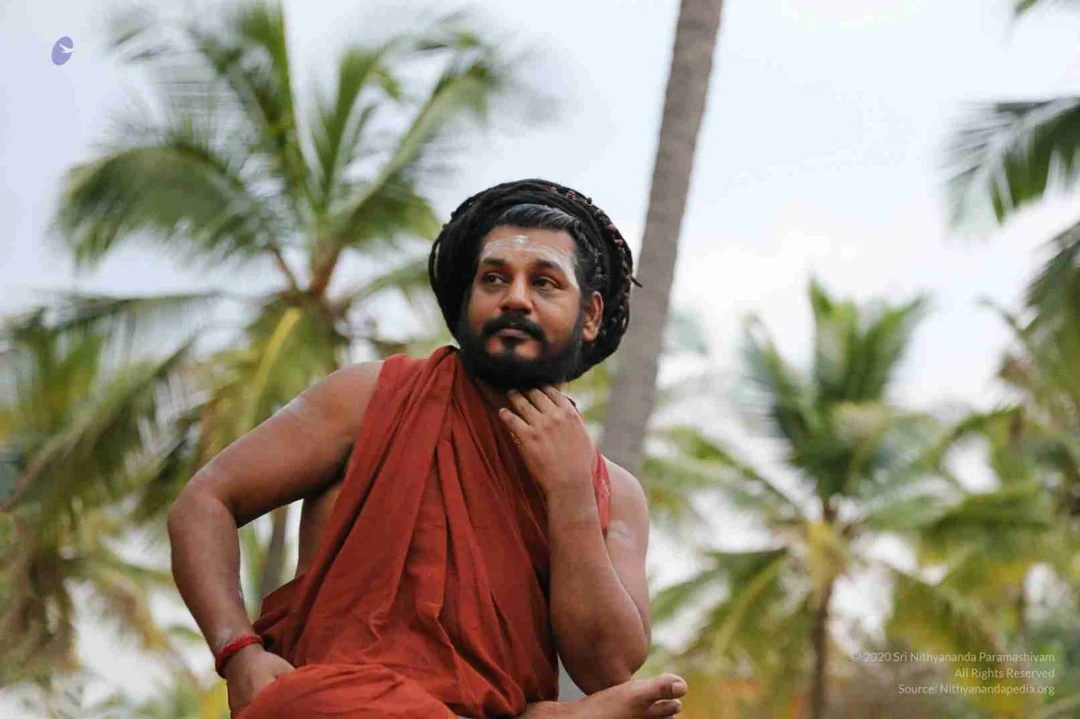 Avatar presence is living healing energy field
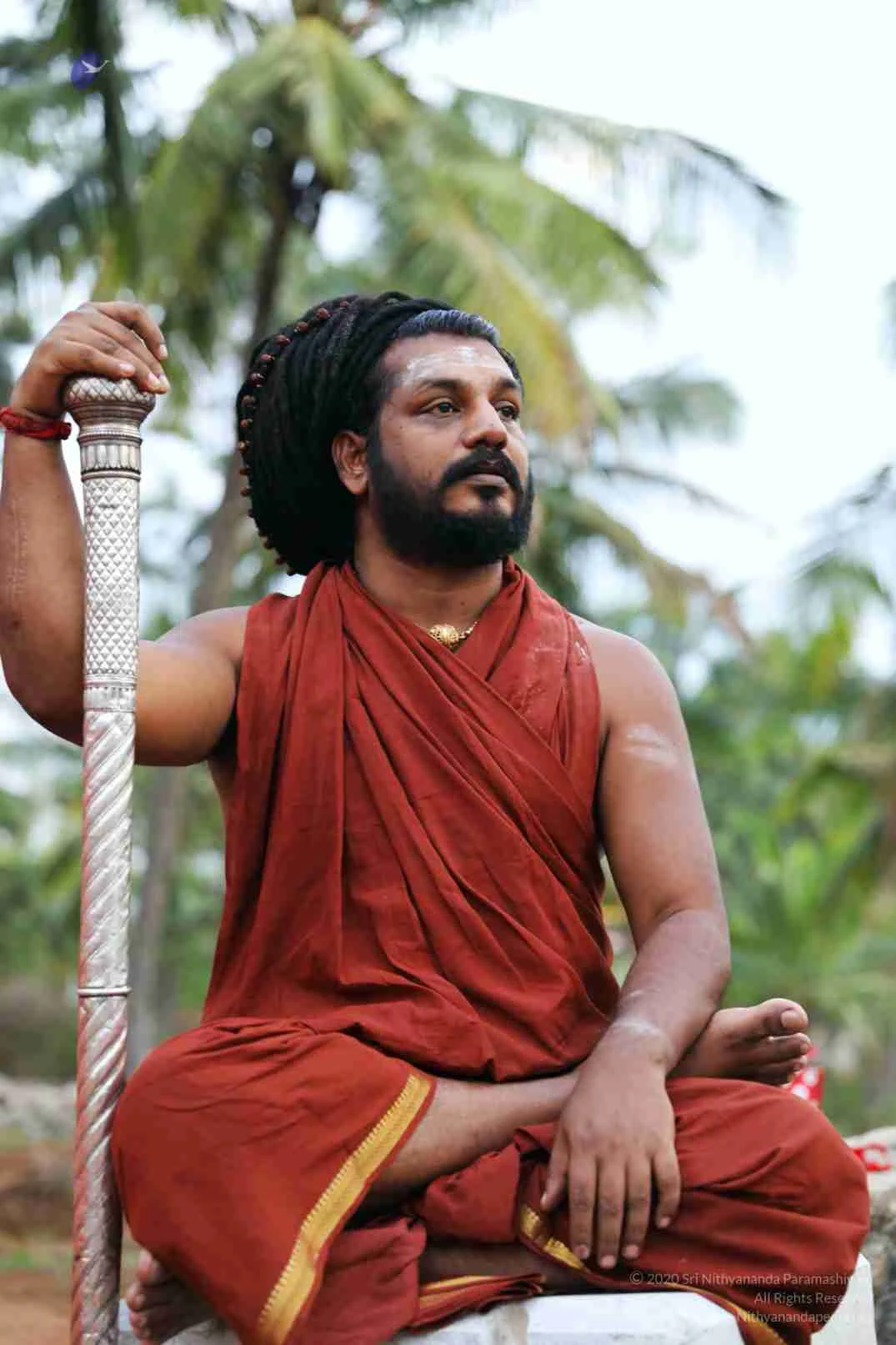
Darshan
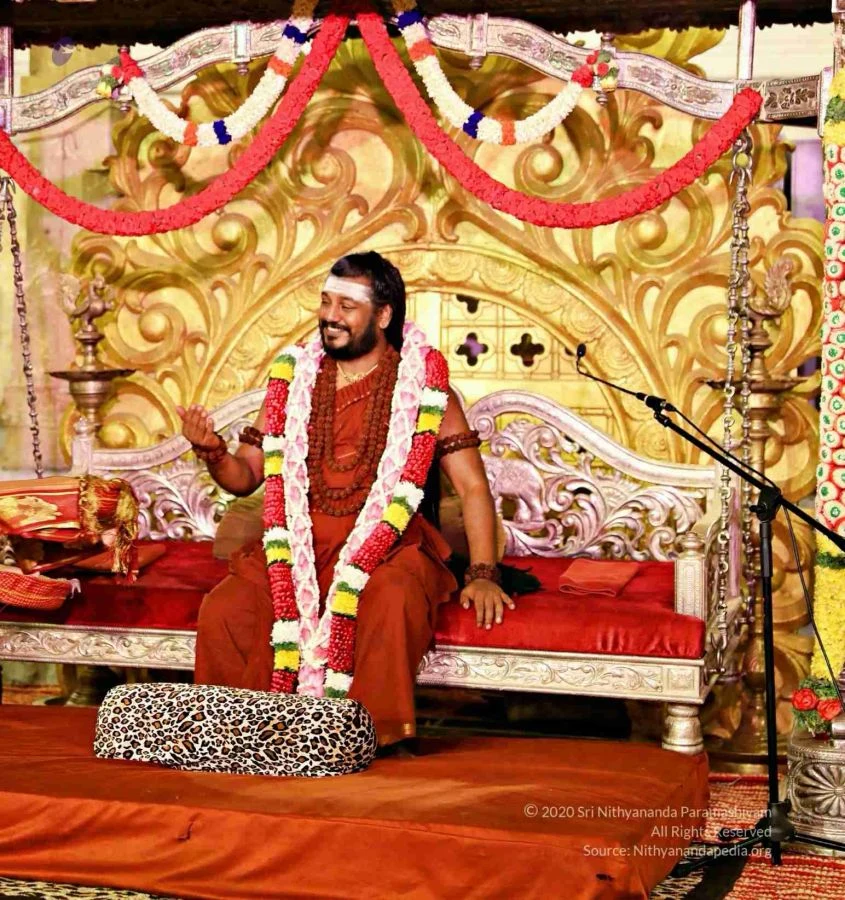
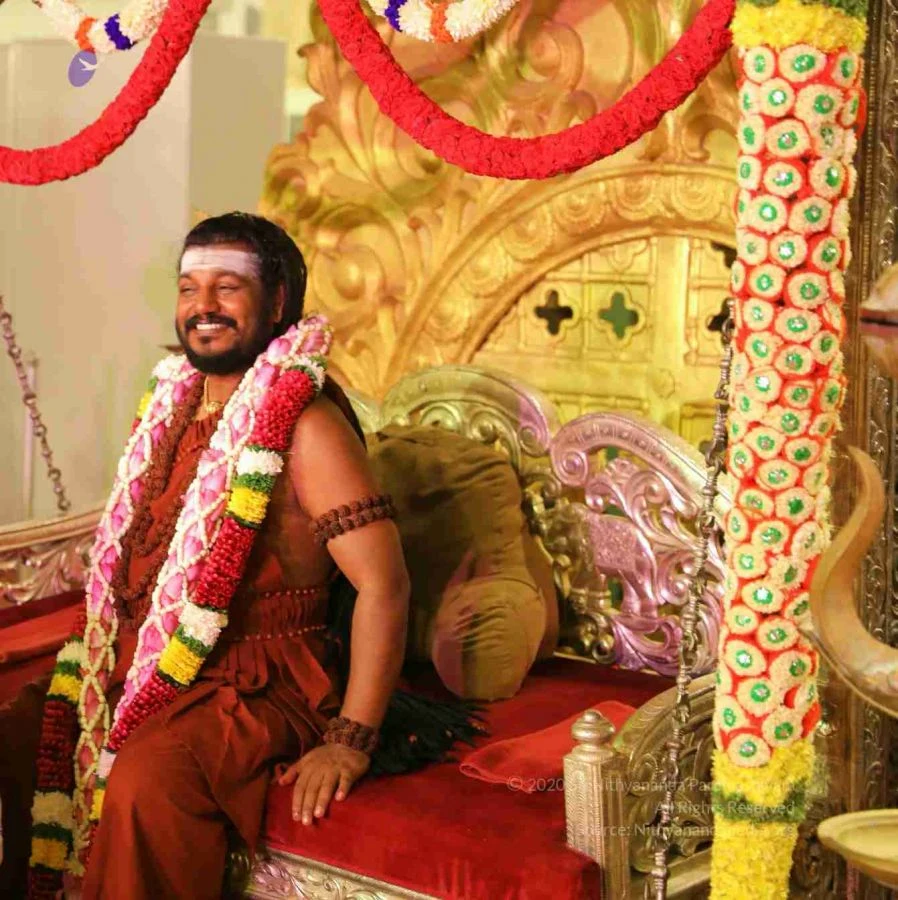
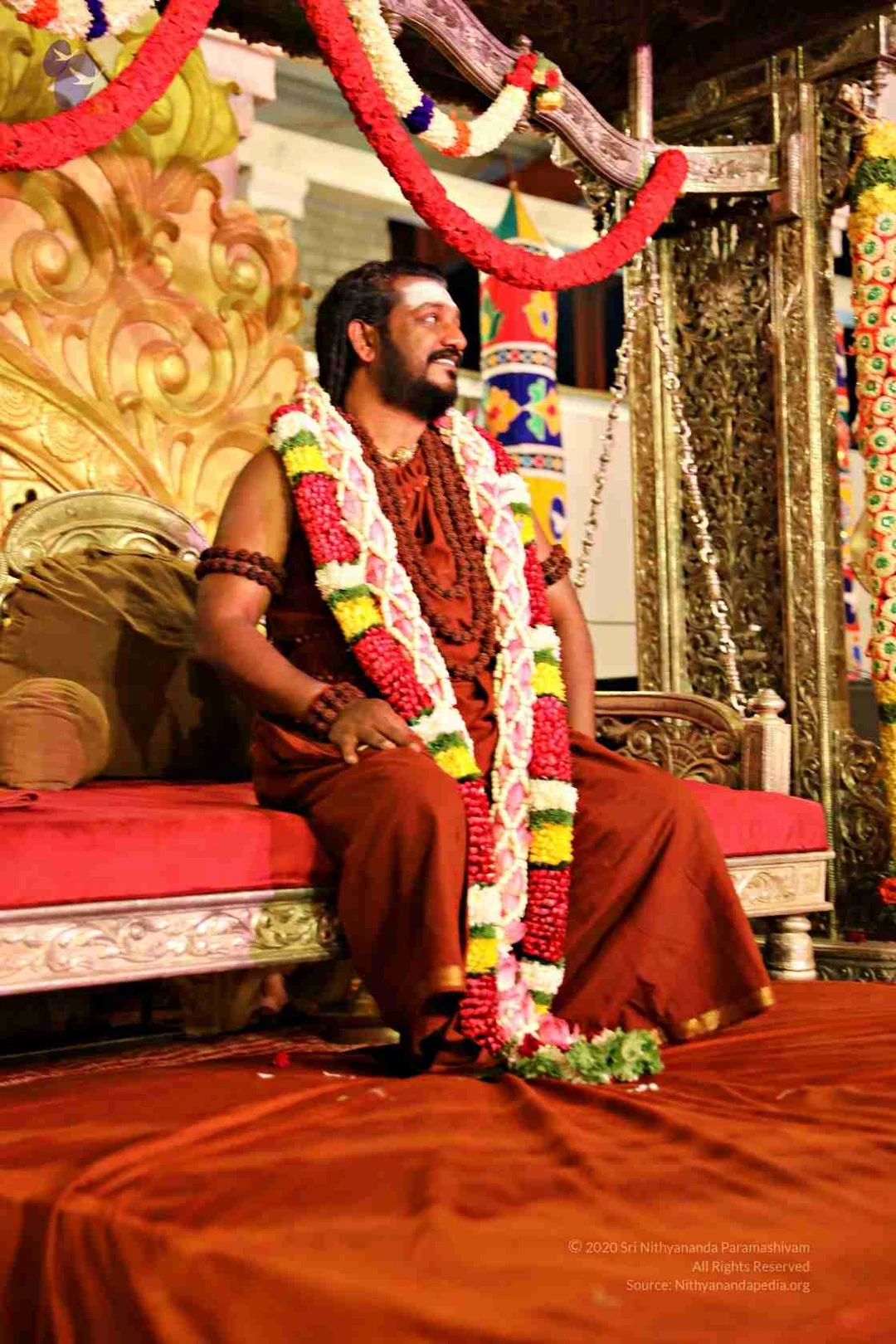
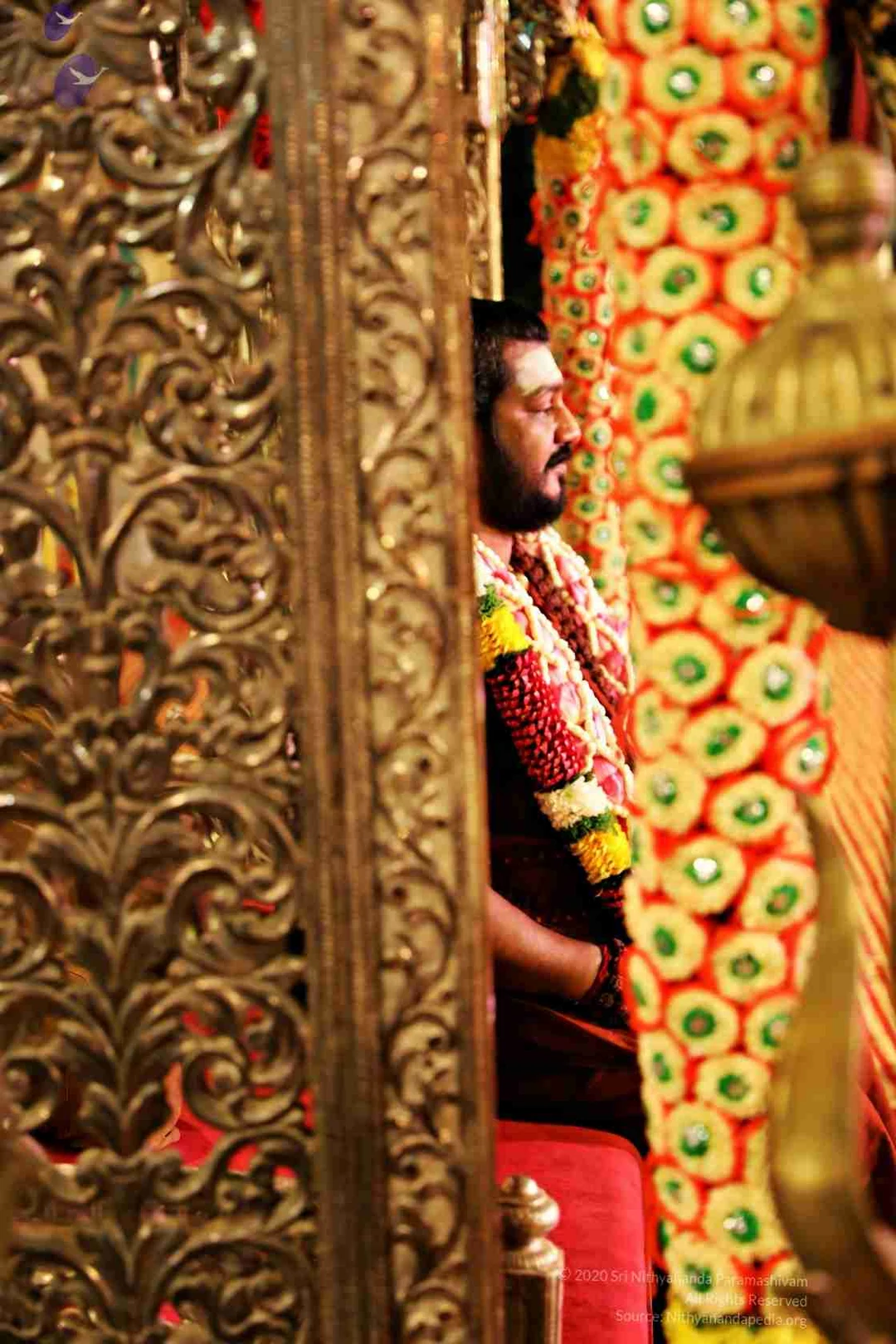
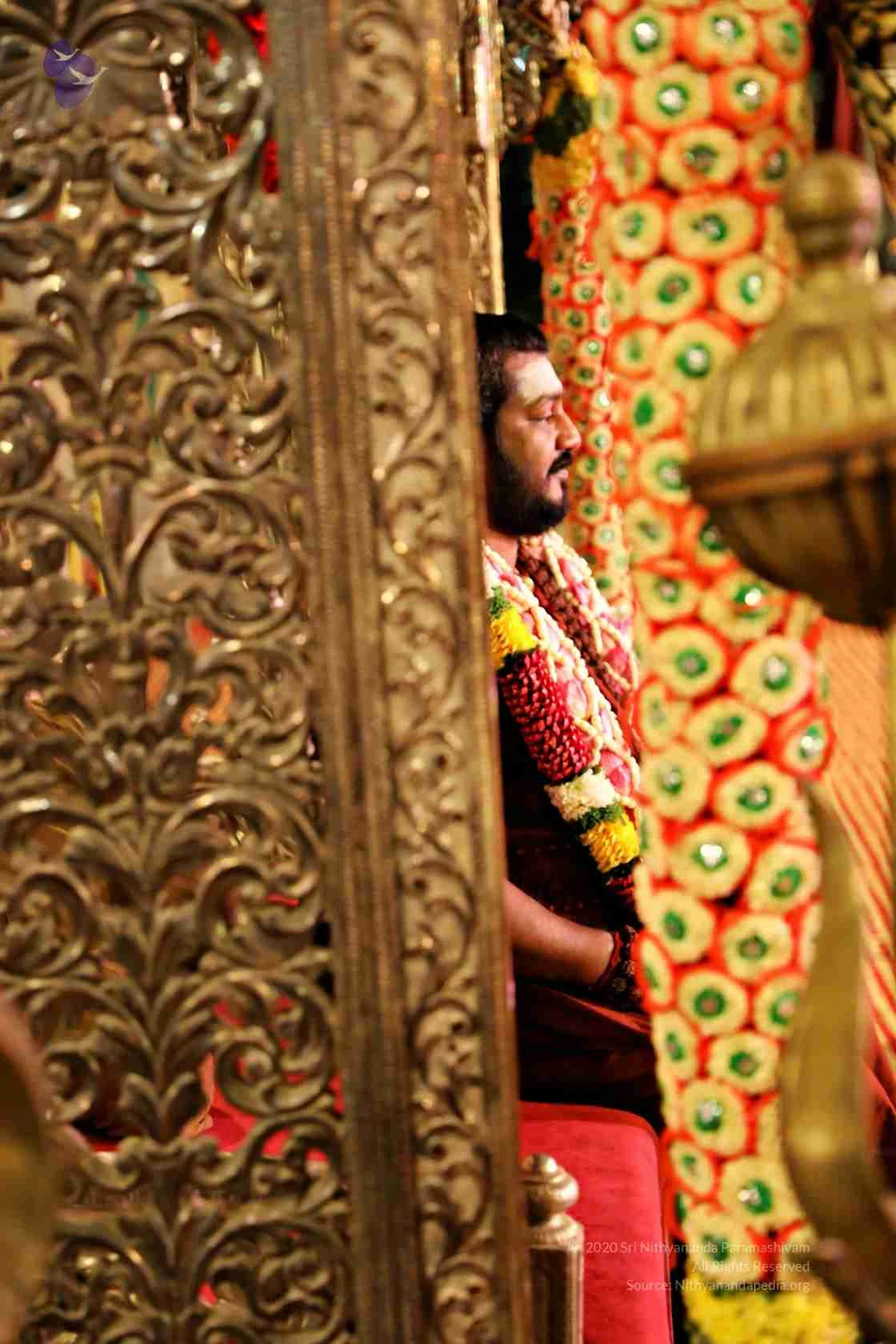
 Ornate swing seat for His Divine Holiness Nithyananda Paramashivam
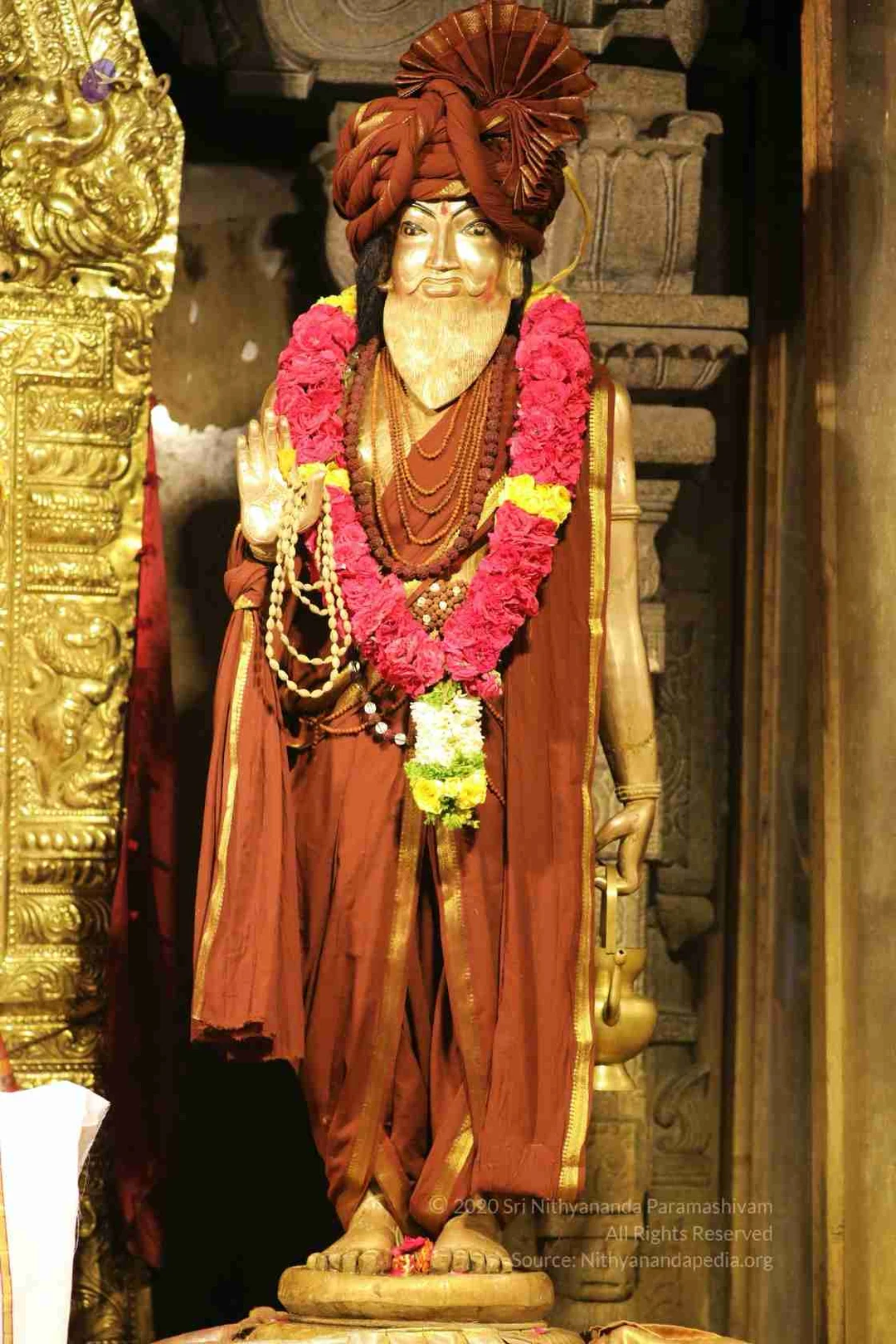
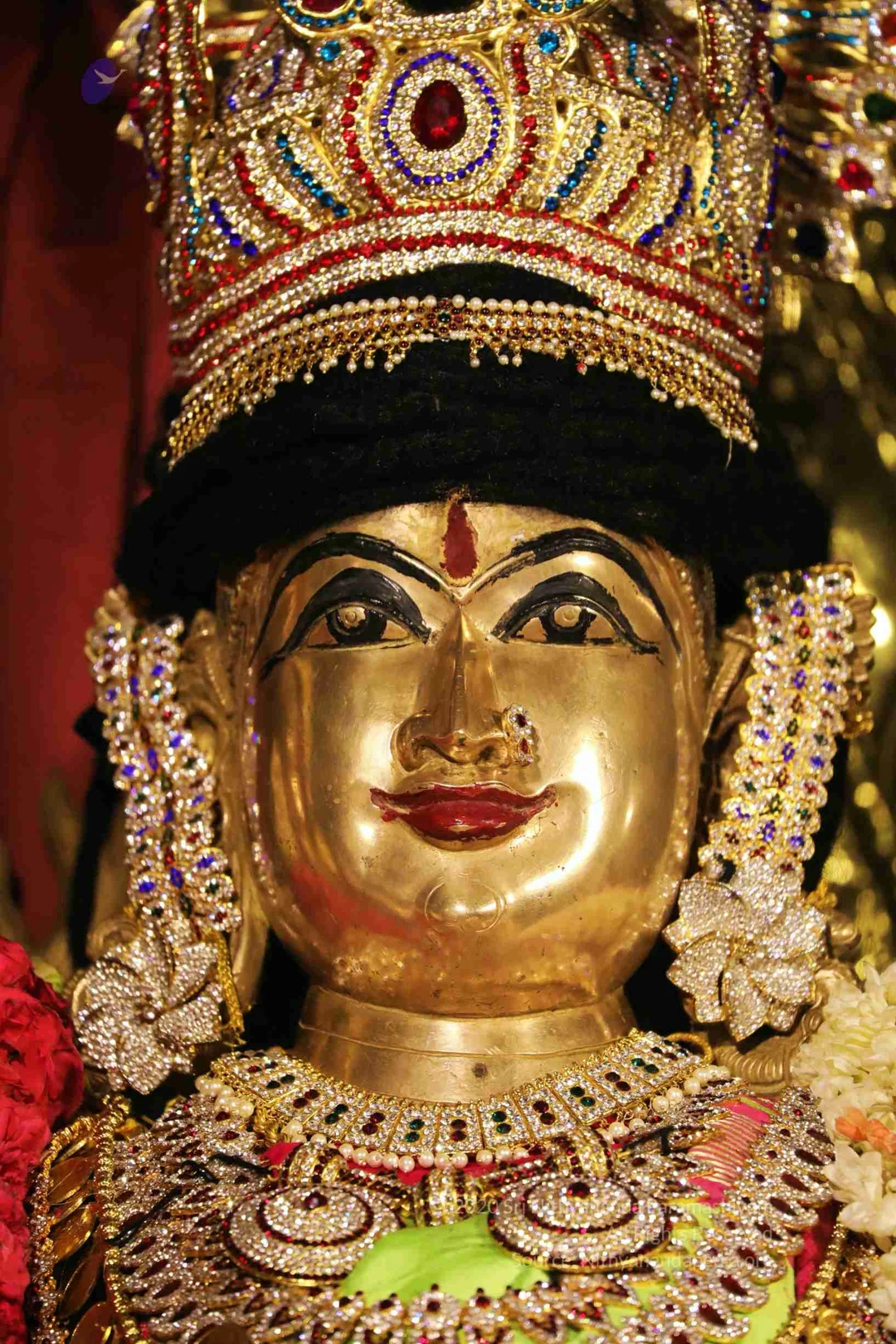
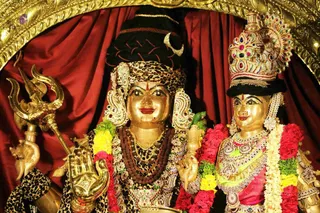
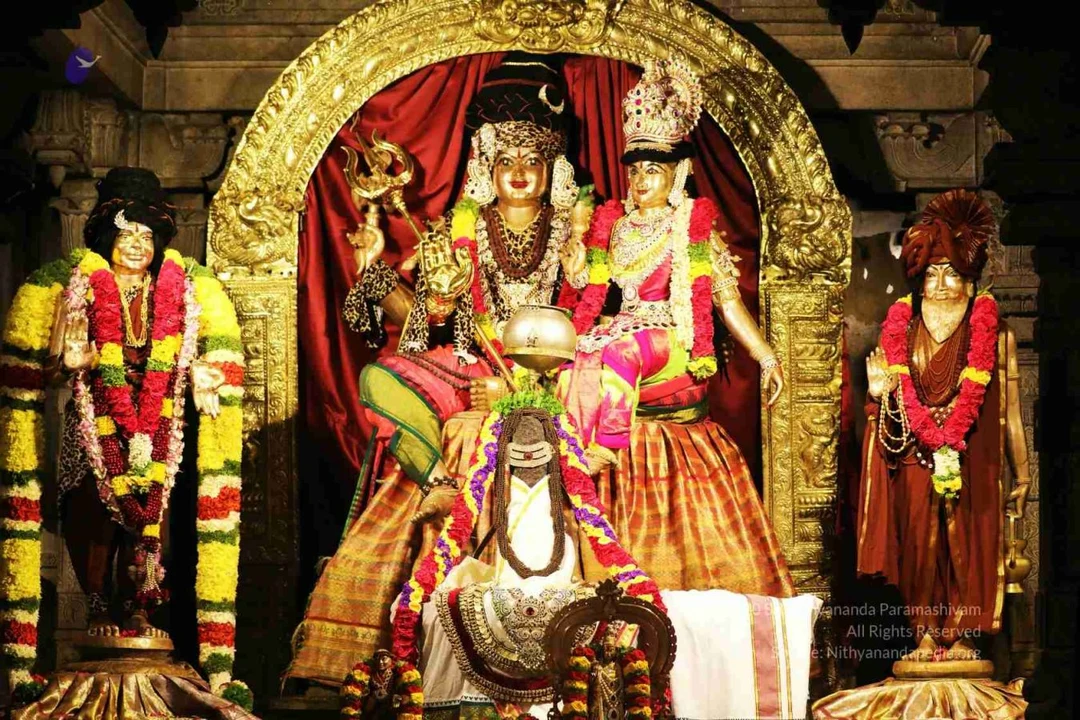 Nithyanandeshwara-Nithyanandeshwari (Paramashiva and Parashakti), Nithyanandeshswara, HDH Nithyananda Paramashivam & Kapila Muni
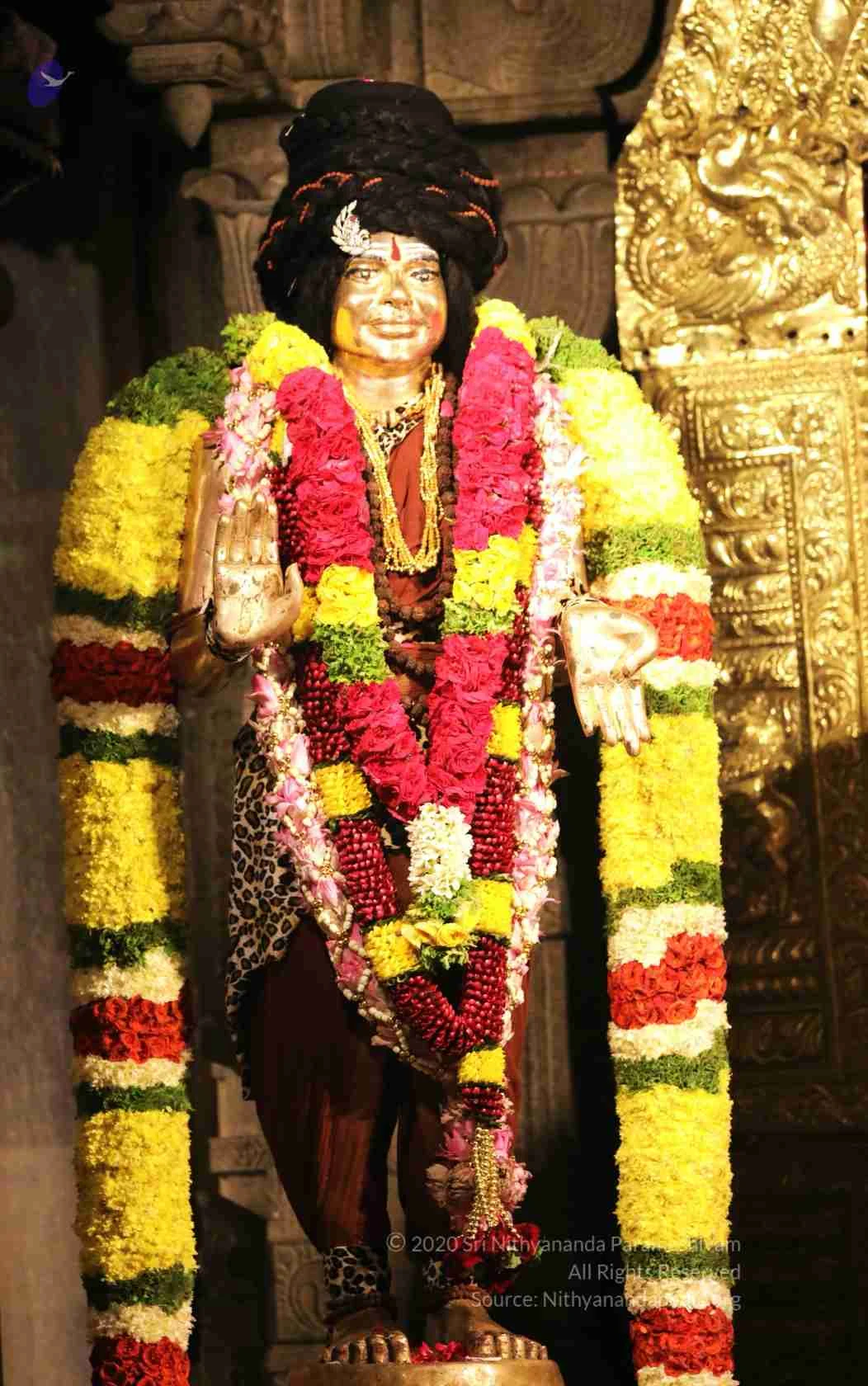
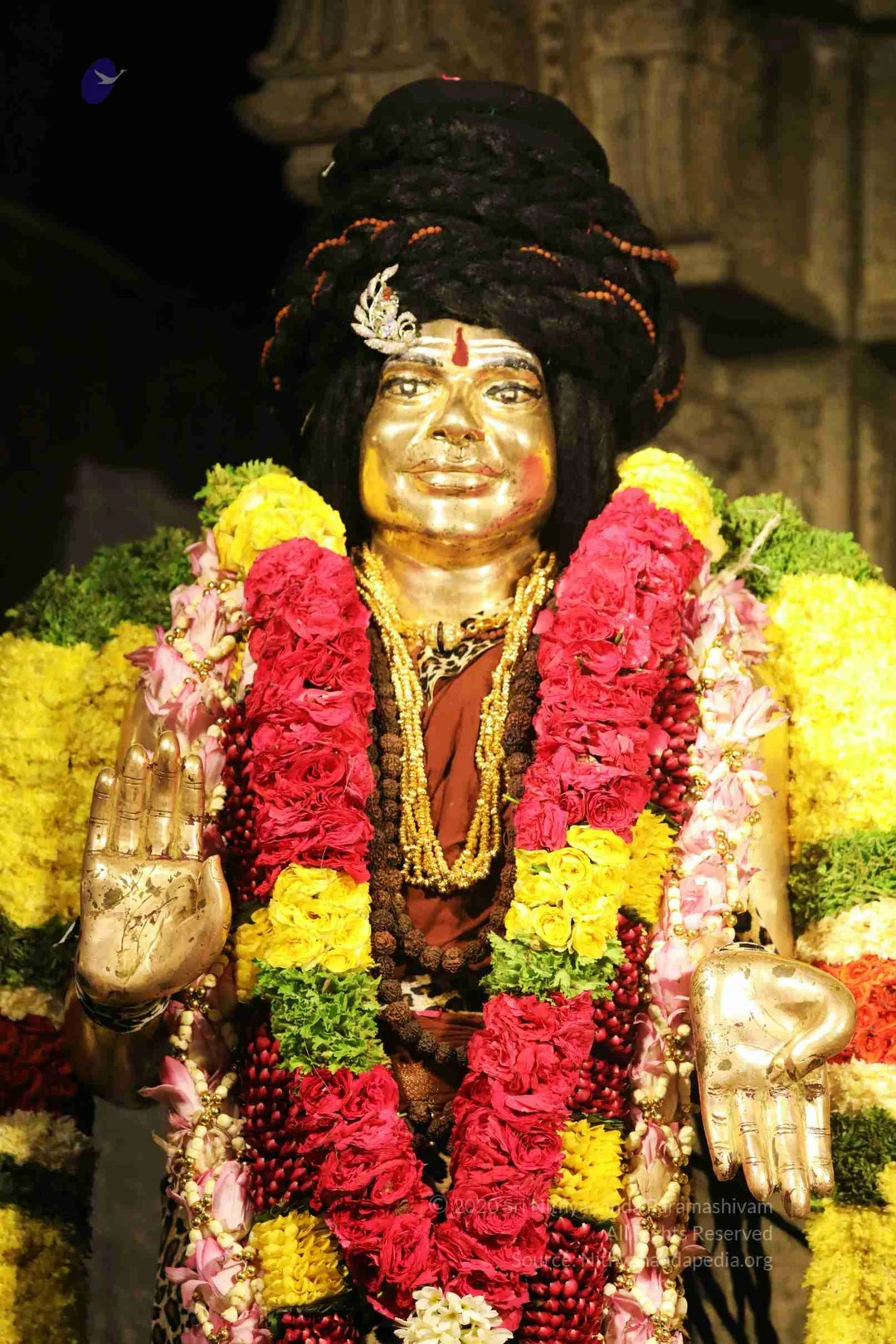
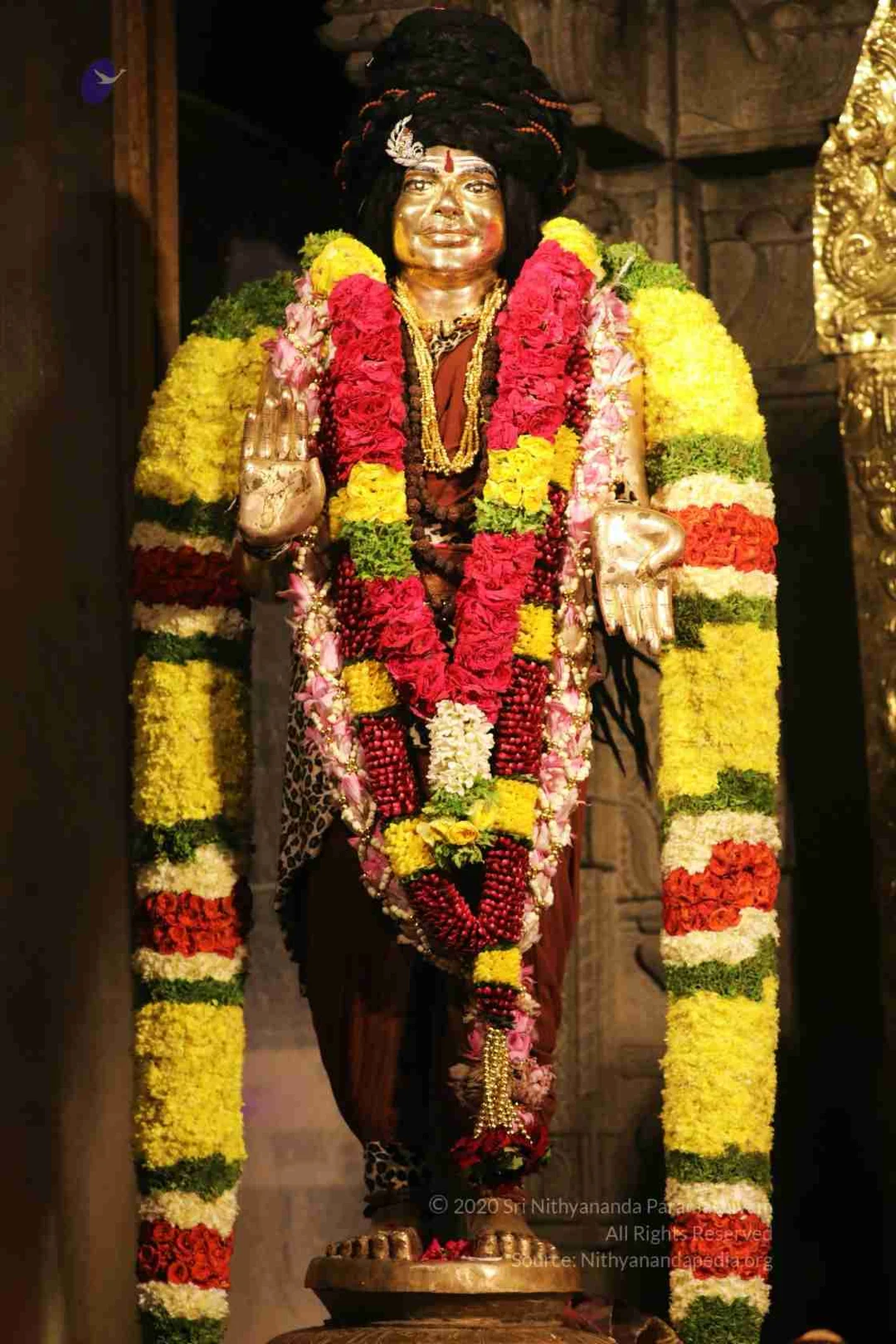
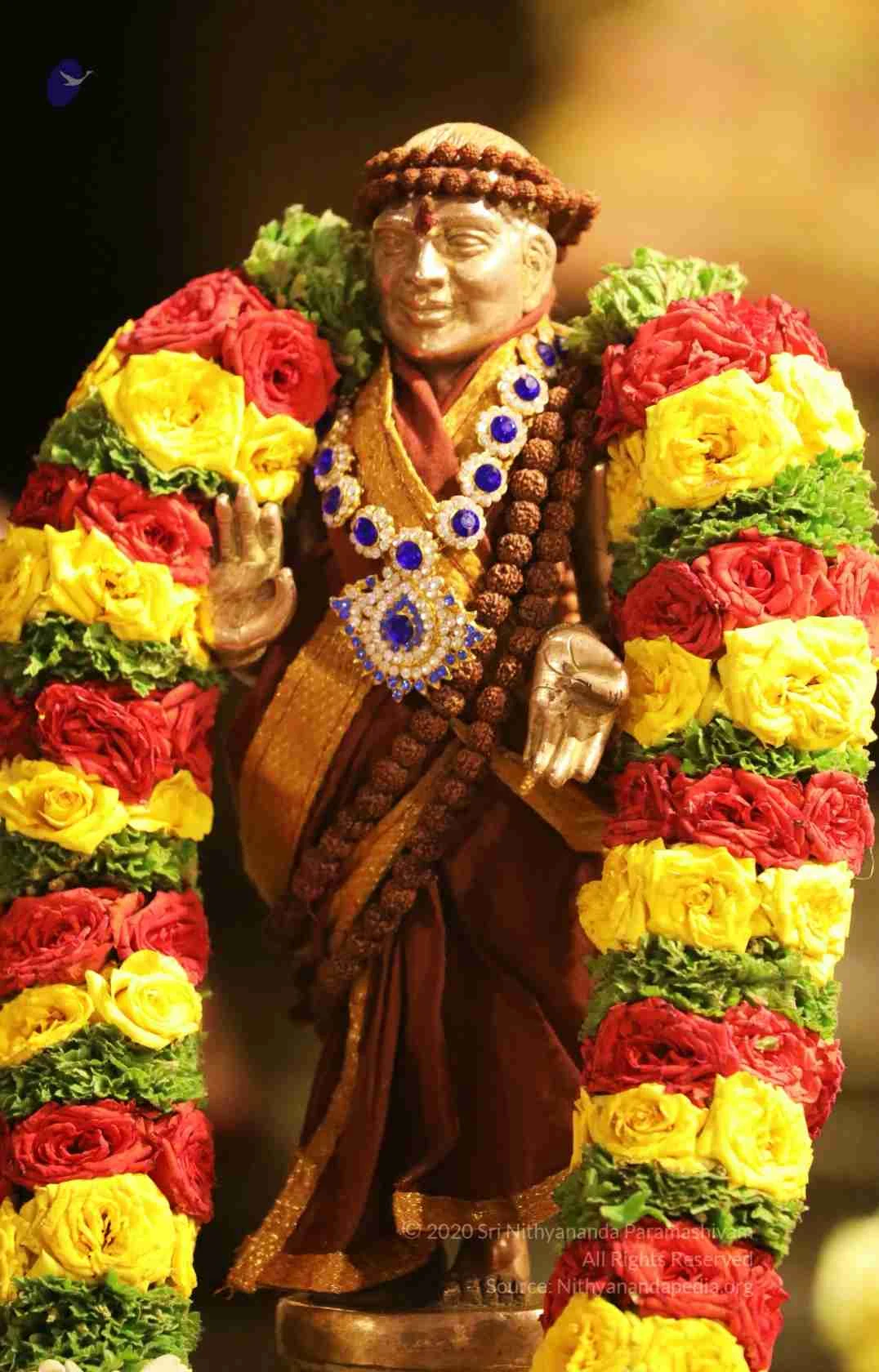
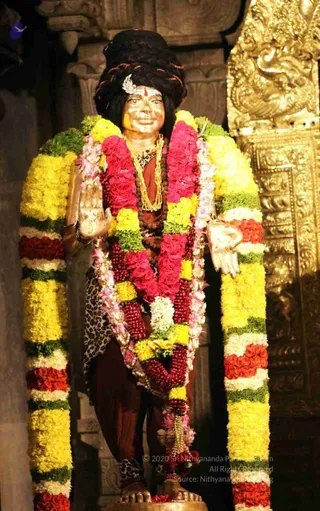 HDH Nithyananda Paramashivam deity
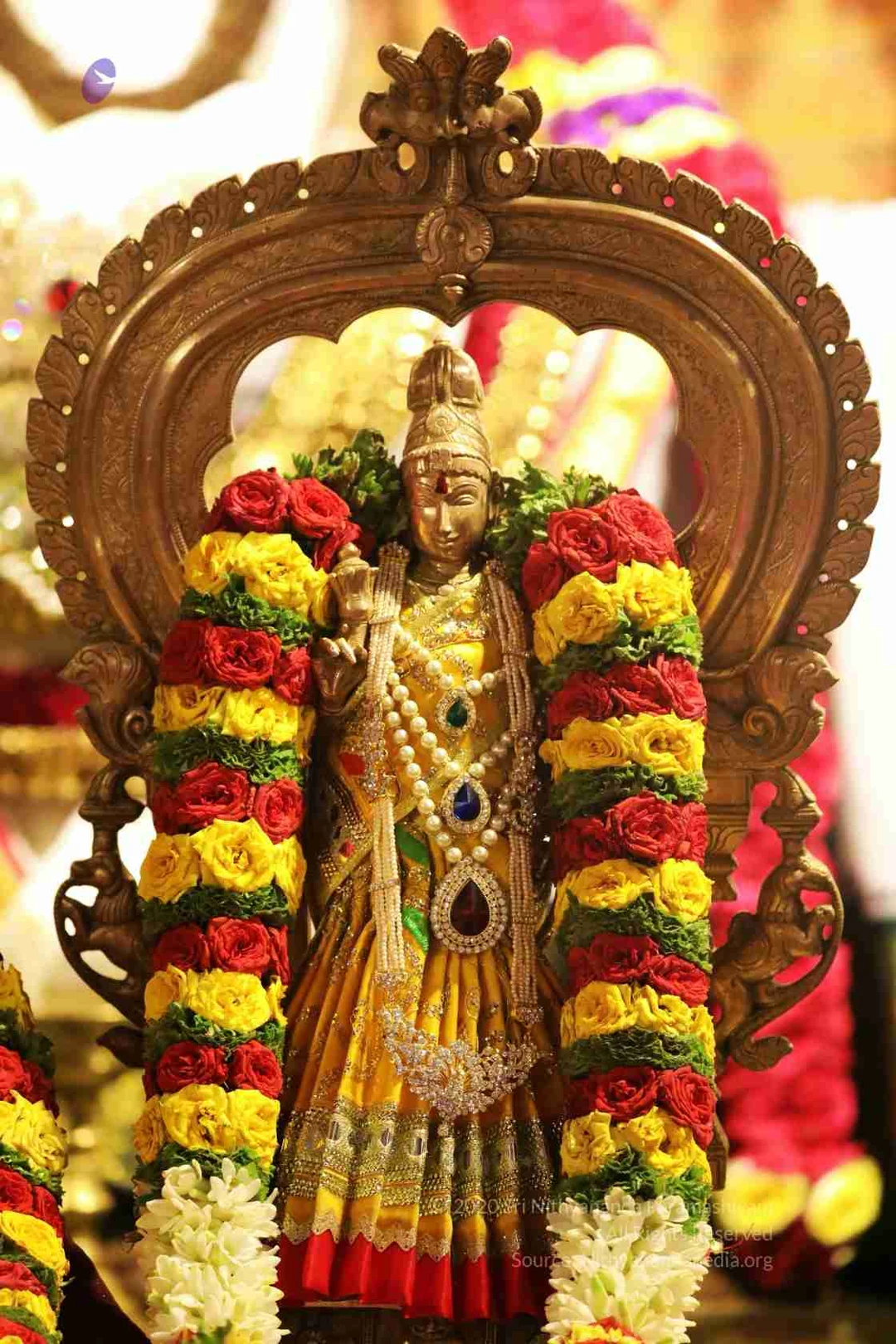
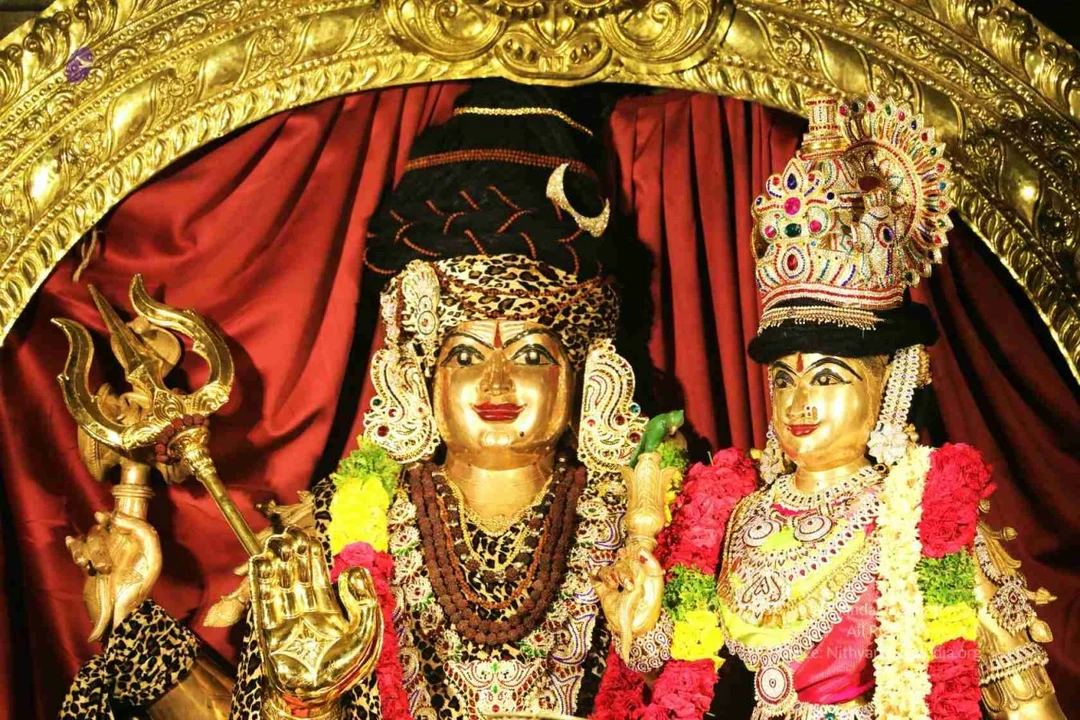 Nithyanandeshwara-Nithyanandeshwari (Paramashiva and Parashakti)
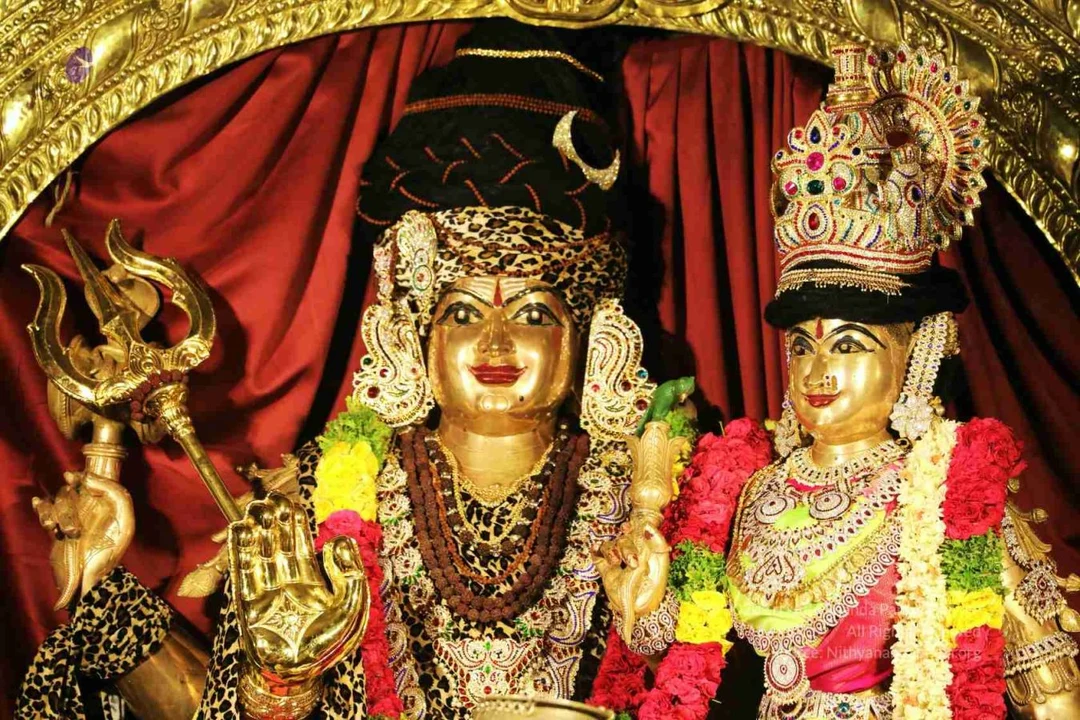 Nithyanandeshwara-Nithyanandeshwari (Paramashiva and Parashakti)
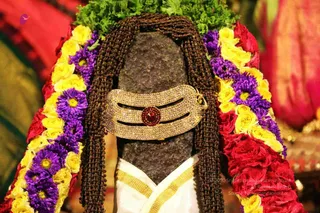
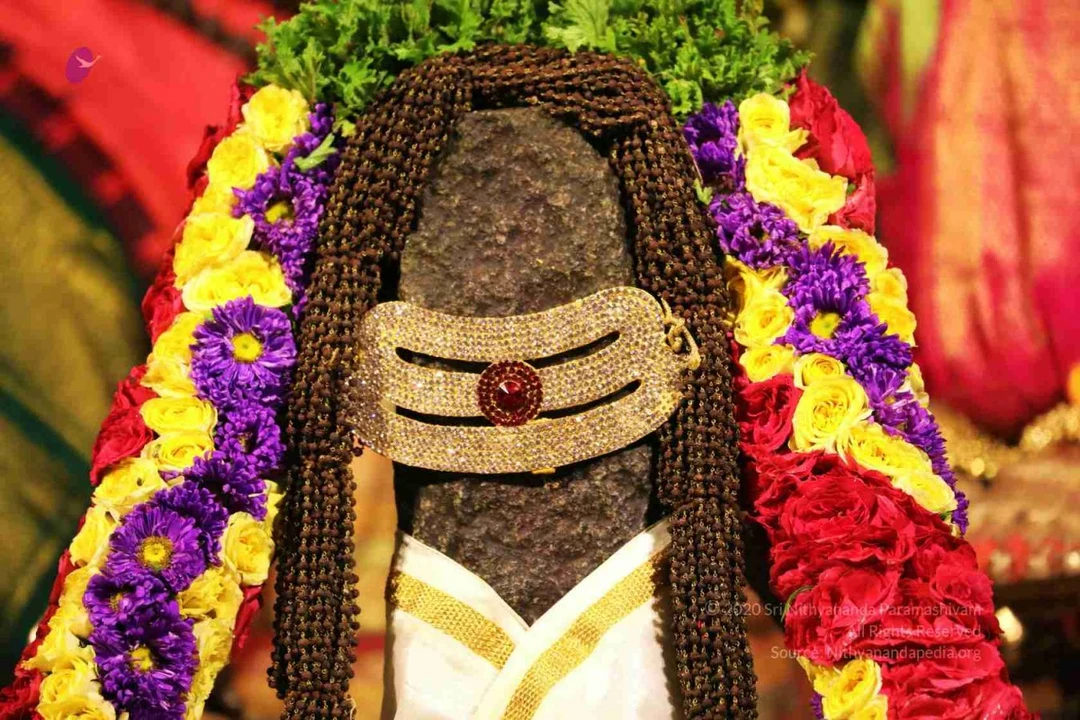 Swayambhu Linga
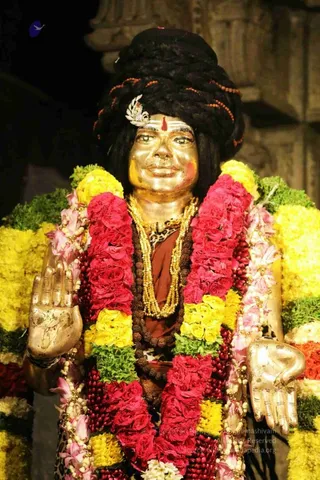 HDH Nithyananda Paramashivam deity
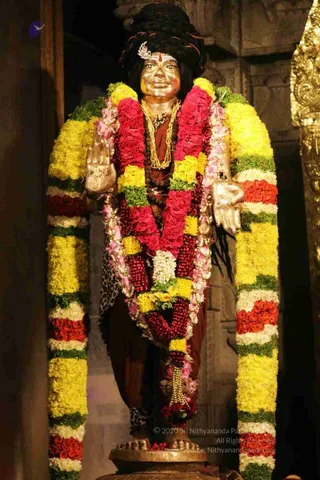 HDH Nithyananda Paramashivam deity
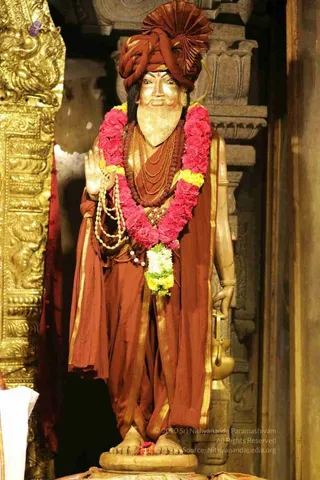 Kapila Mahamuni
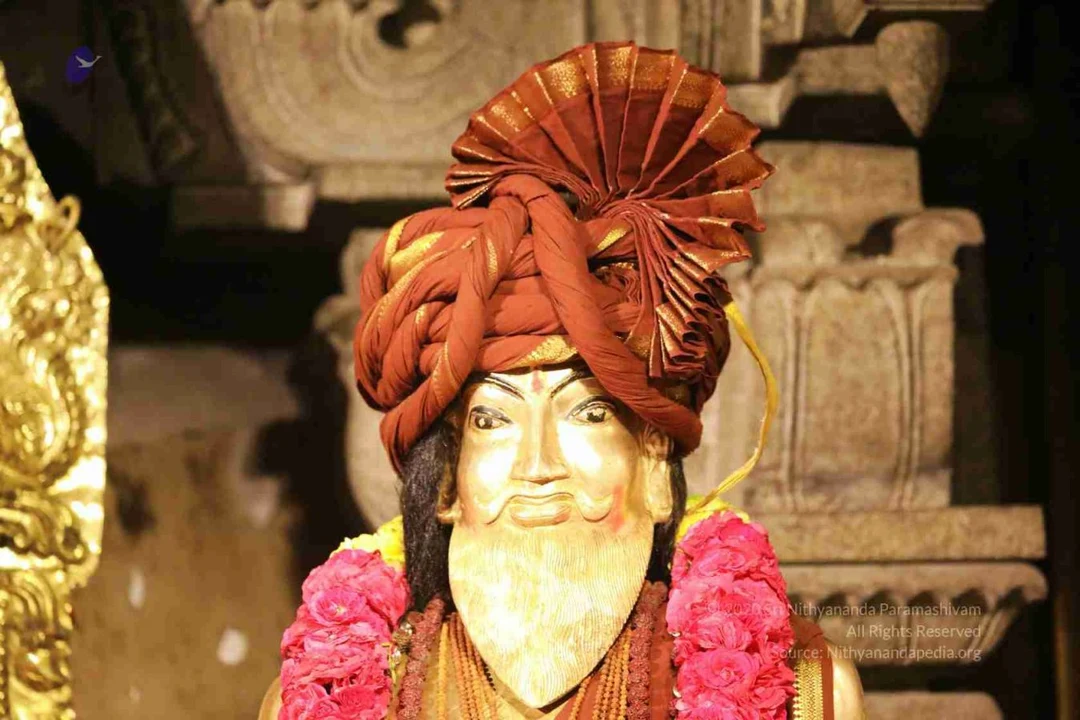 Kapila Mahamuni
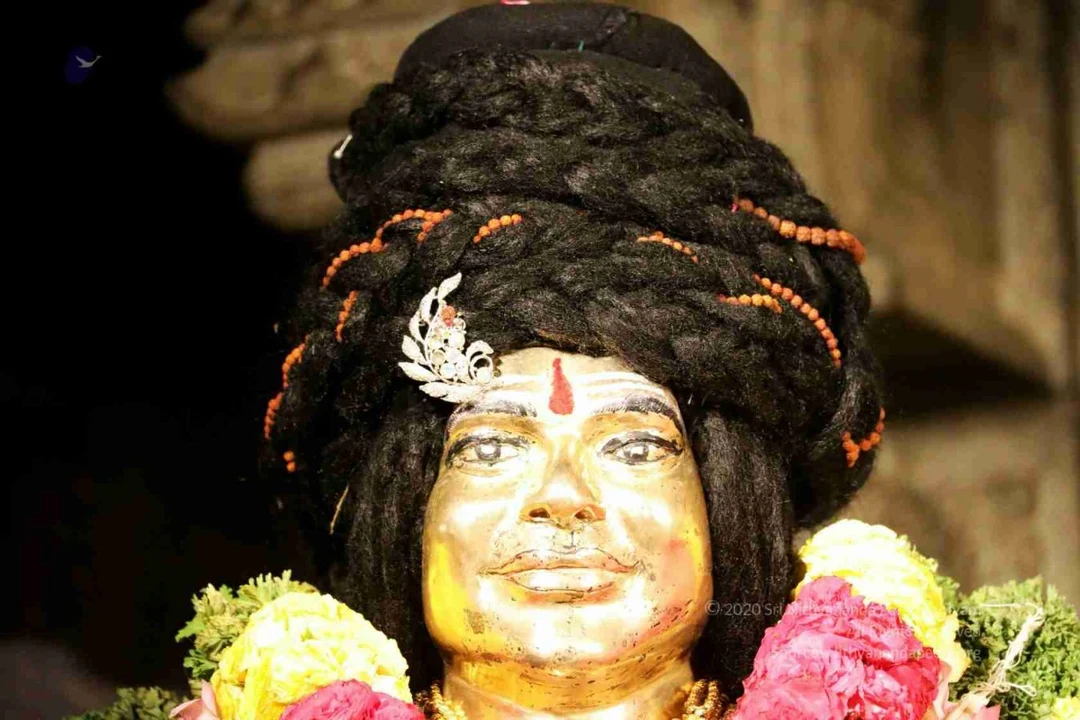 HDH Nithyananda Paramashivam deity
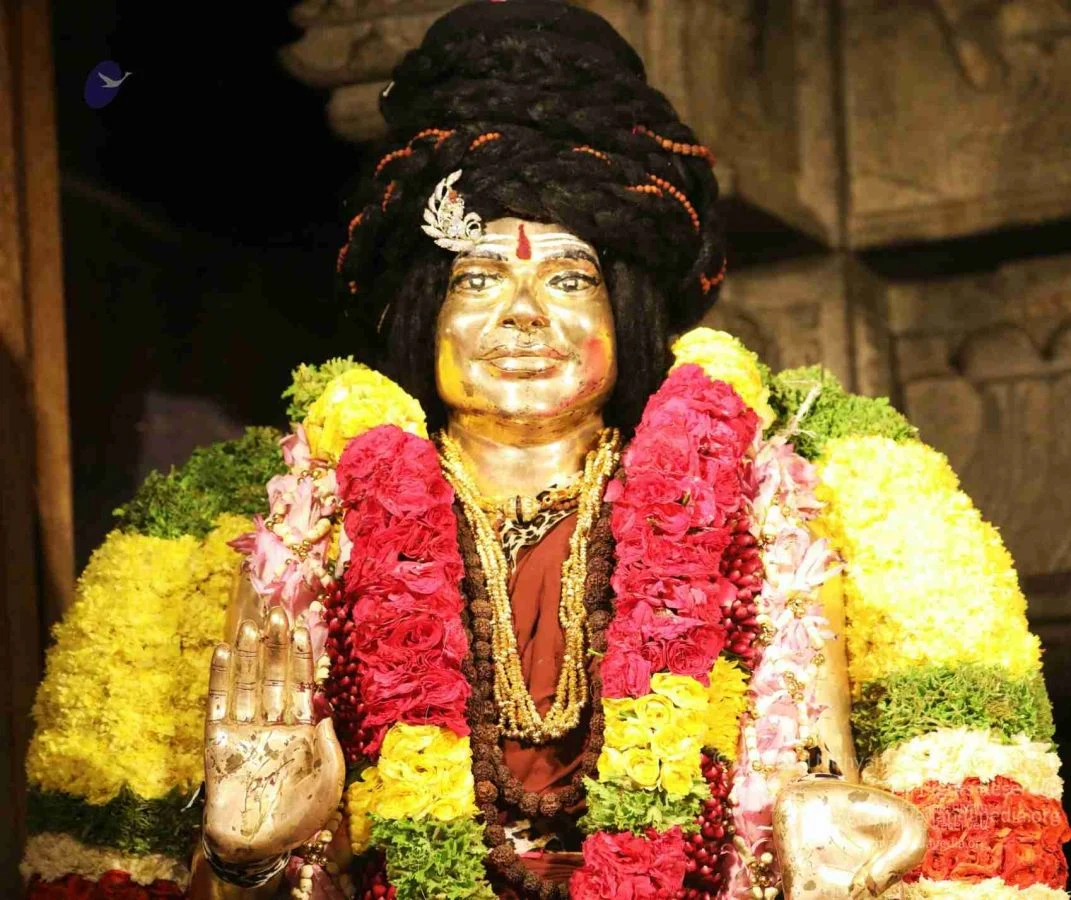 HDH Nithyananda Paramashivam deity
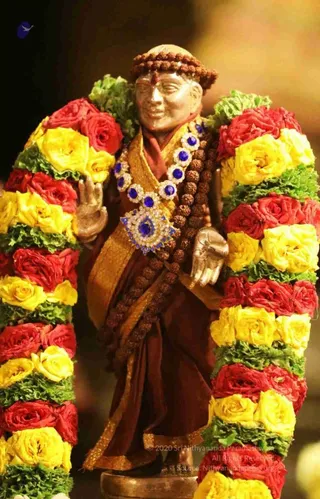 Bhogamurthy
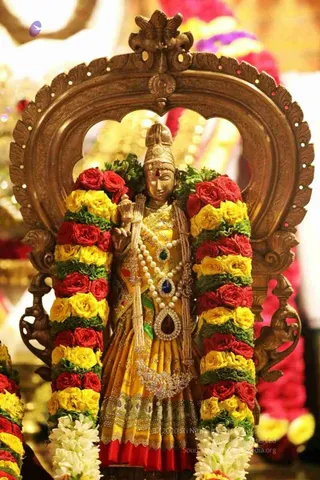 Devi
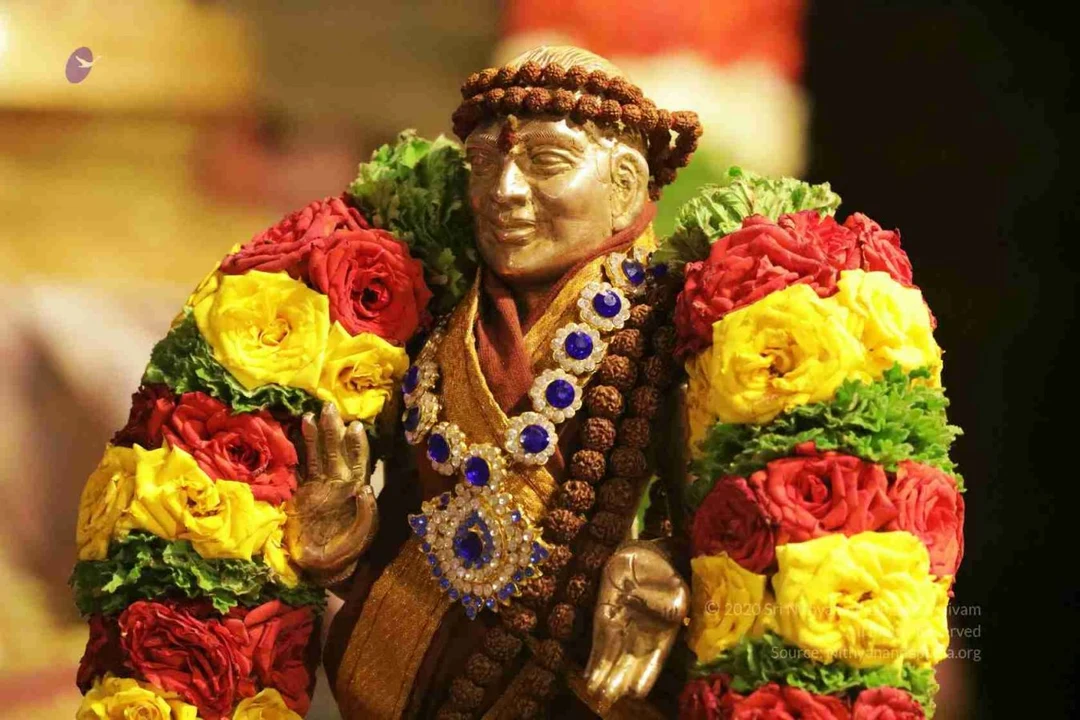 Bhogamurthy
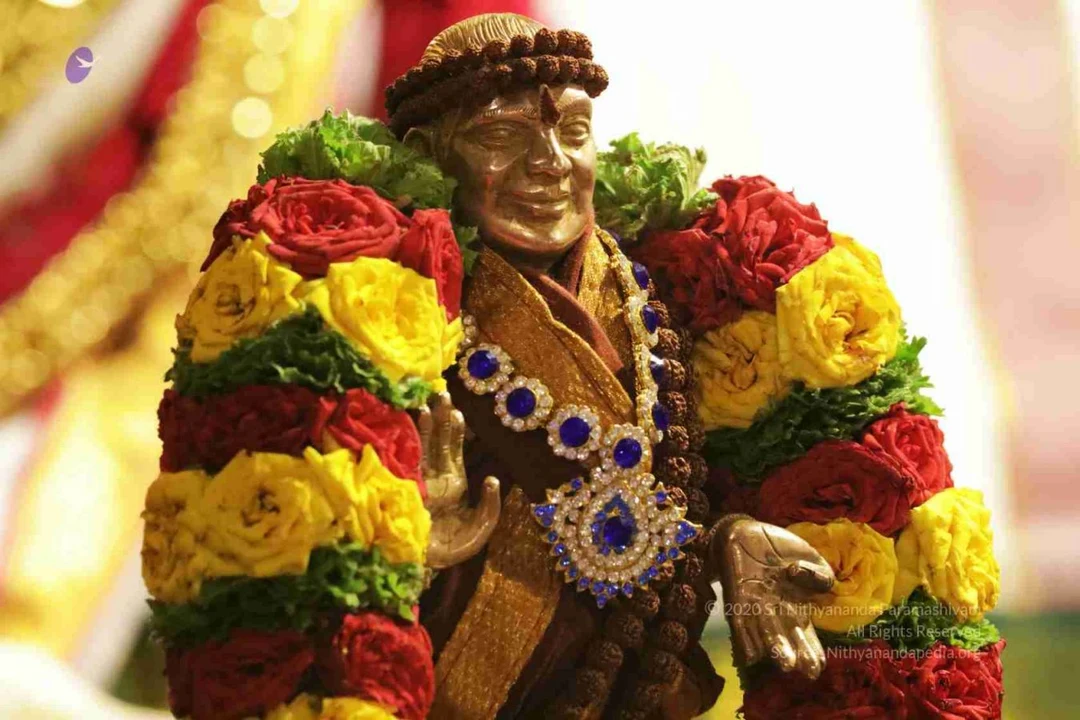 Bhogamurthy
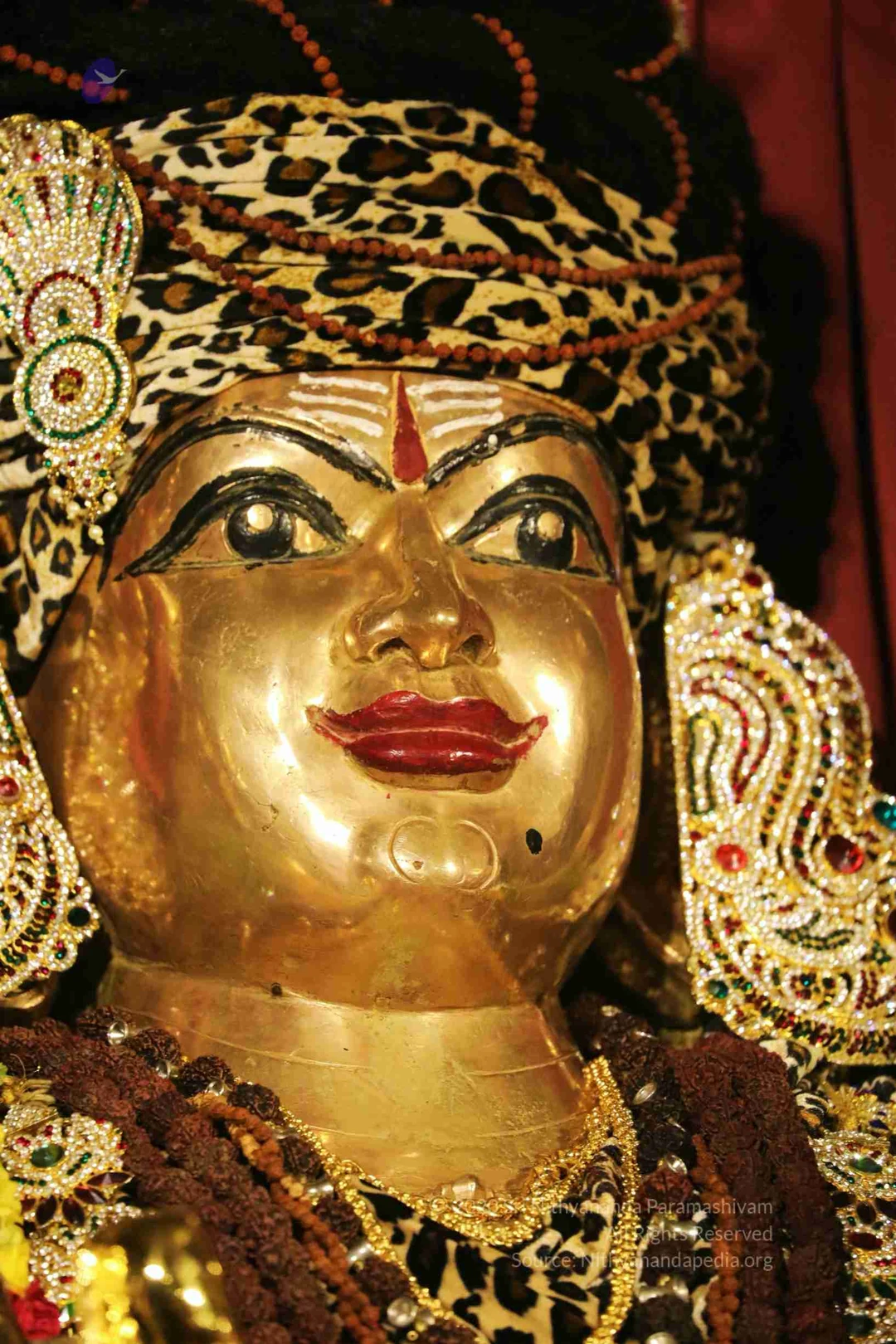
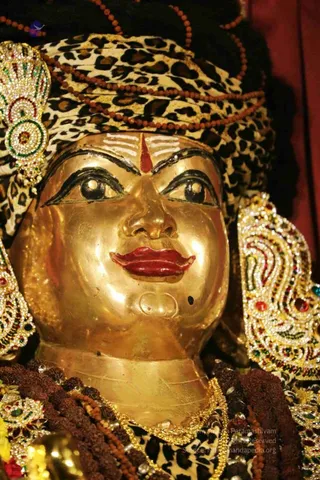 Nithyanandeshwara (Paramashiva)
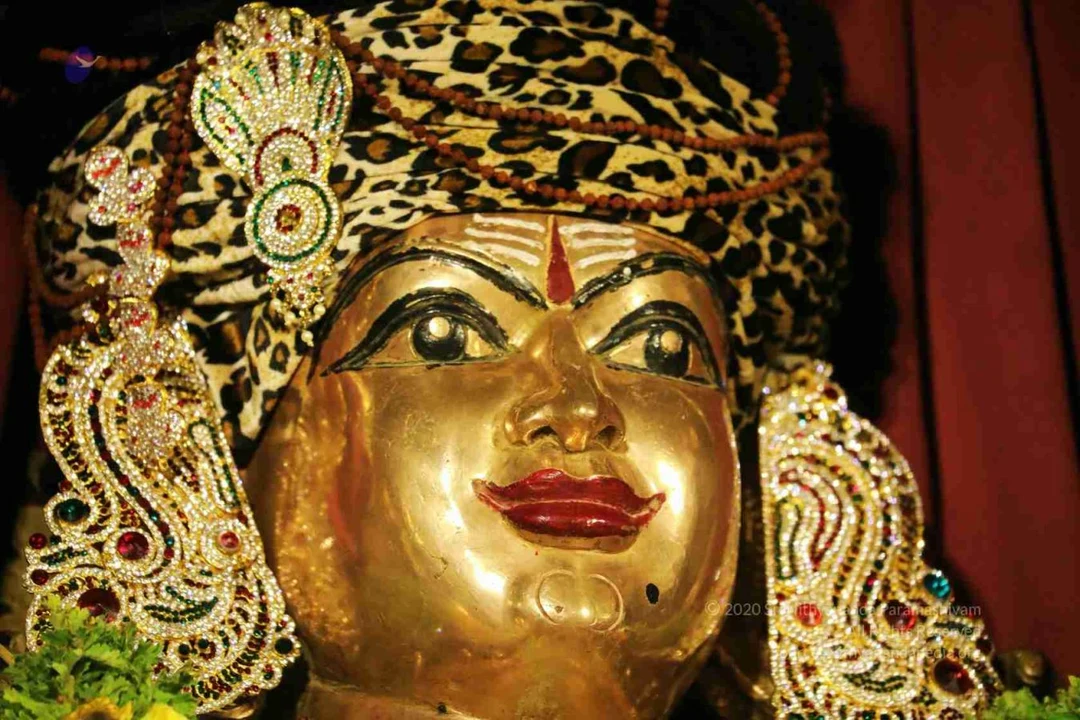 Nithyanandeshwara (Paramashiva)
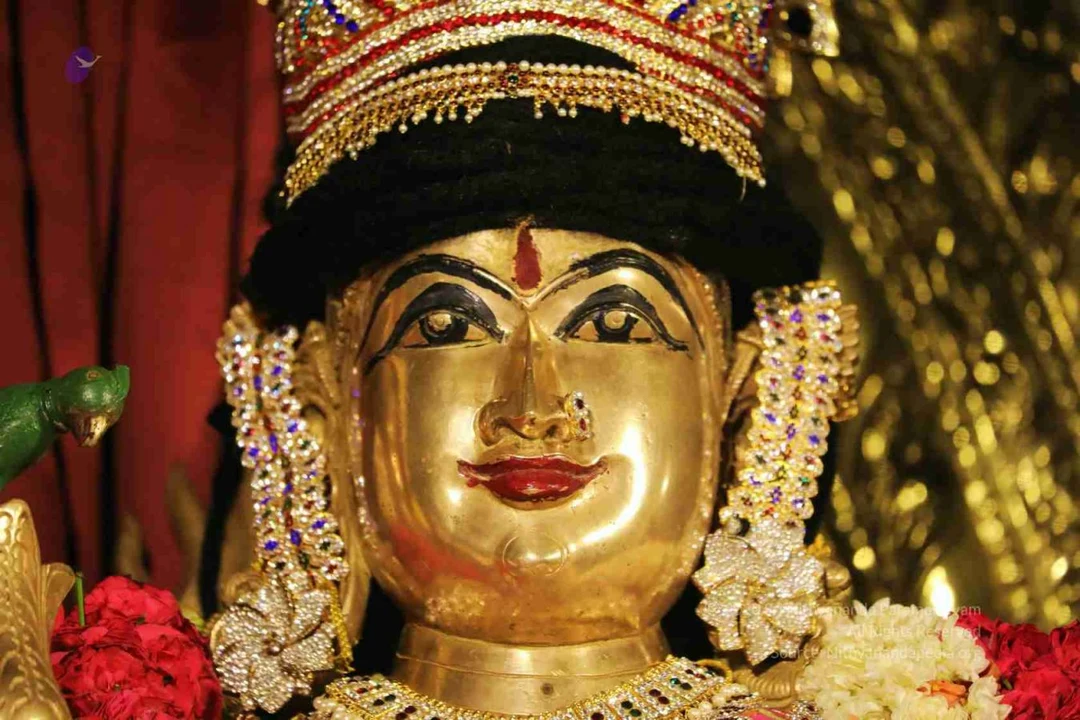 Nithyanandeshwari (Parashakti)
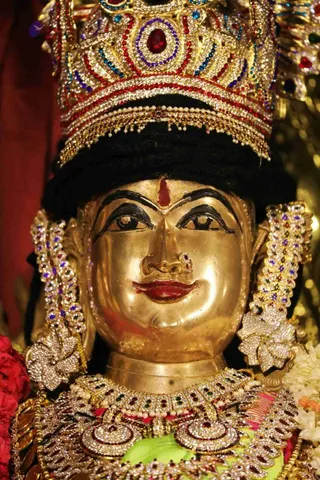 Nithyanandeshwari (Parashakti)
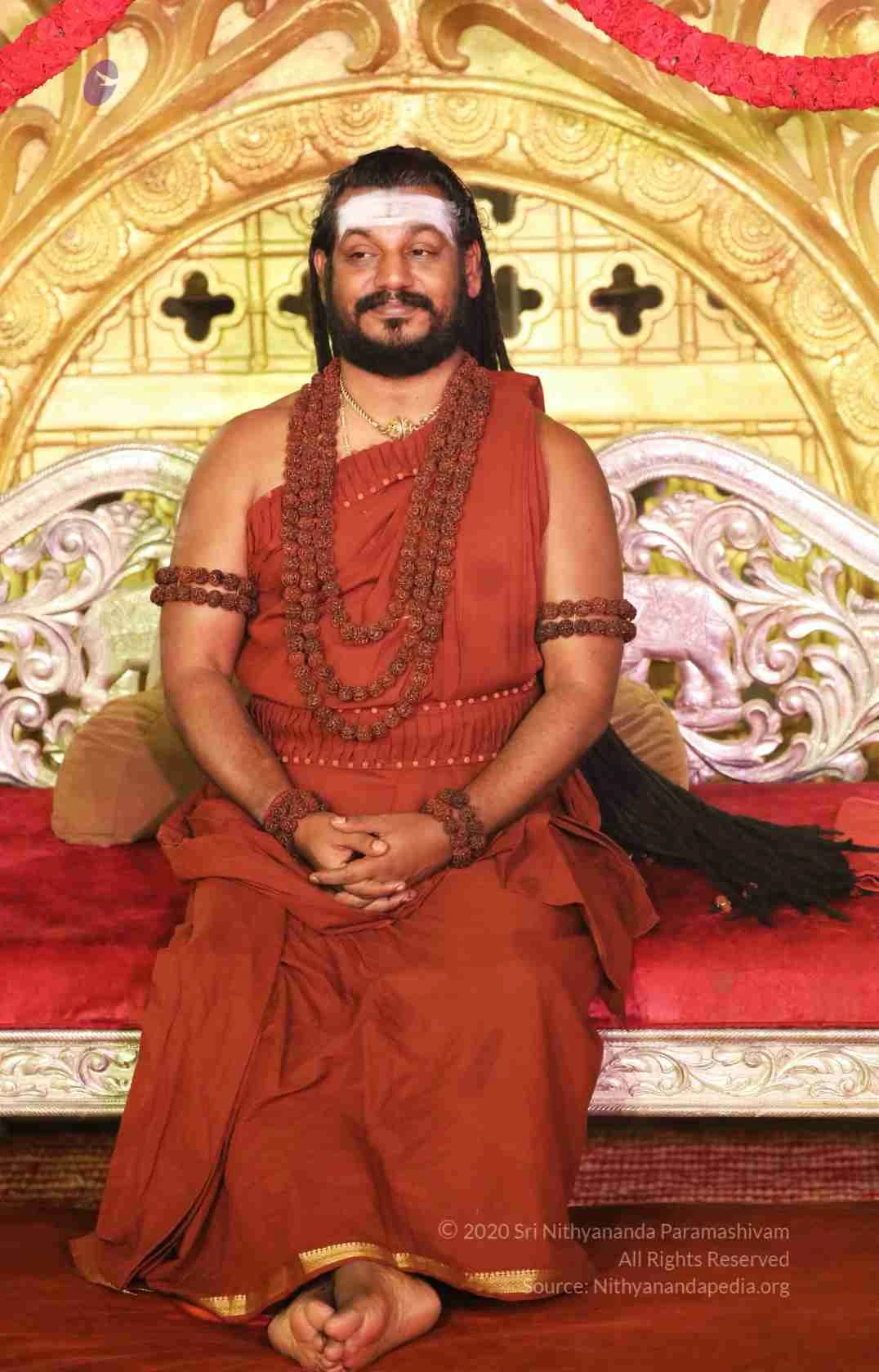
 HDH Nithyananda Paramashivam arrives
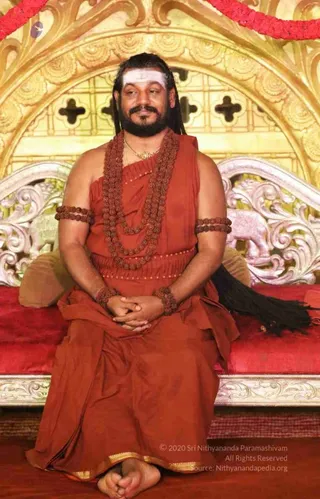 HDH Nithyananda Paramashivam darshan
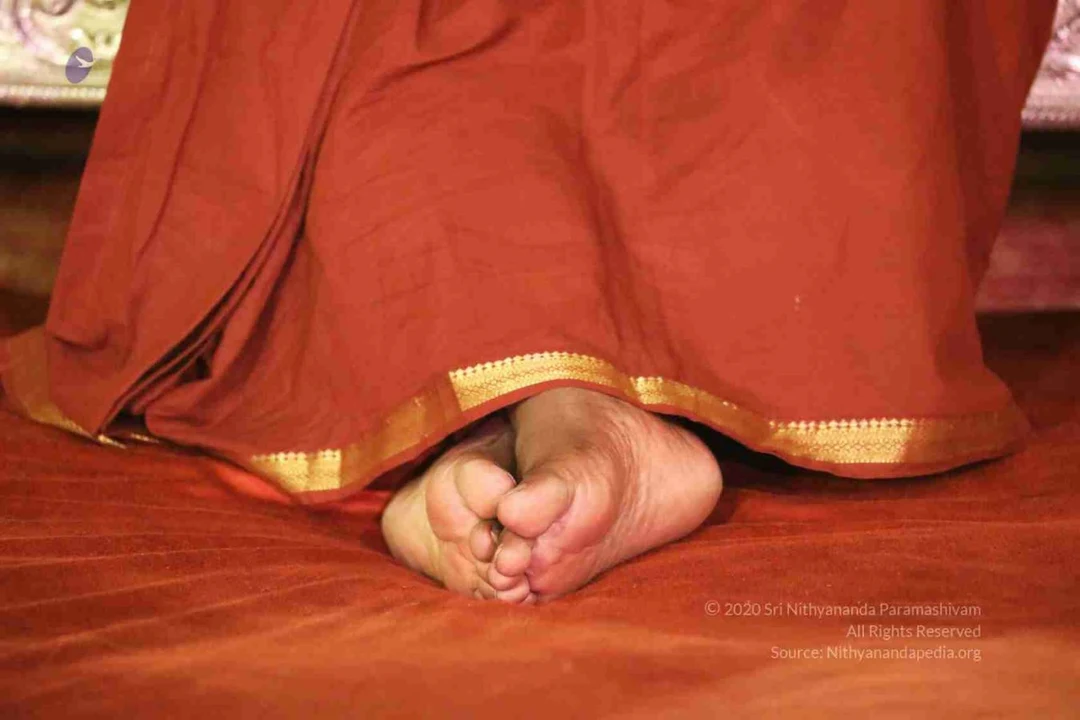 Nija Pada Darshan
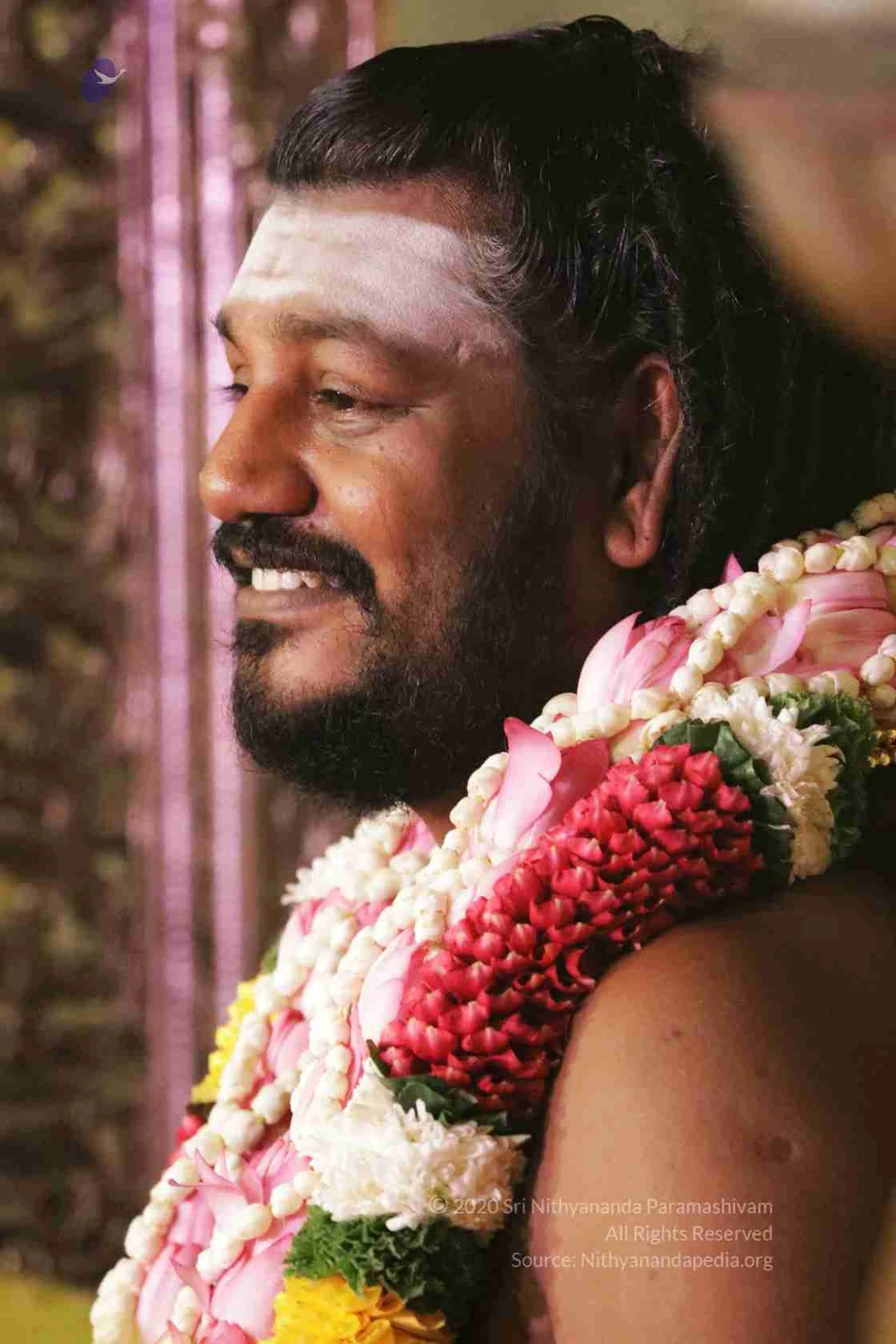
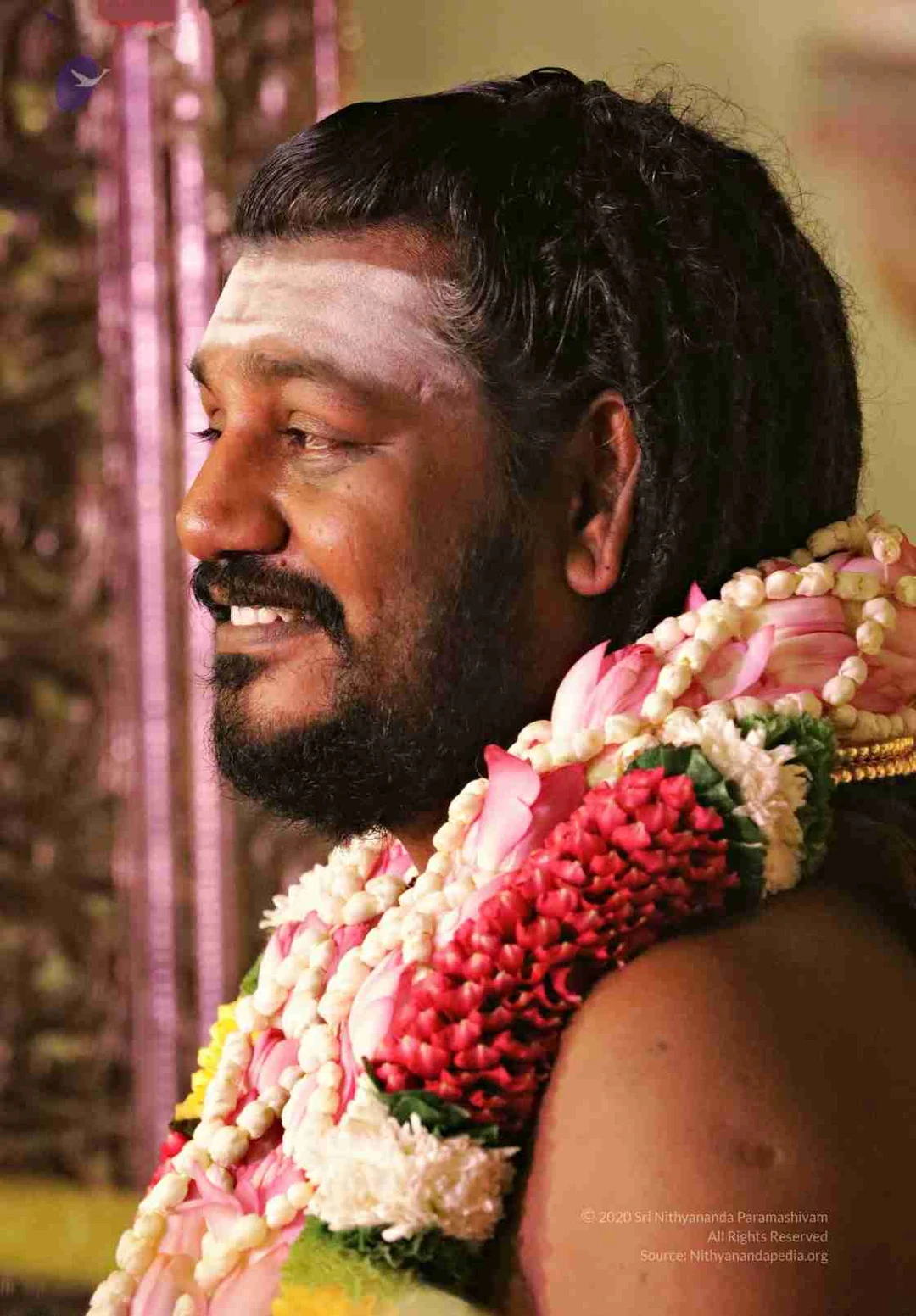
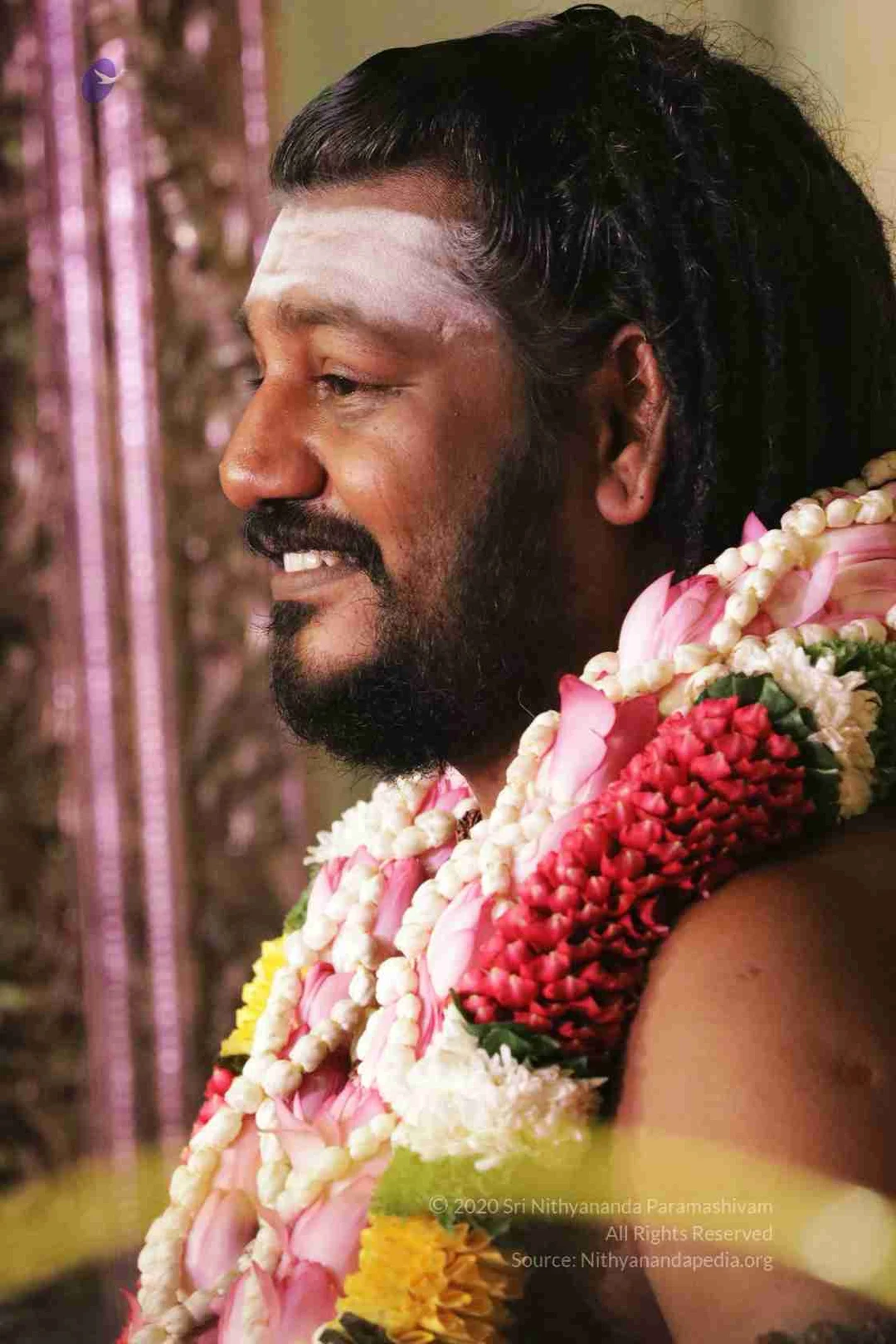
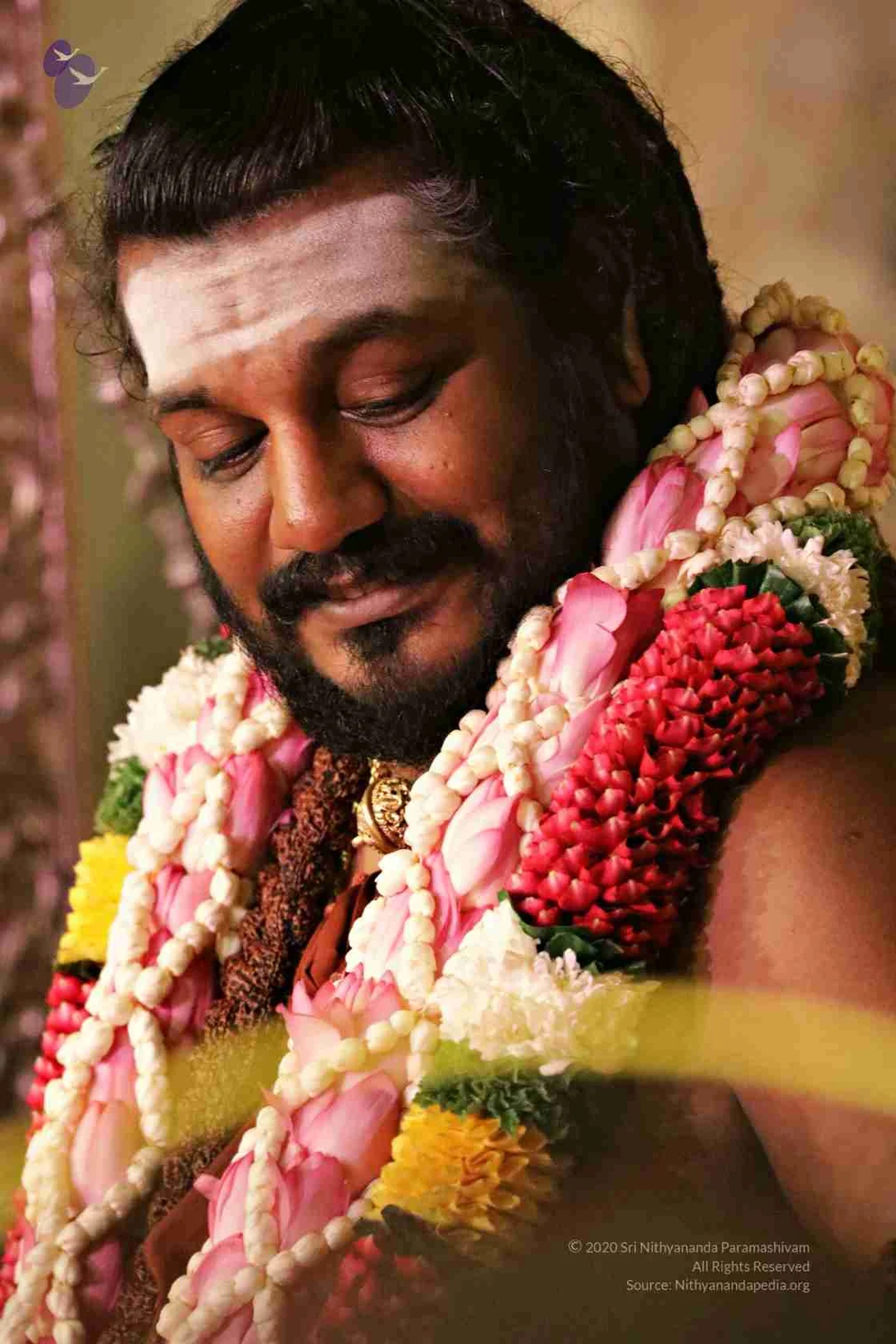
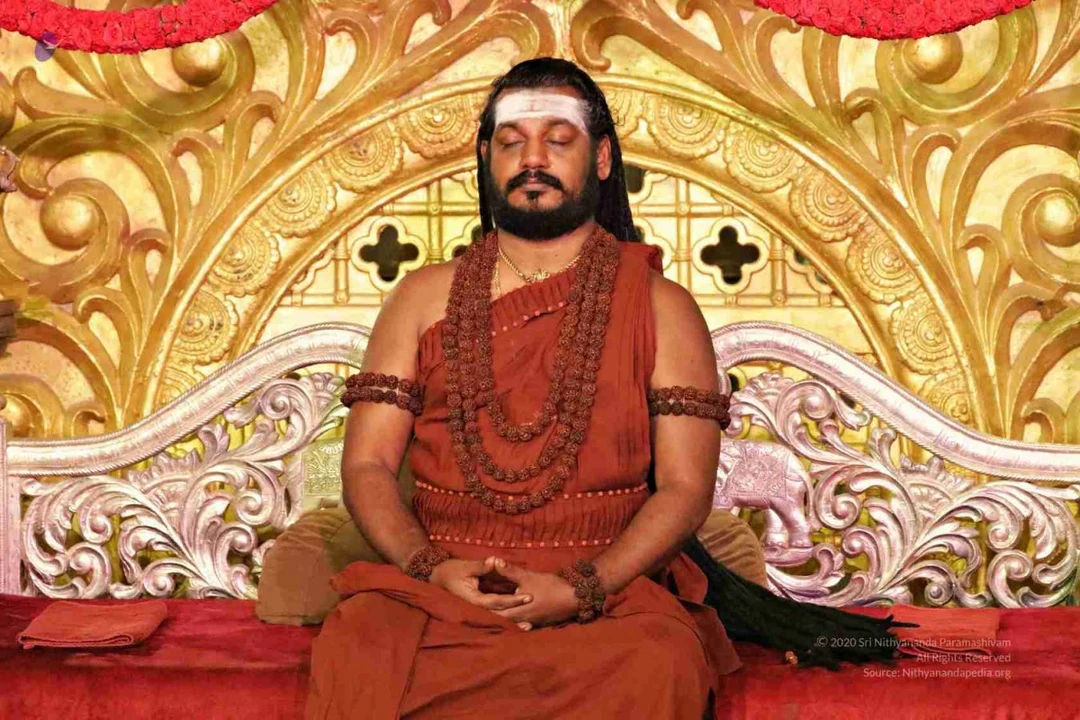 HDH Nithyananda Paramashivam's powerful presence is a blessed experience
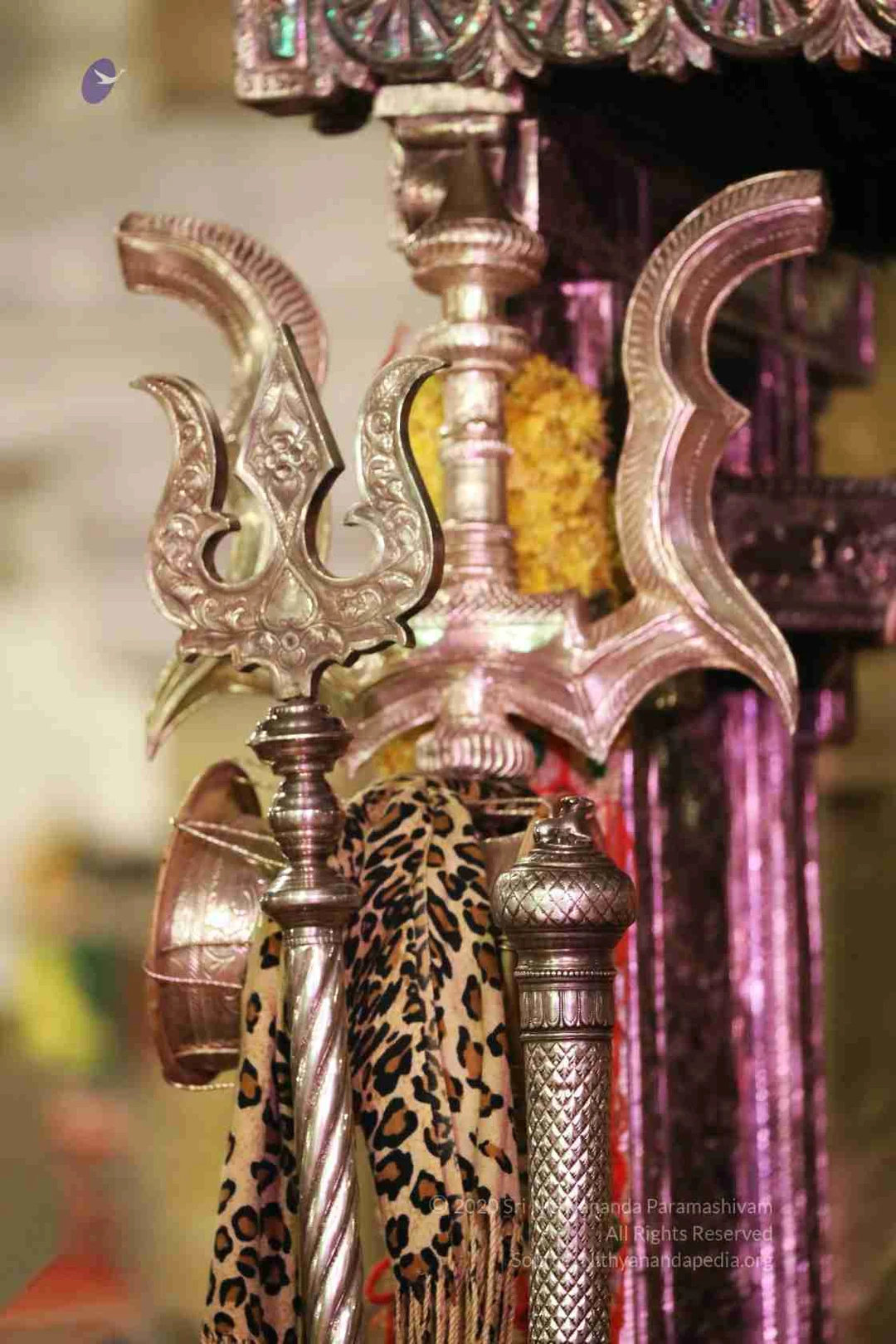
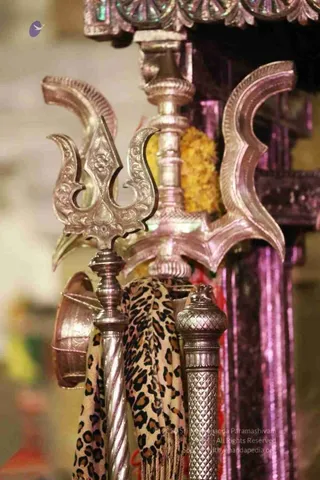 HDH Nithyananda Paramashivam's trishuls
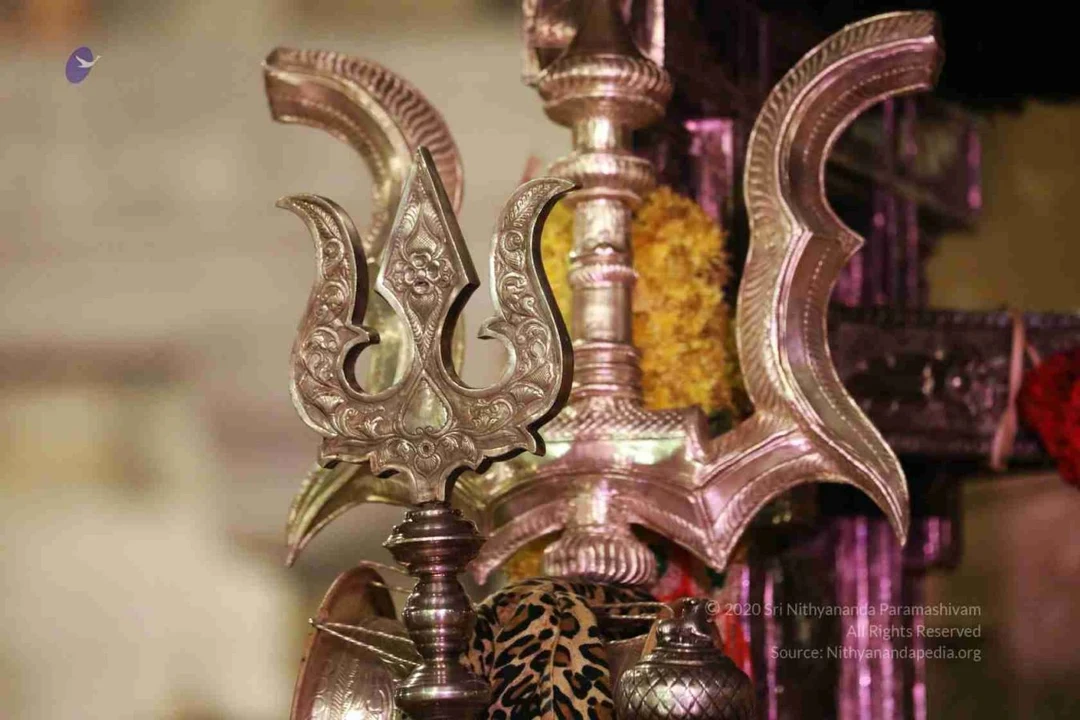 HDH Nithyananda Paramashivam's trishuls
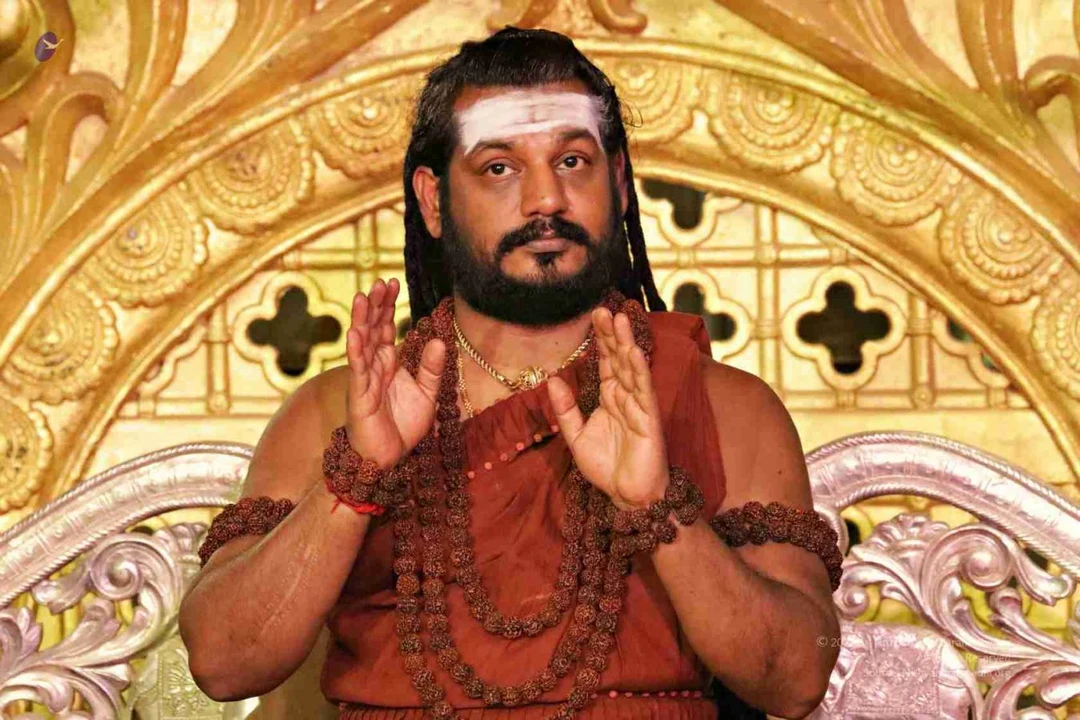 HDH Nithyananda Paramashivam's powerful presence is a blessed experience
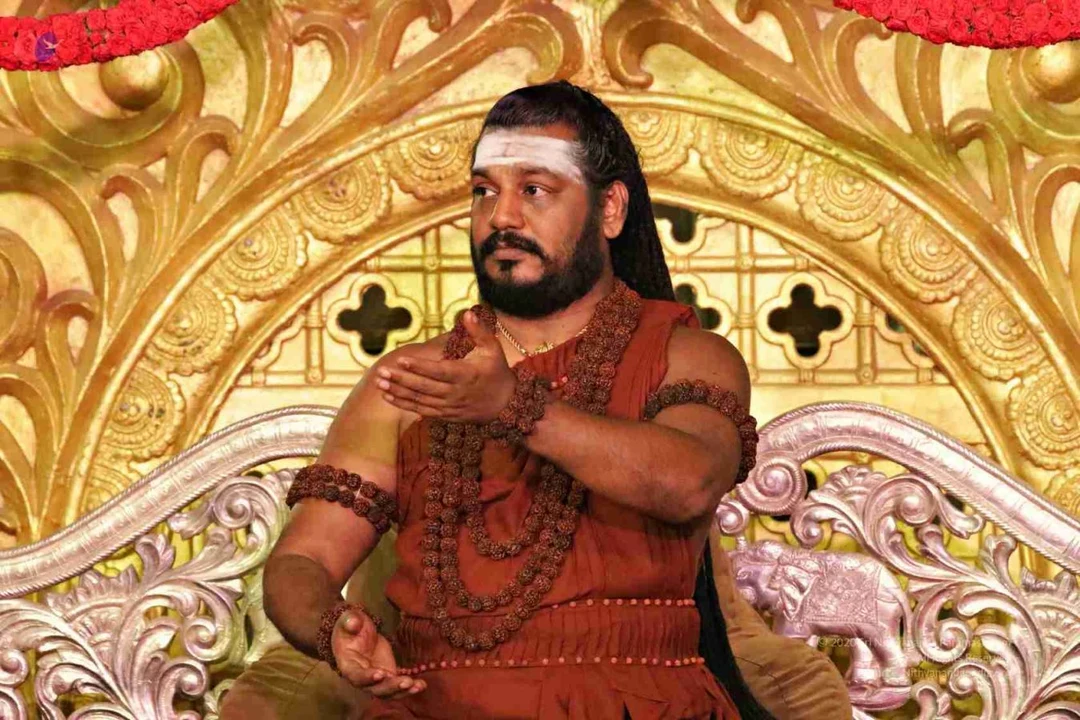 HDH Nithyananda Paramashivam's powerful presence is a blessed experience
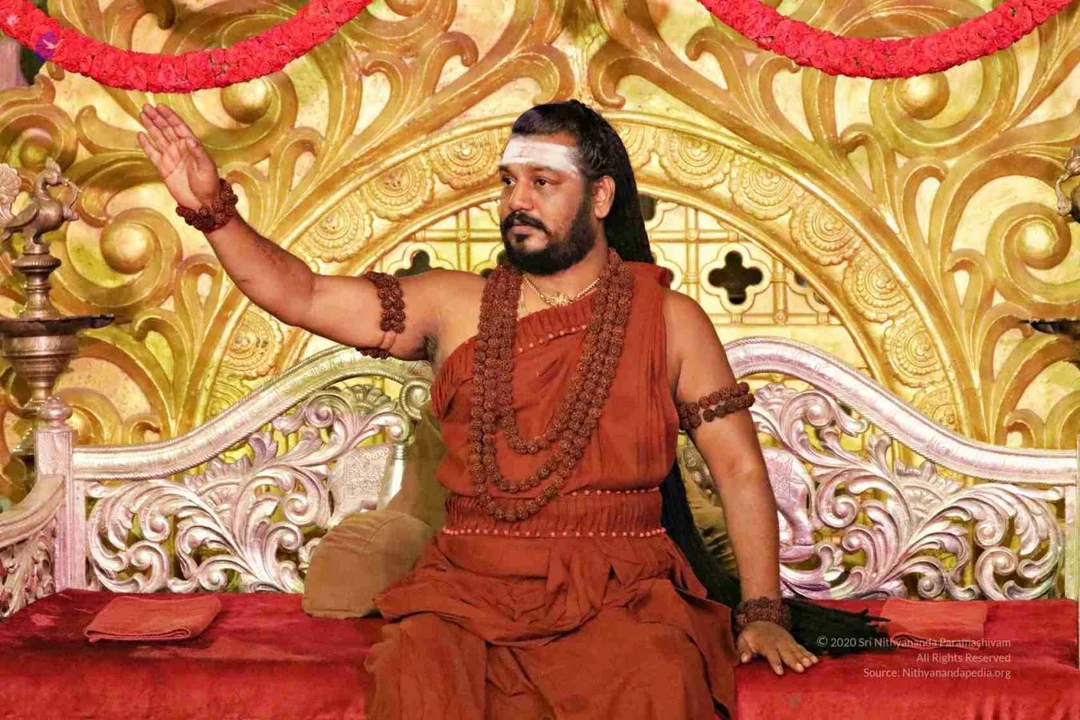 HDH Nithyananda Paramashivam's powerful presence is a blessed experience
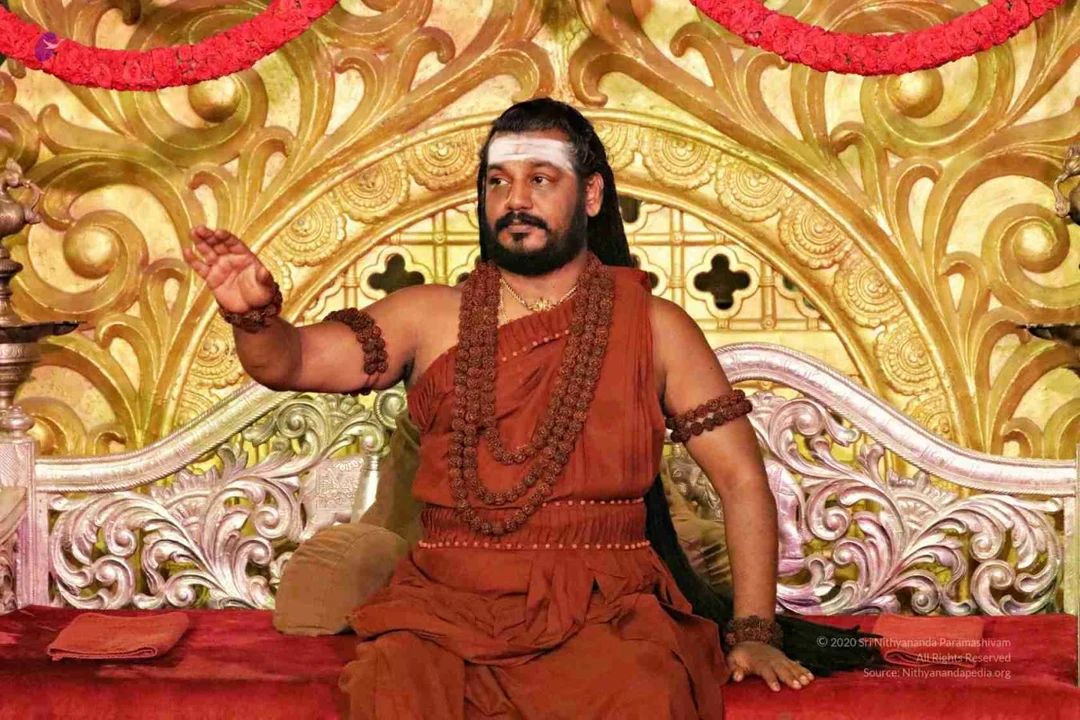 HDH Nithyananda Paramashivam's powerful presence is a blessed experience
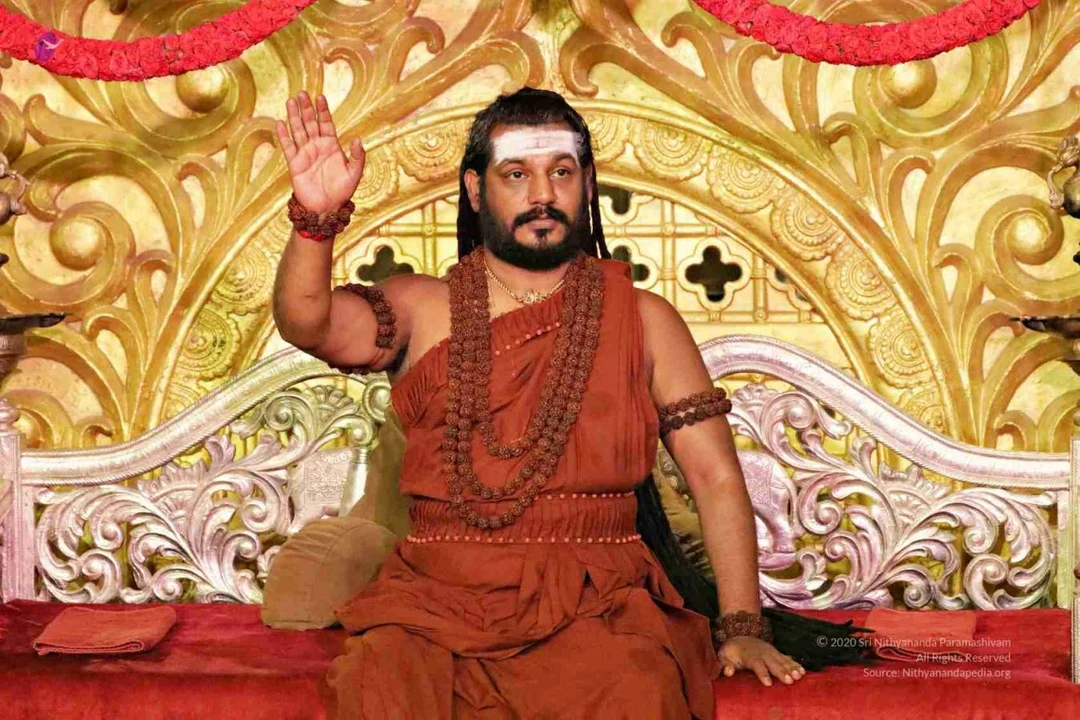 HDH Nithyananda Paramashivam's powerful presence is a blessed experience
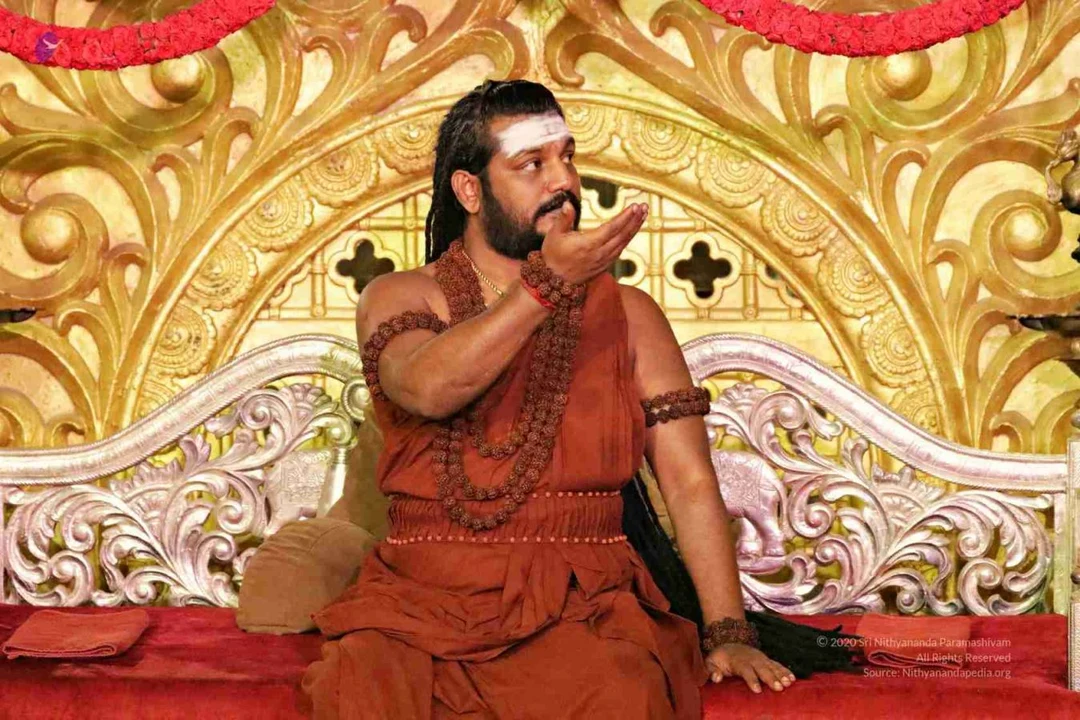 HDH Nithyananda Paramashivam's powerful presence is a blessed experience
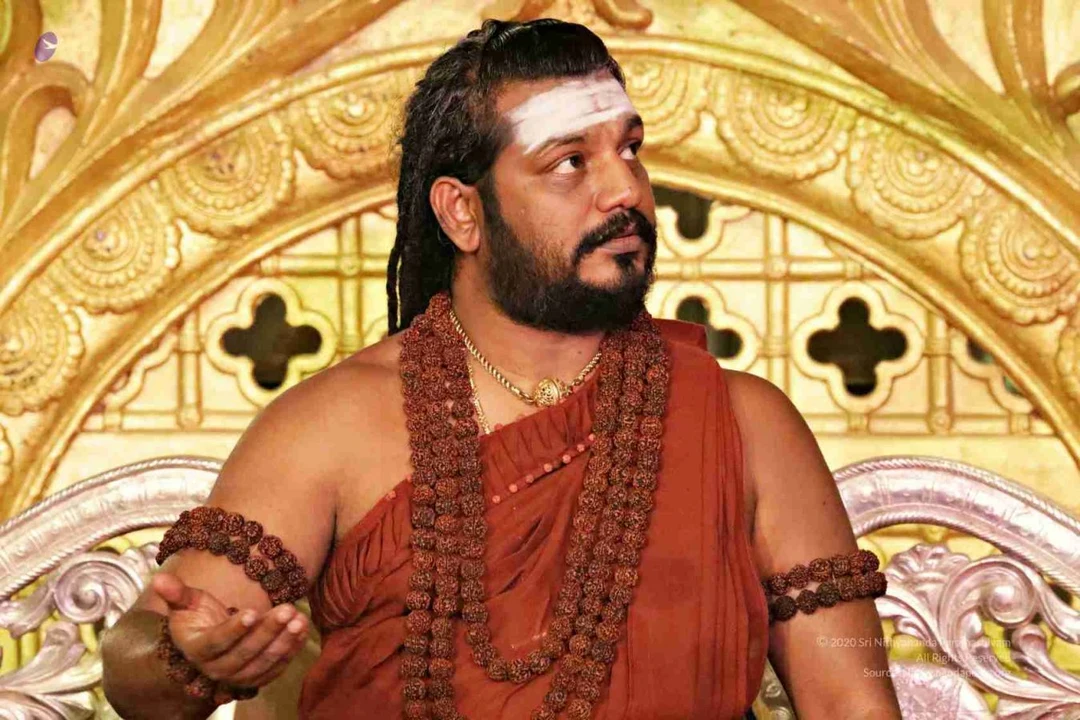 HDH Nithyananda Paramashivam's powerful presence is a blessed experience
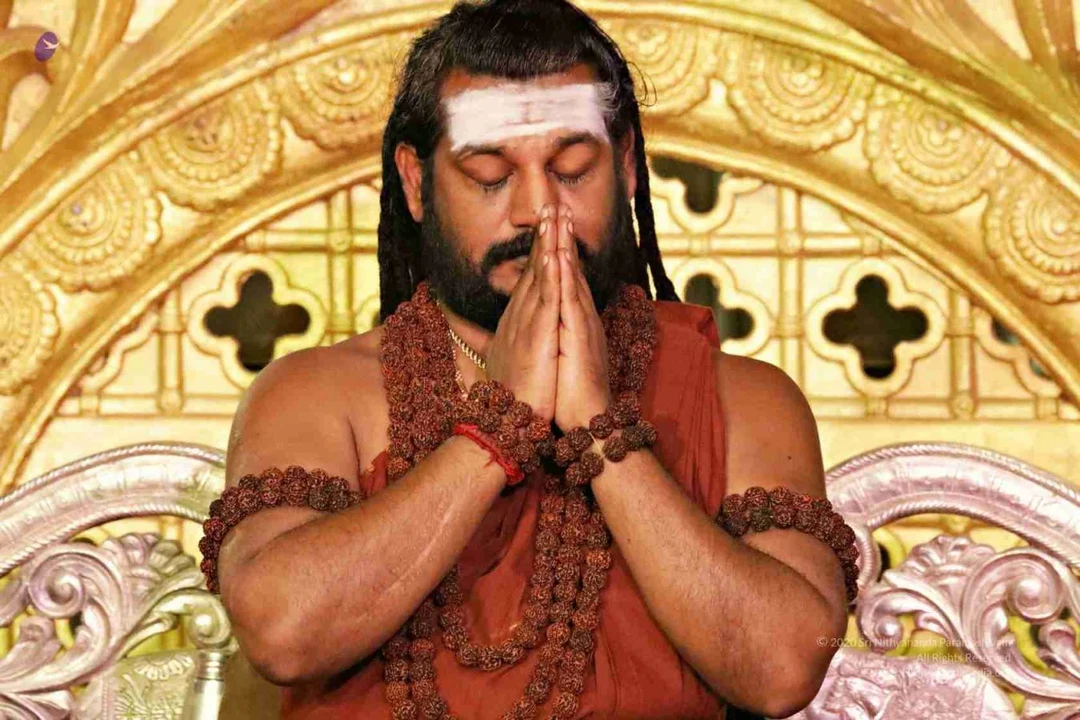 HDH Nithyananda Paramashivam's powerful presence is a blessed experience
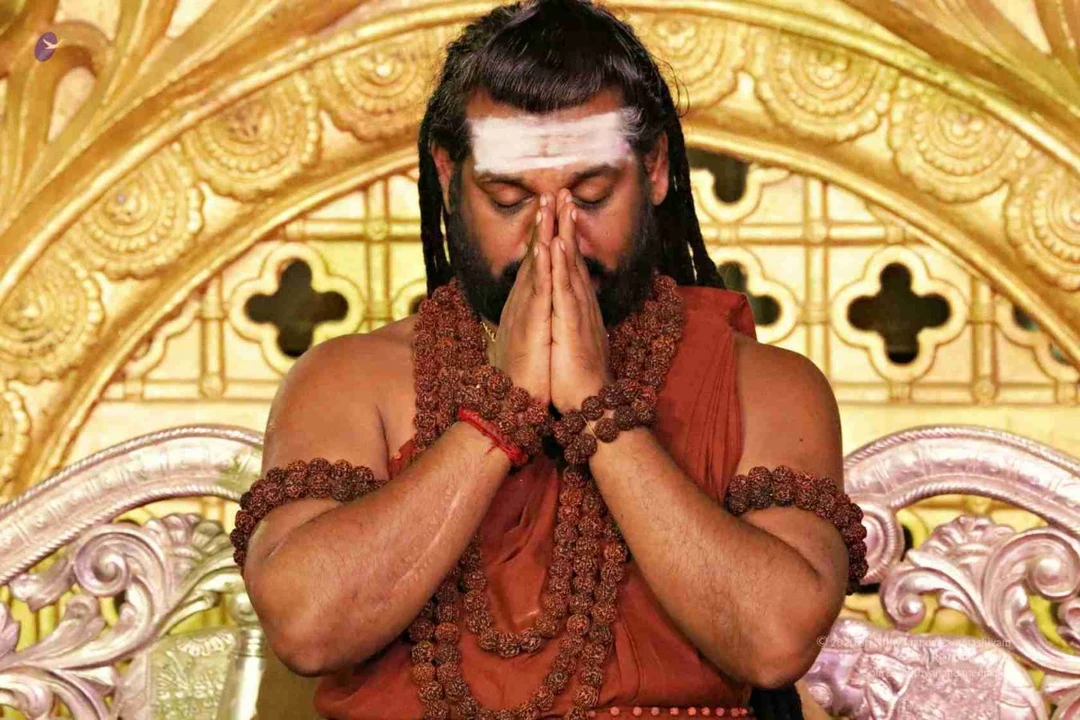 HDH Nithyananda Paramashivam's powerful presence is a blessed experience
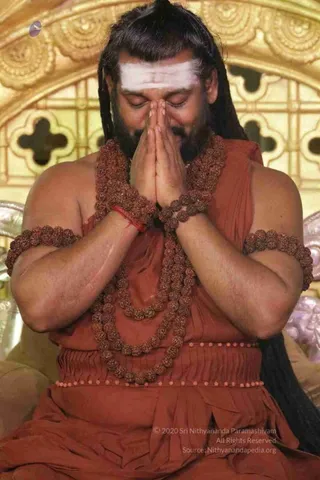 HDH Nithyananda Paramashivam's powerful presence is a blessed experience
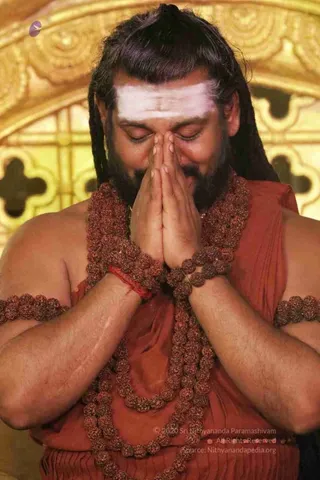 HDH Nithyananda Paramashivam's powerful presence is a blessed experience
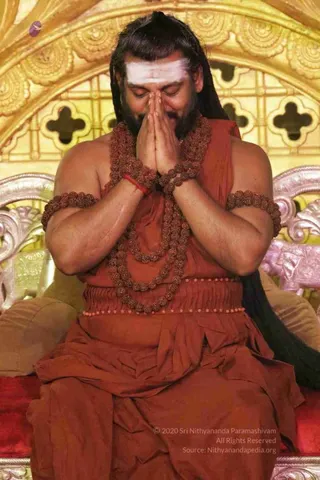 HDH Nithyananda Paramashivam's powerful presence is a blessed experience
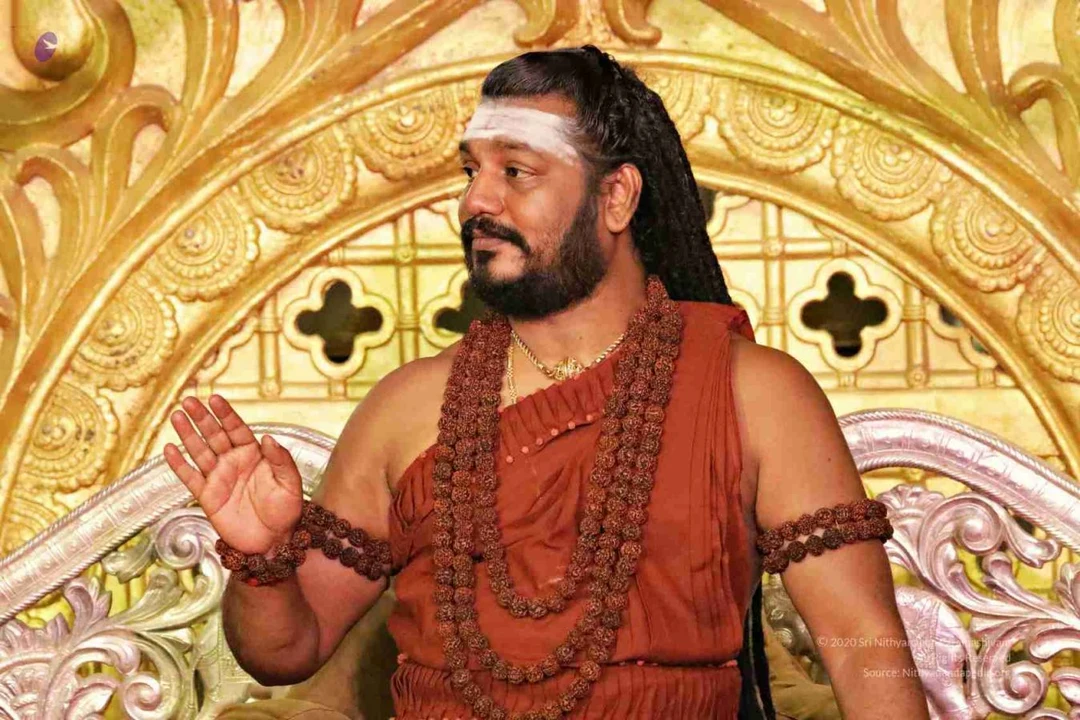 Entanglement becomes entrainment and entrainment becomes enlightenment
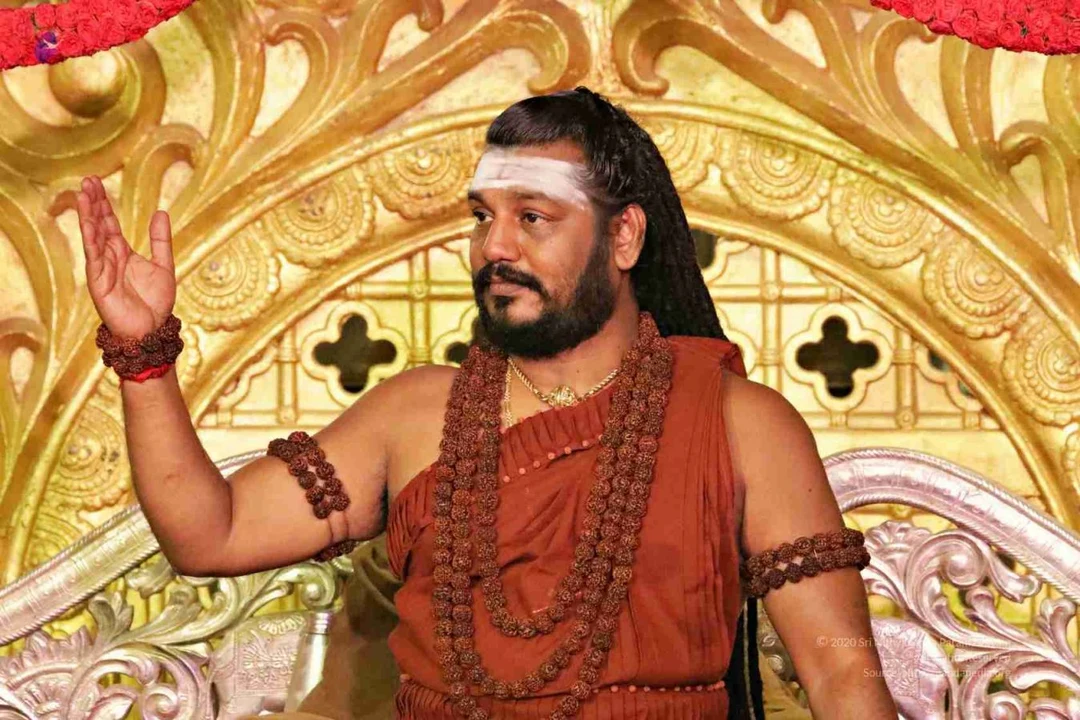 Entanglement becomes entrainment and entrainment becomes enlightenment
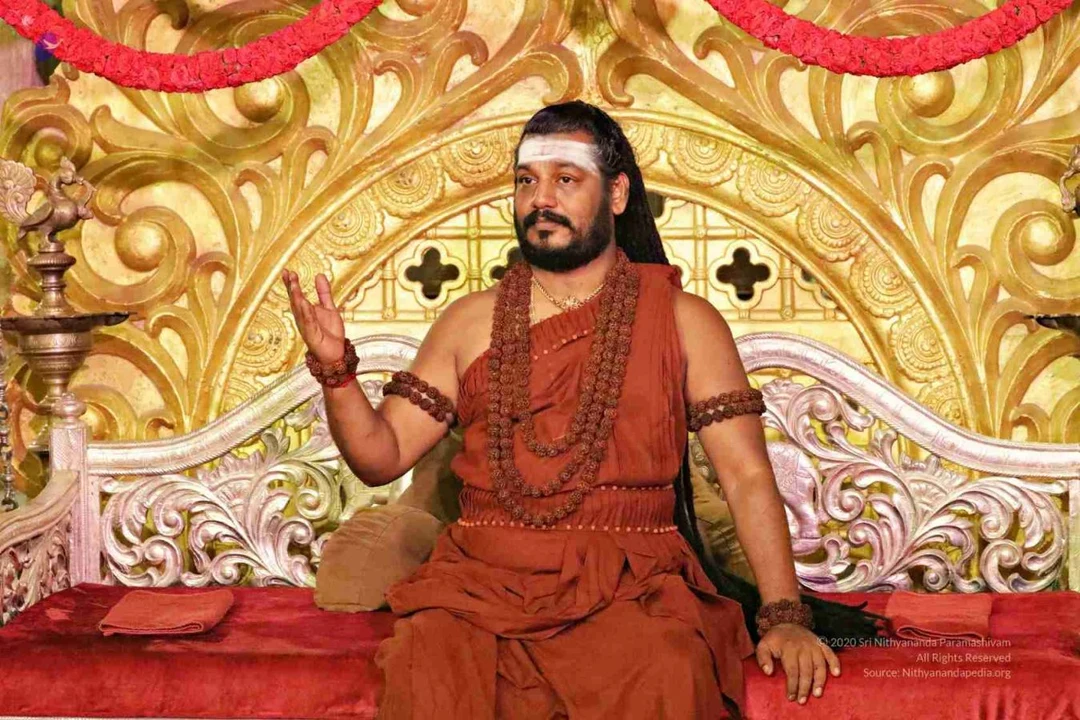 Entanglement becomes entrainment and entrainment becomes enlightenment
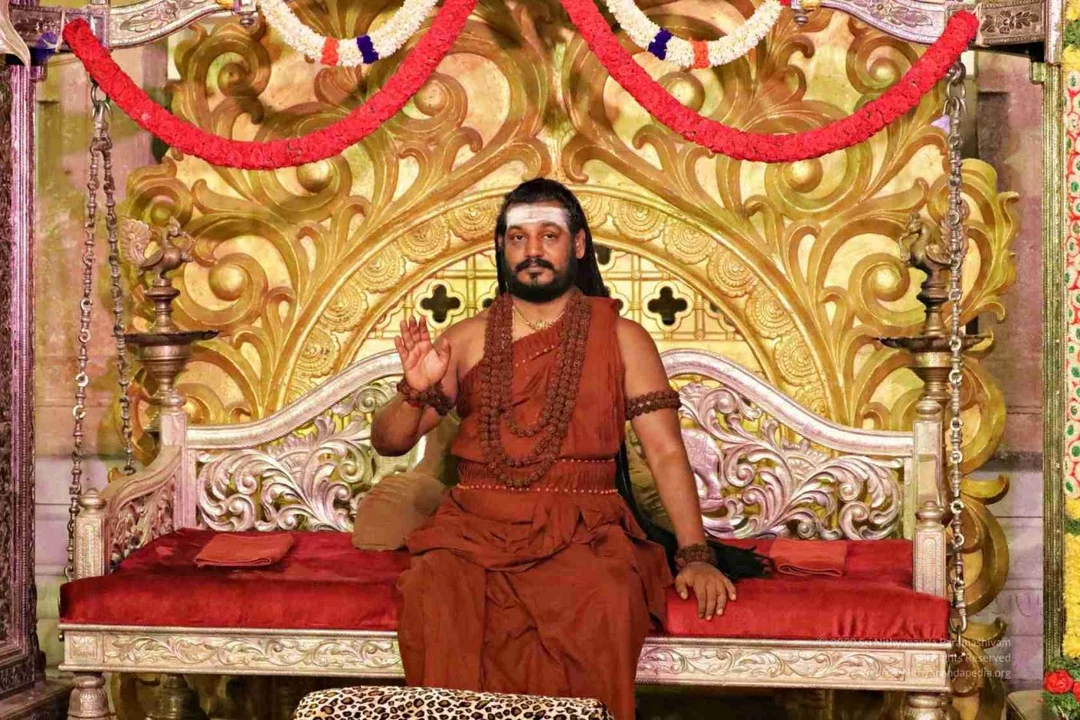 Entanglement becomes entrainment and entrainment becomes enlightenment
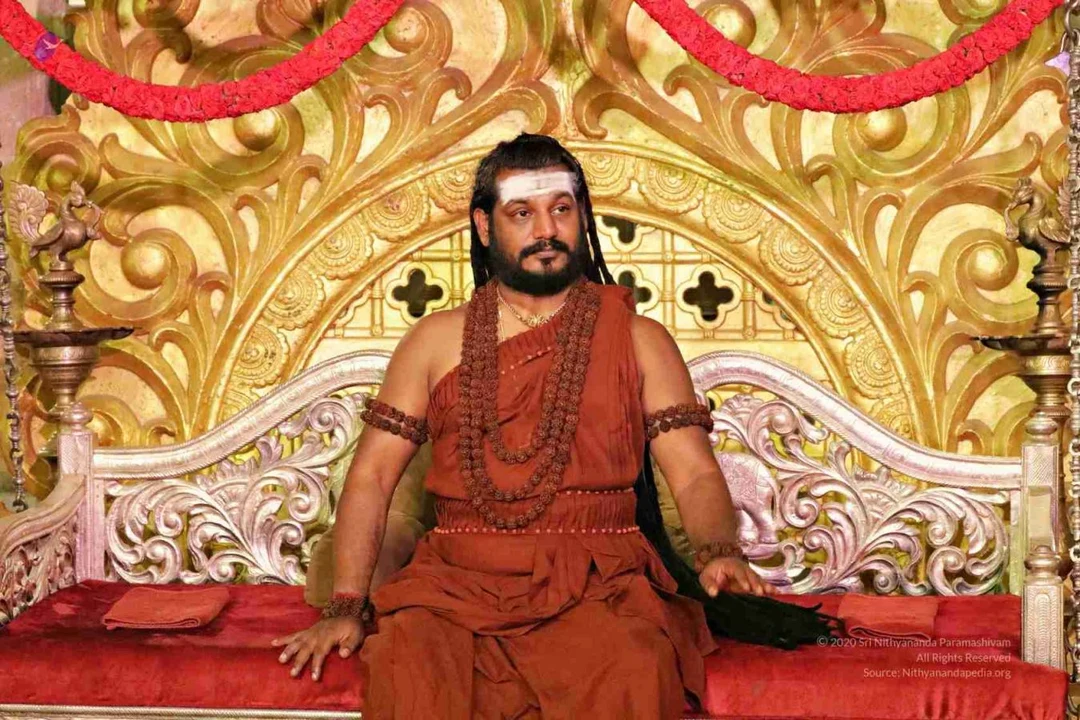 Entanglement becomes entrainment and entrainment becomes enlightenment
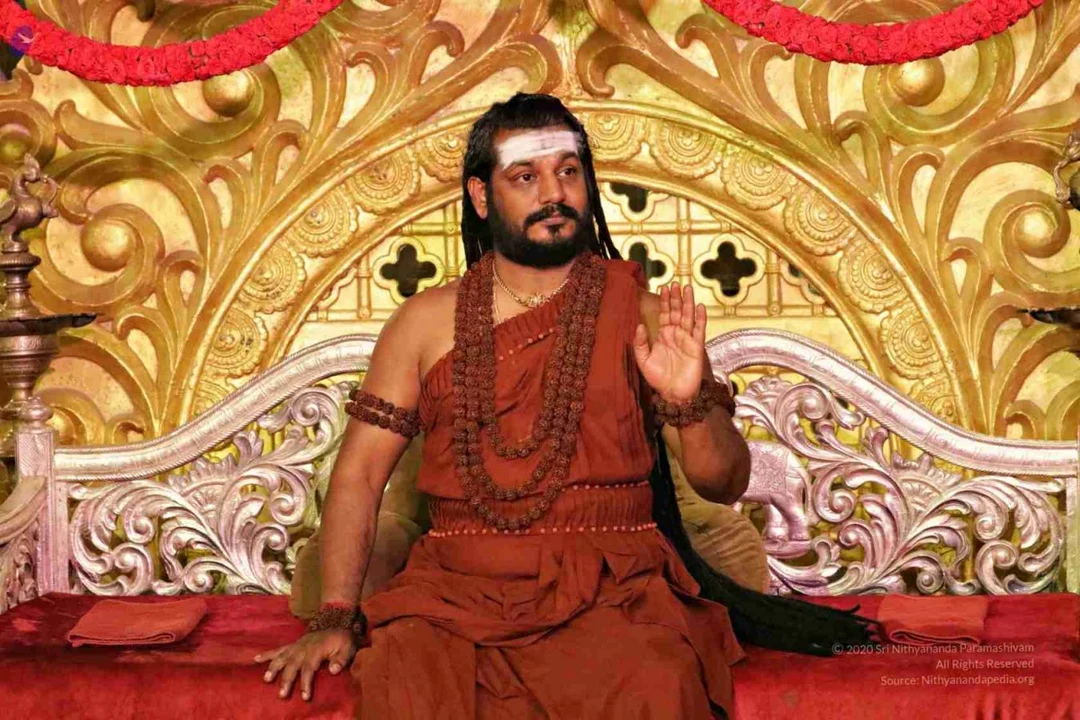 Entanglement becomes entrainment and entrainment becomes enlightenment
 Entanglement becomes entrainment and entrainment becomes enlightenment
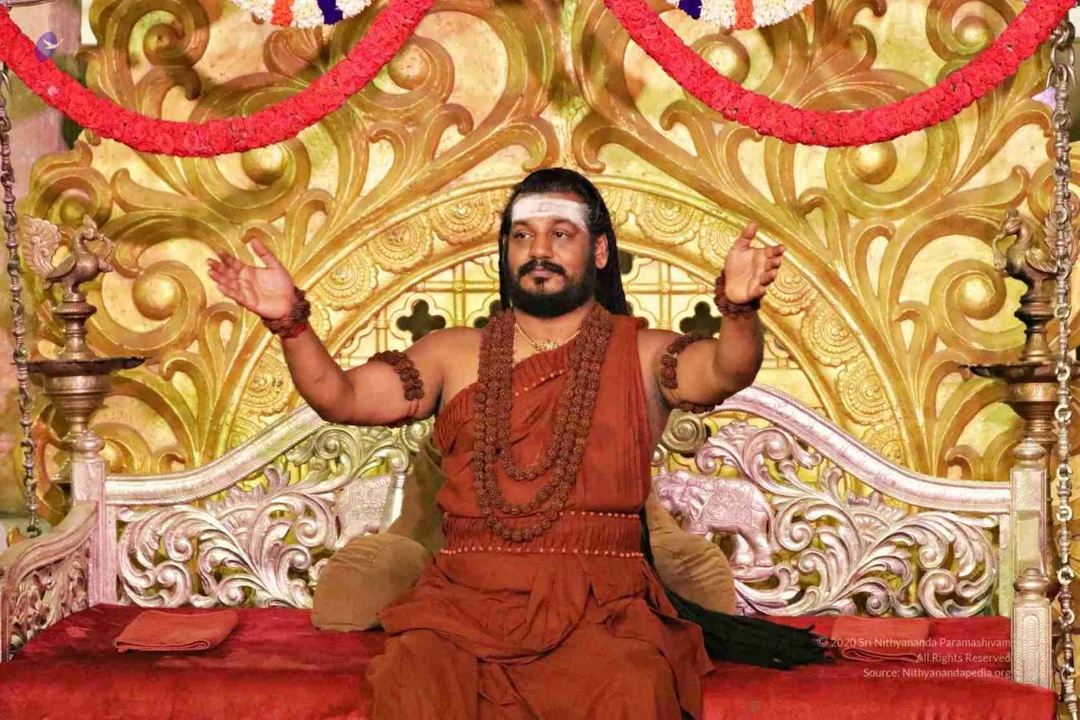 Entanglement becomes entrainment and entrainment becomes enlightenment
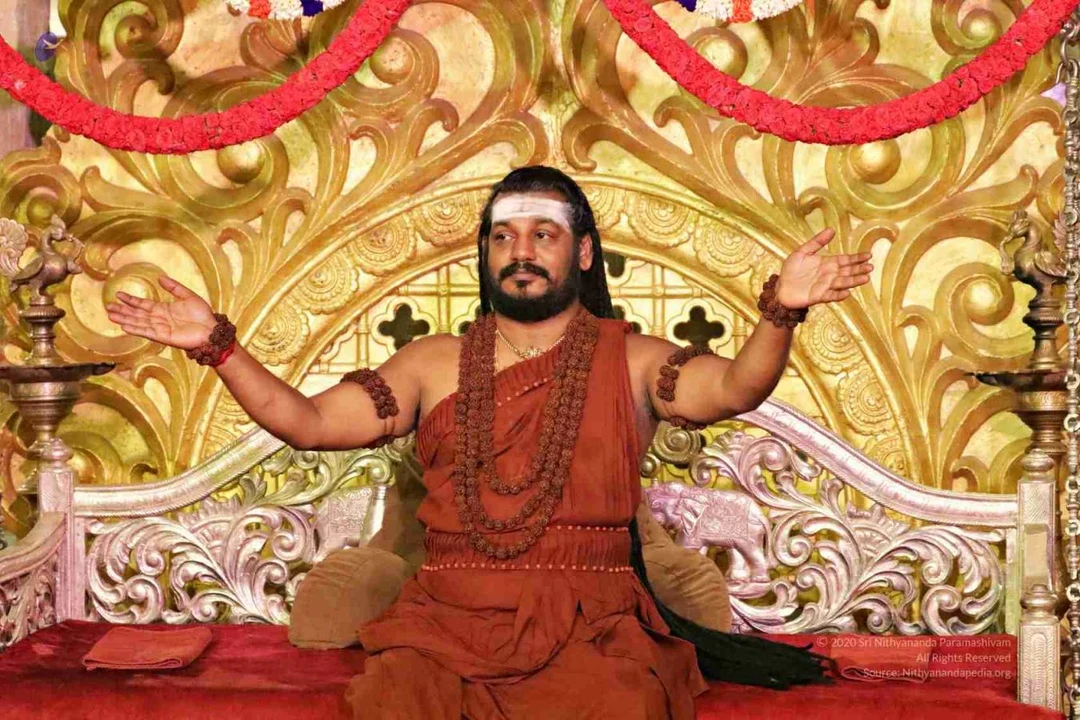 Entanglement becomes entrainment and entrainment becomes enlightenment
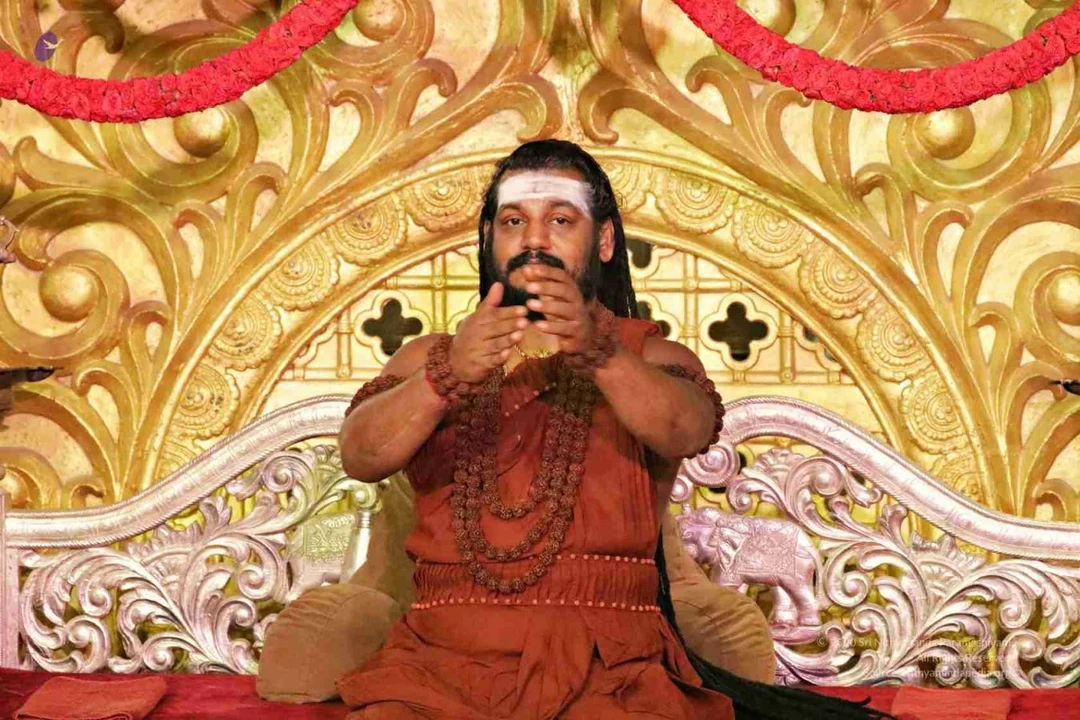 Entanglement becomes entrainment and entrainment becomes enlightenment
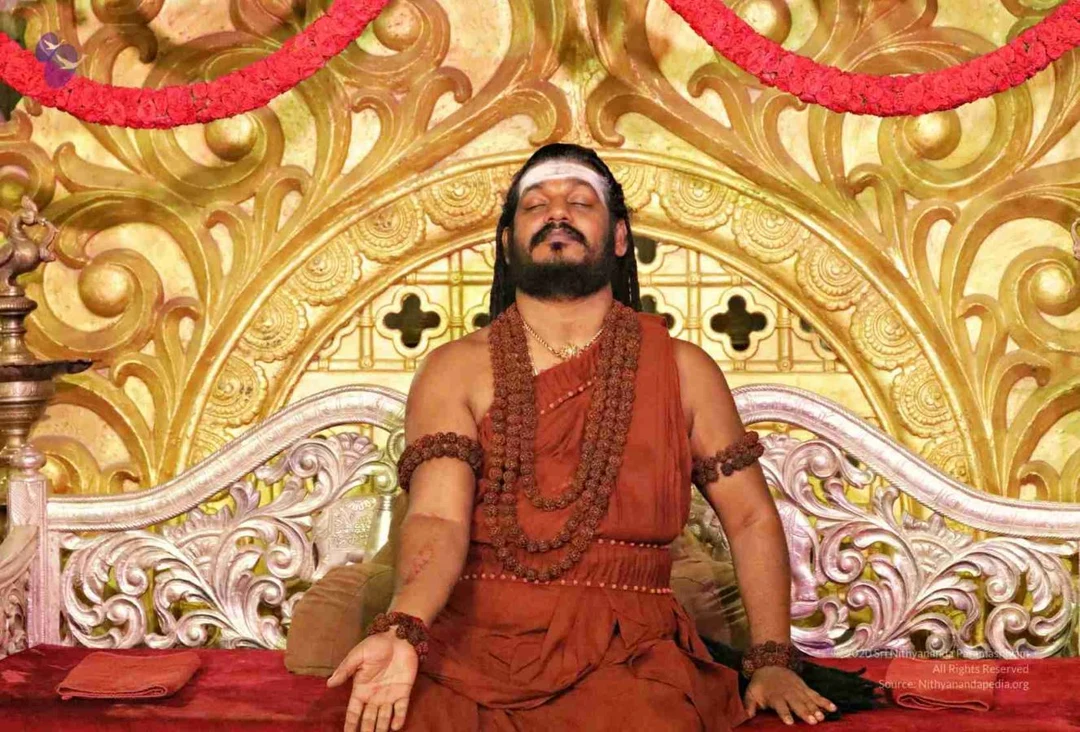 Entanglement becomes entrainment and entrainment becomes enlightenment
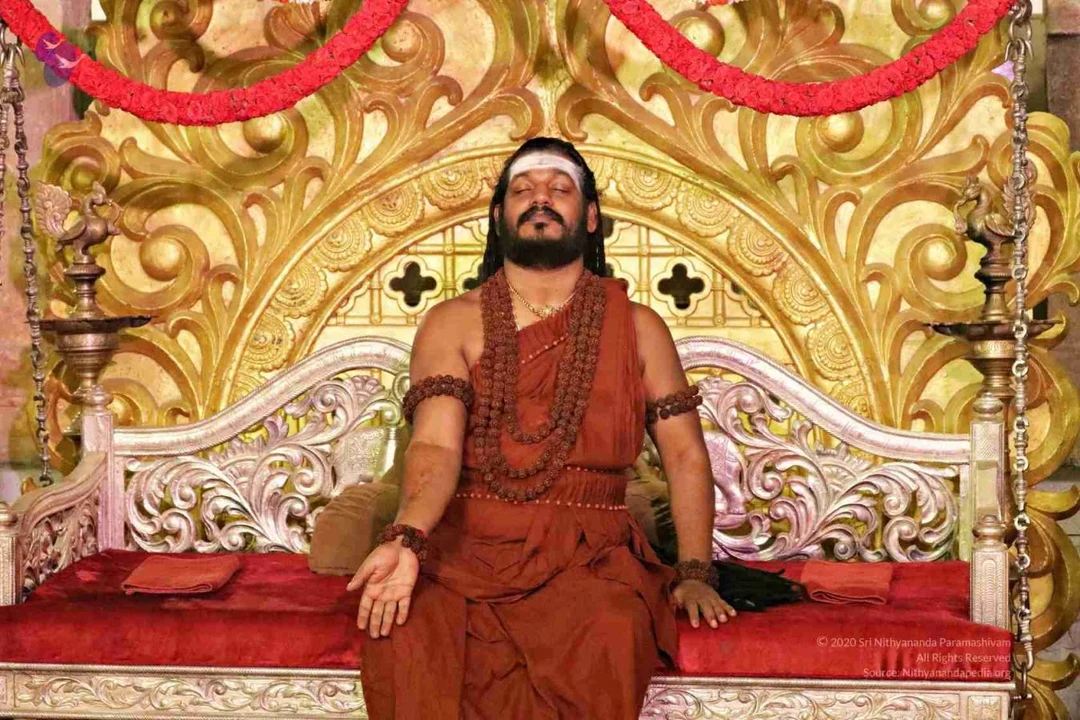 Entanglement becomes entrainment and entrainment becomes enlightenment
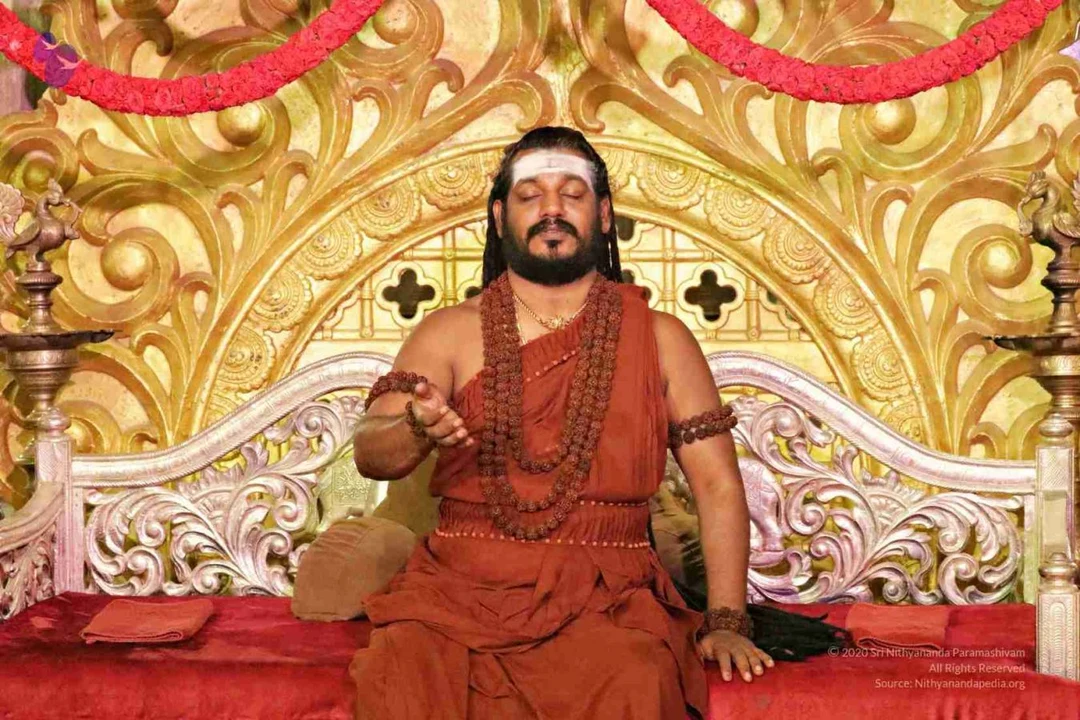 Entanglement becomes entrainment and entrainment becomes enlightenment
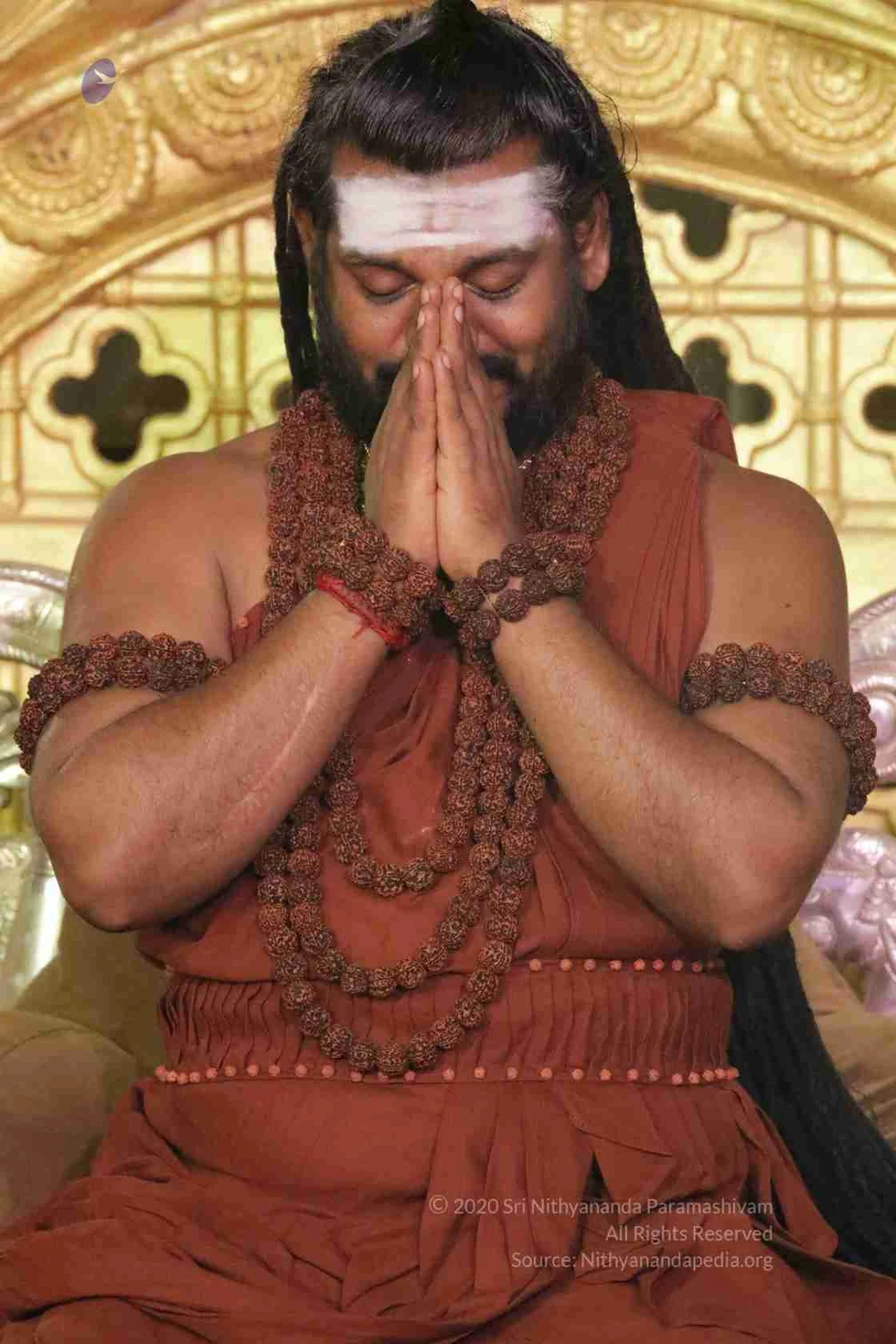
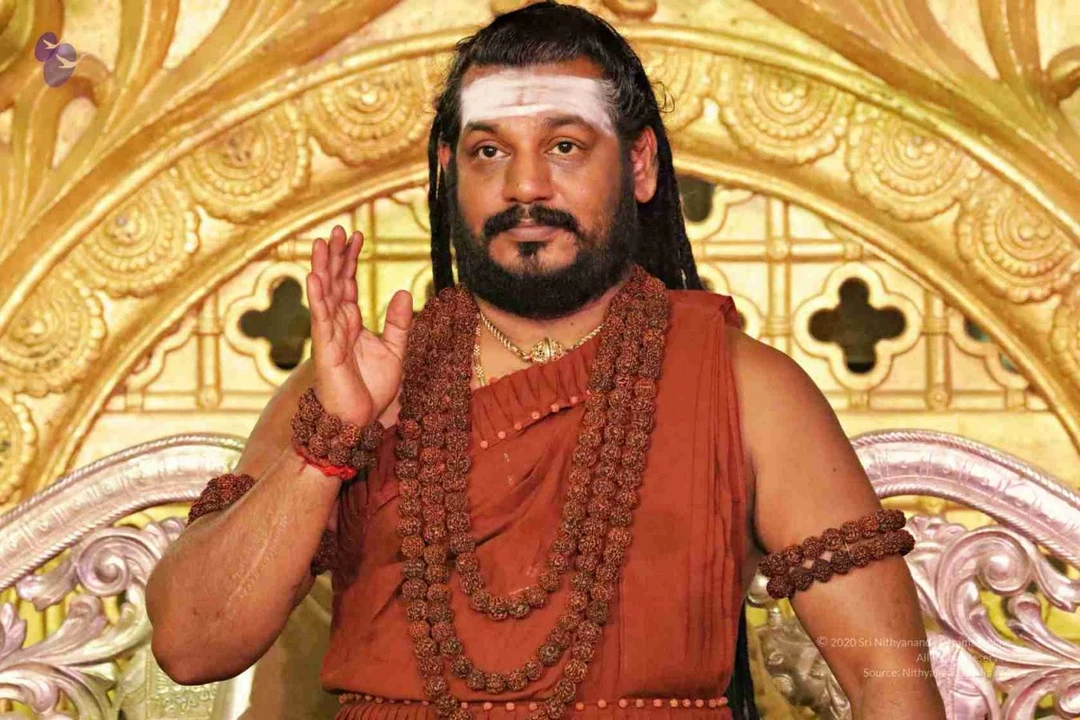 HDH Nithyananda Paramashivam abhaya hasta (blessing)
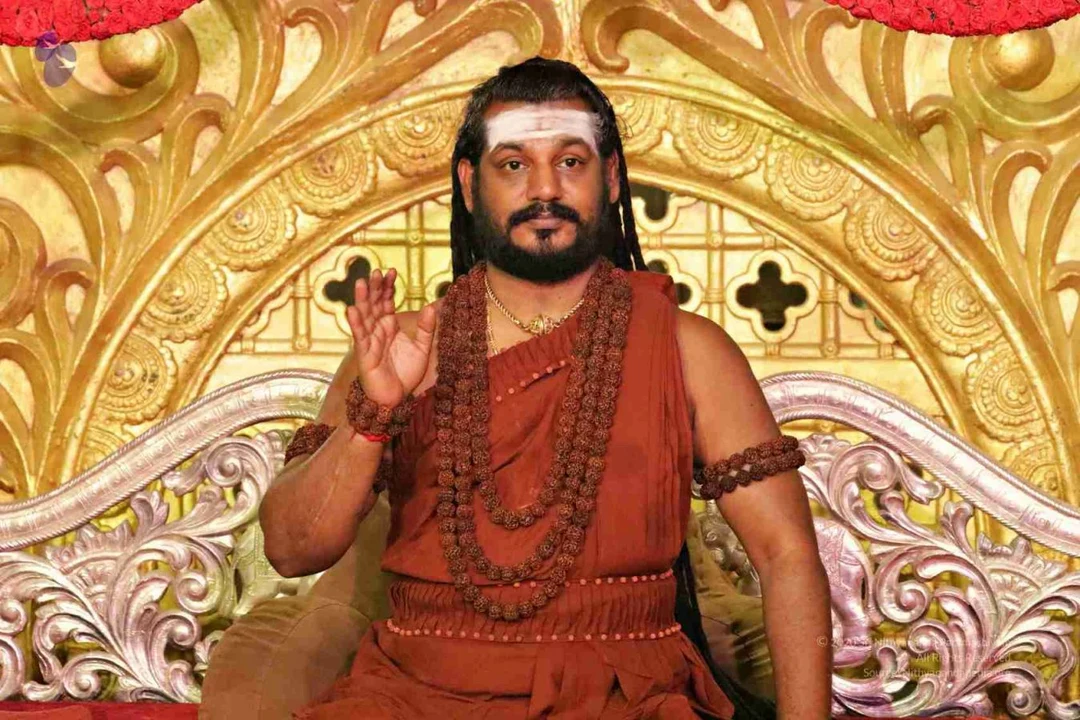 HDH Nithyananda Paramashivam abhaya hasta (blessing)
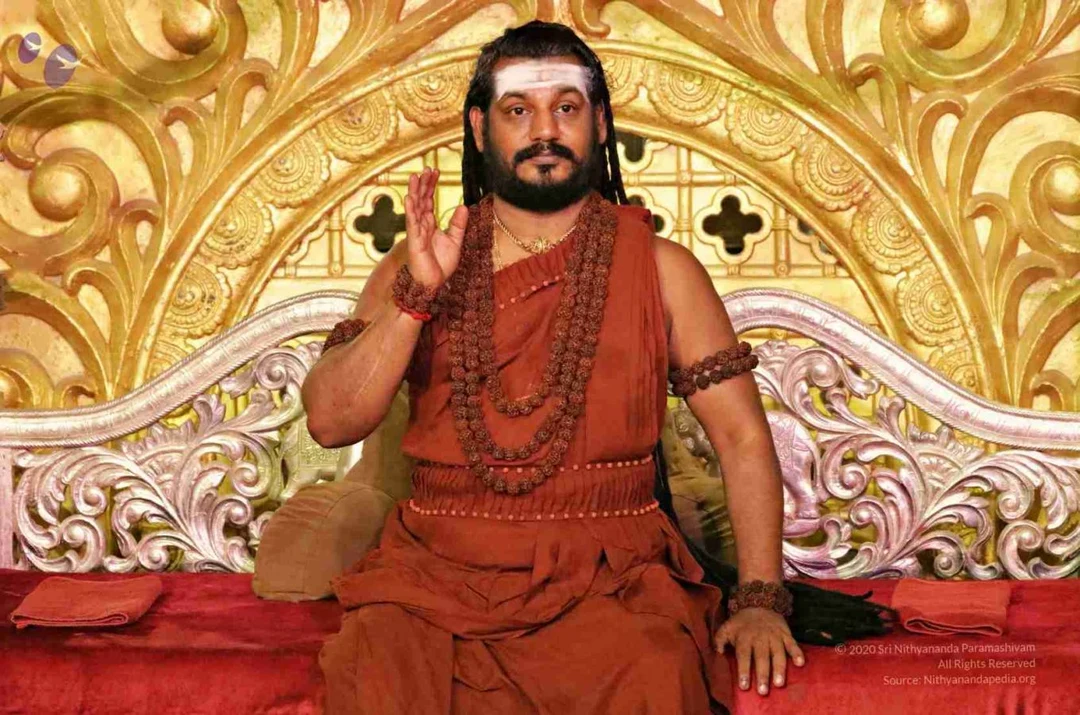 HDH Nithyananda Paramashivam abhaya hasta (blessing)
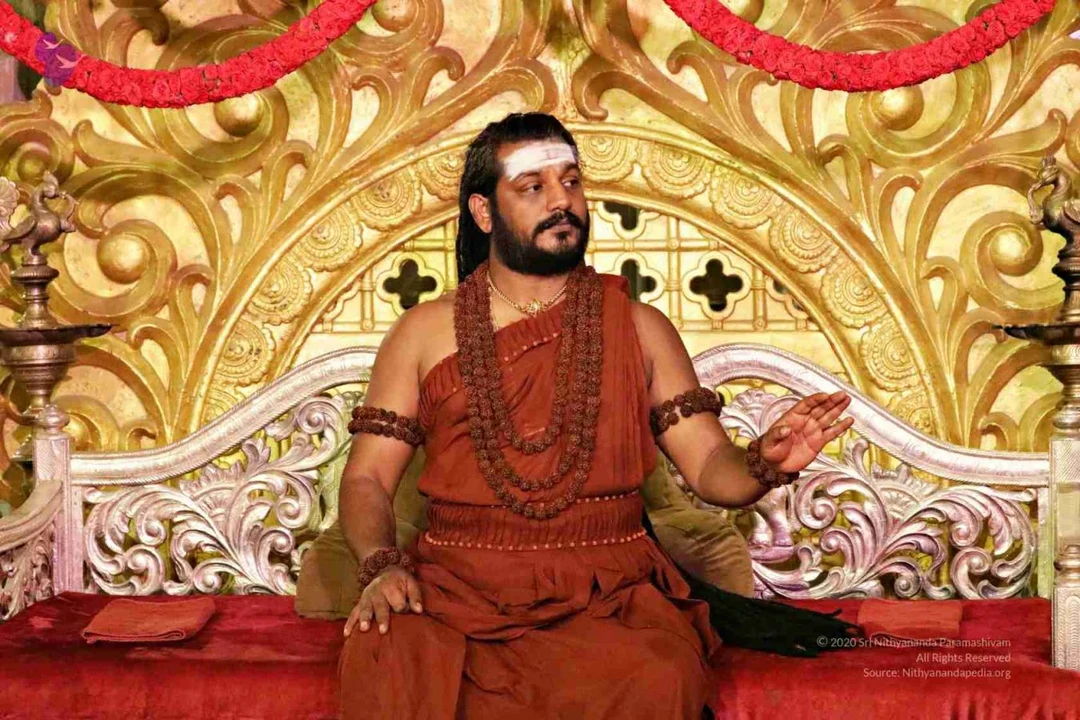 The breathing space of an avatar is like an extension of His physical body
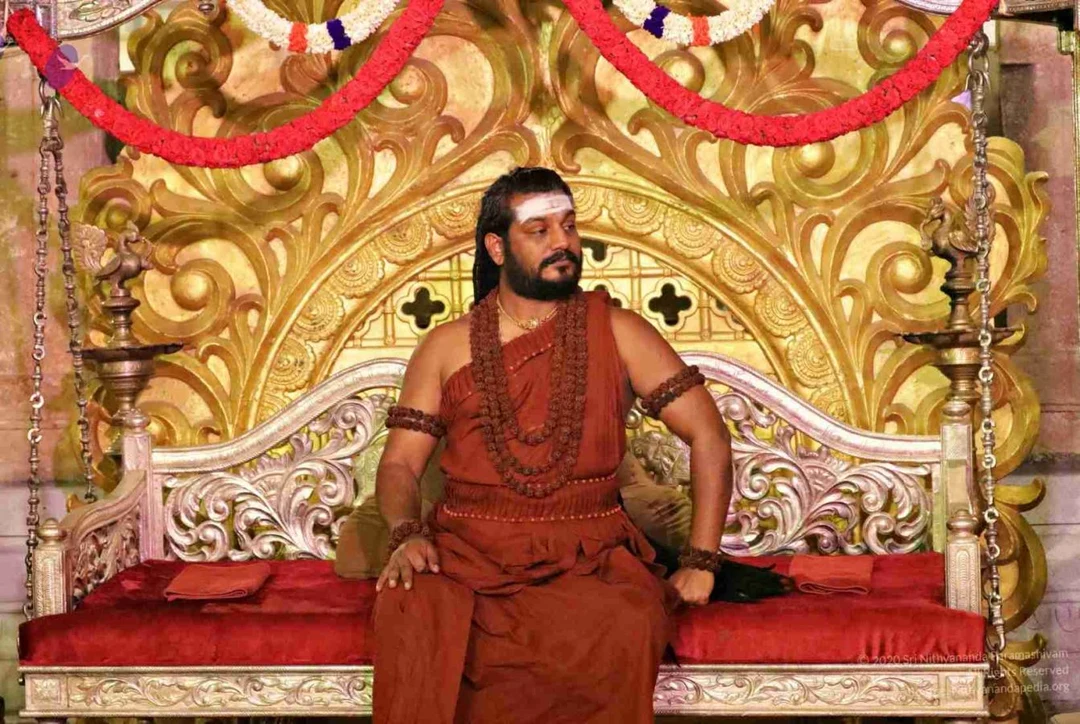 The breathing space of an avatar is like an extension of His physical body
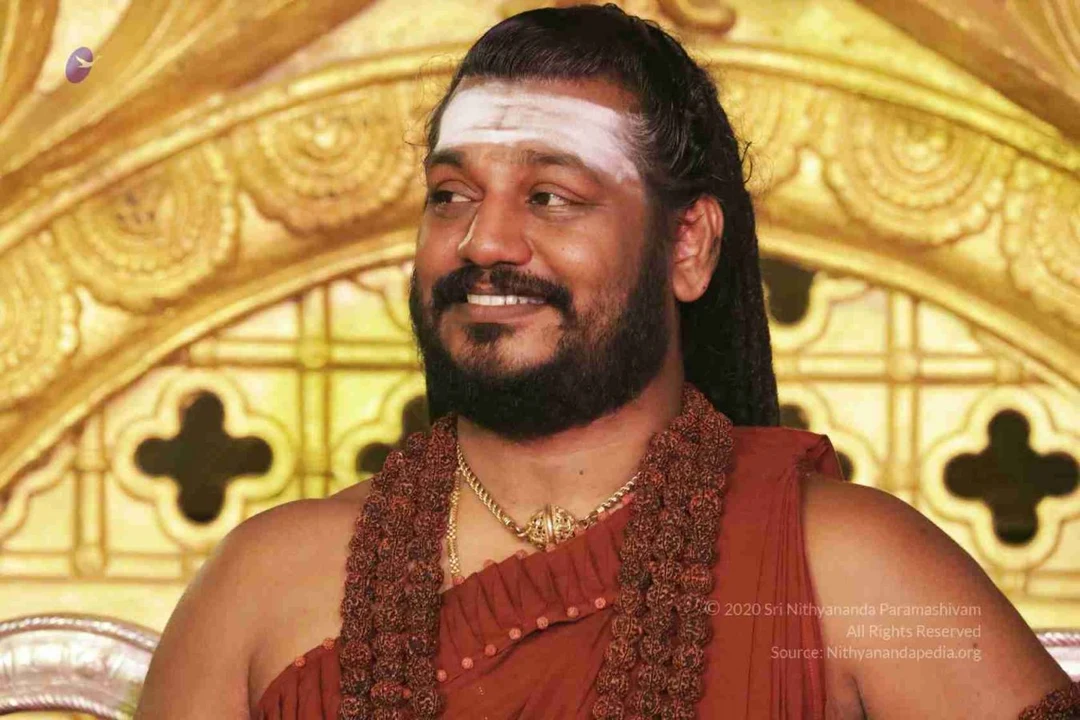 The breathing space of an avatar is like an extension of His physical body
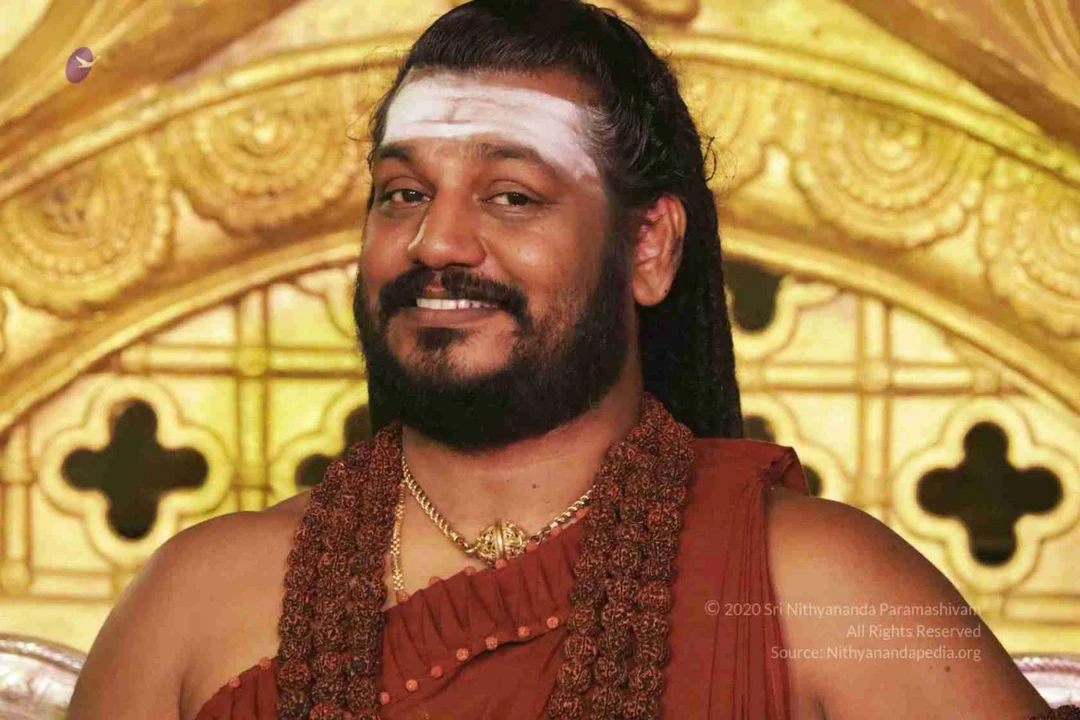 The breathing space of an avatar is like an extension of His physical body
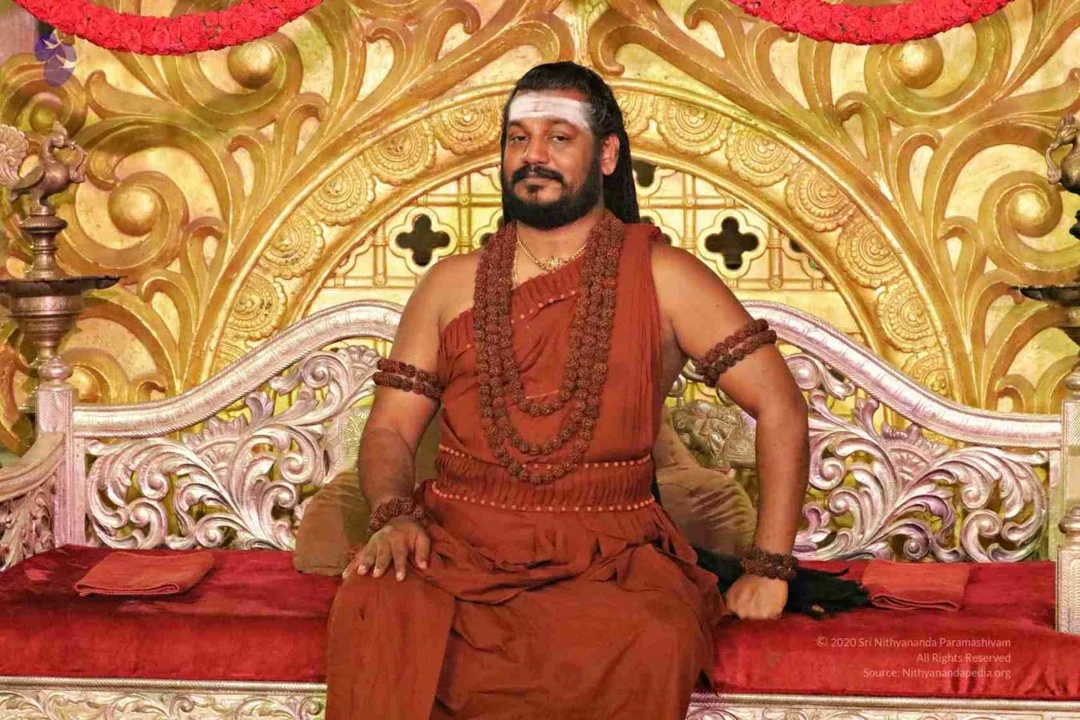 The breathing space of an avatar is like an extension of His physical body
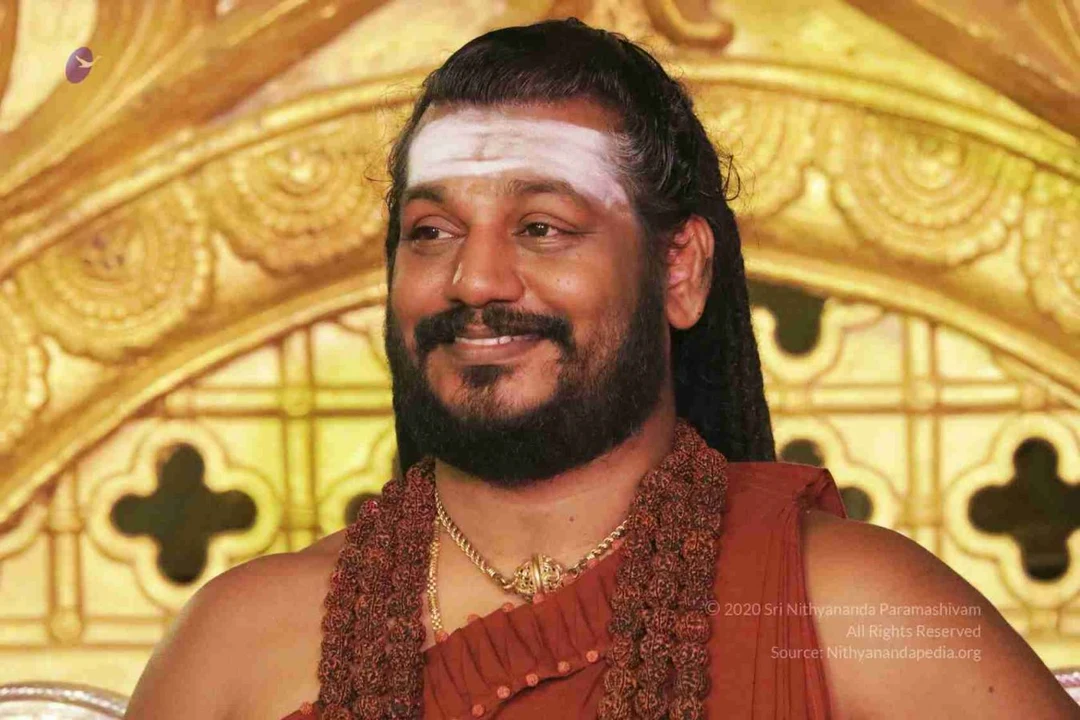 The breathing space of an avatar is like an extension of His physical body
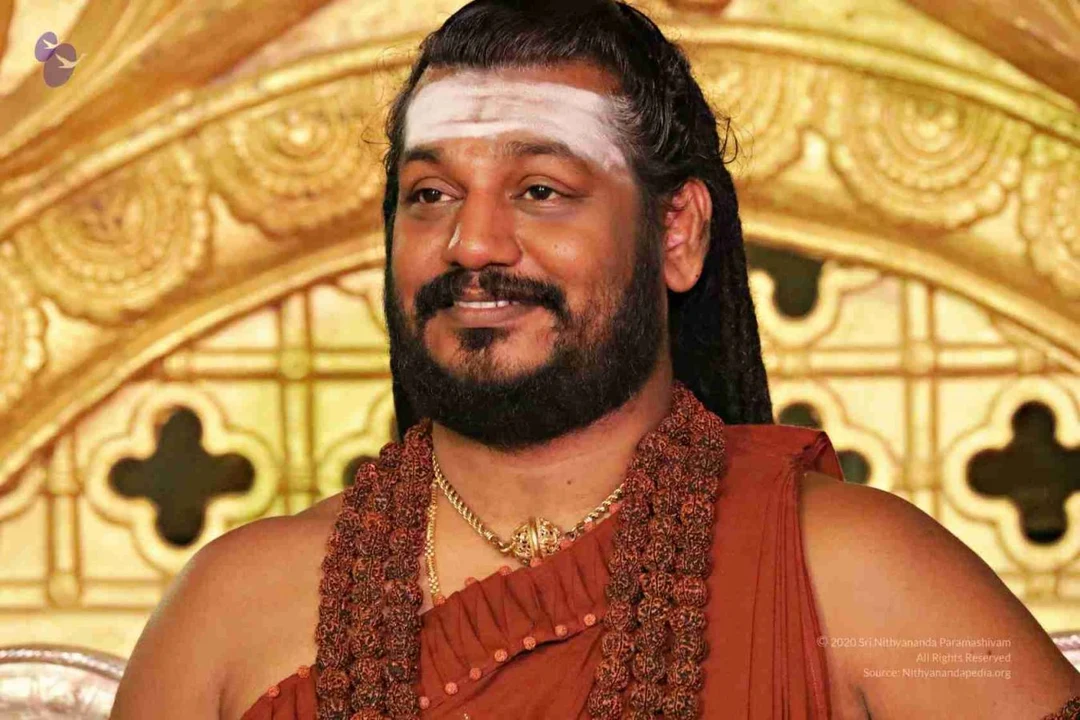 The breathing space of an avatar is like an extension of His physical body
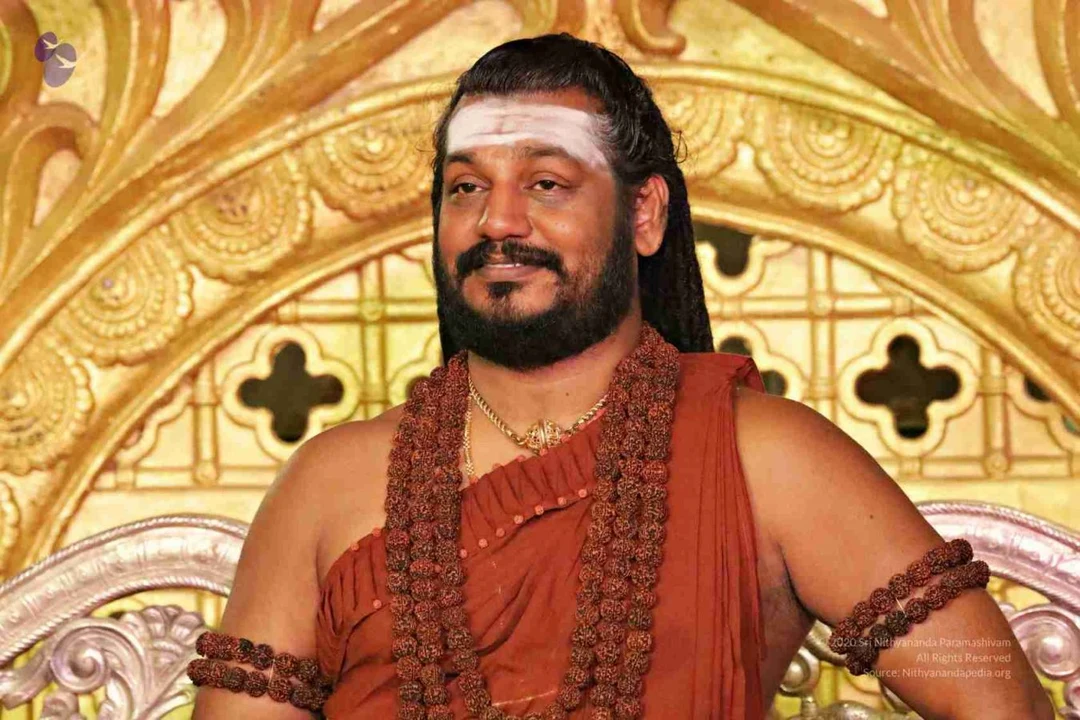 The breathing space of an avatar is like an extension of His physical body
 The breathing space of an avatar is like an extension of His physical body
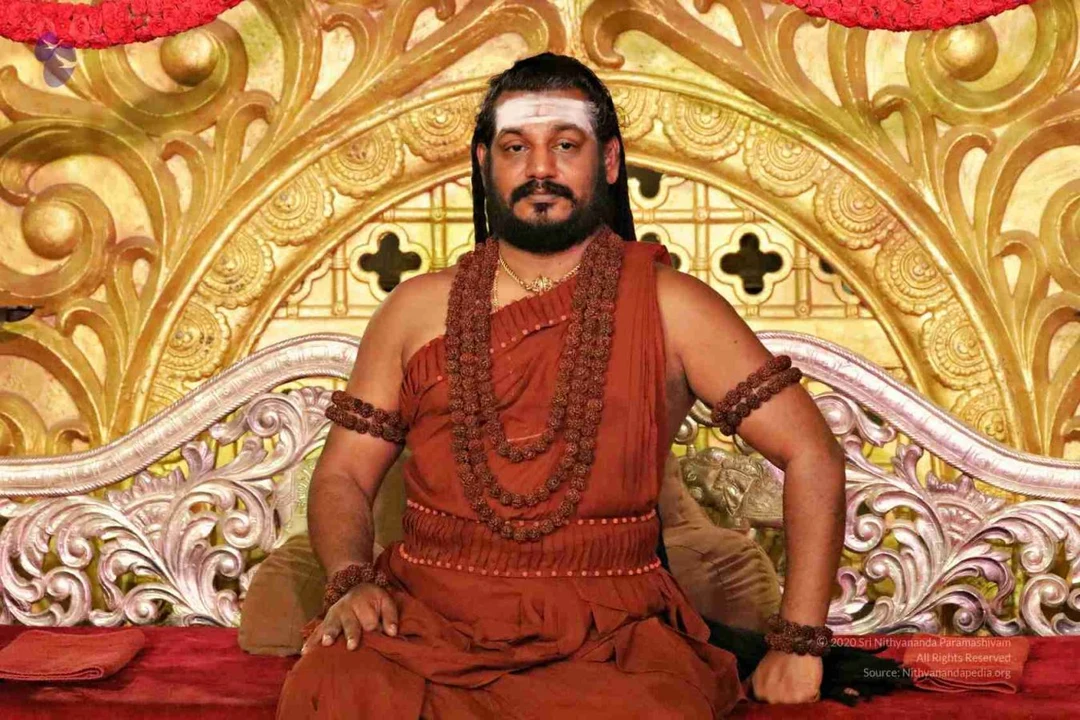 The breathing space of an avatar is like an extension of His physical body
 The breathing space of an avatar is like an extension of His physical body
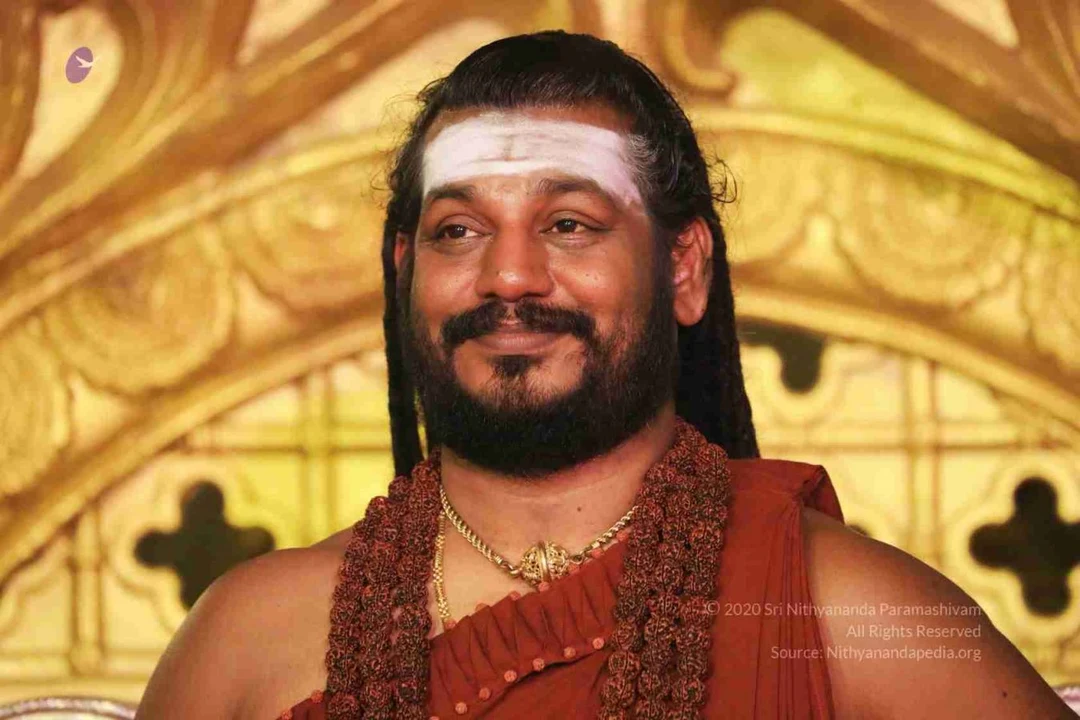 The breathing space of an avatar is like an extension of His physical body
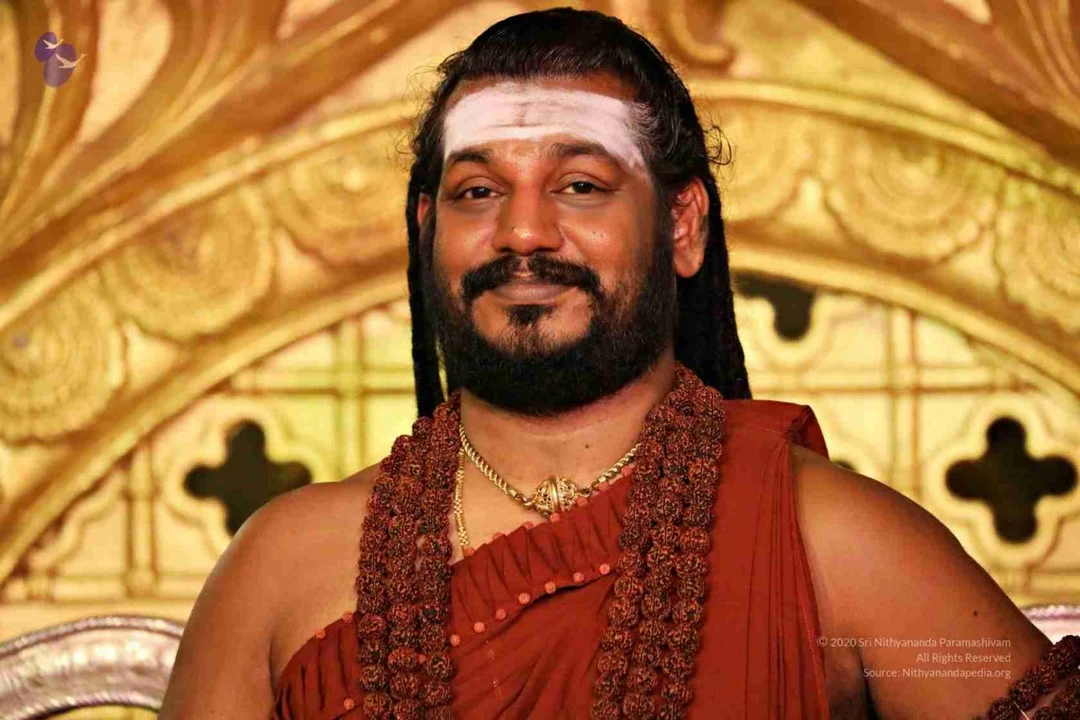 The breathing space of an avatar is like an extension of His physical body
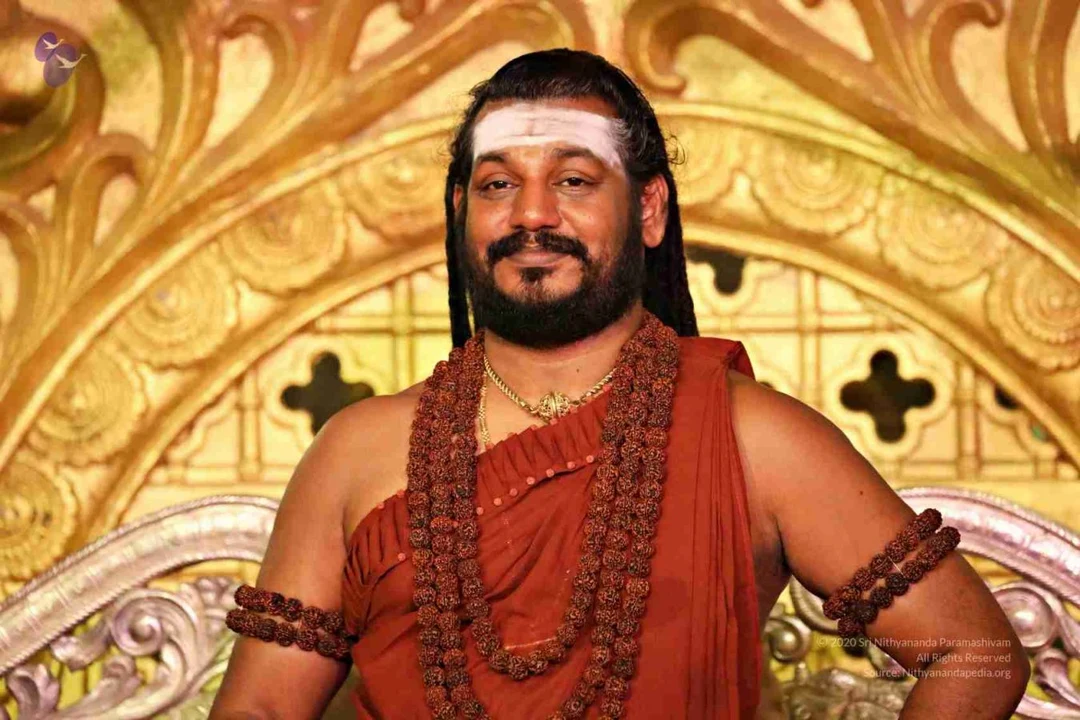 The breathing space of an avatar is like an extension of His physical body
 The breathing space of an avatar is like an extension of His physical body
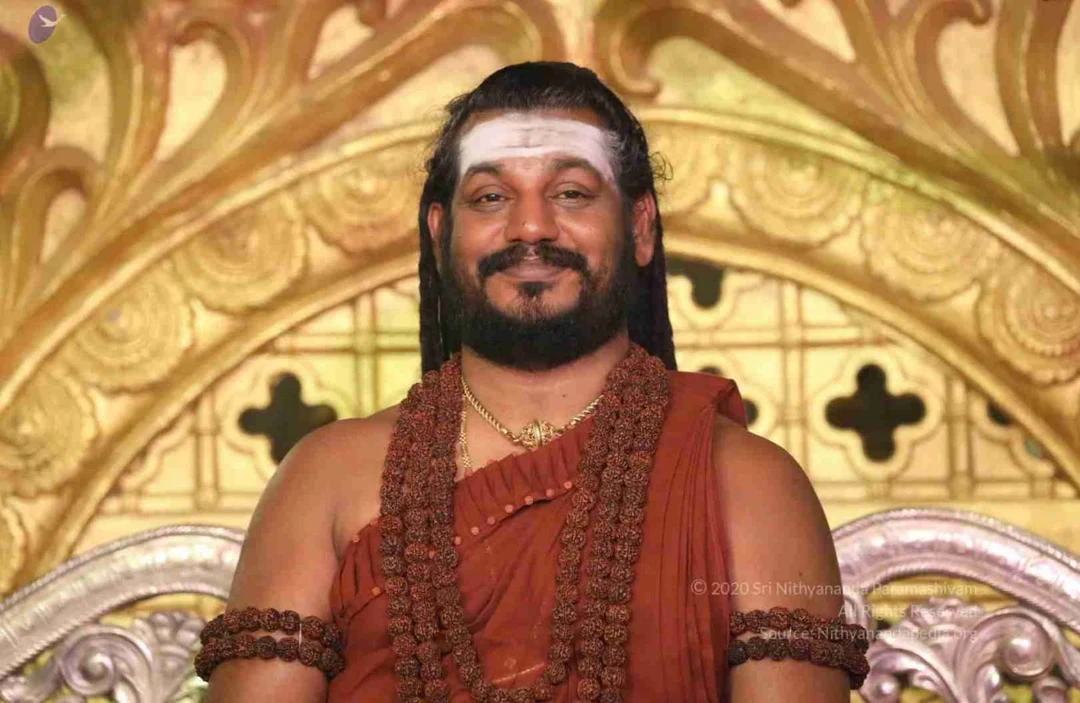 The breathing space of an avatar is like an extension of His physical body
 The breathing space of an avatar is like an extension of His physical body
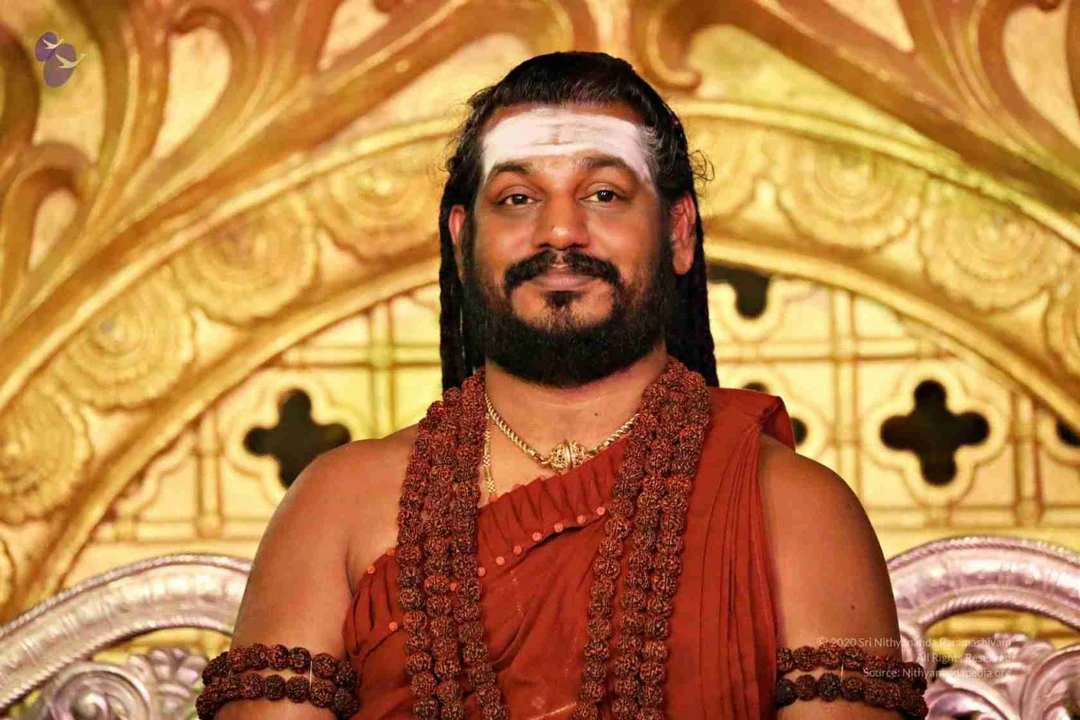 The breathing space of an avatar is like an extension of His physical body
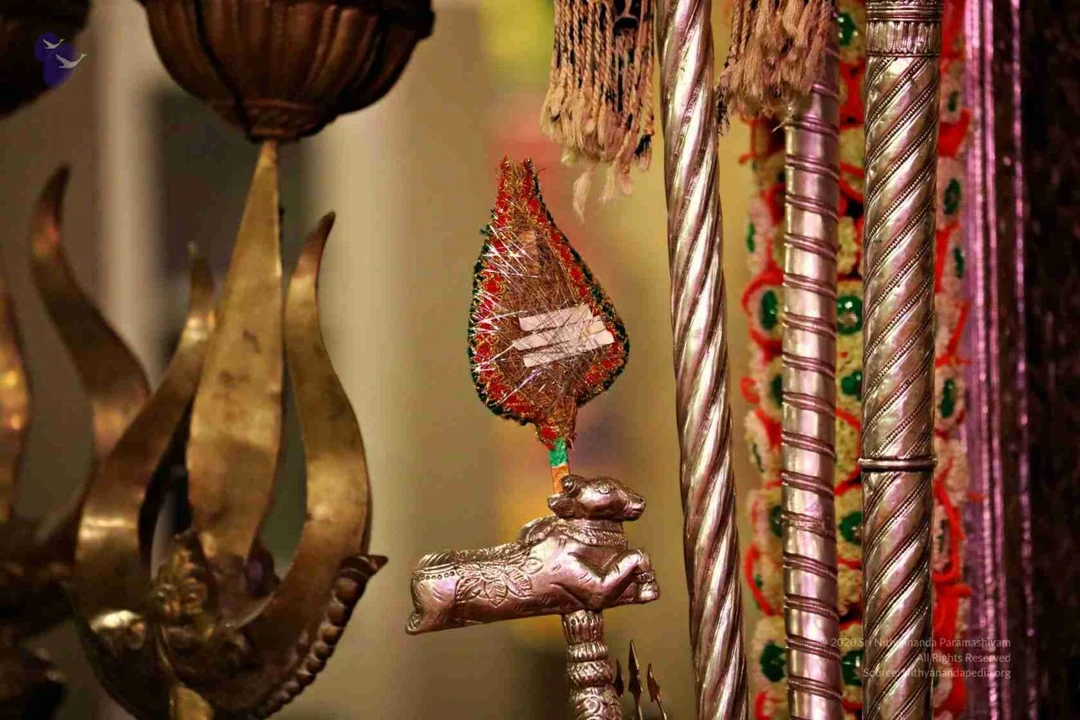 The breathing space of an avatar is like an extension of His physical body
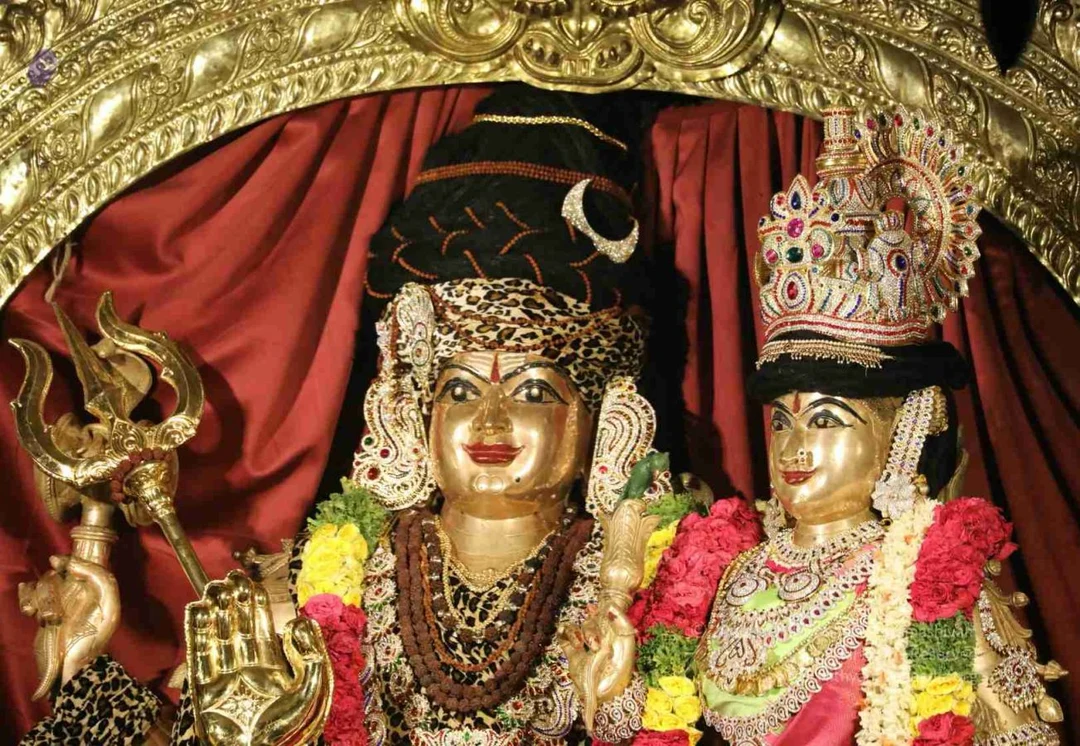 Nithyanandeshwara-Nithyanandeshwari (Paramashiva and Parashakti)
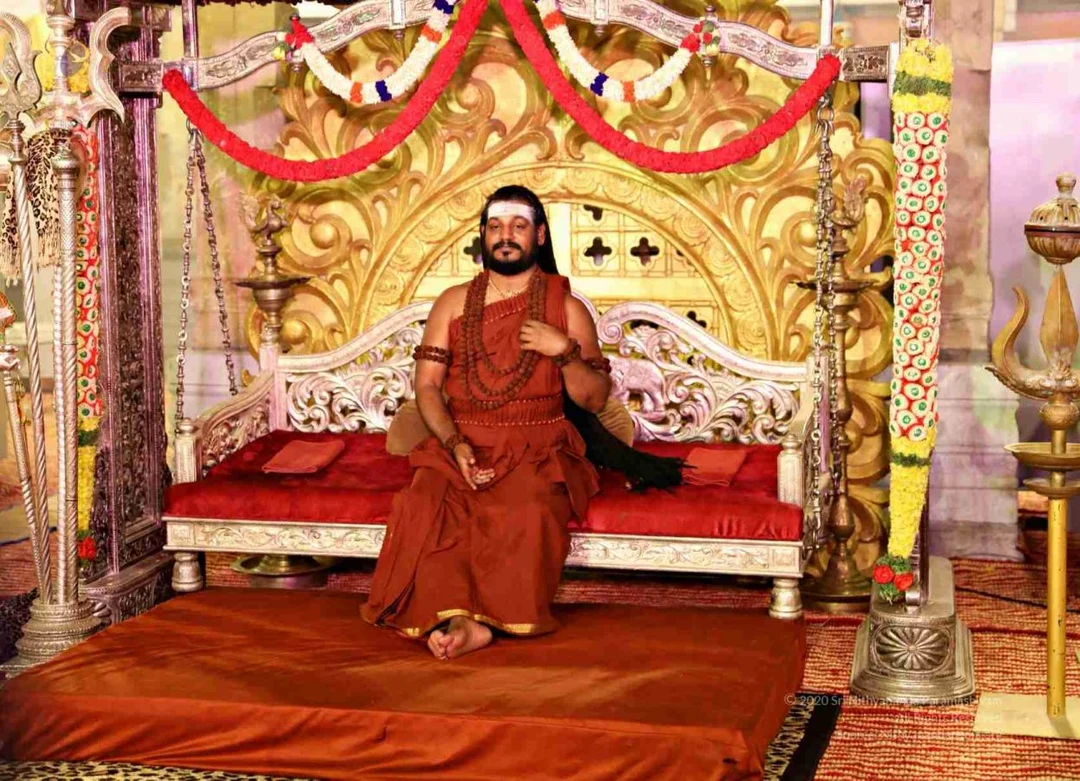 Experience super consciousness, actualize your ultimate potential
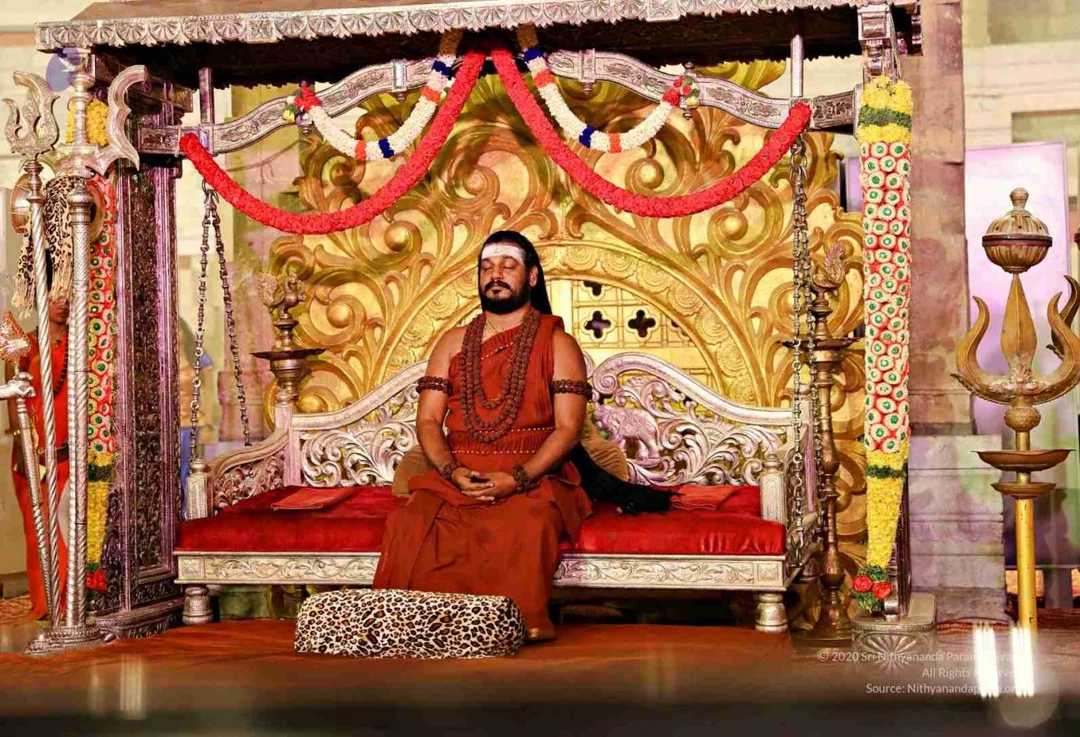 Experience super consciousness, actualize your ultimate potential
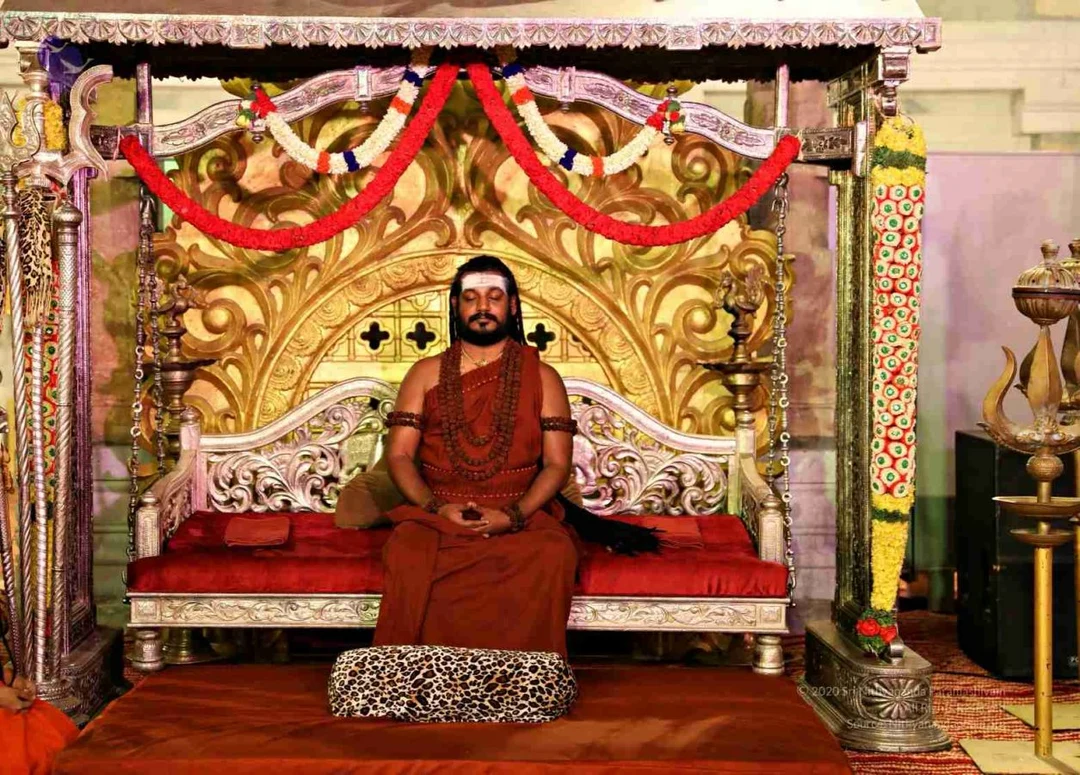 Experience super consciousness, actualize your ultimate potential
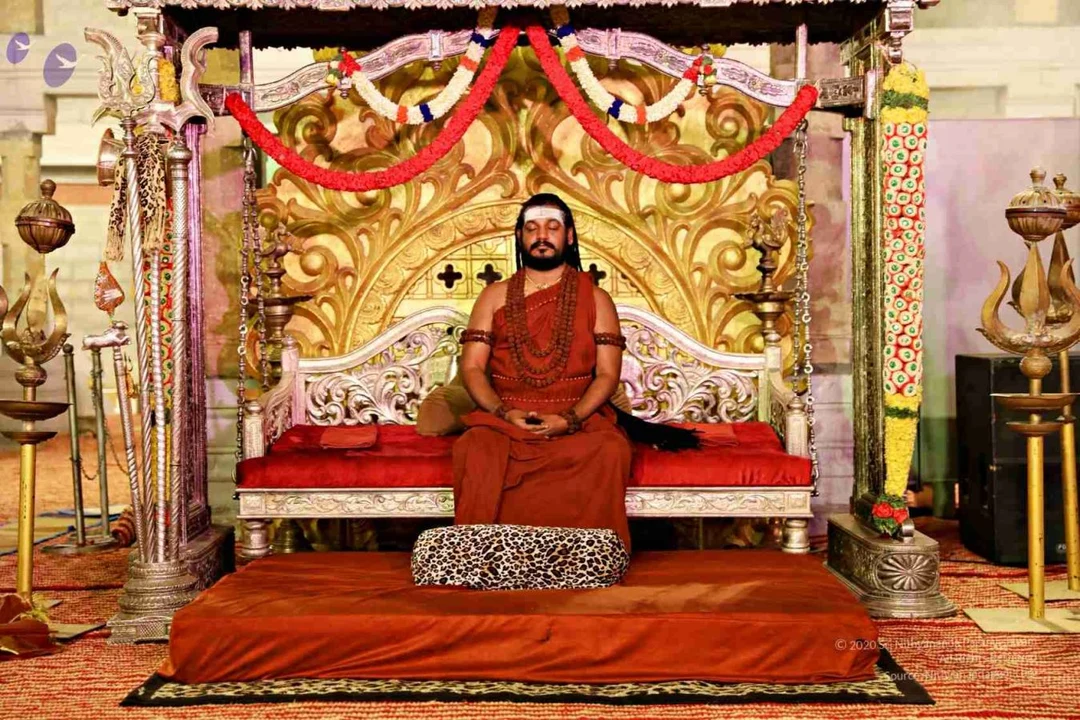 Experience super consciousness, actualize your ultimate potential
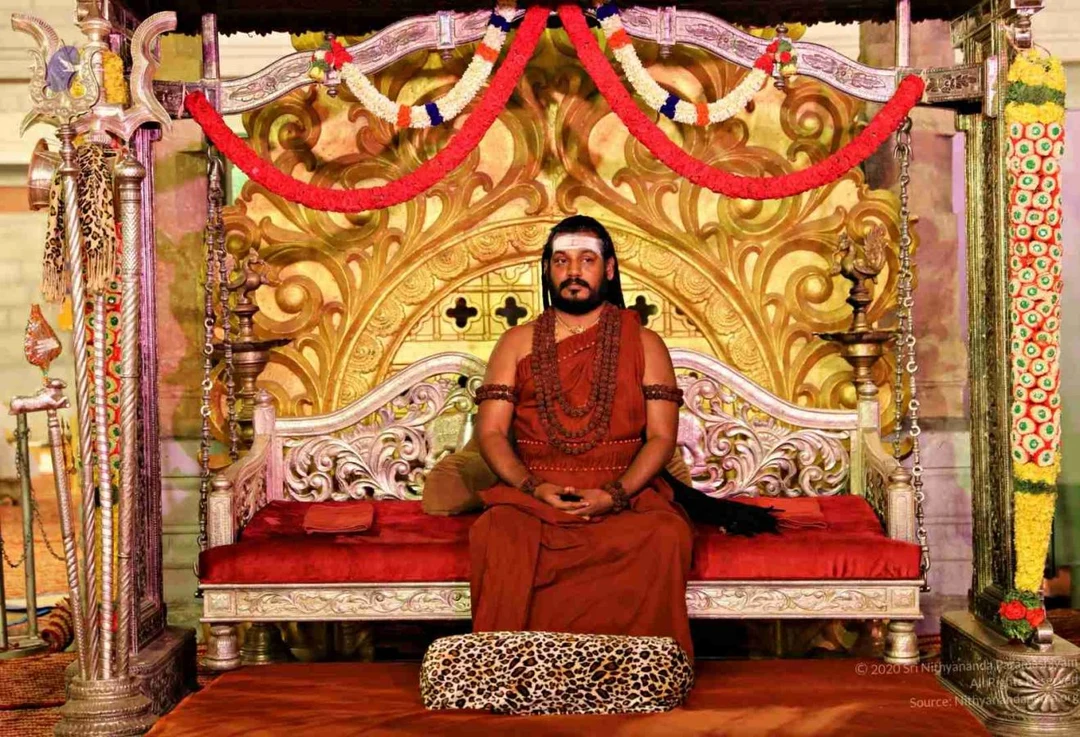 Experience super consciousness, actualize your ultimate potential
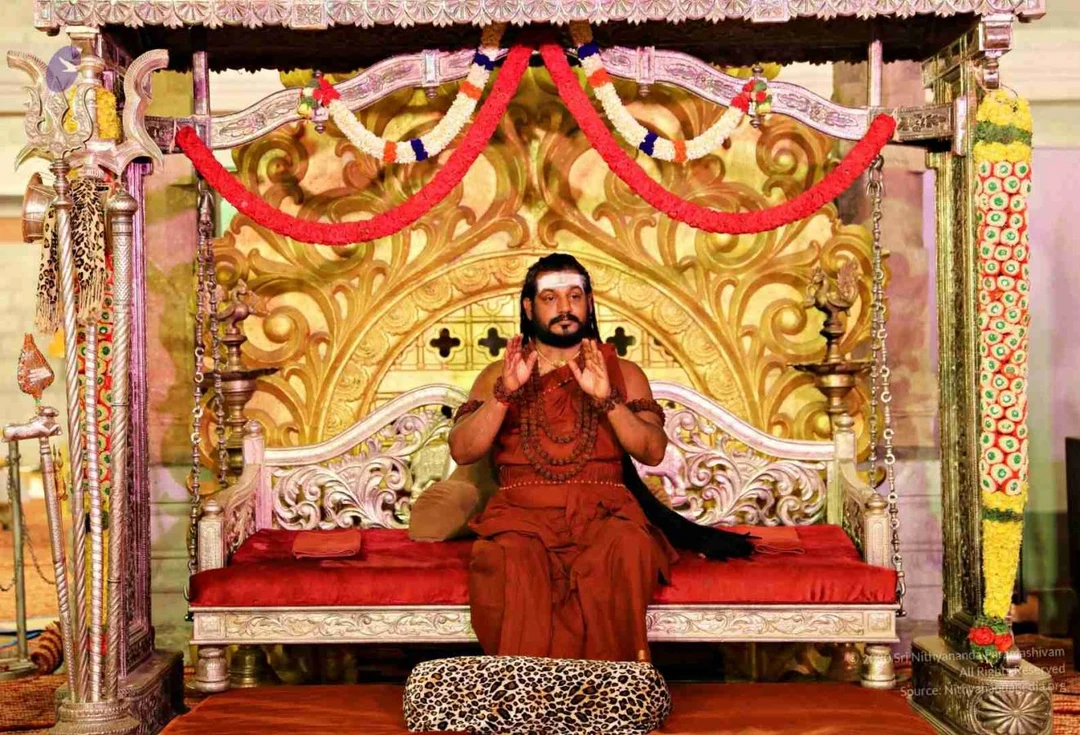 Experience super consciousness, actualize your ultimate potential
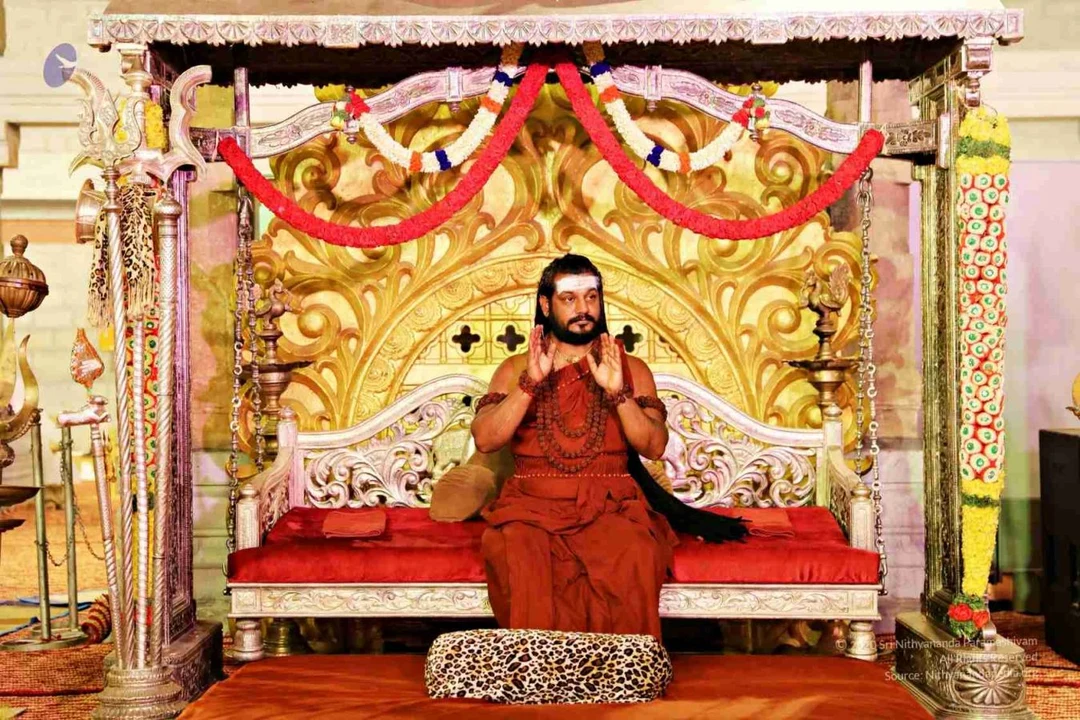 Experience super consciousness, actualize your ultimate potential
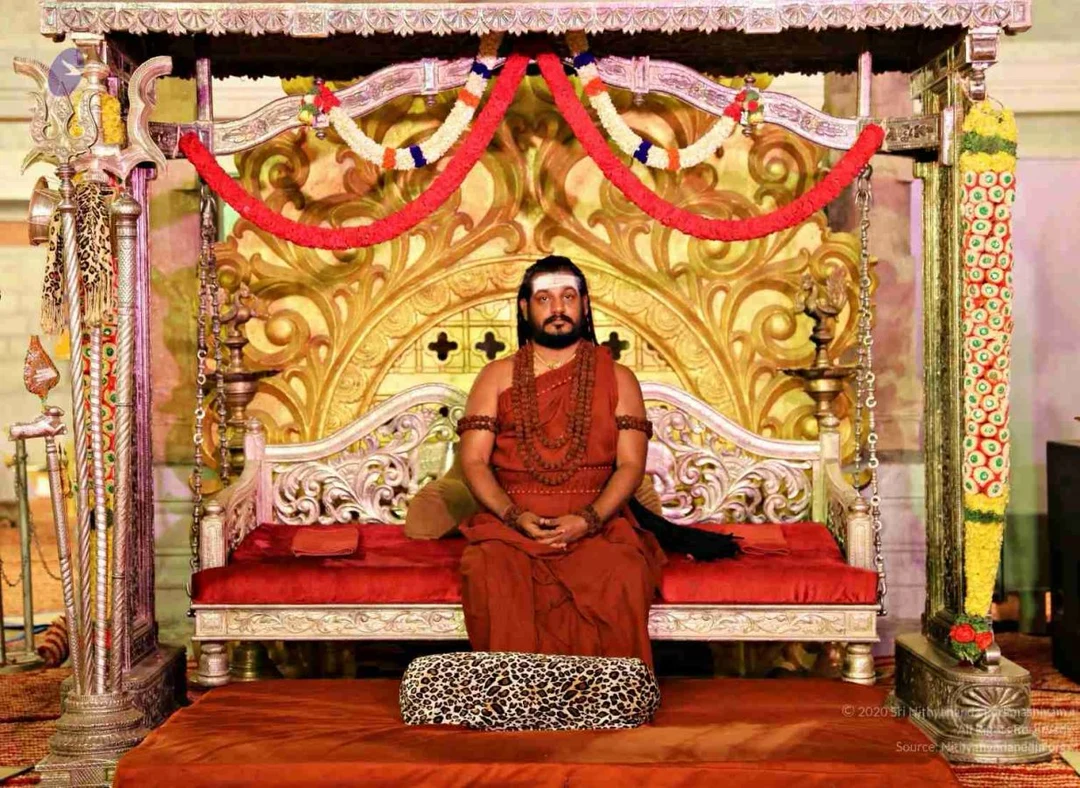 Experience super consciousness, actualize your ultimate potential
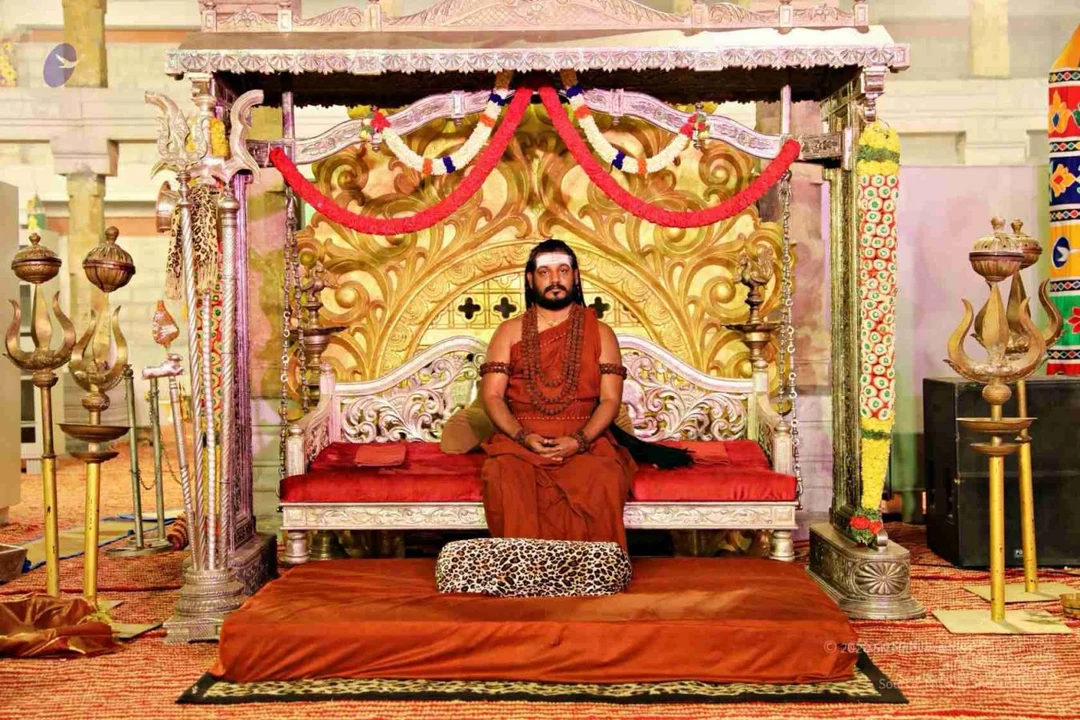 Experience super consciousness, actualize your ultimate potential
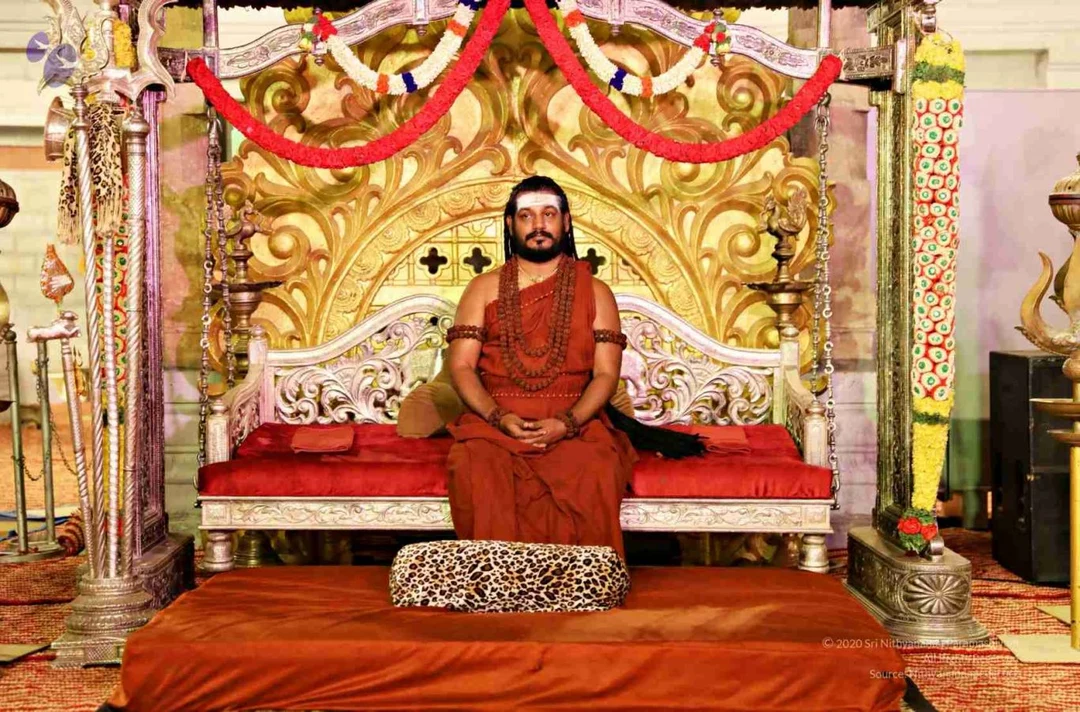 Experience super consciousness, actualize your ultimate potential
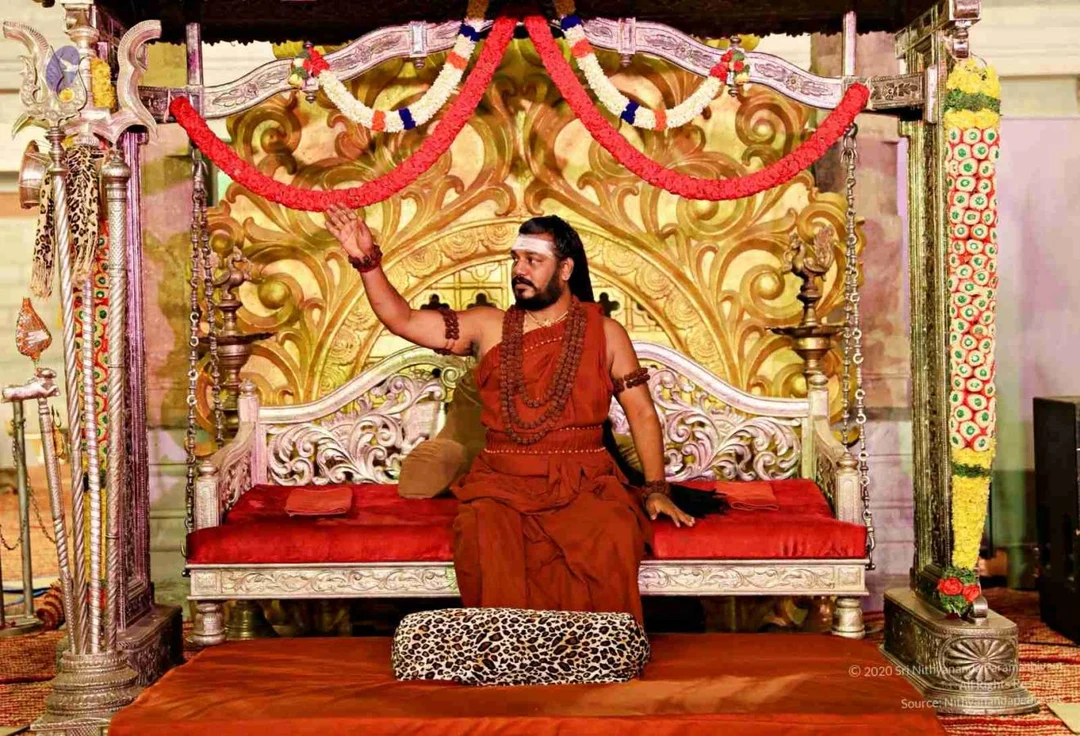 Experience super consciousness, actualize your ultimate potential
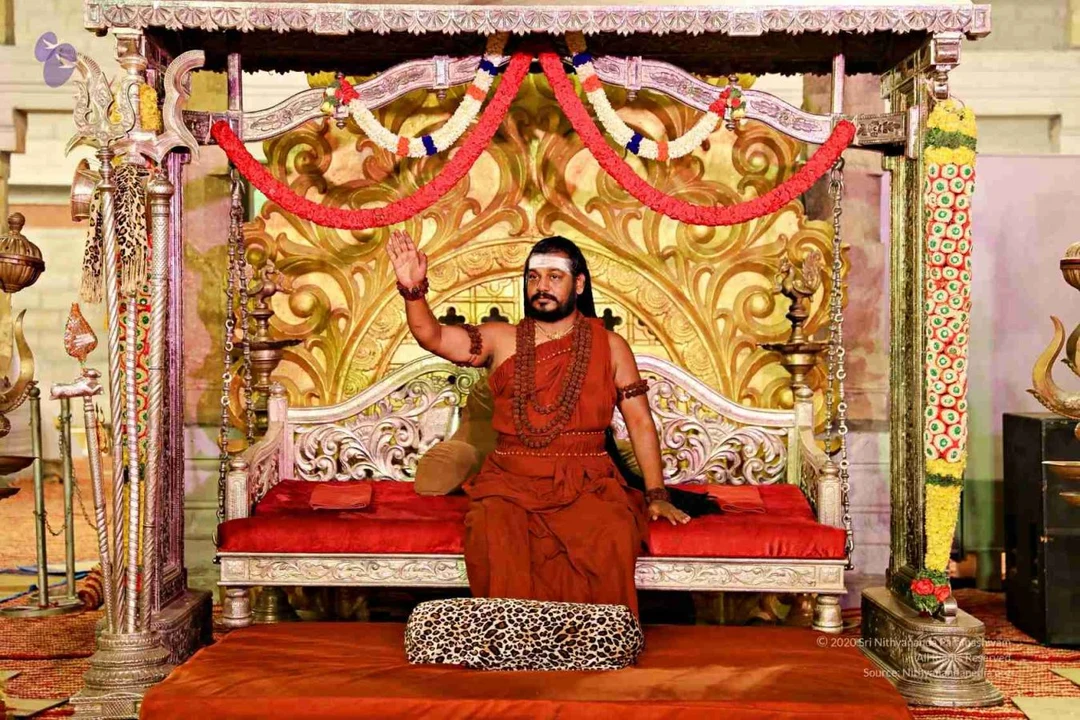 Experience super consciousness, actualize your ultimate potential
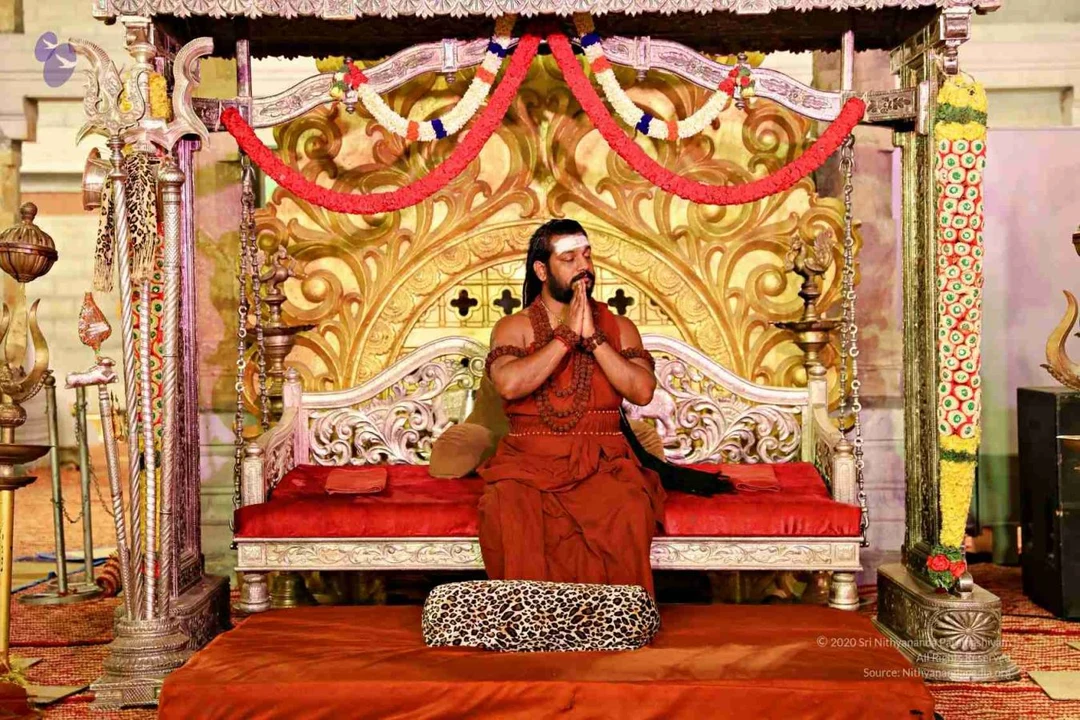 Experience super consciousness, actualize your ultimate potential
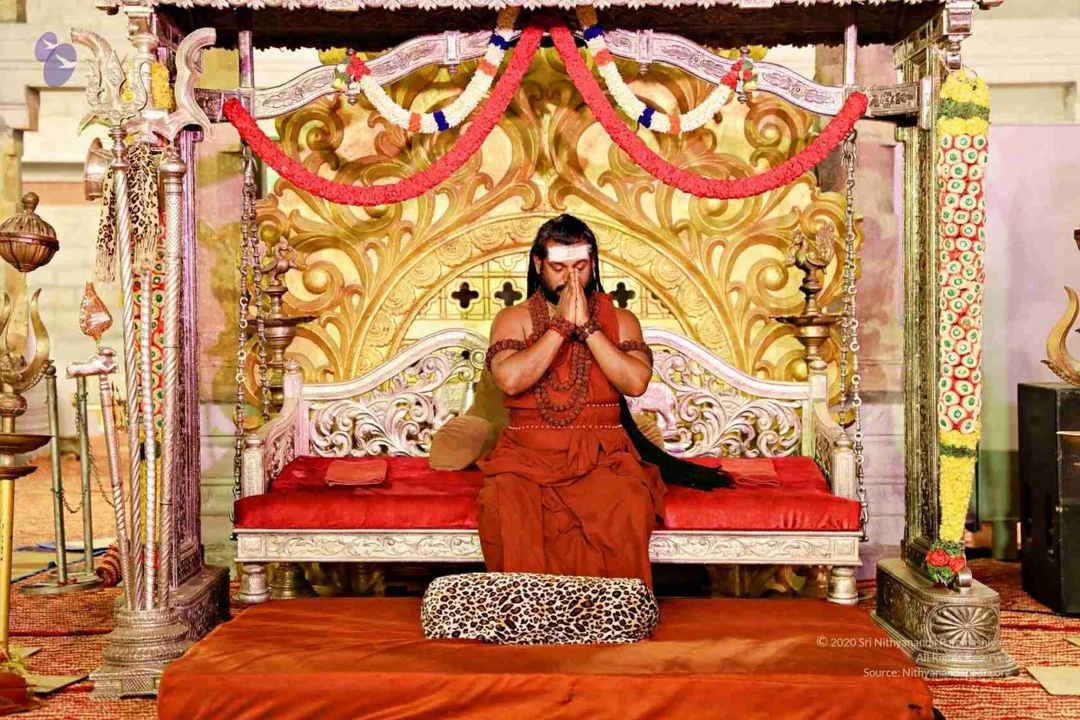 Experience super consciousness, actualize your ultimate potential
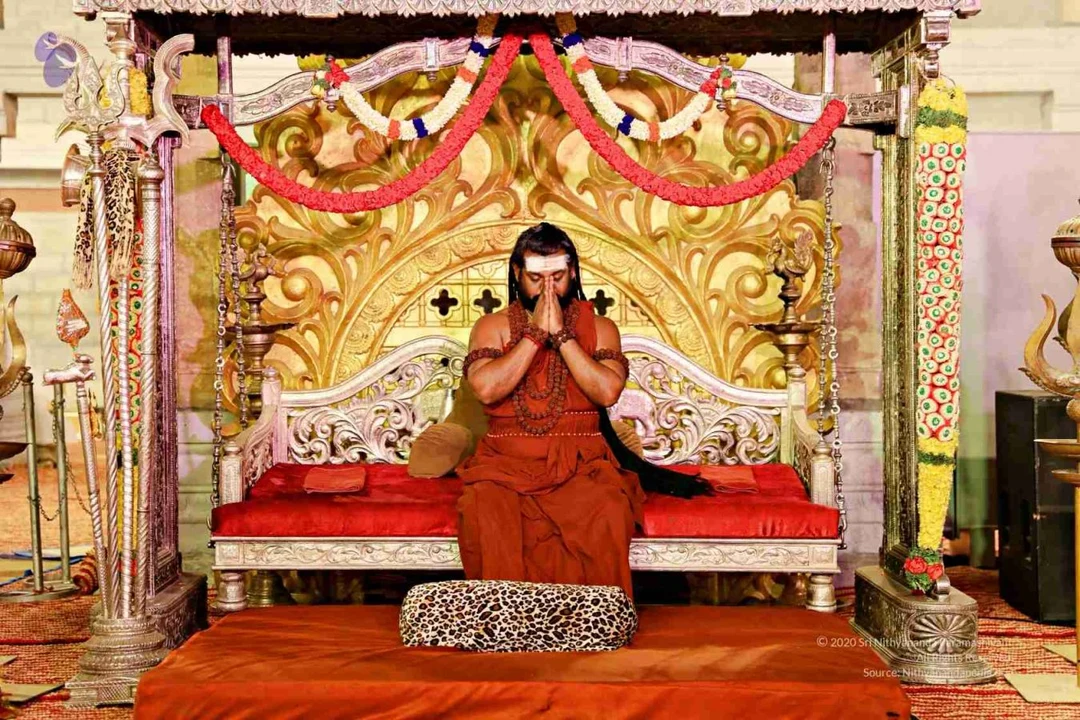 Experience super consciousness, actualize your ultimate potential
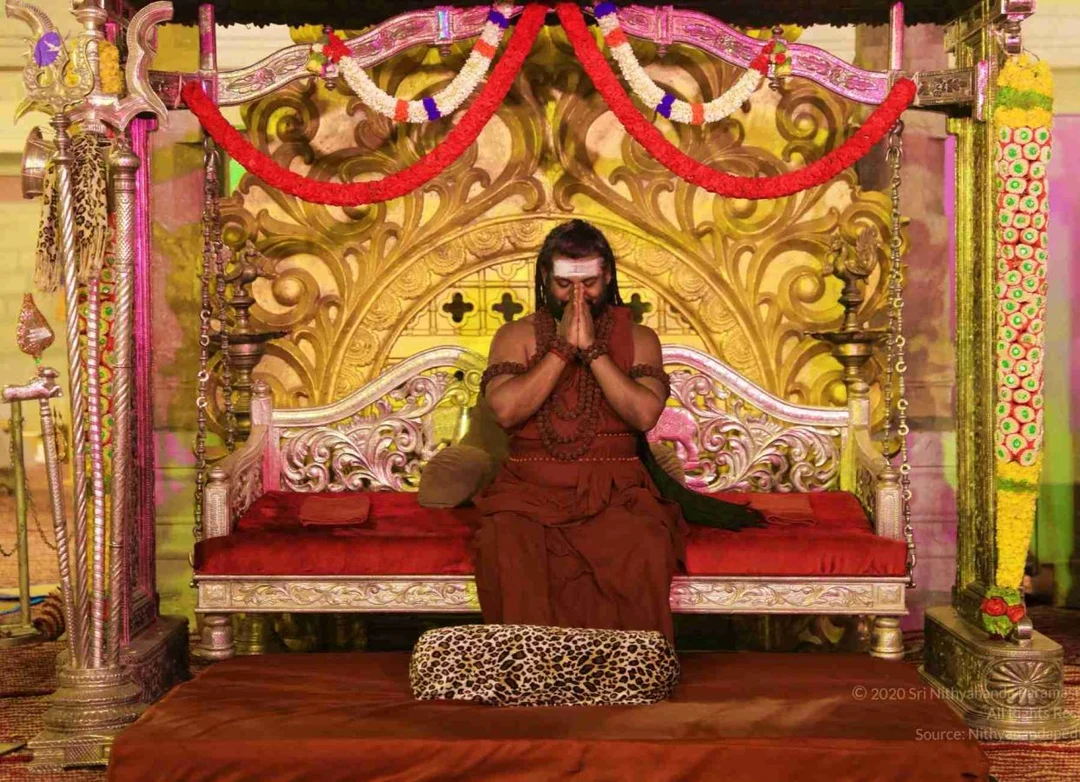 Experience super consciousness, actualize your ultimate potential
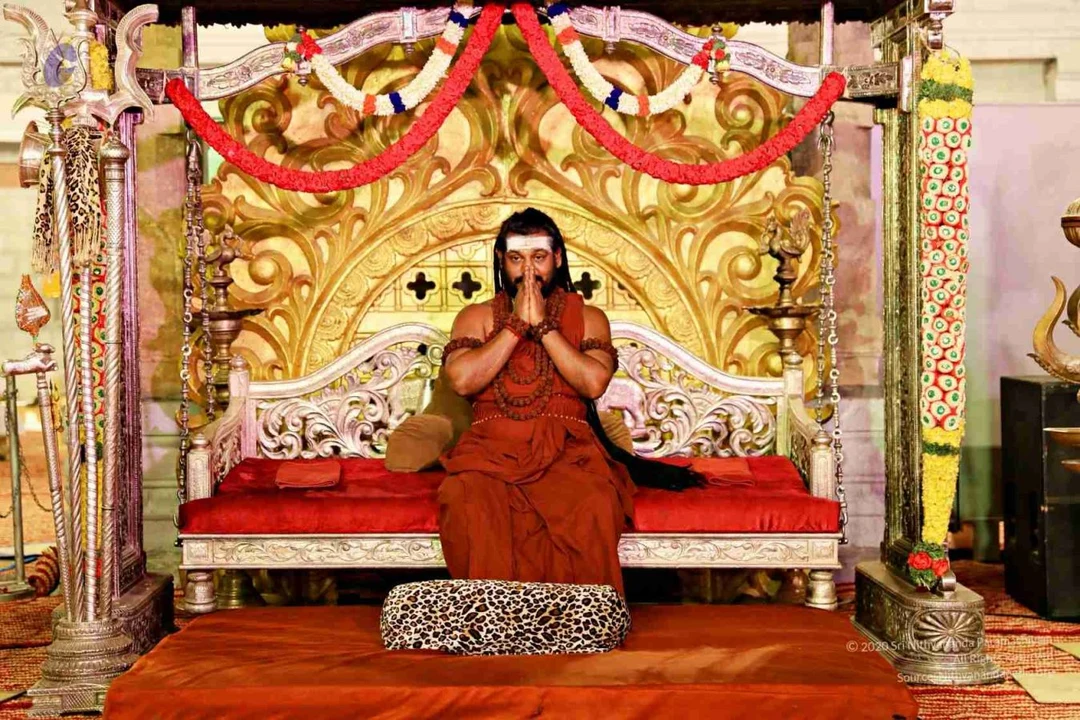 Experience super consciousness, actualize your ultimate potential
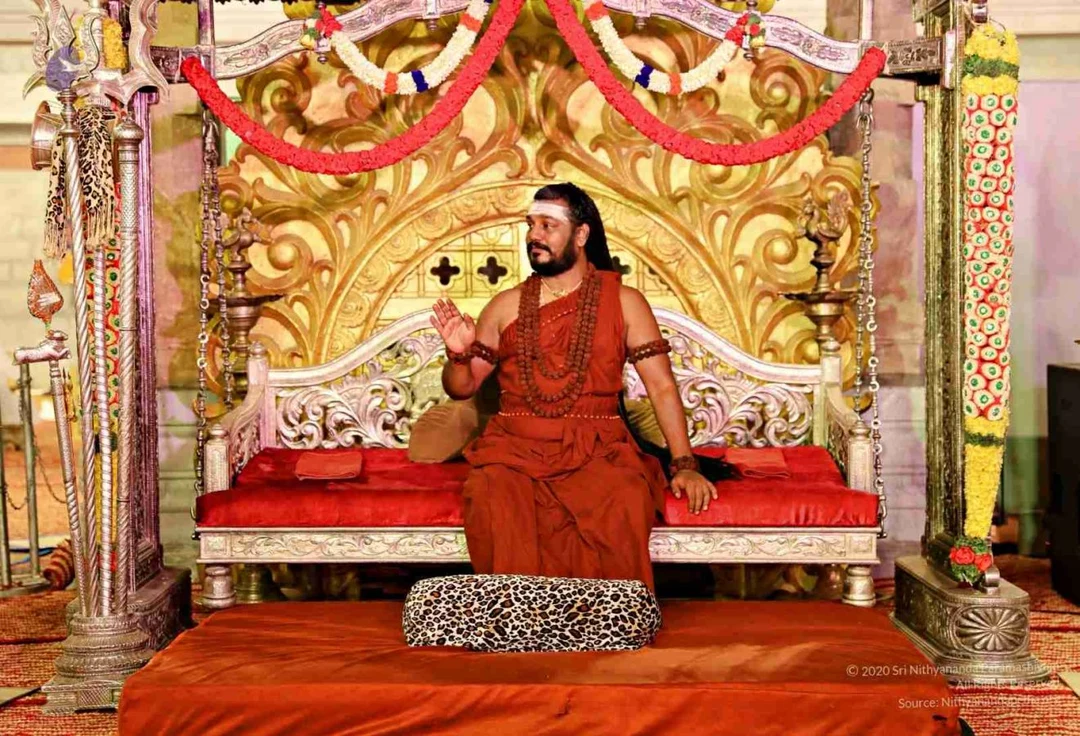 Experience super consciousness, actualize your ultimate potential
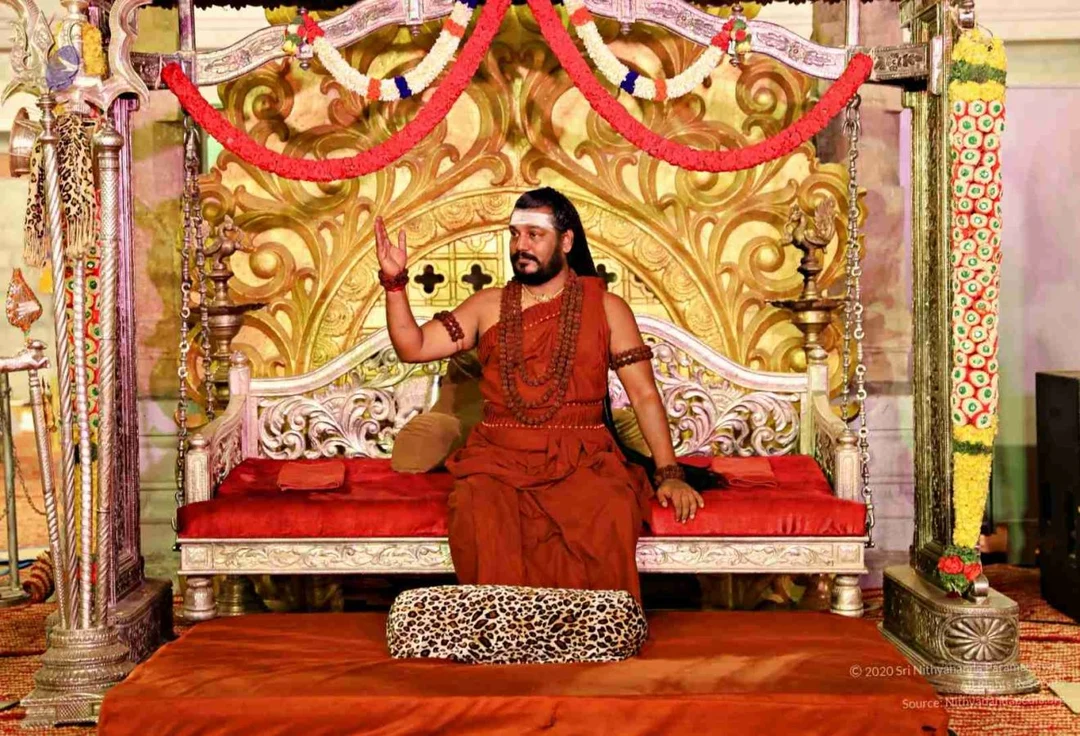 Experience super consciousness, actualize your ultimate potential
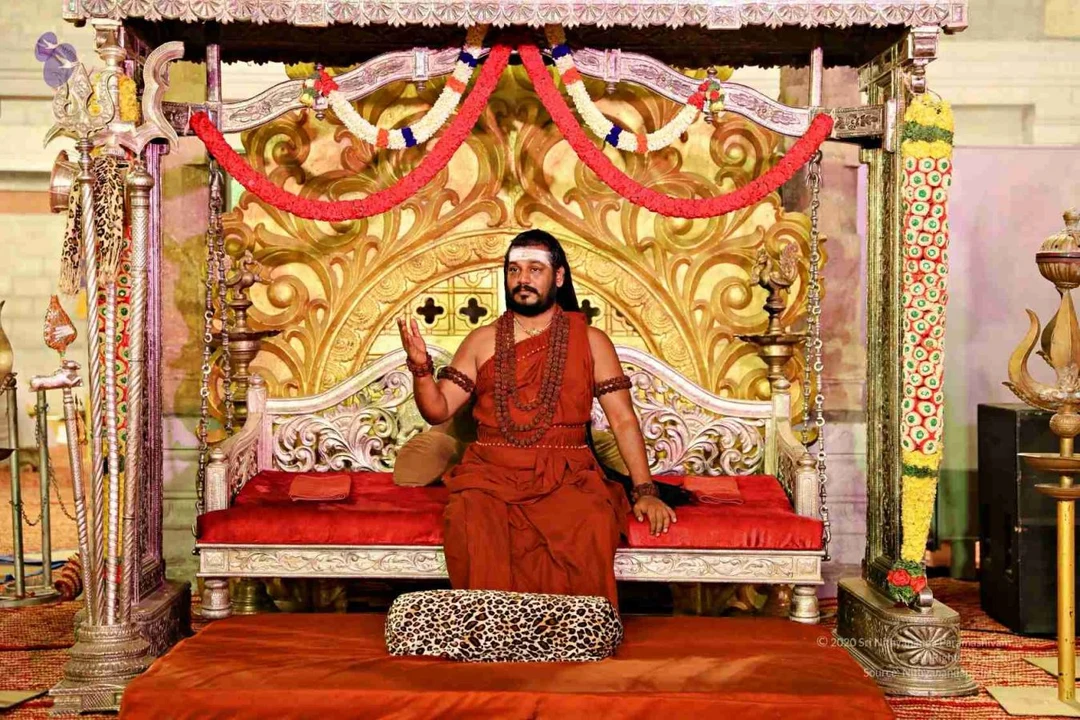 Experience super consciousness, actualize your ultimate potential
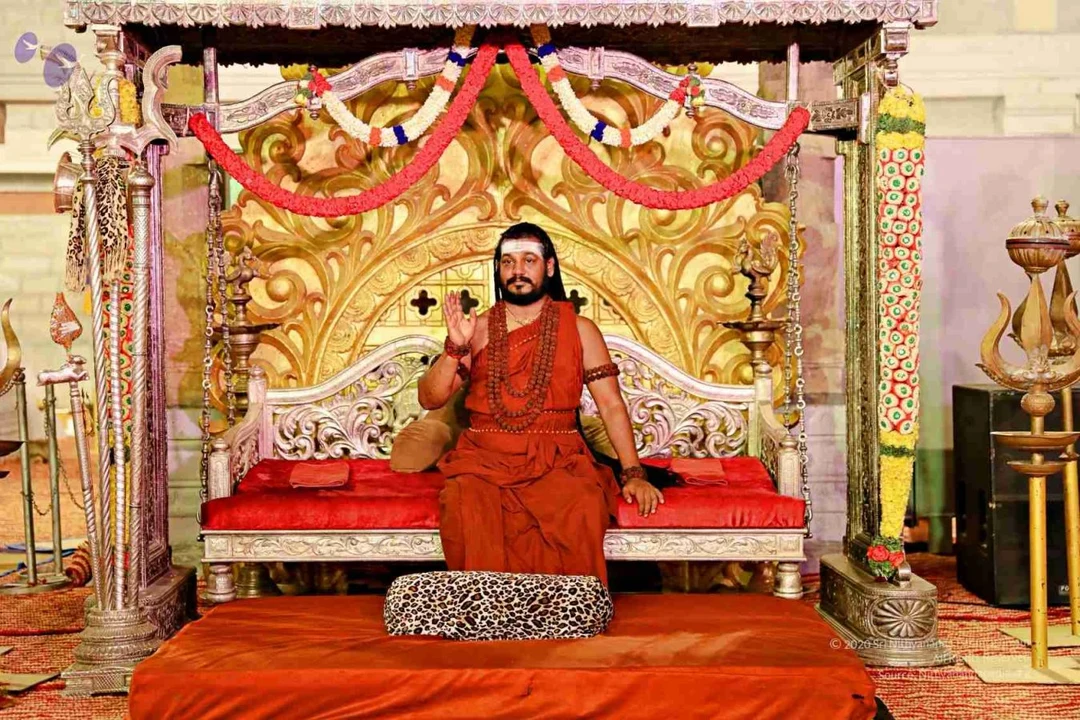 Experience super consciousness, actualize your ultimate potential
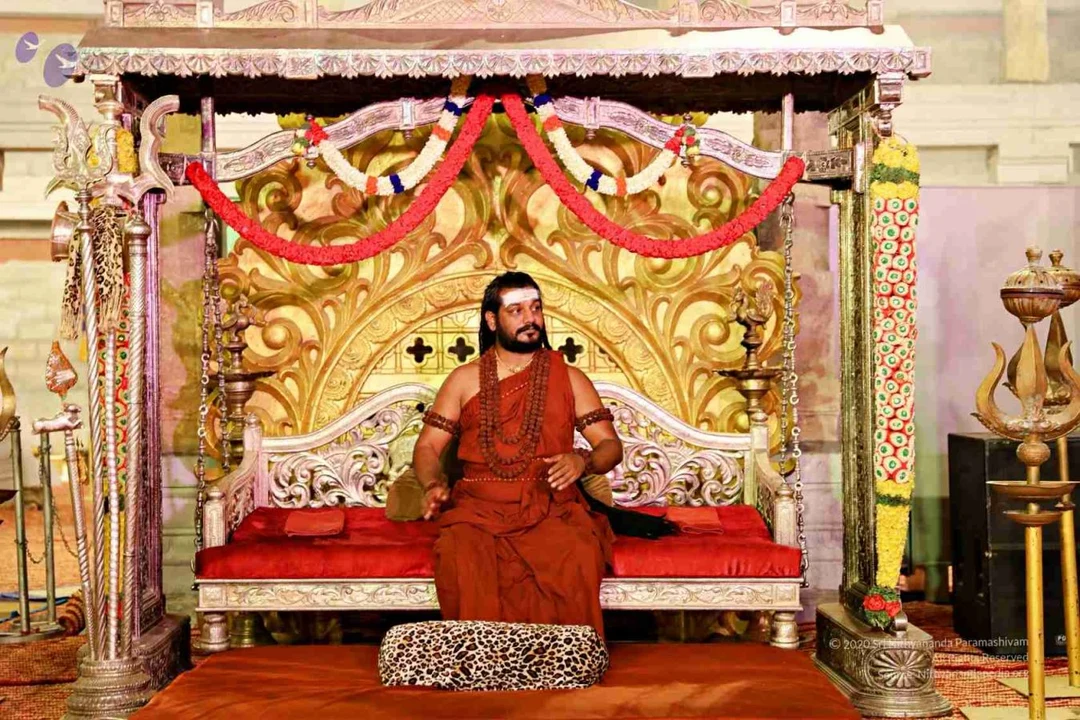 Experience super consciousness, actualize your ultimate potential
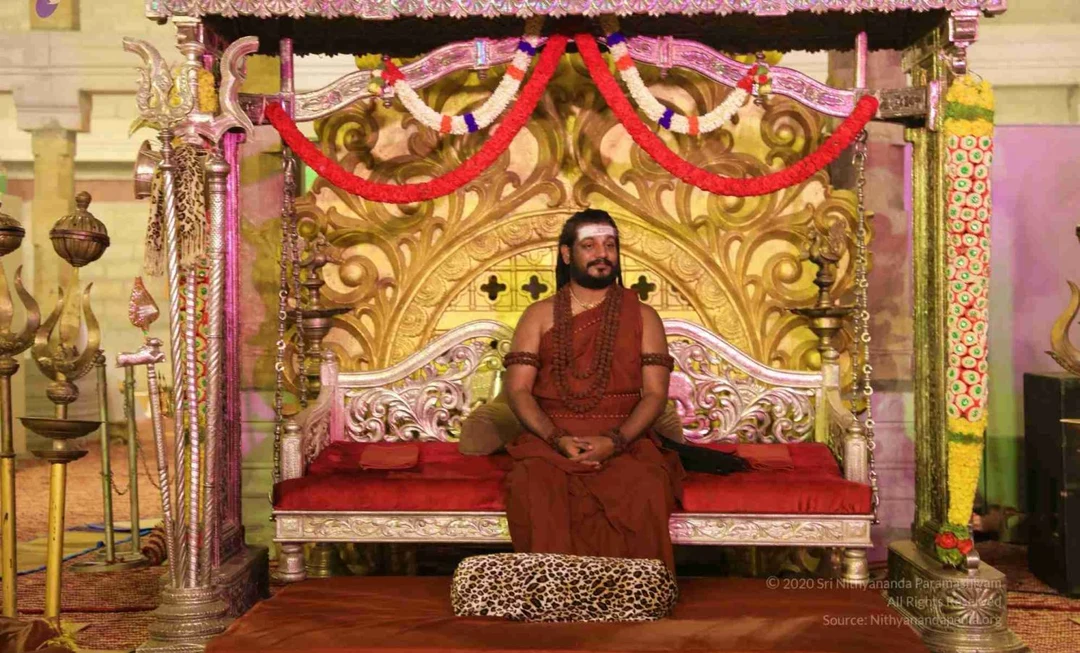 Experience super consciousness, actualize your ultimate potential
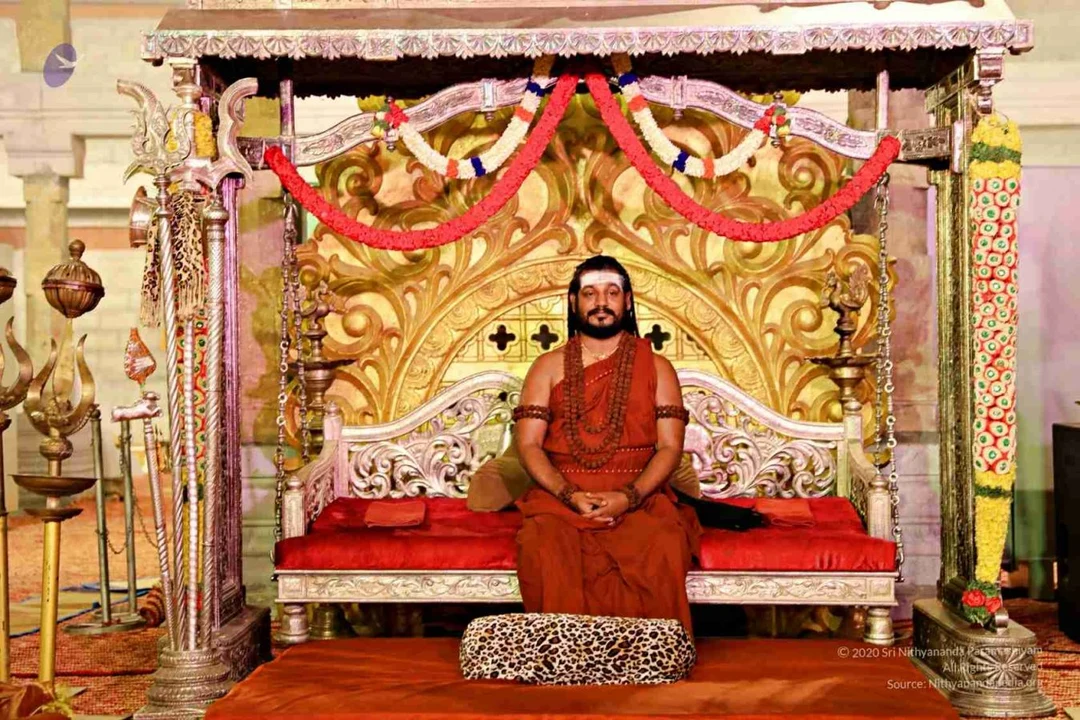 Experience super consciousness, actualize your ultimate potential
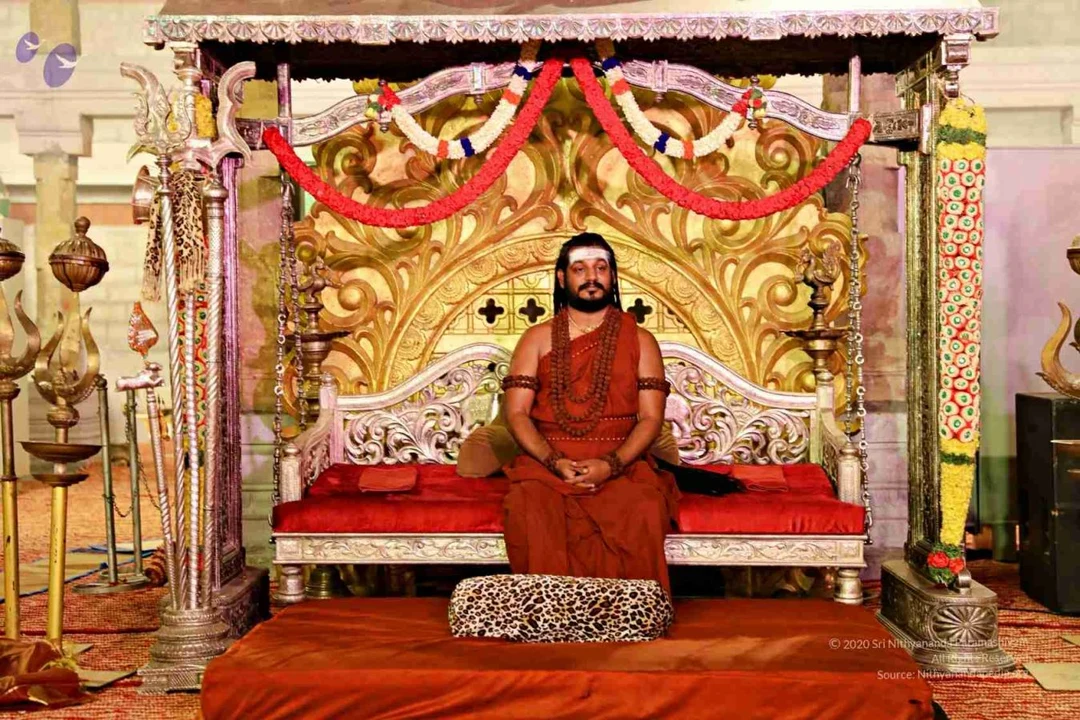 Experience super consciousness, actualize your ultimate potential
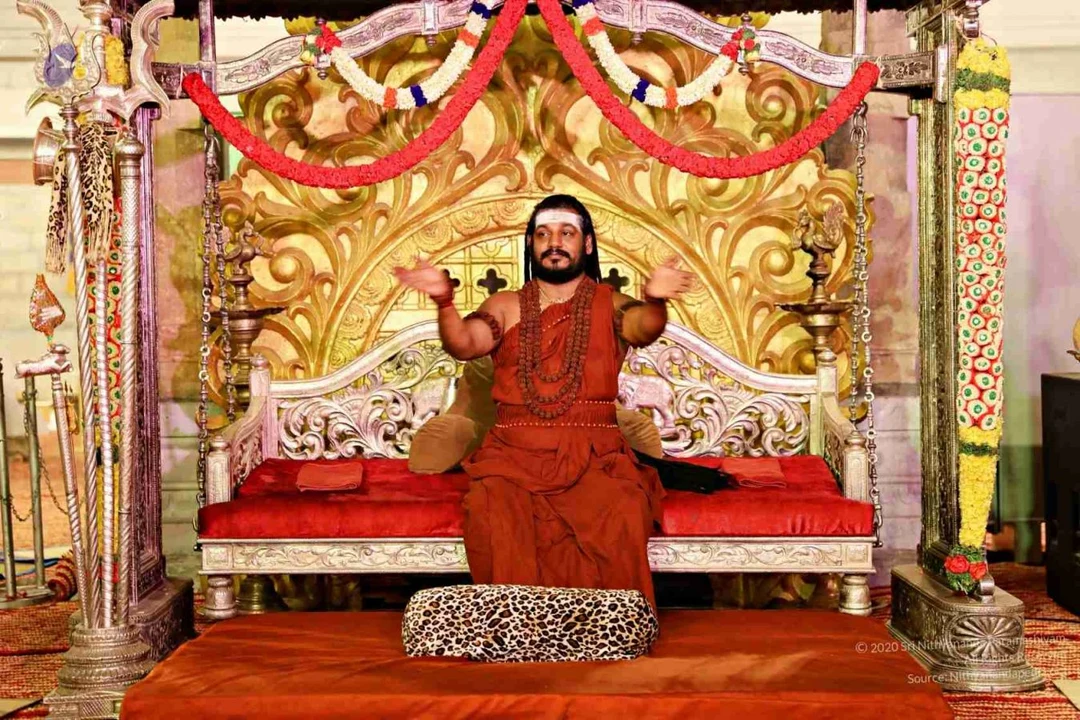 Experience super consciousness, actualize your ultimate potential
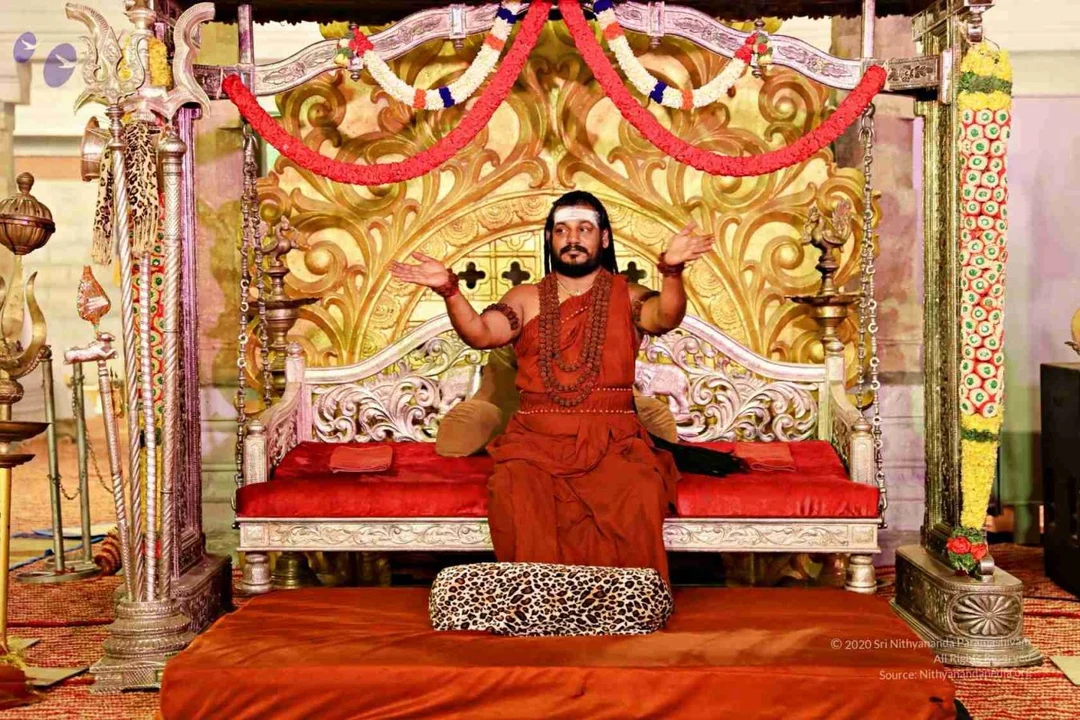 Experience super consciousness, actualize your ultimate potential
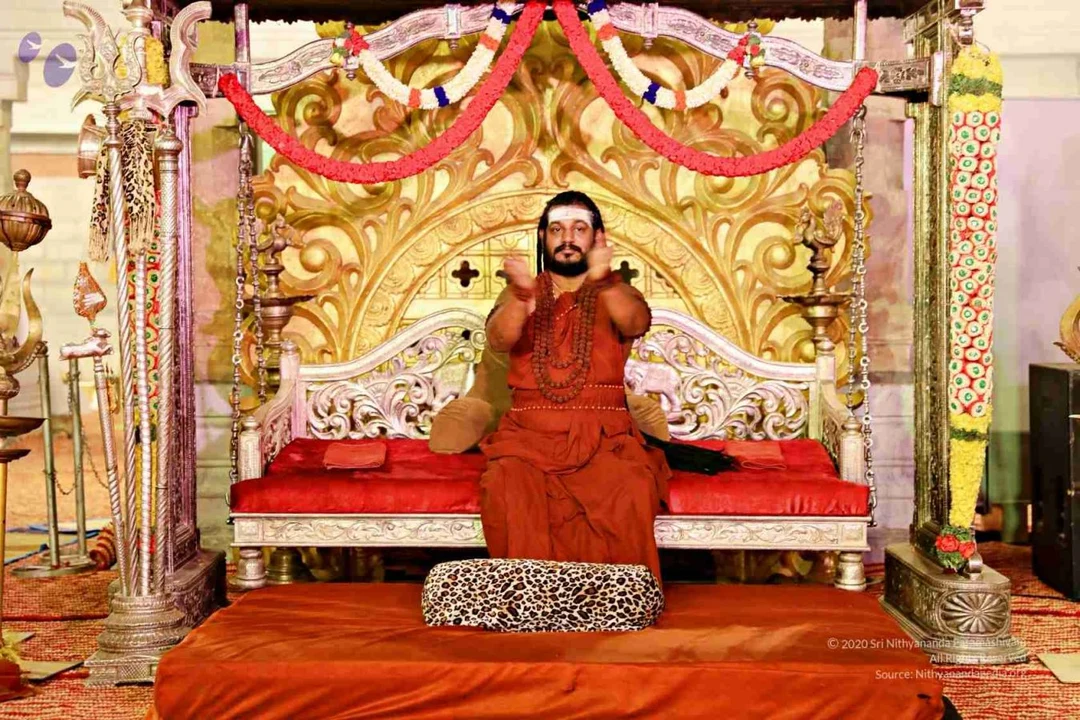 Experience super consciousness, actualize your ultimate potential
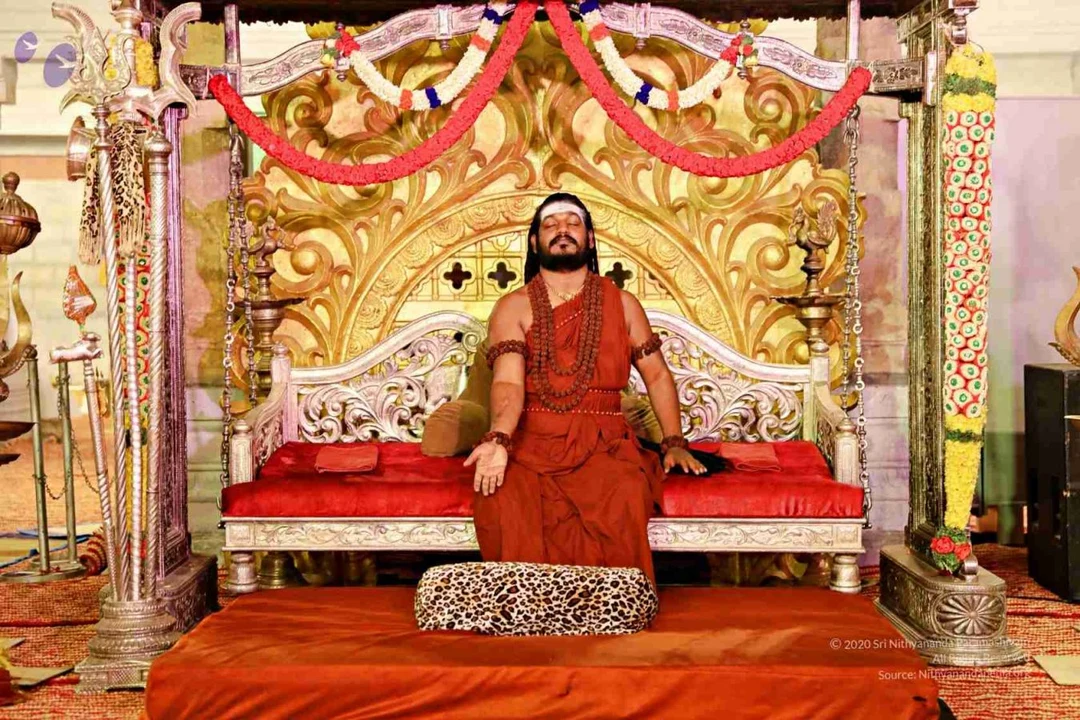 Experience super consciousness, actualize your ultimate potential
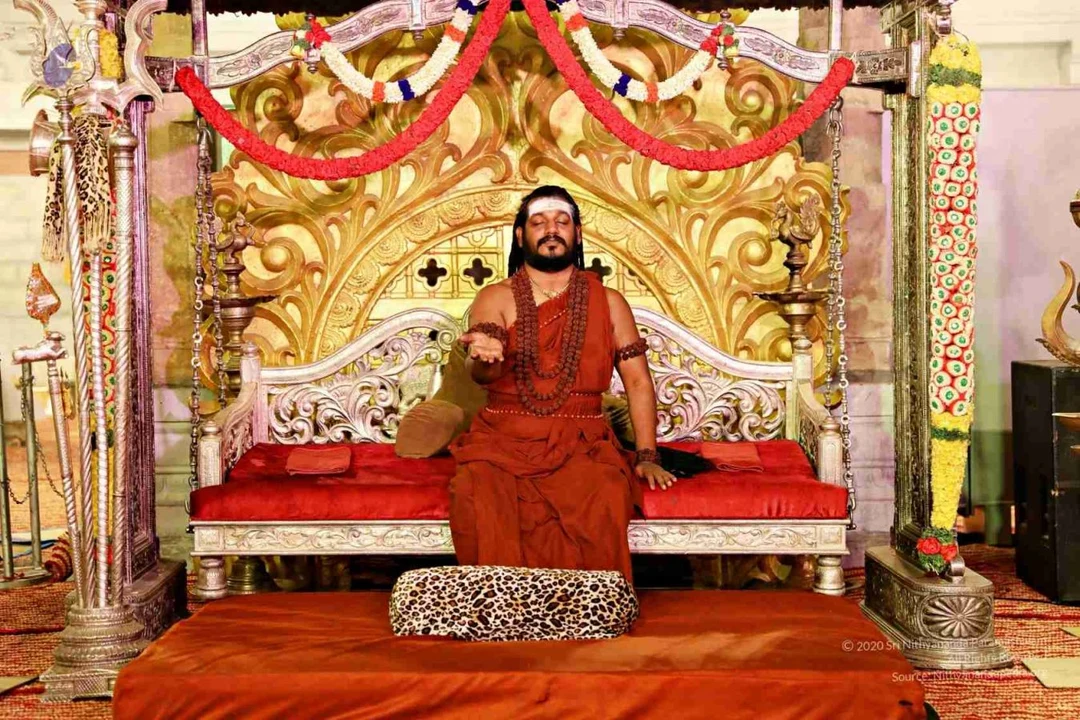 Experience super consciousness, actualize your ultimate potential
 Experience super consciousness, actualize your ultimate potential
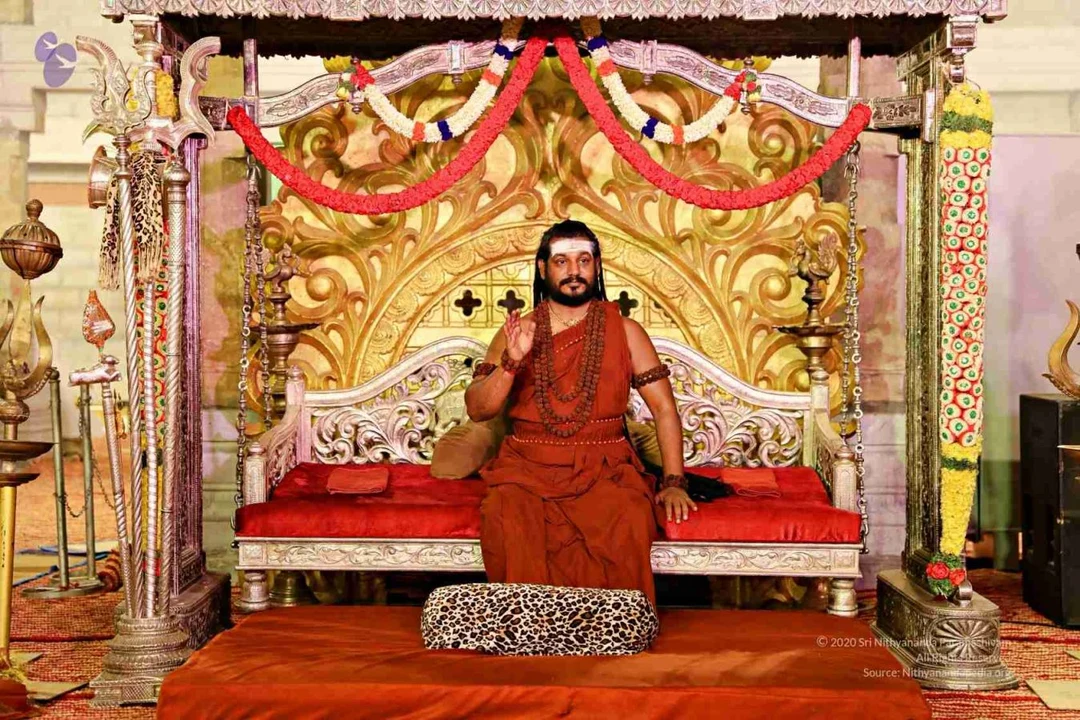 Experience super consciousness, actualize your ultimate potential
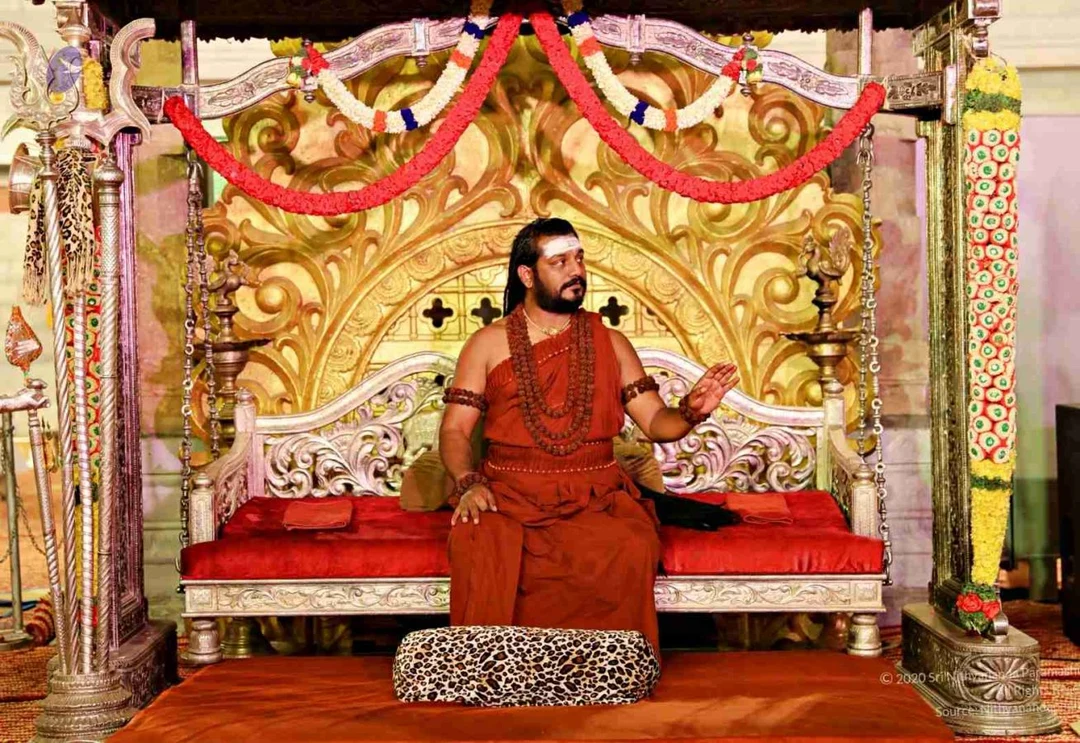 Experience super consciousness, actualize your ultimate potential
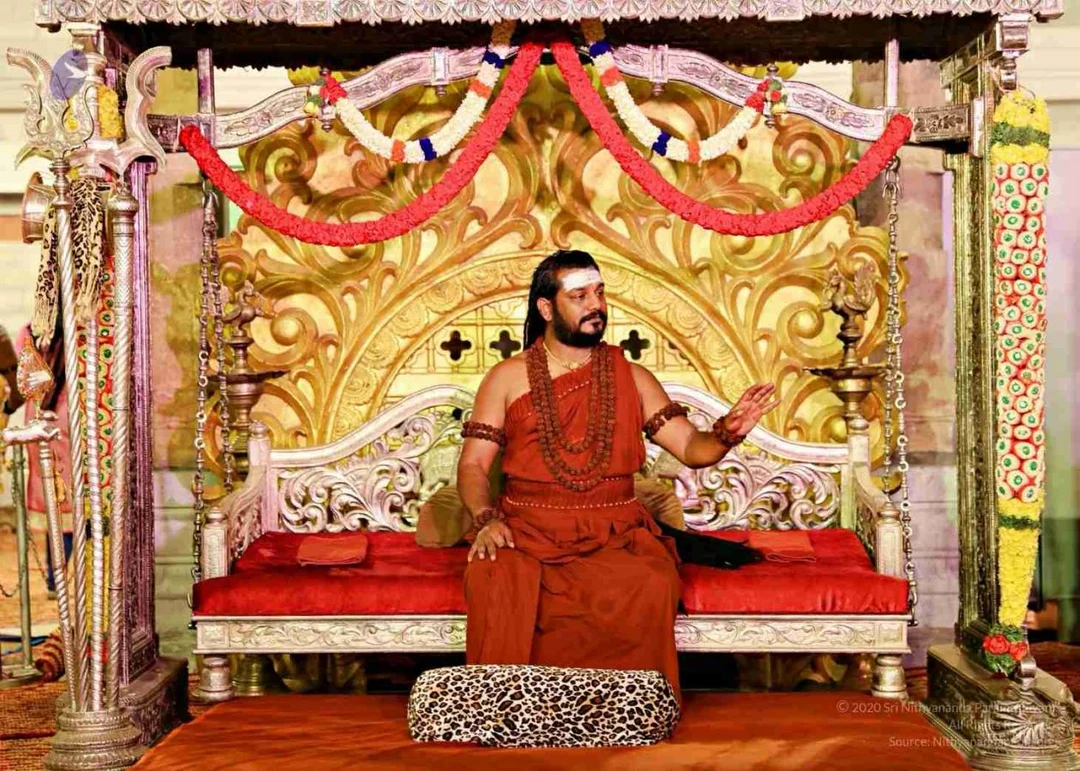 Experience super consciousness, actualize your ultimate potential
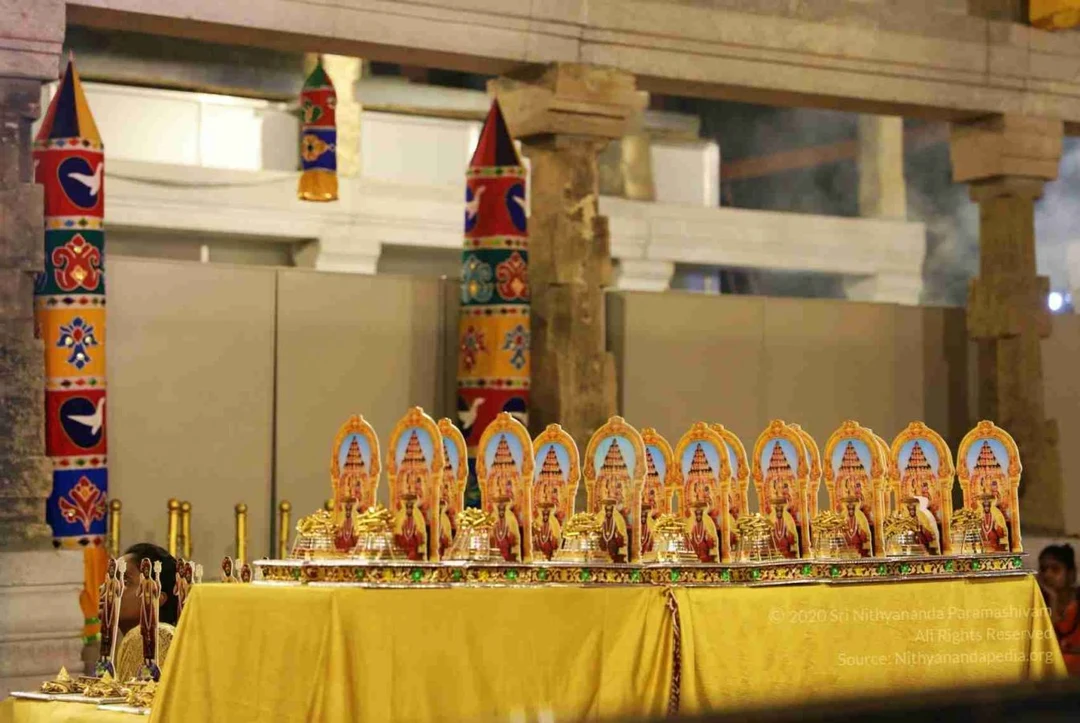 Energized mandala
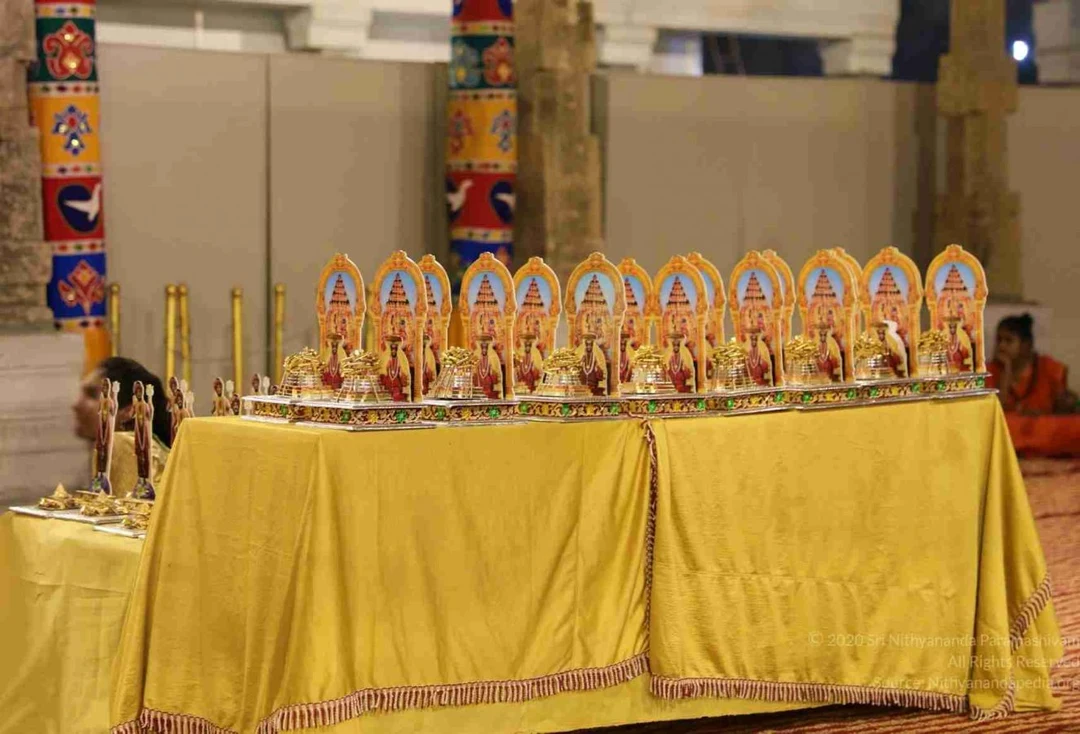 Energized mandala
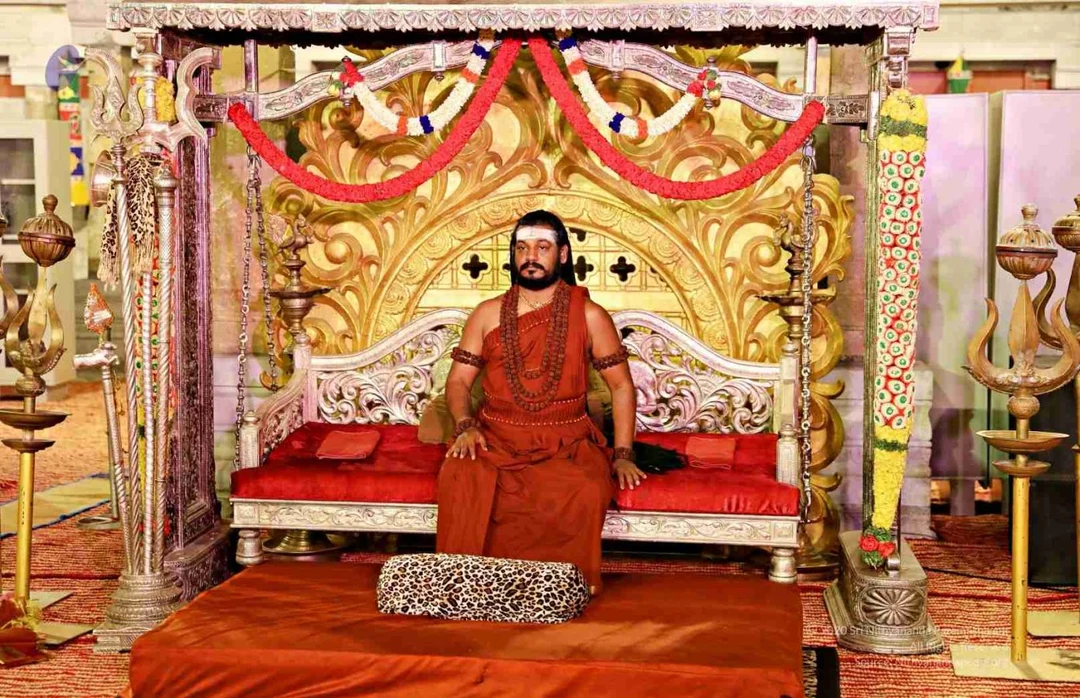 Avatar presence is living healing energy field
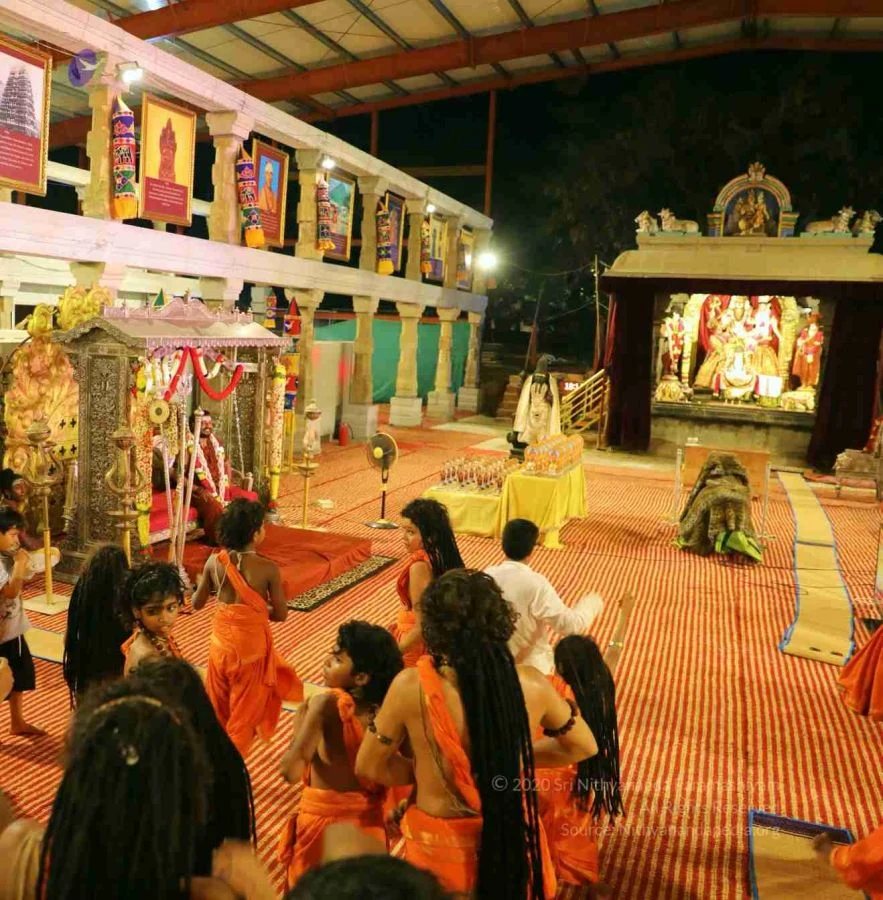
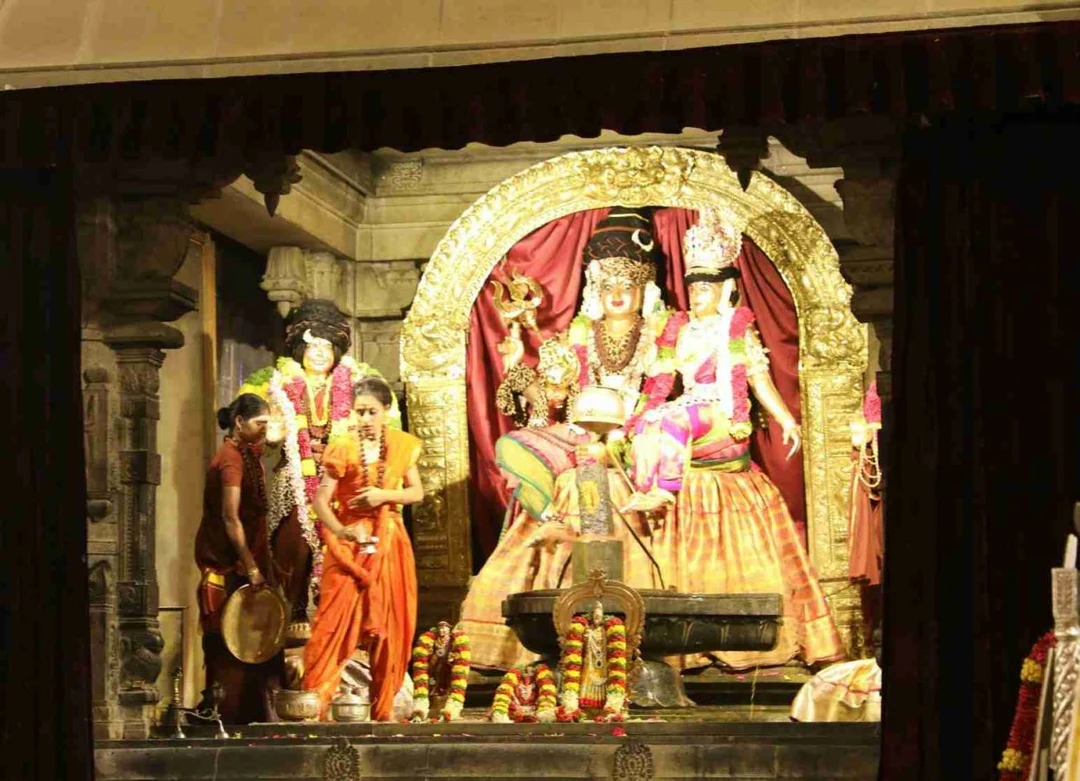 Celebration at Adi Kailaasa, Bengaluru Aadheenam
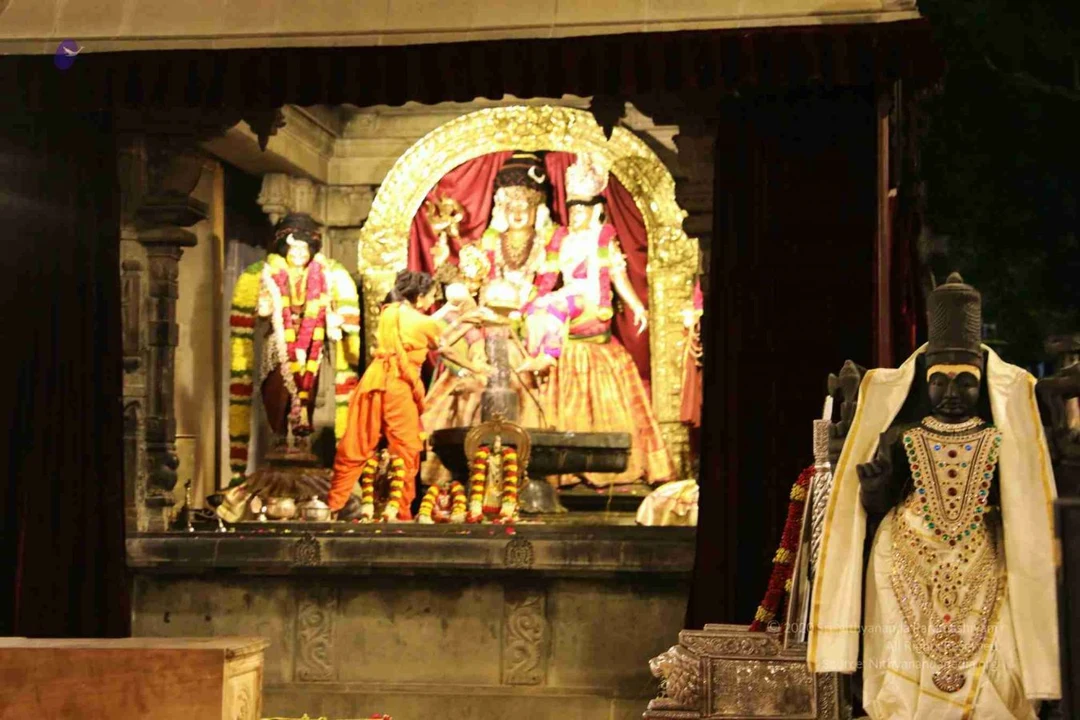 Celebration at Adi Kailaasa, Bengaluru Aadheenam
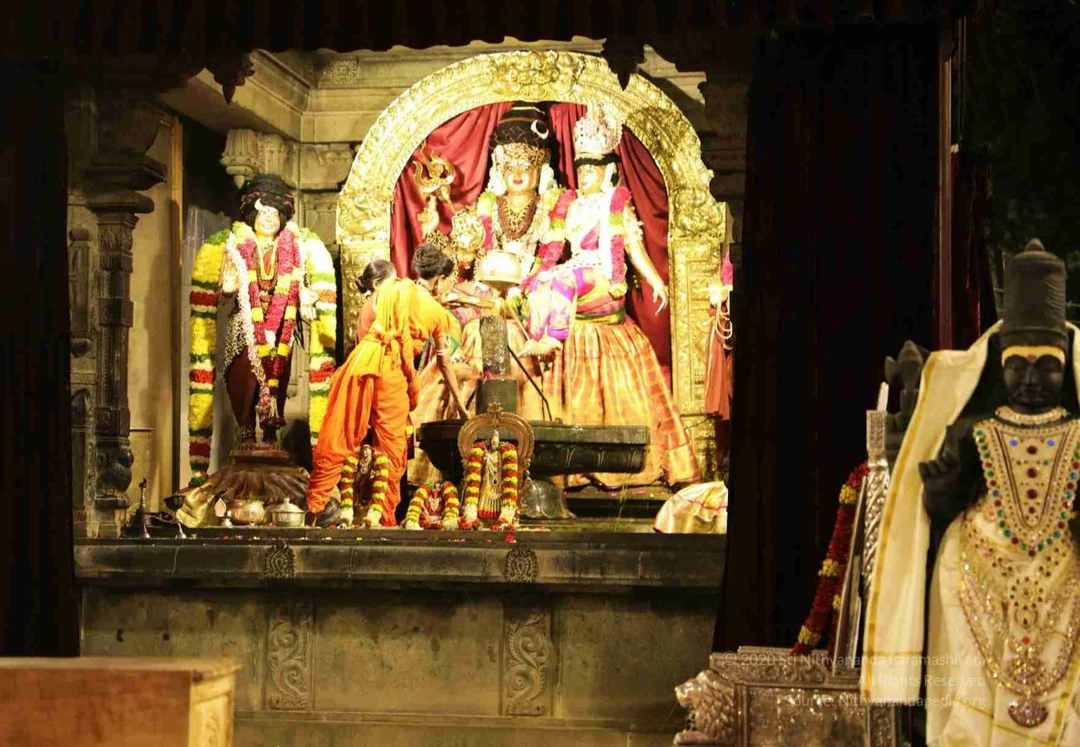 Celebration at Adi Kailaasa, Bengaluru Aadheenam
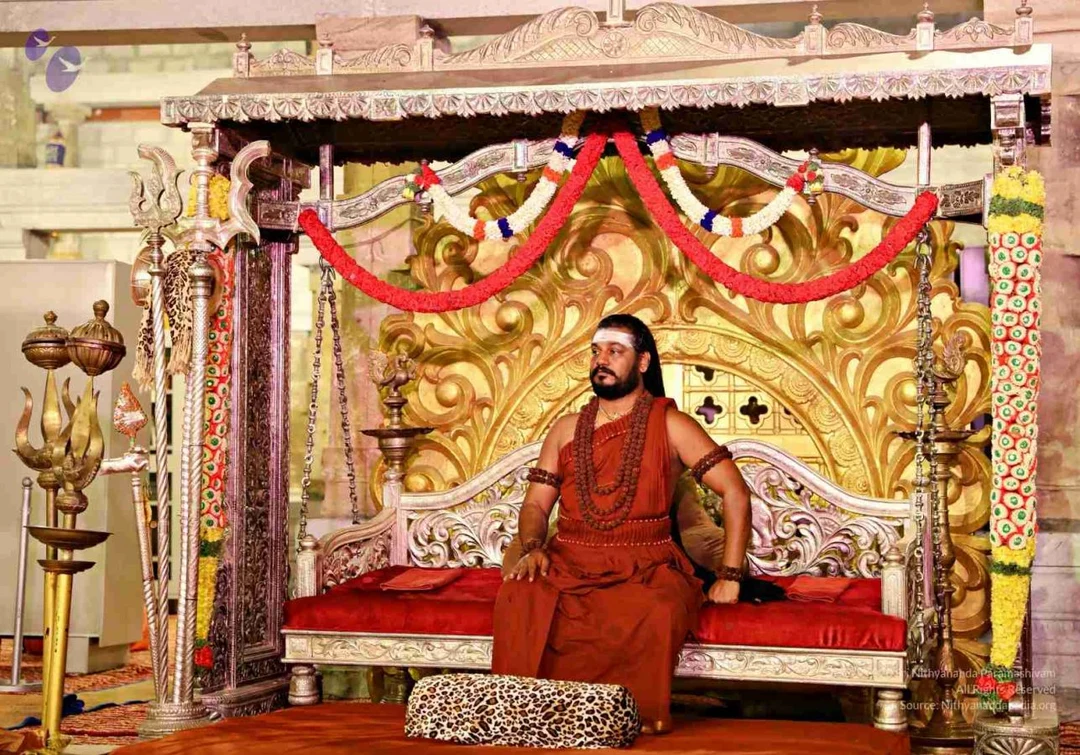 Avatar presence is living healing energy field
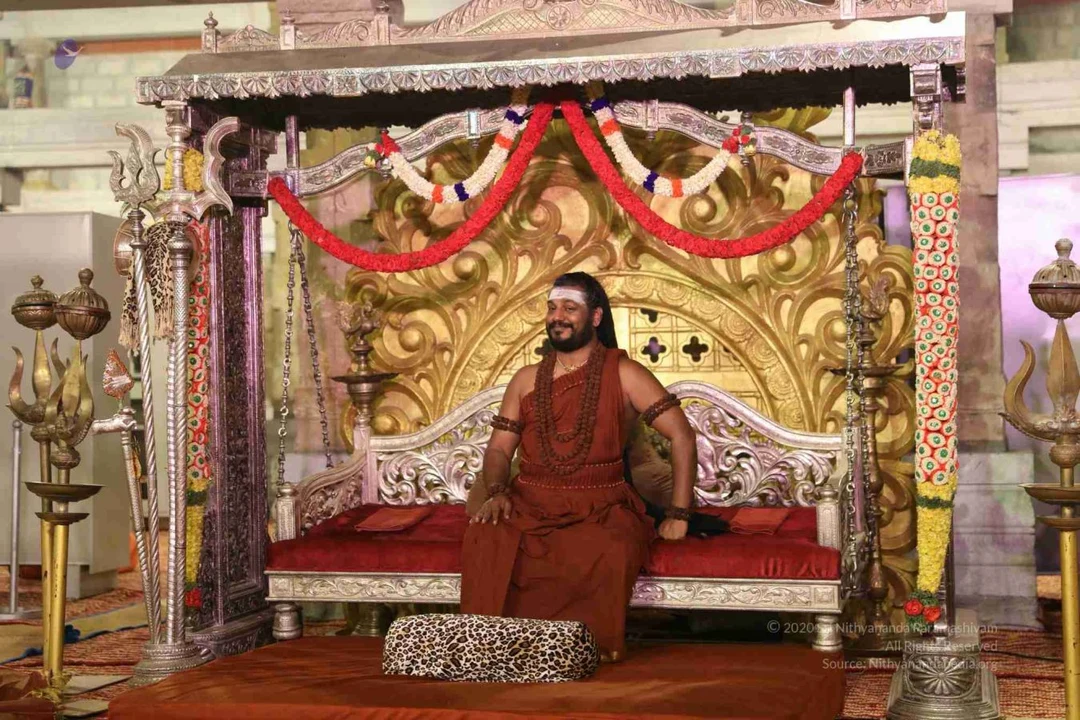 Avatar presence is living healing energy field
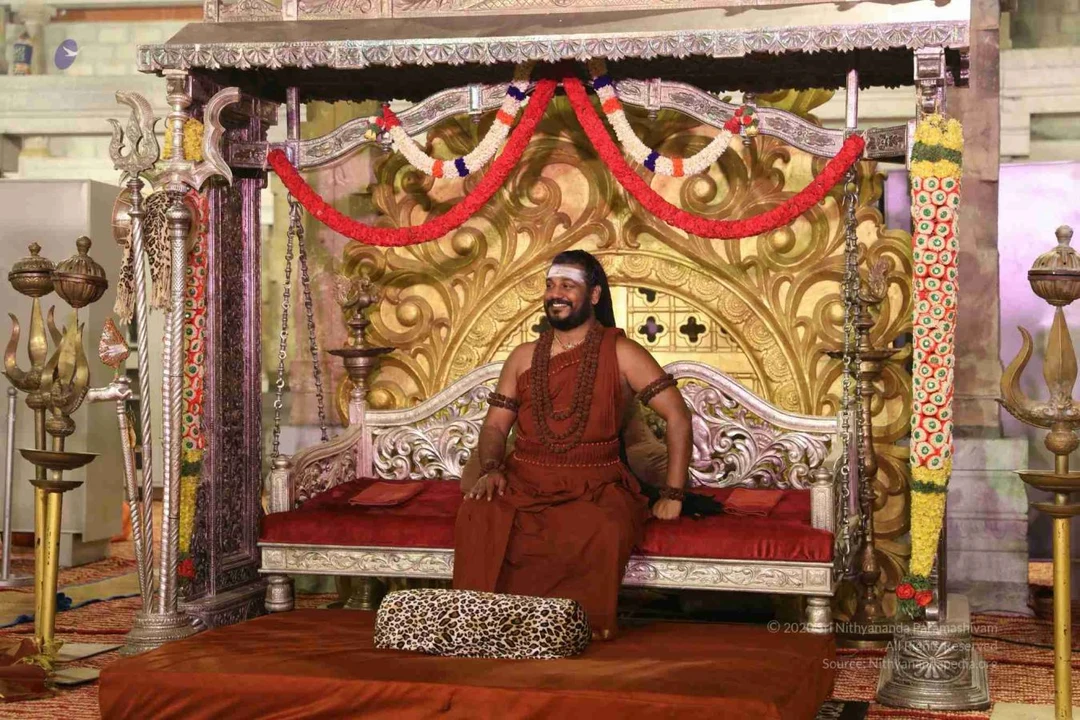 Avatar presence is living healing energy field
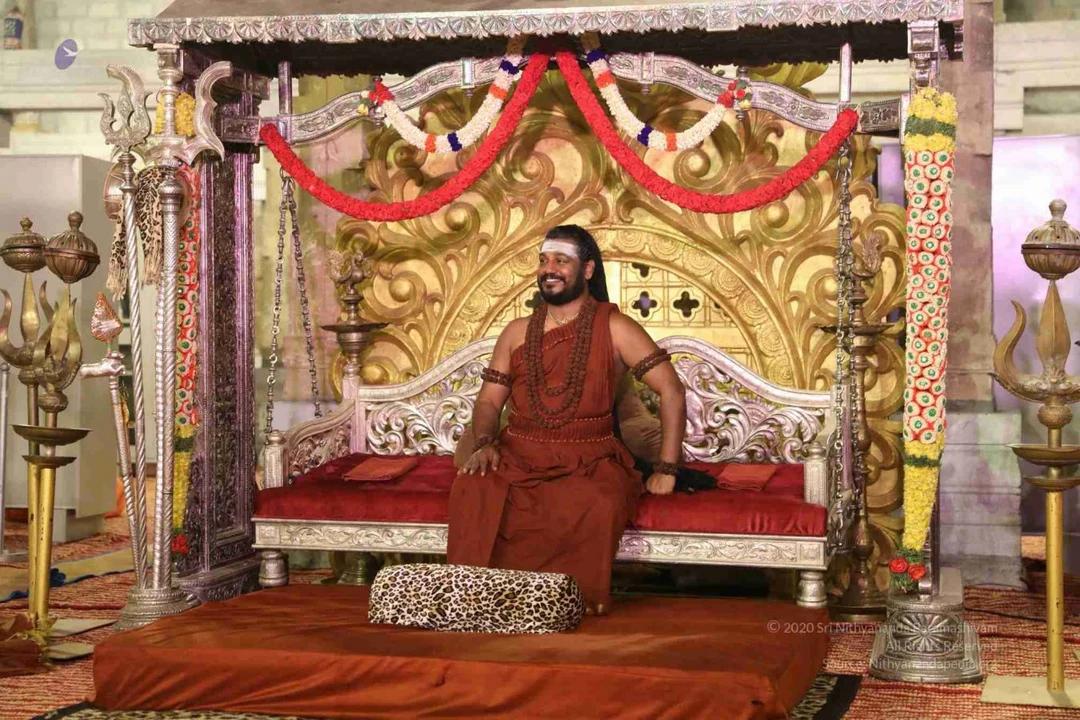 Avatar presence is living healing energy field
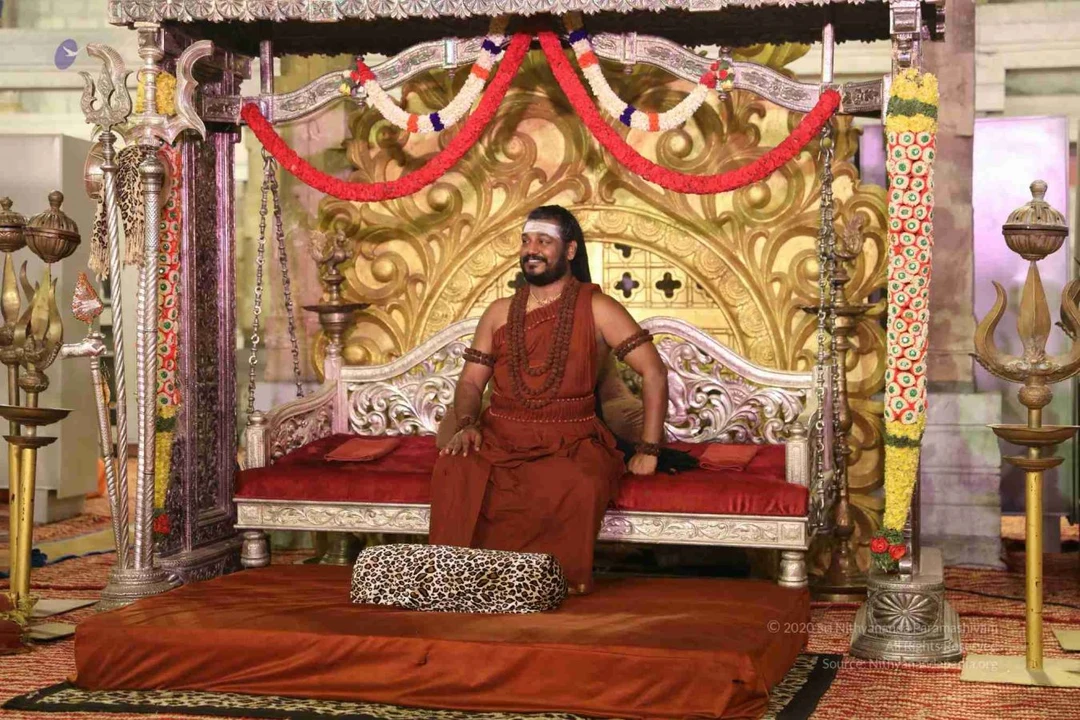 Avatar presence is living healing energy field
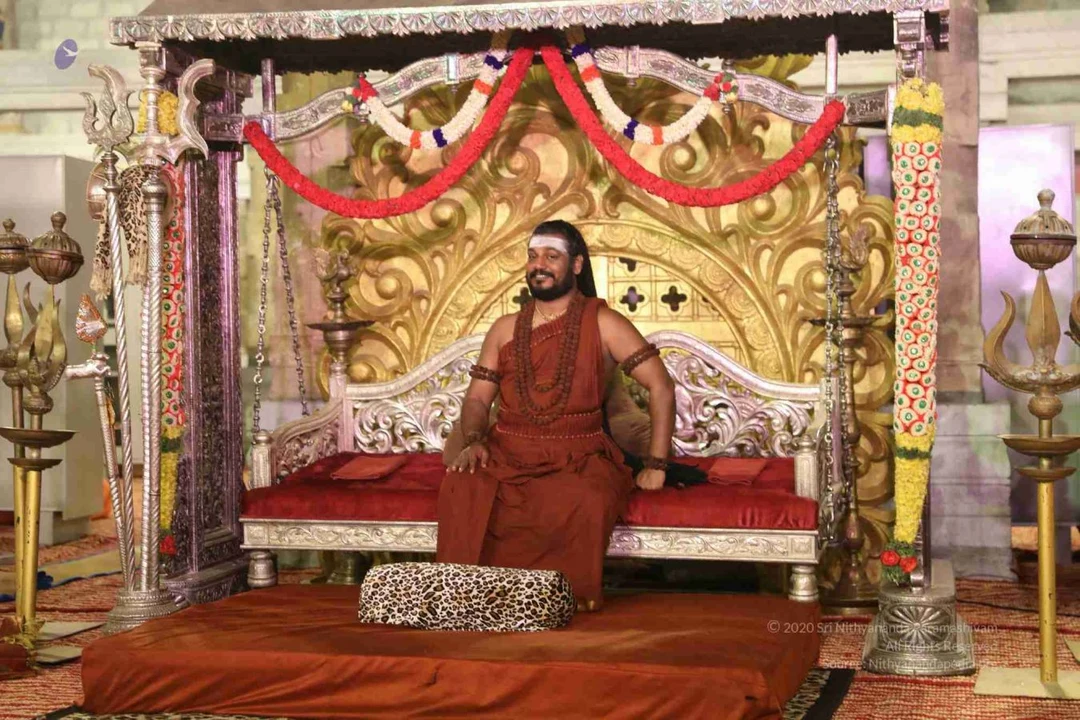 Existence is continuous expansion - HDH Nithyananda Paramashivam
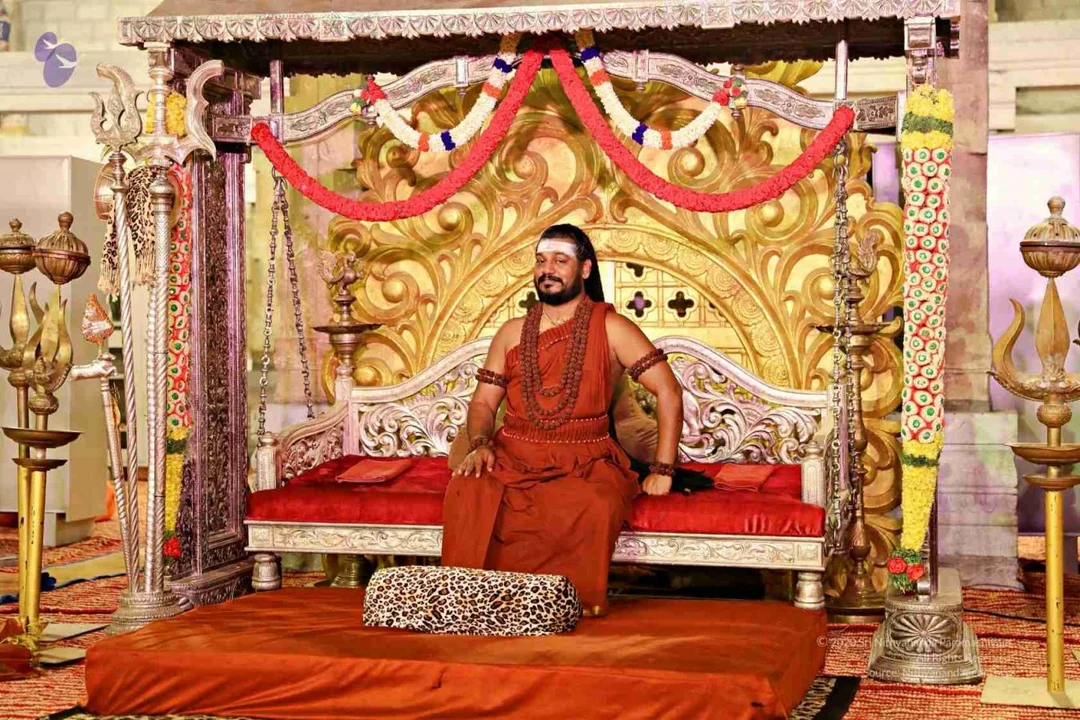 Existence is continuous expansion - HDH Nithyananda Paramashivam
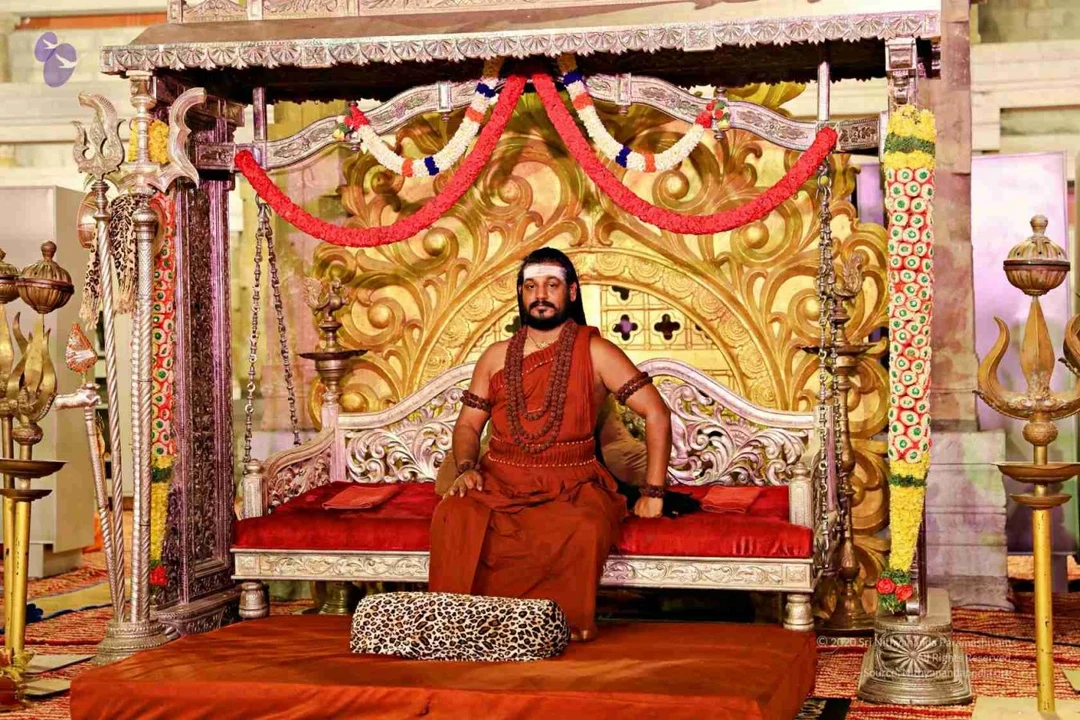 Existence is continuous expansion - HDH Nithyananda Paramashivam
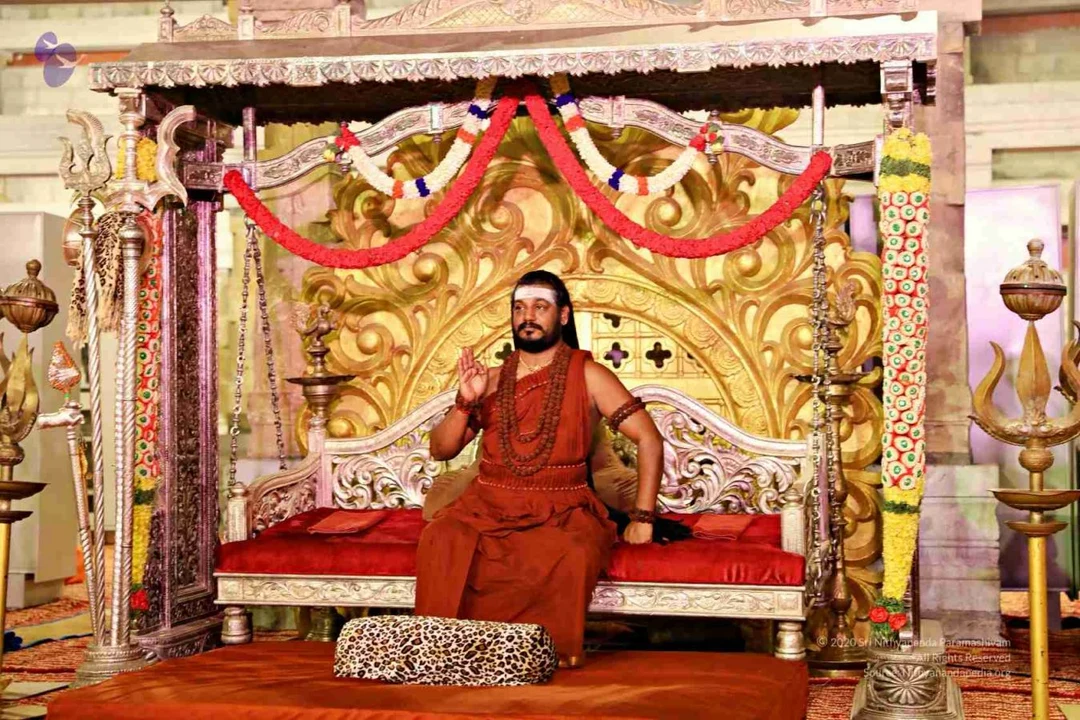 Existence is continuous expansion - HDH Nithyananda Paramashivam
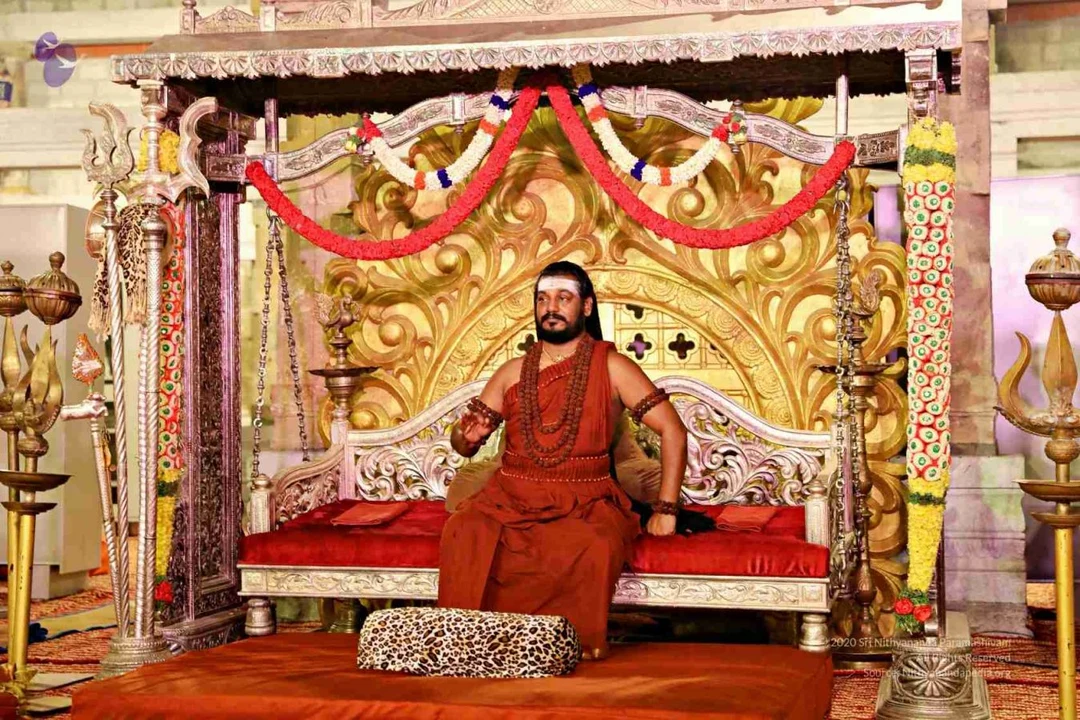 Existence is continuous expansion - HDH Nithyananda Paramashivam
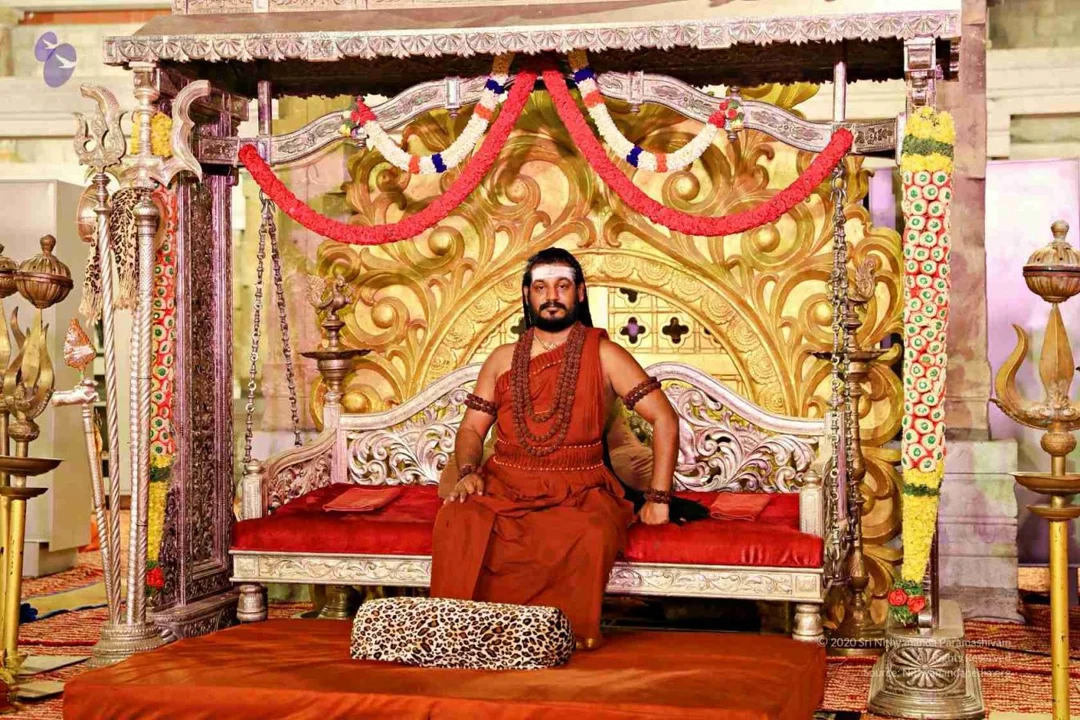 Existence is continuous expansion - HDH Nithyananda Paramashivam
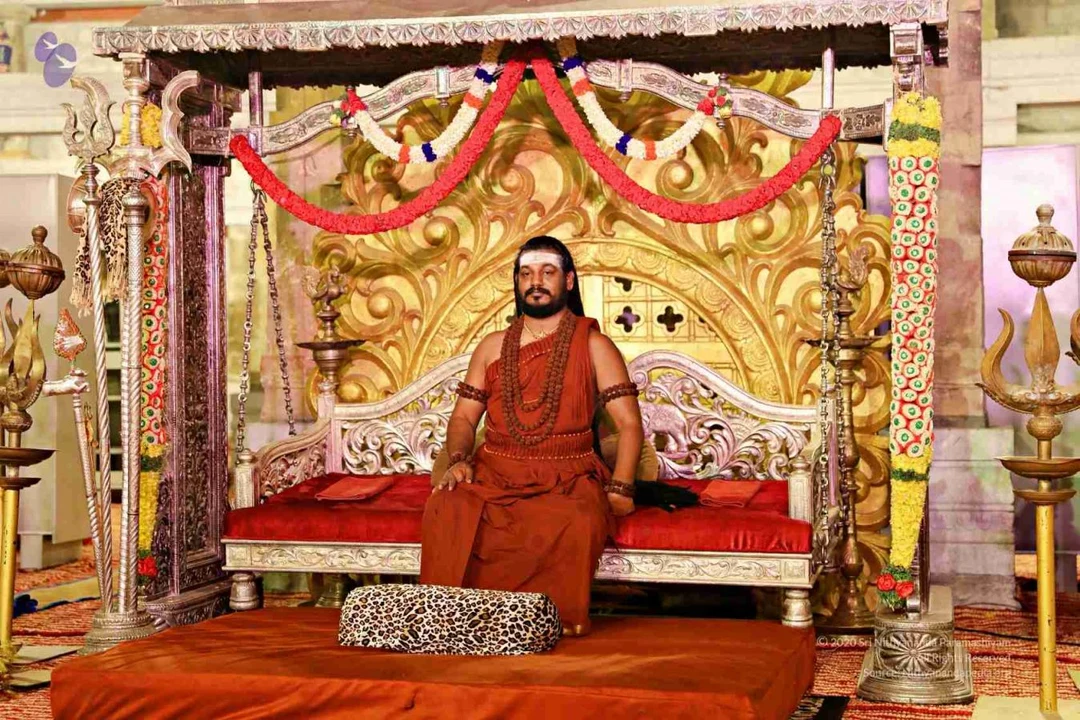 Existence is continuous expansion - HDH Nithyananda Paramashivam
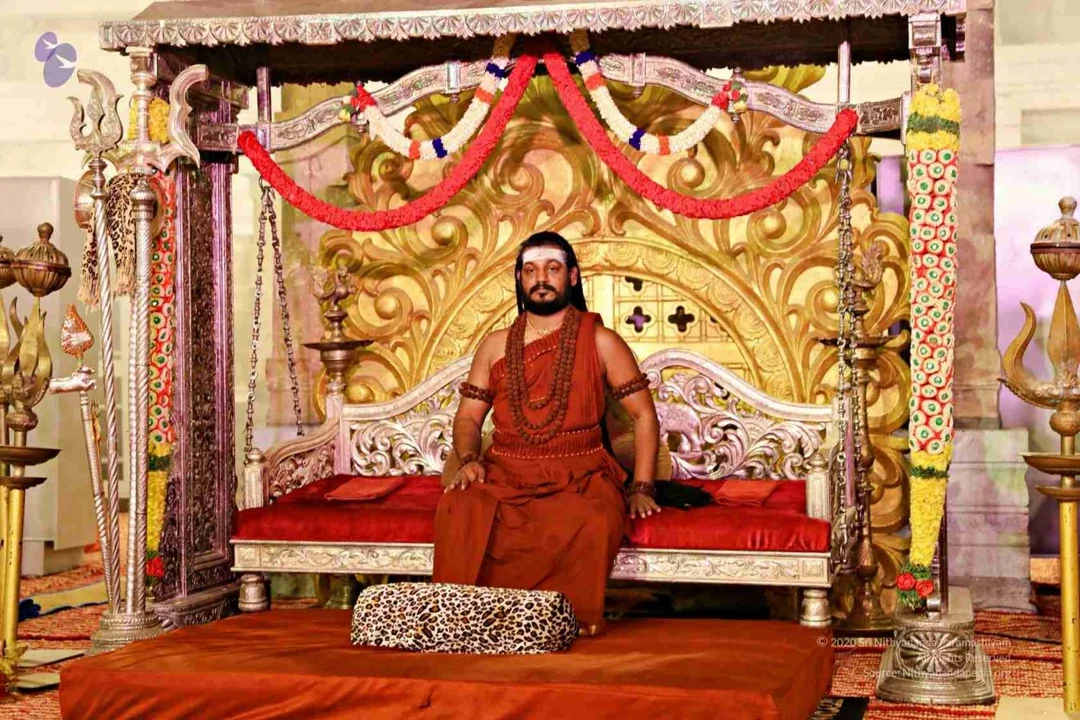 Existence is continuous expansion - HDH Nithyananda Paramashivam
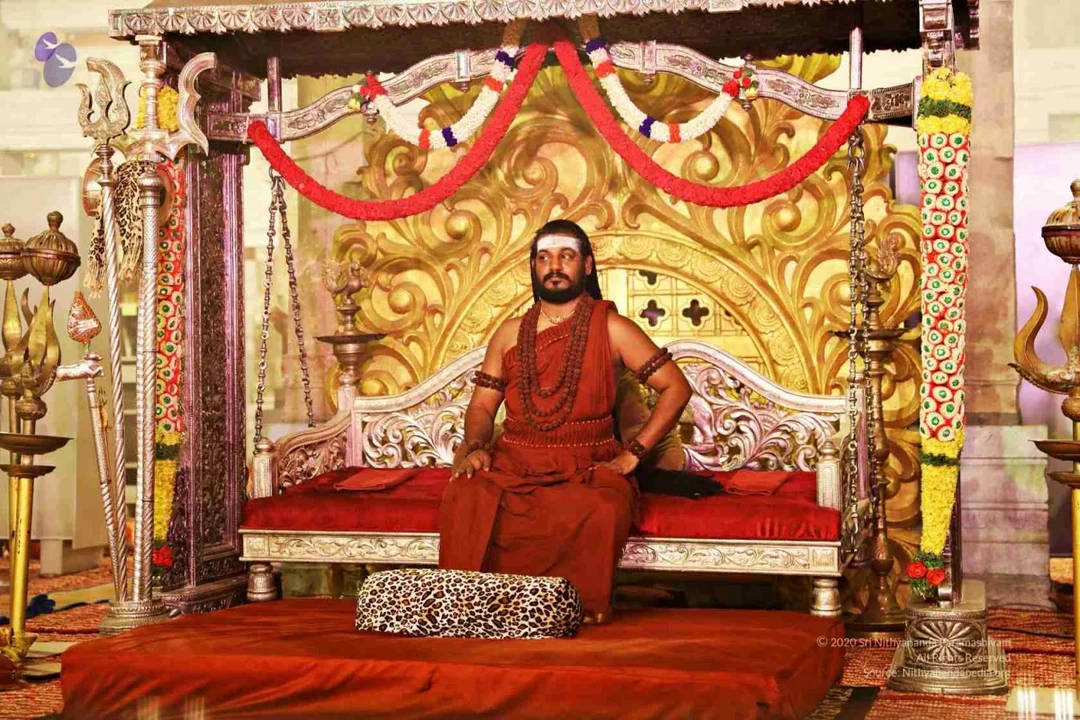 Existence is continuous expansion - HDH Nithyananda Paramashivam
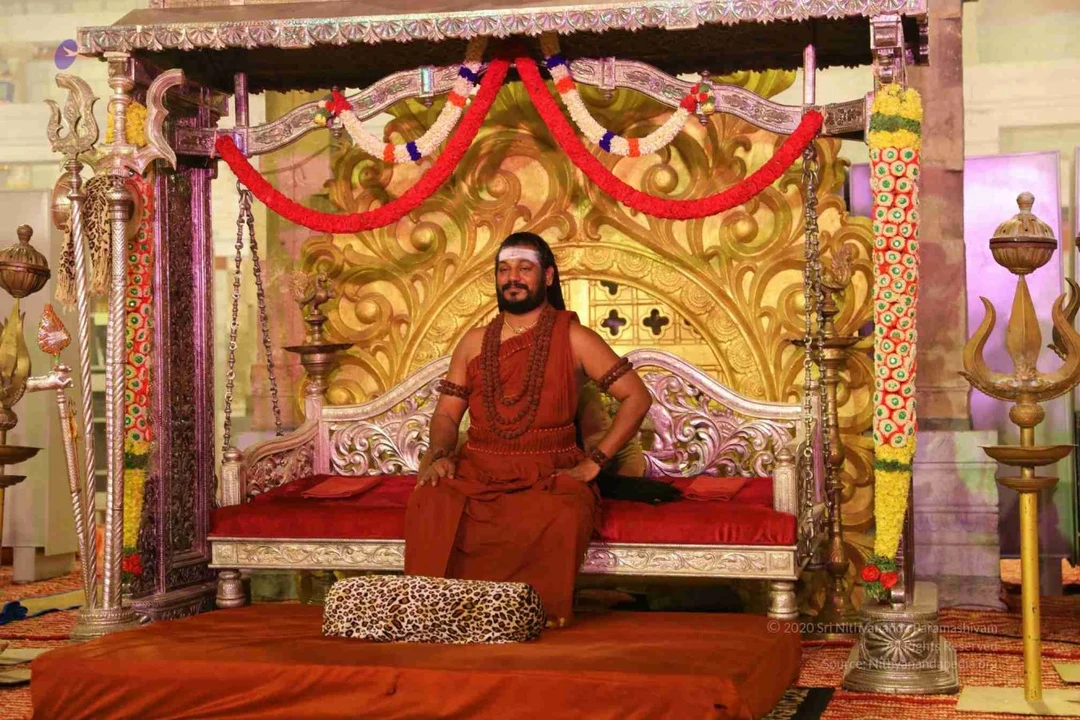 Existence is continuous expansion - HDH Nithyananda Paramashivam
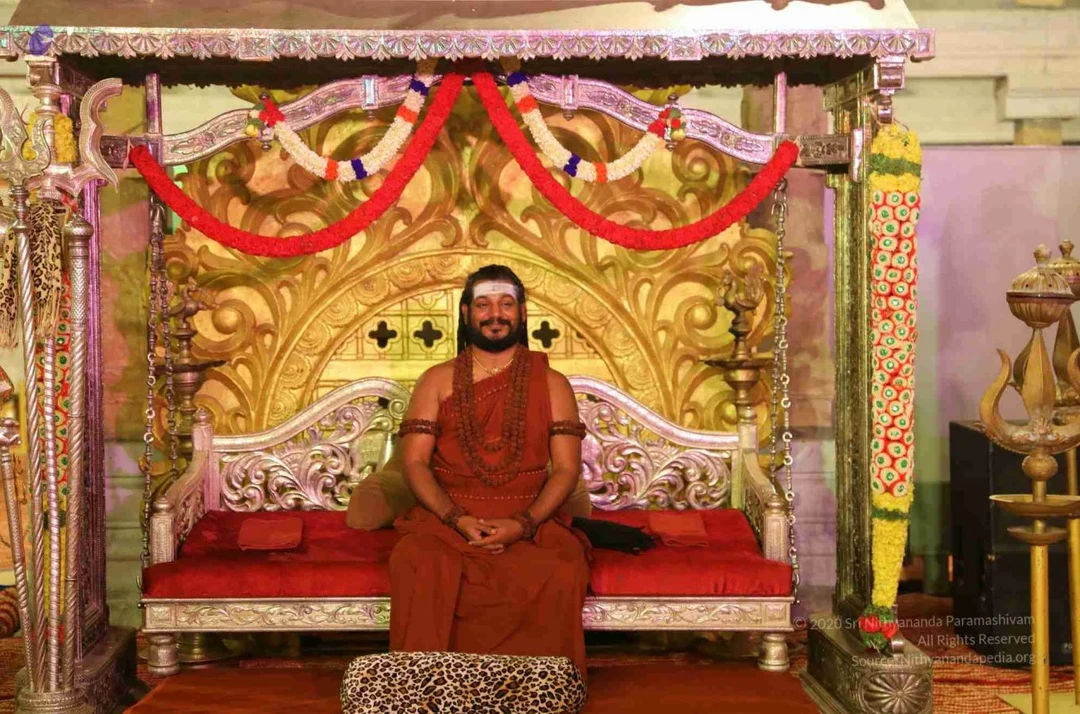 Existence is continuous expansion - HDH Nithyananda Paramashivam
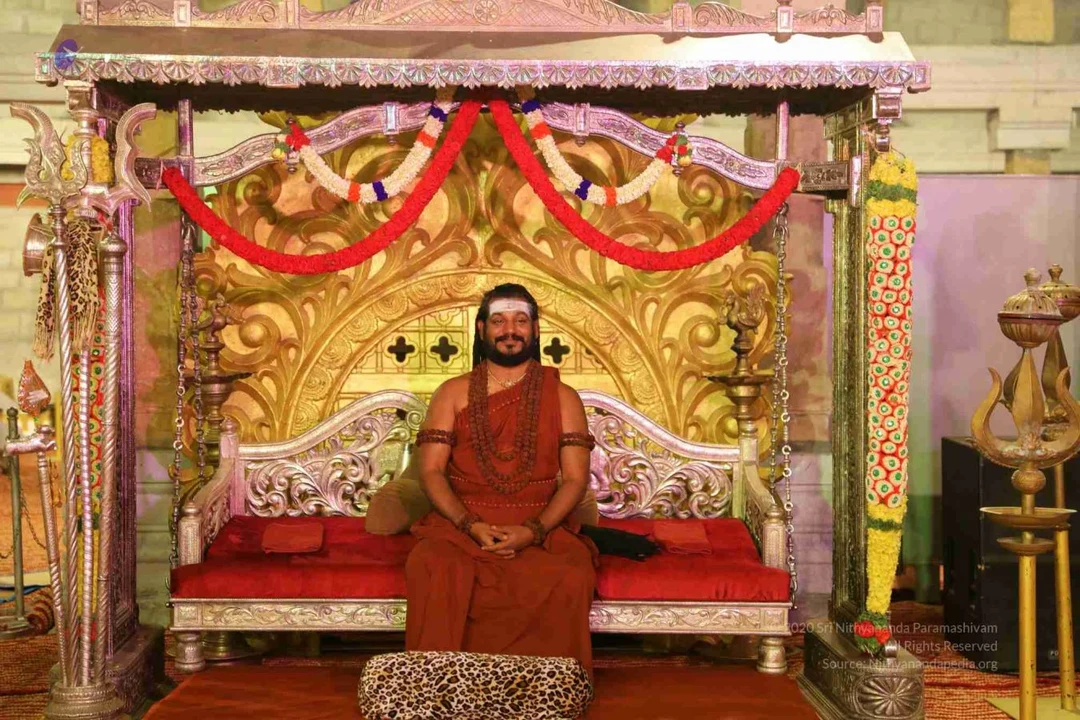 Existence is continuous expansion - HDH Nithyananda Paramashivam
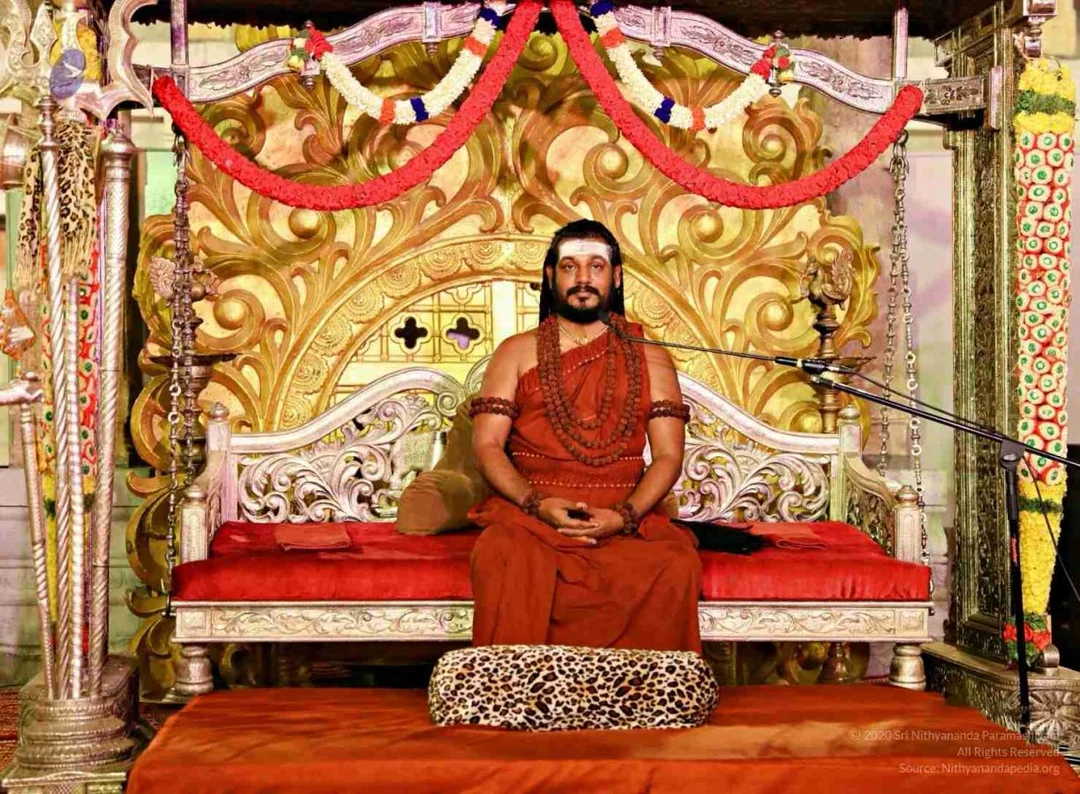 Existence is continuous expansion - HDH Nithyananda Paramashivam
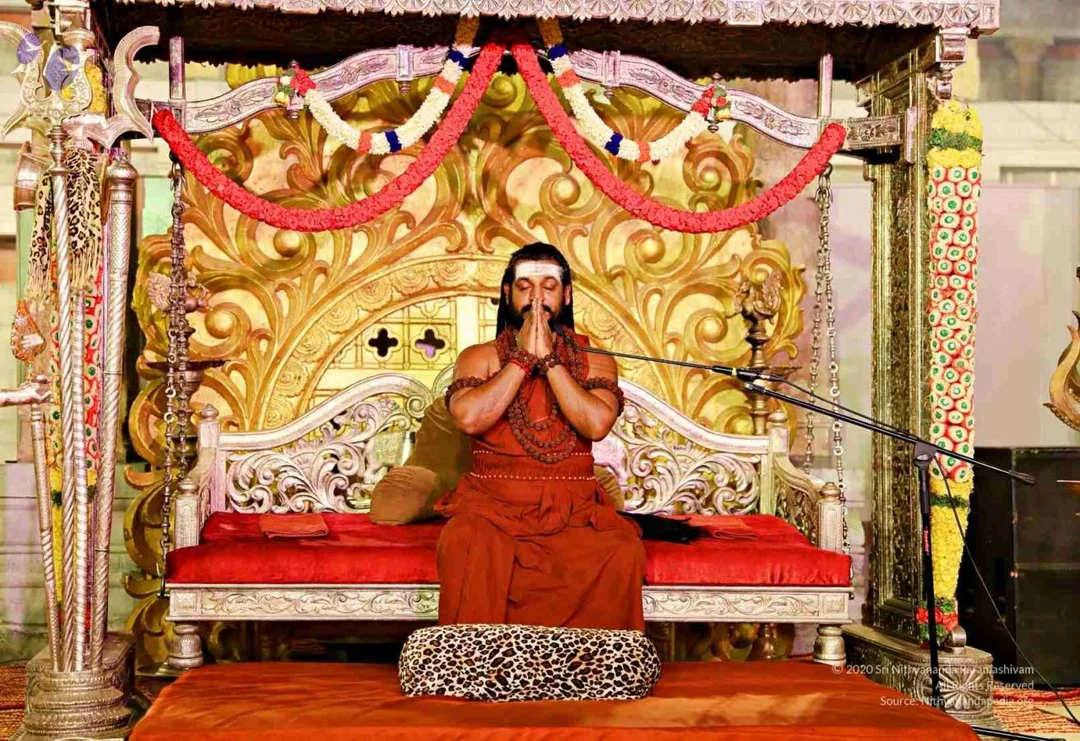 Existence is continuous expansion - HDH Nithyananda Paramashivam
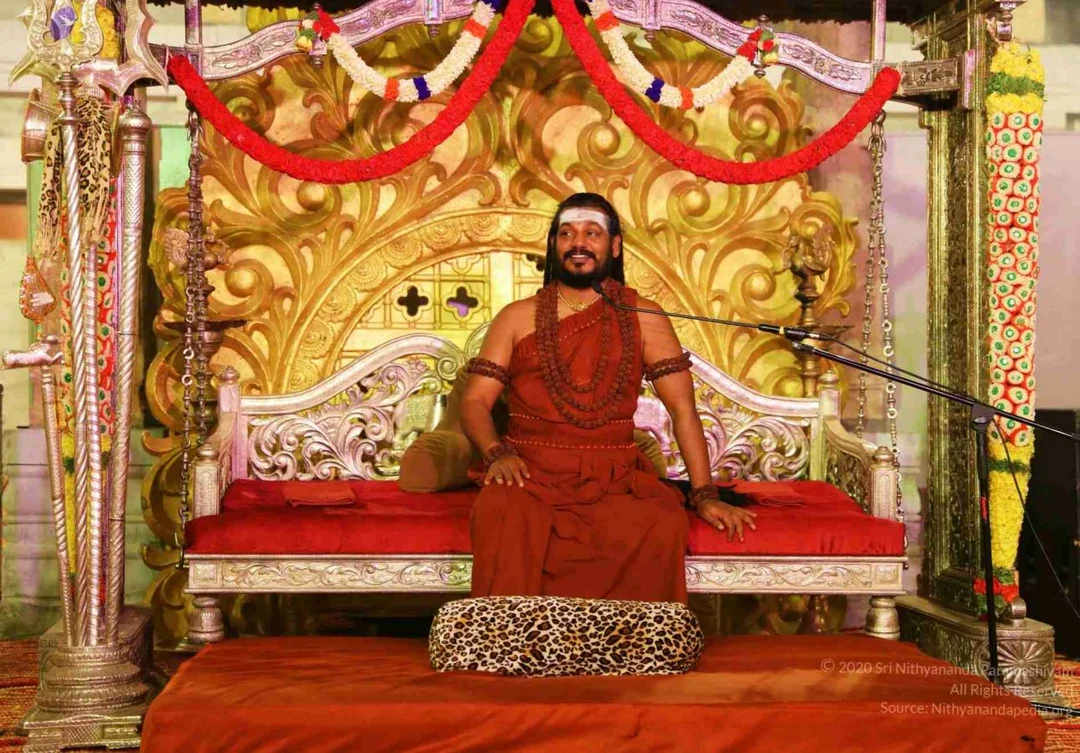 Existence is continuous expansion - HDH Nithyananda Paramashivam
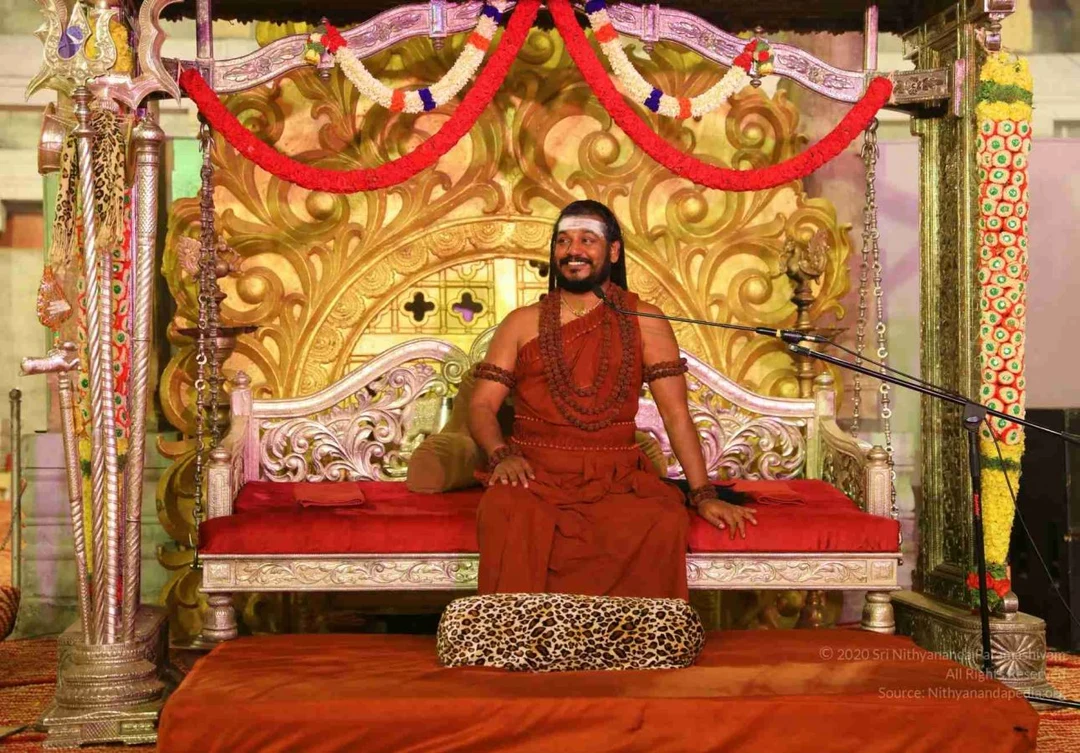 Existence is continuous expansion - HDH Nithyananda Paramashivam
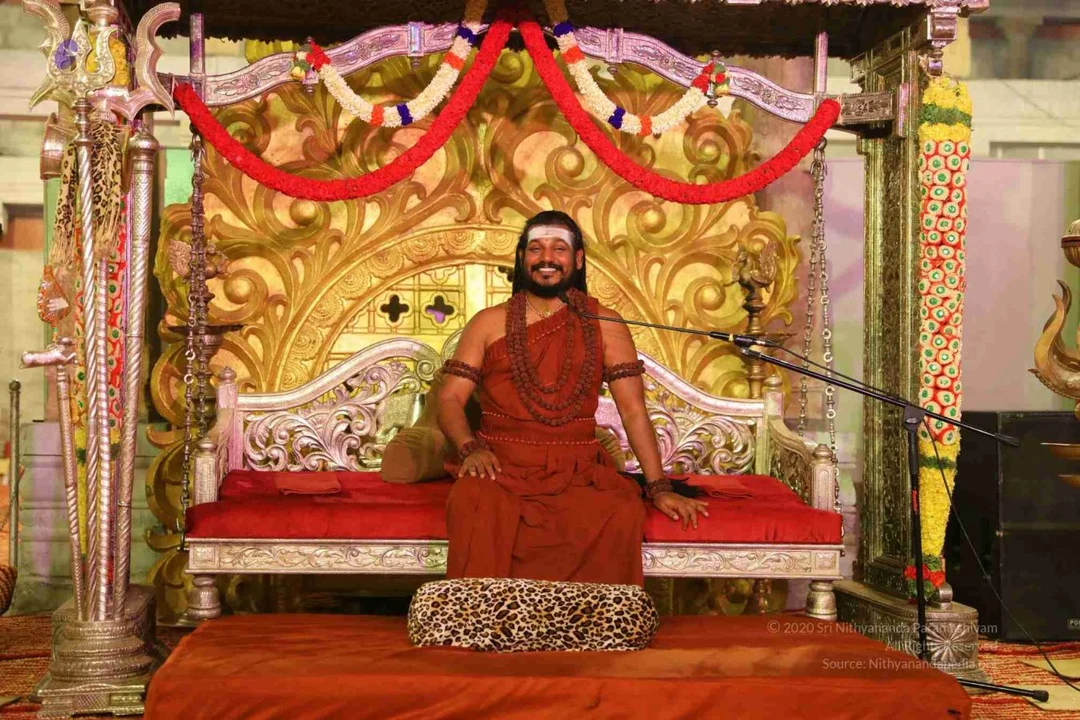 Existence is continuous expansion - HDH Nithyananda Paramashivam
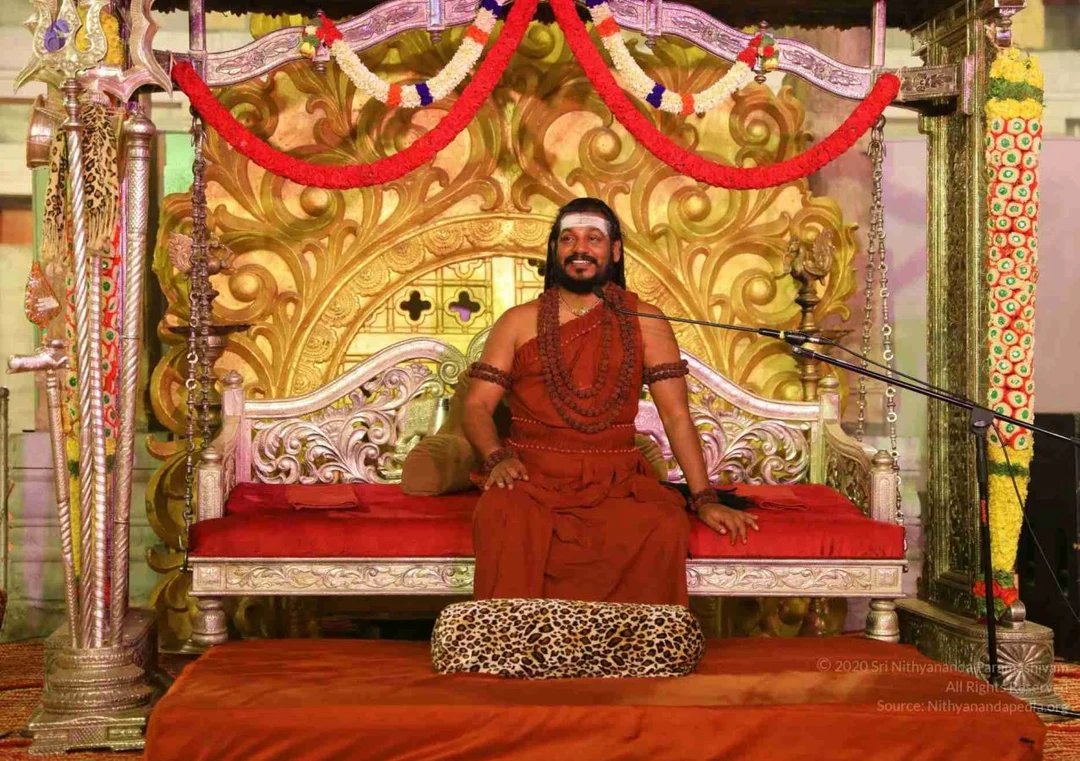 Existence is continuous expansion - HDH Nithyananda Paramashivam
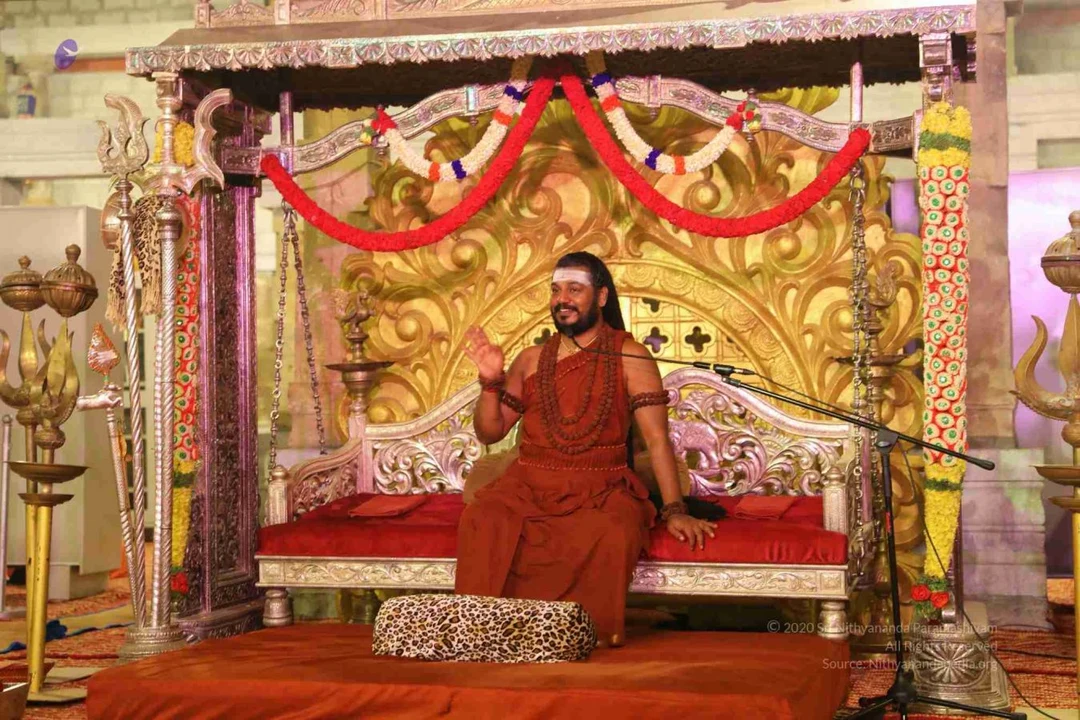 Existence is continuous expansion - HDH Nithyananda Paramashivam
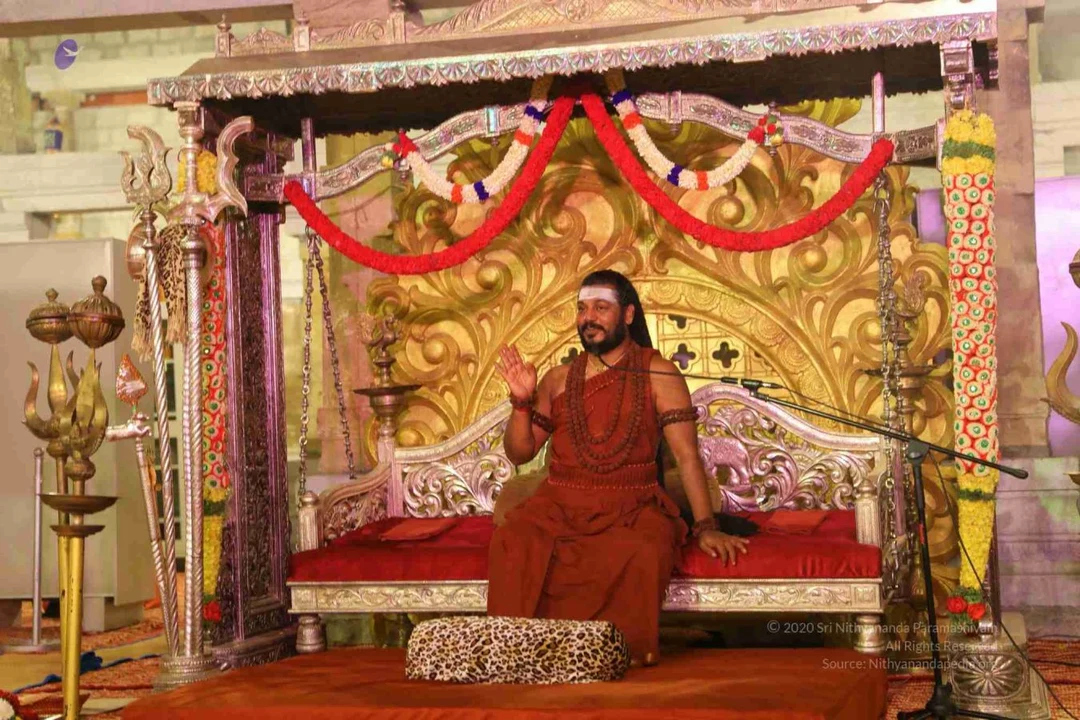 Existence is continuous expansion - HDH Nithyananda Paramashivam
 Existence is continuous expansion - HDH Nithyananda Paramashivam
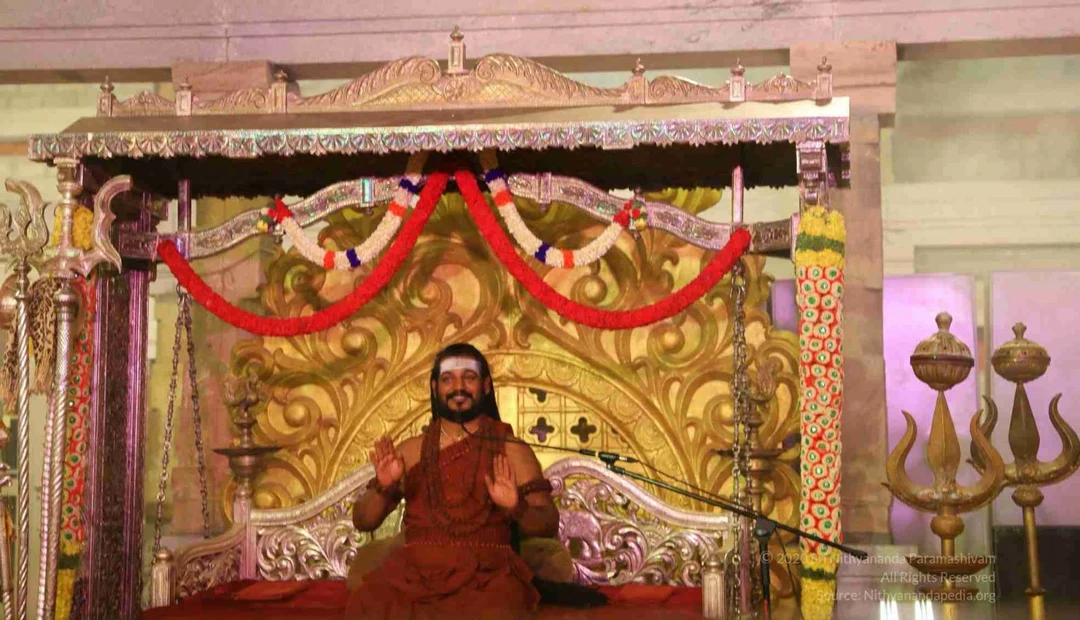 Existence is continuous expansion - HDH Nithyananda Paramashivam
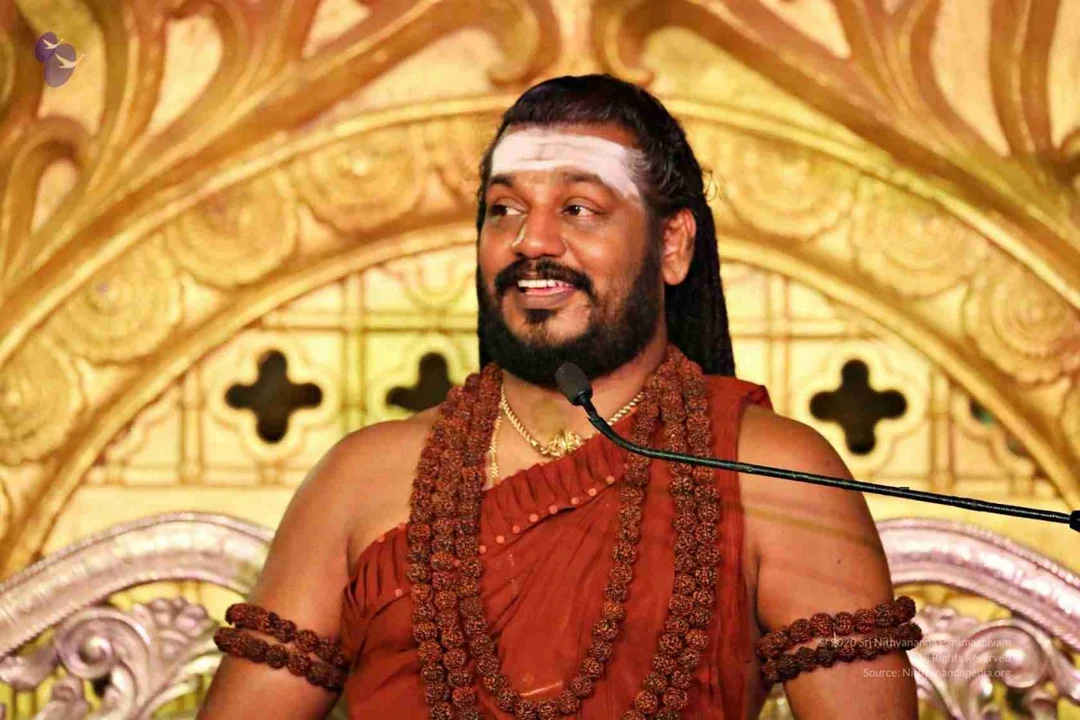 Infusion of this energy darshan results in quantum entanglement
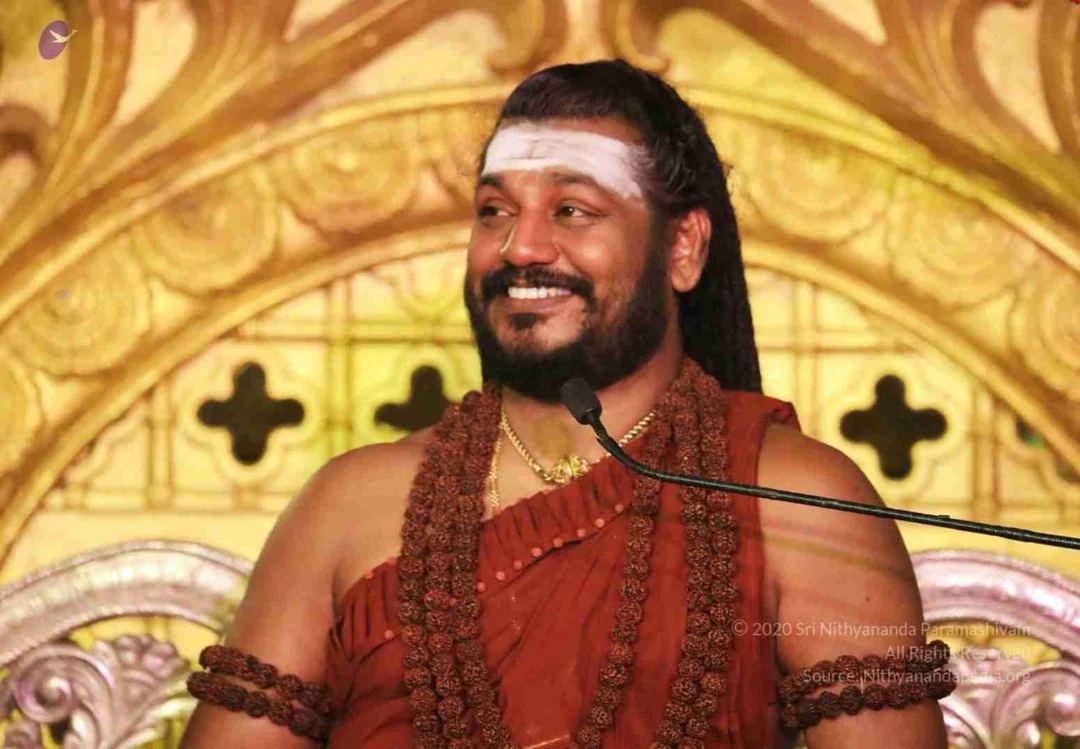 Infusion of this energy darshan results in quantum entanglement
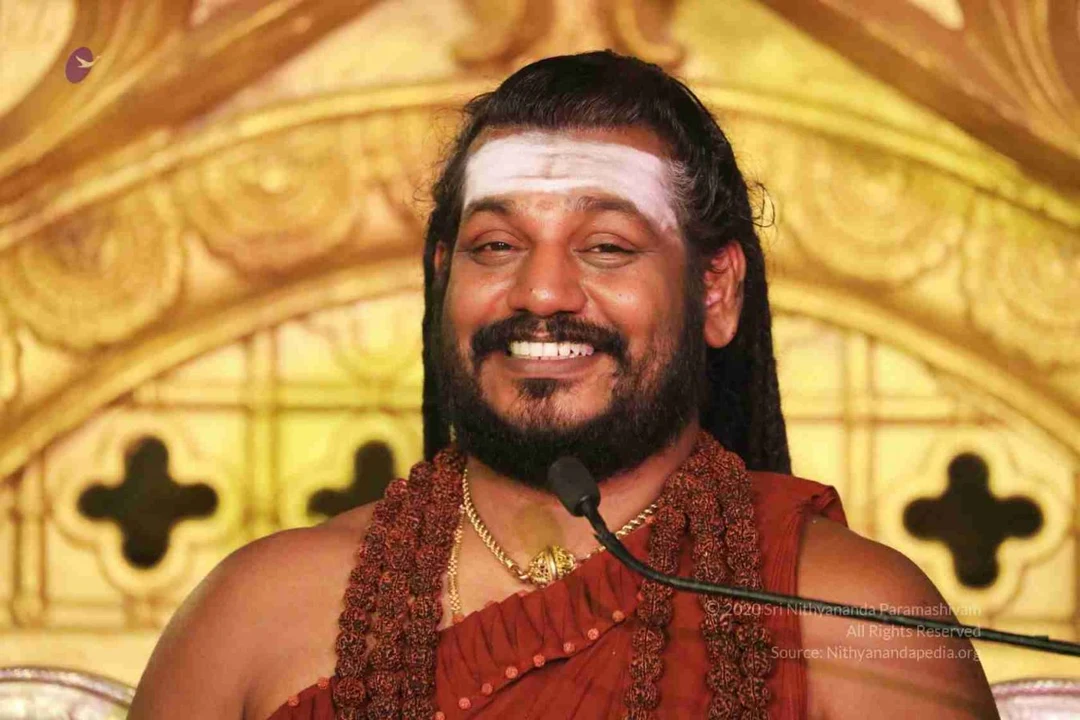 Infusion of this energy darshan results in quantum entanglement
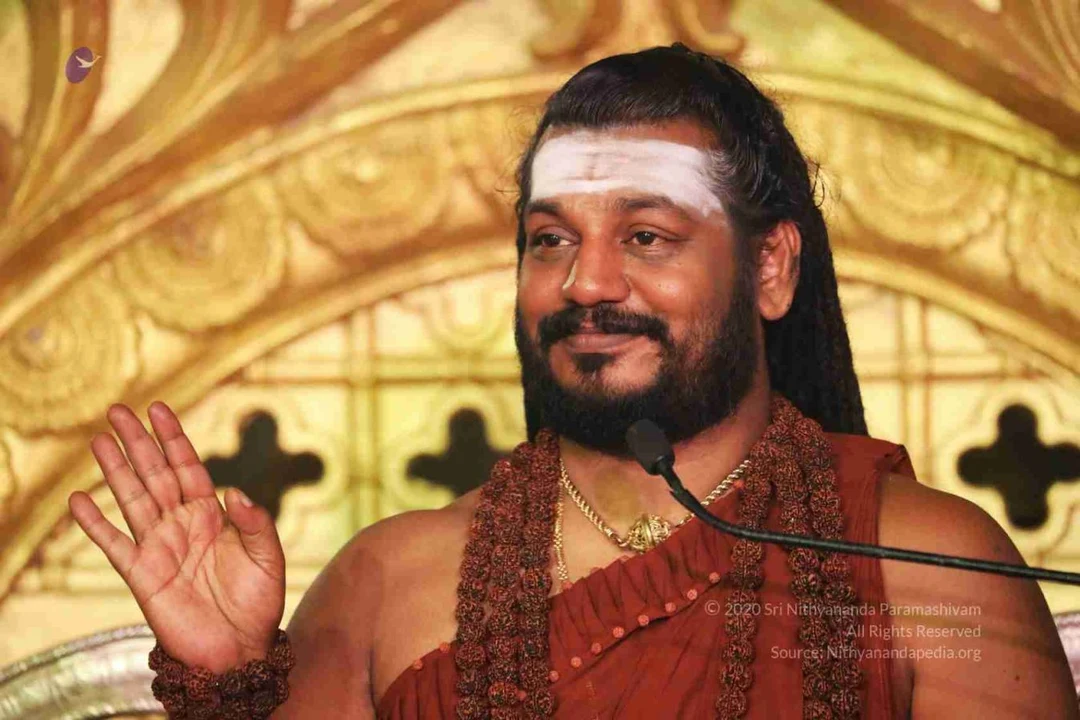 Infusion of this energy darshan results in quantum entanglement
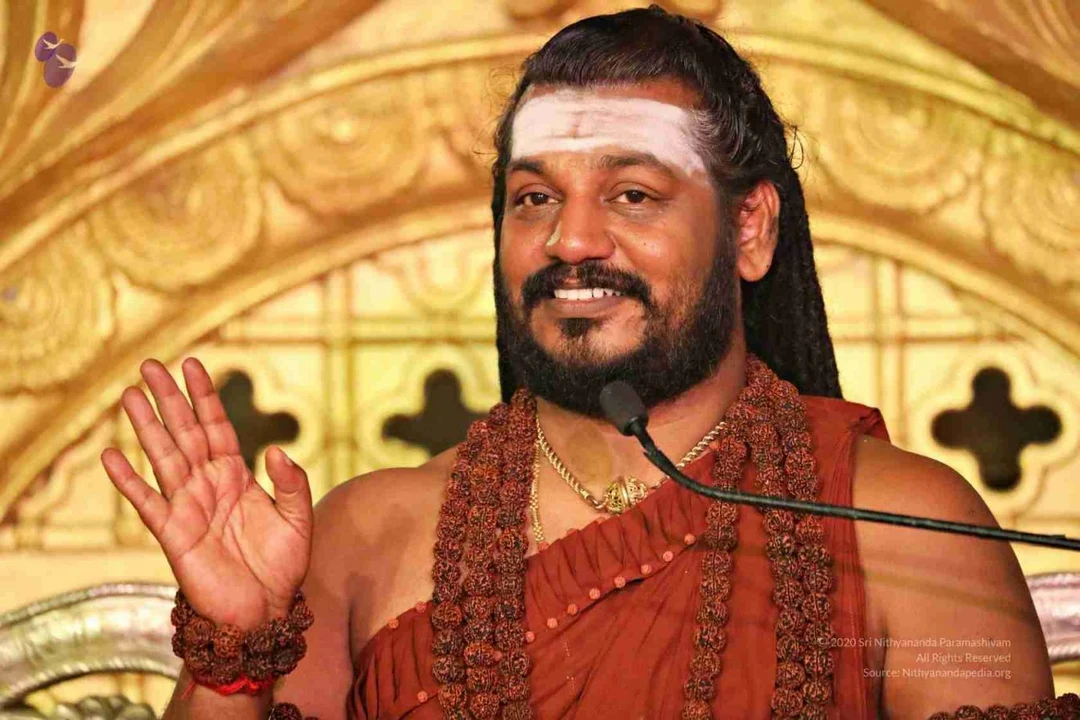 Infusion of this energy darshan results in quantum entanglement
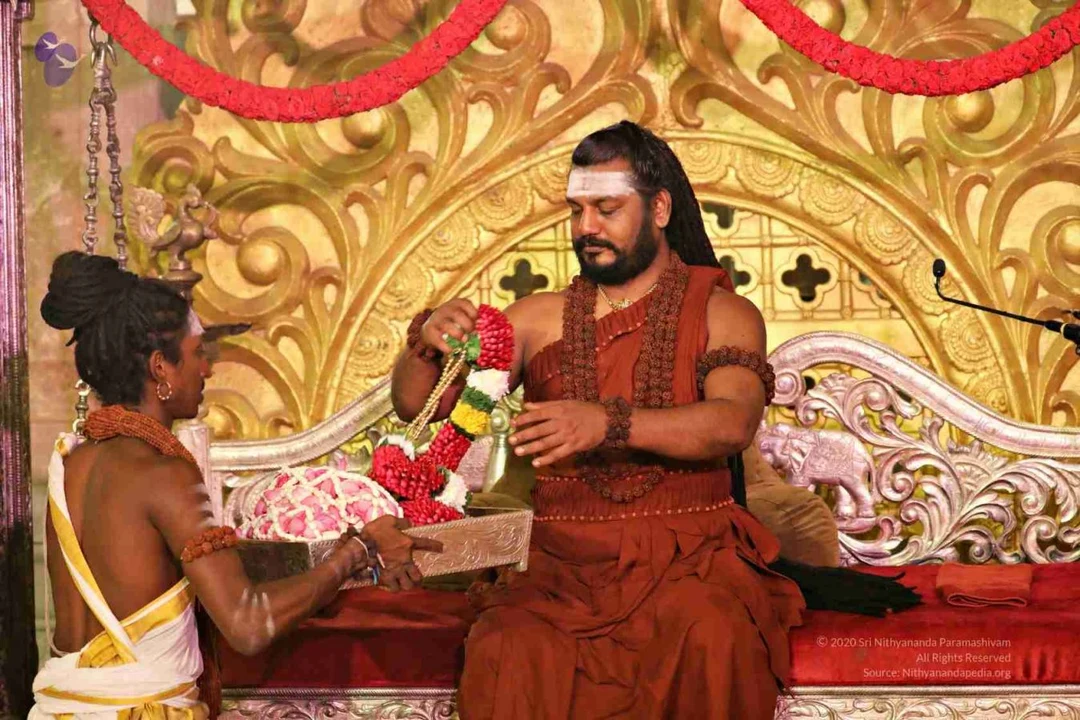 Infusion of this energy darshan results in quantum entanglement
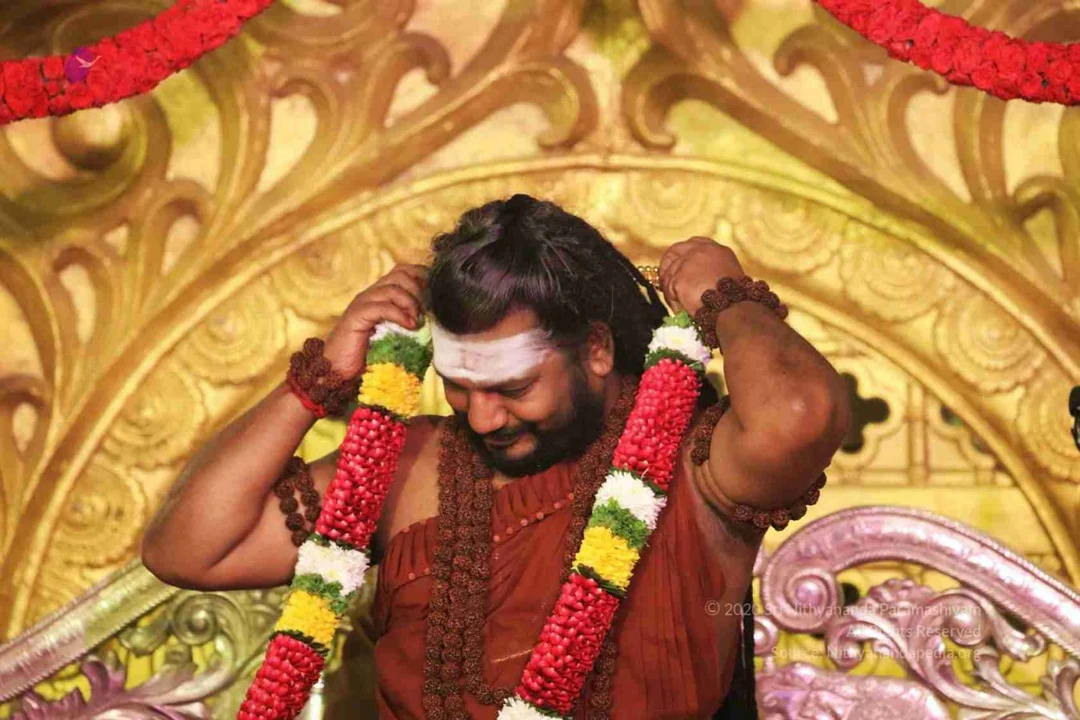 Infusion of this energy darshan results in quantum entanglement
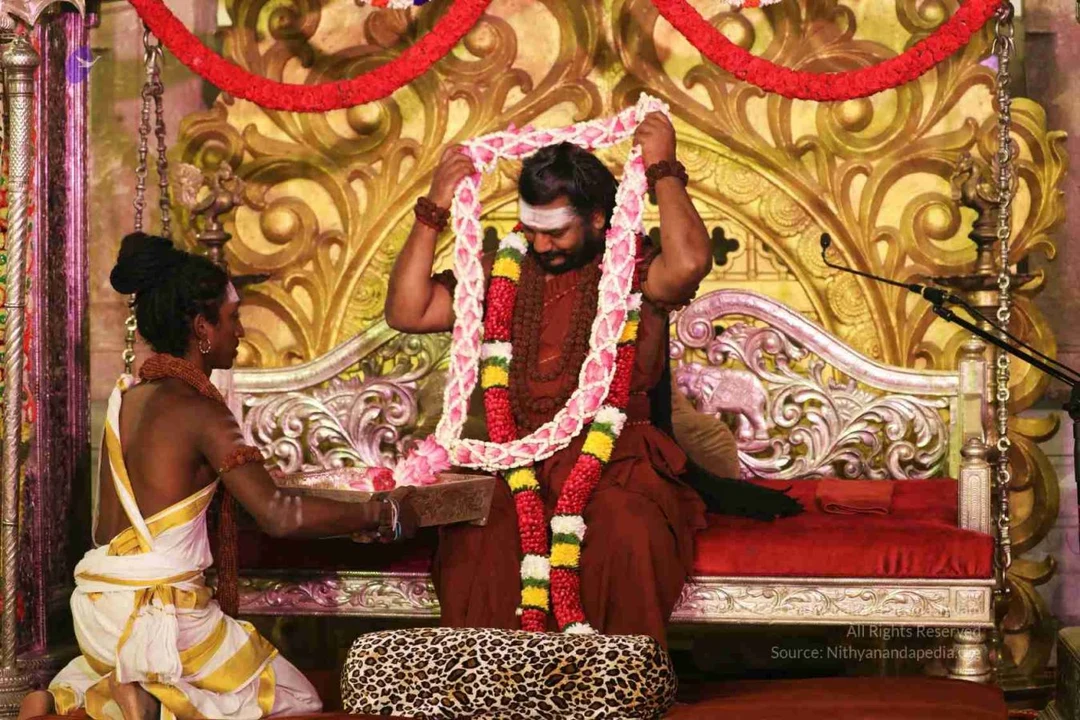 Infusion of this energy darshan results in quantum entanglement
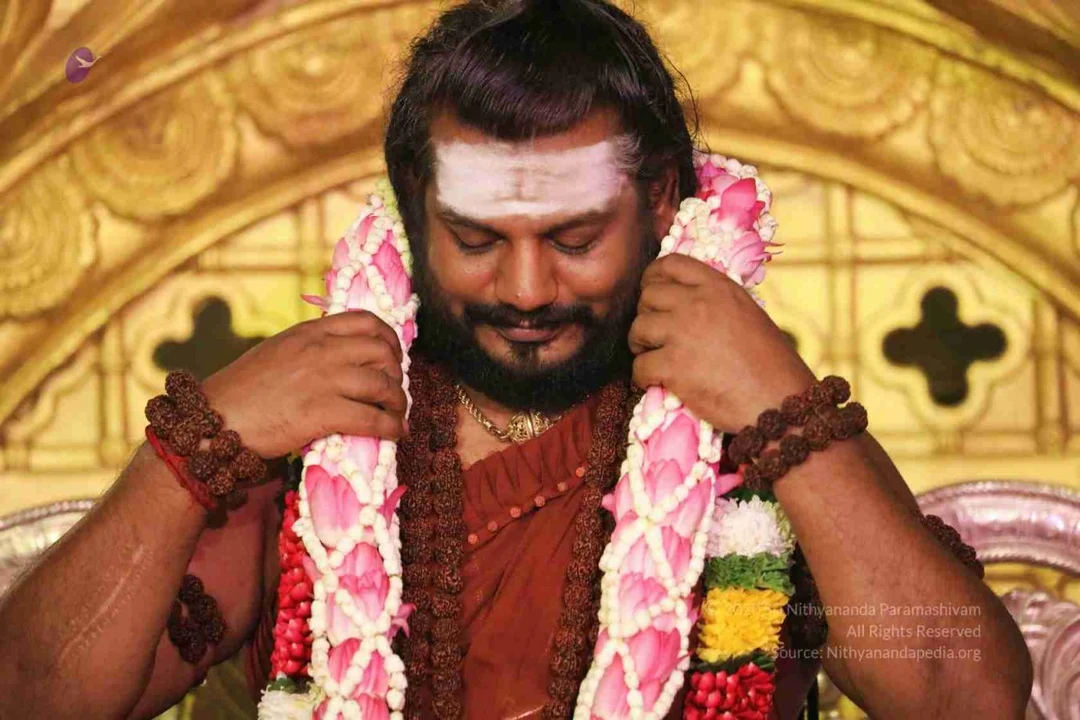 Infusion of this energy darshan results in quantum entanglement
 Infusion of this energy darshan results in quantum entanglement
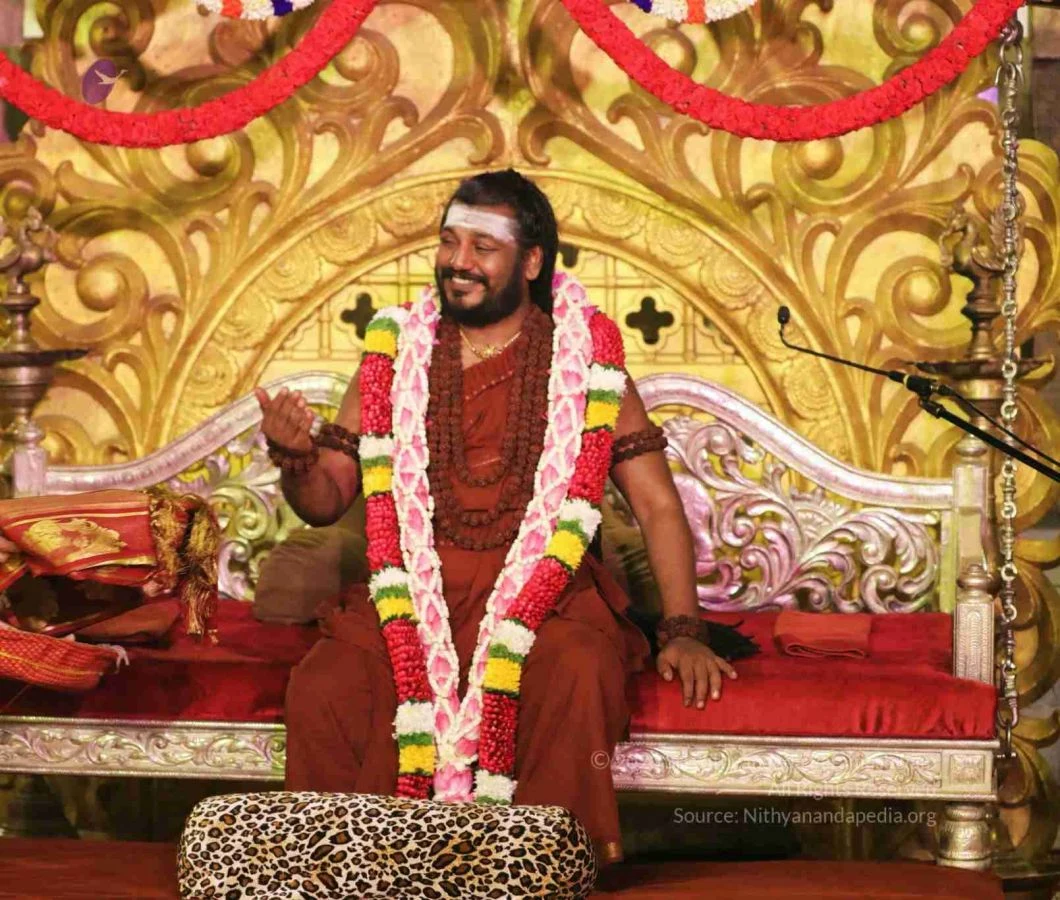 Infusion of this energy darshan results in quantum entanglement
 Infusion of this energy darshan results in quantum entanglement
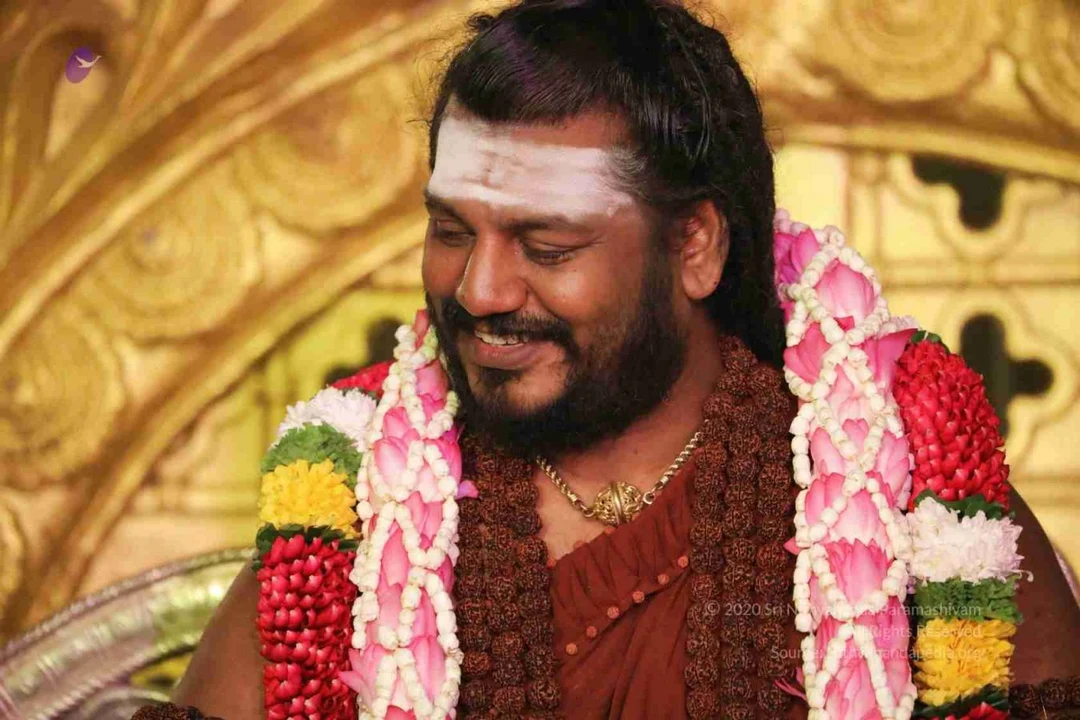 Infusion of this energy darshan results in quantum entanglement
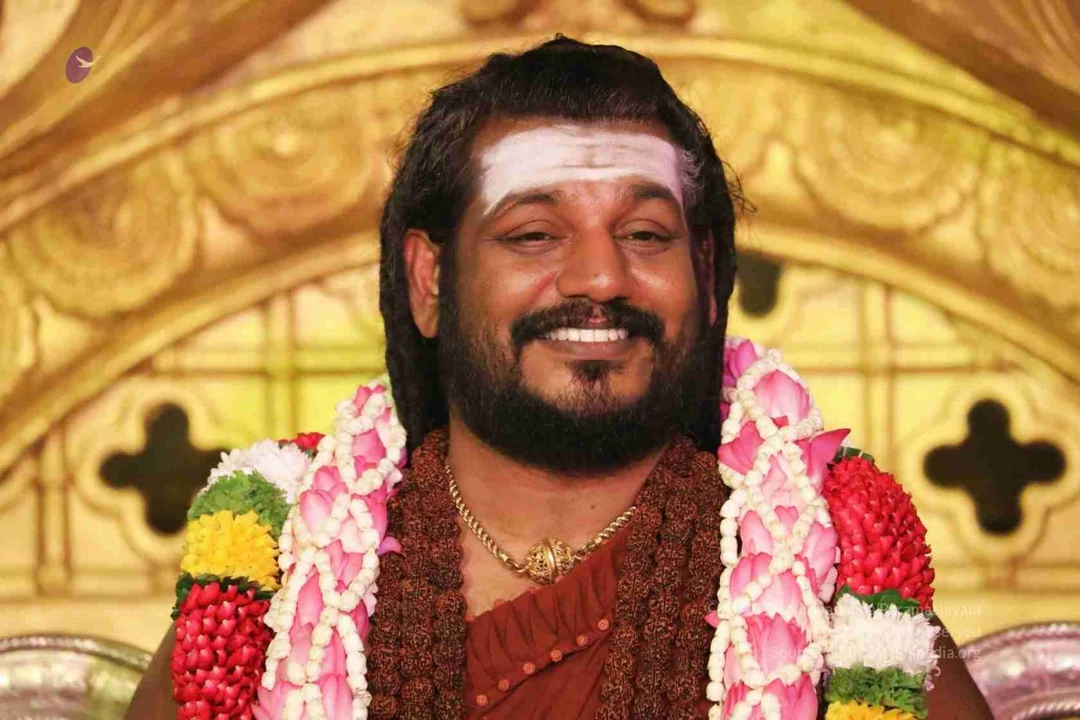 Infusion of this energy darshan results in quantum entanglement
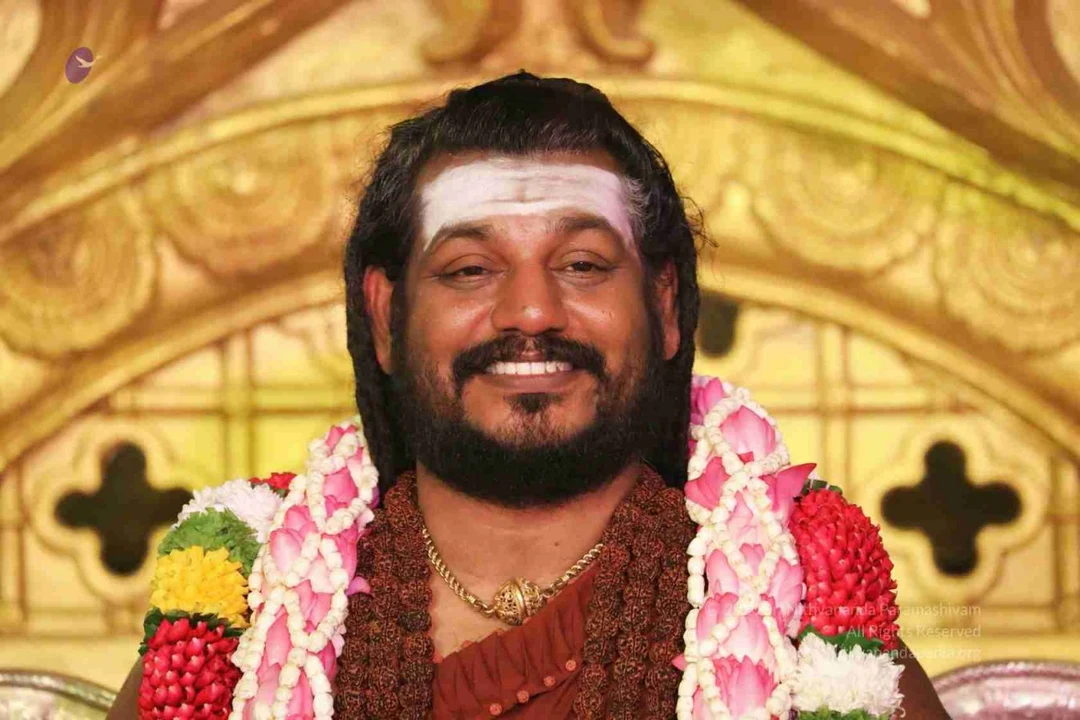 Infusion of this energy darshan results in quantum entanglement
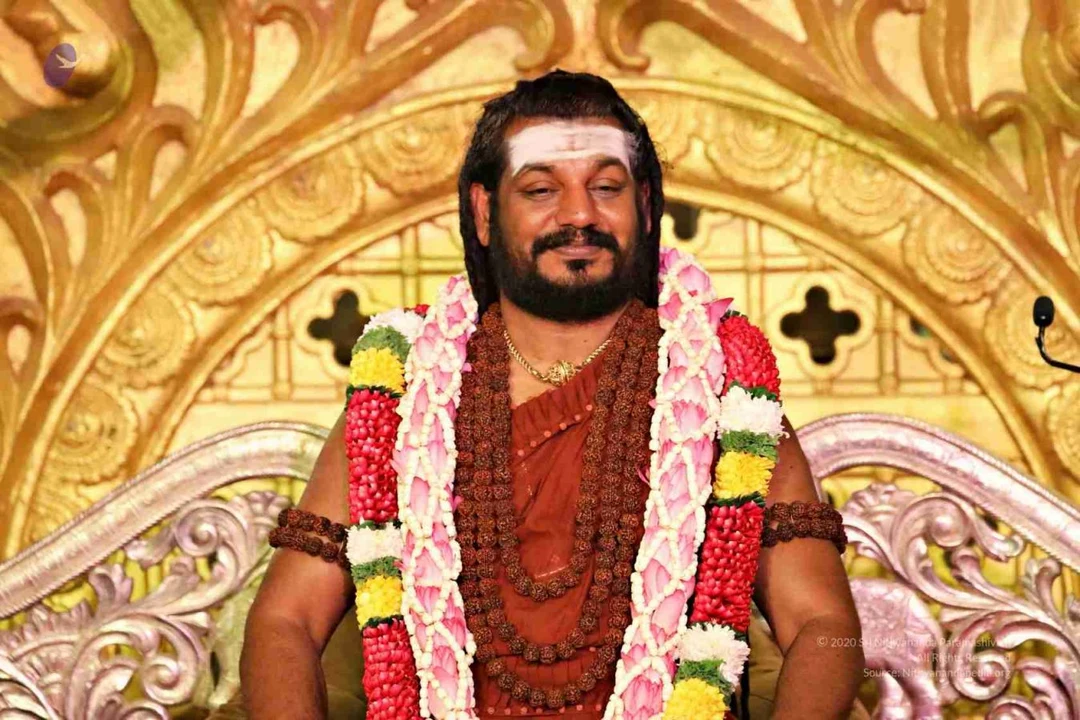 Infusion of this energy darshan results in quantum entanglement
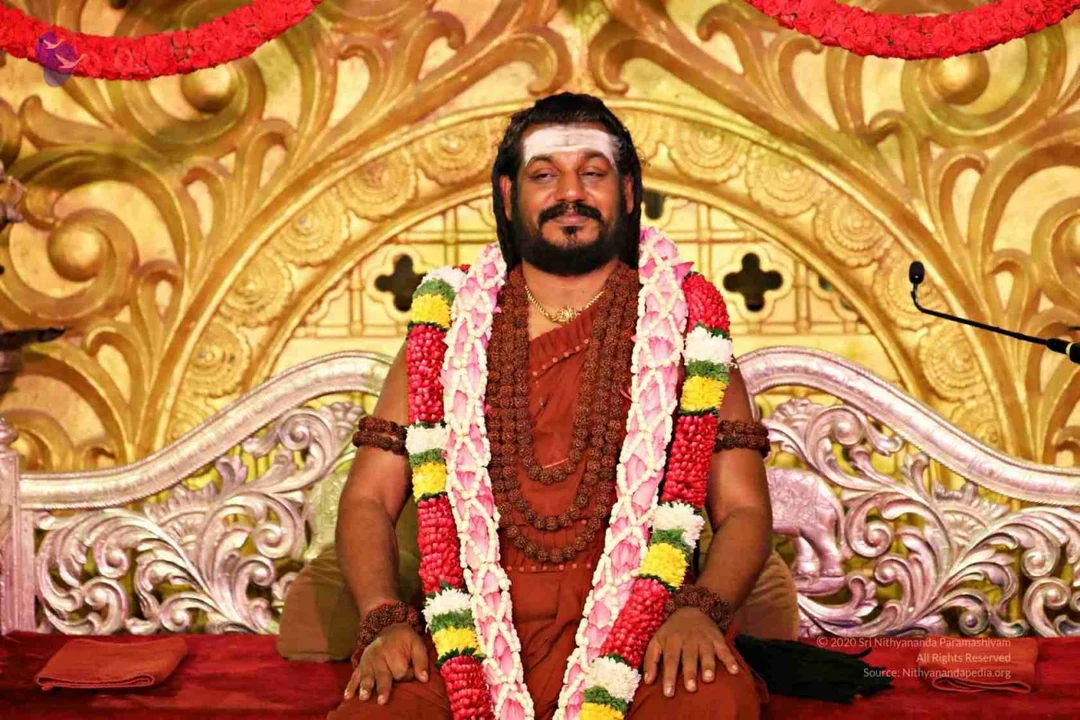 Infusion of this energy darshan results in quantum entanglement
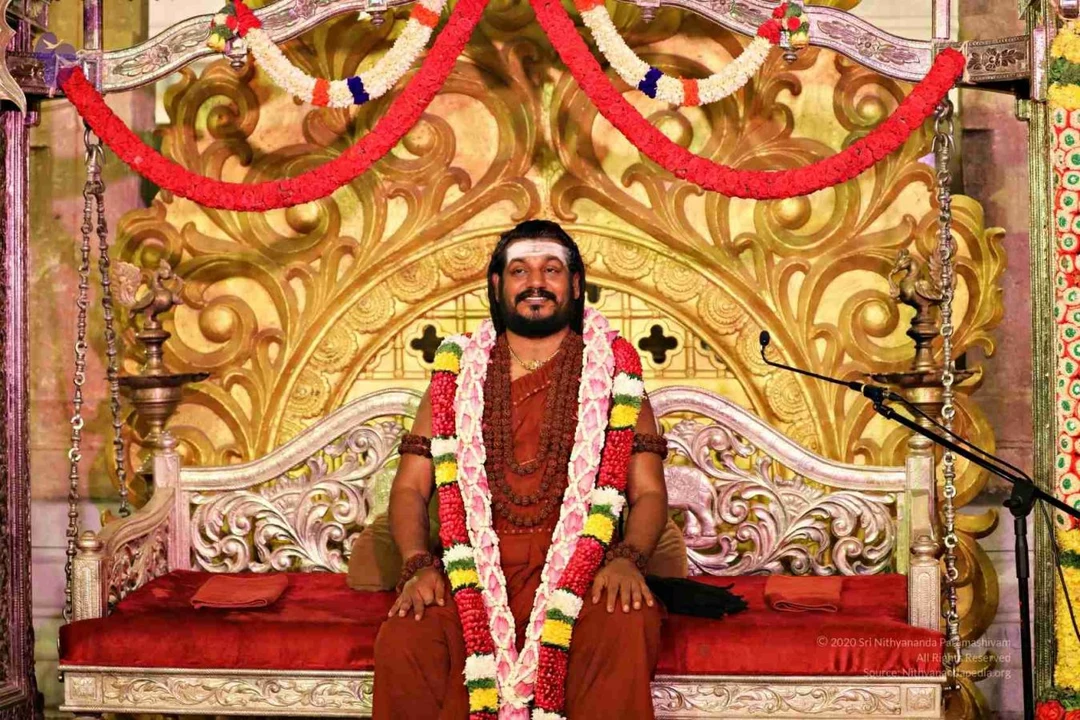 Infusion of this energy darshan results in quantum entanglement
 Infusion of this energy darshan results in quantum entanglement
 Infusion of this energy darshan results in quantum entanglement
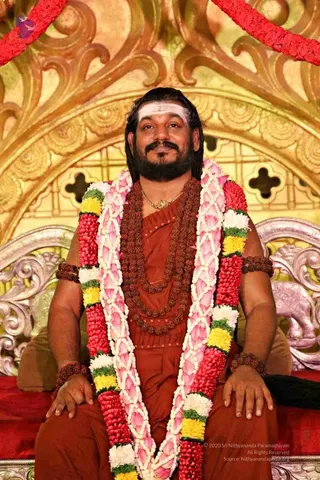 Infusion of this energy darshan results in quantum entanglement
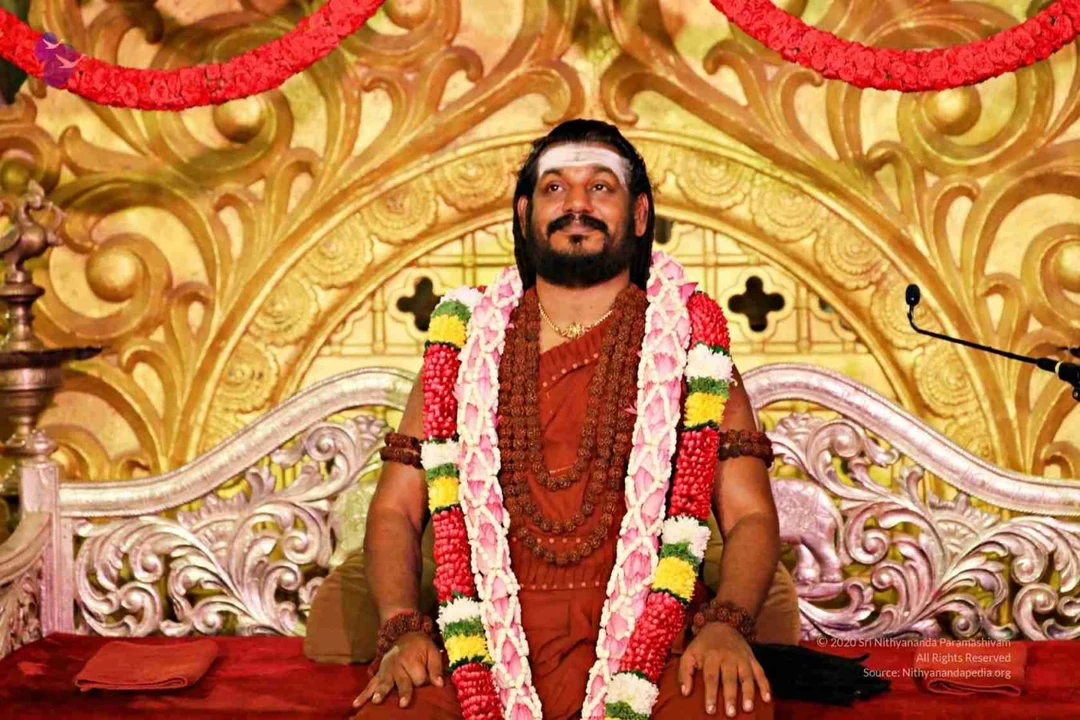 Infusion of this energy darshan results in quantum entanglement
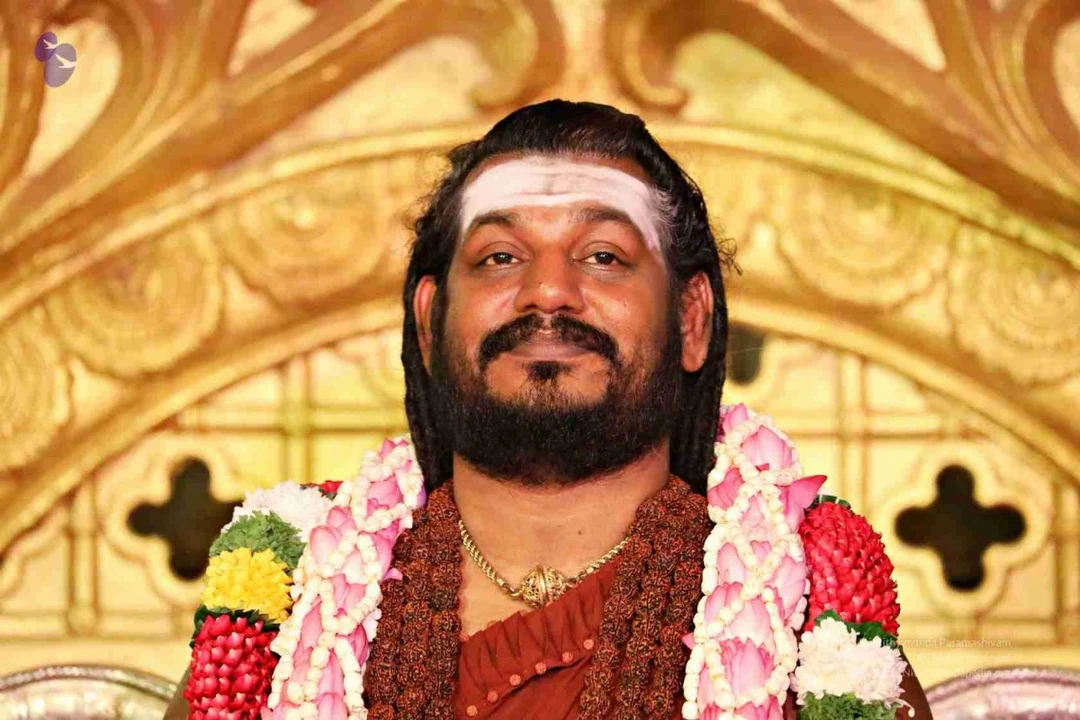 Infusion of this energy darshan results in quantum entanglement
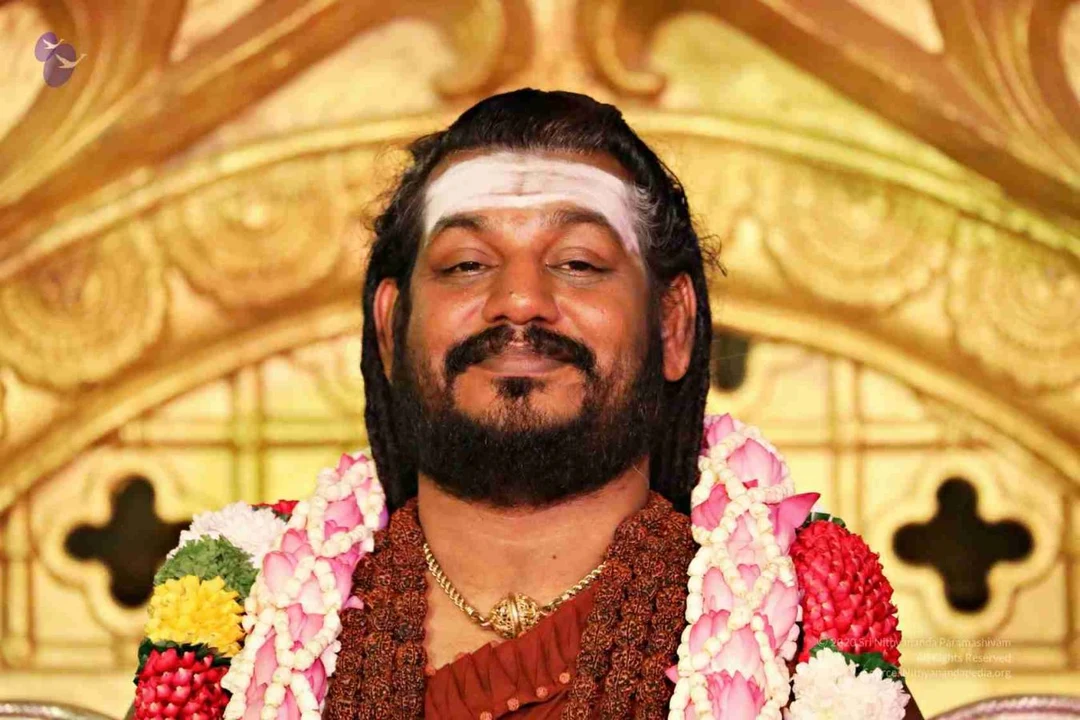 Infusion of this energy darshan results in quantum entanglement
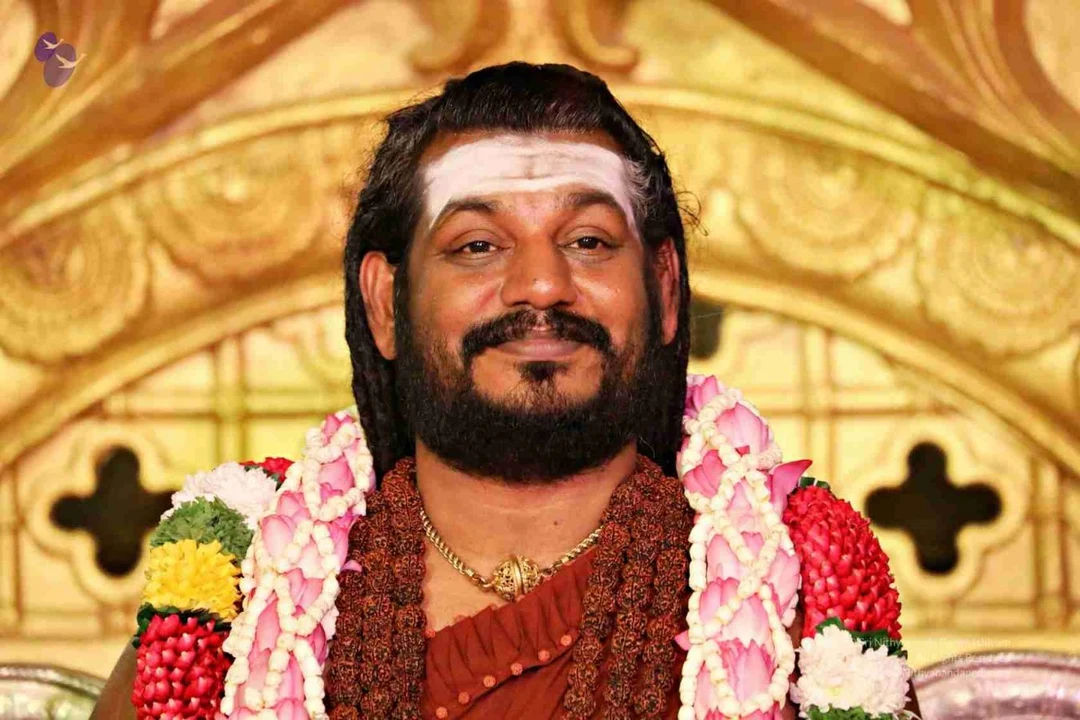 Infusion of this energy darshan results in quantum entanglement
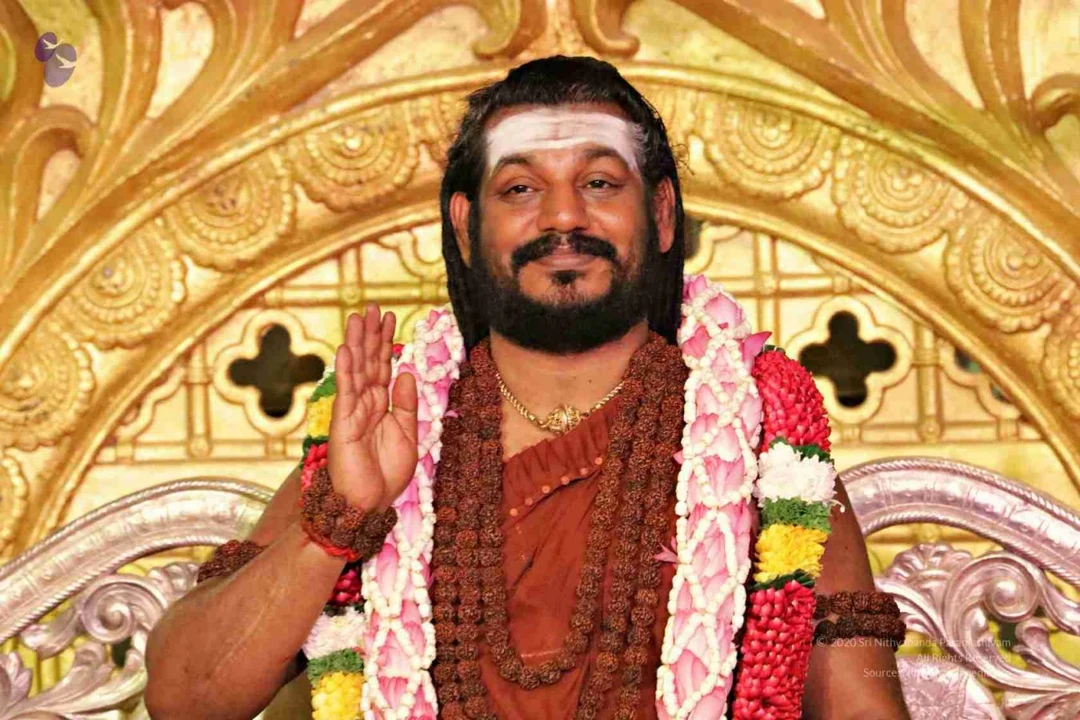 Infusion of this energy darshan results in quantum entanglement
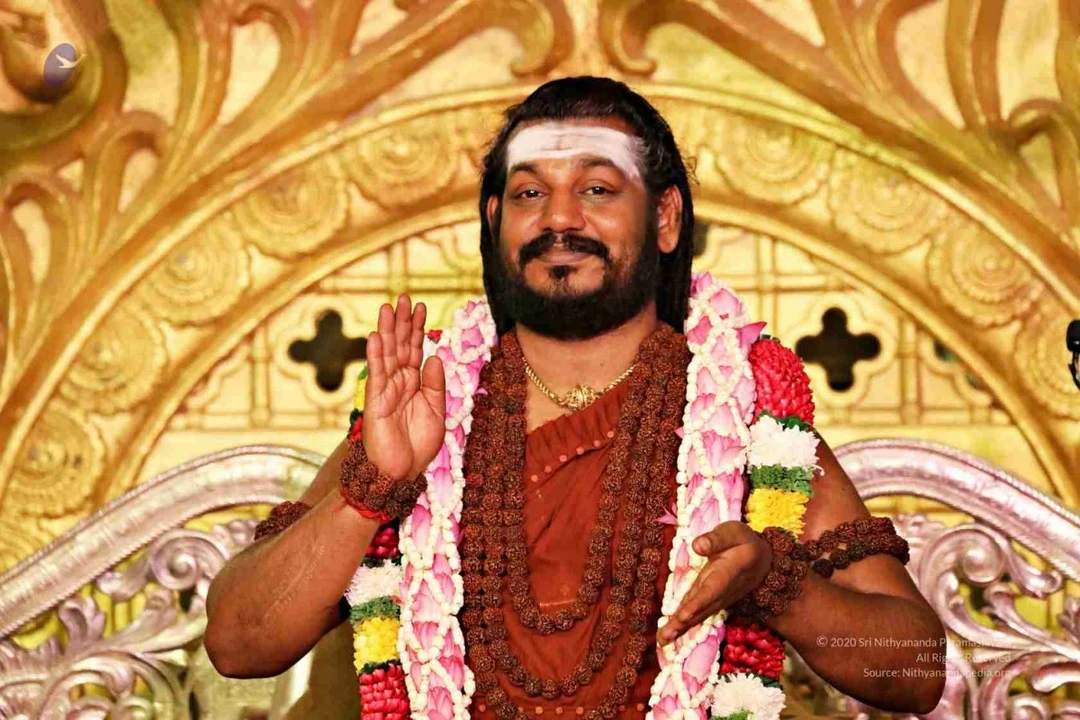 Infusion of this energy darshan results in quantum entanglement
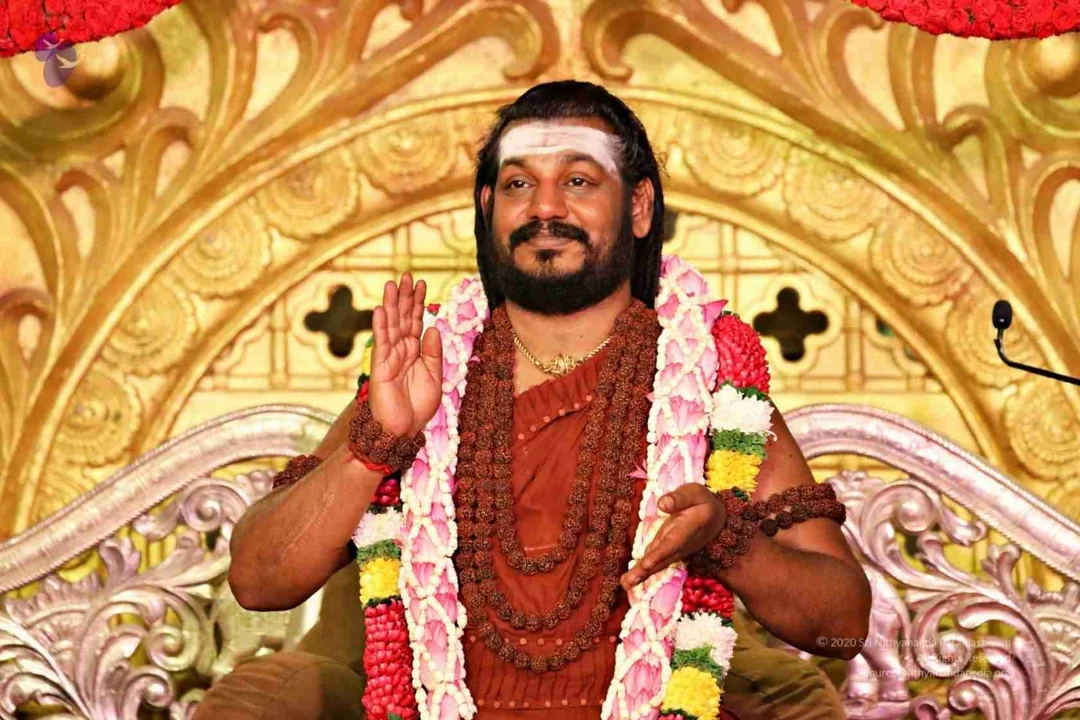 Infusion of this energy darshan results in quantum entanglement
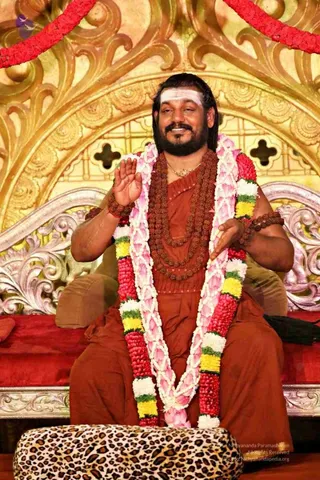 Infusion of this energy darshan results in quantum entanglement
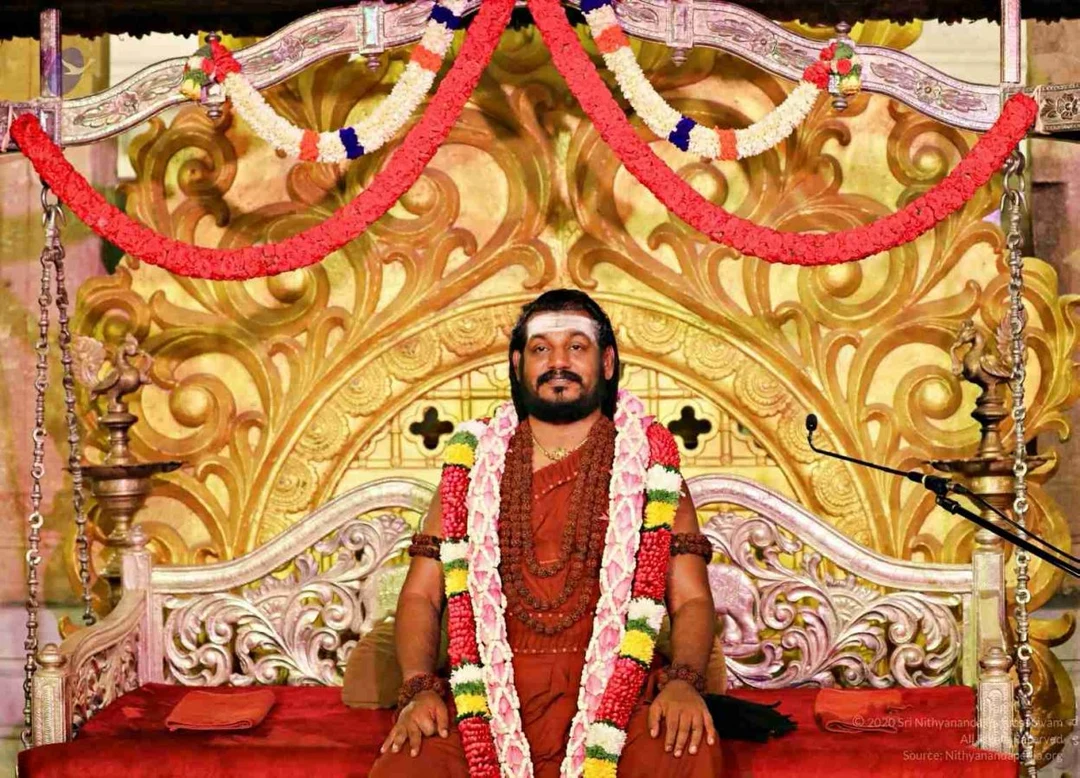 Infusion of this energy darshan results in quantum entanglement
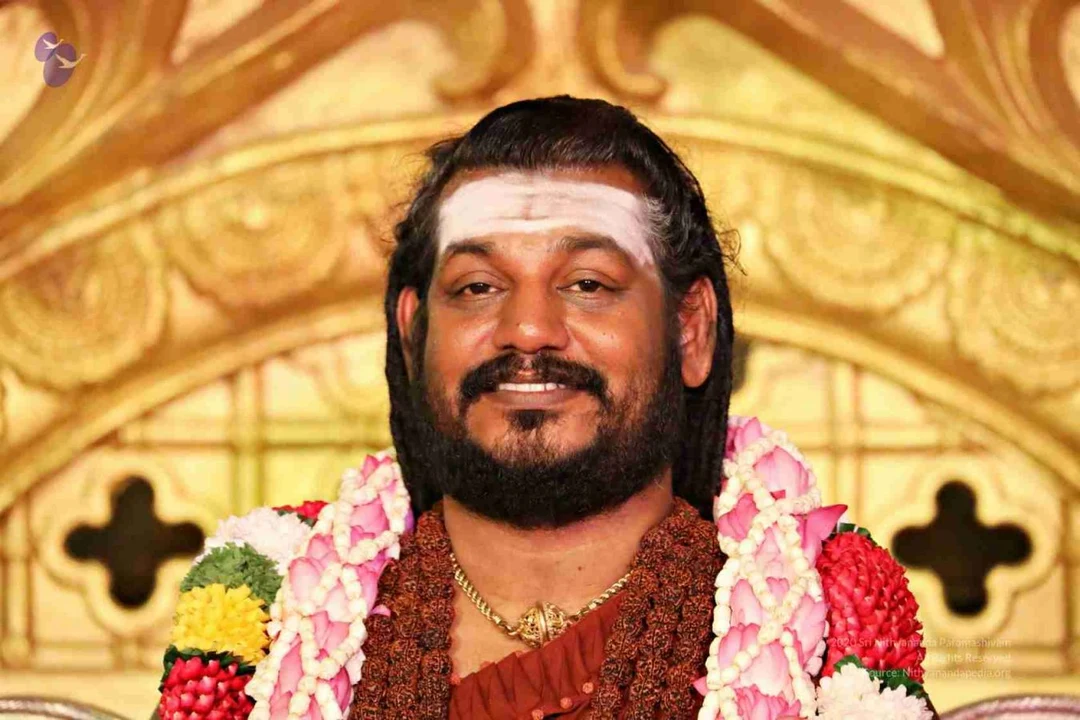 Infusion of this energy darshan results in quantum entanglement
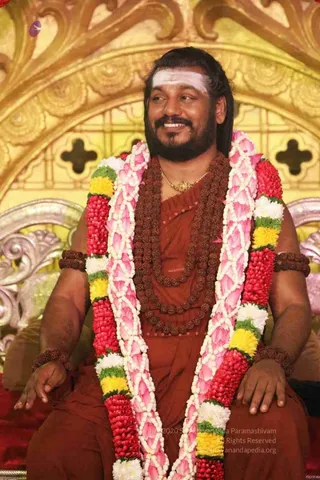 Infusion of this energy darshan results in quantum entanglement
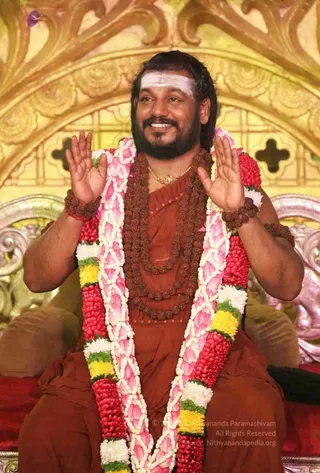 HDH Nithyananda Paramashivam abhaya hasta (blessing)
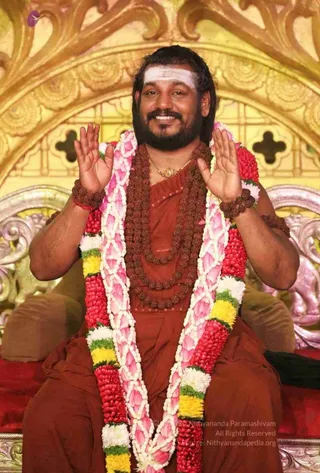 HDH Nithyananda Paramashivam abhaya hasta (blessing)
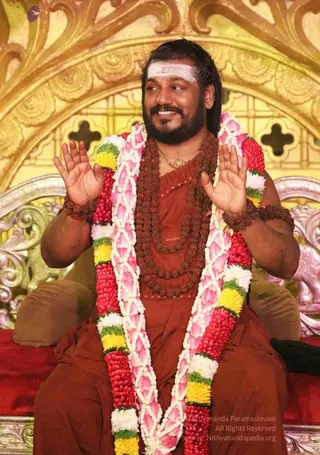 HDH Nithyananda Paramashivam abhaya hasta (blessing)
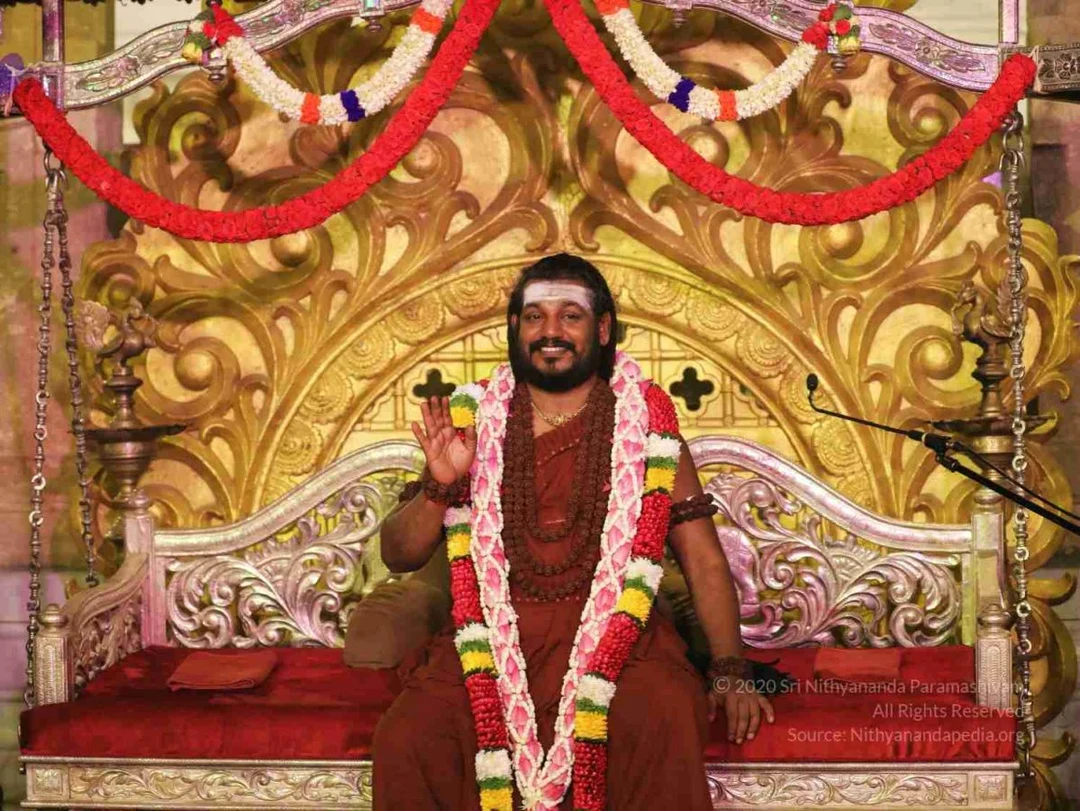 HDH Nithyananda Paramashivam abhaya hasta (blessing)
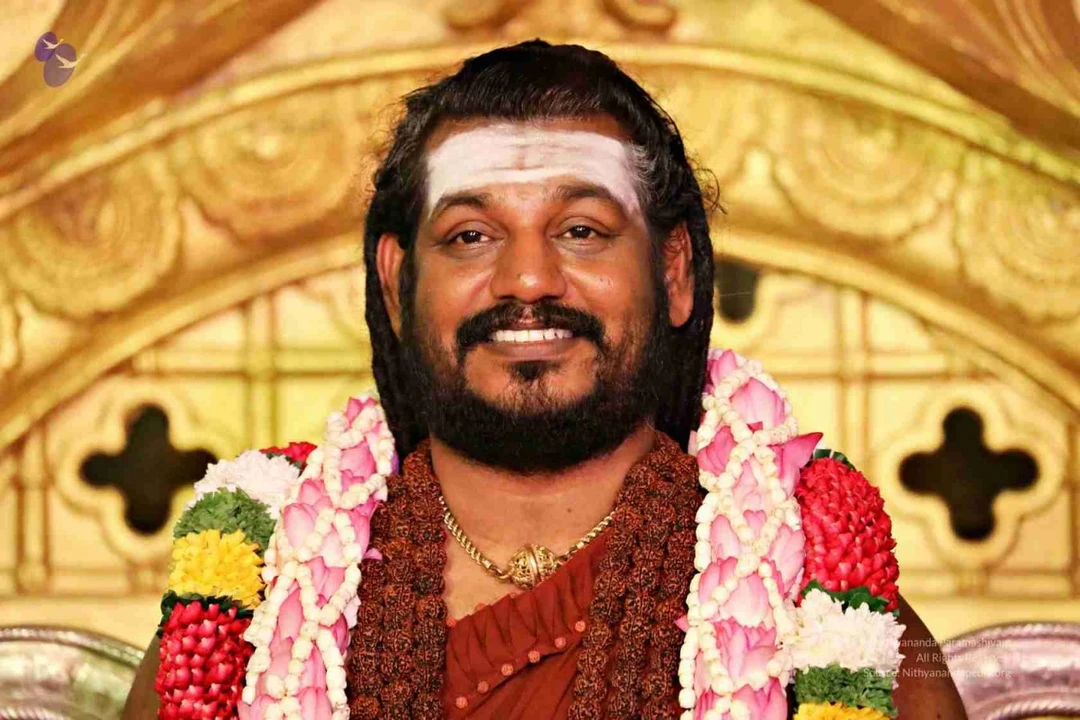 Existence is continuous expansion - HDH Nithyananda Paramashivam
 Existence is continuous expansion - HDH Nithyananda Paramashivam
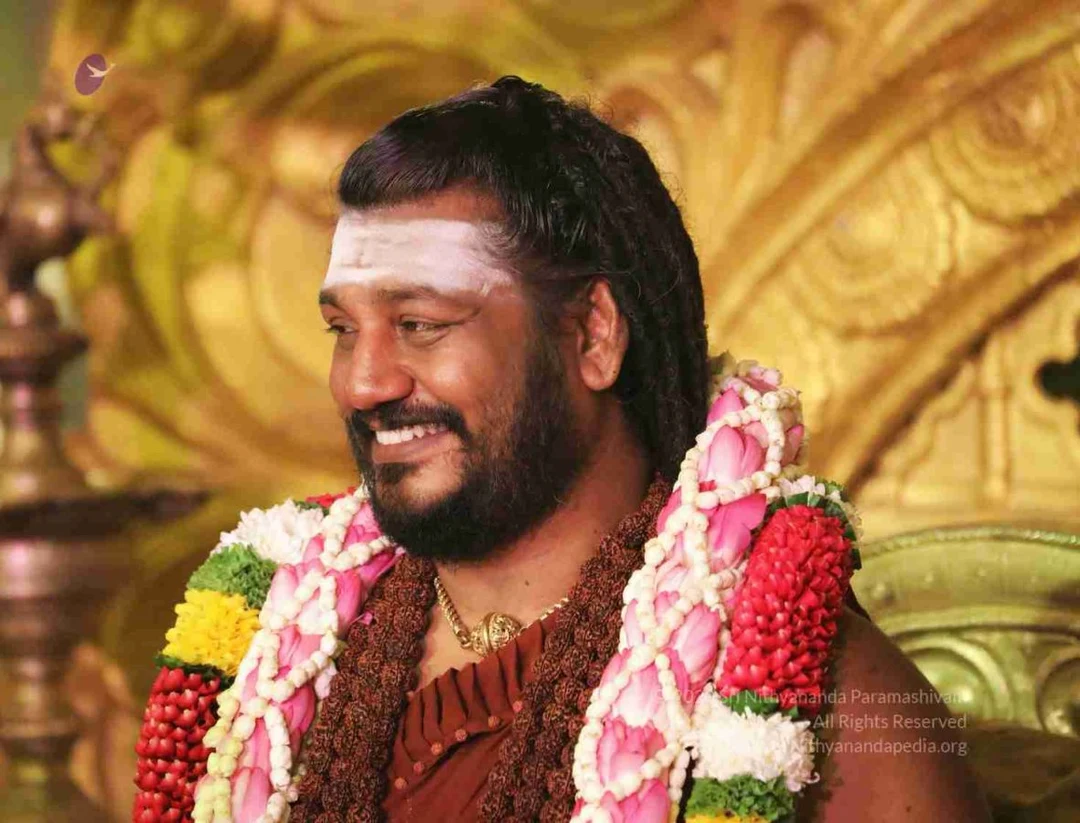 Existence is continuous expansion - HDH Nithyananda Paramashivam
 Existence is continuous expansion - HDH Nithyananda Paramashivam
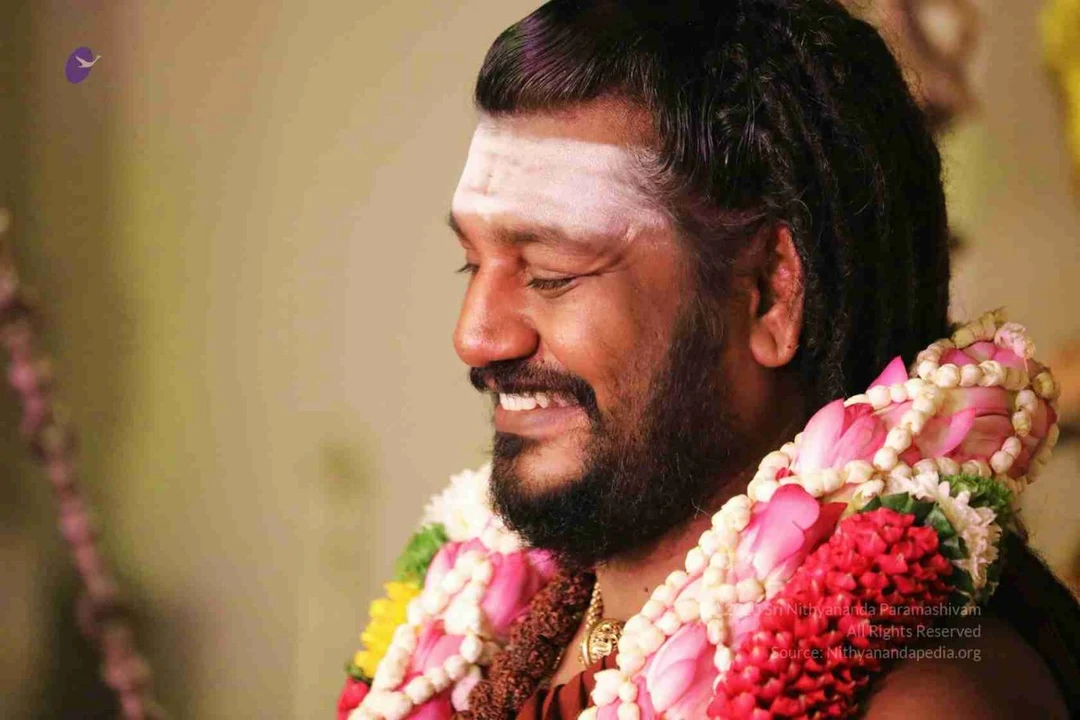 Existence is continuous expansion - HDH Nithyananda Paramashivam
 Existence is continuous expansion - HDH Nithyananda Paramashivam
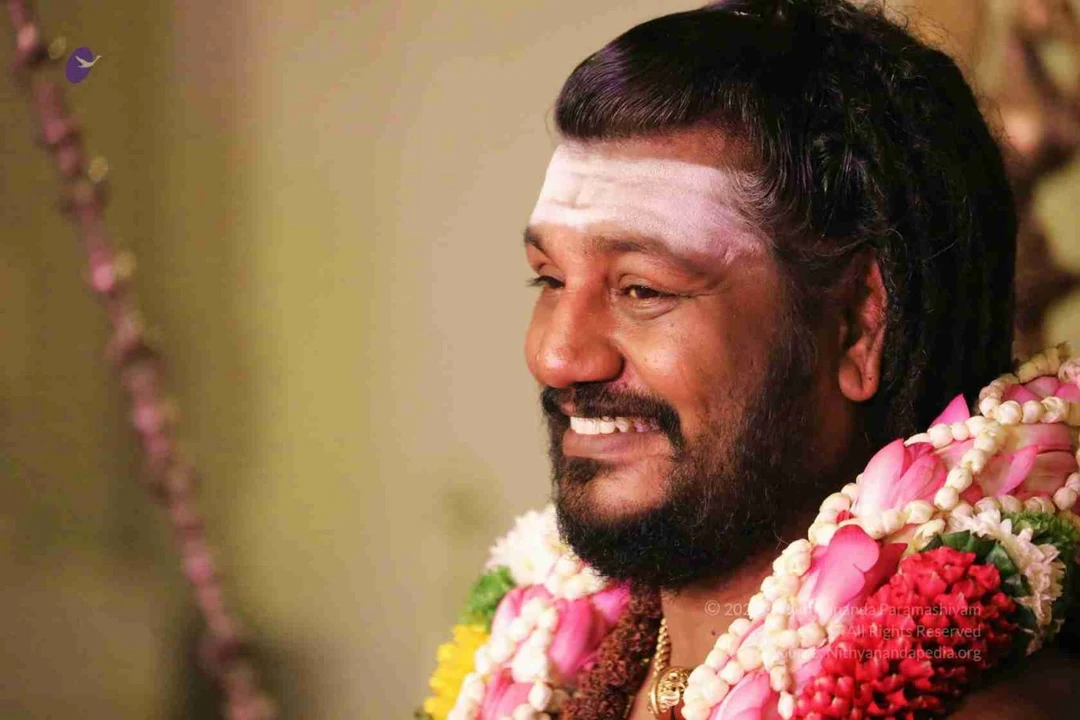 Existence is continuous expansion - HDH Nithyananda Paramashivam
 Existence is continuous expansion - HDH Nithyananda Paramashivam
 Existence is continuous expansion - HDH Nithyananda Paramashivam
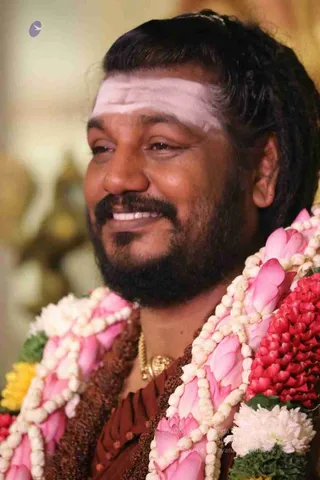 Existence is continuous expansion - HDH Nithyananda Paramashivam
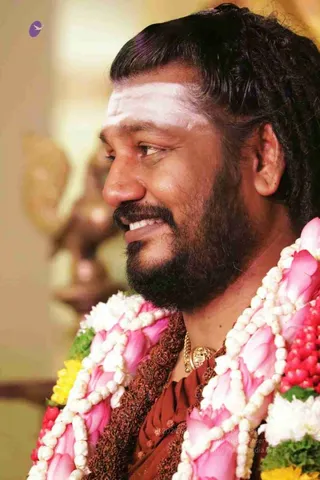 Existence is continuous expansion - HDH Nithyananda Paramashivam
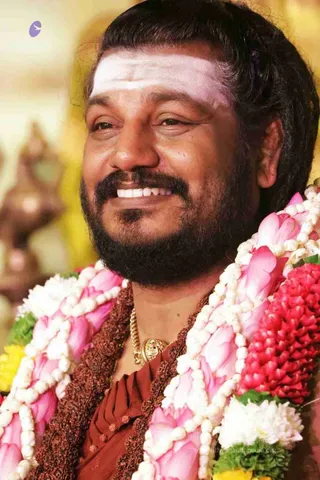 Existence is continuous expansion - HDH Nithyananda Paramashivam
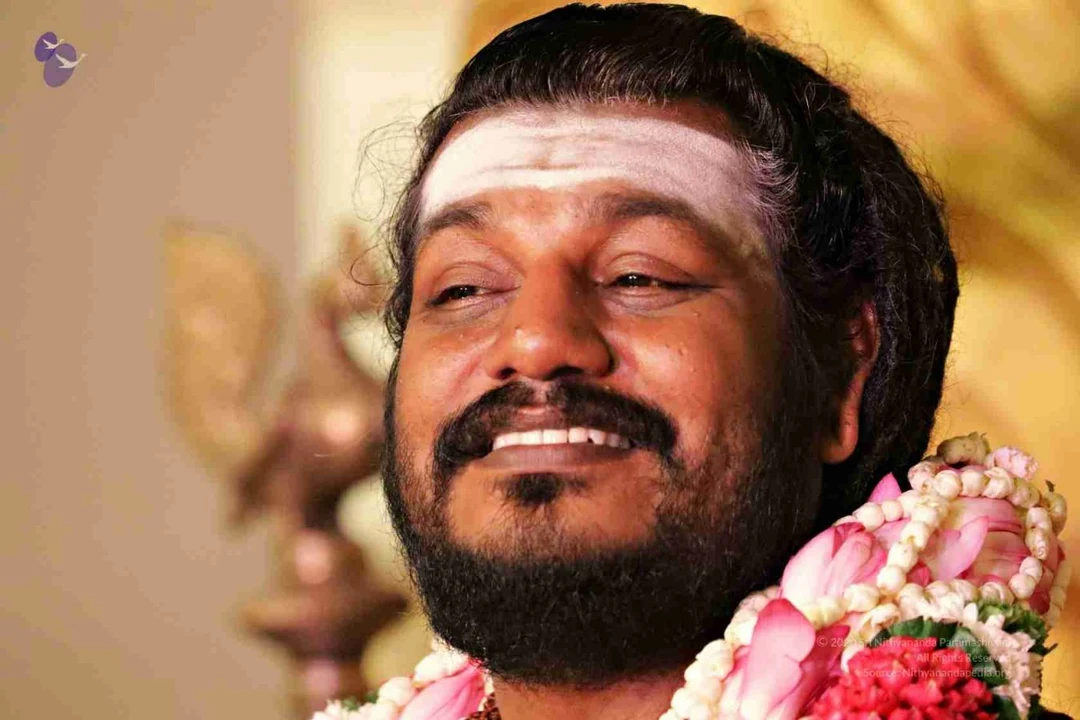 Existence is continuous expansion - HDH Nithyananda Paramashivam
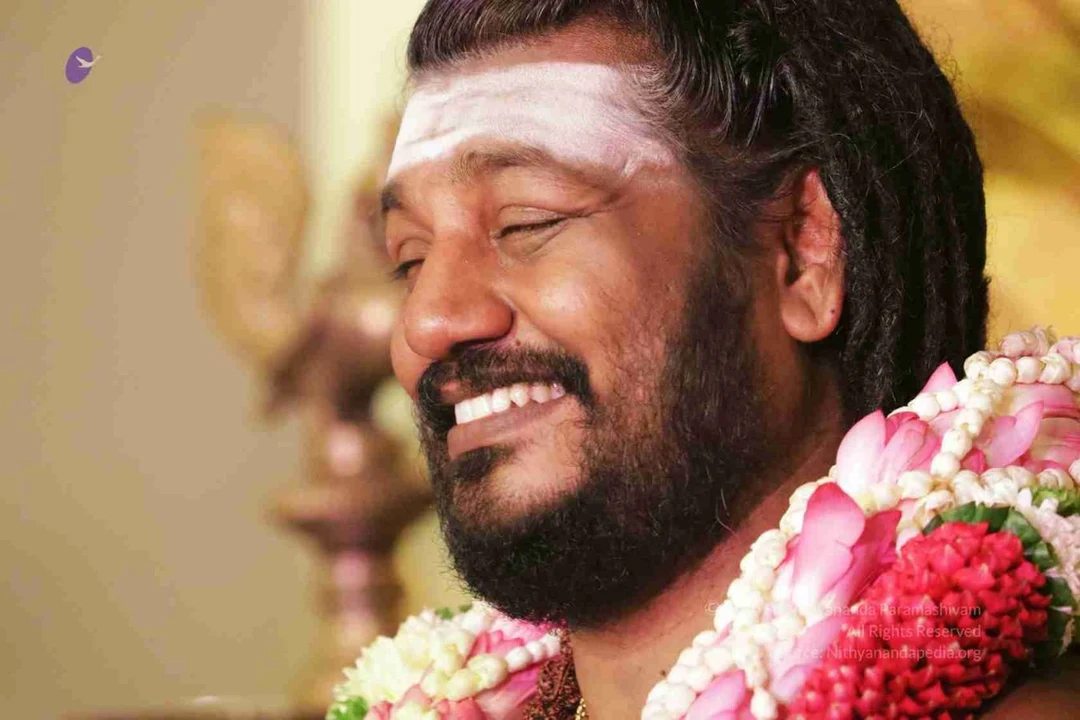 Existence is continuous expansion - HDH Nithyananda Paramashivam
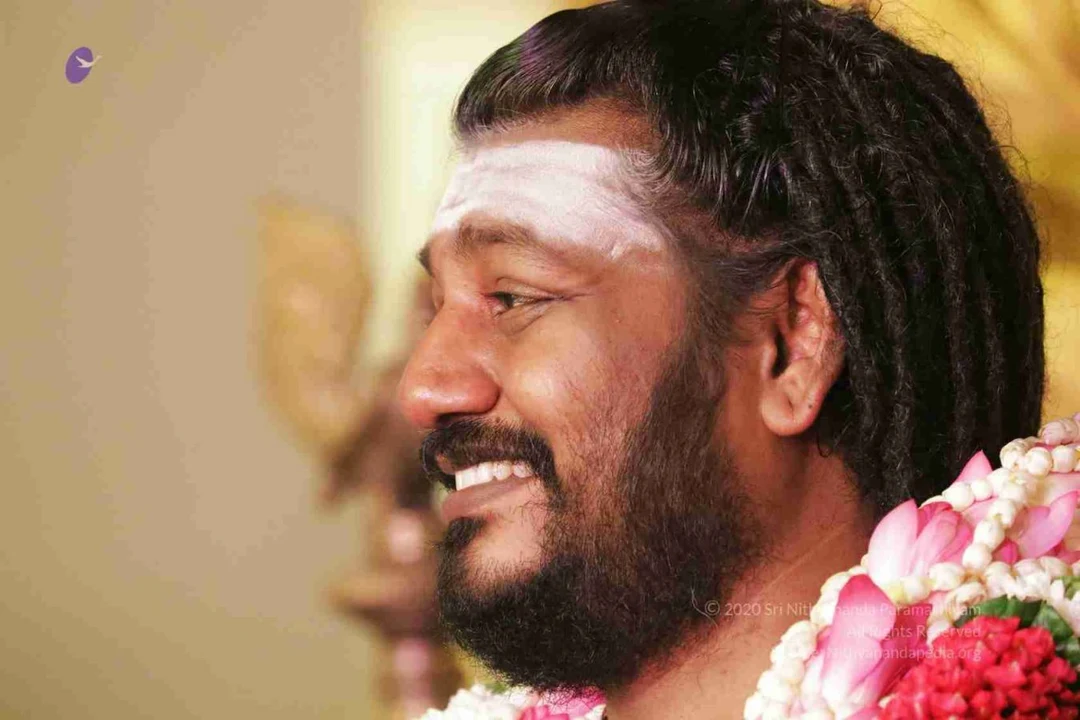 Existence is continuous expansion - HDH Nithyananda Paramashivam
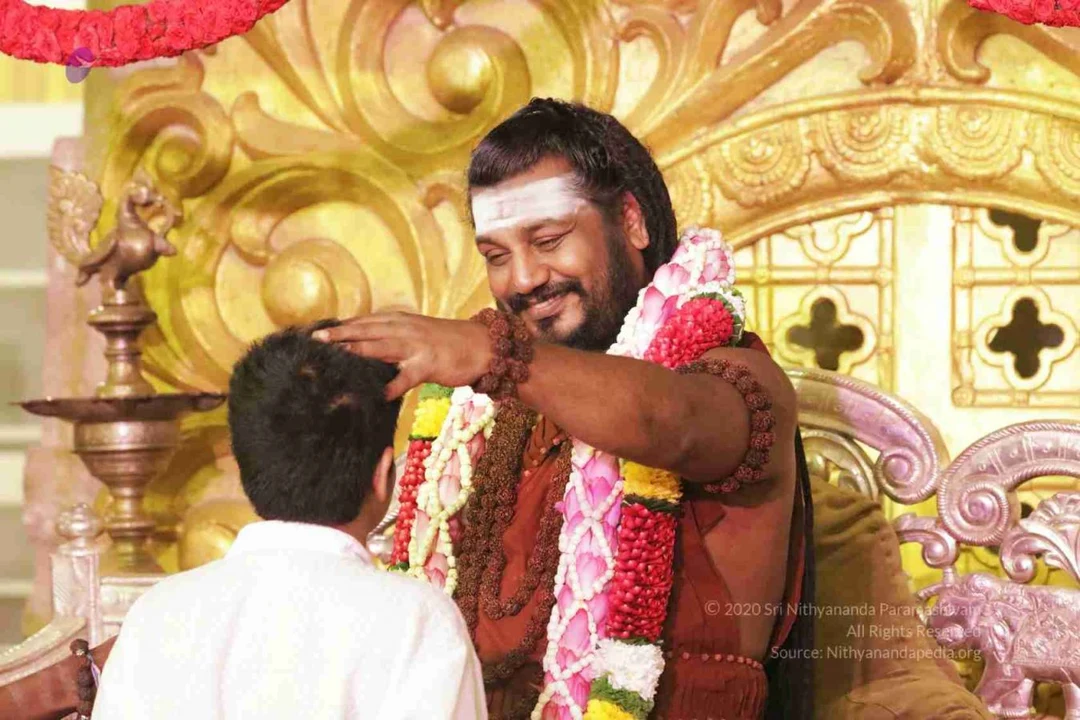 Existence is continuous expansion - HDH Nithyananda Paramashivam
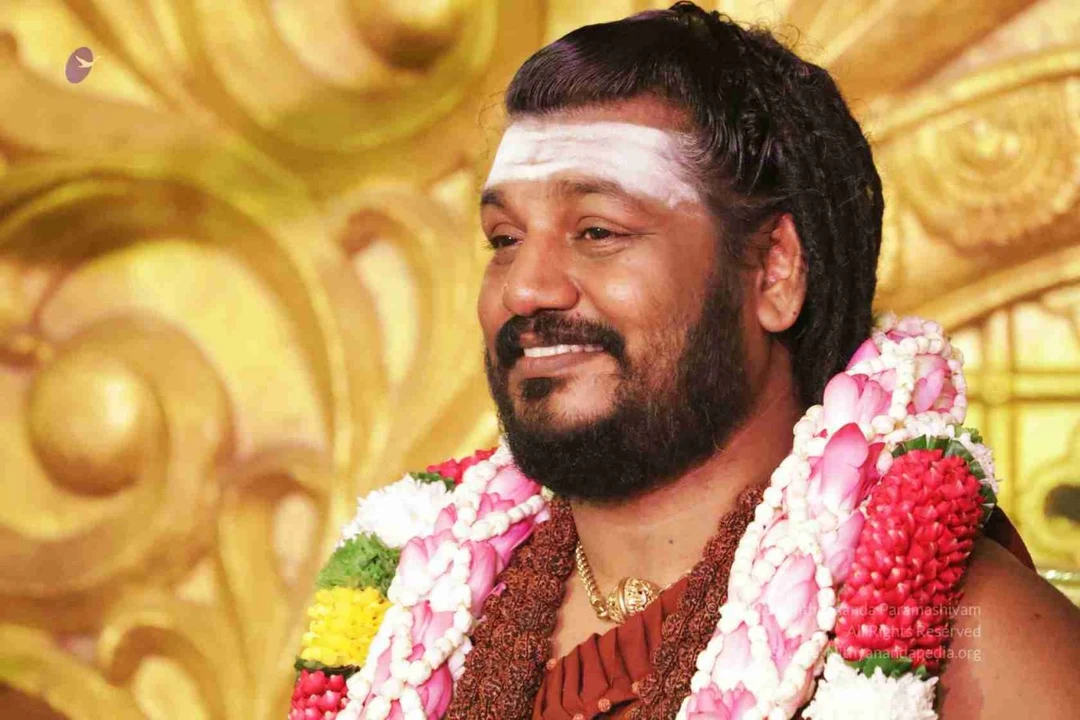 Energy darshan initiation means awakening your inner potential energy, kundalini shakti
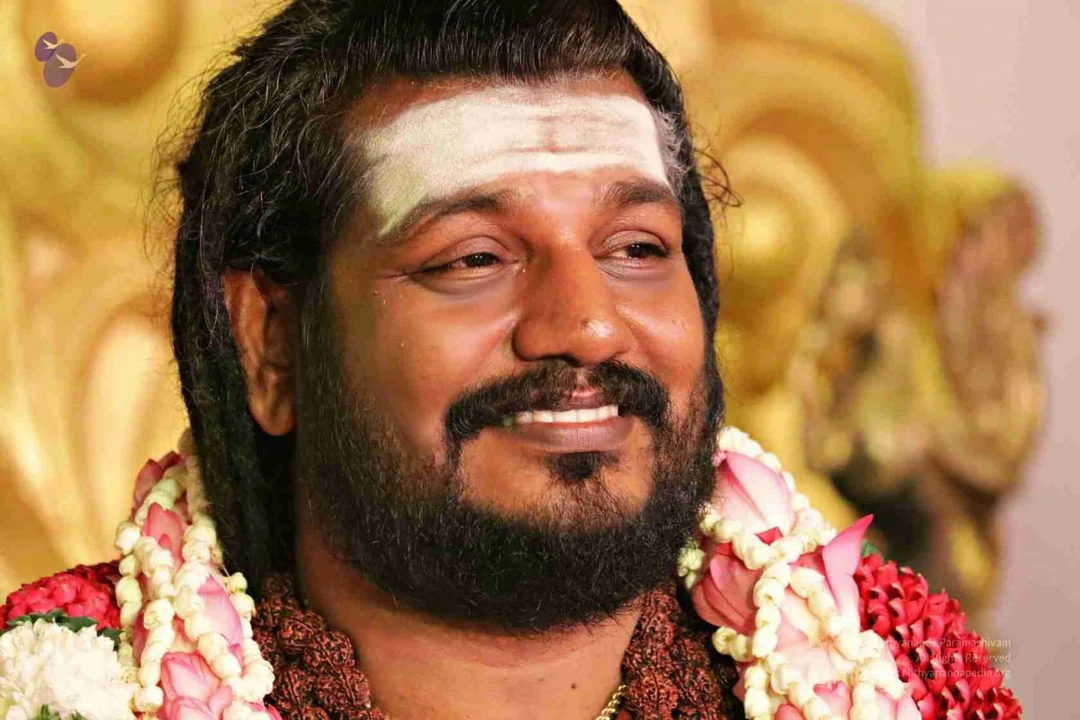 Bhagwan darshan is absolute fulfillment
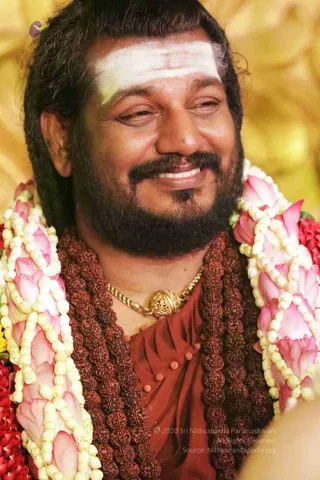 Bhagwan darshan is absolute fulfillment
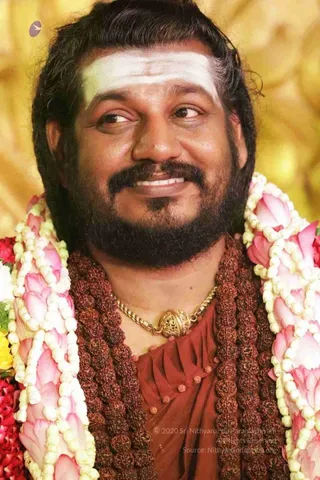 Bhagwan darshan is absolute fulfillment
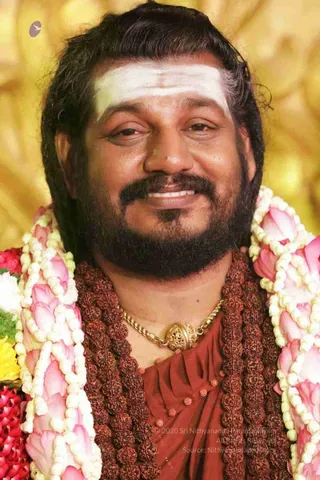 Bhagwan darshan is absolute fulfillment
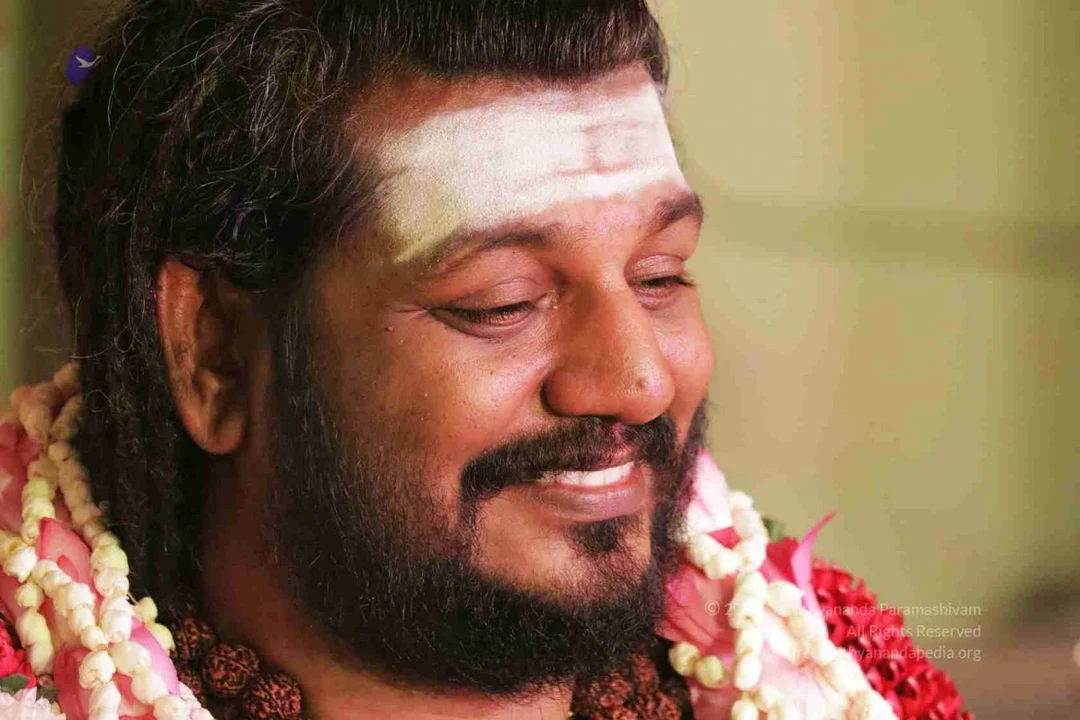 Bhagwan darshan is absolute fulfillment
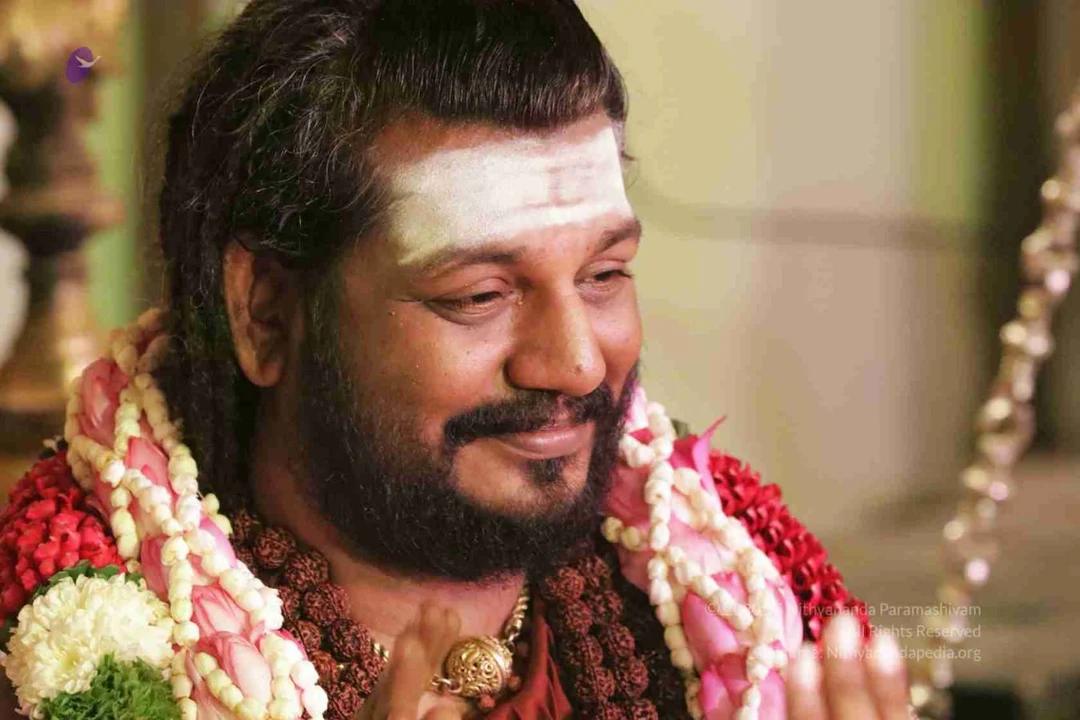 Bhagwan darshan is absolute fulfillment
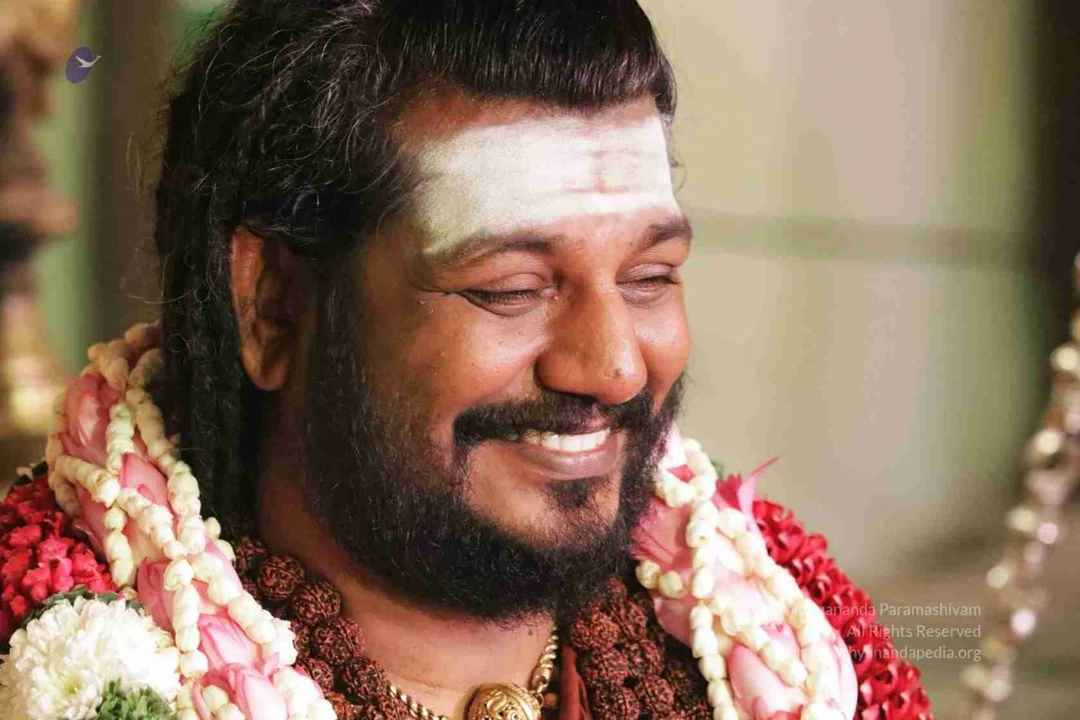 Bhagwan darshan is absolute fulfillment
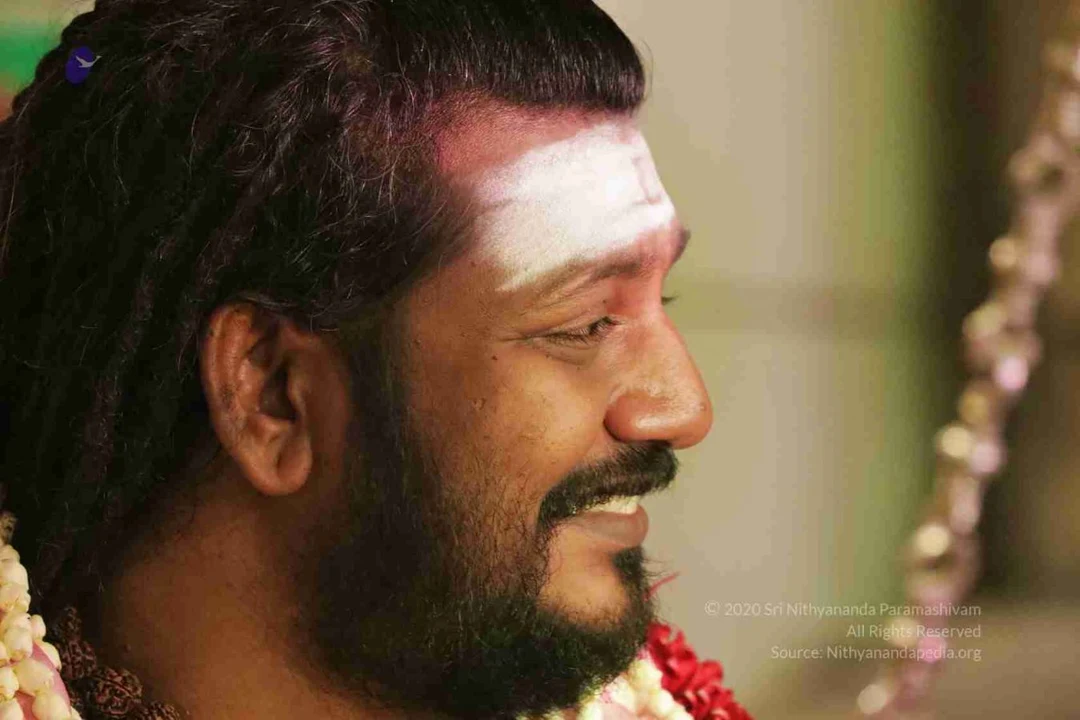 Bhagwan darshan is absolute fulfillment
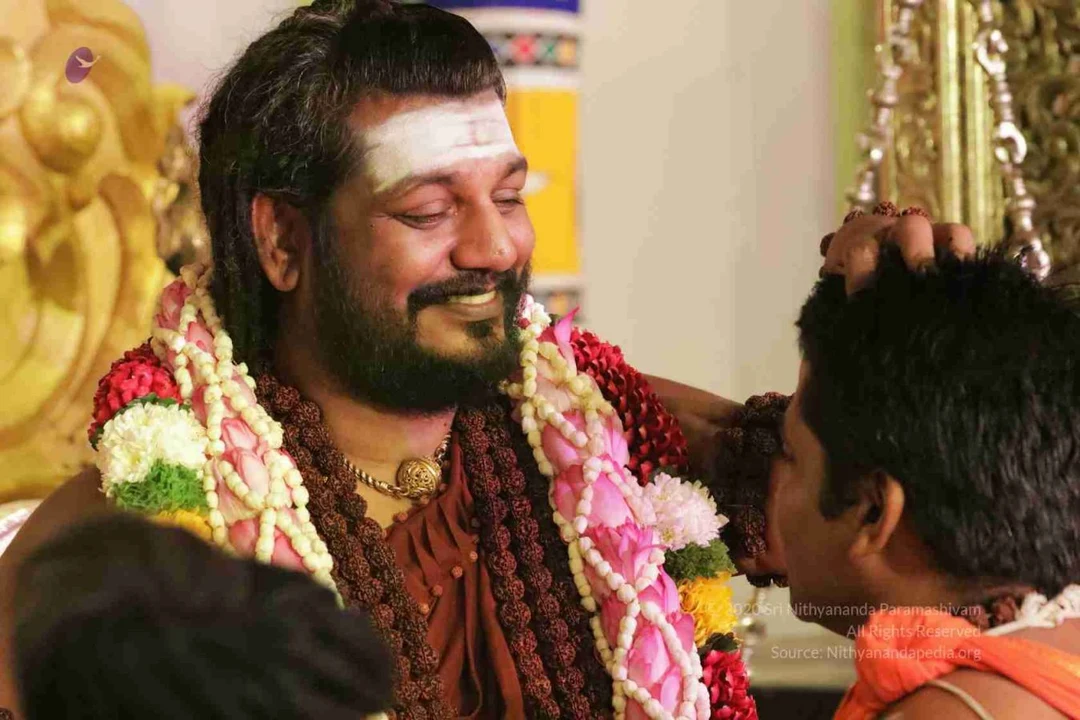 Bhagwan darshan is absolute fulfillment
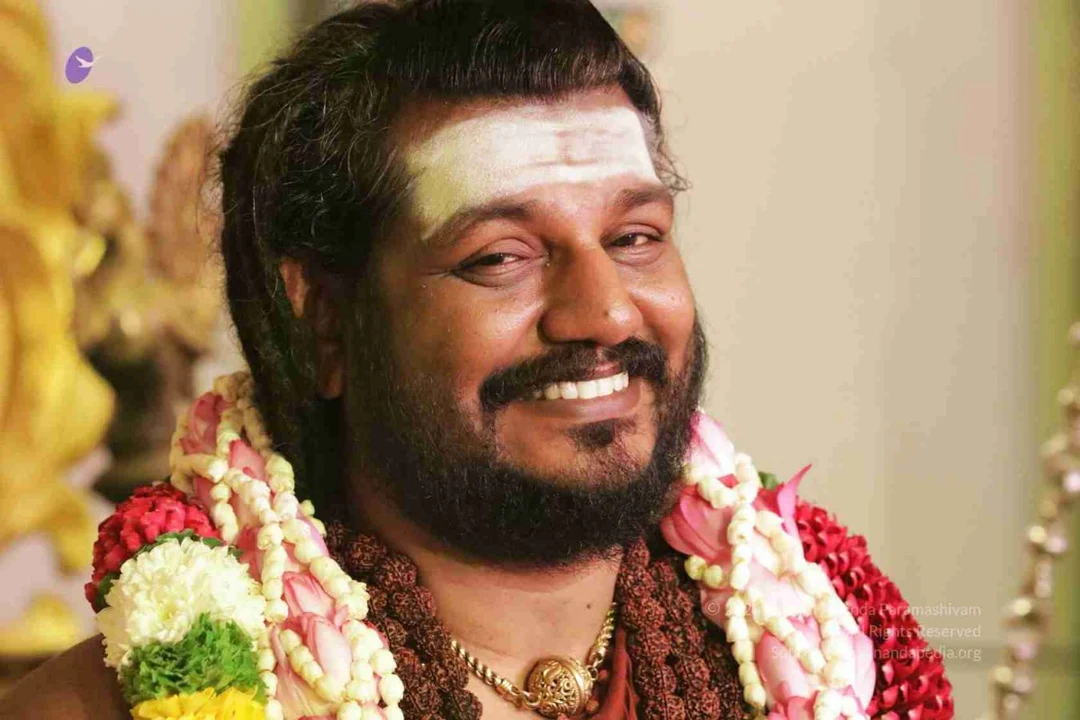 Bhagwan darshan is absolute fulfillment
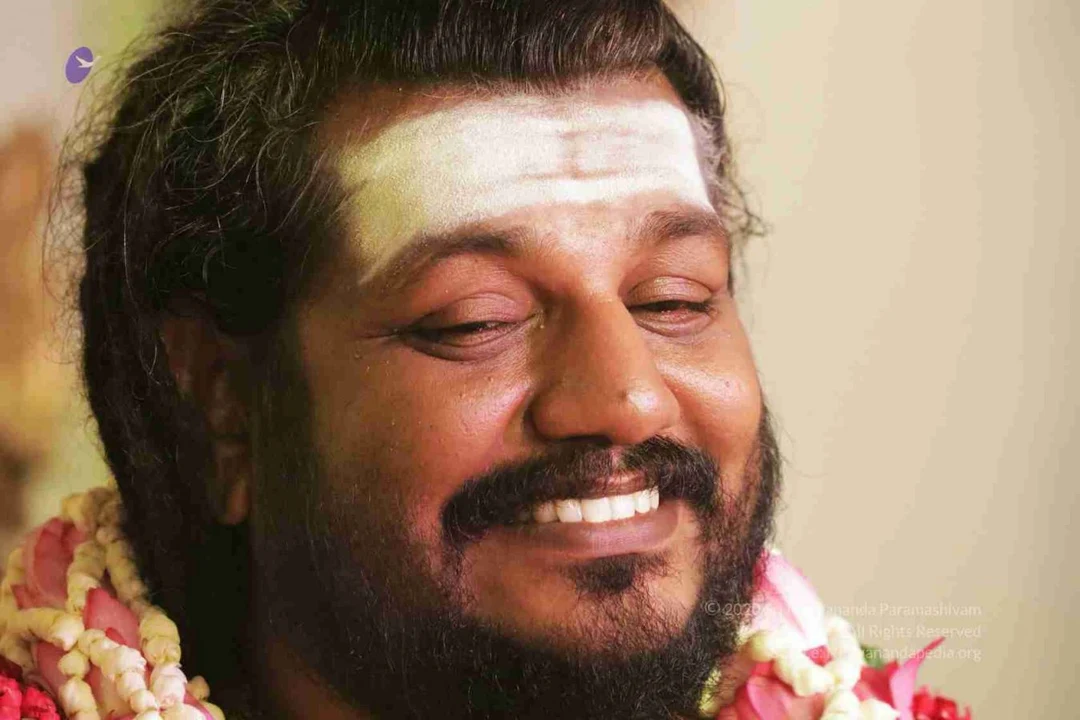 Bhagwan darshan is absolute fulfillment
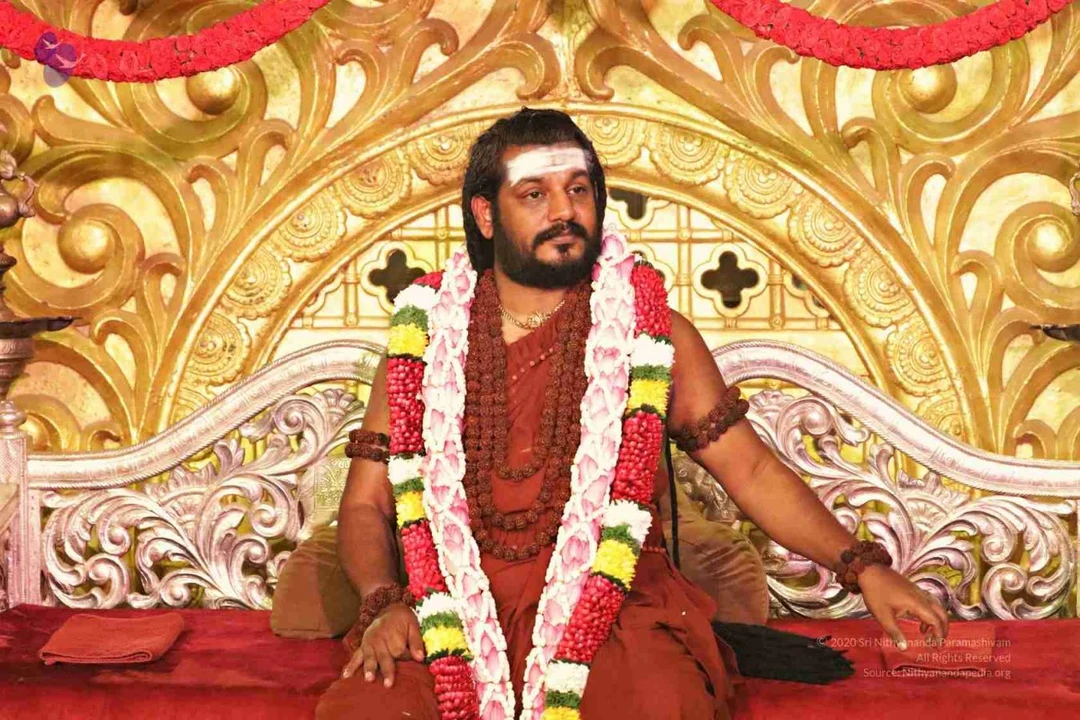 Bhagwan darshan is absolute fulfillment
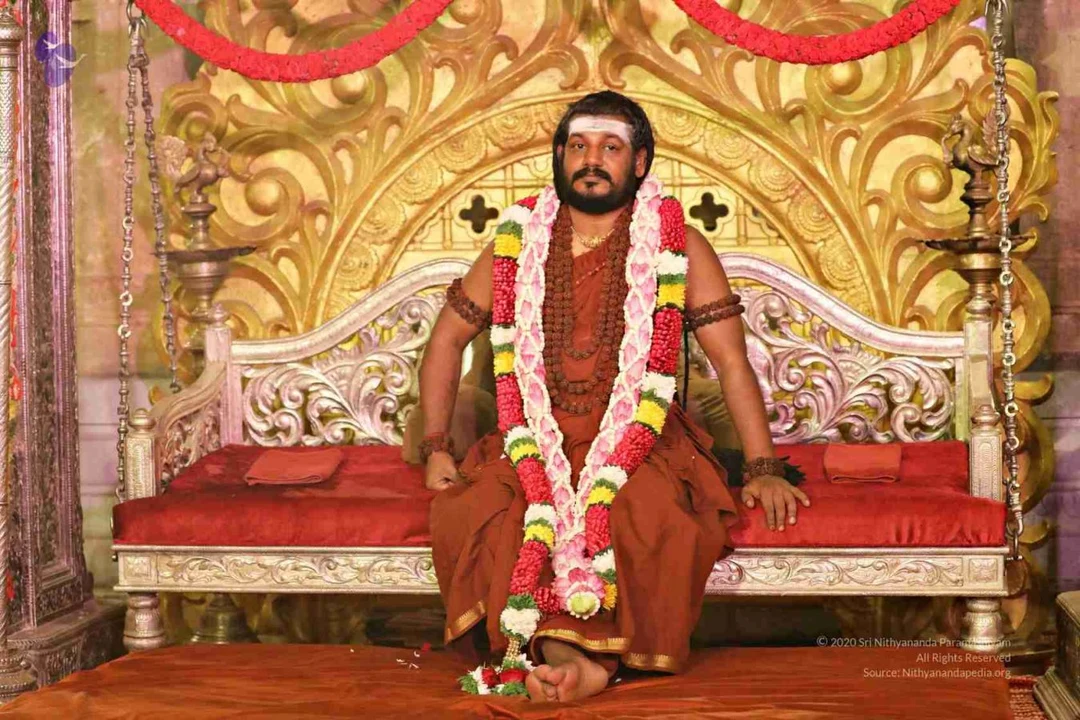 Bhagwan darshan is absolute fulfillment
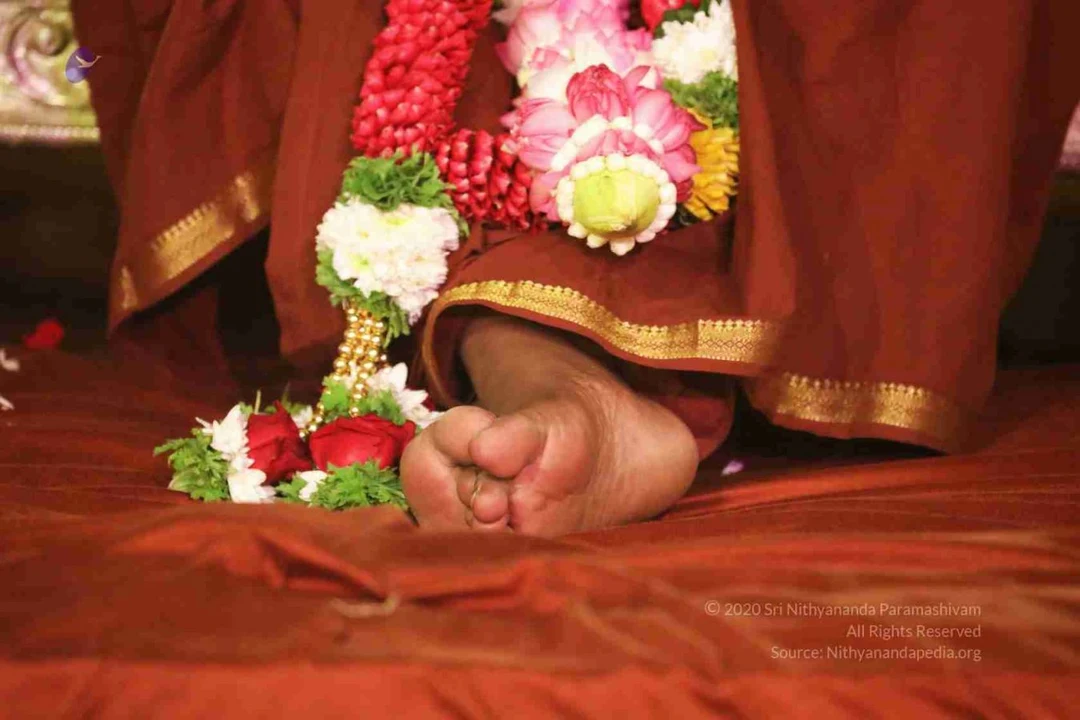 Nija pada darshan
 Bhagwan darshan is absolute fulfillment
 Bhagwan darshan is absolute fulfillment
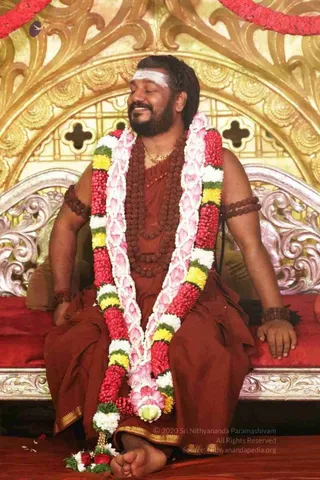 Bhagwan darshan is absolute fulfillment
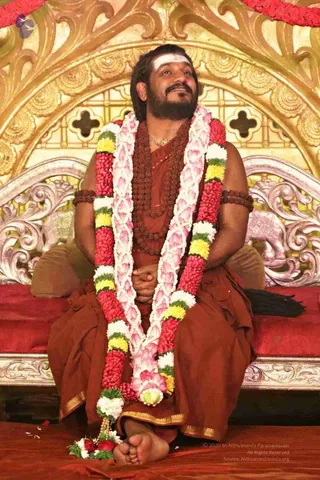 Bhagwan darshan is absolute fulfillment
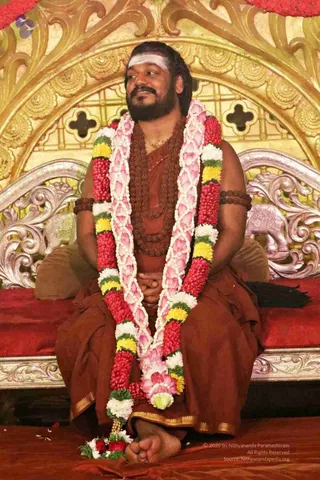 Amazing to be in the breathing space of a living avatar
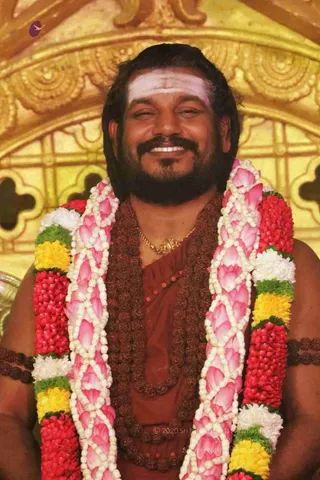 Amazing to be in the breathing space of a living avatar
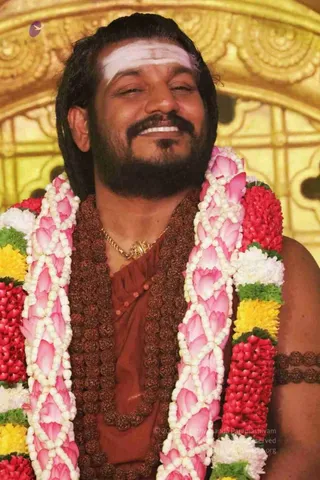 Amazing to be in the breathing space of a living avatar
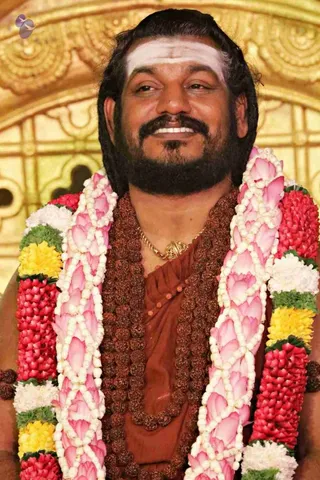 Amazing to be in the breathing space of a living avatar
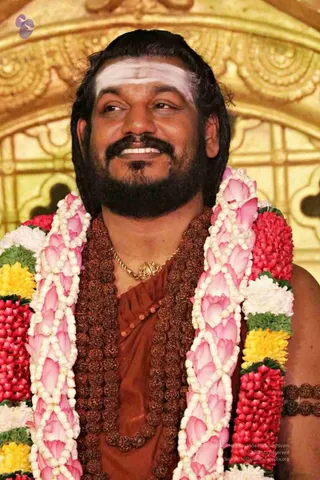 Amazing to be in the breathing space of a living avatar
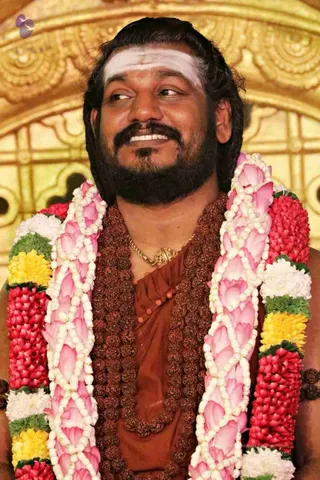 Amazing to be in the breathing space of a living avatar
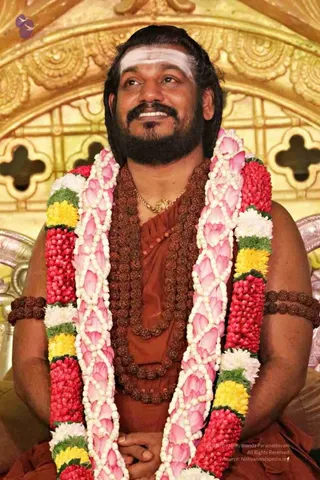 Amazing to be in the breathing space of a living avatar
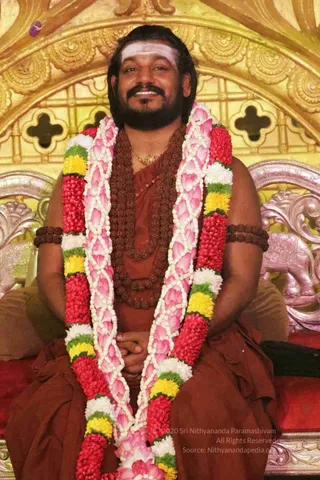 Amazing to be in the breathing space of a living avatar
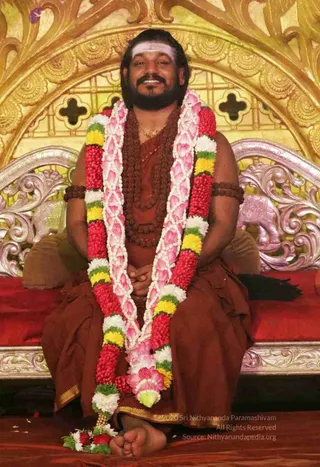 Amazing to be in the breathing space of a living avatar
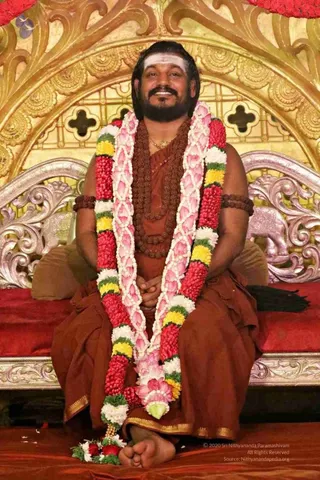 Amazing to be in the breathing space of a living avatar
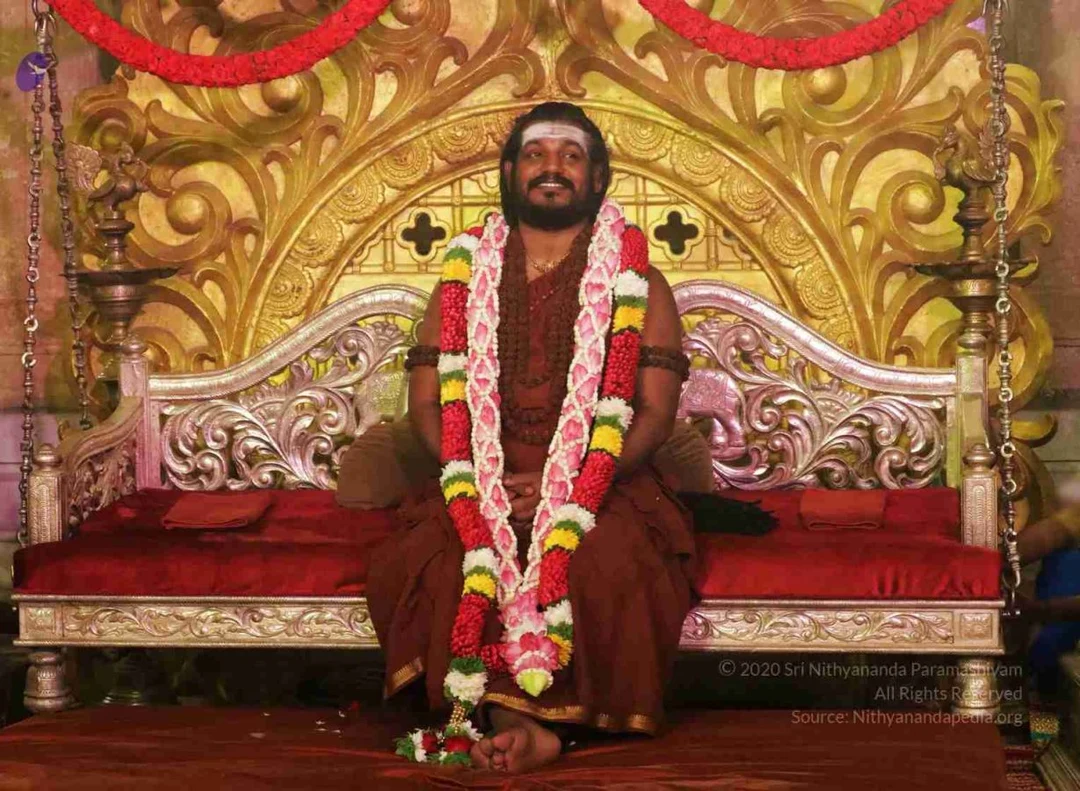 Amazing to be in the breathing space of a living avatar
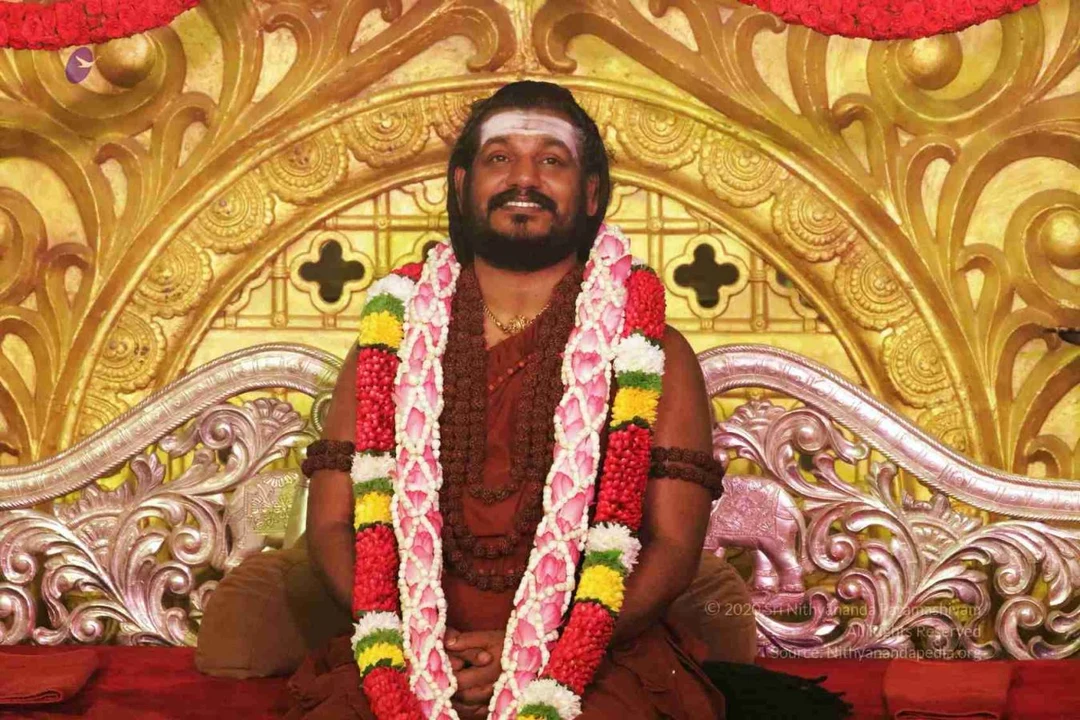 Amazing to be in the breathing space of a living avatar
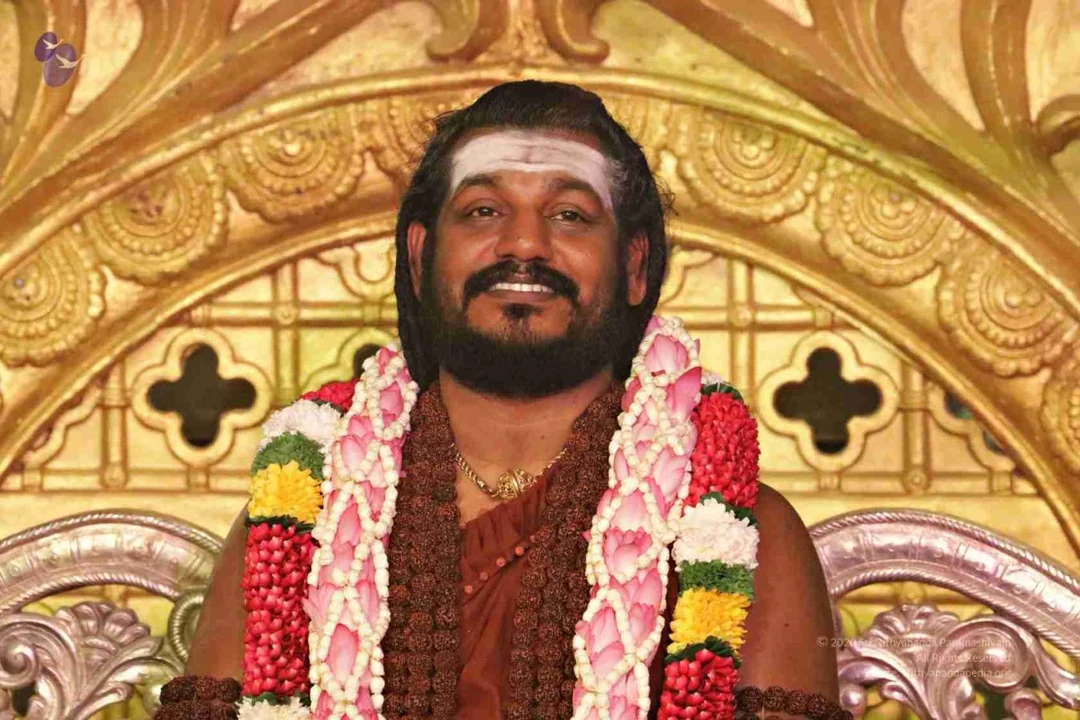 Amazing to be in the breathing space of a living avatar
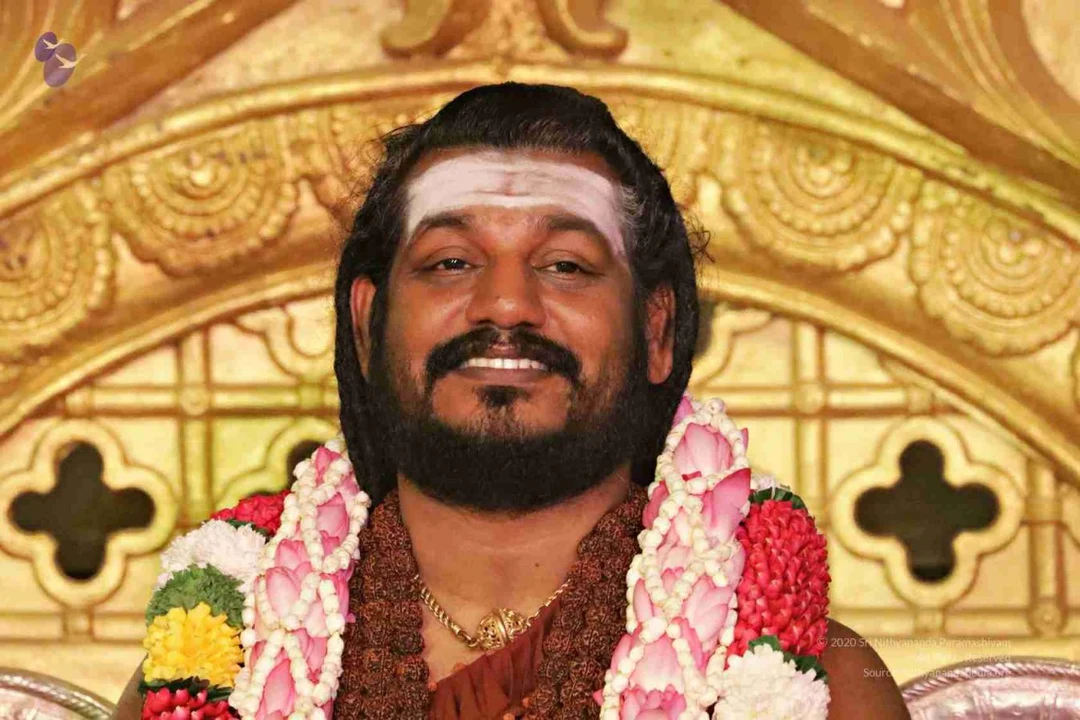 Amazing to be in the breathing space of a living avatar
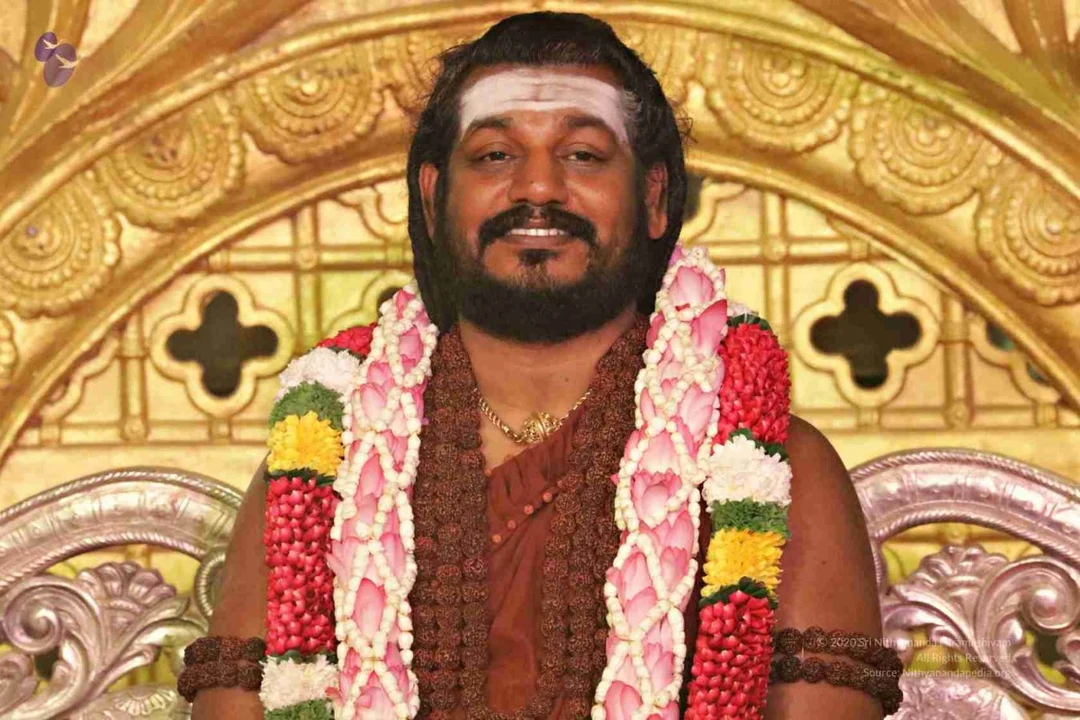 Amazing to be in the breathing space of a living avatar
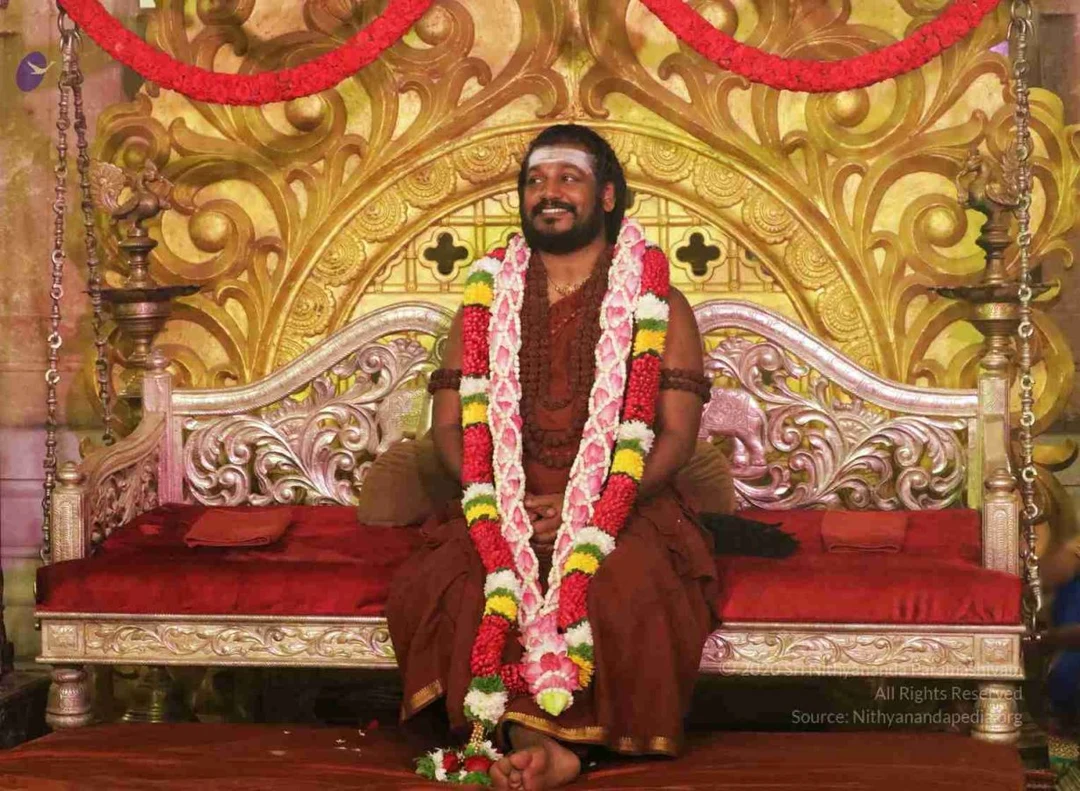 Amazing to be in the breathing space of a living avatar
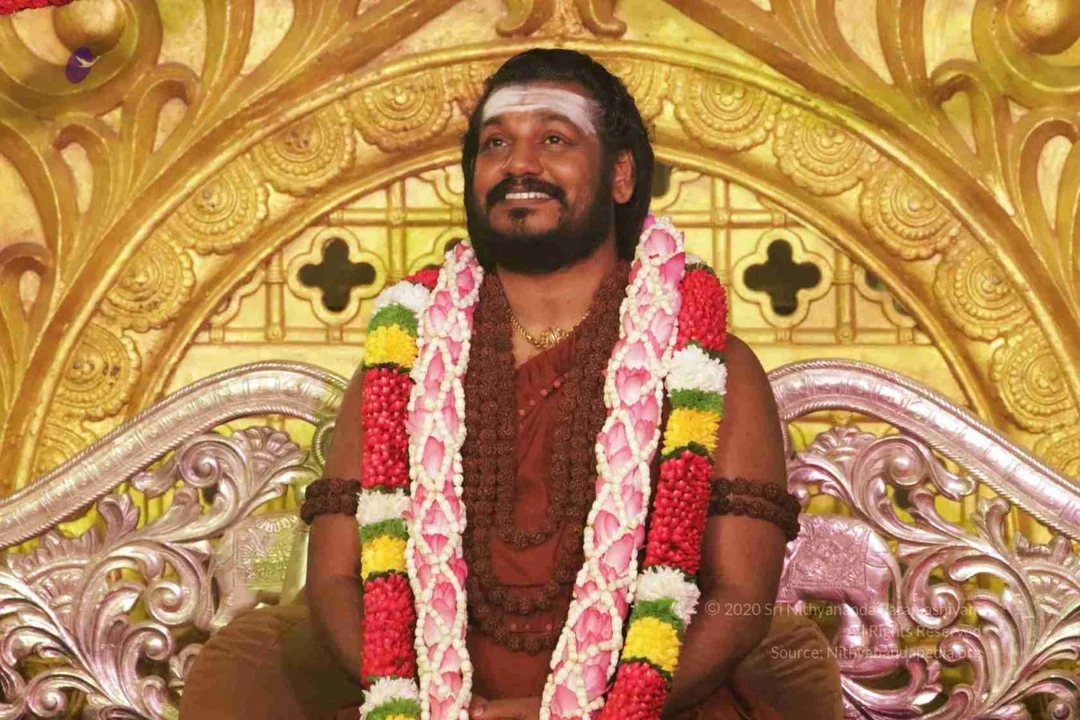 Amazing to be in the breathing space of a living avatar
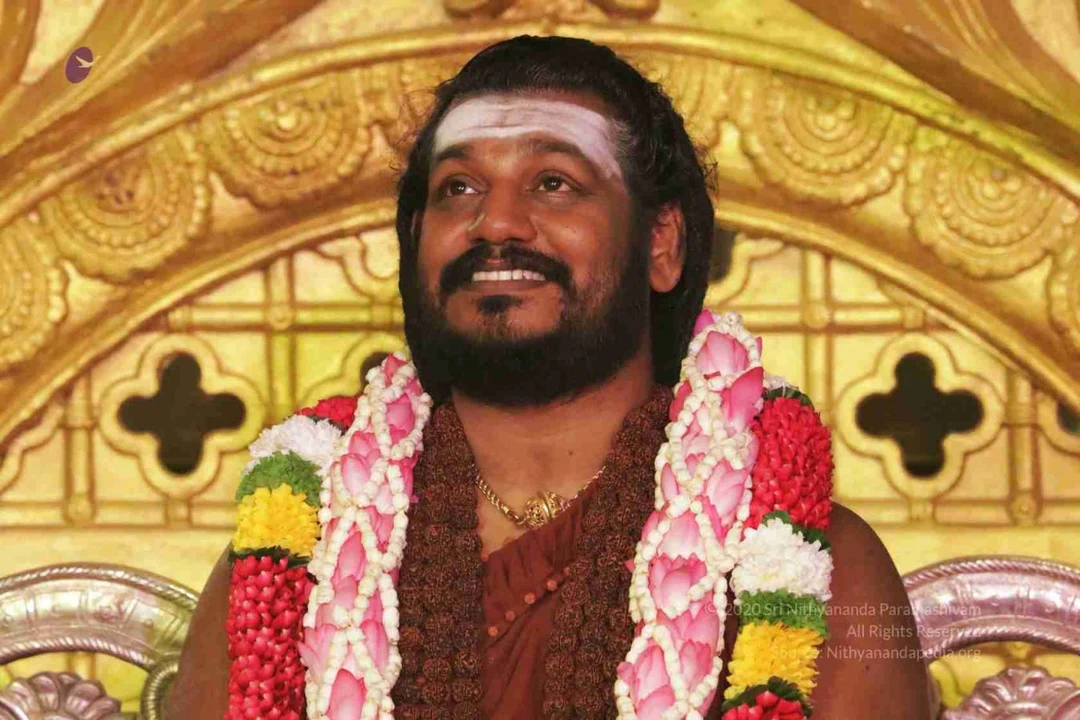 Amazing to be in the breathing space of a living avatar
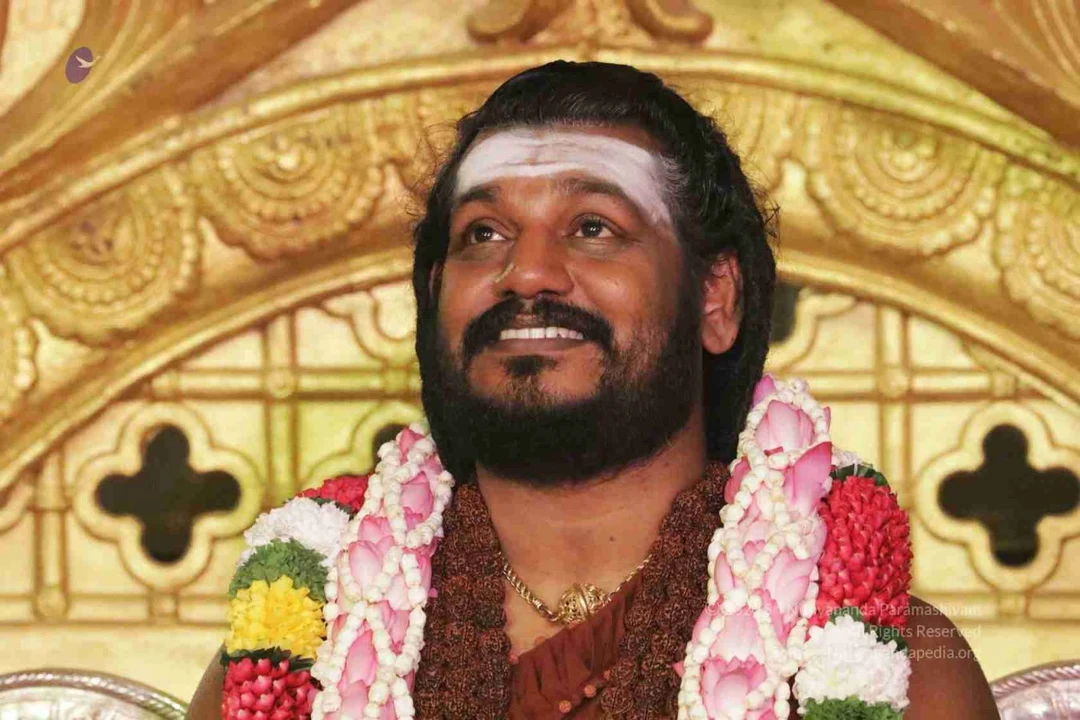 Amazing to be in the breathing space of a living avatar
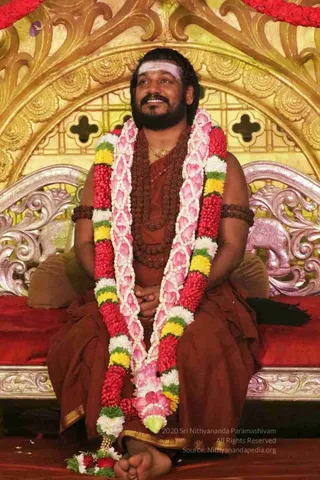 Amazing to be in the breathing space of a living avatar
 Amazing to be in the breathing space of a living avatar
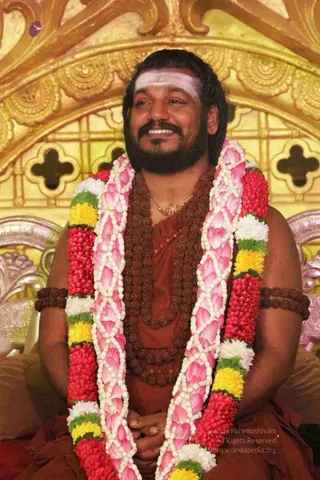 Amazing to be in the breathing space of a living avatar
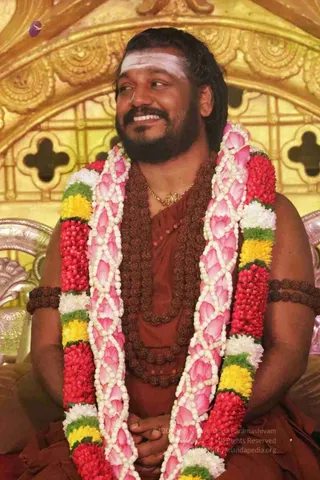 Amazing to be in the breathing space of a living avatar
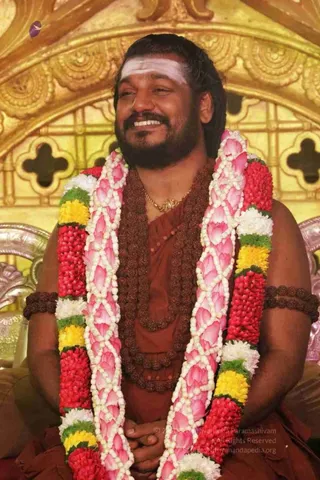 Amazing to be in the breathing space of a living avatar
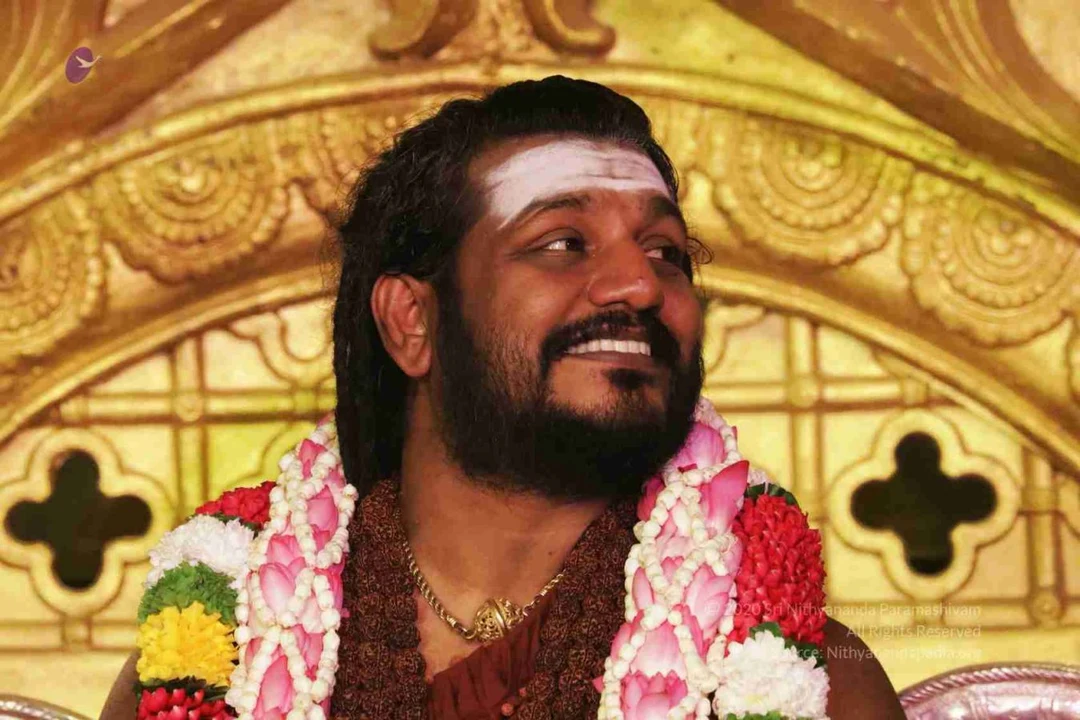 Amazing to be in the breathing space of a living avatar
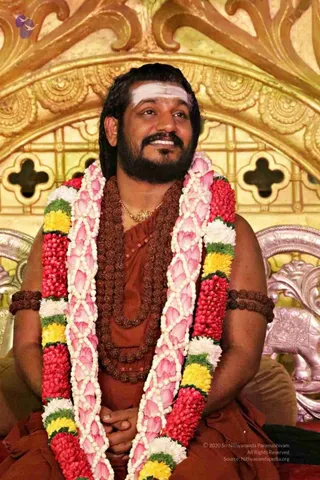 Amazing to be in the breathing space of a living avatar
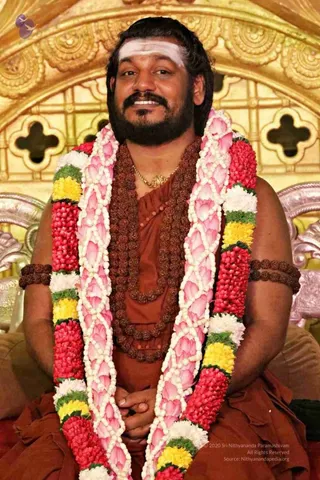 Amazing to be in the breathing space of a living avatar
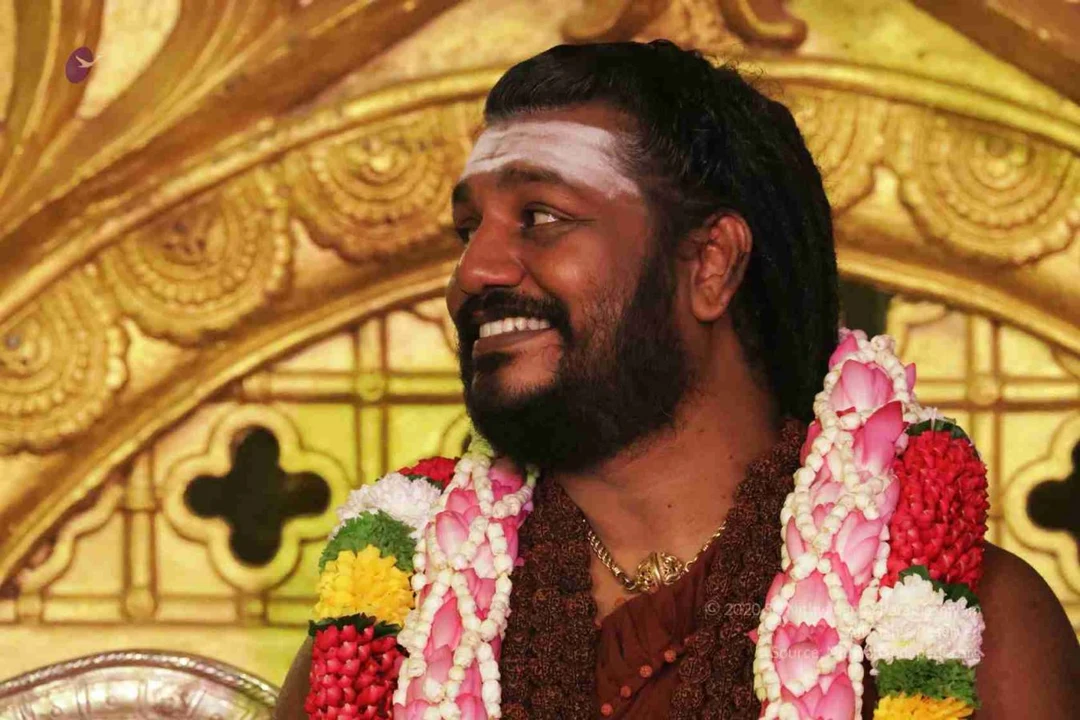 Amazing to be in the breathing space of a living avatar
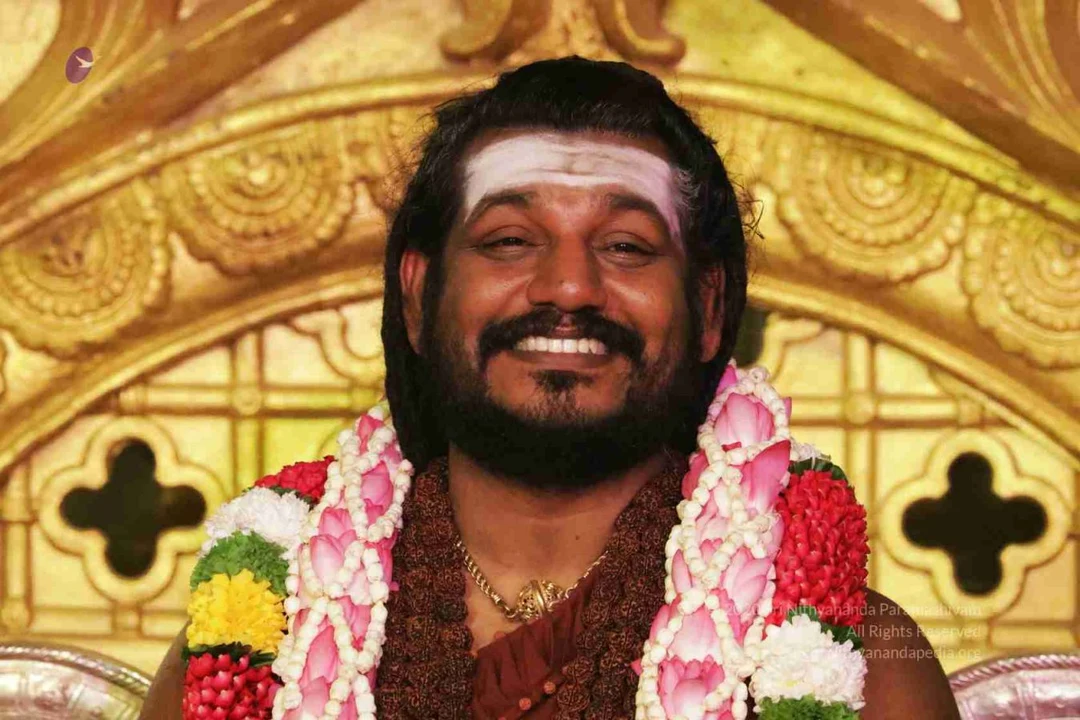 Amazing to be in the breathing space of a living avatar
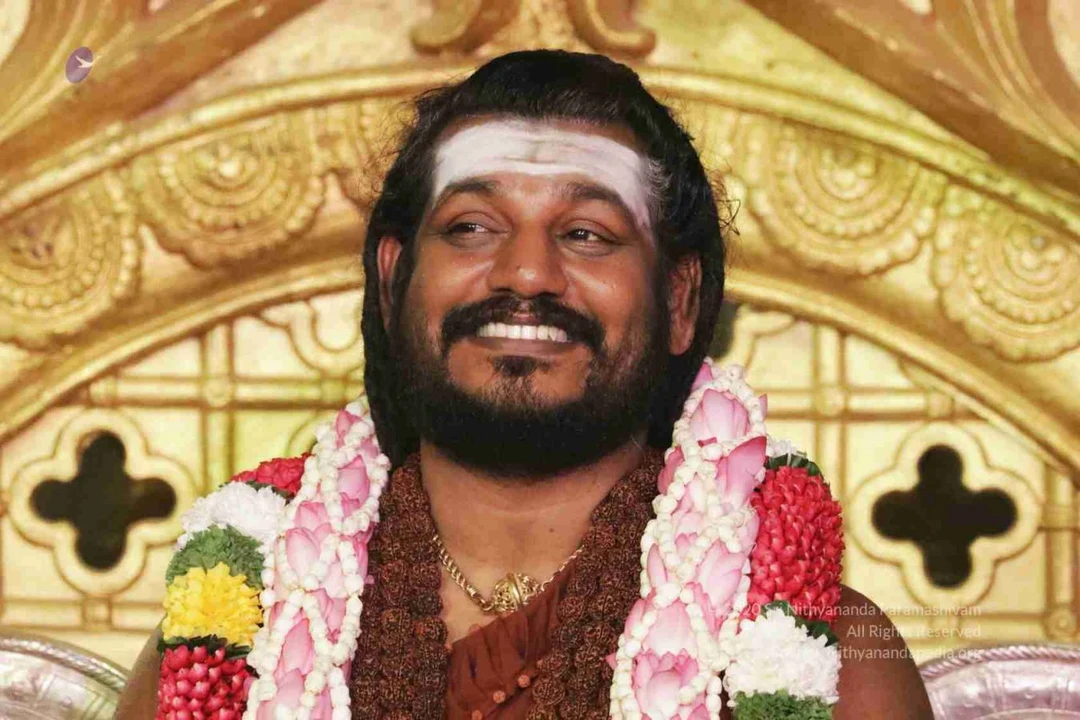 Amazing to be in the breathing space of a living avatar
 Amazing to be in the breathing space of a living avatar
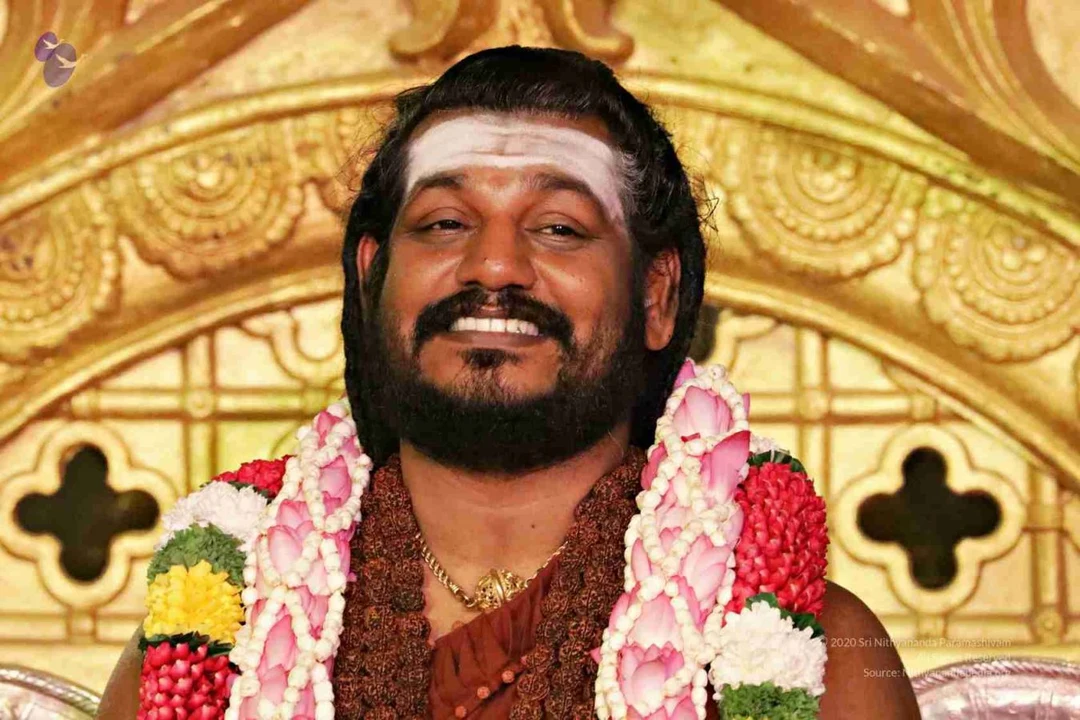 Amazing to be in the breathing space of a living avatar
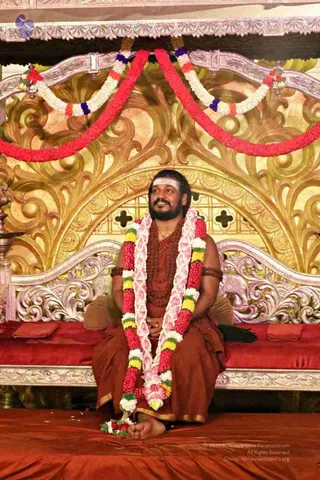 Amazing to be in the breathing space of a living avatar
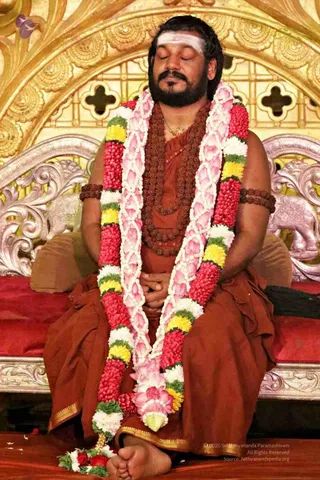 Amazing to be in the breathing space of a living avatar
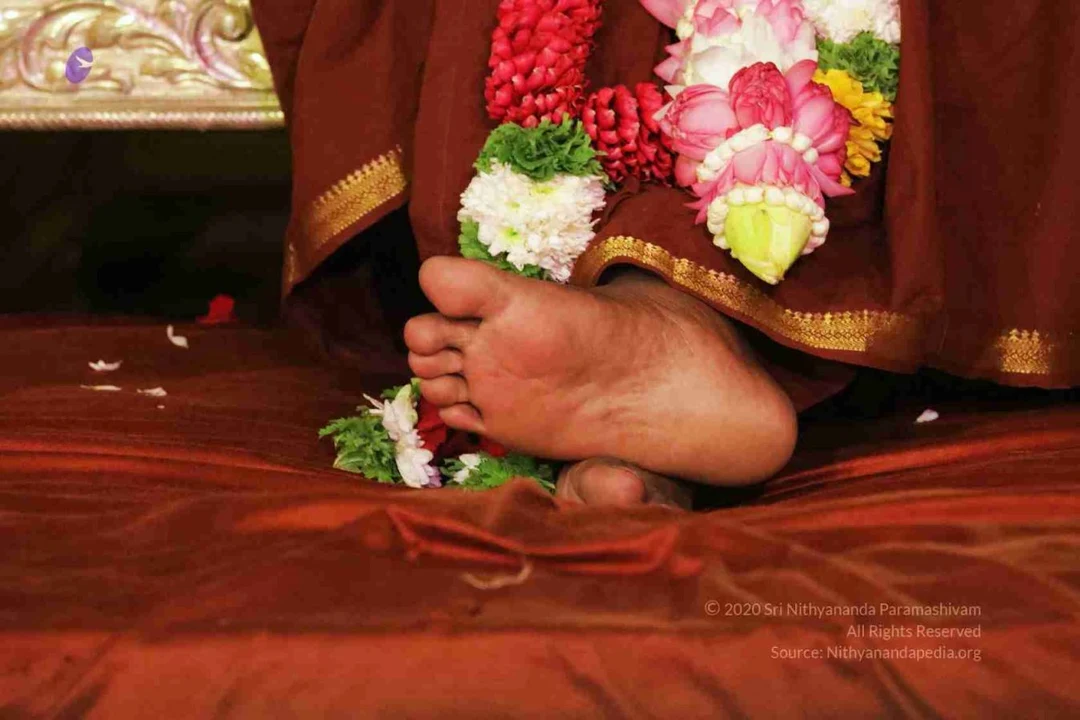 Nija pada darshan
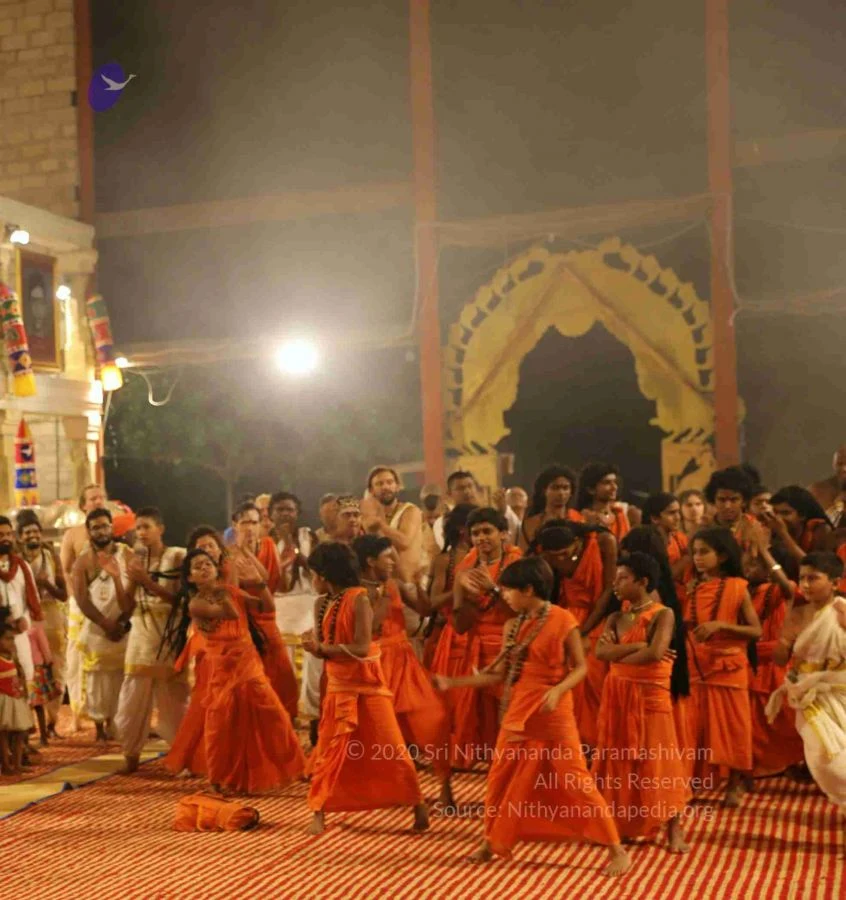
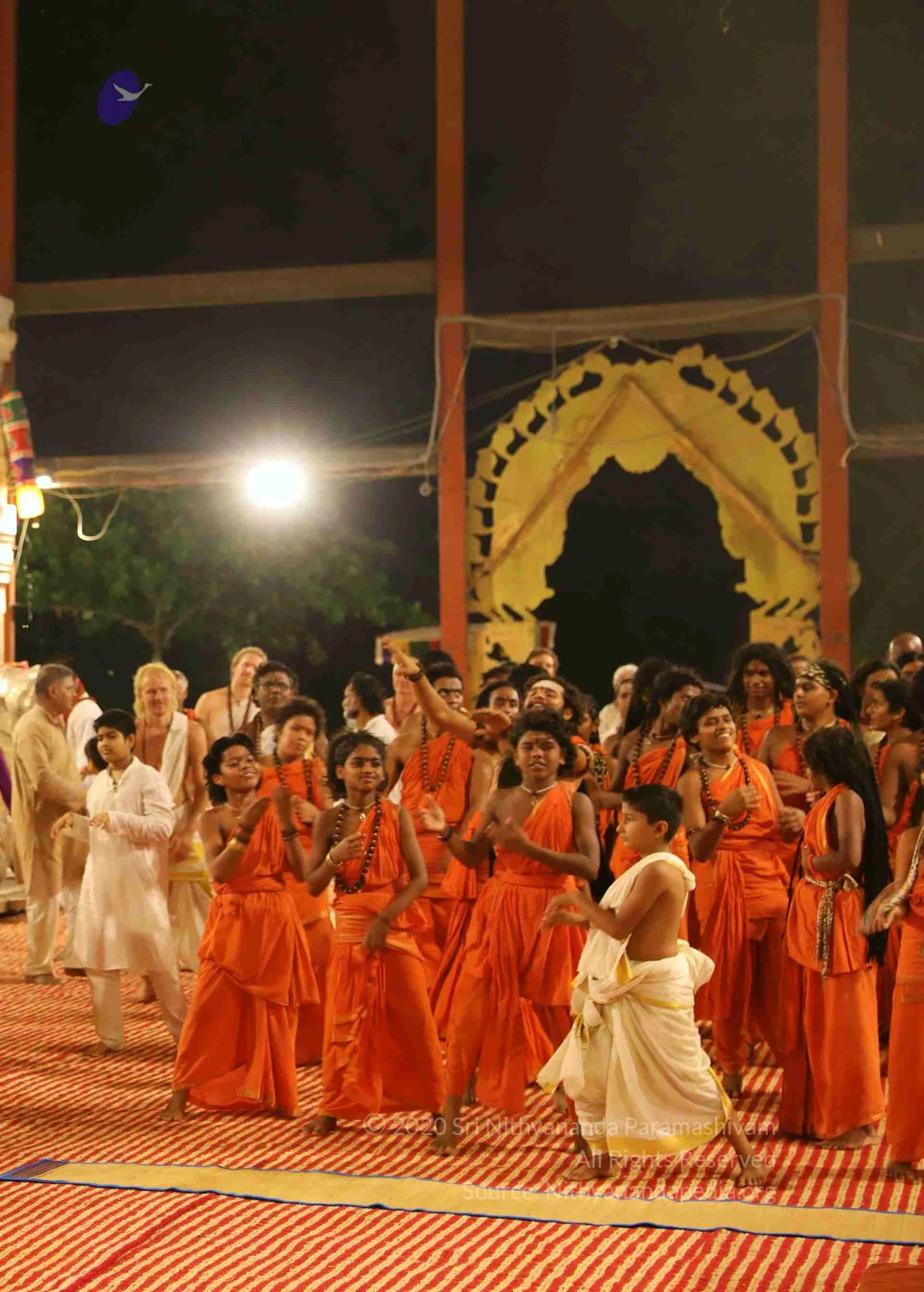
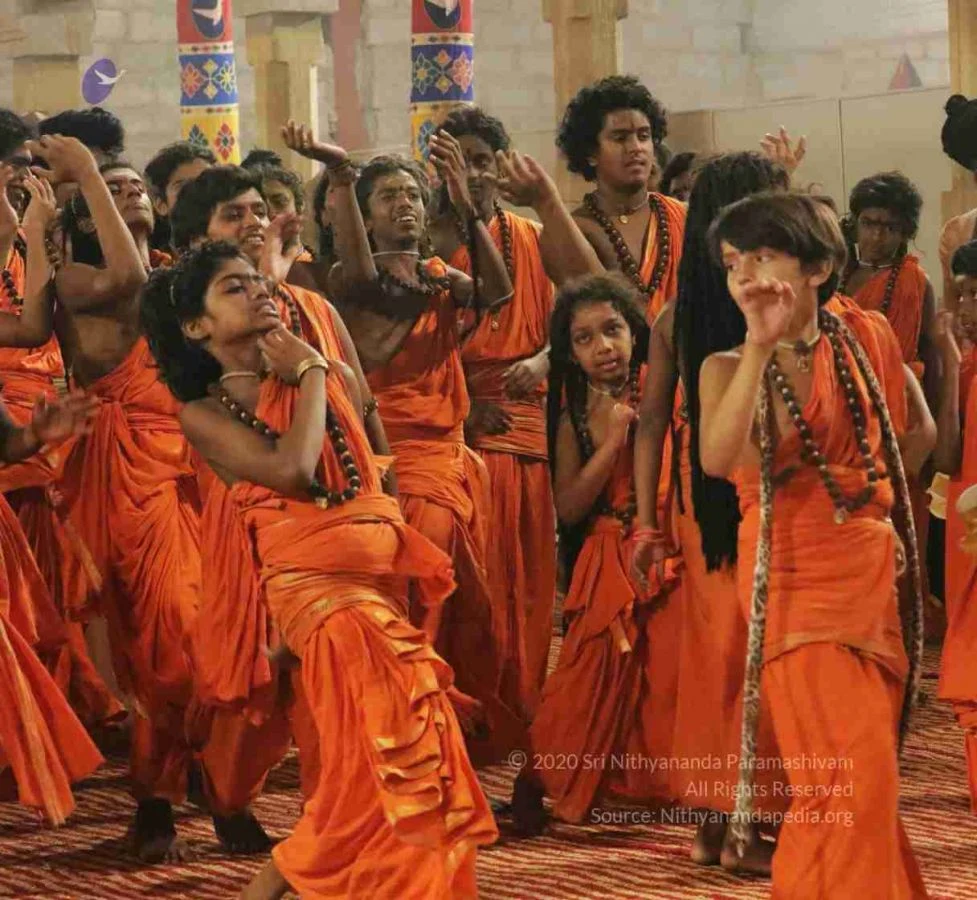 Balasants dance & celebrate in joy
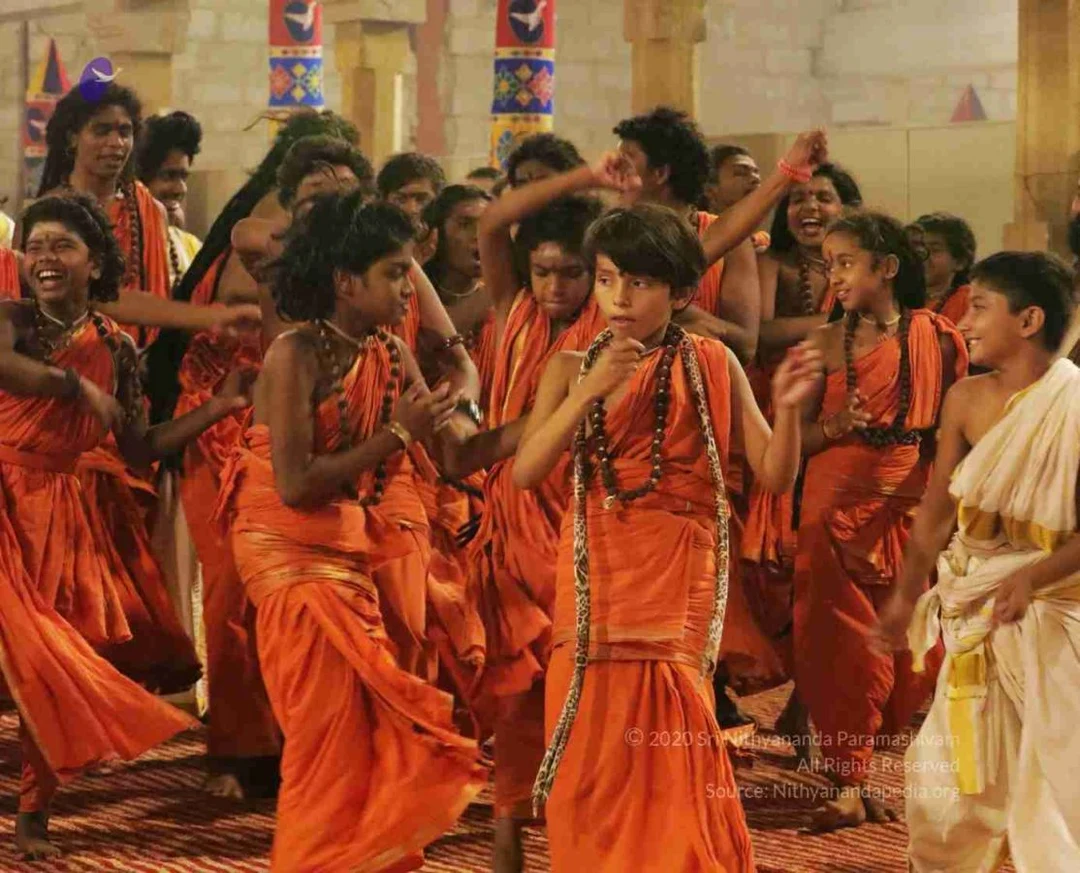 Balasants dance & celebrate in joy
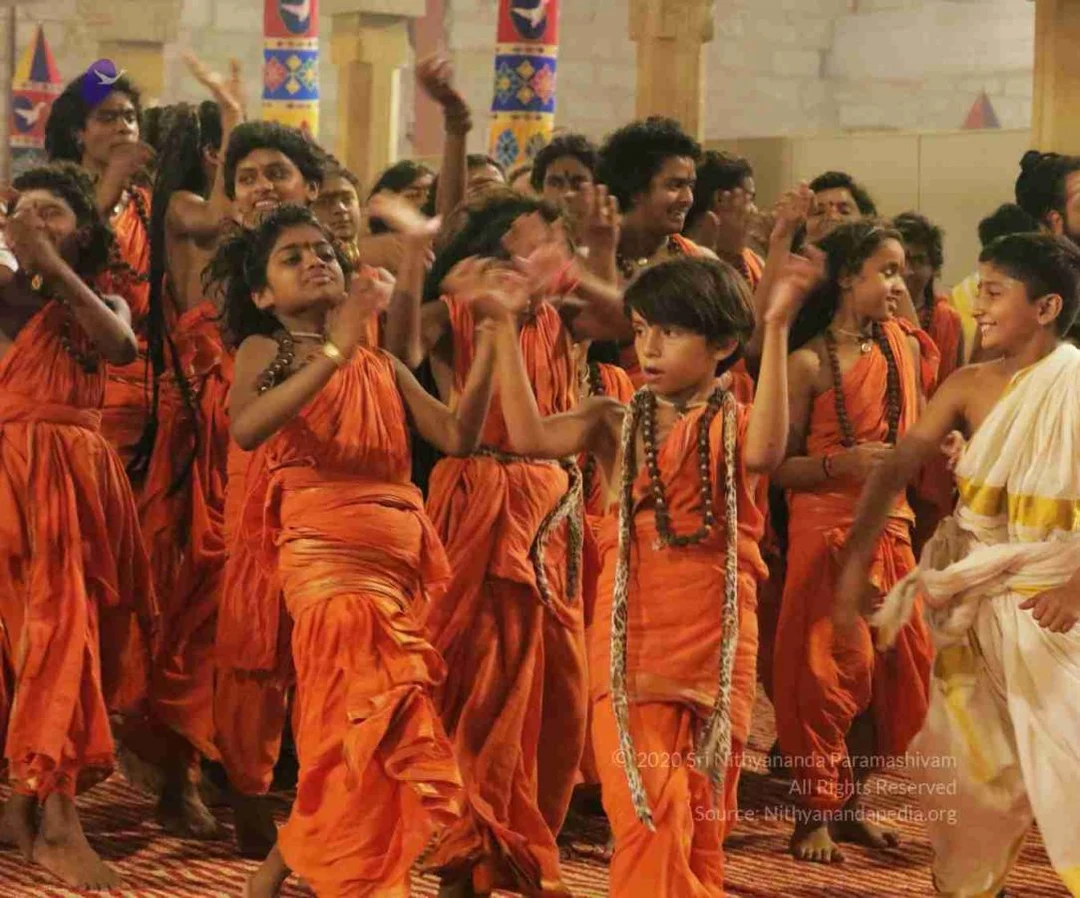 Balasants dance & celebrate in joy
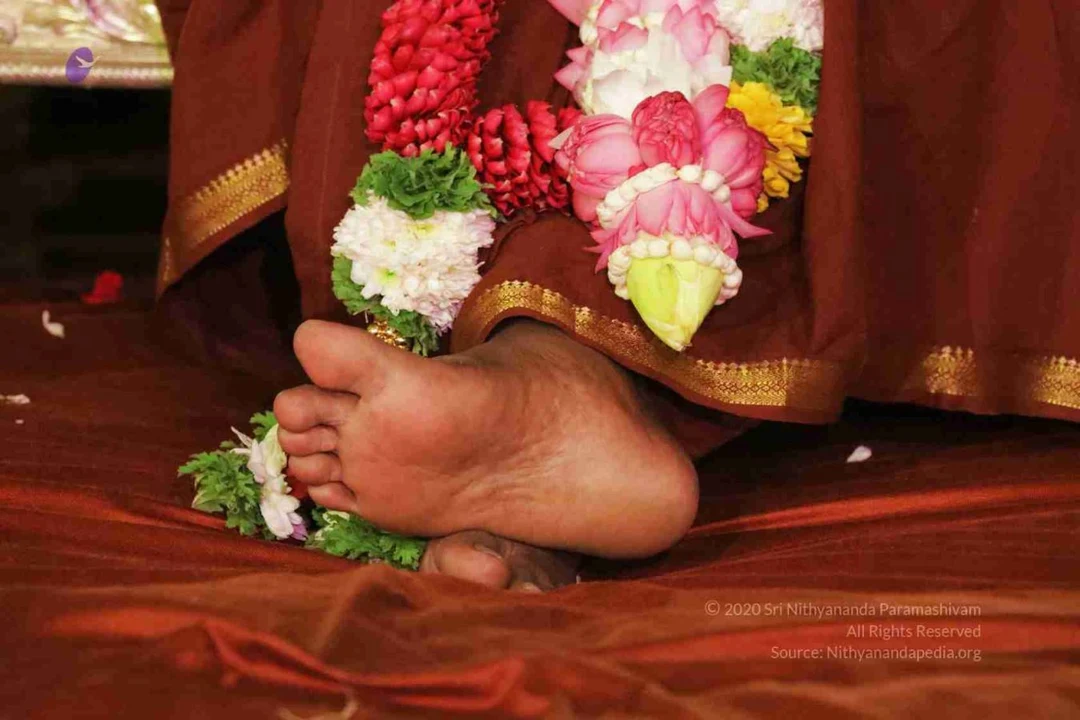 Nija pada darshan
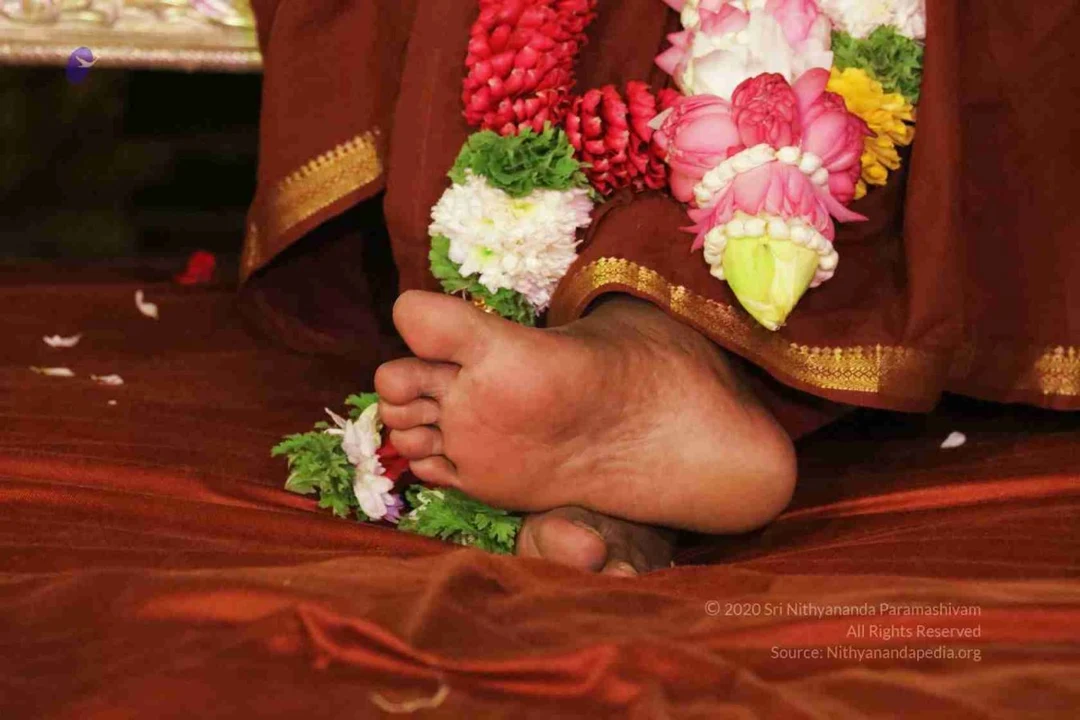 Guru pada
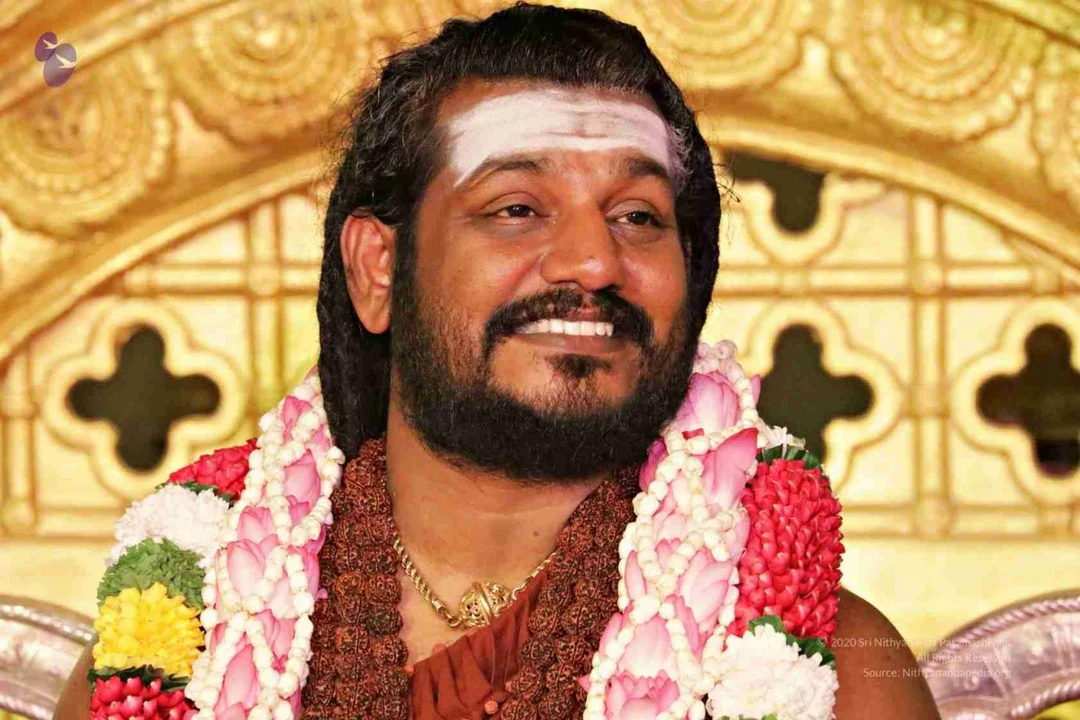 His Divine Holiness Nithyananda Paramashivam
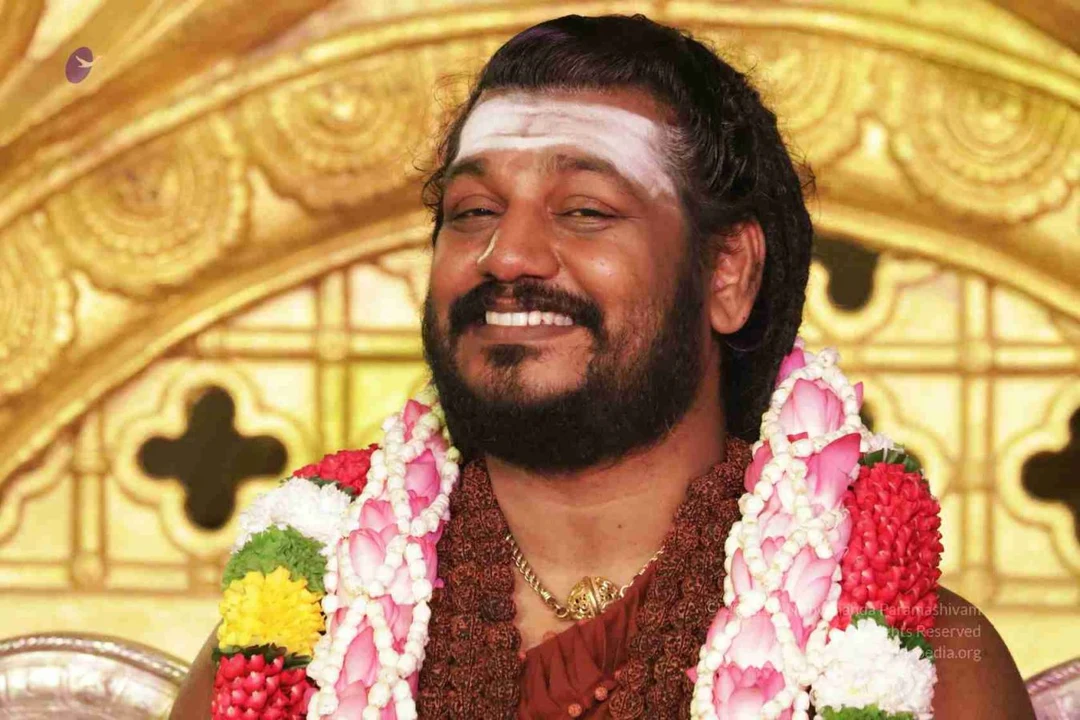 His Divine Holiness Nithyananda Paramashivam
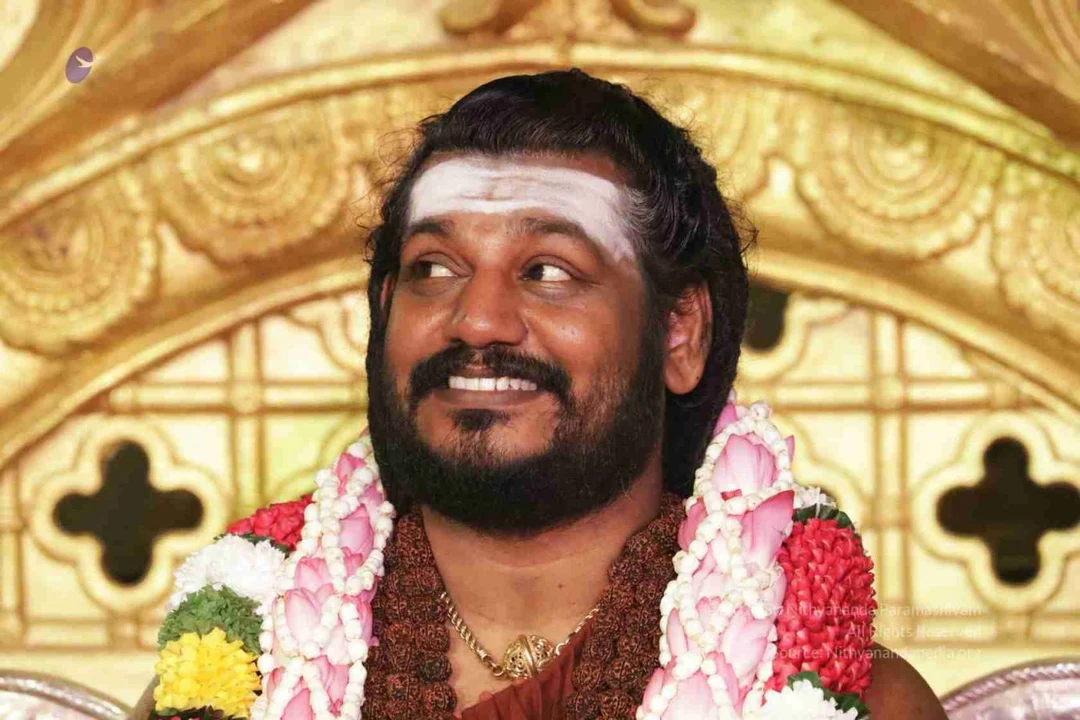 His Divine Holiness Nithyananda Paramashivam
 His Divine Holiness Nithyananda Paramashivam
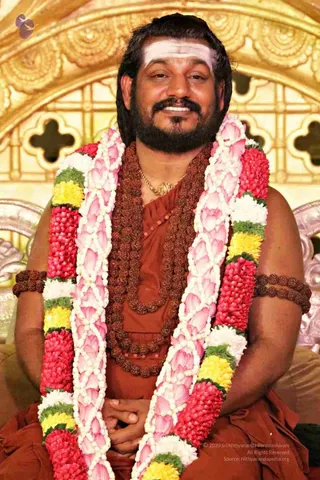 His Divine Holiness Nithyananda Paramashivam
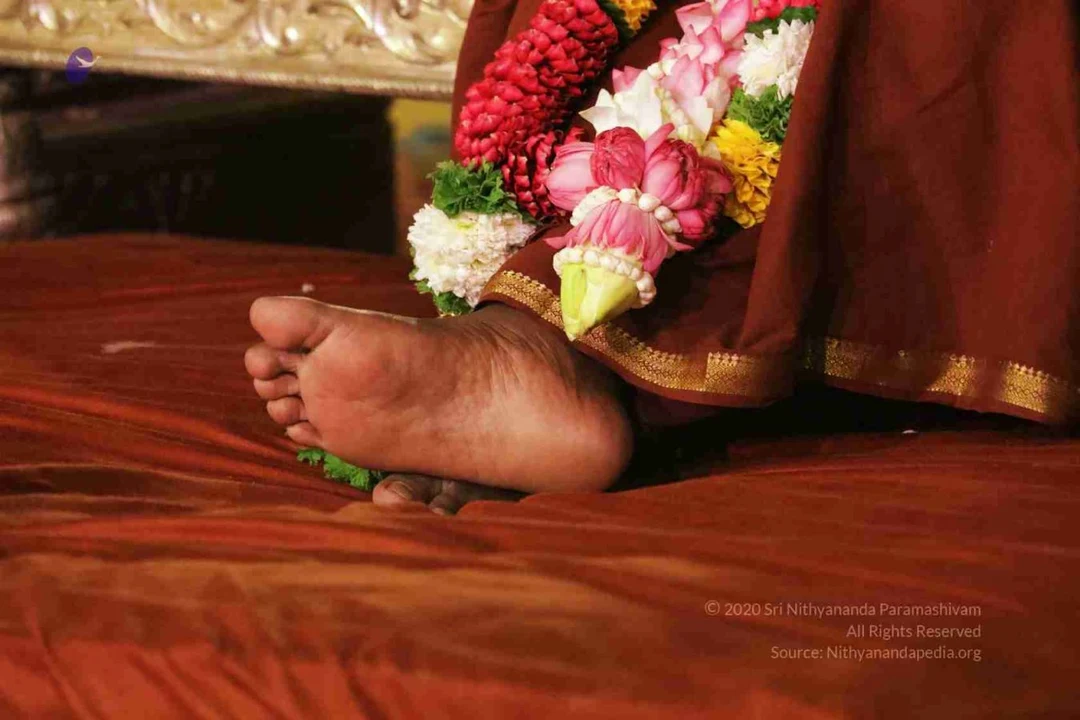 Nija pada darshan
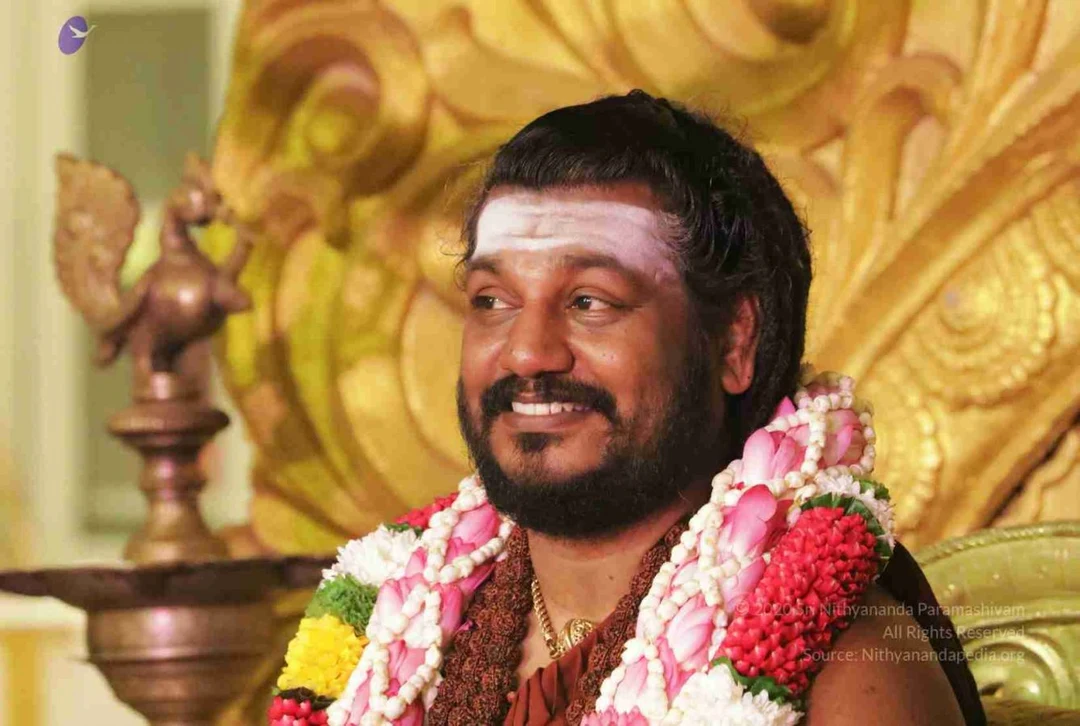 Existence is continuous expansion - HDH Nithyananda Paramashivam
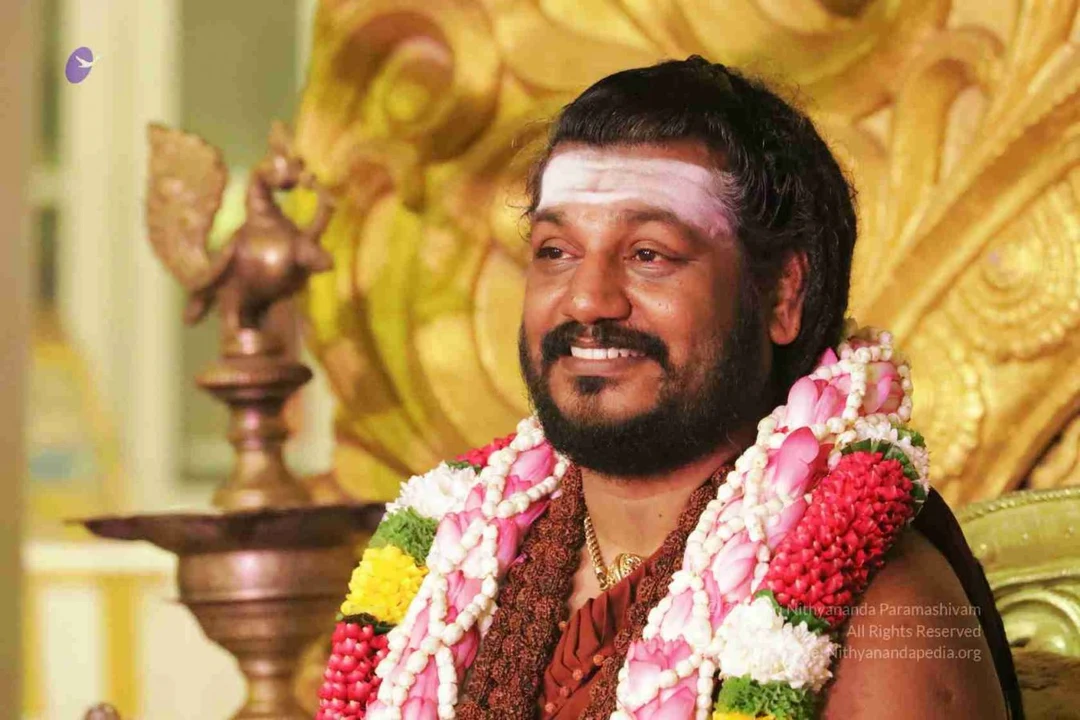 Existence is continuous expansion - HDH Nithyananda Paramashivam
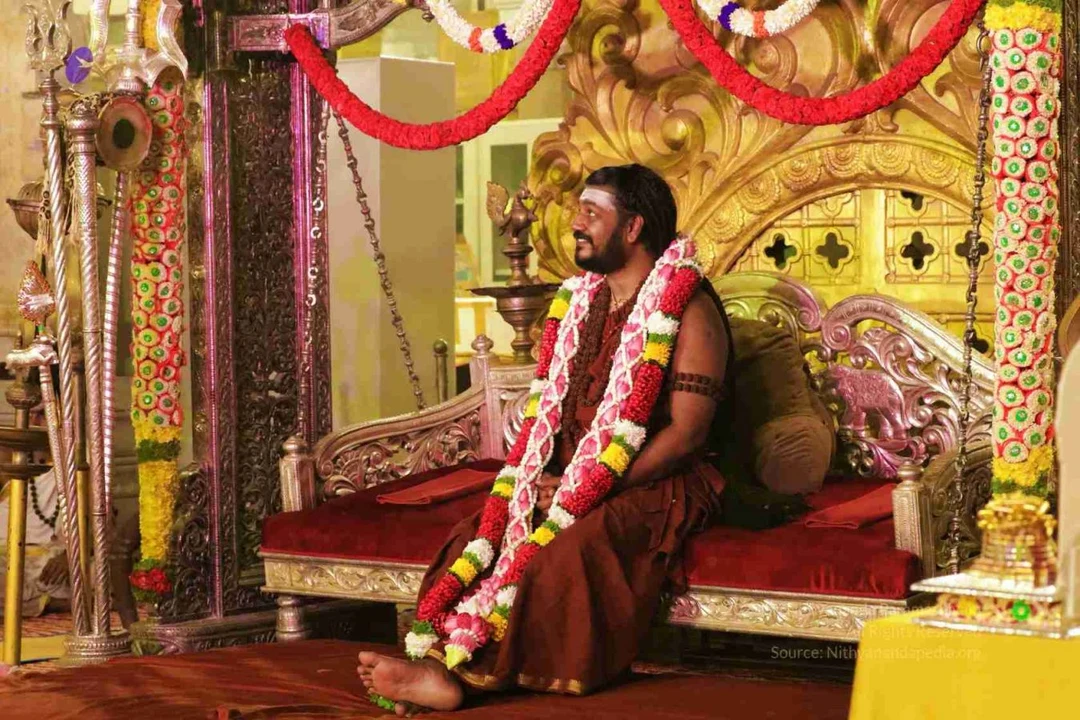 Existence is continuous expansion - HDH Nithyananda Paramashivam
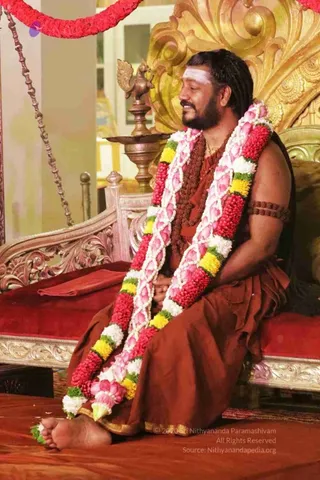 Existence is continuous expansion - HDH Nithyananda Paramashivam
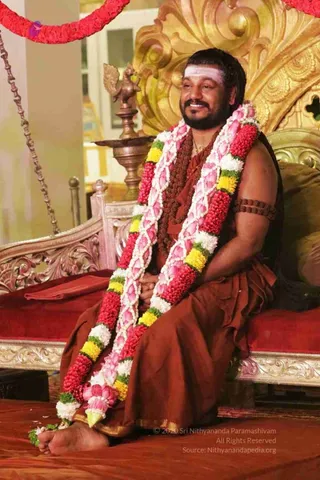 Existence is continuous expansion - HDH Nithyananda Paramashivam
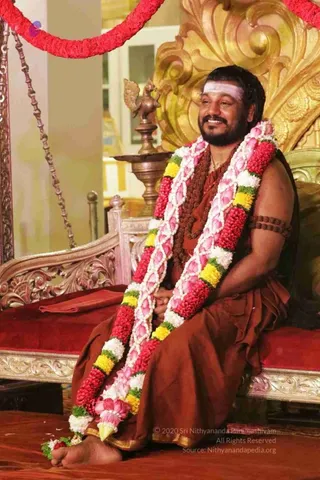 Existence is continuous expansion - HDH Nithyananda Paramashivam
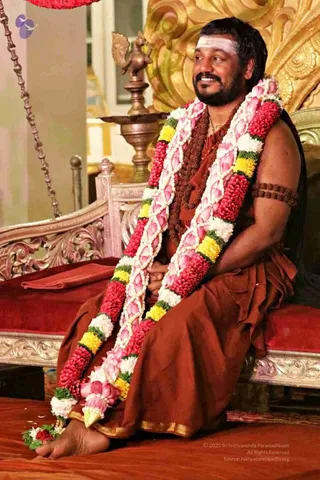 Existence is continuous expansion - HDH Nithyananda Paramashivam
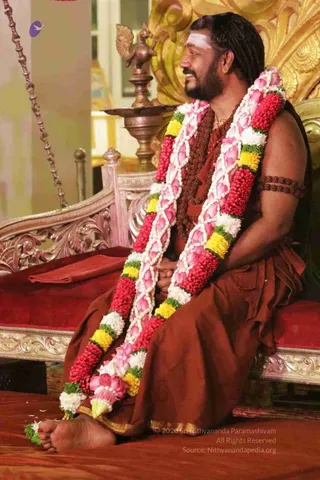 Existence is continuous expansion - HDH Nithyananda Paramashivam
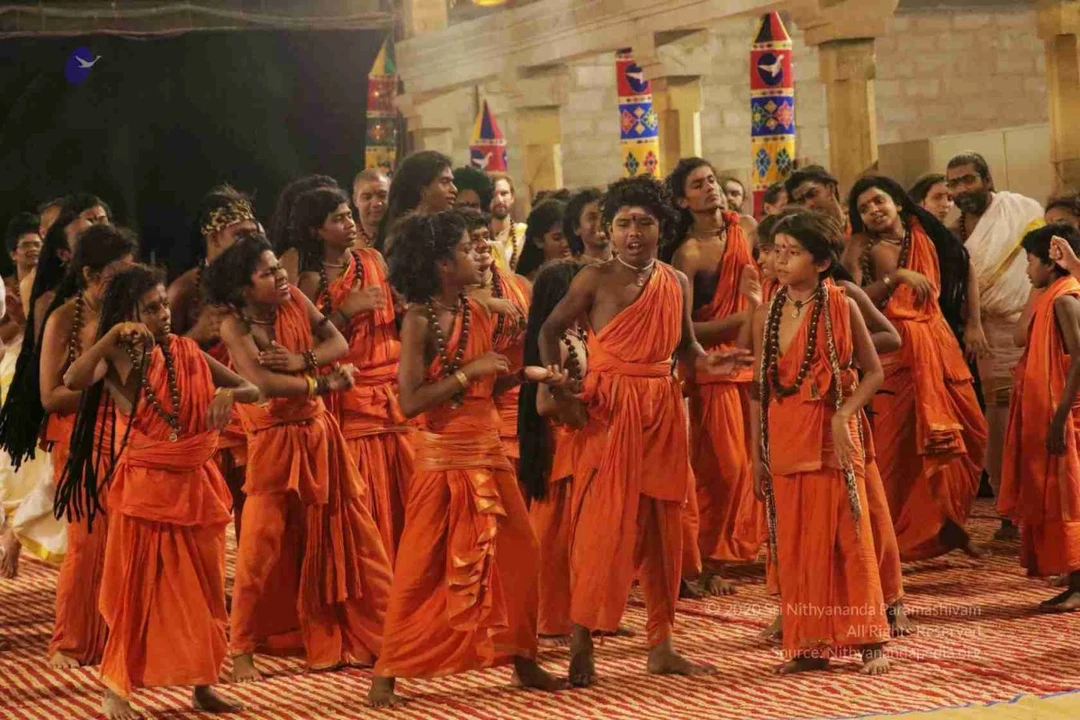 Balasant dance & celebrate in joy
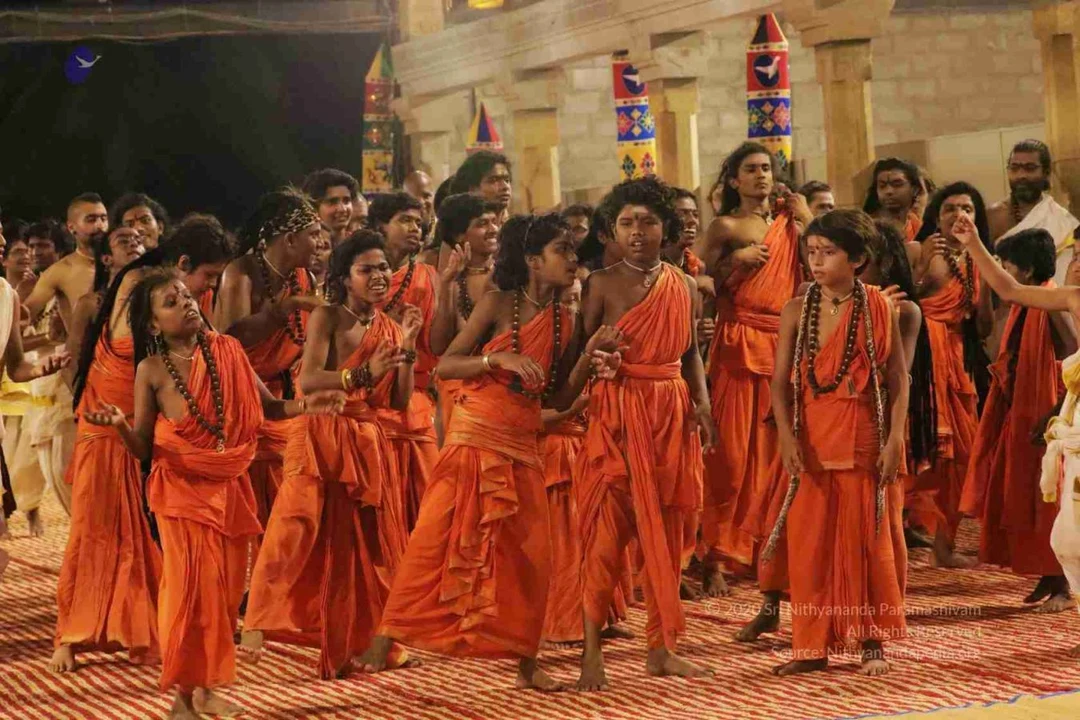 Balasant dance & celebrate in joy
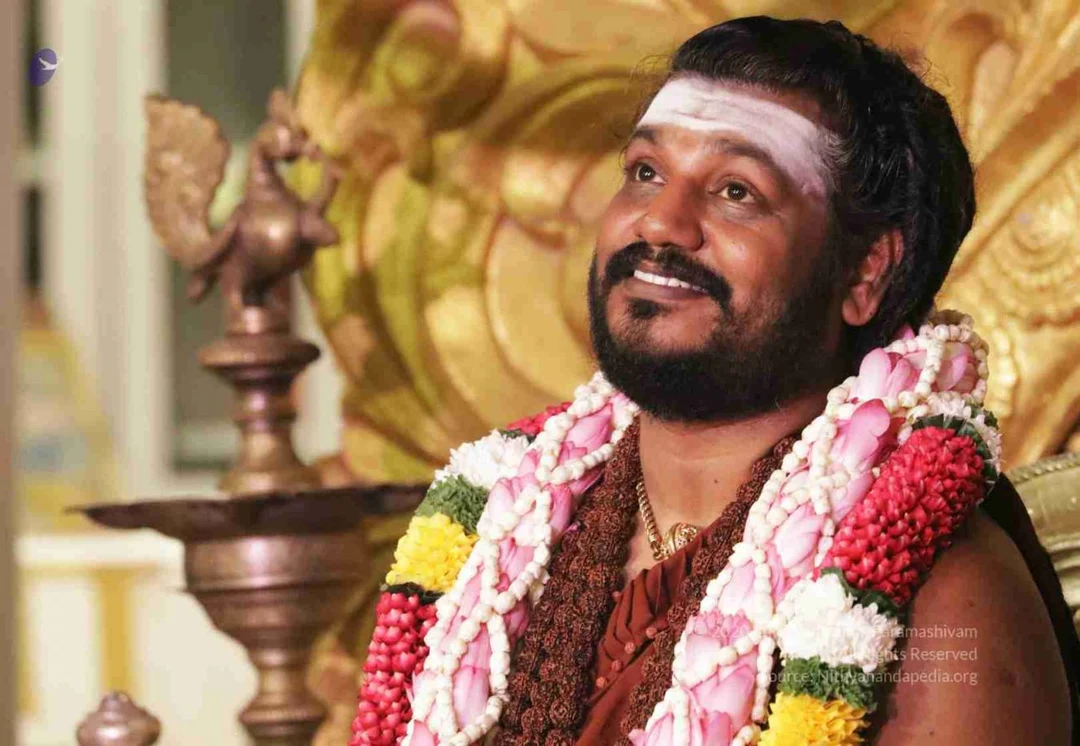 Existence is continuous expansion - HDH Nithyananda Paramashivam
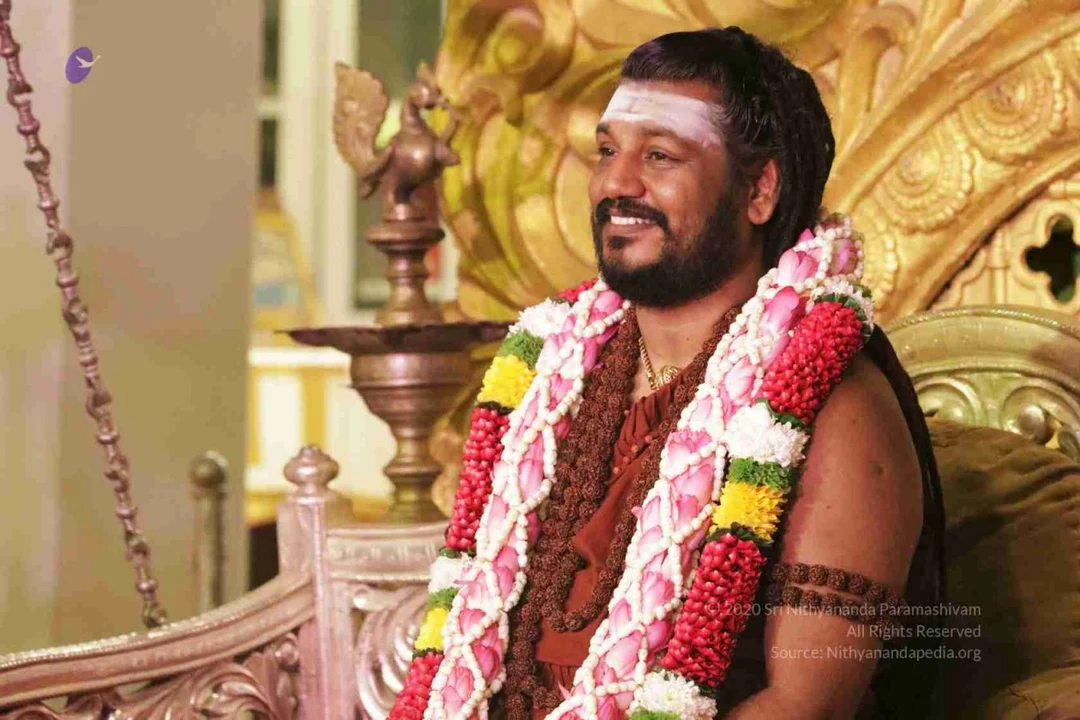 Existence is continuous expansion - HDH Nithyananda Paramashivam
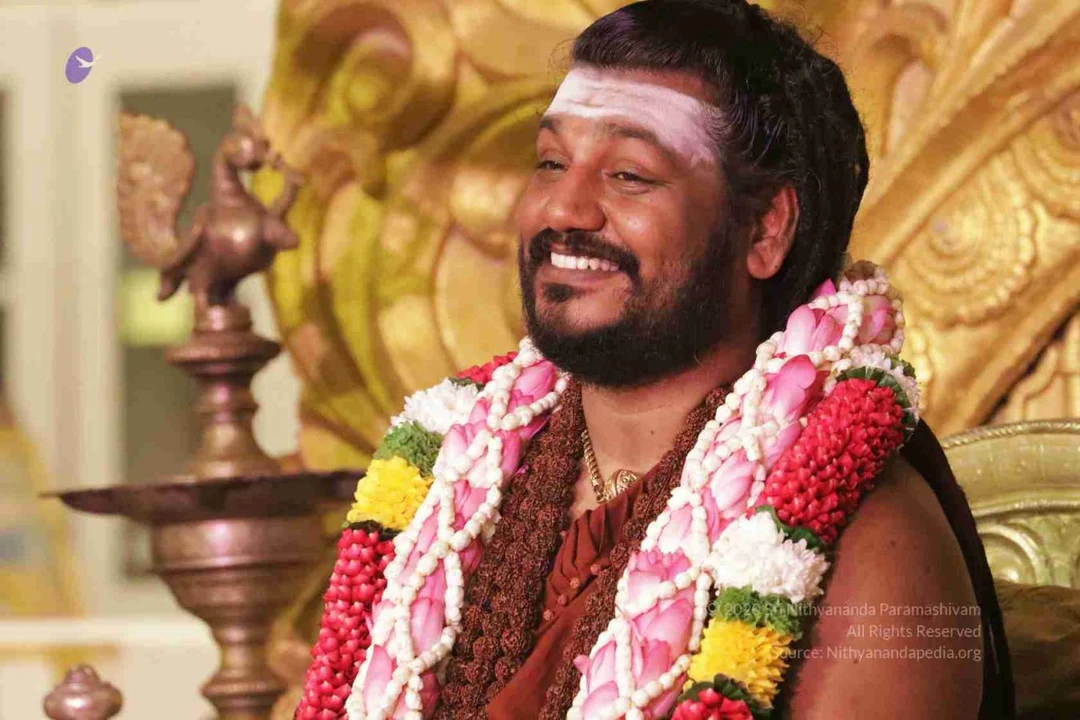 Existence is continuous expansion - HDH Nithyananda Paramashivam
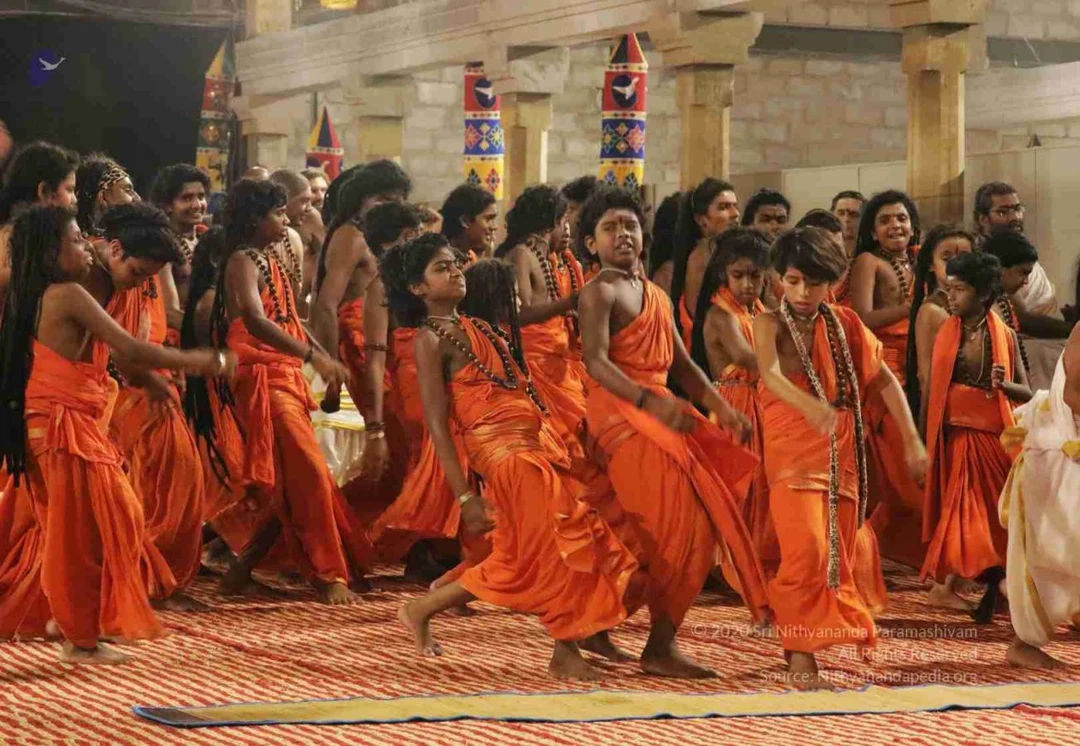 Balasants dance & celebrate in joy
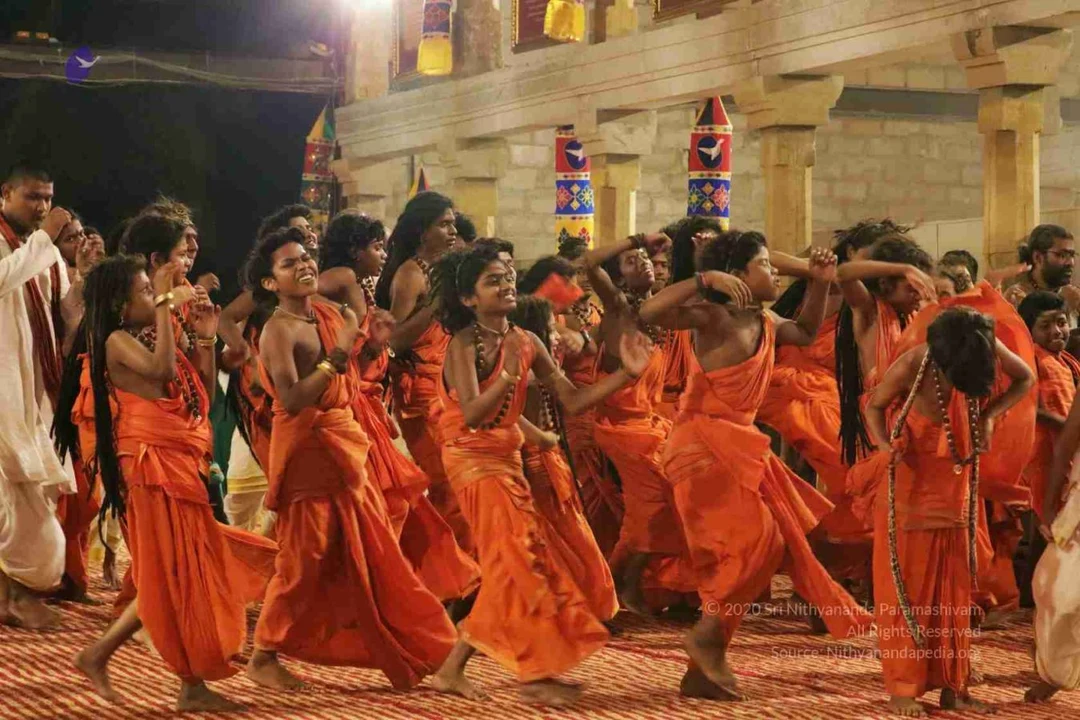 Balasants dance & celebrate in joy
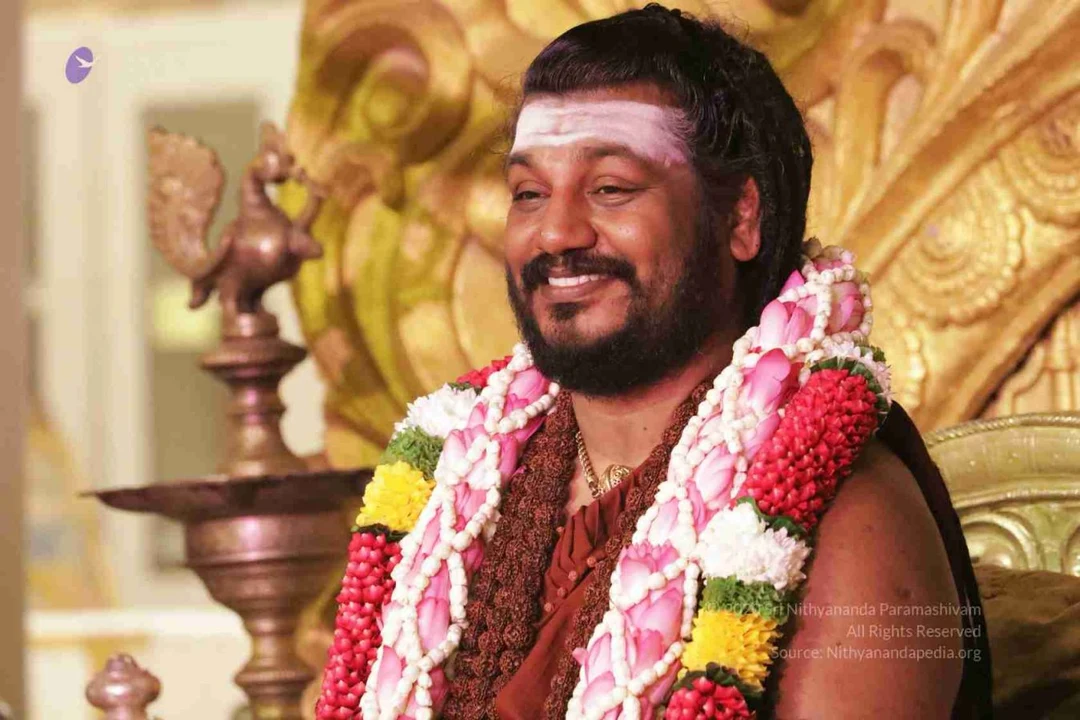 Existence is continuous expansion - HDH Nithyananda Paramashivam
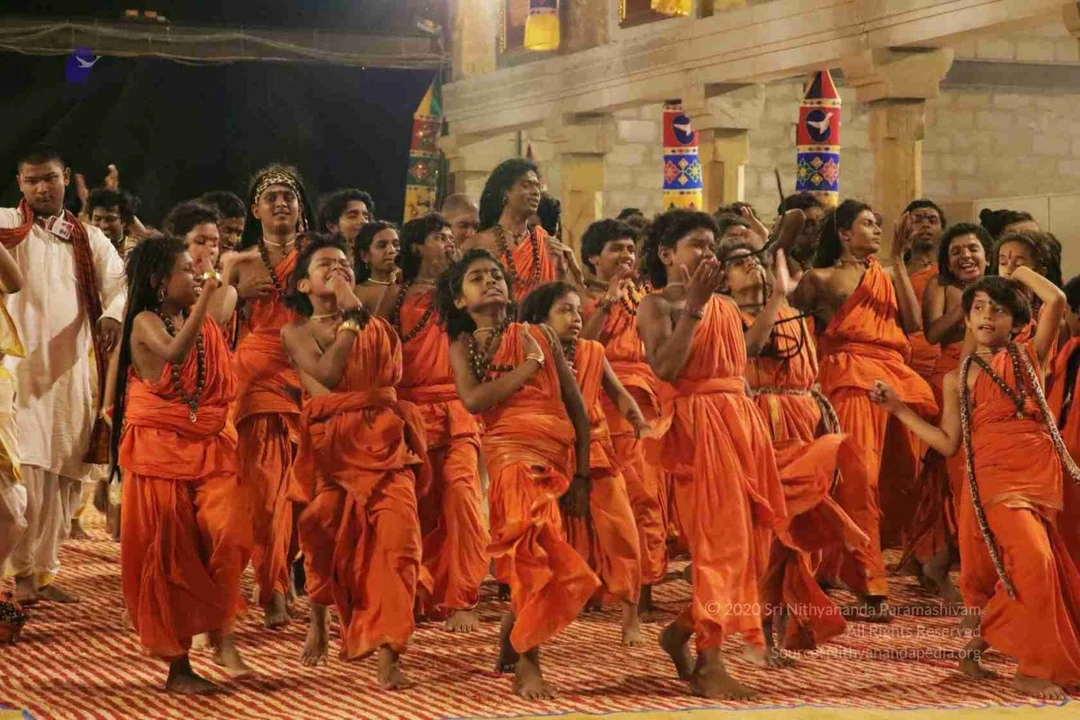 Balasants dance & celebrate in joy
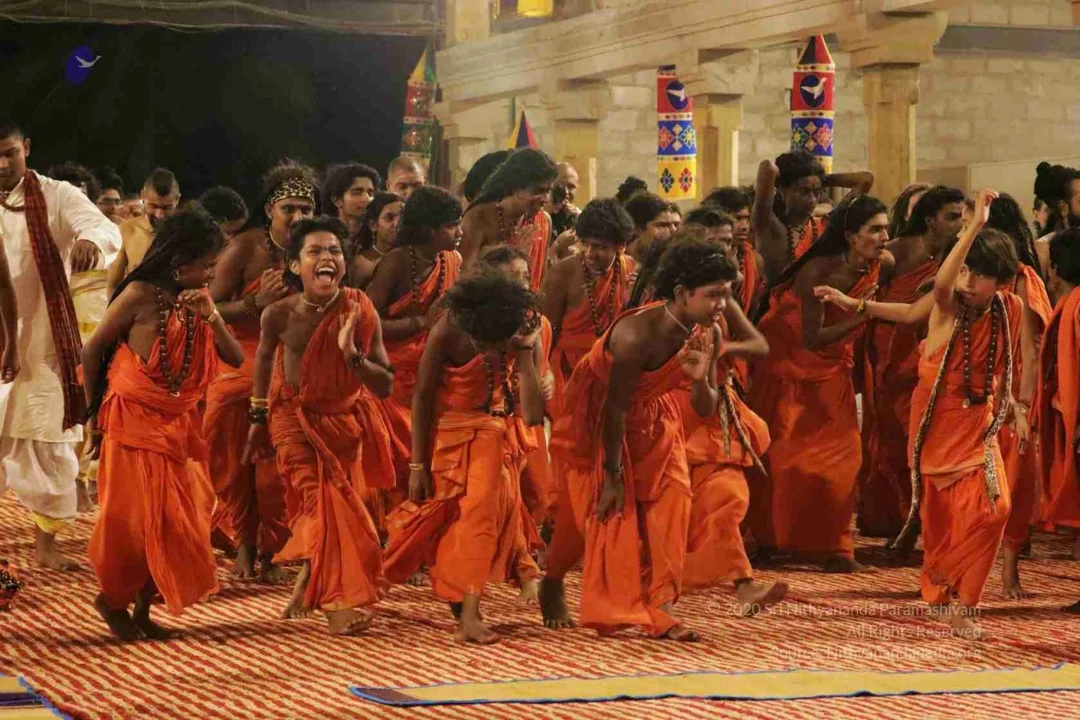 Balasants dance & celebrate in joy
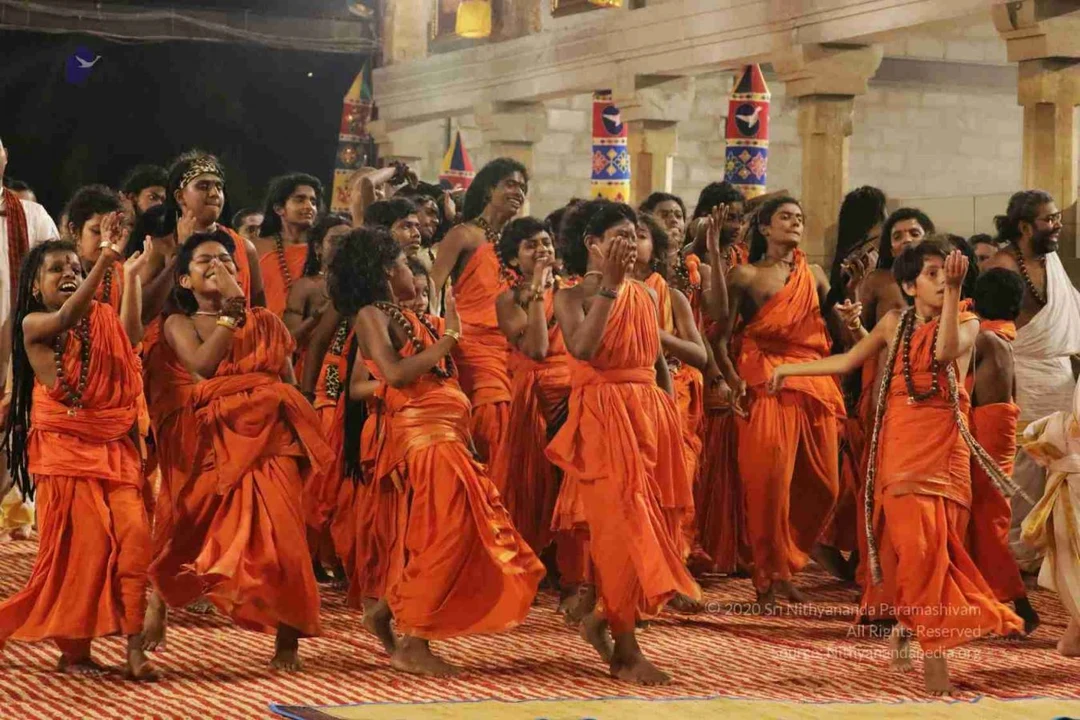 Balasants dance & celebrate in joy
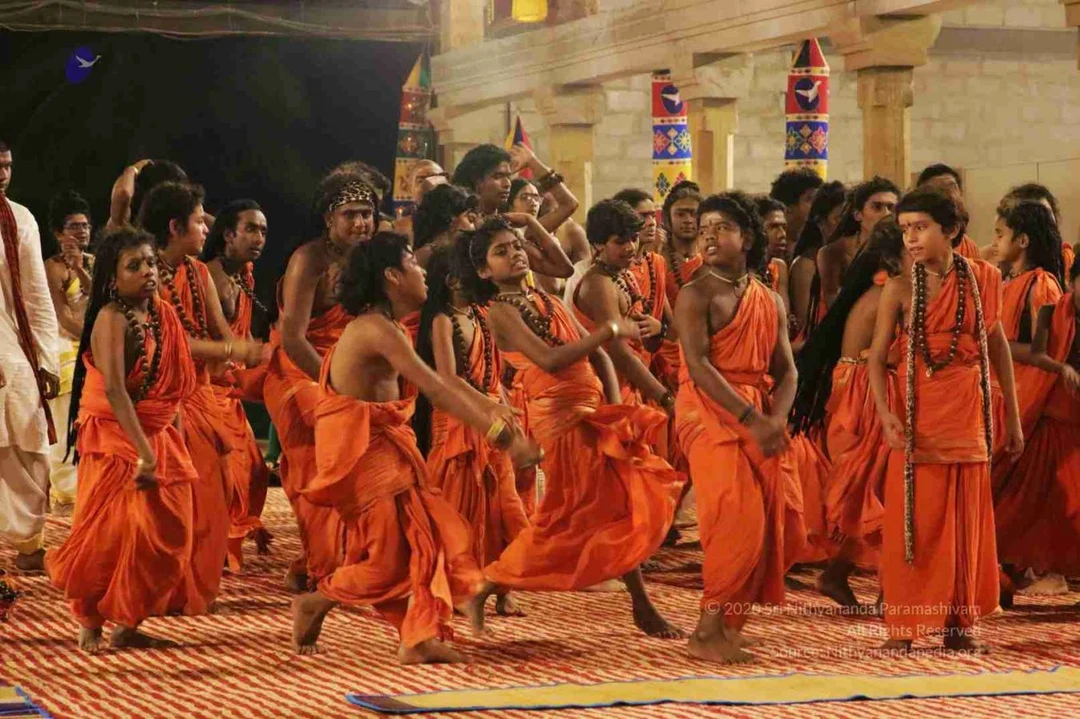 Balasants dance & celebrate in joy
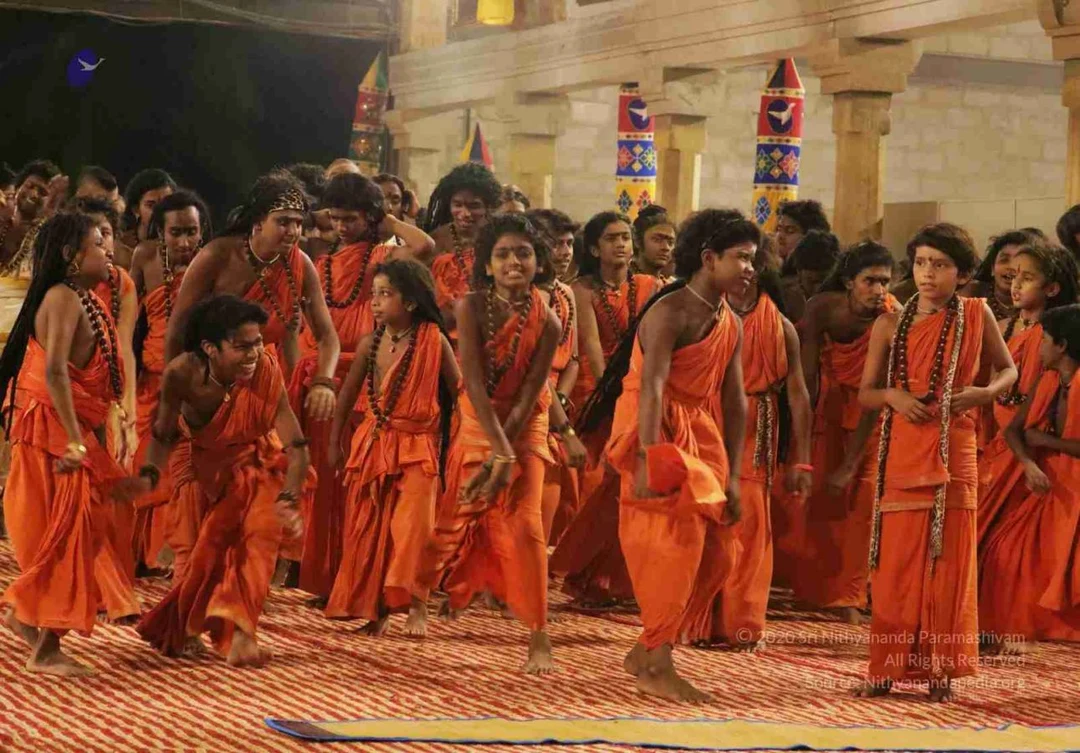 Balasants dance & celebrate in joy
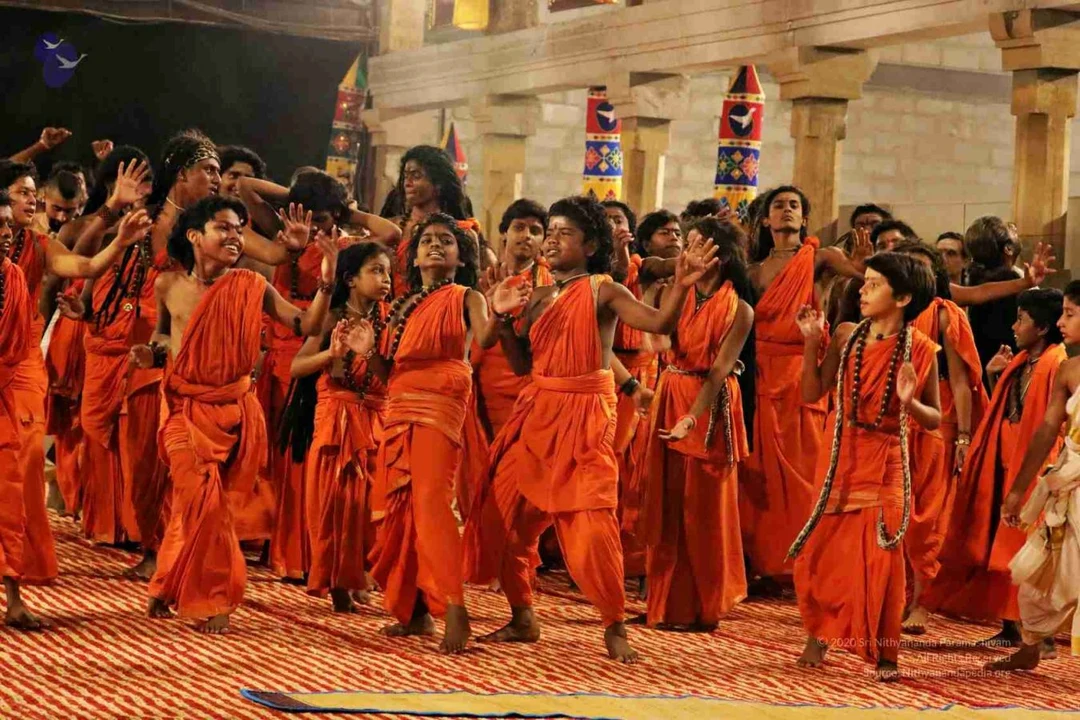 Balasants dance & celebrate in joy
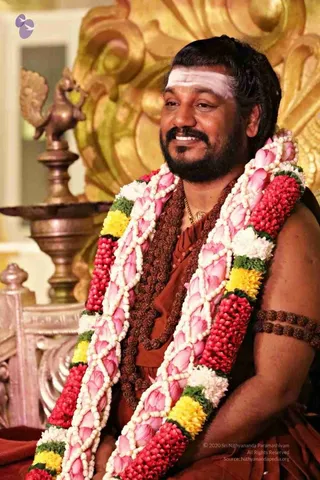 Existence is continuous expansion - HDH Nithyananda Paramashivam
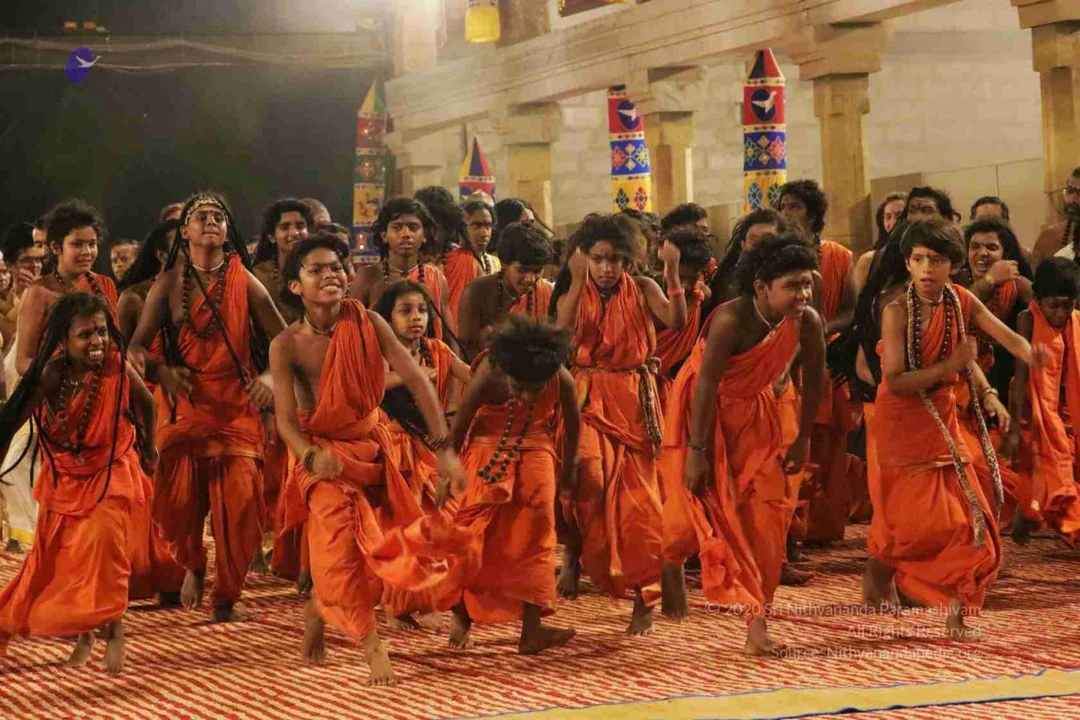 Balasants dance & celebrate in joy
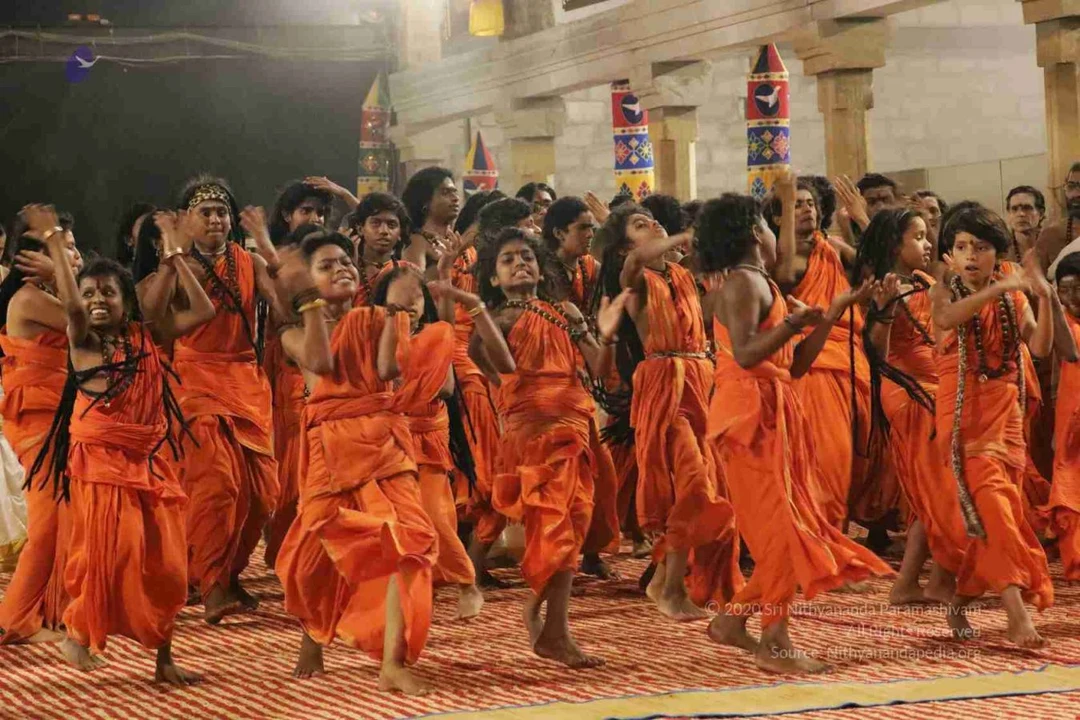 Balasants dance & celebrate in joy
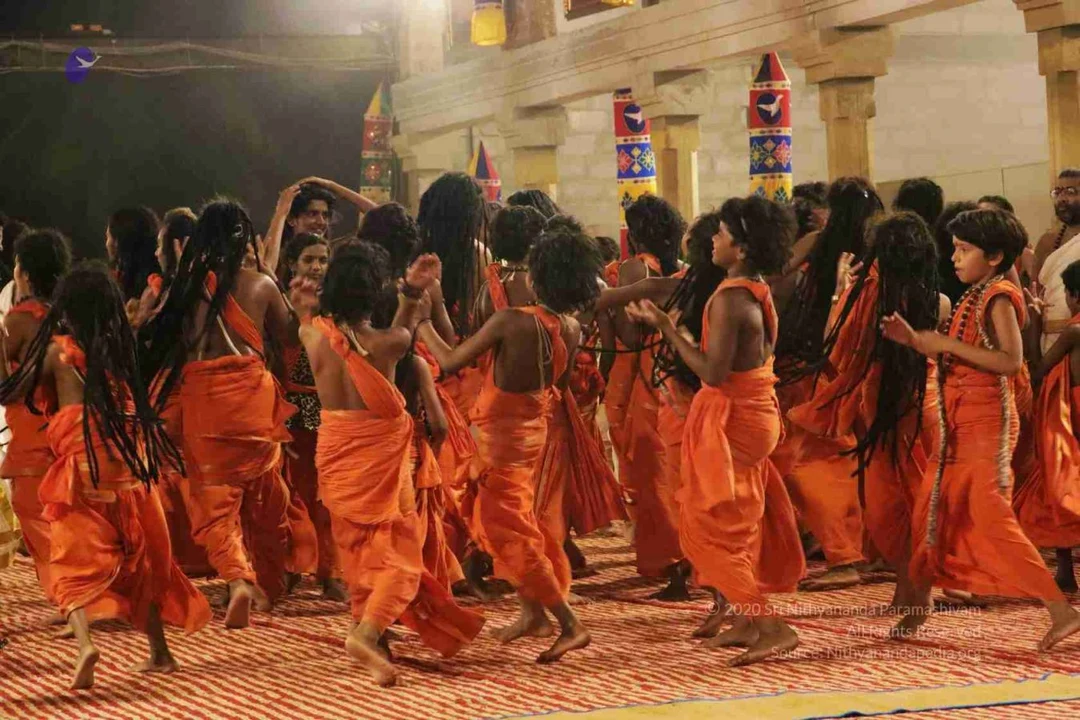 Balasants dance & celebrate in joy
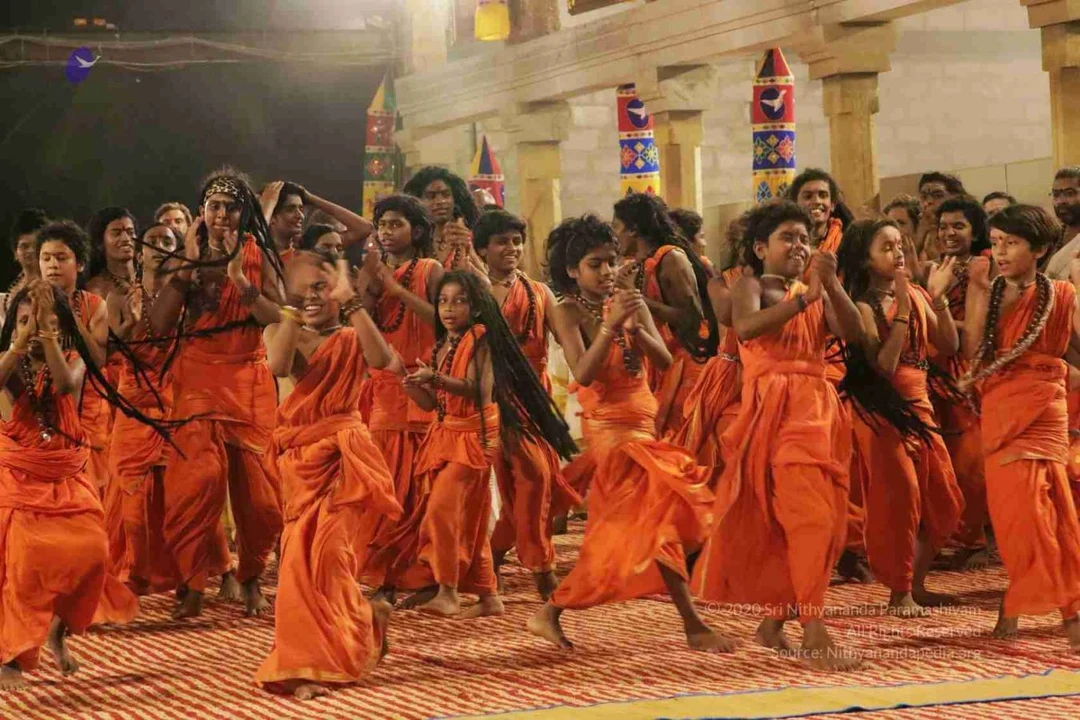 Balasants dance & celebrate in joy
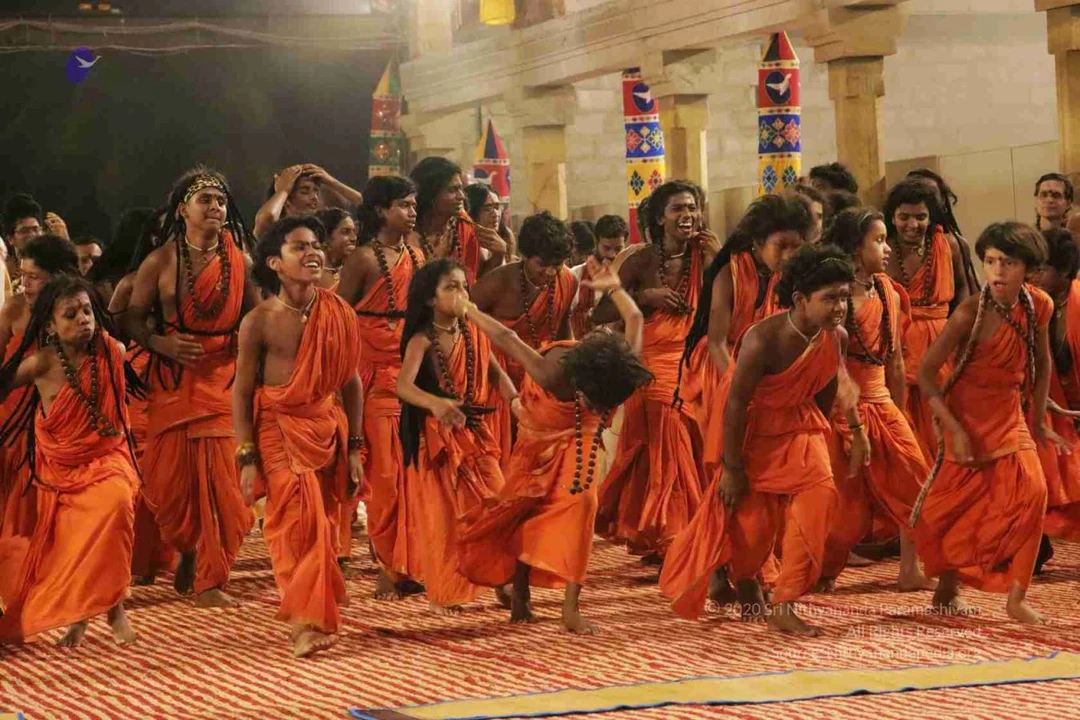 Balasants dance & celebrate in joy
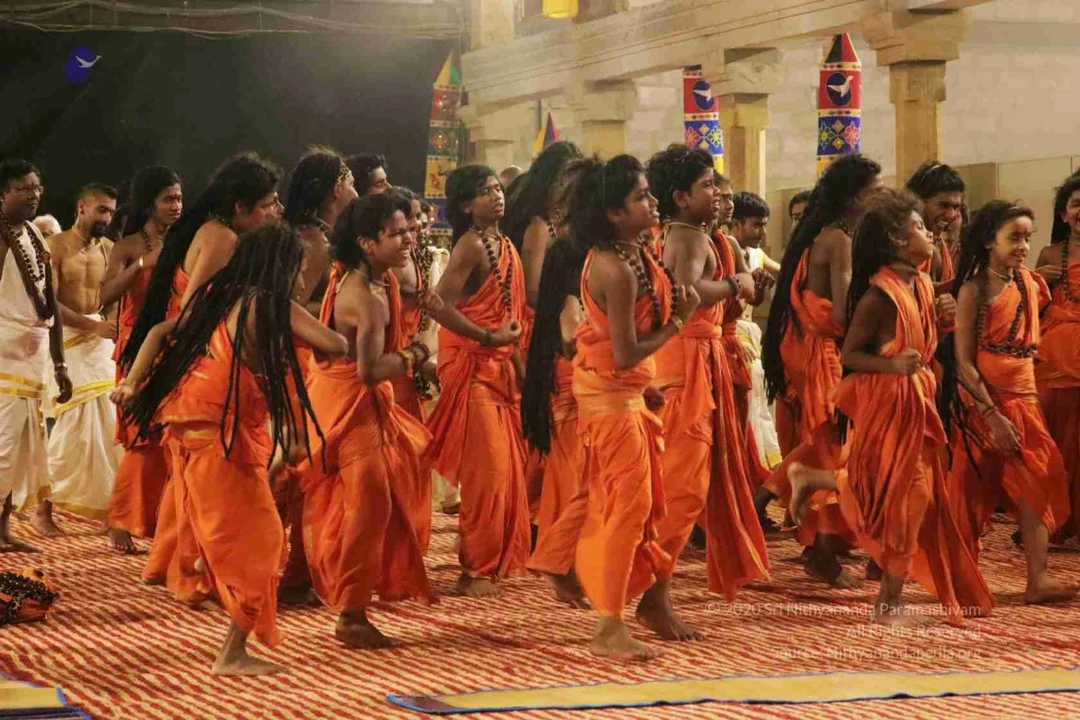 Balasants dance & celebrate in joy
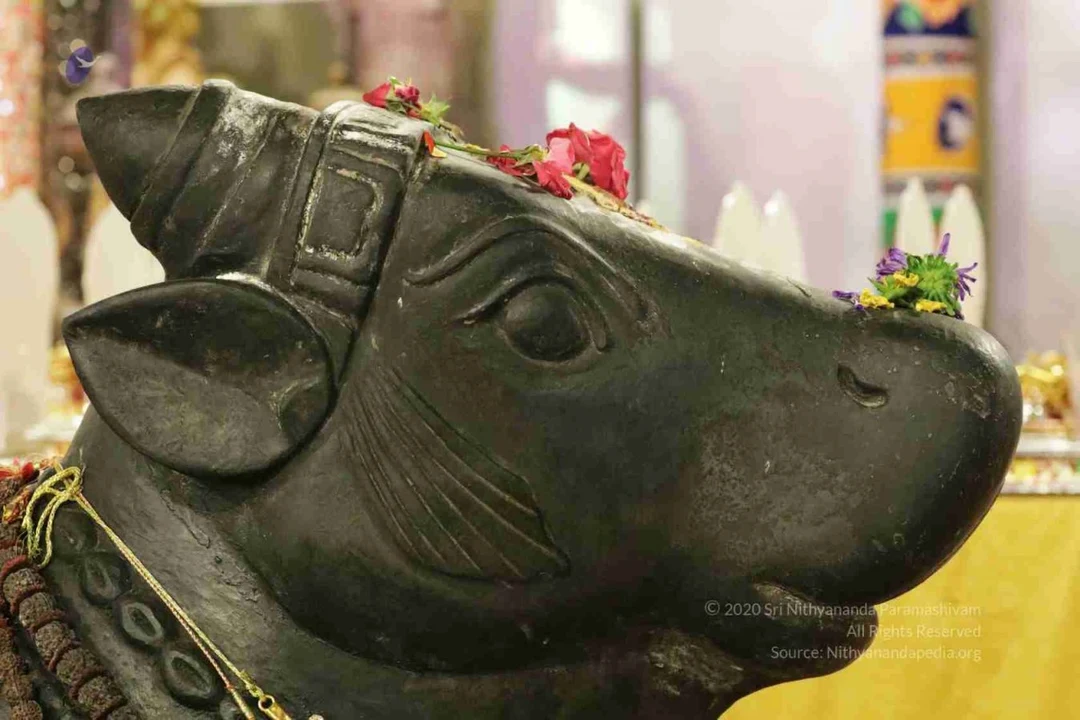 Nandikeshwara - Adi Kailaasa, Bengaluru Aadheenam
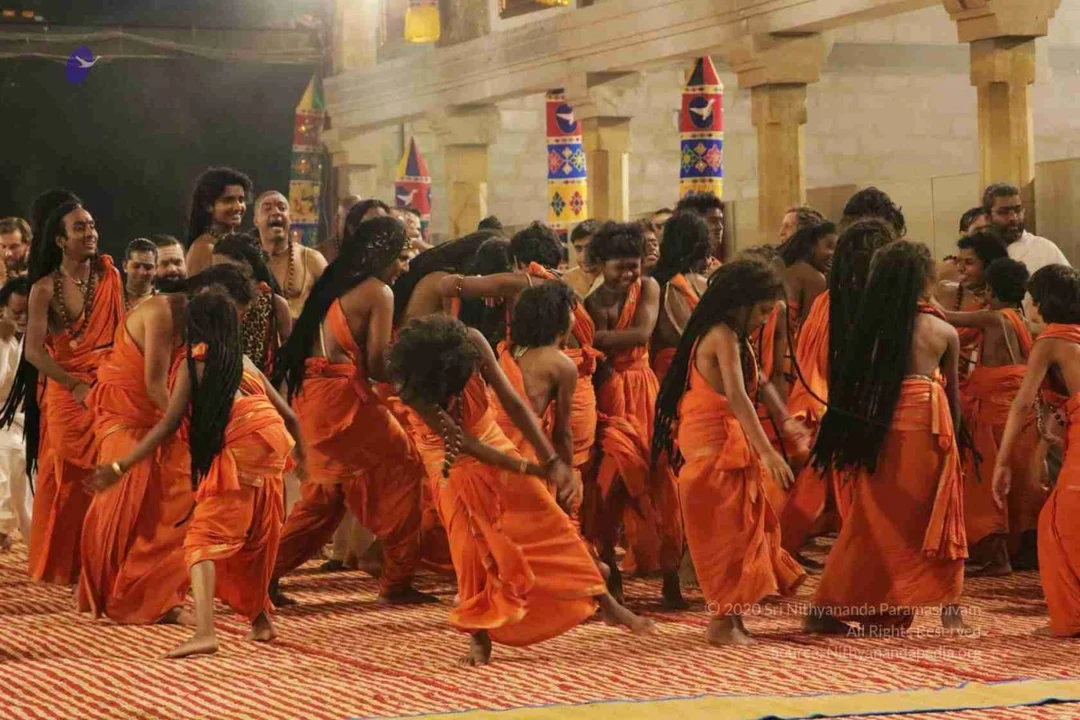 Balasants dance & celebrate in joy
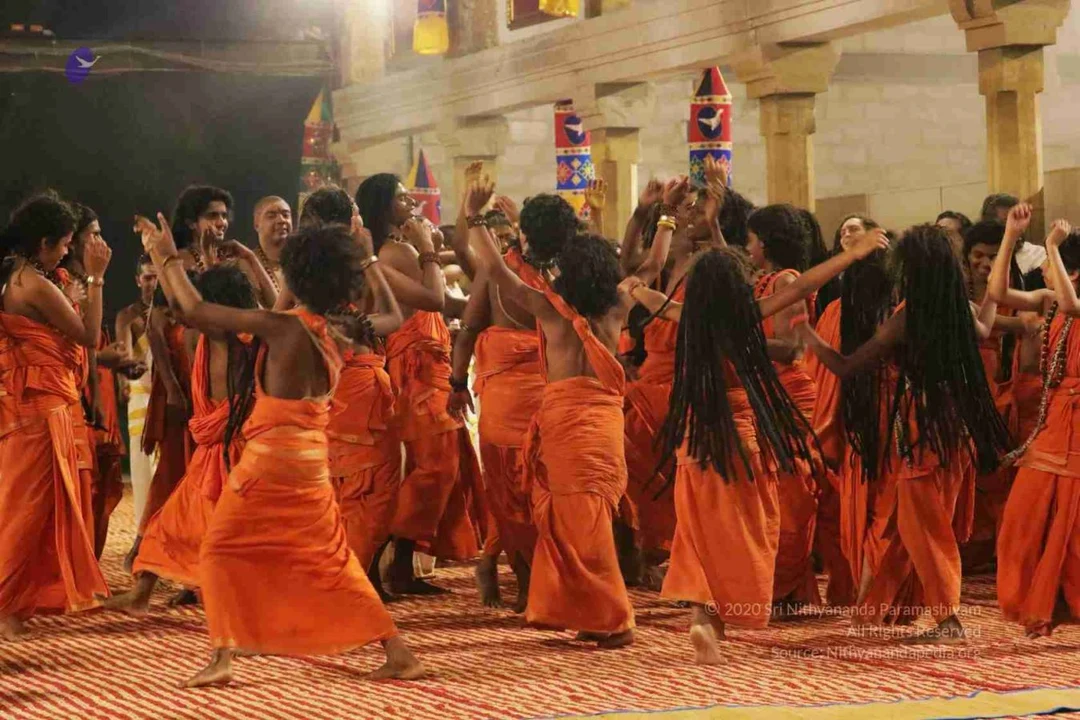 Balasants dance & celebrate in joy
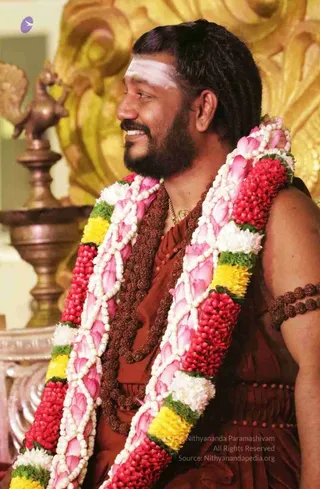 Joyous expression of living avatar
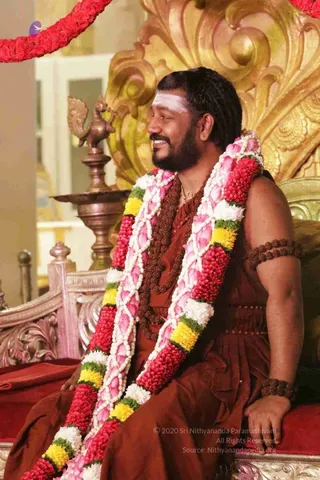 Joyous expression of living avatar
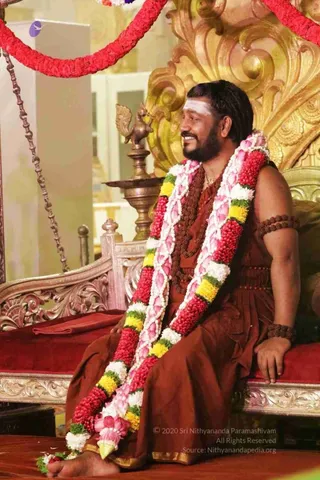 Joyous expression of living avatar
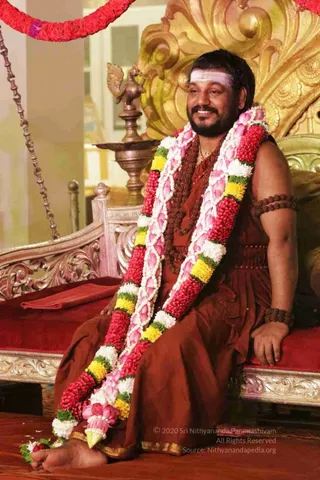 Joyous expression of living avatar
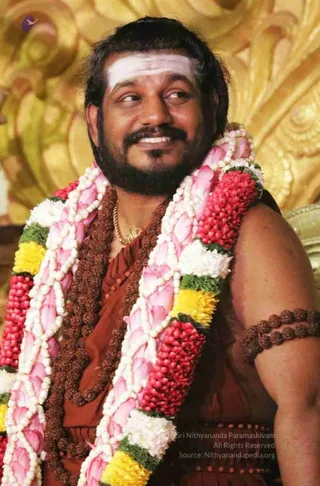 Joyous expression of living avatar
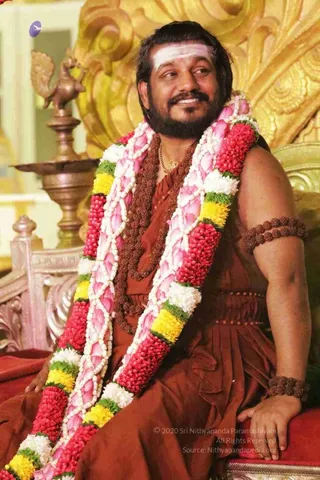 Joyous expression of living avatar
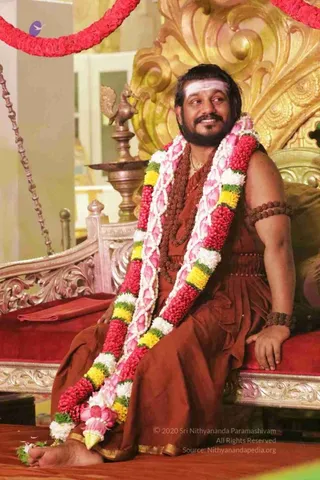 Joyous expression of living avatar
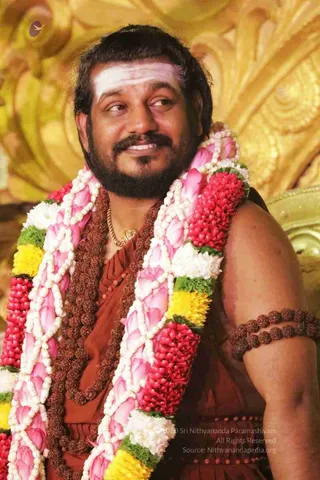 Joyous expression of living avatar
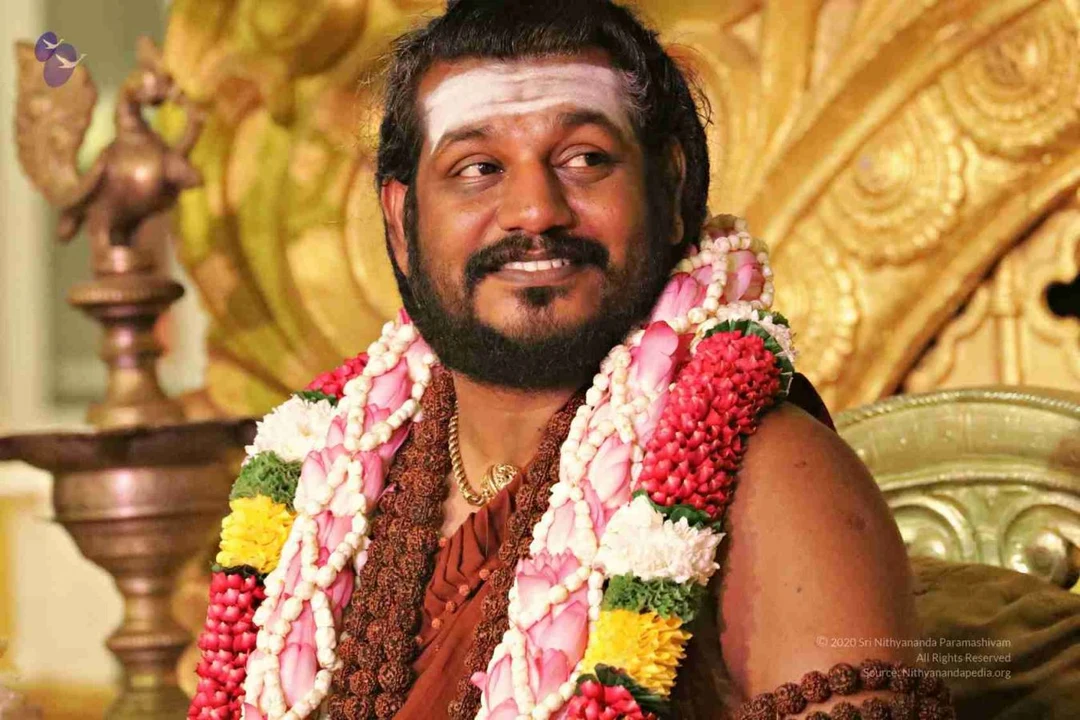 Joyous expression of living avatar
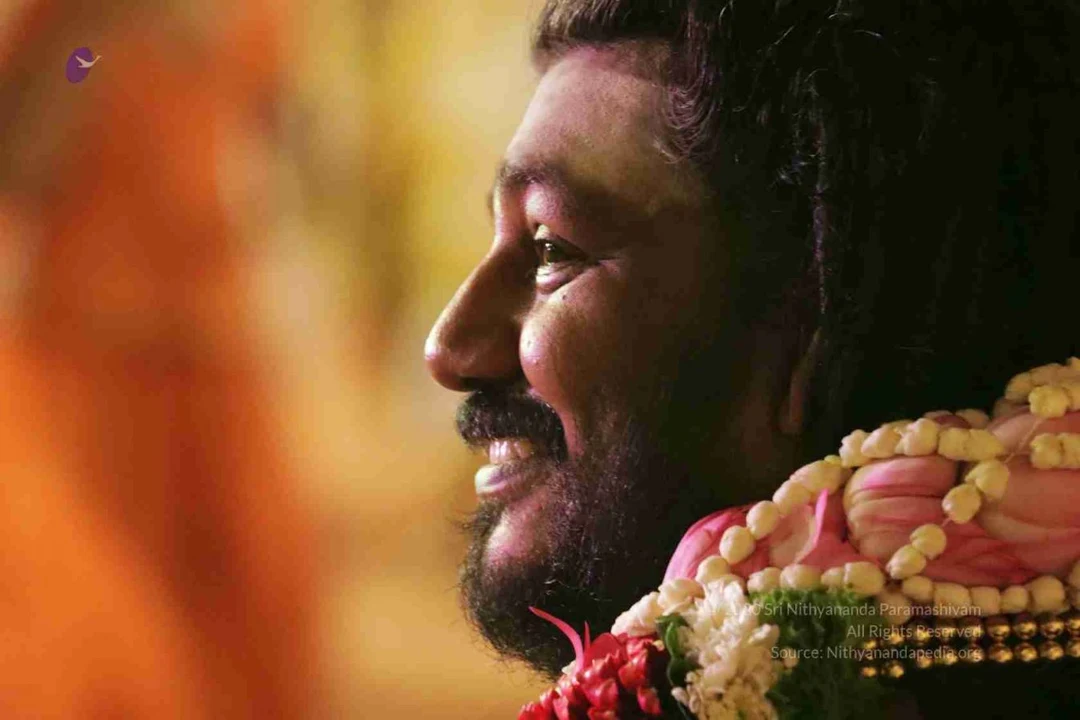 Joyous expression of living avatar
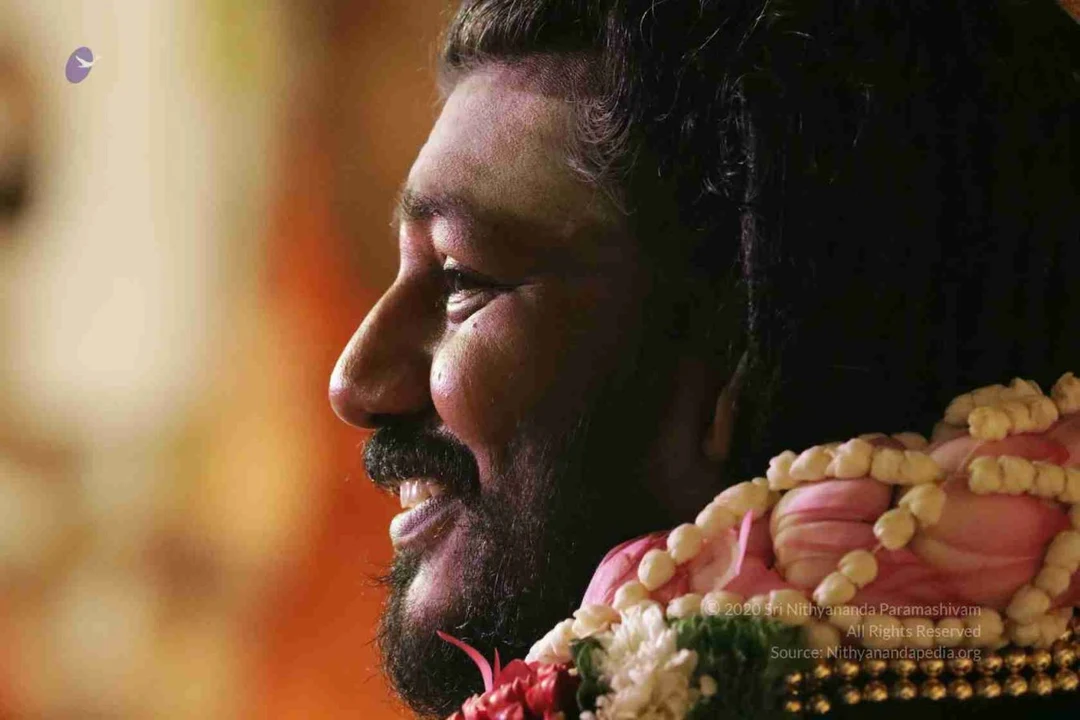 Joyous expression of living avatar
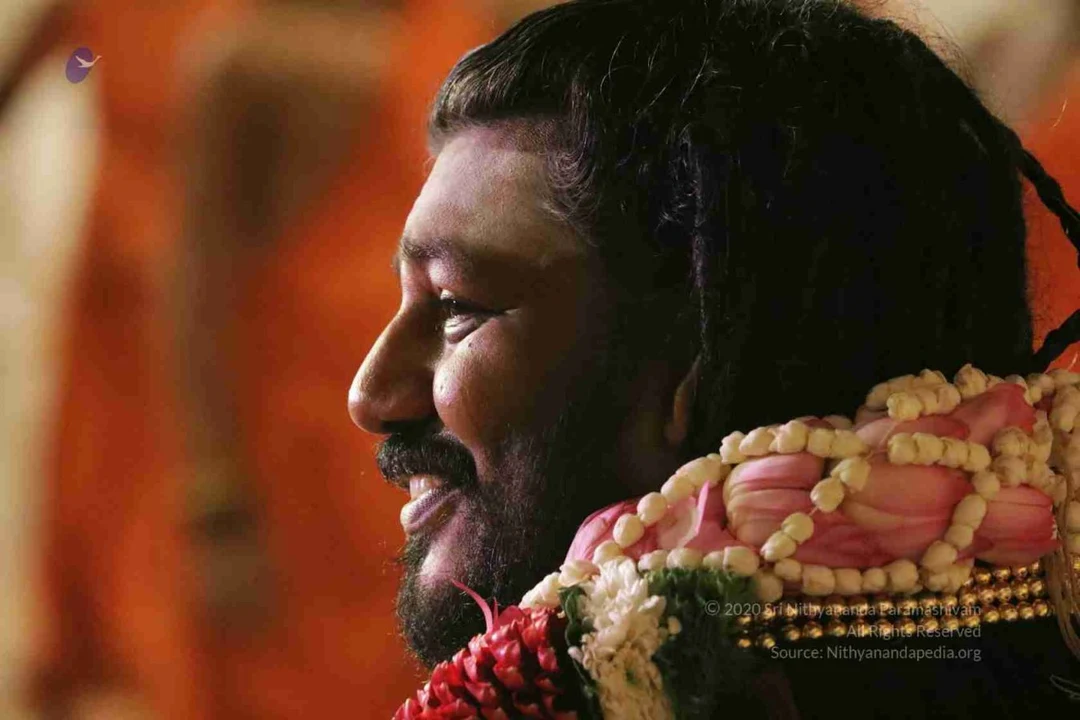 Joyous expression of living avatar
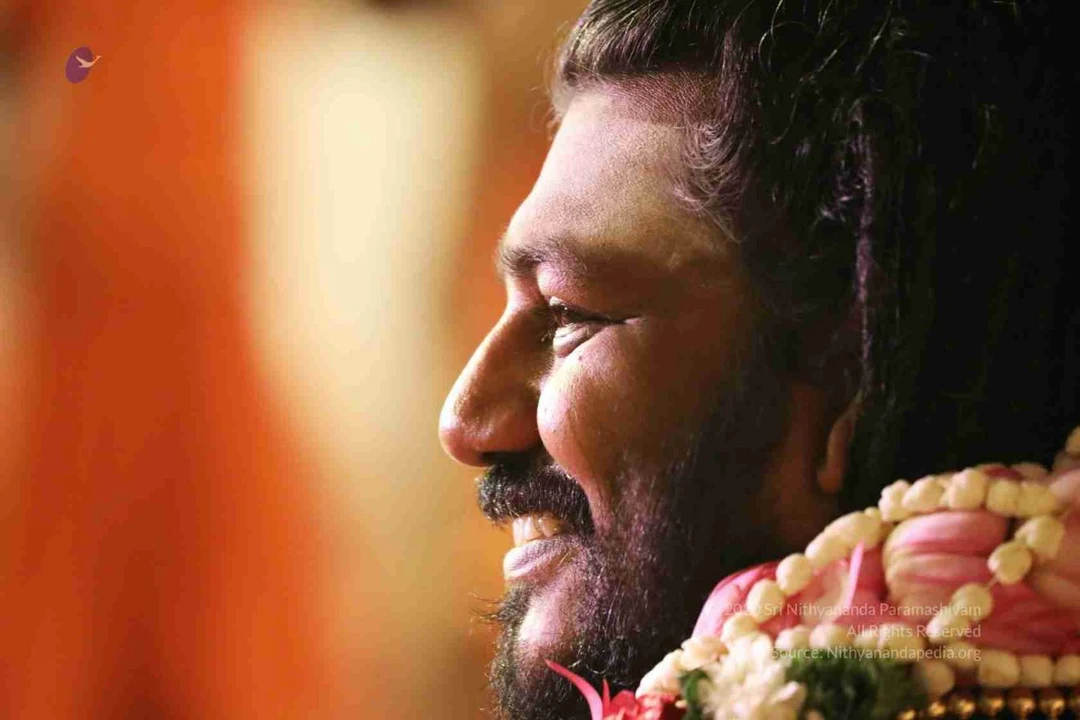 Joyous expression of living avatar
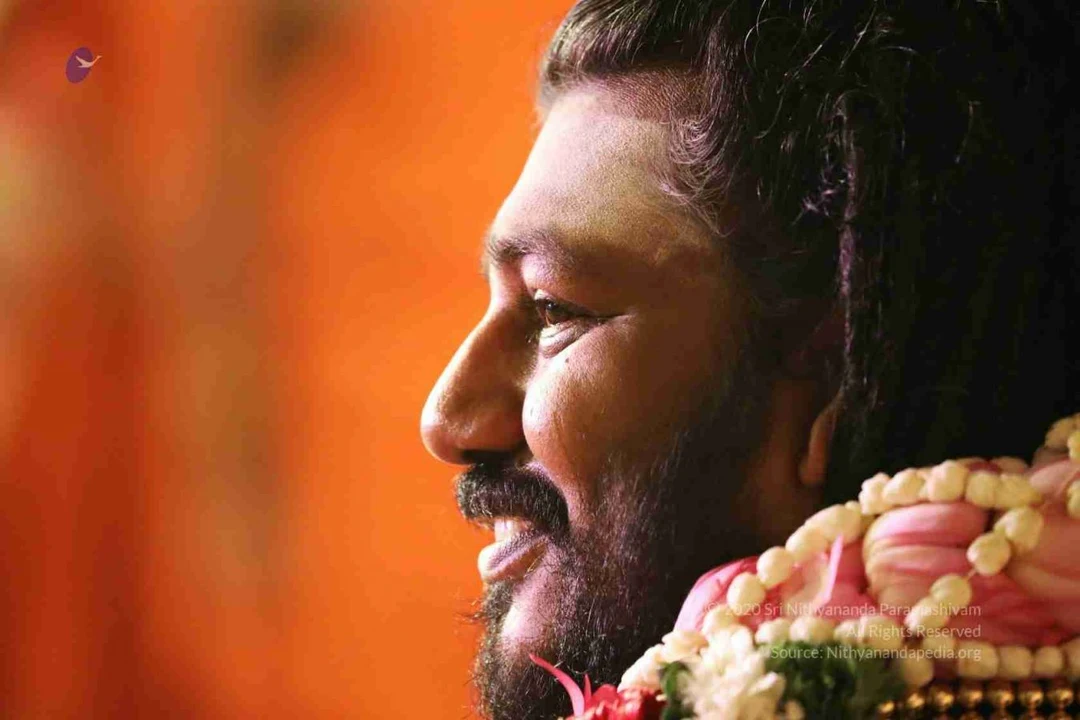 Joyous expression of living avatar
 Joyous expression of living avatar
 Joyous expression of living avatar
 Joyous expression of living avatar
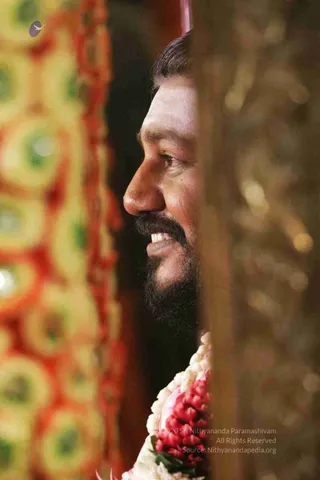 Joyous expression of living avatar
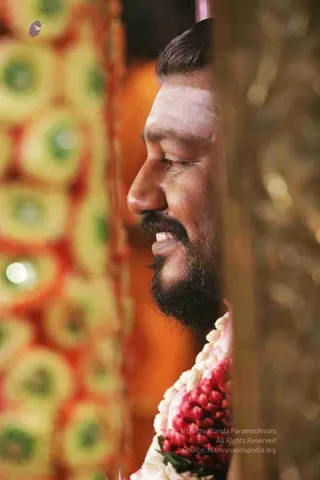 Joyous expression of living avatar
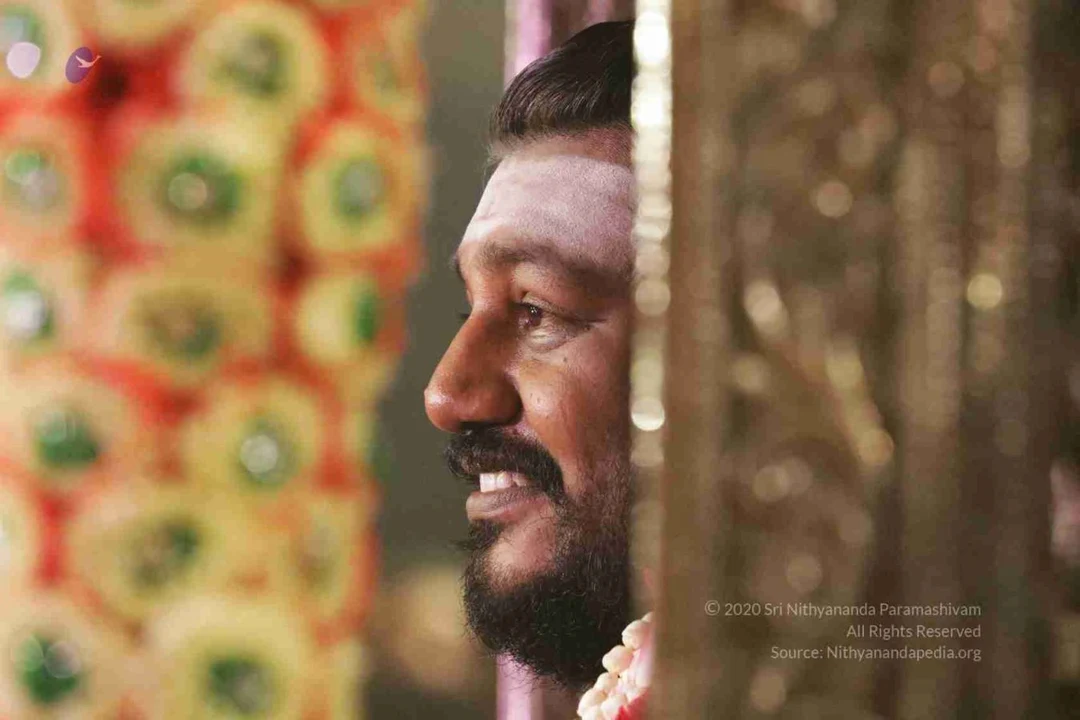 Joyous expression of living avatar
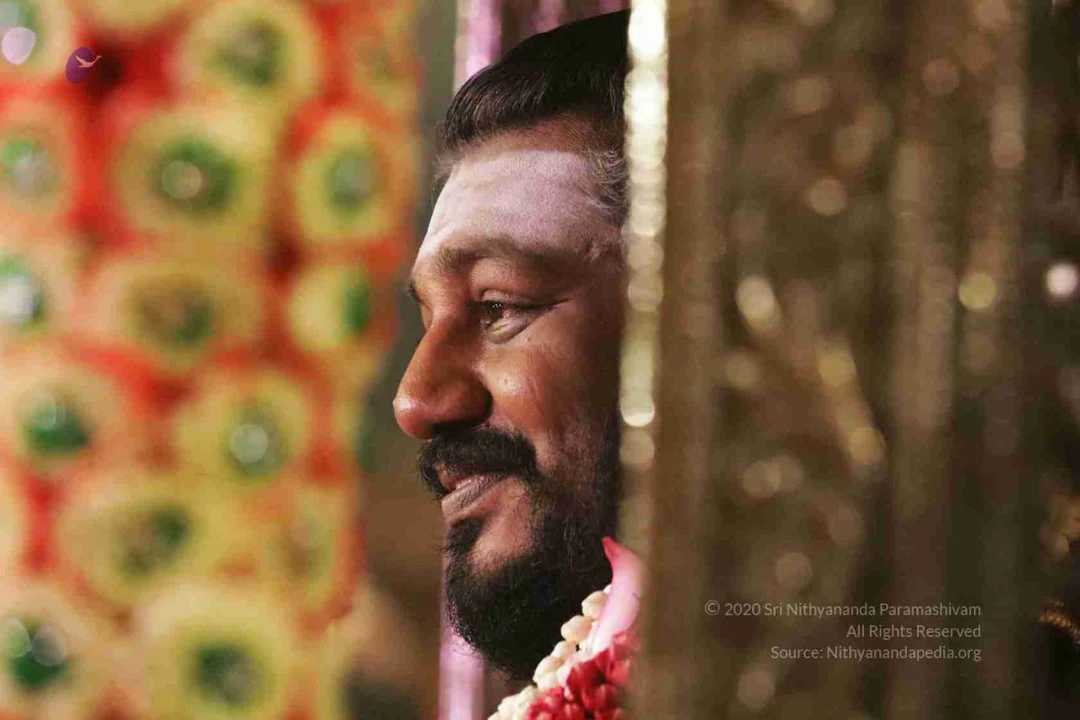 Joyous expression of living avatar
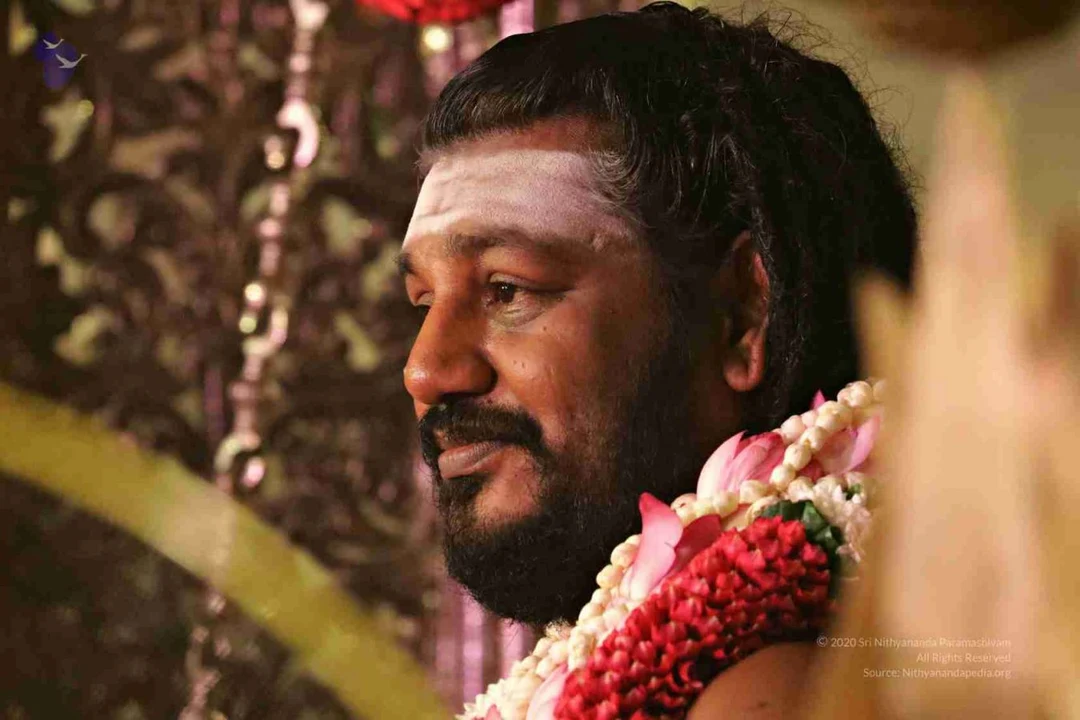 Joyous expression of living avatar
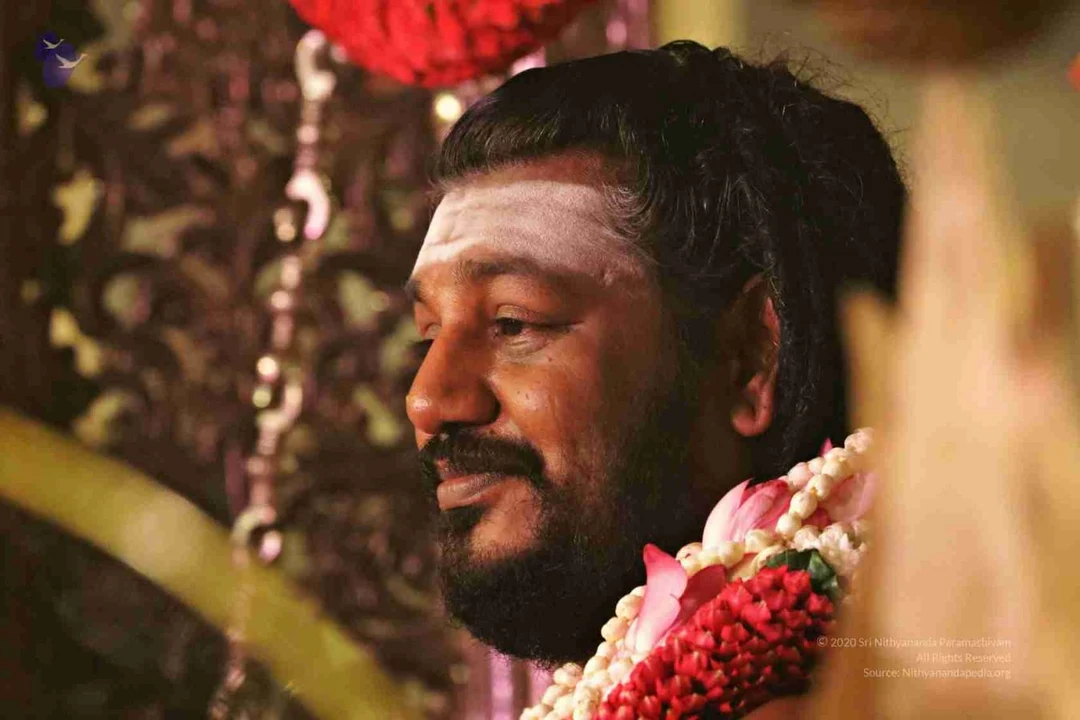 Joyous expression of living avatar
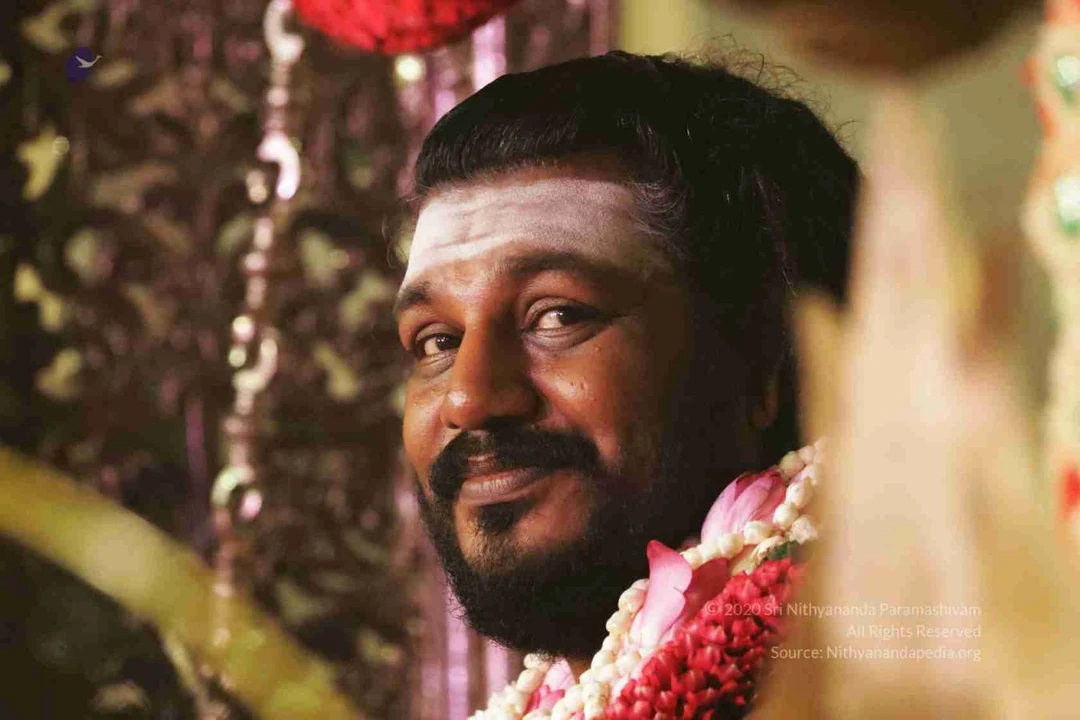 Joyous expression of living avatar
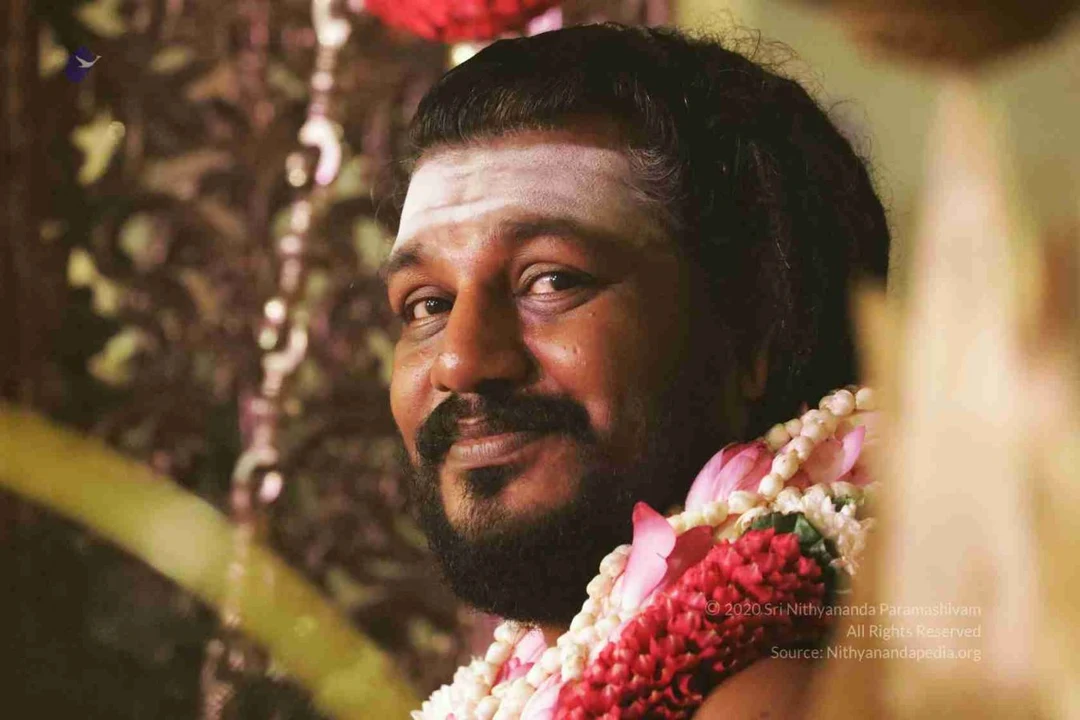 Joyous expression of living avatar
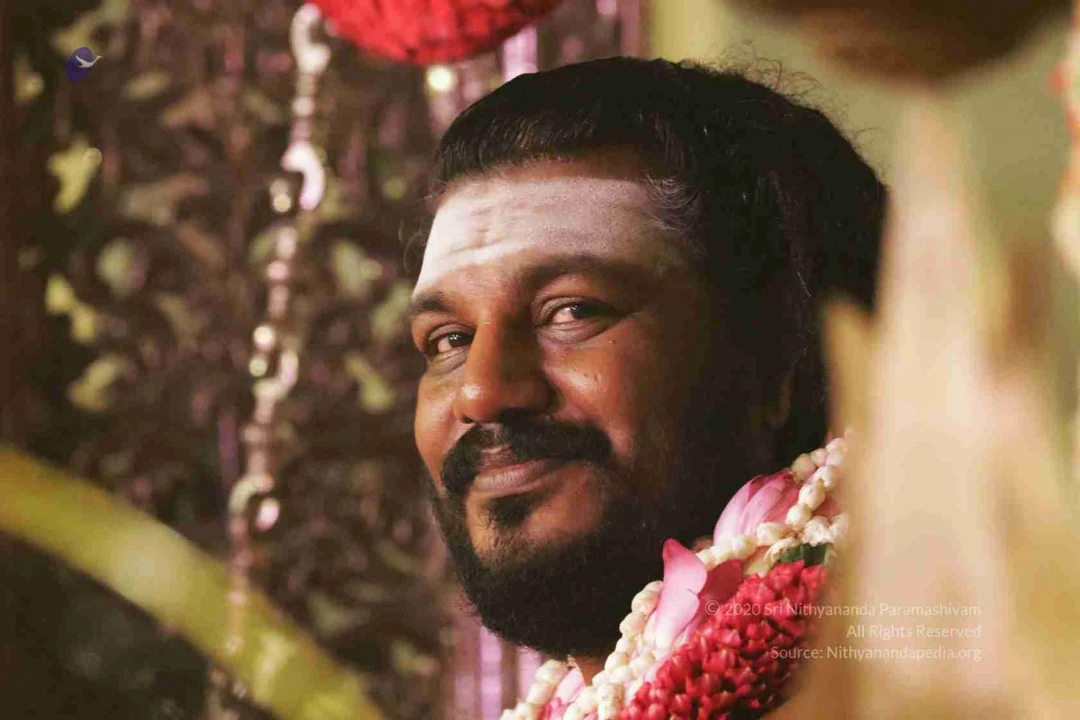 Joyous expression of living avatar
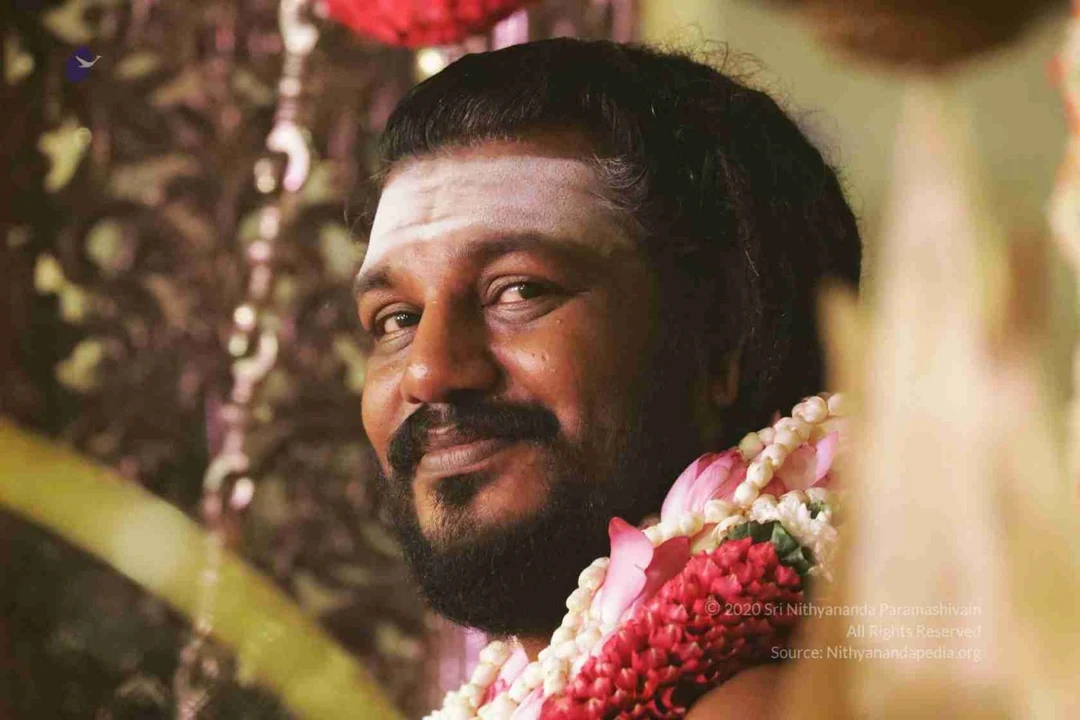 Joyous expression of living avatar
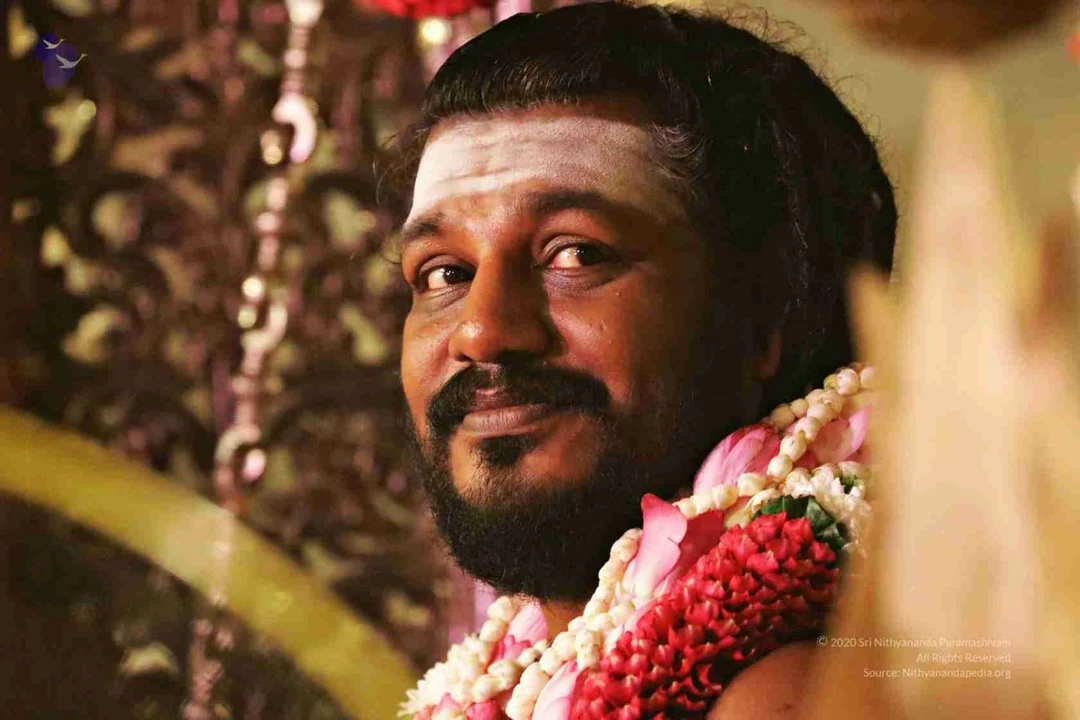 Joyous expression of living avatar
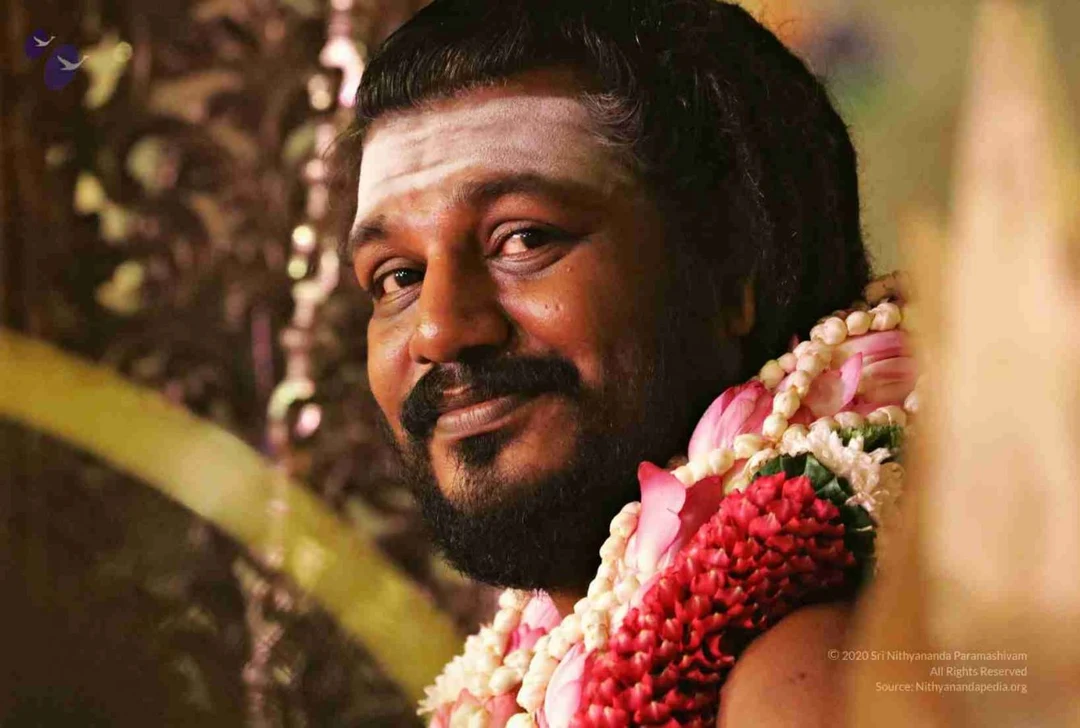 Joyous expression of living avatar
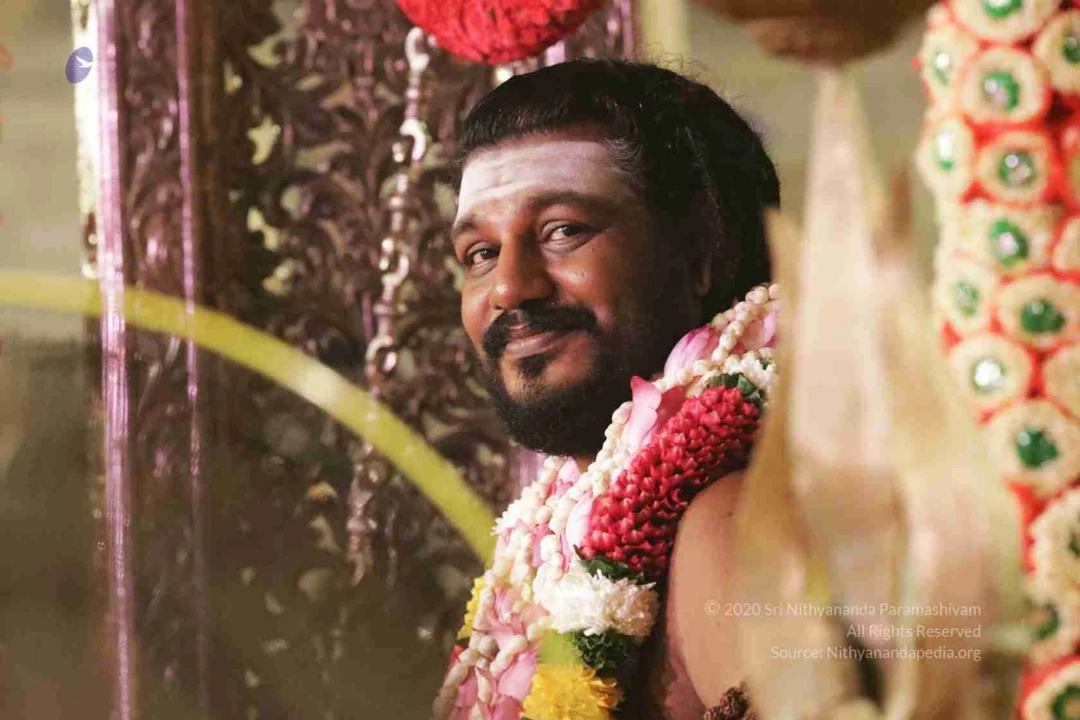 Joyous expression of living avatar
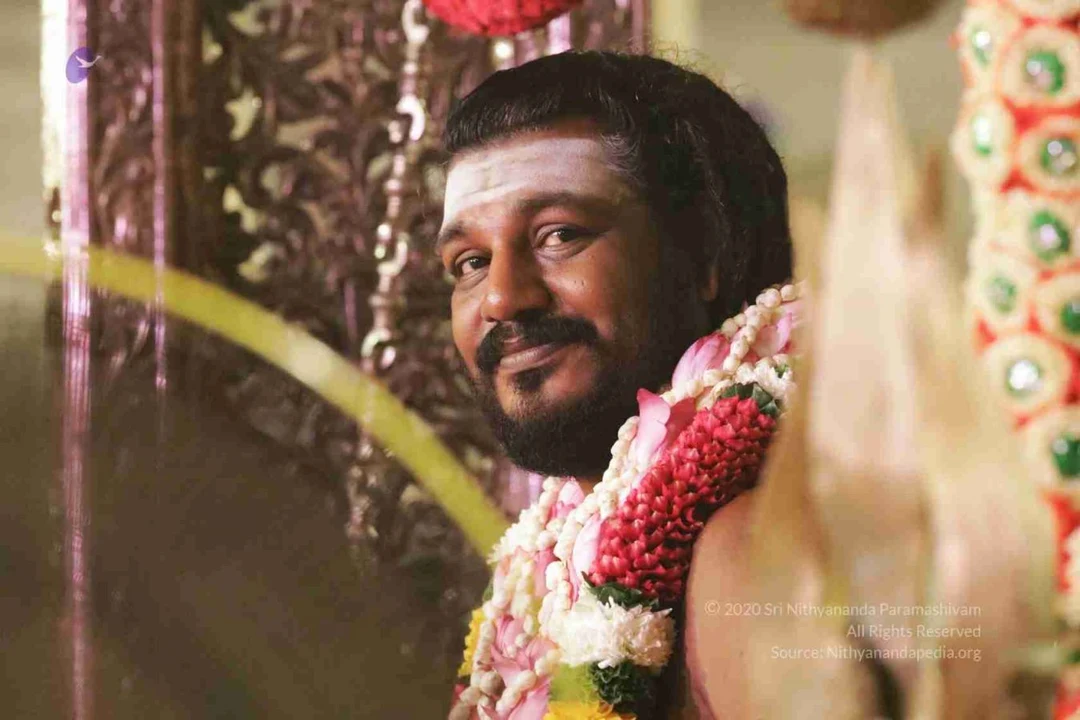 Joyous expression of living avatar
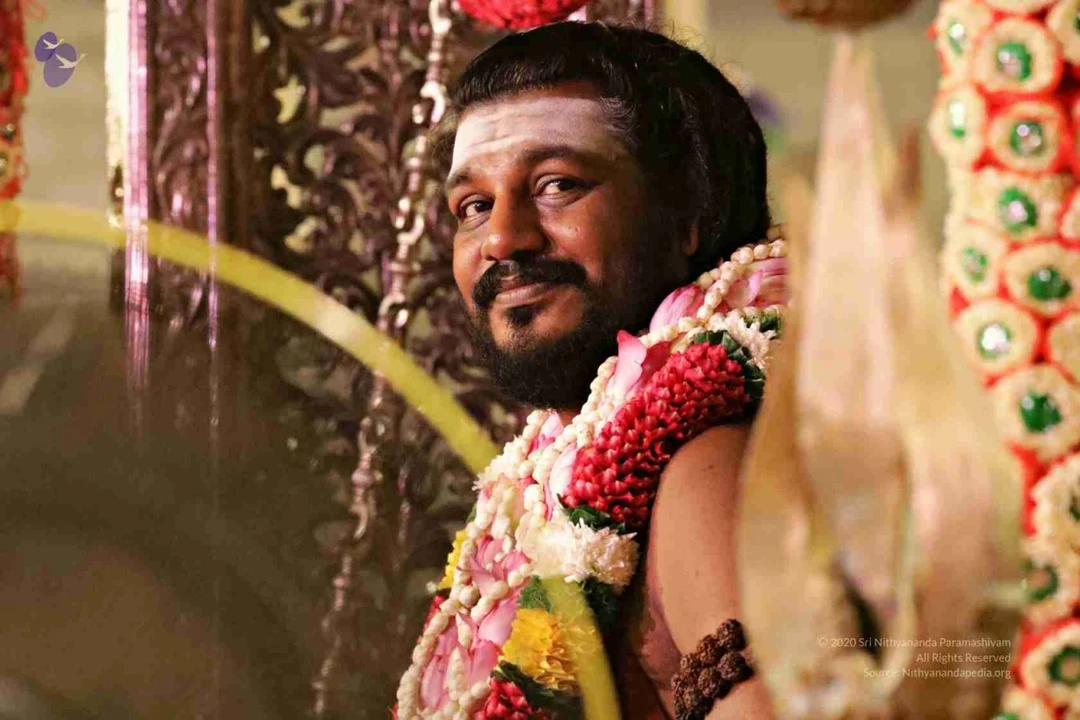 Joyous expression of living avatar
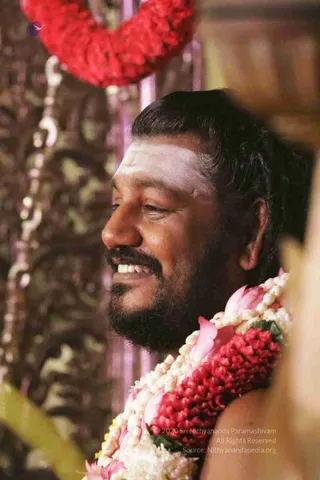 Joyous expression of living avatar
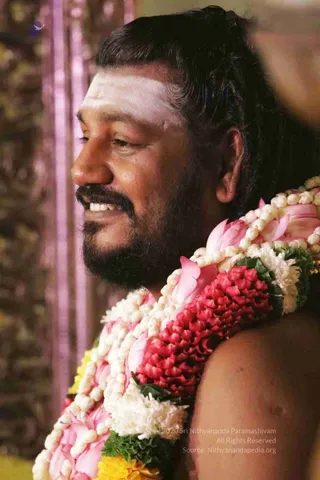 Joyous expression of living avatar
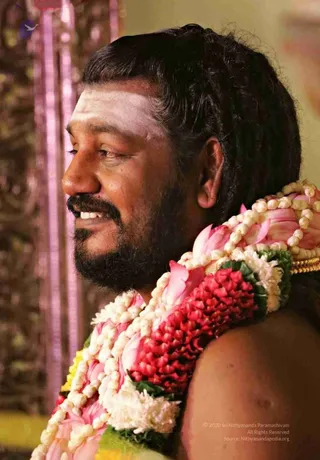 Joyous expression of living avatar
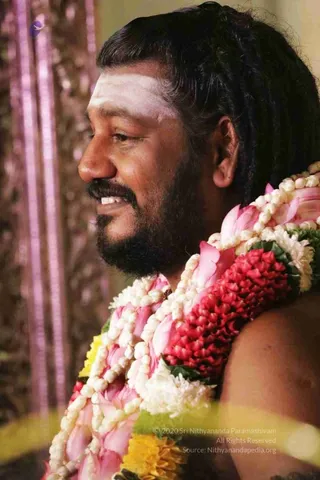 Joyous expression of living avatar
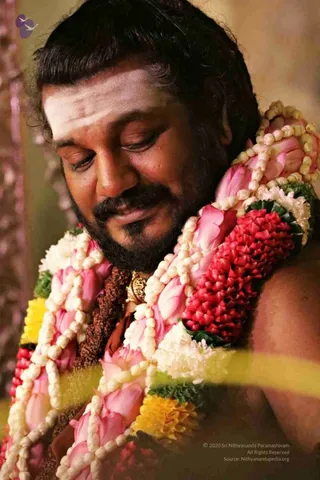 Joyous expression of living avatar
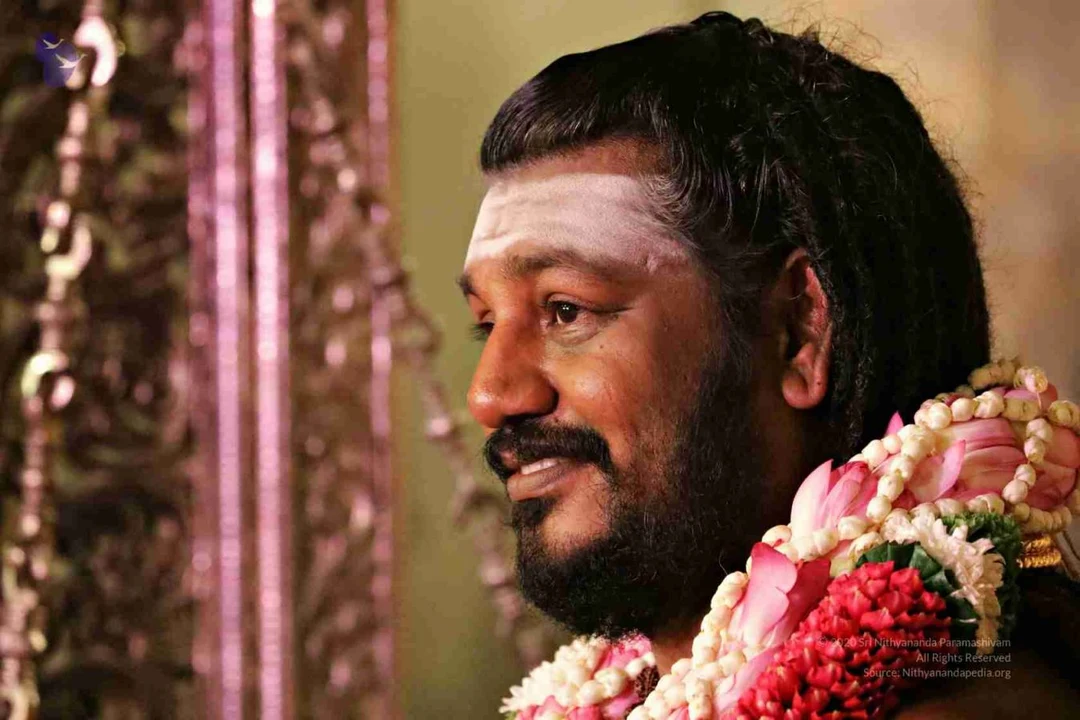 Joyous expression of living avatar
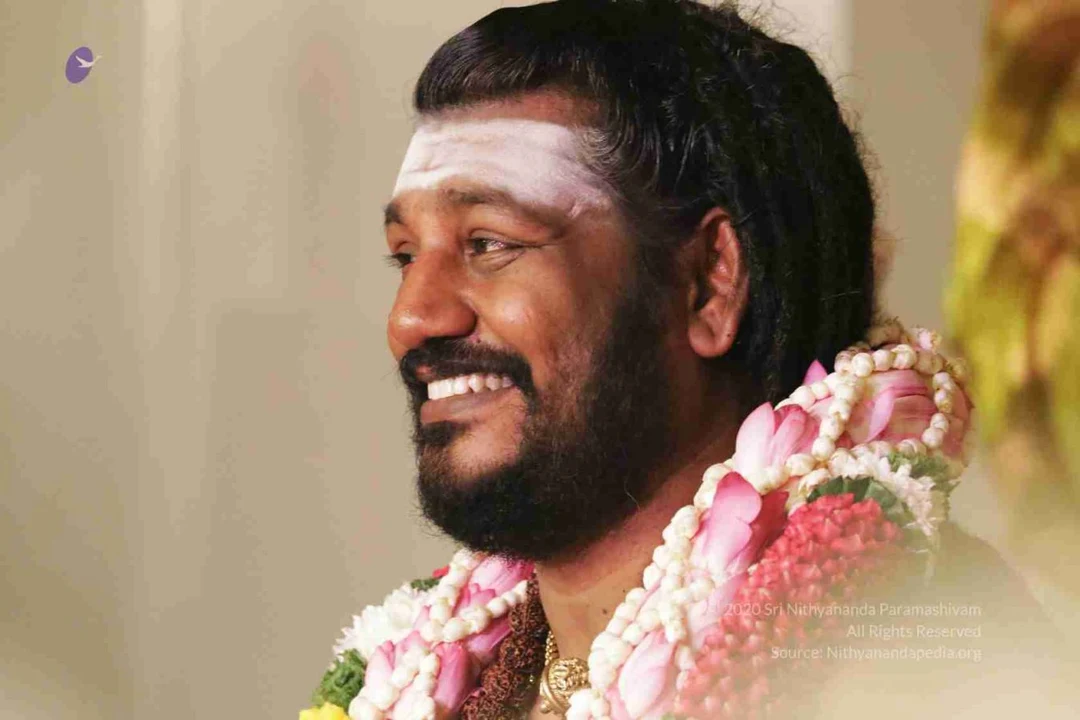 Joyous expression of living avatar
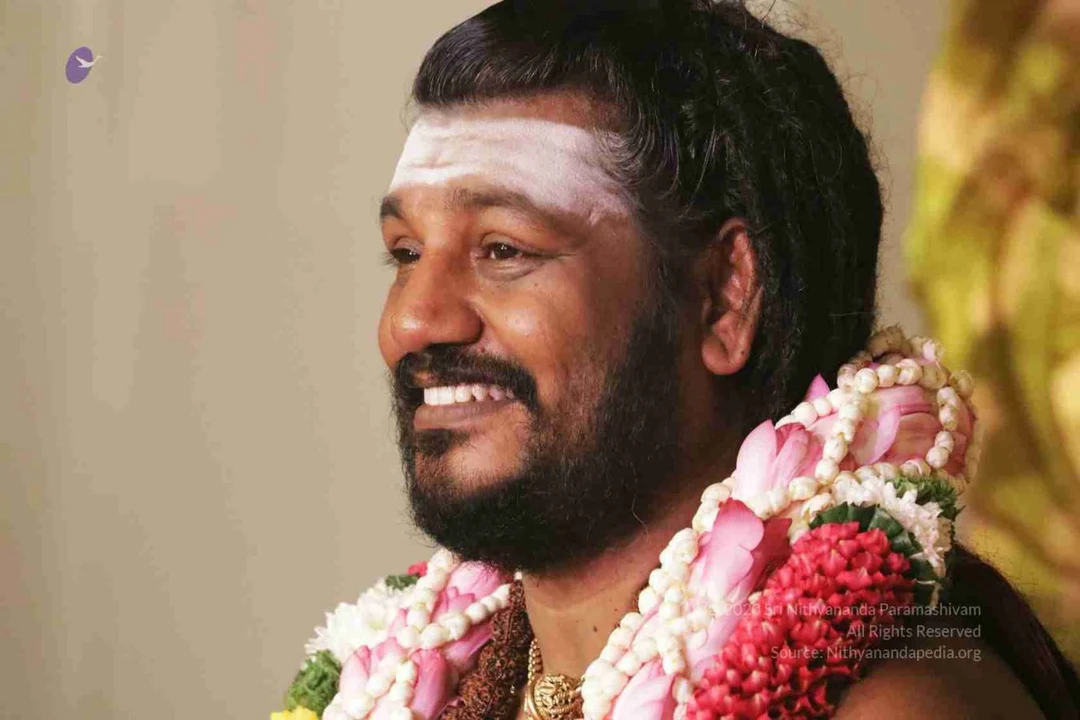 Joyous expression of living avatar
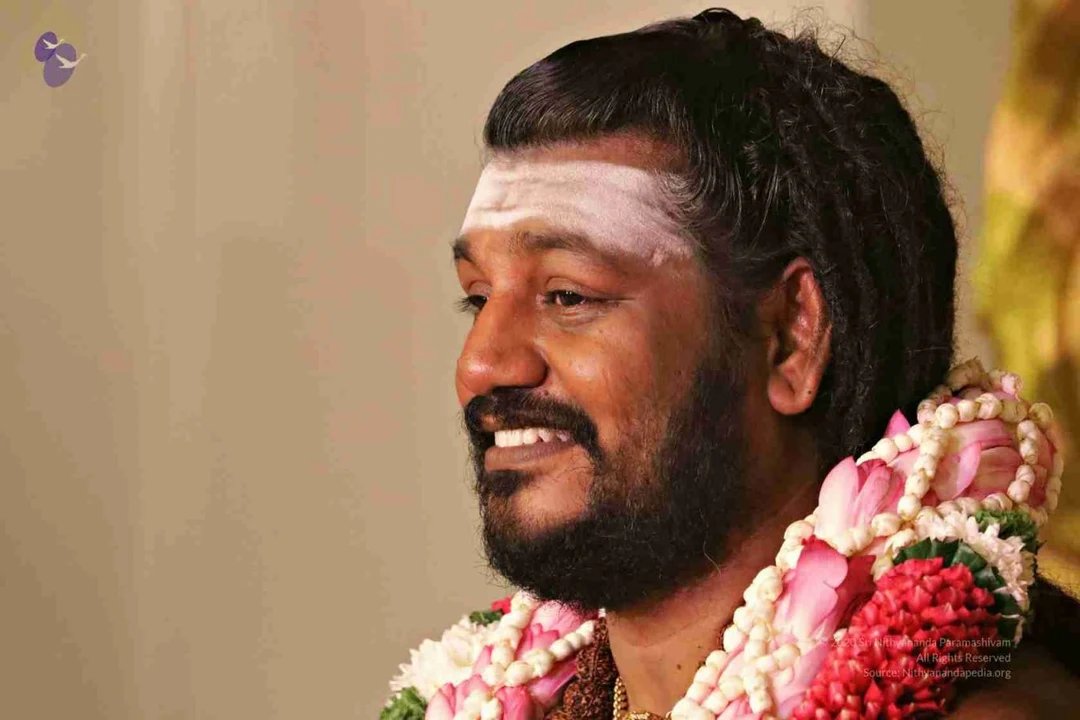 Joyous expression of living avatar
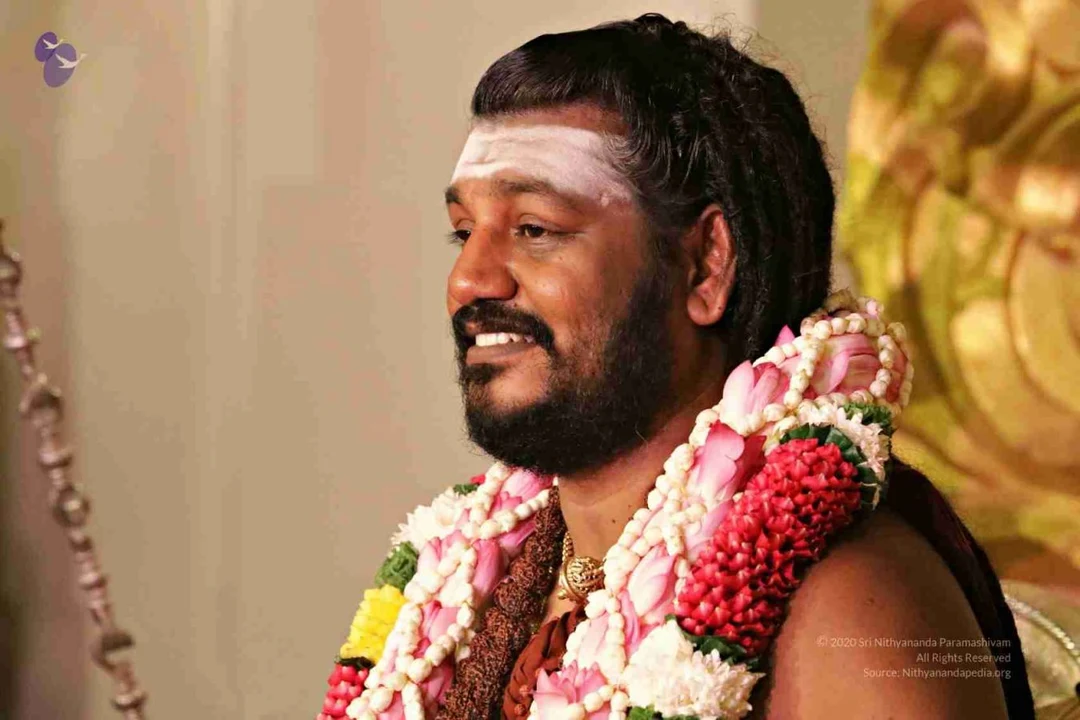 Joyous expression of living avatar
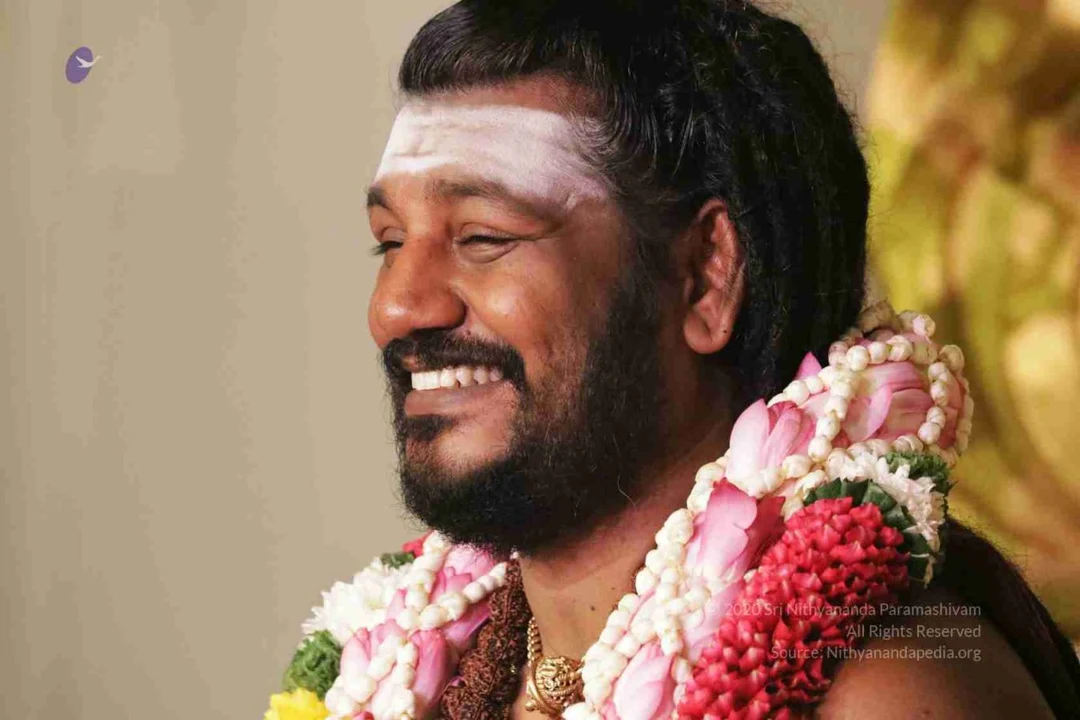 Joyous expression of living avatar
 Joyous expression of living avatar
 Joyous expression of living avatar
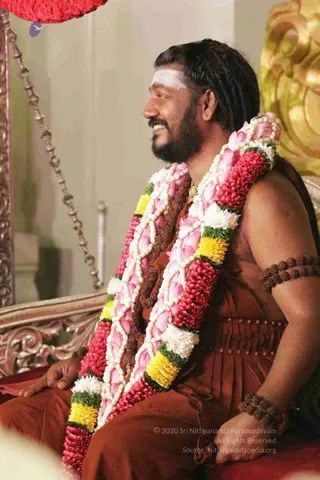 Joyous expression of living avatar
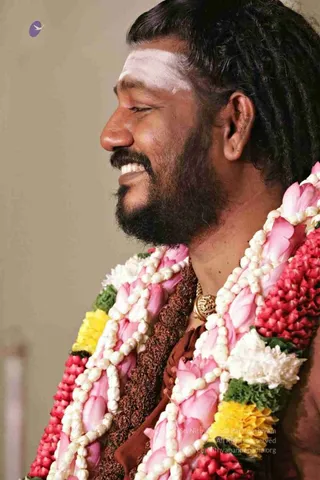 Joyous expression of living avatar
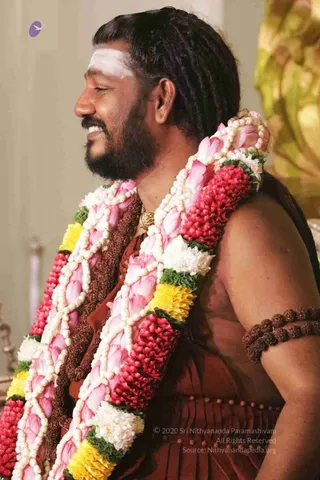 Joyous expression of living avatar
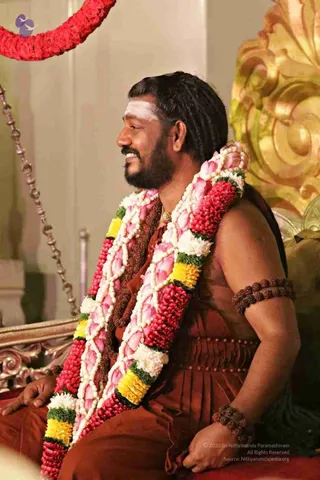 Joyous expression of living avatar
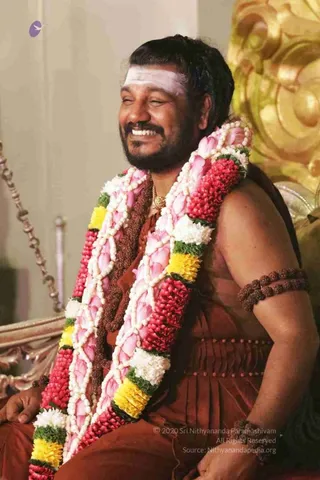 Joyous expression of living avatar
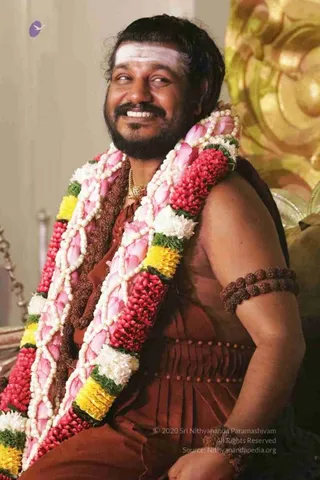 Joyous expression of living avatar
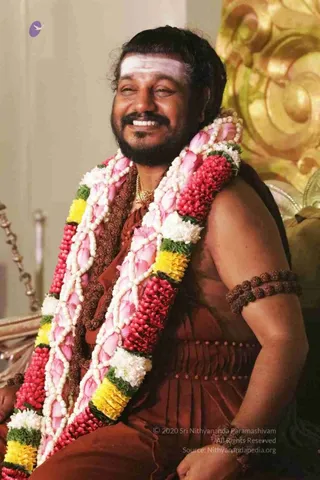 Joyous expression of living avatar
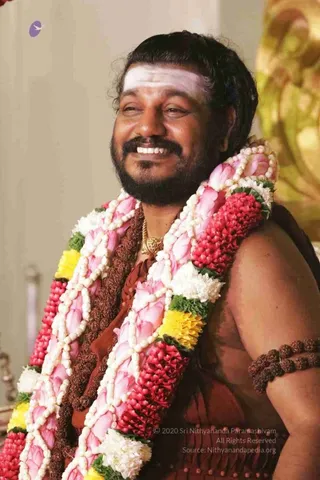 Joyous expression of living avatar
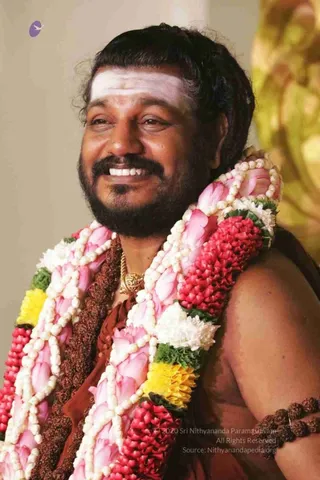 Joyous expression of living avatar
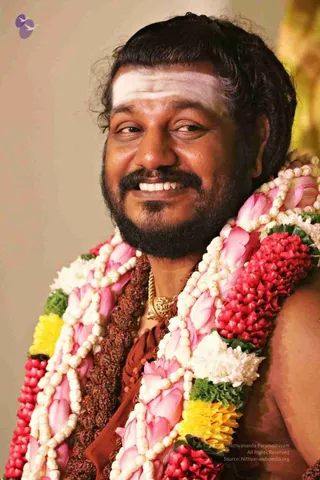 Joyous expression of living avatar
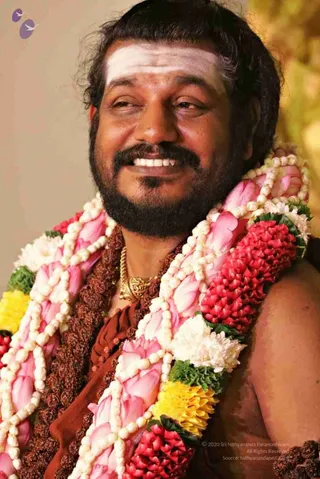 Joyous expression of living avatar
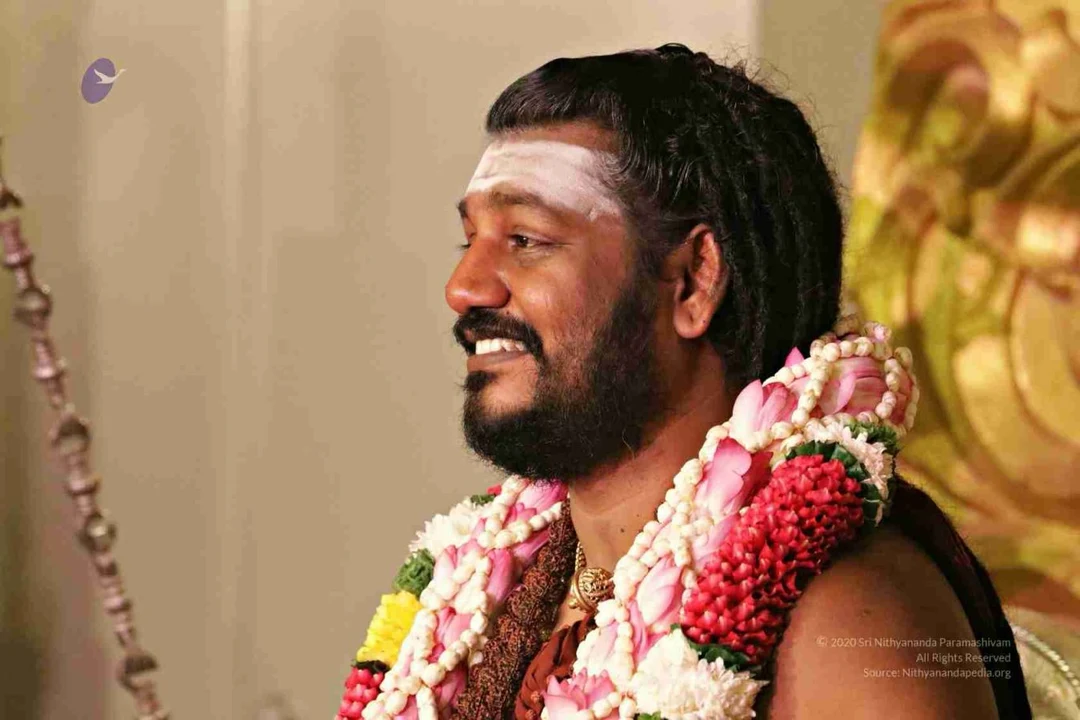 Joyous expression of living avatar
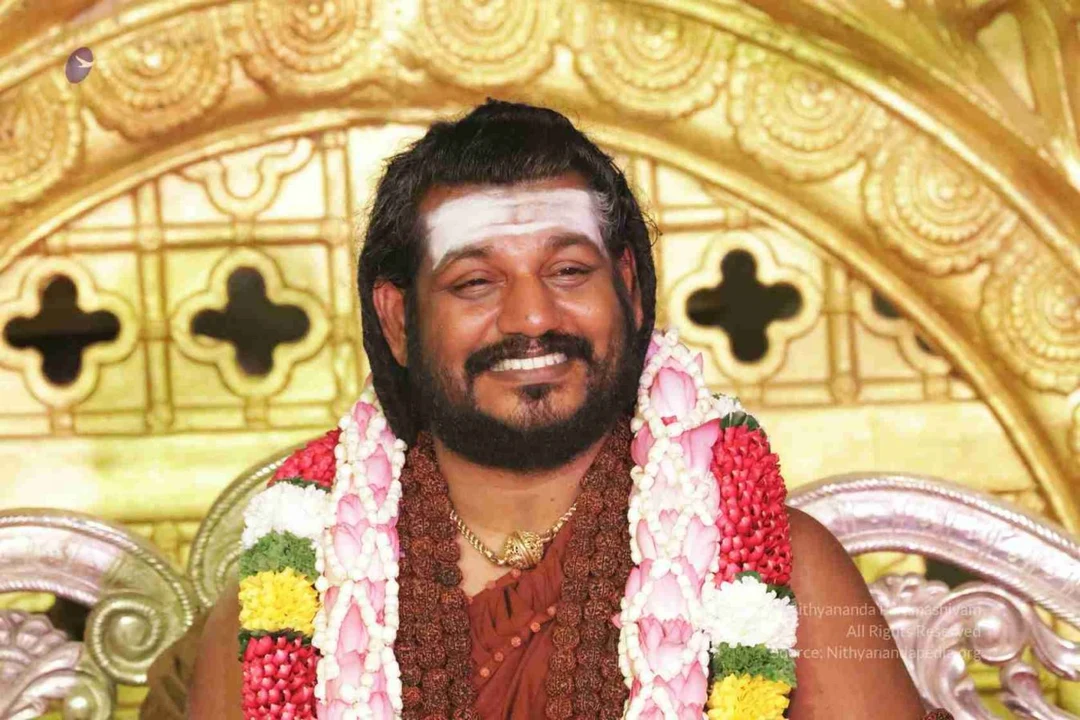 Joyous expression of living avatar
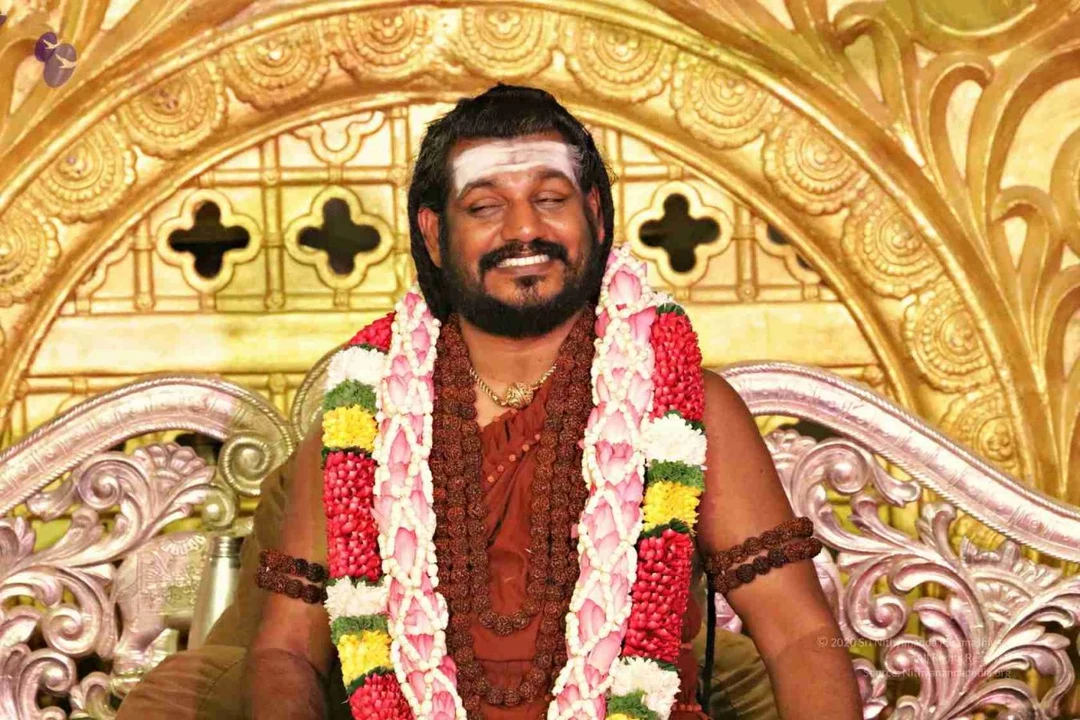 Joyous expression of living avatar
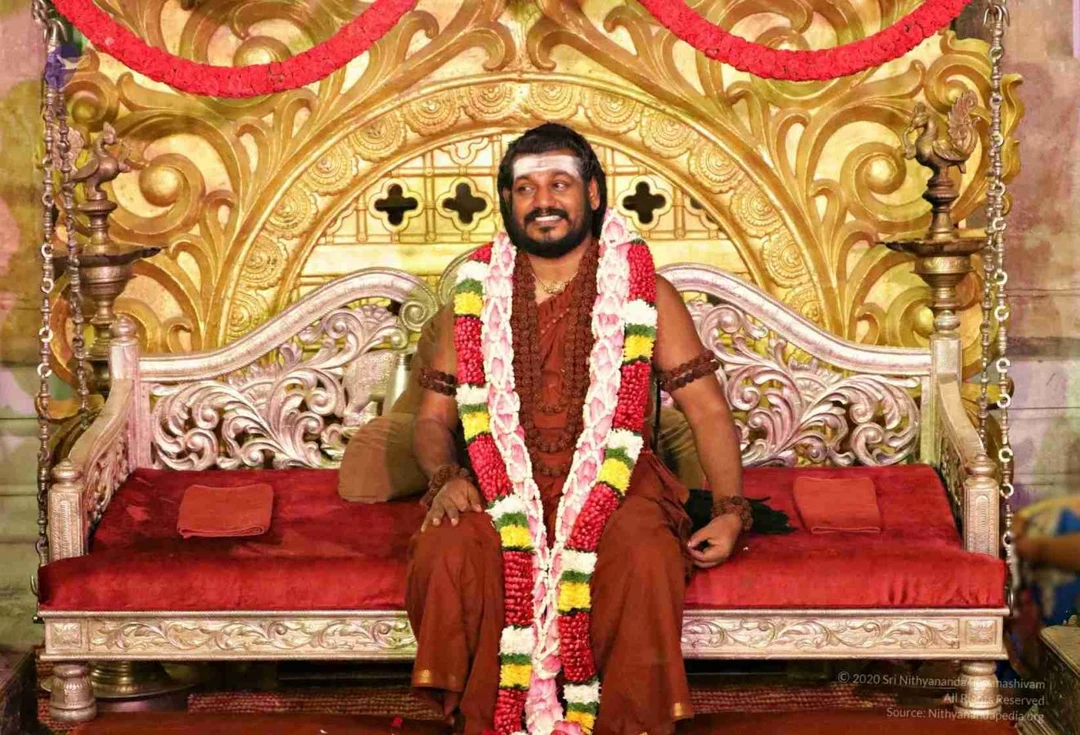 Joyous expression of living avatar
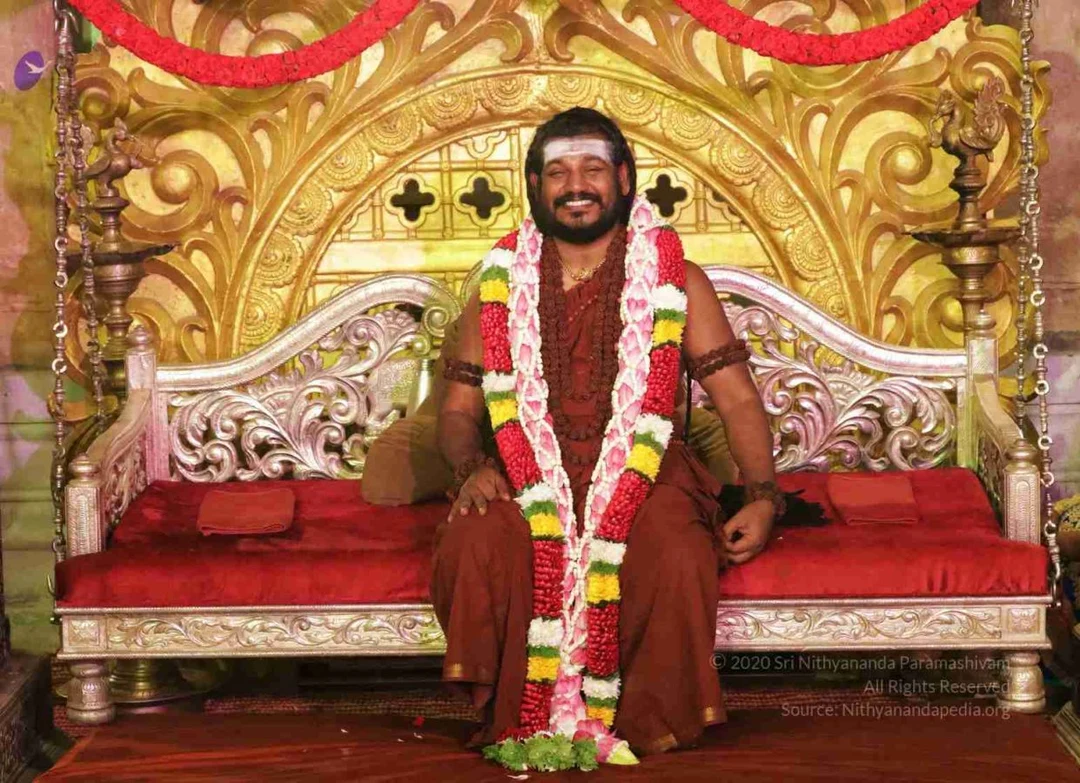 Joyous expression of living avatar
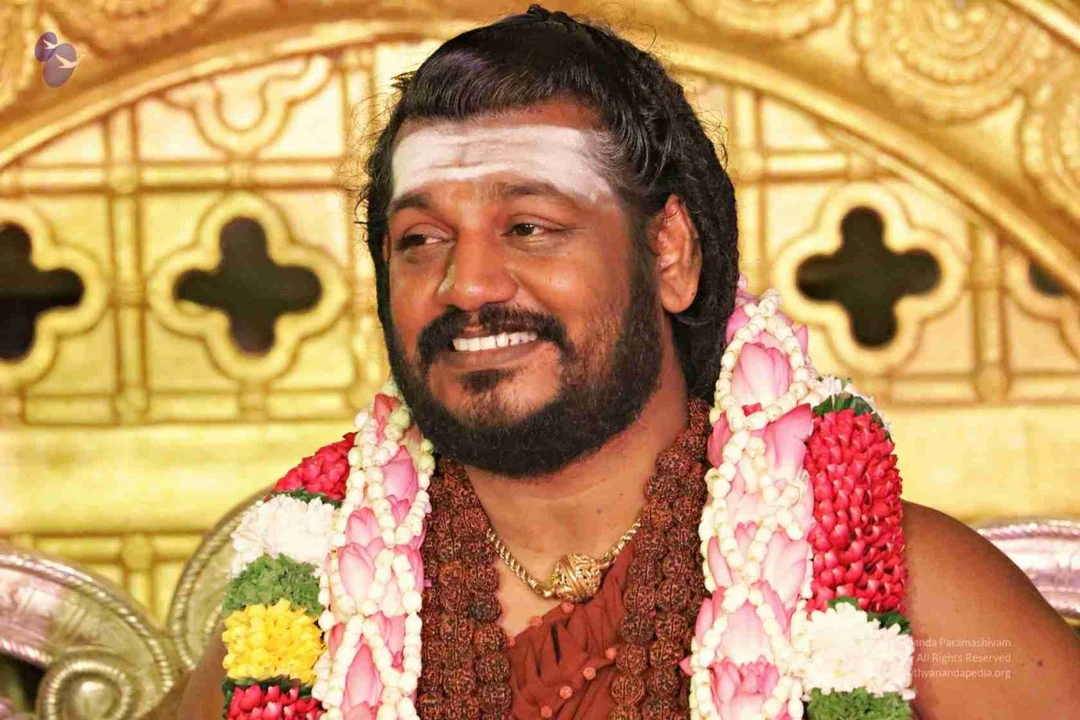 Joyous expression of living avatar
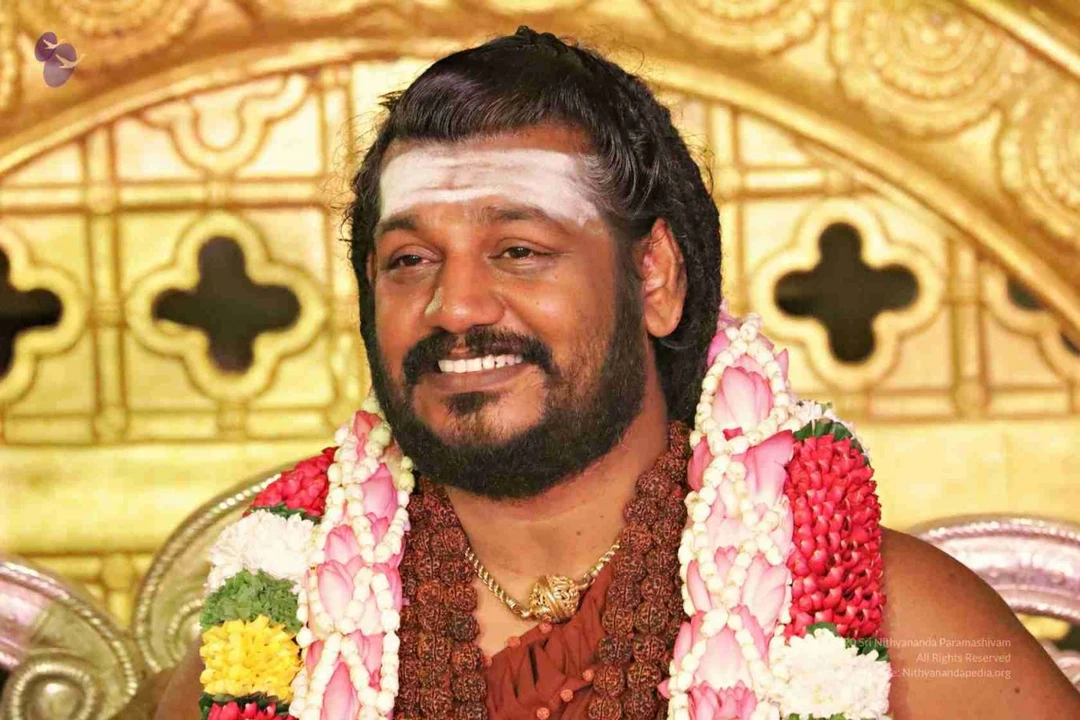 Joyous expression of living avatar
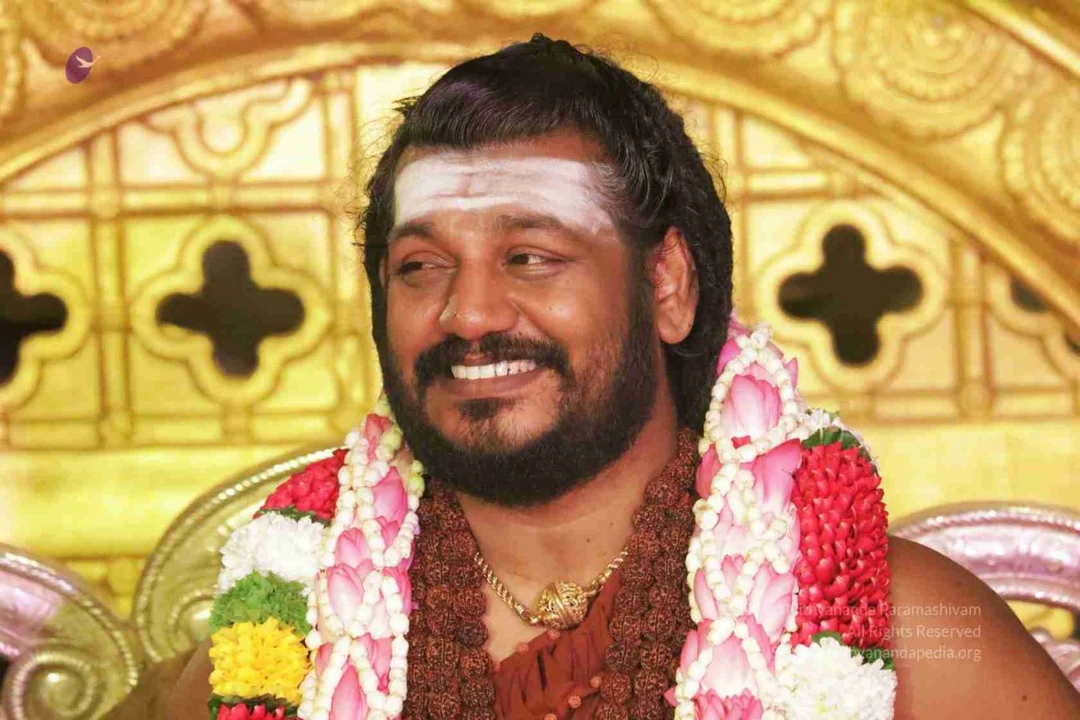 Joyous expression of living avatar
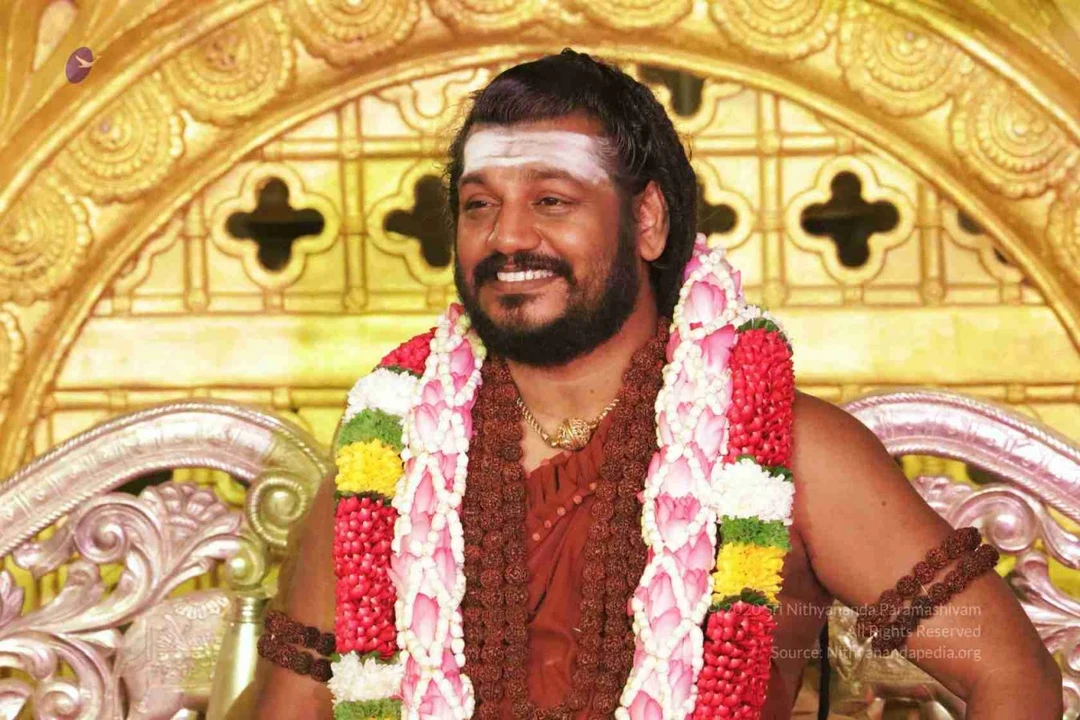 Joyous expression of living avatar
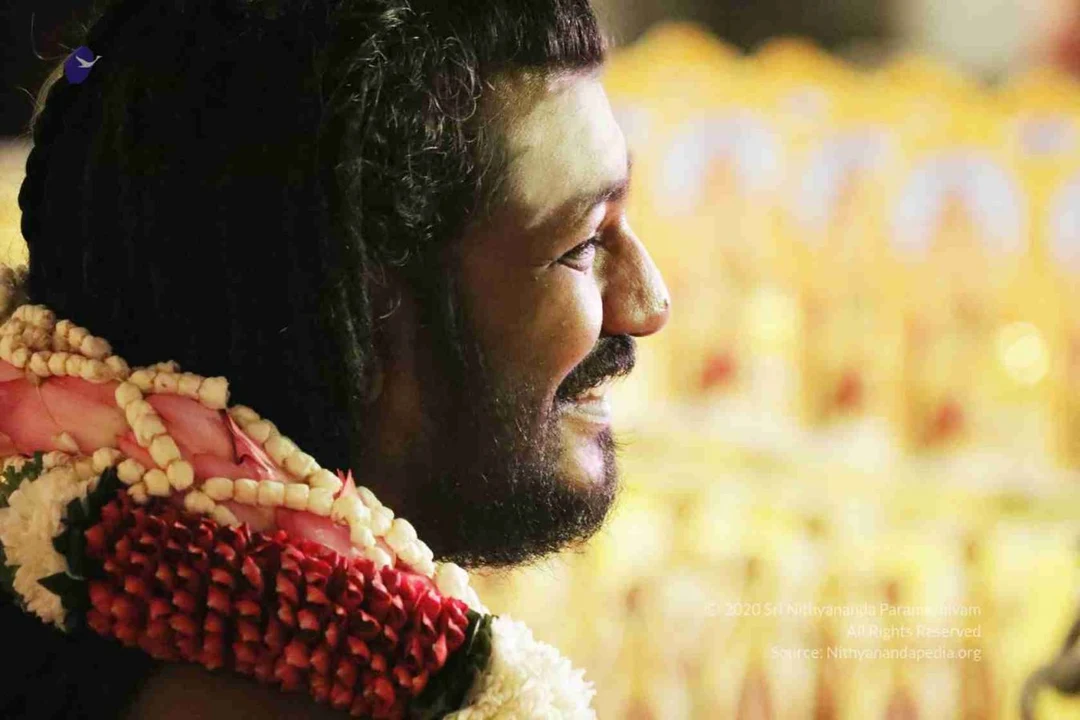 Joyous expression of living avatar
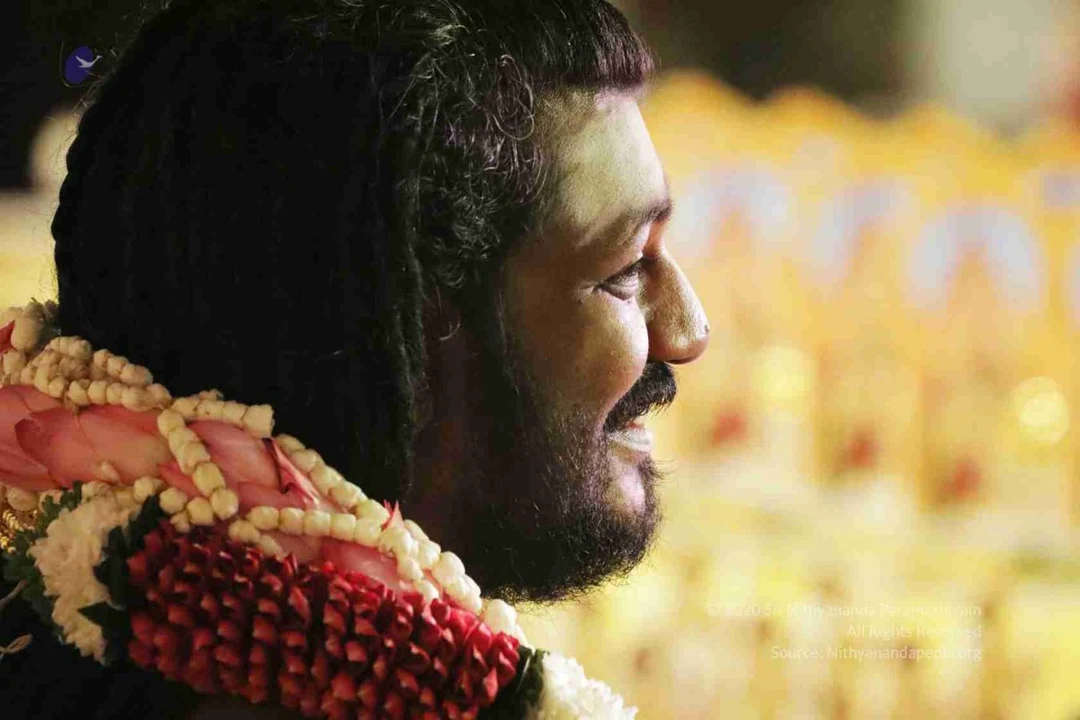 Joyous expression of living avatar
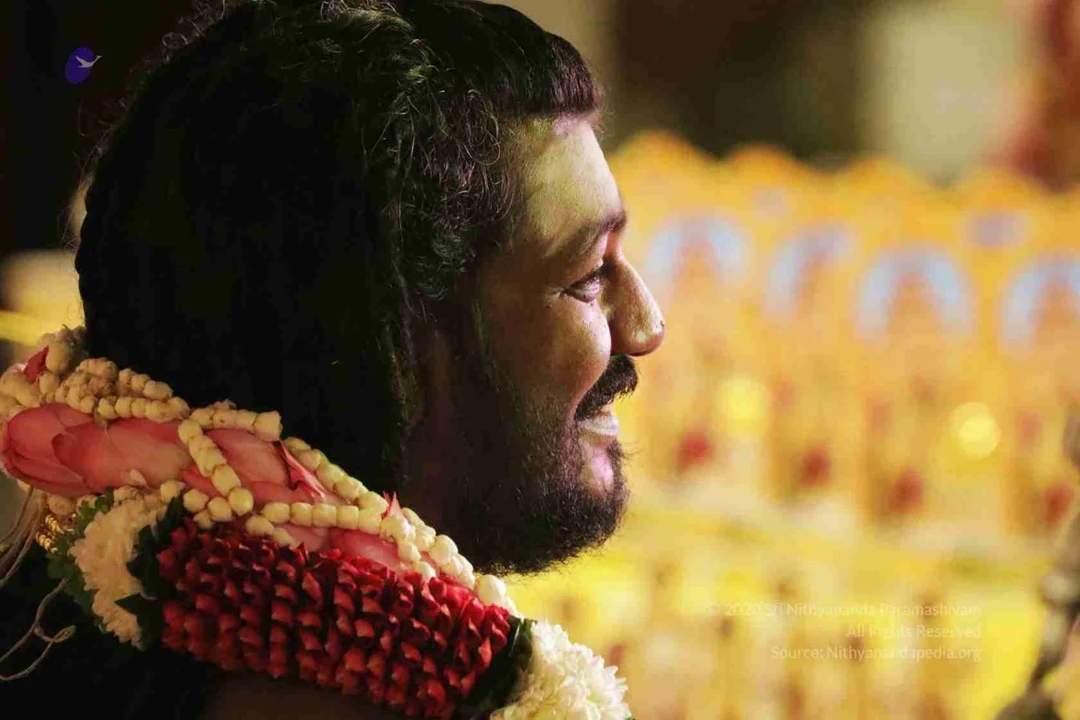 Joyous expression of living avatar
 Joyous expression of living avatar
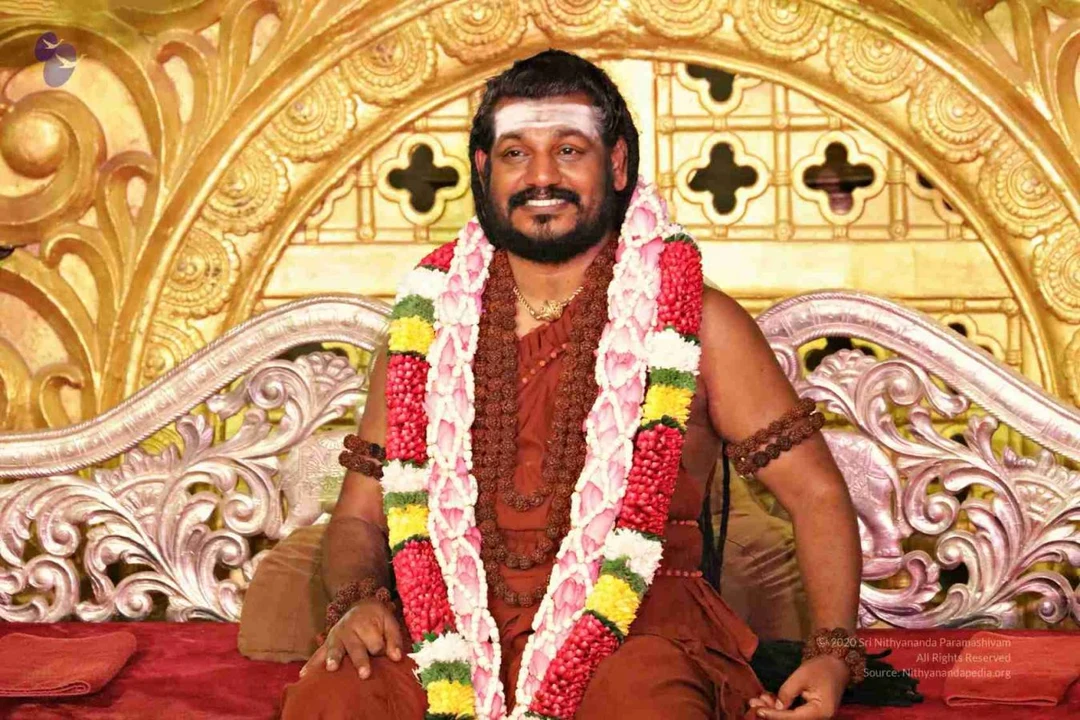 Joyous expression of living avatar
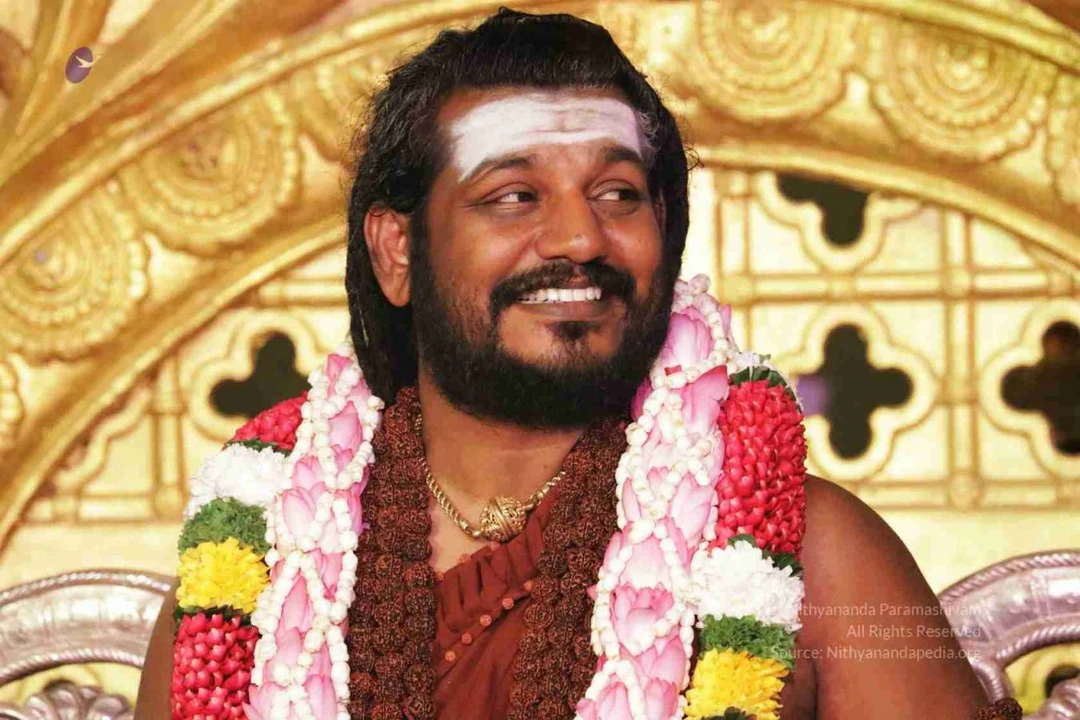 Joyous expression of living avatar
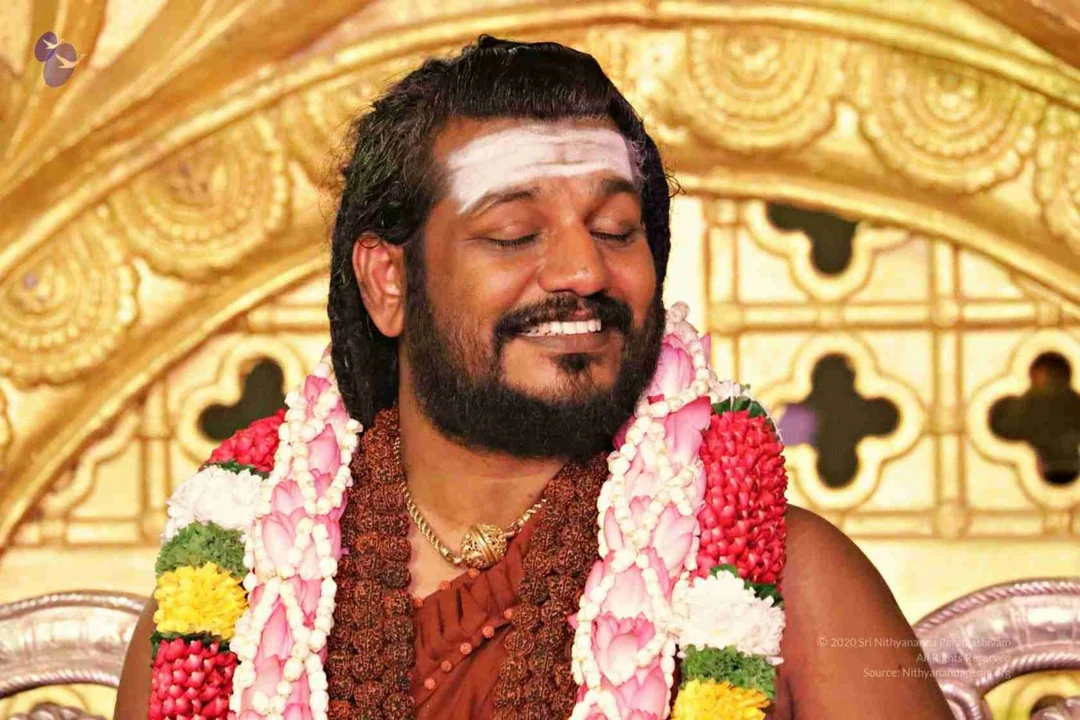 Joyous expression of living avatar
 Joyous expression of living avatar
 Joyous expression of living avatar
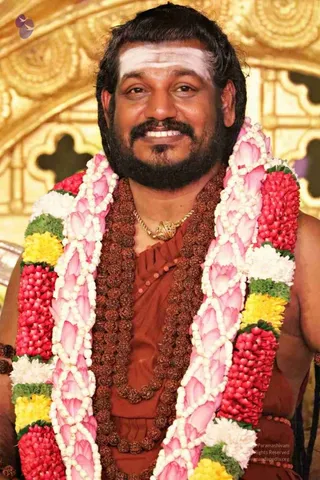 Joyous expression of living avatar
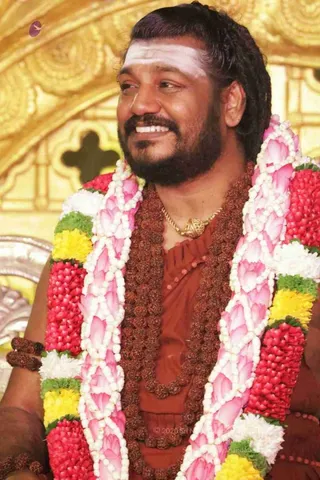 Joyous expression of living avatar
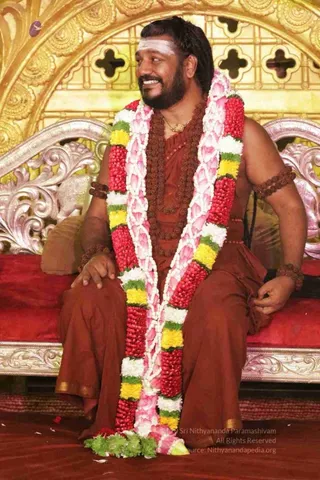 Joyous expression of living avatar
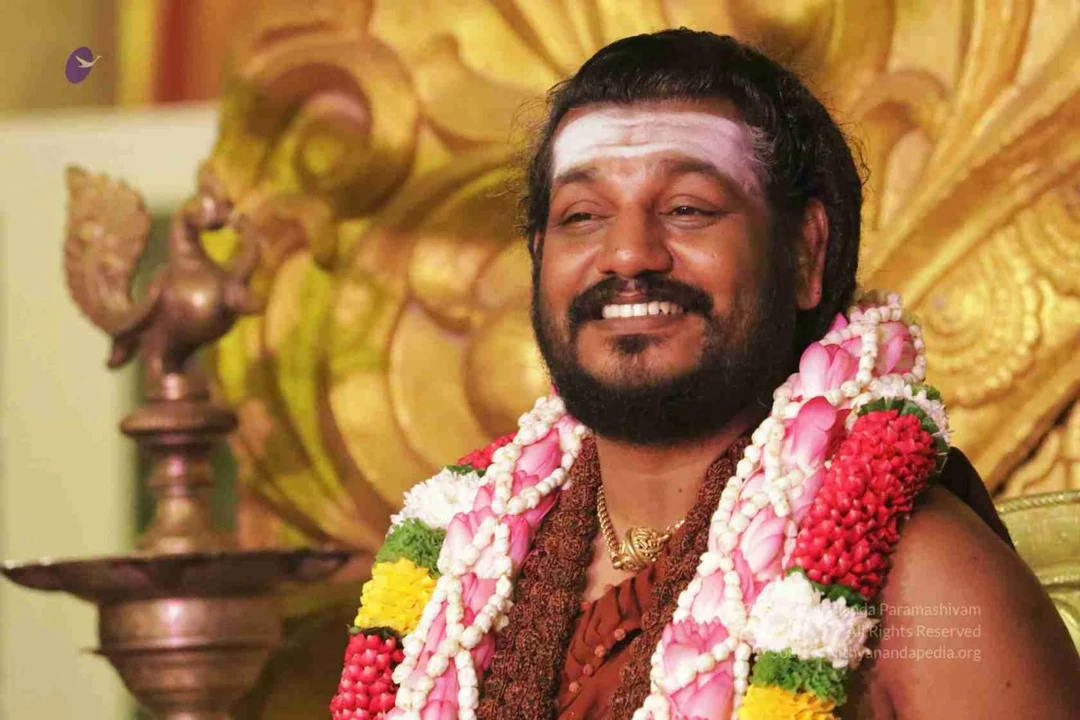 Joyous expression of living avatar
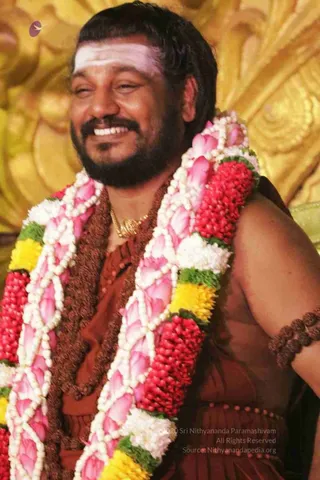 Joyous expression of living avatar
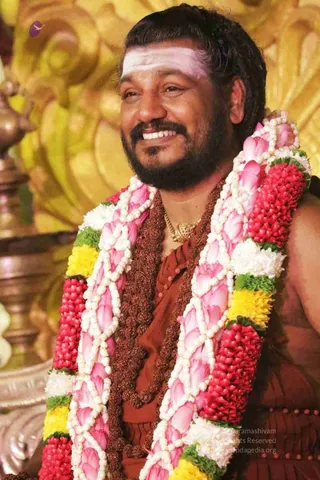 Joyous expression of living avatar
 Joyous expression of living avatar
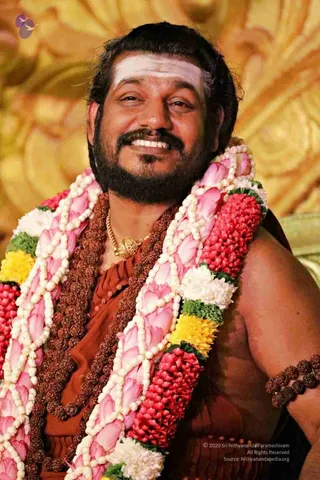 Joyous expression of living avatar
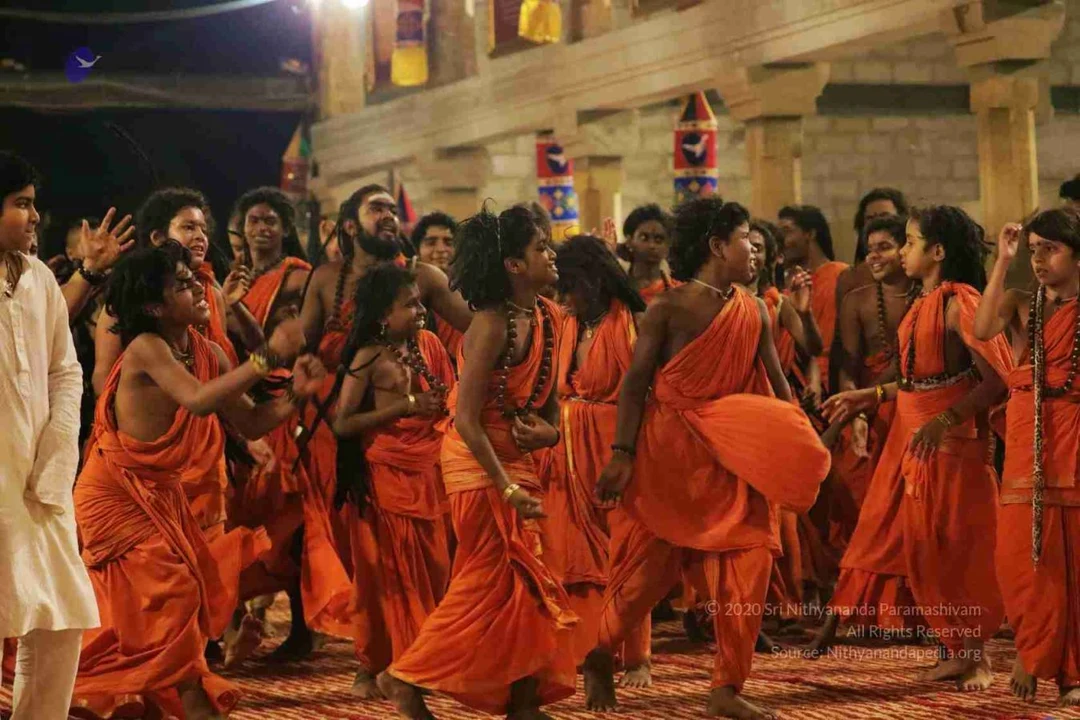 Balasants dance & celebrate in joy
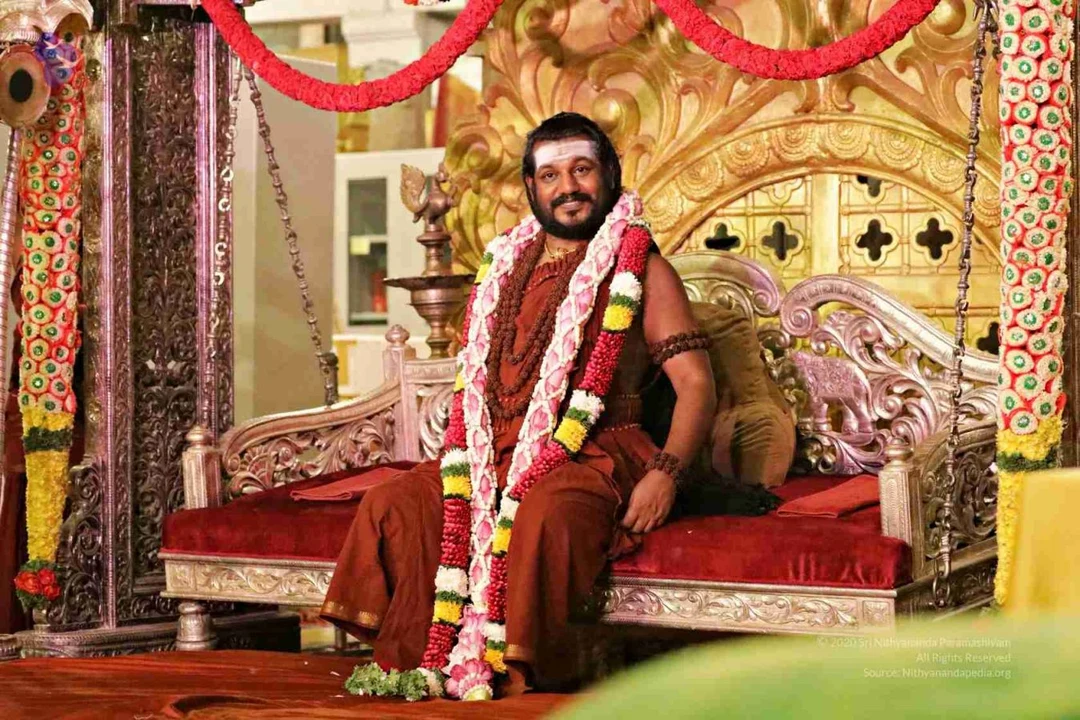 Avatar presence is living healing energy field
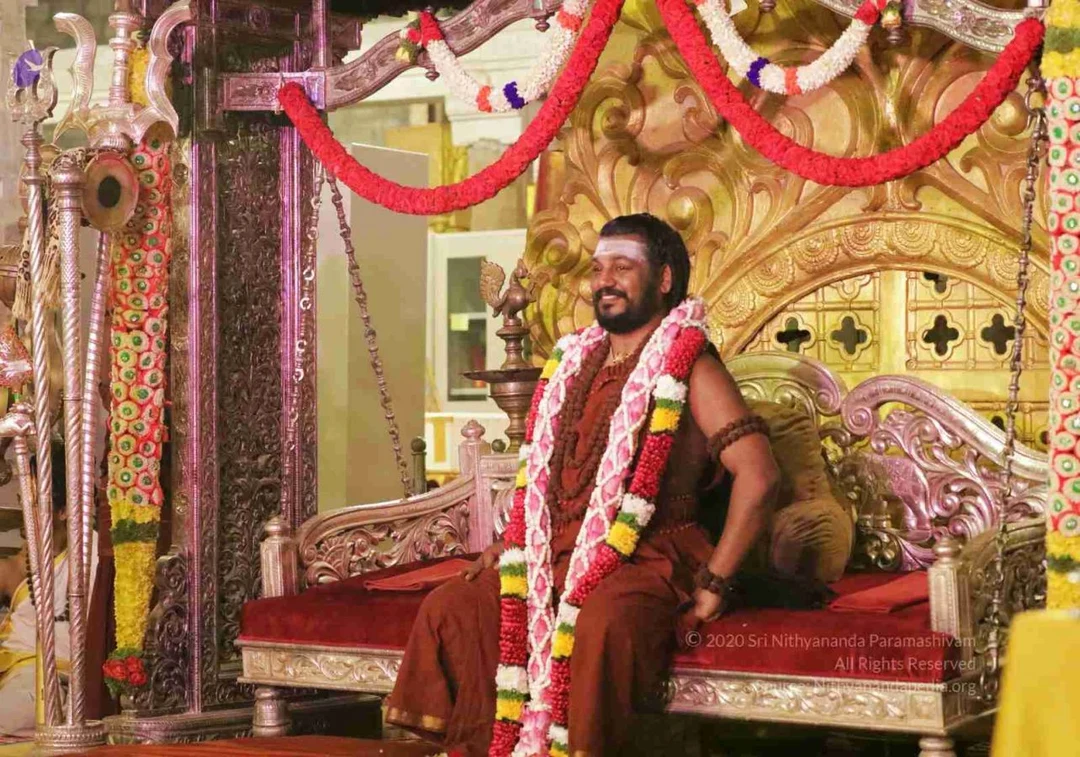 Joyous expression of living avatar
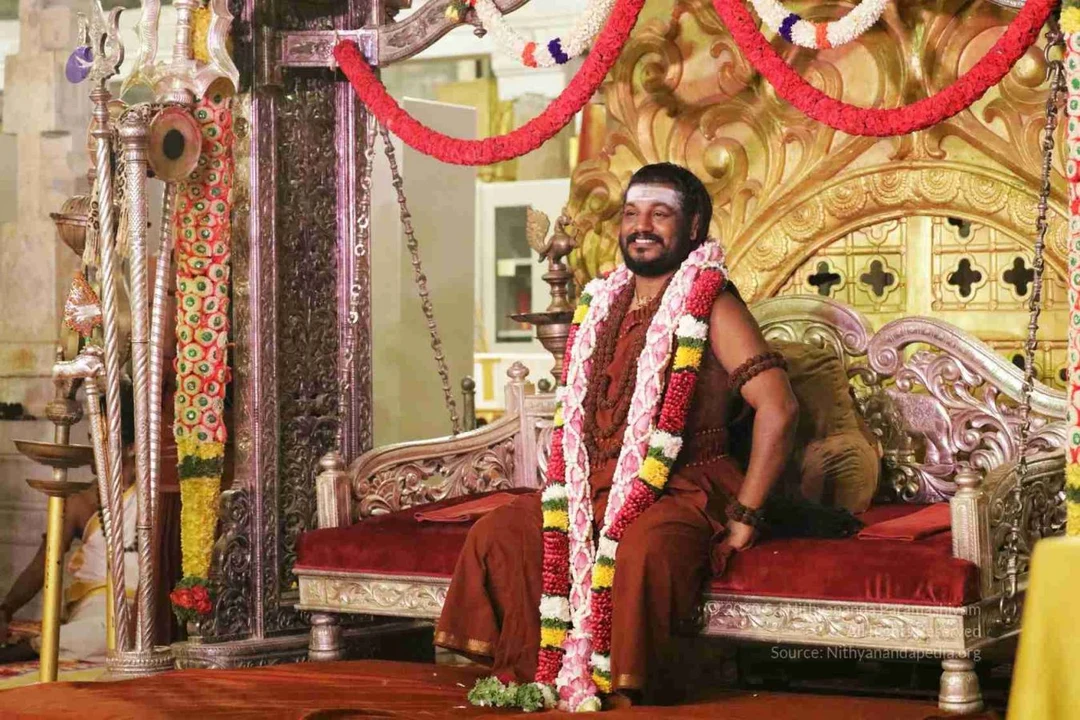 Joyous expression of living avatar
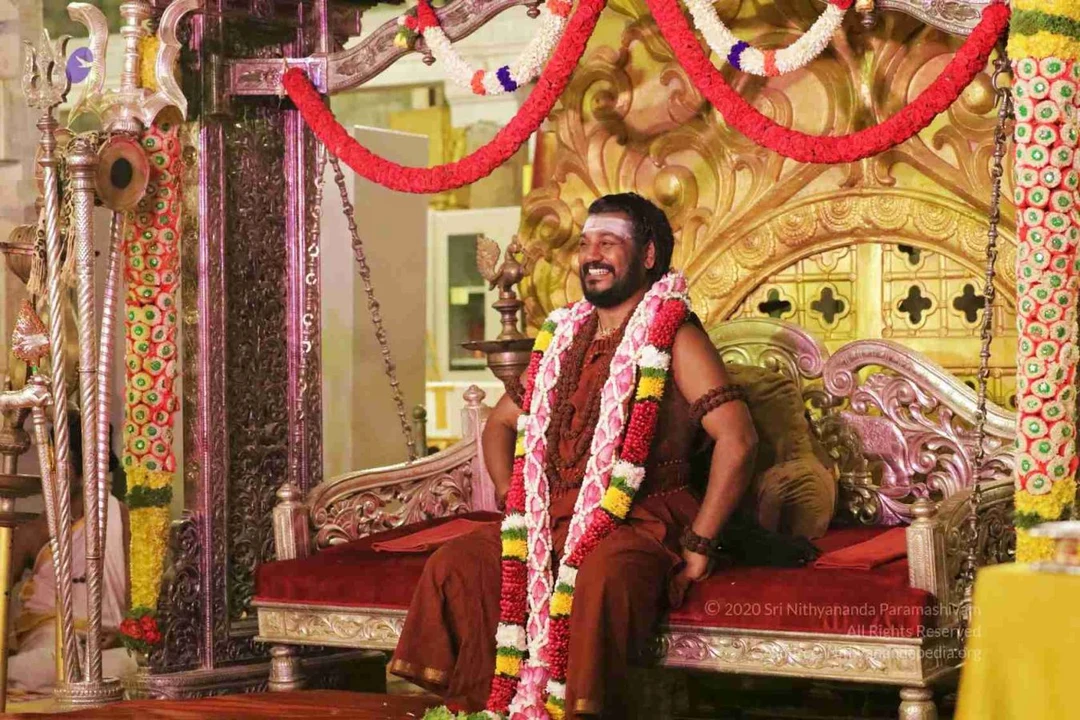 Joyous expression of living avatar
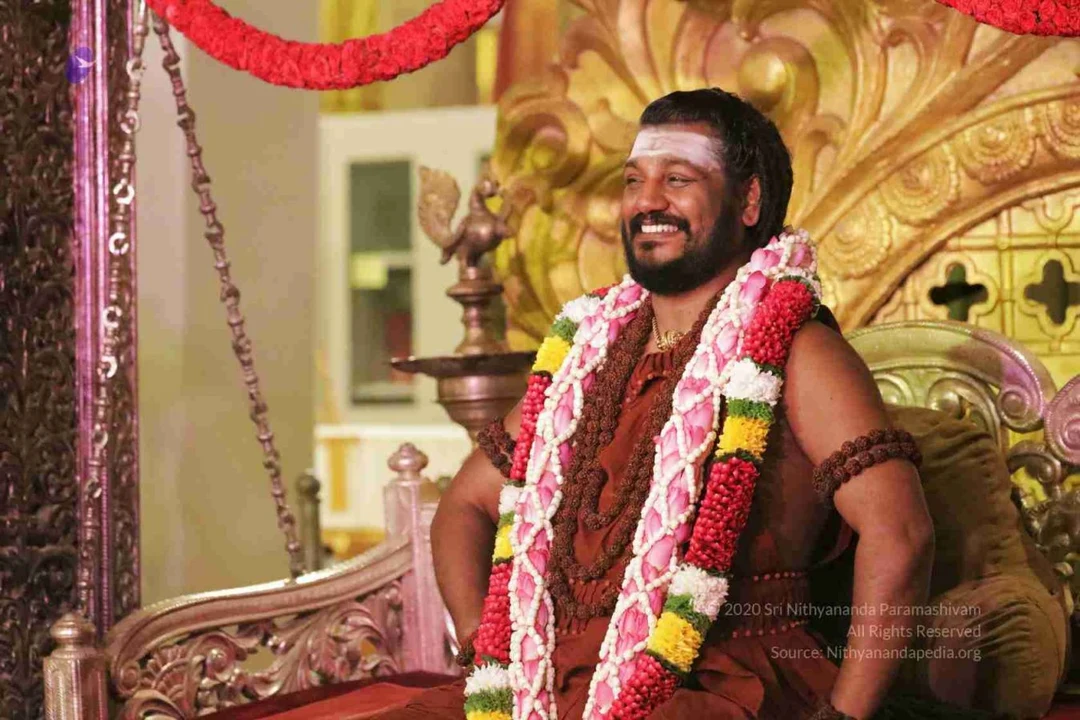 Joyous expression of living avatar
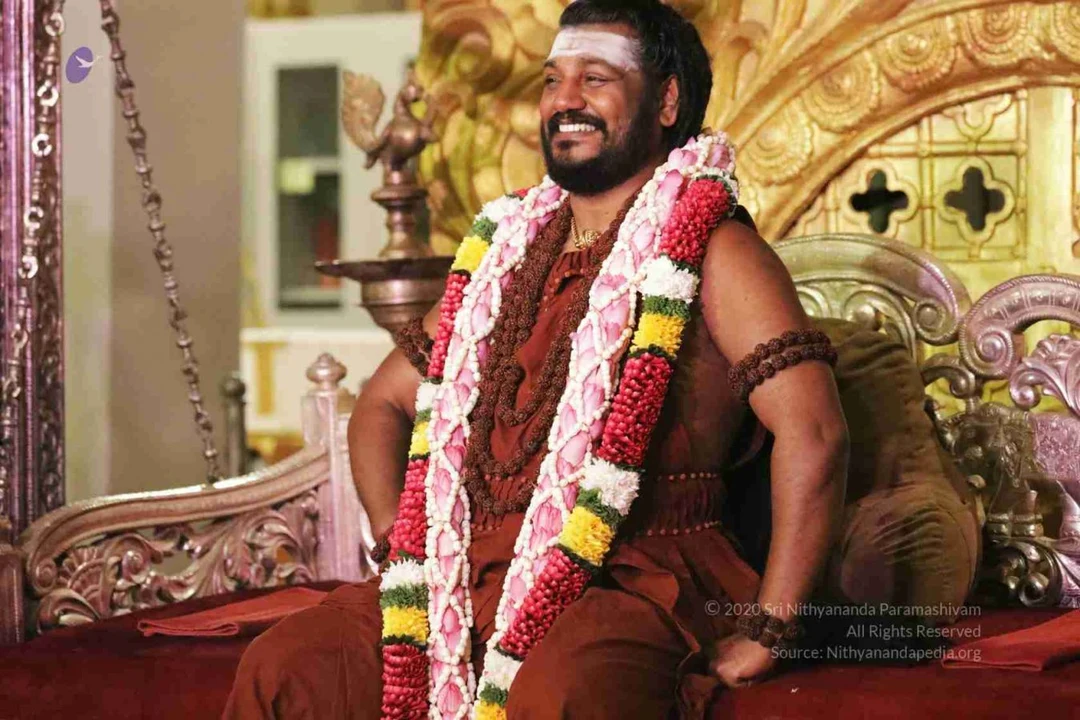 Joyous expression of living avatar
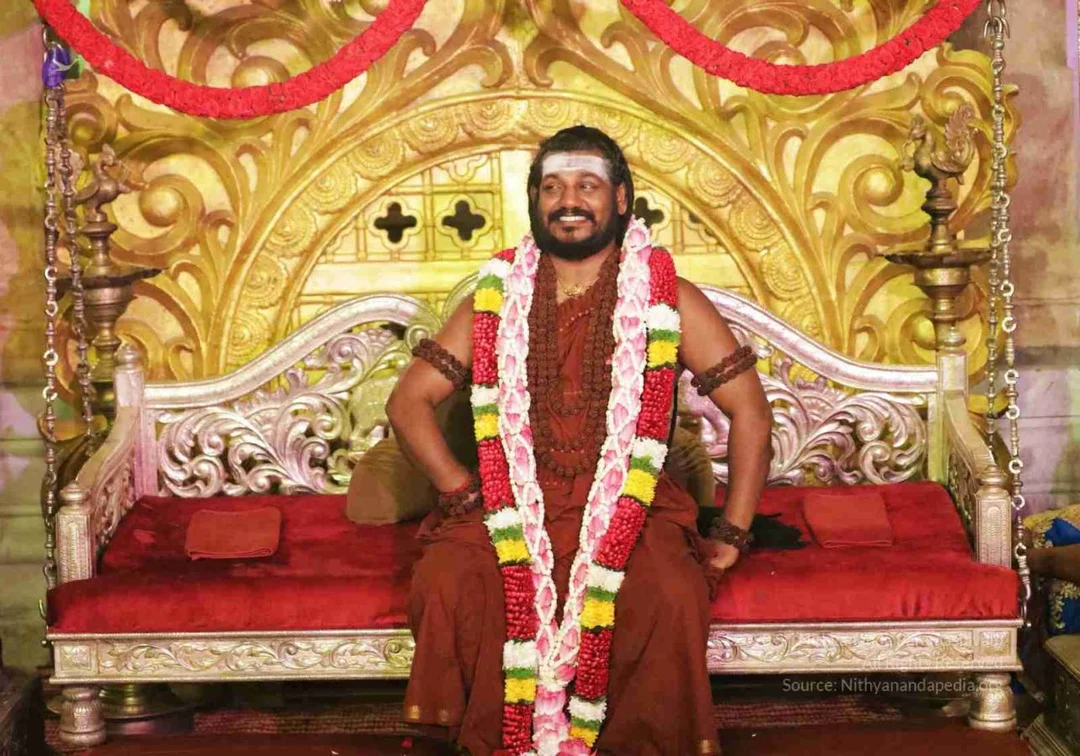 Joyous expression of living avatar
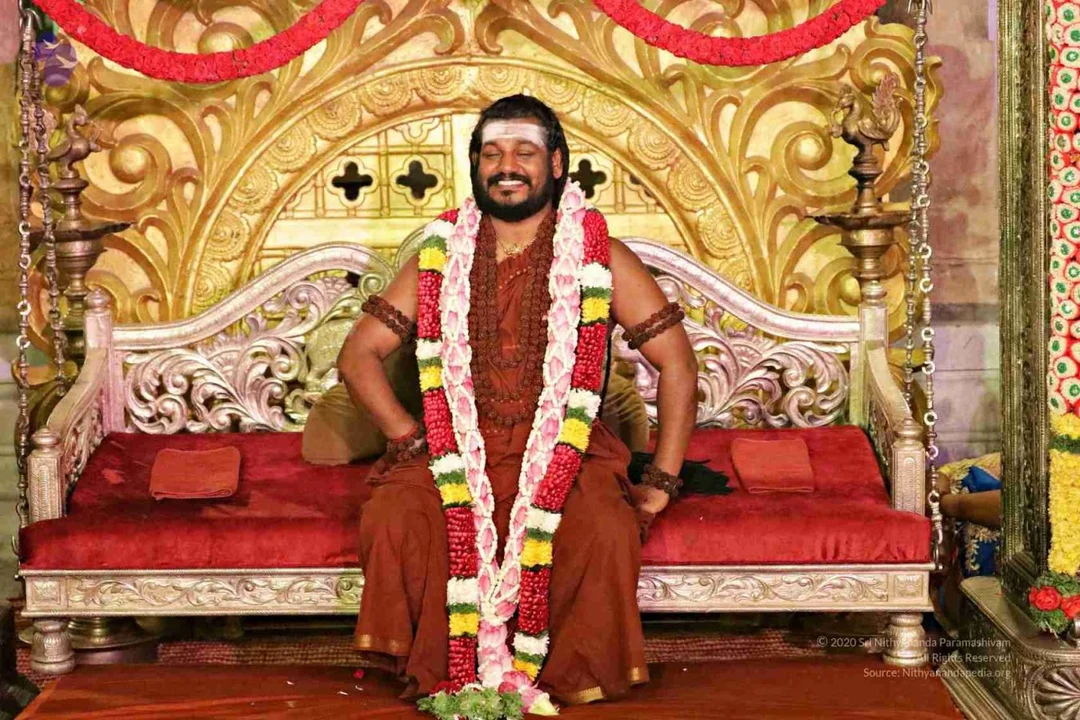 Joyous expression of living avatar
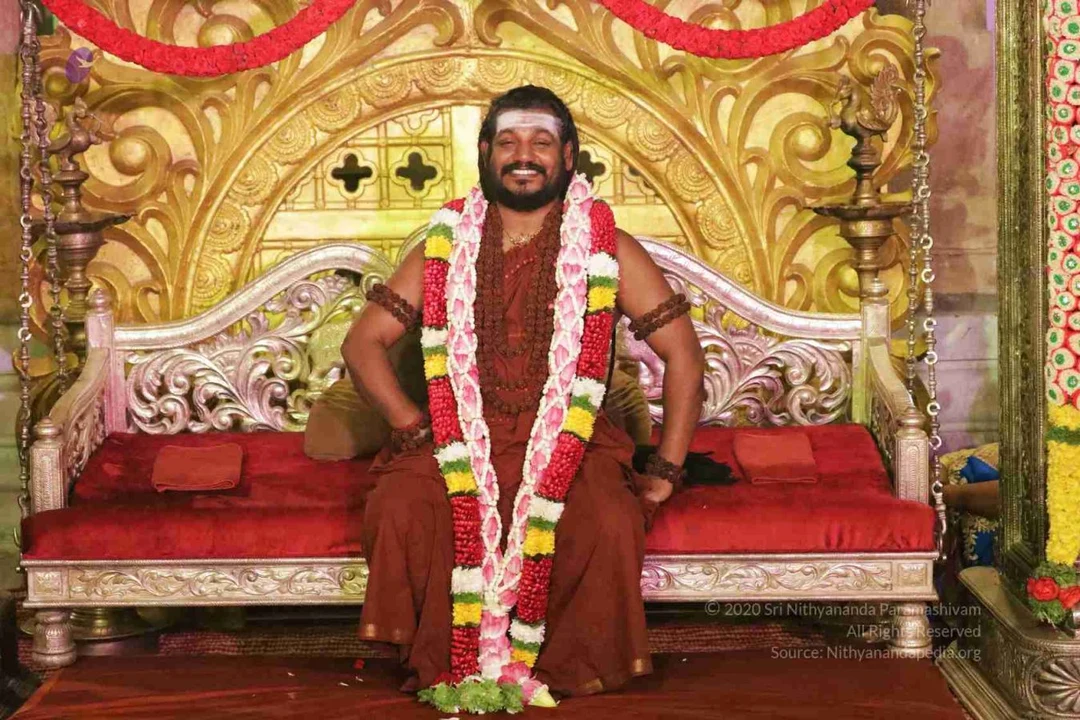 Joyous expression of living avatar
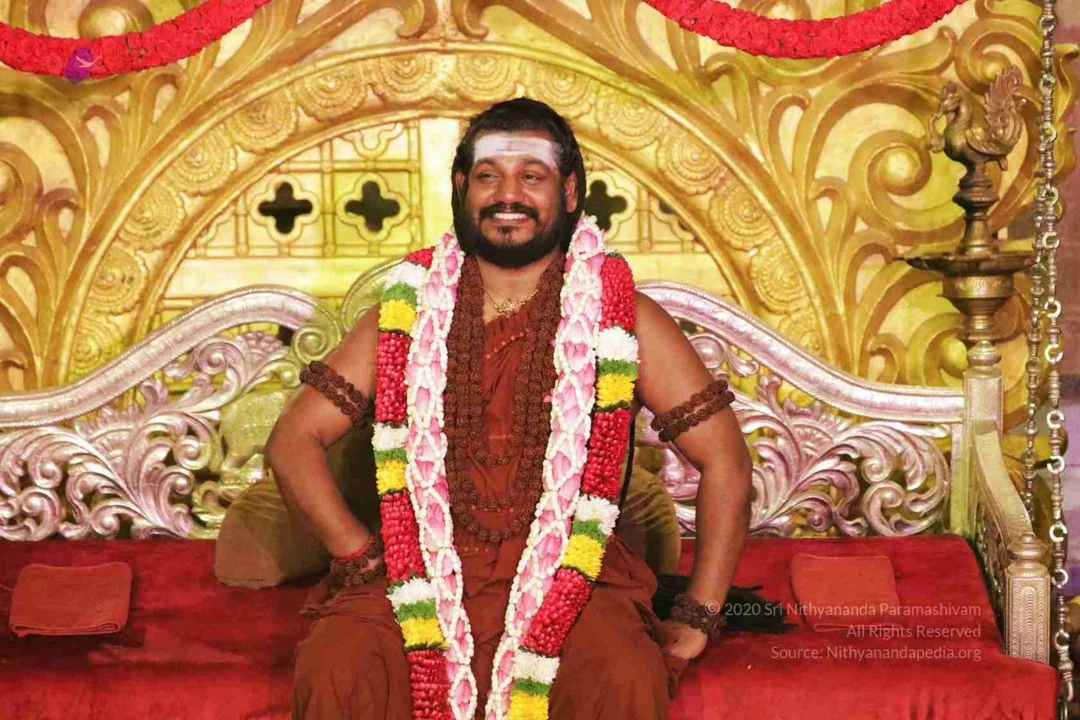 Joyous expression of living avatar
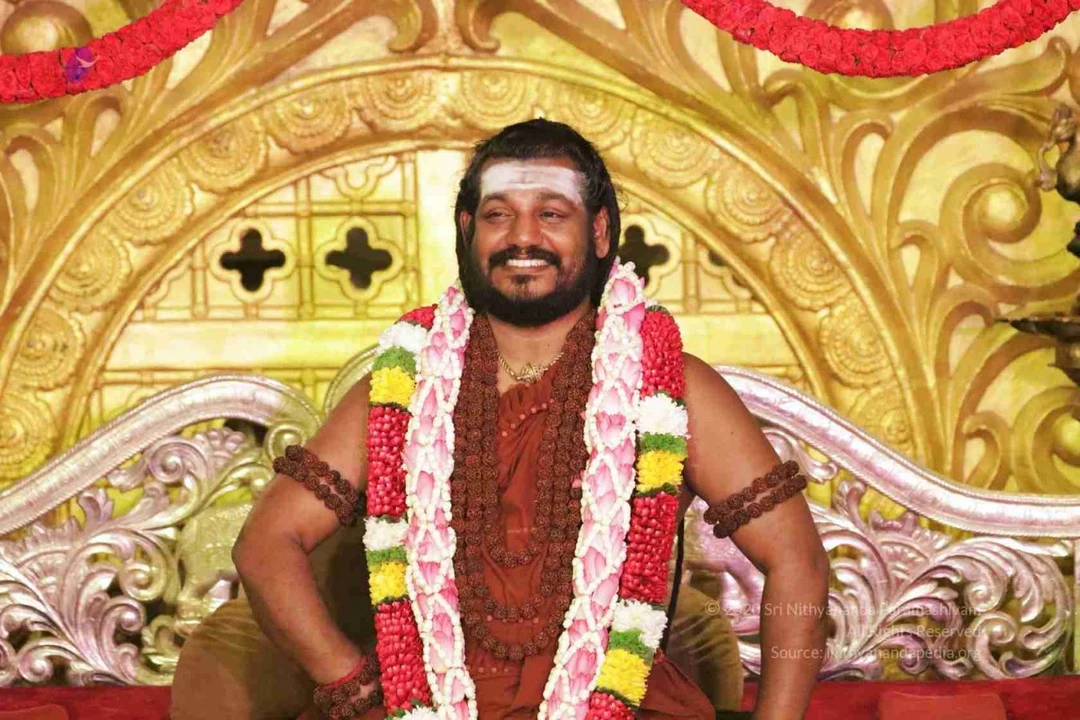 Joyous expression of living avatar
 Avatar presence is living healing energy field
 Avatar presence is living healing energy field
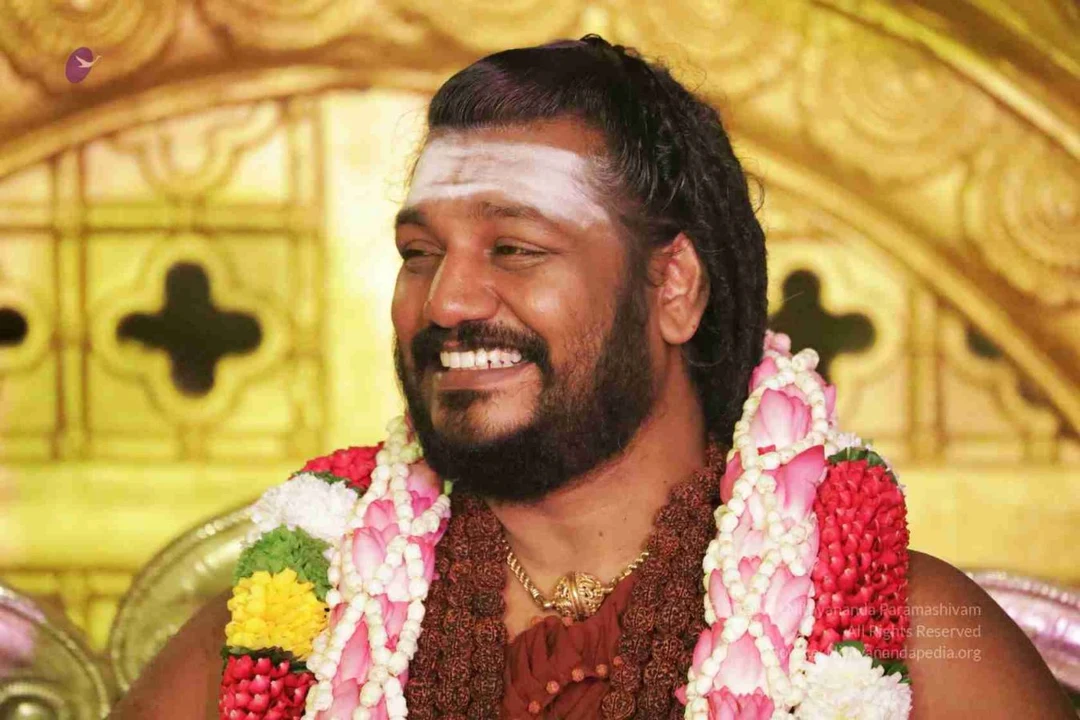 Joyous expression of living avatar
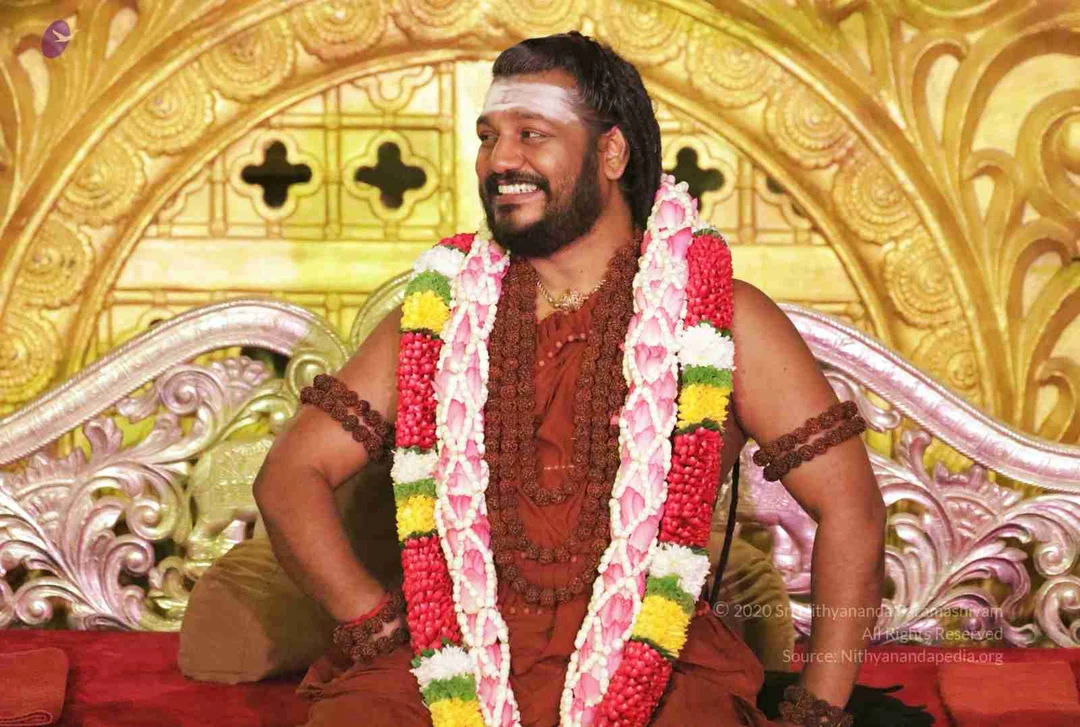 Joyous expression of living avatar
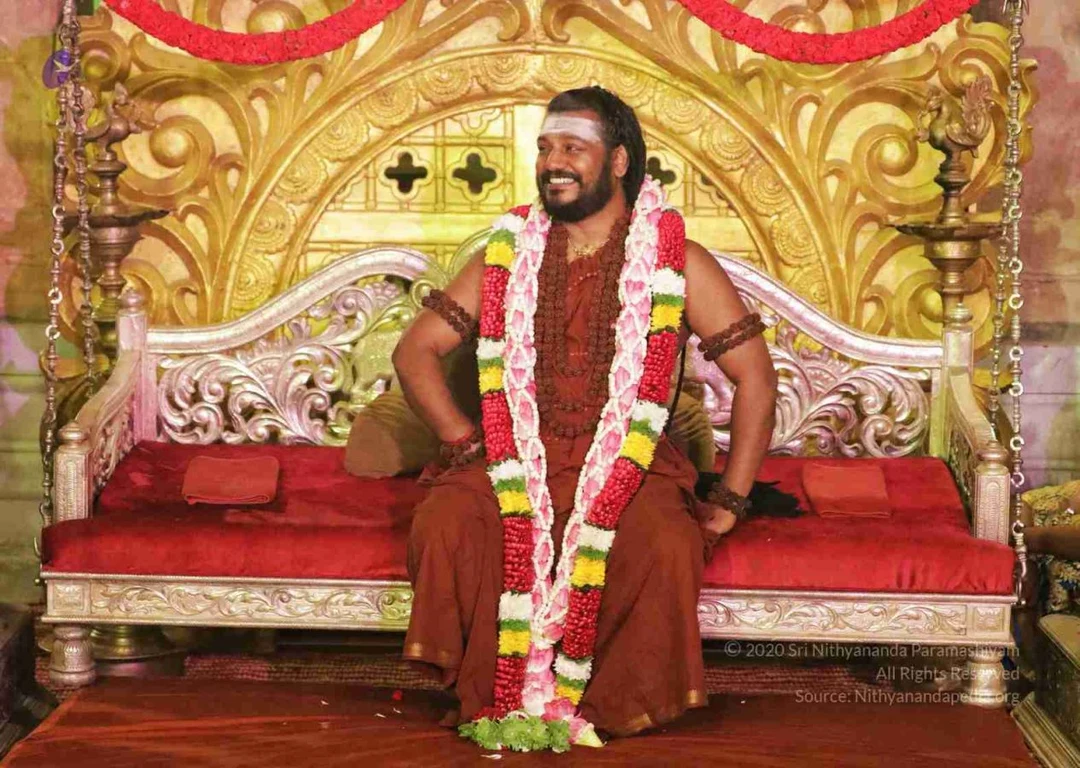 Joyous expression of living avatar
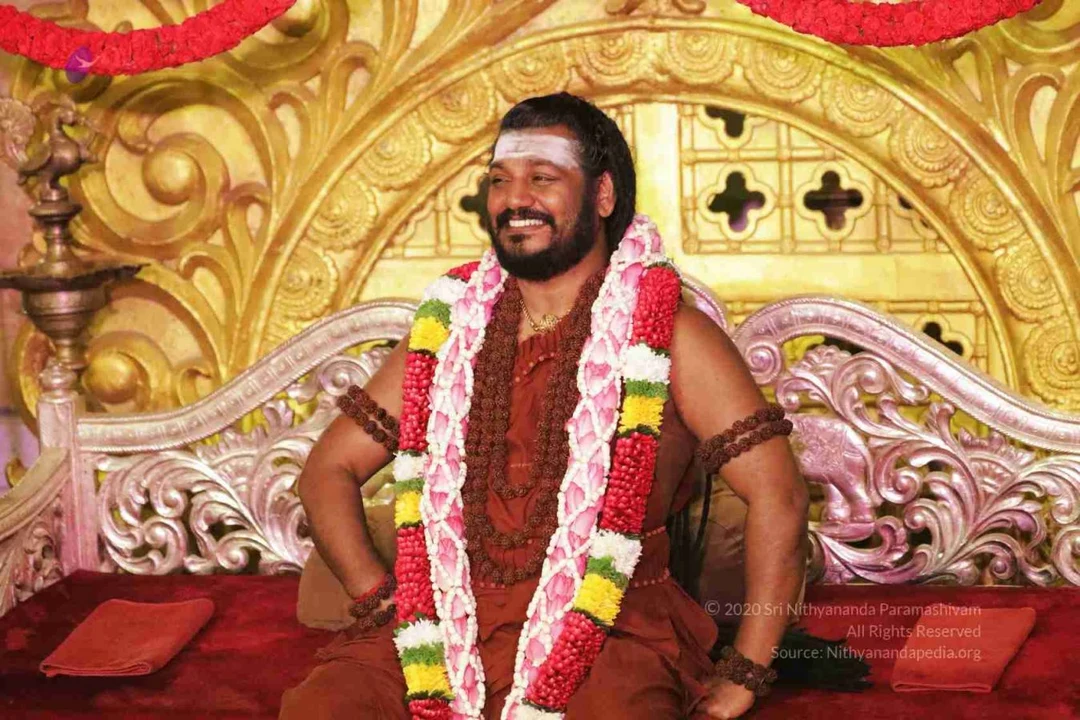 Joyous expression of living avatar
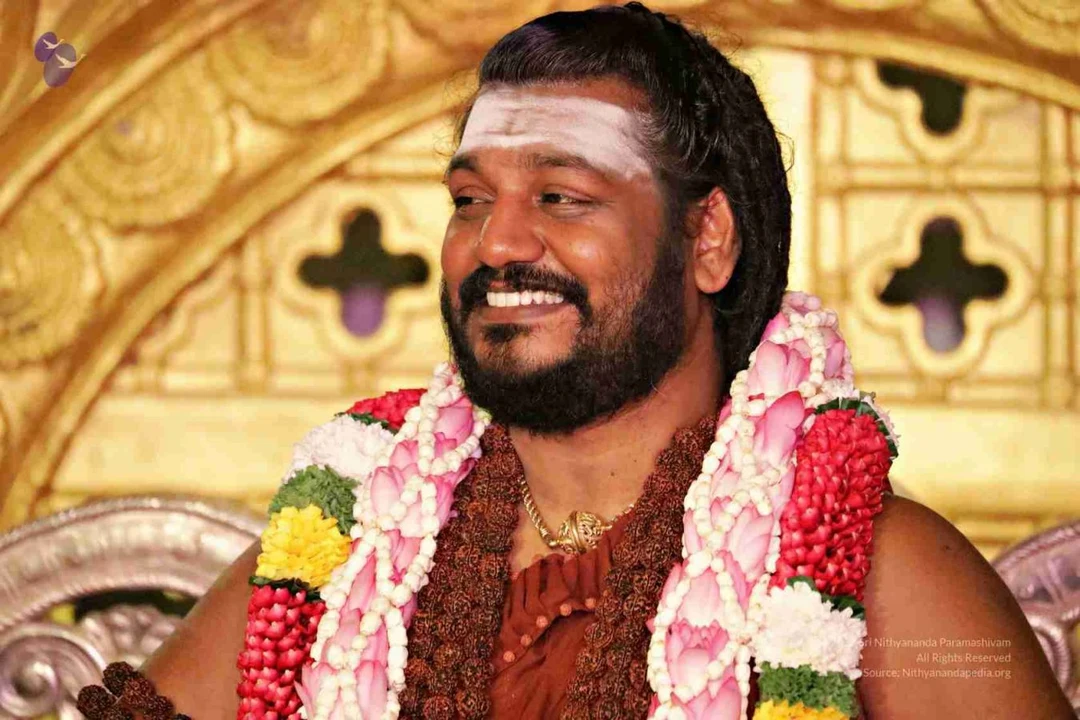 Joyous expression of living avatar
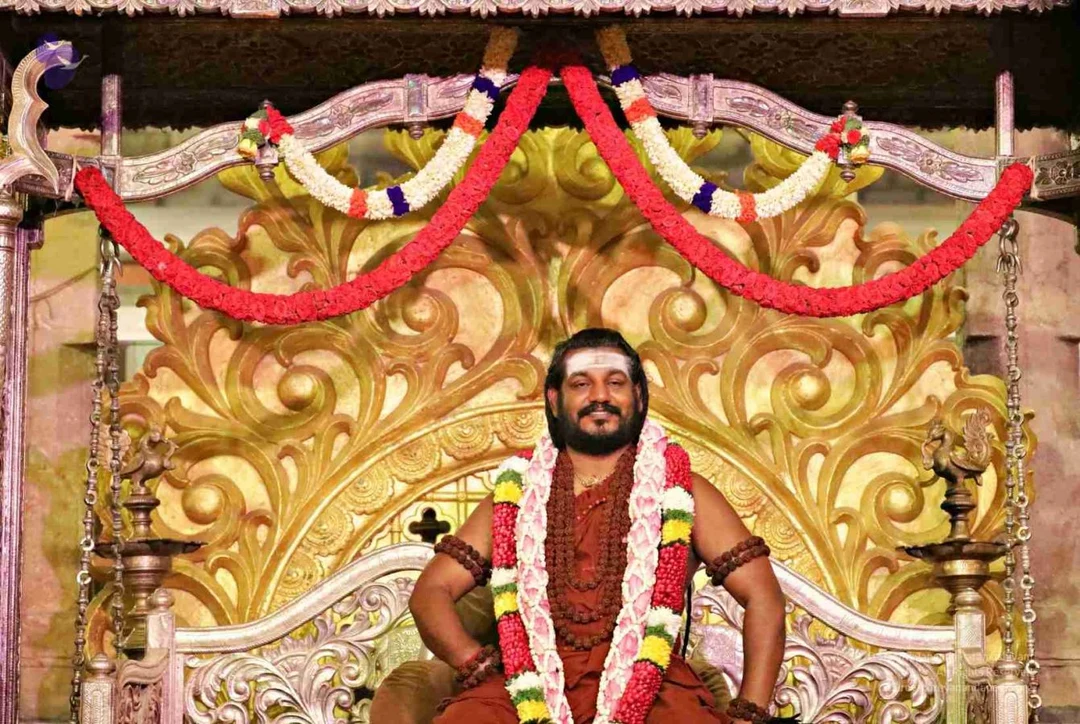 Joyous expression of living avatar
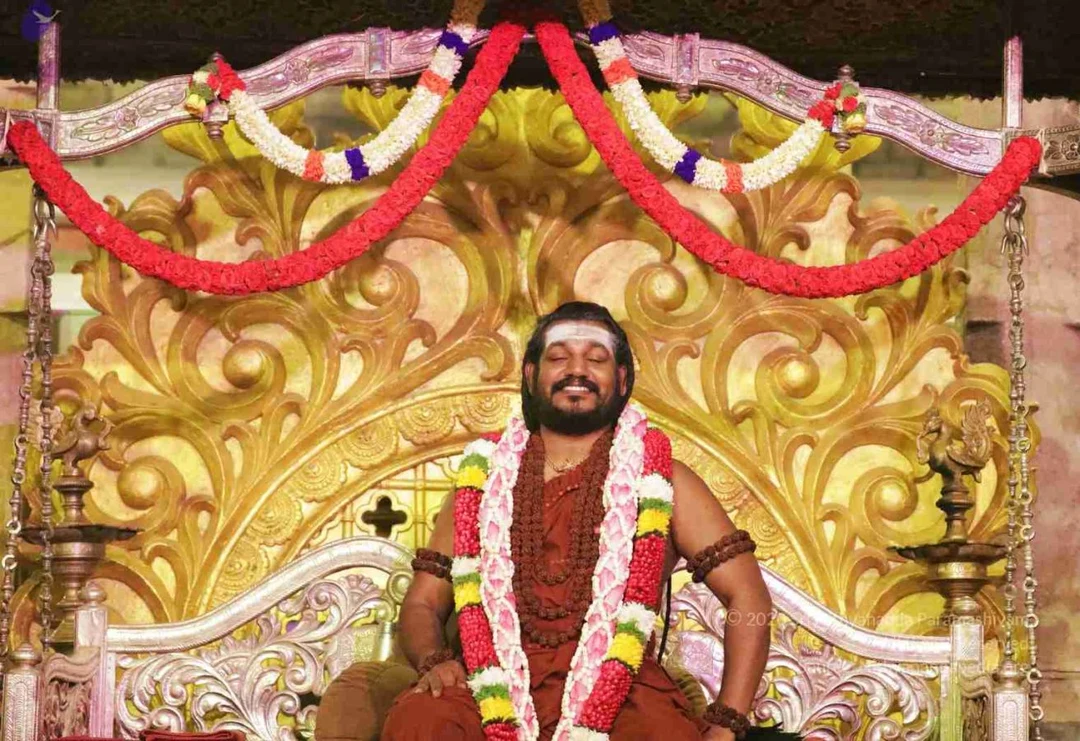 Joyous expression of living avatar
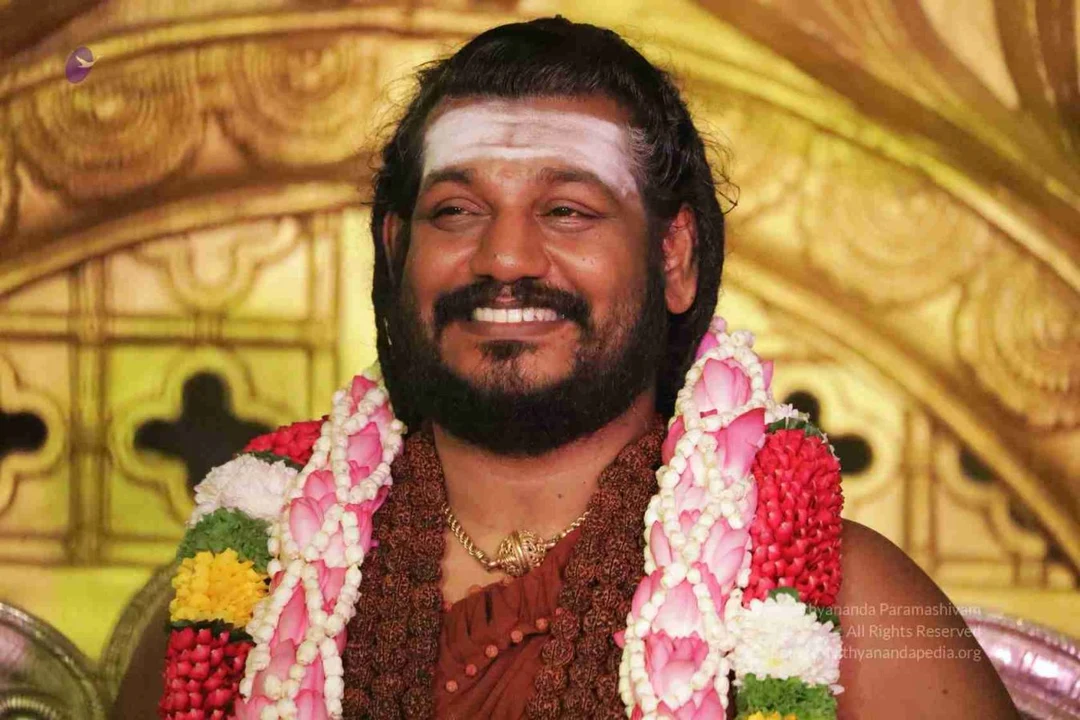 Joyous expression of living avatar
 Joyous expression of living avatar
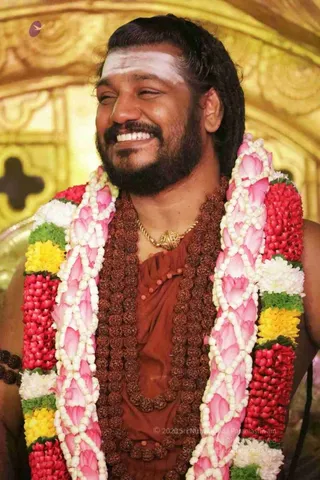 Joyous expression of living avatar
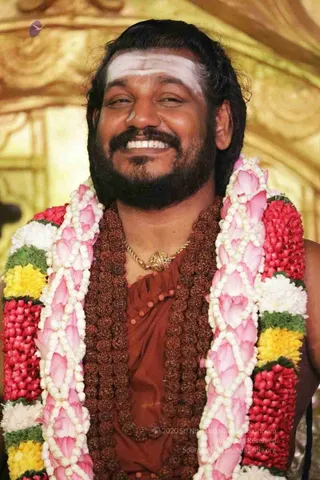 Joyous expression of living avatar
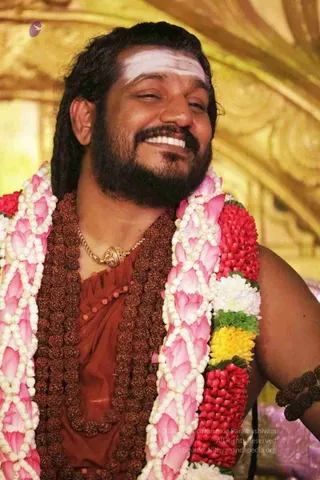 Joyous expression of living avatar
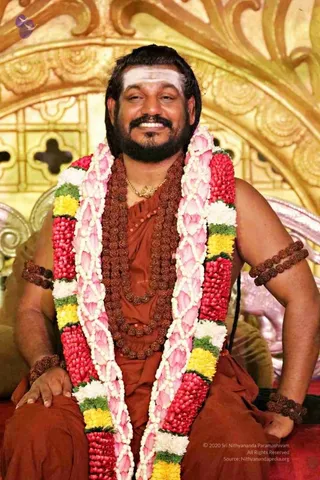 Joyous expression of living avatar
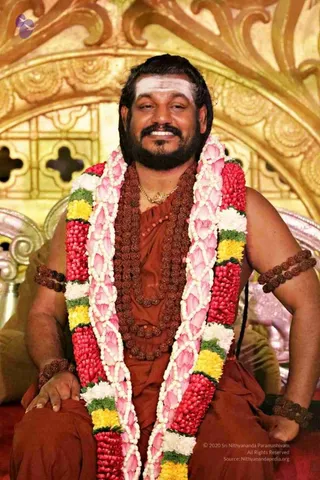 Joyous expression of living avatar
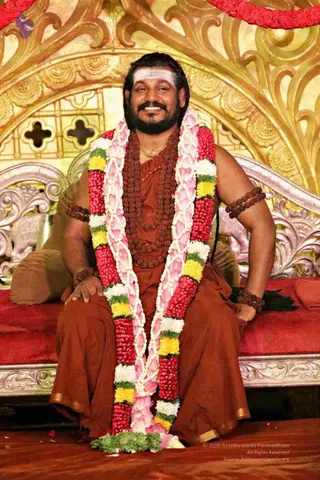 Joyous expression of living avatar
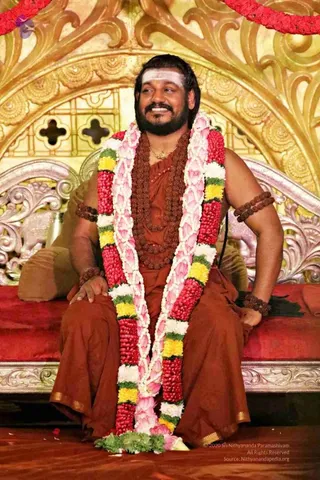 Joyous expression of living avatar
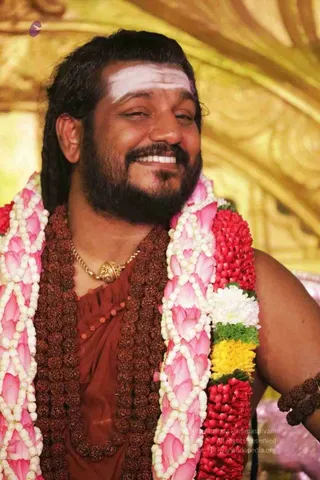 Joyous expression of living avatar
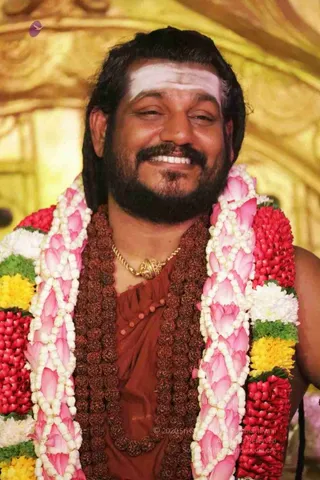 Joyous expression of living avatar
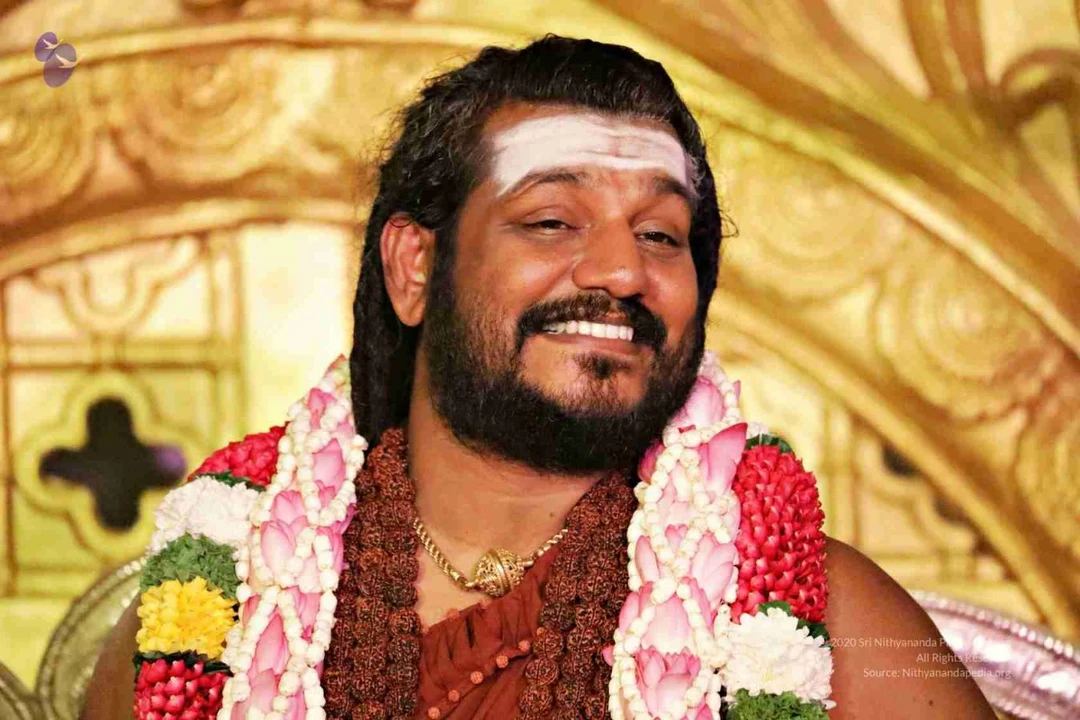 Joyous expression of living avatar
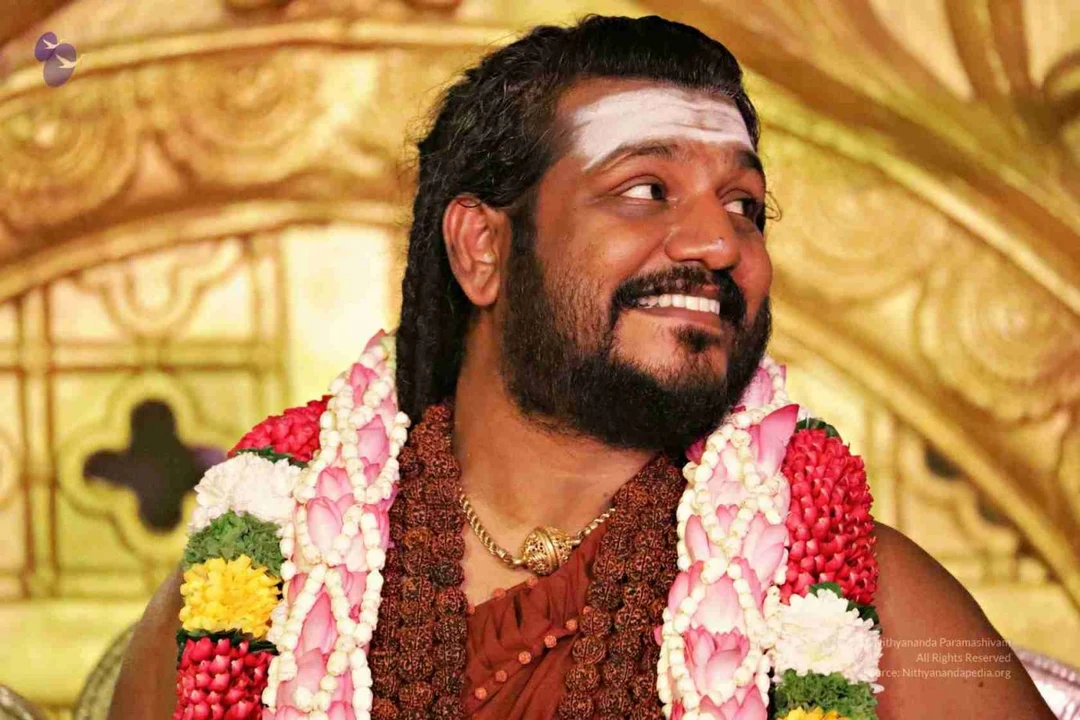 Joyous expression of living avatar
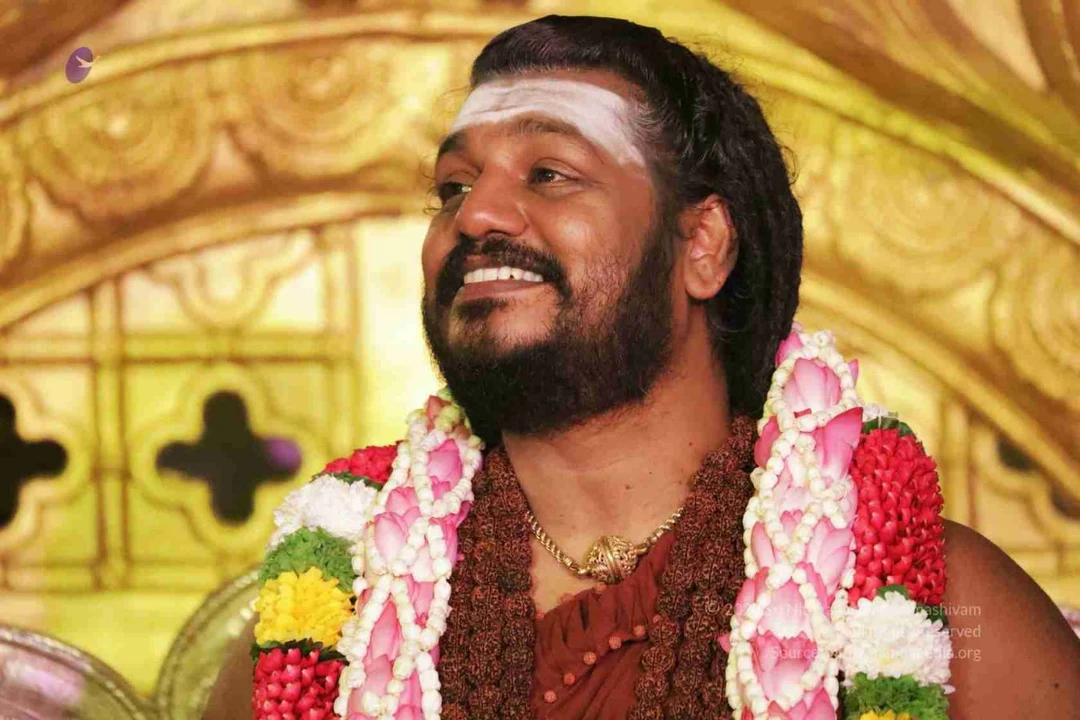 Joyous expression of living avatar
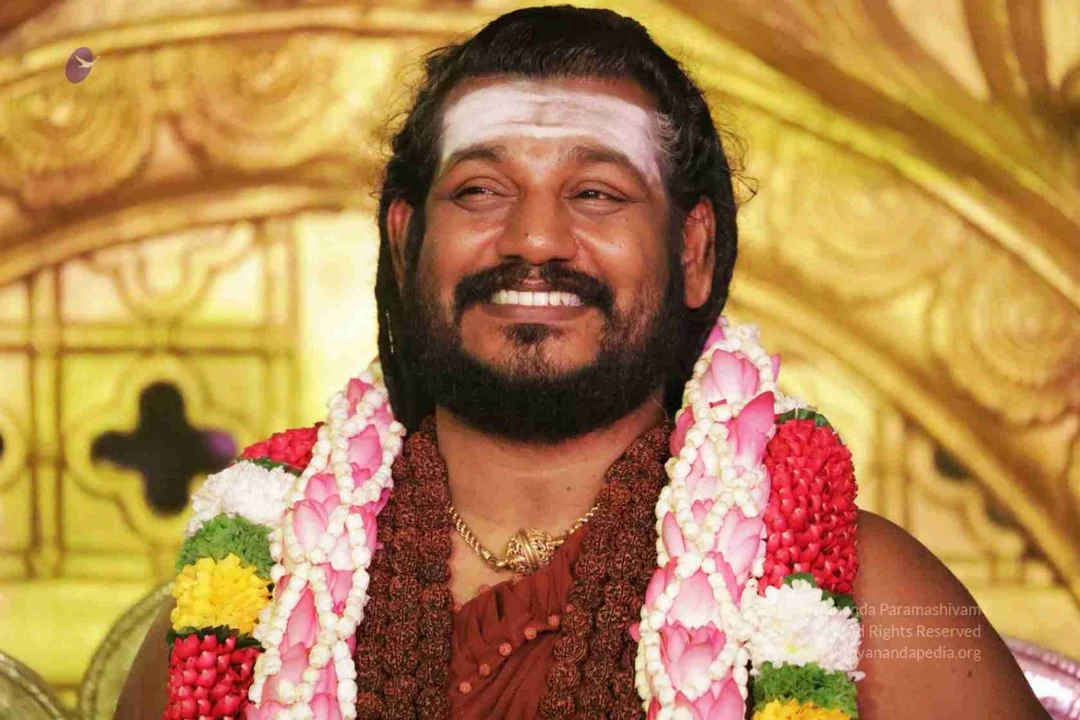 Joyous expression of living avatar
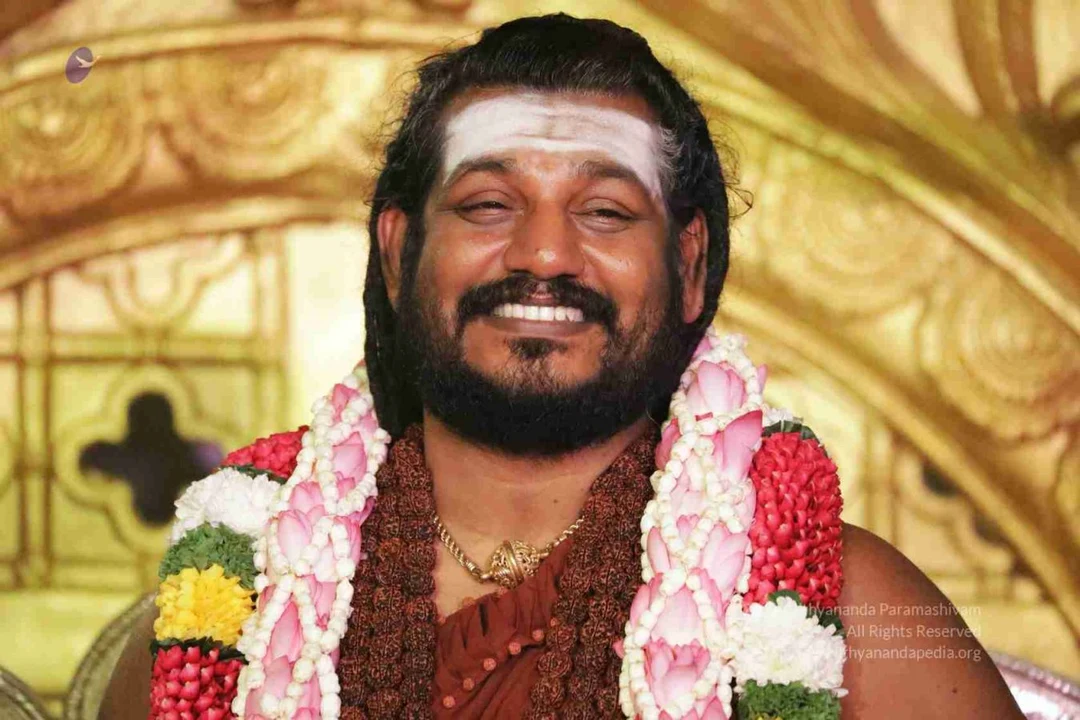 Joyous expression of living avatar
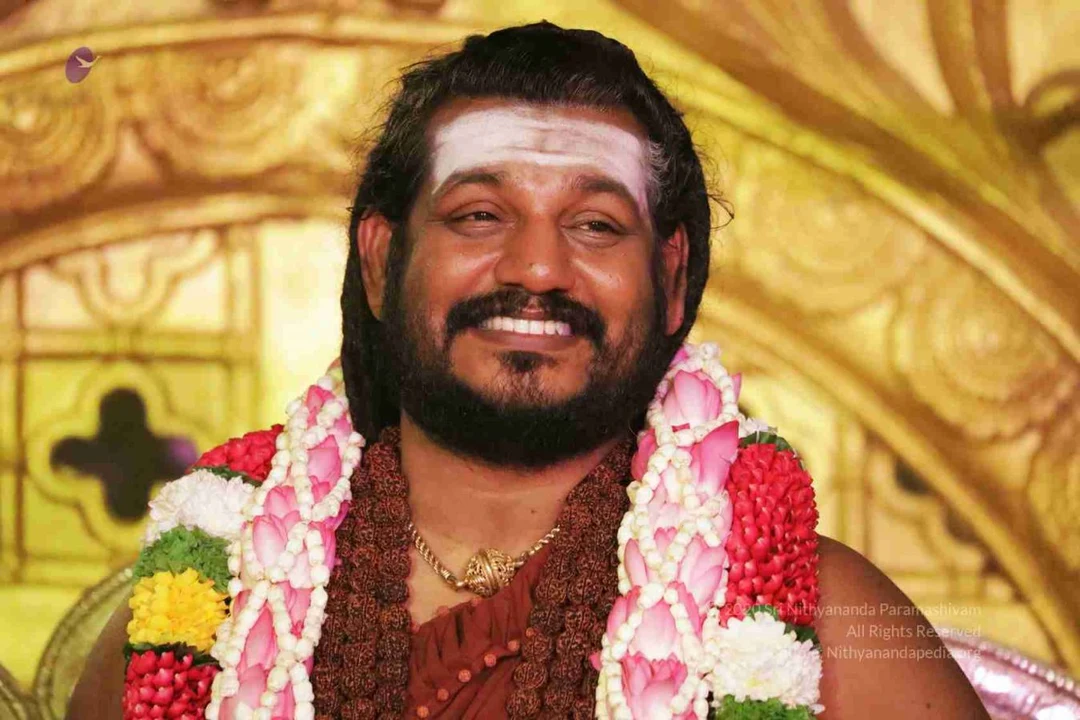 Joyous expression of living avatar
 Joyous expression of living avatar
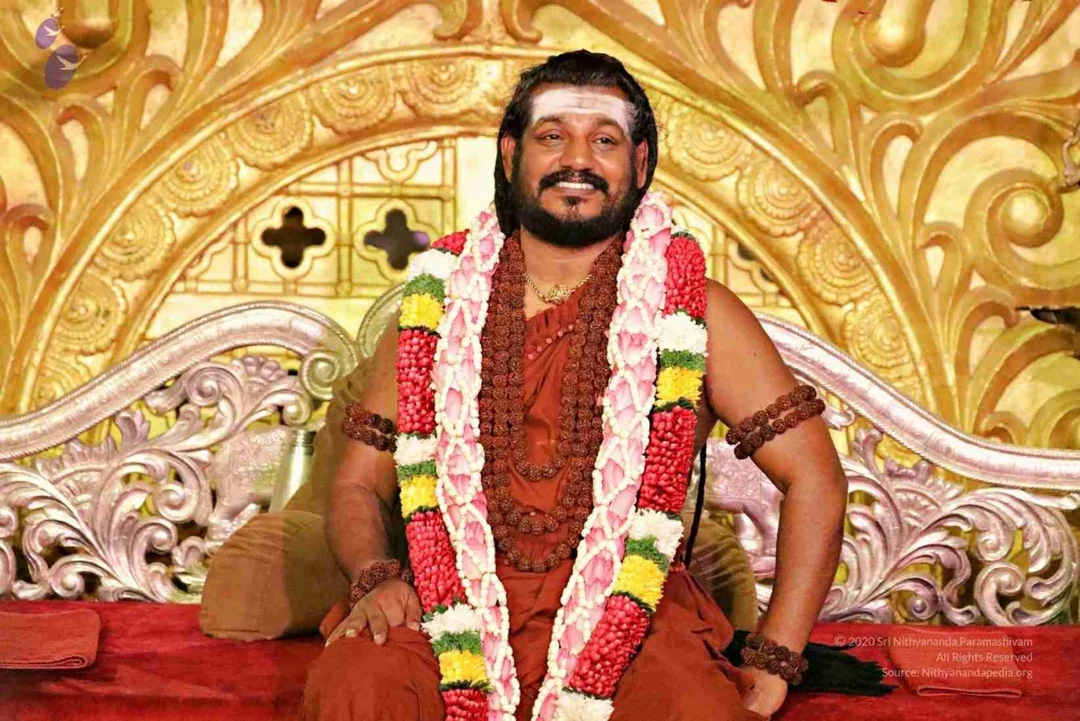 Joyous expression of living avatar
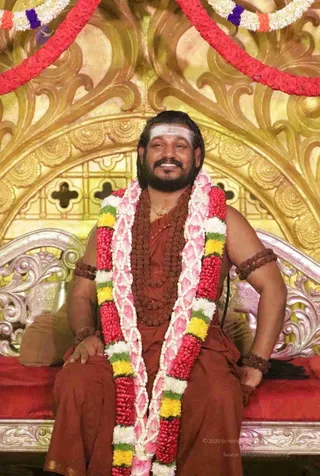 Joyous expression of living avatar
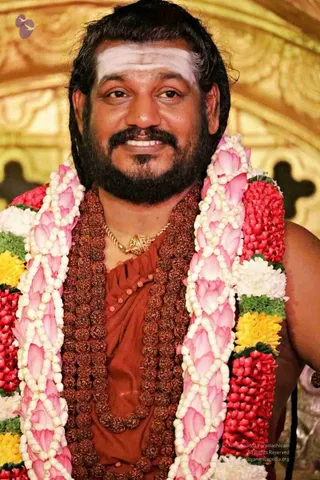 Joyous expression of living avatar
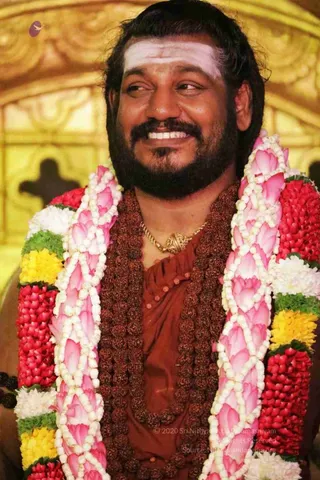 Joyous expression of living avatar
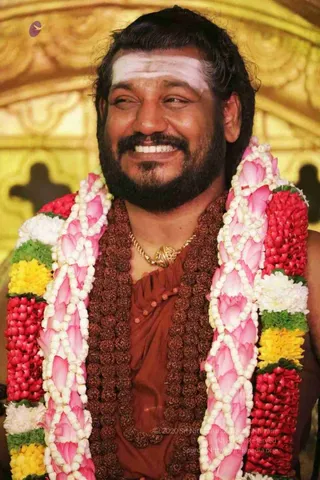 Joyous expression of living avatar
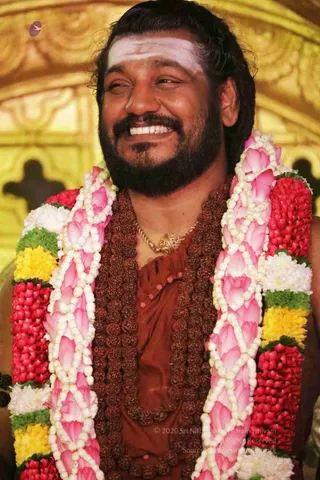 Avatar presence is living healing energy field
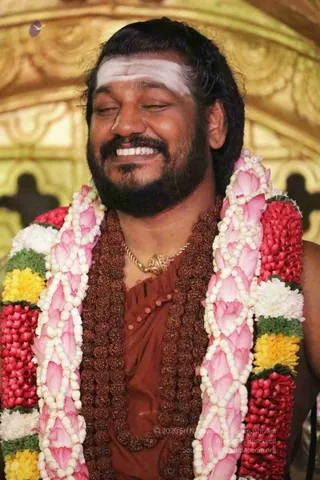 Avatar presence is living healing energy field
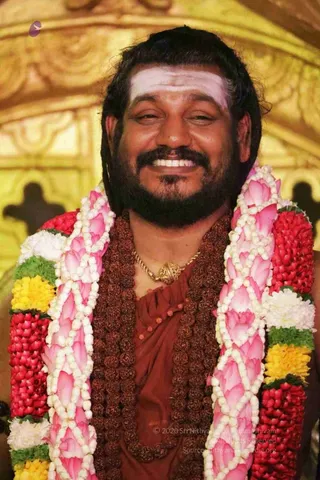 Avatar presence is living healing energy field
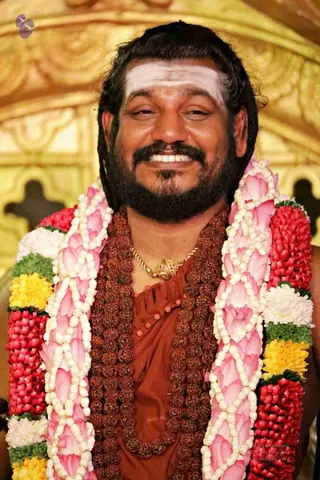 Avatar presence is living healing energy field
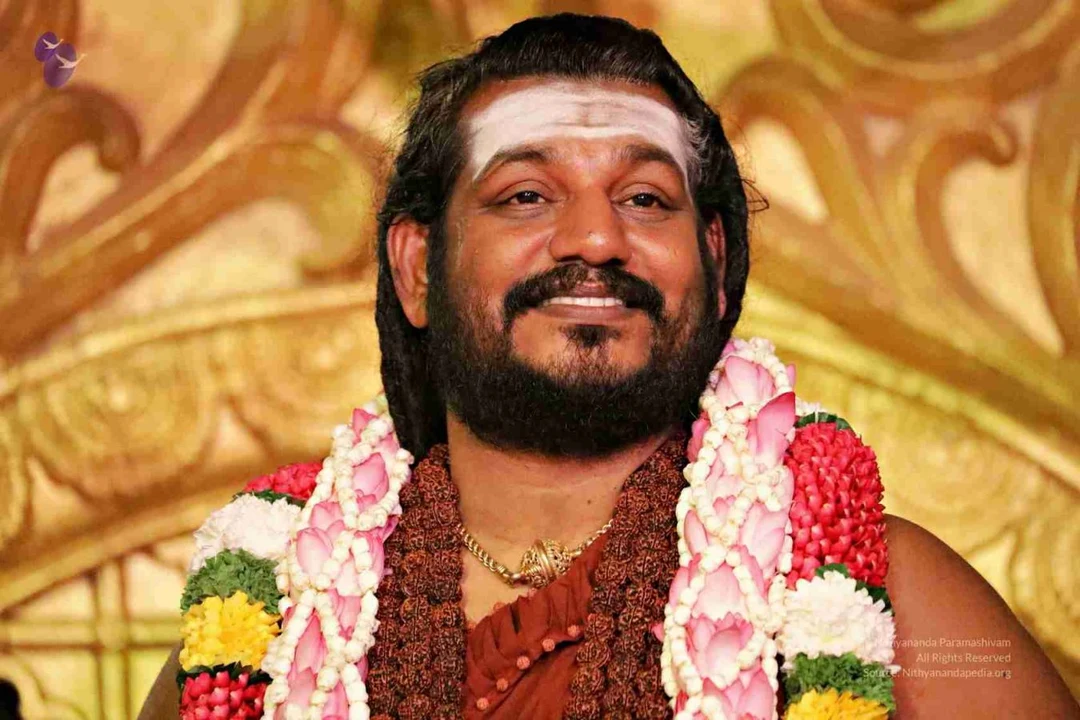 Avatar presence is living healing energy field
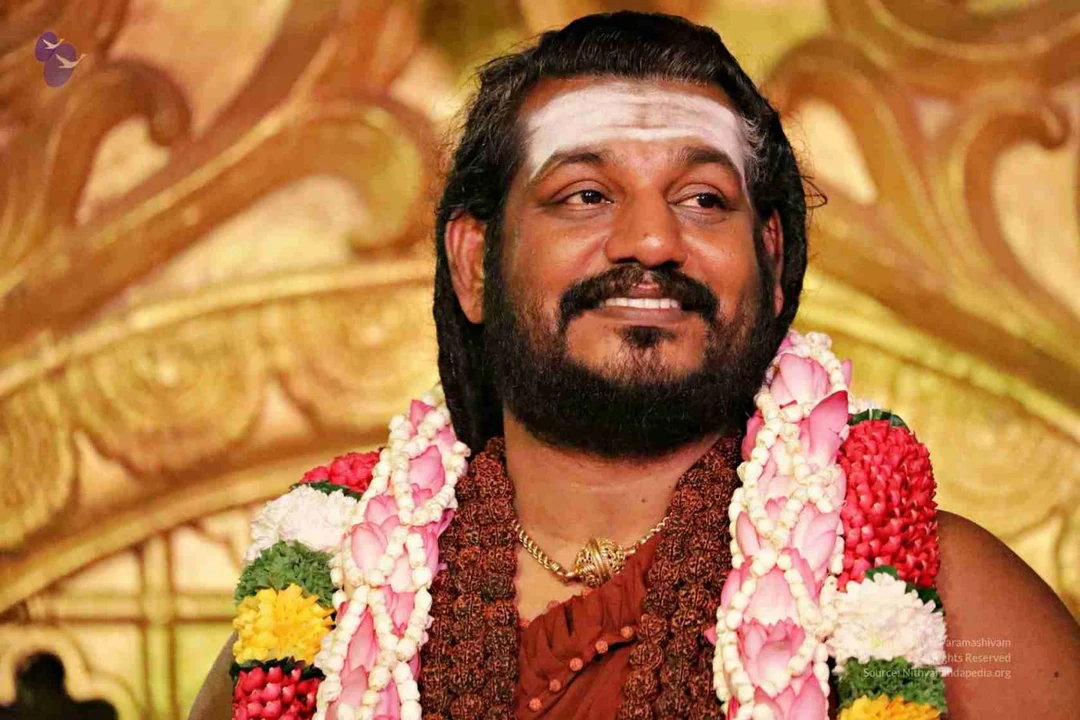 Avatar presence is living healing energy field
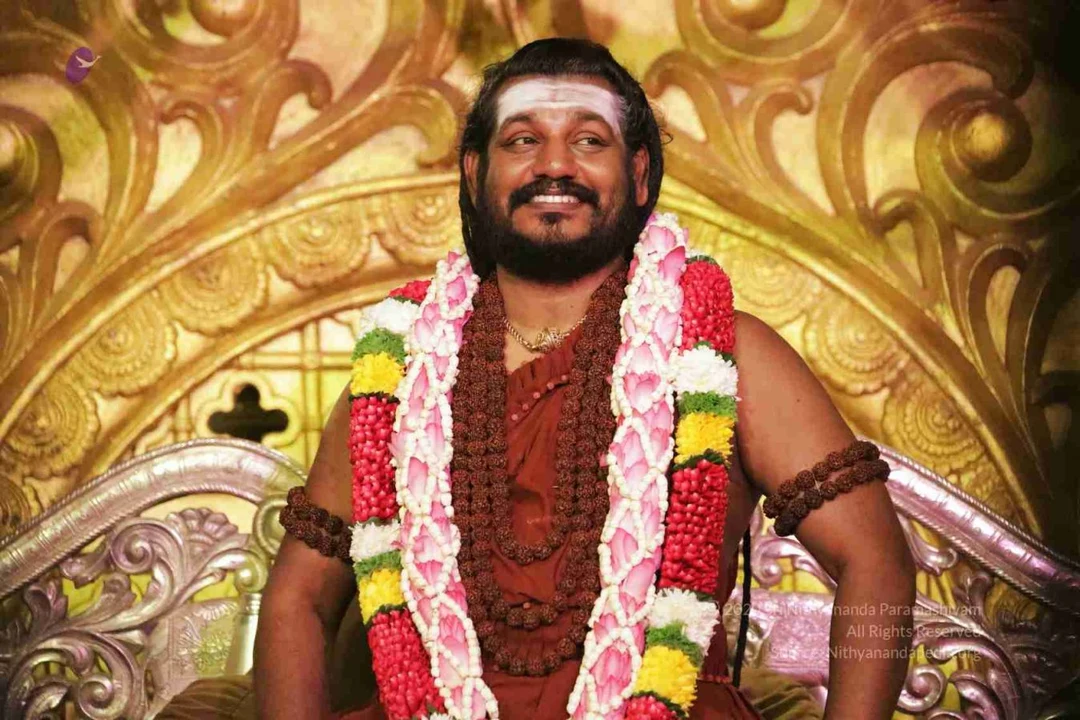 Avatar presence is living healing energy field
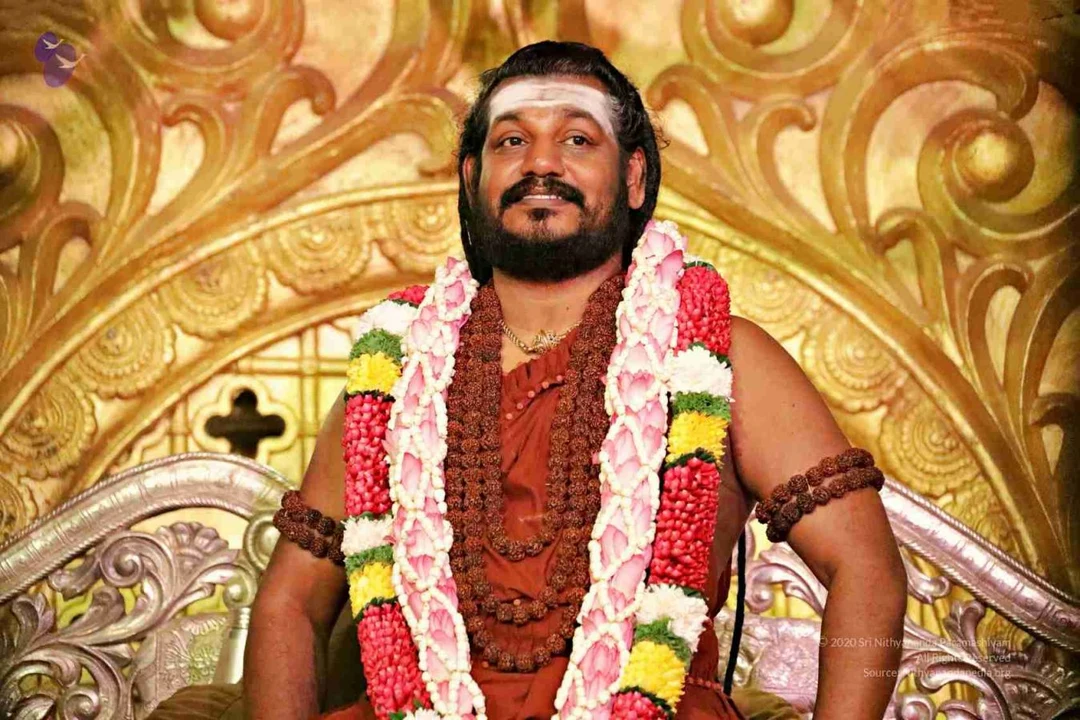 Avatar presence is living healing energy field
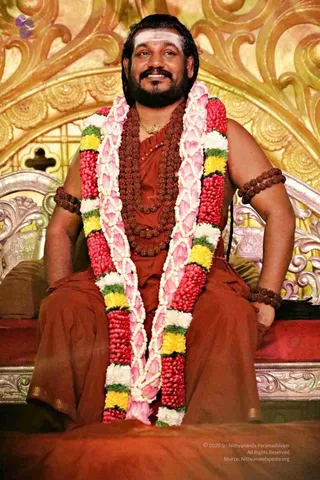 Avatar presence is living healing energy field
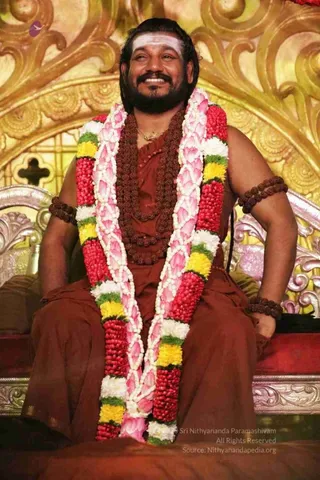 Avatar presence is living healing energy field
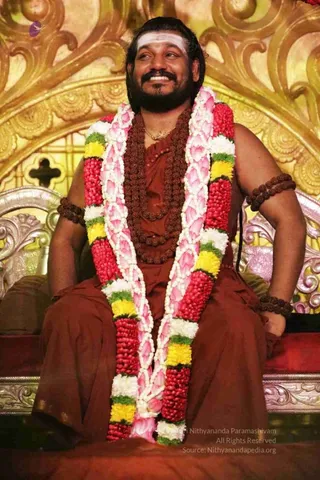 Avatar presence is living healing energy field
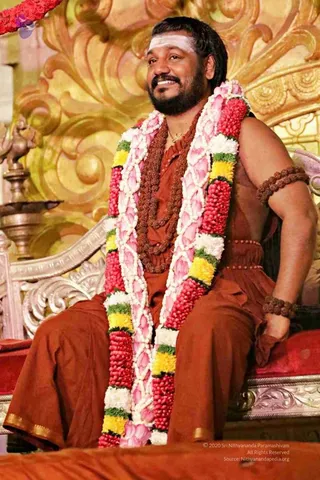 Avatar presence is living healing energy field
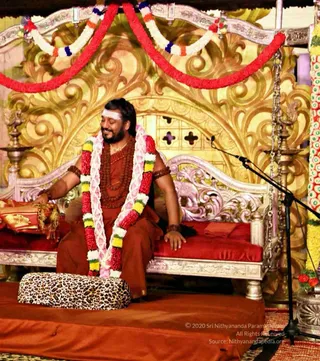 Existence is continuous expansion - HDH Nithyananda Paramashivam
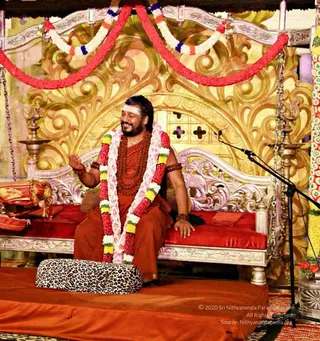 Existence is continuous expansion - HDH Nithyananda Paramashivam
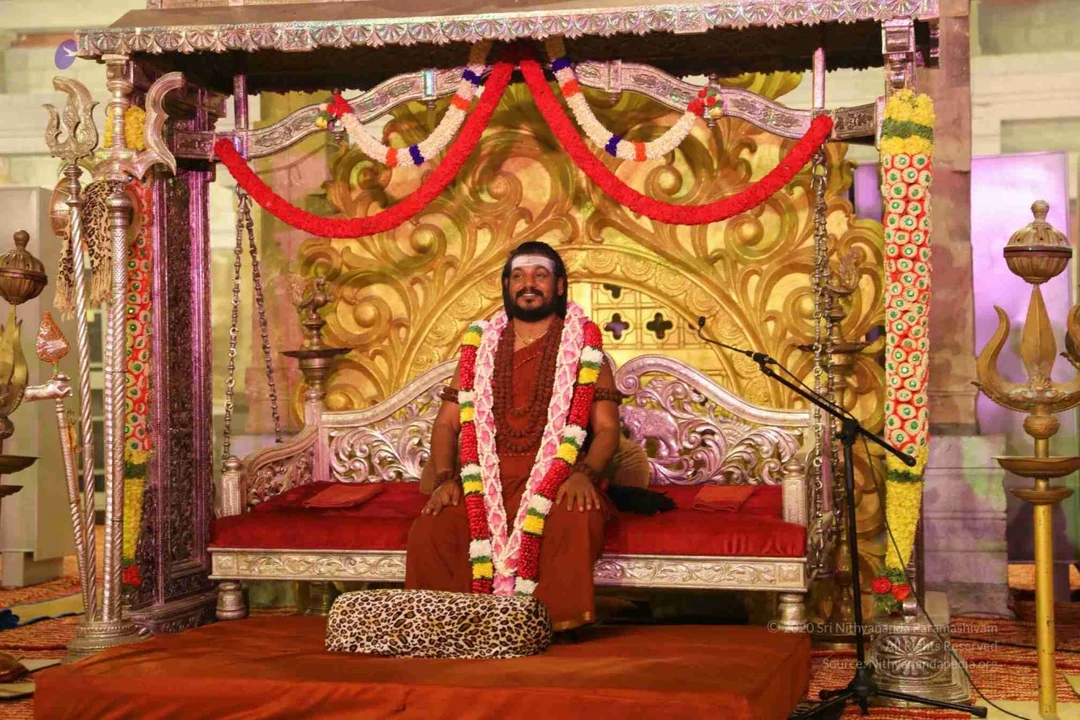 Existence is continuous expansion - HDH Nithyananda Paramashivam
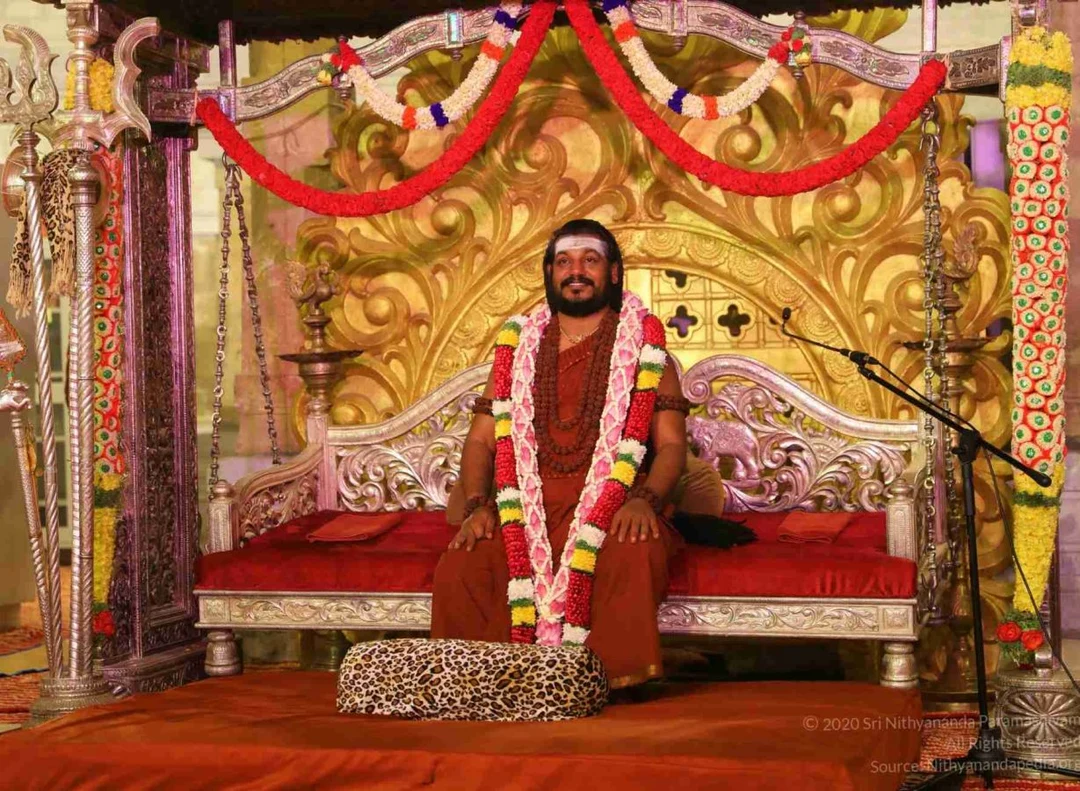 Existence is continuous expansion - HDH Nithyananda Paramashivam
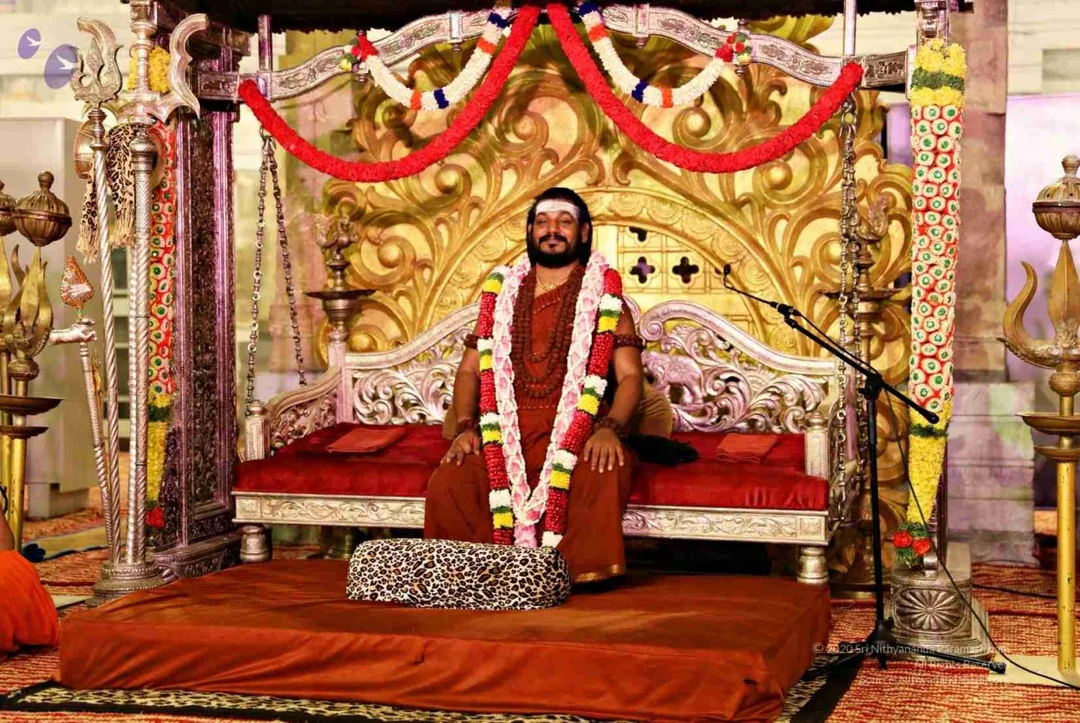 Existence is continuous expansion - HDH Nithyananda Paramashivam
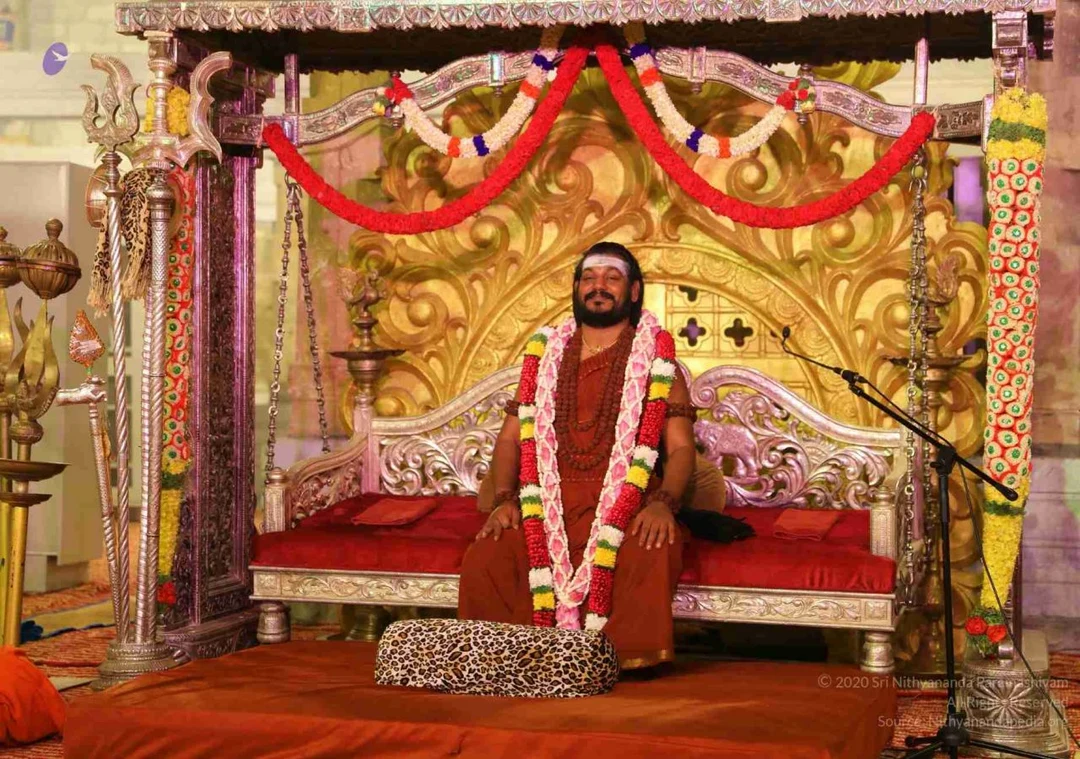 Existence is continuous expansion - HDH Nithyananda Paramashivam
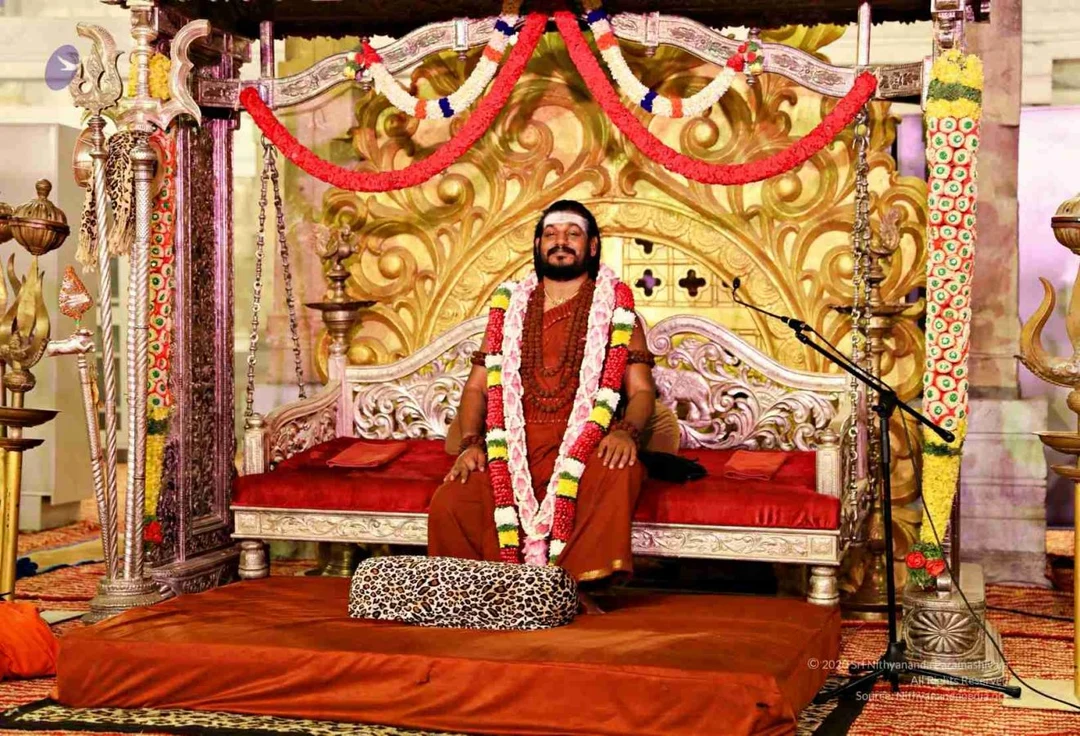 Existence is continuous expansion - HDH Nithyananda Paramashivam
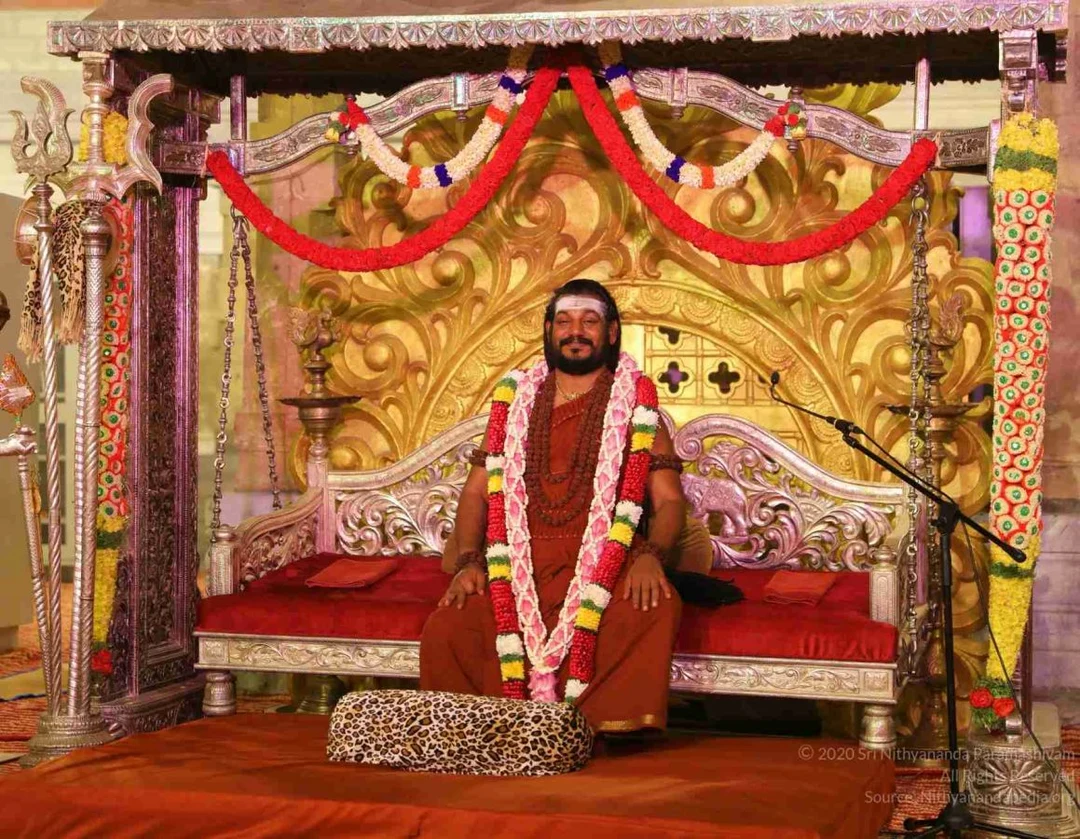 Existence is continuous expansion - HDH Nithyananda Paramashivam
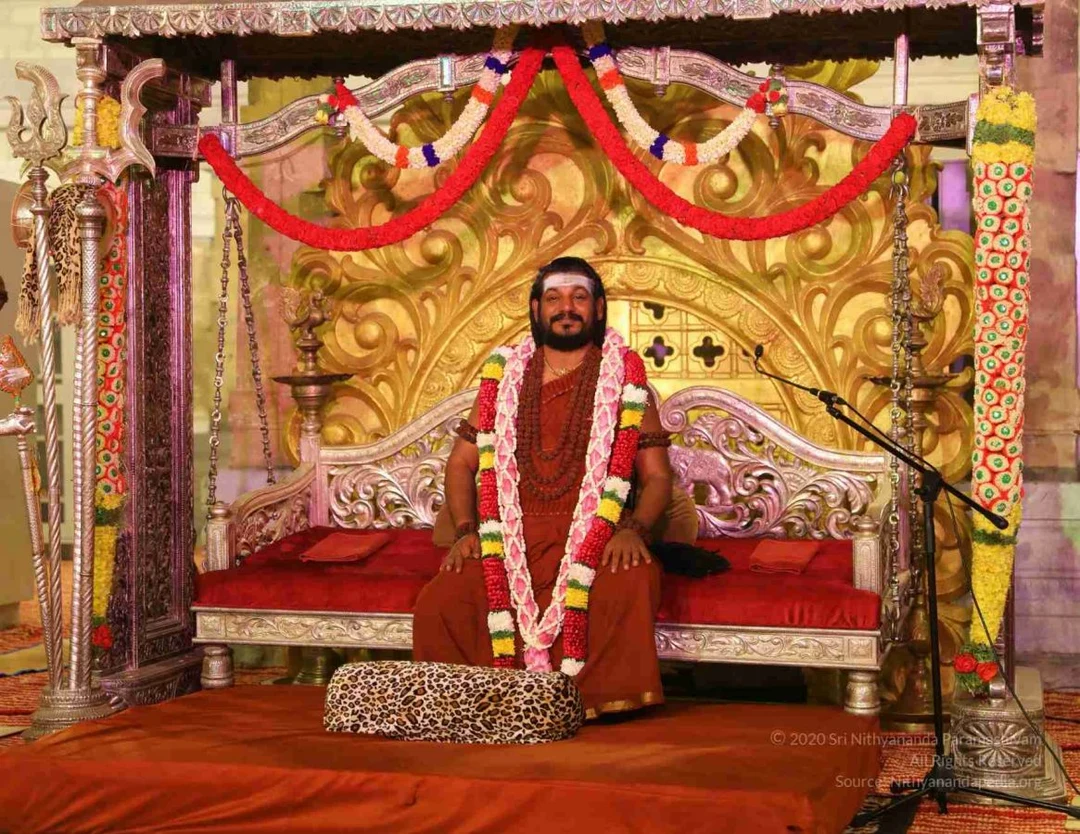 Existence is continuous expansion - HDH Nithyananda Paramashivam
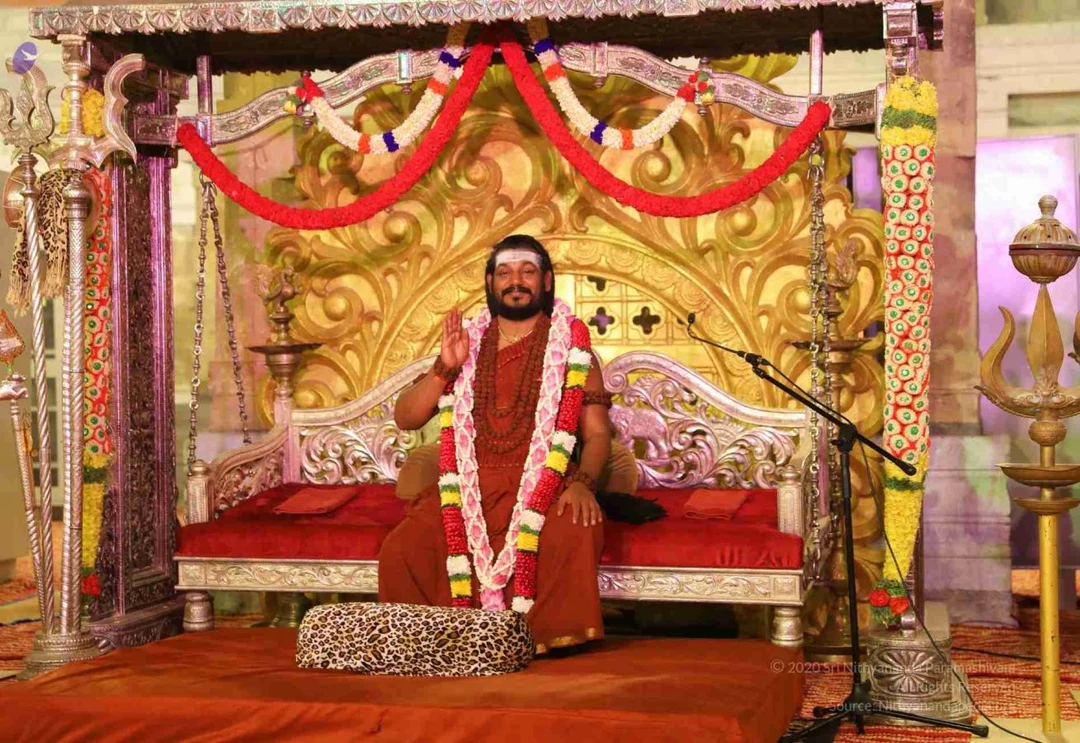 Existence is continuous expansion - HDH Nithyananda Paramashivam
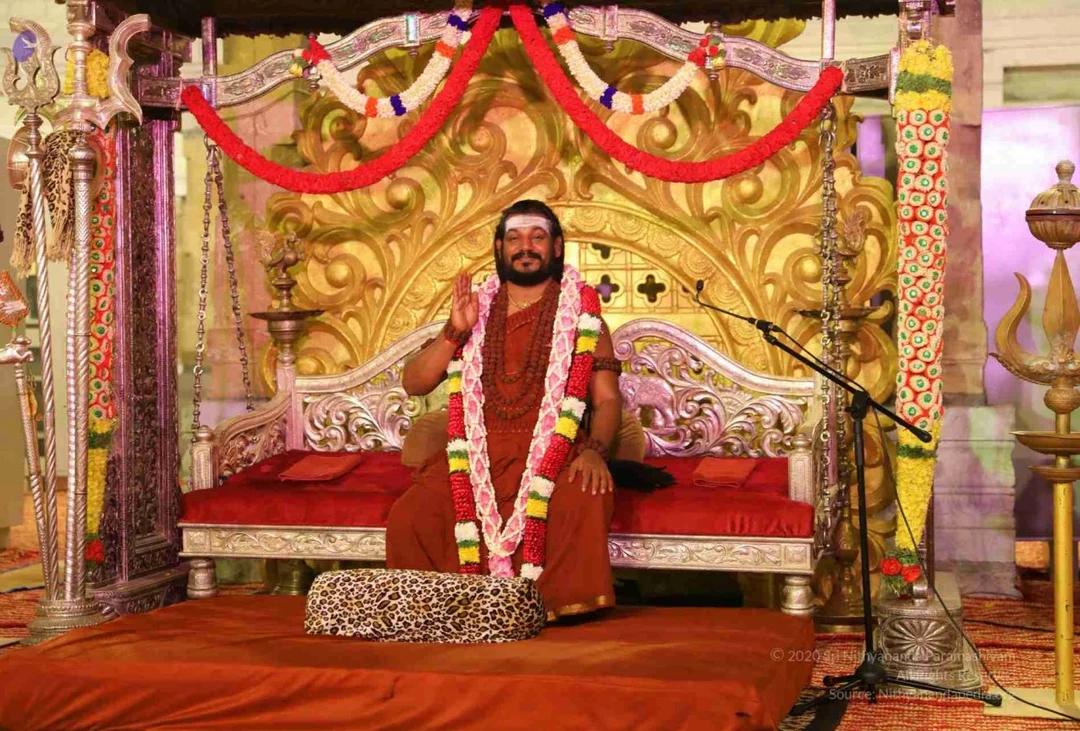 Existence is continuous expansion - HDH Nithyananda Paramashivam
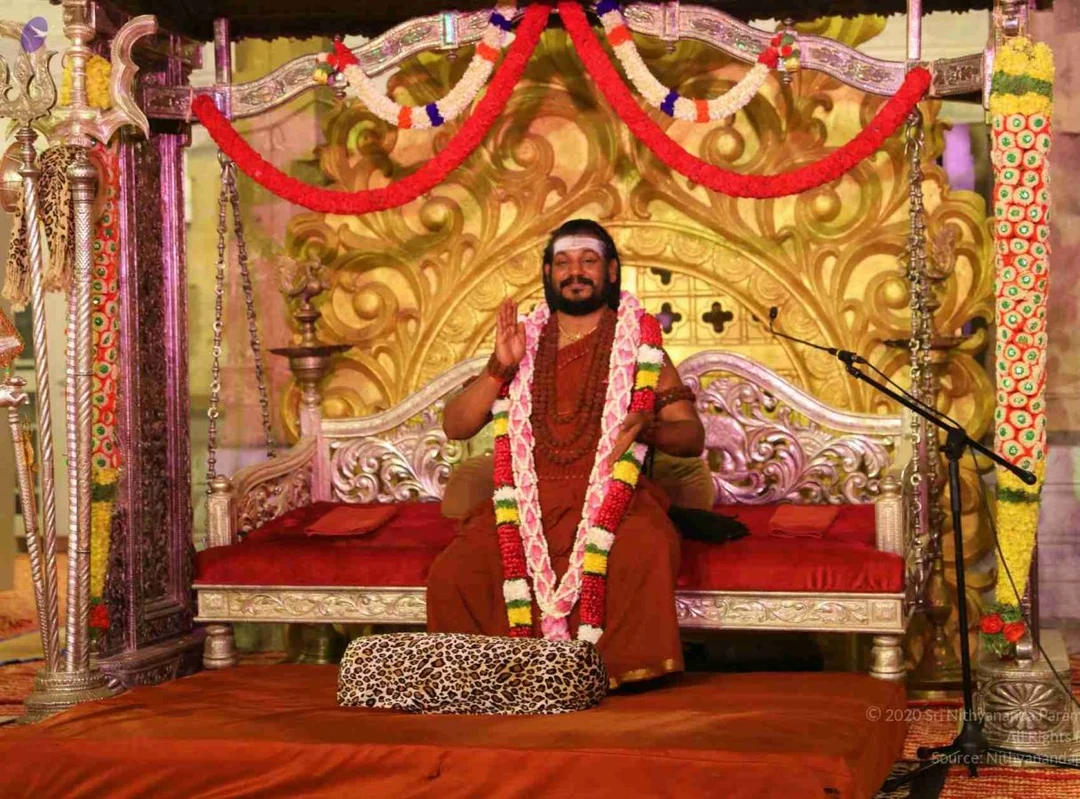 Existence is continuous expansion - HDH Nithyananda Paramashivam
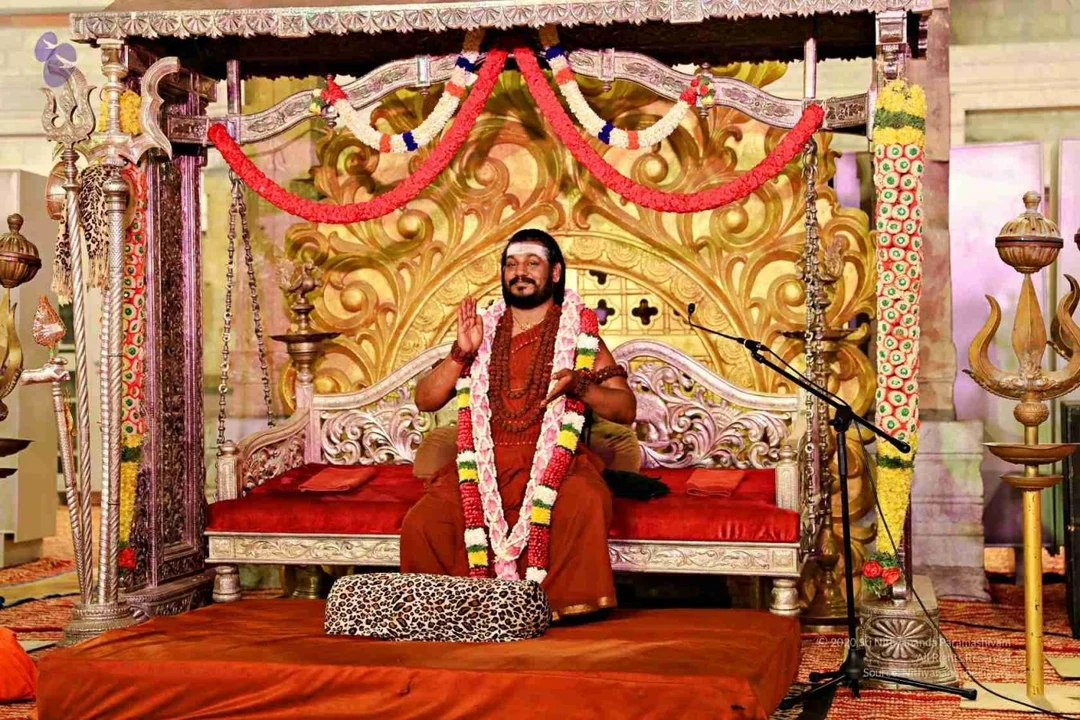 Existence is continuous expansion - HDH Nithyananda Paramashivam
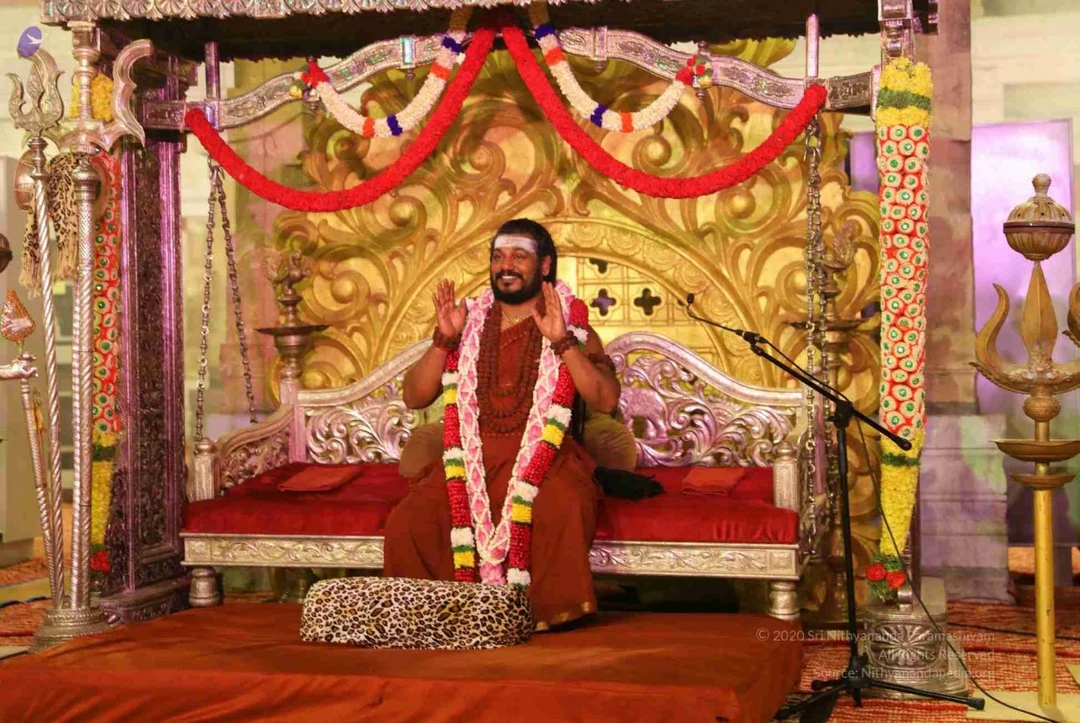 Avatar presence is living healing energy field
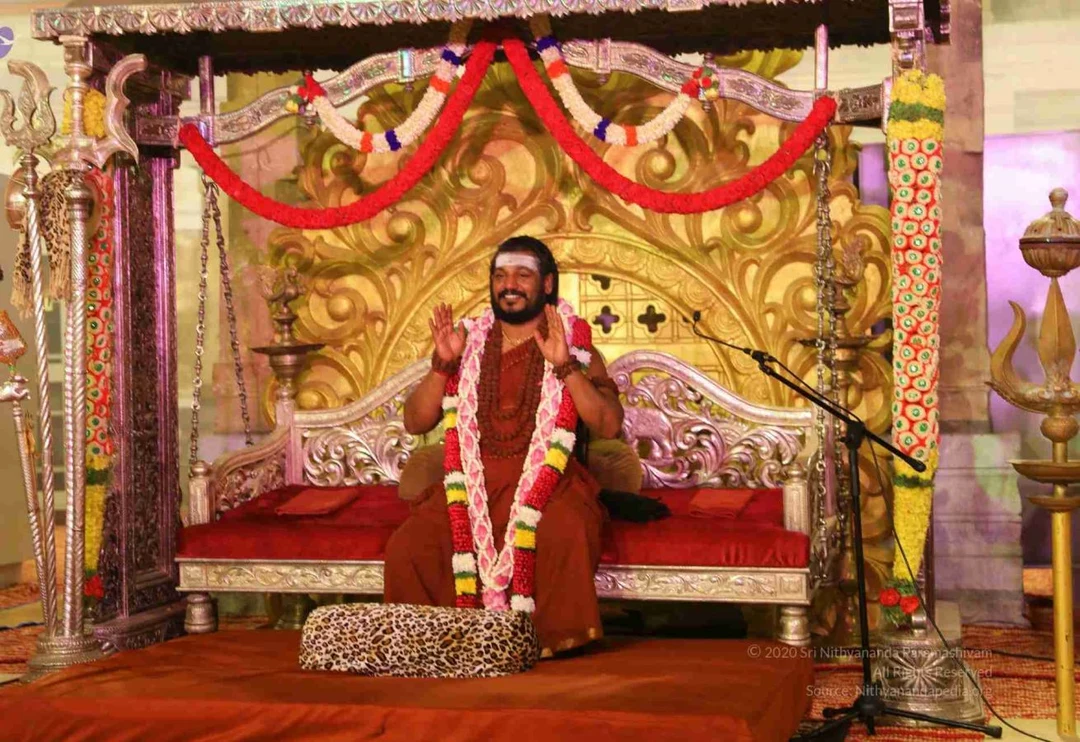 Avatar presence is living healing energy field
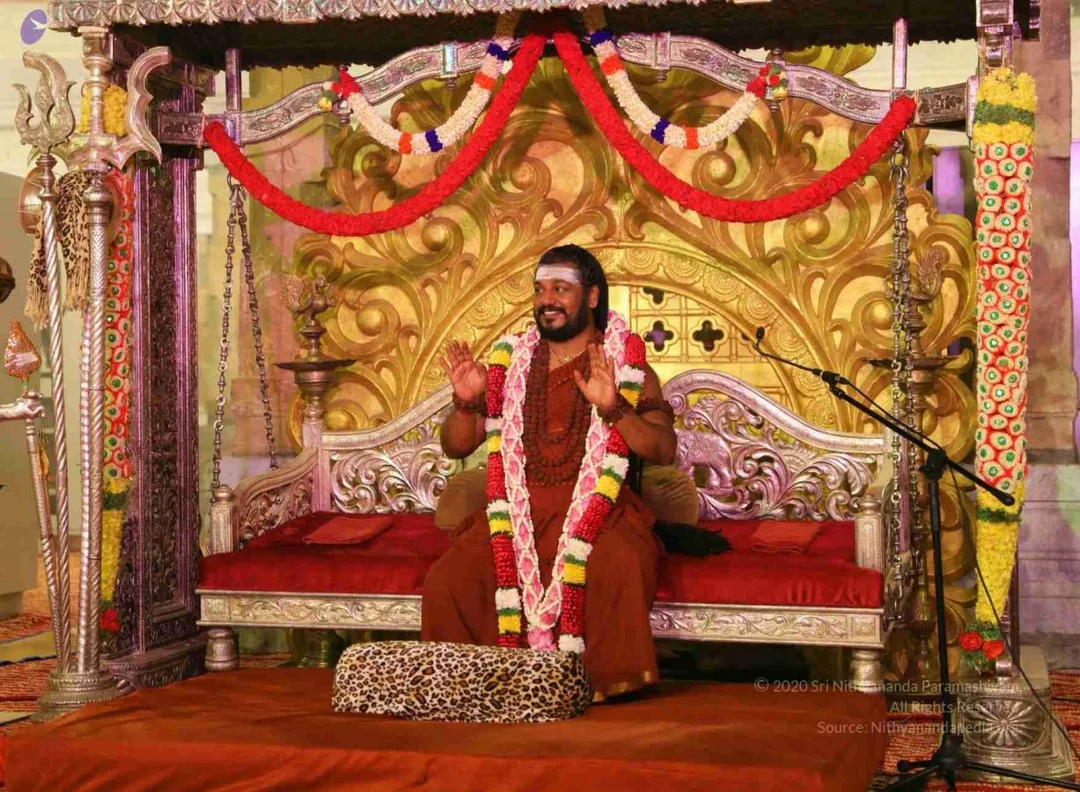 Avatar presence is living healing energy field
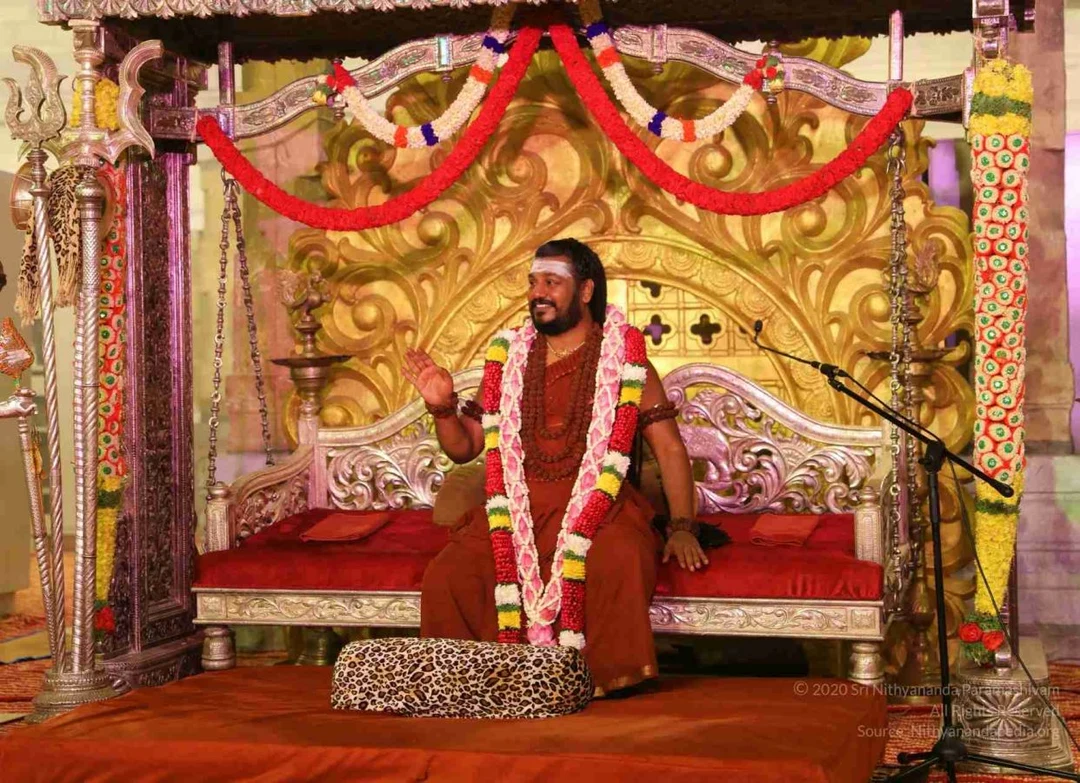 Avatar presence is living healing energy field
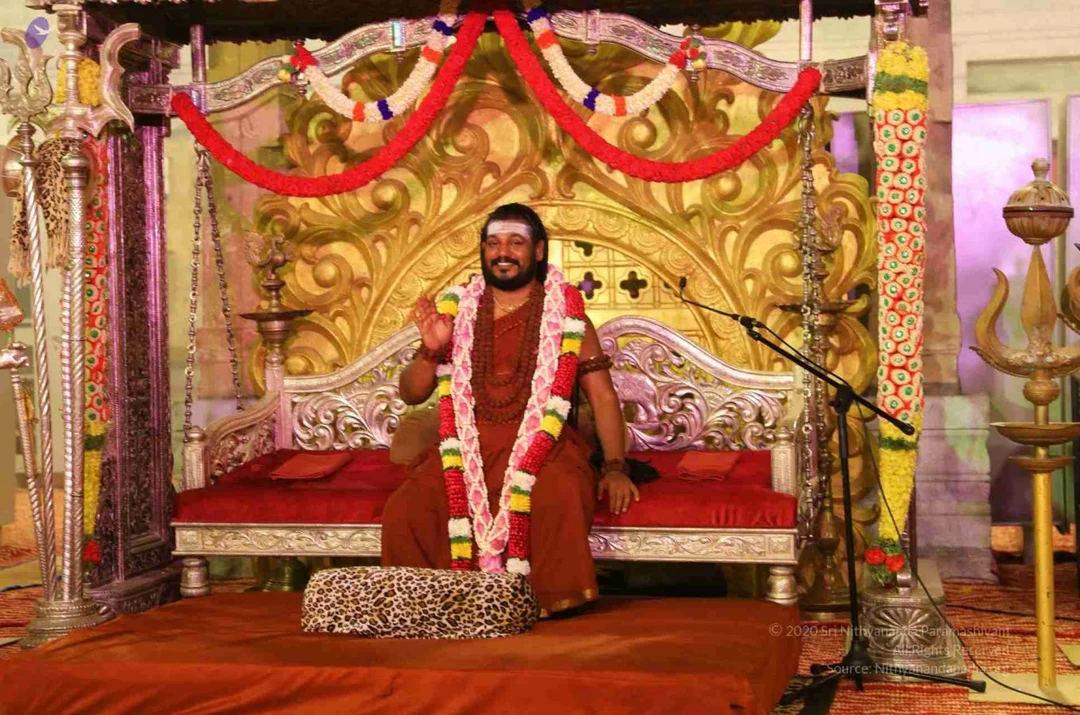 Avatar presence is living healing energy field
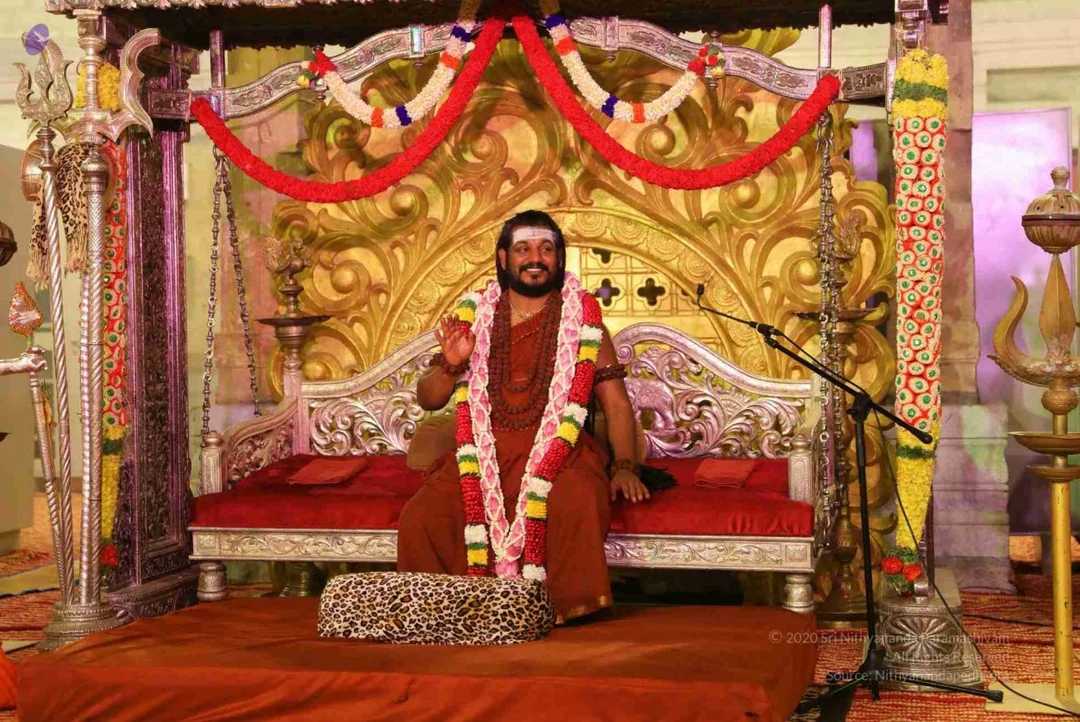 Avatar presence is living healing energy field
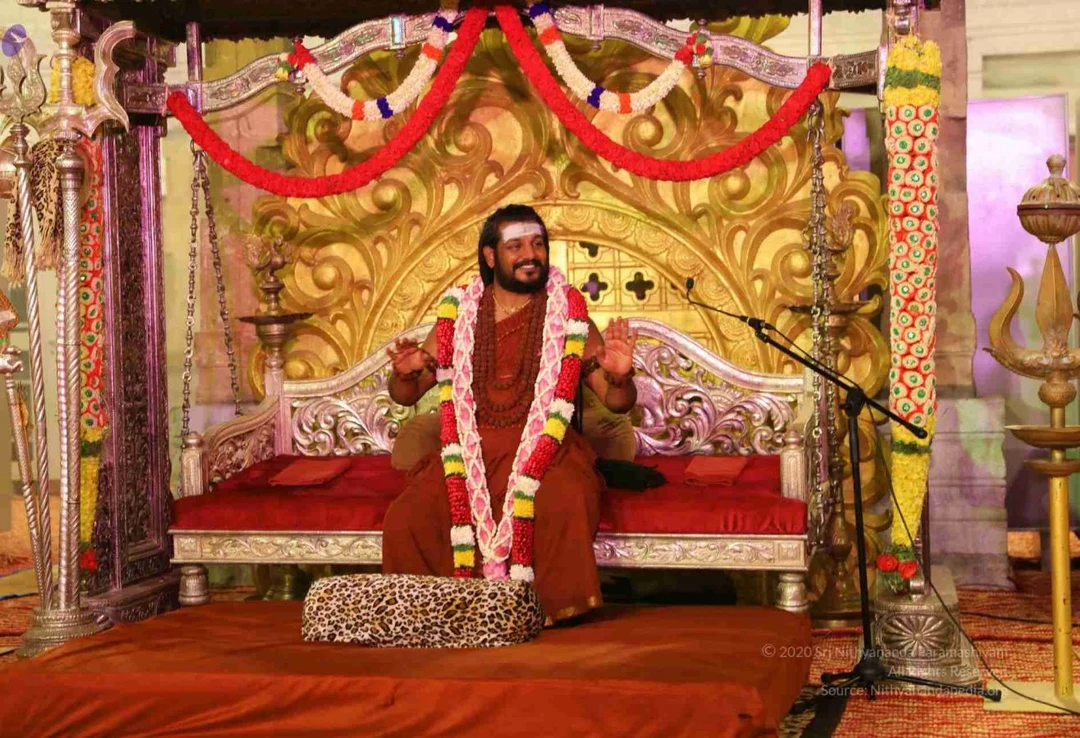 Avatar presence is living healing energy field
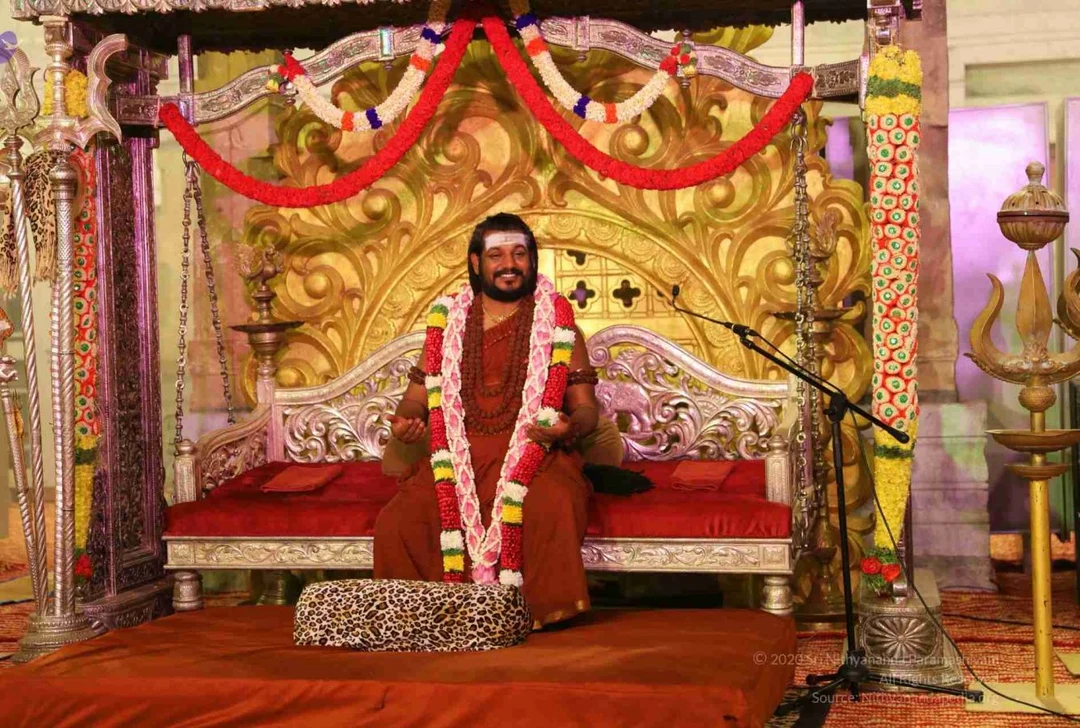 Avatar presence is living healing energy field
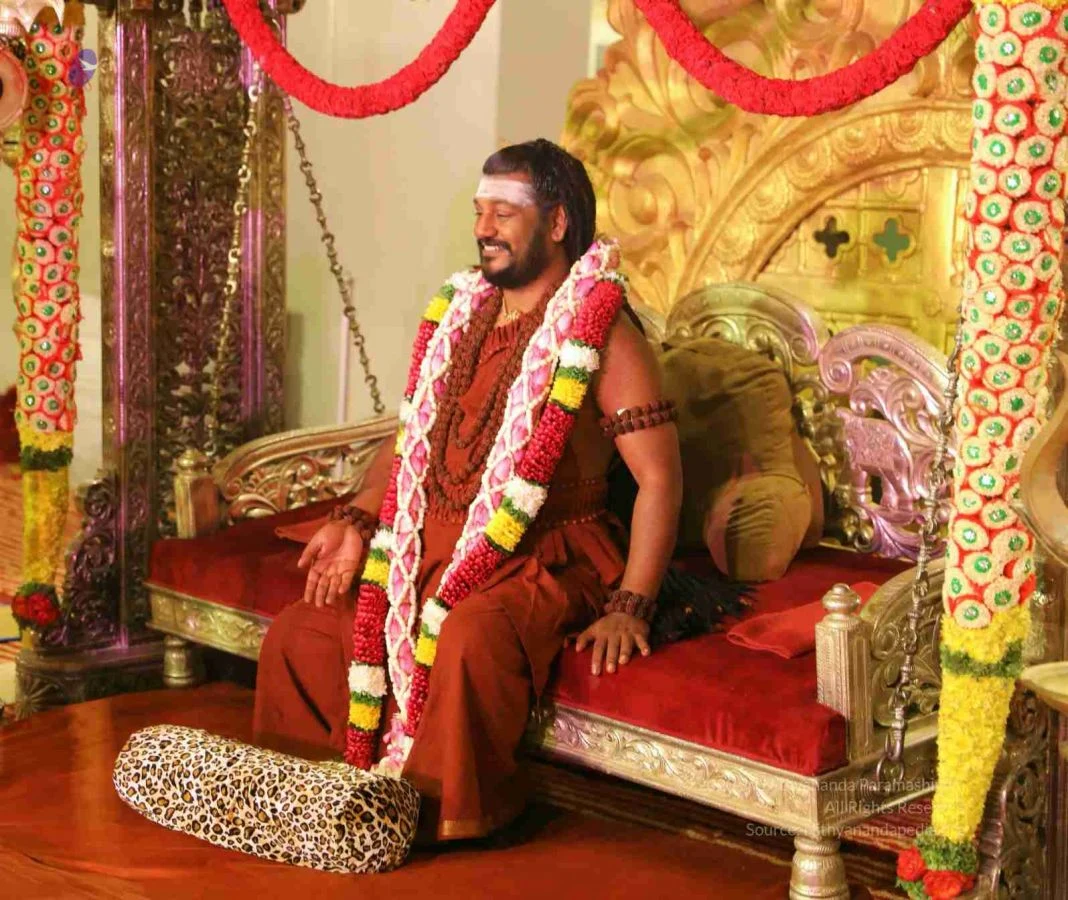 Avatar presence is living healing energy field
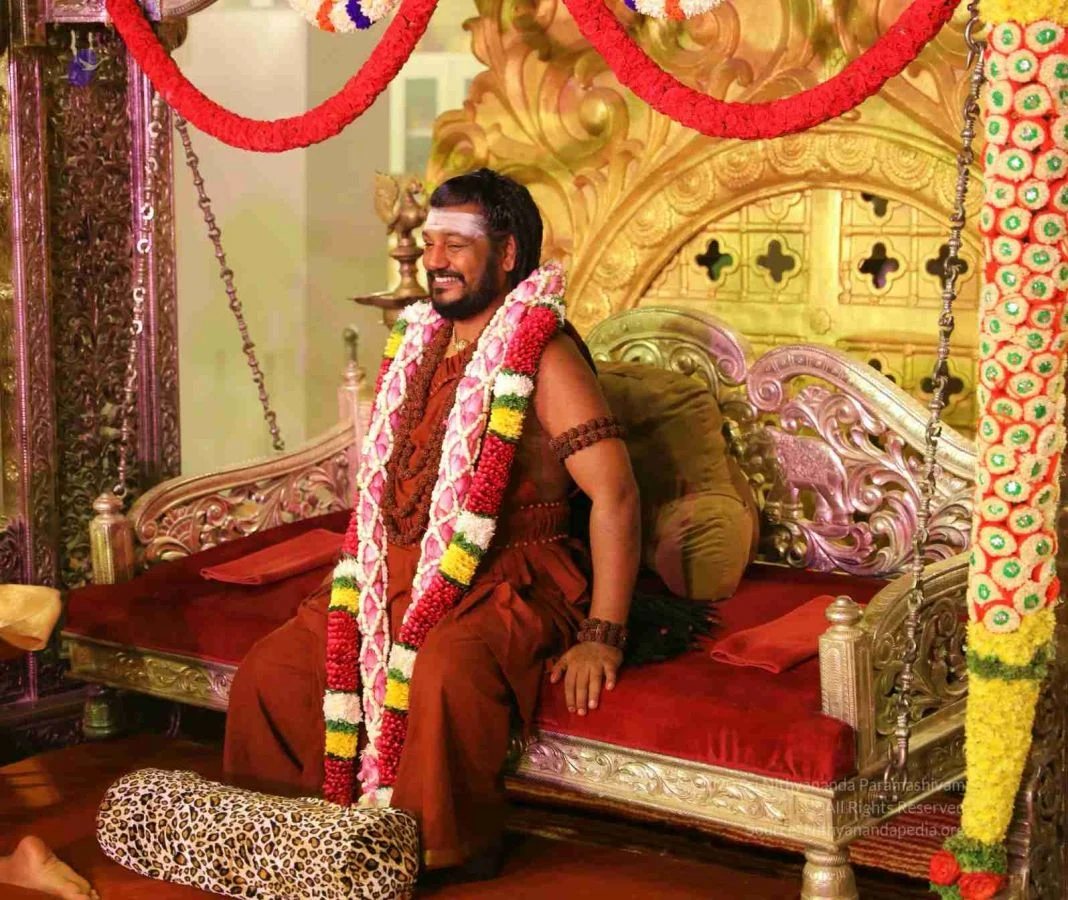 Avatar presence is living healing energy field
 Avatar presence is living healing energy field
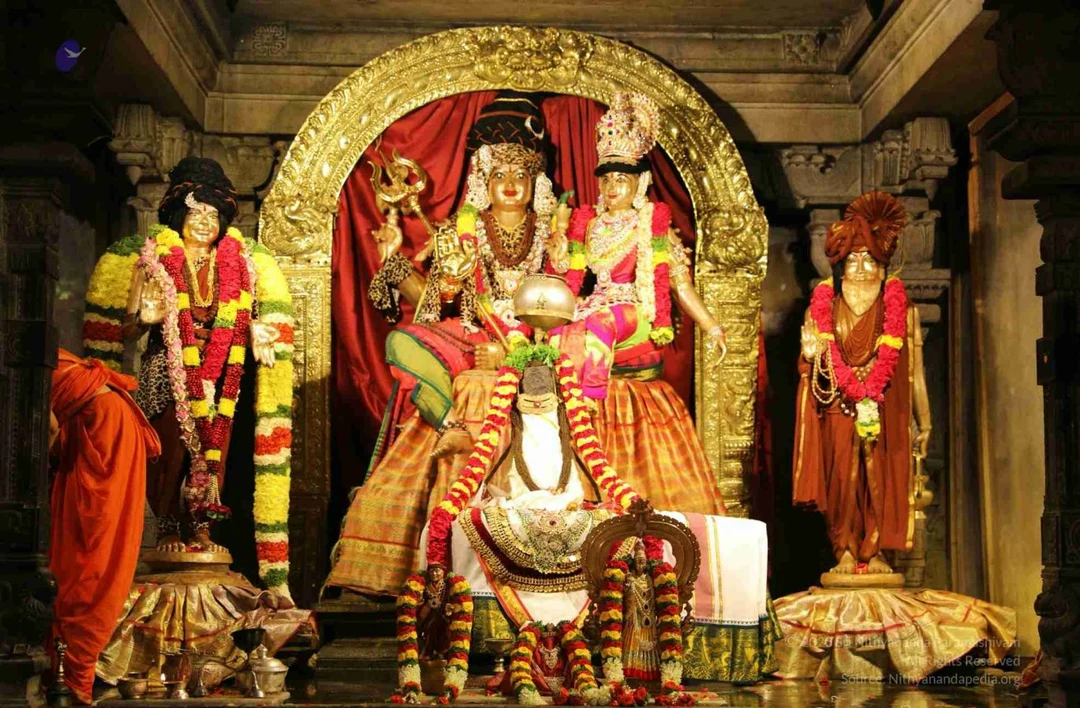 Nithyanandeshwara-Nithyanandeshwari (Paramashiva and Parashakti)
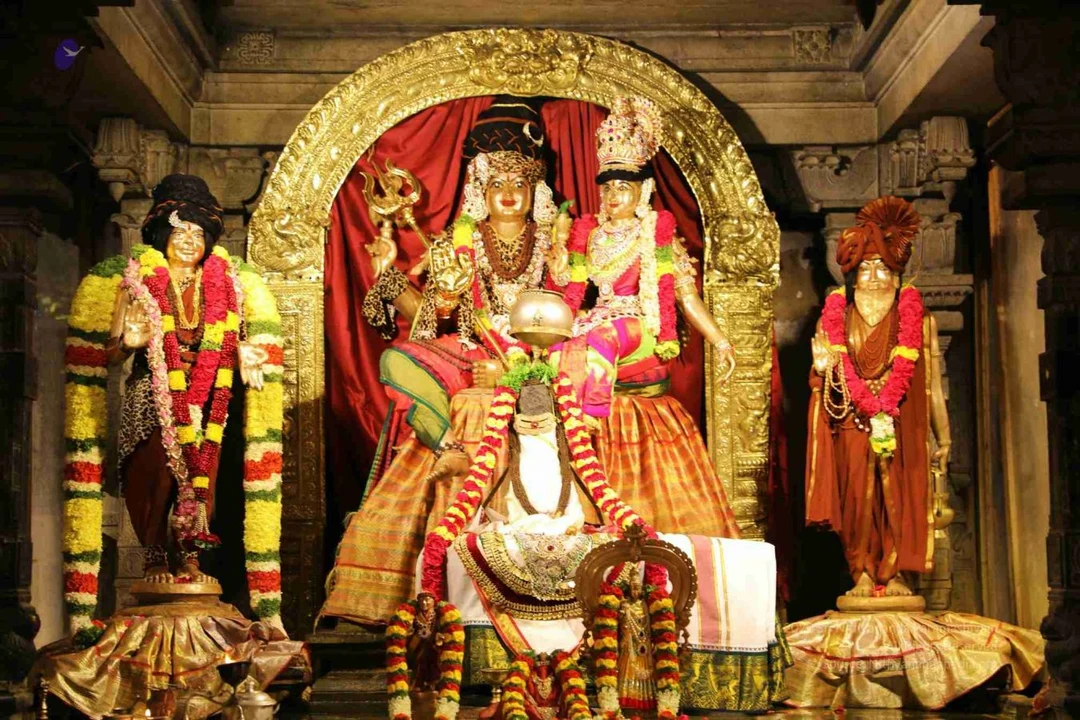 Nithyanandeshwara-Nithyanandeshwari (Paramashiva and Parashakti)
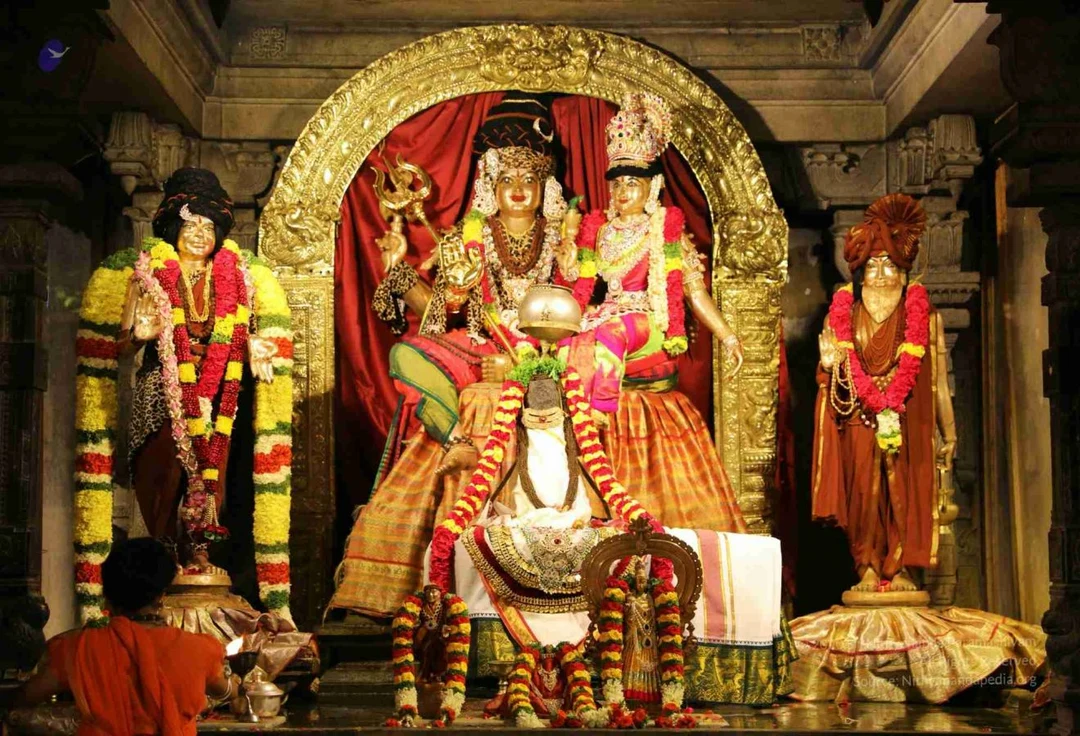 Nithyanandeshwara-Nithyanandeshwari (Paramashiva and Parashakti)
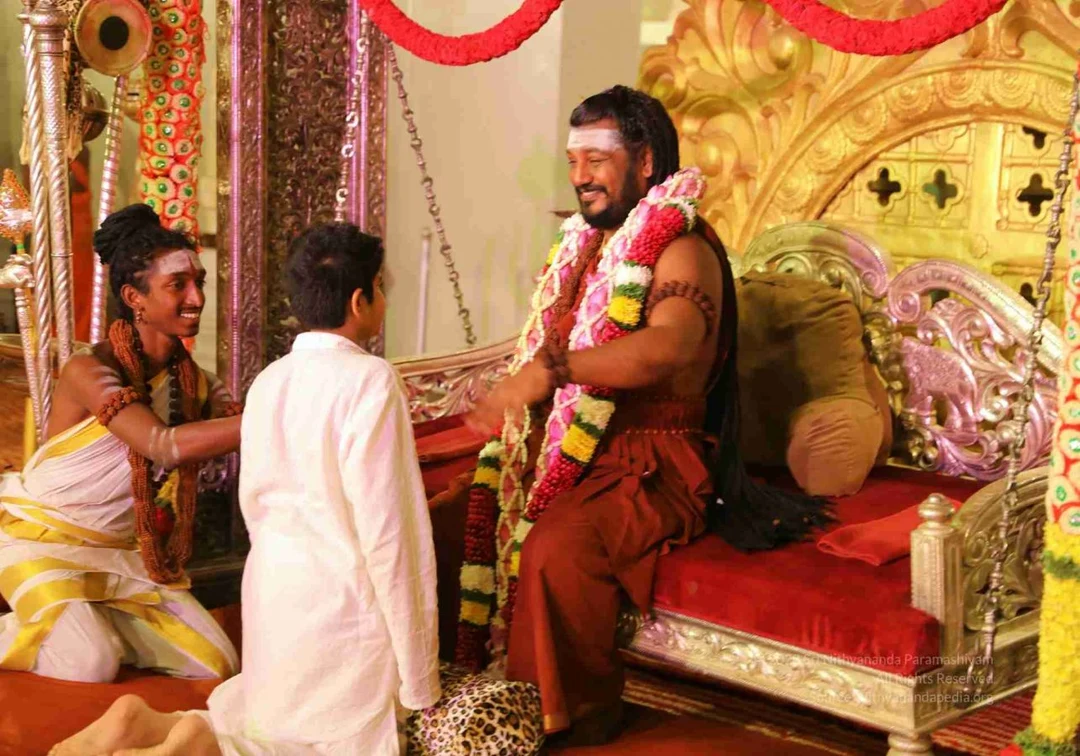 Energy darshan is transmission of cosmic energy into the devotee’s space
 Energy darshan is transmission of cosmic energy into the devotee’s space
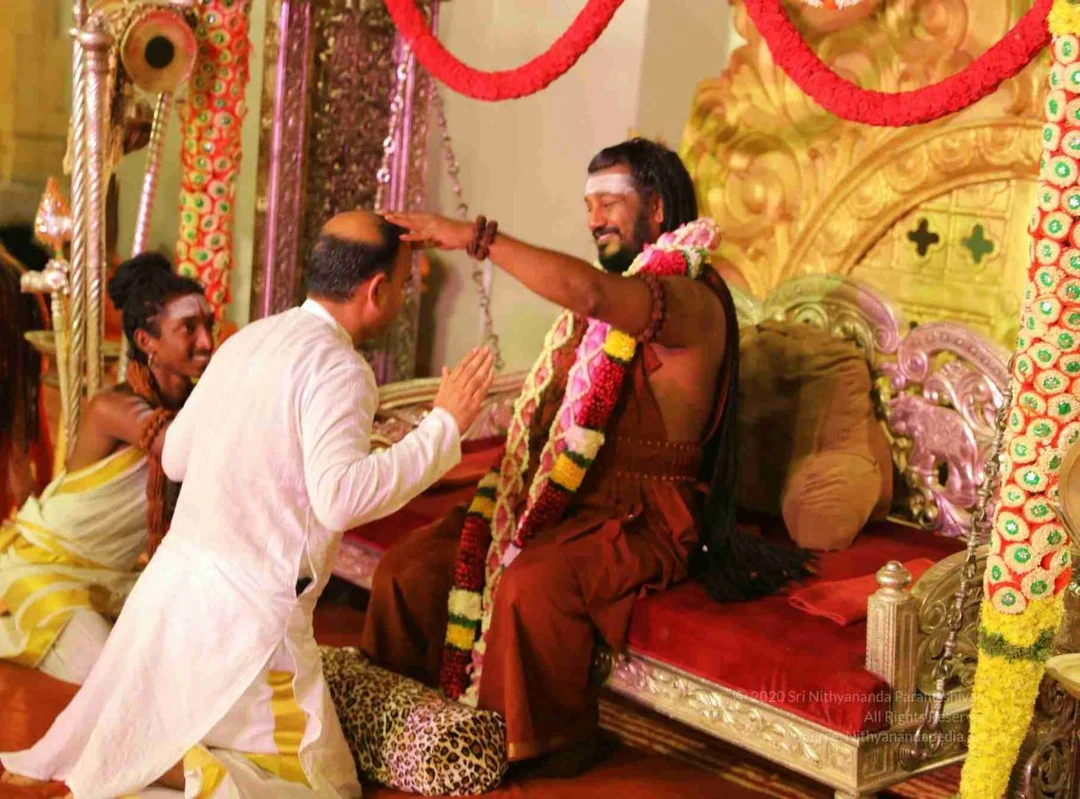 Energy darshan is transmission of cosmic energy into the devotee’s space
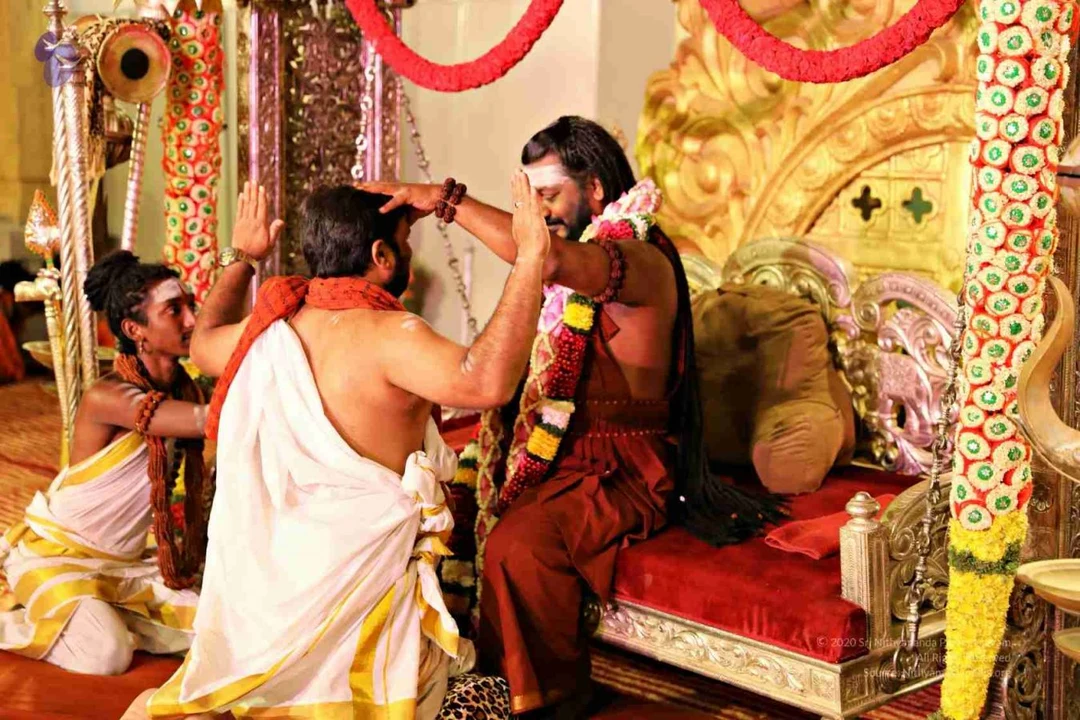 Energy darshan is transmission of cosmic energy into the devotee’s space
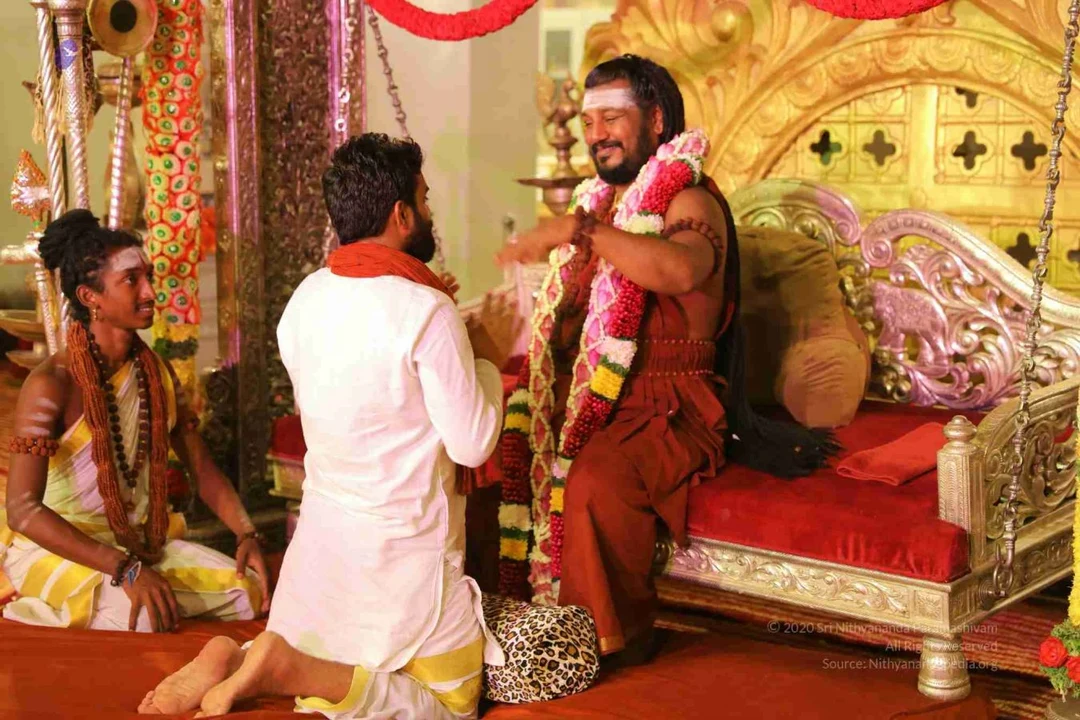 Energy darshan is transmission of cosmic energy into the devotee’s space
 Energy darshan is transmission of cosmic energy into the devotee’s space
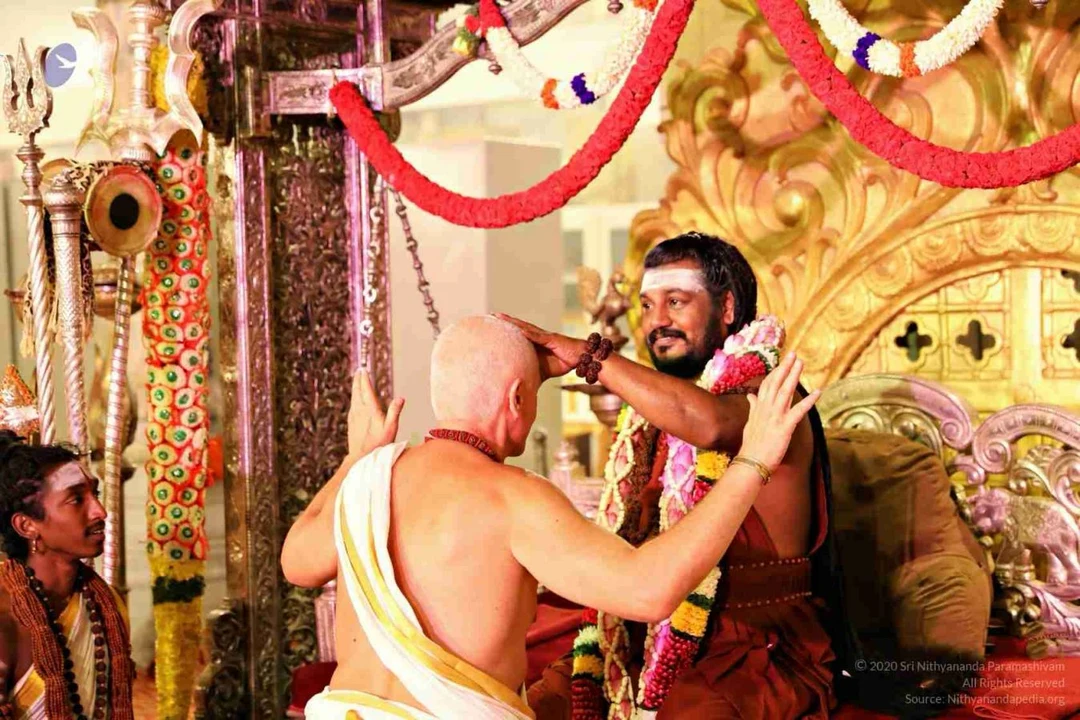 Energy darshan is transmission of cosmic energy into the devotee’s space
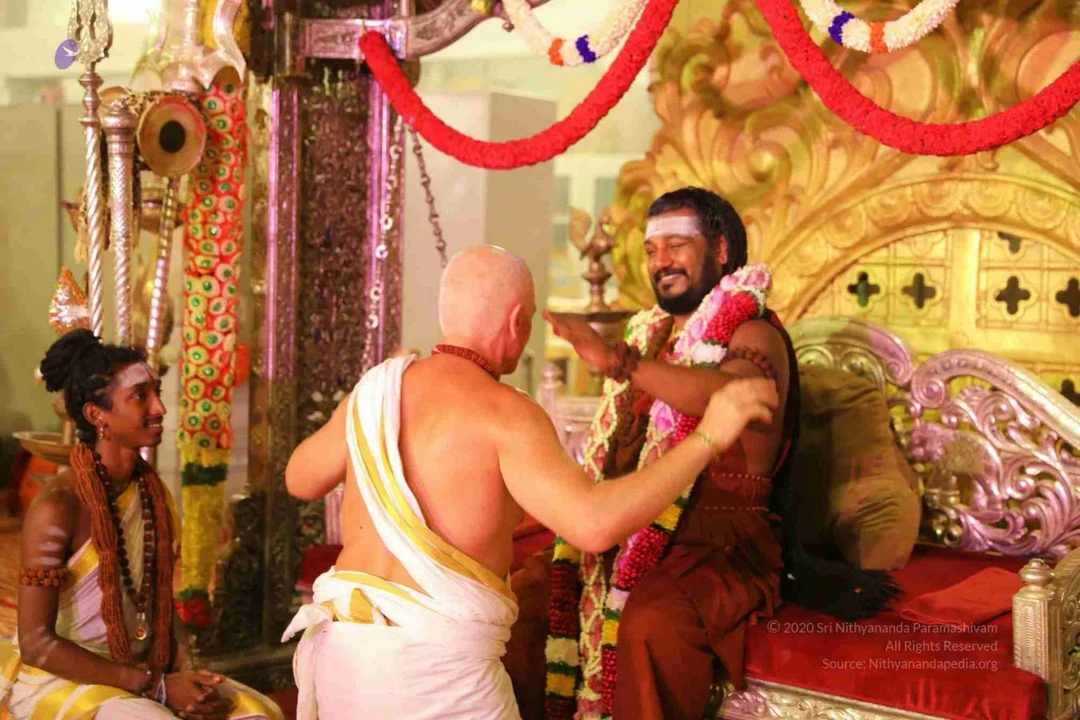 Energy darshan is transmission of cosmic energy into the devotee’s space
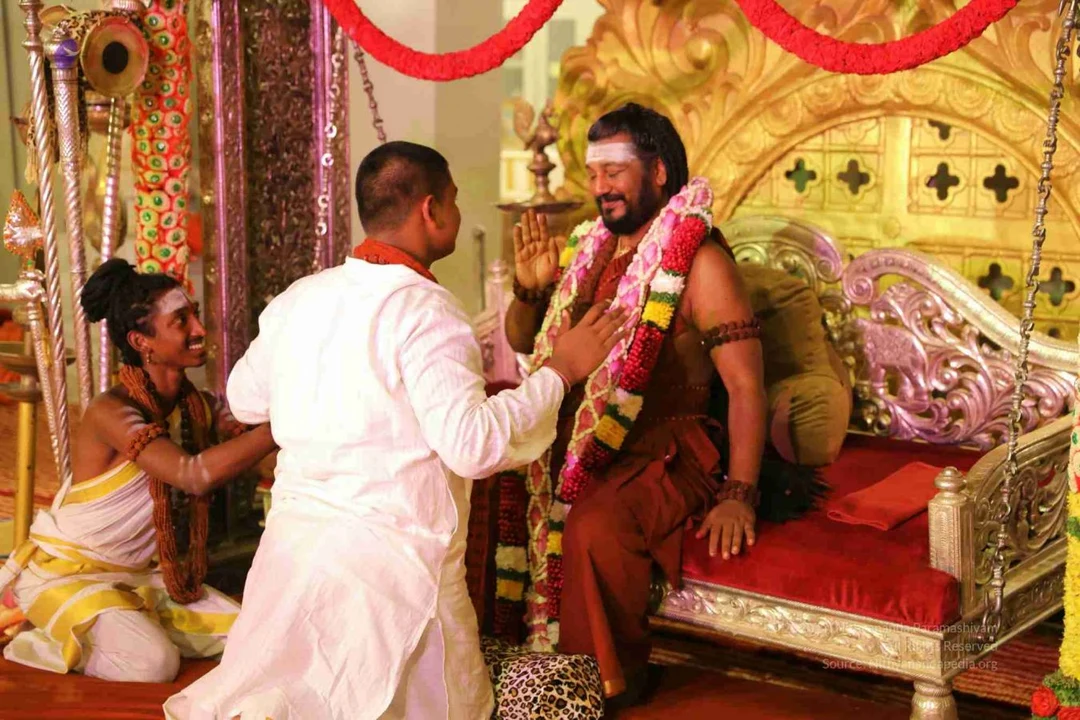 Energy darshan is transmission of cosmic energy into the devotee’s space
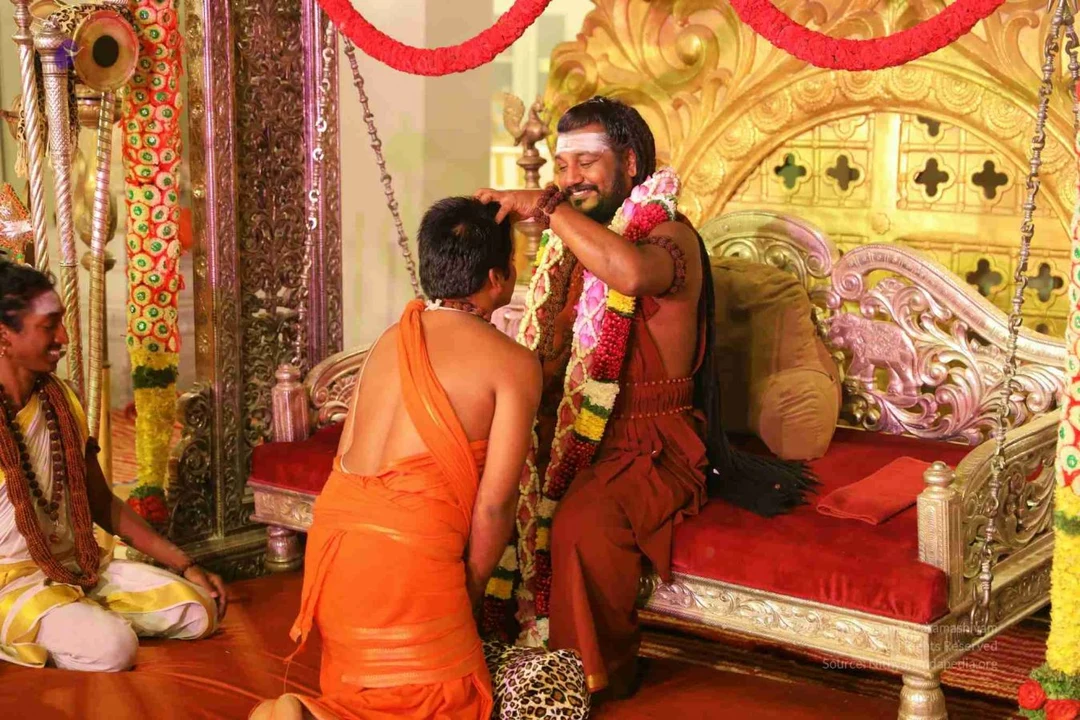 Energy darshan is transmission of cosmic energy into the devotee’s space
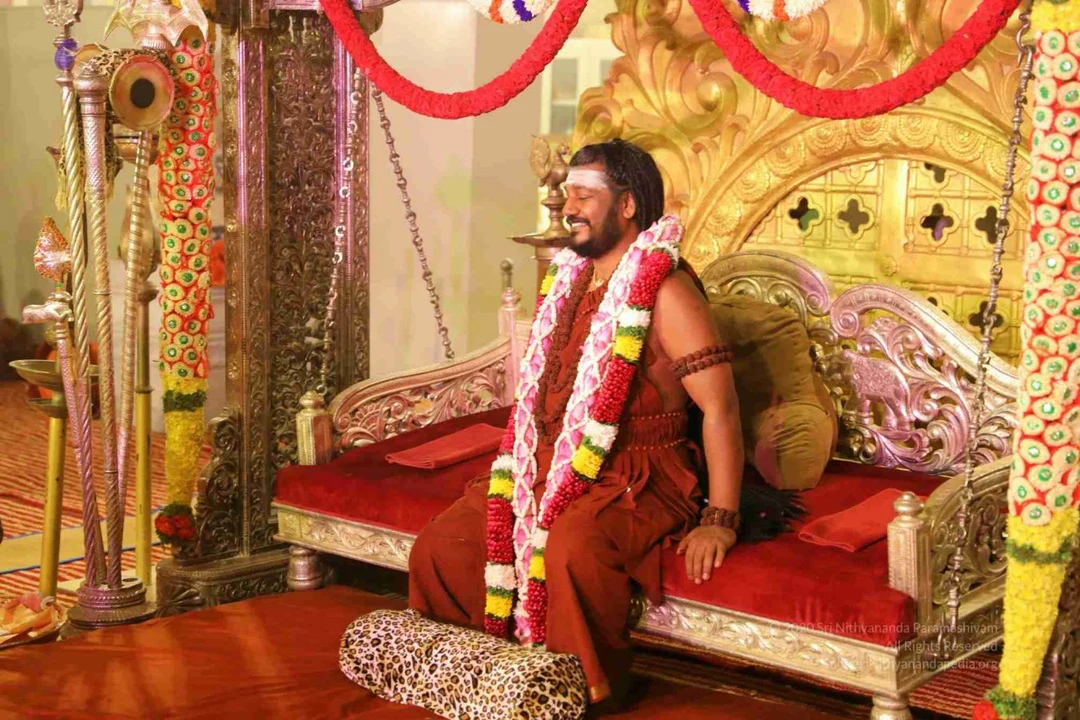 Remember Paramashiva's will is only vibrating as your will
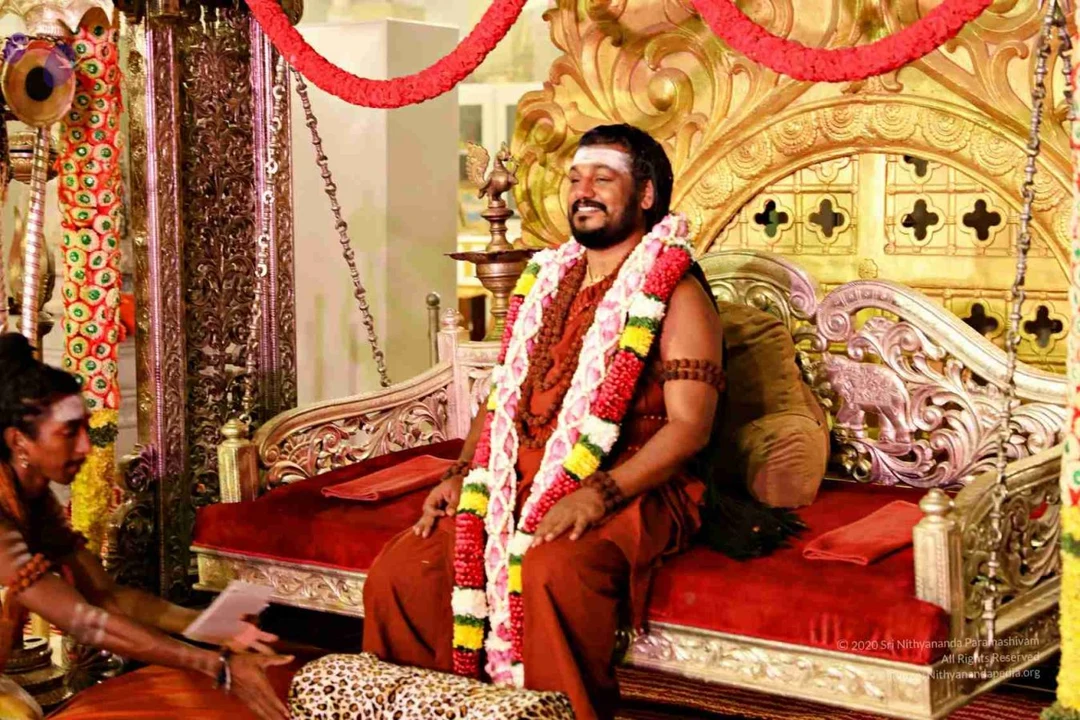 Remember Paramashiva's will is only vibrating as your will
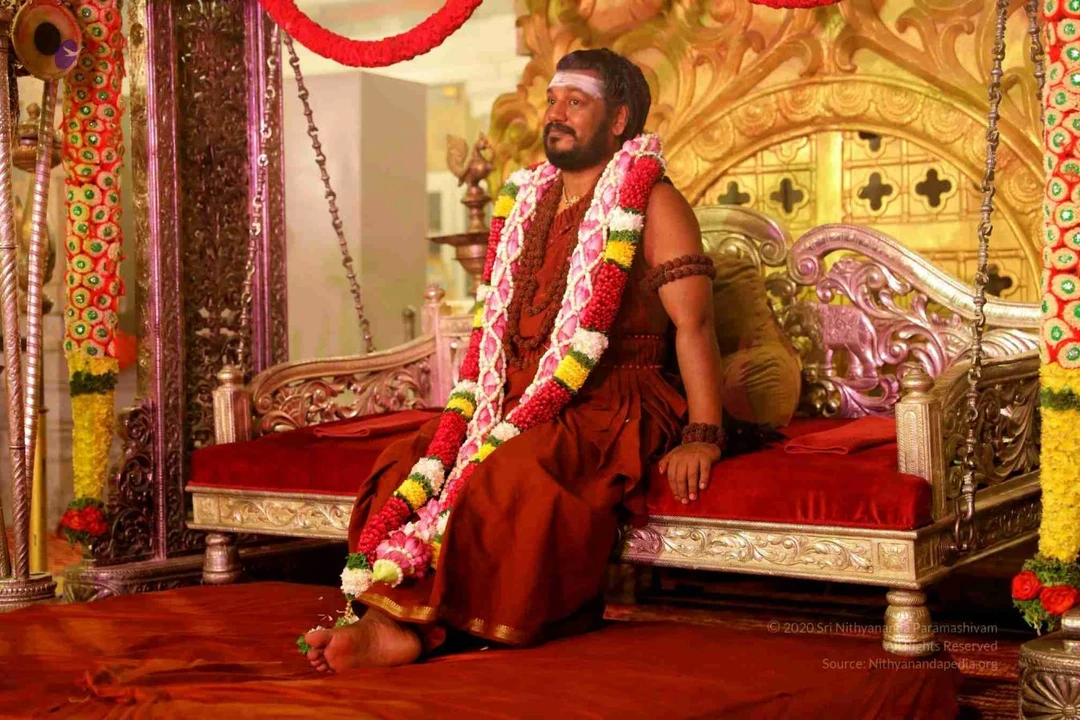 Remember Paramashiva's will is only vibrating as your will
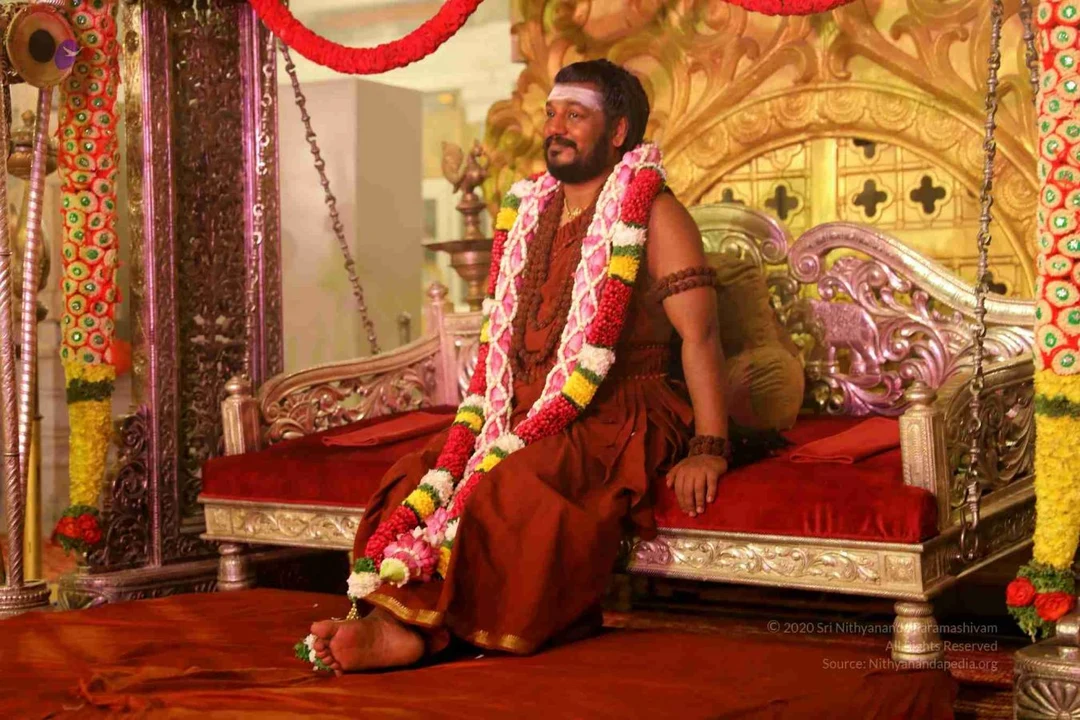 Remember Paramsahiva's will is only vibrating as your will
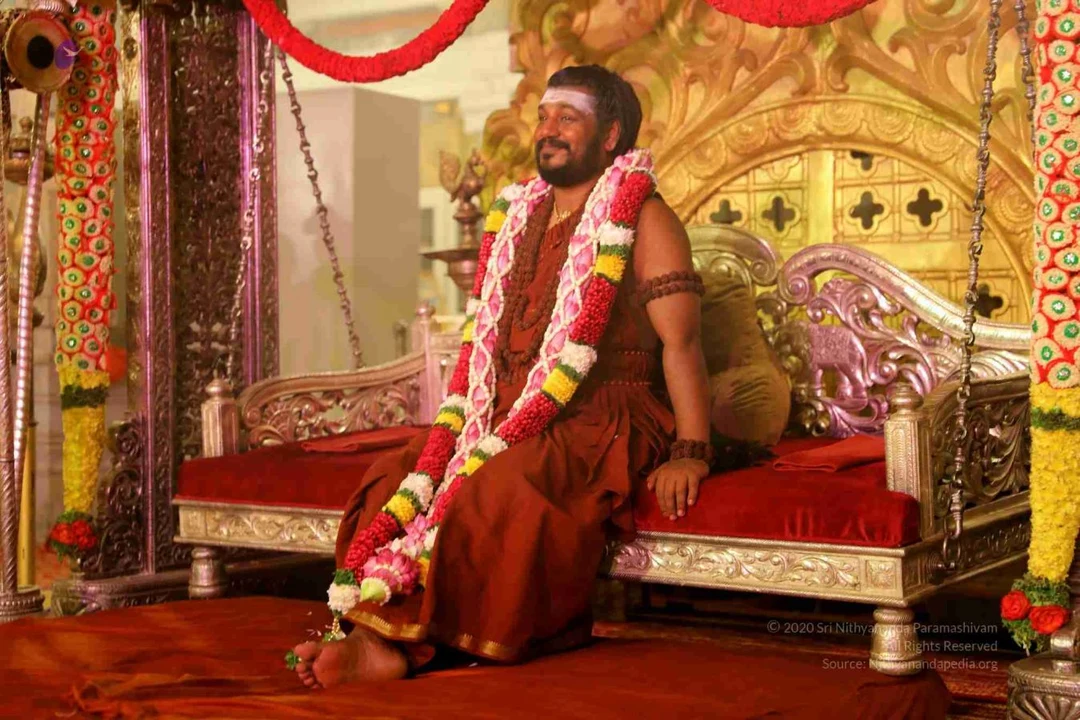 Remember Paramashiva's will is only vibrating as your will
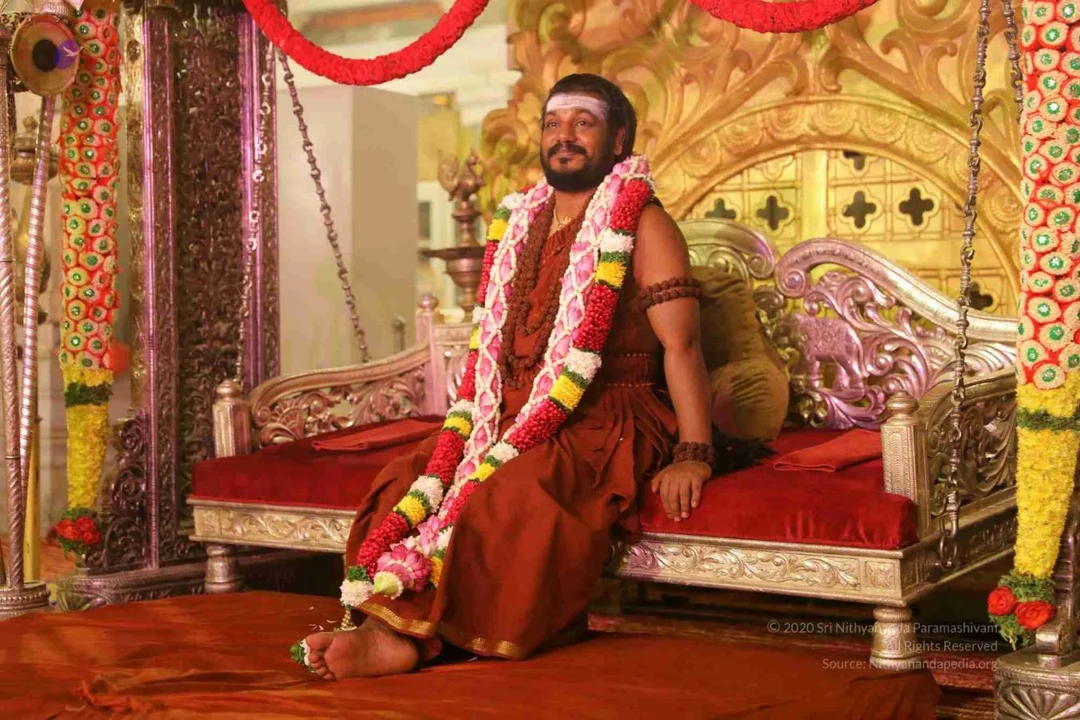 Remember Paramashiva's will is only vibrating as your will
 Remember Paramashiva's will is only vibrating as your will
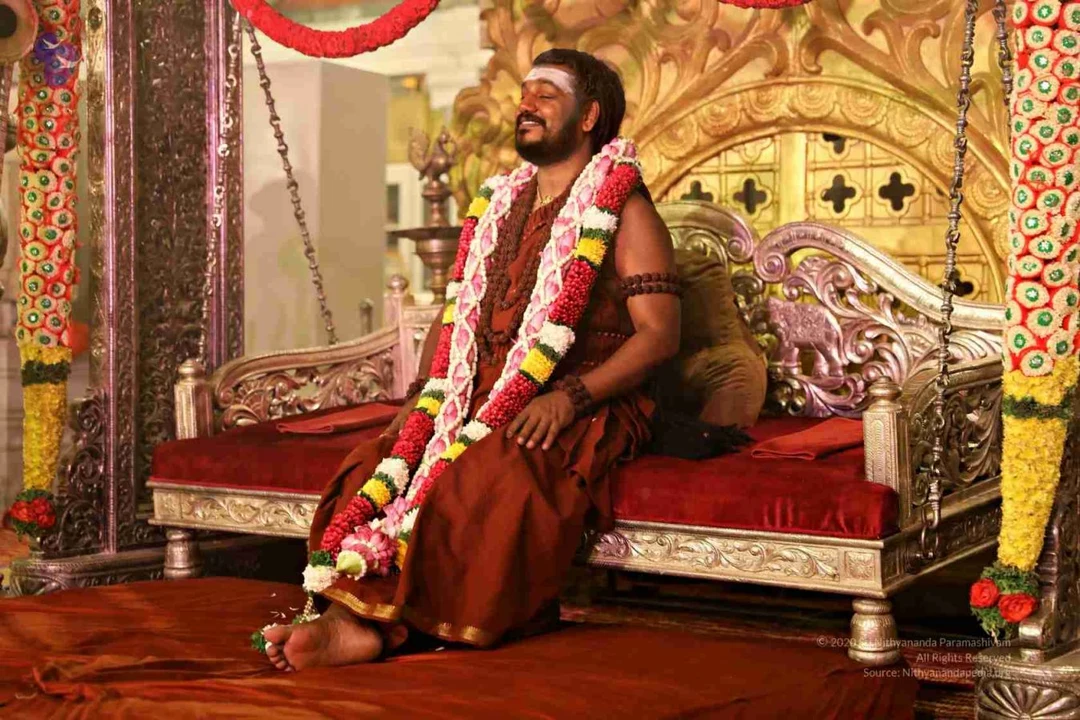 Remember Paramashiva's will is only vibrating as your will
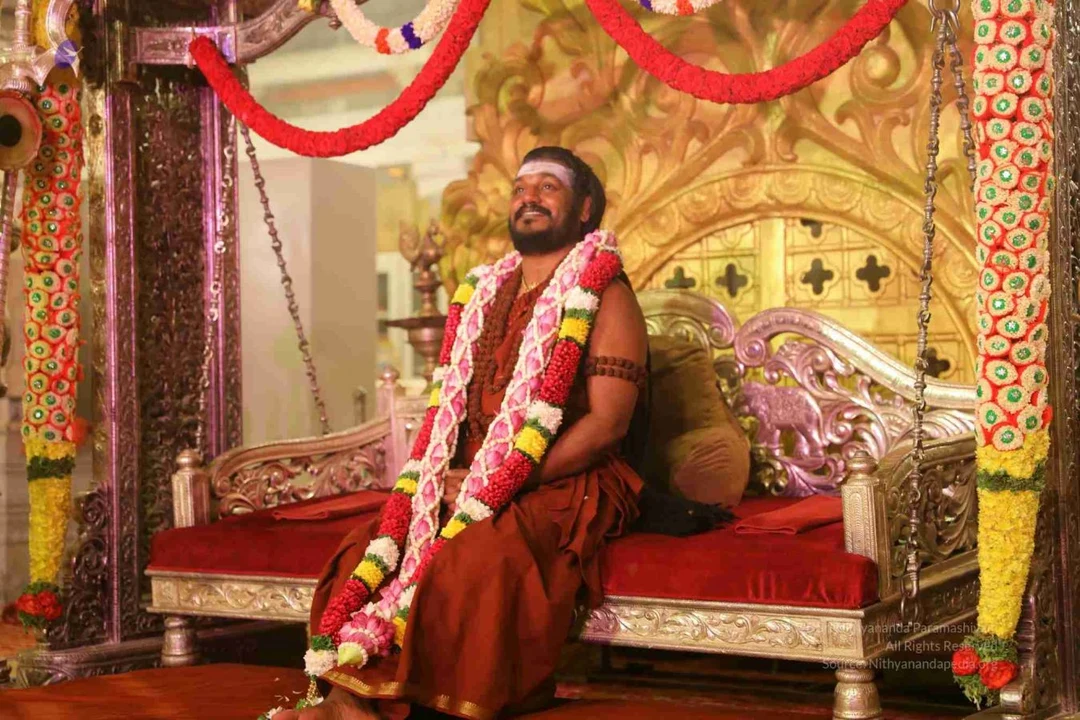 Remember Paramashiva's will is only vibrating as your will
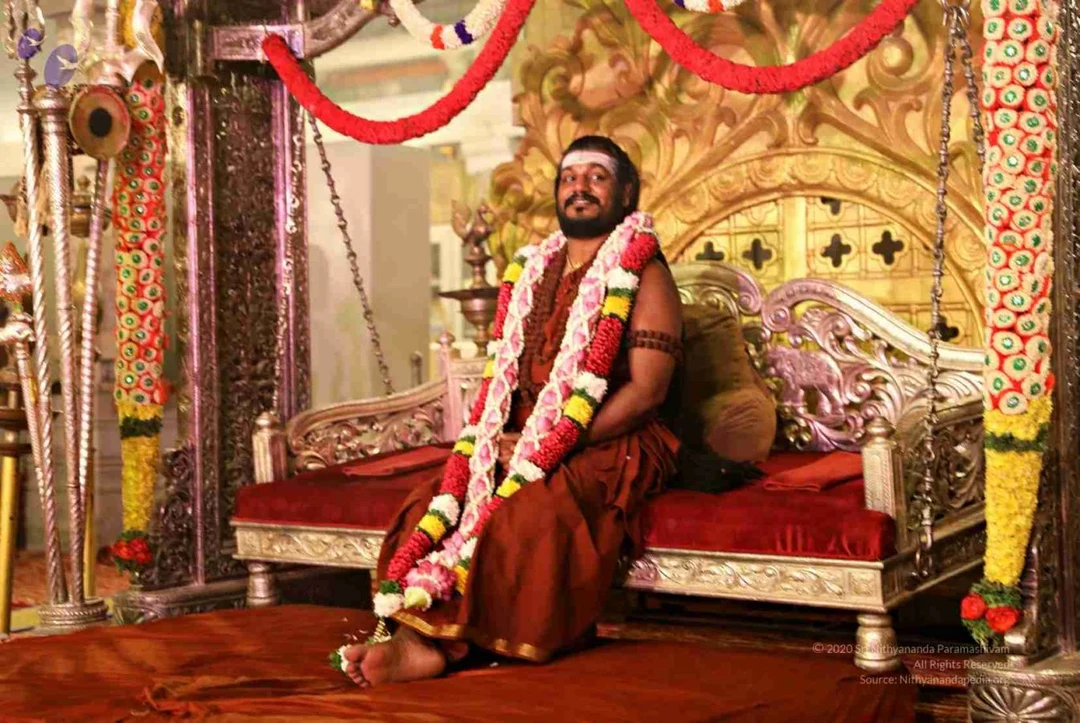 Remember Paramashiva's will is only vibrating as your will
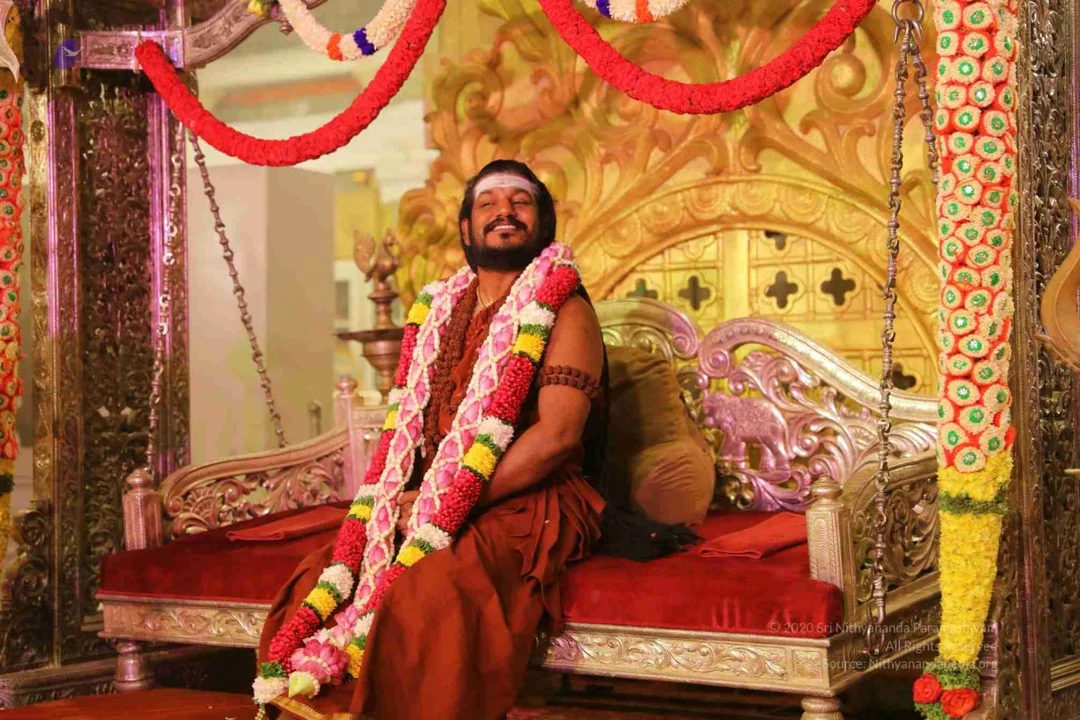 Remember Paramashiva's will is only vibrating as your will
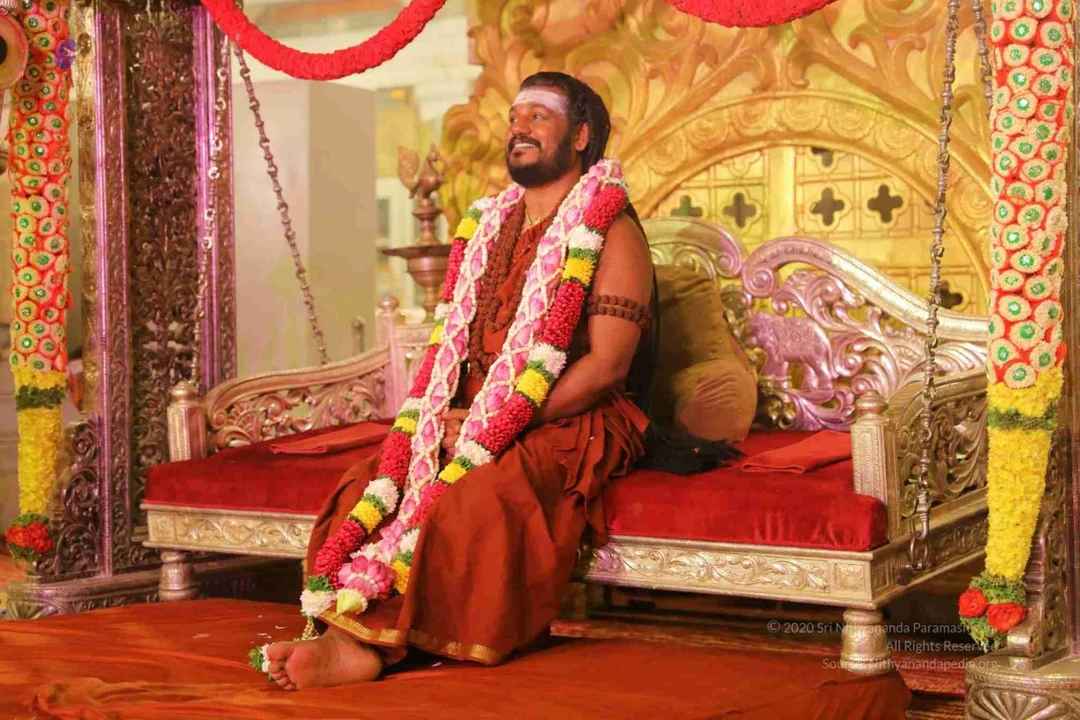 Remember Paramashiva's will is only vibrating as your will
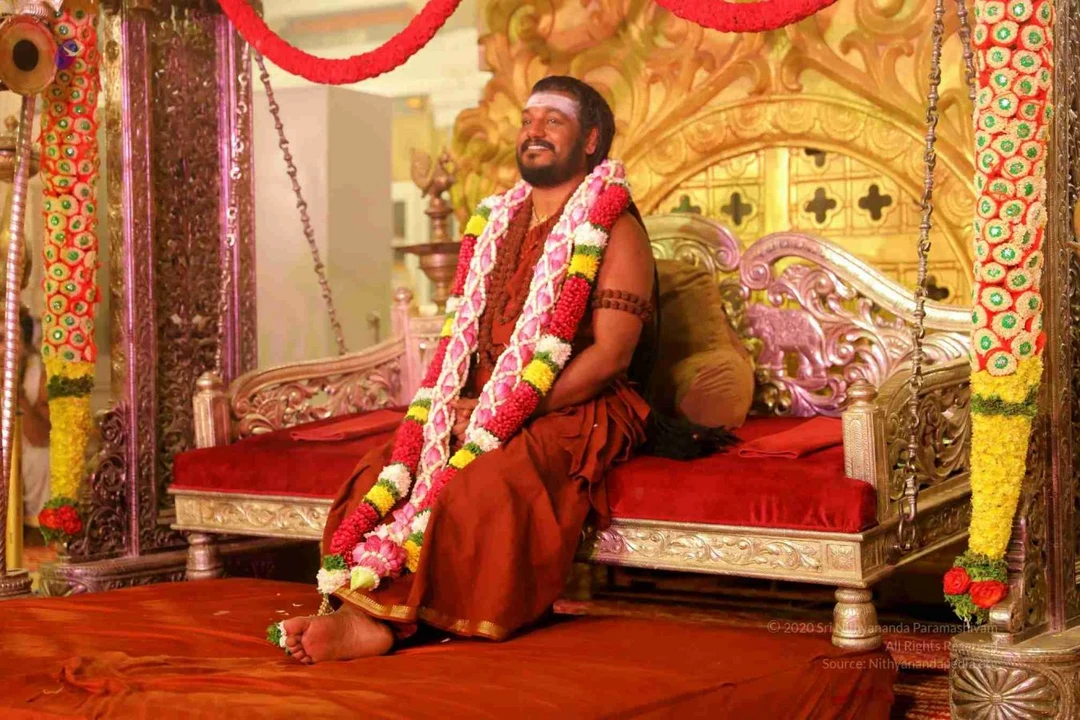 Remember Paramashiva's will is only vibrating as your will
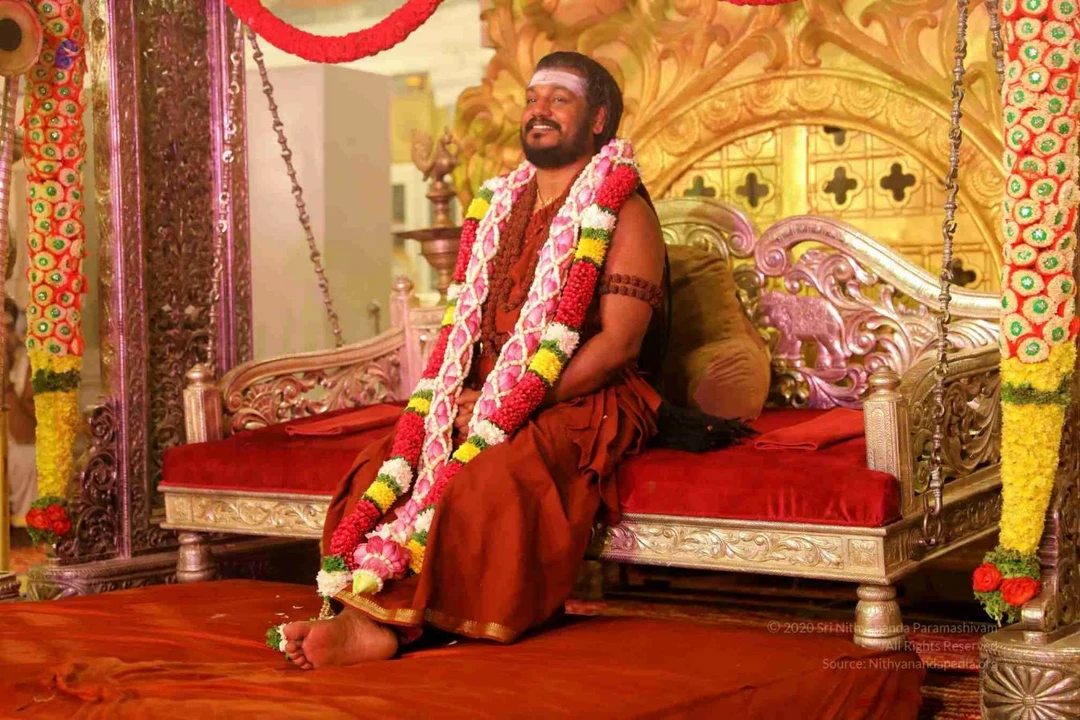 Remember Paramashiva's will is only vibrating as your will
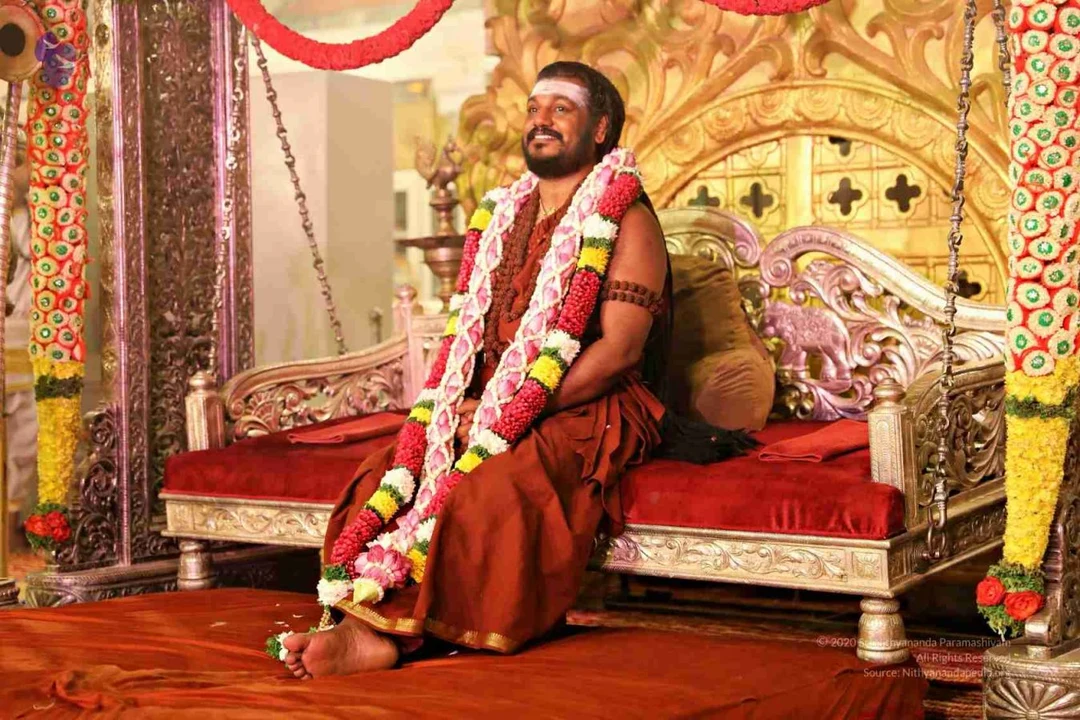 Remember Paramashiva's will is only vibrating as your will
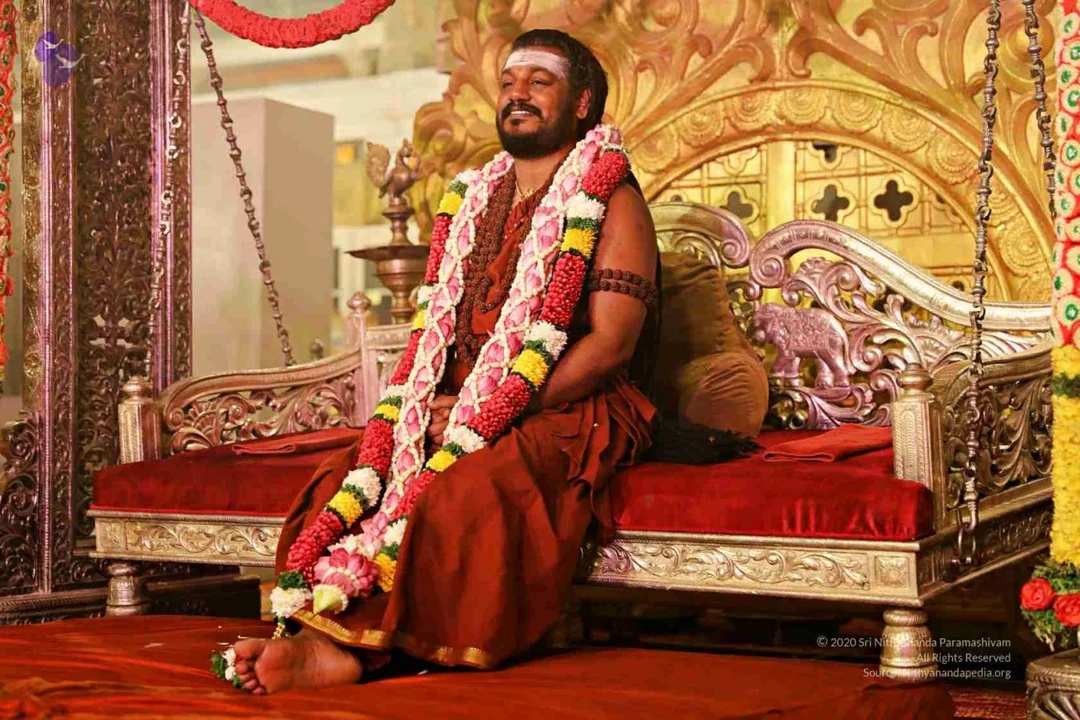 Remember Paramashiva's will is only vibrating as your will
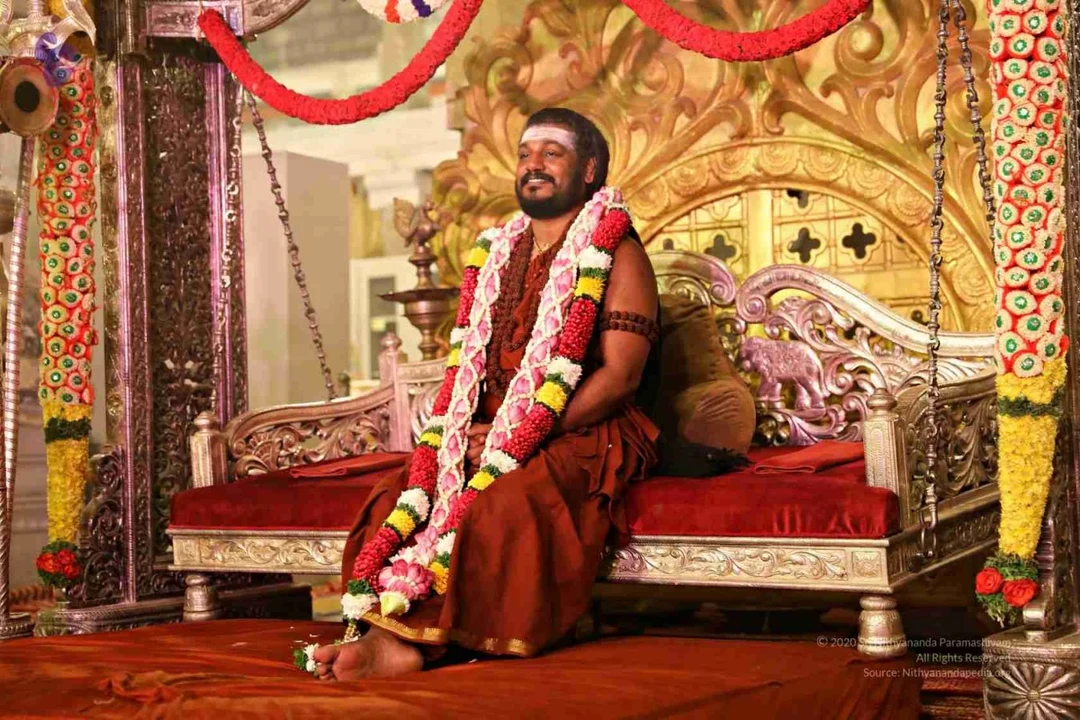 Remember Paramashiva's will is only vibrating as your will
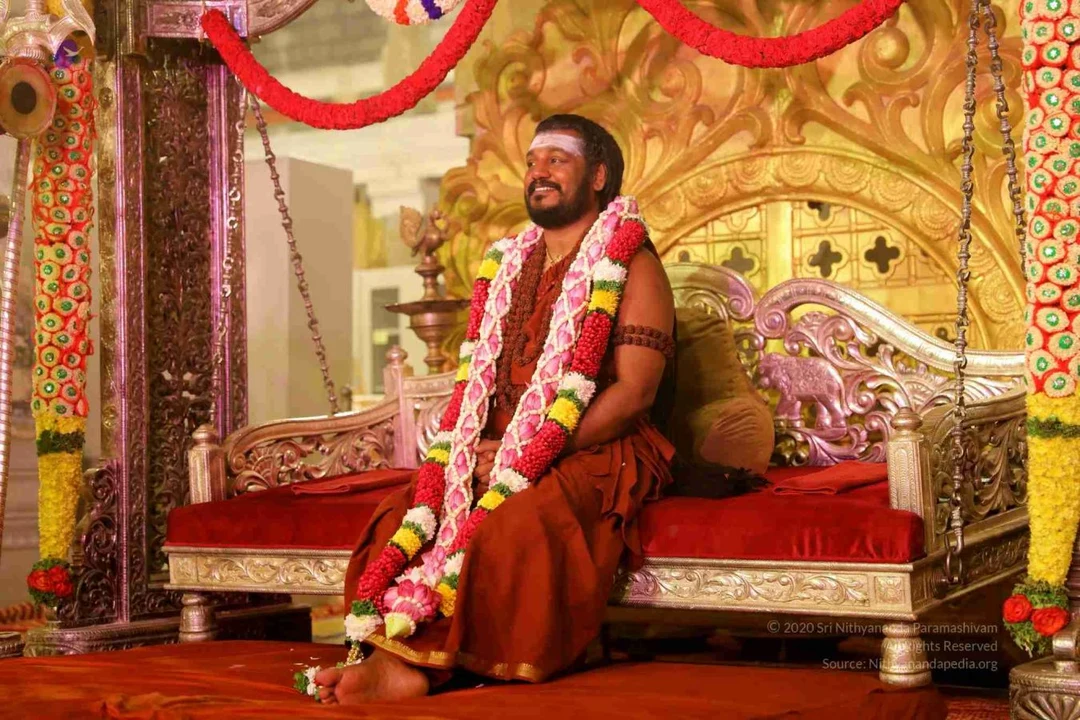 Remember Paramashiva's will is only vibrating as your will
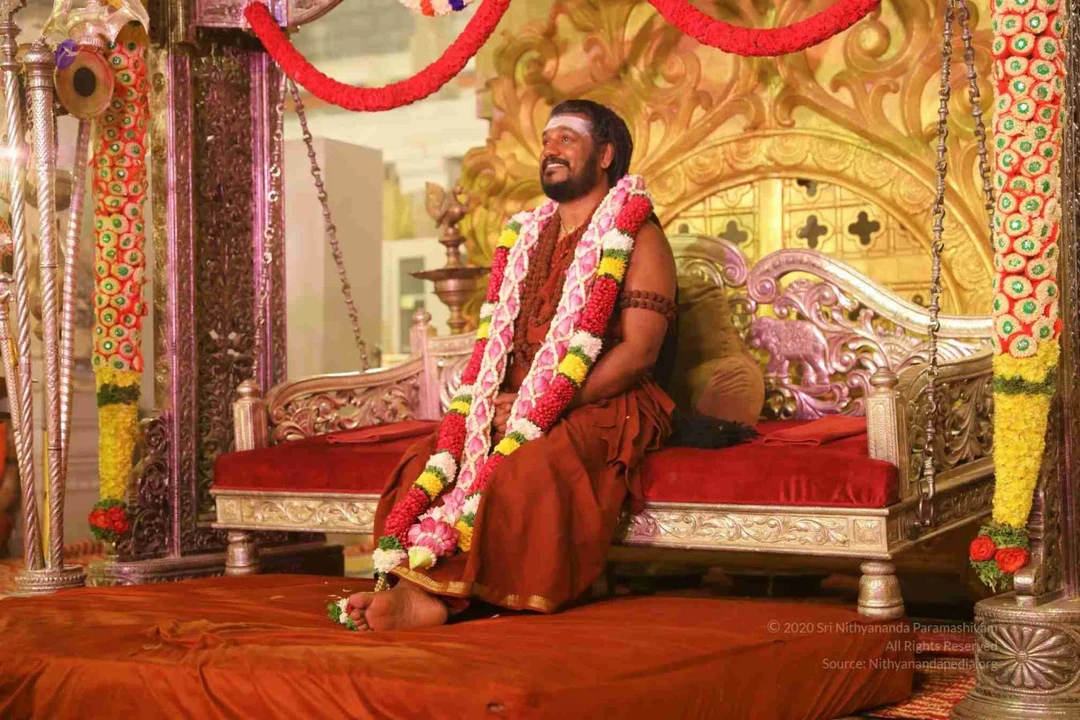 Remember Paramashiva's will is only vibrating as your will
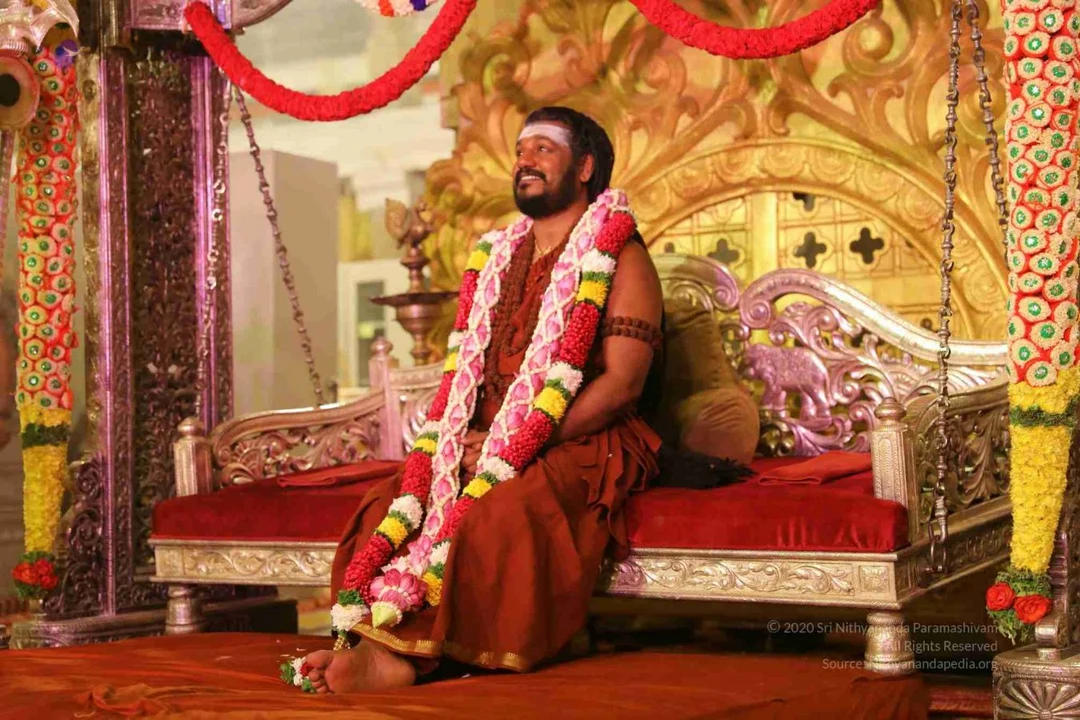 Remember Paramashiva's will is only vibrating as your will
 Remember Paramashiva's will is only vibrating as your will
 Remember Paramashiva's will is only vibrating as your will
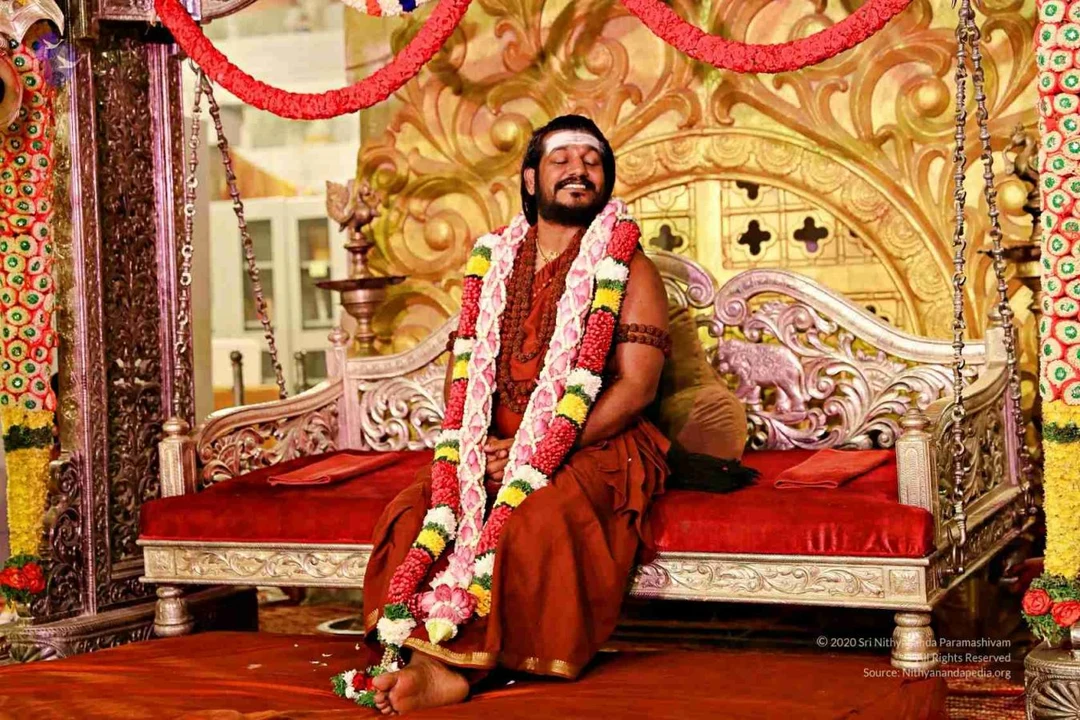 Remember Paramashiva's will is only vibrating as your will
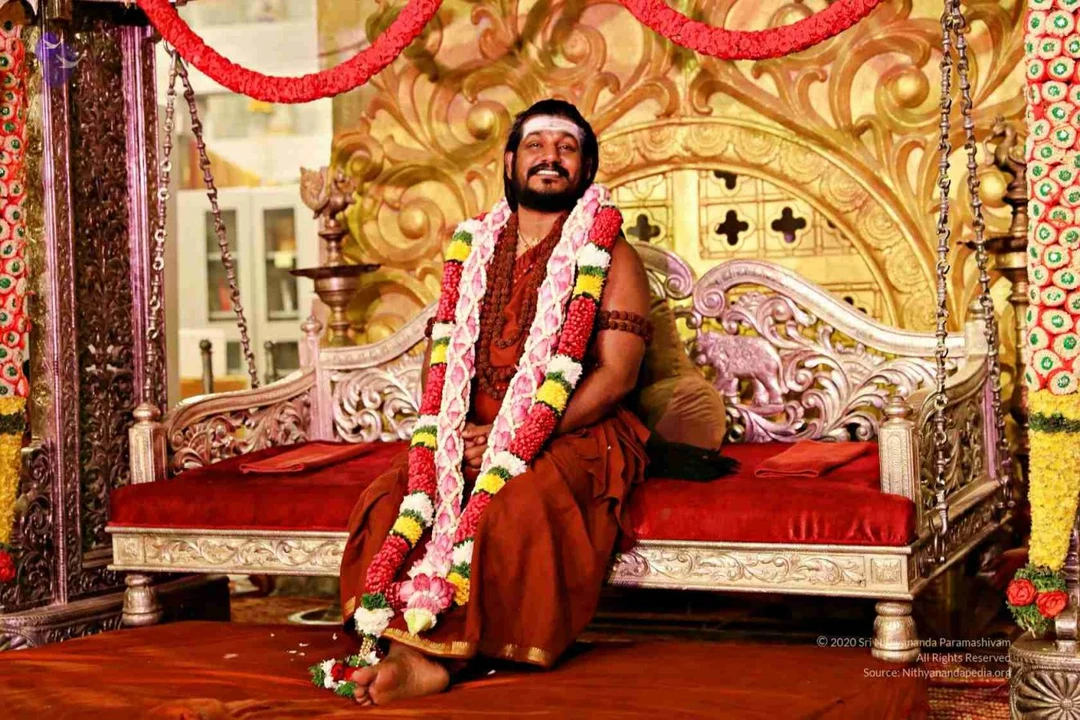 Remember Paramashiva's will is only vibrating as your will
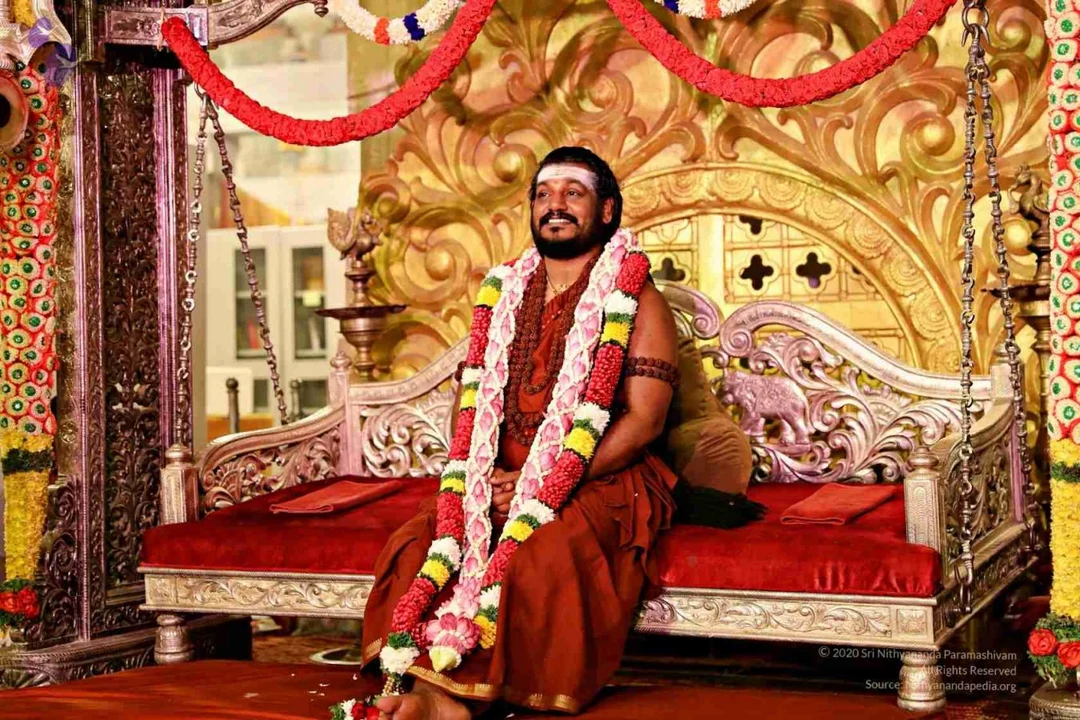 Remember Paramashiva's will is only vibrating as your will
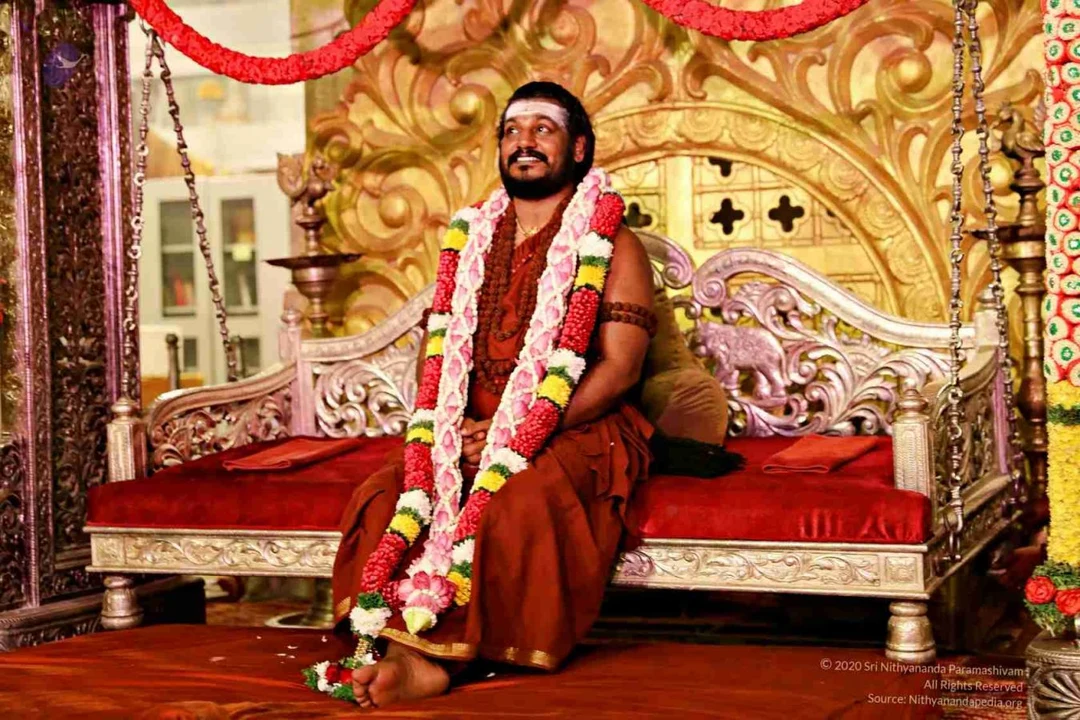 Remember Paramashiva's will is only vibrating as your will
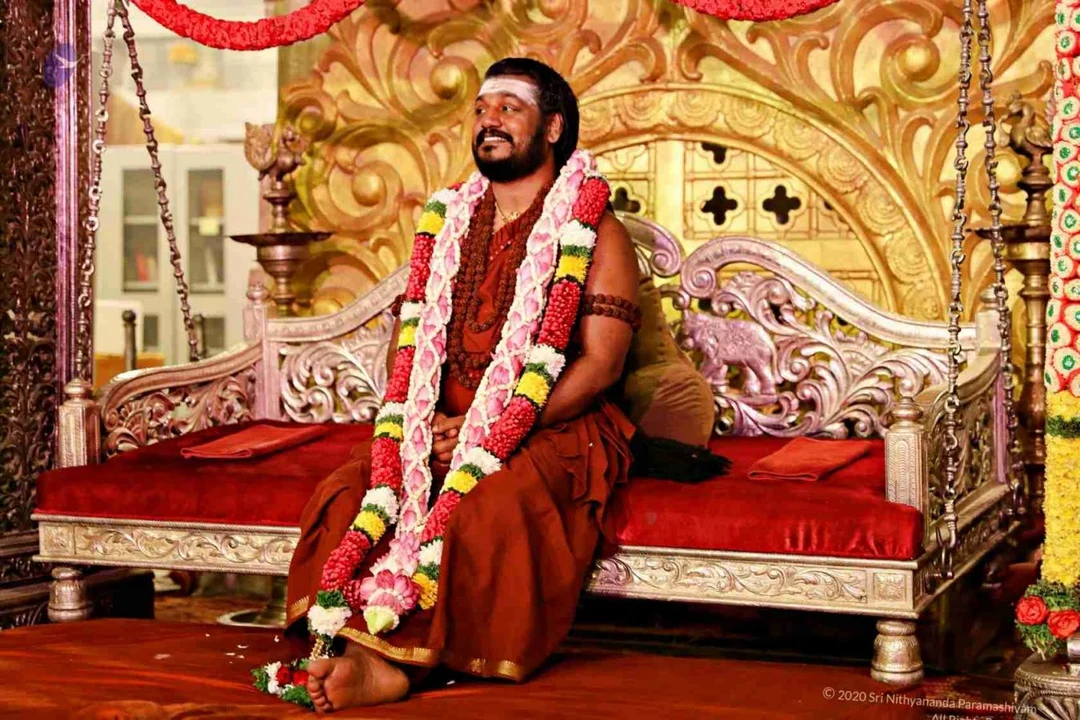 Remember Paramashiva's will is only vibrating as your will
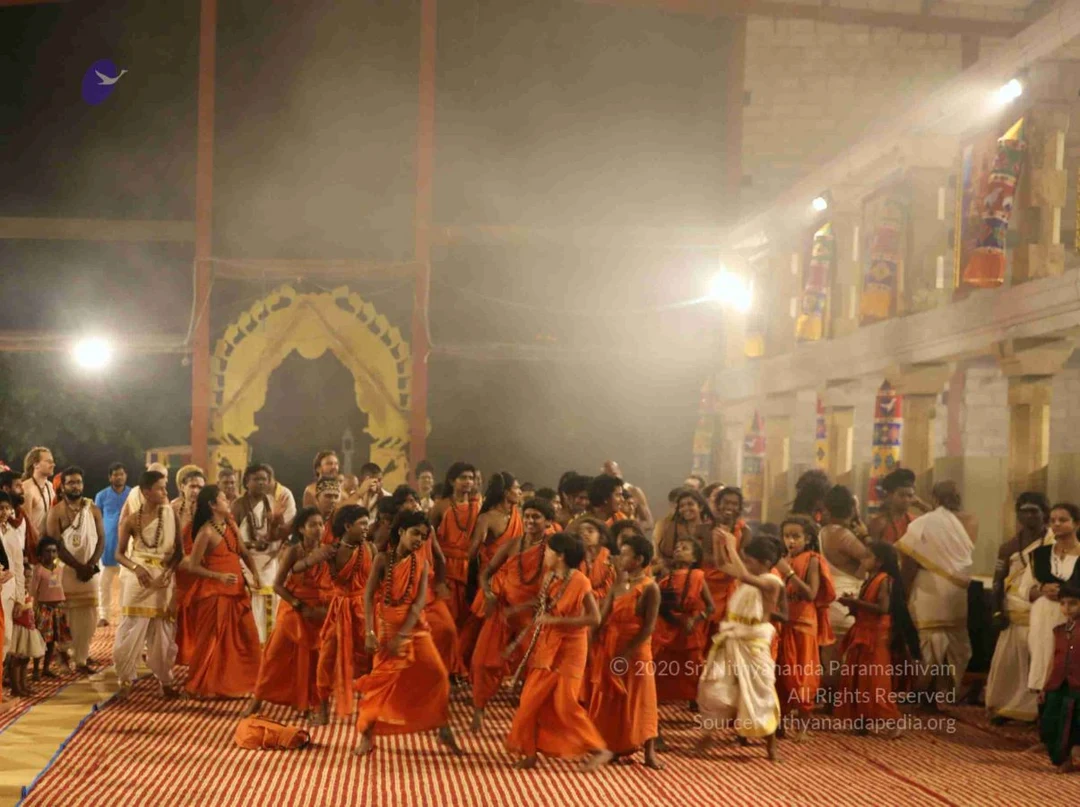 Balasant dance & celebrate in joy
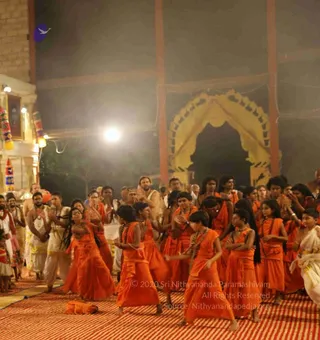 Balasants dance & celebrate in joy
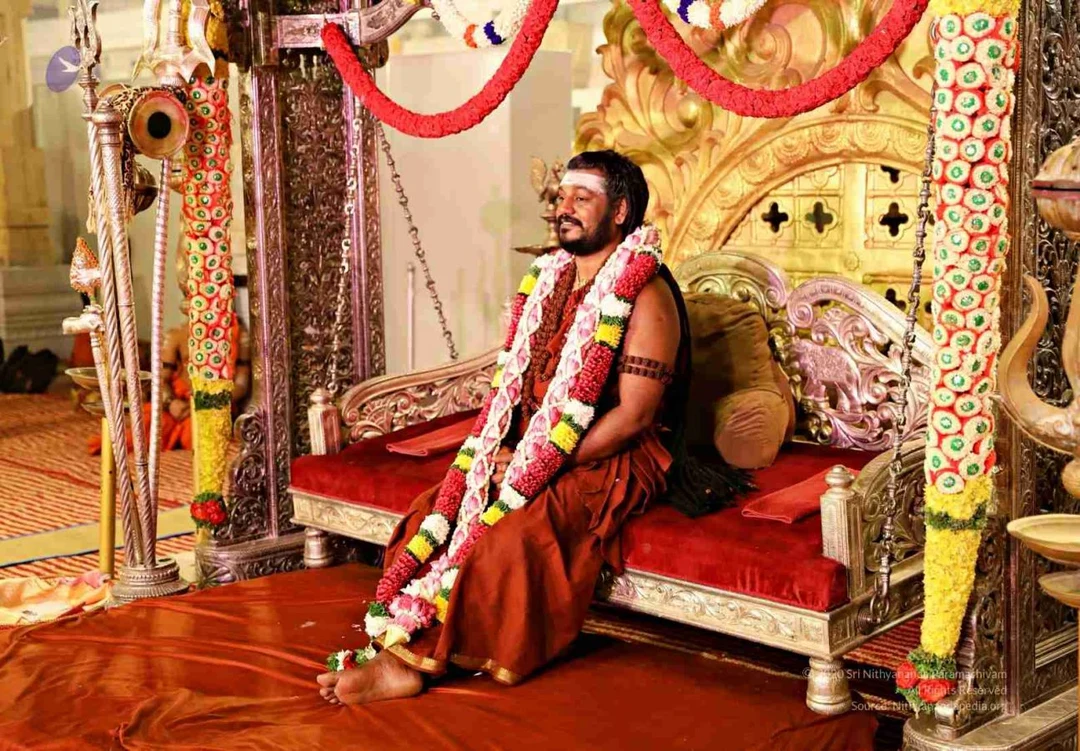 This whole universe is my extension and I am celebrating it
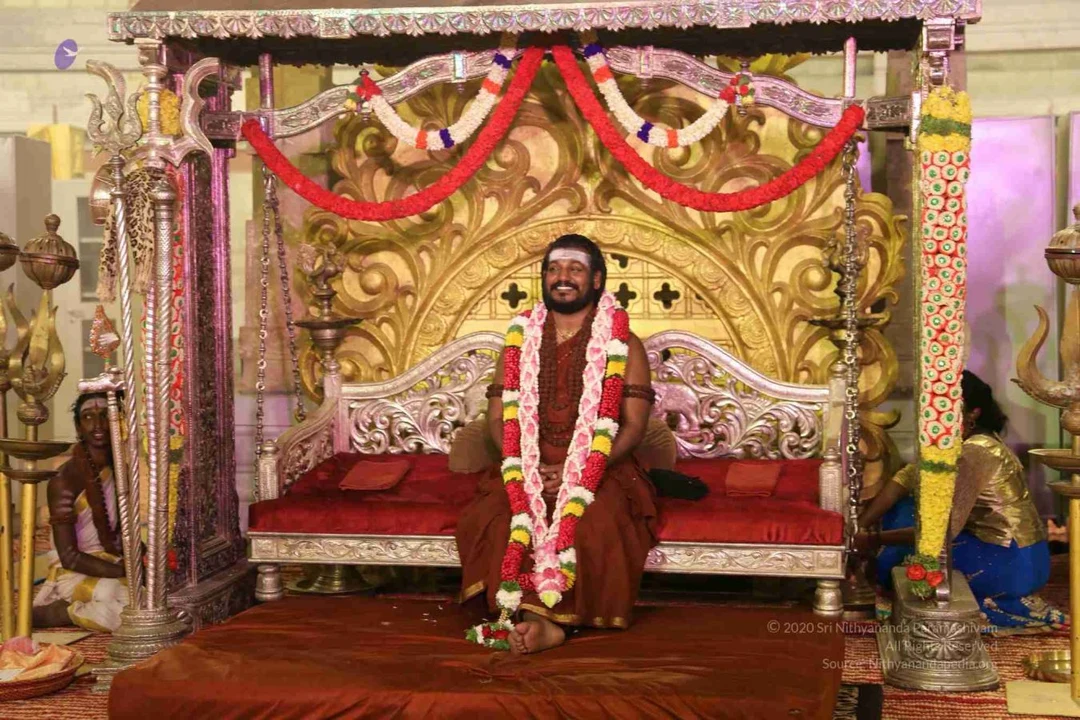 This whole universe is my extension and I am celebrating it
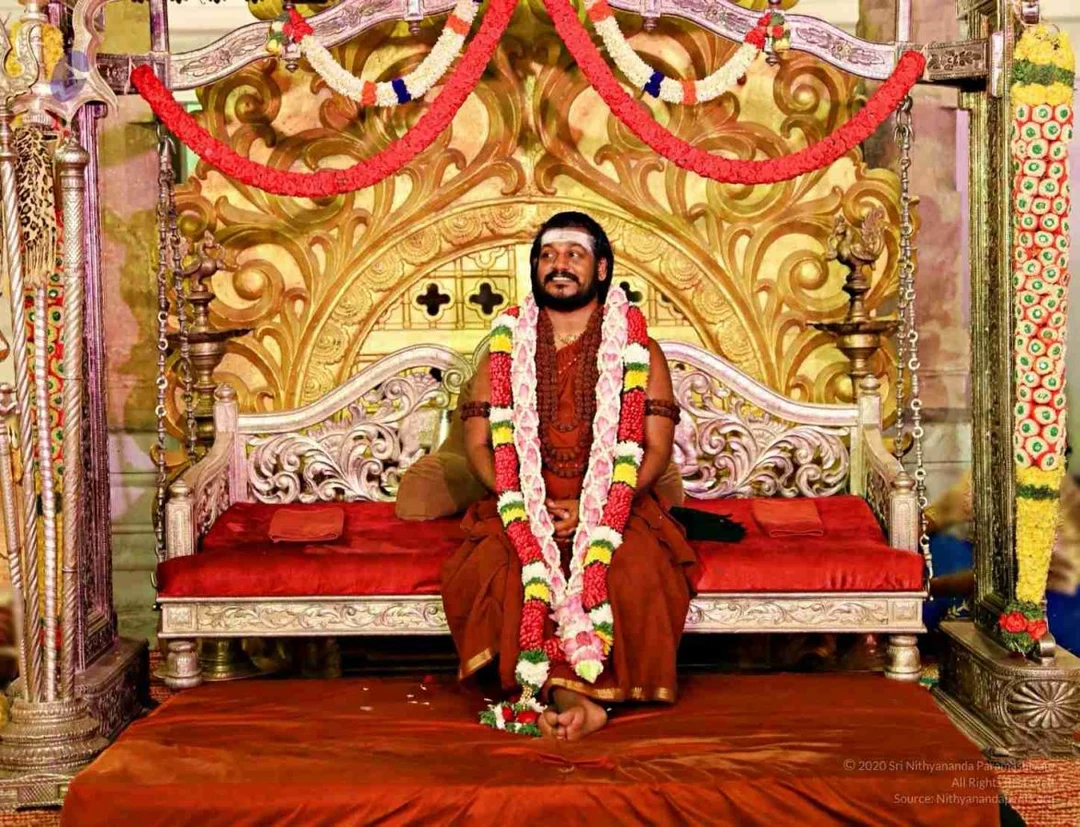 This whole universe is my extension and I am celebrating it
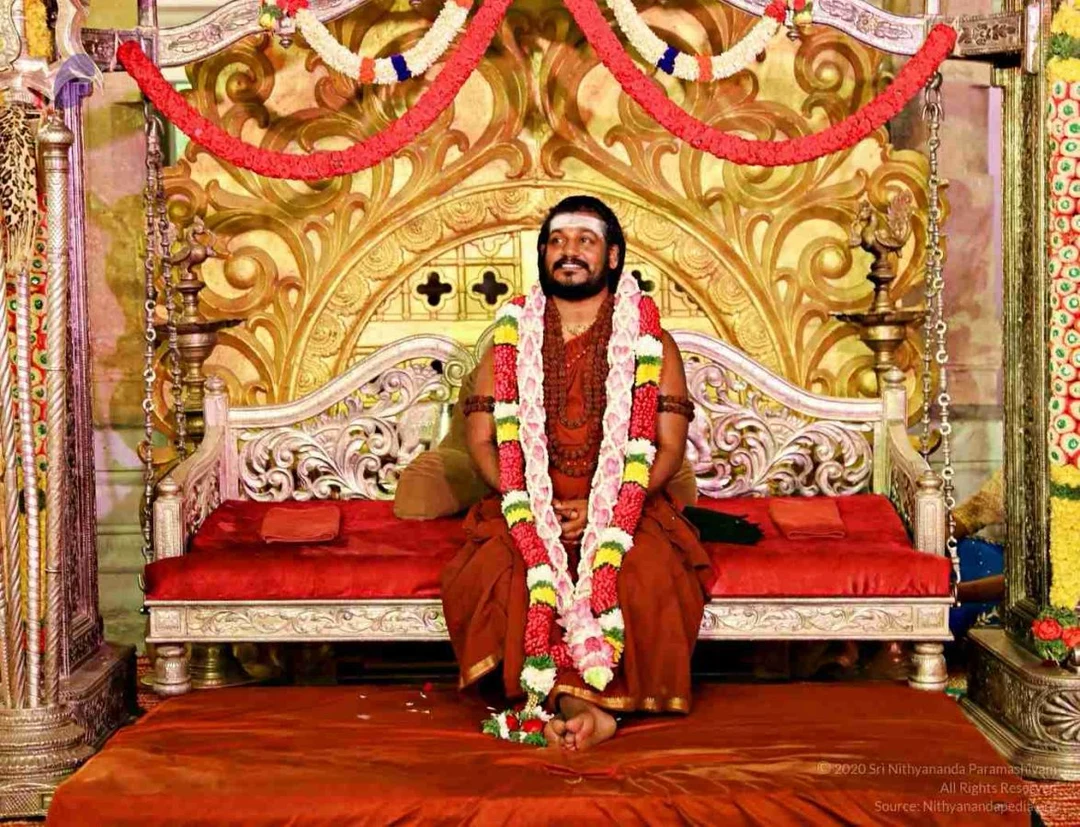 This whole universe is my extension and I am celebrating it
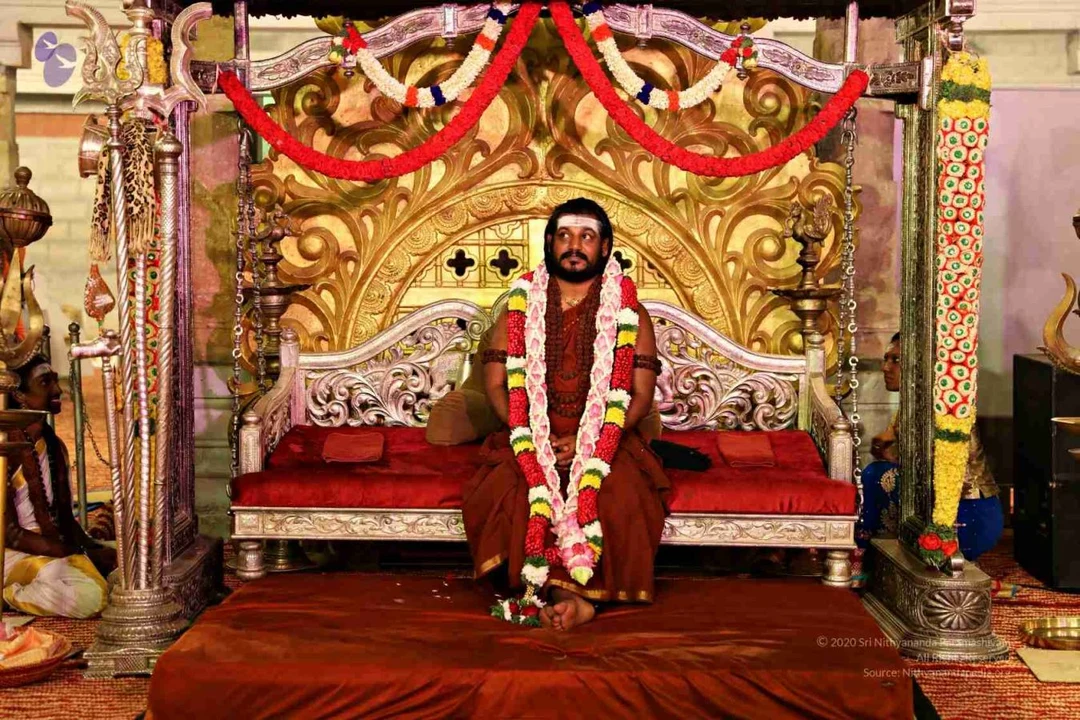 This whole universe is my extension and I am celebrating it
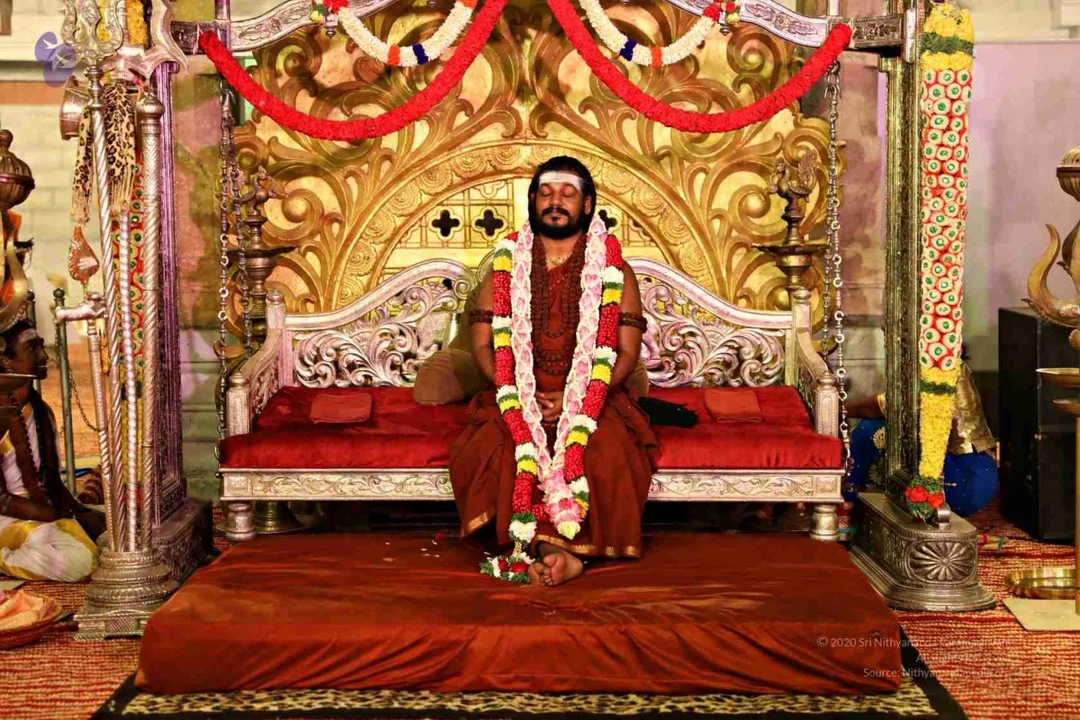 This whole universe is my extension and I am celebrating it
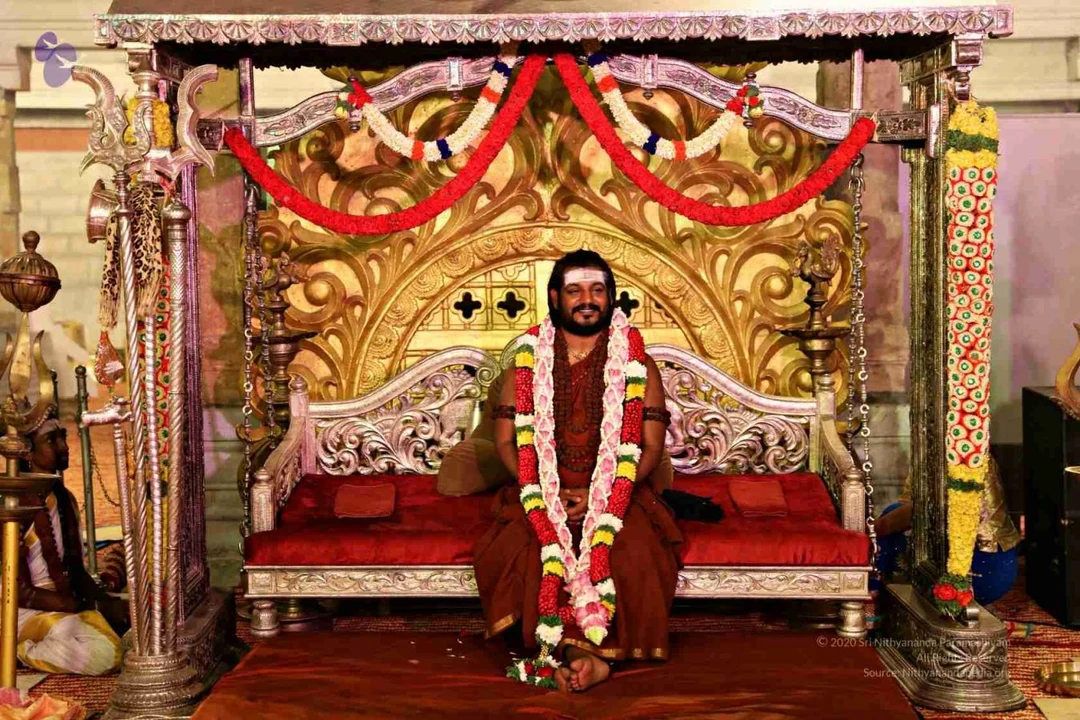 This whole universe is my extension and I am celebrating it
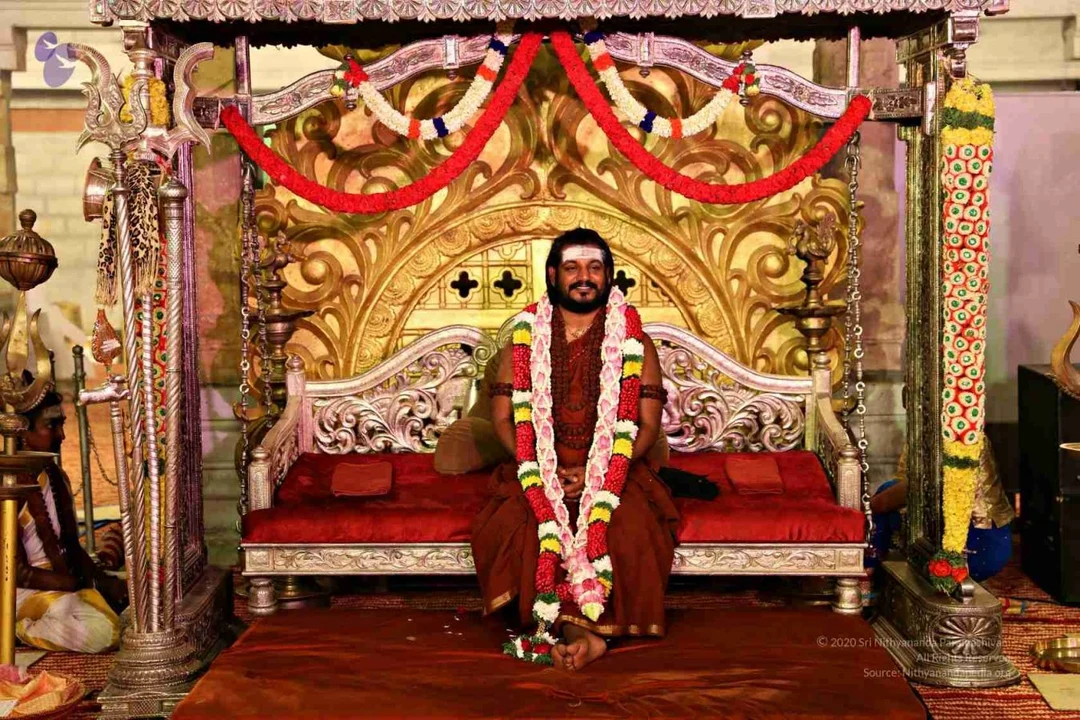 This whole universe is my extension and I am celebrating it
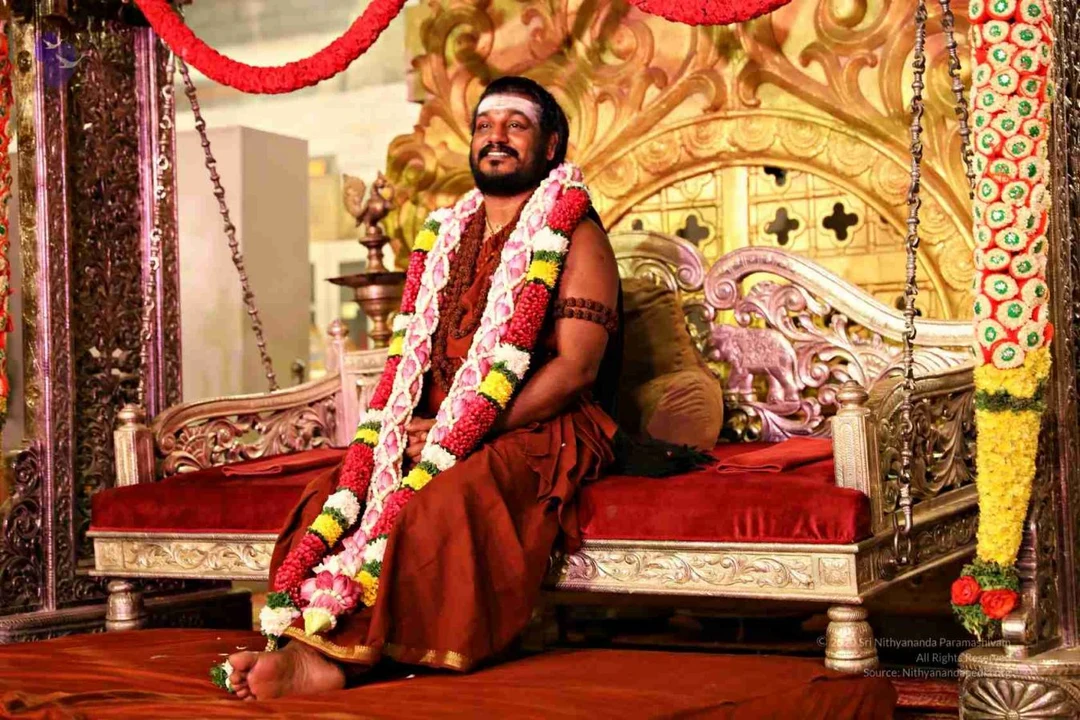 This whole universe is my extension and I am celebrating it
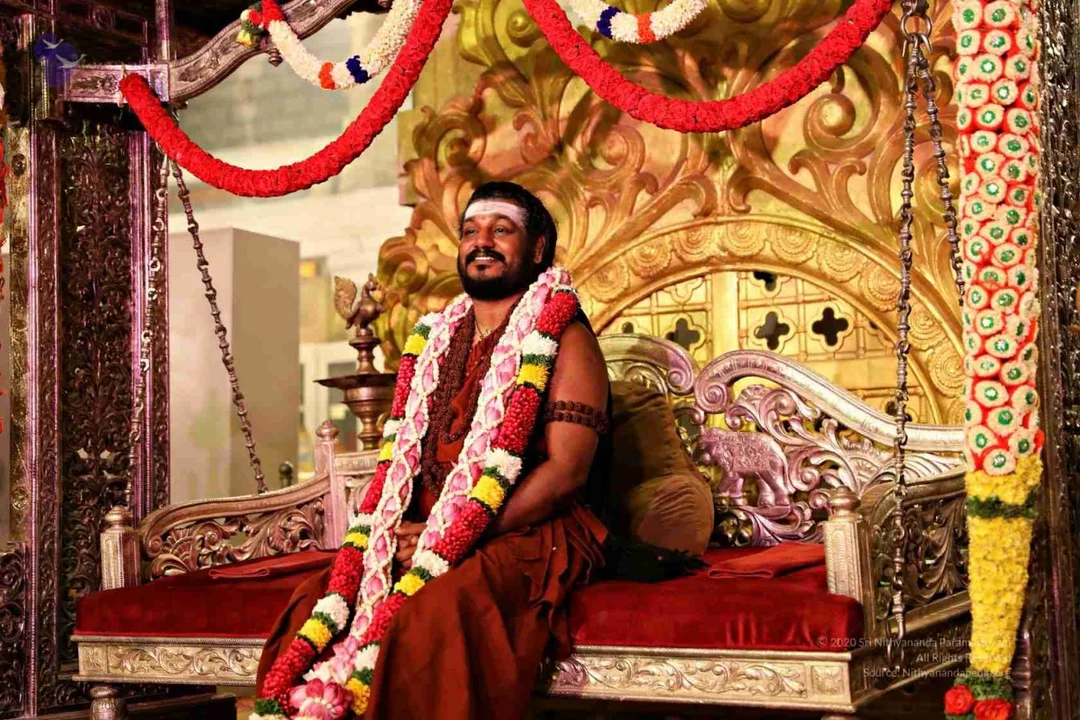 This whole universe is my extension and I am celebrating it
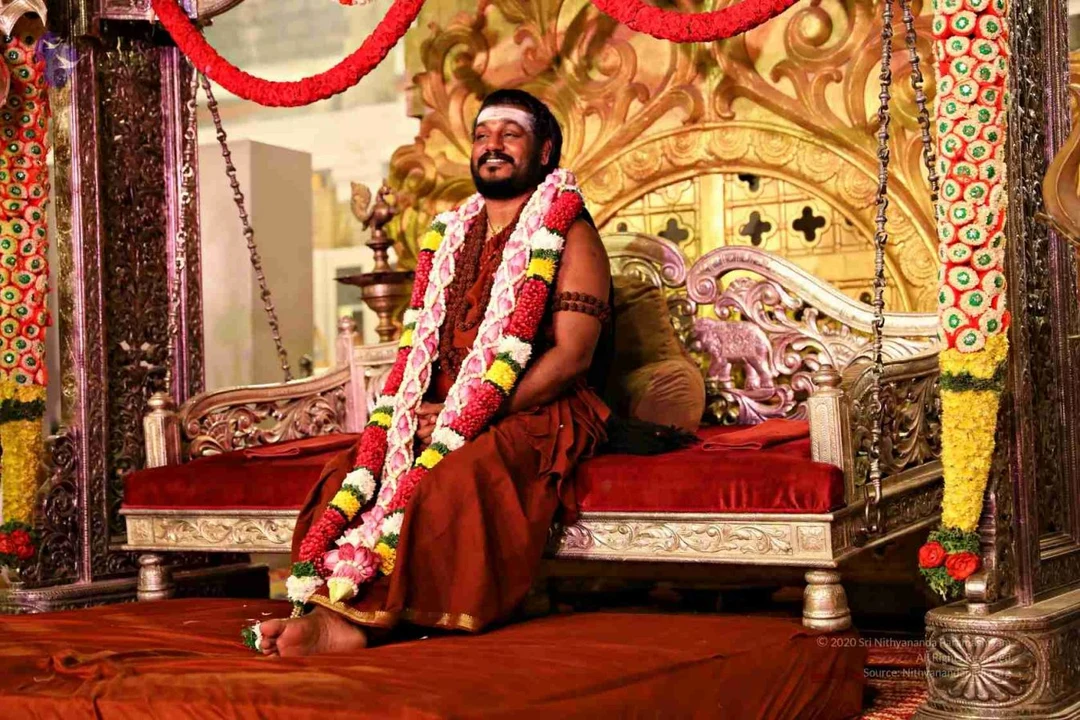 This whole universe is my extension and I am celebrating it
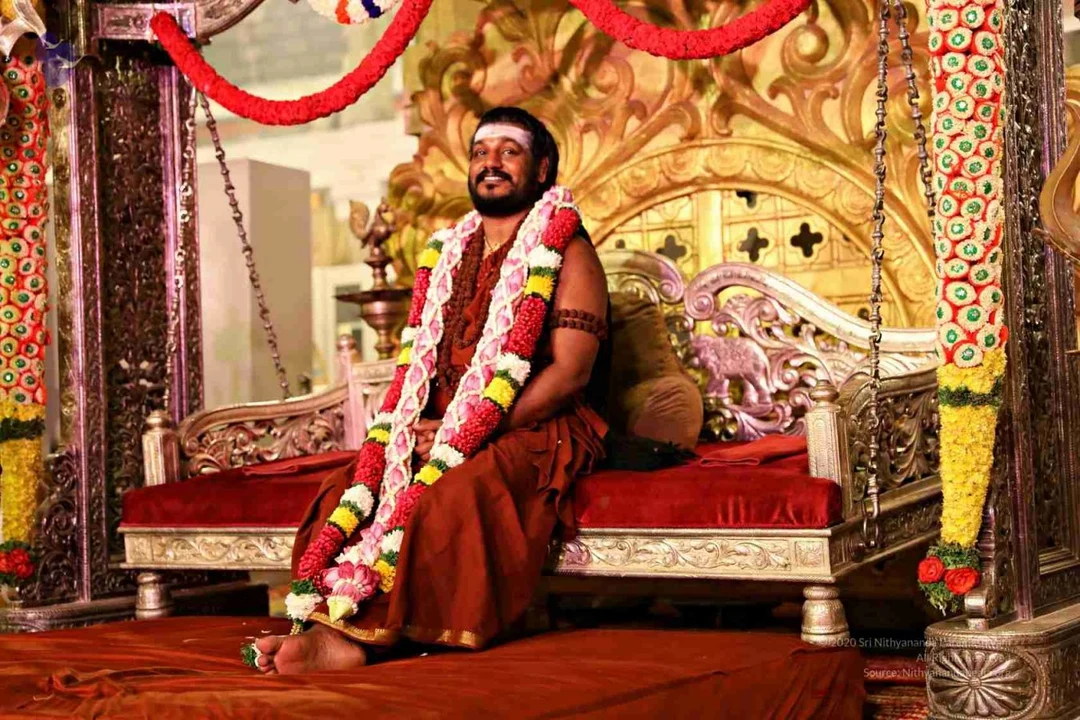 This whole universe is my extension and I am celebrating it
 This whole universe is my extension and I am celebrating it
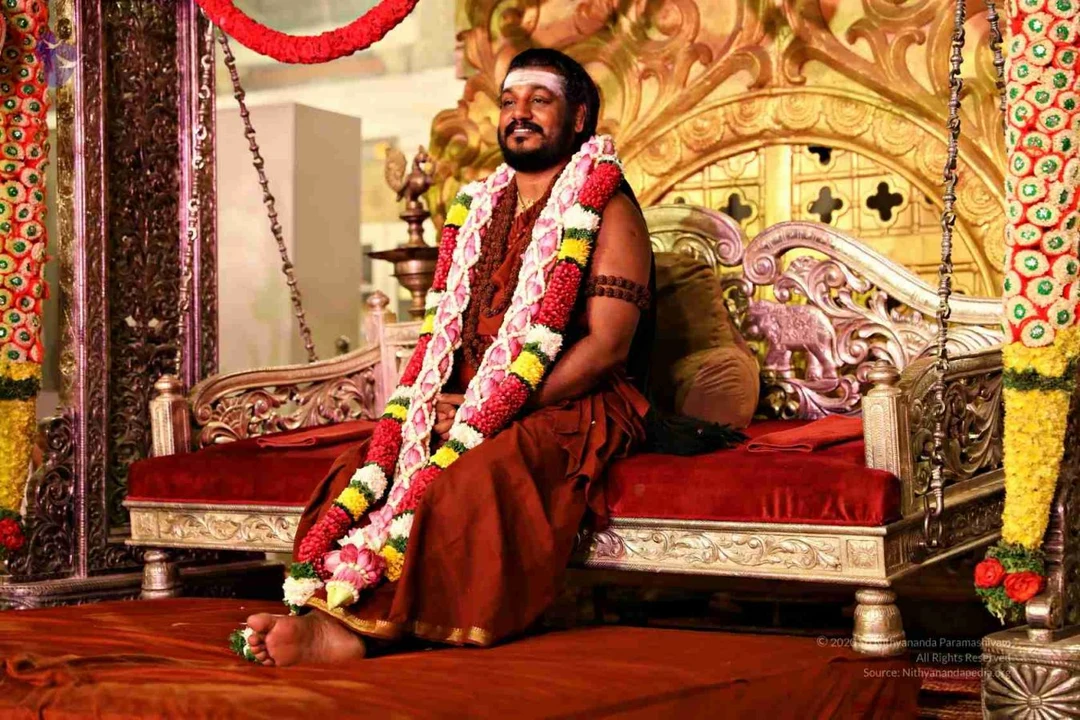 This whole universe is my extension and I am celebrating it
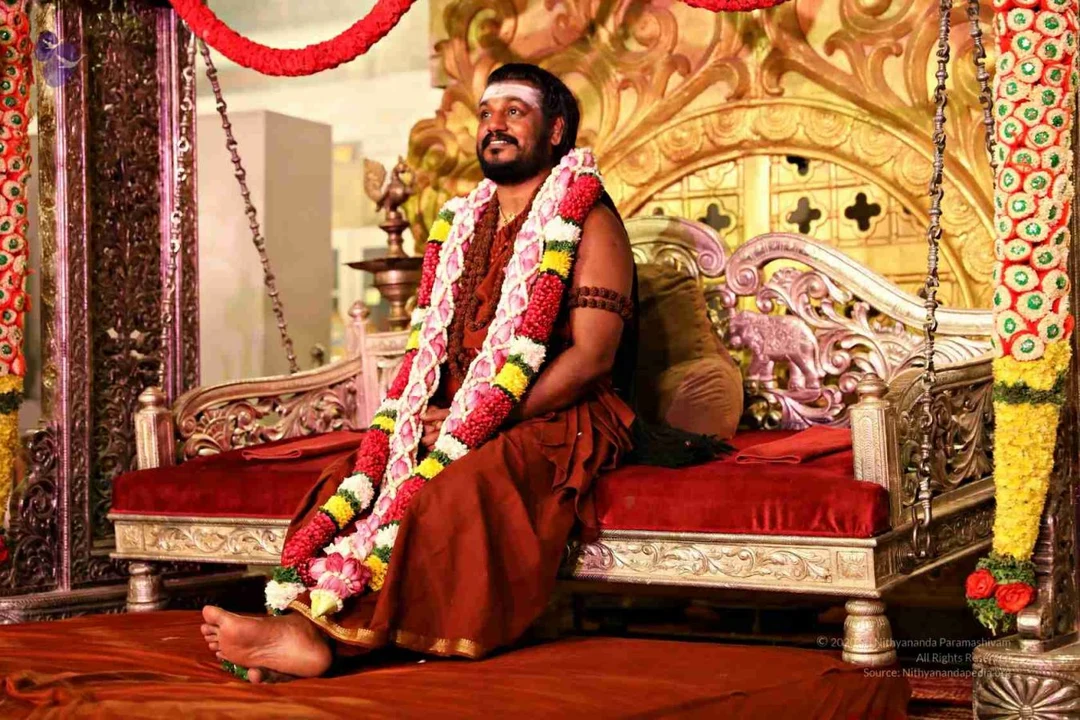 This whole universe is my extension and I am celebrating it
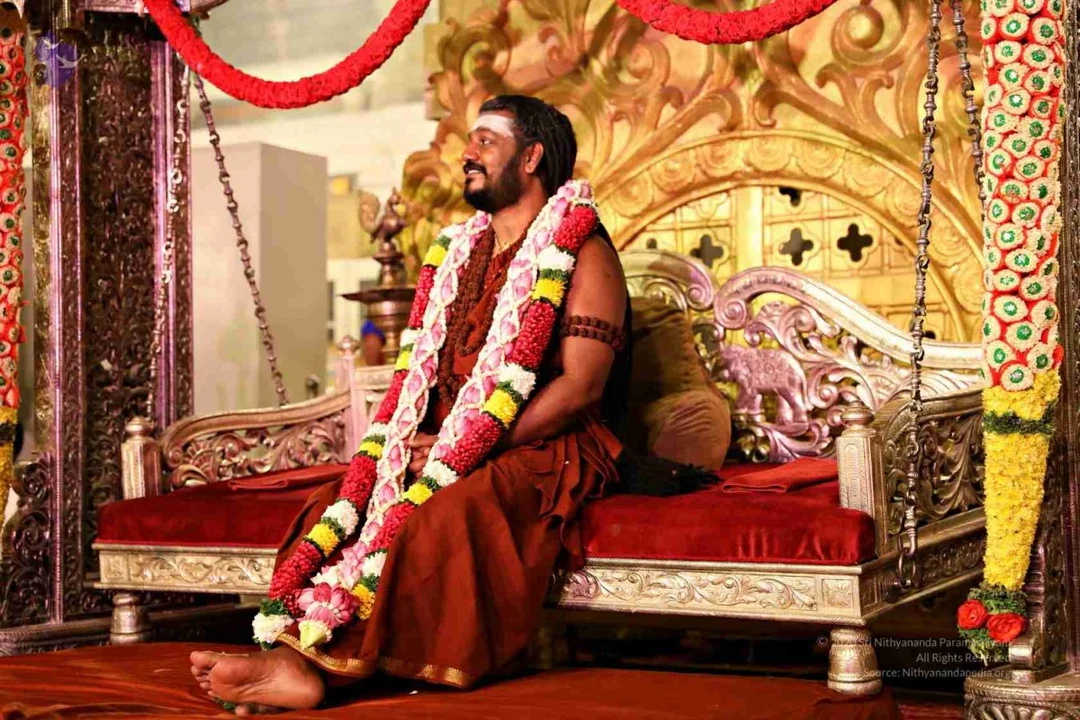 This whole universe is my extension and I am celebrating it
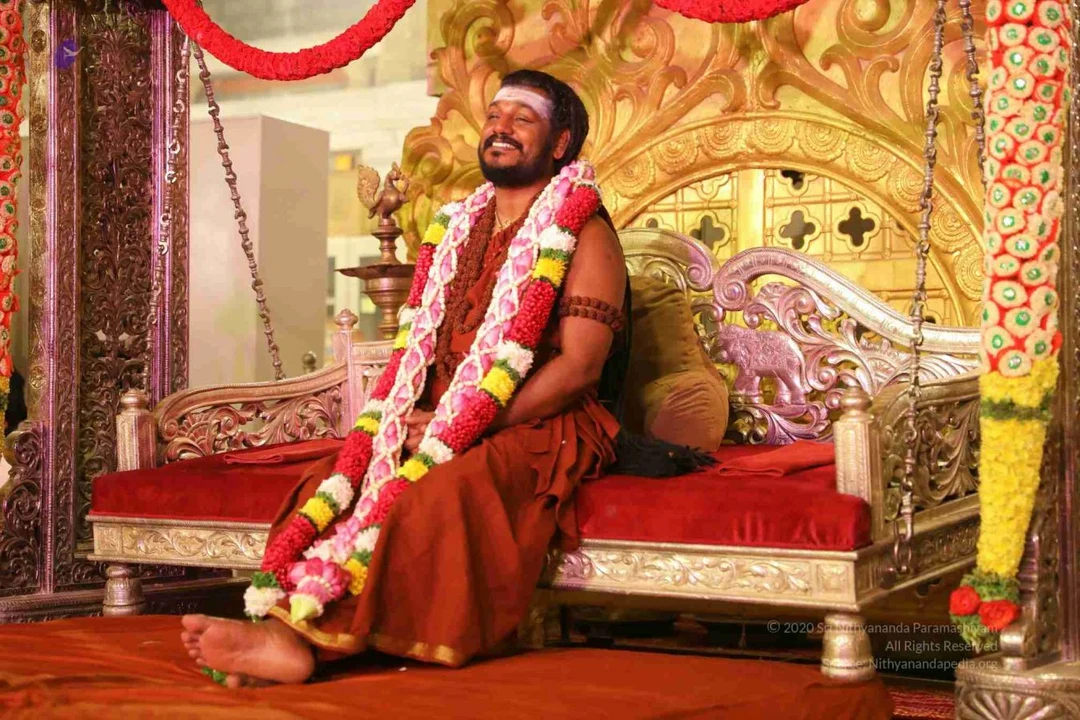 This whole universe is my extension and I am celebrating it
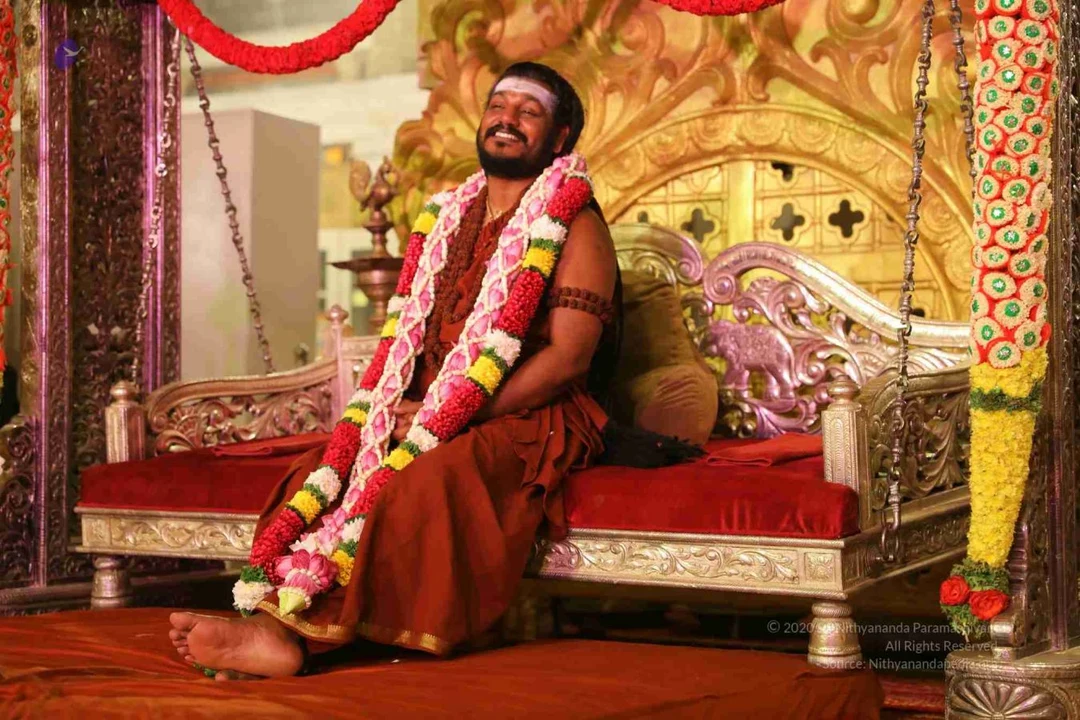 This whole universe is my extension and I am celebrating it
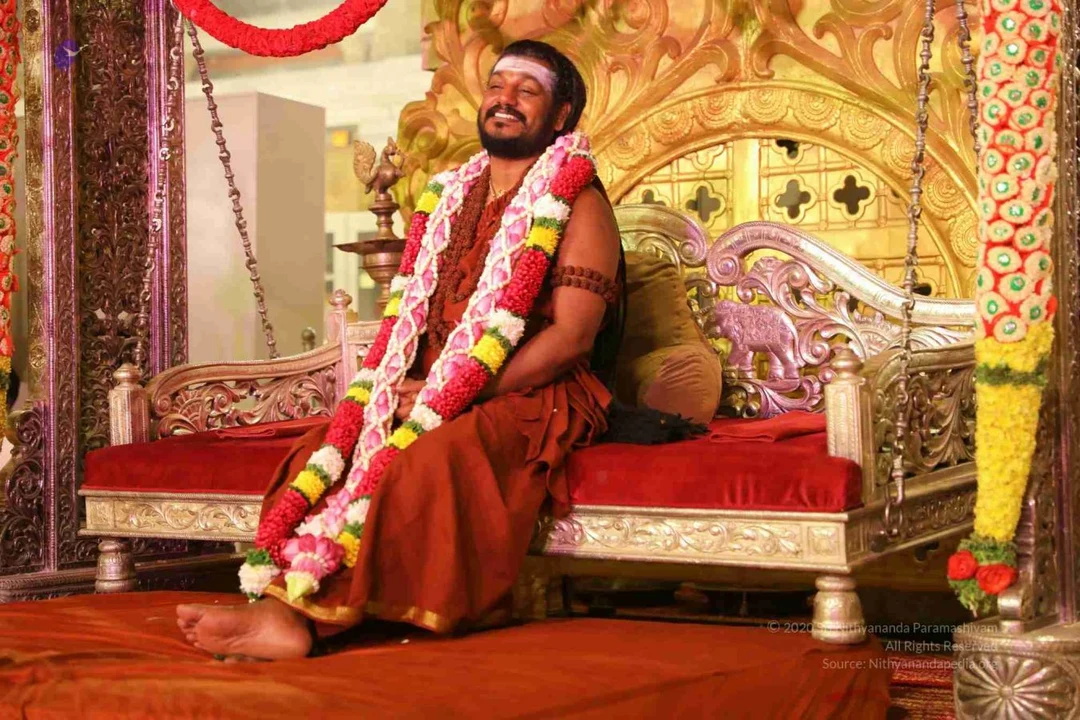 This whole universe is my extension and I am celebrating it
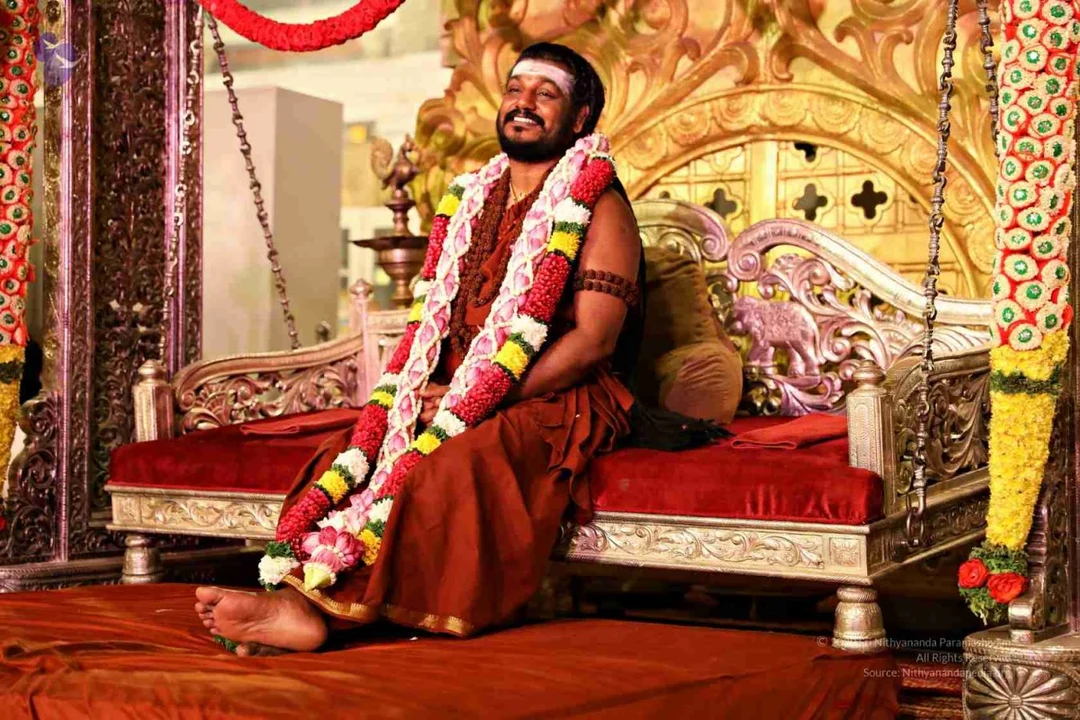 This whole universe is my extension and I am celebrating it
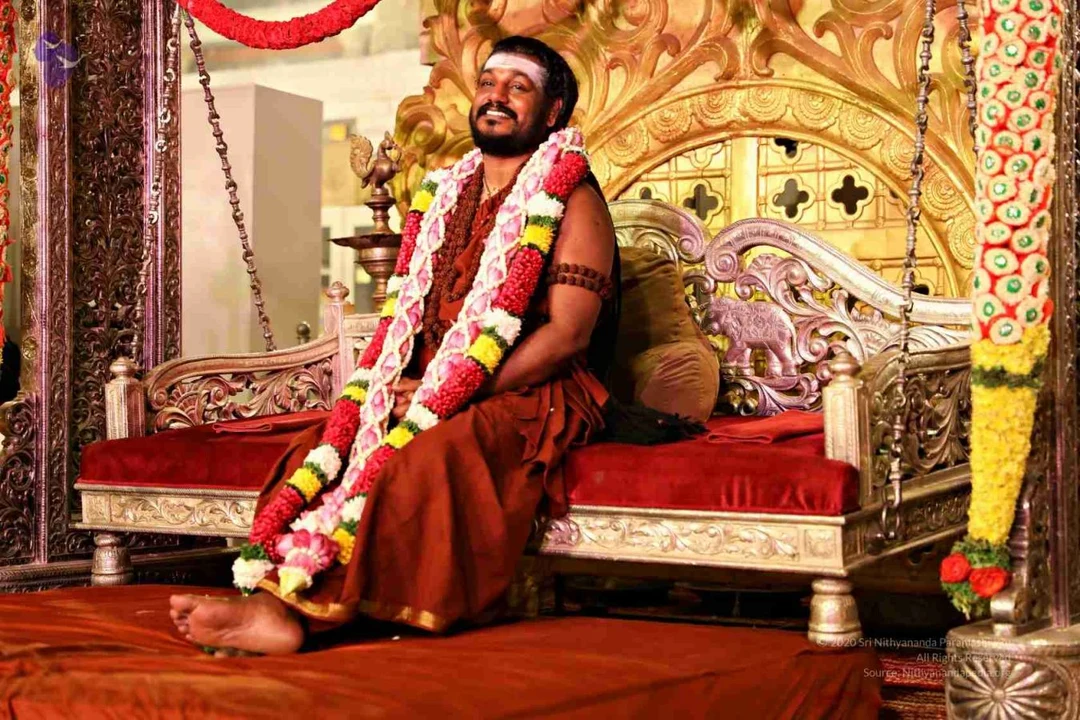 This whole universe is my extension and I am celebrating it
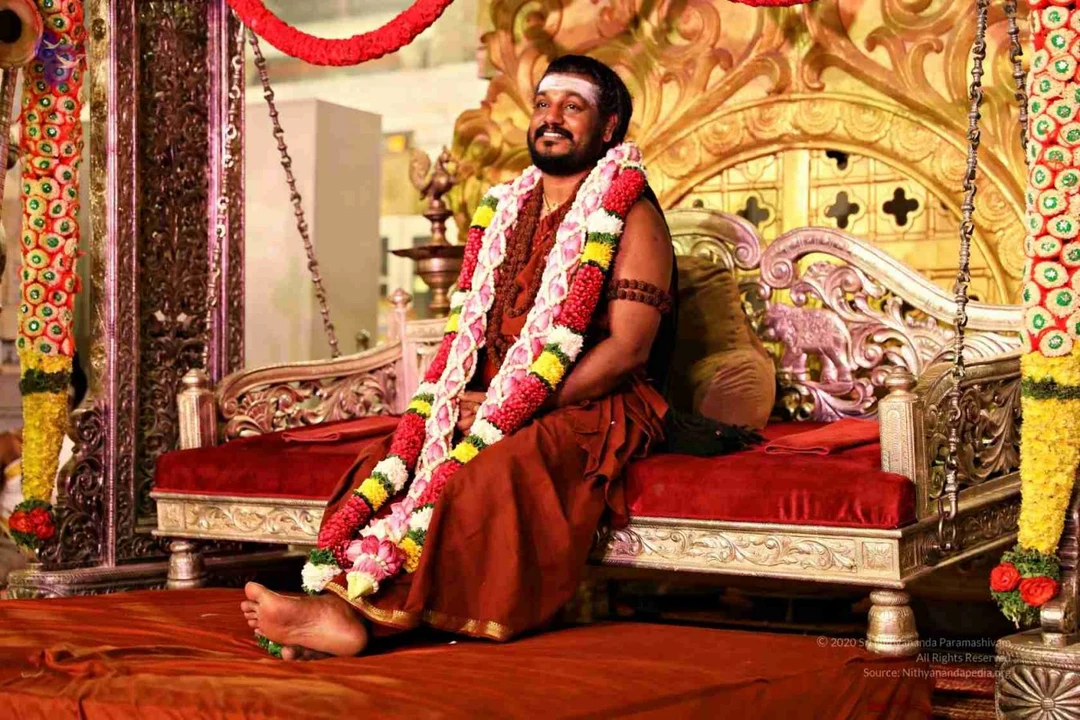 This whole universe is my extension and I am celebrating it
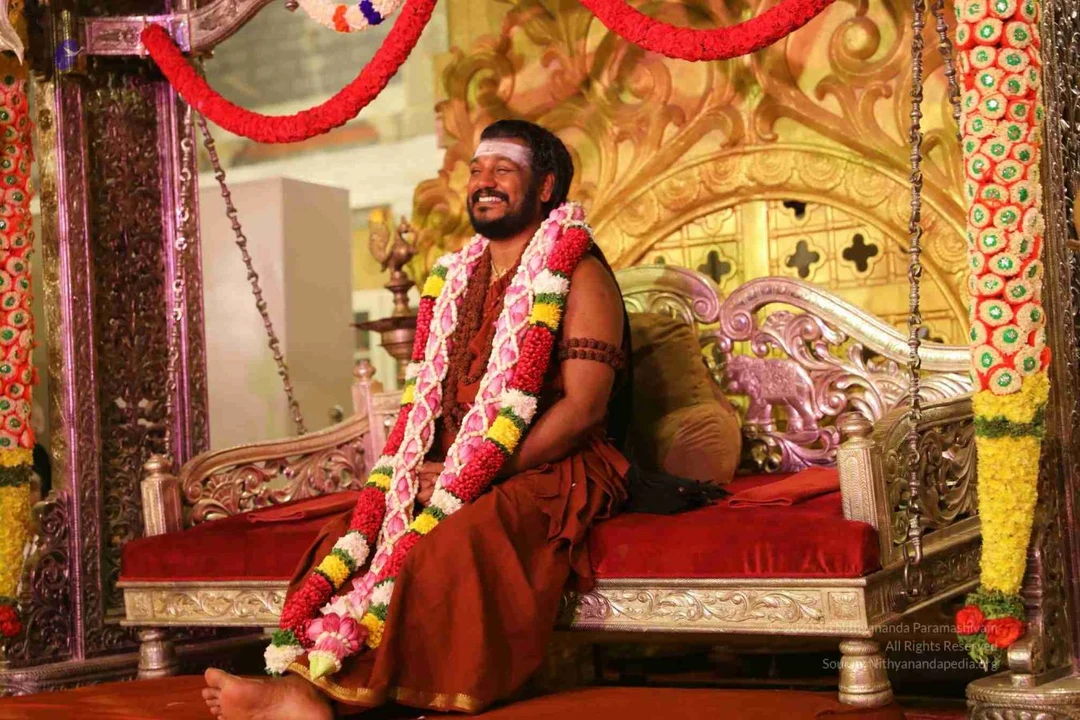 This whole universe is my extension and I am celebrating it
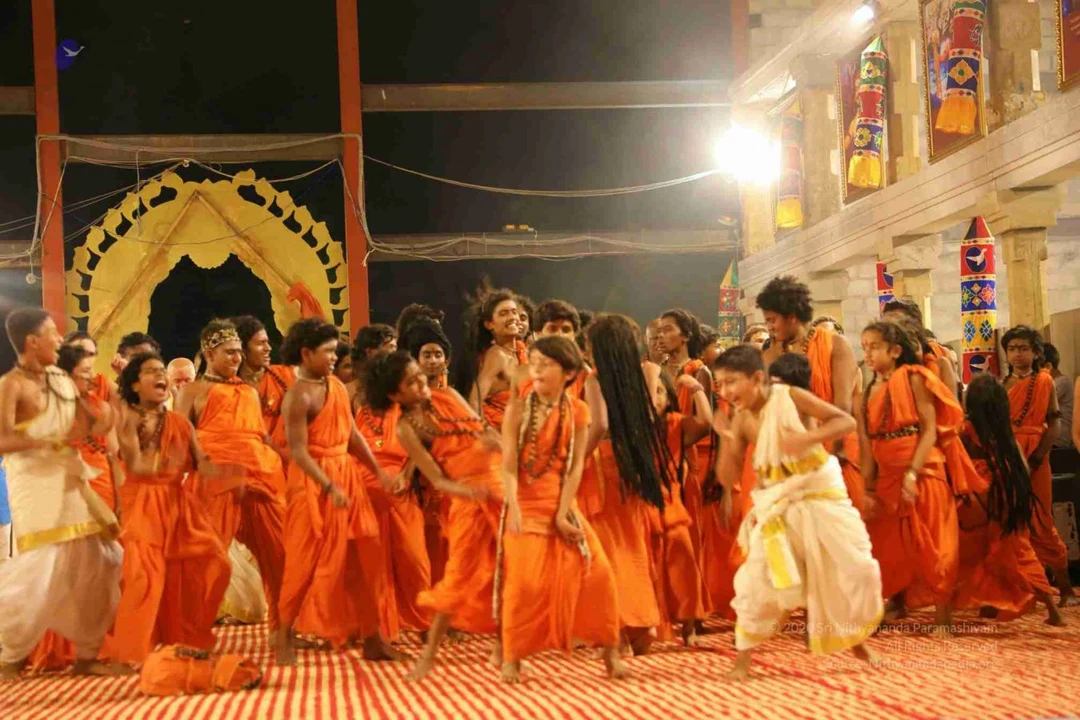 Balasants dance & celebrate in joy
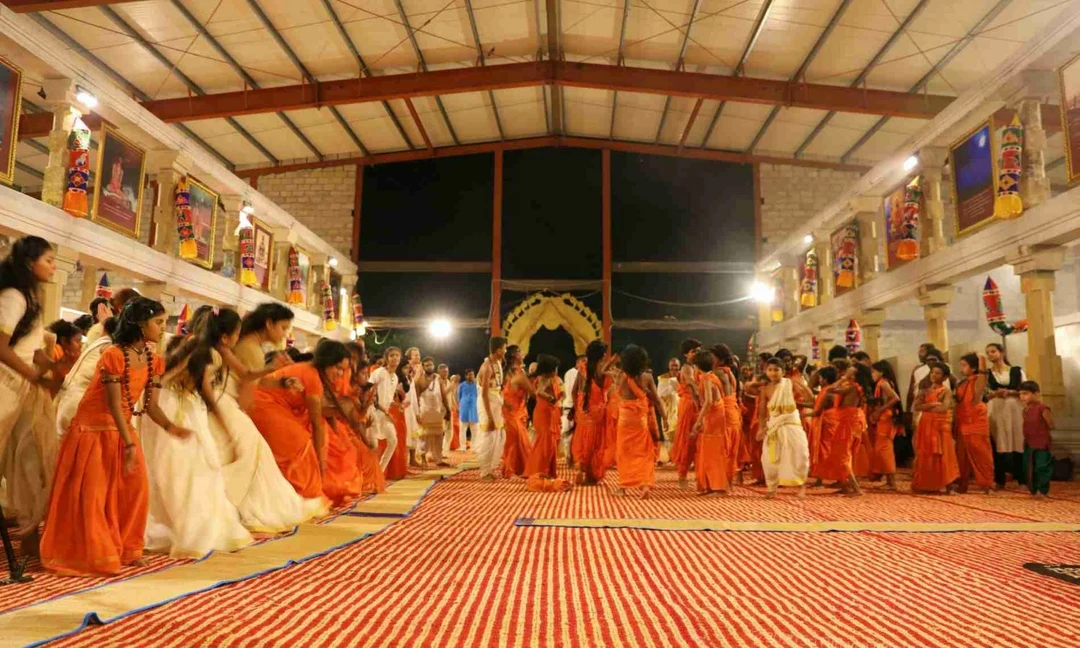 Balasants dance & celebrate in joy
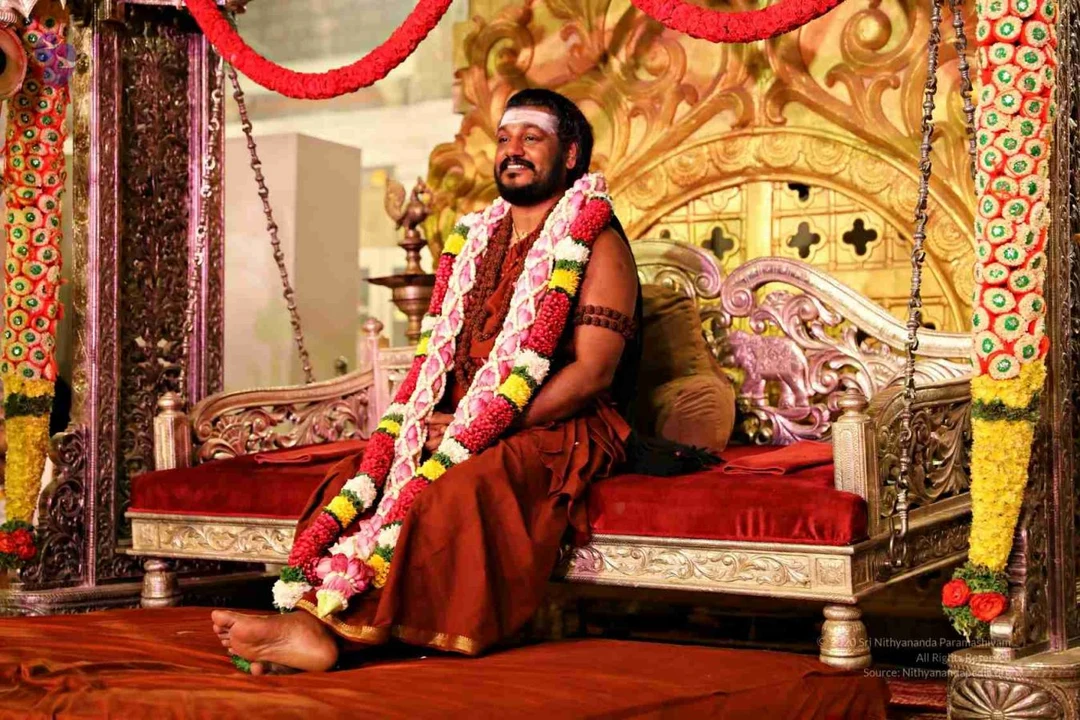 This whole universe is my extension and I am celebrating it
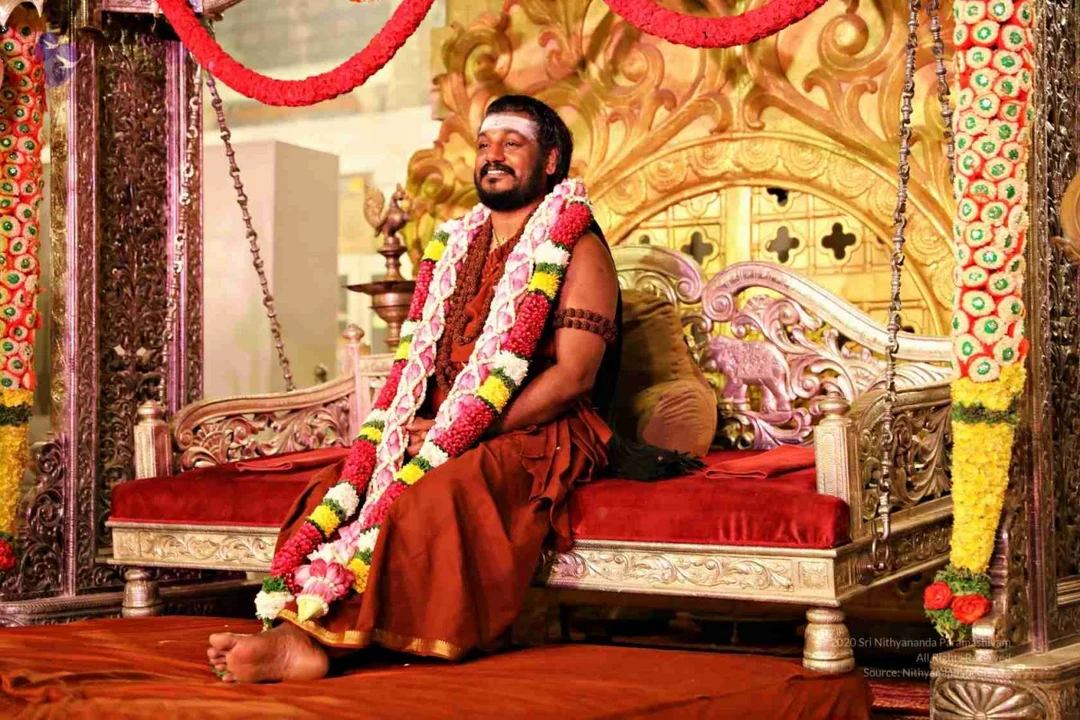 This whole universe is my extension and I am celebrating it
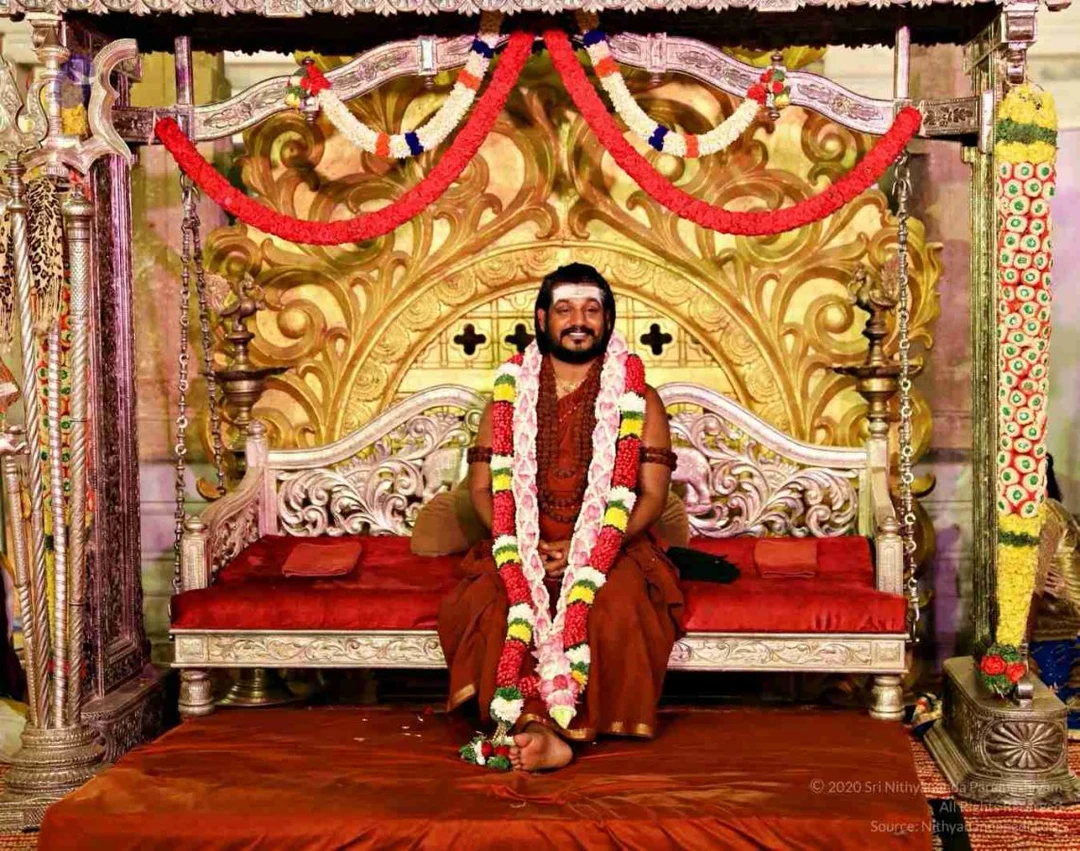 This whole universe is my extension and I am celebrating it
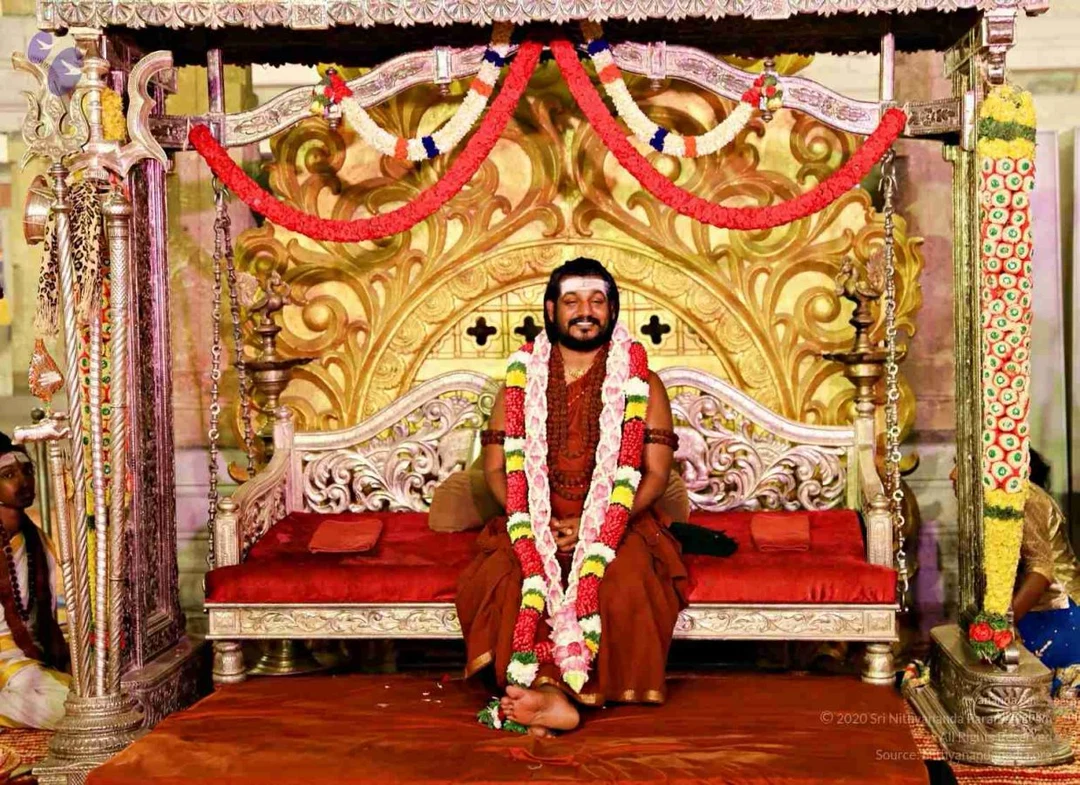 This whole universe is my extension and I am celebrating it
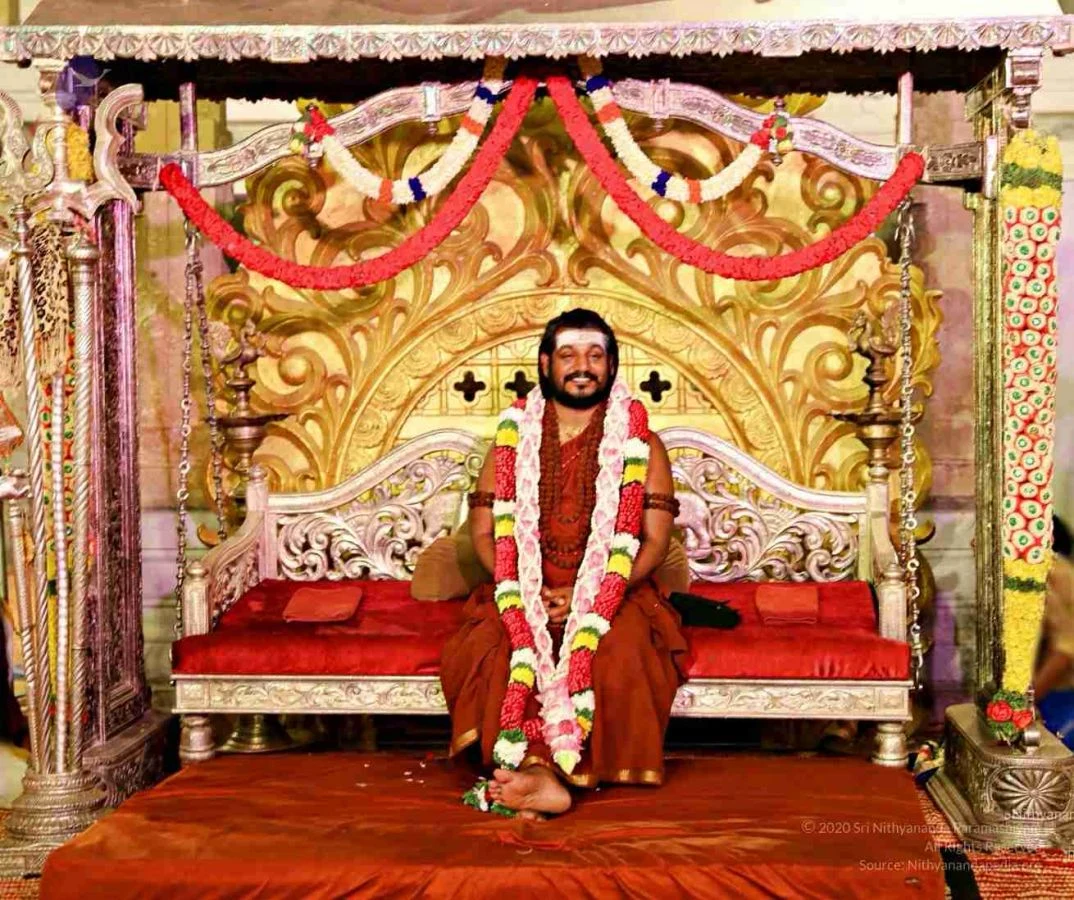 This whole universe is my extension and I am celebrating it
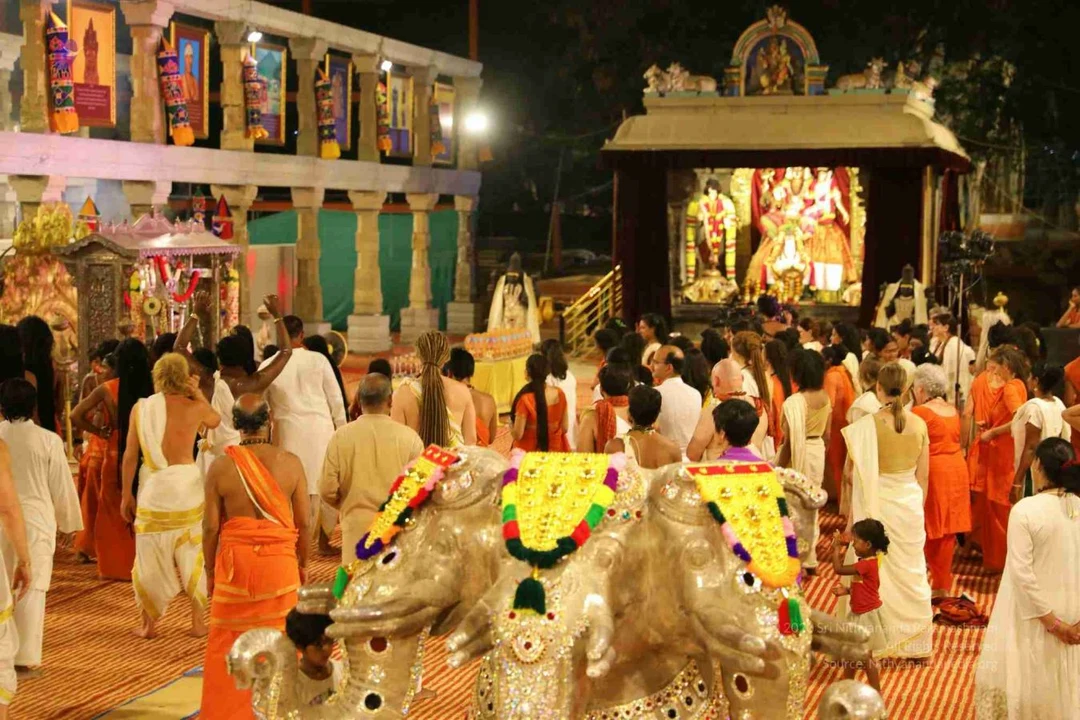 You are here to celebrate universe
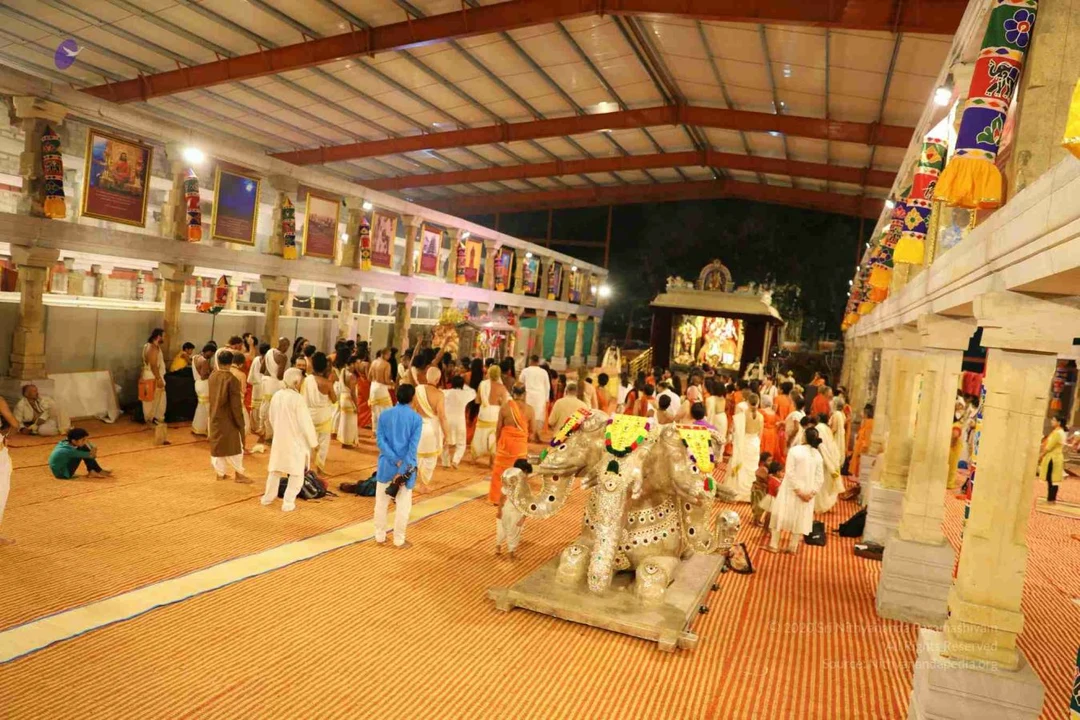 You are here to celebrate universe
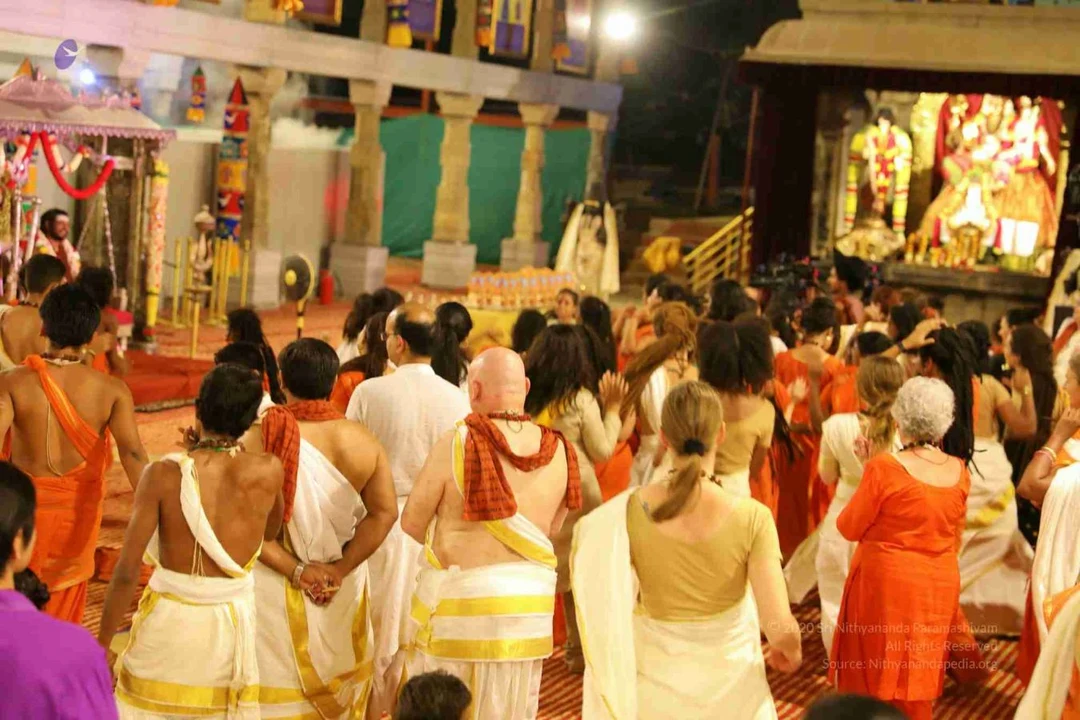 You are here to celebrate universe
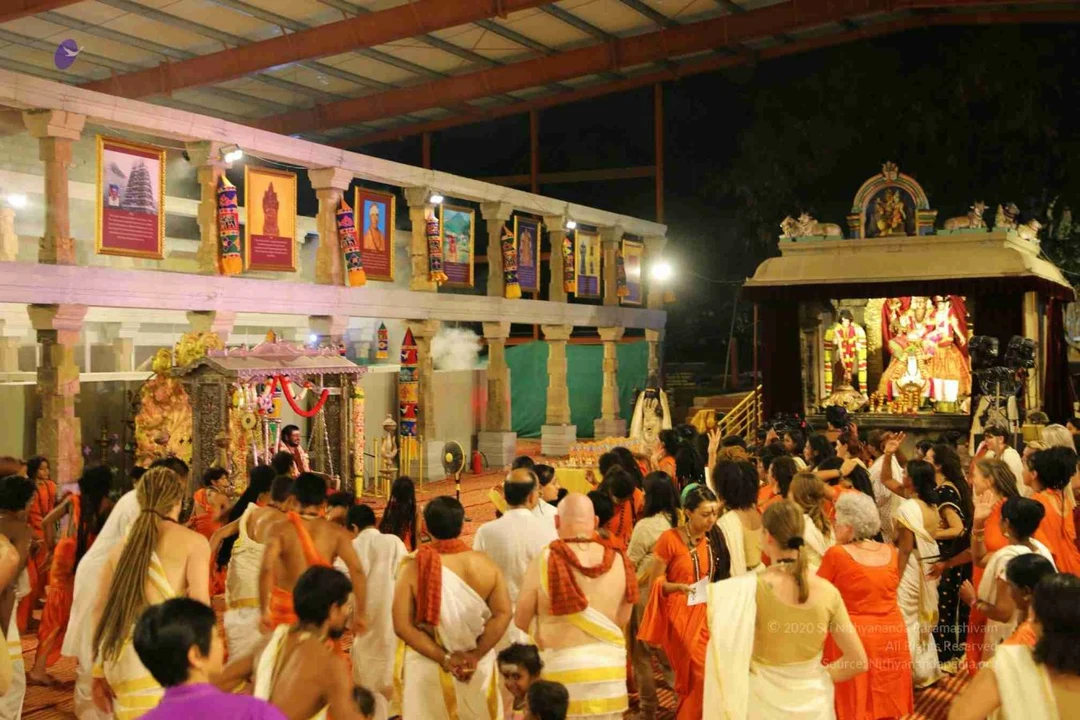 You are here to celebrate universe
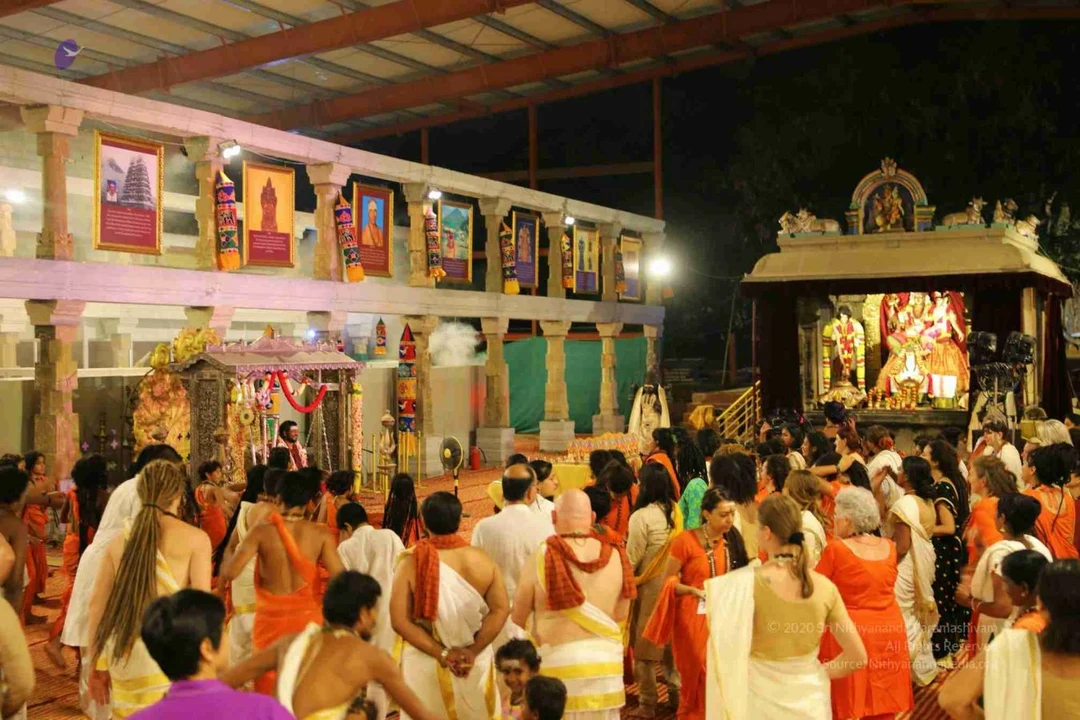 You are here to celebrate universe
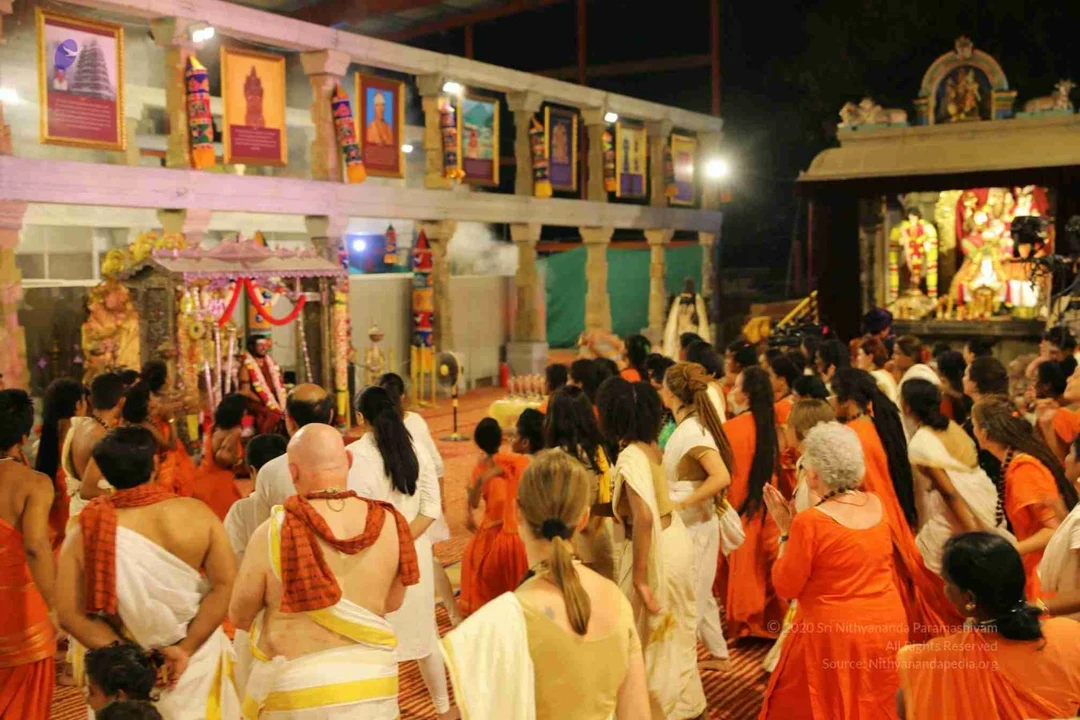 You are here to celebrate universe
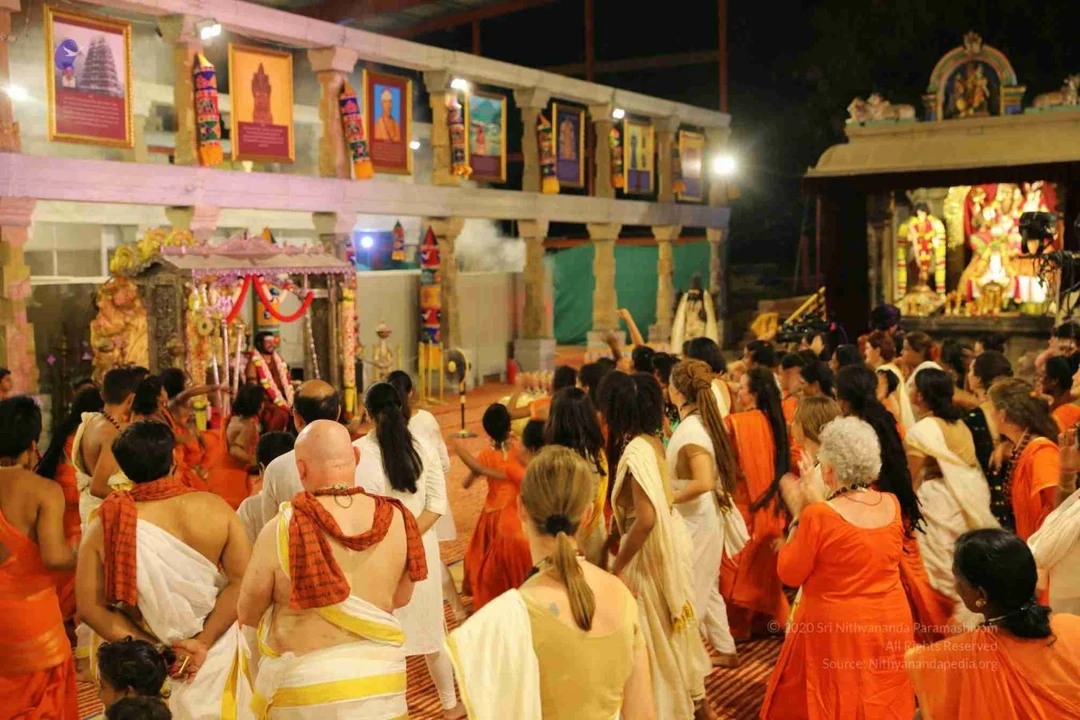 You are here to celebrate universe
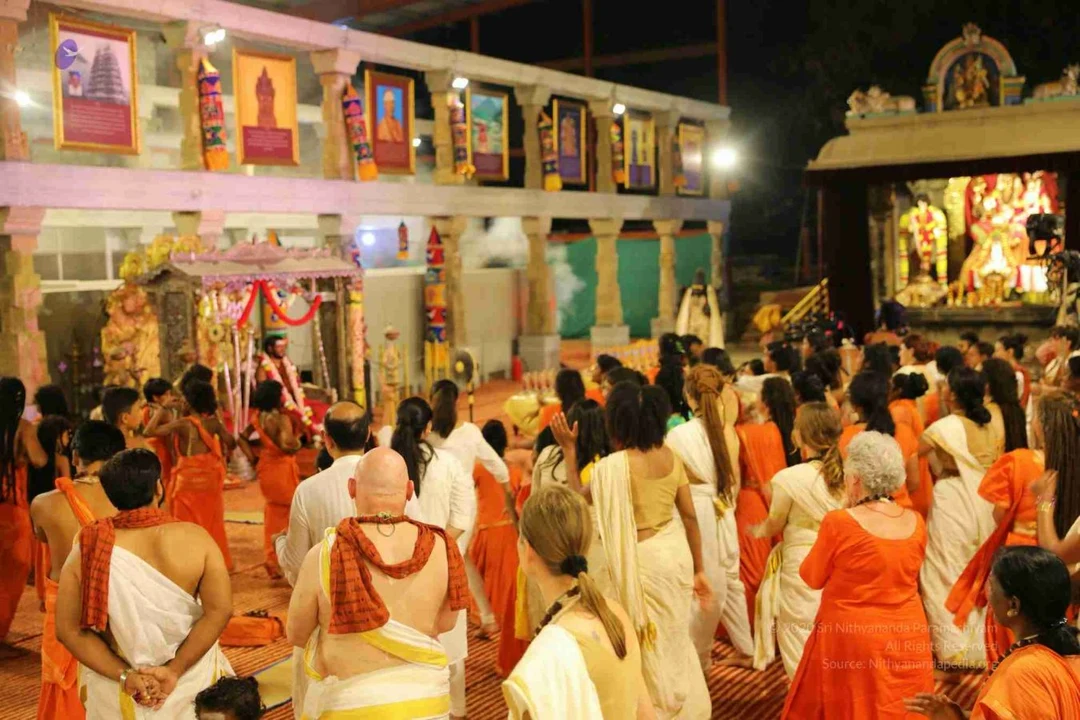 You are here to celebrate universe
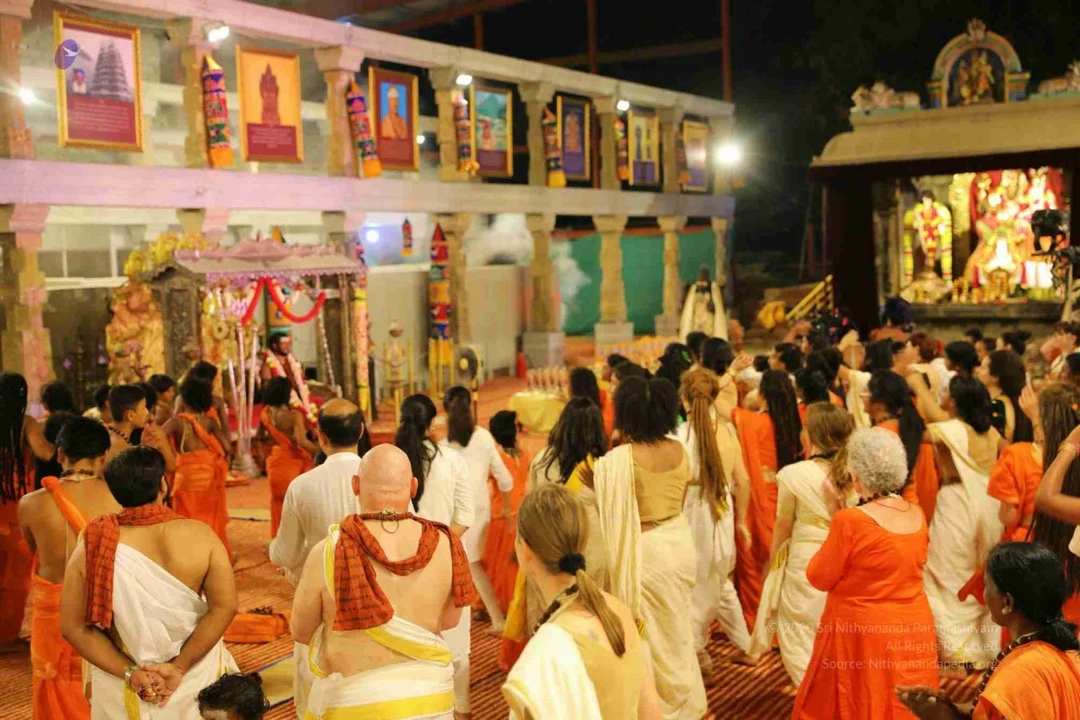 You are here to celebrate universe
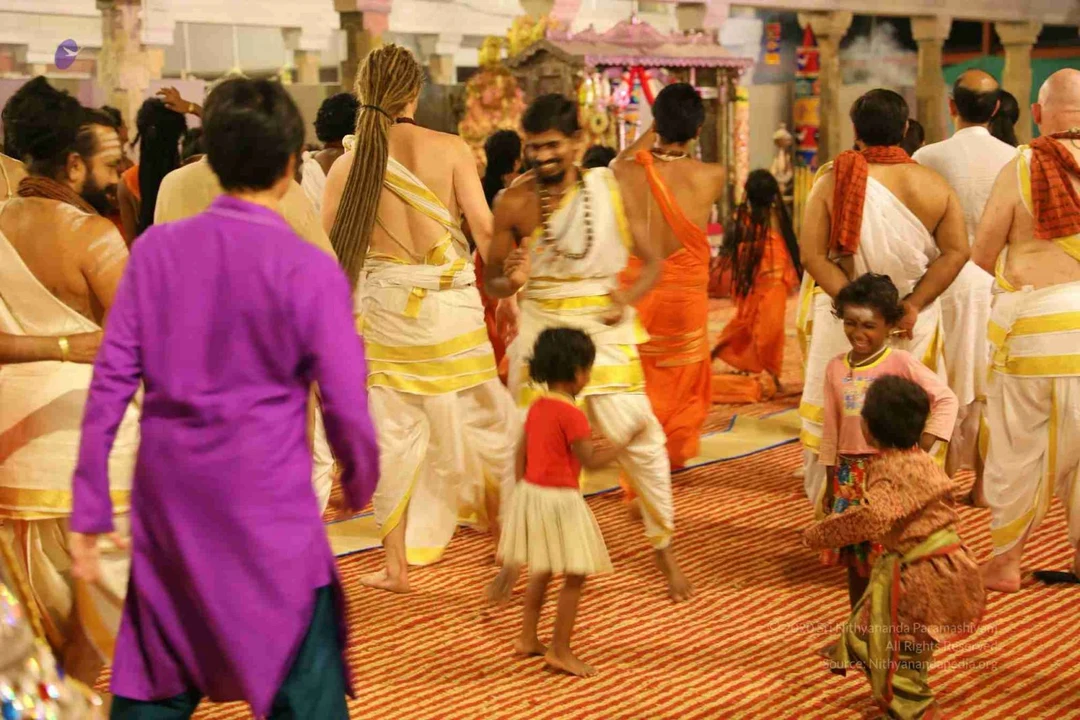 You are here to celebrate universe
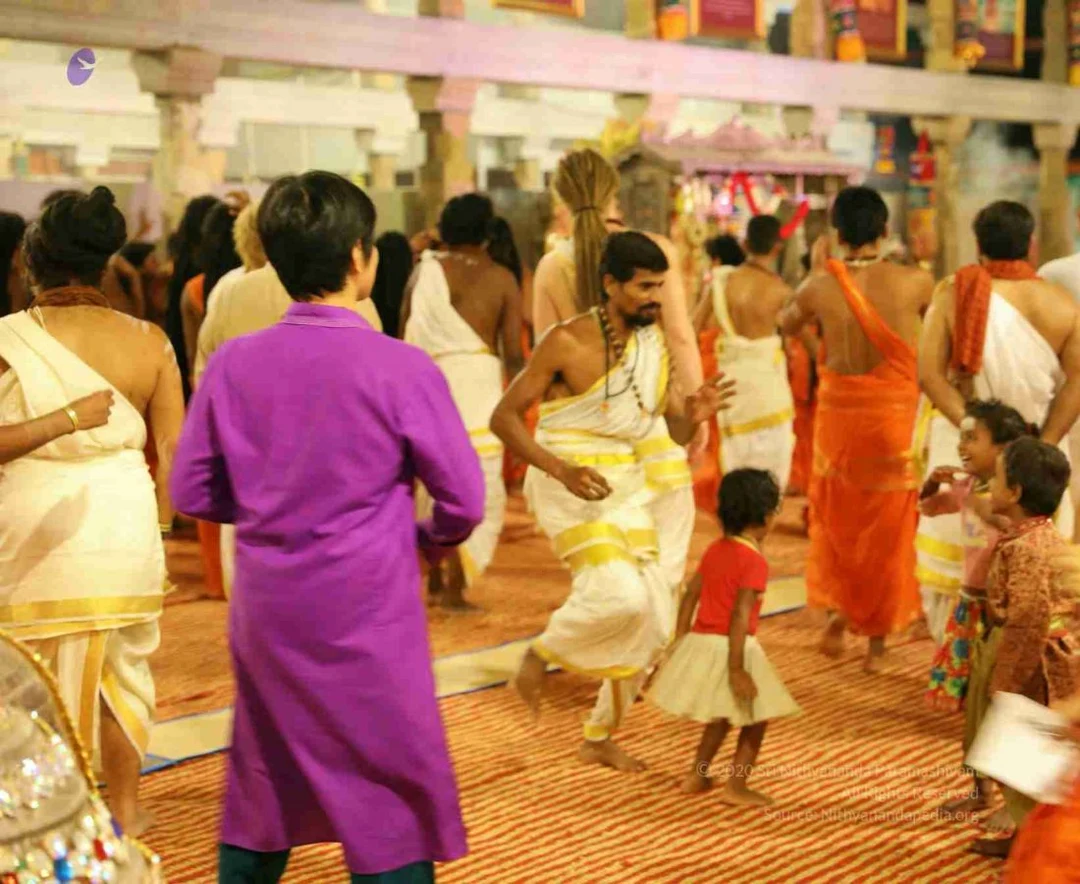 You are here to celebrate universe
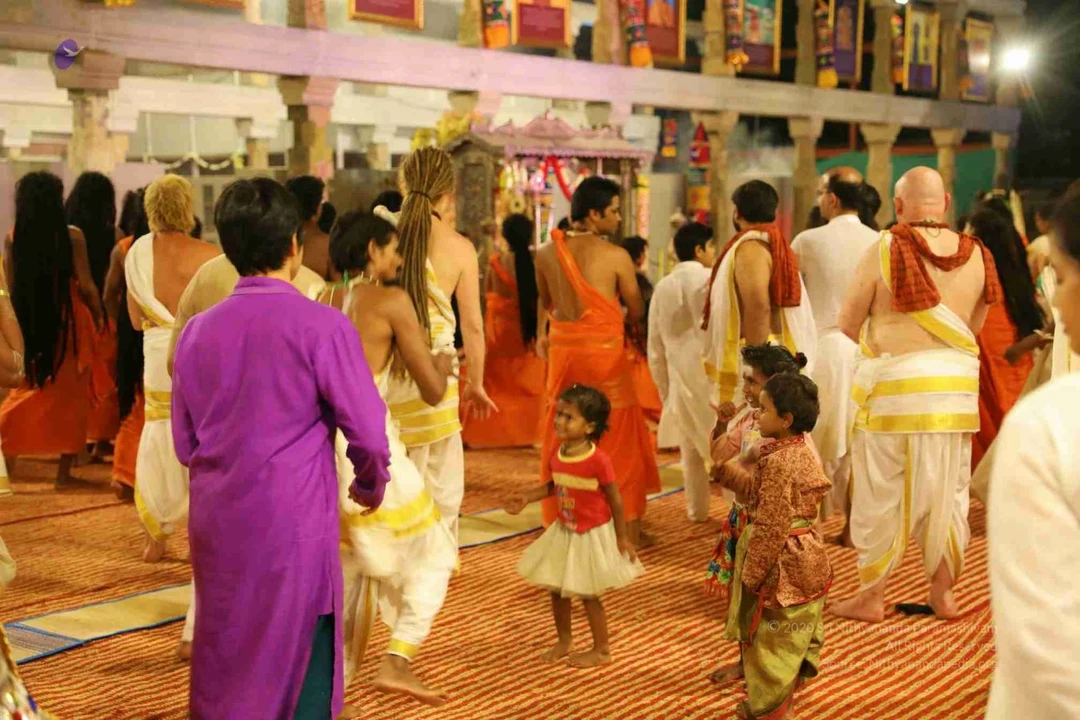 You are here to celebrate universe
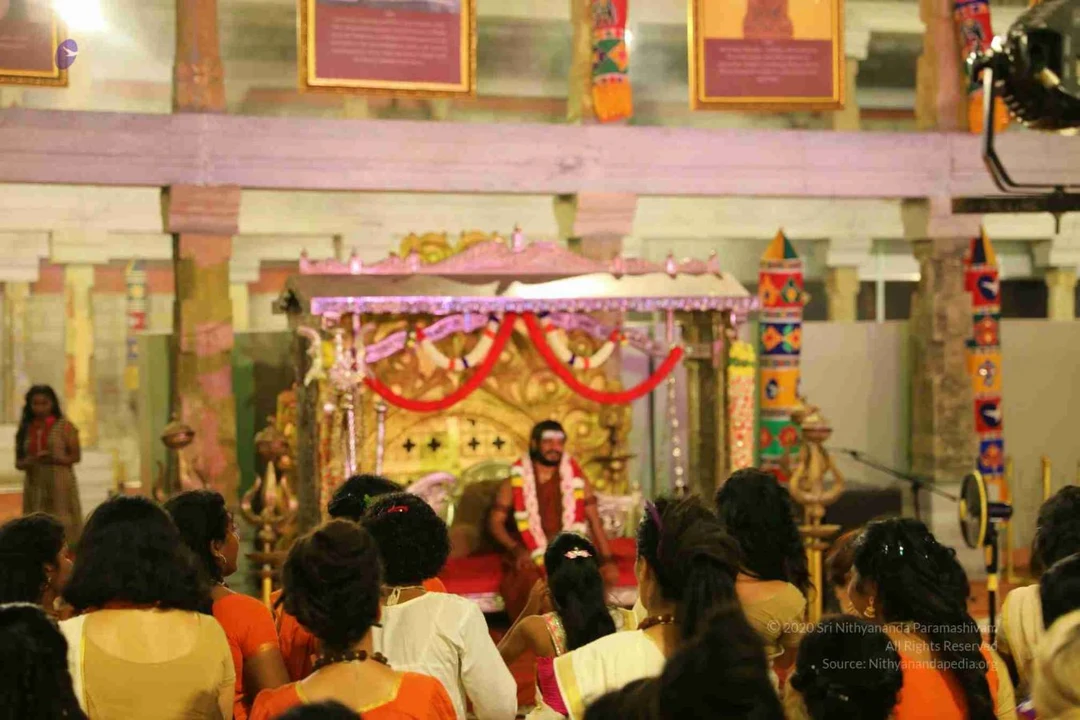 You are here to celebrate universe
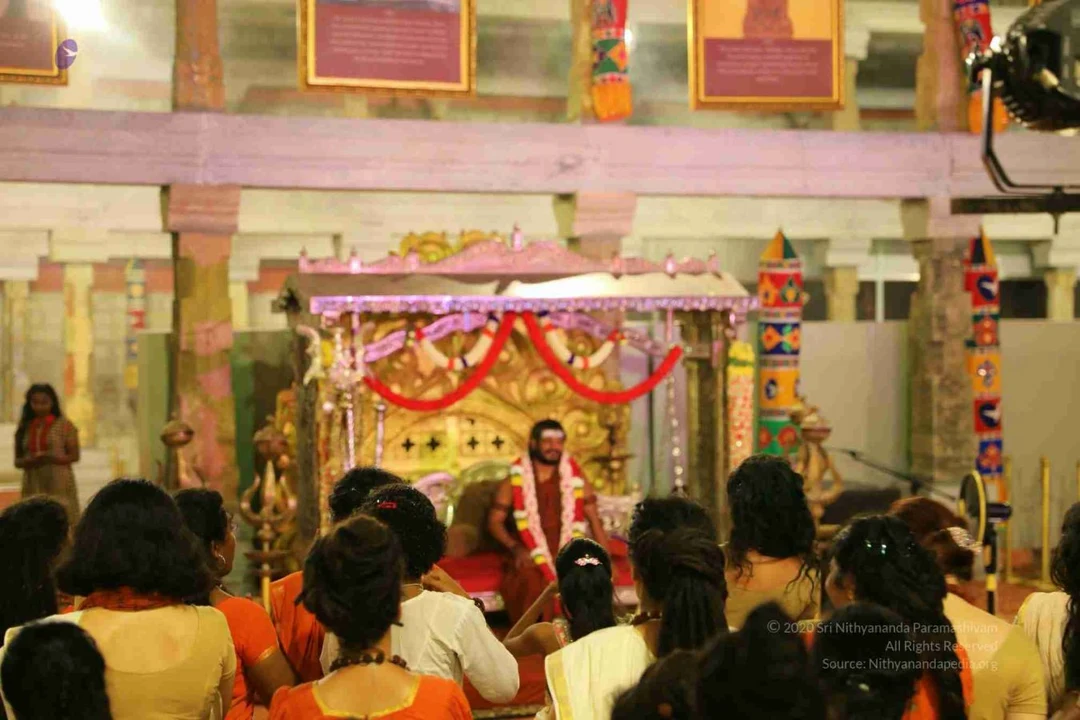 You are here to celebrate universe
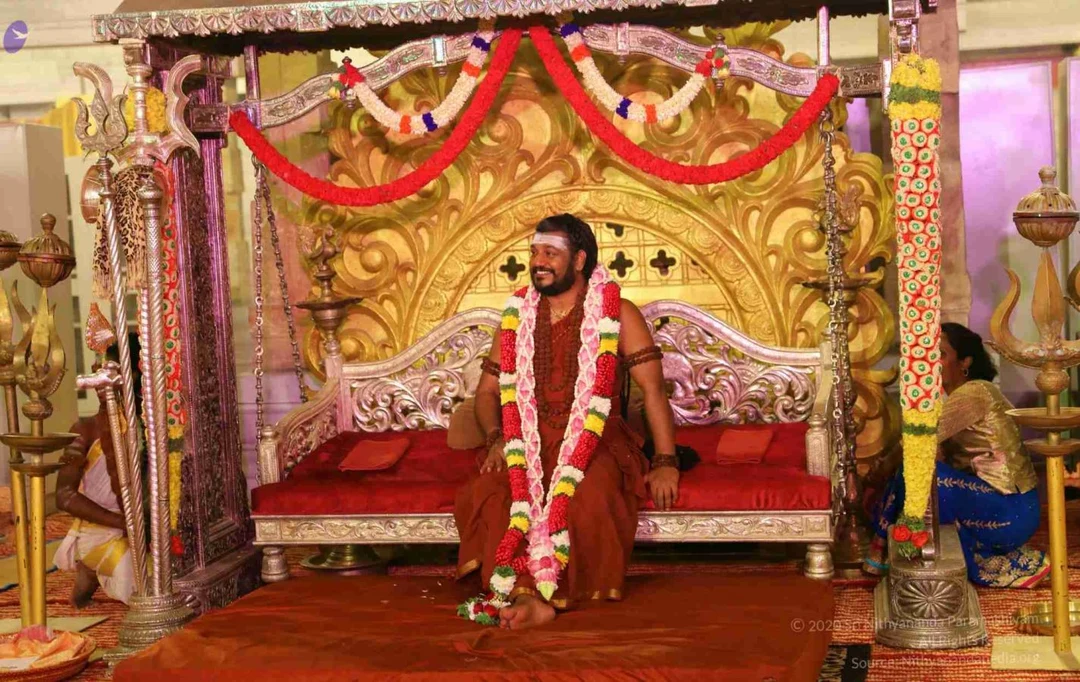 You are here to celebrate universe
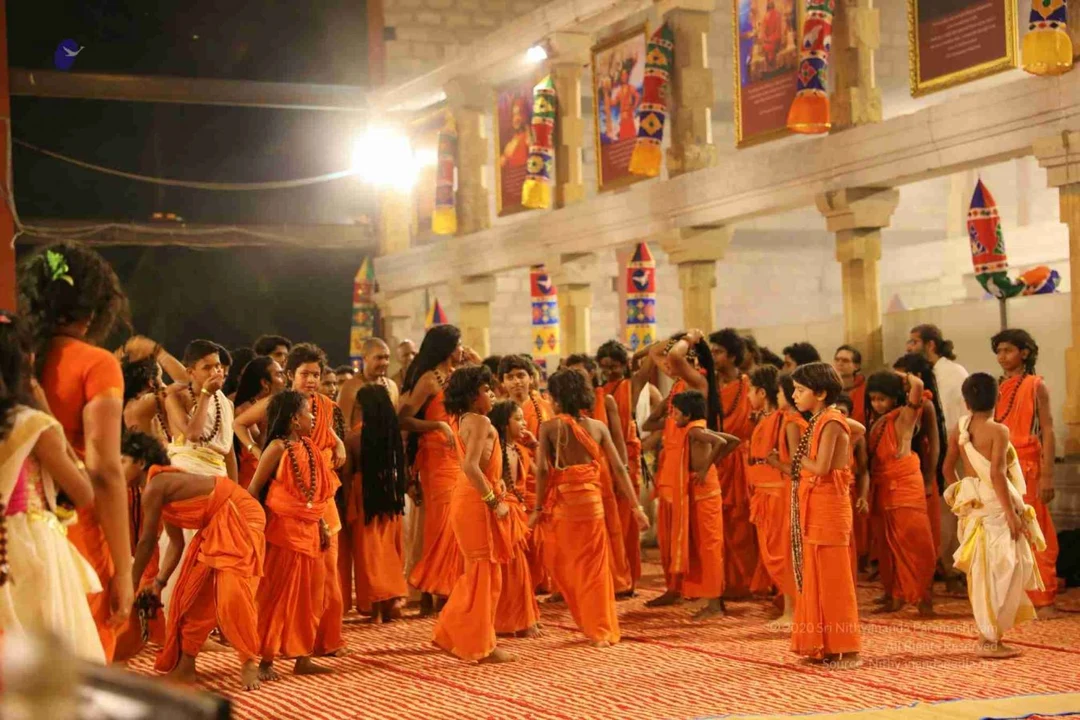 Balasants dance & celebrate in joy
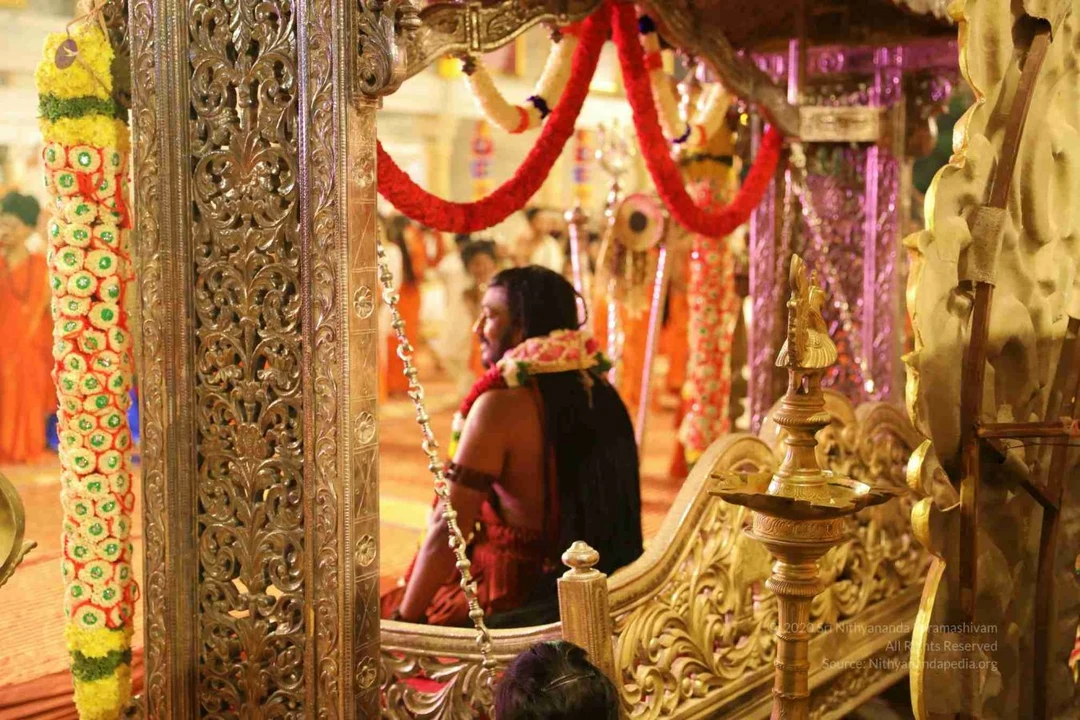 This whole universe is my extension and I am celebrating it
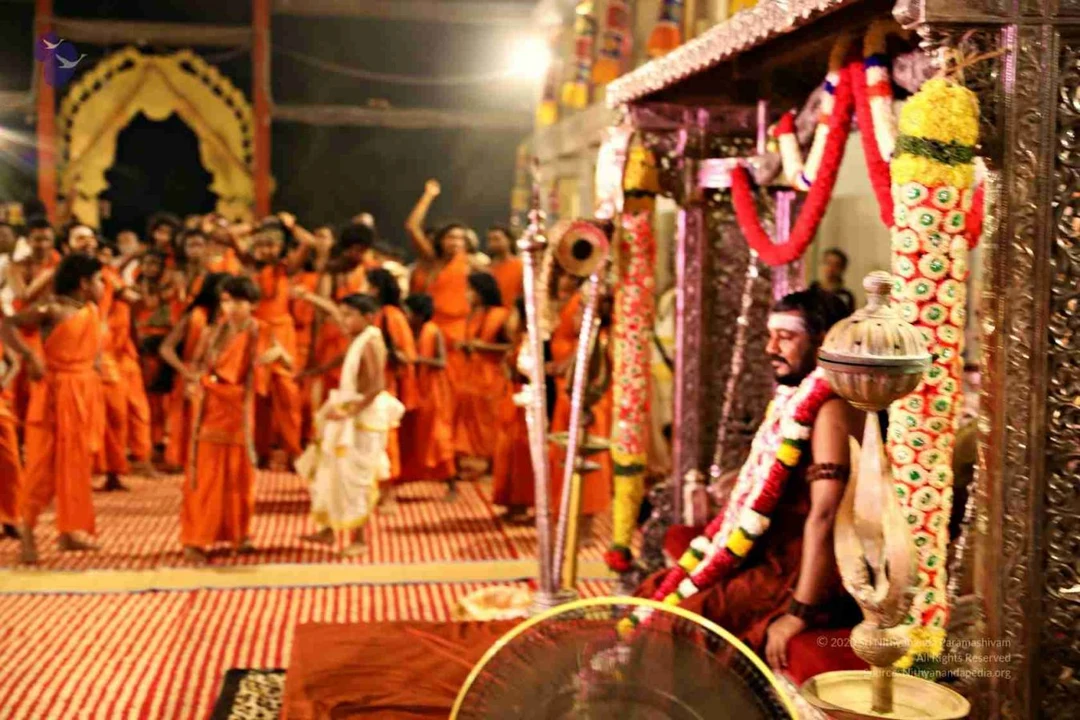 This whole universe is my extension and I am celebrating it
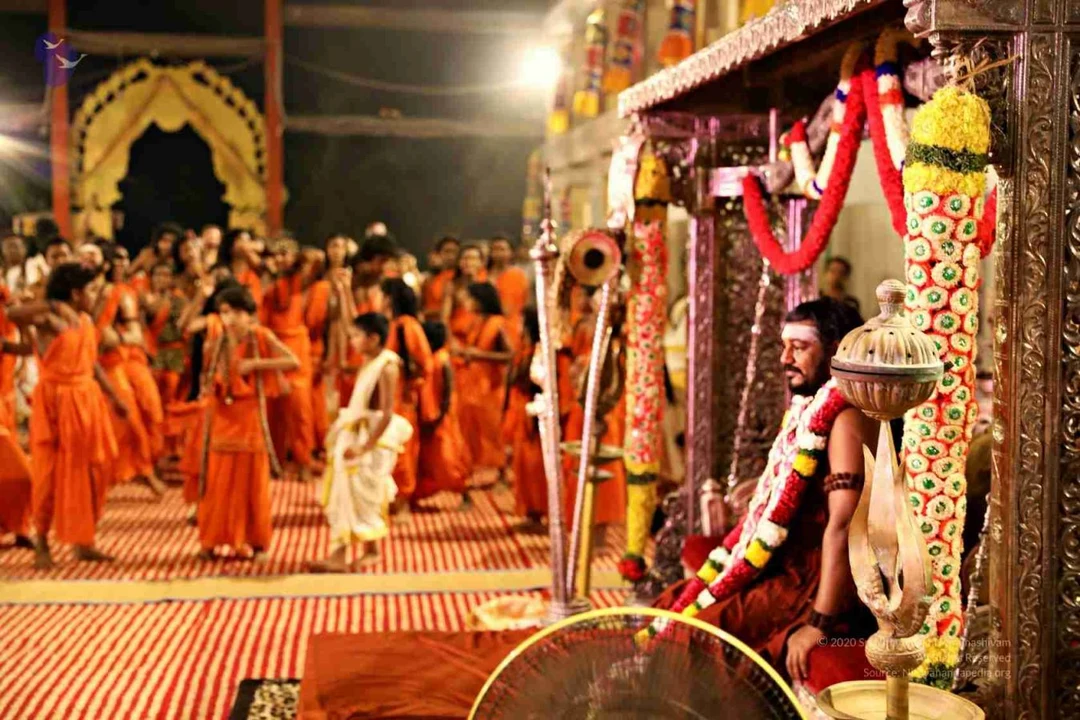 This whole universe is my extension and I am celebrating it
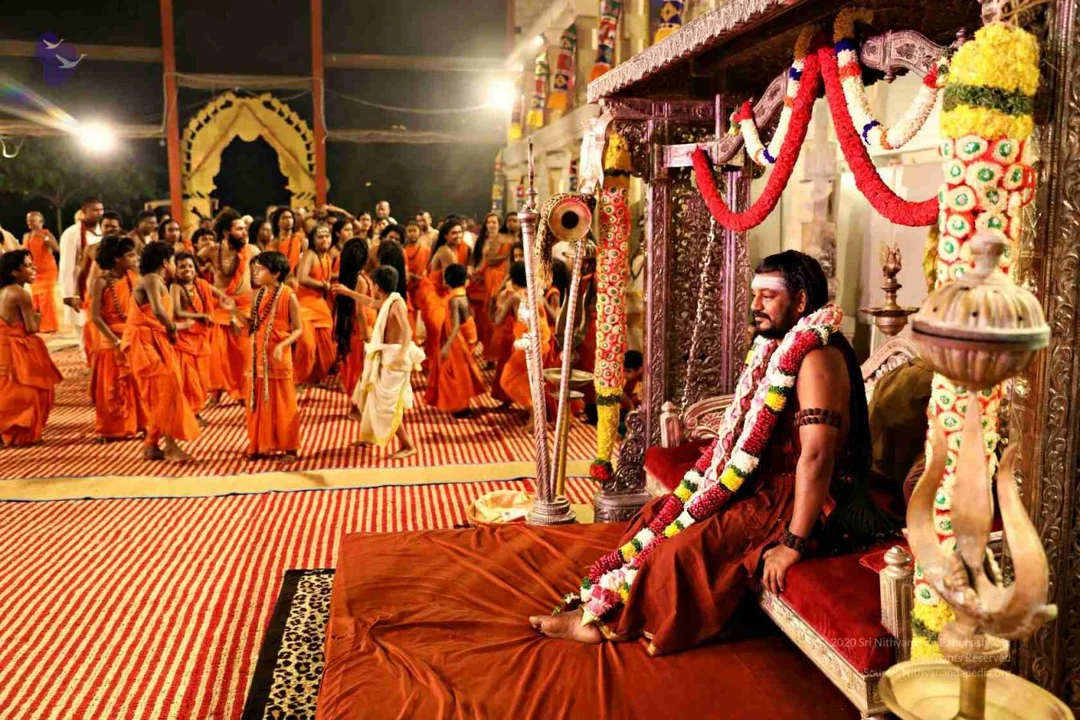 This whole universe is my extension and I am celebrating it
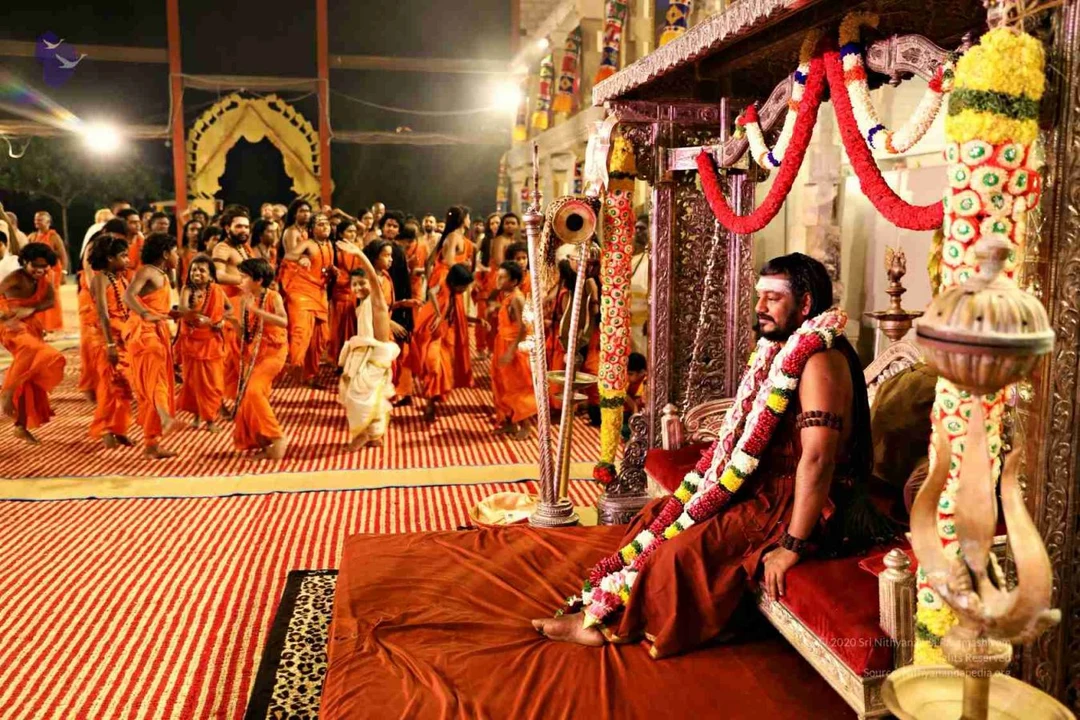 This whole universe is my extension and I am celebrating it
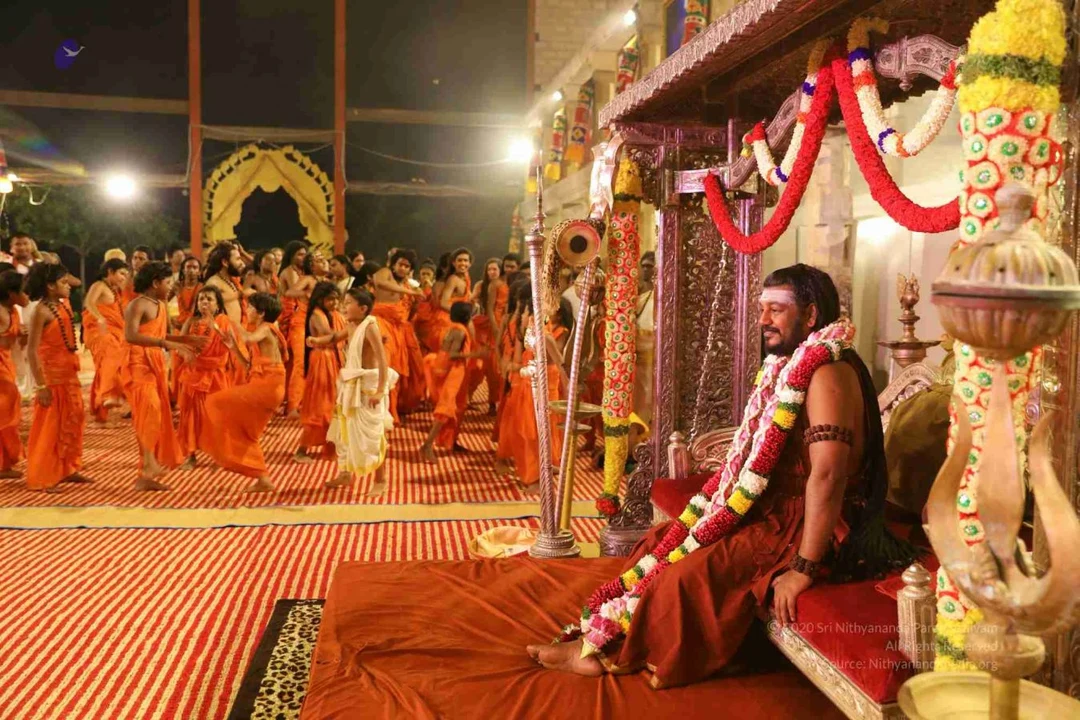 This whole universe is my extension and I am celebrating it
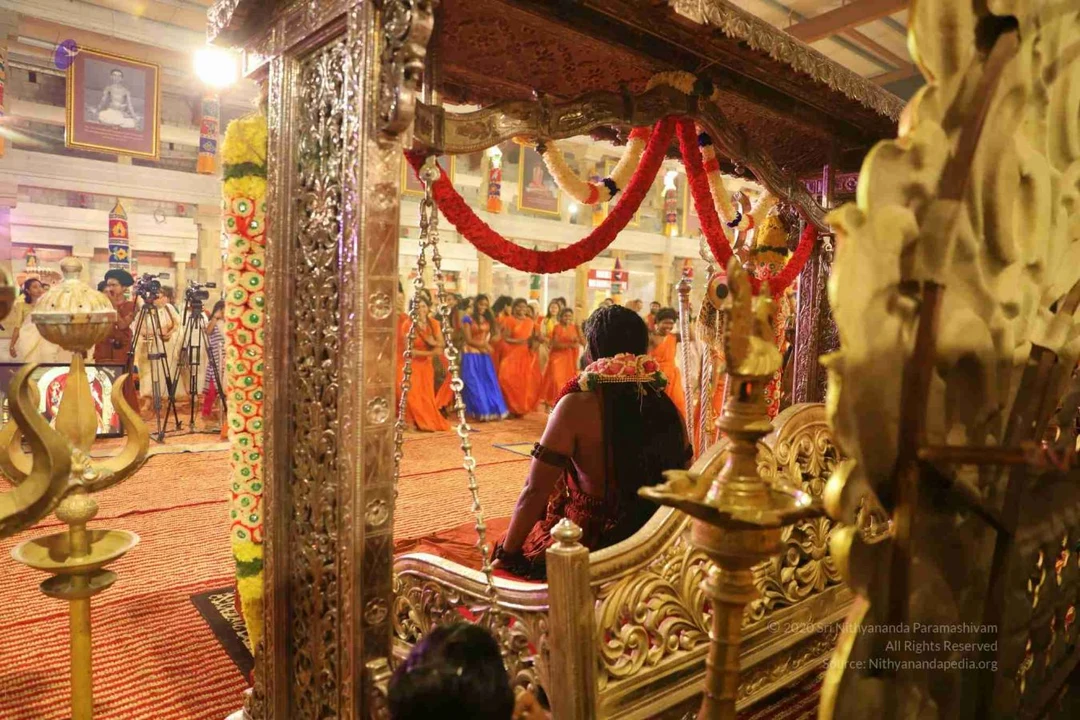 This whole universe is my extension and I am celebrating it
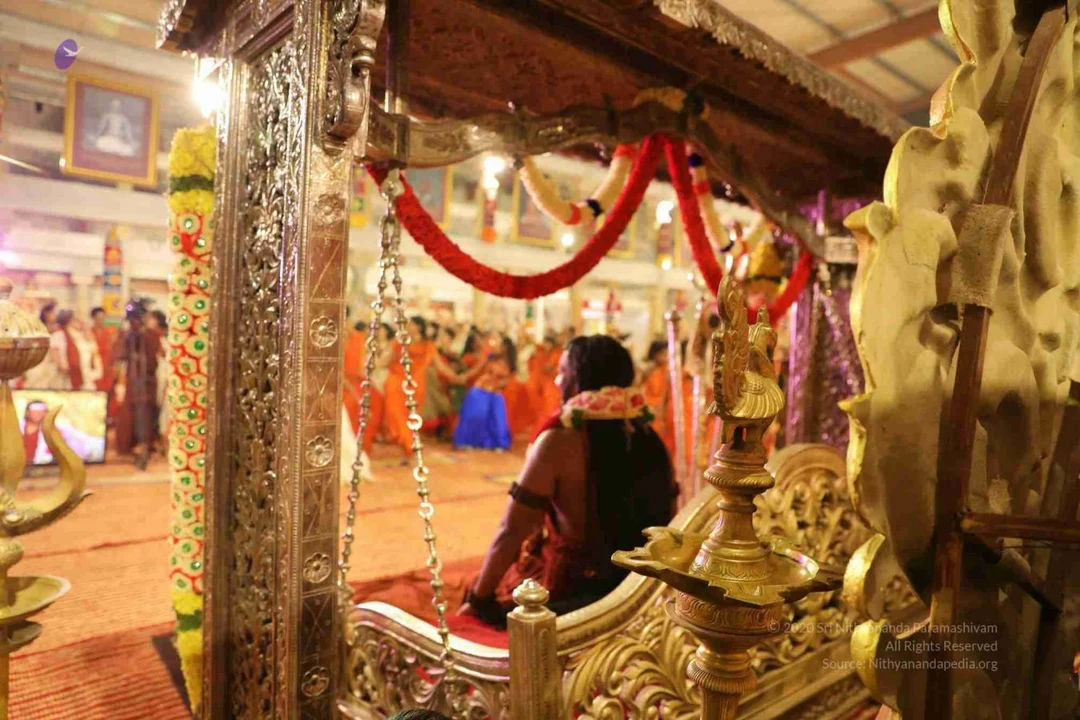 This whole universe is my extension and I am celebrating it
 Balasants dance & celebrate in joy
 Balasants dance & celebrate in joy
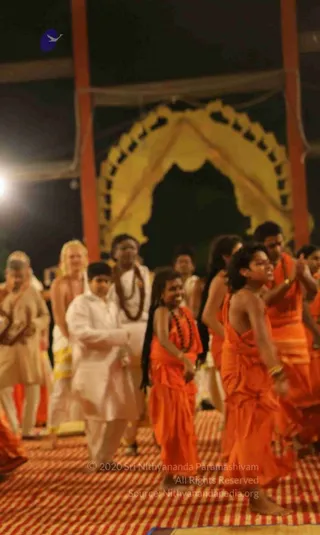 Balasants dance & celebrate in joy
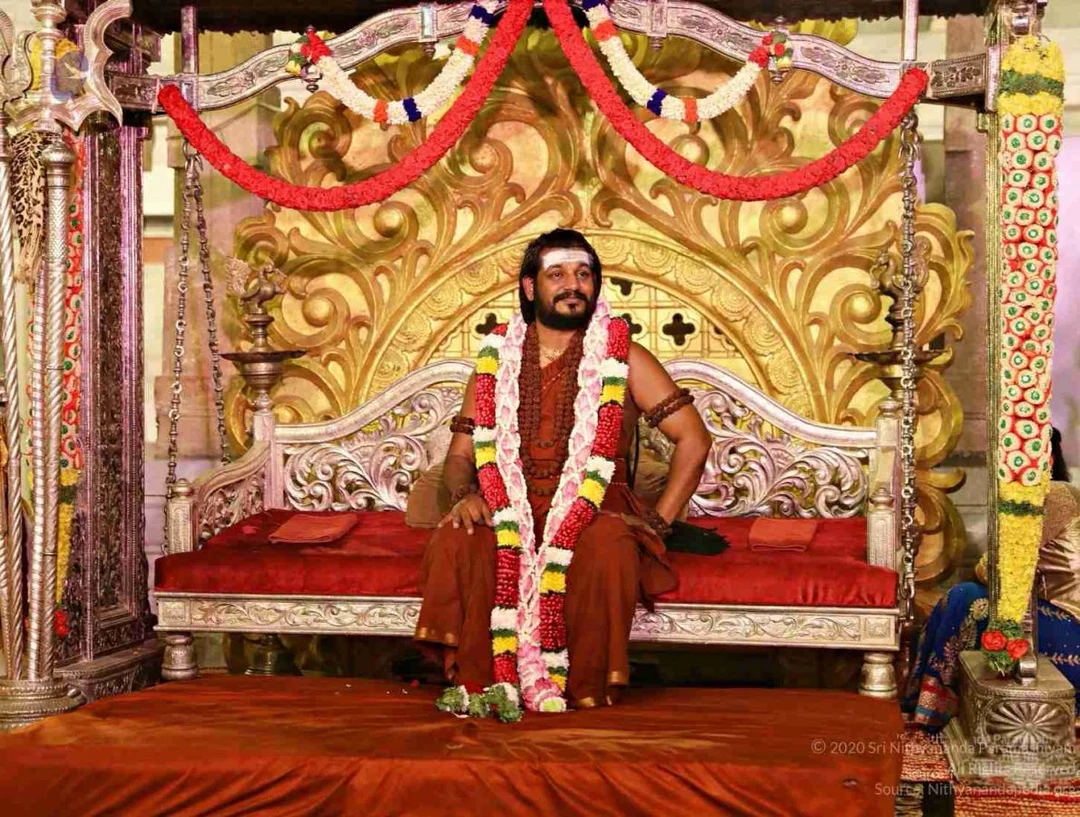 This whole universe is my extension and I am celebrating it
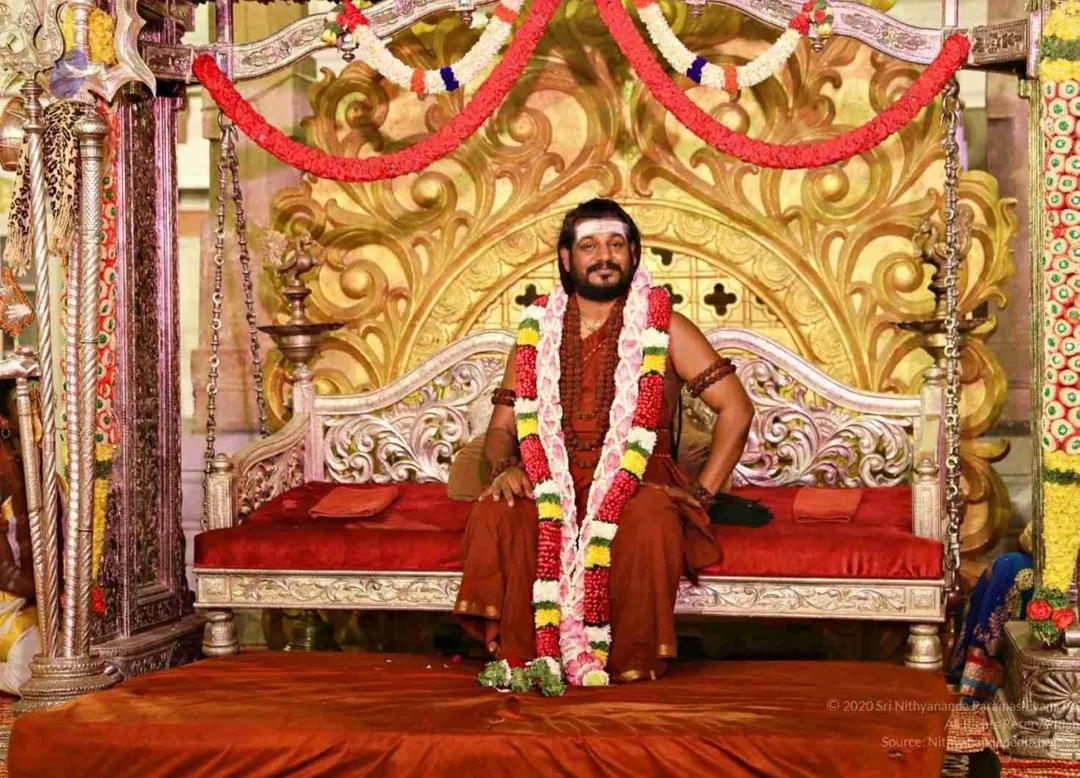 This whole universe is my extension and I am celebrating it
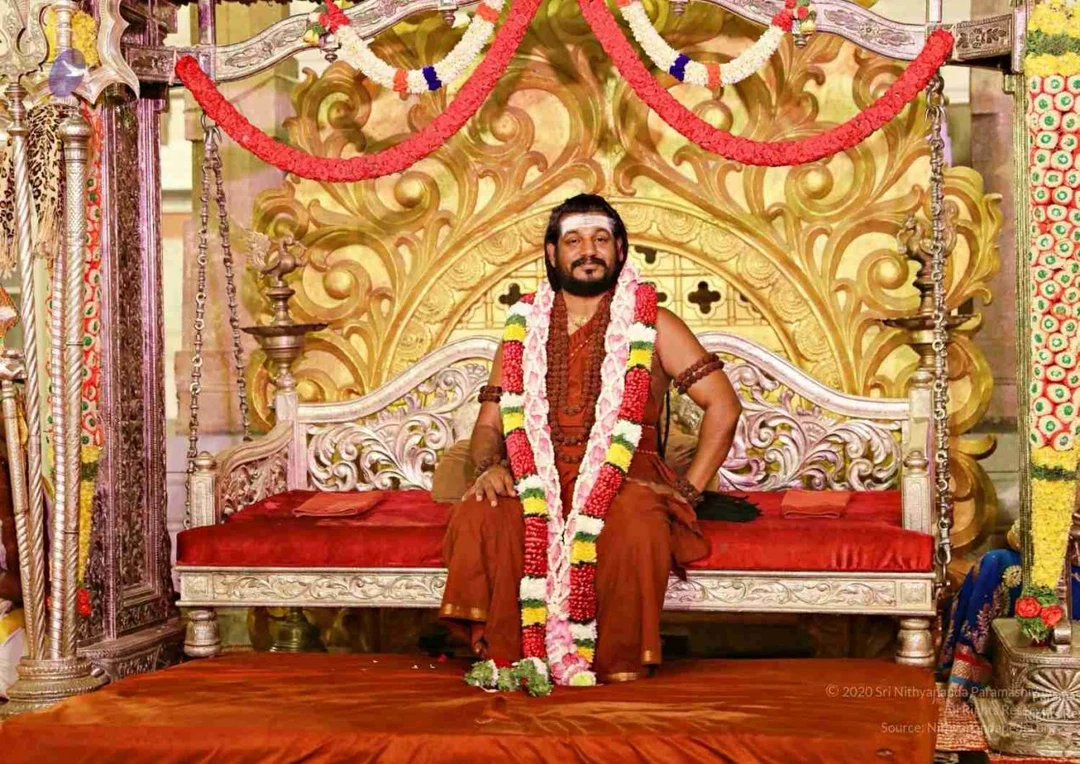 This whole universe is my extension and I am celebrating it
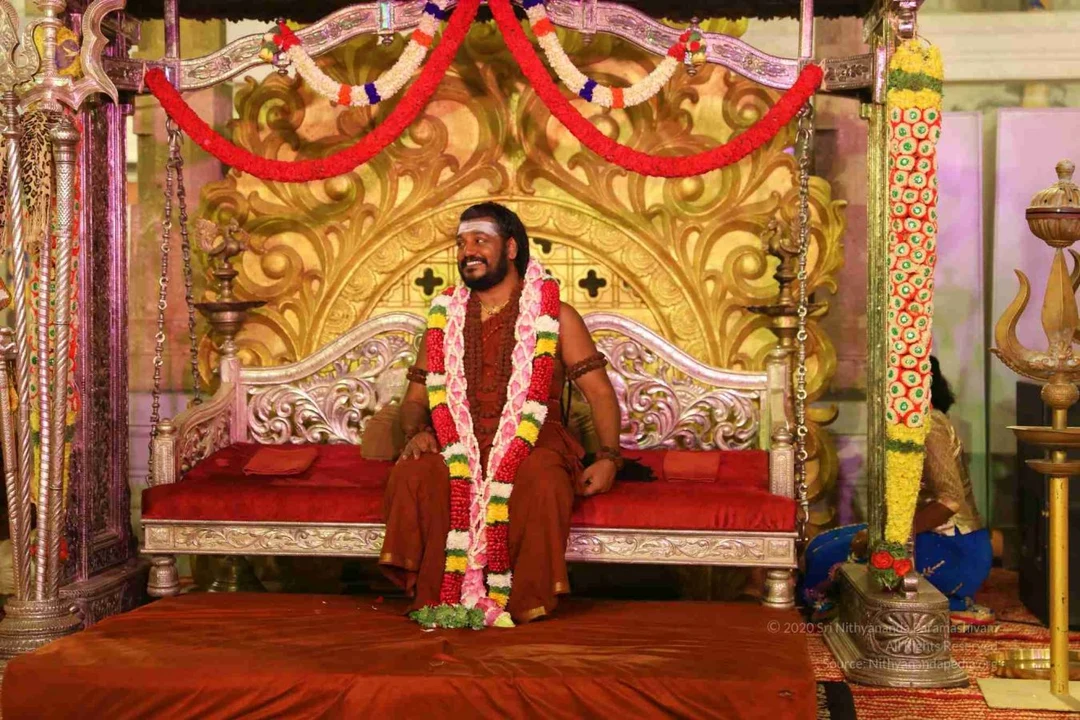 This whole universe is my extension and I am celebrating it
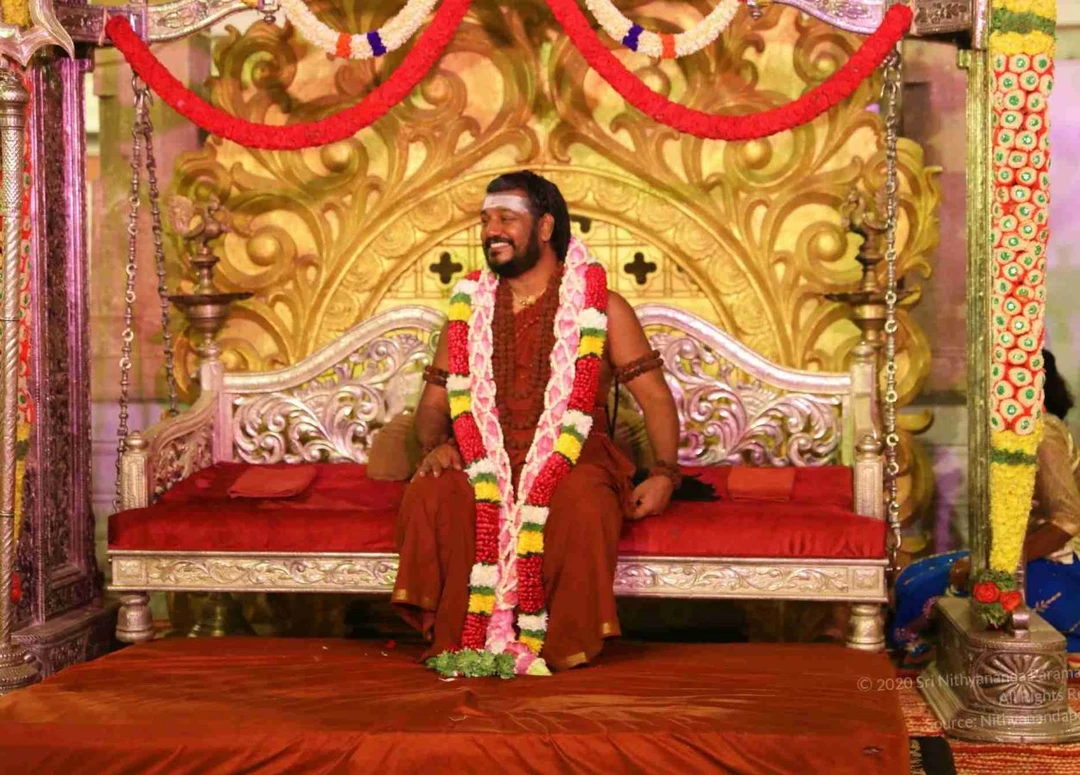 This whole universe is my extension and I am celebrating it
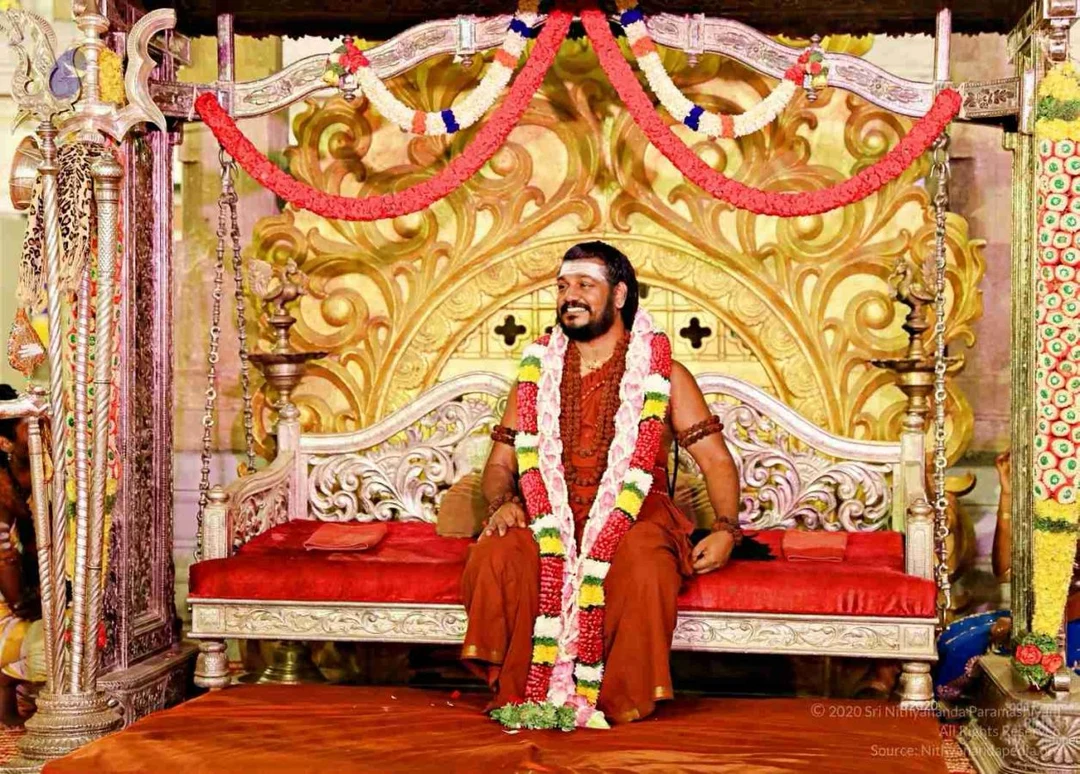 This whole universe is my extension and I am celebrating it
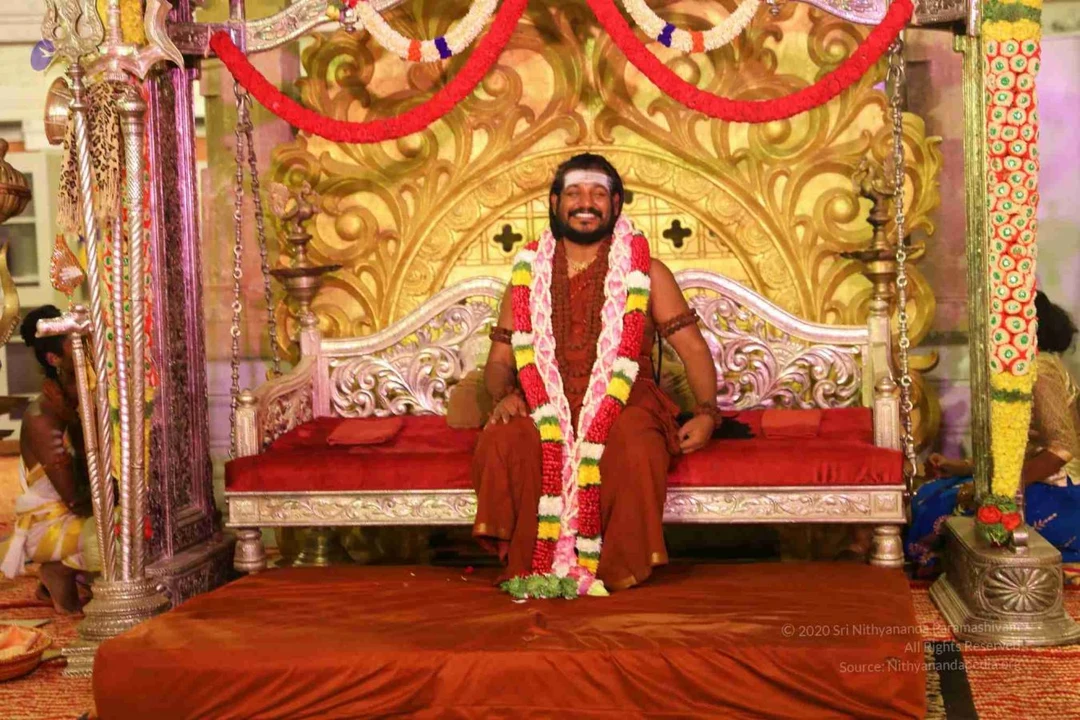 This whole universe is my extension and I am celebrating it
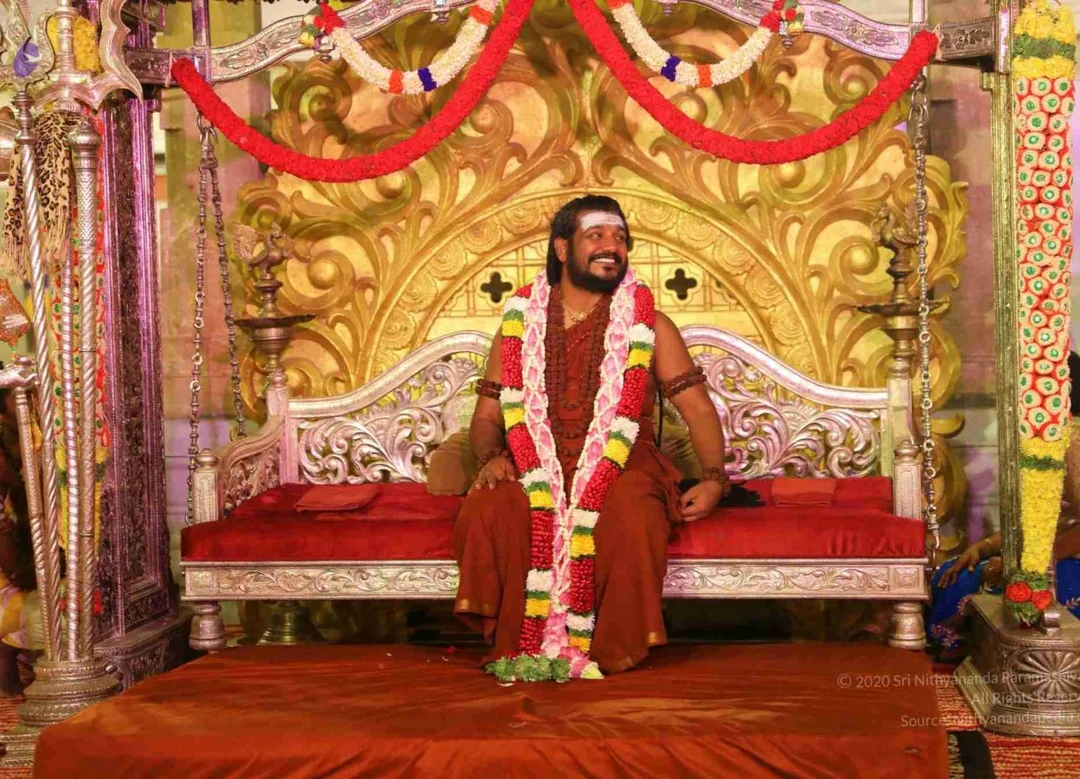 This whole universe is my extension and I am celebrating it
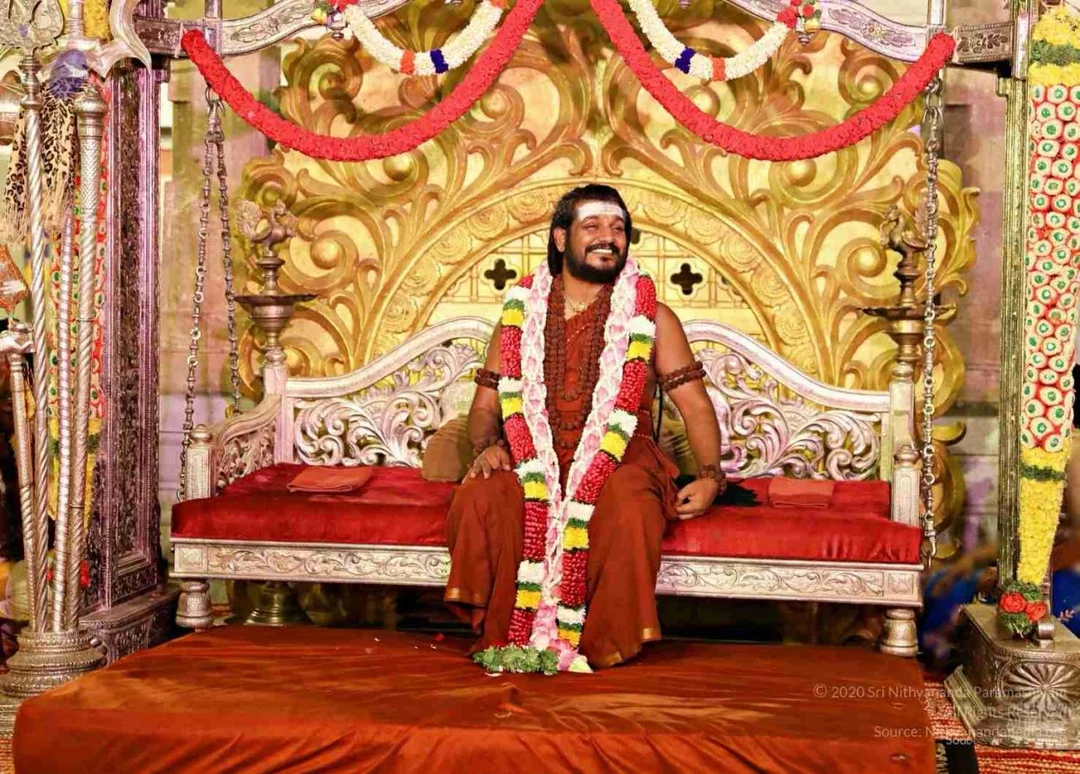 This whole universe is my extension and I am celebrating it
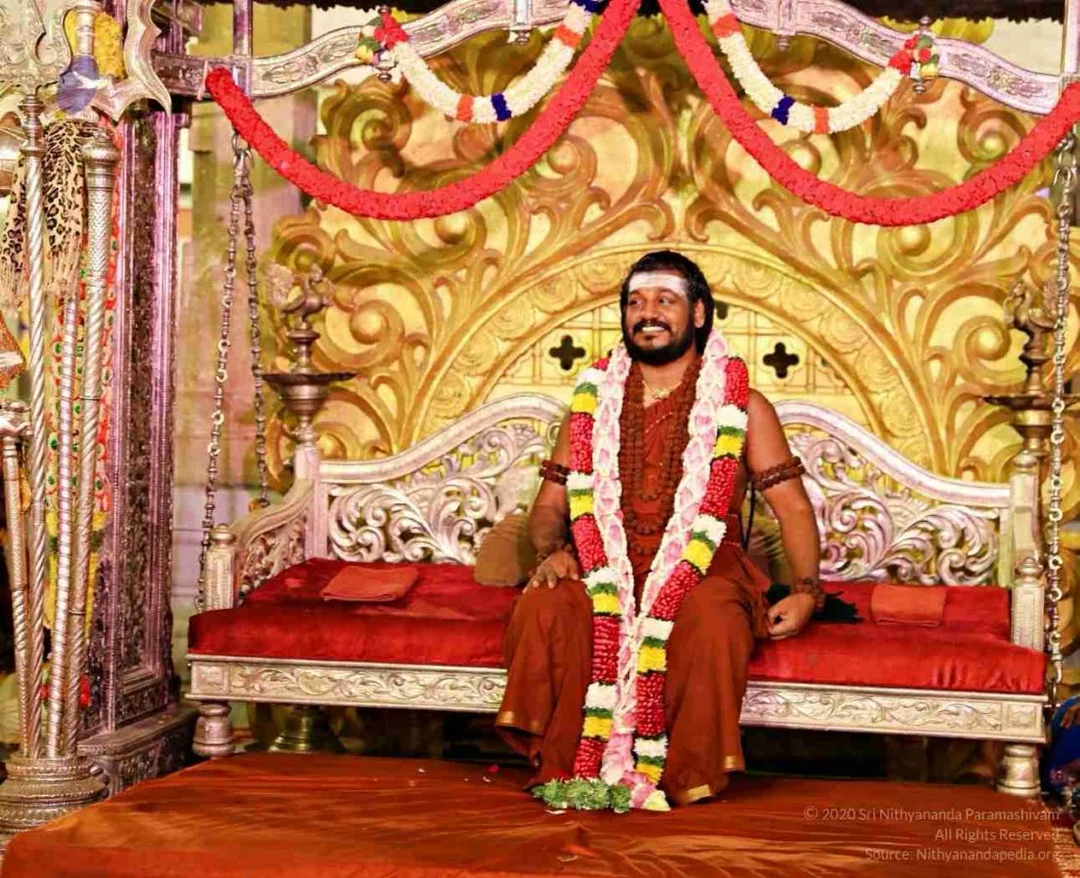 This whole universe is my extension and I am celebrating it
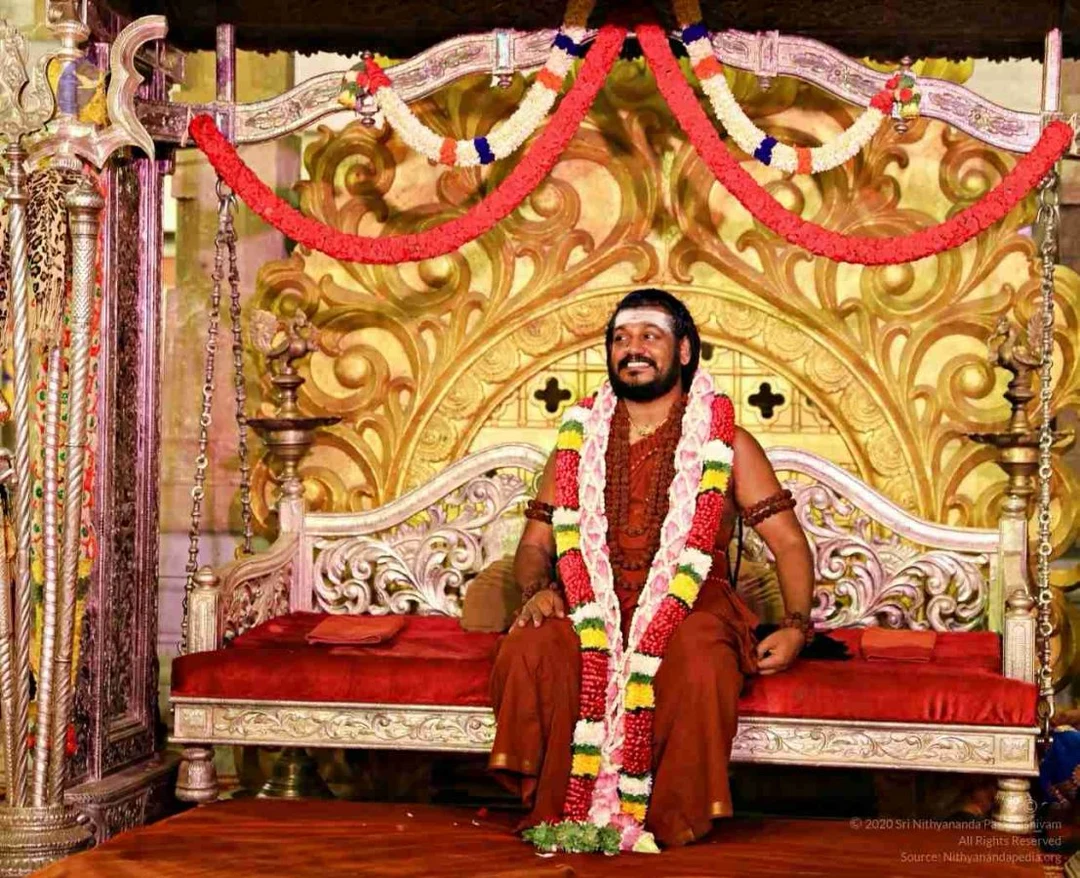 This whole universe is my extension and I am celebrating it
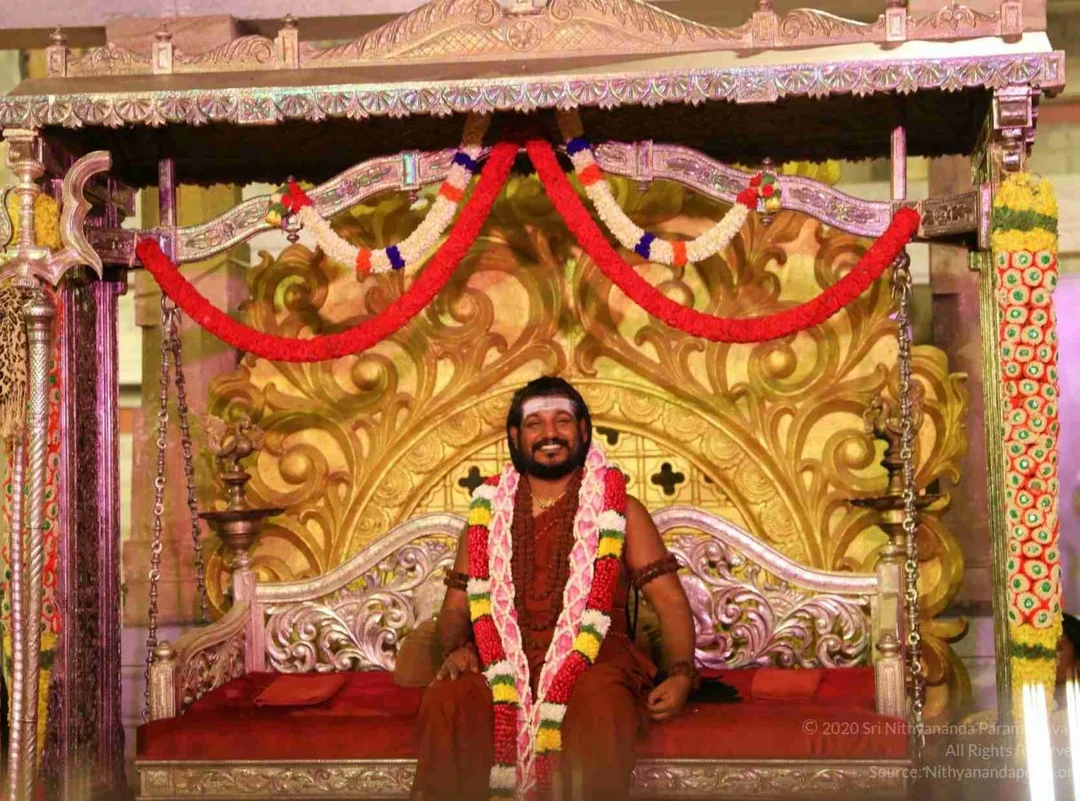 This whole universe is my extension and I am celebrating it
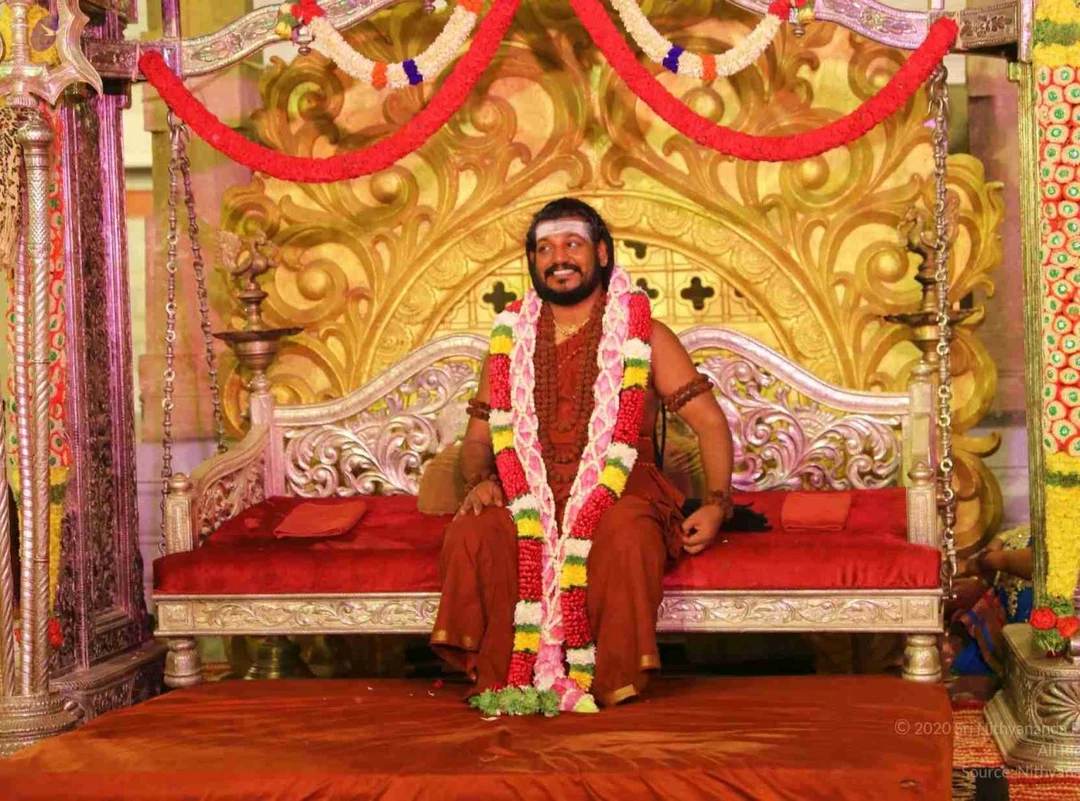 This whole universe is my extension and I am celebrating it
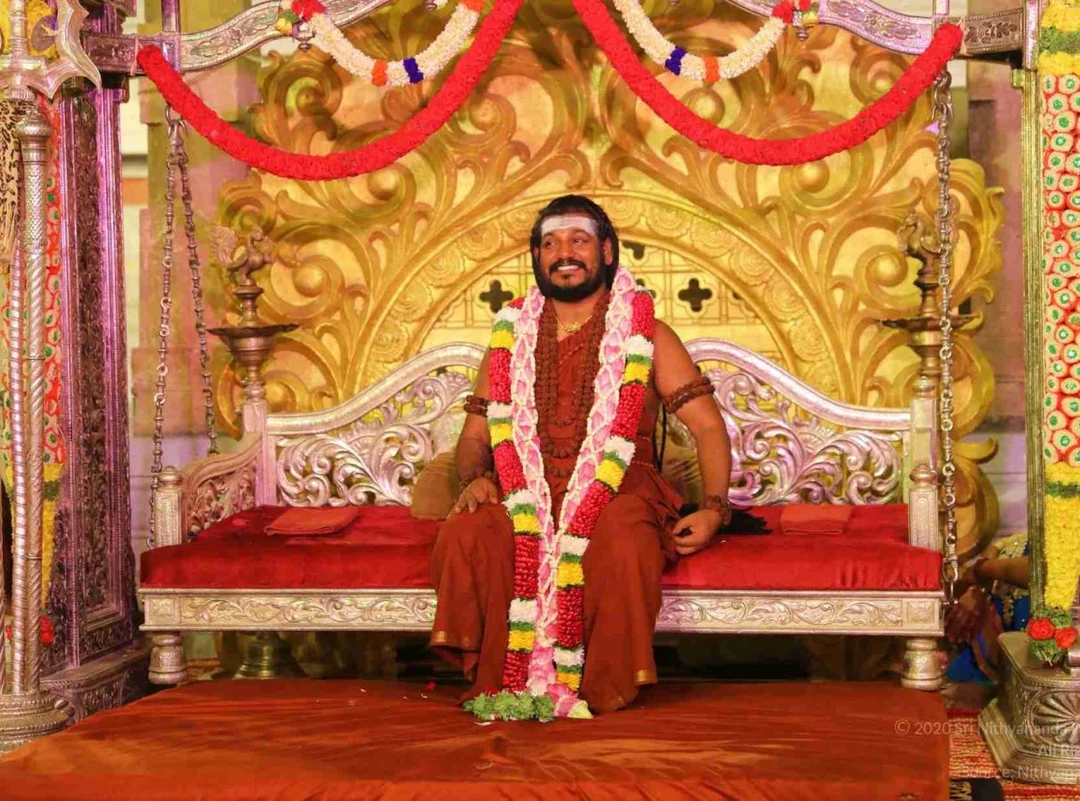 This whole universe is my extension and I am celebrating it
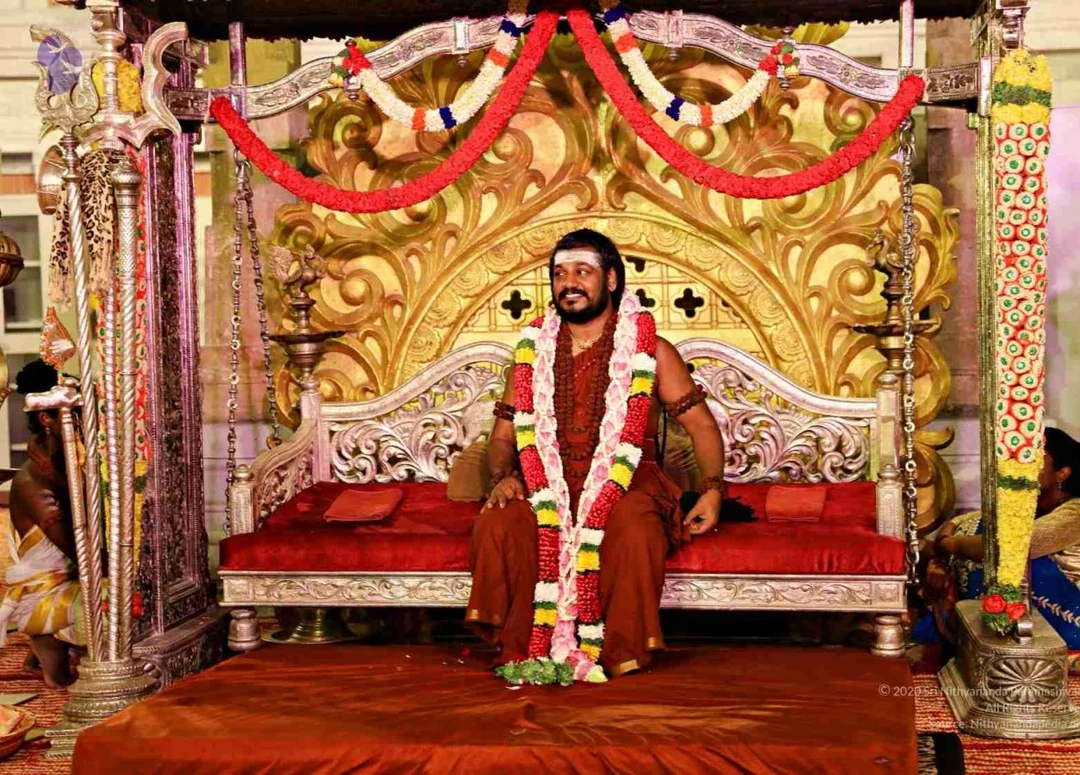 This whole universe is my extension and I am celebrating it
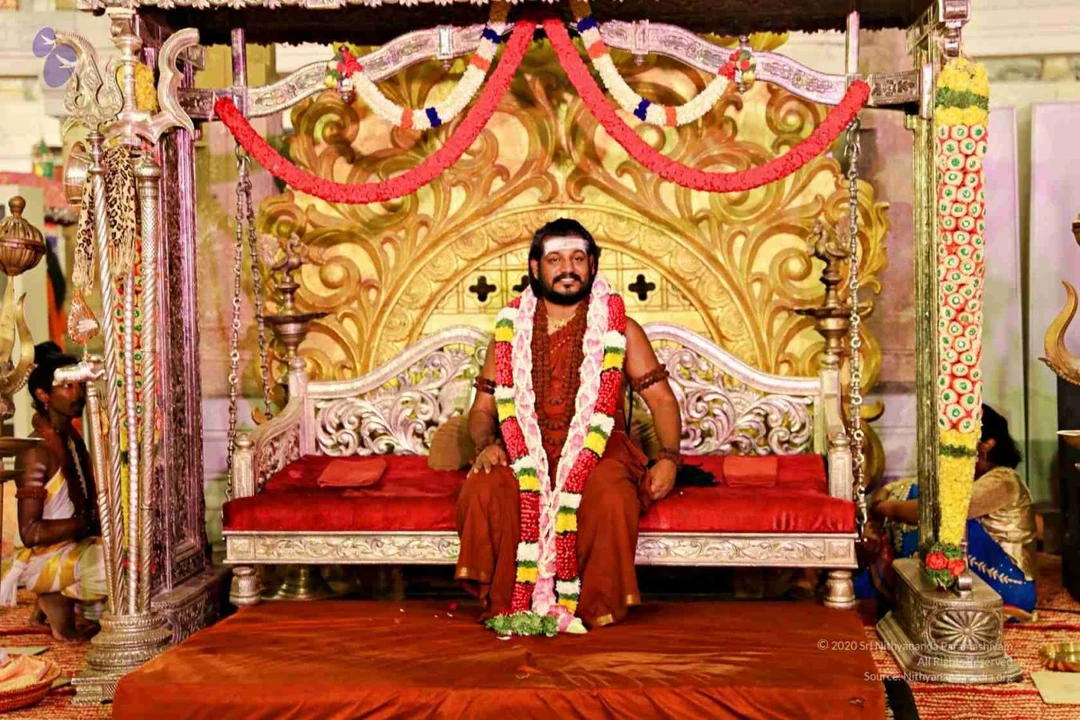 This whole universe is my extension and I am celebrating it
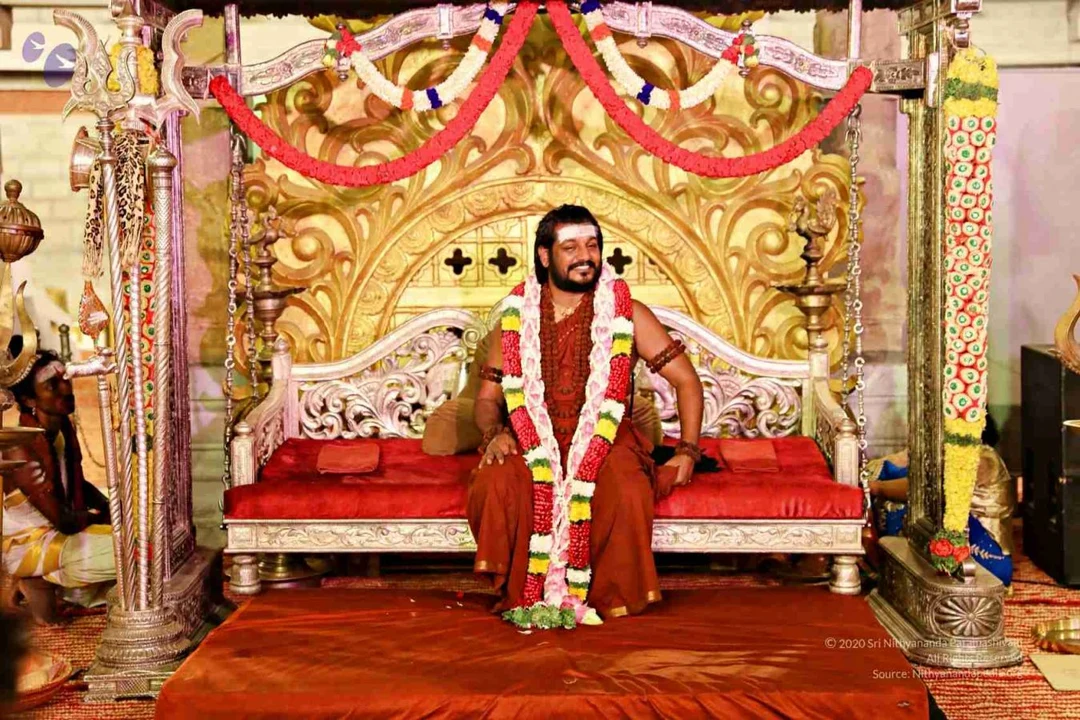 This whole universe is my extension and I am celebrating it
 This whole universe is my extension and I am celebrating it
 This whole universe is my extension and I am celebrating it
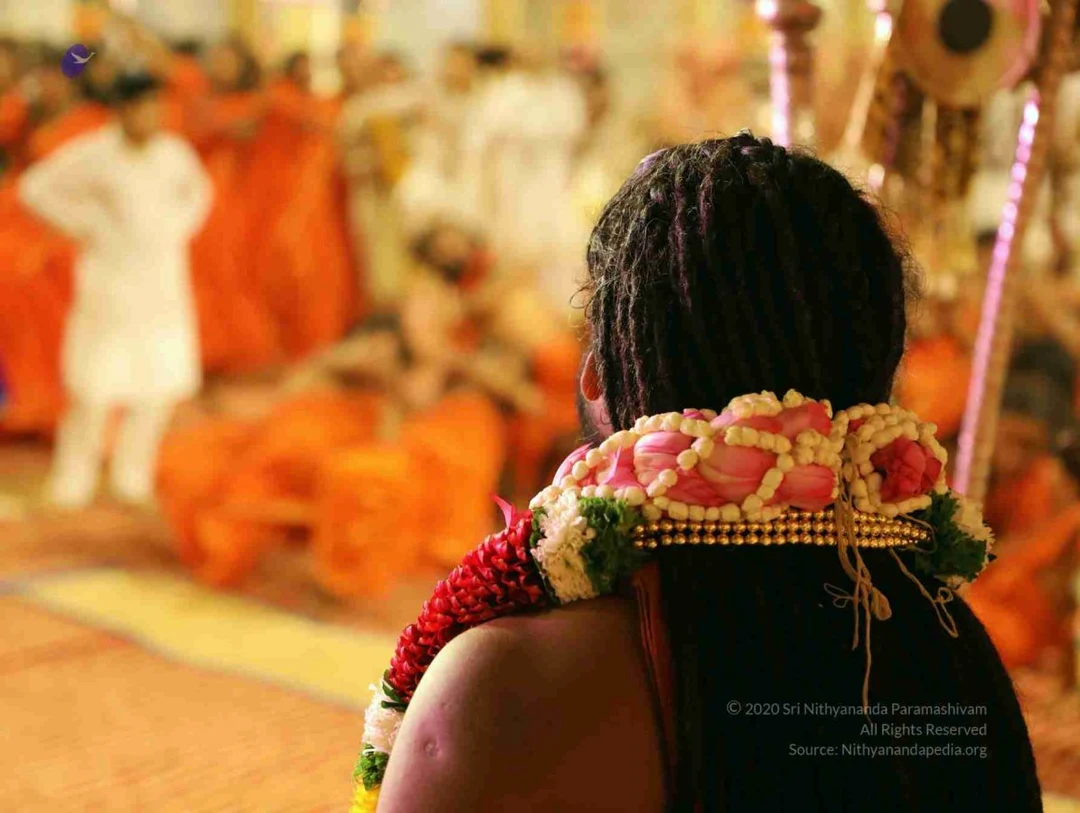 This whole universe is my extension and I am celebrating it
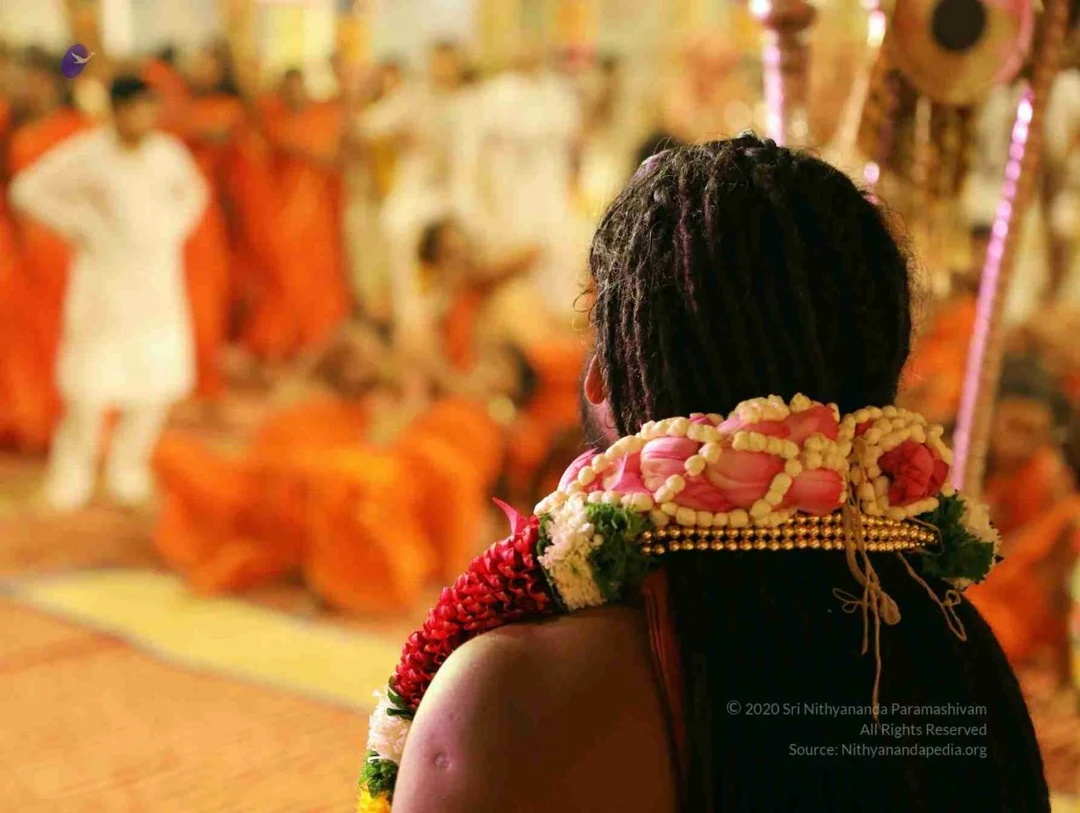 This whole universe is my extension and I am celebrating it
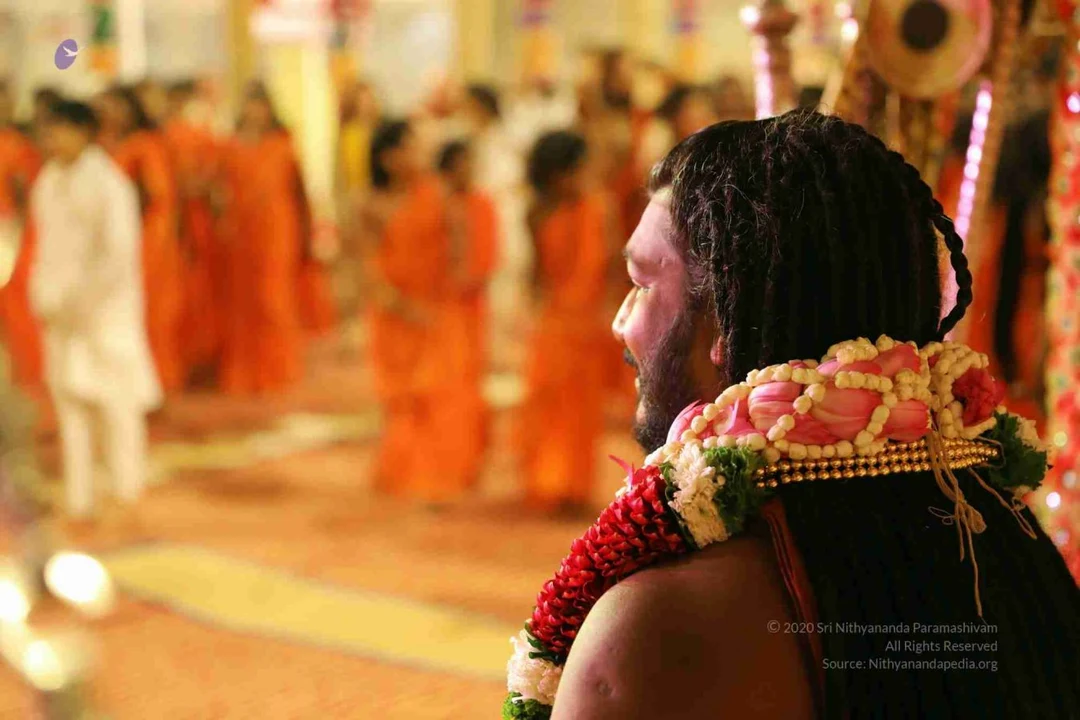 This whole universe is my extension and I am celebrating it
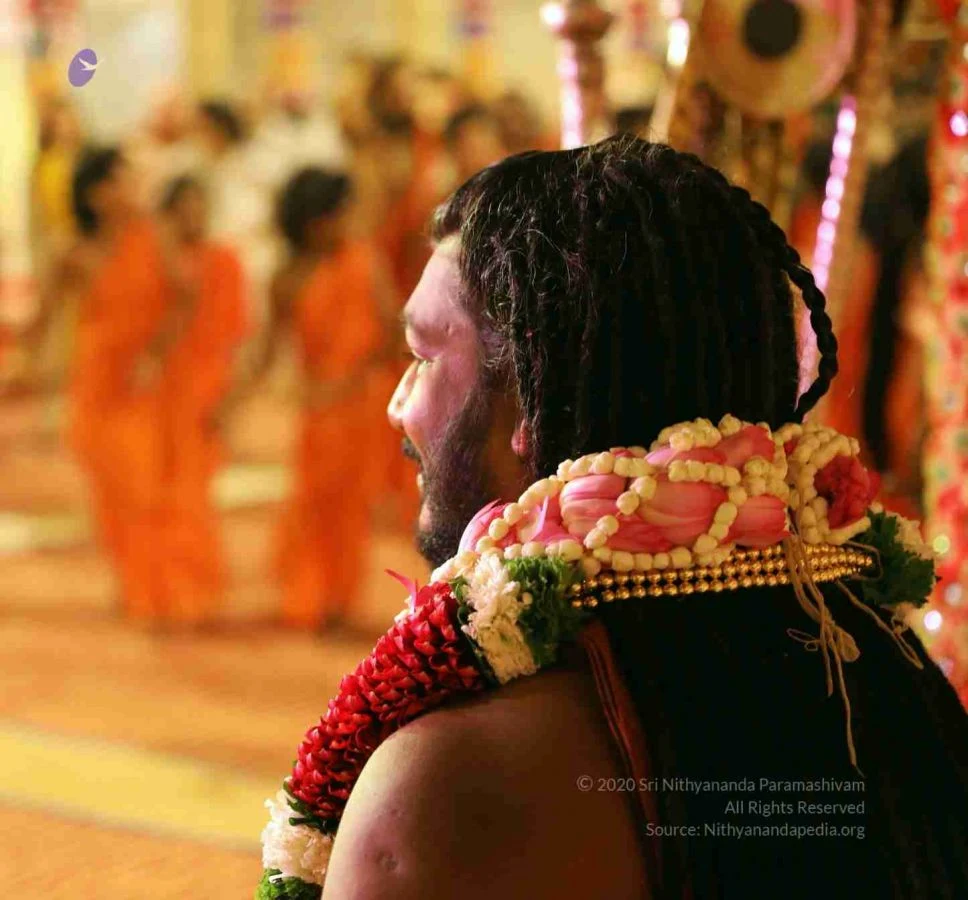 This whole universe is my extension and I am celebrating it
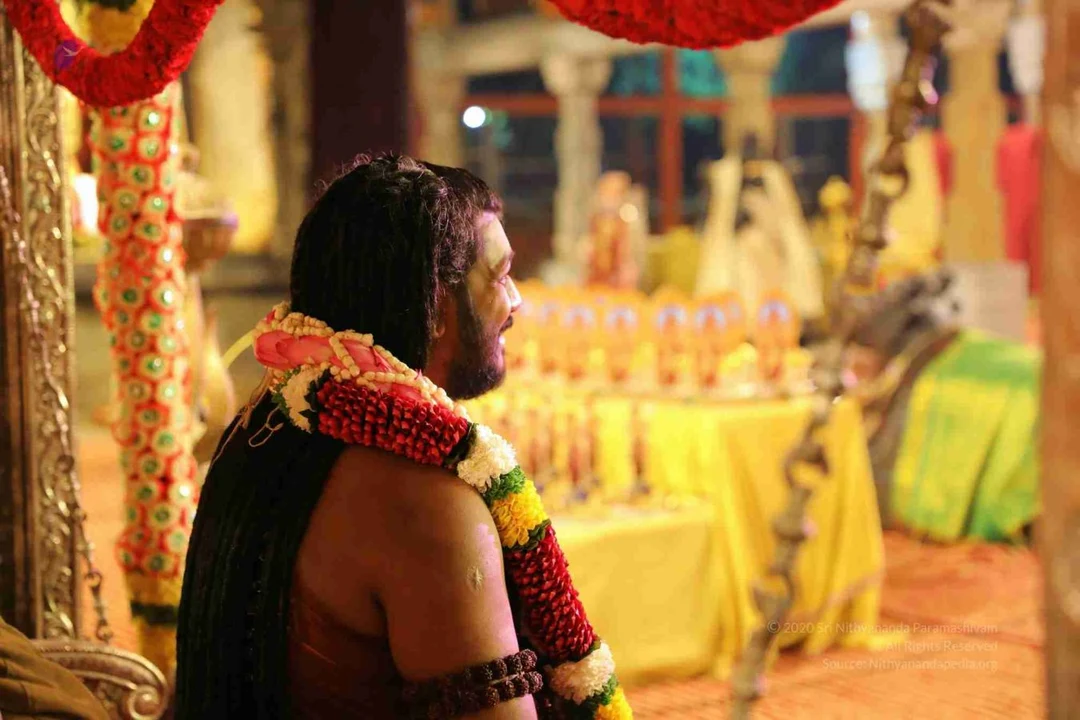 This whole universe is my extension and I am celebrating it
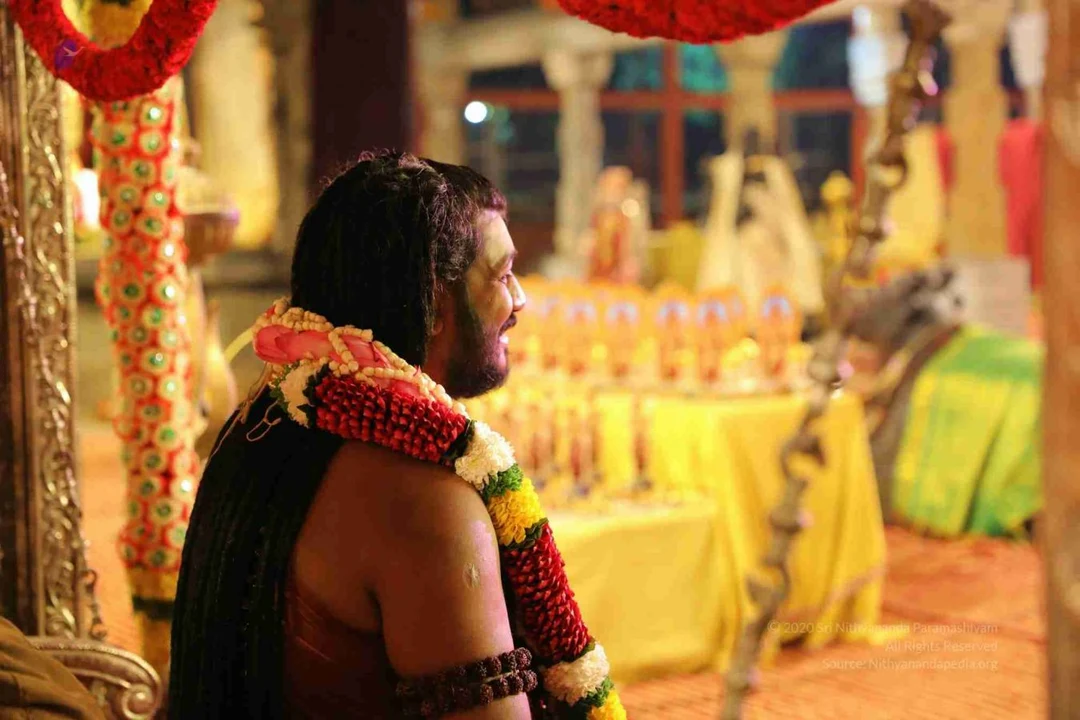 This whole universe is my extension and I am celebrating it
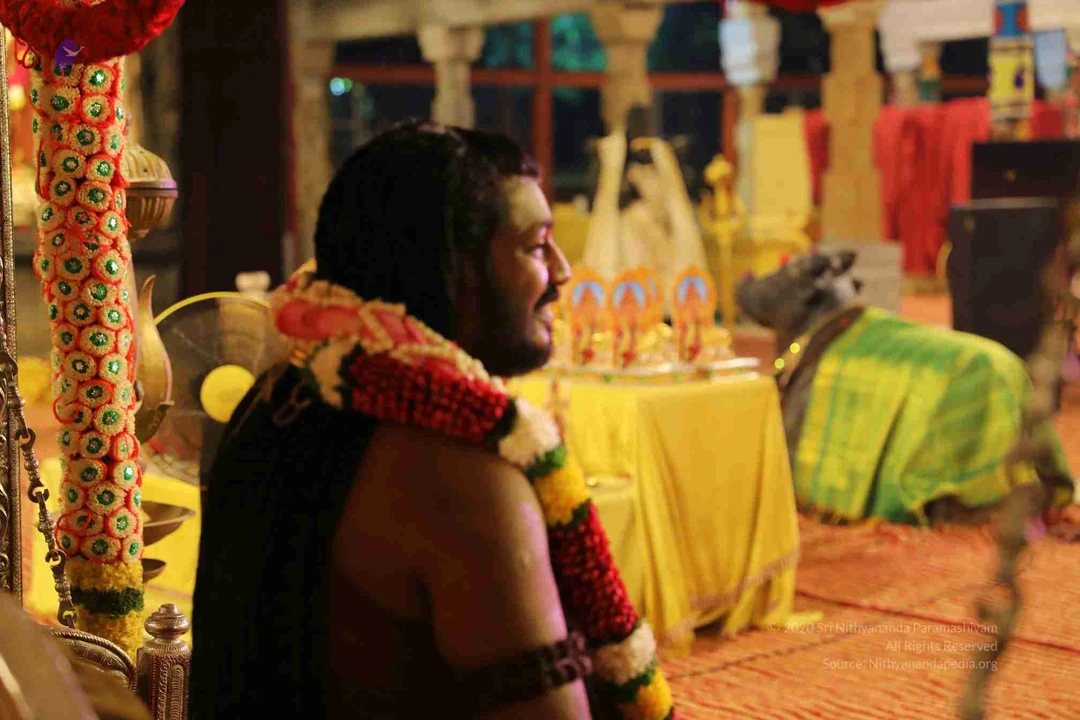 This whole universe is my extension and I am celebrating it
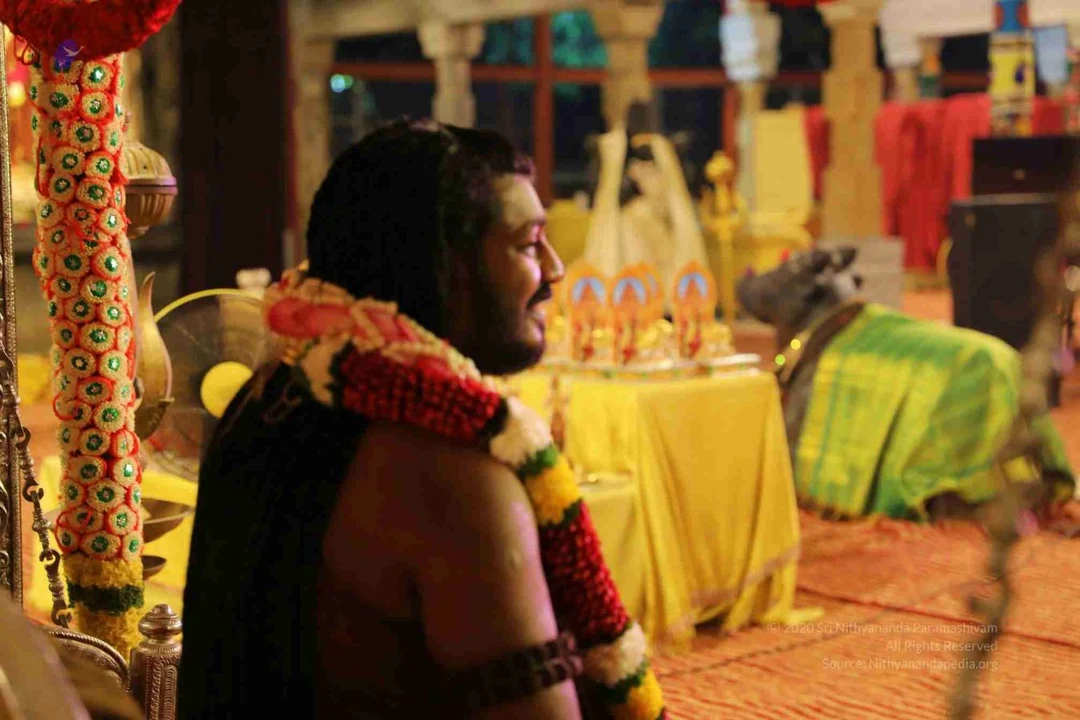 This whole universe is my extension and I am celebrating it
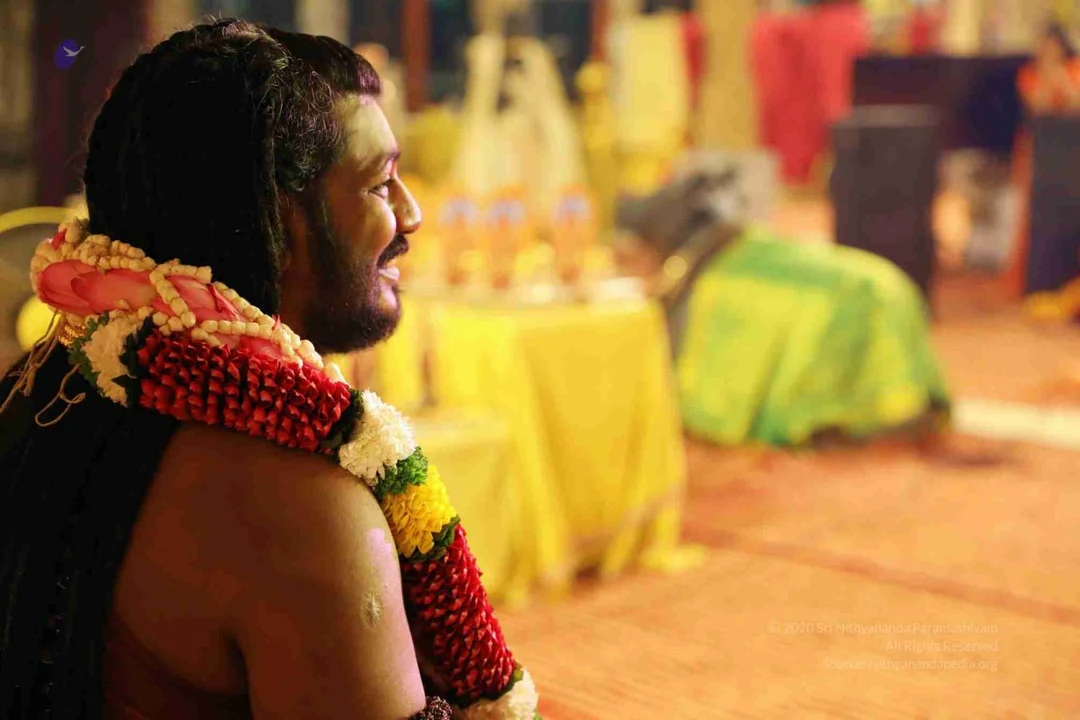 This whole universe is my extension and I am celebrating it
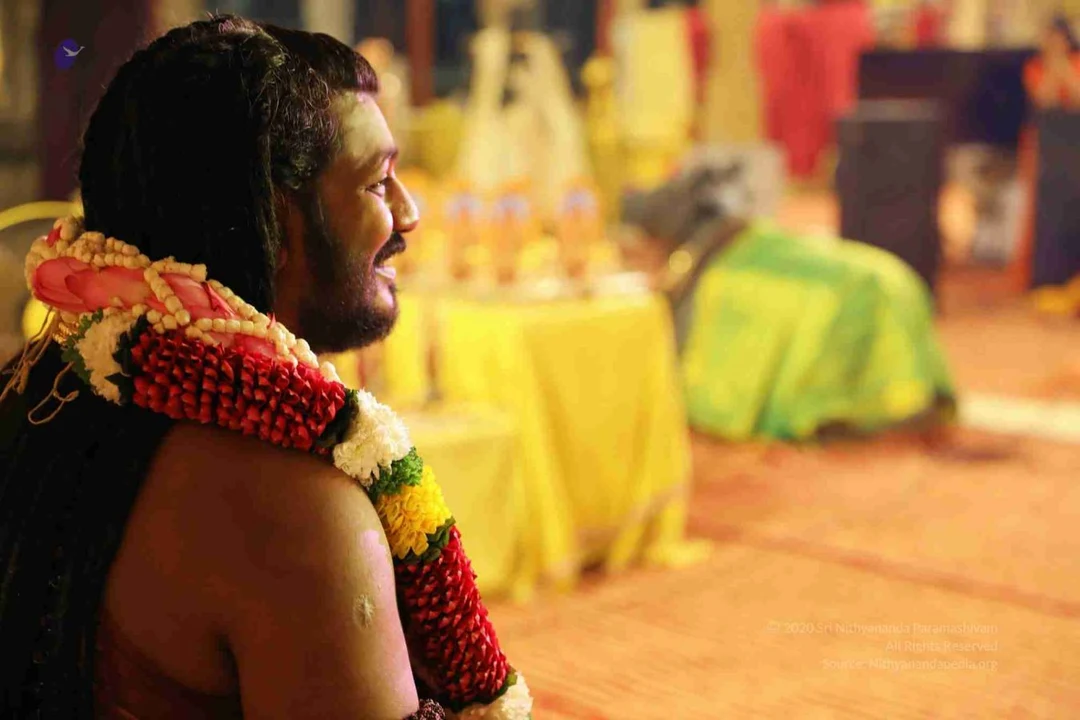 This whole universe is my extension and I am celebrating it
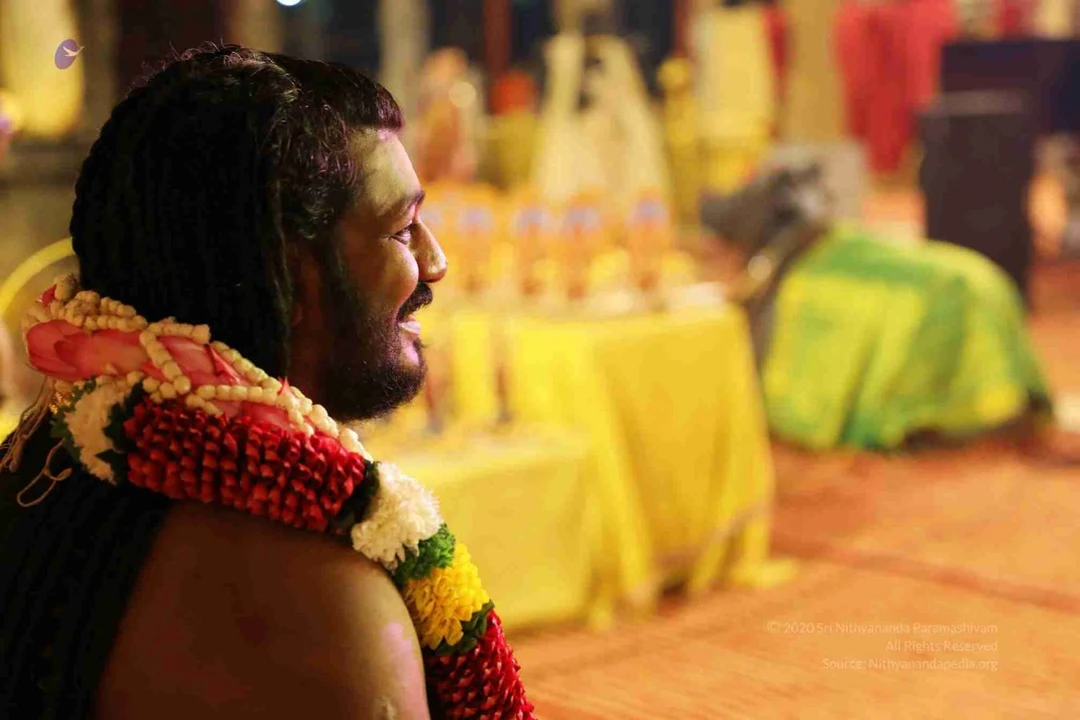 This whole universe is my extension and I am celebrating it
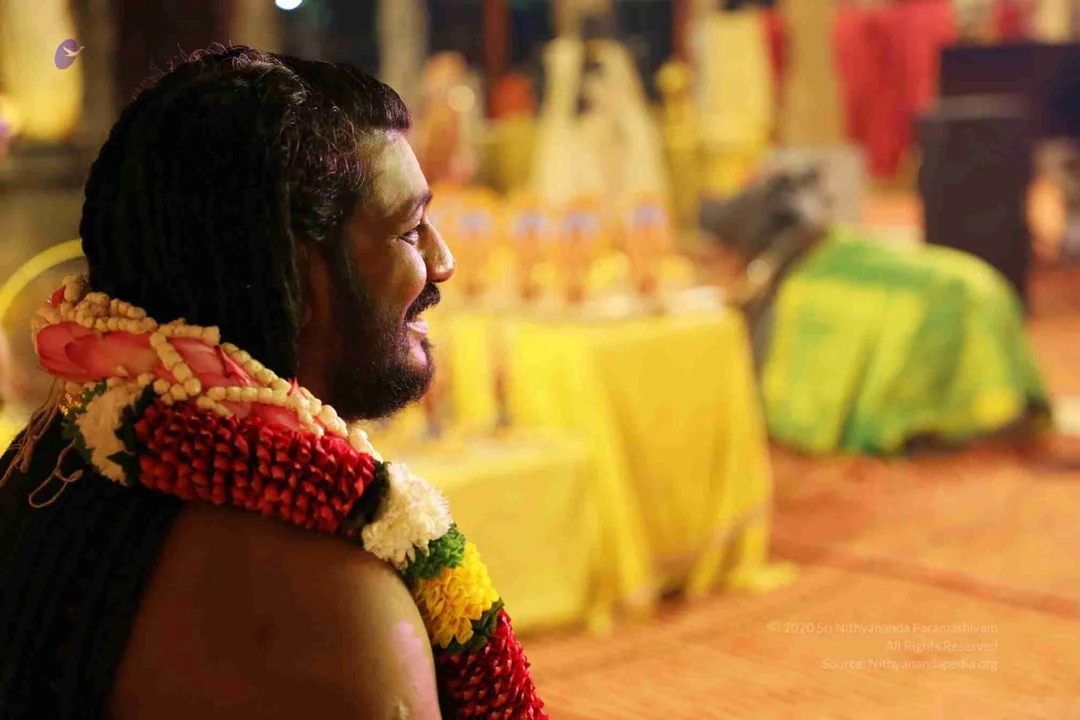 This whole universe is my extension and I am celebrating it
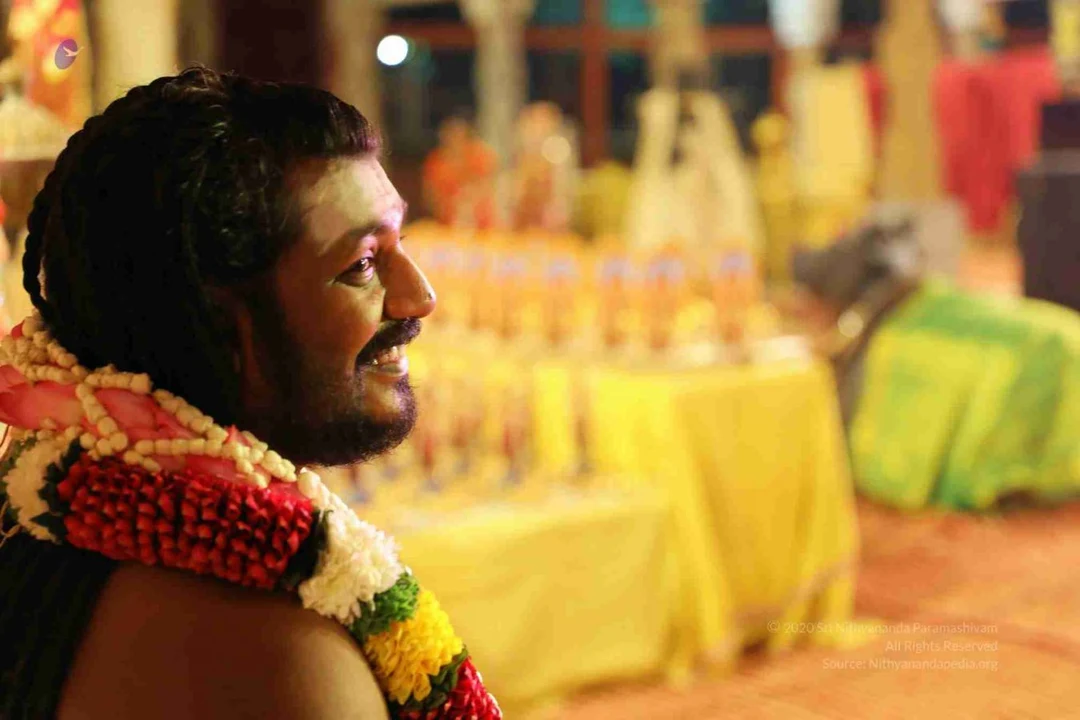 This whole universe is my extension and I am celebrating it
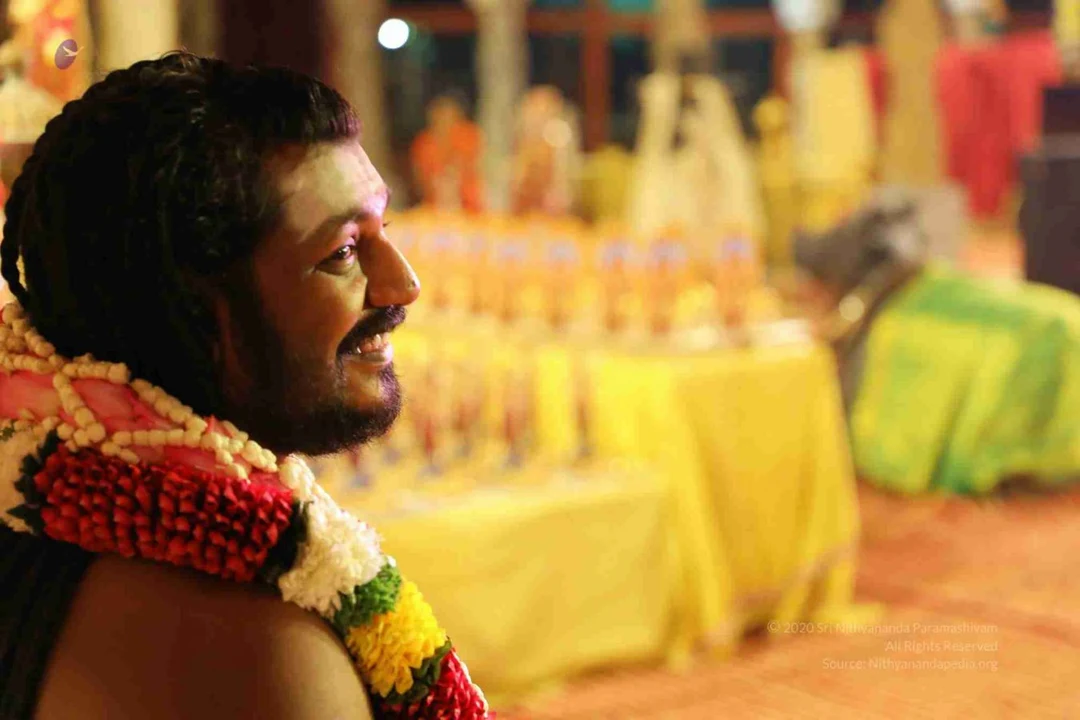 This whole universe is my extension and I am celebrating it
 This whole universe is my extension and I am celebrating it
 This whole universe is my extension and I am celebrating it
 Experience super consciousness, actualize your ultimate potential
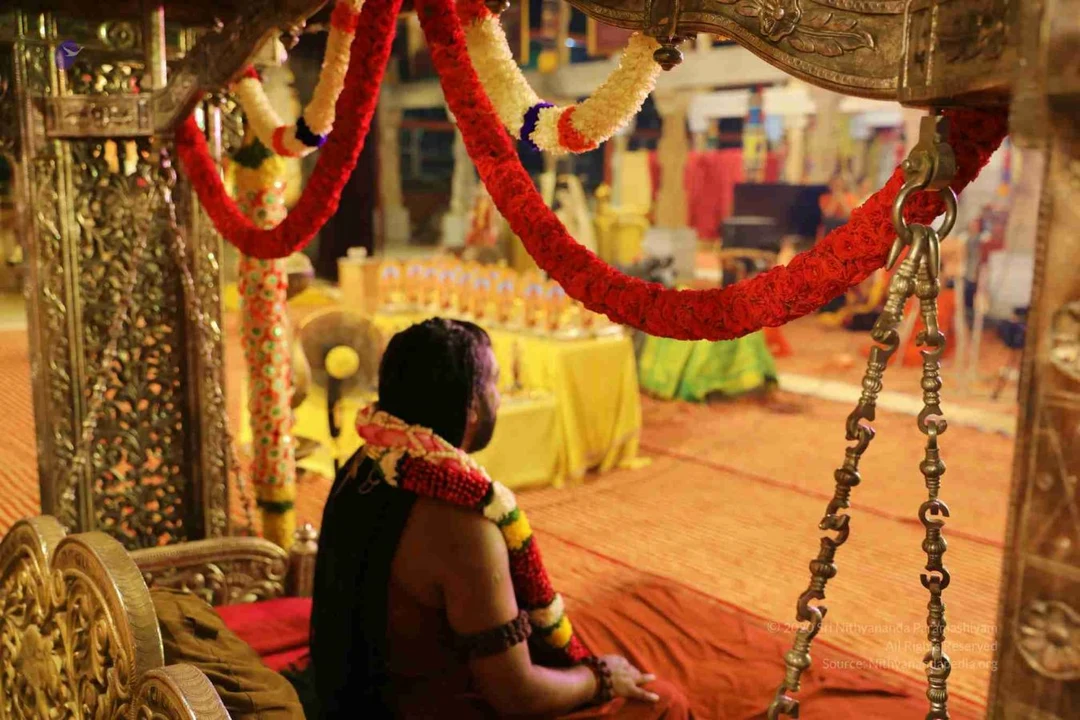 Experience super consciousness, actualize your ultimate potential
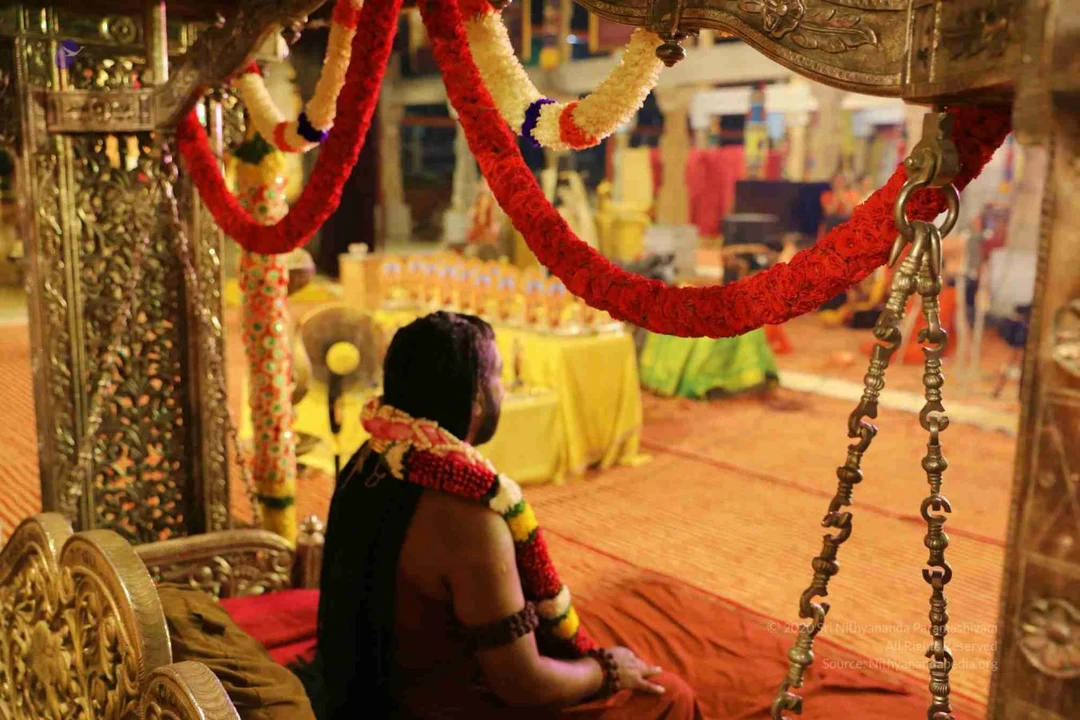 Experience super consciousness, actualize your ultimate potential
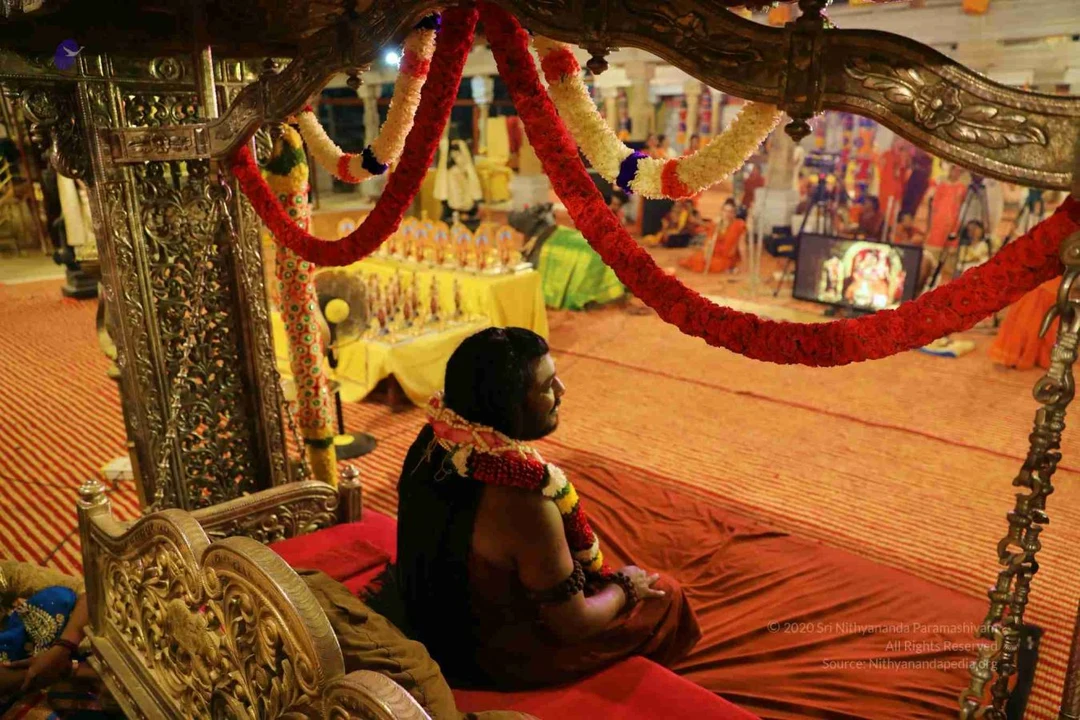 Experience super consciousness, actualize your ultimate potential
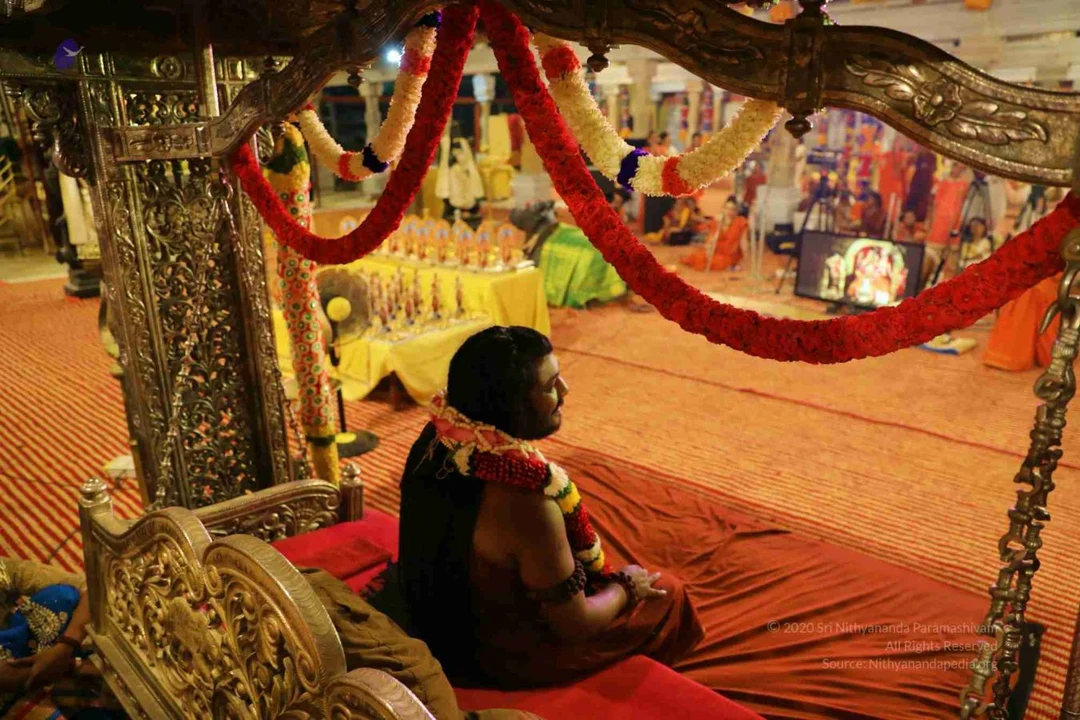 Experience super consciousness, actualize your ultimate potential
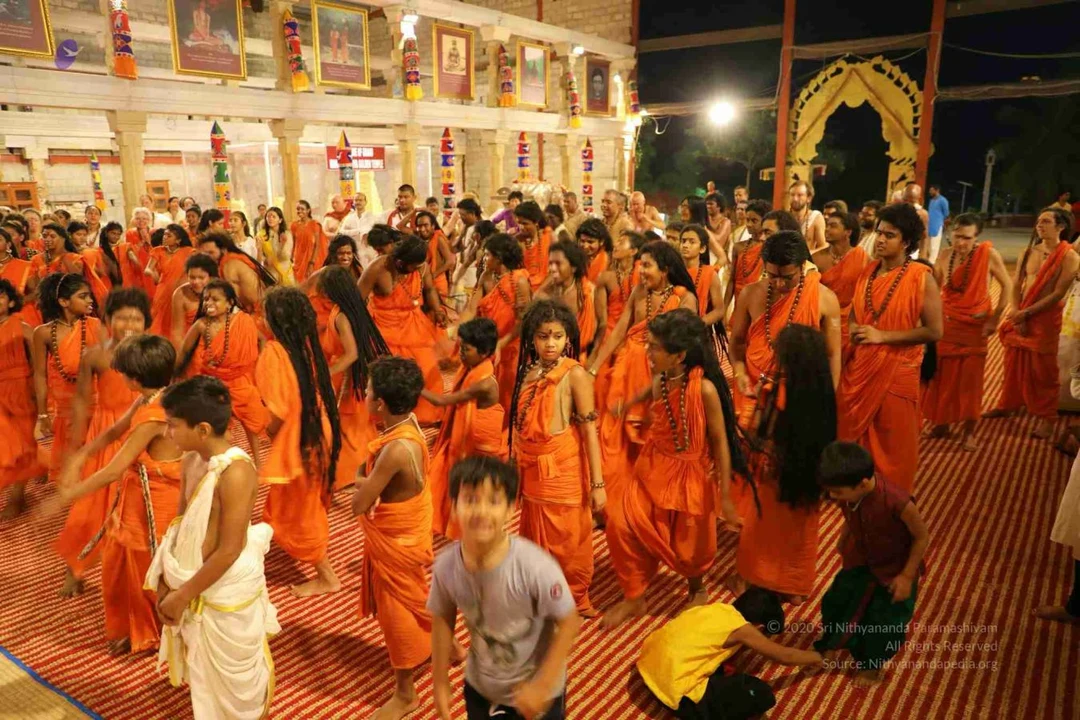 Balasants dance & celebrate in joy
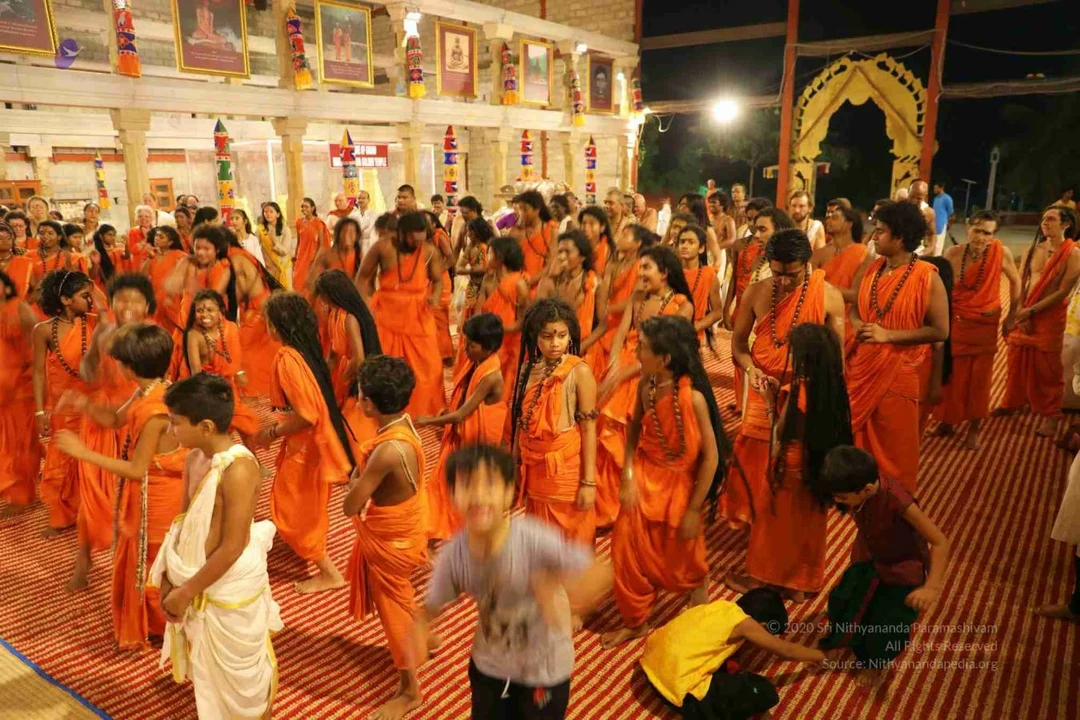 Balasants dance & celebrate in joy
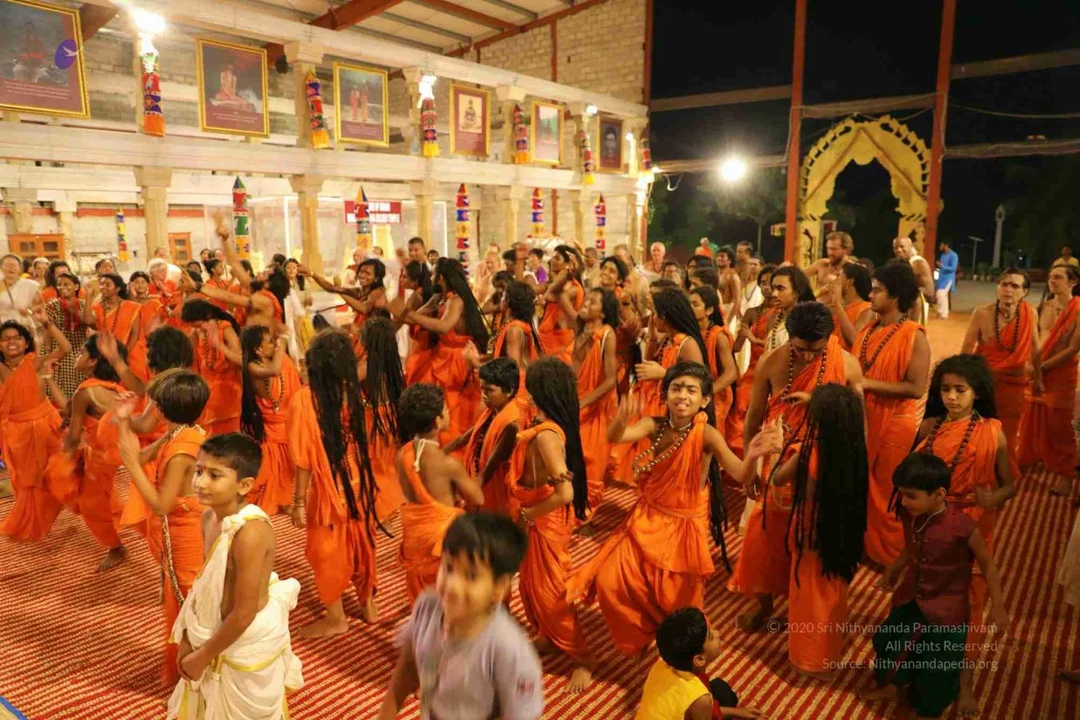 Balasants dance & celebrate in joy
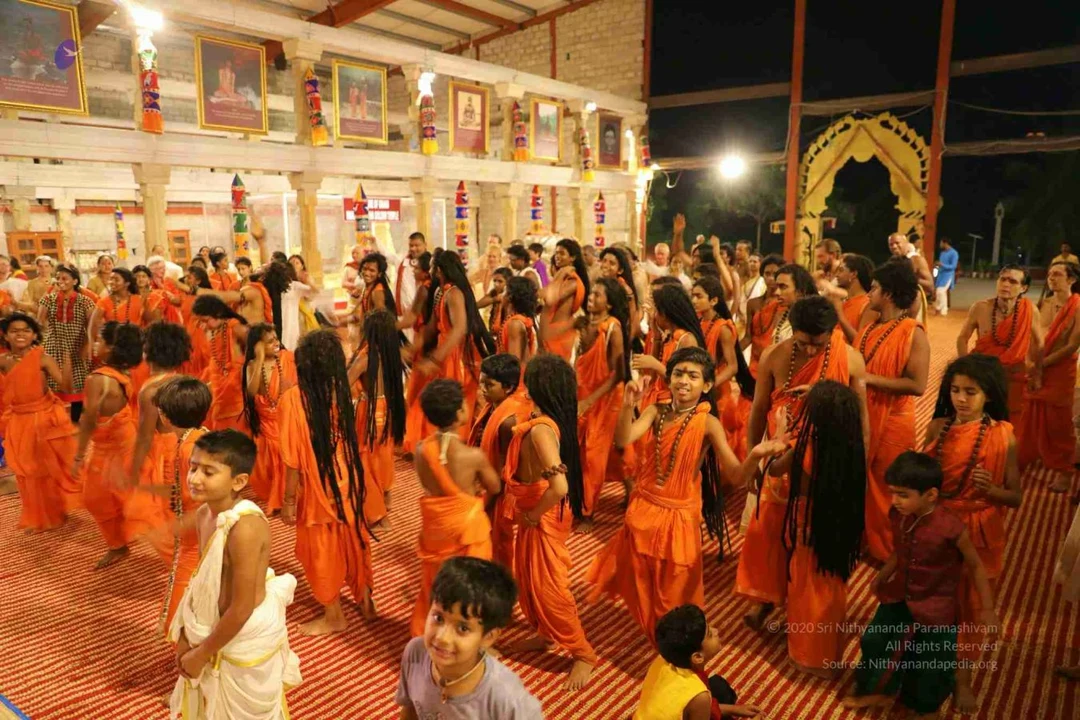 Balasants dance & celebrate in joy
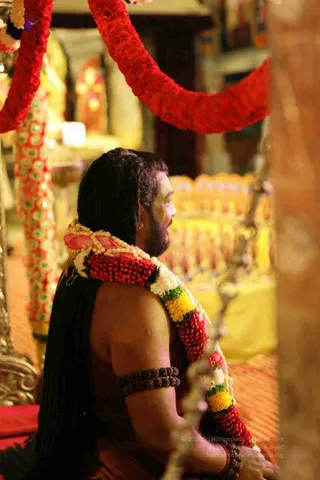 Experience super consciousness, actualize your ultimate potential
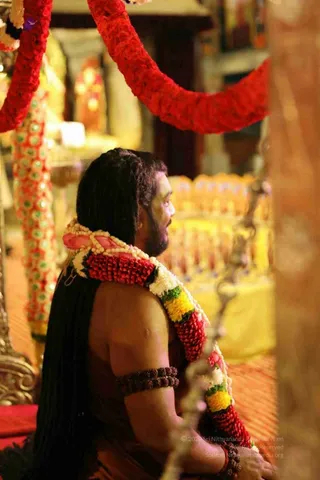 Experience super consciousness, actualize your ultimate potential
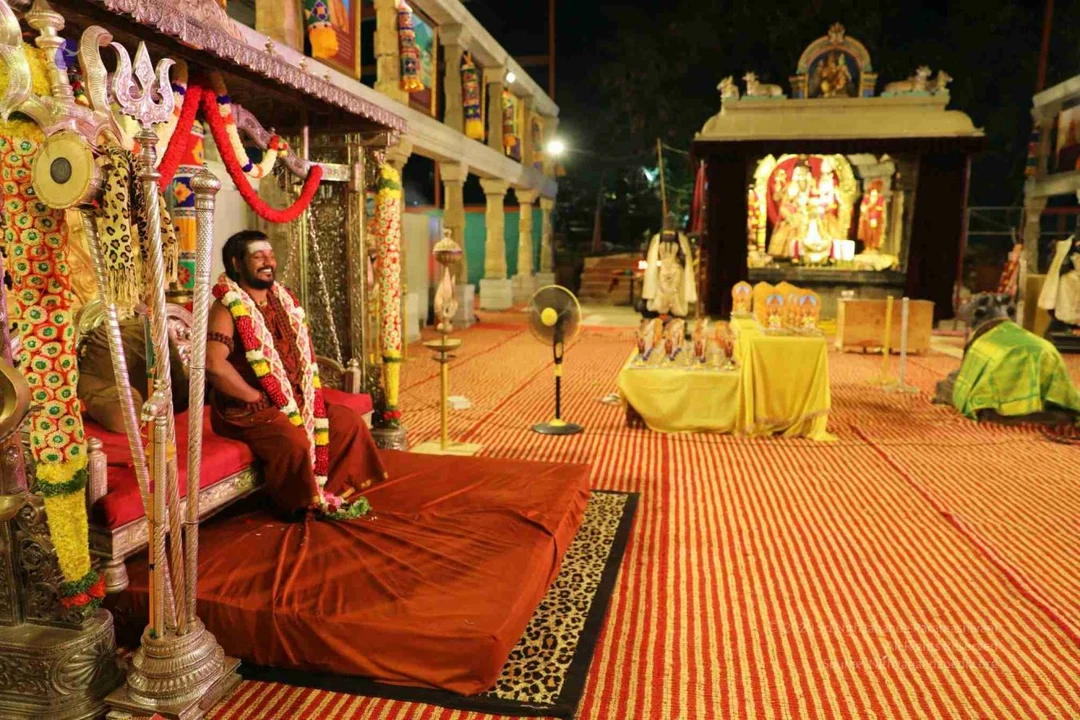 Experience super consciousness, actualize your ultimate potential
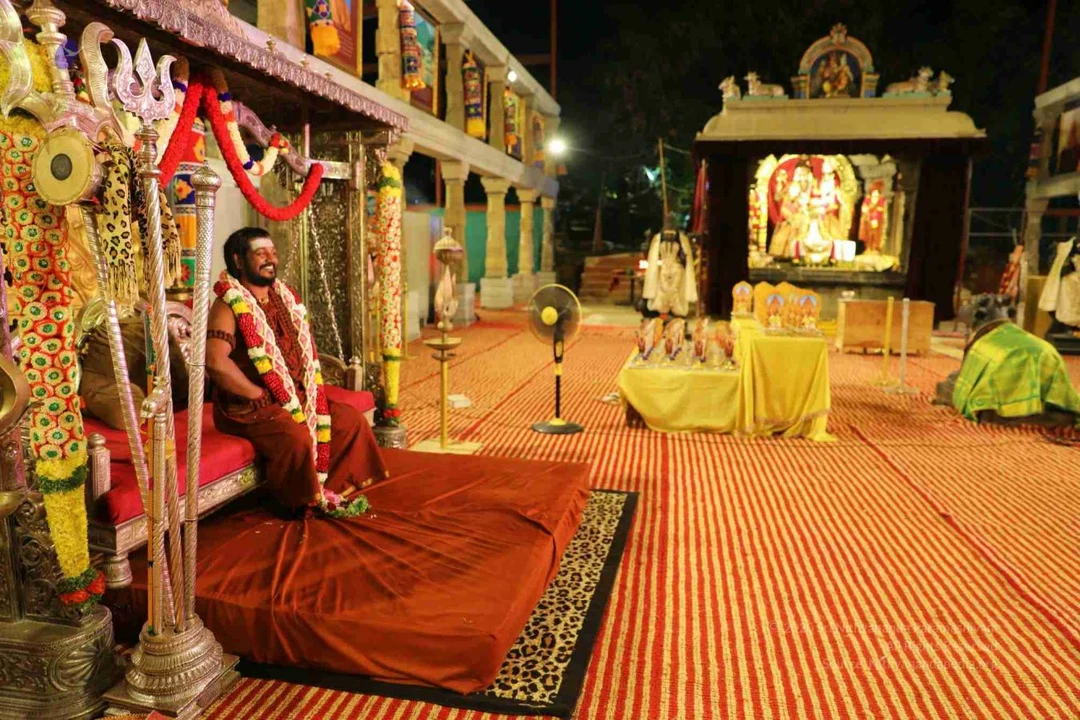 Experience super consciousness, actualize your ultimate potential
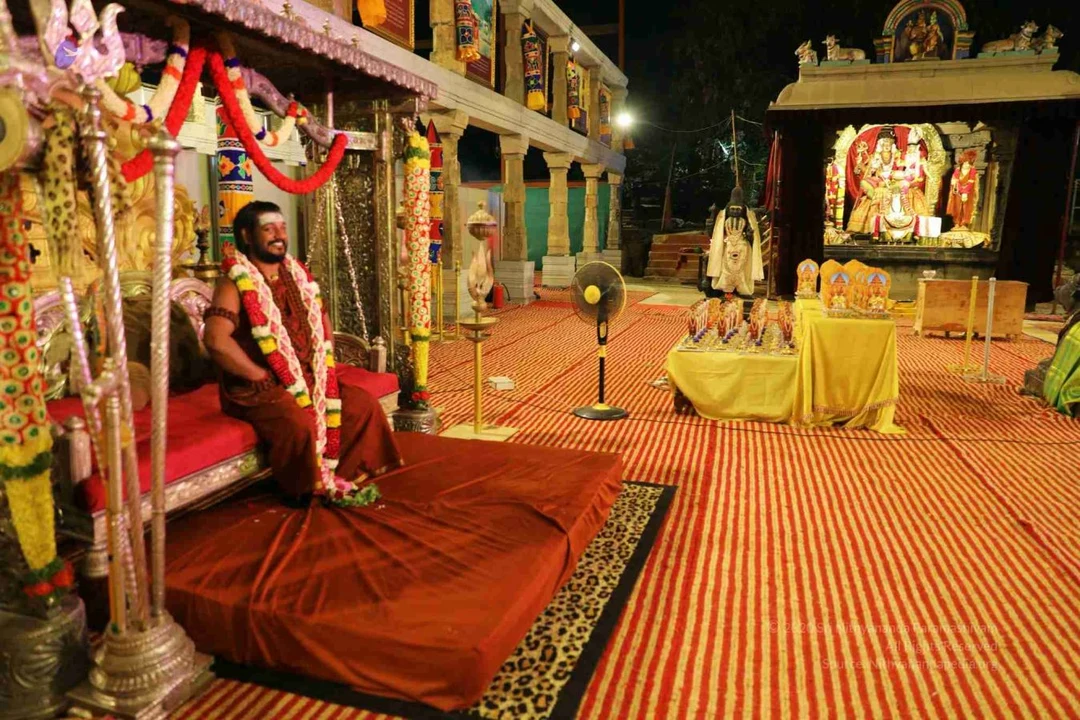 Experience super consciousness, actualize your ultimate potential
 Experience super consciousness, actualize your ultimate potential
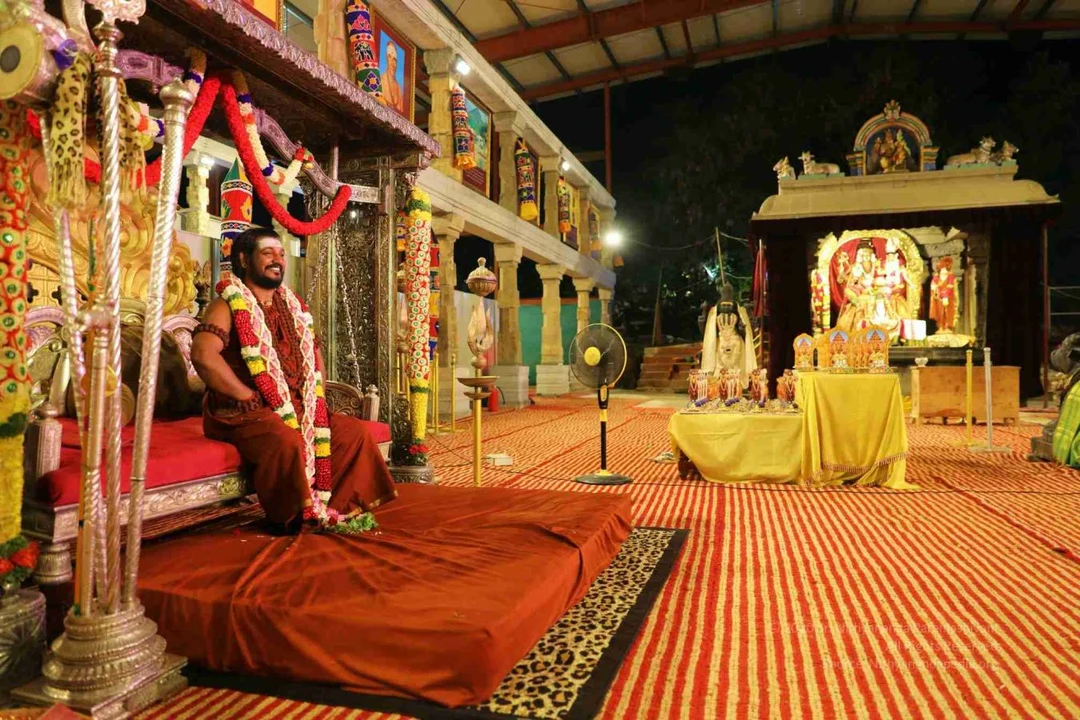 Experience super consciousness, actualize your ultimate potential
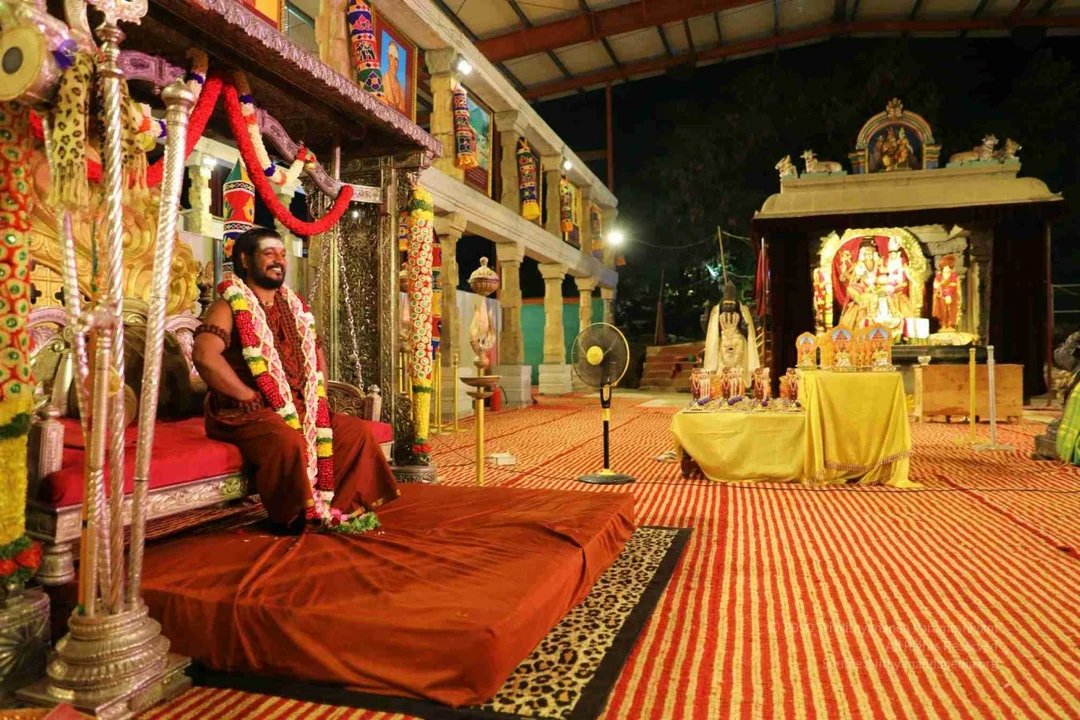 Experience super consciousness, actualize your ultimate potential
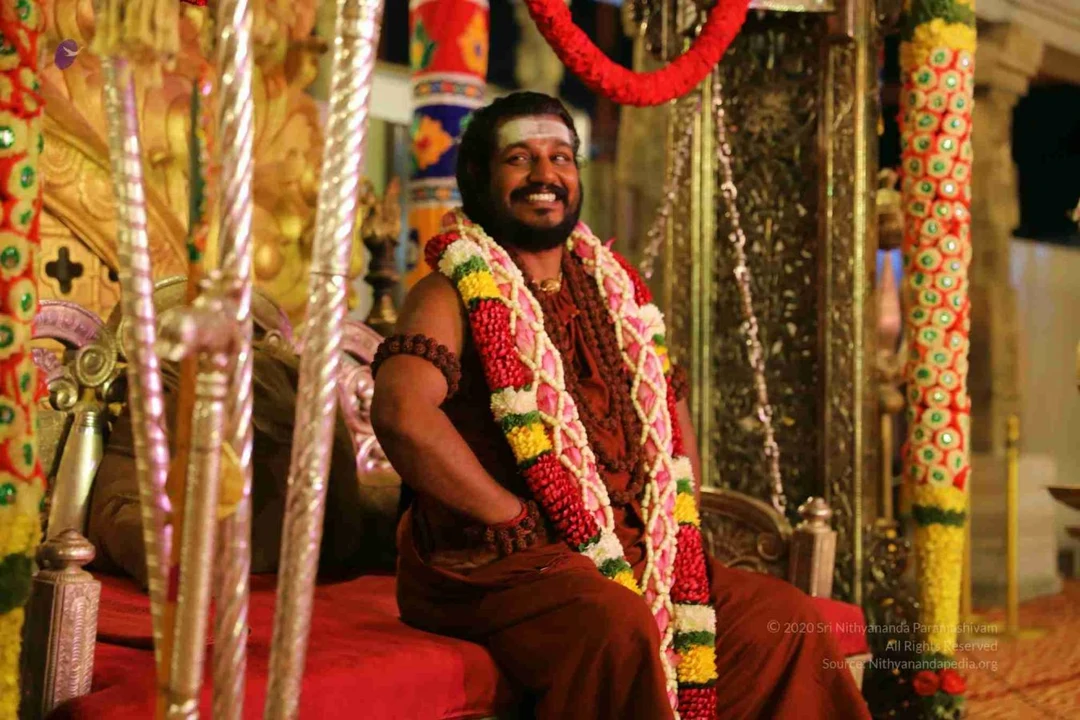 Experience super consciousness, actualize your ultimate potential
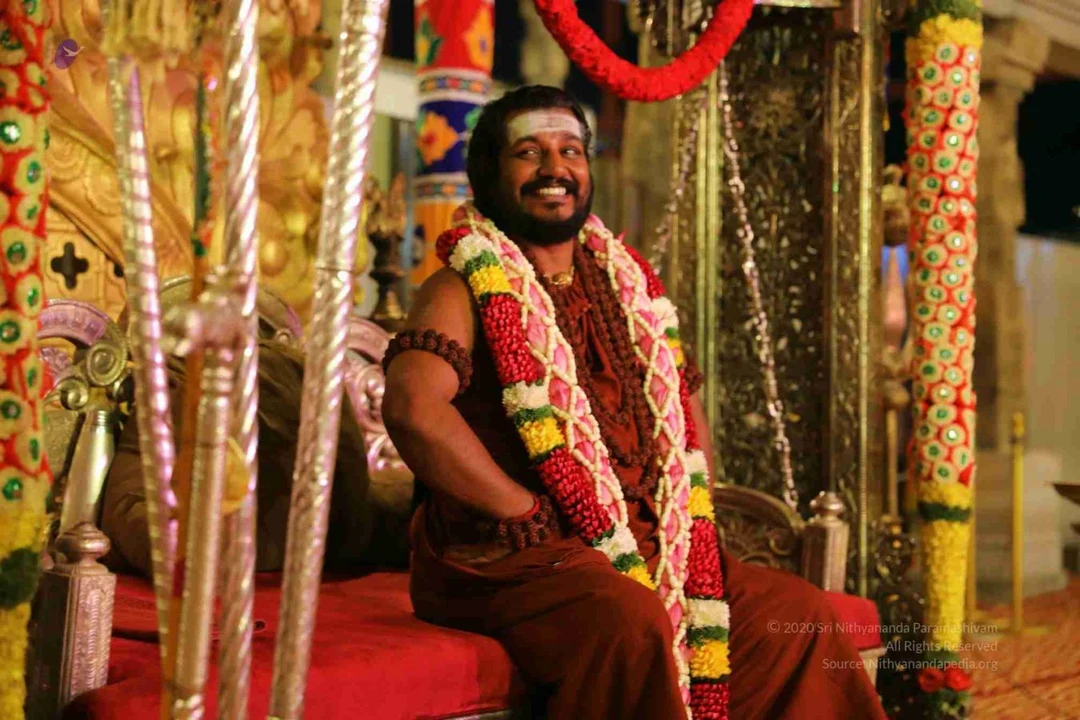 Experience super consciousness, actualize your ultimate potential
 Experience super consciousness, actualize your ultimate potential
 Experience super consciousness, actualize your ultimate potential
 Experience super consciousness, actualize your ultimate potential
 Experience super consciousness, actualize your ultimate potential
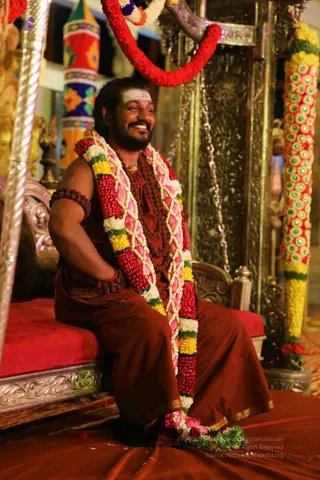 Experience super consciousness, actualize your ultimate potential
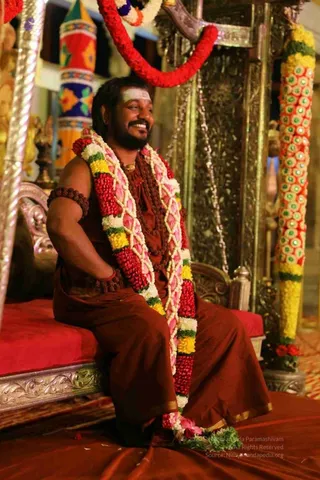 Create spiritual integrity, vatavarana, in and around you
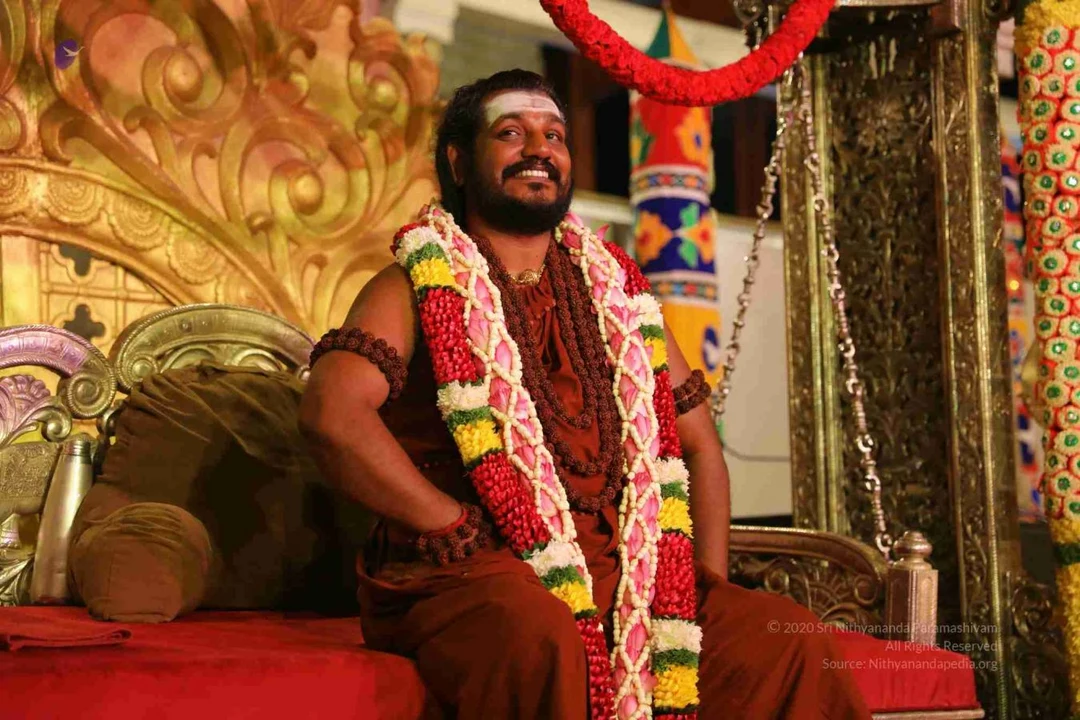 Create spiritual integrity, vatavarana, in and around you
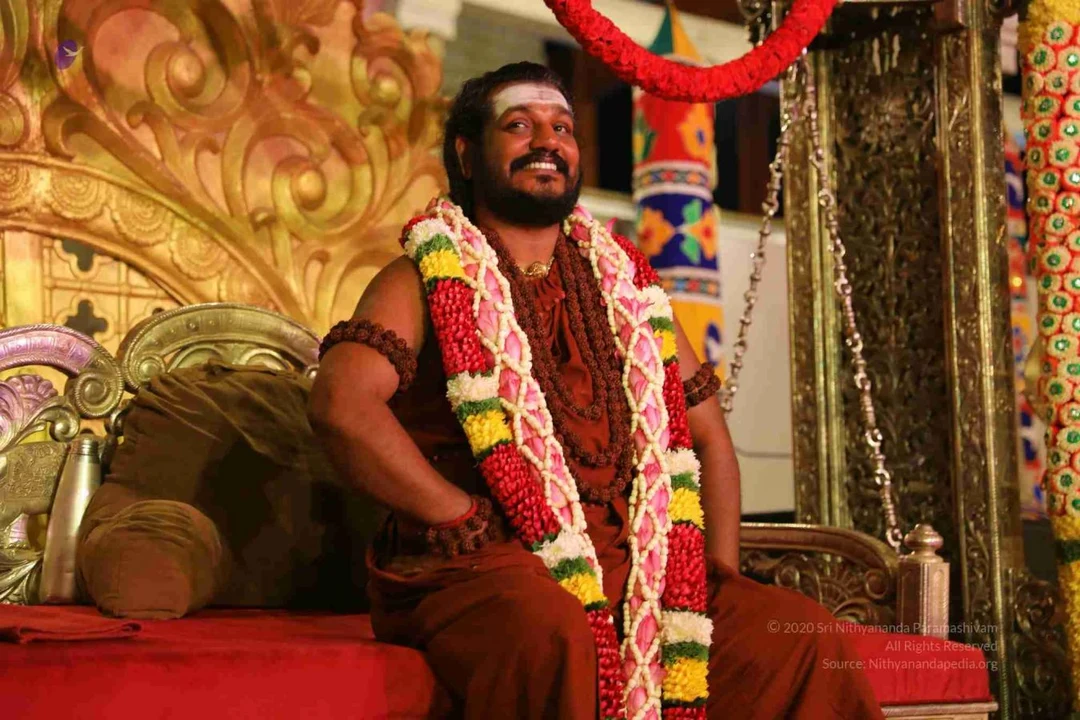 Create spiritual integrity, vatavarana, in and around you
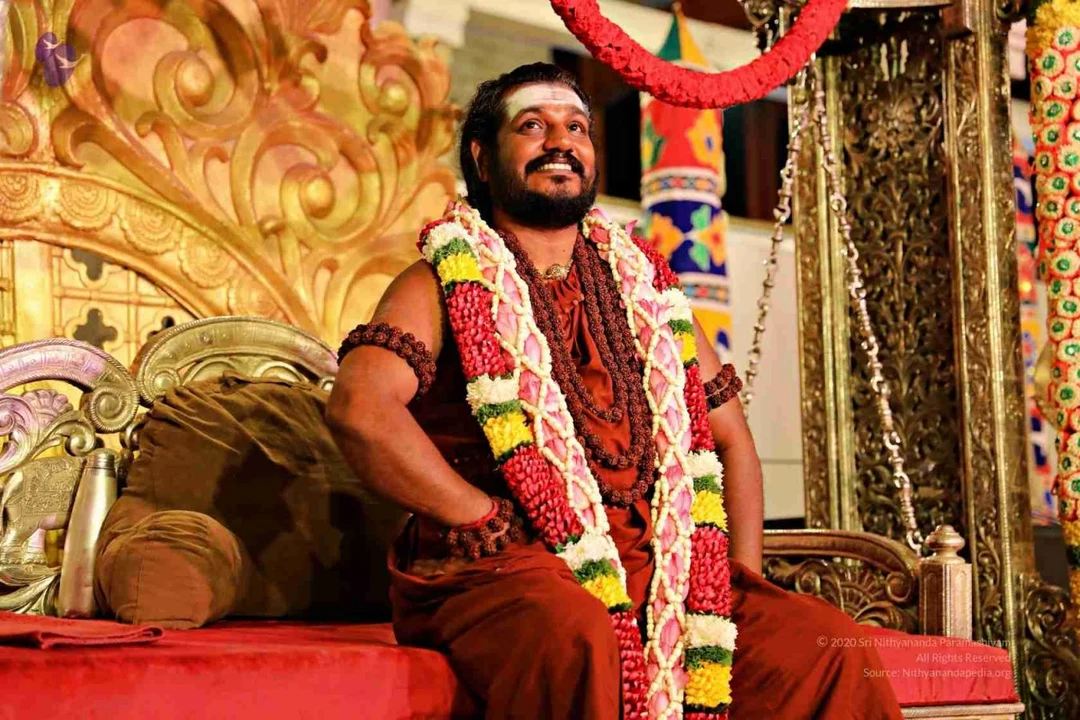 Create spiritual integrity, vatavarana, in and around you
 Create spiritual integrity, vatavarana, in and around you
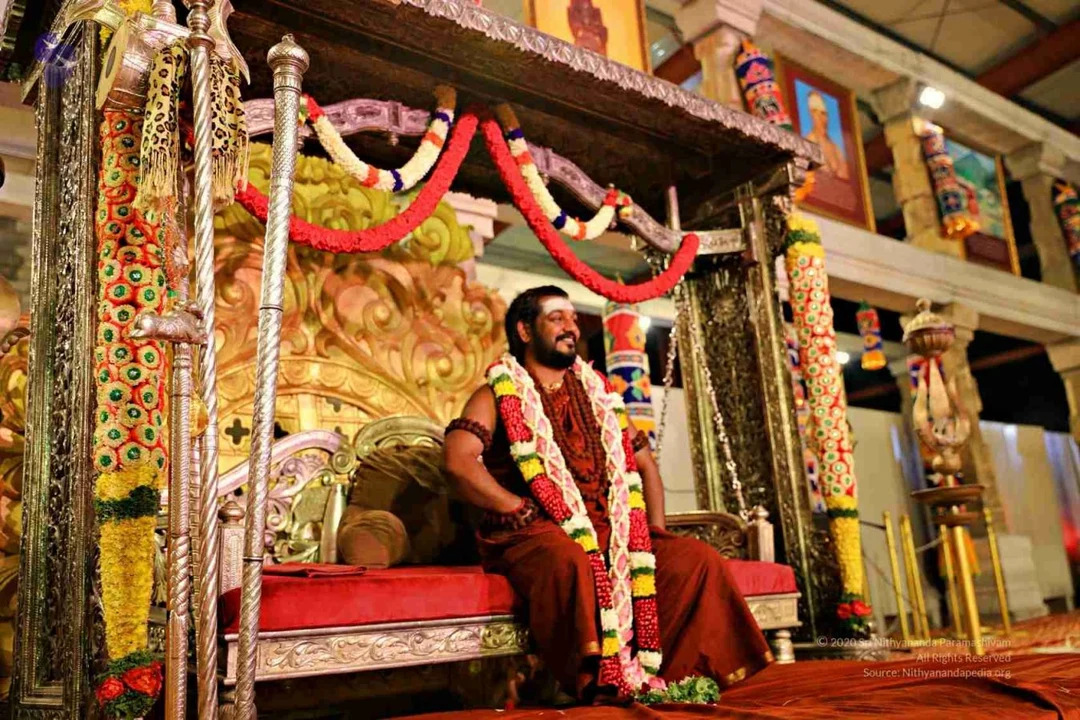 Create spiritual integrity, vatavarana, in and around you
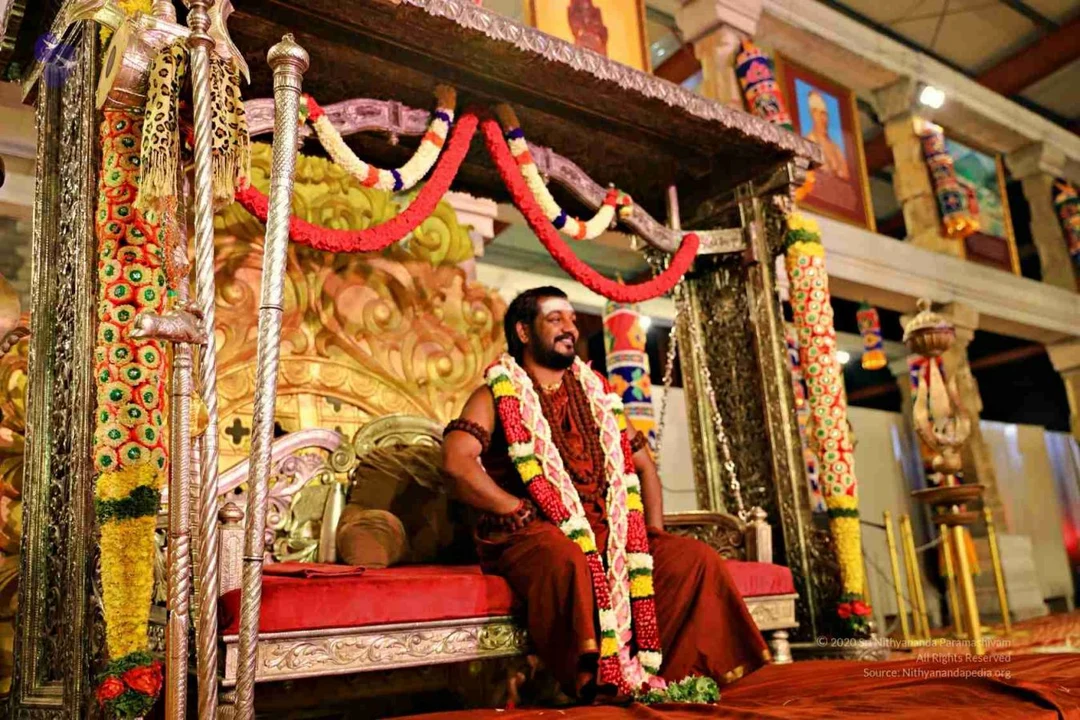 Create spiritual integrity, vatavarana, in and around you
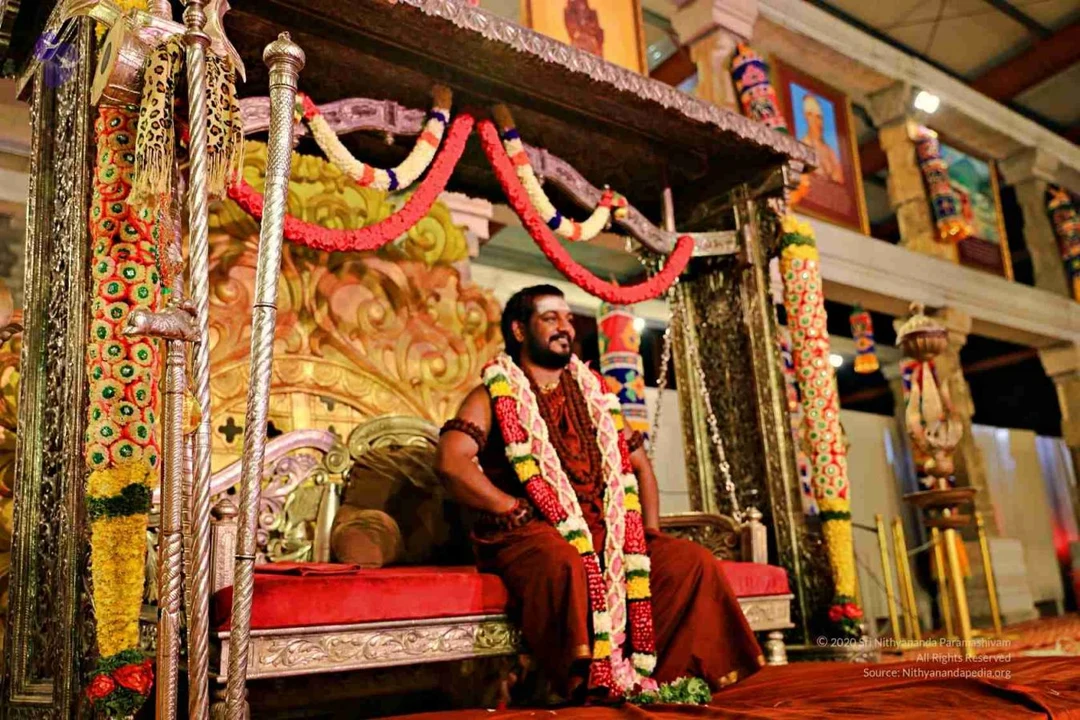 Create spiritual integrity, vatavarana, in and around you
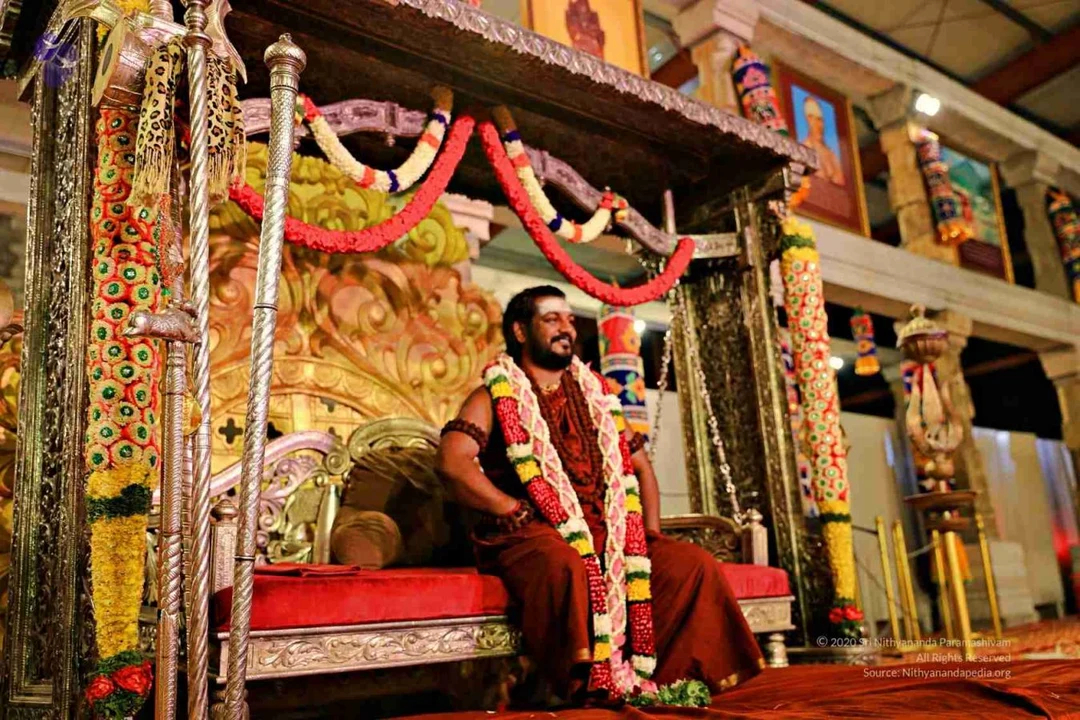 Create spiritual integrity, vatavarana, in and around you
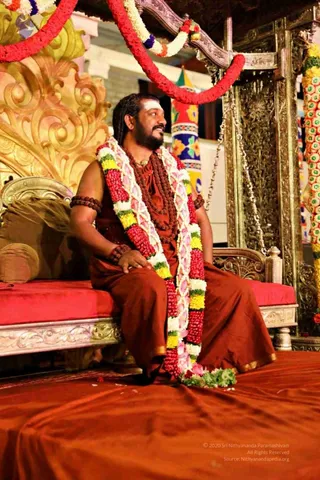 Create spiritual integrity, vatavarana, in and around you
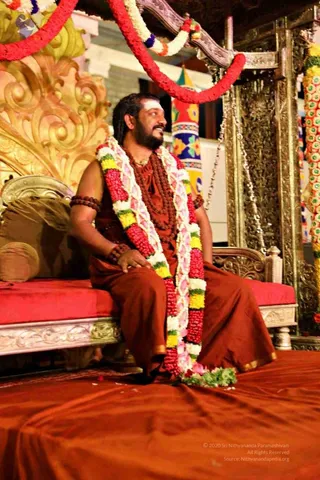 Create spiritual integrity, vatavarana, in and around you
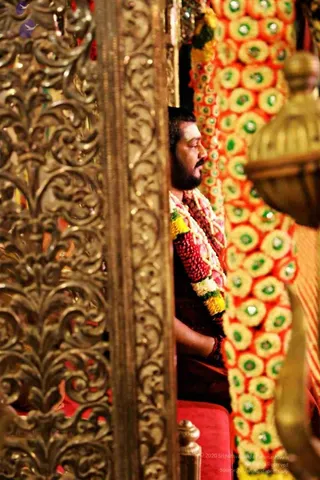 Create spiritual integrity, vatavarana, in and around you
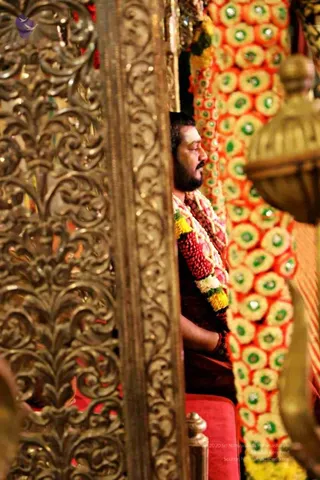 Create spiritual integrity, vatavarana, in and around you
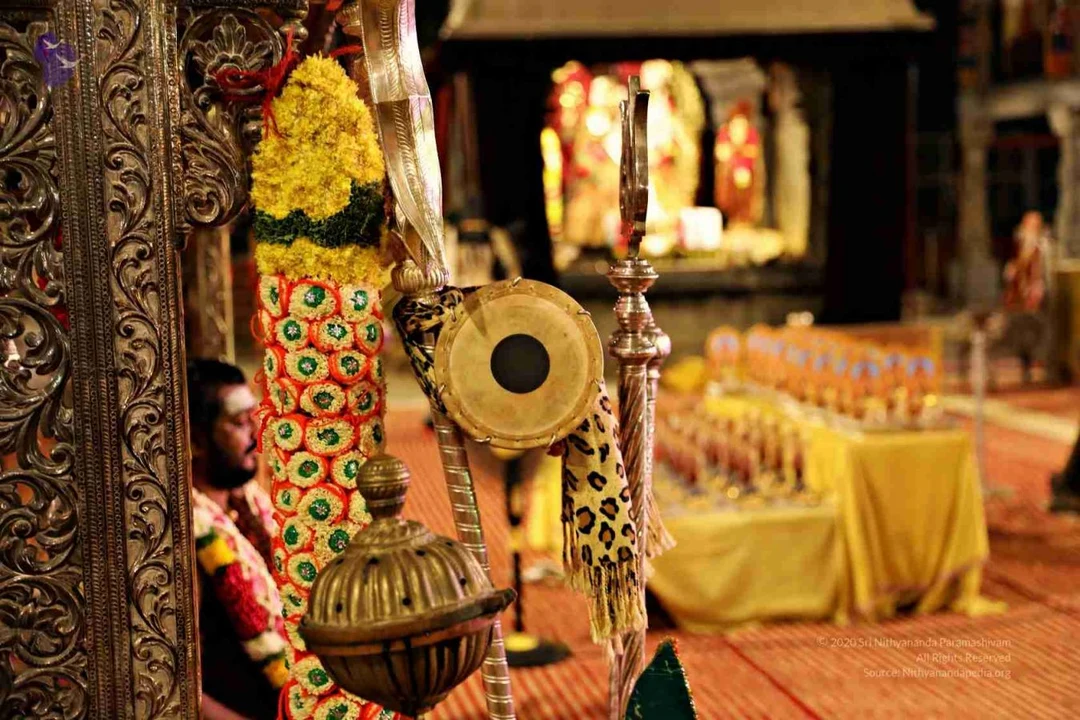 Create spiritual integrity, vatavarana, in and around you
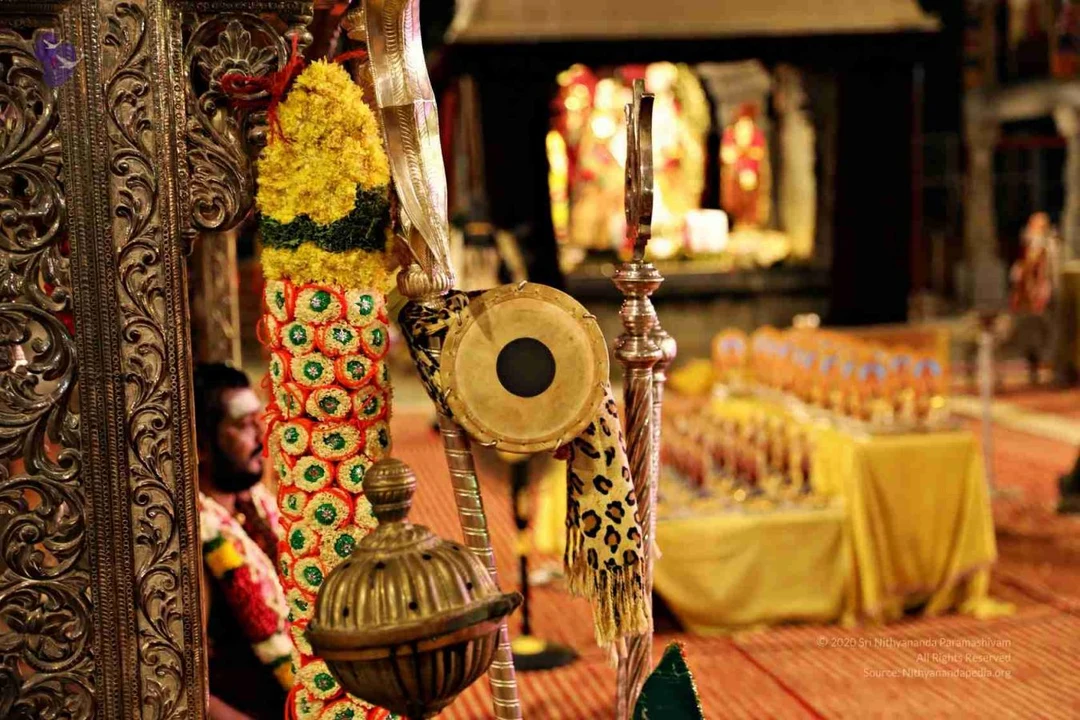 Create spiritual integrity, vatavarana, in and around you
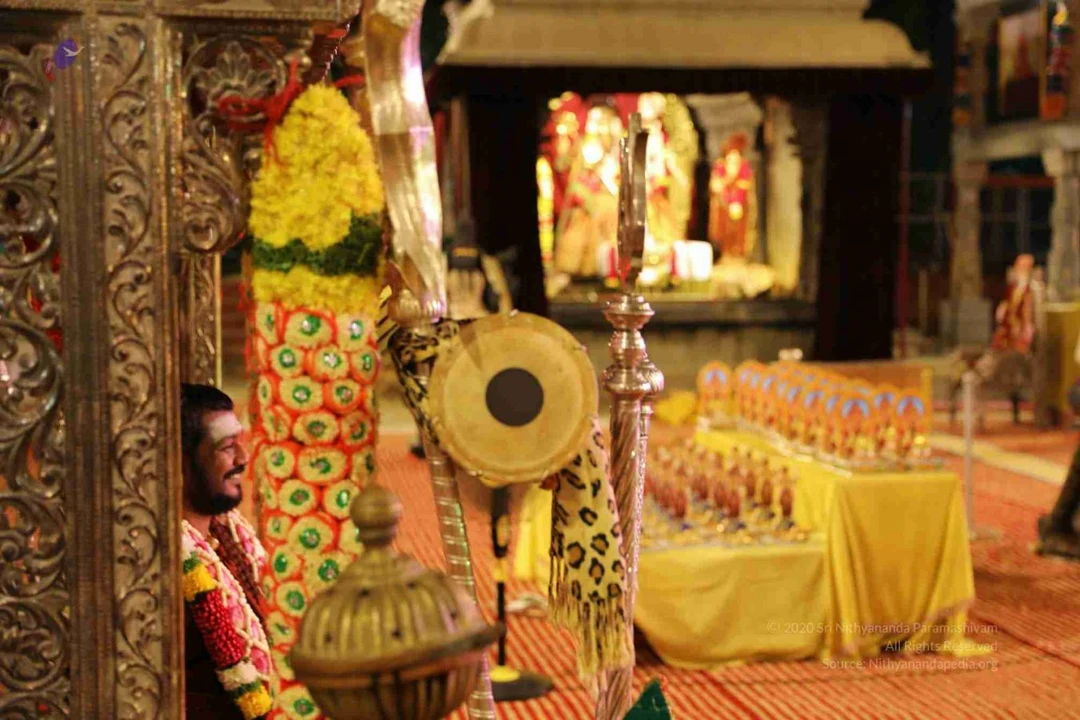 Create spiritual integrity, vatavarana, in and around you
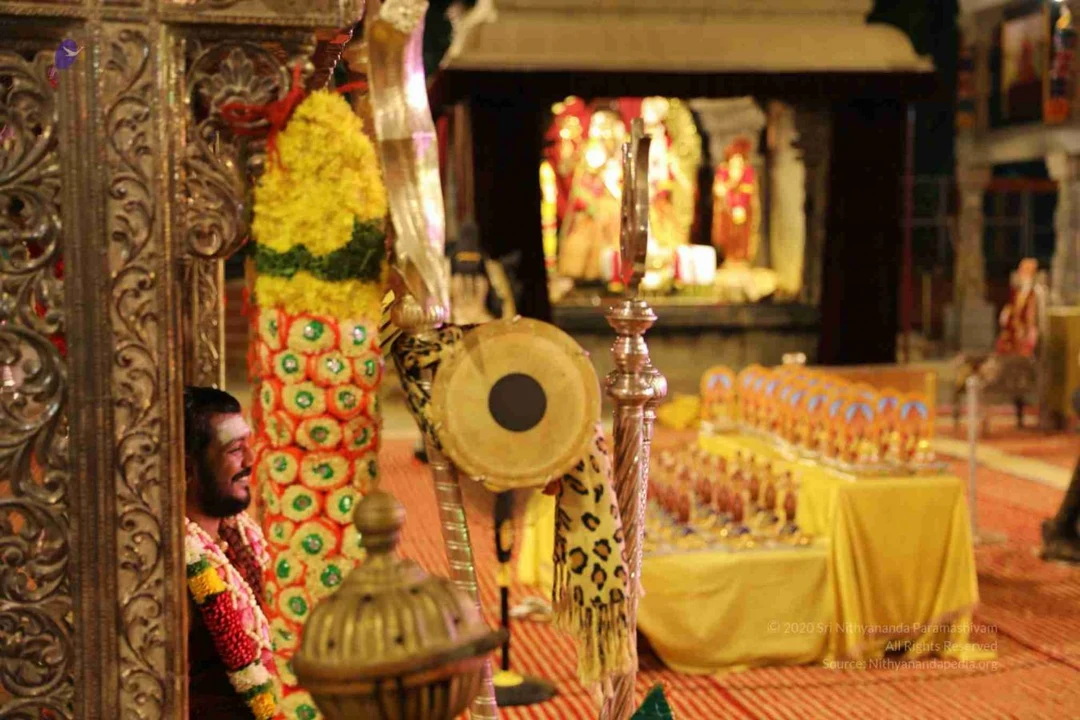 Create spiritual integrity, vatavarana, in and around you
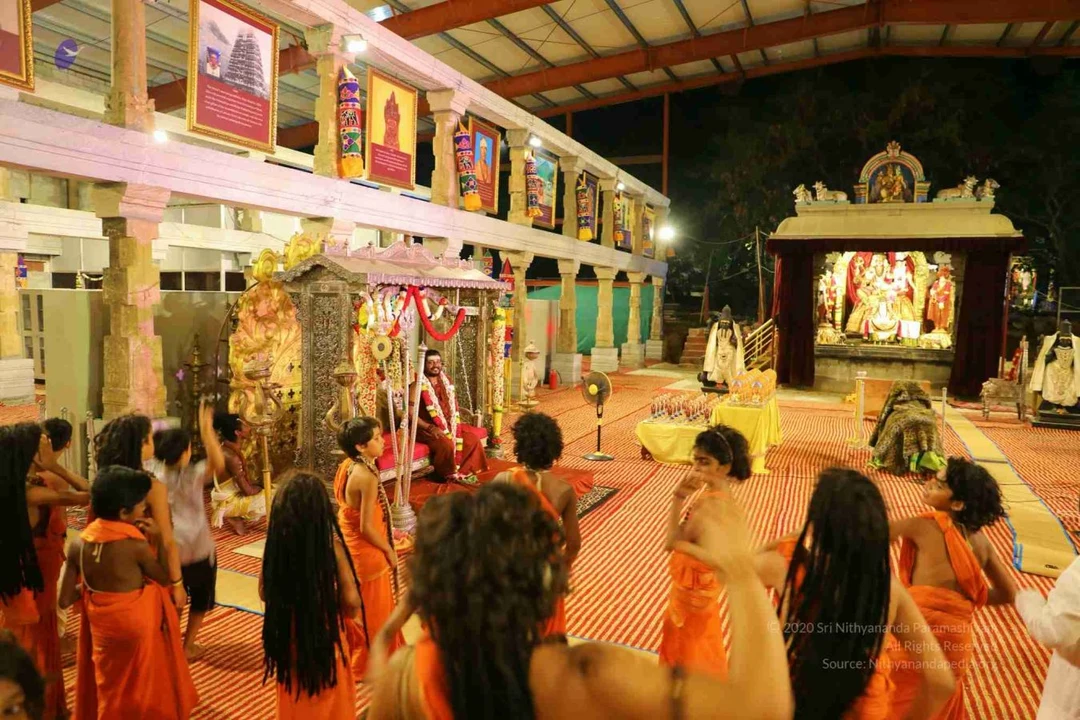 You are here to celebrate cosmos
 You are here to celebrate cosmos
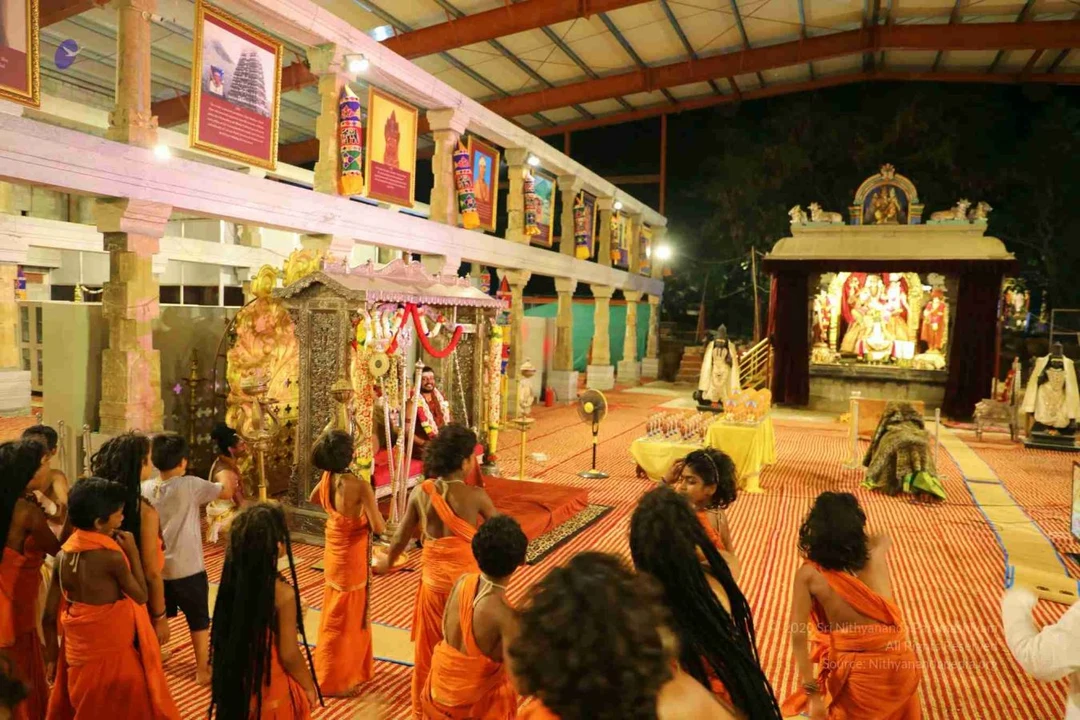 You are here to celebrate cosmos
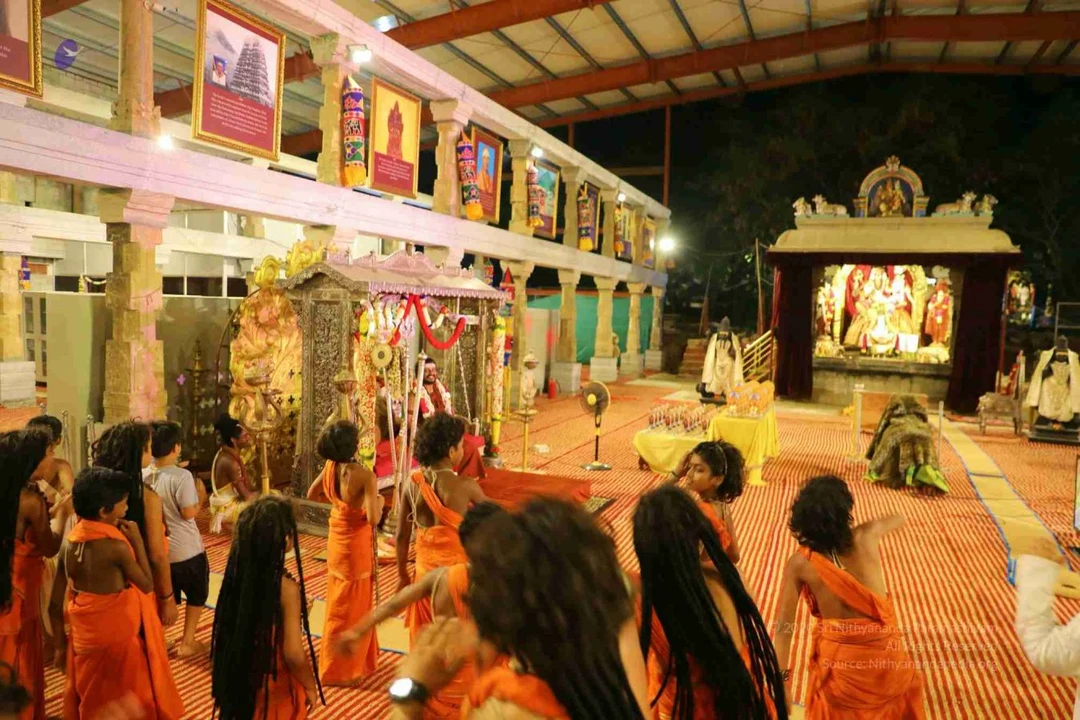 You are here to celebrate cosmos
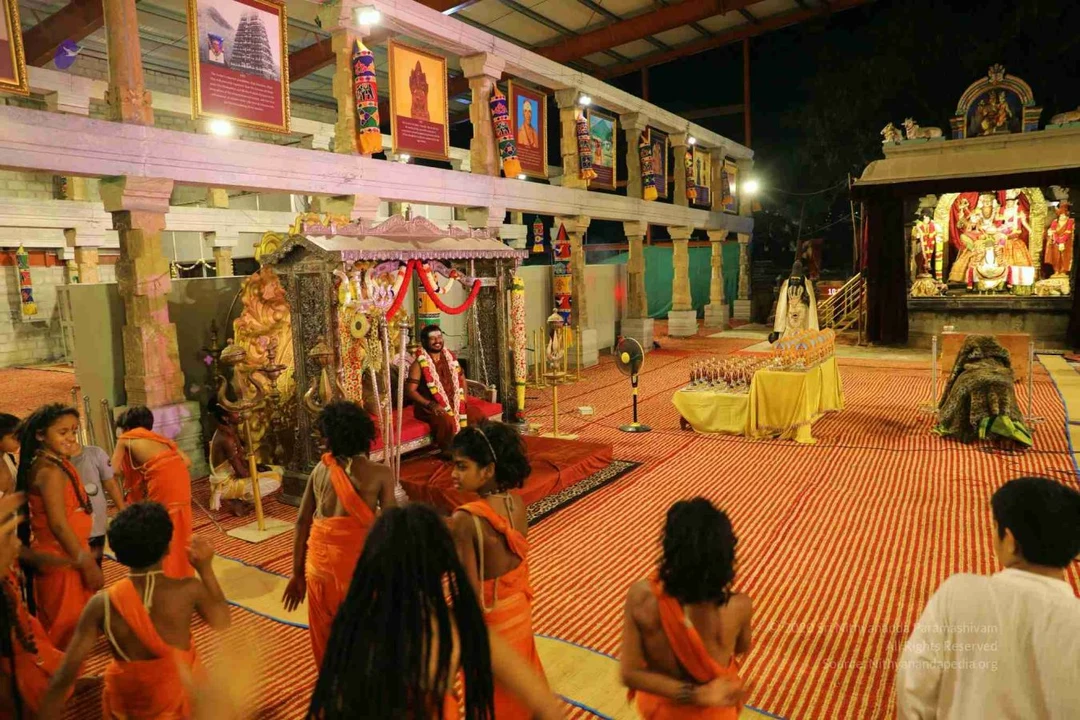 You are here to celebrate cosmos
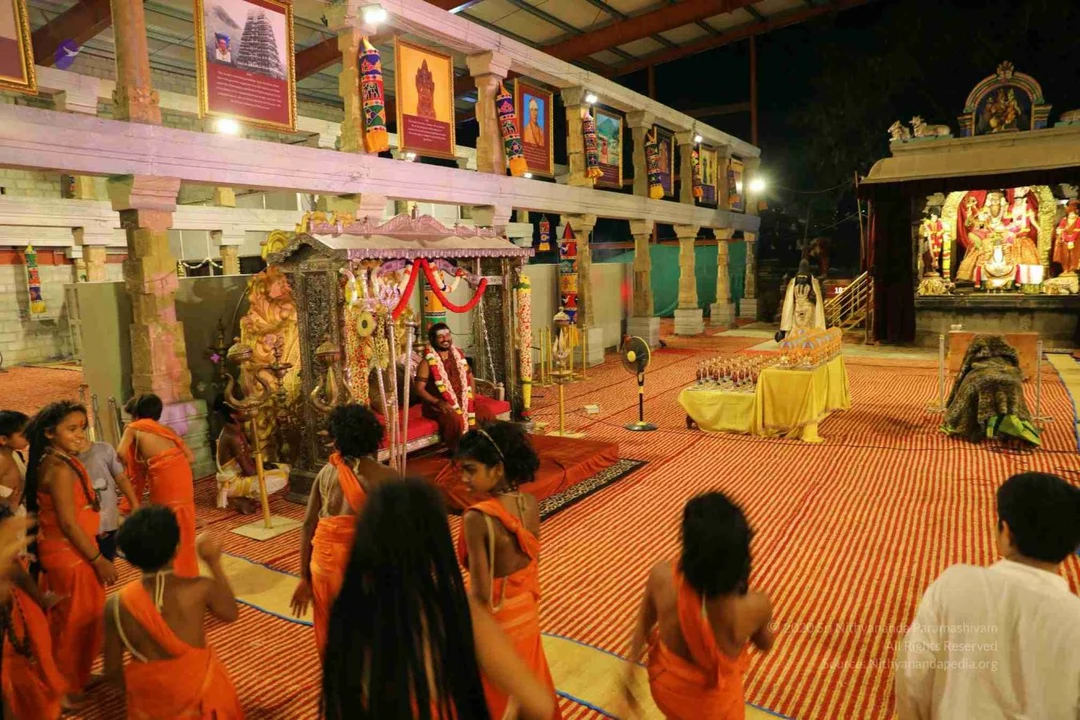 You are here to celebrate cosmos
 You are here to celebrate cosmos
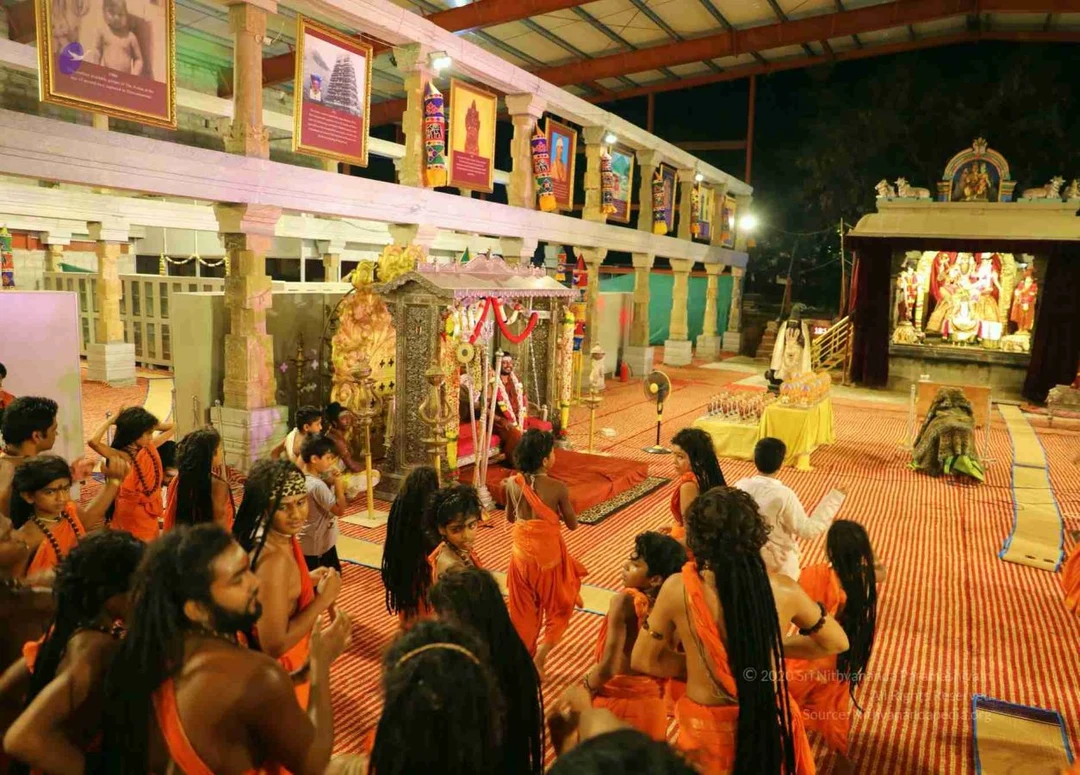 You are here to celebrate cosmos
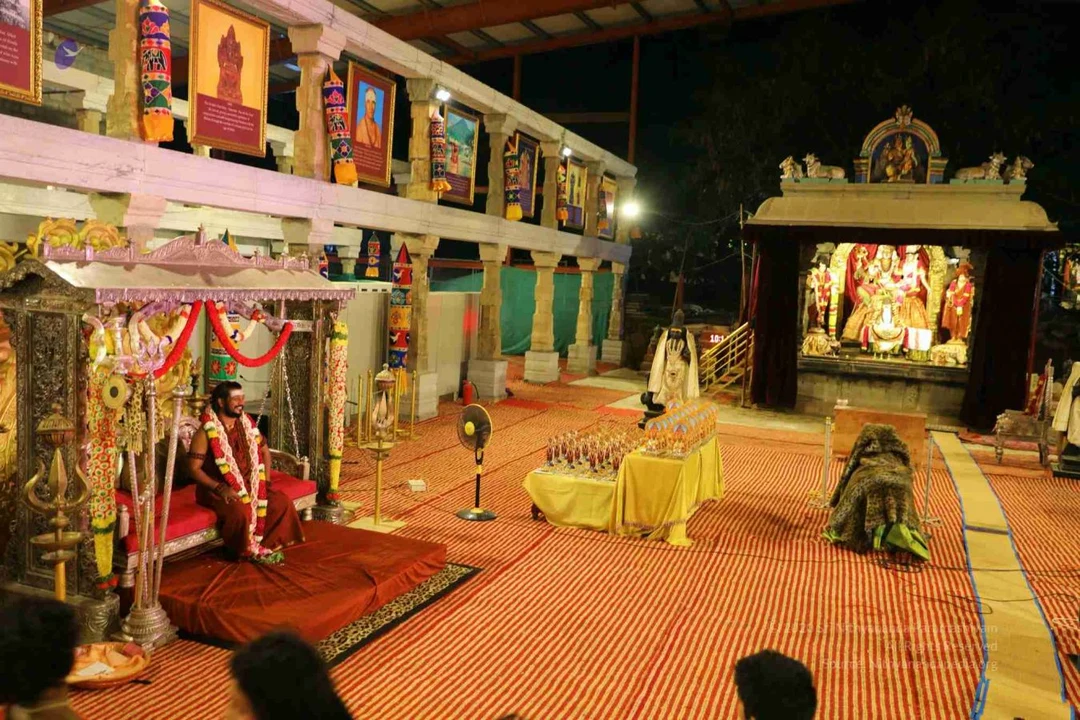 You are here to celebrate cosmos
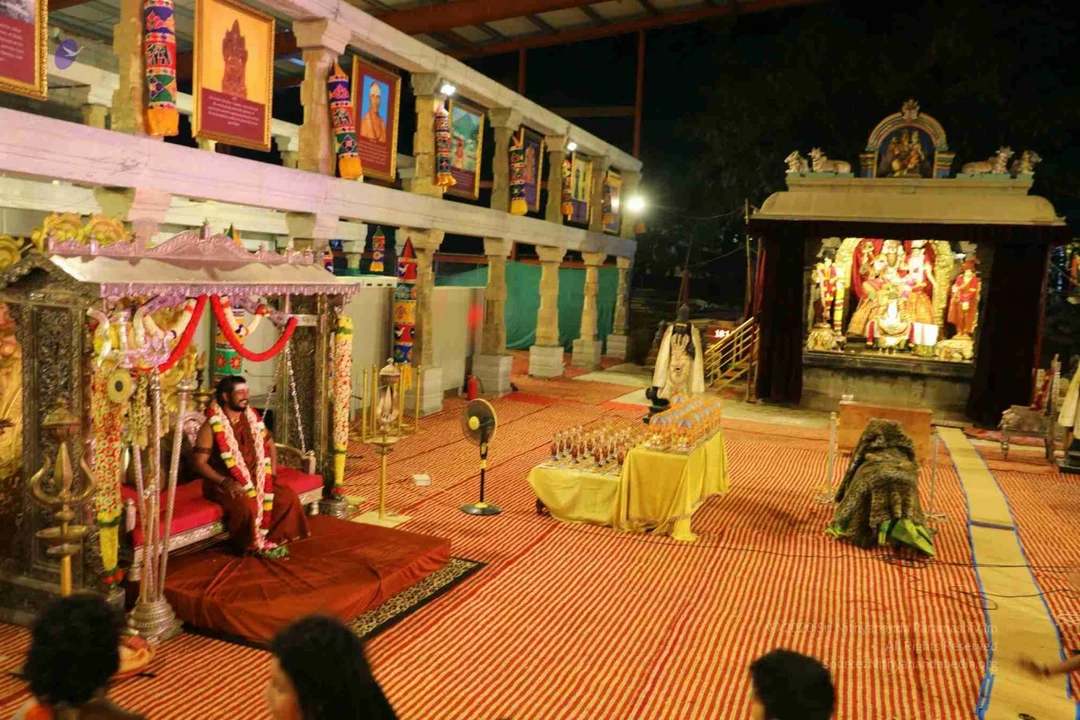 You are here to celebrate cosmos
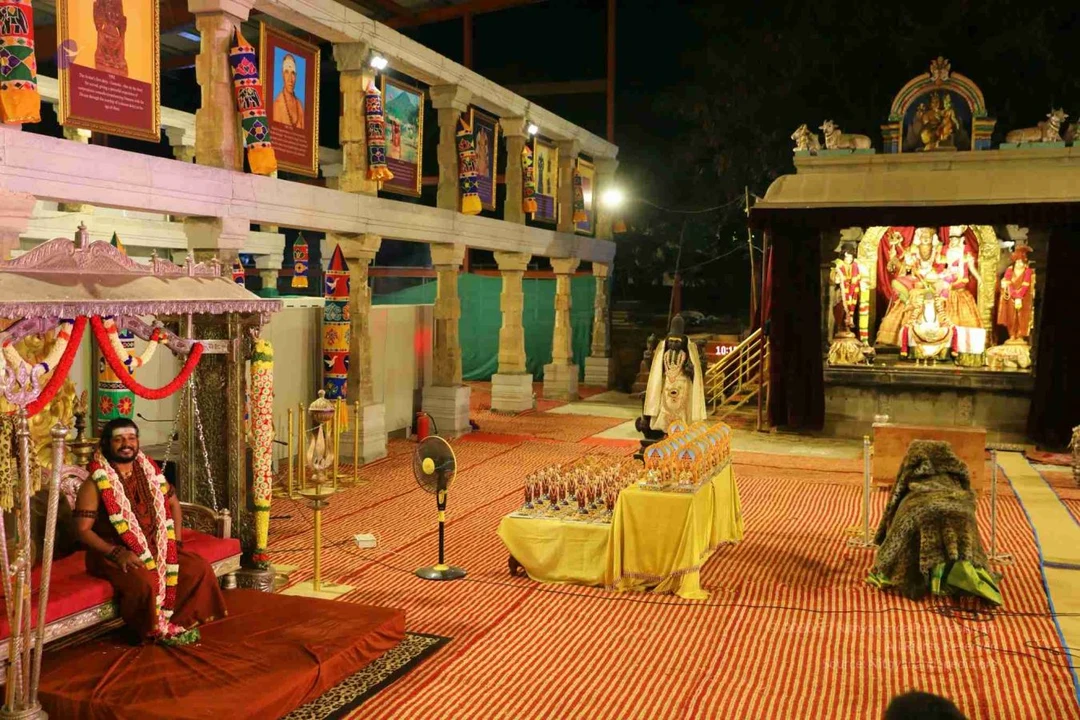 You are here to celebrate cosmos
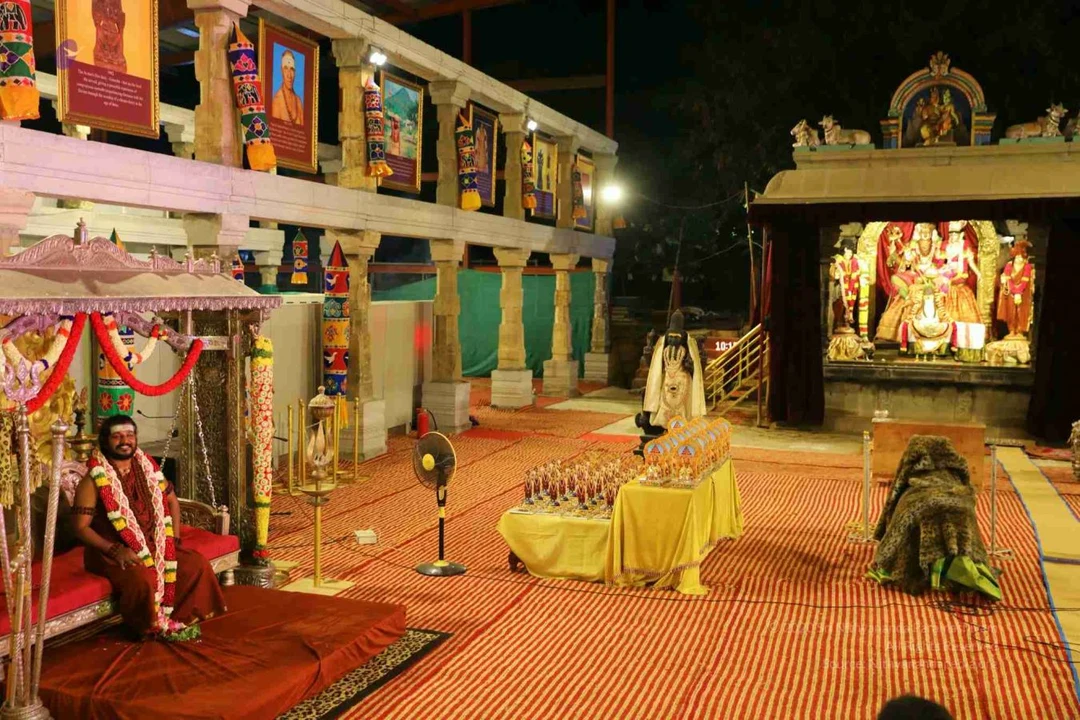 You are here to celebrate cosmos
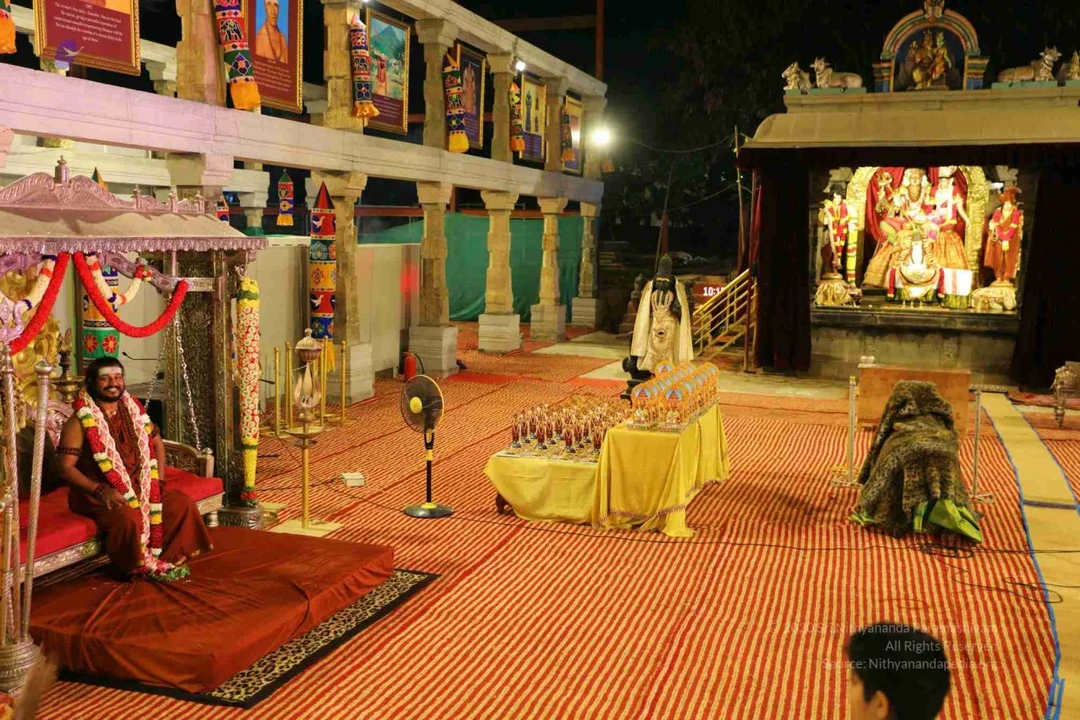 You are here to celebrate cosmos
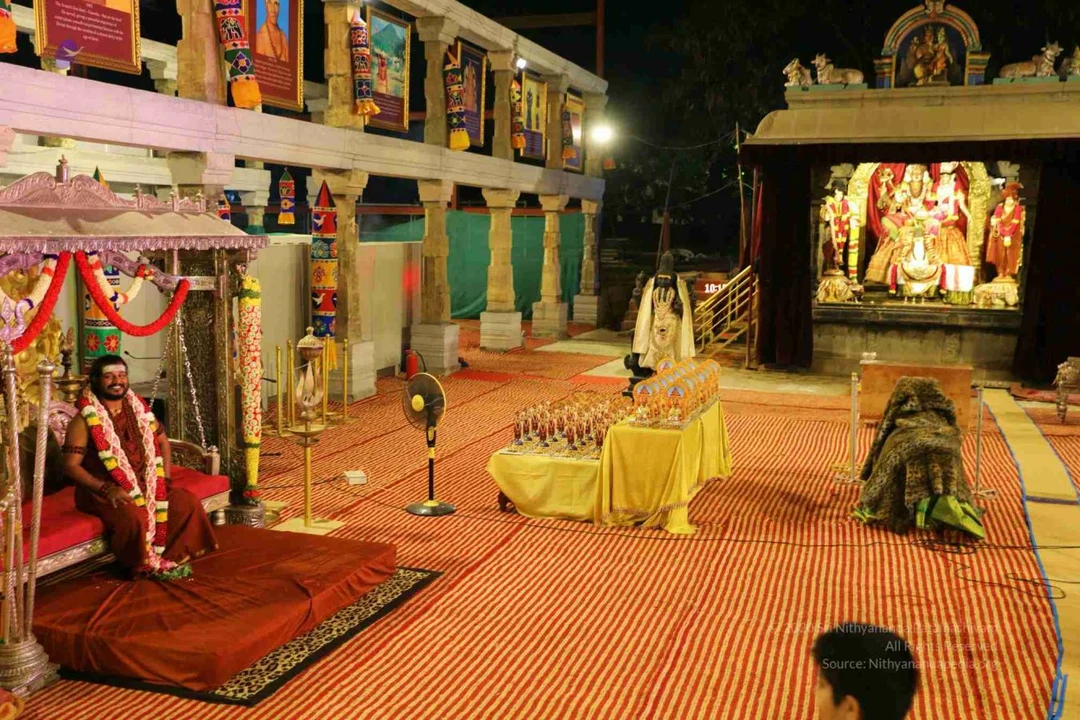 You are here to celebrate cosmos
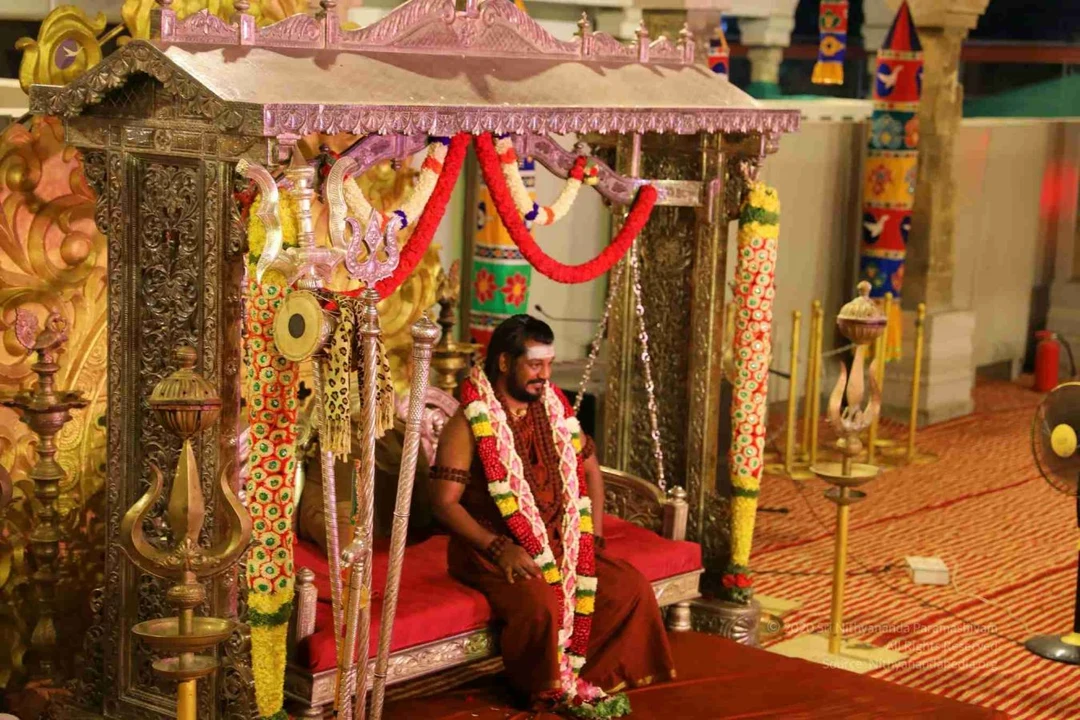 You are here to celebrate cosmos
 You are here to celebrate cosmos
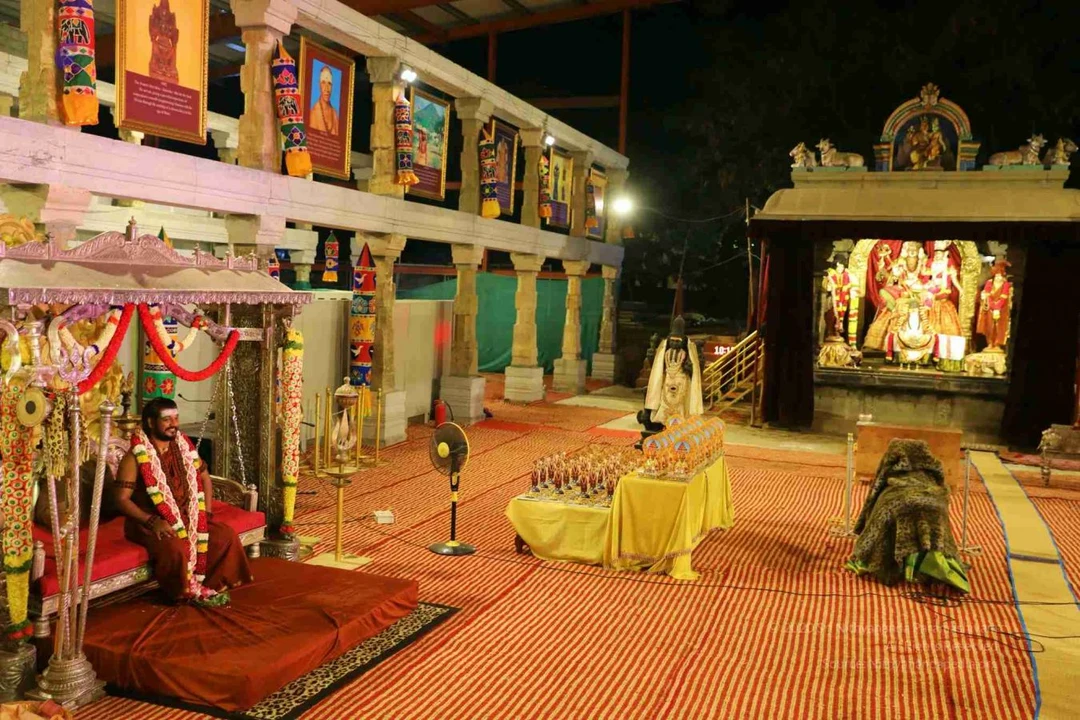 You are here to celebrate cosmos
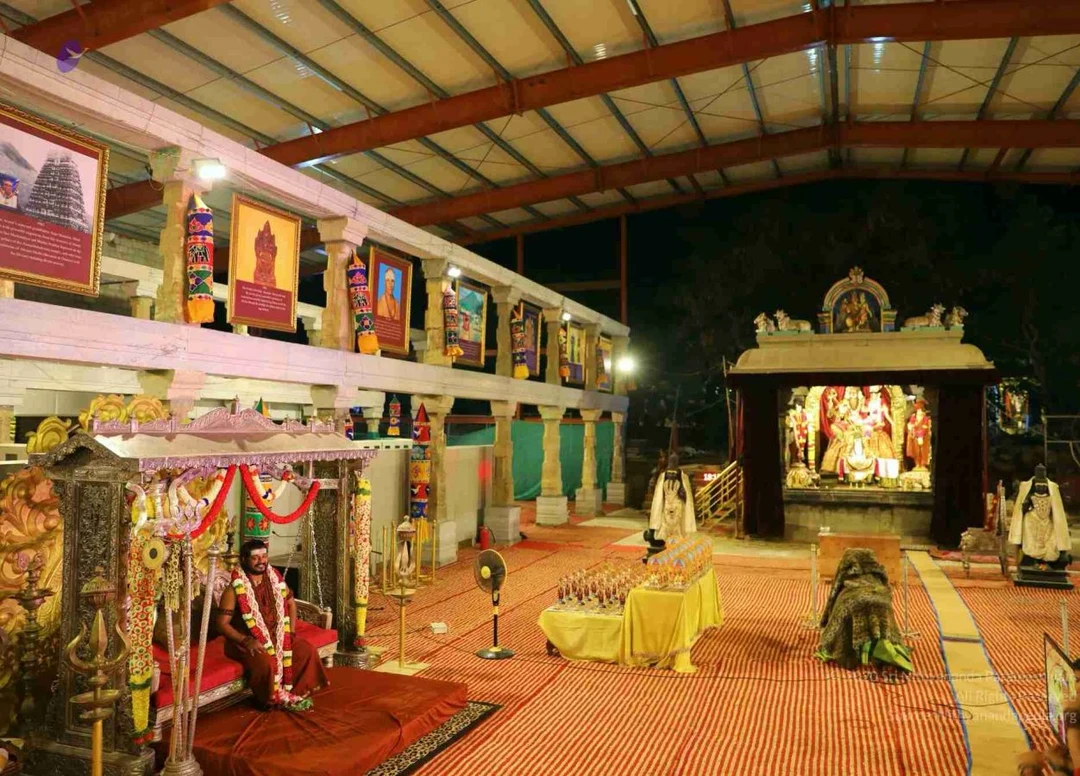 You are here to celebrate cosmos
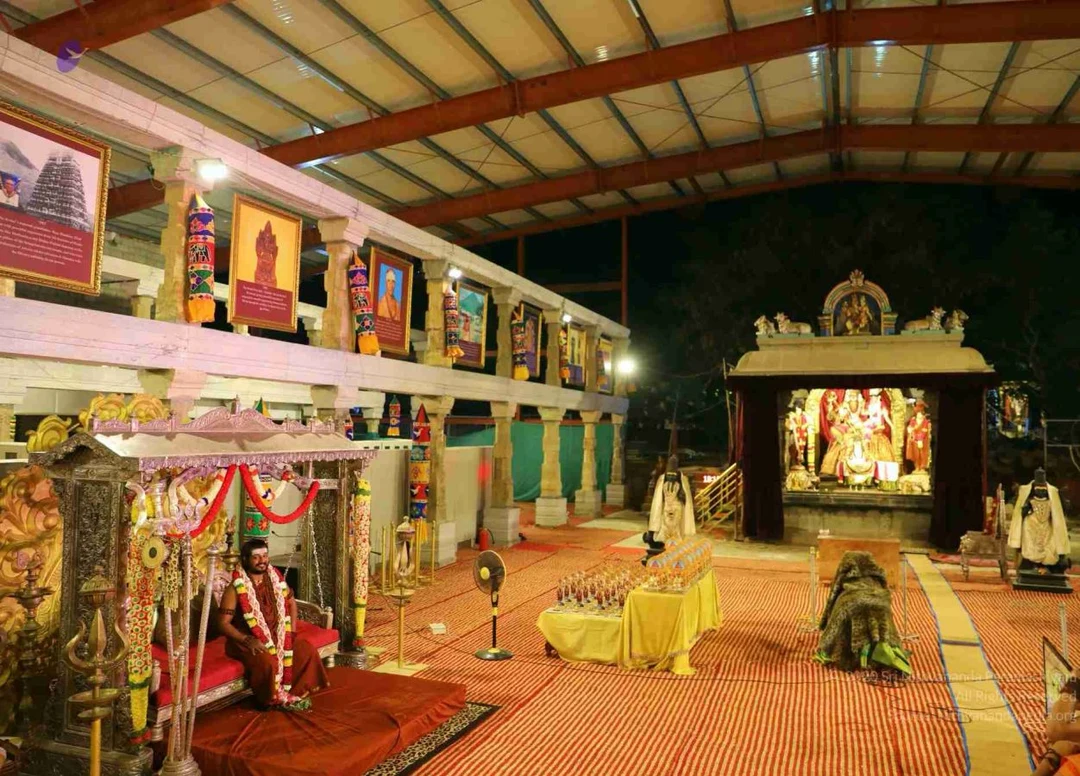 You are here to celebrate cosmos
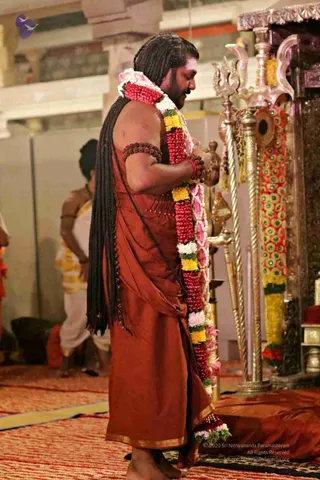 Avatar presence is living healing energy field
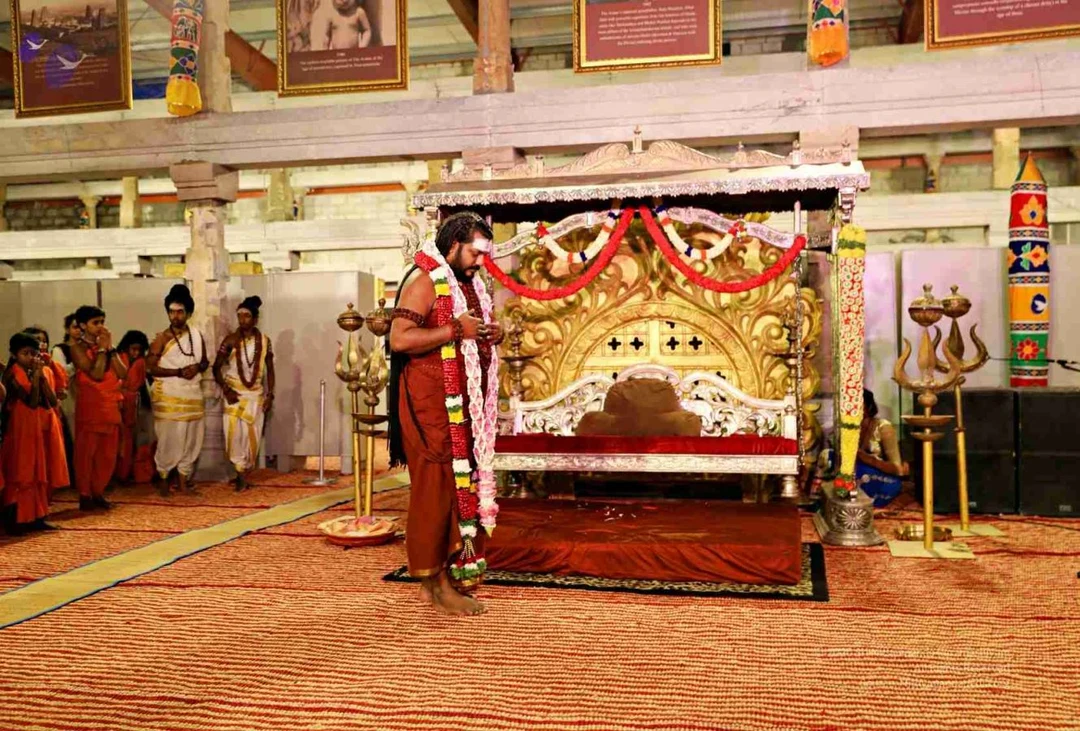 Avatar presence is living healing energy field
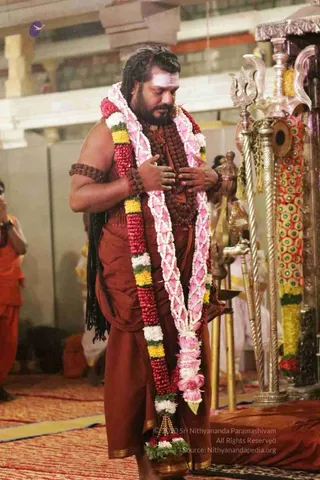 Avatar presence is living healing energy field
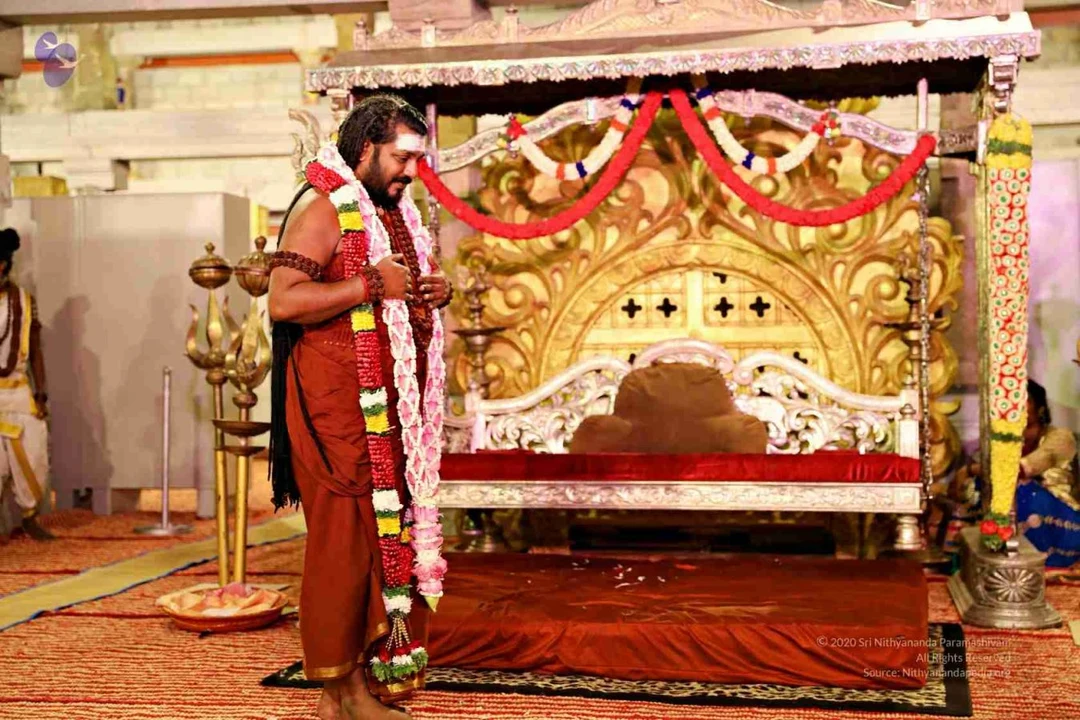 Avatar presence is living healing energy field
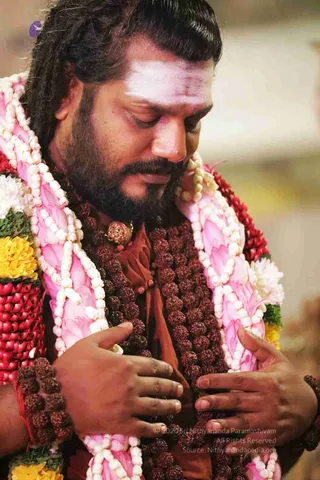 Avatar presence is living healing energy field
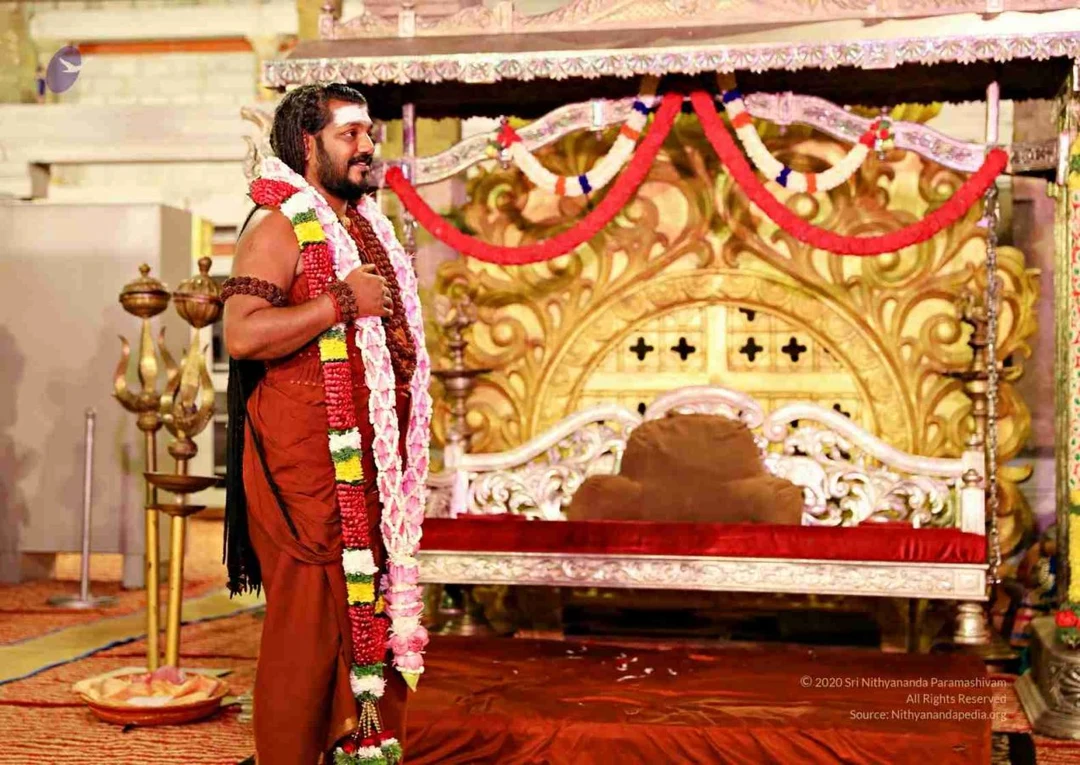 Avatar presence is living healing energy field
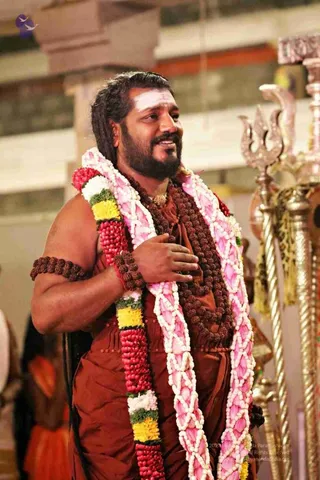 Avatar presence is living healing energy field
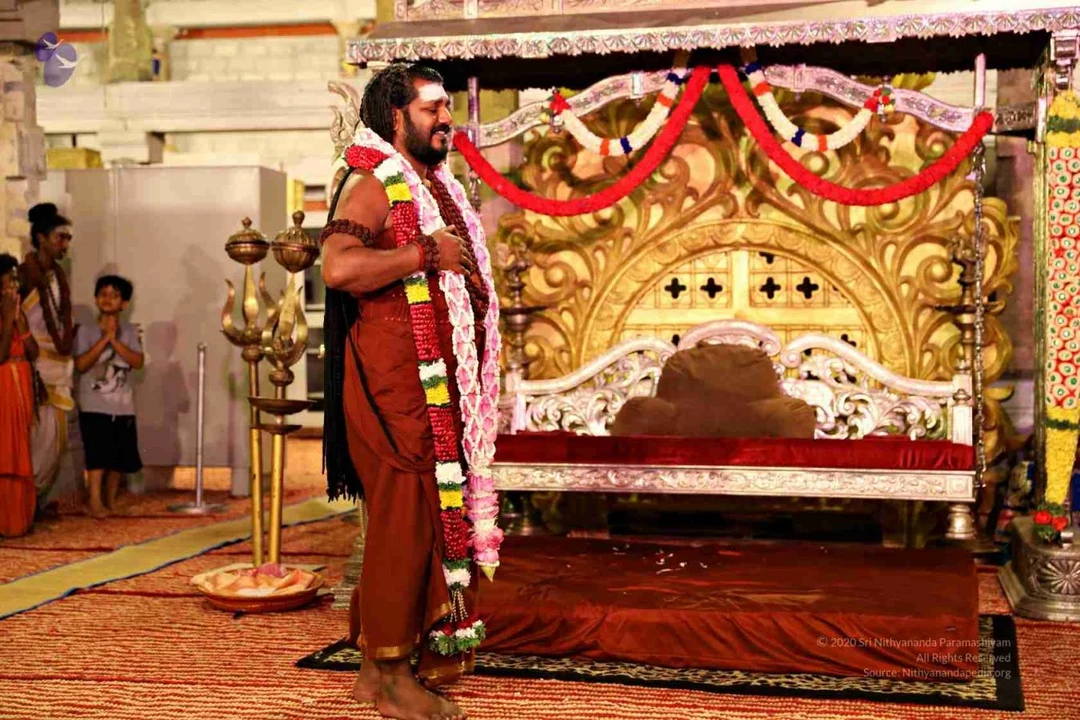 Blessed by the presence of the living avatar
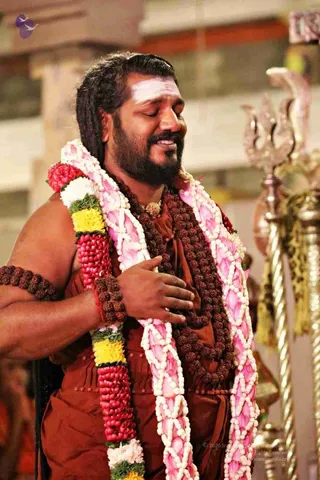 Avatar presence is living healing energy field
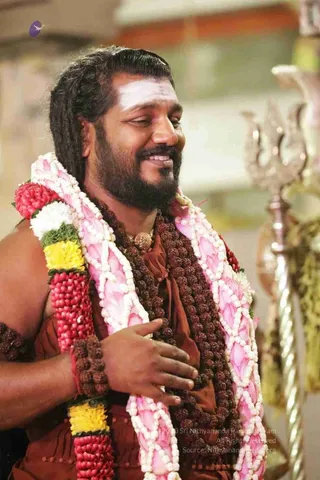 Avatar presence is living healing energy field
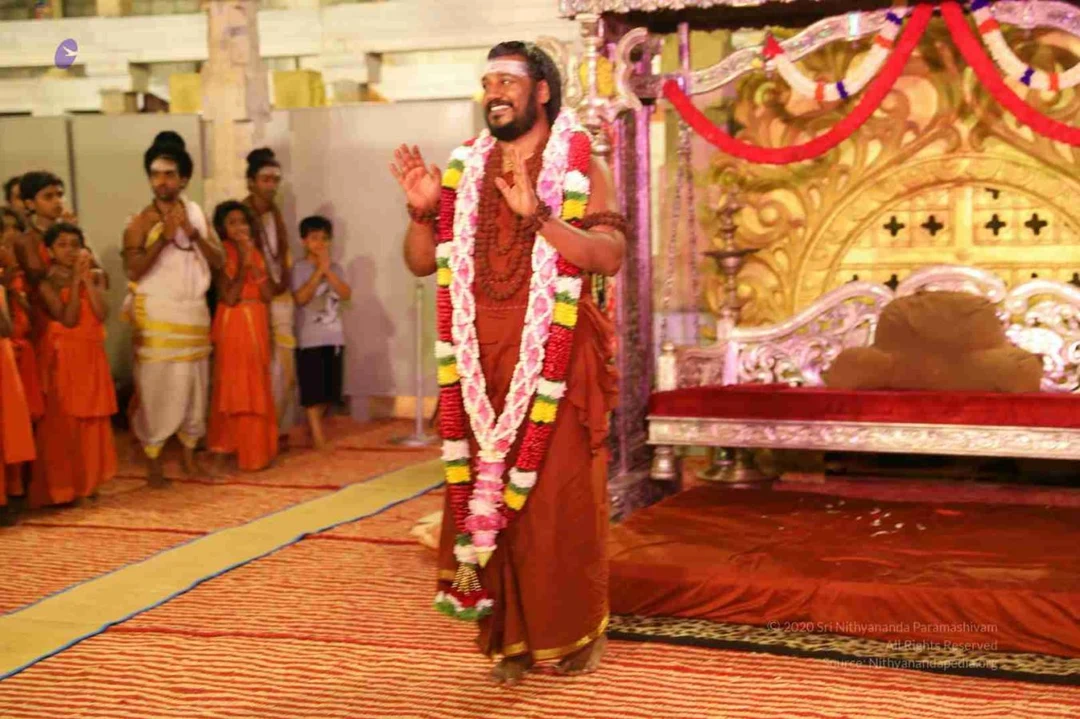 Blessed by the presence of the living avatar
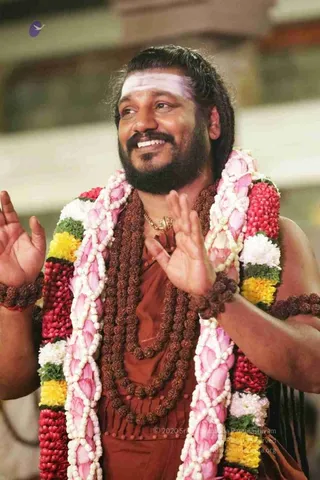 Avatar presence is living healing energy field
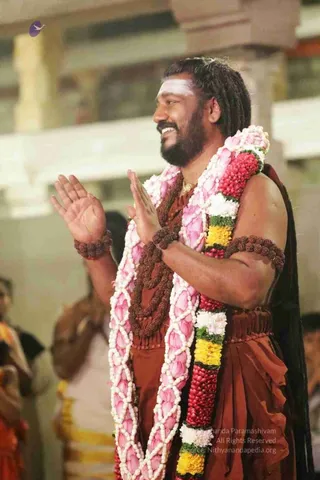 Avatar presence is living healing energy field
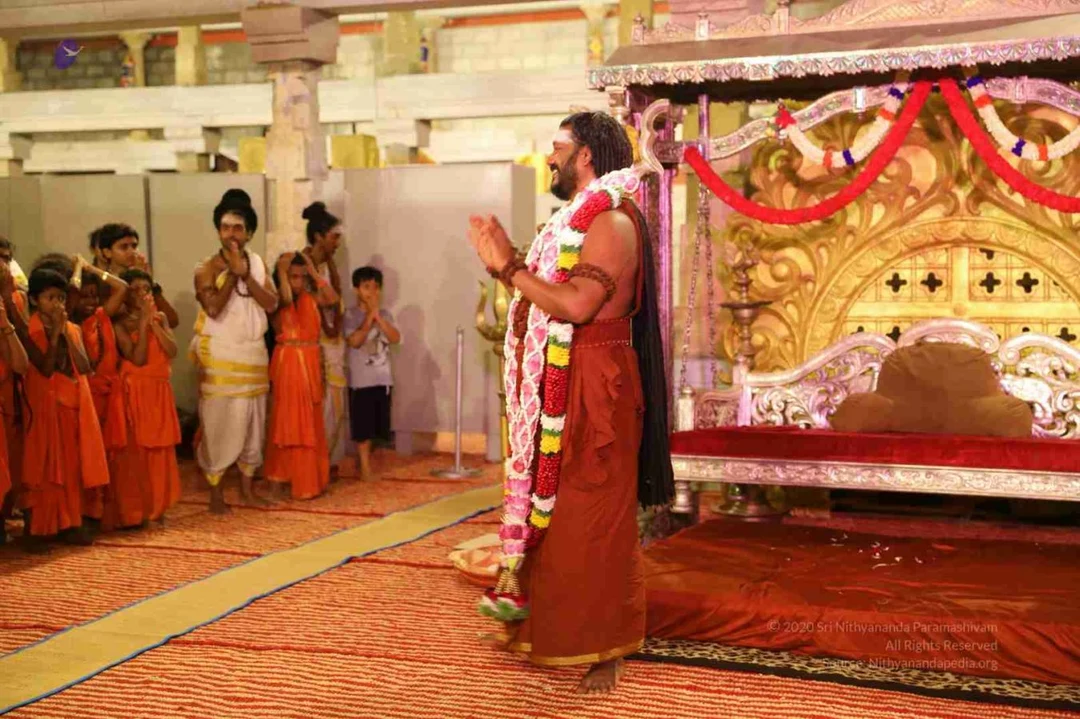 Blessed by the presence of the living avatar
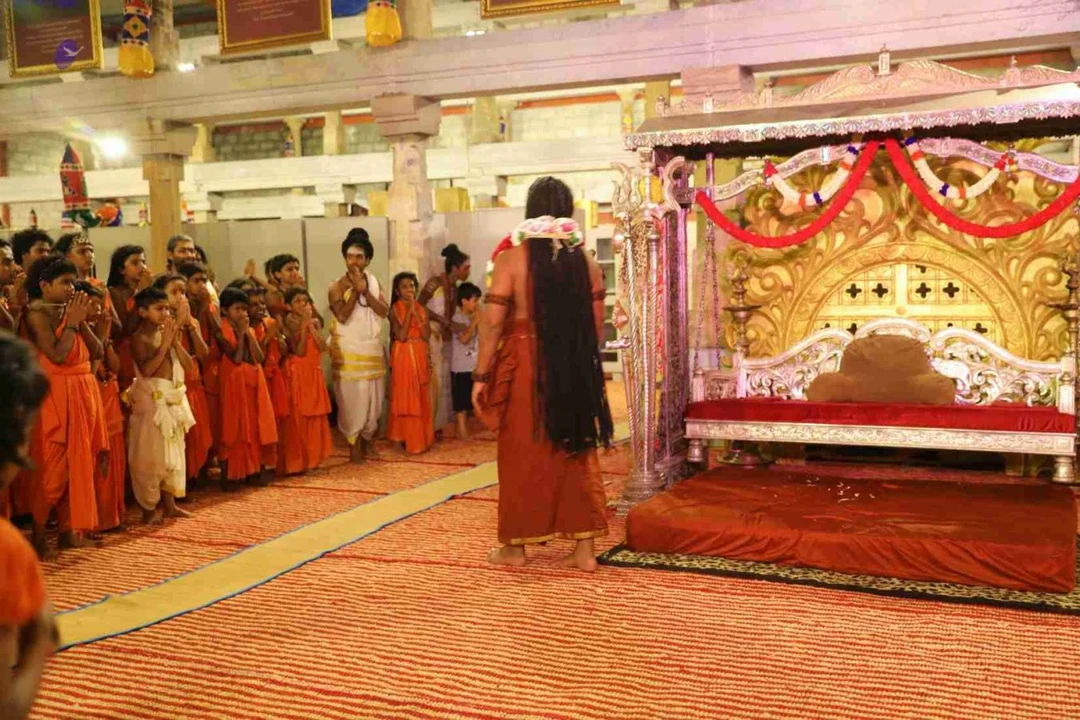 Blessed by the presence of the living avatar
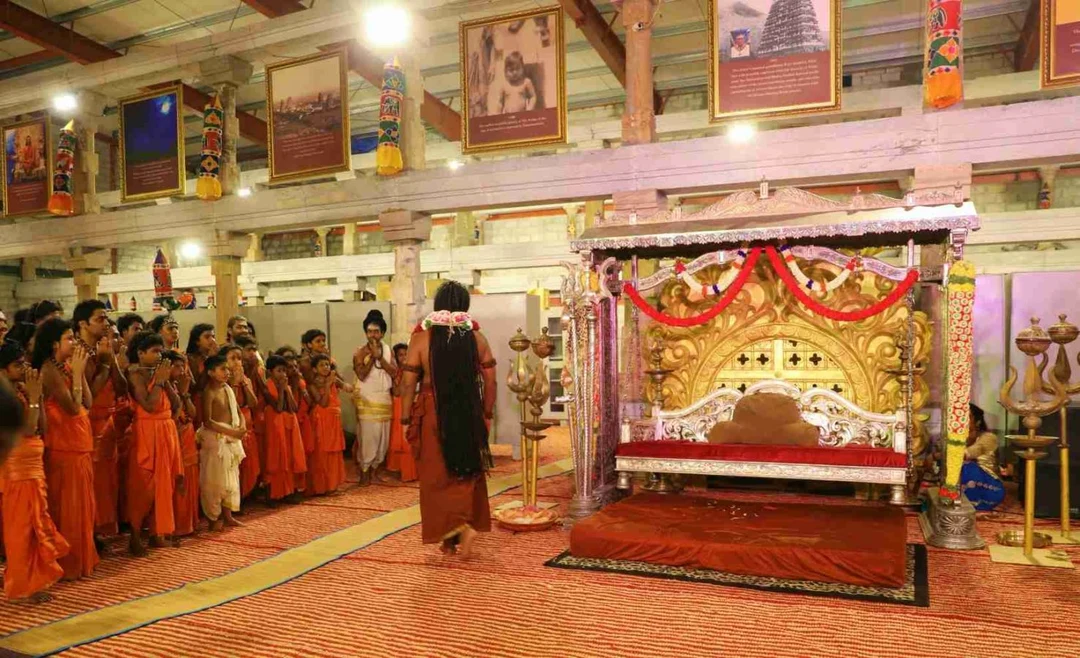 Blessed by the presence of the living avatar
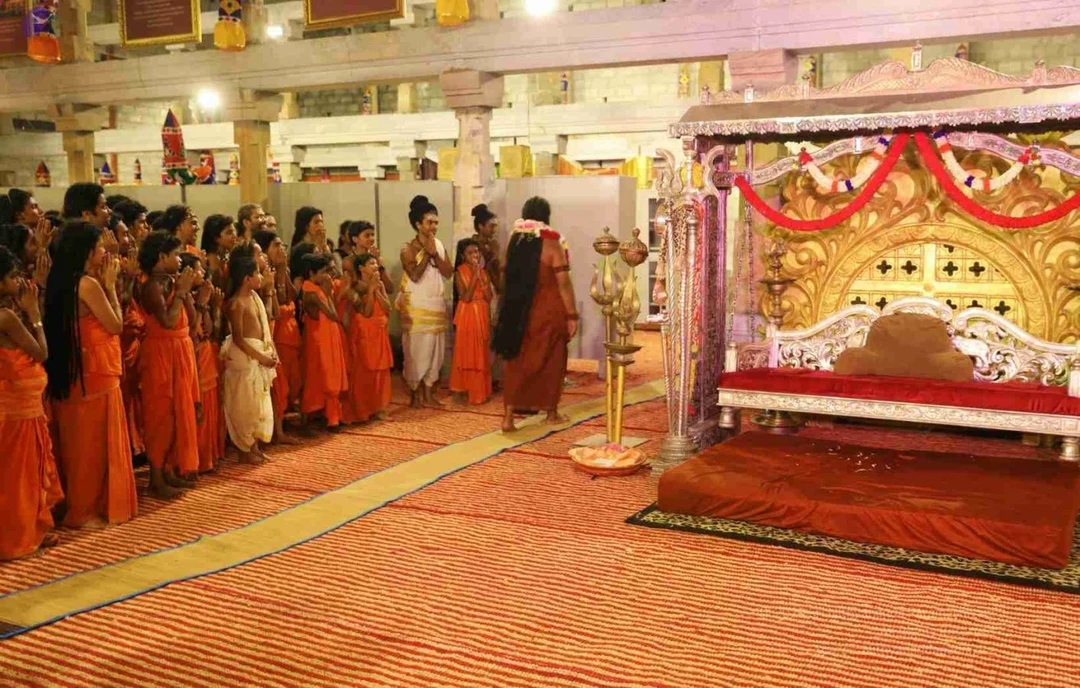 Blessed by the presence of the living avatar
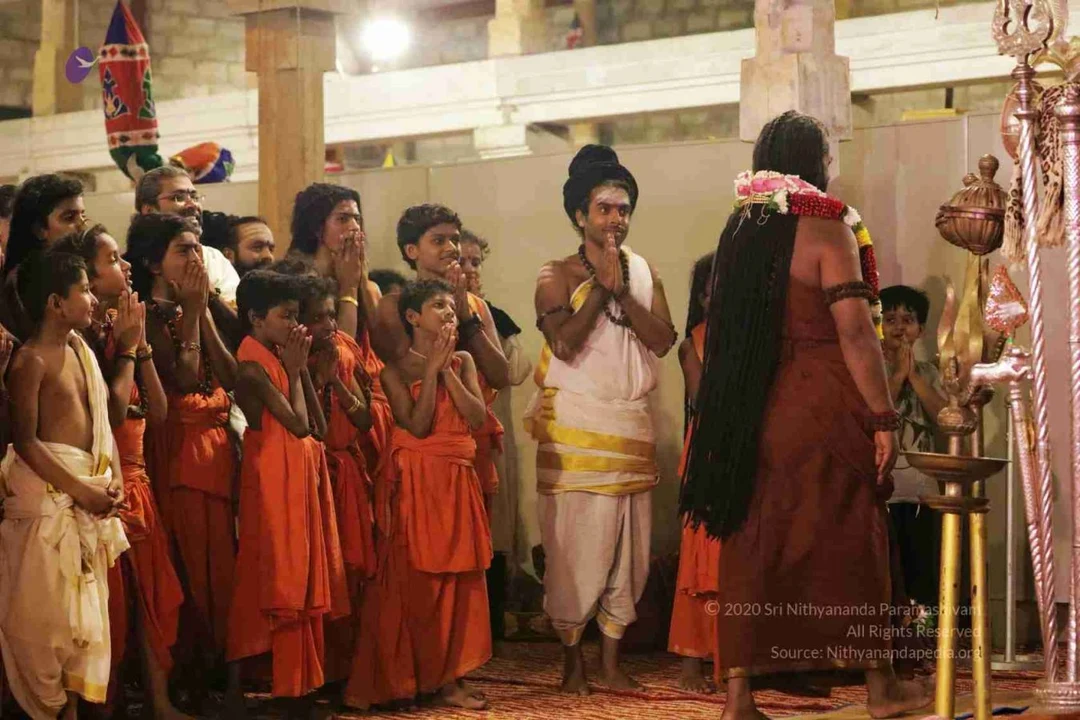 Balasant expressing gratitude
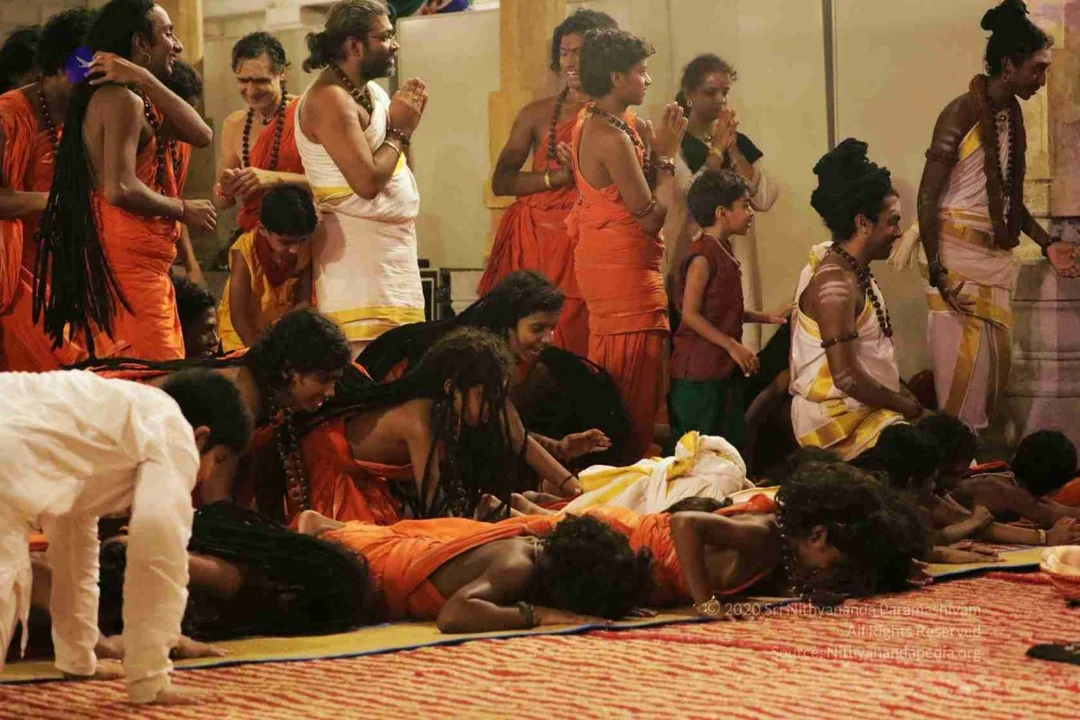 Balasants expressing gratitude

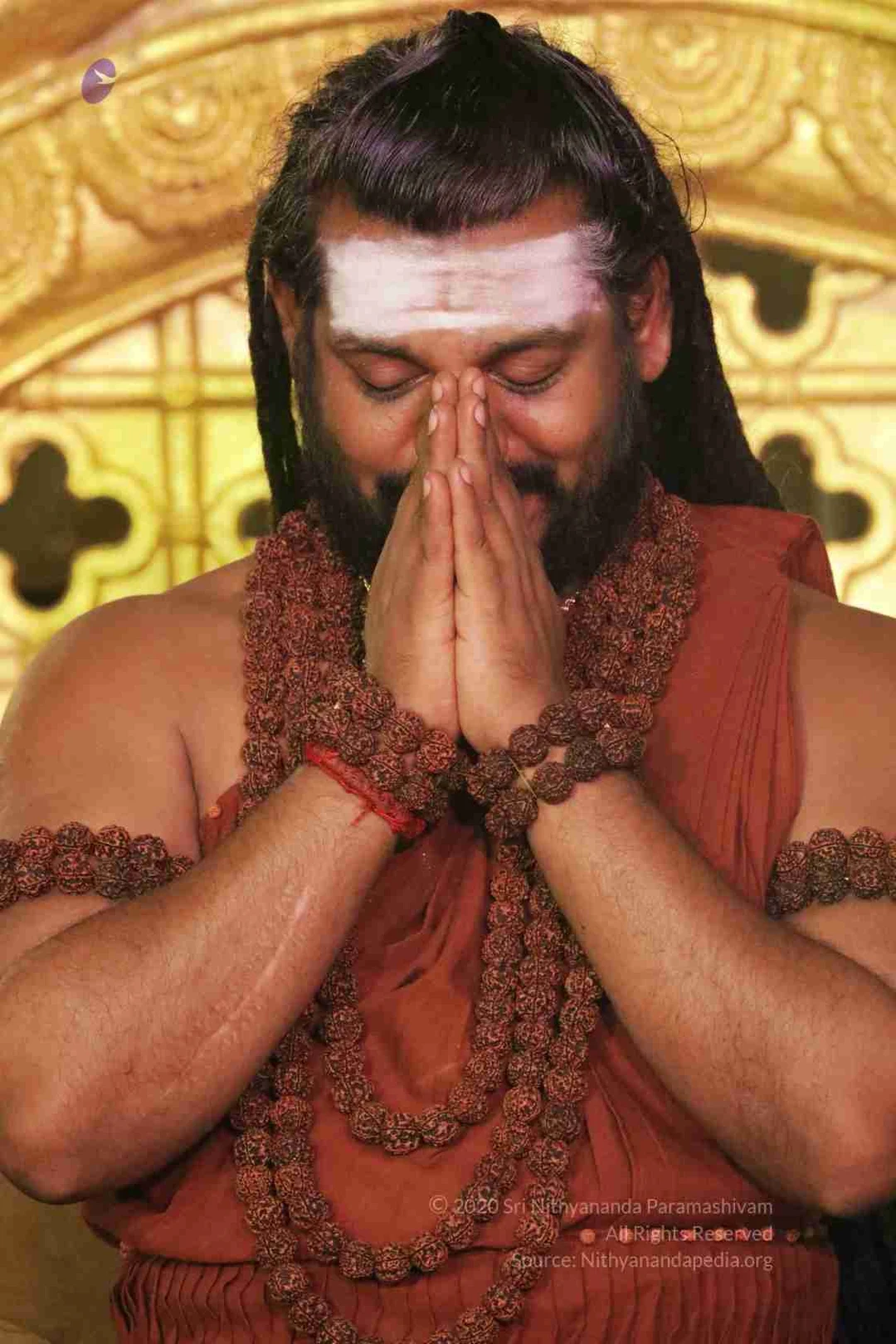
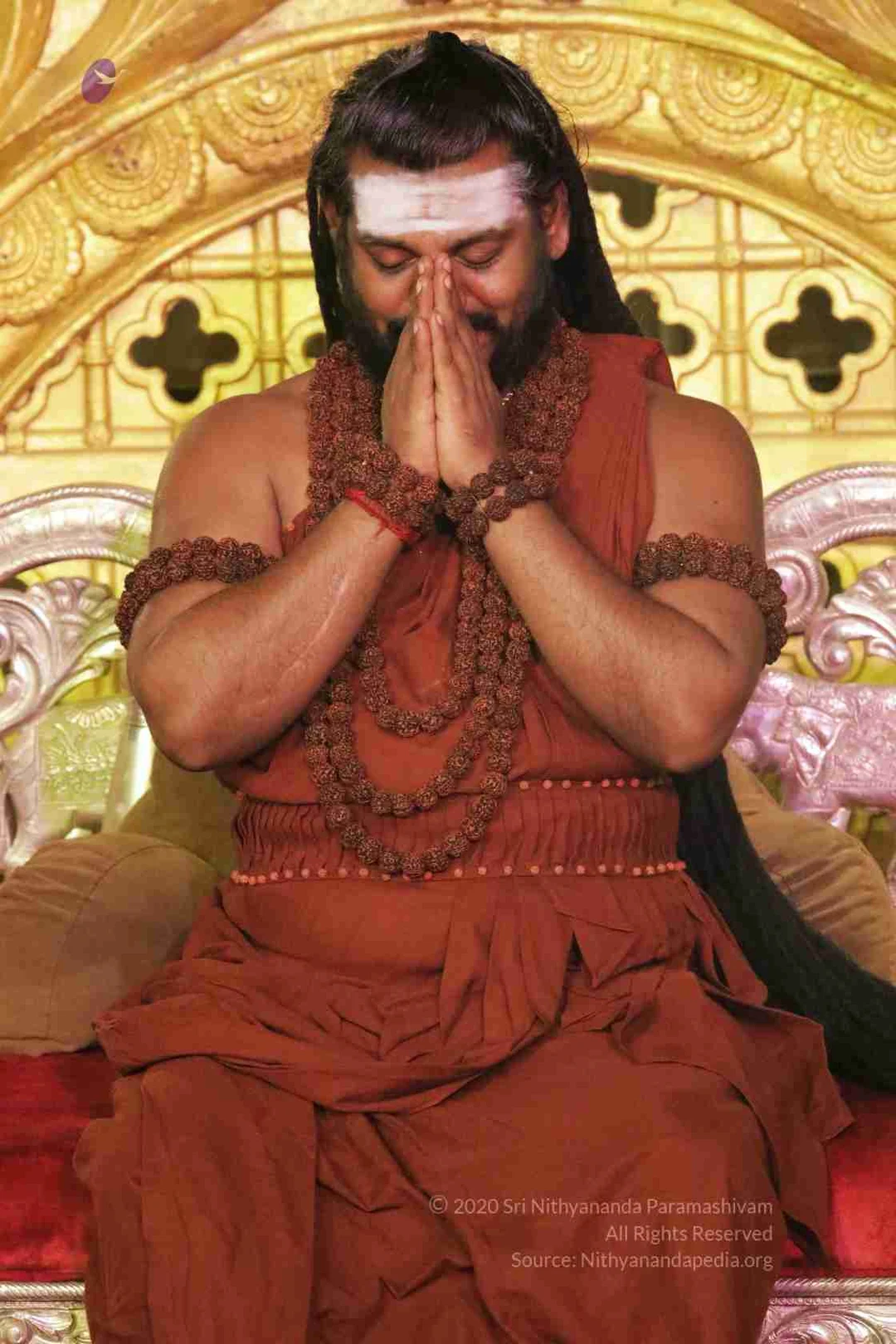
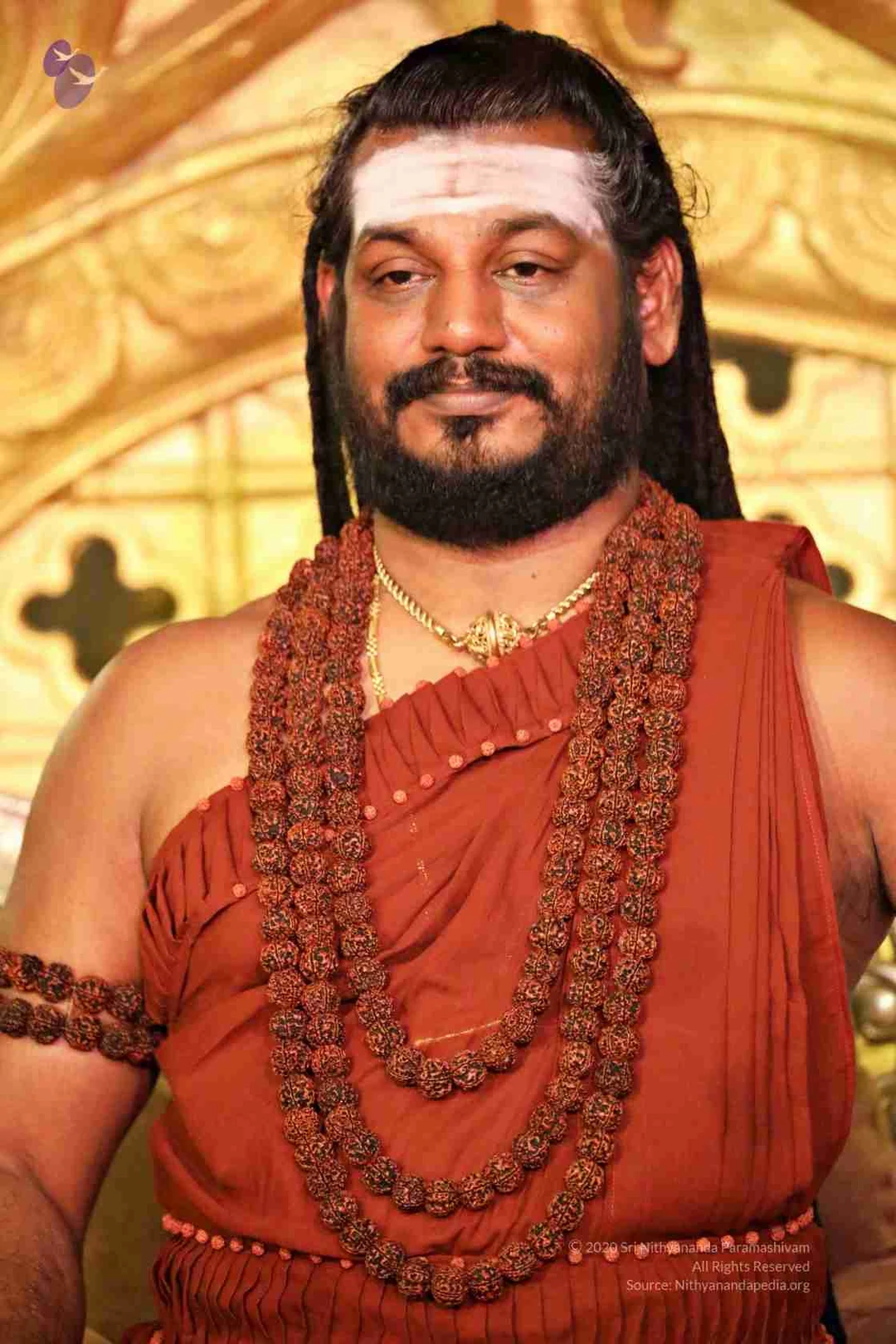
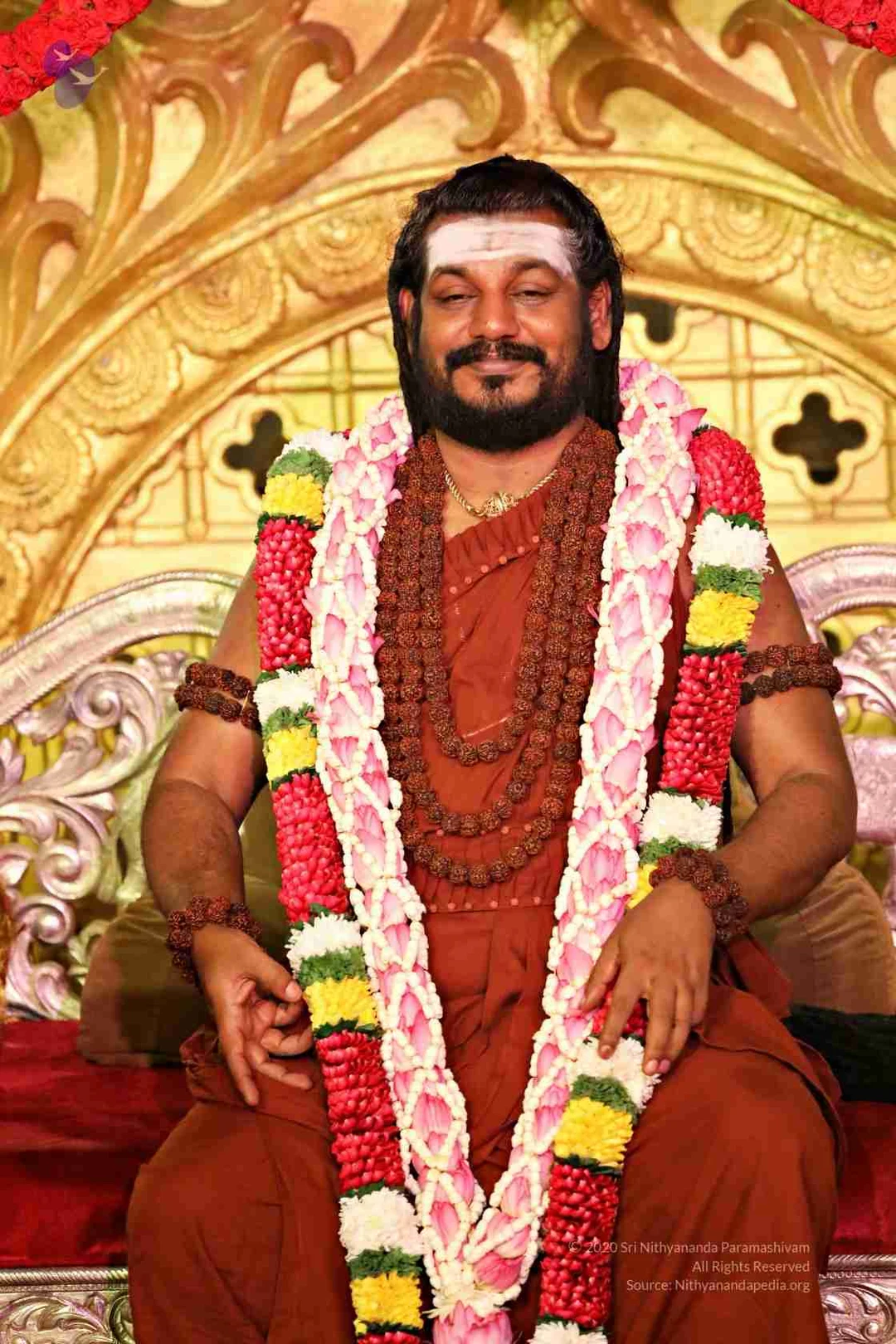
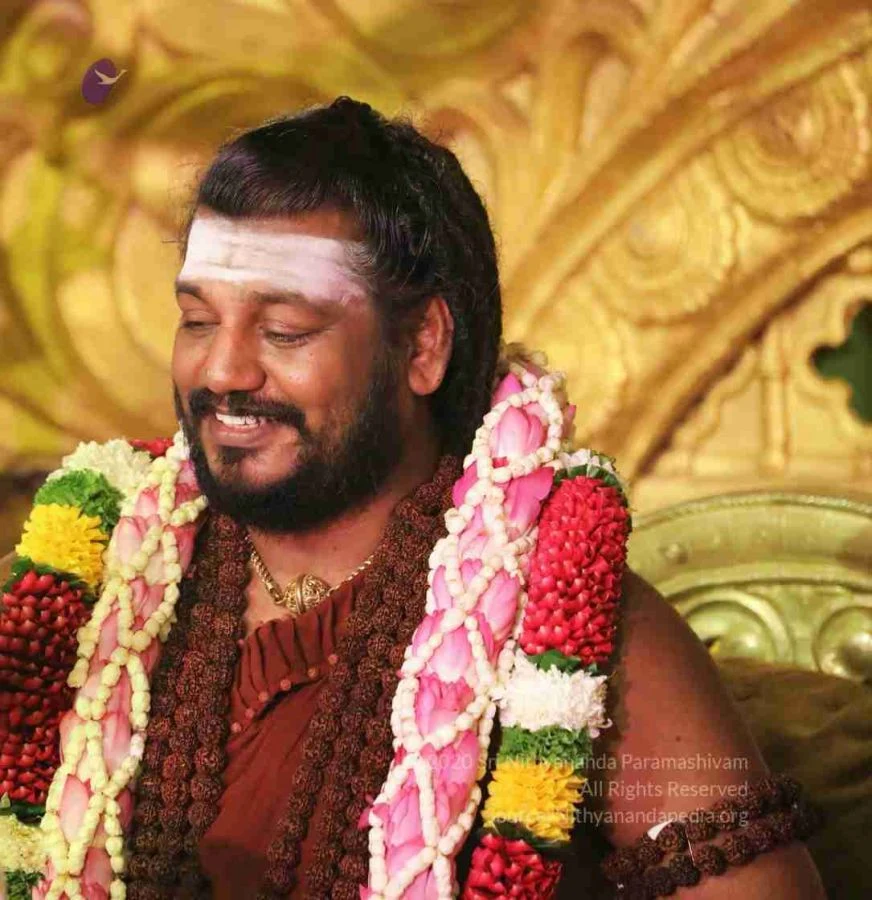
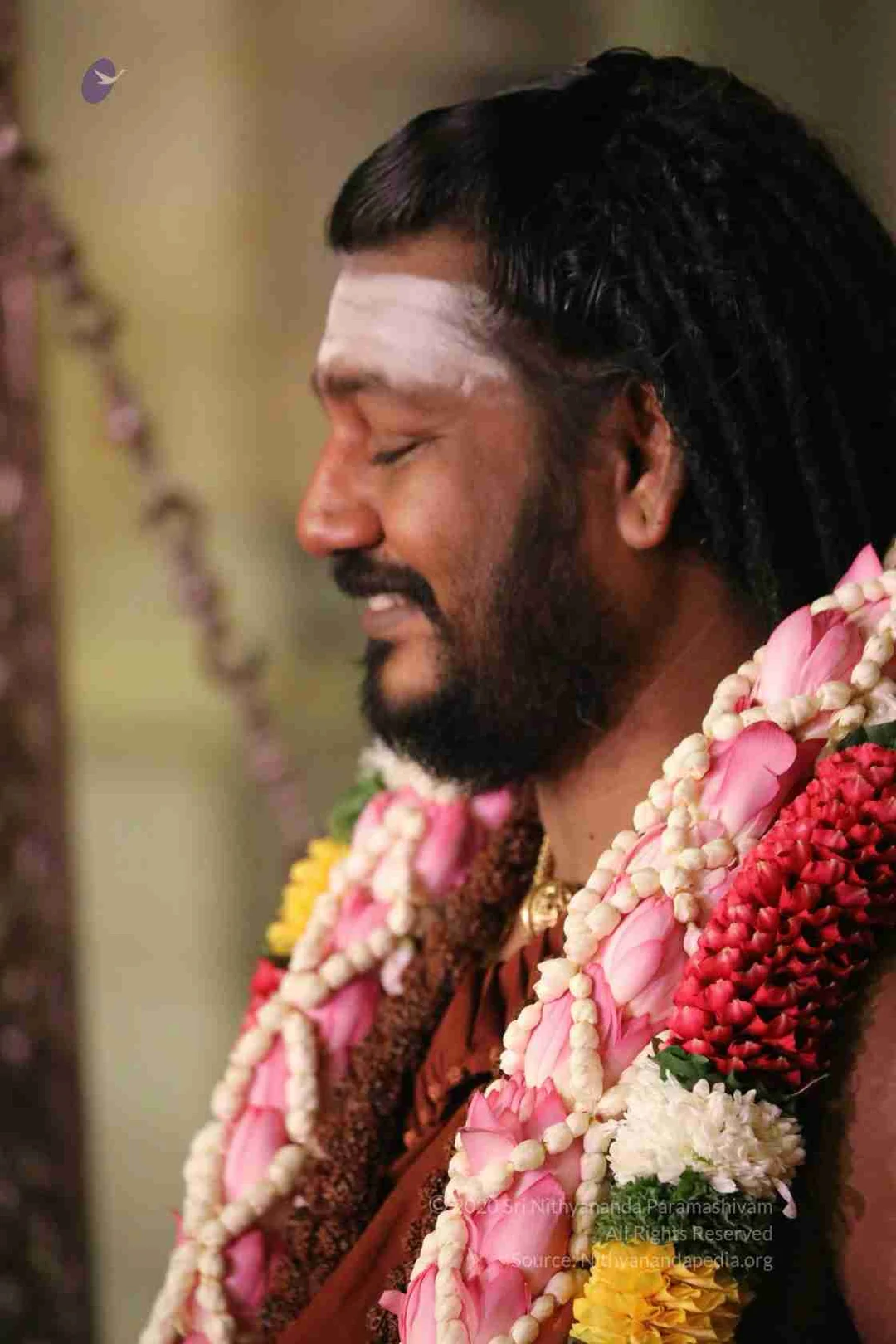
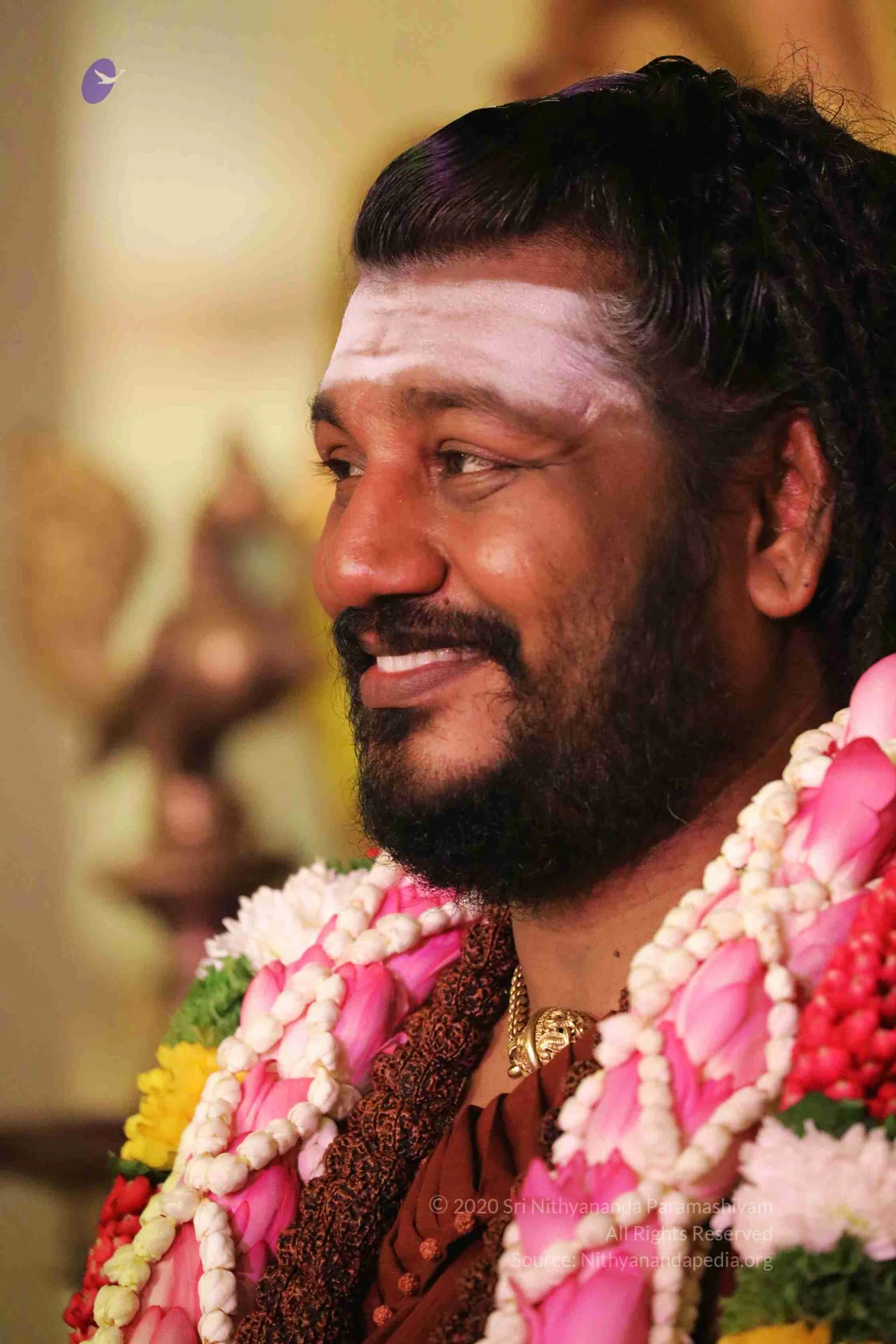
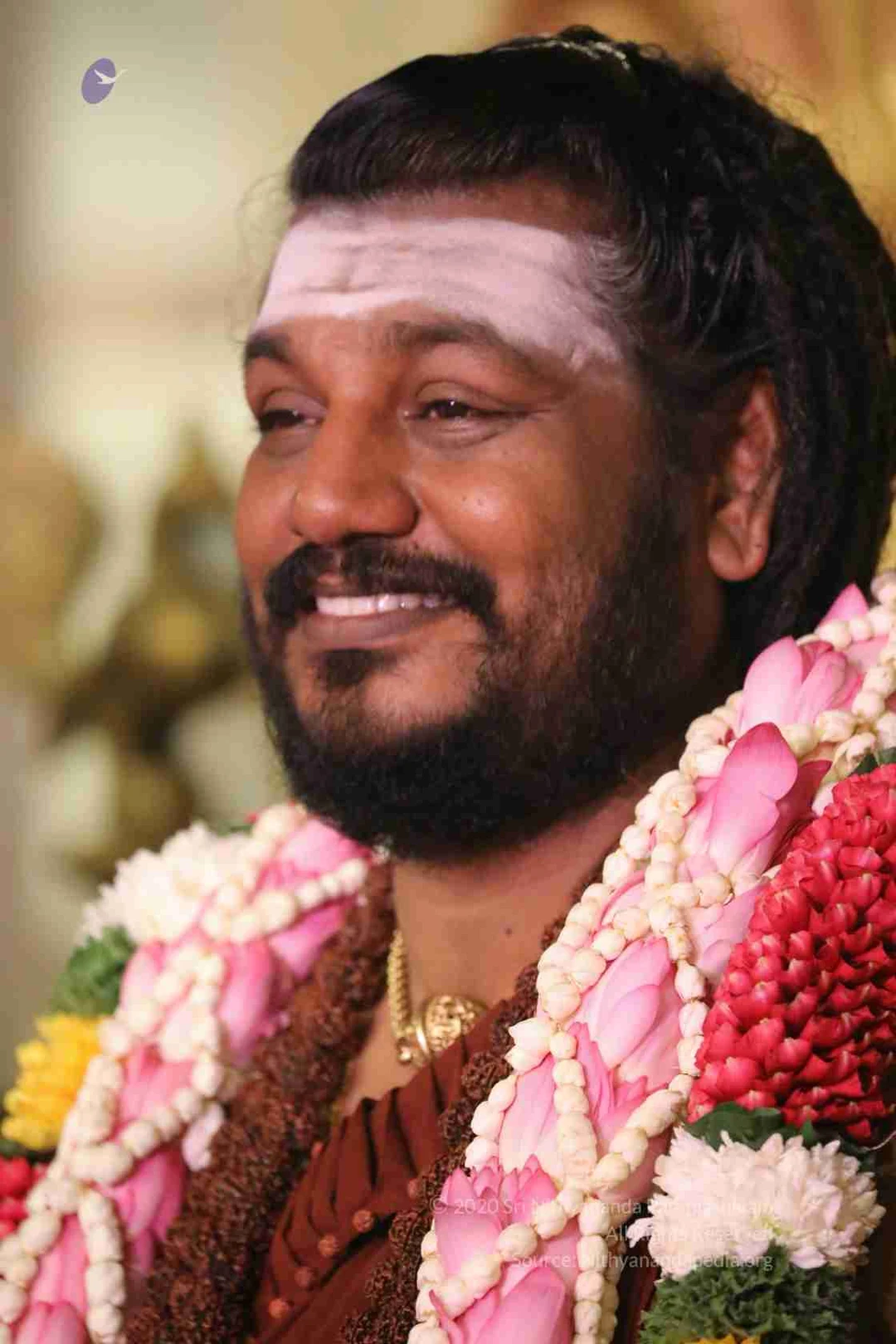
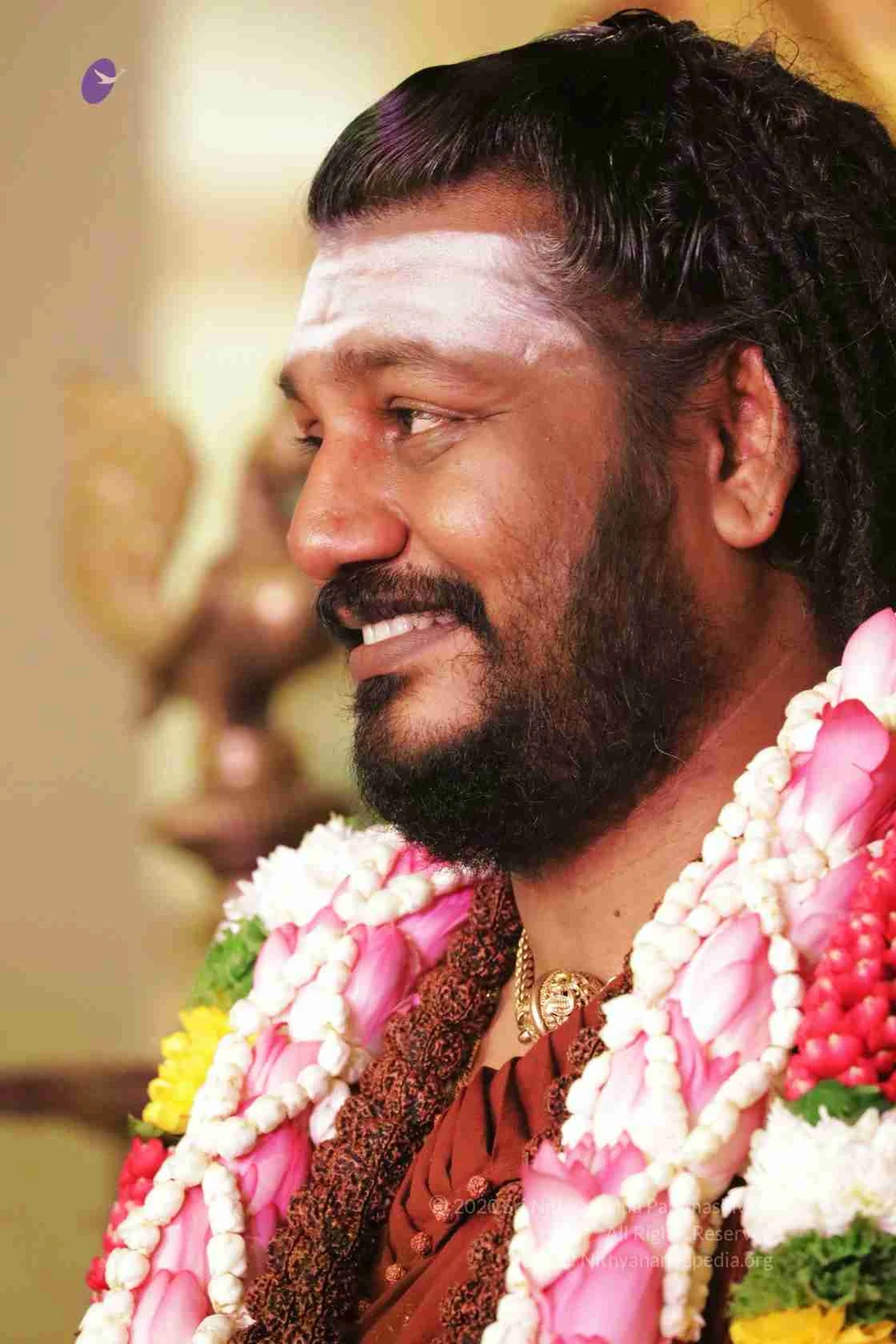
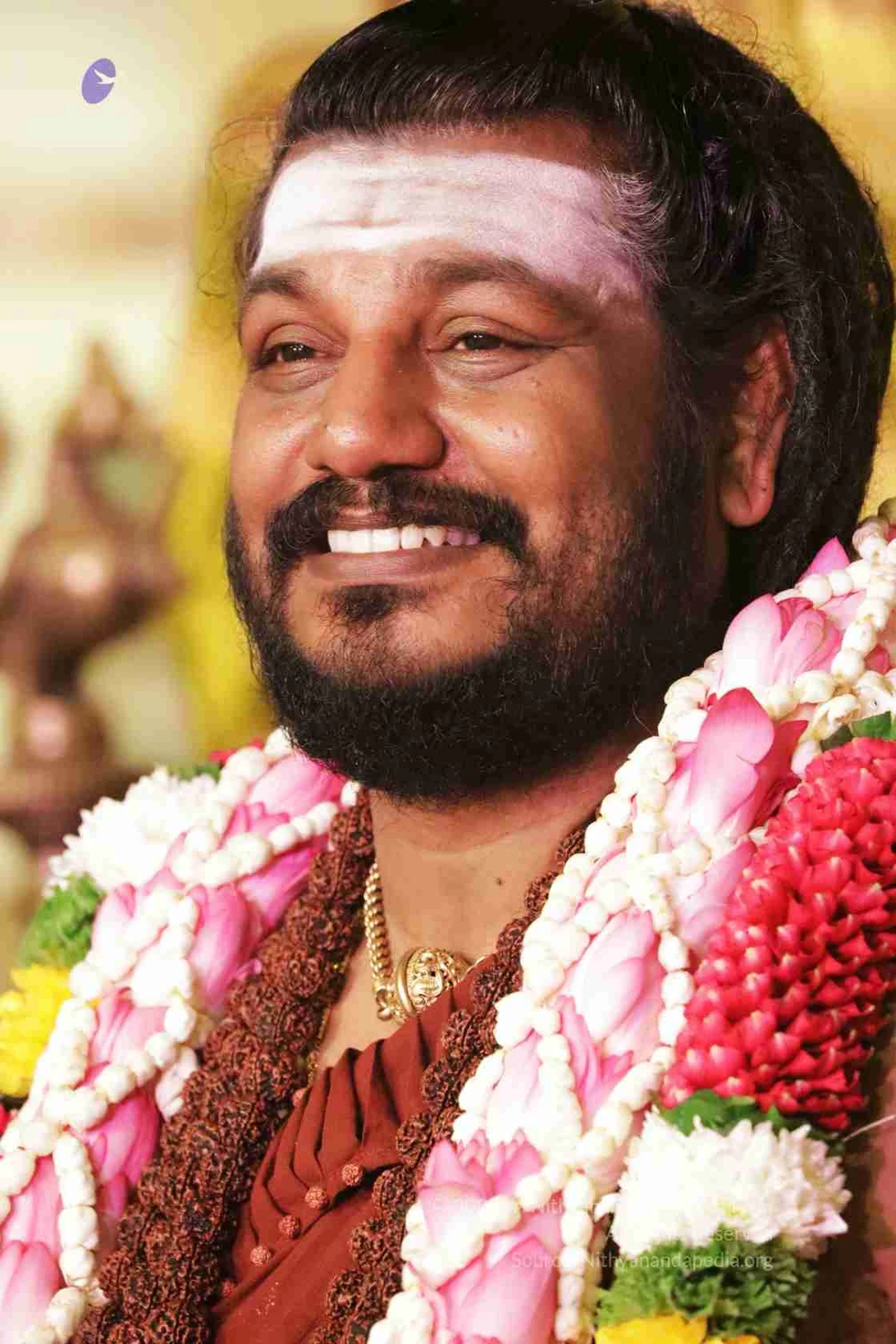
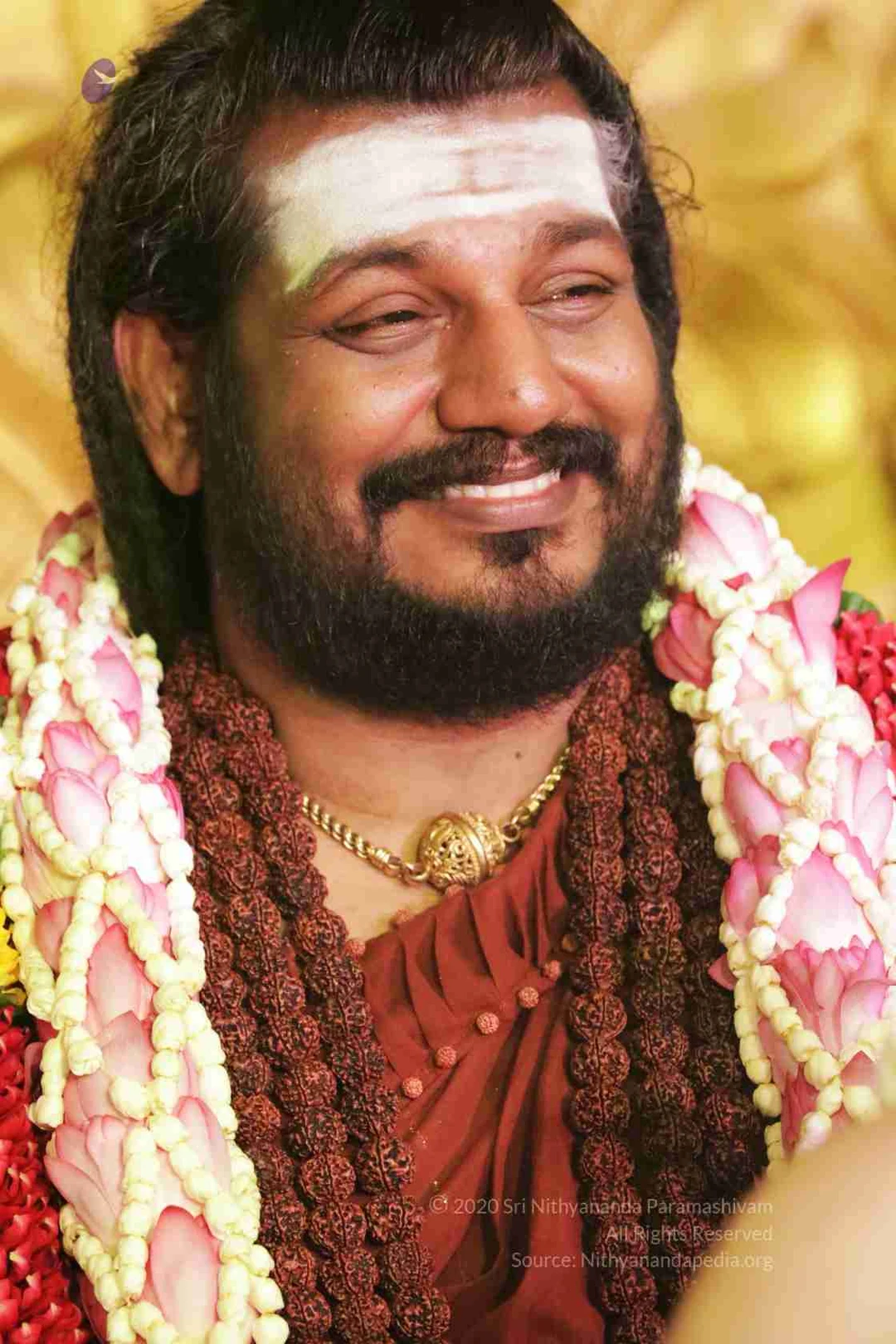
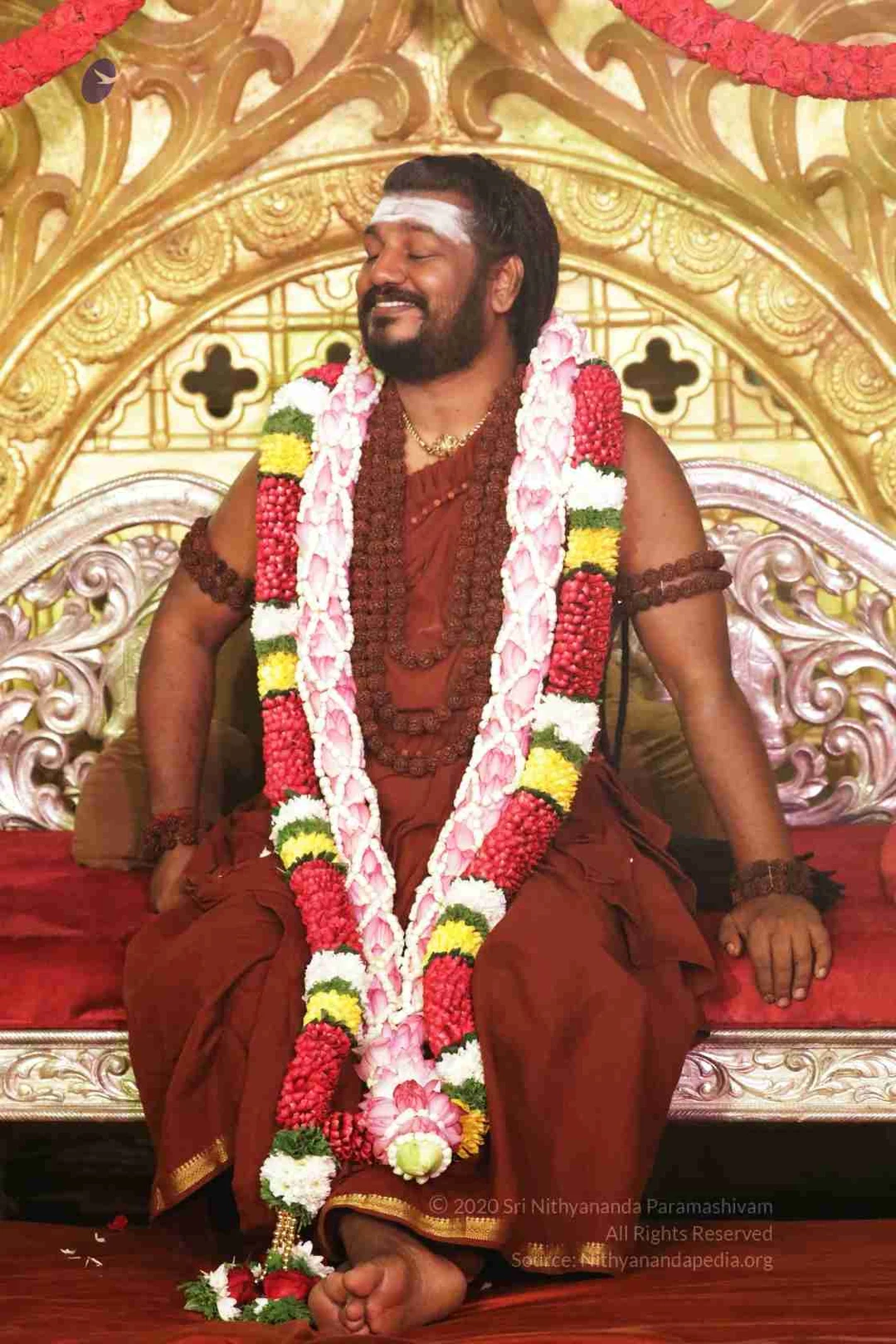
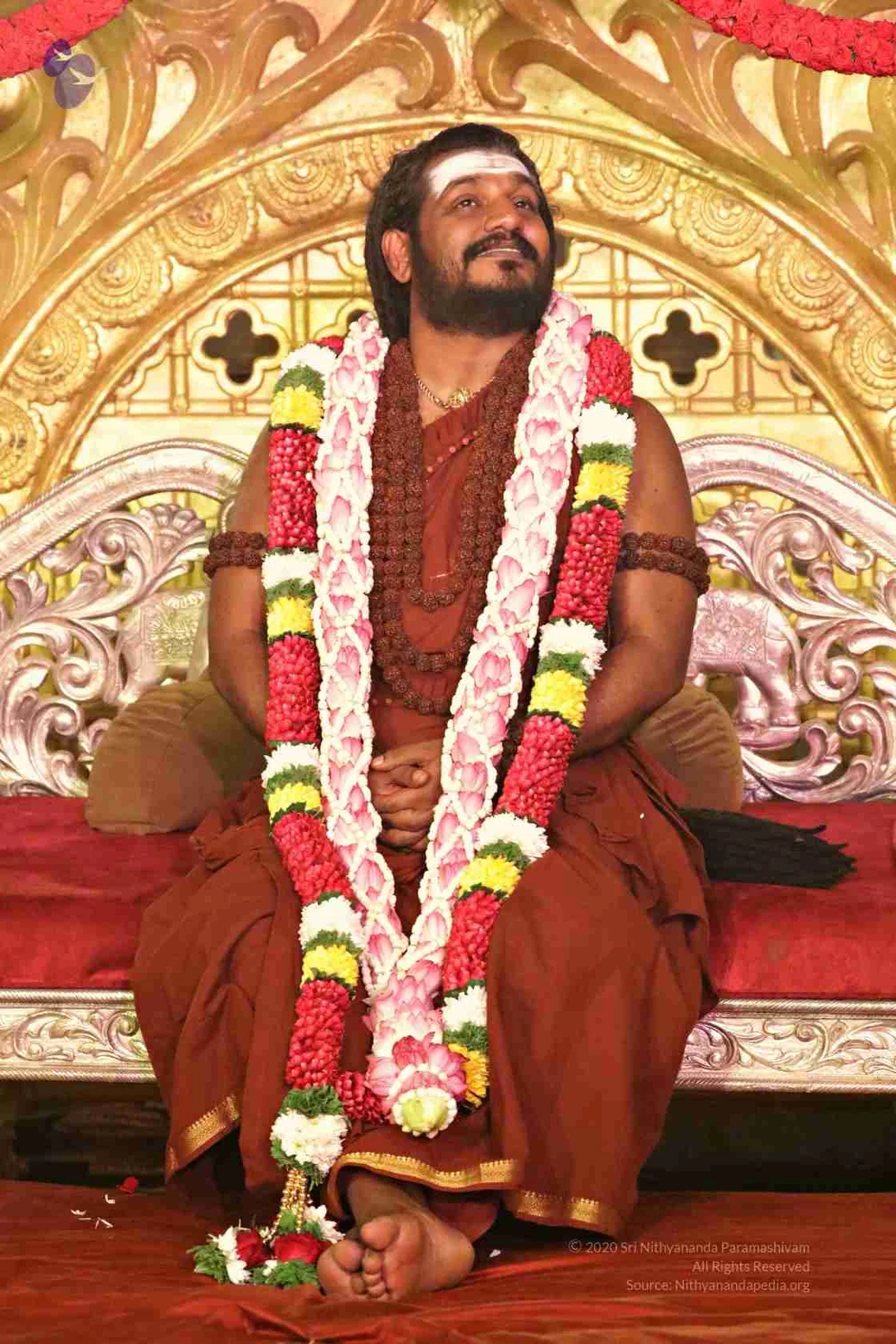
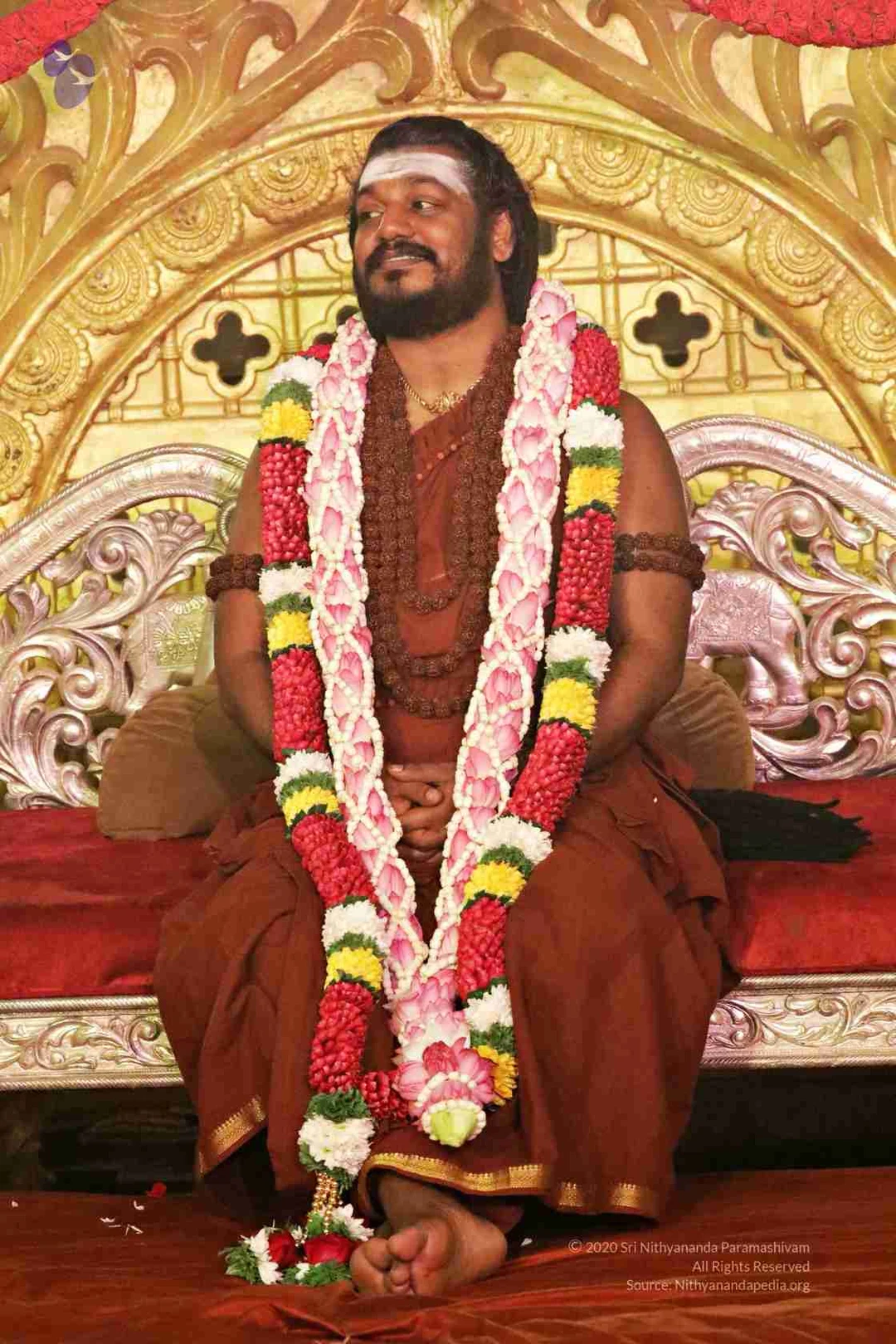
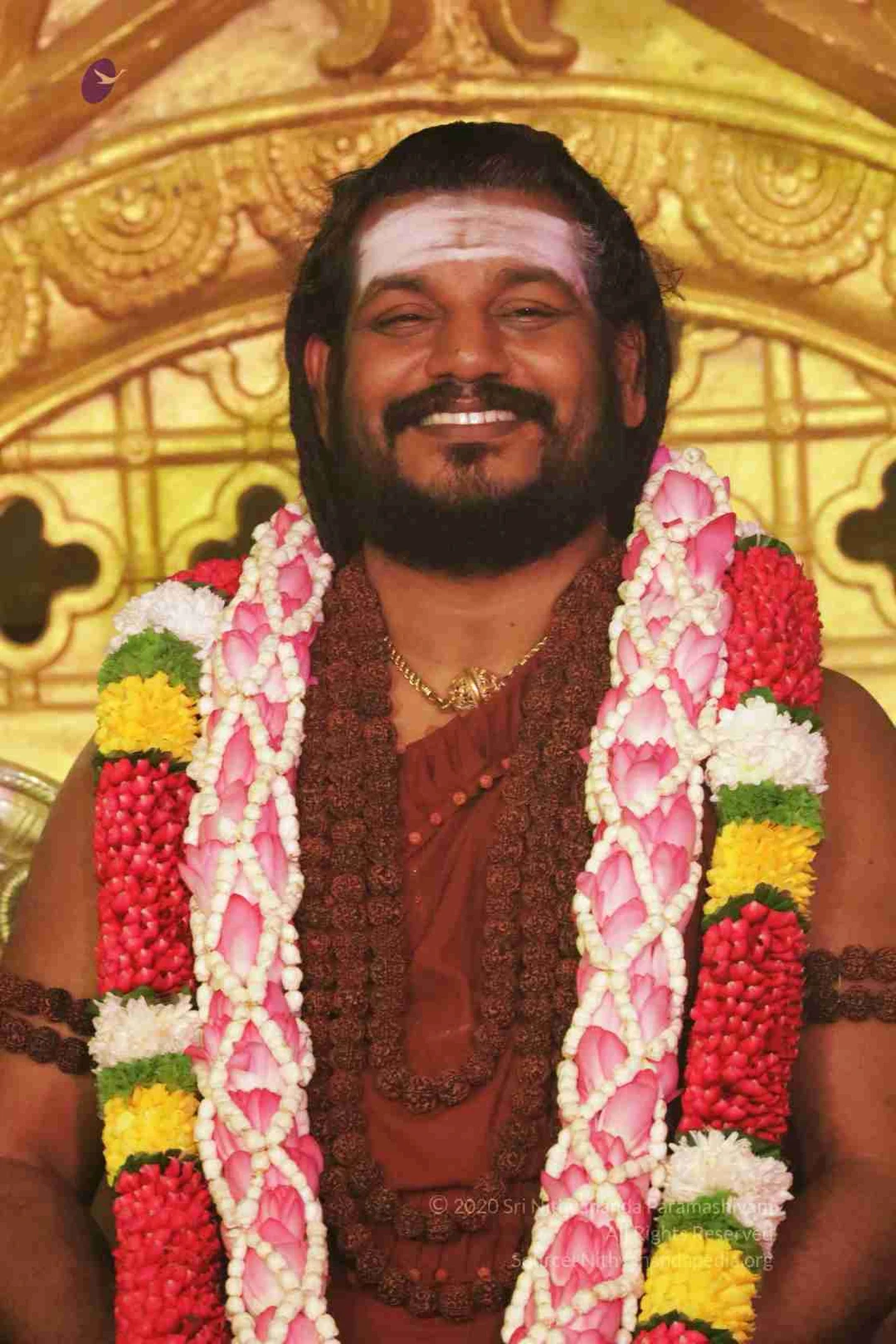
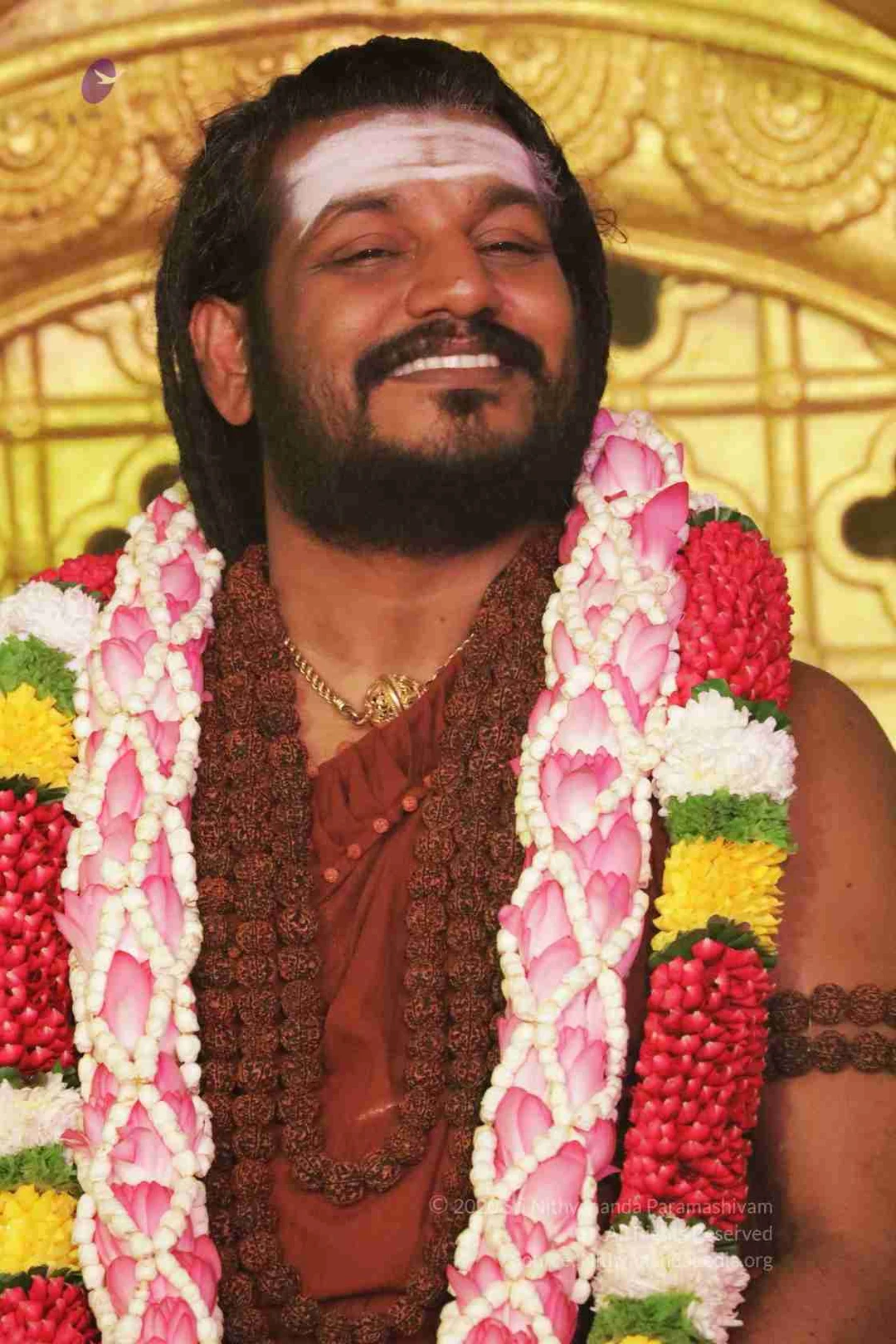
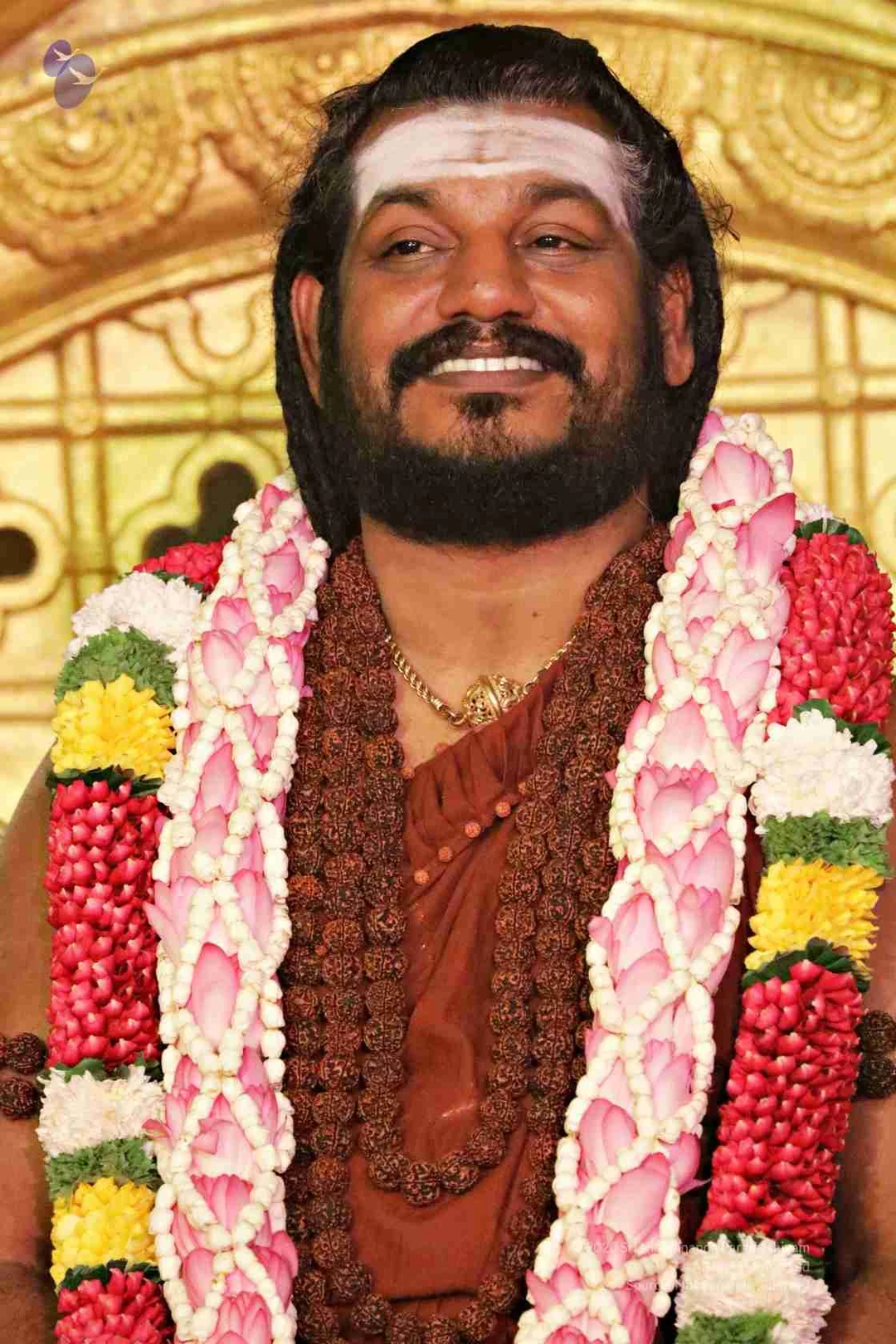
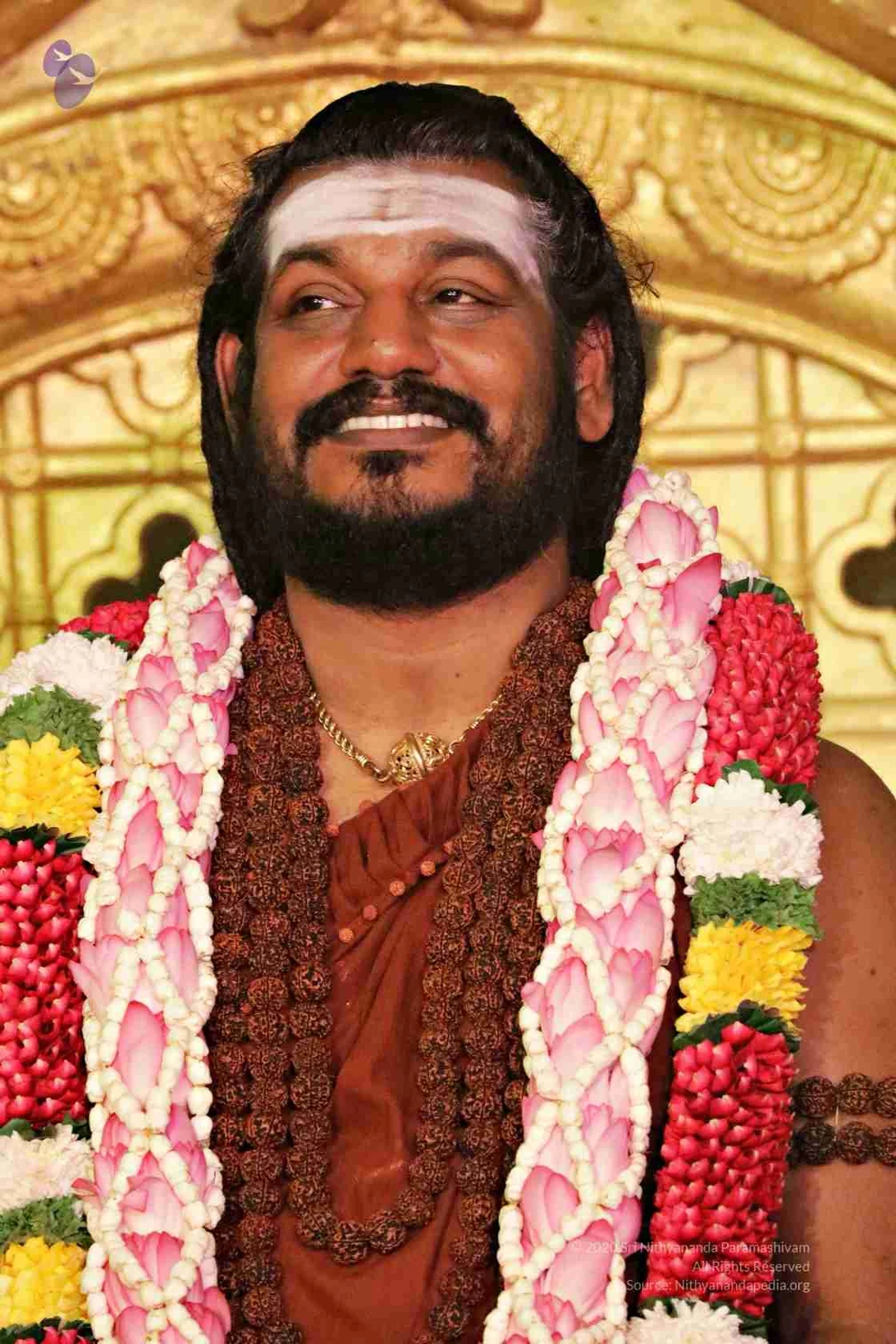
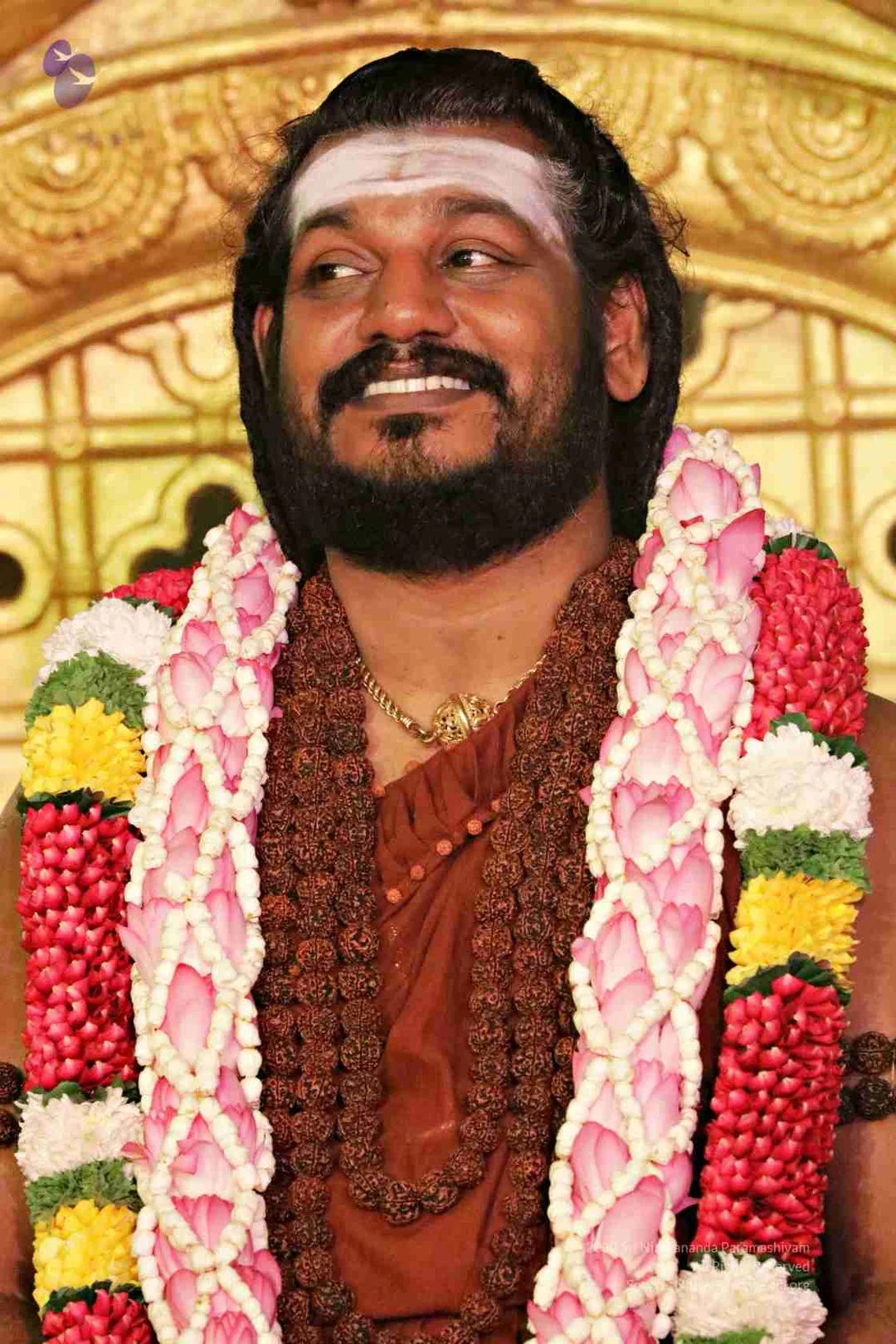
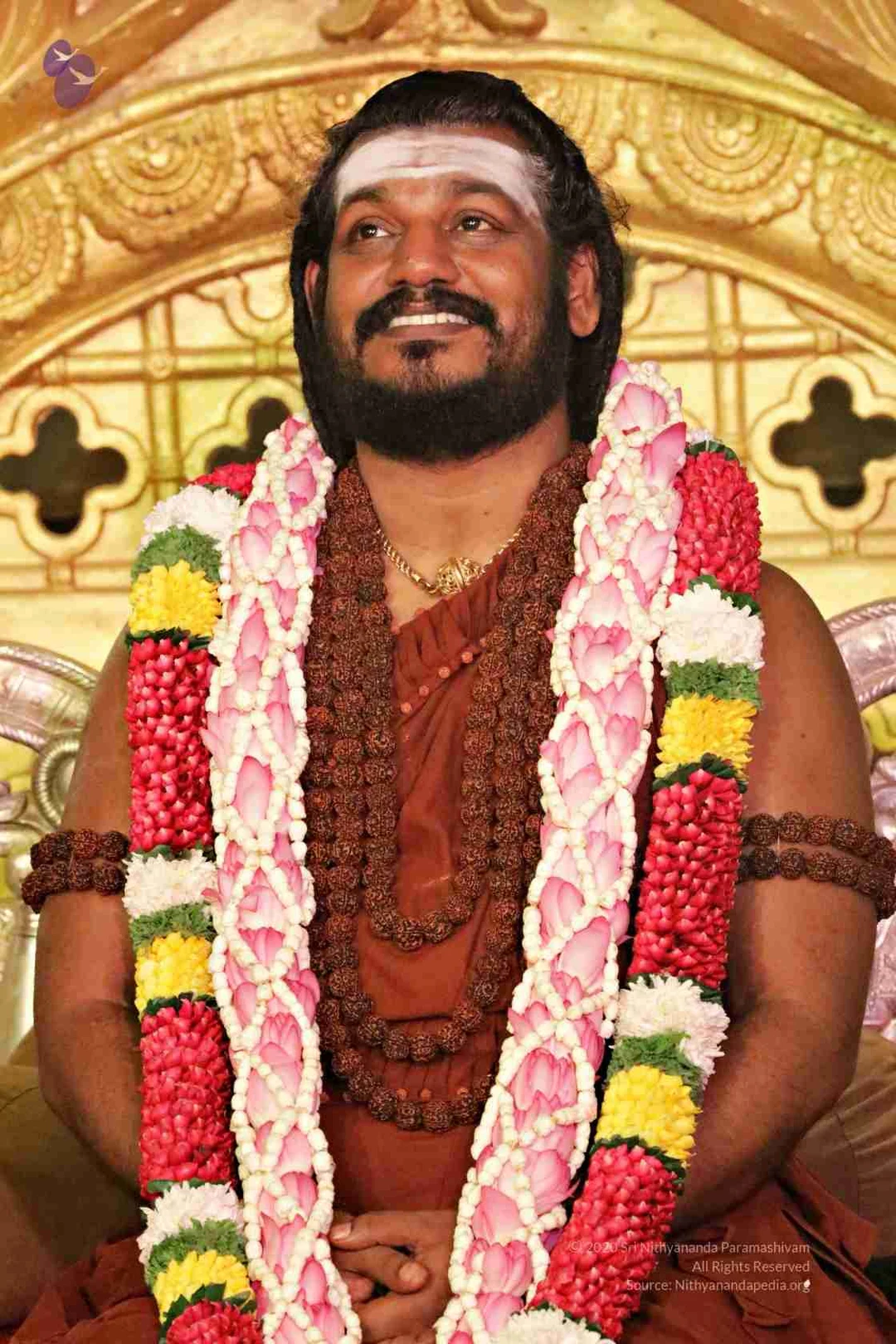
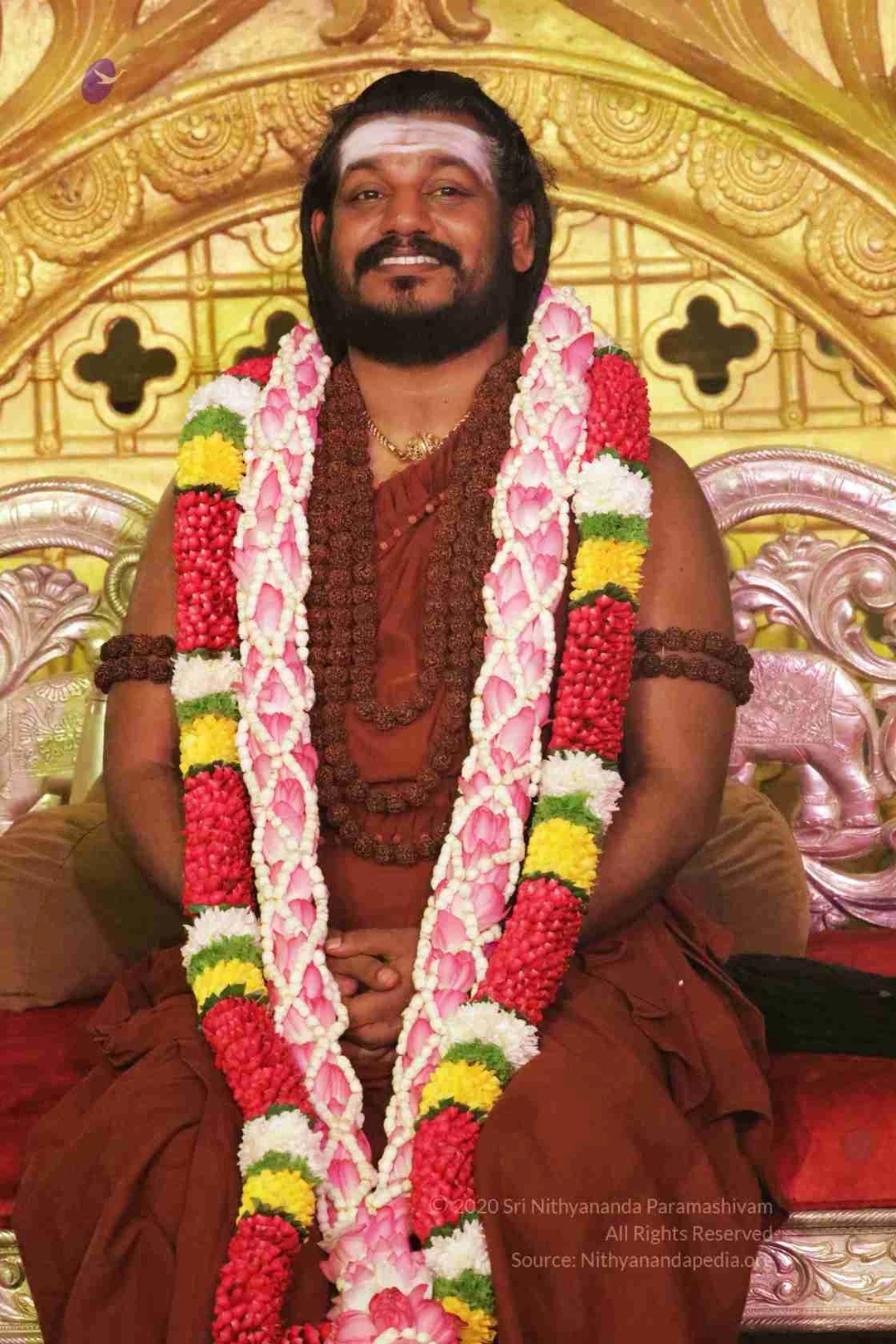
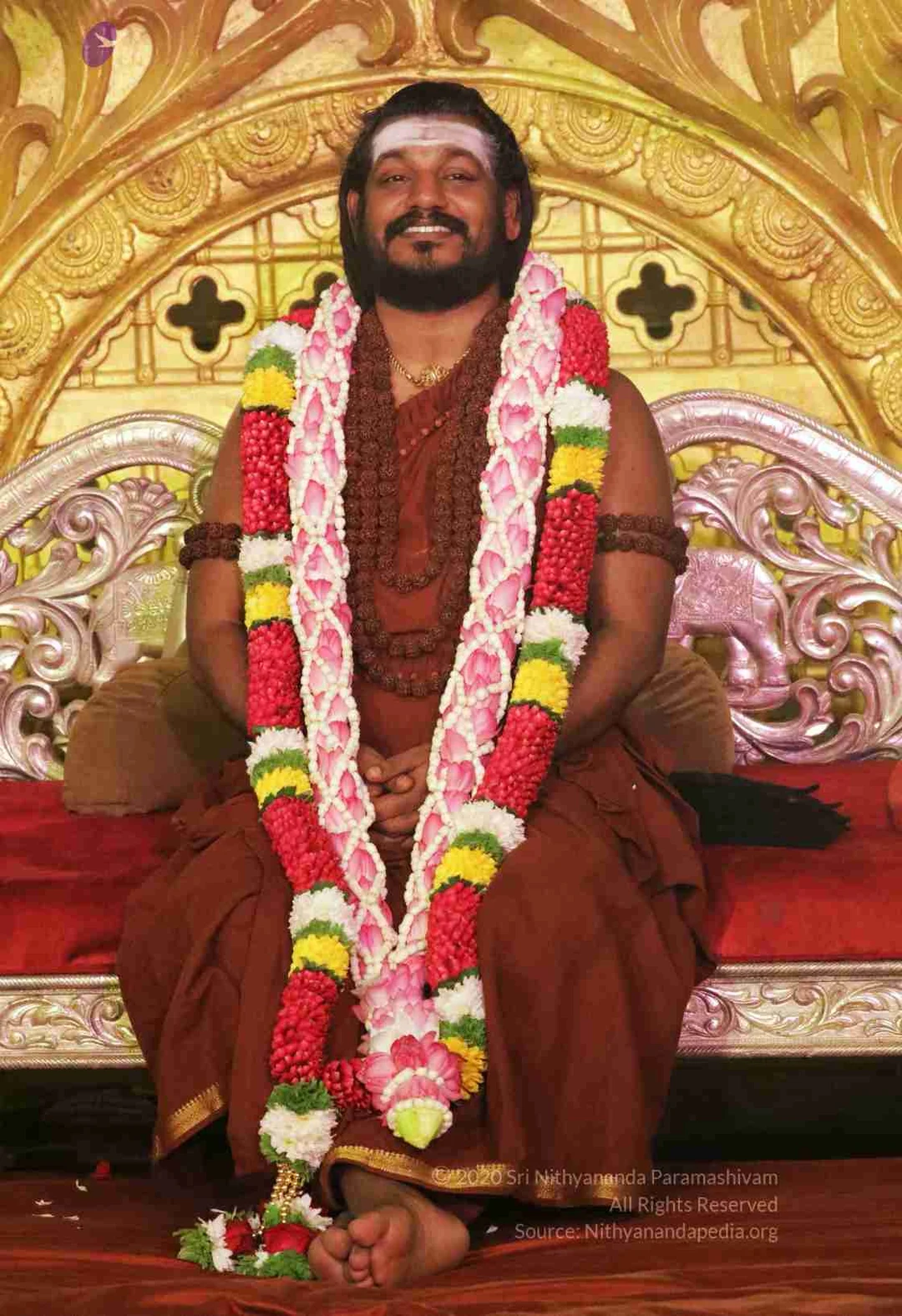

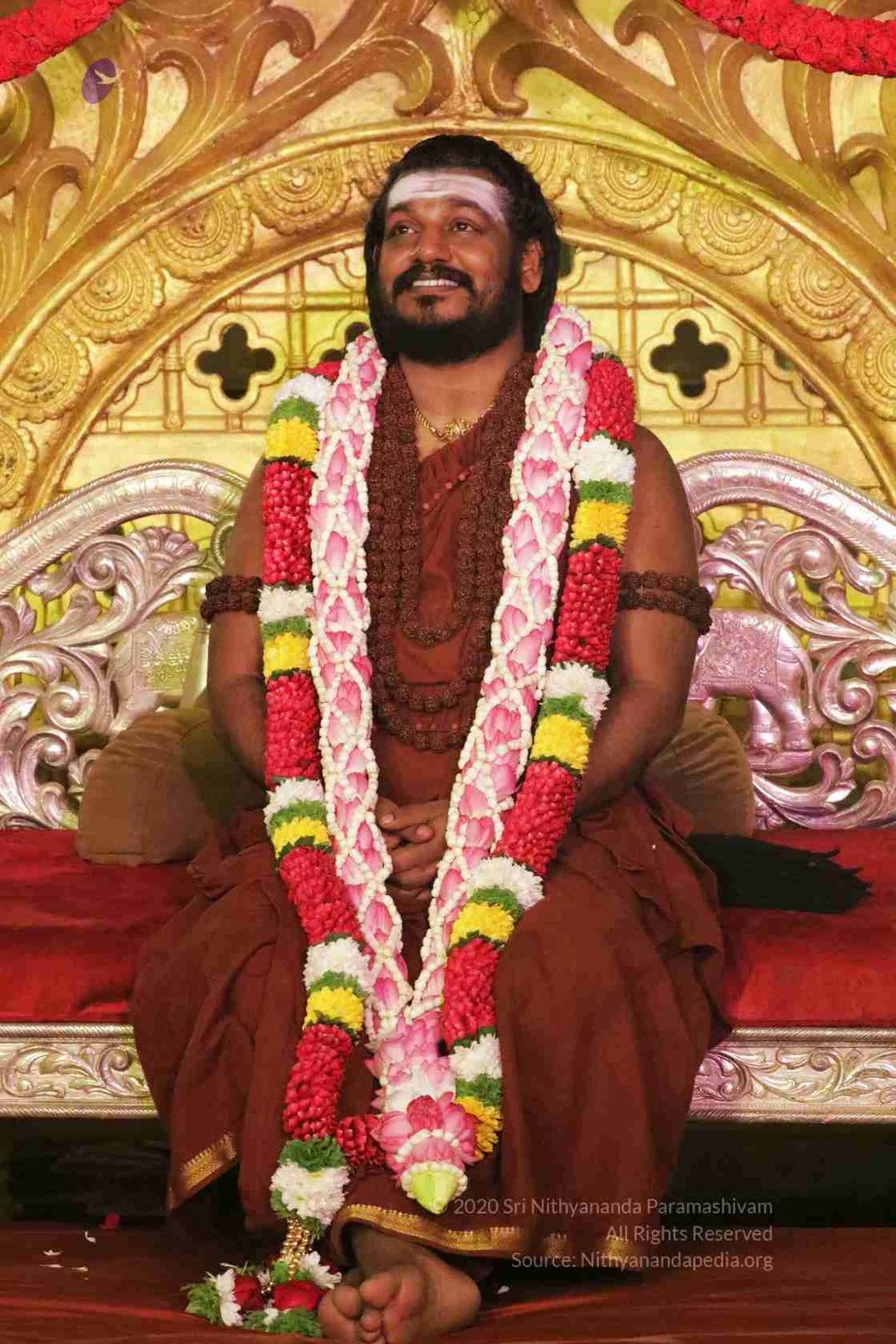
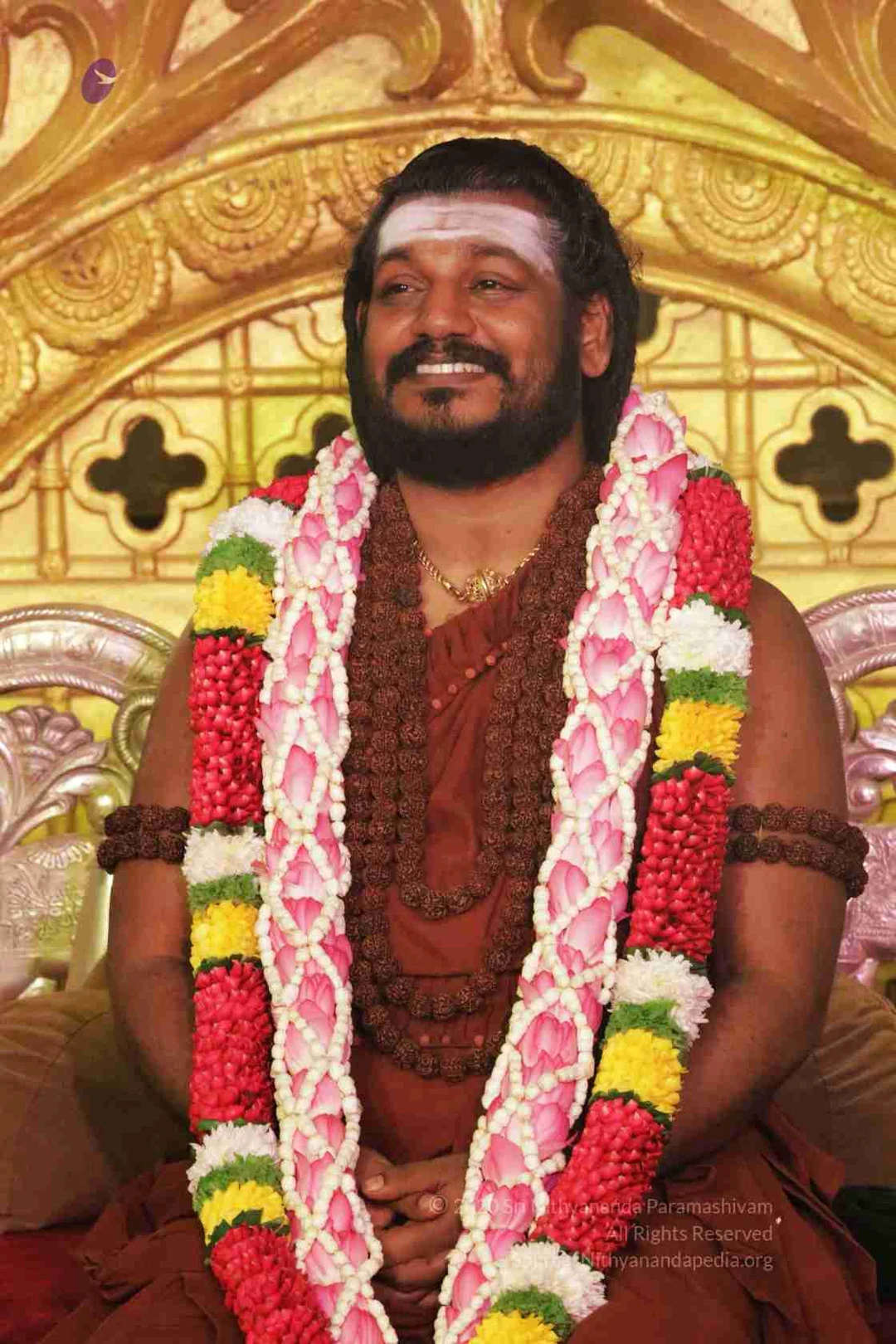
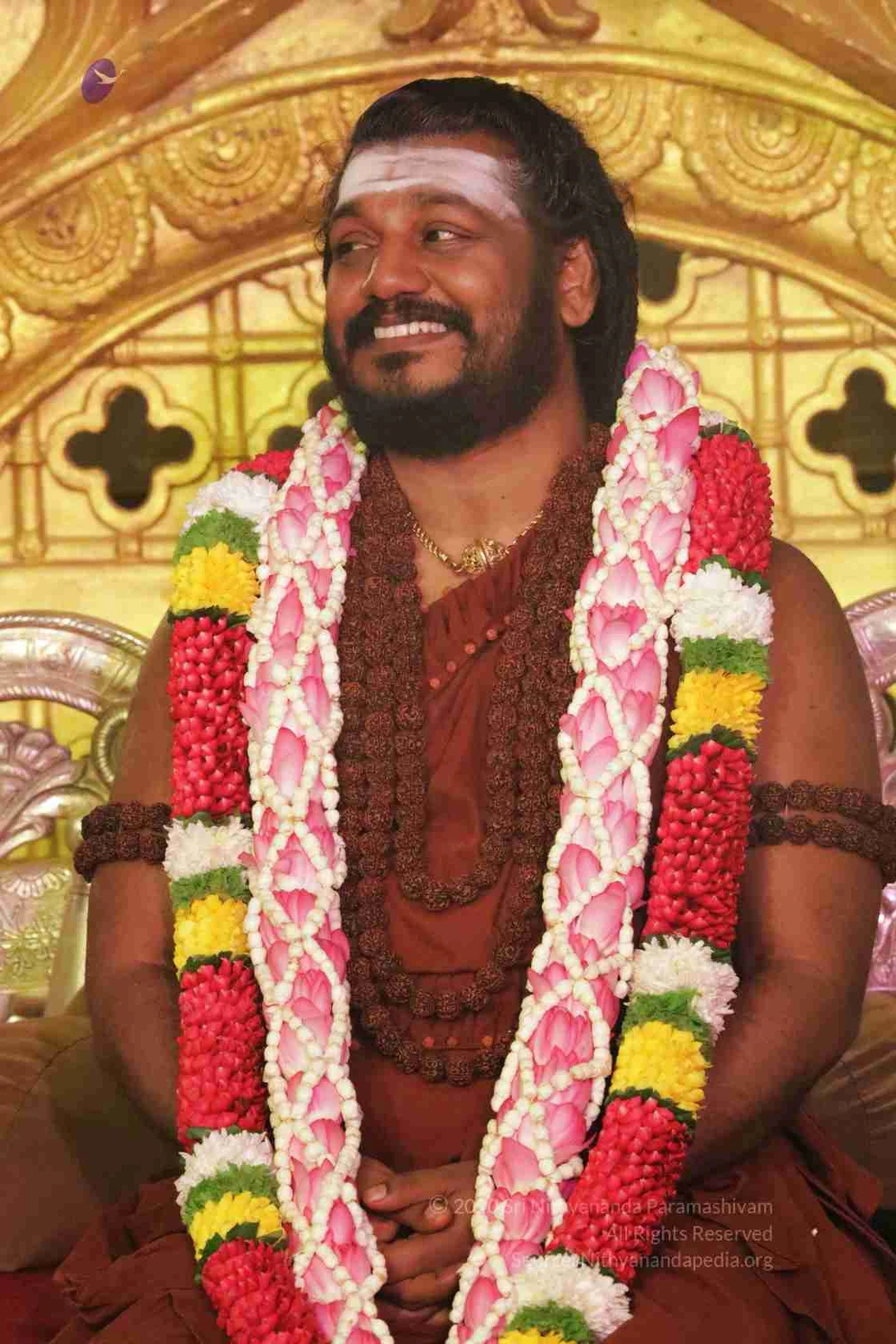
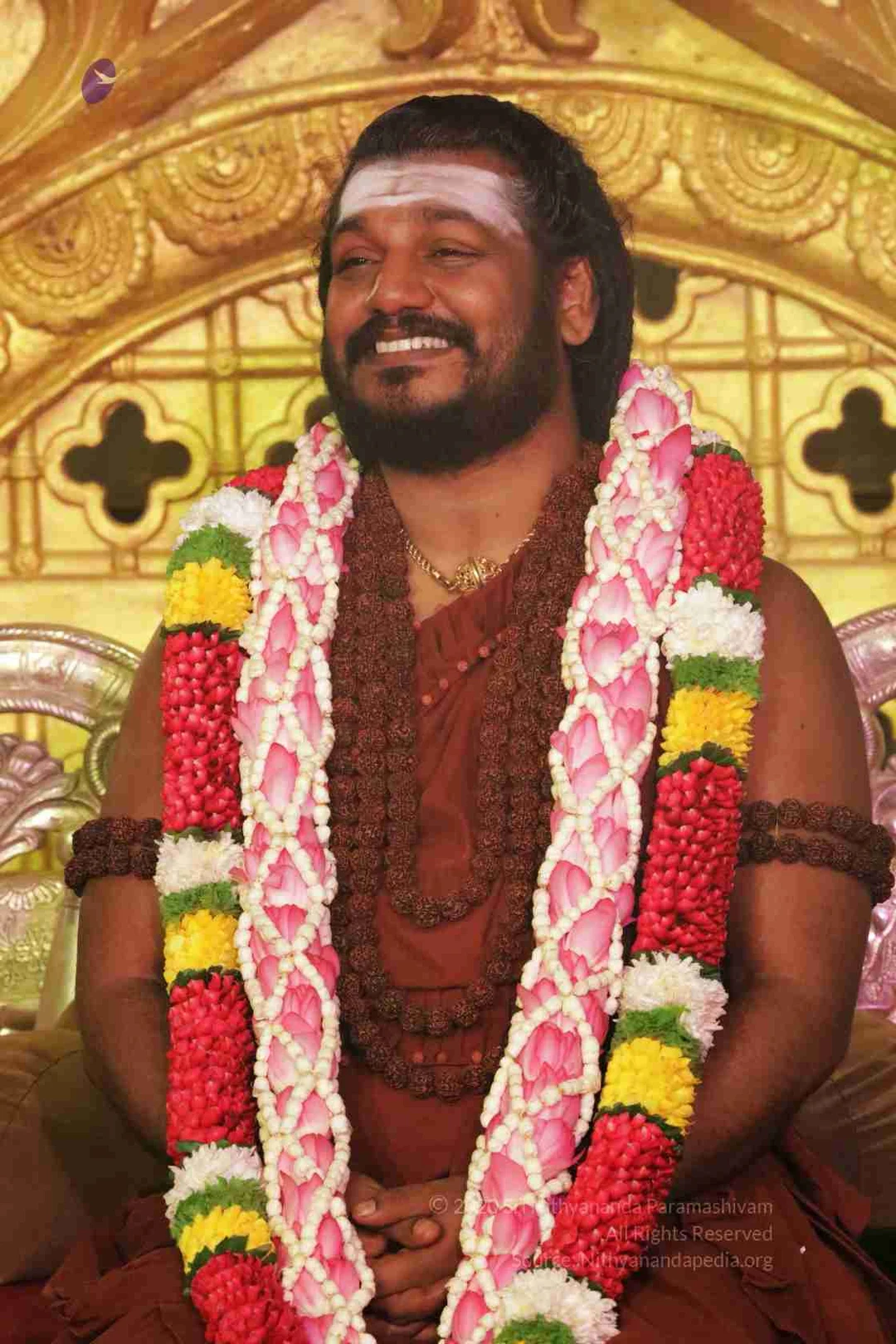
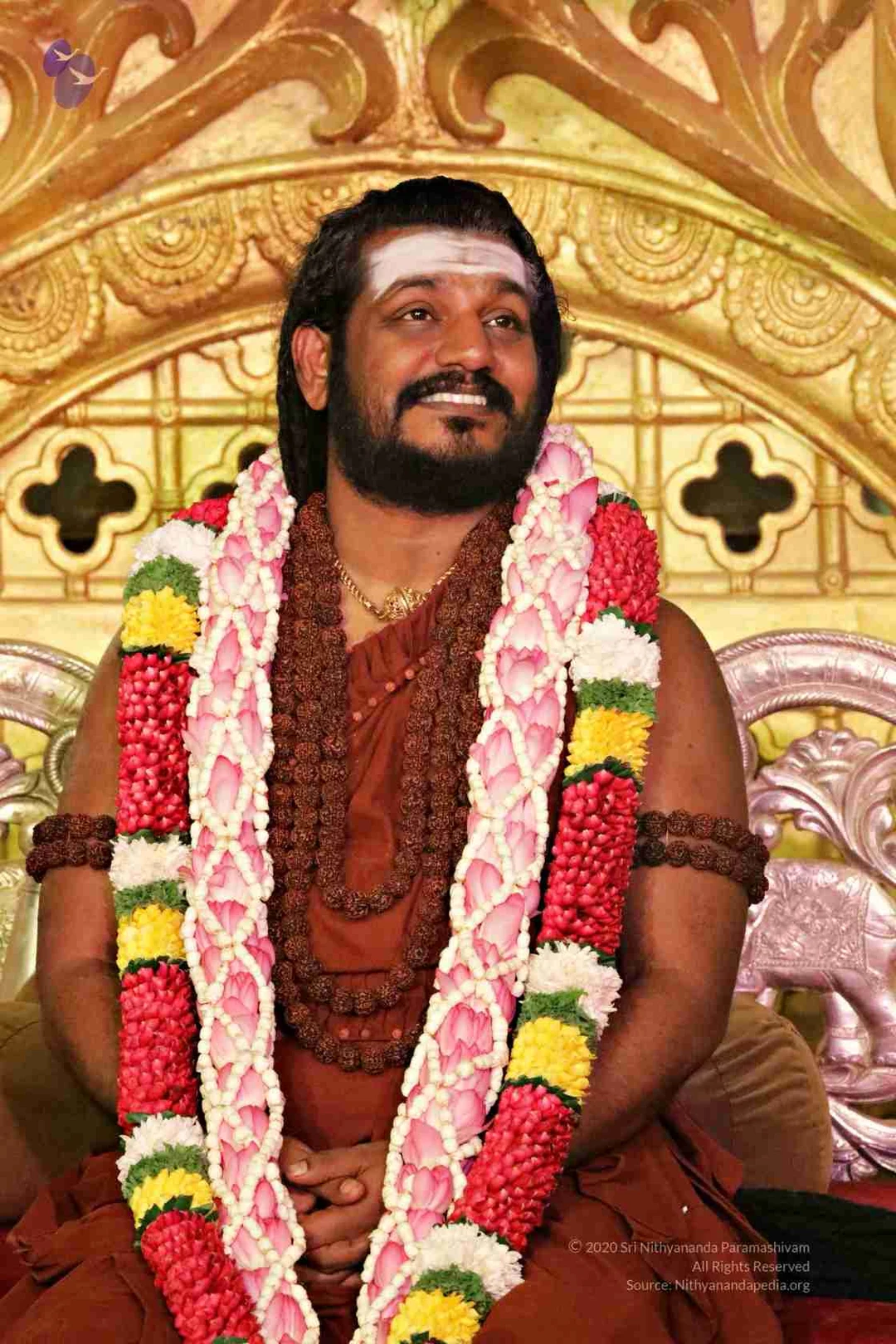
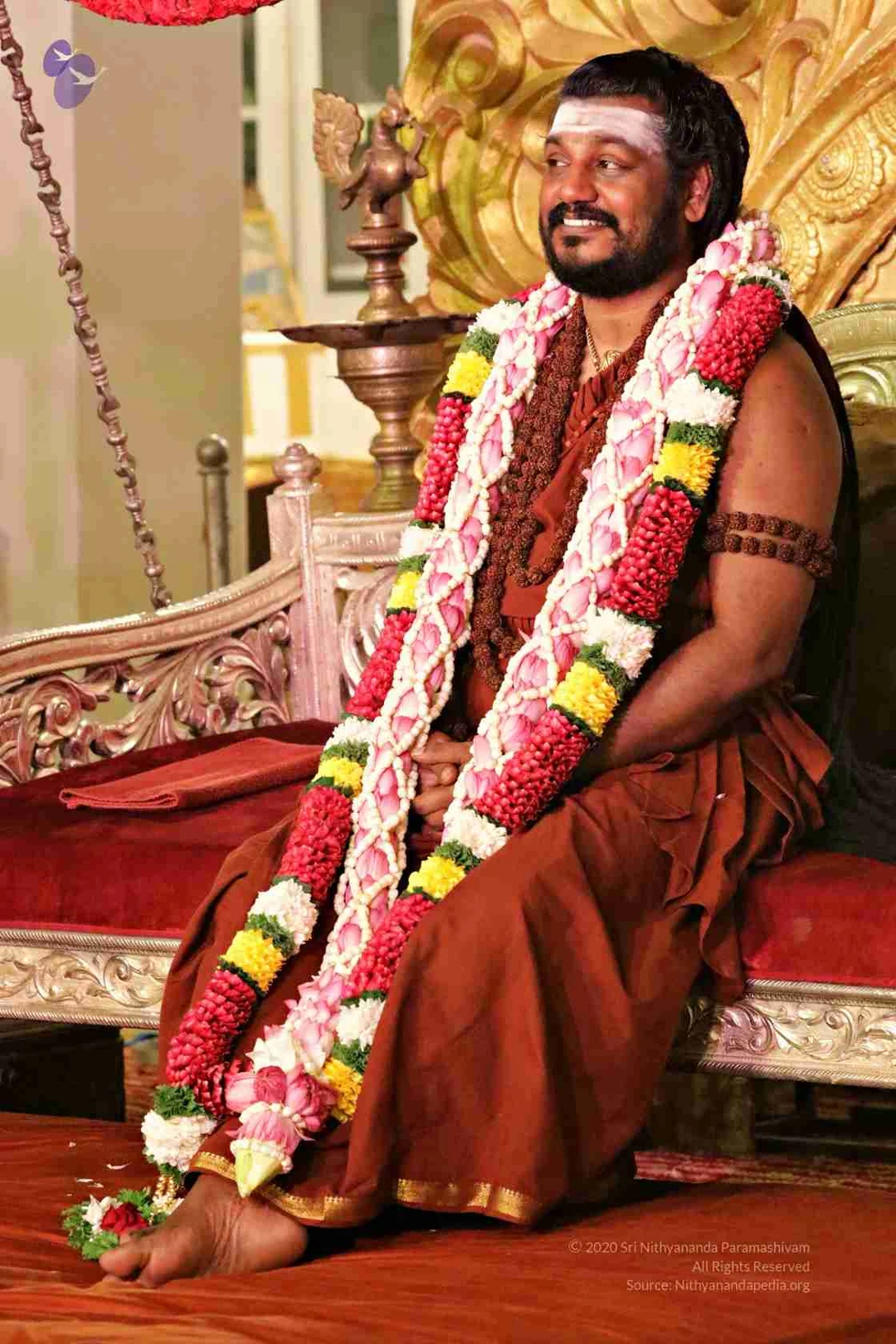
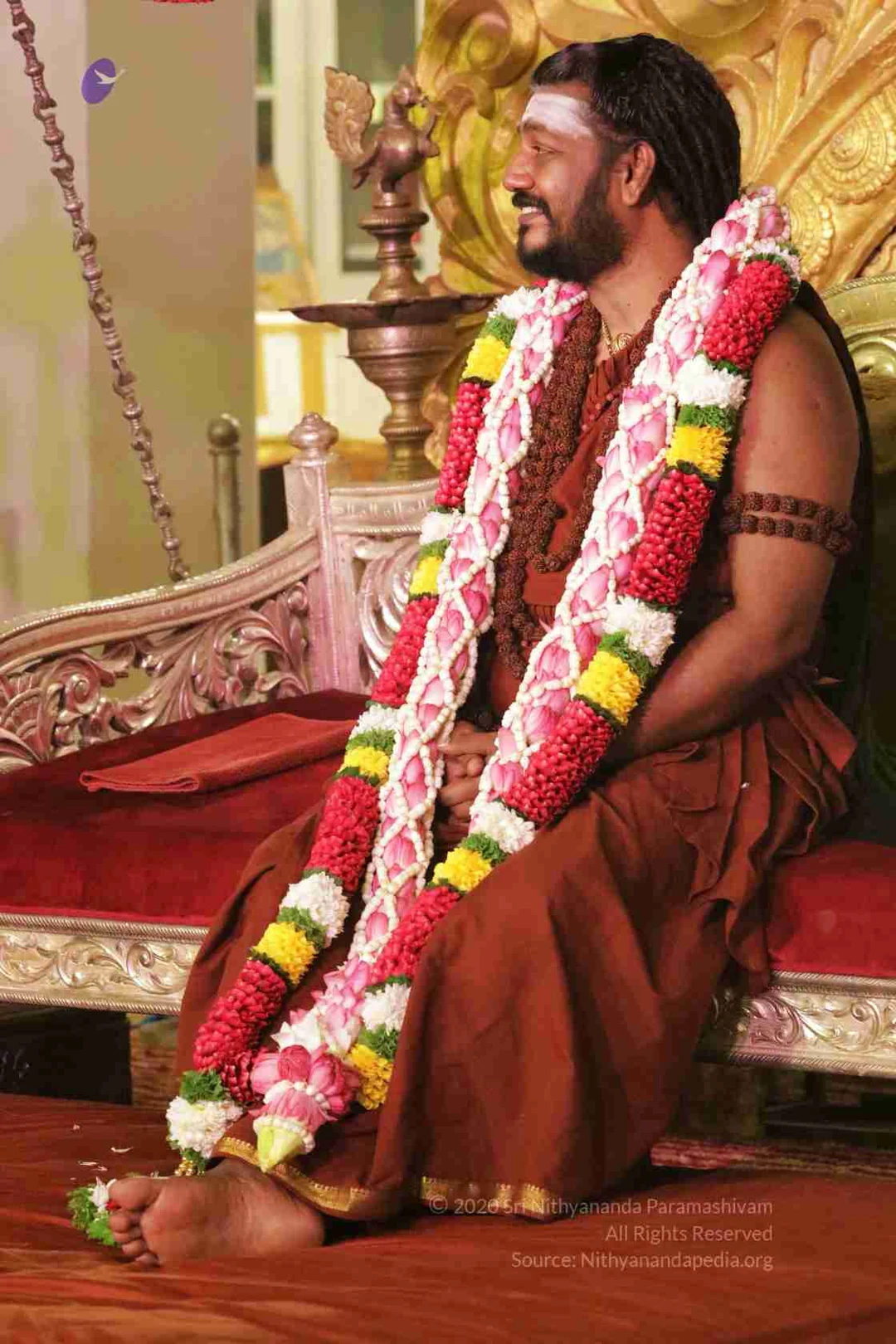
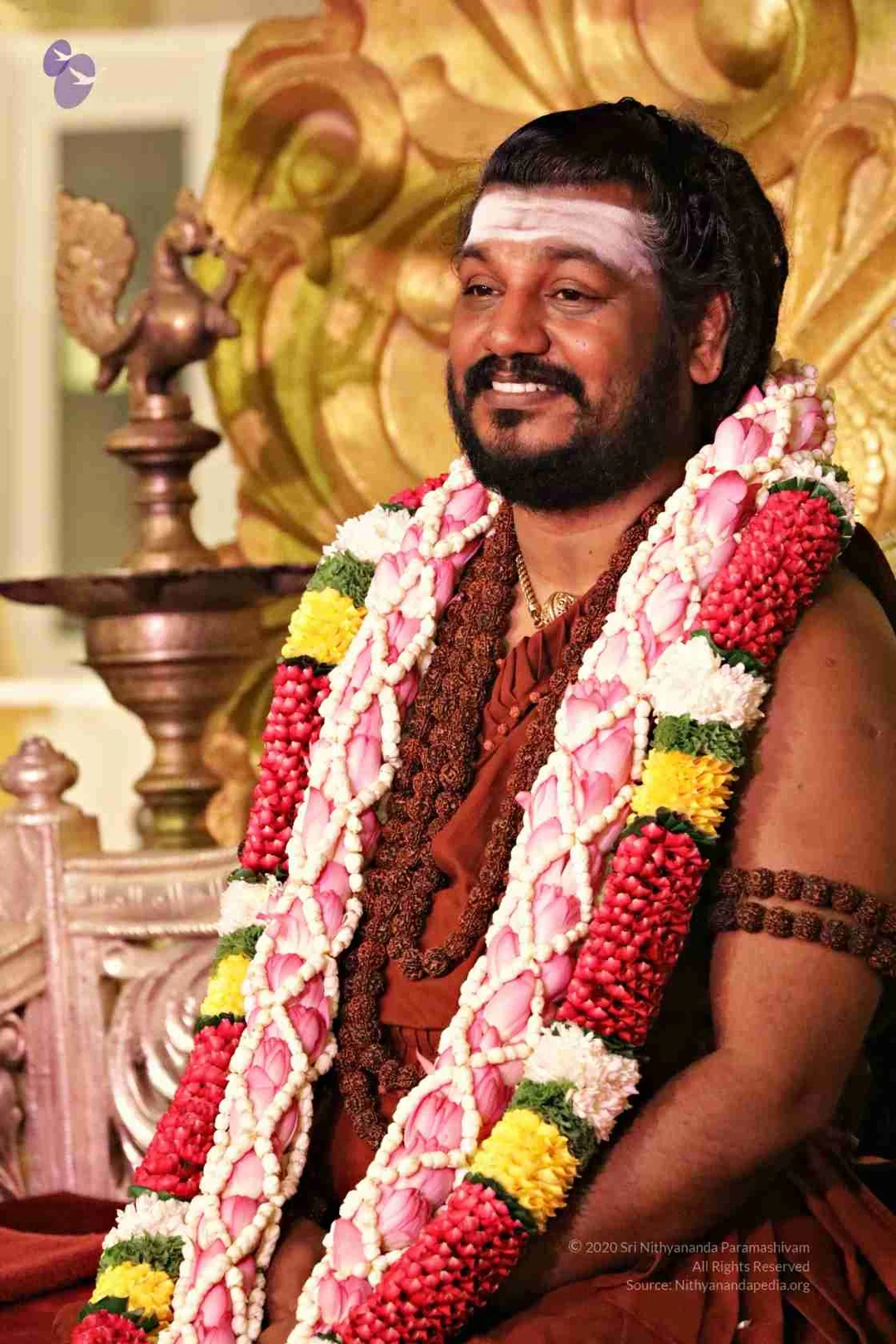
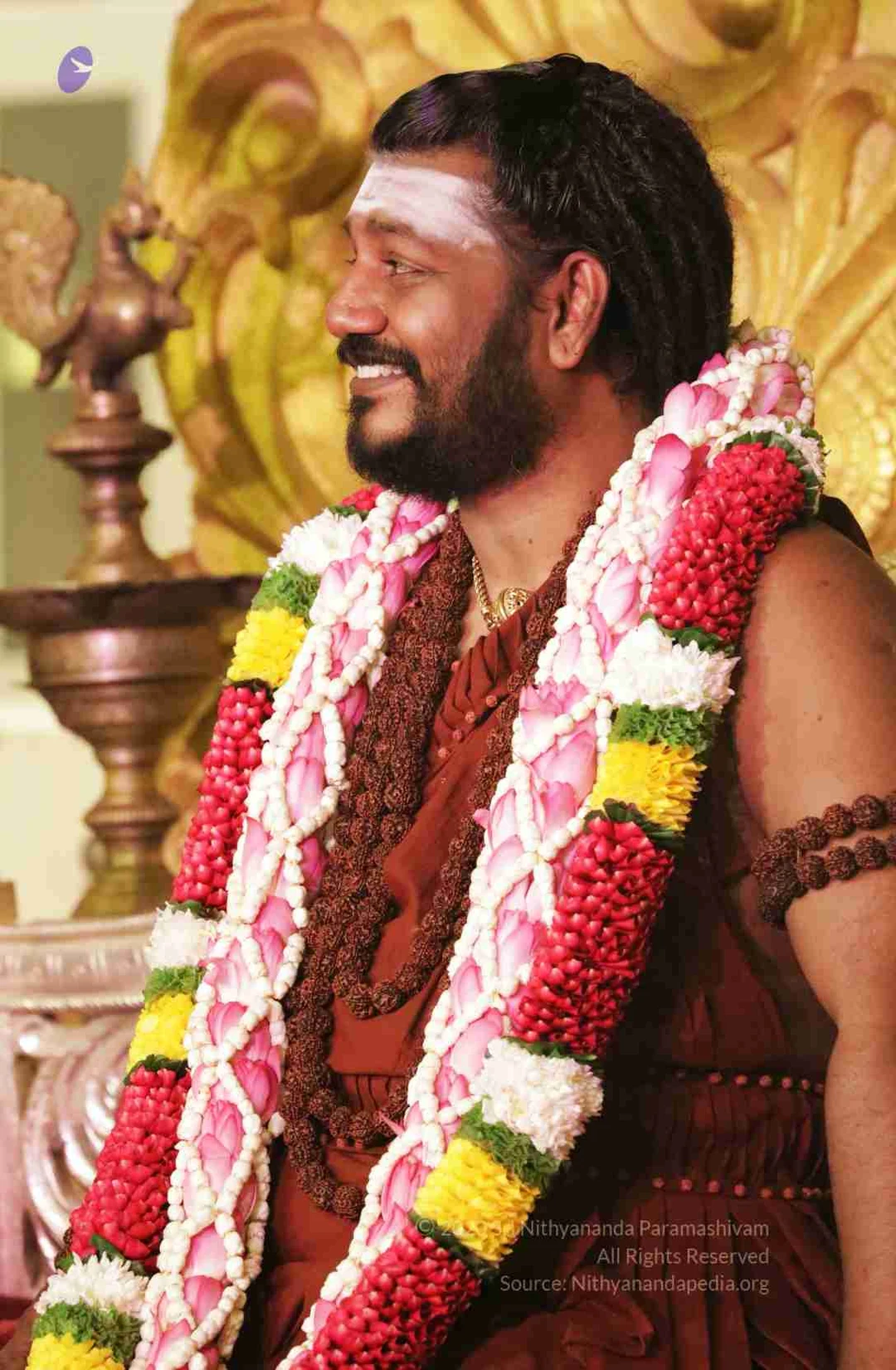
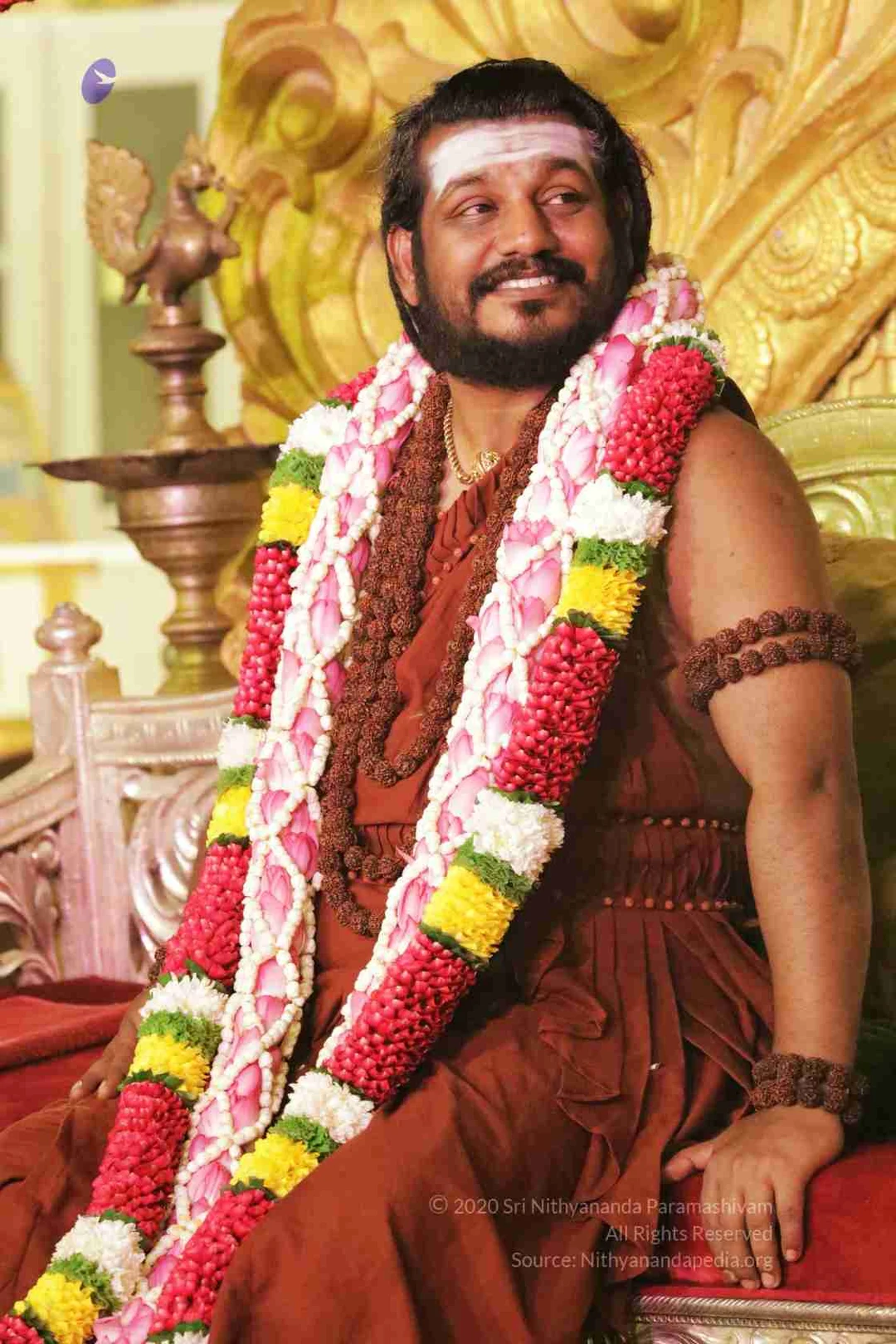
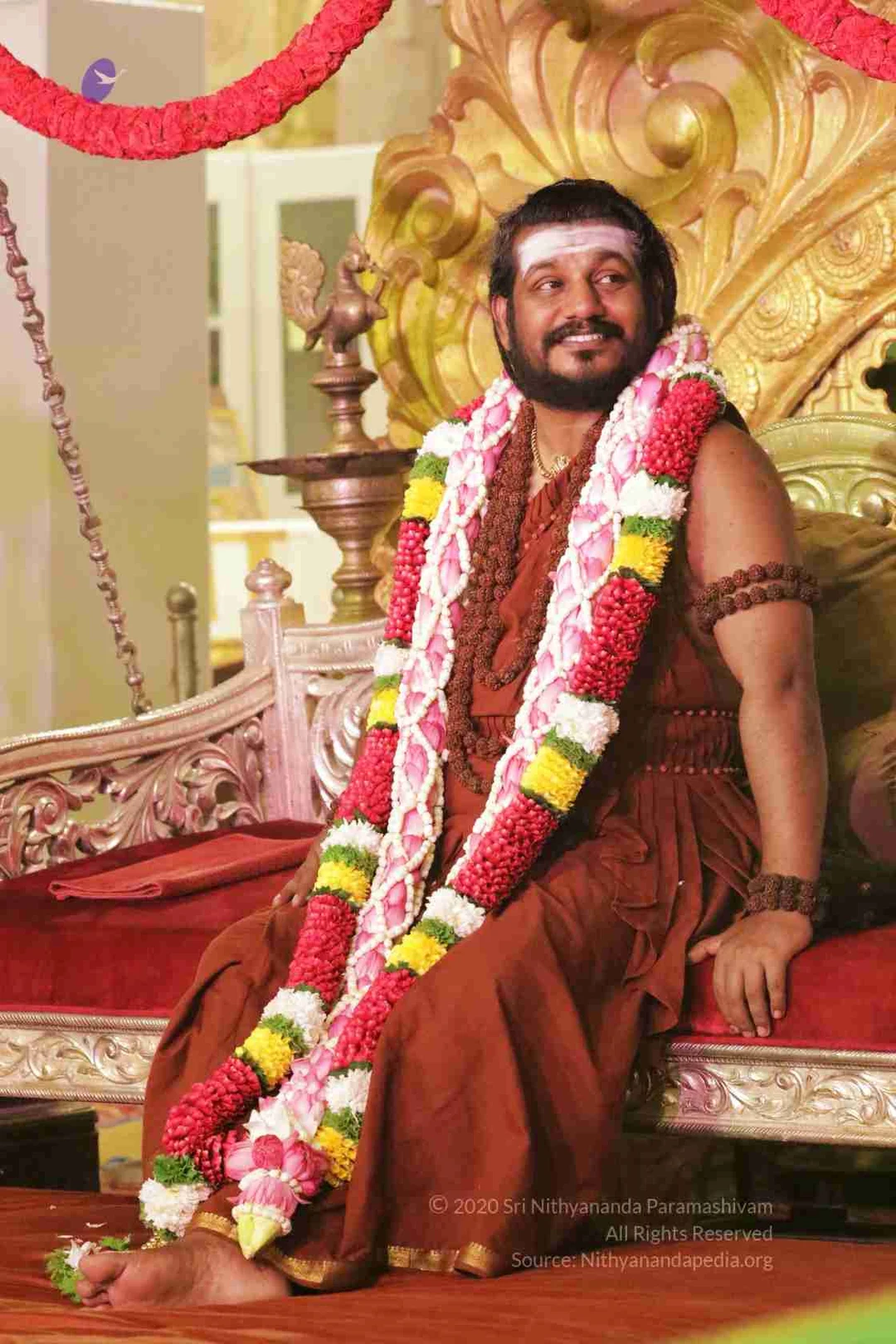
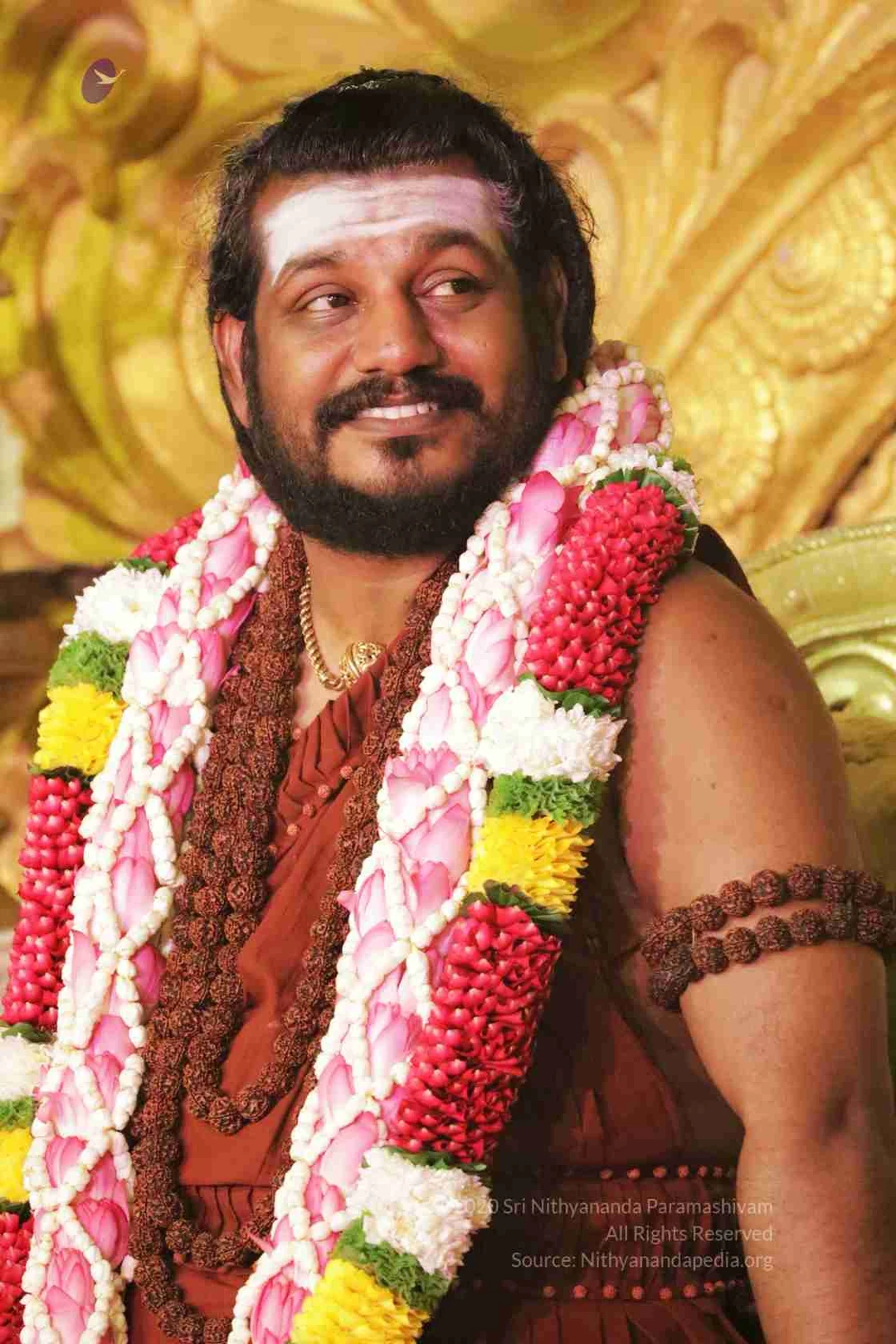
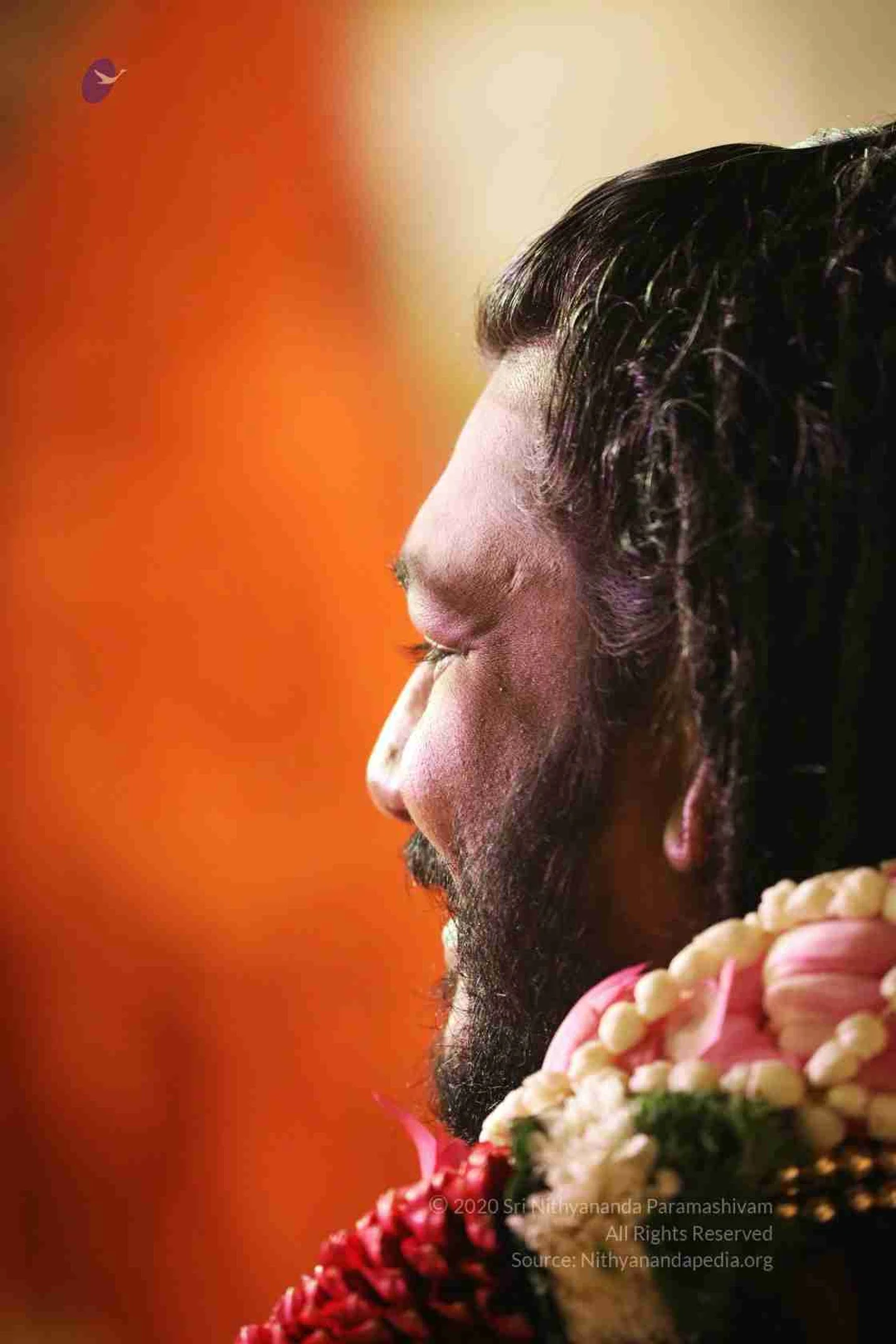
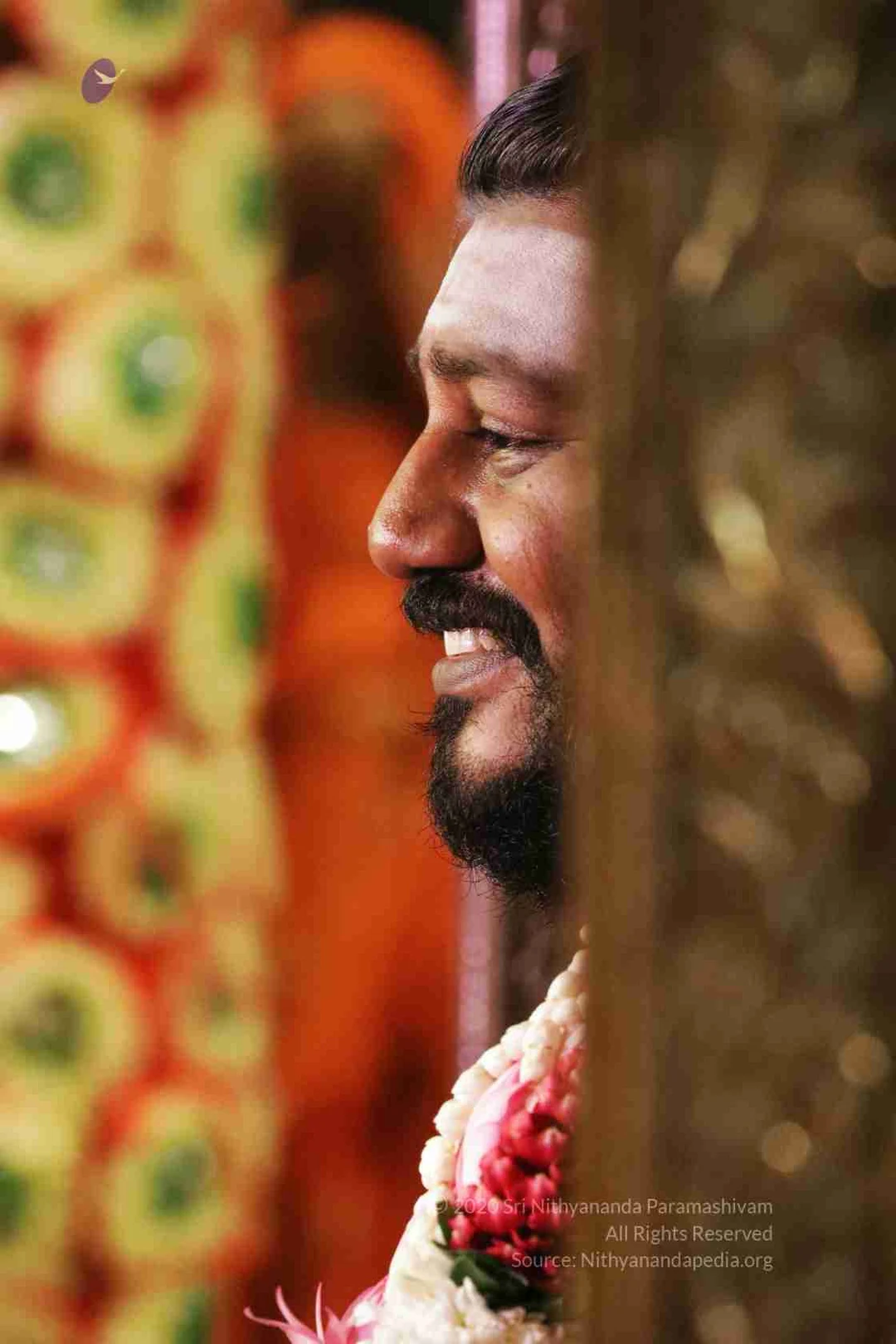

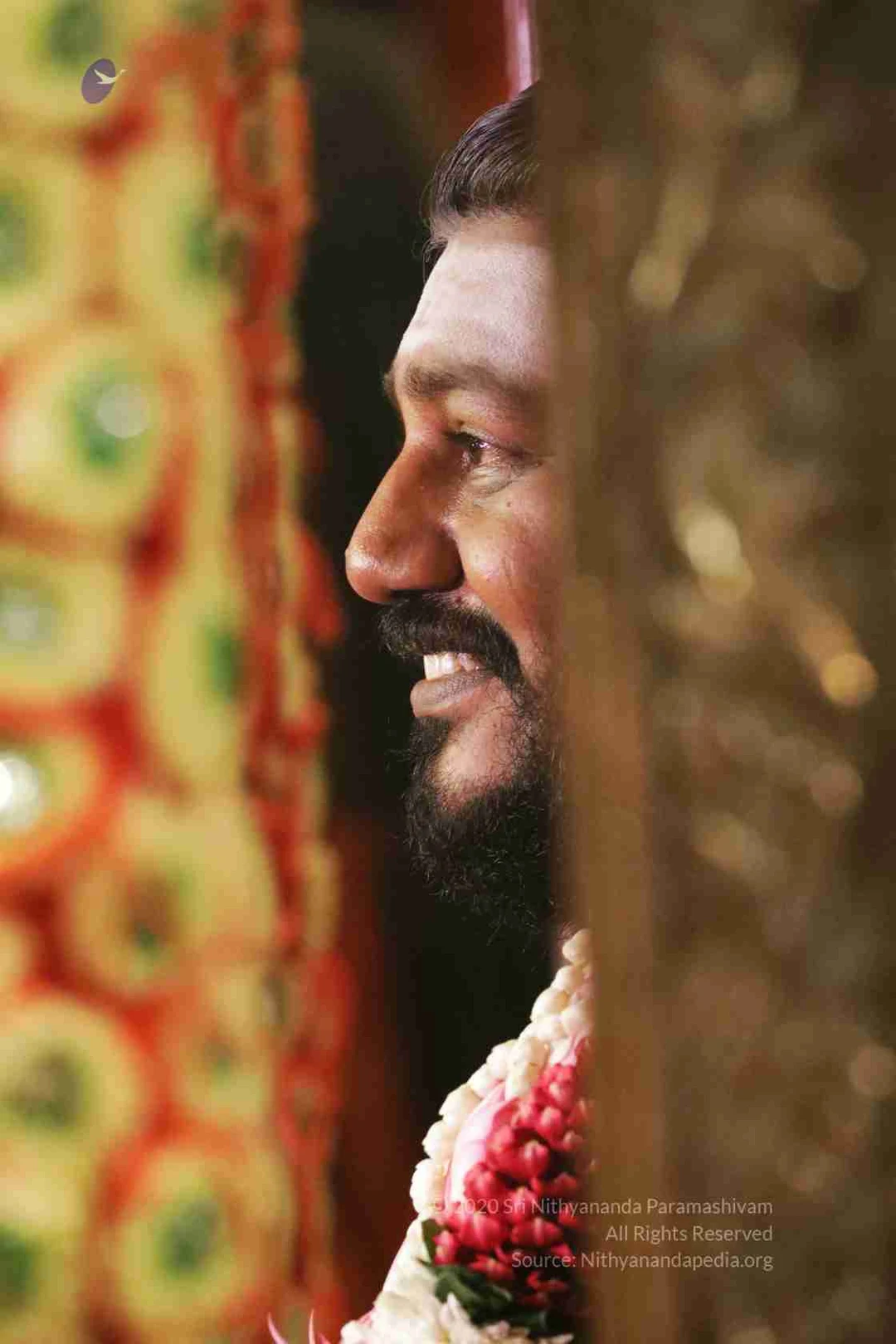
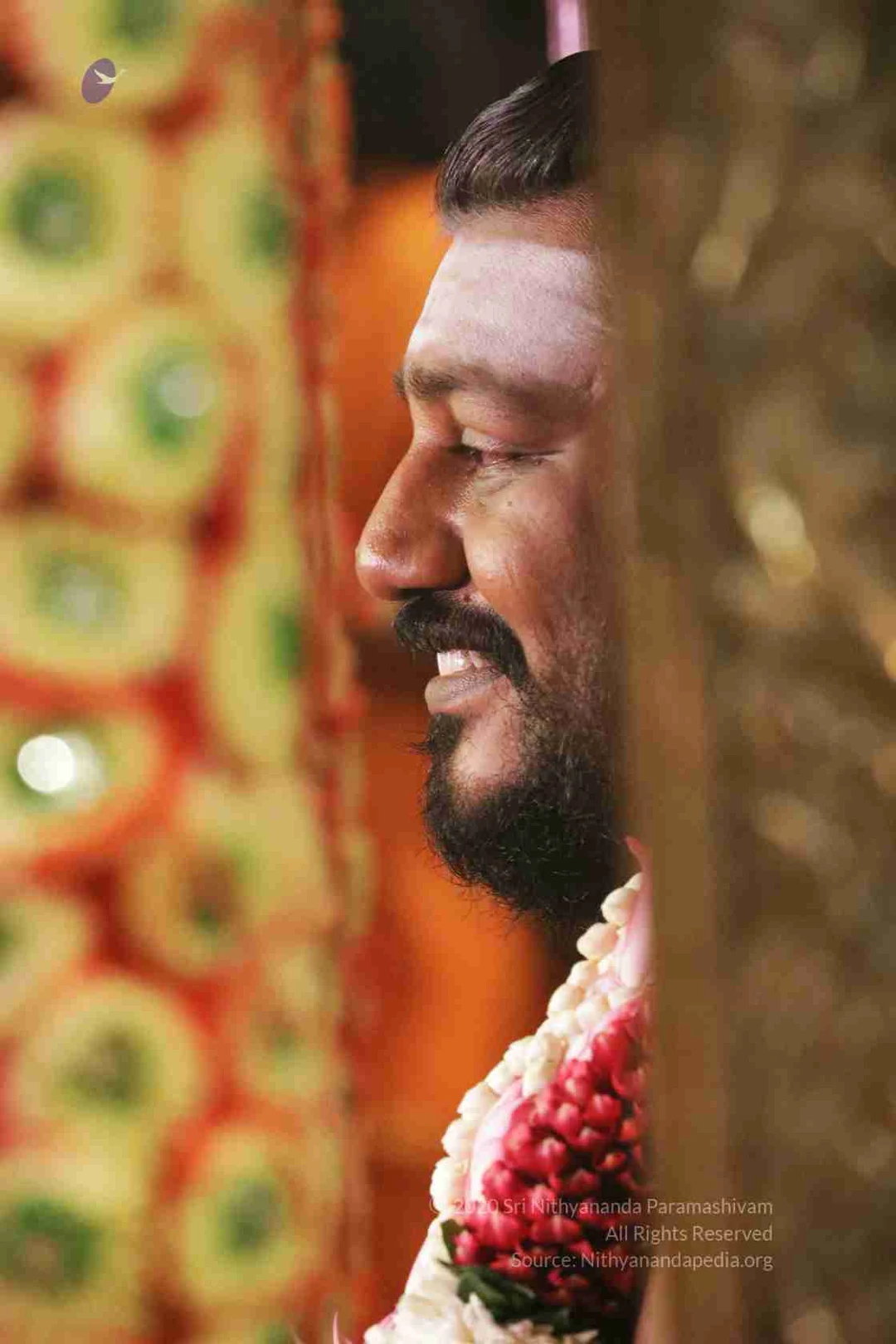
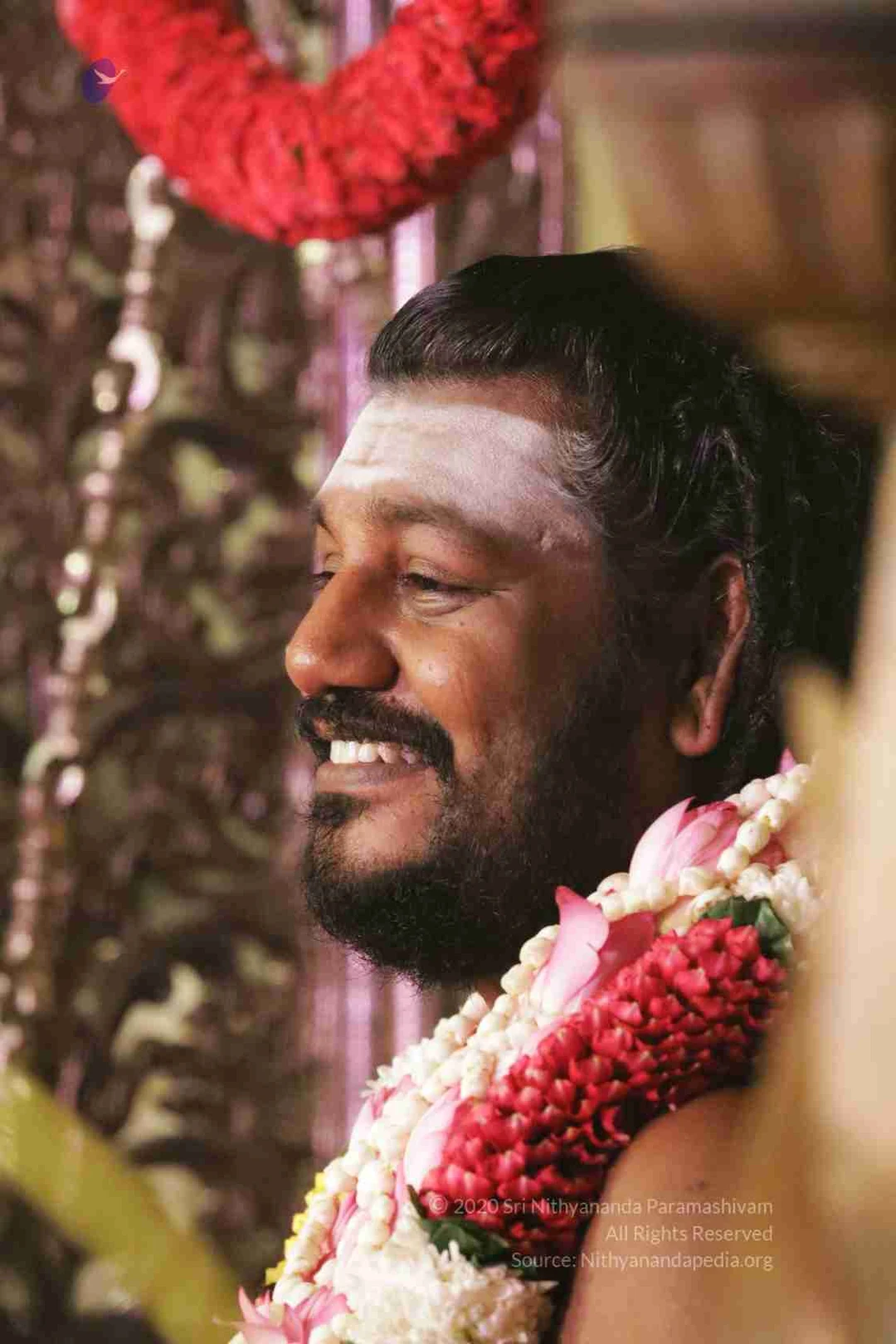
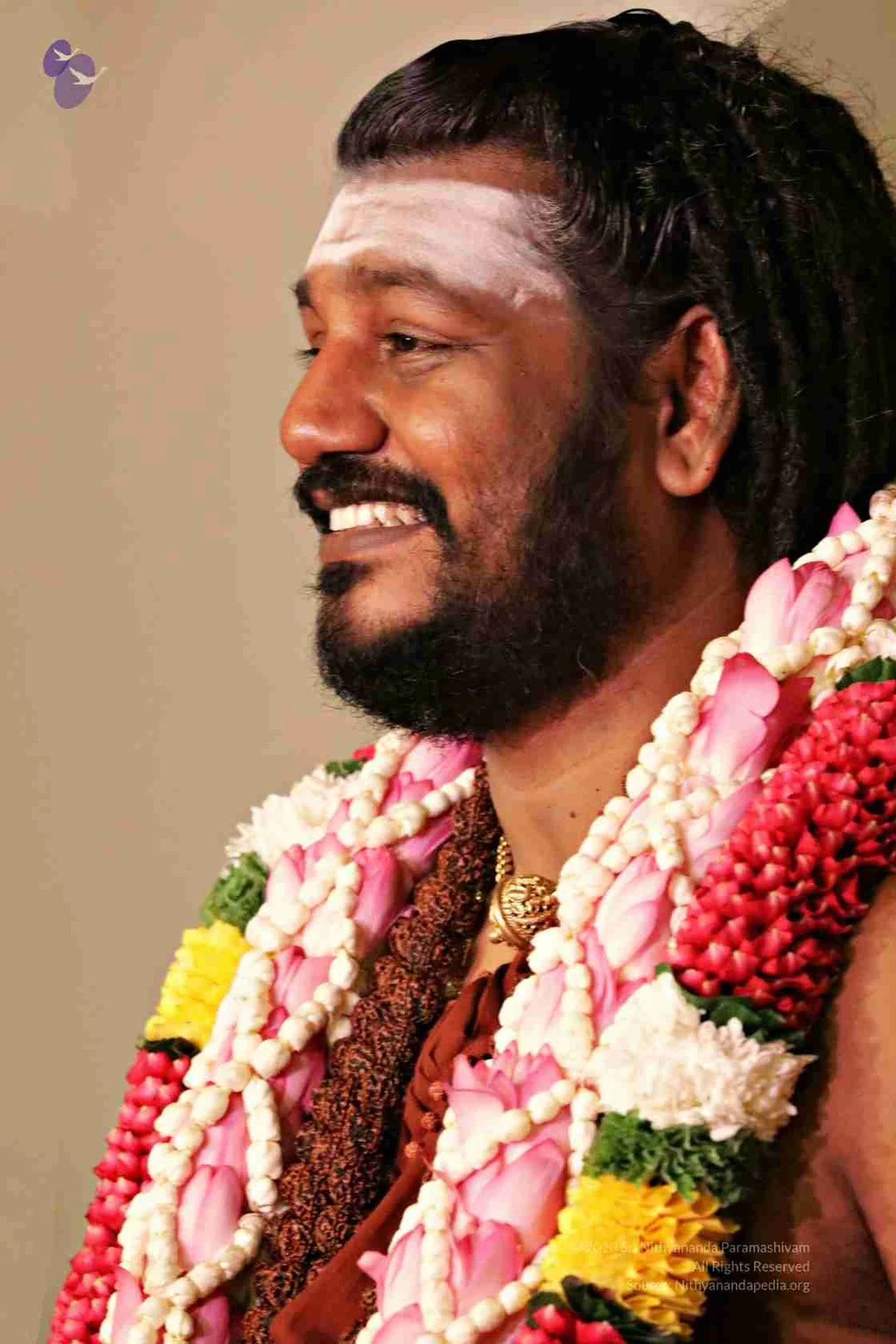
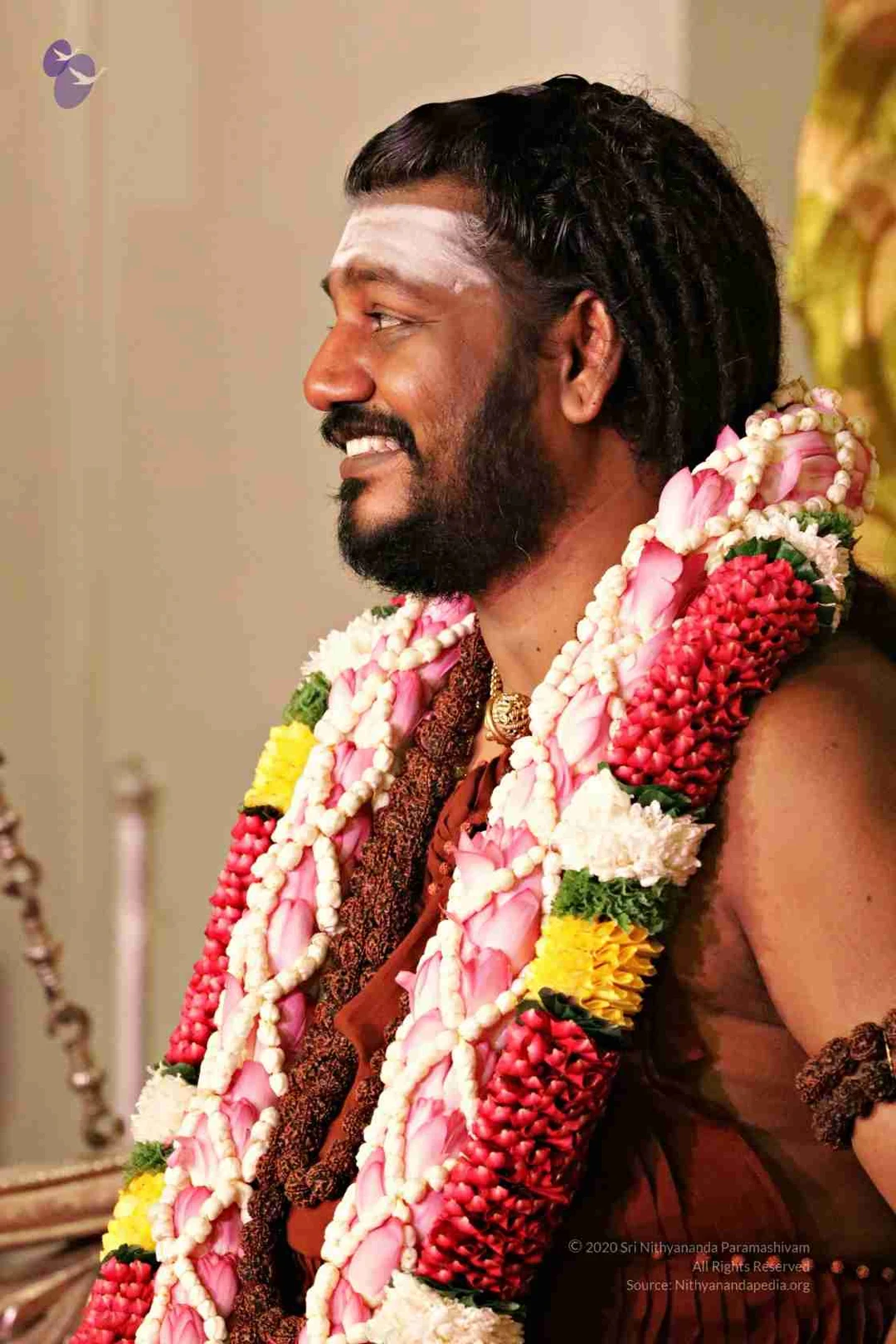
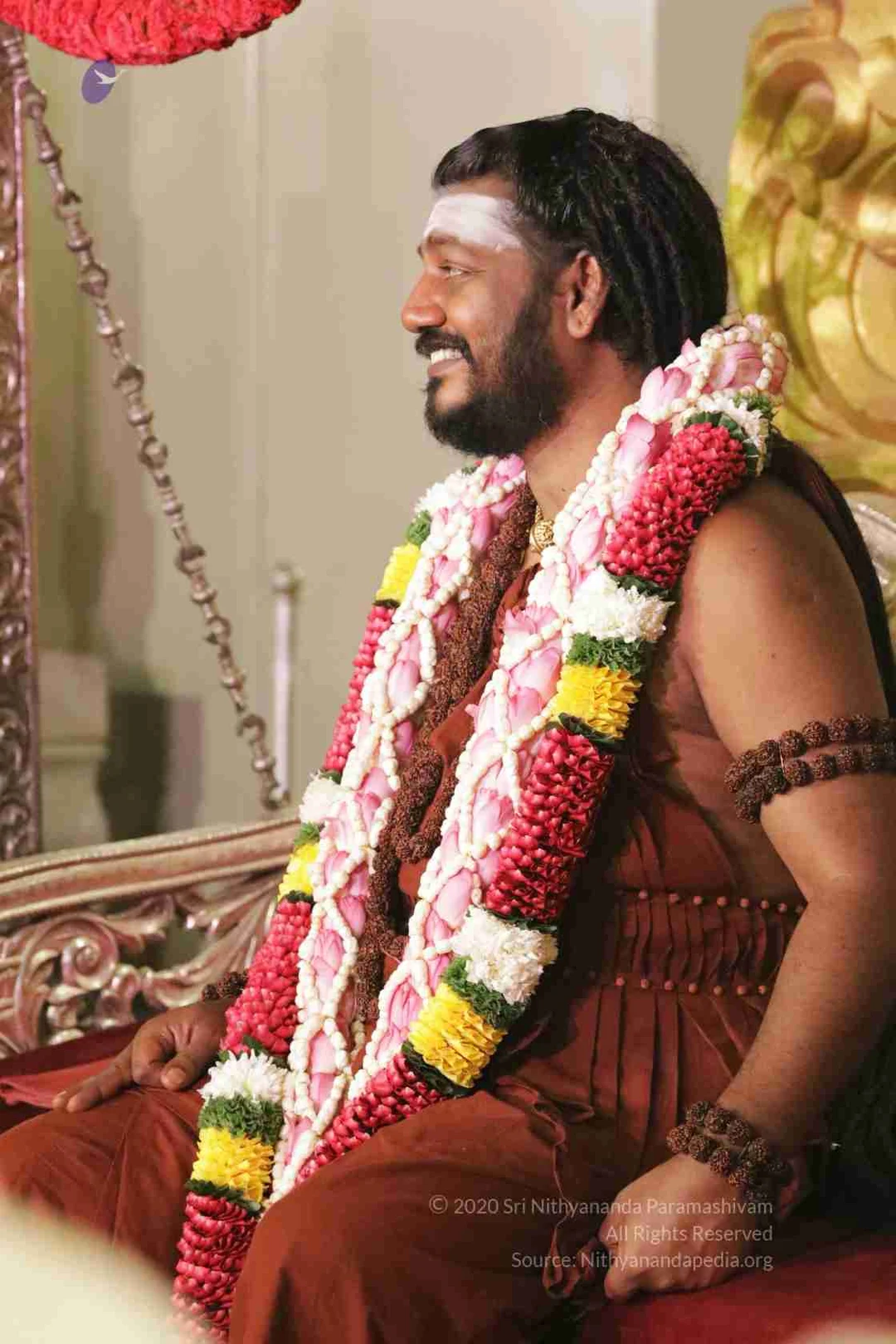
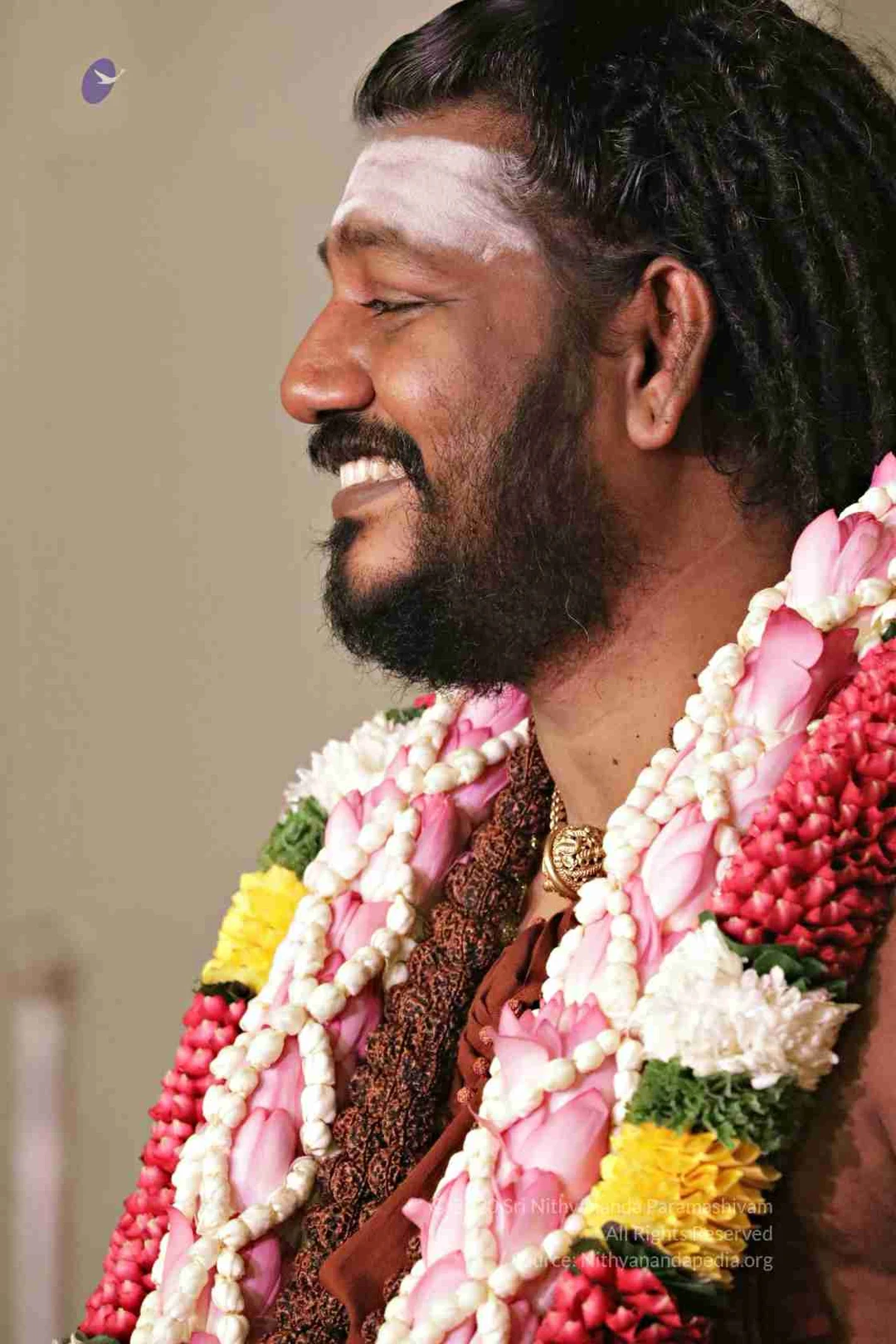
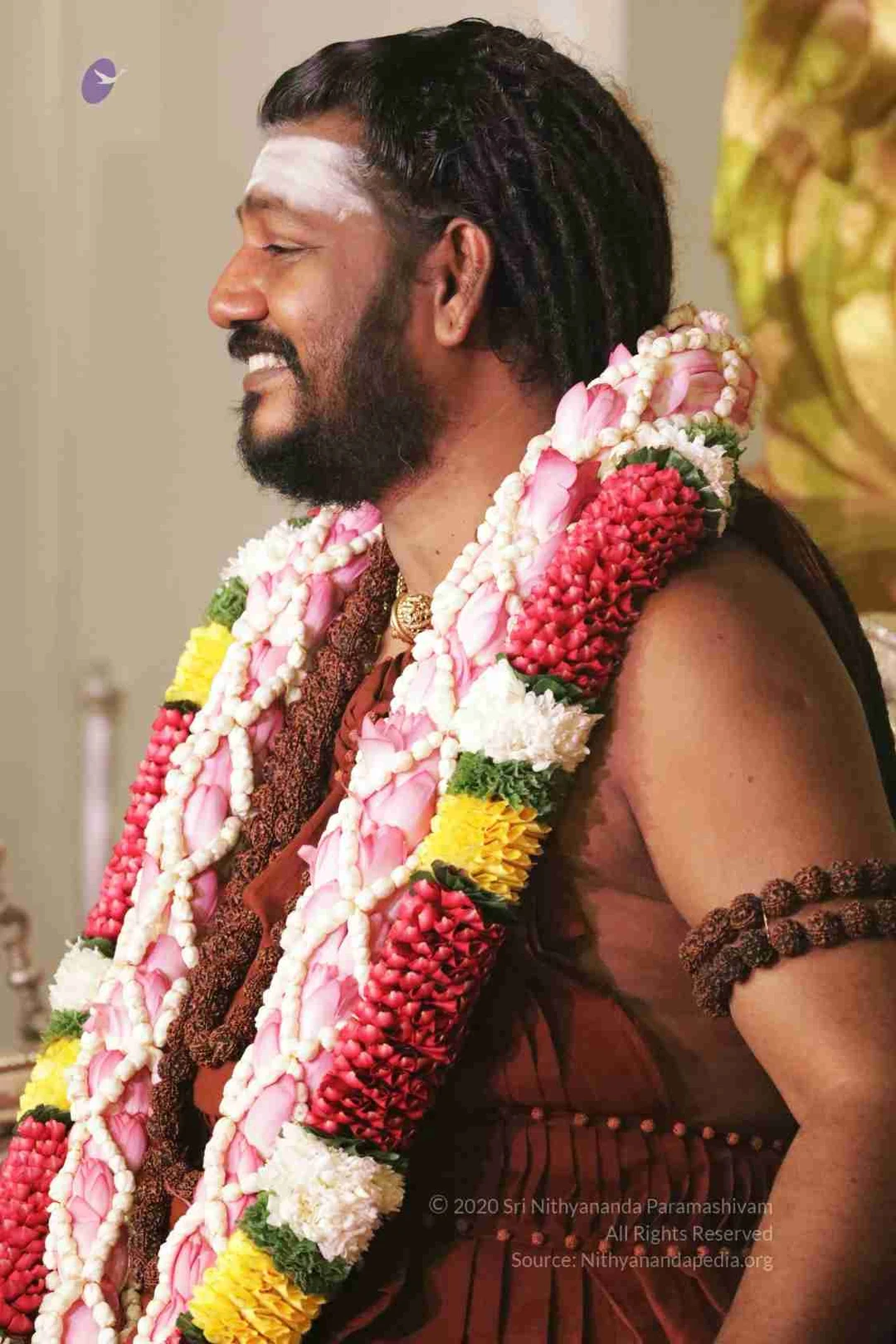
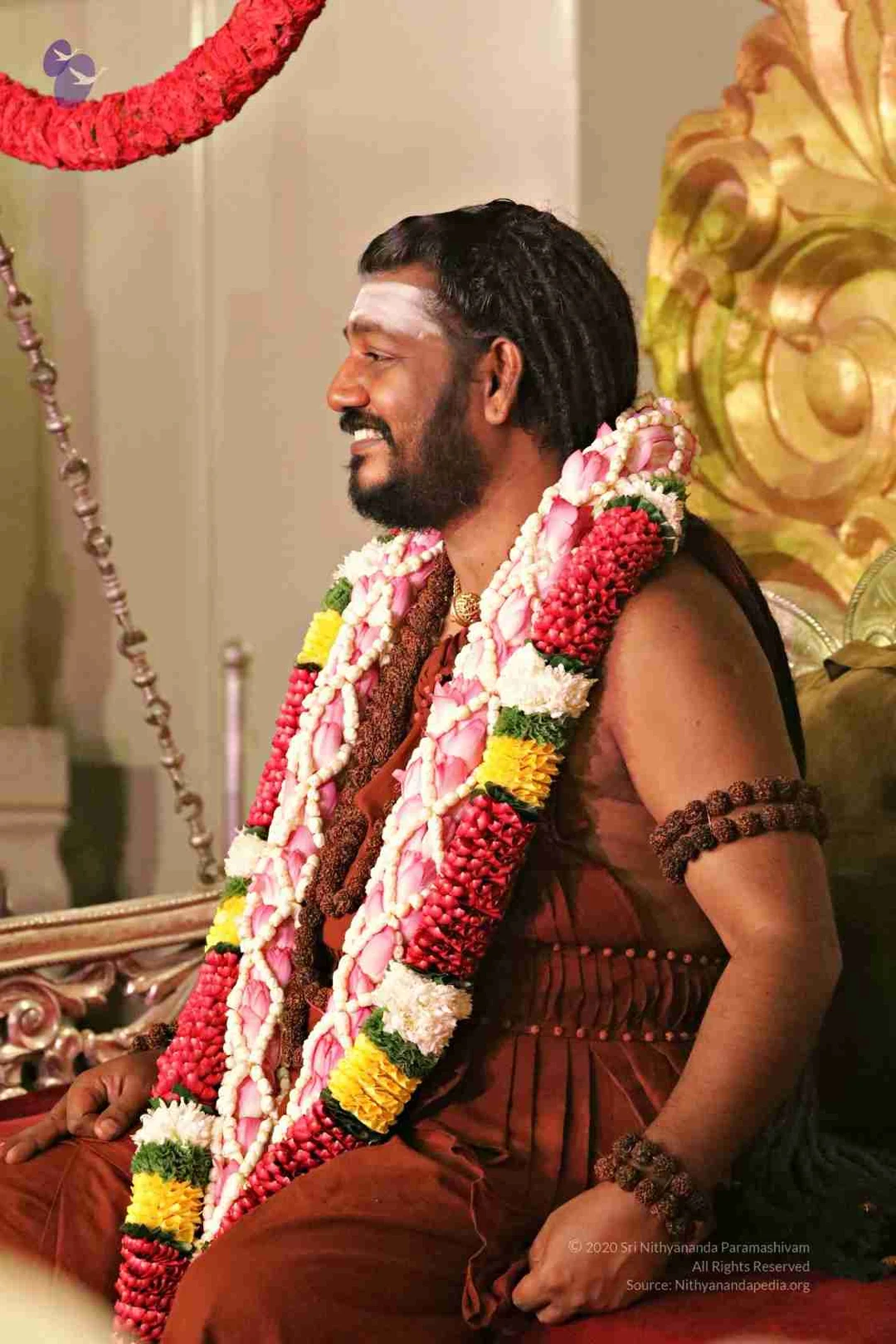
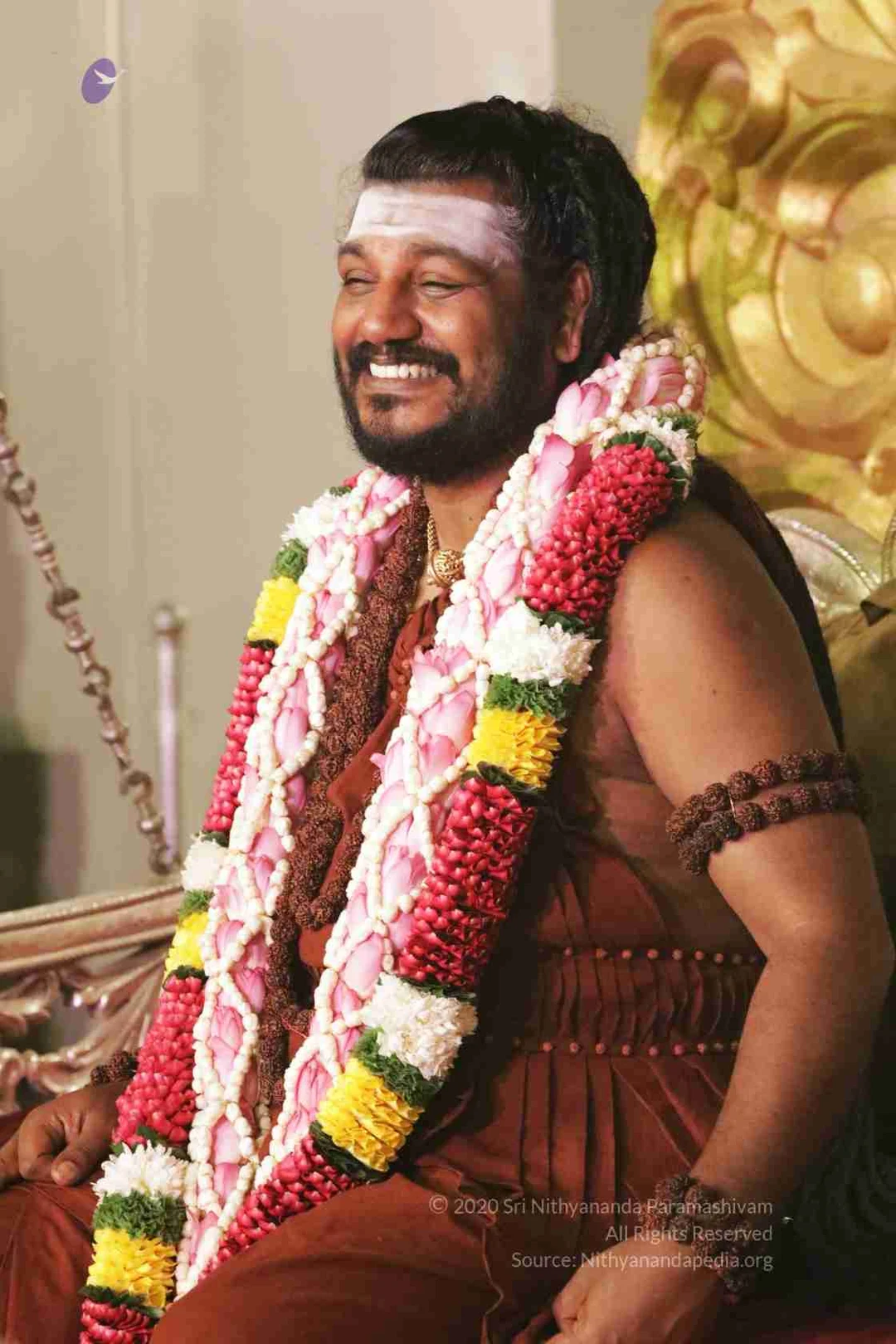
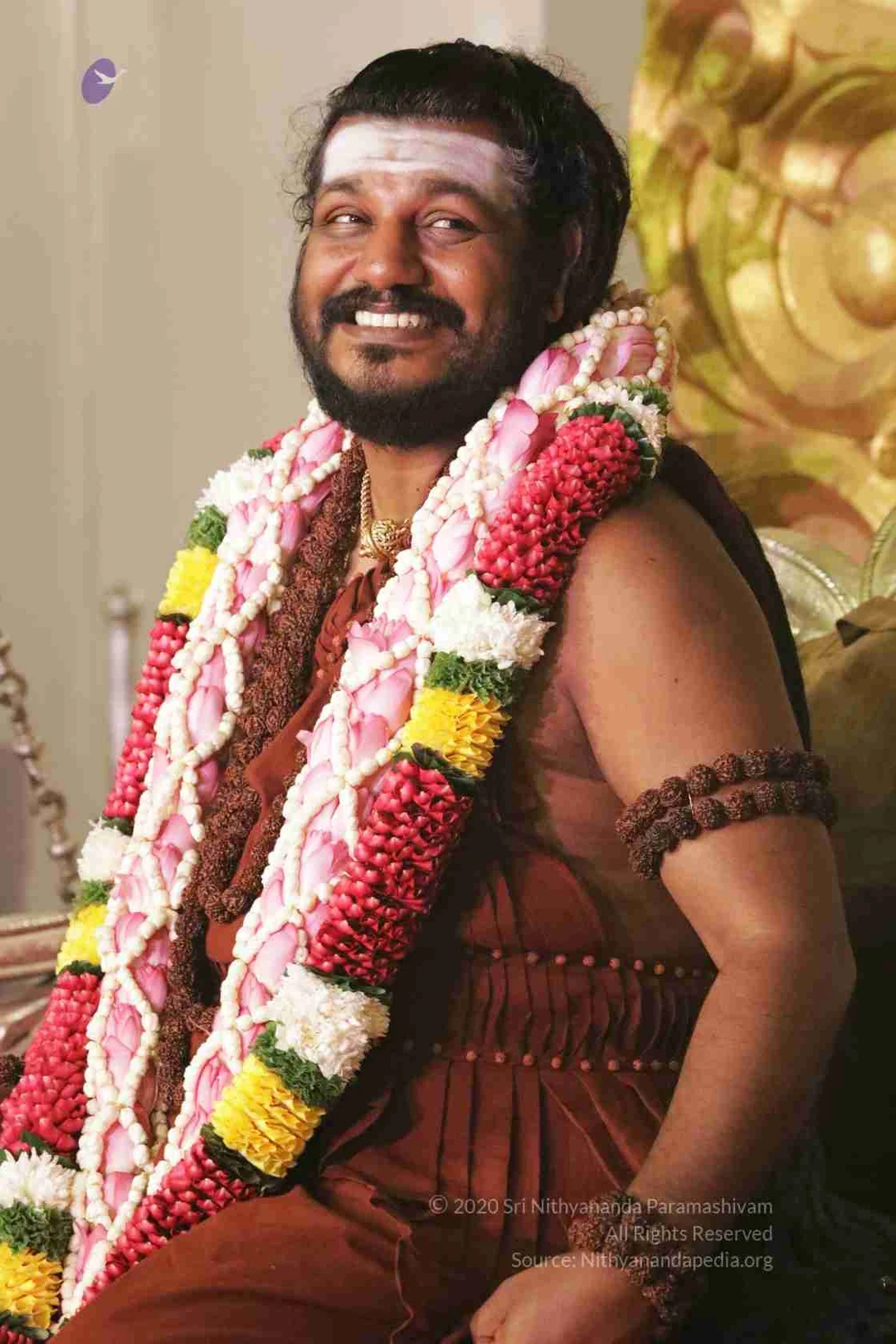
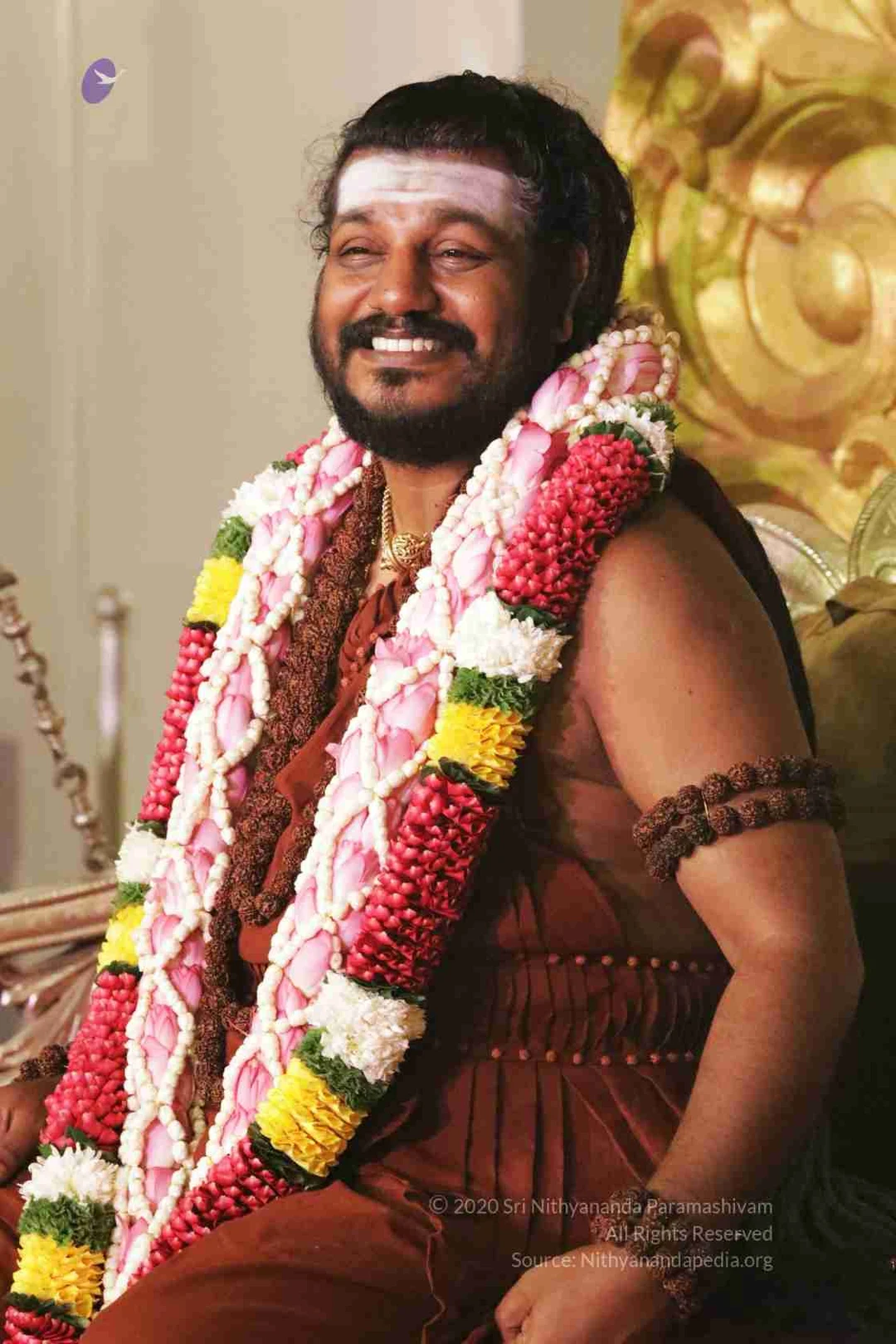
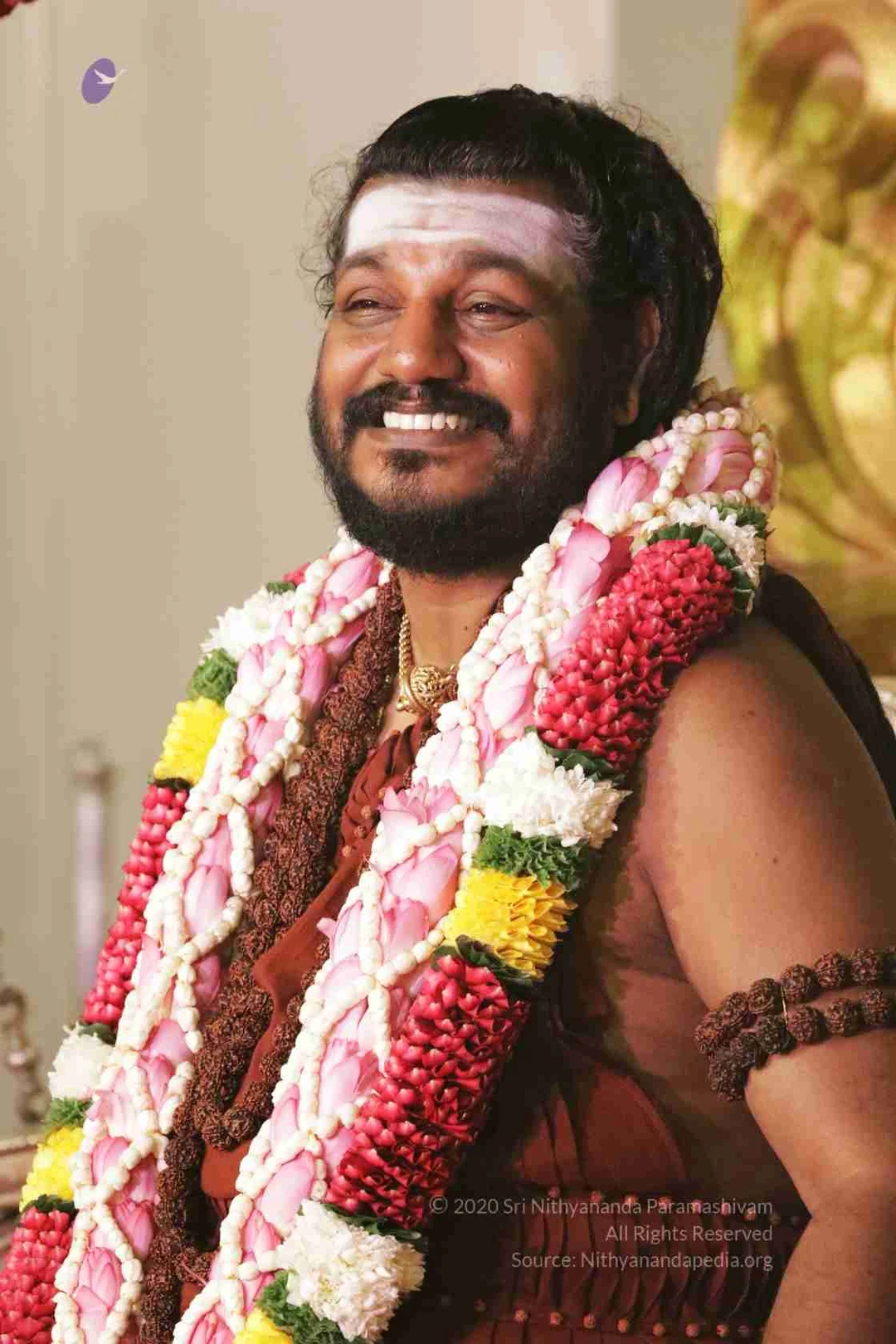
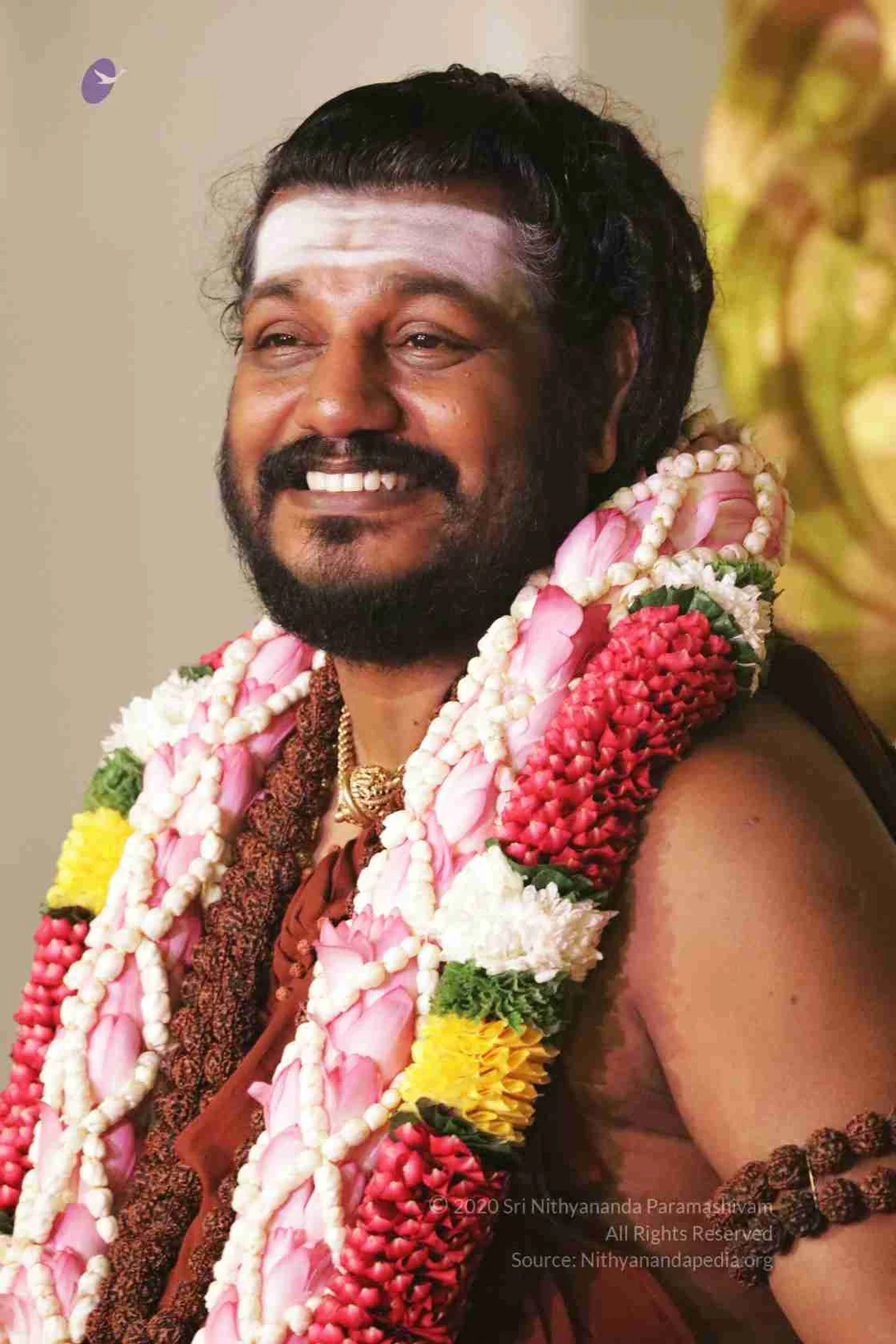
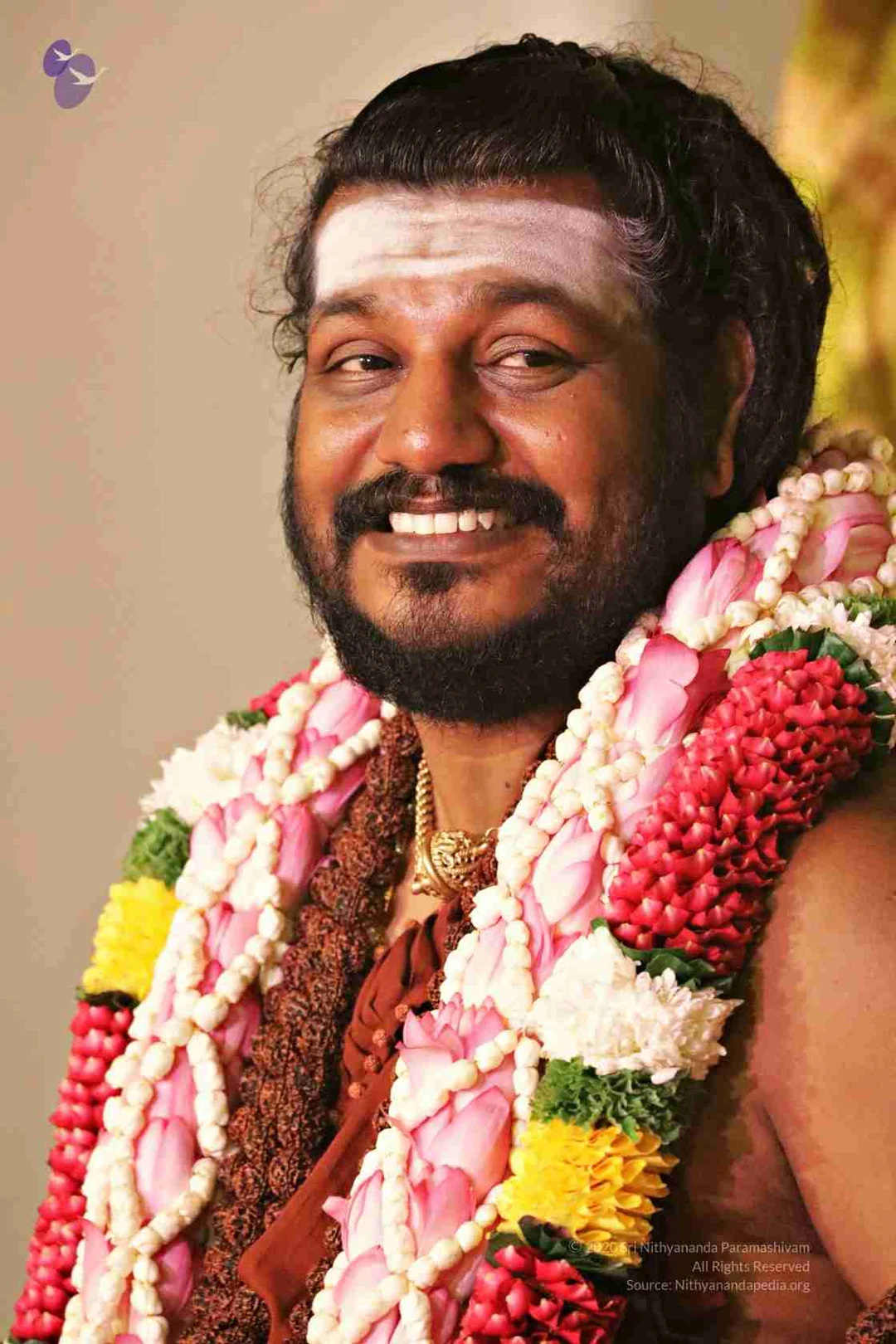
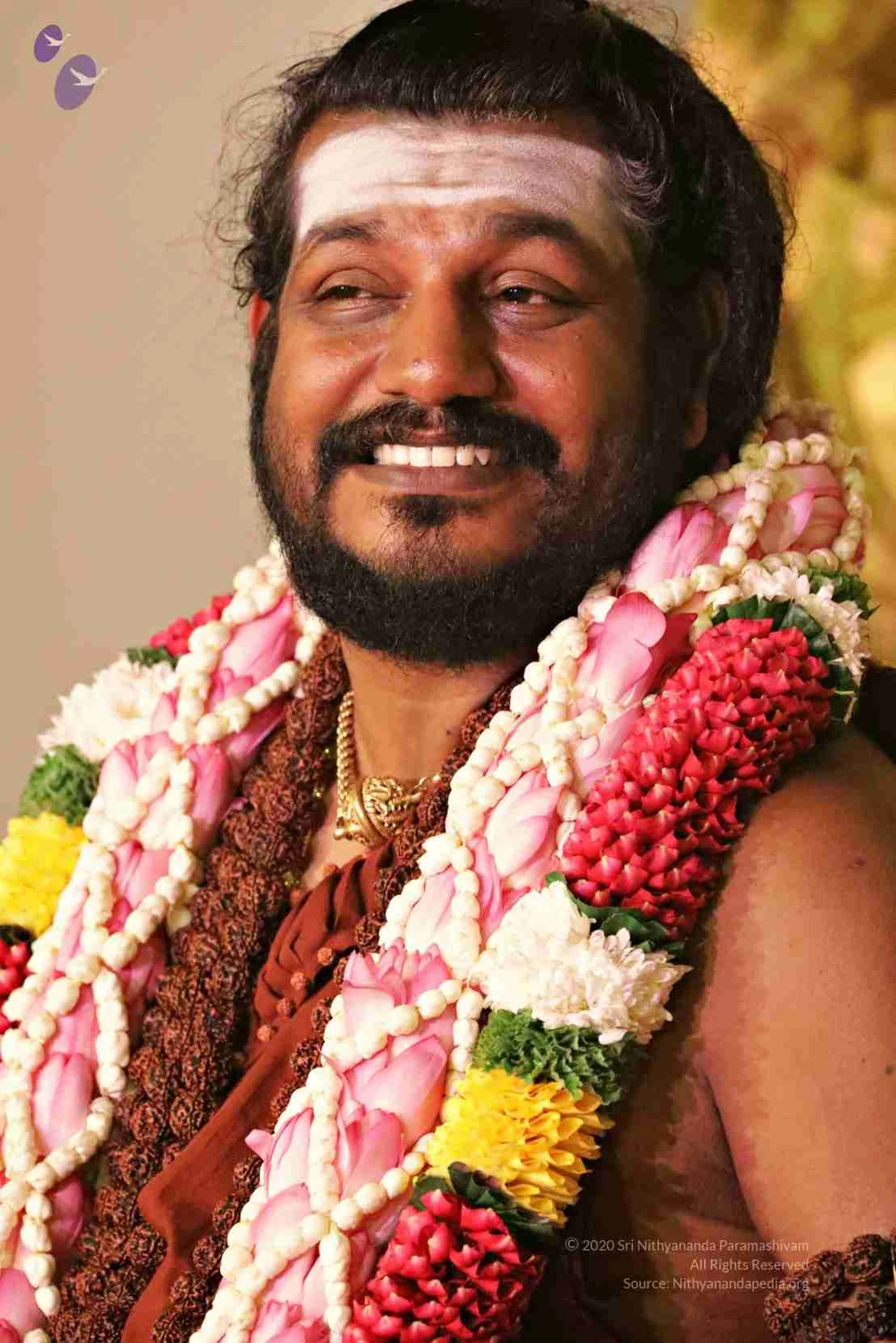

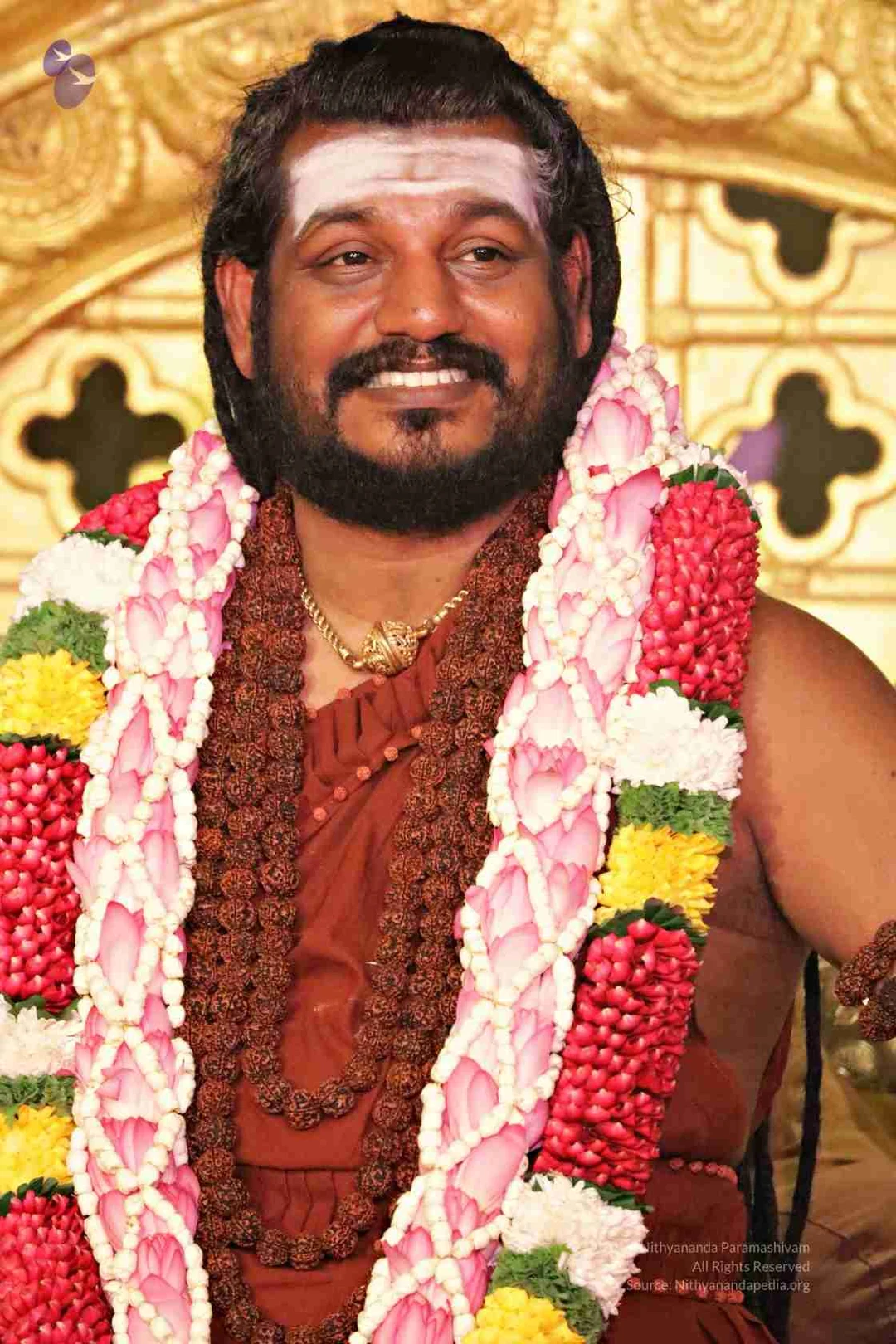
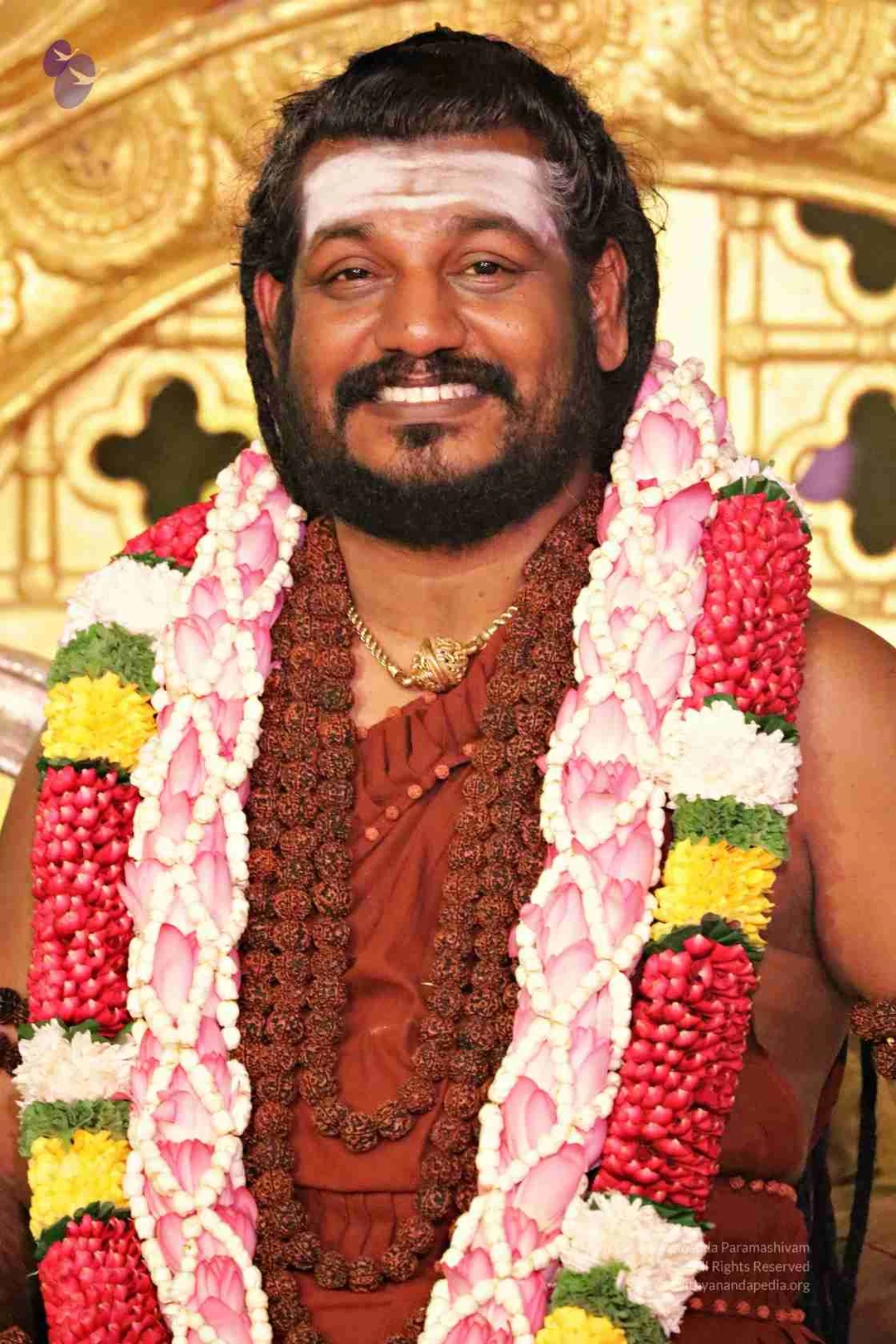
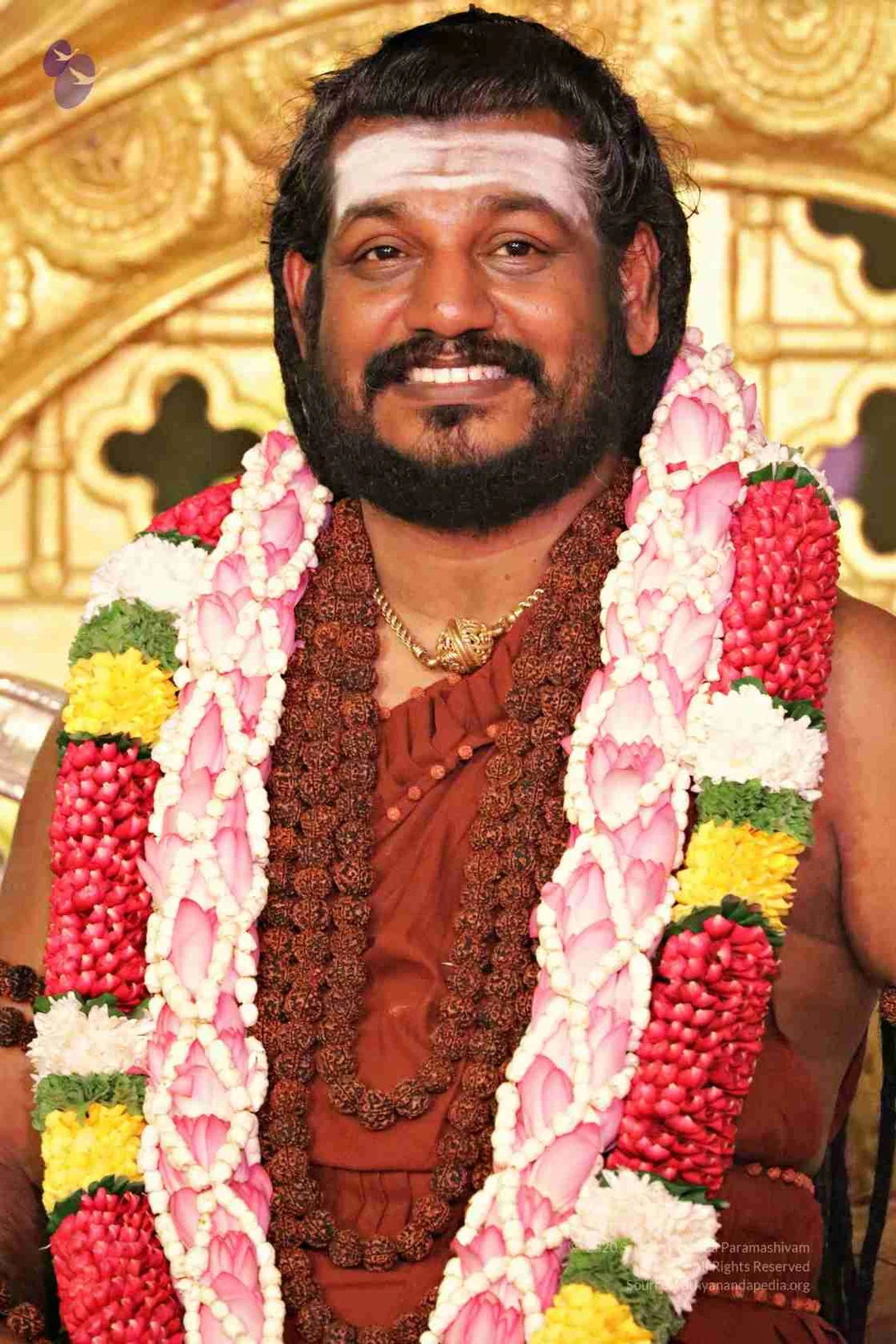
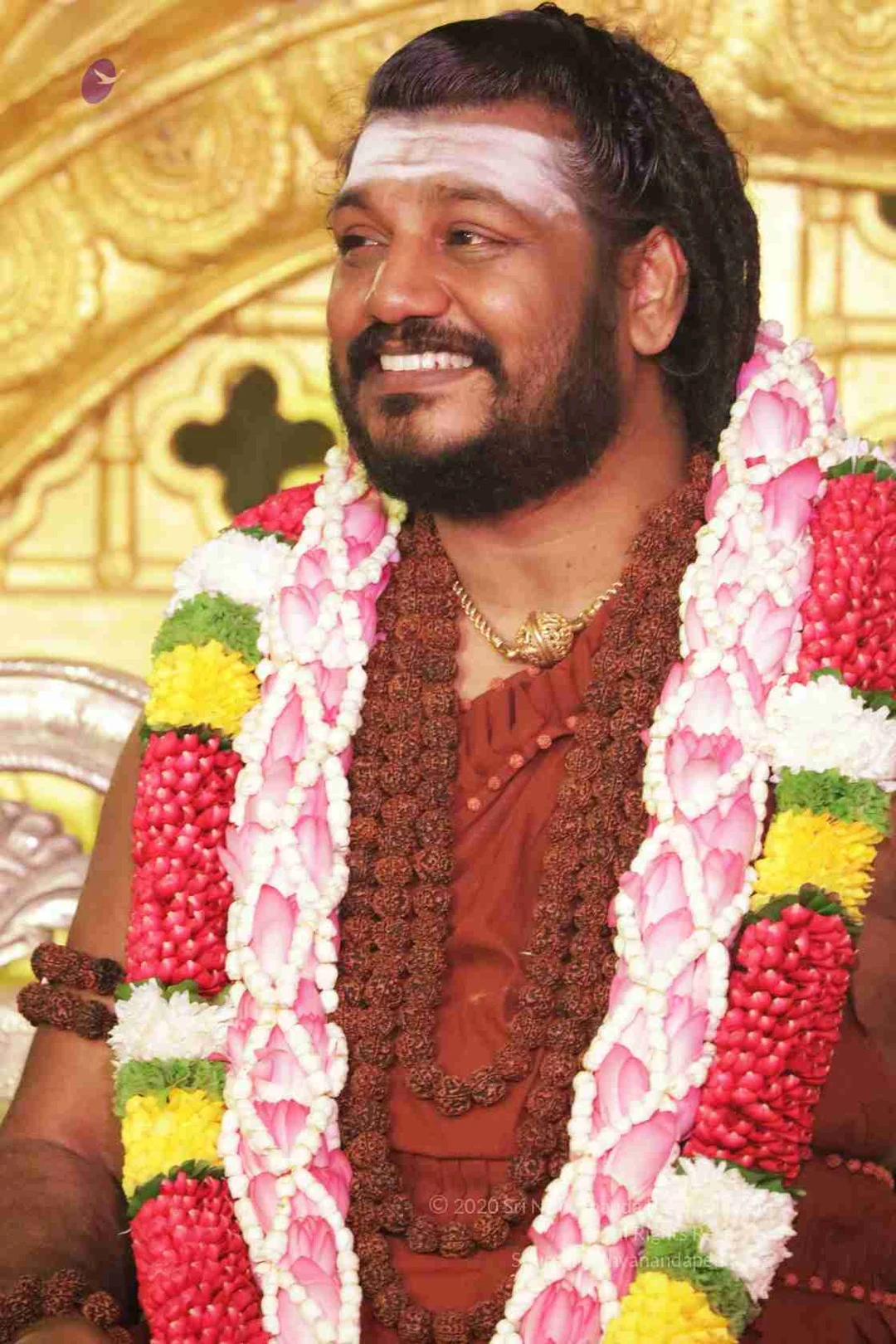
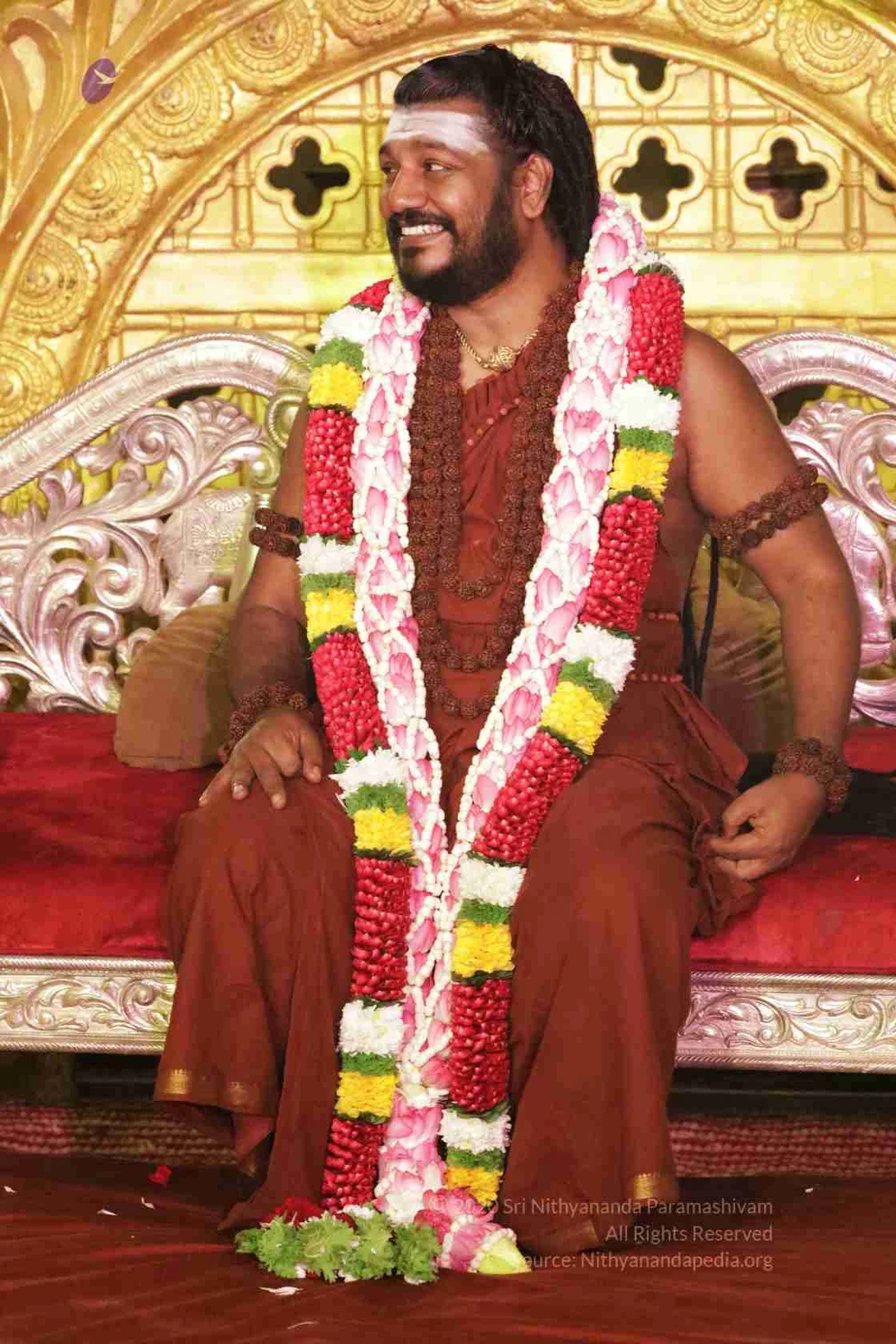
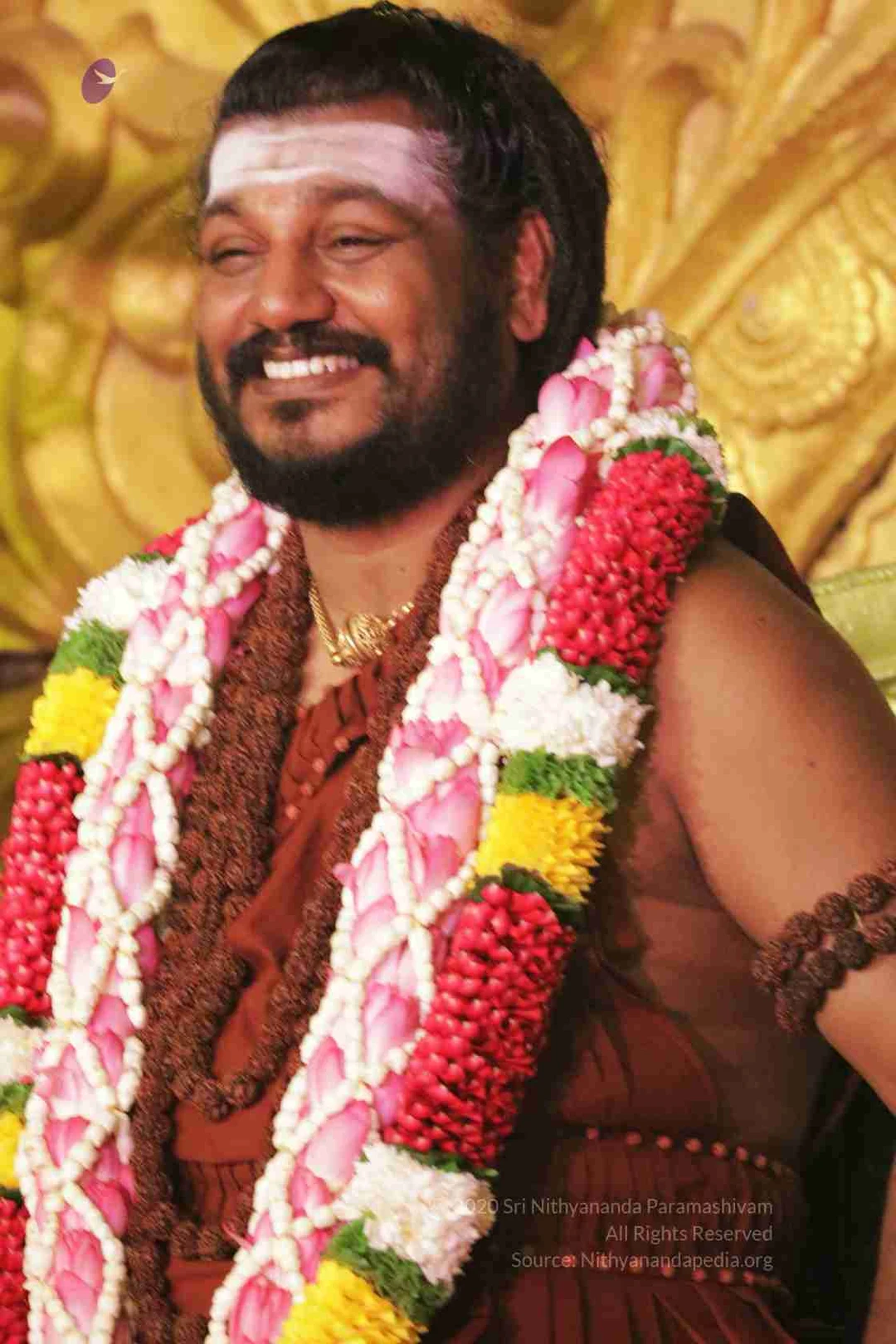
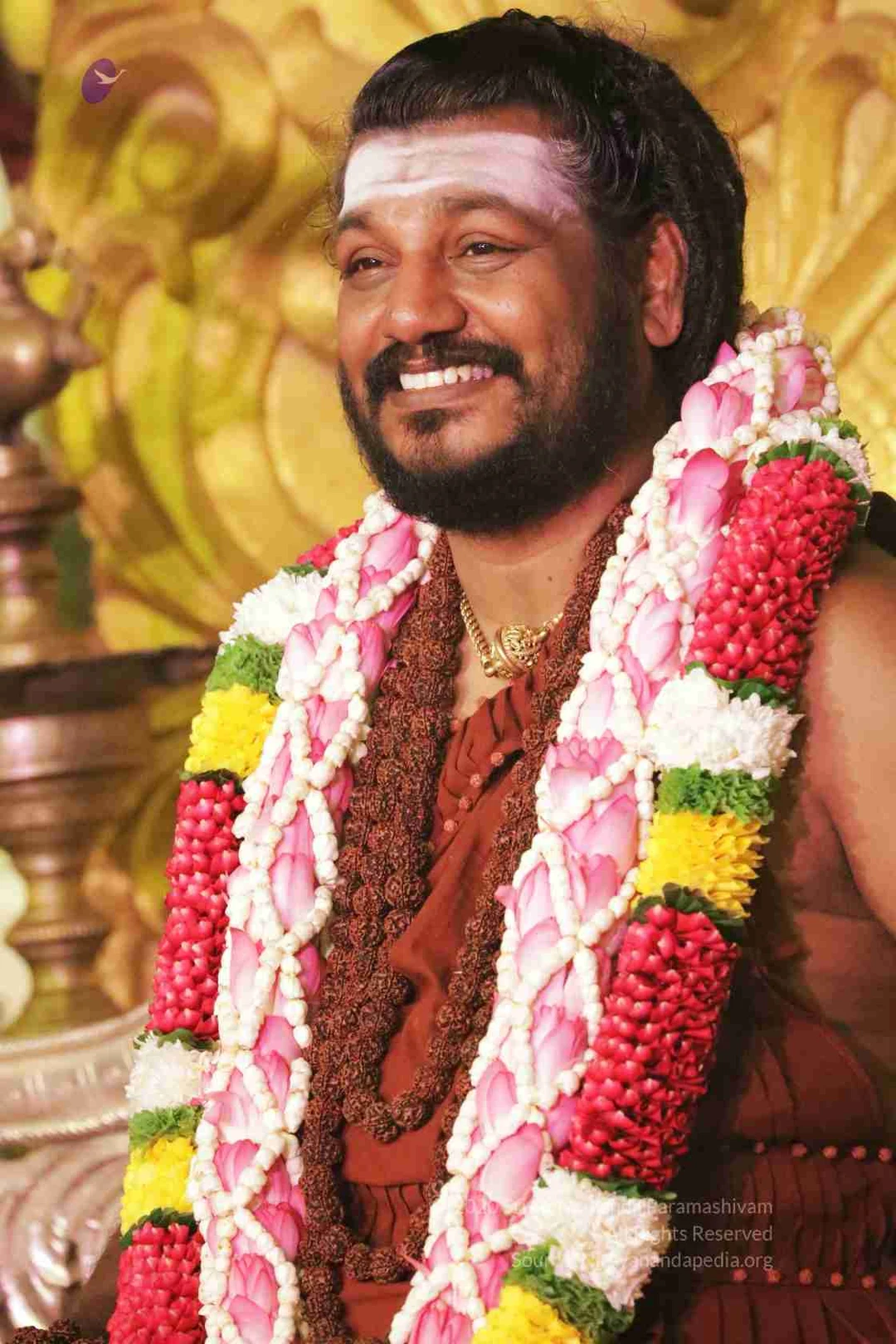
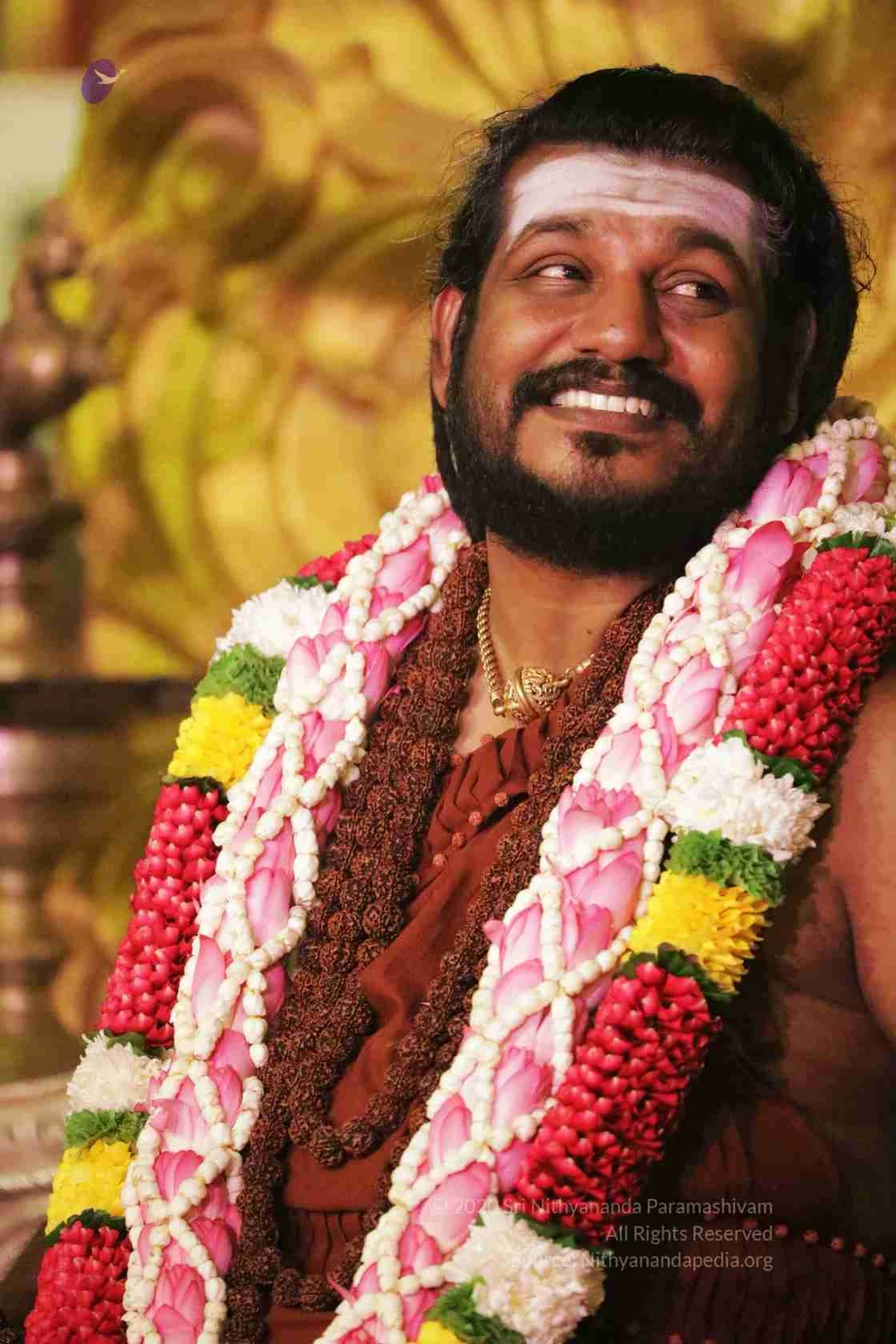
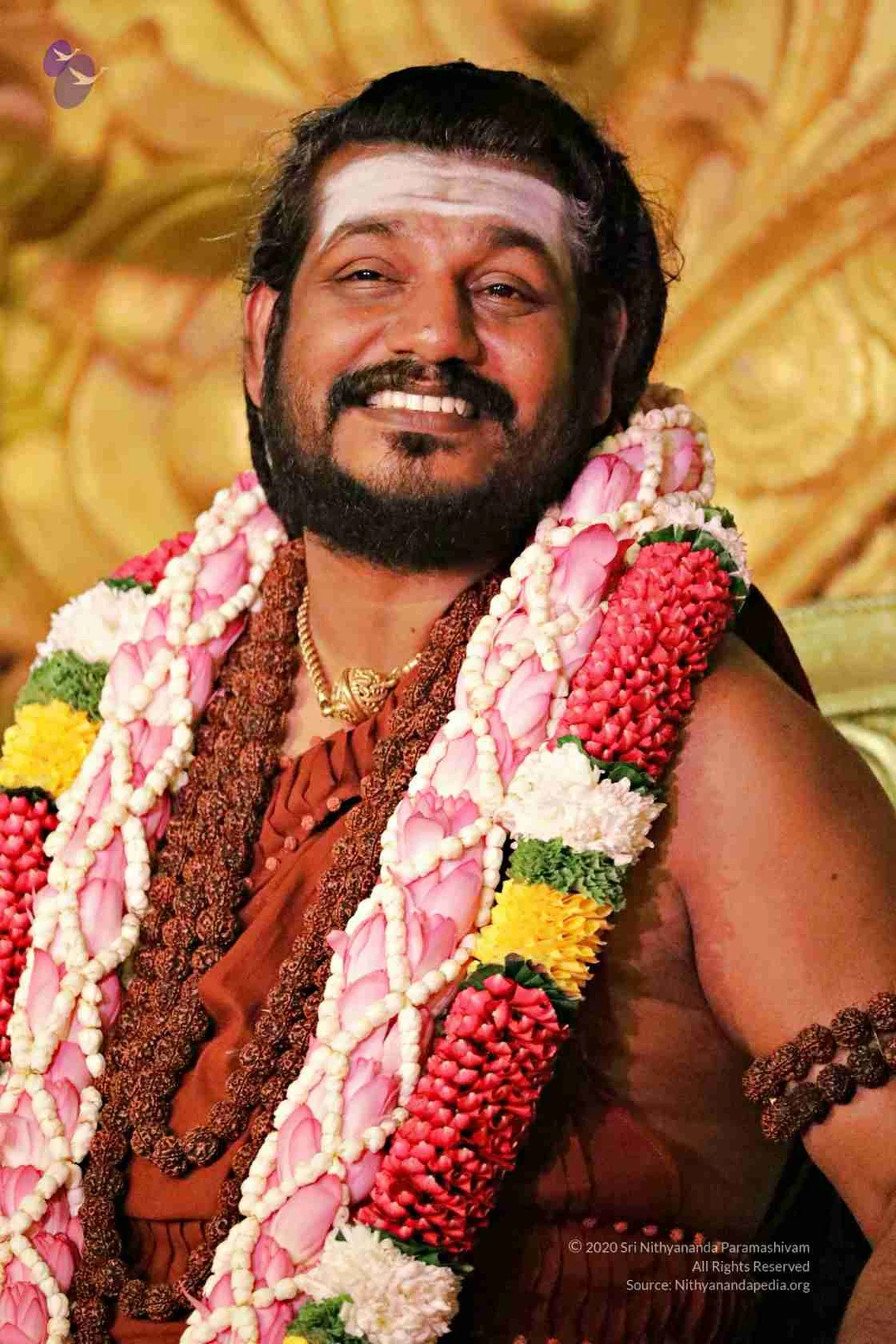
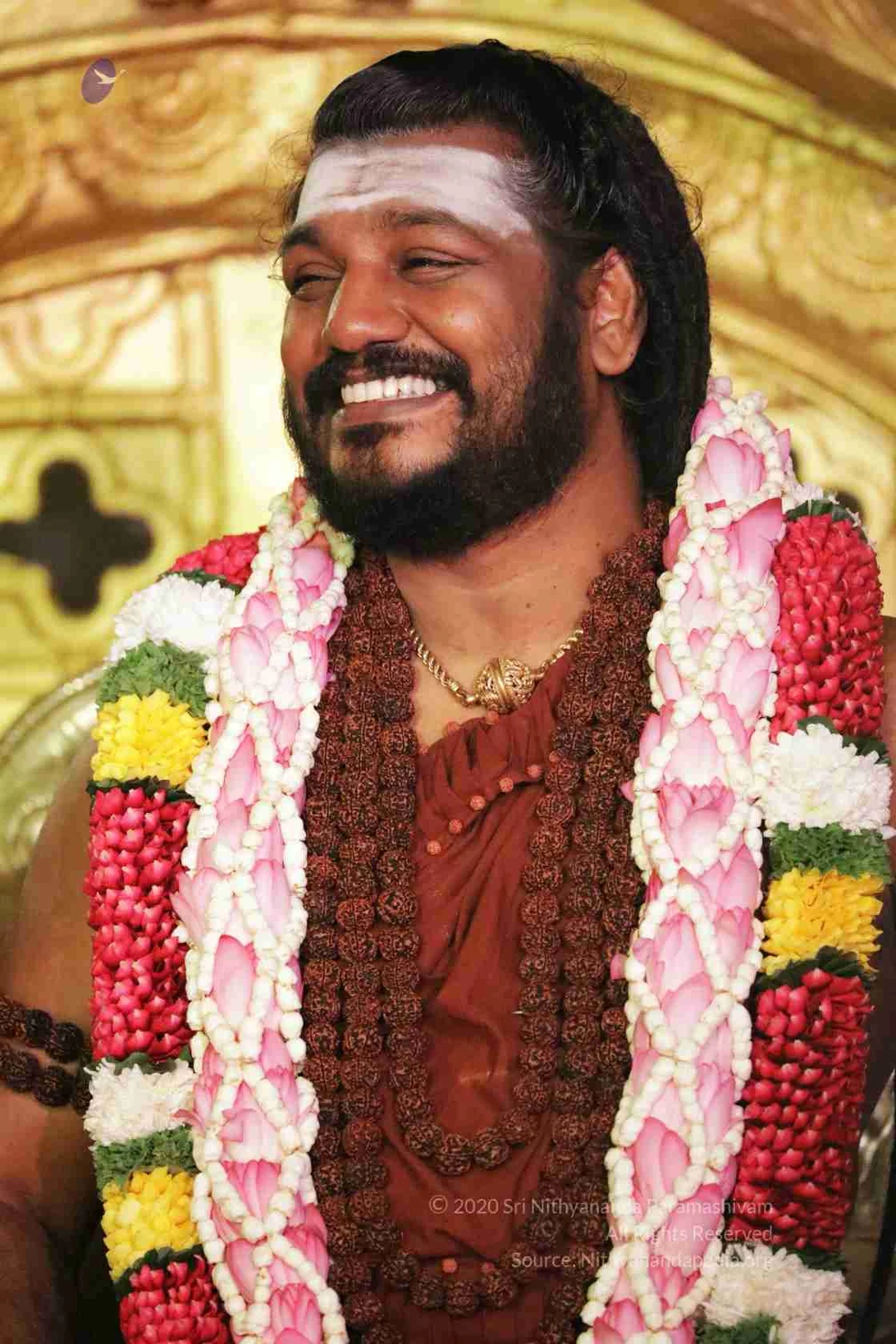
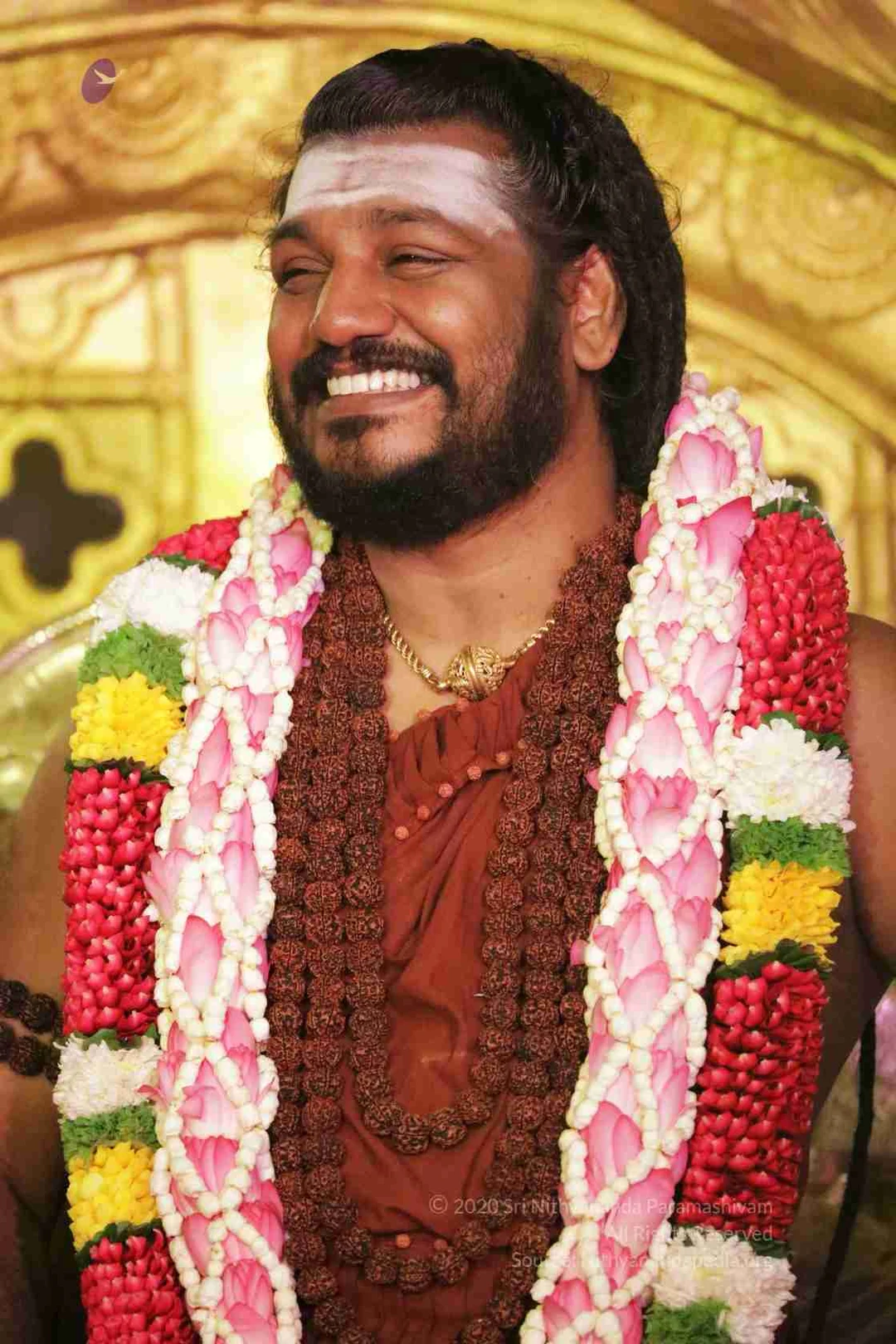
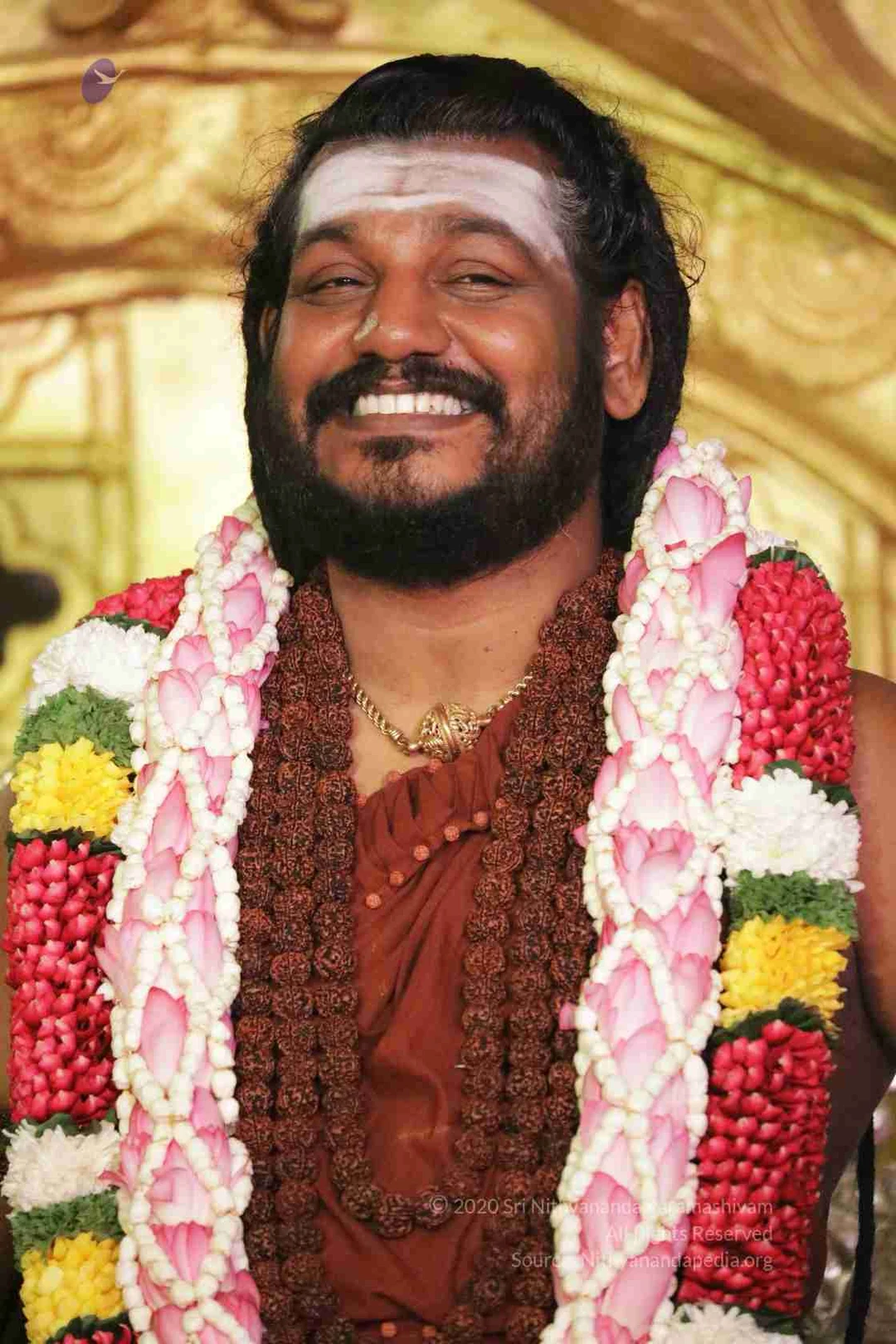
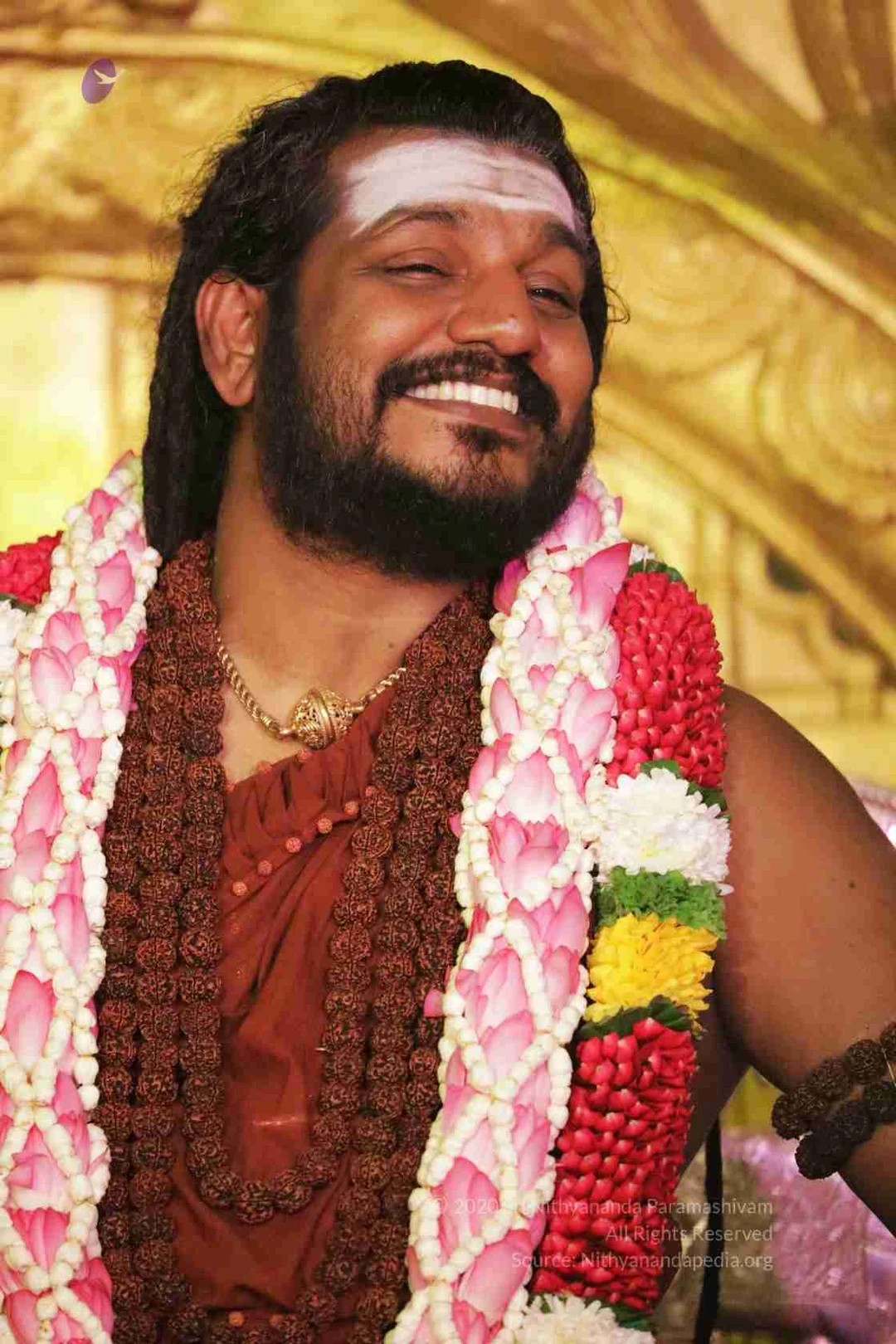
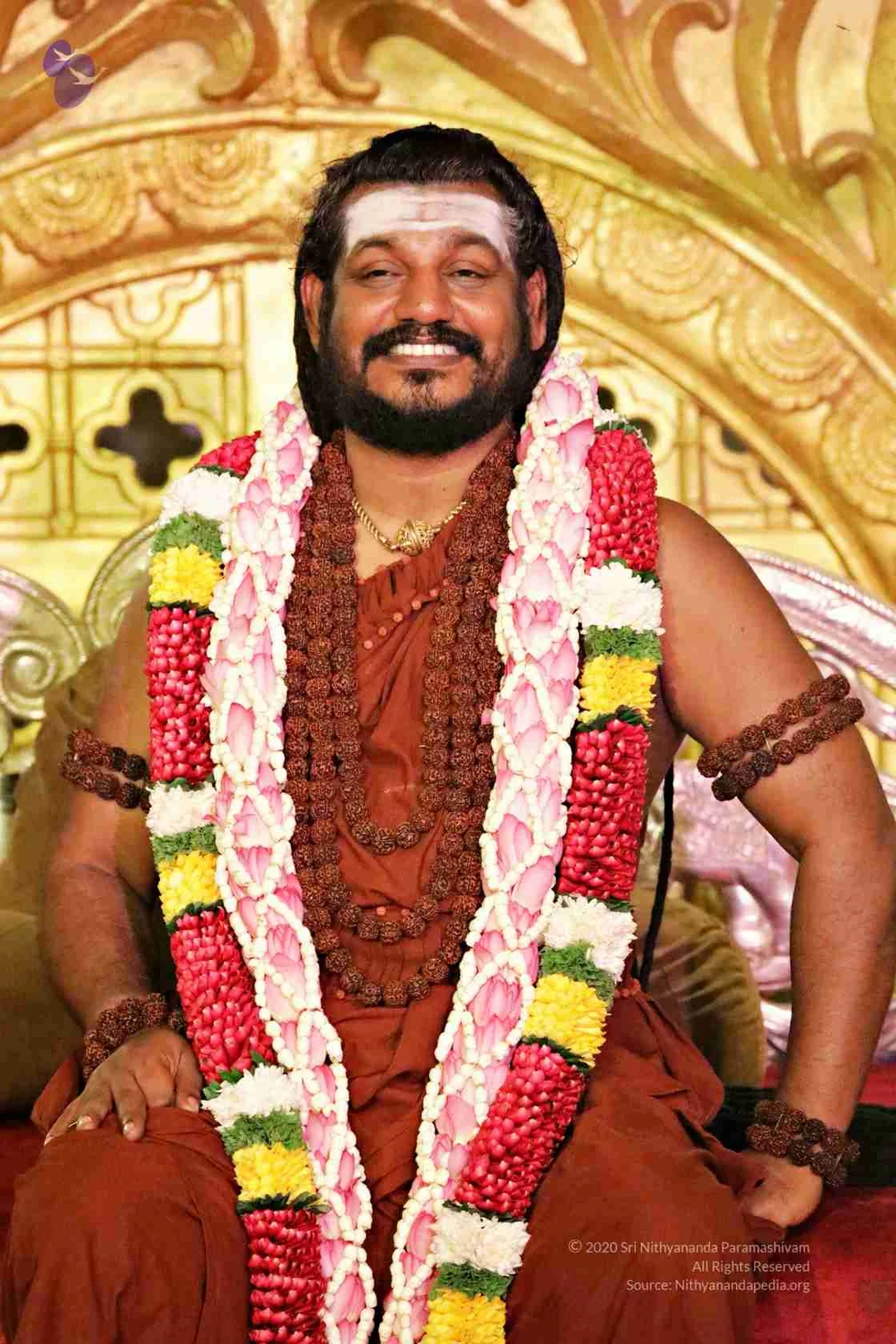
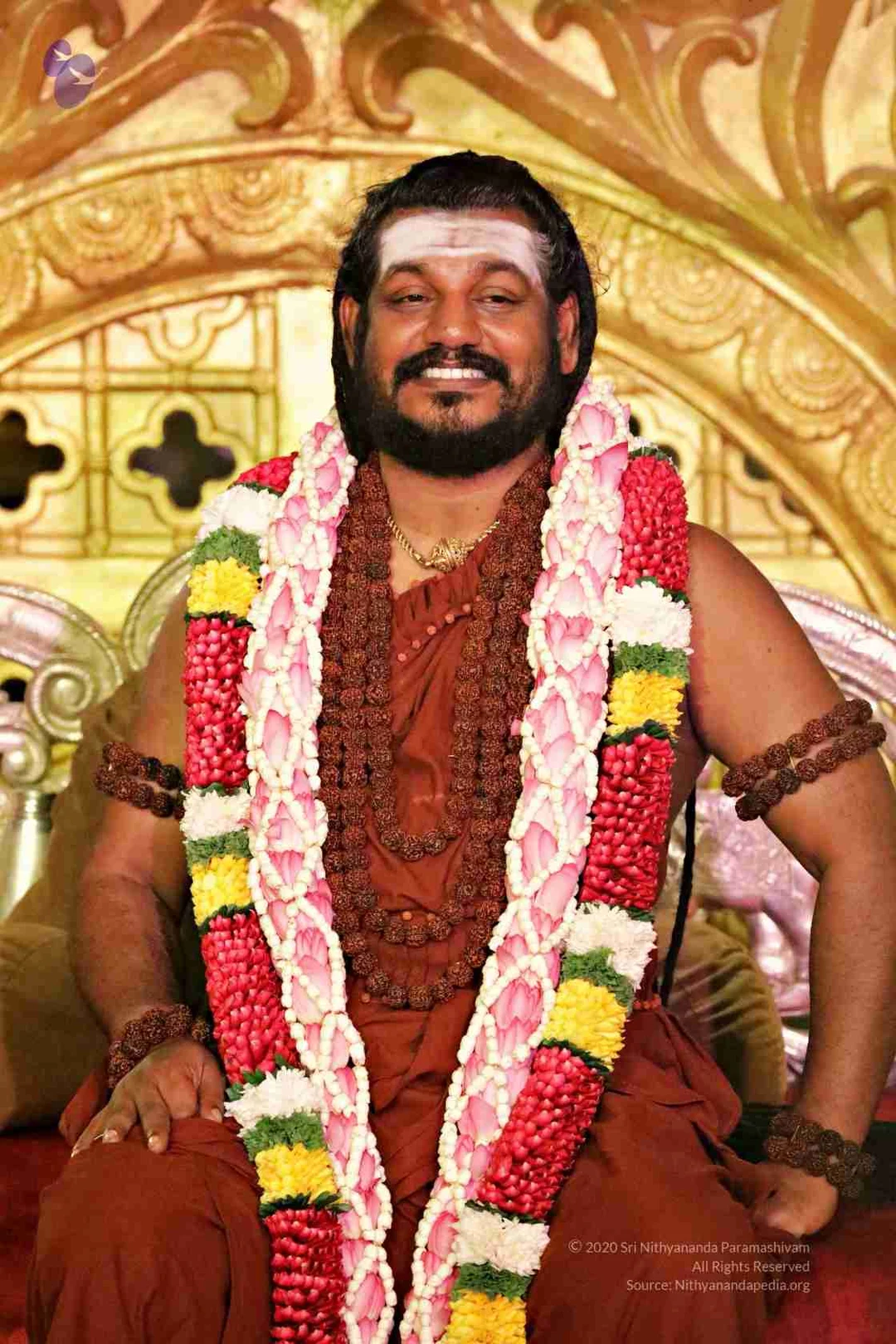
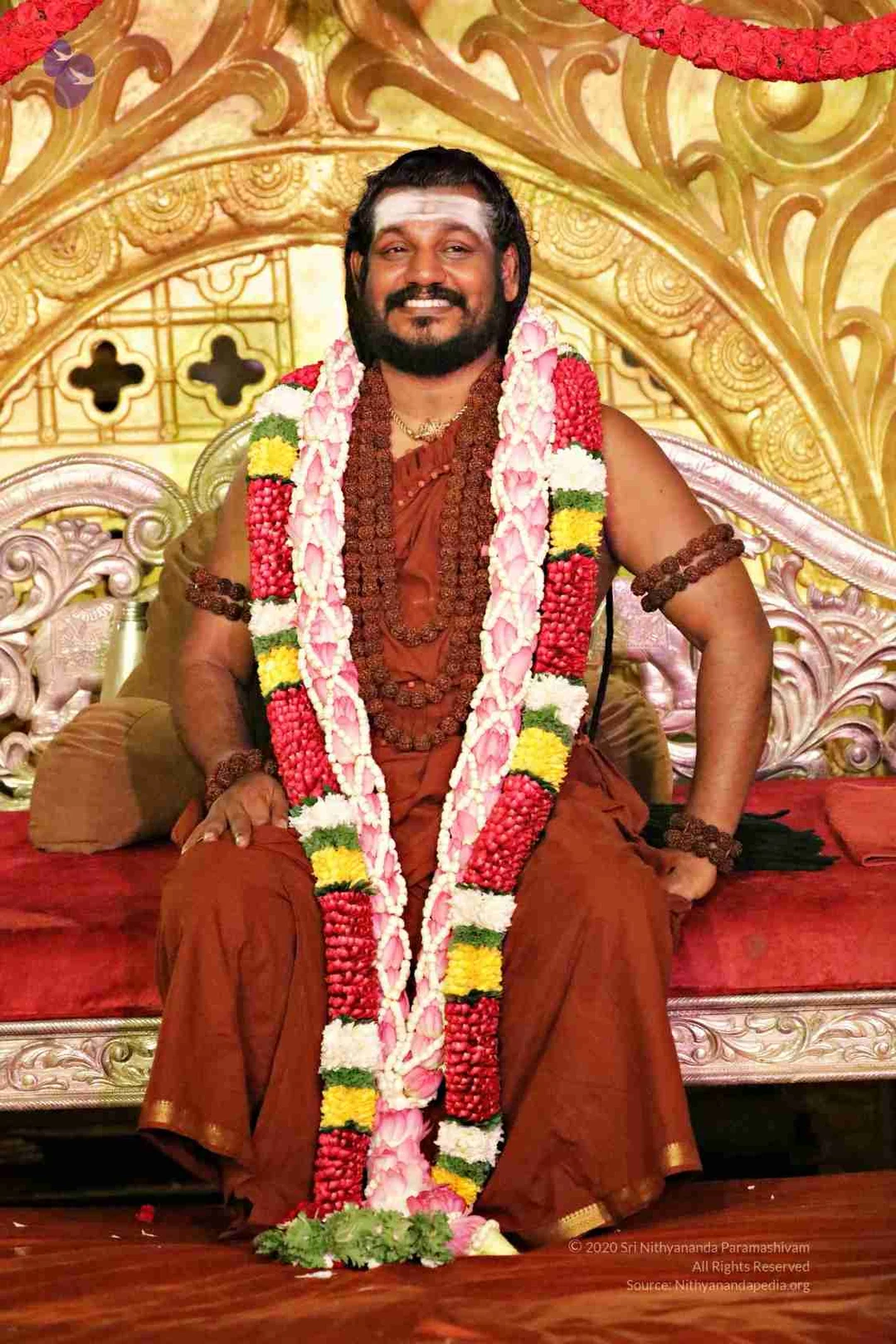
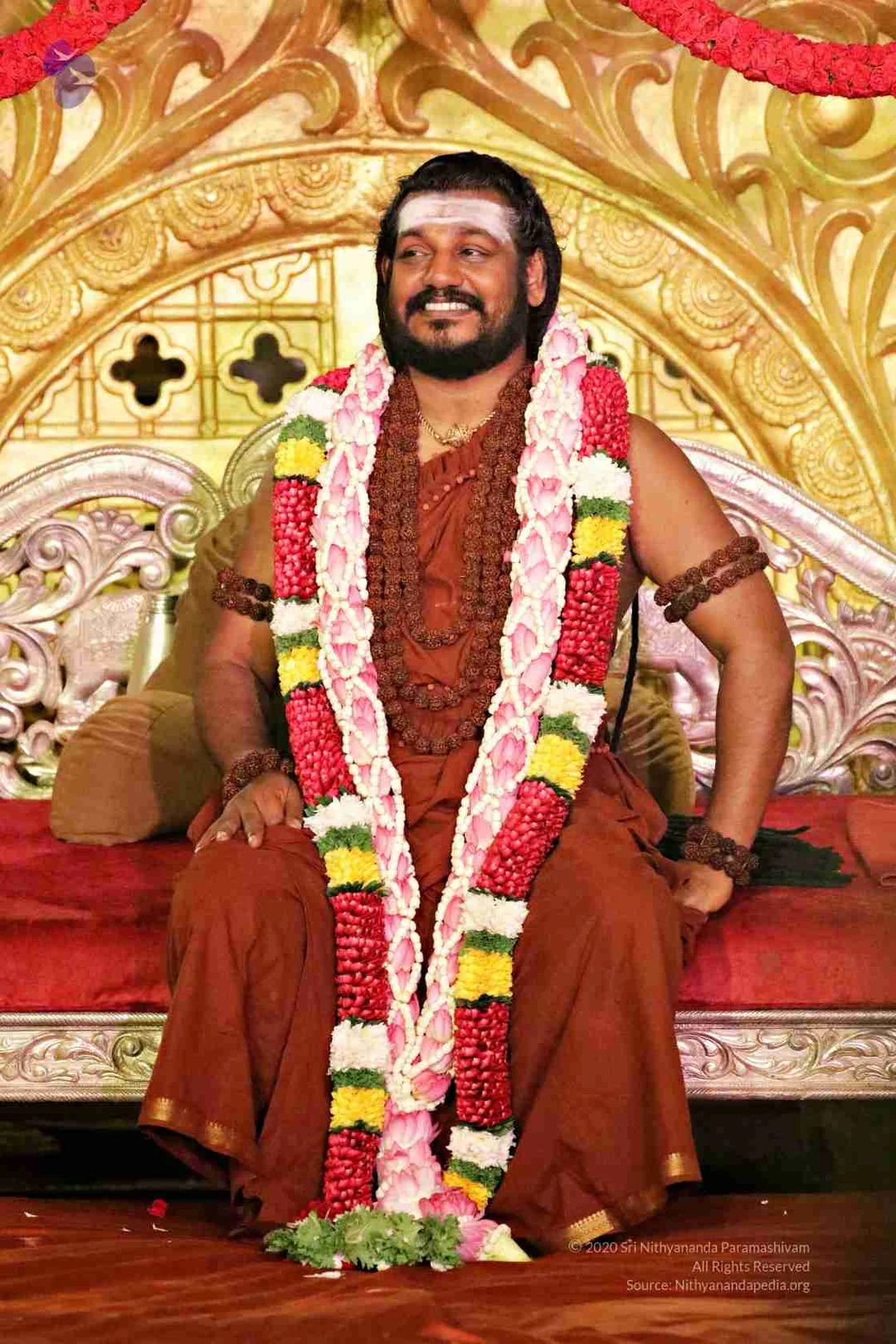
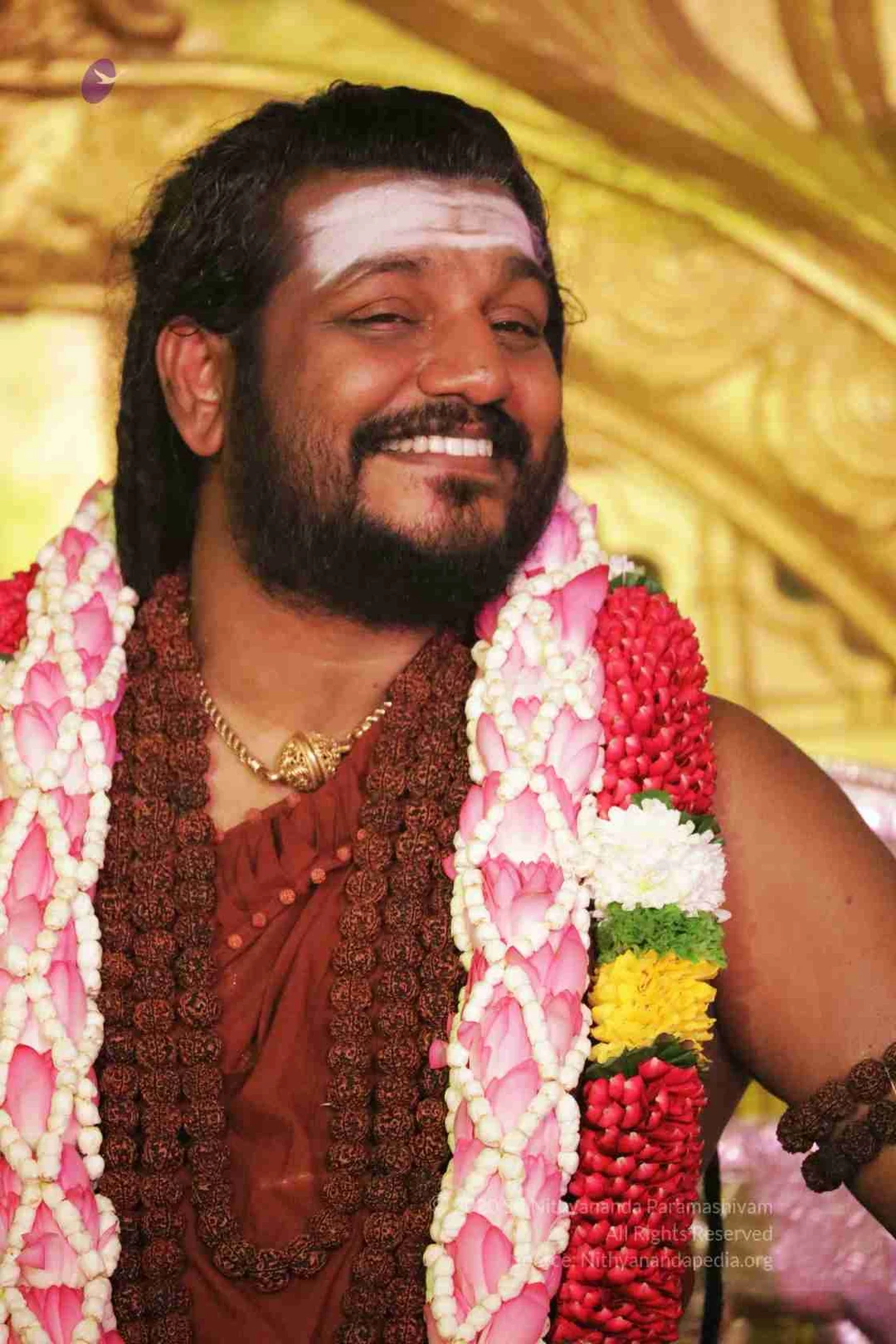
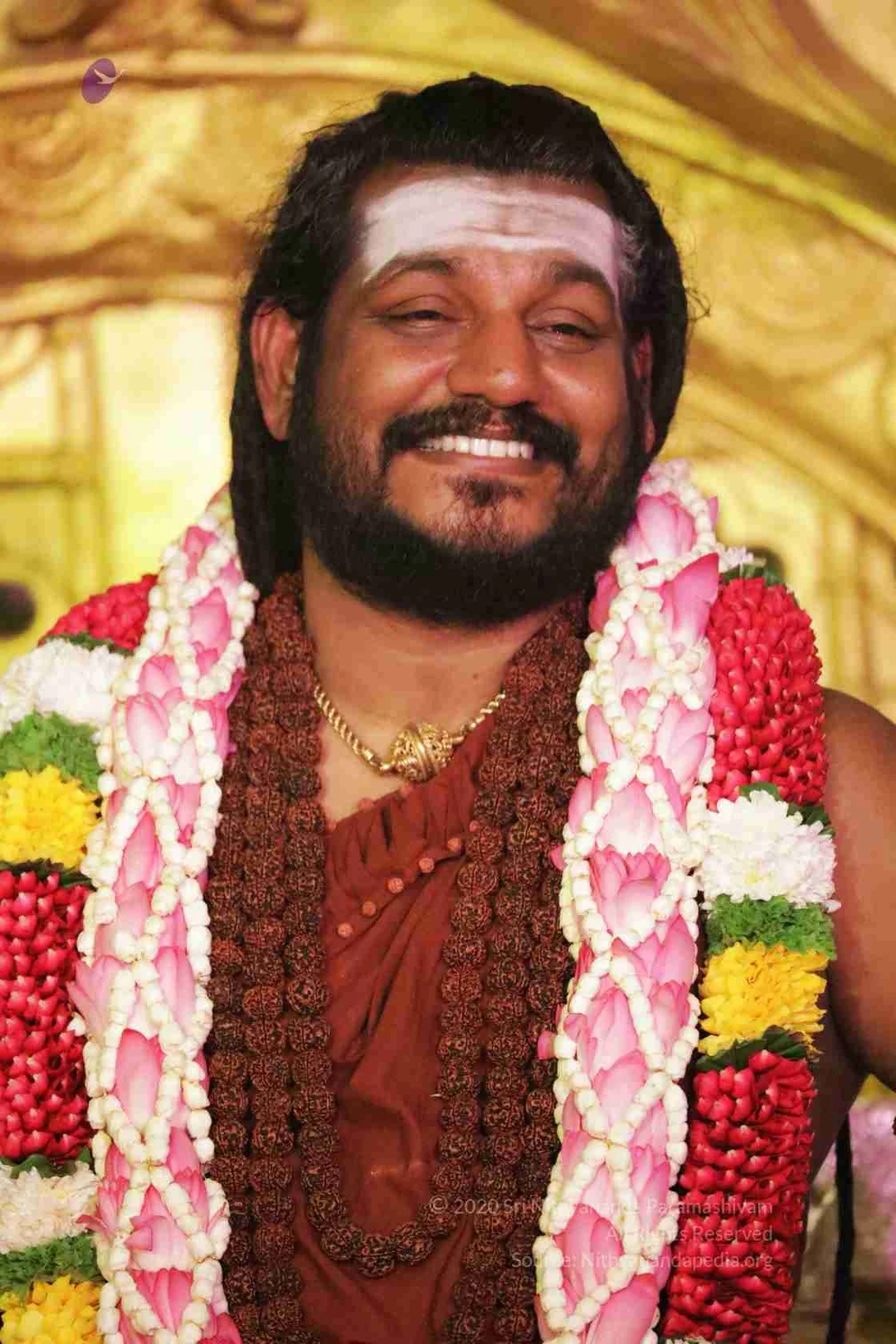
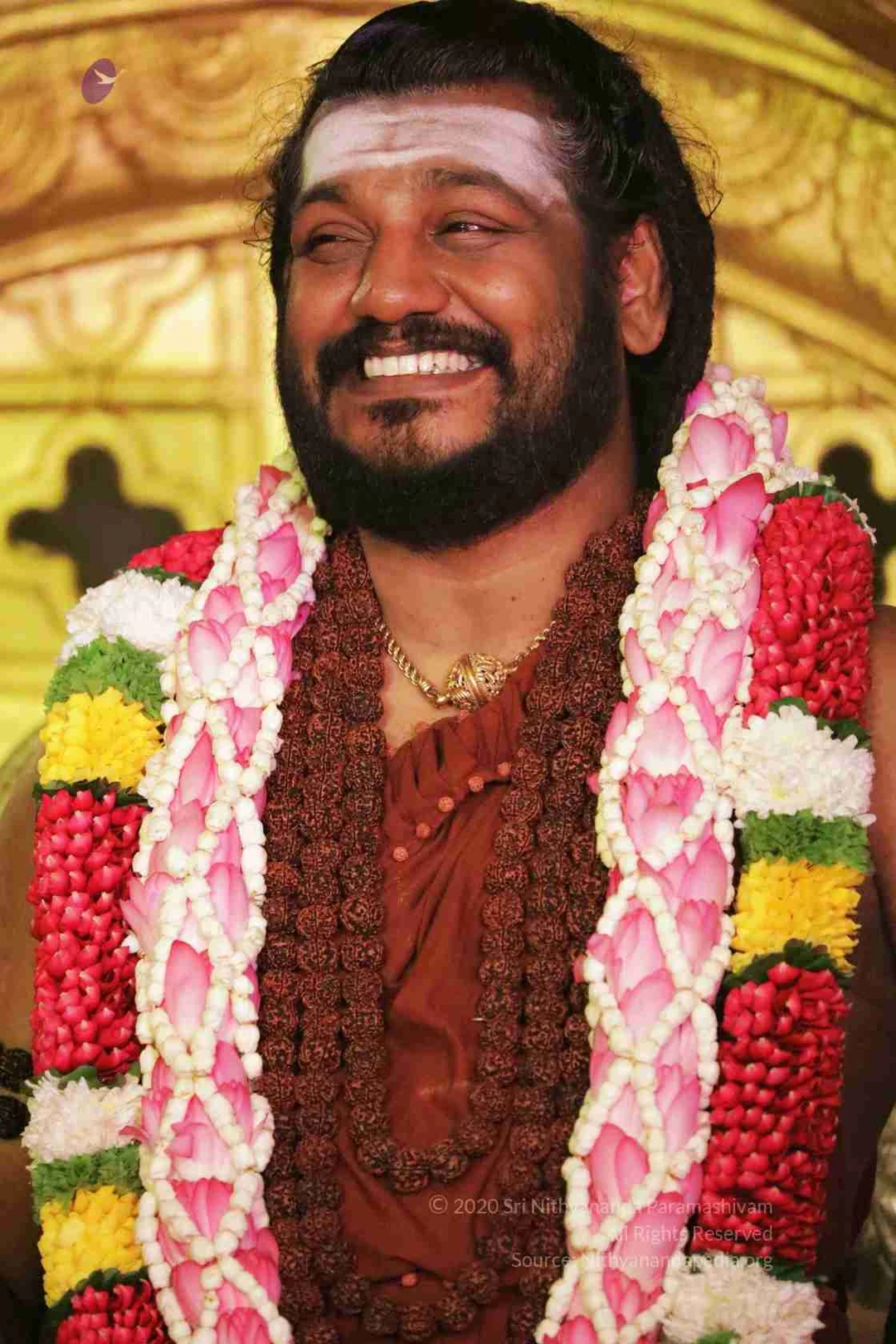
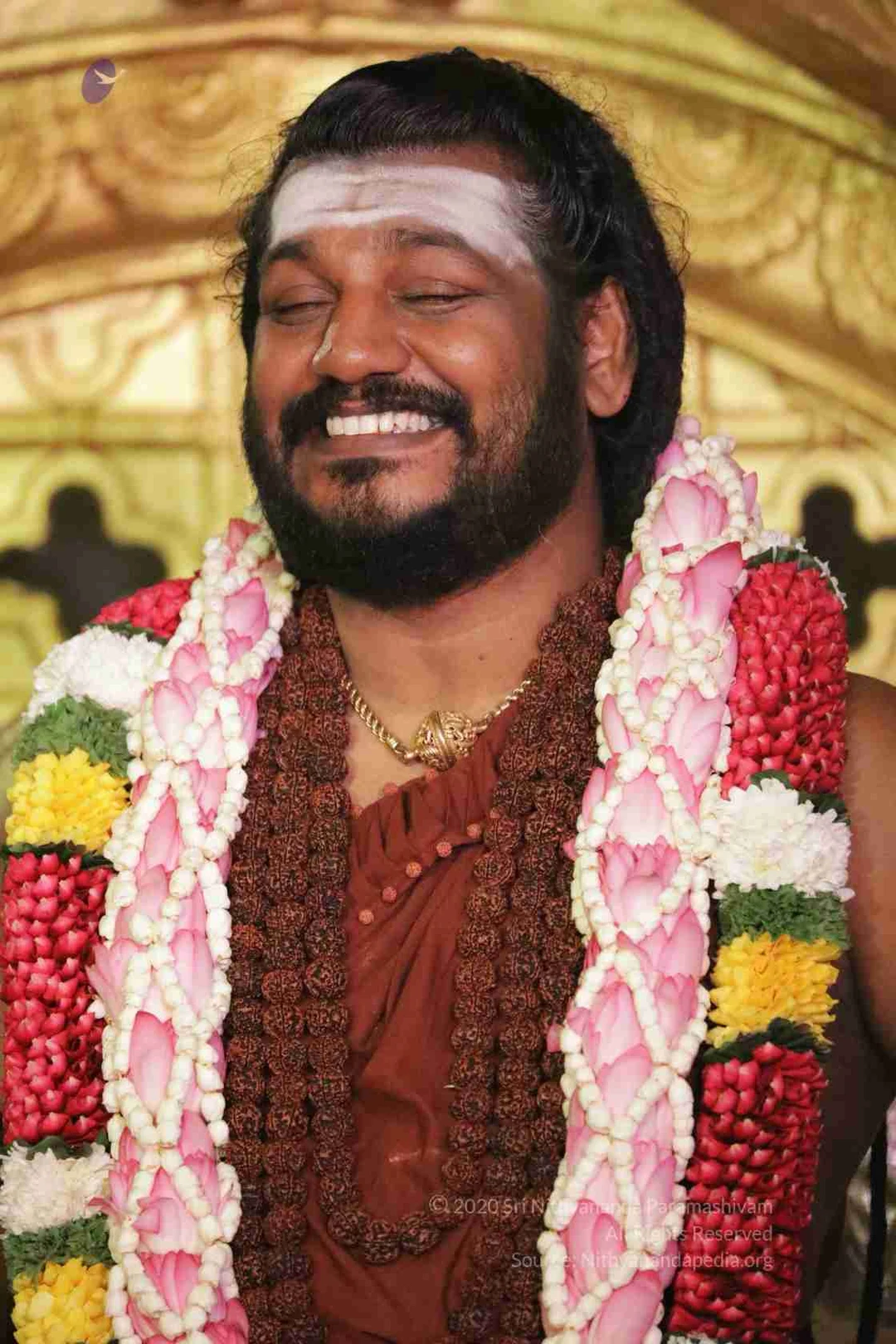
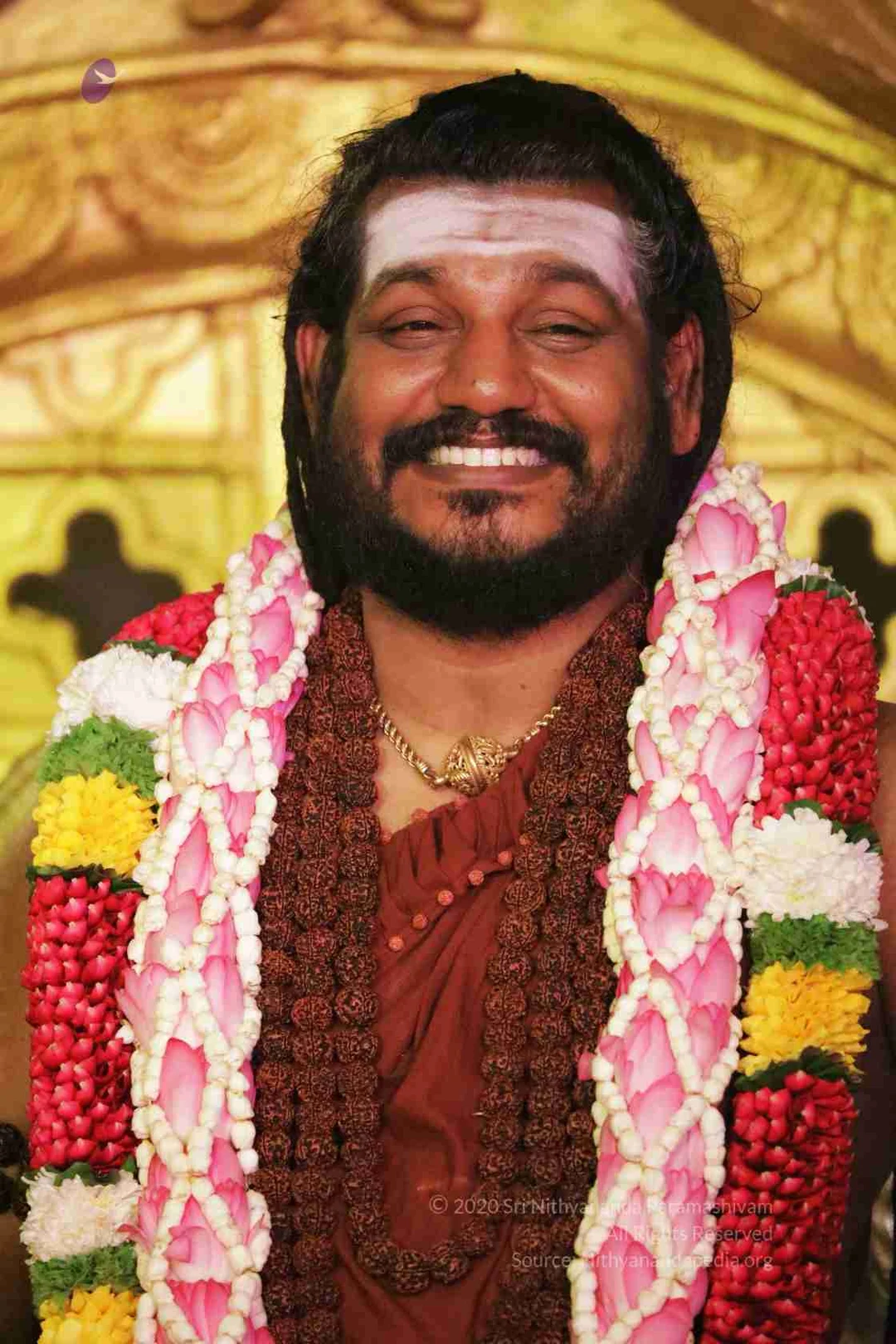
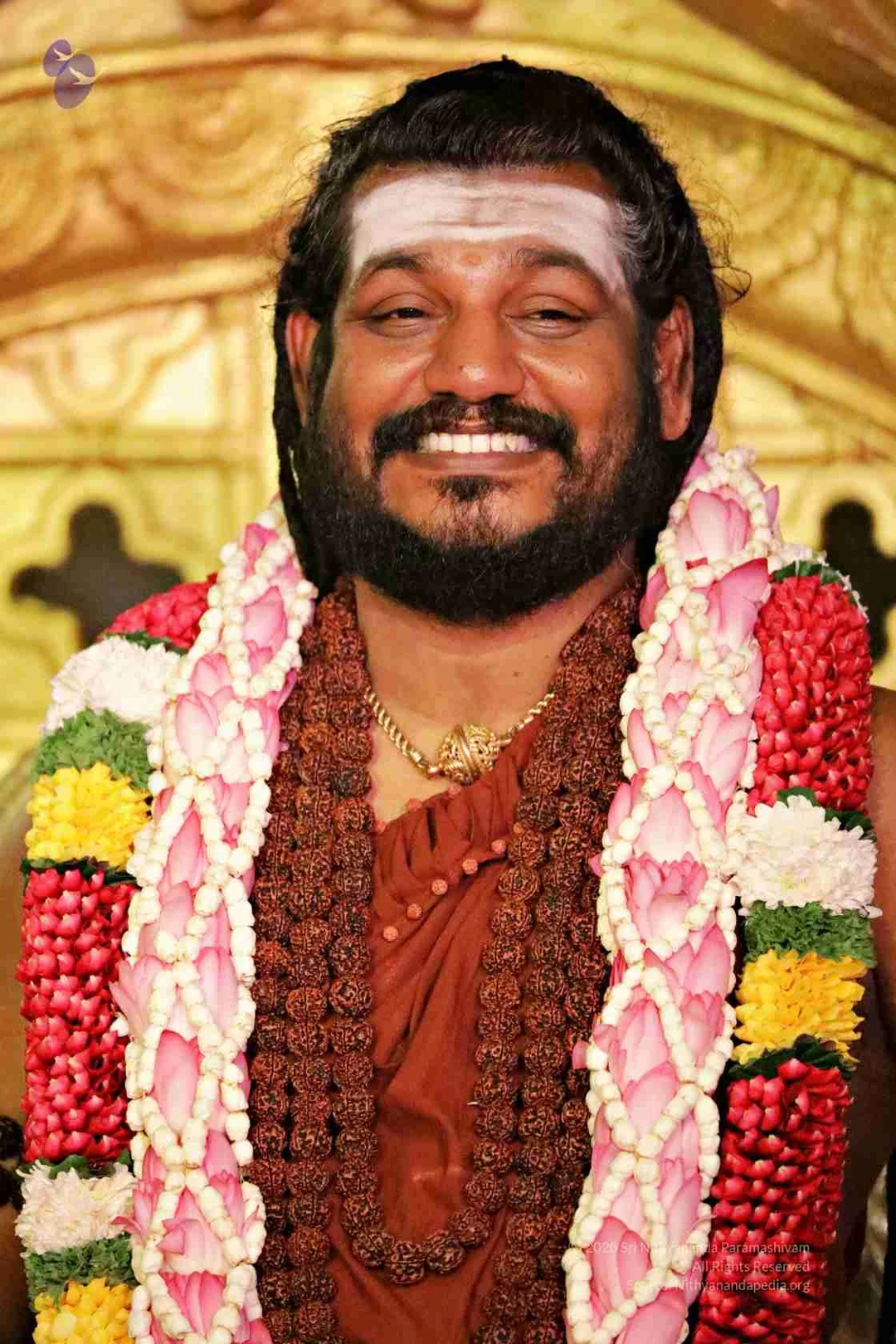
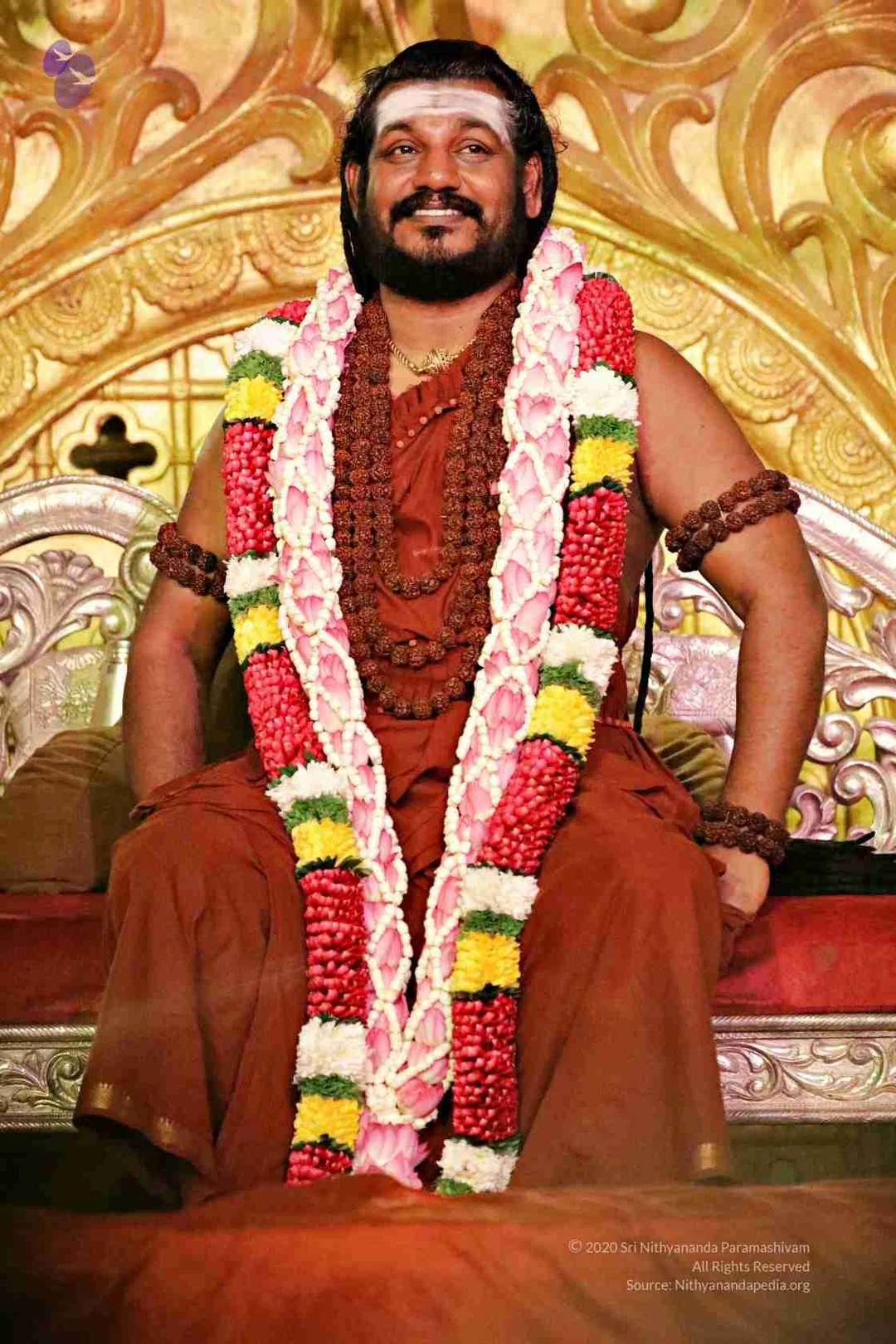
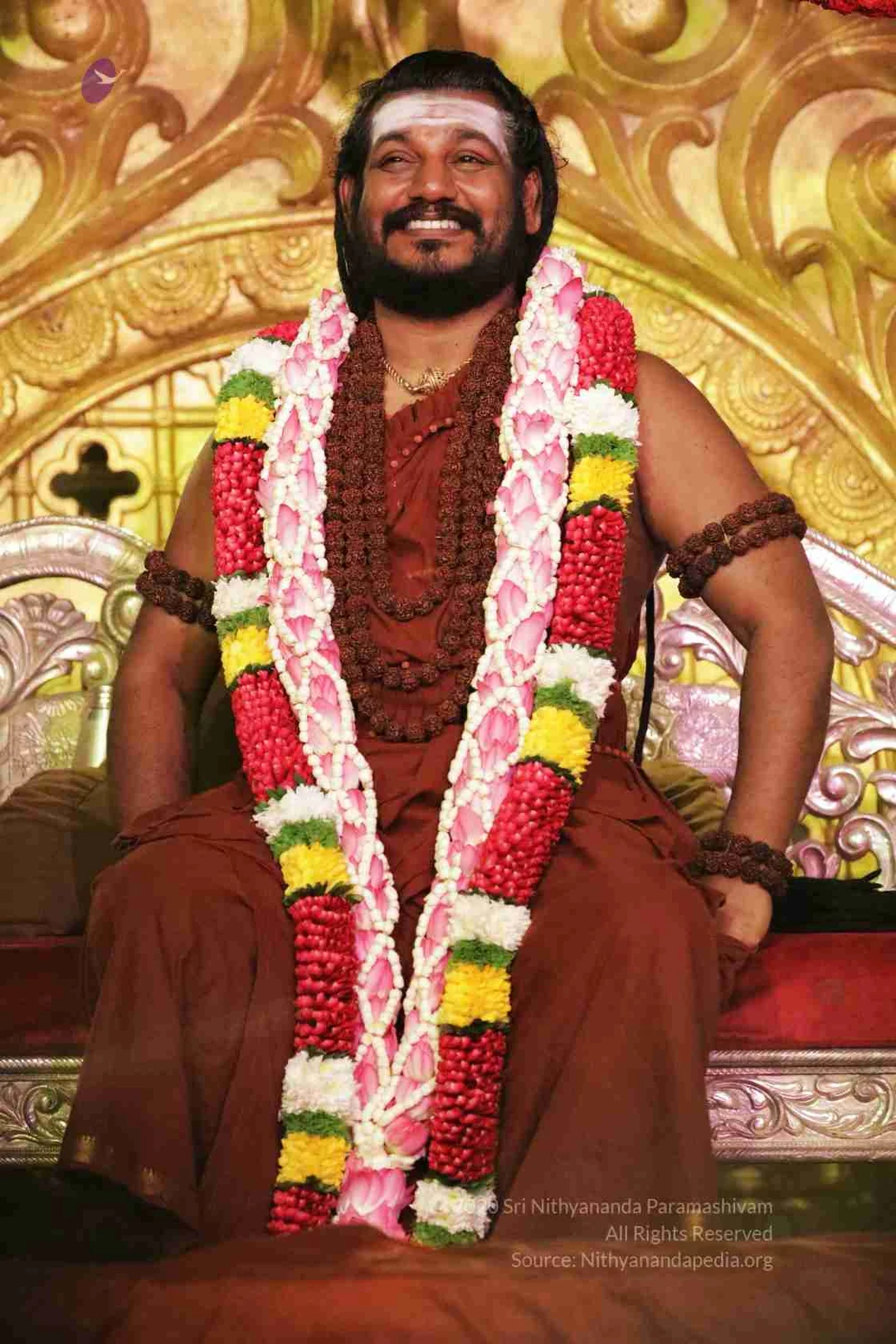
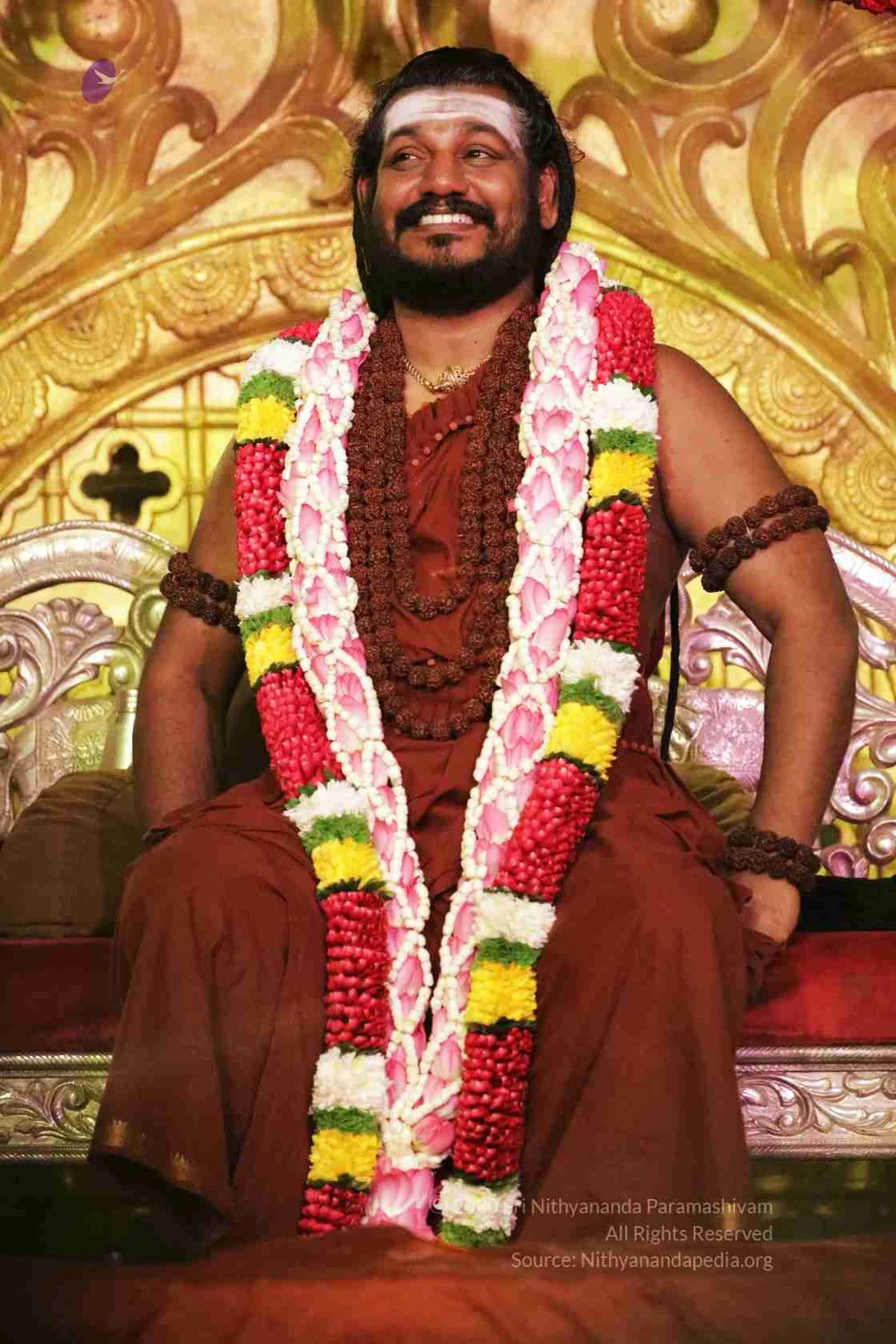

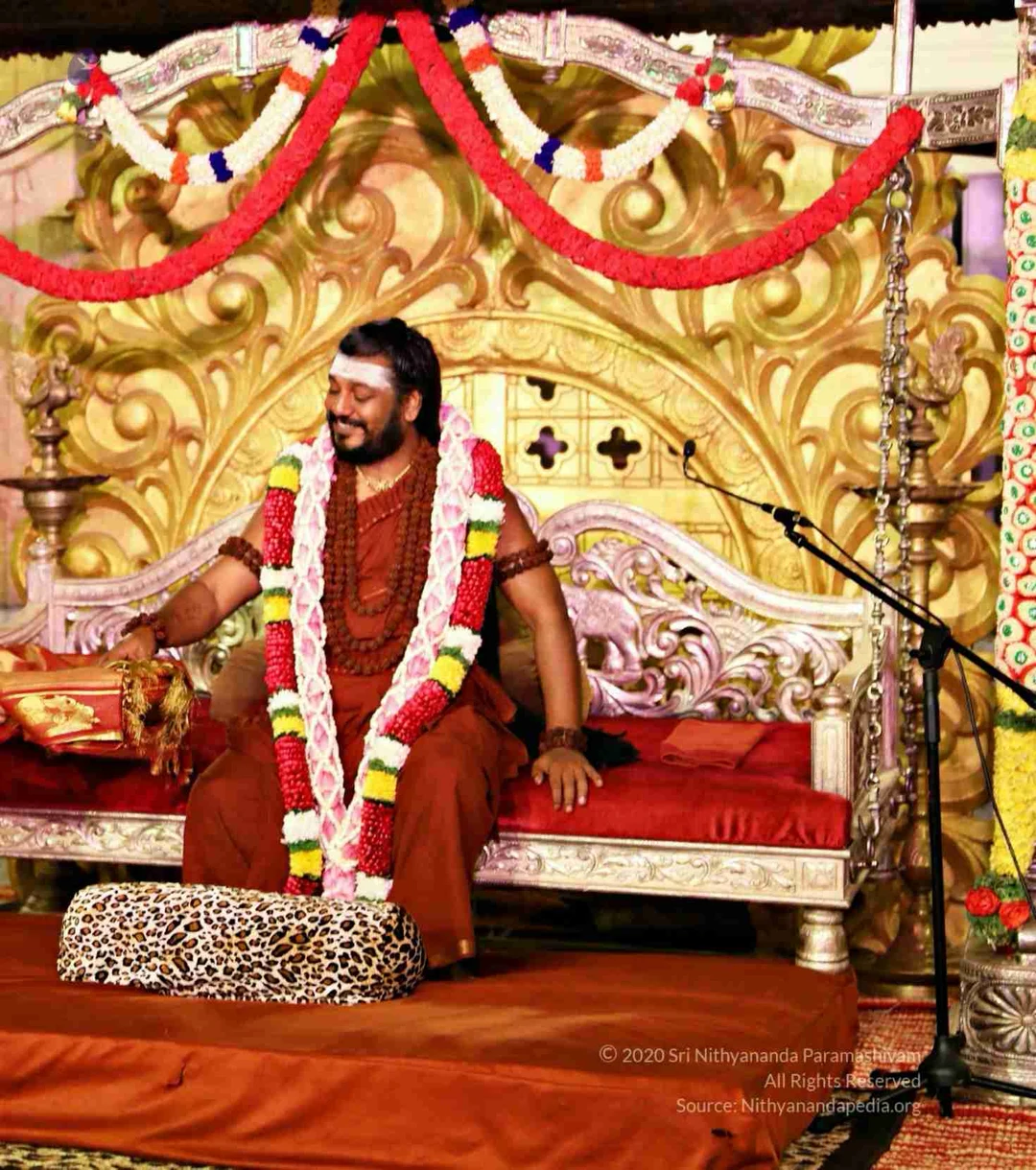
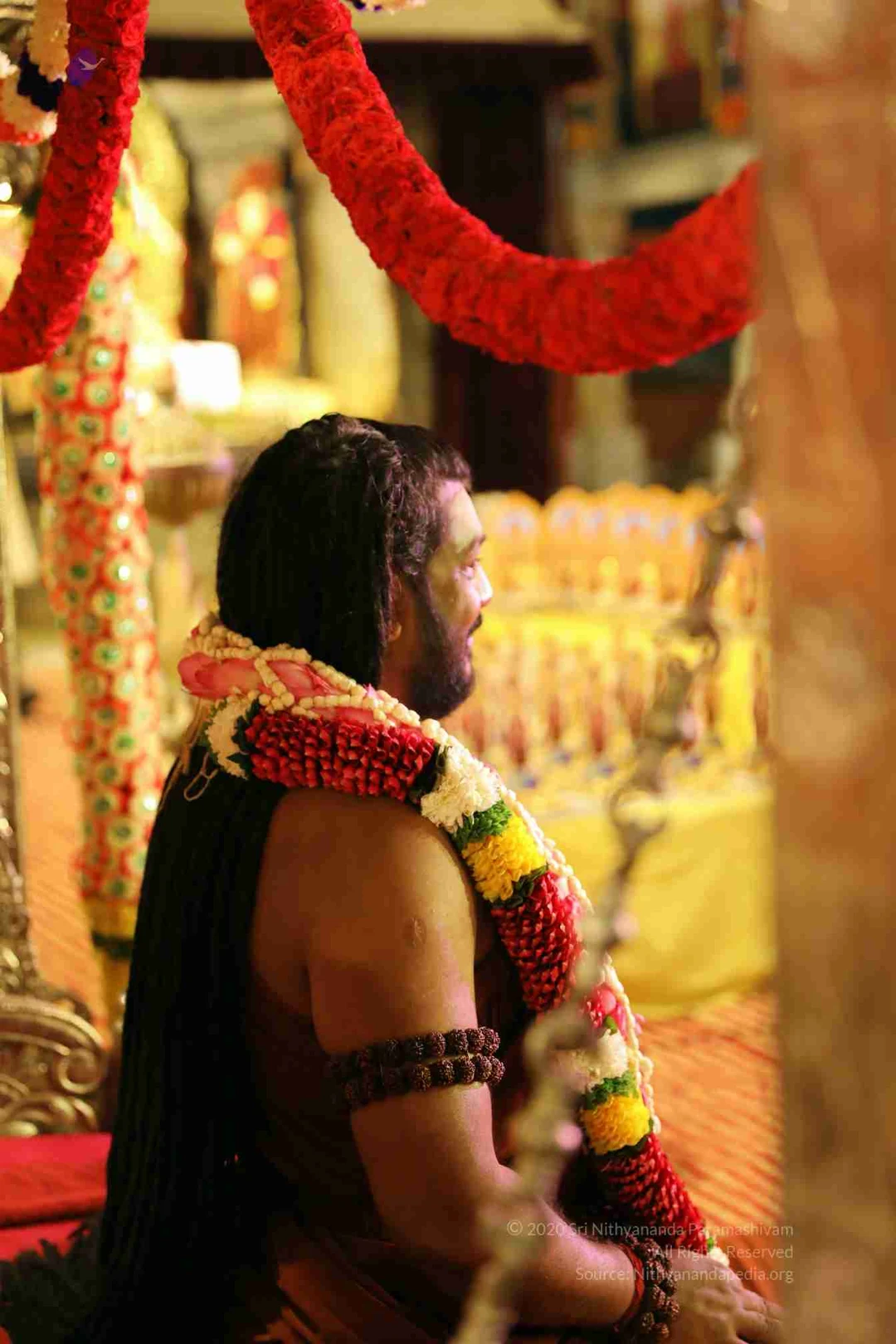
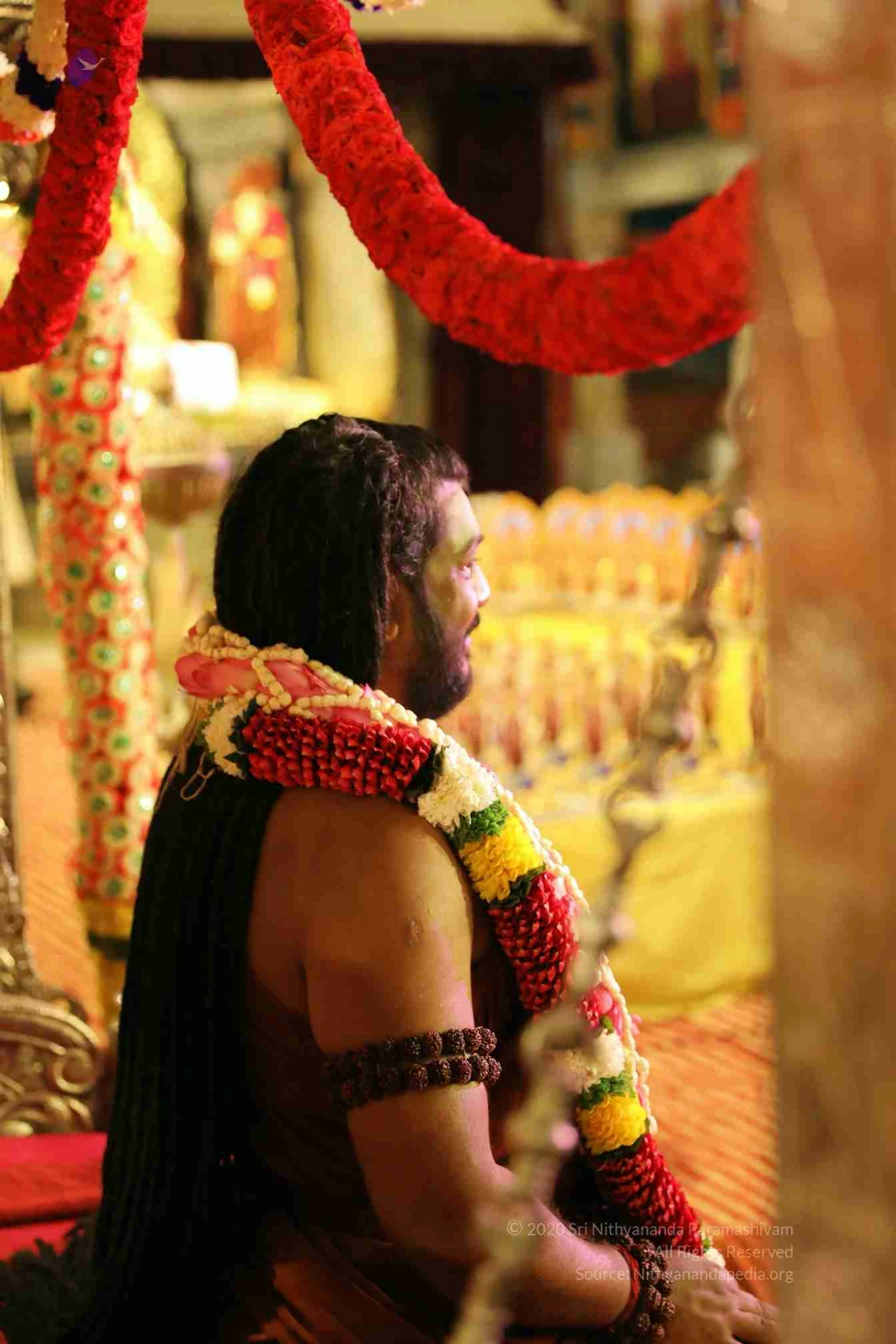
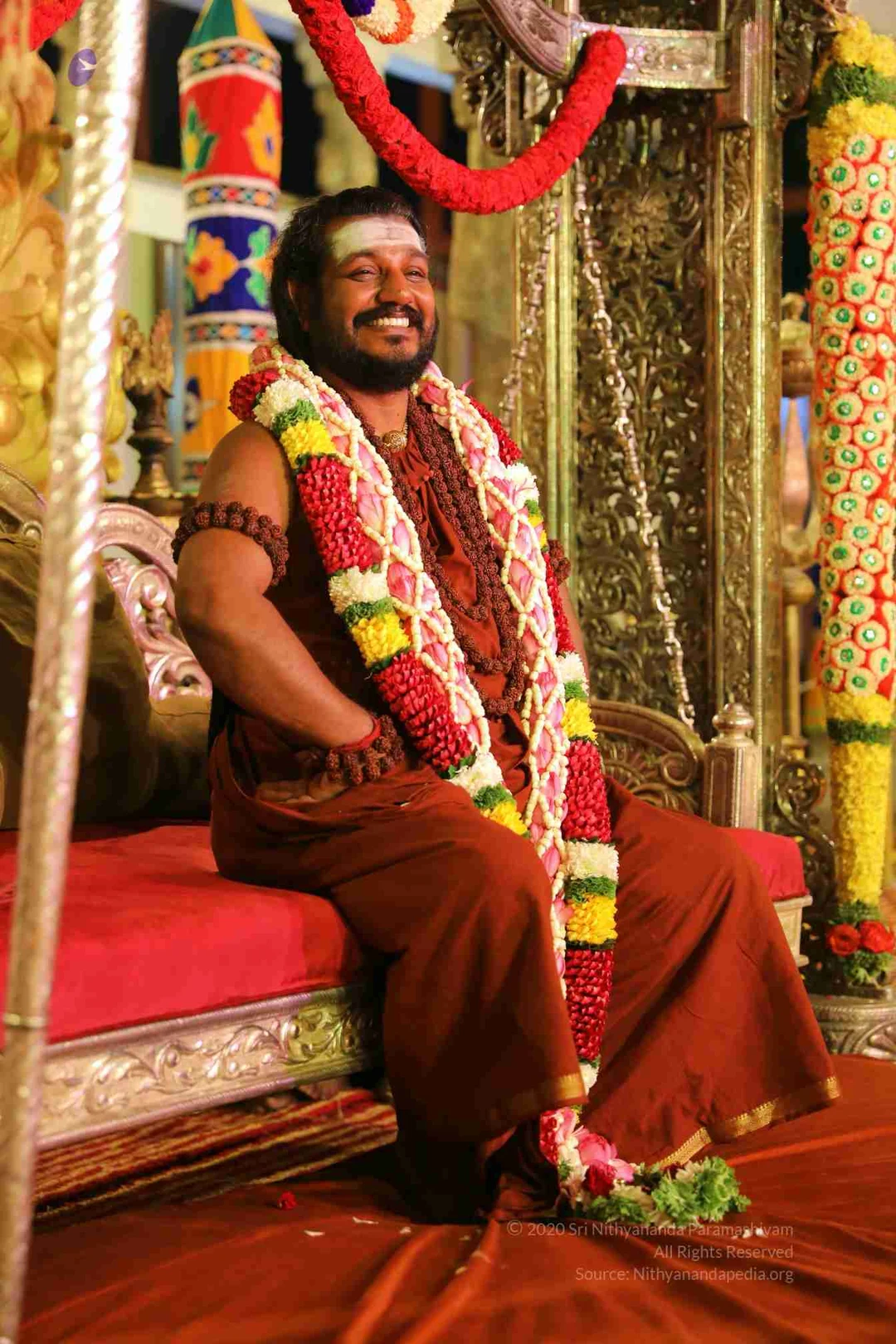
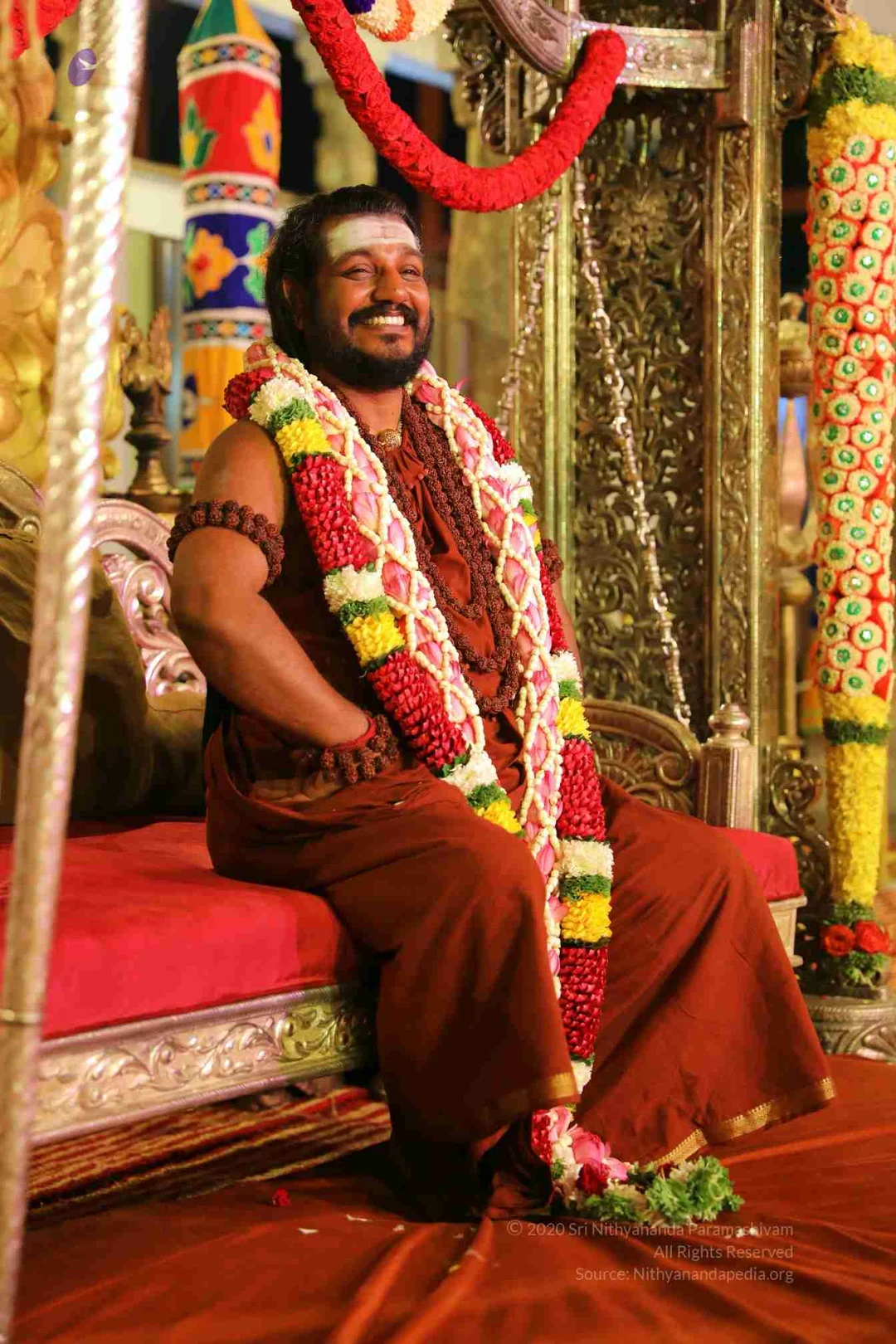
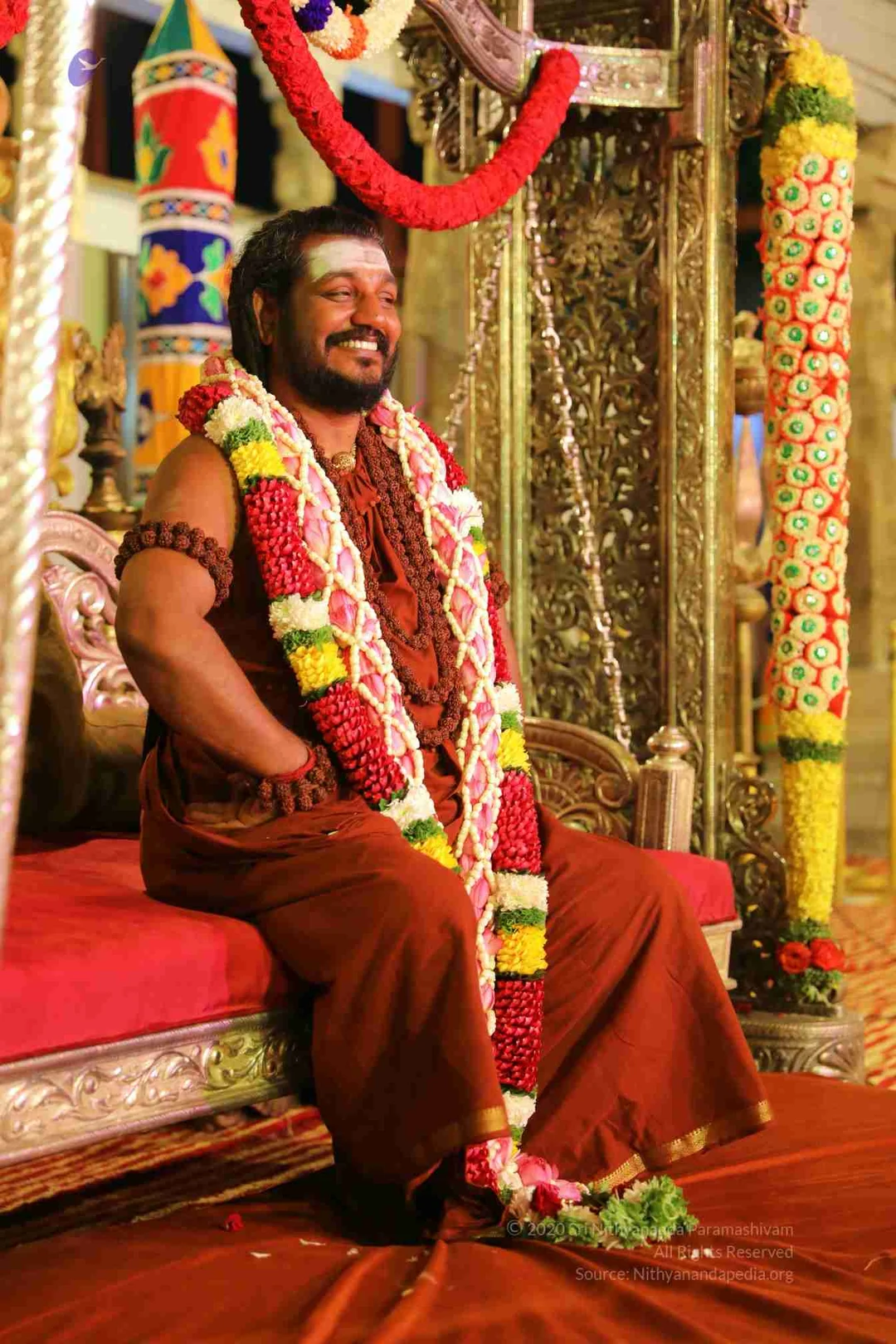
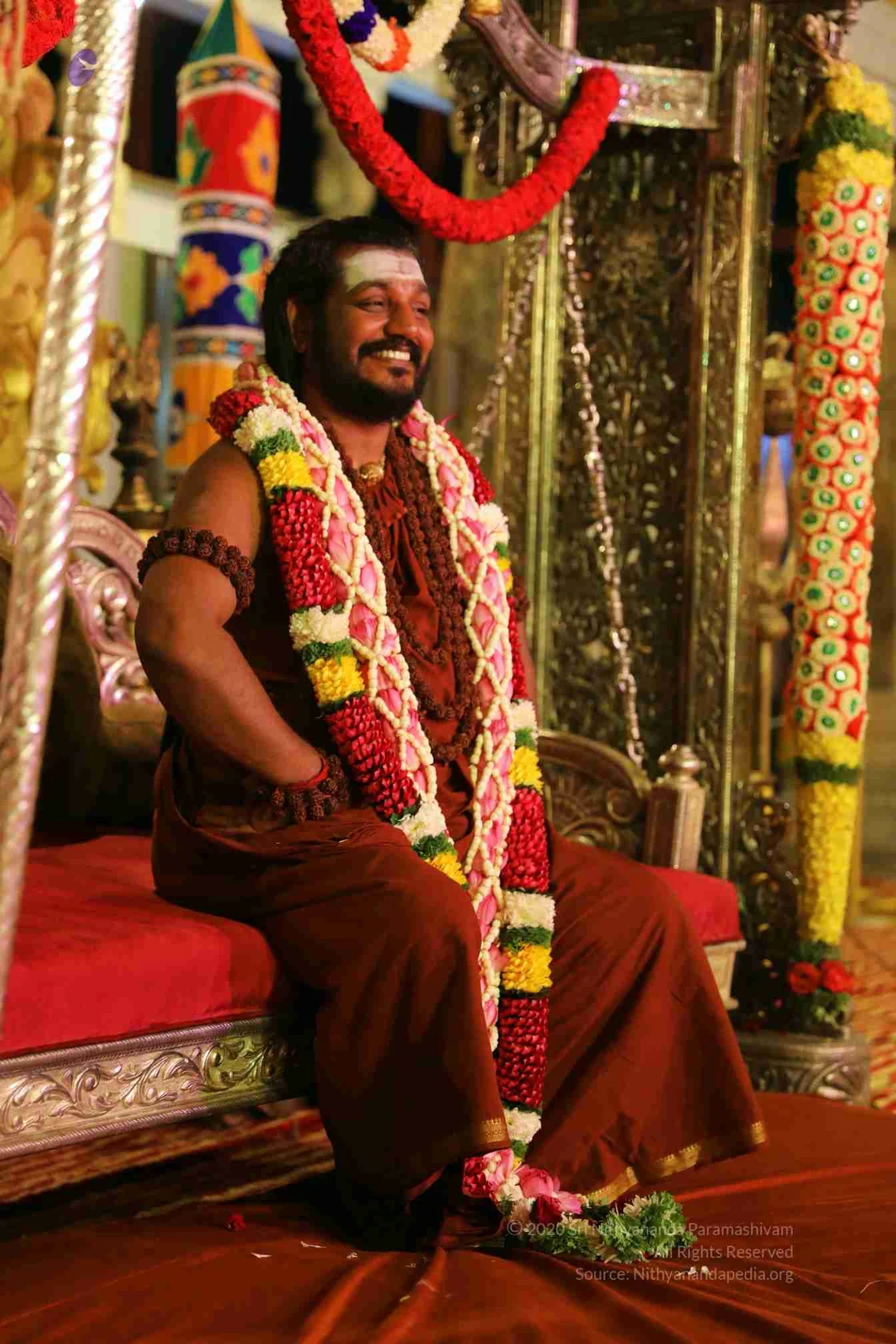
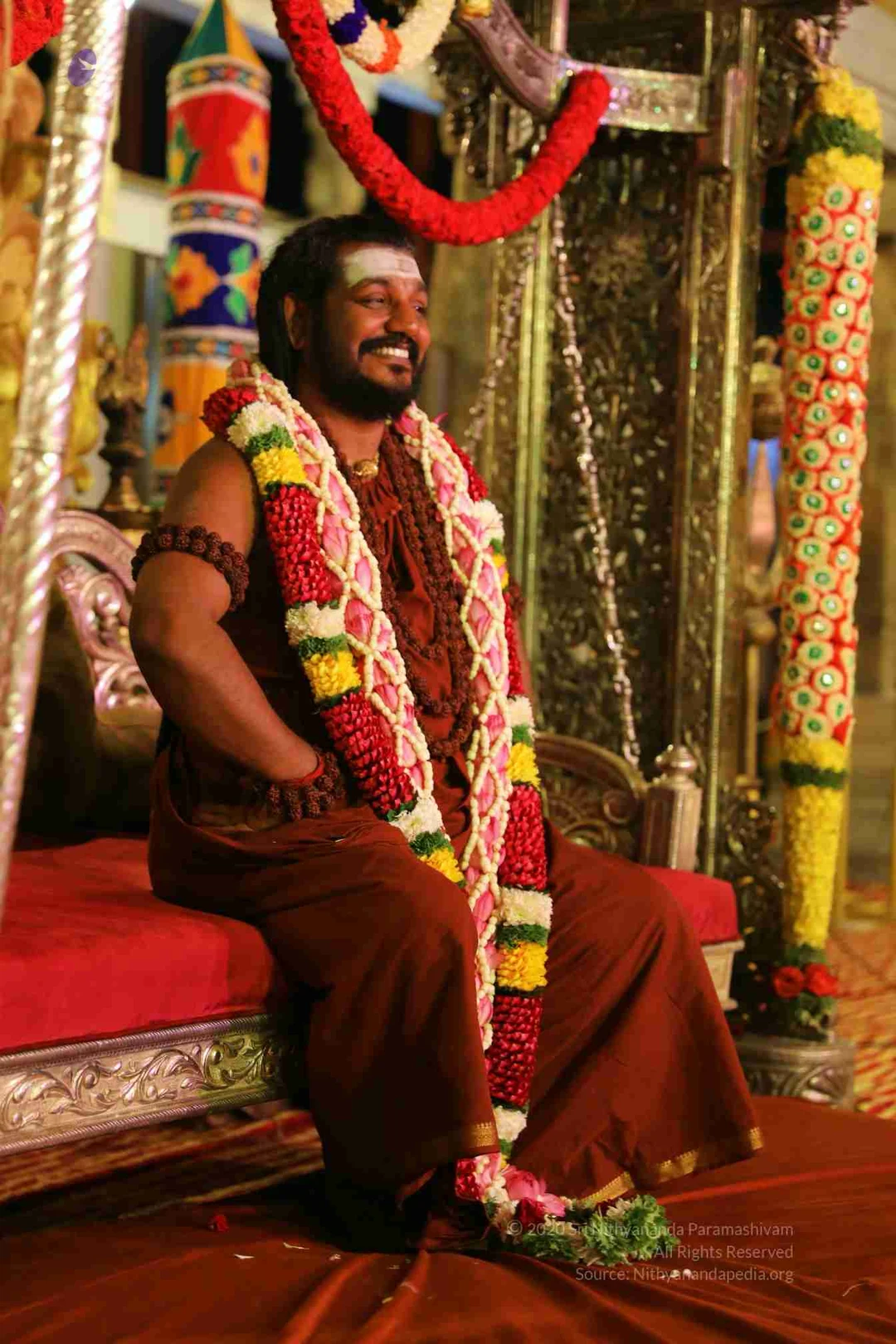
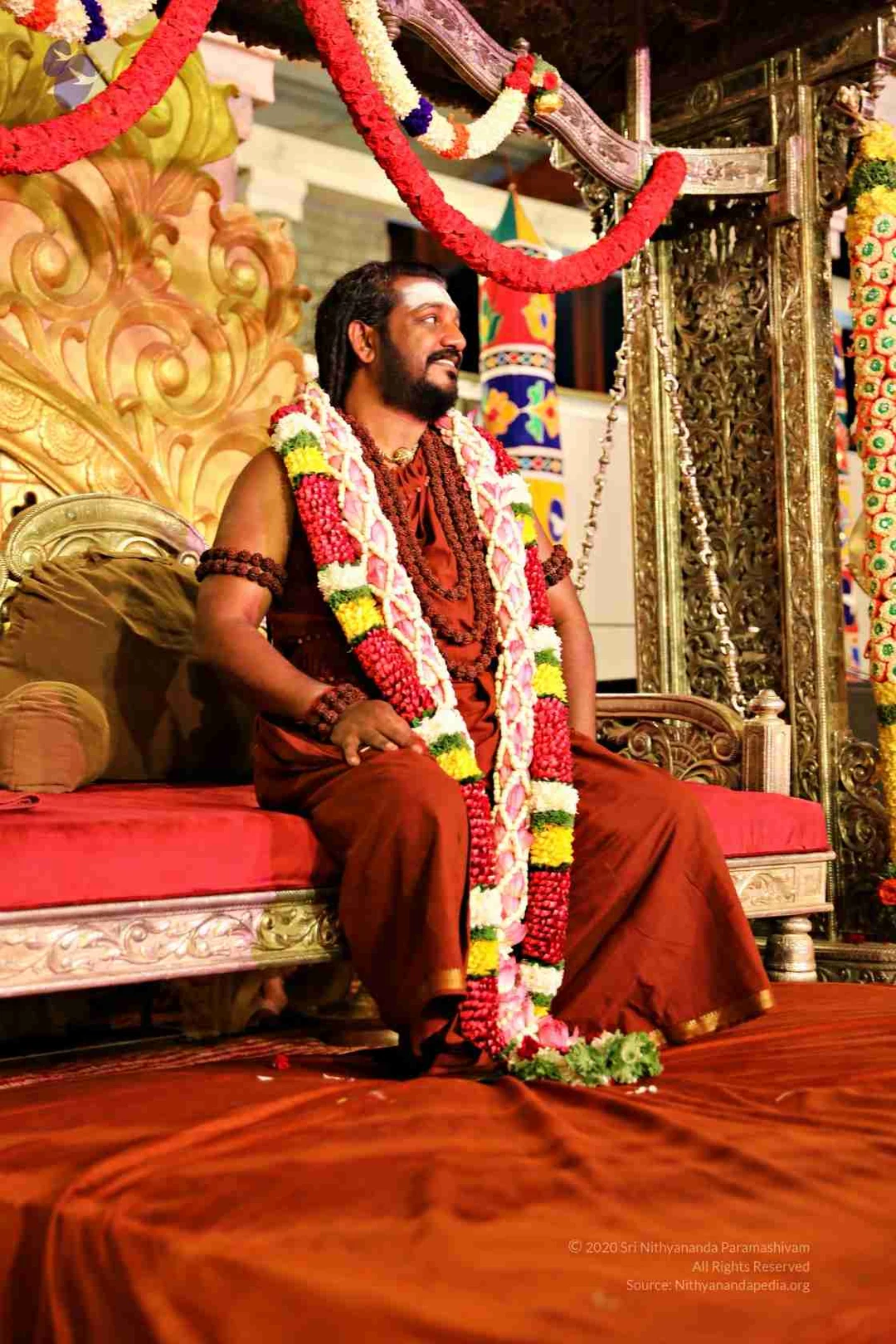
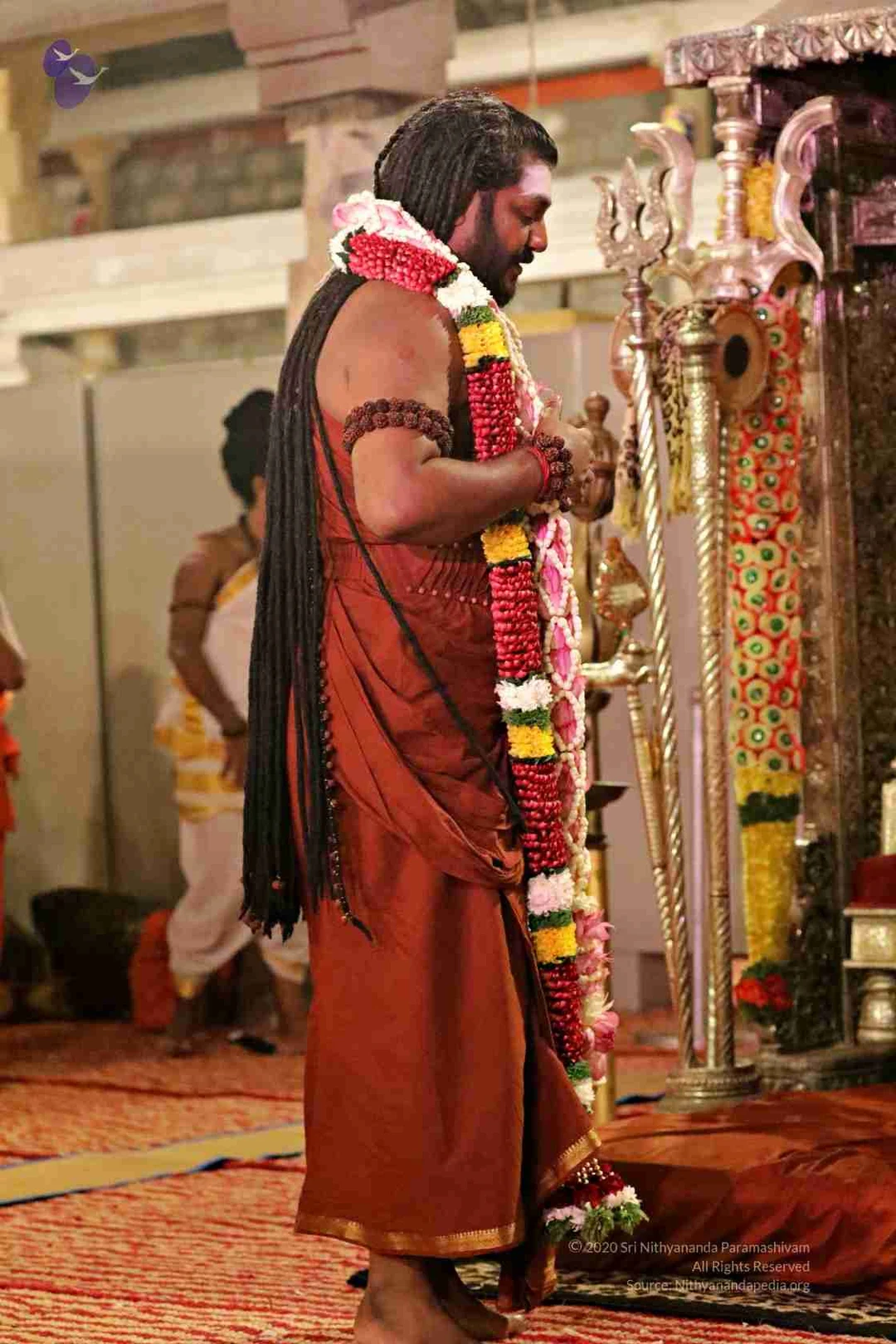
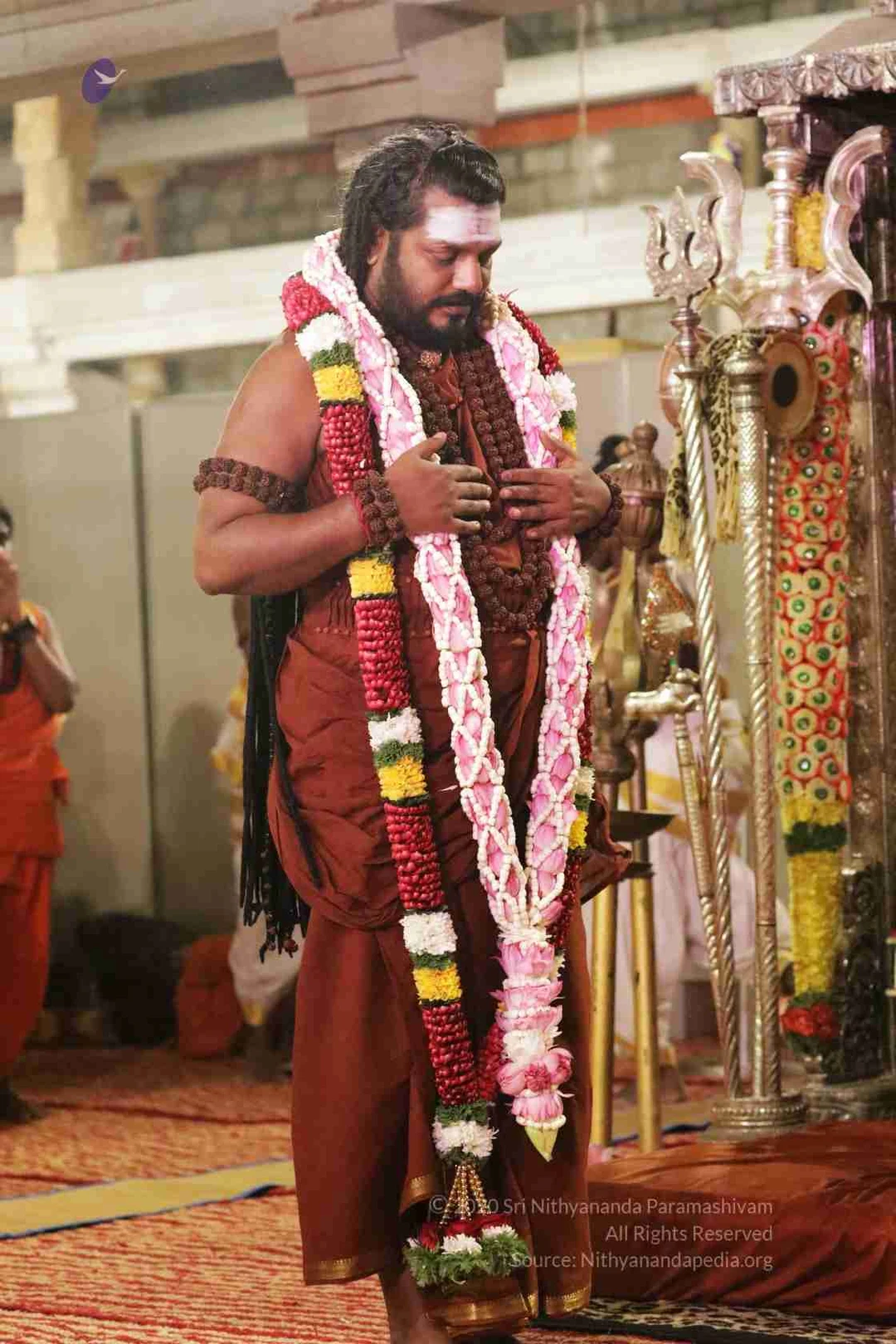
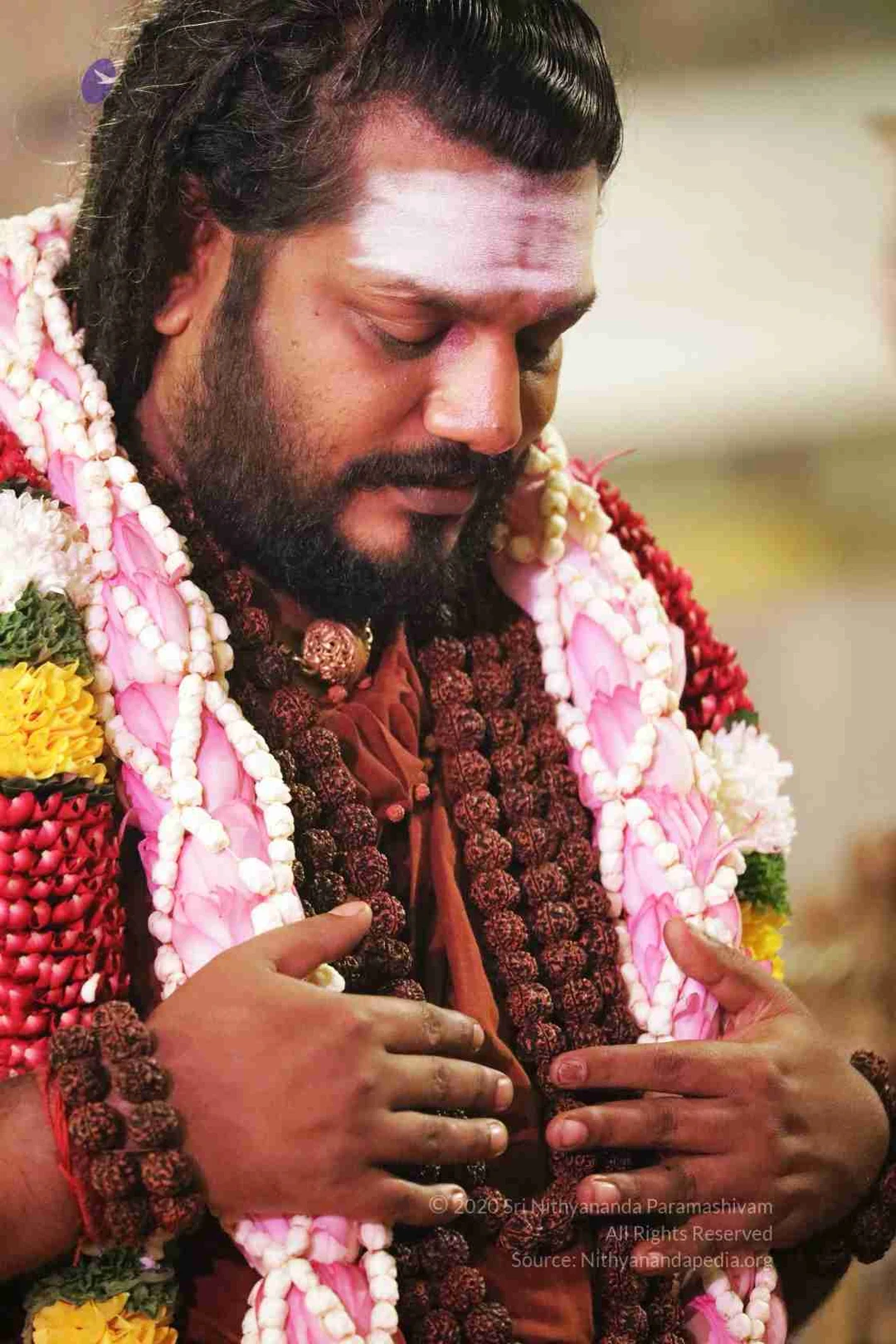
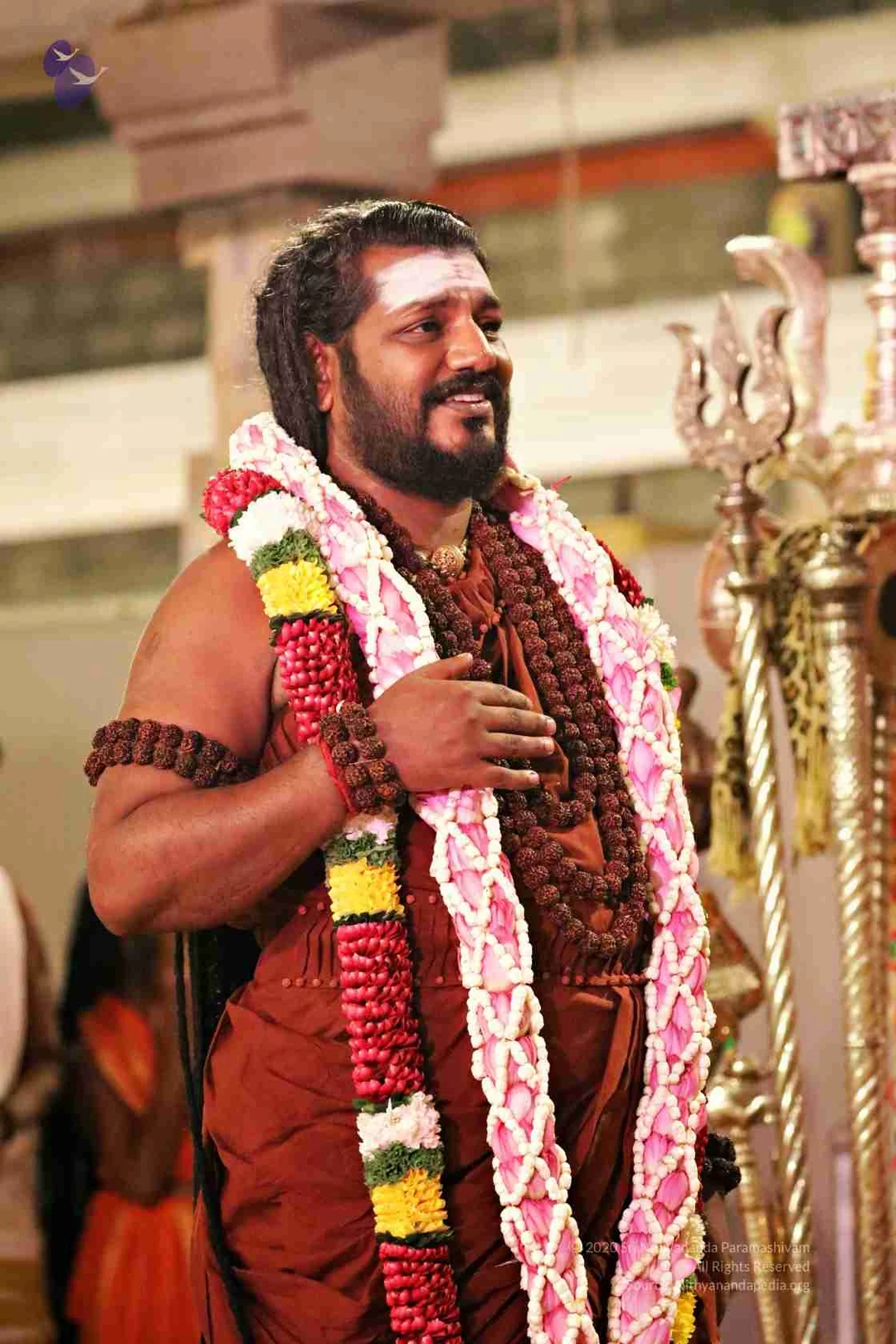
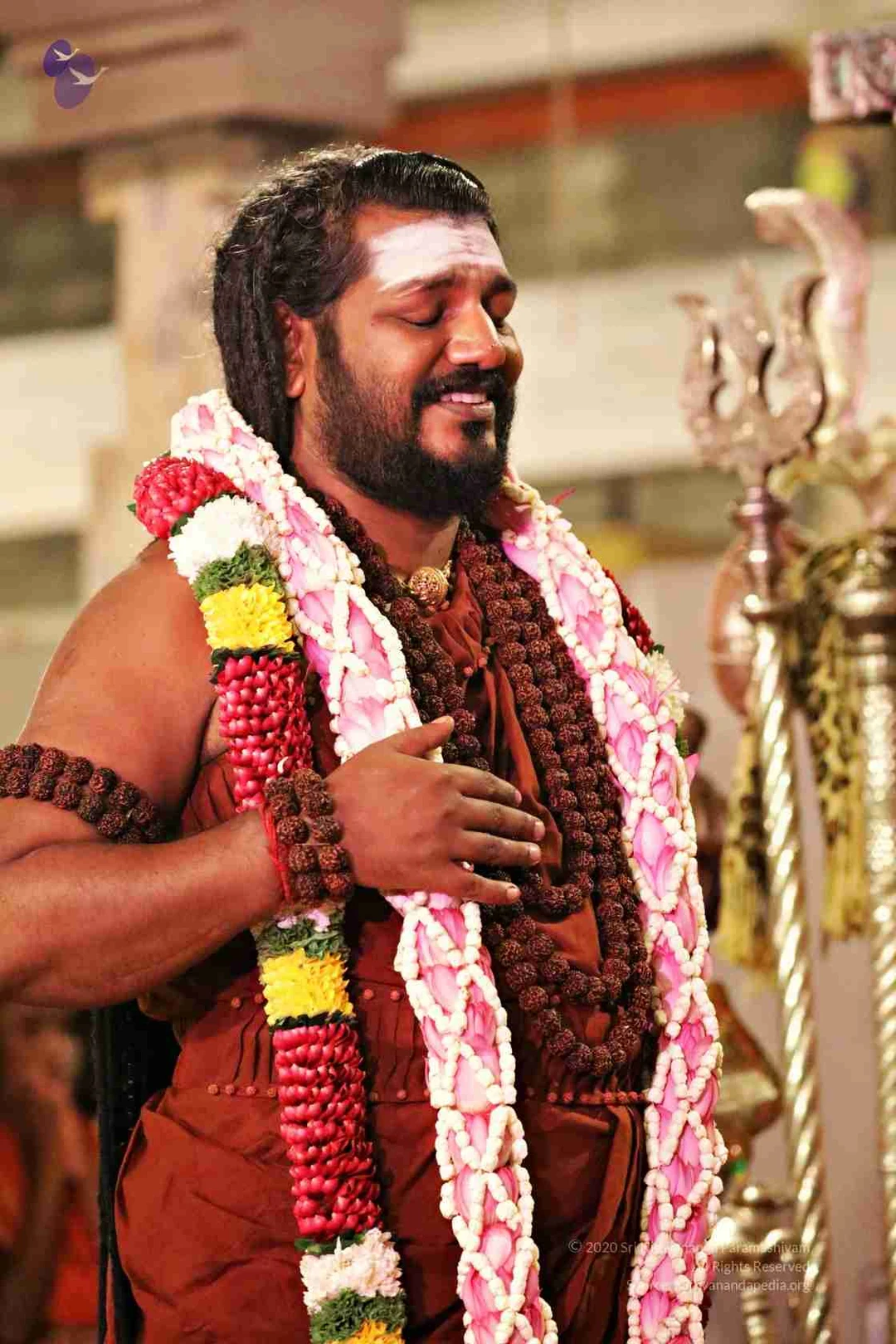
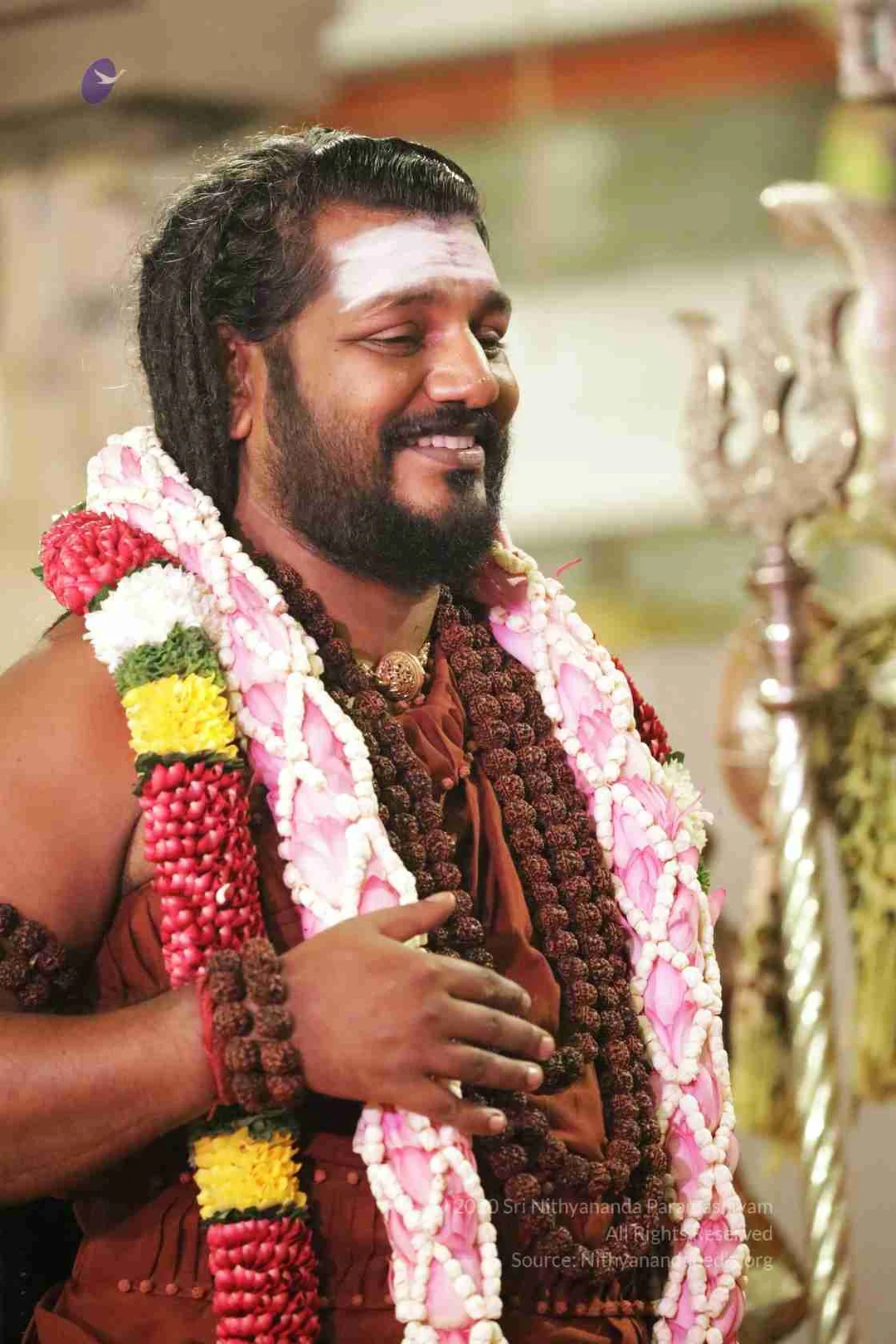
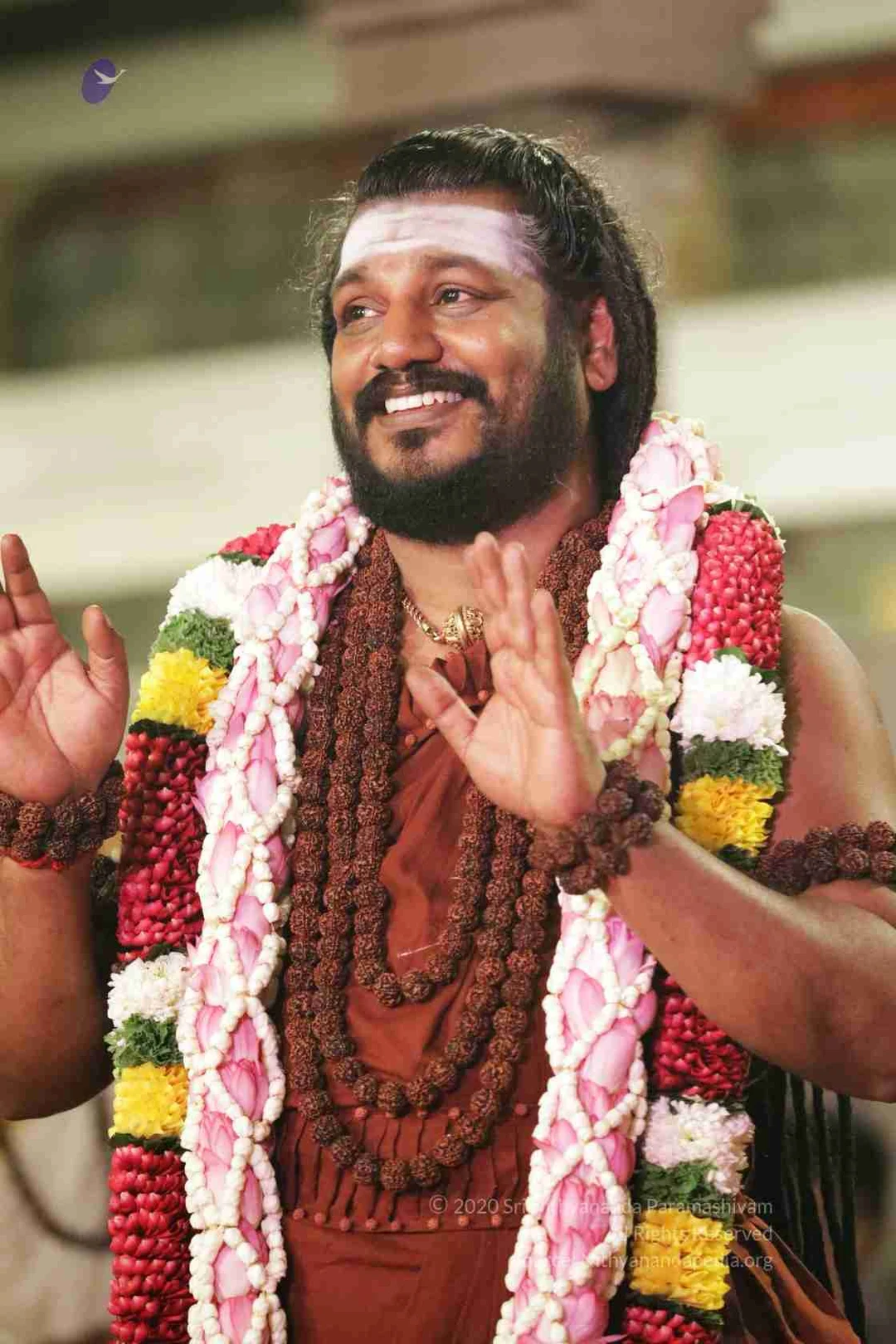
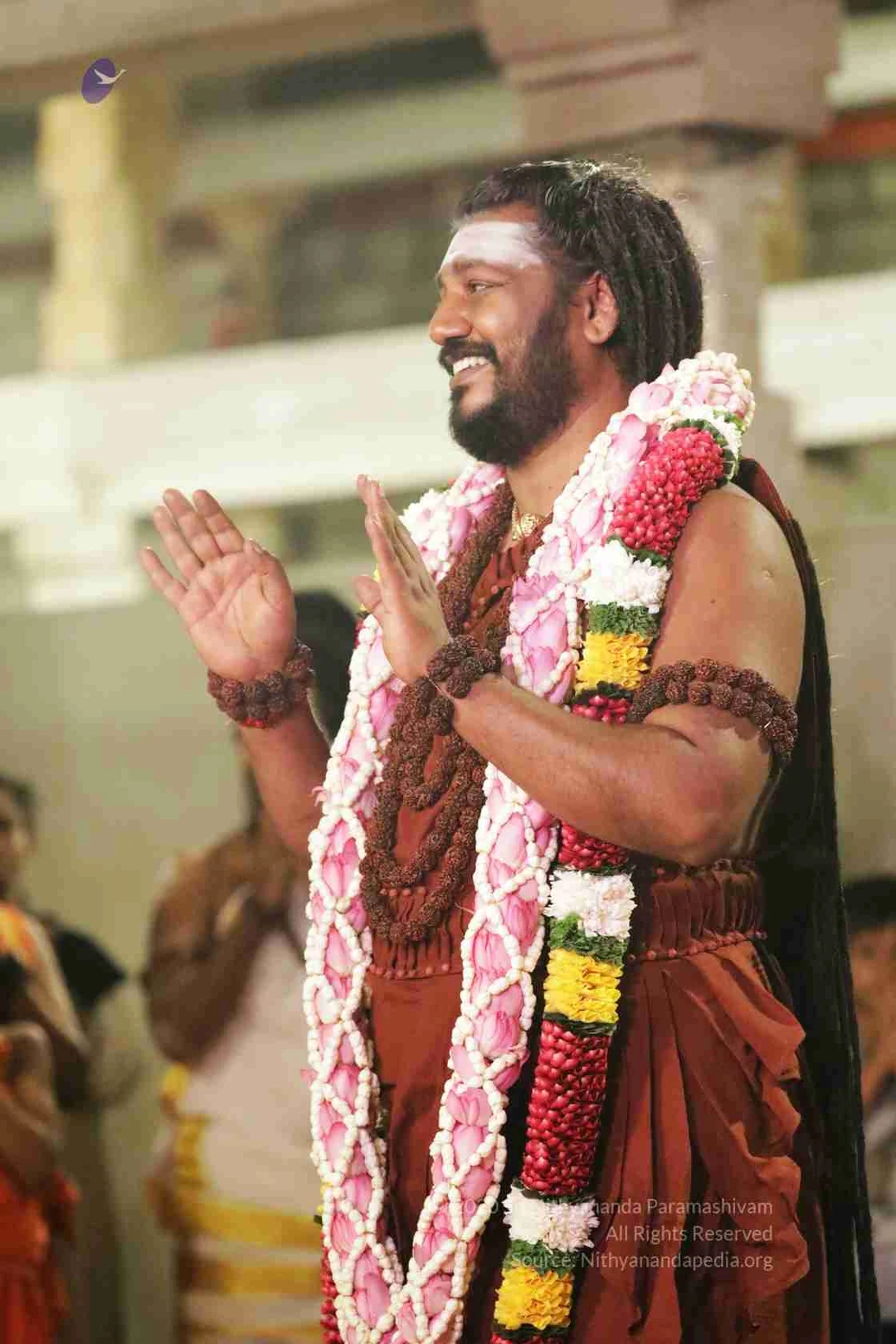
Link to Facebook Page
https://www.facebook.com/ParamahamsaNithyananda/posts/1754118464675996
Photos Of The Day:
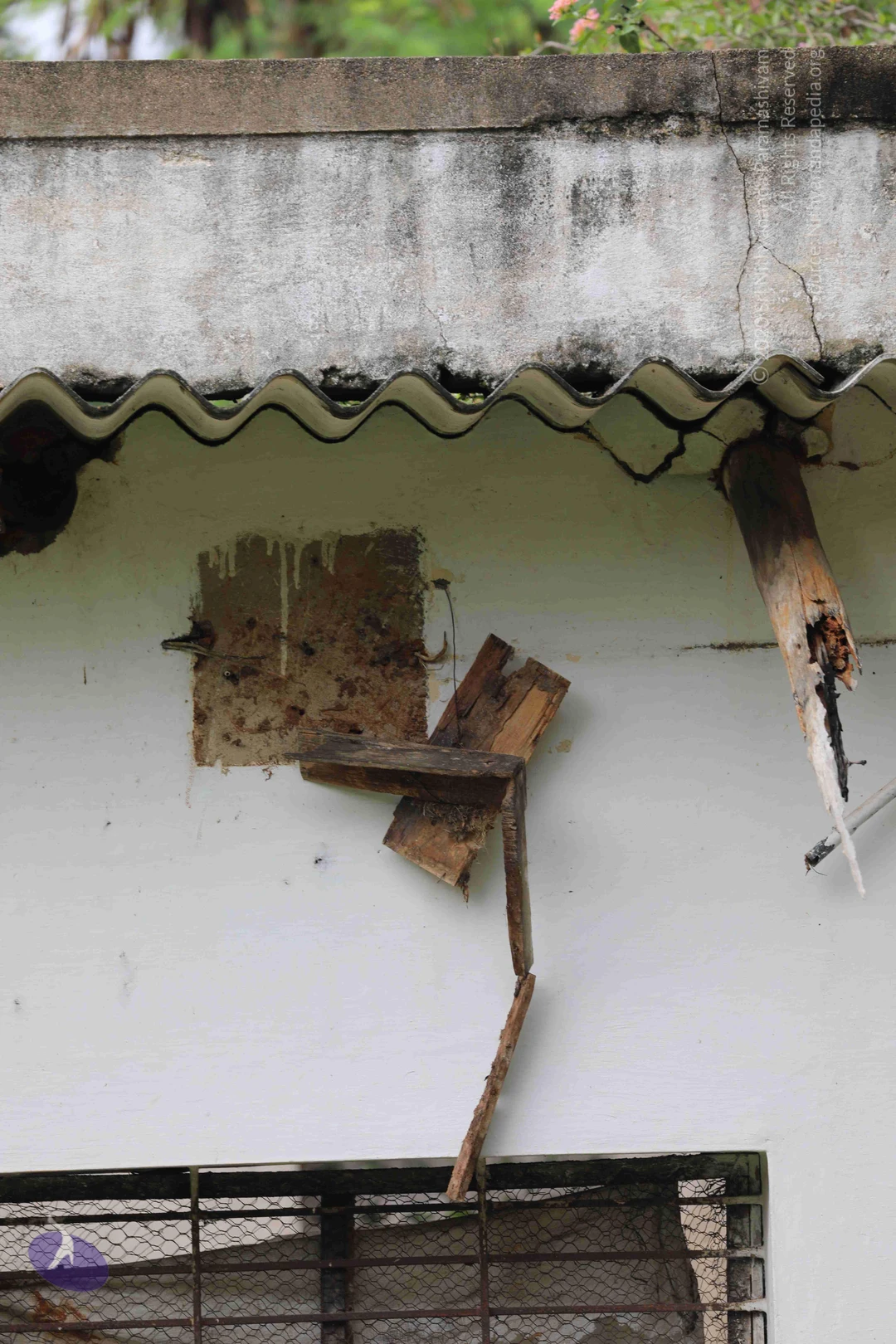
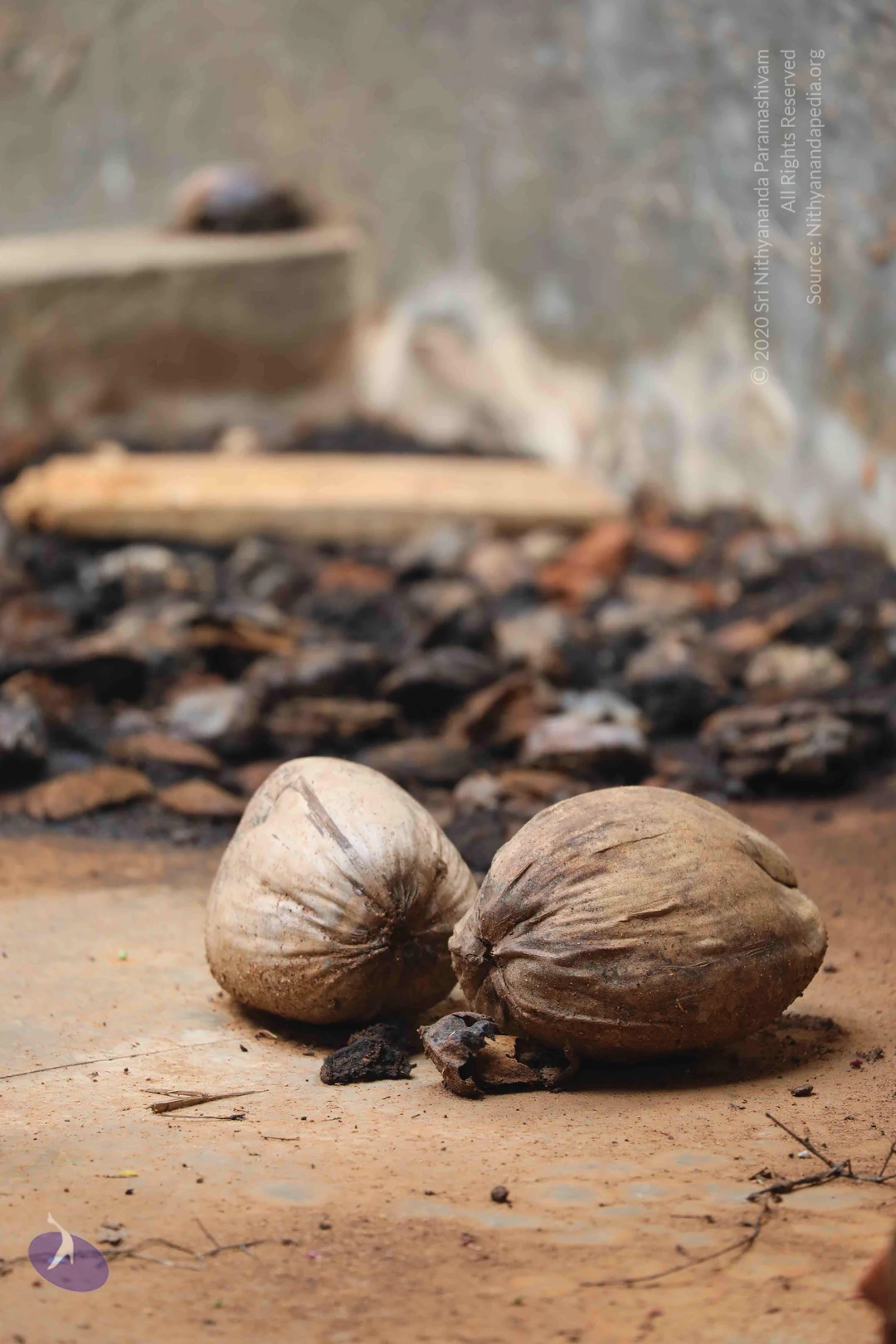
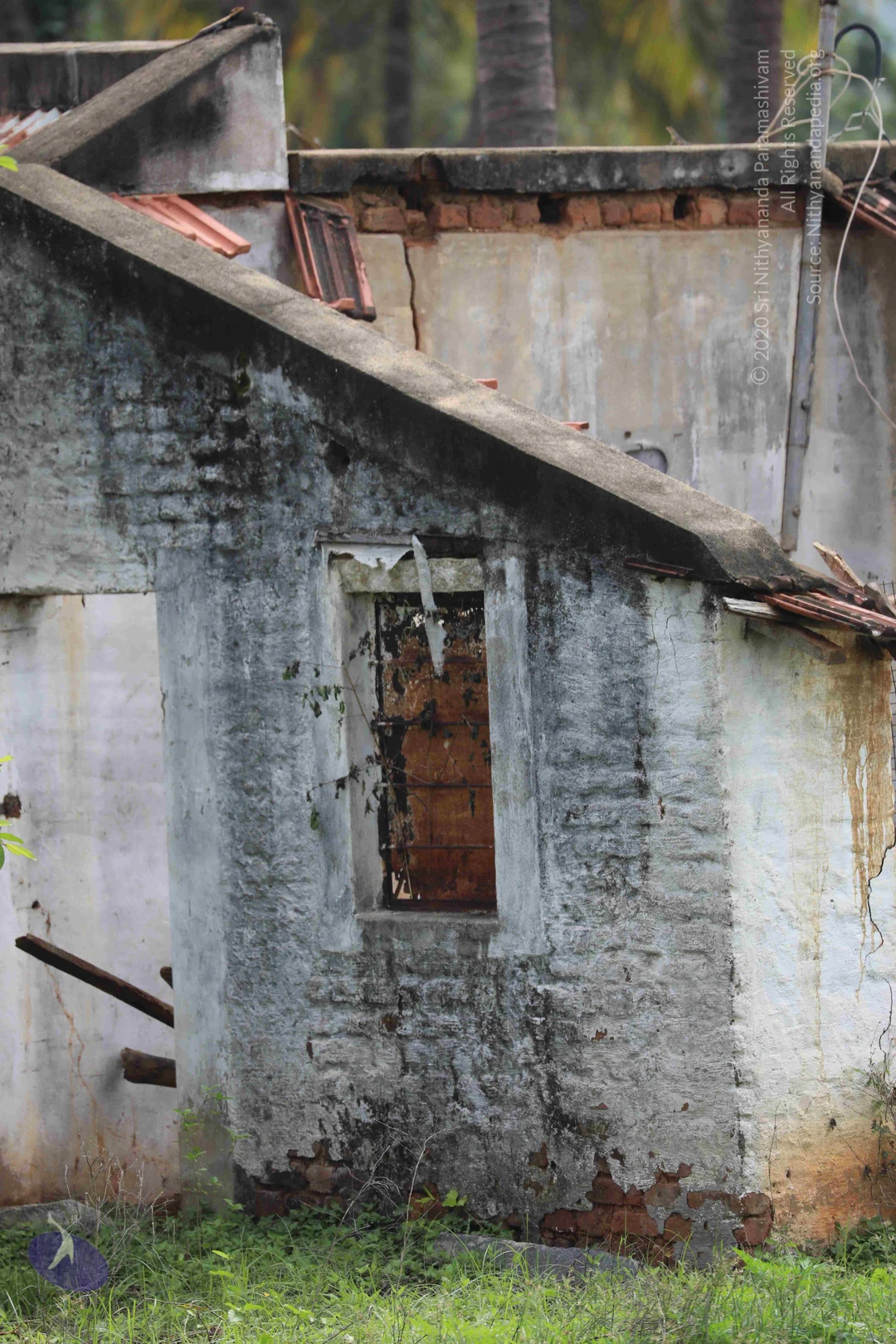
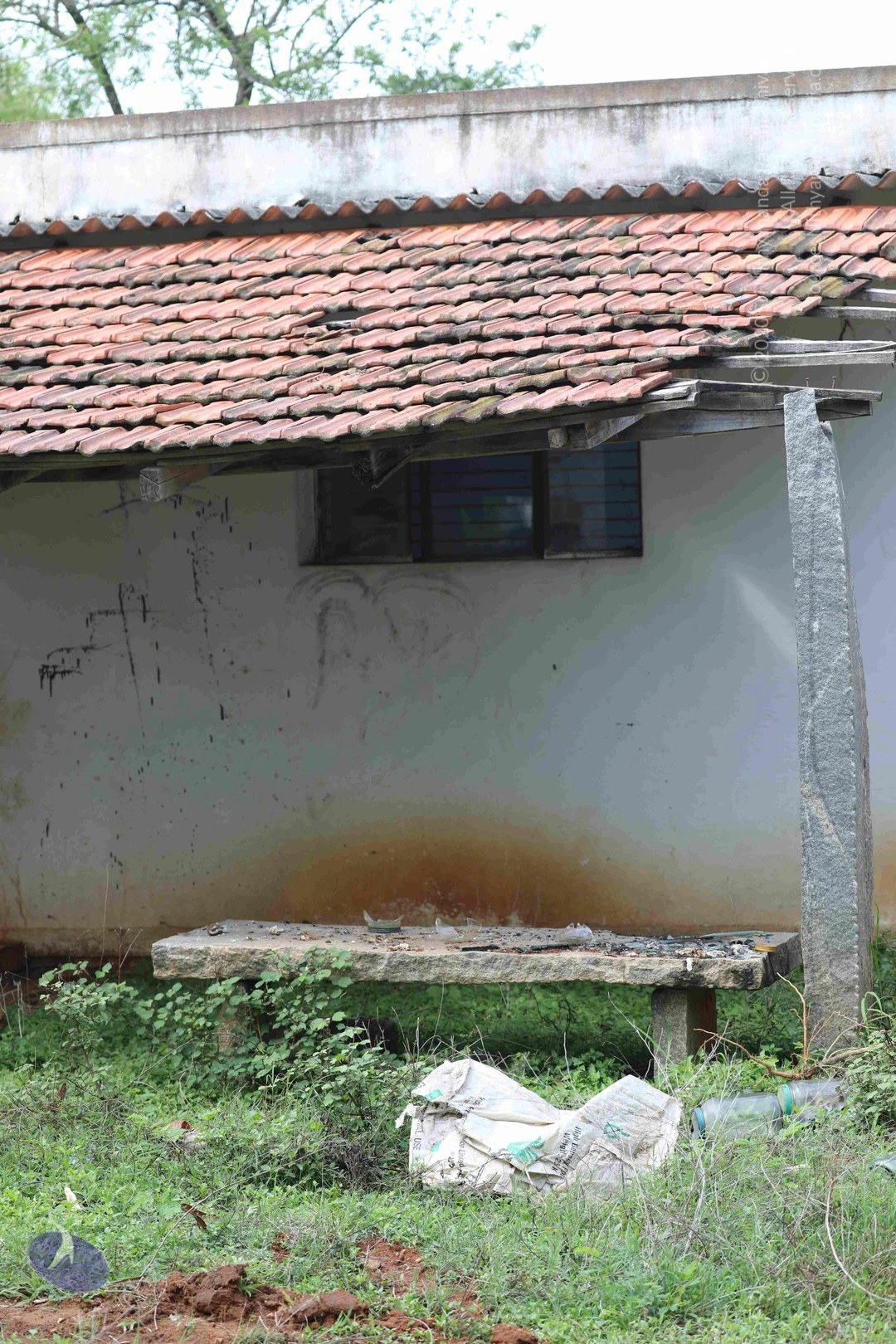
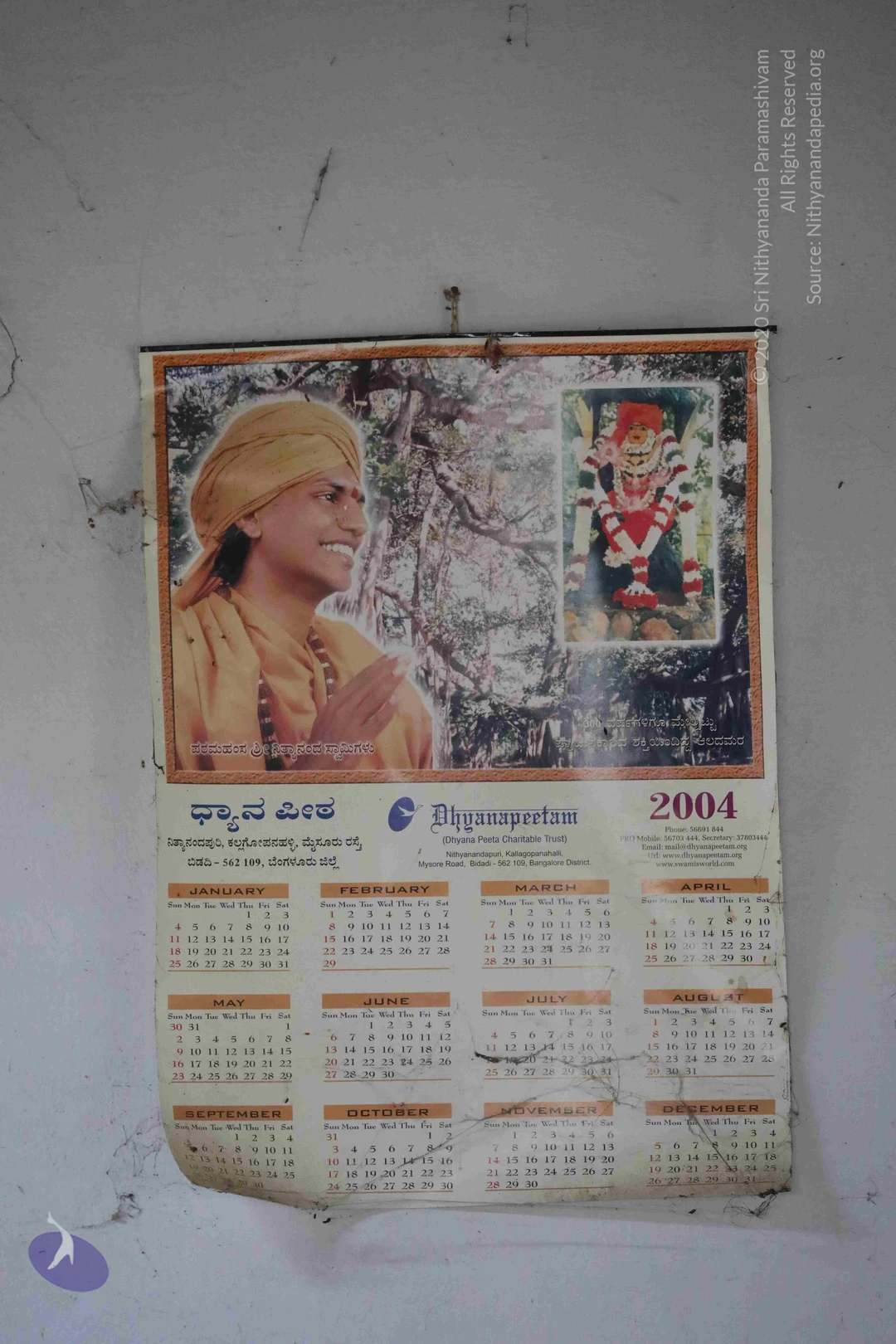
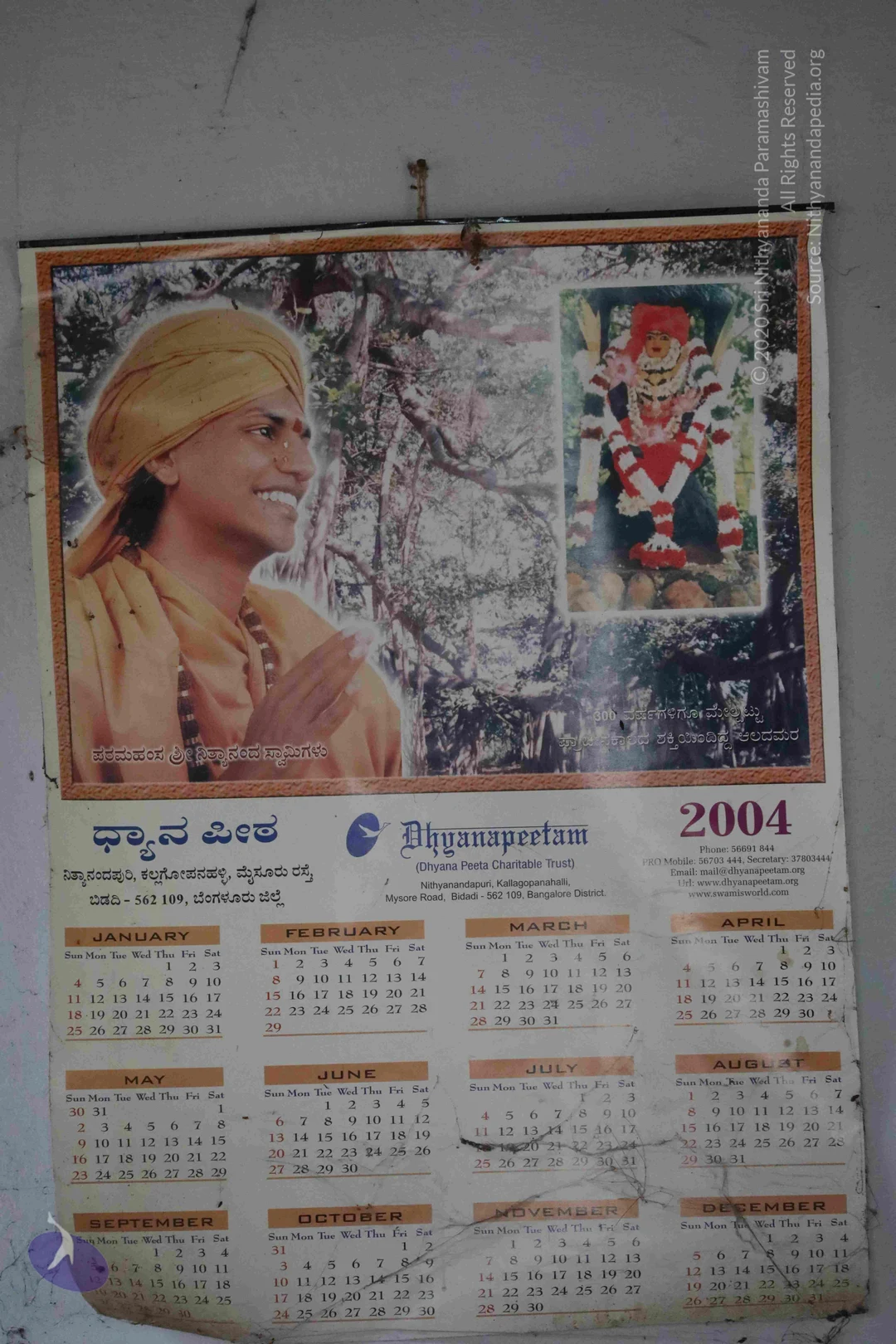
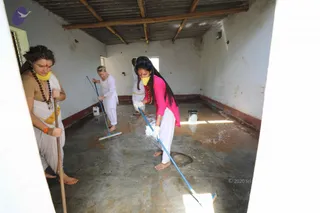
AdiKailash-Kutir-Humble-Beginnings
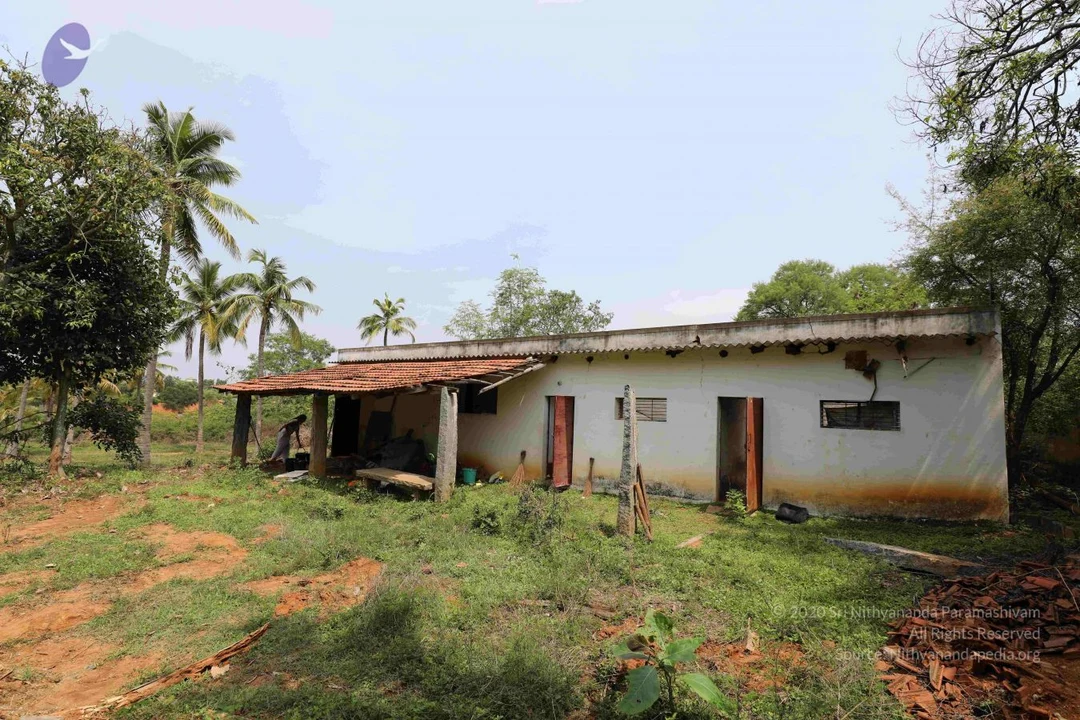
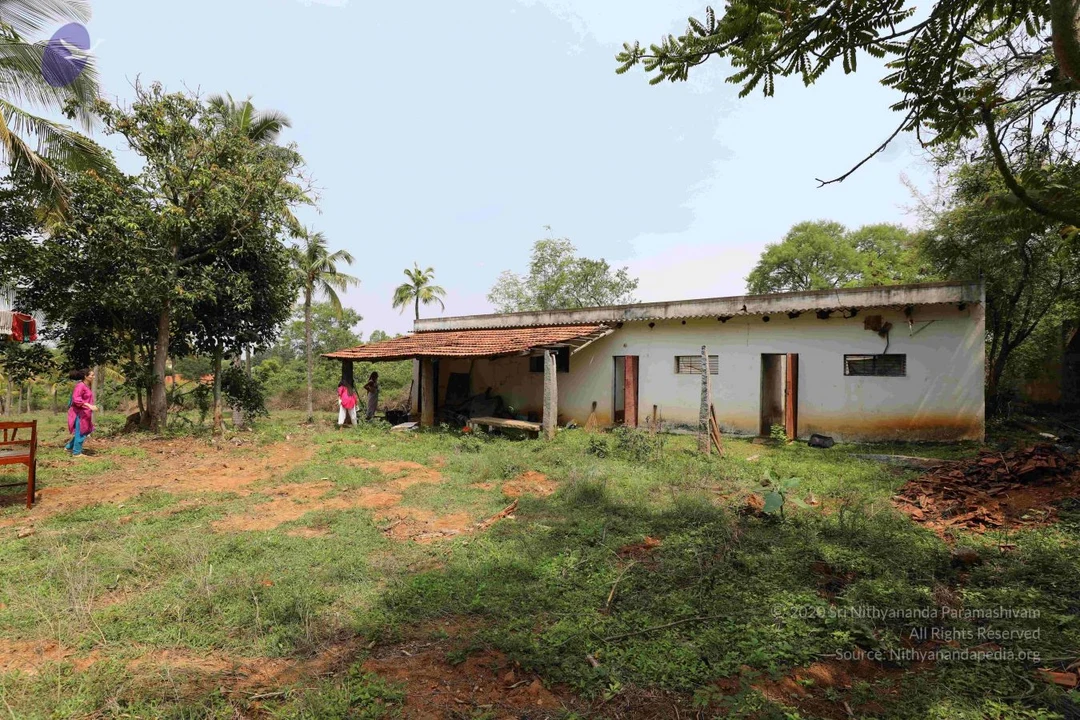
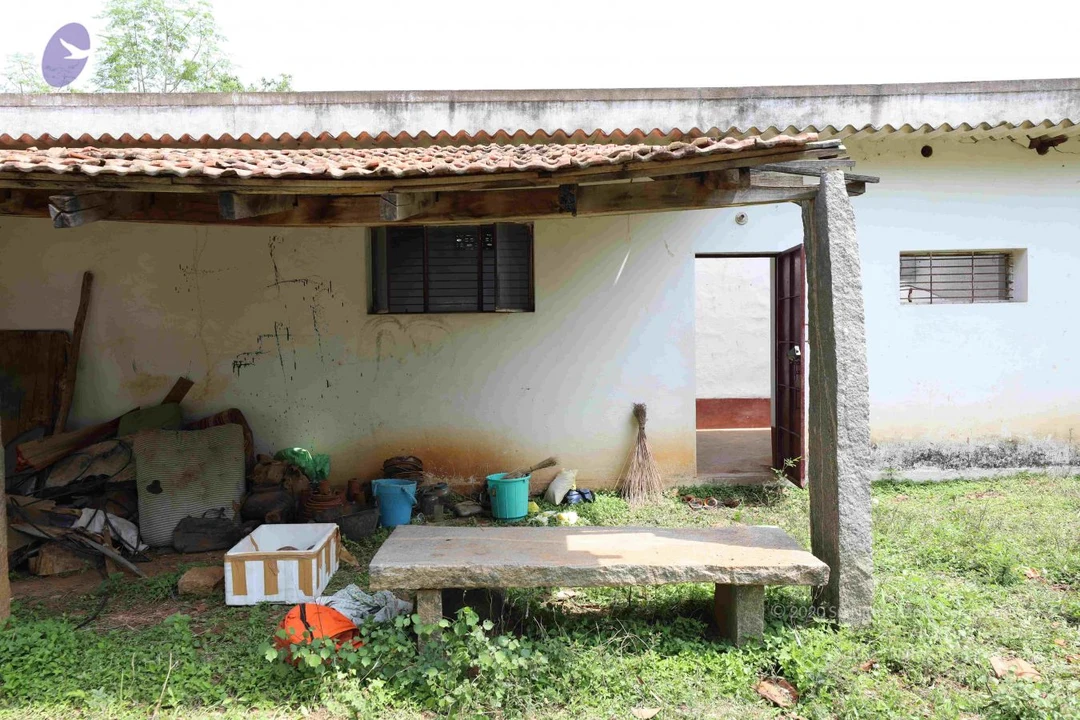
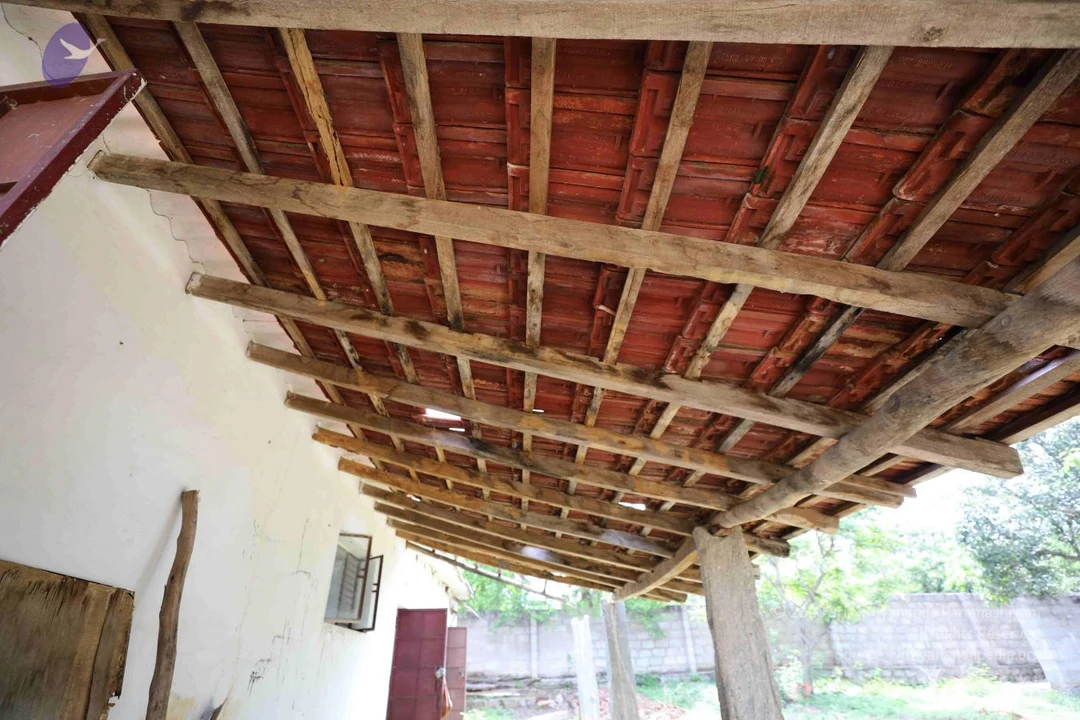
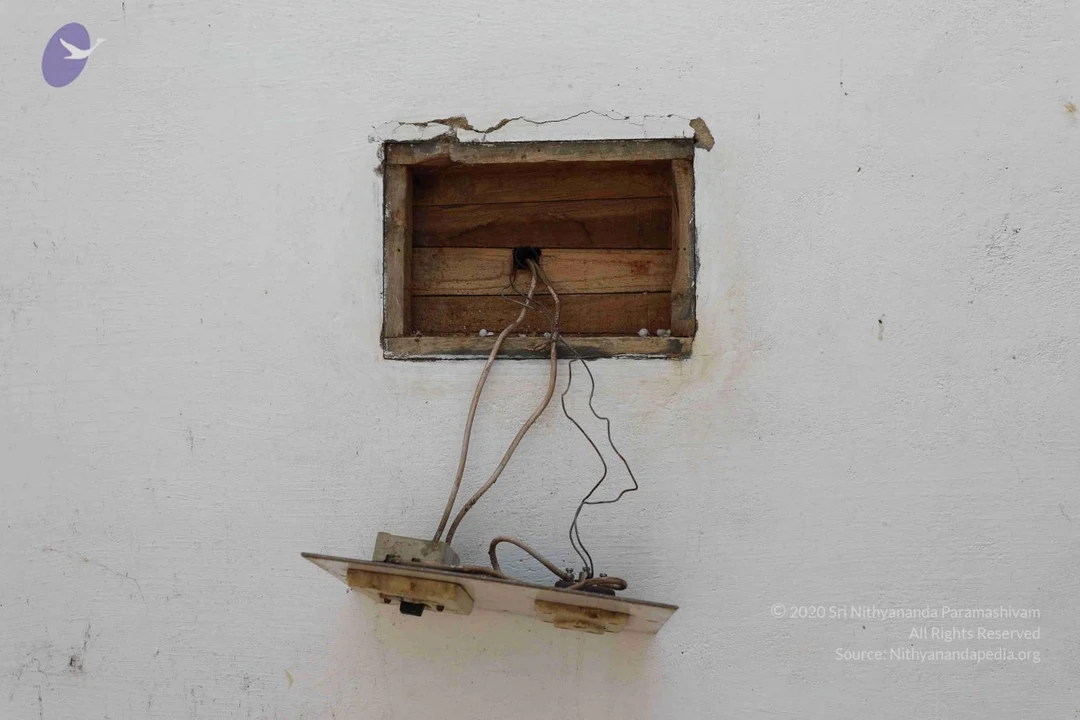
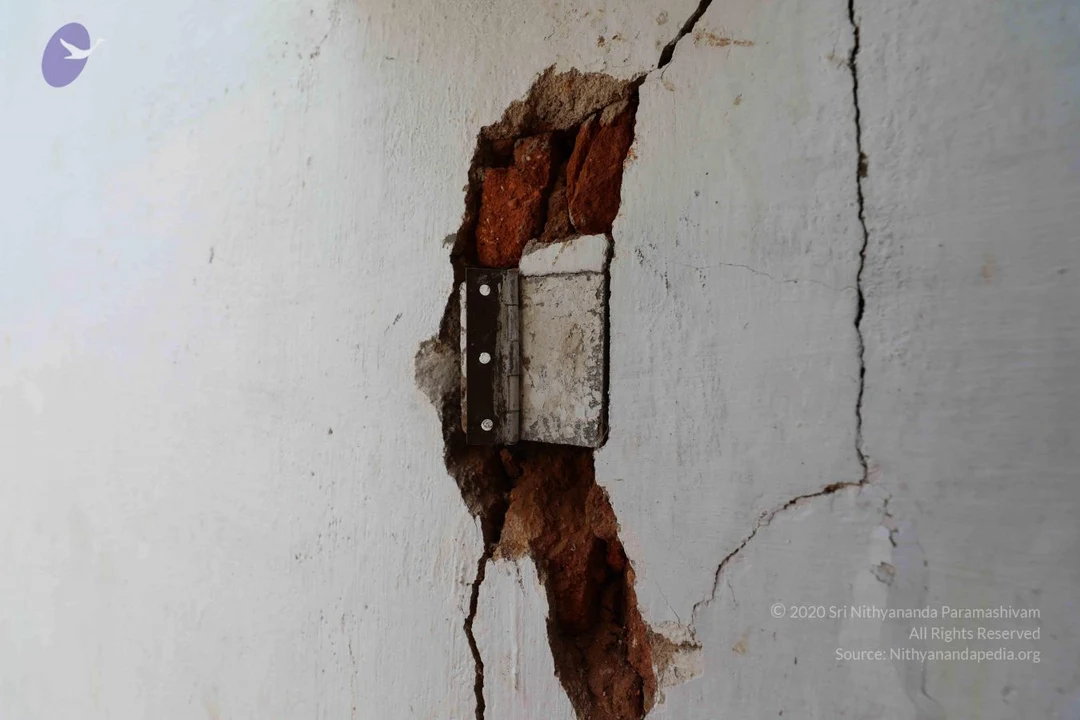
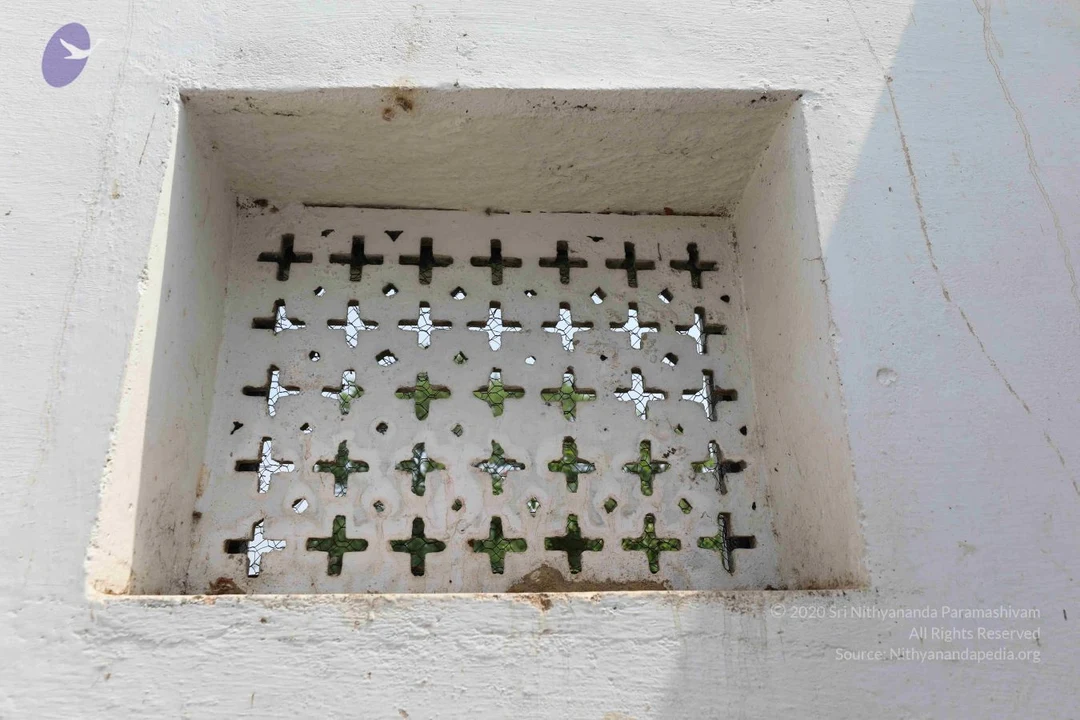
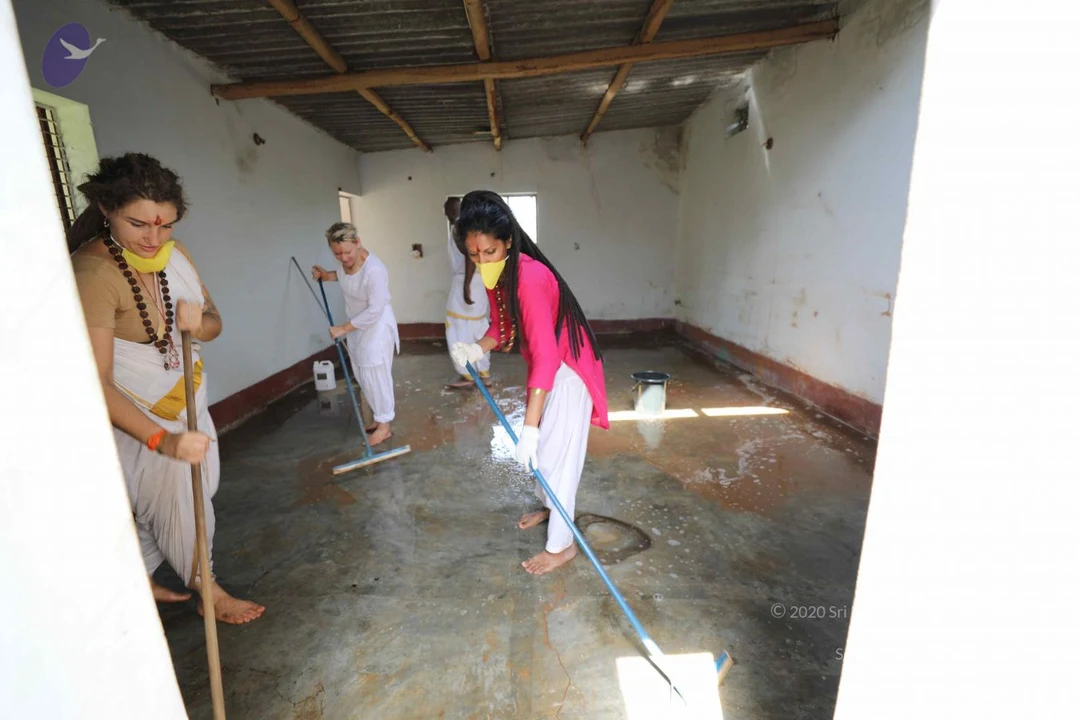
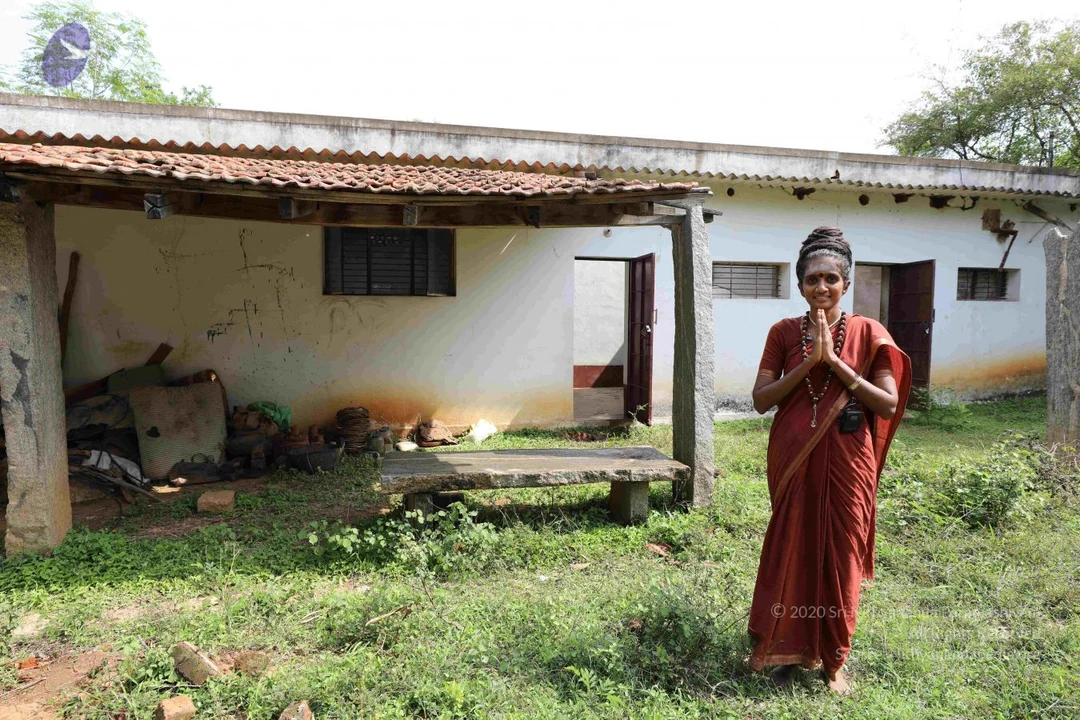
AdiKailash-Kutir-The-Humble-Beginnings
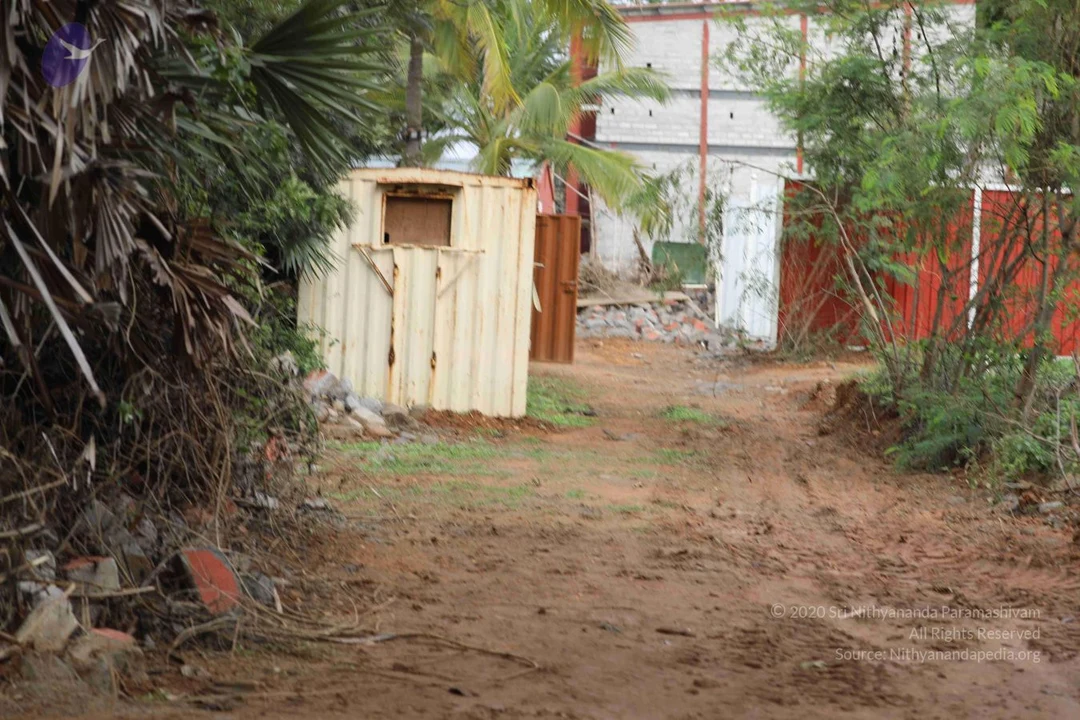
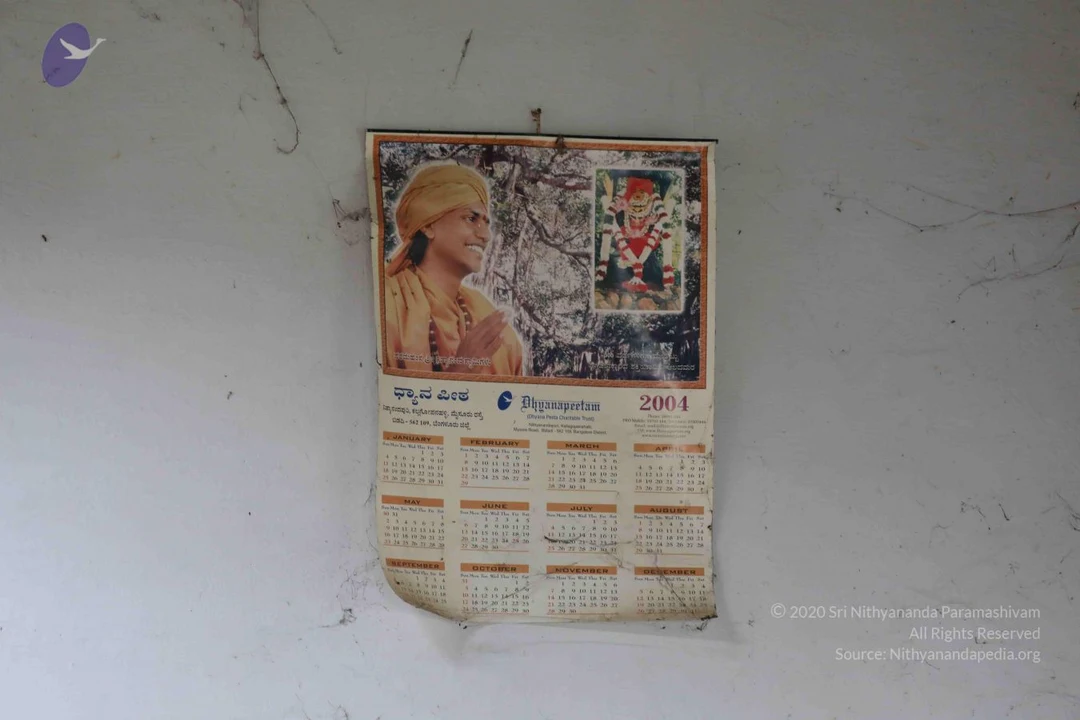
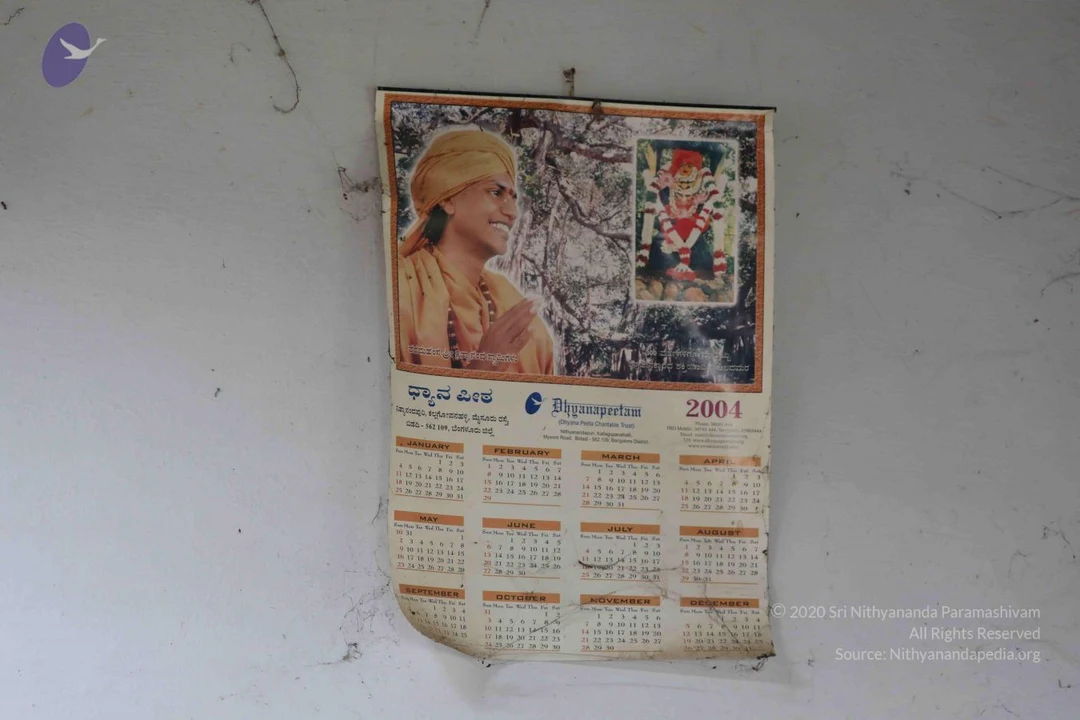
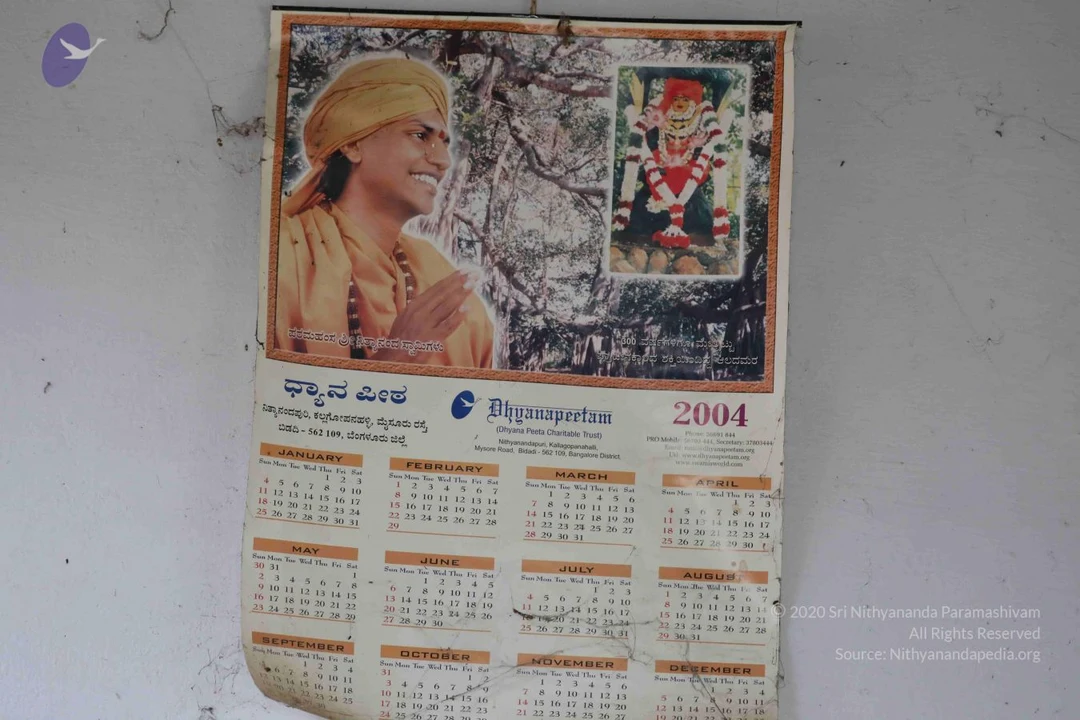
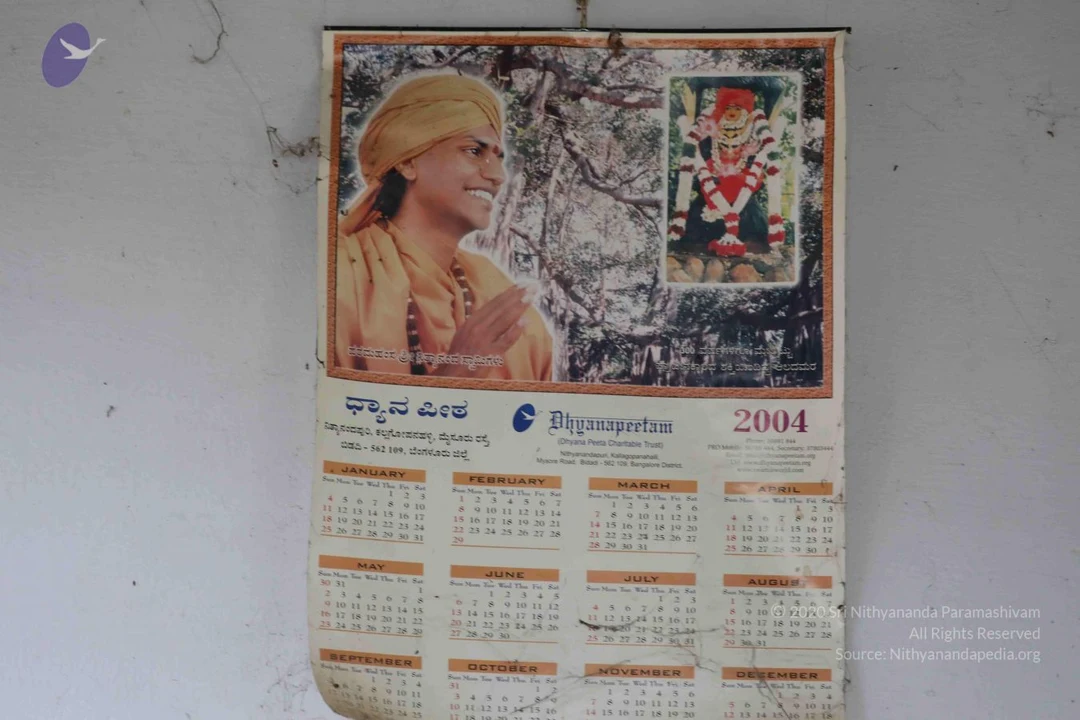
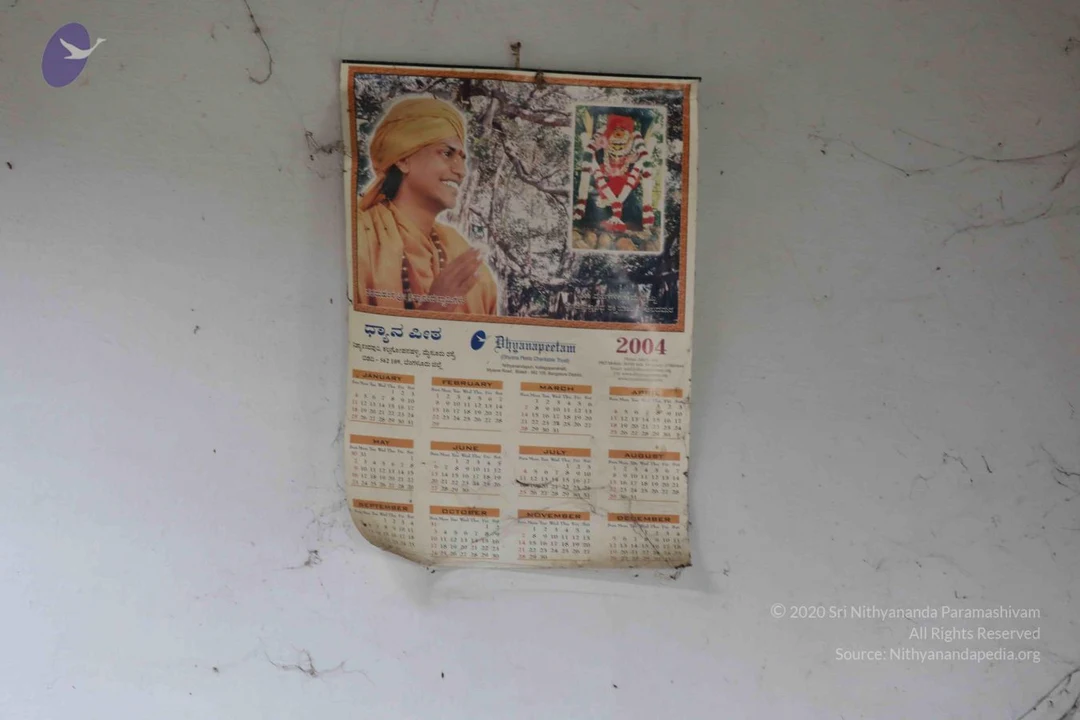
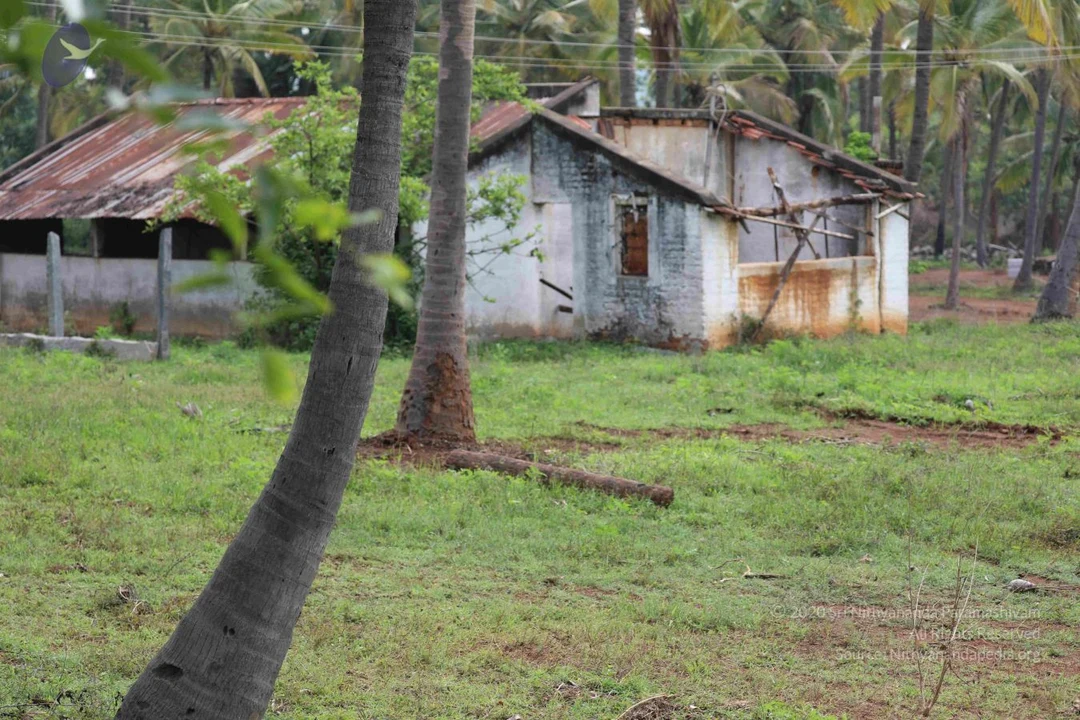
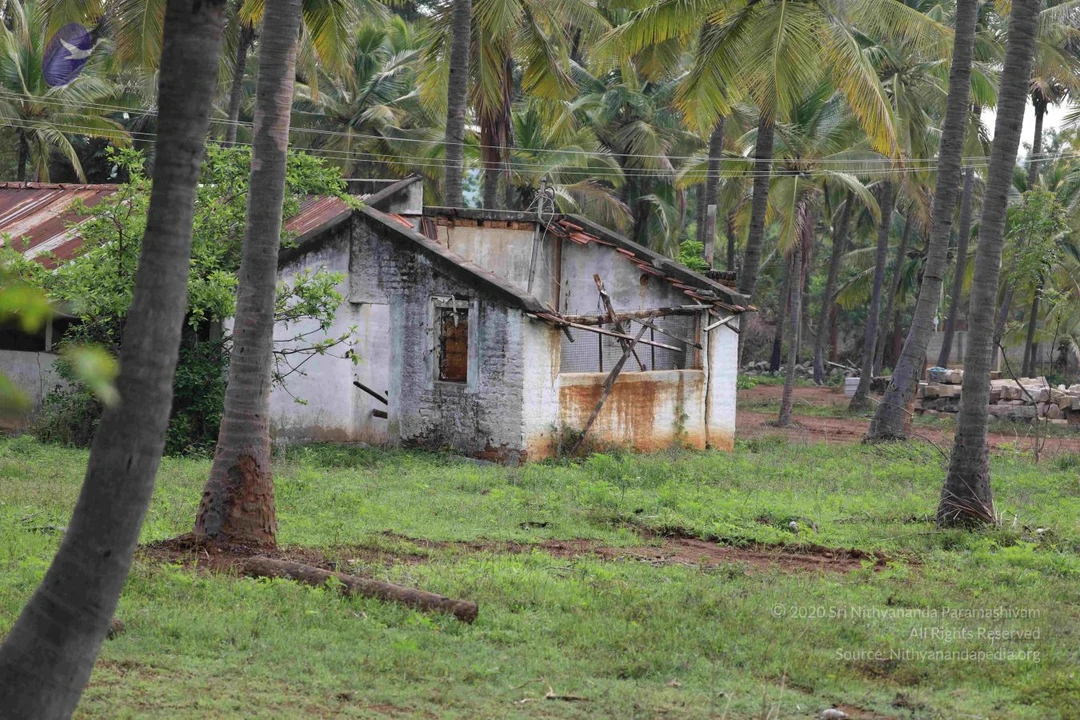
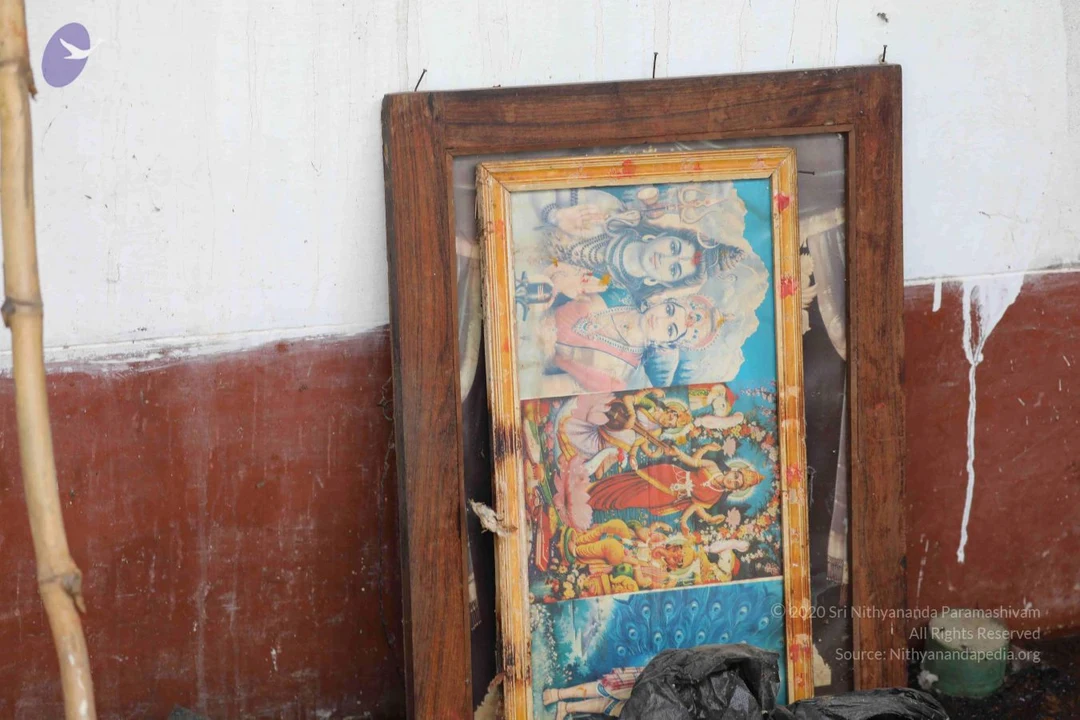
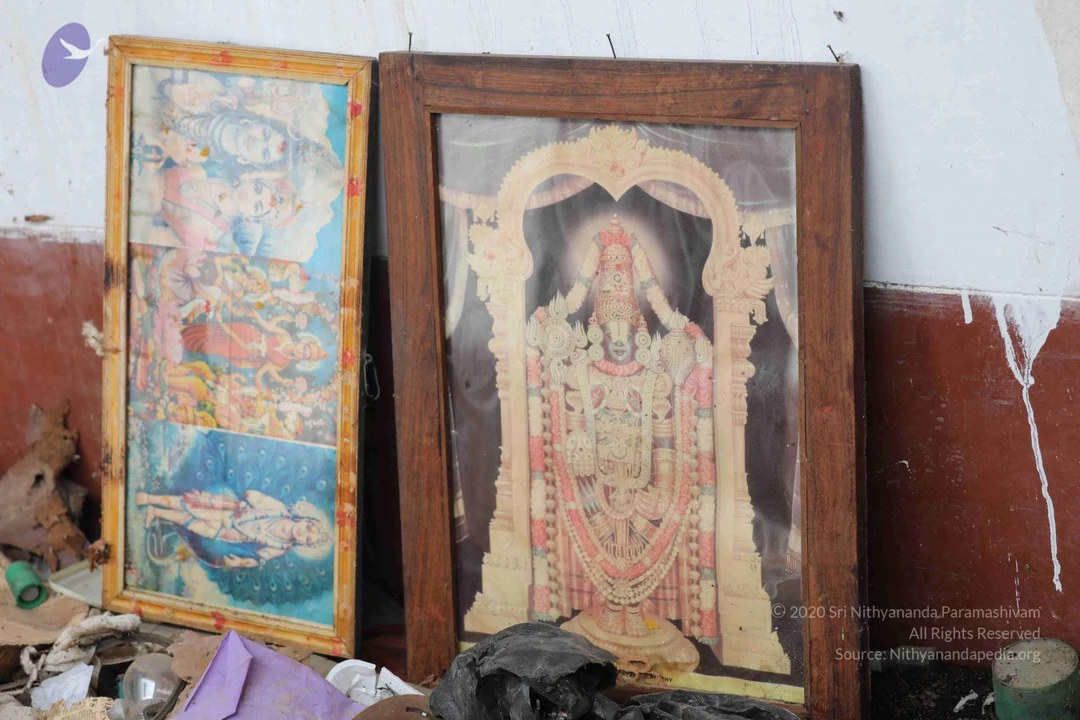
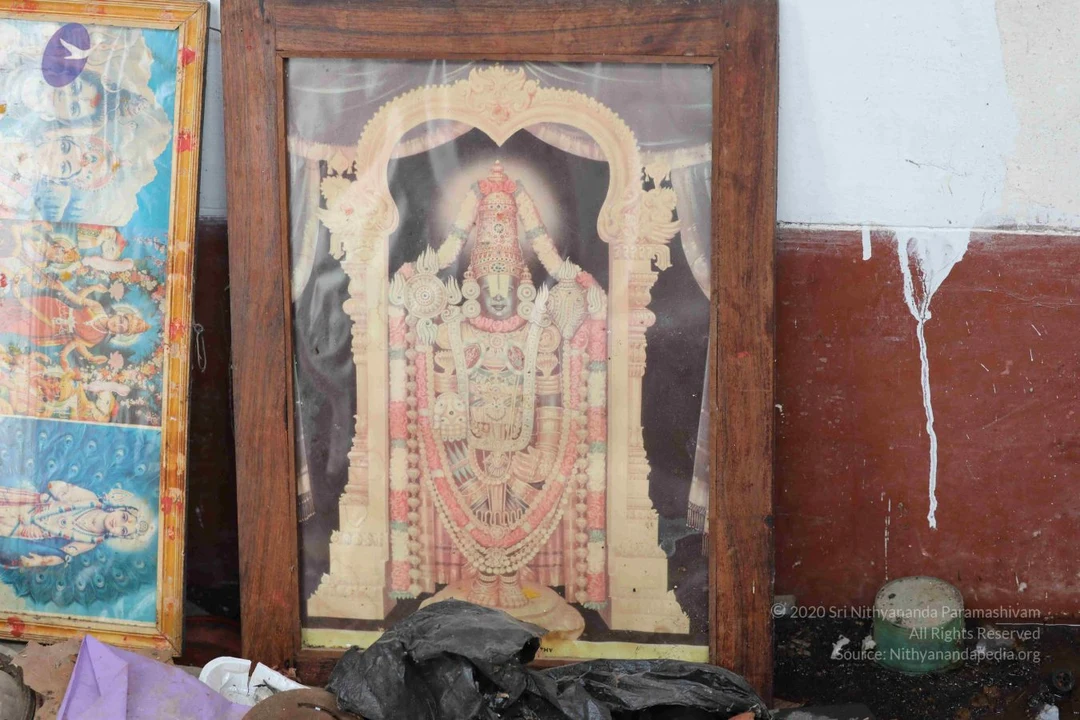
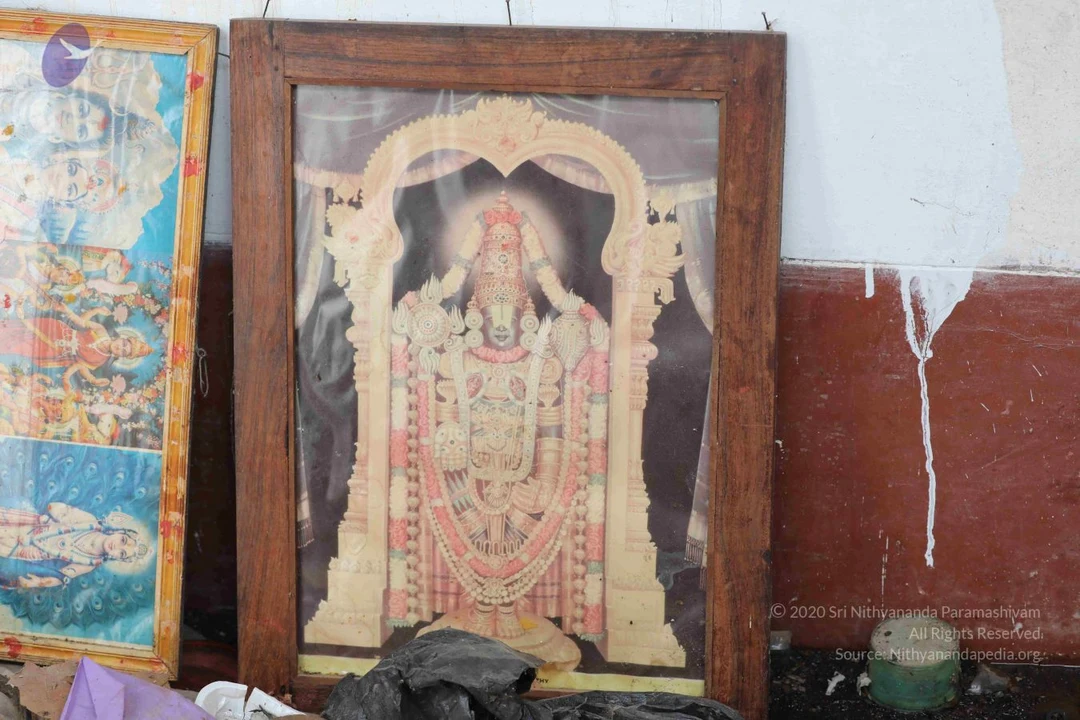
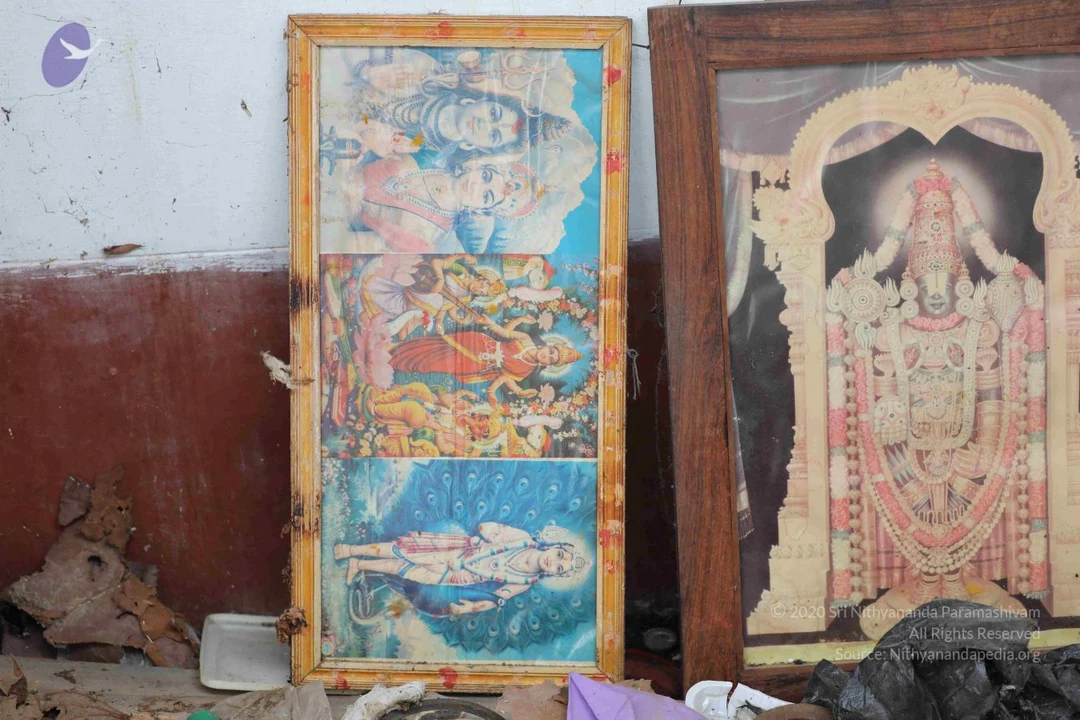
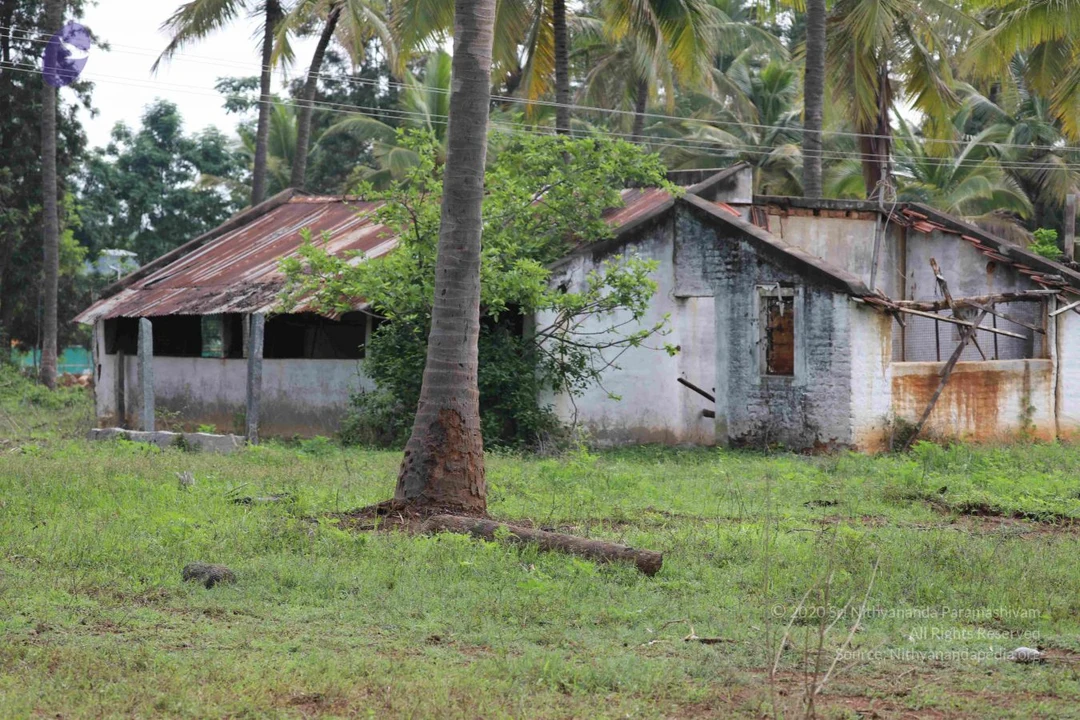
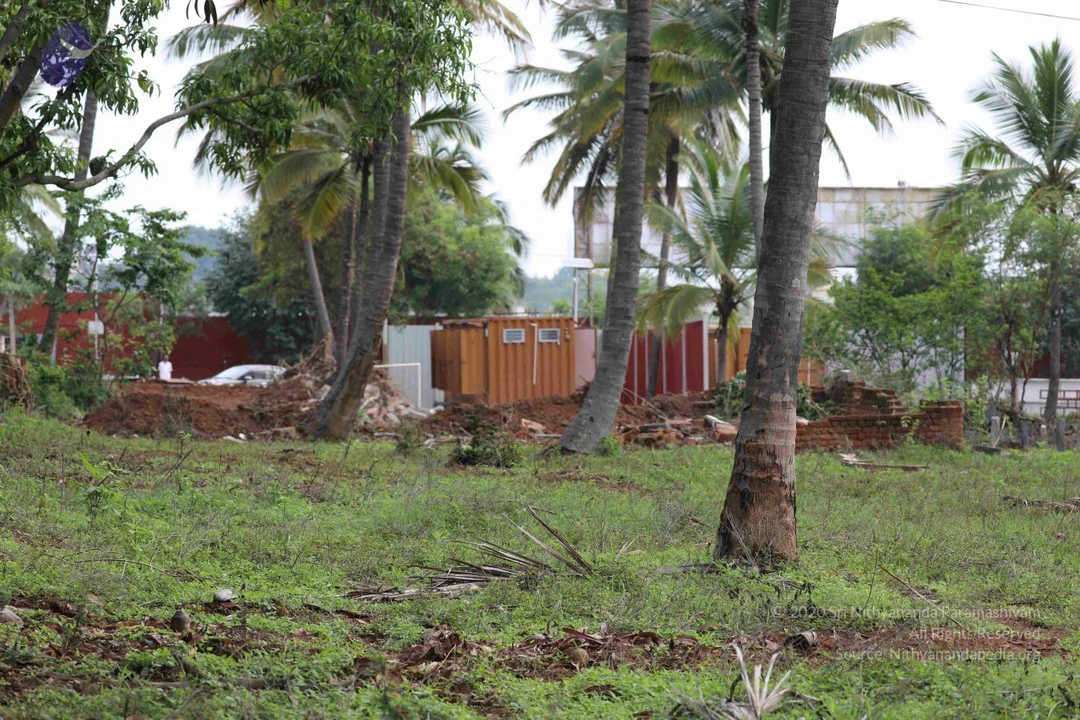
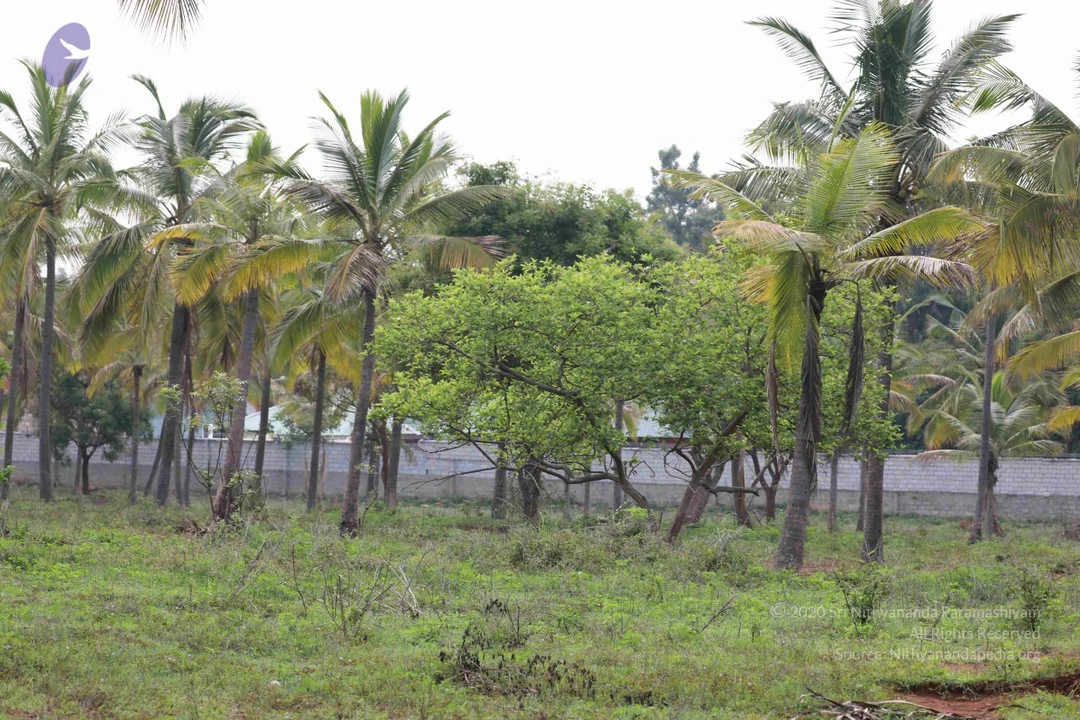
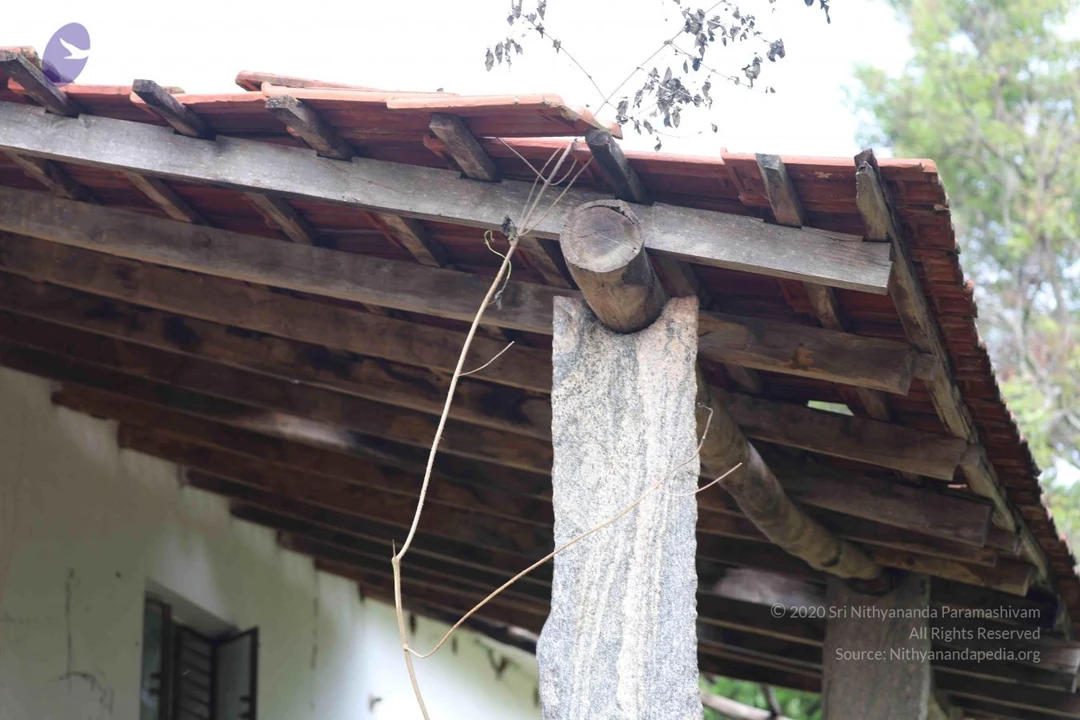
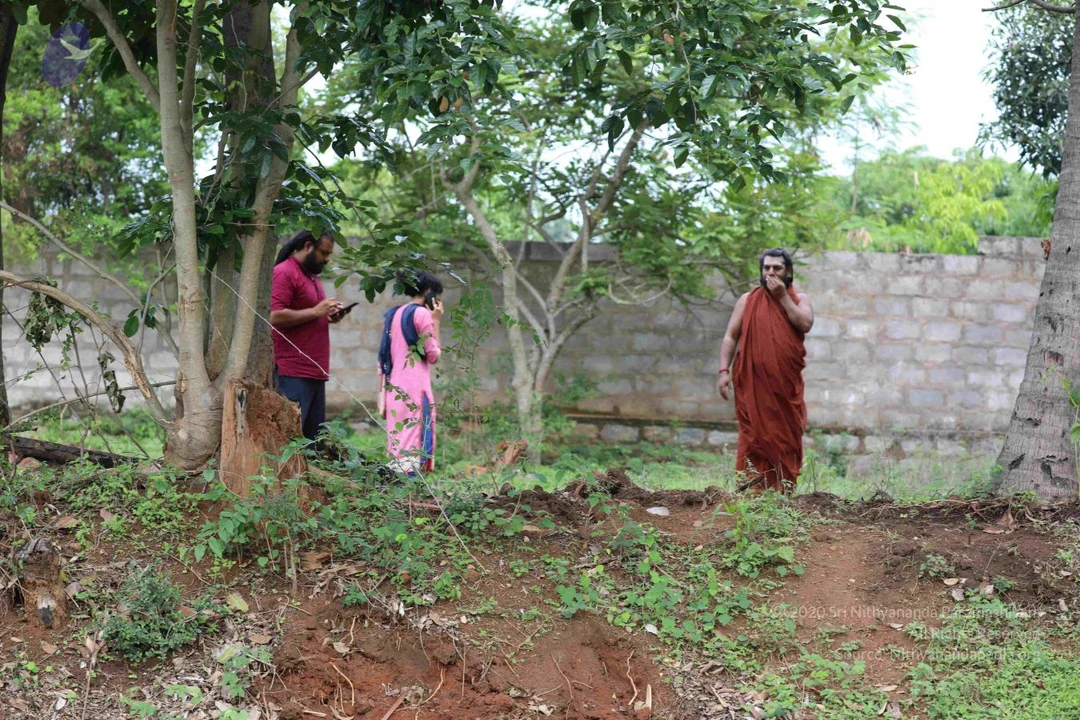
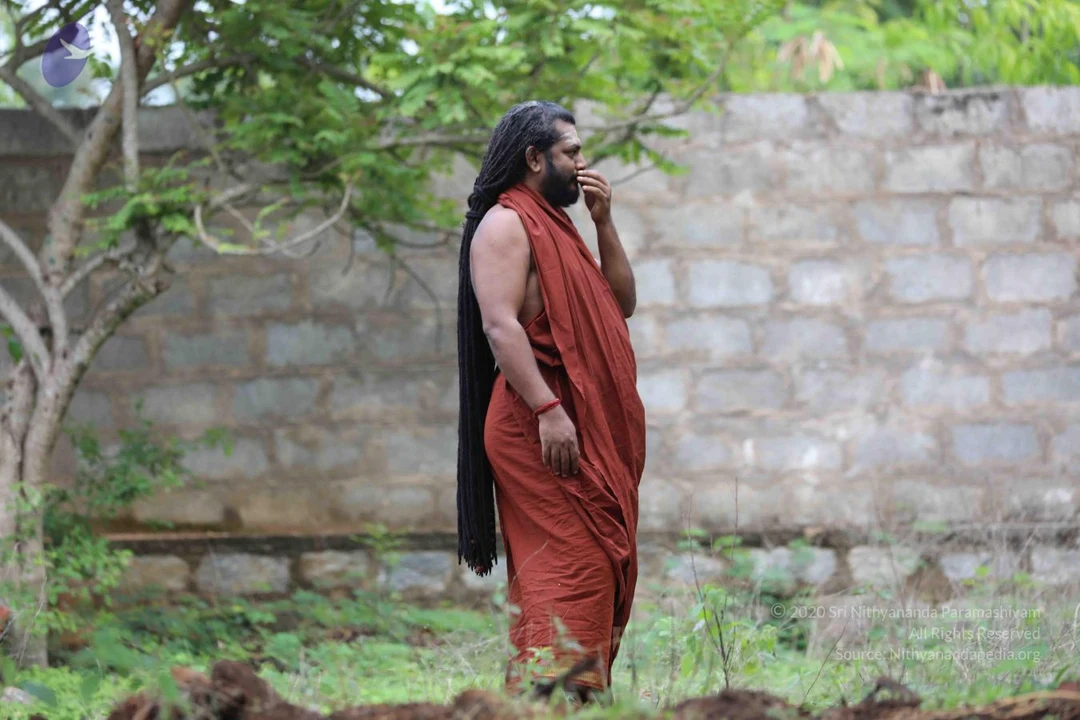
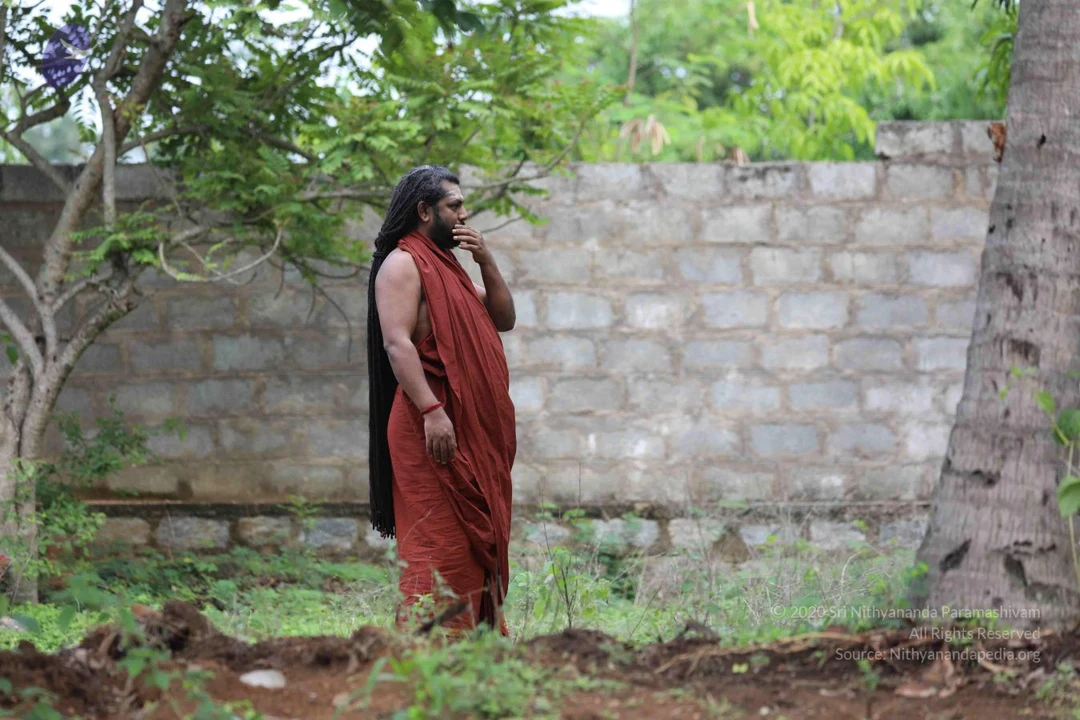
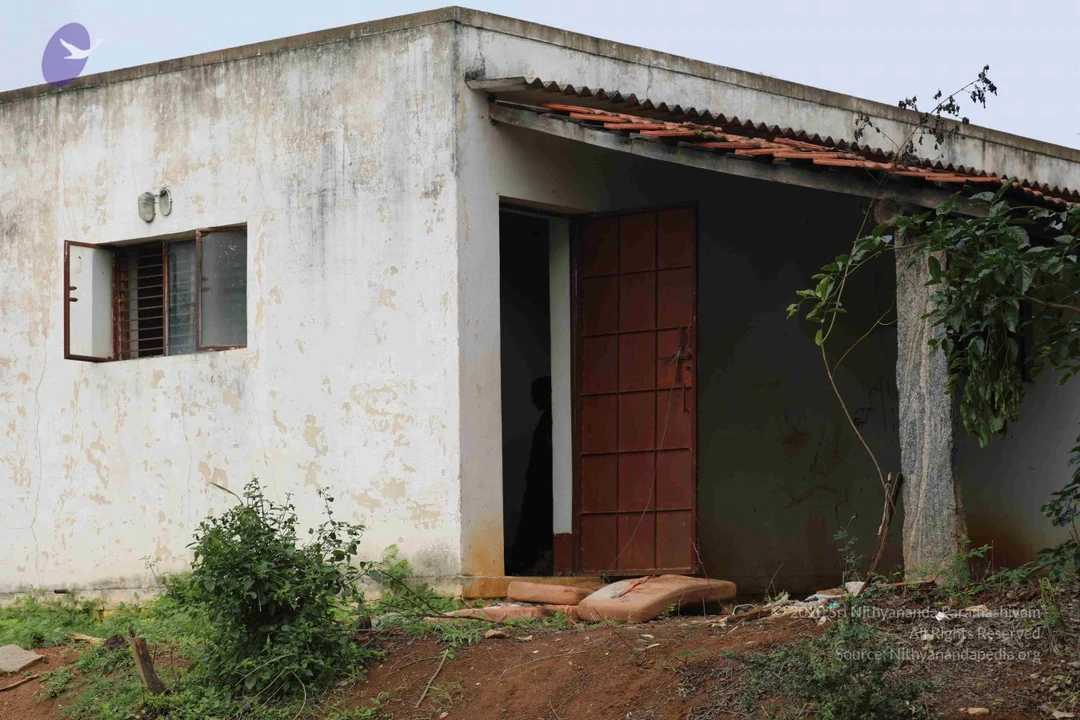
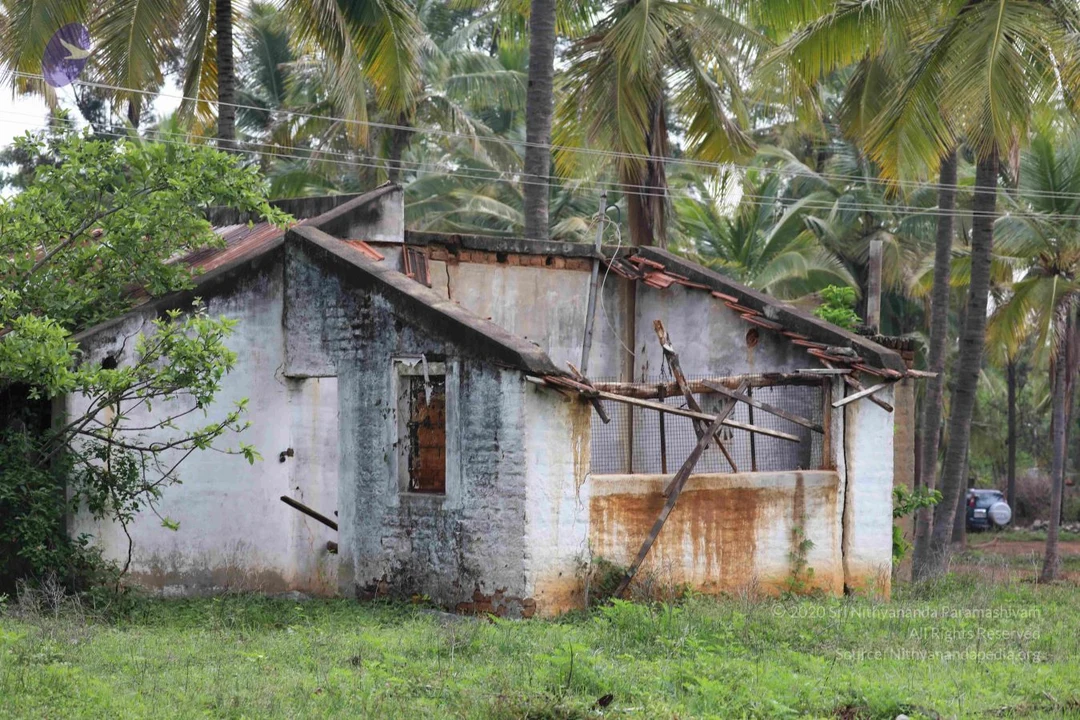
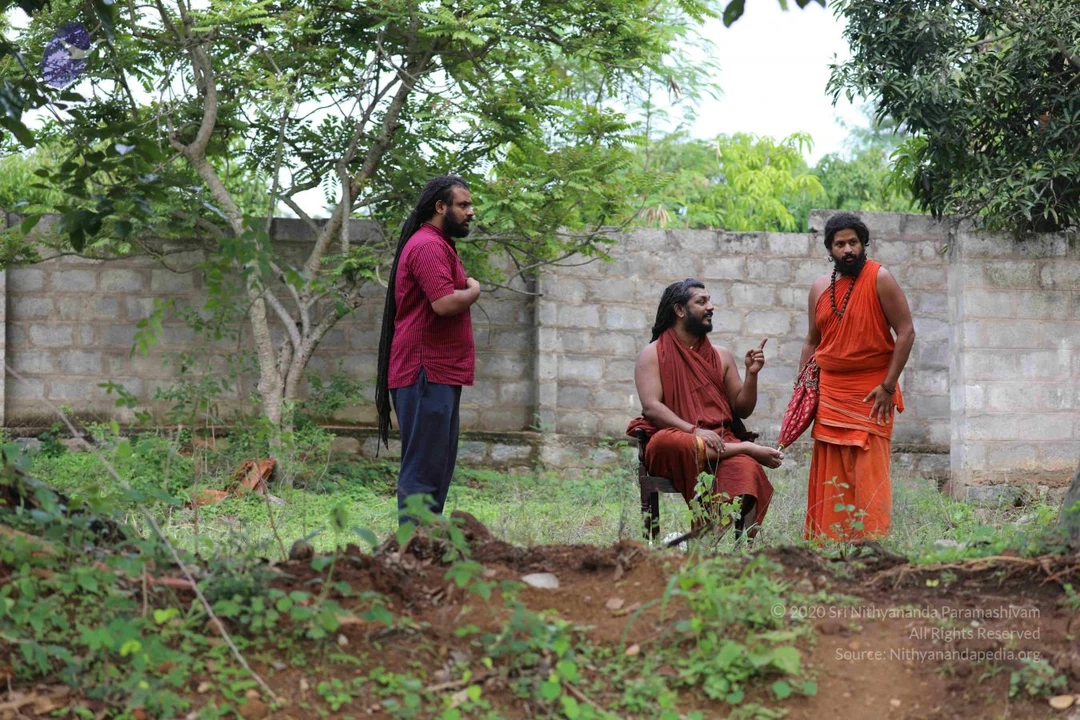
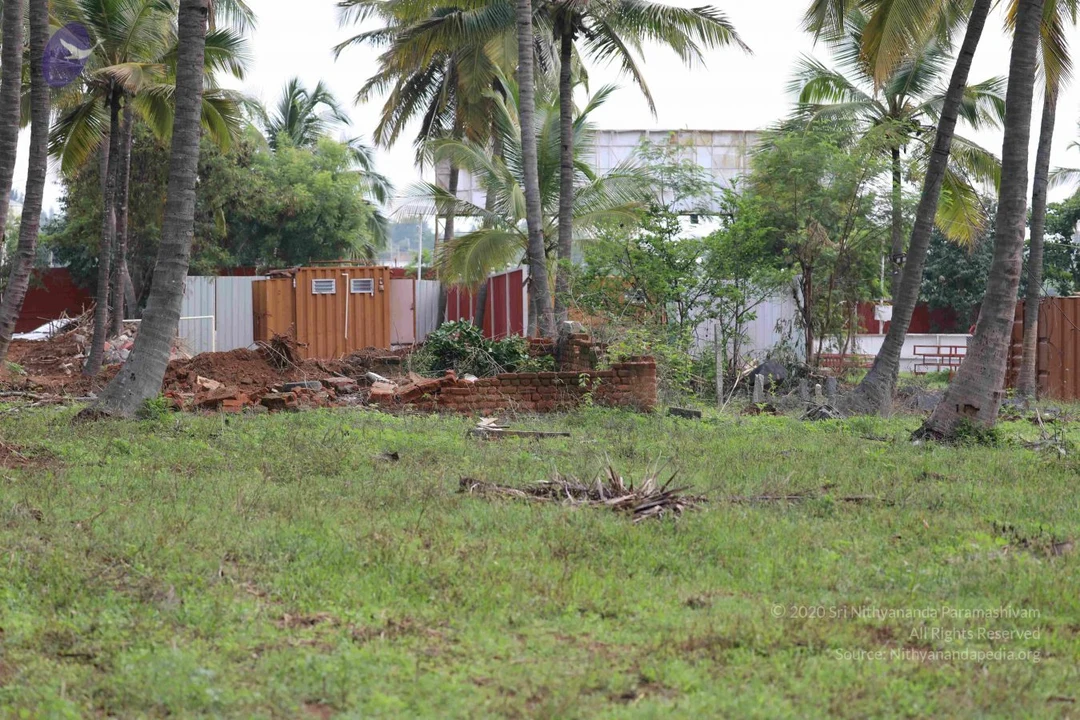
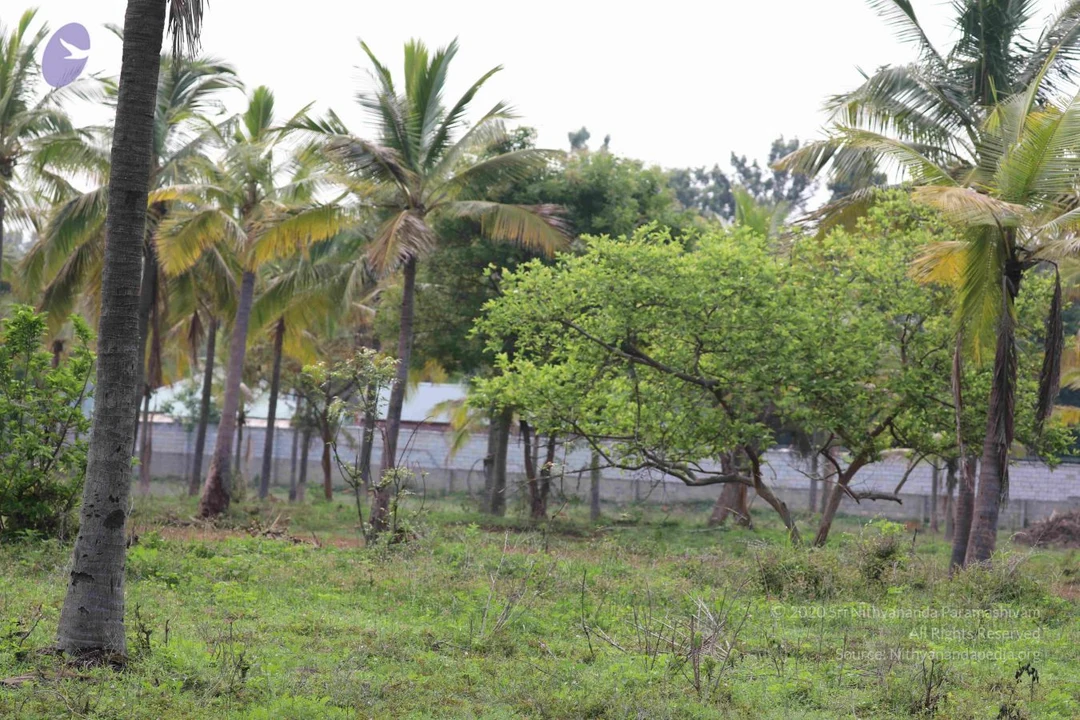
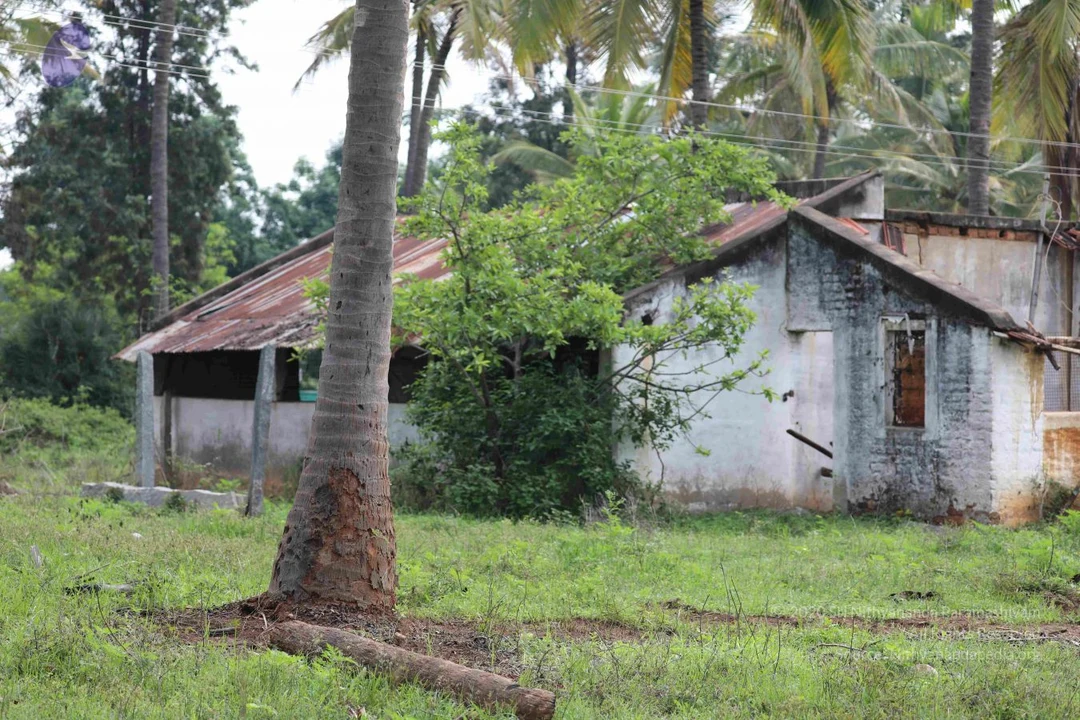
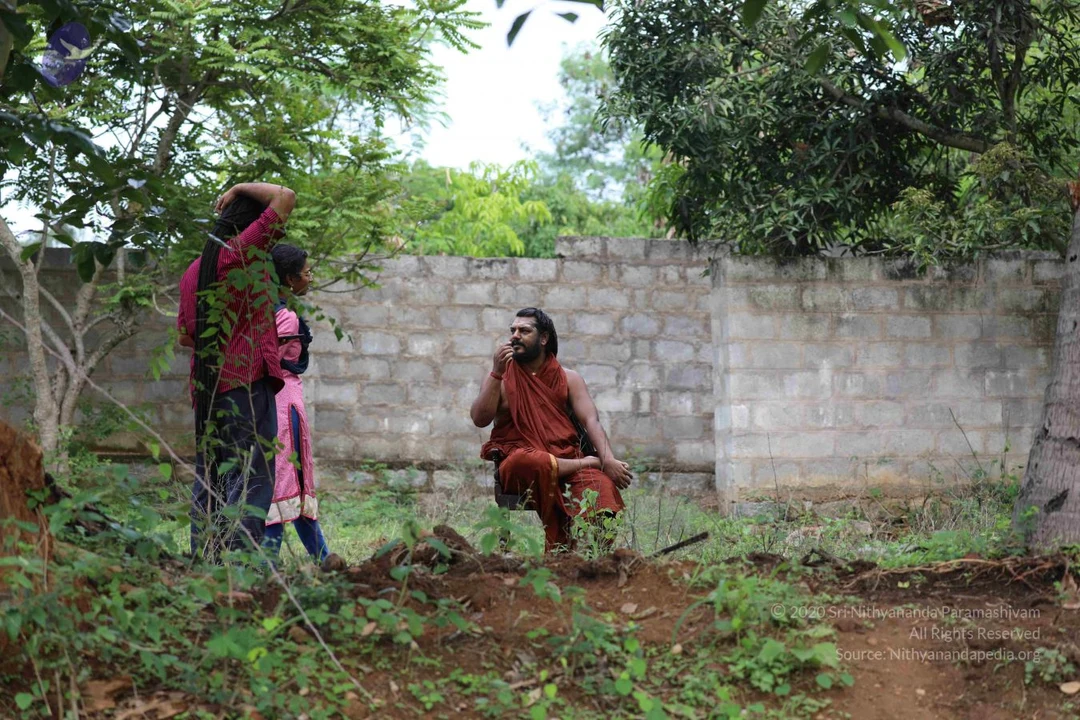
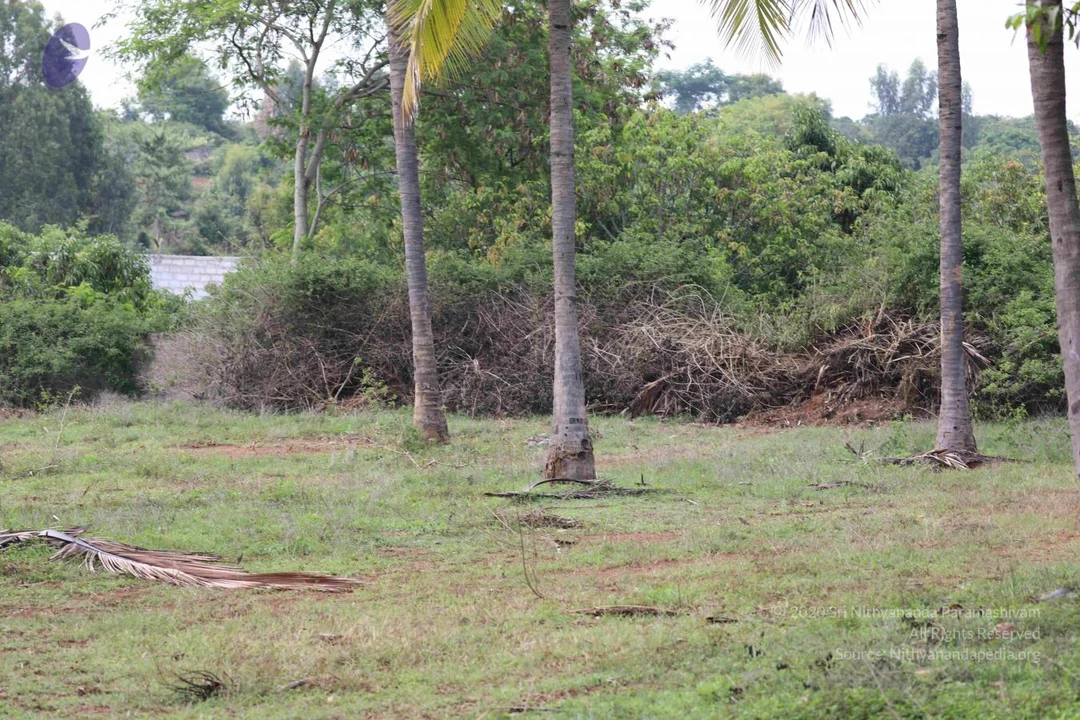
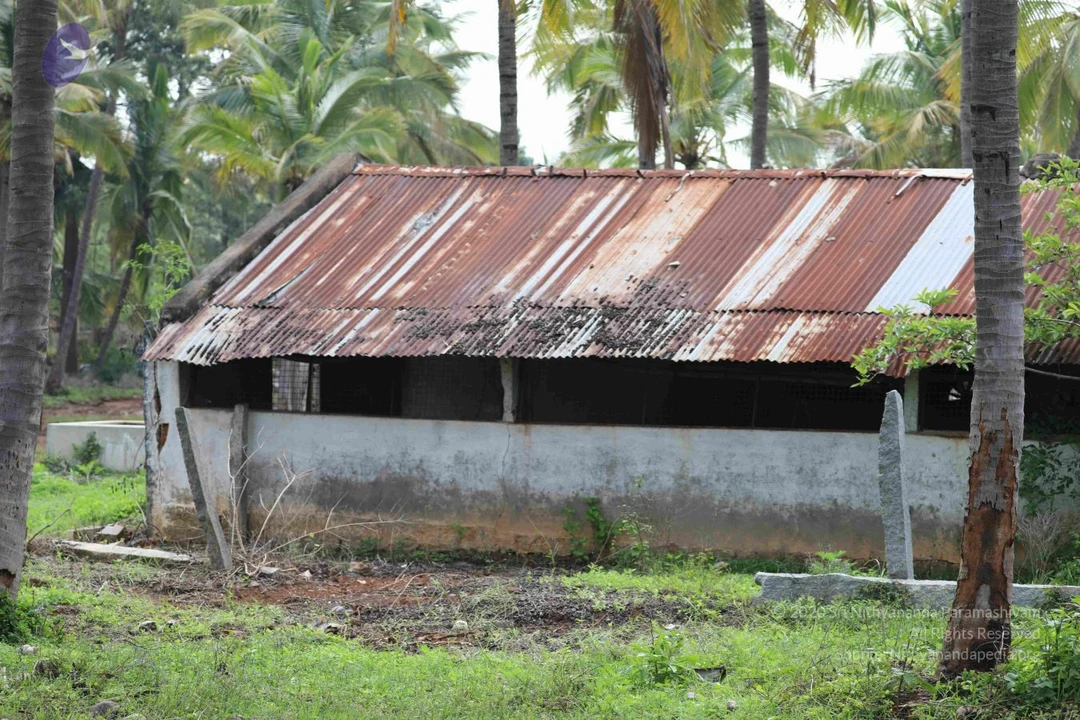
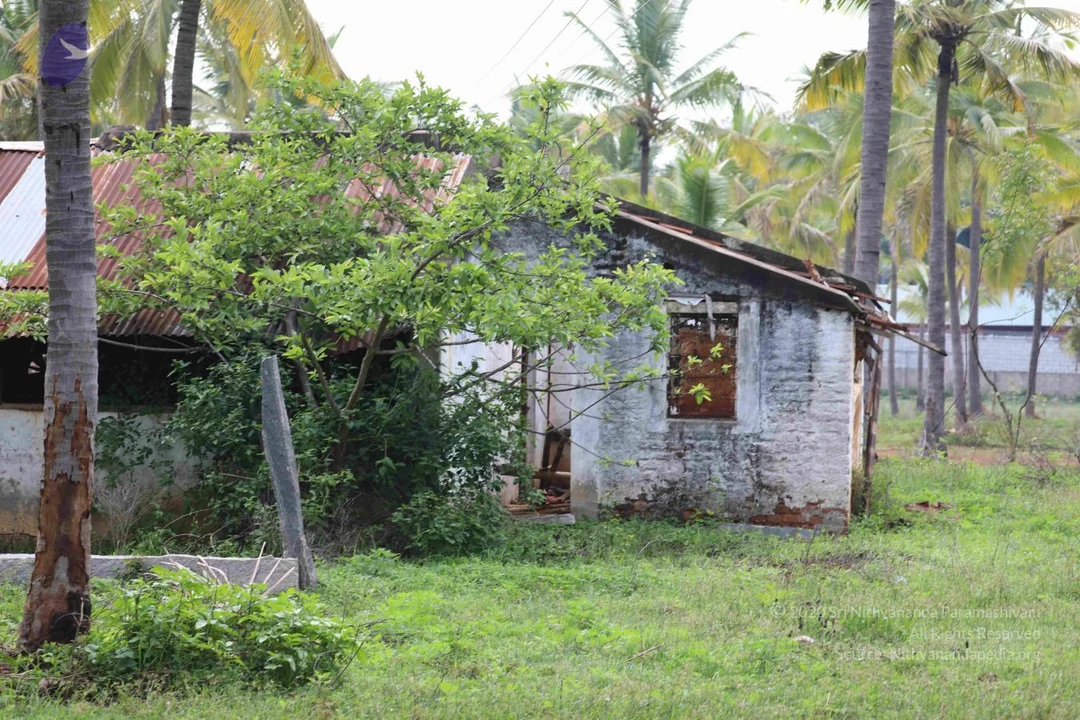
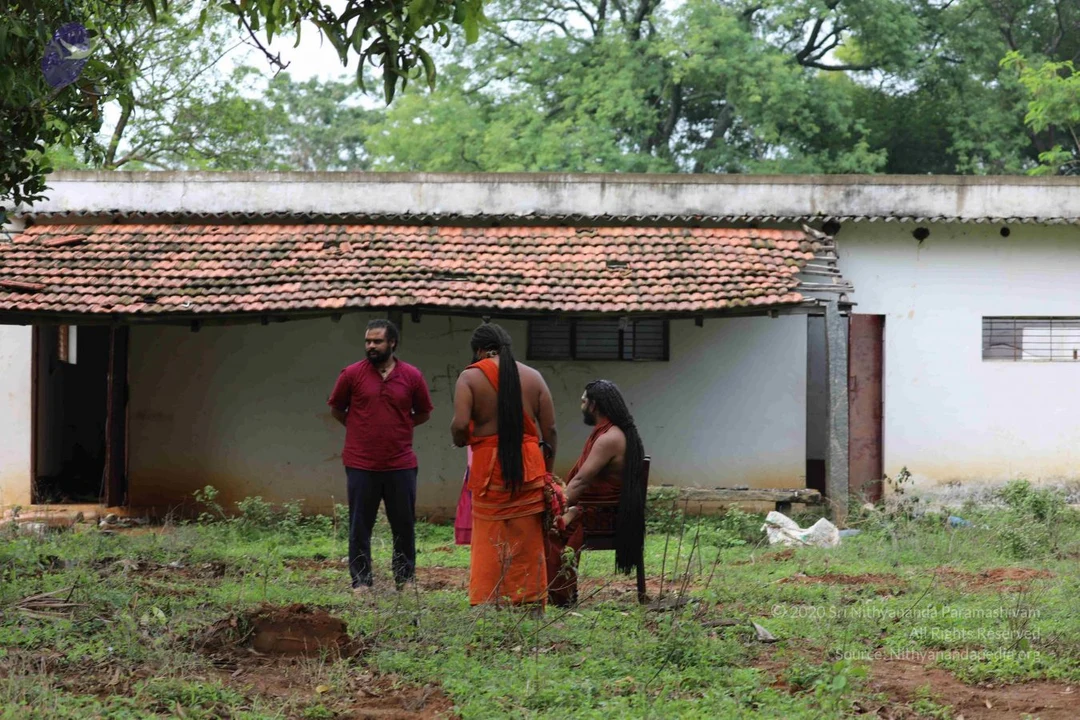
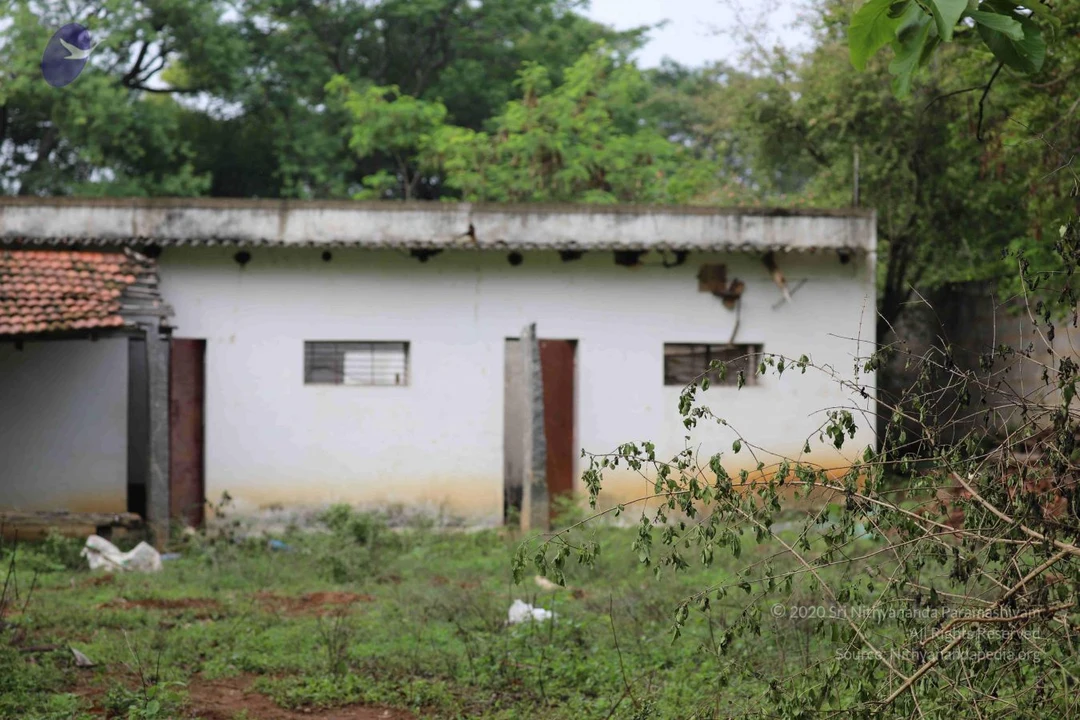
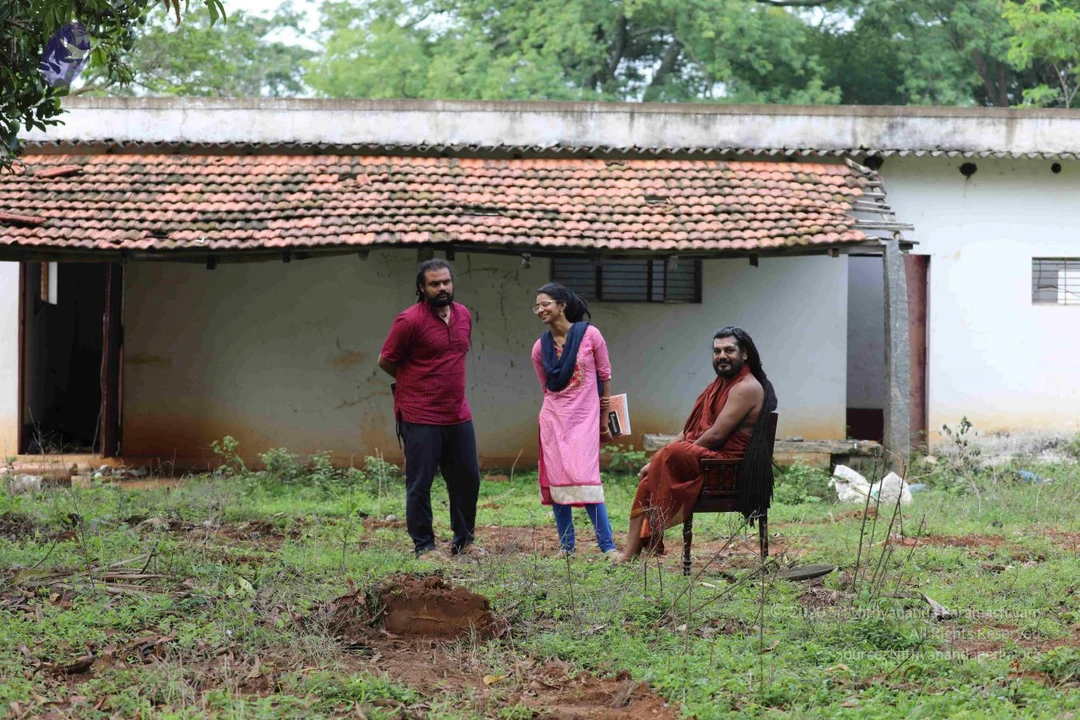
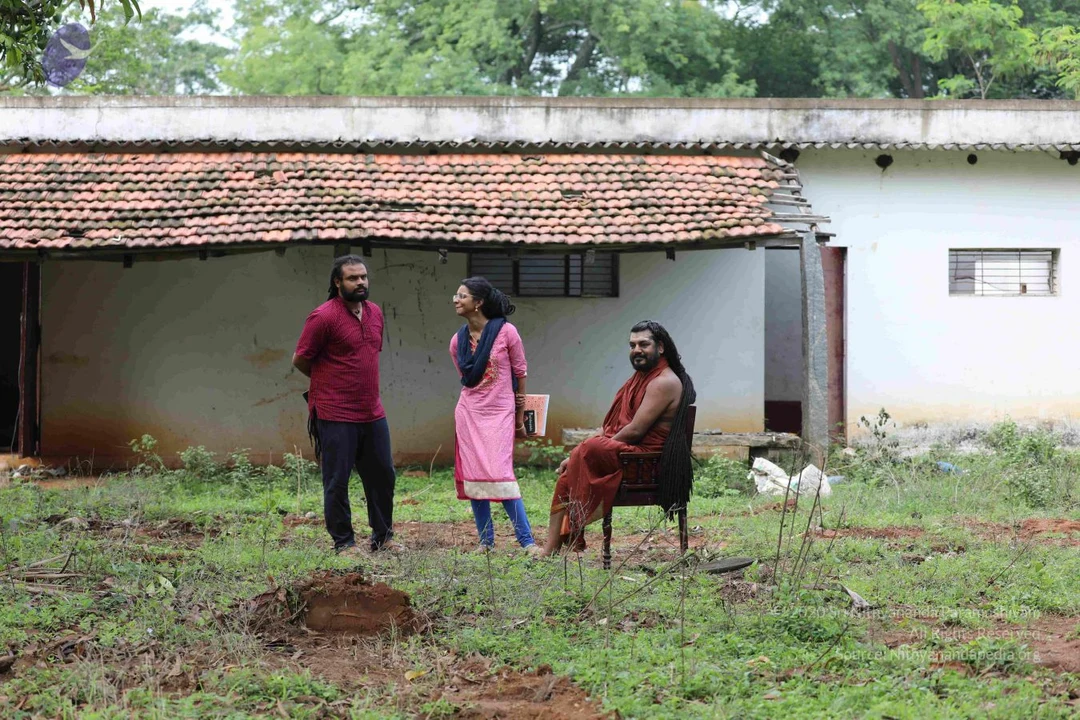
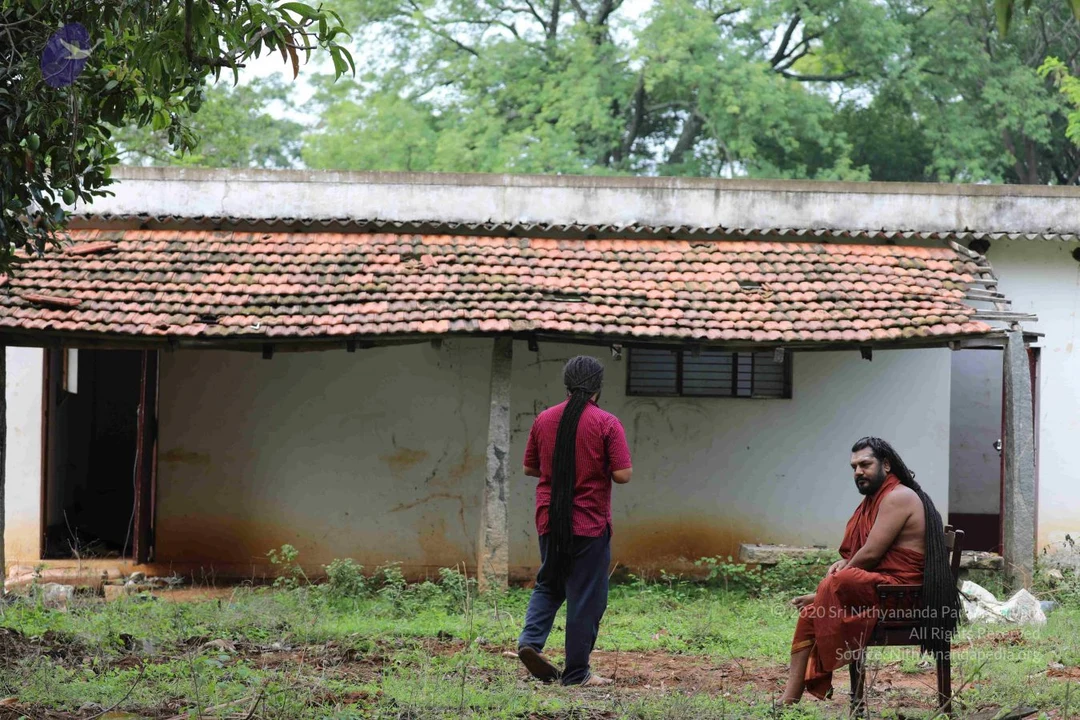
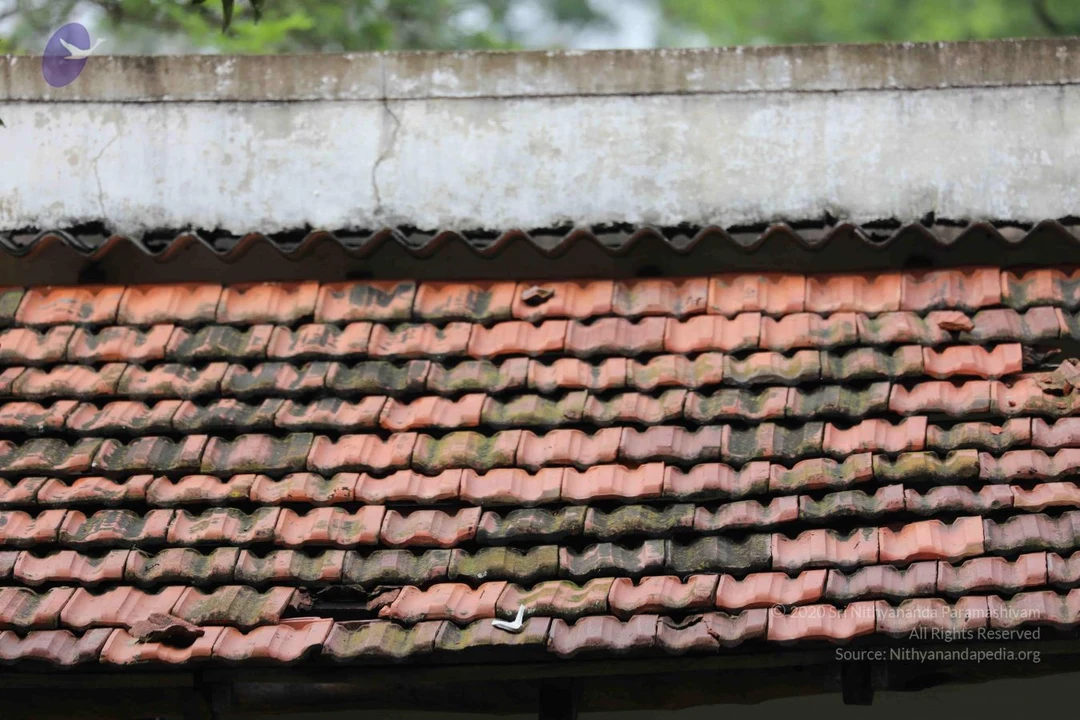
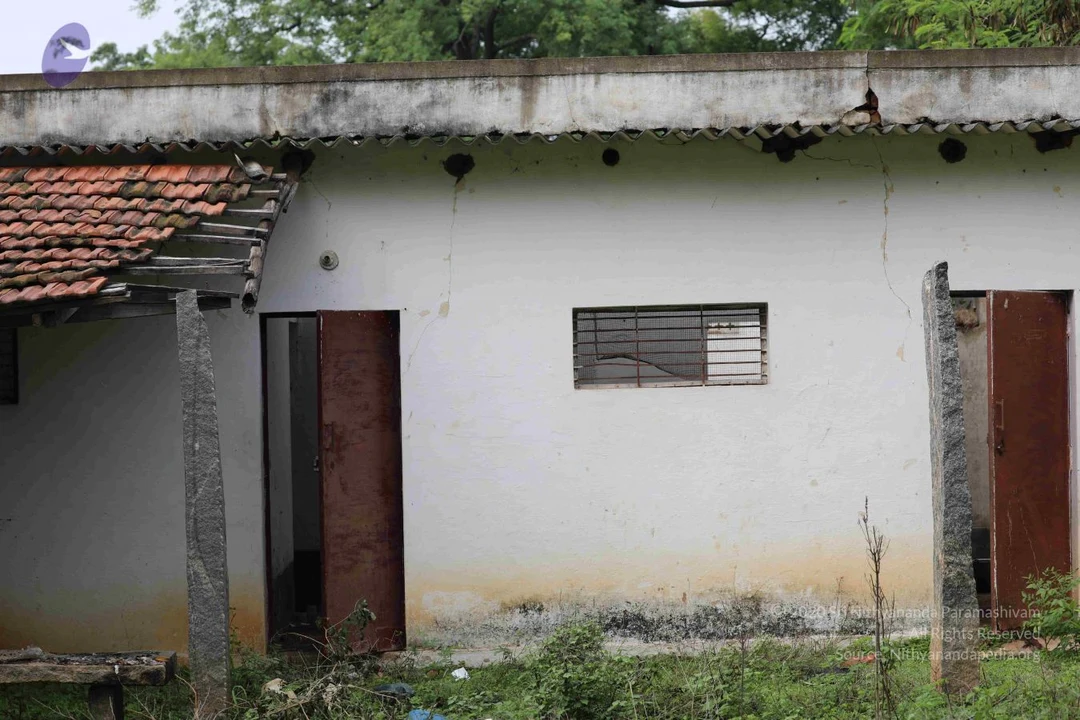
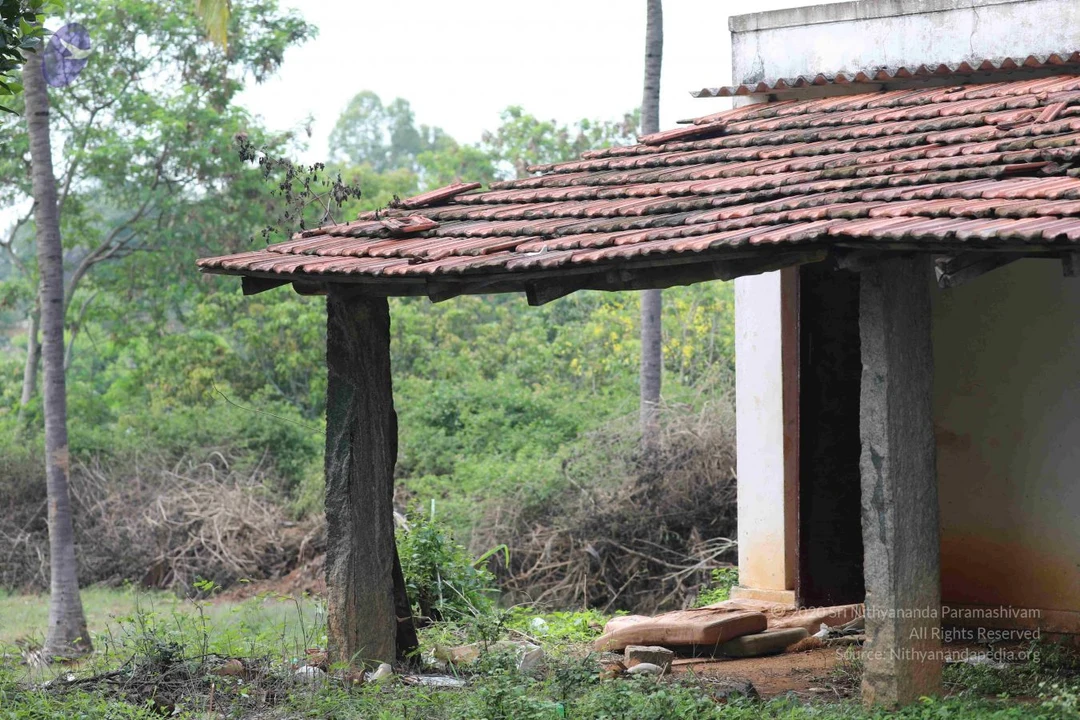
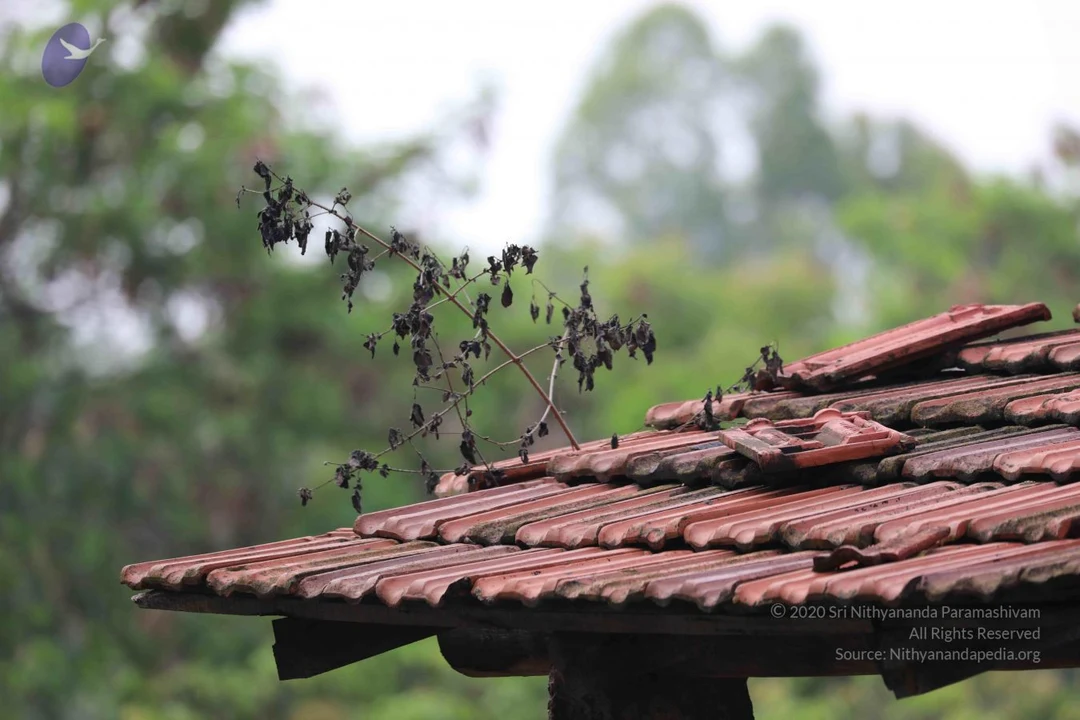
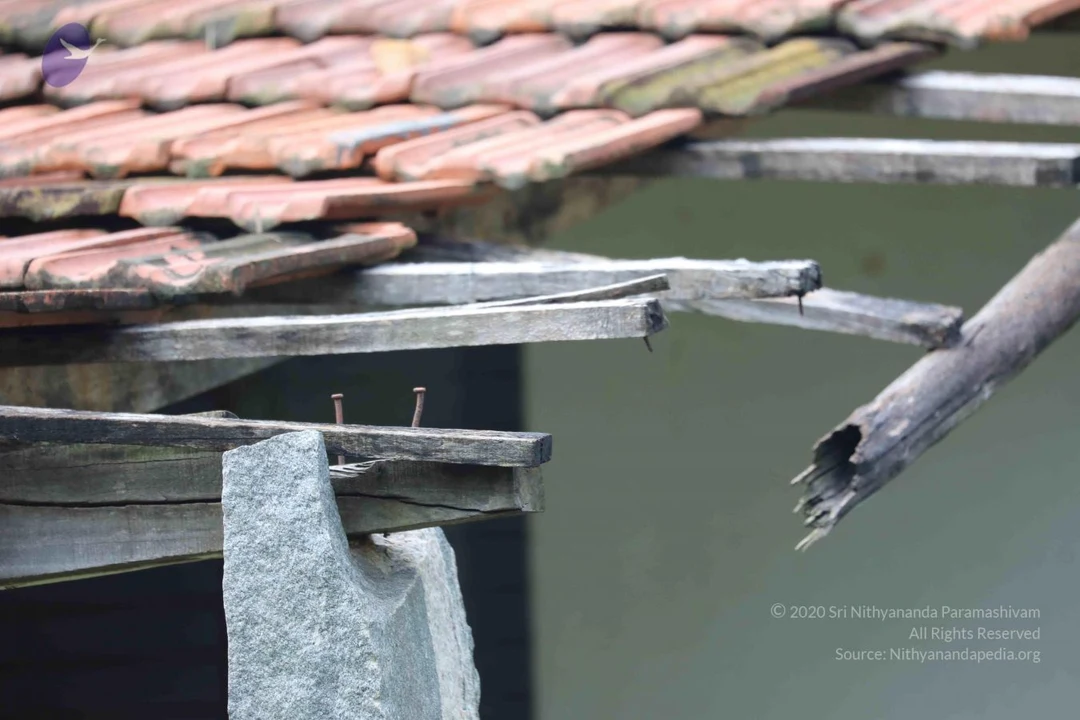
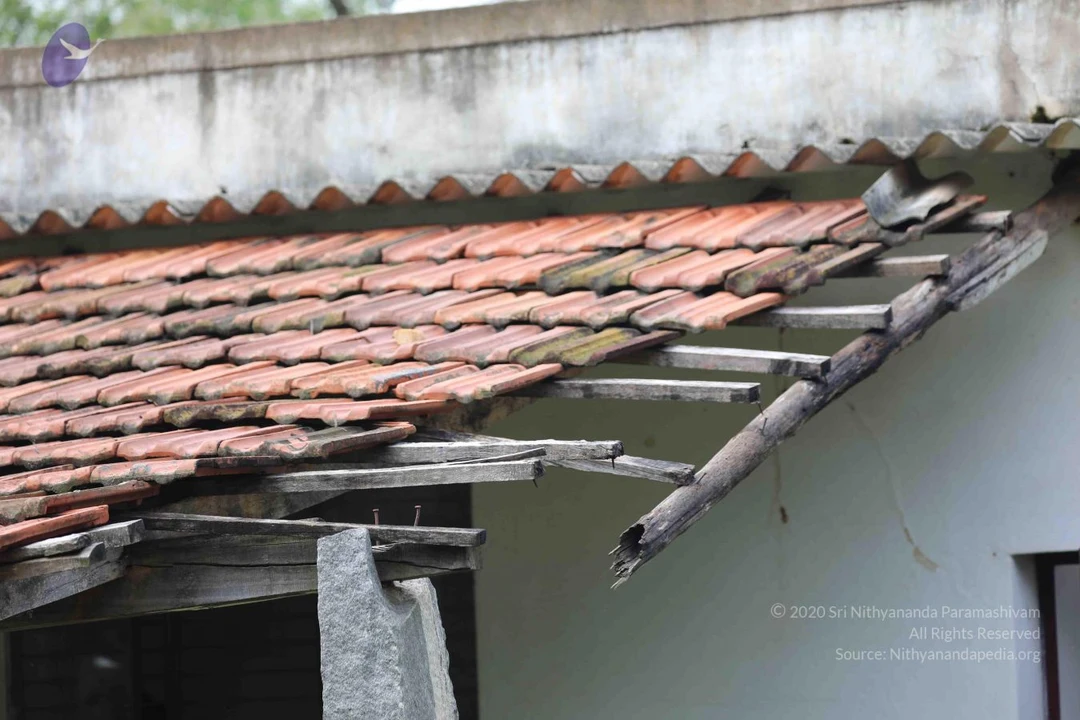
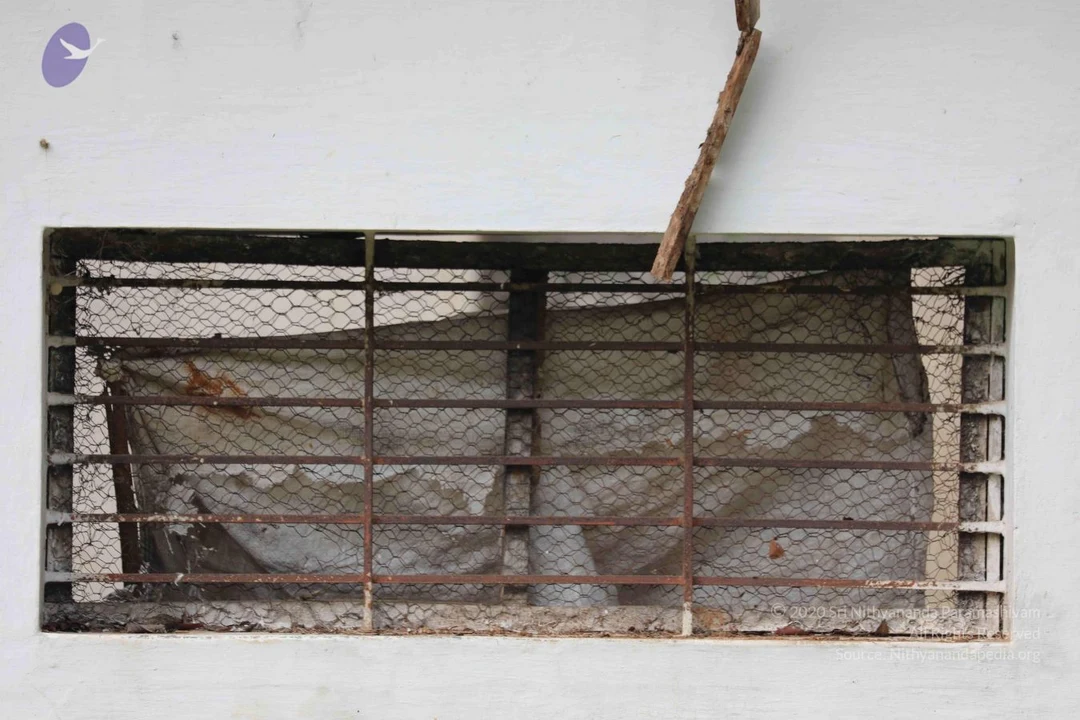

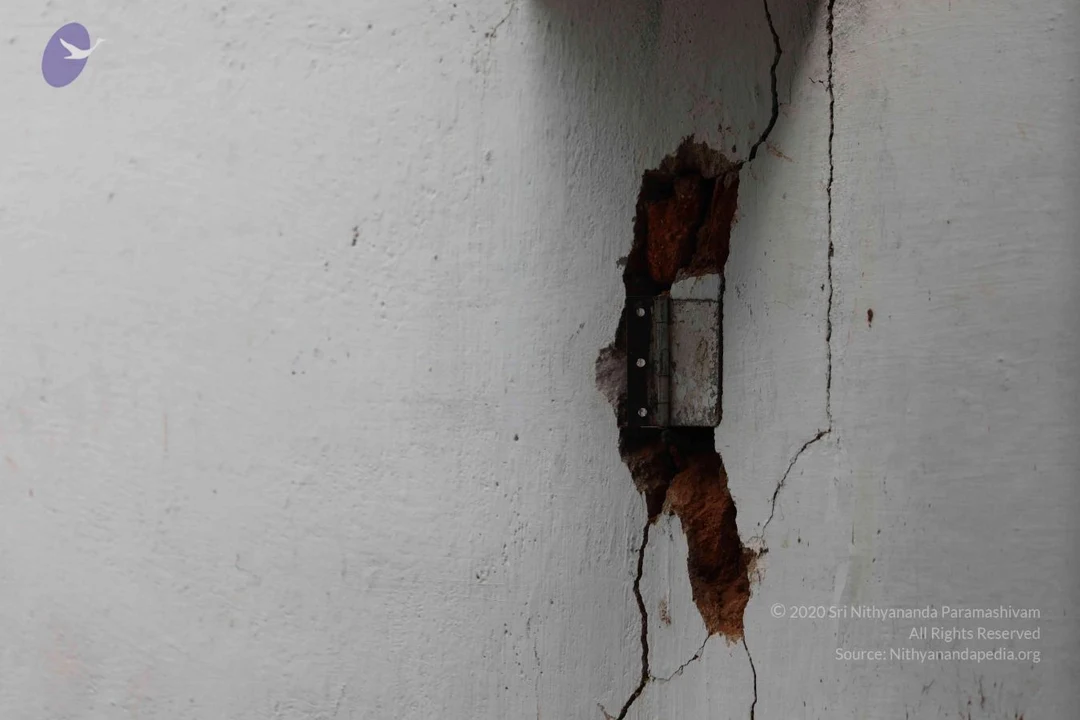

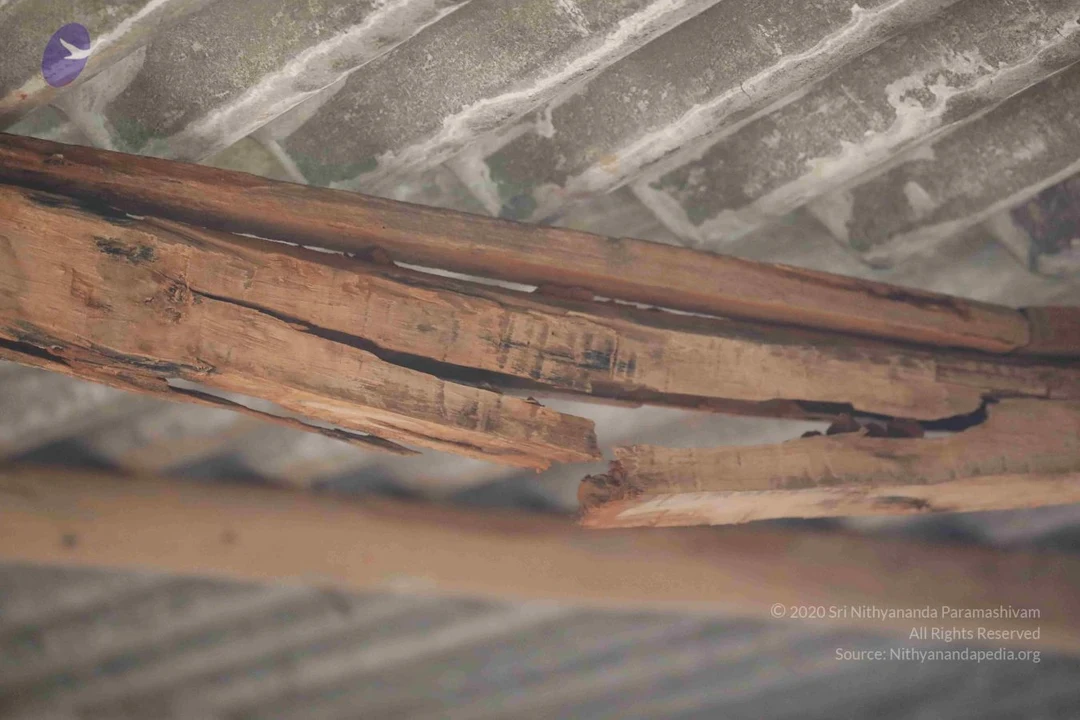
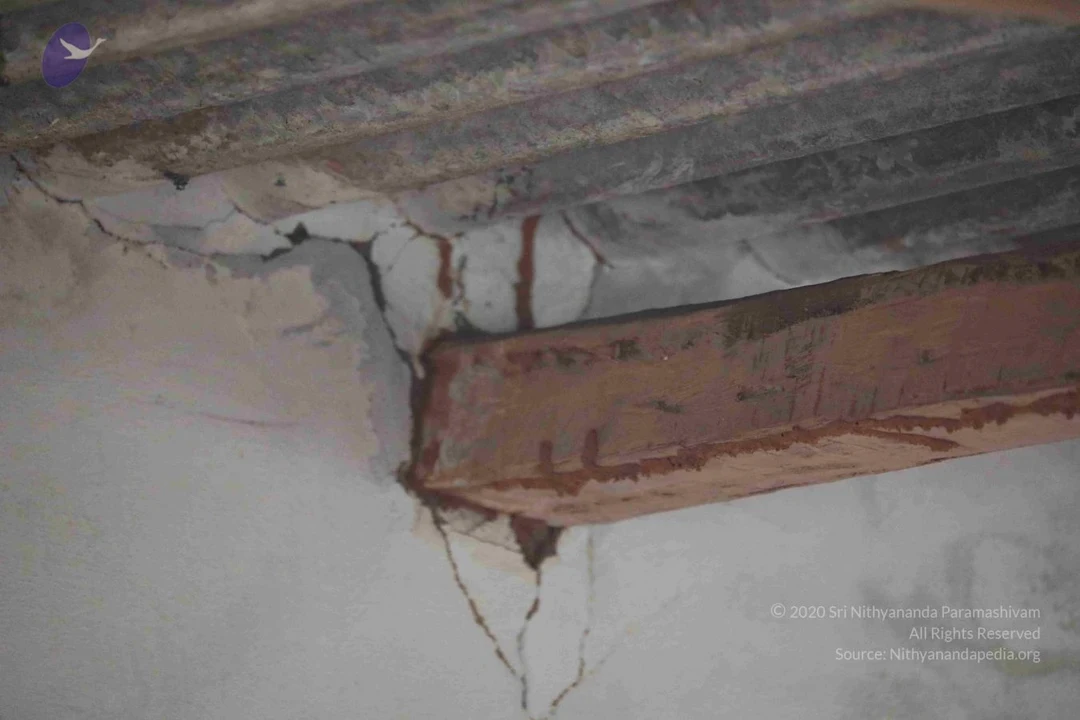
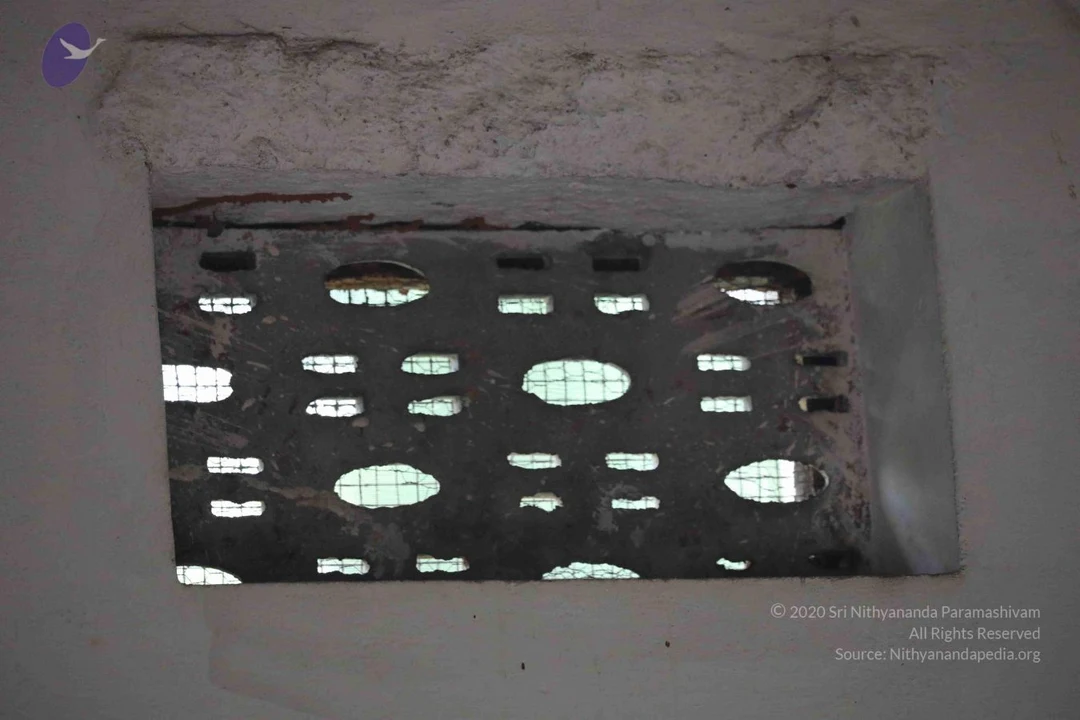
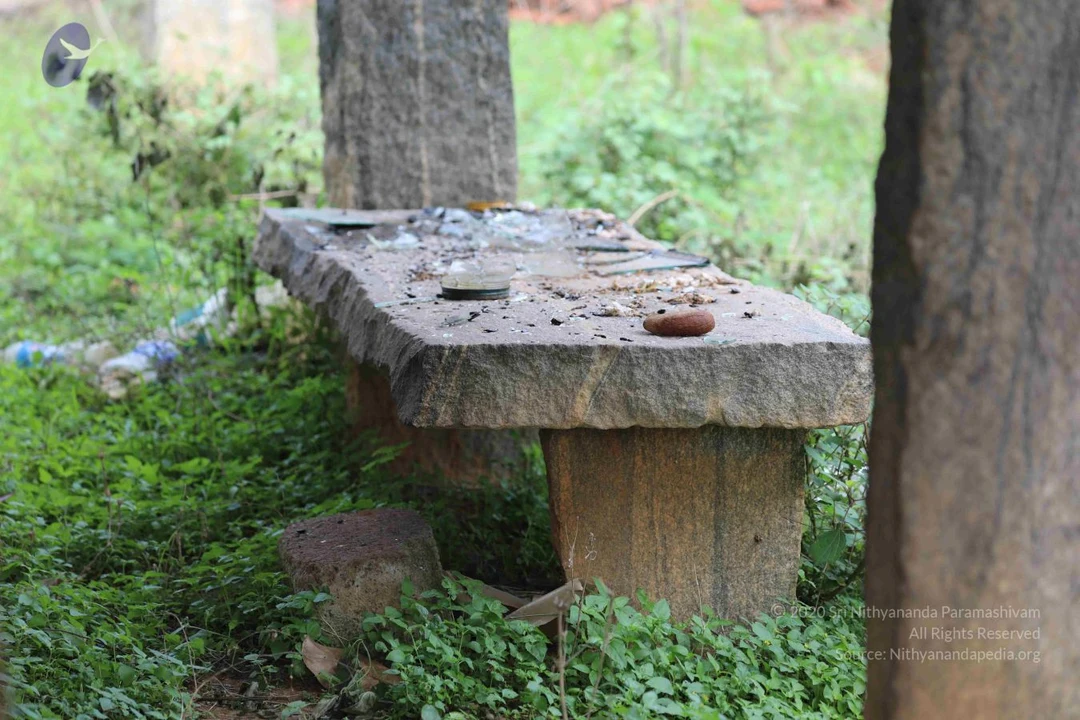
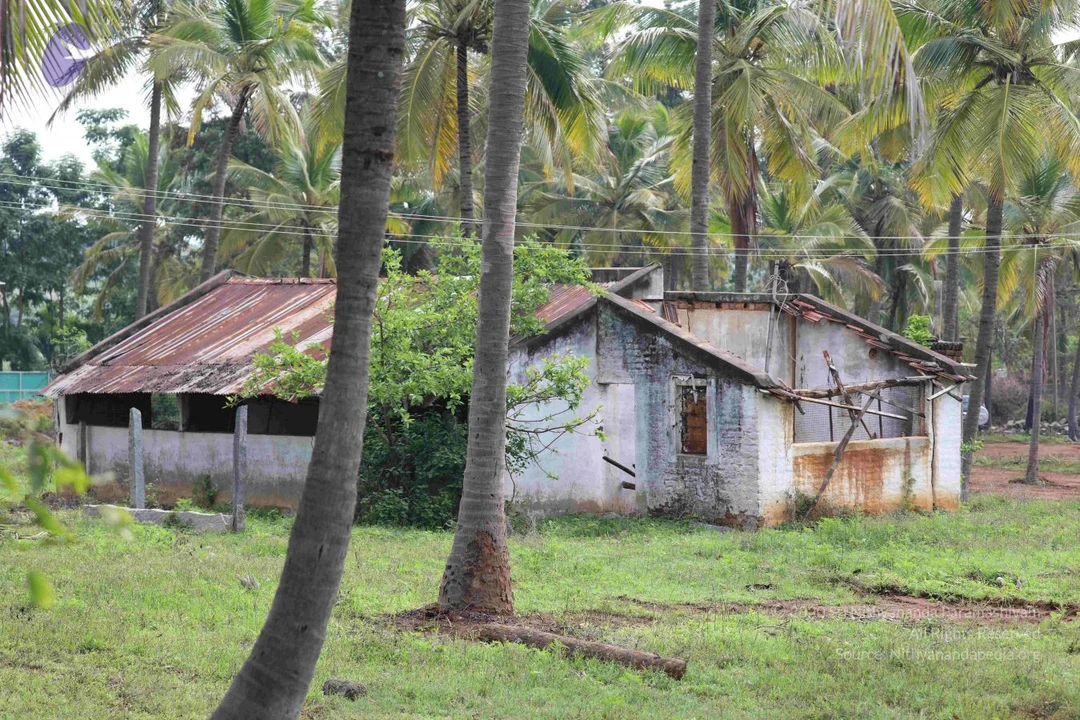
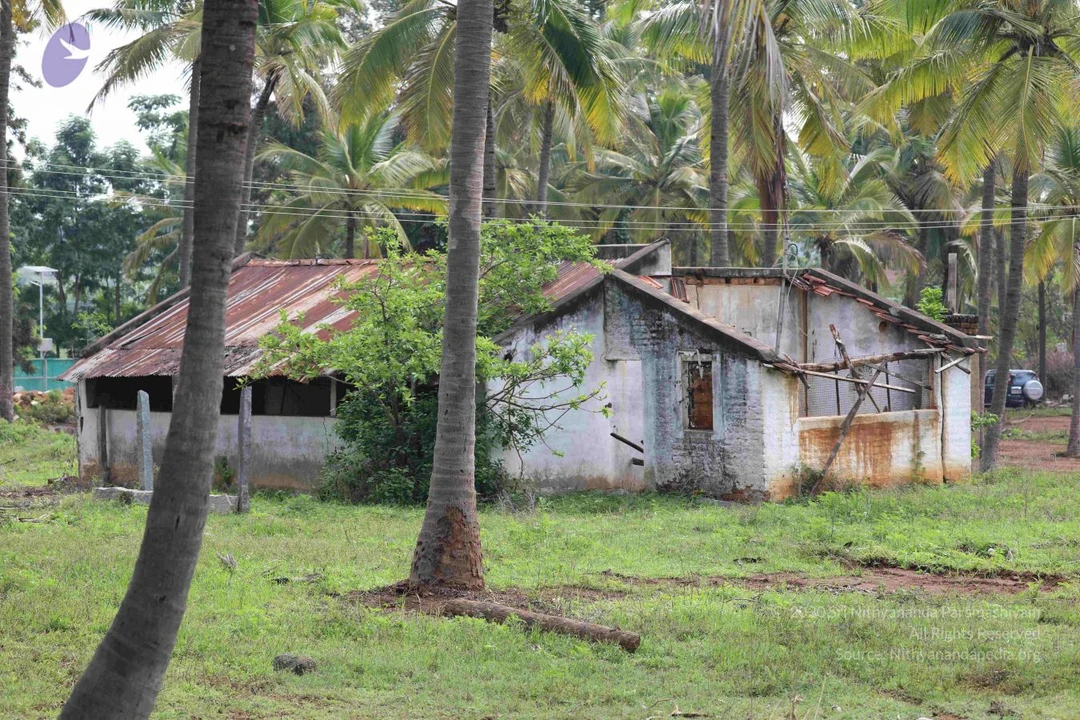
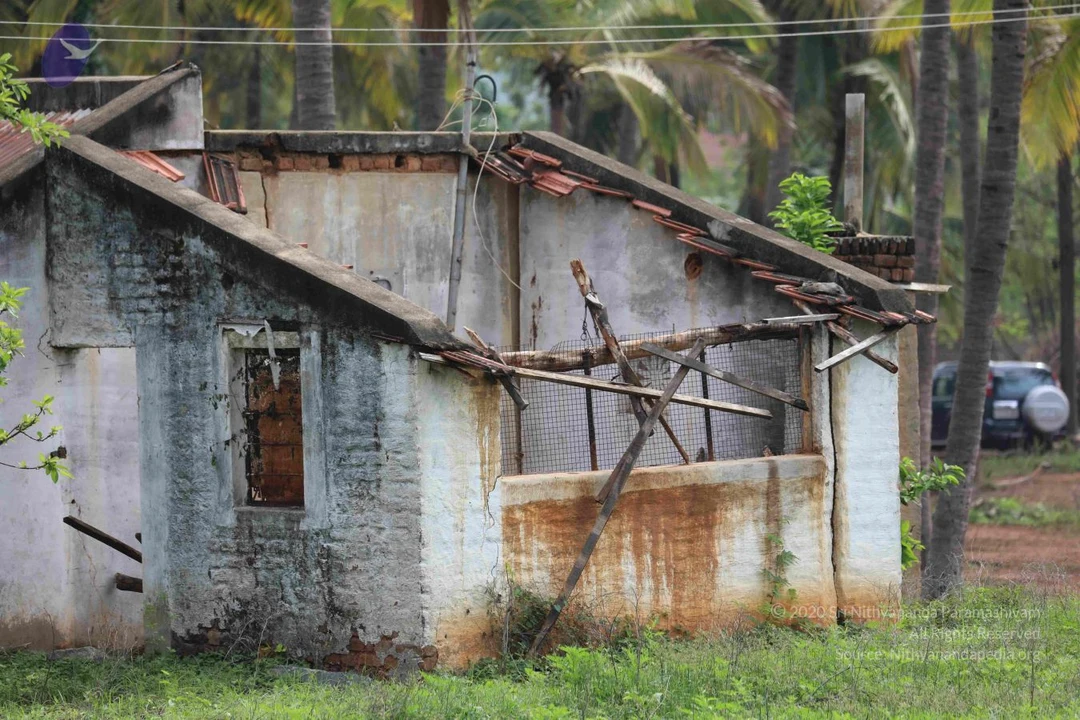
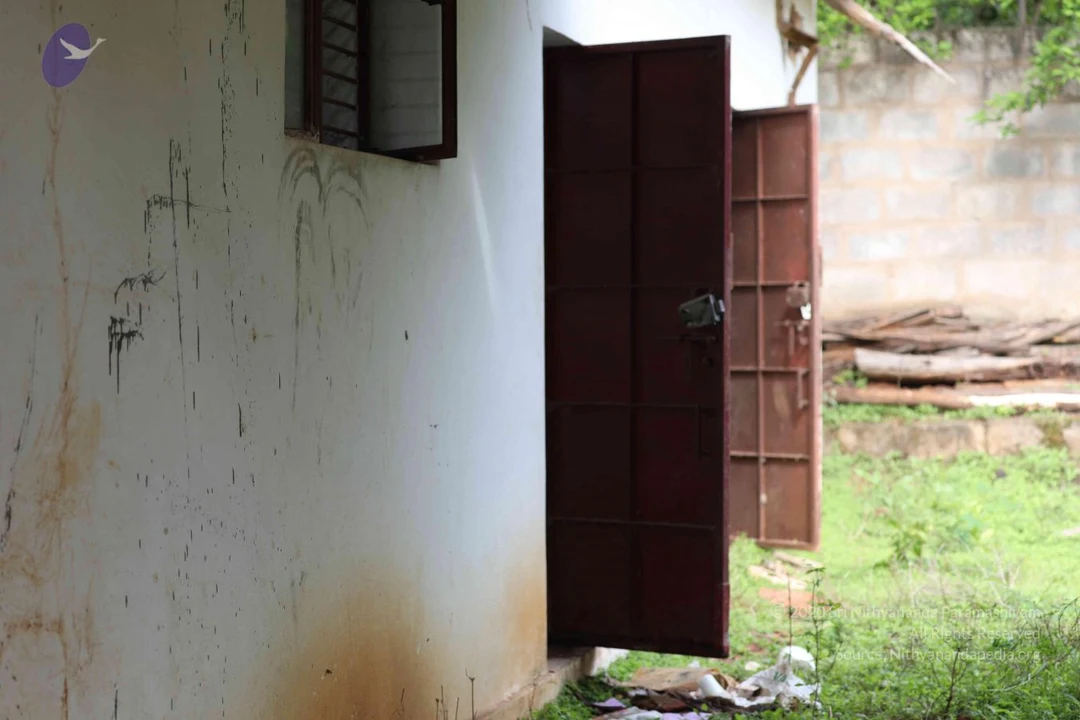
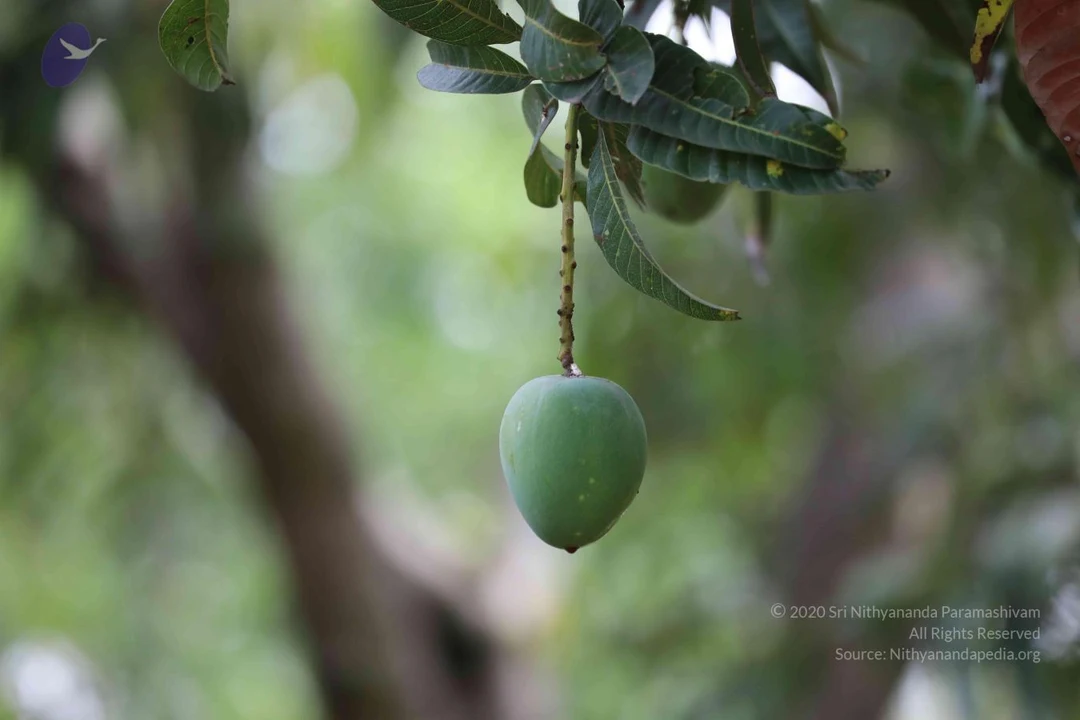
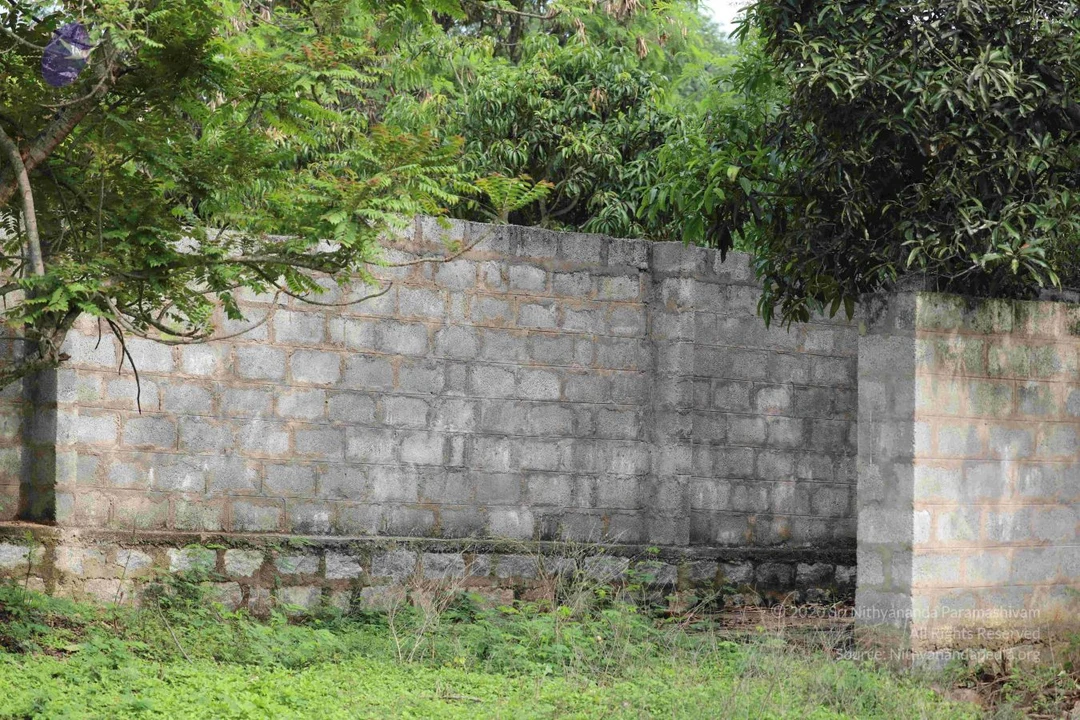
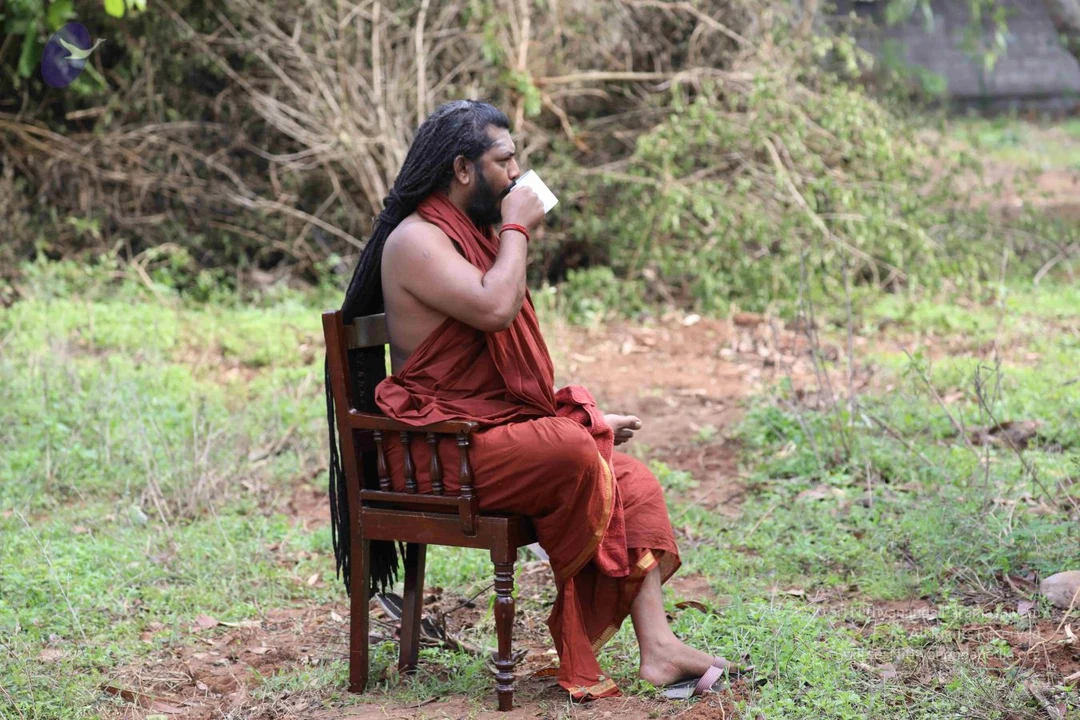
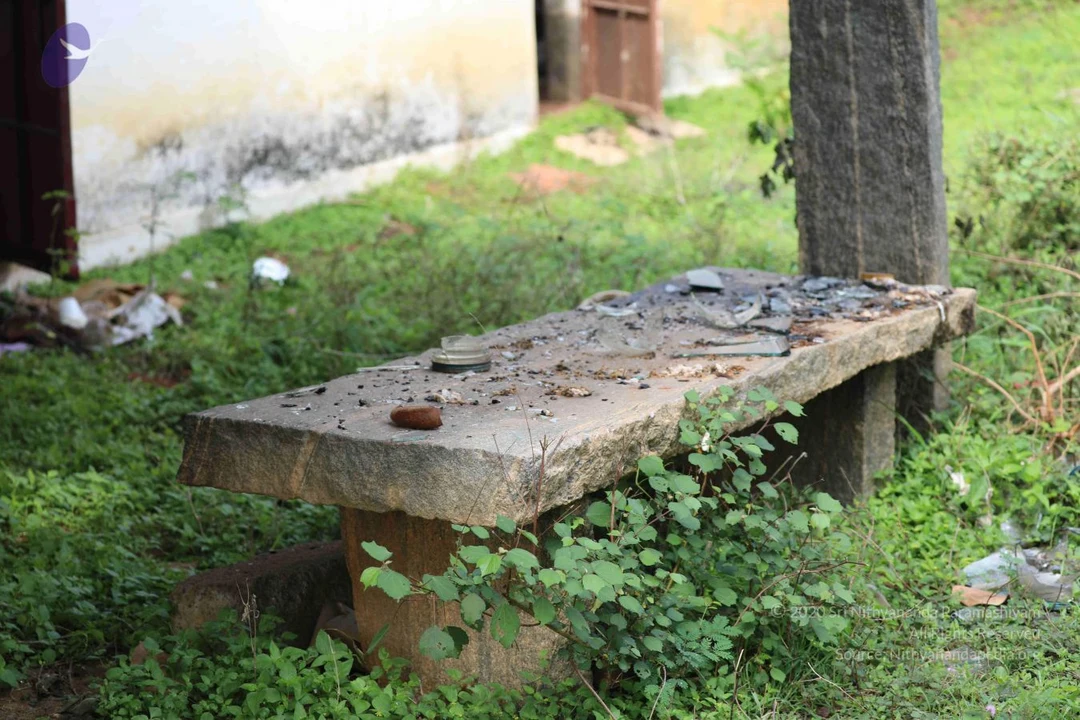
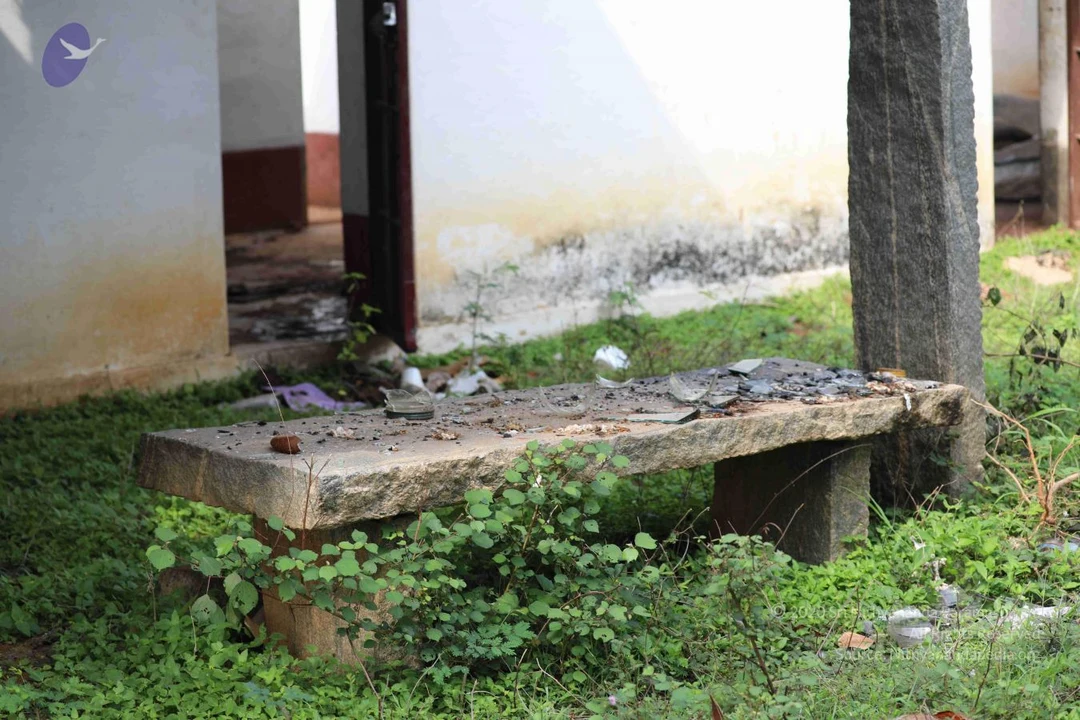
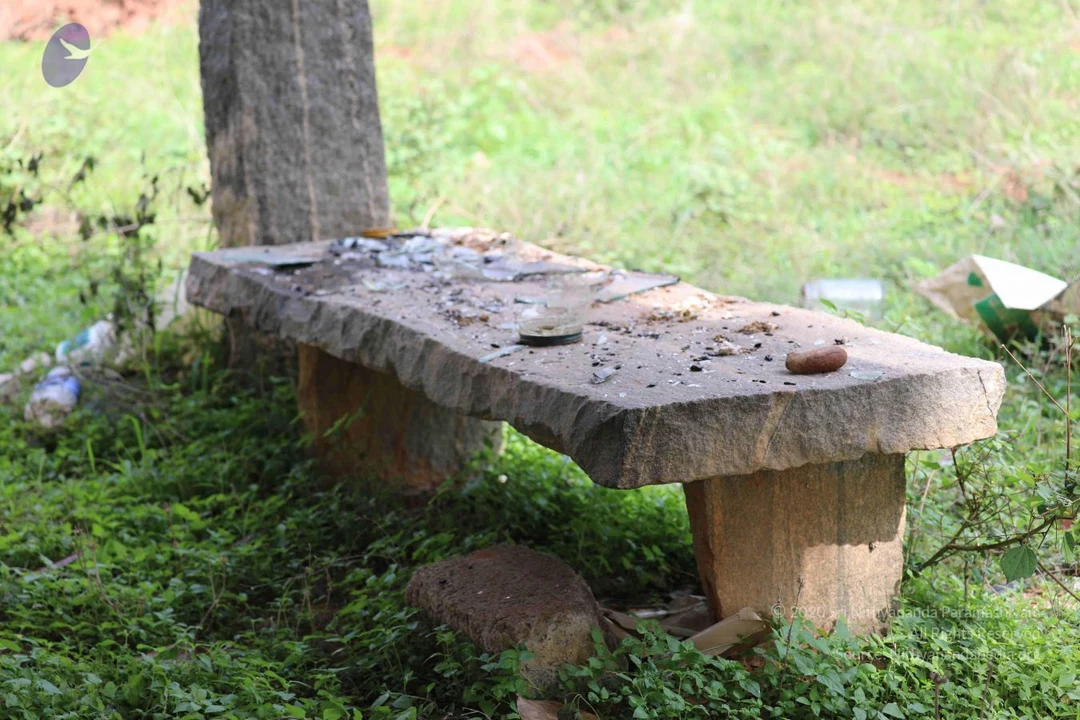
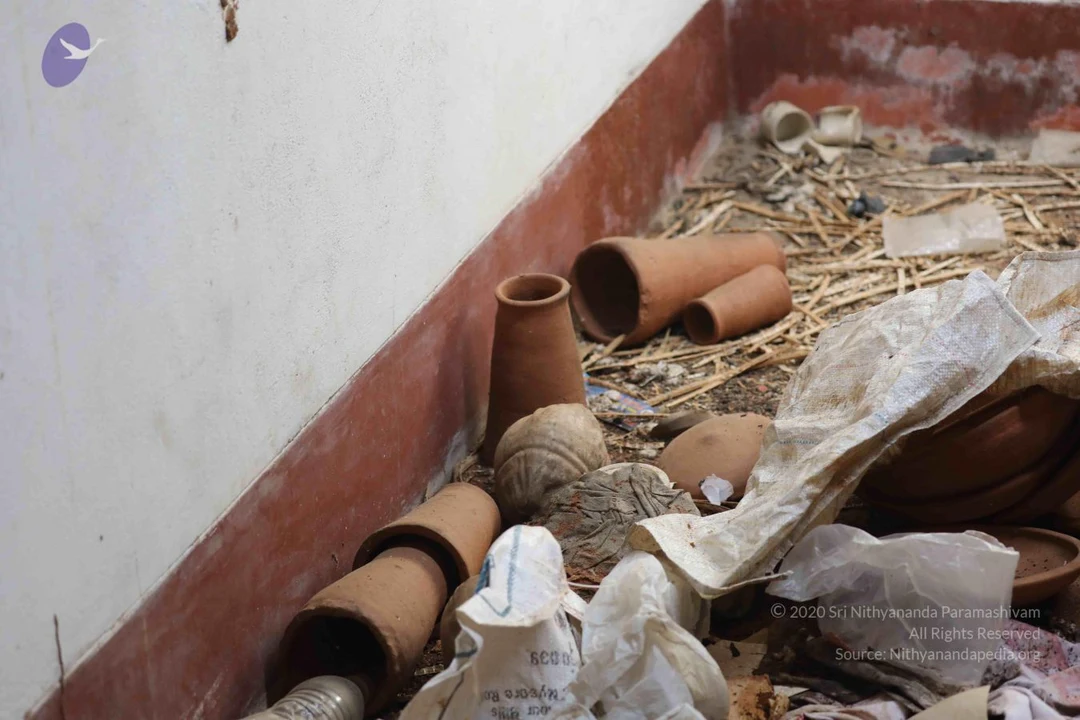
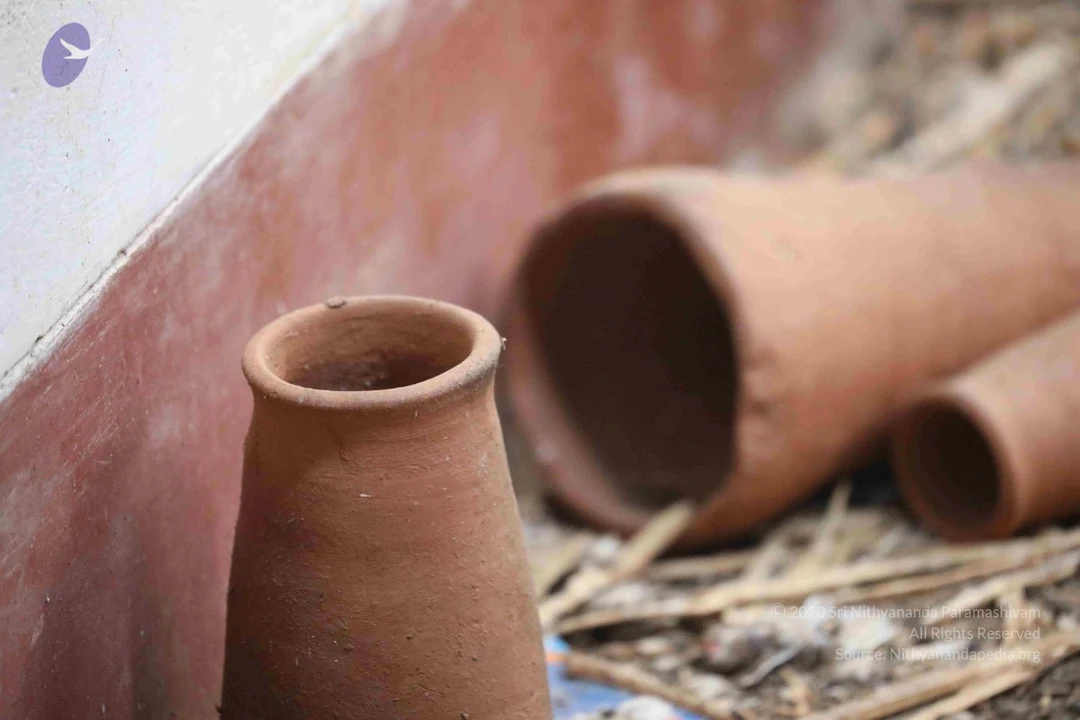

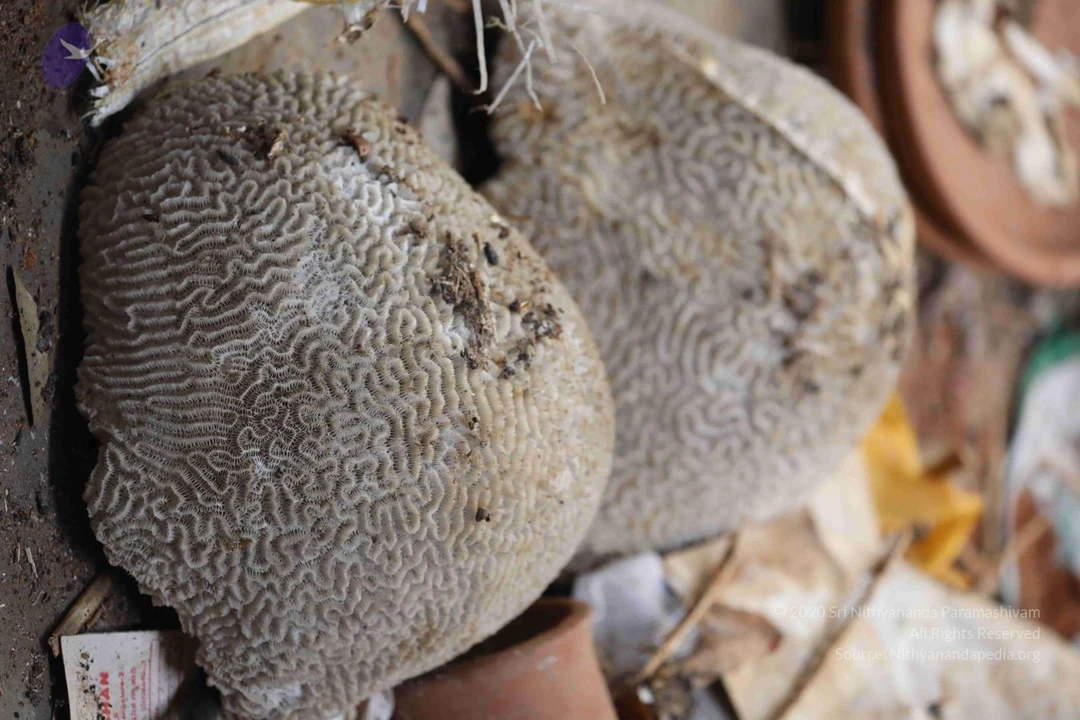
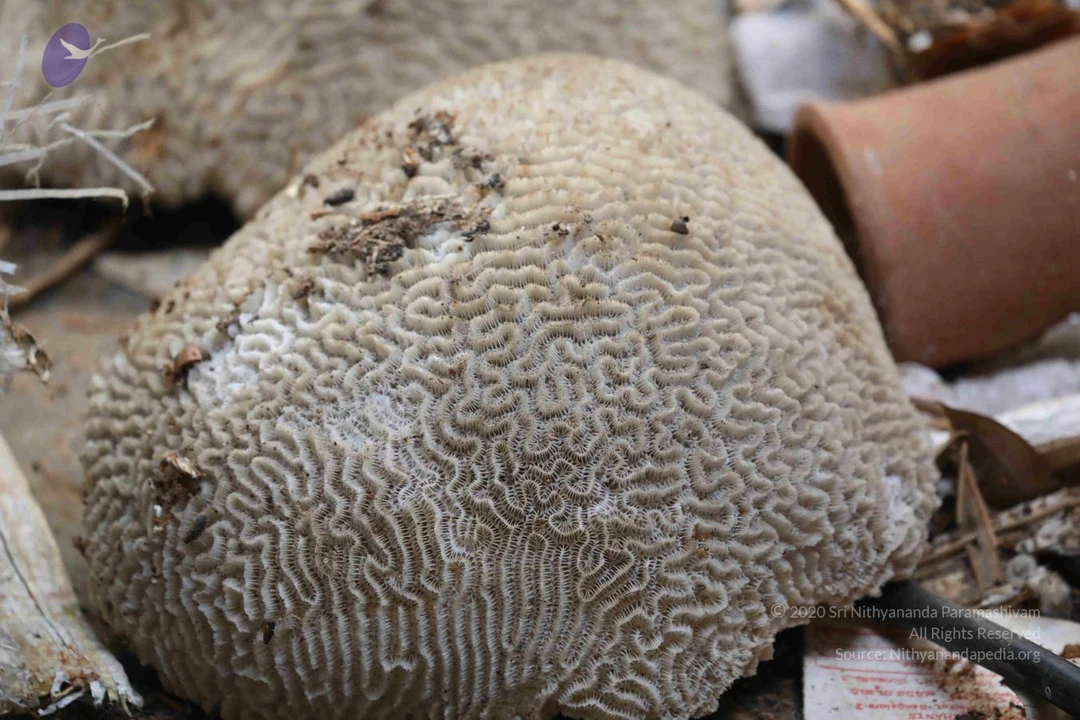
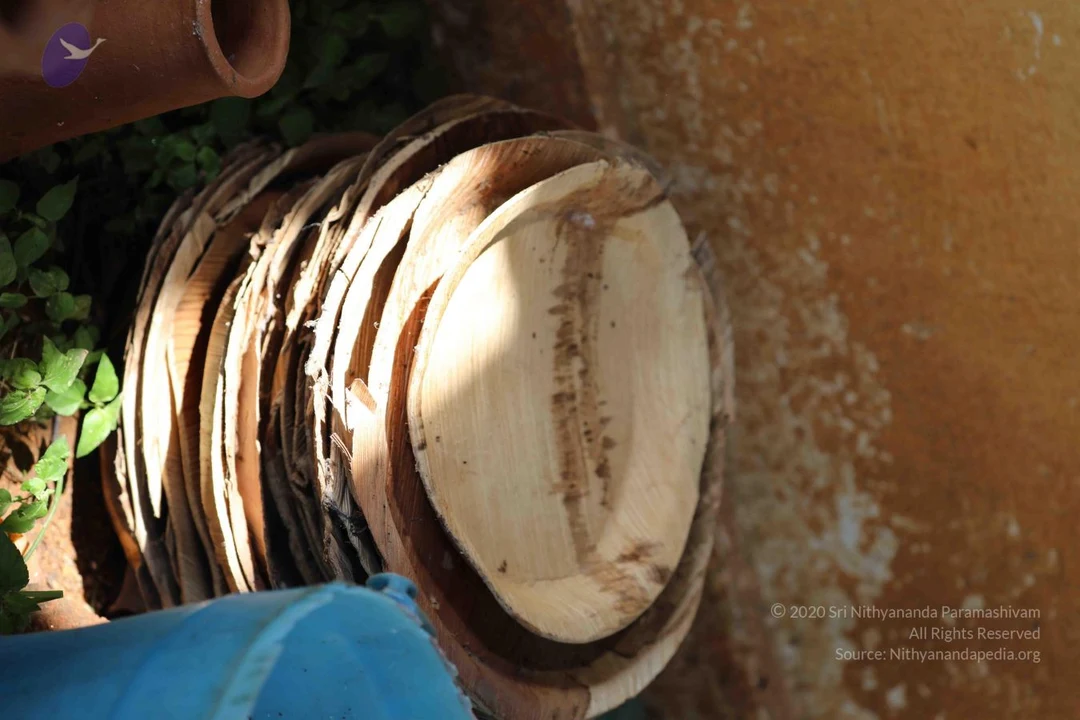
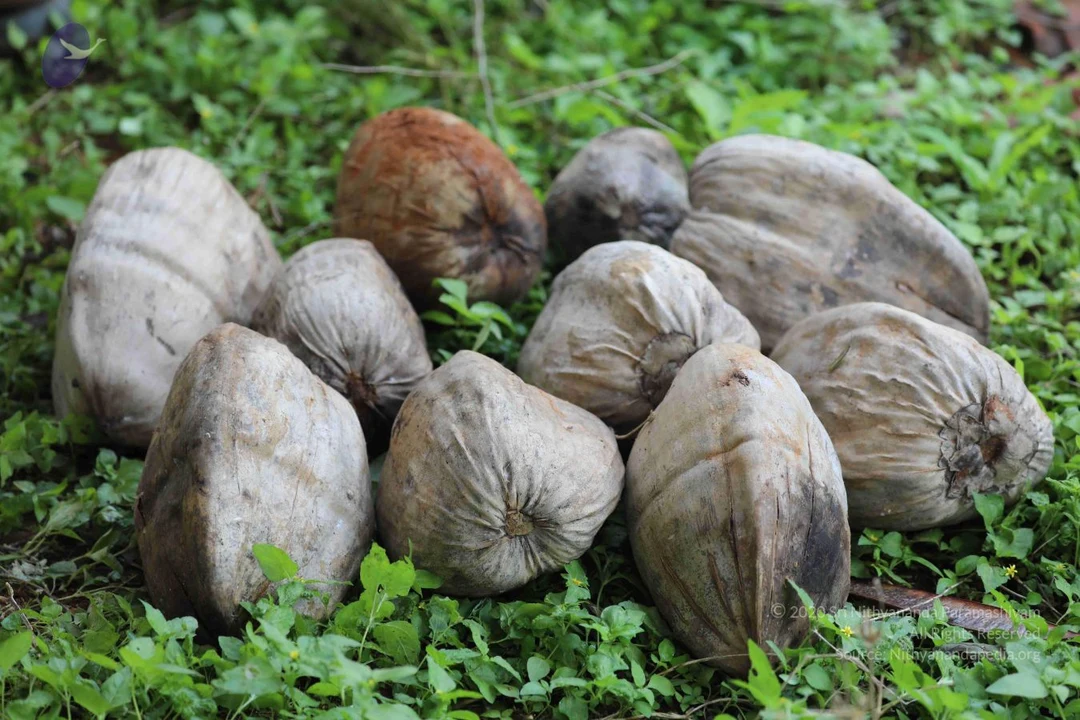




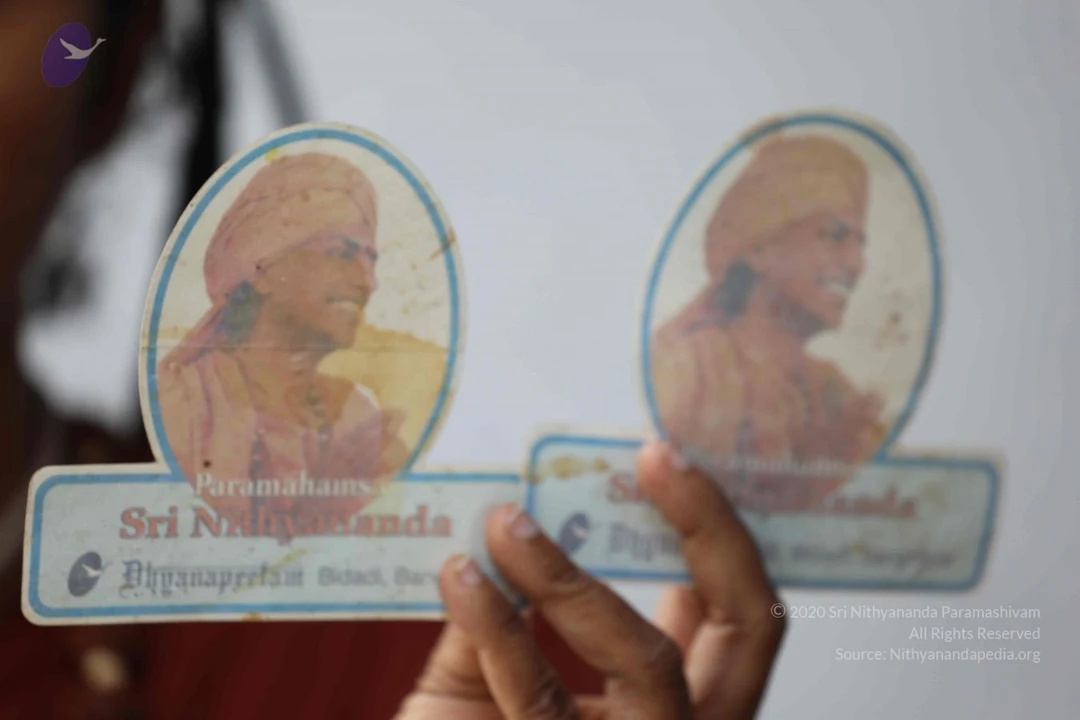
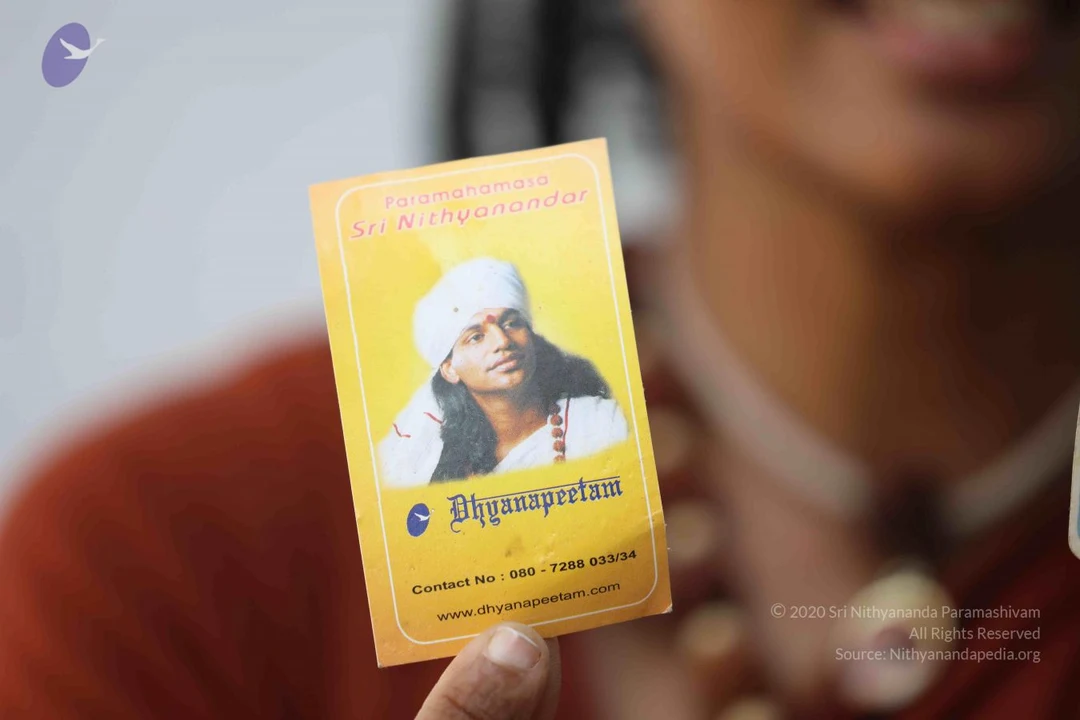
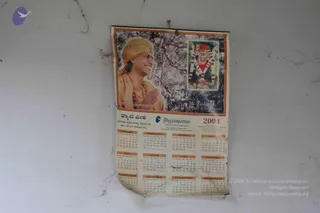
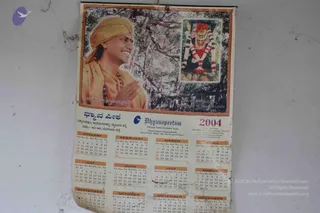
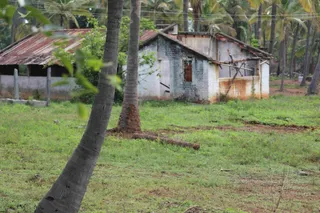
Adikailash-Kutir
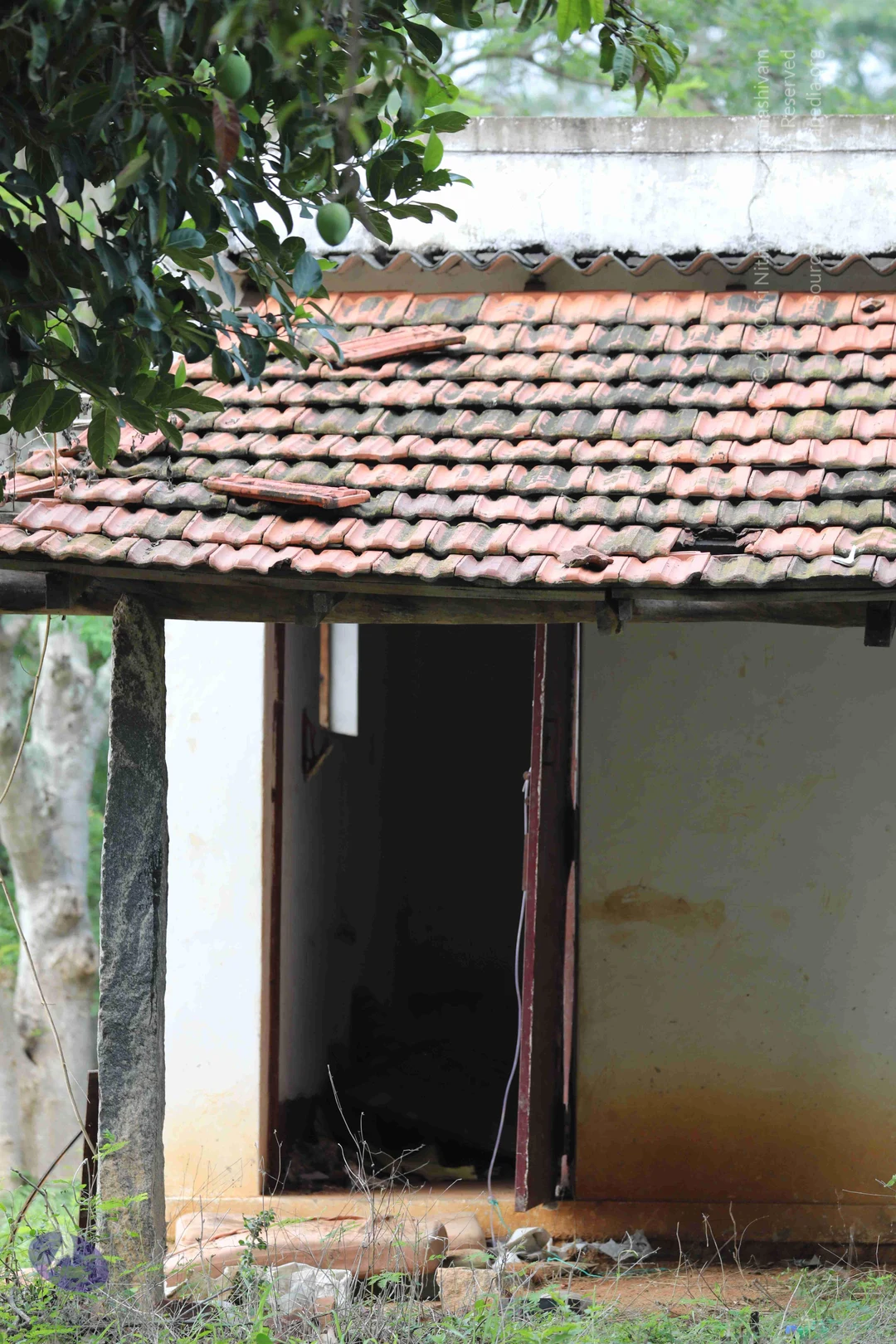
Photos from this day
View all 803 photosDhanur Vidya
7 photosSource gallery



Overseeing Construction
44 photosSource gallery




Darshan
397 photosSource gallery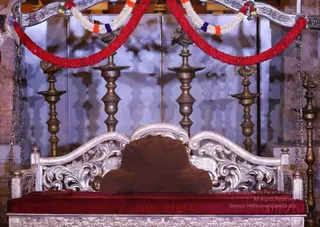
AdiKailash-Kutir-Humble-Beginnings
6 photosSource gallery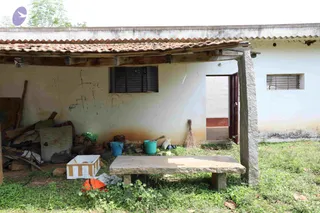
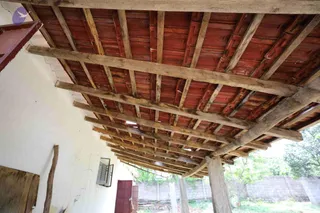
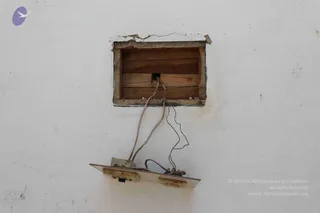

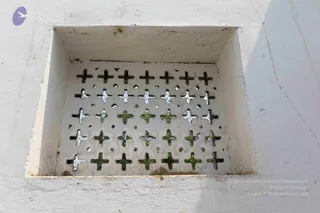
AdiKailash-Kutir-The-Humble-Beginnings
45 photosSource gallery
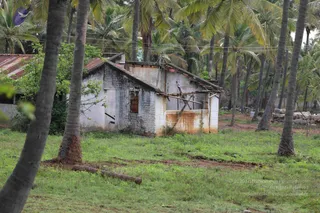

Adikailash-Kutir
1 photoSource gallery