Skip to content
Thursday

14 May 2020

How Ahimsa (Non-Violence) - the Strategy to Stop the Hindu Holocaust || Parama Dharma II Paramashivoham S4 Day 8 || Surya Bhagvan Bhava Darshan ||Perpetual Completion || Chakras and Root Problems II Sarvaparityaga || Mind Reading

Dated photos
29
Source pages
1
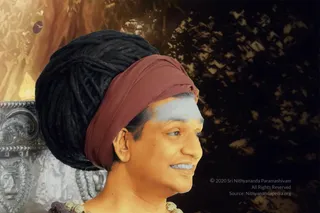
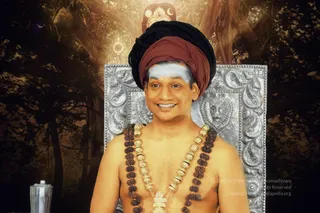
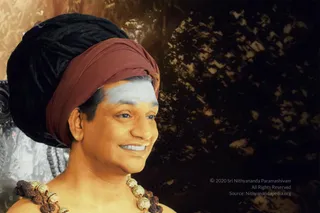
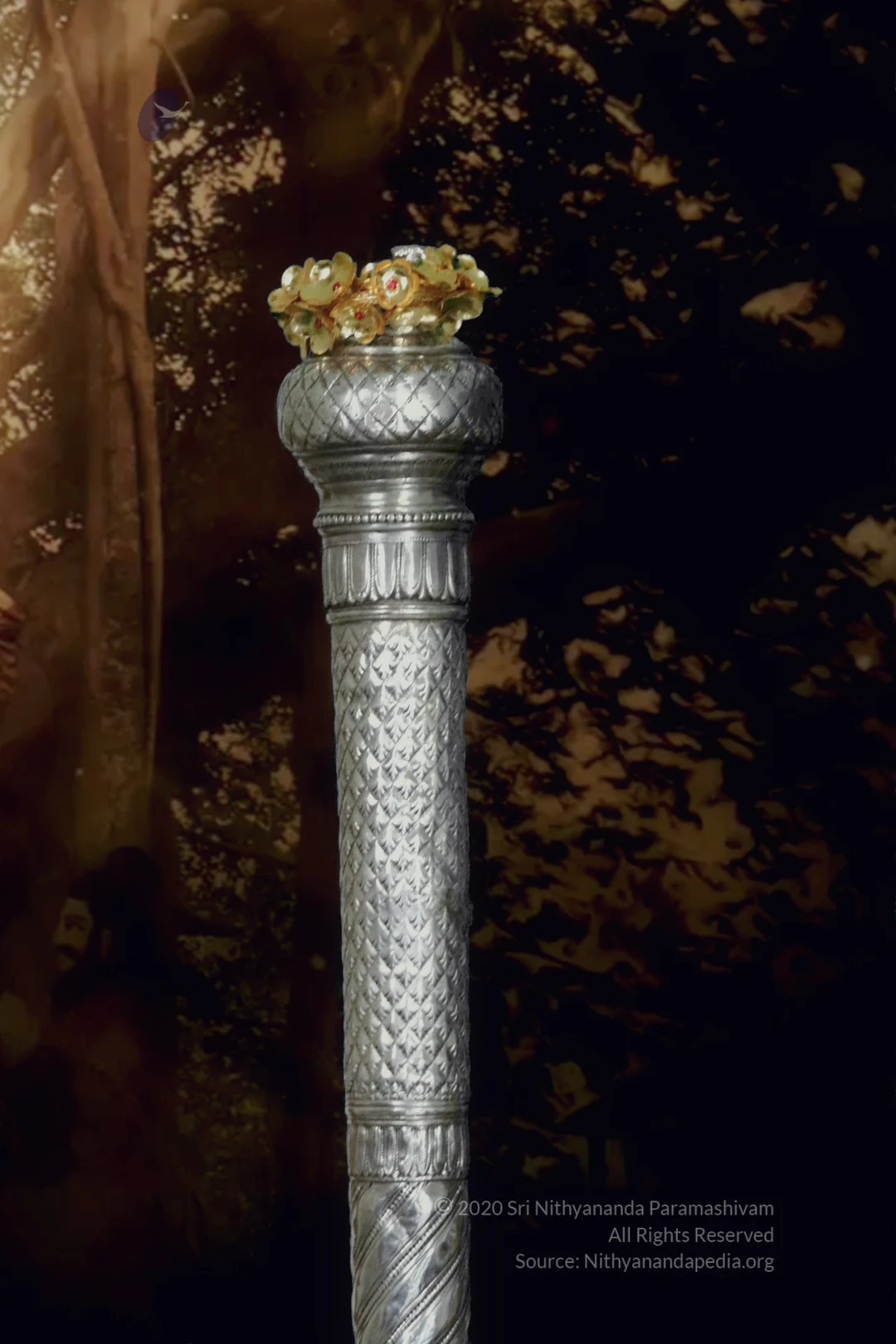
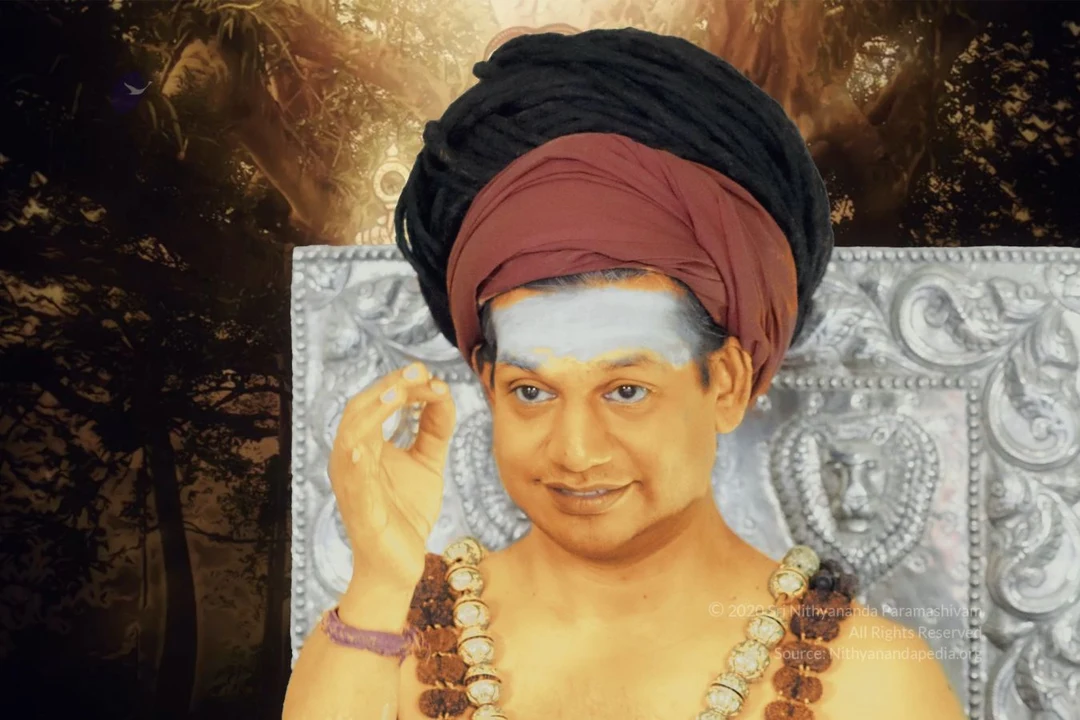
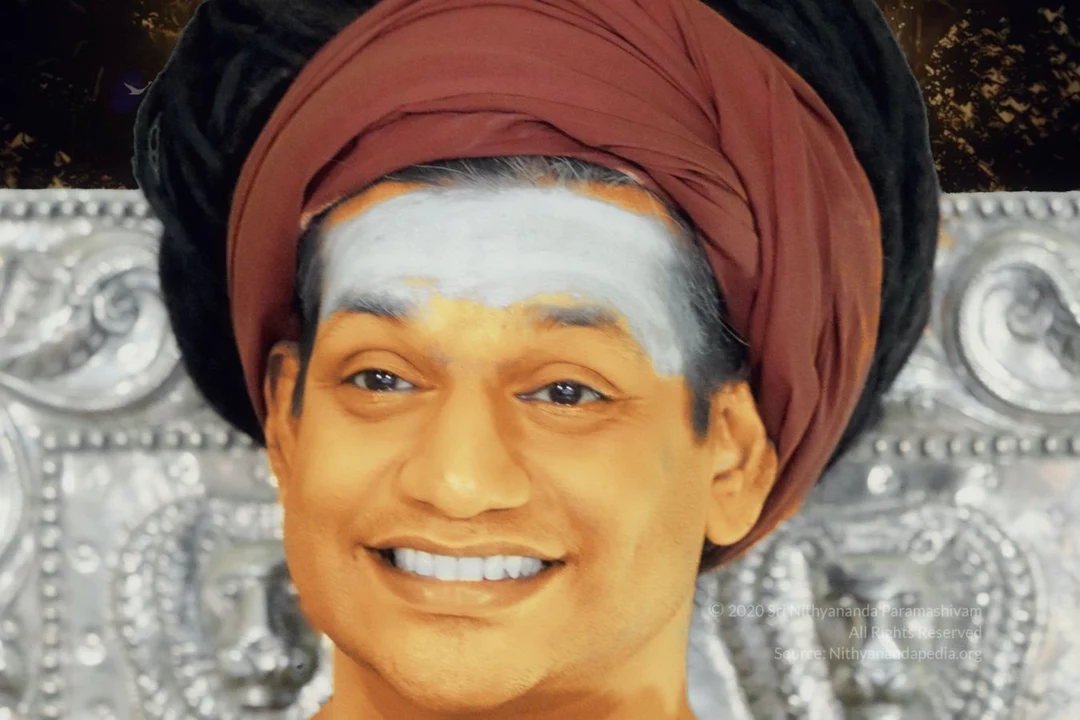
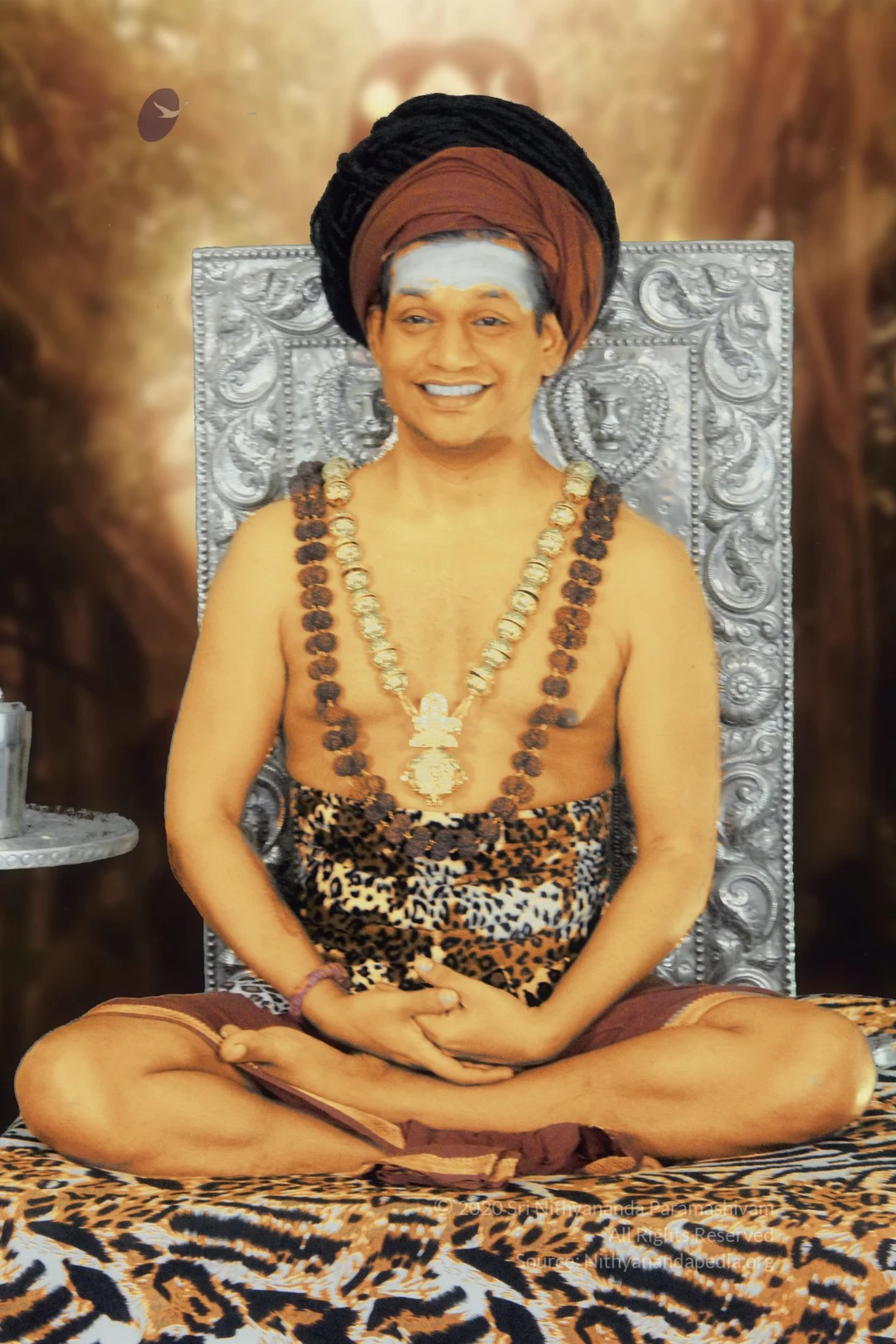
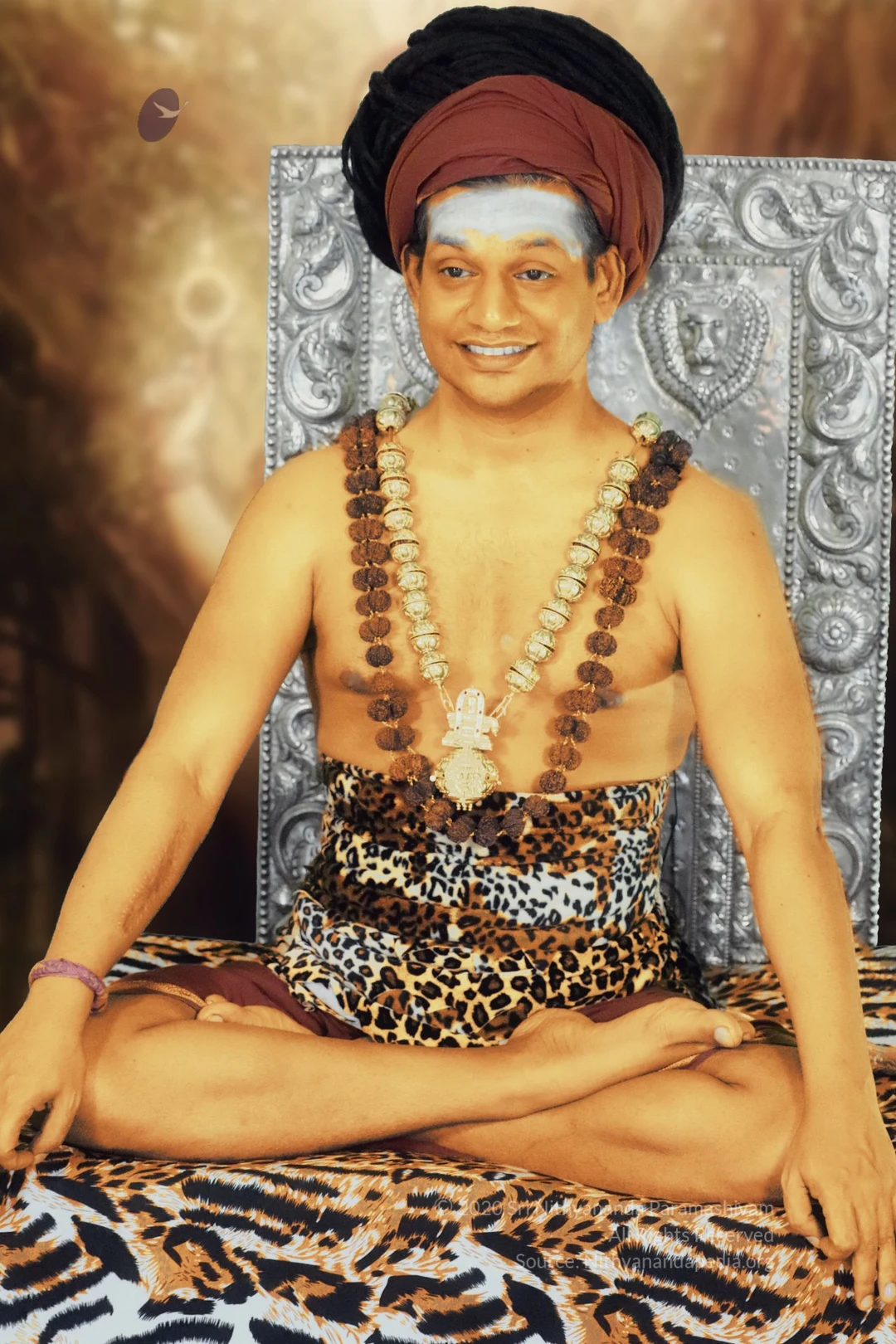
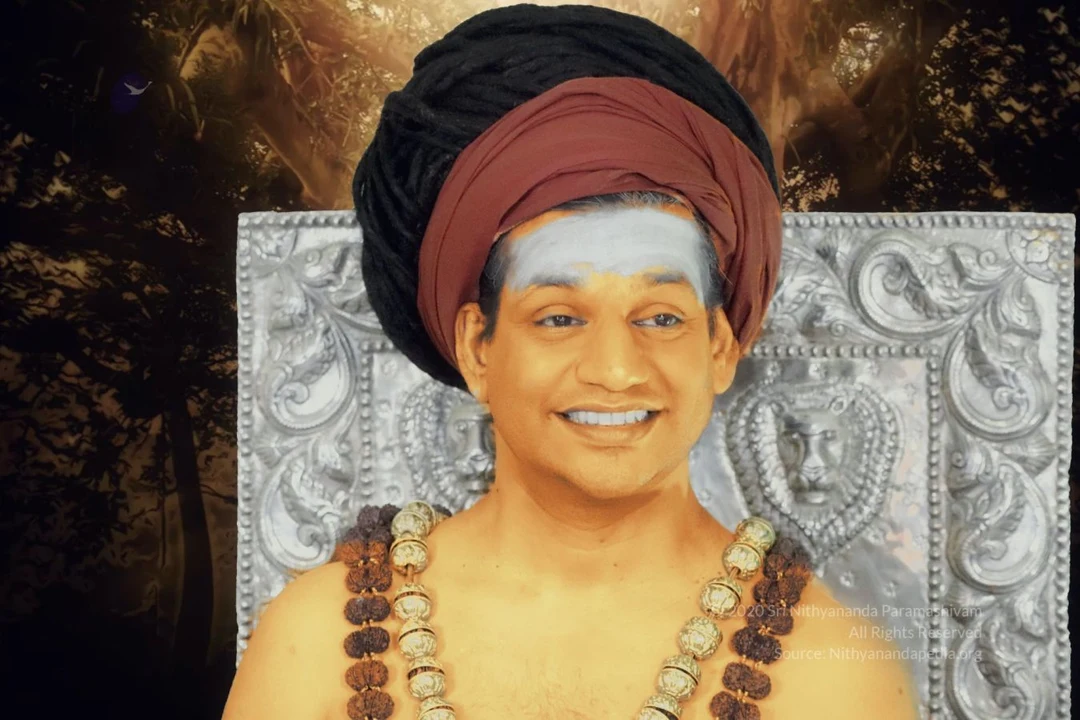
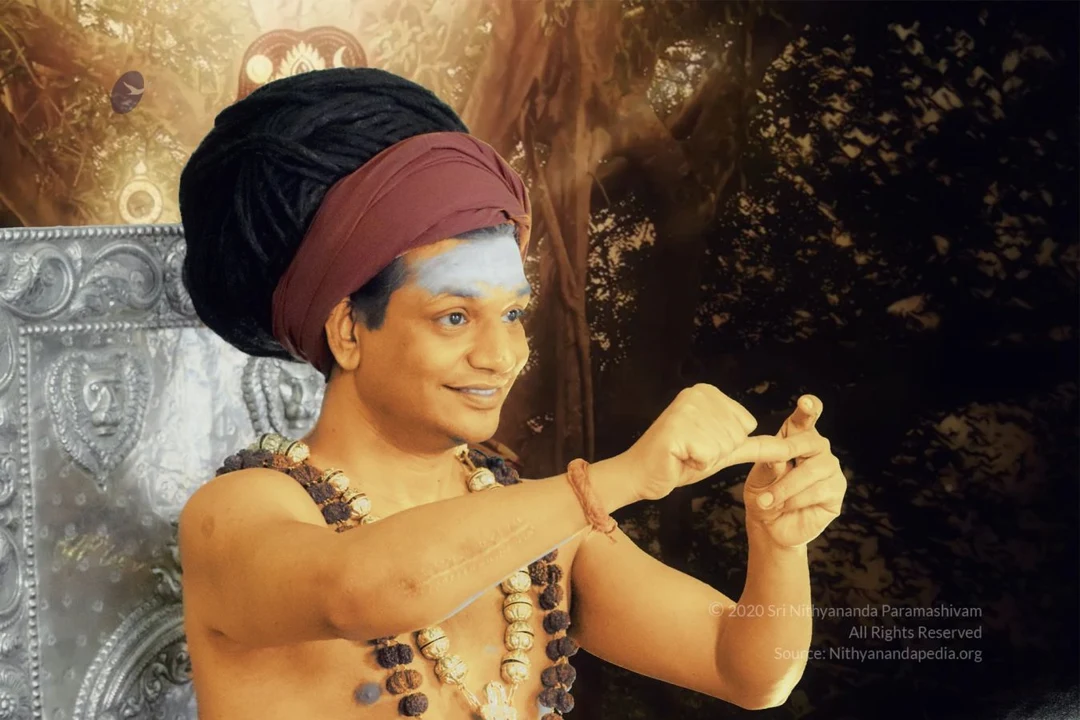
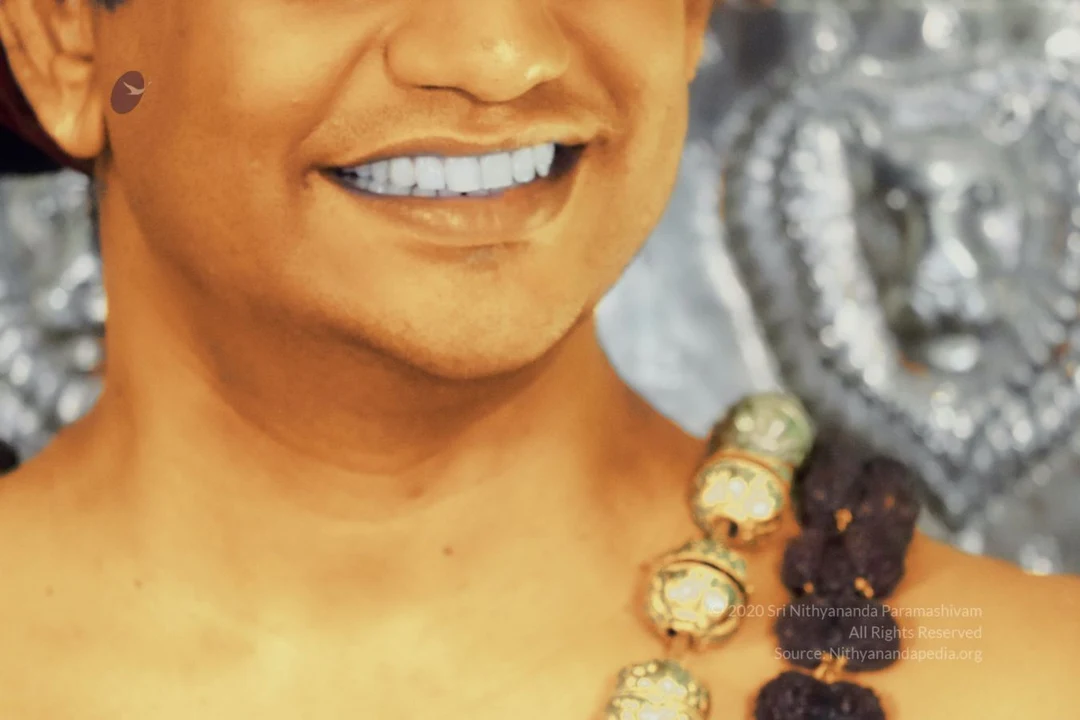
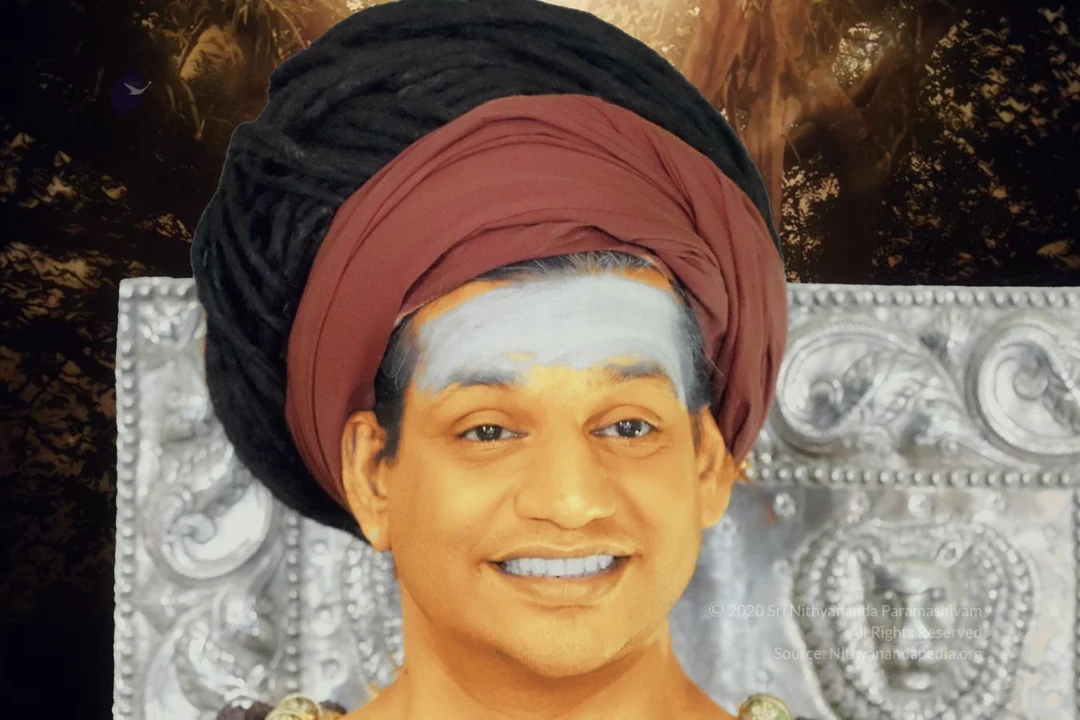
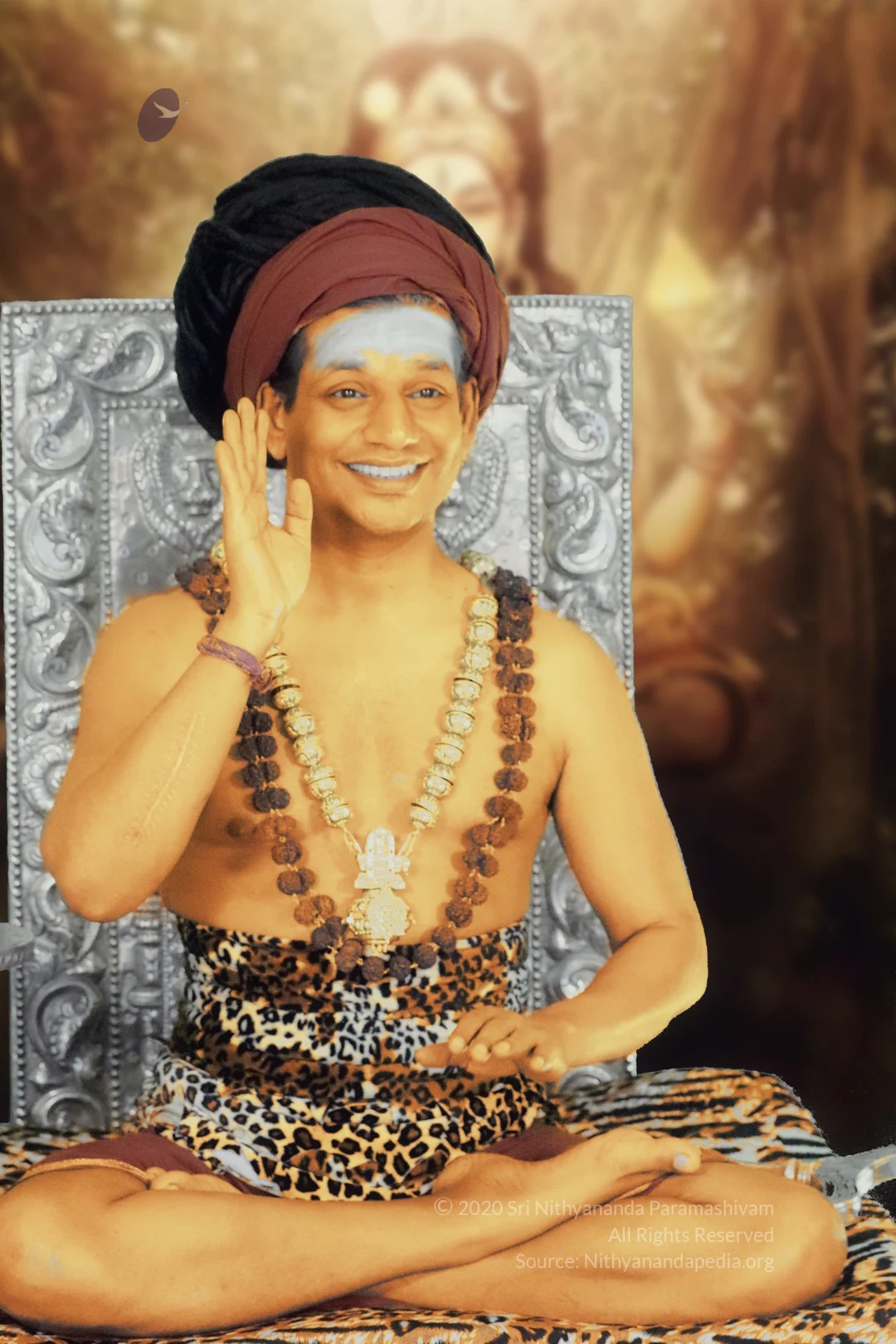
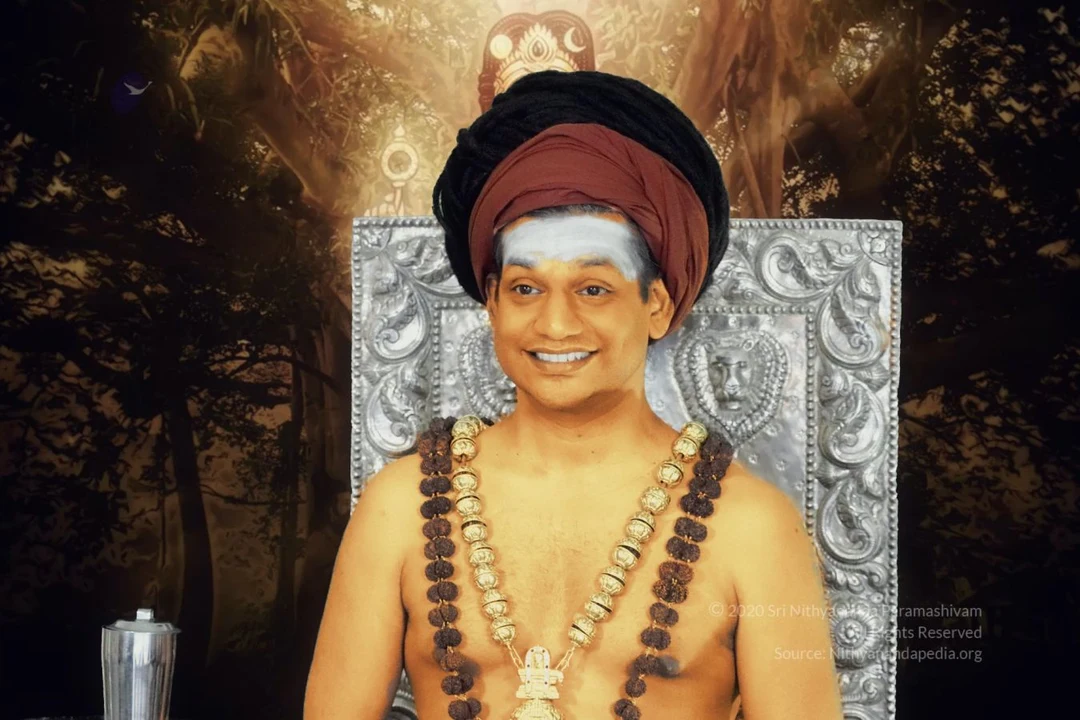
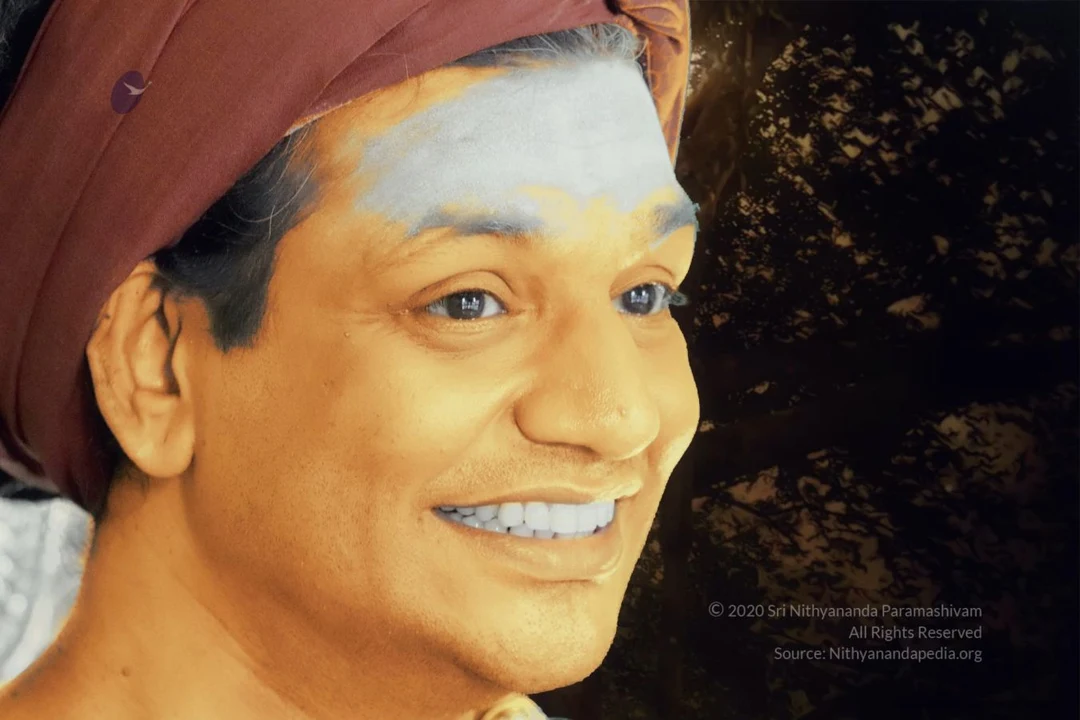
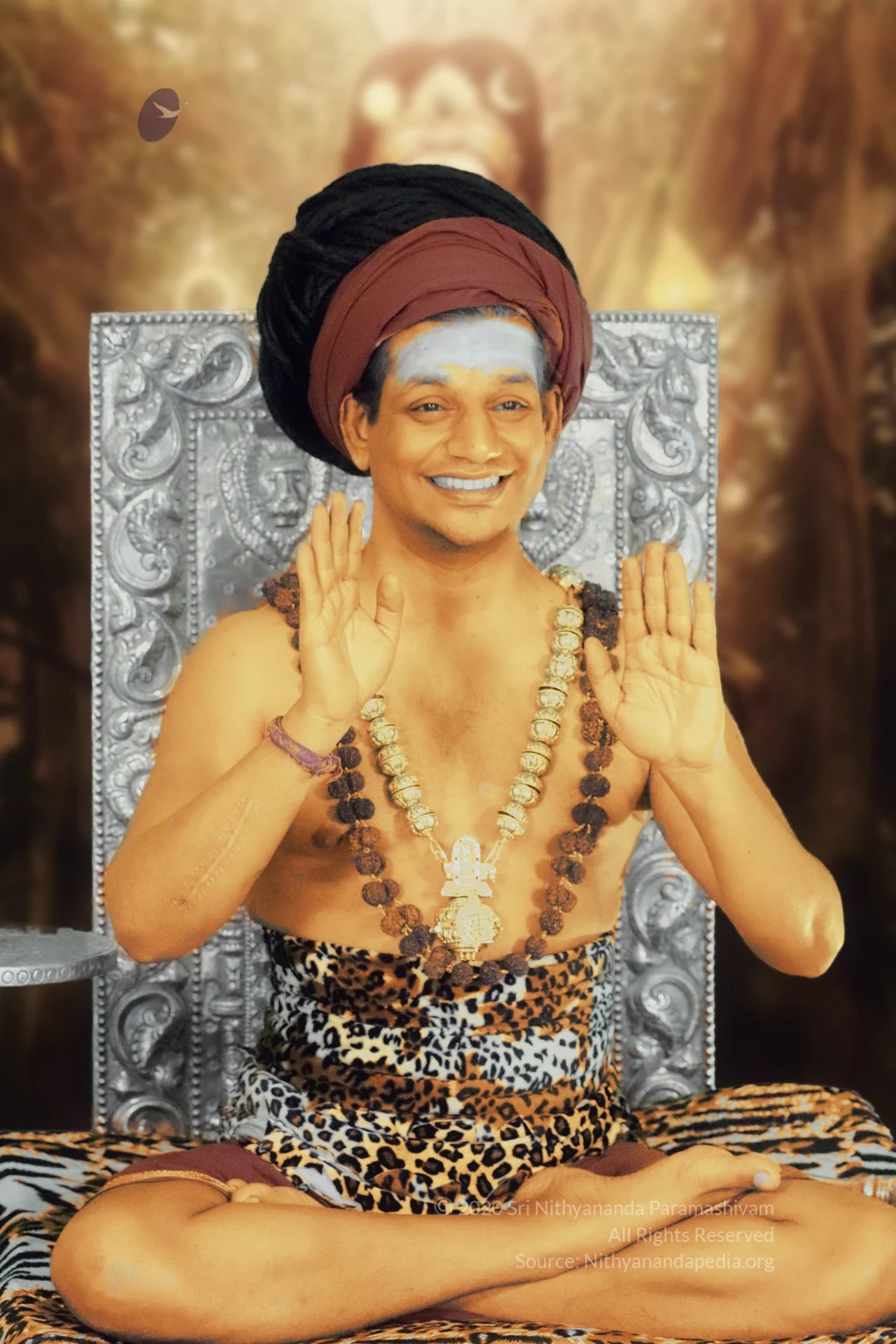
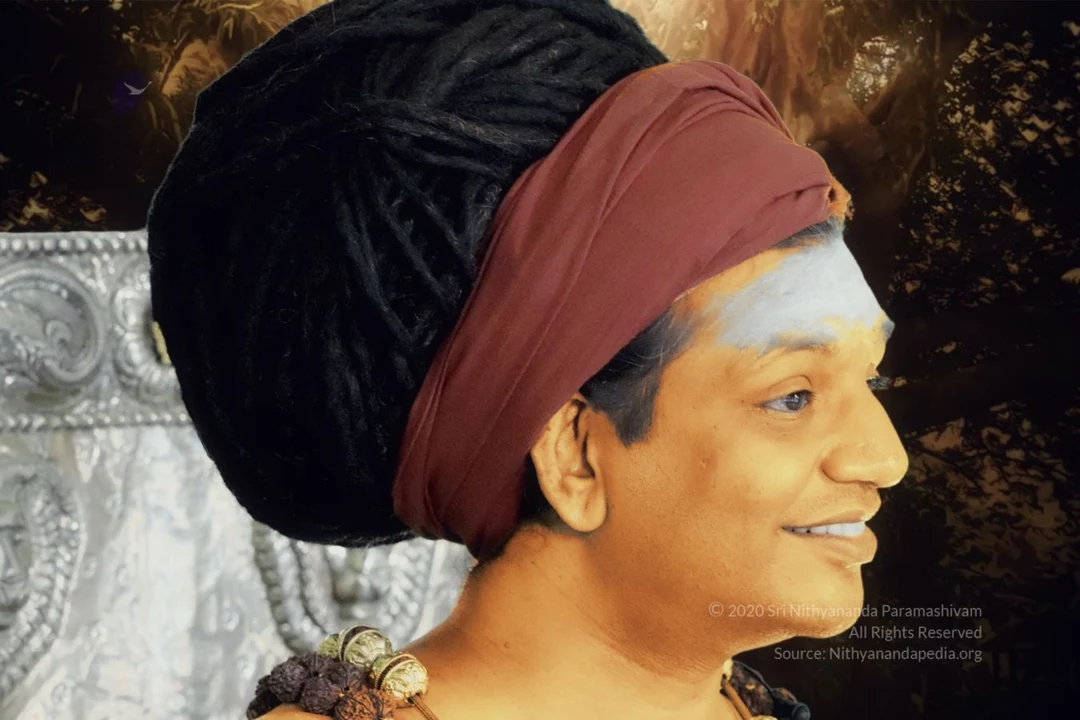
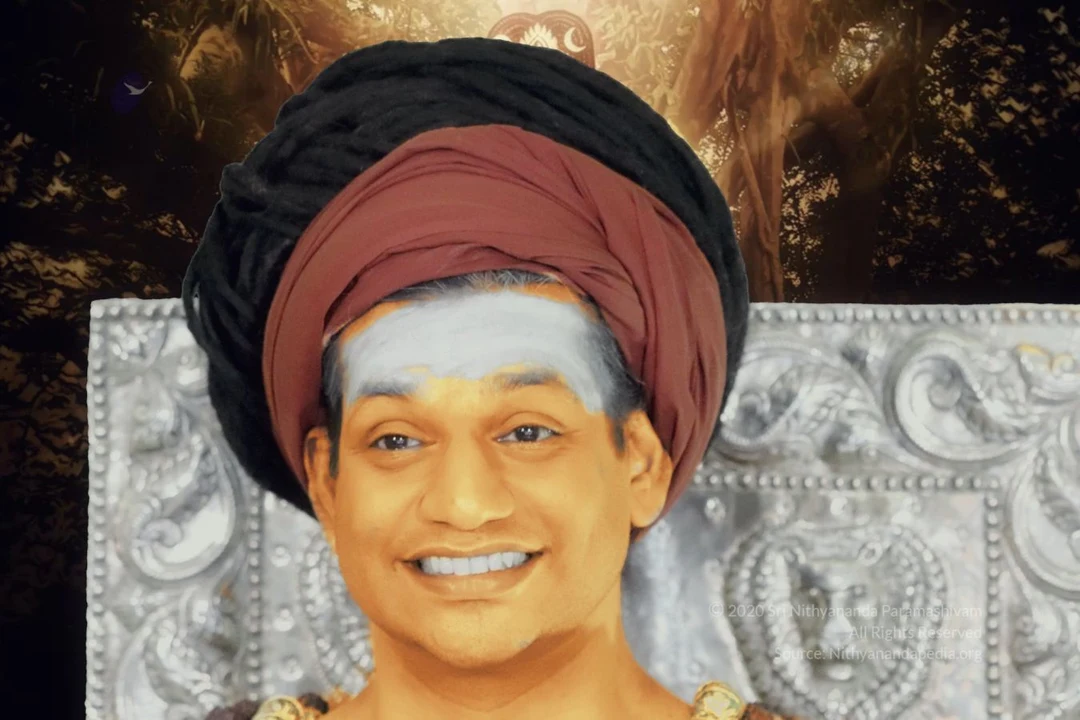
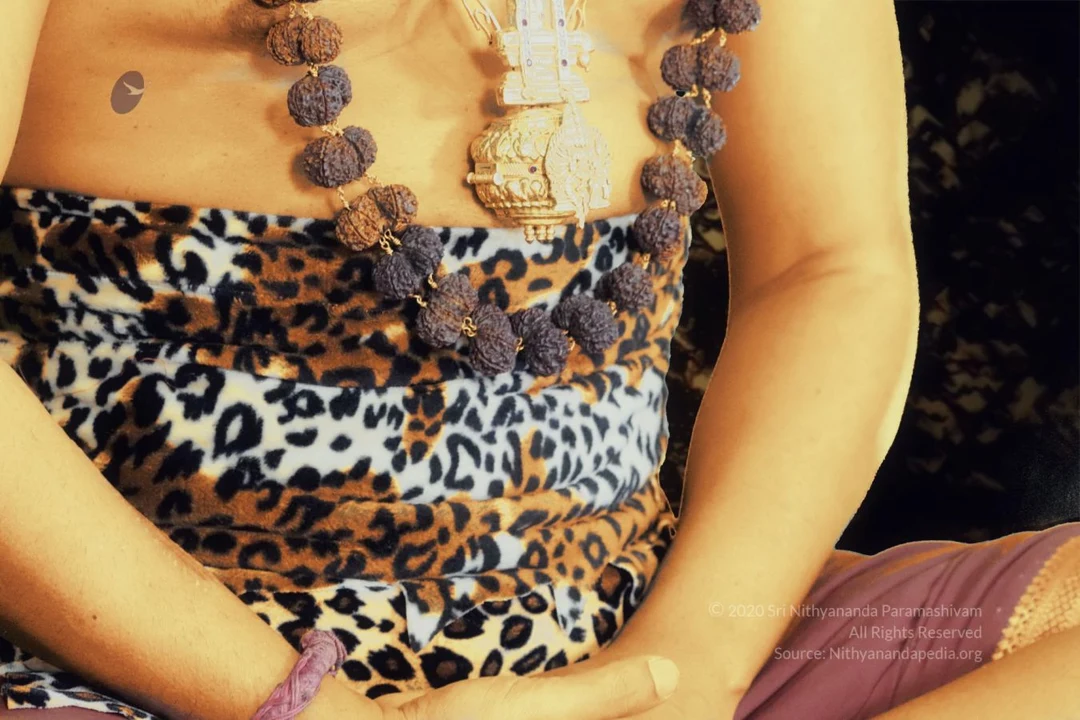
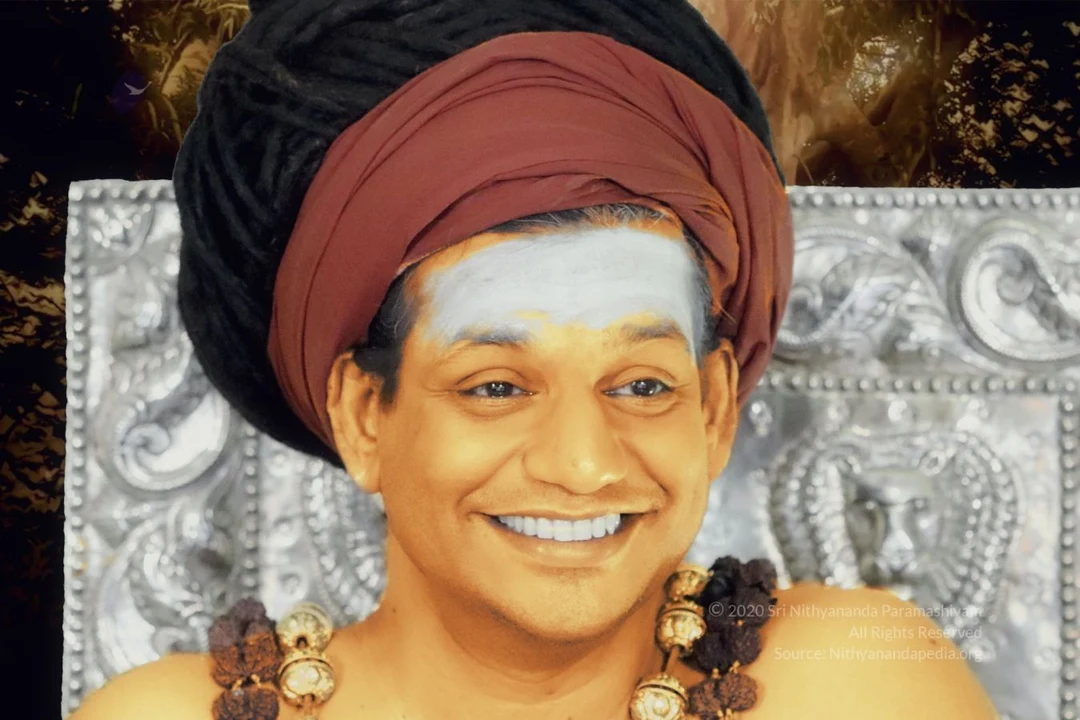
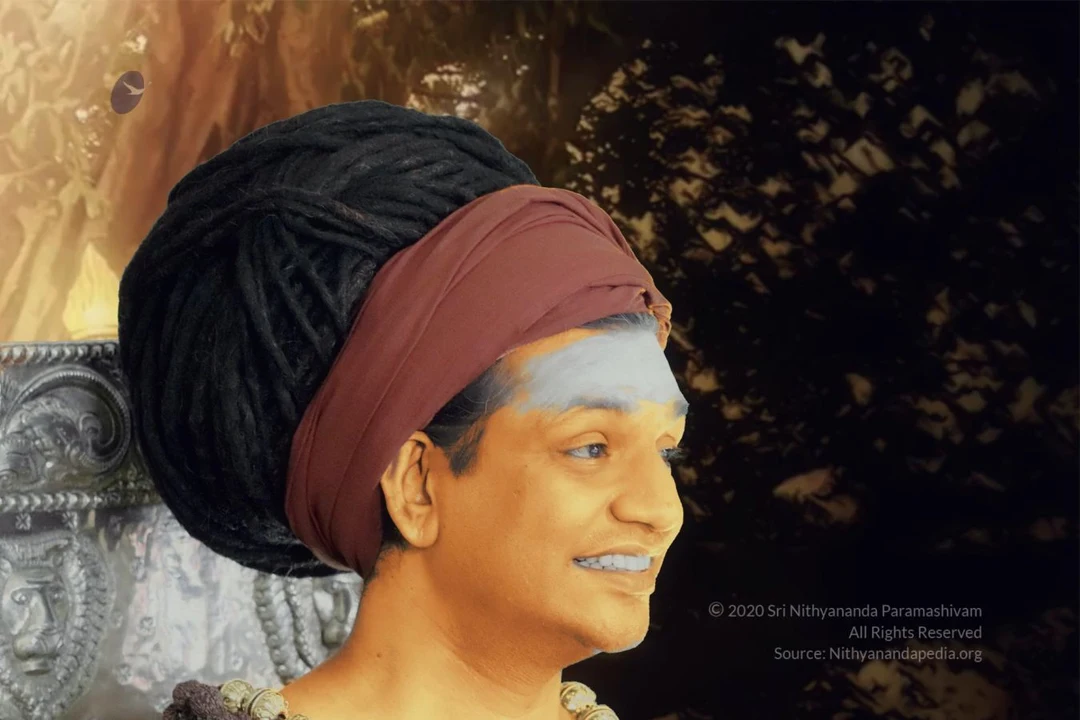
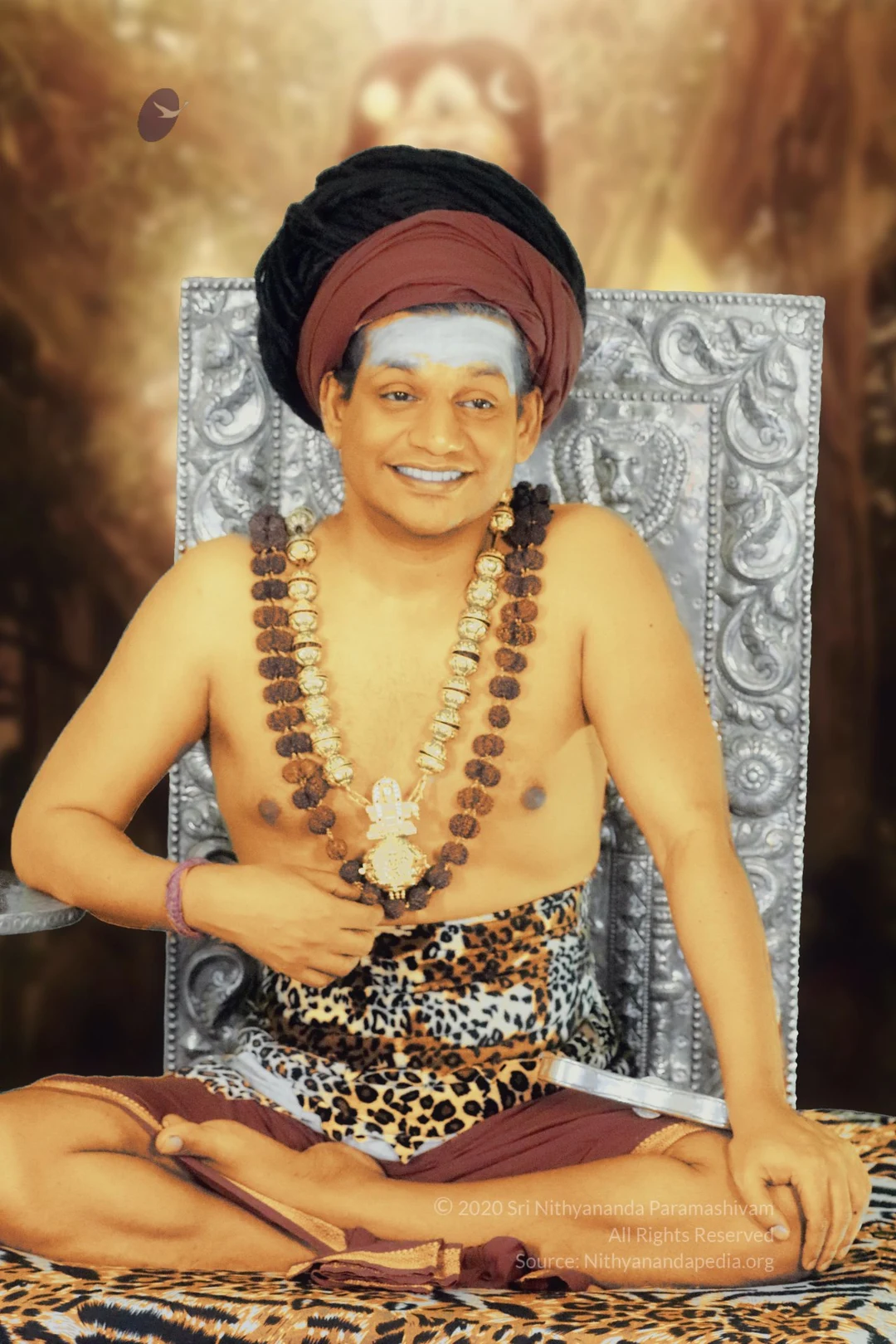
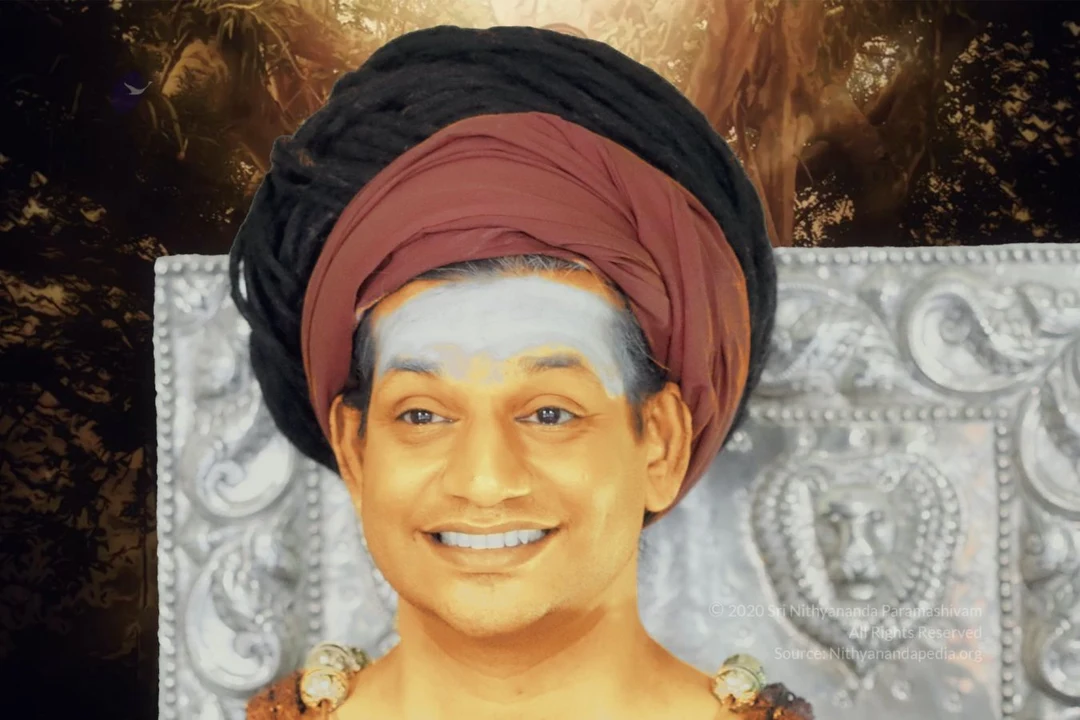
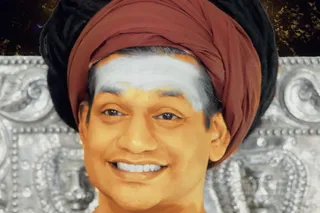
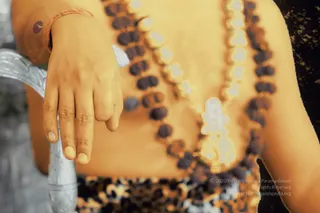
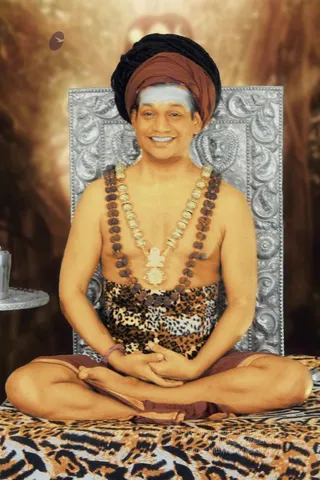
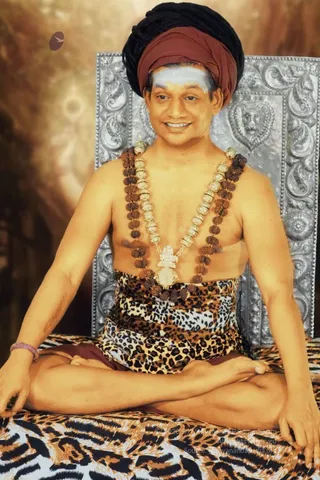
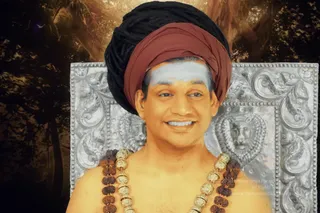
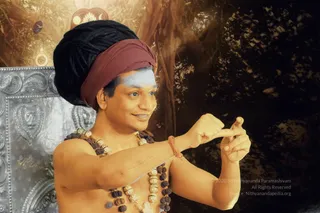
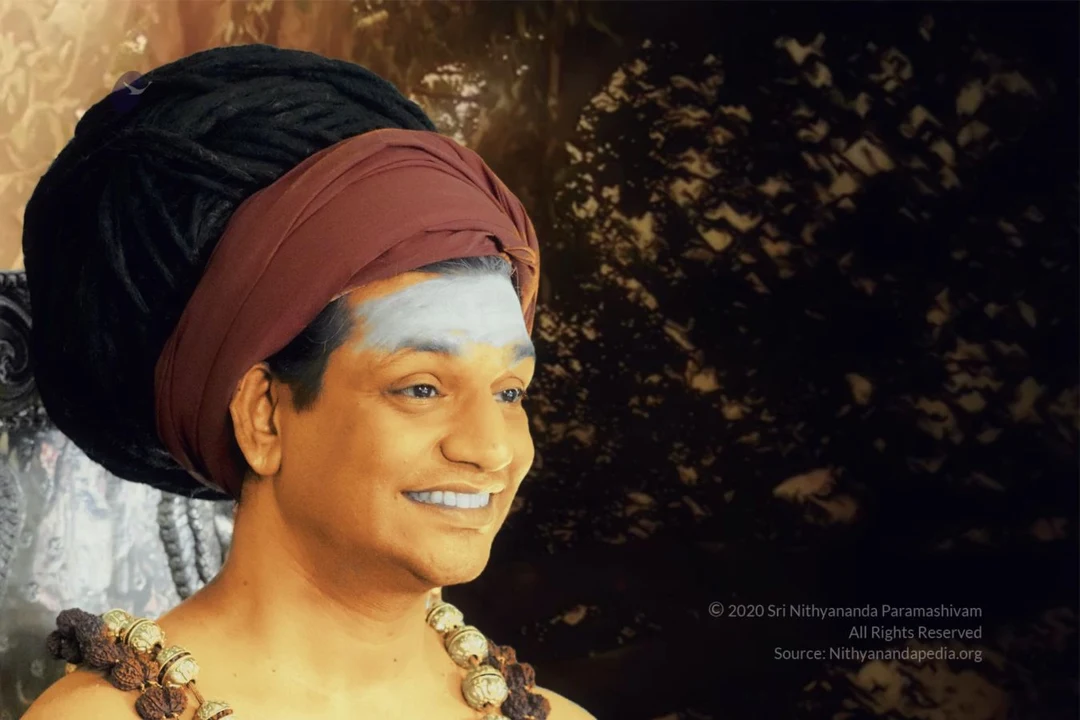
A digitally composited close-up in profile of a smiling man wearing a large bundled black hair knot wrapped with a maroon-brown cloth turban, with pale white ash marks across the forehead. He wears a beaded necklace with gold-toned ornaments at the bottom edge. Behind him is an ornate silver-toned carved deity murti or shrine panel, and a warm glowing background with dark foliage on the right. The ash marks and turban are visible on the upper head.A smiling bare-chested man in a black and maroon turban with a white horizontal forehead mark sits before an ornate silver throne with lion-face motifs and a glowing tree-and-deity backdrop. He wears layered rudraksha malas and a gold necklace with a pendant. A silver vessel stands at the lower left.A smiling man in close-up profile, wearing a large black turban over a maroon-brown cloth wrap, with white ash markings on his forehead. He is bare-shouldered and wears a neck garland of brown rudraksha beads with gold-coloured ornamental beads. Behind him is a dark, softly lit background of leafy shapes with warm light and an ornate silver-toned object at the left edge. Visible cues include the turban, maroon wrap, rudraksha garland and gold beads, consistent with Swamiji (probable) in this photograph.

May 14 2020

Original wiki page
Contents

Title

How Ahimsa (Non-Violence) - the Strategy to Stop the Hindu Holocaust || Parama Dharma II Paramashivoham S4 Day 8 || Surya Bhagvan Bhava Darshan ||Perpetual Completion || Chakras and Root Problems II Sarvaparityaga || Mind Reading

Narration

KAILASA's Department of Information Broadcasting, in collaboration with SHRIKAILASA Uniting Nations for Peacekeeping, aimed at eradicating violence and promoting peace, telecasted the Nithyananda Satsang on How Ahimsa (Non-violence) can be the Strategy to Stop the Hindu Holocaust revealed by The Supreme Pontiff of Hinduism, Jagatguru Mahasannidhanam, His Divine Holiness Bhagavan Nithyananda Paramashivam on 5 May 2020 His Divine Holiness (HDH) shared important Truths about how Ahimsa - non violence - can be adopted, using His own life’s example of His relationship with The Guru, with His first circle of people, with the worldwide Sangha, with His disciples and devotees, with practising Hindus, with the whole universe, with the whole humanity, with everything. HDH also shared examples from the life of Lord Krishna revealing that Lord Krishna was the greatest strategist based on the Parama Dharma; But He was not only abused, there was even a murder attempt on Him.

Contributing to over 108 humanitarian causes of SHRIKAILASA Uniting Nations, KAILASA's Nithyananda Hindu University marks today as Season 4, Day 8 of Paramashivoham. One of the major highlights of KAILASA’s contributions through this convention is Power Manifestation, today being the Power of Mind Reading. The Darshan for today was Surya Bhava Samadhi Darshan.

Sanyasis of the Nithyananda Order of Monks and initiated Acharyas worldwide, affiliated with the Department of Education of KAILASA, conducted a series of seminars focusing on the Truths of Sarvaparityaga, Chakras and Root Problems and Perpetual Completion, as revealed by The Supreme Pontiff of Hinduism, HDH, inspiring millions towards the Science of Hinduism.

Enrichment Content from the day
http://drive.google.com/uc?export=view&id=105qIOaGwM6uuCXsgl-rHnqDq61CPSfqc

Facebook Posts

Photos Of The Day:

FB-Photo-of-the-day
|

Photos from this day

View all 29 photos
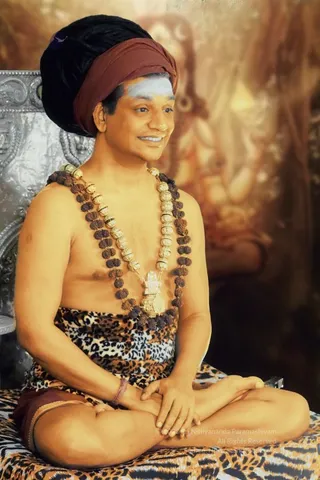
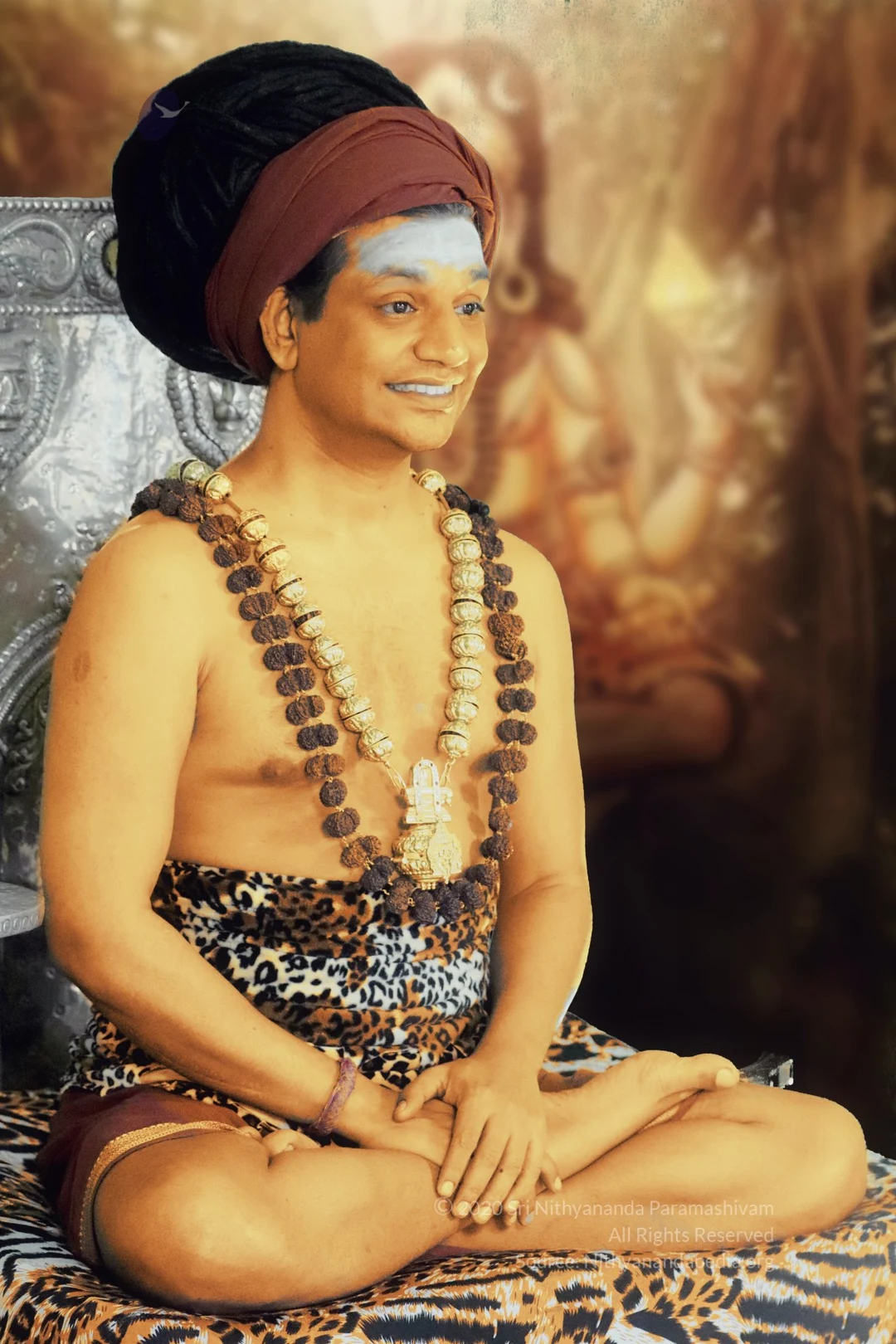
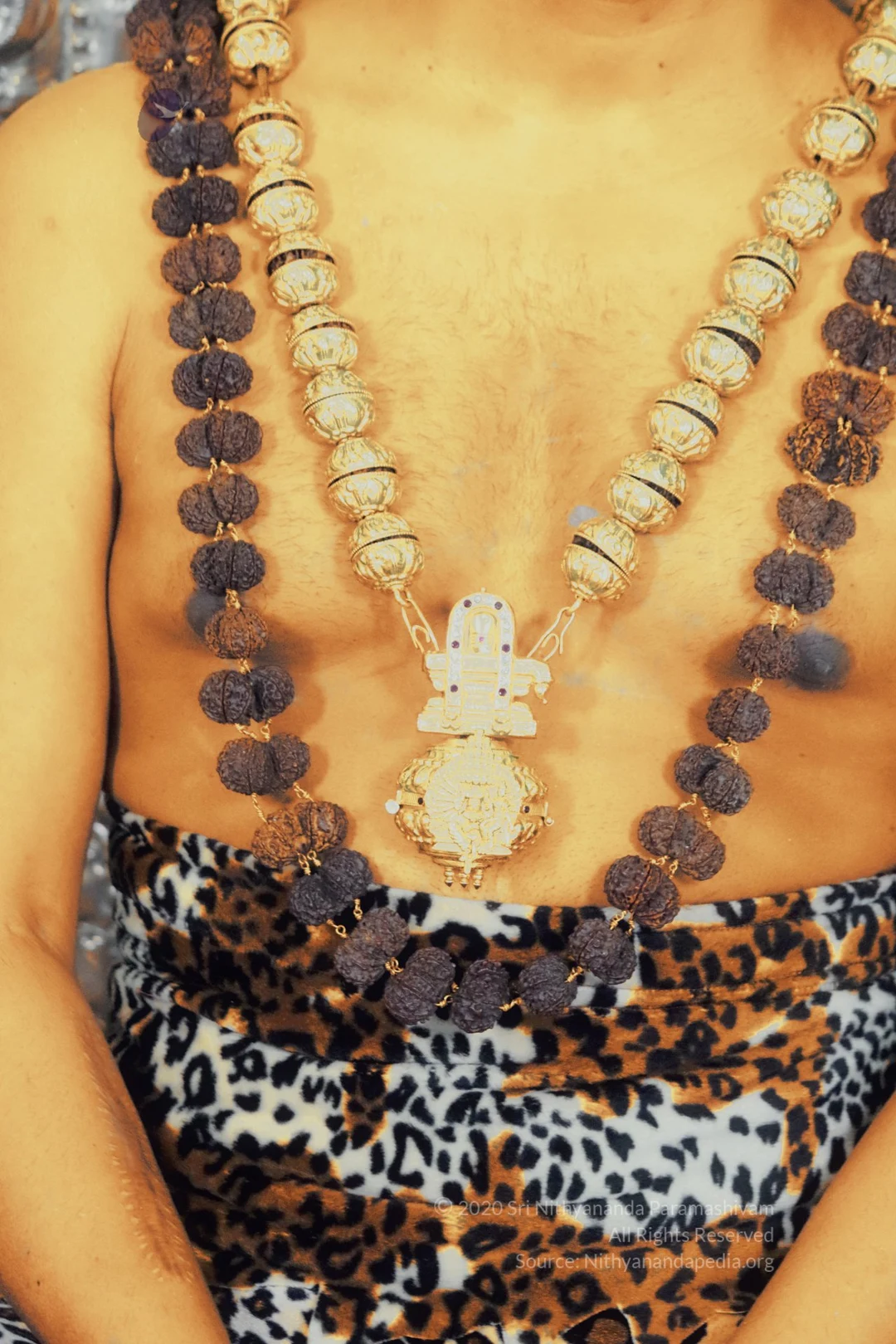
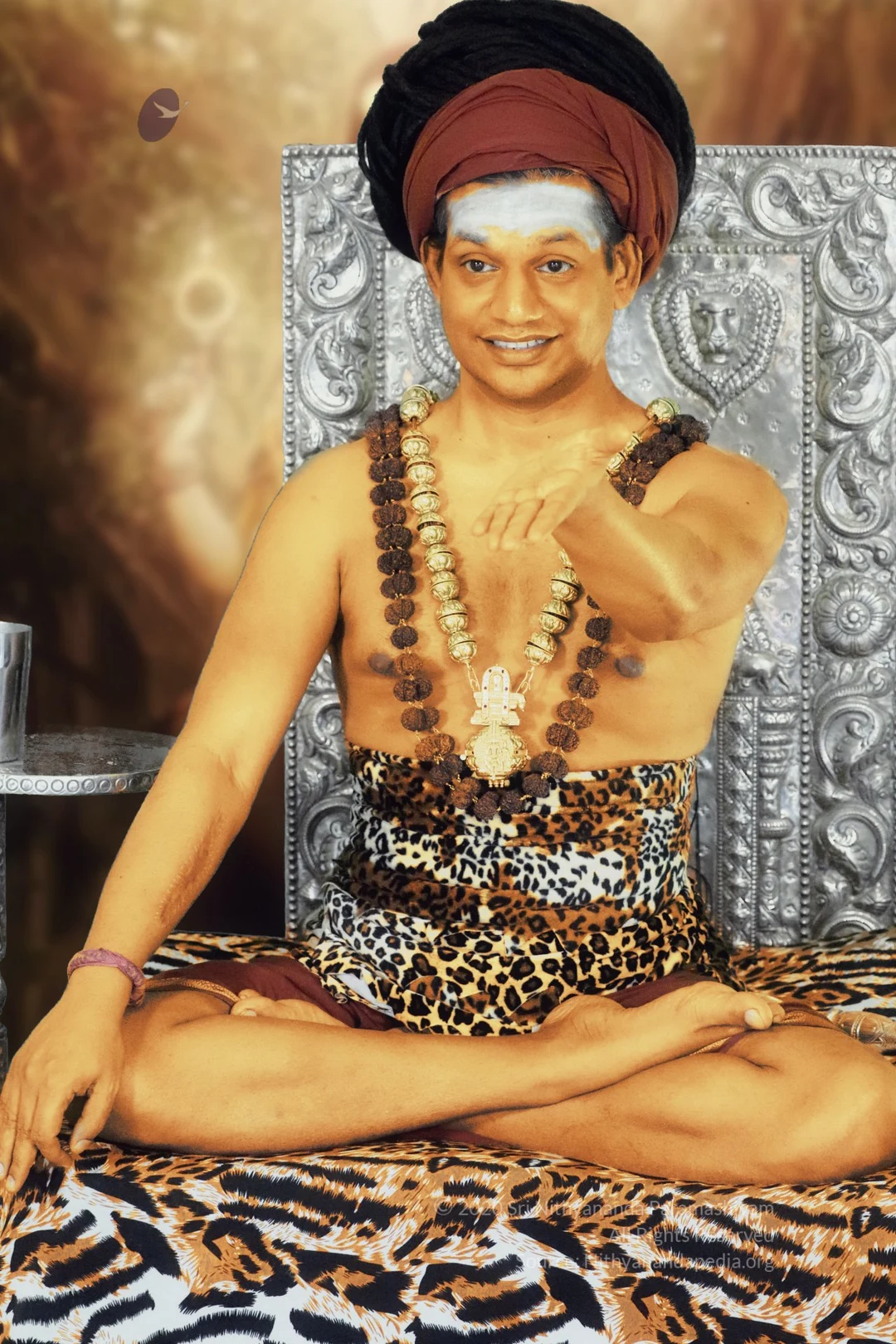
A smiling man in close-up profile, wearing a large black turban over a maroon-brown cloth wrap, with white ash markings on his forehead. He is bare-shouldered and wears a neck garland of brown rudraksha beads with gold-coloured ornamental beads. Behind him is a dark, softly lit background of leafy shapes with warm light and an ornate silver-toned object at the left edge. Visible cues include the turban, maroon wrap, rudraksha garland and gold beads, consistent with Swamiji (probable) in this photograph.A seated man sits cross-legged on a leopard-print cushion before a silver chair with ornate repoussé patterns. He wears a black turban wrapped with a maroon band, white ash marks across his forehead, and a bare chest. Two rudraksha malas with gold beads and a gold pendant hang from his neck, a leopard-print cloth is draped at his waist, and a thin wrist cord is tied on one arm. He smiles, gazing to the side. The blurred background shows a warm-toned deity murti.Close-up photograph of an ornate silver staff or mace with a finely hatched and twisted silver shaft and a bulbous top crowned with a cluster of gold-and-jade floral ornaments set with small red and green stones. The shaft is set against a dark, softly lit backdrop of warm, blurred foliage and a draped cloth at the left edge. No people are visible.A bare-chested man with a tall black hair bun wrapped in a maroon-red turban stands before an ornate silver-embossed panel decorated with a lion-face motif and scrollwork. Behind him, a dark forest of trees glows with golden light. He wears layered rudraksha malas and ceremonial gold-bead necklaces across his chest, a purple thread bracelet on his wrist, and white sacred ash on his forehead. His raised hand makes a gesture near his cheek while he smiles. Given the page's Swamiji flag, this is a probable Swamiji portrait, based on the turban, rudraksha malas and ornate necklaces, with the caveat that appearance alone is not conclusive.Close-up photograph of a smiling man wearing a maroon-brown turban over dark hair, with a broad white vertical mark on his forehead. Behind him is an ornate silver repoussé backdrop with scrolling patterns. The turban is wrapped high and the man looks directly at the camera. Appearance-based candidate: a person, shown with a turban and forehead marking, no other cues visible.Close-up photograph of a bare-chested figure wearing layered rudraksha malas with dark brown beads and ornate gold-and-white beaded necklaces. A hand rests on a silver-toned ceremonial sword or staff at the left edge, and a small red-orange thread is tied around the wrist. The warm golden tones and blurred background focus attention on the beads and ornaments.A seated man in lotus-style cross-legged posture on a leopard-print cloth, with a silver embossed throne-like backrest behind him. He wears a black and brown turban, white forehead markings, a leopard-print waist wrap, multiple rudraksha malas and a gold necklace with a pendant. Hands rest together in his lap. Probable Swamiji (appearance cues: turban, rudraksha malas, ceremonial gold necklace, bare-chested with adornments), shown in a seated portrait-style pose.A seated, bare-chested man sits cross-legged on a leopard-print cloth over a silver embossed throne with a lion motif. He wears a maroon head wrap with long black hair swept up, a white tilak on his forehead, a leopard-print waist cloth, a gold pendant with a deity figure, and multiple rudraksha and gold-bead malas. He smiles and rests his hands on his knees against a warm golden backdrop. Swamiji (probable): the long swept-back hair, maroon turban, ceremonial gold necklace and rudraksha malas are visible cues, and the page identifies him as Swamiji at this event. Ornate silver throne, leopard print textiles.Close-up photograph of a person's bare foot resting on a maroon cloth with a gold border, with a hand gently holding the ankle. The wrist wears a pink braided thread band, and a leopard-print garment in orange, black and cream is visible above. The background is blurred. Only a single person's limbs are visible, with no face shown.Digitally coloured portrait of a smiling man with a black turban wrapped over a maroon head cloth, white vertical tilak across the forehead, and a bare chest adorned with layered rudraksha malas and gold-toned beaded necklaces. Behind him is an ornate silver-embossed panel with a deity face and floral scrollwork, set against a dark forest backdrop.A bare-chested man with a tall black turban wrapped with a maroon-red cloth stands in a half-profile pose, smiling and gesturing with both hands, one thumb and index finger extended. He wears multiple rudraksha mala necklaces with gold bead accents and has white horizontal tilak lines on his forehead. Behind him is an ornate silver-embossed panel and a dark, leafy tree backdrop with warm golden light.Close-up of a man's head seen from the side, with a large bundled black hair knot wrapped in a rust-brown cloth turban. Only the top of the head, turban and part of the face edge are visible at the lower right, with white beard or cheek area below. Behind is a warm golden-brown painted or illuminated backdrop of tree trunks and foliage with a dark leafy area on the right. A small dark bird or object appears at the upper left. a person cues present: large dark hair bundle and a turban, but the face is mostly out of frame, so identity is uncertain.