Wednesday
26 October 2016
Upgrading Yourself – the Purpose of Sadashivoham 2016
- Dated photos
- 345
- Source pages
- 1
- Media
- 6
October 26 2016
Original wiki pageTitle
Upgrading Yourself – the Purpose of Sadashivoham 2016
Description:
Upgrade yourself exponentially at Sadashivoham 2016 | 20161026]] Spiritual program! You will experience energy transmissions directly from Living Avatar, Paramahamsa Nithyananda, opening up new possibilities and powers inside of you. He reveals, “Whatever you know about you as on now, is only Deep Sleep, Dream and Waking state, but there are more states of Consciousness you can experience in your system, which opens up many powers and possibilities in you. Letting you experience those possibilities is called the State of Turiya and Turiya-teeta, and the expressions of those states and those powers is what exactly is the purpose of Sadashivoham.” It usually takes Yogis decades to have one experience of Reality but Paramahamsa Nithyananda will bless you with the experiences of the 25 States of Consciousness, 11 Dimensions of the Universe and the 5 Aspects of the Divine, Sadashiva, in just 21 days! (October 26, 2016) Journey with the Avatar from December 1st to December 21st: bit.ly/sadashivoham2016 Learn more about the 25 States, 11 Dimensions and 5 Aspects of Sadashiva: https://www.youtube.com/watch?v=YrFCD... Get FREE Spiritual Alchemy products: https://www.youtube.com/watch?v=Ya7Km... Watch, share and like the video's and Subscribe to our channel to be notified of the next upload. click http://bit.ly/20j90wr to subscribe. Website and Social Media: http://www.nithyananda.org http://www.nithyananda.tv http://www.innerawakening.org https://twitter.com/SriNithyananda https://www.facebook.com/ParamahamsaNithyananda
Link to Video:
| Video | Audio |
Transcript
Question:
I am an Inner Awakening graduate, I really want to enrich my friends about Sadashivoham 2016. How do I enrich someone who doesn’t know anything about Swamiji, Vedic Tradition, Third Eye and not even Sadashiva. How can I describe the program?
0:40 Swamiji: Sadashivoham 2016 is upgrading yourself. They may not know Vedic tradition, they may not know Third Eye, they may not know Swamiji, they may not know Sadashiva; but they know deep sleep, dream, waking state. Tell them – ‘this three is not end of you’. Making them understand, experience, all the 25 States of Consciousness and their possibilities; understand, whatever you know about you as on now, is only Deep Sleep, Dream and Waking state. But there is more States of Consciousness which you can experience in your system, which opens up many powers and possibilities in you…. many powers and possibilities in you. Letting you experience those possibilities called the State of Turiya and Turiya-teeta, and the expressions of those states and those powers, that is what exactly, that is what exactly….. is the purpose of Sadashivoham. Whatever you know about you is only three state – and making you experience all the 25 states, Whatever you know about the world is only three dimension - Length, , Depth – making you experience all the 11 dimensions – Length, , Depth, Time Space, and the permutation combinations of this. Making you experience all the 11 Dimensions of the Universe. Whatever you know about God is only 3 aspect – Generation, Operation, Destruction – but making you experience the other major aspects like Delusion and Liberation. 3:40
SADASHIVOHAM is all about raising you to the next level. Whatever you know about you is only 3 States of Consciousness as on now – making you experience 25 States of Consciousness. Whatever you know about the world is only 3 dimensions – length, breadth, depth – but making you experience all the 11 Dimensions of the Universe which exists. Whatever you know about God is only three – Generator, Operator, Destructor – but making you experience all the five aspects of God – Generation, Operation, Destruction and delusion and liberation. Making you experience the highest possibilities in the States of Consciousness, in the aspects of God, and the dimensions of the Universe is SADASHIVOHAM. You may not know Vedic tradition, you may not know Third Eye, you may not know Sadashiva, you may not know Swamiji, but you know what is sleep, waking state and dream state. And upgrading yourself to the next dimensions which you have not seen and opening up those possibilities and powers in you which you may not know, is Sadashivoham. Sadashivoham is upgrading you. Next Question.
Title:
Yogic Body Guaranteed at Sadashivoham 2016 – Malakamba, Rope Yoga
Description:
Have you ever dreamed about having a strong, healthy body? You can develop a complete yogic body in just 21 days! During Sadashivoham 2016, The Ultimate Yoga Spiritual Program, Paramahamsa Nithyananda will teach you how to have a body that is strong, flexible and healthy, using the ancient yogic practices of Malakamba and Rope Yoga. He explains the 4 aspects behind this , “Power, energy, flexibility, - these 4 aspects can be completely experienced through Malakamba and Rope Yoga. That is why I making Rope Yoga and Malakamba available in this Sadashivoham 2016. I guarantee you will have a complete Yogic body. With Malakamba, you will have power. With rope yoga you will have flexibility. And with Kundalini Awakening, you will have energy; all these 3 will make you healthy”. (October 26, 2016) Journey with the Avatar from December 1st to December 21st: bit.ly/sadashivoham2016 Watch, share and like the video's and Subscribe to our channel to be notified of the next upload. click http://bit.ly/20j90wr to subscribe. Website and Social Media: http://www.nithyananda.org http://www.nithyananda.tv http://www.innerawakening.org https://twitter.com/SriNithyananda https://www.facebook.com/ParamahamsaNithyananda
| Video | Audio |
Transcript
Question:Can Swamiji share about the origin and thesignificance of Malla Khamba? Also how will it help us? Swamiji, I heard that Sadashivoham 2016 will include training into Malla Khamba and Rope Yoga. Can Swamiji share the significance of them and how it will help us?
Swamiji:Understand, Yogic Body means power, energy, flexibility, … power, energy, flexibility, . All these four put together is Yogic body. In a male body you should start with power, then add flexibility, then add energy; it will become healthy. For female body, start with flexibility, then add power, then add energy; it will become healthy. That is why the male body should start from Malla Khamba. Understand, if you are asking about the origin of the Malla Khamba, in the Hanuman’s , the life of Hanuman, the Malla Khamba has a recorded evidence. The Hanumanji’s Hanumath Purana clearly it is described He was trained in Malla Khamba by His father. So it has a long ; may be the origin may start from Kailasa. It may start from Kailasa. 2:27
Understand, all the male body should start with Malla Khamba, means, adding power, then adding flexibility; they should move to Rope Yoga. When a male body completes Malla Khamba and Rope Yoga, only then it become capable of energy vessel. Only then I can add energy. The energy added will be sustained. Listen, energy added will be sustained. So… first thing you need to know, Malla Khamba and Rope Yoga are all from the ancient tradition, and second, they are powerful tools to add power, flexibility into your system. A male body should be prepared first in Malla Khamba then in Rope Yoga, then any energy poured into that body, the kundalini Shakti awakened, will never be lost. It will stay in the system and make itself healthy 100%. A female body should start with Rope Yoga, flexibility, and then move to Malla Khamba, power, then if the energy is added into that system, it will not be lost, it will not be lost. It will there forever. It will become completely healthy. Sometimes we can also do the reverse training; means awaken the energy, that energy itself makes you do the Malla Khamba, Rope Yoga easily. It gives you enough power and flexibility and retains the energy poured in and you become healthy. 4:35
This 4 major aspects of Yogic body – power, flexibility, energy, healthy – these 4 aspects can be completely experienced through Malla Khamba and Rope Yoga. That is why I am making this Malla Khamba and Rope Yoga available in this Sadahivoham 2016. I guarantee you, you will have a complete Yogic body. With Malla Khamba you will have power, with Rope Yoga you will have flexibility, with Kundalini Awakening you will have energy, and all these 3 will naturally make you healthy. You will have a complete Yogic body through this Malla Khamba and Rope Yoga. Welcome to the Yogic body. Welcome to have Yogic body. Thank you.
Title:
Lose Nothing, Gain Everything at Sadashivoham 2016
Description:
Sadashivoham is all about getting you out of the Matrix! For the sake of Sadashiva, make it to this December! Missing this program is missing “I”; discovering who you really are and experiencing the space of Oneness with Sadashiva. (October 26, 2016) Oneness: http://www.nithyananda.org/video/pray... Journey with the Avatar from December 1st to December 21st: bit.ly/sadashivoham2016 Watch, share and like the video's and Subscribe to our channel to be notified of the next upload. click http://bit.ly/20j90wr to subscribe. Website and Social Media: http://www.nithyananda.org http://www.nithyananda.tv http://www.innerawakening.org https://twitter.com/SriNithyananda https://www.facebook.com/ParamahamsaNithyananda
| Video | Audio |
Transcript:
0:20
Question 1:
I am an Inner Awakening graduate, I really want to enrich my friends about Sadashivoham 2016. How do I enrich someone who doesn’t know anything about Swamiji, Vedic Tradition, Third Eye and not even Sadashiva. How can I describe the program?
0:40
Swamiji:
Sadashivoham 2016 is upgrading yourself. They may not know Vedic tradition, they may not know Third Eye, they may not know Swamiji, they may not know Sadashiva; but they know deep sleep, dream, waking state. Tell them – ‘this three is not end of you’. Making them understand, experience, all the 25 States of Consciousness and their possibilities; understand, whatever you know about you as on now, is only Deep Sleep, Dream and Waking state. But there is more States of Consciousness which you can experience in your system, which opens up many powers and possibilities in you…. many powers and possibilities in you. Letting you experience those possibilities called the State of Turiya and Turiya-teeta, and the expressions of those states and those powers, that is what exactly, that is what exactly….. is the purpose of Sadashivoham.
Whatever you know about you is only three state – and making you experience all the 25 states,
Whatever you know about the world is only three dimension - Length, , Depth – making you experience all the 11 dimensions – Length, , Depth, Time Space, and the permutation combinations of this. Making you experience all the 11 Dimensions of the Universe.
Whatever you know about God is only 3 aspect – Generation, Operation, Destruction – but making you experience the other major aspects like Delusion and Liberation.
3:40
SADASHIVOHAM is all about raising you to the next level.
Whatever you know about you is only 3 States of Consciousness as on now – making you experience 25 States of Consciousness.
Whatever you know about the world is only 3 dimensions – length, breadth, depth – but making you experience all the 11 Dimensions of the Universe which exists.
Whatever you know about God is only three – Generator, Operator, Destructor – but making you experience all the five aspects of God – Generation, Operation, Destruction and delusion and liberation.
Making you experience the highest possibilities in the States of Consciousness, in the aspects of God, and the dimensions of the Universe is SADASHIVOHAM.
You may not know Vedic tradition, you may not know Third Eye, you may not know Sadashiva, you may not know Swamiji, but you know what is sleep, waking state and dream state. And upgrading yourself to the next dimensions which you have not seen and opening up those possibilities and powers in you which you may not know, is Sadashivoham.
Sadashivoham is upgrading you.
0:20
Question 2:
Can Swamiji share about the origin and thesignificance of Malla Khamba? Also how will it help us? Swamiji, I heard that Sadashivoham 2016 will include training into Malla Khamba and Rope Yoga. Can Swamiji share the significance of them and how it will help us?
Swamiji:
Understand, Yogic Body means power, energy, flexibility, … power, energy, flexibility, . All these four put together is Yogic body. In a male body you should start with power, then add flexibility, then add energy; it will become healthy. For female body, start with flexibility, then add power, then add energy; it will become healthy. That is why the male body should start from Malla Khamba. Understand, if you are asking about the origin of the Malla Khamba, in the Hanuman’s , the life of Hanuman, the Malla Khamba has a recorded evidence. The Hanumanji’s Hanumath Purana clearly it is described He was trained in Malla Khamba by His father. So it has a long ; may be the origin may start from Kailaasa. It may start from Kailaasa.
2:27
Understand, all the male body should start with Malla Khamba, means, adding power, then adding flexibility; they should move to Rope Yoga. When a male body completes Malla Khamba and Rope Yoga, only then it become capable of energy vessel. Only then I can add energy. The energy added will be sustained. Listen, energy added will be sustained. So… first thing you need to know, Malla Khamba and Rope Yoga are all from the ancient tradition, and second, they are powerful tools to add power, flexibility into your system.
A male body should be prepared first in Malla Khamba then in Rope Yoga, then any energy poured into that body, the kundalini Shakti awakened, will never be lost. It will stay in the system and make itself healthy 100%. A female body should start with Rope Yoga, flexibility, and then move to Malla Khamba, power, then if the energy is added into that system, it will not be lost, it will not be lost. It will there forever. It will become completely healthy. Sometimes we can also do the reverse training; means awaken the energy, that energy itself makes you do the Malla Khamba, Rope Yoga easily. It gives you enough power and flexibility and retains the energy poured in and you become healthy.
4:35
This 4 major aspects of Yogic body – power, flexibility, energy, healthy – these 4 aspects can be completely experienced through Malla Khamba and Rope Yoga. That is why I am making this Malla Khamba and Rope Yoga available in this Sadahivoham 2016. I guarantee you, you will have a complete Yogic body. With Malla Khamba you will have power, with Rope Yoga you will have flexibility, with Kundalini Awakening you will have energy, and all these 3 will naturally make you healthy. You will have a complete Yogic body through this Malla Khamba and Rope Yoga.
Welcome to the Yogic body. Welcome to have Yogic body. Thank you.
0:20
Question 3:
Swamiji, how is Sadashivoham different than Inner Awakening? I don’t think I can make it to this December, but I am looking forward to going next year. What would I be missing?
Swamiji:
Sadashivoham has nothing to do with Inner Awakening. Do not ask me, “What is the difference between the well I have in my and the ?” Can I mathematically describe – The Well into Infinity added with and few Sharks and other Animals together called ? Do you want mathematical description… which no way is going to make you understand anything?
Understand first thing, Sadashivoham has nothing to do with Inner Awakening; that’s first. Sadashivoham is all about getting you out of matrix.
And the next line you are making – “I don’t think I can make it to this December.”
For the sake of Sadashiva, make it to this December. Make it to this December. Nothing can stop; actually everything is worthy of losing for Sadashivoham. If you feel the life is threatening you if you go to Sadashivoham – your job will be lost, your will be lost, your wife will be lost, your will be lost. I guarantee you nothing will be lost. Make it to Sadashivoham. If at all something will be lost, only your suffering will be lost. Only the Matrix will be lost, nothing else, make it. MAKE IT. Don’t even look forward to the next year. Look forward to the next year with Sadashivoham.
3:07
And if you are asking, “What would I be missing?” You will be missing ‘I’. You are asking “What would I be missing?” You will be missing the new ‘I’ – Sadashivoham.
Understand, Sadashiva is getting ready to become Sadashivoham. Is your ‘I’ can’t get ready to become Sadashivoham? Giver, Sadashiva, He is getting ready to make you Sadashivoham. A receiver ‘aham’, ‘I’, can’t get ready to become Sadashivoham? Come on. Give yourself a break. I am not going to say ‘give me a break’. I had enough. Give yourself a break from this hypocritical lifestyle and thought current.
So, drop from all this impossibilities, give yourself a break. Be here for Sadashivoham. That’s all.
So today’s status, Facebook status for all of you and Vakyartha Sadas subject for all of you is –
Sadashiva himself is preparing for Aham to become Sadashivoham, can ‘Aham’ not prepare itself to become Sadashivoham. When giver is ready, why receiver is reluctant? This is exact word – when giver is ready why receiver is reluctant?
Photos
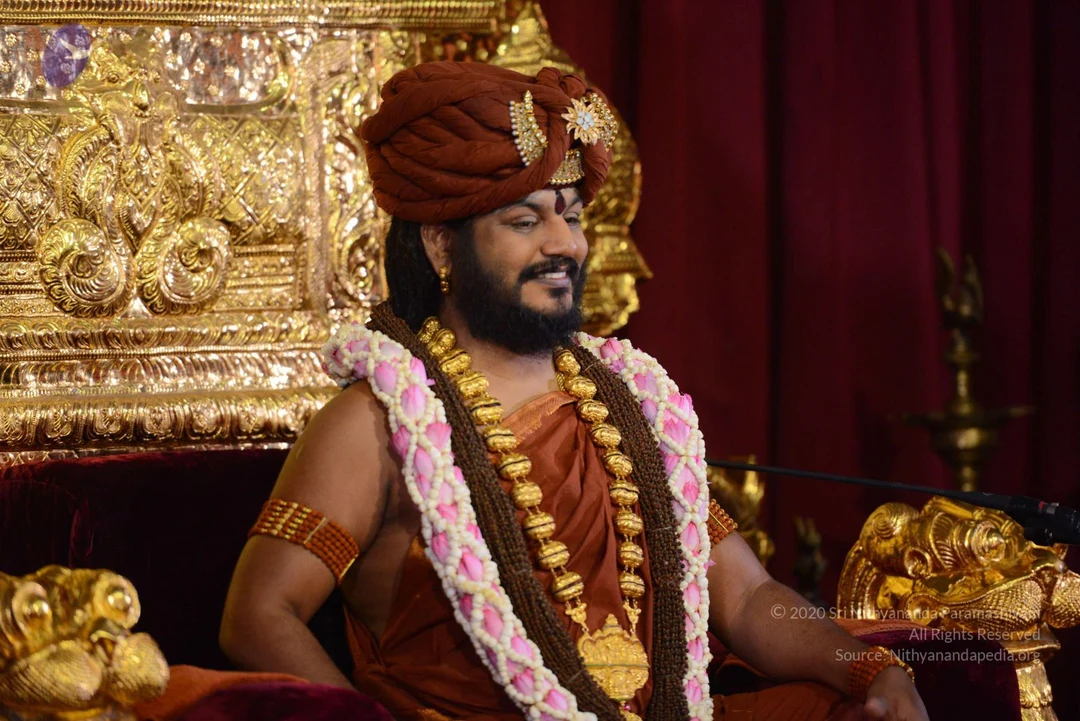
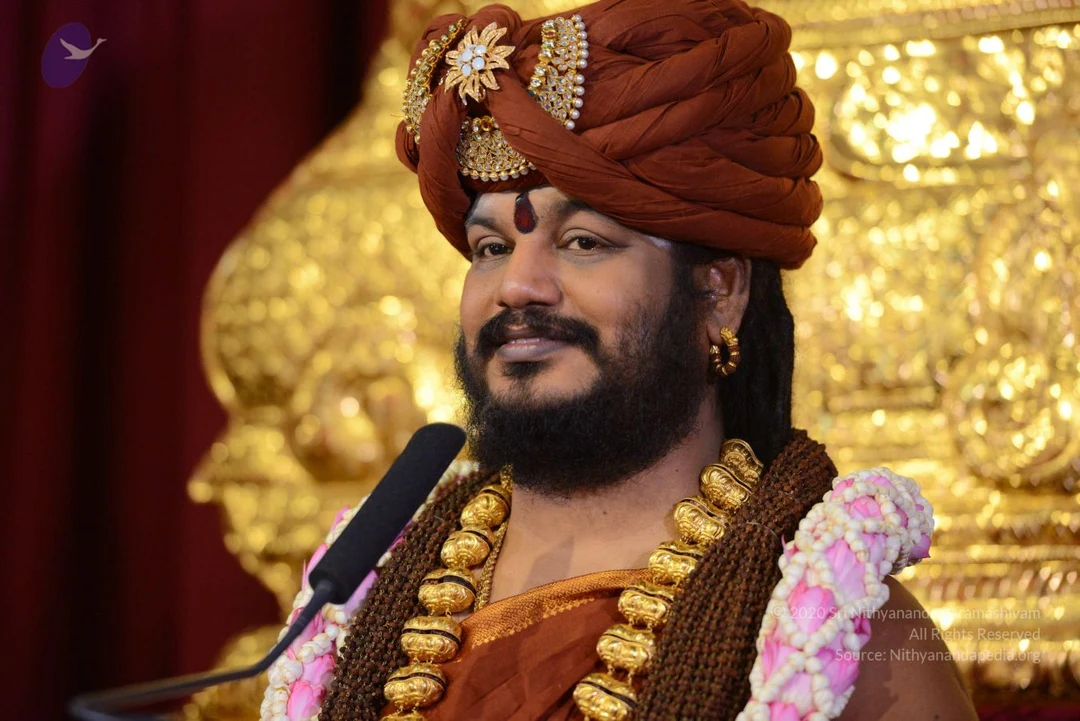
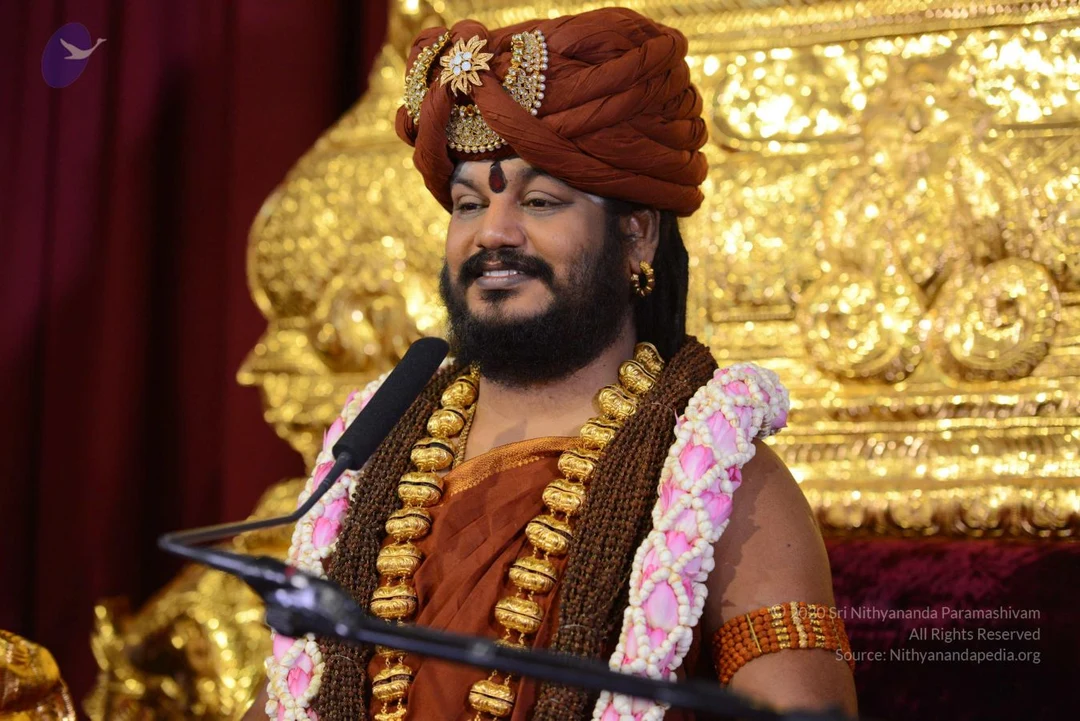
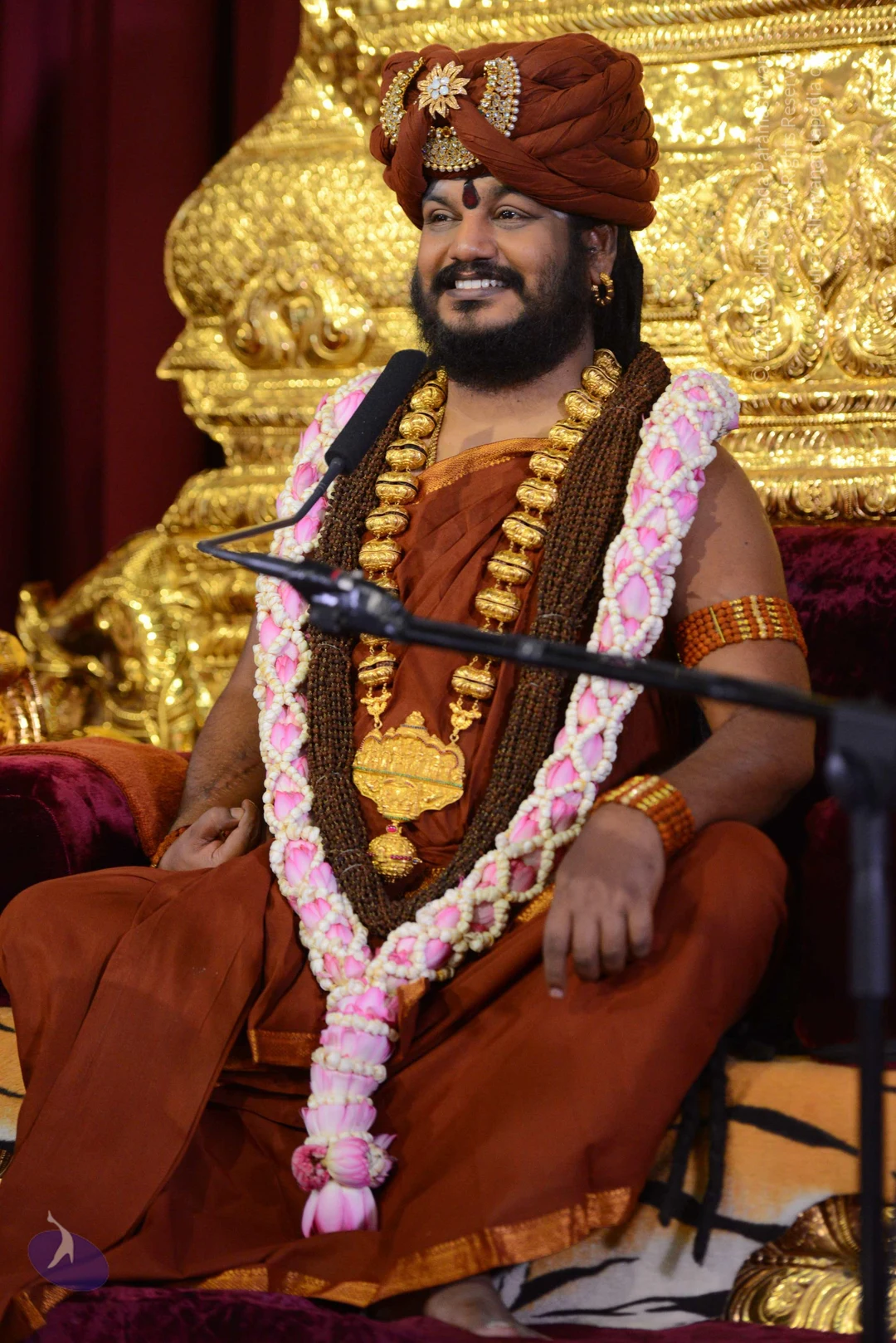
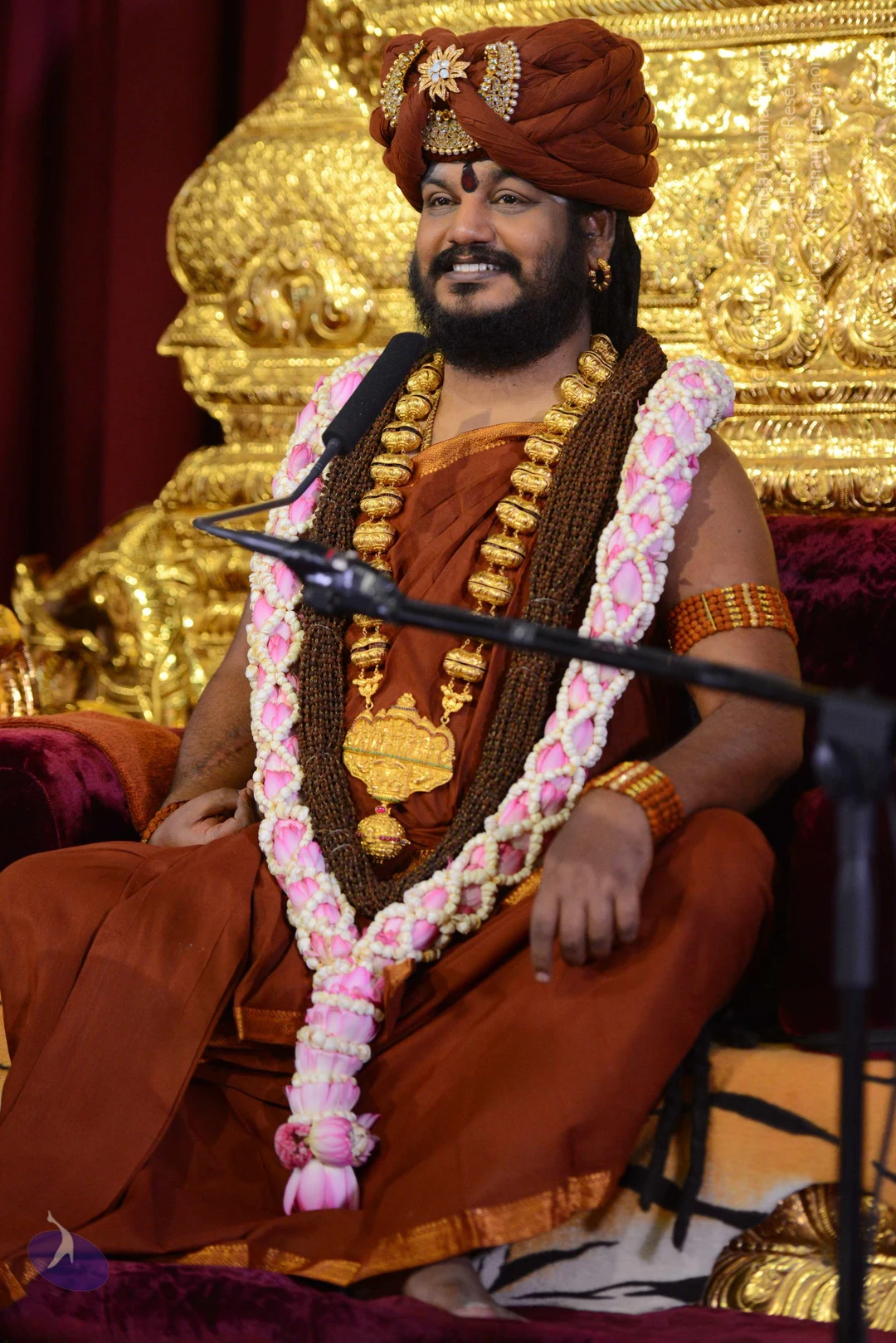
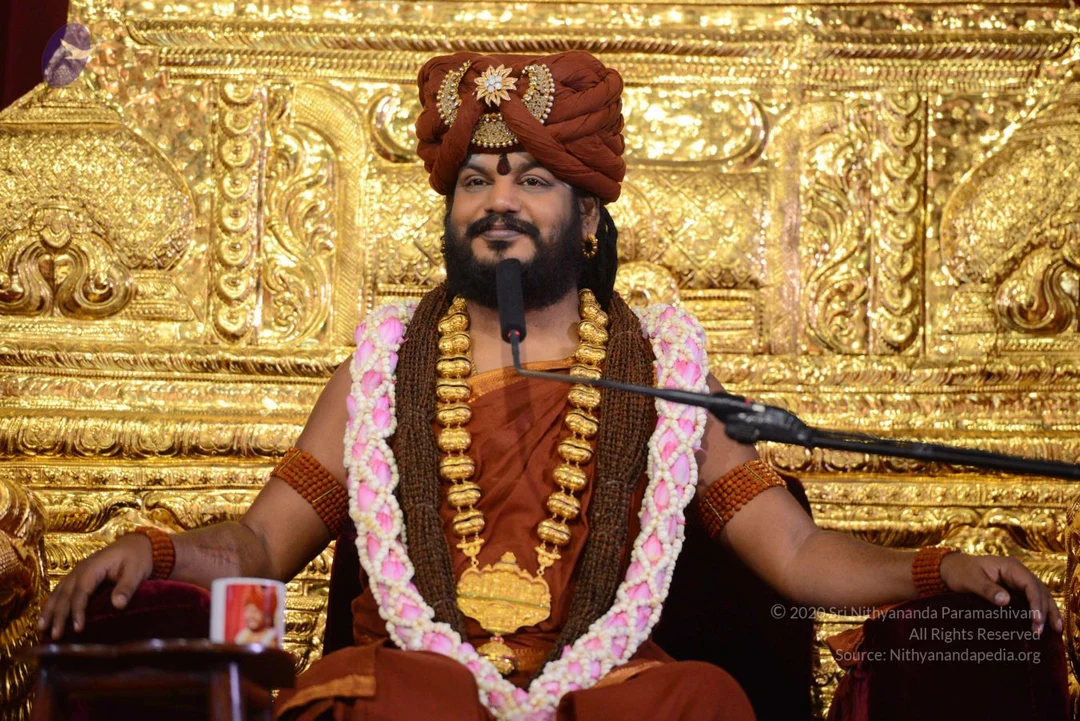
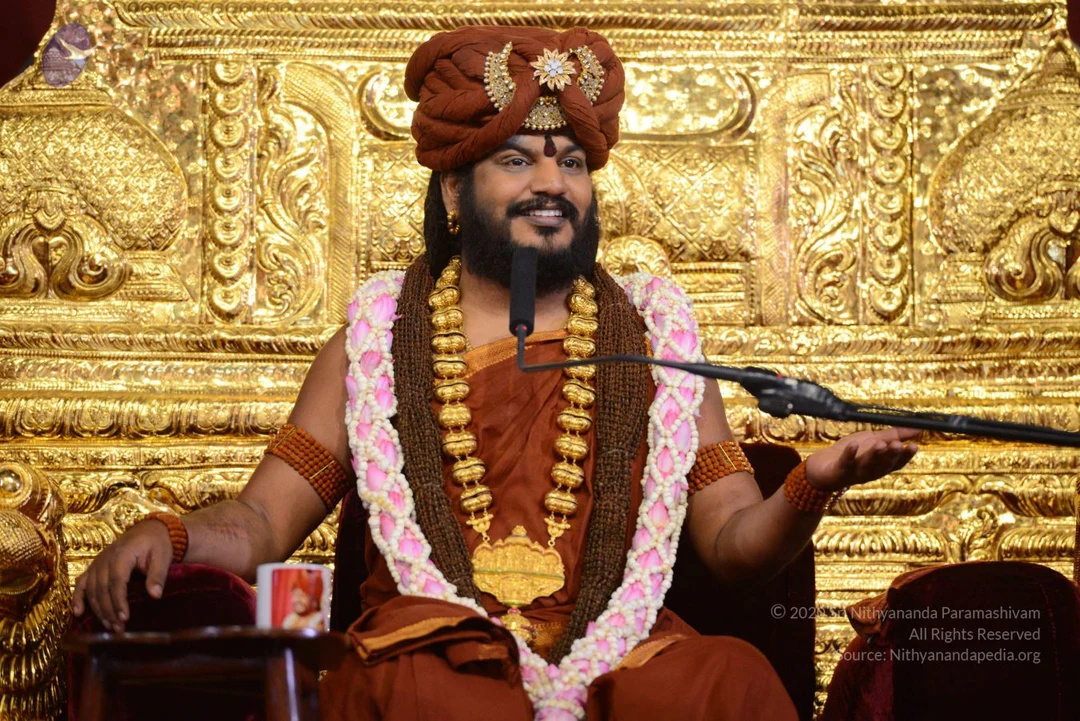
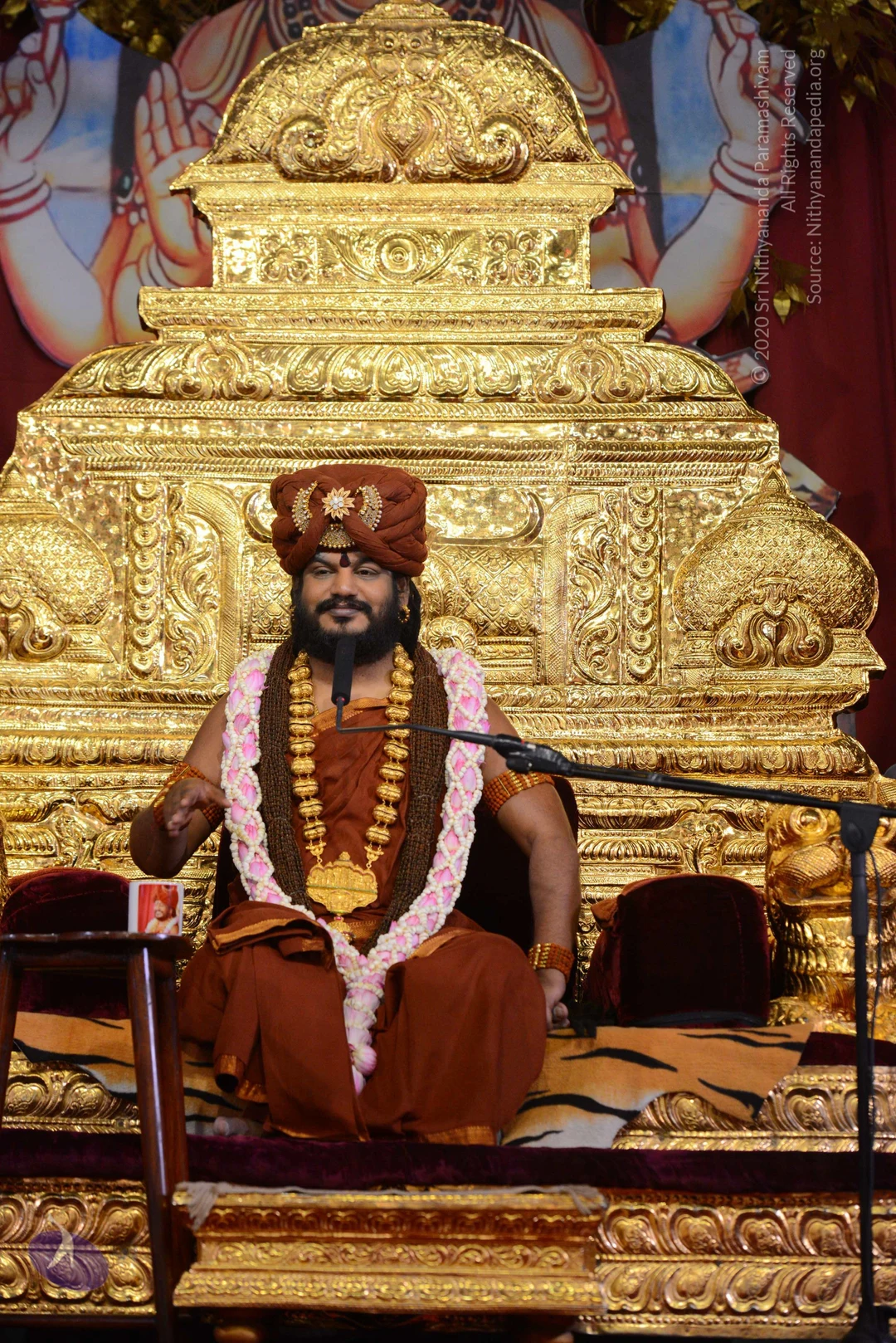
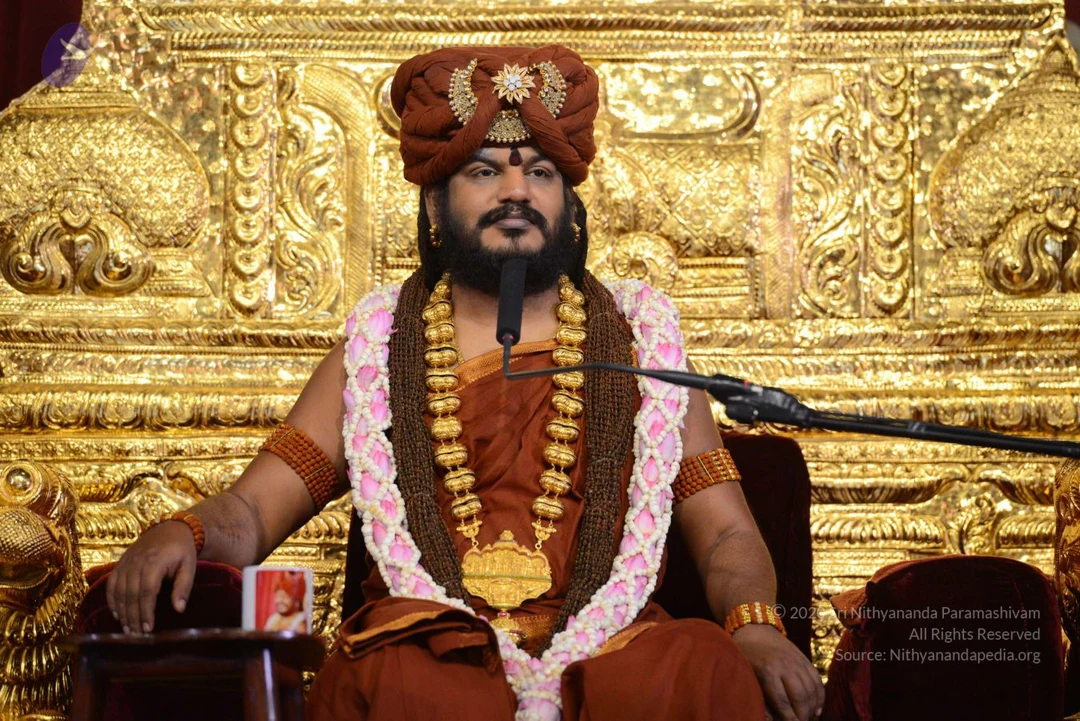
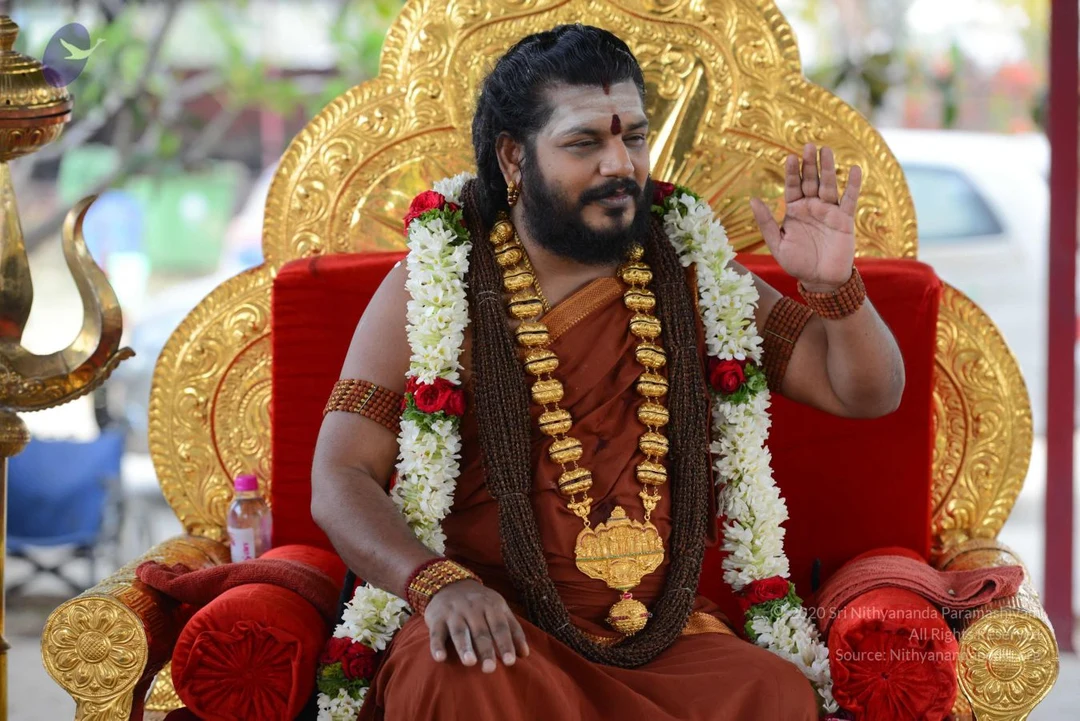
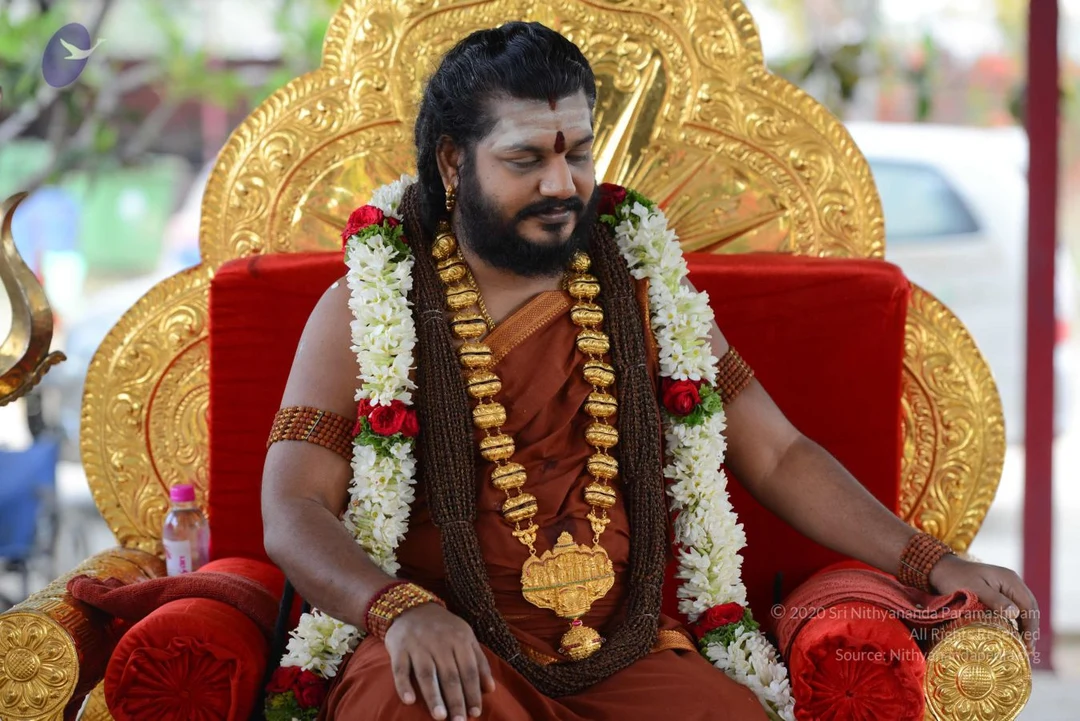
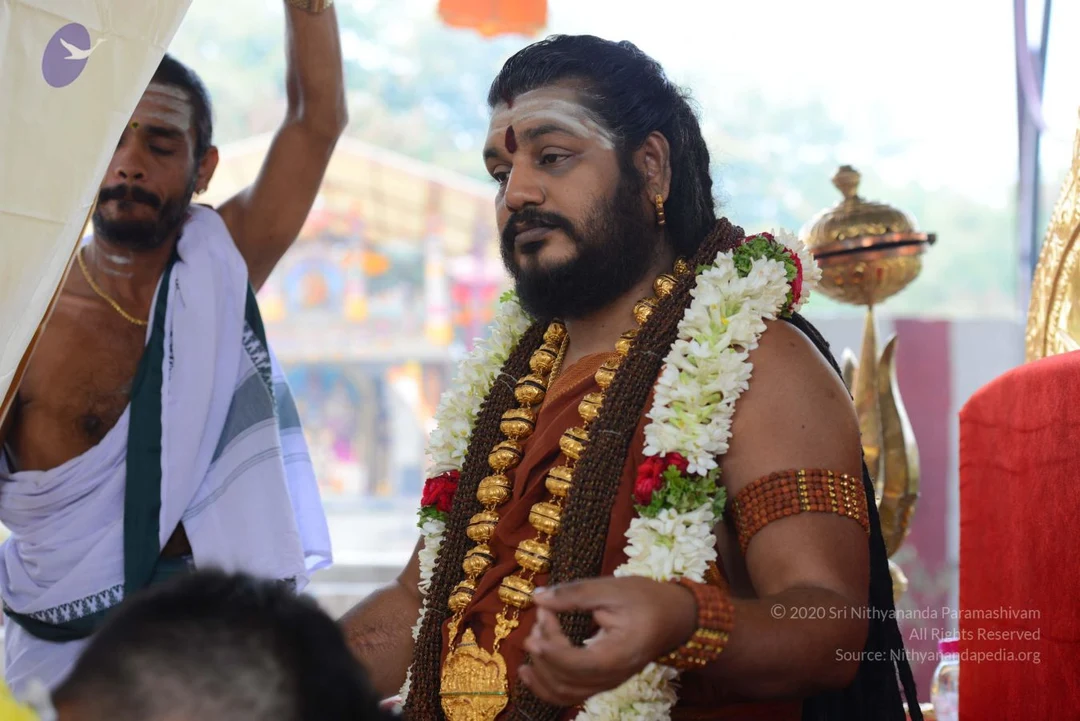
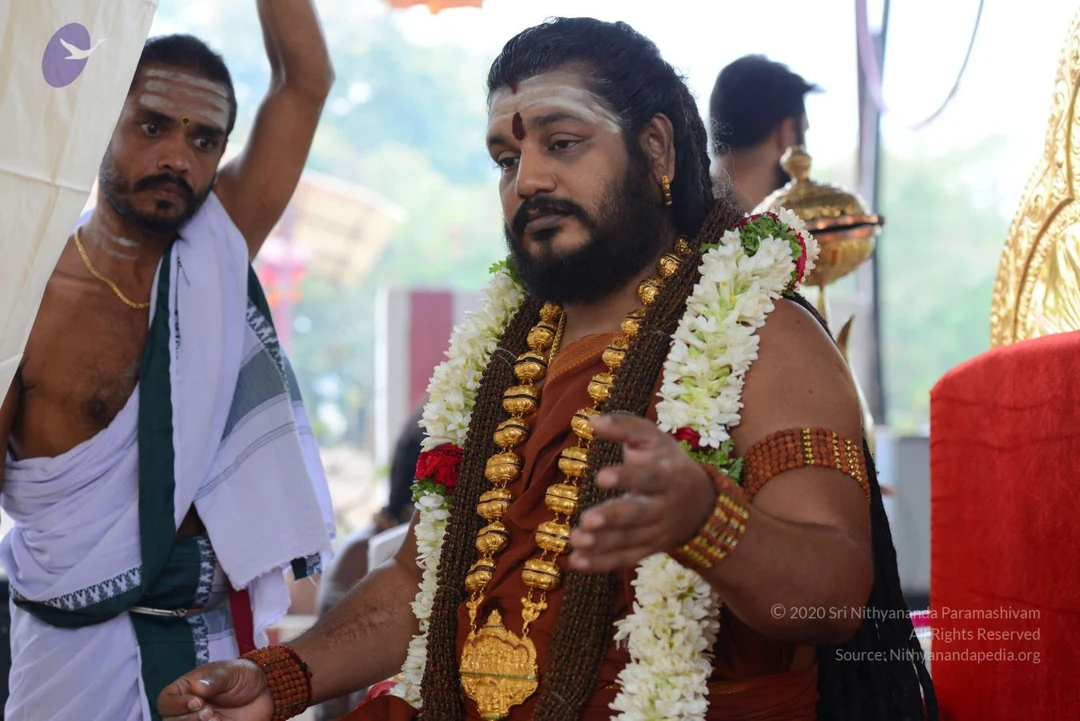
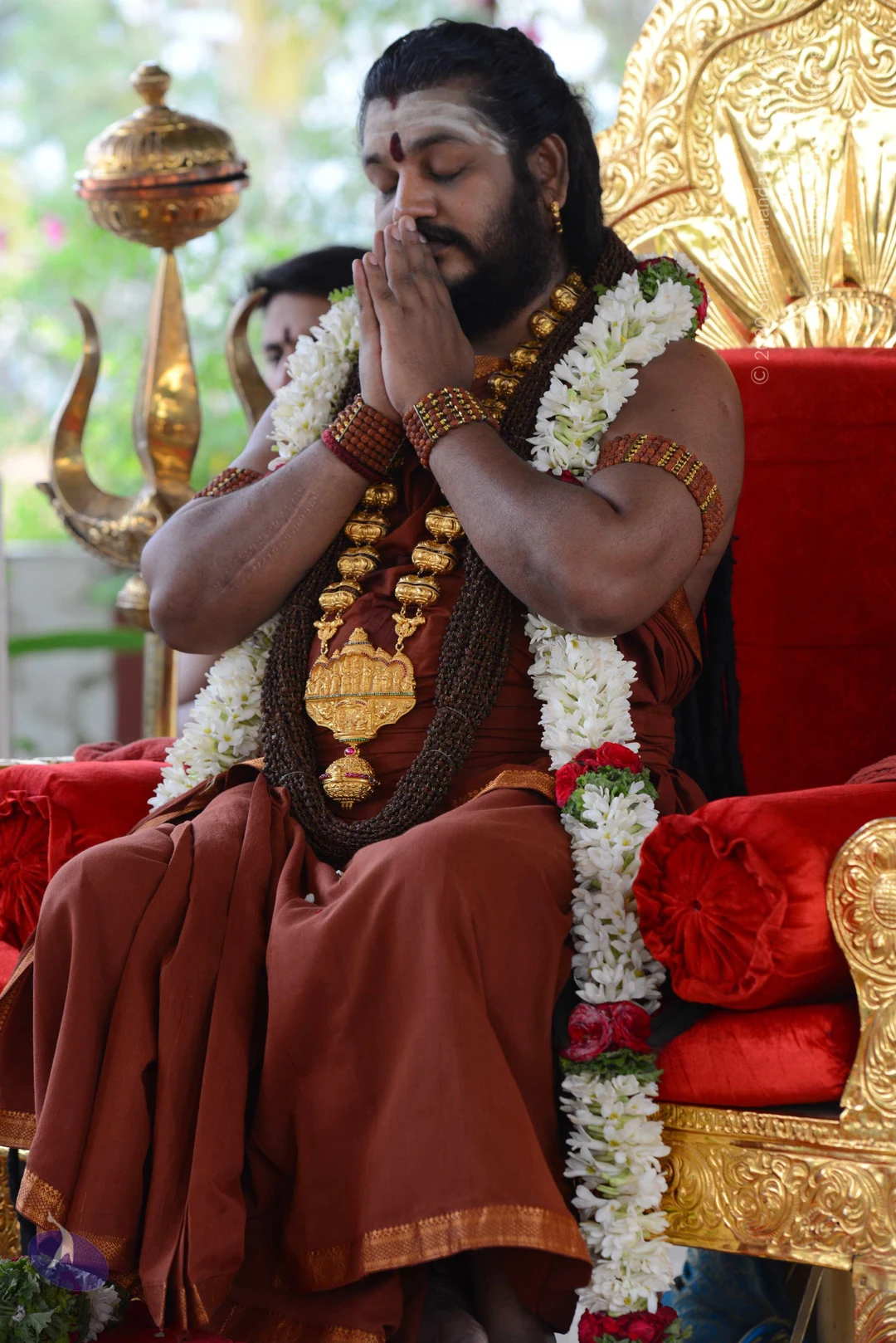
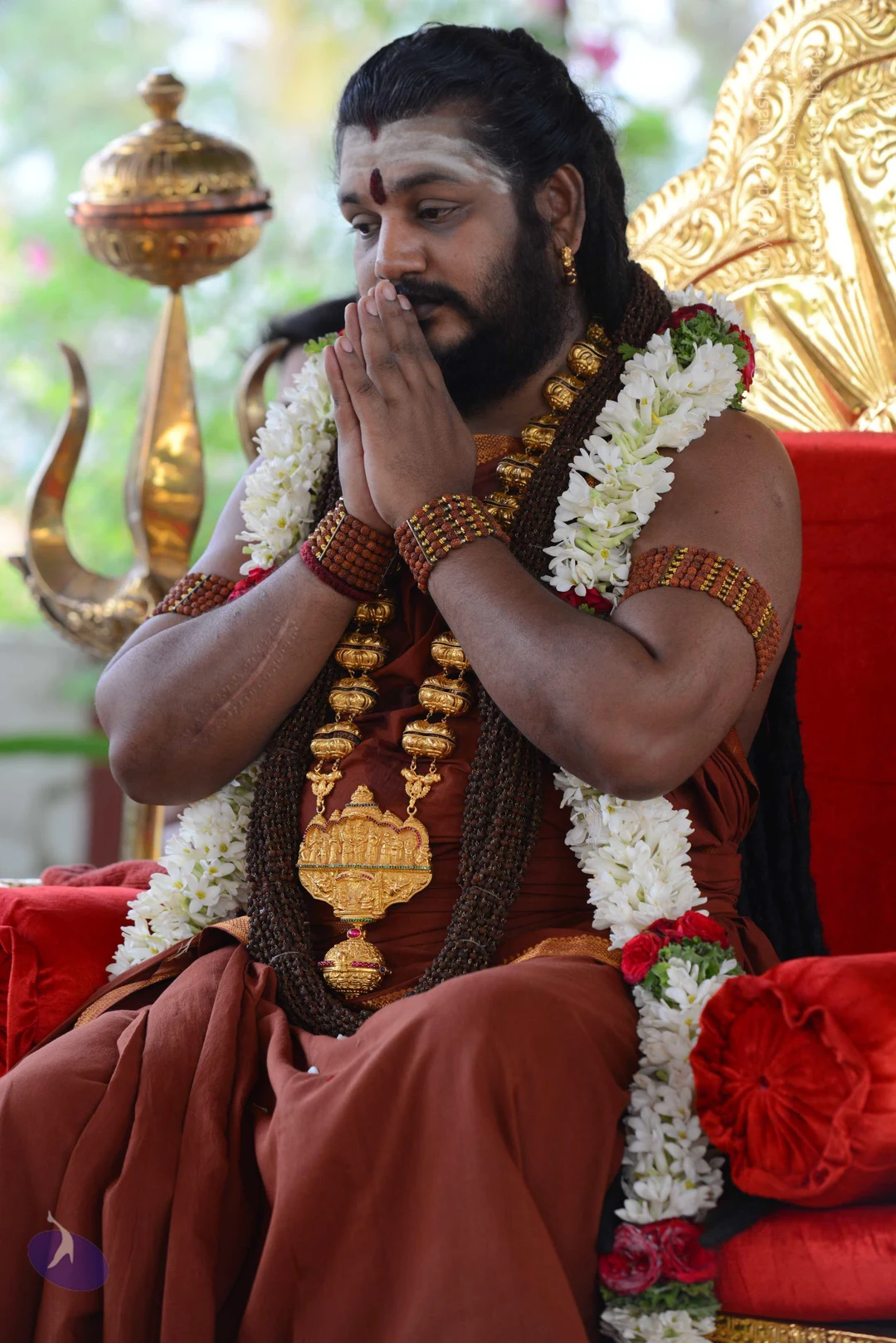
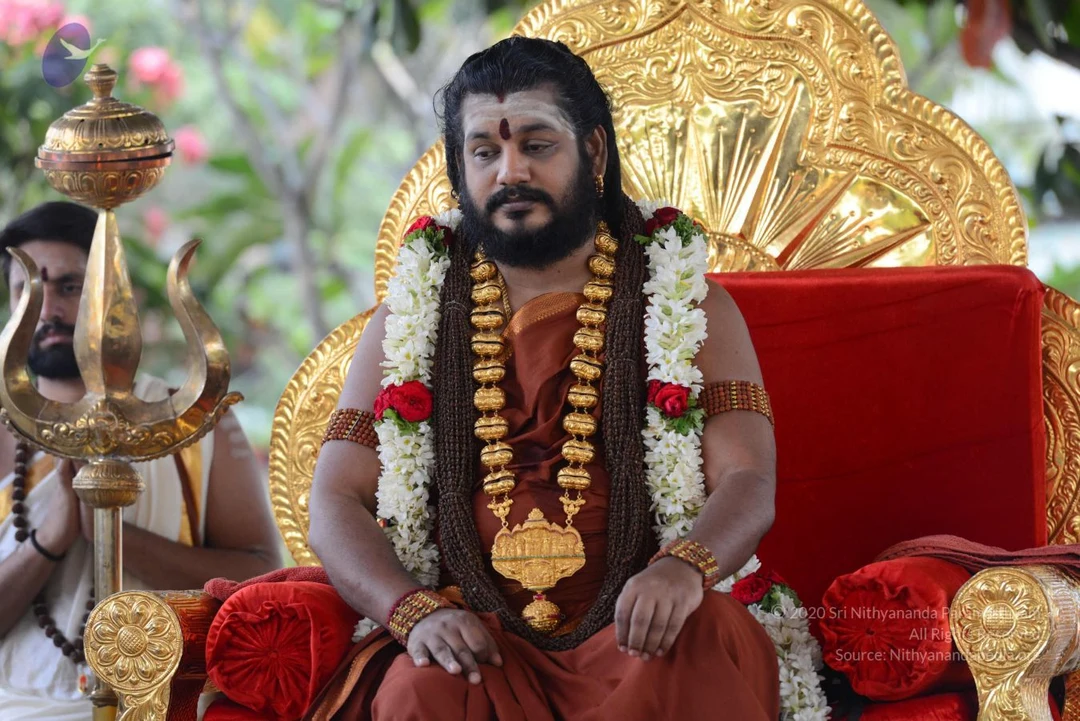
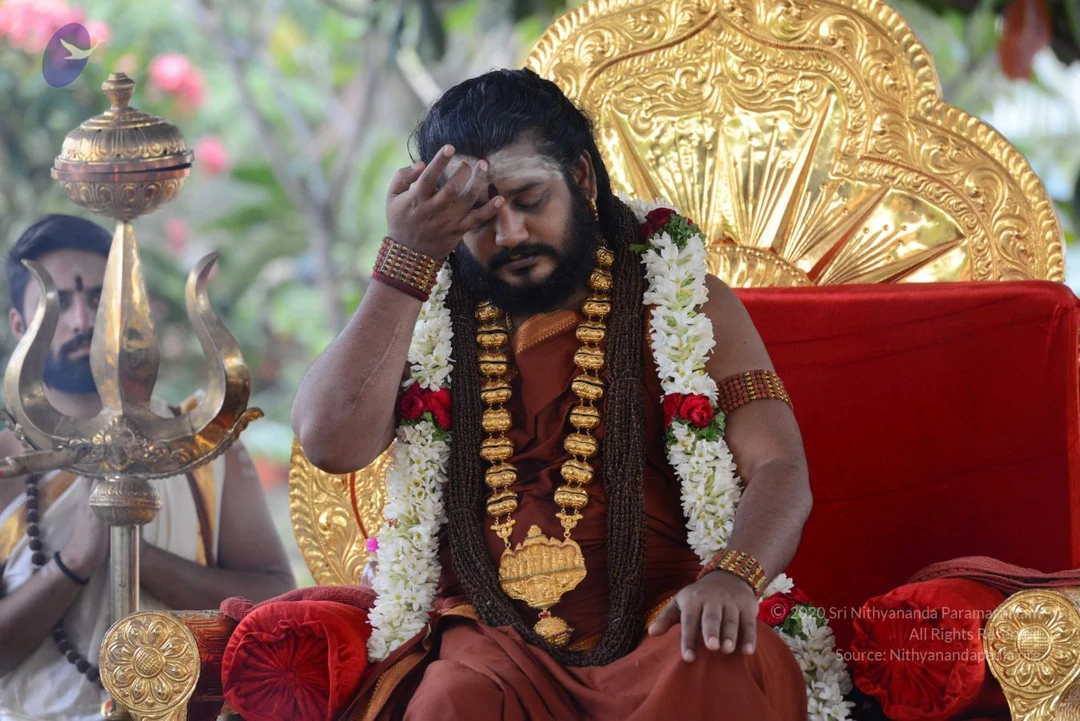
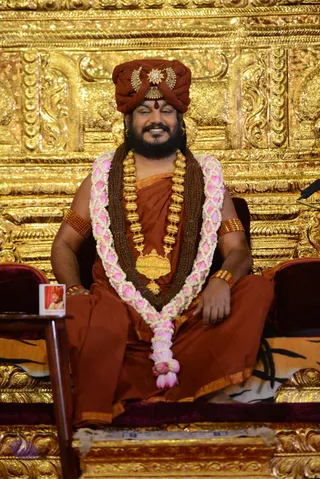
Nithya Satsang
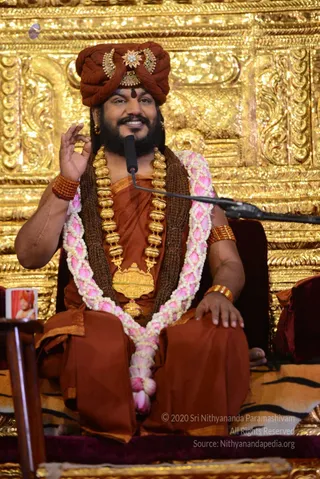
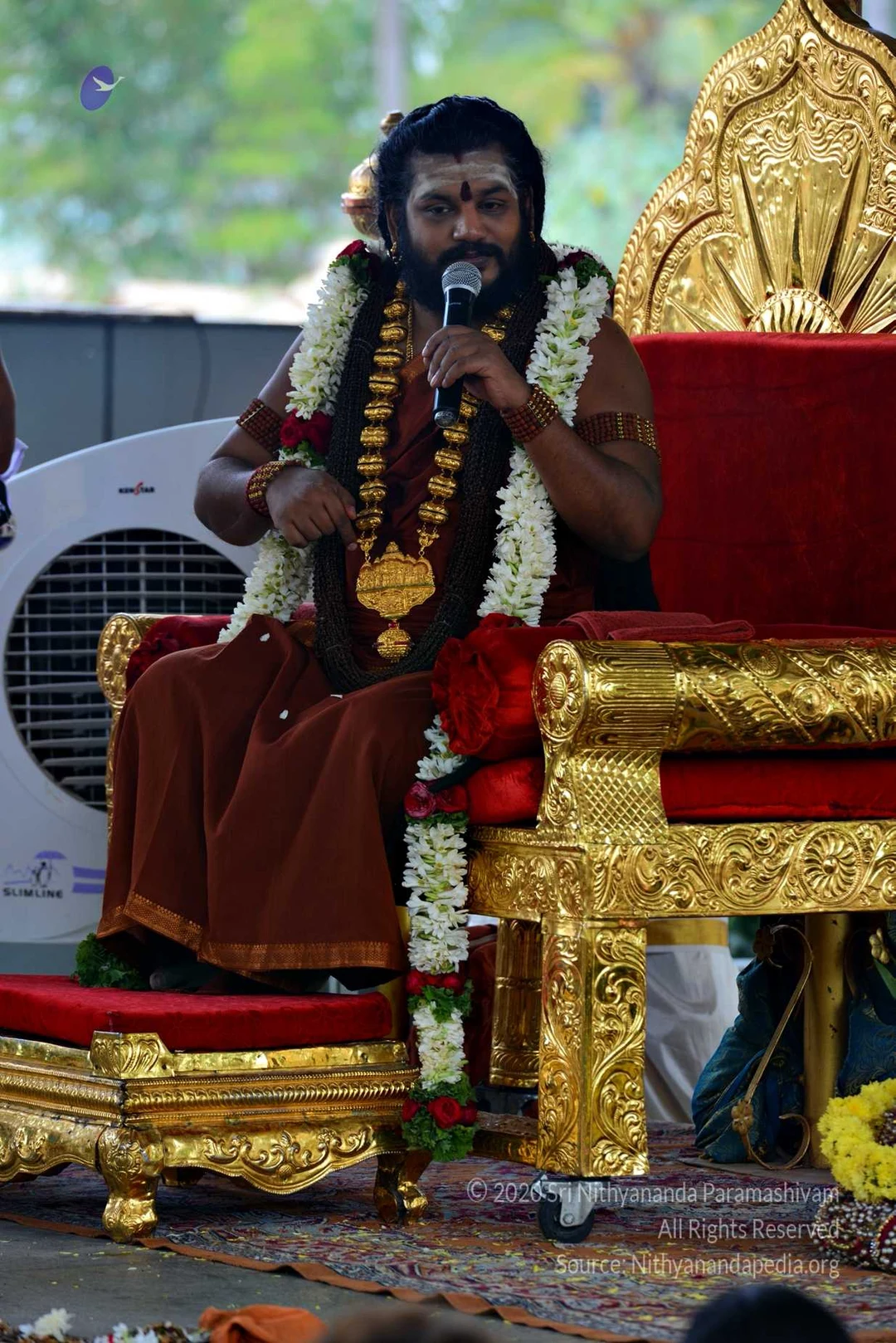
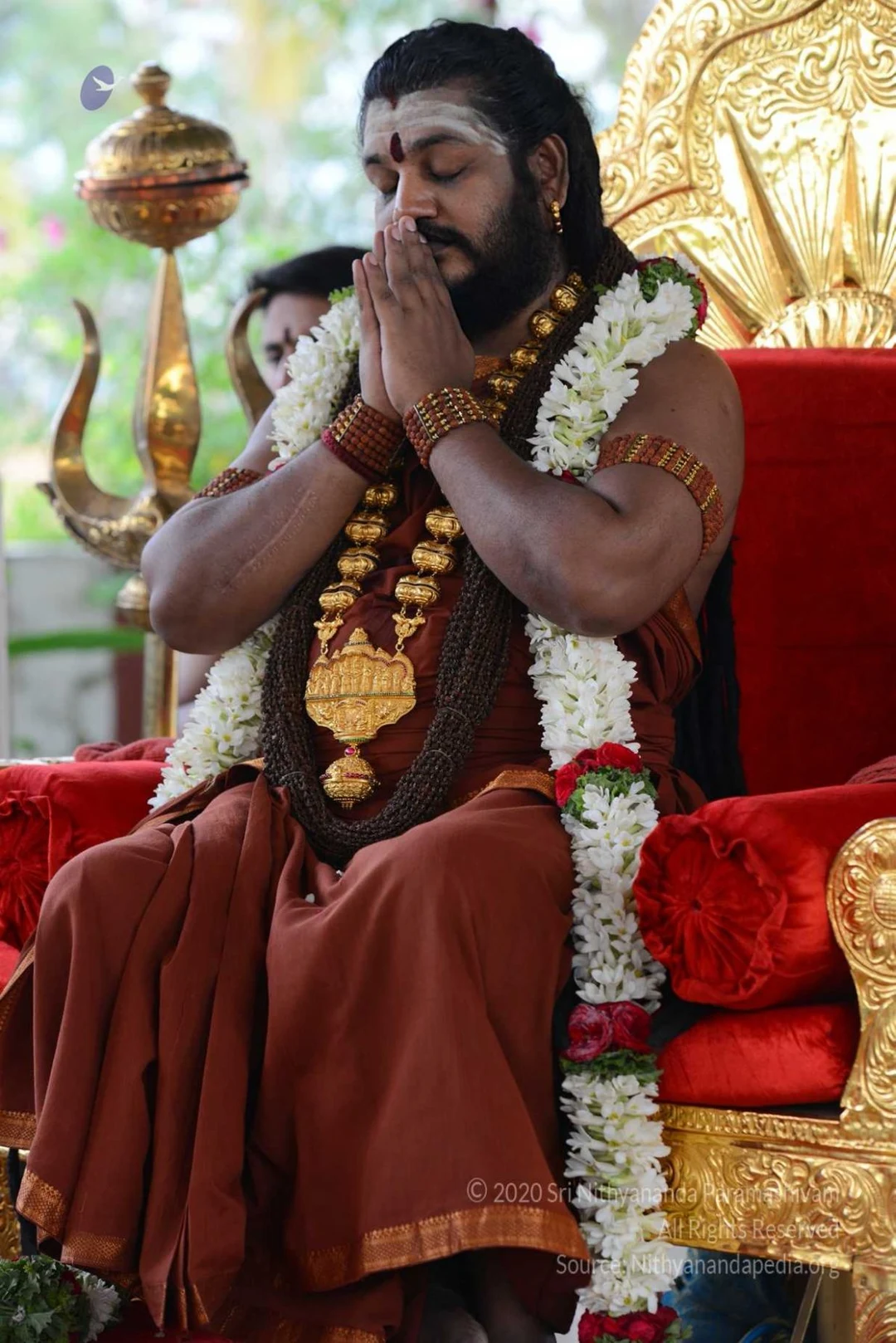
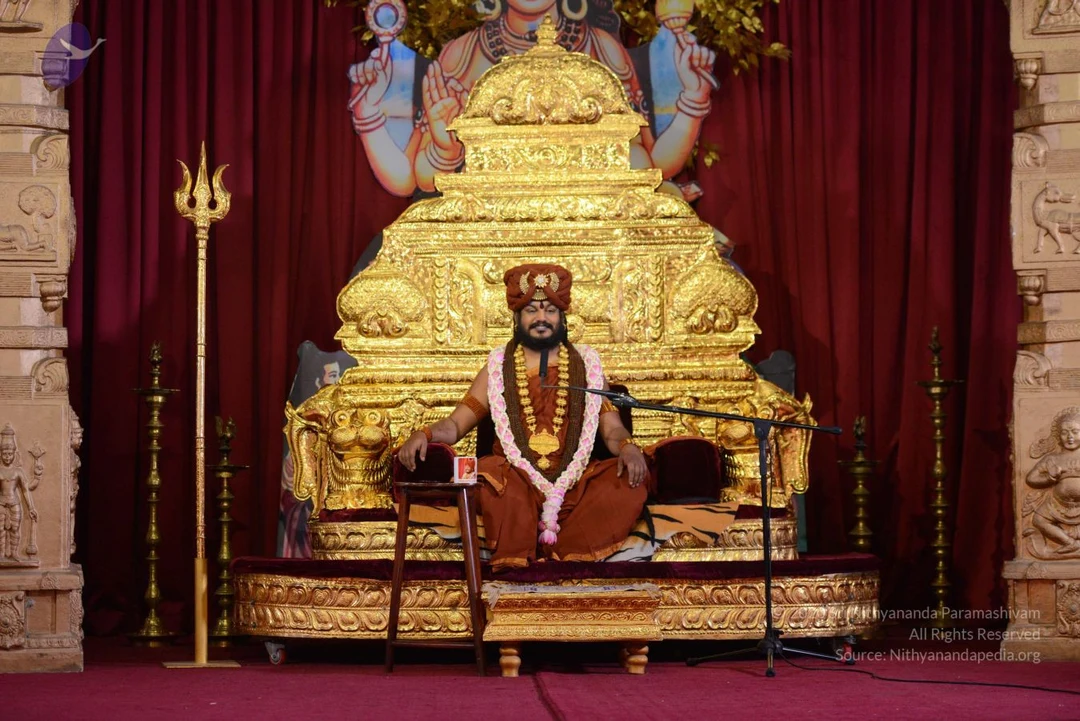
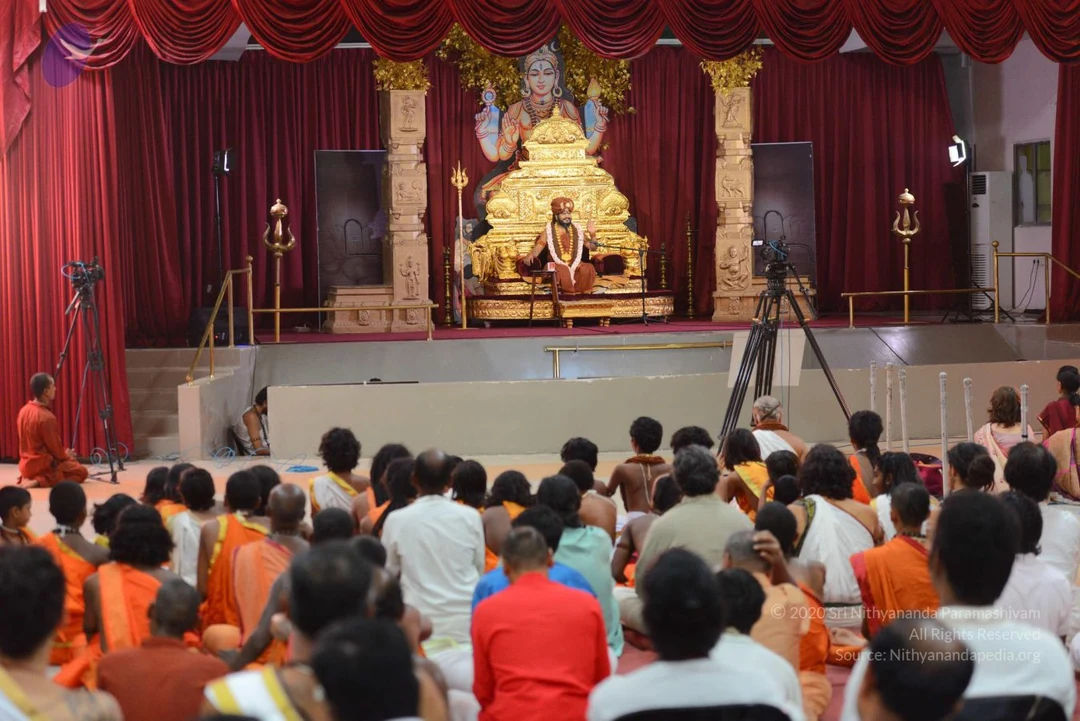
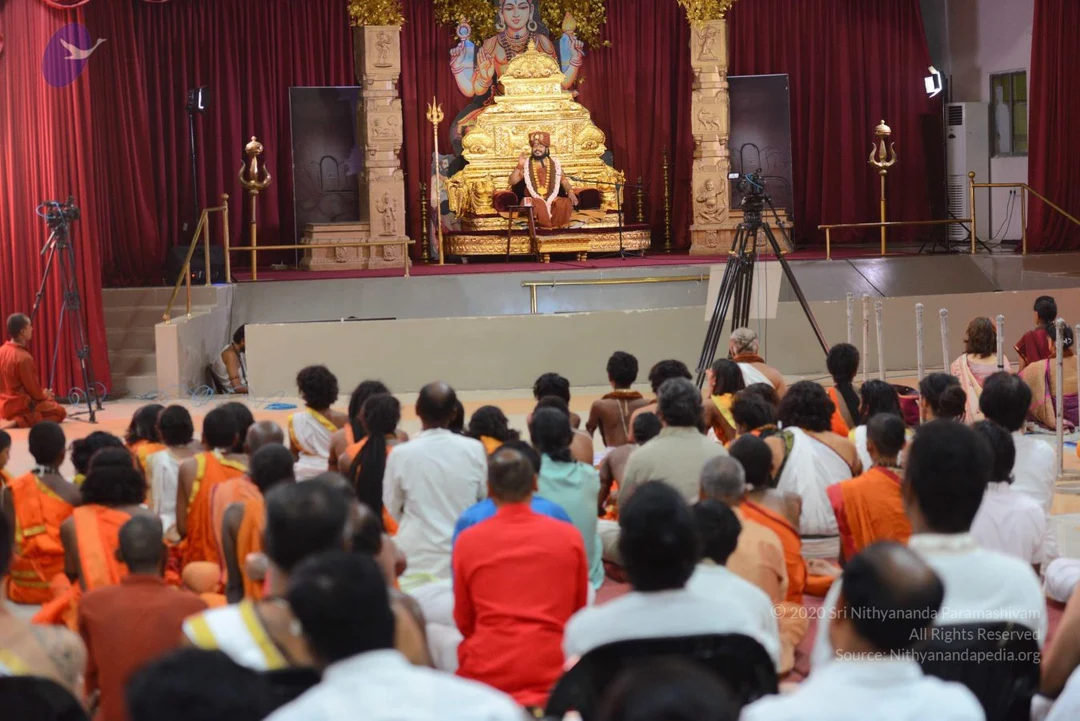
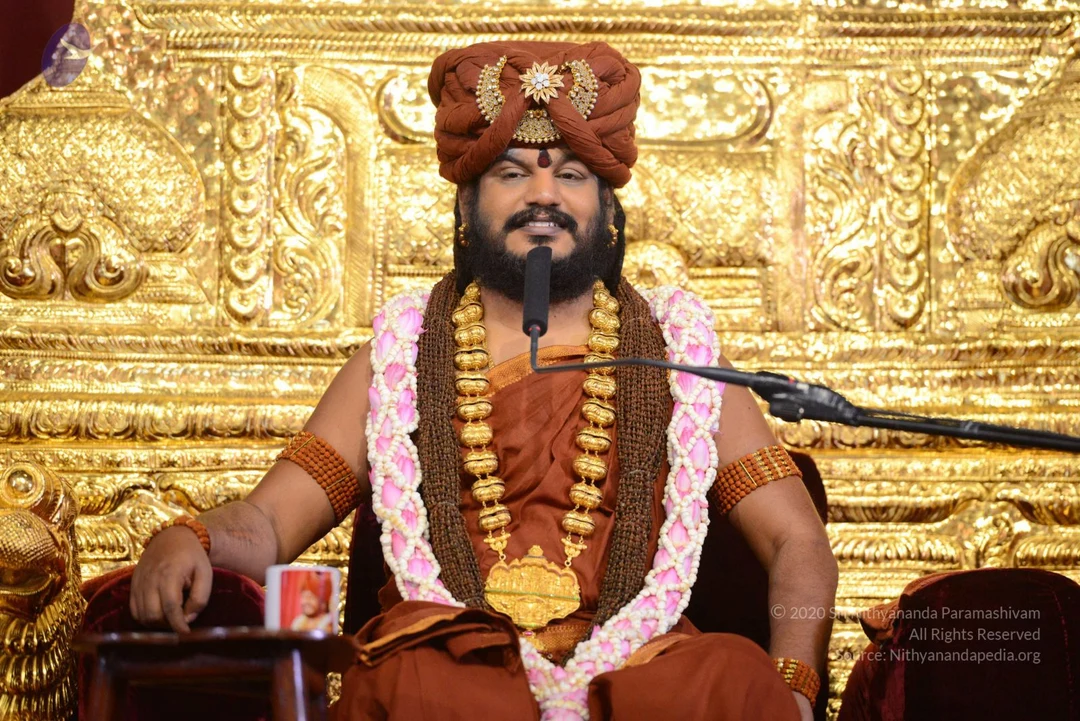
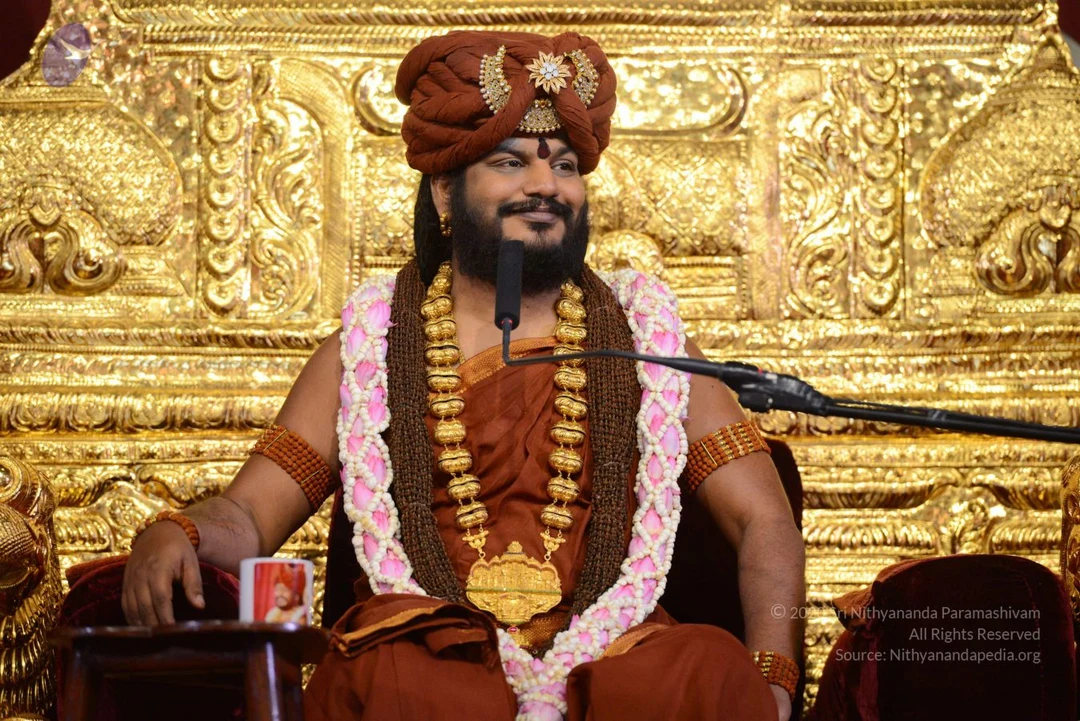
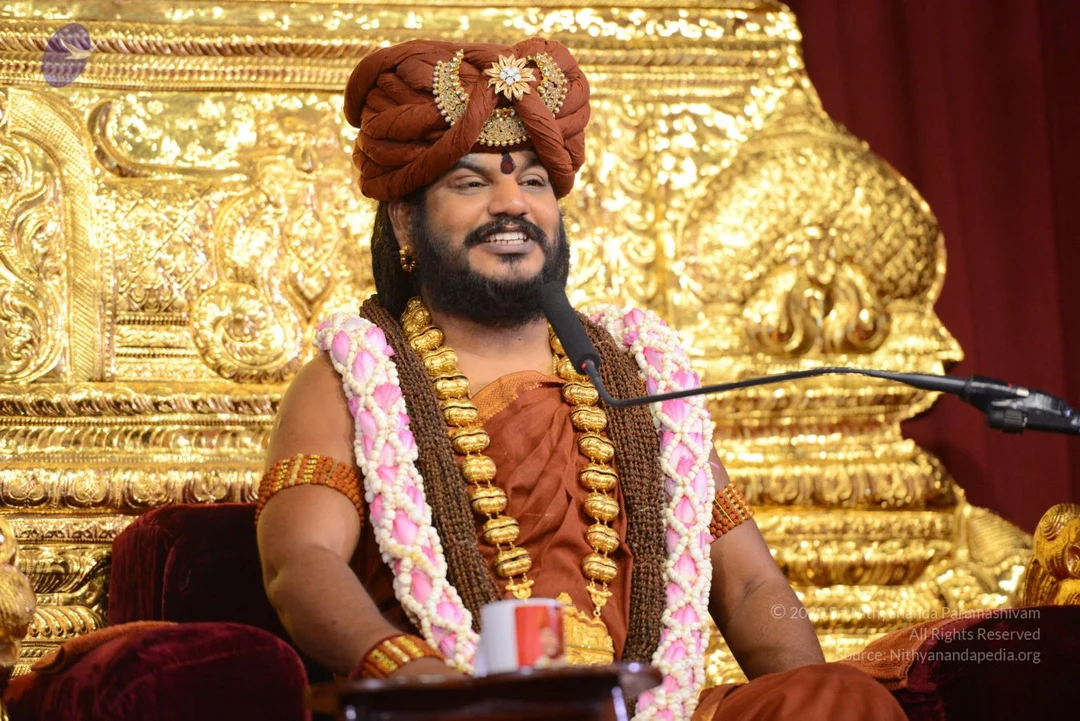
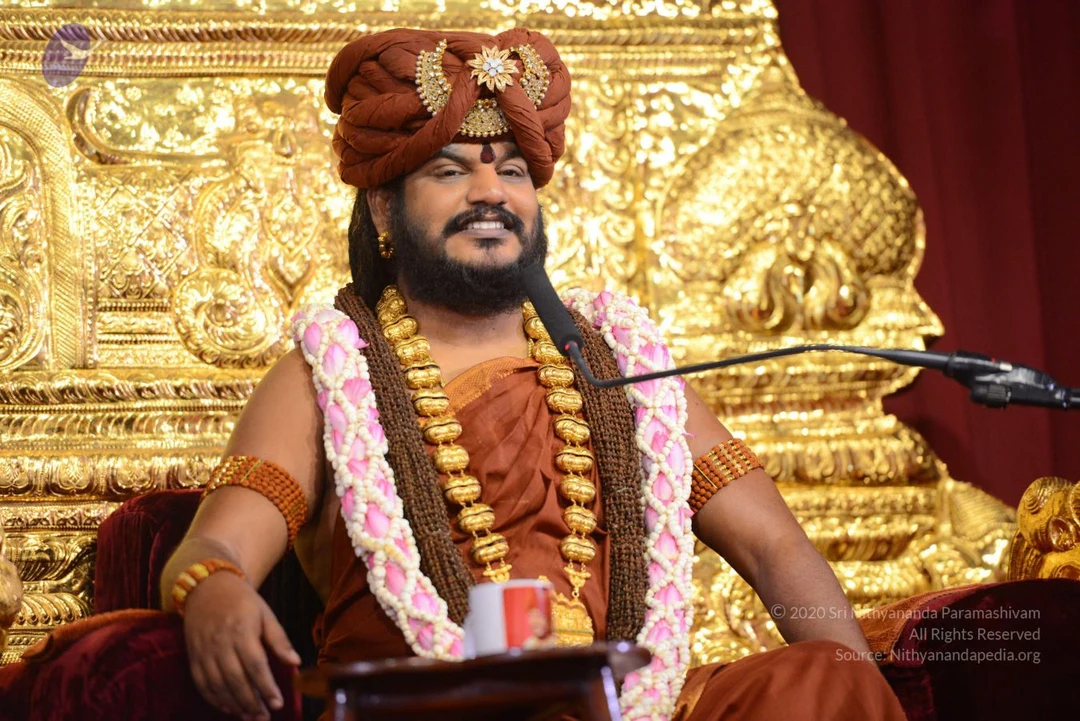
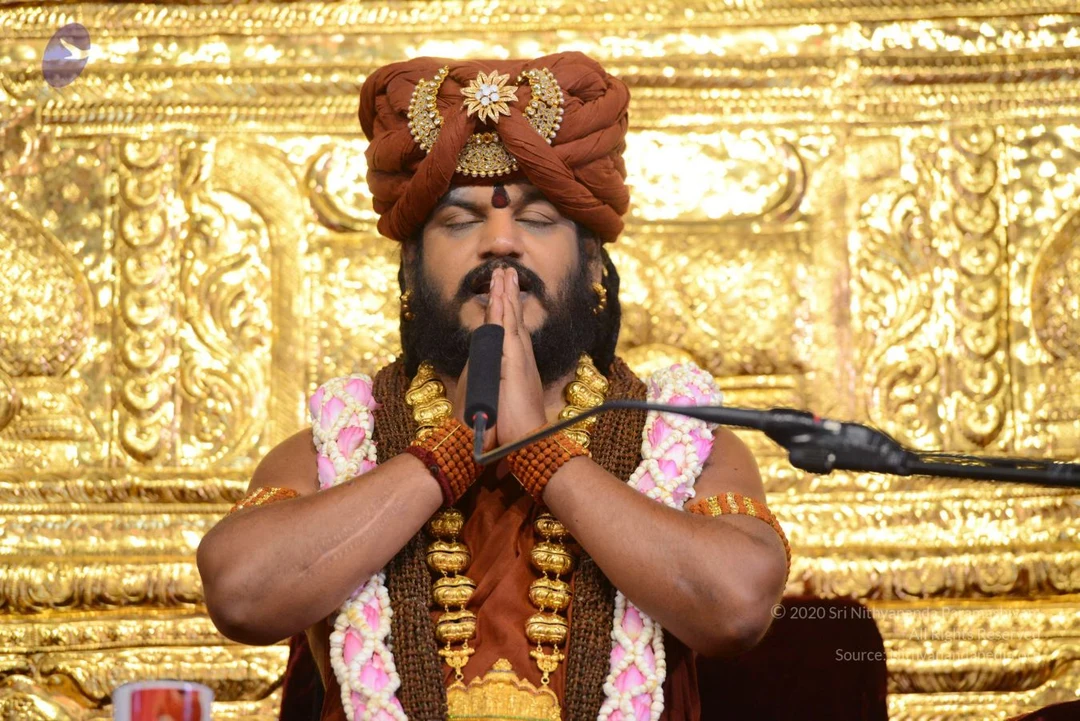
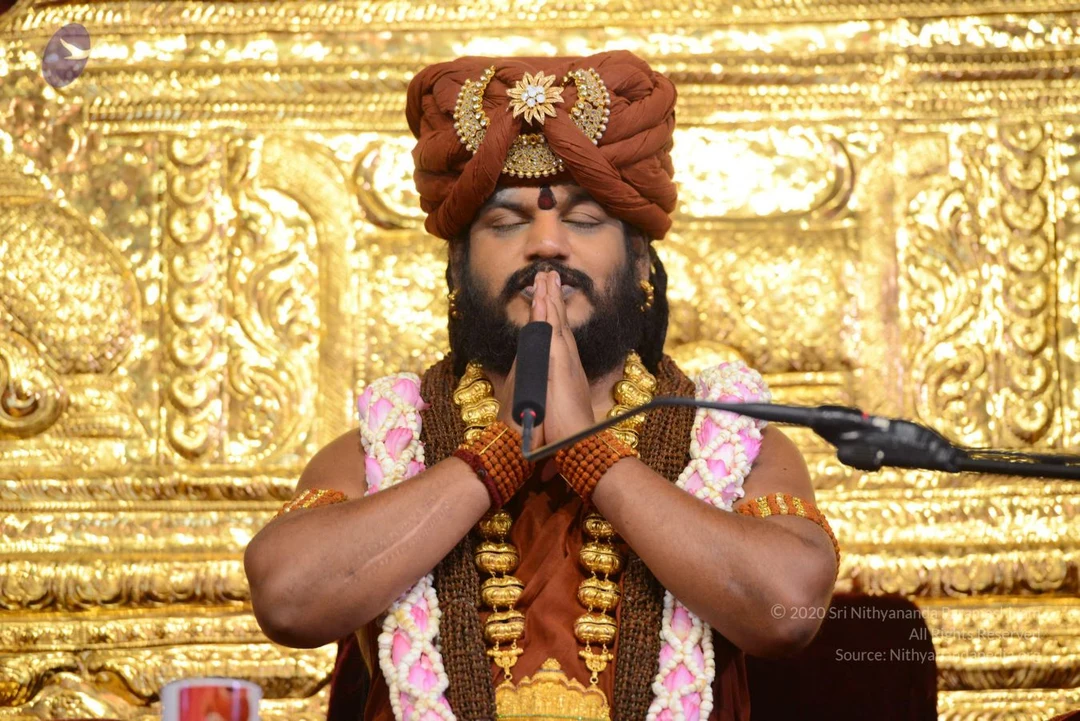
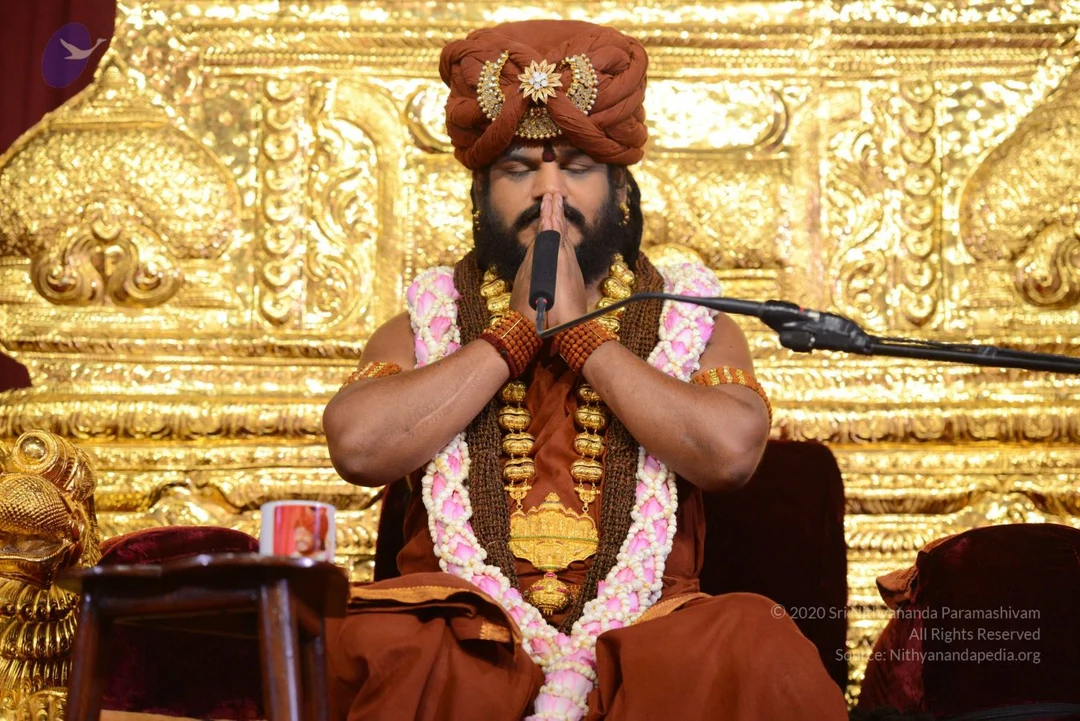
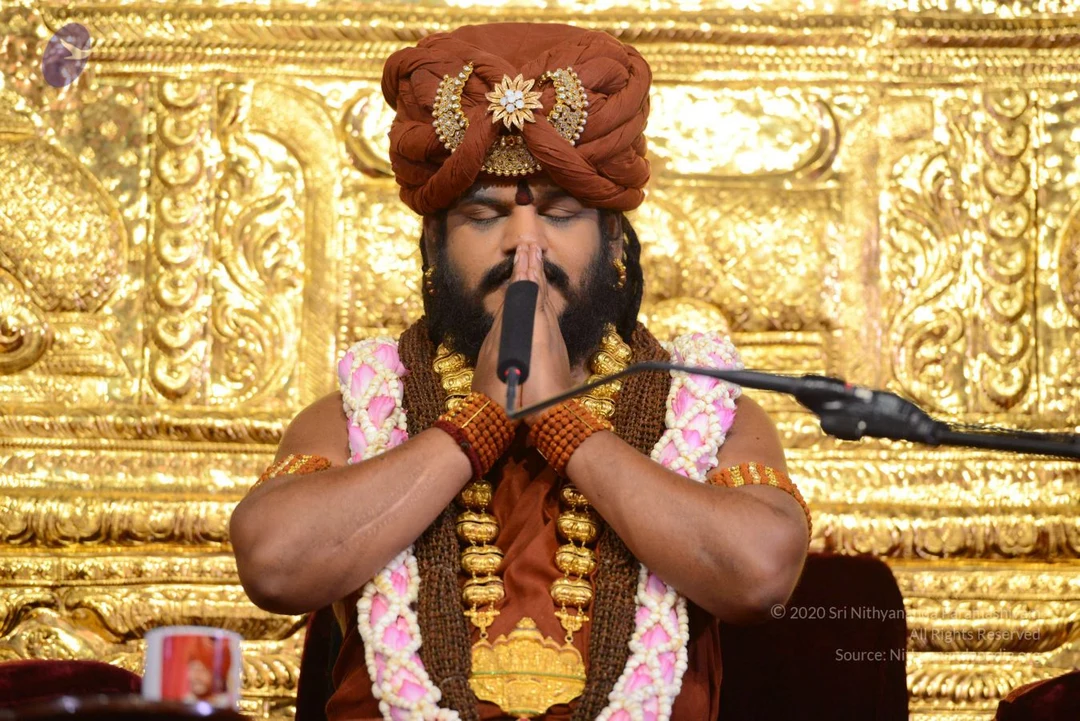
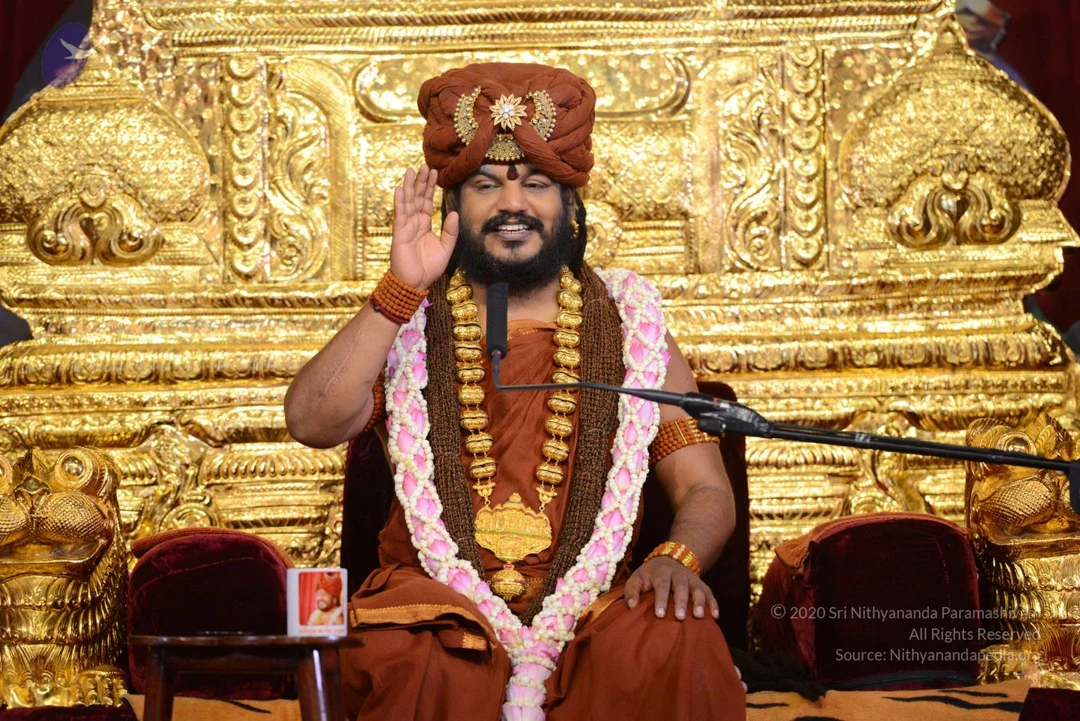
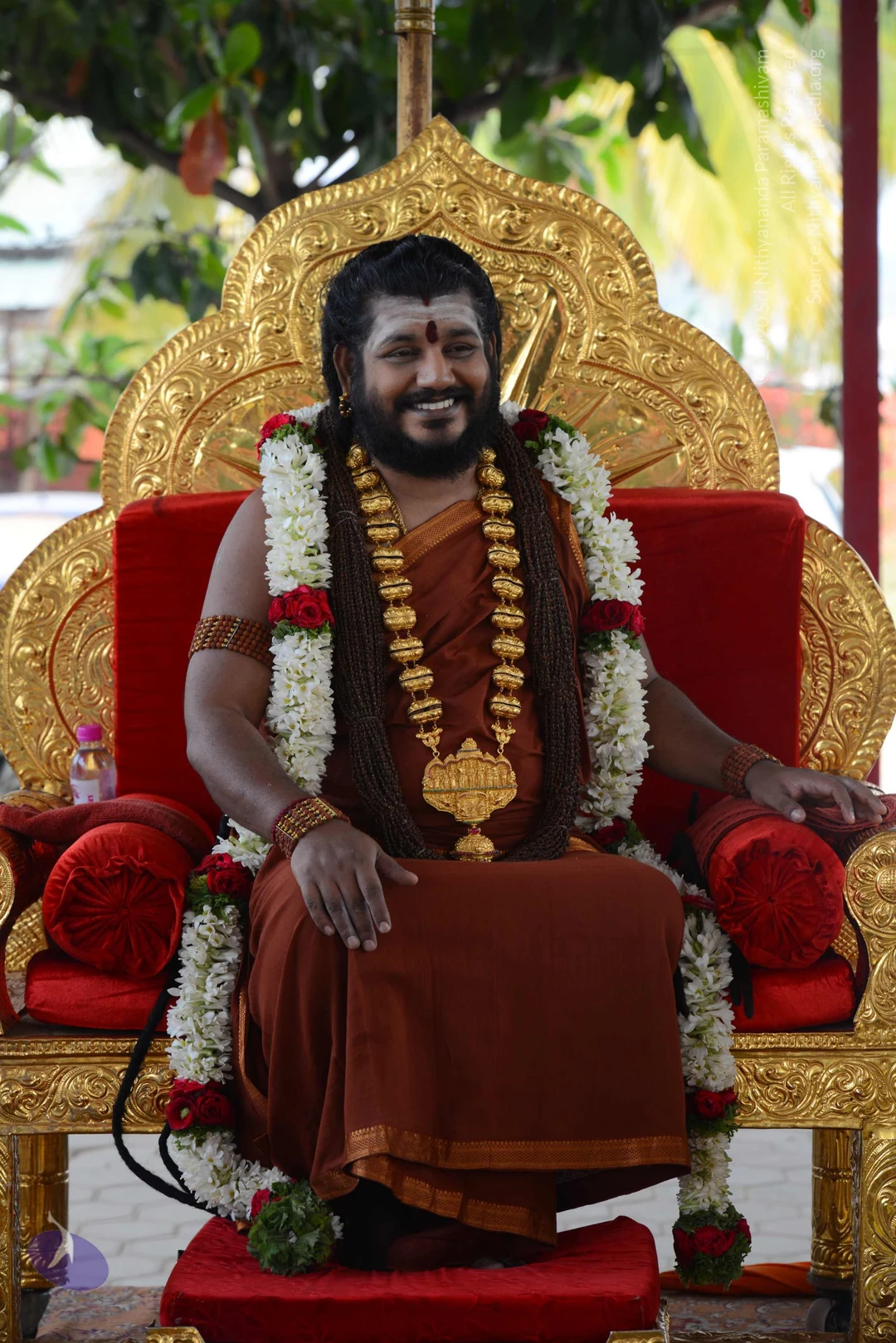
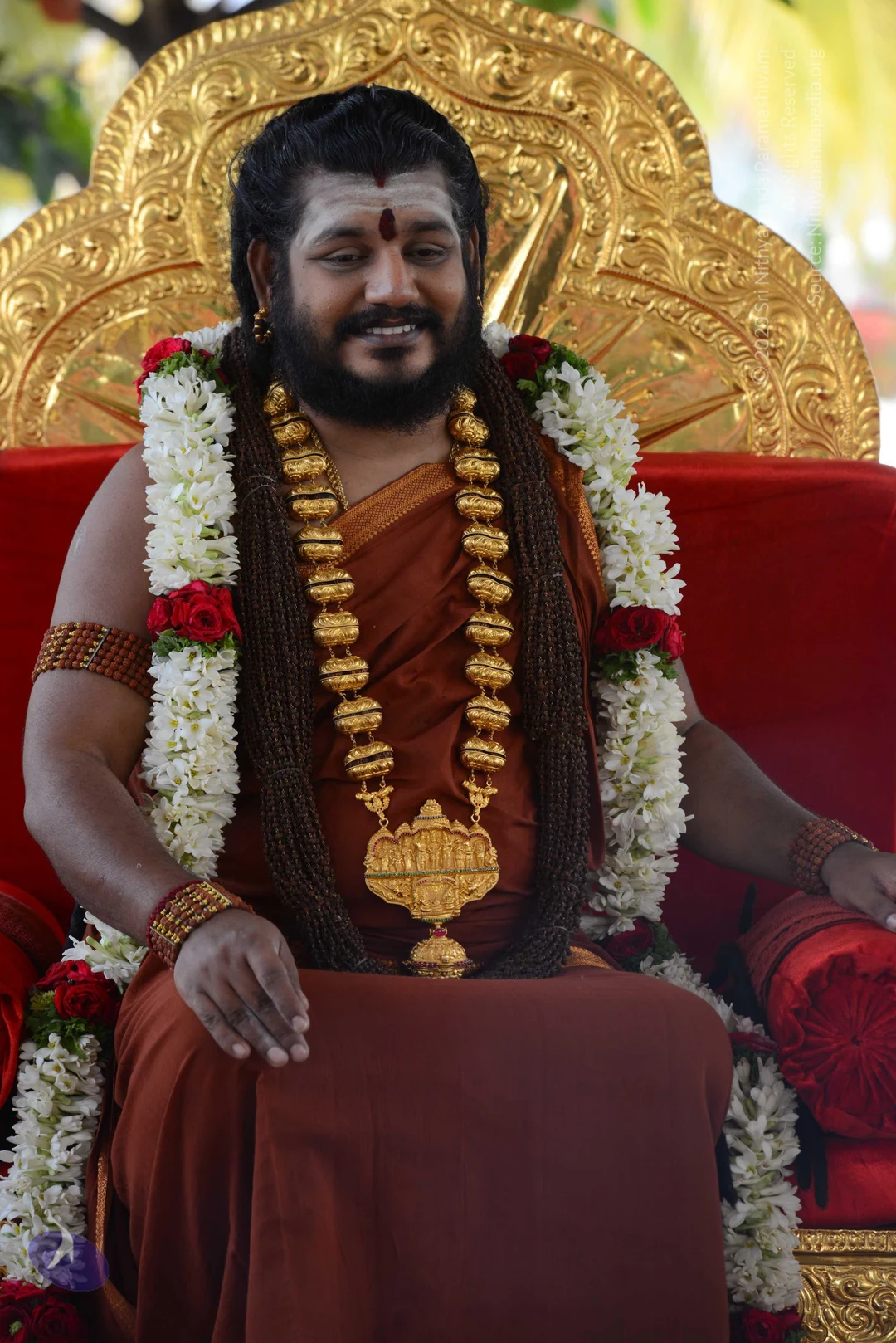
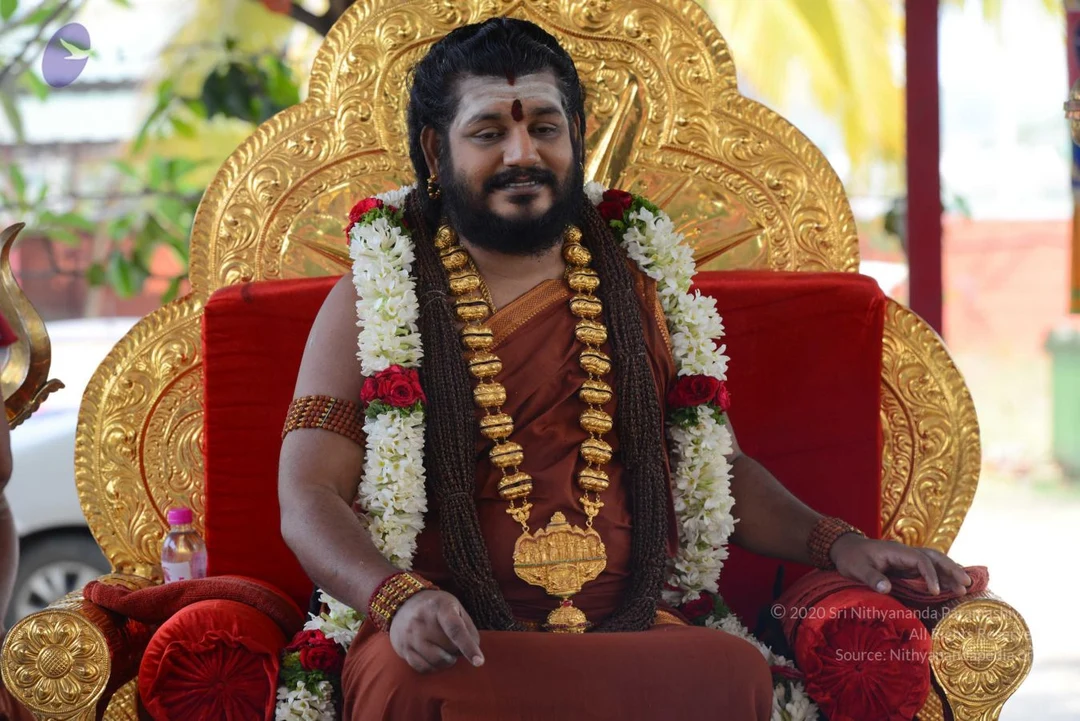
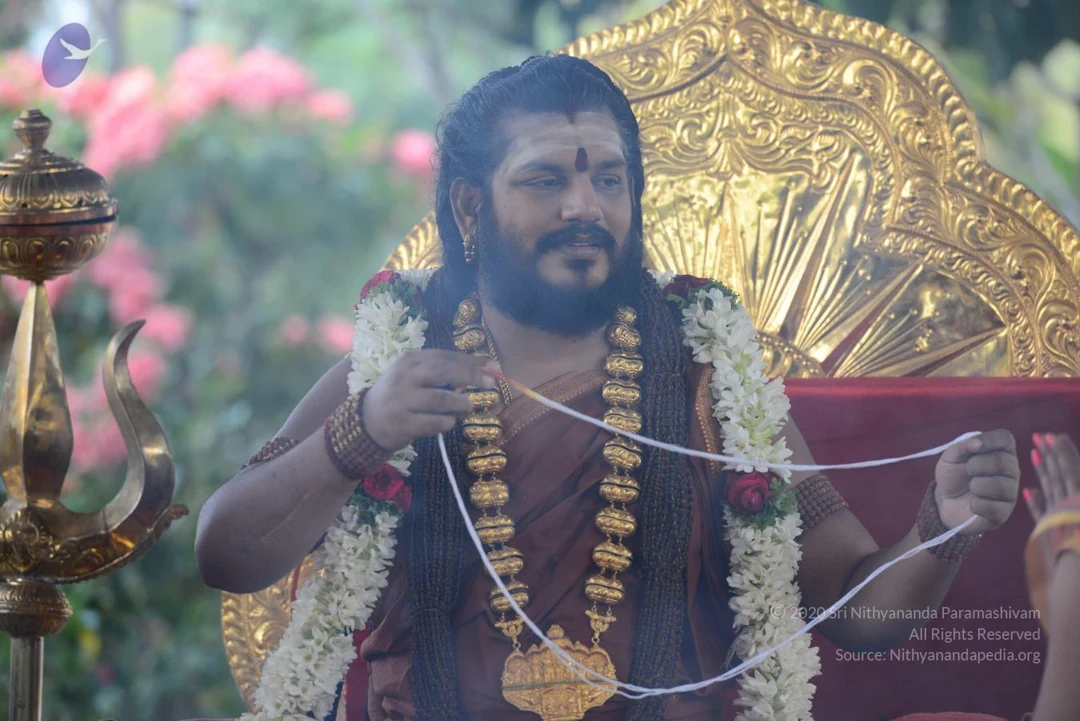
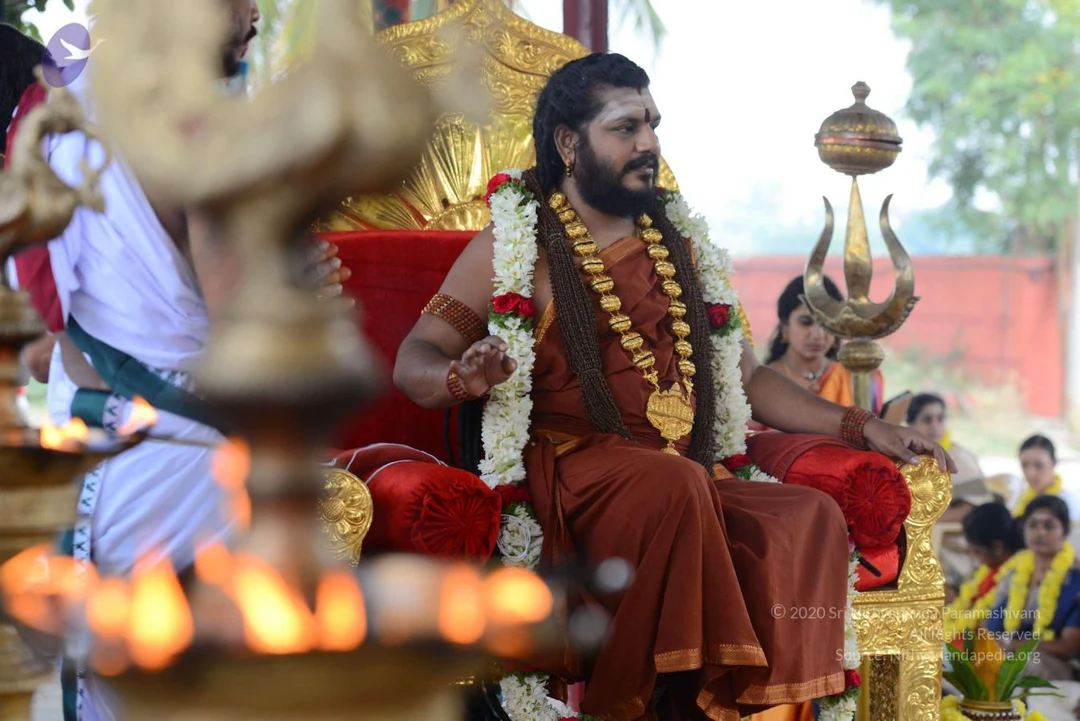
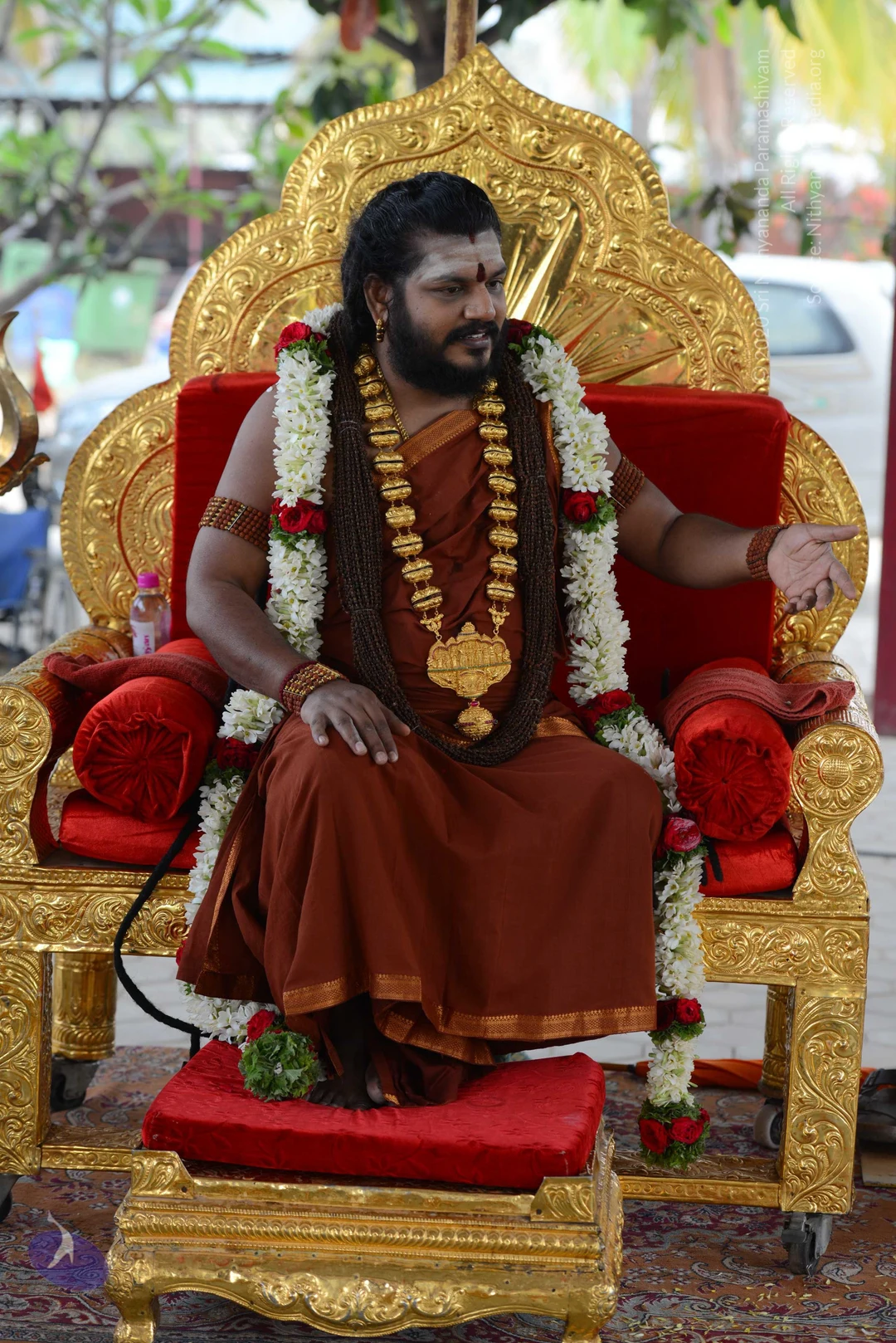
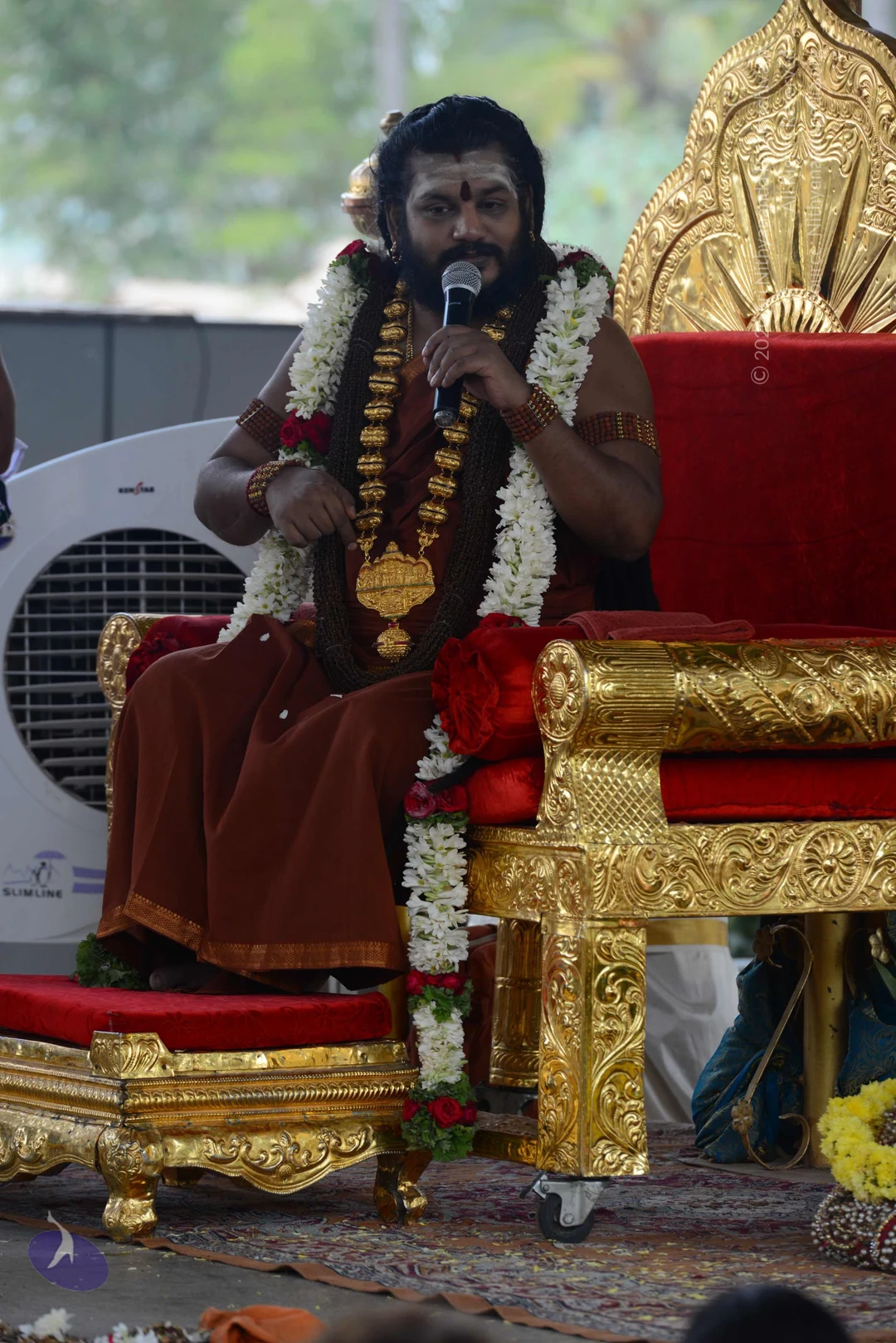
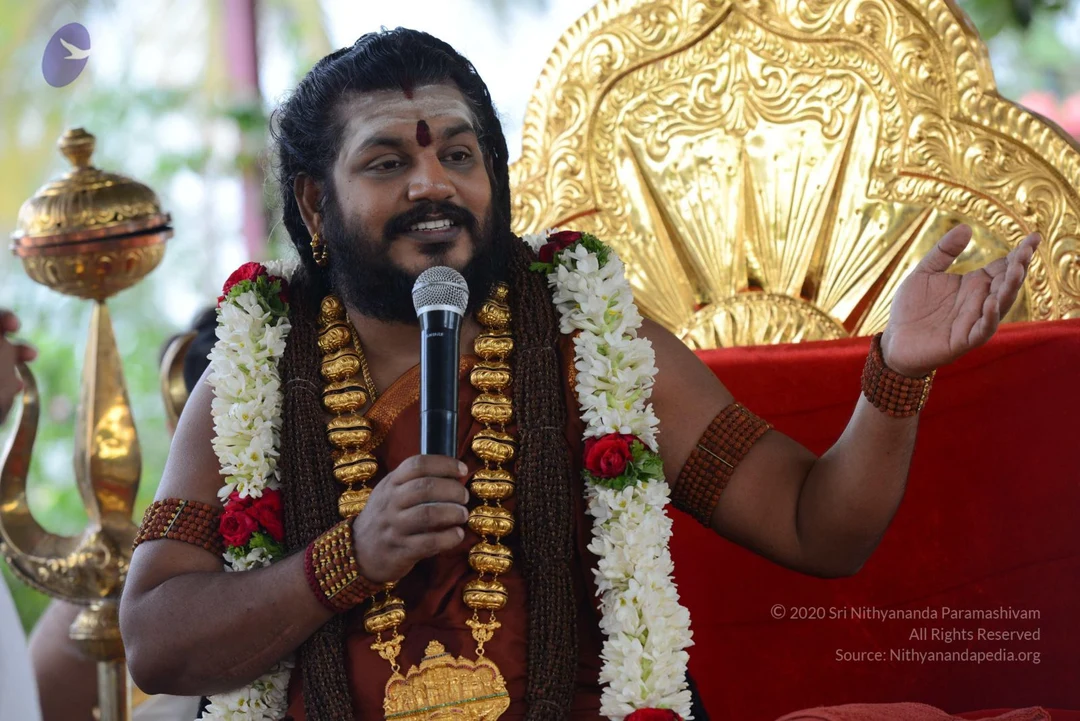
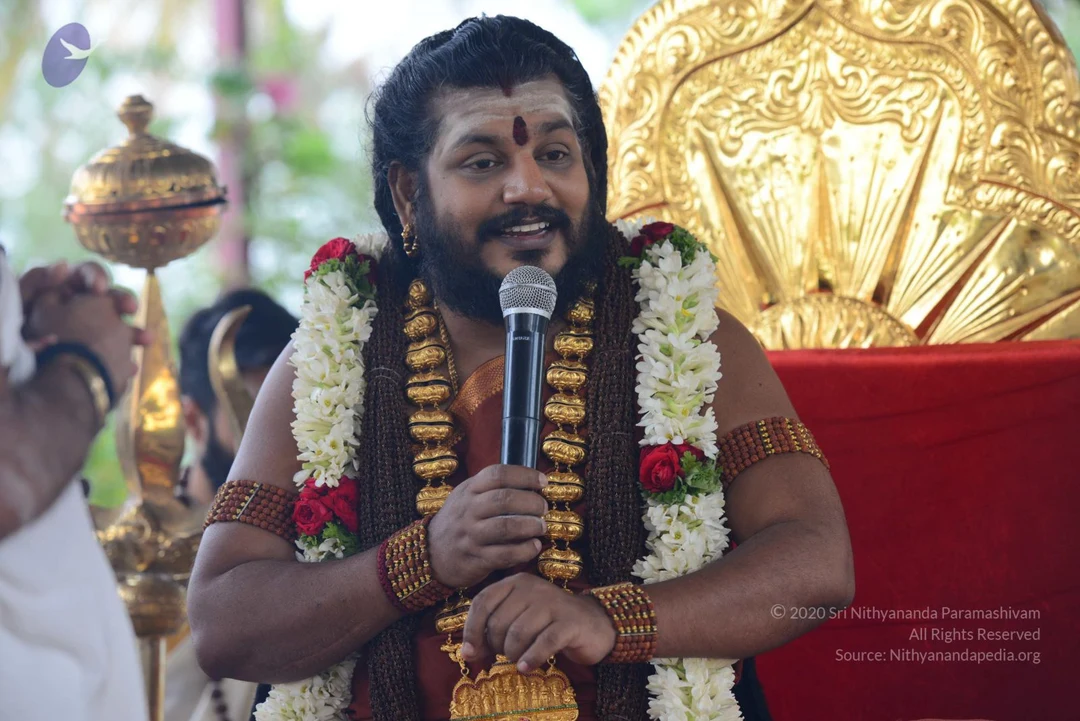
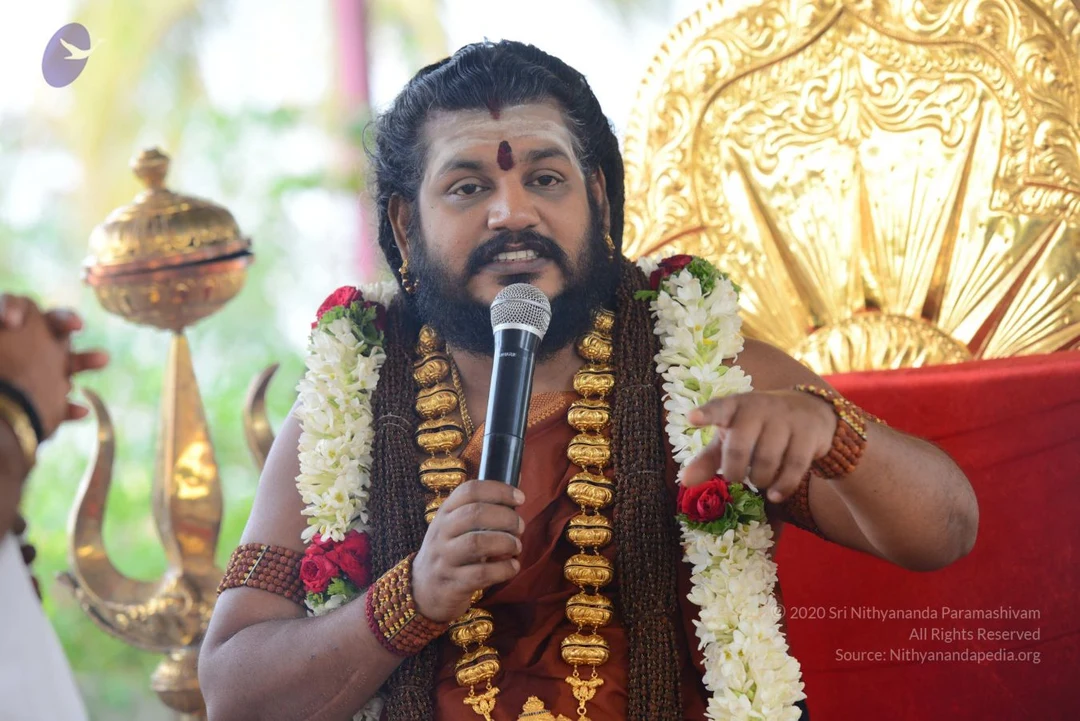
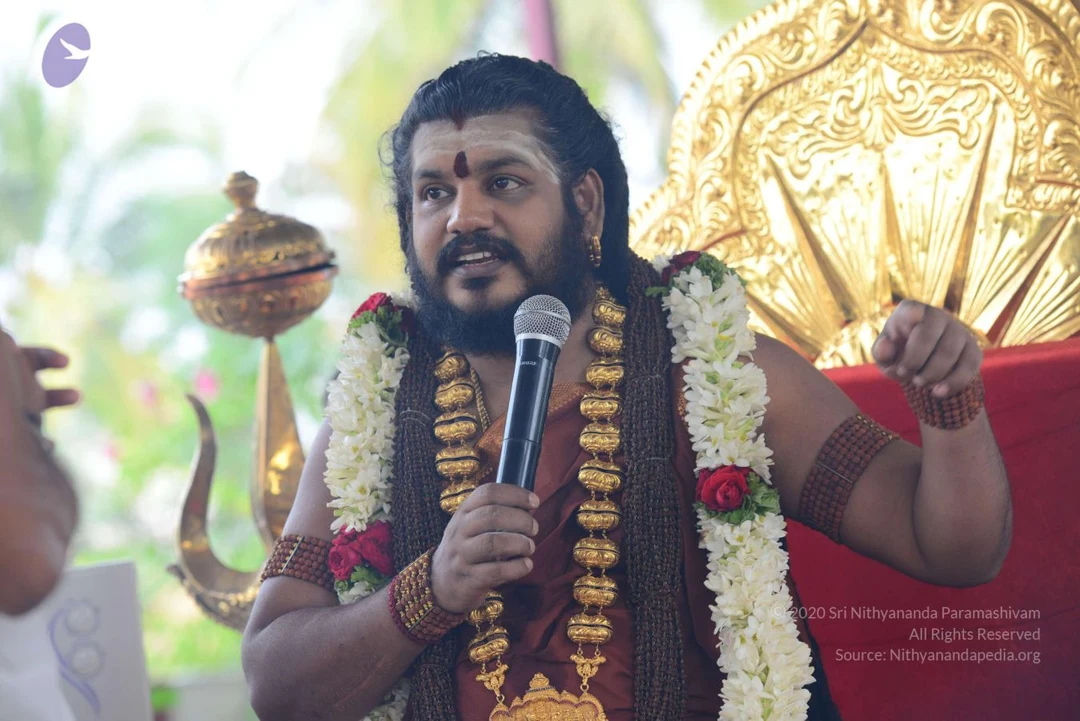
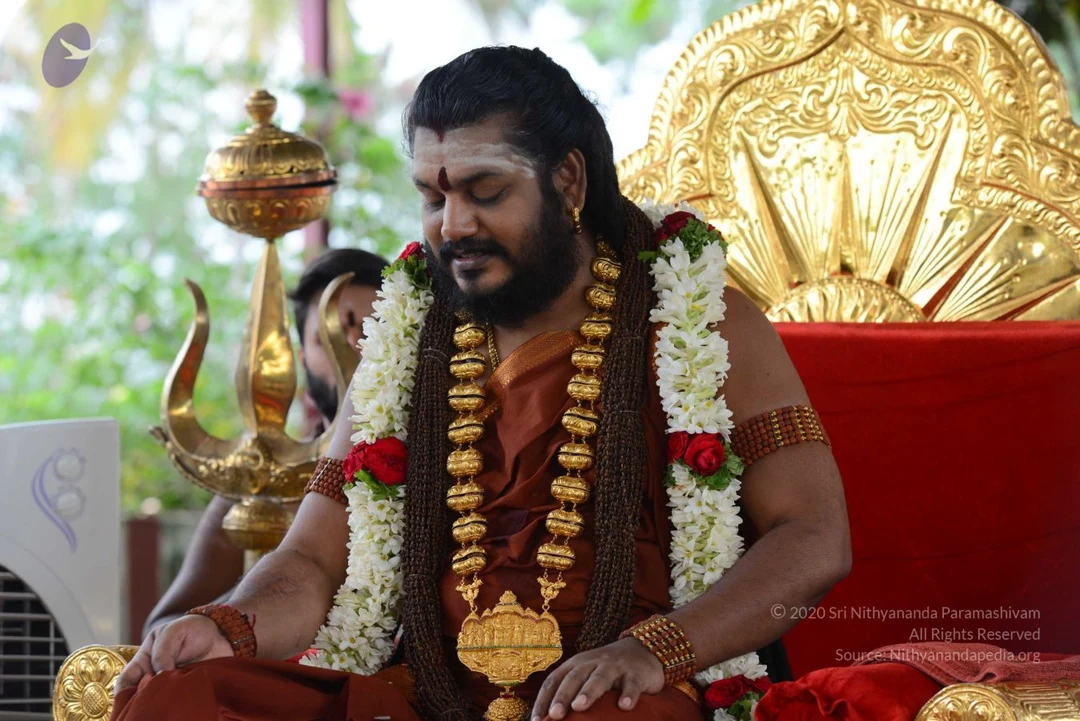
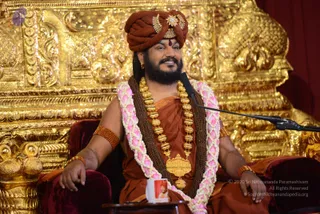
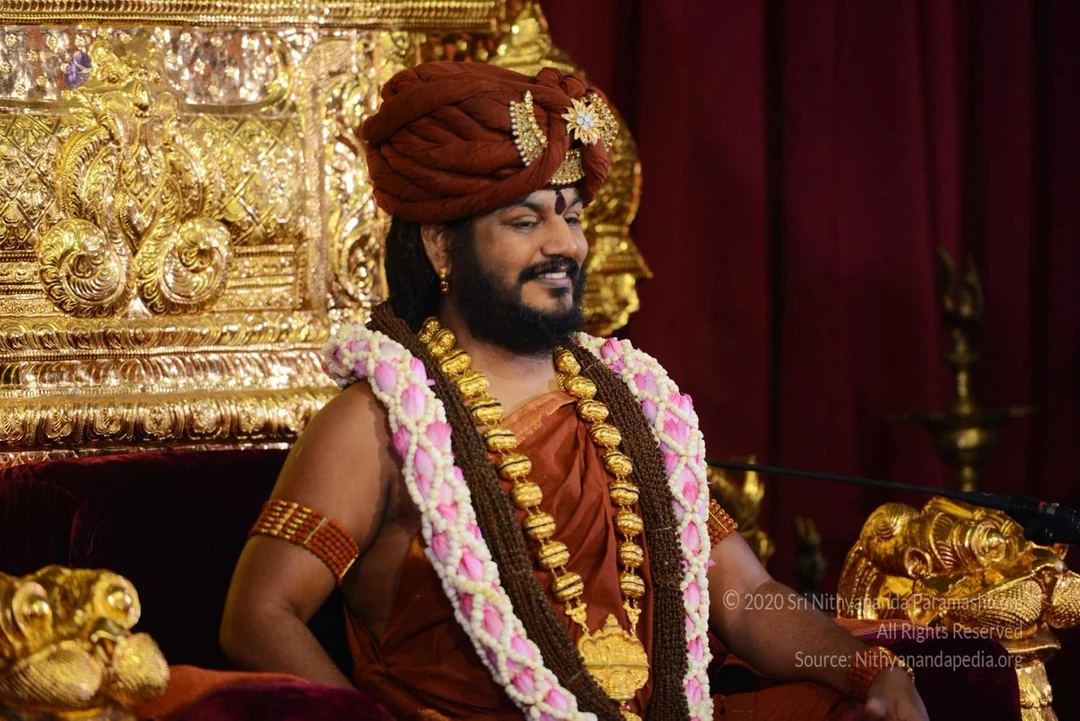 Nithya Satsang with His Divine Holiness Bhagavan Sri Nithyananda Paramashivam
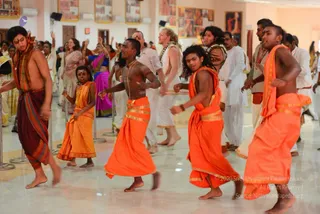
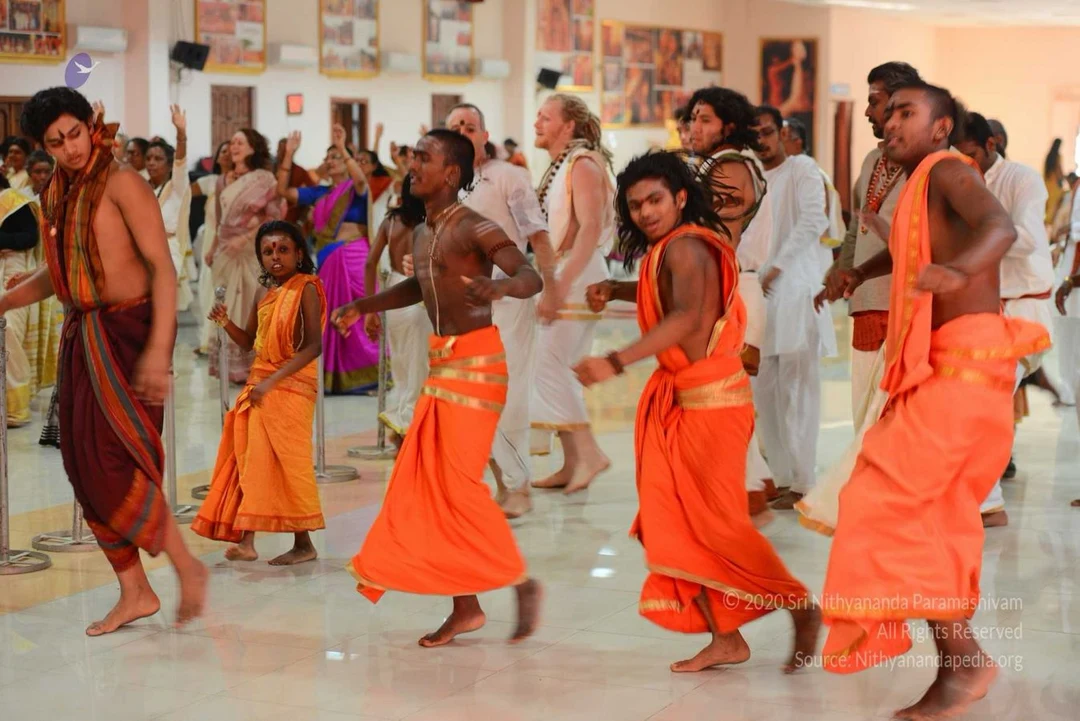 Nithya Kirtans with His Divine Holiness Bhagavan Sri Nithyananda Paramashivam
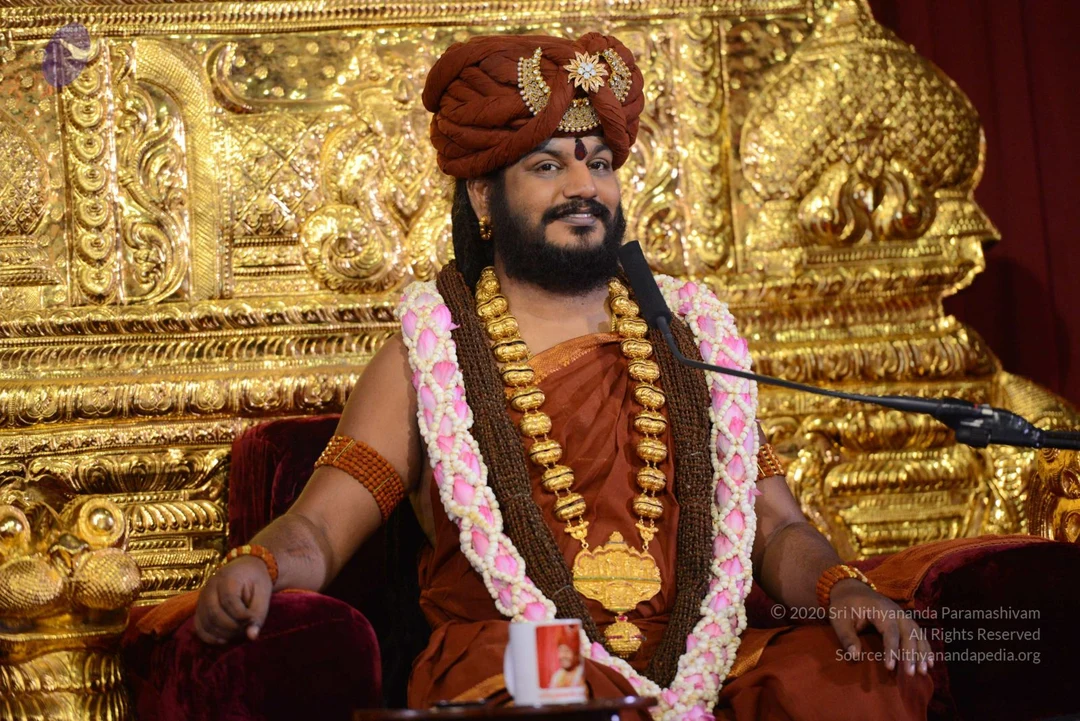
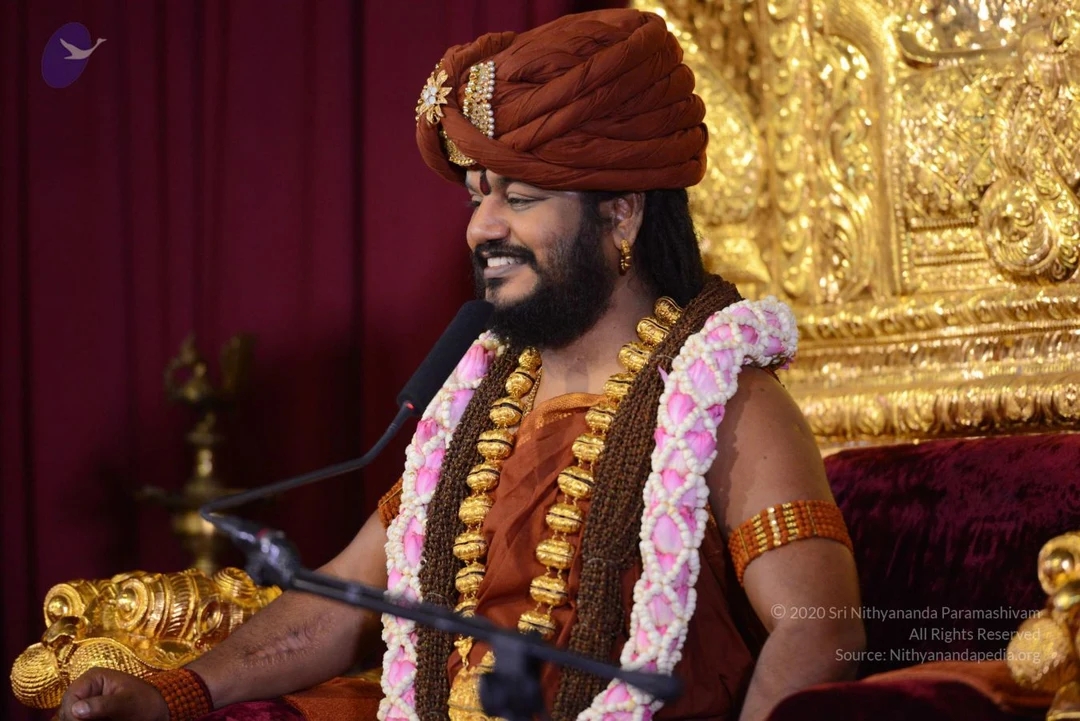
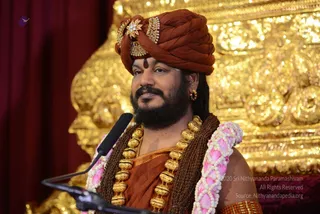
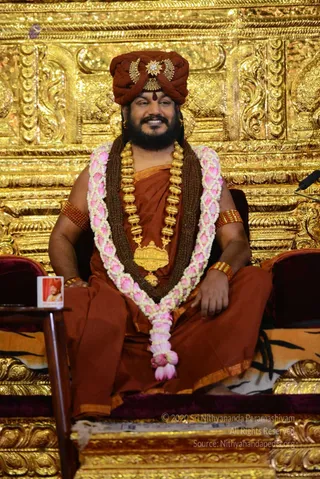 Nithya Satsang with His Divine Holiness Bhagavan Sri Nithyananda Paramashivam
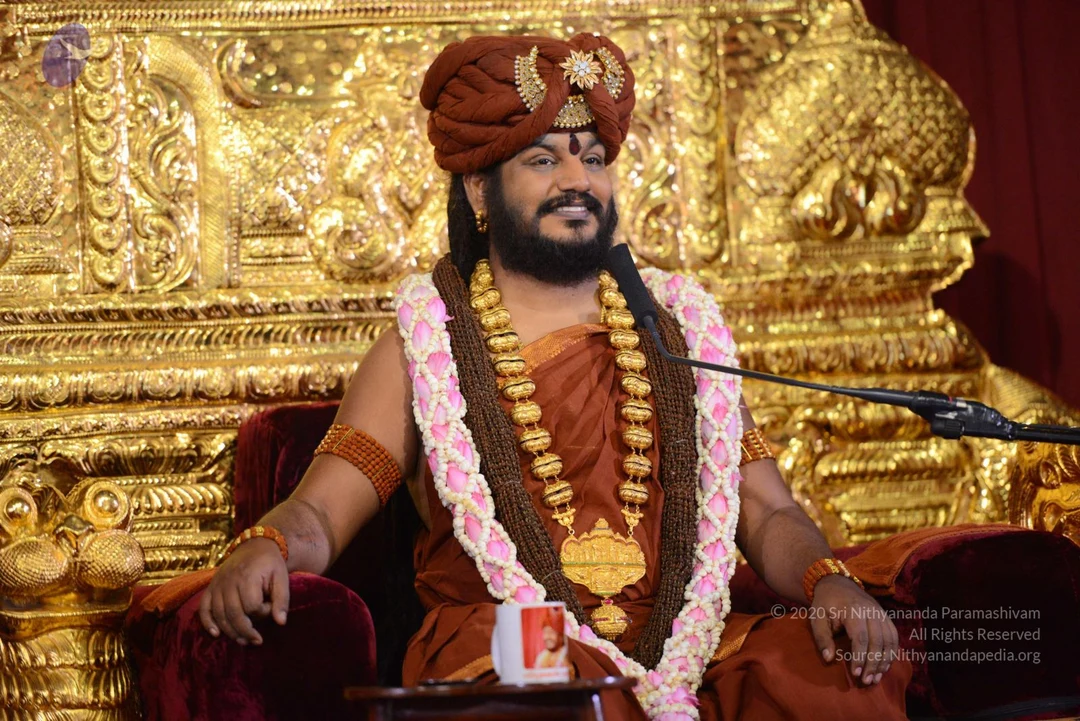
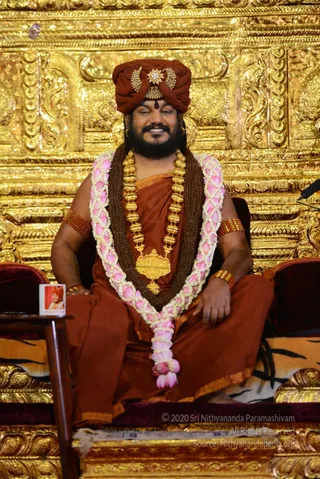 Nithya Satsang with His Divine Holiness Bhagavan Sri Nithyananda Paramashivam
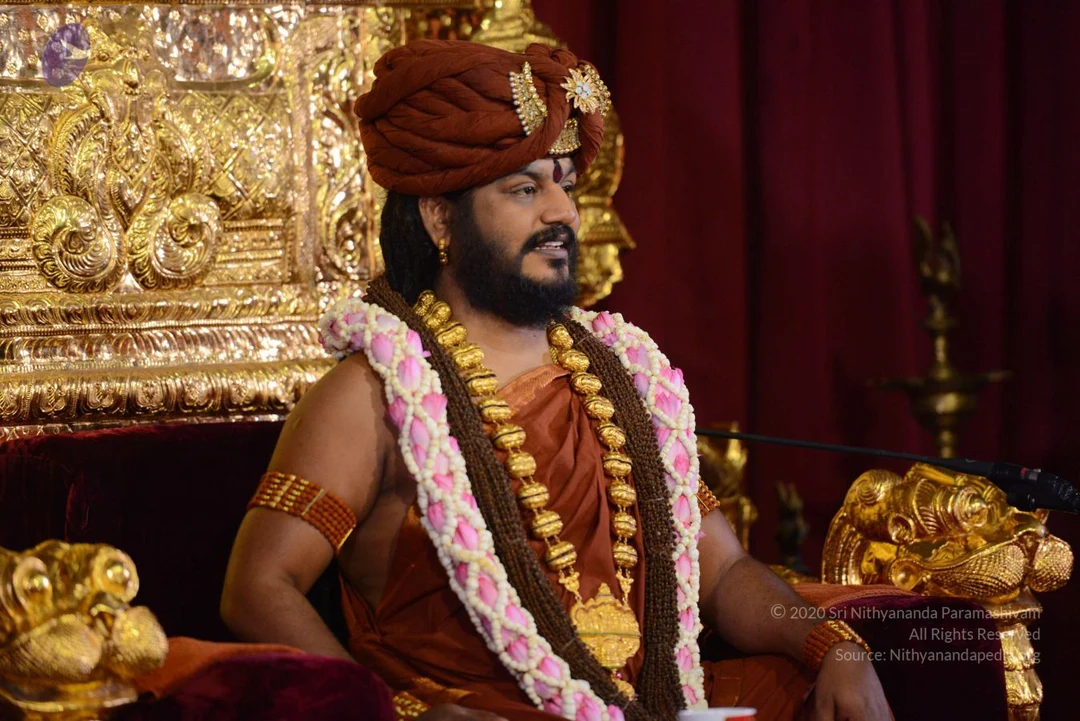
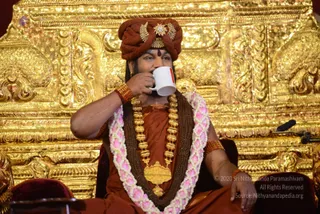
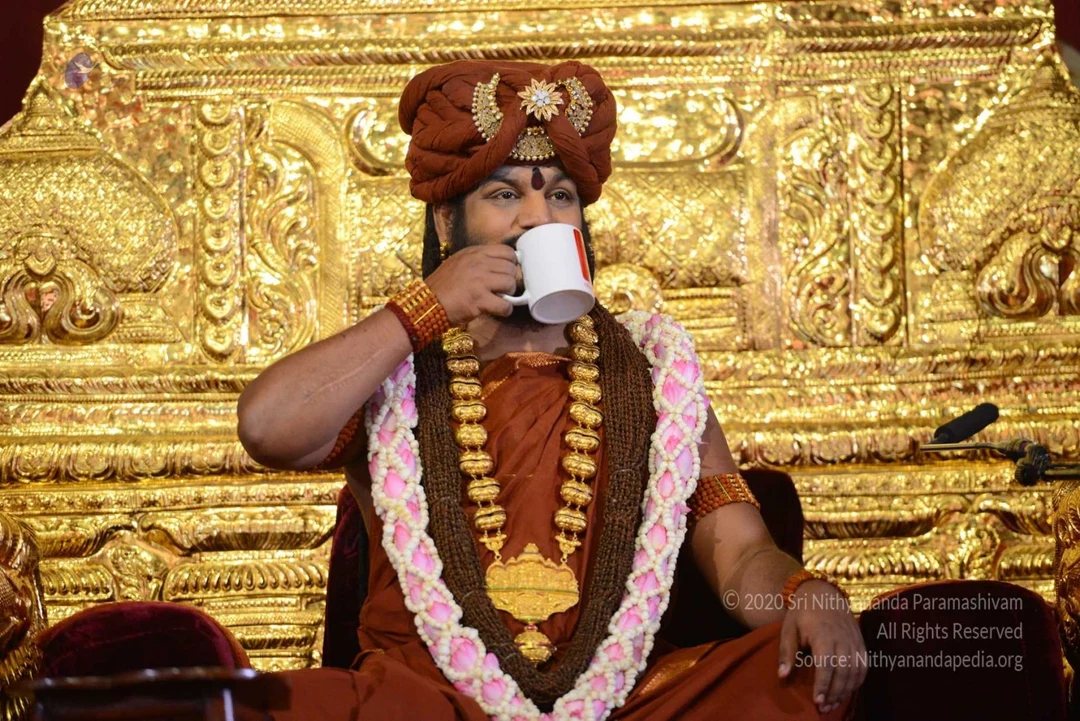 His Divine Holiness Sips a Cup of Tea
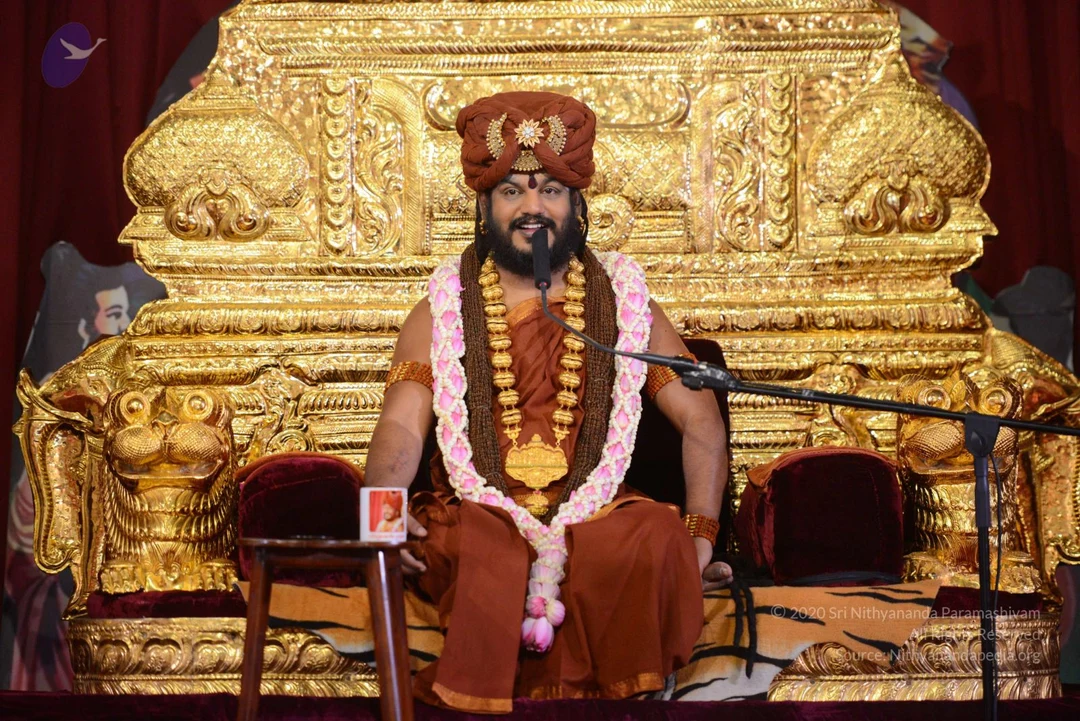
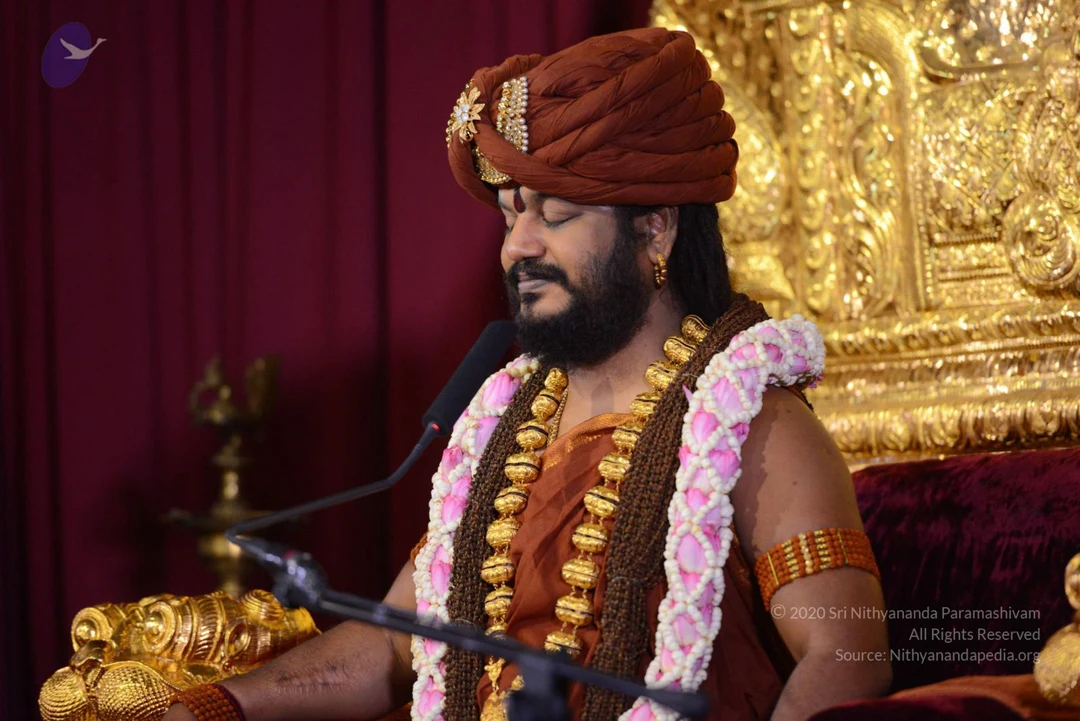
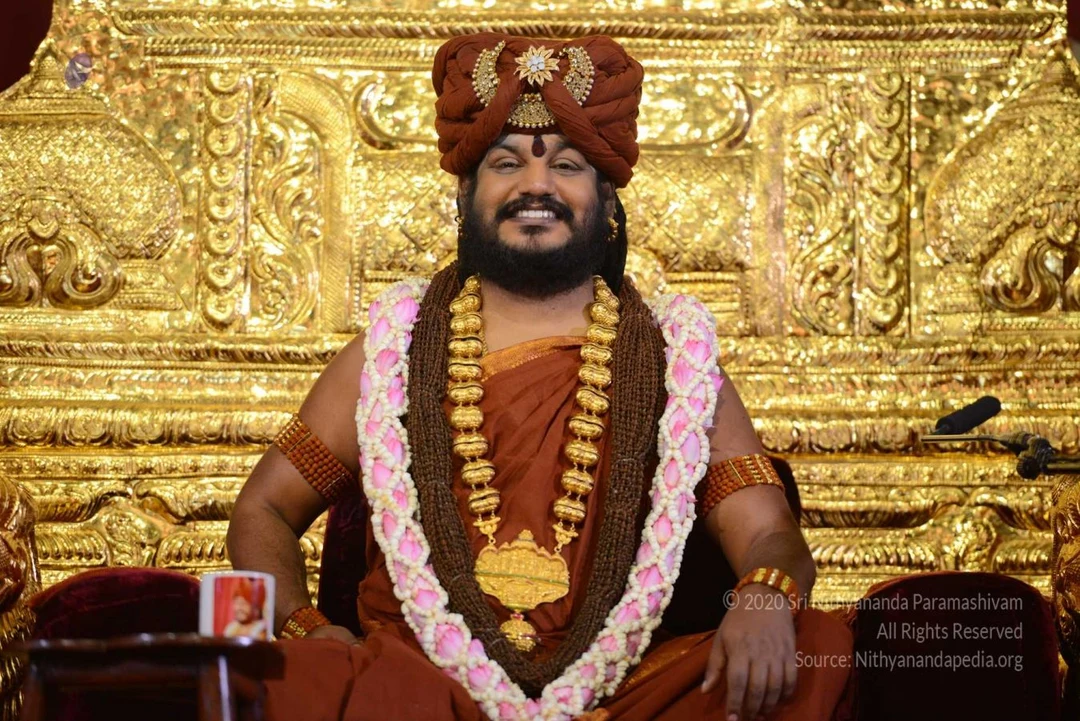 Nithya Satsang with His Divine Holiness Bhagavan Sri Nithyananda Paramashivam
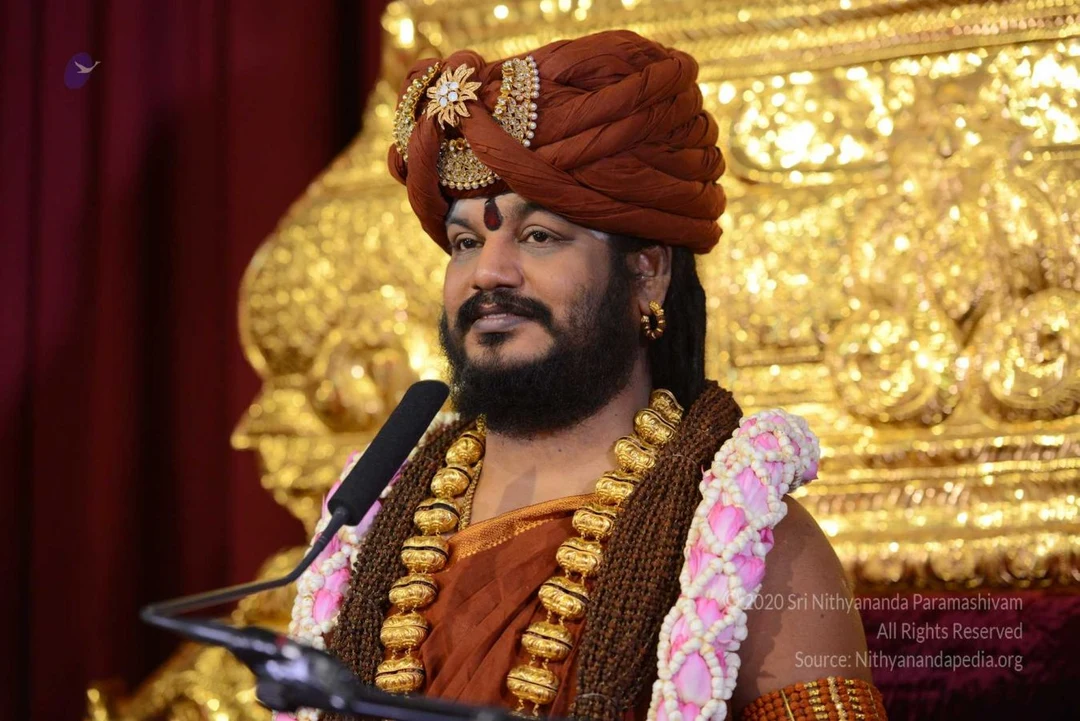 Nithya Satsang with His Divine Holiness Bhagavan Sri Nithyananda Paramashivam
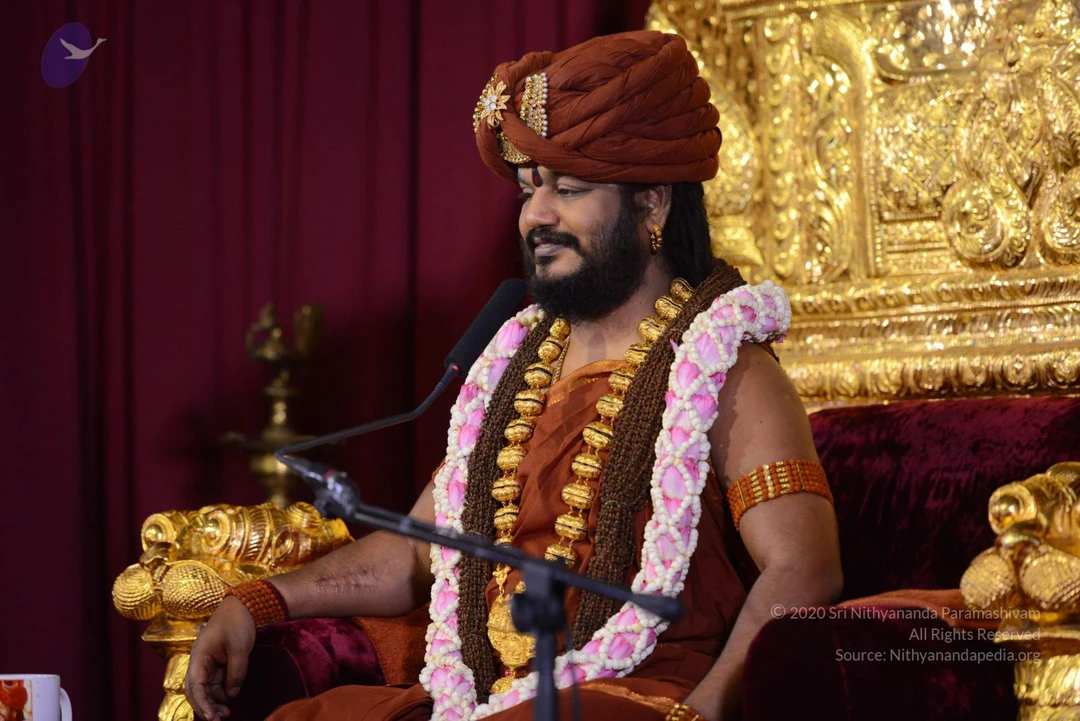
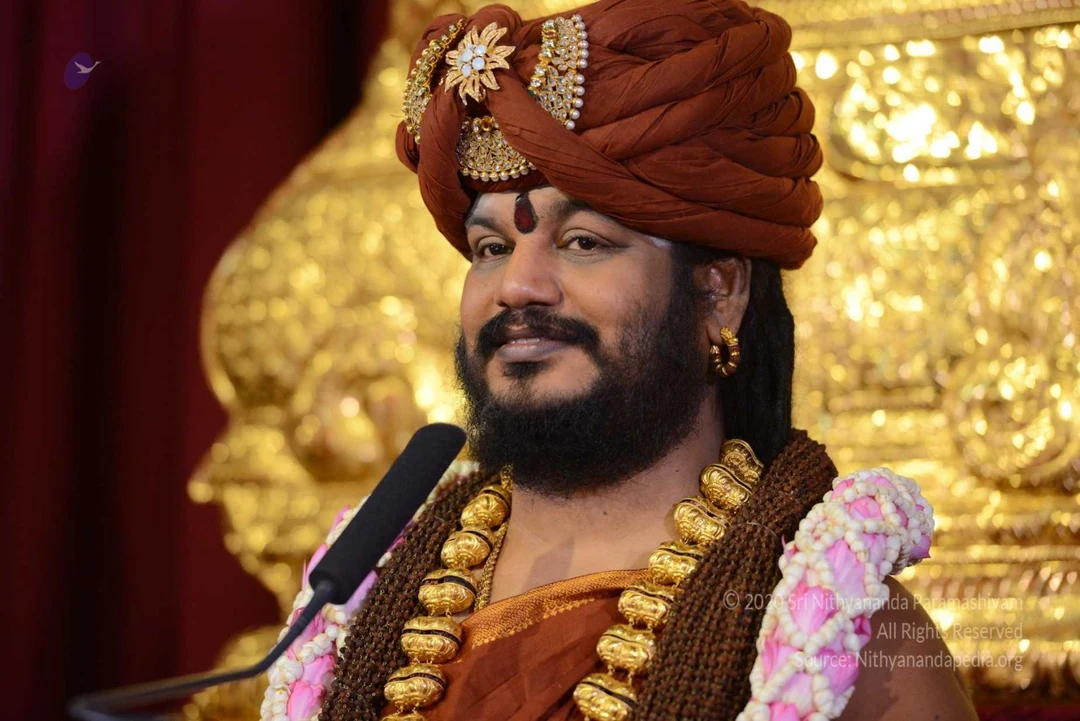 Nithya Satsang with His Divine Holiness Bhagavan Sri Nithyananda Paramashivam
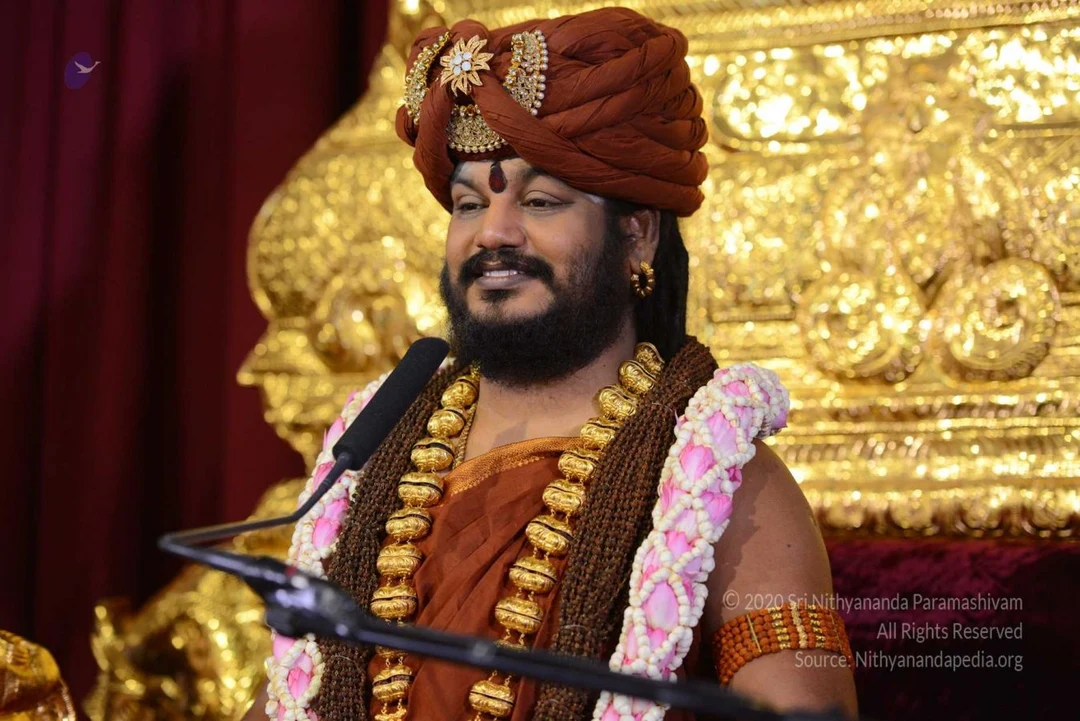 Nithya Satsang with His Divine Holiness Bhagavan Sri Nithyananda Paramashivam
 Nithya Satsang with His Divine Holiness Bhagavan Sri Nithyananda Paramashivam
 Nithya Satsang with His Divine Holiness Bhagavan Sri Nithyananda Paramashivam
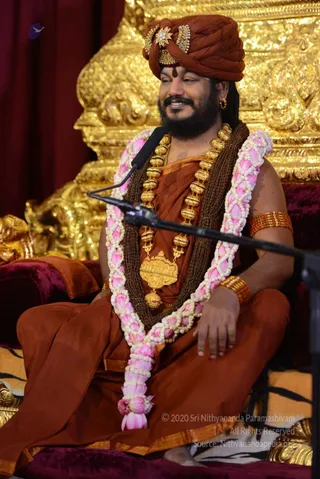 Nithya Satsang with His Divine Holiness Bhagavan Sri Nithyananda Paramashivam
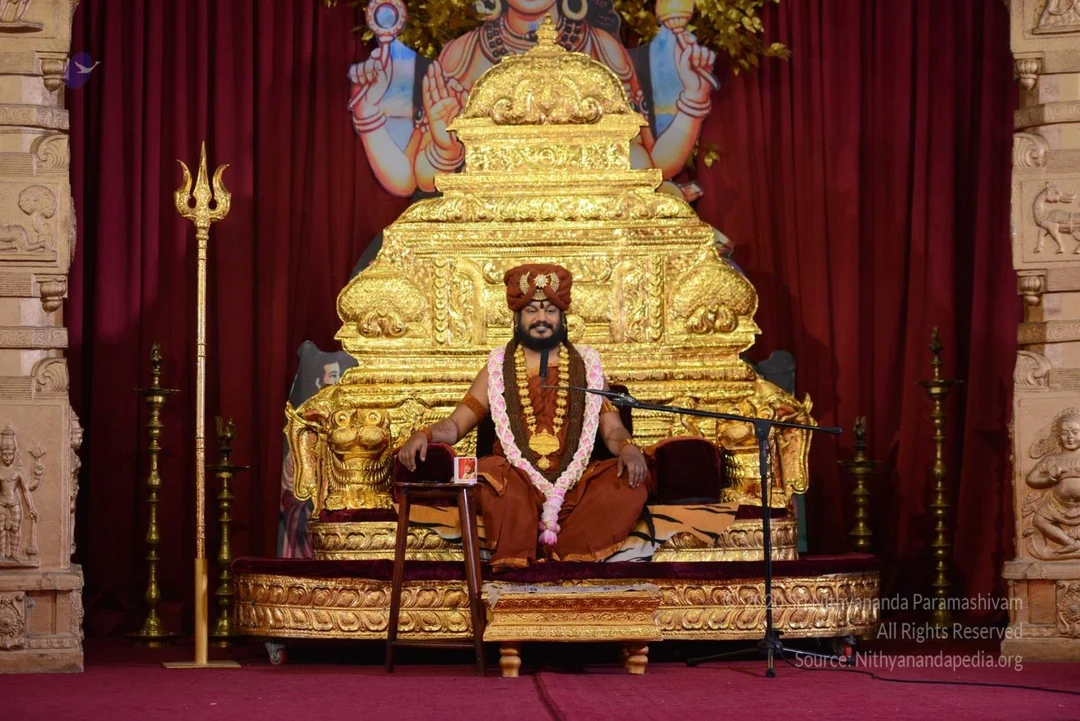 Nithya Satsang with His Divine Holiness Bhagavan Sri Nithyananda Paramashivam
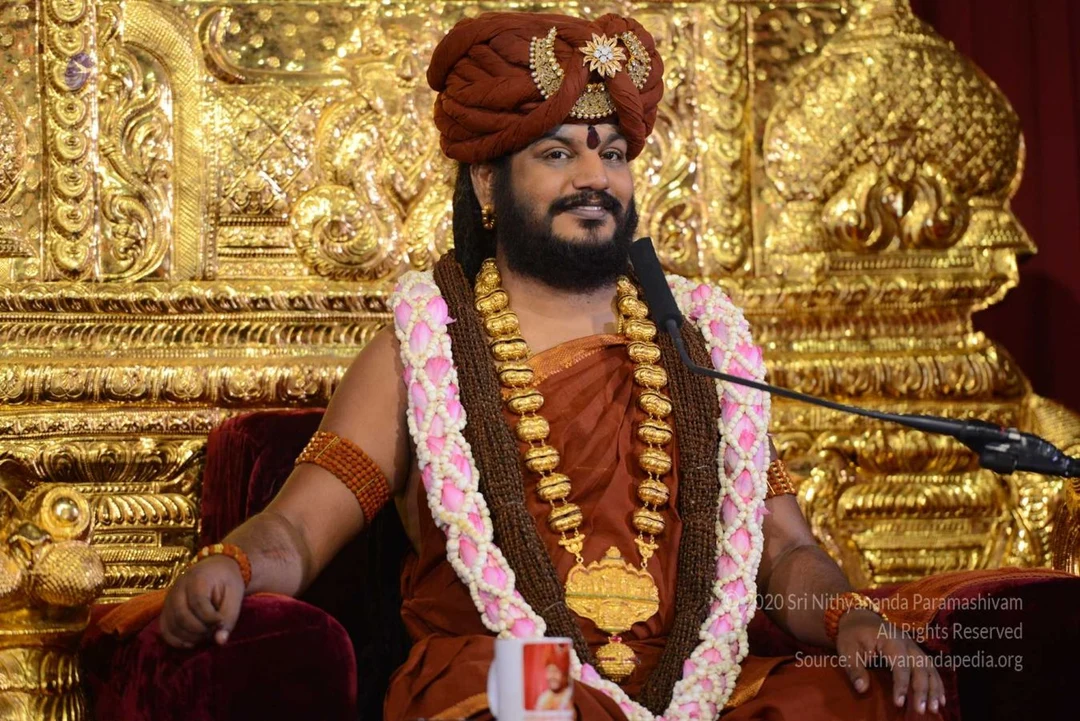 Nithya Satsang with His Divine Holiness Bhagavan Sri Nithyananda Paramashivam
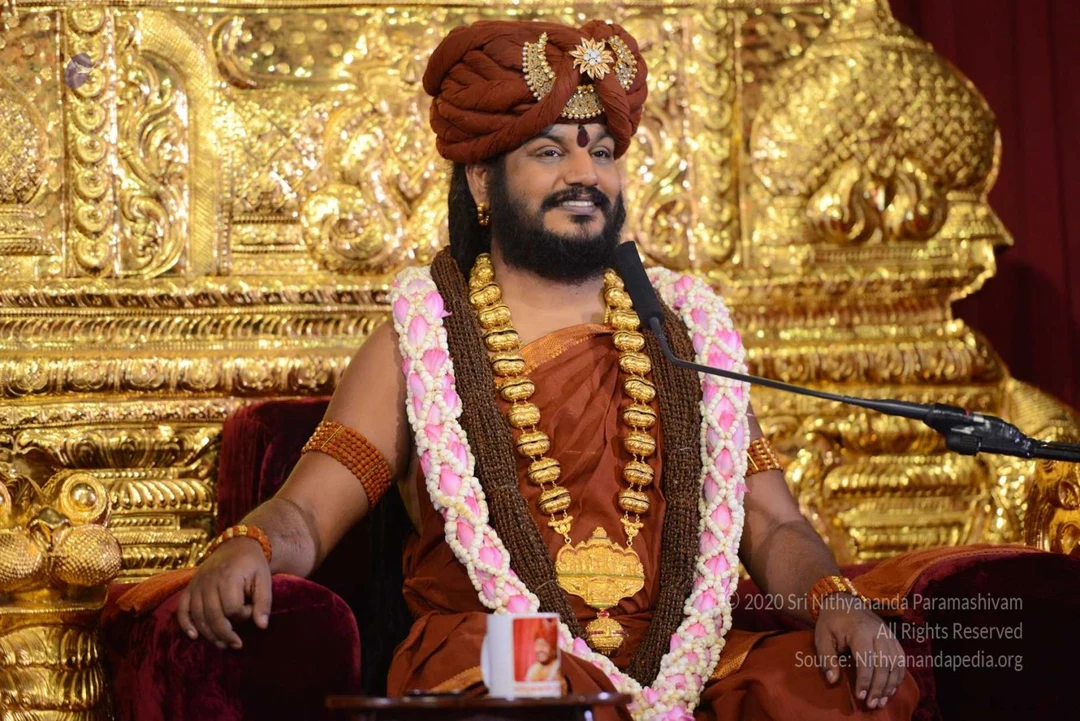 Nithya Satsang with His Divine Holiness Bhagavan Sri Nithyananda Paramashivam
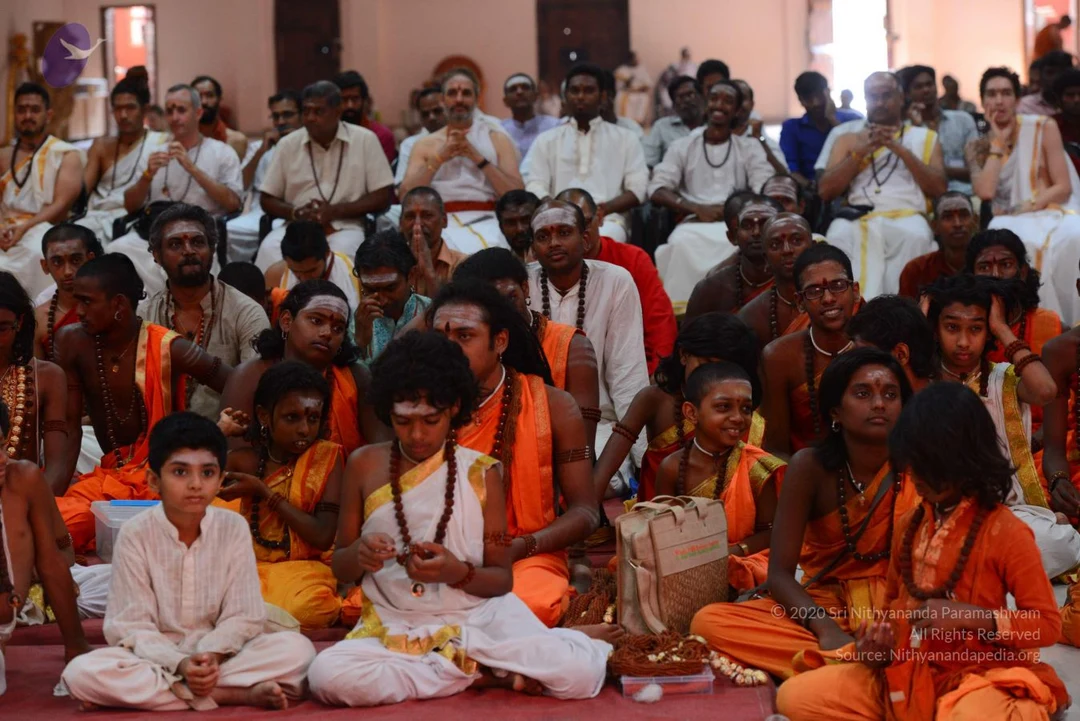
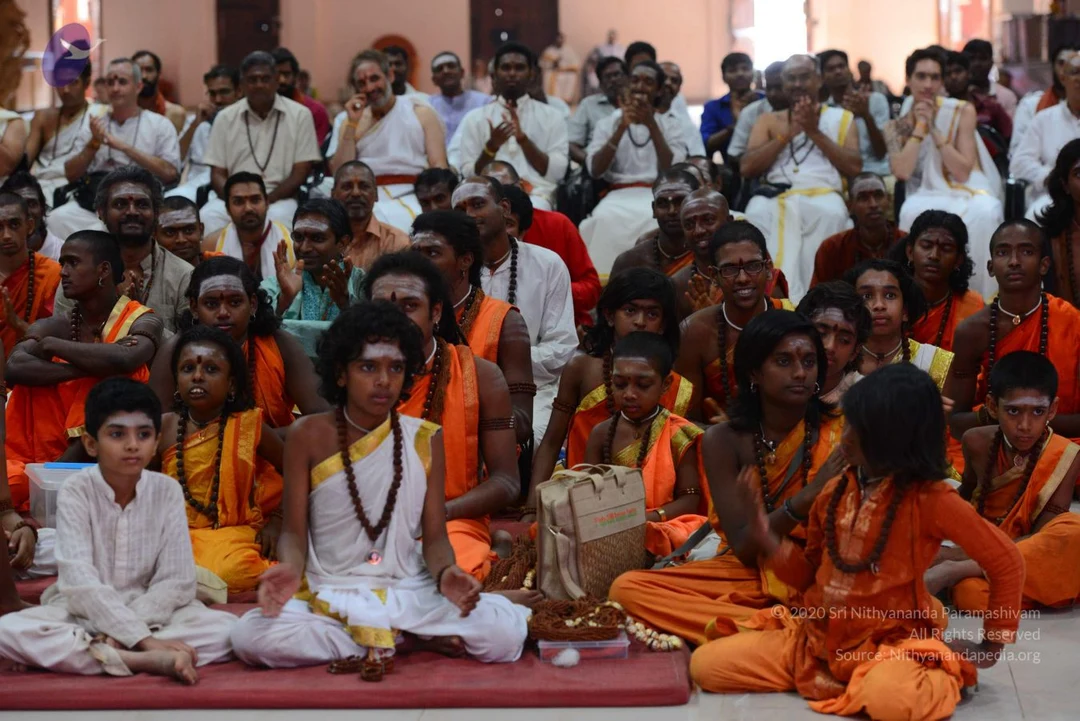
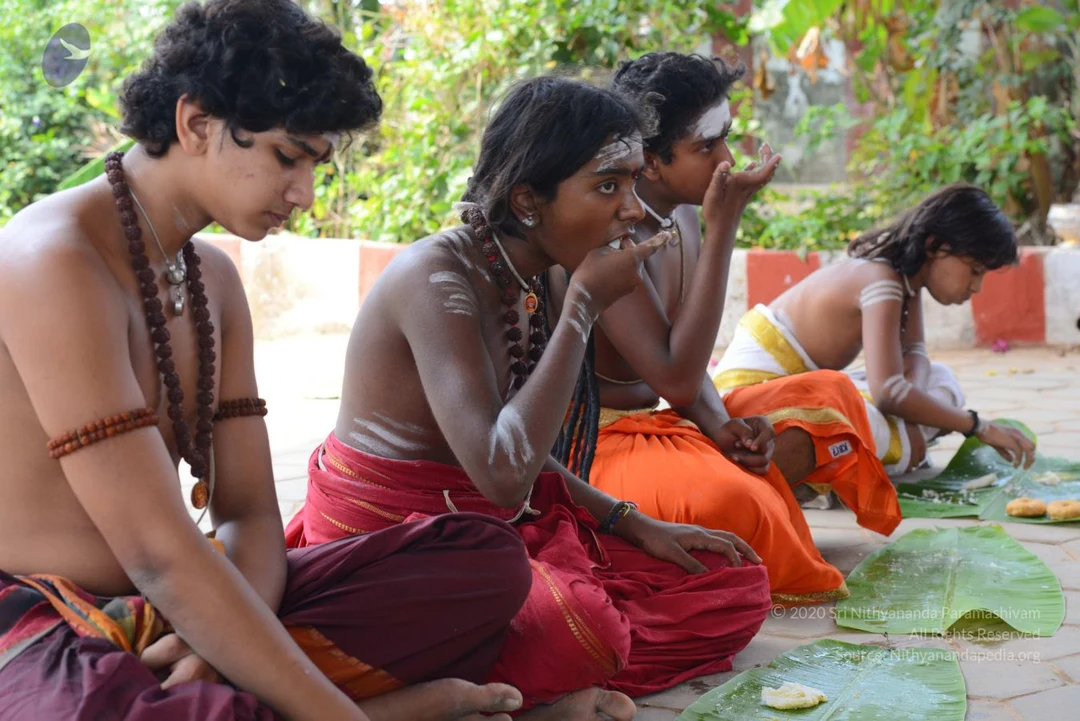
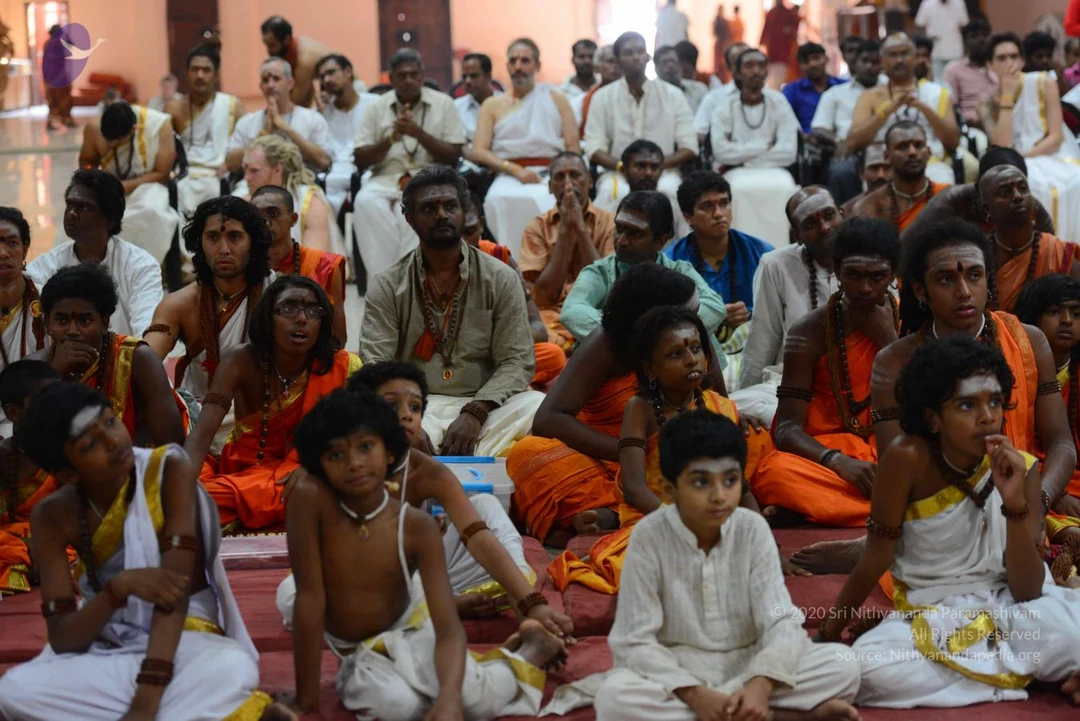
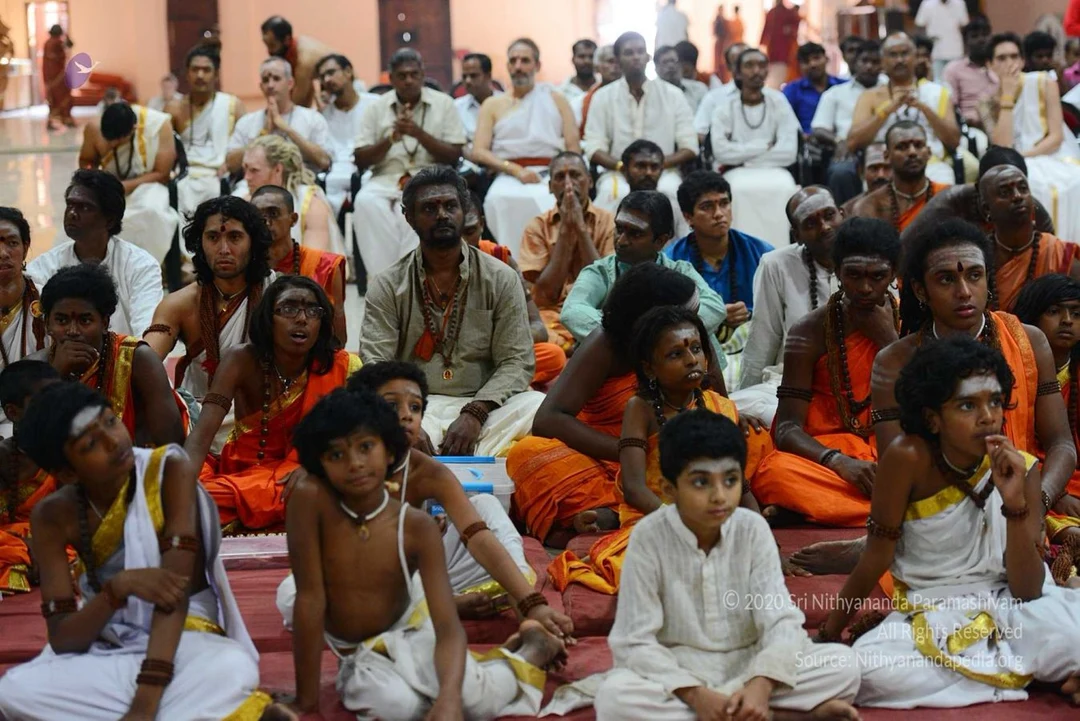 Balasanths and Nithyananda Yogam Delegates Attend Morning Nithya Satsang
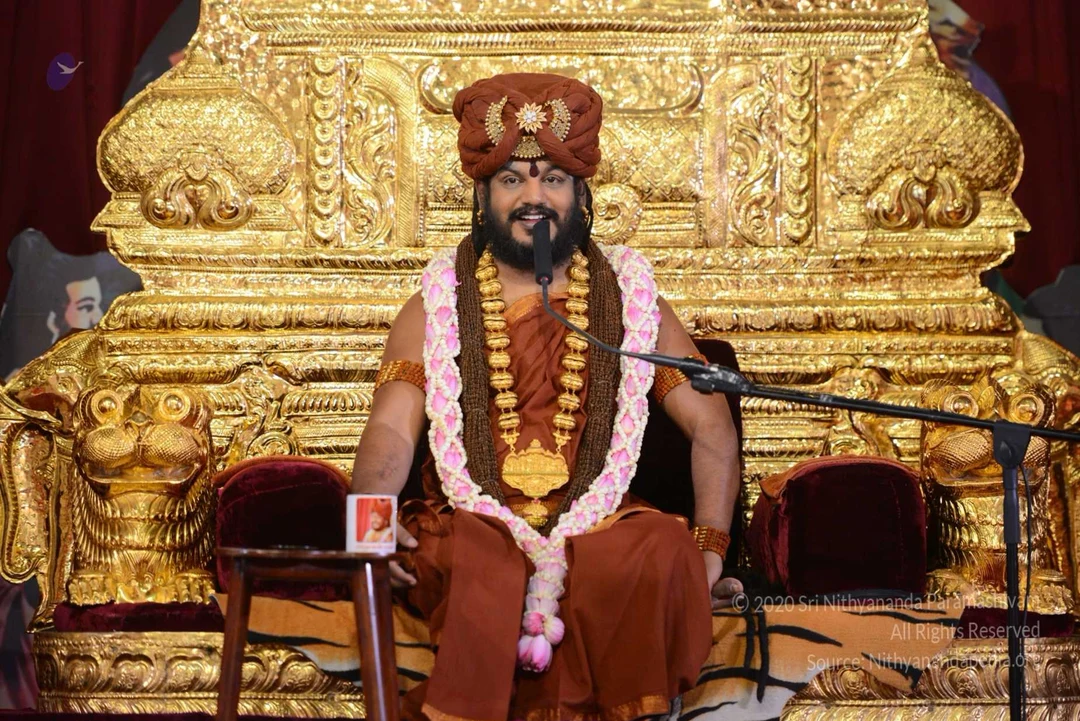 Nithya Satsang with His Divine Holiness Bhagavan Sri Nithyananda Paramashivam
 Nithya Satsang with His Divine Holiness Bhagavan Sri Nithyananda Paramashivam
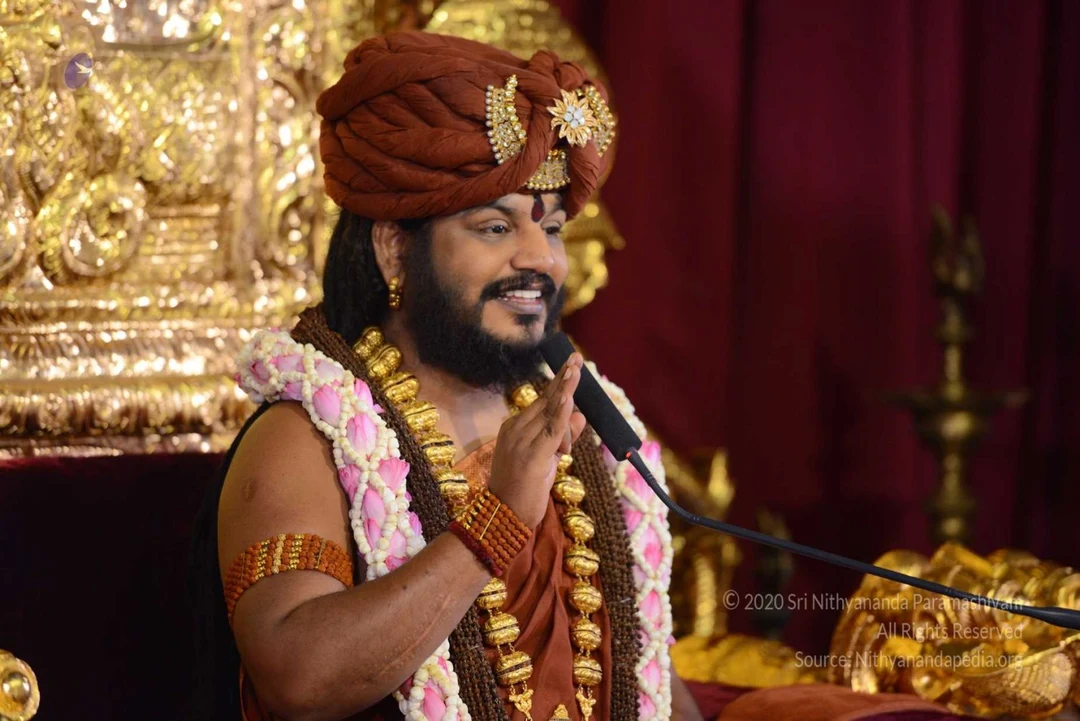 Nithya Satsang with His Divine Holiness Bhagavan Sri Nithyananda Paramashivam
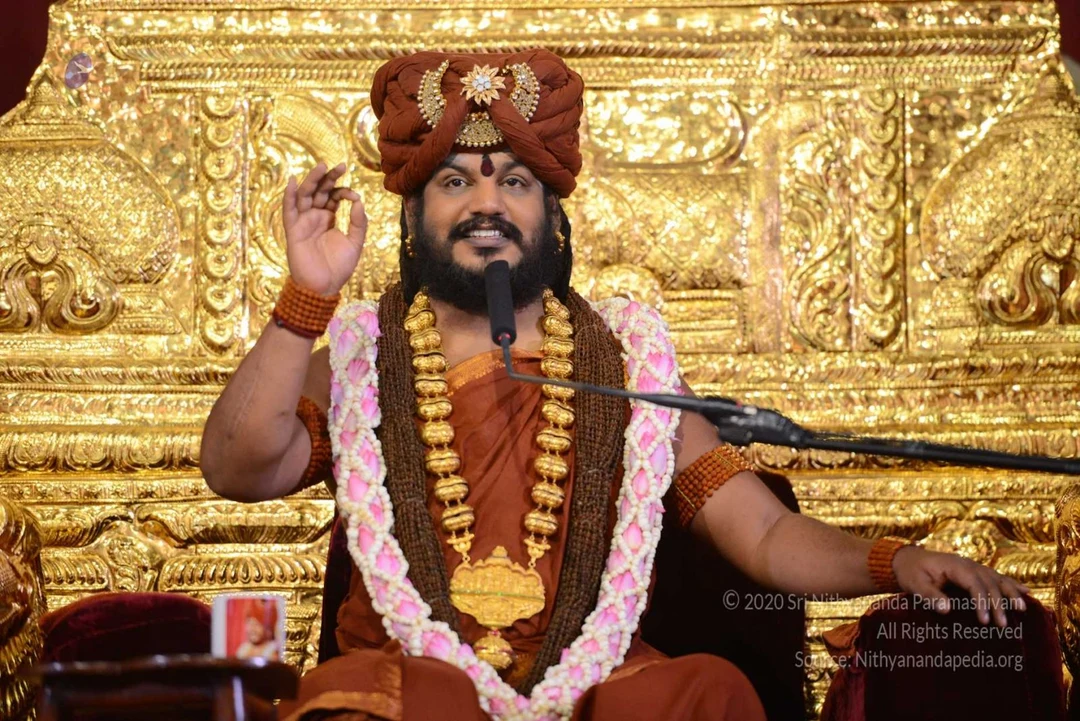 Nithya Satsang with His Divine Holiness Bhagavan Sri Nithyananda Paramashivam
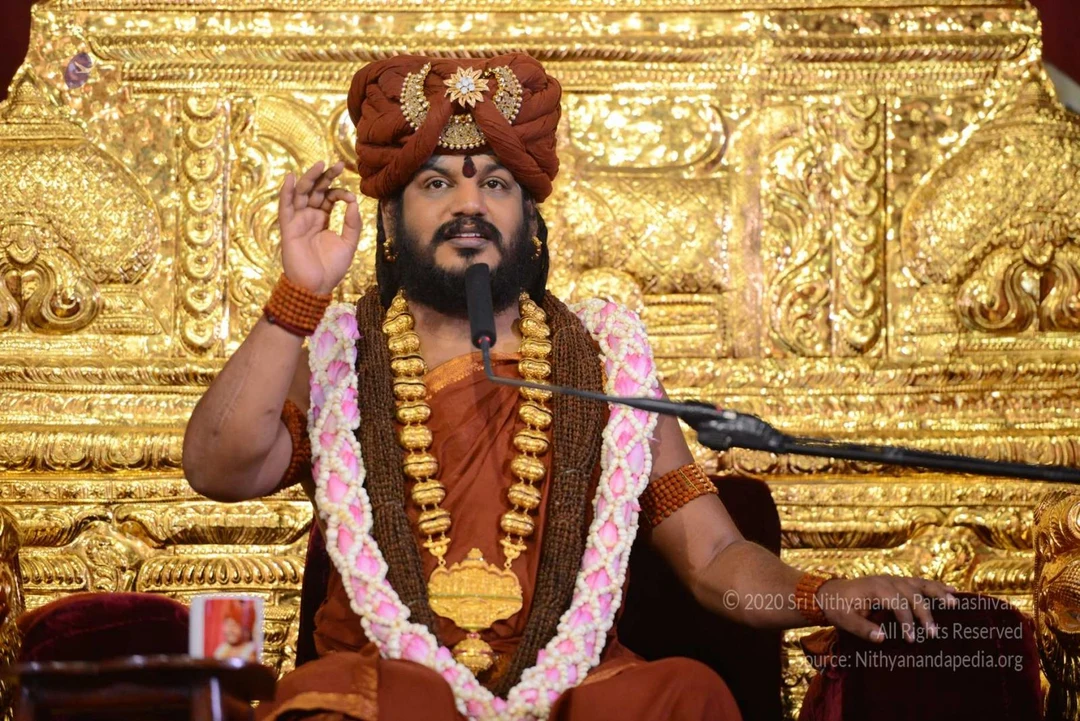 Nithya Satsang with His Divine Holiness Bhagavan Sri Nithyananda Paramashivam
 Nithya Satsang with His Divine Holiness Bhagavan Sri Nithyananda Paramashivam
- Nithya Satsang with His Divine Holiness Bhagavan Sri Nithyananda Paramashivam
 Nithya Satsang with His Divine Holiness Bhagavan Sri Nithyananda Paramashivam
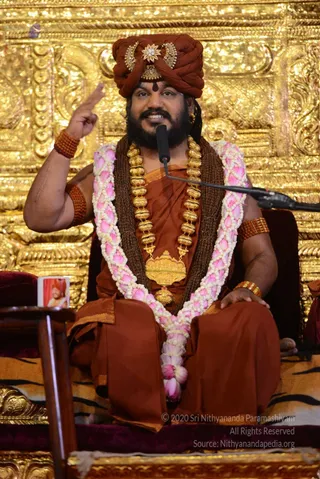 Nithya Satsang with His Divine Holiness Bhagavan Sri Nithyananda Paramashivam
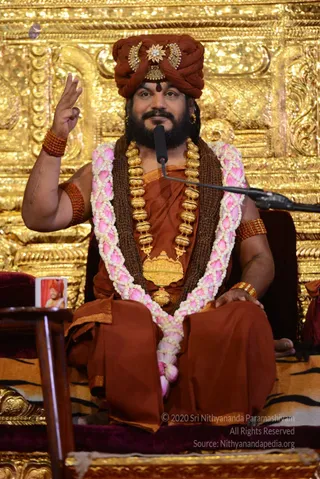 Nithya Satsang with His Divine Holiness Bhagavan Sri Nithyananda Paramashivam
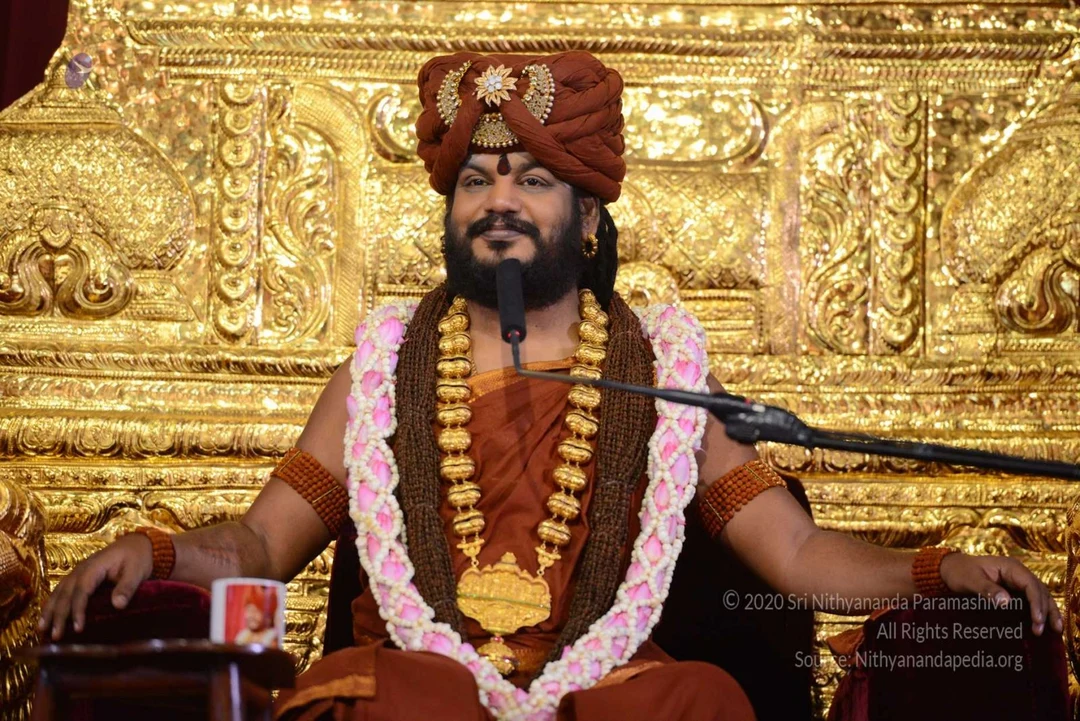 Nithya Satsang with His Divine Holiness Bhagavan Sri Nithyananda Paramashivam
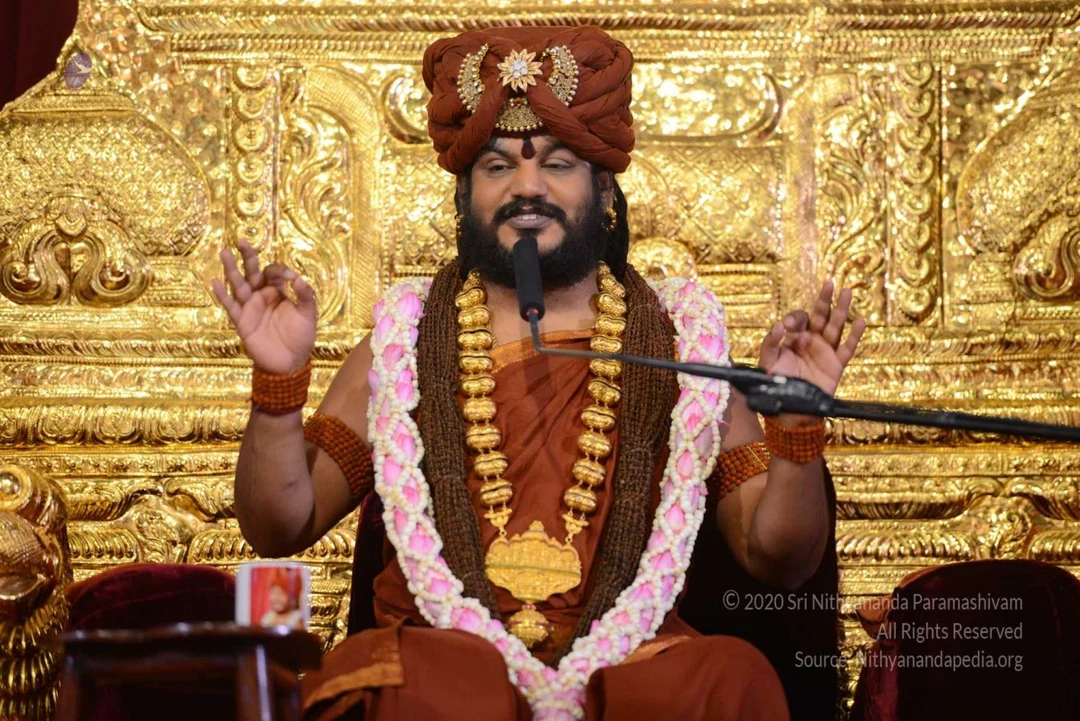 Nithya Satsang with His Divine Holiness Bhagavan Sri Nithyananda Paramashivam
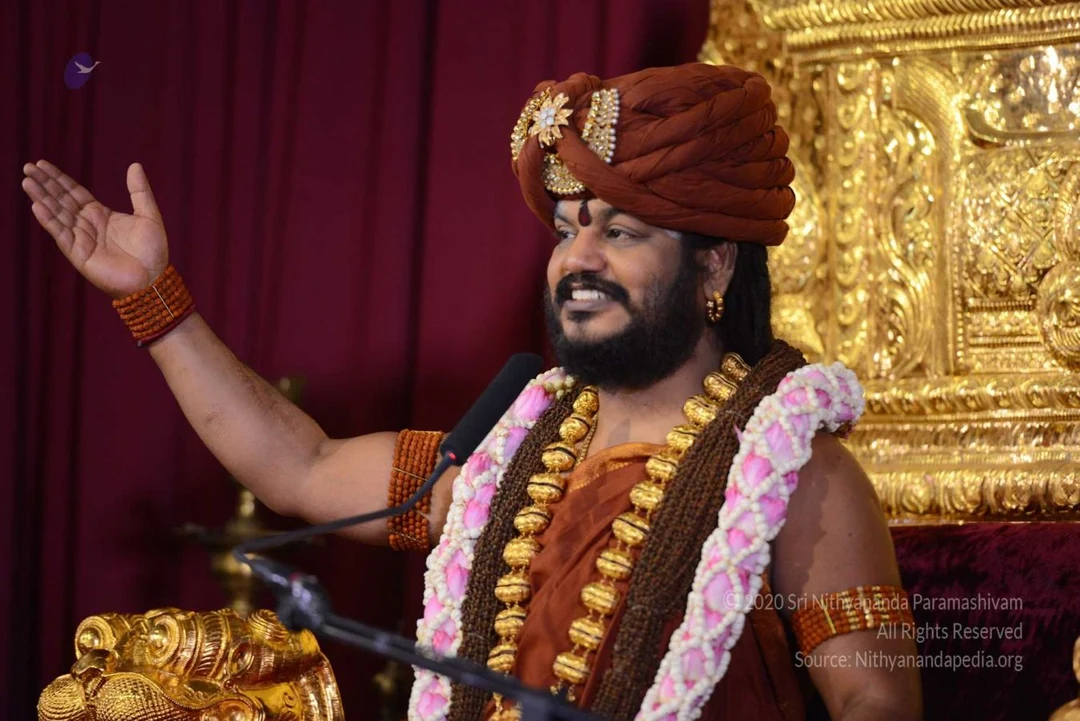 Nithya Satsang with His Divine Holiness Bhagavan Sri Nithyananda Paramashivam
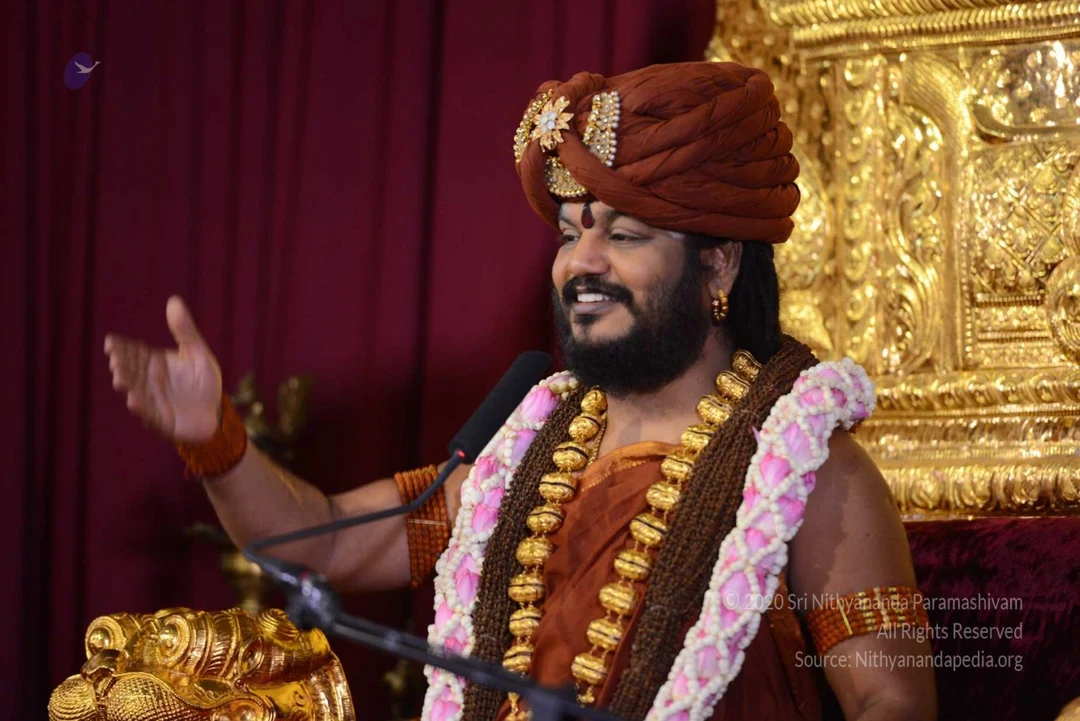 Nithya Satsang with His Divine Holiness Bhagavan Sri Nithyananda Paramashivam
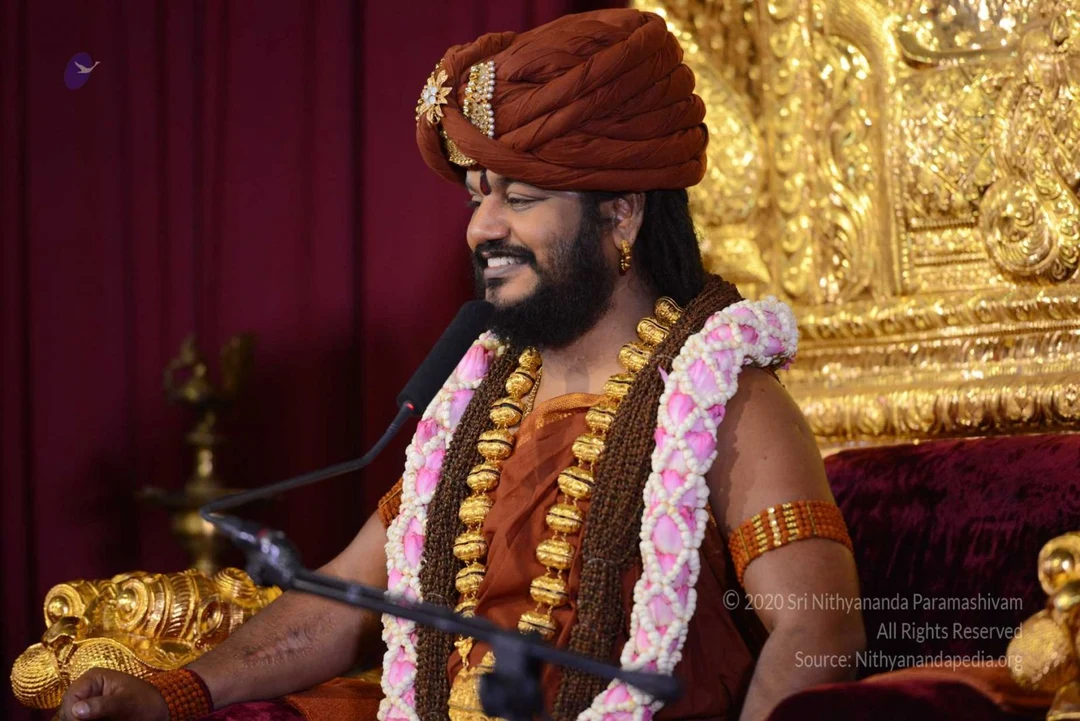 Nithya Satsang with His Divine Holiness Bhagavan Sri Nithyananda Paramashivam
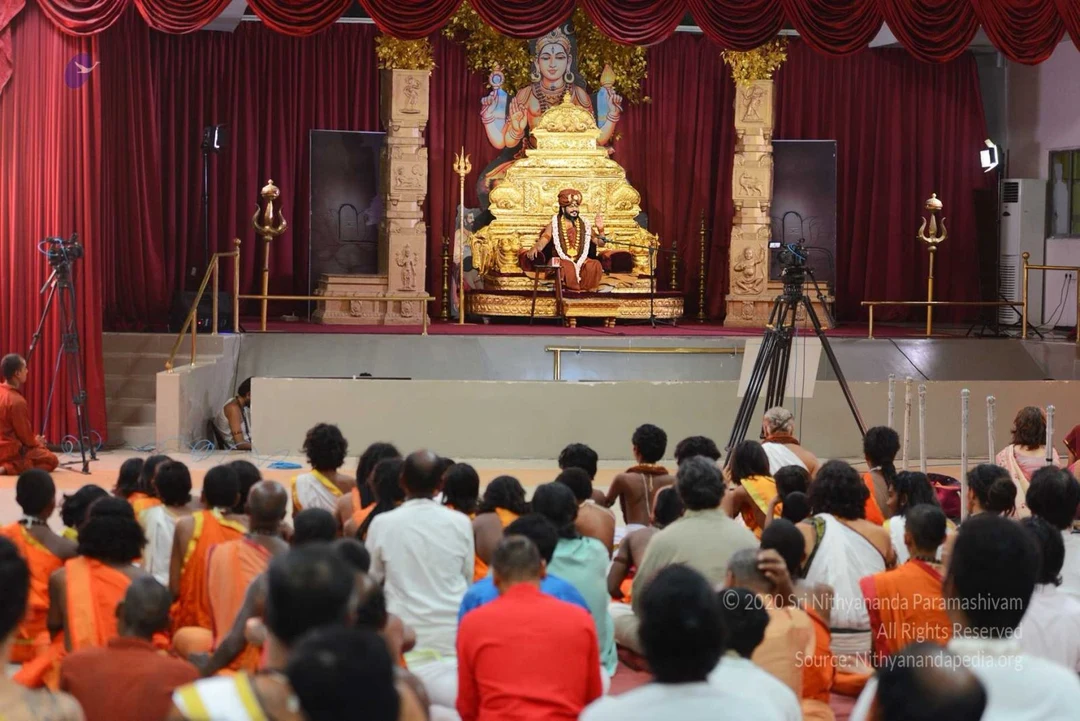 Balasanths and Nithyananda Yogam Delegates Attend Morning Nithya Satsang
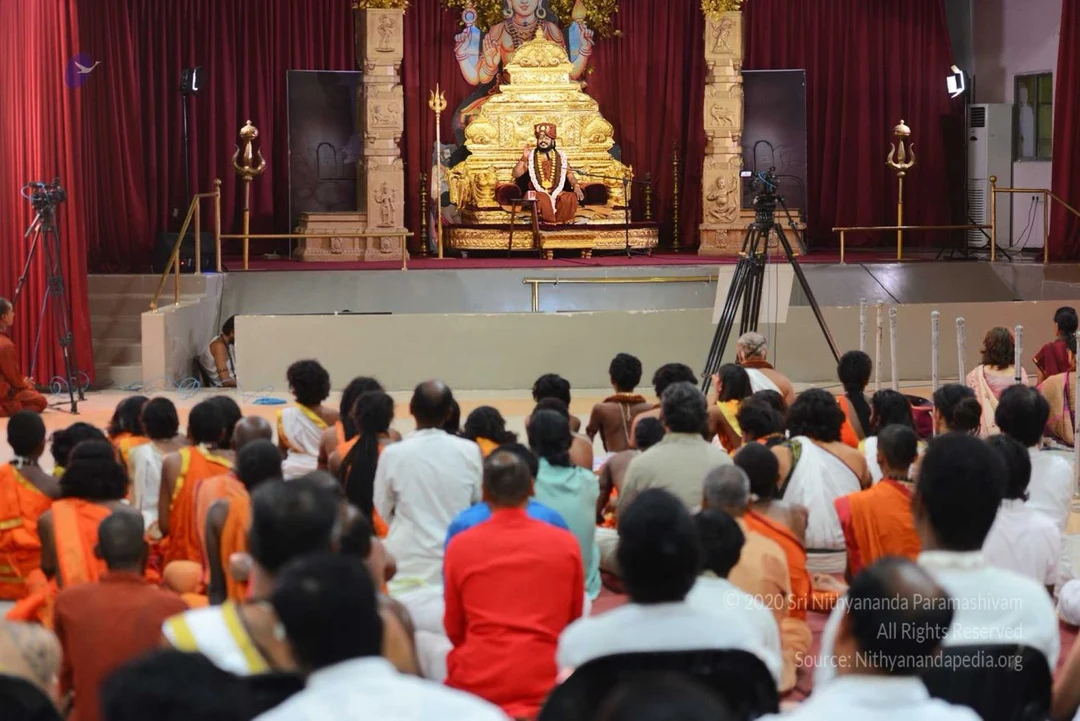 Balasanths and Nithyananda Yogam Delegates Attend Morning Nithya Satsang
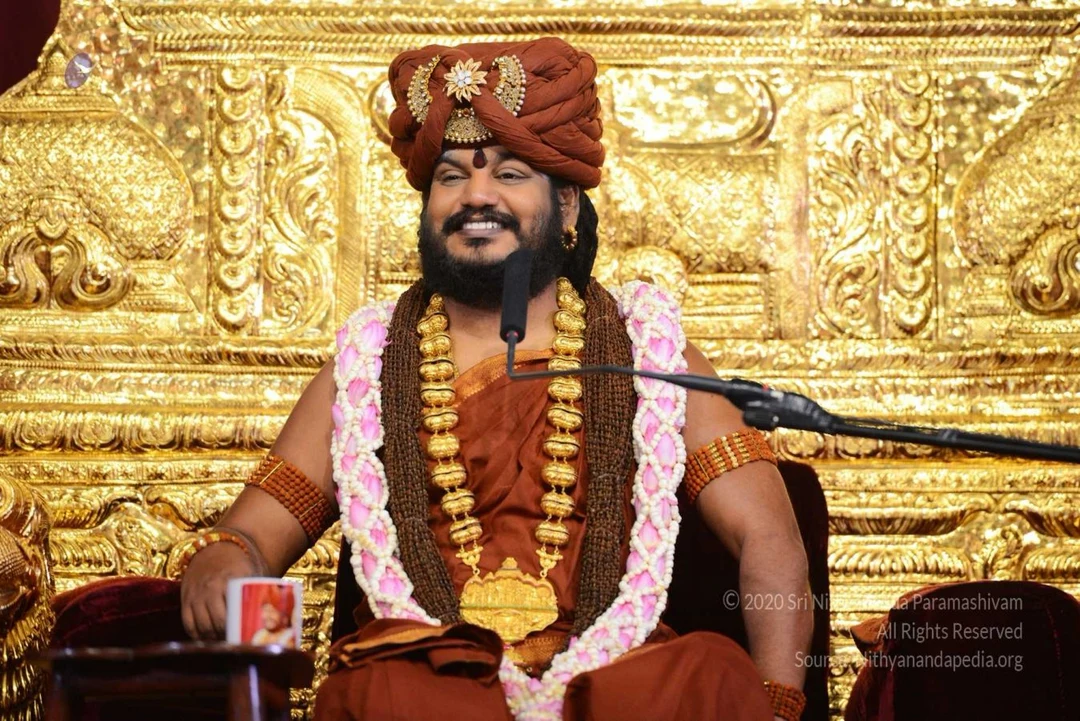 Nithya Satsang with His Divine Holiness Bhagavan Sri Nithyananda Paramashivam
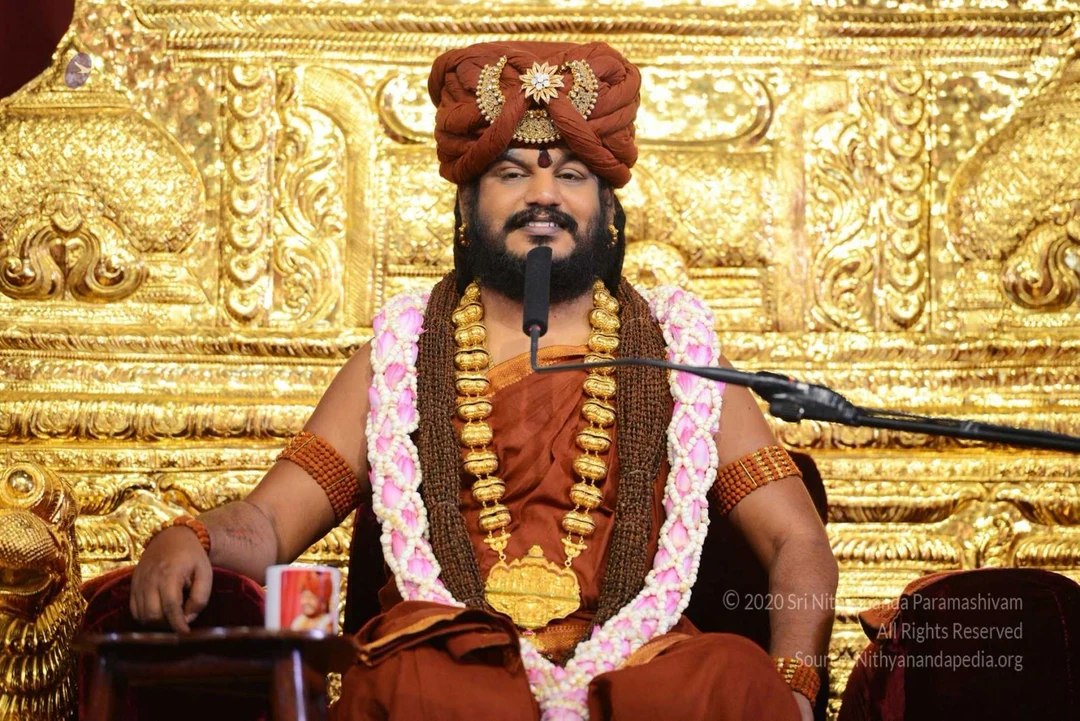 Nithya Satsang with His Divine Holiness Bhagavan Sri Nithyananda Paramashivam
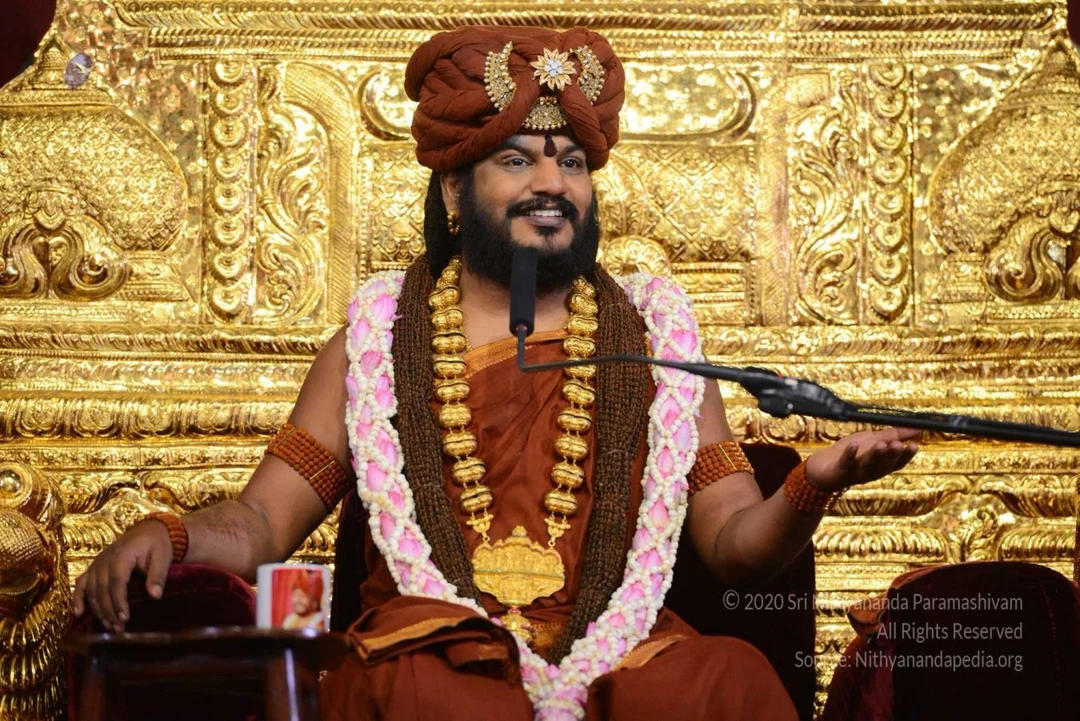 Nithya Satsang with His Divine Holiness Bhagavan Sri Nithyananda Paramashivam
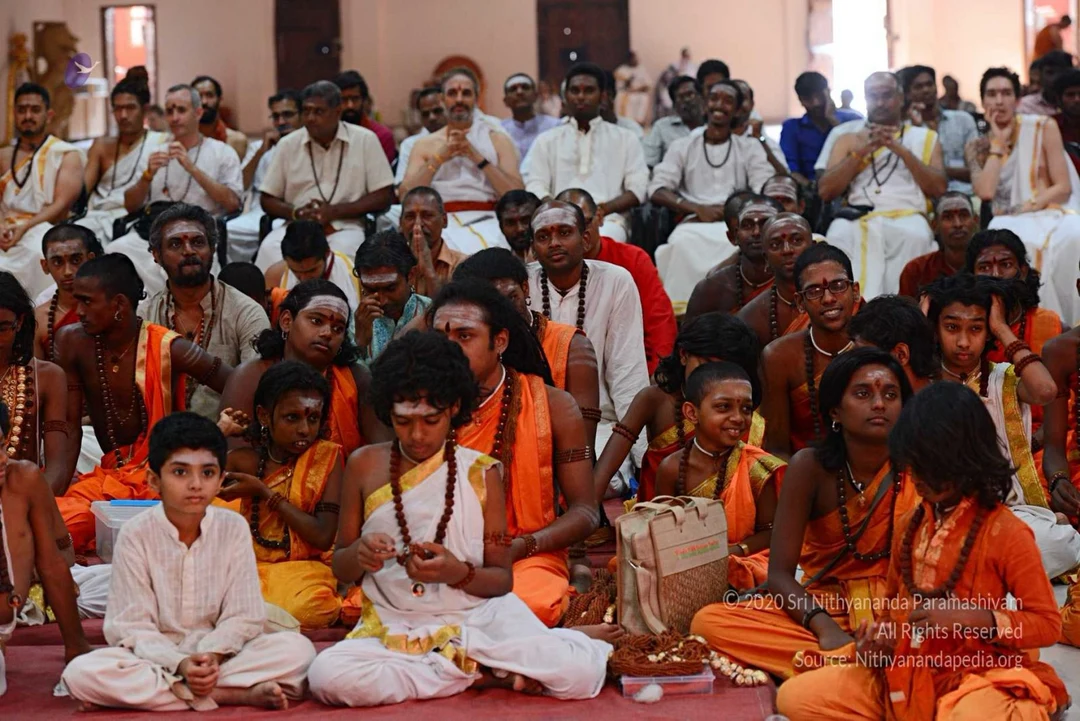 Balasanths and Nithyananda Yogam Delegates Attend Morning Nithya Satsang
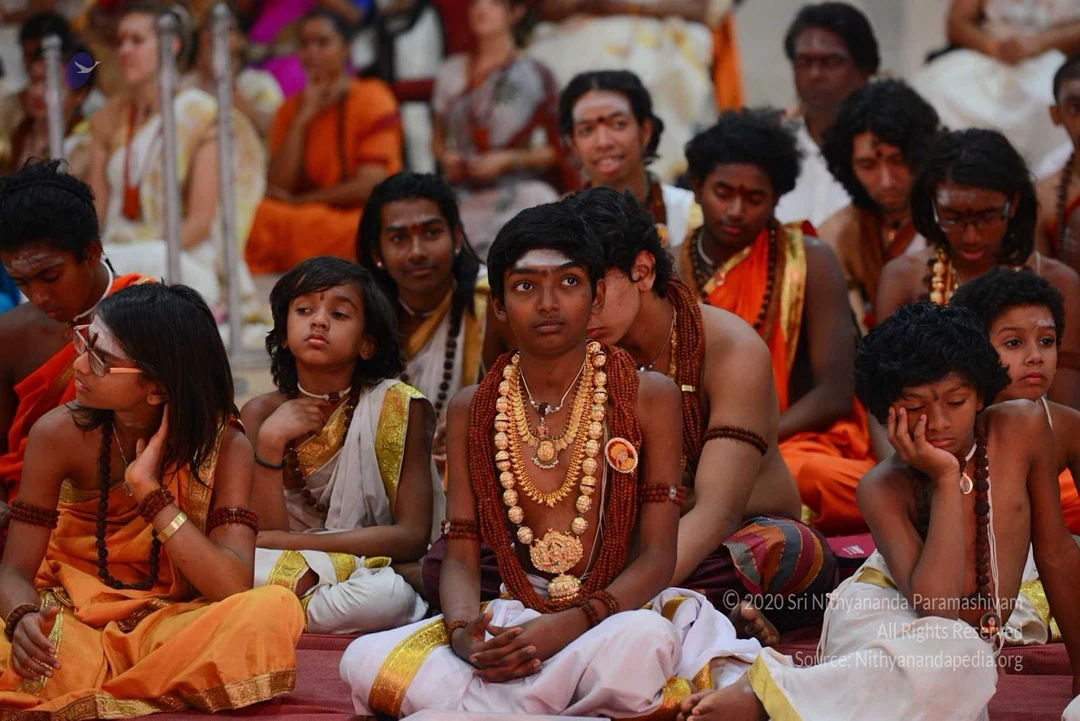 Balasanths and Nithyananda Yogam Delegates Attend Morning Nithya Satsang
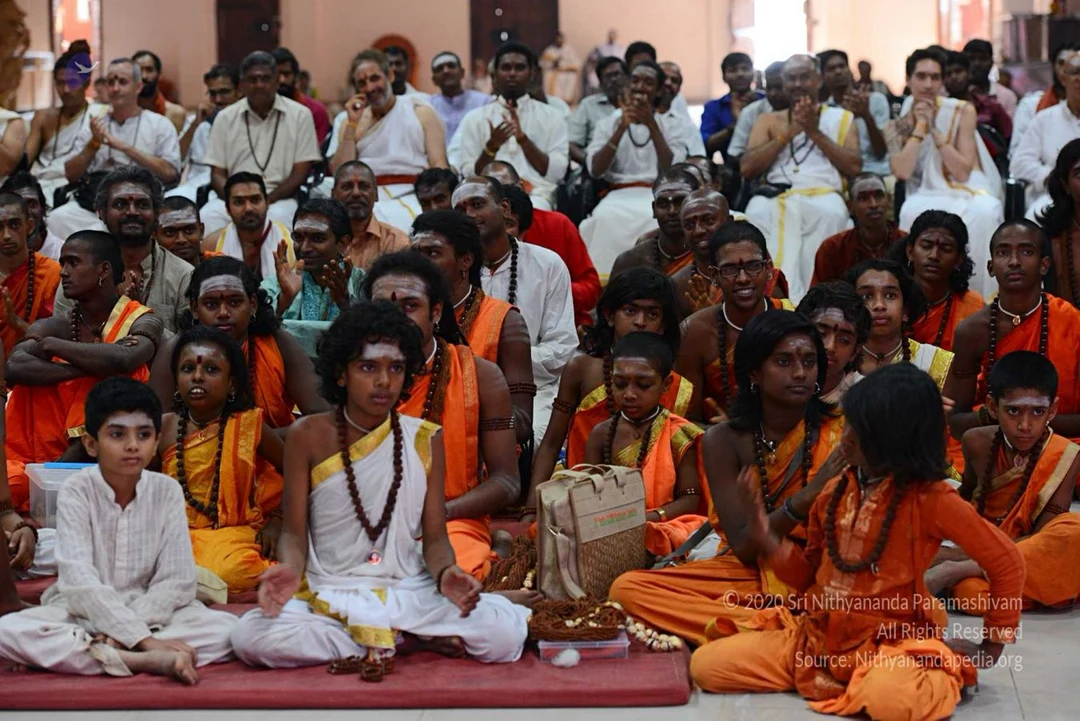 Balasanths and Nithyananda Yogam Delegates Attend Morning Nithya Satsang
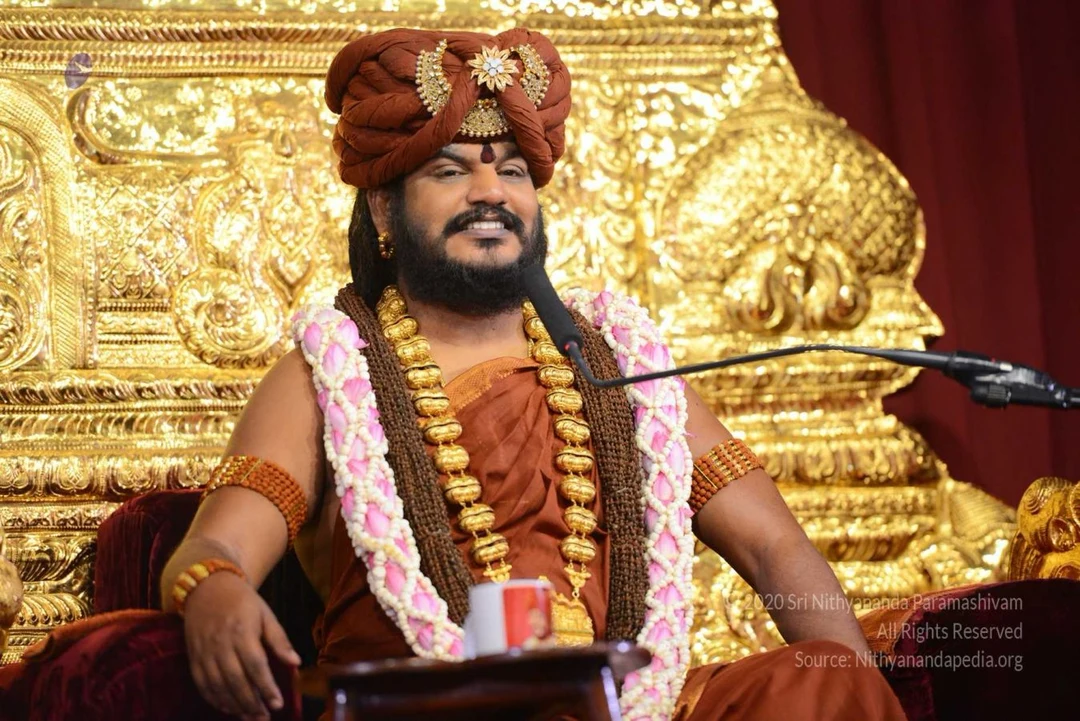 Nithya Satsang with His Divine Holiness Bhagavan Sri Nithyananda Paramashivam
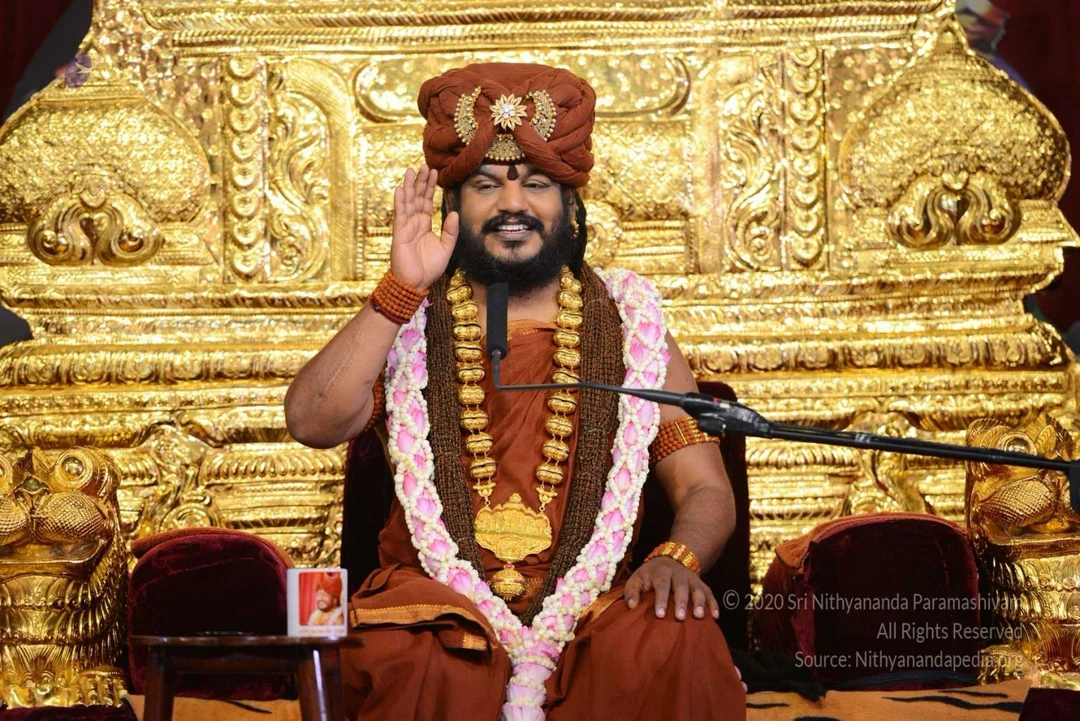 Nithya Satsang with His Divine Holiness Bhagavan Sri Nithyananda Paramashivam
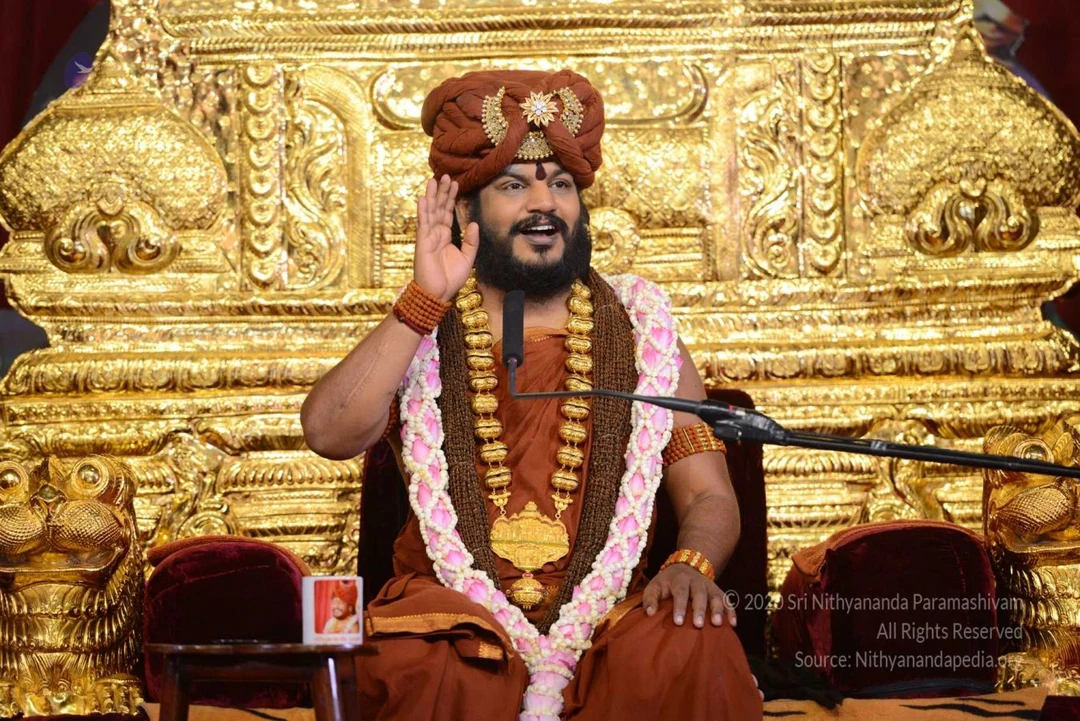 Nithya Satsang with His Divine Holiness Bhagavan Sri Nithyananda Paramashivam
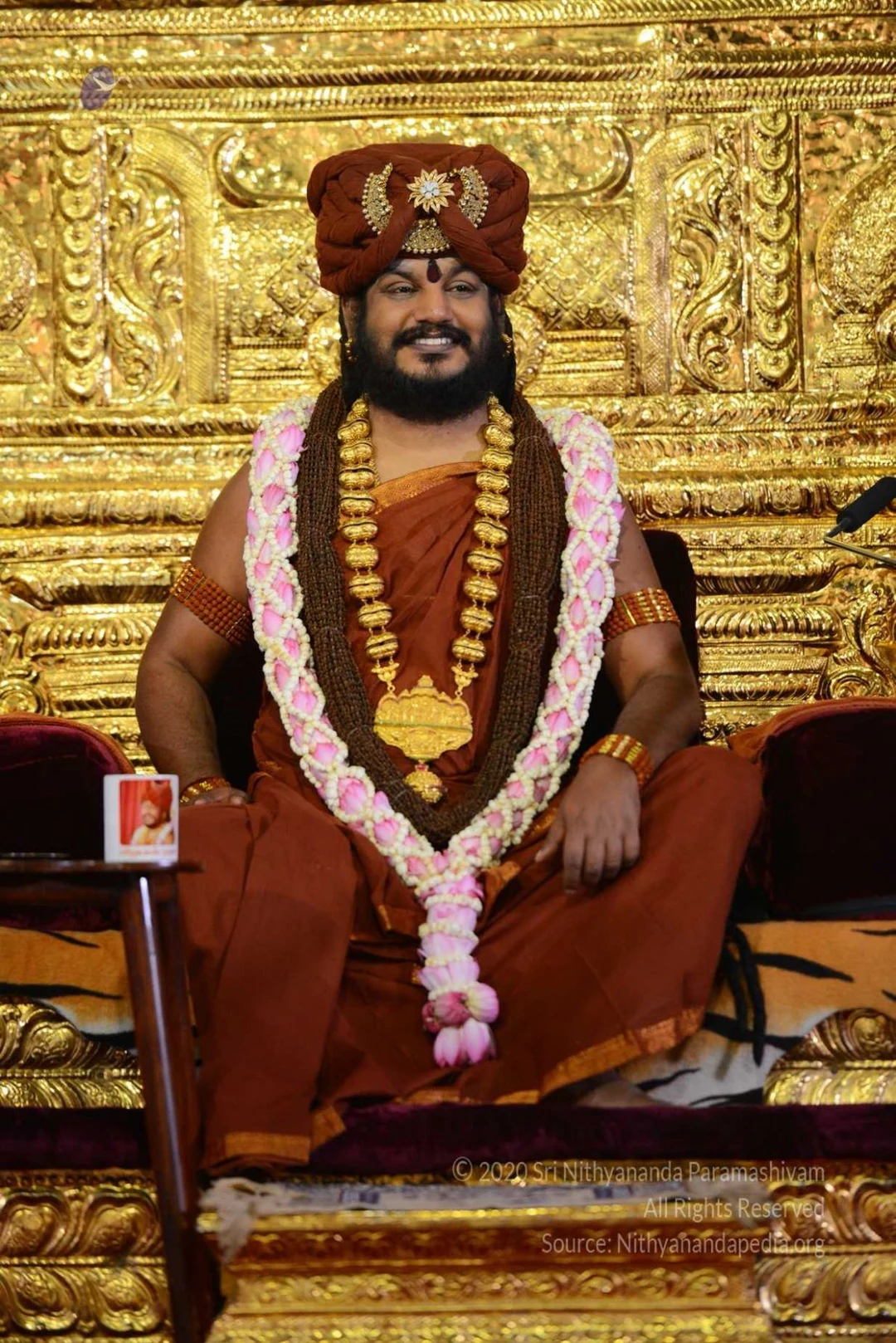
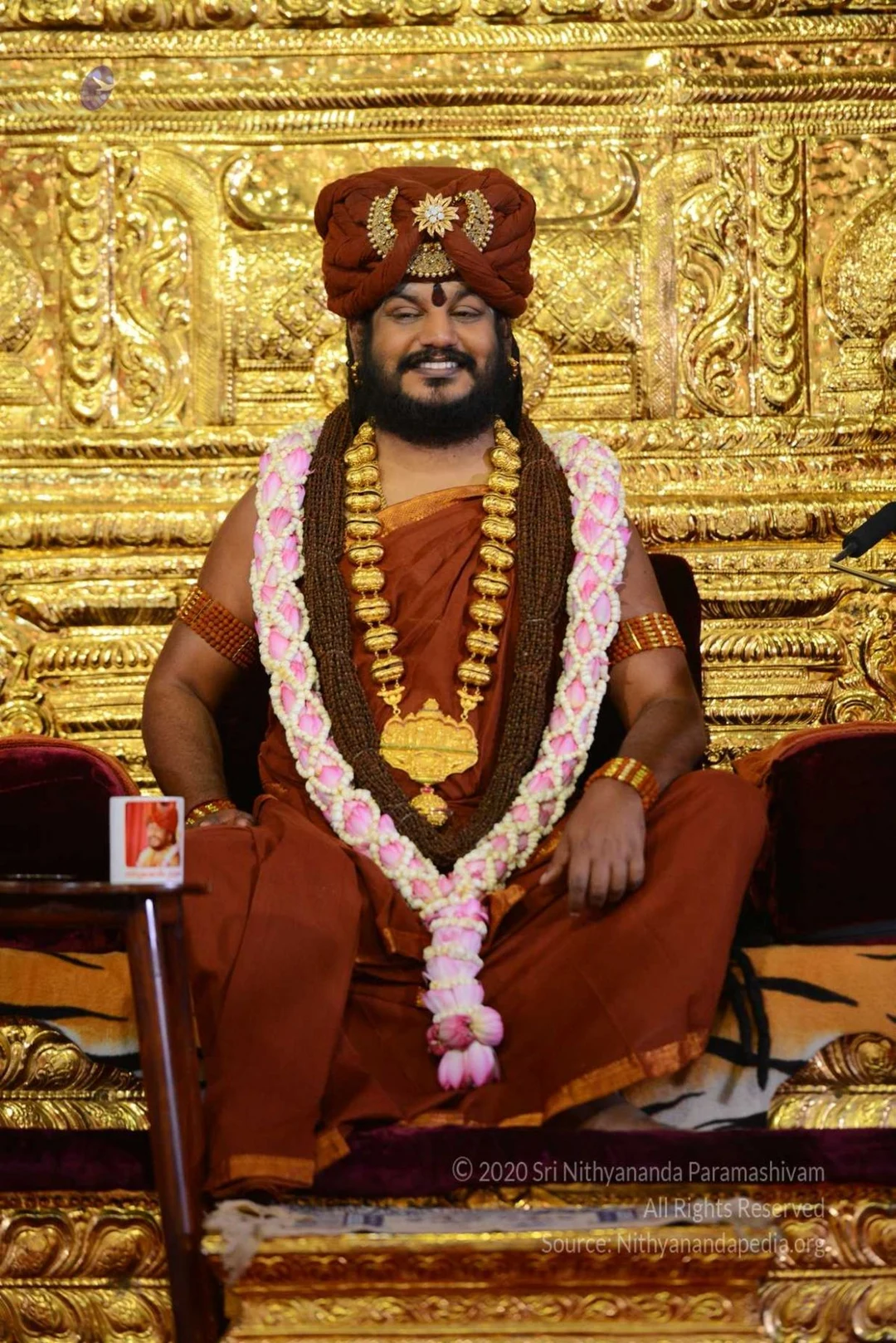
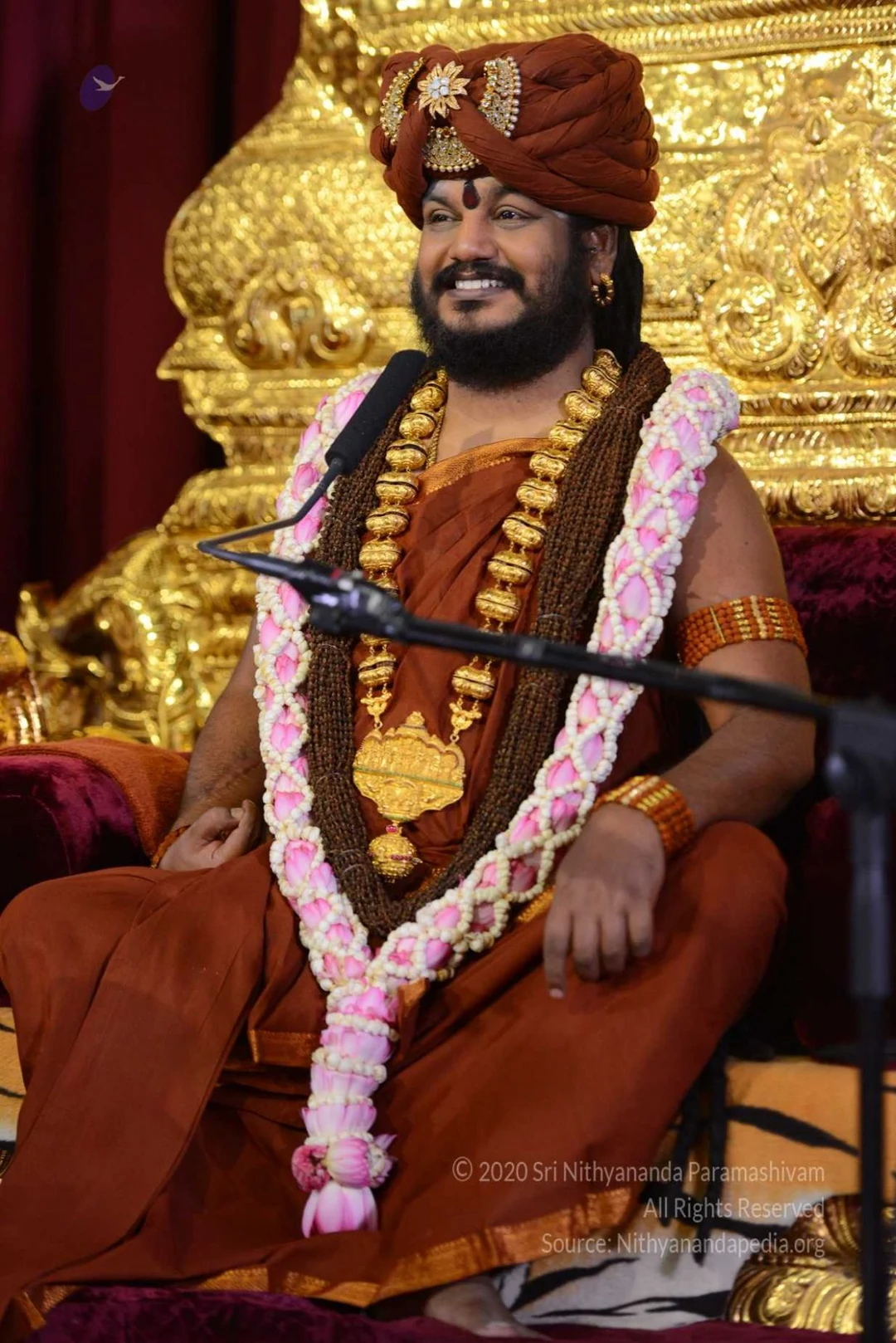
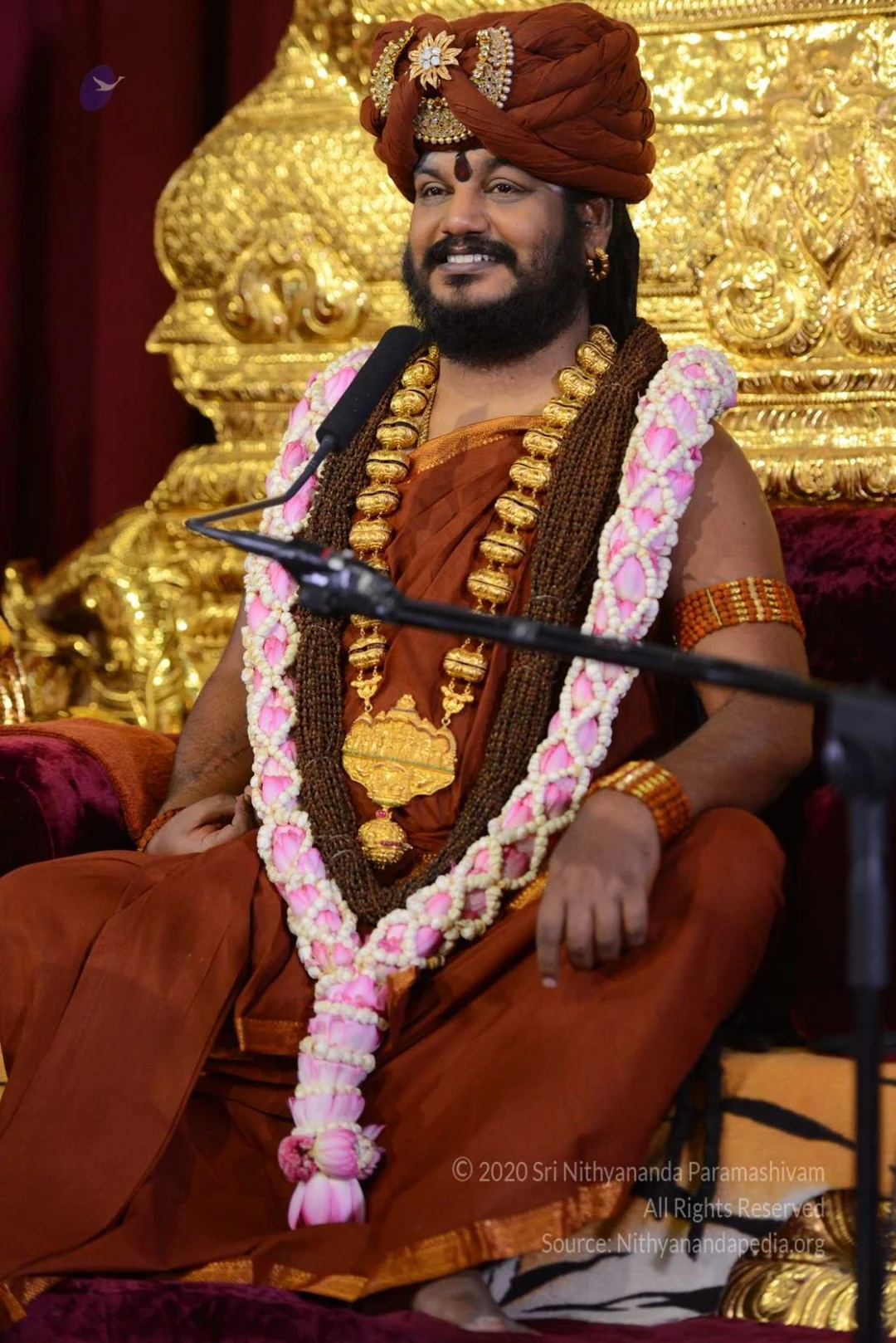
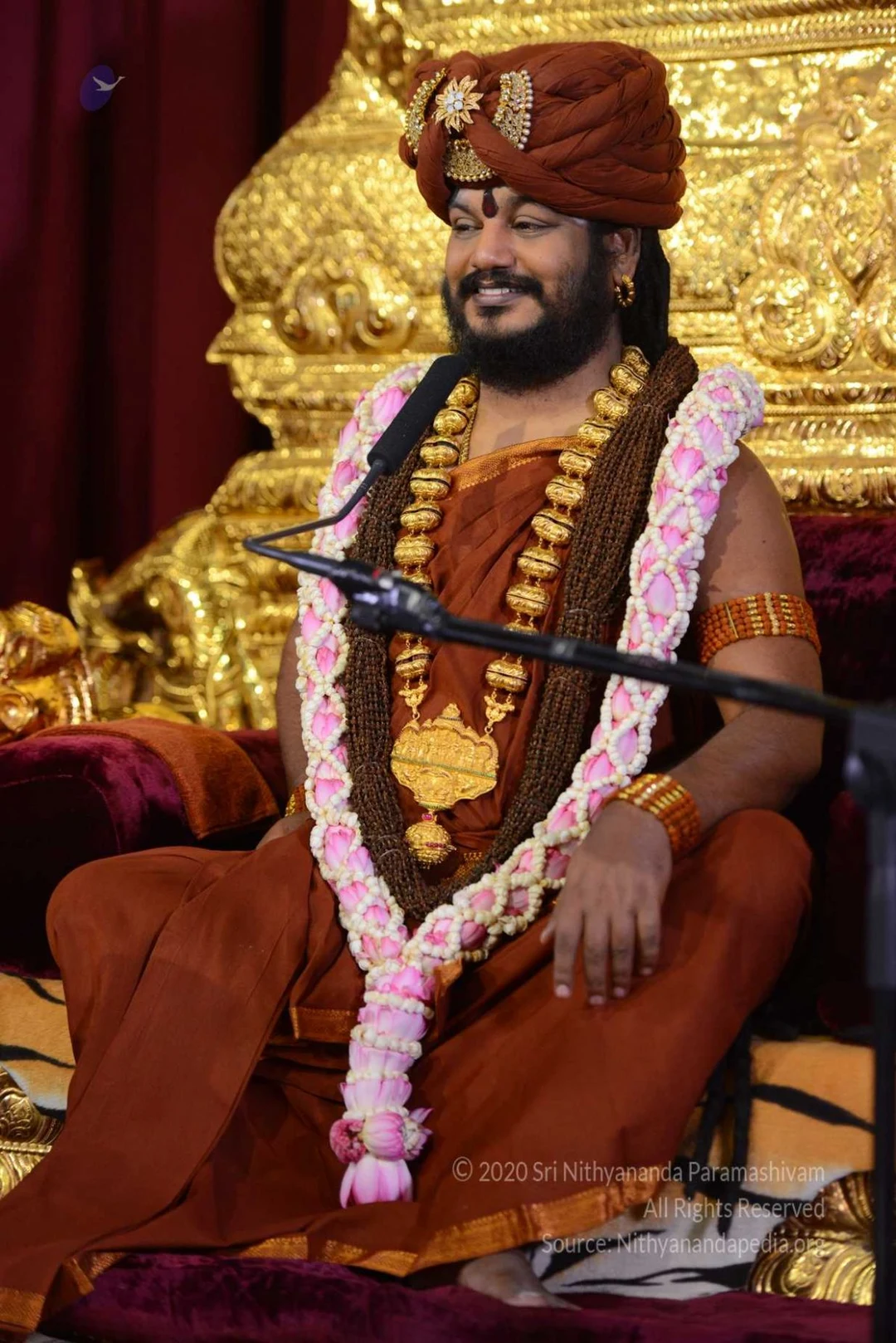
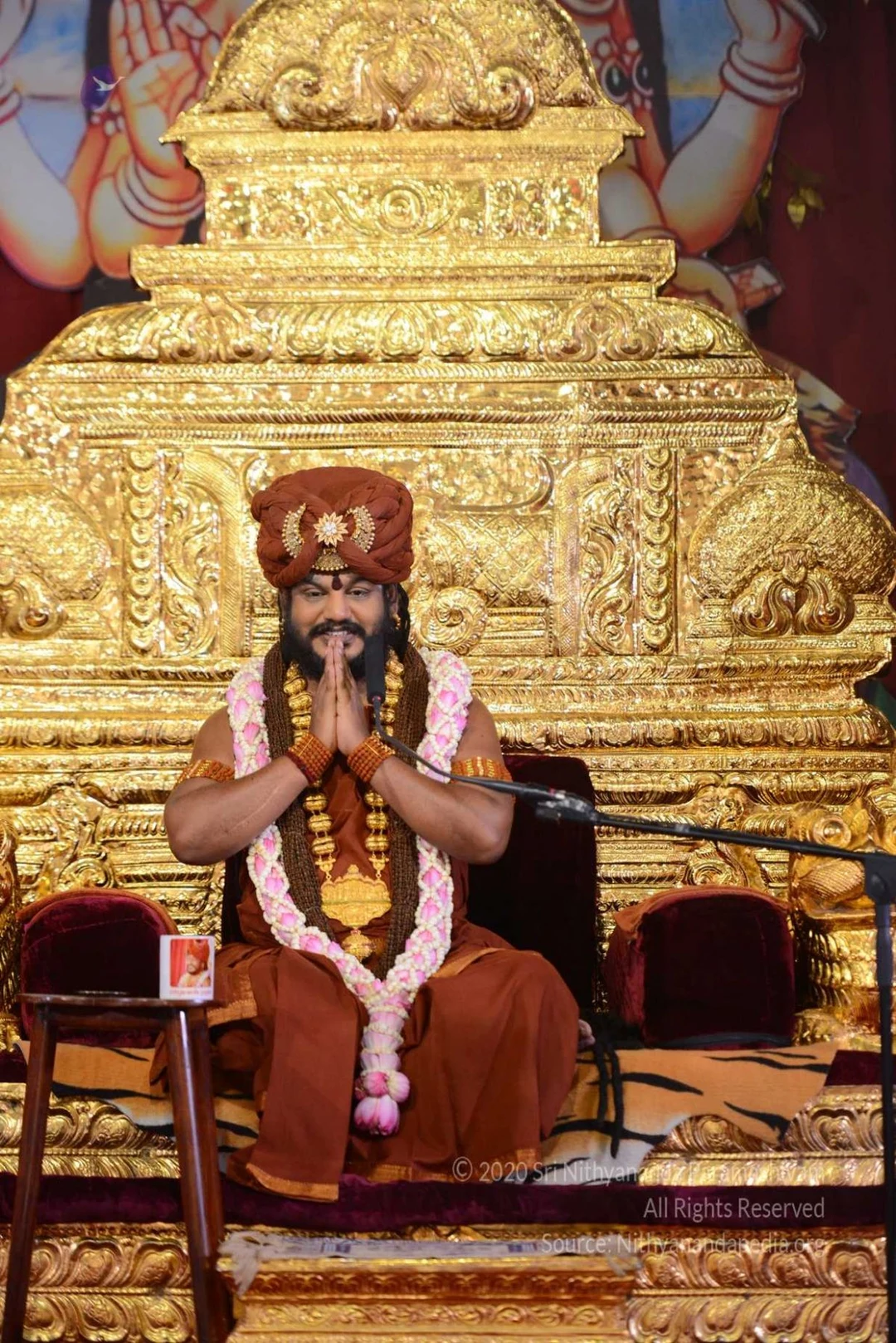
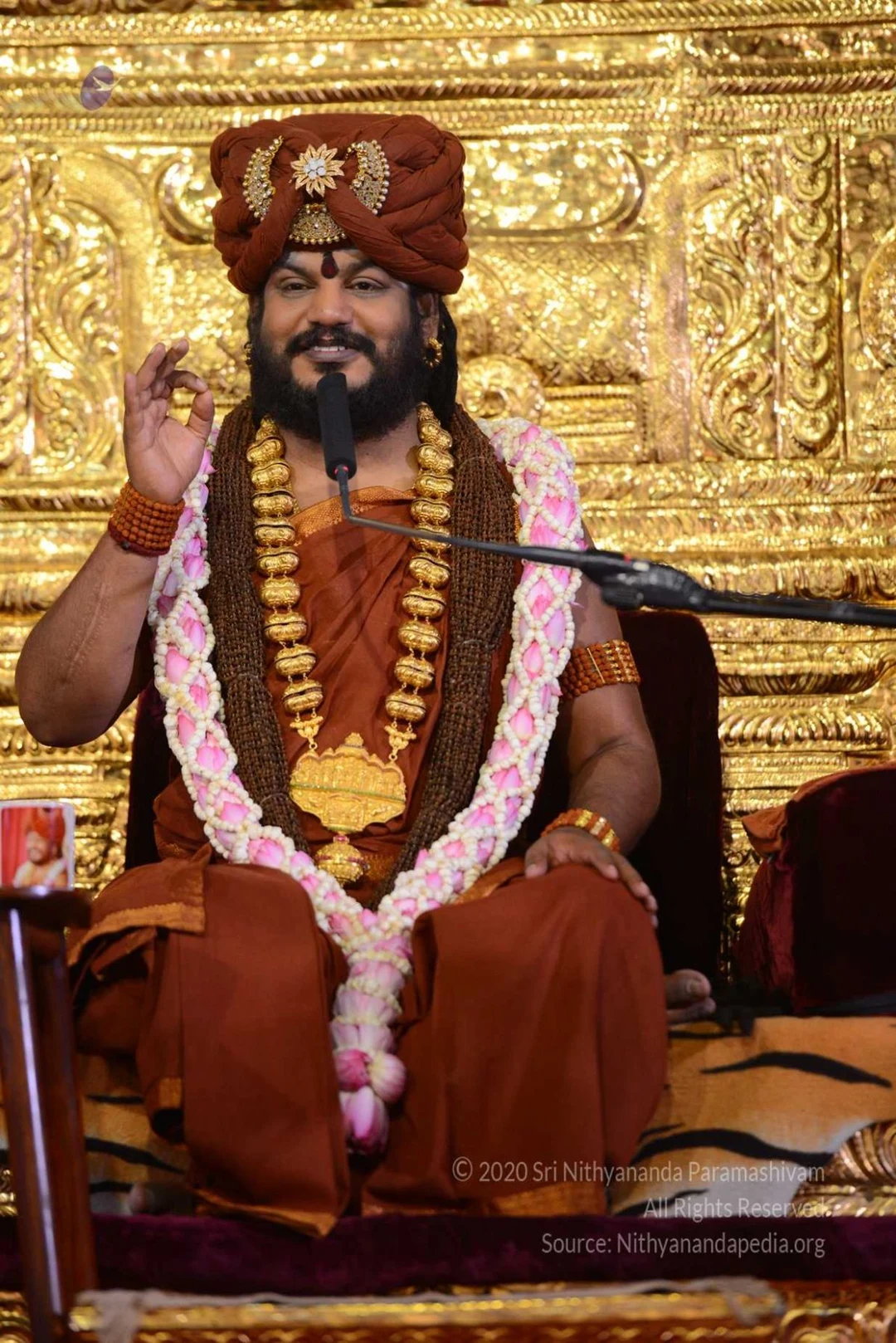
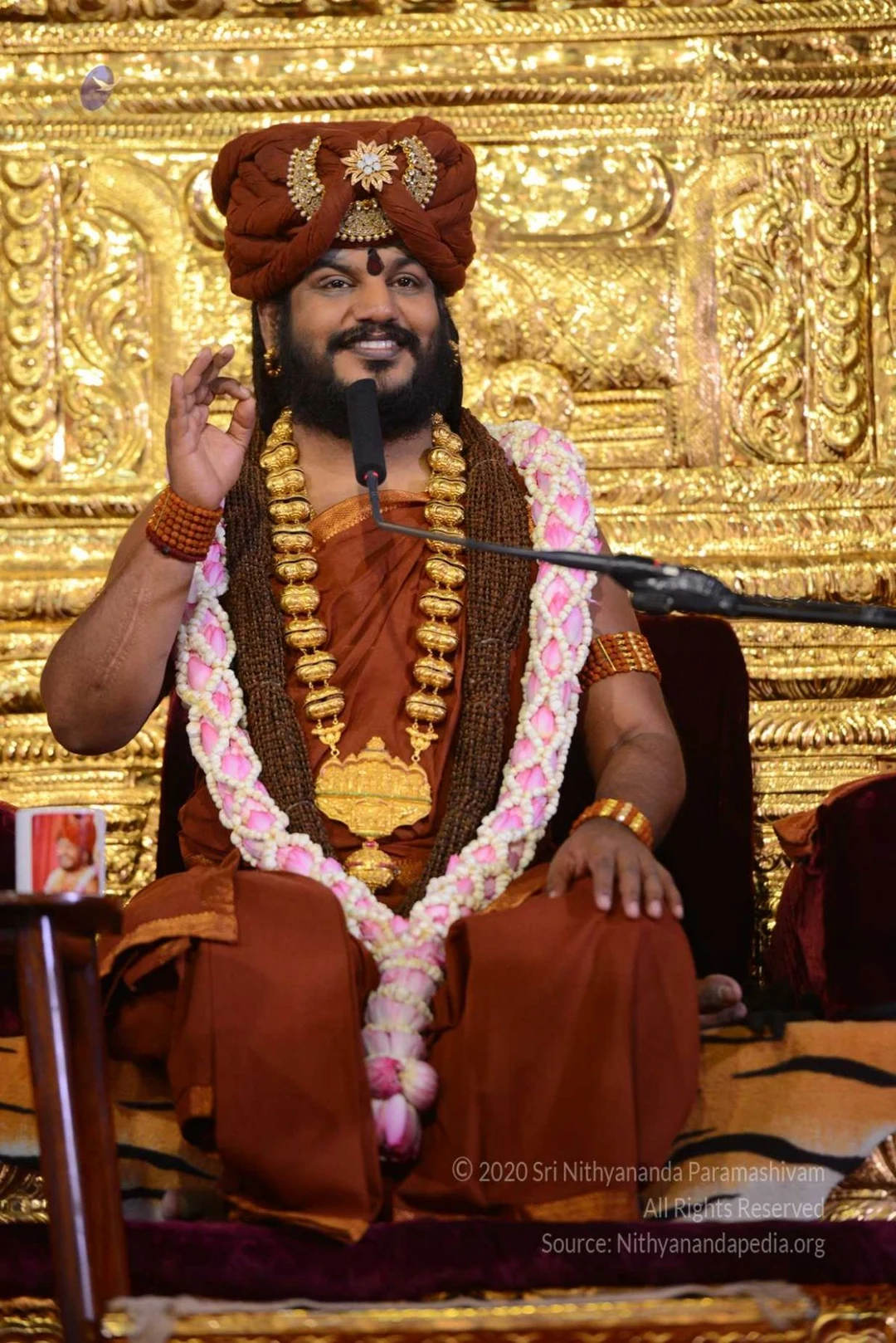
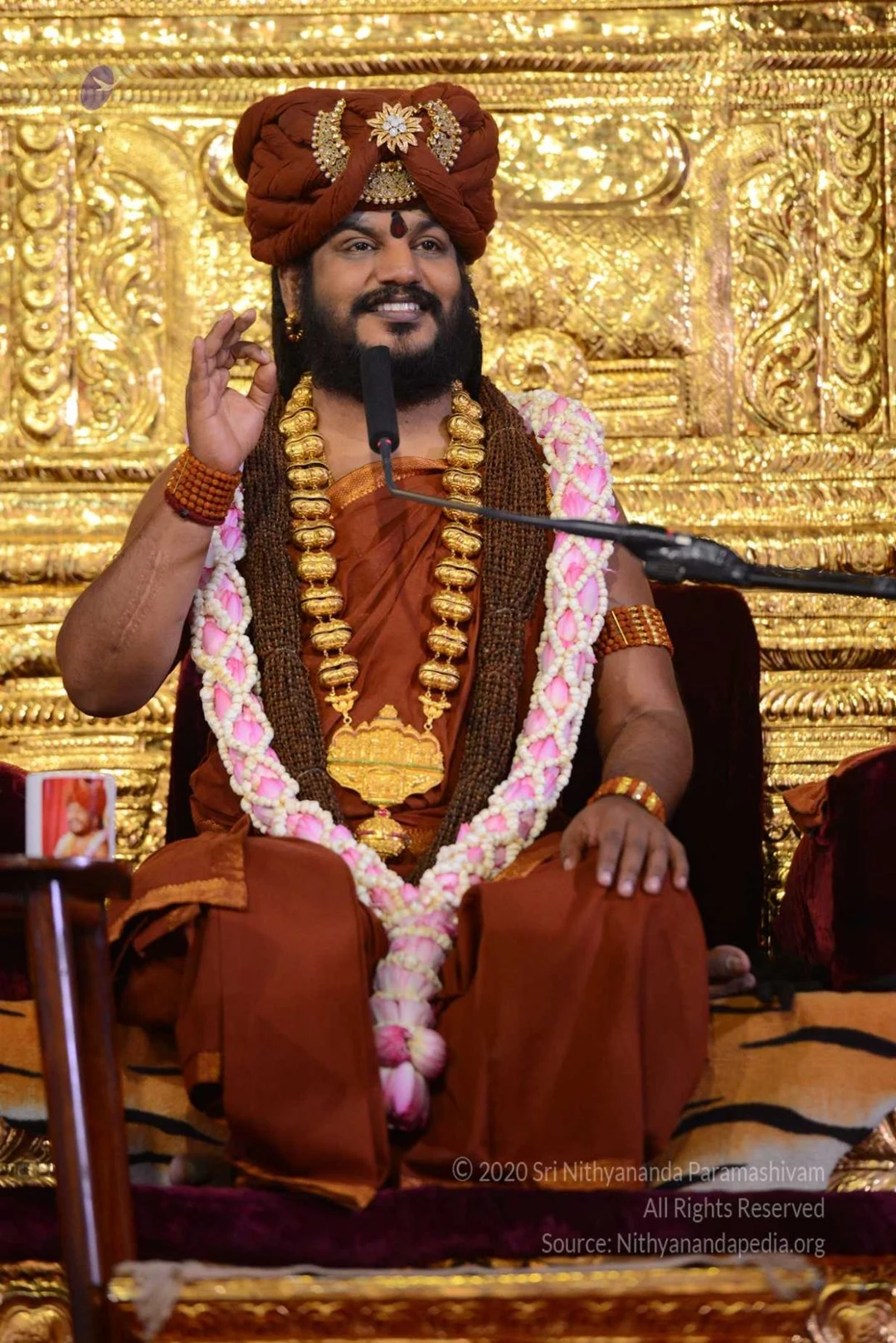
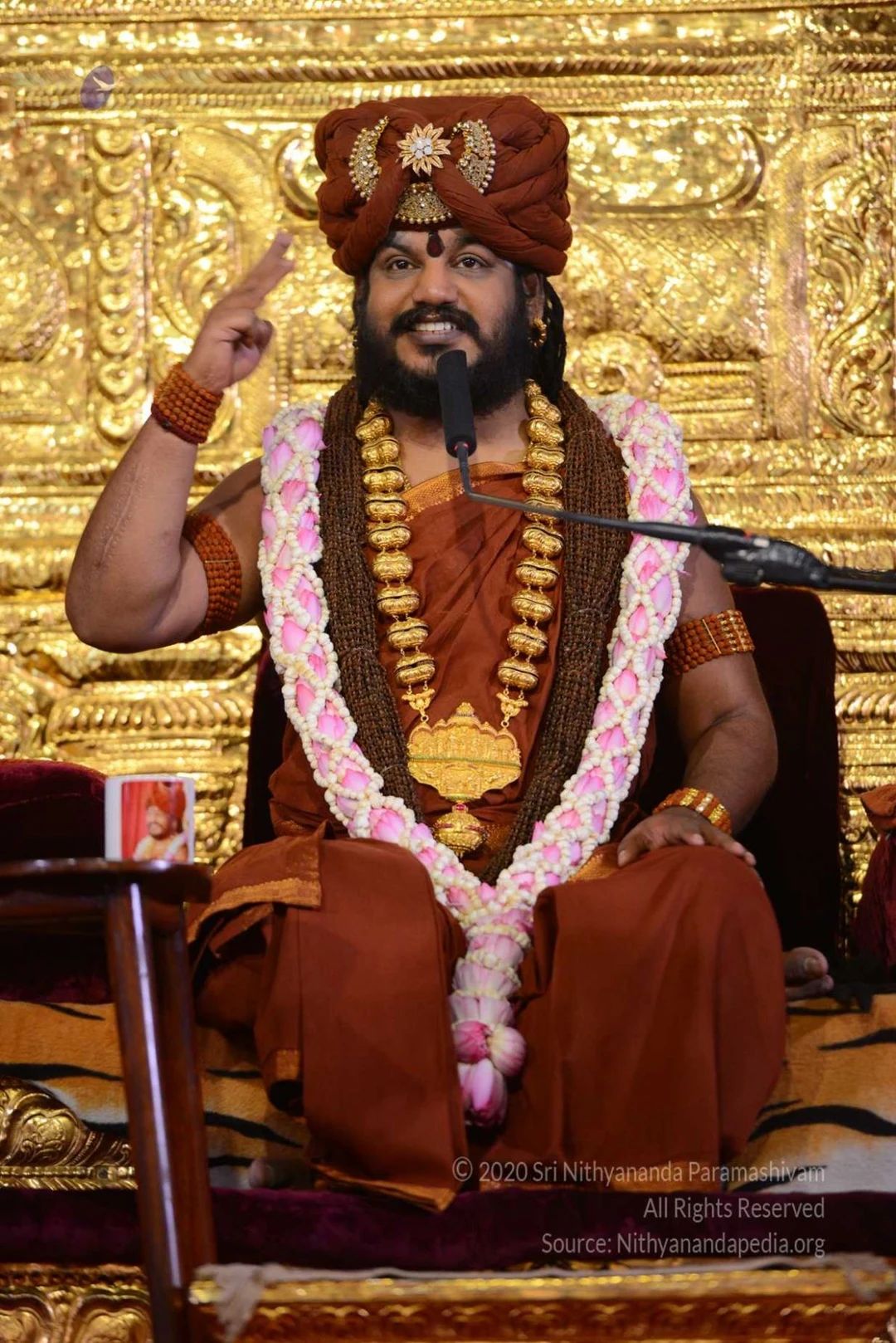
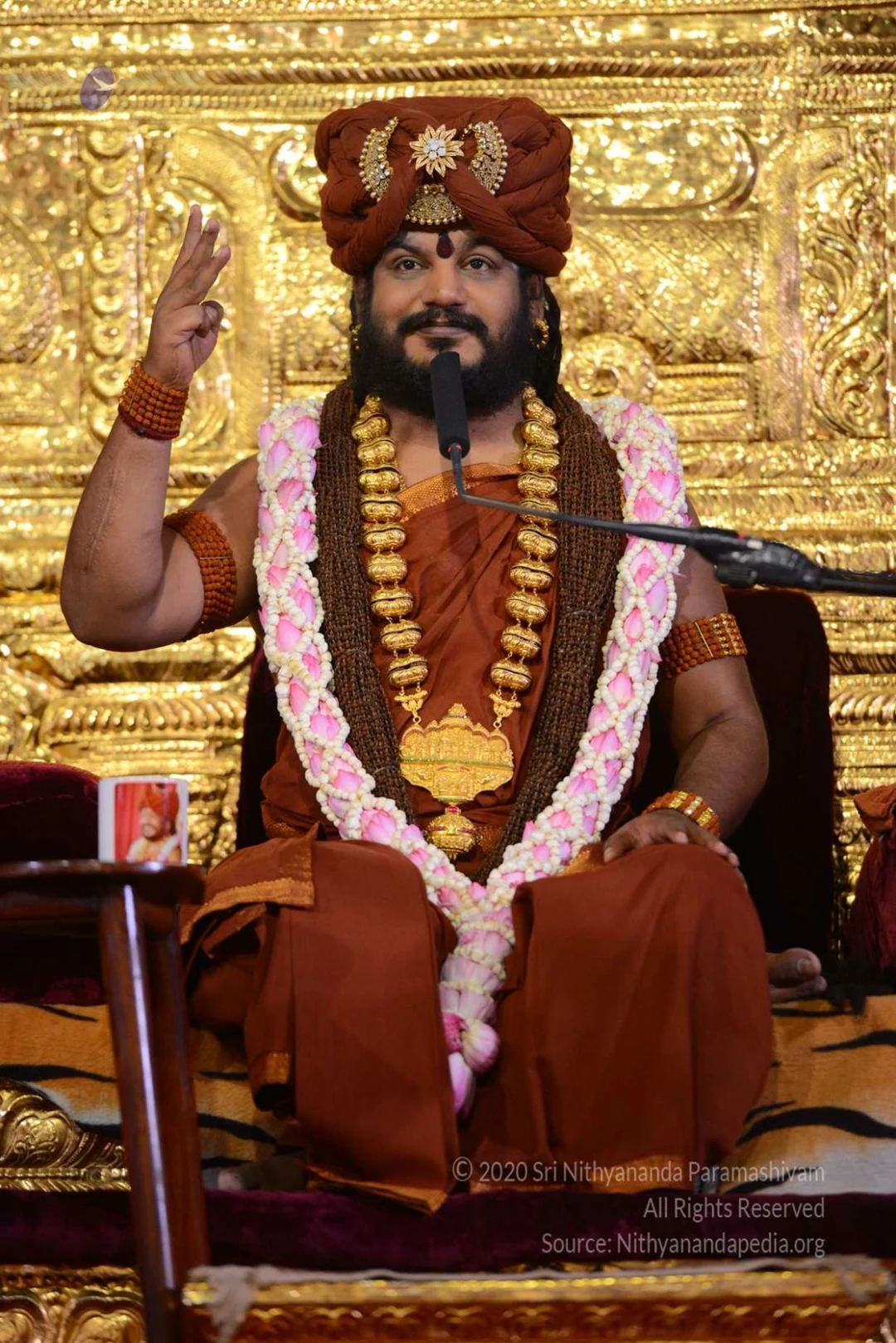
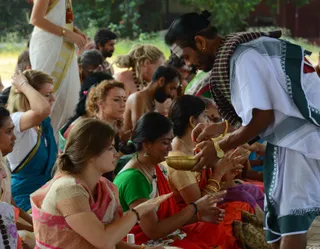
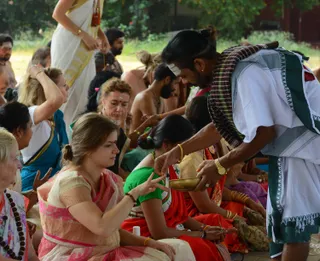
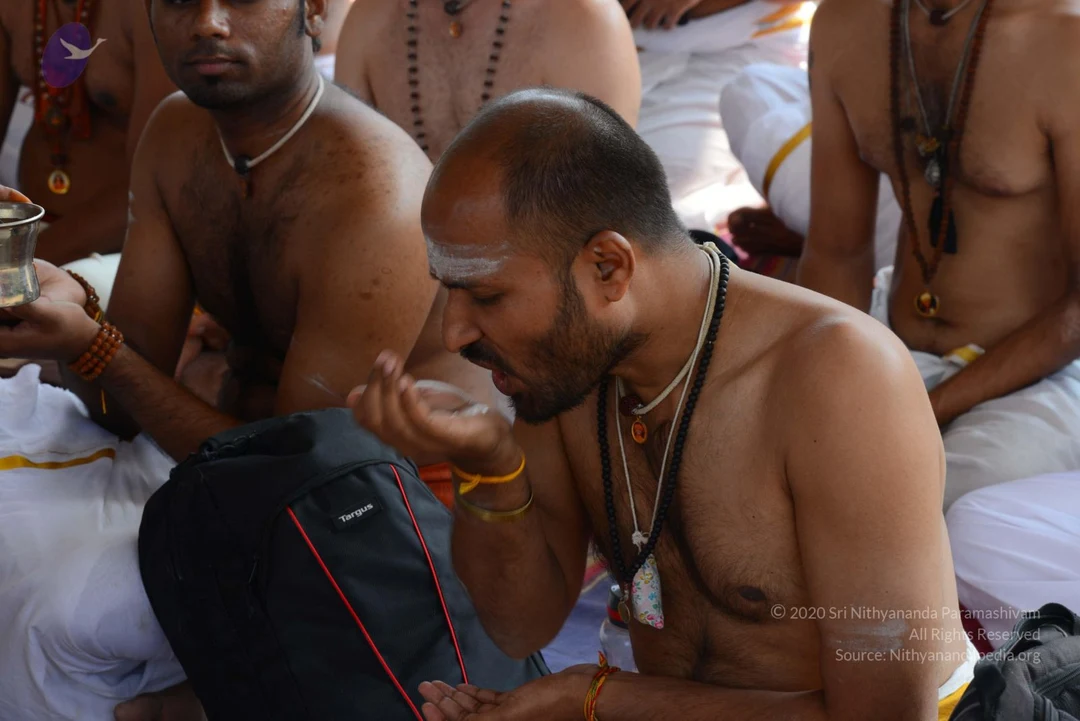
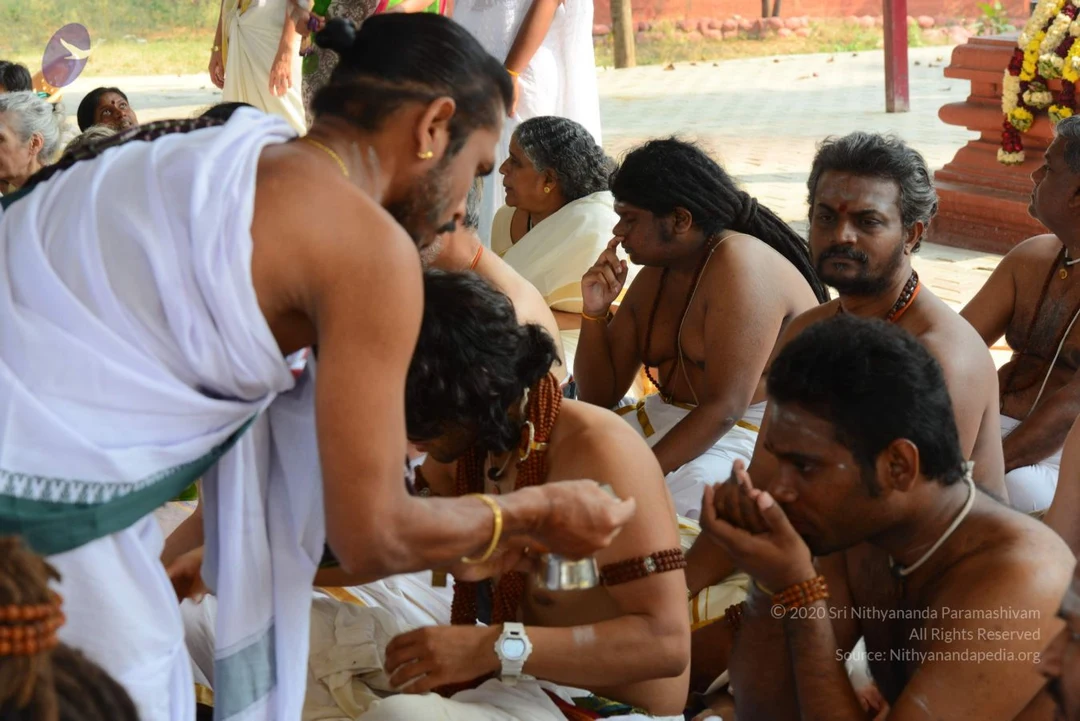
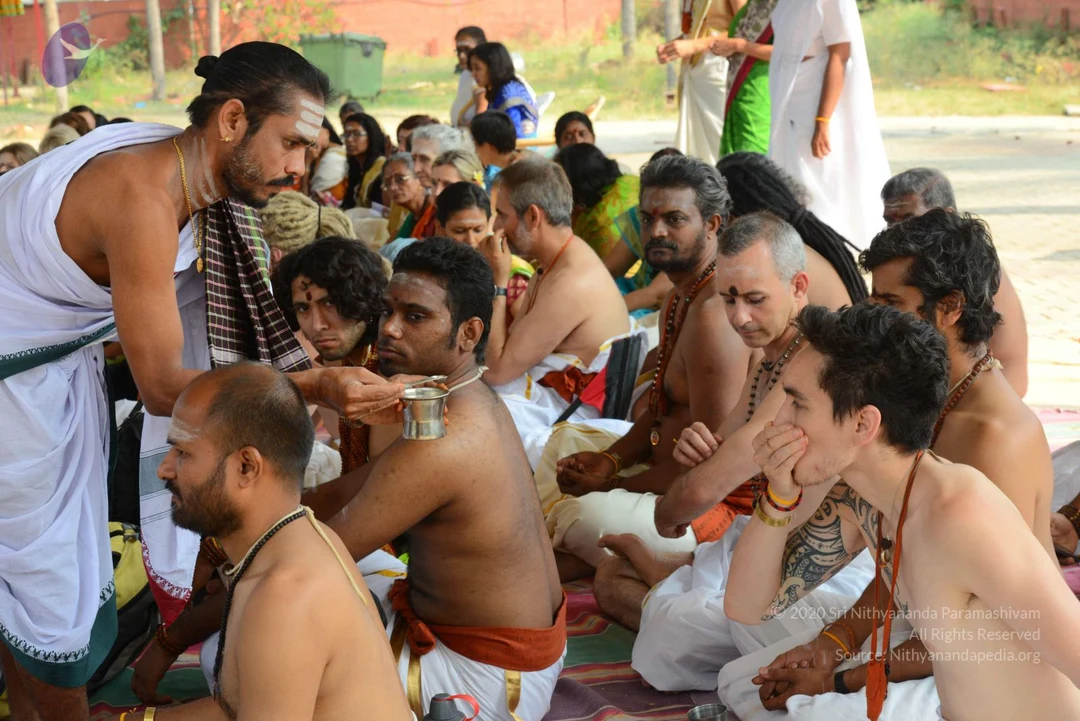
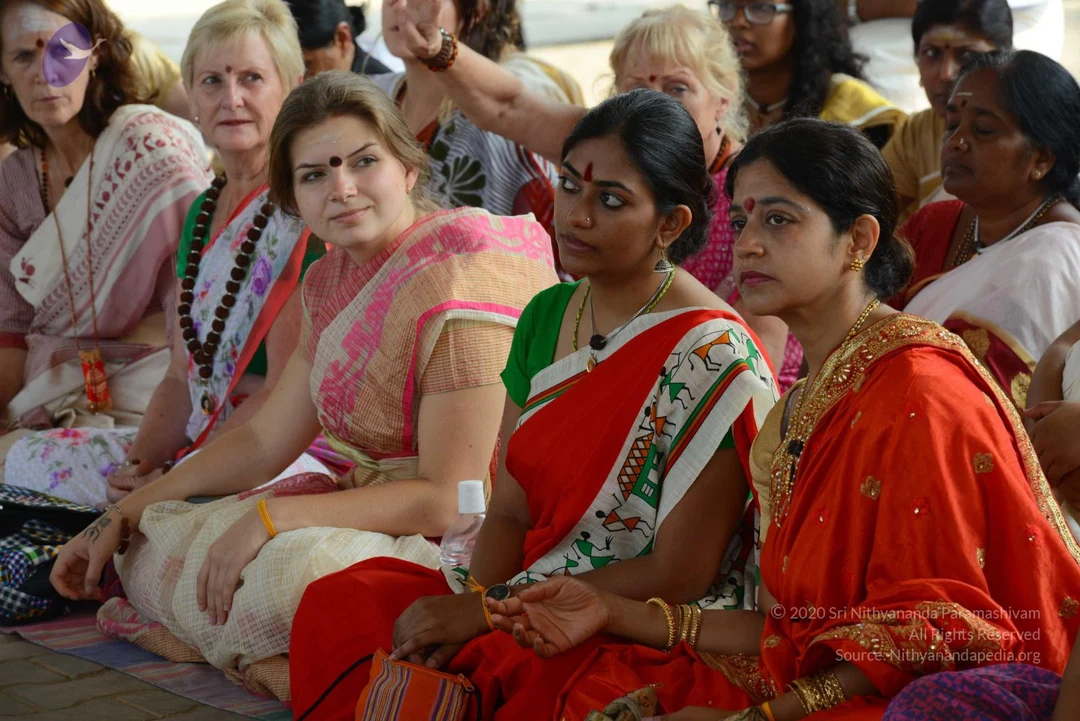
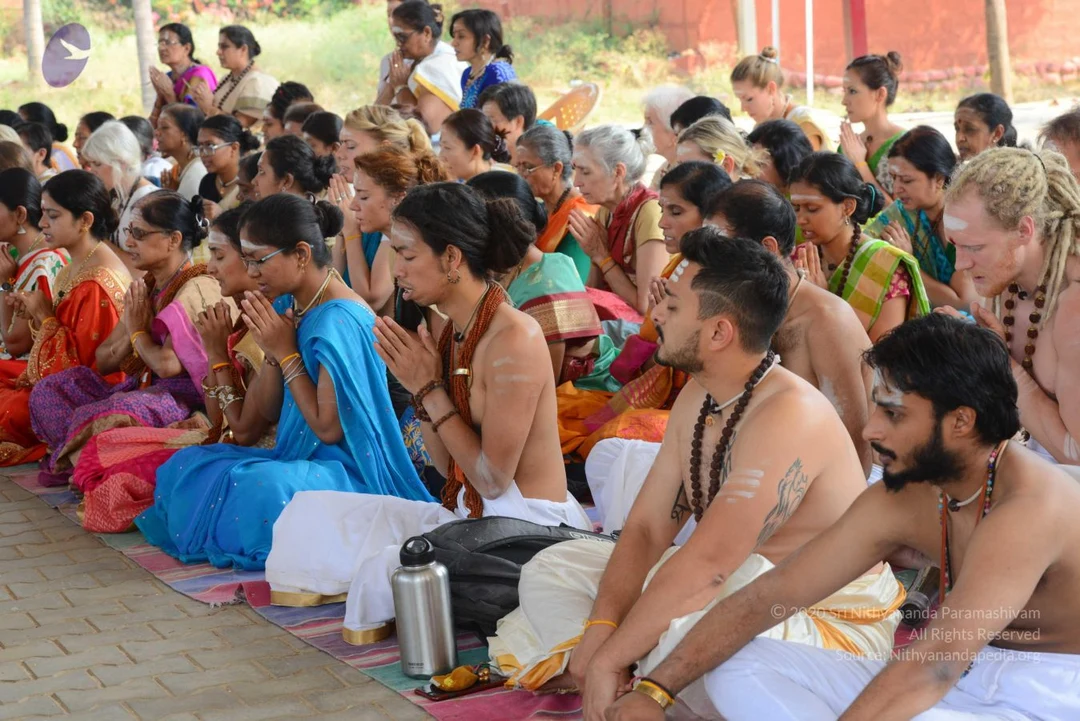
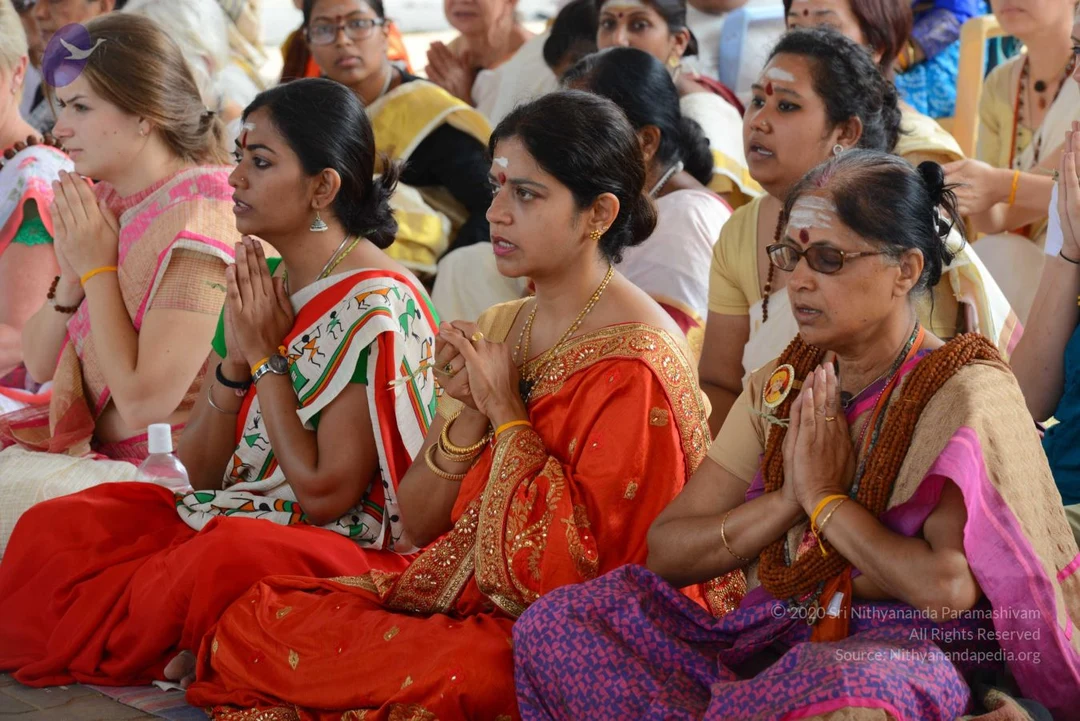
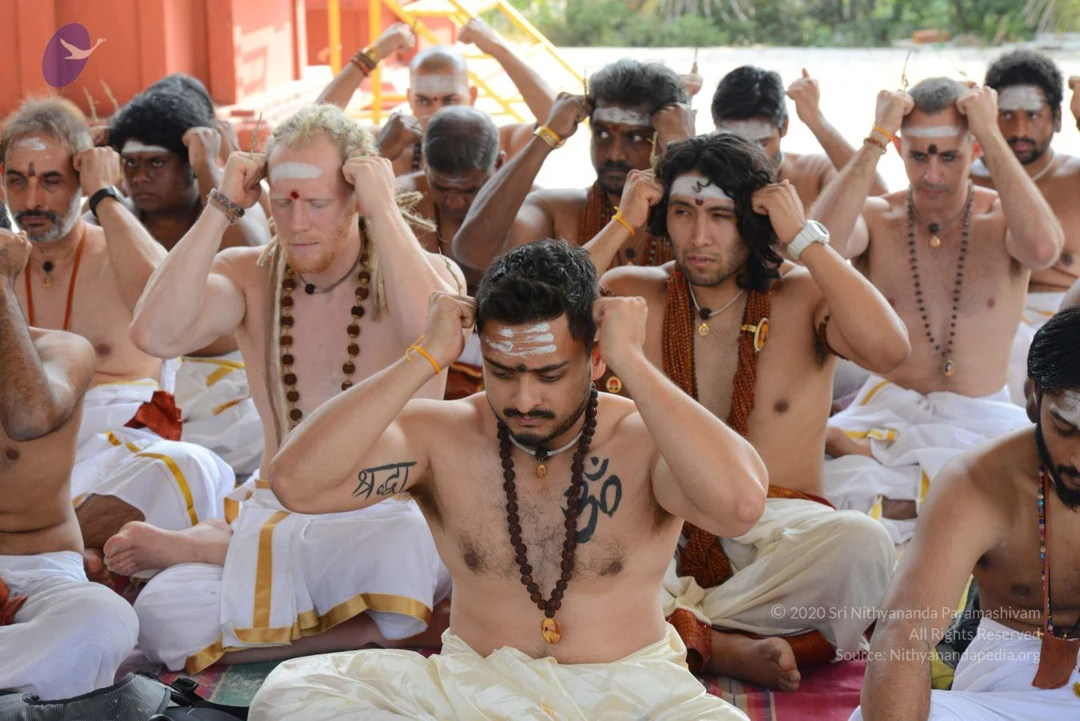
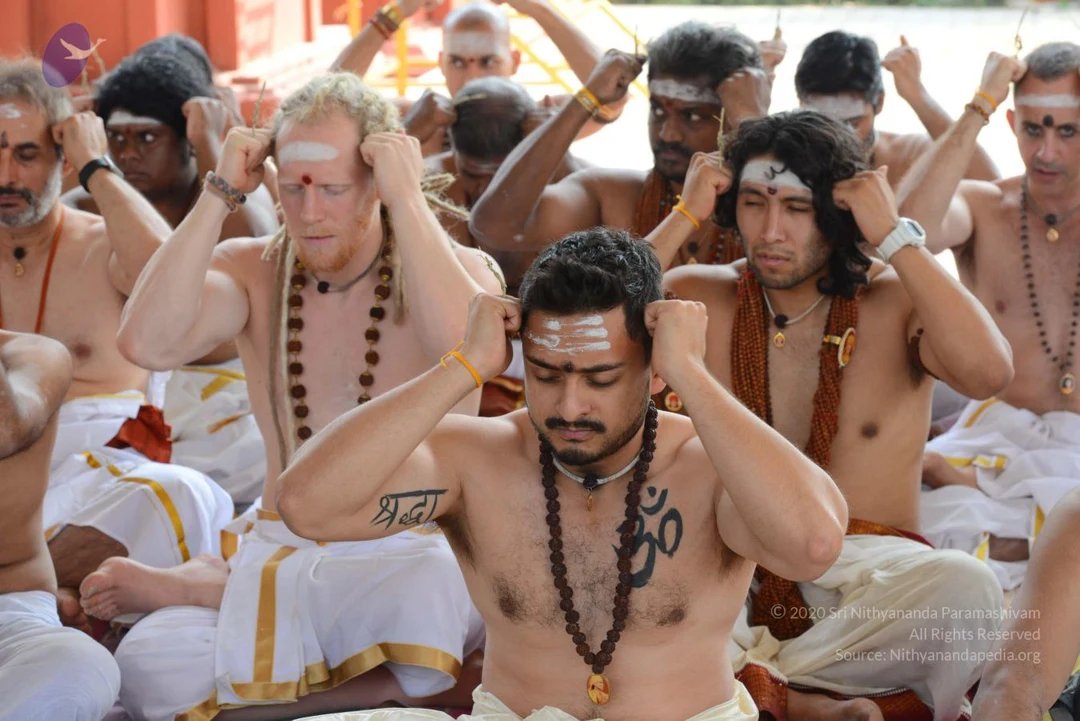
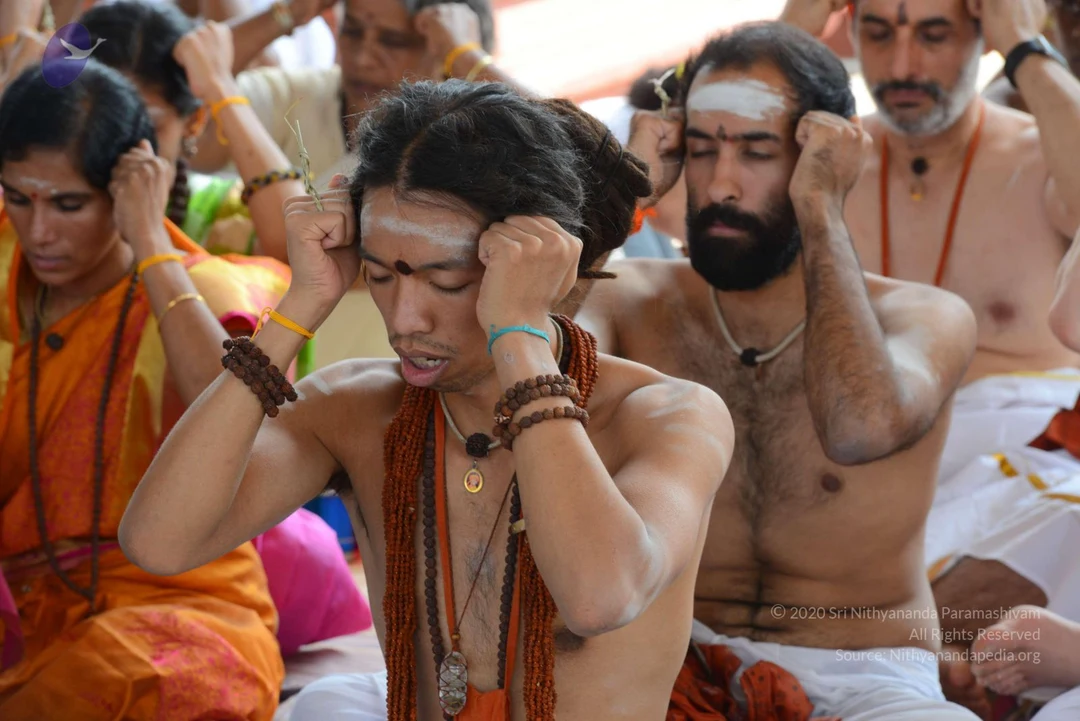
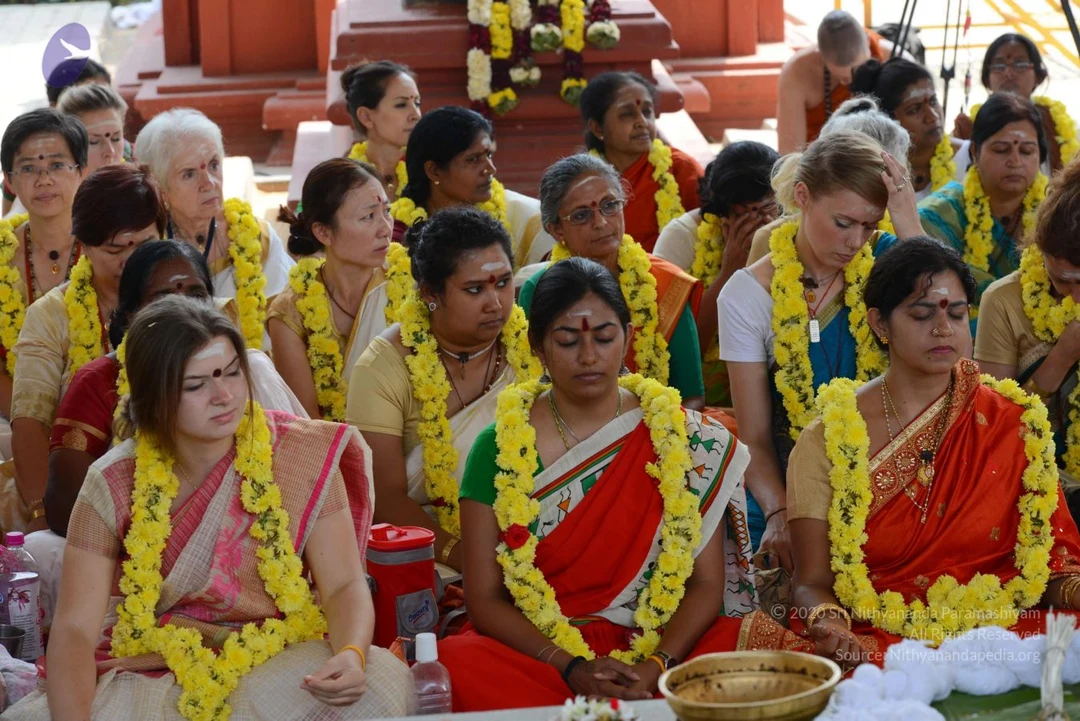
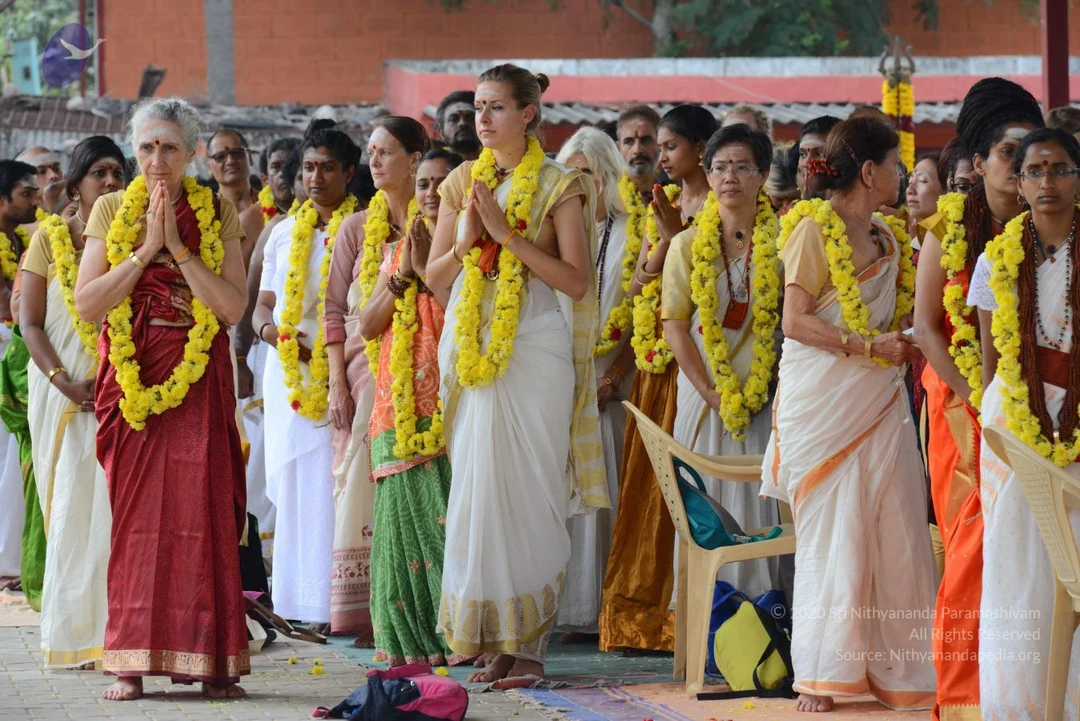
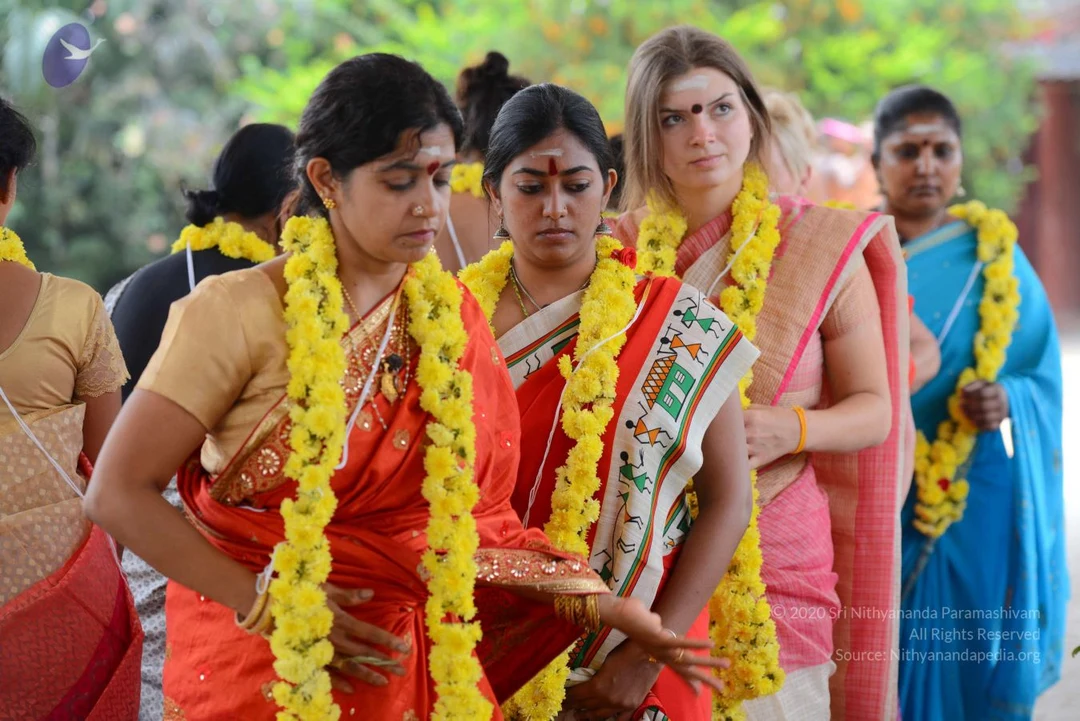
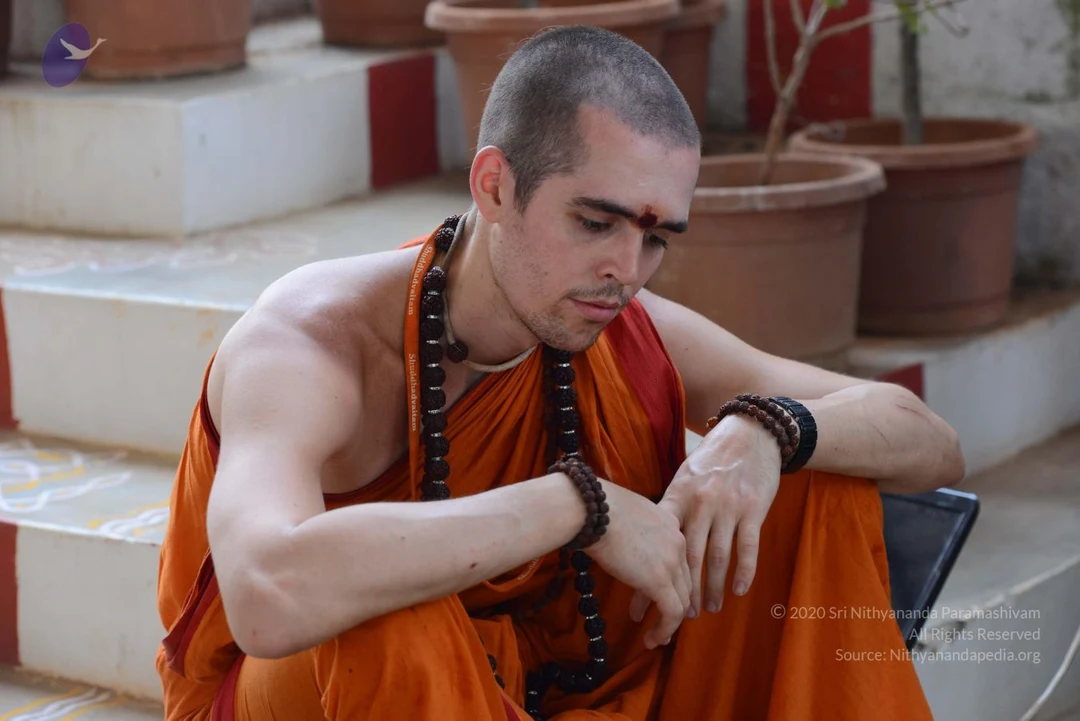
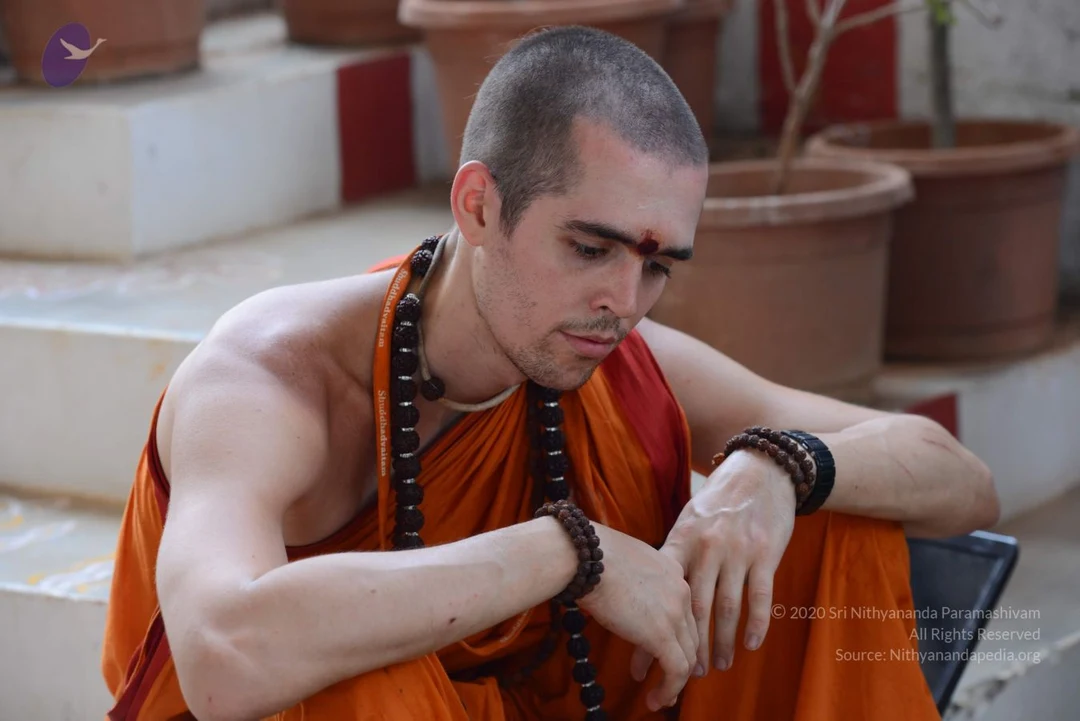
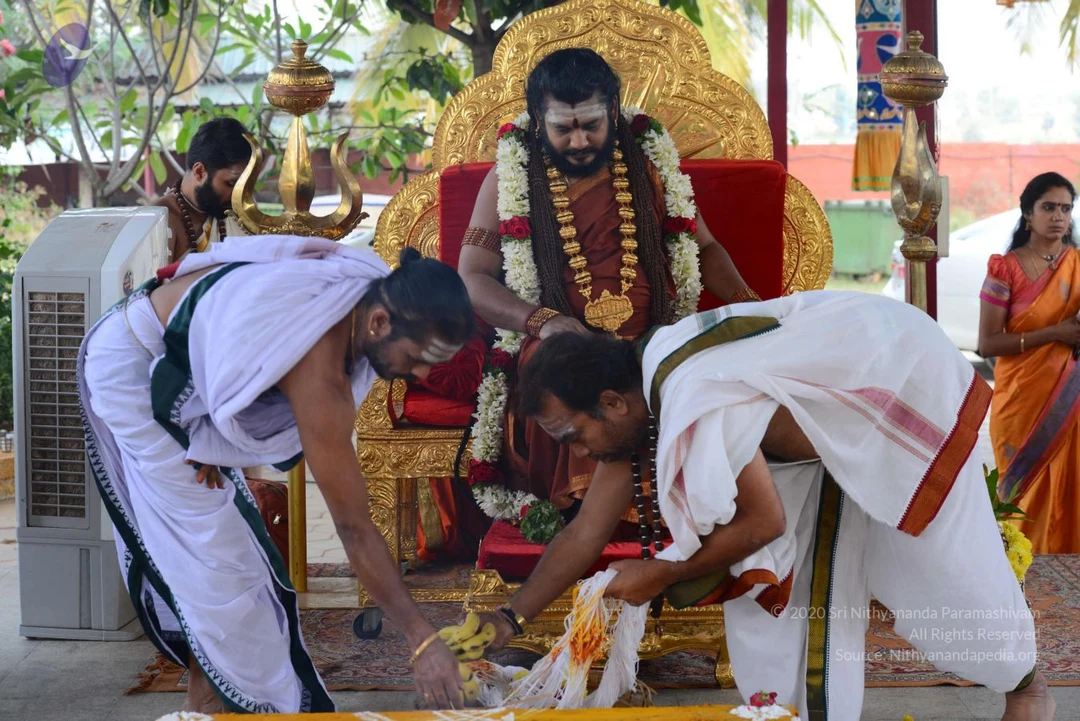
Gayatri Initiation
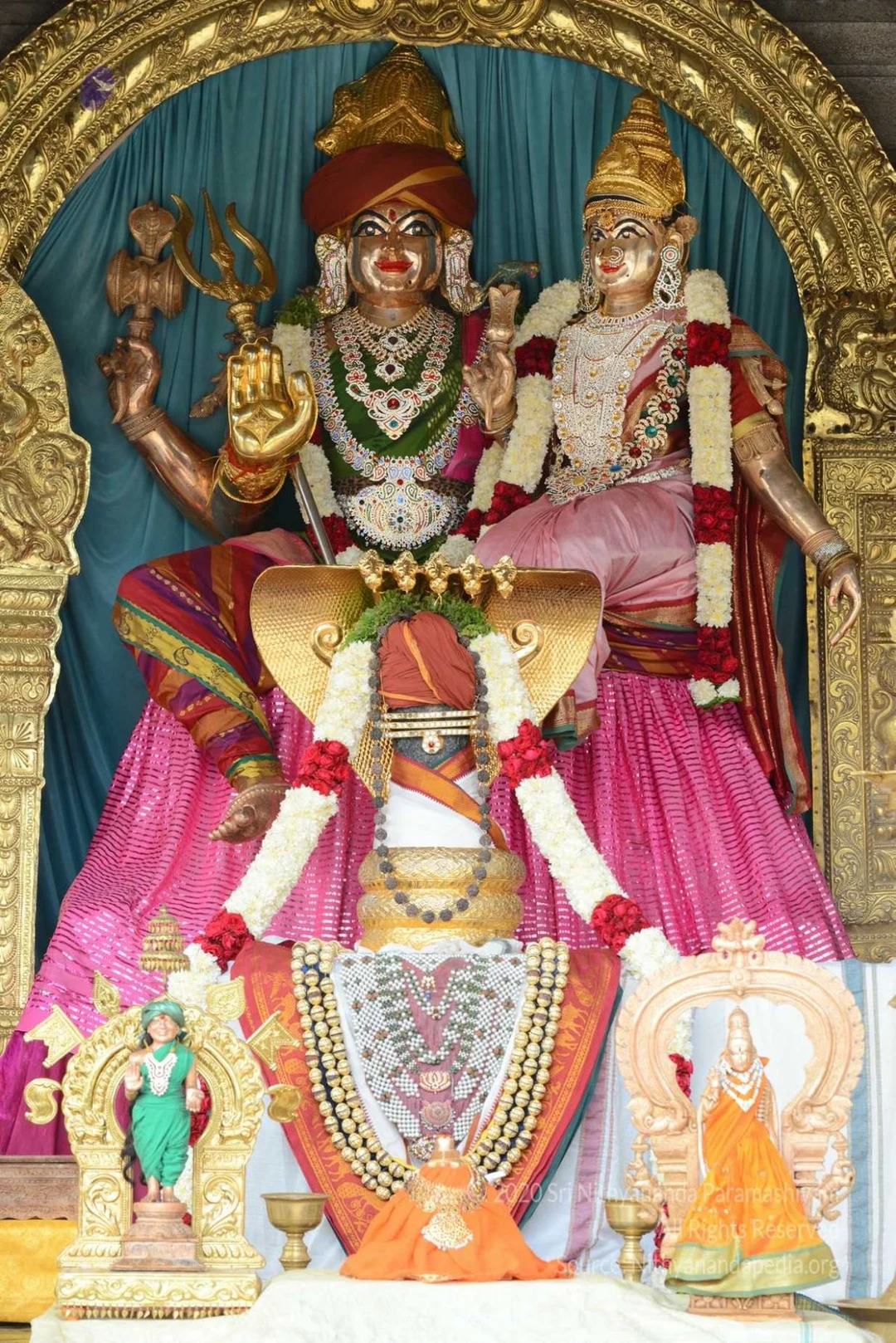
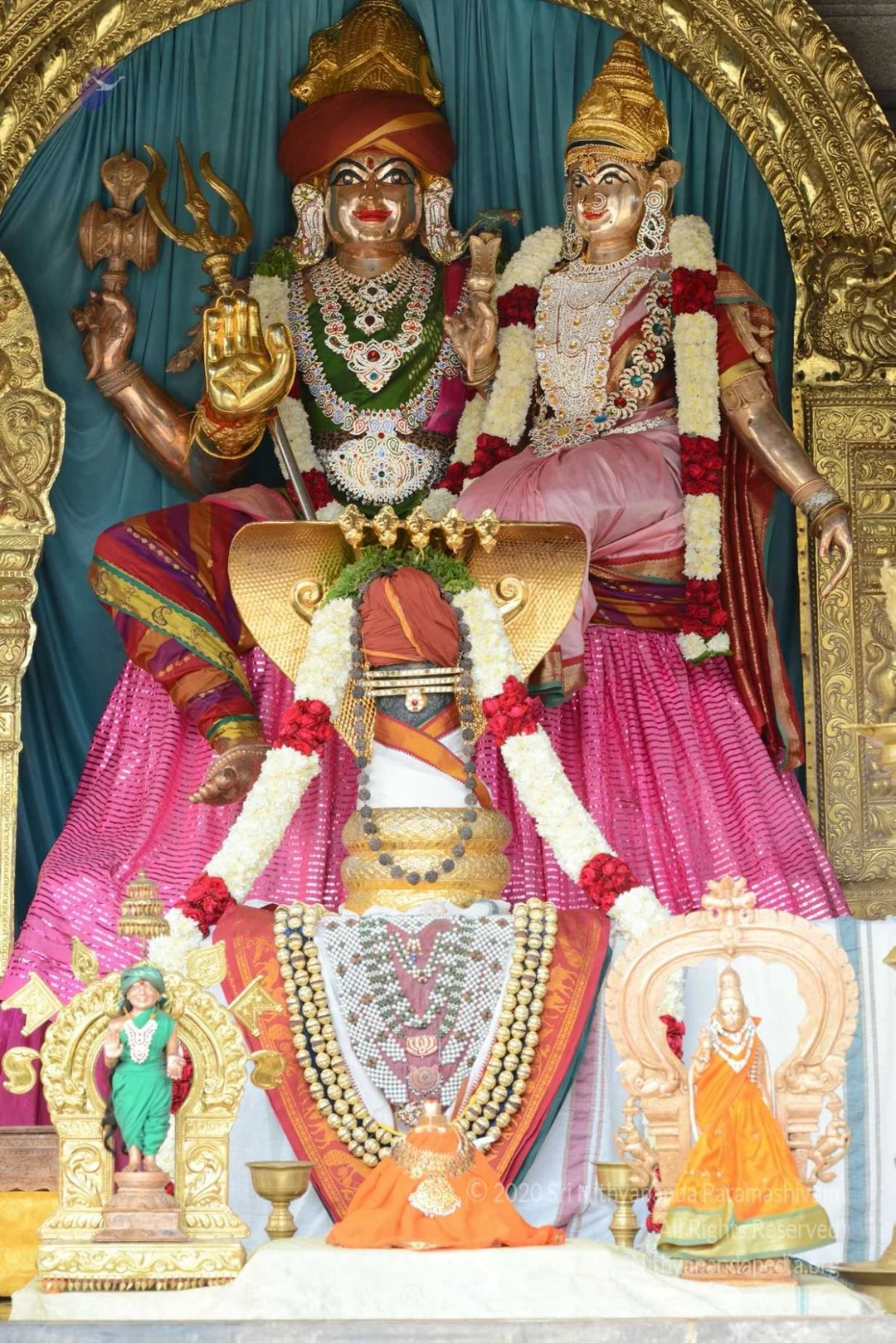
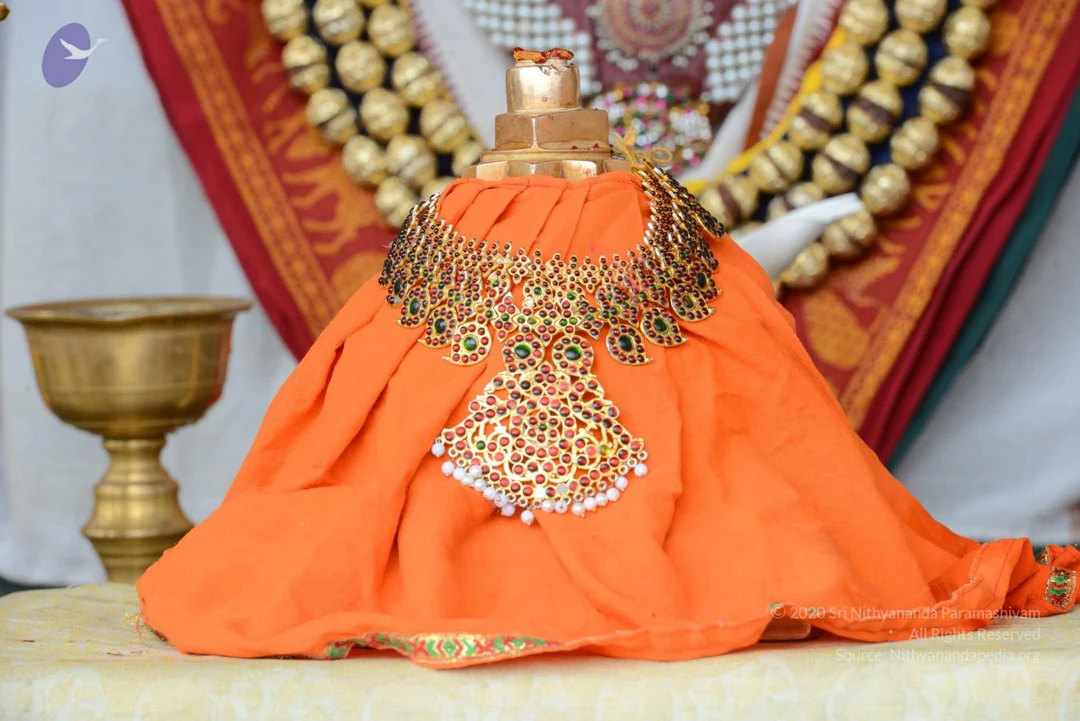
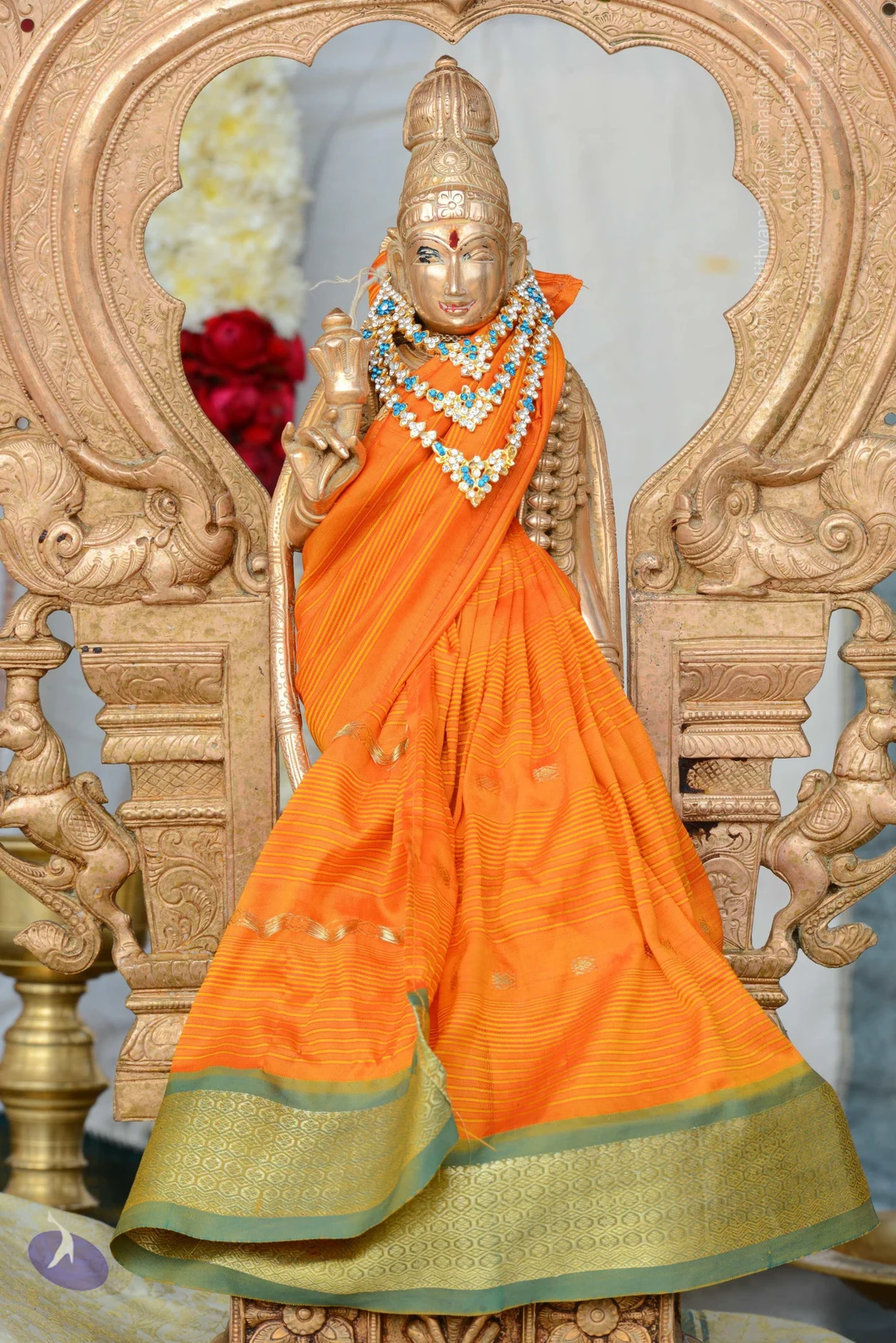
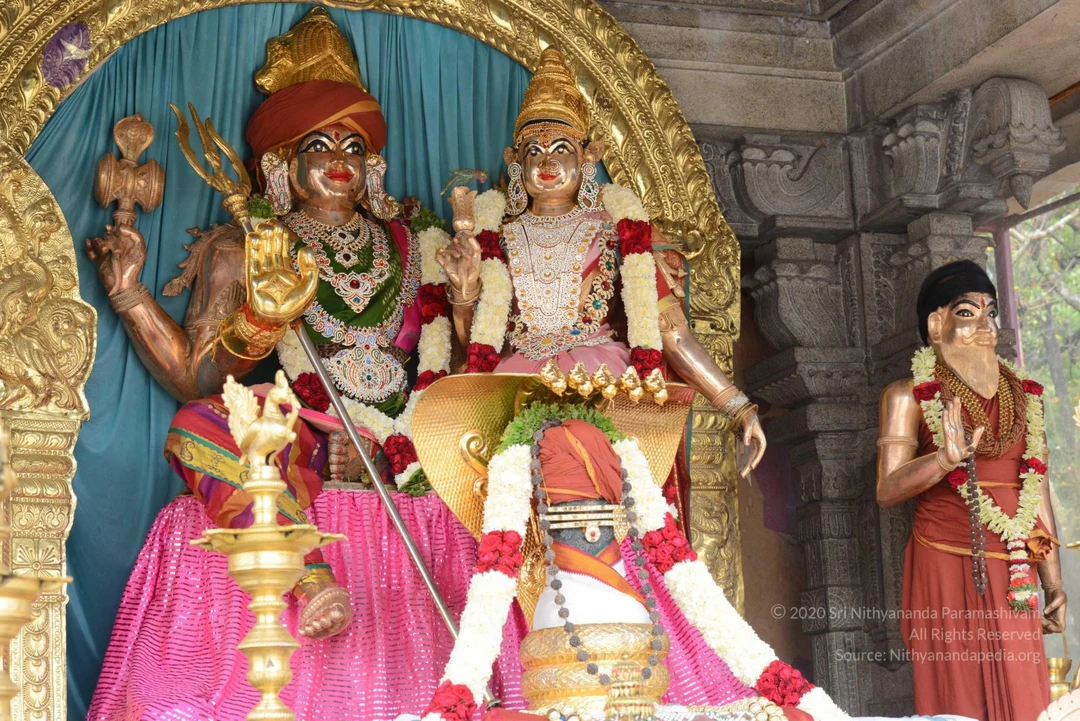
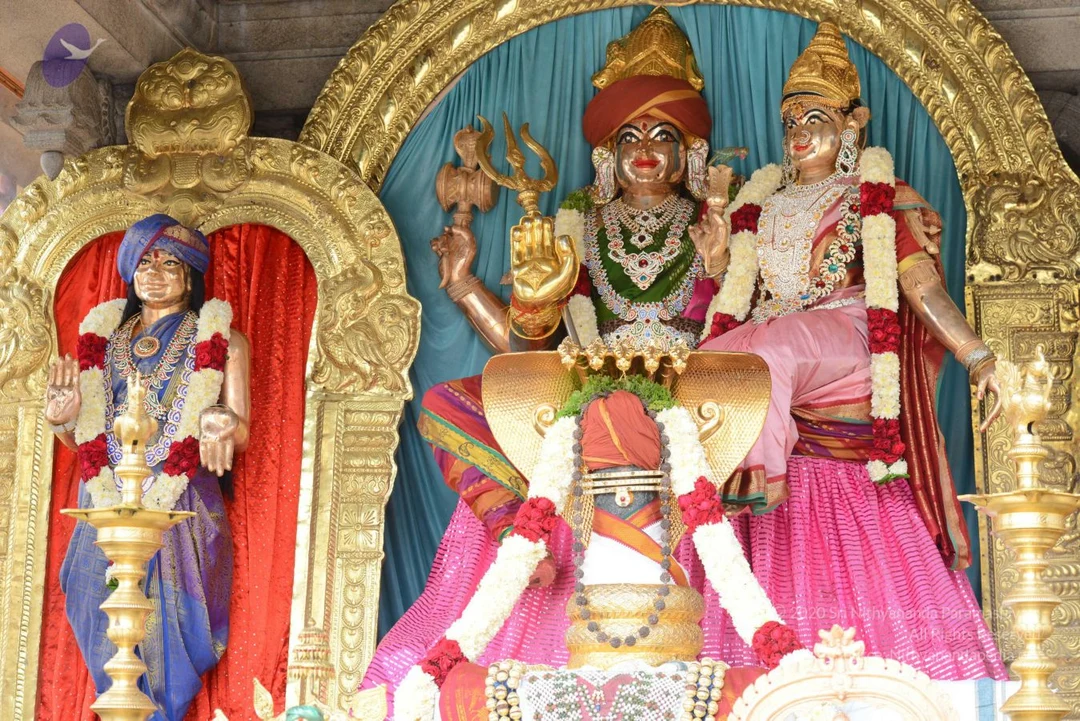
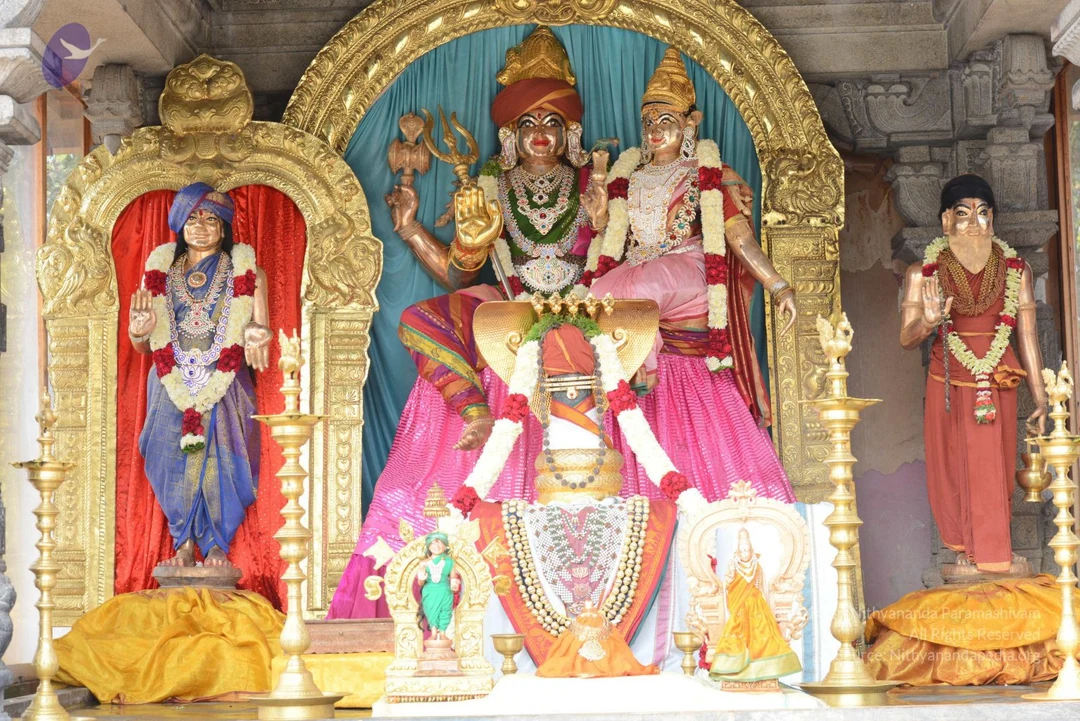
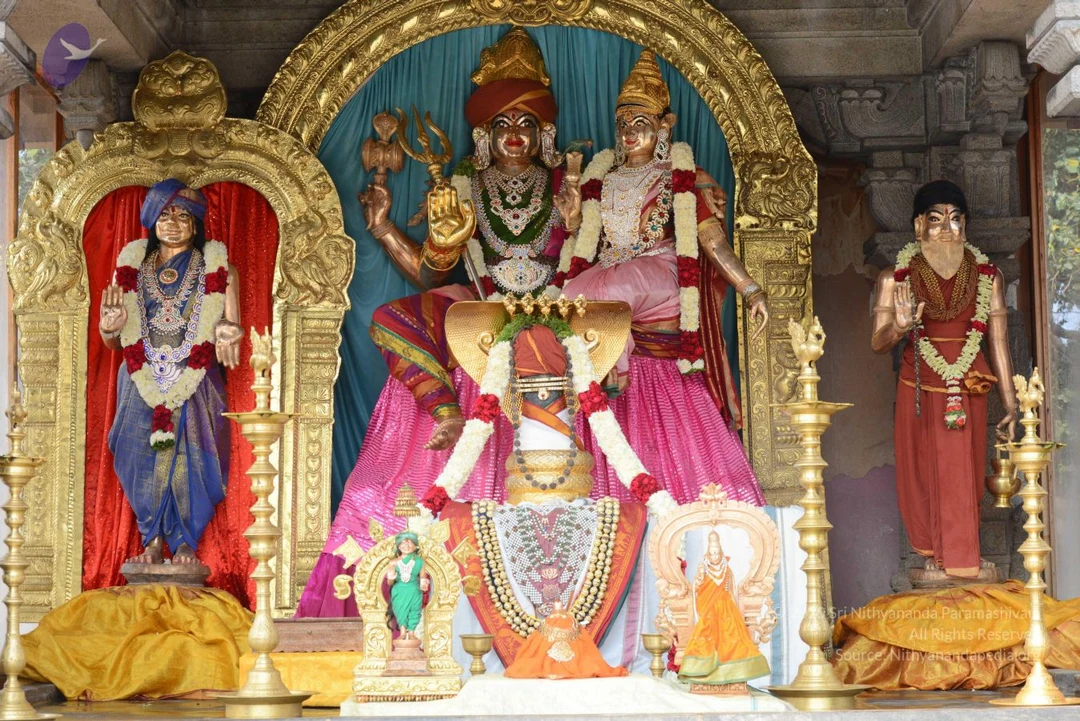
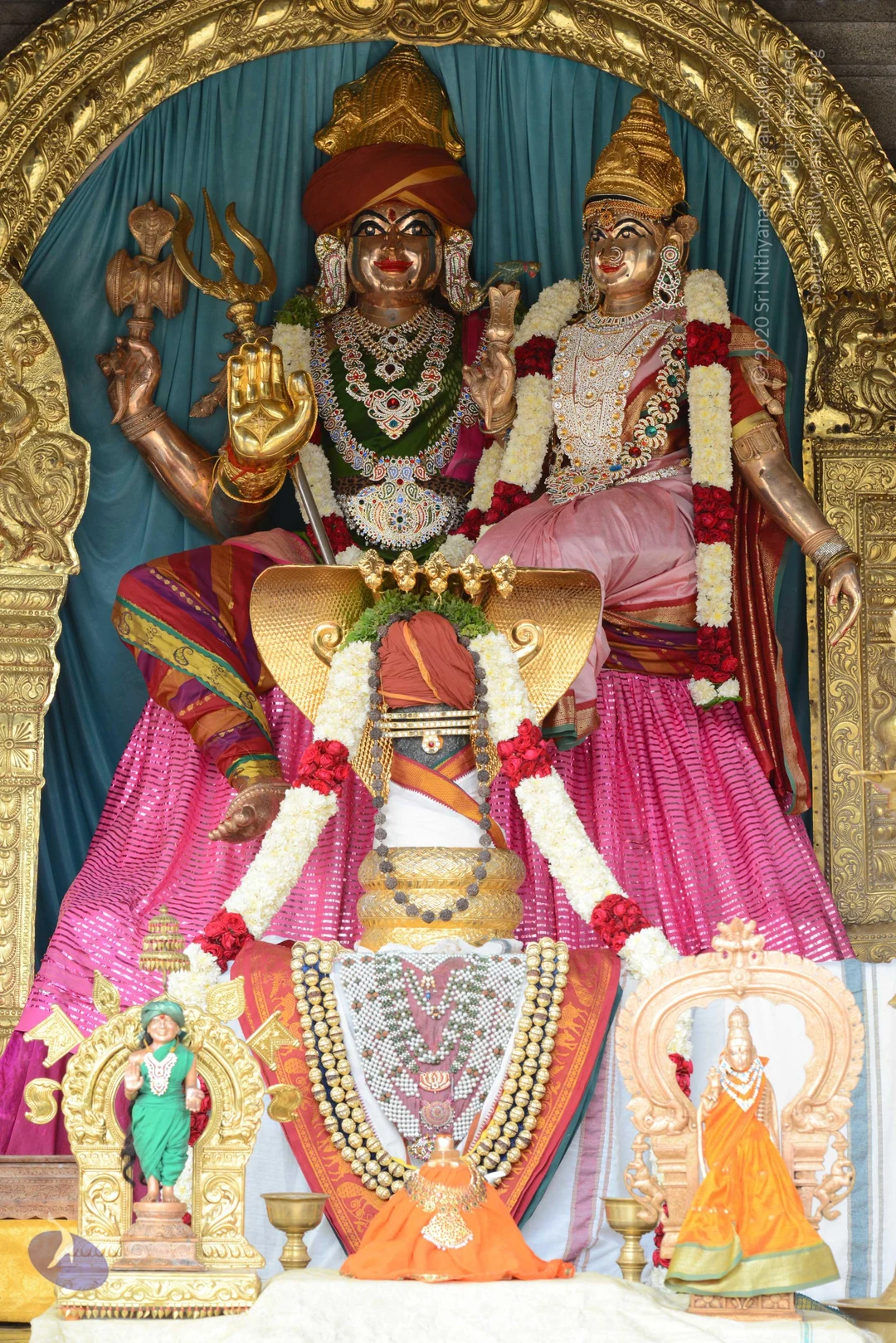
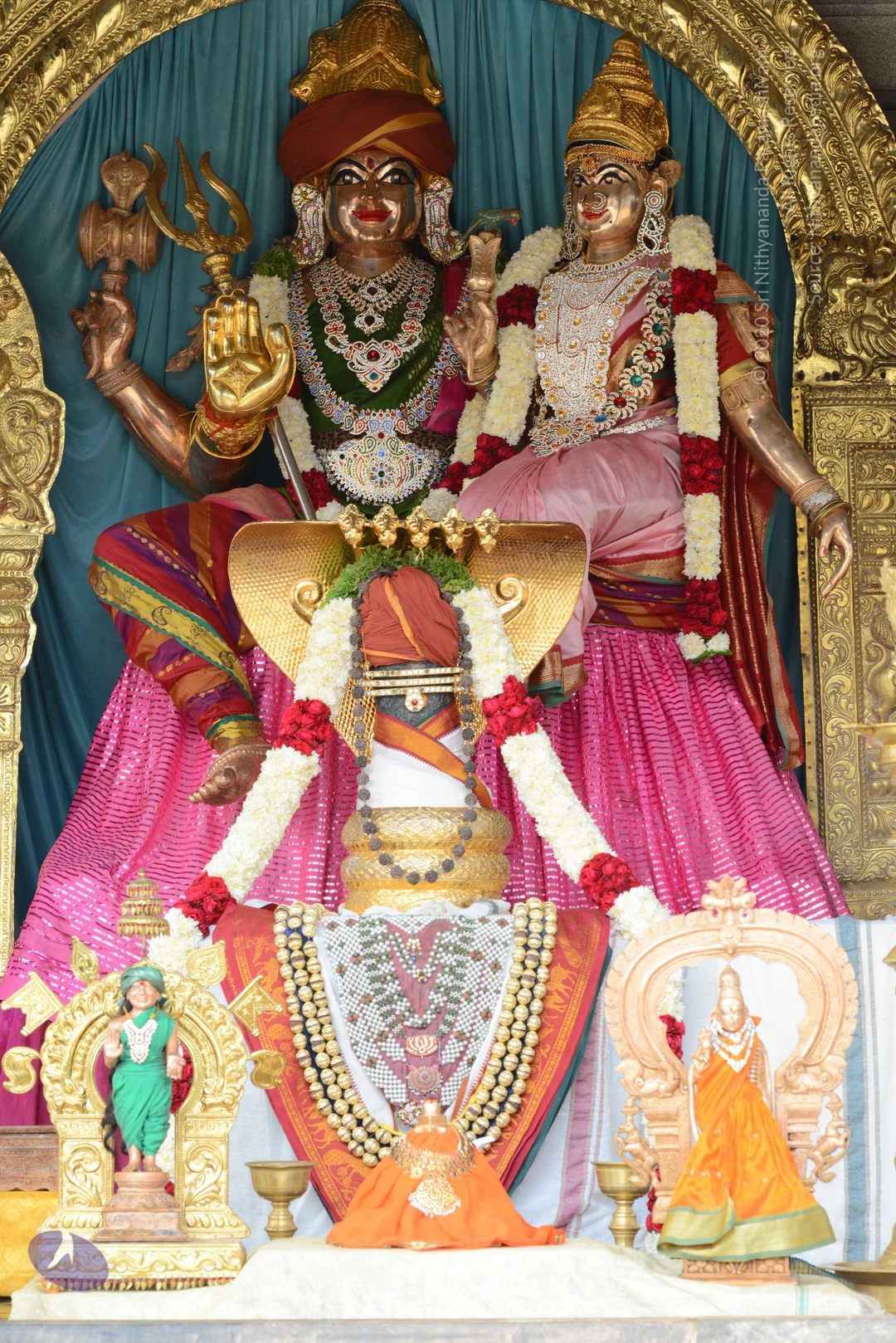
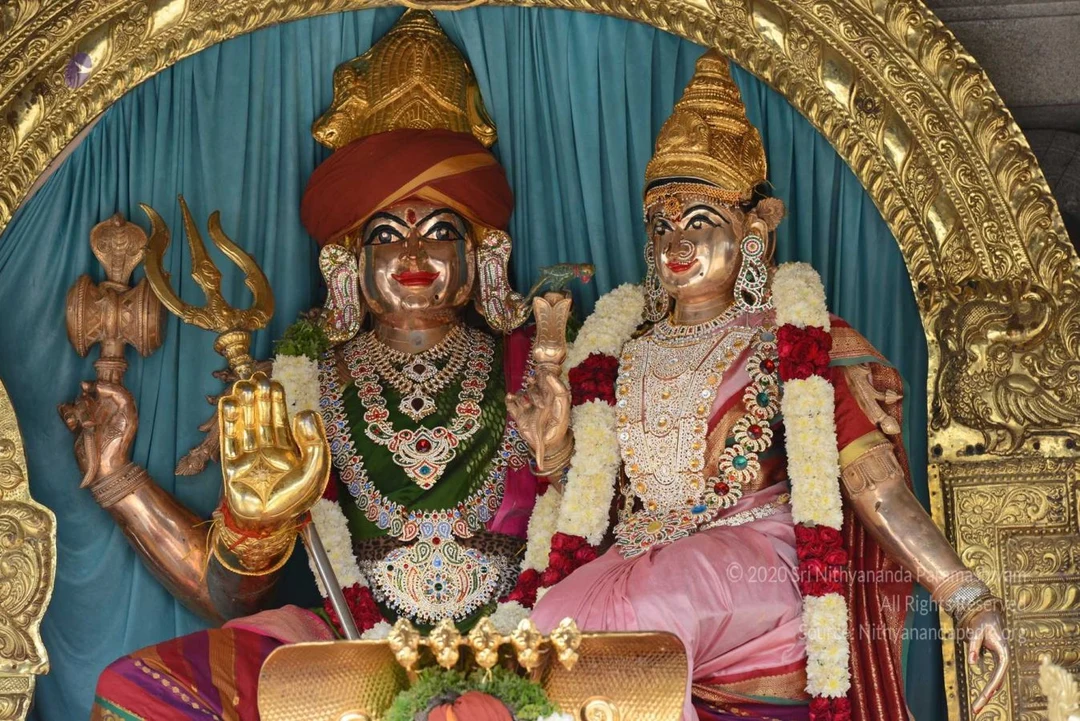 Darshan of Nithyanandeshwara Paramashiva and Nithyanandeshwari Parashakti in Nithyanandeshwara Paramashiva Devasthanam
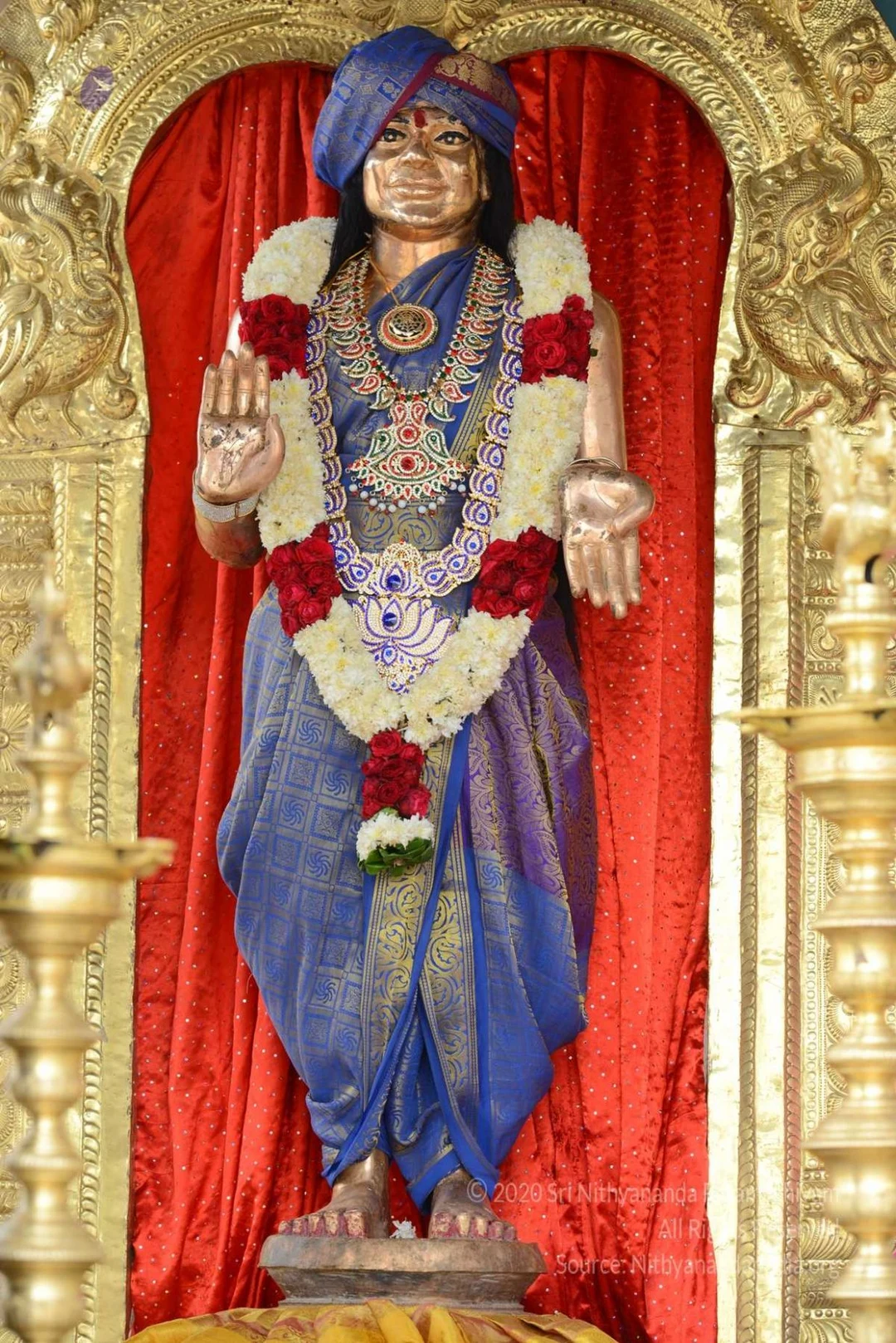
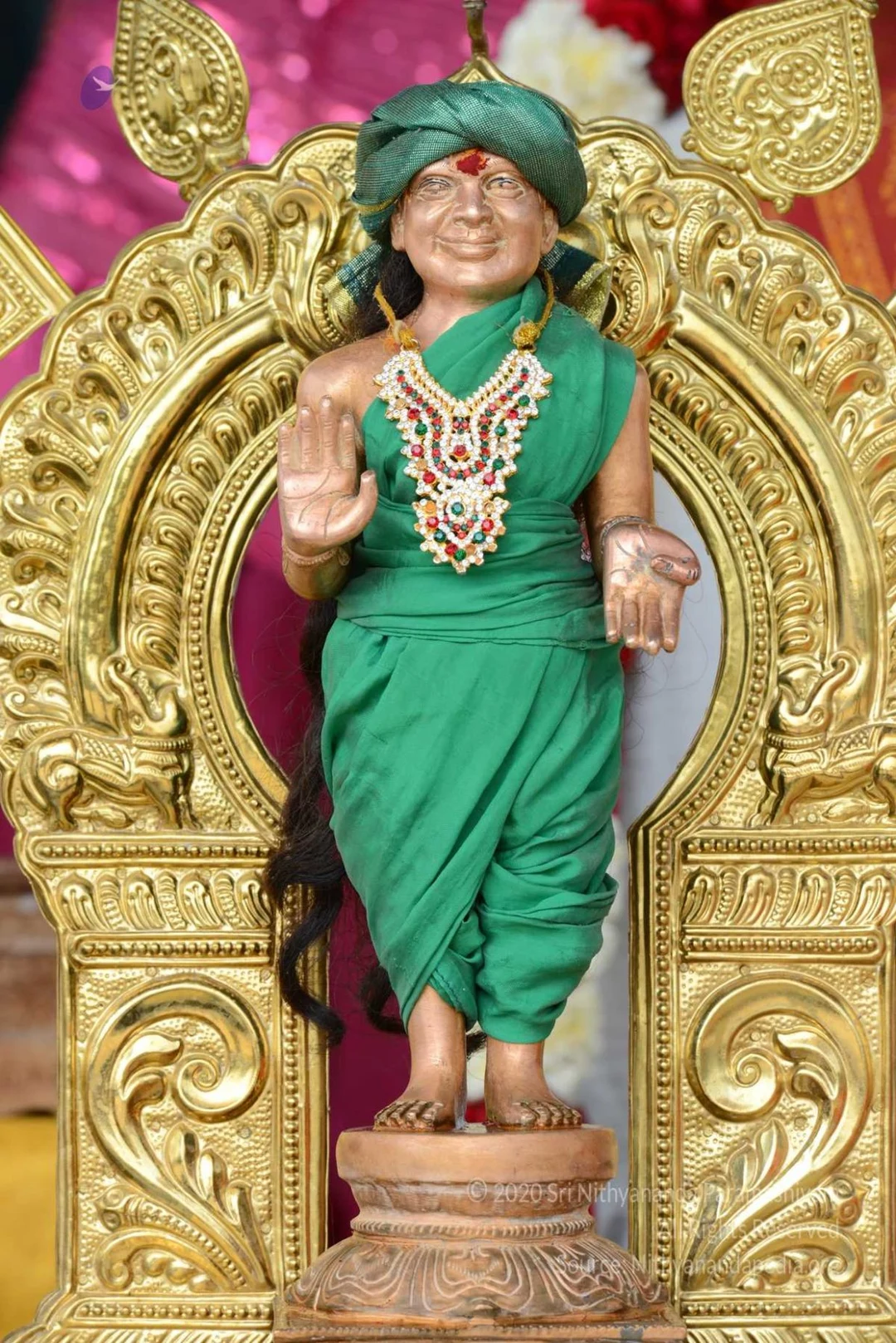
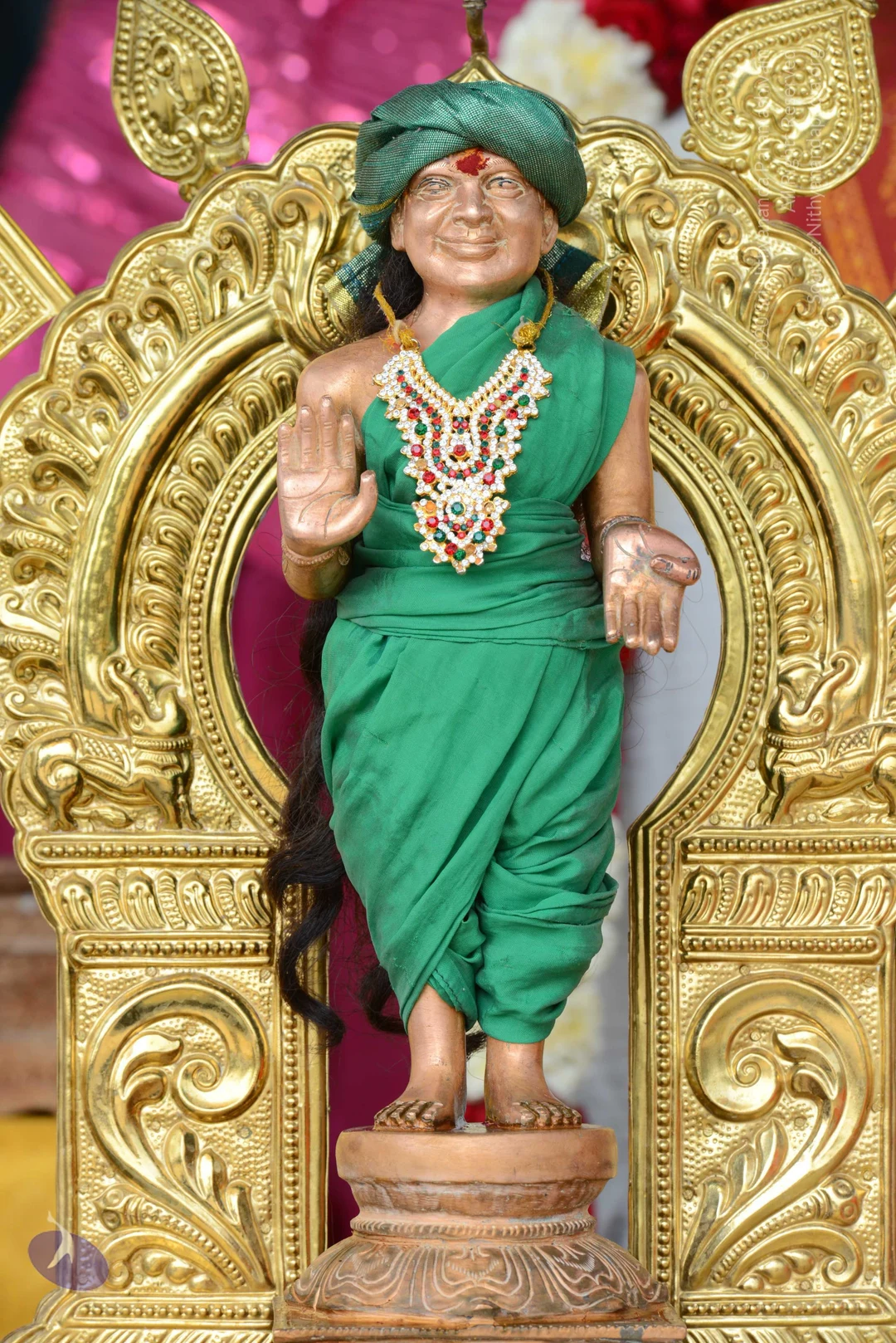
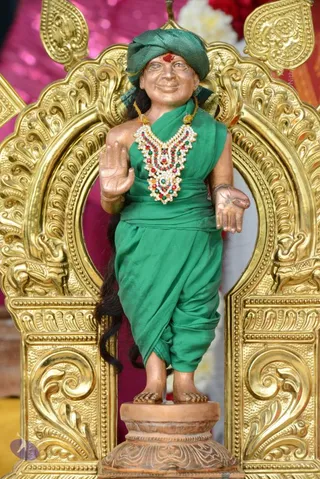
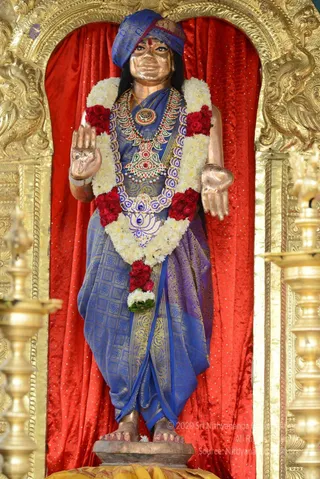 Deity of HDH Bhagavan Sri Nithyananda Paramashivam
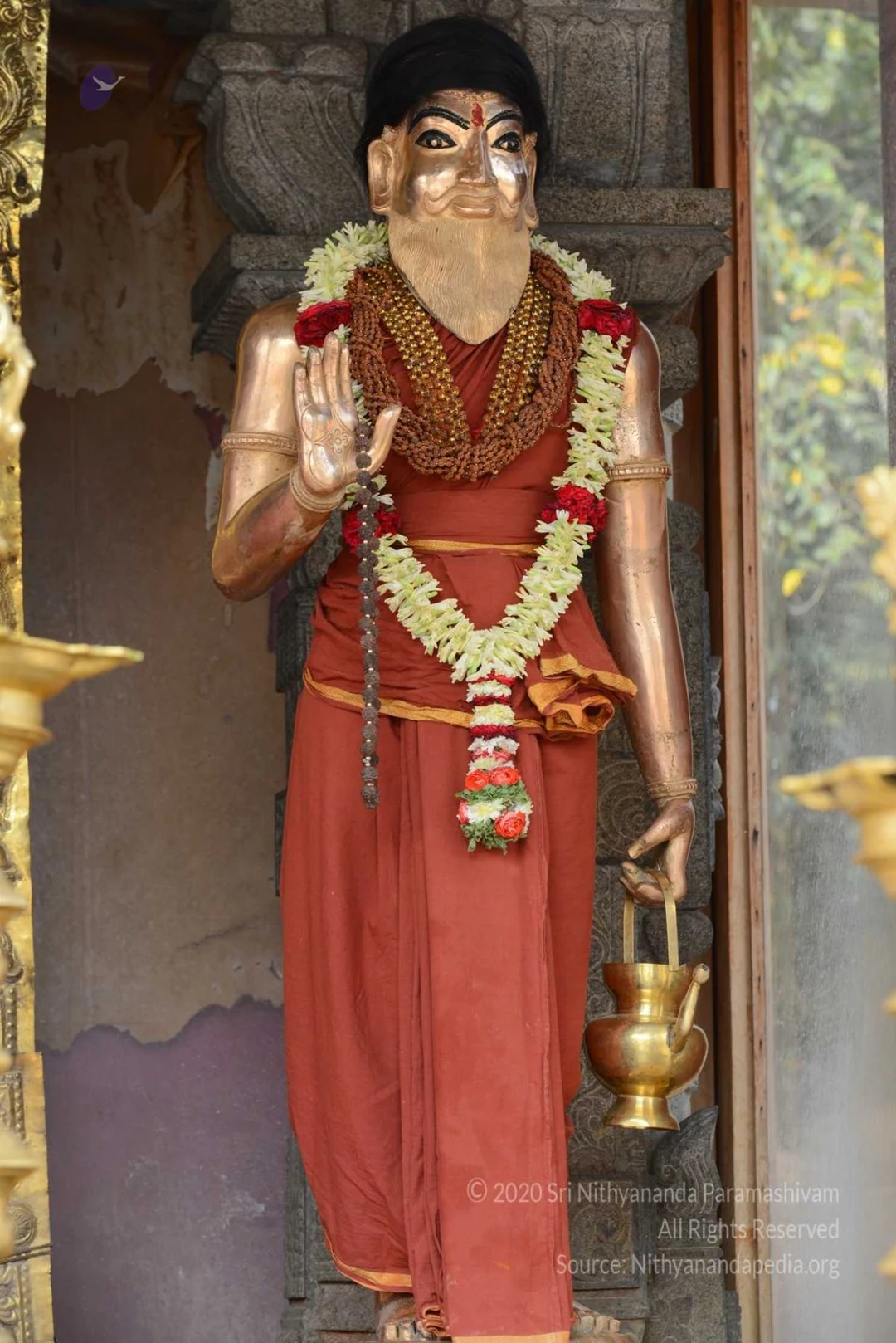
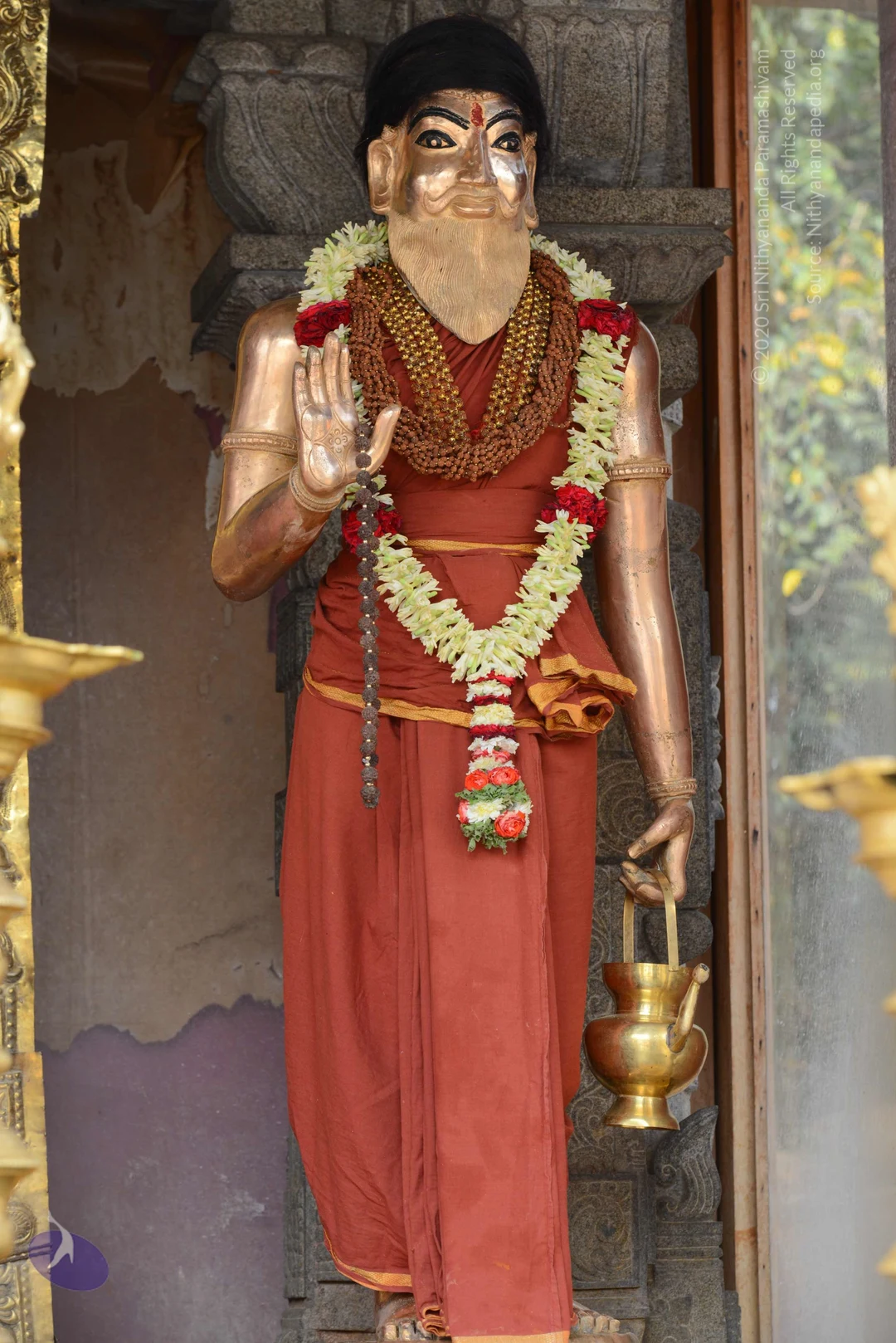
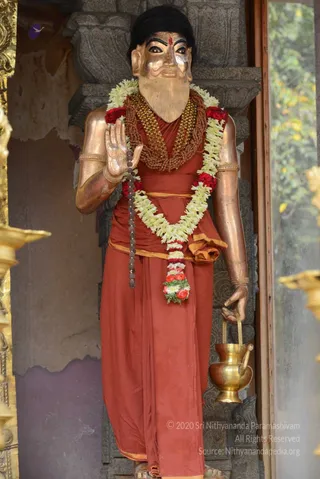 Deity of Lord Veda Vyasa
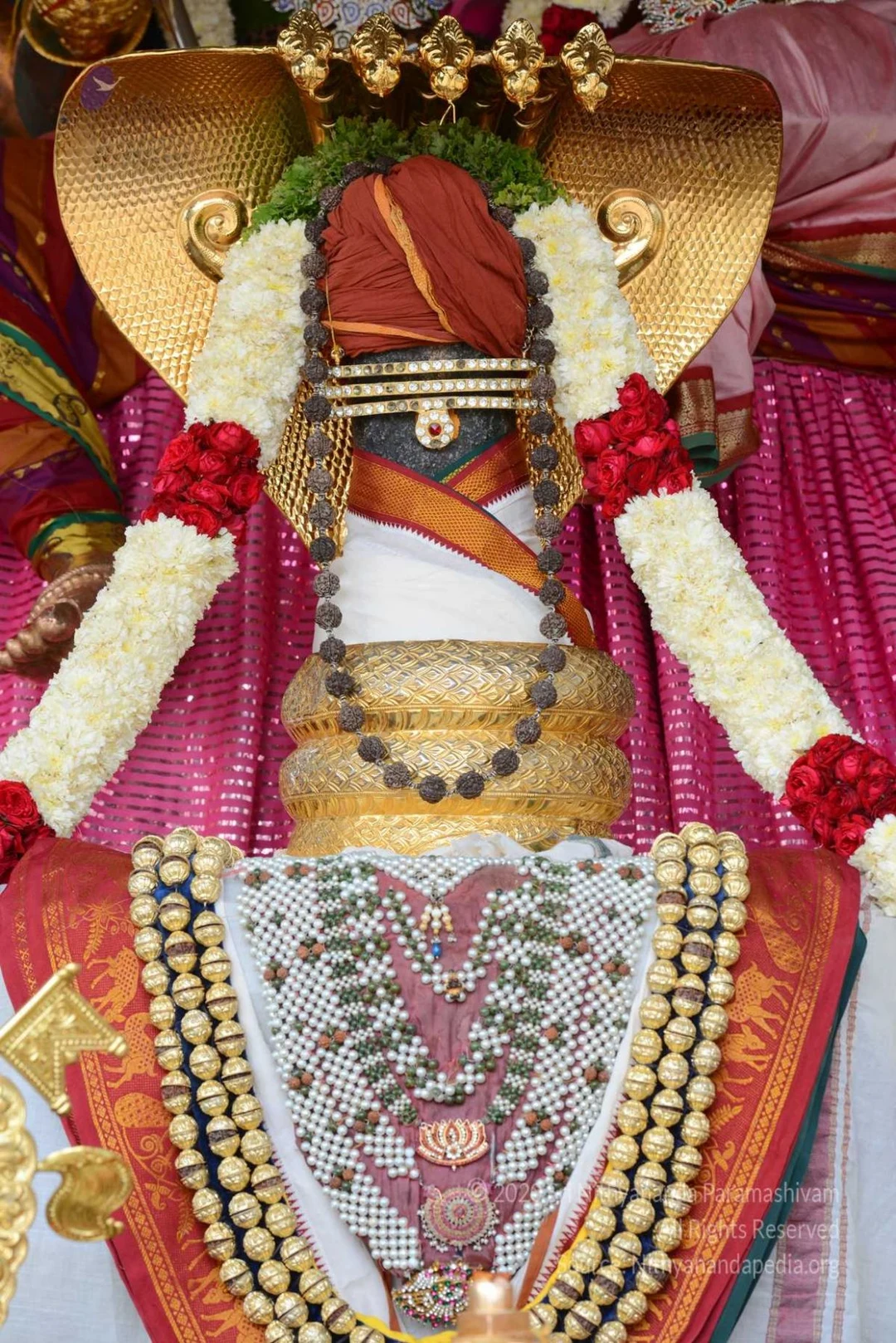
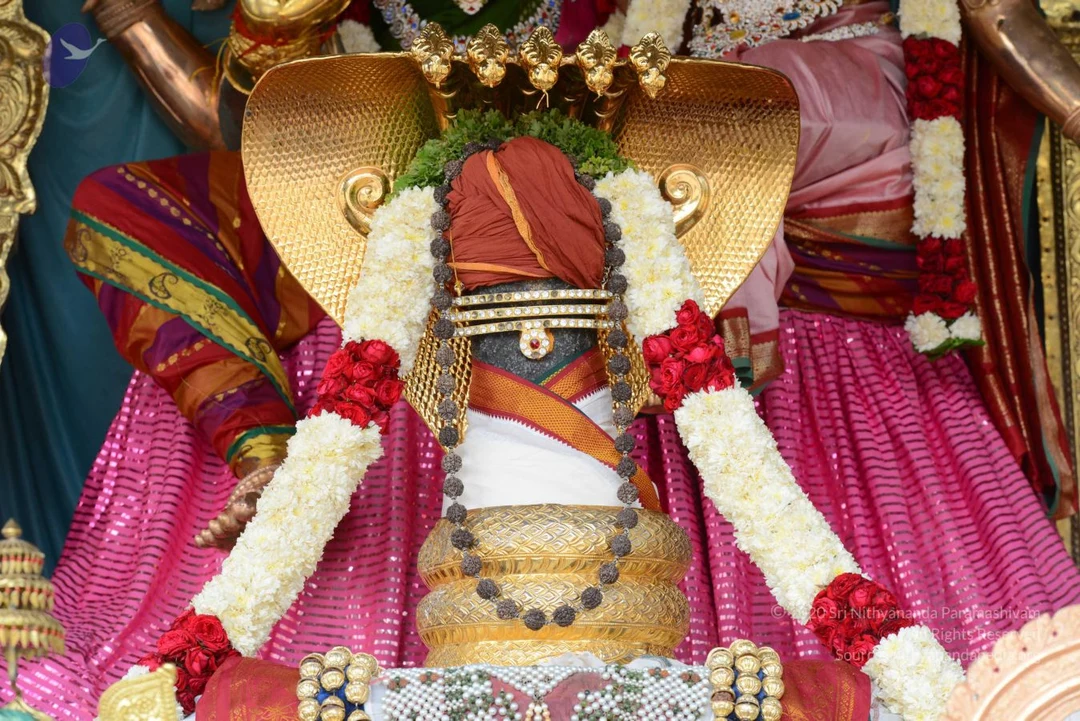
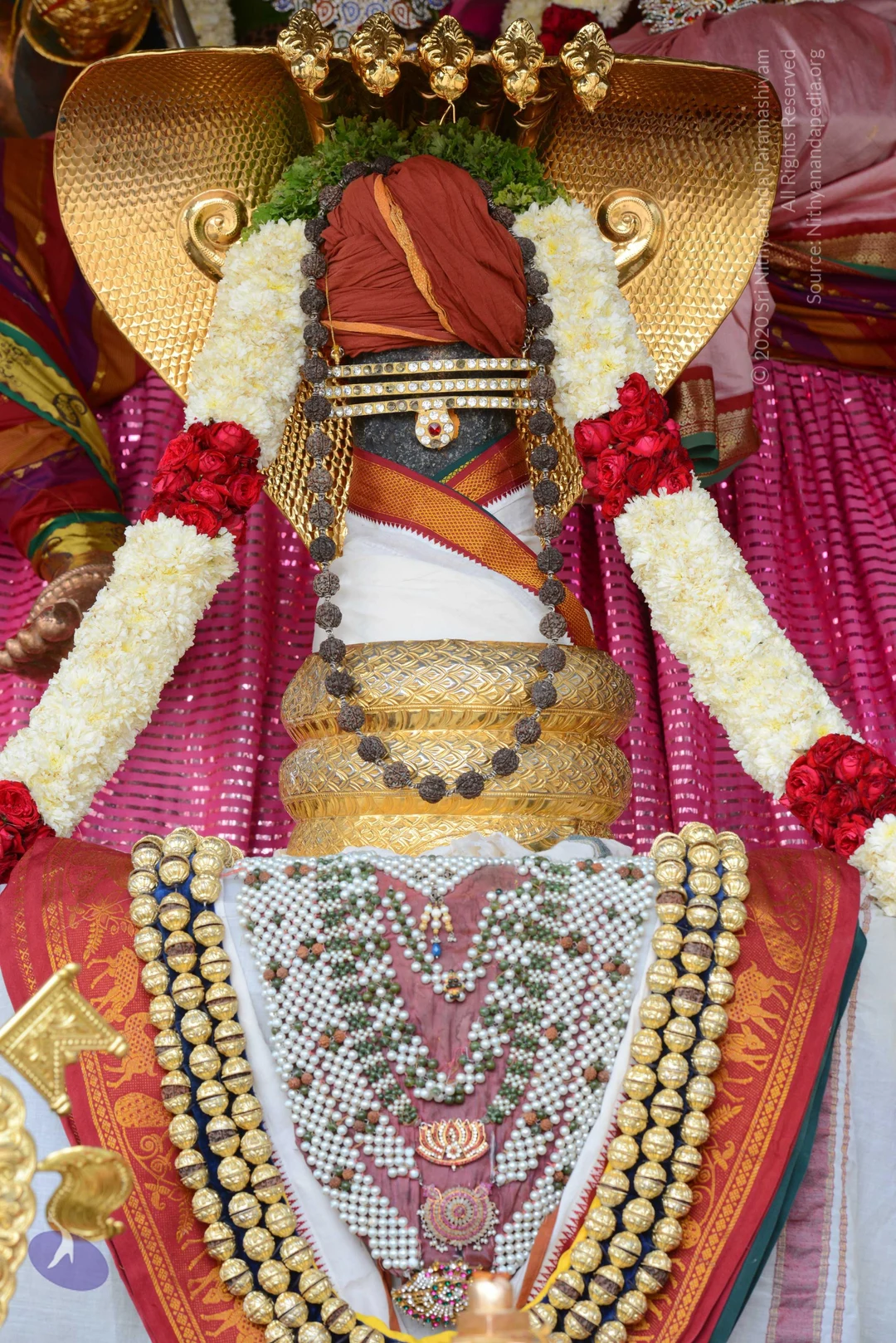
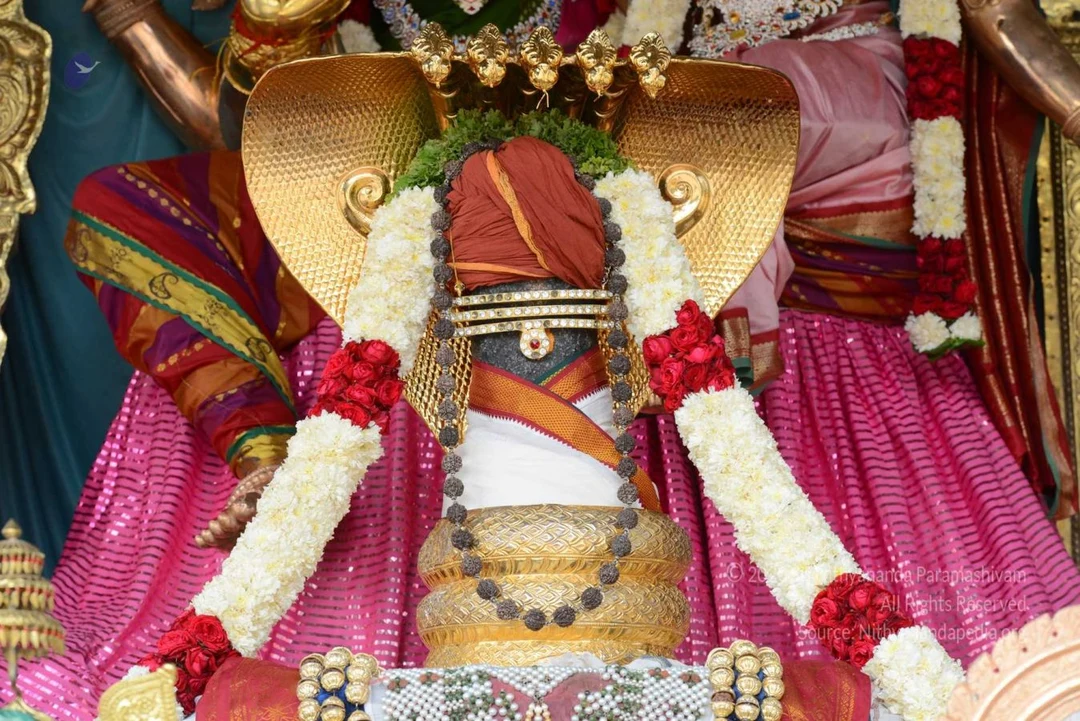 Nithyanandeshwara Paramashiva Linga
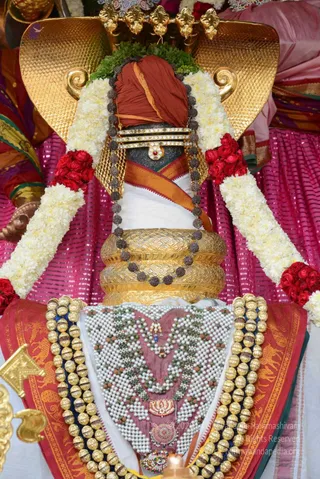 Nithyanandeshwara Paramashiva Linga
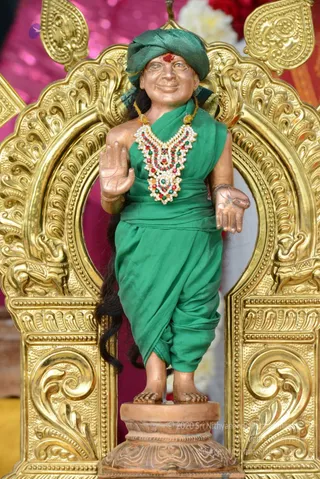 Deity of HDH Bhagavan Sri Nithyananda Paramashivam
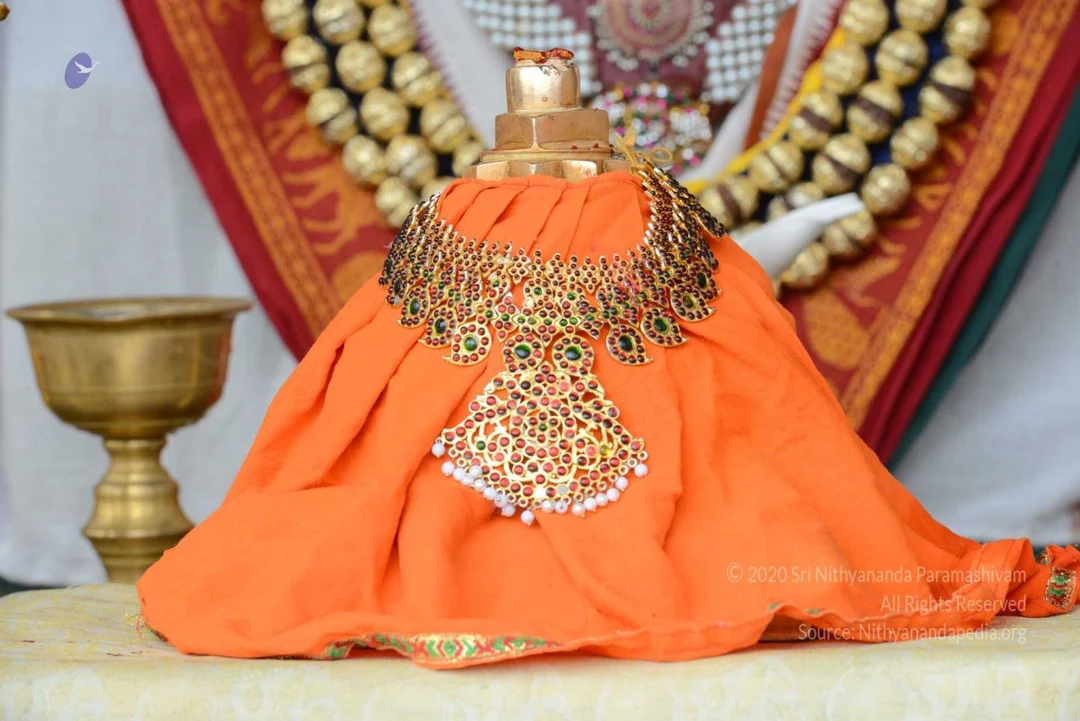 Bhoga Murthy - Meru
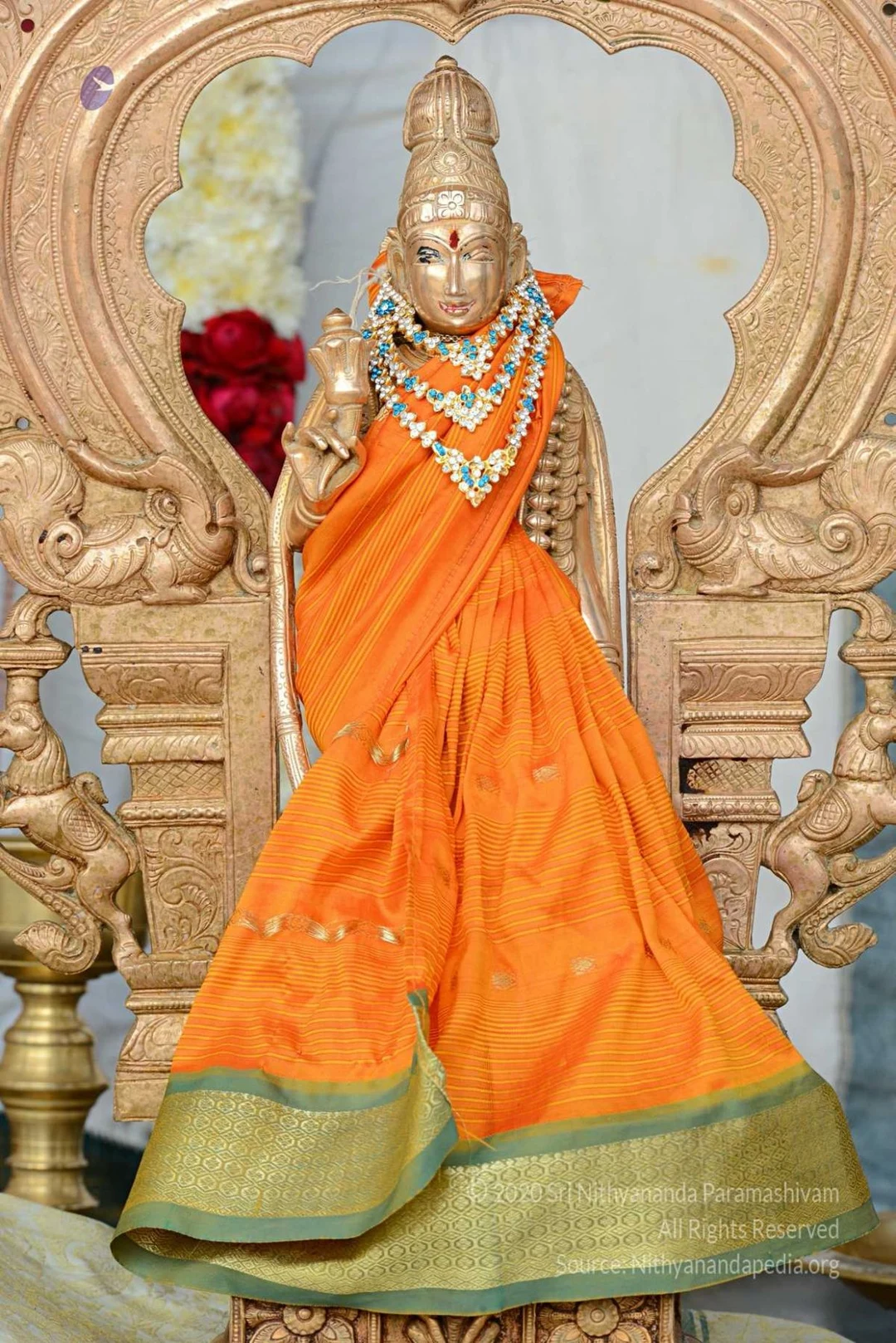
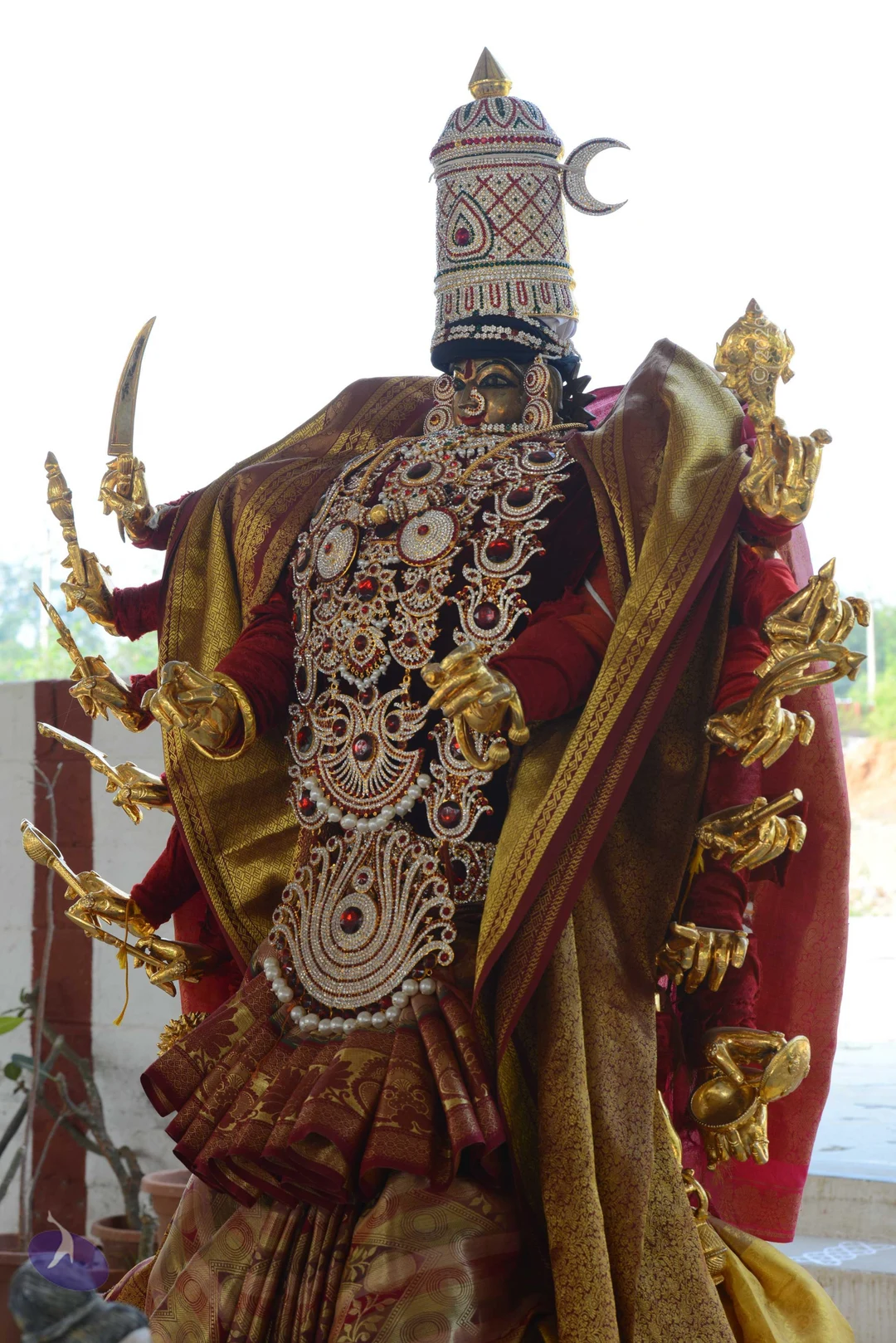
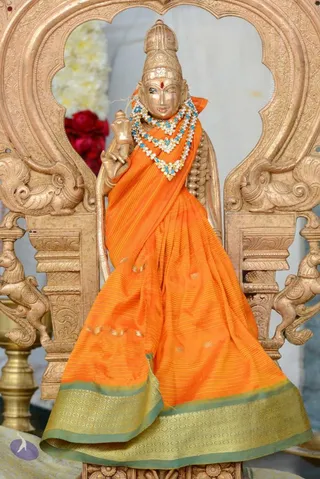
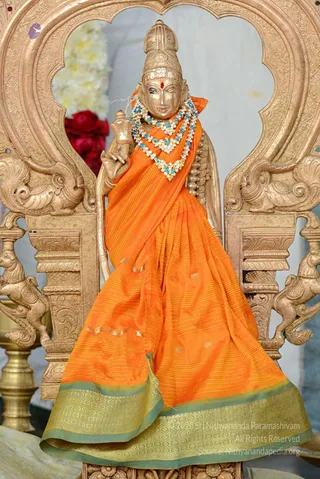 Deity of Devi NIthyanandeshwari Parashakti
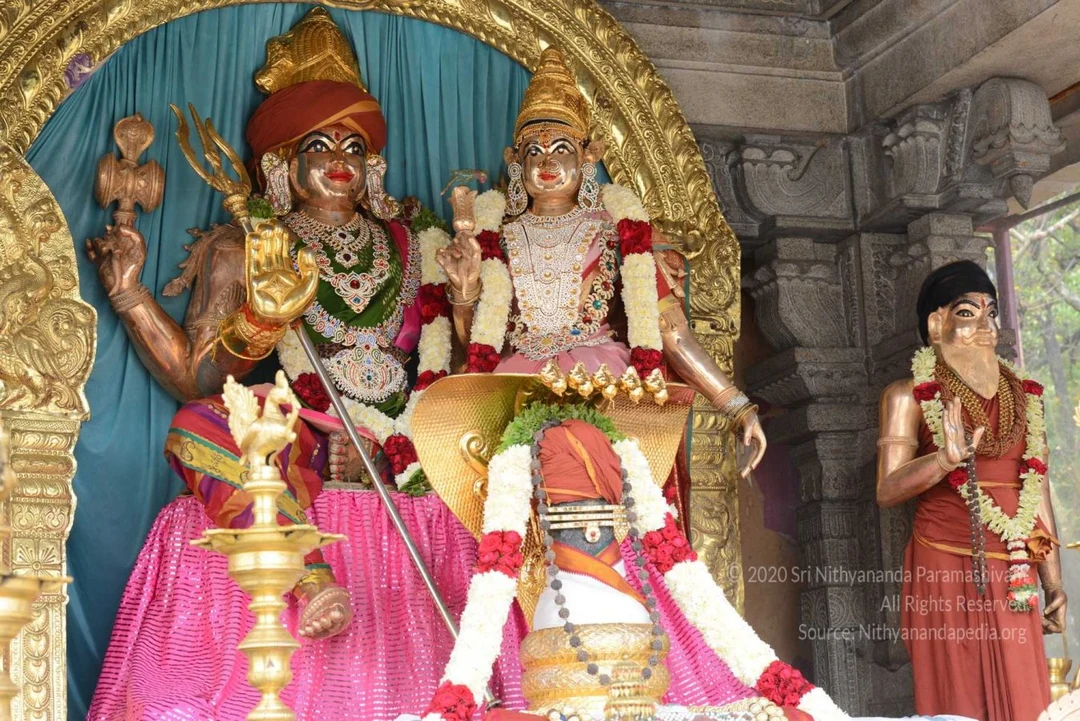 Nithyanandeshwara Paramashiva Devasthanam, Nithyananda Peetam, Bengaluru Aadheenam
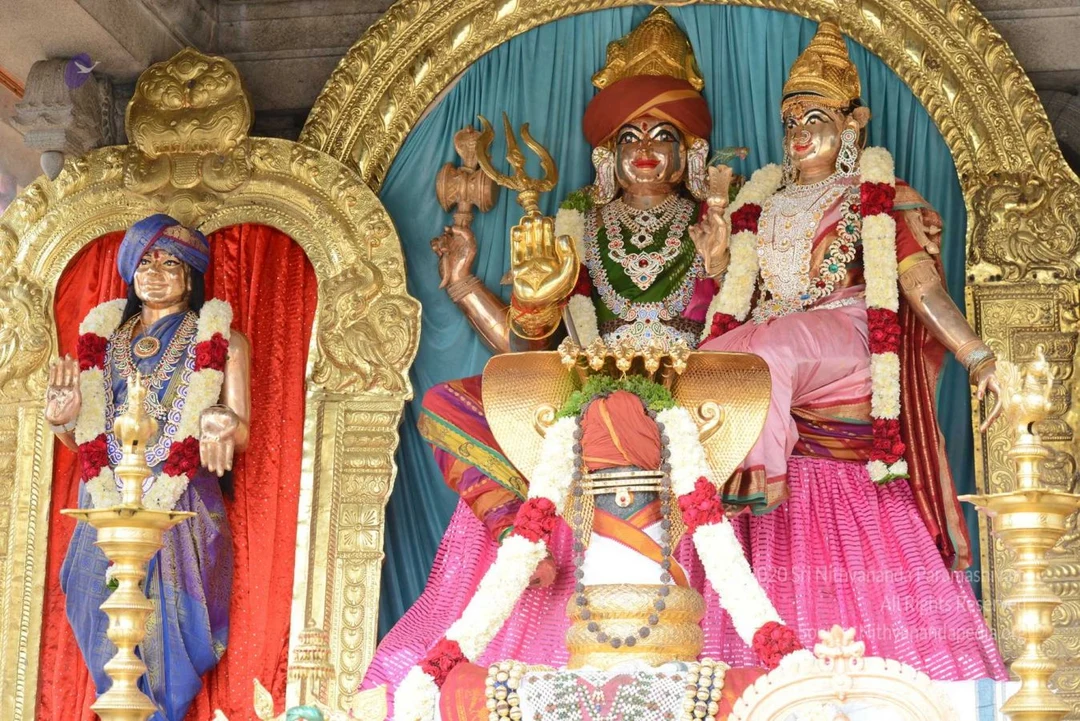 Nithyanandeshwara Paramashiva Devasthanam, Nithyananda Peetam, Bengaluru Aadheenam
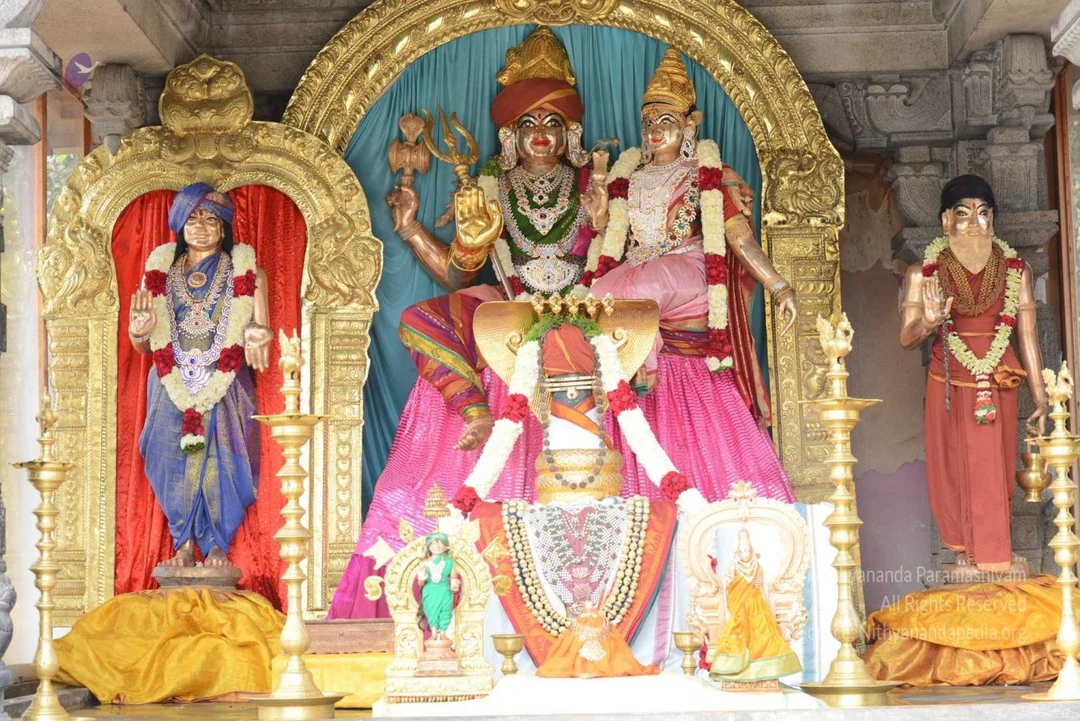 Nithyanandeshwara Paramashiva Devasthanam, Nithyananda Peetam, Bengaluru Aadheenam
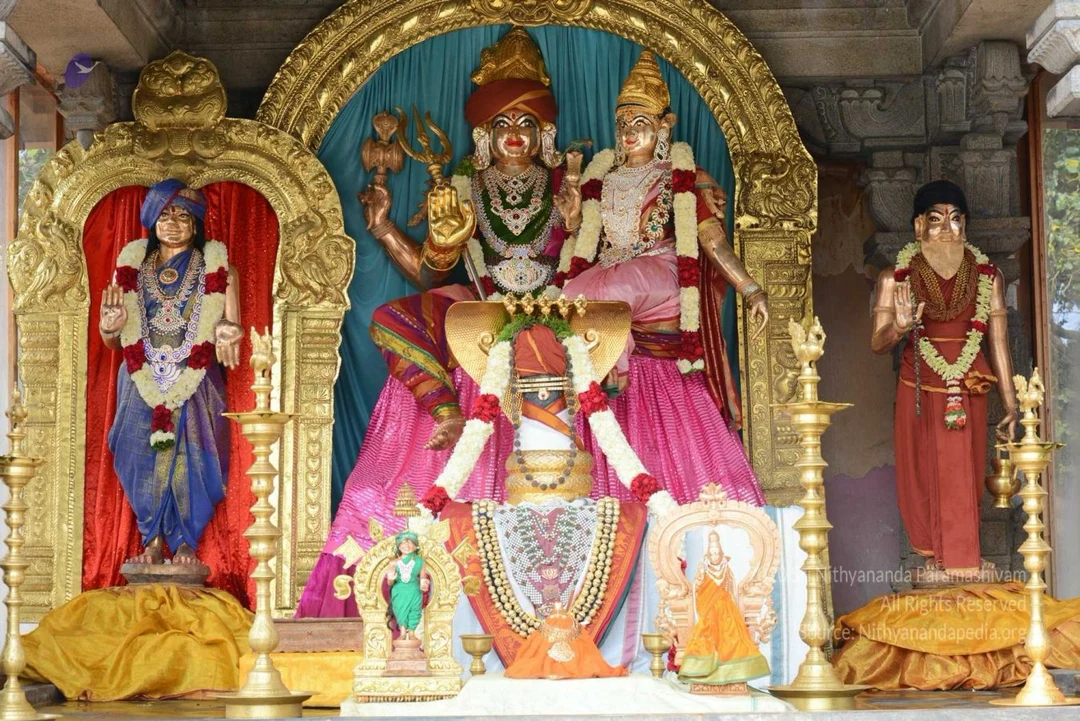 Nithyanandeshwara Paramashiva Devasthanam, Nithyananda Peetam, Bengaluru Aadheenam
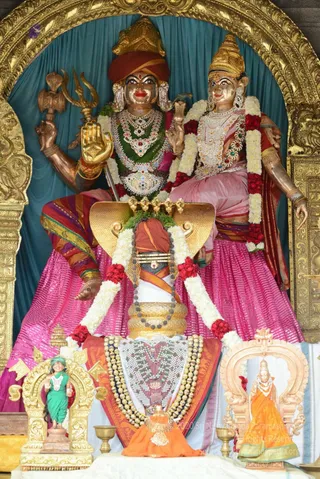 Nithyanandeshwara Paramashiva Devasthanam, Nithyananda Peetam, Bengaluru Aadheenam
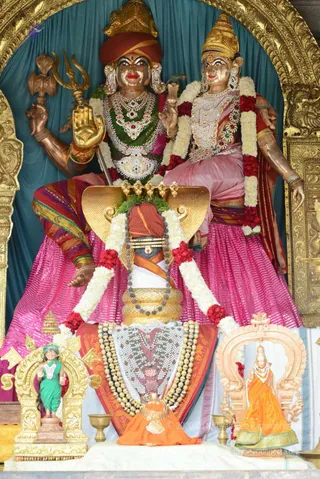 Nithyanandeshwara Paramashiva Devasthanam, Nithyananda Peetam, Bengaluru Aadheenam
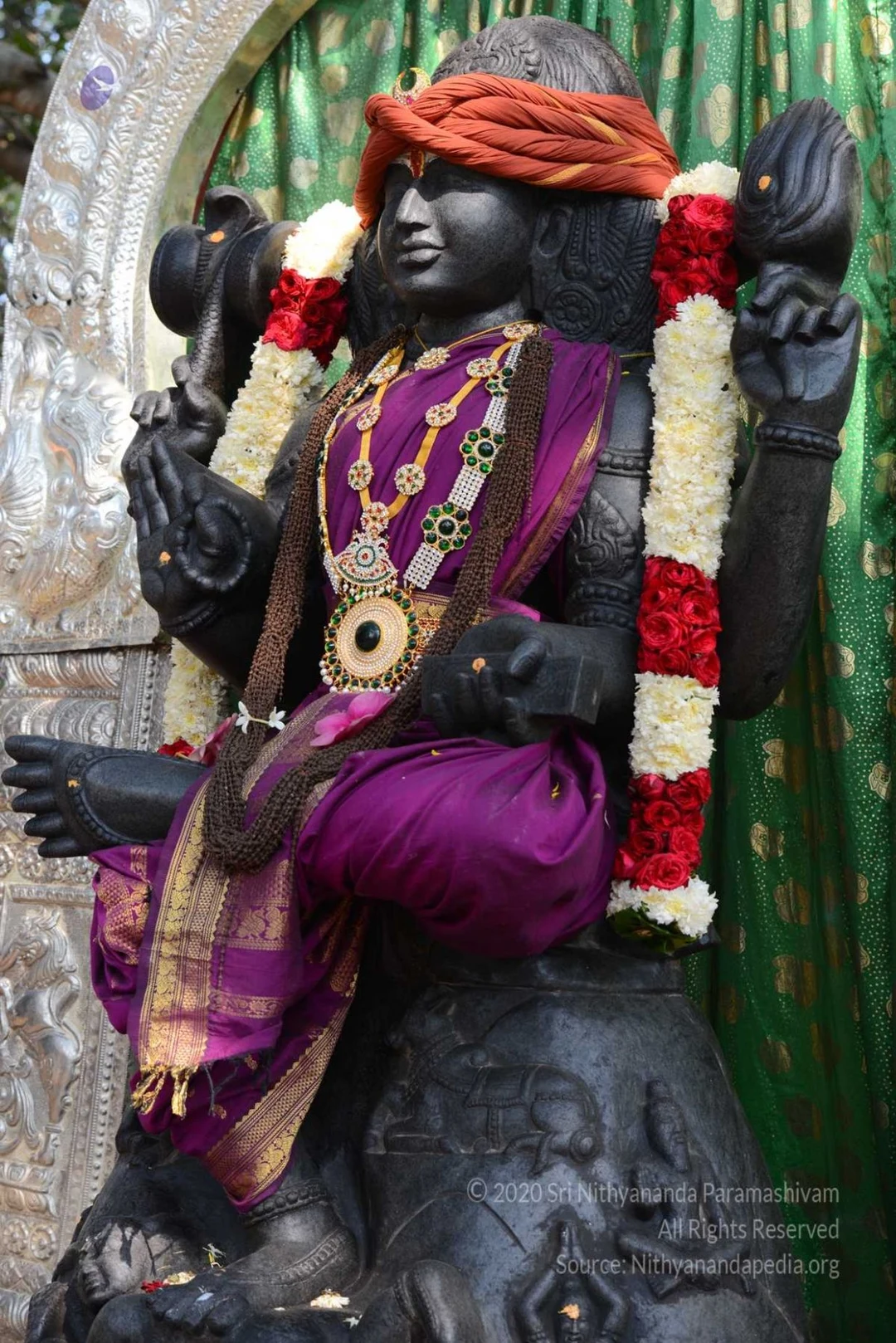
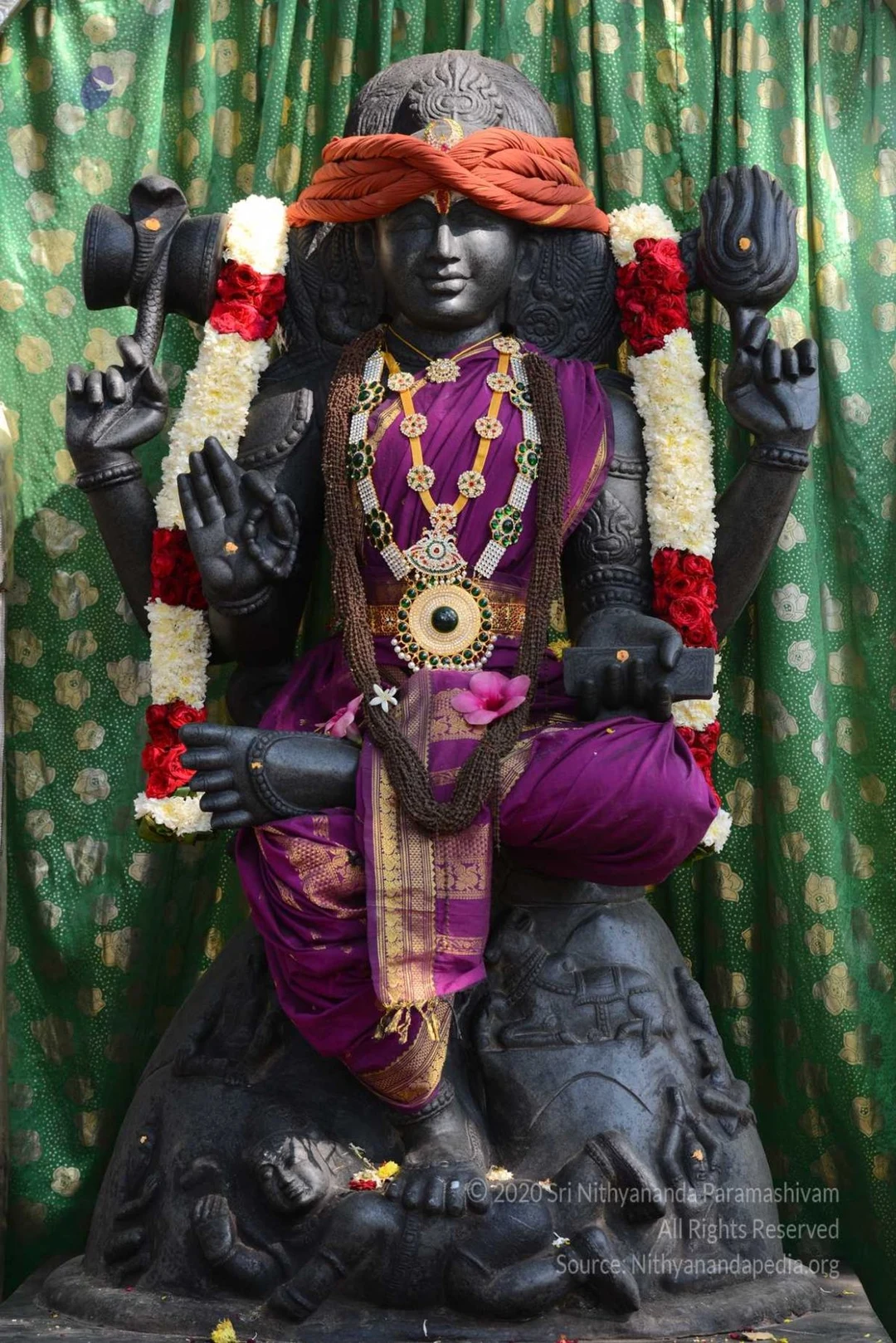
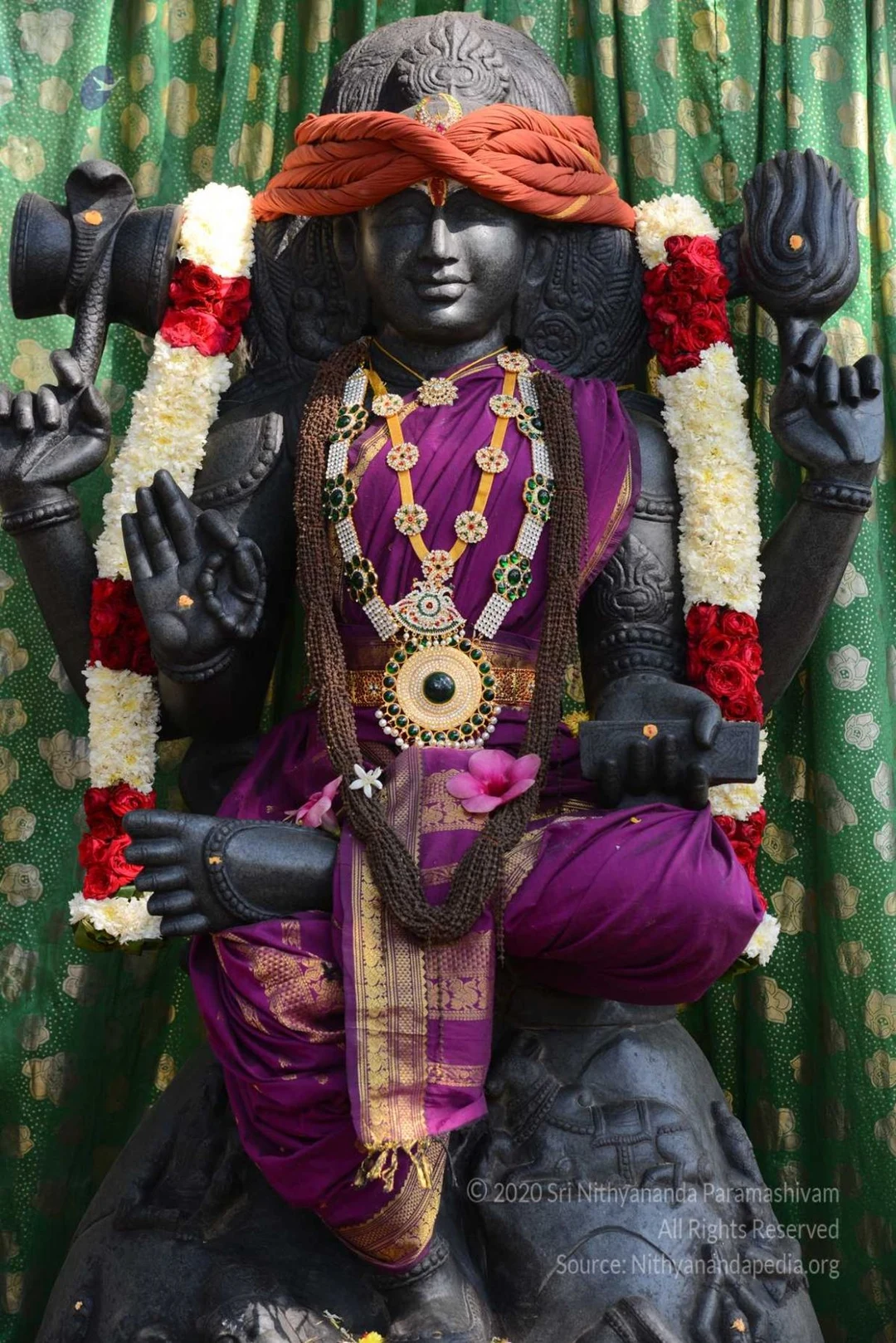
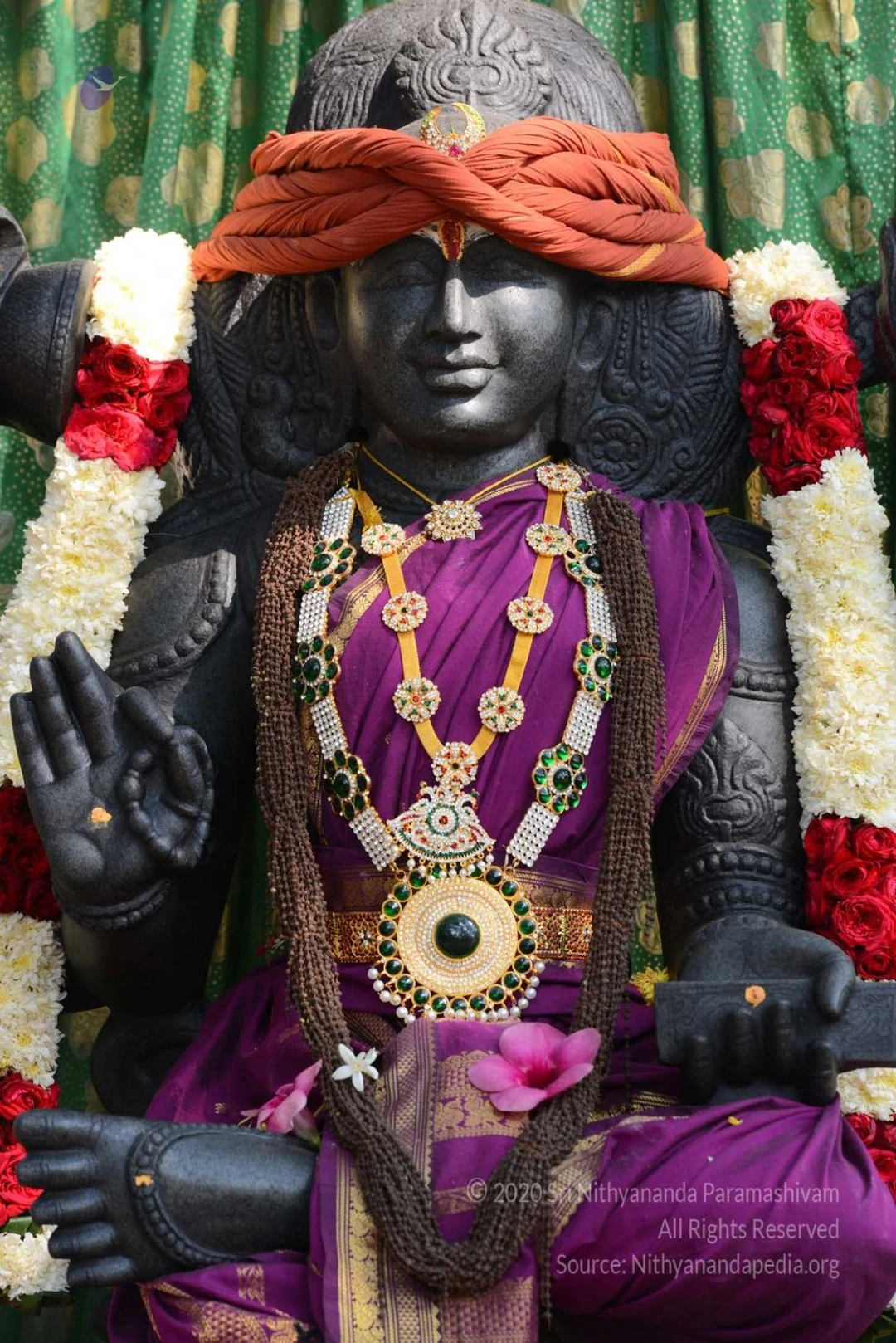
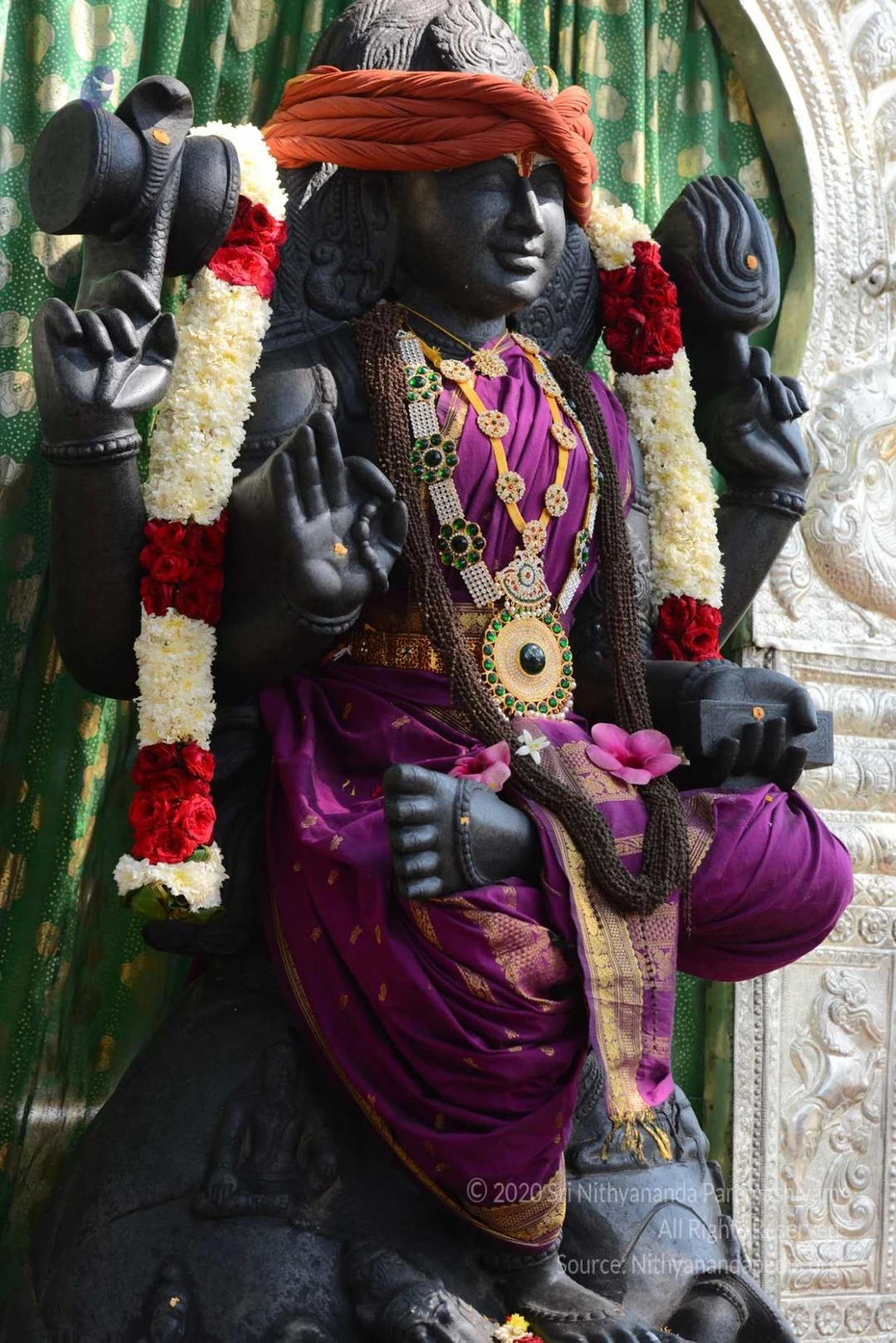
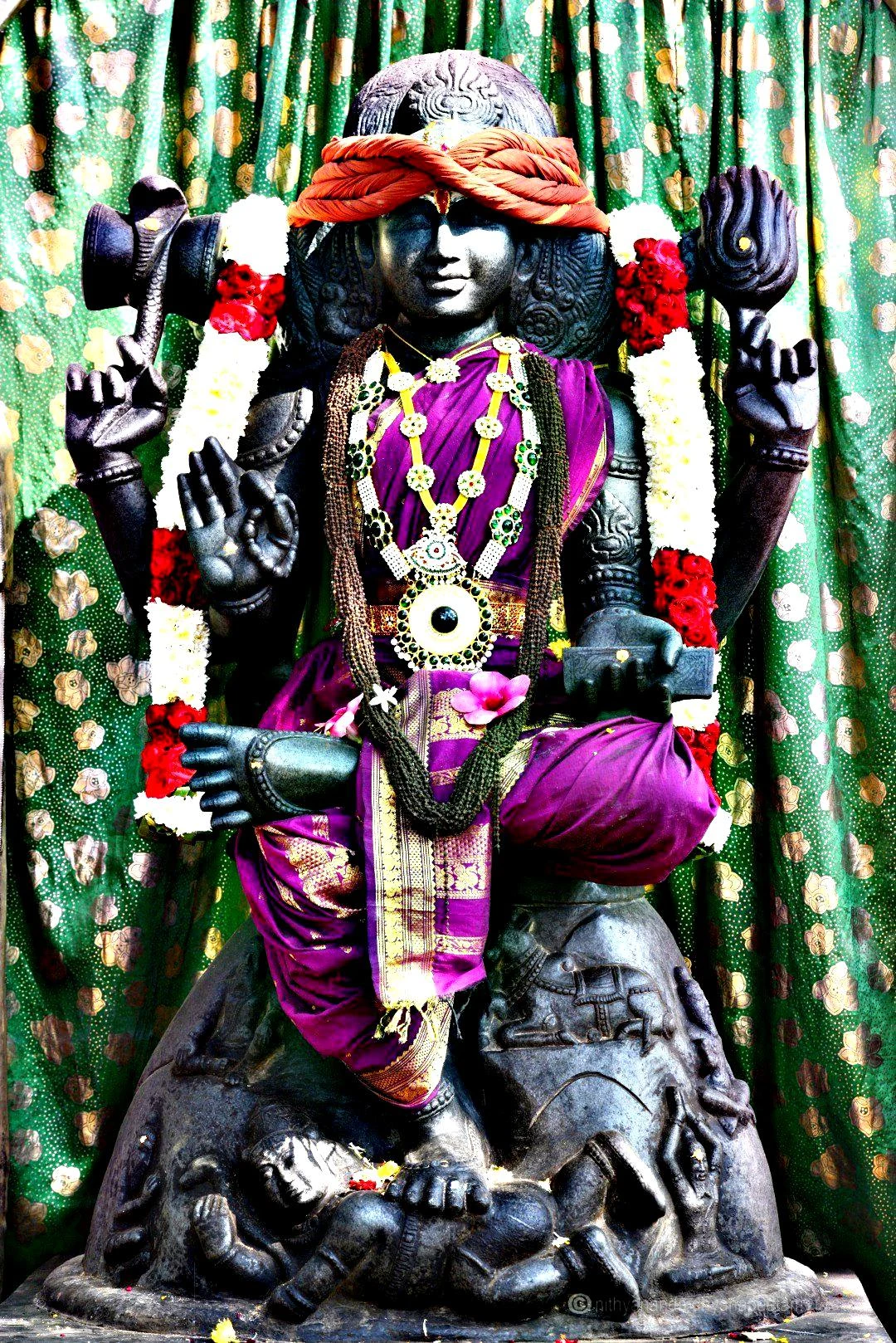
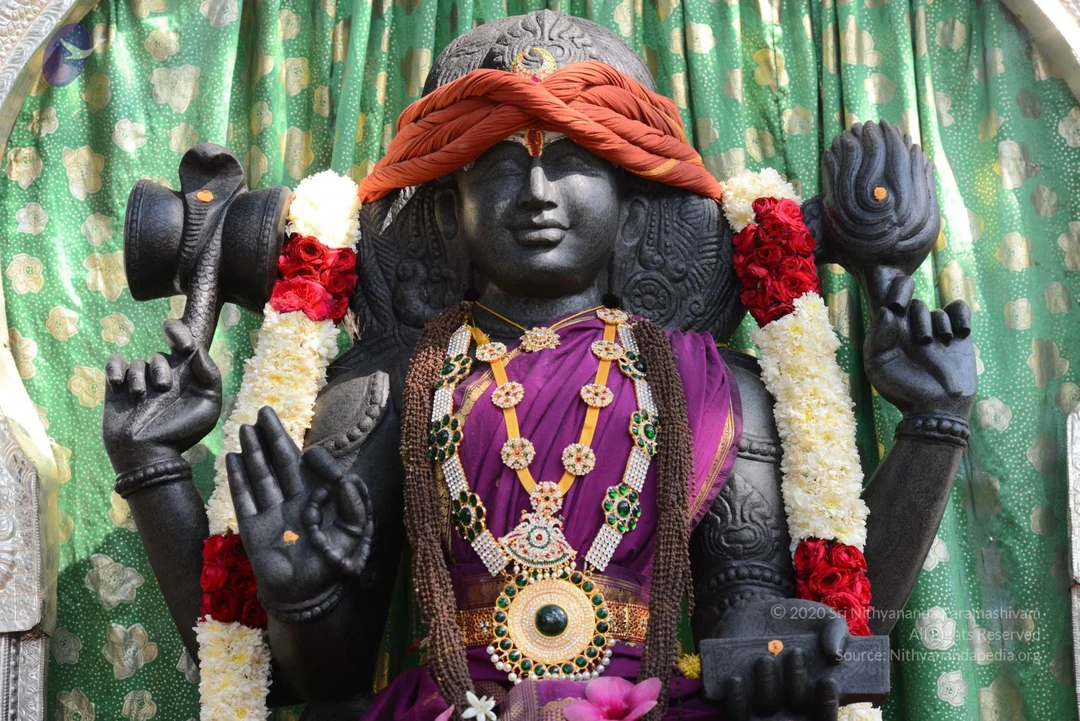
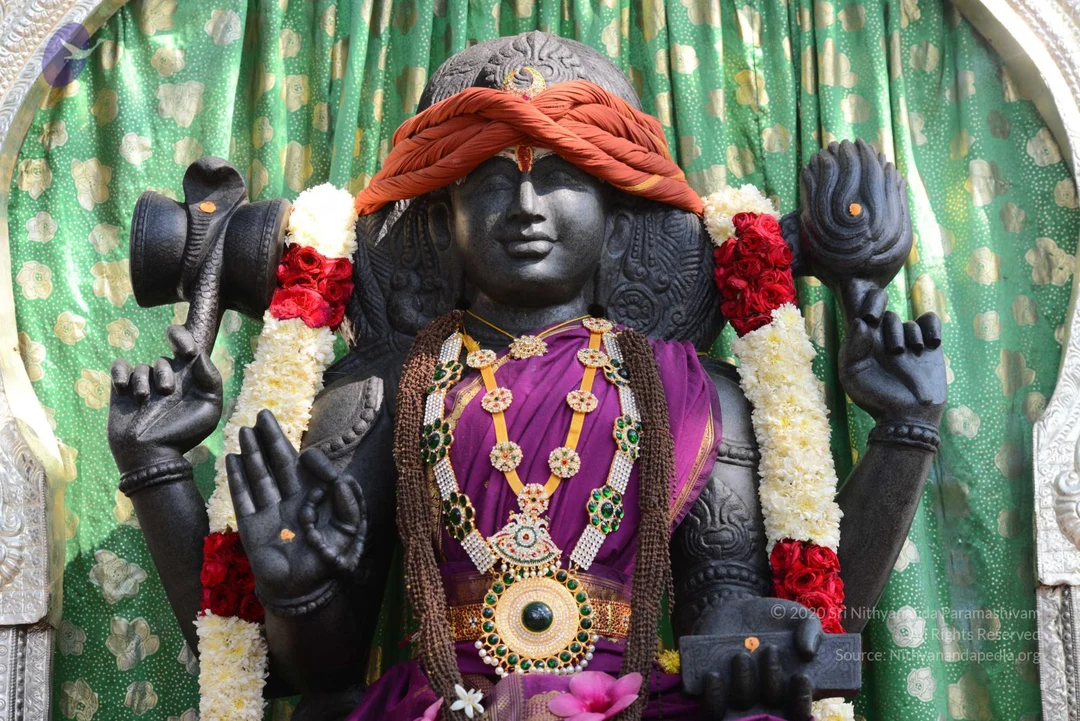
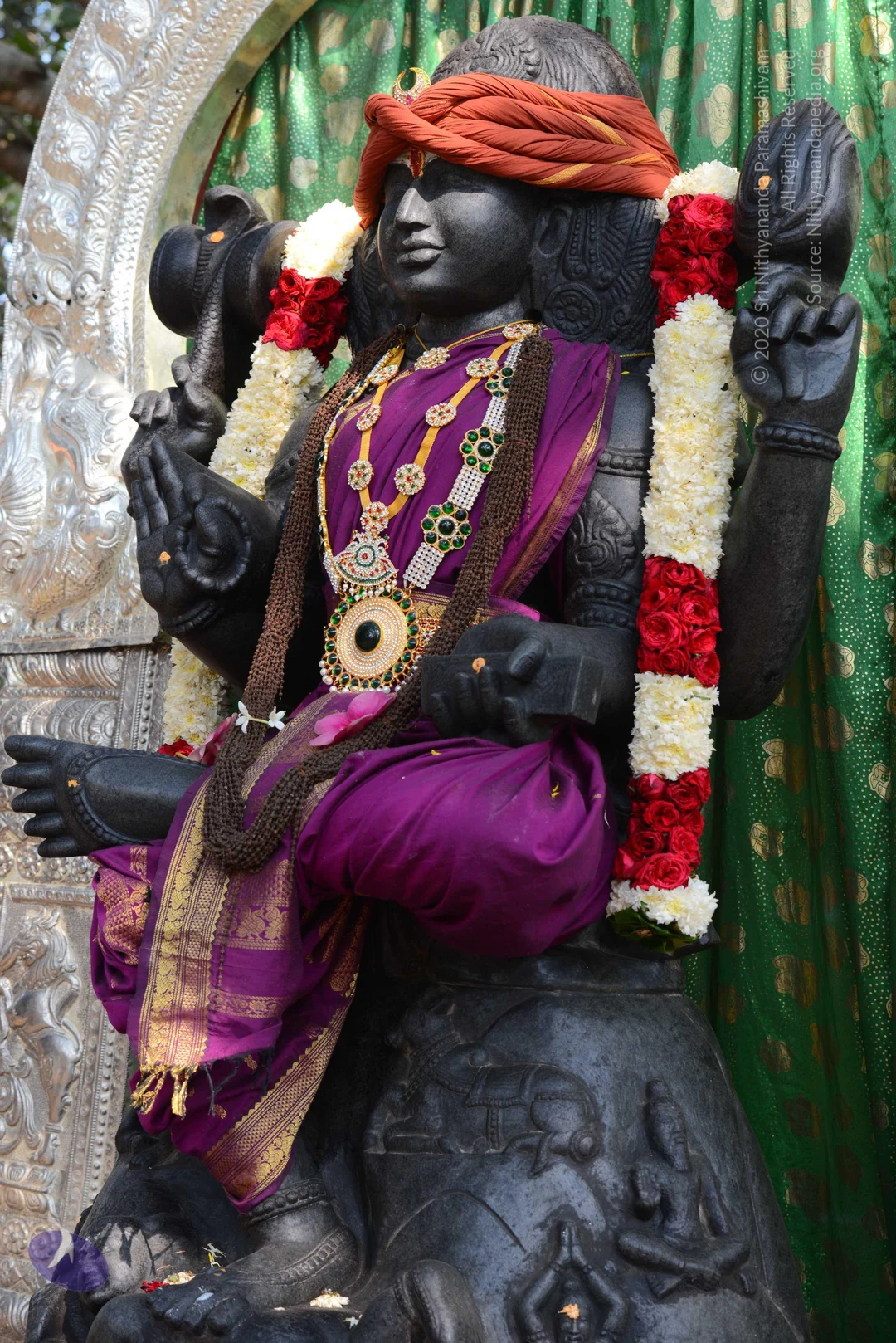
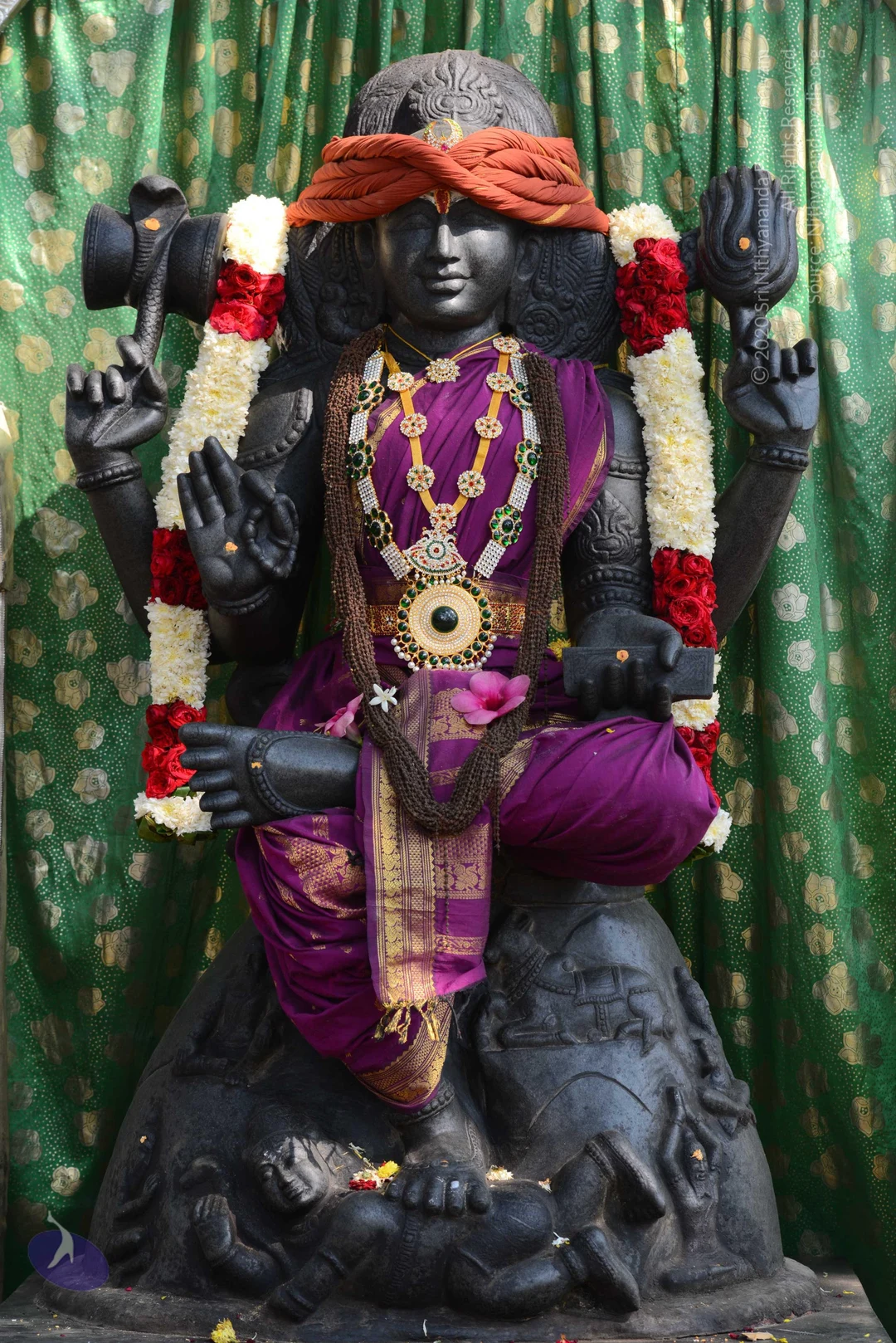
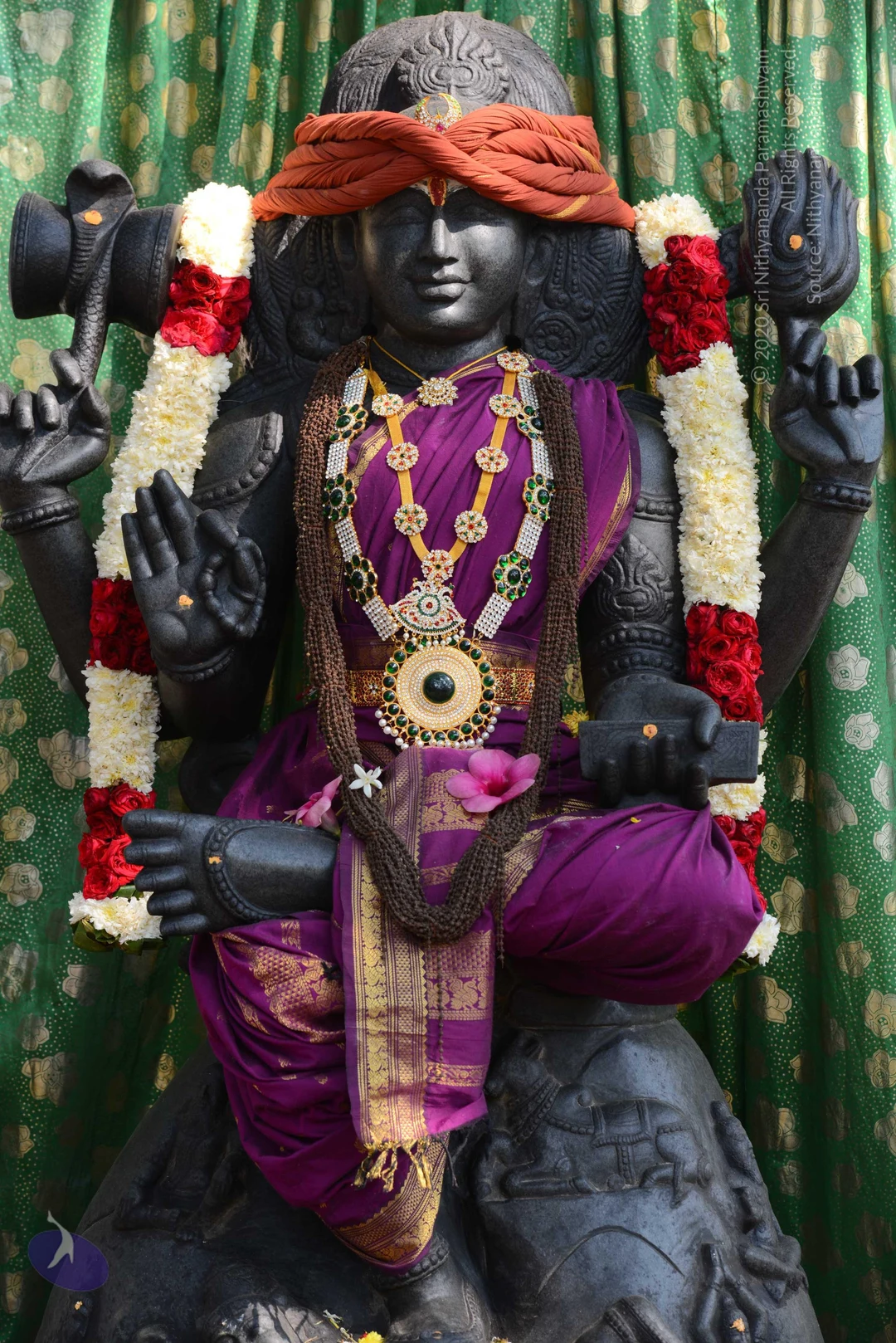
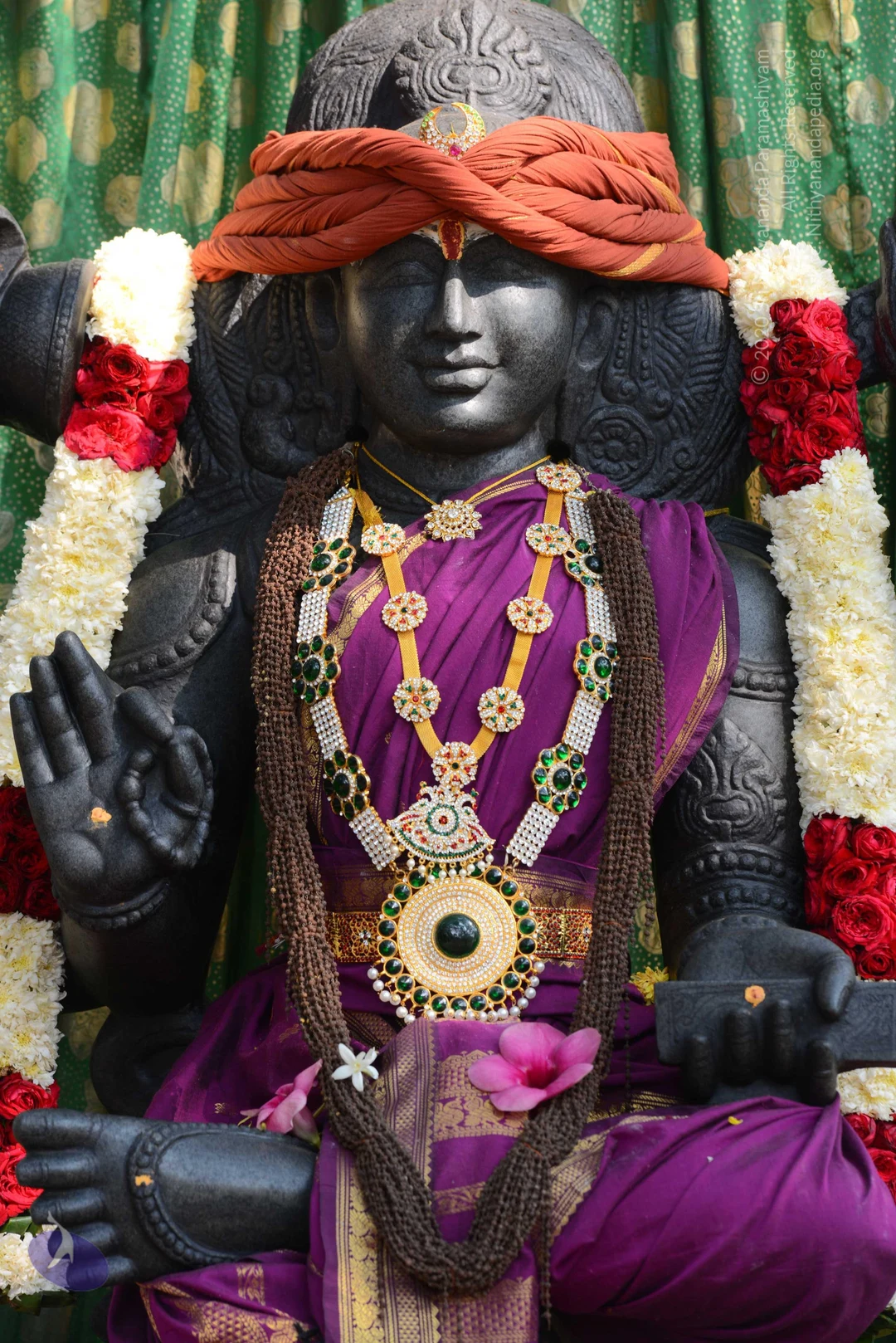
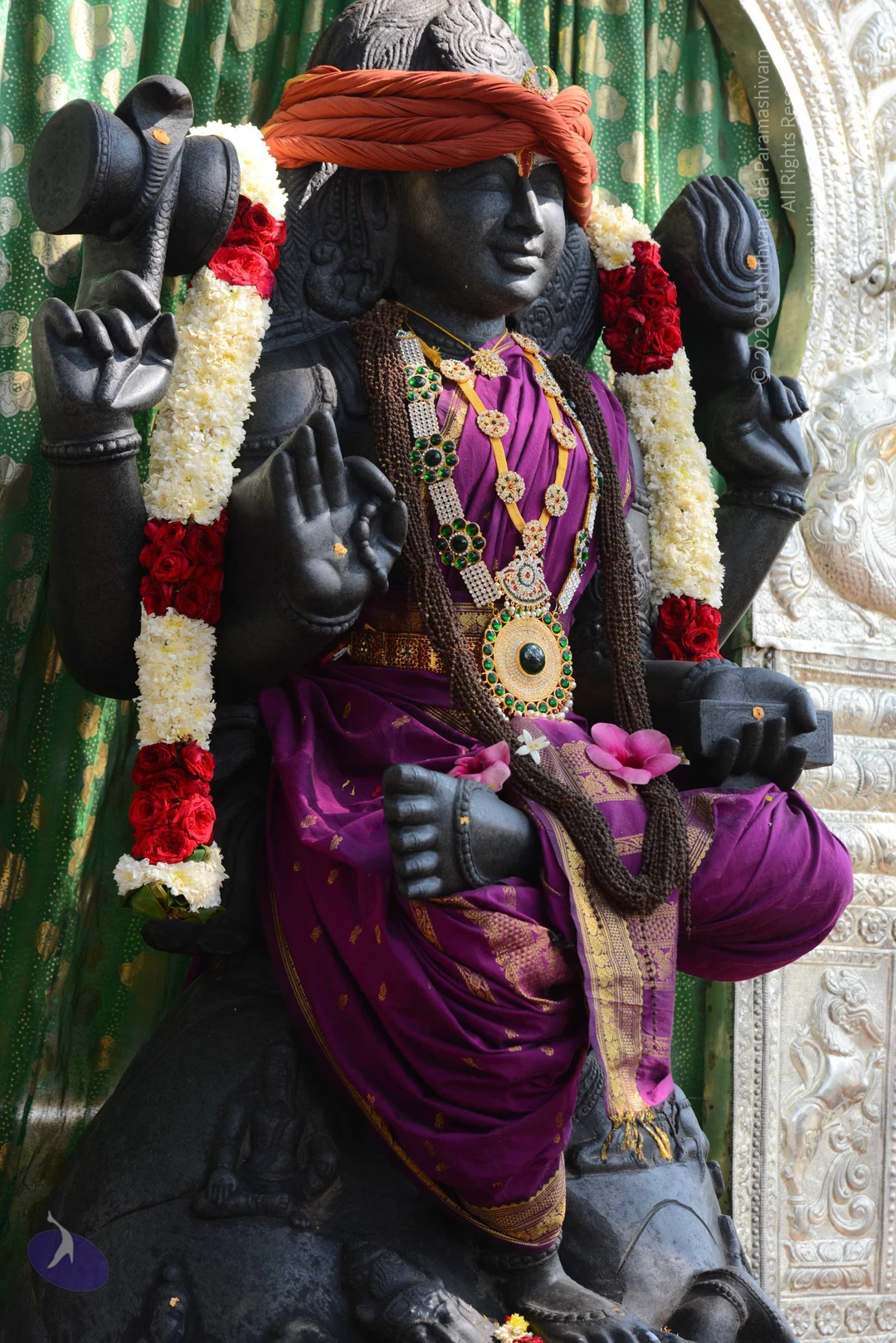
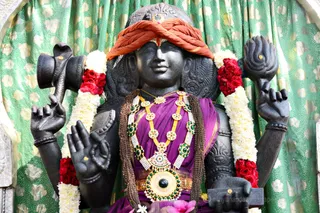
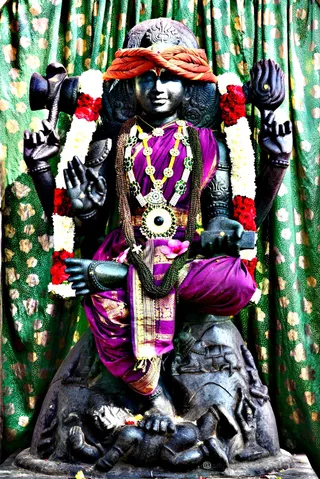
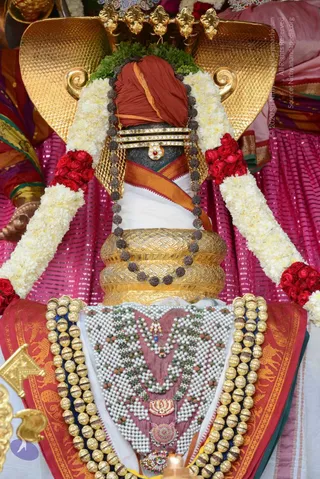
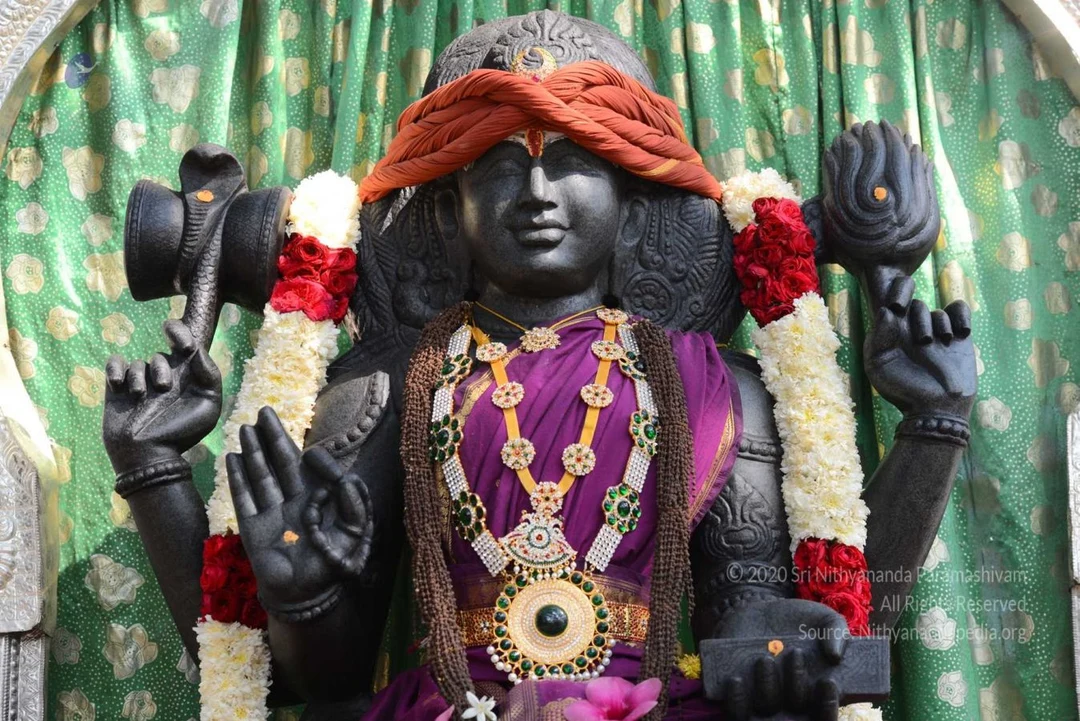 Lord Dakshinamurthy
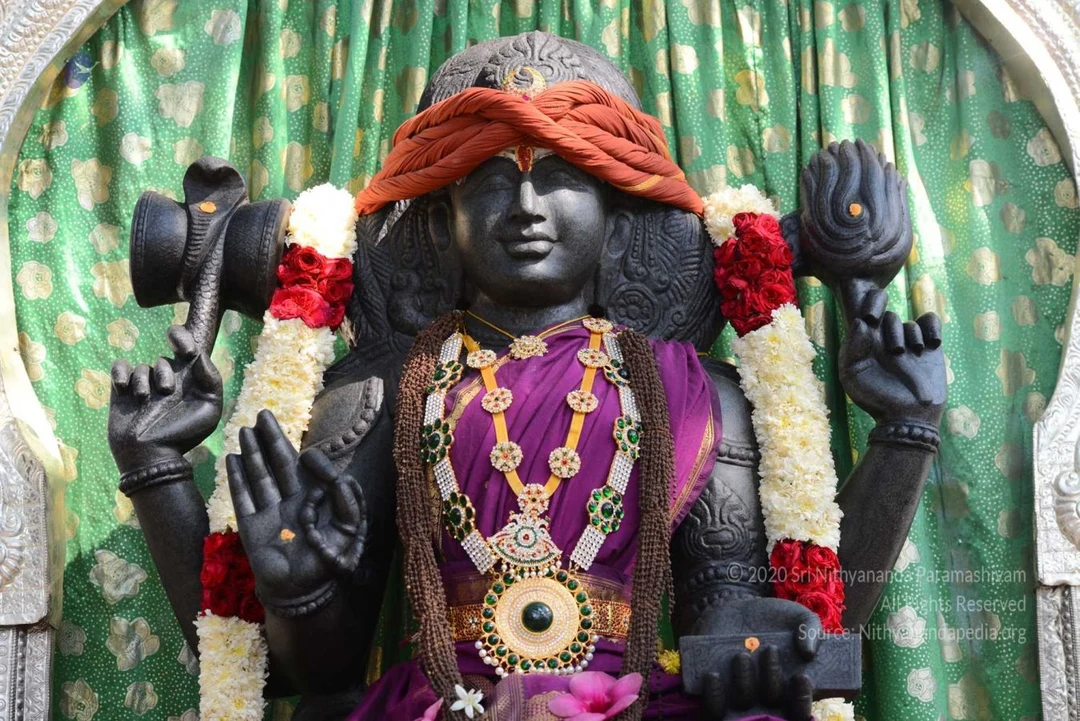 Lord Dakshinamurthy
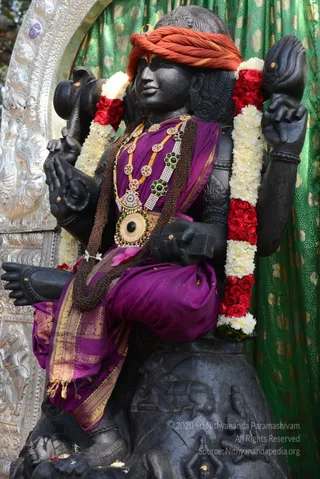 Lord Dakshinamurthy
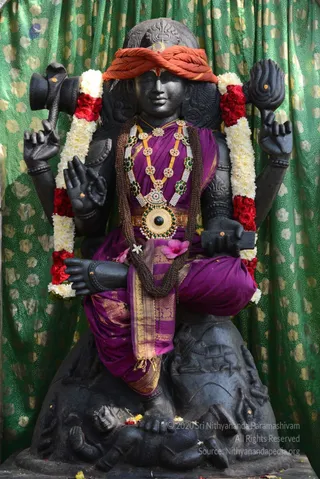 Lord Dakshinamurthy
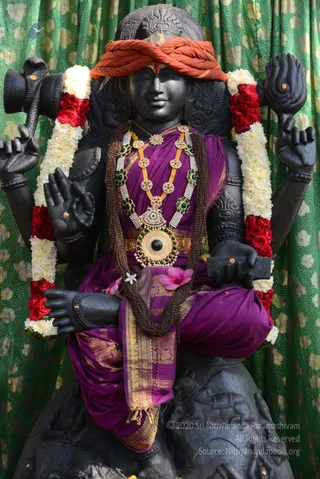 Lord Dakshinamurthy
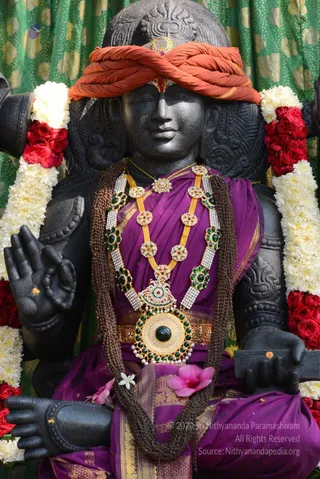 Lord Dakshinamurthy
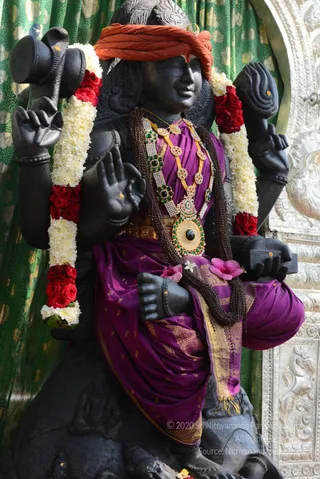 Lord Dakshinamurthy
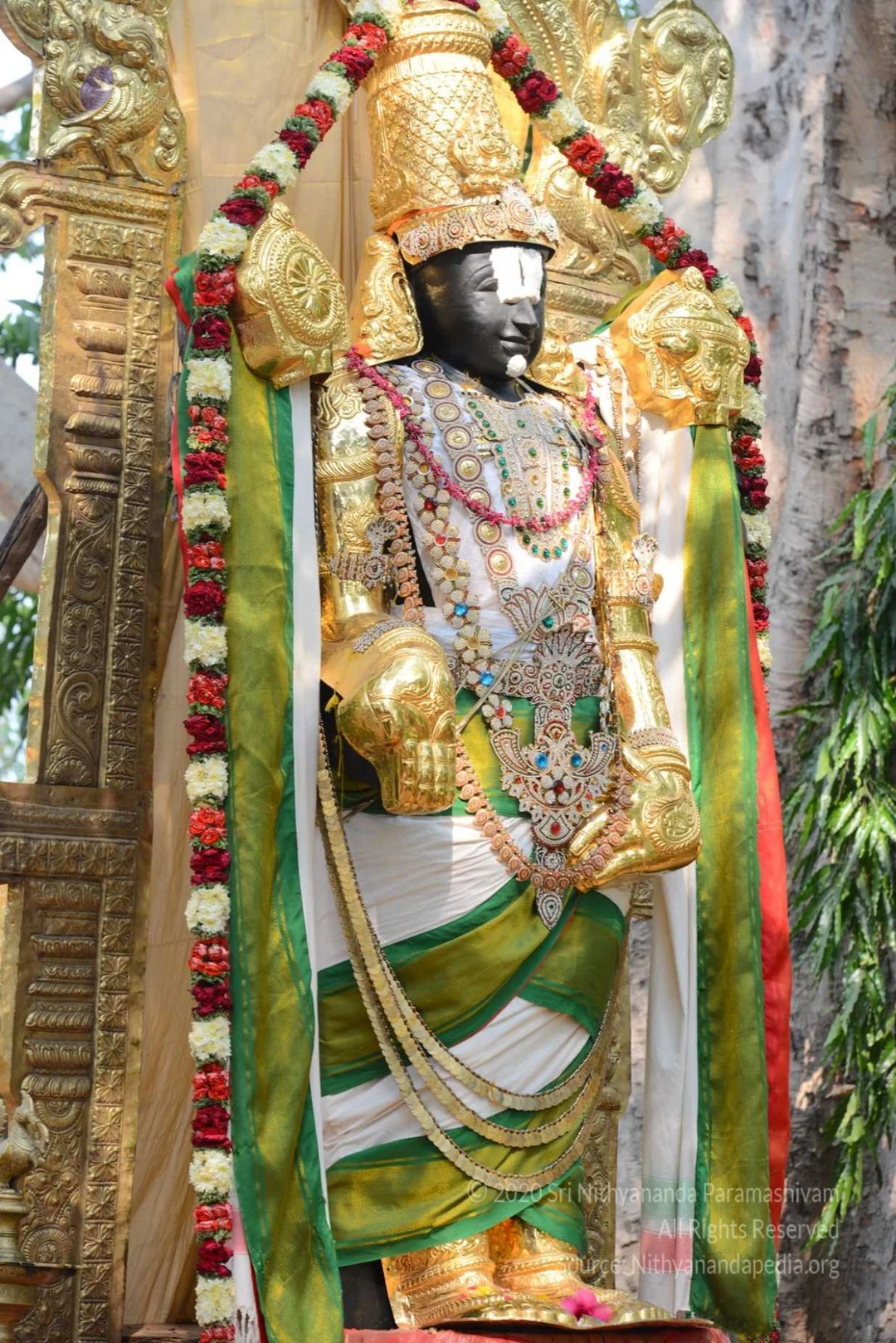
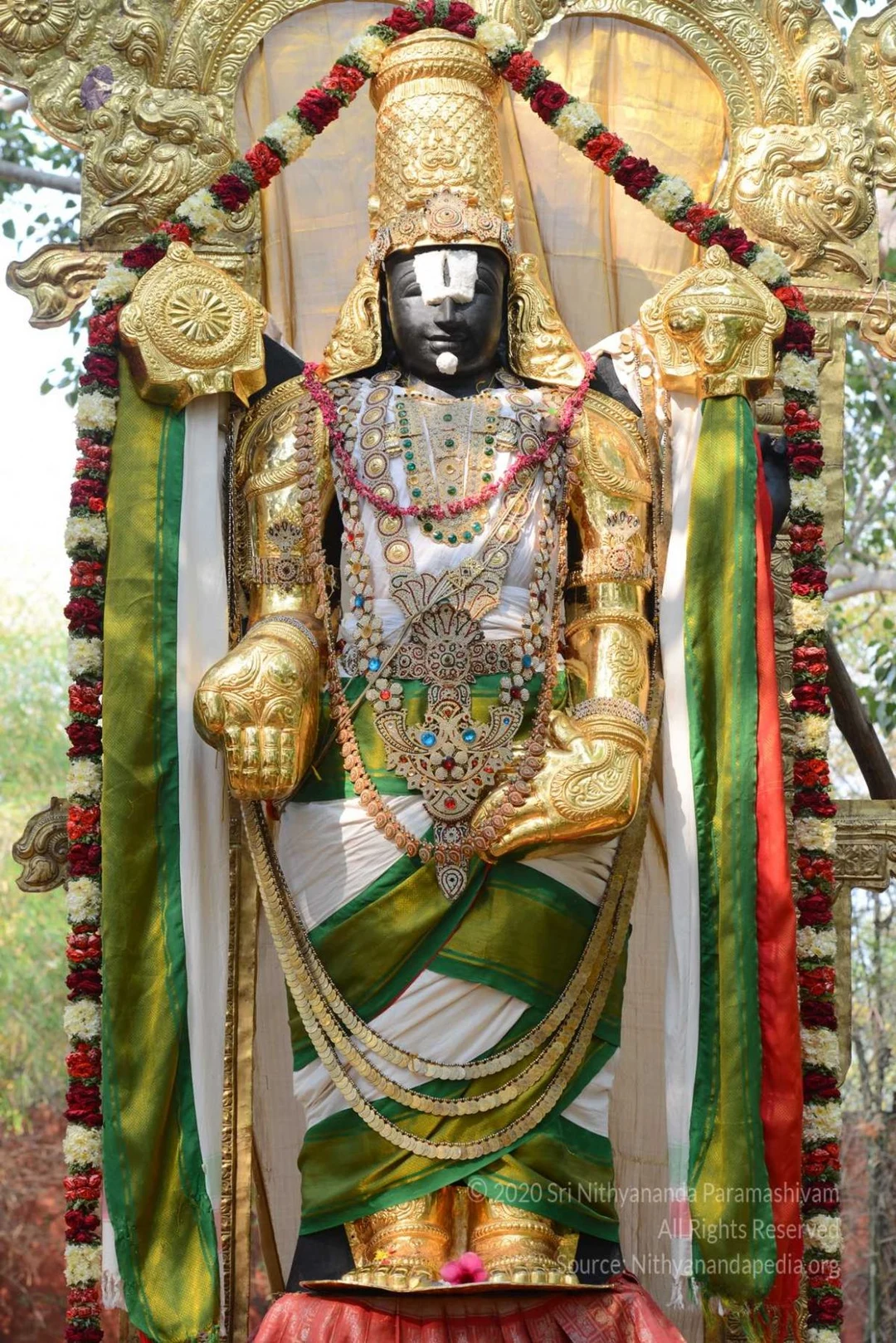
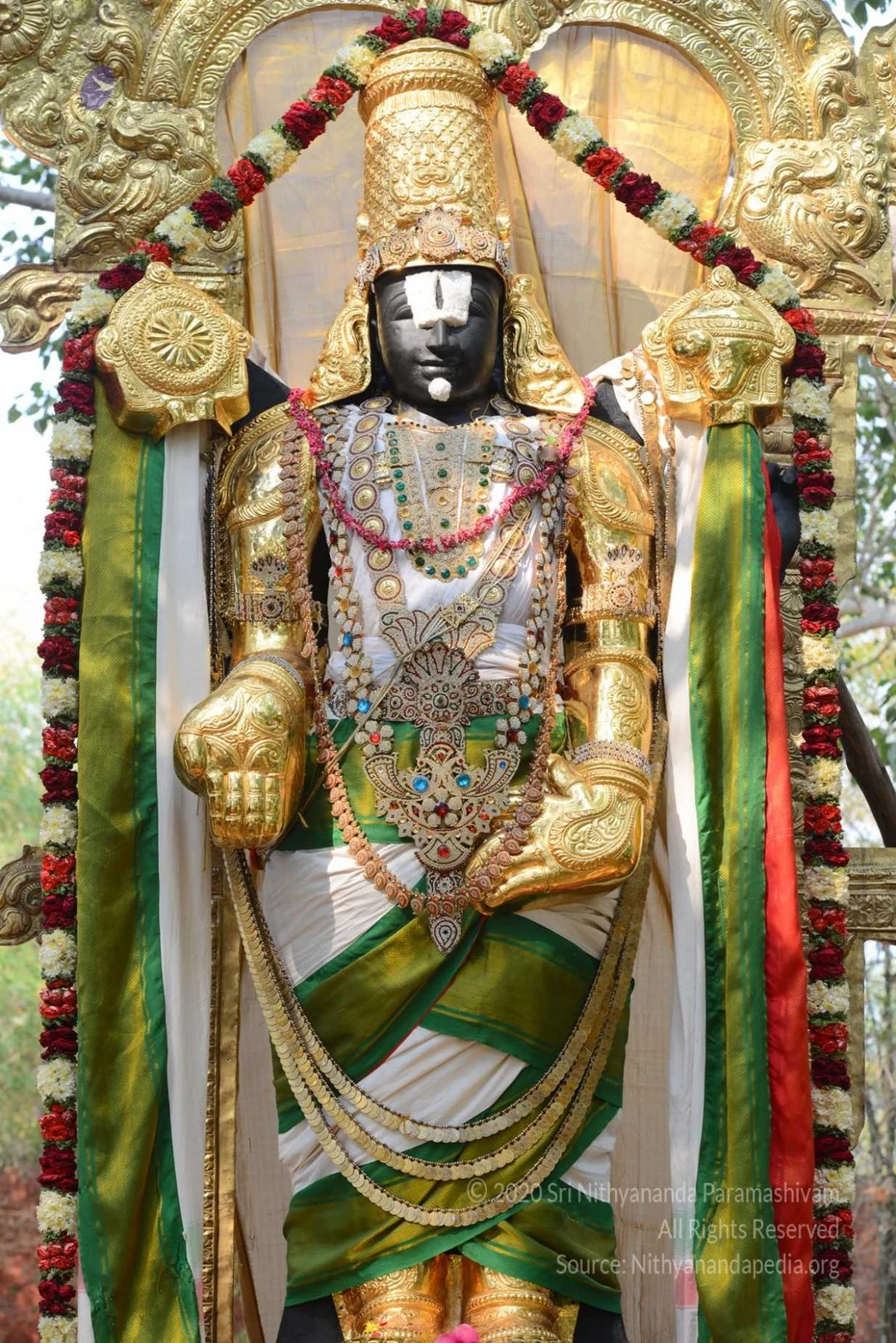
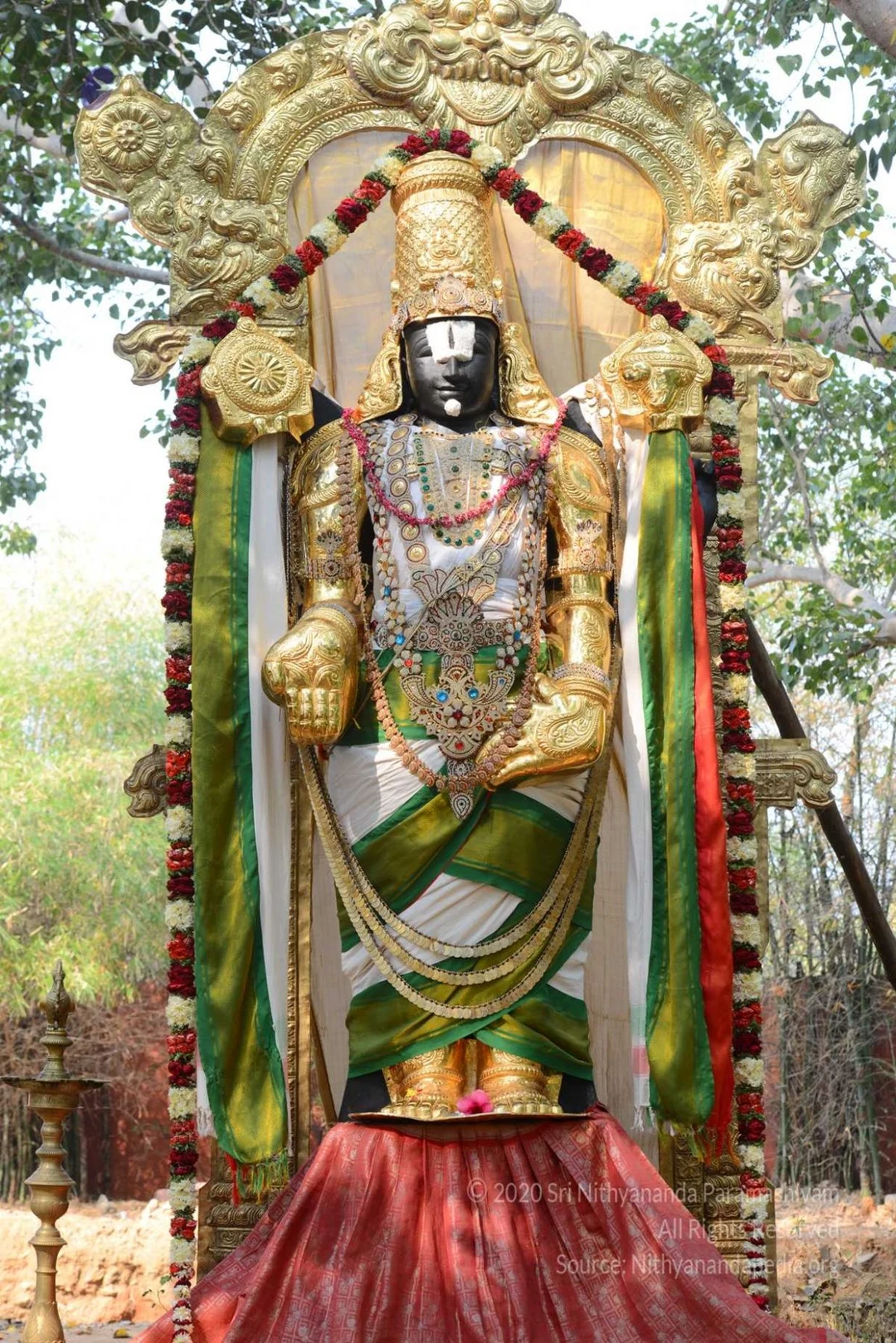
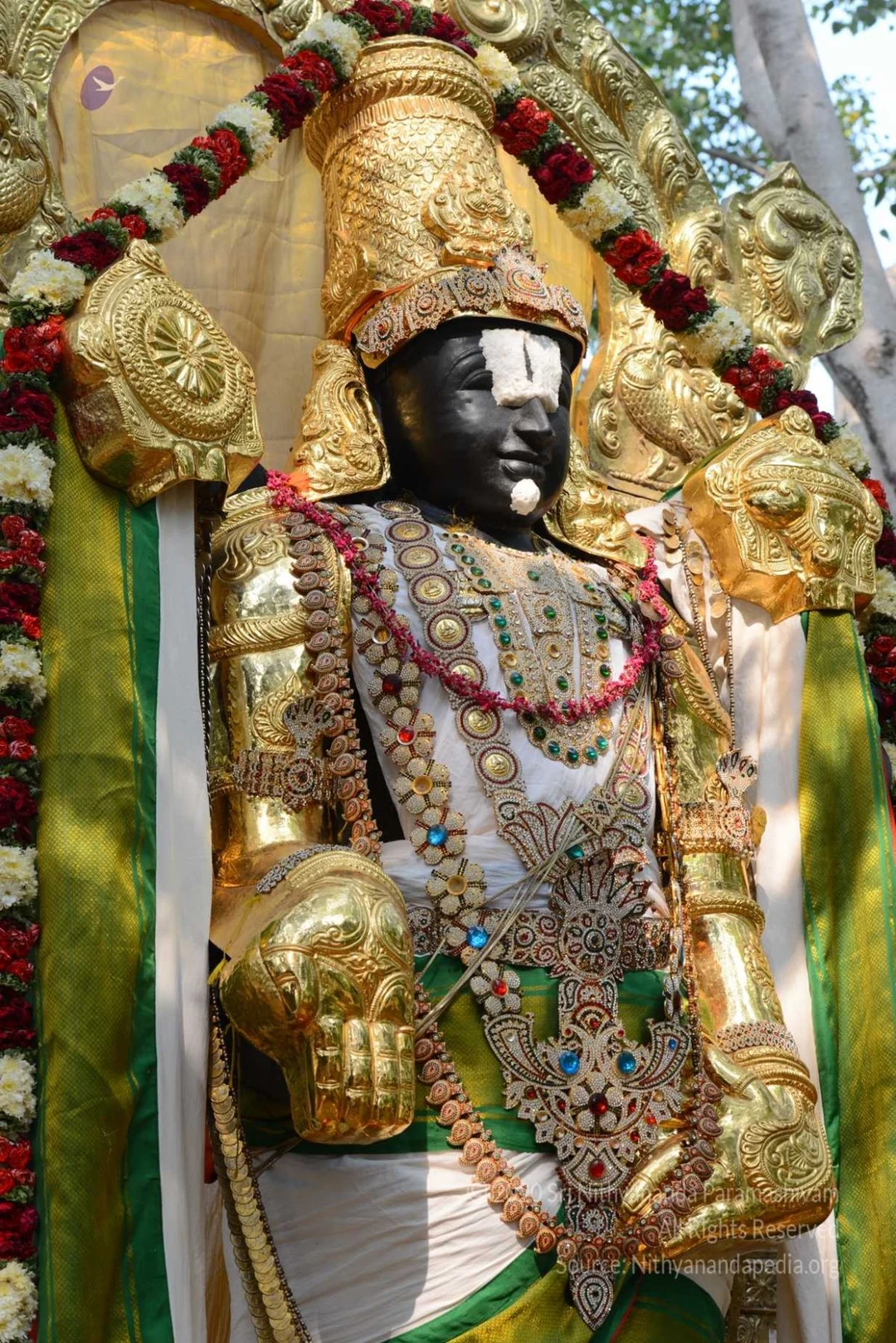
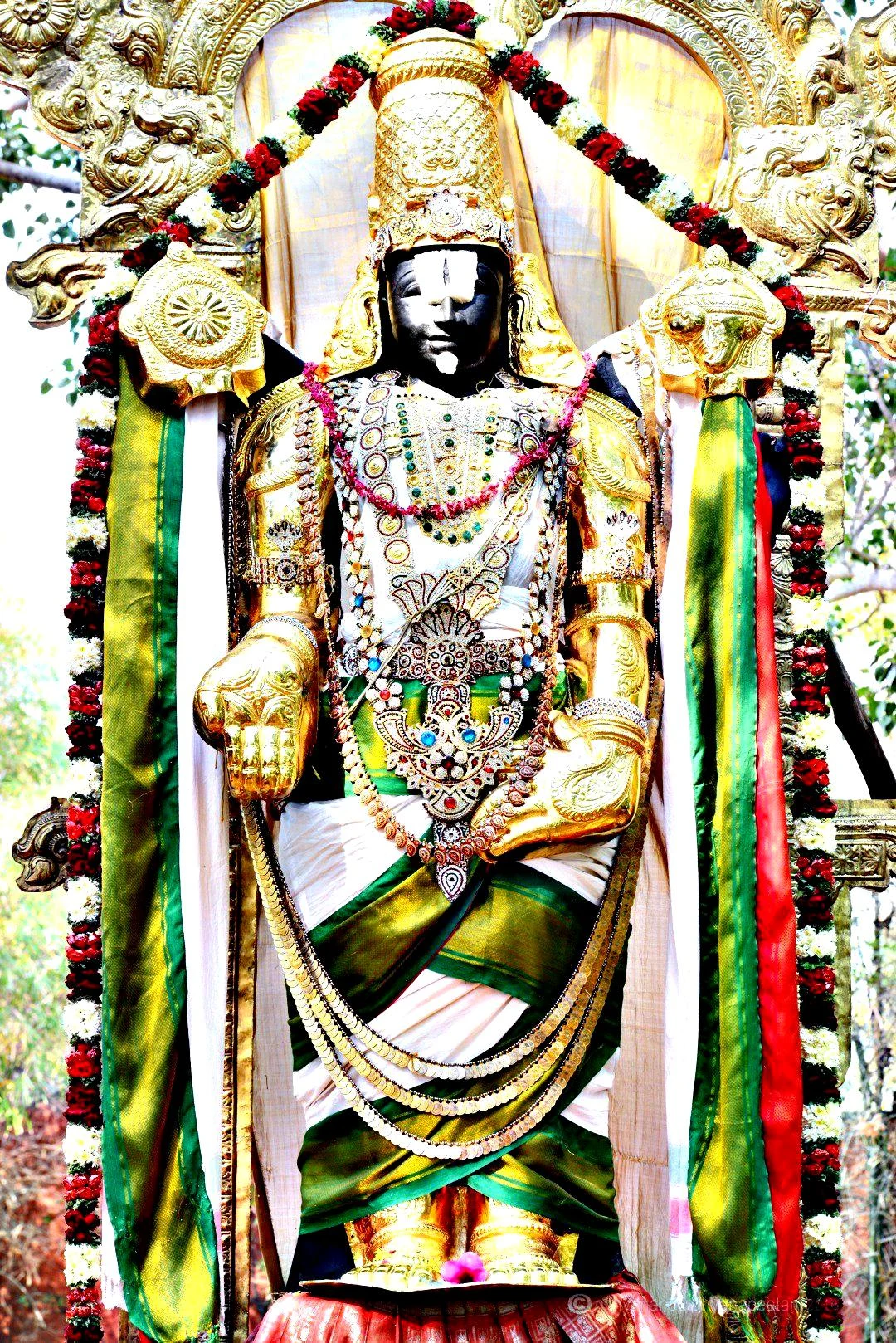
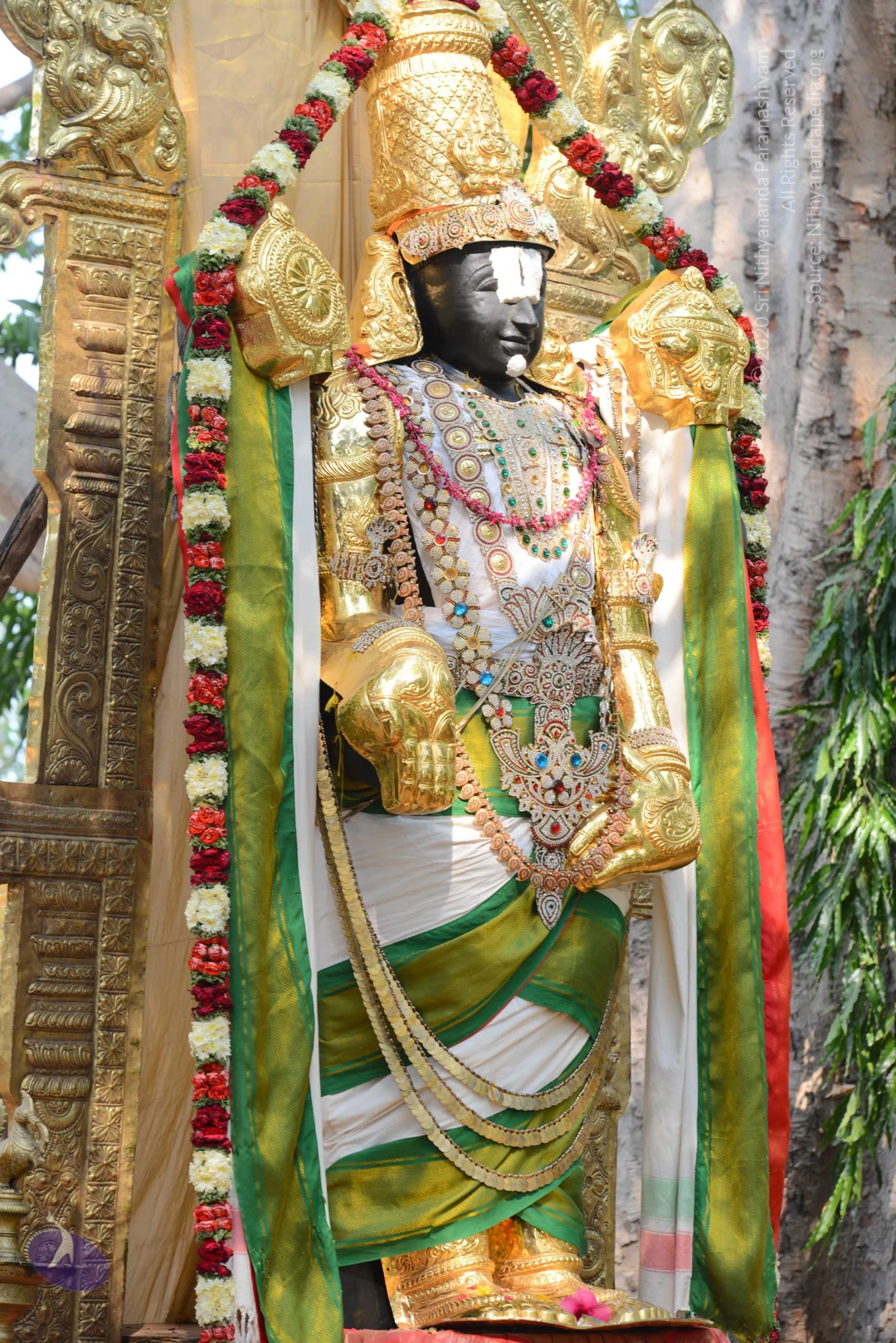
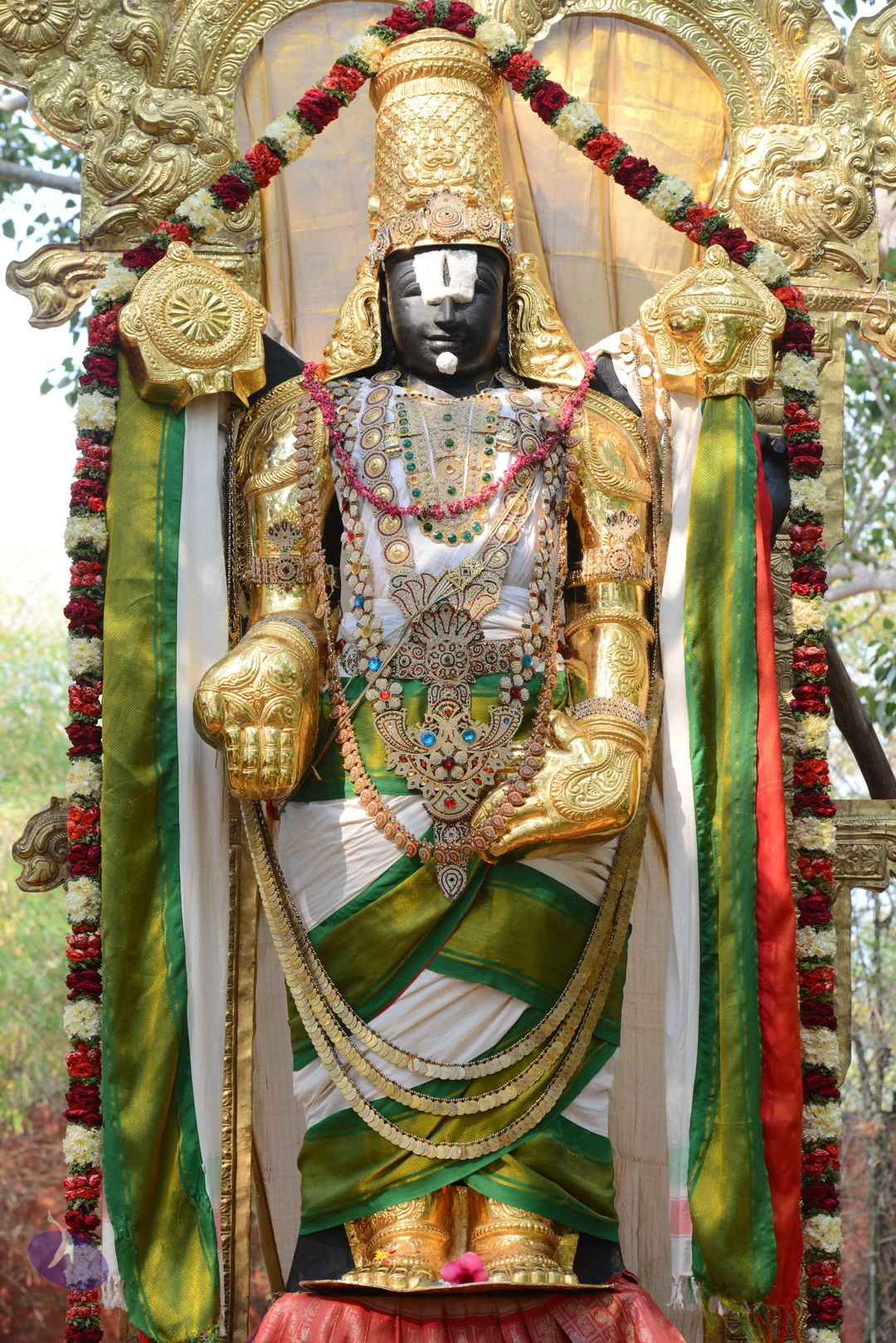
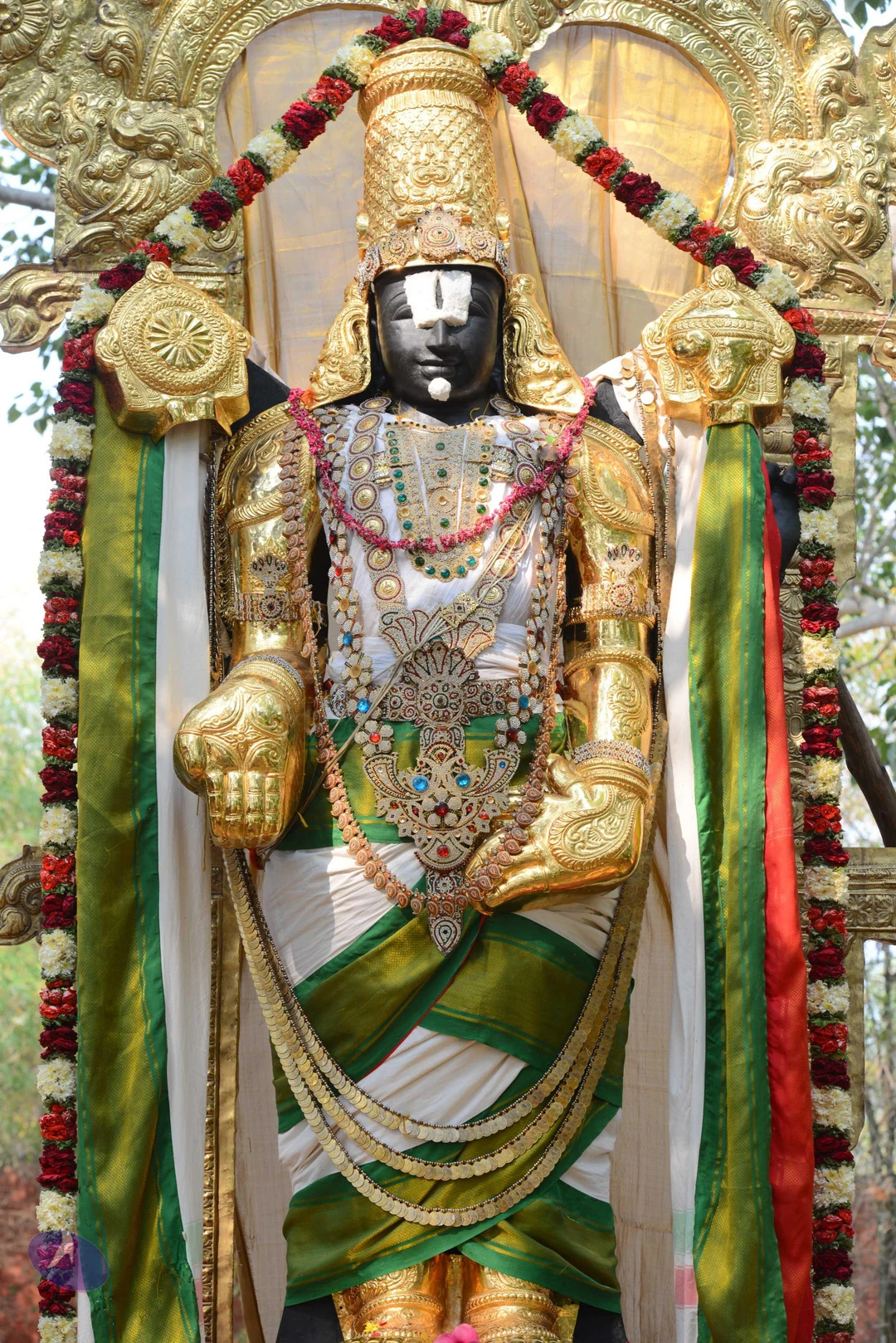
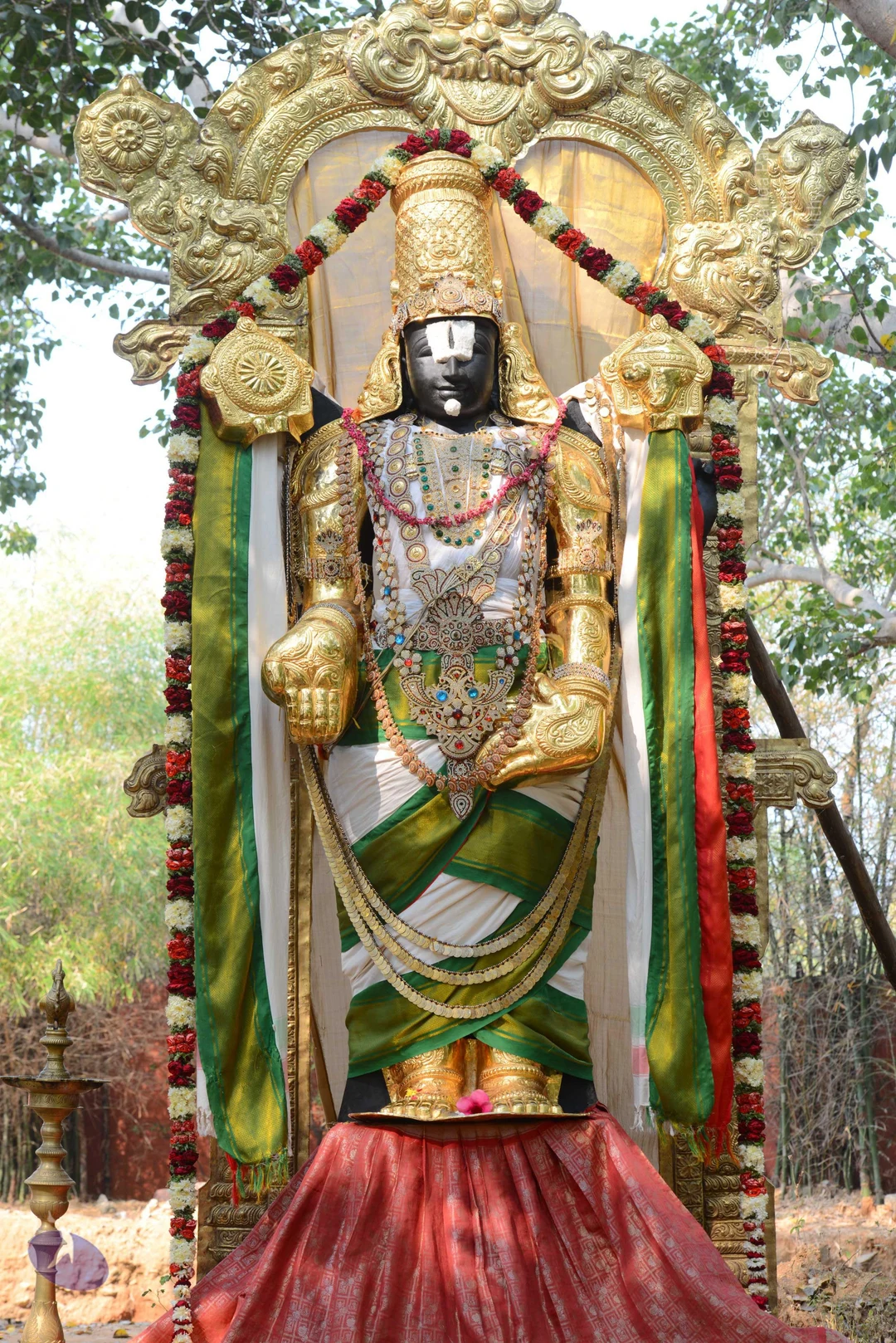
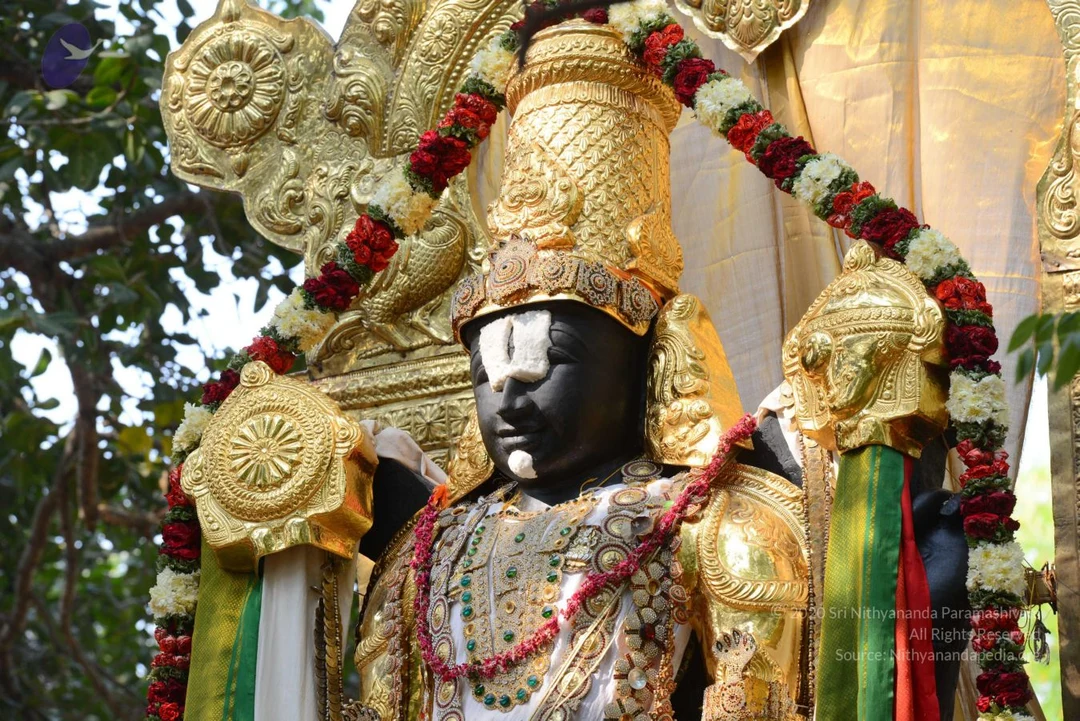
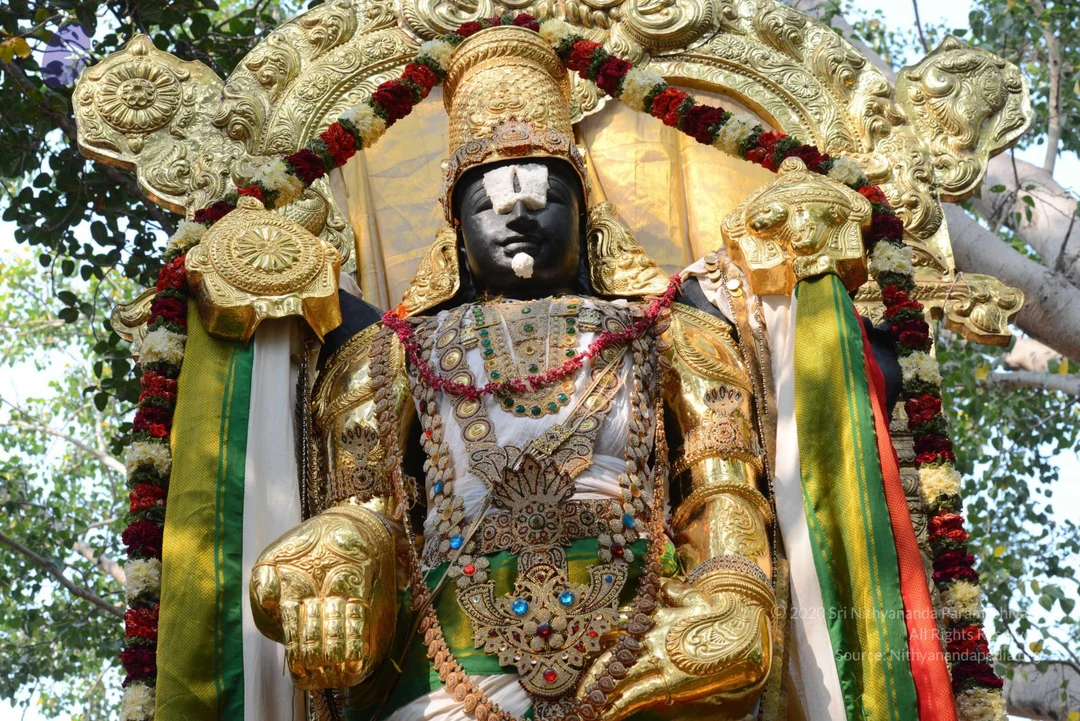
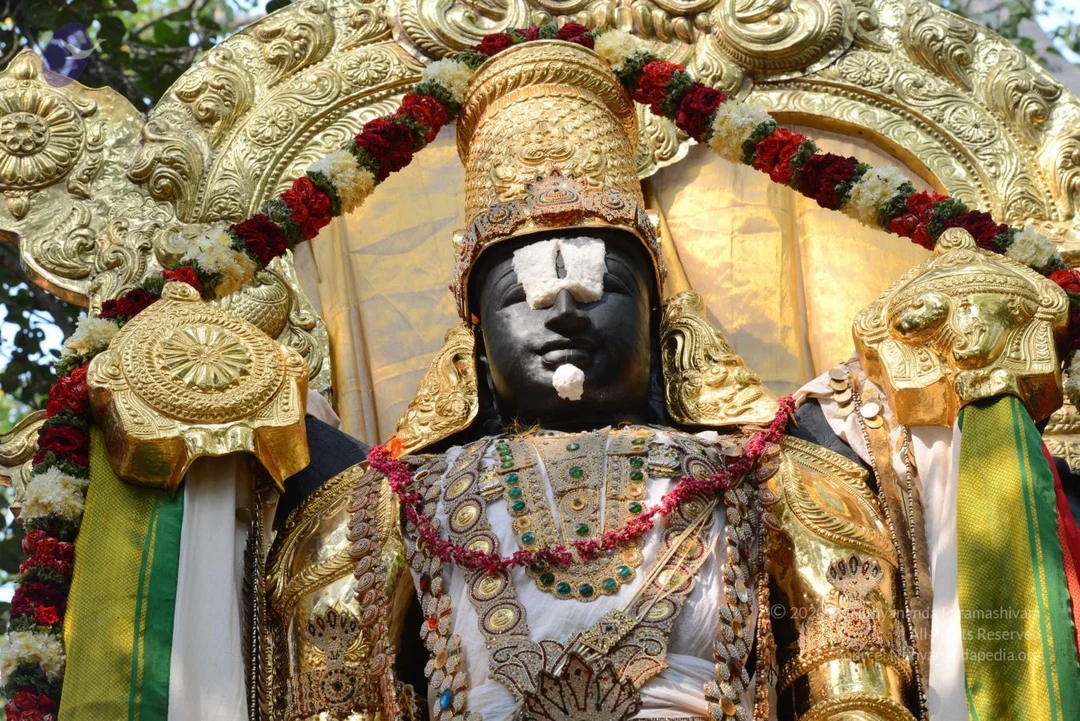
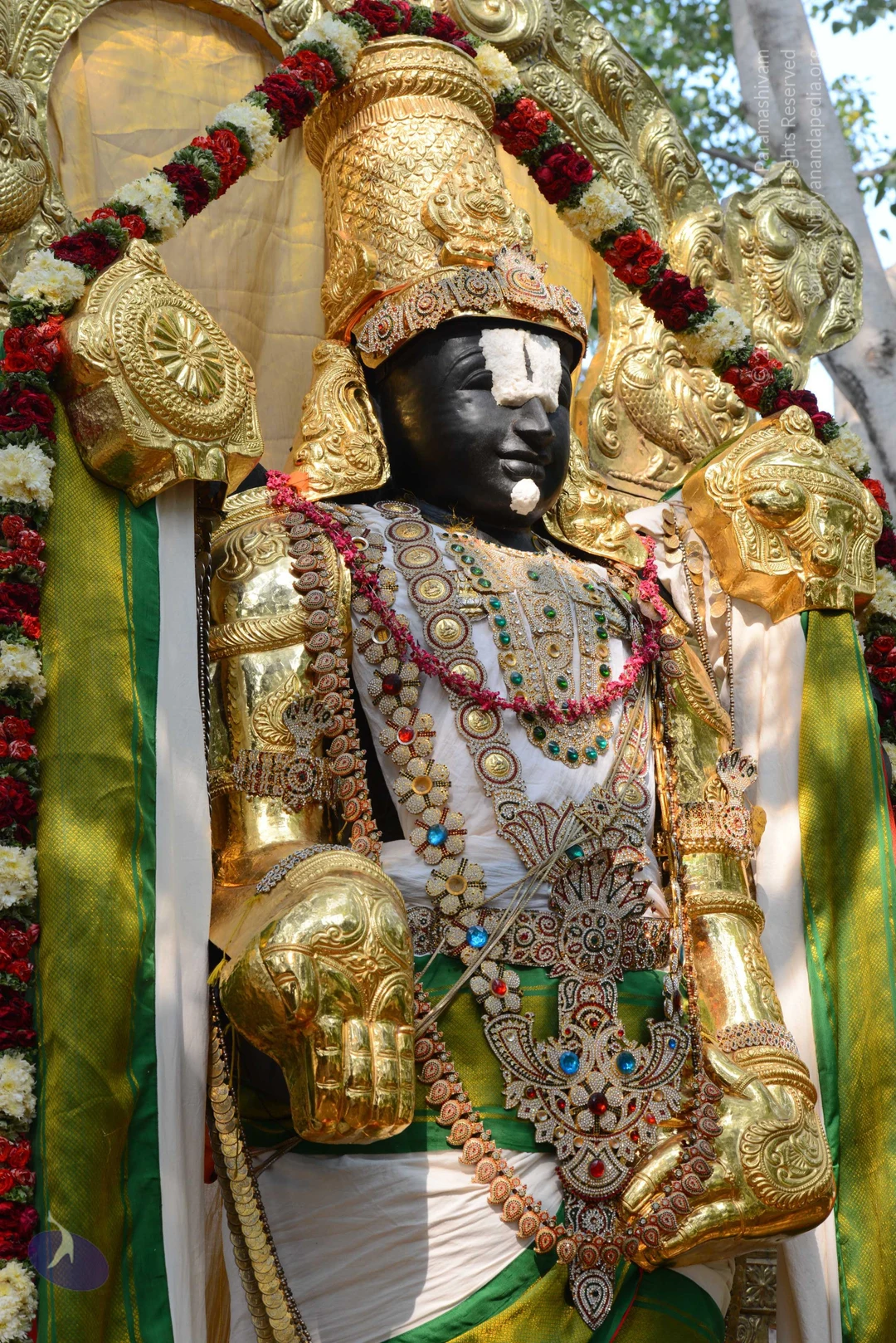
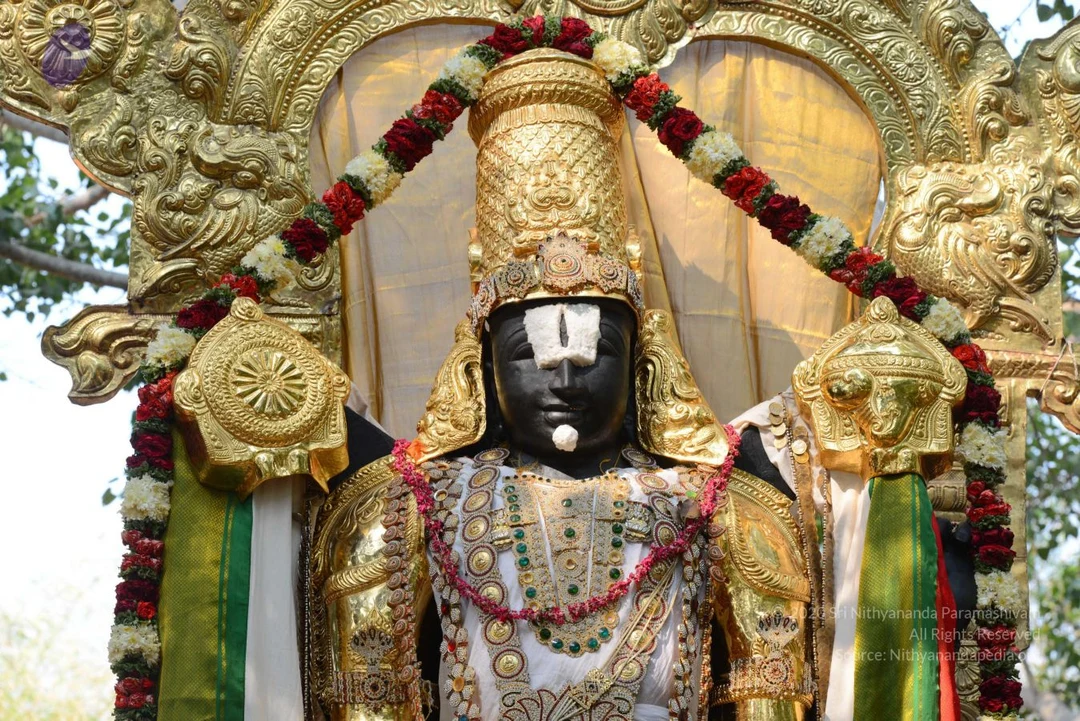
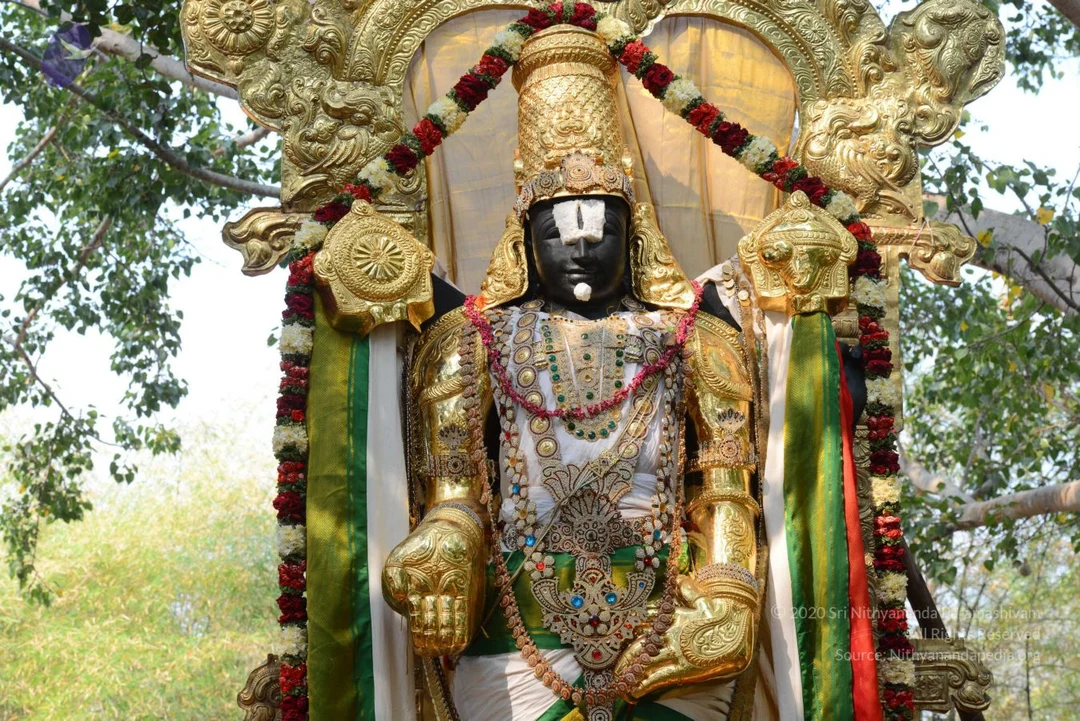
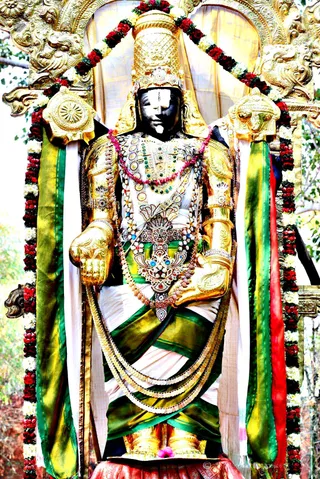
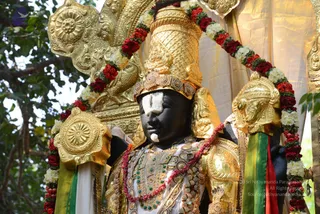
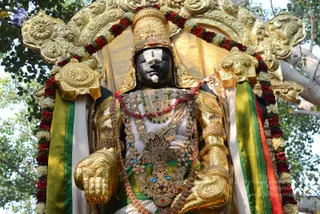
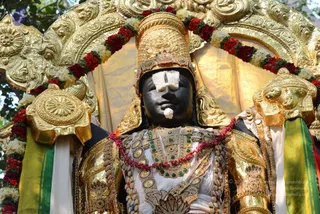
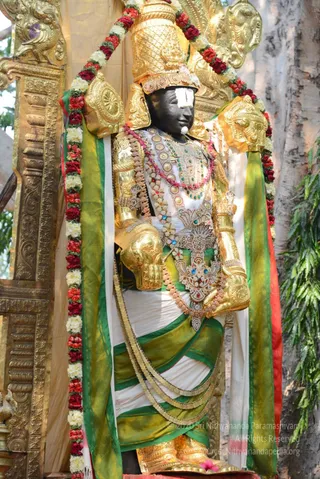 Lord Venkateshwara
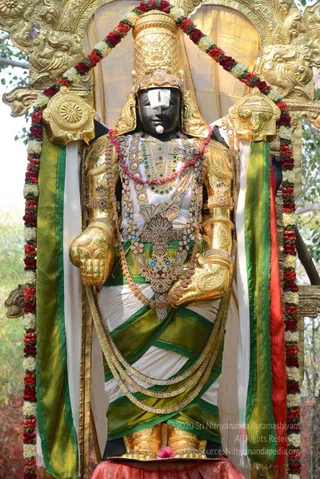 Lord Venkateshwara
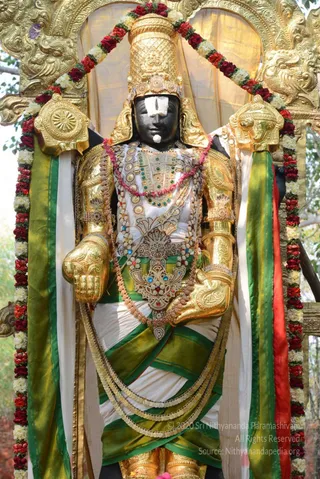 Lord Venkateshwara
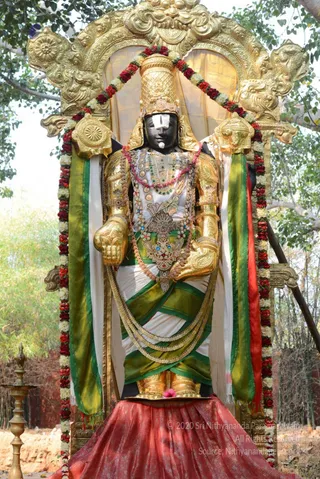 Lord Venkateshwara
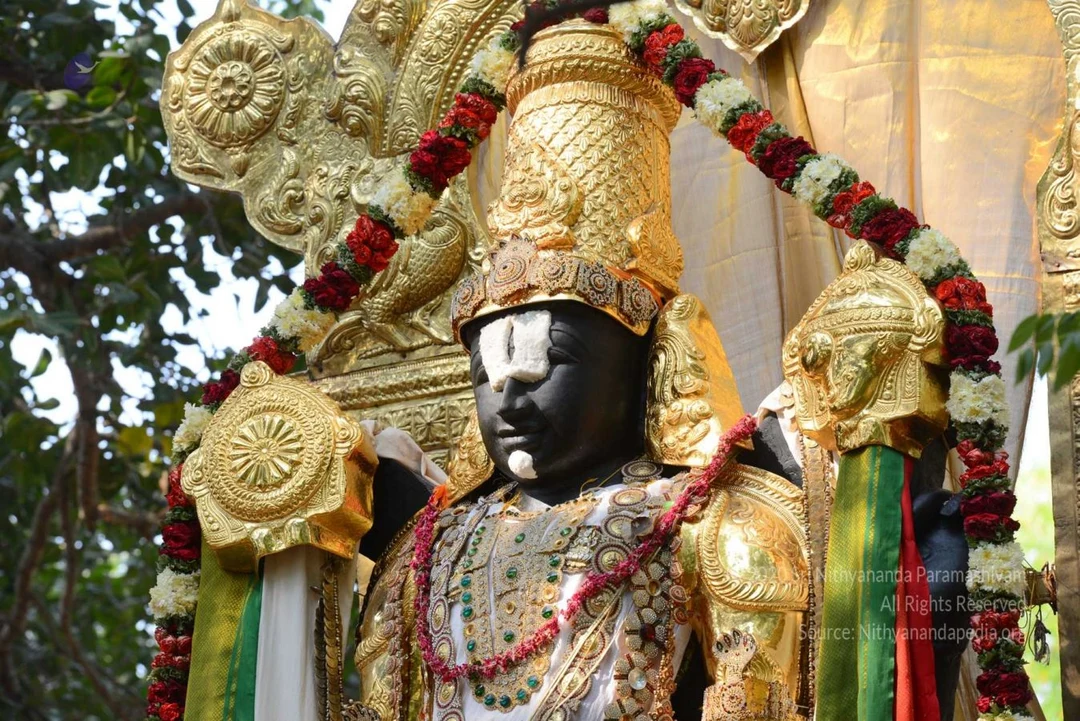 Lord Venkateshwara
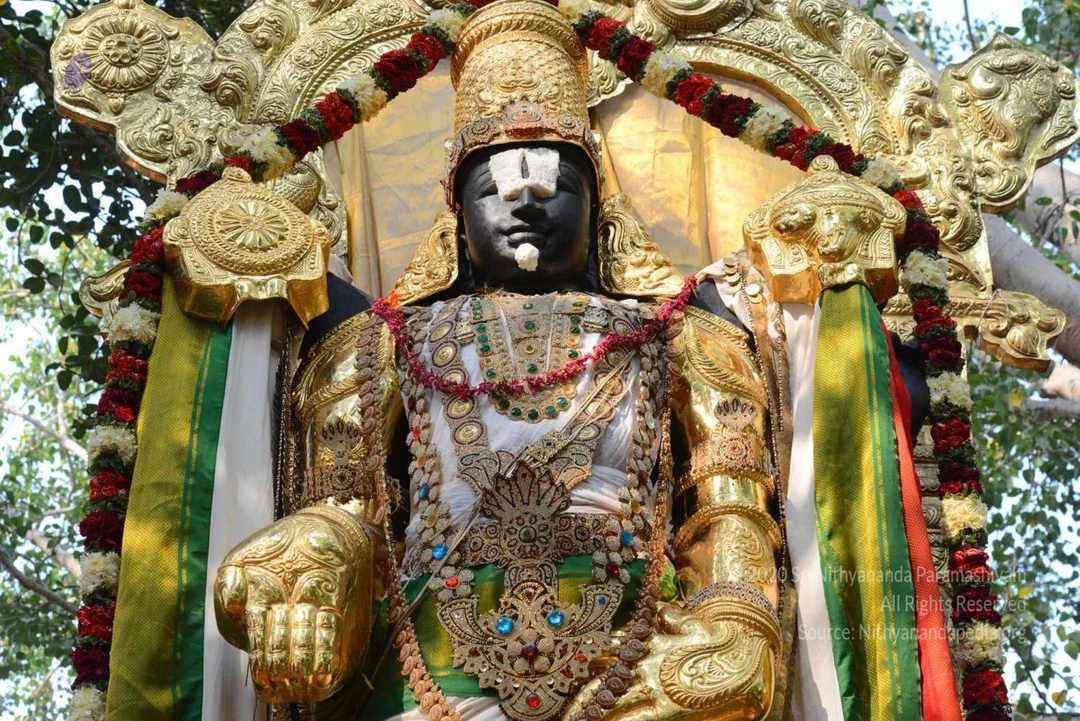 Lord Venkateshwara
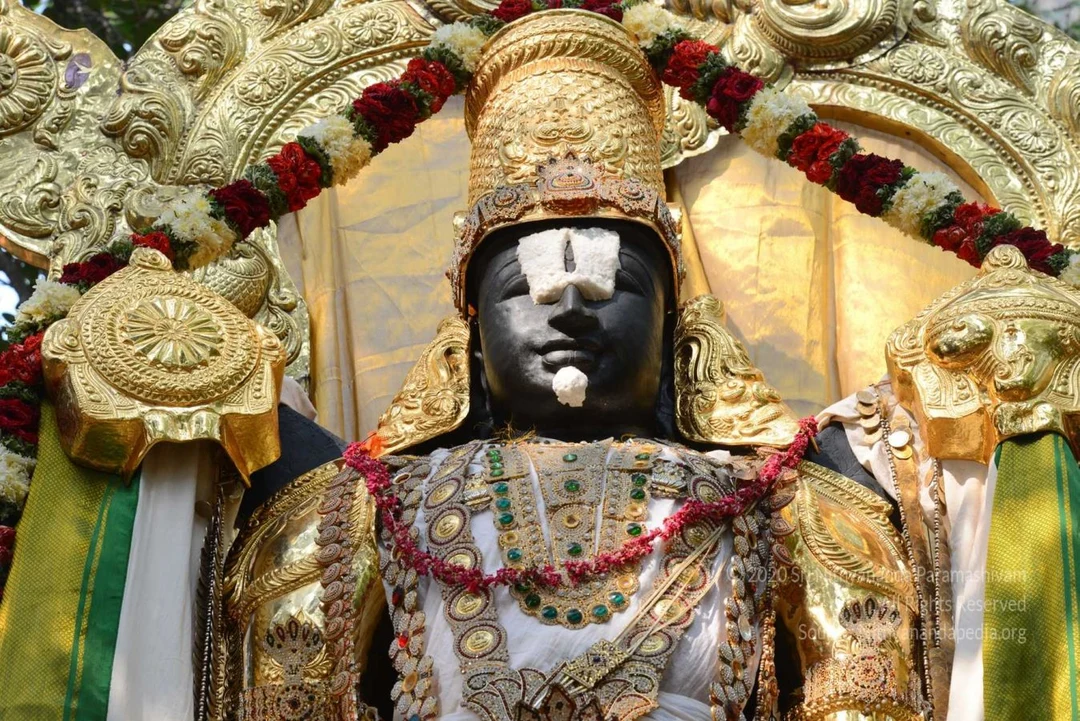 Lord Venkateshwara
 Lord Venkateshwara
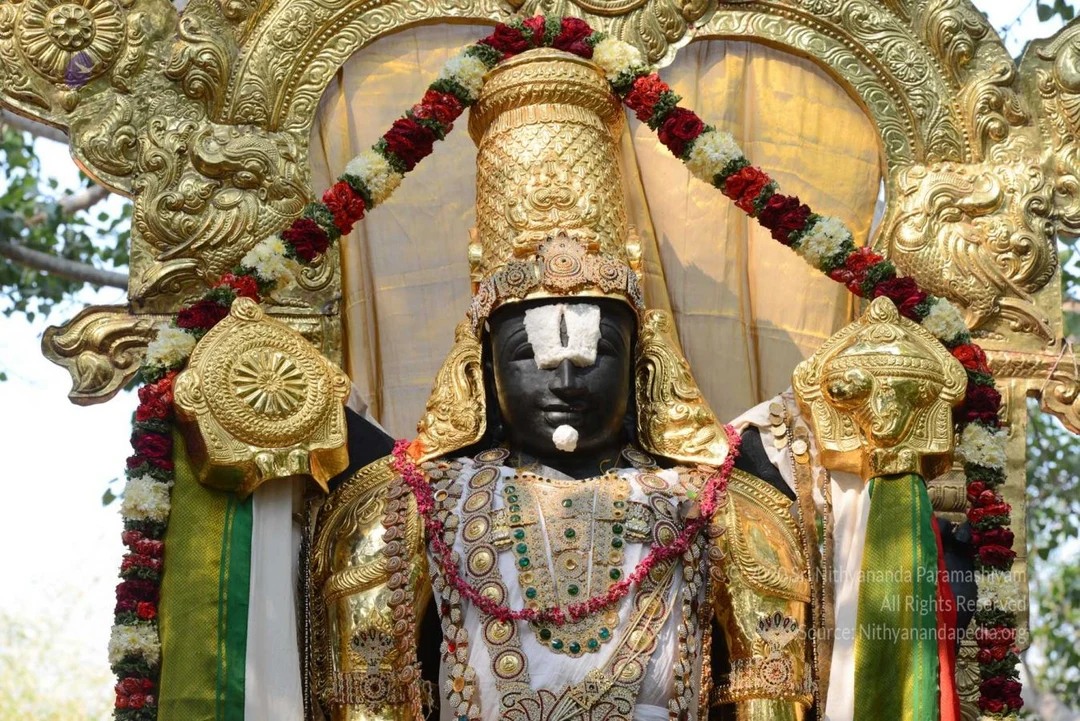 Lord Venkateshwara
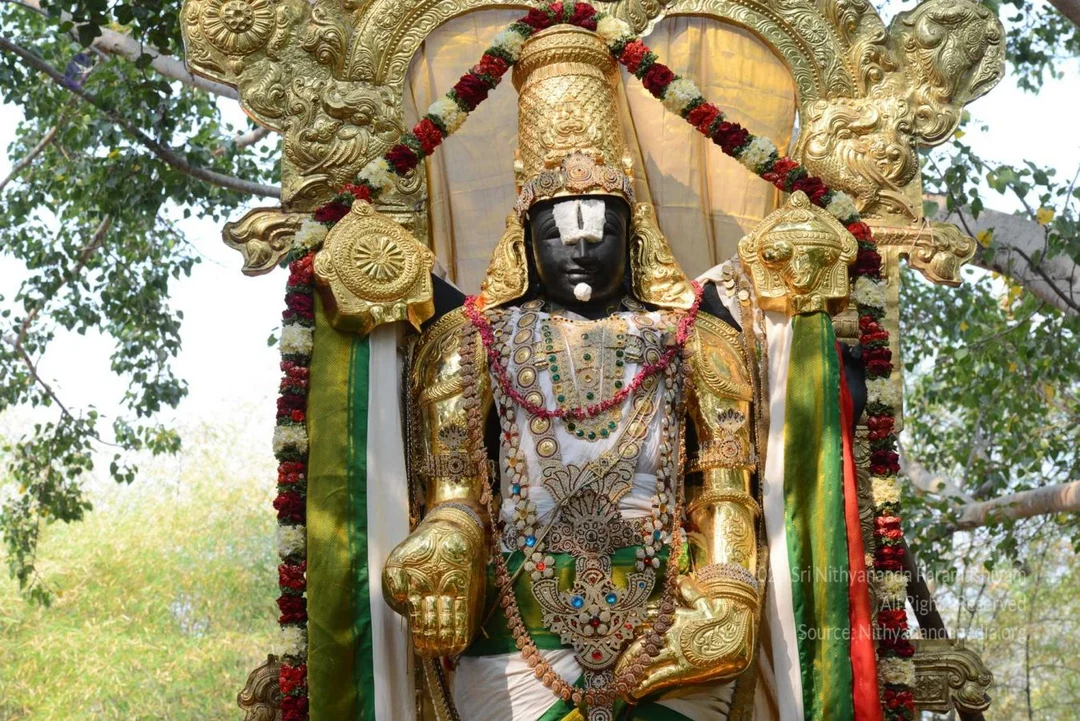 Lord Venkateshwara
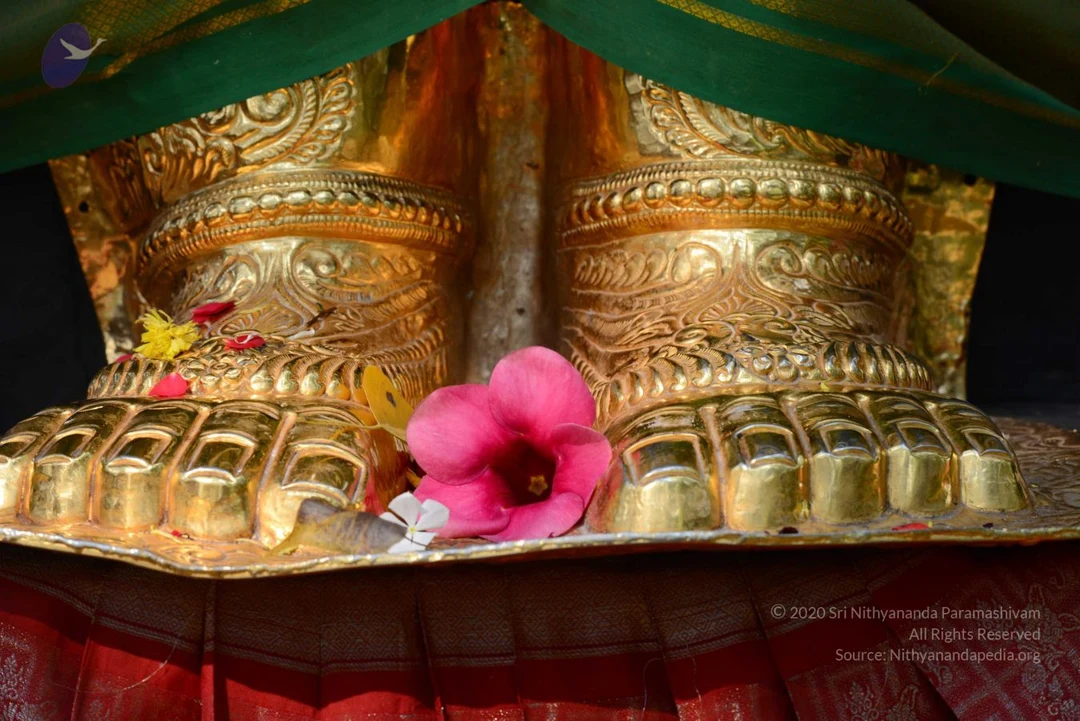
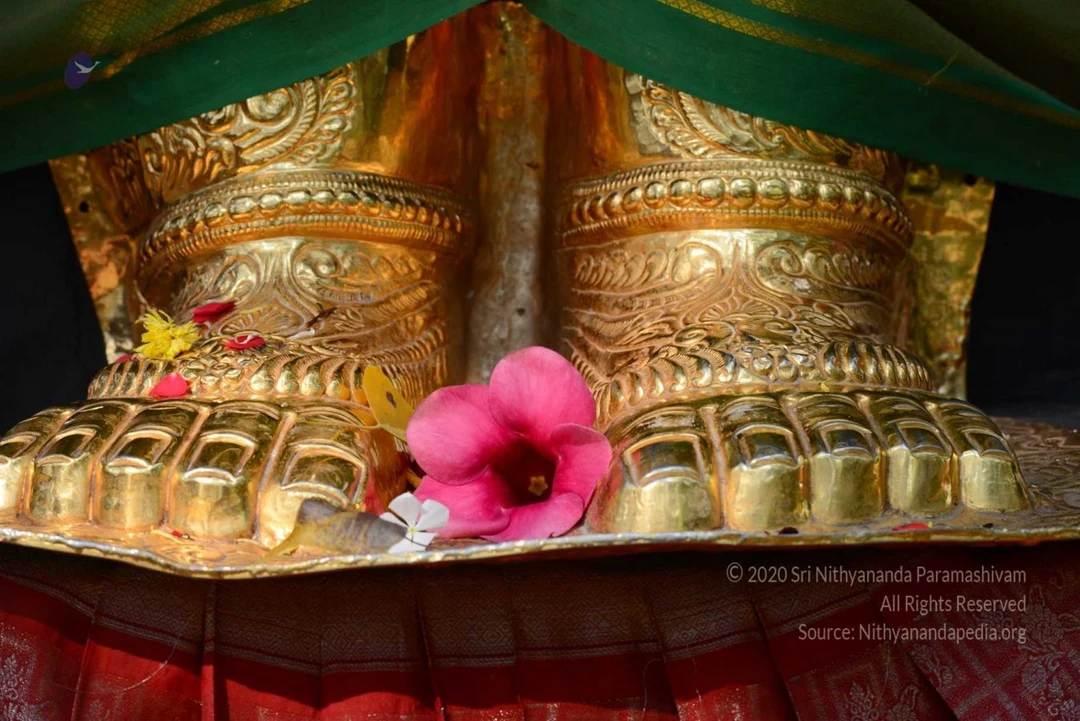 Divine Lotus Feet of Lord Venkateshwara
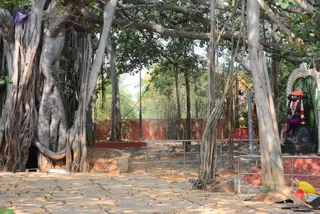
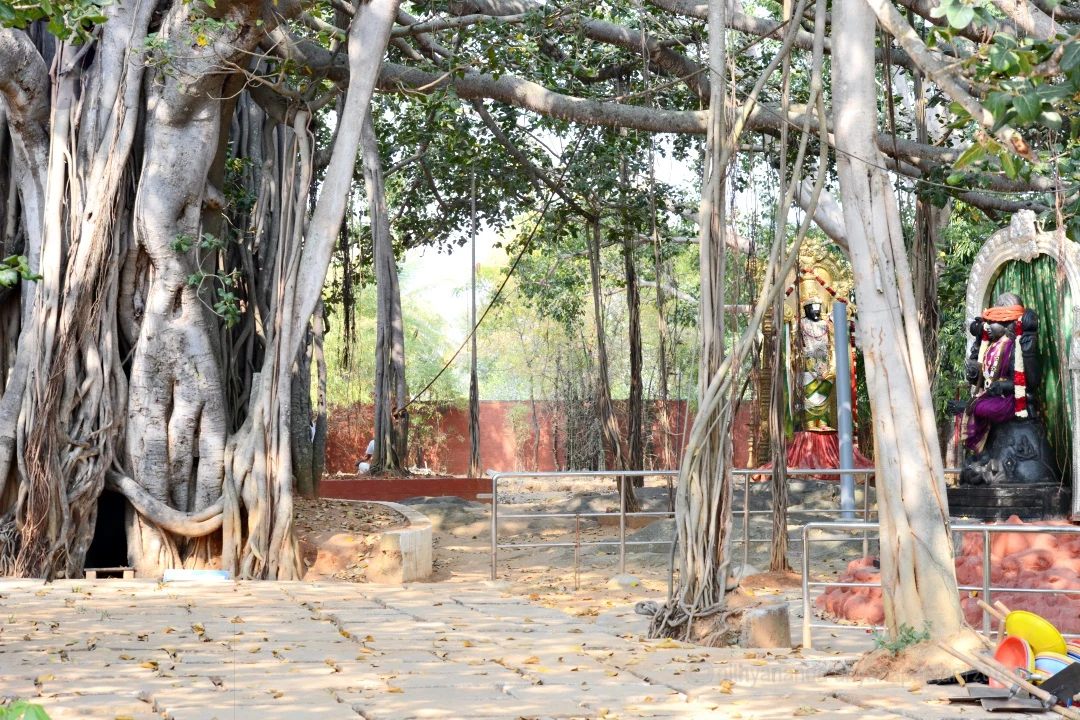
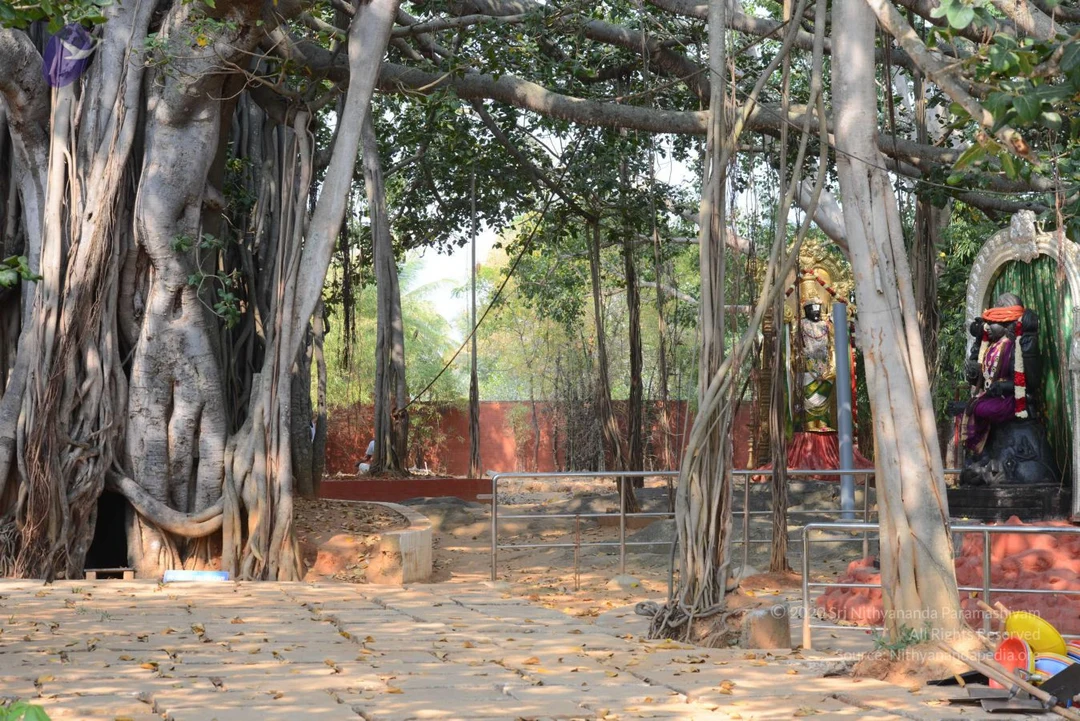
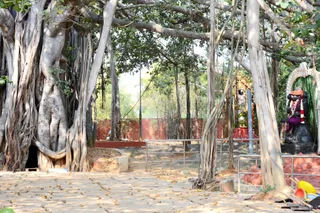
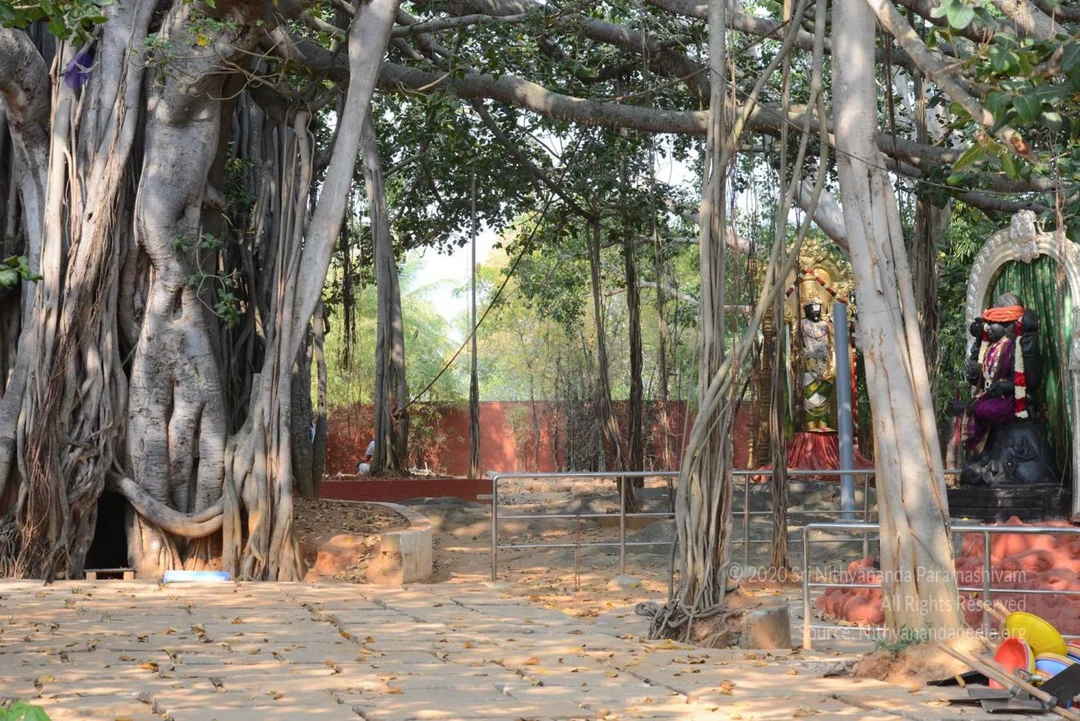 Sacred Bidadi Banyan Tree
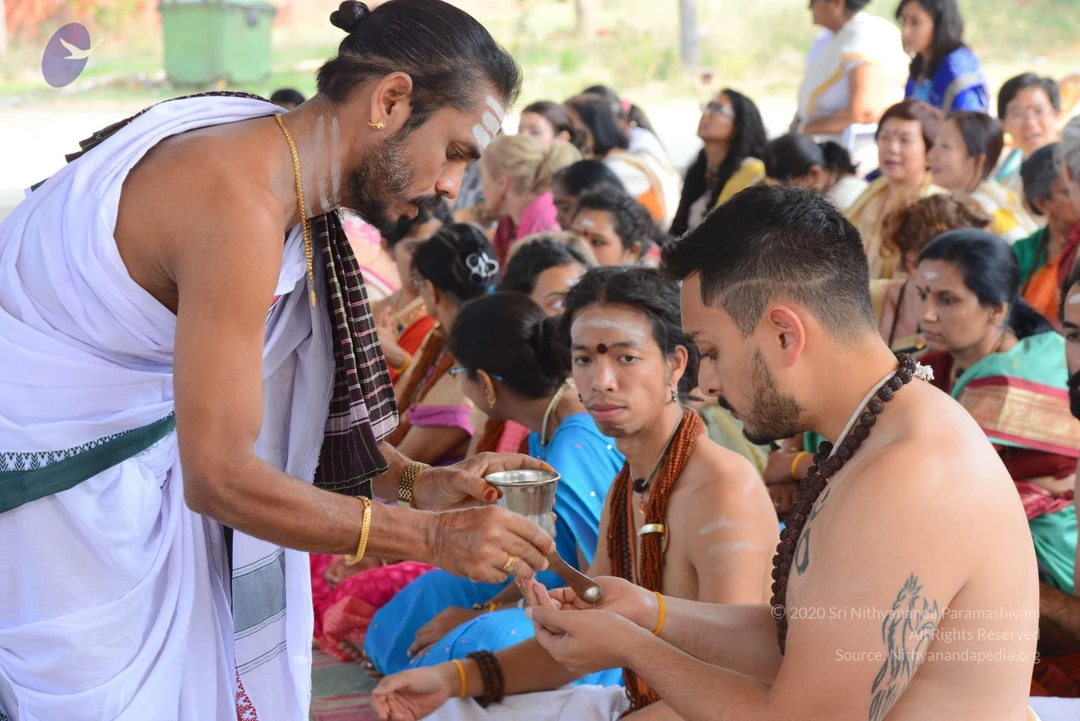
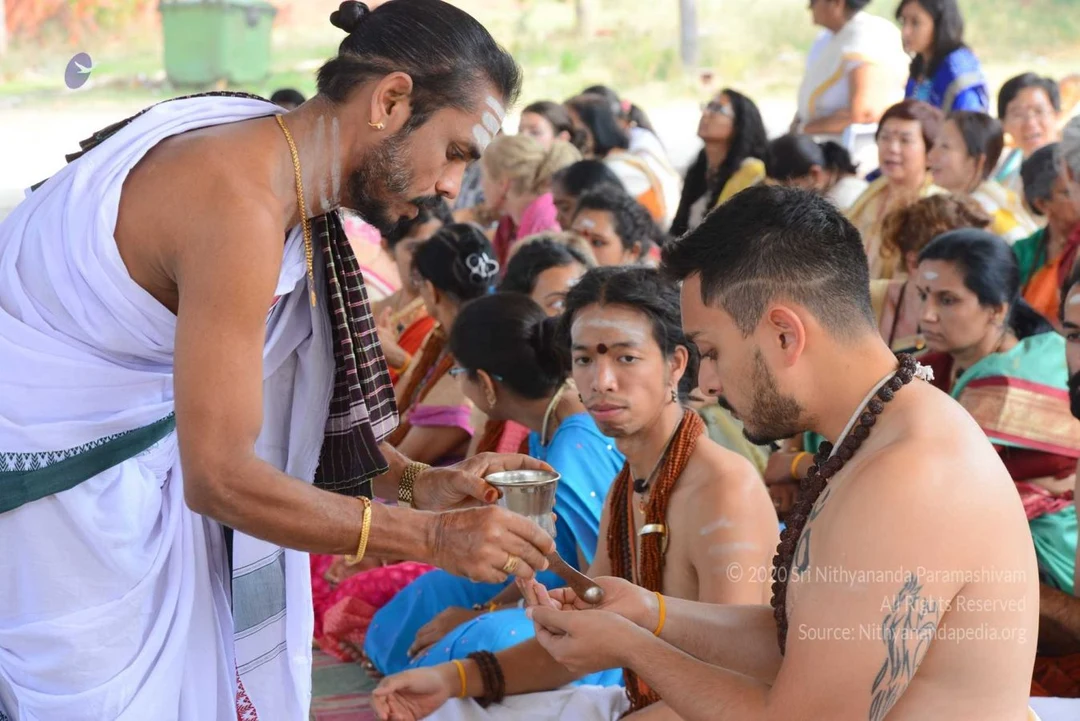 Nithyananda Yogam Delegates Receive Tirtham
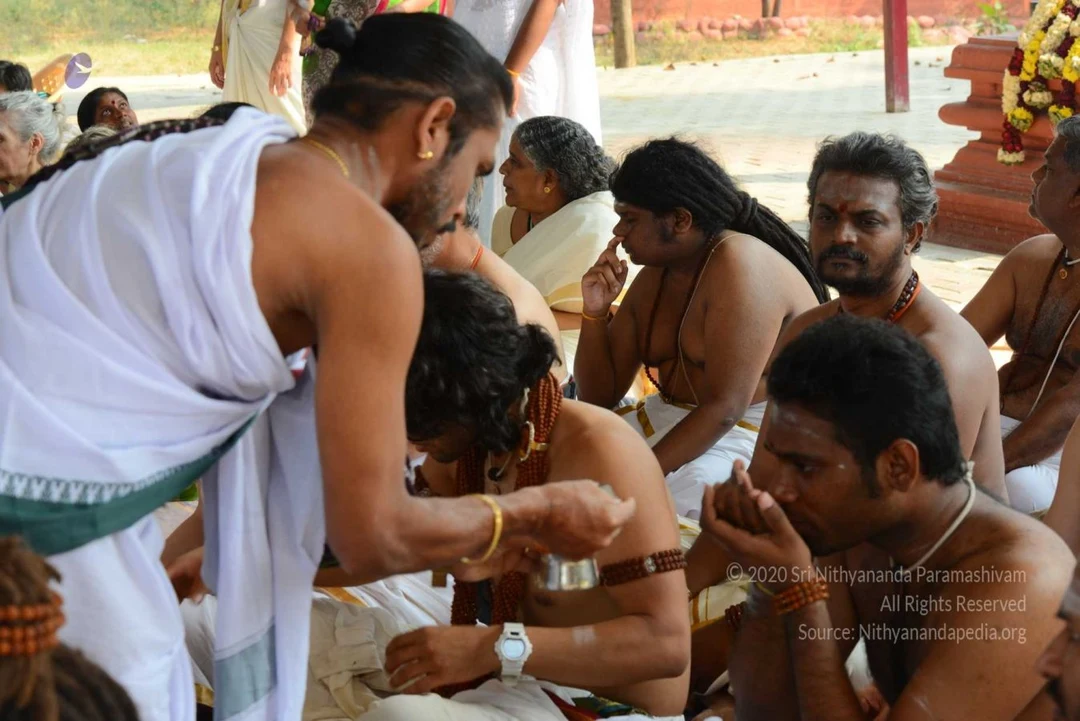 Nithyananda Yogam Delegates Receive Tirtham
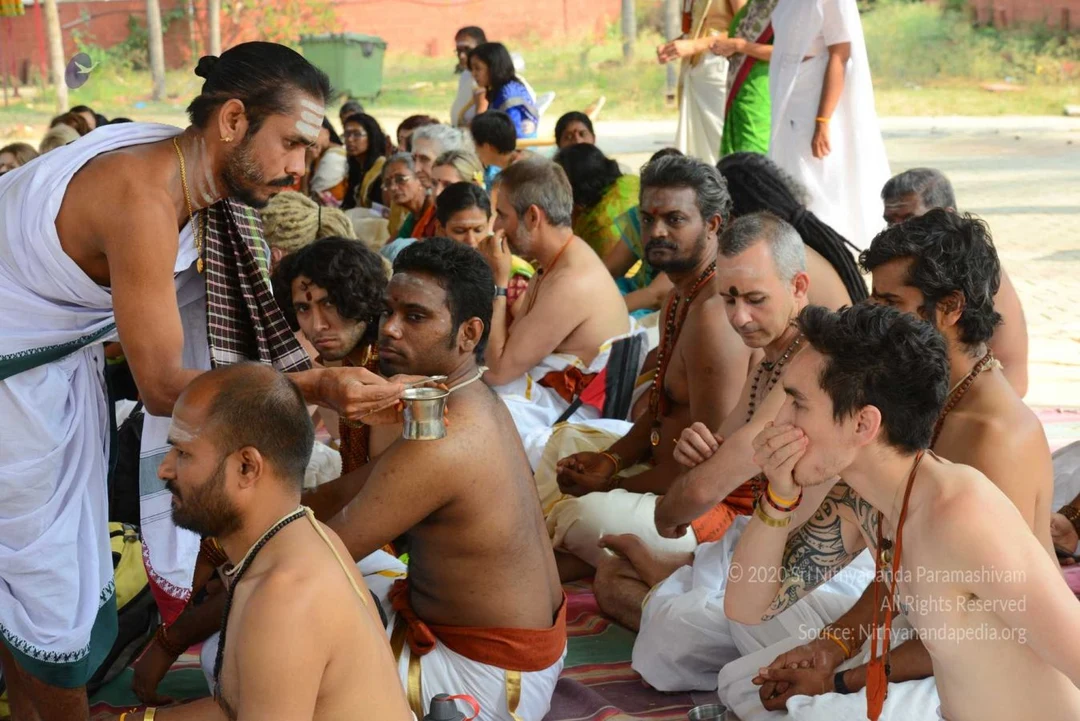 Nithyananda Yogam Delegates Receive Tirtham
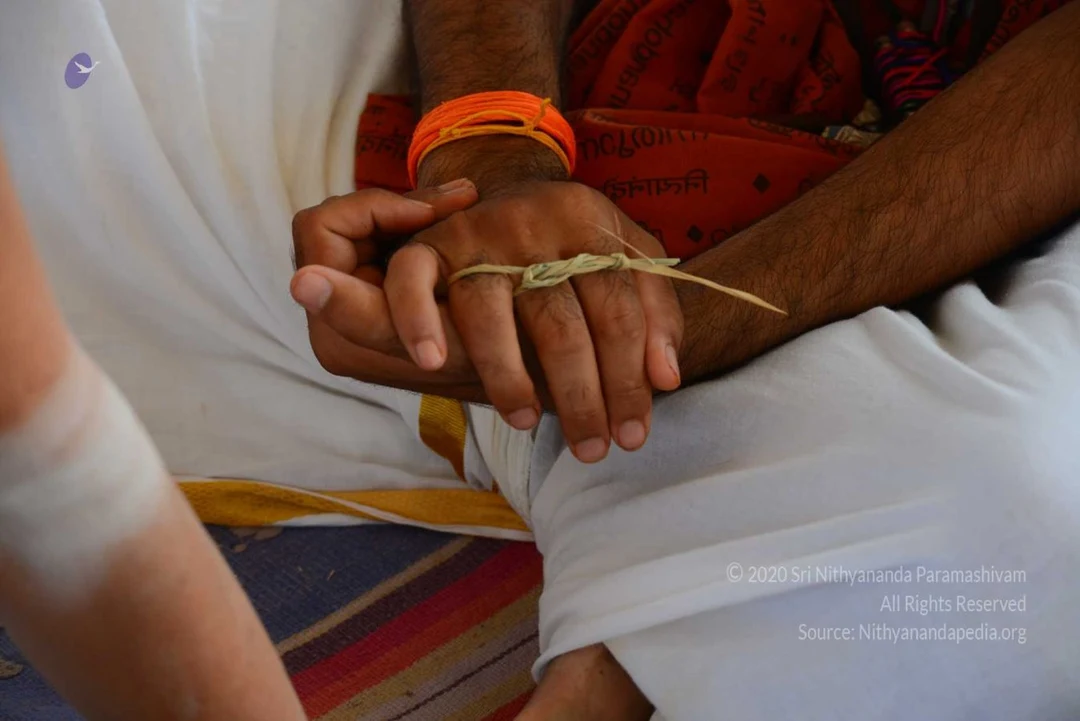 Sankalpa - The Conscious Resolution
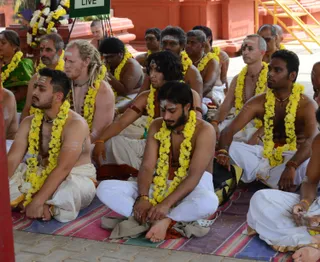
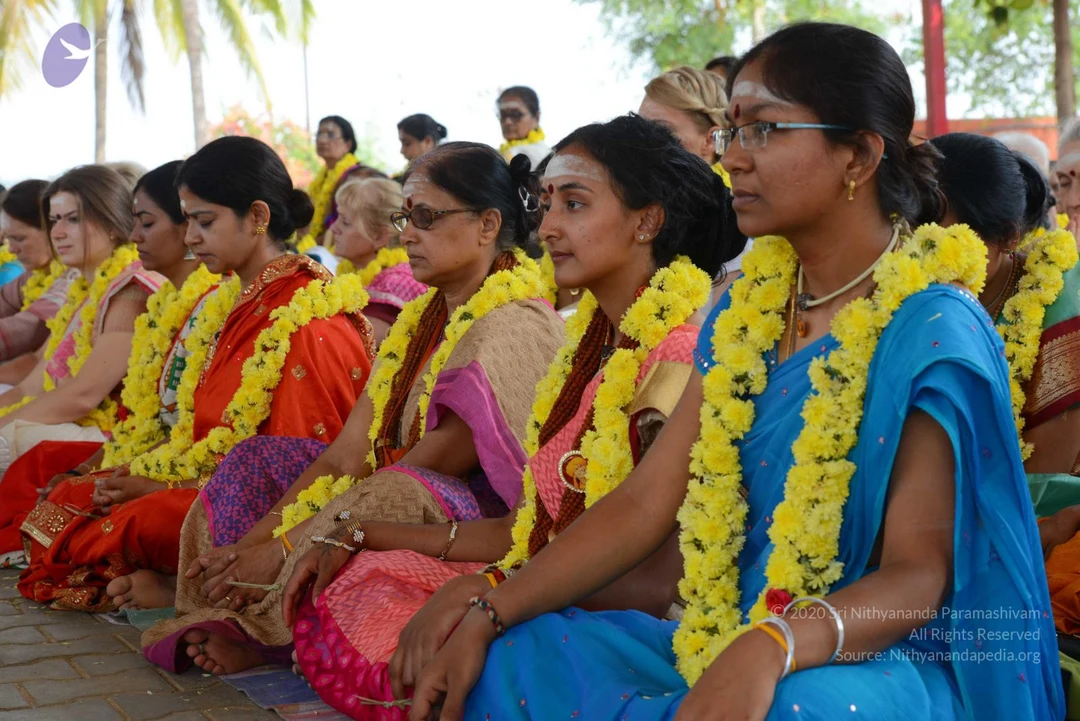
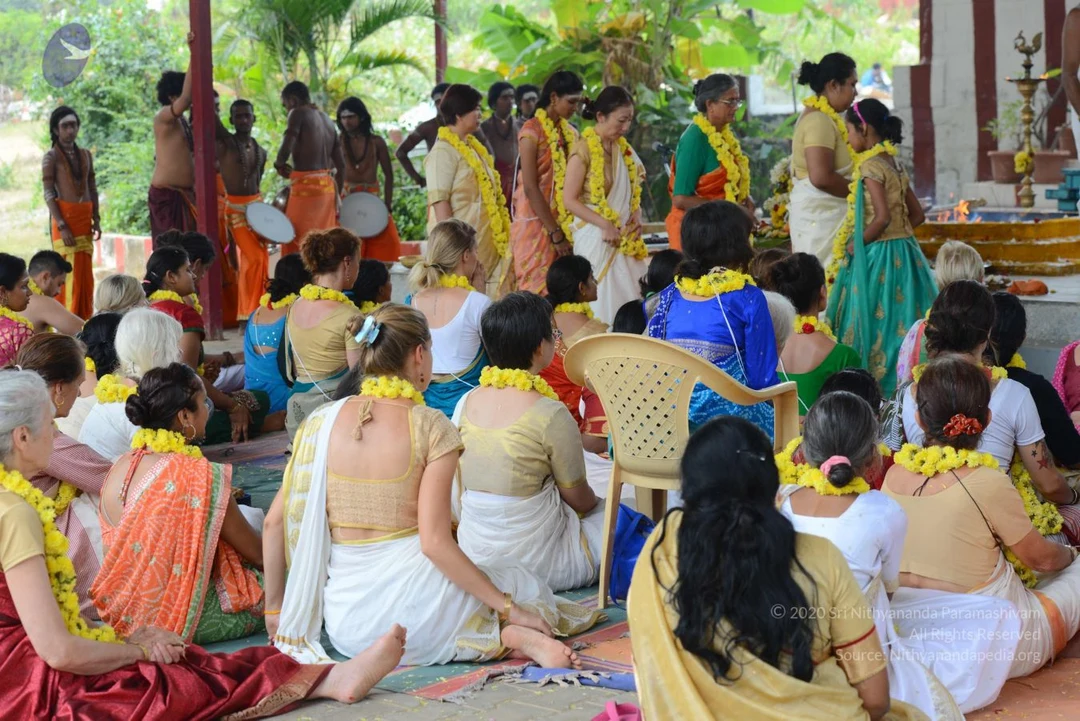
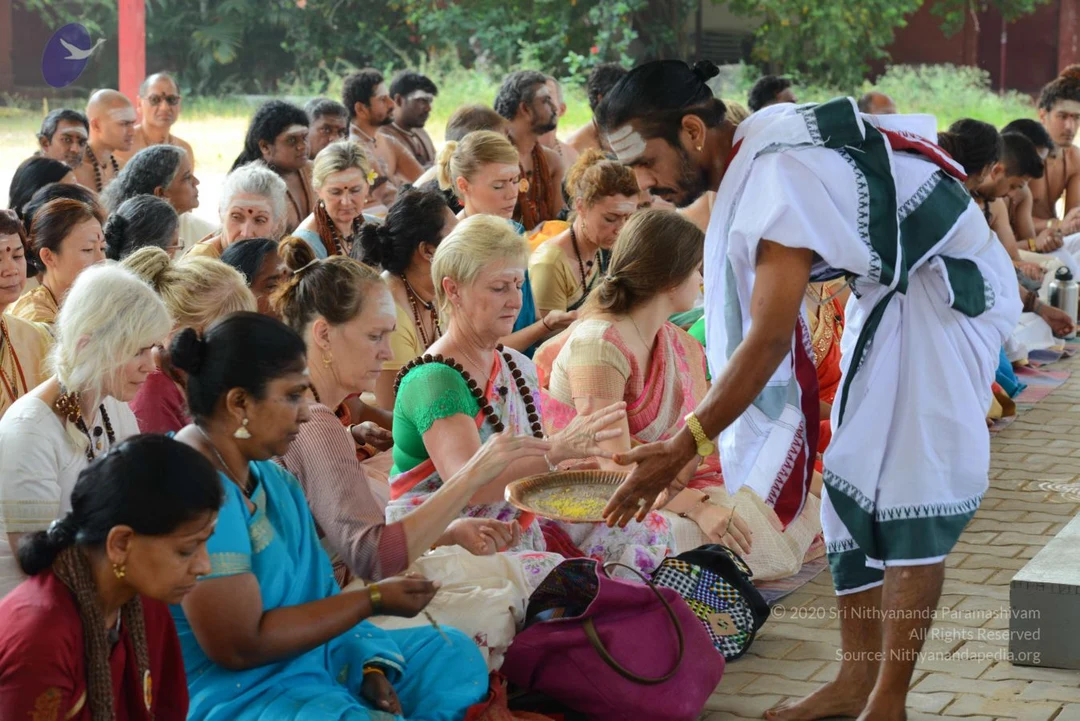
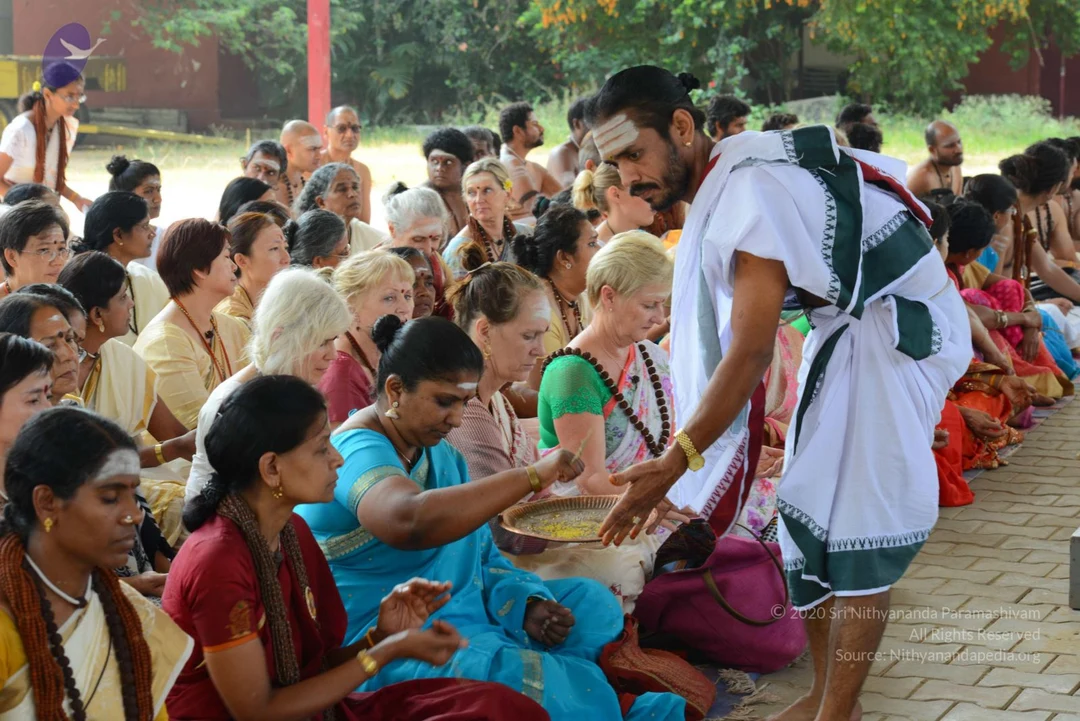
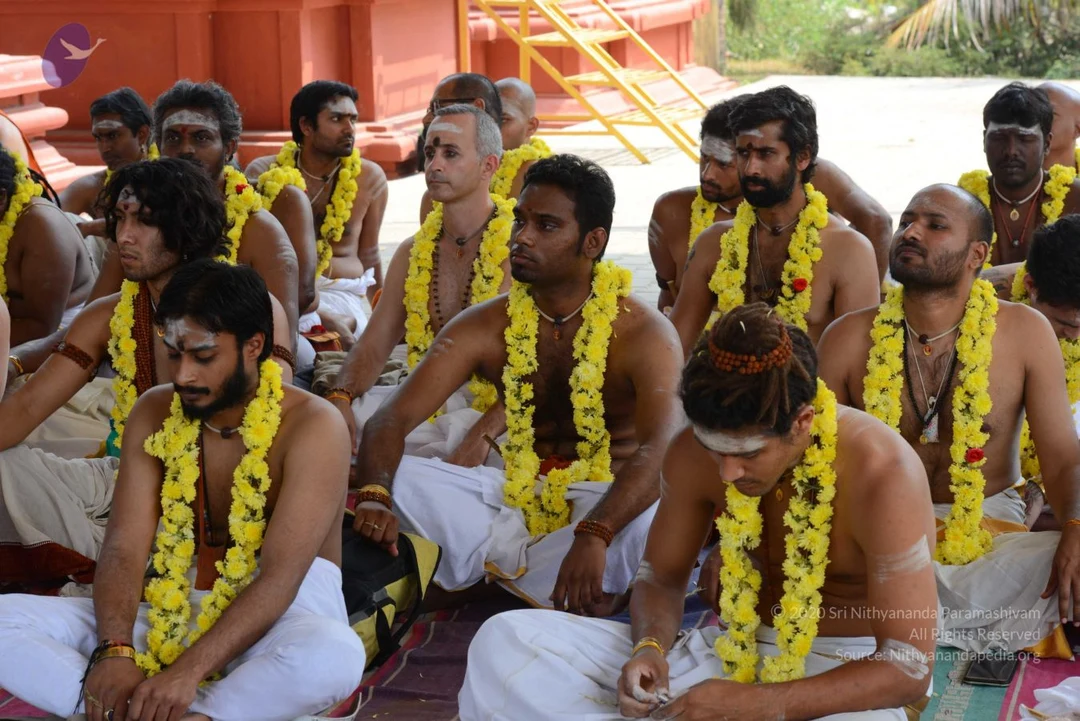
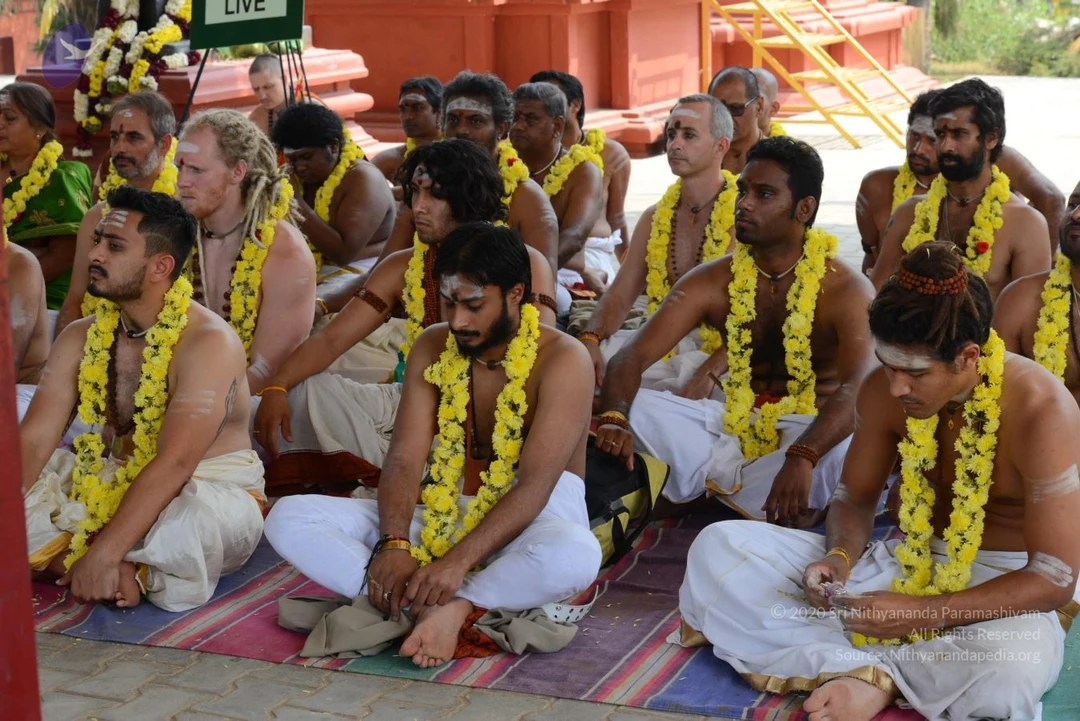
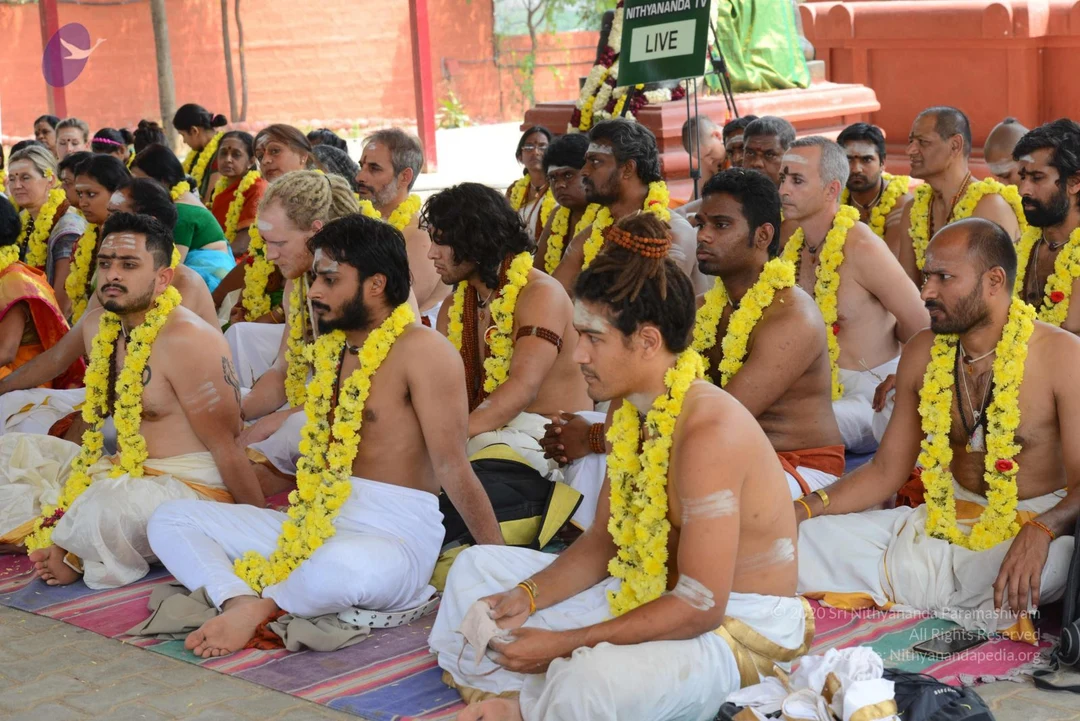
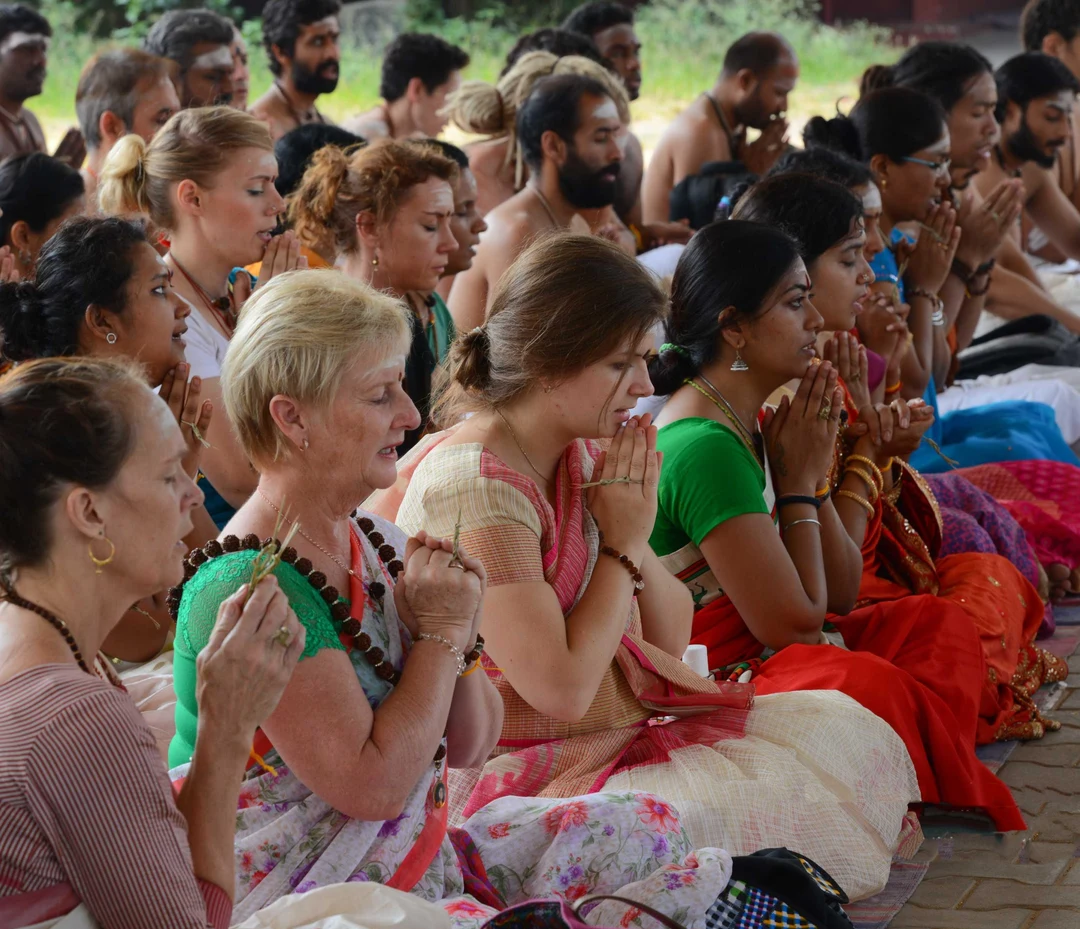
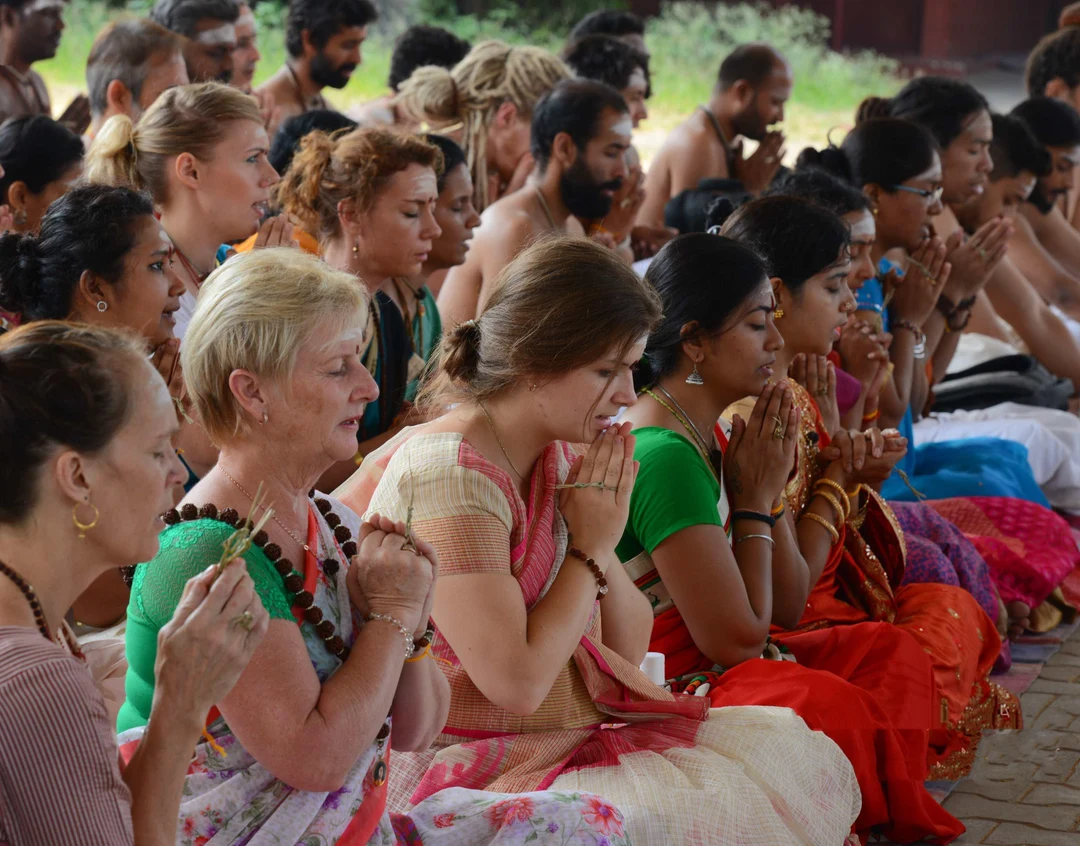
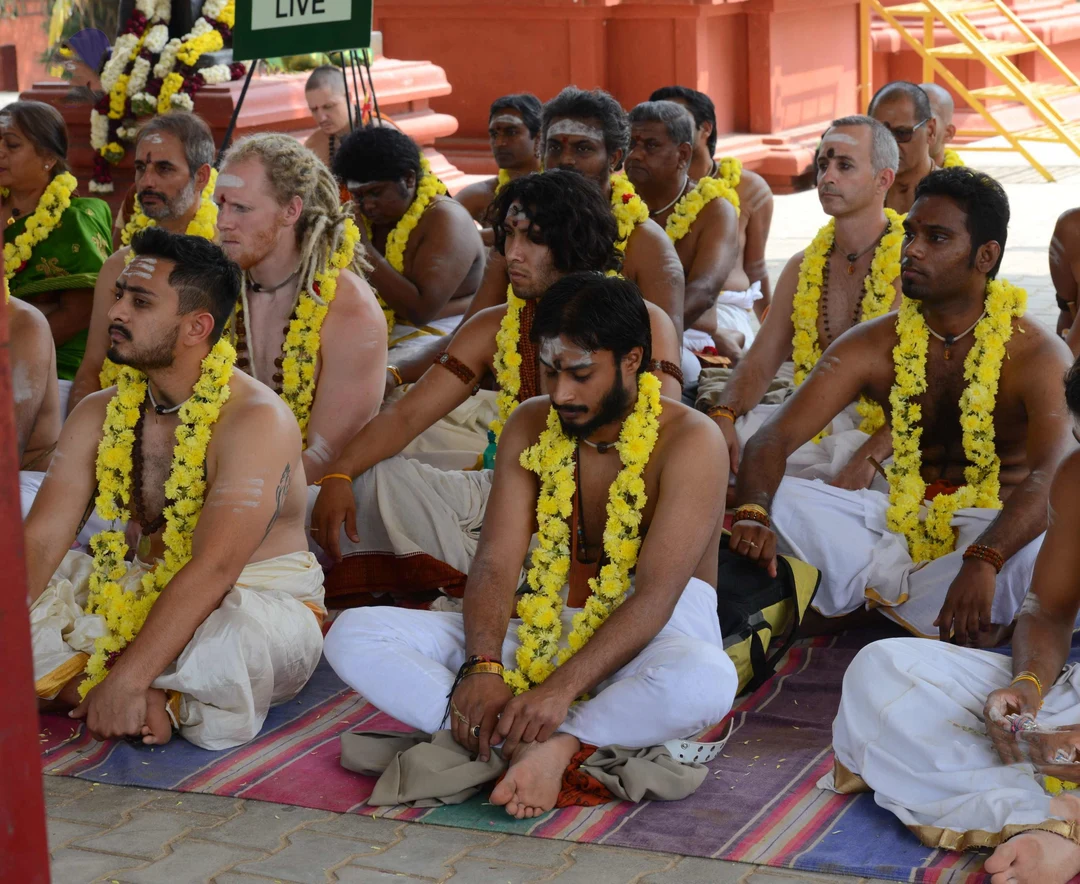
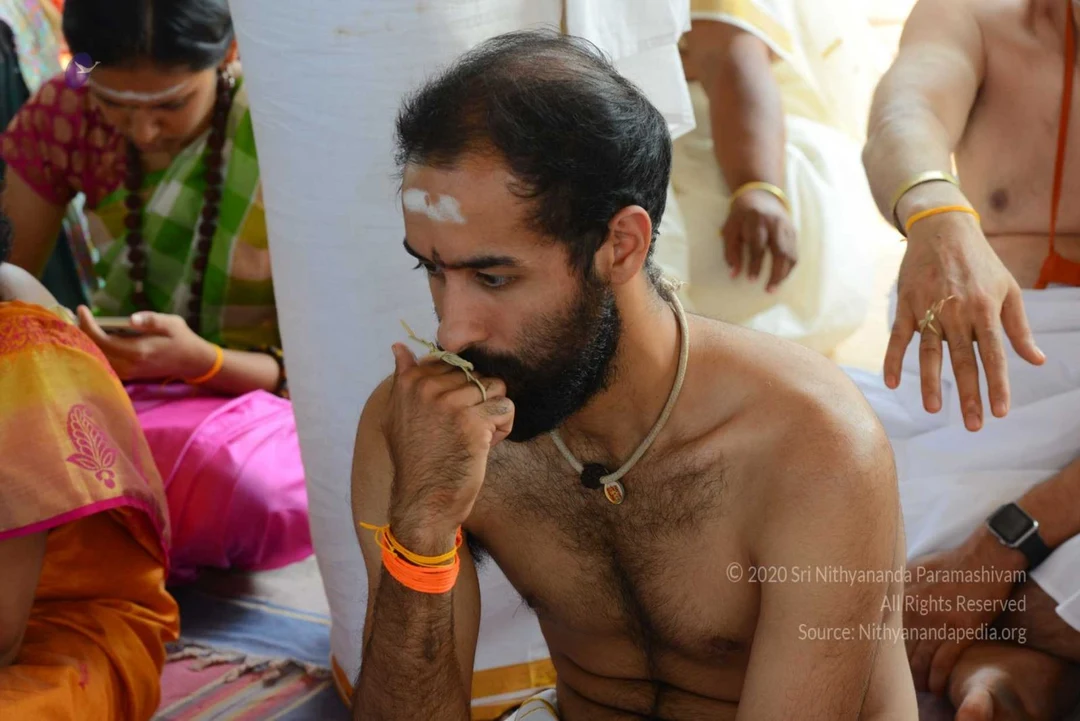 Nithyananda Yogam Delegates Receive Ritualistic Initiation into Gayathri Mantra
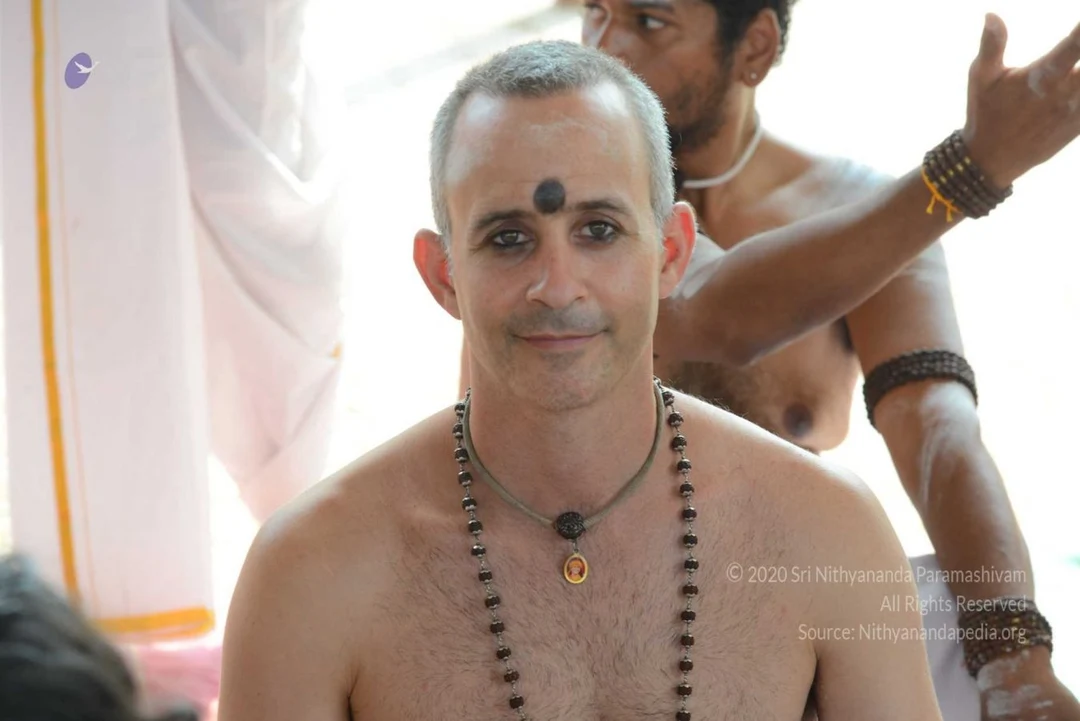 Nithyananda Yogam Delegates Receive Ritualistic Initiation into Gayathri Mantra
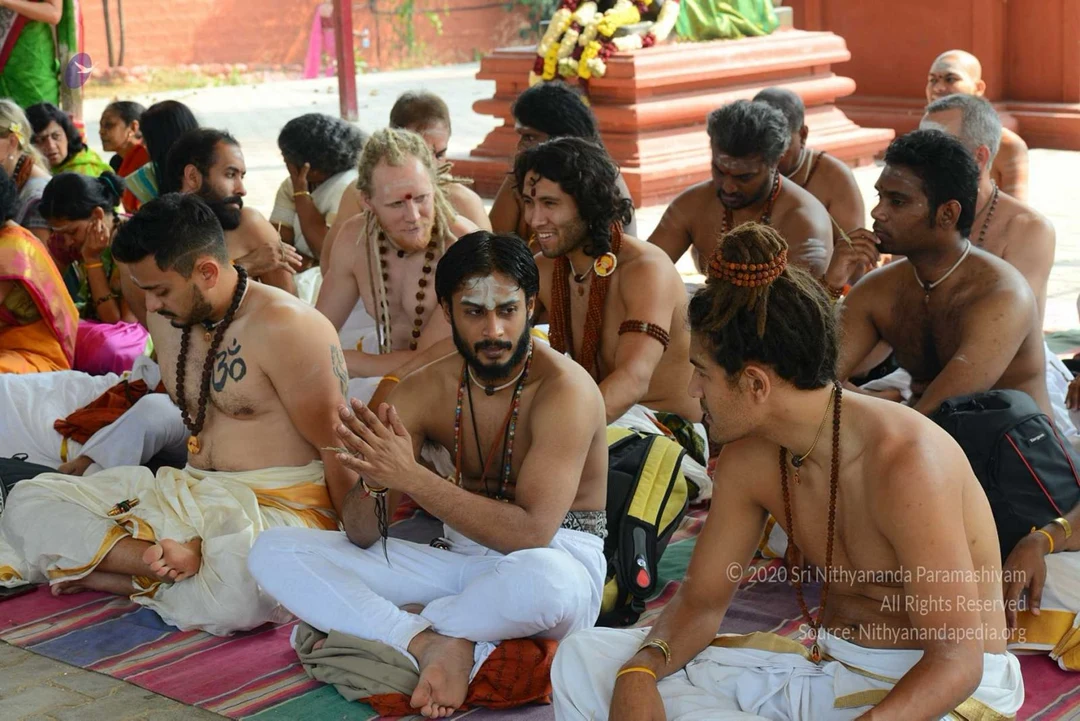 Nithyananda Yogam Delegates Receive Ritualistic Initiation into Gayathri Mantra
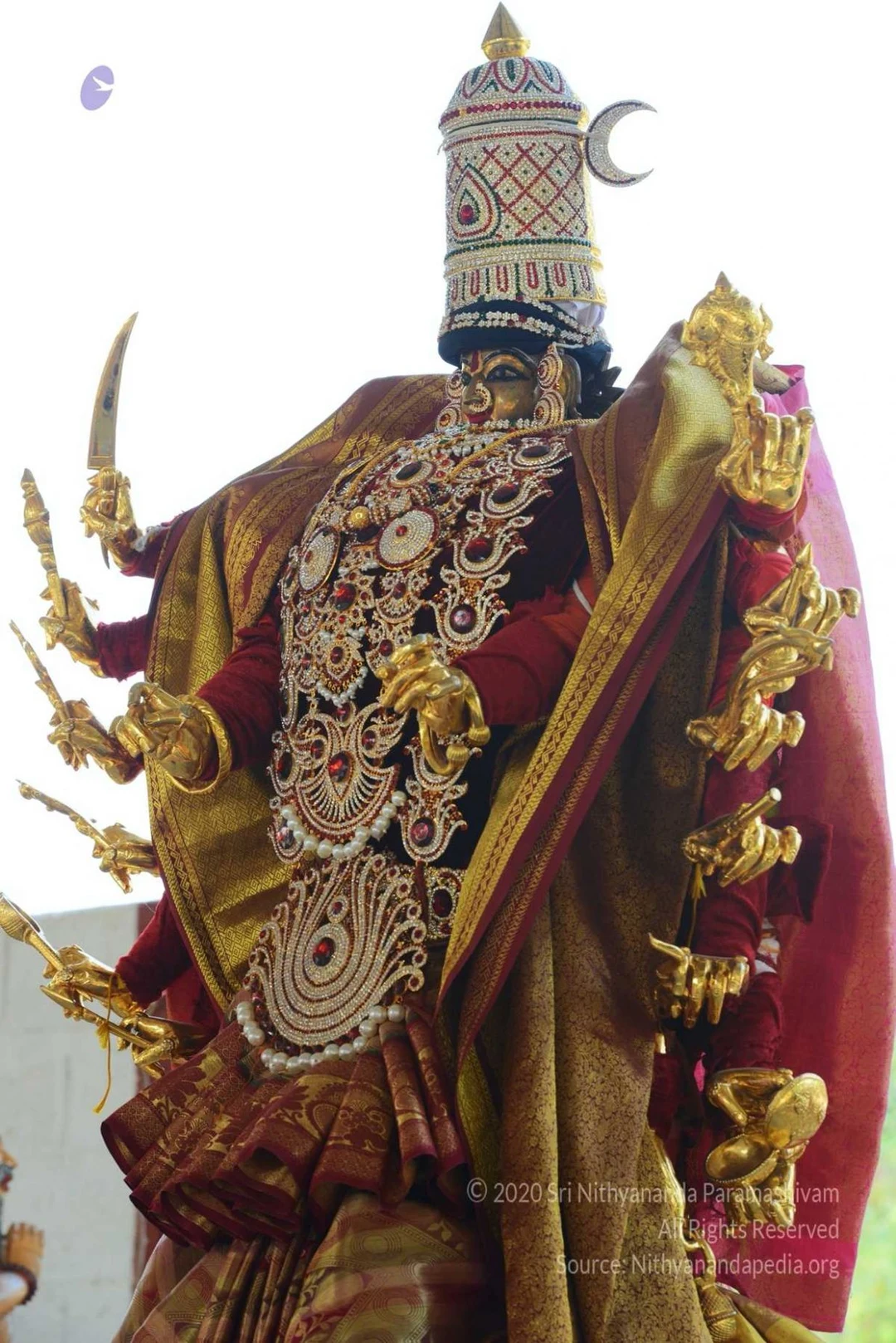
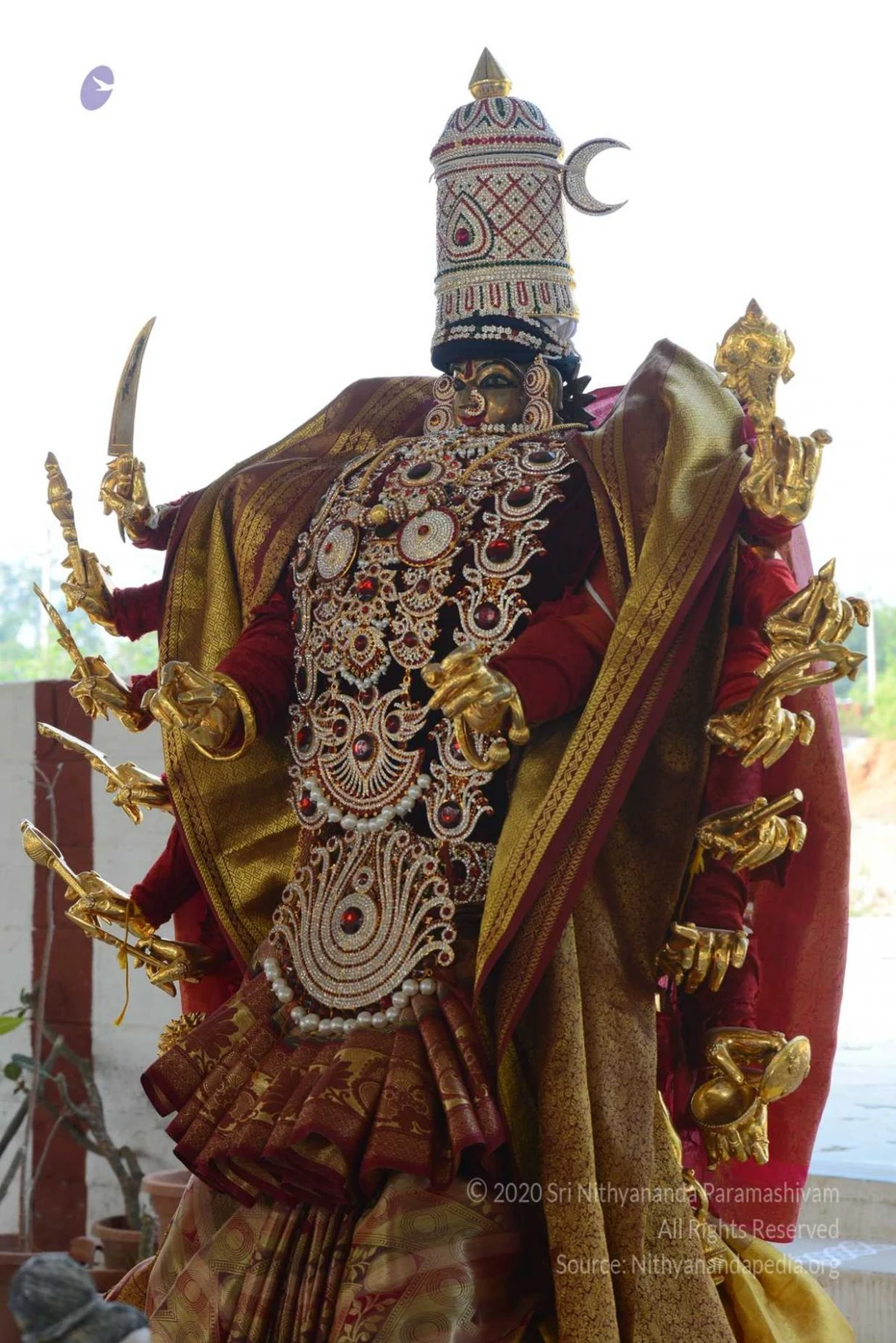
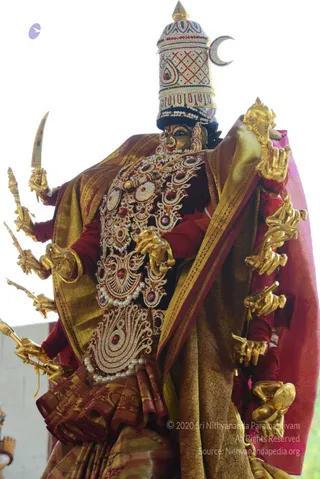 Devi Nithyanandeshwari Parashakti as Gayathri
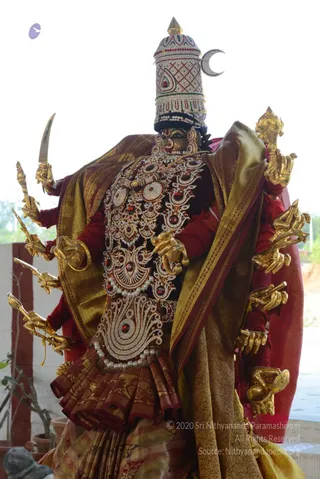 Devi Nithyanandeshwari Parashakti as Gayathri
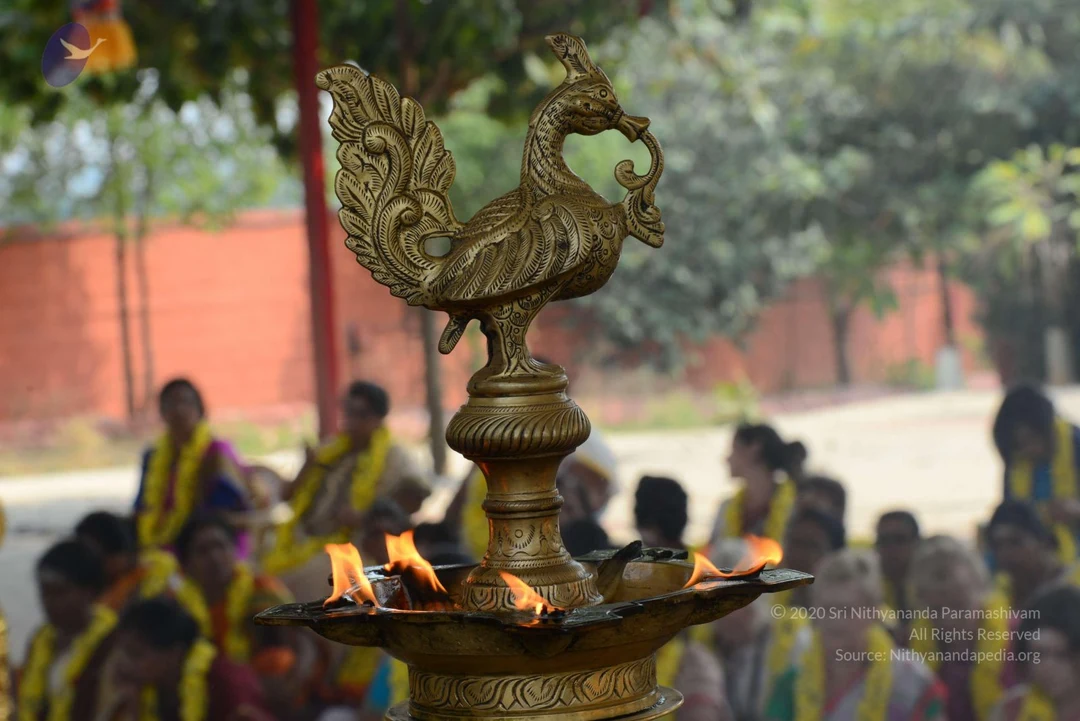
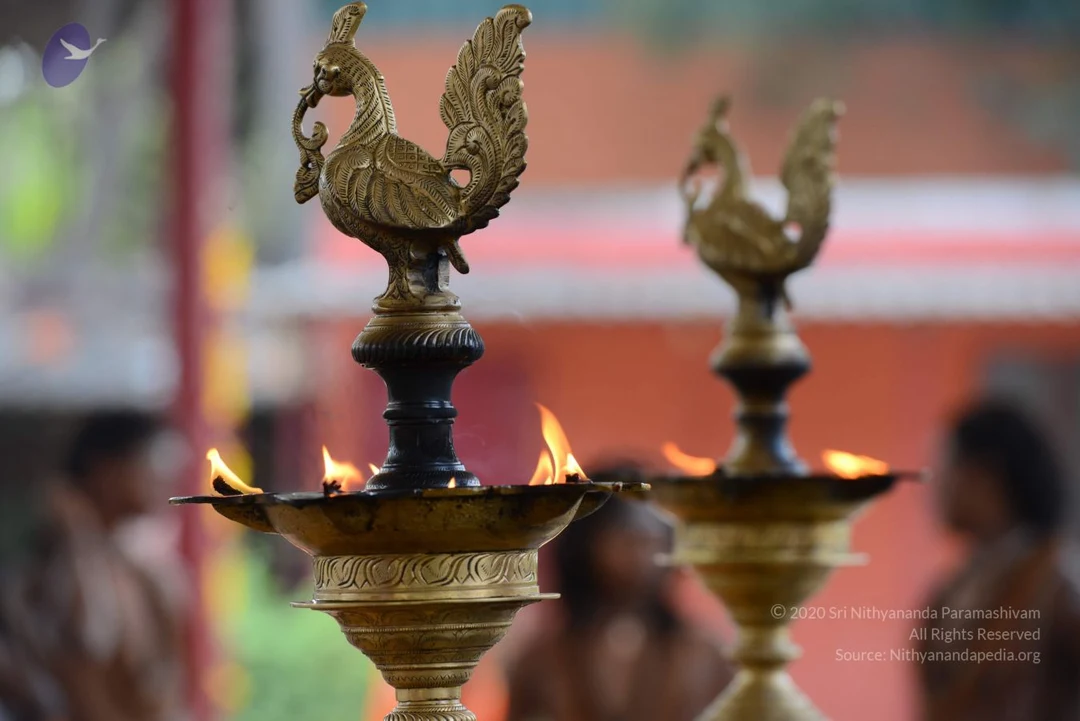
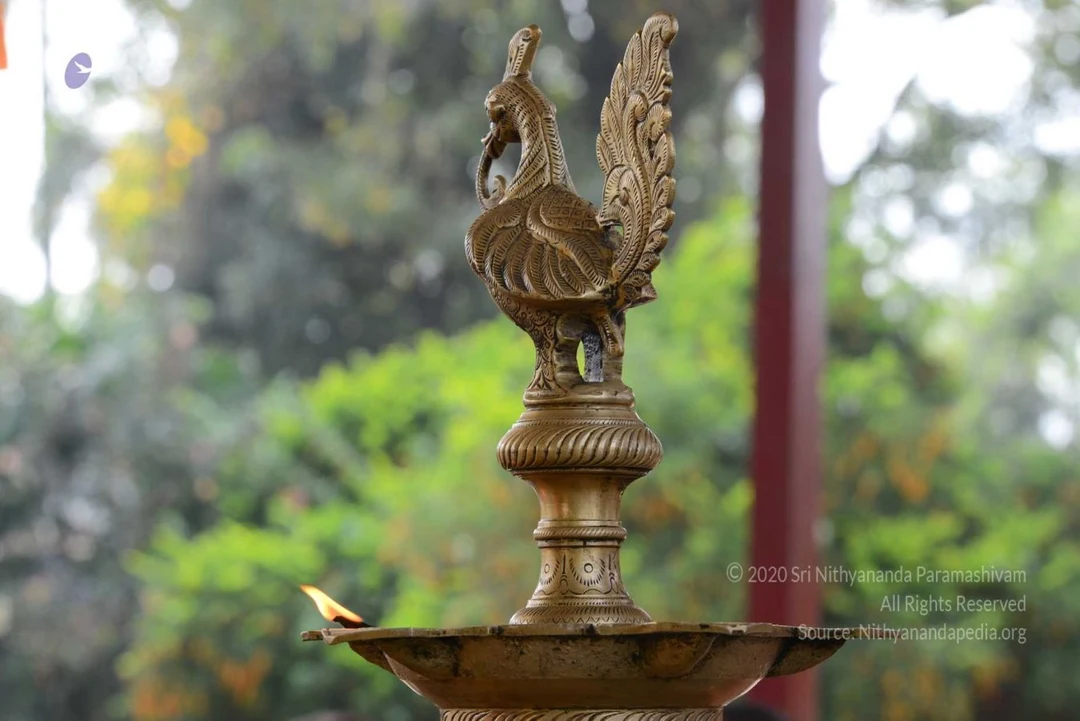 Kuthu Vilakku
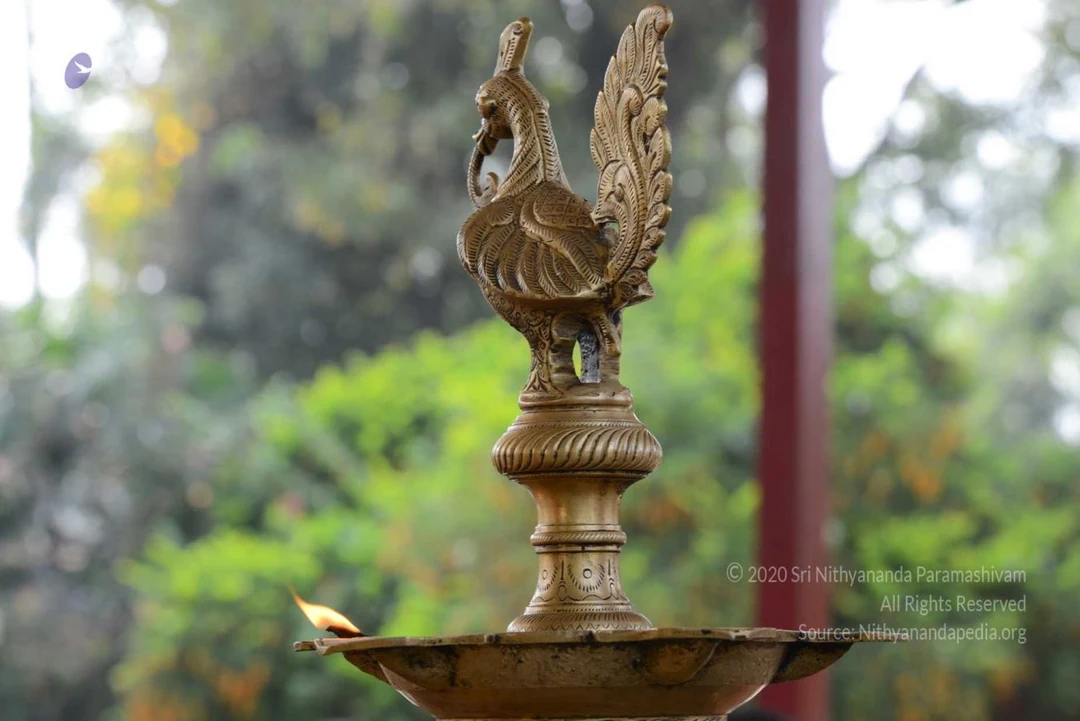 Kuthu Vilakku
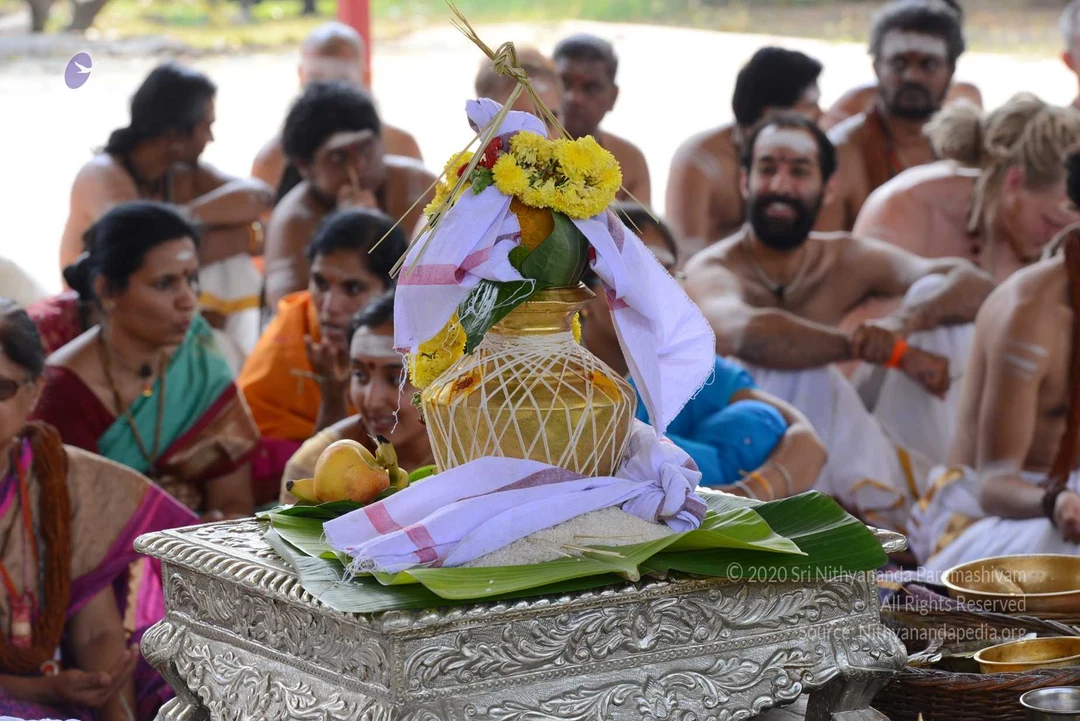 Nithyananda Yogam Delegates Receive Ritualistic Initiation into Gayathri Mantra
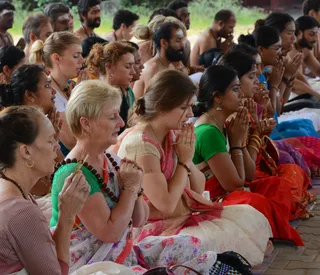
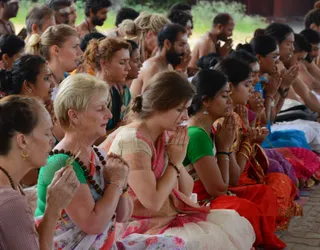
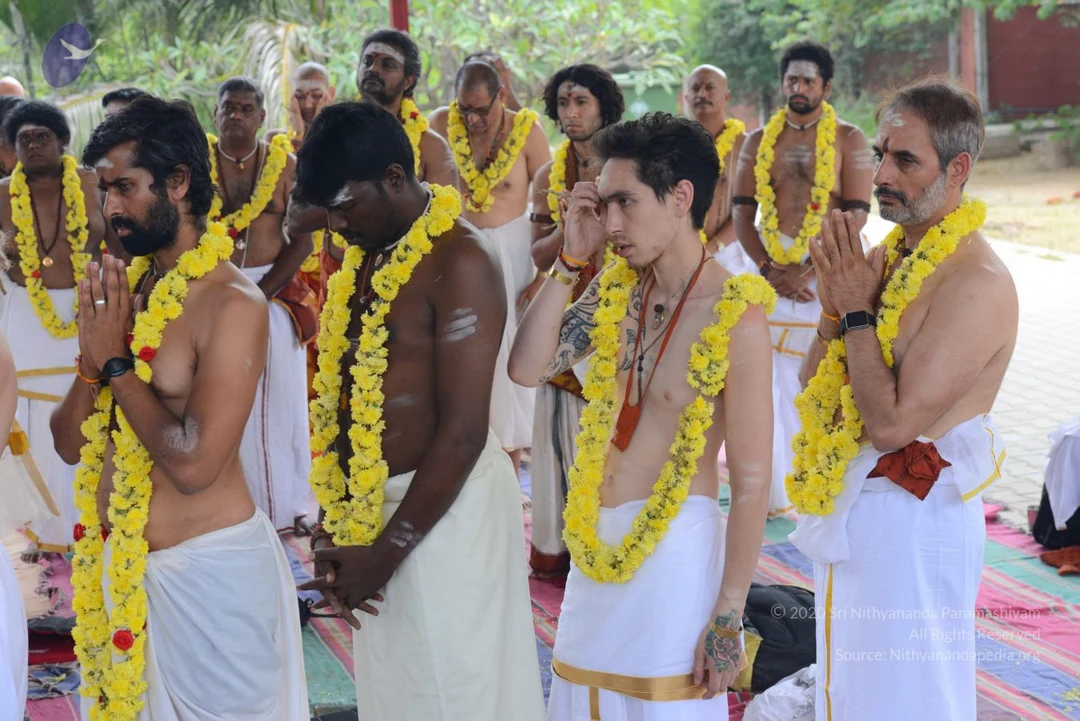
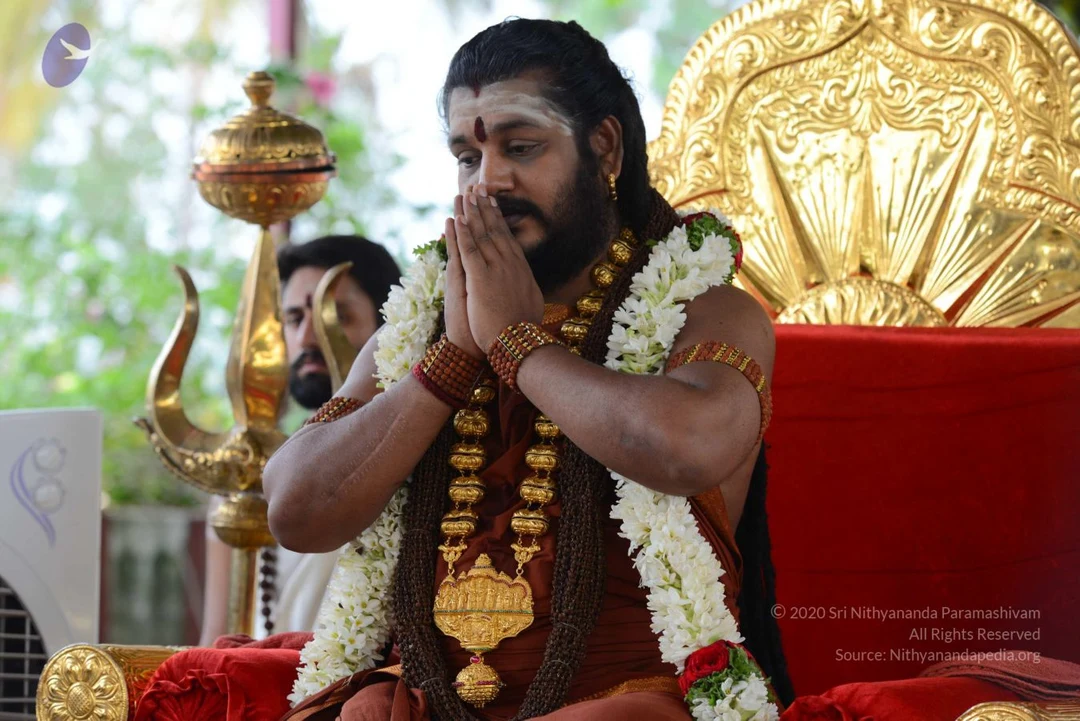
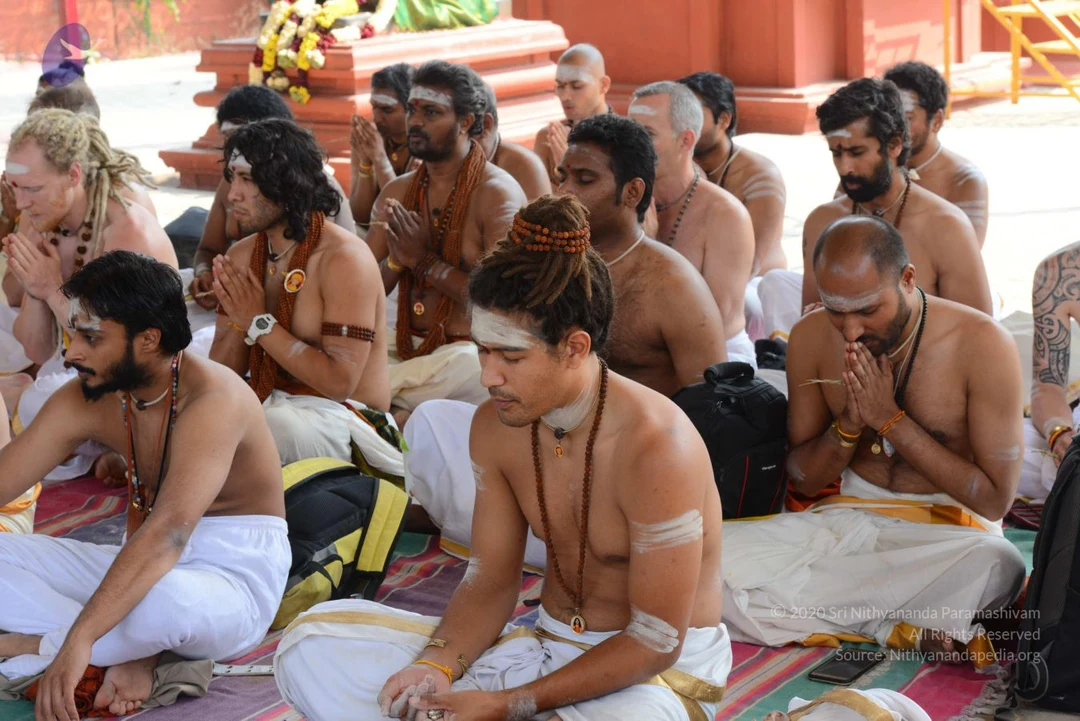
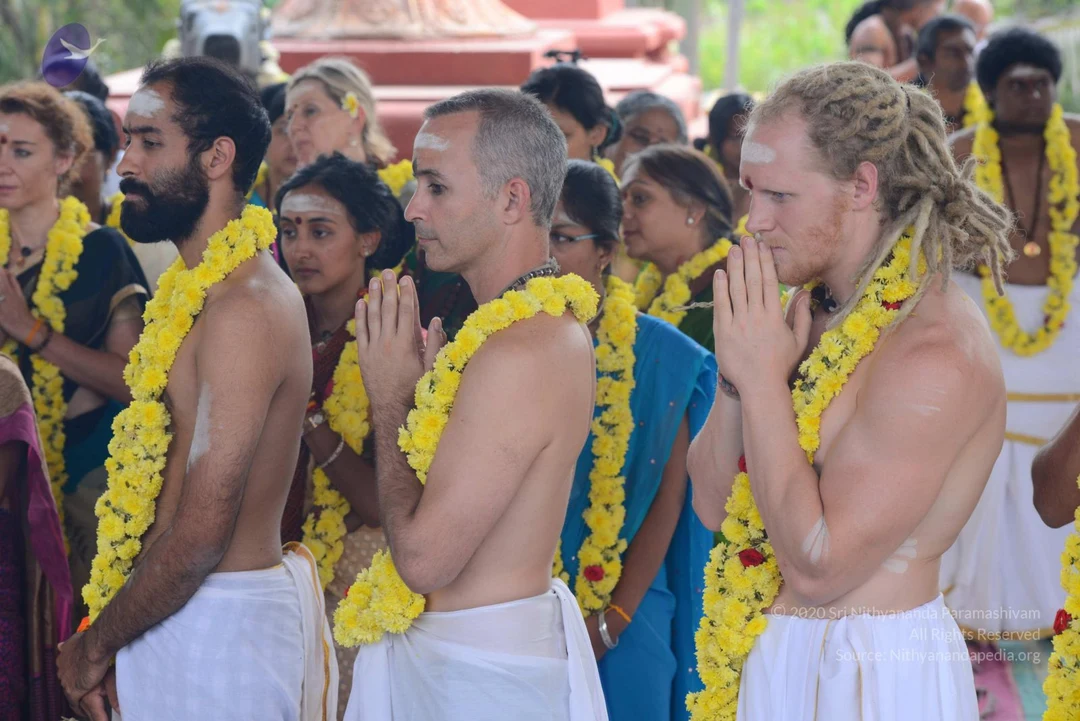
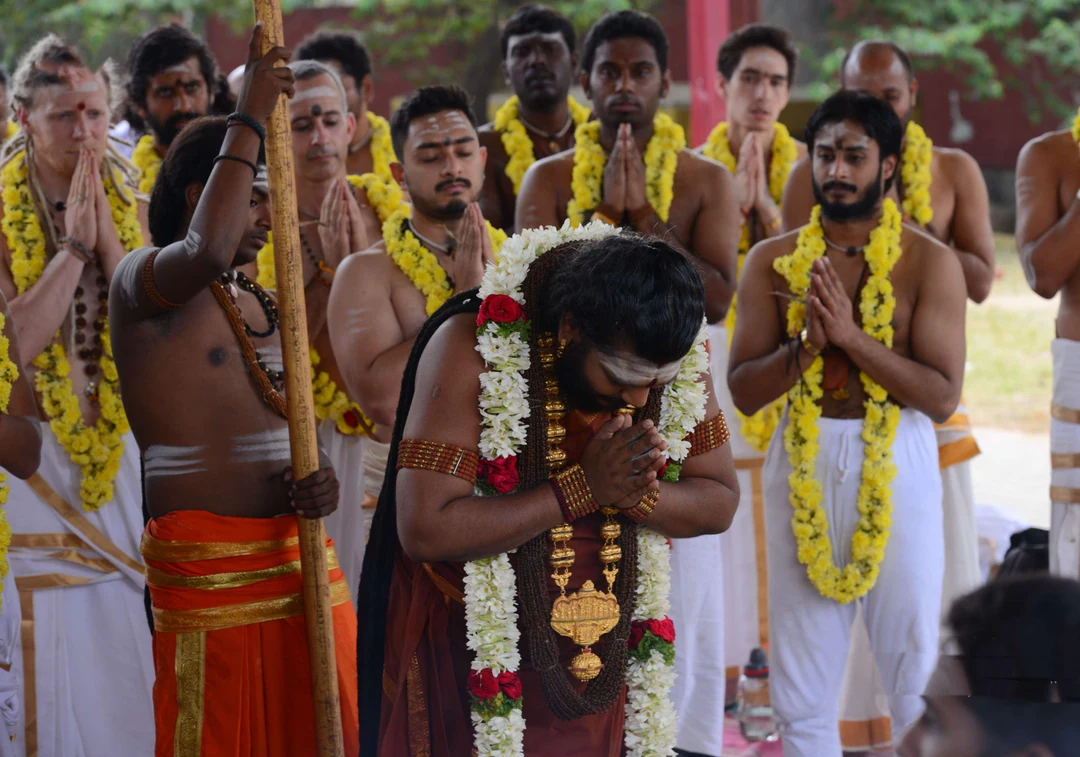
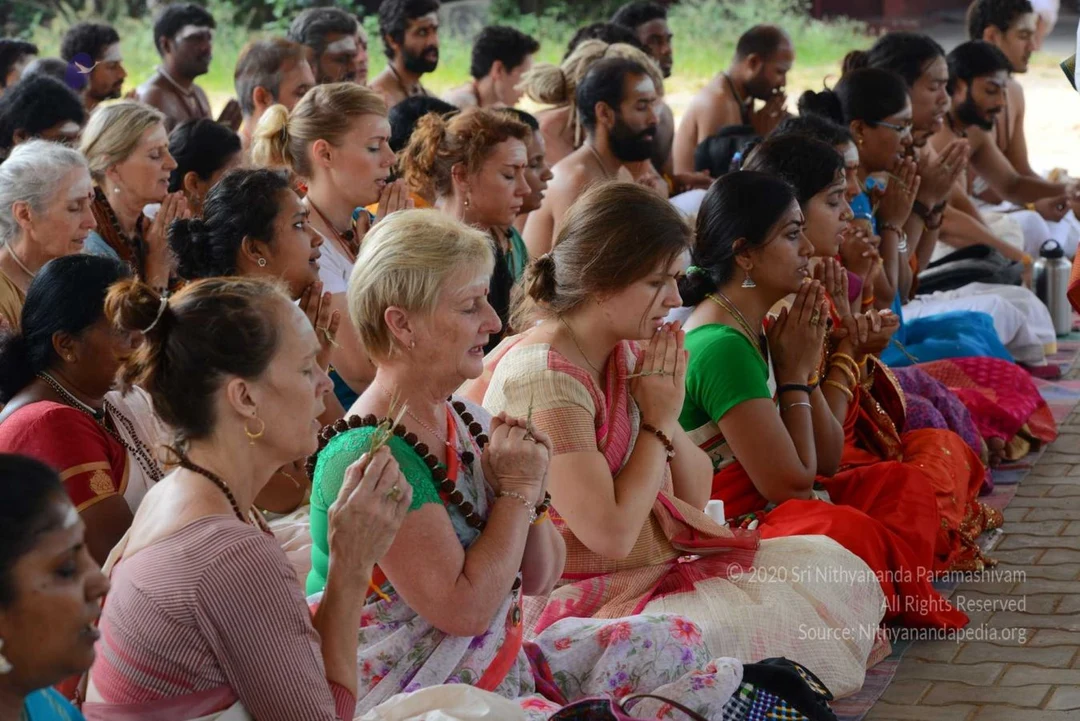 Anjali Mudra - Nithyananda Yogam Delegates Receive Ritualistic Initiation into Gayathri Mantra
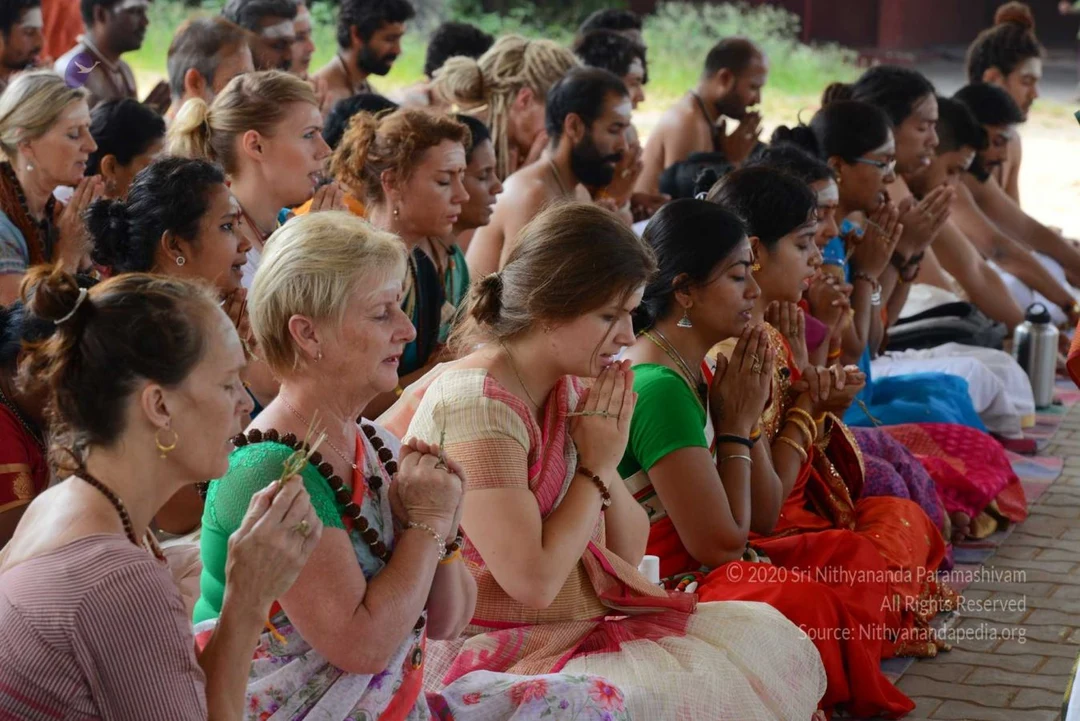 Anjali Mudra - Nithyananda Yogam Delegates Receive Ritualistic Initiation into Gayathri Mantra
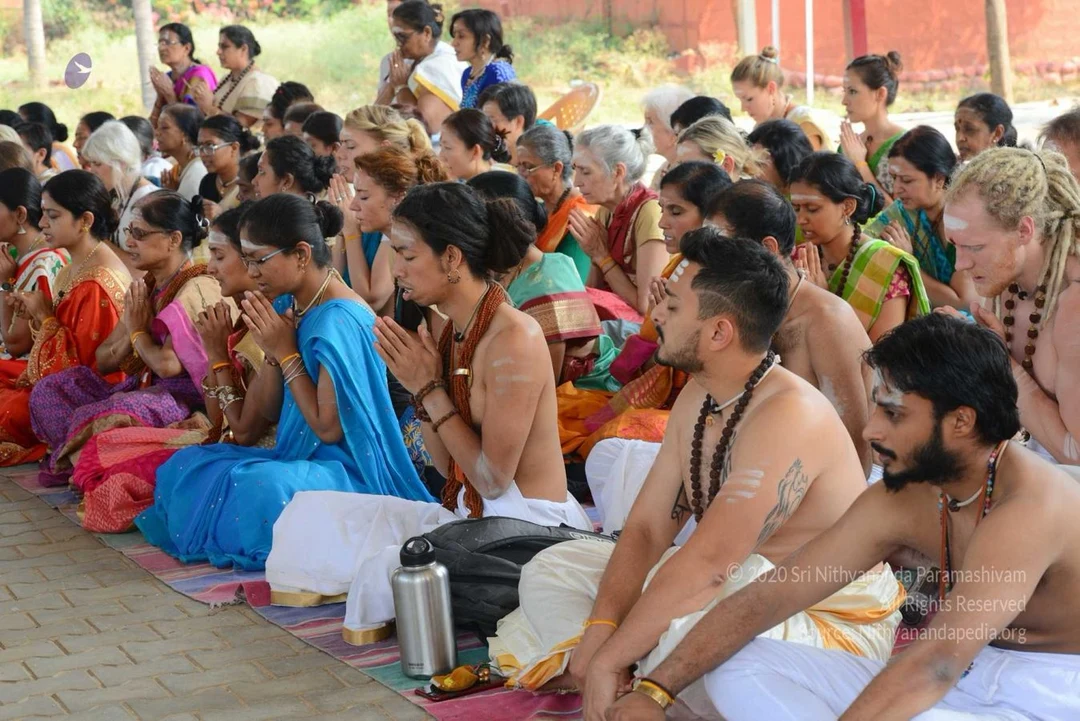 Anjali Mudra - Nithyananda Yogam Delegates Receive Ritualistic Initiation into Gayathri Mantra
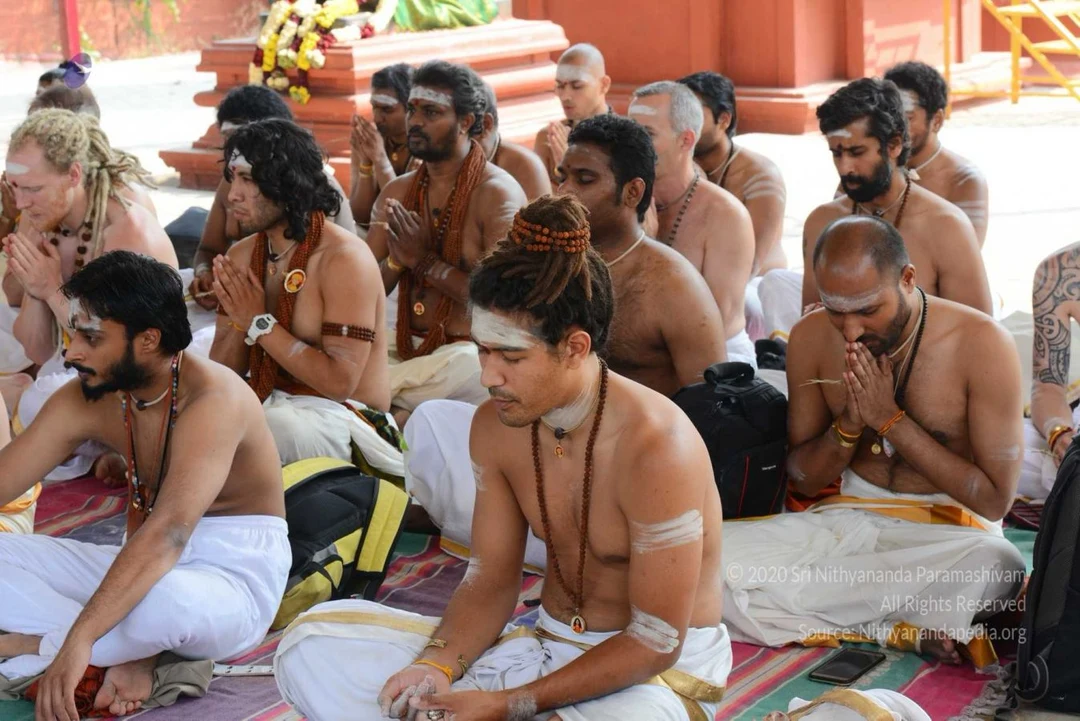 Anjali Mudra - Nithyananda Yogam Delegates Receive Ritualistic Initiation into Gayathri Mantra
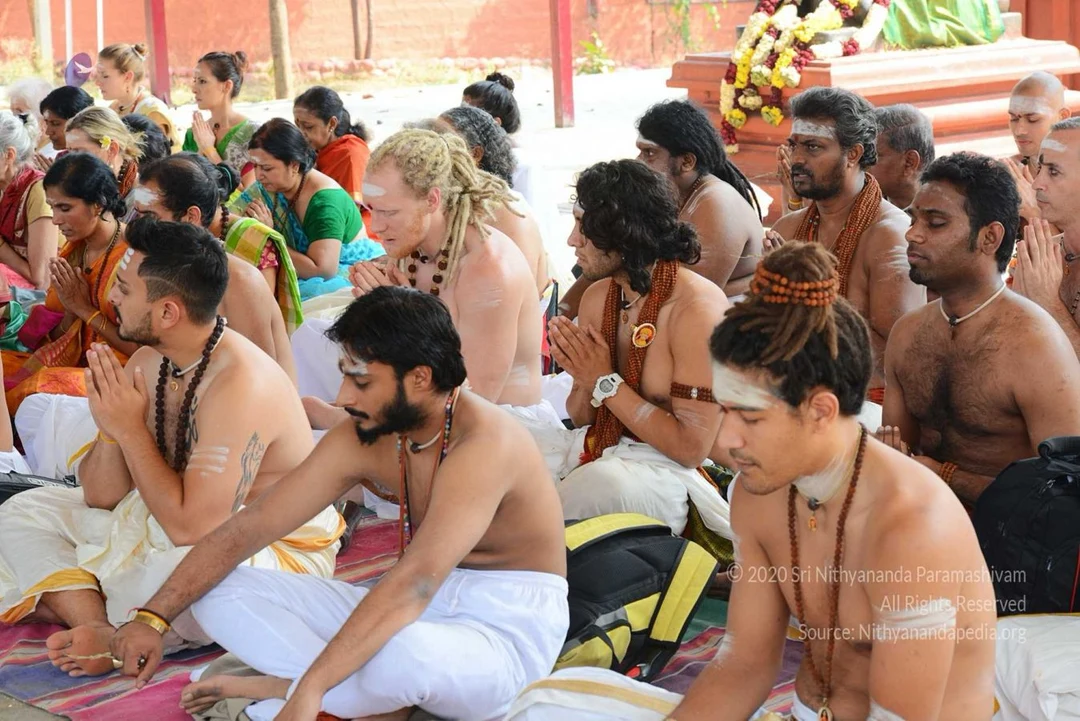 Anjali Mudra - Nithyananda Yogam Delegates Receive Ritualistic Initiation into Gayathri Mantra
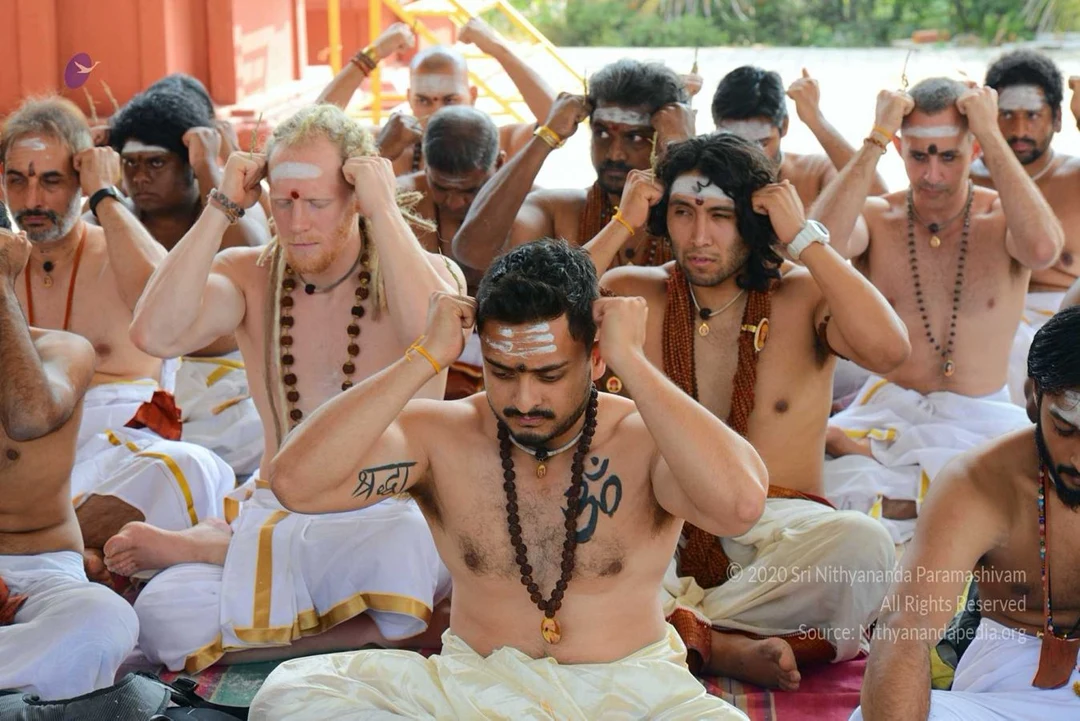 Shuklambaratharam - Nithyananda Yogam Delegates Receive Ritualistic Initiation into Gayathri Mantra
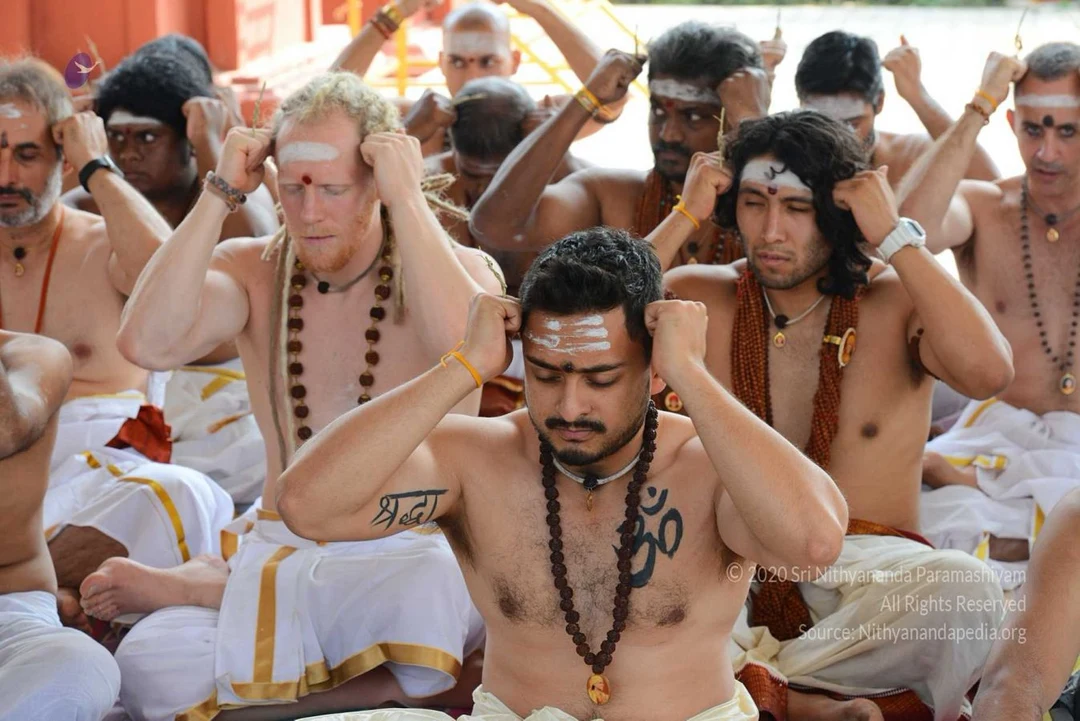 Shuklambaratharam - Nithyananda Yogam Delegates Receive Ritualistic Initiation into Gayathri Mantra
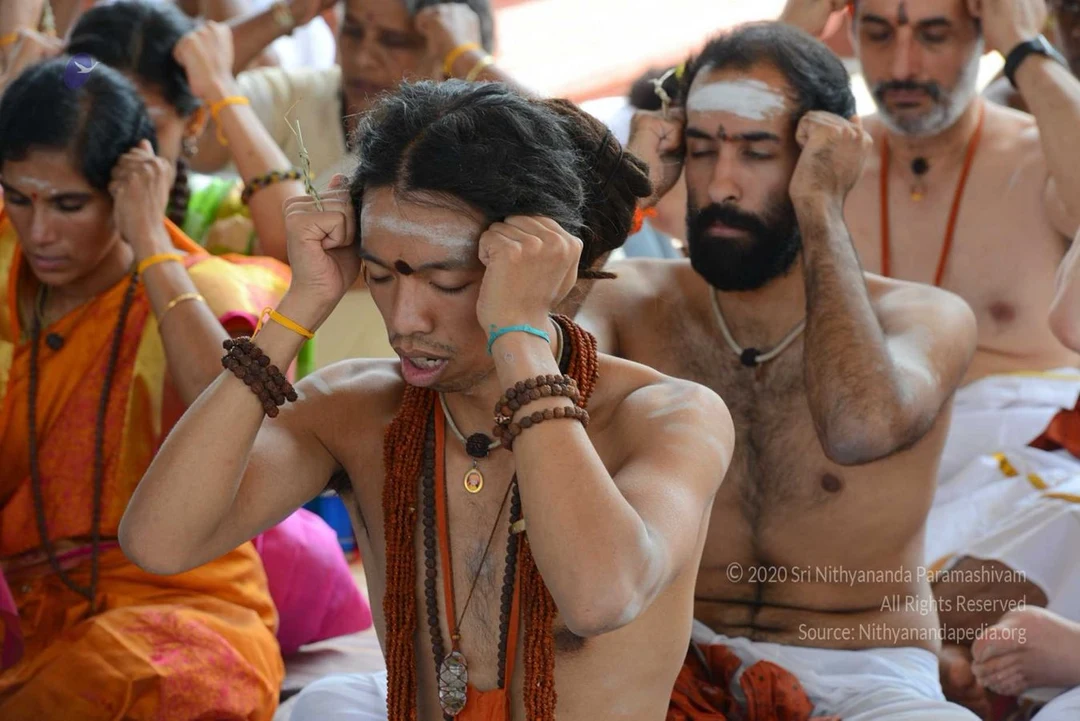 Shuklambaratharam - Nithyananda Yogam Delegates Receive Ritualistic Initiation into Gayathri Mantra
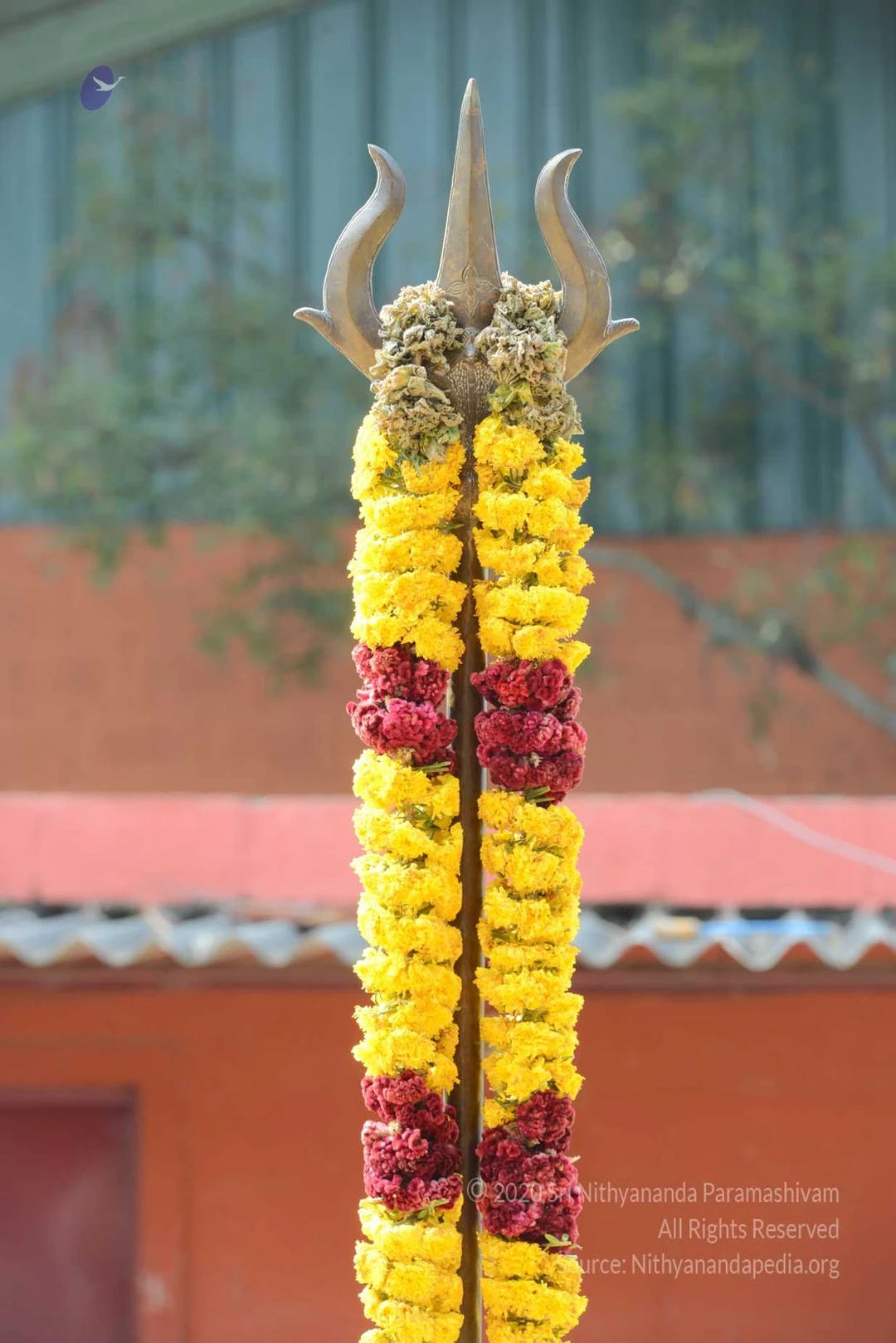
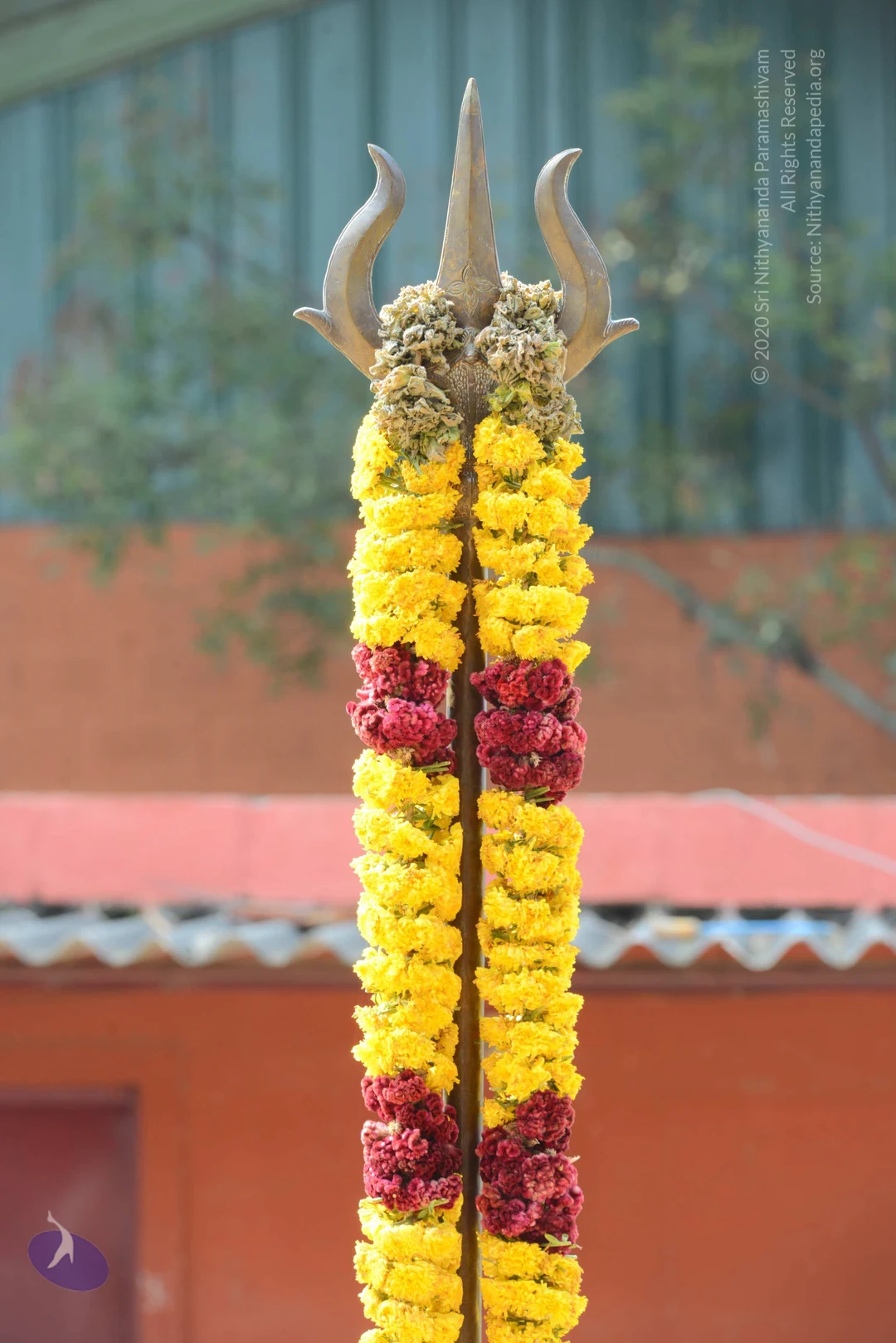
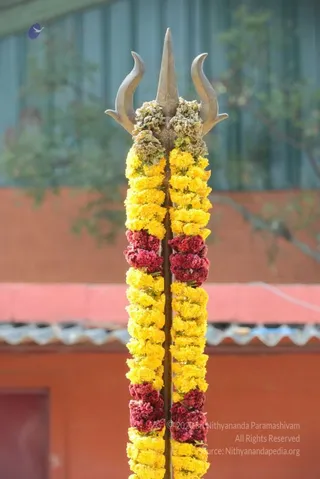 Trishul
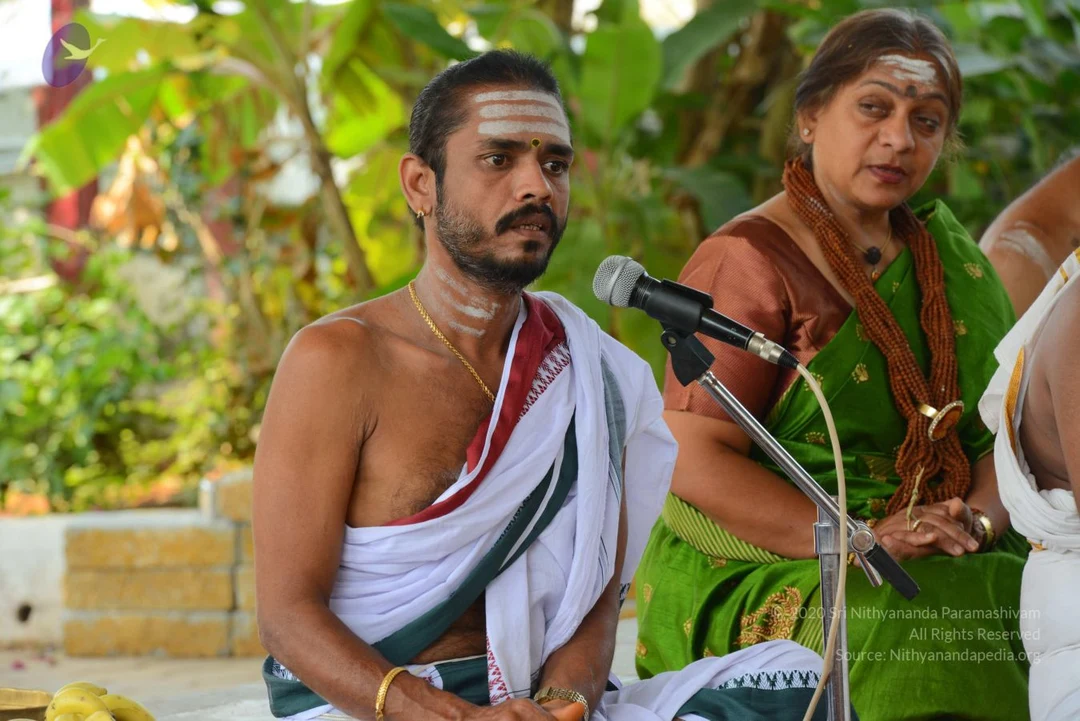
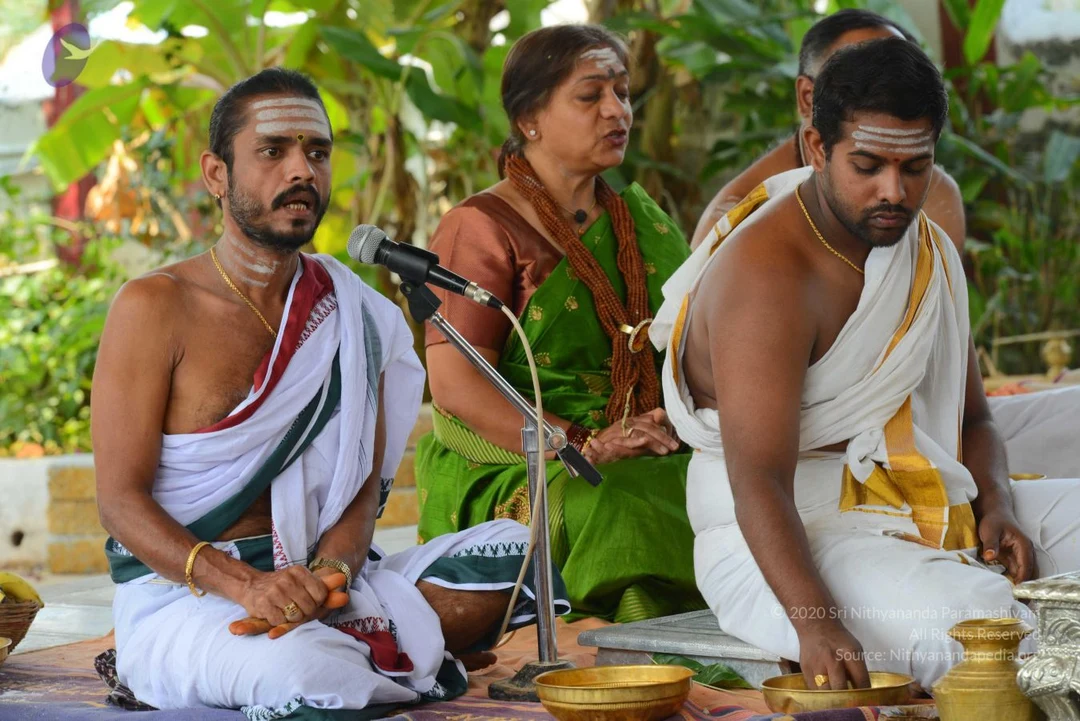
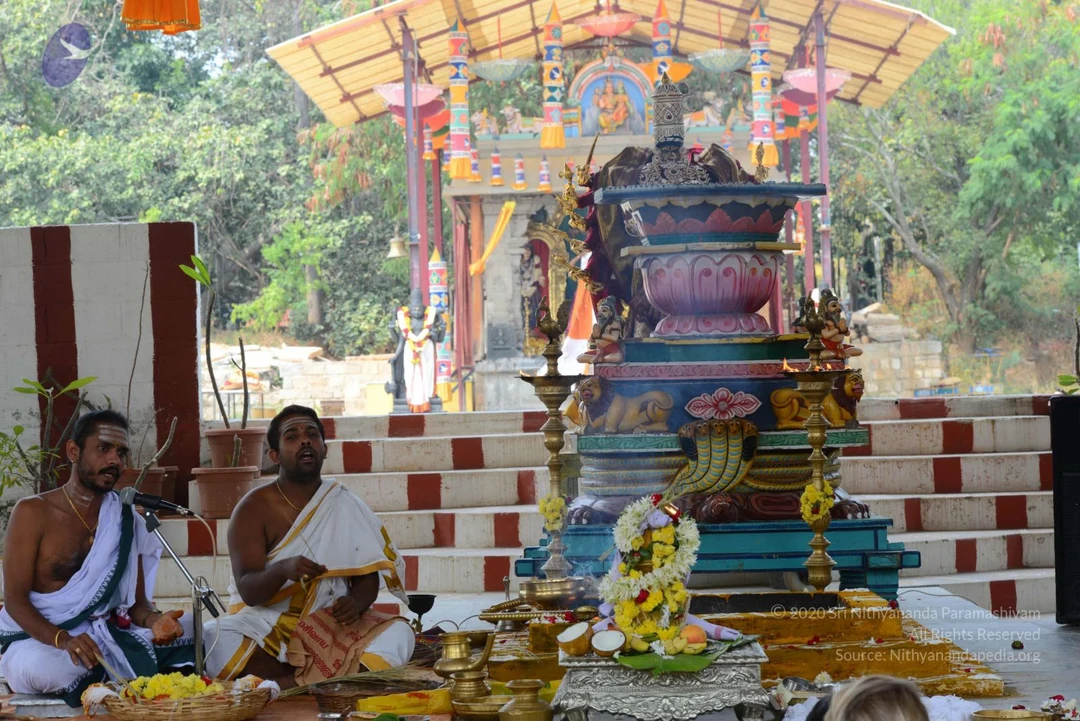
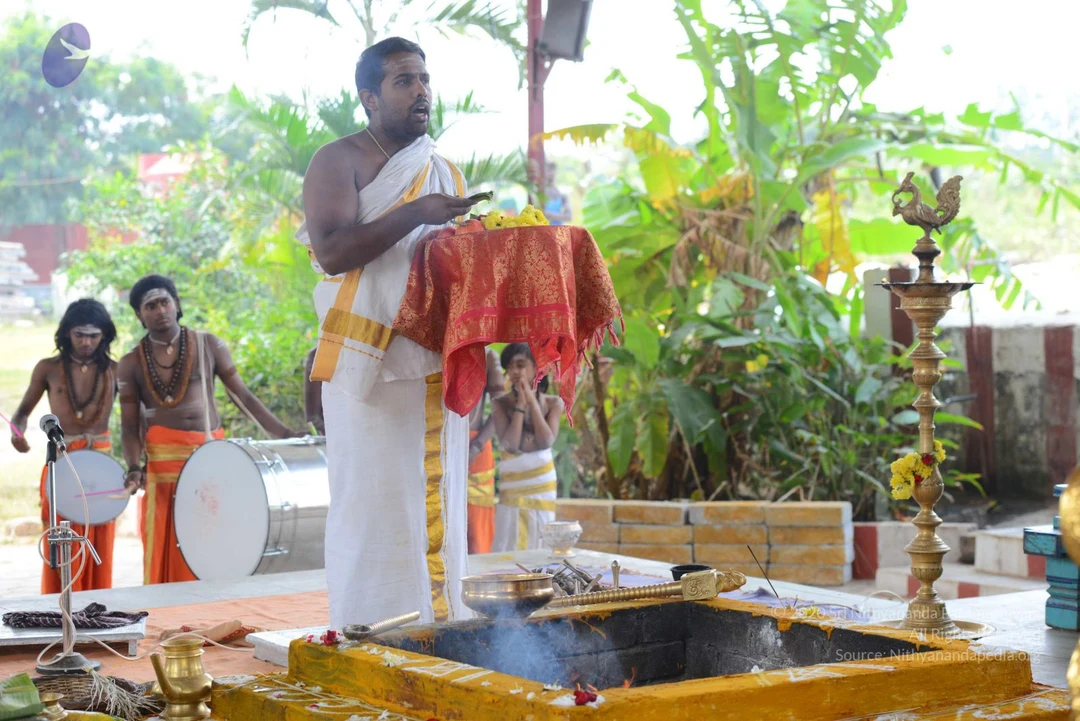
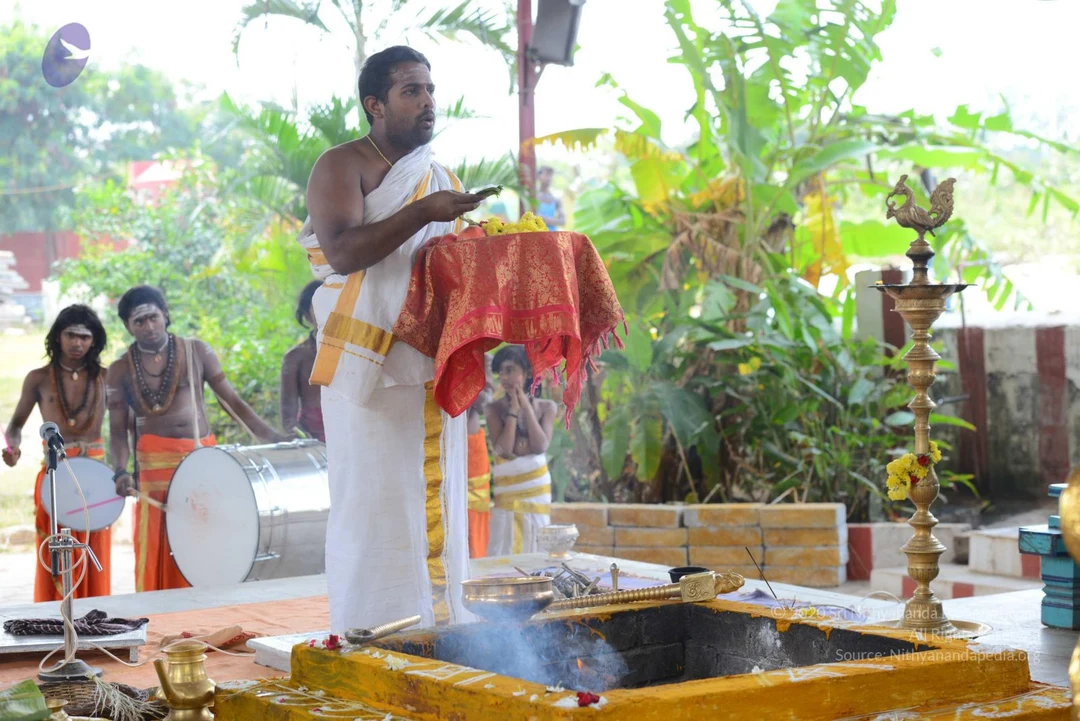
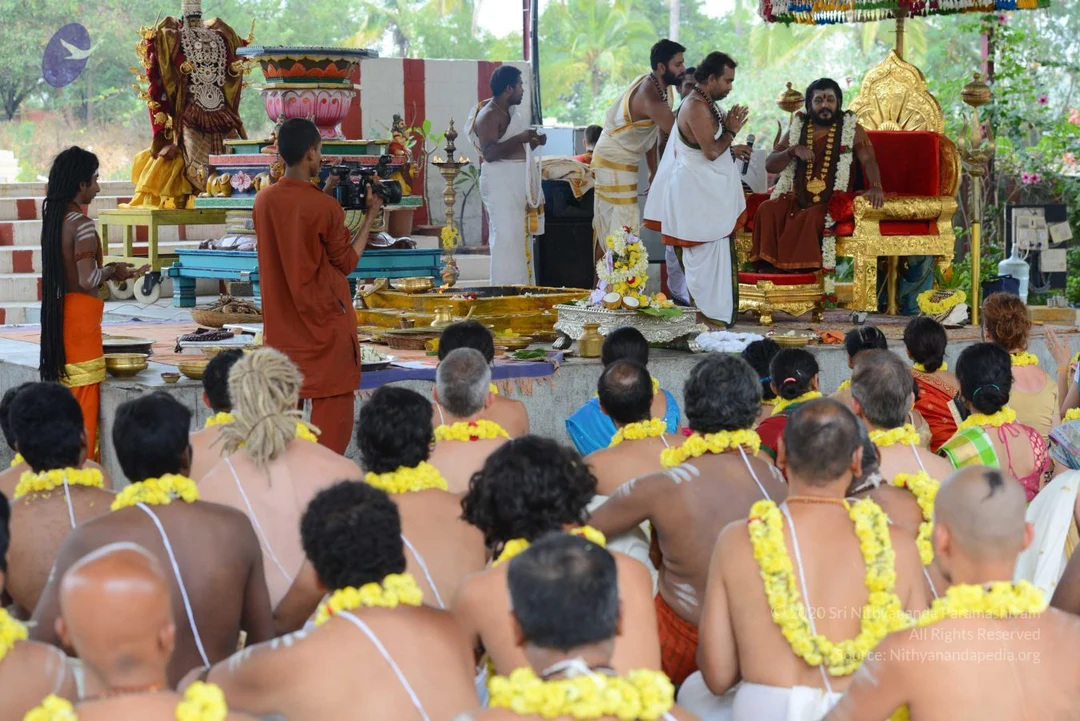
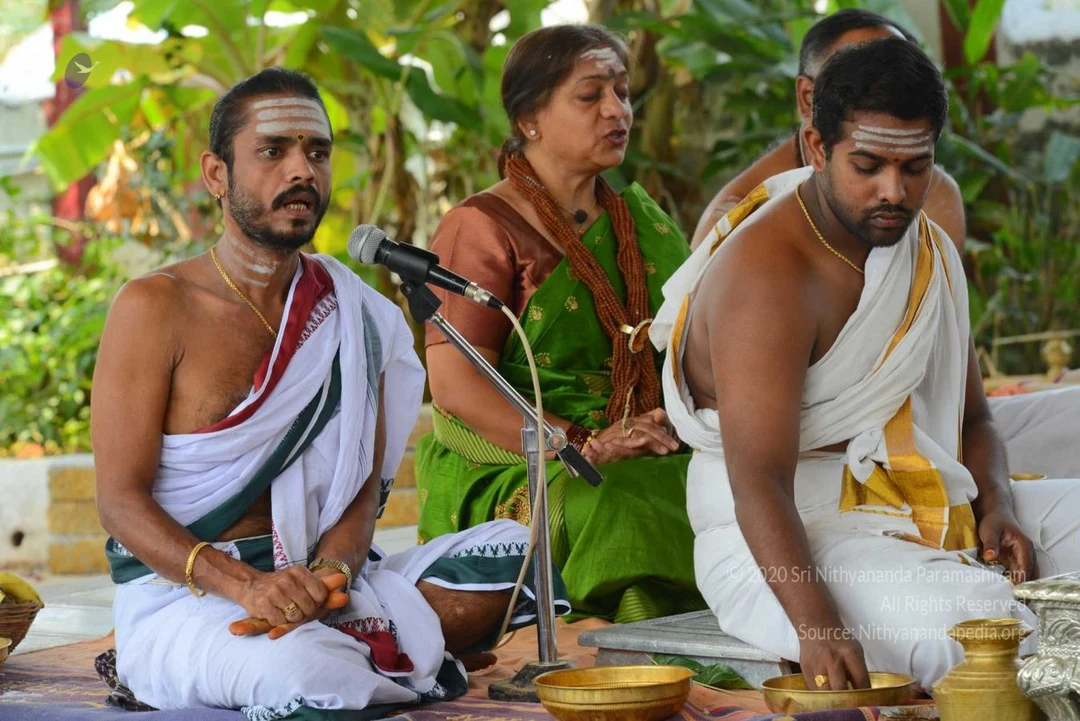 Shivacharyas Perform the Agamic Rituals For Gayathri Initiation
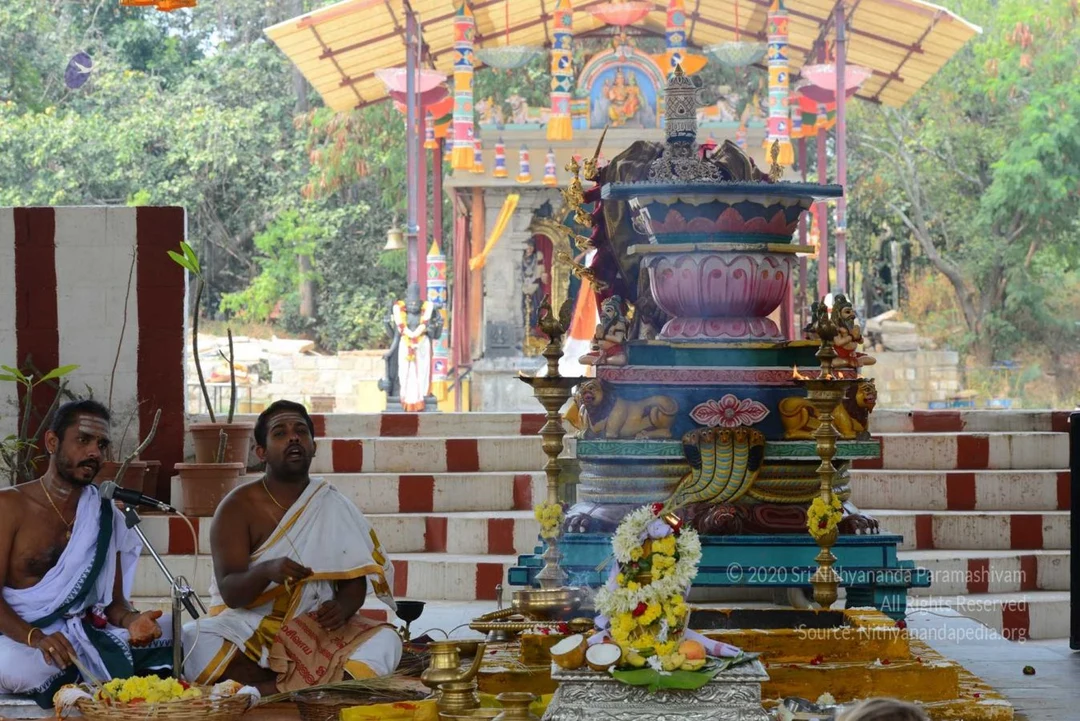 Shivacharyas Perform the Agamic Rituals For Gayathri Initiation
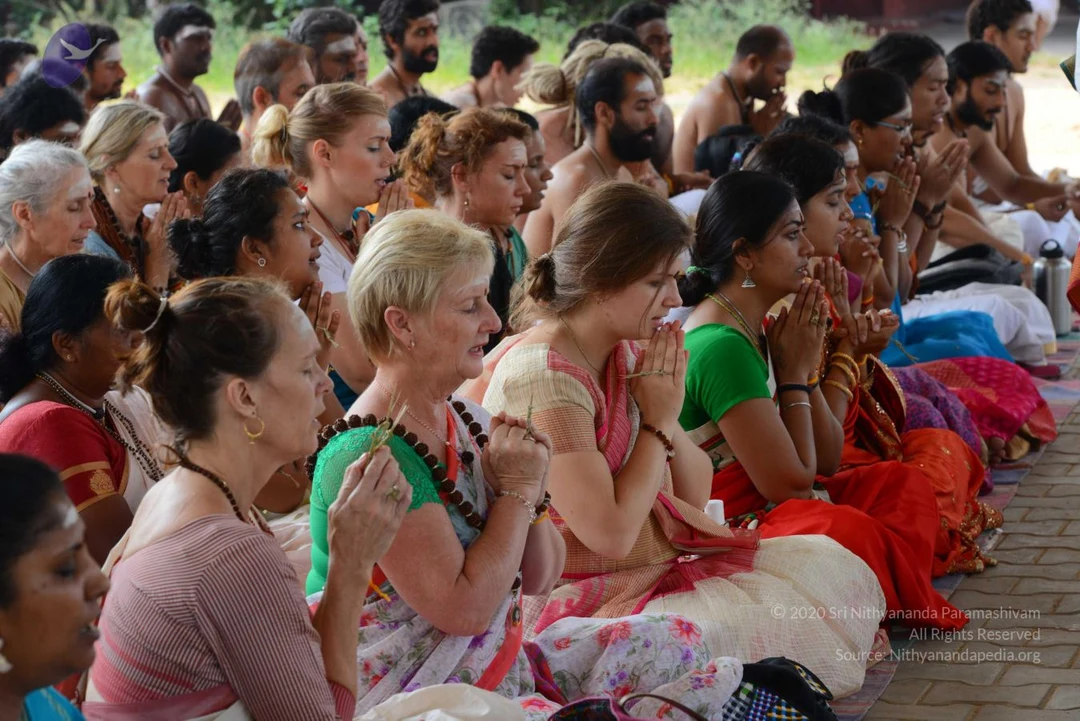
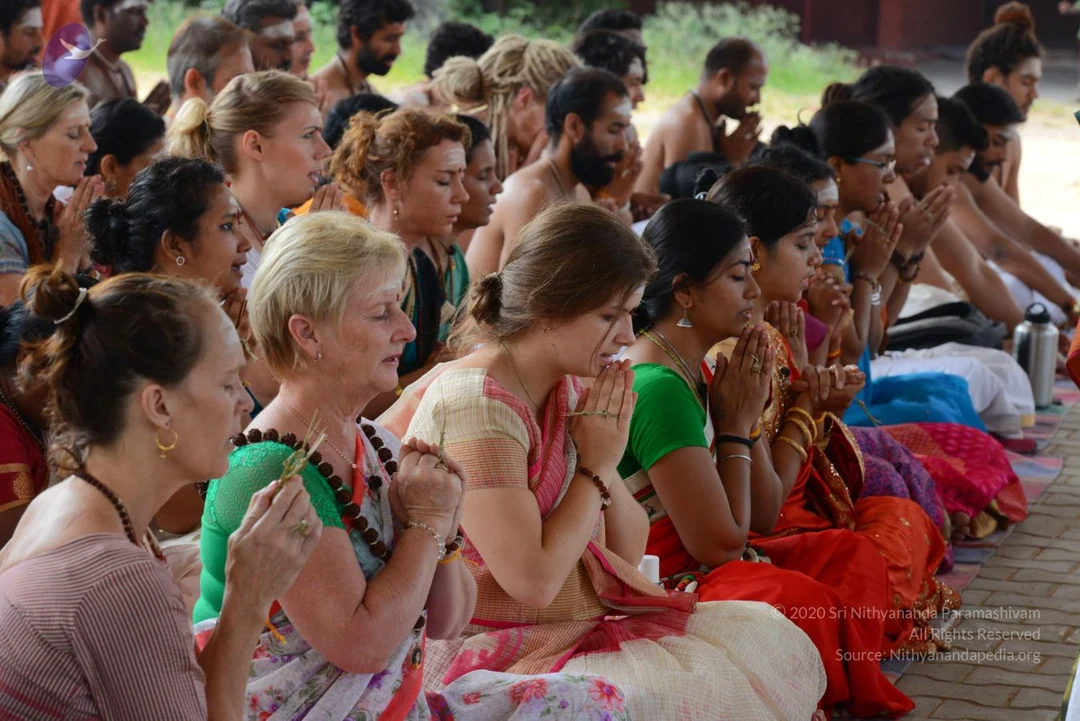
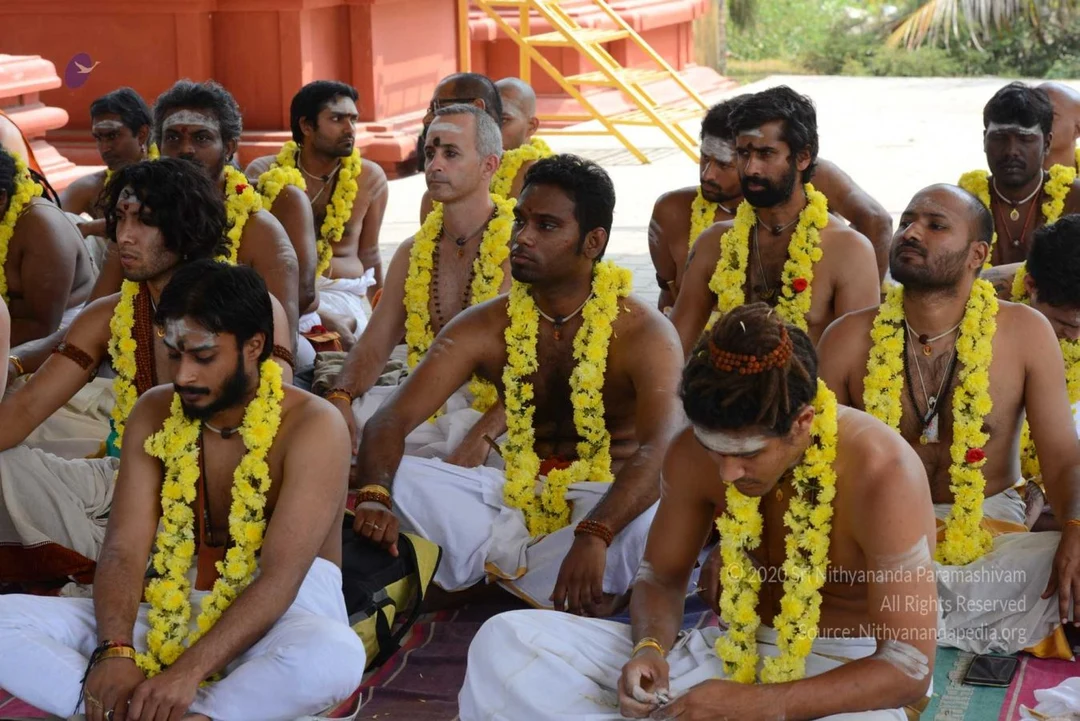 Nithyananda Yogam Delegates Receive The Rare Opportiunity to Receive Gayathri Initiation Directly From His Divine Holiness
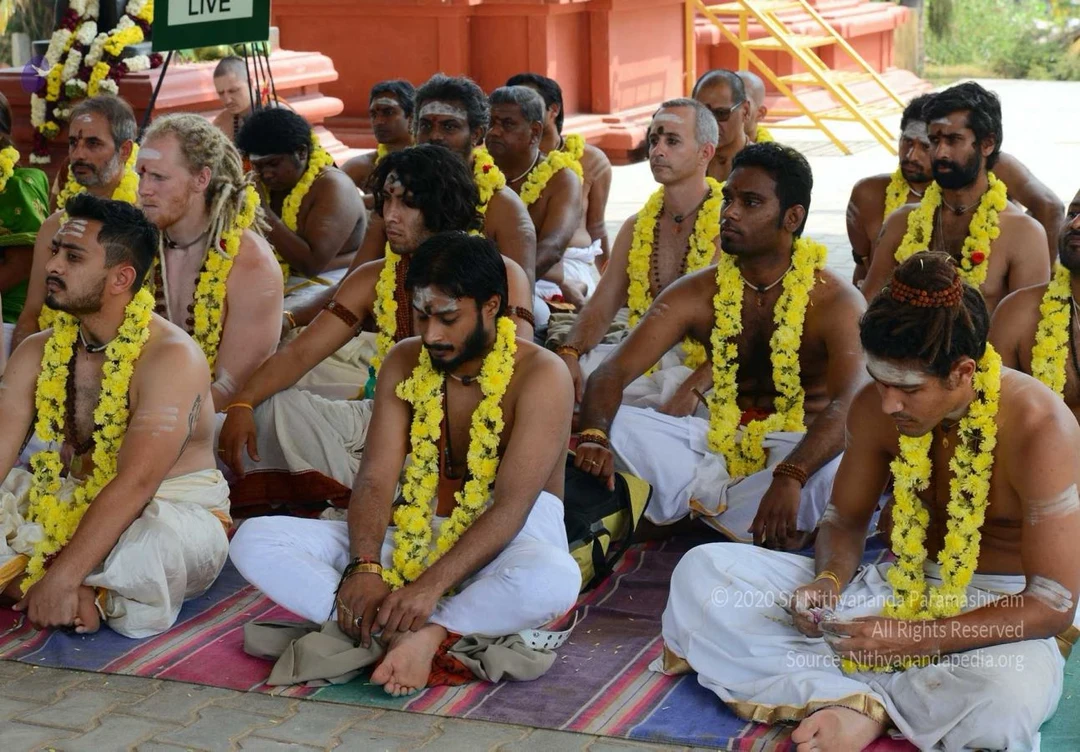 Nithyananda Yogam Delegates Receive The Rare Opportiunity to Receive Gayathri Initiation Directly From His Divine Holiness
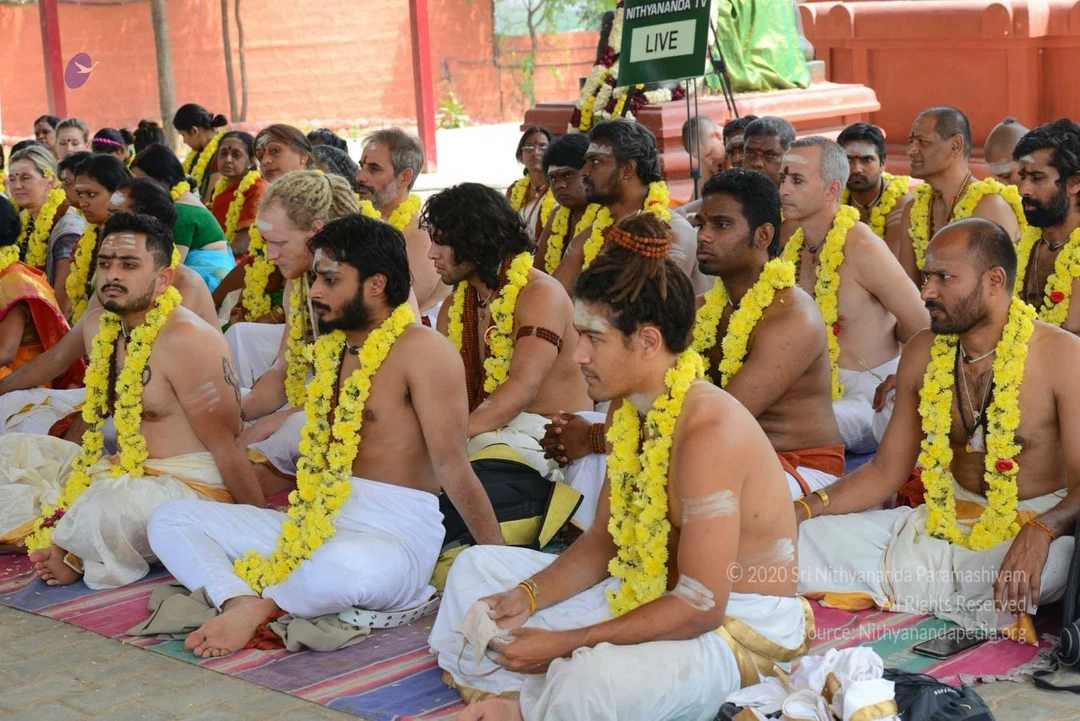 Nithyananda Yogam Delegates Receive The Rare Opportiunity to Receive Gayathri Initiation Directly From His Divine Holiness
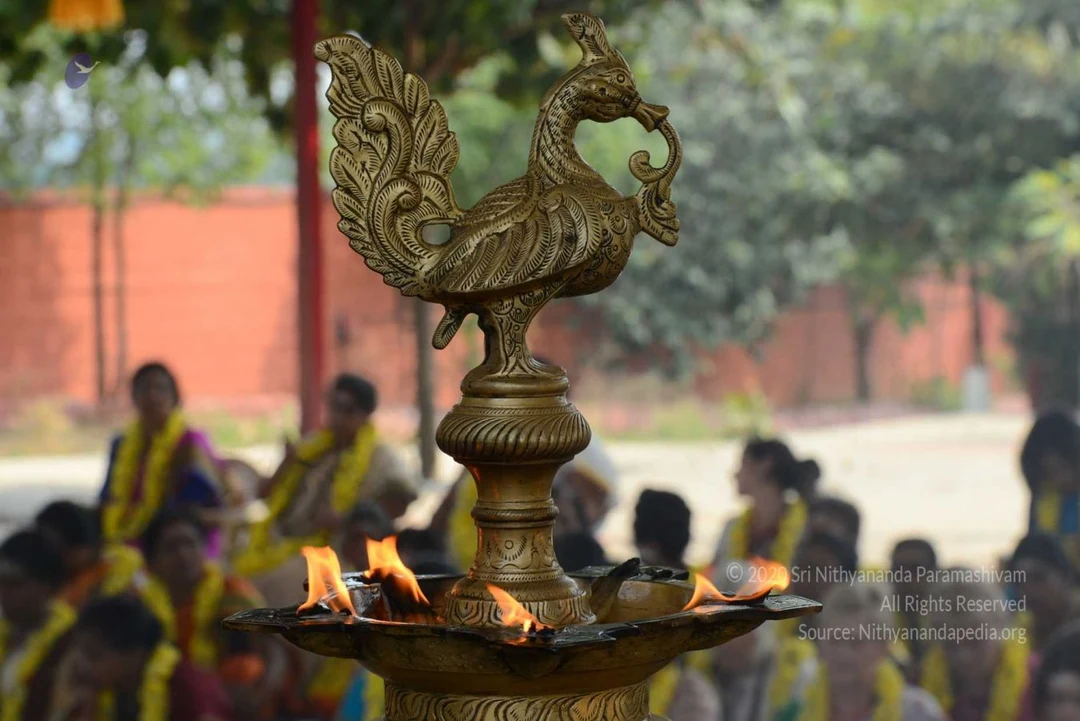 Kuthu Vilakku
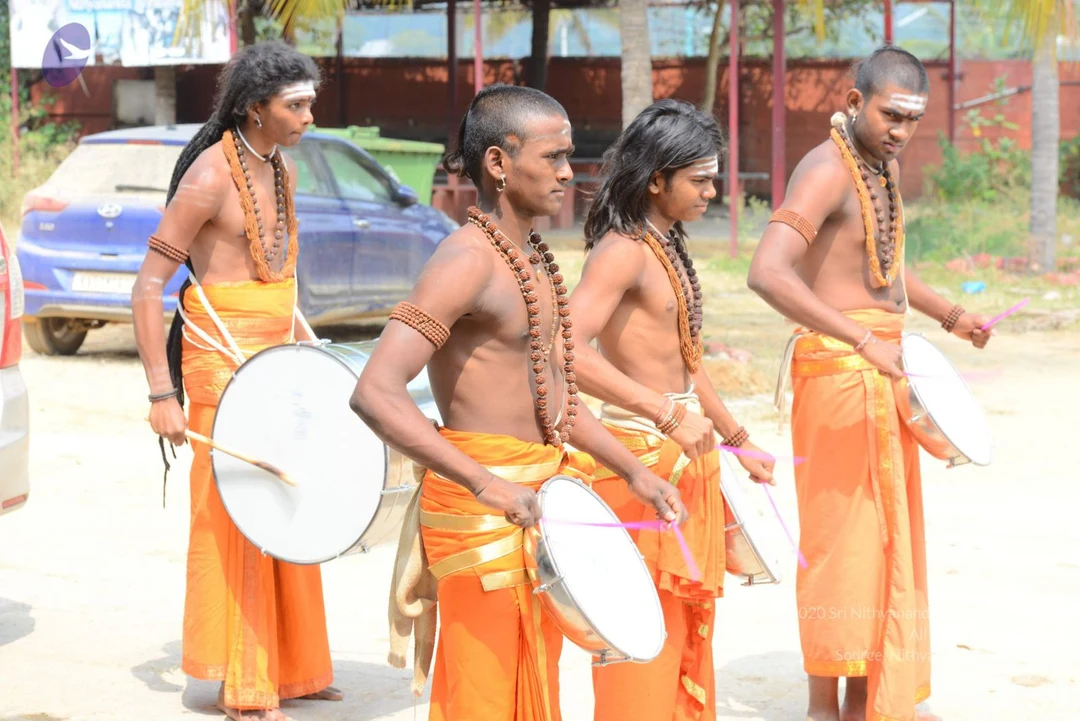
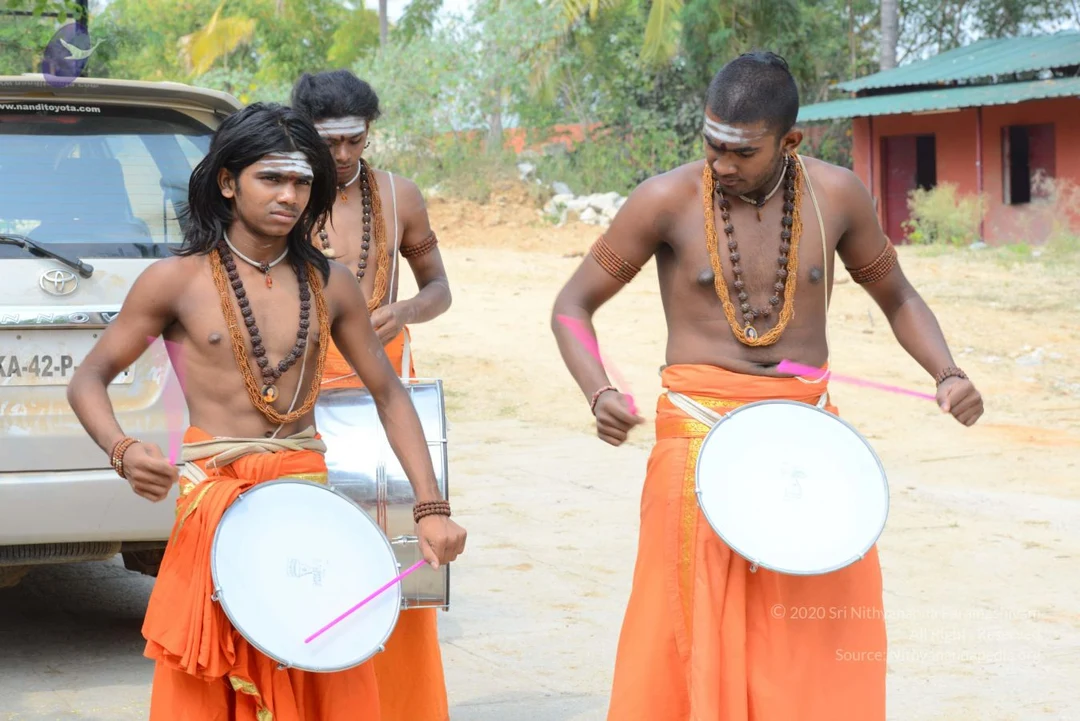
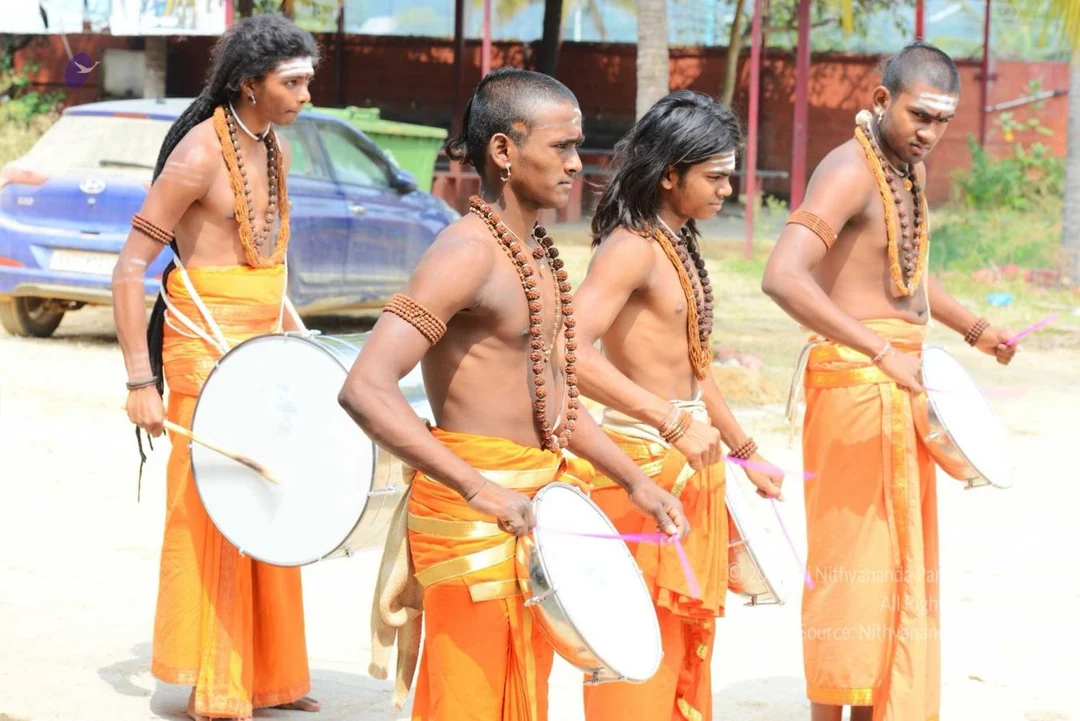 Gurukul Balasanths Play Thirukailaya Vaadyam (Procession Band) With Traditional Drums
 Nithyananda Yogam Delegates Receive The Rare Opportiunity to Receive Gayathri Initiation Directly From His Divine Holiness
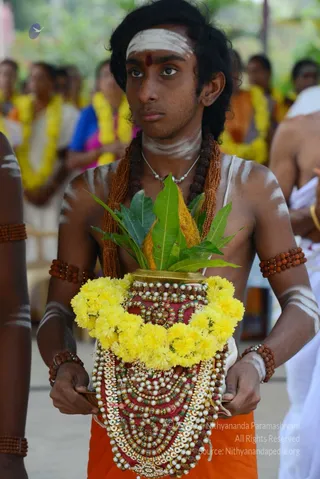 Nithyananda Yogam Delegates Receive The Rare Opportiunity to Receive Gayathri Initiation Directly From His Divine Holiness
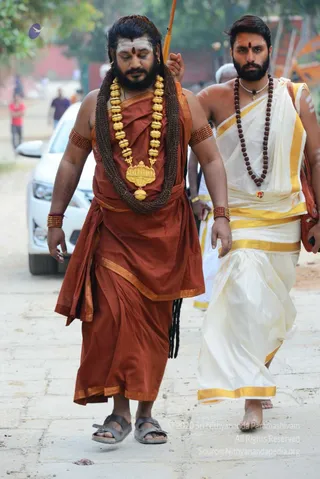 Nithyananda Yogam Delegates Receive The Rare Opportiunity to Receive Gayathri Initiation Directly From His Divine Holiness
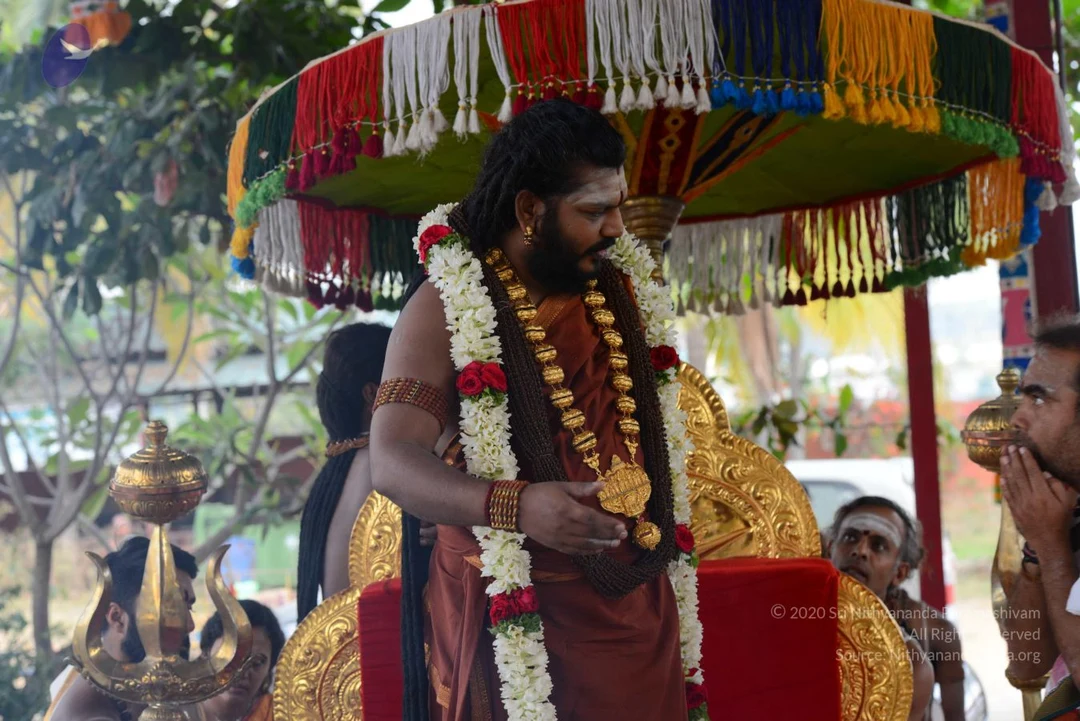
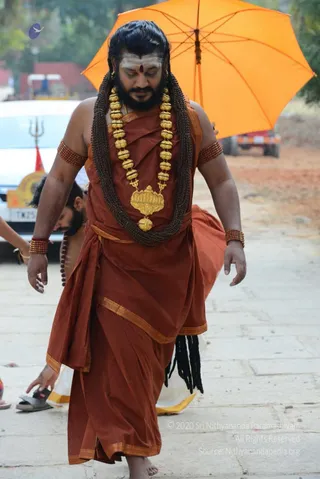 His Divine Holiness Arrives for Sacred Gayathri Initiation
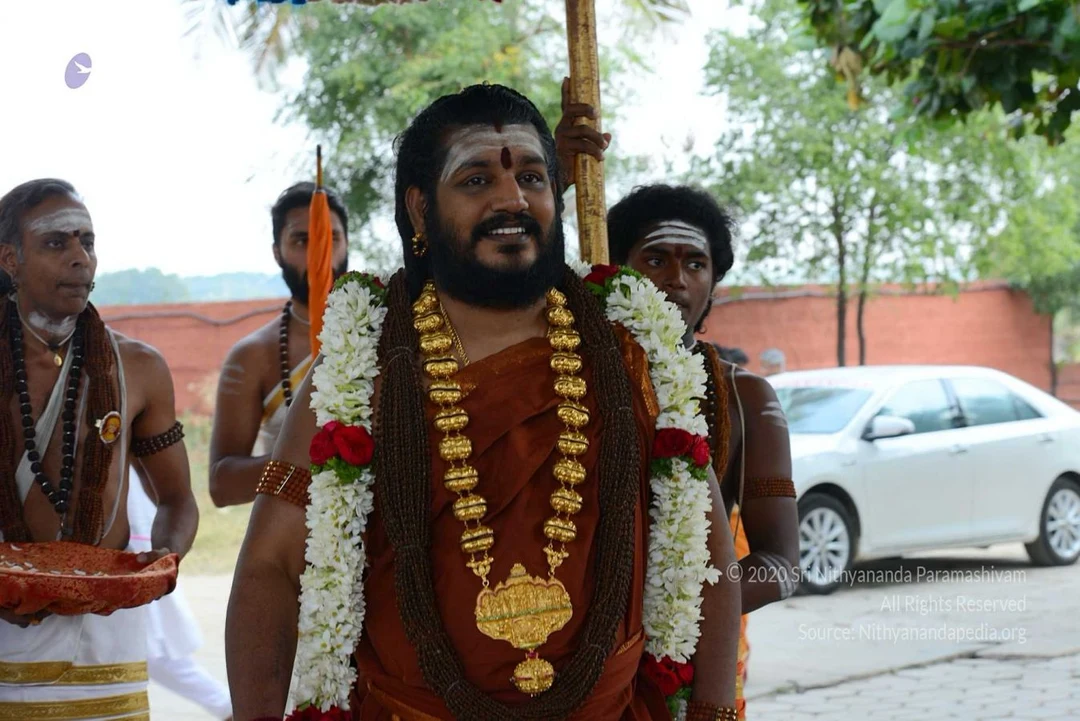 His Divine Holiness Arrives At Nithyanandeshwara Paramashiva Devasthanam for Sacred Gayathri Initiation
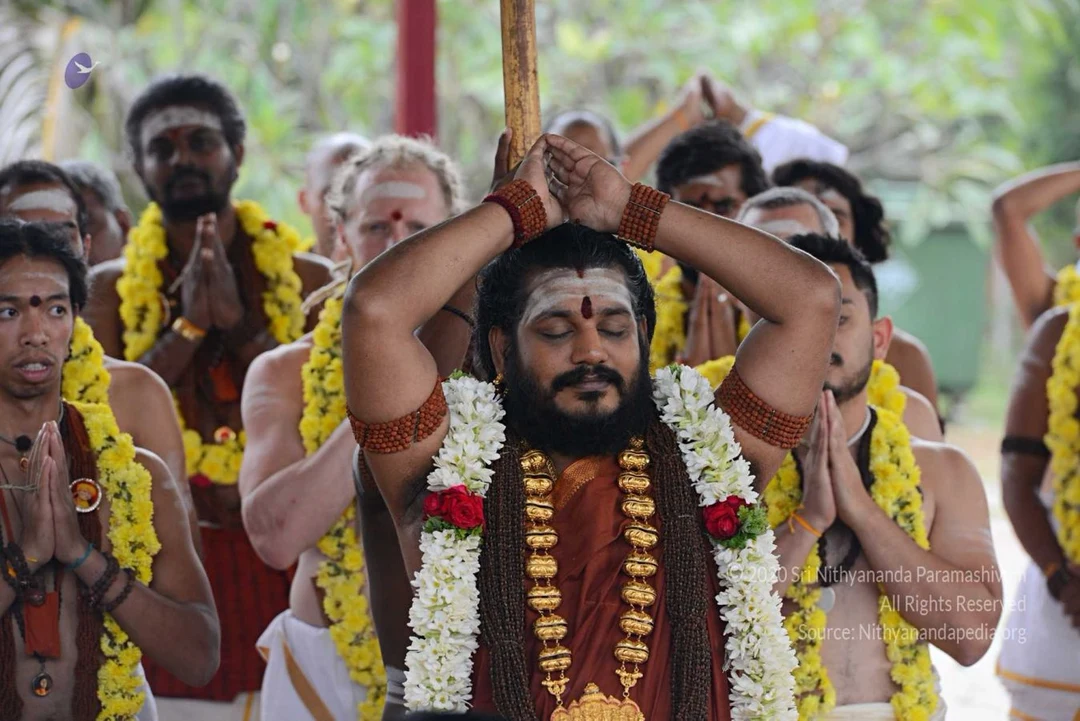 His Divine Holiness Receives Divine Blessings of Lord Shiva and Devi Parashakti
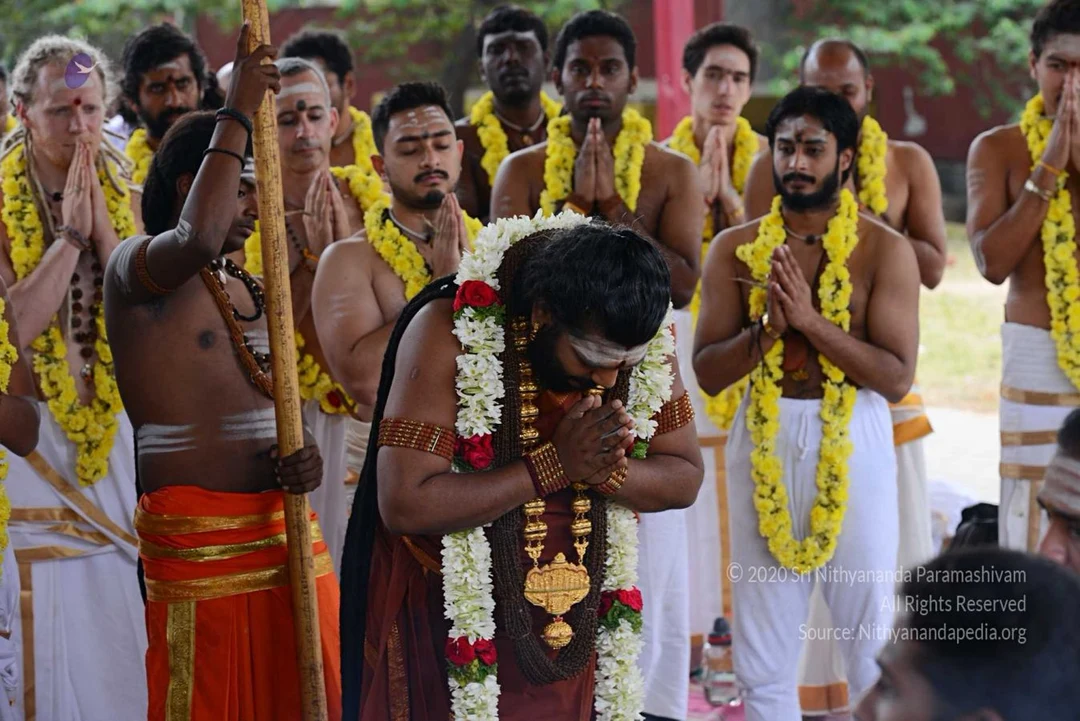 His Divine Holiness Receives Divine Blessings of Lord Shiva and Devi Parashakti
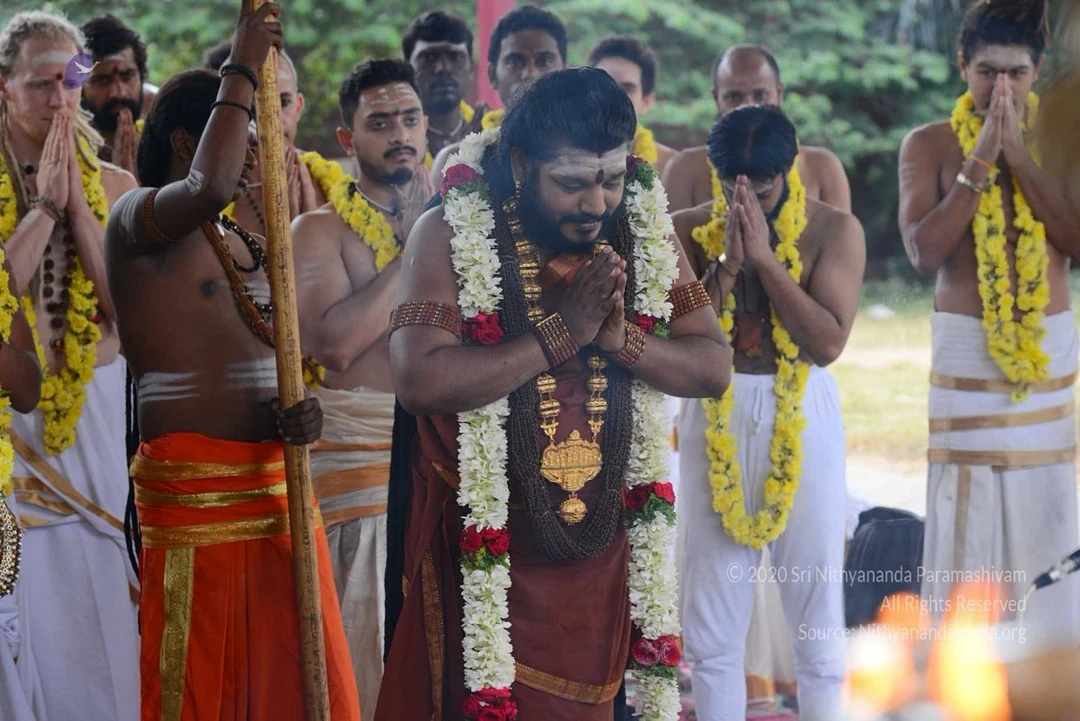 His Divine Holiness Receives Divine Blessings of Lord Shiva and Devi Parashakti
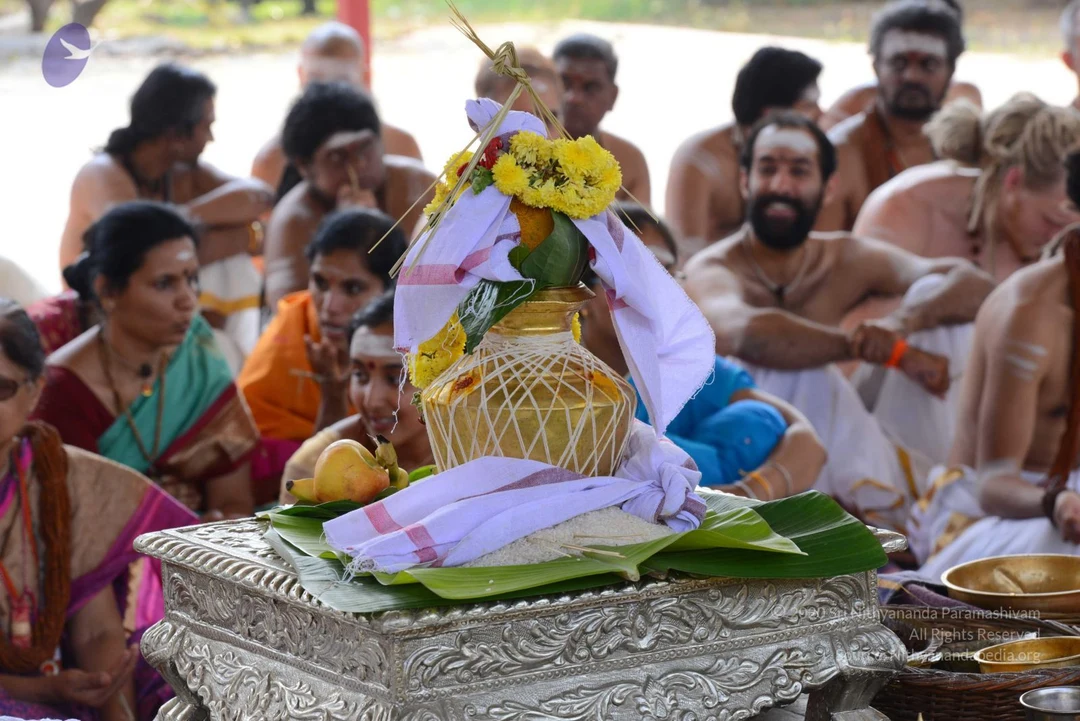
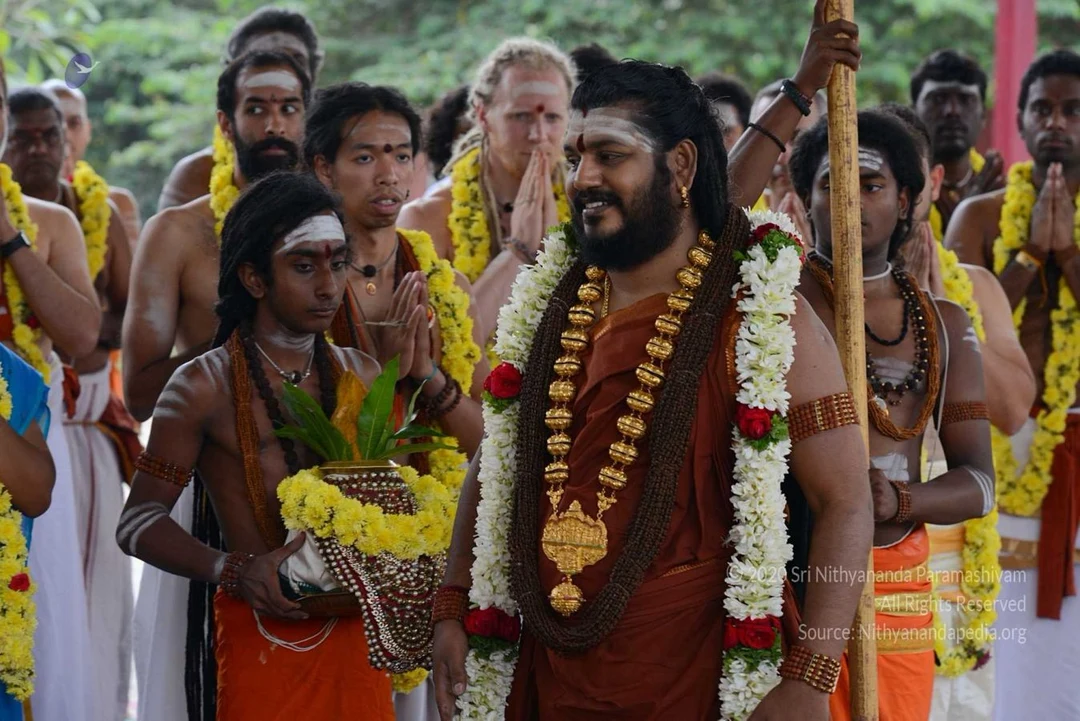 His Divine Holiness Receives Poornakumbha and Welcome
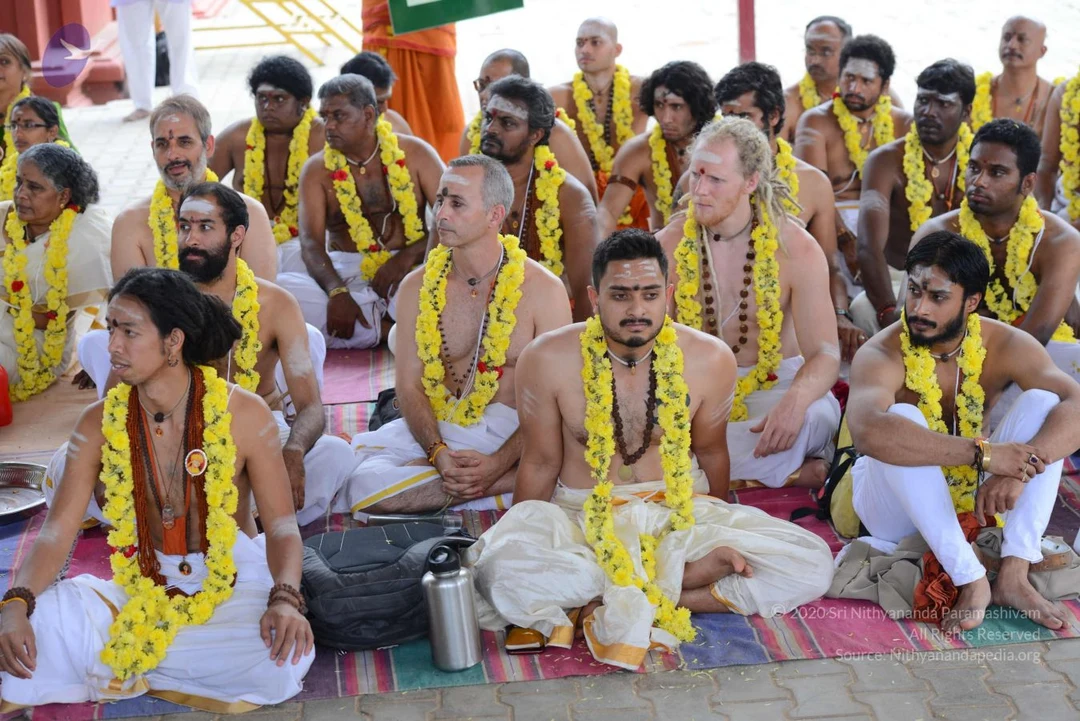
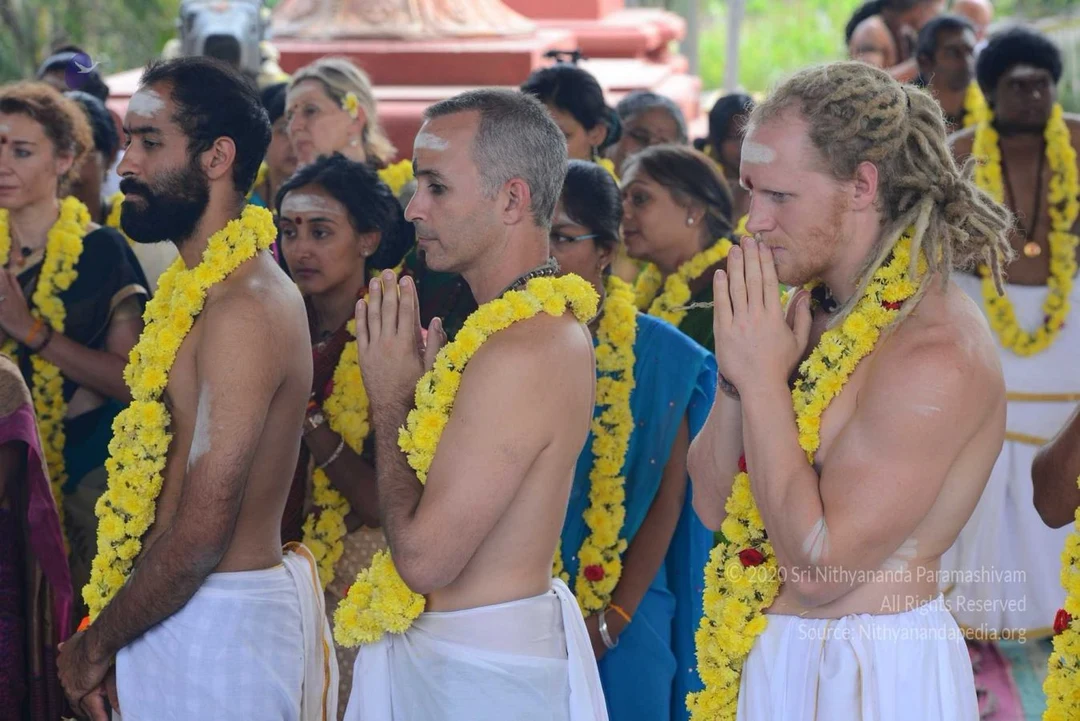 Nithyananda Yogam Delegates Receive Darshan of His Divine Holiness for the Sacred Initiation
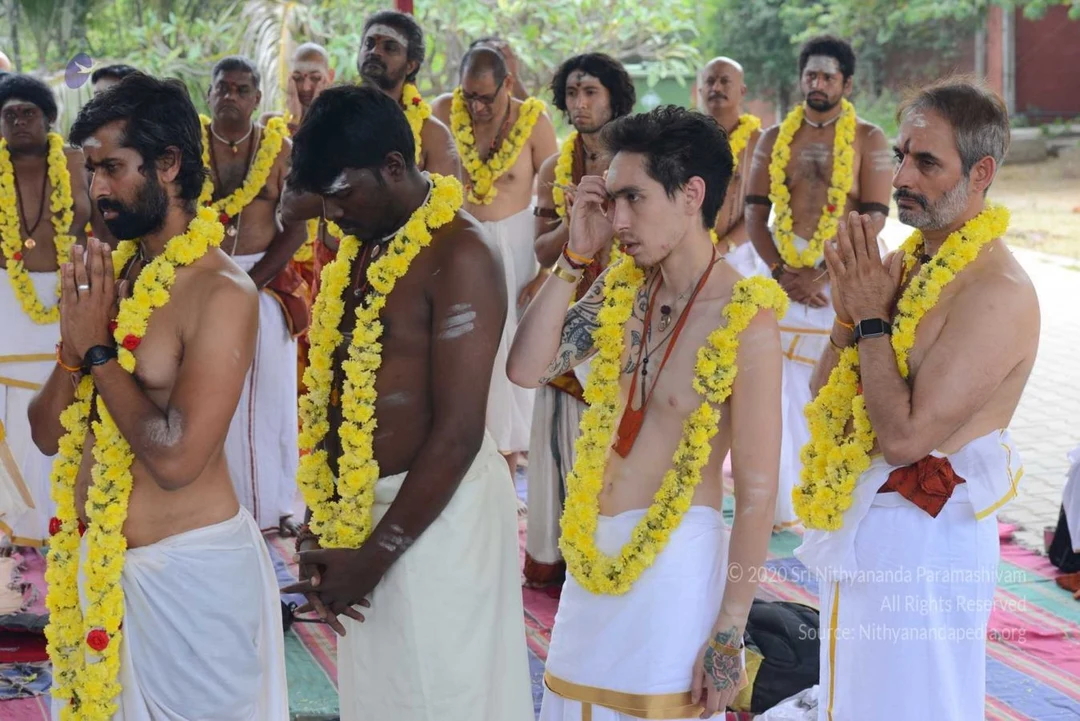 Nithyananda Yogam Delegates Receive Darshan of His Divine Holiness for the Sacred Initiation
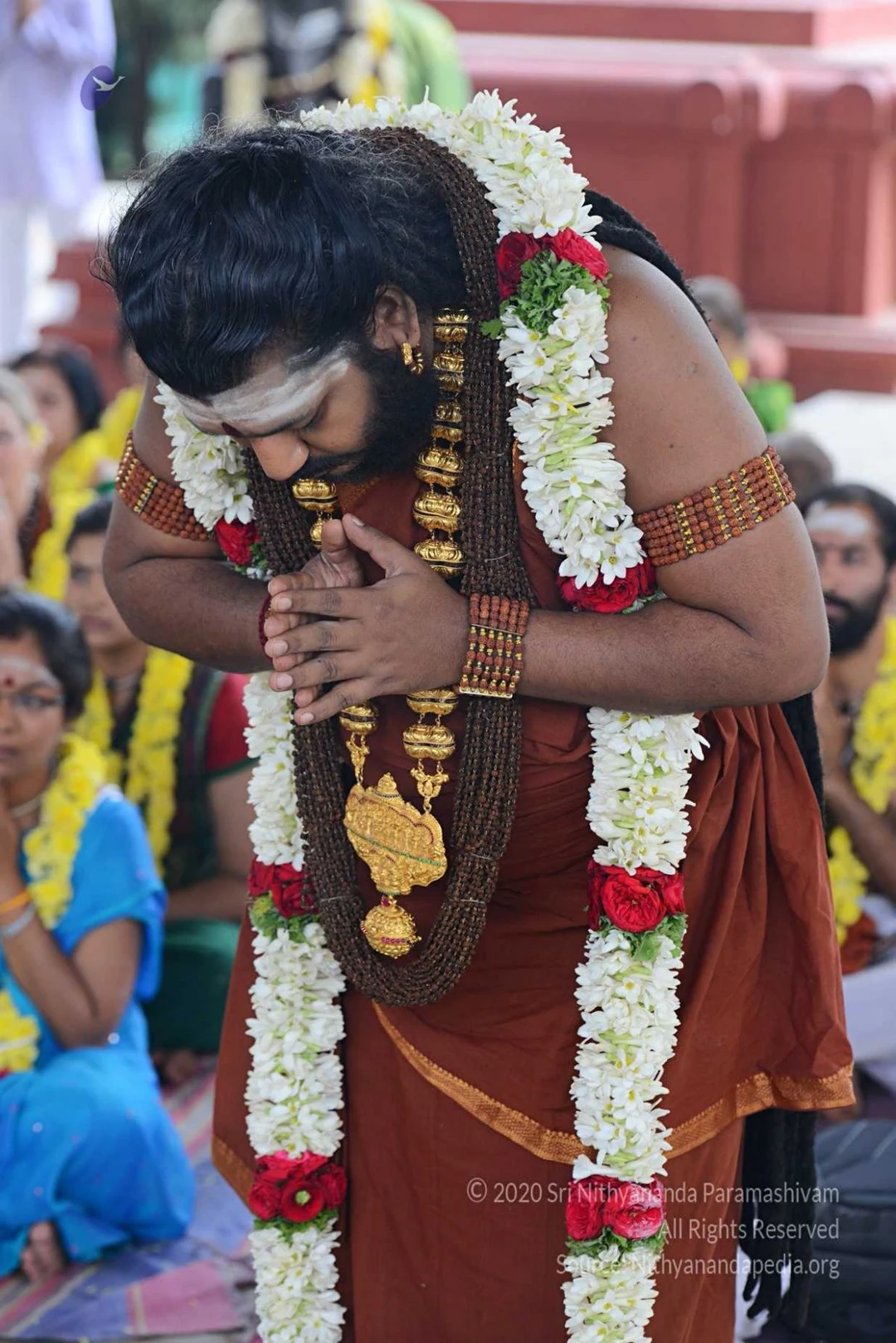
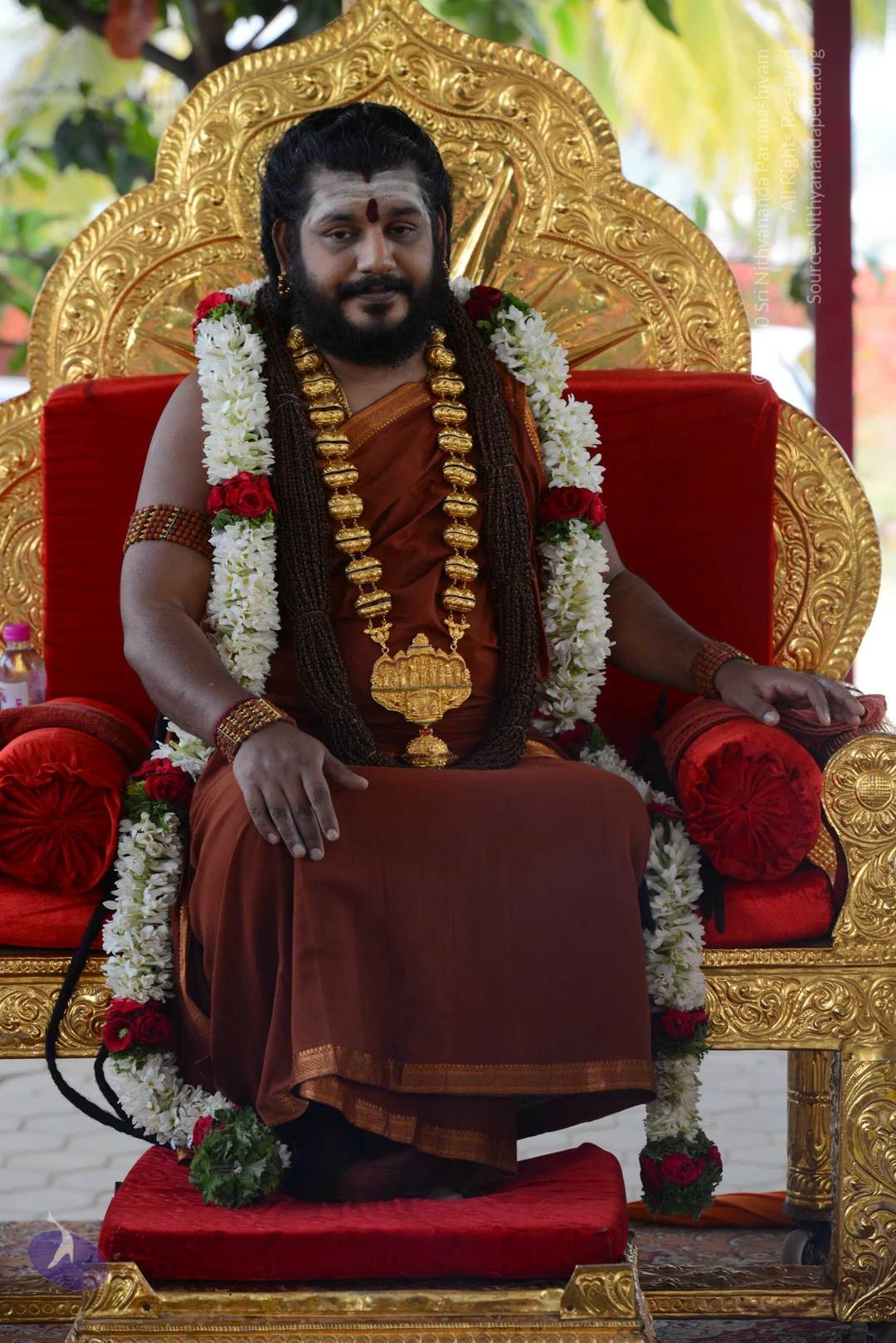
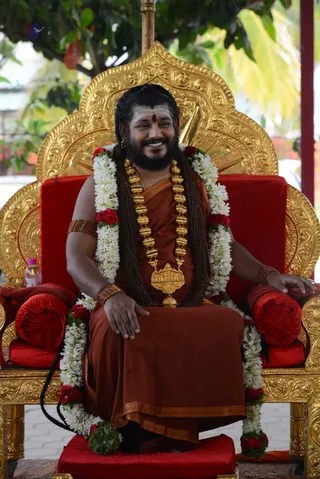 His Divine Holiness Bhagavan Sri Nithyananda Paramashivam
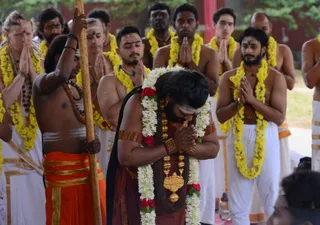
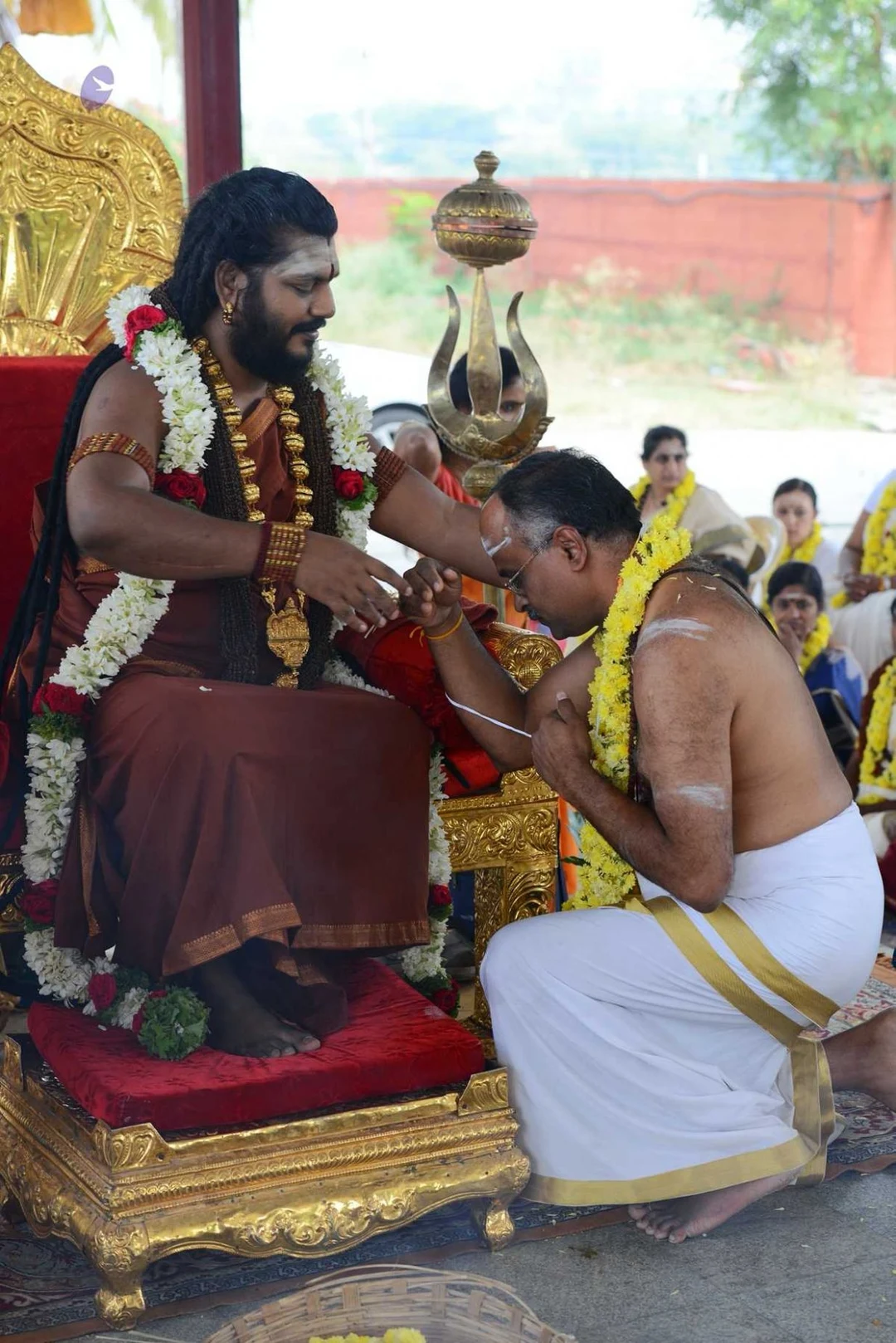
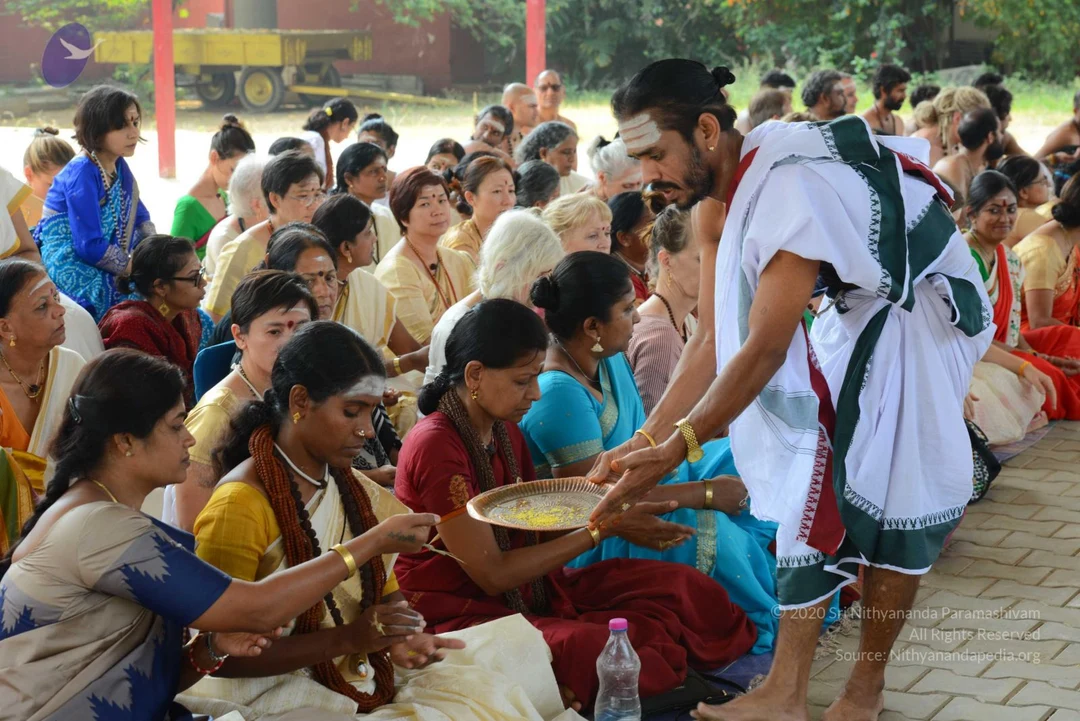
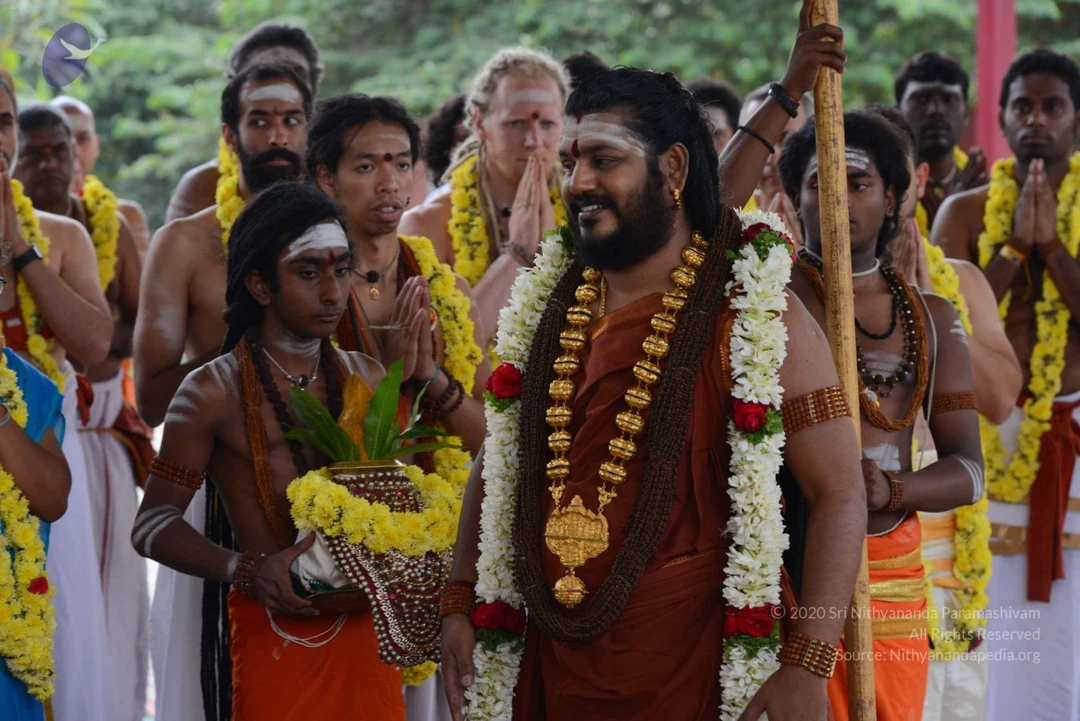
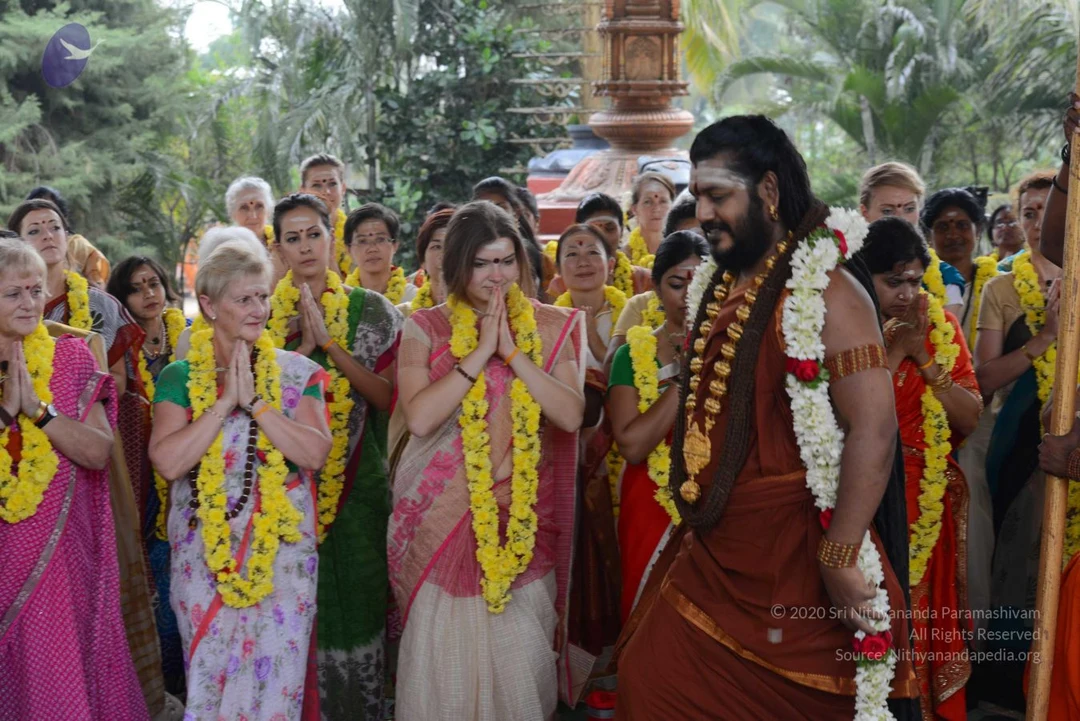
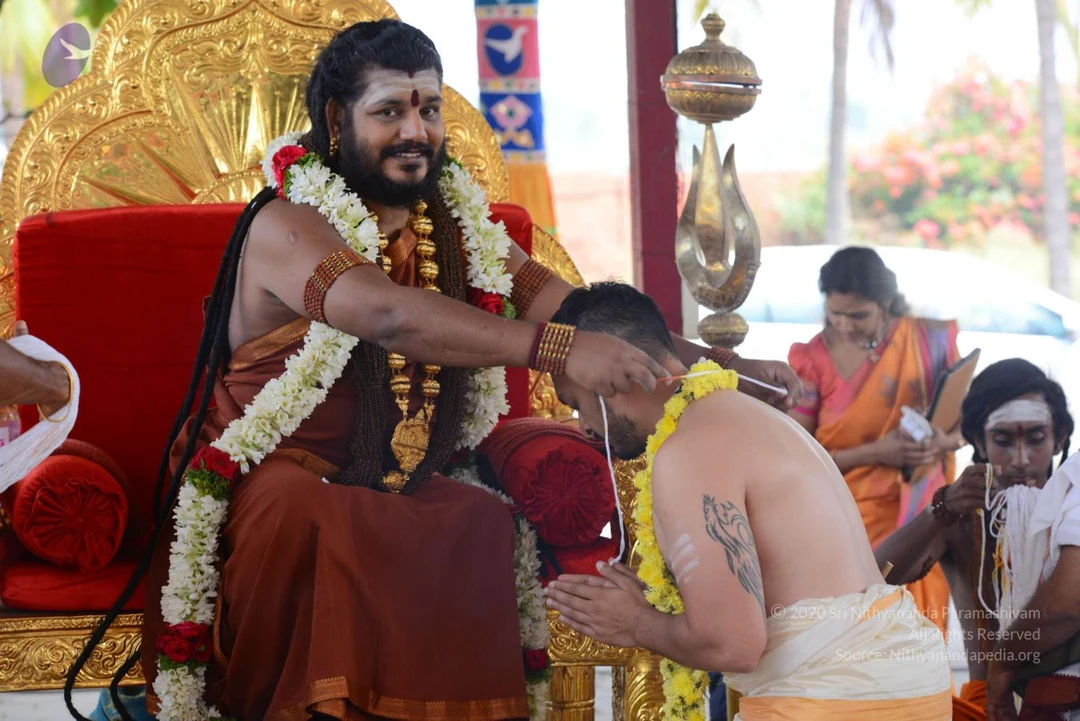
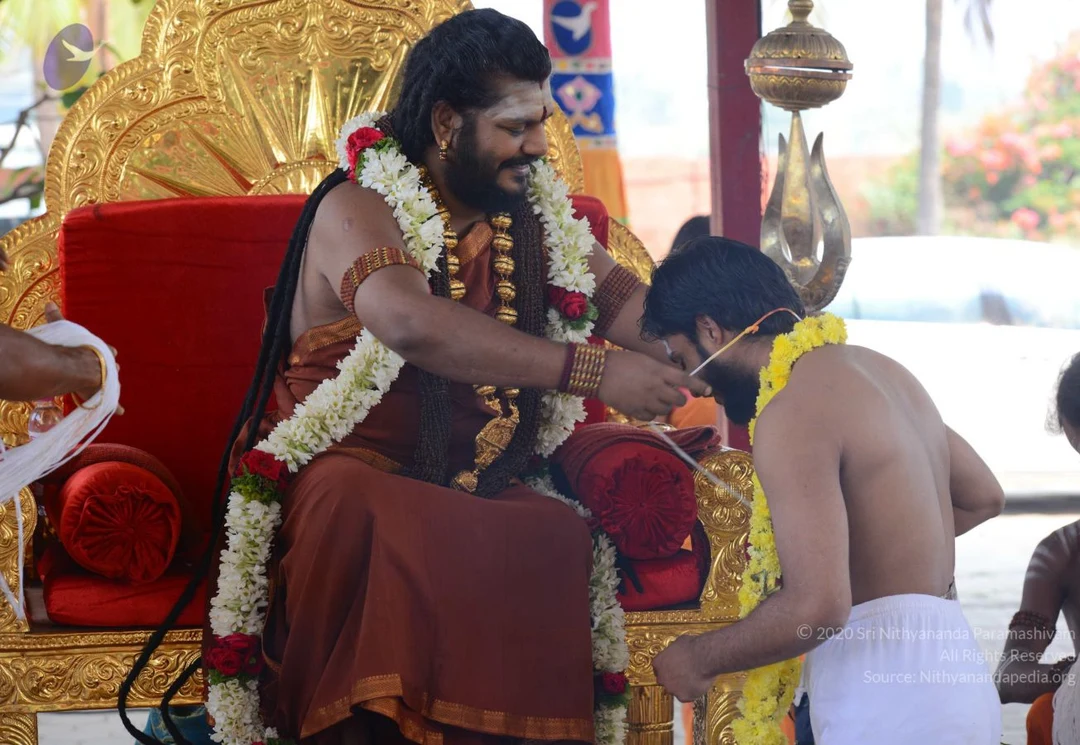
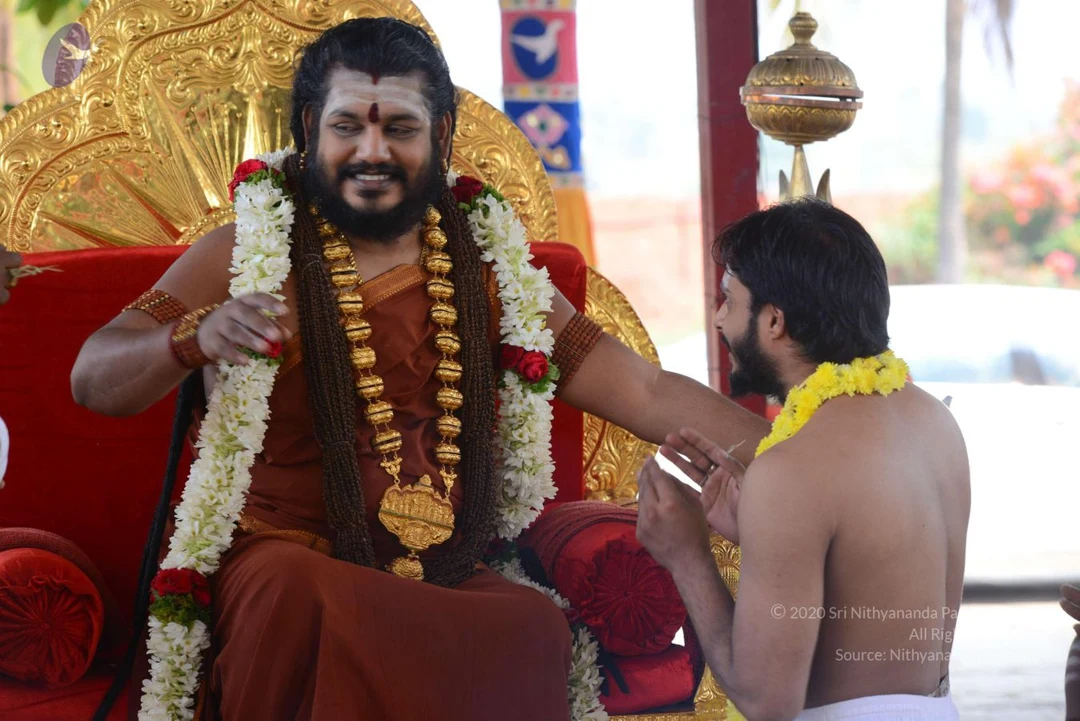
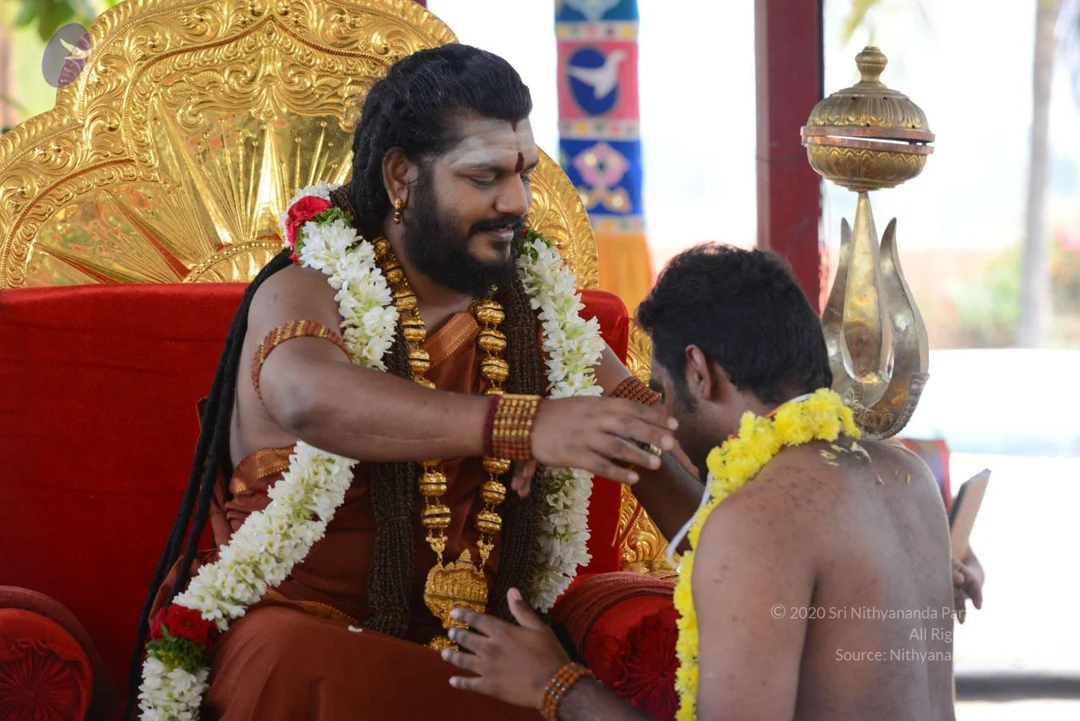
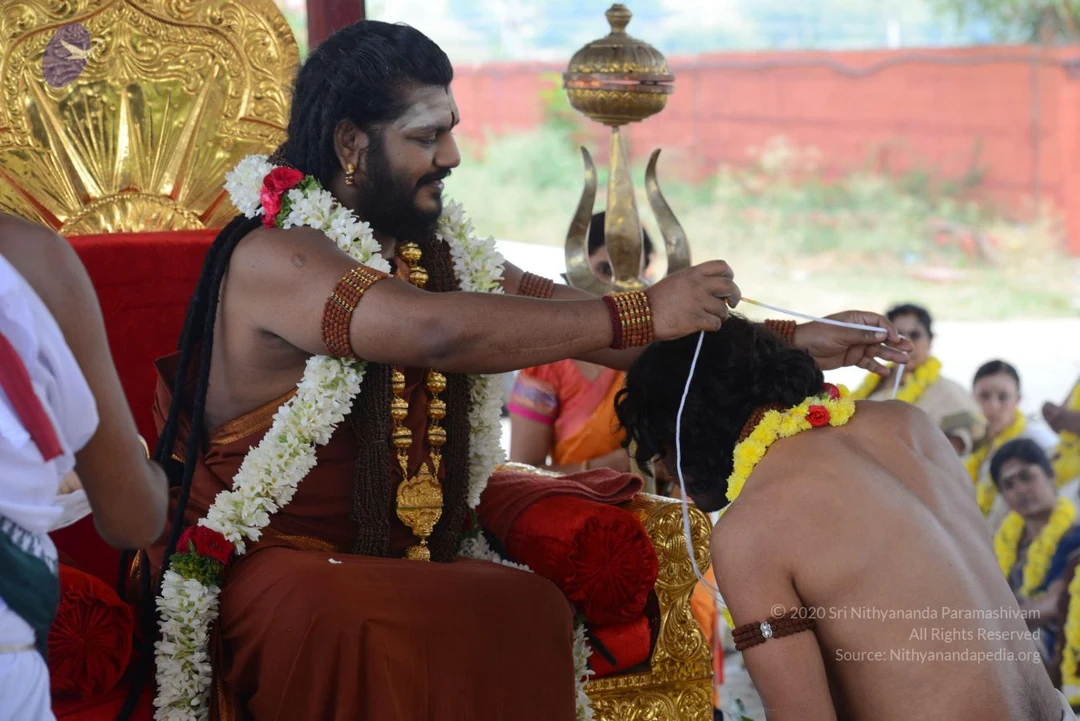
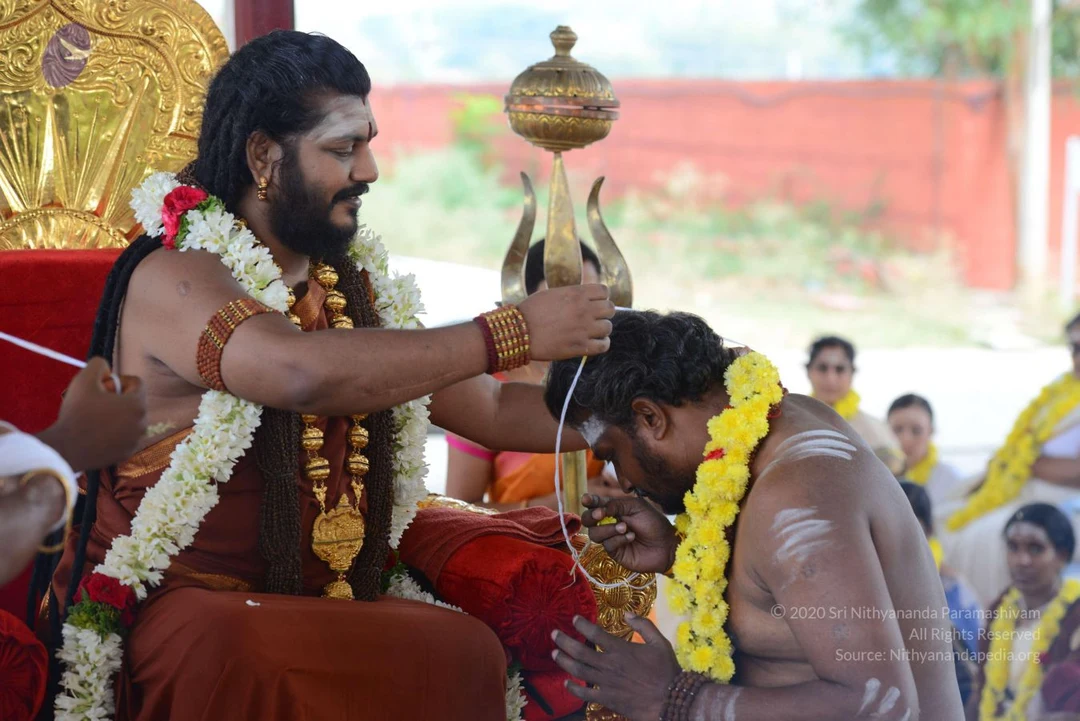
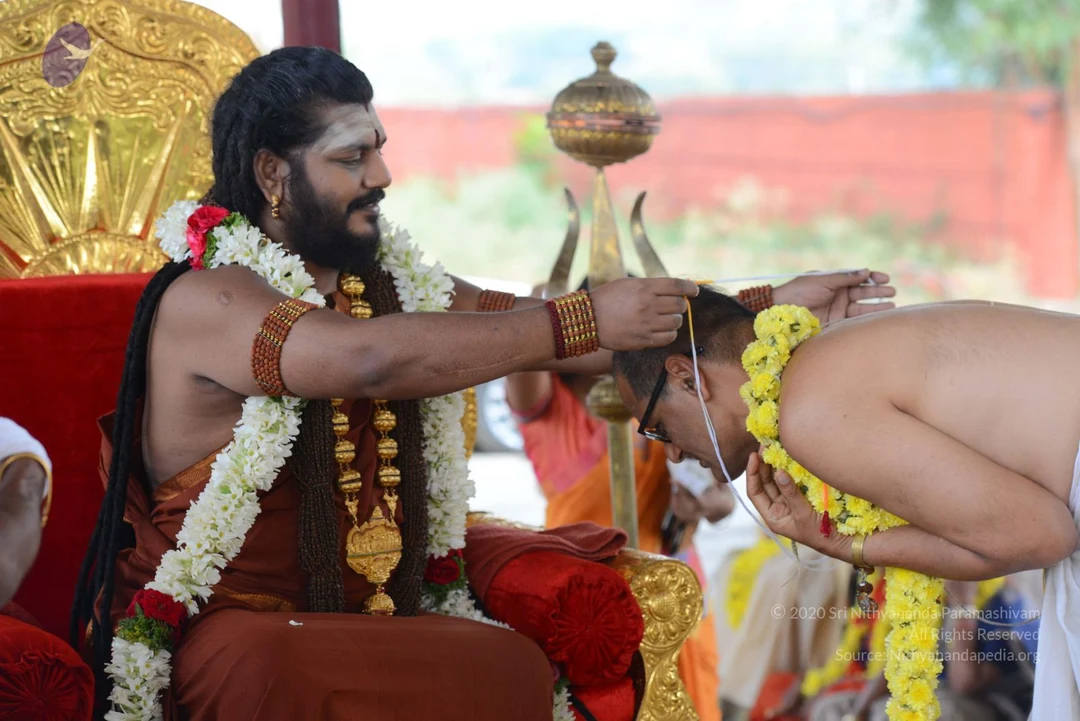
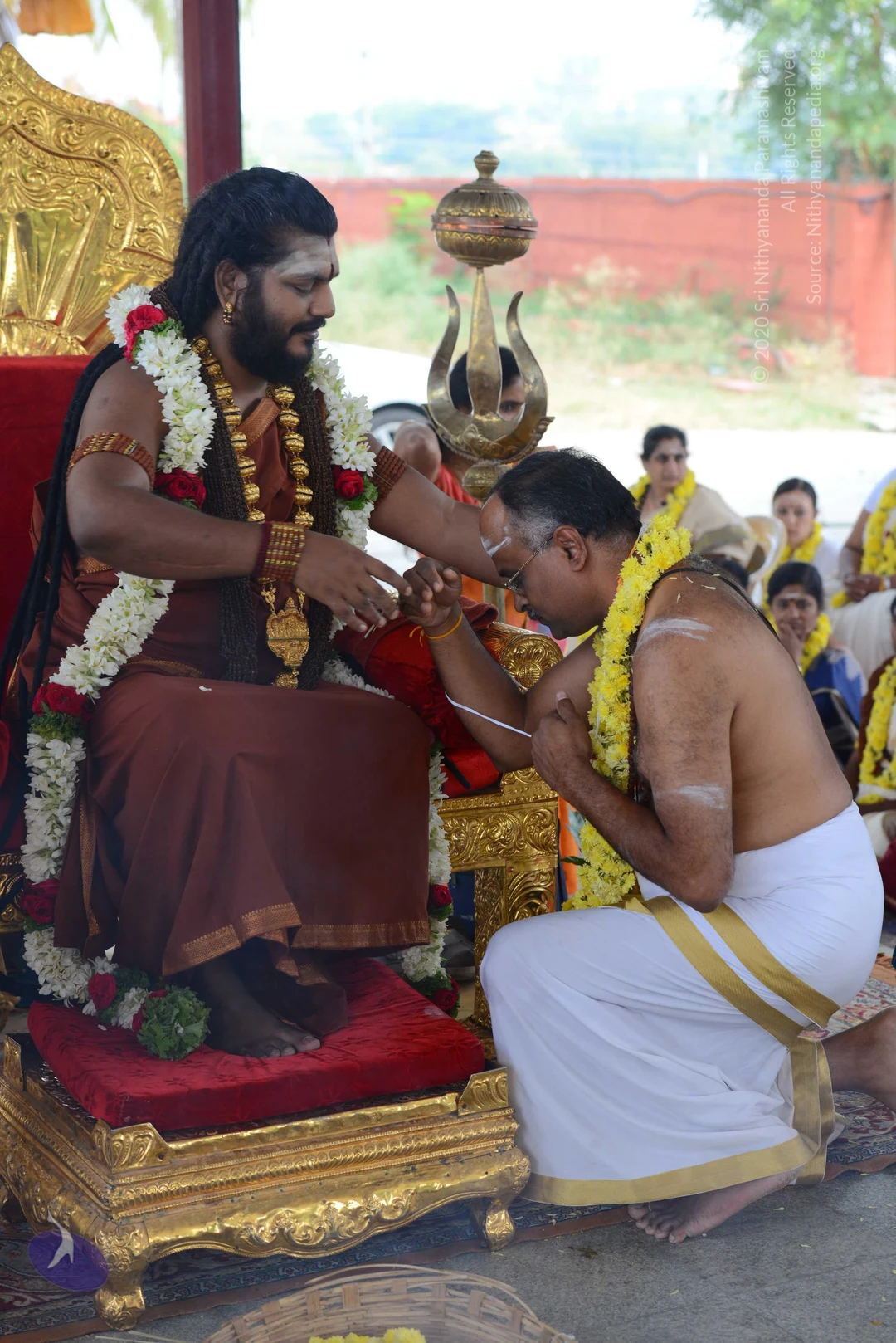
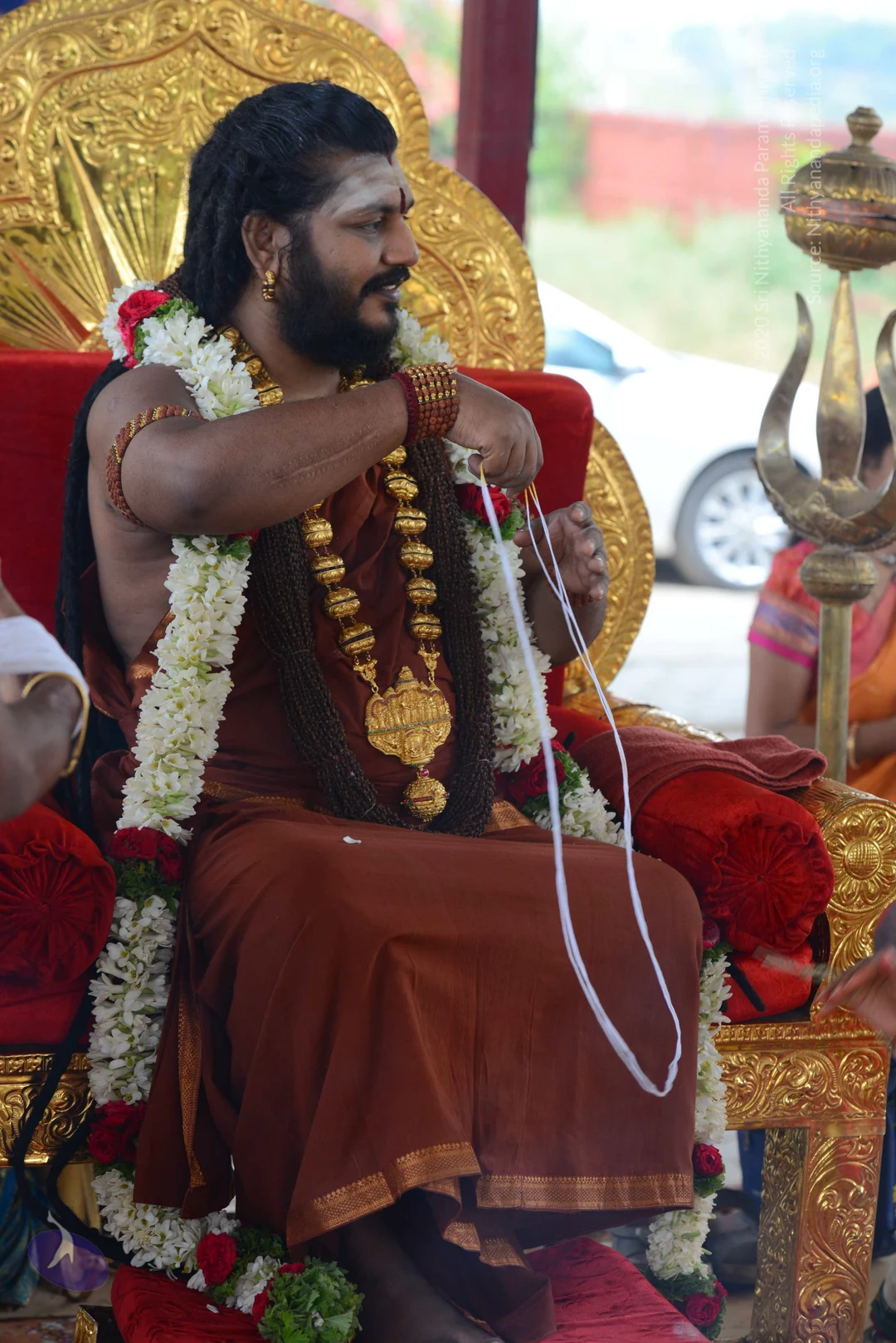
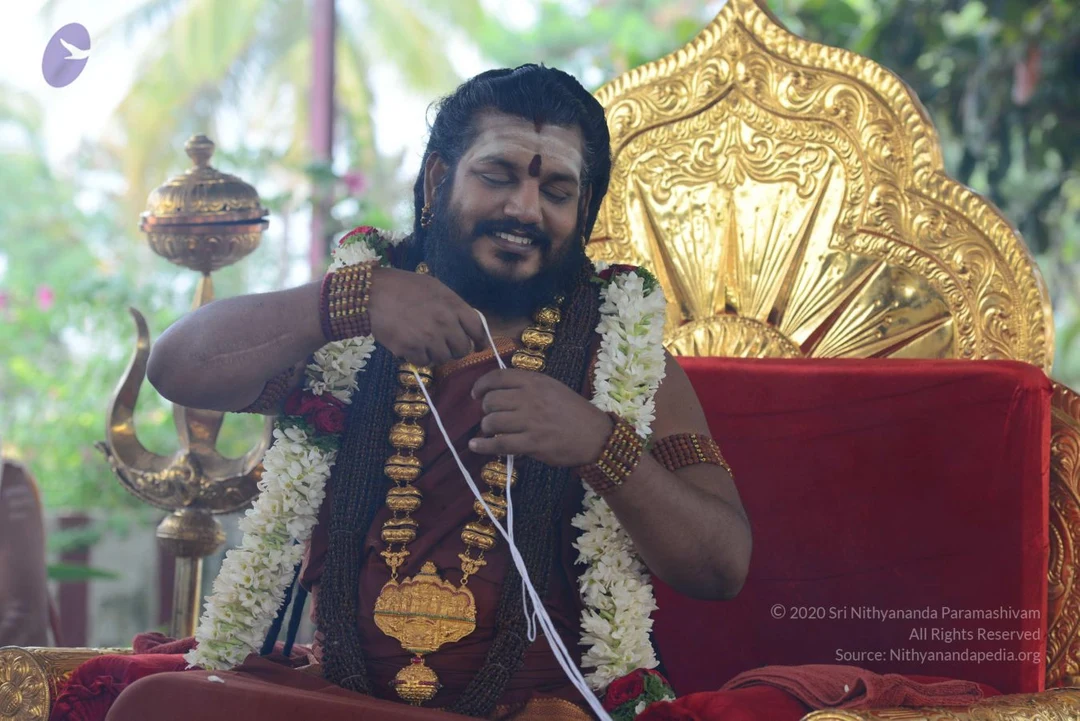
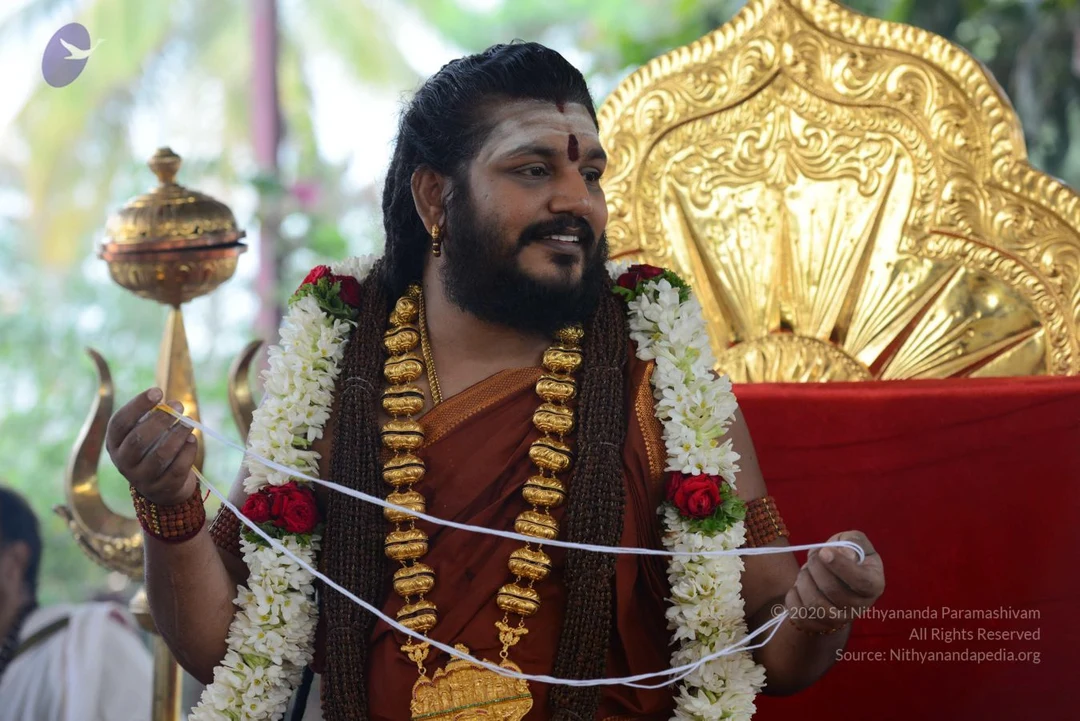
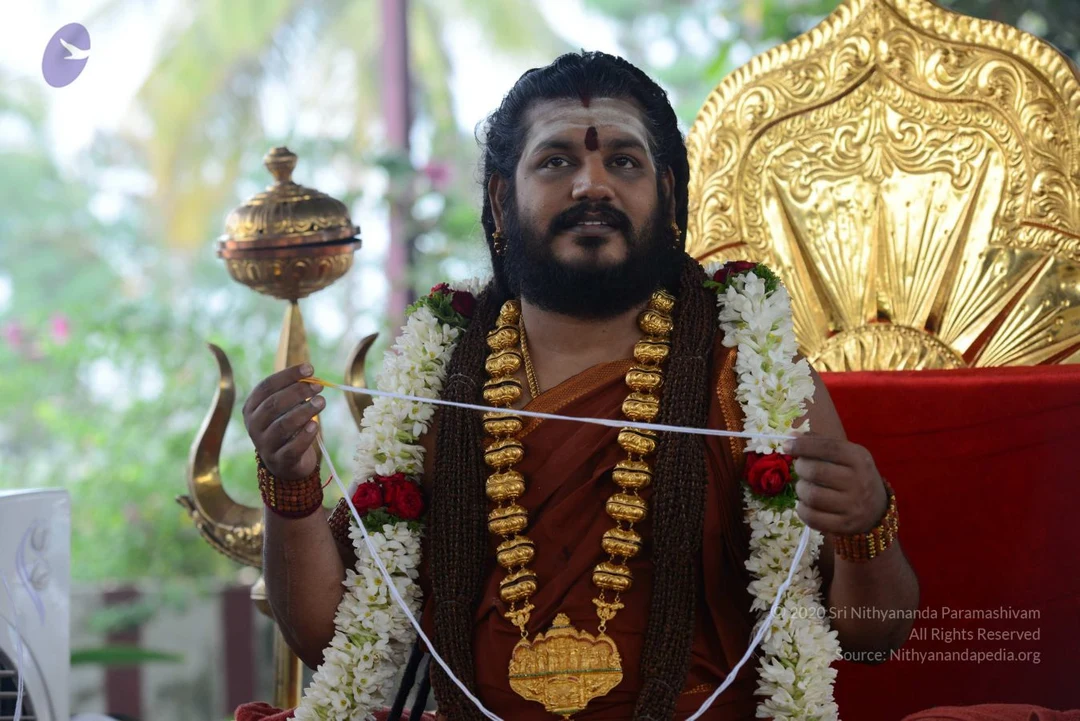
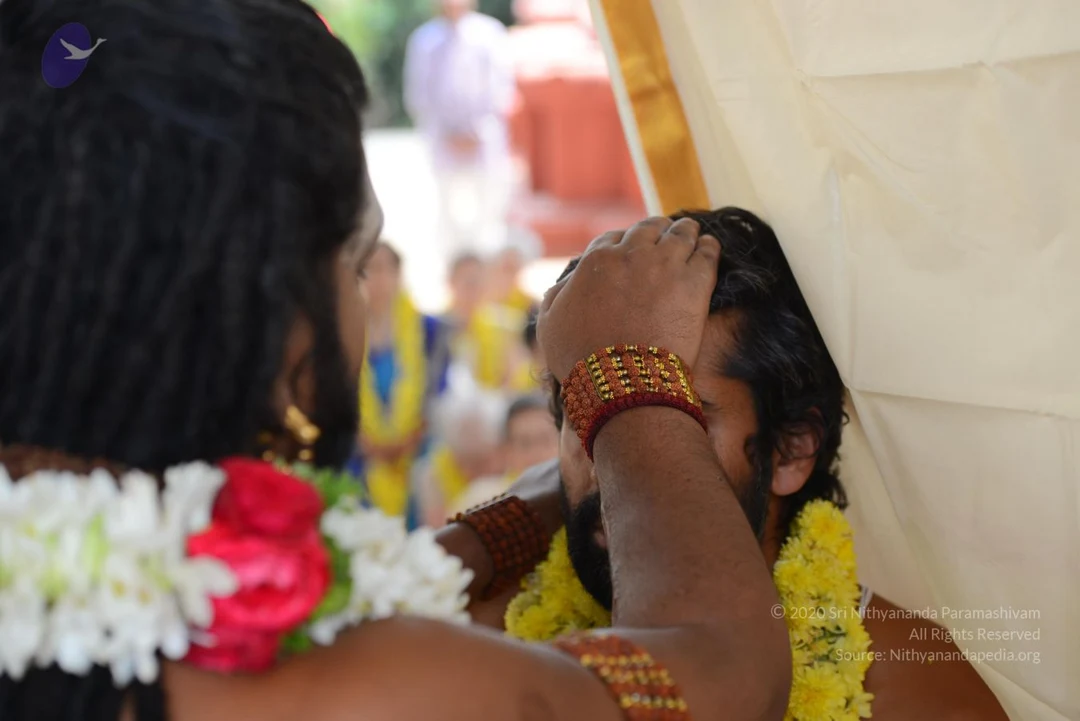
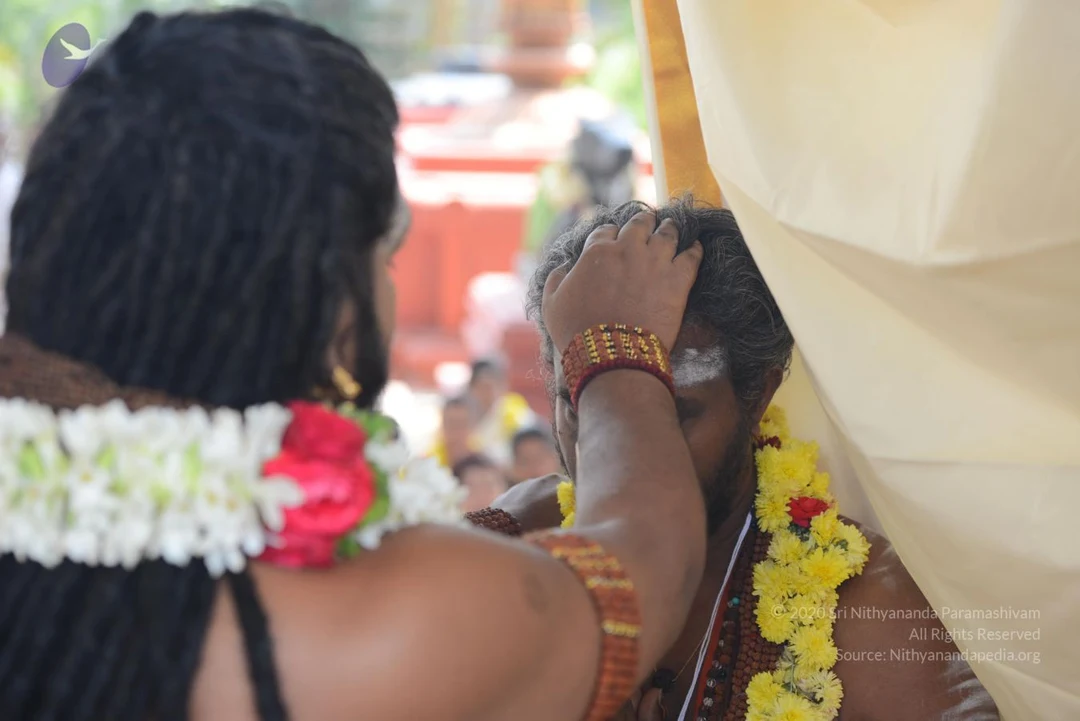
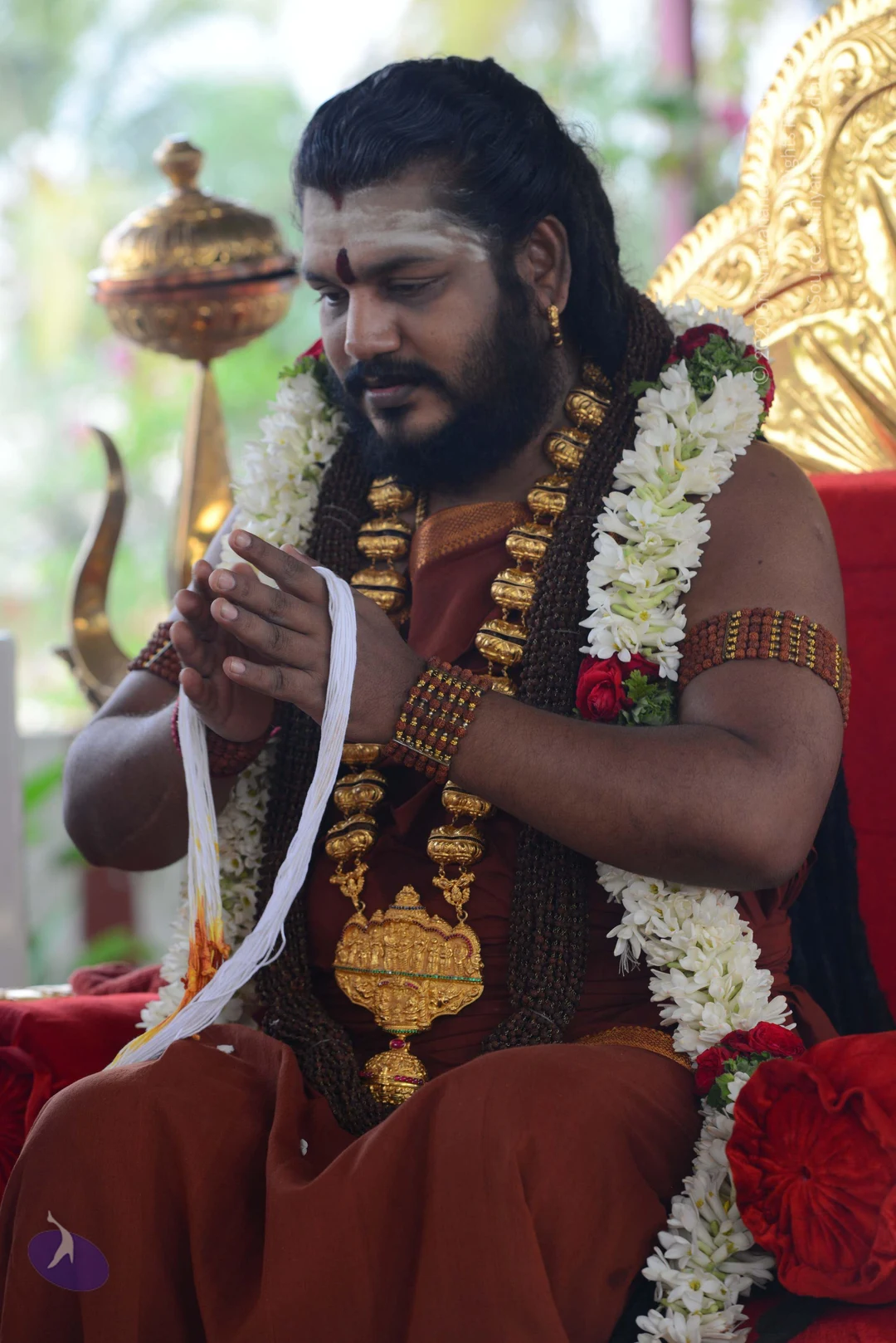
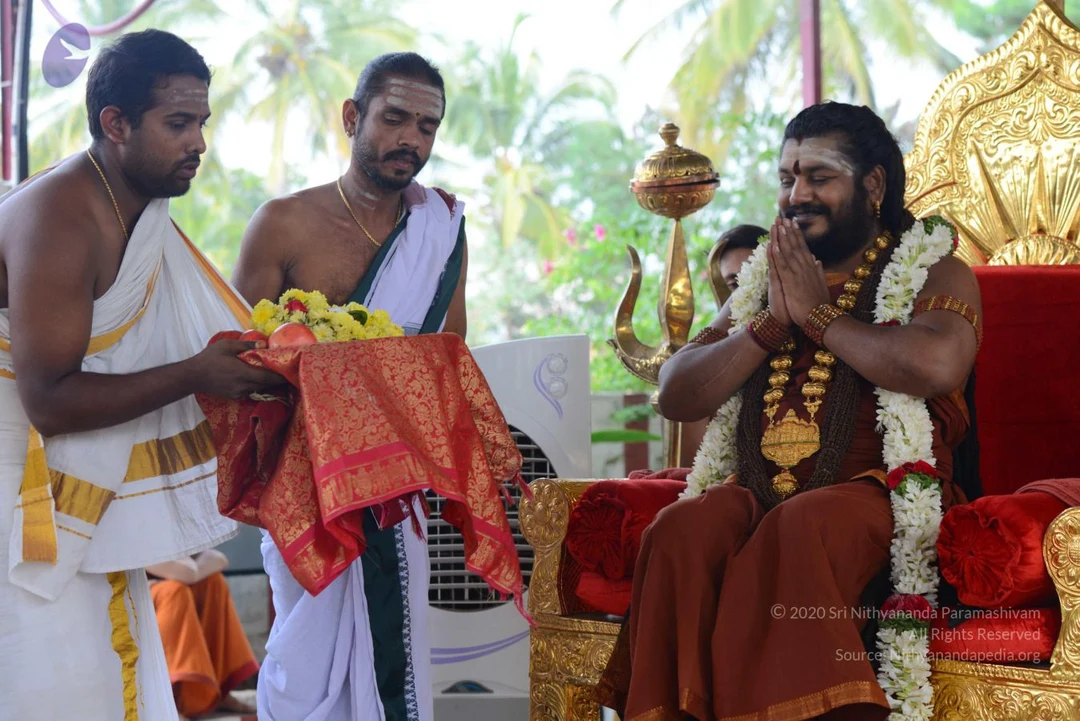
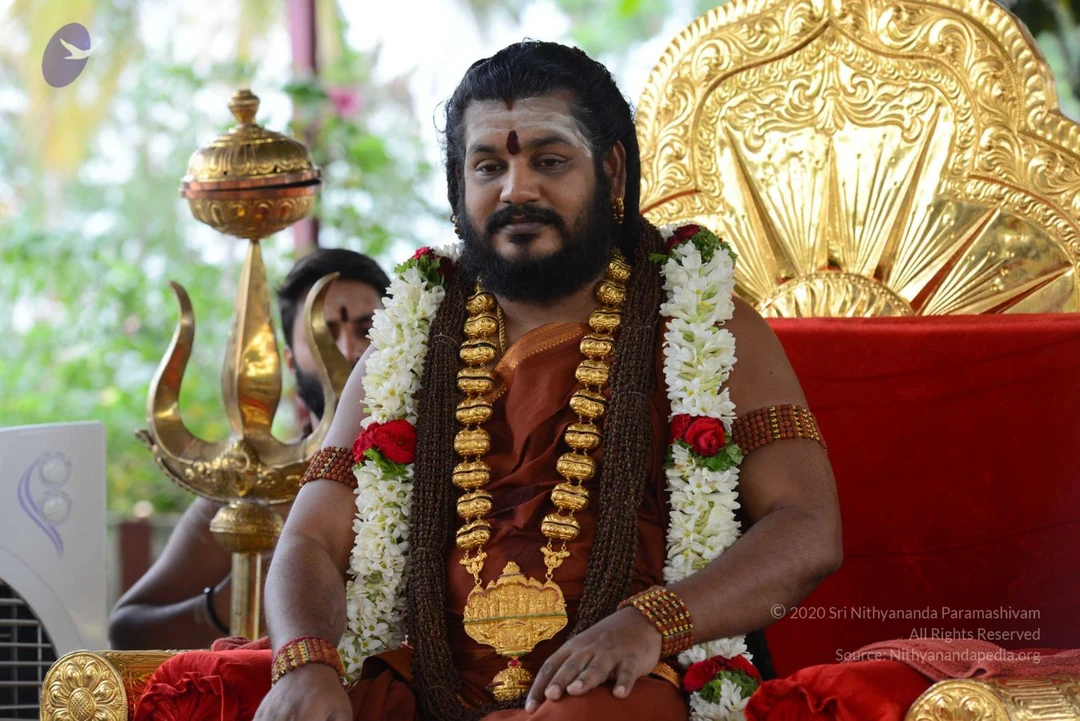
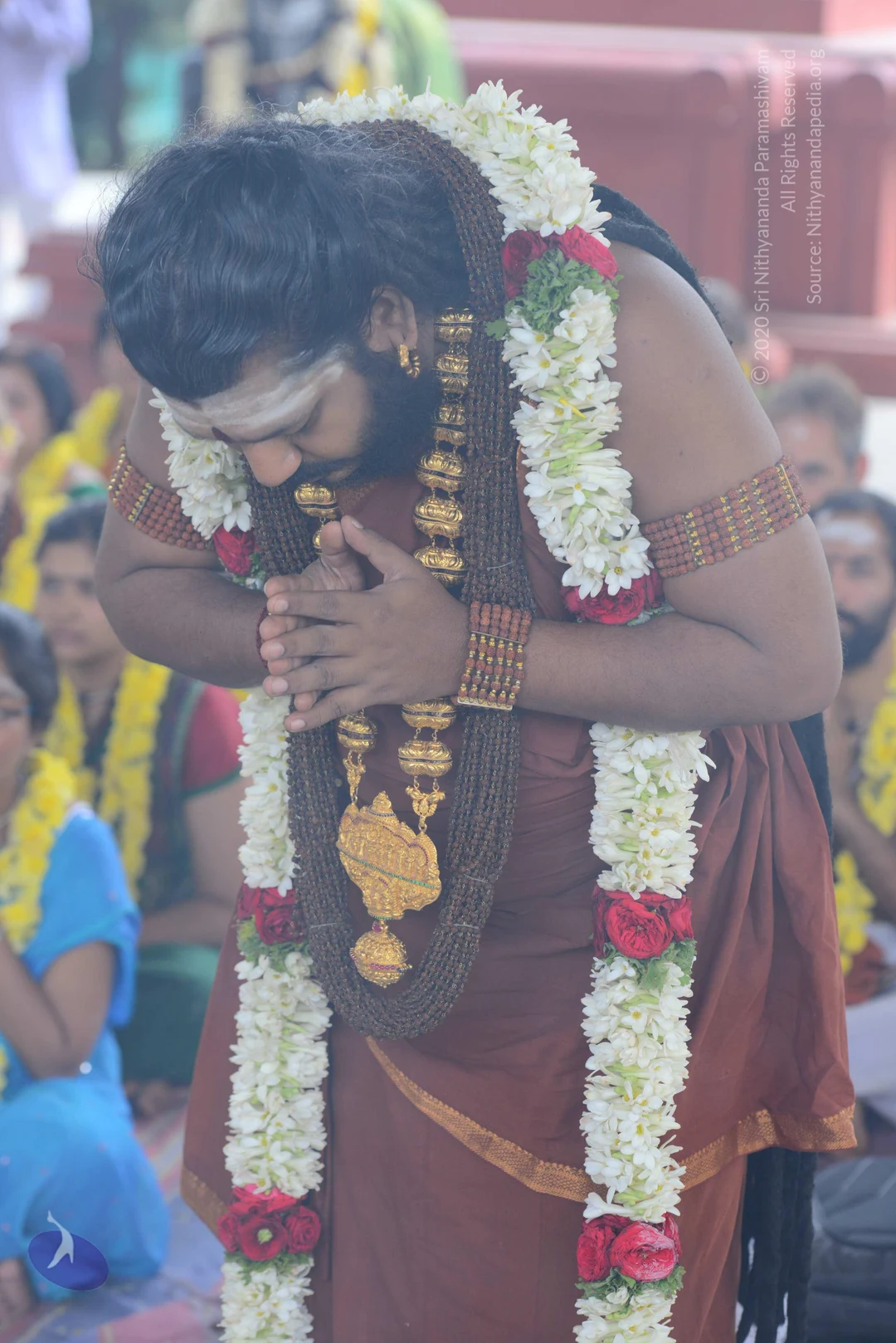
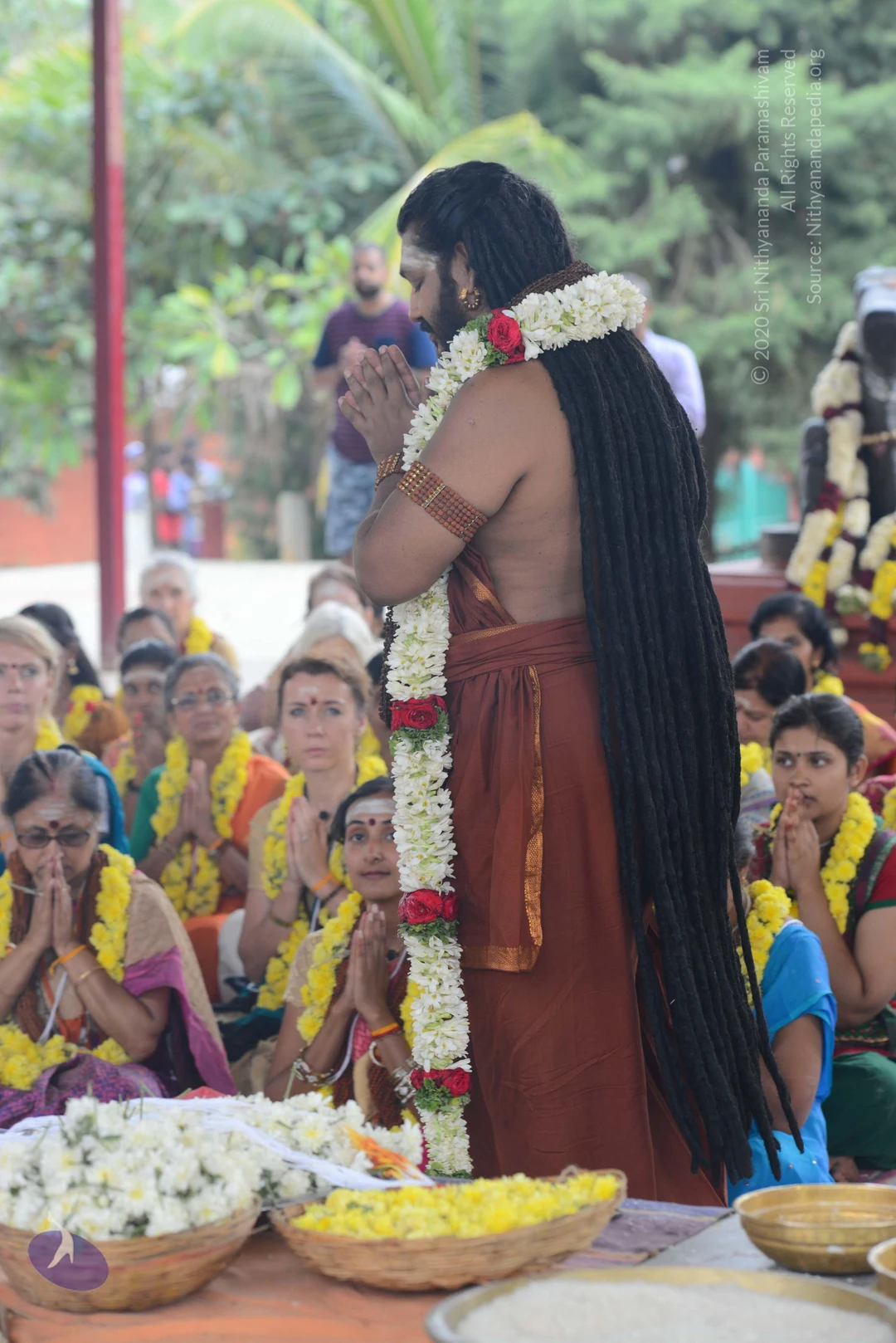
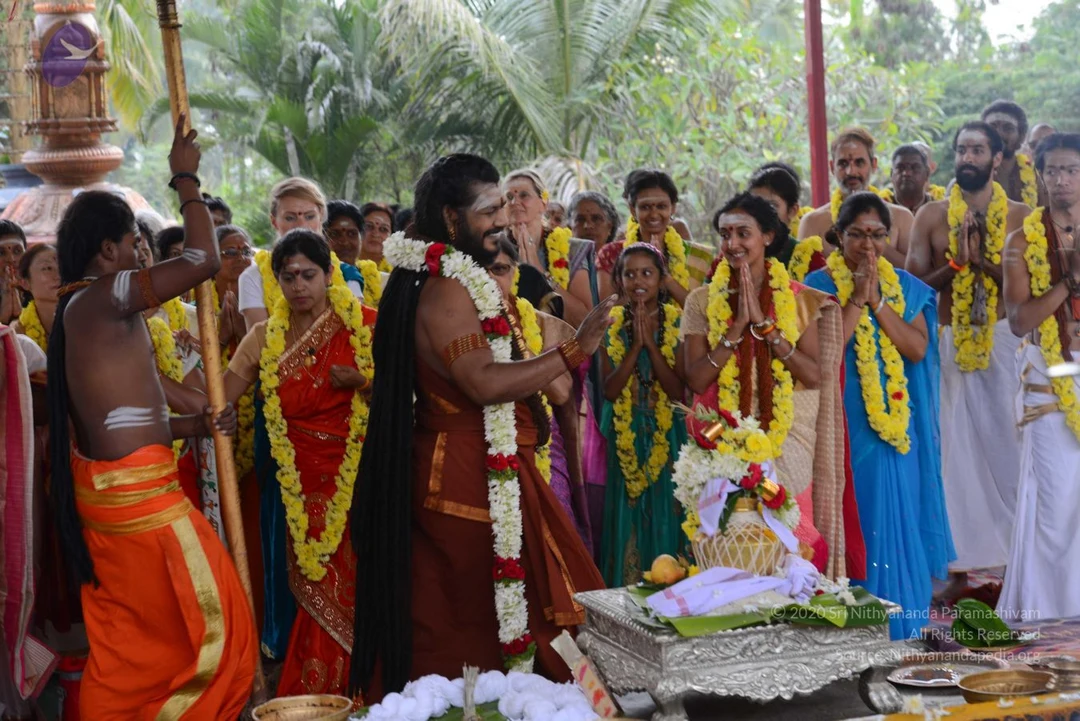
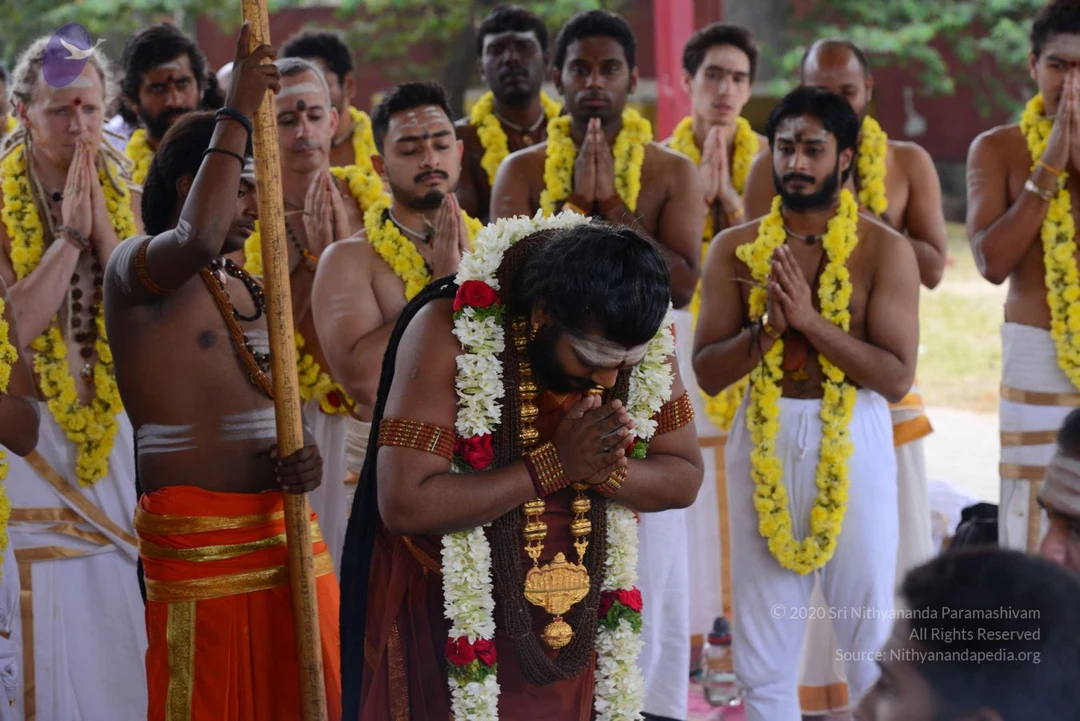
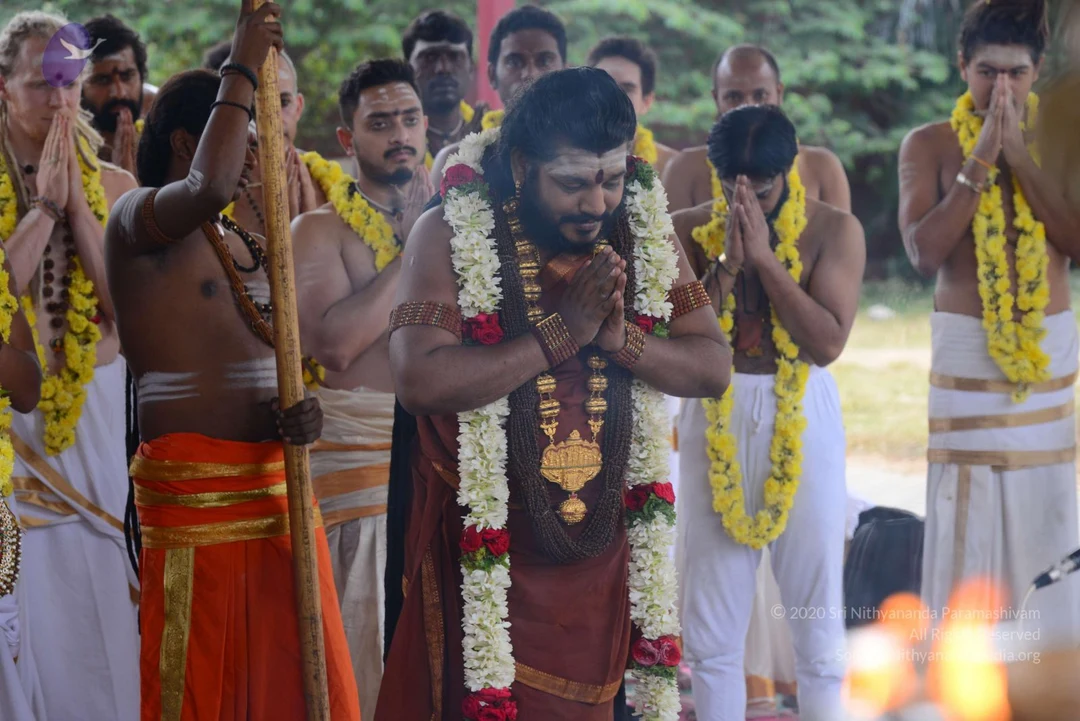
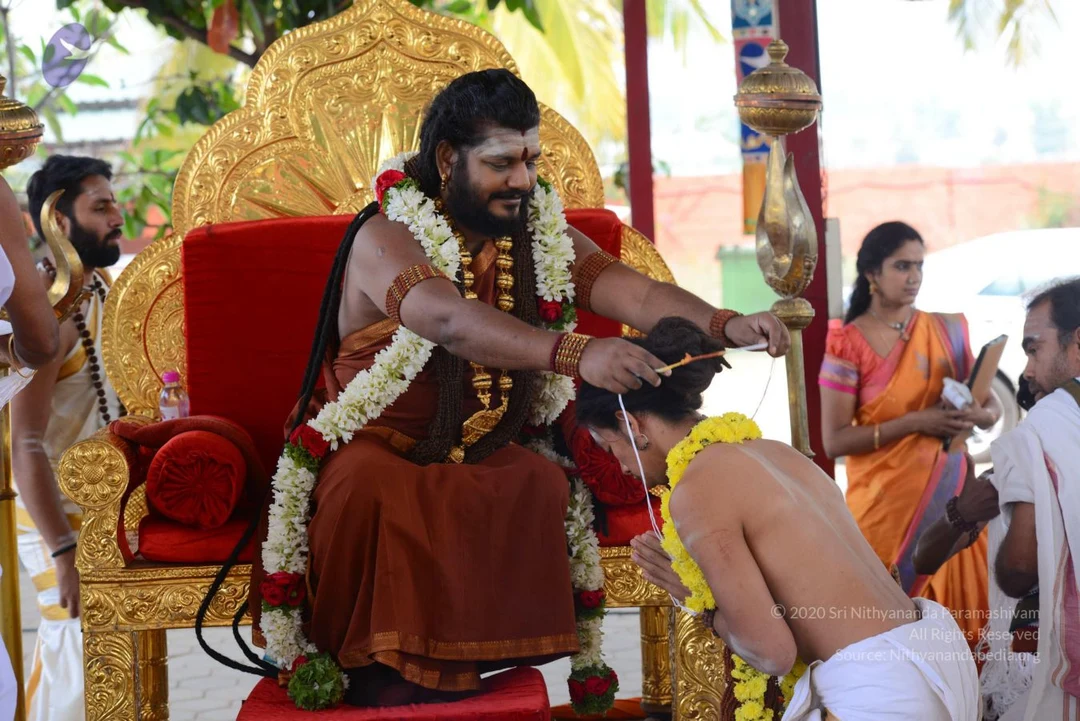
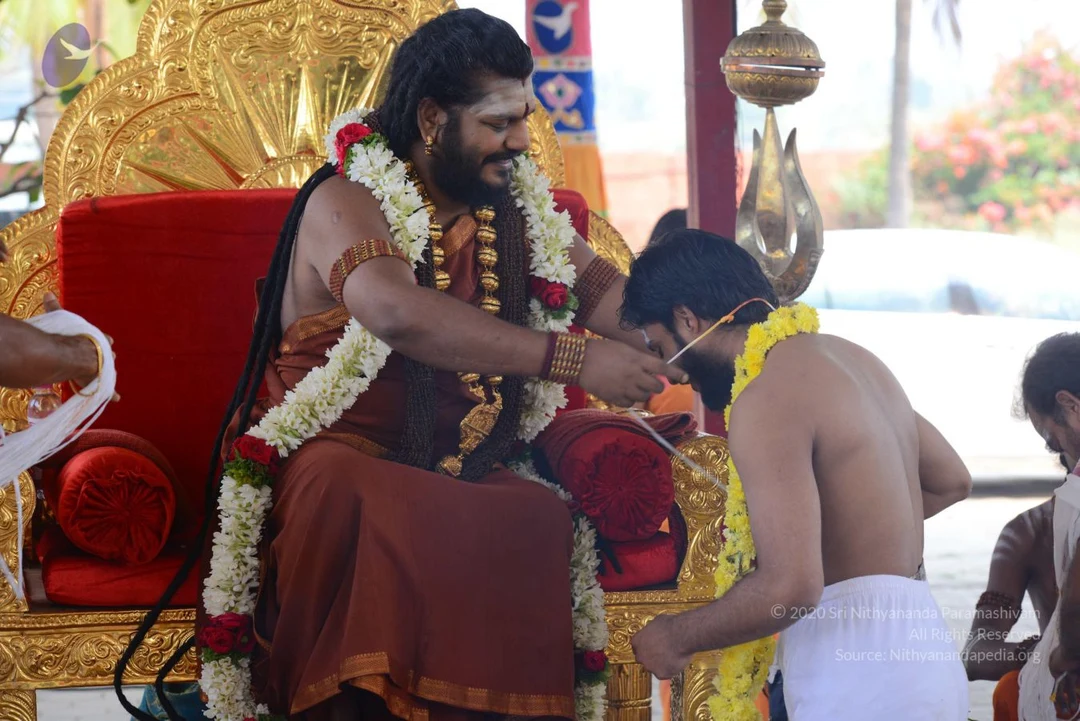
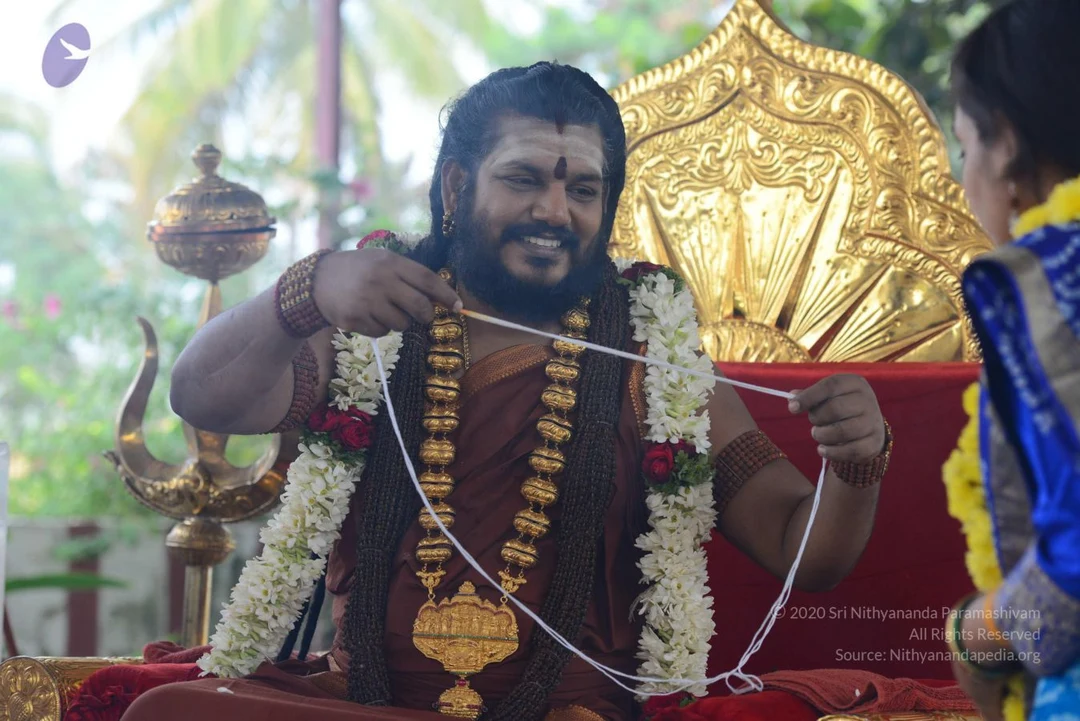
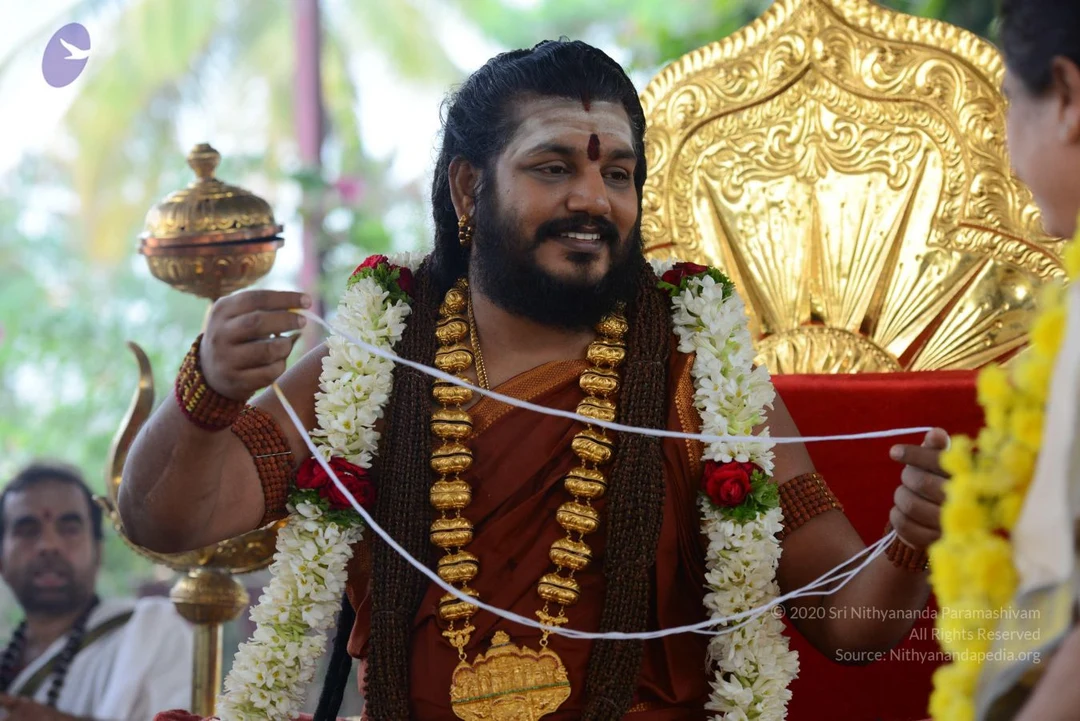
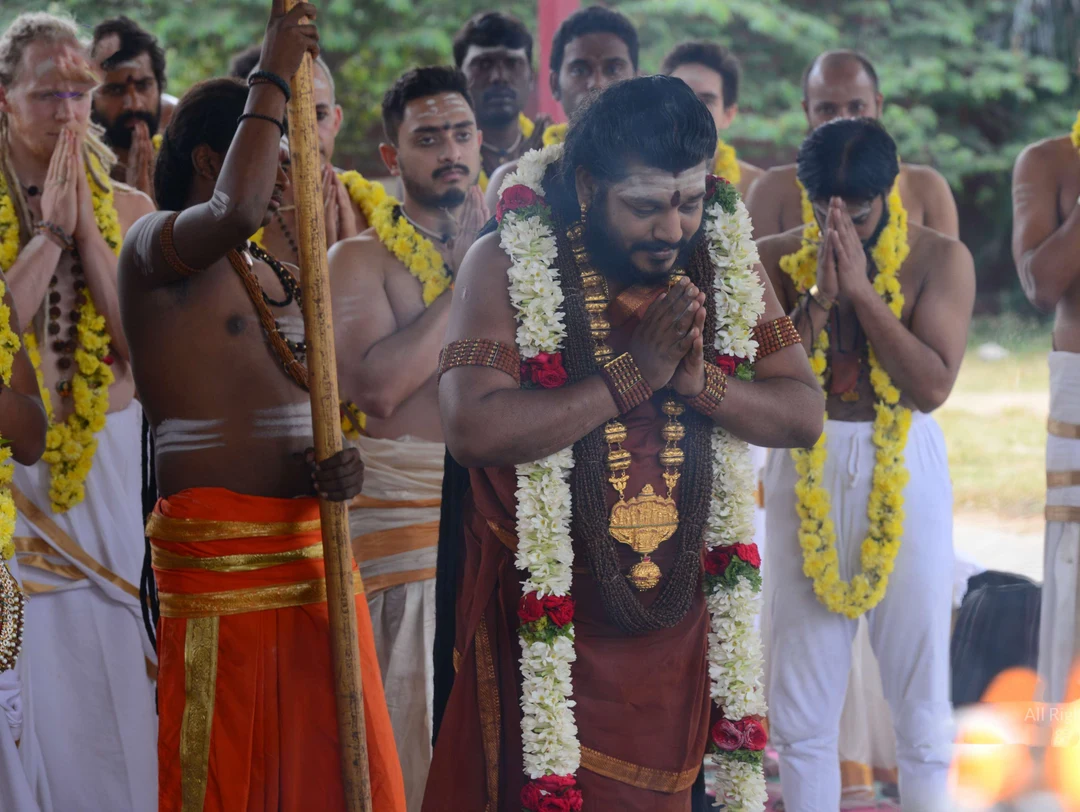
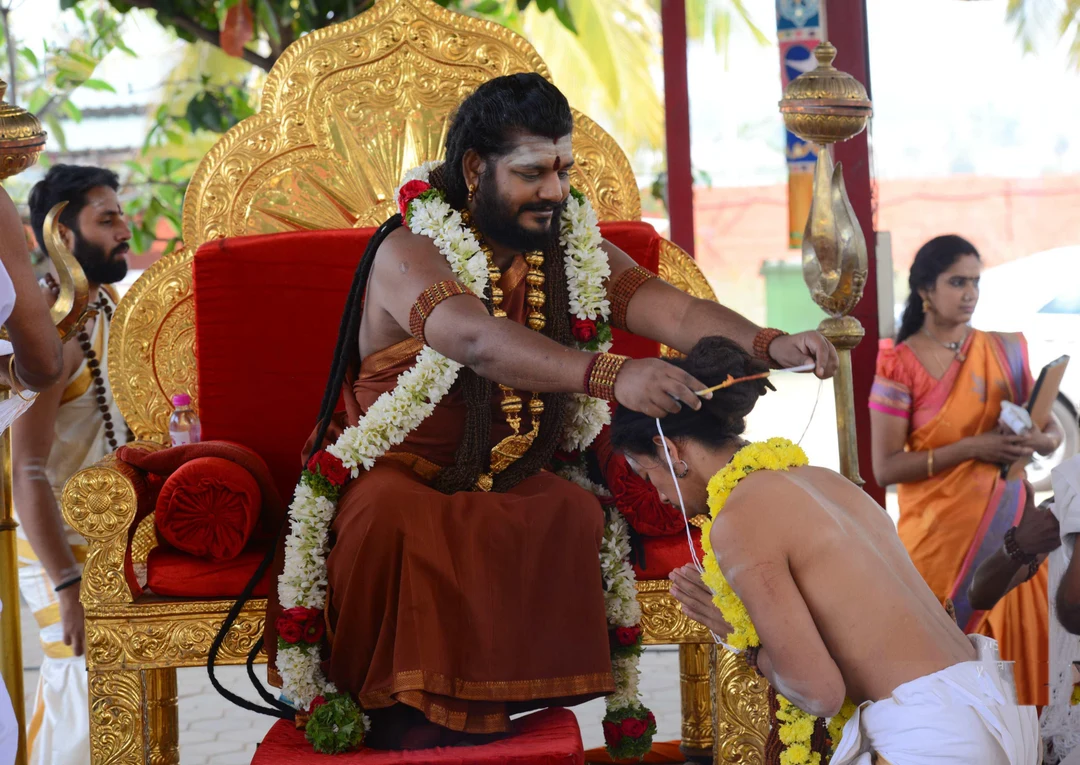
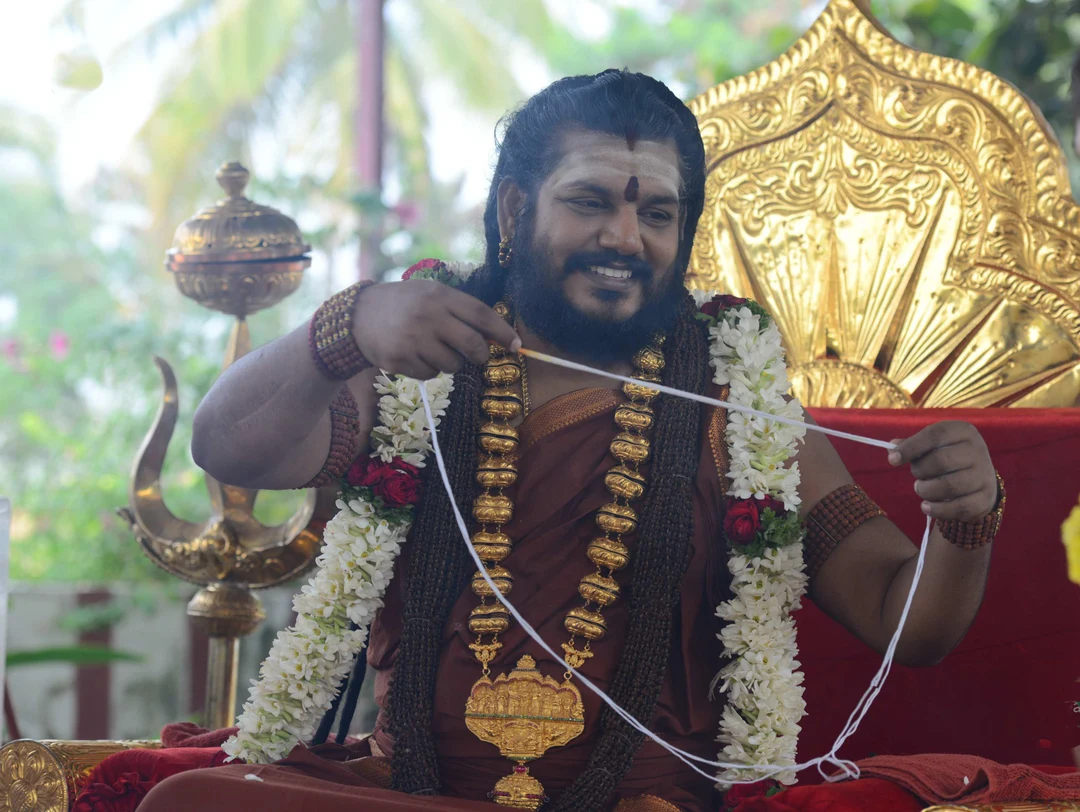
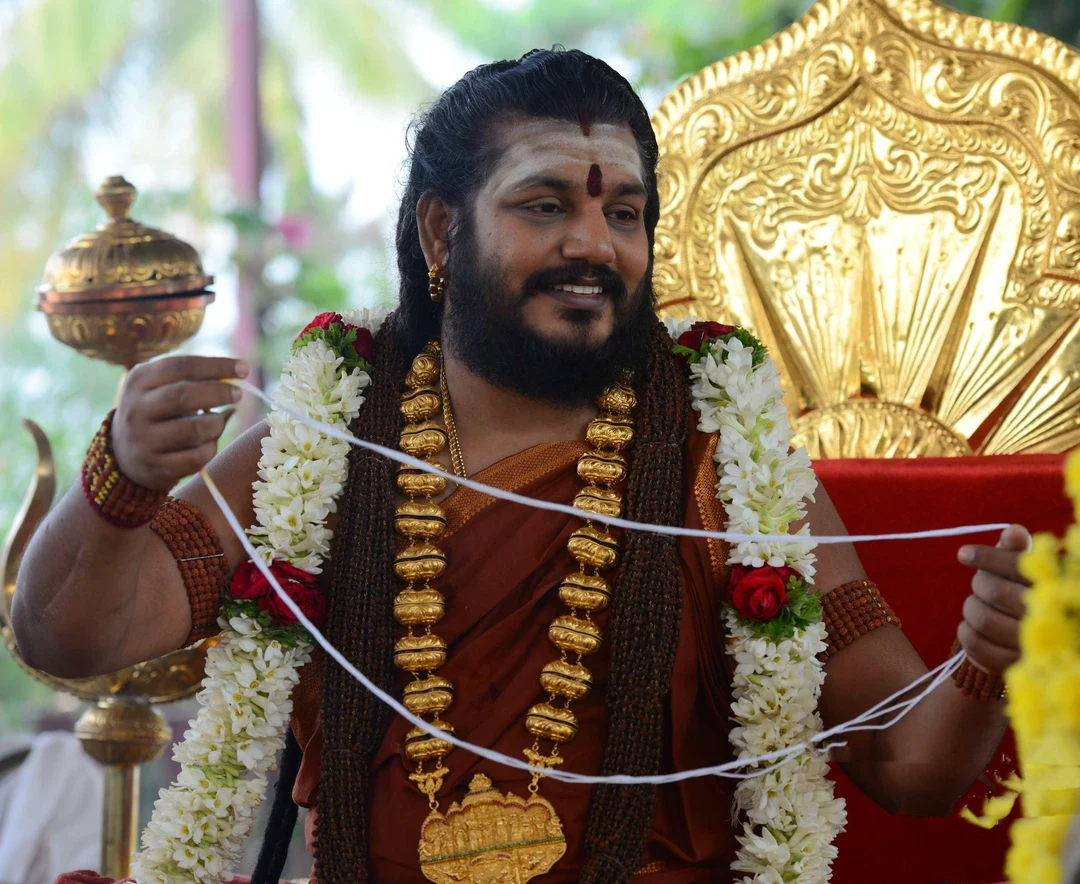
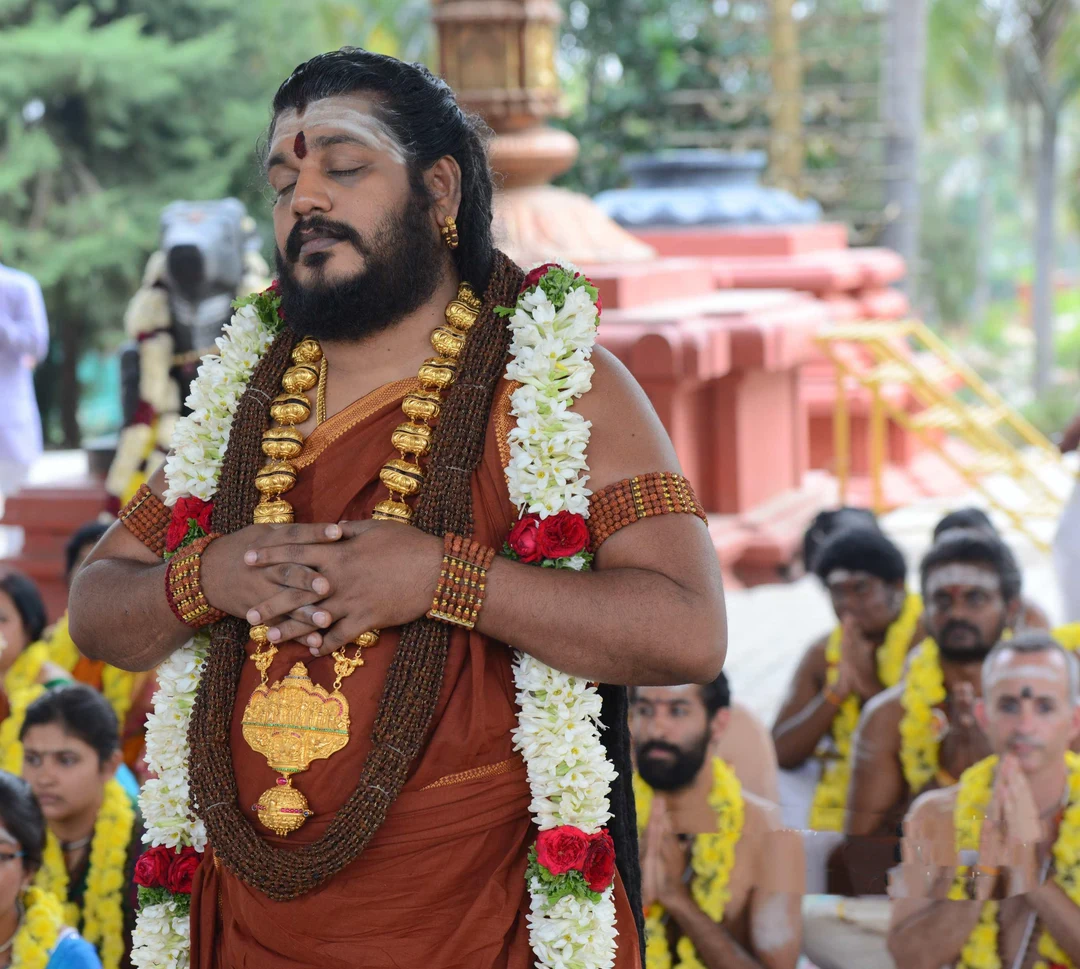
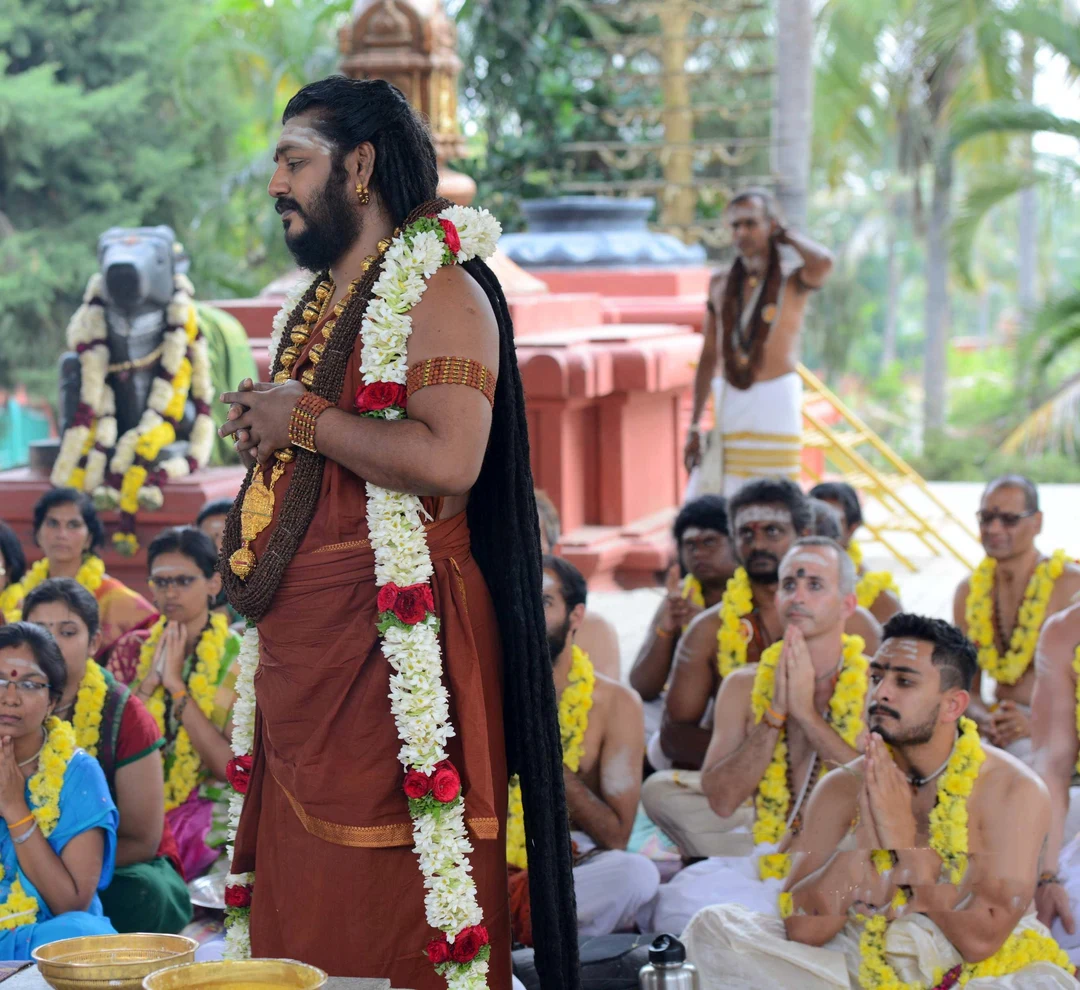
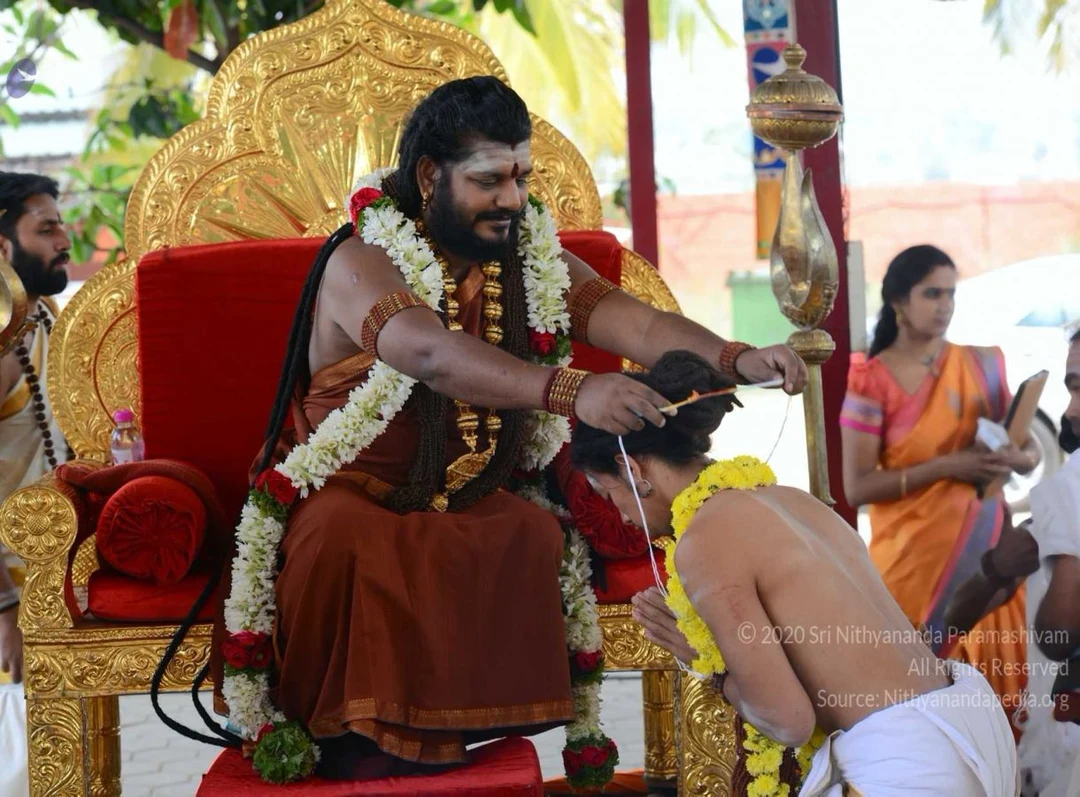 His Divine Holiness Bhagavan Sri Nithyananda Paramashivam Initiates Delegates with Yagnopavitam (sacred thread) and Gayathri Mantra
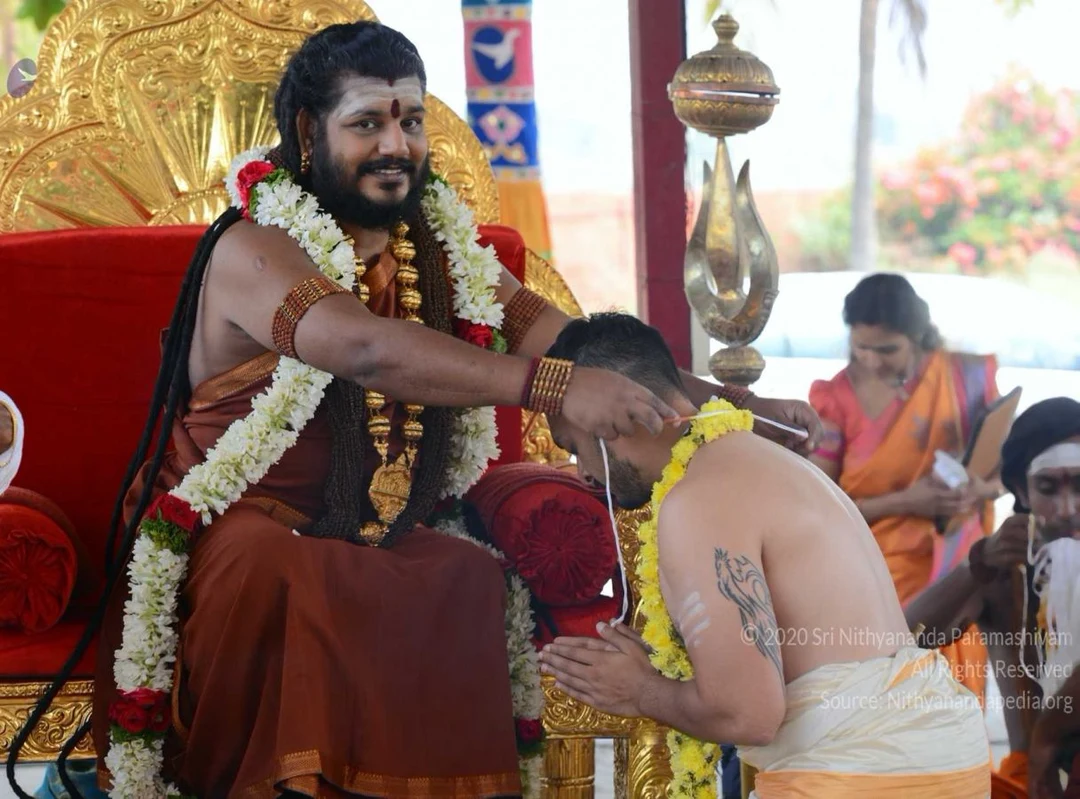 His Divine Holiness Bhagavan Sri Nithyananda Paramashivam Initiates Delegates with Yagnopavitam (sacred thread) and Gayathri Mantra
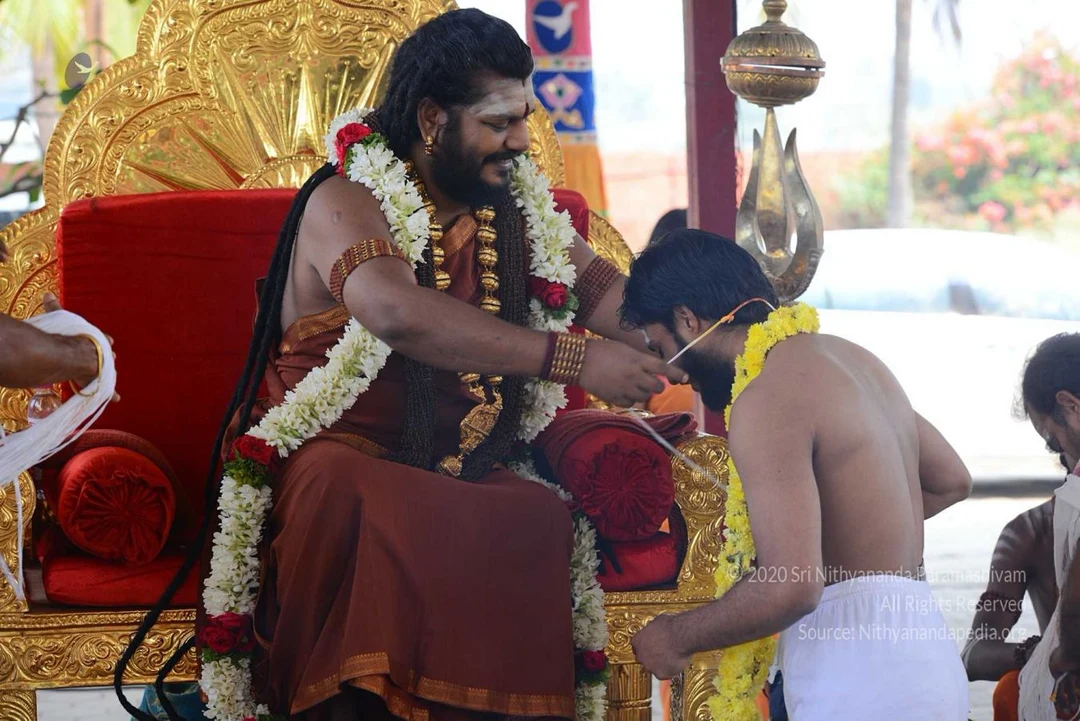 His Divine Holiness Bhagavan Sri Nithyananda Paramashivam Initiates Delegates with Yagnopavitam (sacred thread) and Gayathri Mantra
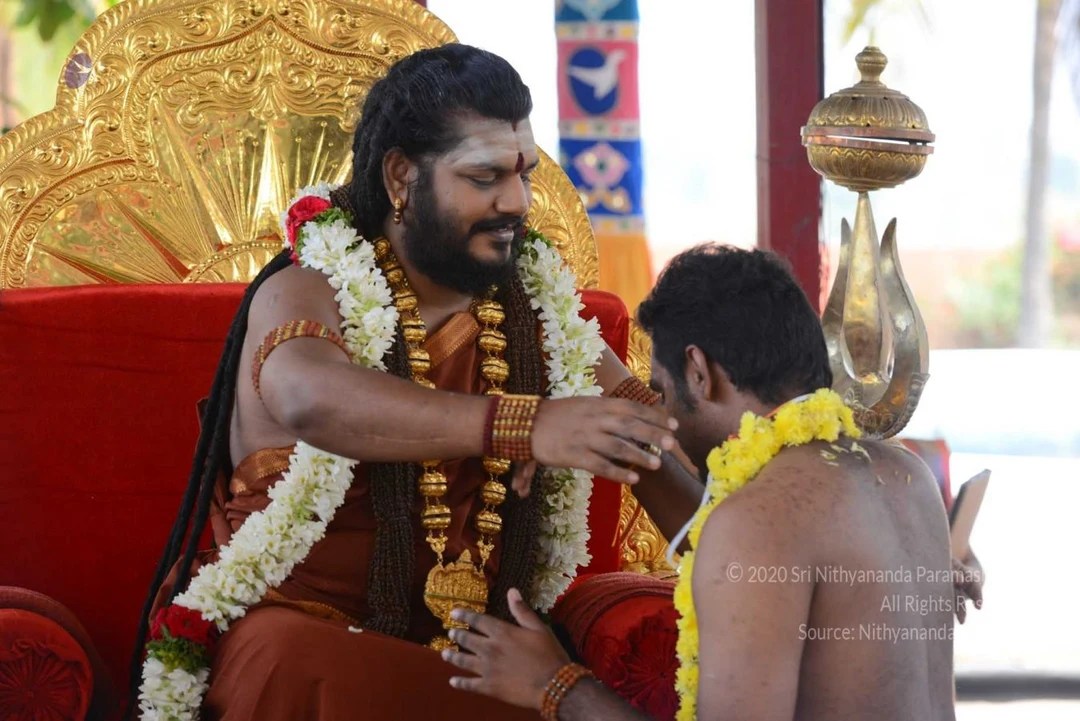 His Divine Holiness Bhagavan Sri Nithyananda Paramashivam Initiates Delegates with Yagnopavitam (sacred thread) and Gayathri Mantra
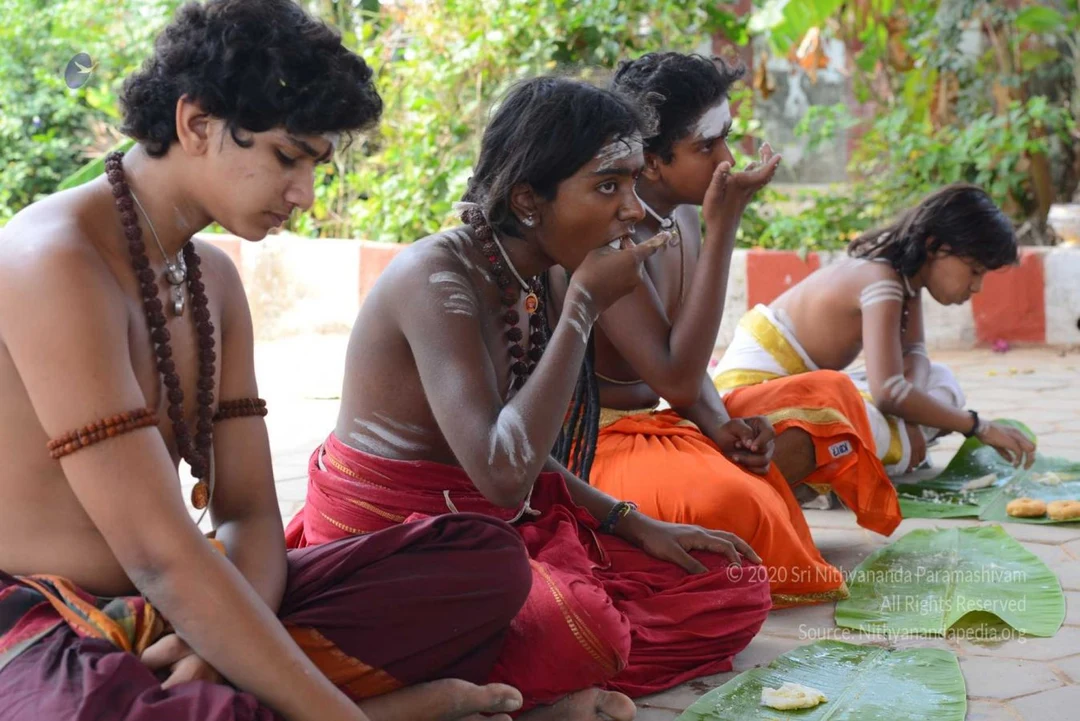 His Divine Holiness Bhagavan Sri Nithyananda Paramashivam Initiates Delegates with Yagnopavitam (sacred thread) and Gayathri Mantra
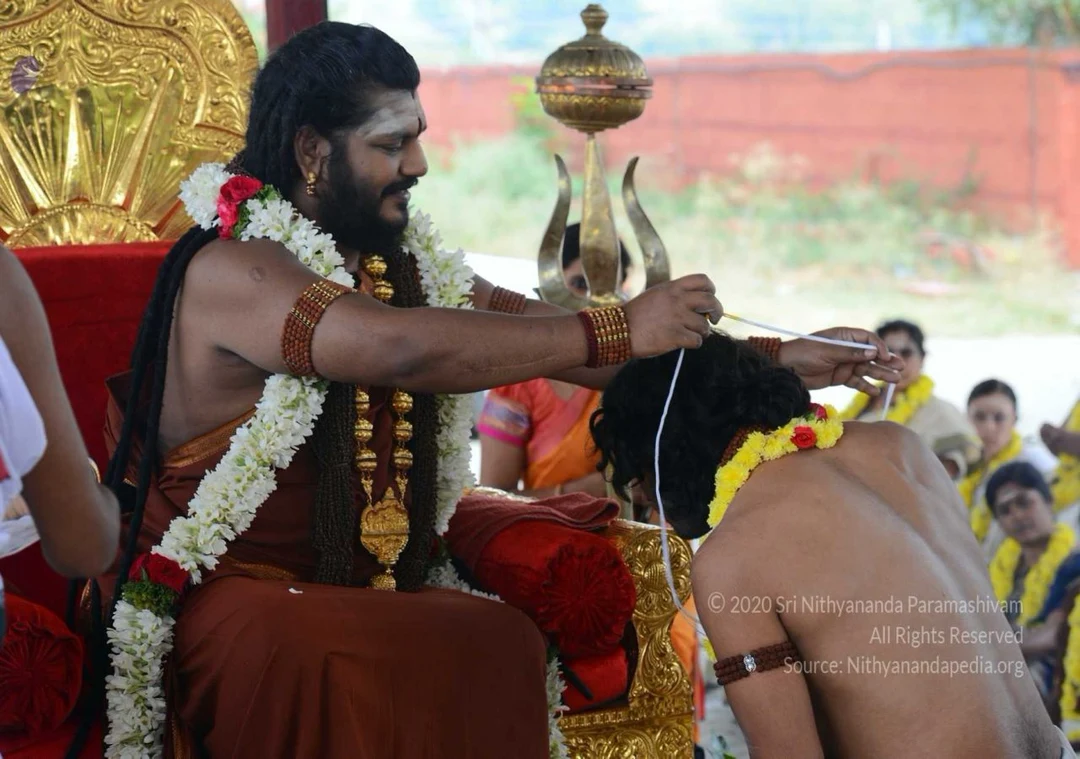 His Divine Holiness Bhagavan Sri Nithyananda Paramashivam Initiates Delegates with Yagnopavitam (sacred thread) and Gayathri Mantra
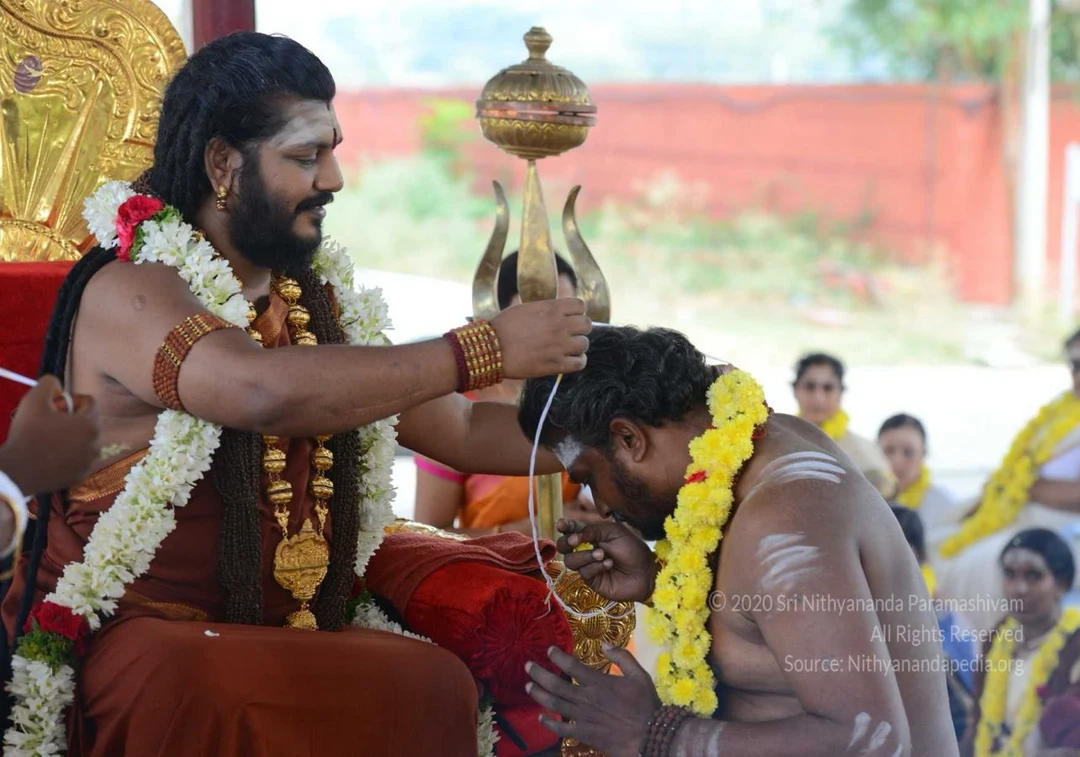 His Divine Holiness Bhagavan Sri Nithyananda Paramashivam Initiates Delegates with Yagnopavitam (sacred thread) and Gayathri Mantra
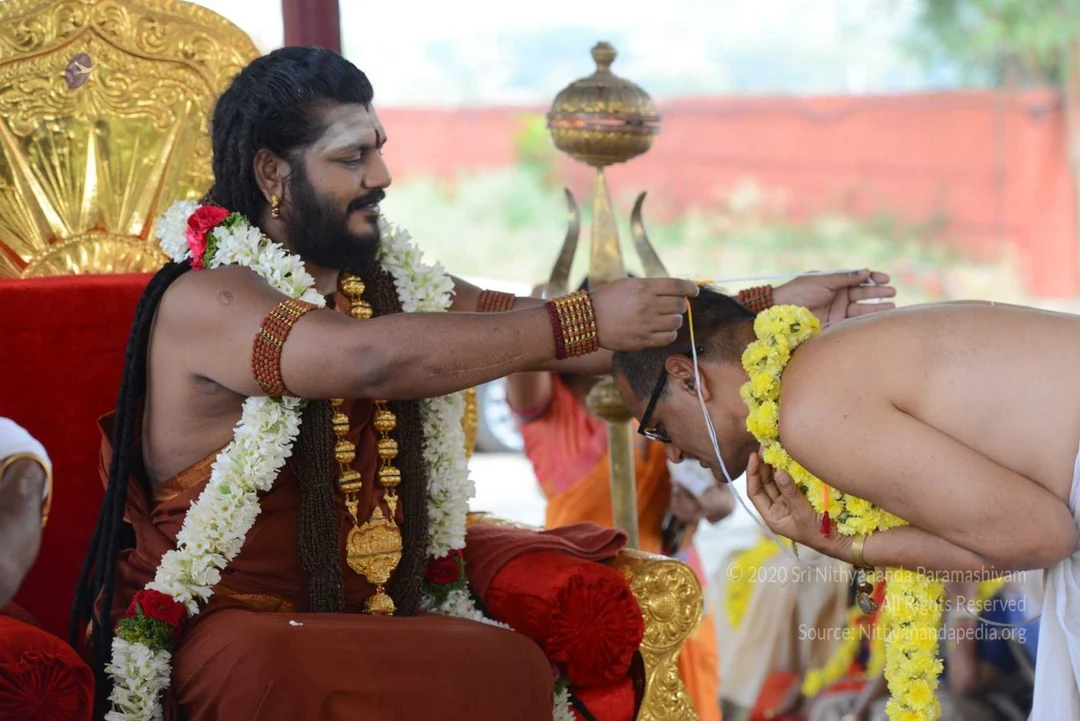 His Divine Holiness Bhagavan Sri Nithyananda Paramashivam Initiates Delegates with Yagnopavitam (sacred thread) and Gayathri Mantra
 His Divine Holiness Bhagavan Sri Nithyananda Paramashivam Initiates Delegates with Yagnopavitam (sacred thread) and Gayathri Mantra
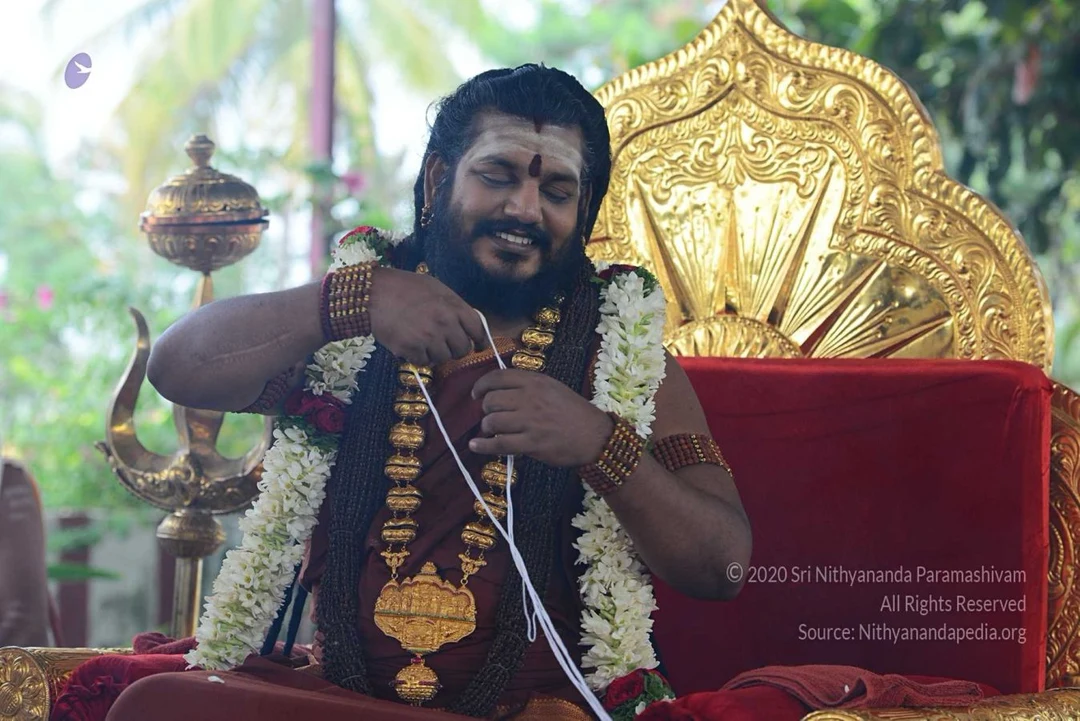 His Divine Holiness Bhagavan Sri Nithyananda Paramashivam Initiates Delegates with Yagnopavitam (sacred thread) and Gayathri Mantra
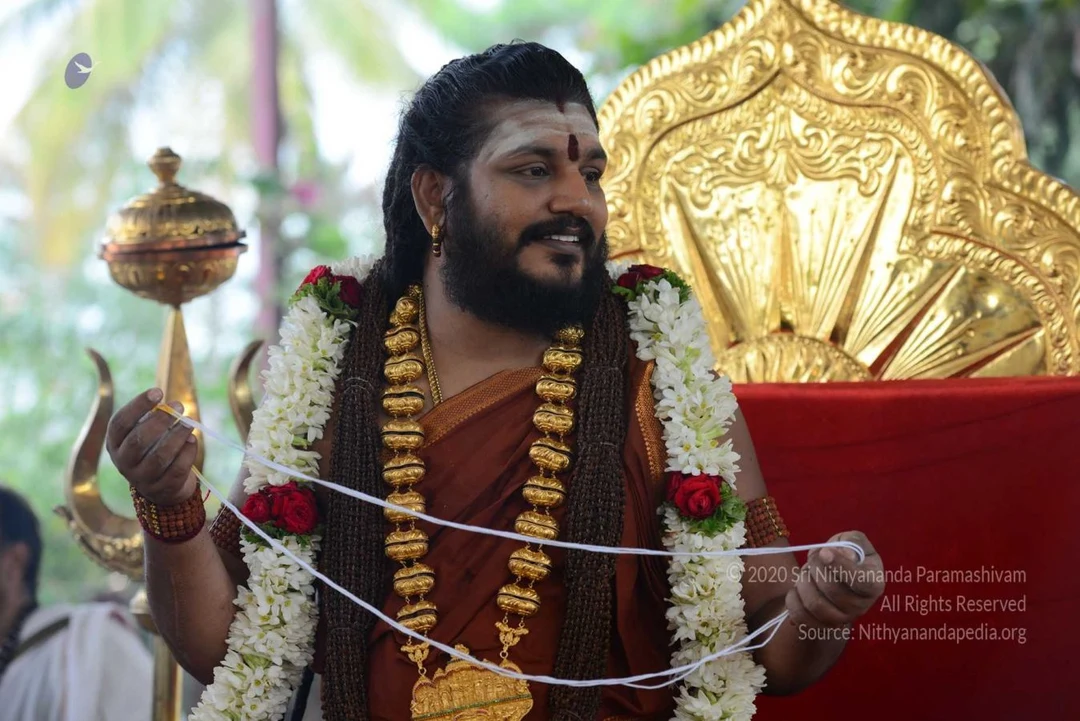 His Divine Holiness Bhagavan Sri Nithyananda Paramashivam Initiates Delegates with Yagnopavitam (sacred thread) and Gayathri Mantra
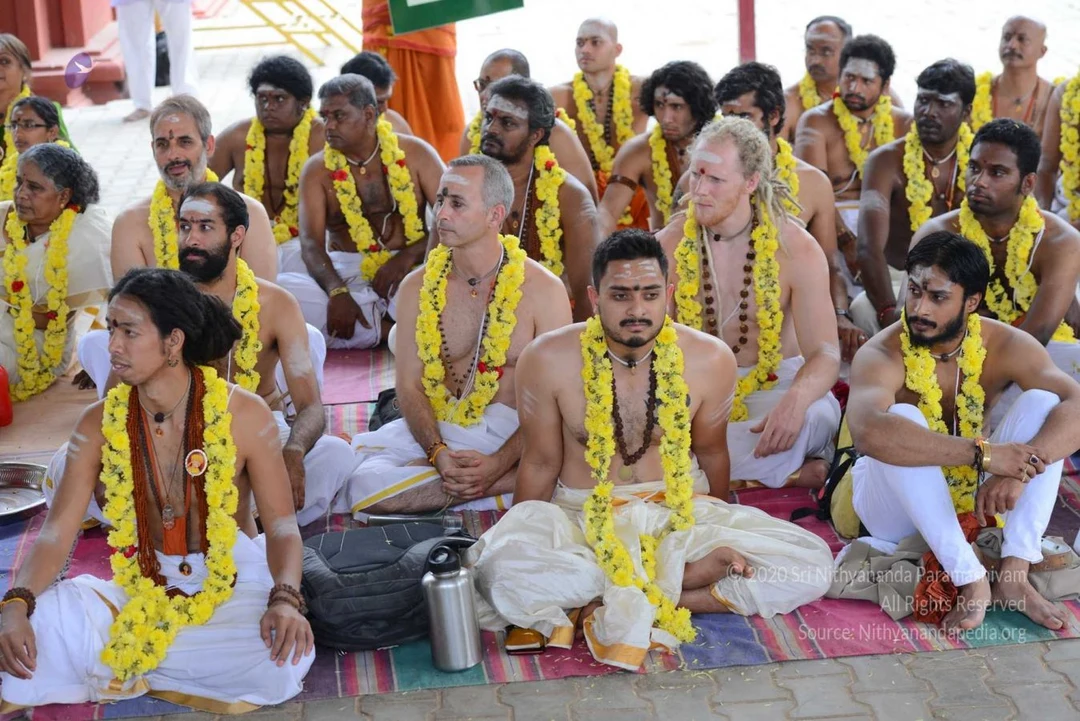 His Divine Holiness Bhagavan Sri Nithyananda Paramashivam Initiates Delegates with Yagnopavitam (sacred thread) and Gayathri Mantra
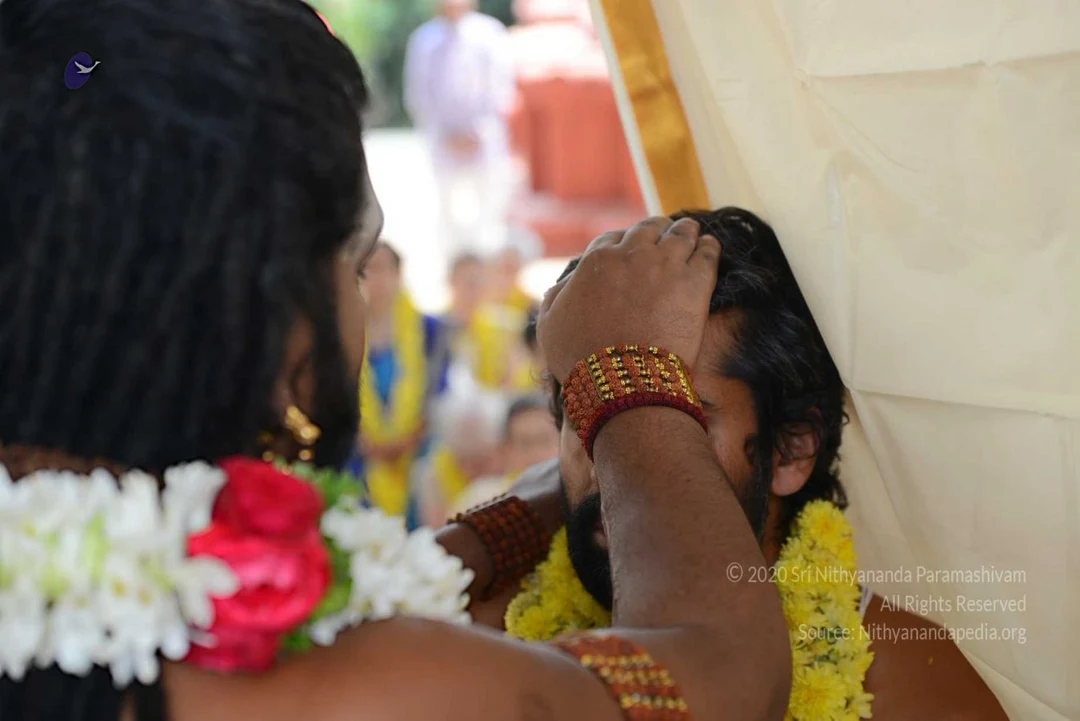 His Divine Holiness Bhagavan Sri Nithyananda Paramashivam Initiates Delegates with Yagnopavitam (sacred thread) and Gayathri Mantra
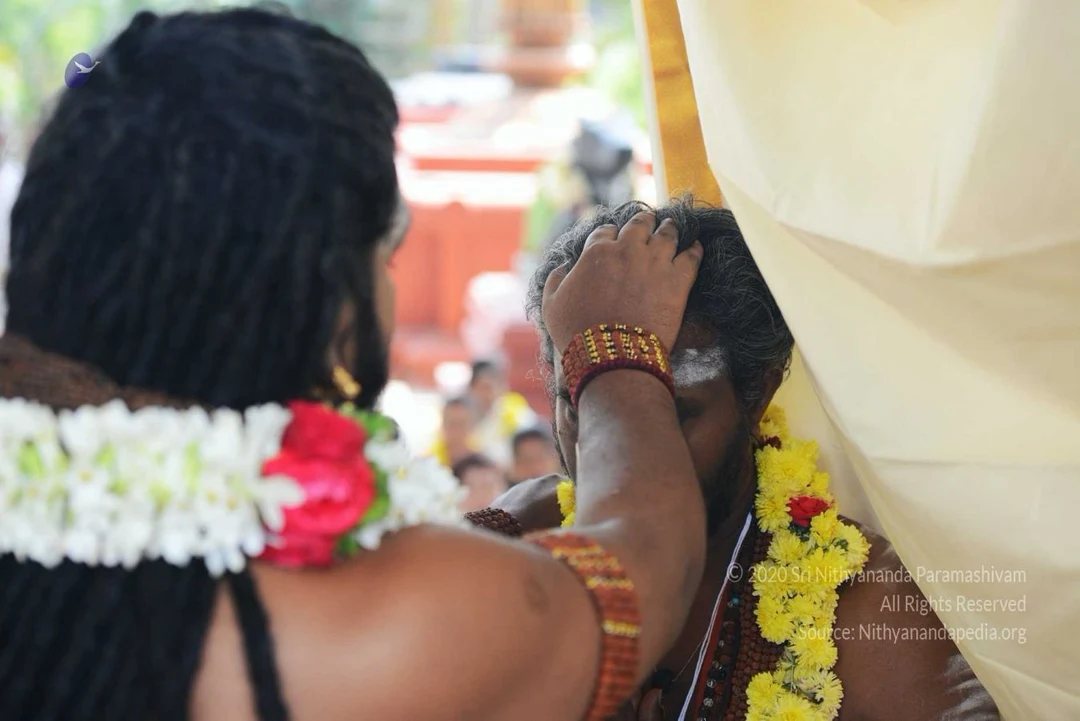 His Divine Holiness Bhagavan Sri Nithyananda Paramashivam Initiates Delegates with Yagnopavitam (sacred thread) and Gayathri Mantra
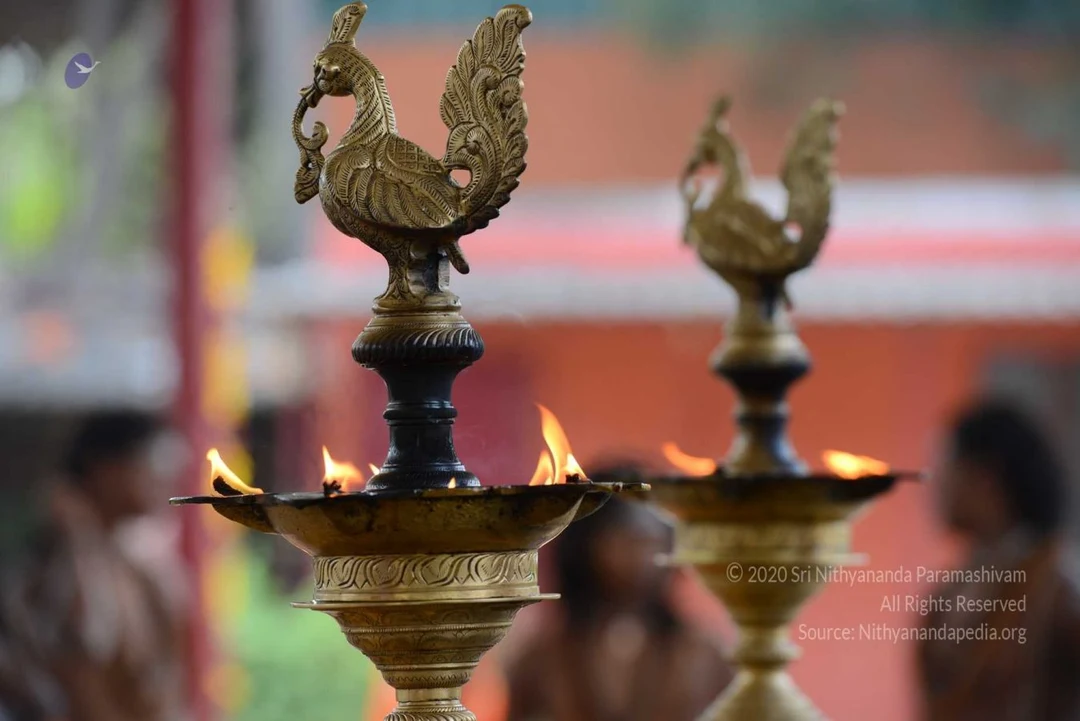 His Divine Holiness Bhagavan Sri Nithyananda Paramashivam Initiates Delegates with Yagnopavitam (sacred thread) and Gayathri Mantra
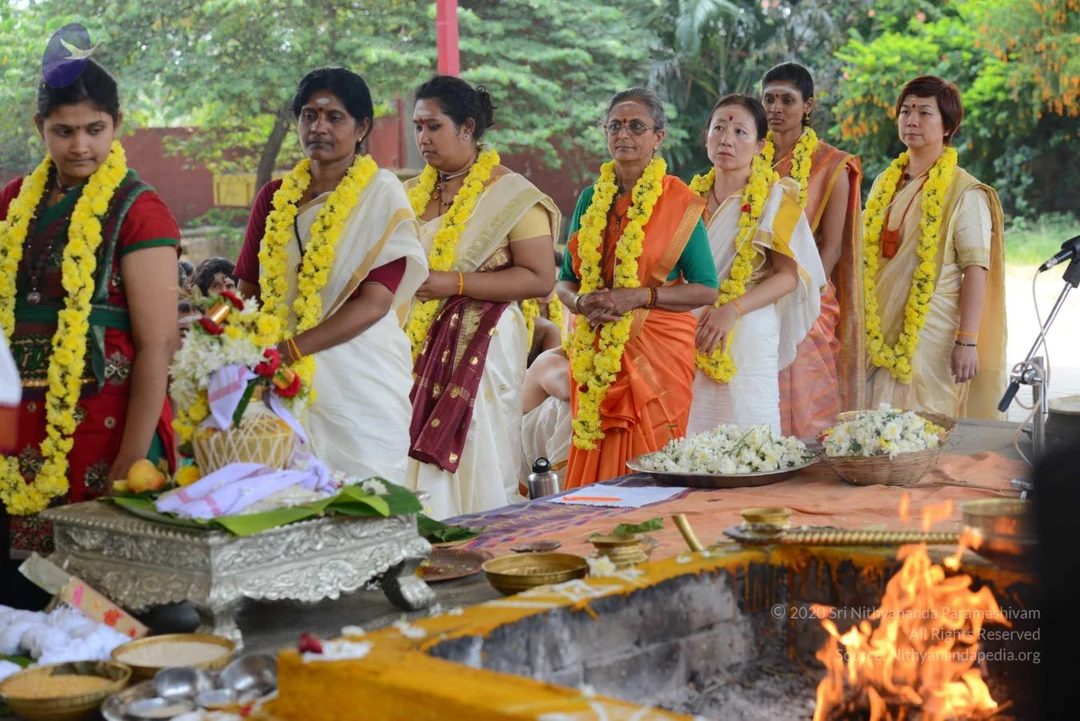
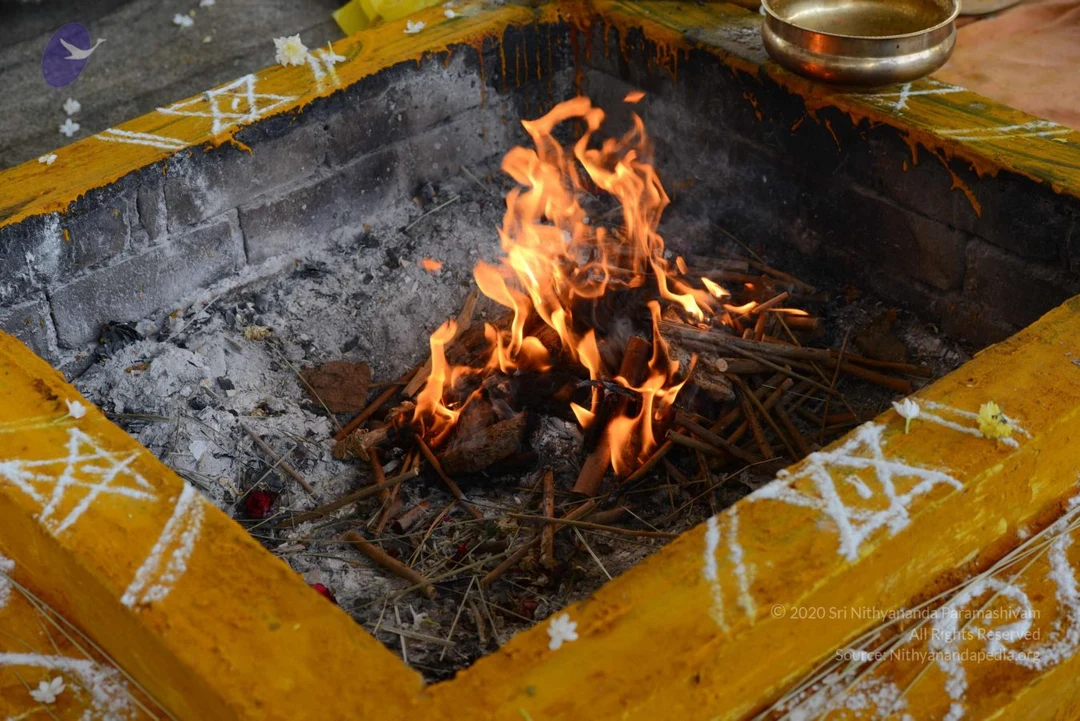
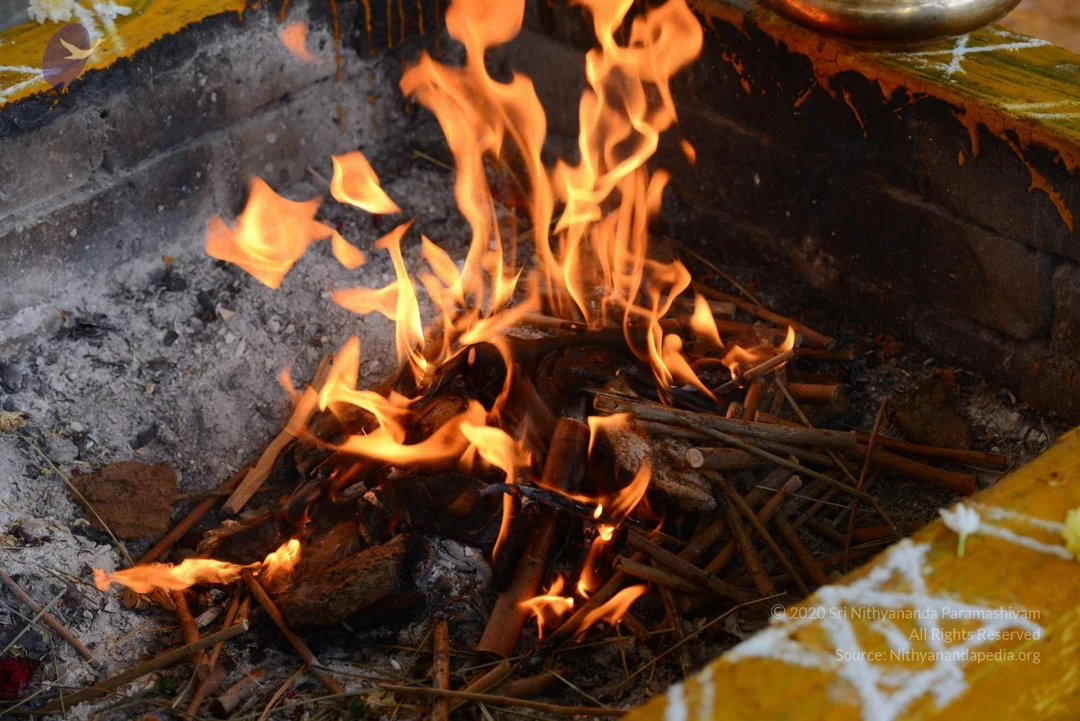
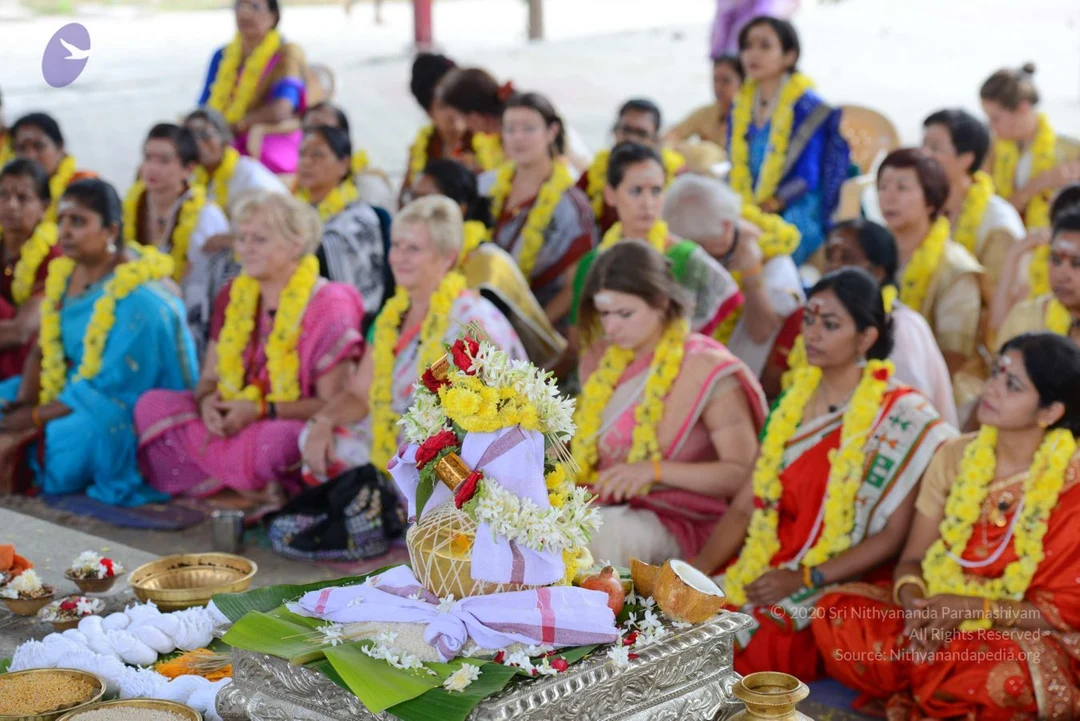
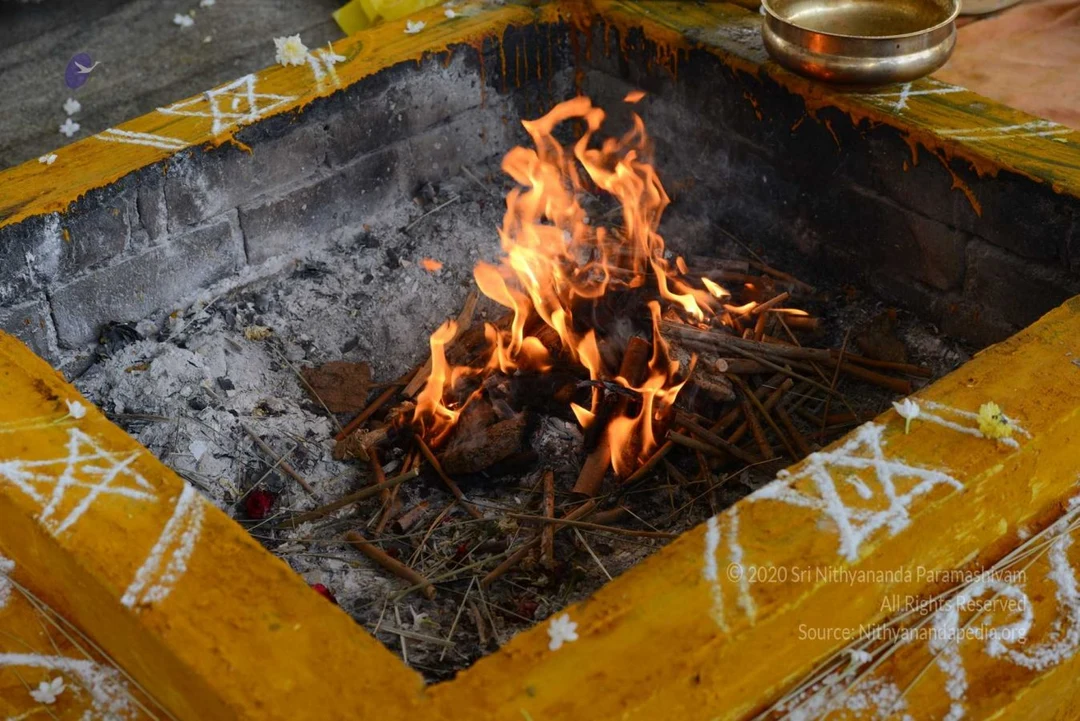 Homa Performed As Per Agamas For Traditional Gayathri Initiation
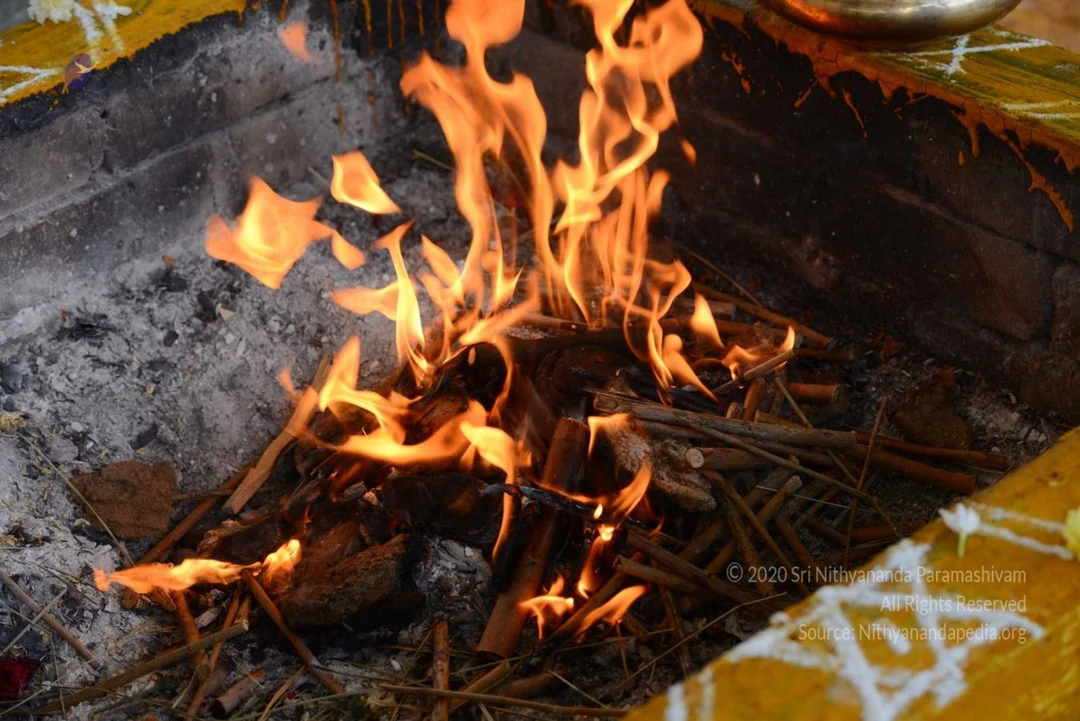 Homa Performed As Per Agamas For Traditional Gayathri Initiation
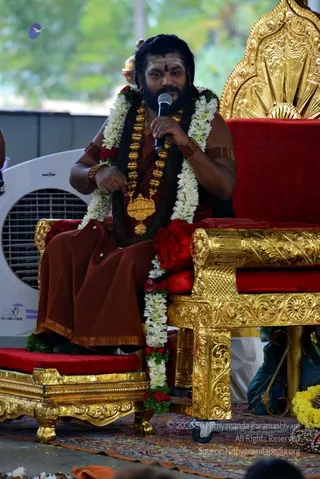 His Divine Holiness Initiates Nithyananda Yogam Delegates Into Gayathri Mantra
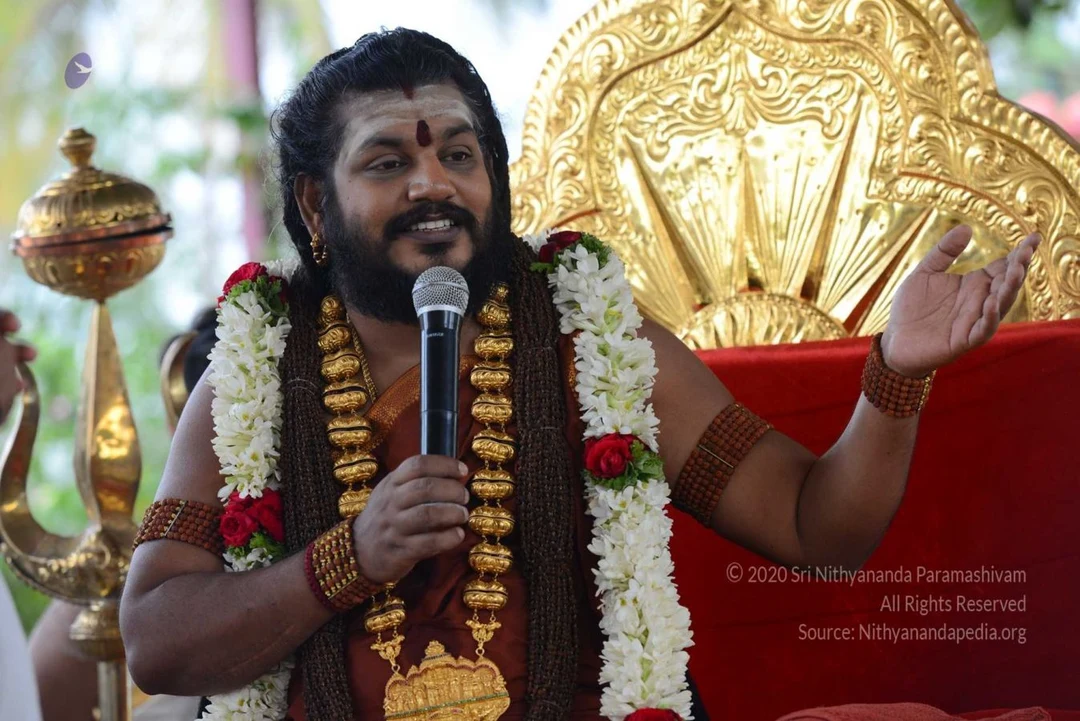 His Divine Holiness Initiates Nithyananda Yogam Delegates Into Gayathri Mantra
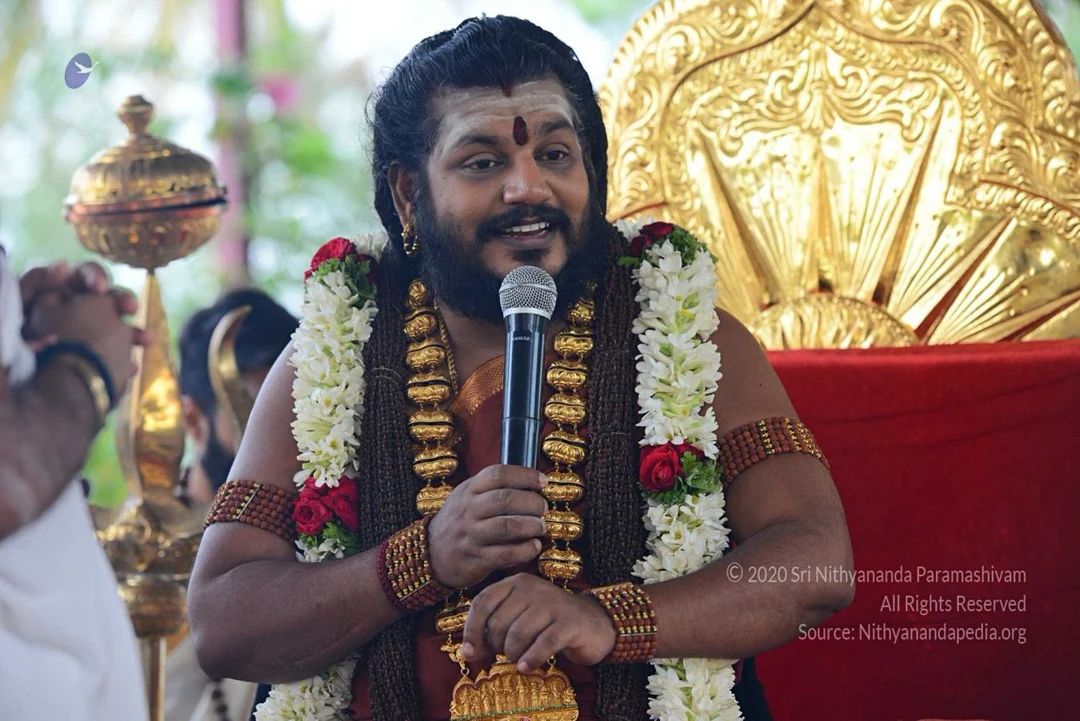 His Divine Holiness Initiates Nithyananda Yogam Delegates Into Gayathri Mantra
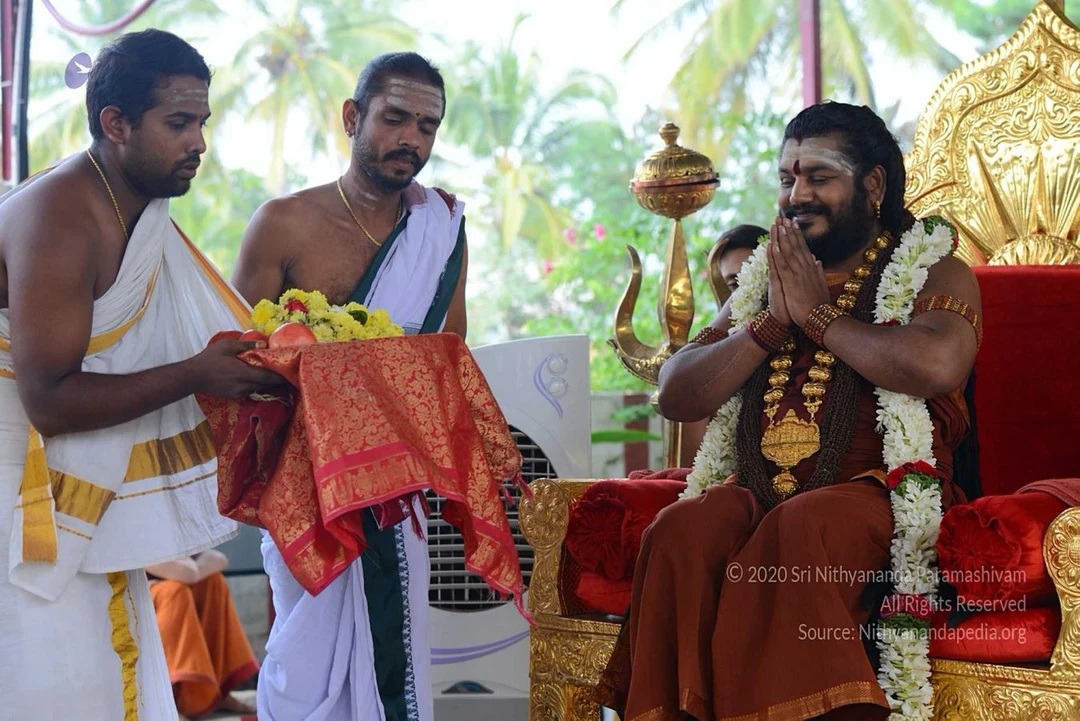 His Divine Holiness Receives Homa Prasad
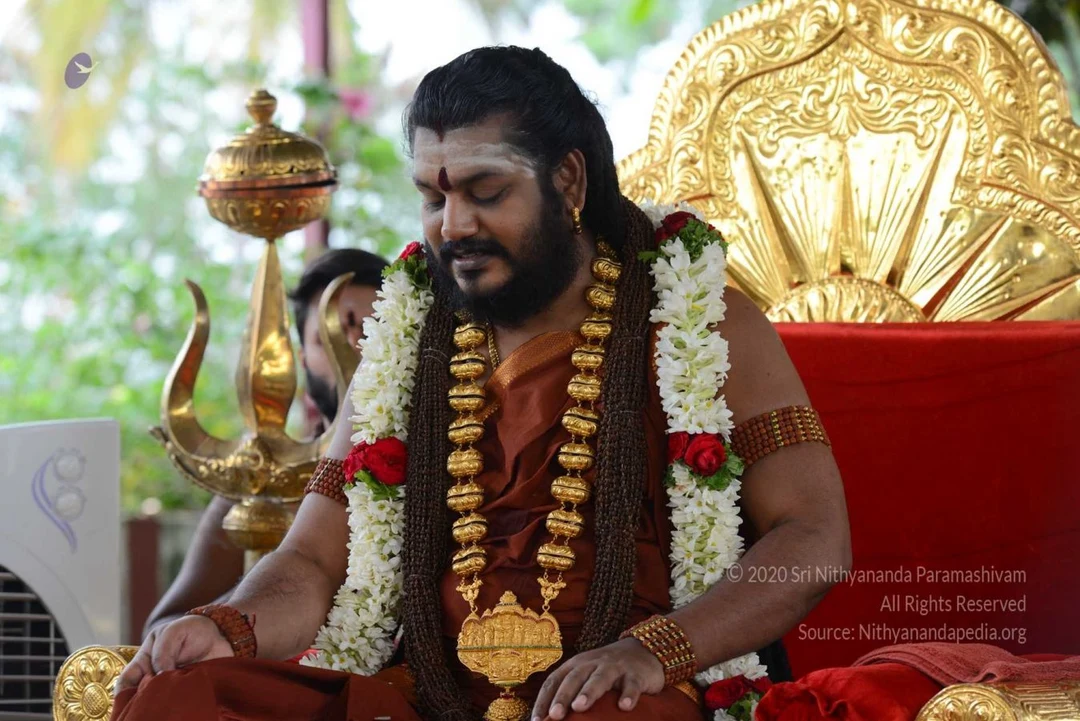 His Divine Holiness Bhagavan Sri Nithyananda Paramashivam
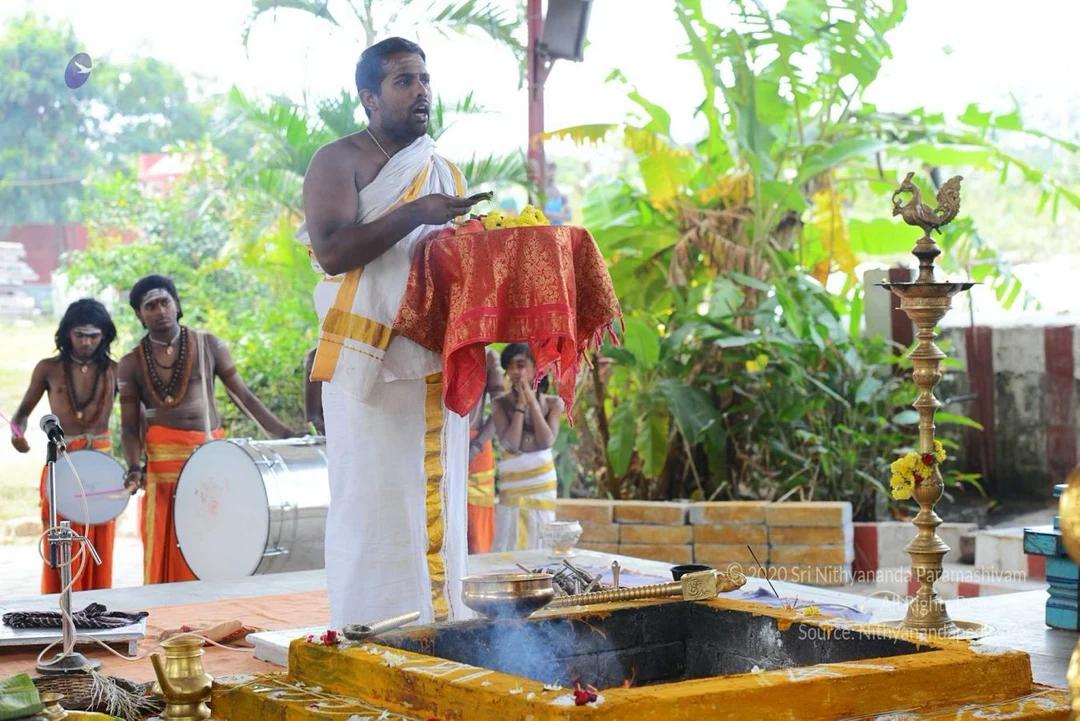 Homa Performed As Per Agamas For Traditional Gayathri Initiation
 Homa Performed As Per Agamas For Traditional Gayathri Initiation
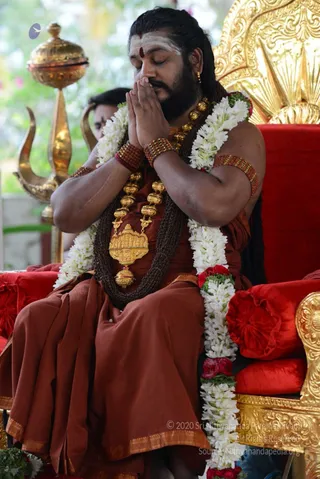 His Divine Holiness Bhagavan Sri Nithyananda Paramashivam
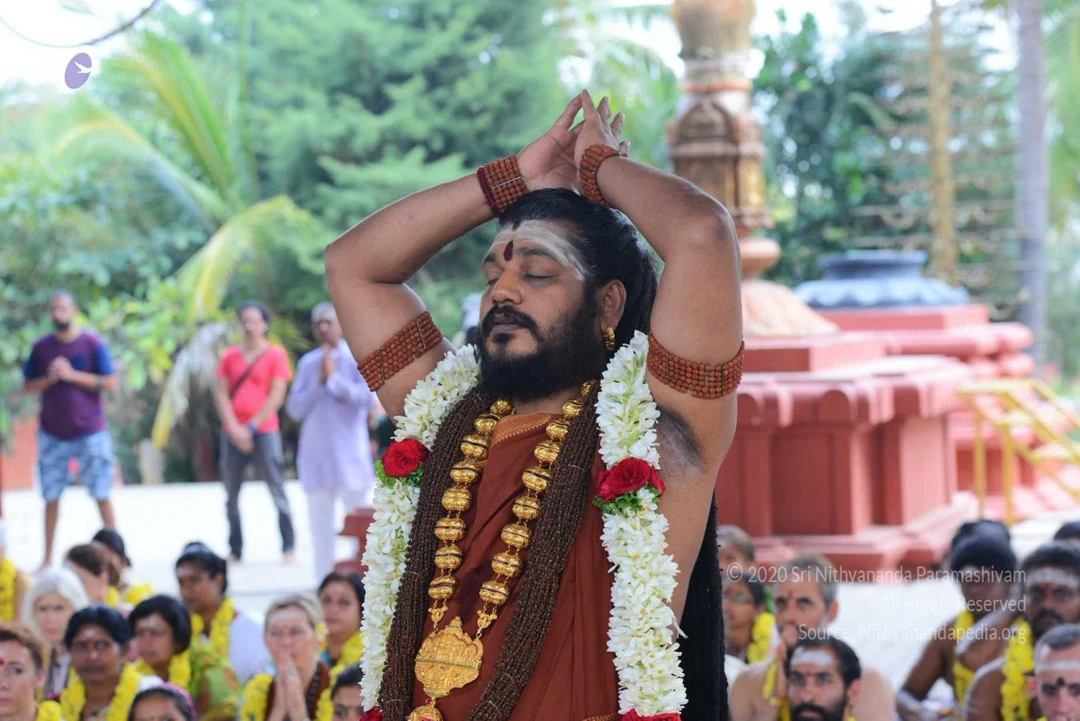 His Divine Holiness Receives Divine Blessings of Lord Nithyanandeshwara Paramashiva and Devi Nithyanandeshwari Parashakti
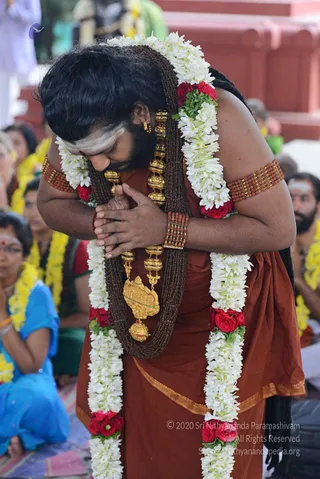 His Divine Holiness Receives Divine Blessings of Lord Nithyanandeshwara Paramashiva and Devi Nithyanandeshwari Parashakti
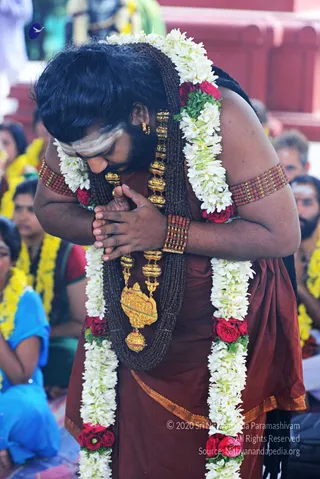 His Divine Holiness Receives Divine Blessings of Lord Nithyanandeshwara Paramashiva and Devi Nithyanandeshwari Parashakti
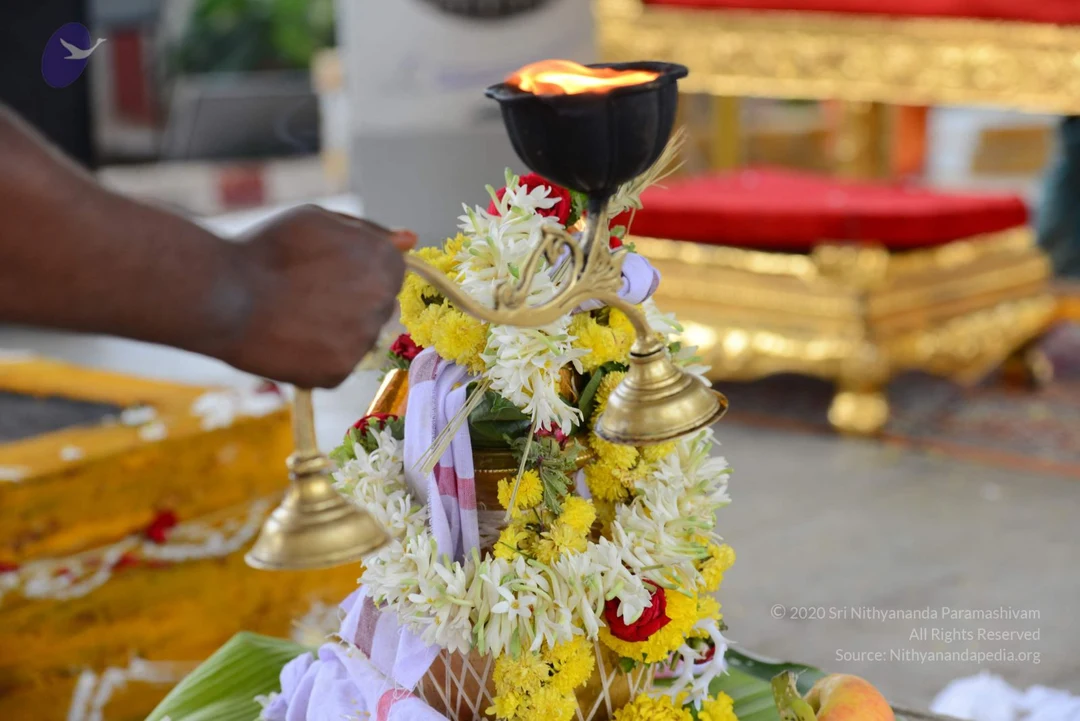
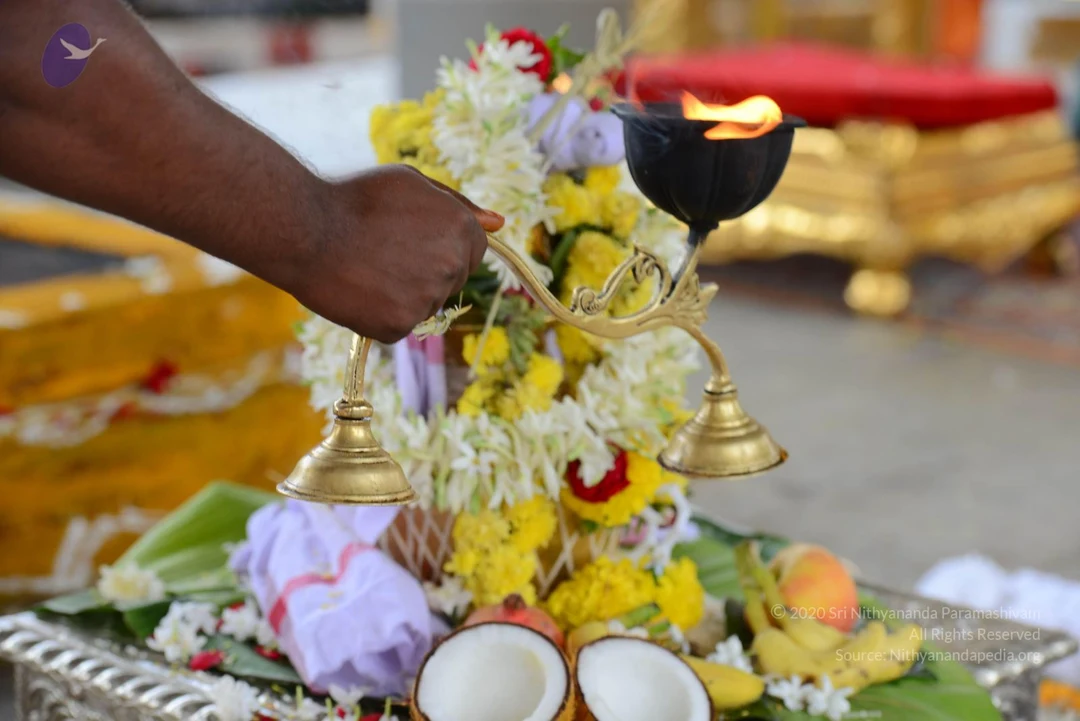
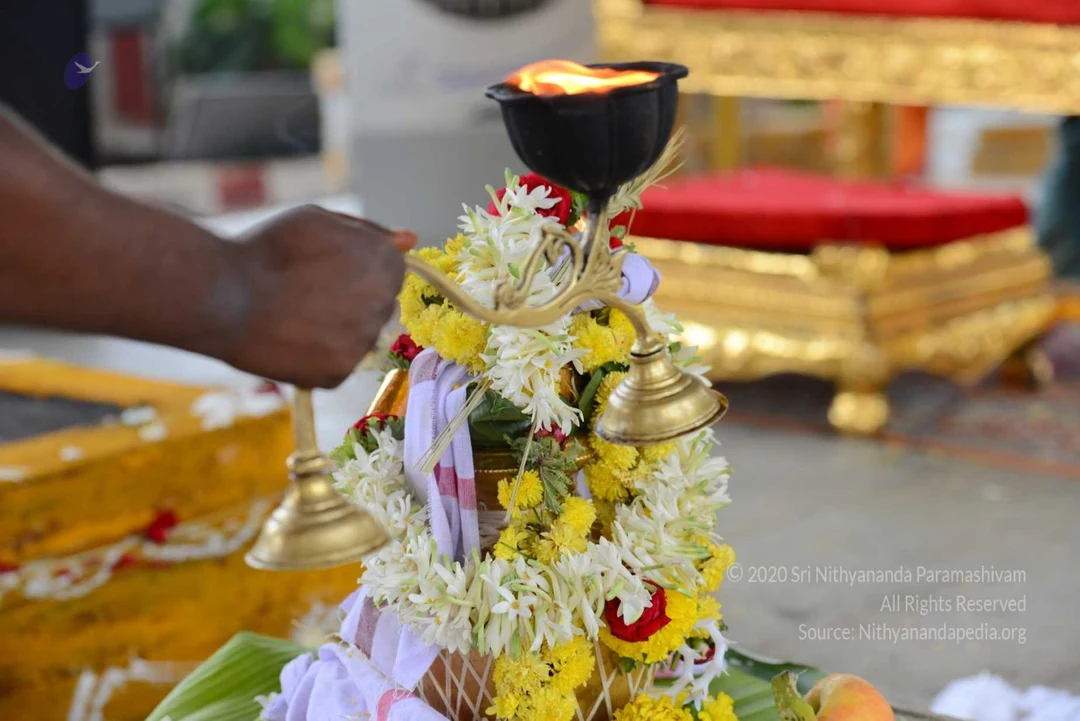 Karpoora Aarati
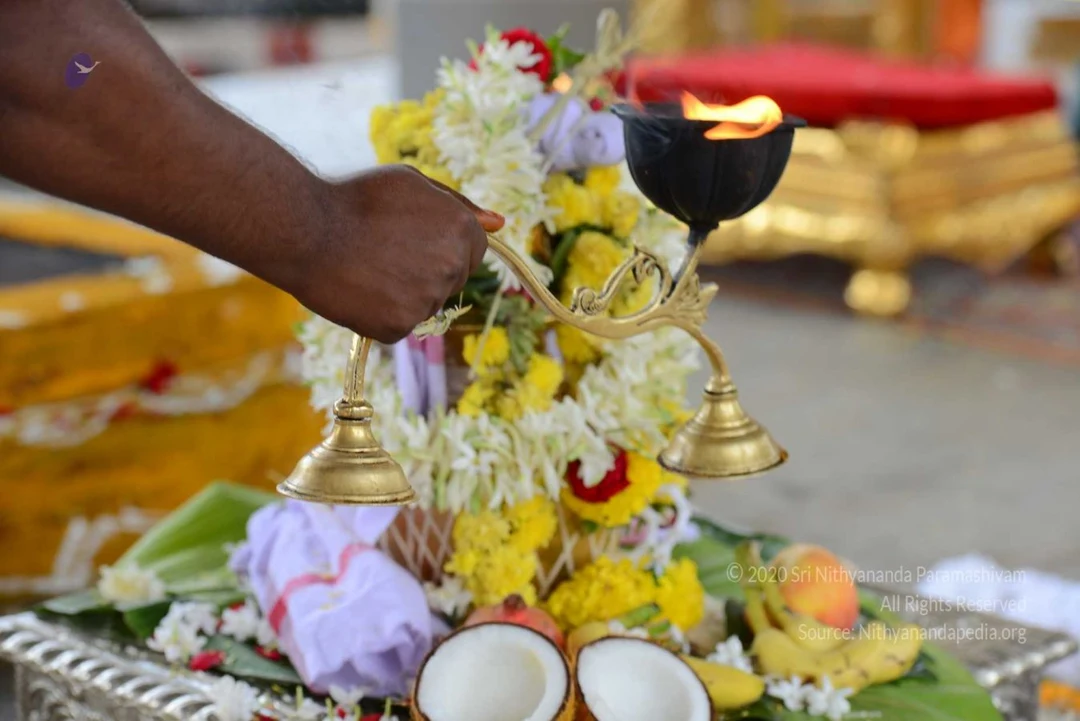 Karpoora Aarati
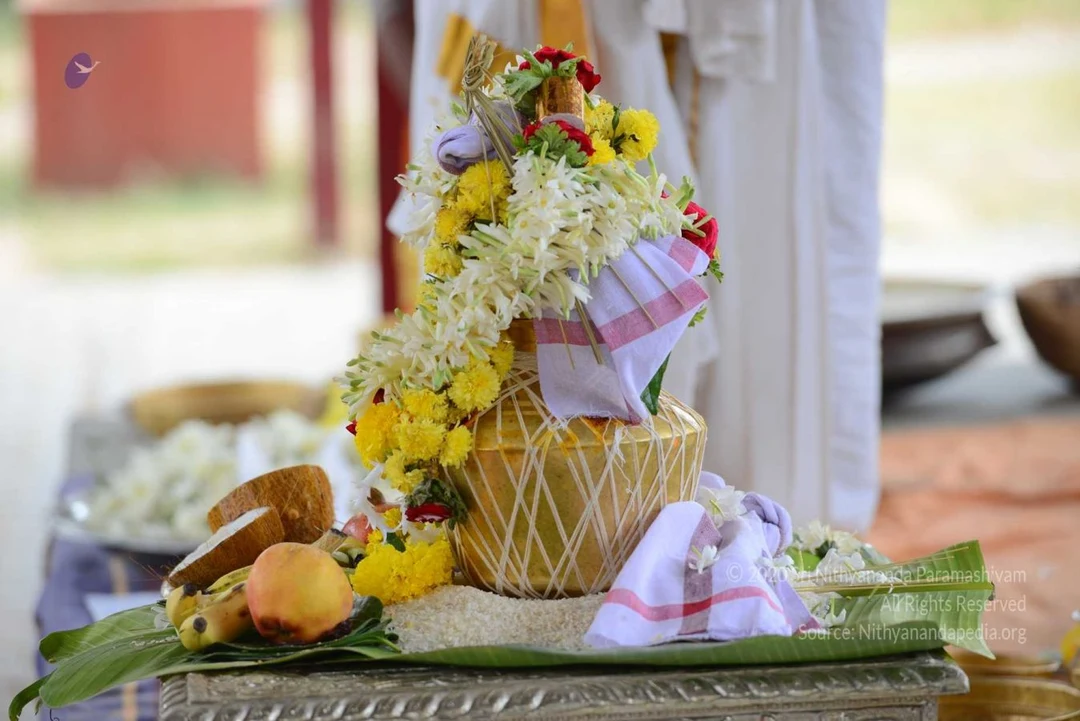 Homa Kalasas for For Traditional Gayathri Initiation
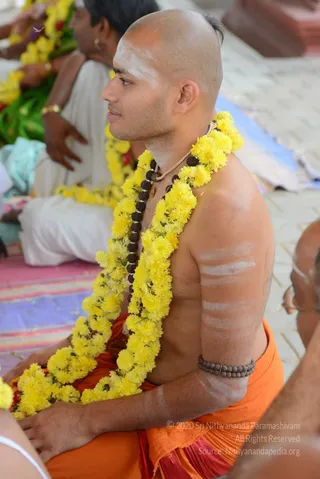 Brahmacharis Receive The Rare Opportiunity to Receive Gayathri Initiation Directly From His Divine Holiness
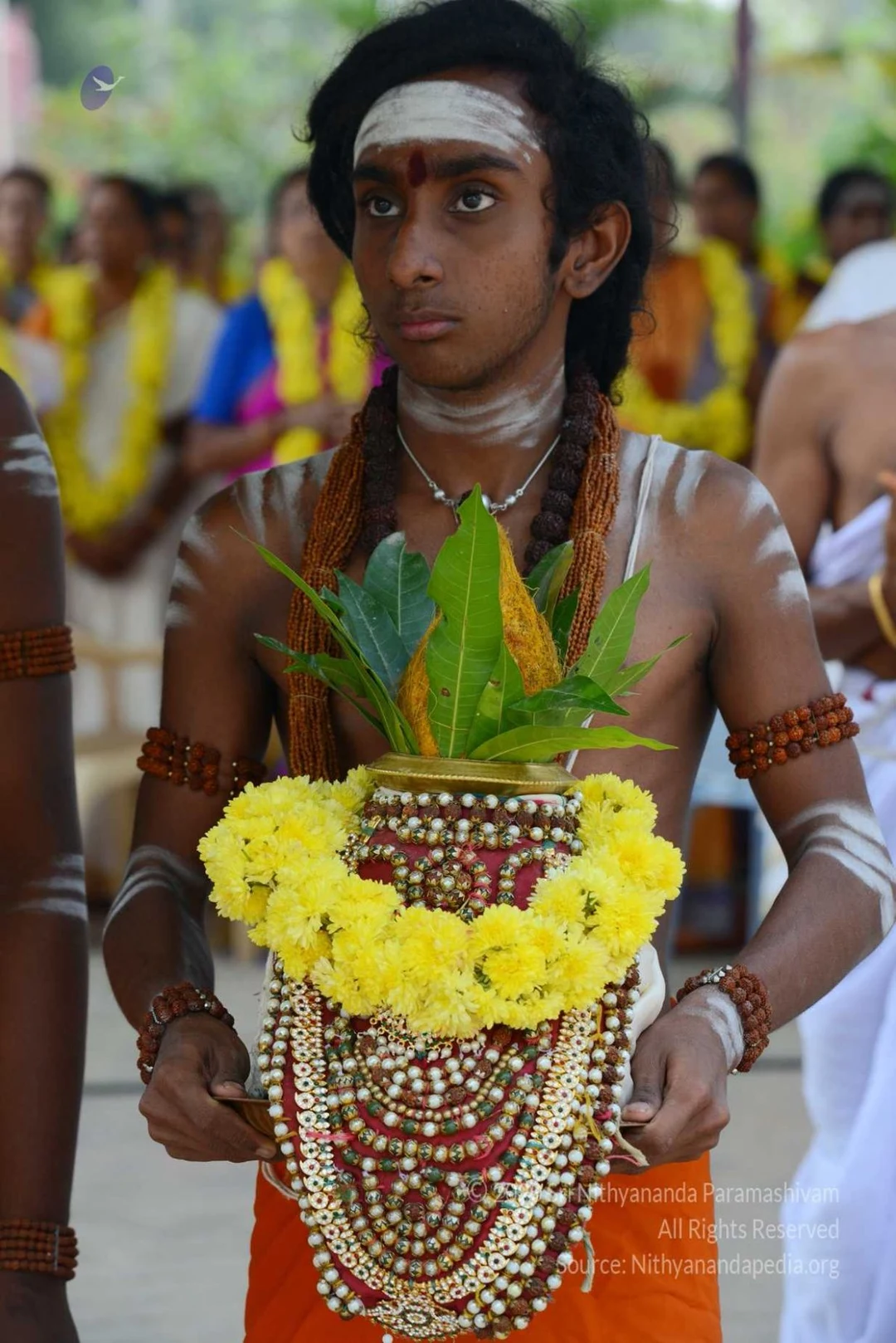
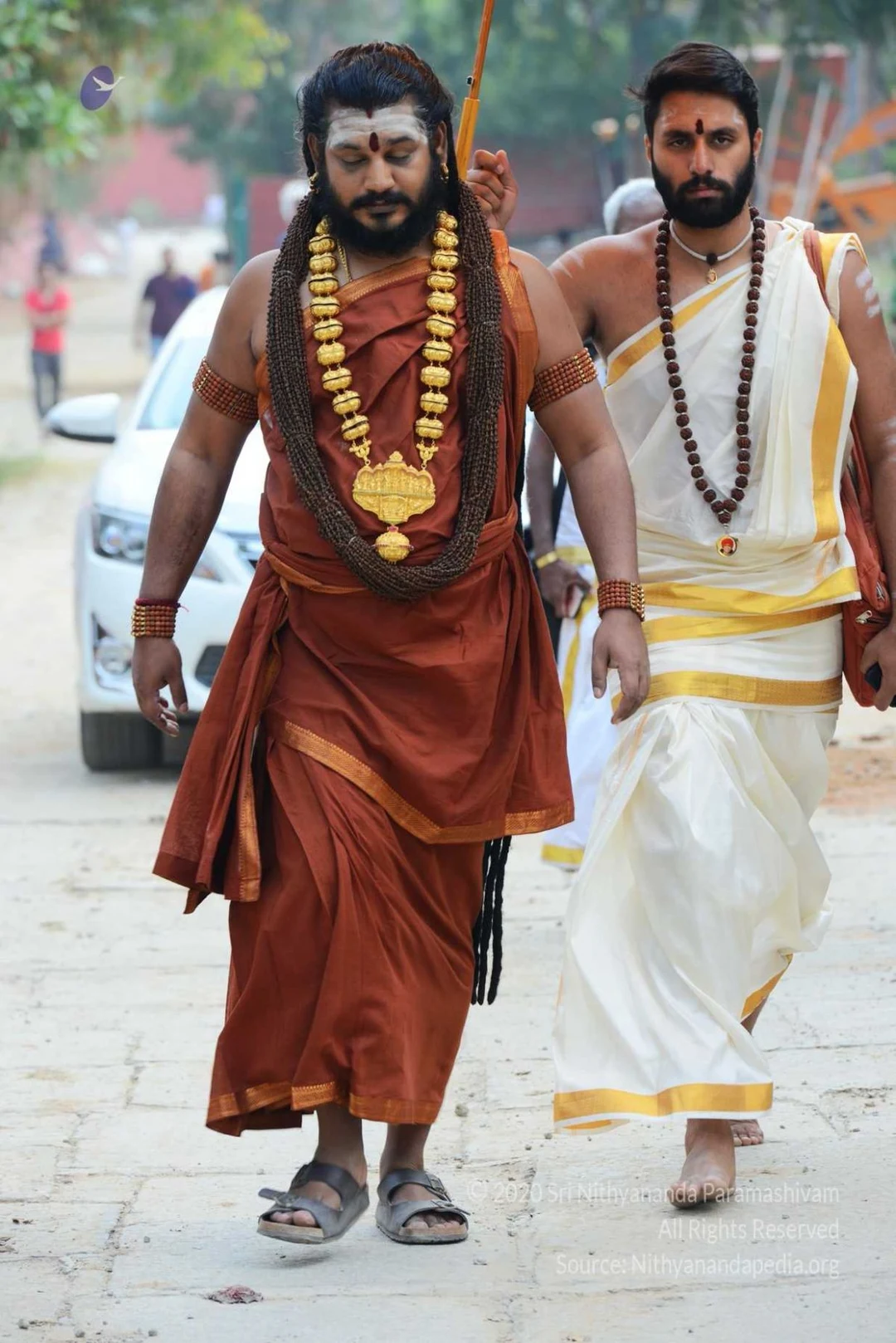
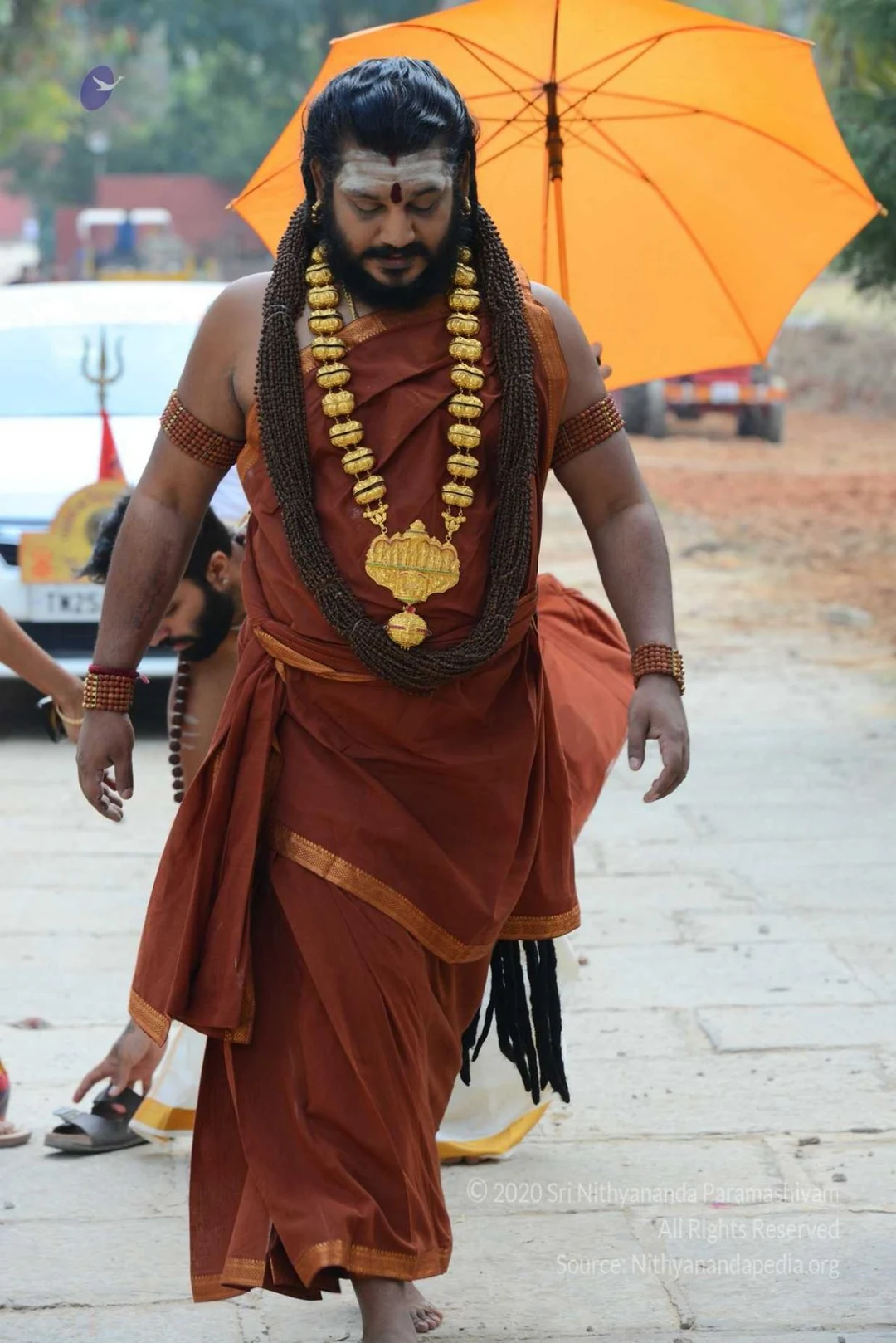
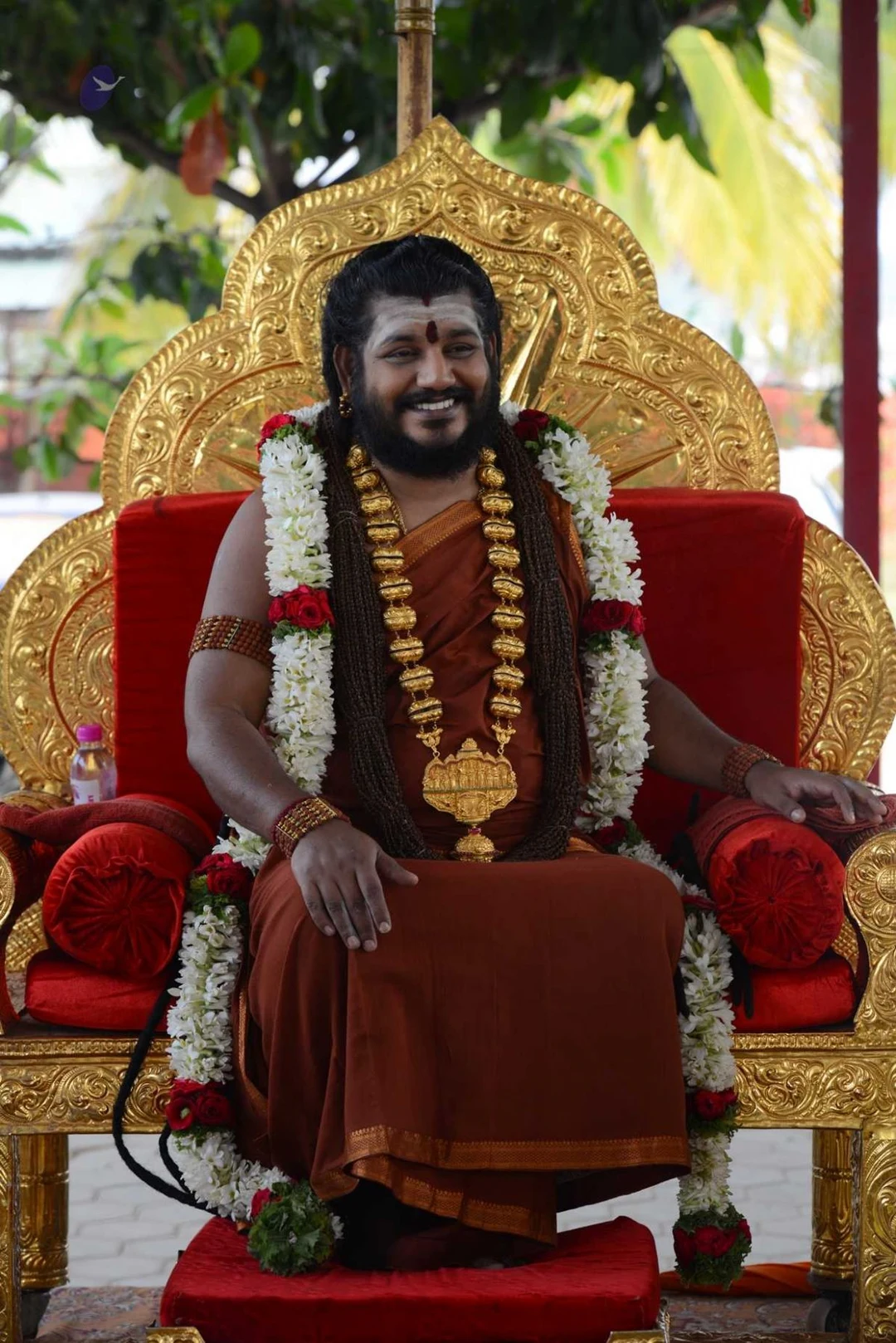
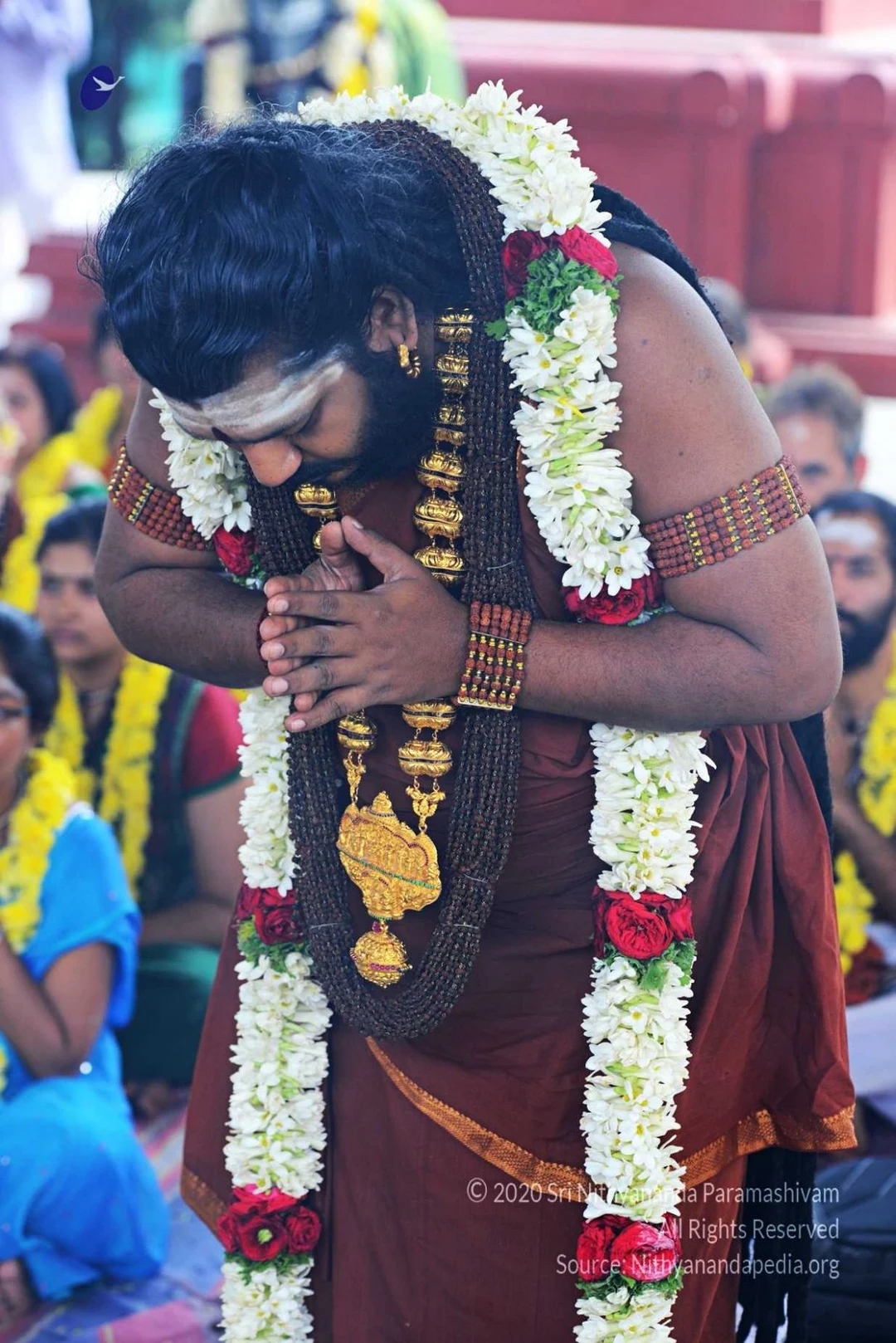
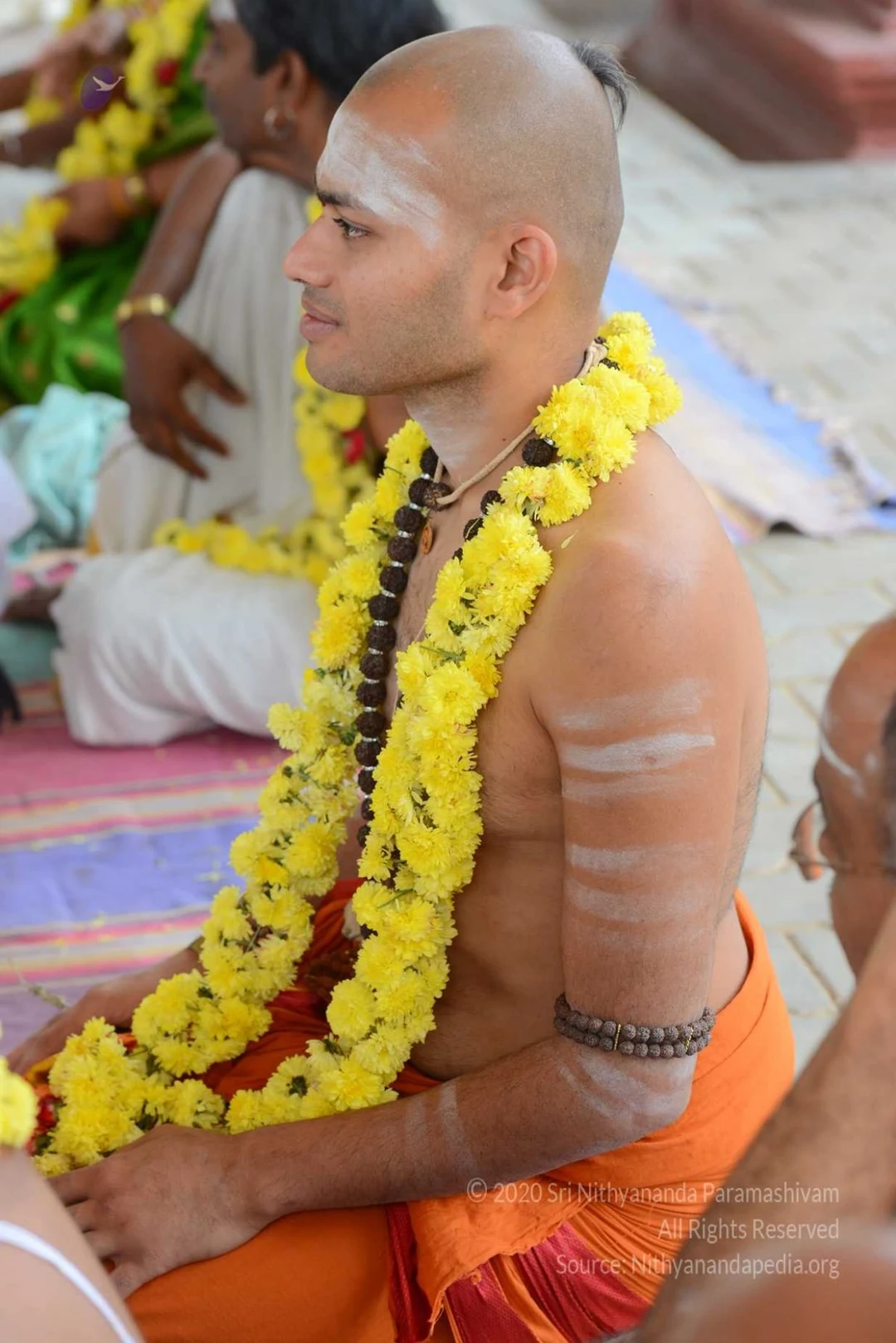
Construction
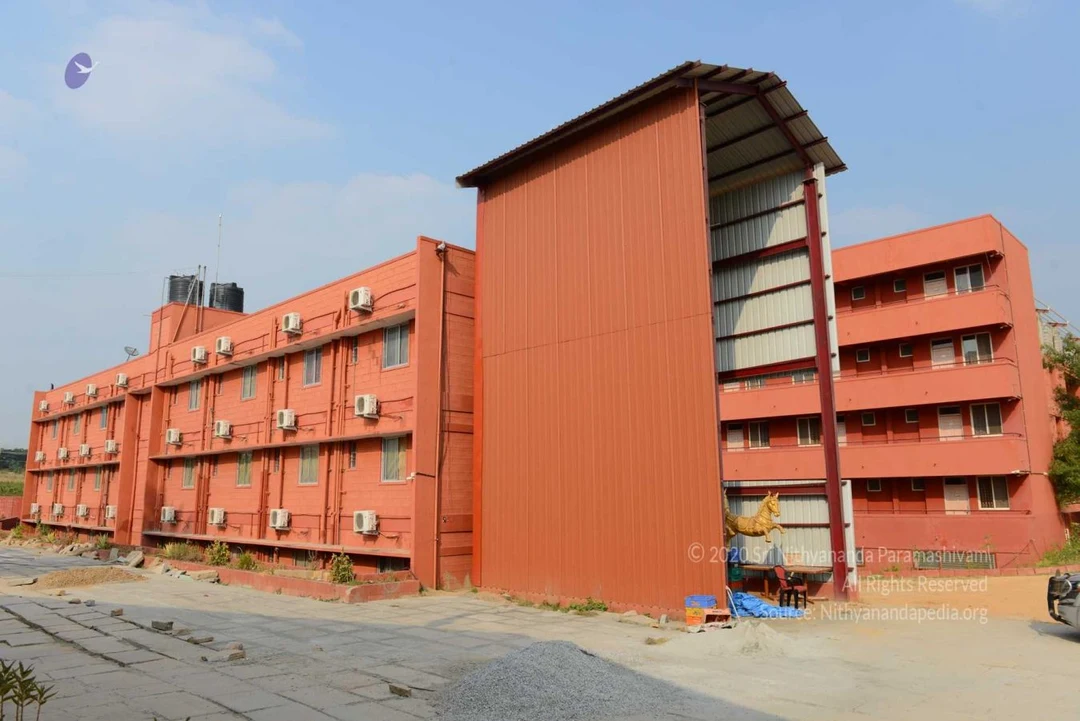 Nithyananda Peetam, Bengaluru Aadheenam
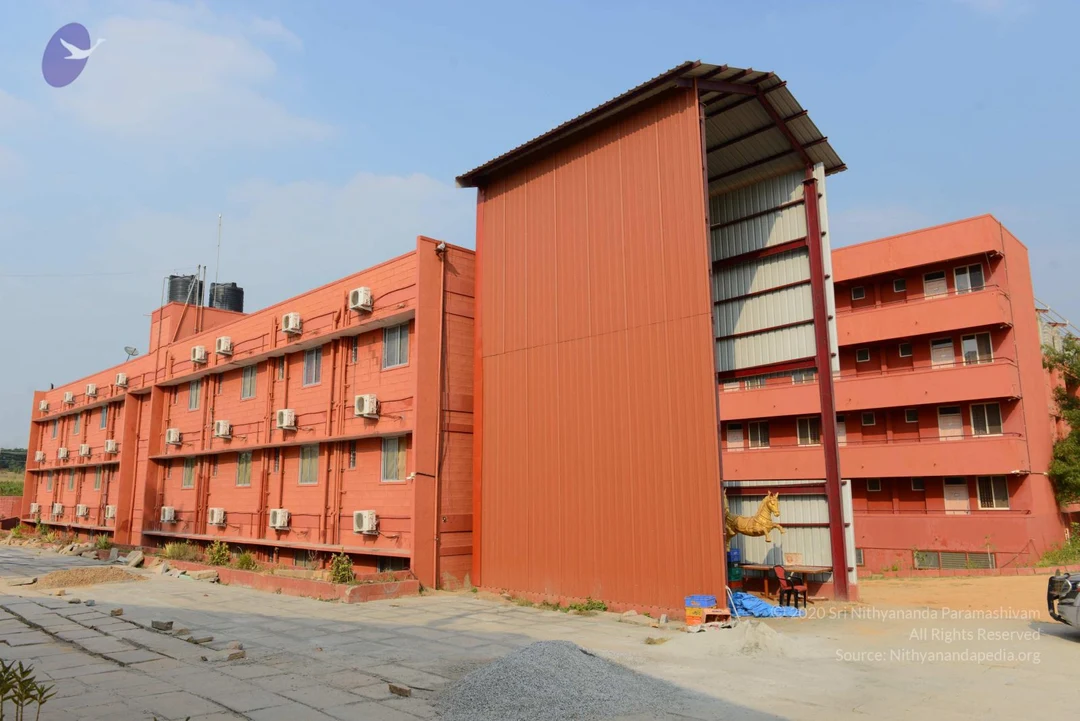
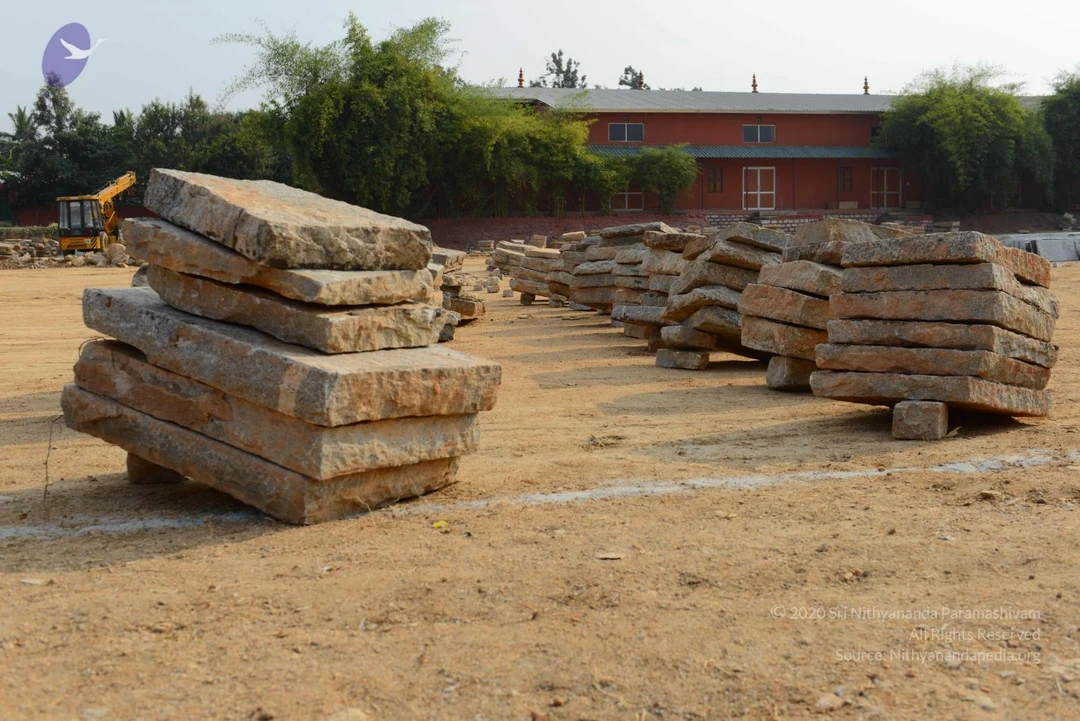
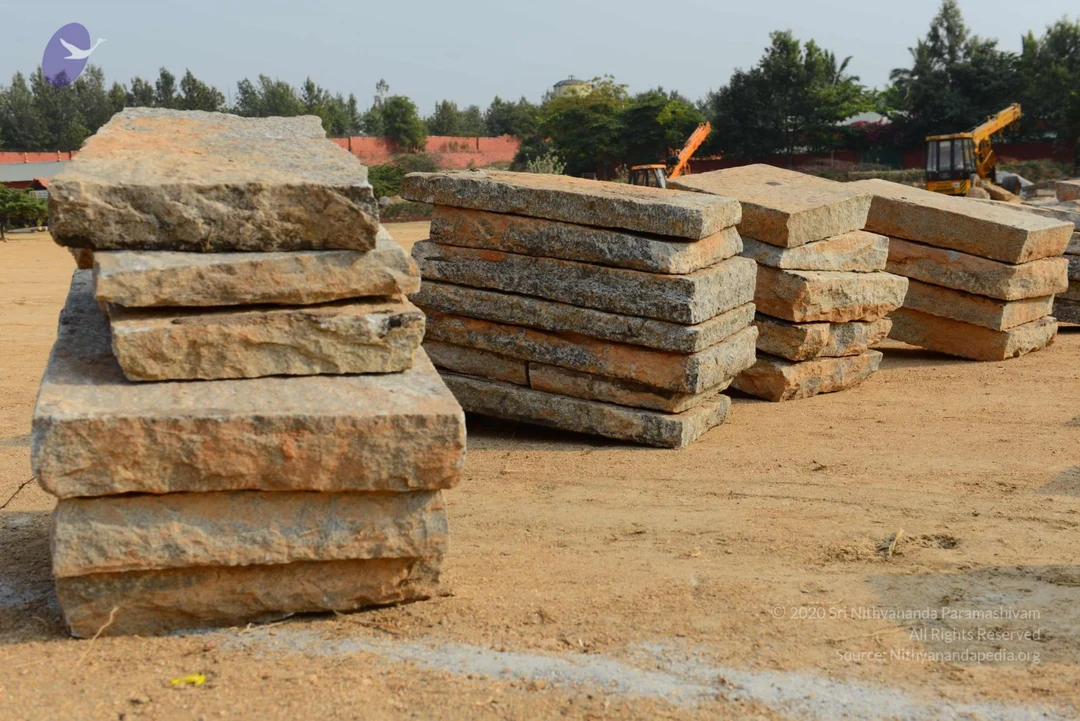
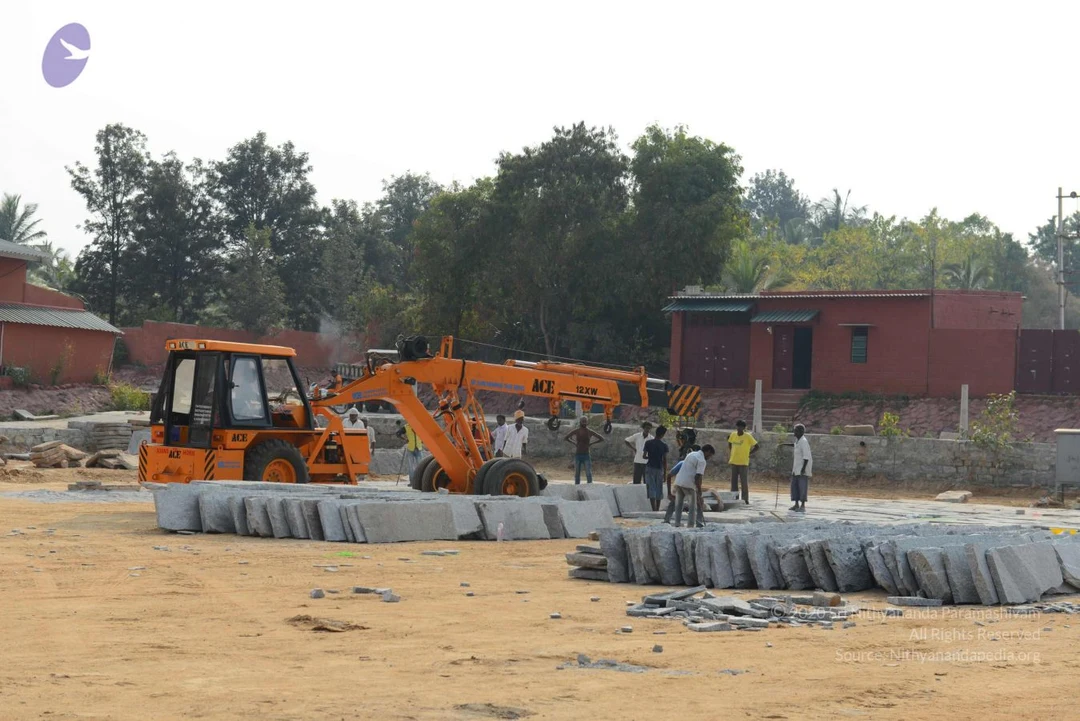
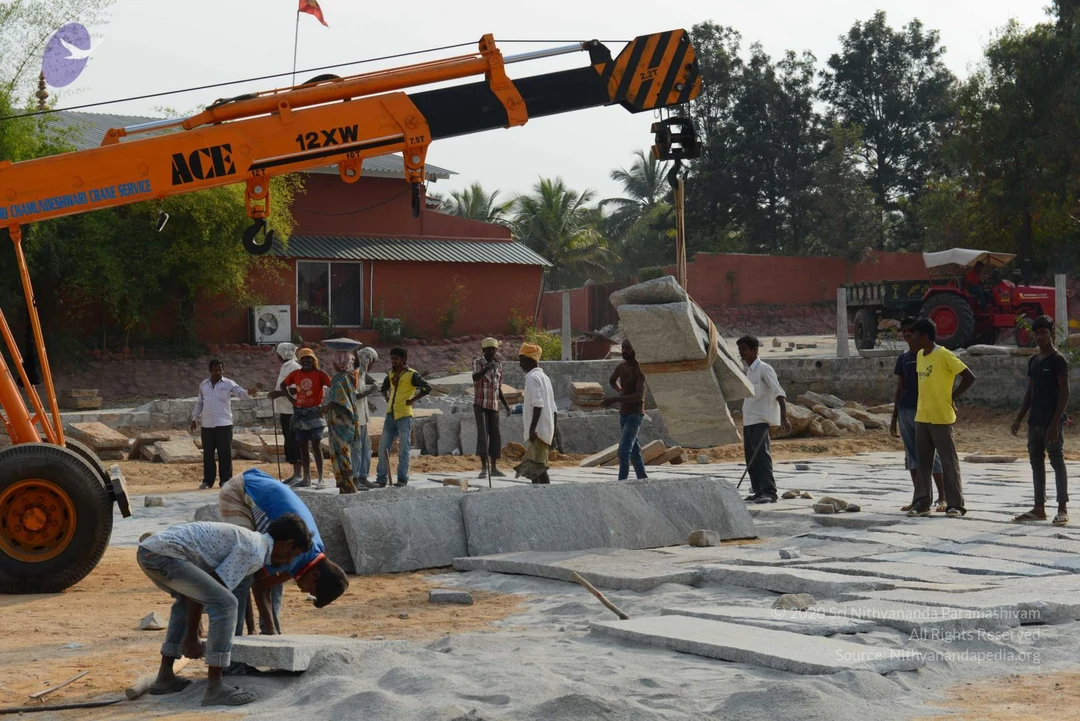
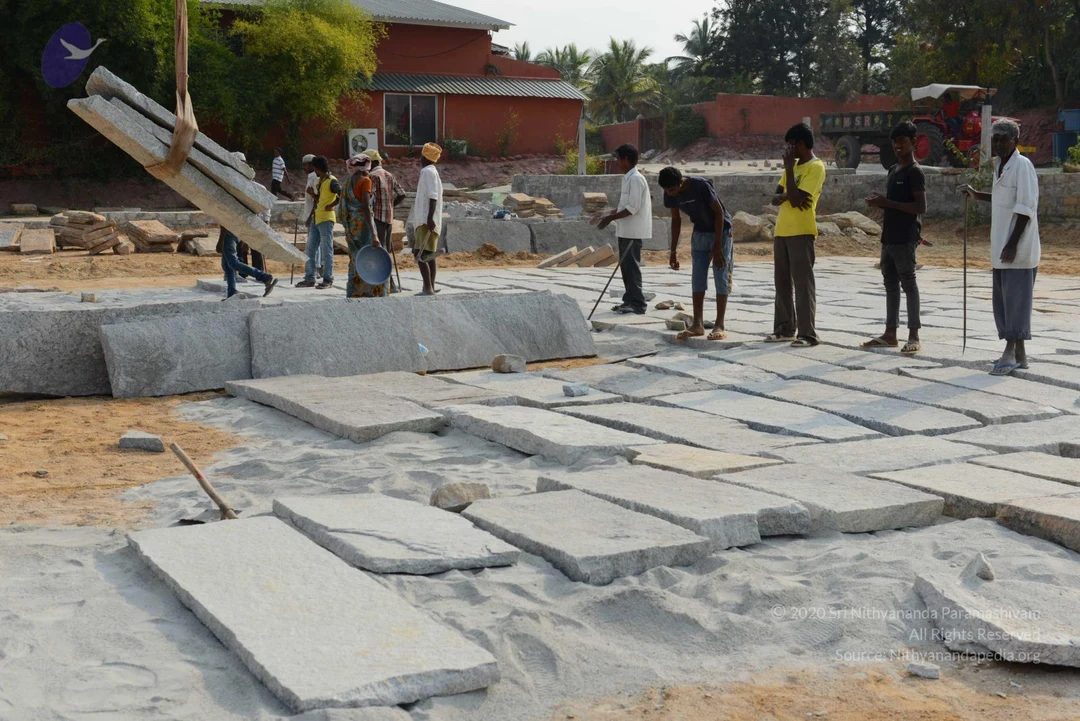
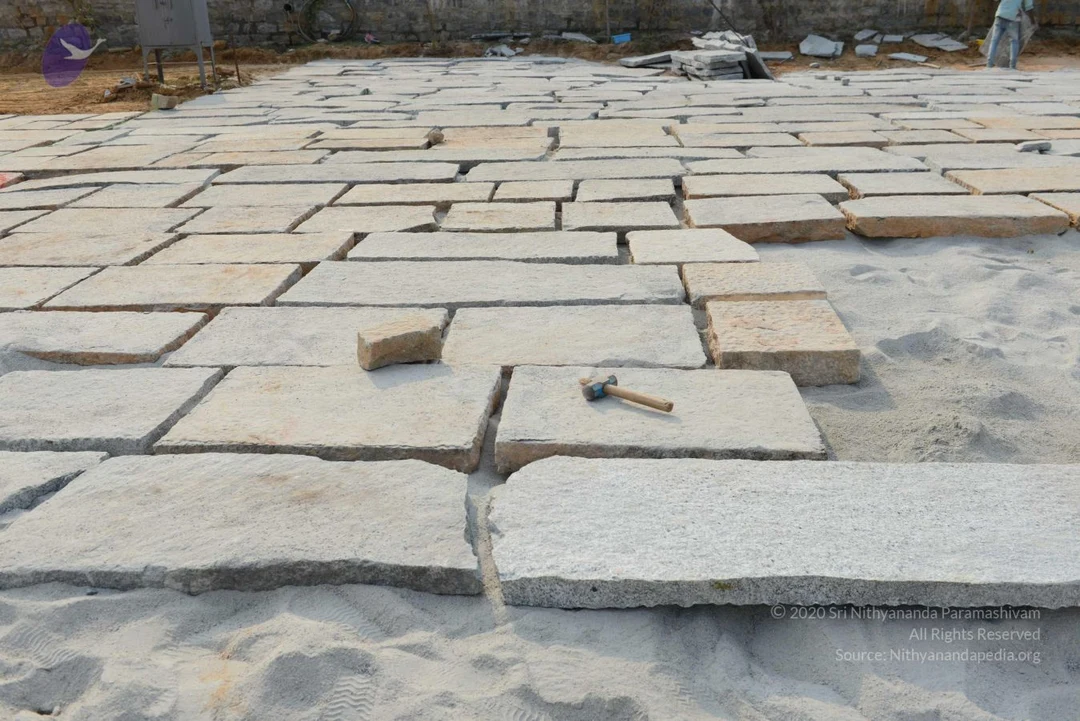
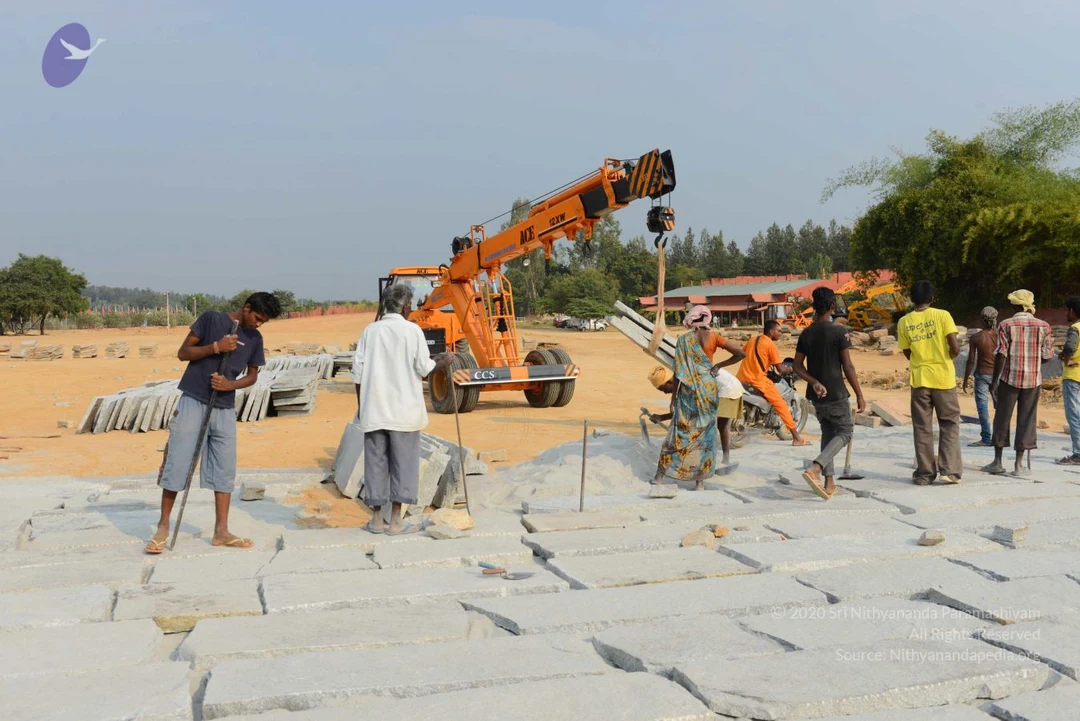
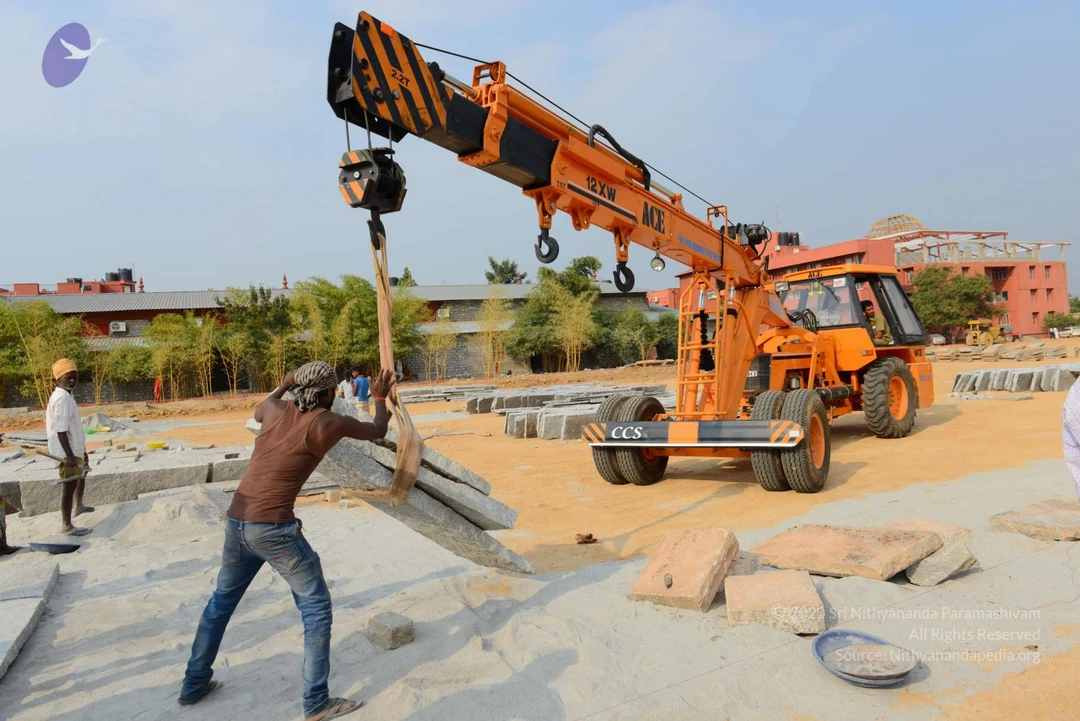
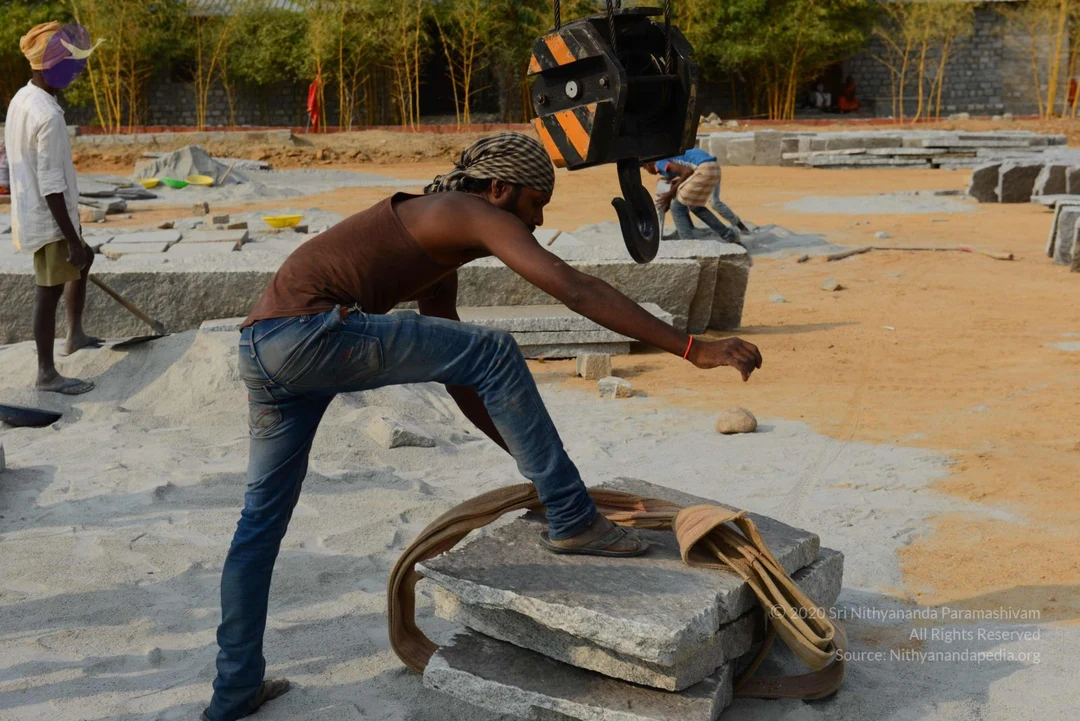
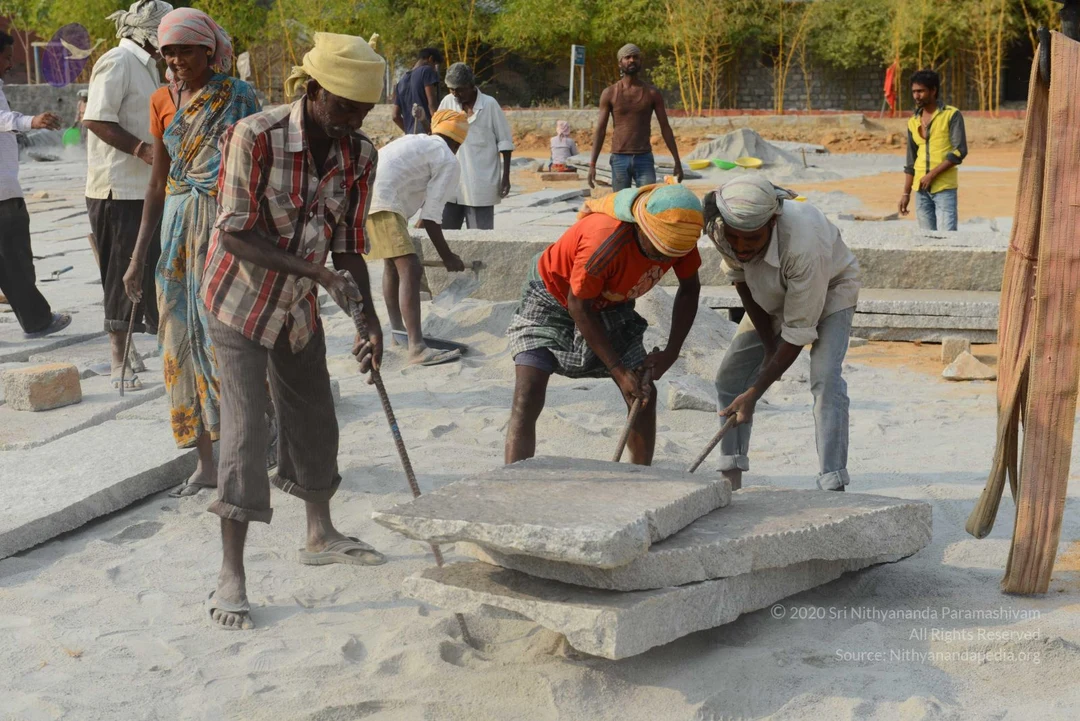
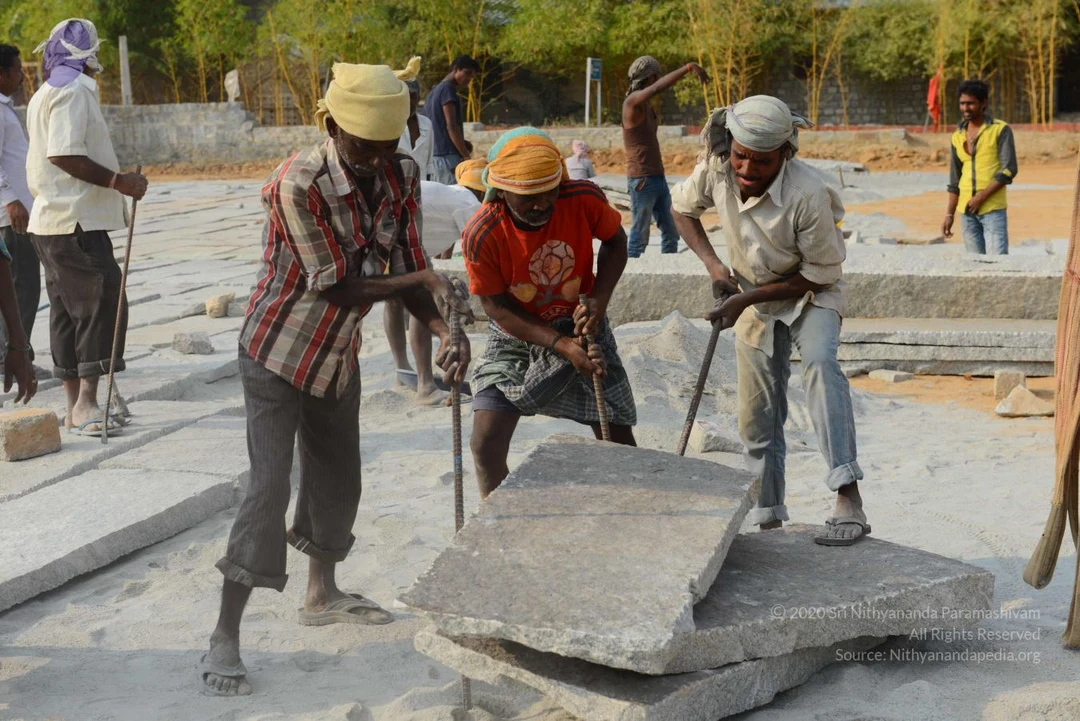
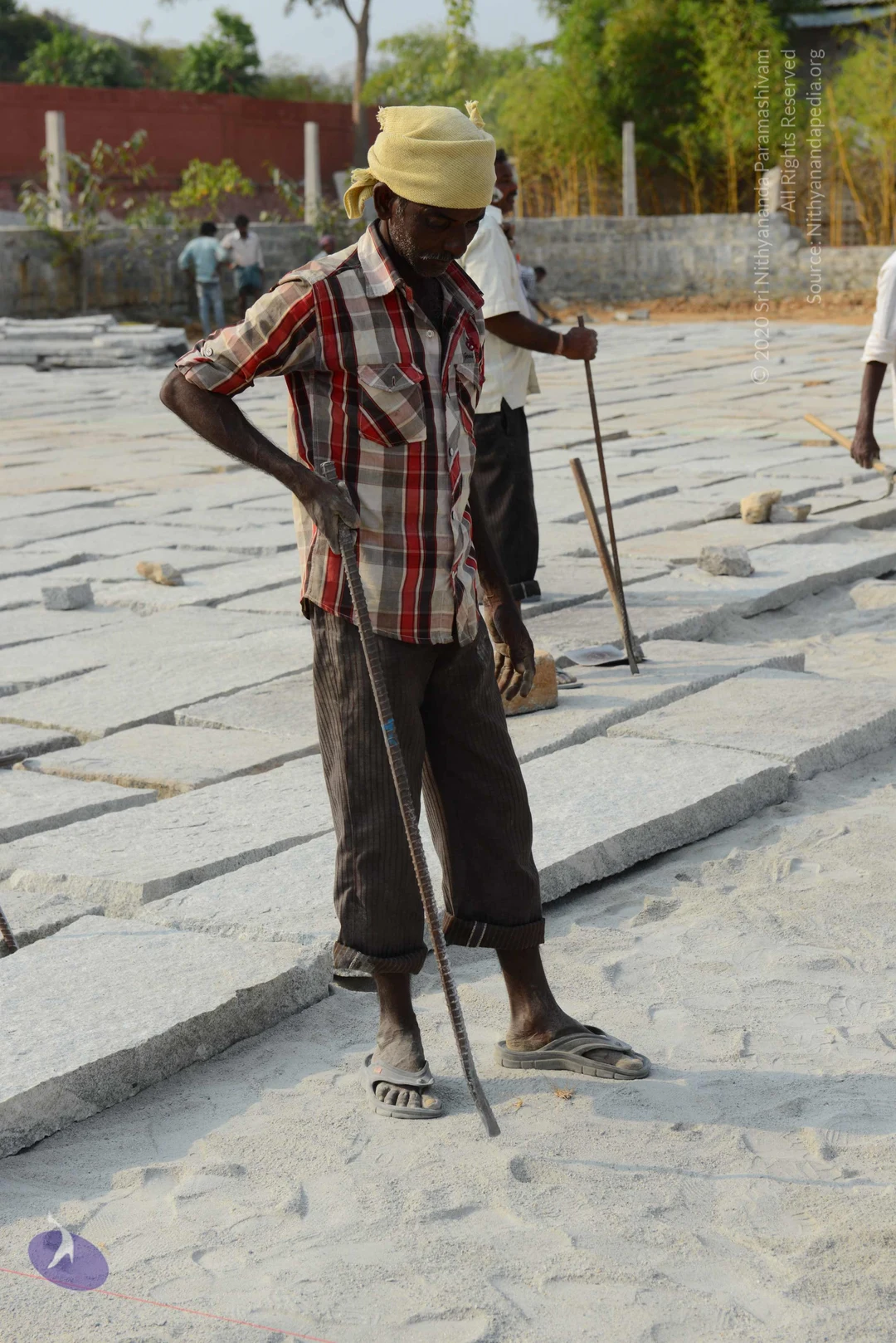
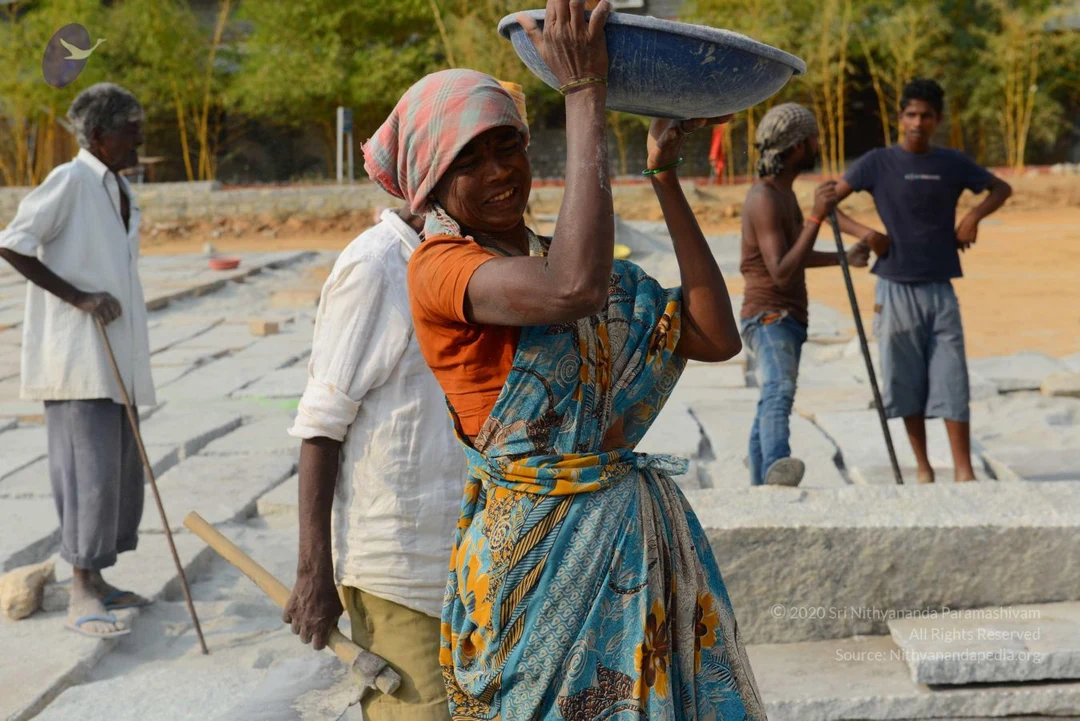
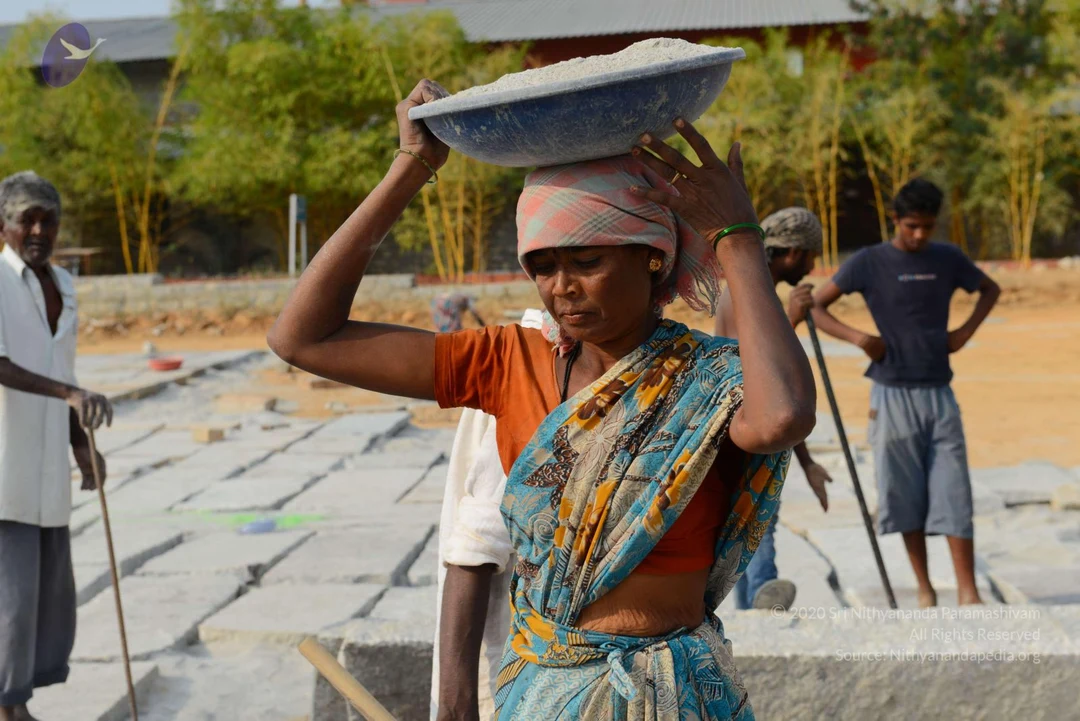
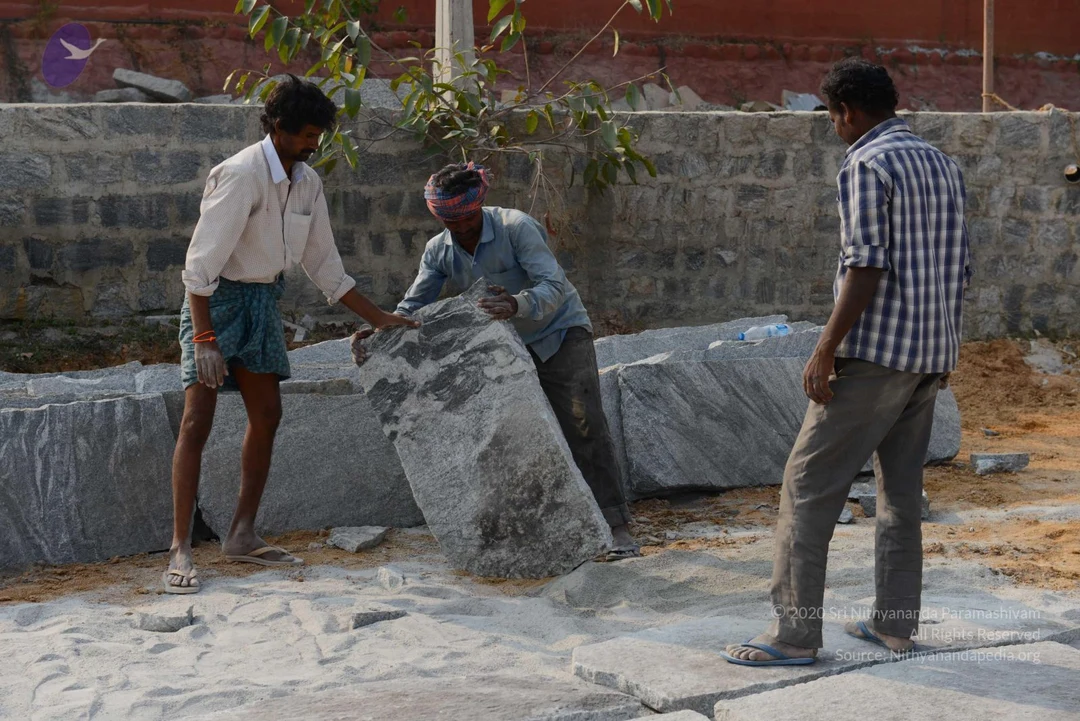
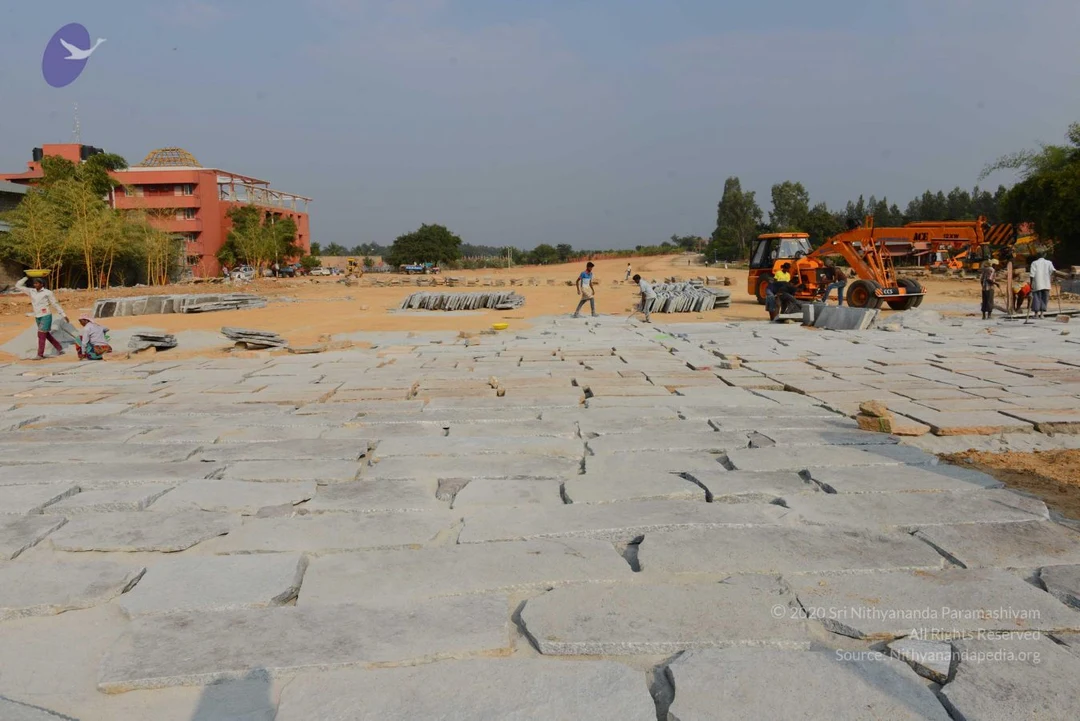
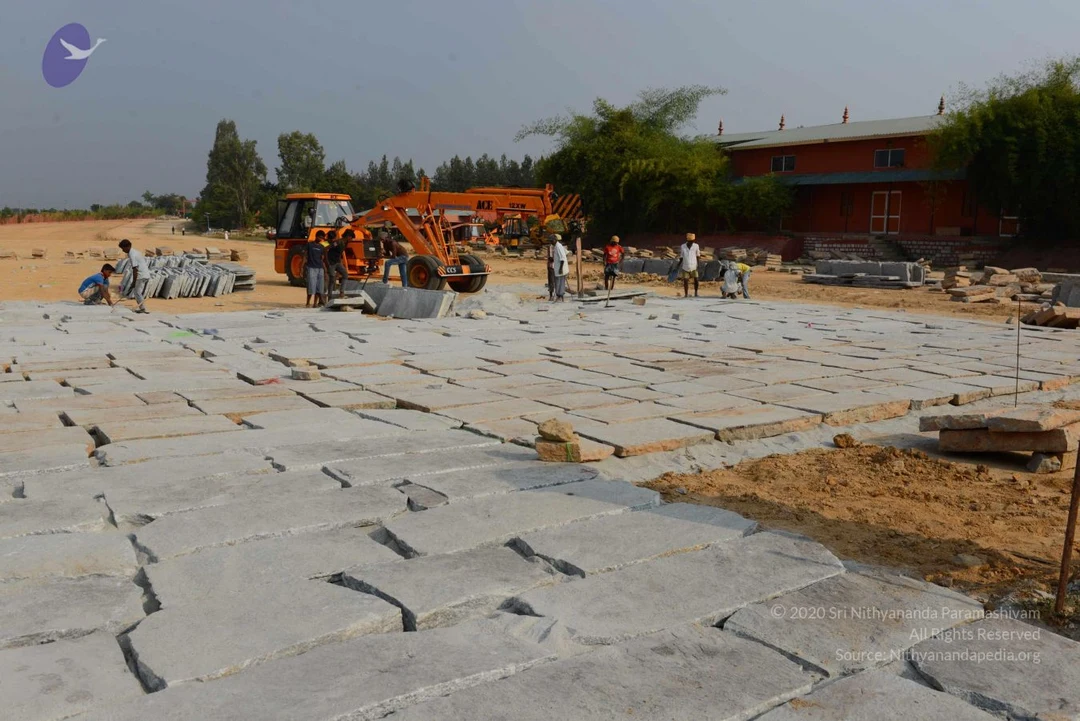
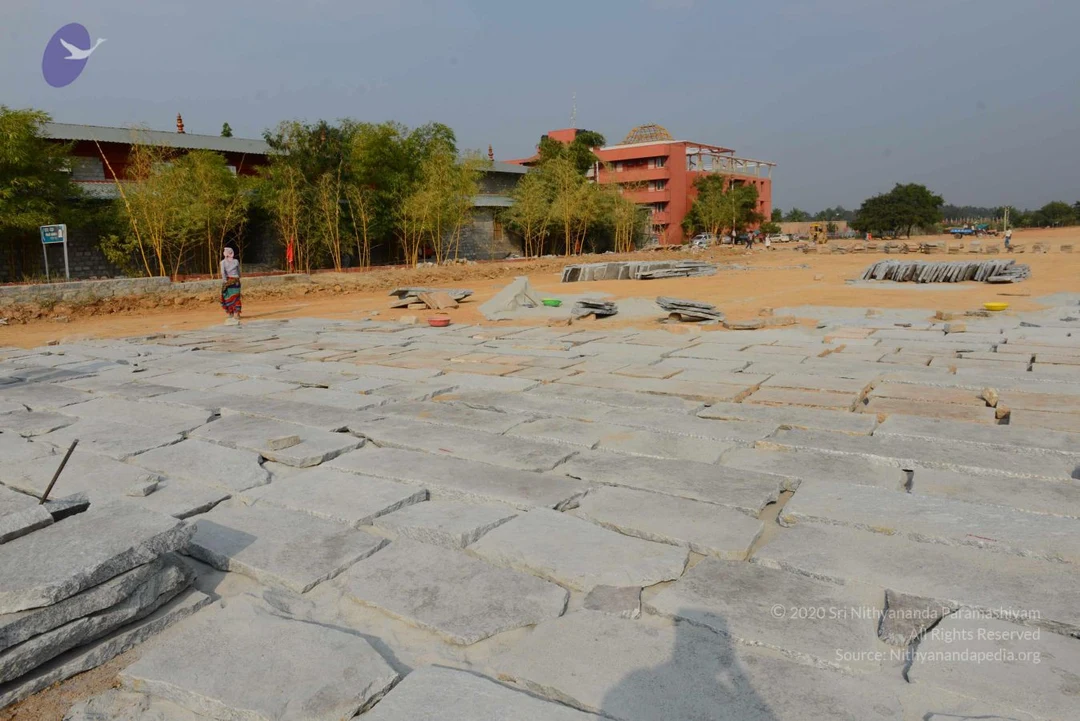
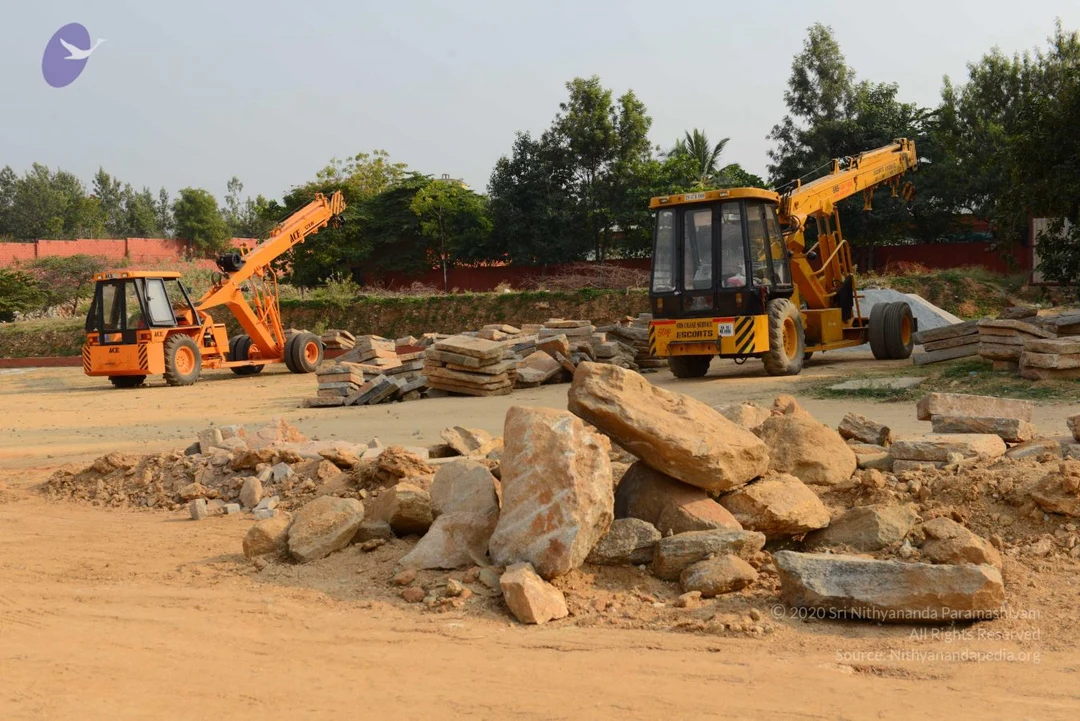
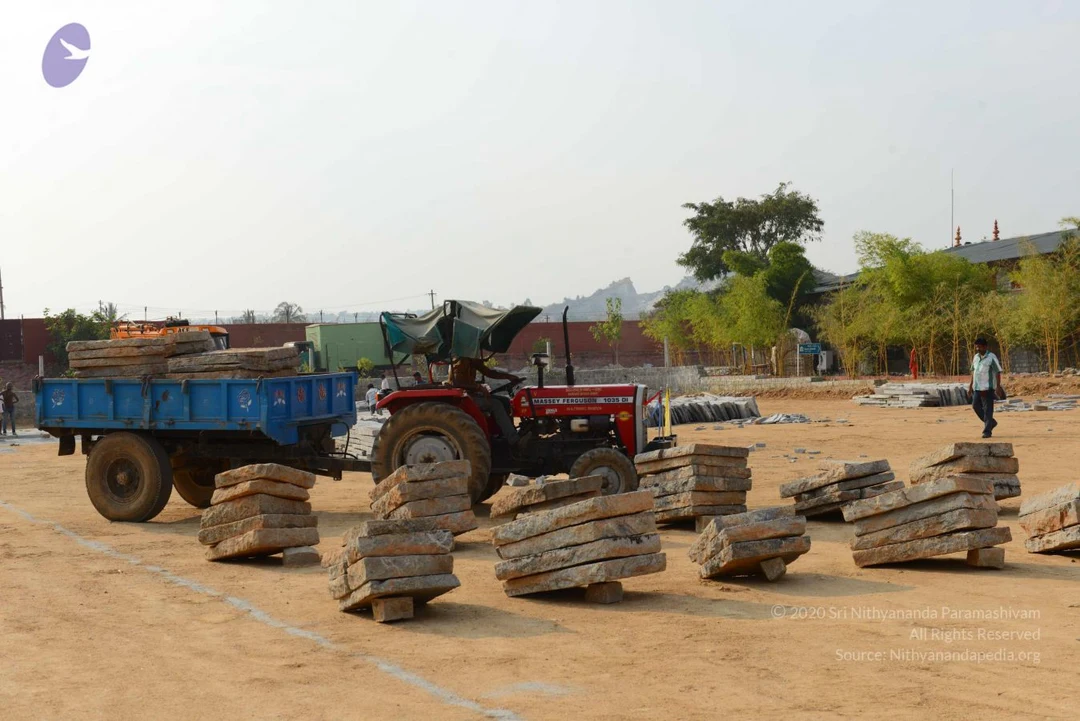
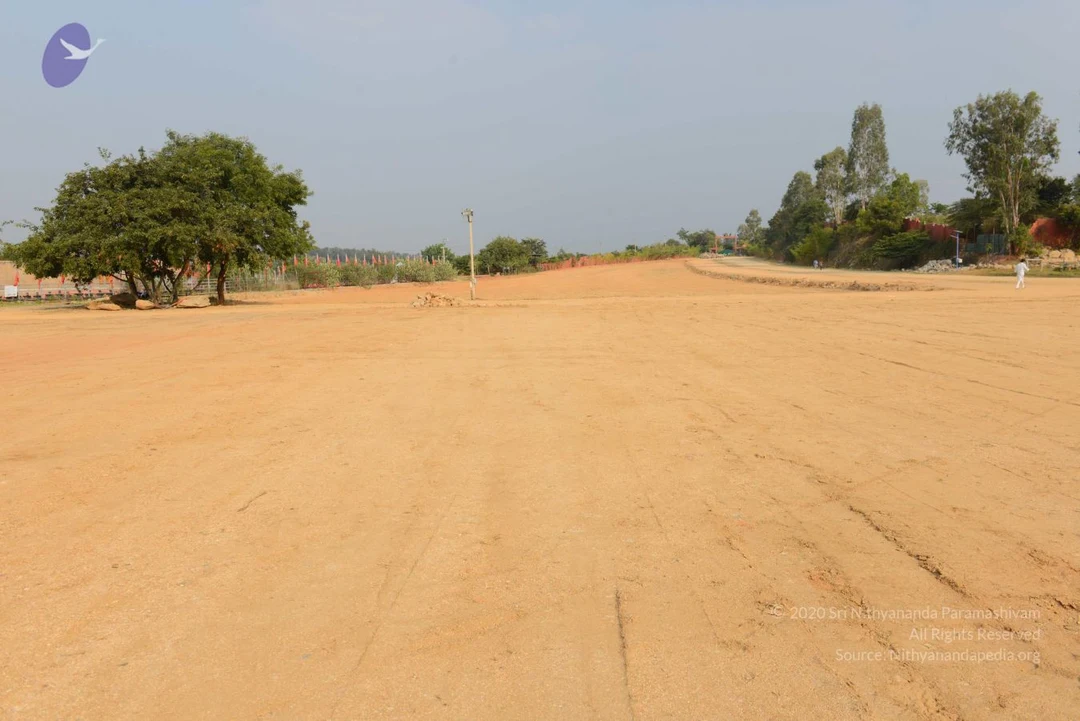
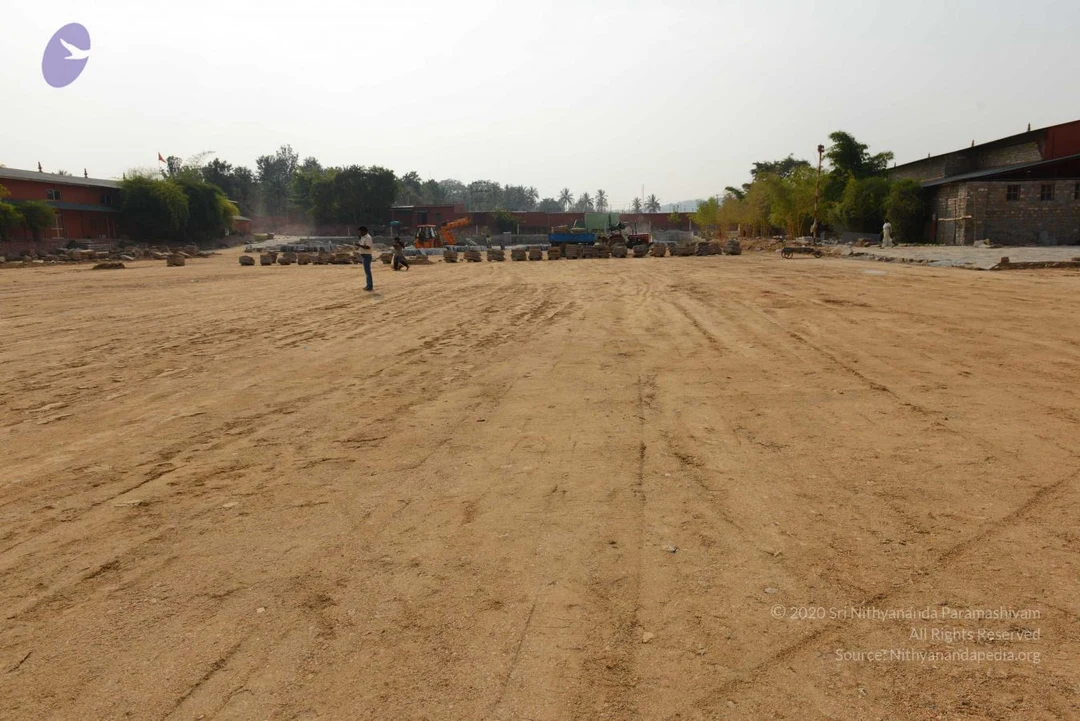
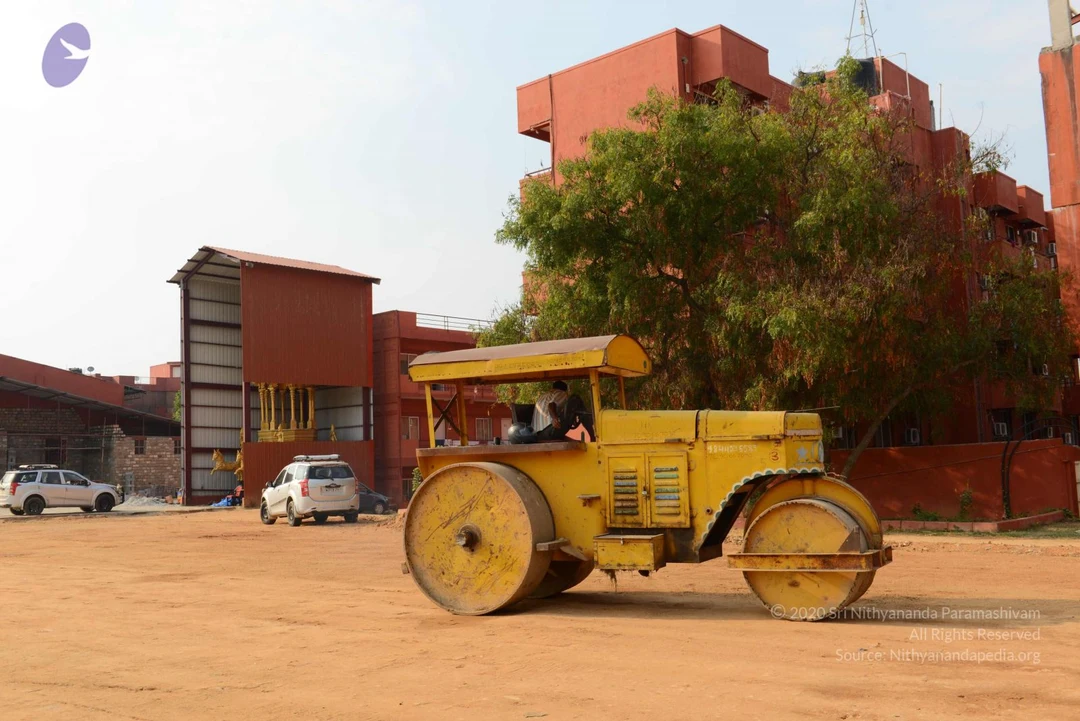
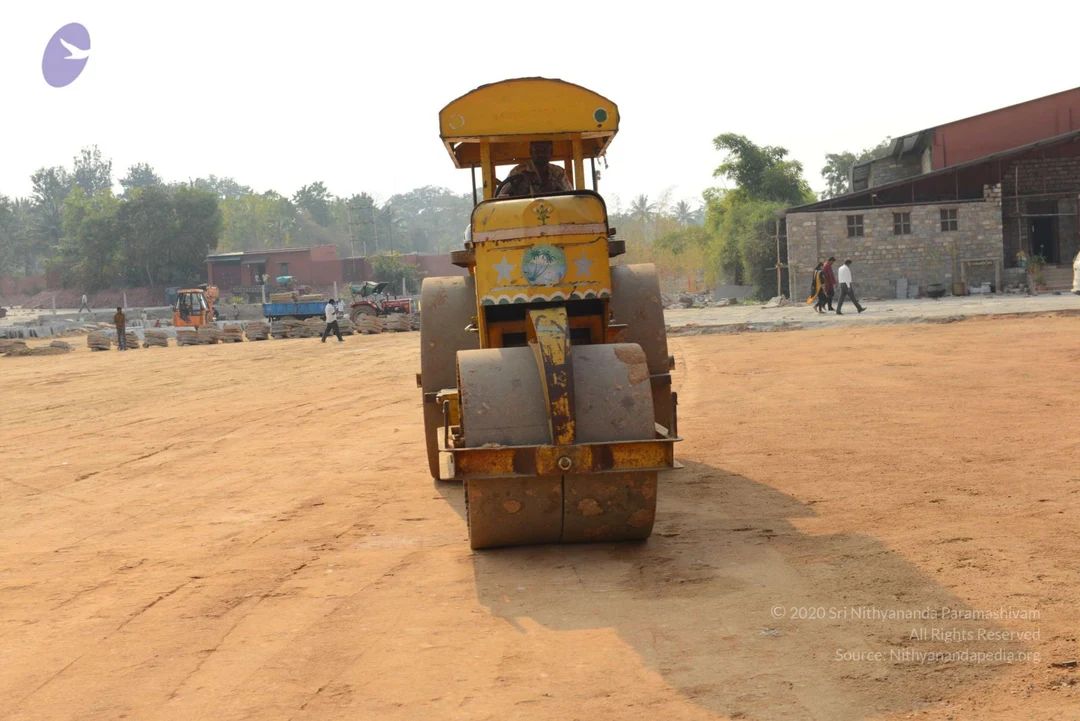
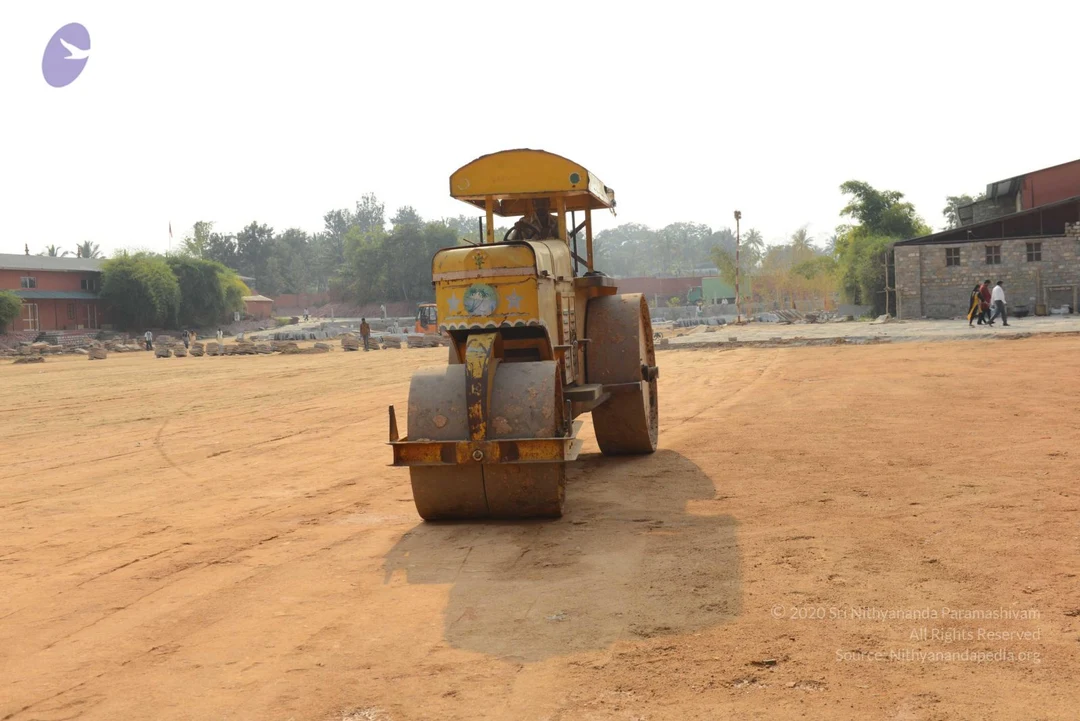
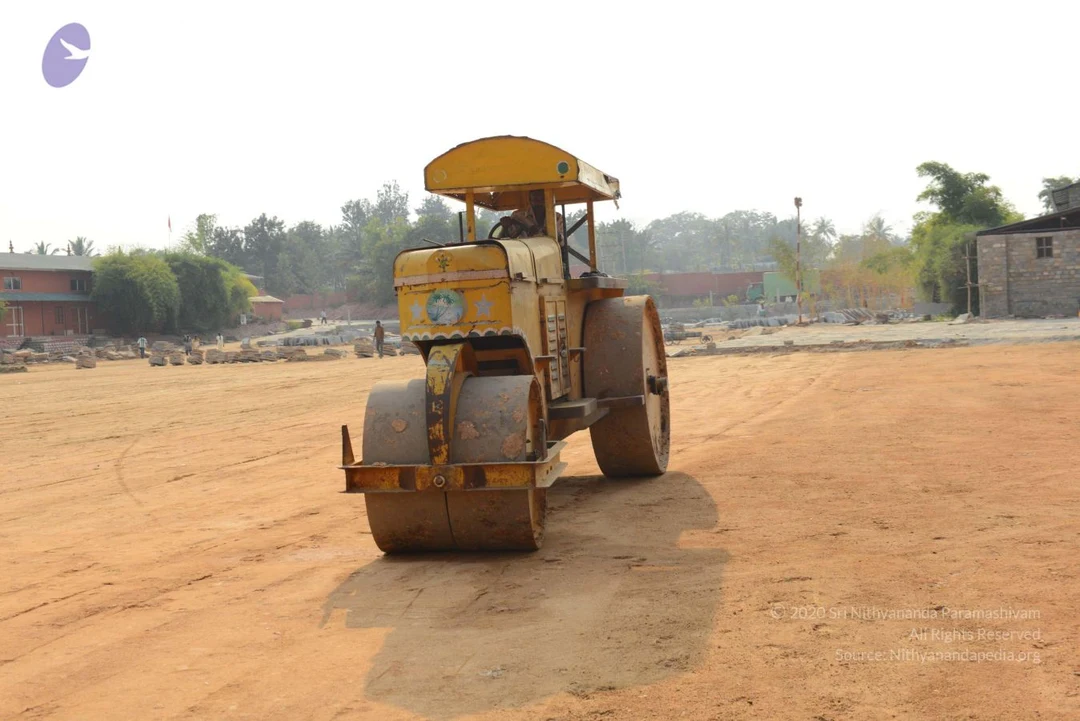
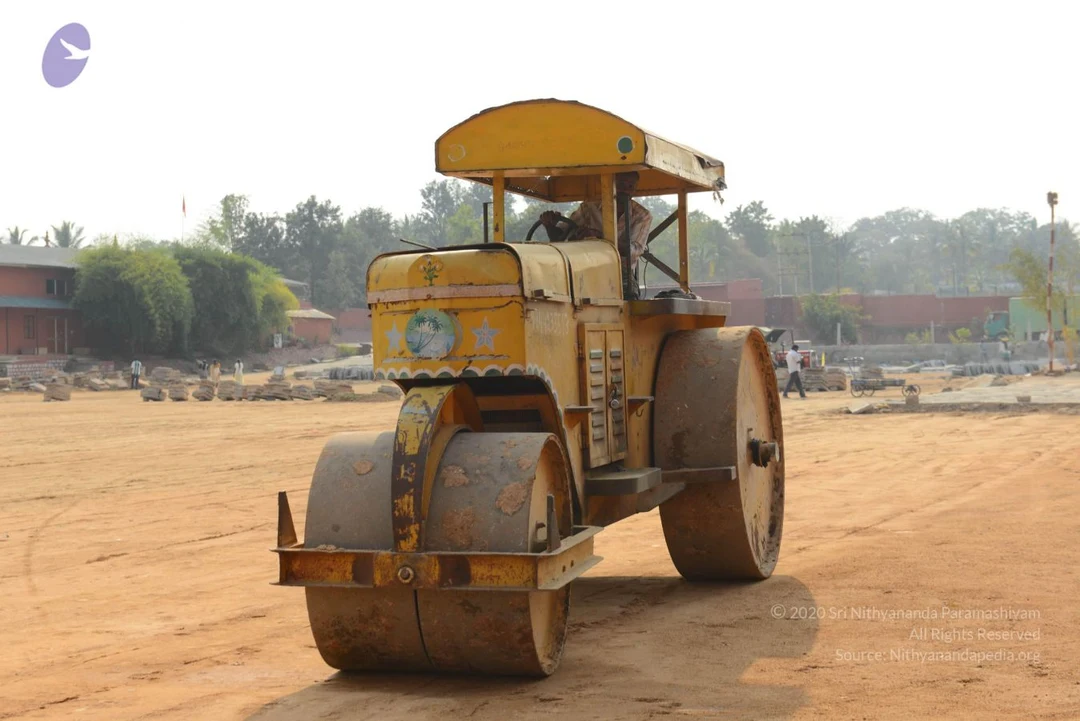
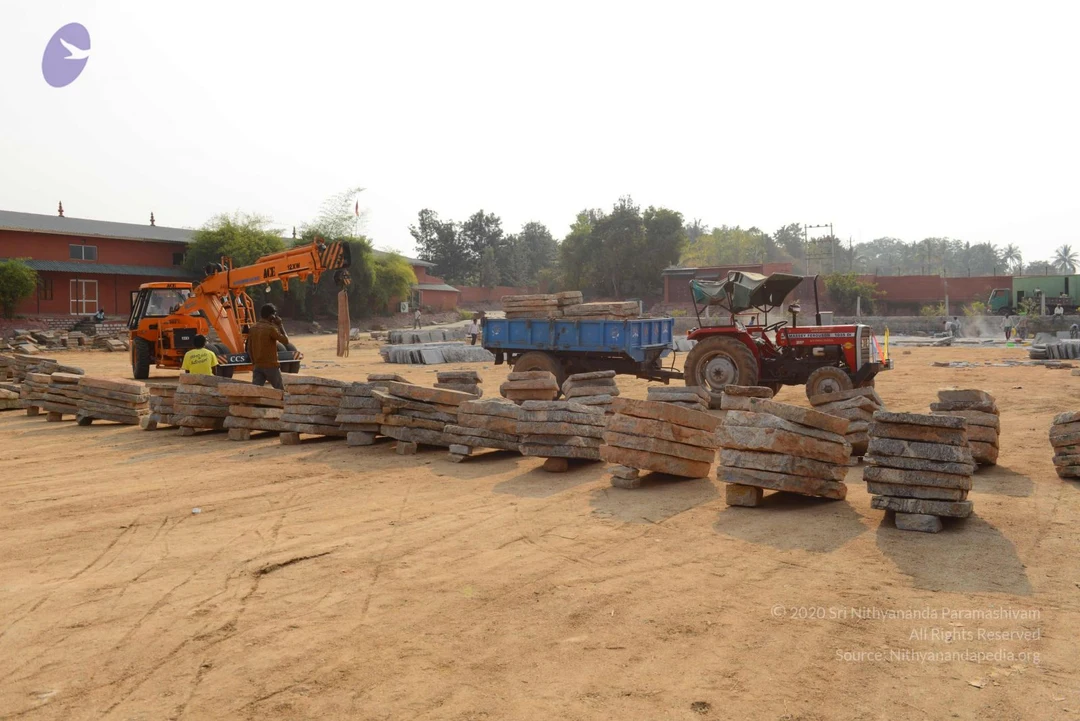
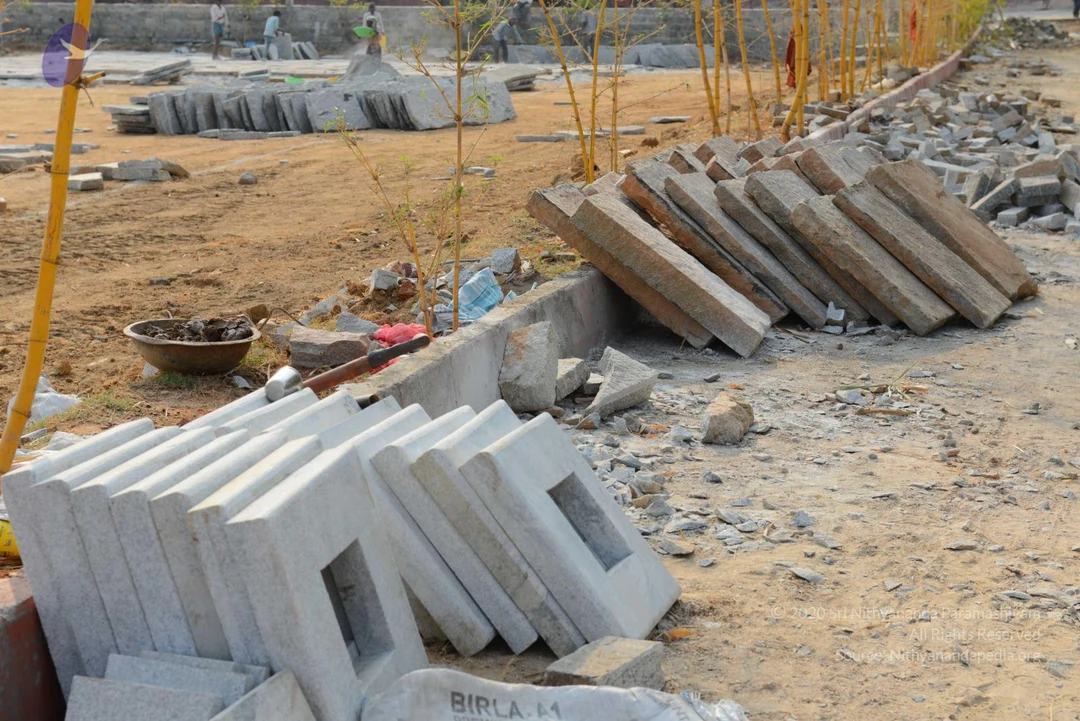
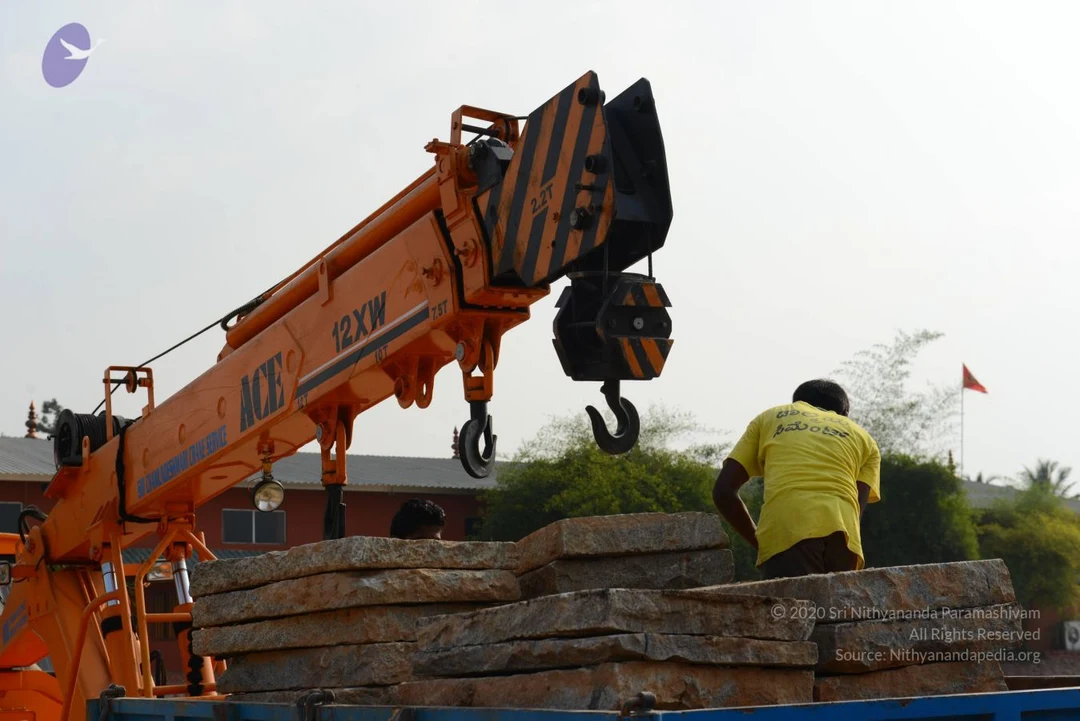
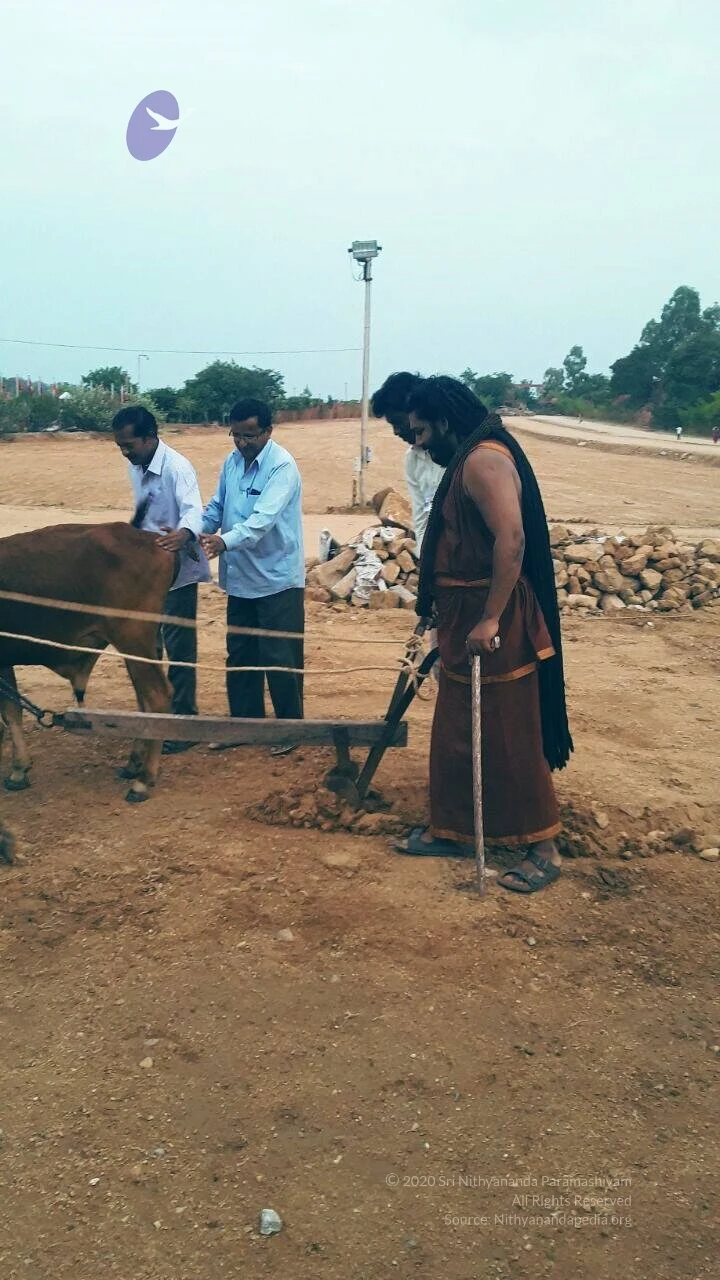
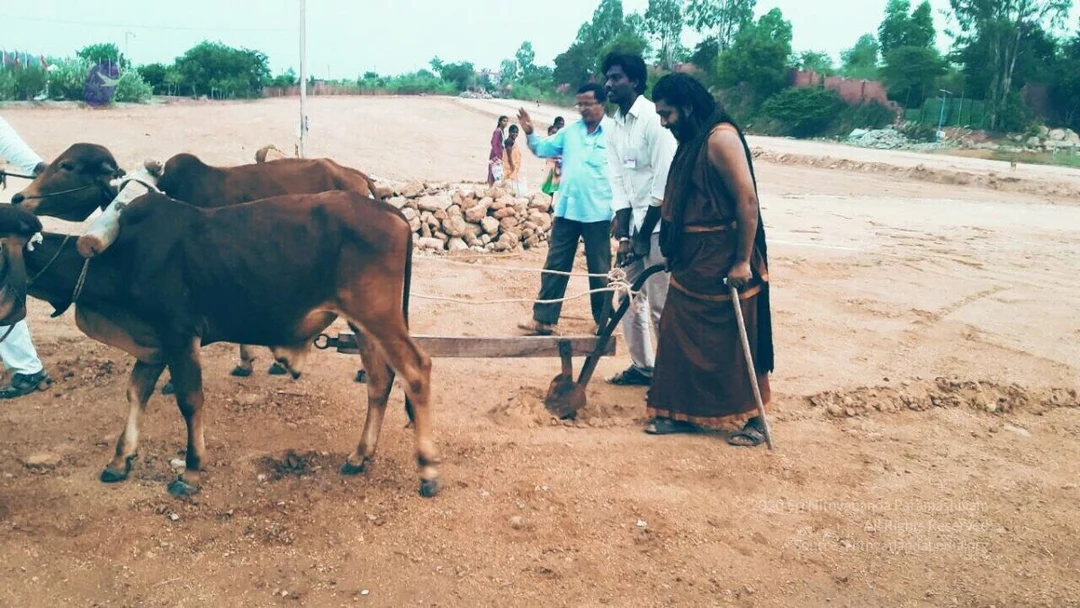
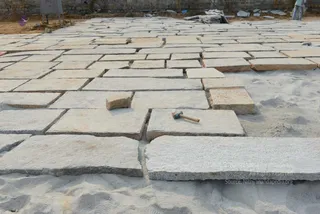
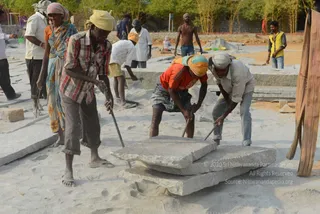
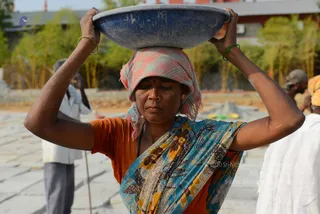
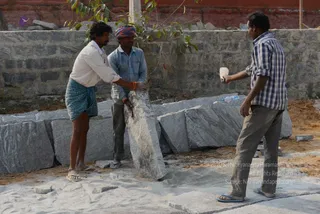
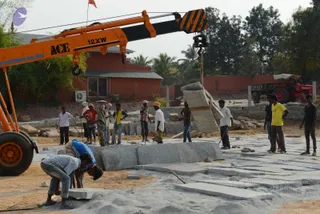
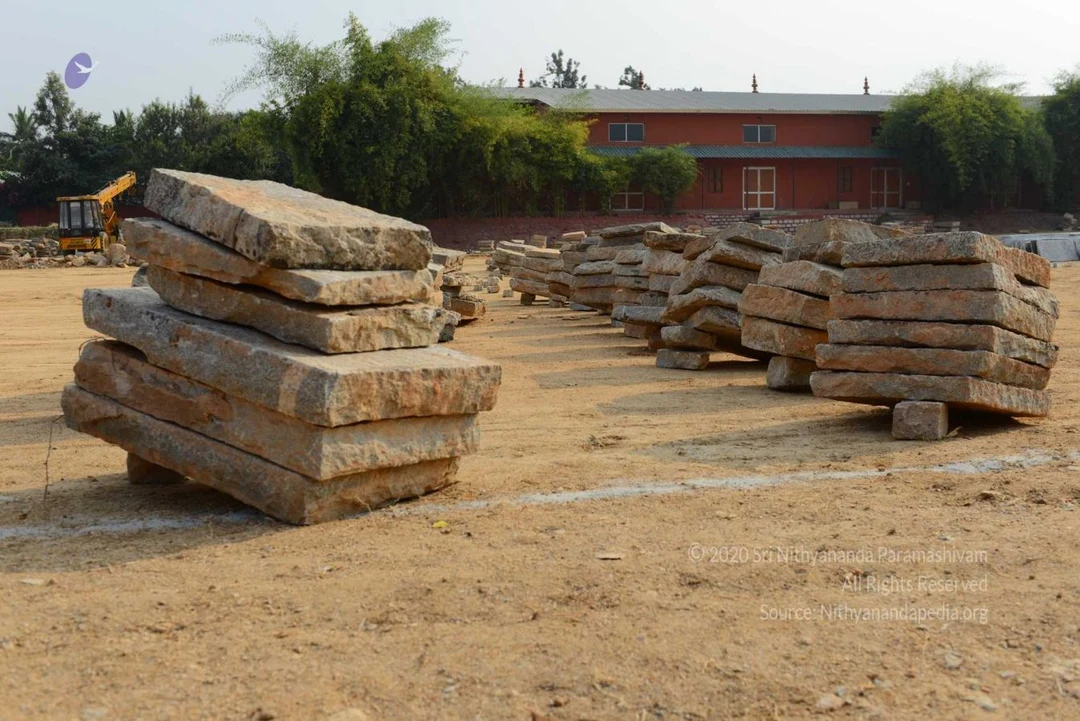 Construction at Nithyananda Peetam, Bengaluru Aadheenam - Preparations for Sadashivoham process 2016
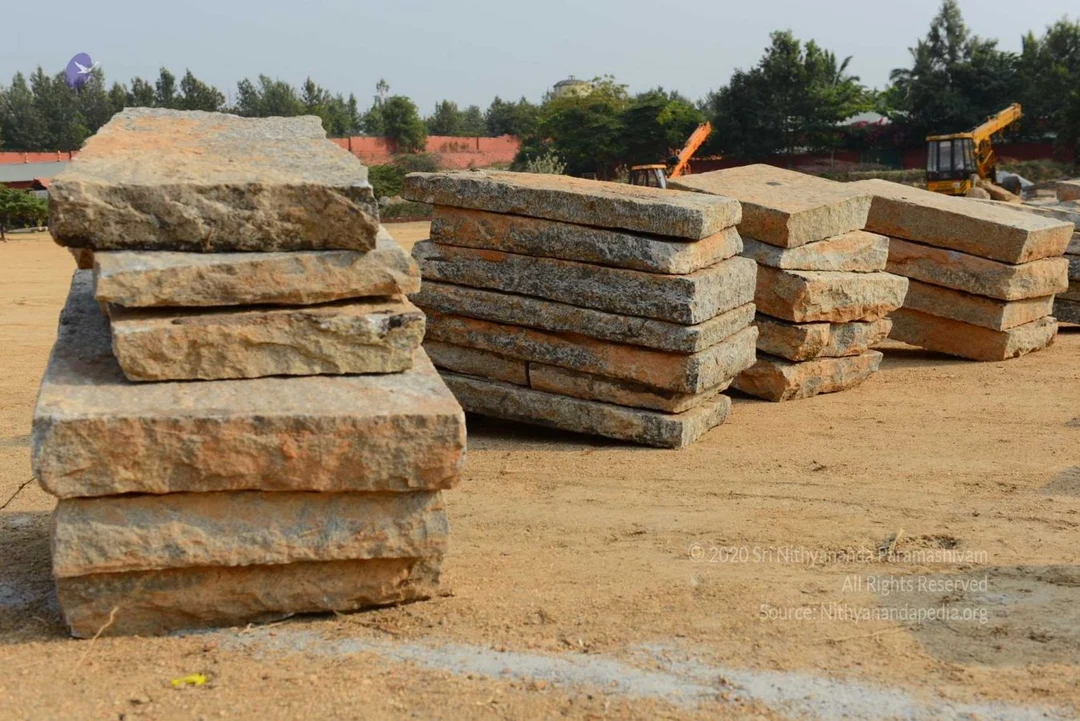 Construction at Nithyananda Peetam, Bengaluru Aadheenam - Preparations for Sadashivoham process 2016
 Construction at Nithyananda Peetam, Bengaluru Aadheenam - Preparations for Sadashivoham process 2016
 Construction at Nithyananda Peetam, Bengaluru Aadheenam - Preparations for Sadashivoham process 2016
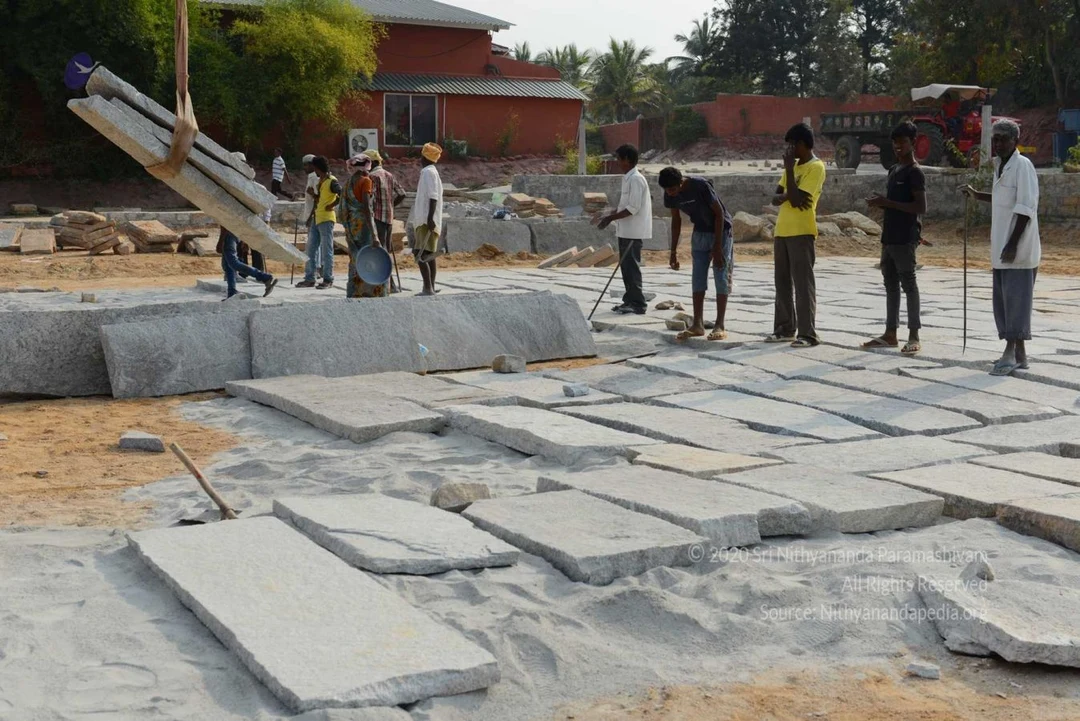 Construction at Nithyananda Peetam, Bengaluru Aadheenam - Preparations for Sadashivoham process 2016
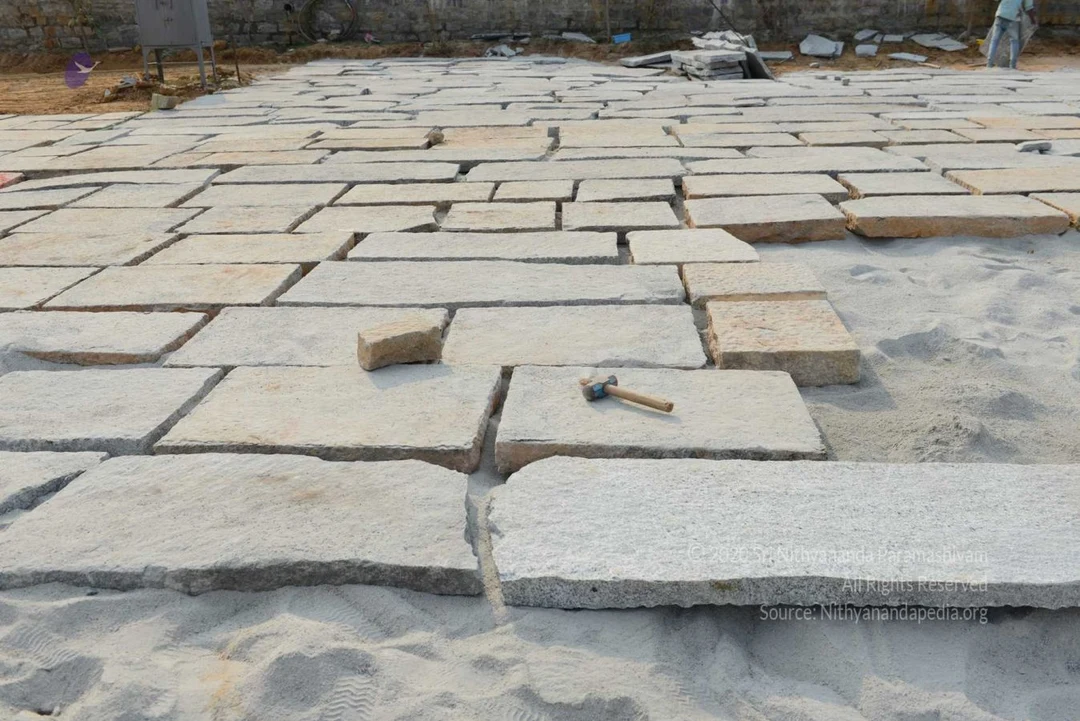 Construction at Nithyananda Peetam, Bengaluru Aadheenam - Preparations for Sadashivoham process 2016
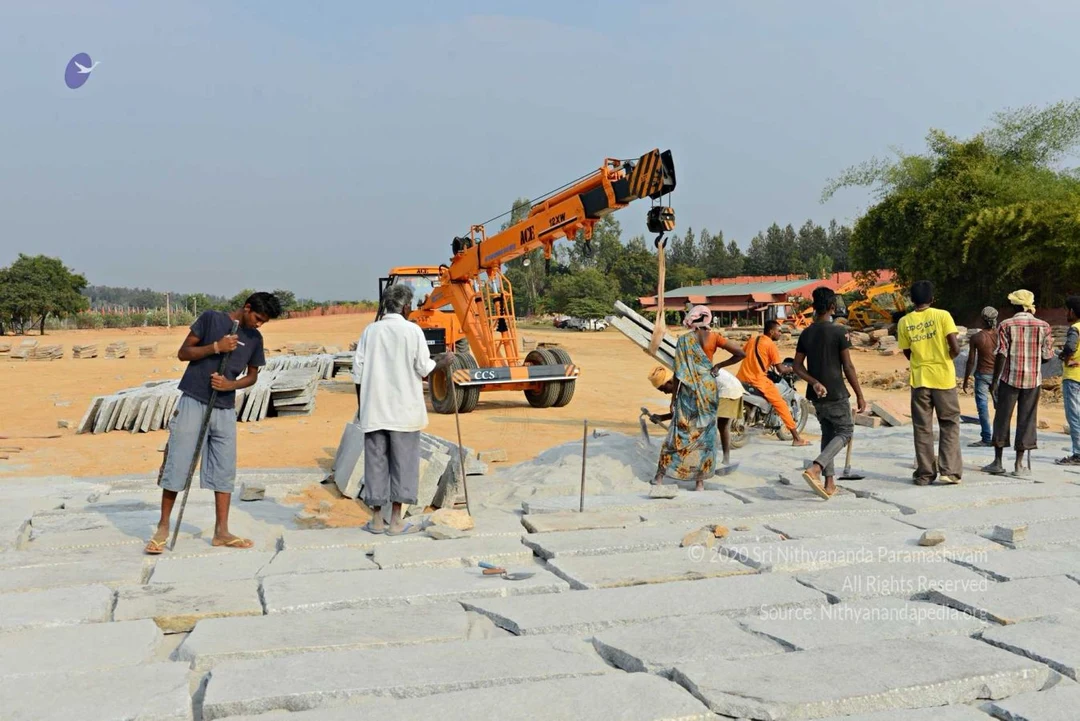 Construction at Nithyananda Peetam, Bengaluru Aadheenam - Preparations for Sadashivoham process 2016
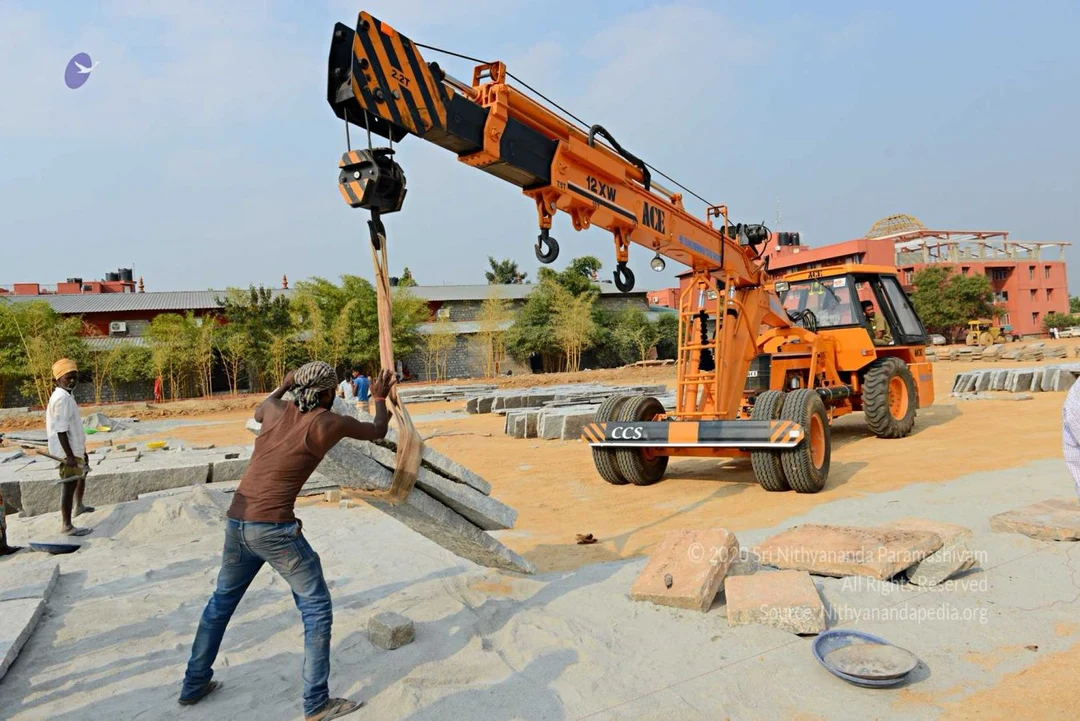 Construction at Nithyananda Peetam, Bengaluru Aadheenam - Preparations for Sadashivoham process 2016
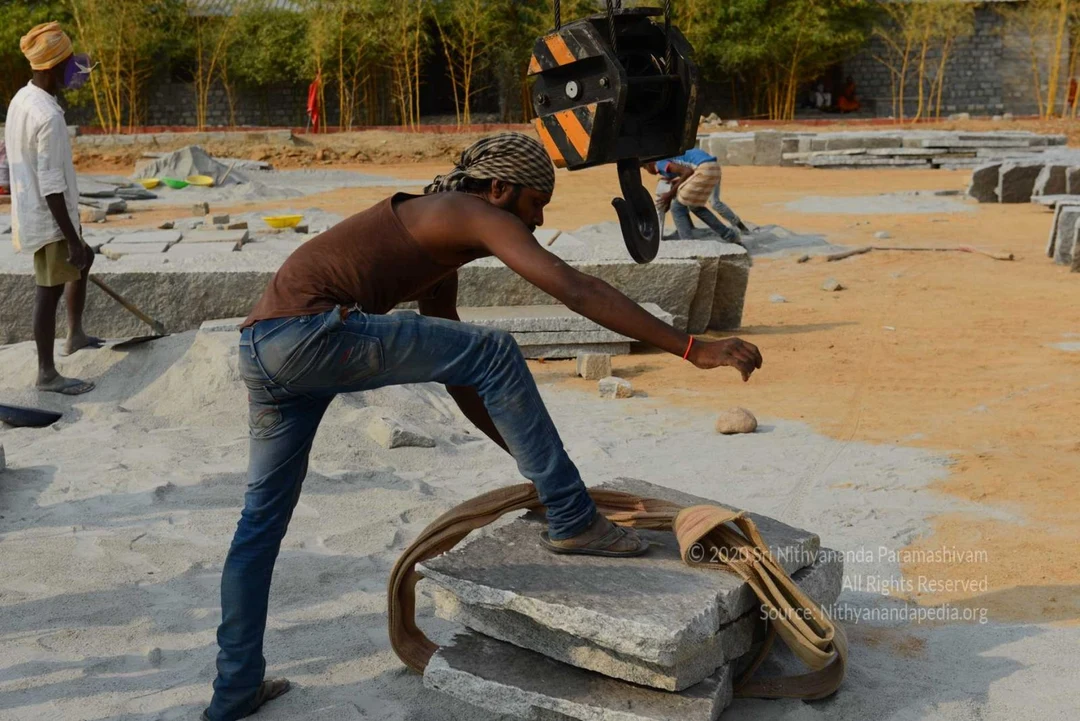 Construction at Nithyananda Peetam, Bengaluru Aadheenam - Preparations for Sadashivoham process 2016
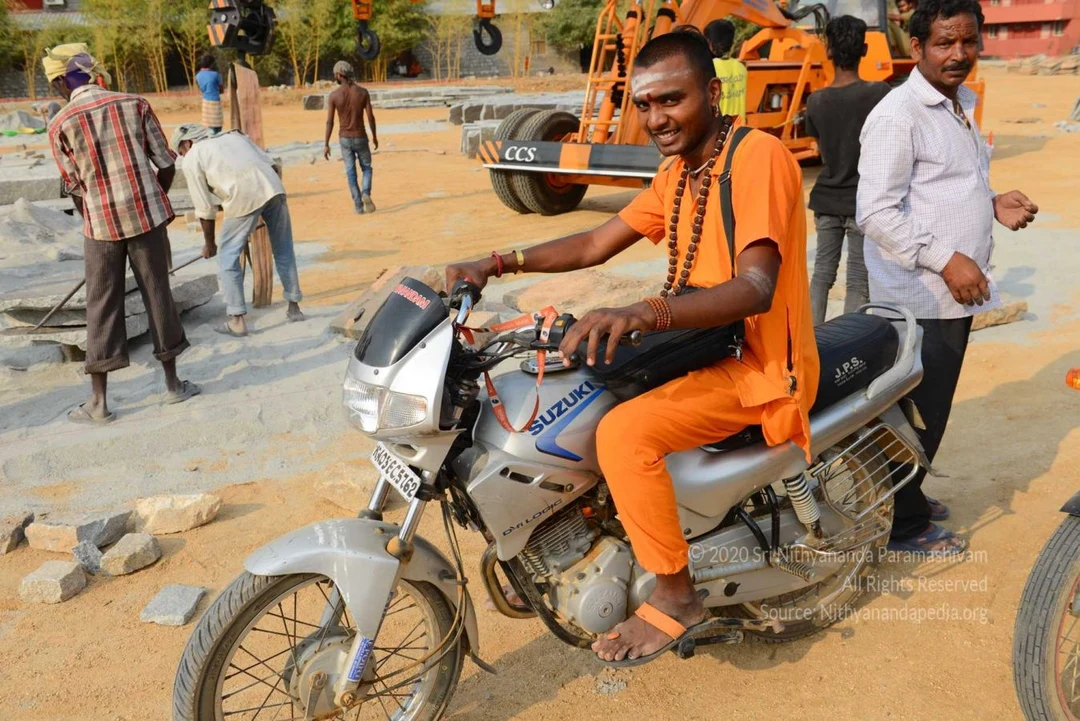 Construction at Nithyananda Peetam, Bengaluru Aadheenam - Preparations for Sadashivoham process 2016
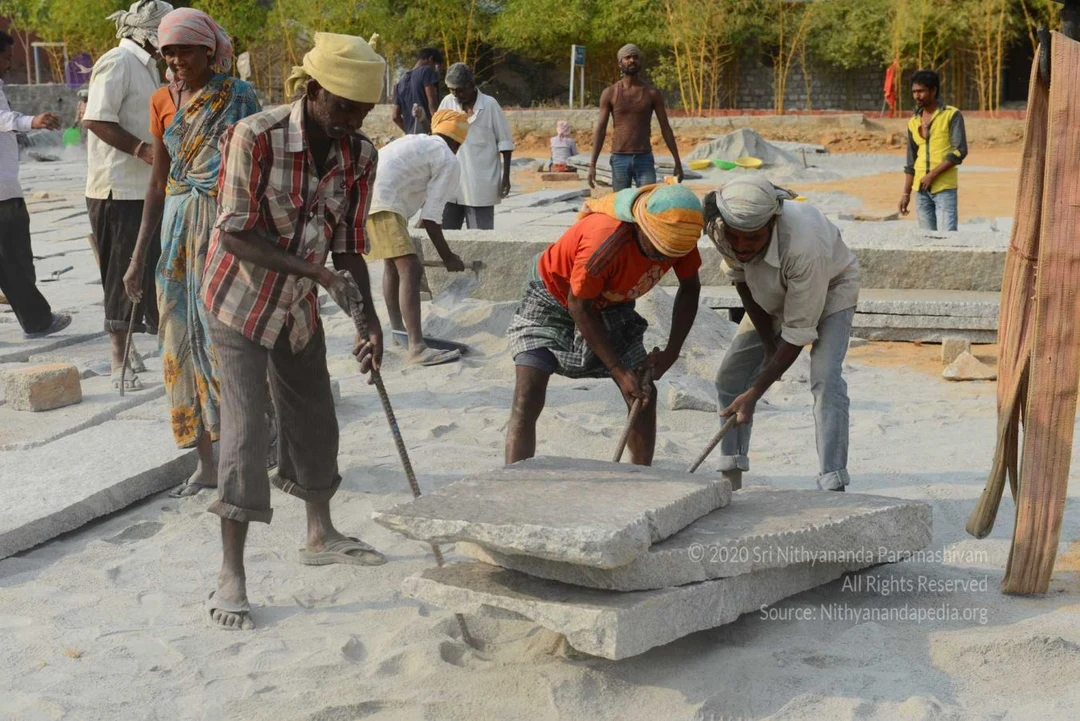 Construction at Nithyananda Peetam, Bengaluru Aadheenam - Preparations for Sadashivoham process 2016
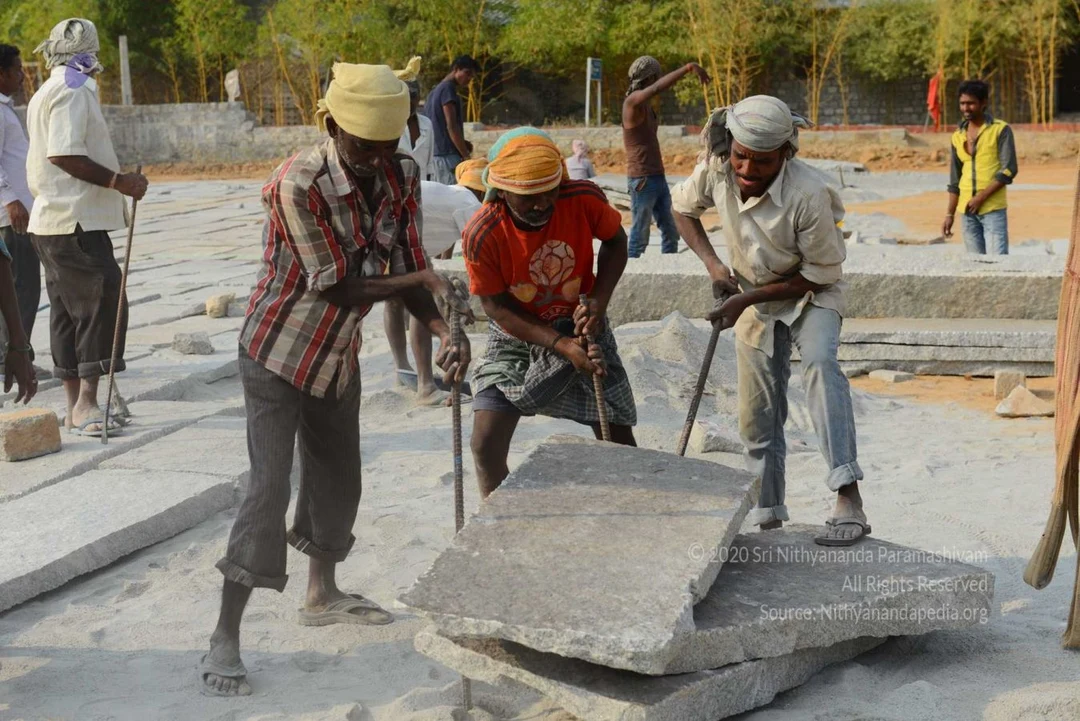 Construction at Nithyananda Peetam, Bengaluru Aadheenam - Preparations for Sadashivoham process 2016
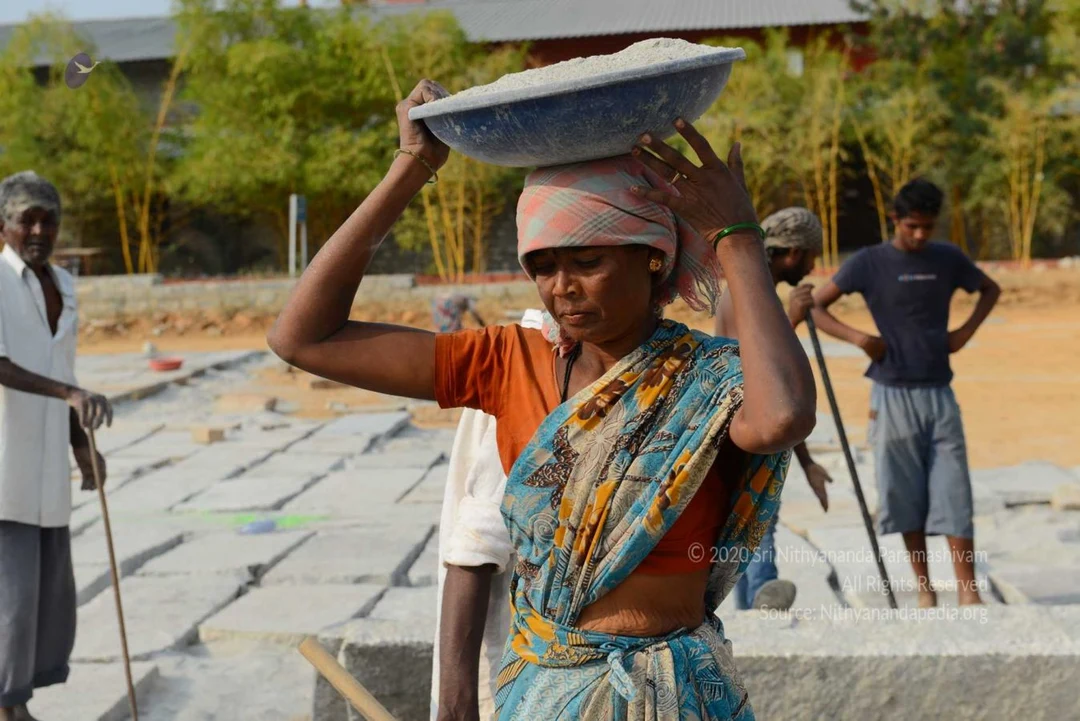 Construction at Nithyananda Peetam, Bengaluru Aadheenam - Preparations for Sadashivoham process 2016
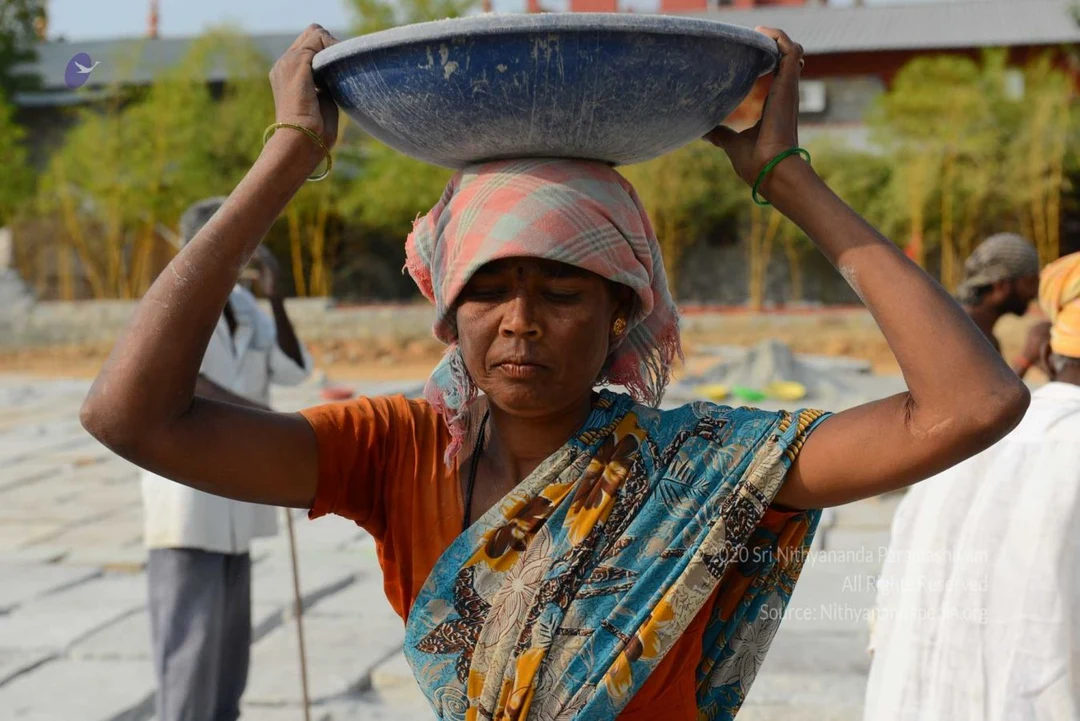 Construction at Nithyananda Peetam, Bengaluru Aadheenam - Preparations for Sadashivoham process 2016
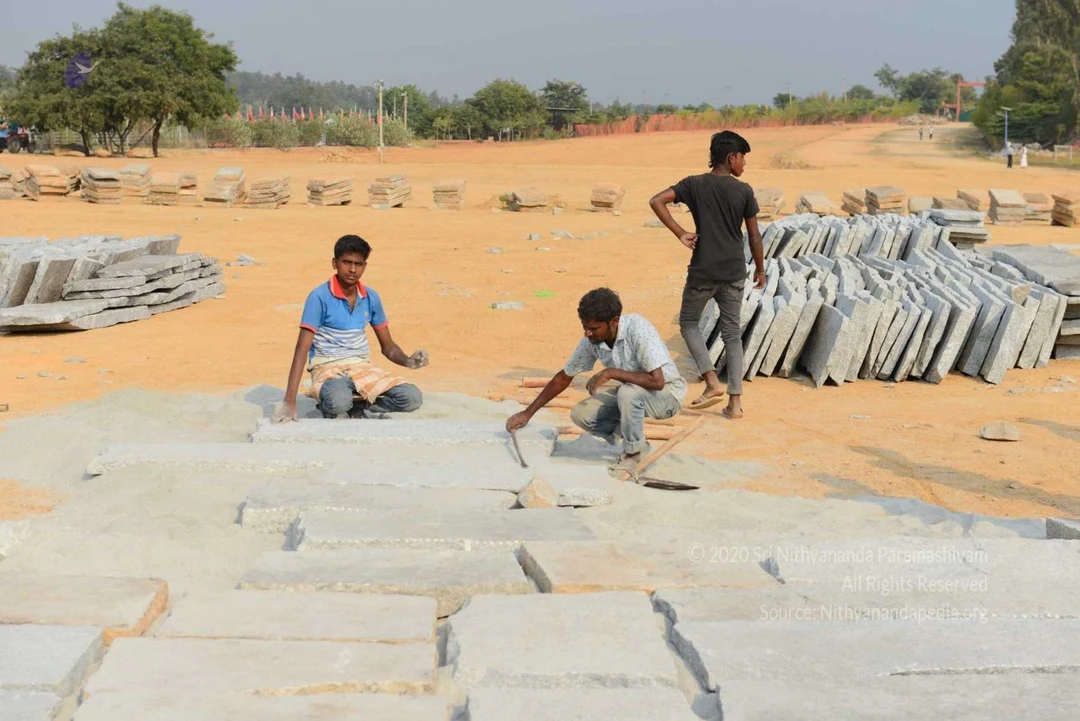 Construction at Nithyananda Peetam, Bengaluru Aadheenam - Preparations for Sadashivoham process 2016
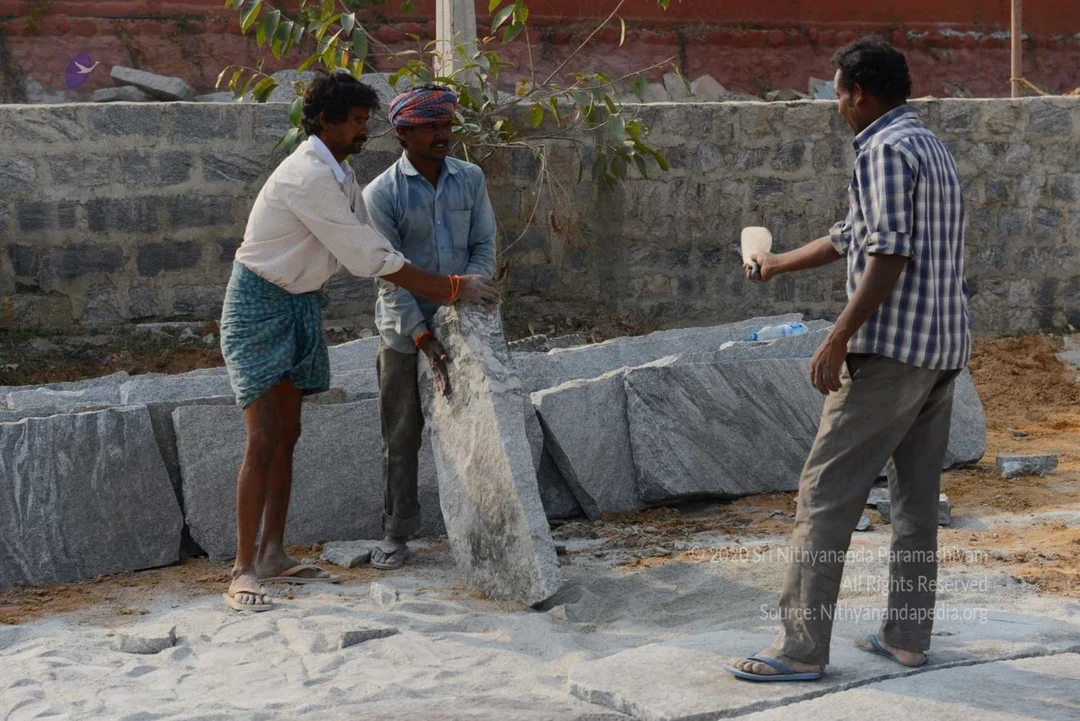 Construction at Nithyananda Peetam, Bengaluru Aadheenam - Preparations for Sadashivoham process 2016
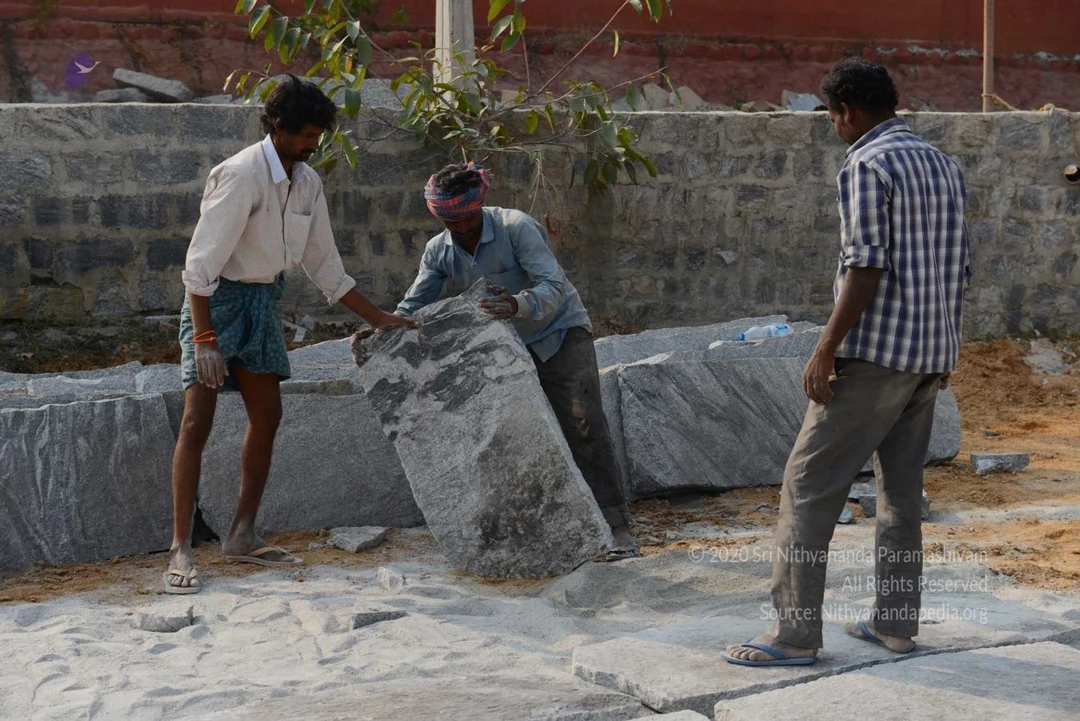 Construction at Nithyananda Peetam, Bengaluru Aadheenam - Preparations for Sadashivoham process 2016
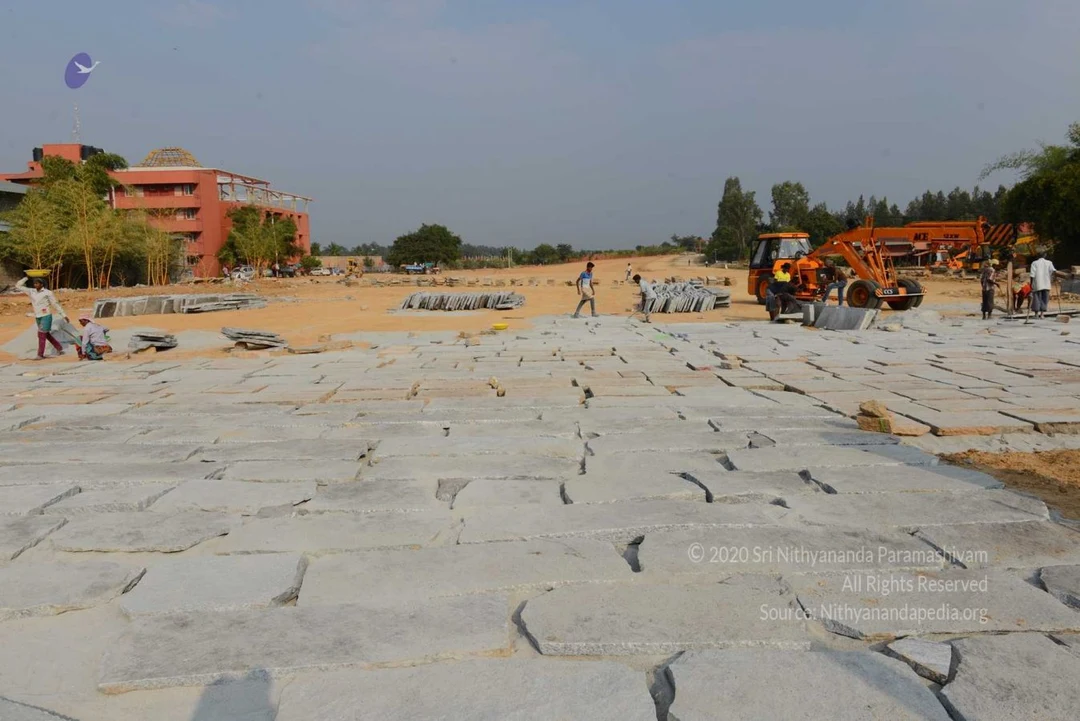 Construction at Nithyananda Peetam, Bengaluru Aadheenam - Preparations for Sadashivoham process 2016
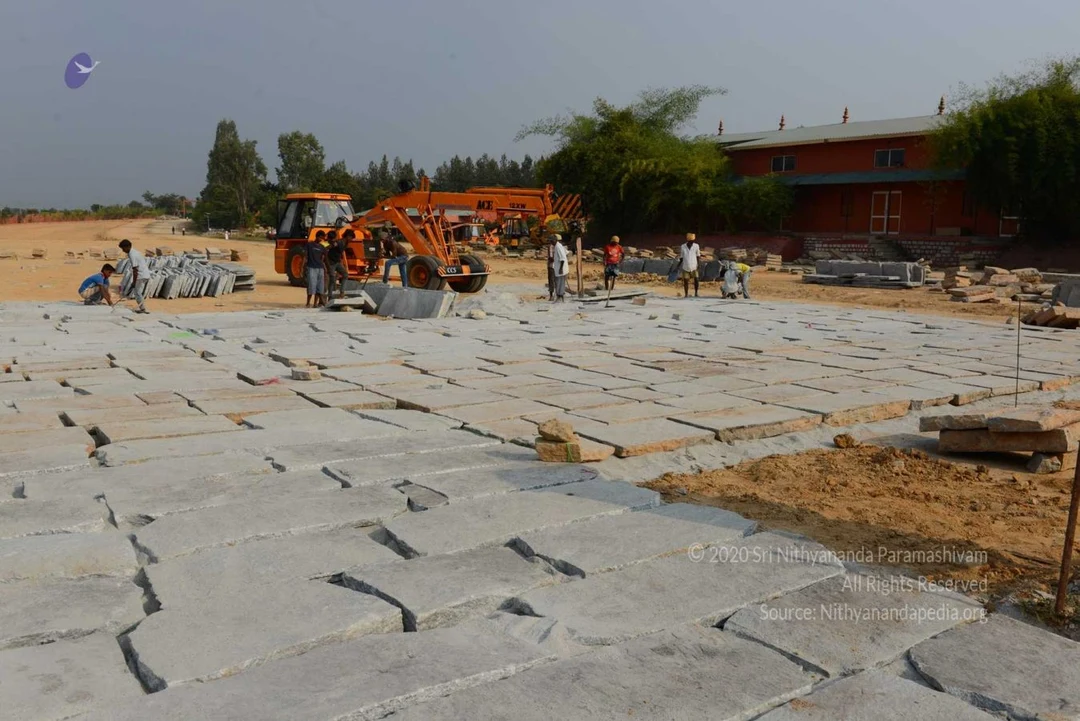 Construction at Nithyananda Peetam, Bengaluru Aadheenam - Preparations for Sadashivoham process 2016
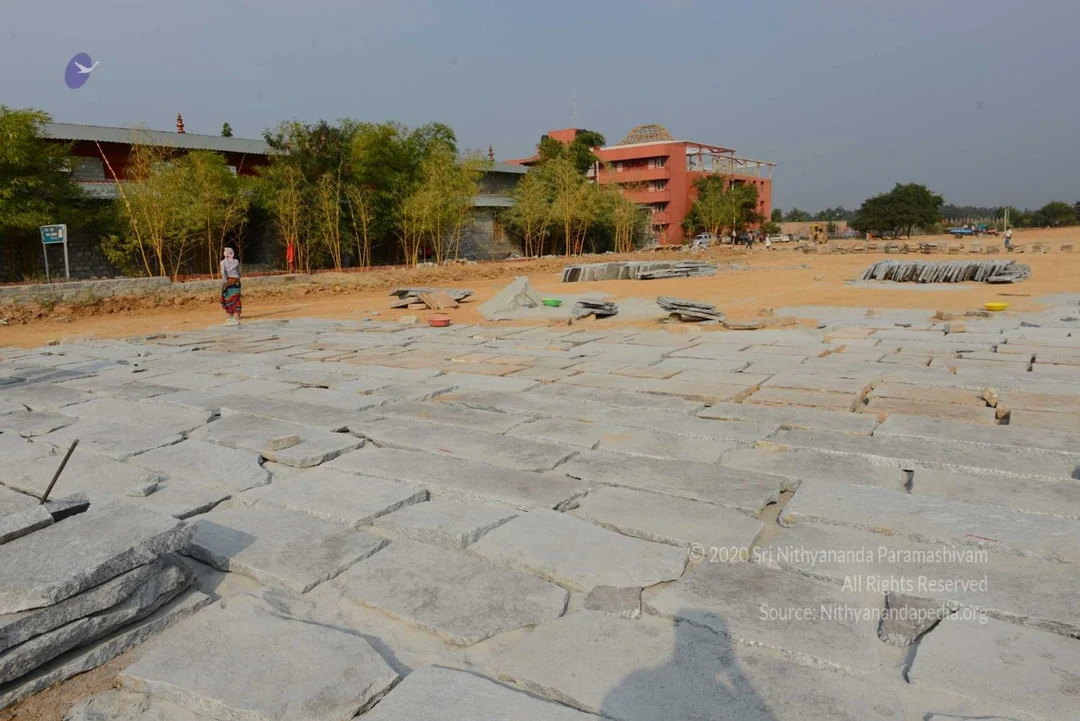 Construction at Nithyananda Peetam, Bengaluru Aadheenam - Preparations for Sadashivoham process 2016
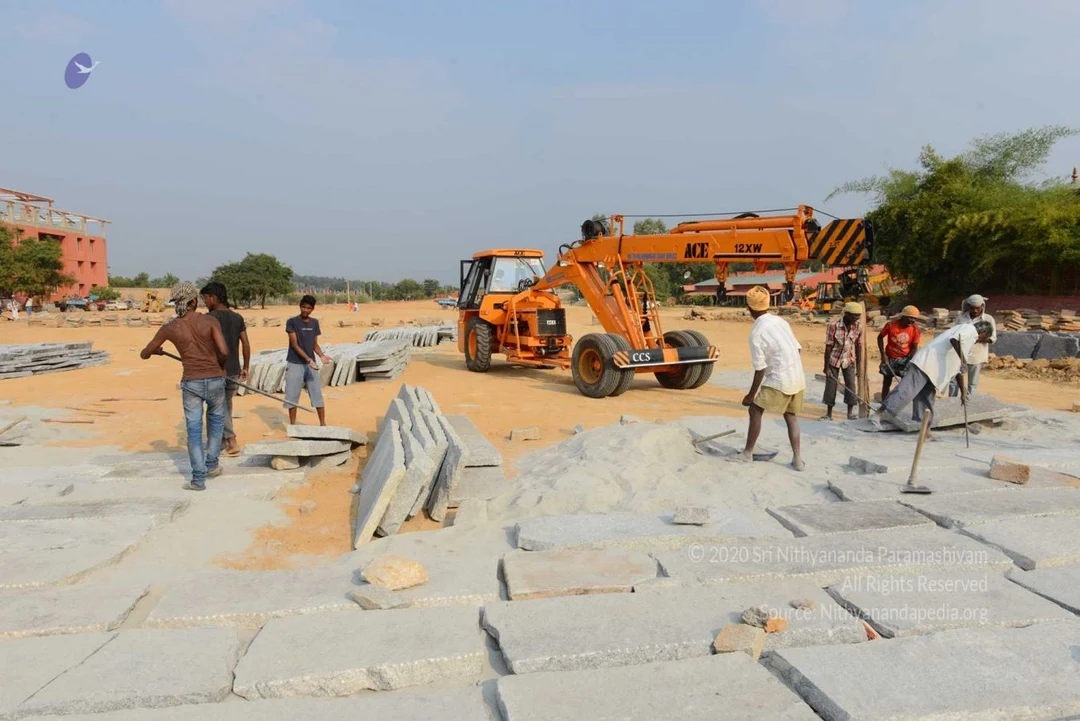 Construction at Nithyananda Peetam, Bengaluru Aadheenam - Preparations for Sadashivoham process 2016
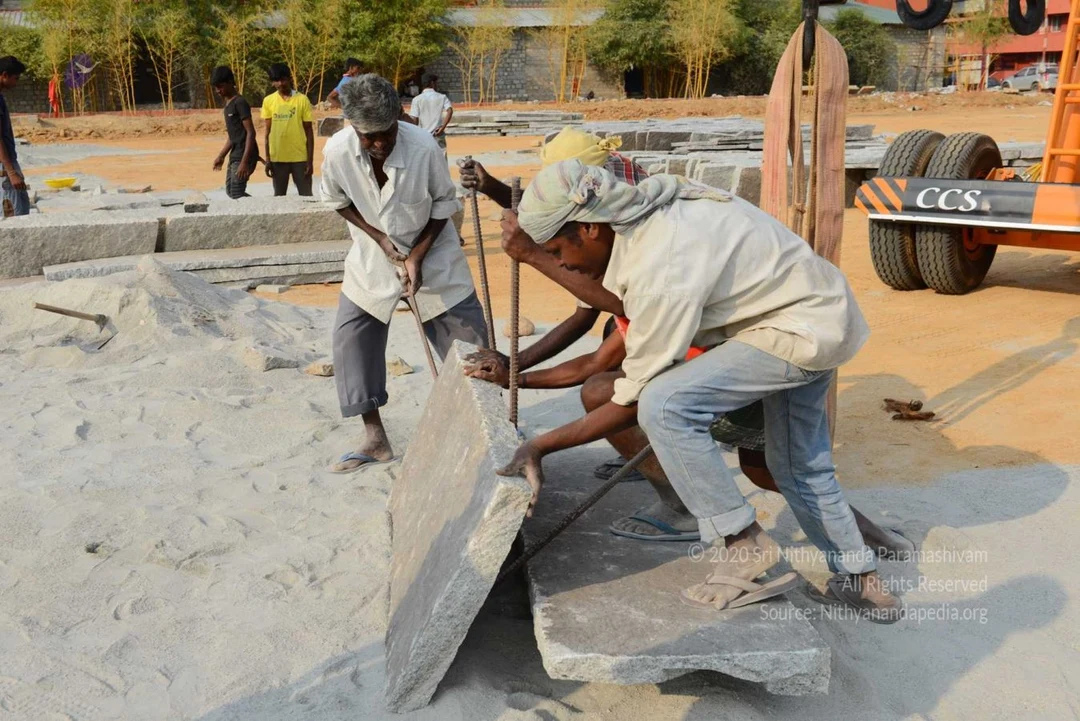 Construction at Nithyananda Peetam, Bengaluru Aadheenam - Preparations for Sadashivoham process 2016
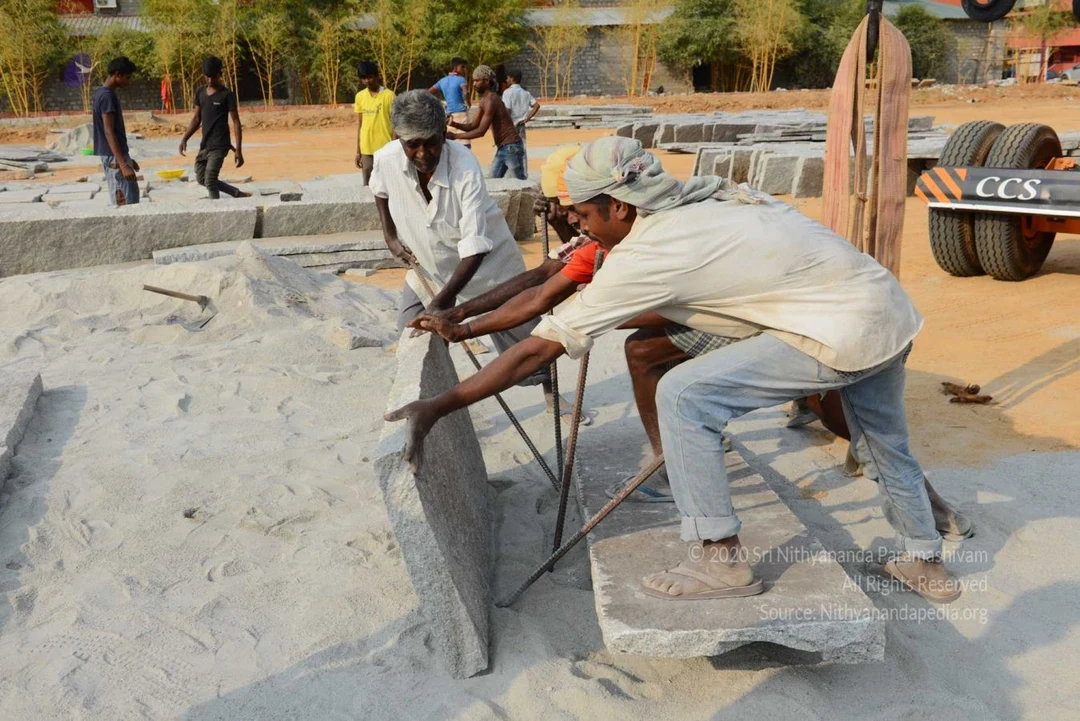 Construction at Nithyananda Peetam, Bengaluru Aadheenam - Preparations for Sadashivoham process 2016
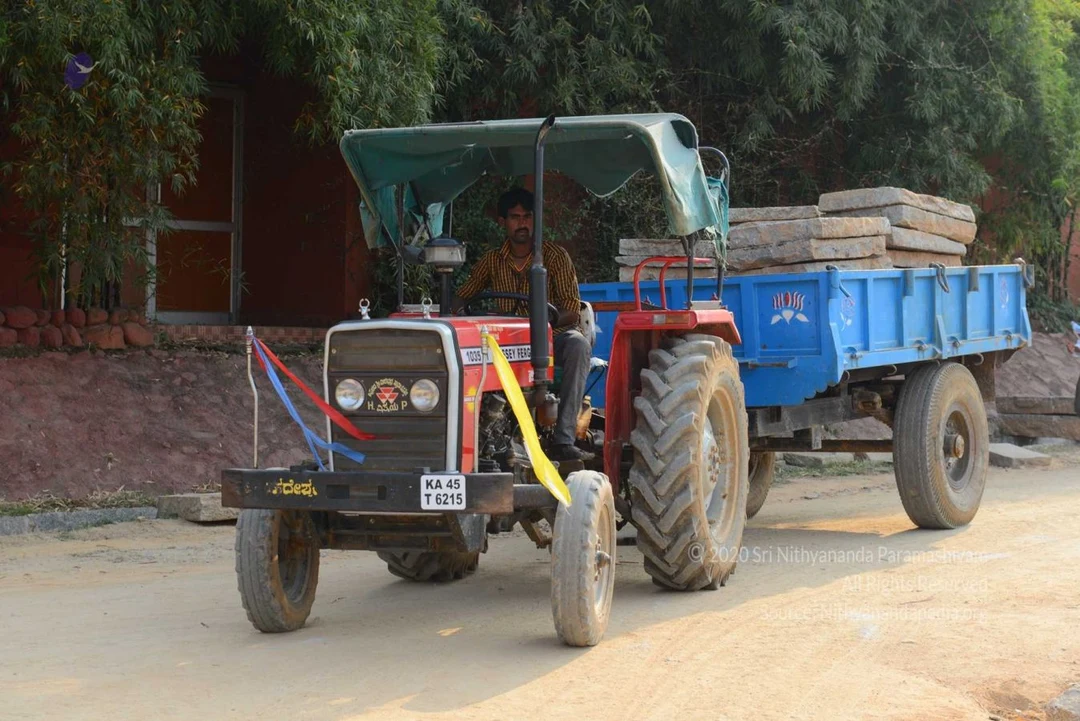 Construction at Nithyananda Peetam, Bengaluru Aadheenam - Preparations for Sadashivoham process 2016
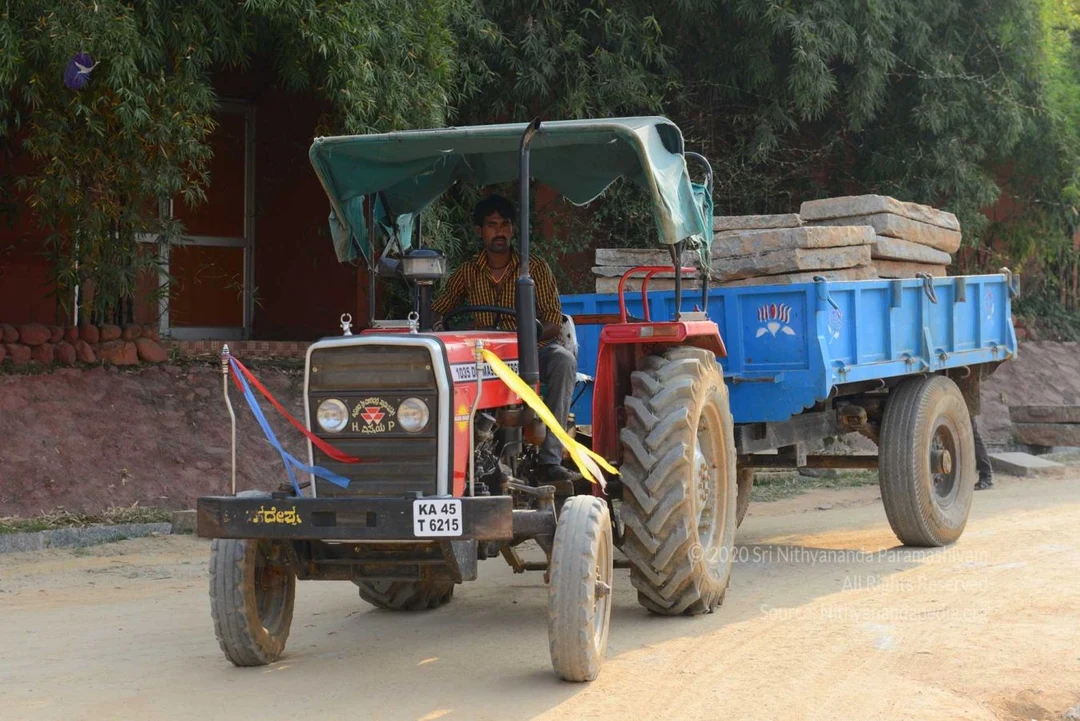 Construction at Nithyananda Peetam, Bengaluru Aadheenam - Preparations for Sadashivoham process 2016
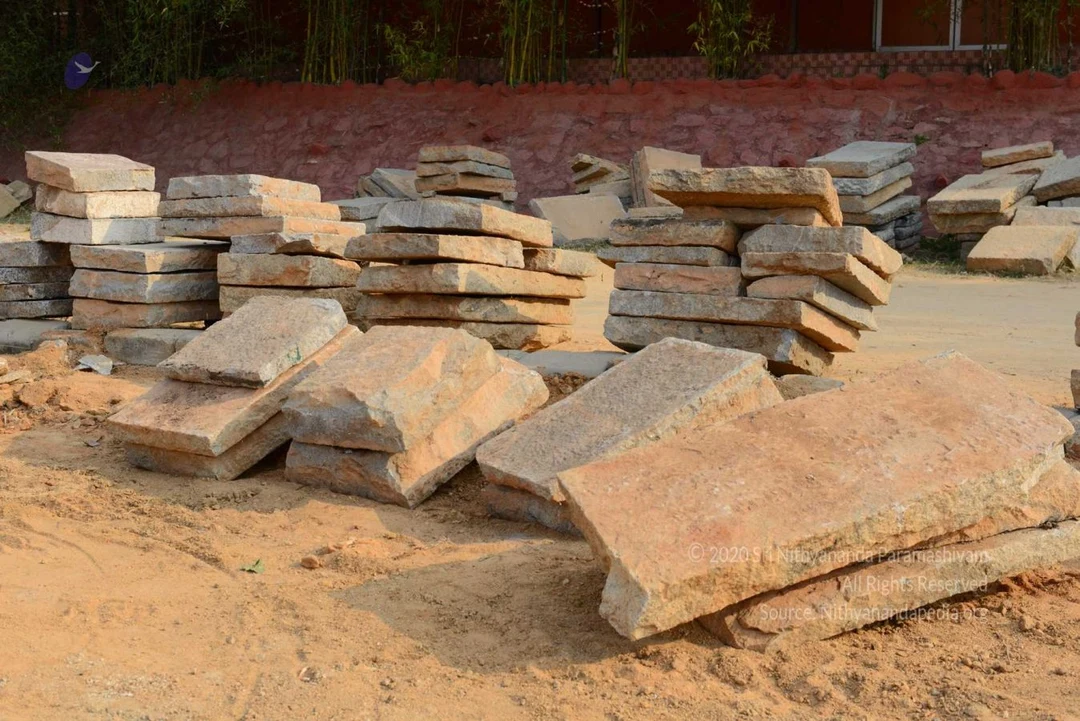 Construction at Nithyananda Peetam, Bengaluru Aadheenam - Preparations for Sadashivoham process 2016
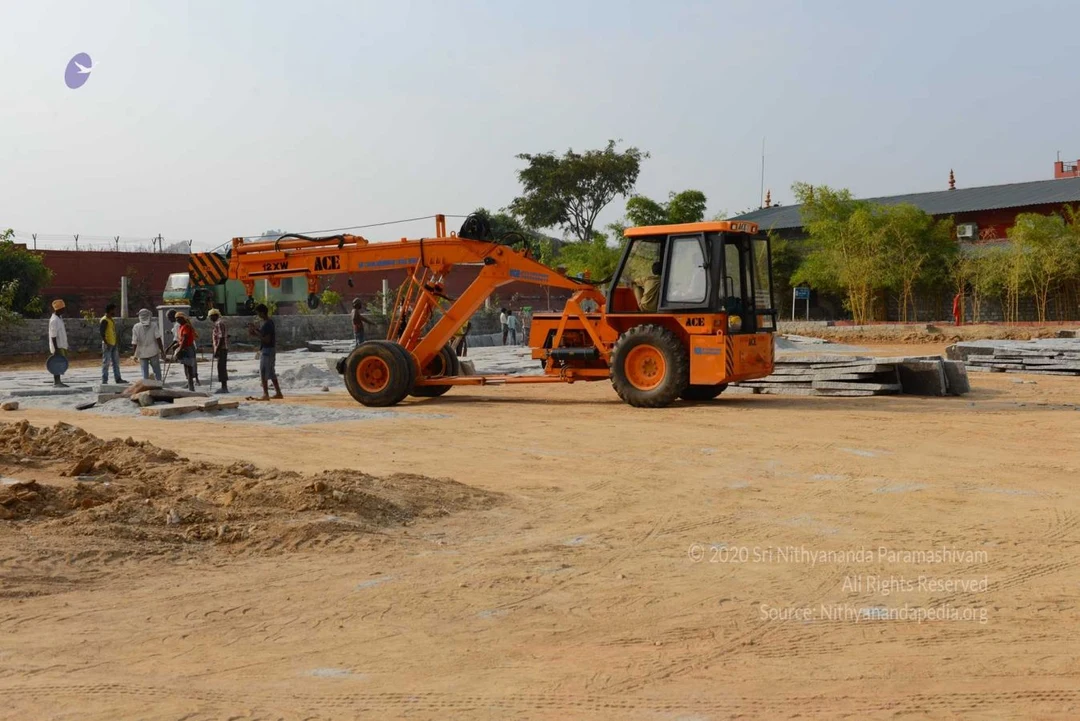 Construction at Nithyananda Peetam, Bengaluru Aadheenam - Preparations for Sadashivoham process 2016
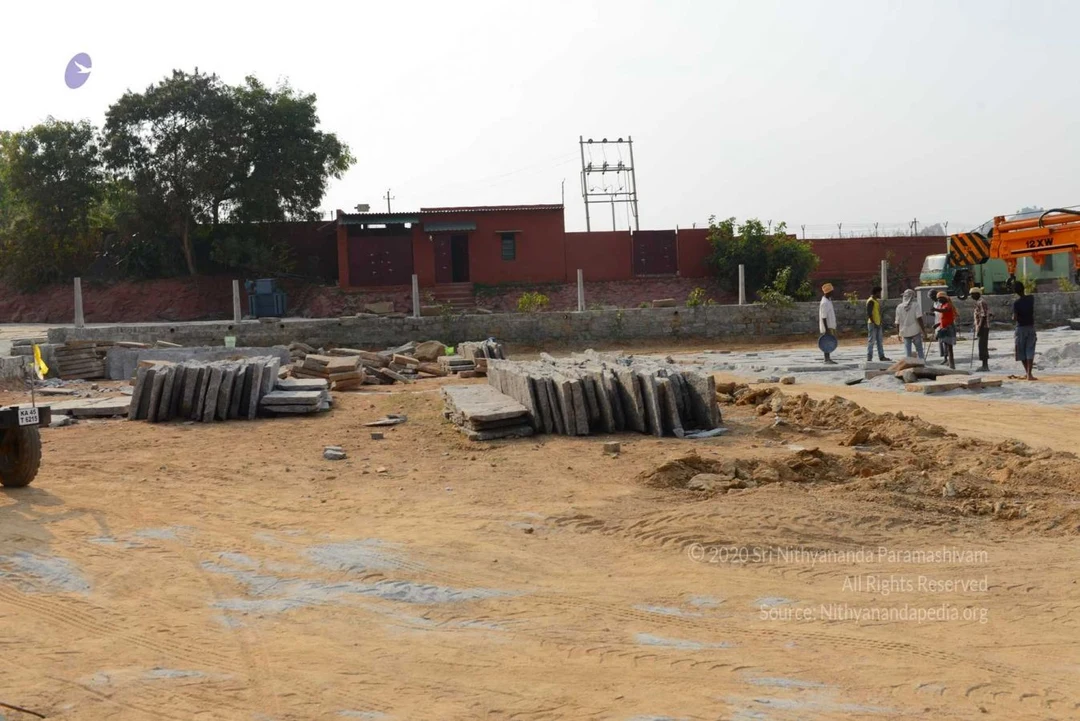 Construction at Nithyananda Peetam, Bengaluru Aadheenam - Preparations for Sadashivoham process 2016
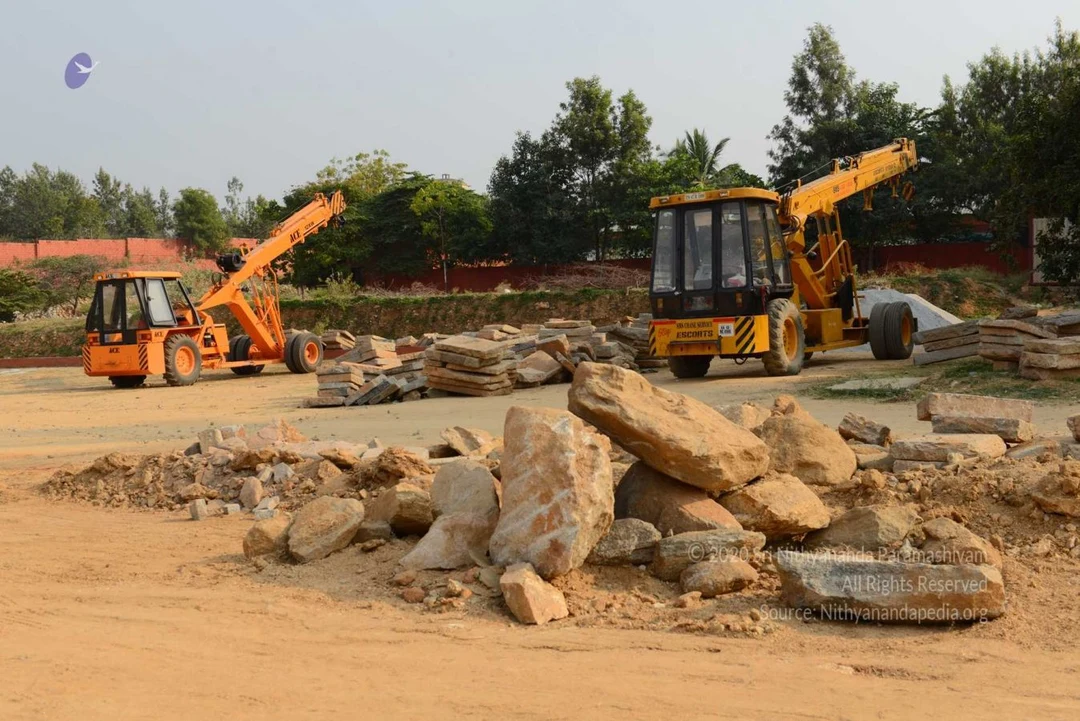 Construction at Nithyananda Peetam, Bengaluru Aadheenam - Preparations for Sadashivoham process 2016
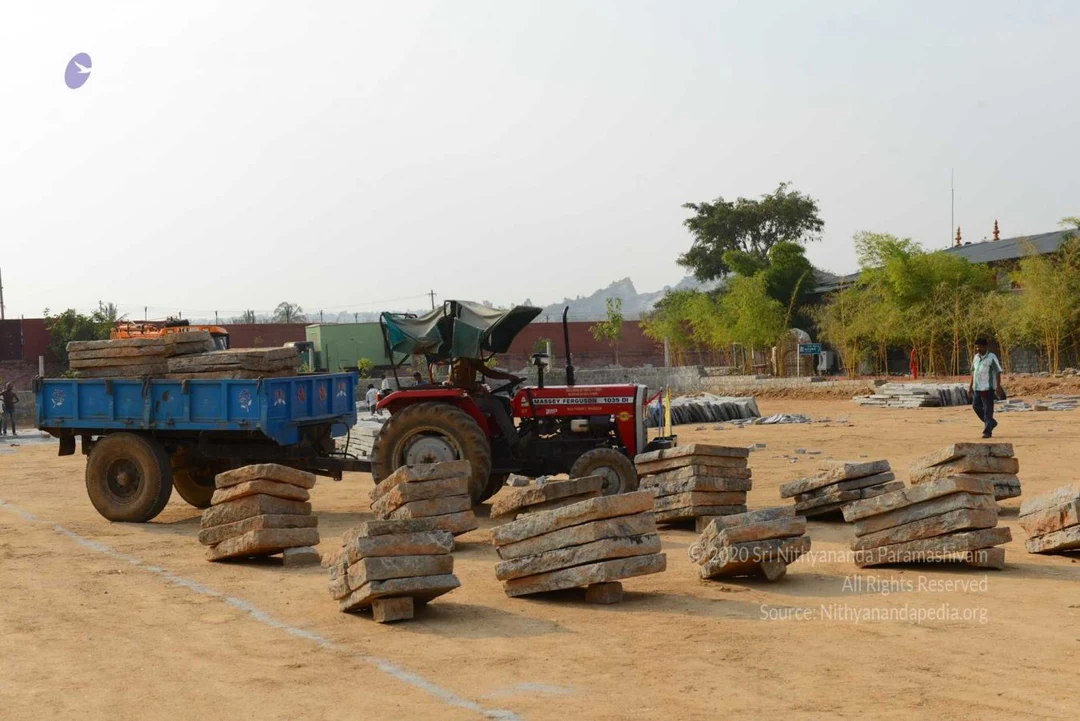 Construction at Nithyananda Peetam, Bengaluru Aadheenam - Preparations for Sadashivoham process 2016
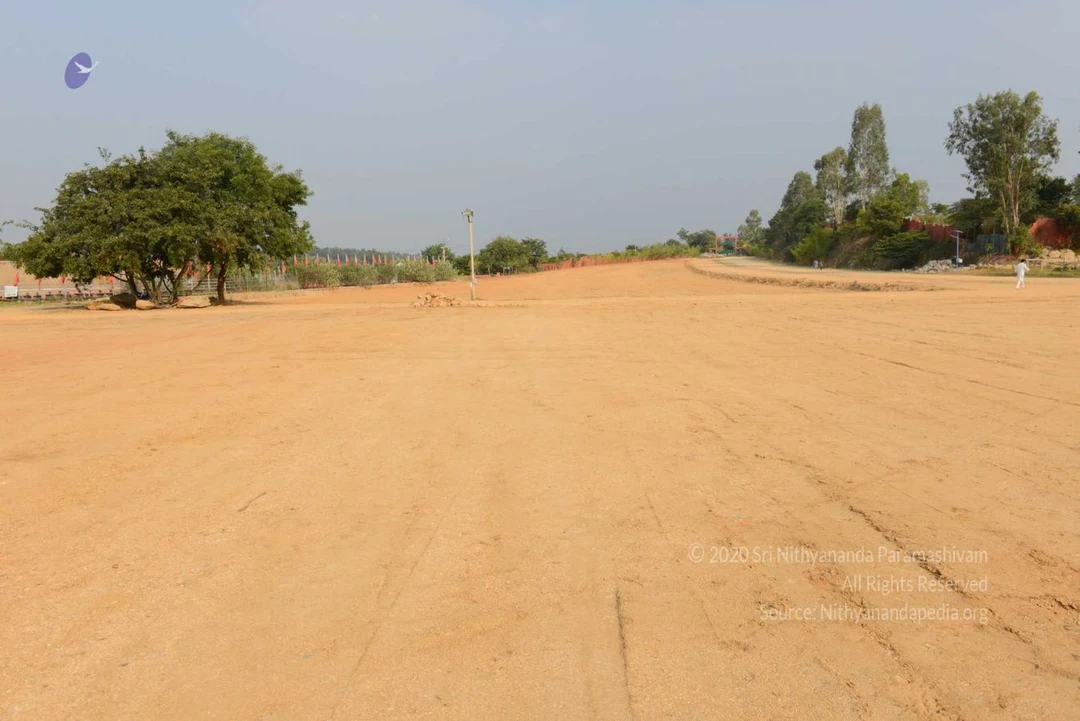 Construction at Nithyananda Peetam, Bengaluru Aadheenam - Preparations for Sadashivoham process 2016
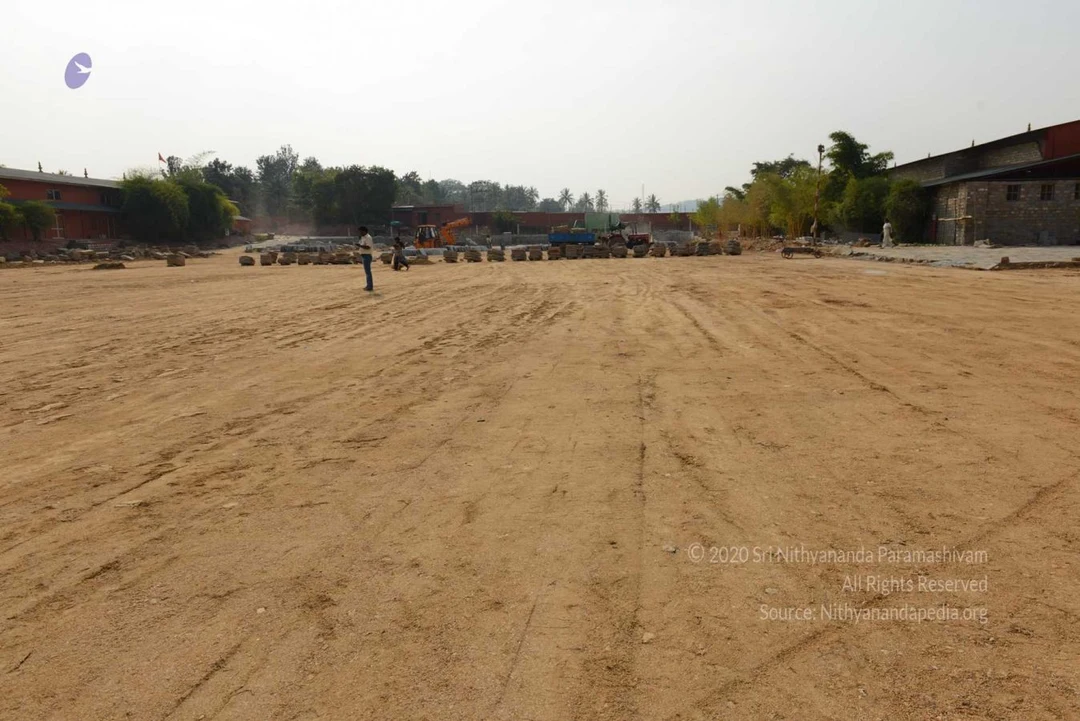 Construction at Nithyananda Peetam, Bengaluru Aadheenam - Preparations for Sadashivoham process 2016
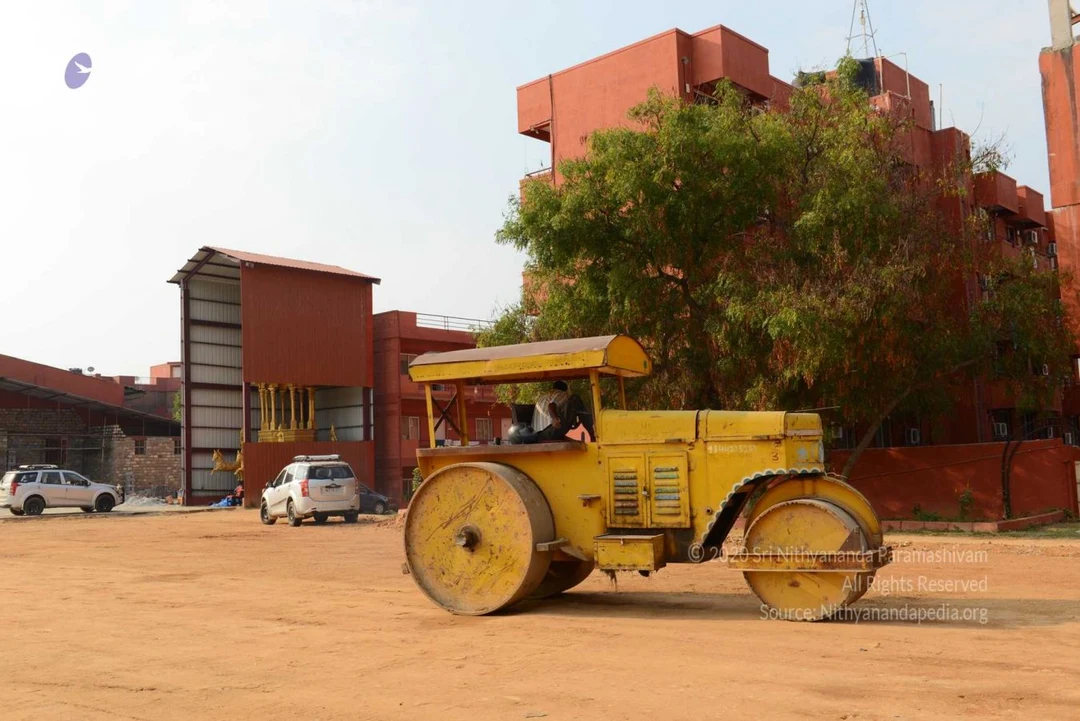 Construction at Nithyananda Peetam, Bengaluru Aadheenam - Preparations for Sadashivoham process 2016
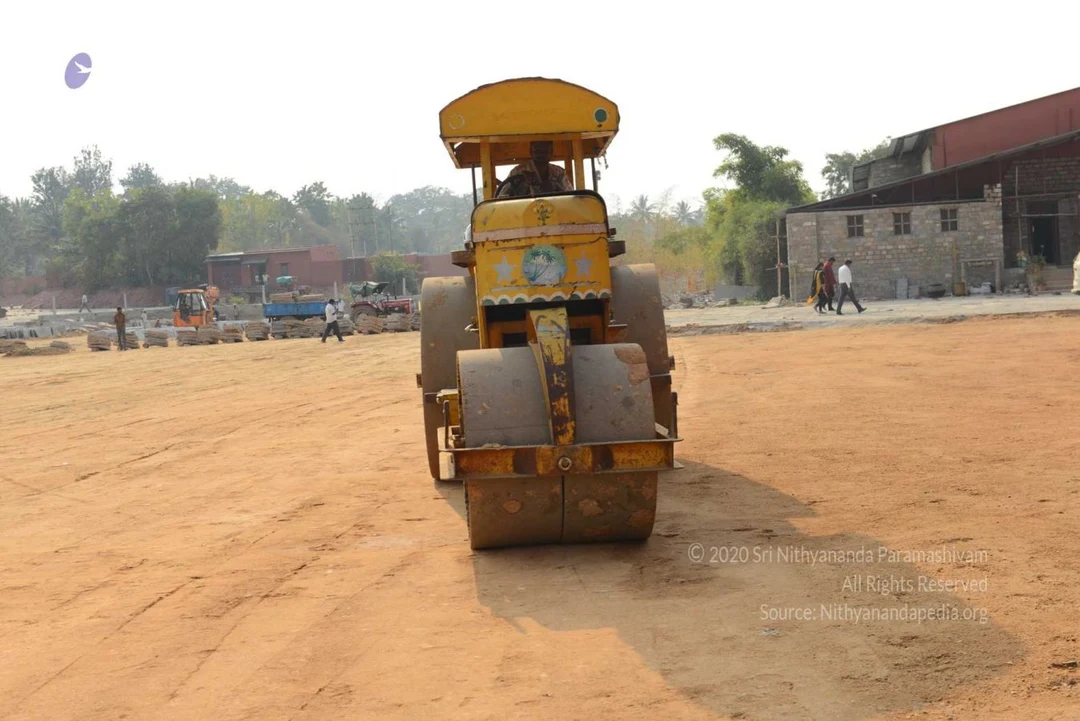 Construction at Nithyananda Peetam, Bengaluru Aadheenam - Preparations for Sadashivoham process 2016
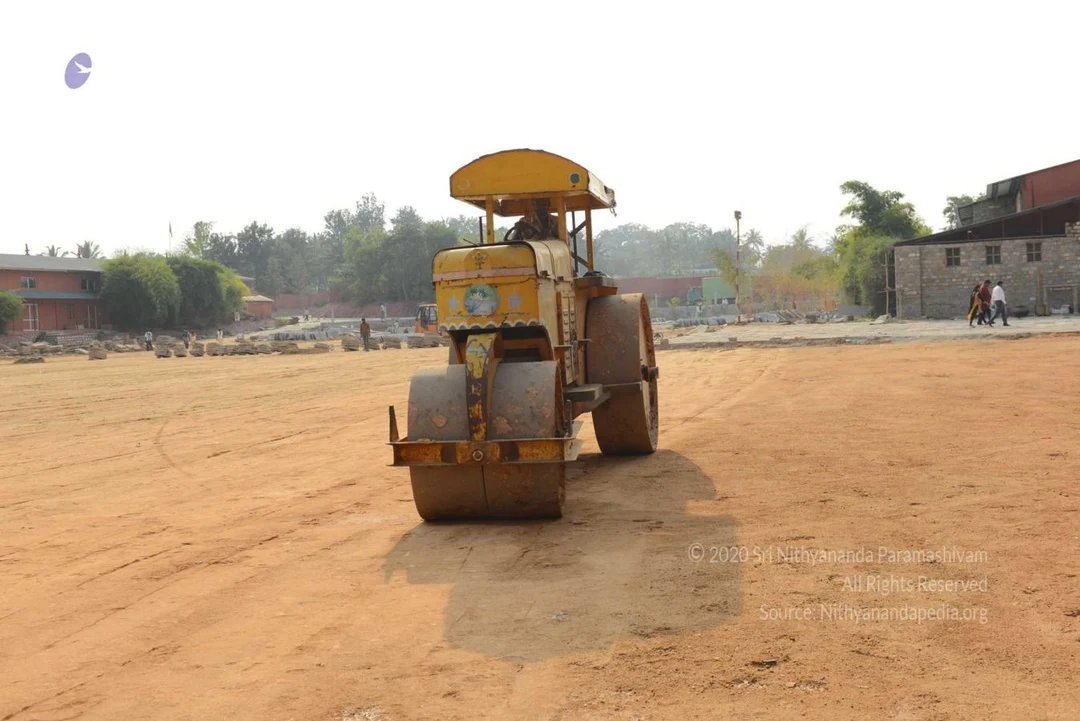 Construction at Nithyananda Peetam, Bengaluru Aadheenam - Preparations for Sadashivoham process 2016
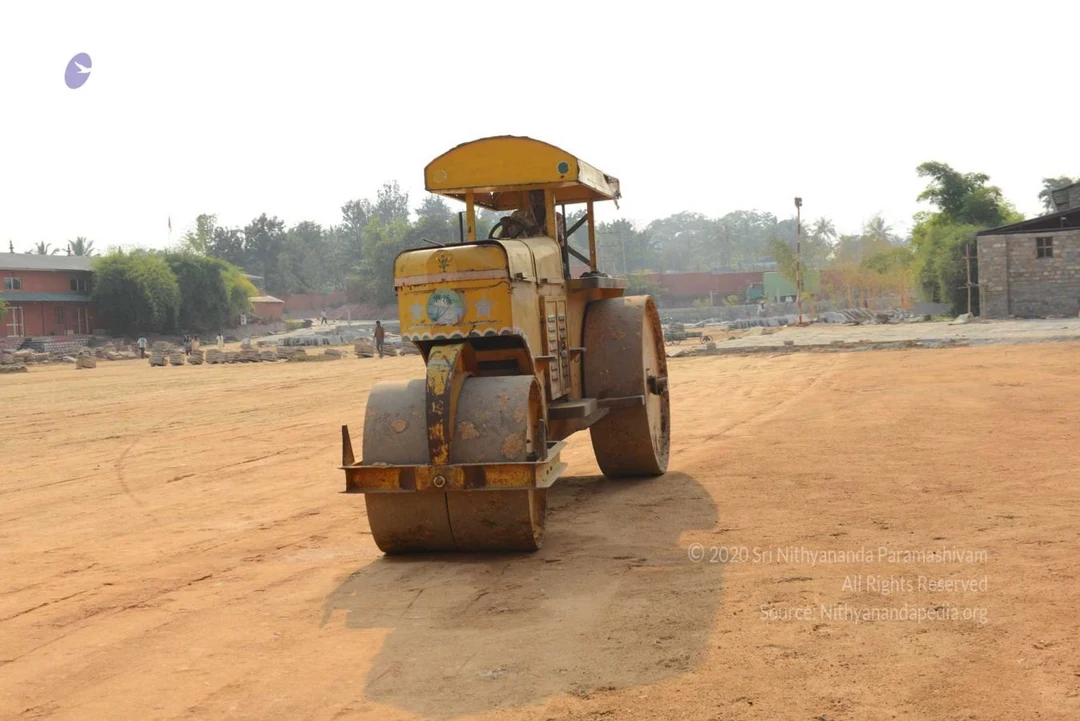 Construction at Nithyananda Peetam, Bengaluru Aadheenam - Preparations for Sadashivoham process 2016
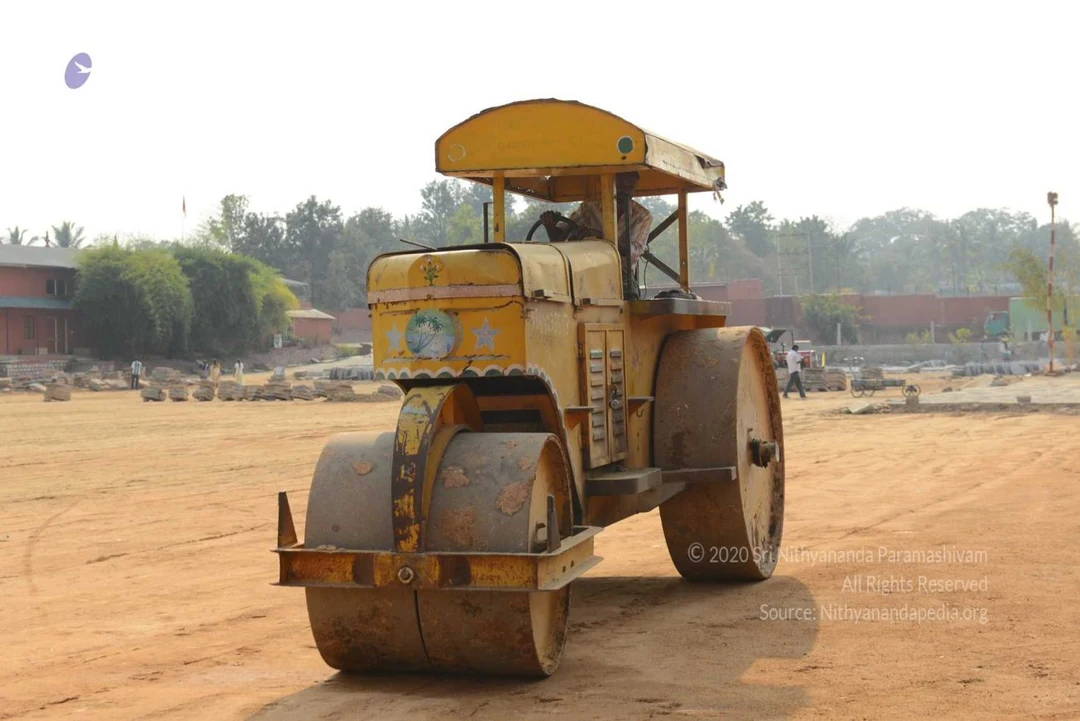 Construction at Nithyananda Peetam, Bengaluru Aadheenam - Preparations for Sadashivoham process 2016
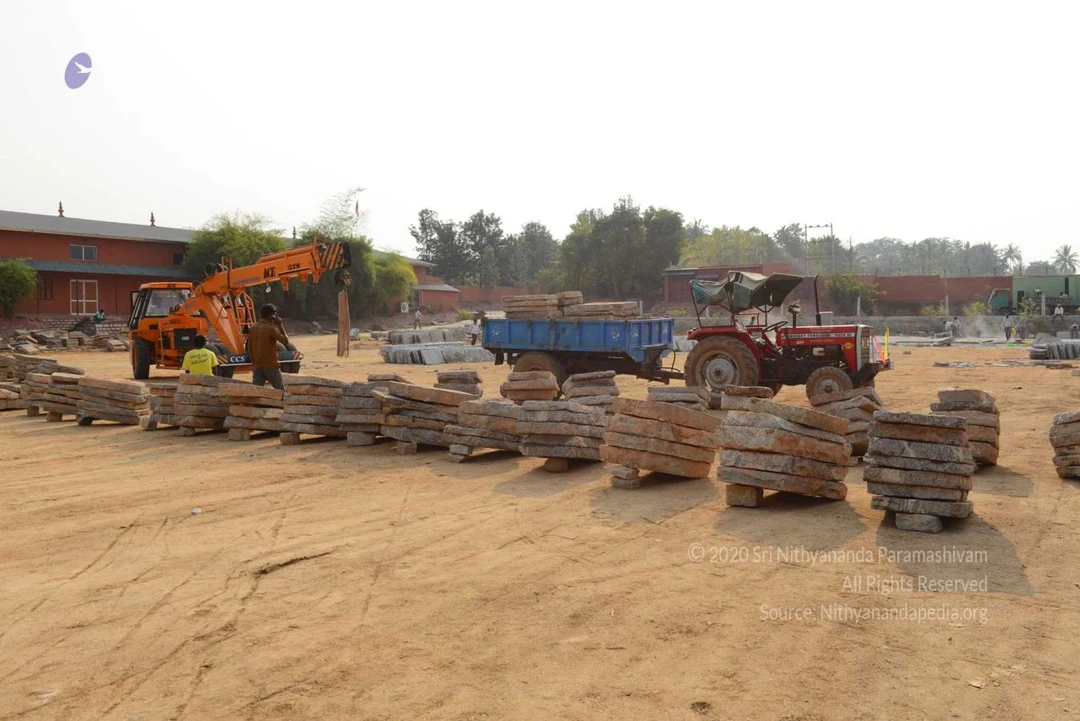 Construction at Nithyananda Peetam, Bengaluru Aadheenam - Preparations for Sadashivoham process 2016
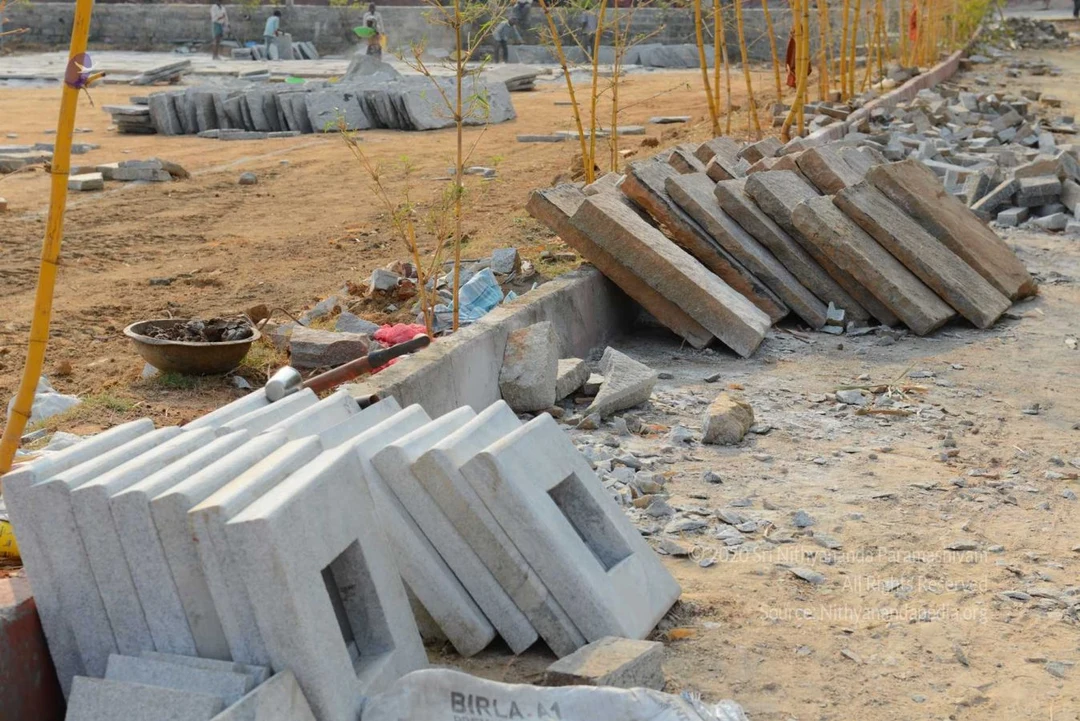 Construction at Nithyananda Peetam, Bengaluru Aadheenam - Preparations for Sadashivoham process 2016
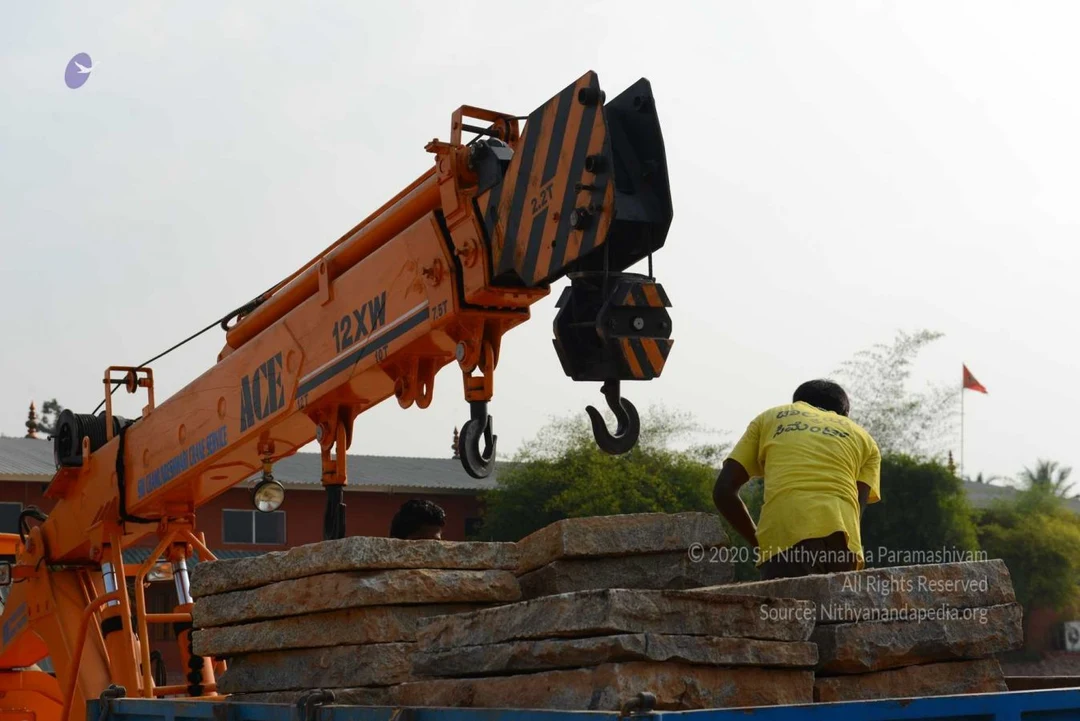 Construction at Nithyananda Peetam, Bengaluru Aadheenam - Preparations for Sadashivoham process 2016
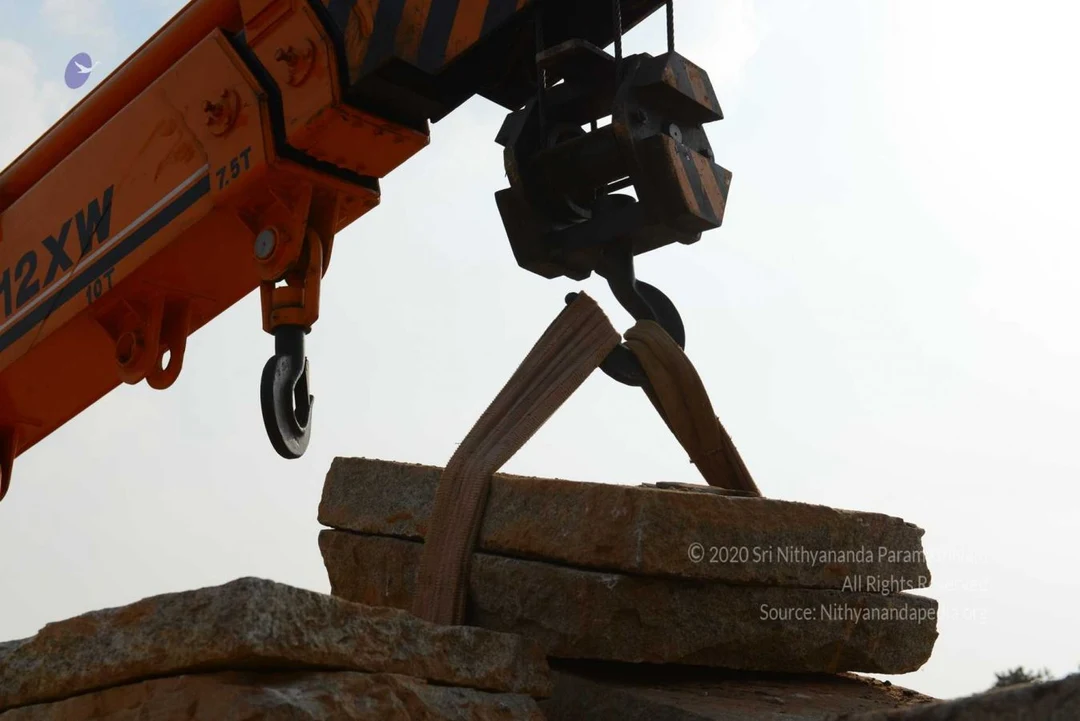 Construction at Nithyananda Peetam, Bengaluru Aadheenam - Preparations for Sadashivoham process 2016
 Construction at Nithyananda Peetam, Bengaluru Aadheenam - Preparations for Sadashivoham process 2016
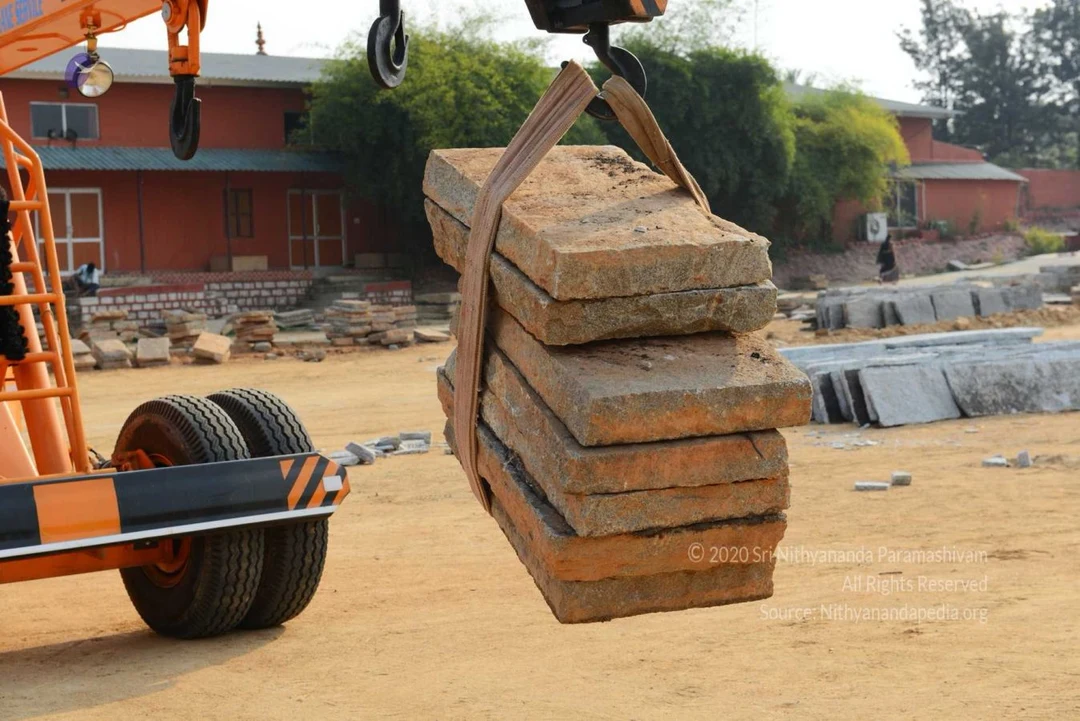 Construction at Nithyananda Peetam, Bengaluru Aadheenam - Preparations for Sadashivoham process 2016
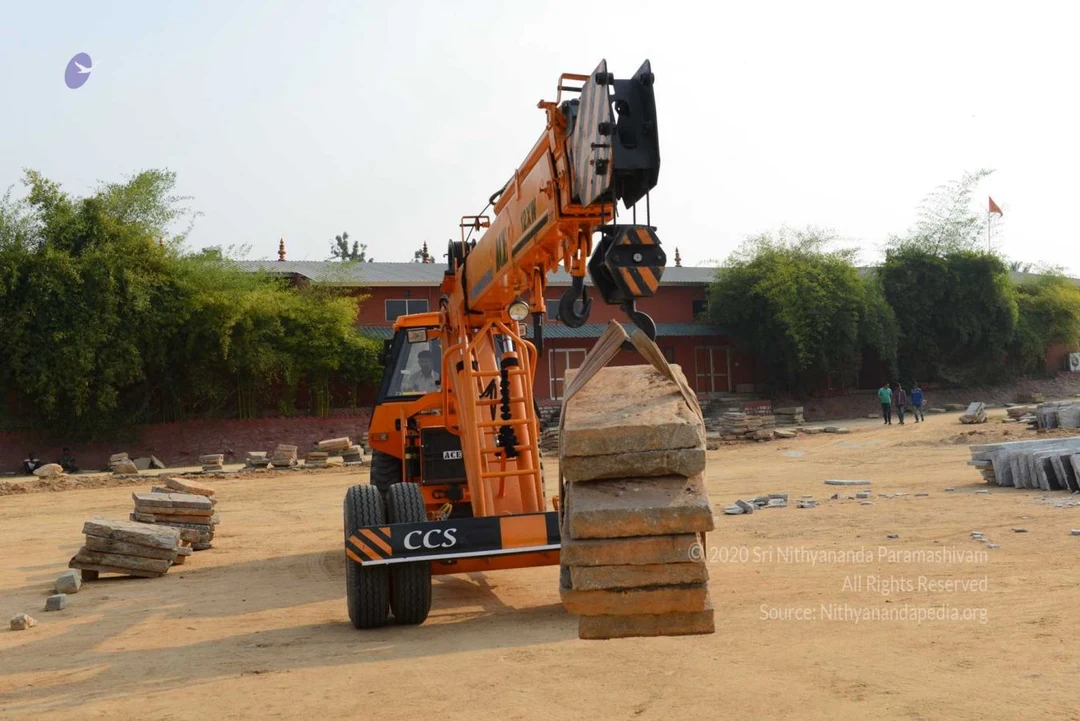 Construction at Nithyananda Peetam, Bengaluru Aadheenam - Preparations for Sadashivoham process 2016
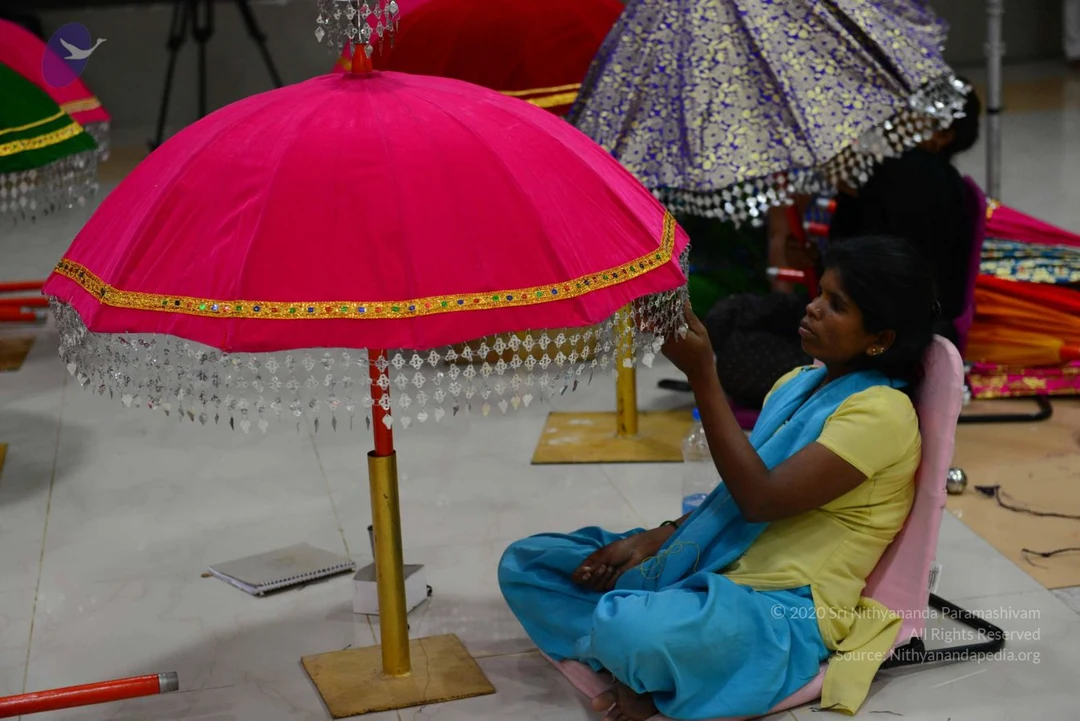
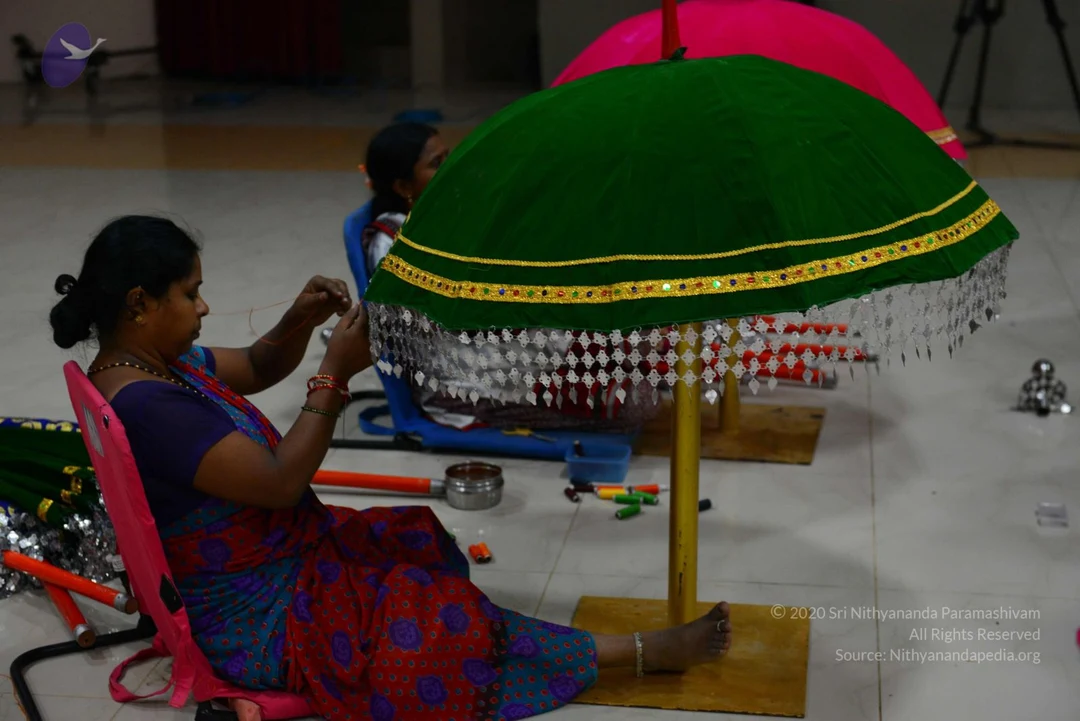
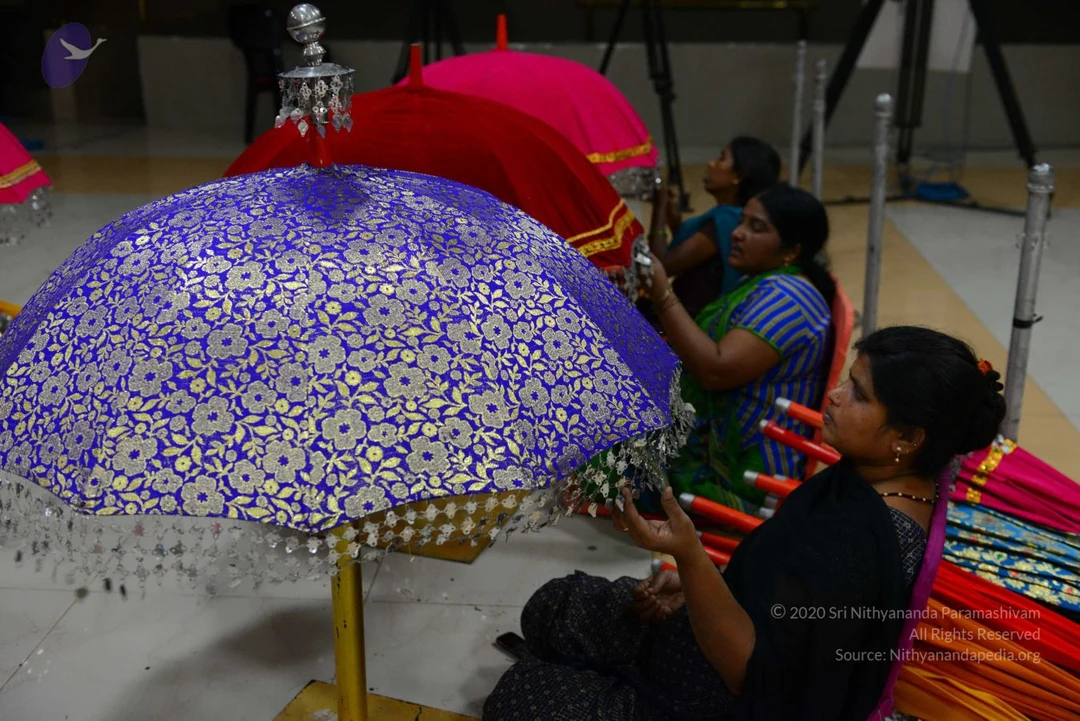
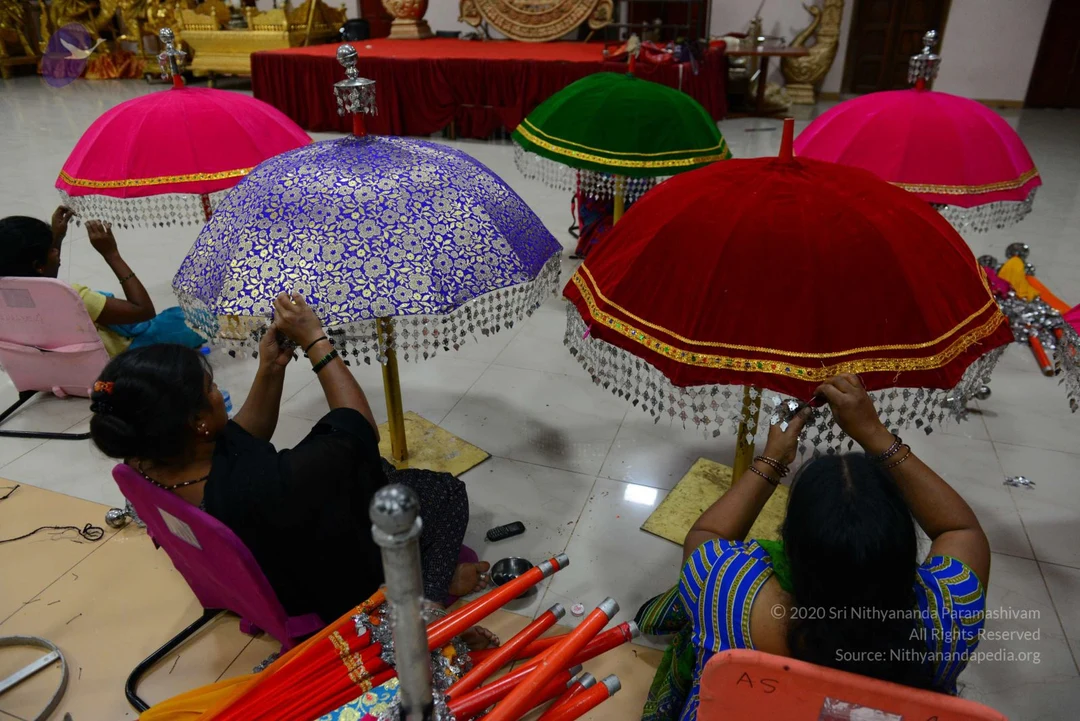
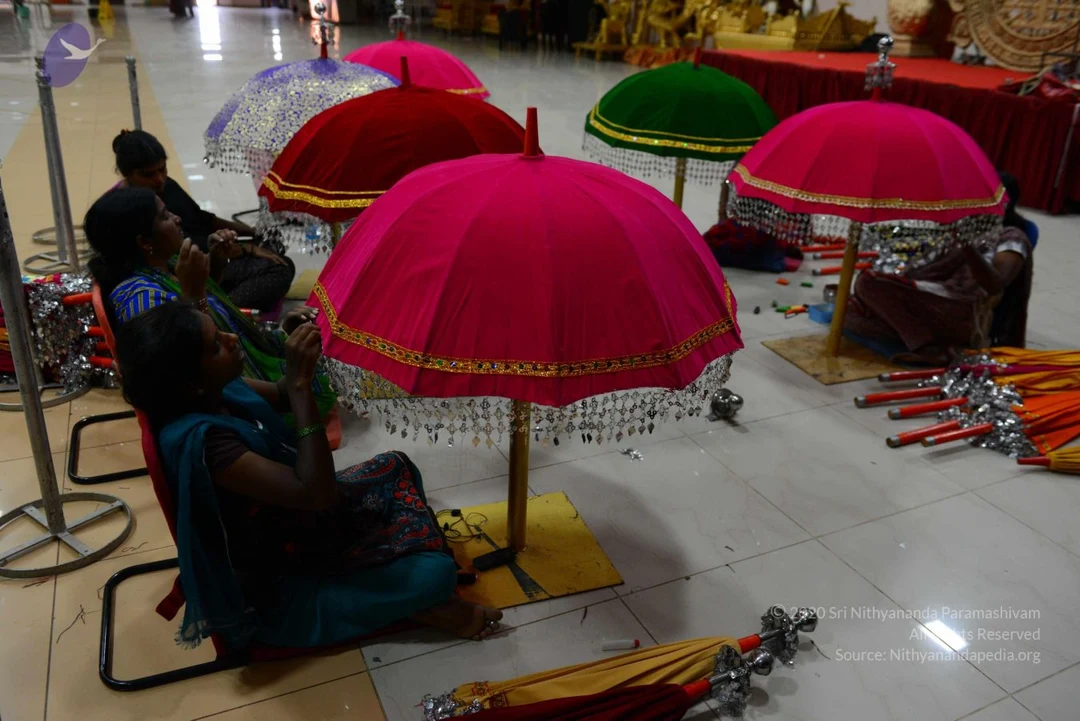
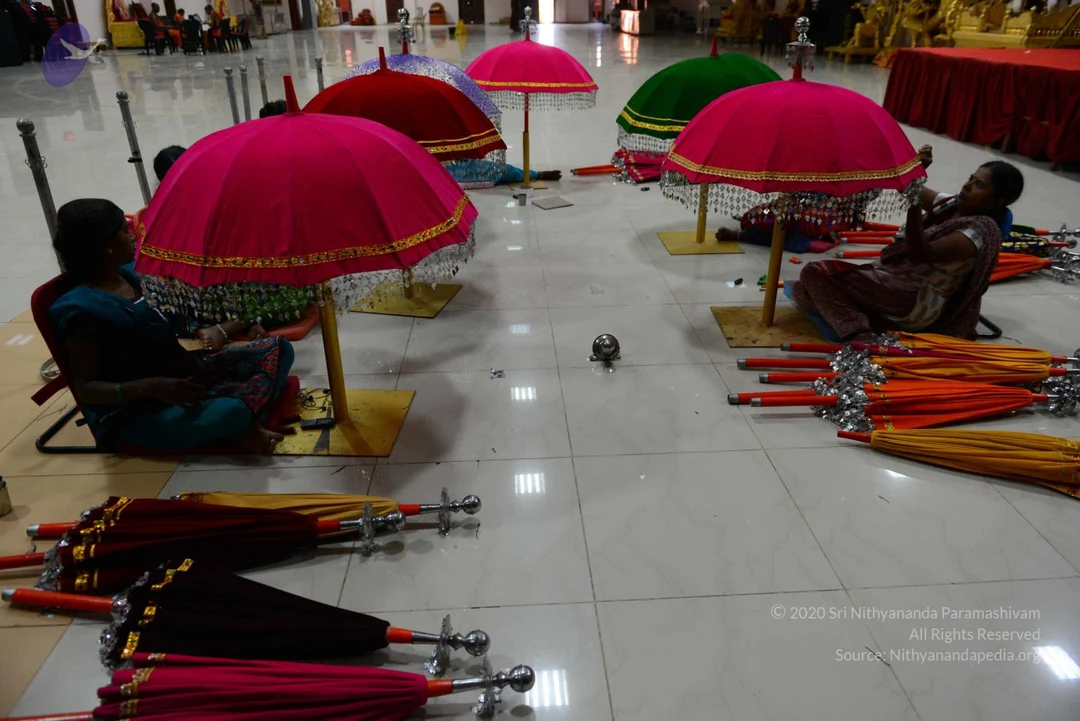
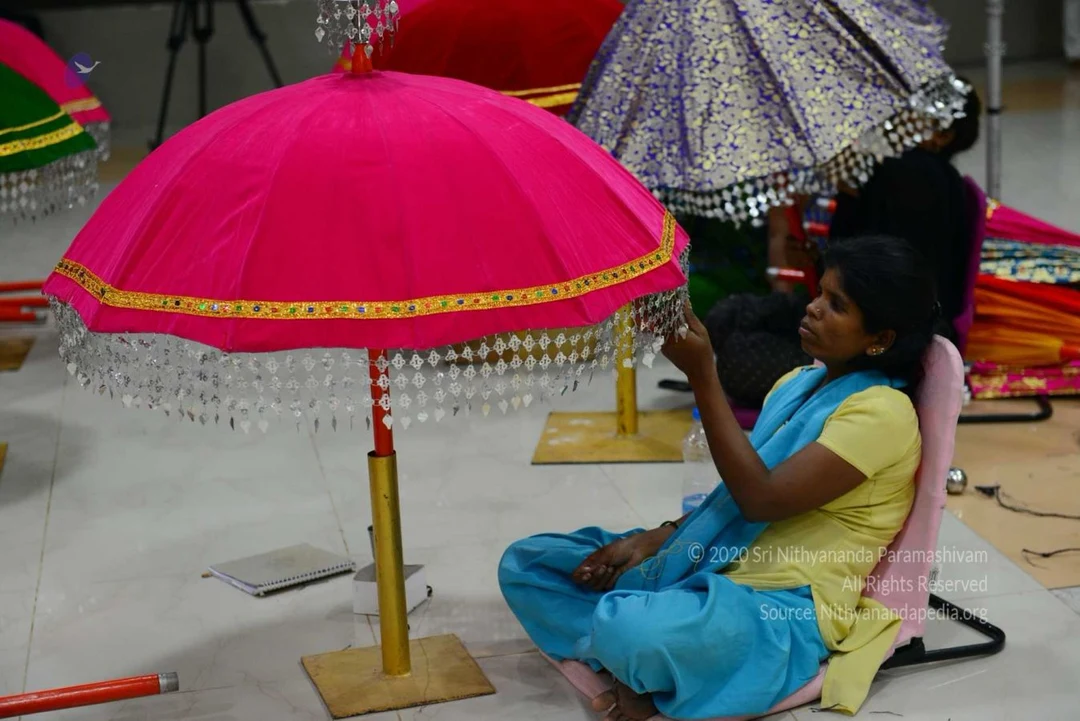 Making of Traditional Umbrellas - Preparations for Sadashivoham process 2016
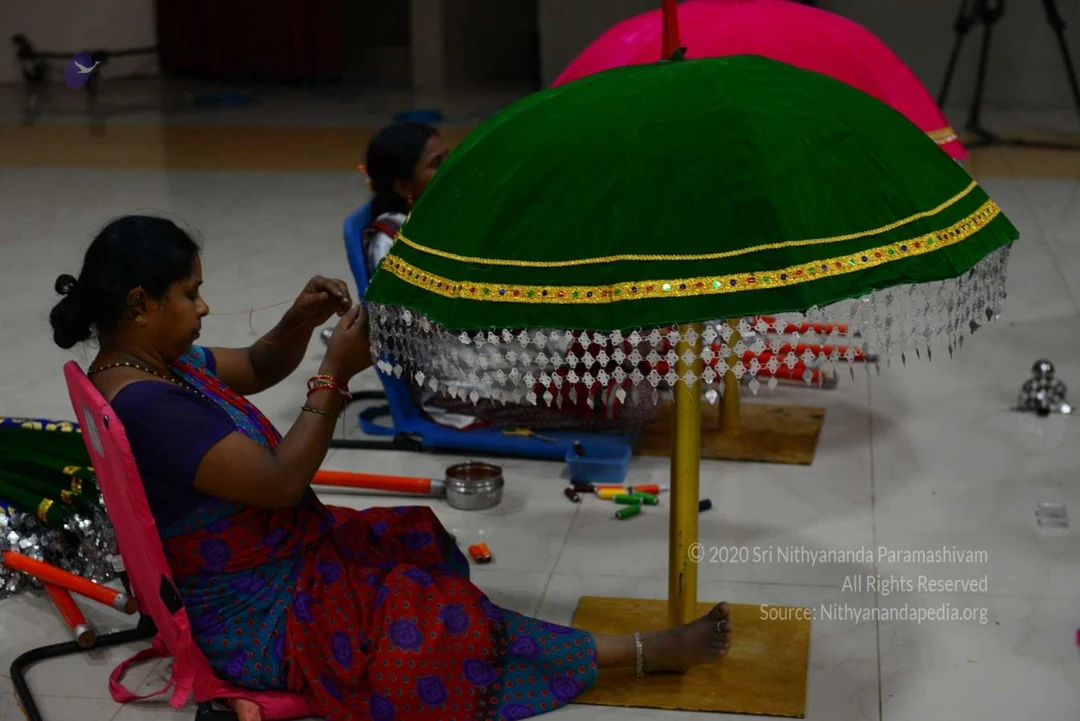 Making of Traditional Umbrellas - Preparations for Sadashivoham process 2016
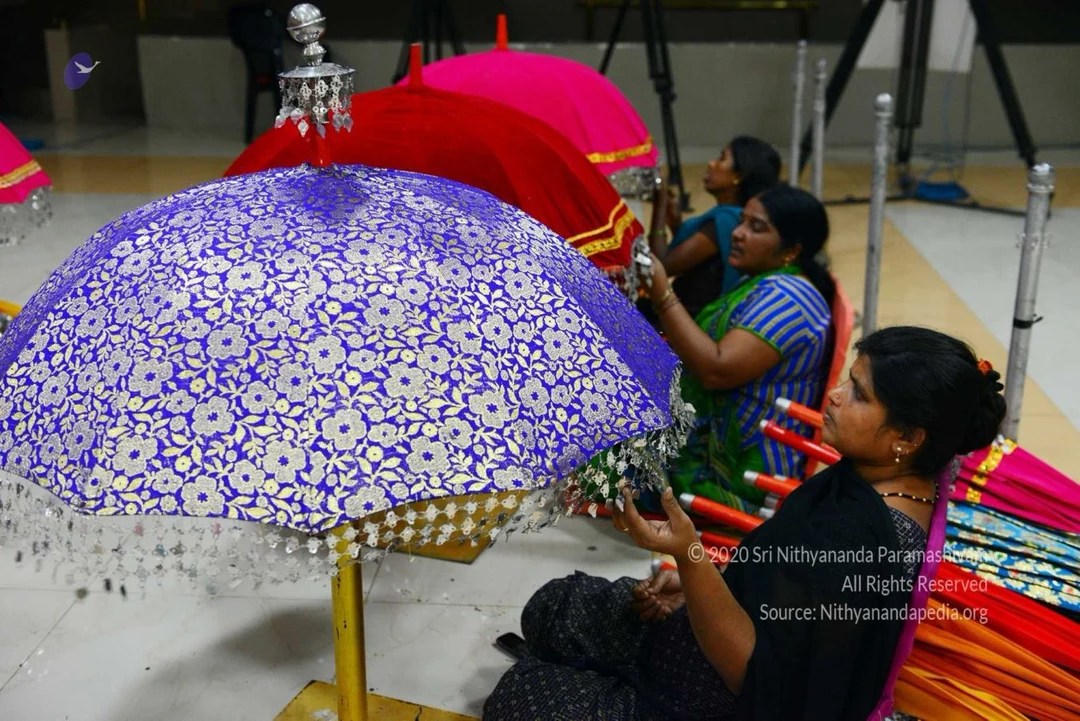 Making of Traditional Umbrellas - Preparations for Sadashivoham process 2016
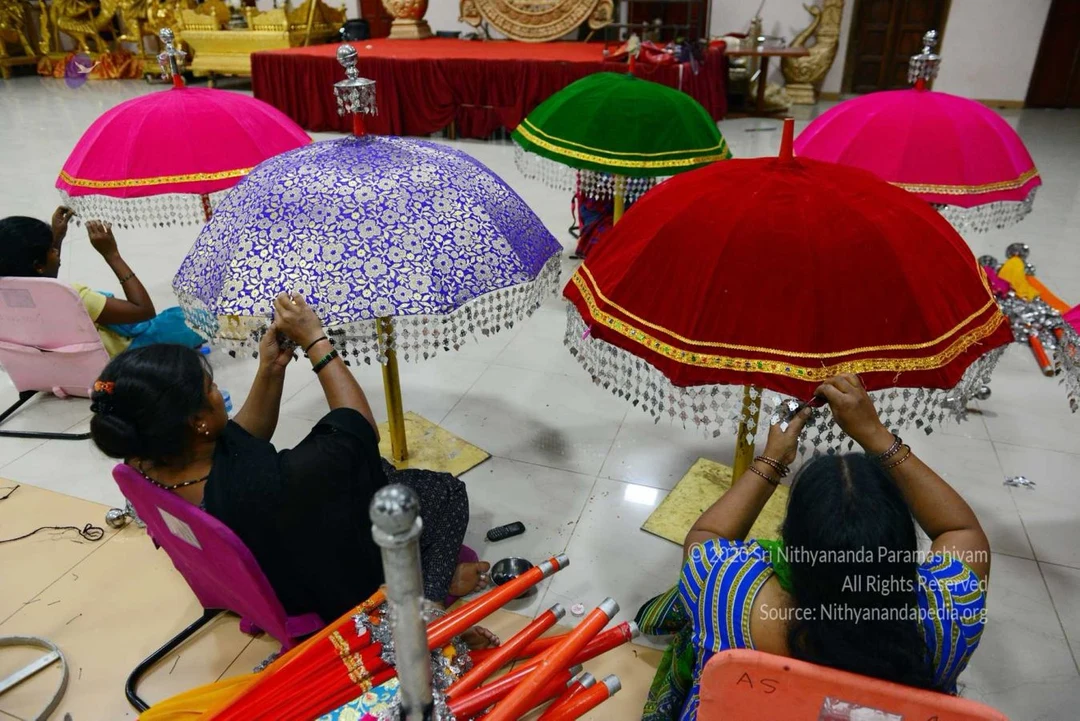 Making of Traditional Umbrellas - Preparations for Sadashivoham process 2016
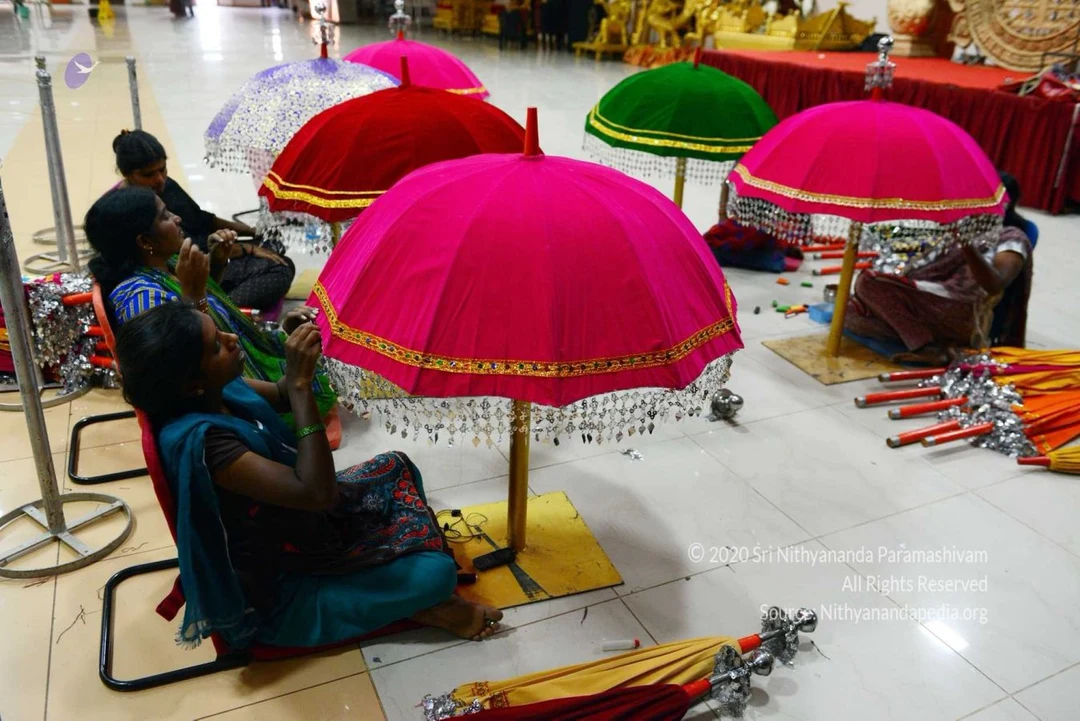 Making of Traditional Umbrellas - Preparations for Sadashivoham process 2016
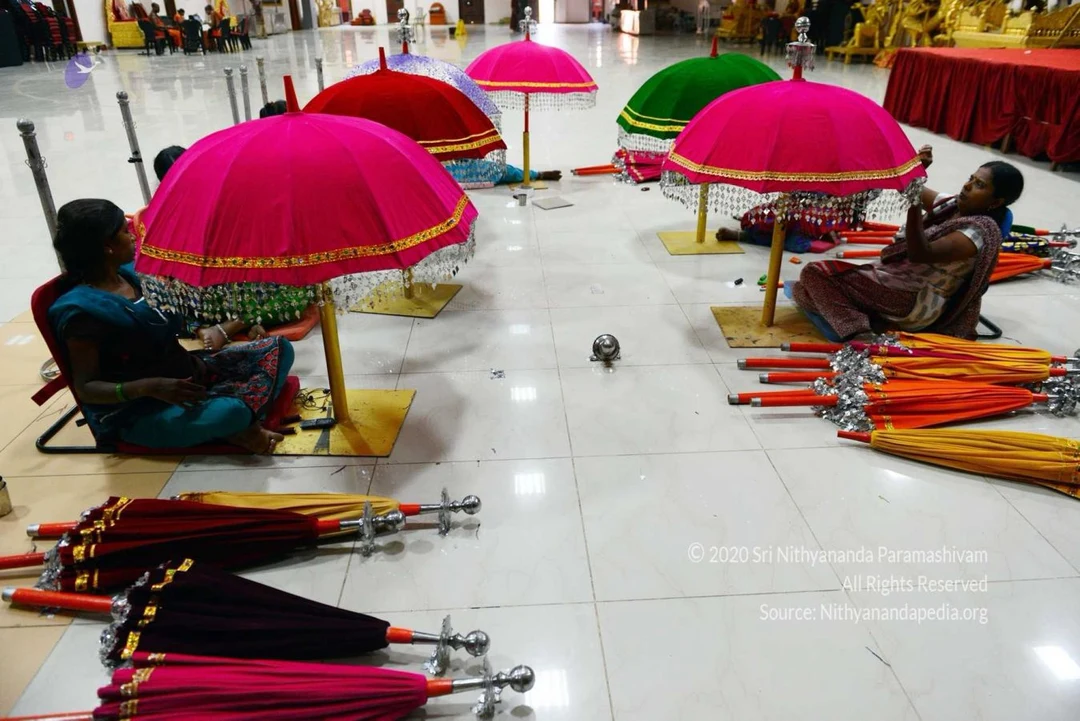 Making of Traditional Umbrellas - Preparations for Sadashivoham process 2016
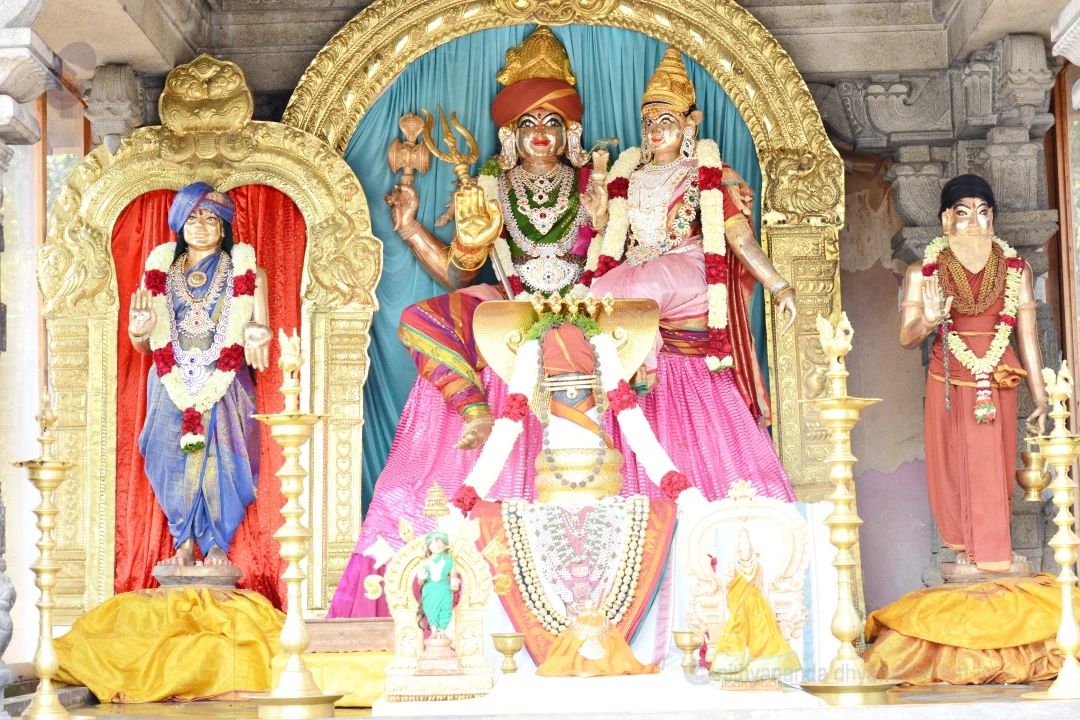
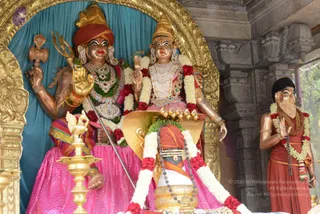
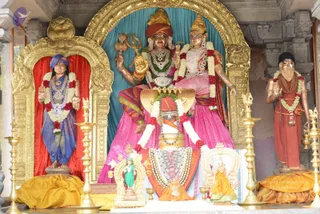
Nithyanandeshwara Sadashiva Temple
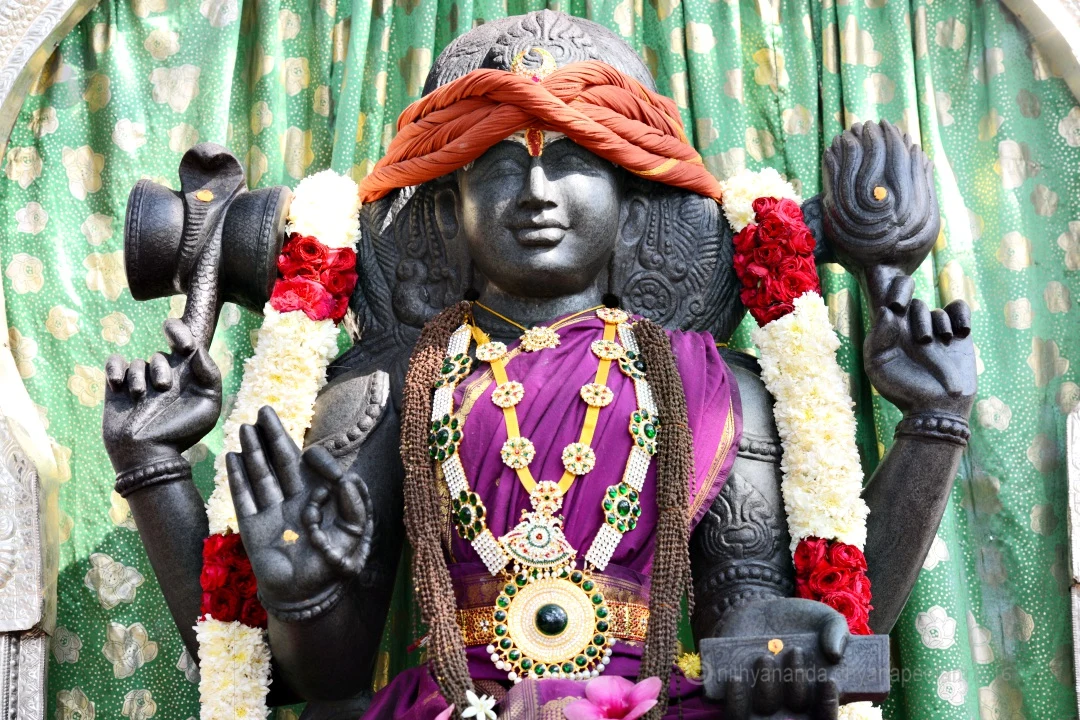
Photos Of The Day:
Nithya-Satsang
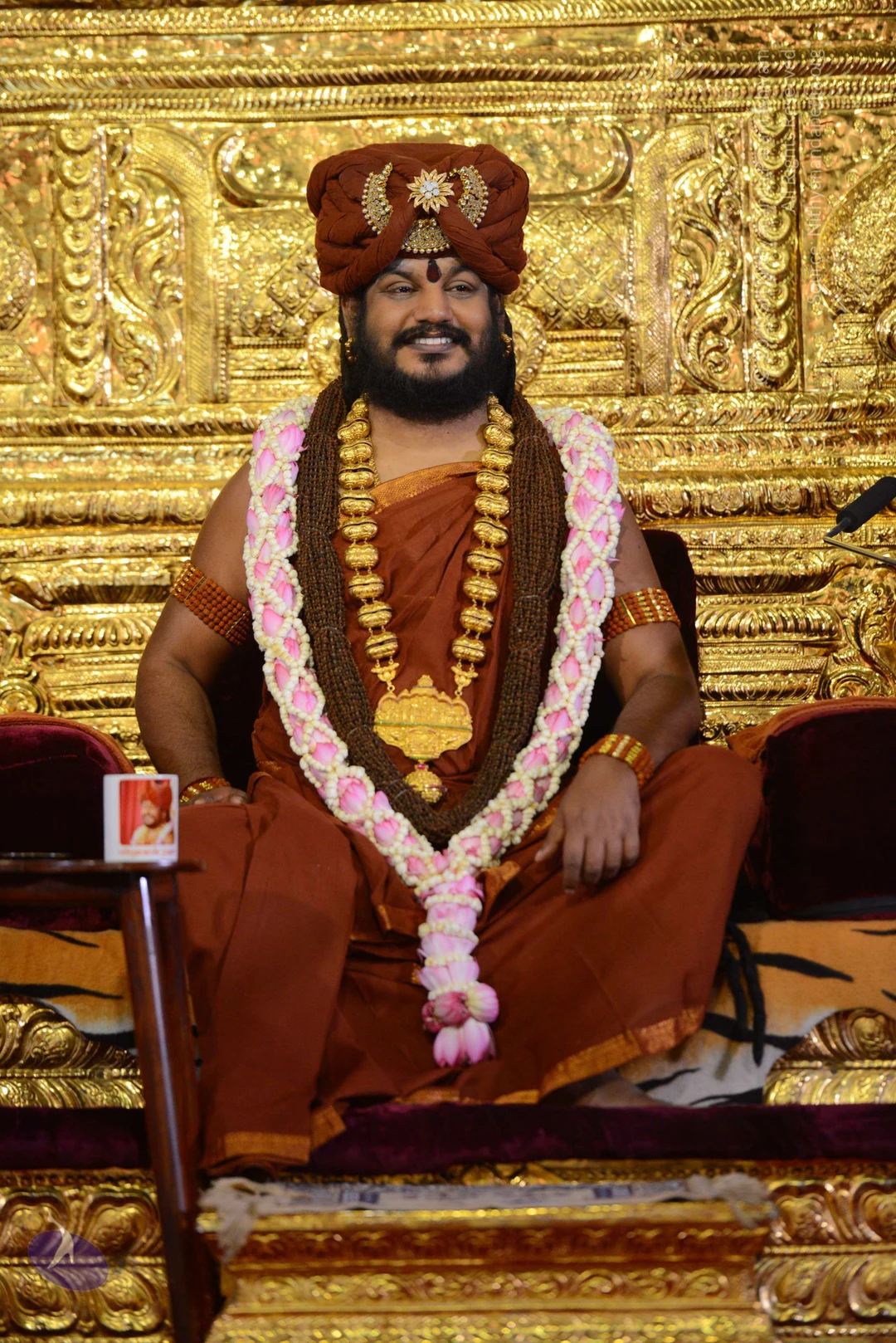
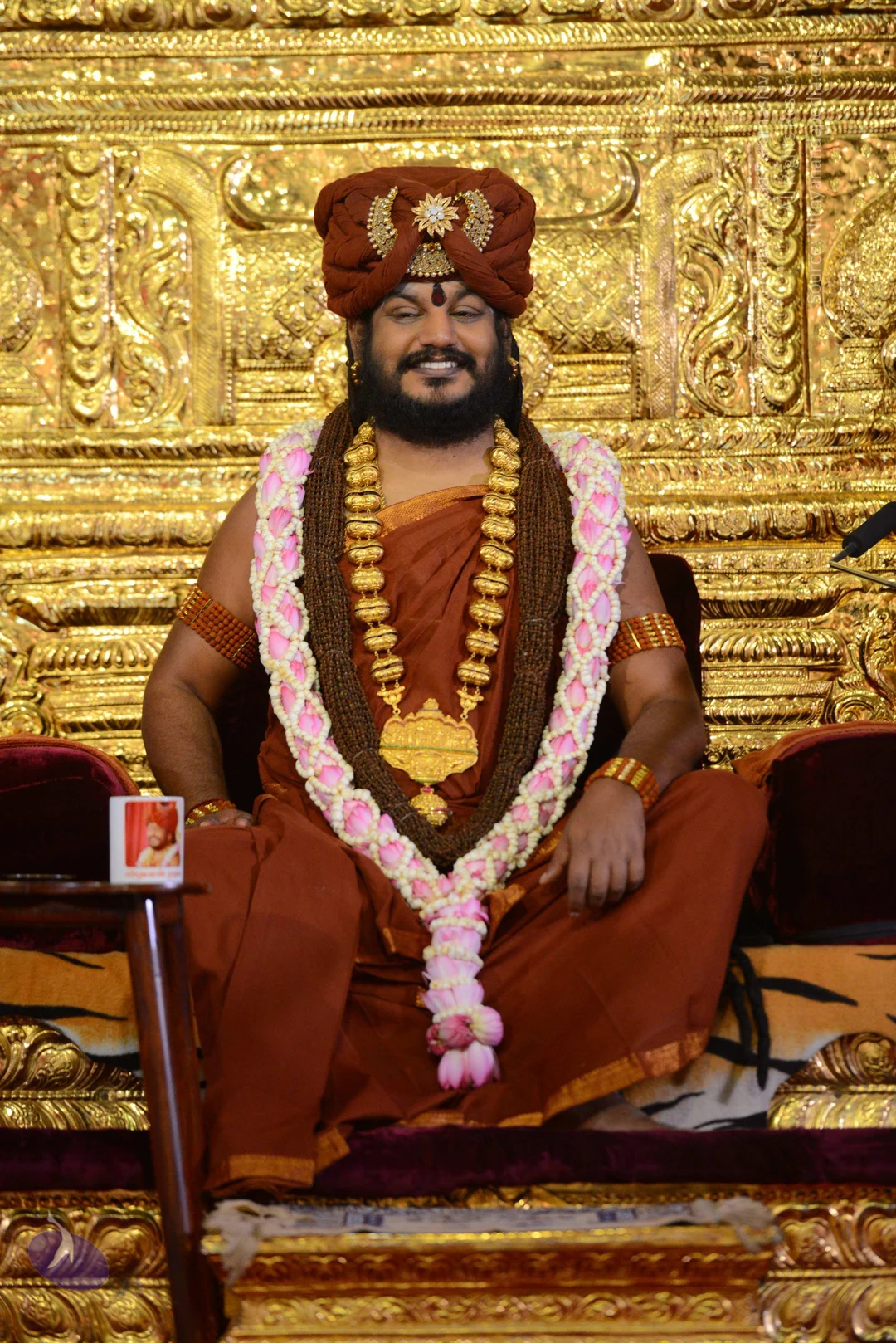
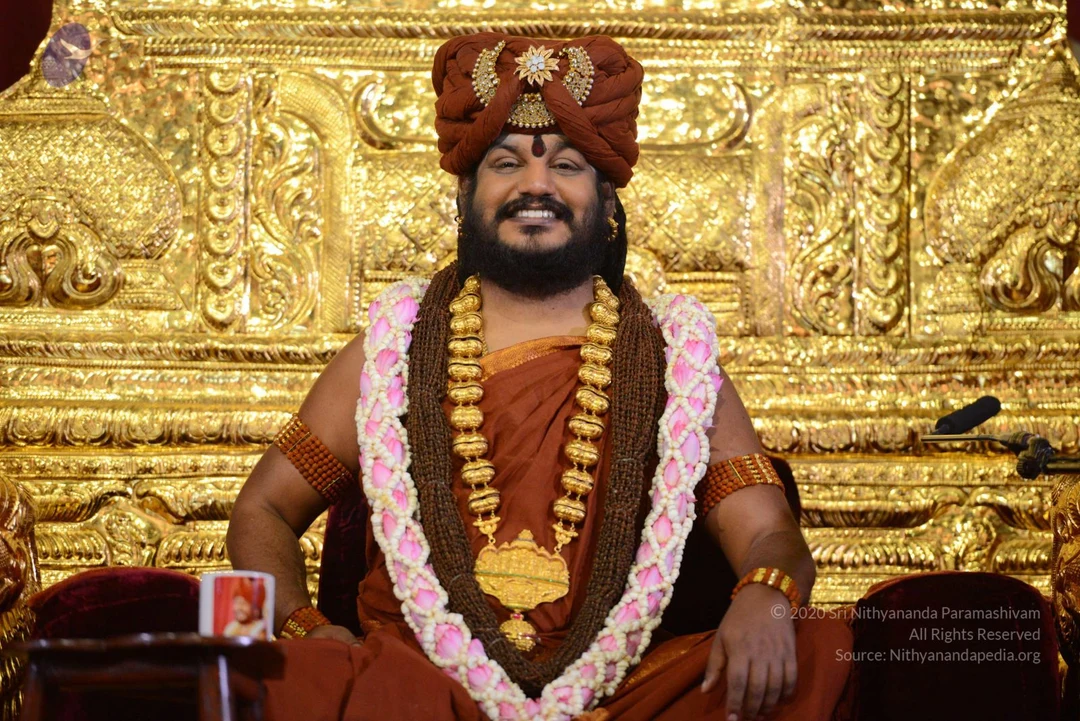
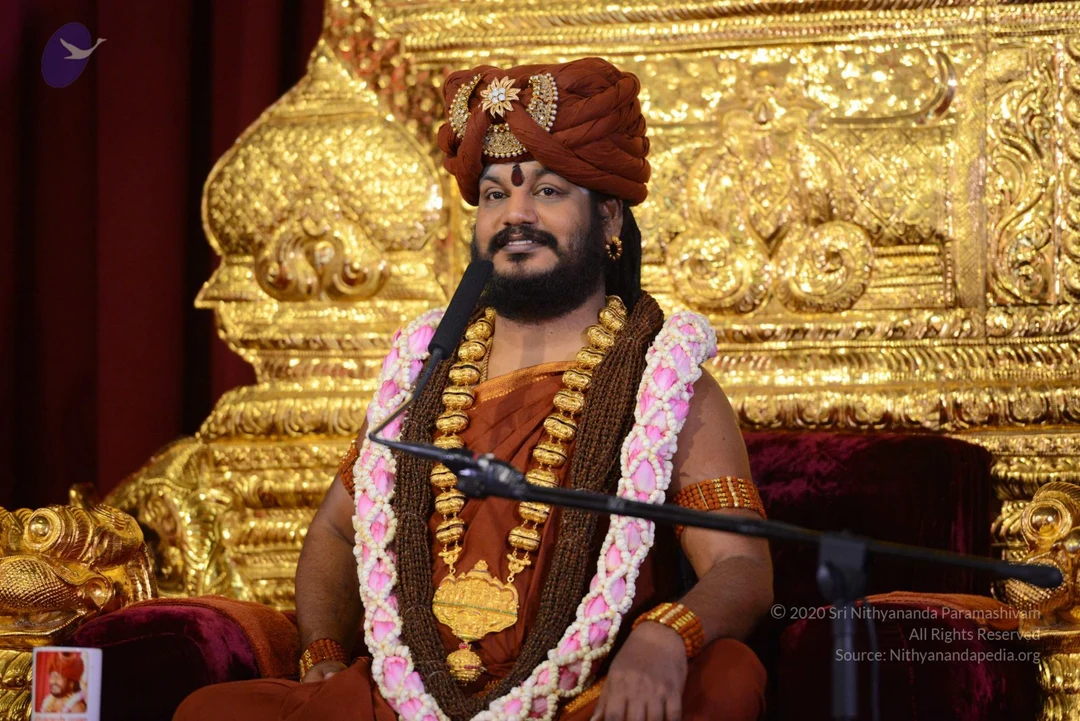
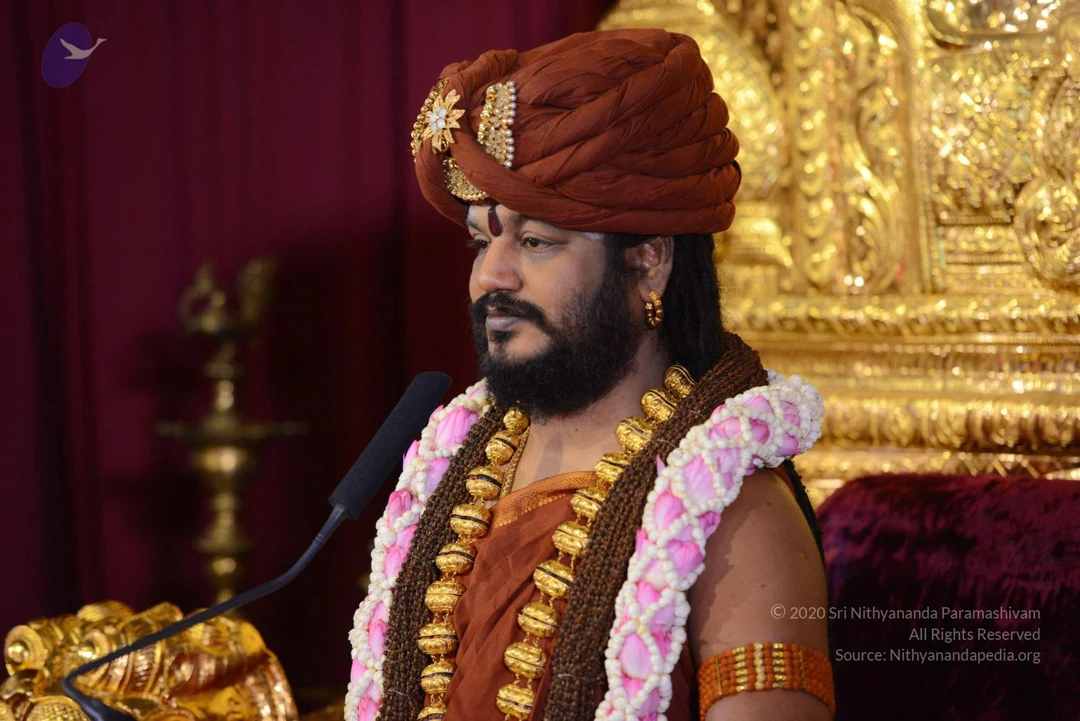
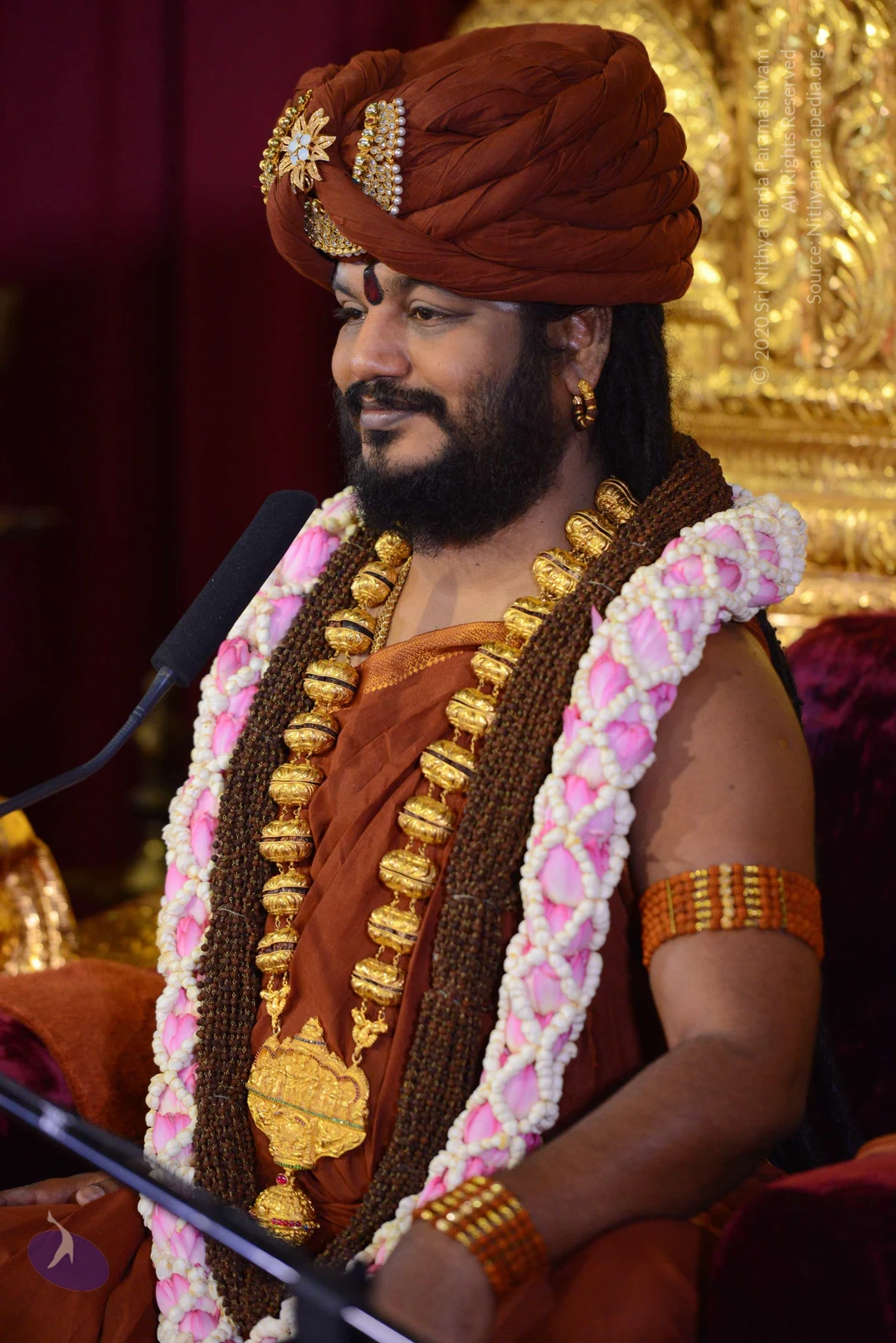
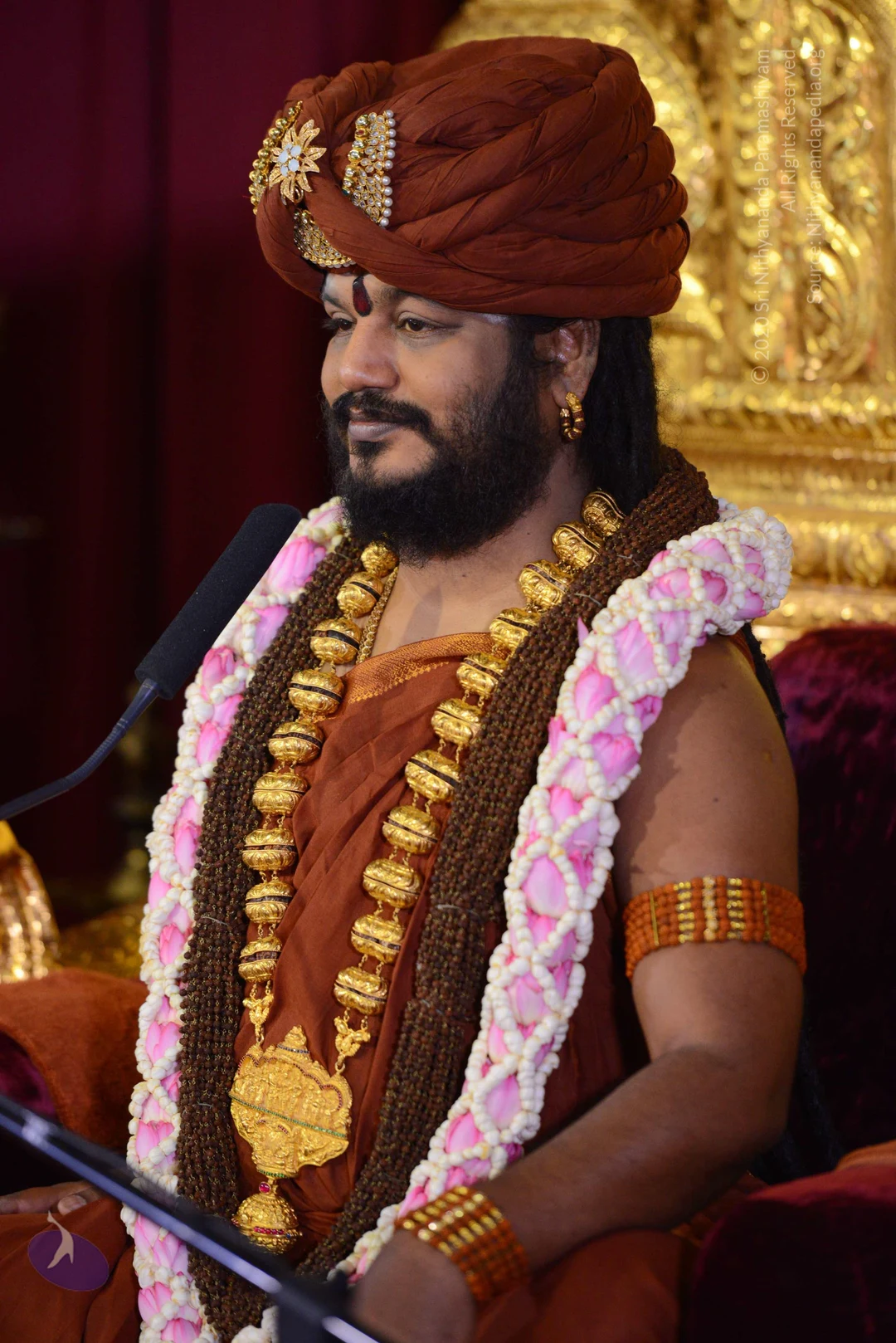
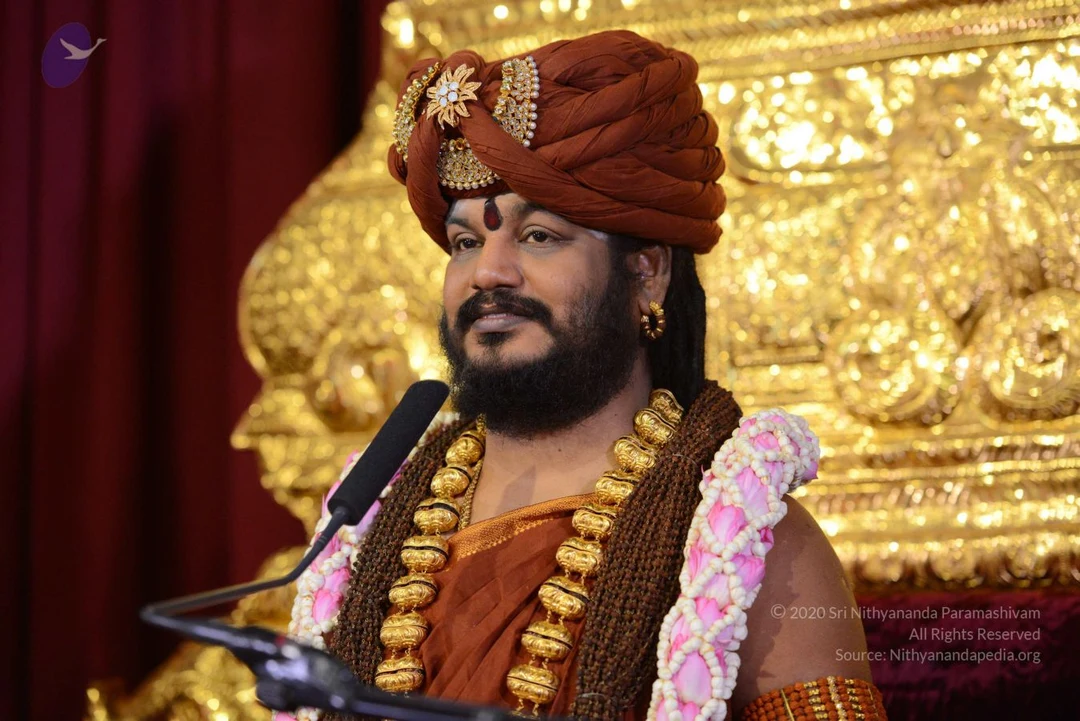

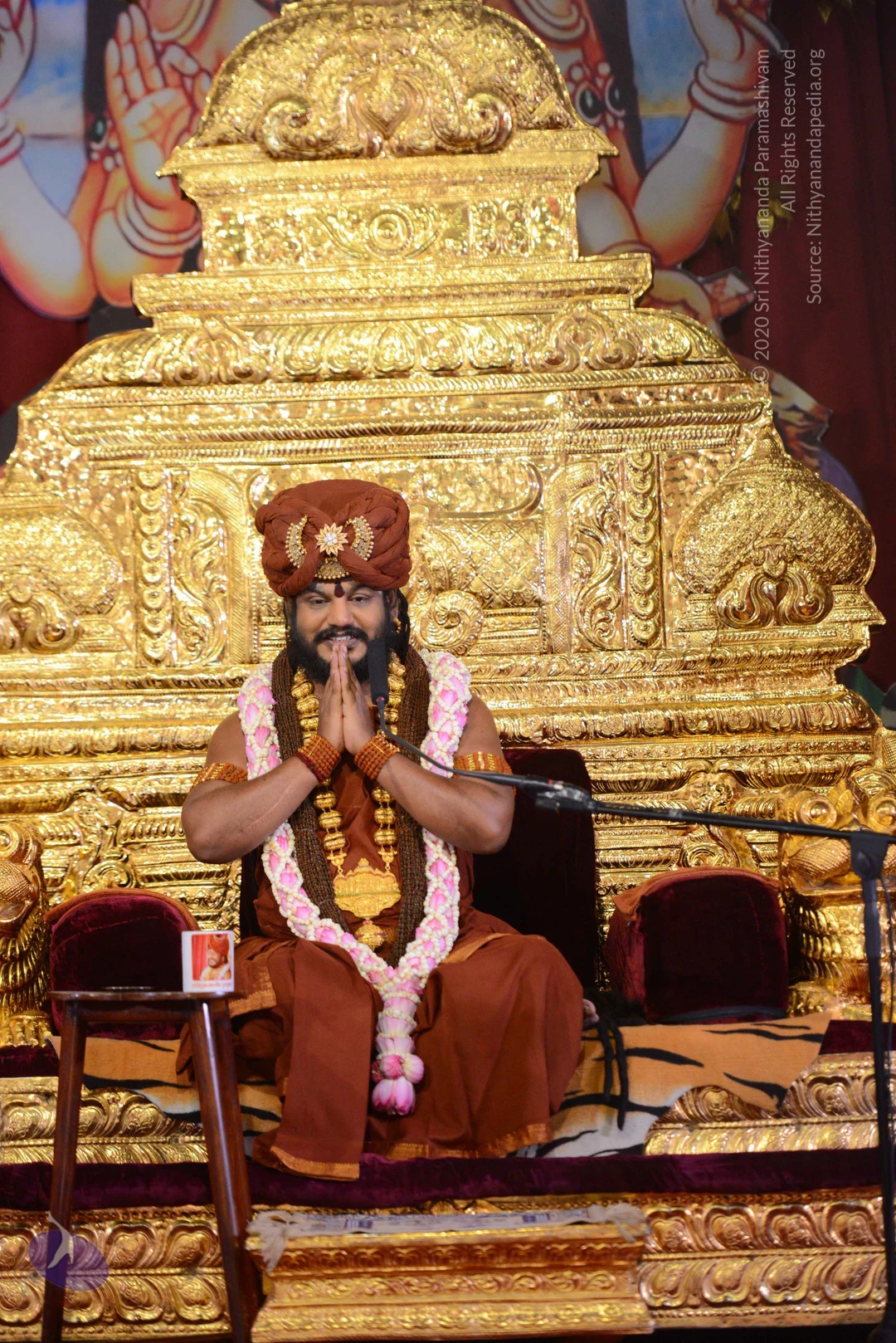
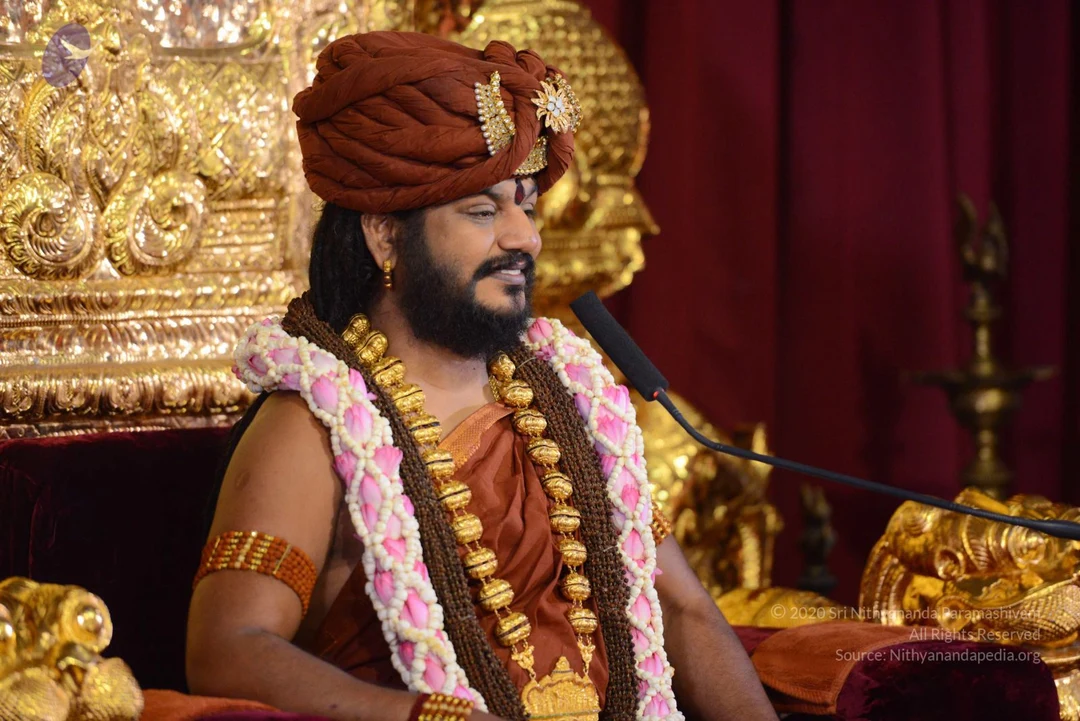
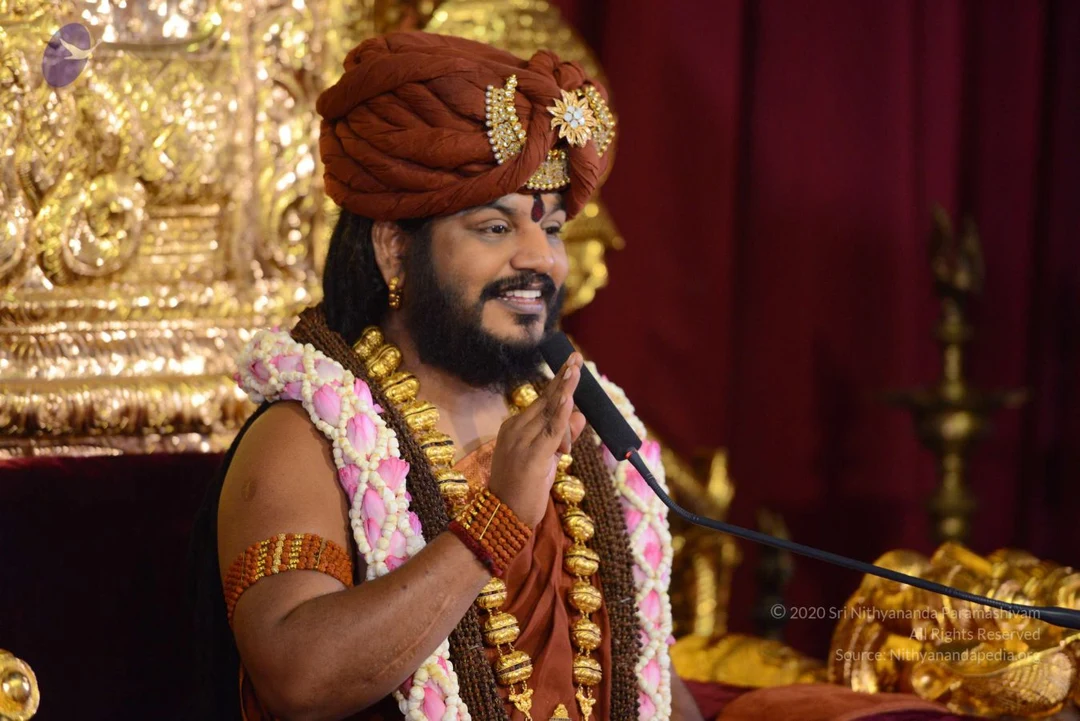
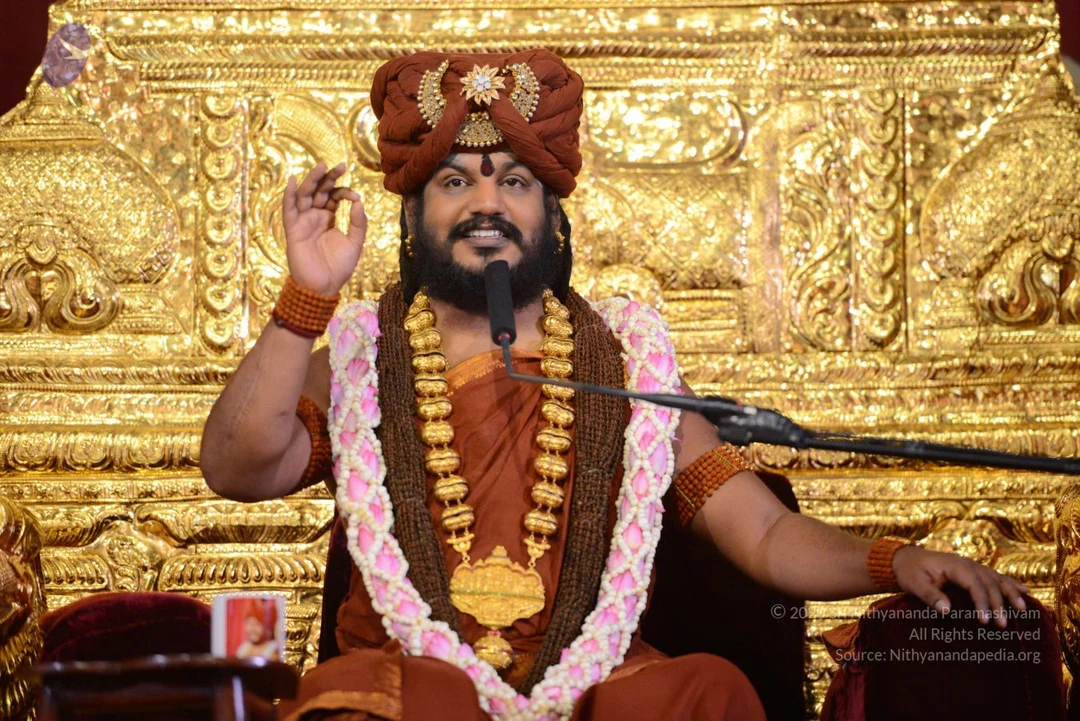
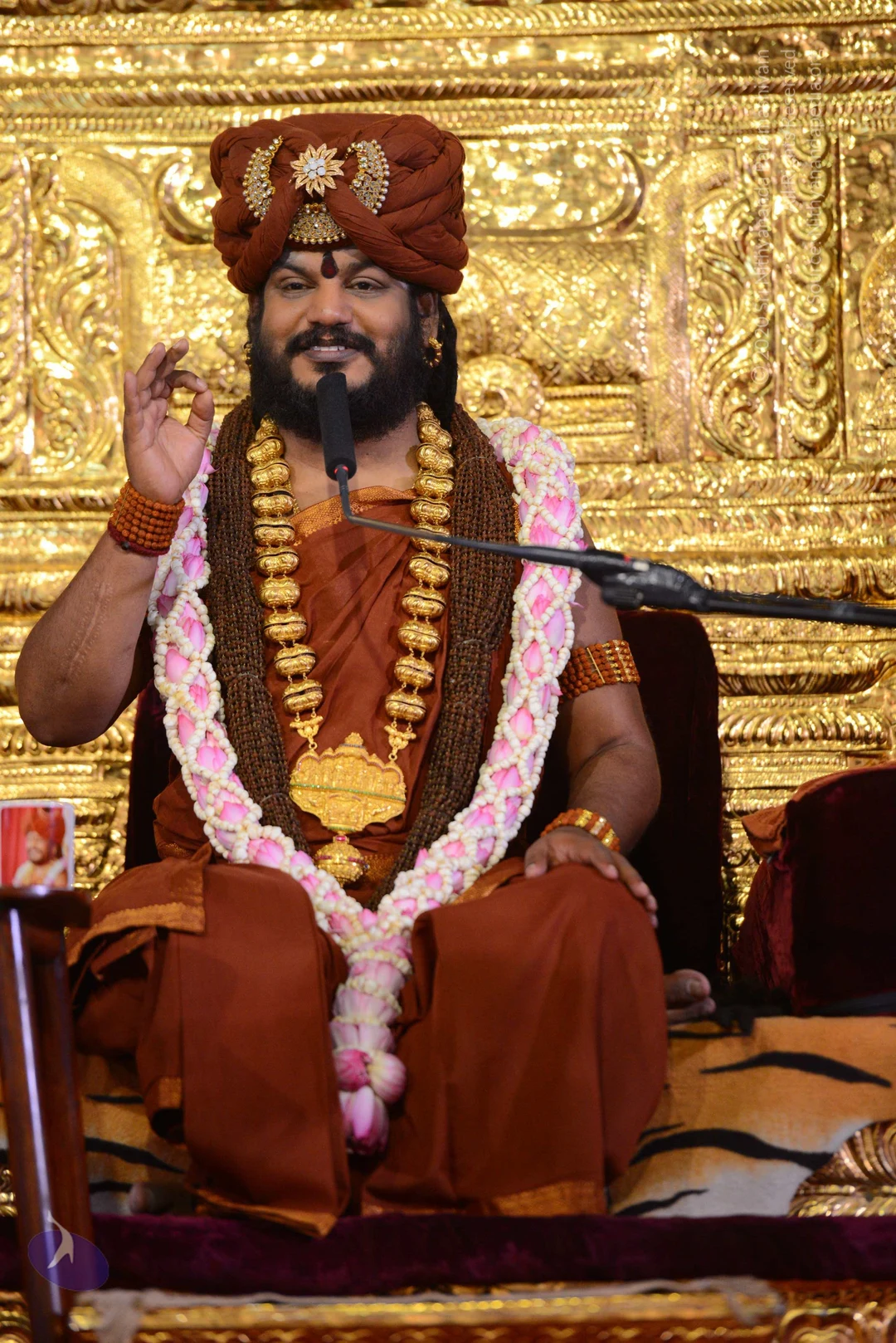
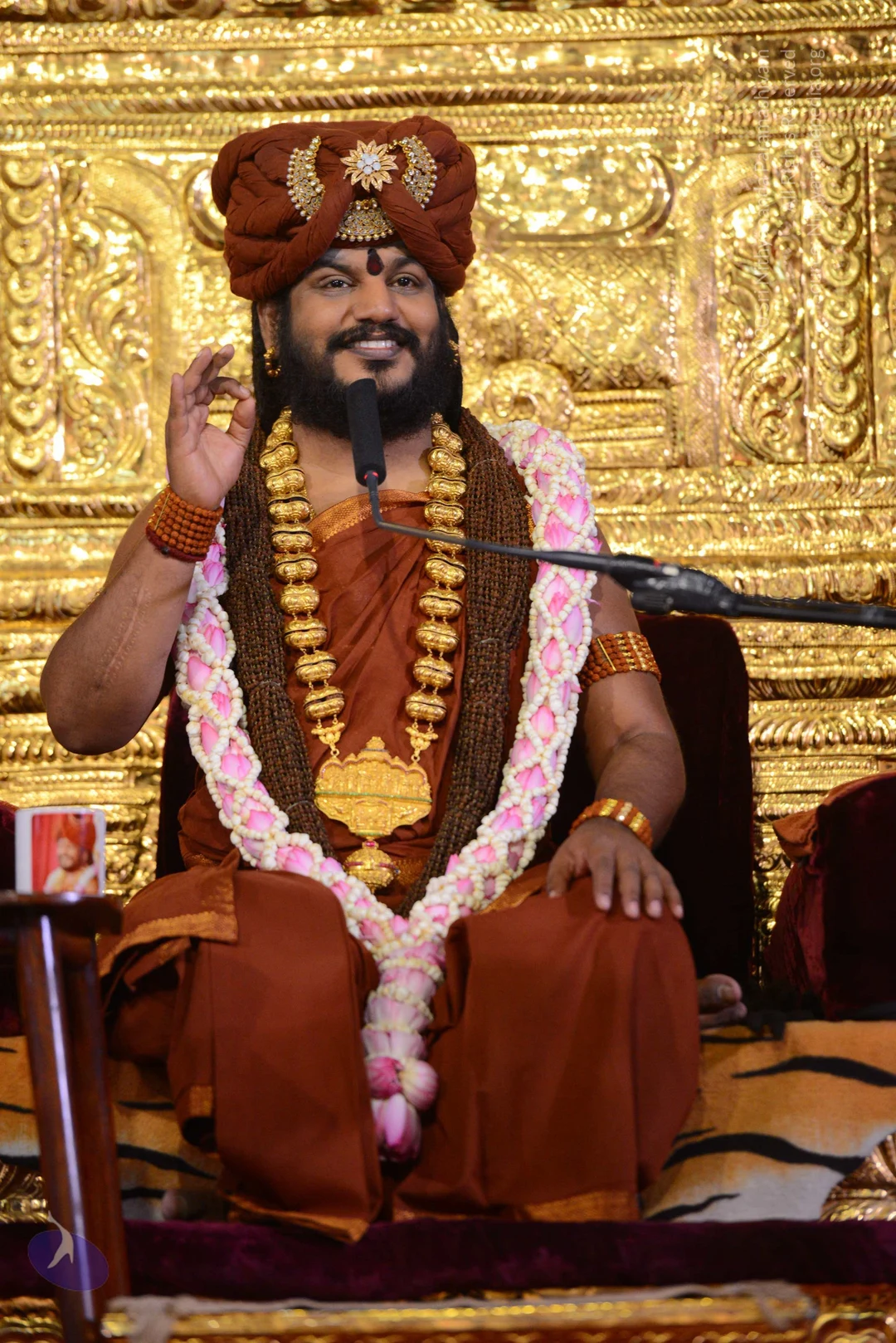
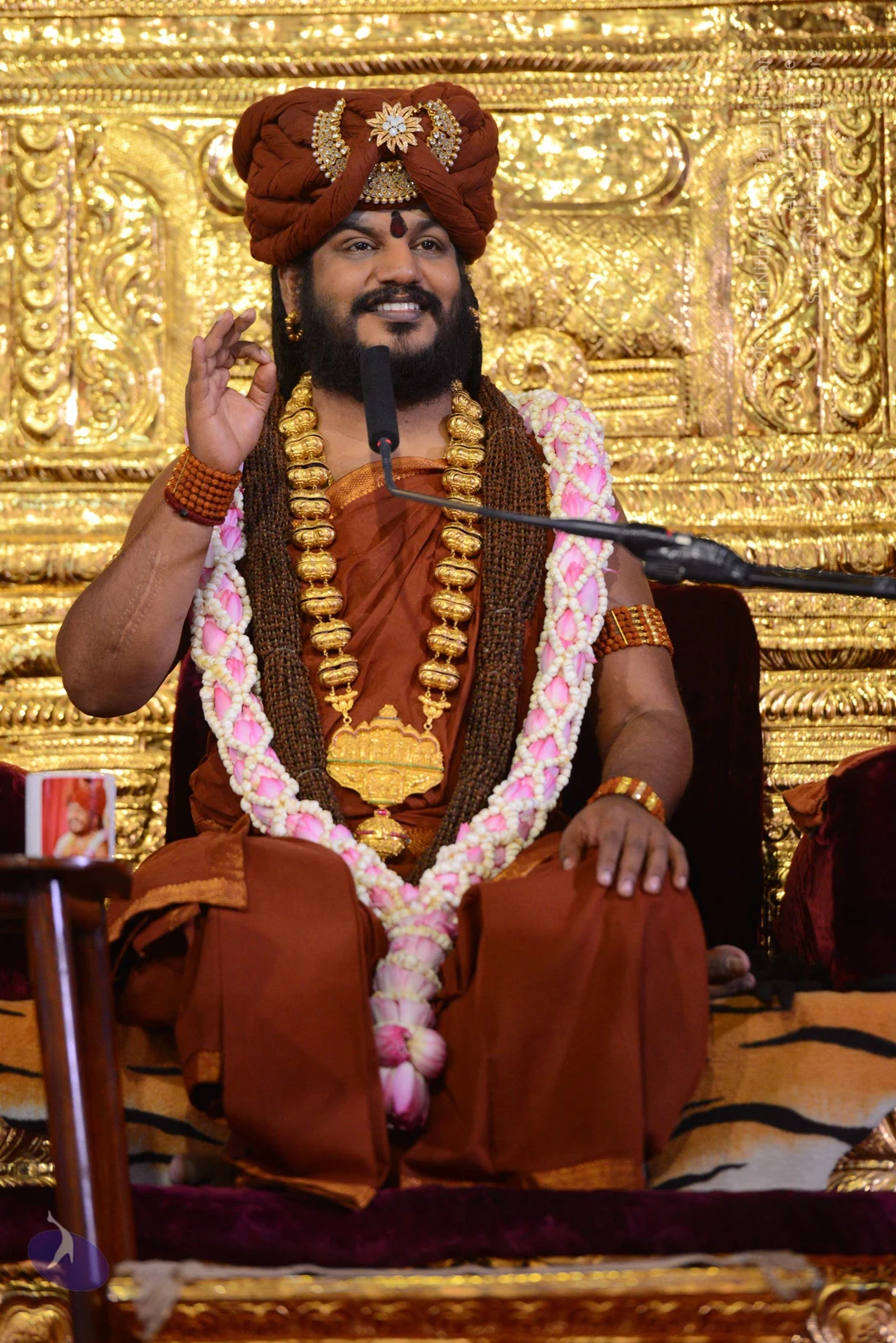
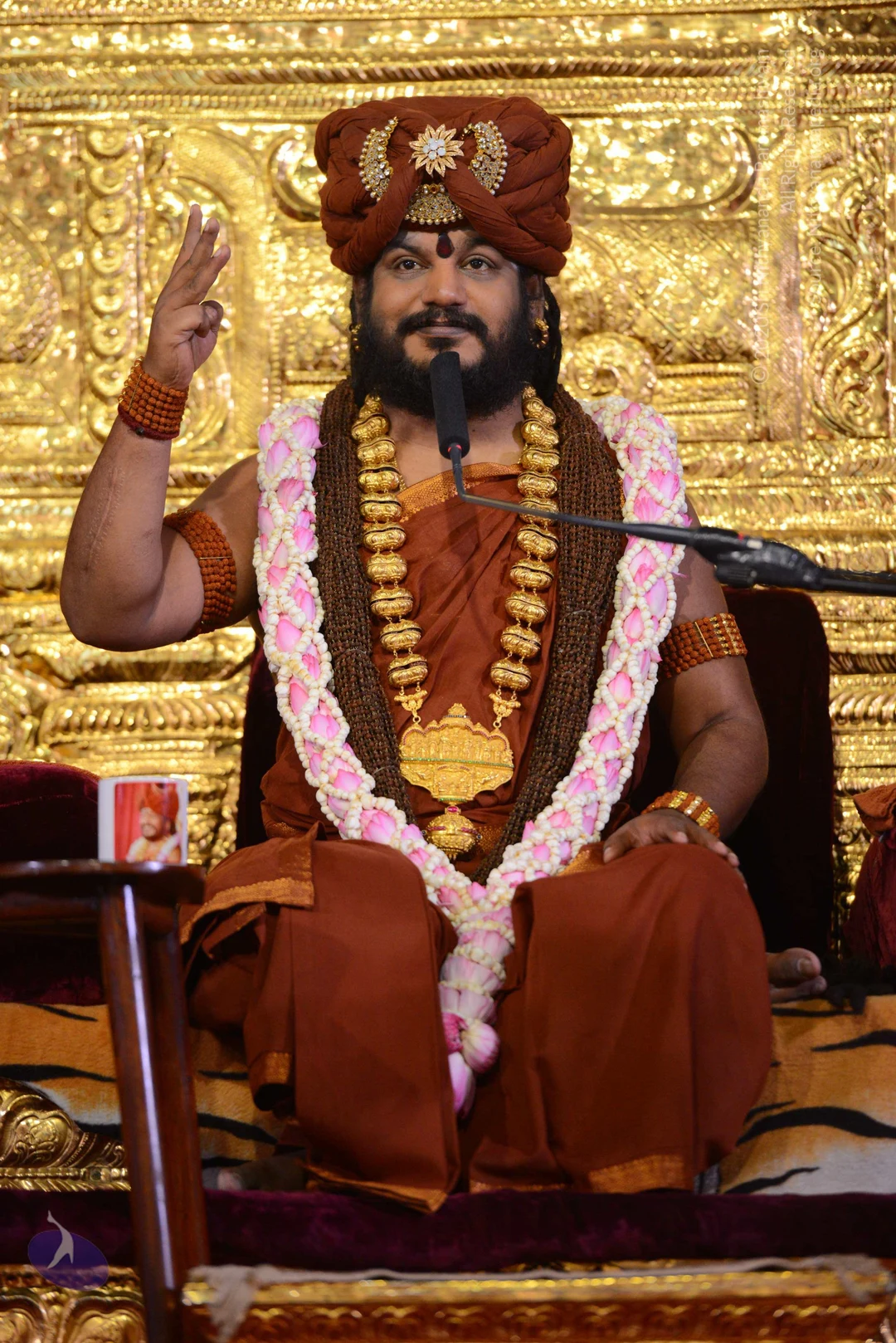

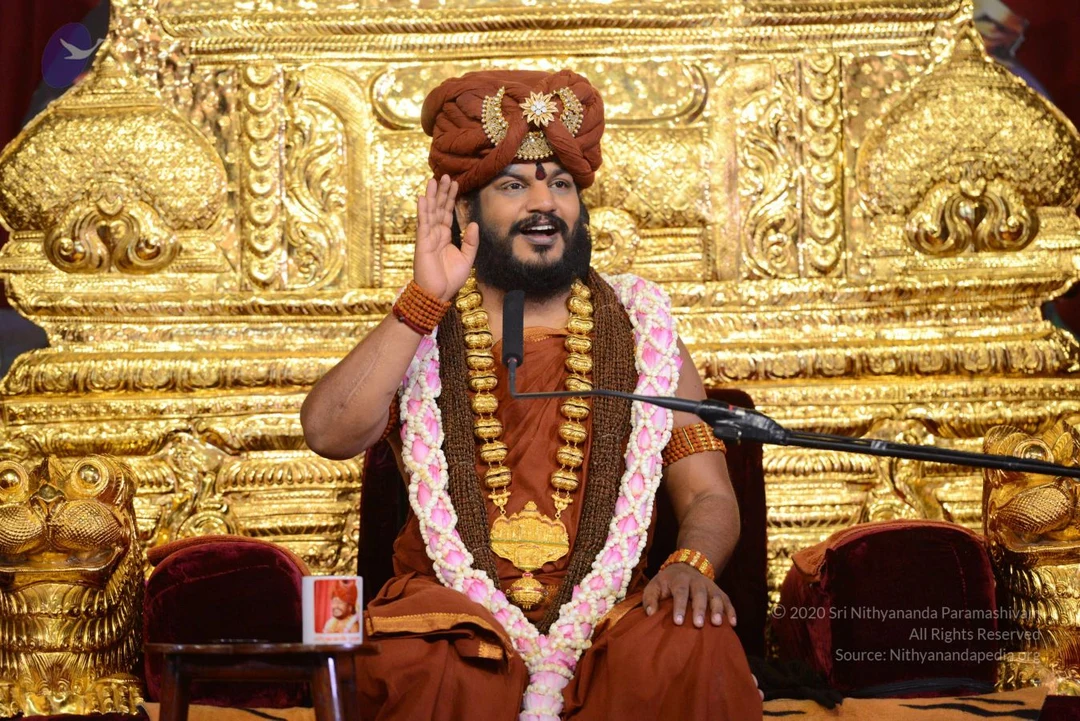
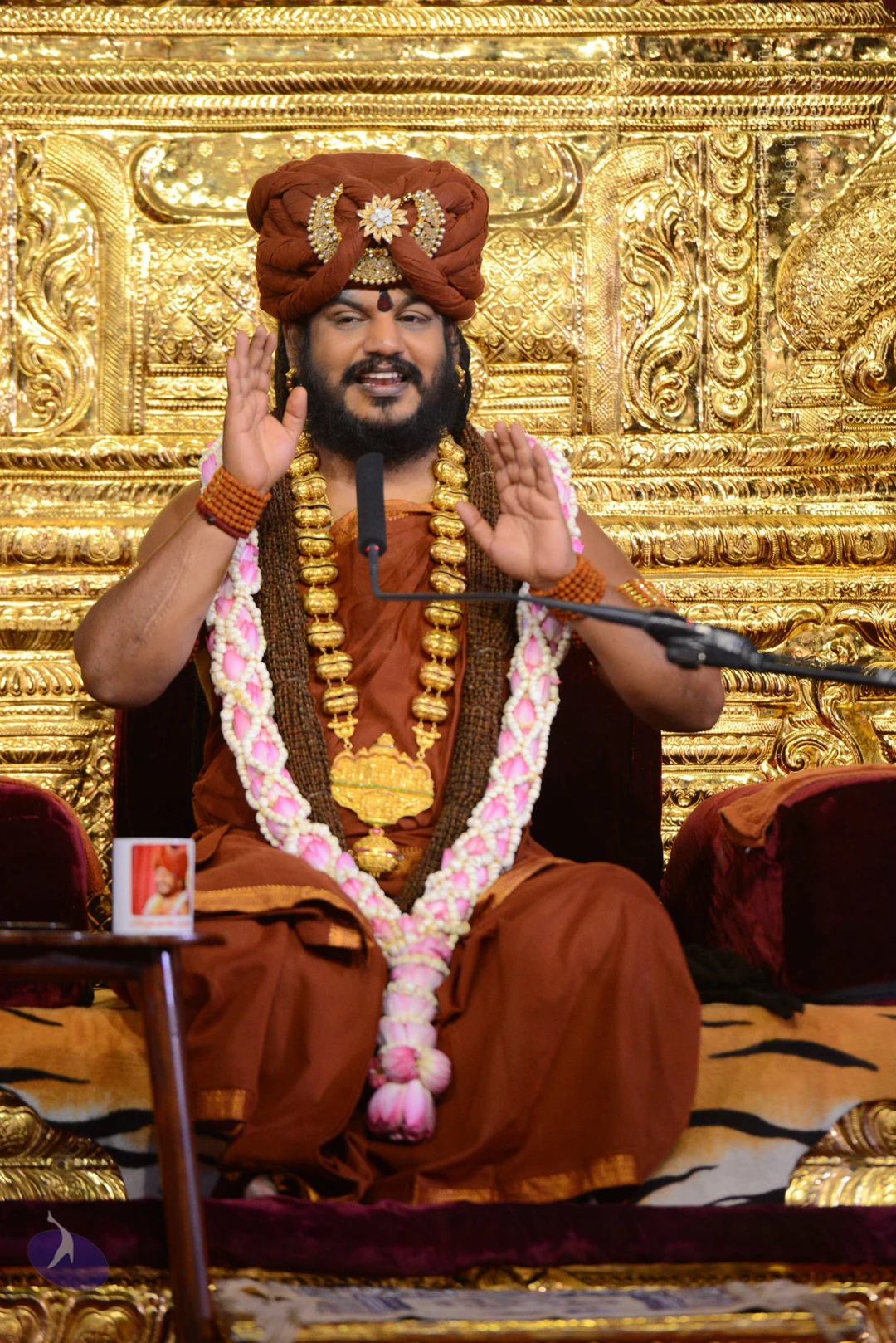
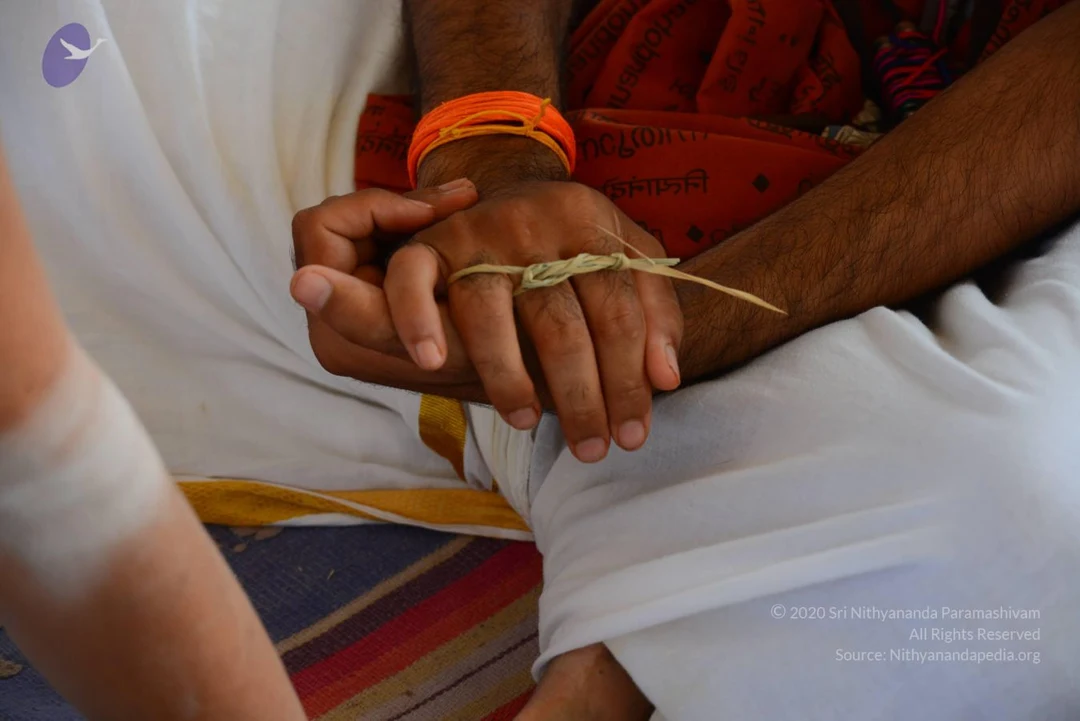
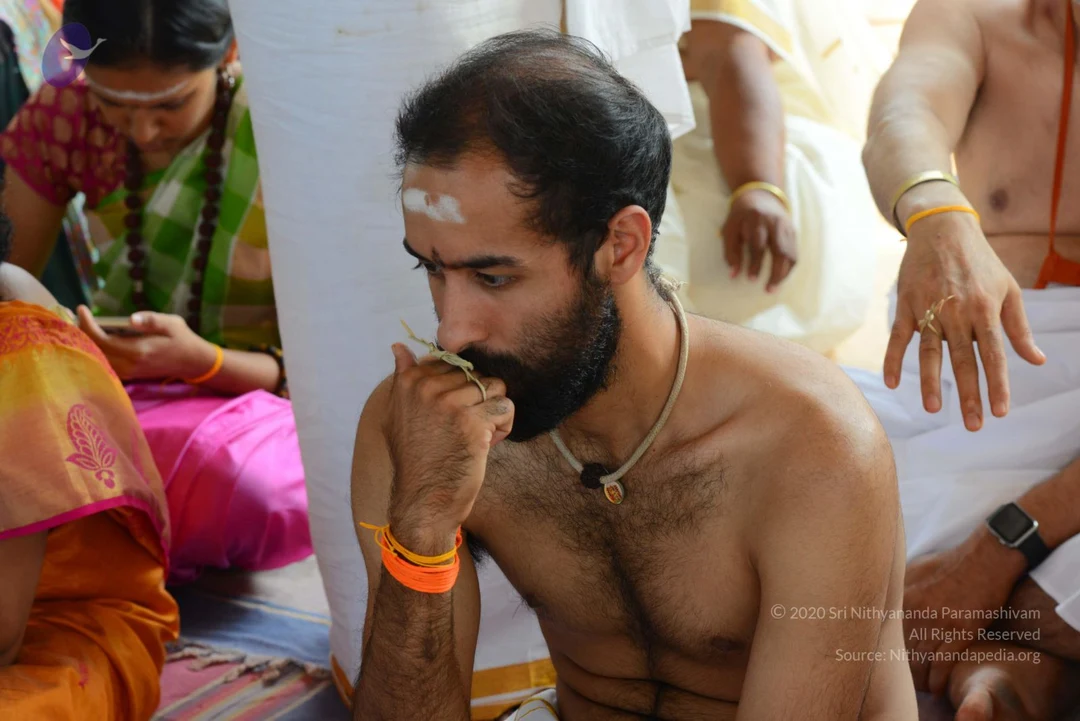
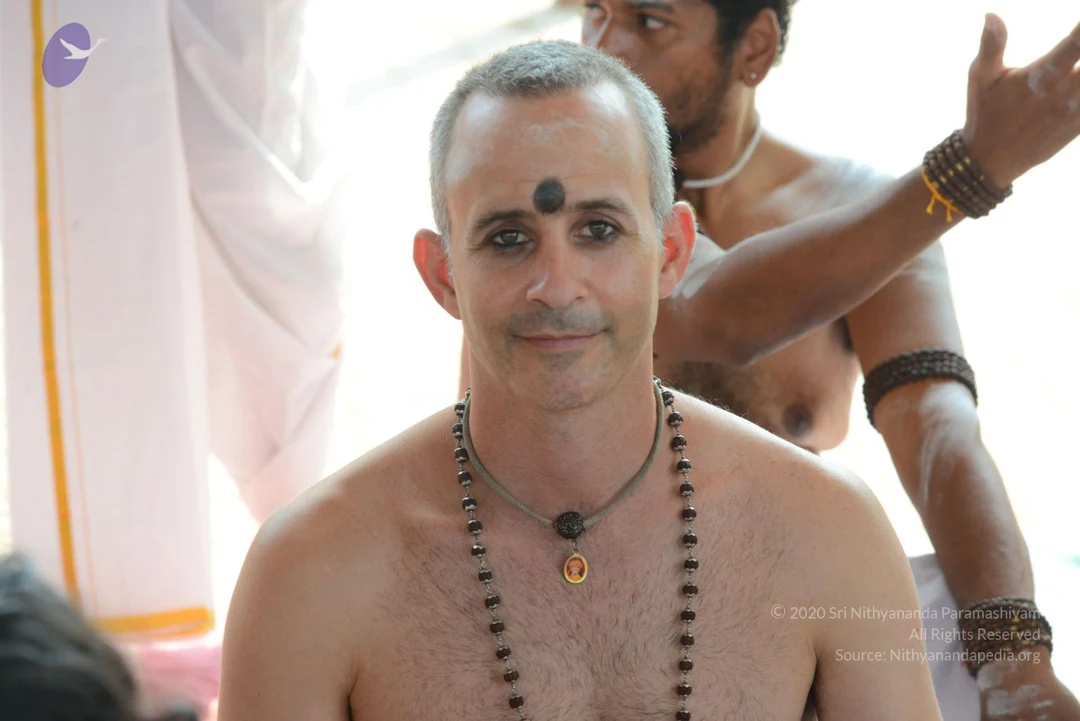
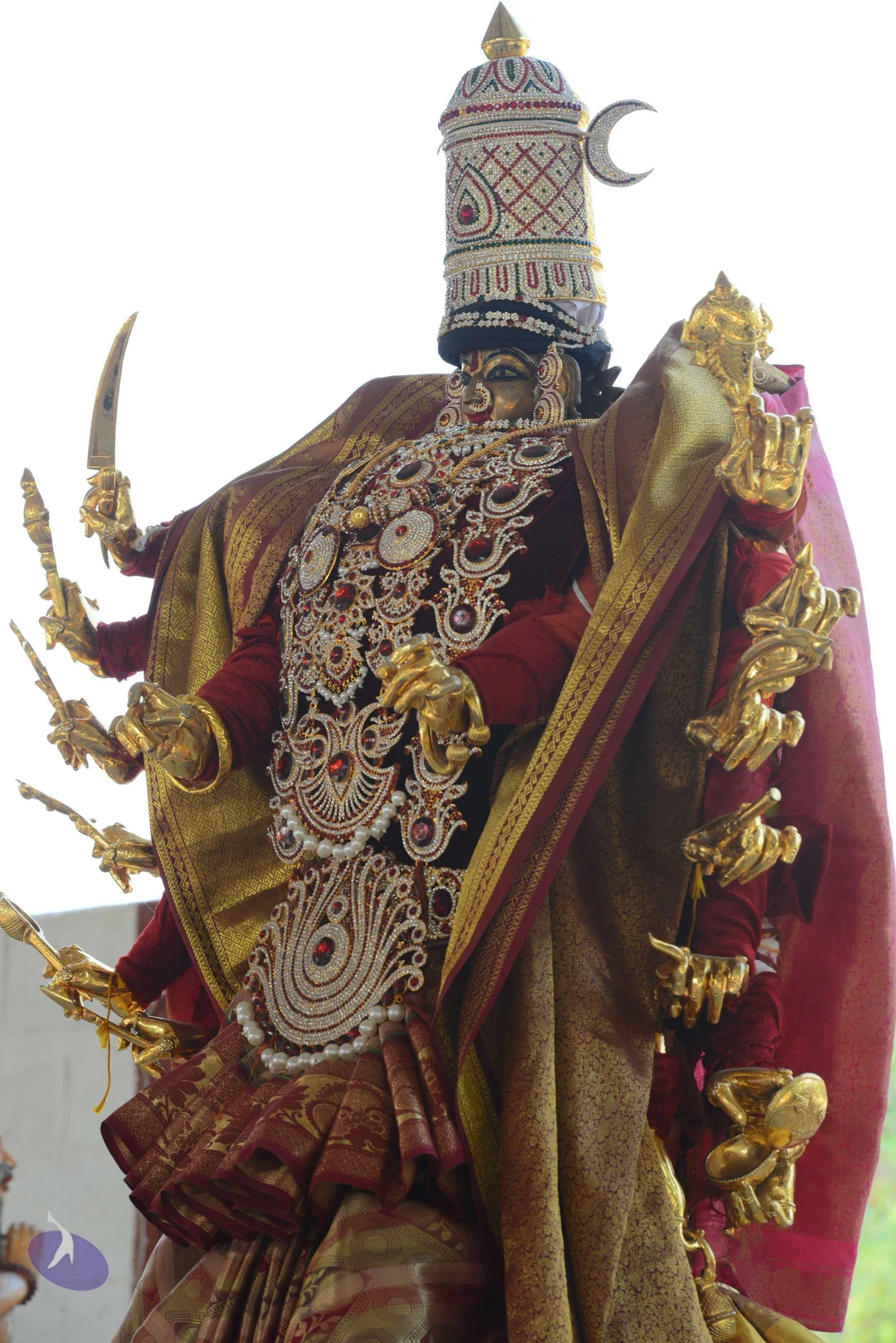
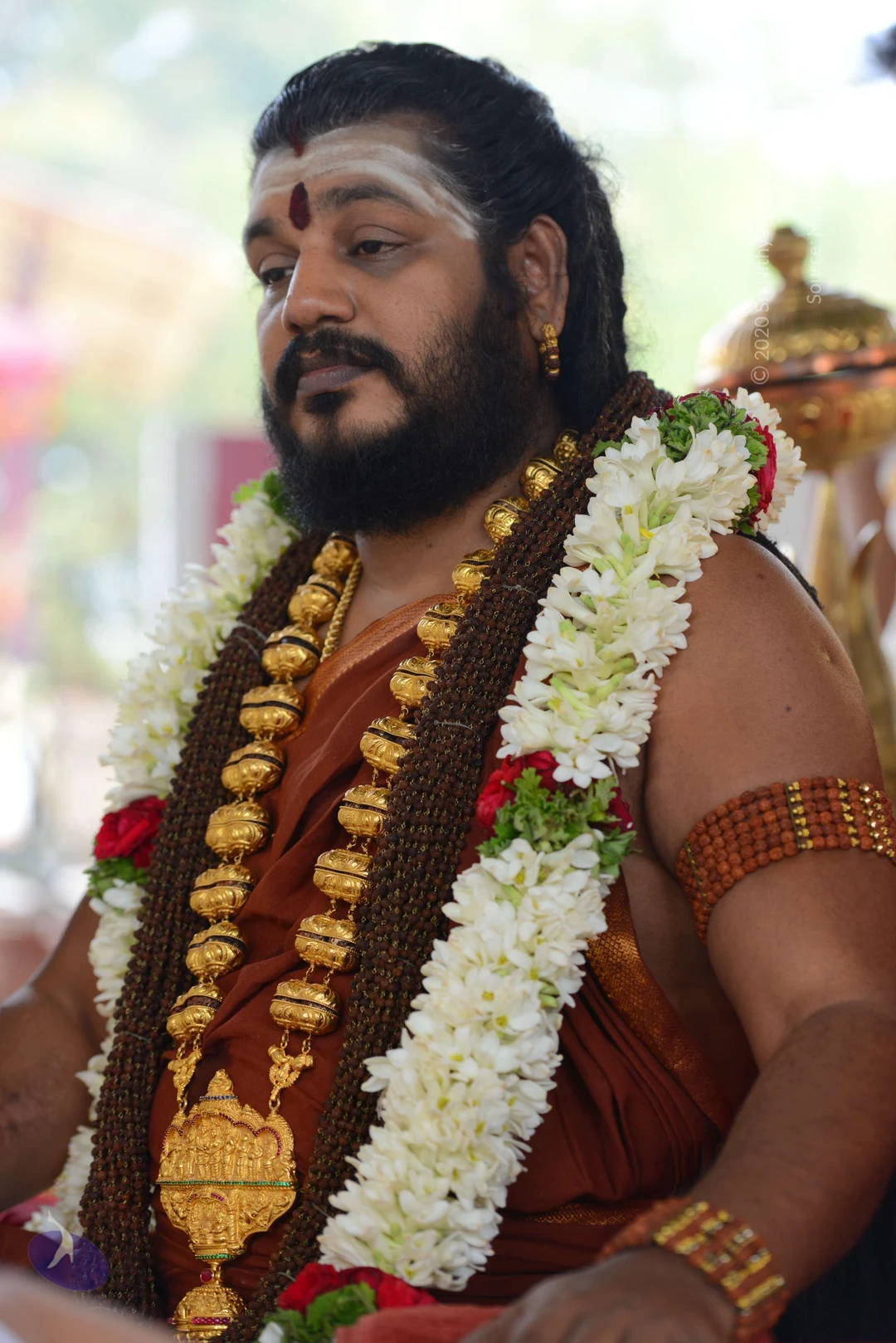
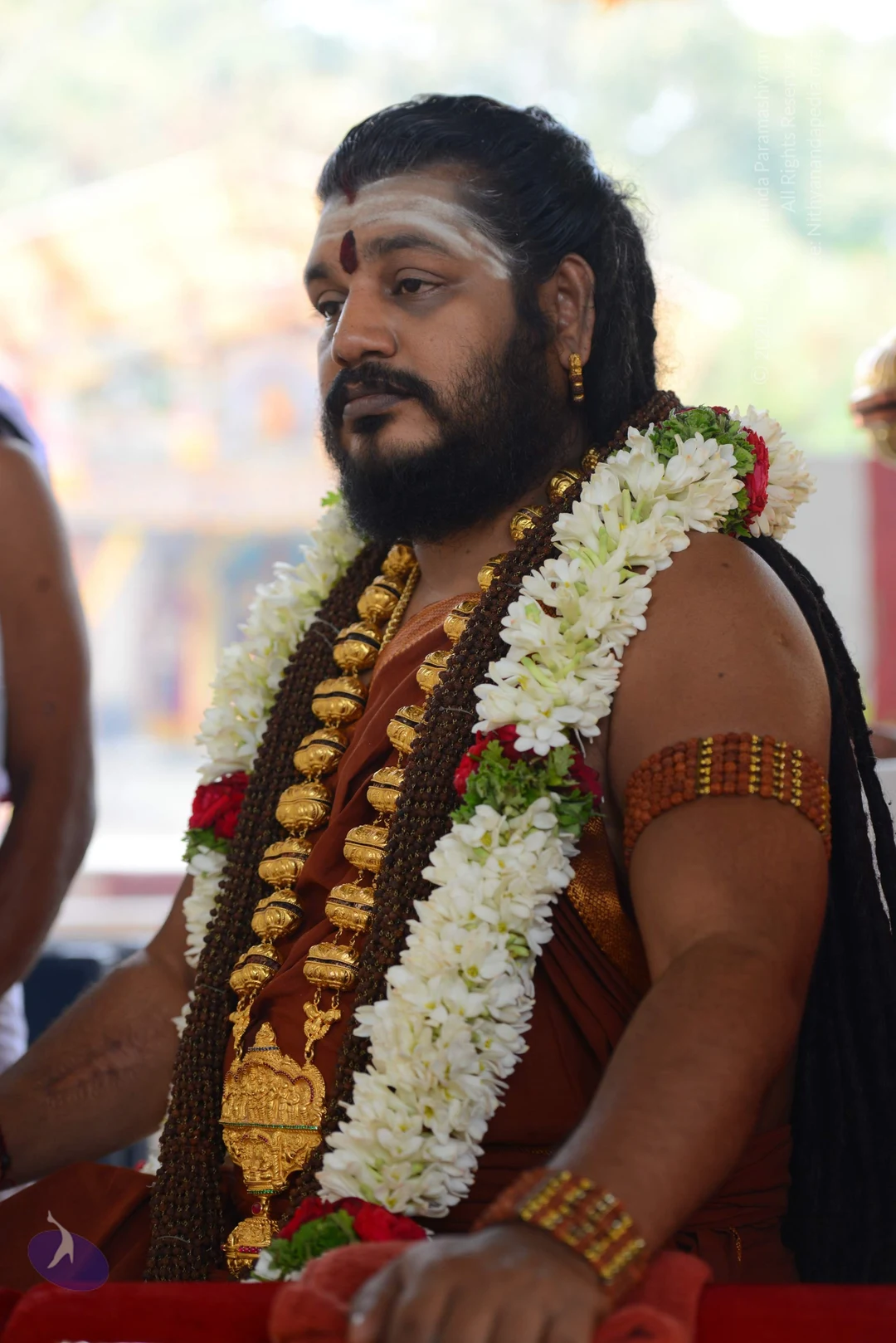
Gayatri-Initiation
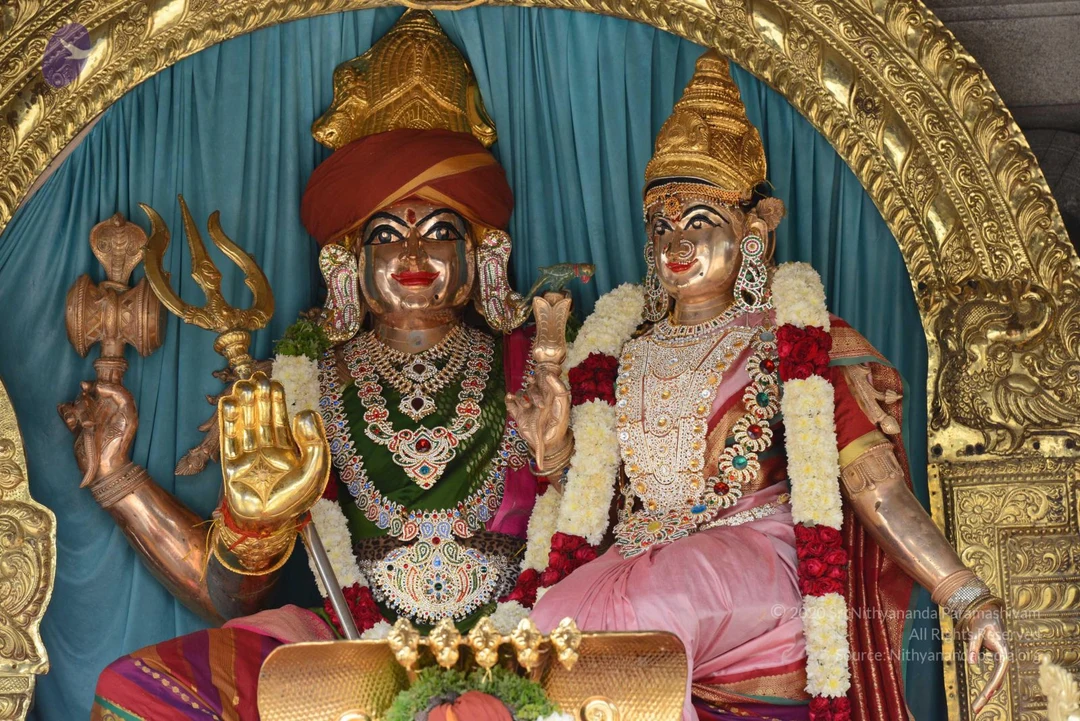
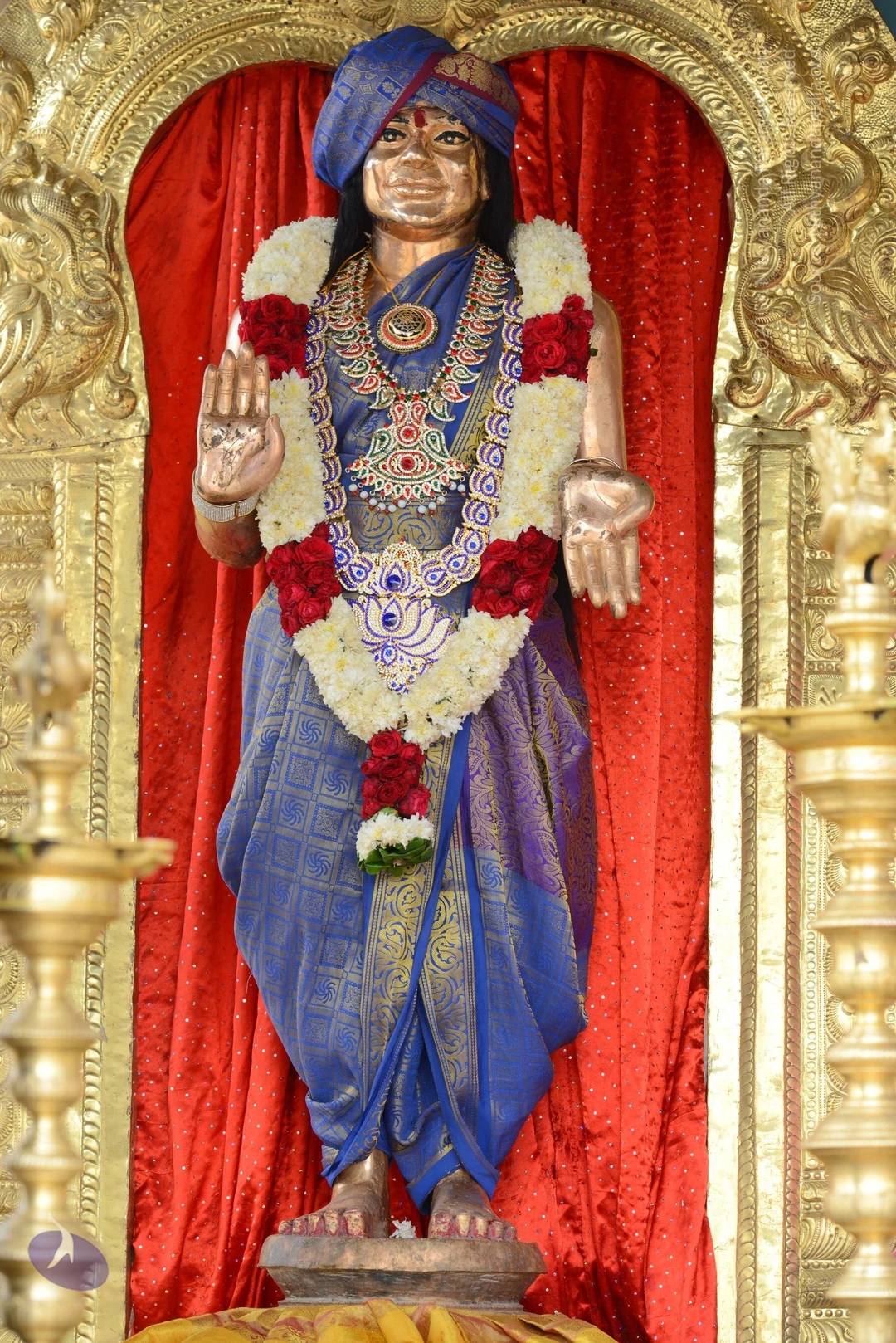

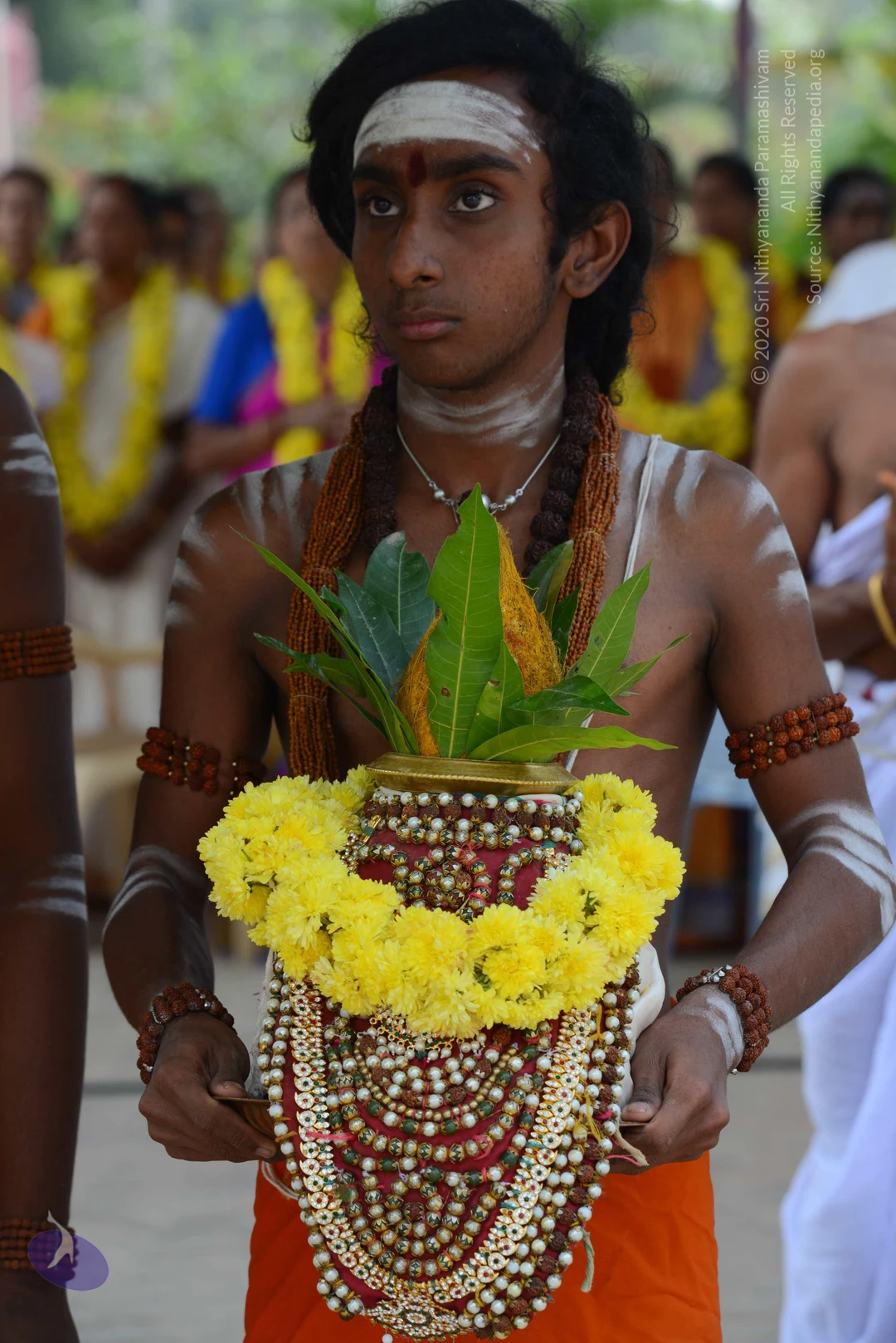
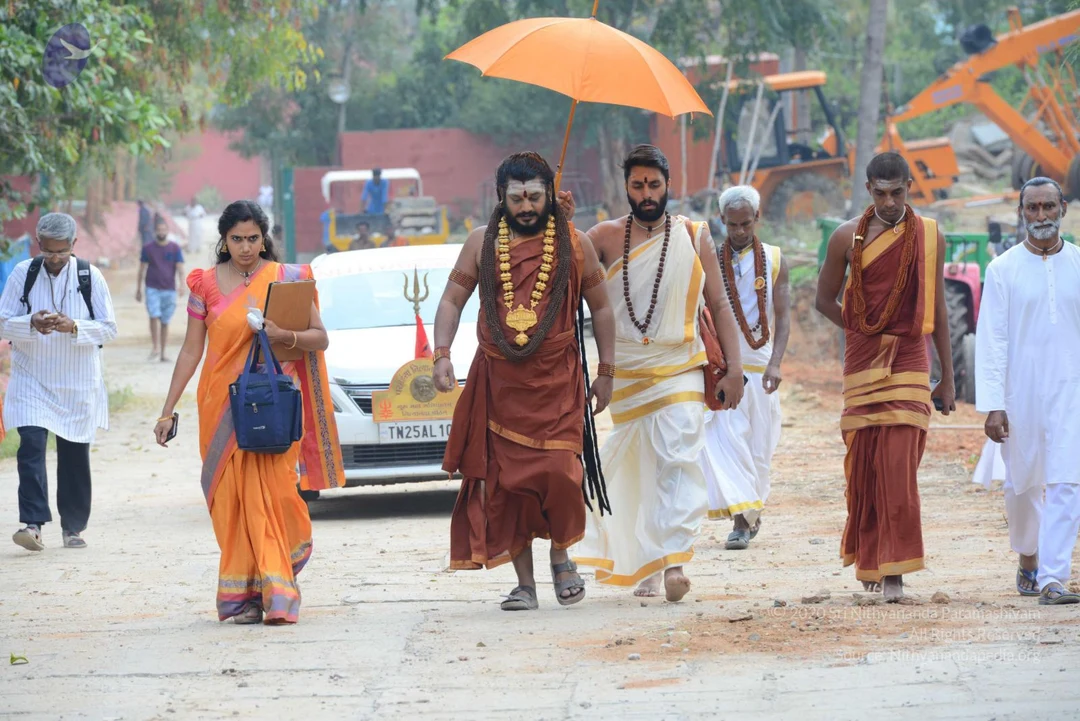
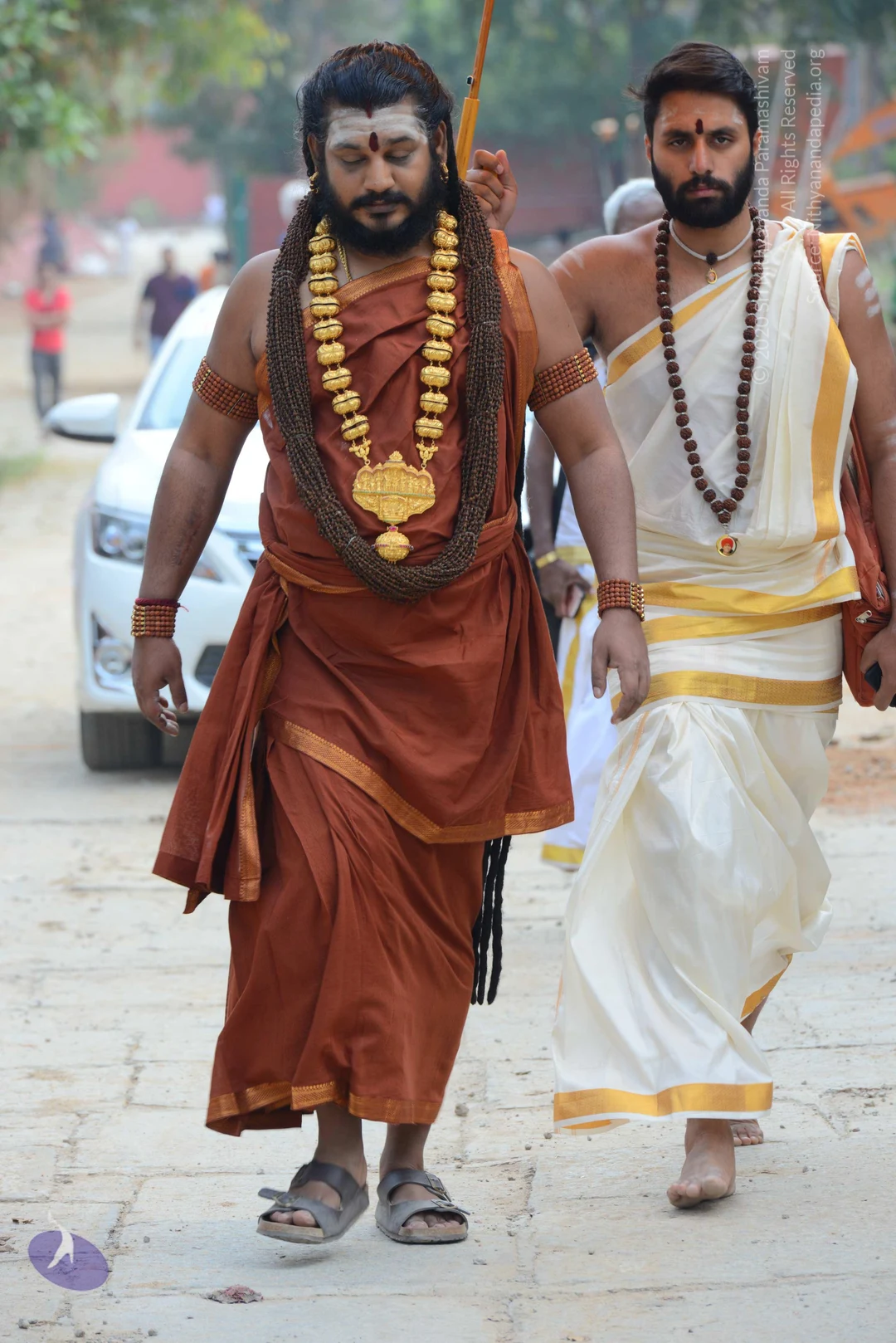
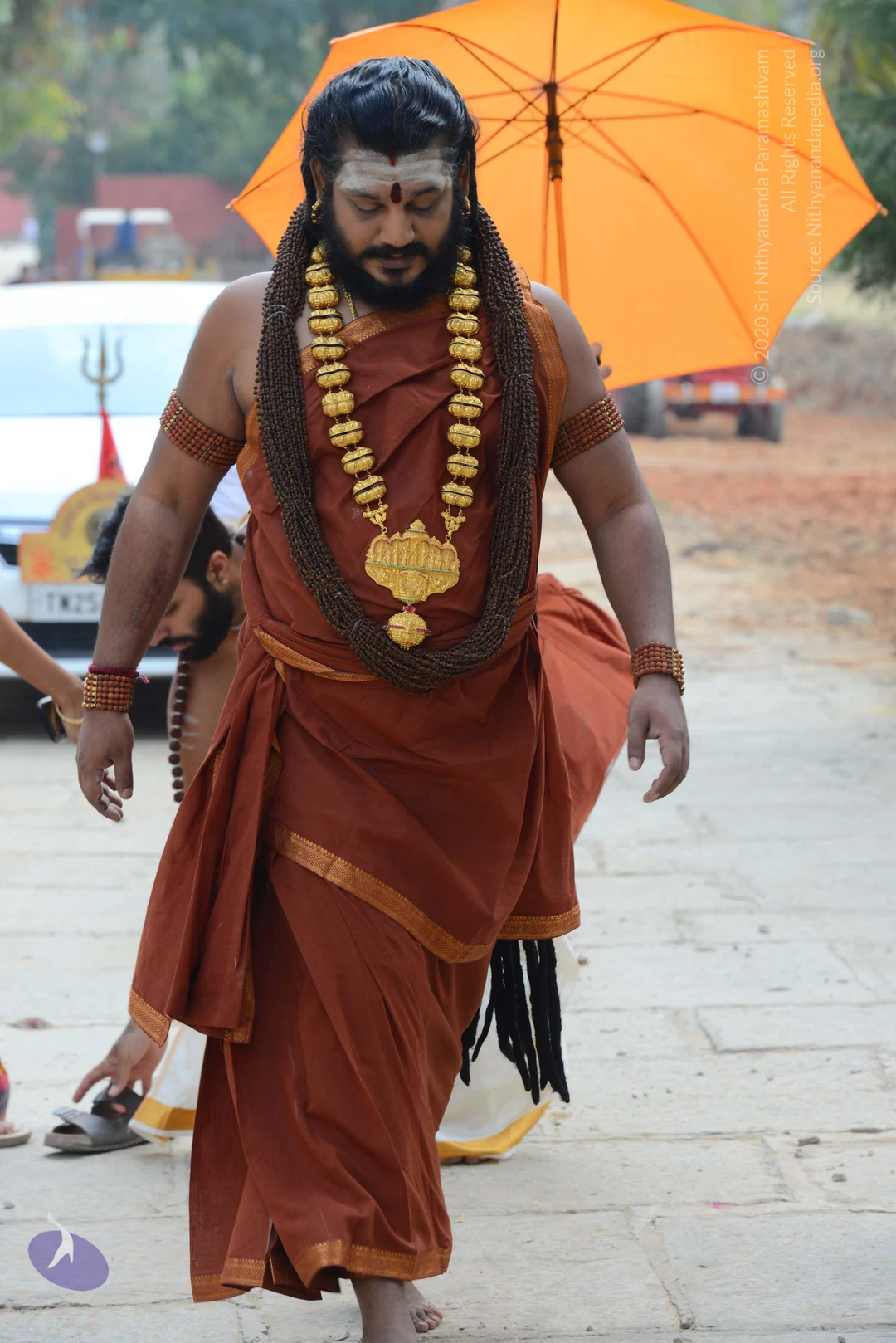
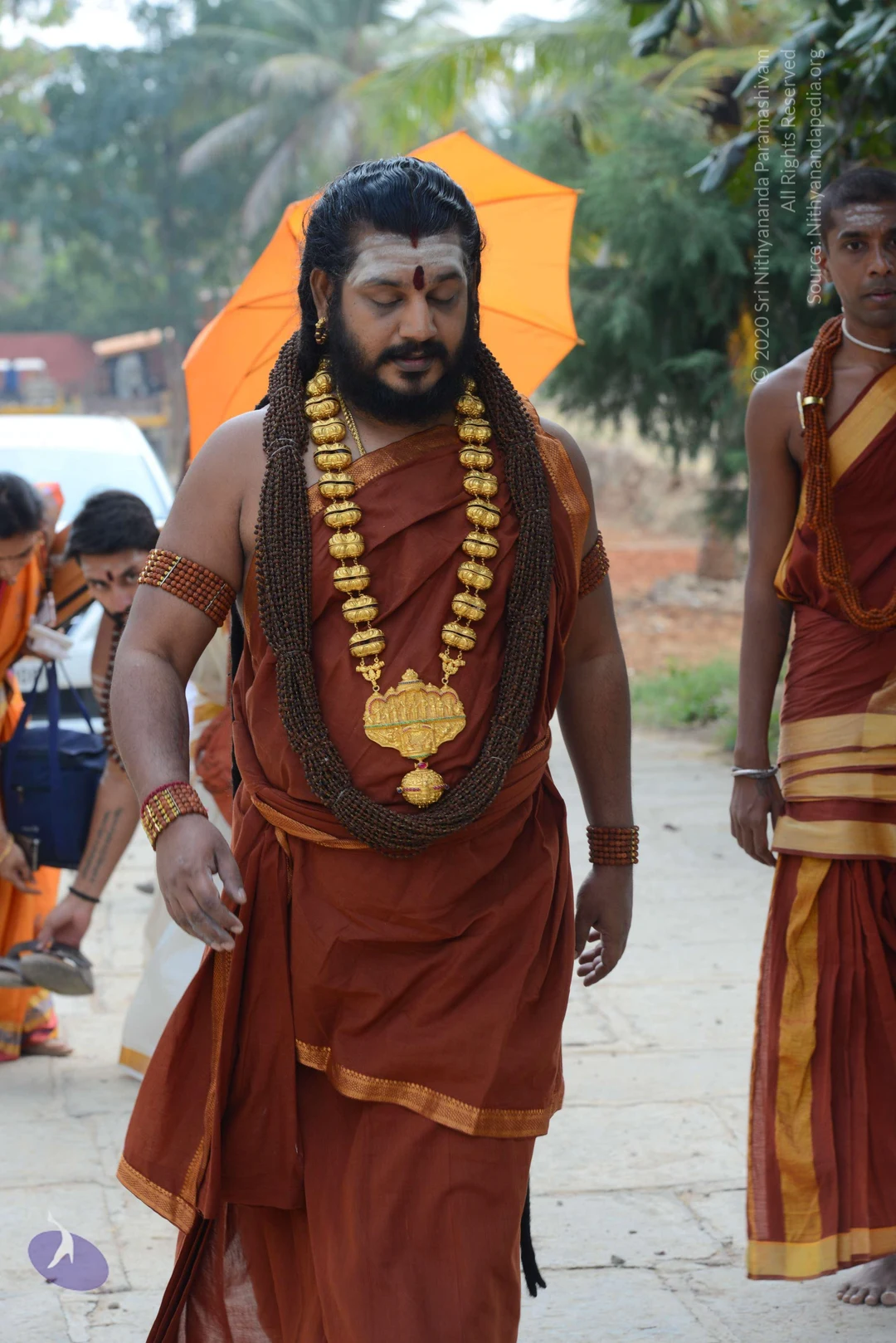
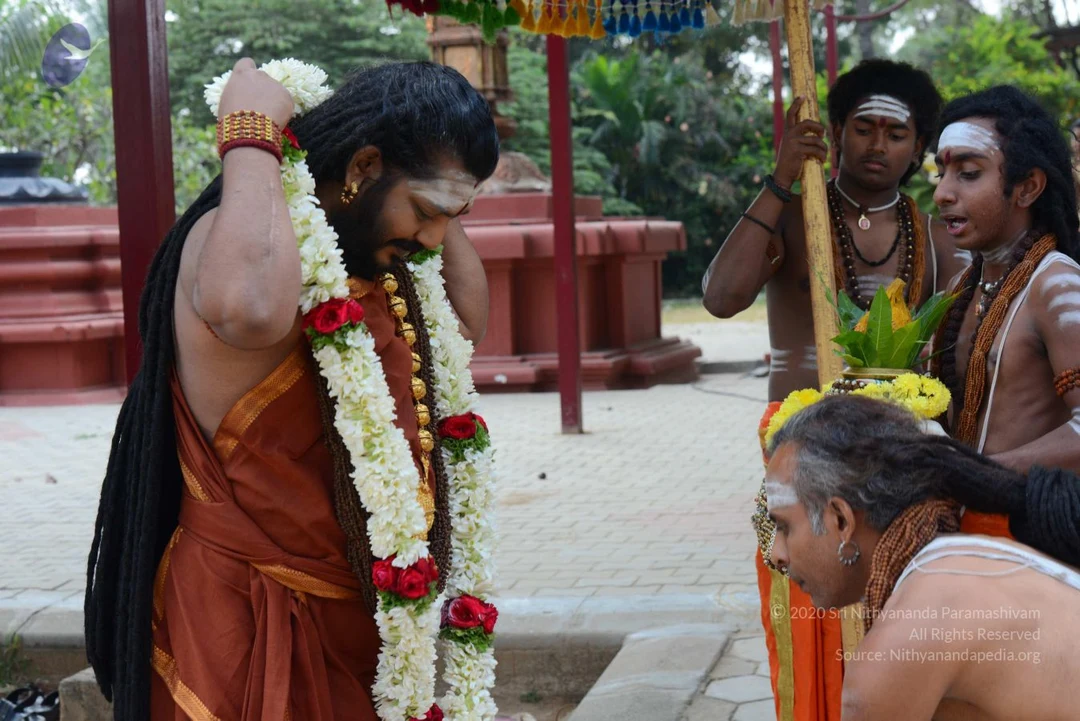
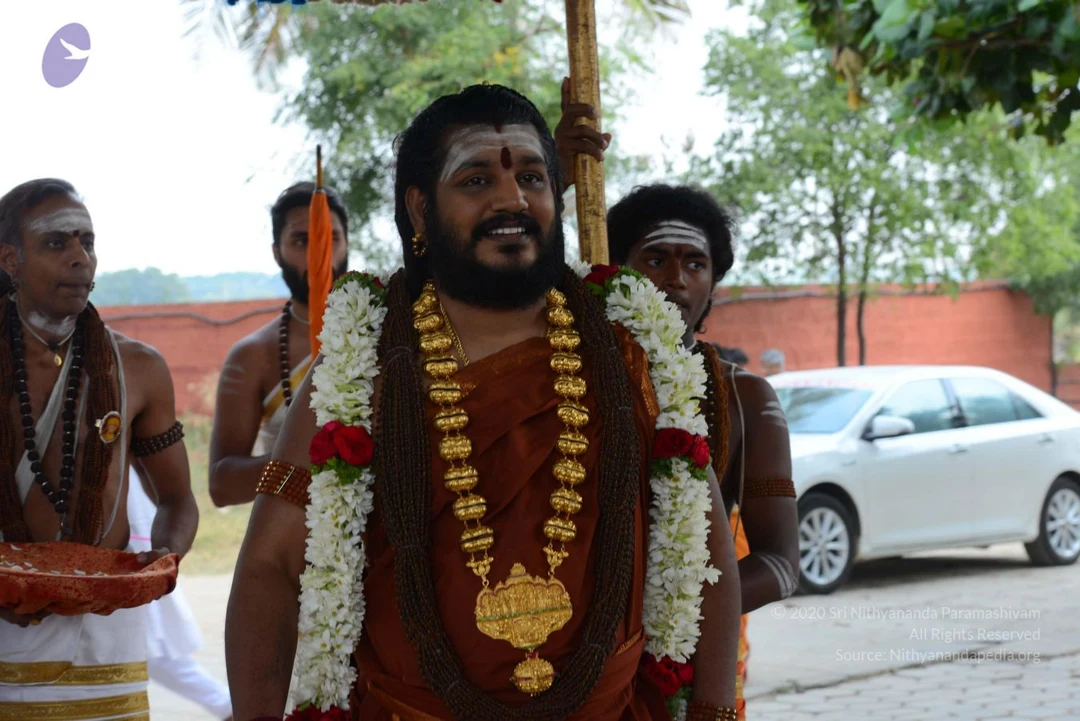
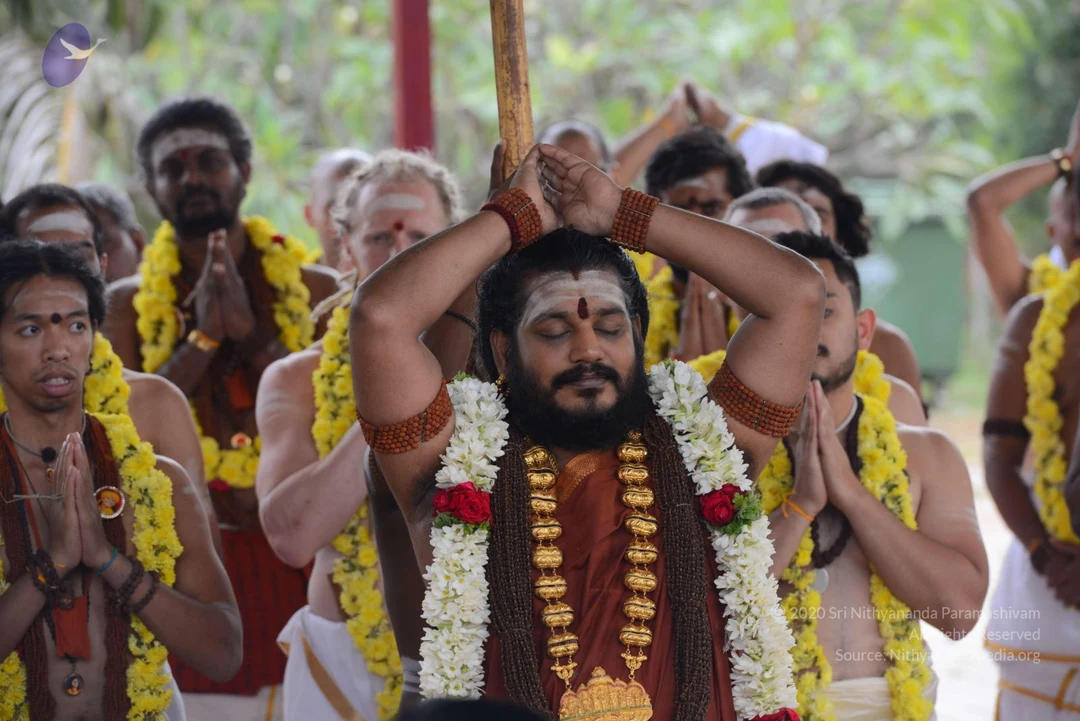
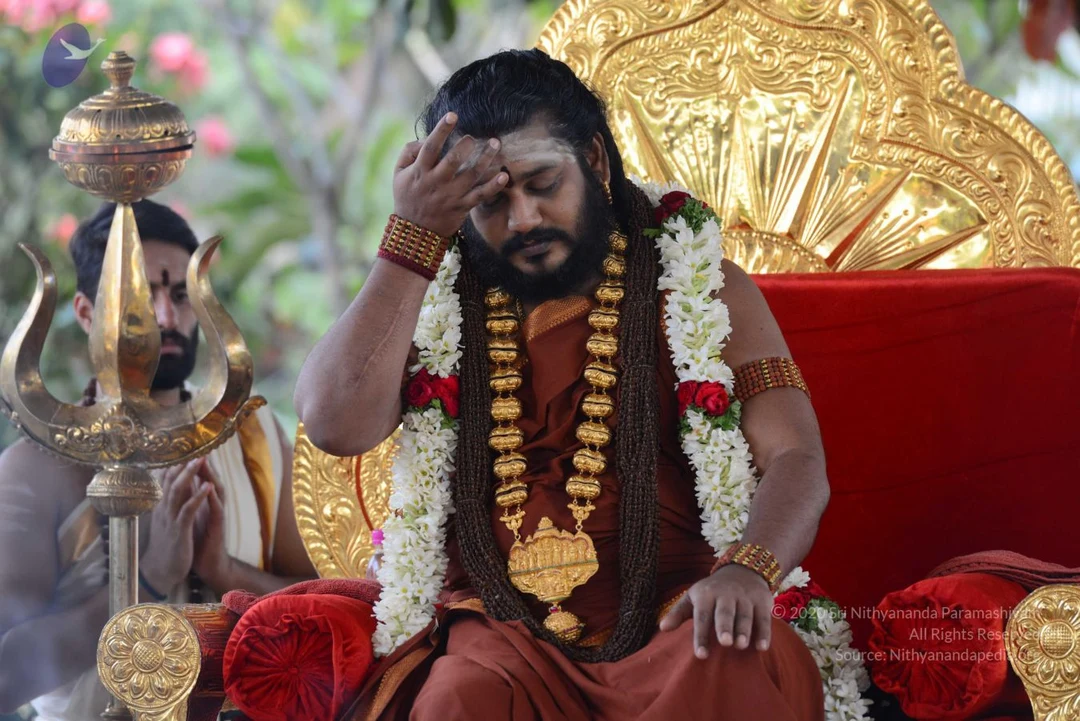
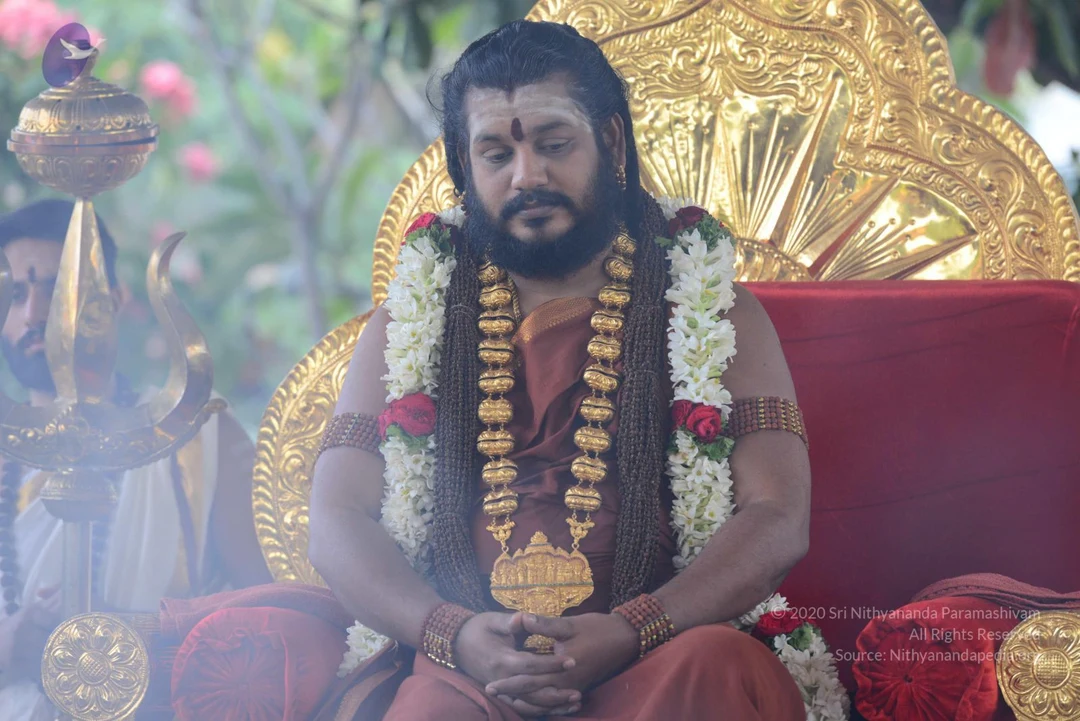
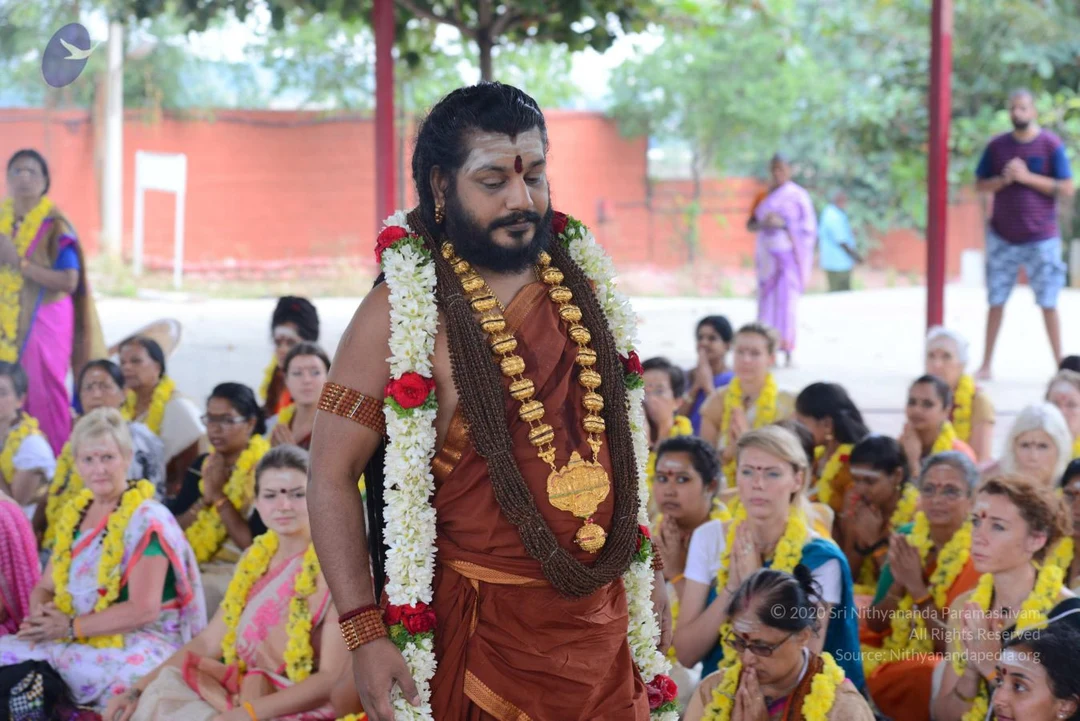
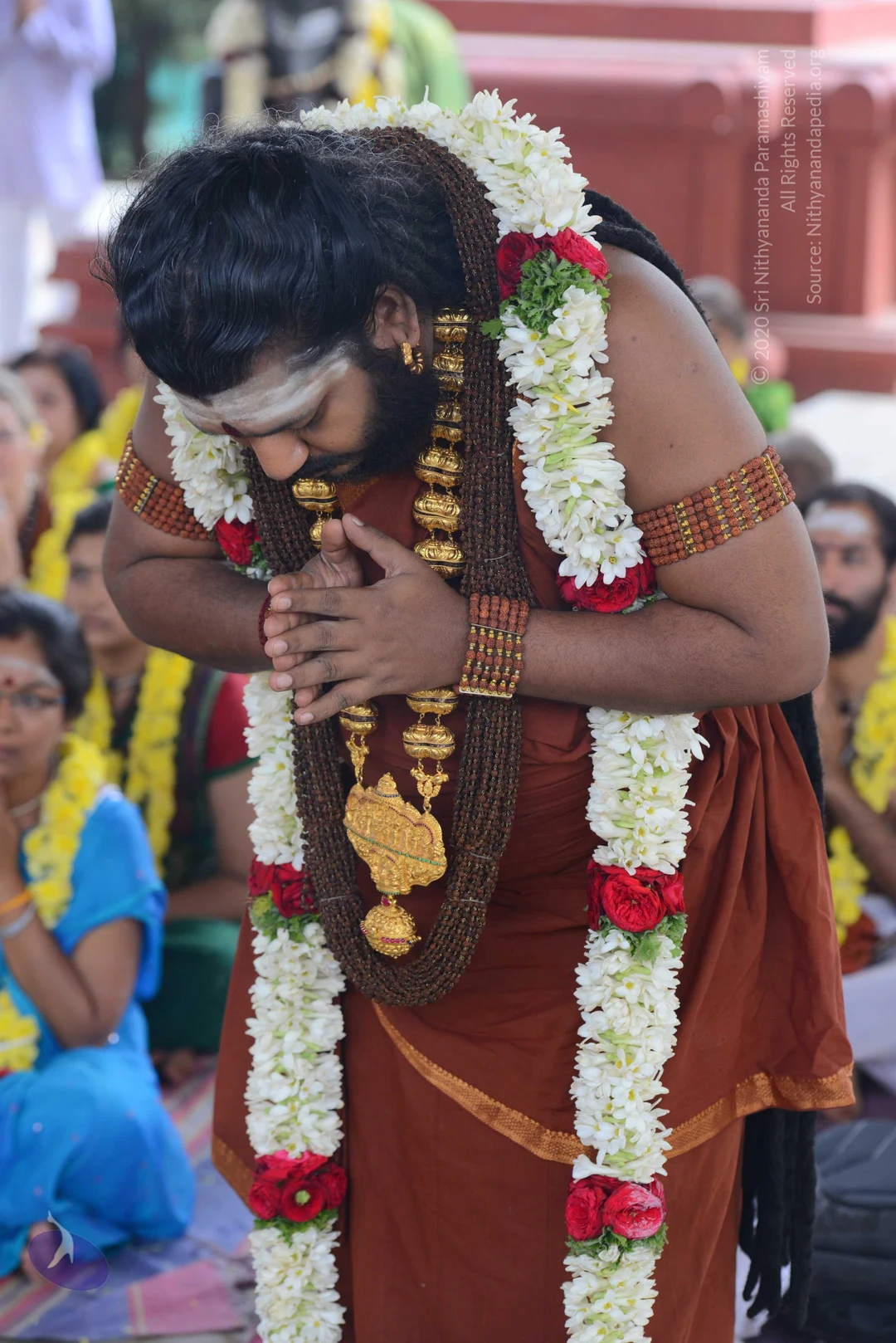

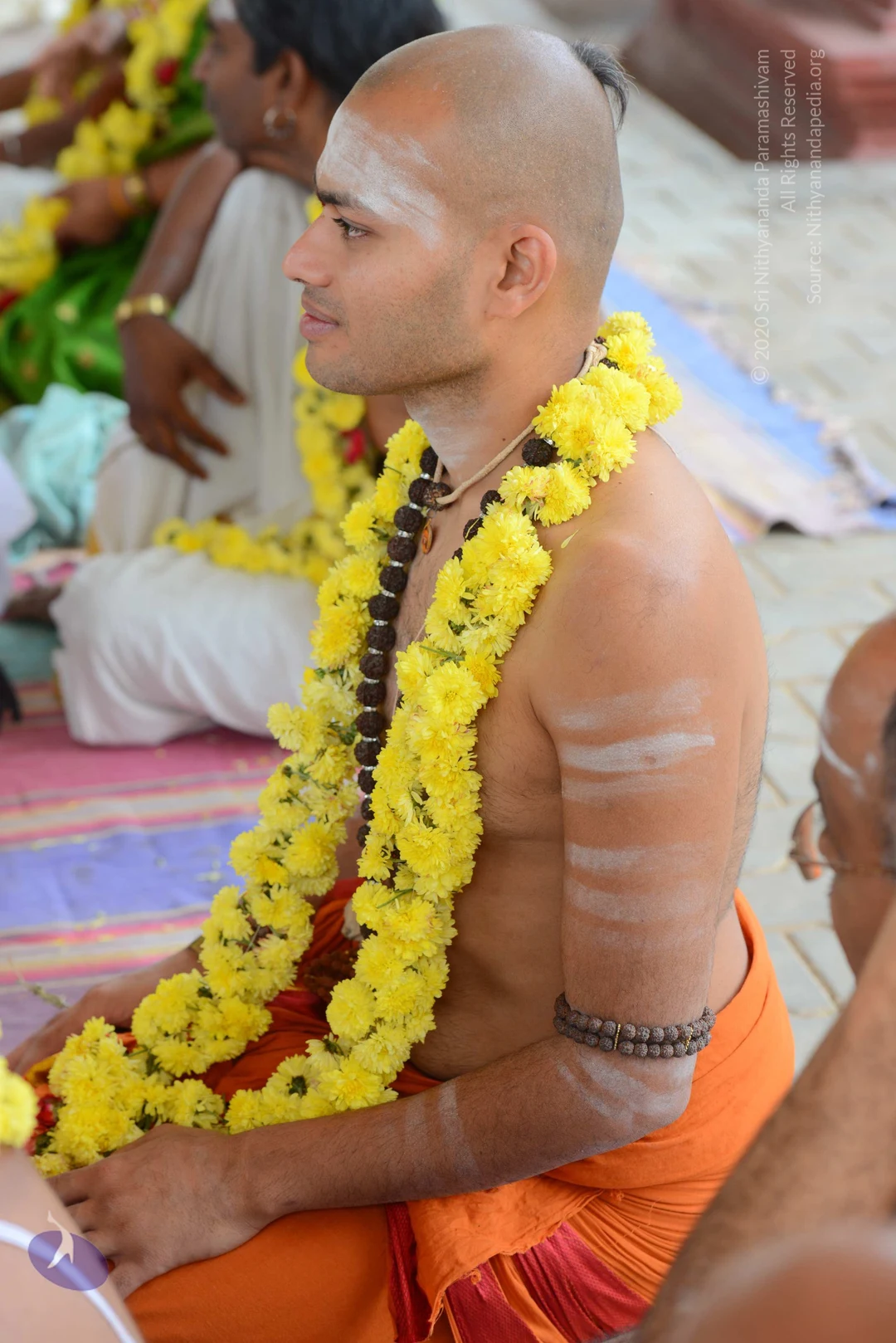
Construction
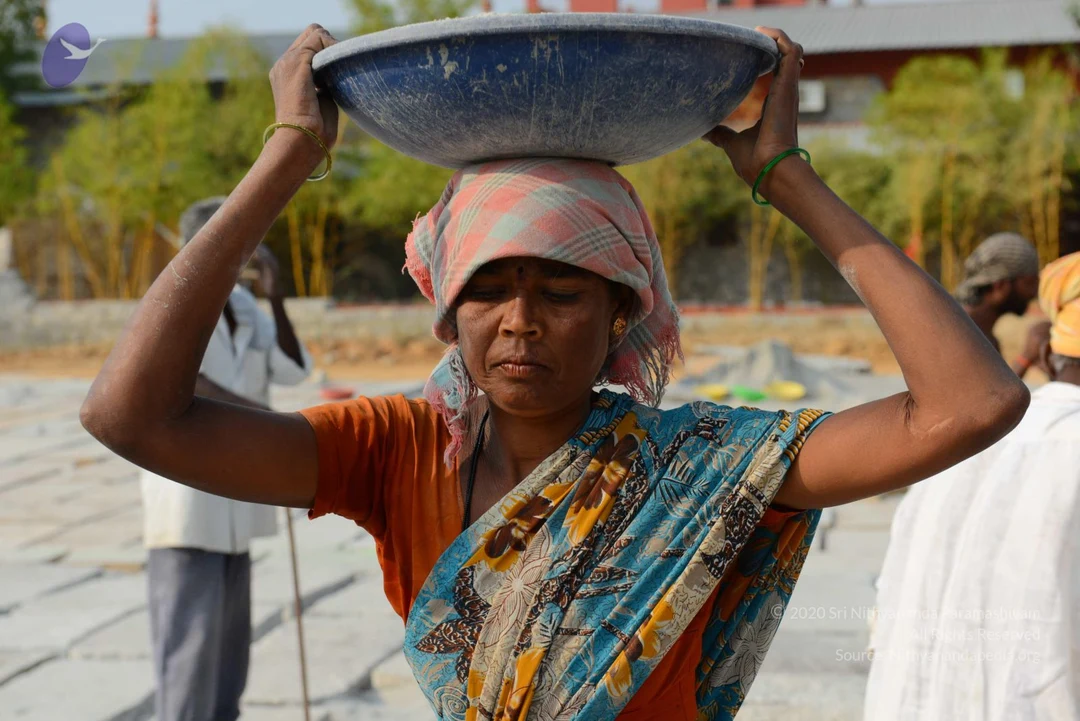
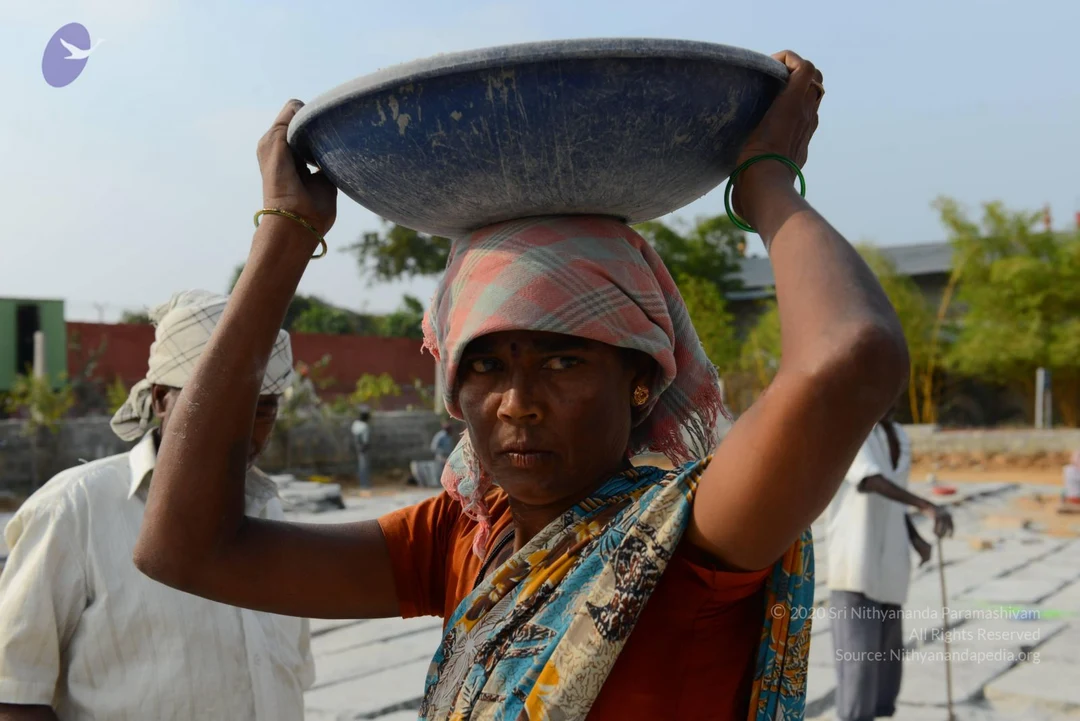
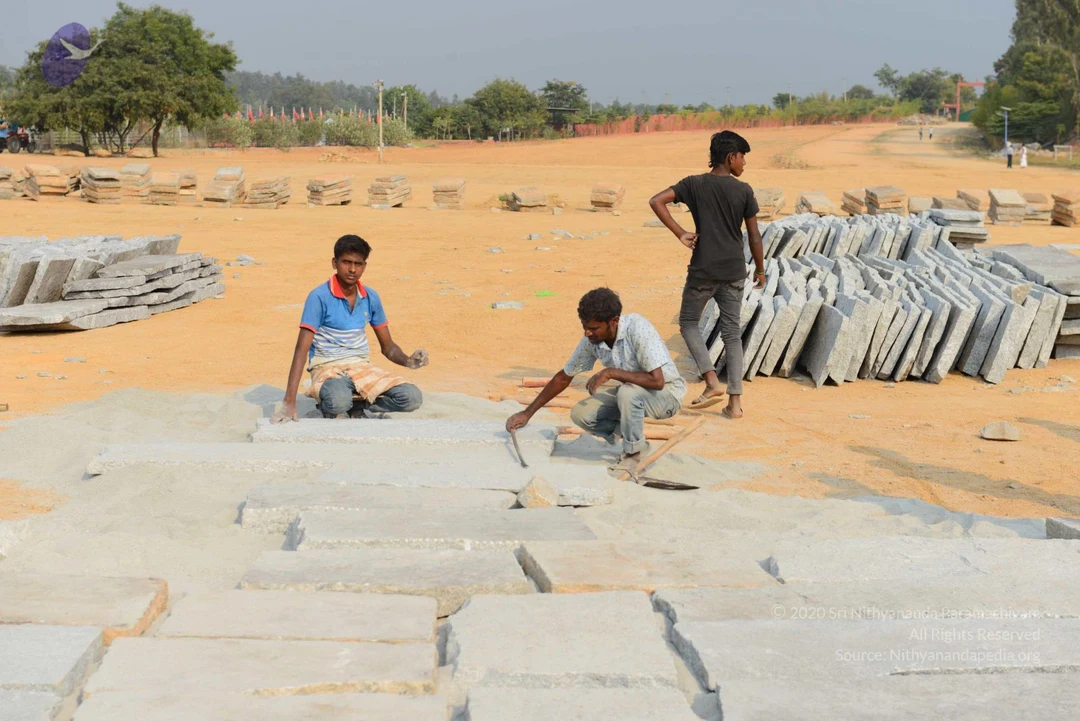
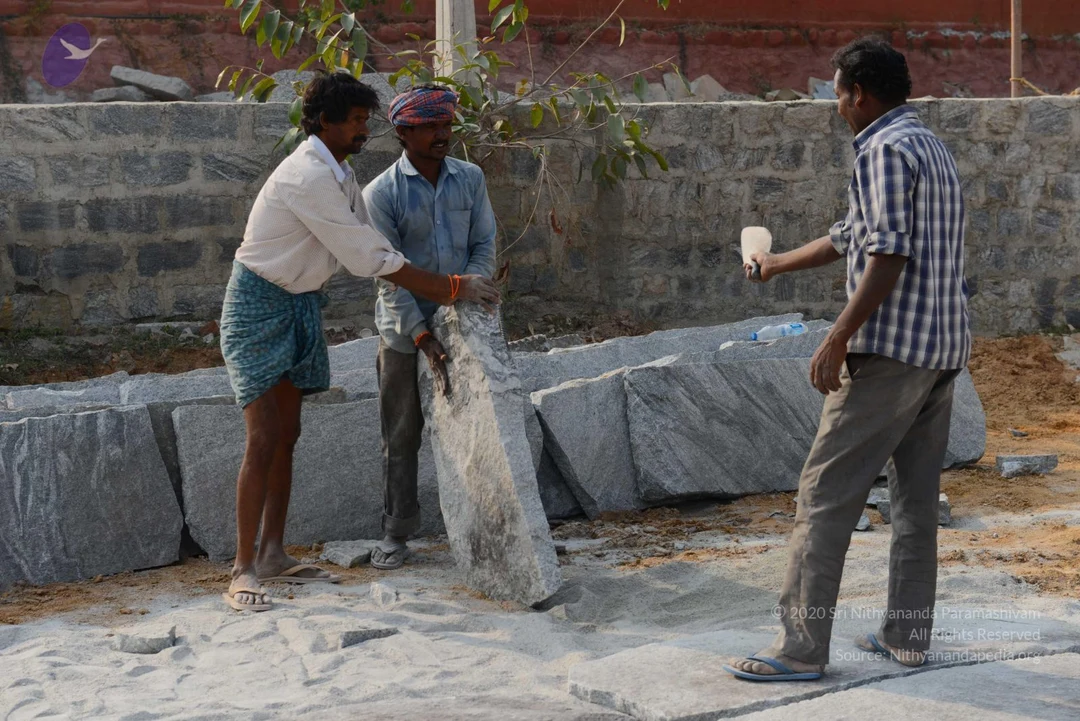
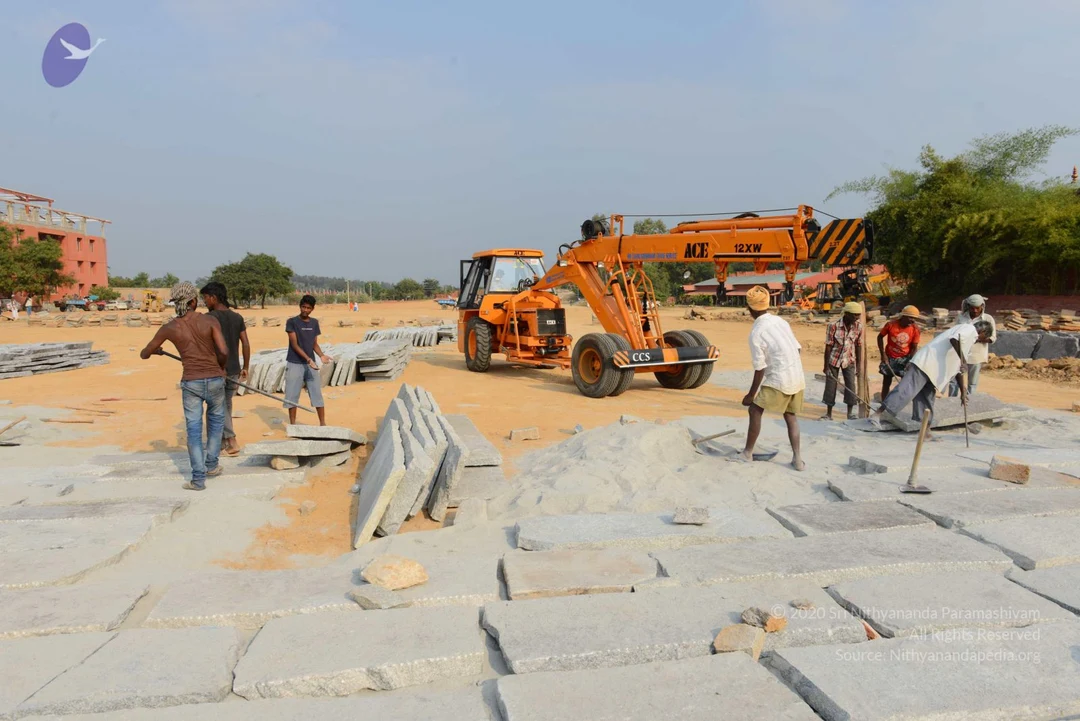
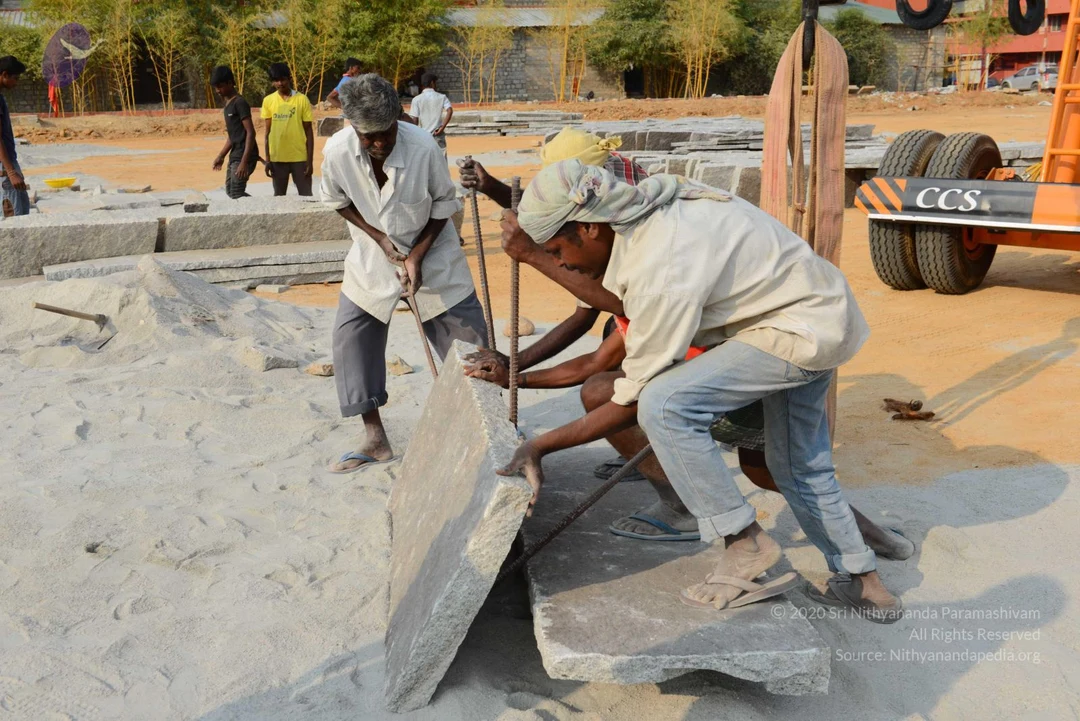
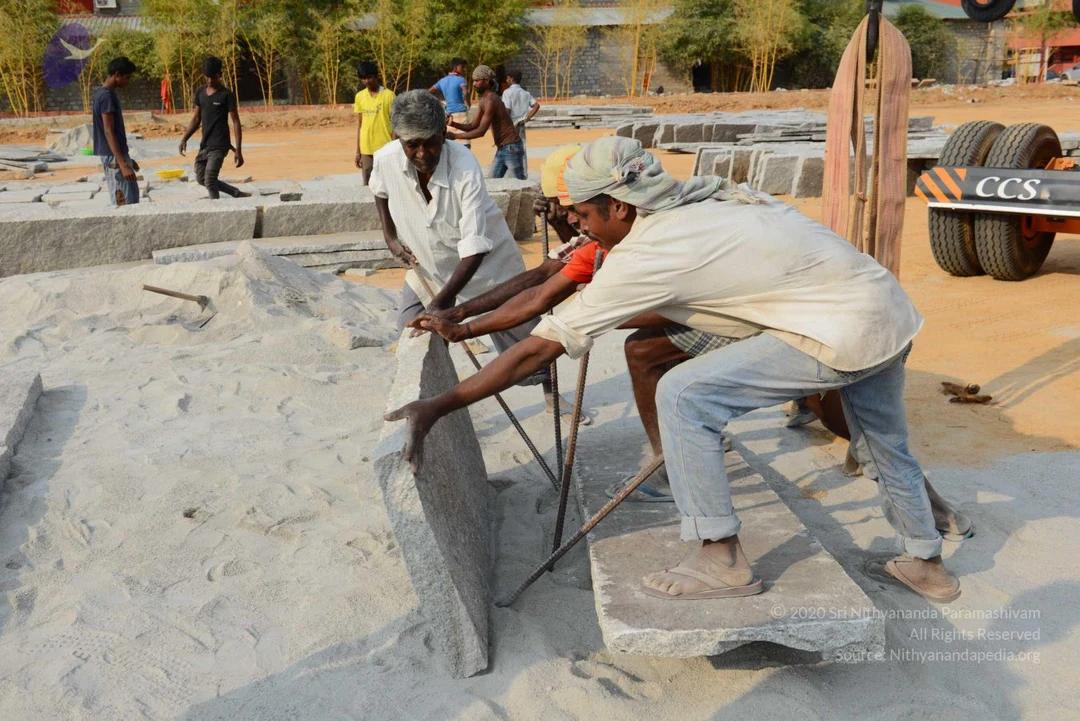
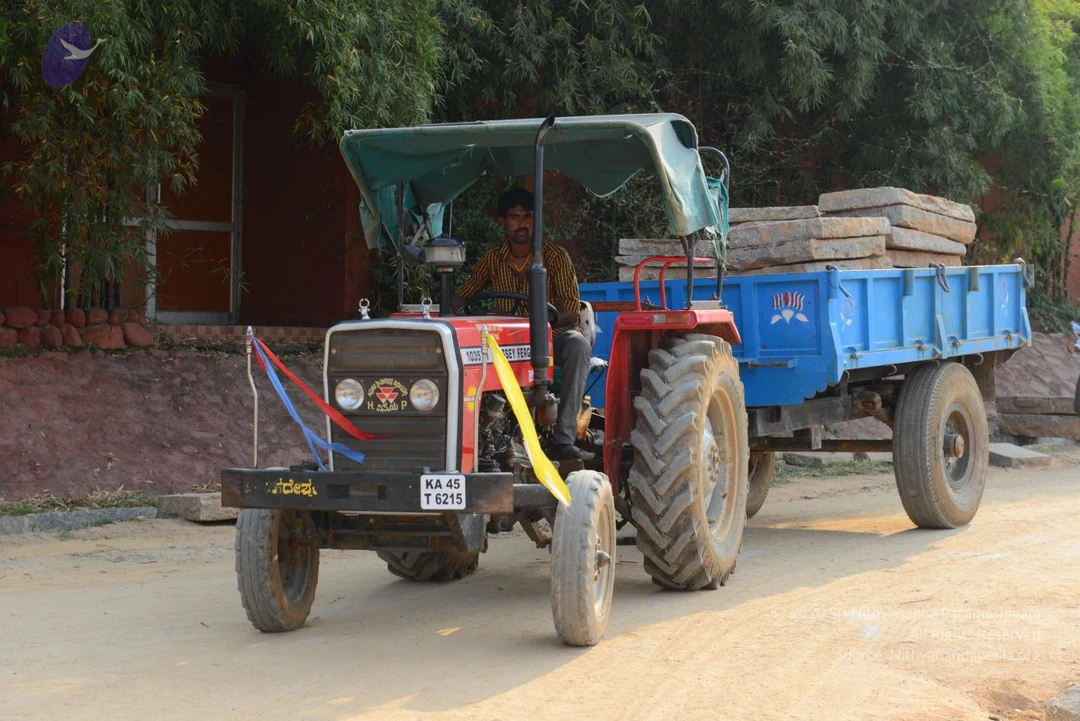
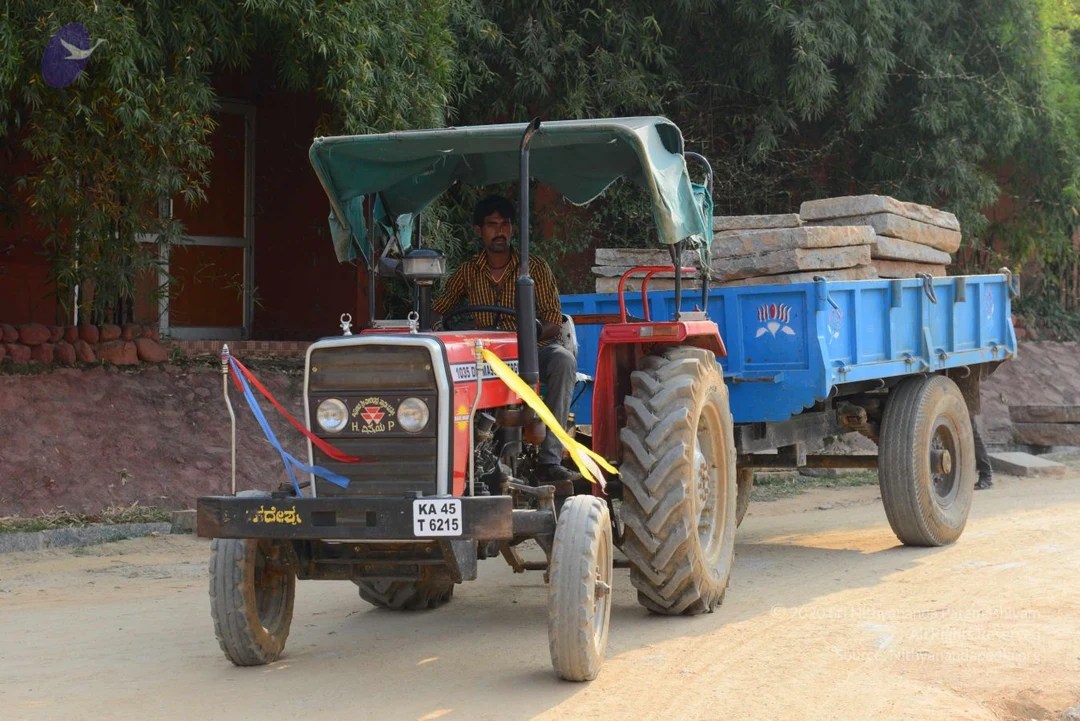
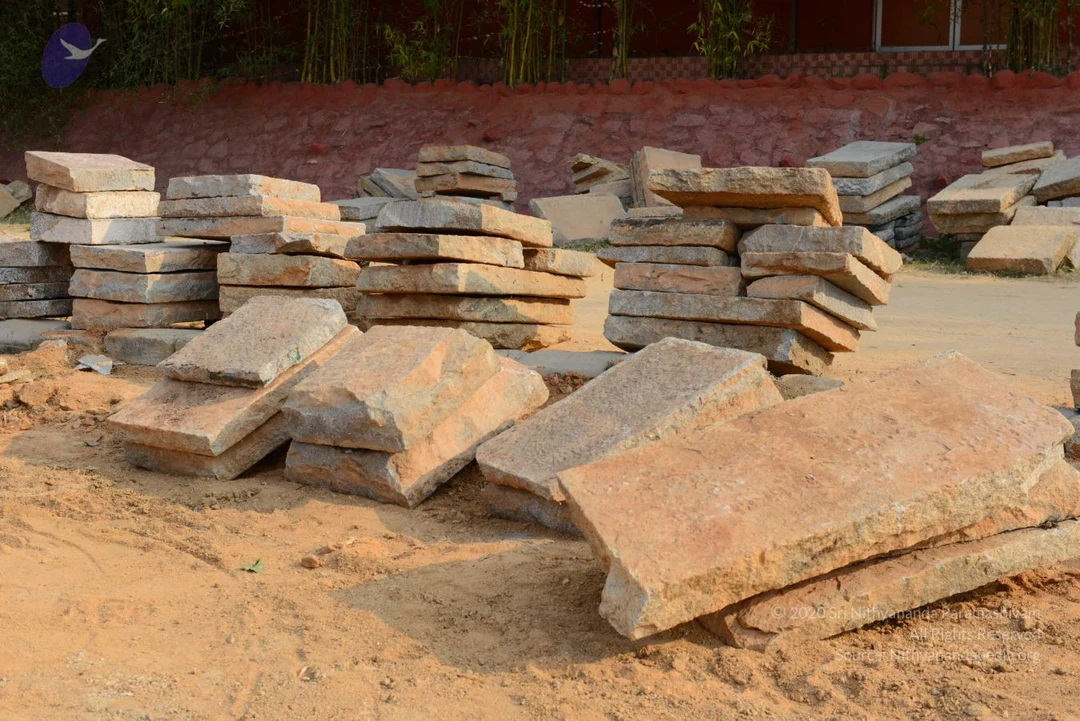
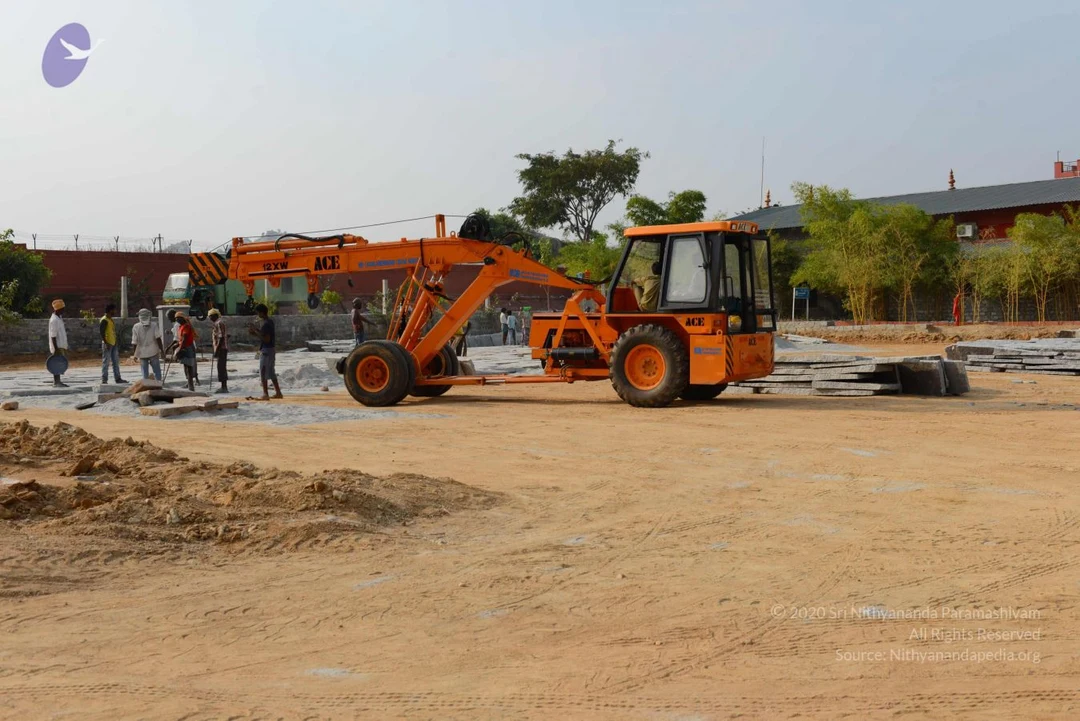
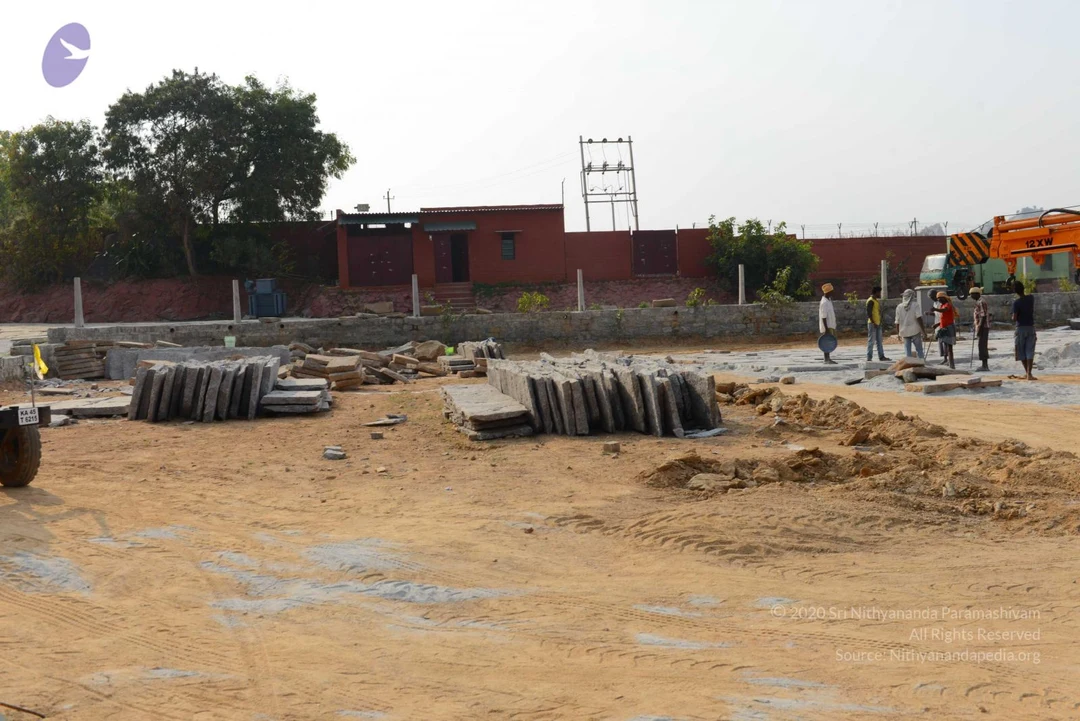
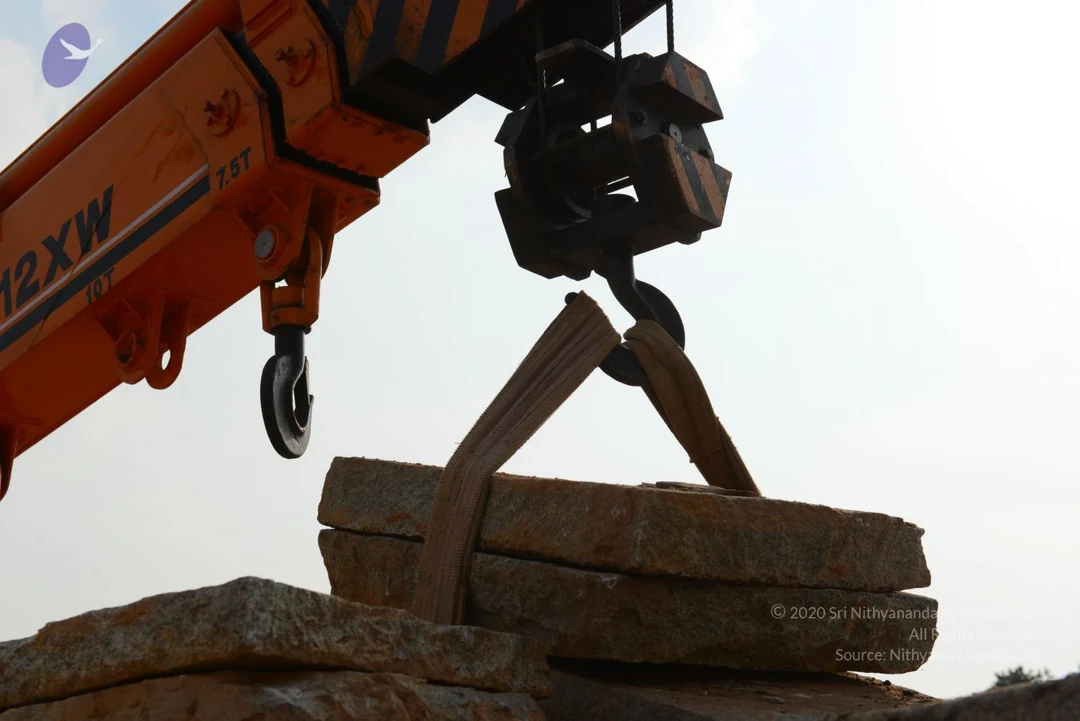
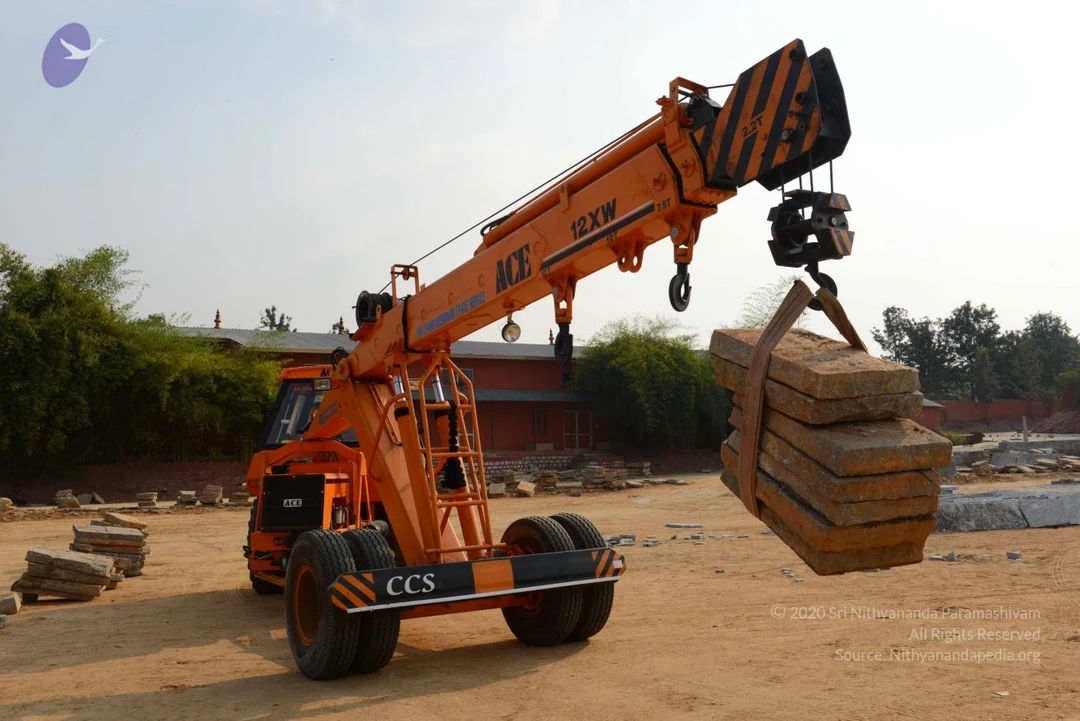
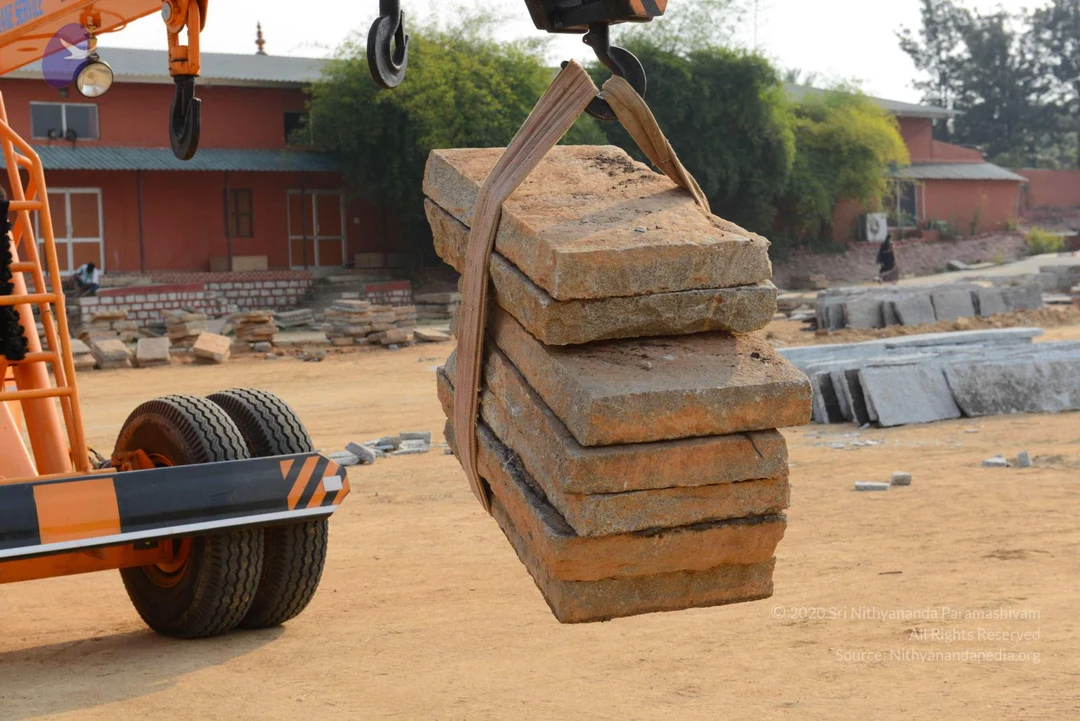
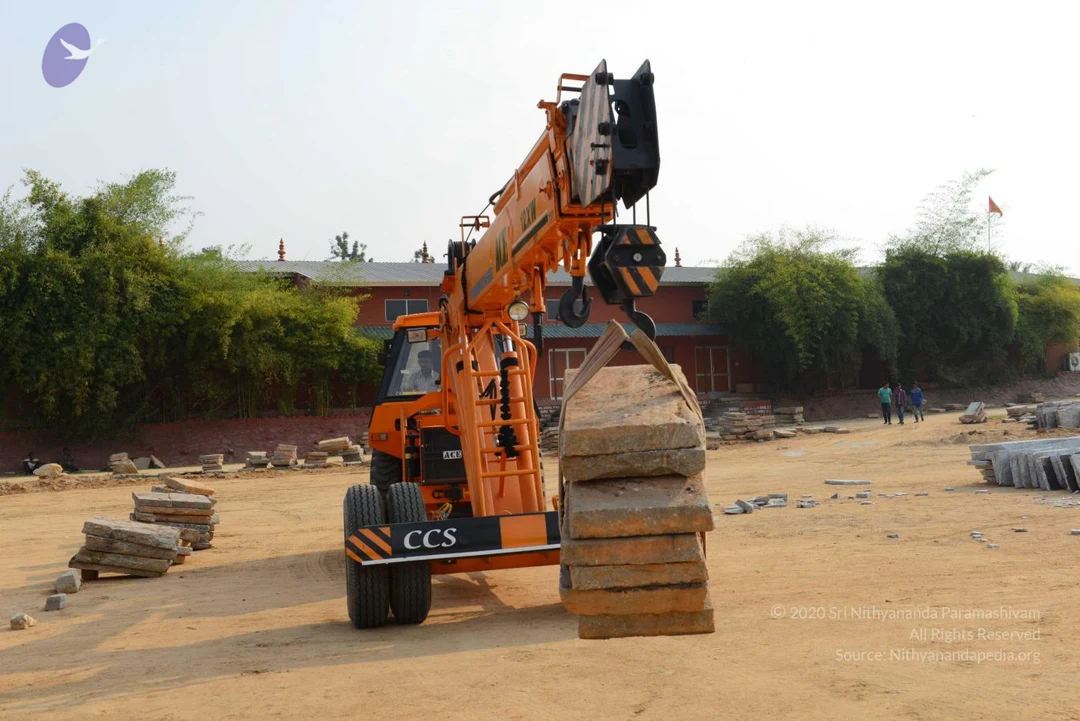
Photos Of The Day:
Nithya-Satsang
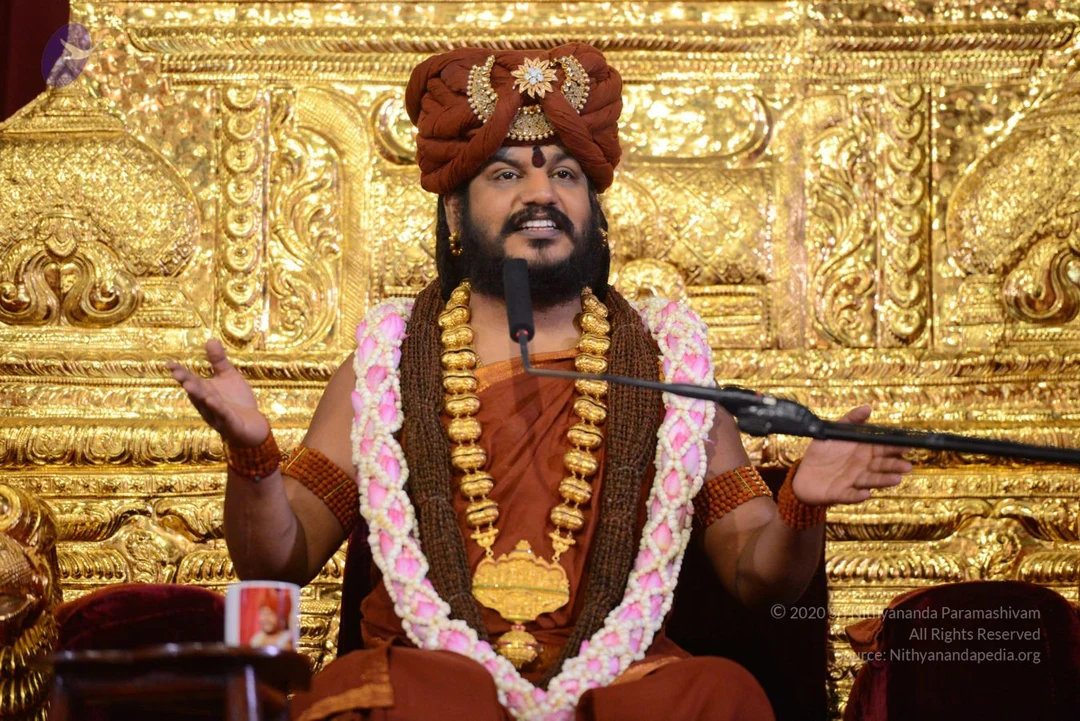
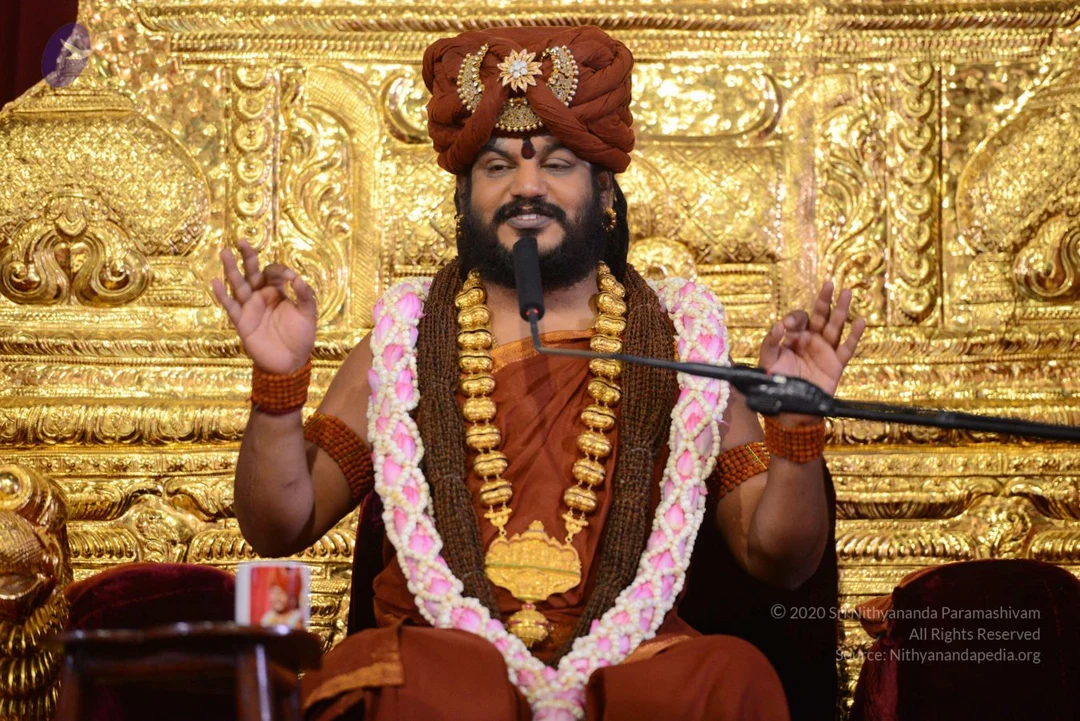
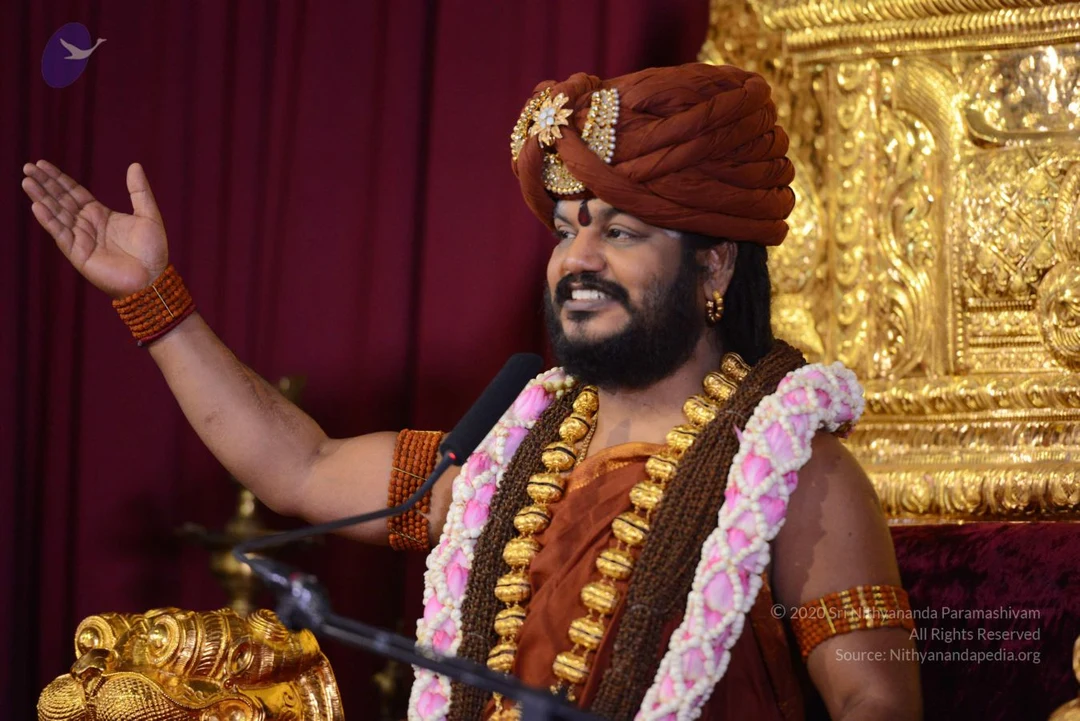
Gayatri-Initiation
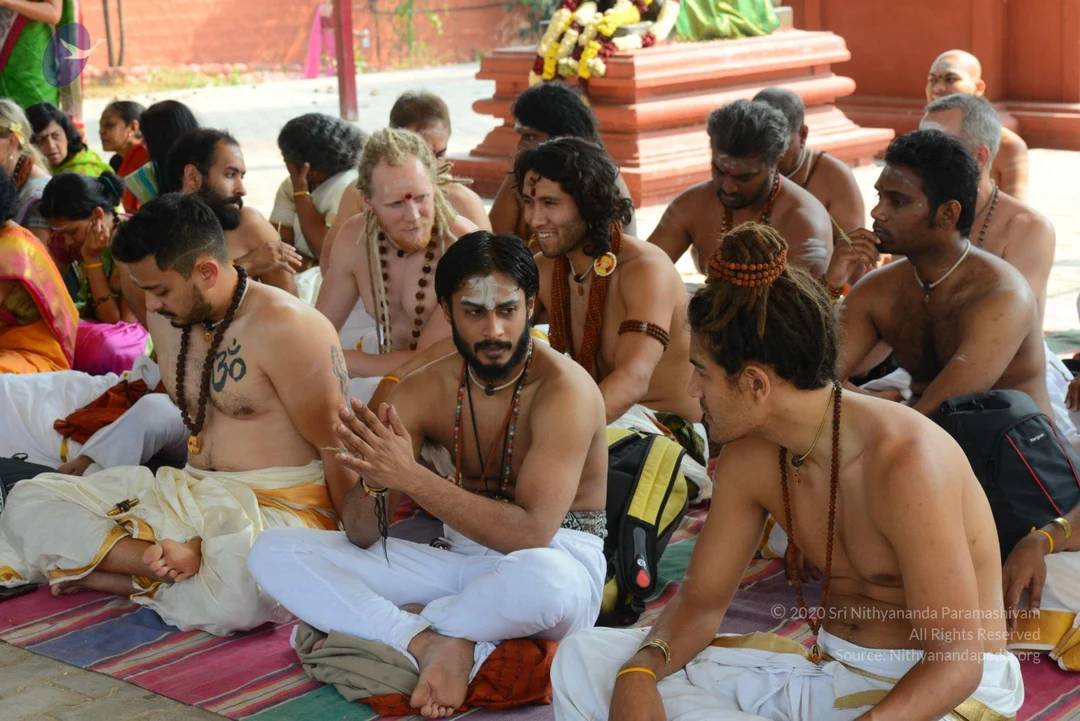

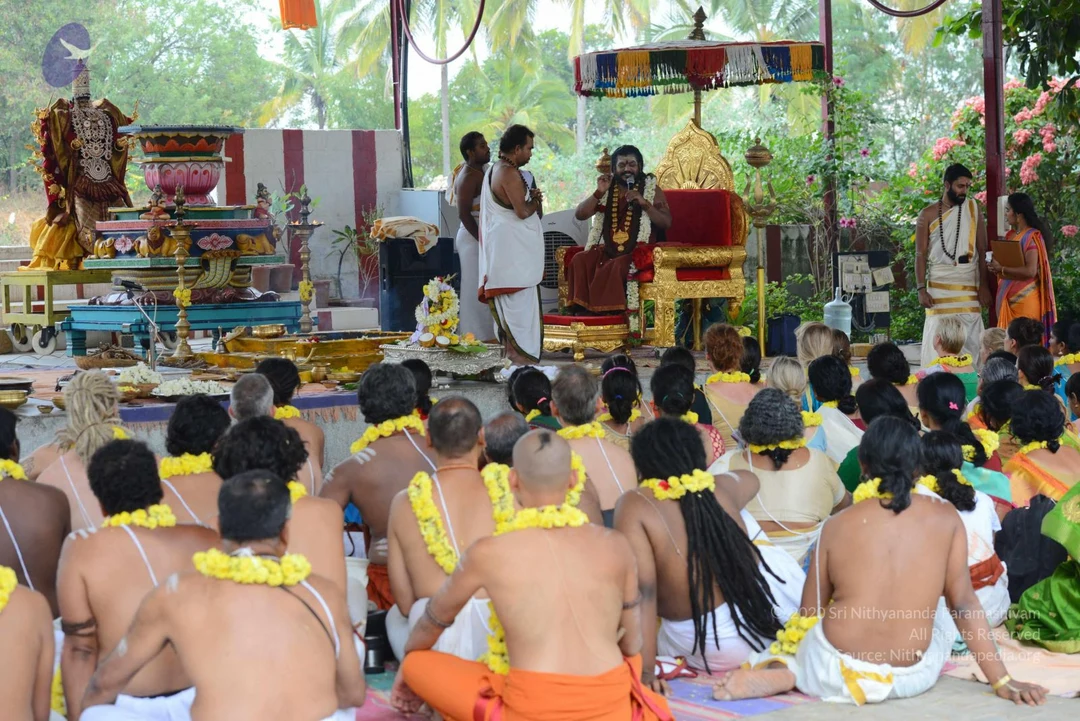
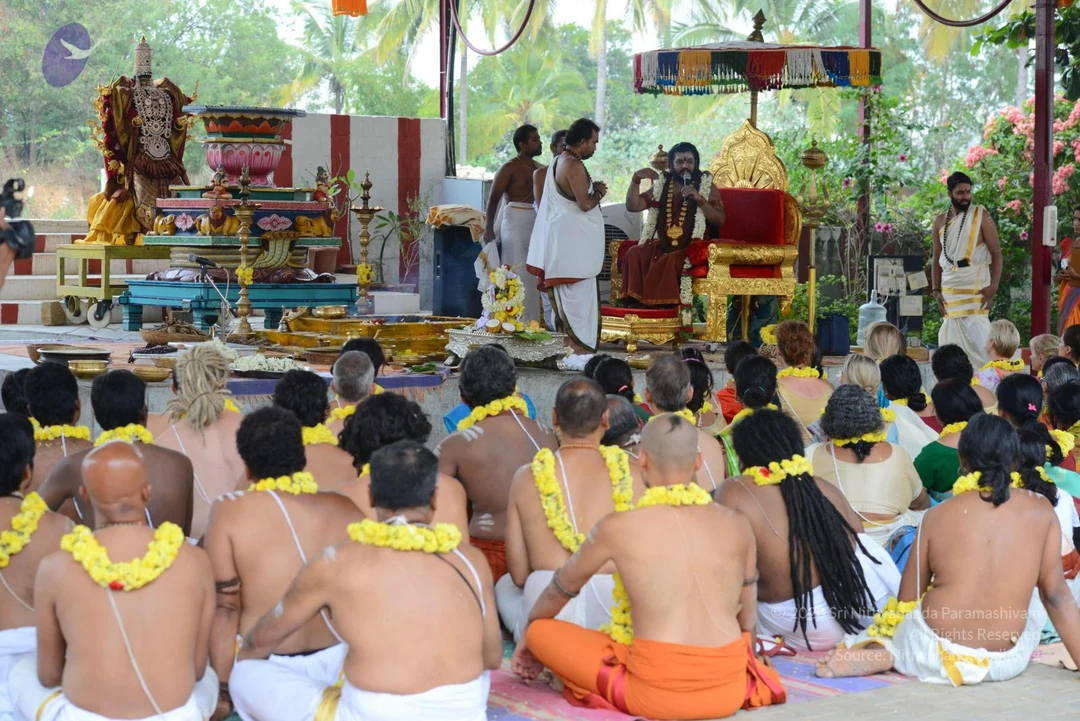
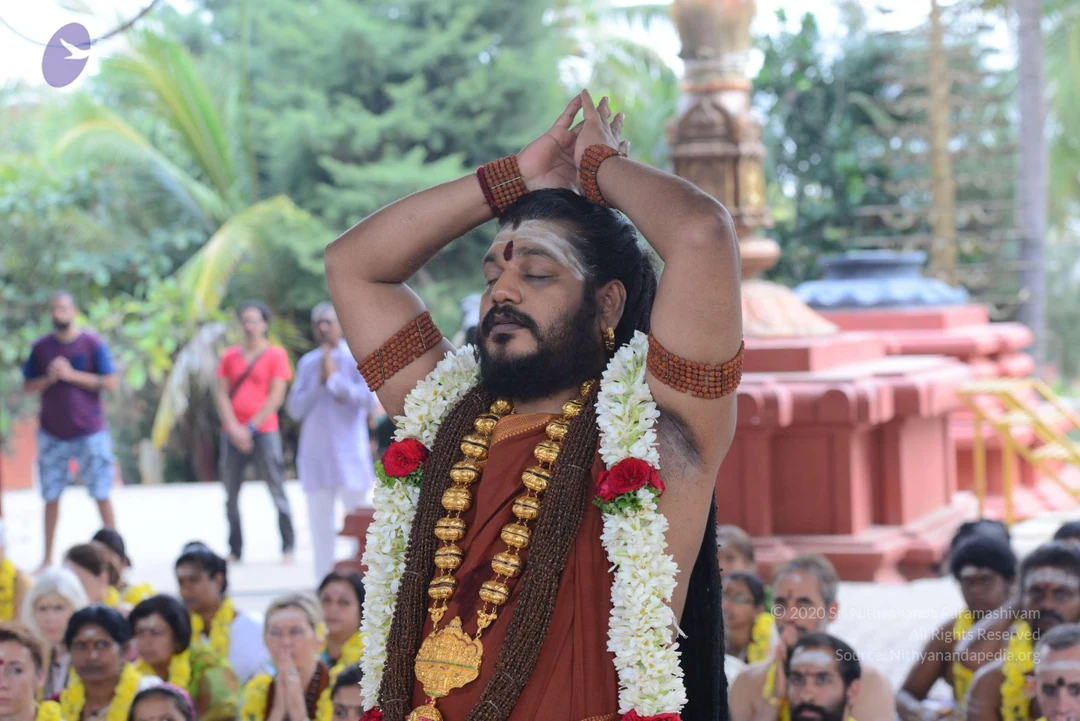
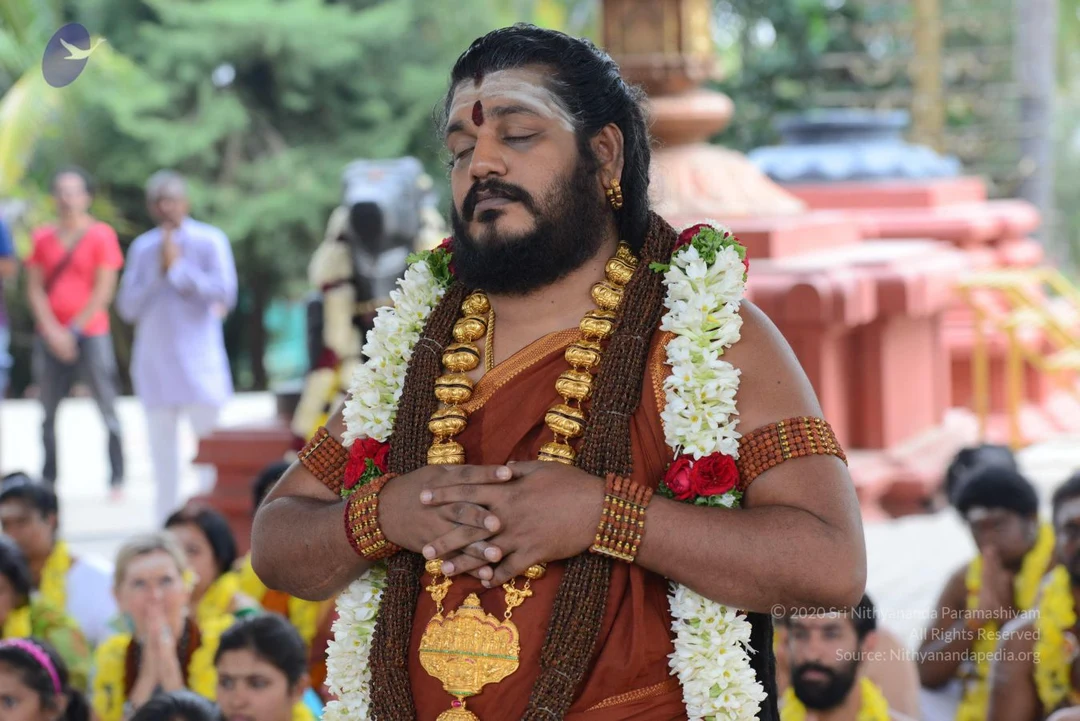
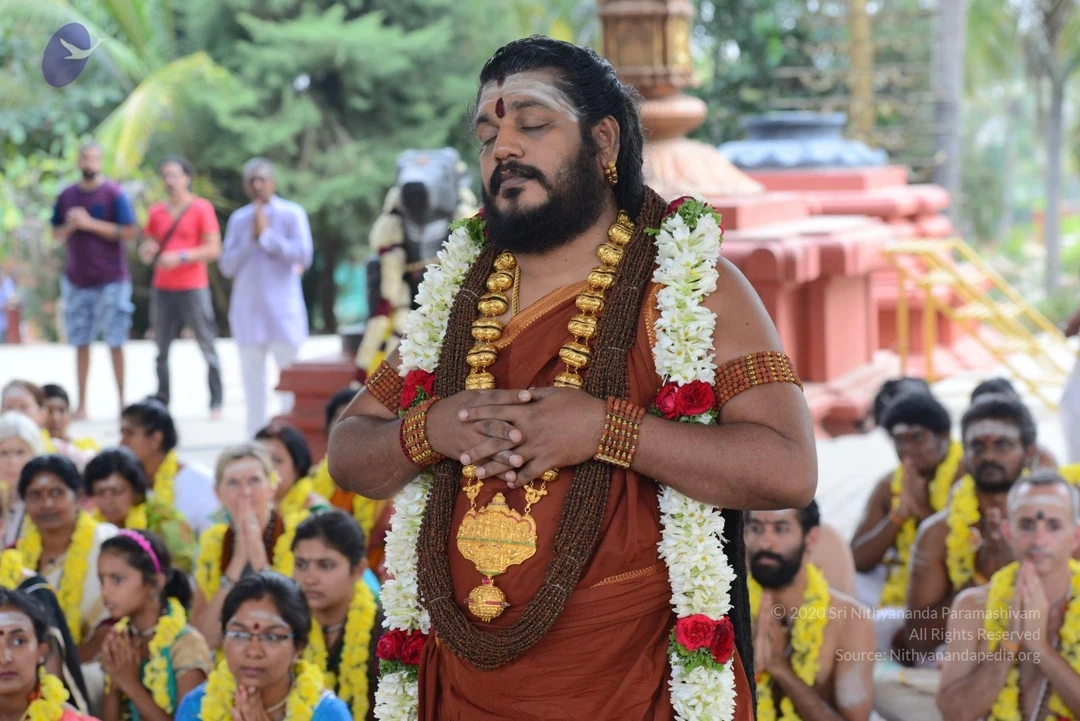
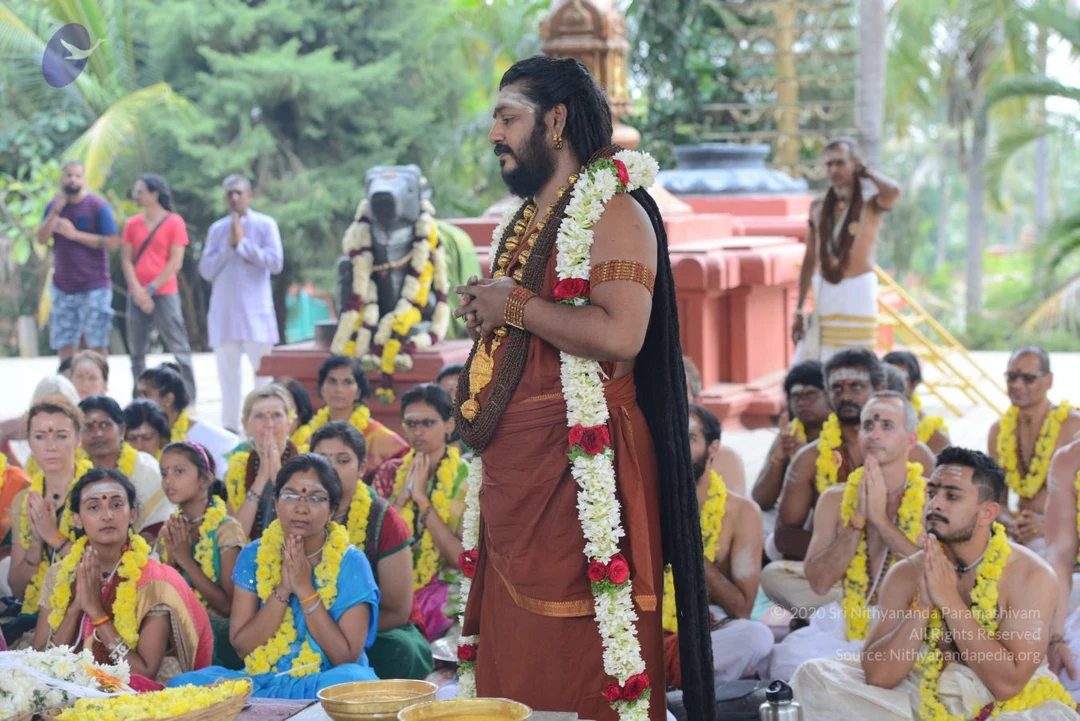
Construction
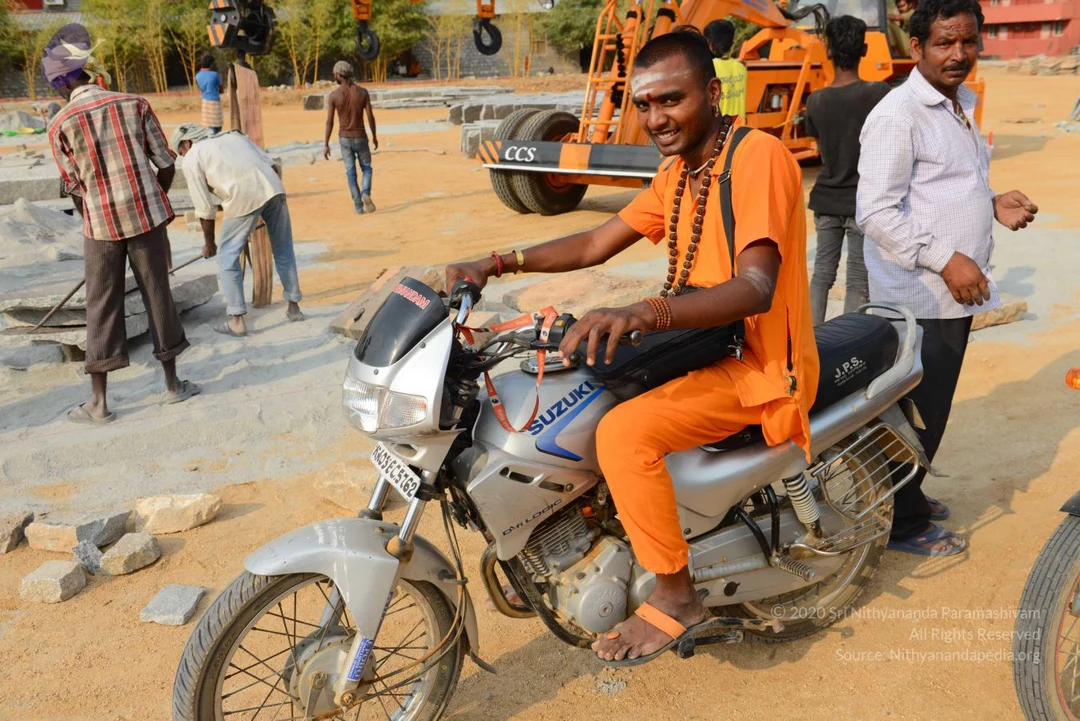
Photos Of The Day:
FB-photo-of-the-day
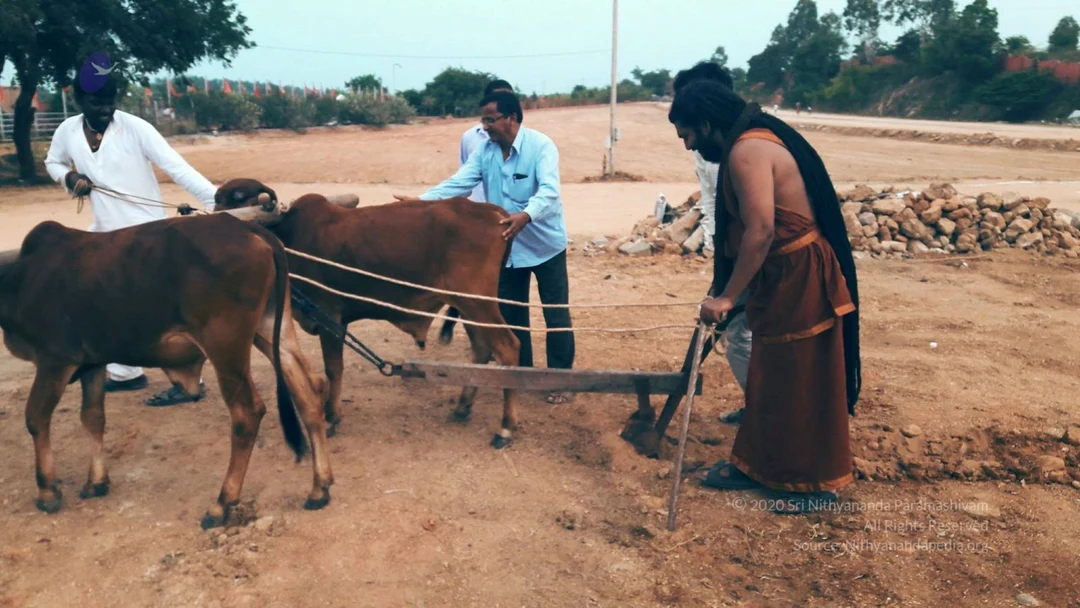
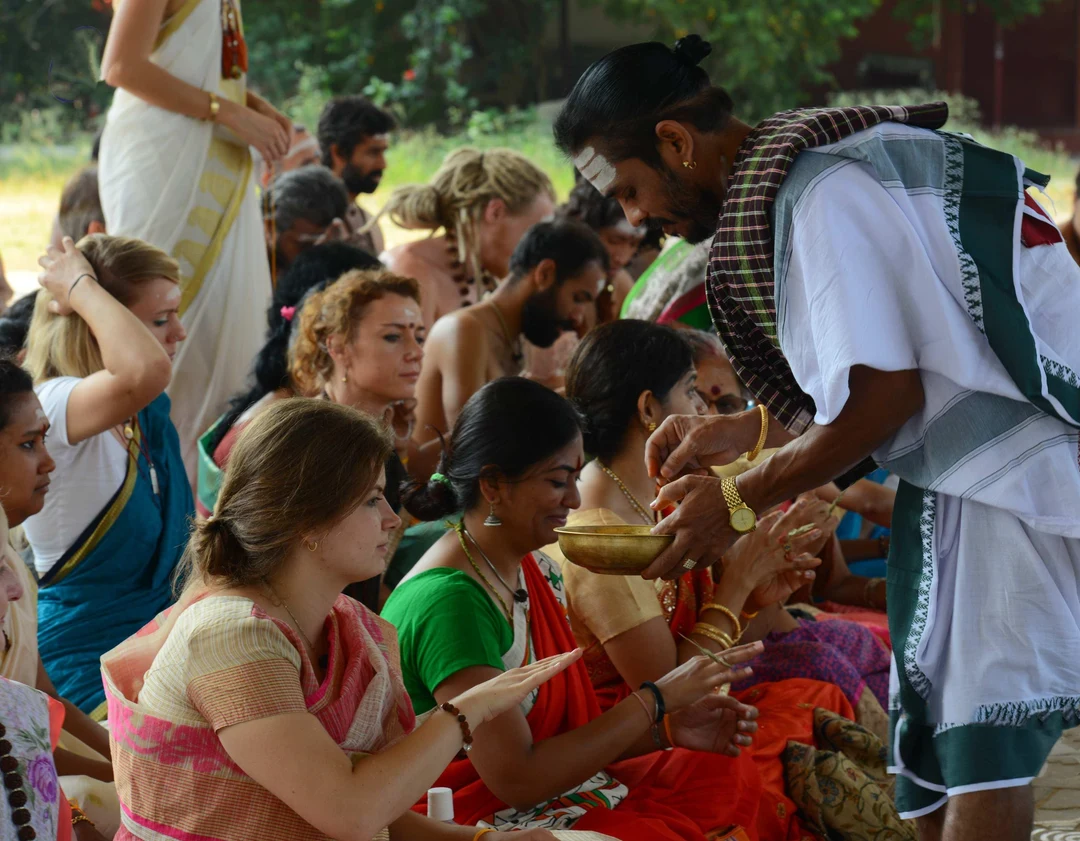
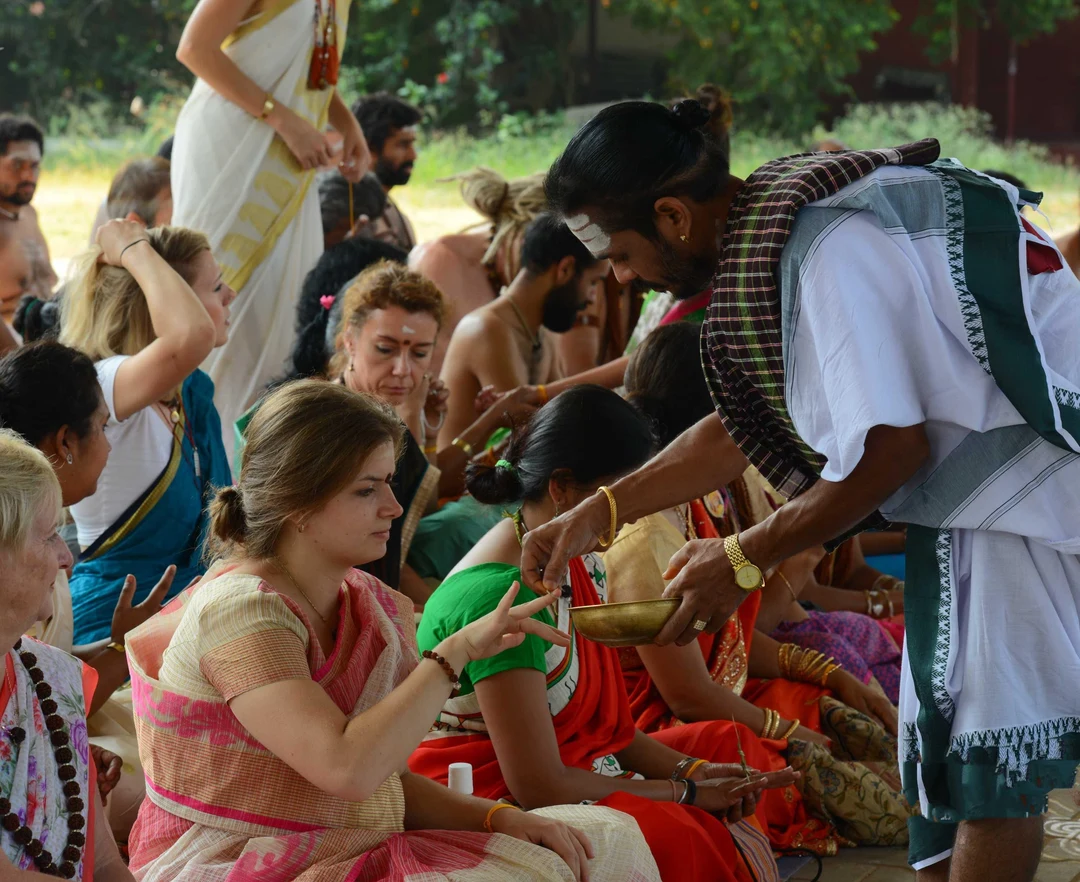
2-Gayatri-Initiation
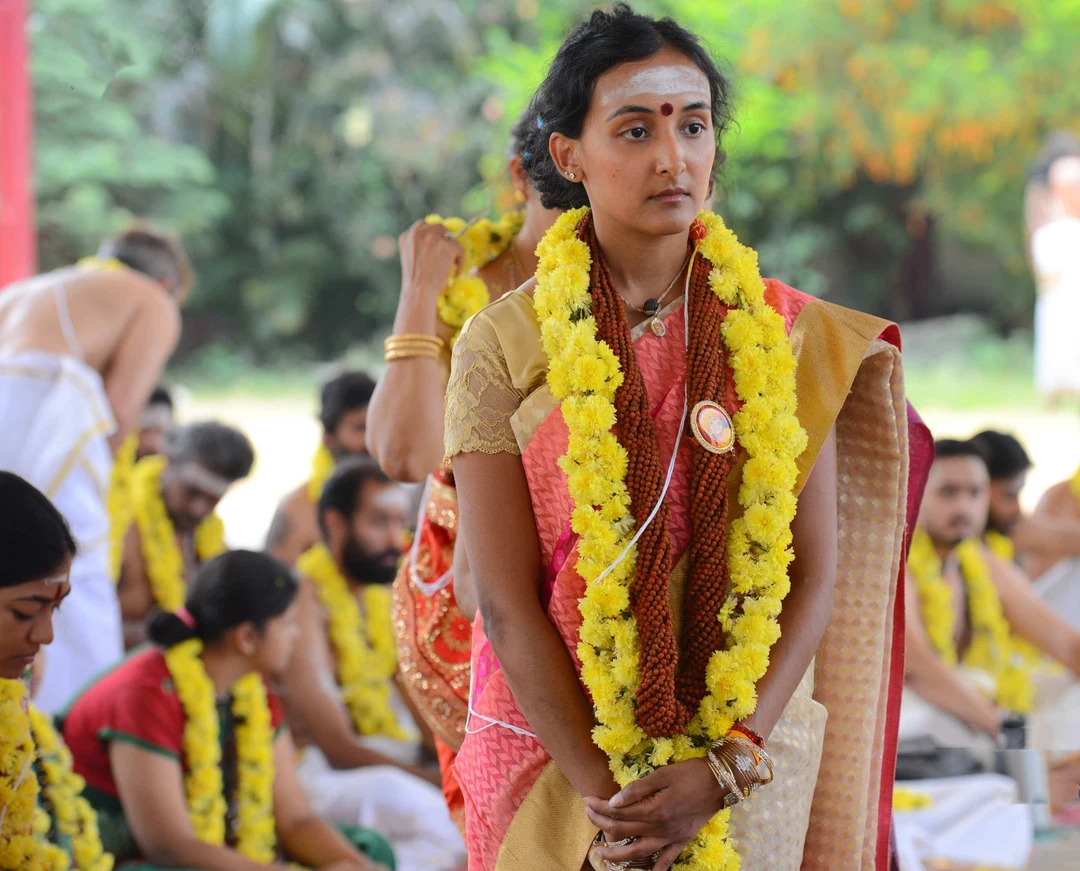
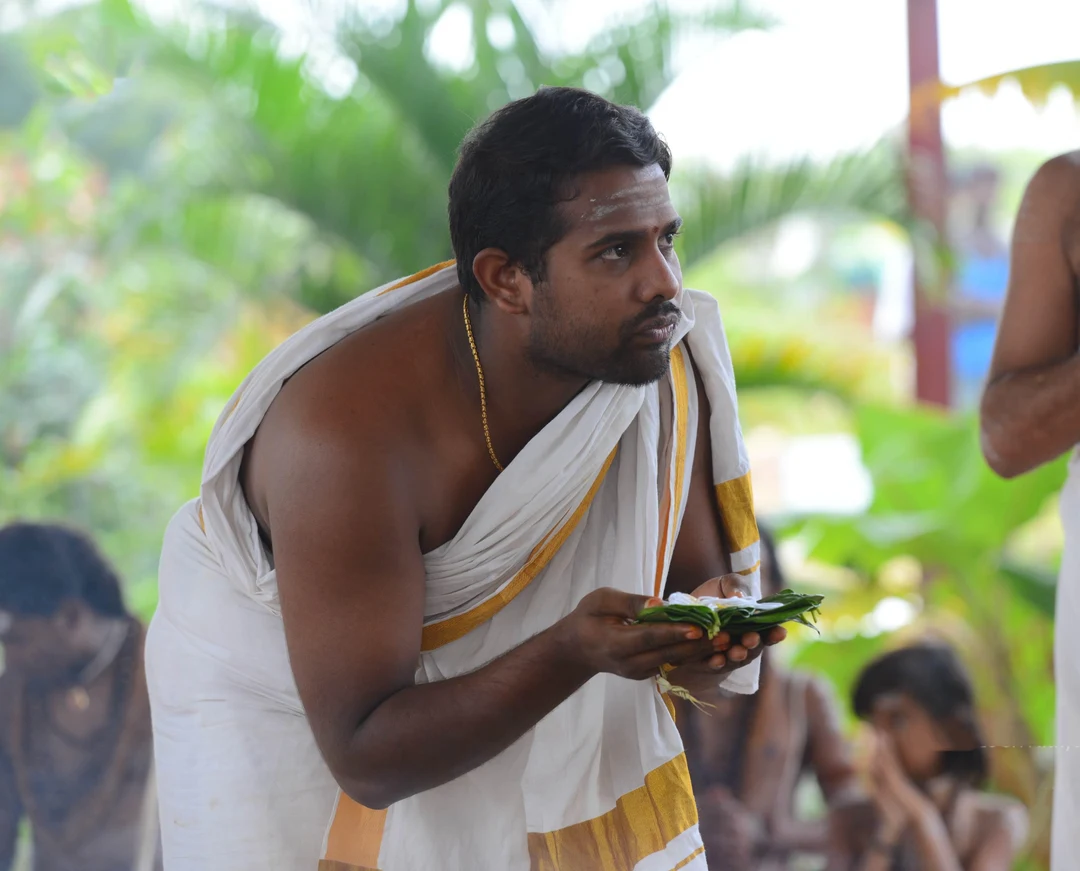
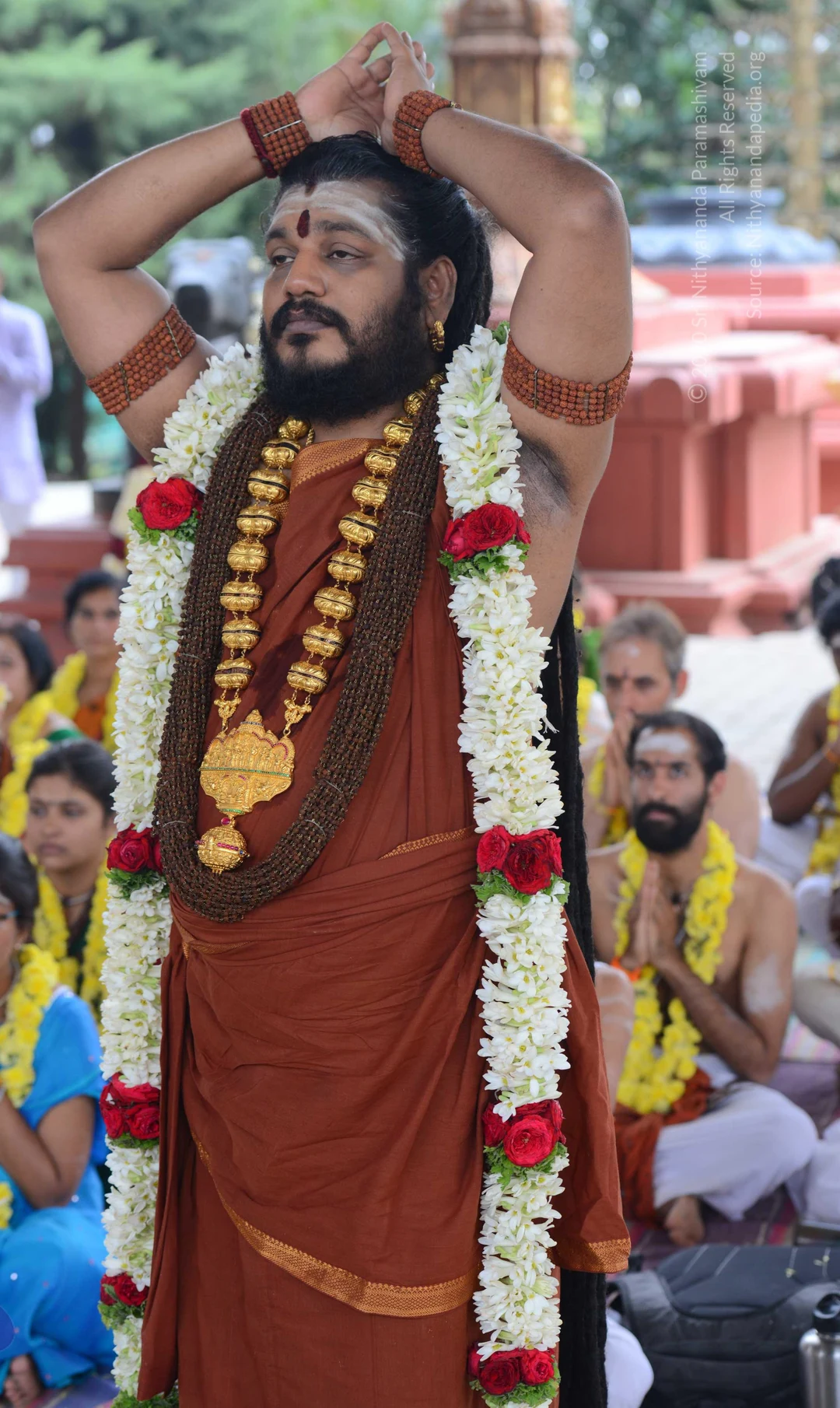
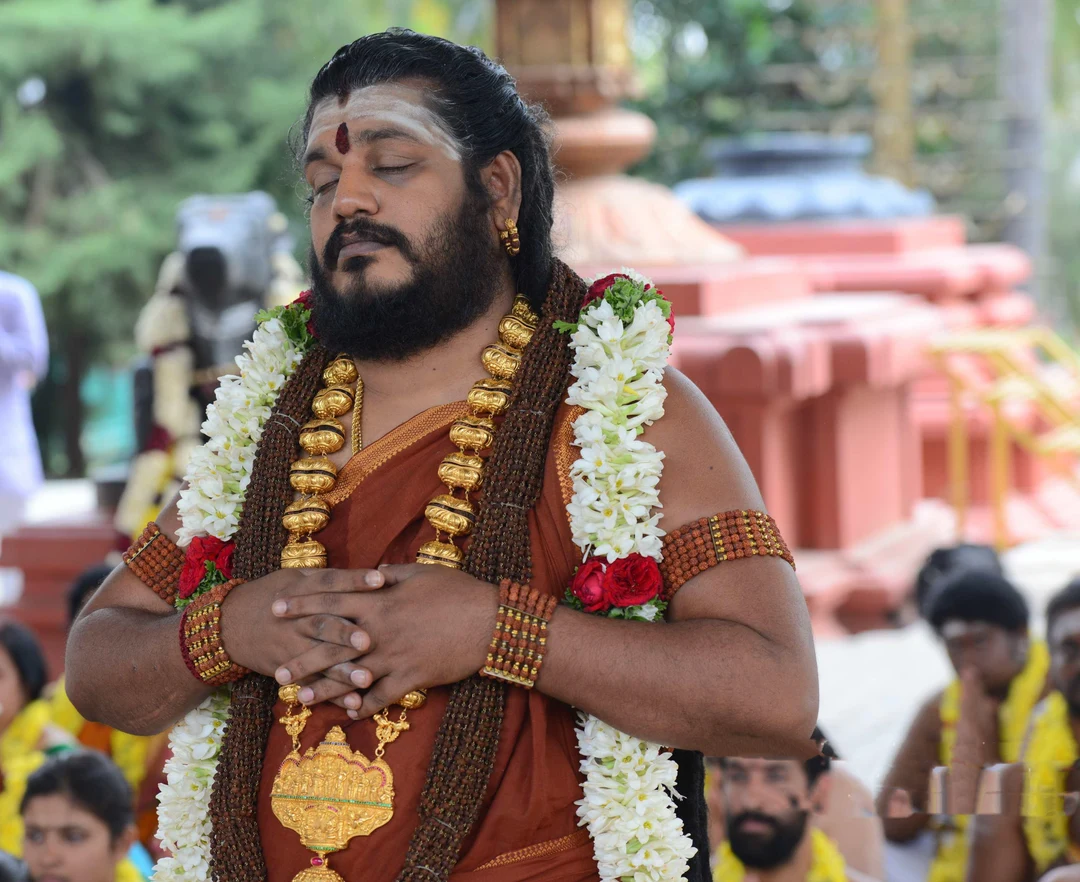
,
Photos from this day
View all 345 photosNithya Satsang
26 photosSource gallery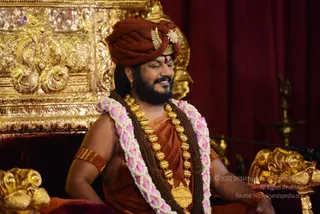
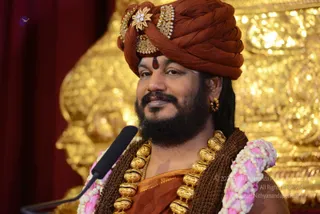
Gayatri Initiation
58 photosSource gallery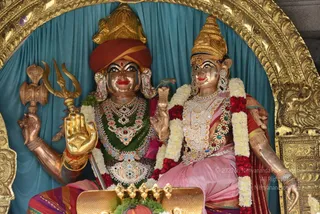
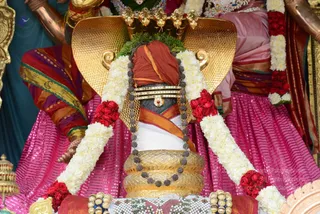
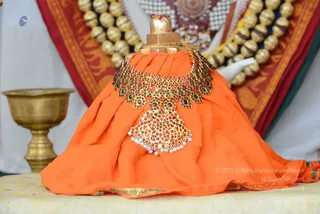
Construction
27 photosSource gallery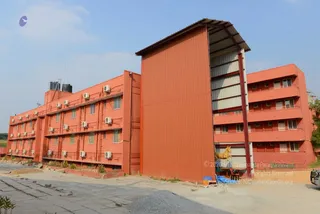

Nithyanandeshwara Sadashiva Temple
5 photosSource gallery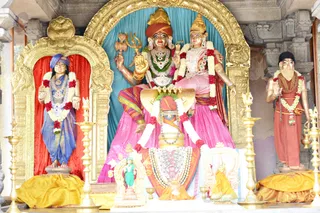
Nithya-Satsang
37 photosSource gallery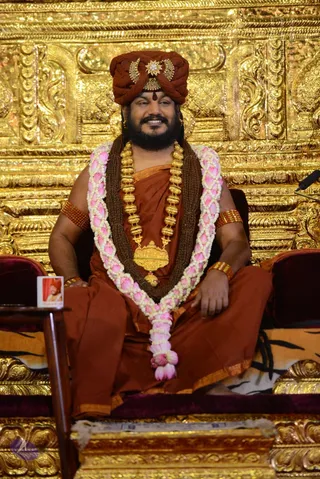
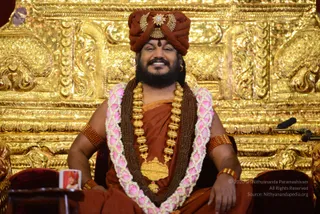
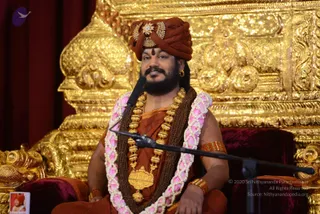
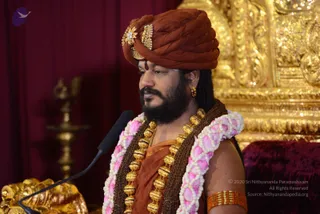
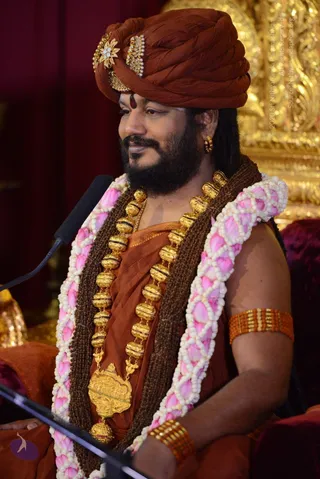
Gayatri-Initiation
105 photosSource gallery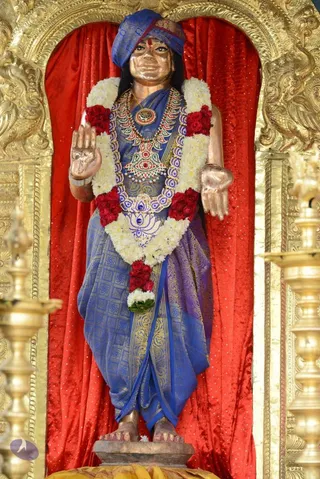
Construction
37 photosSource gallery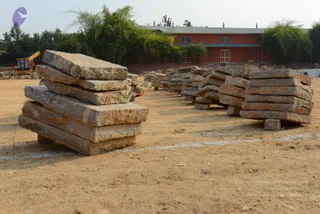


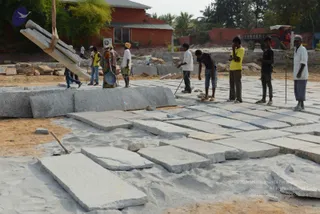
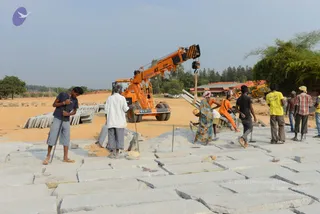
Nithya-Satsang
25 photosSource gallery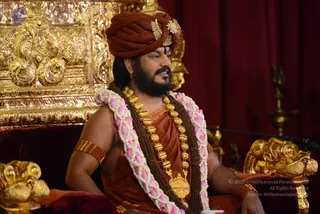
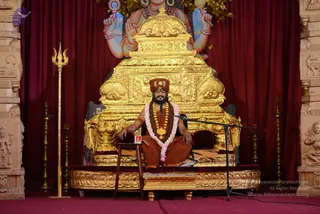
Gayatri-Initiation
82 photosSource gallery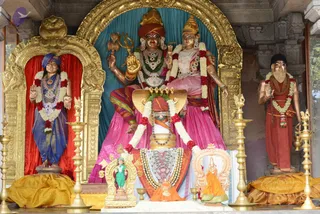
Construction
37 photosSource galleryFB-photo-of-the-day
3 photosSource gallery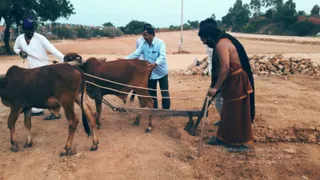
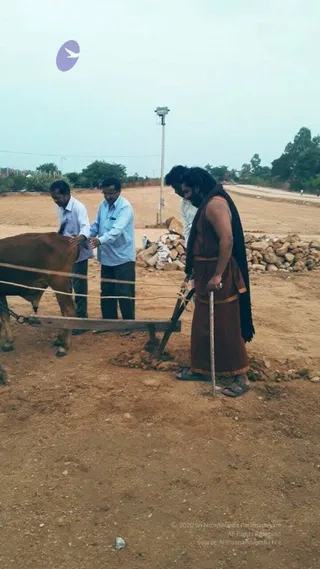
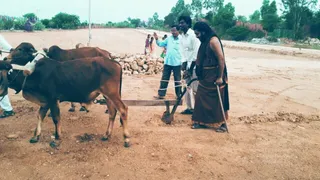
2-Gayatri-Initiation
18 photosSource gallery