Skip to content
Saturday

27 February 2016

Agama - The Spiritual Science To Manifest Your Reality

Dated photos
320
Source pages
1
Media
4
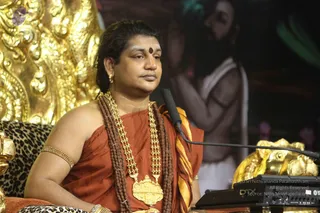
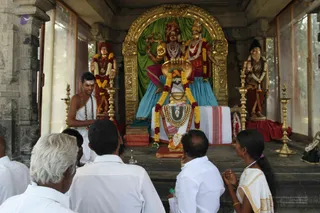
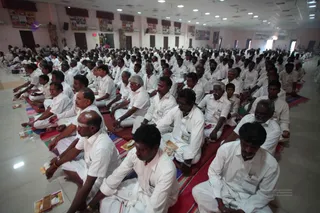
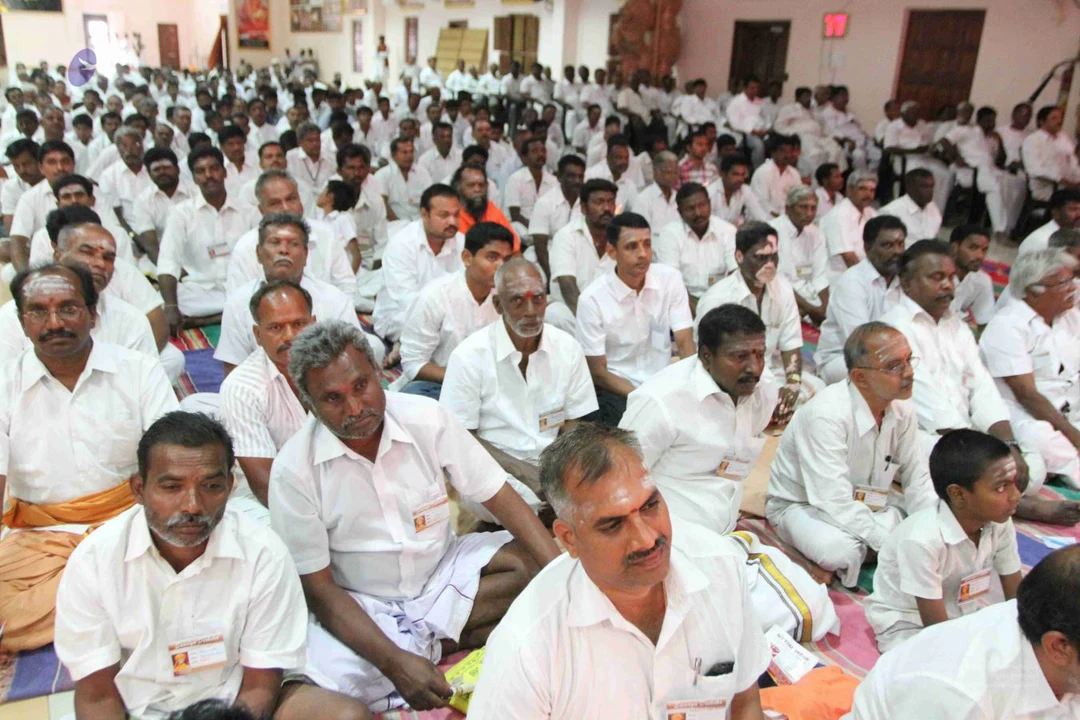
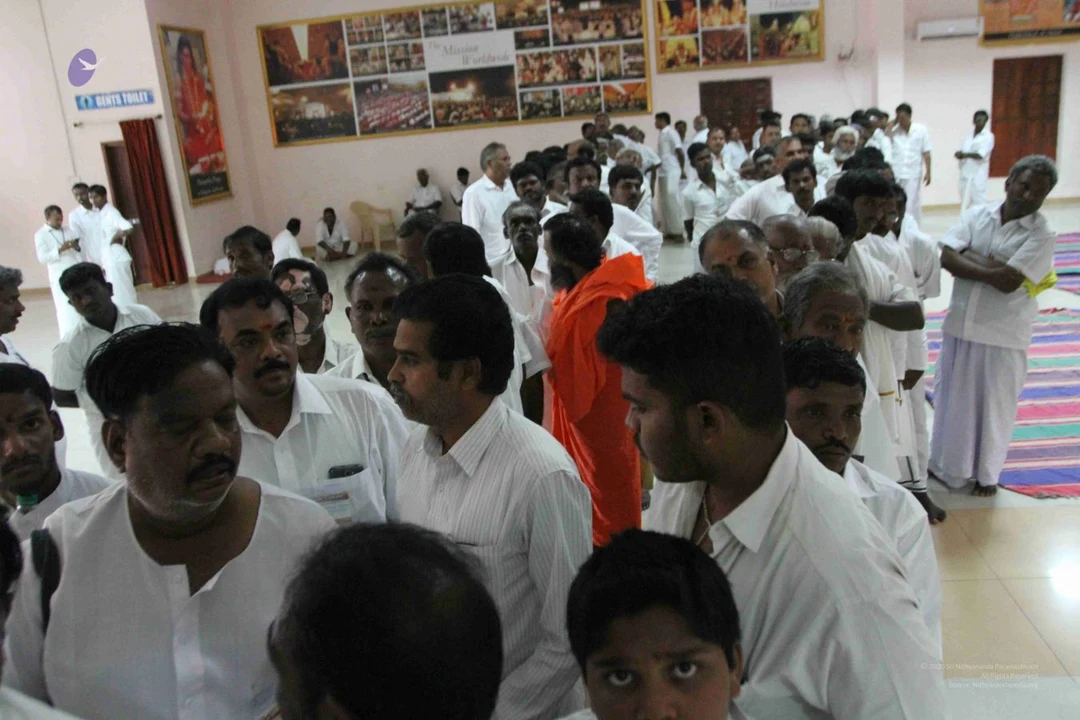
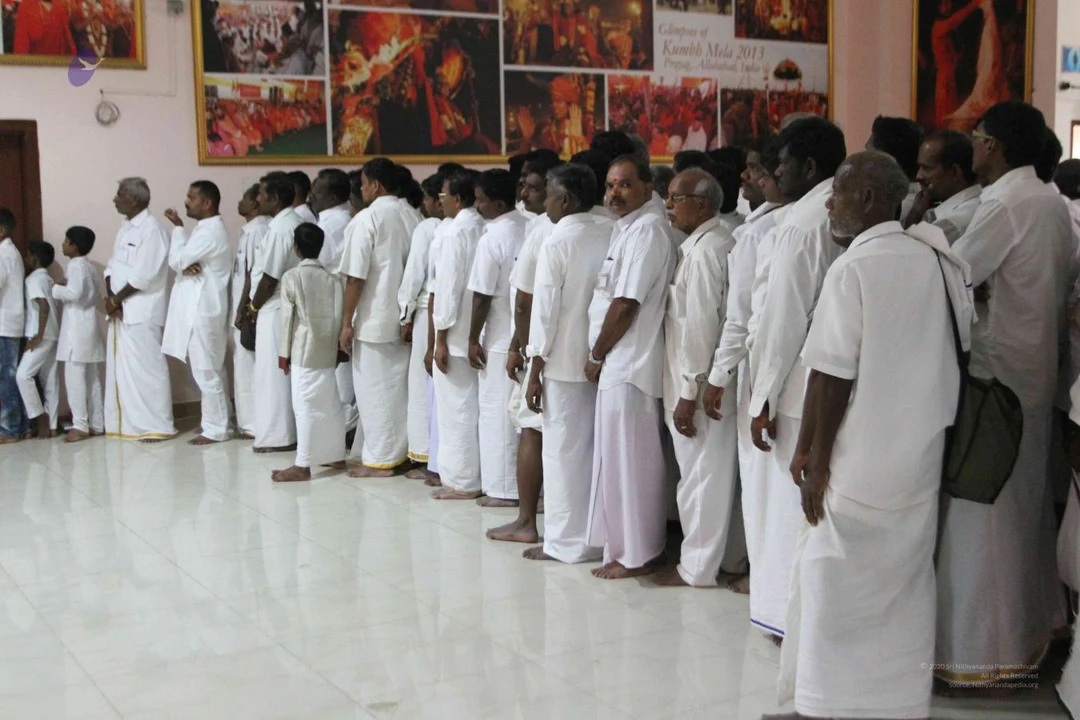
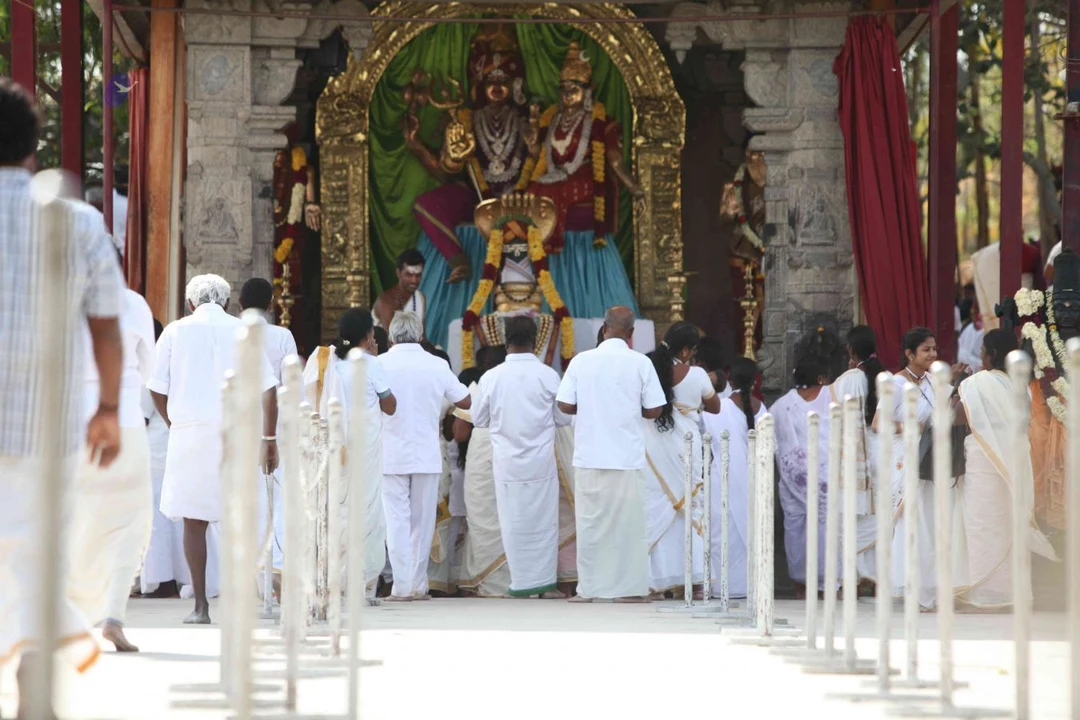
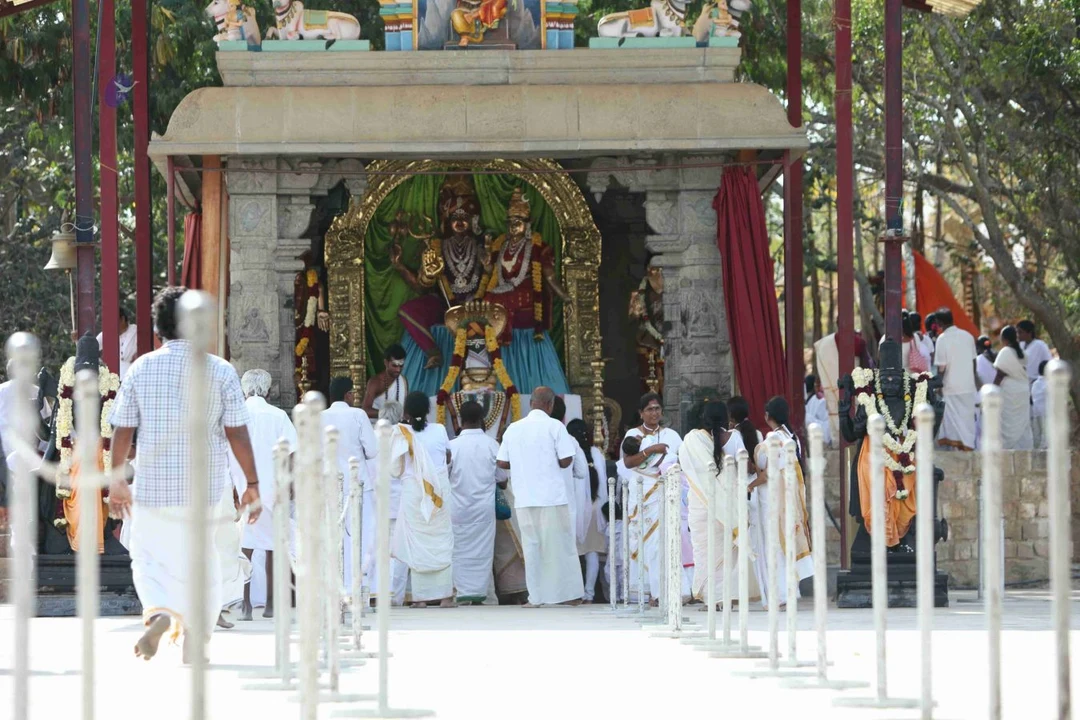
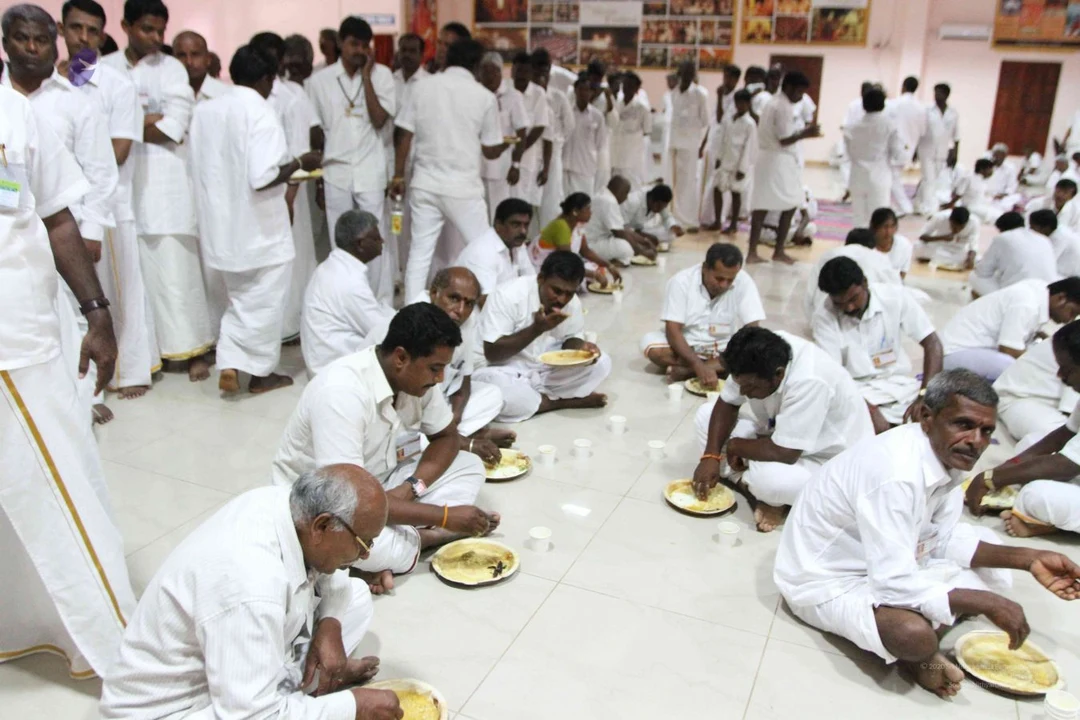
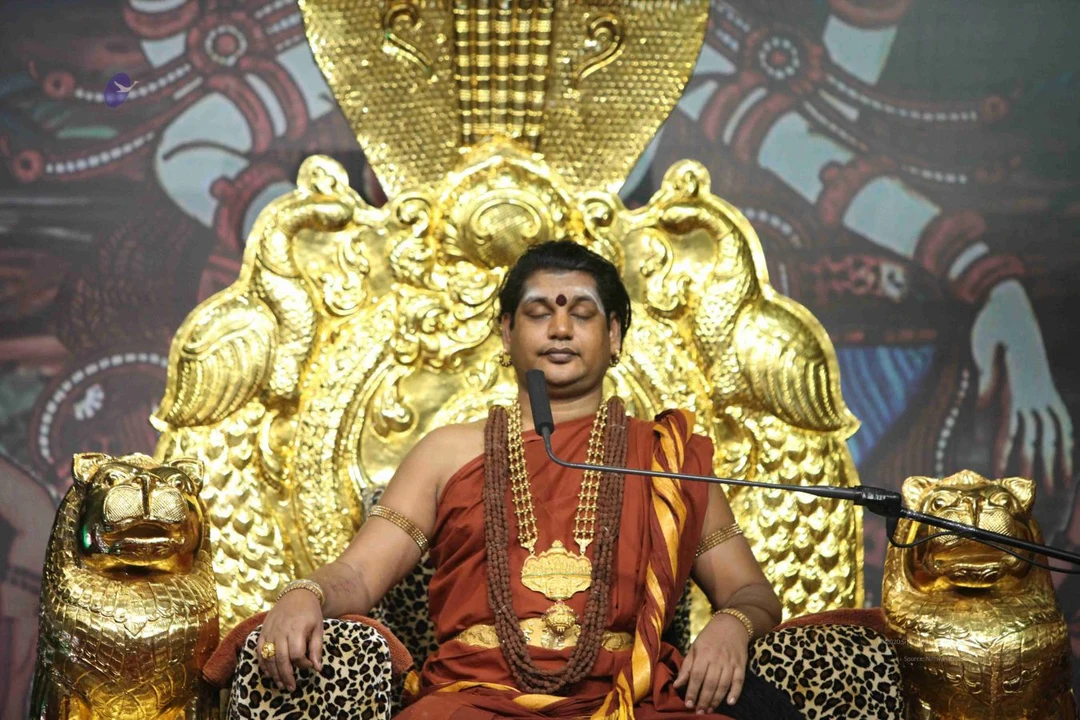
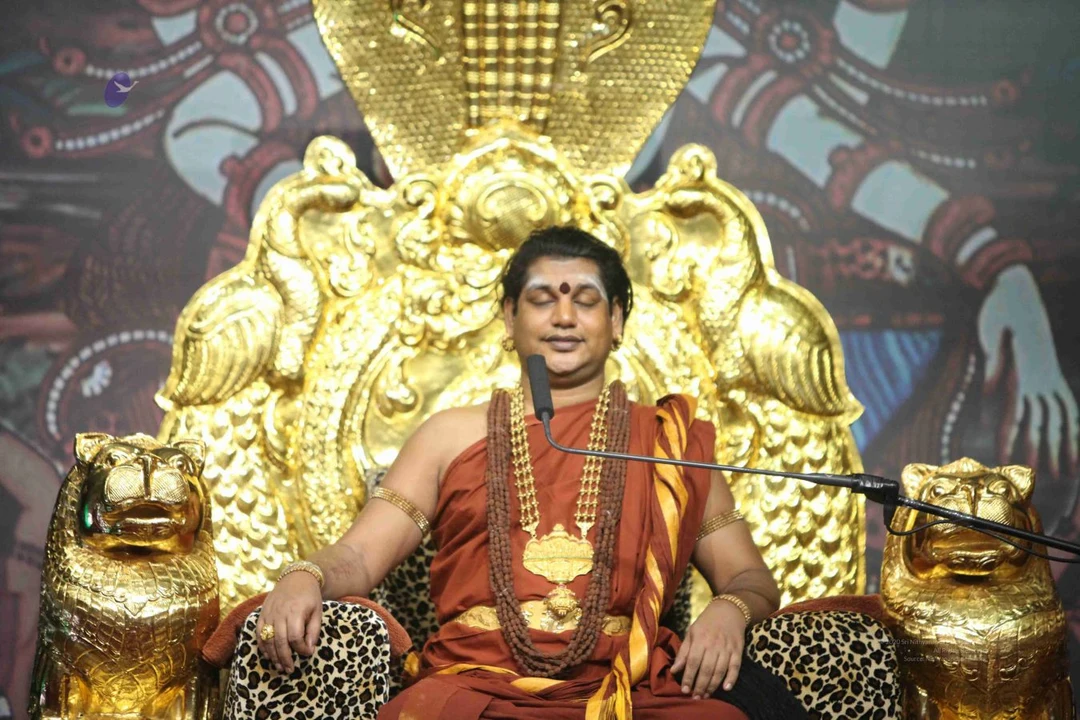
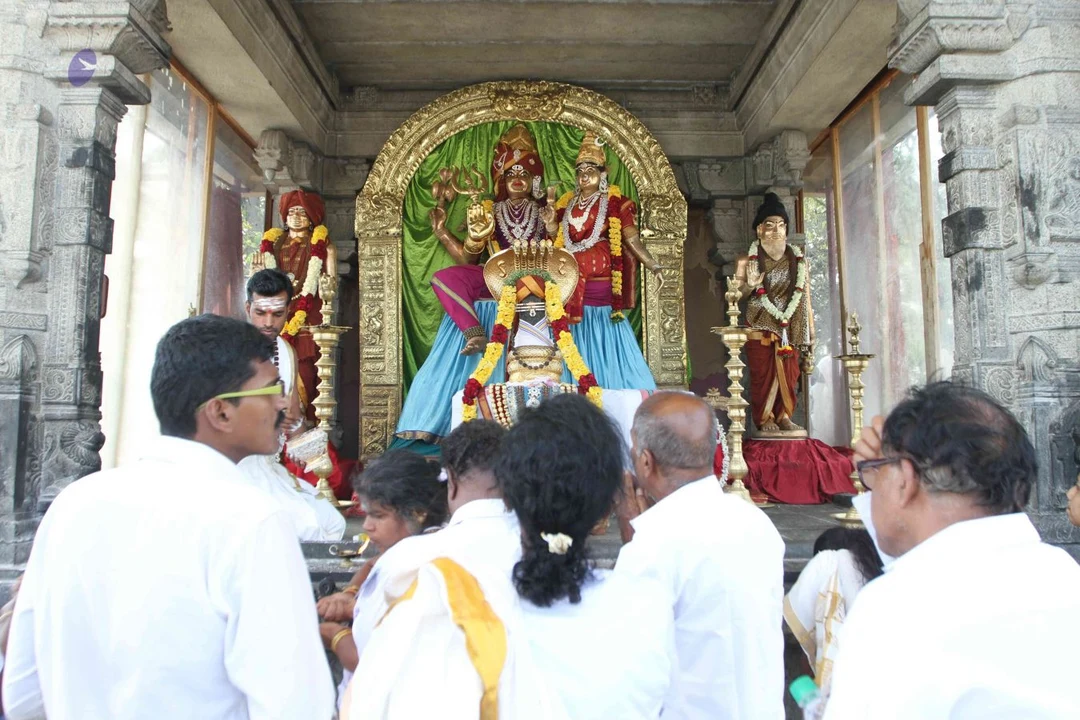
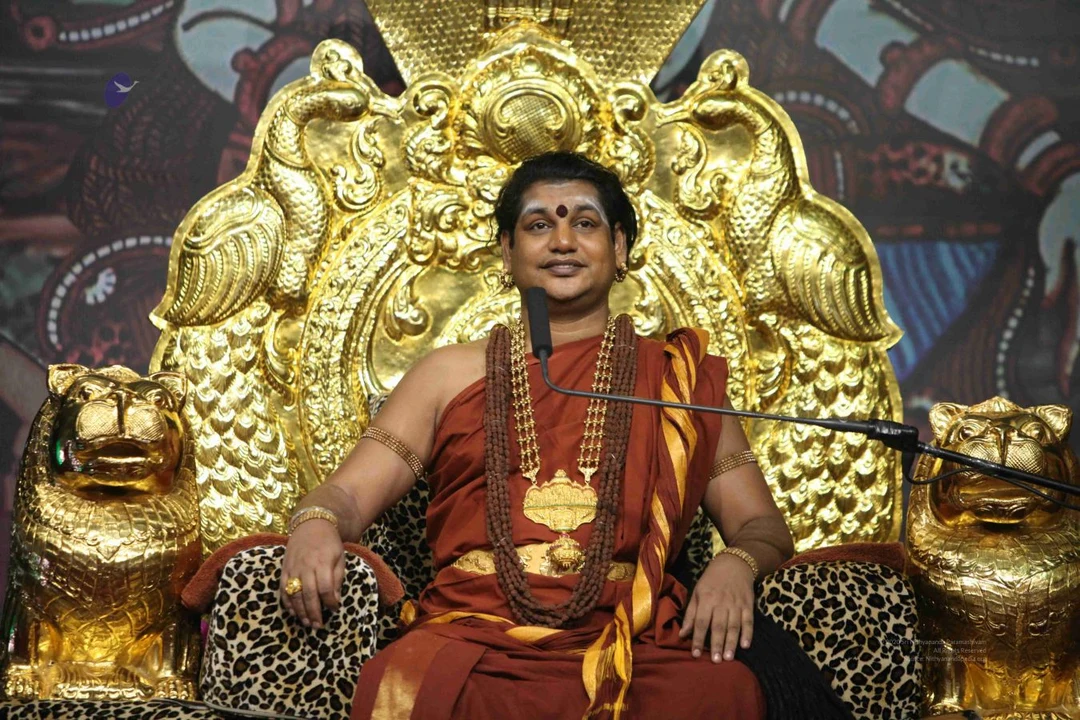
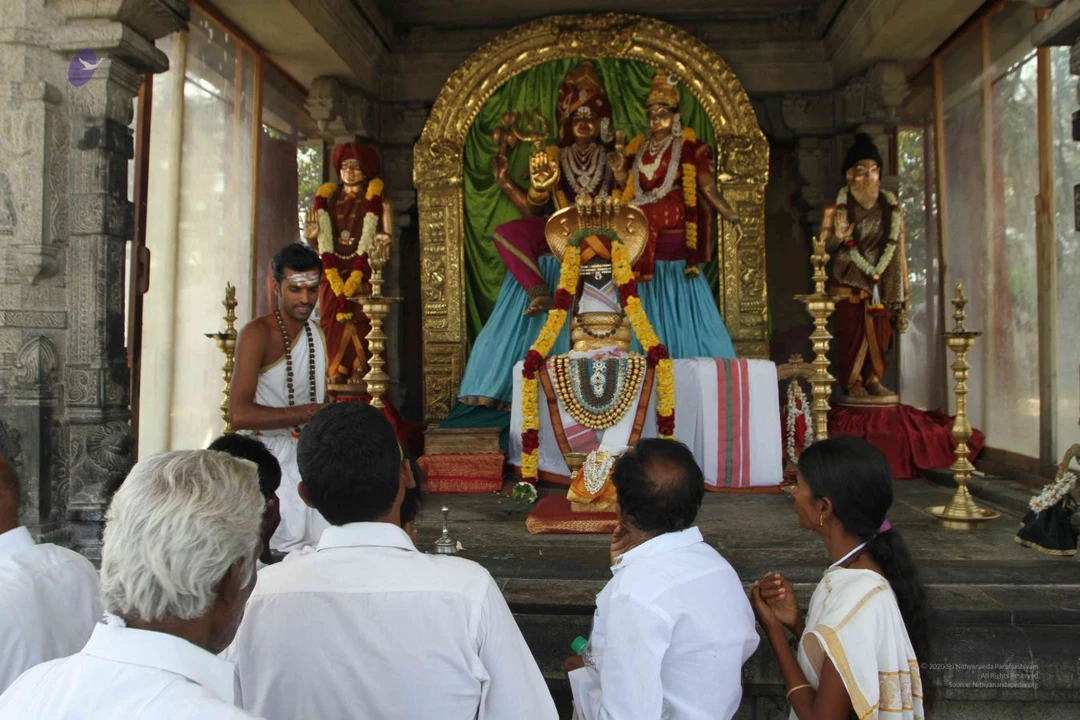
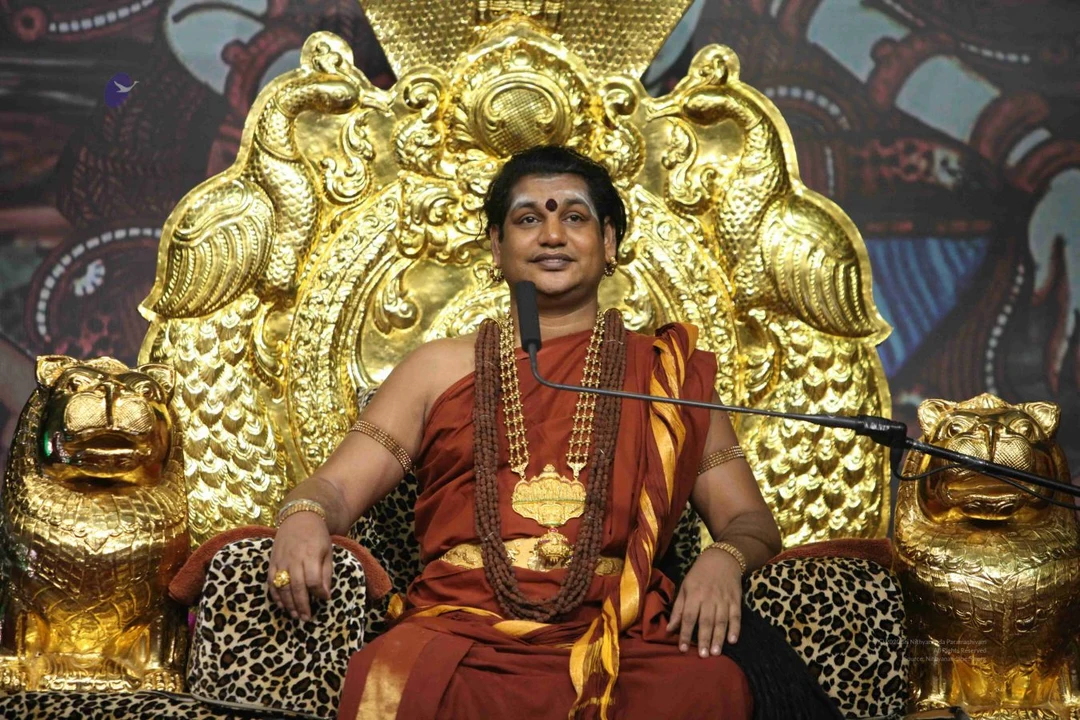
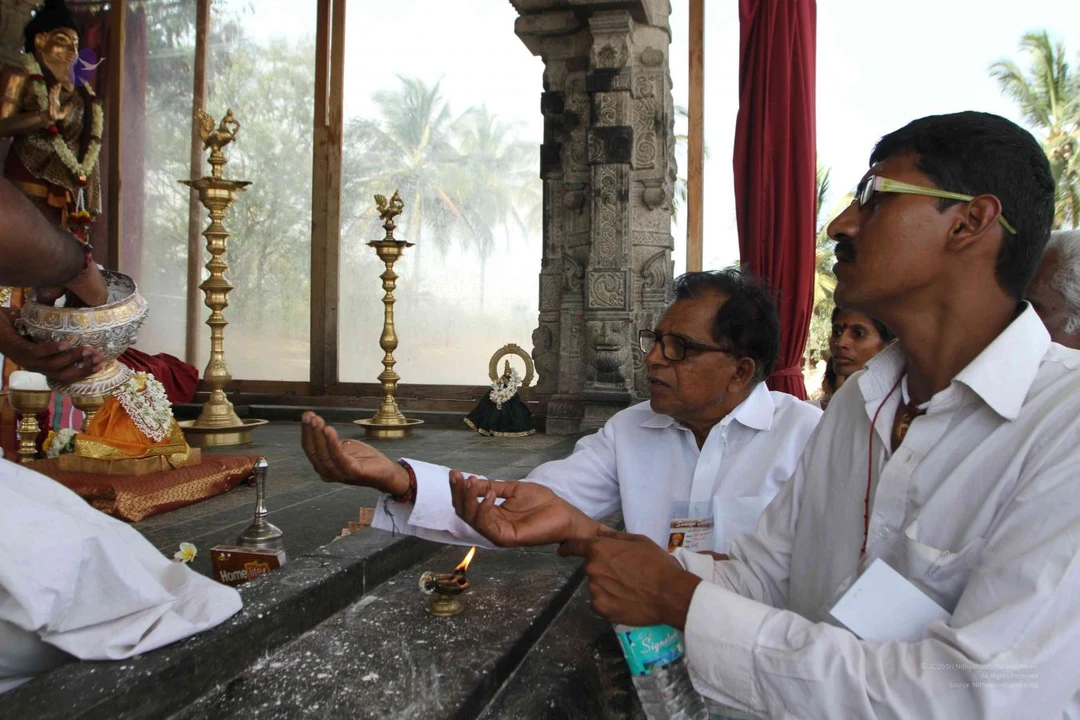
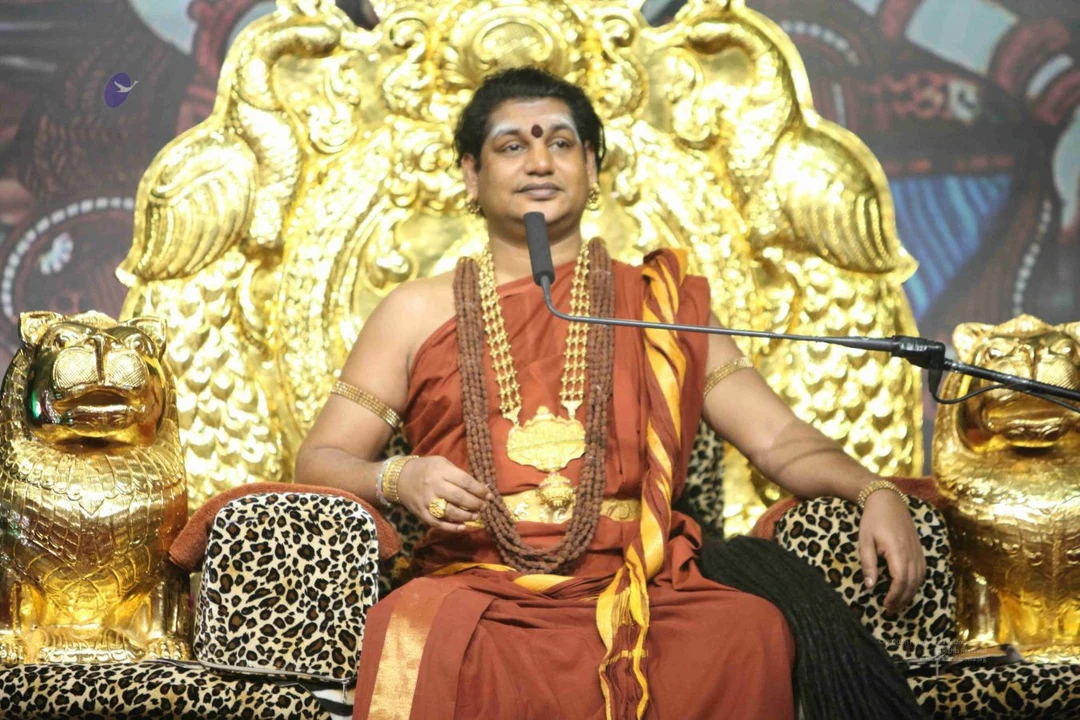
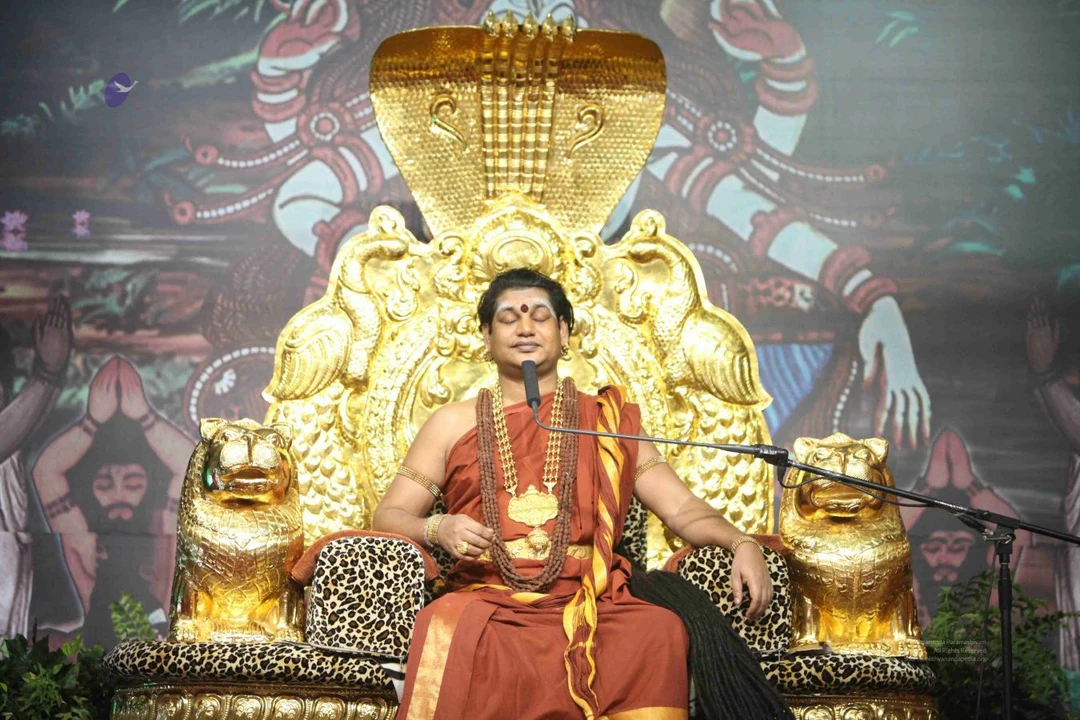
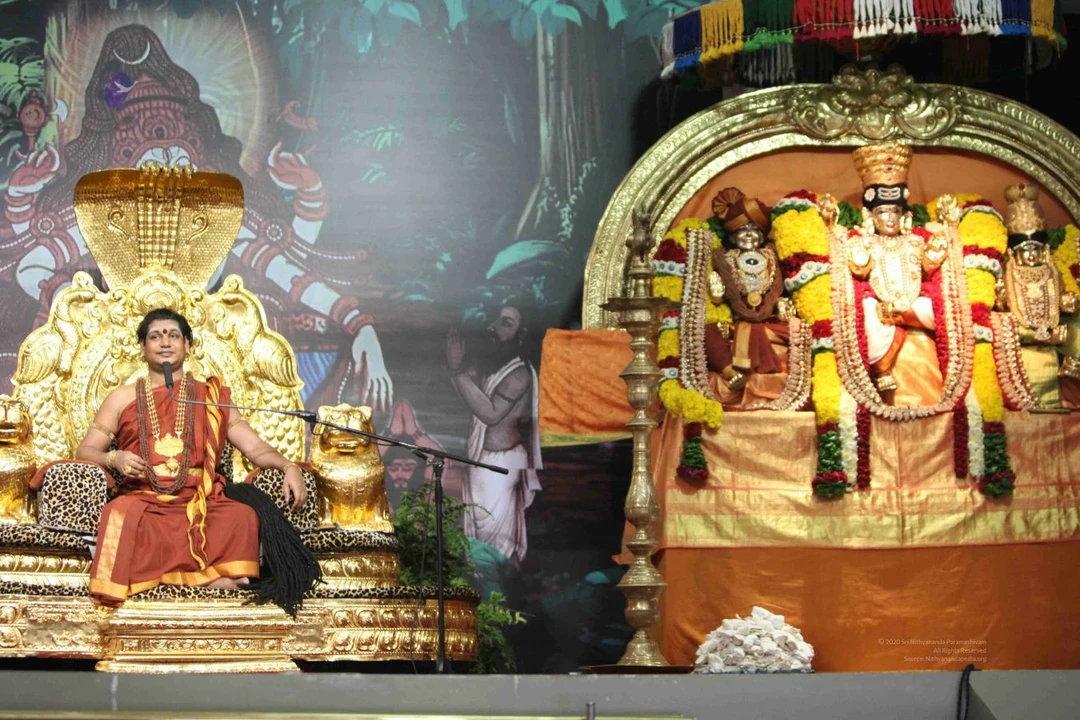
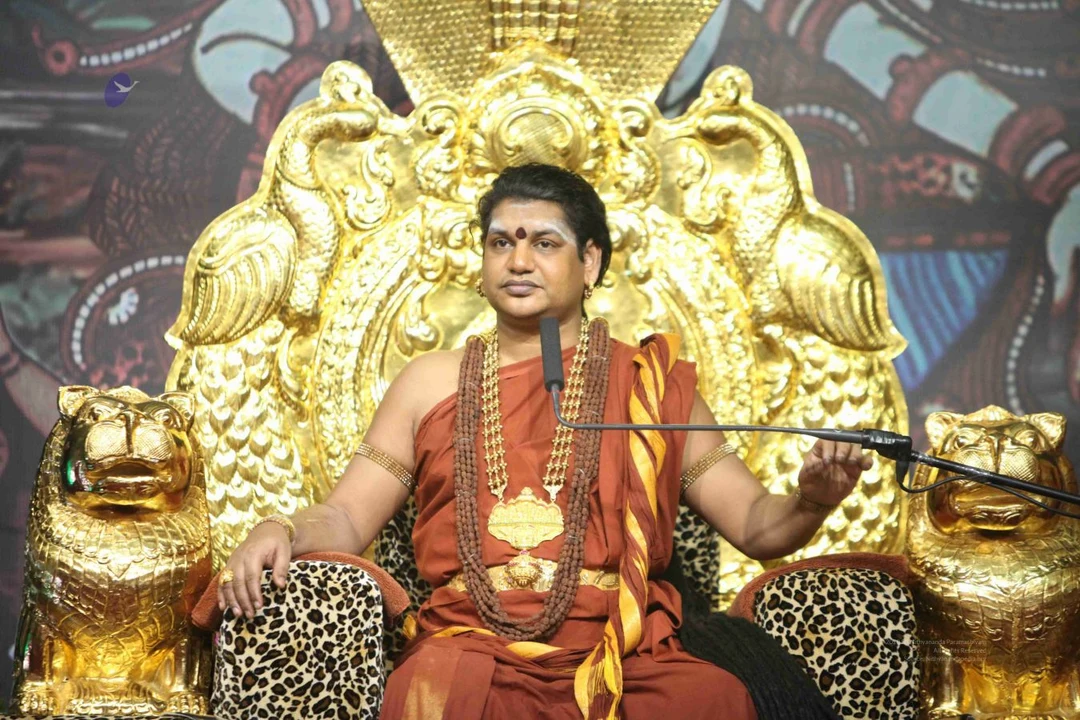
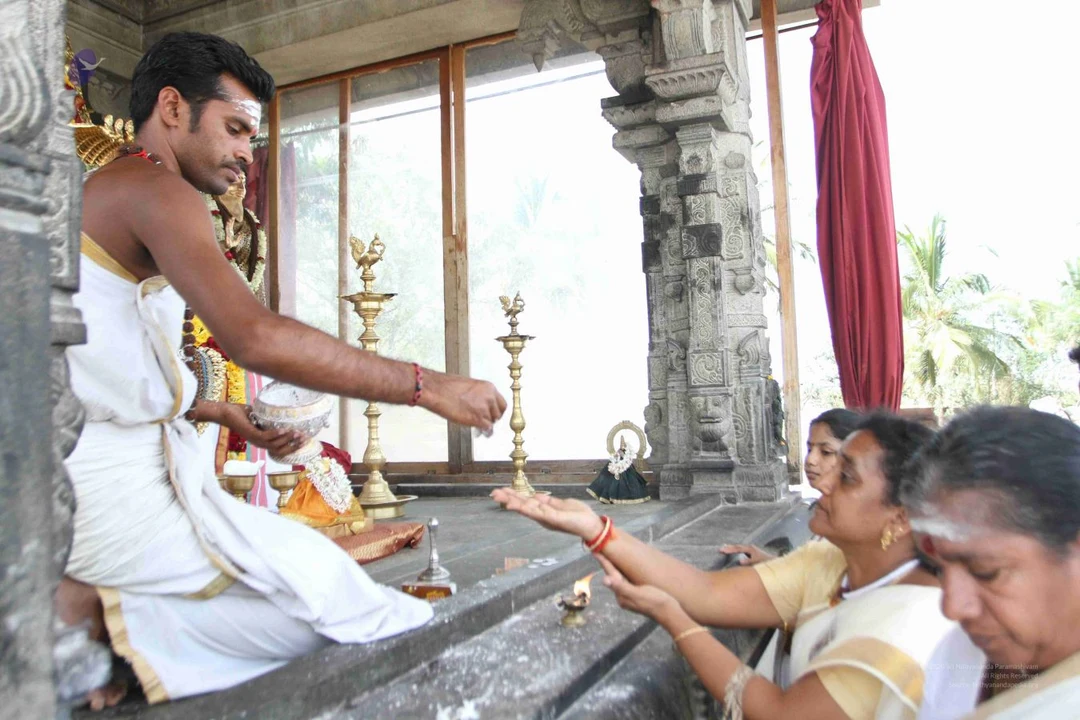
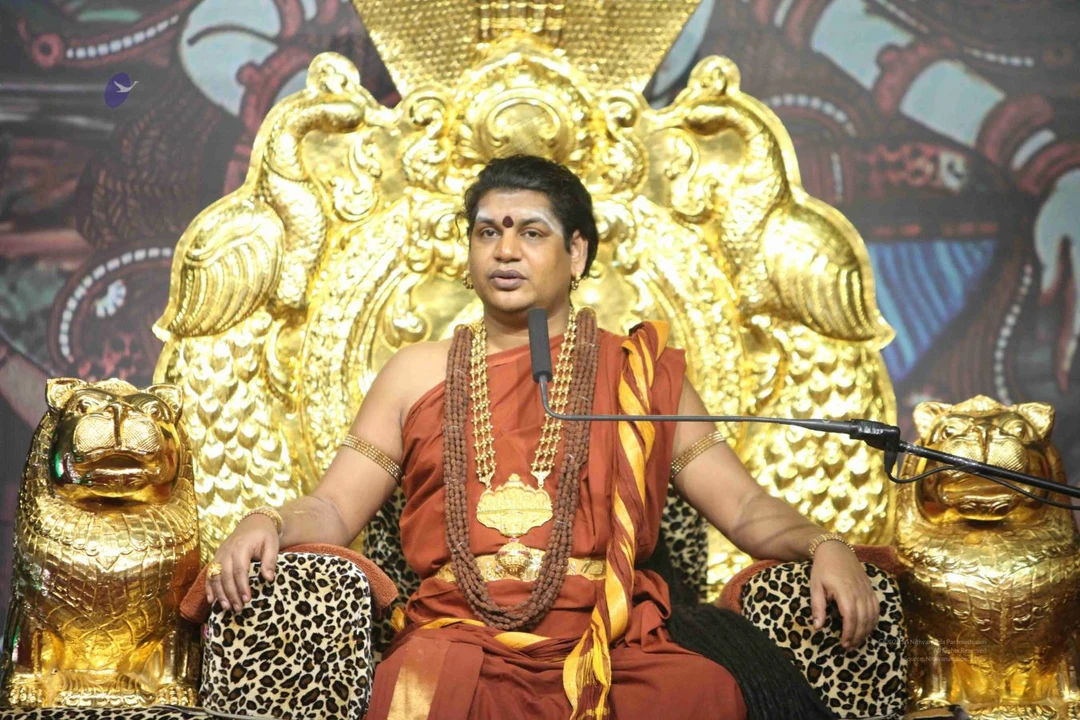
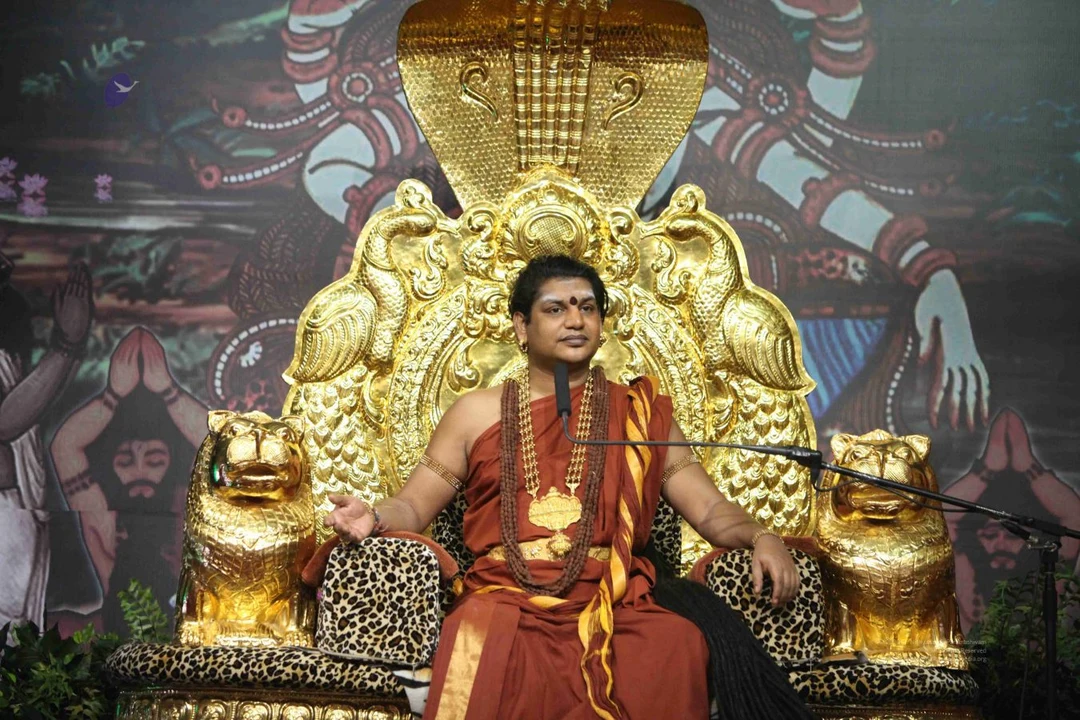
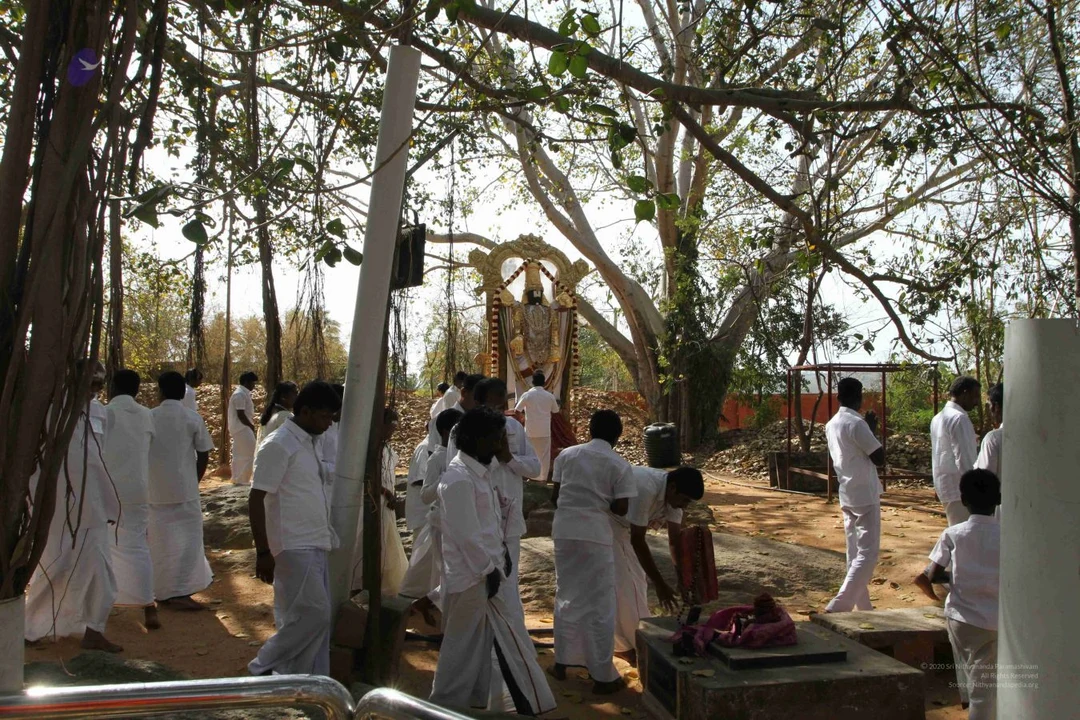
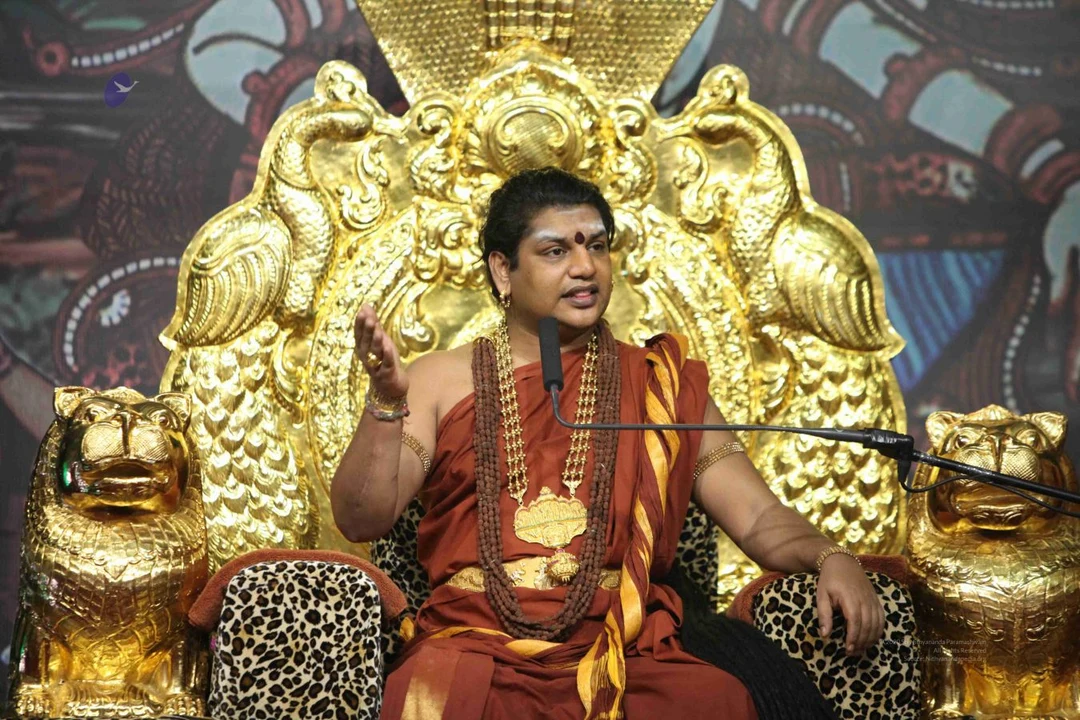
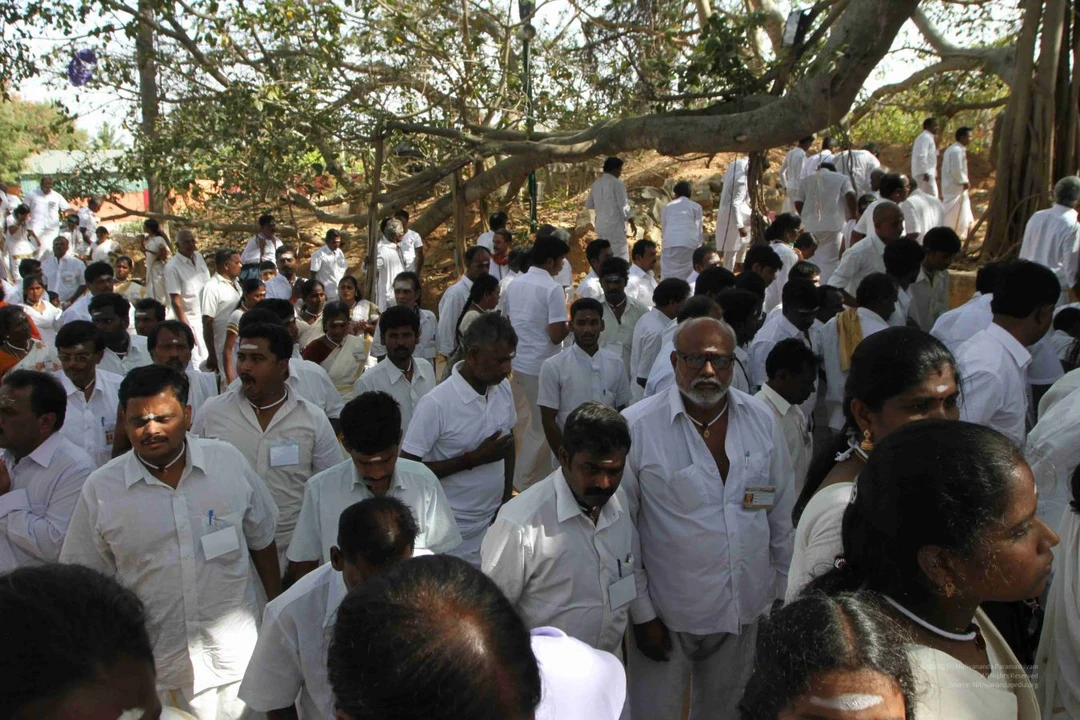
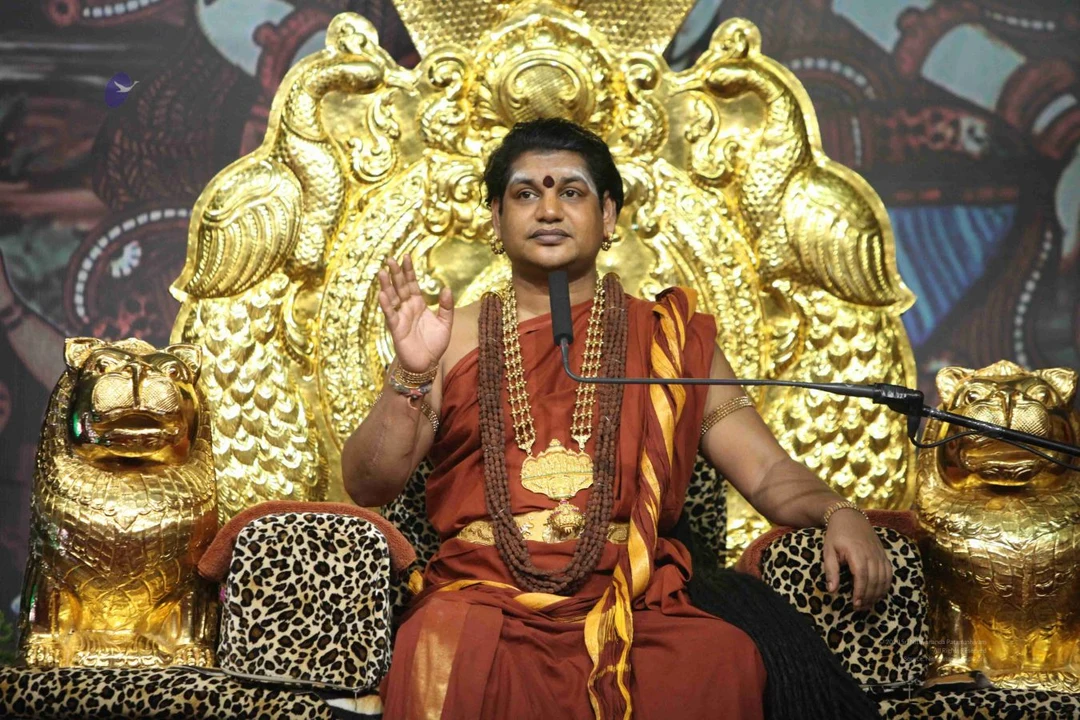
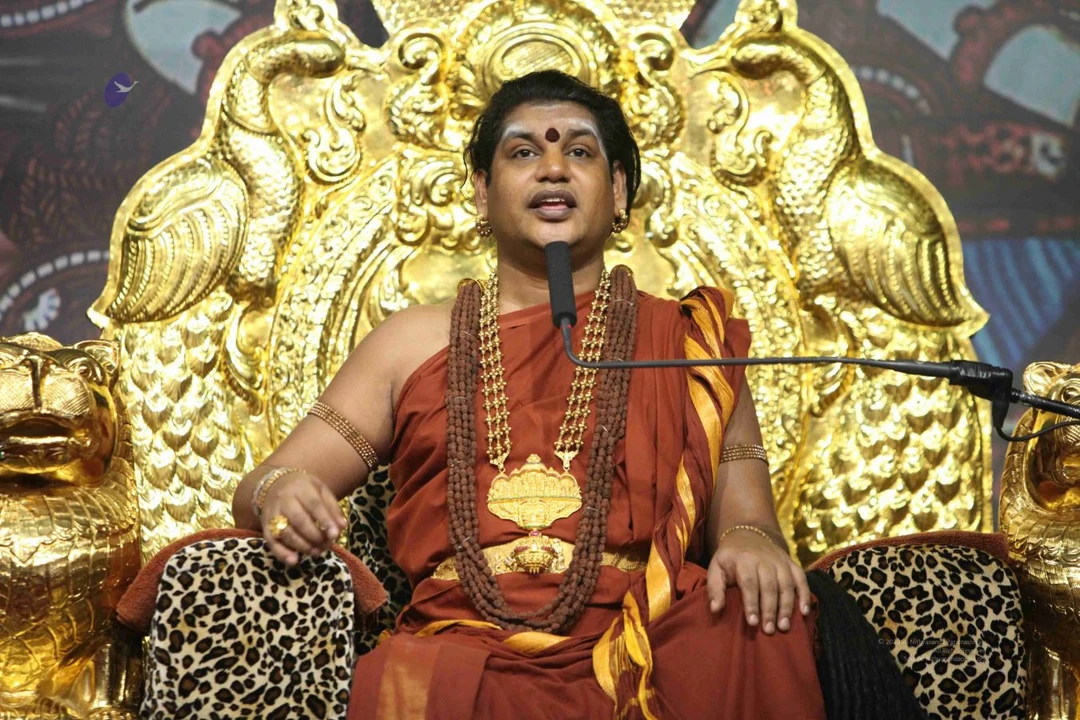
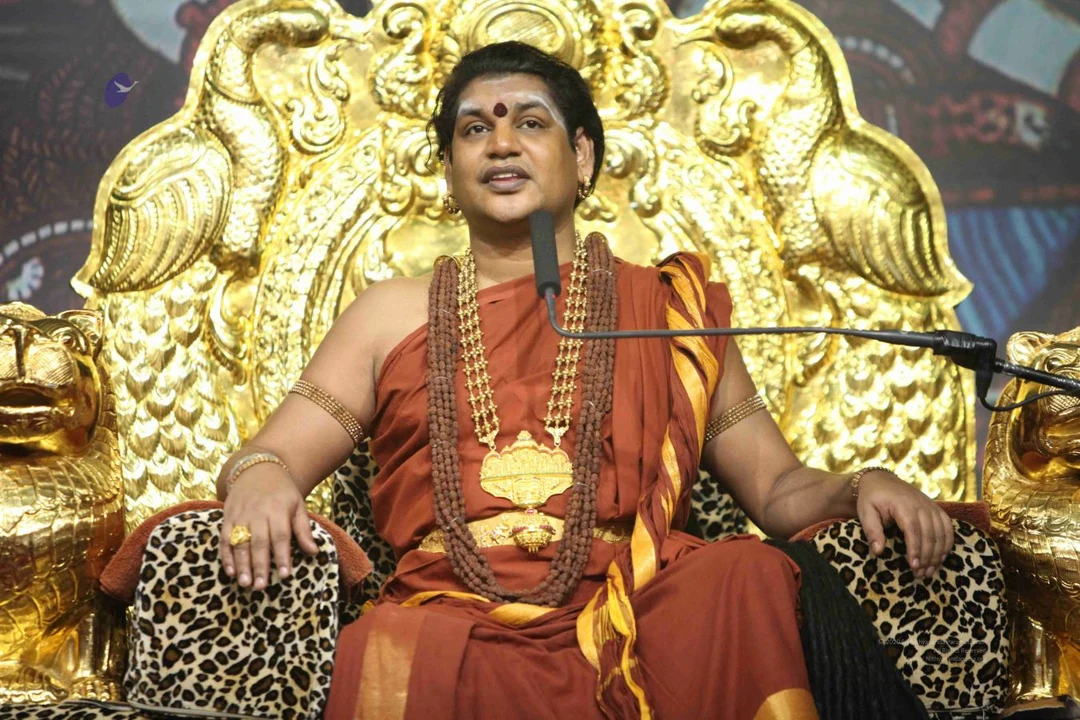
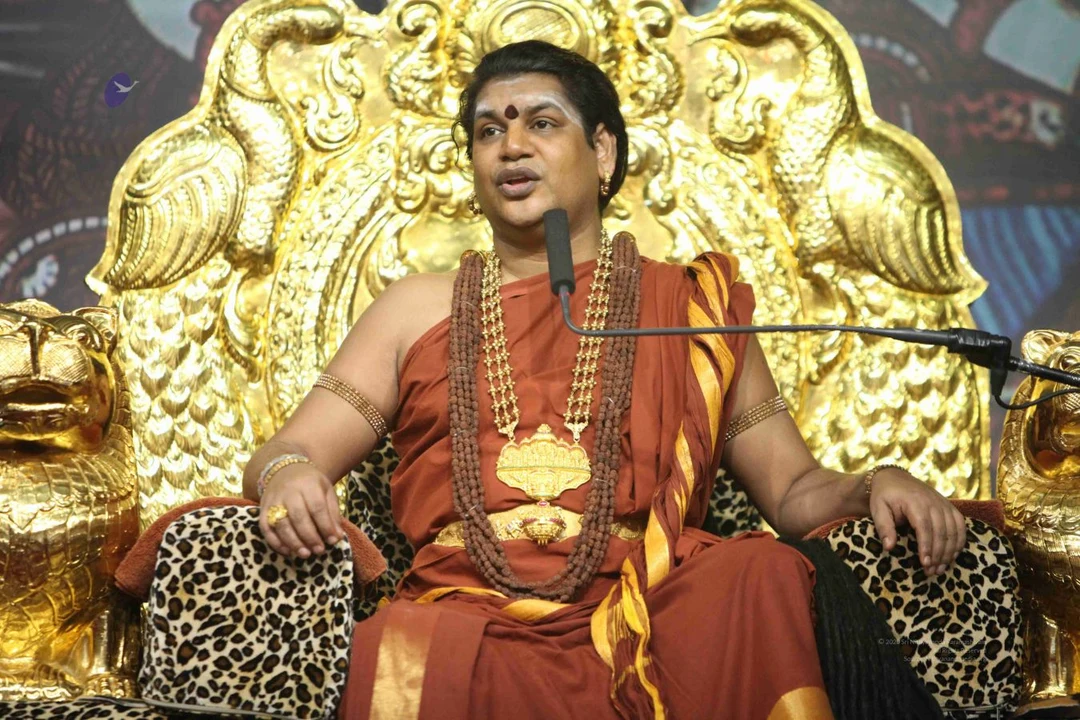
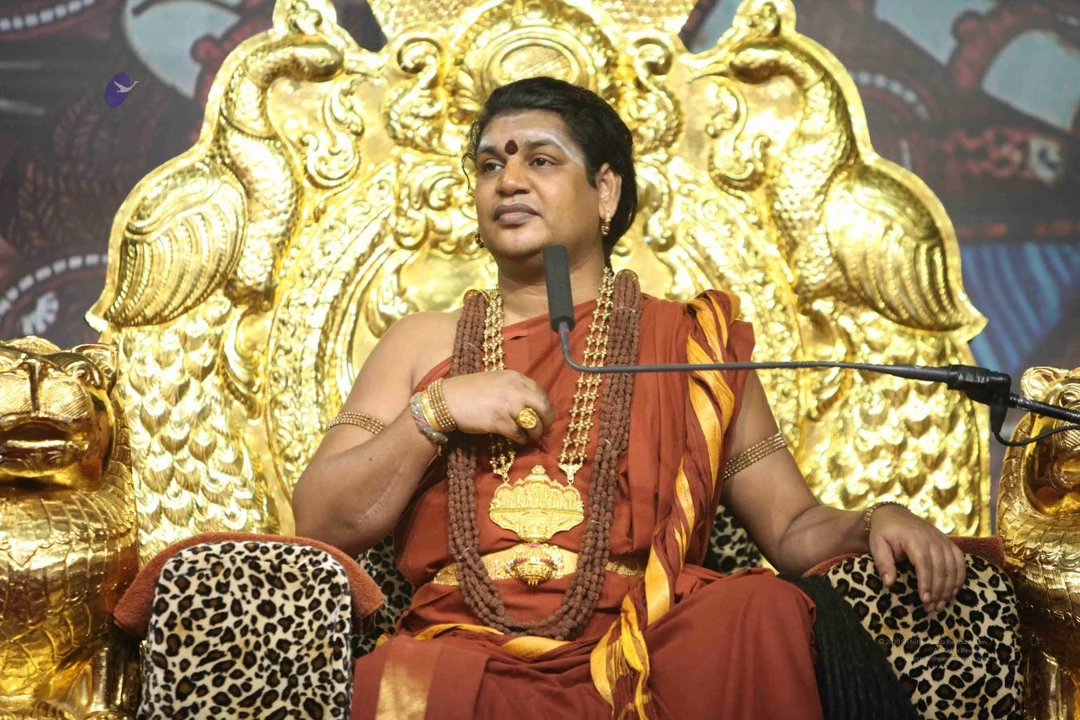
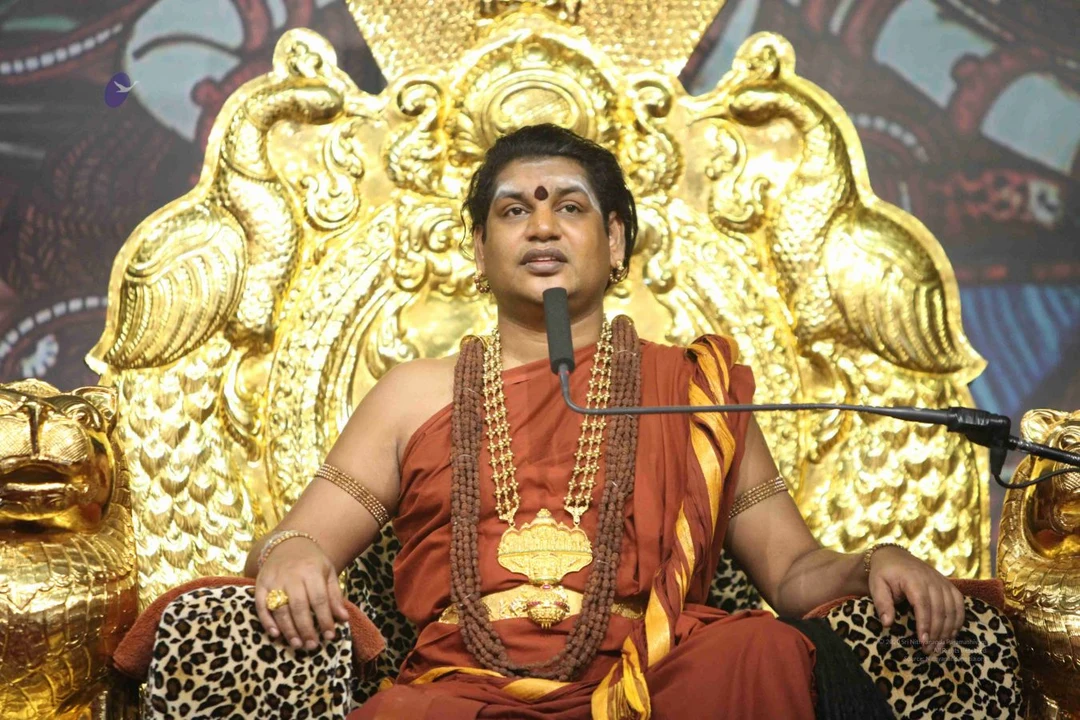
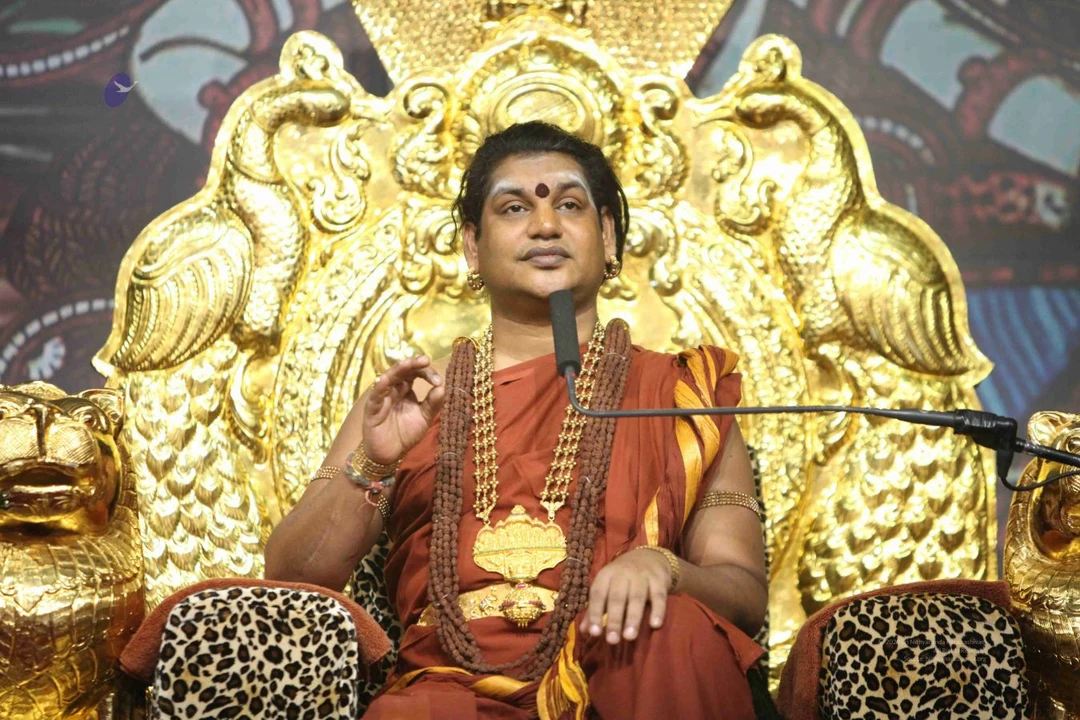
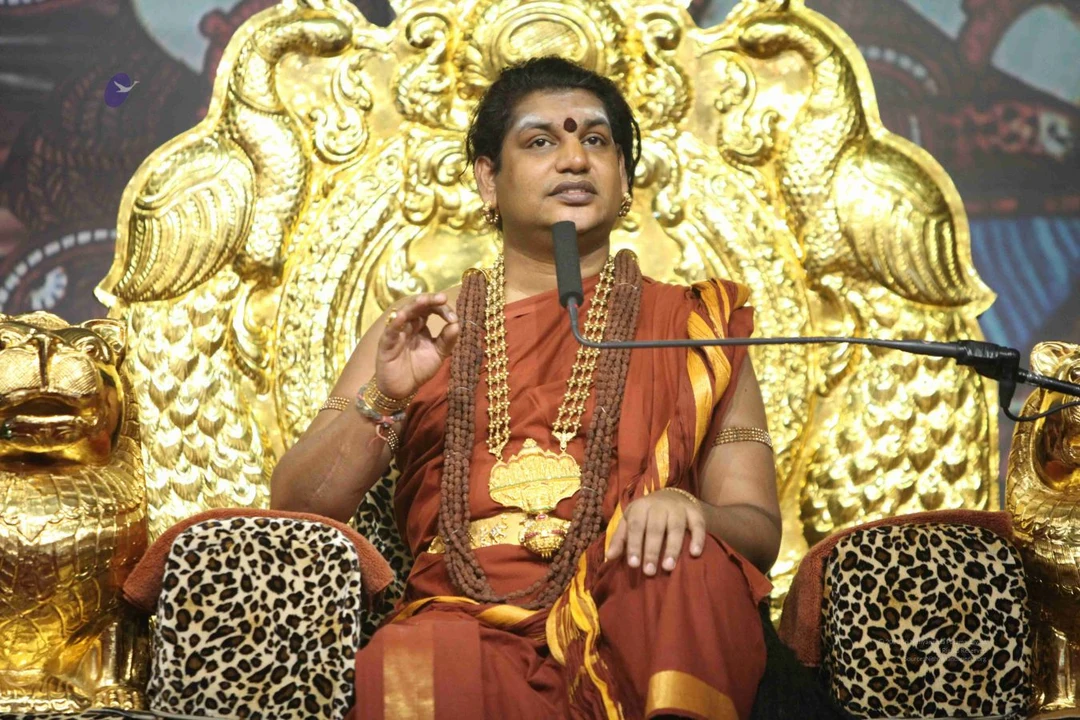
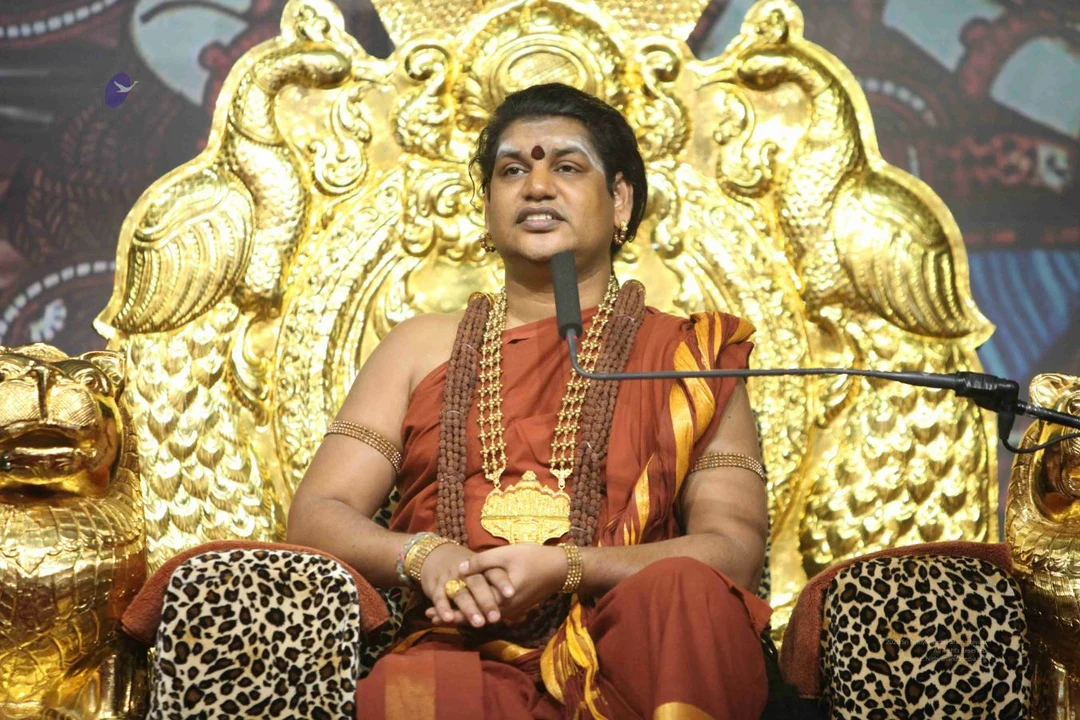
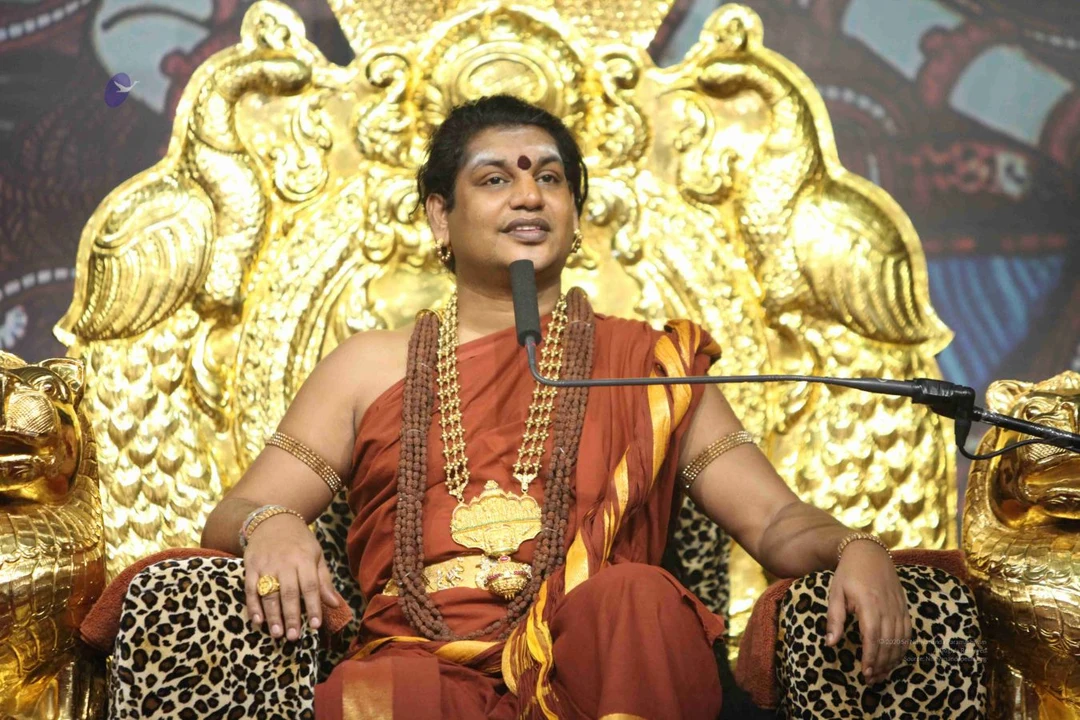
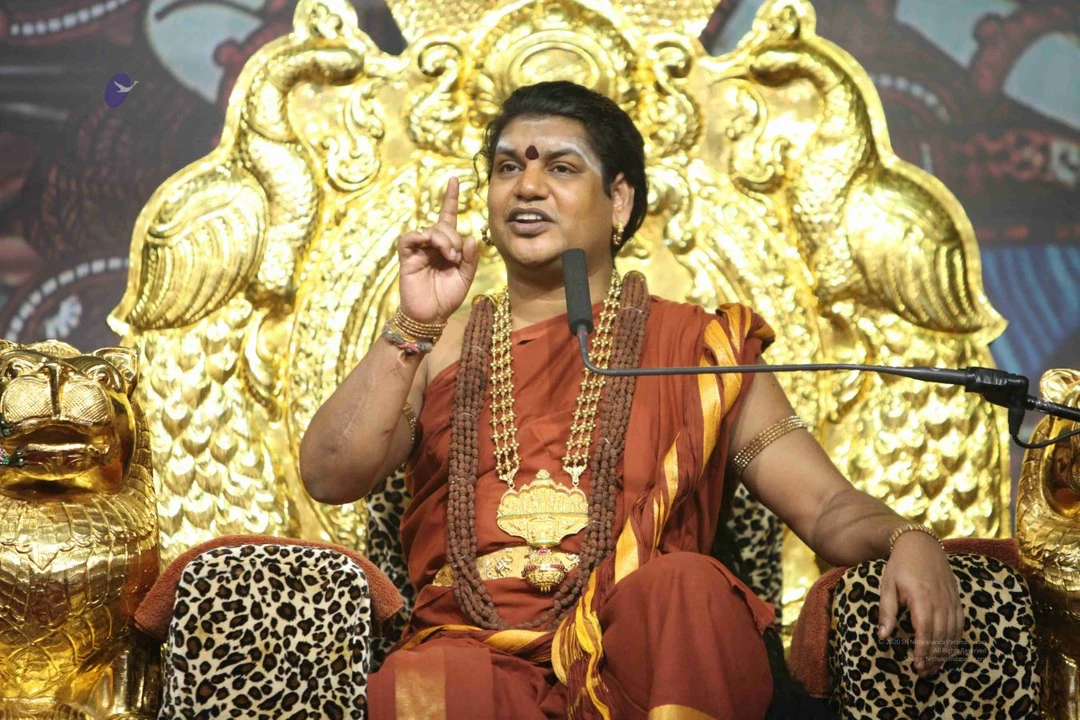
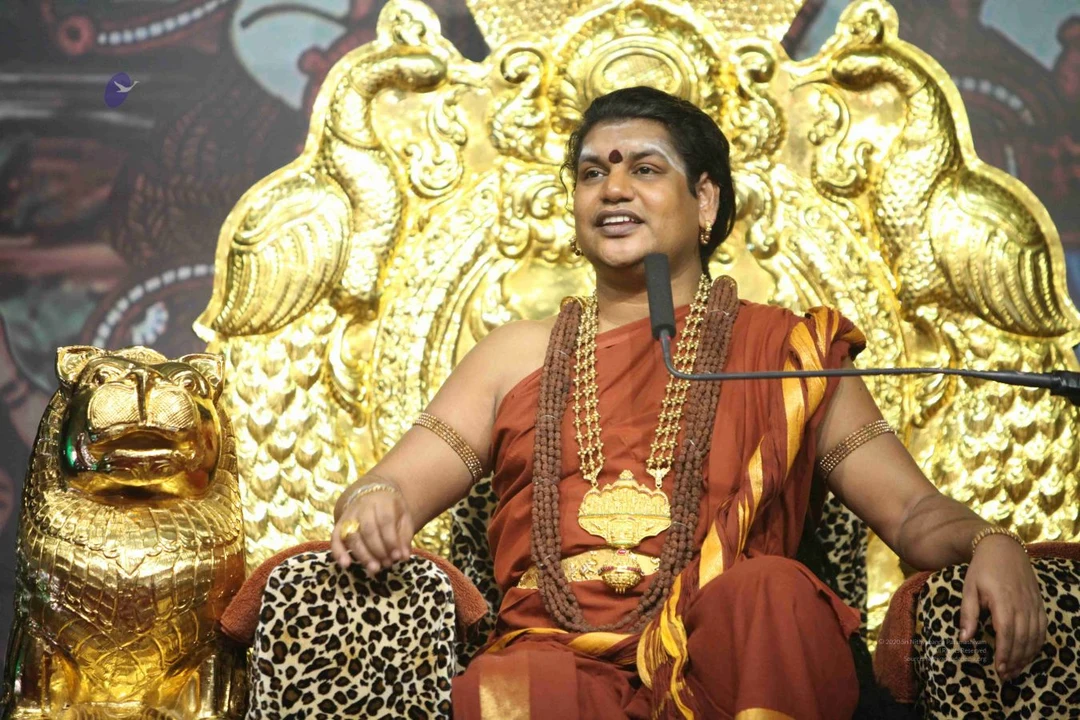
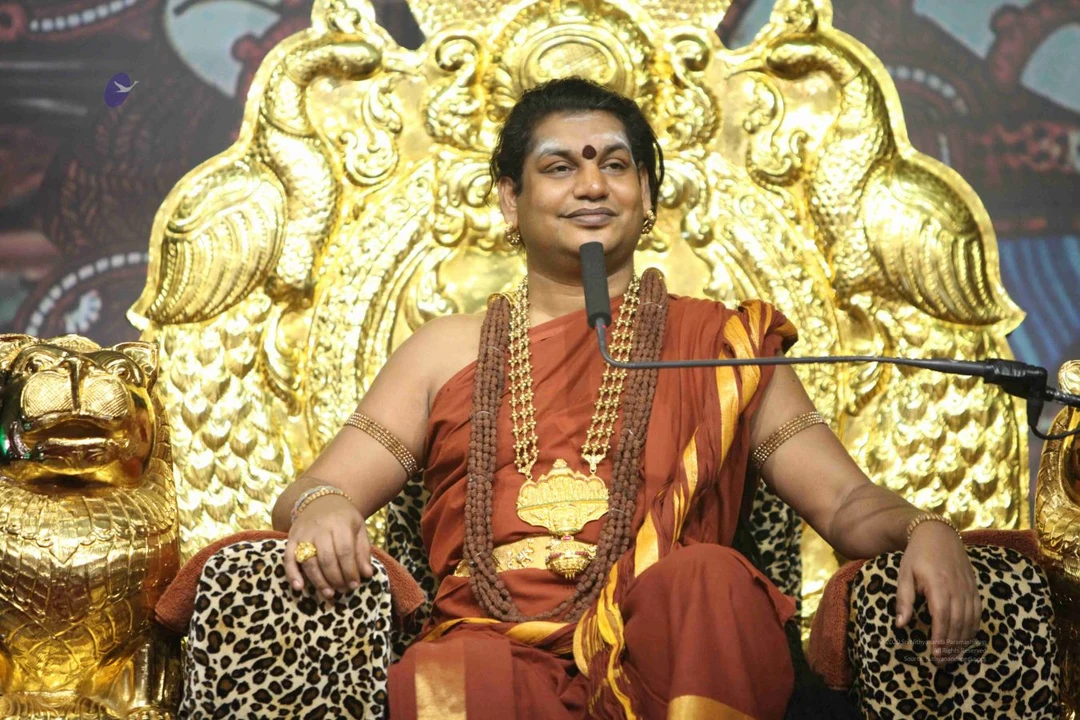
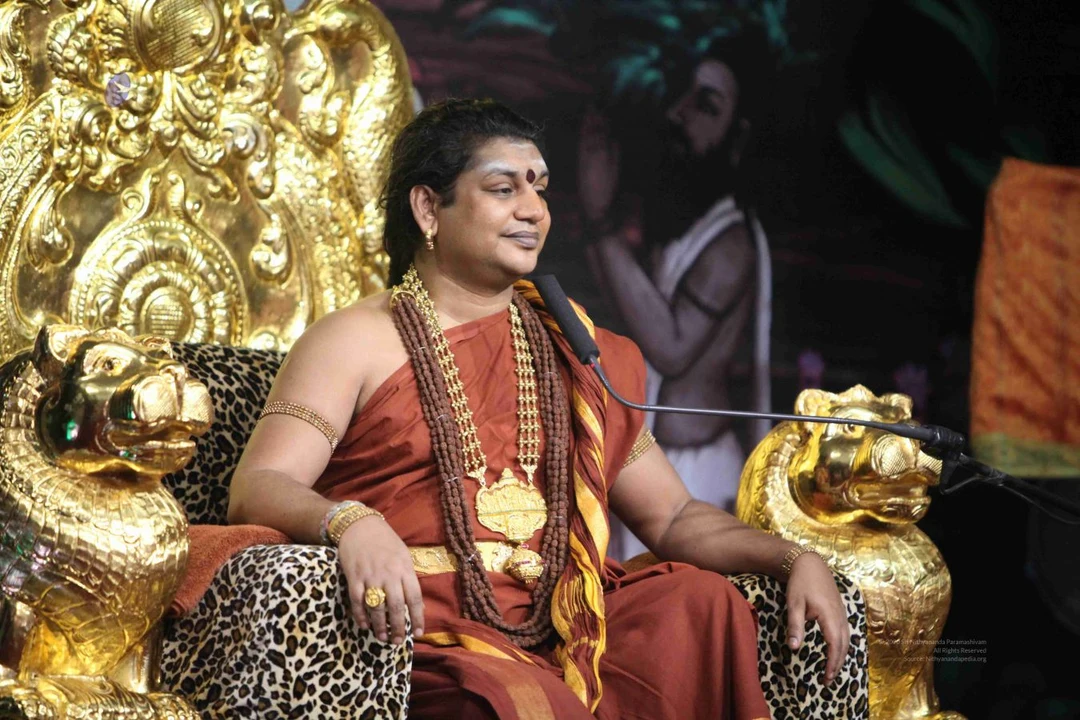
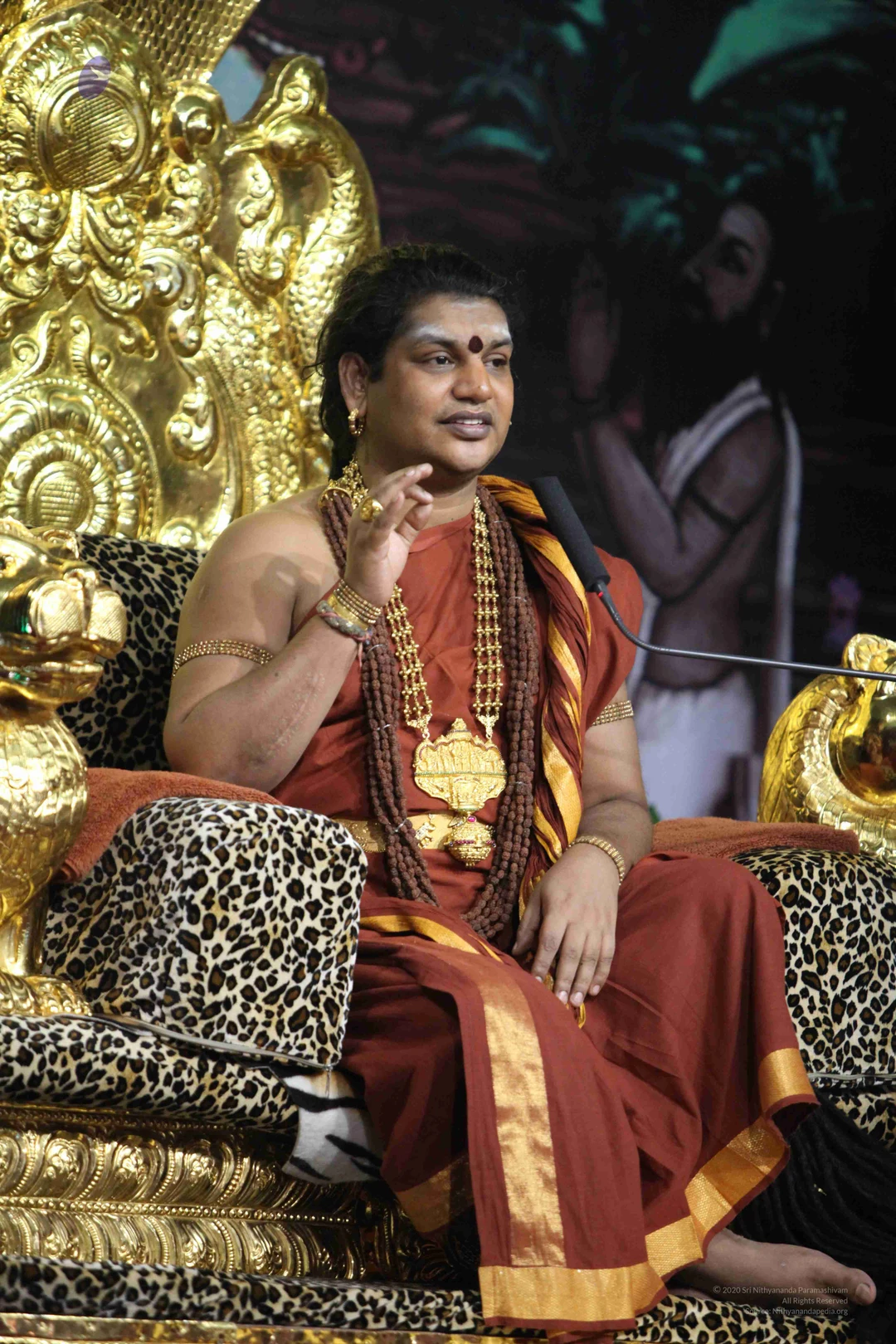
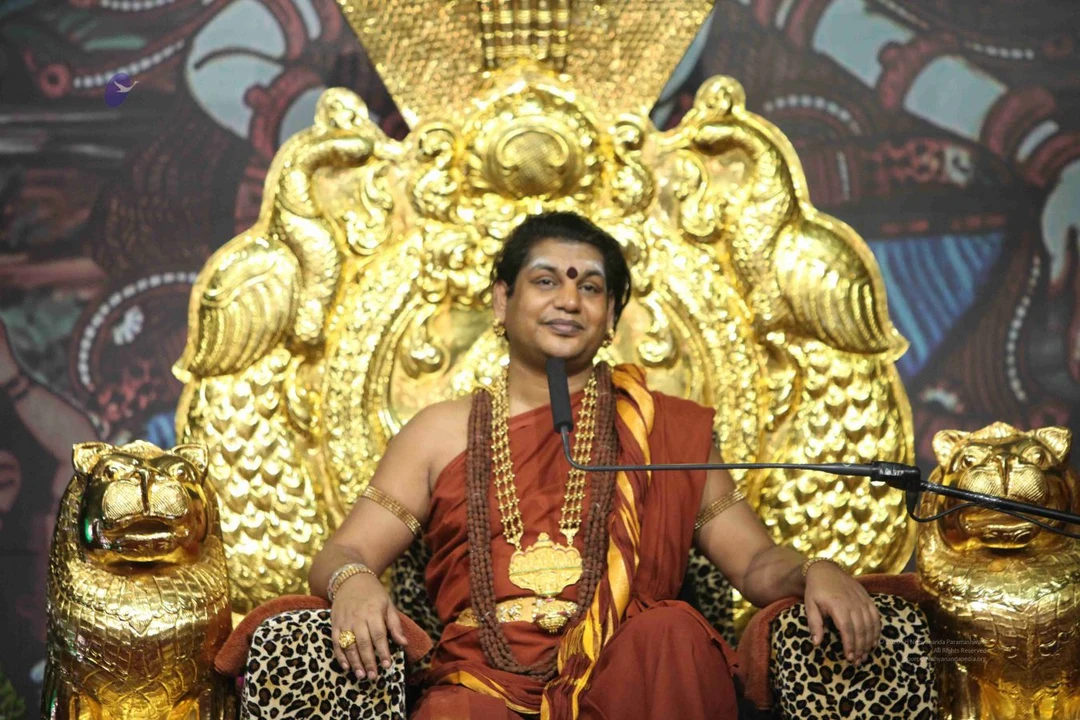
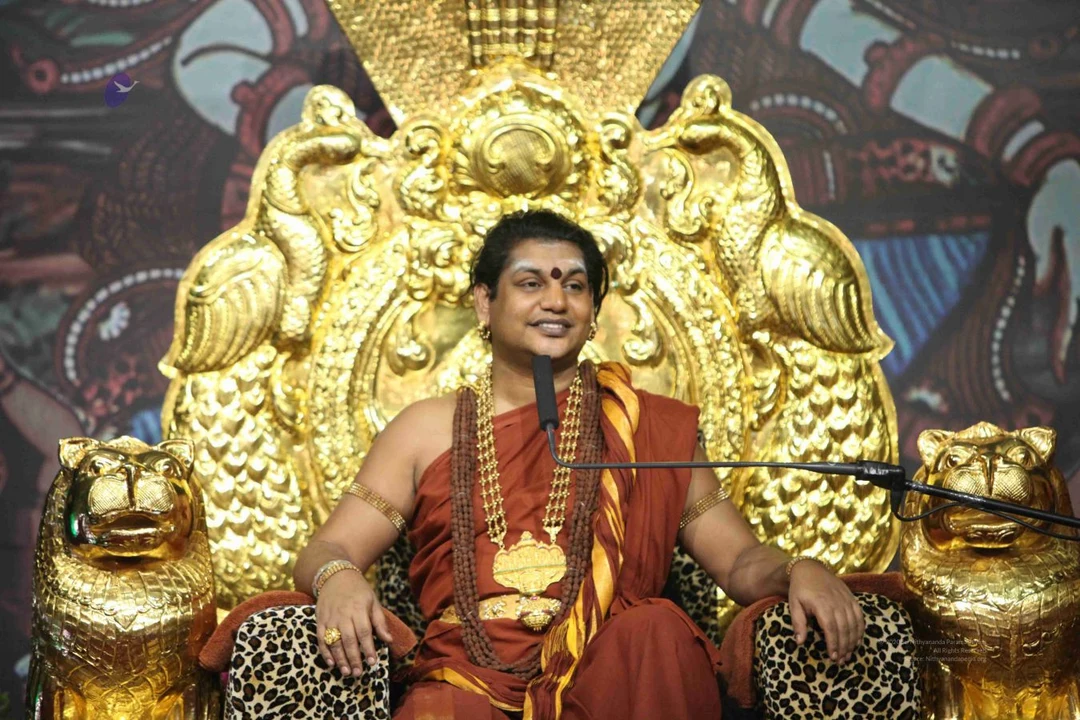
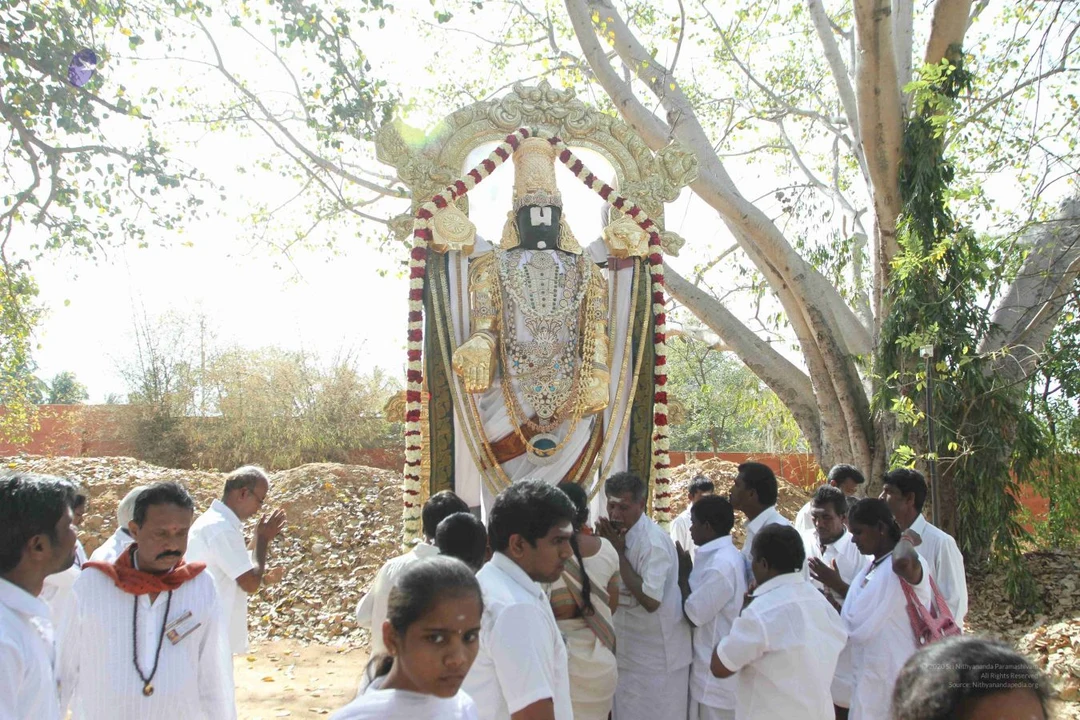
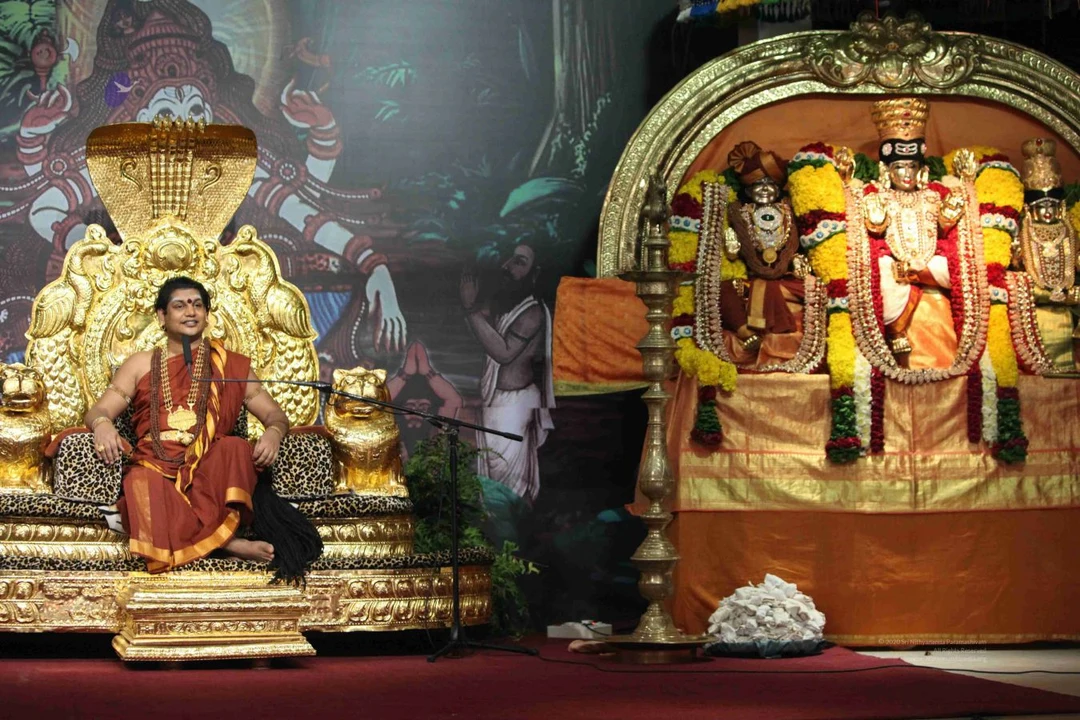
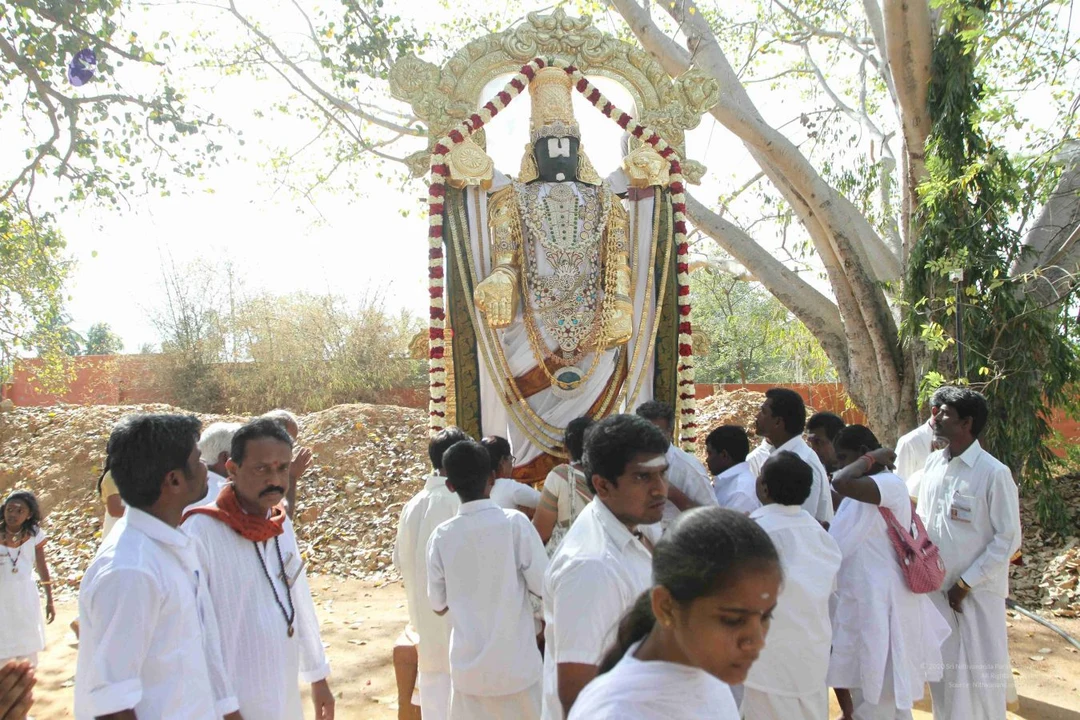
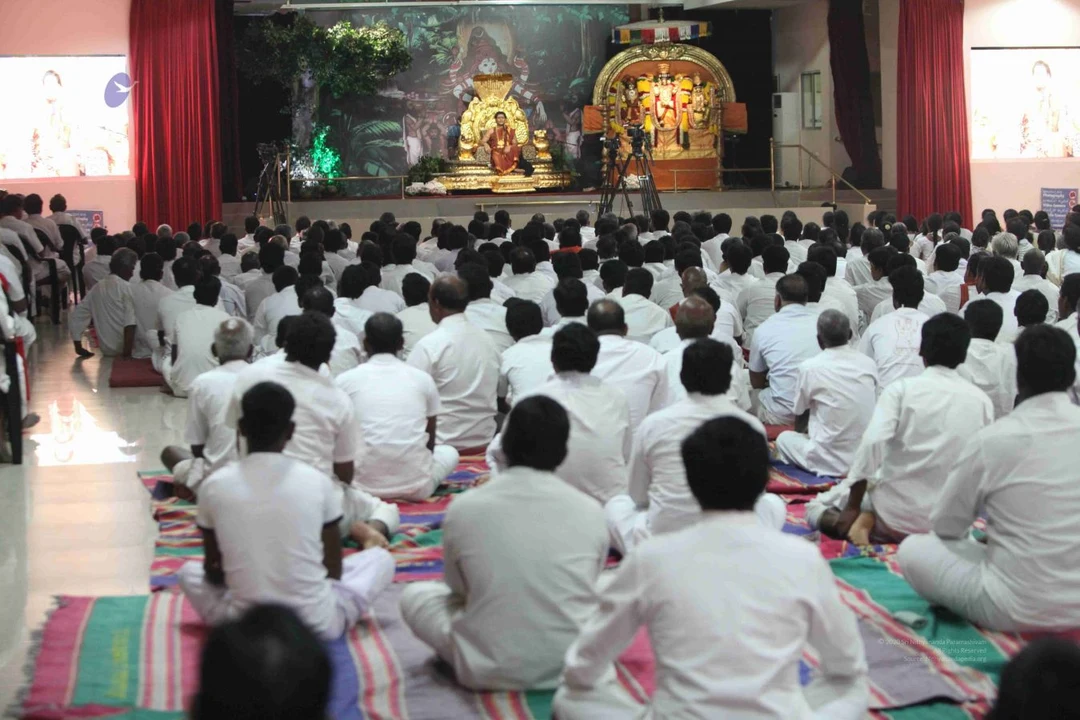
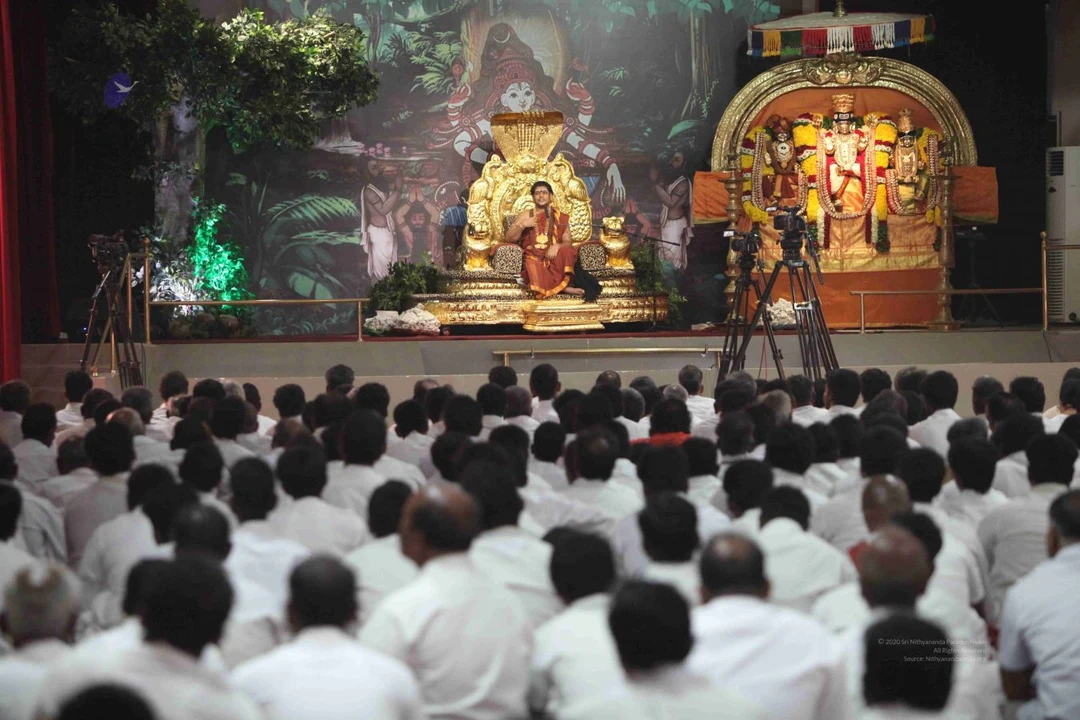
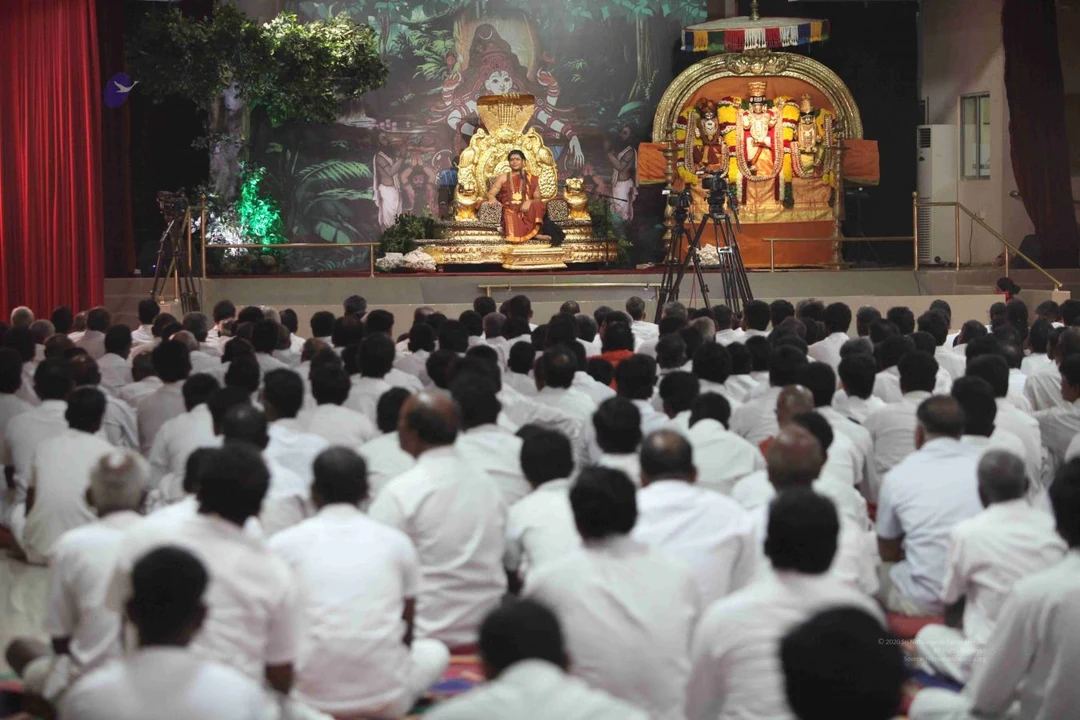
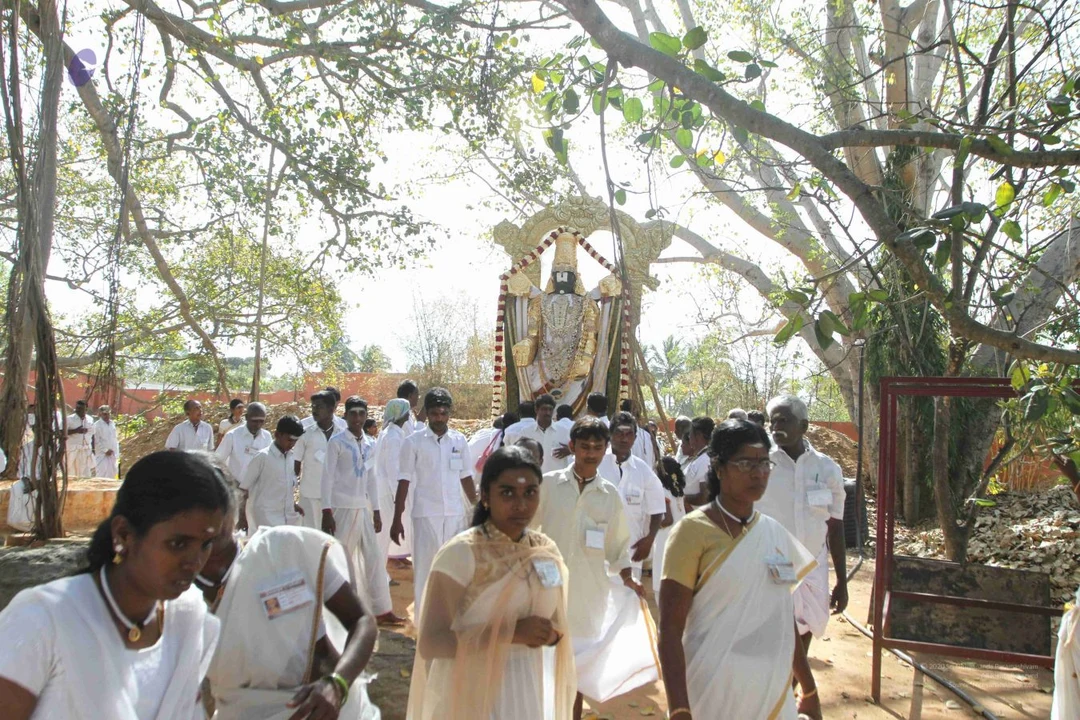
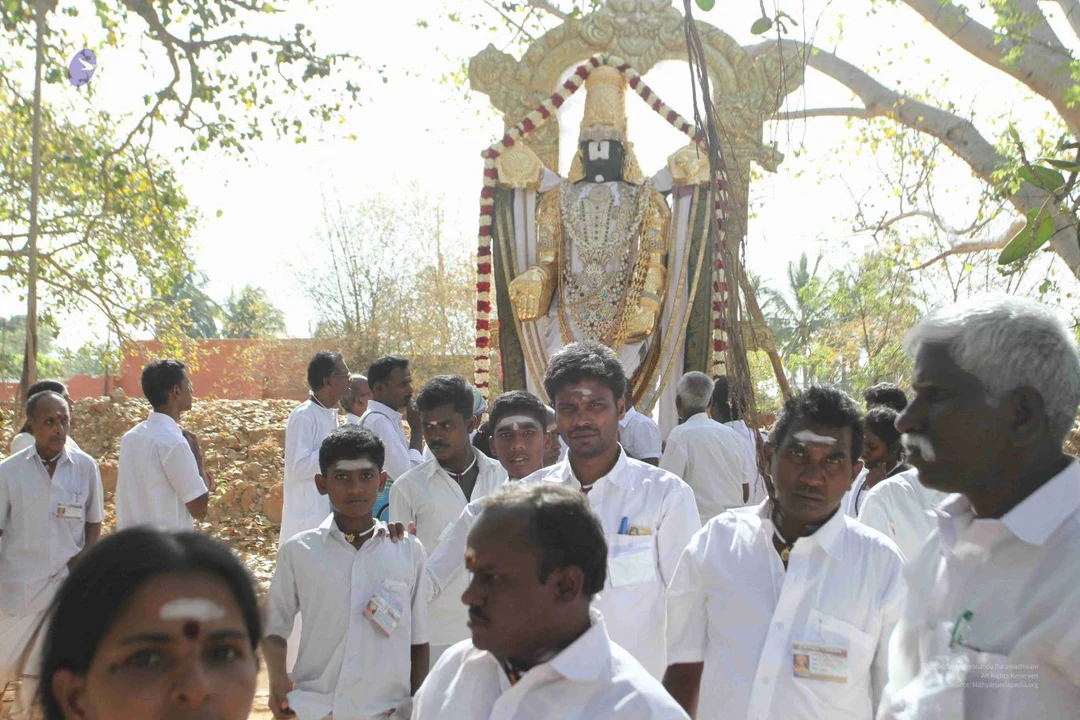
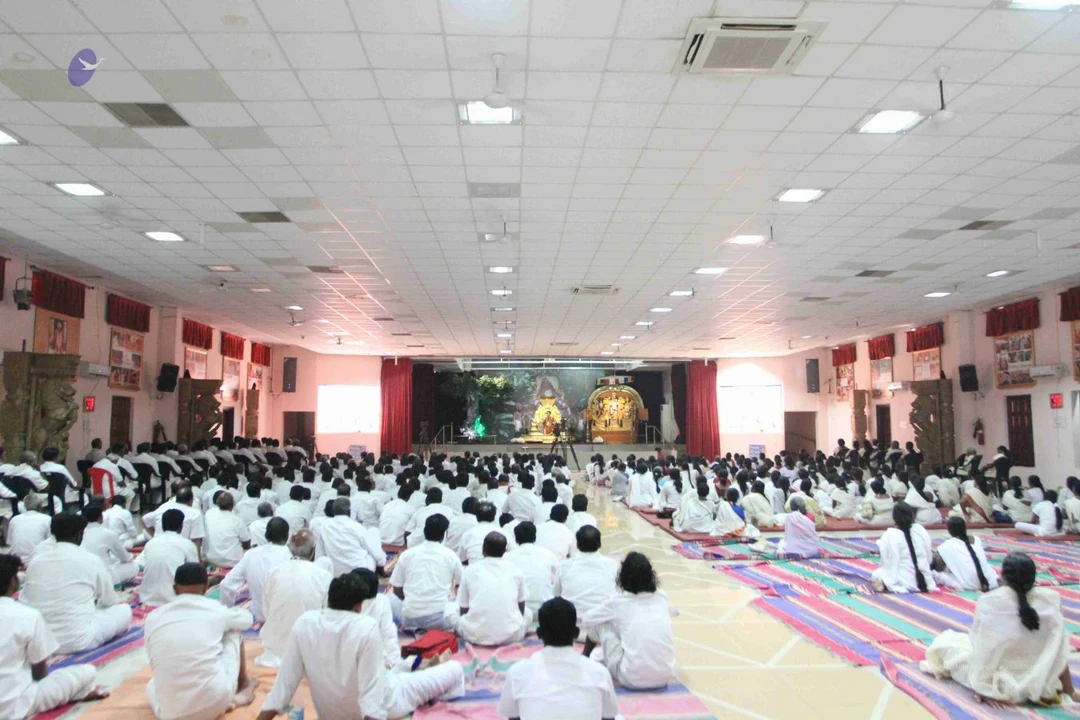
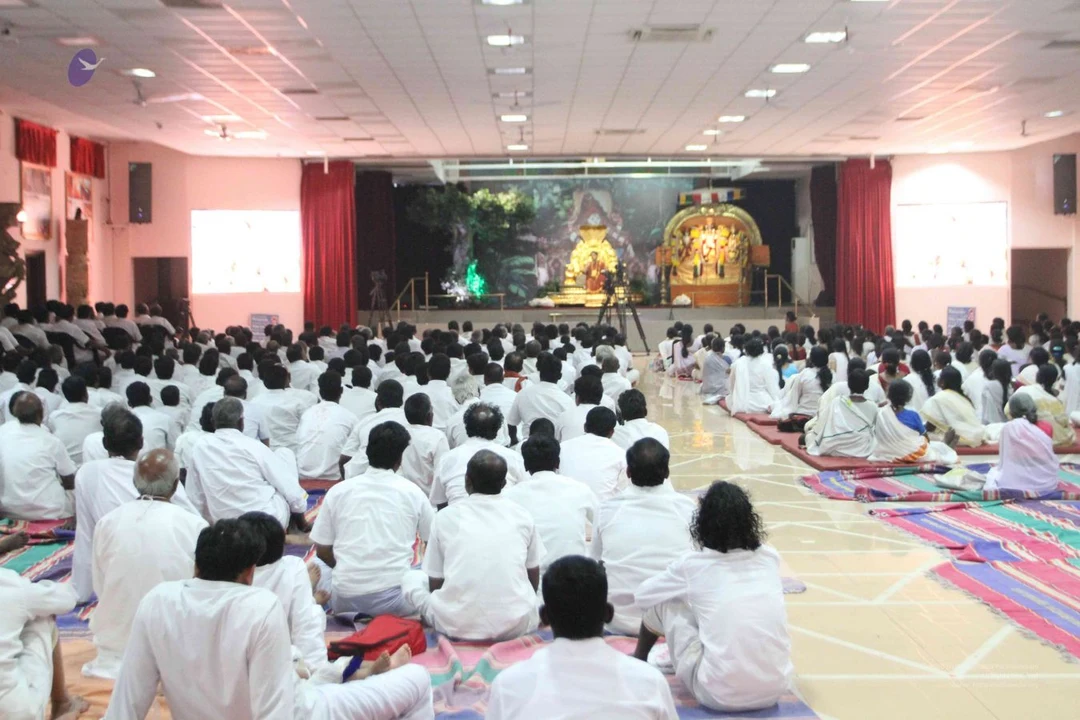
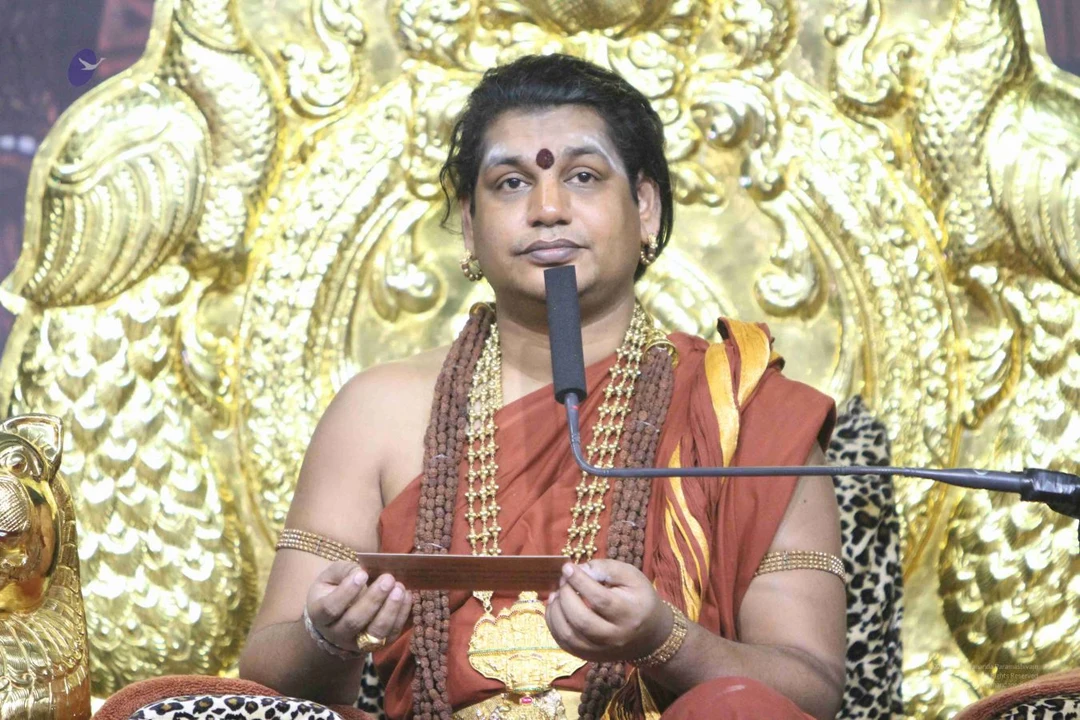
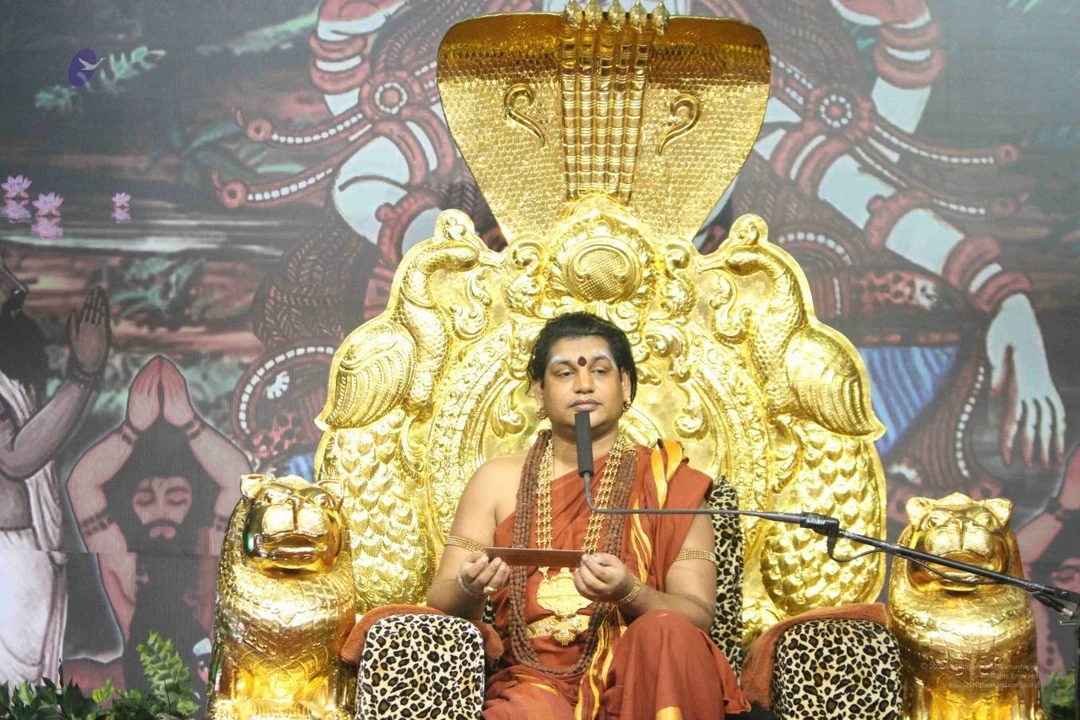
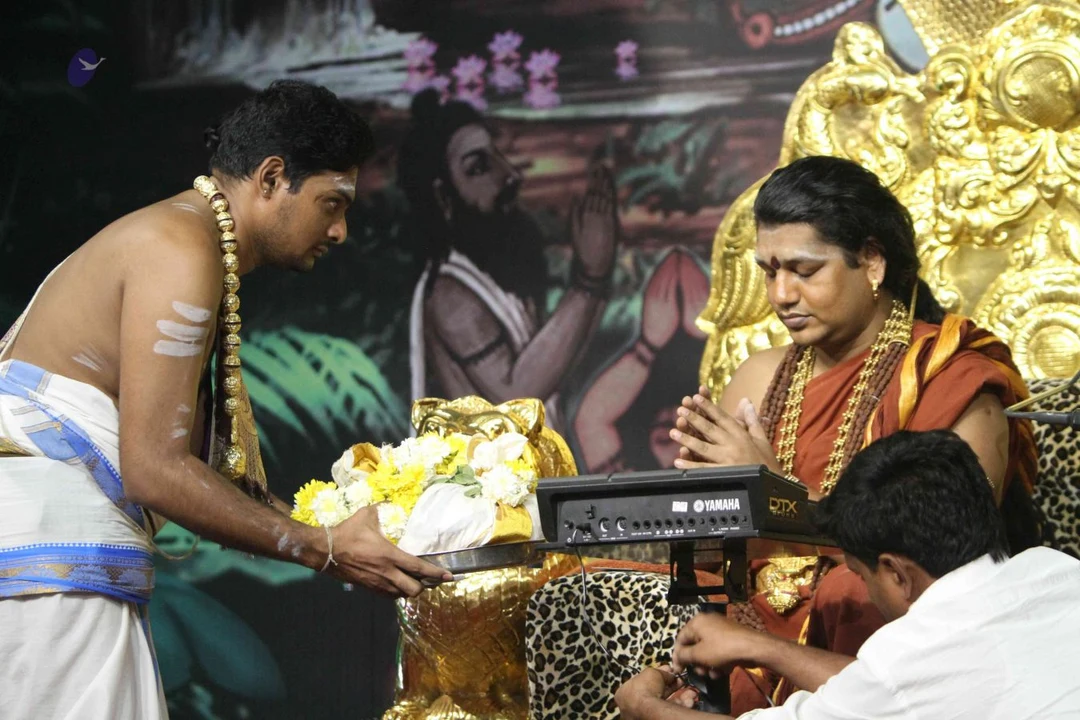
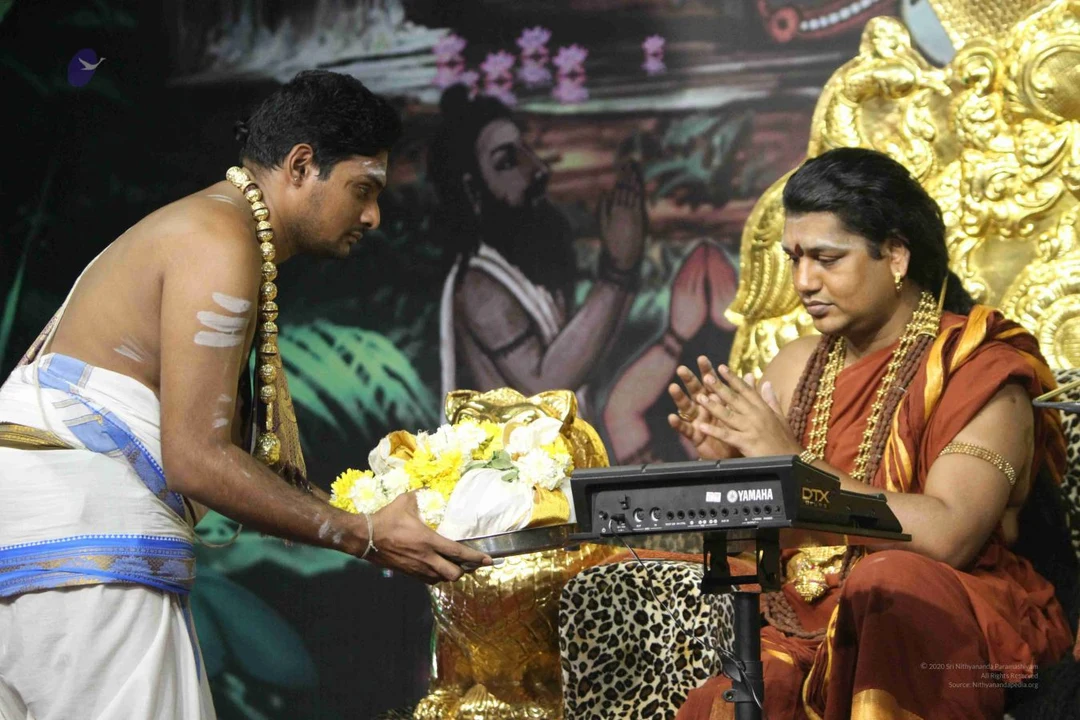
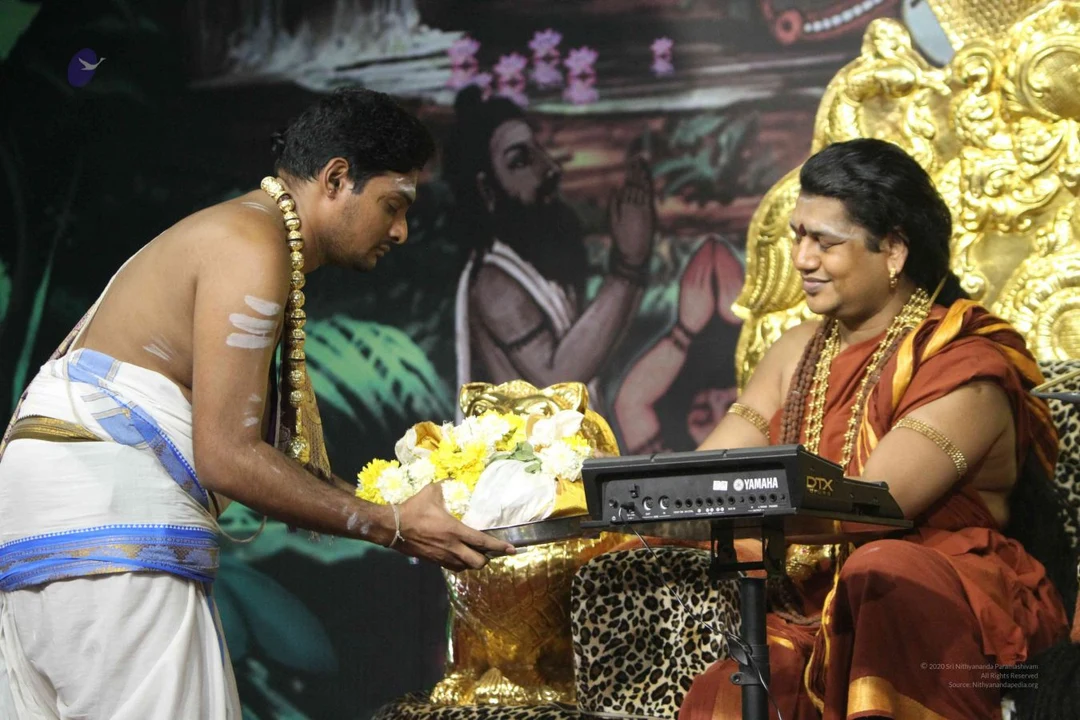
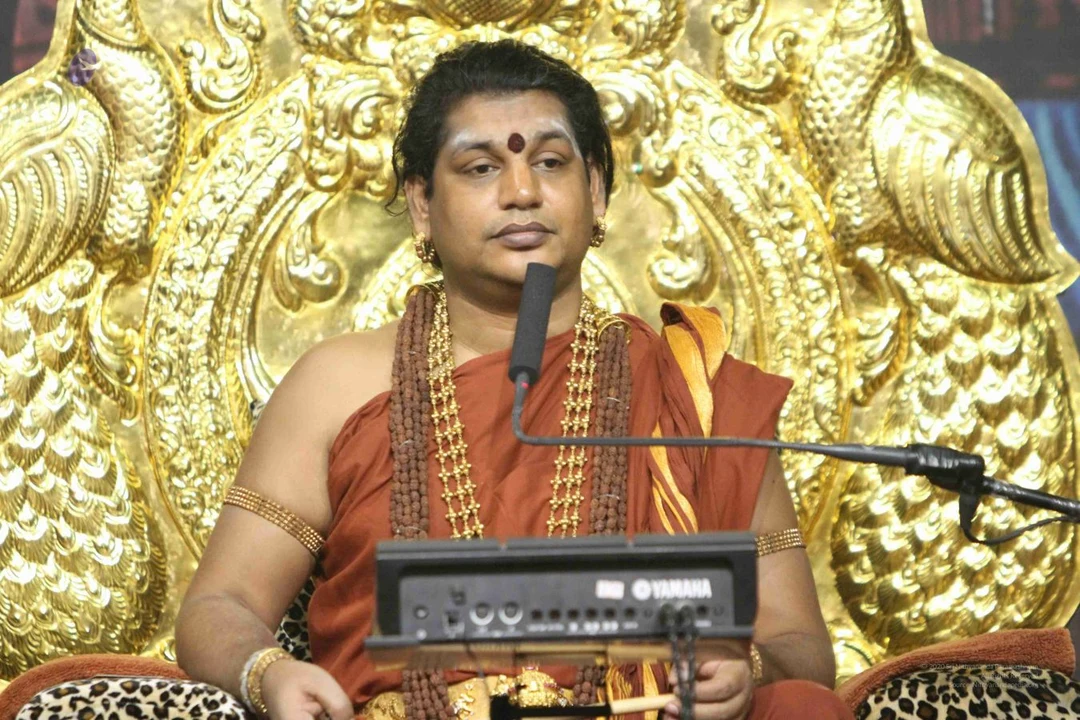
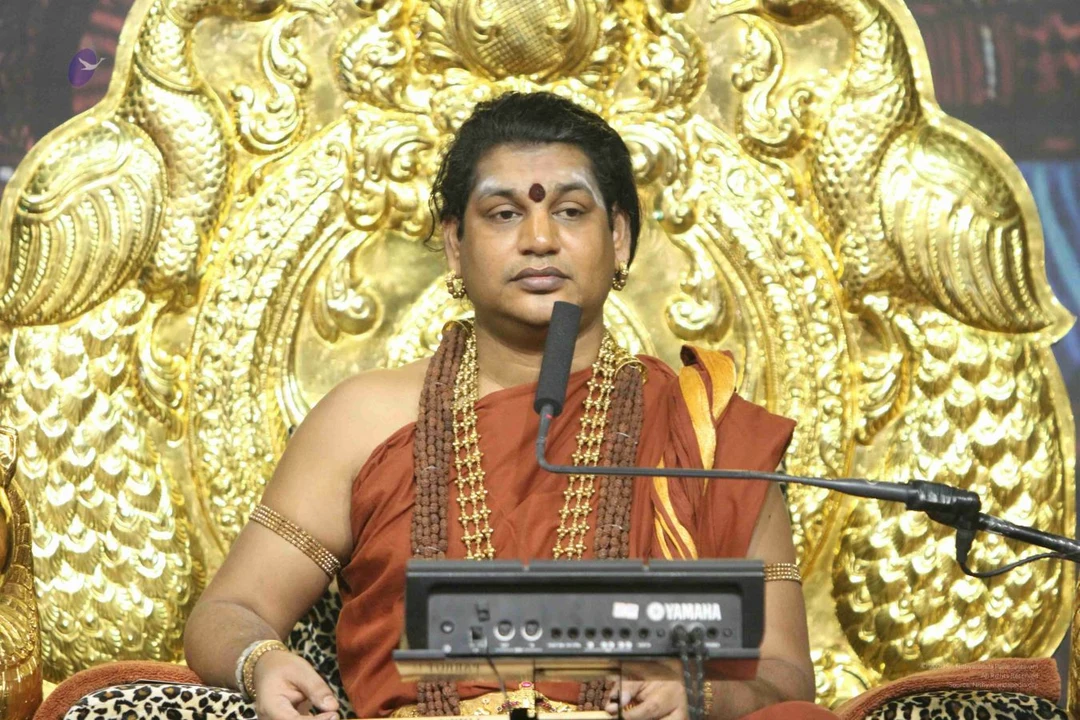
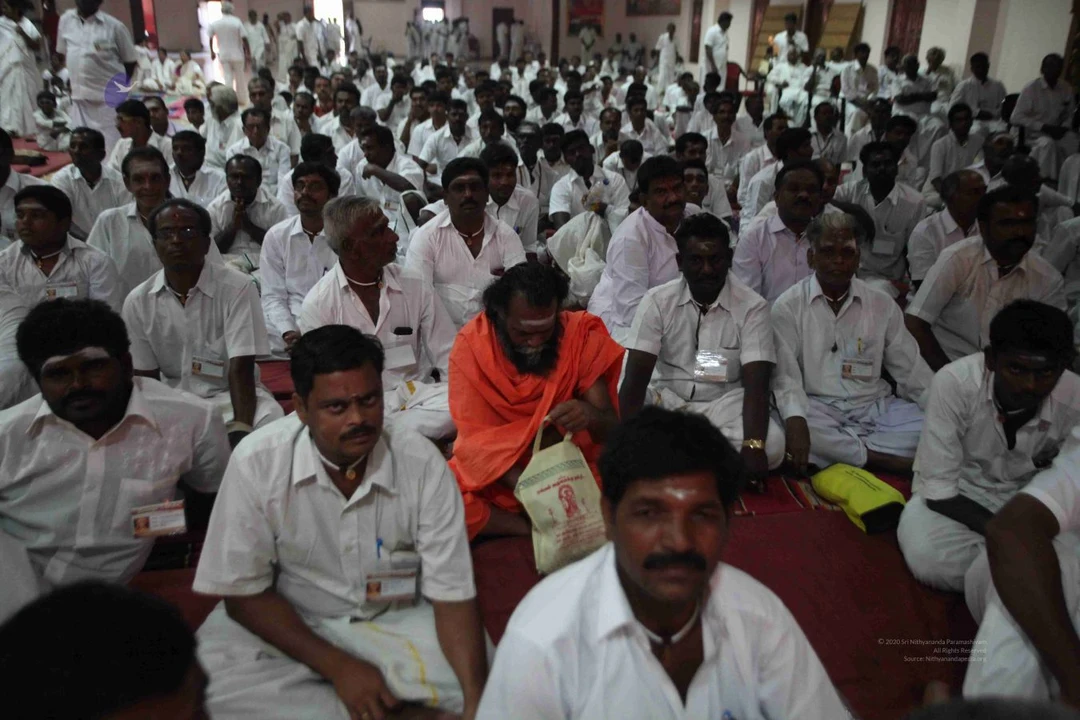
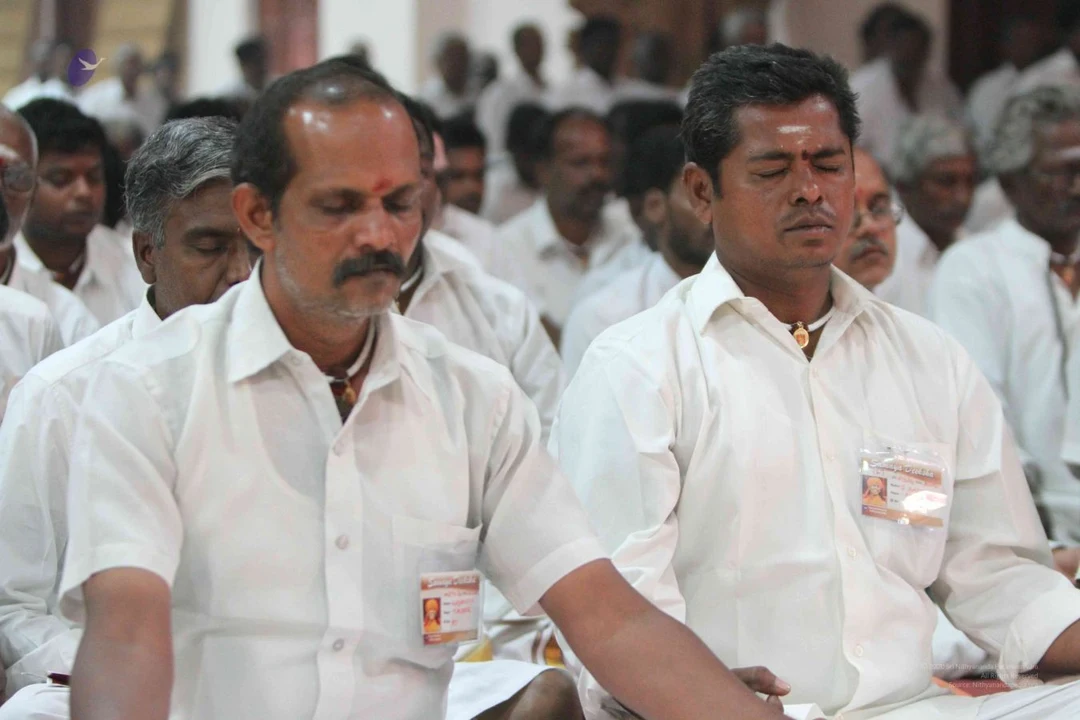
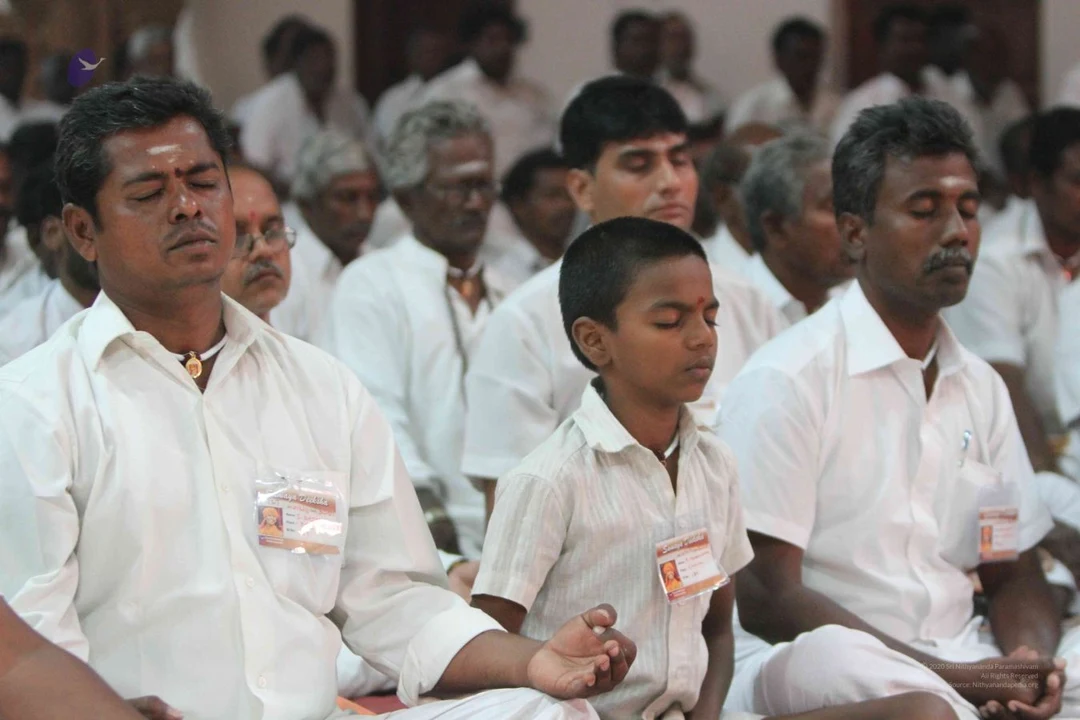
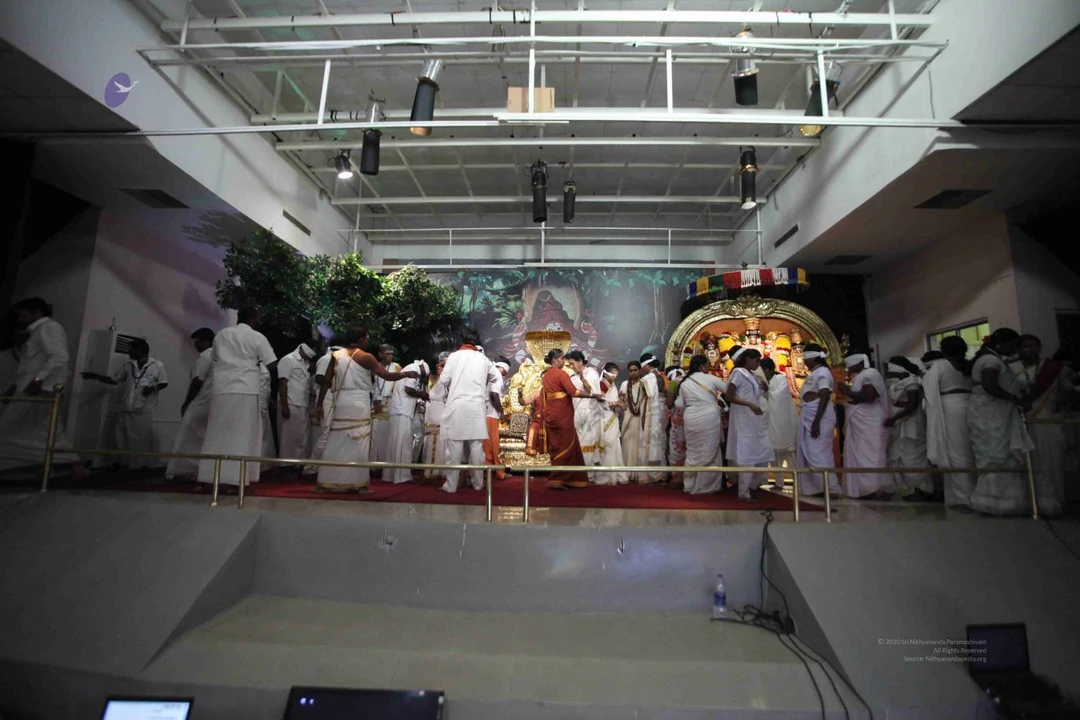
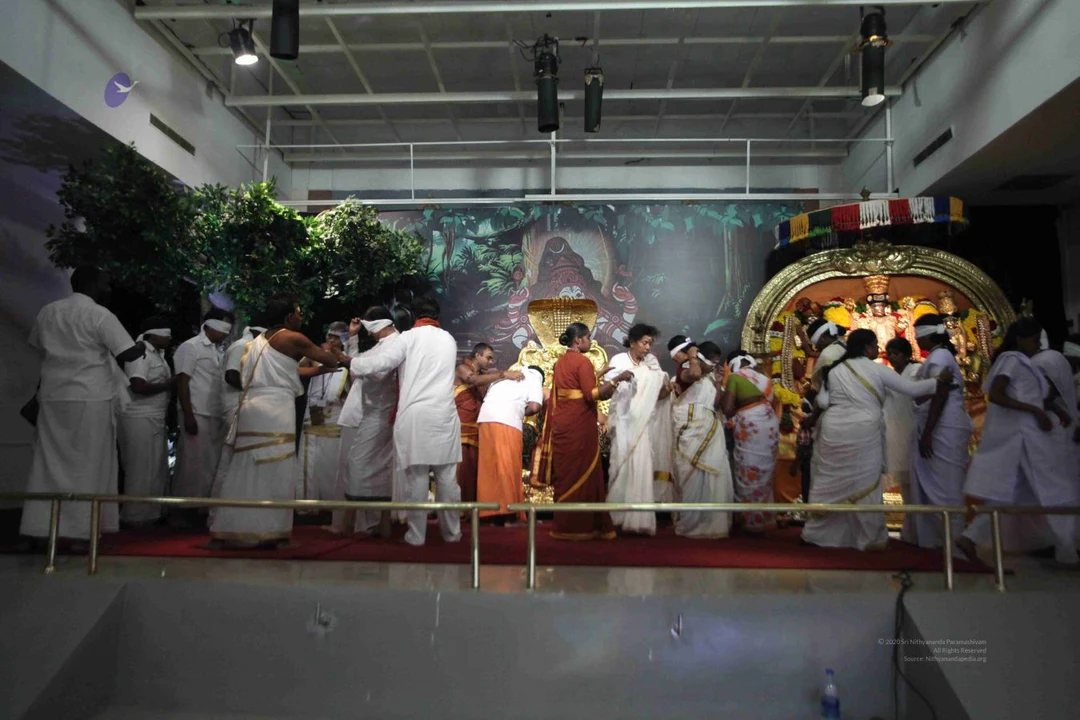
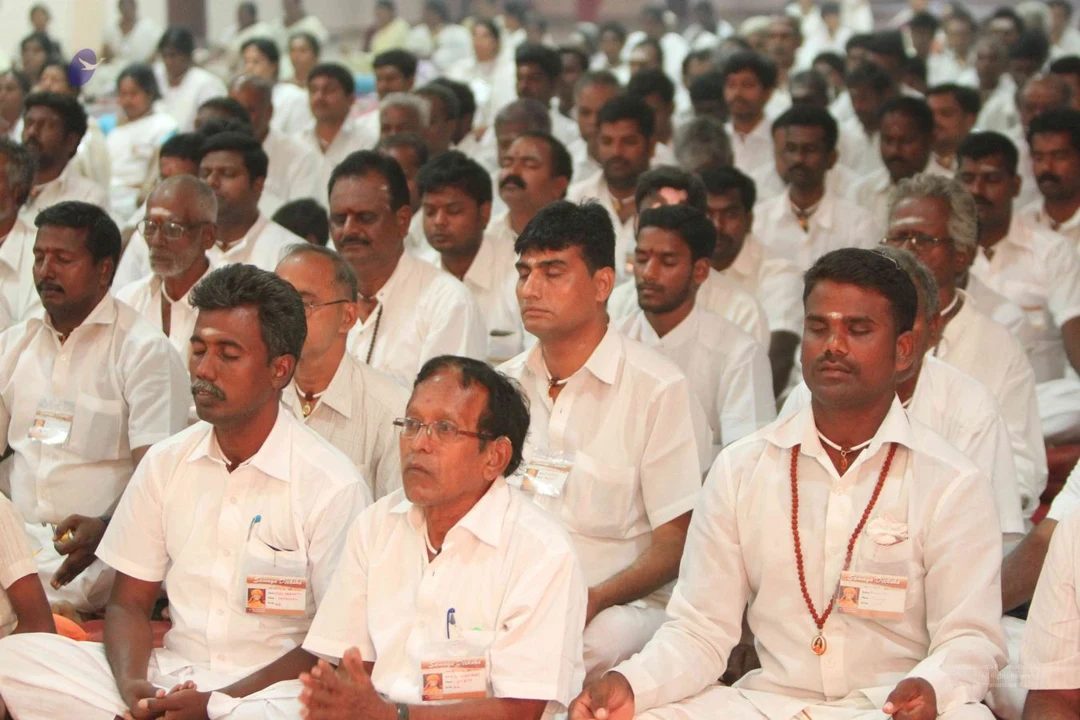
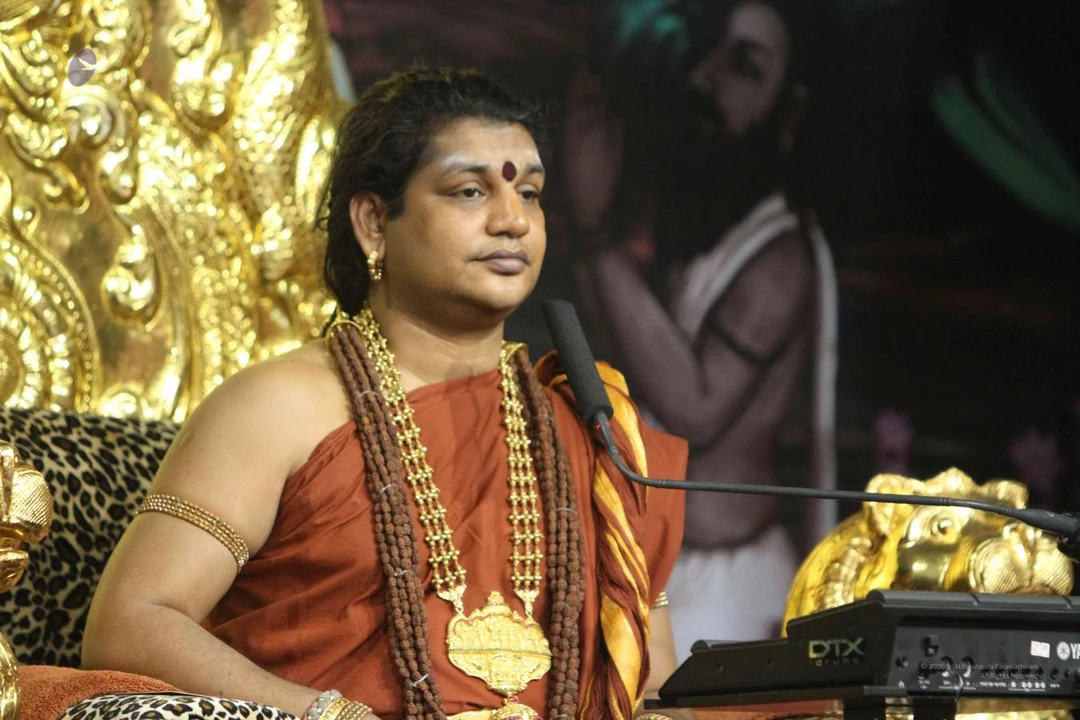
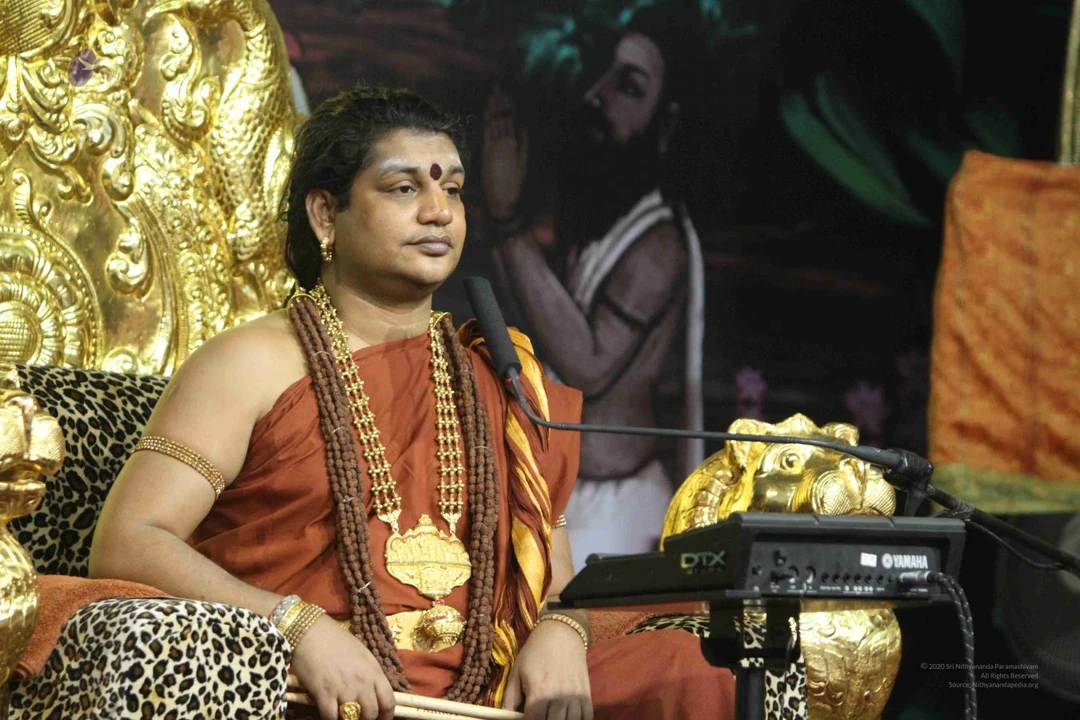
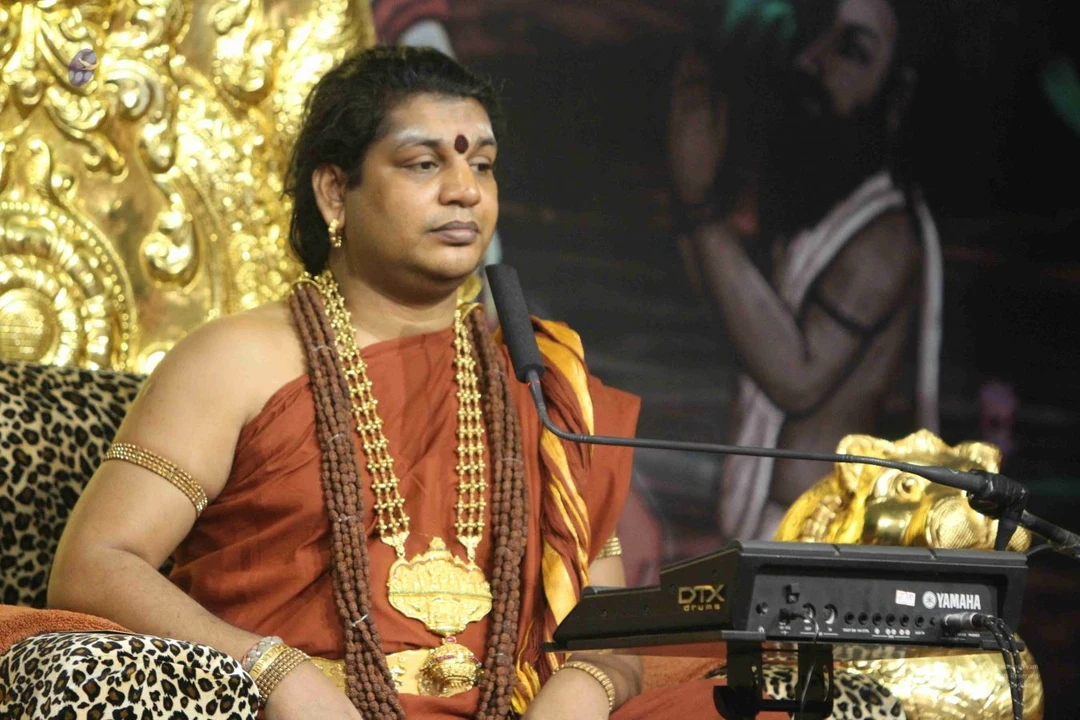
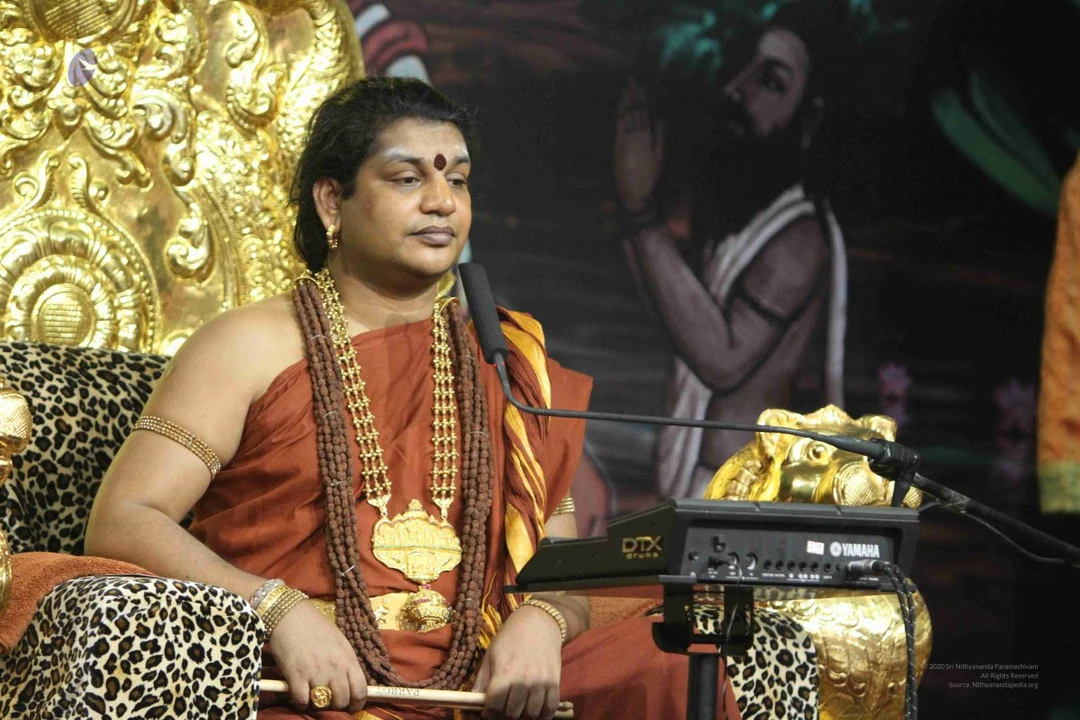
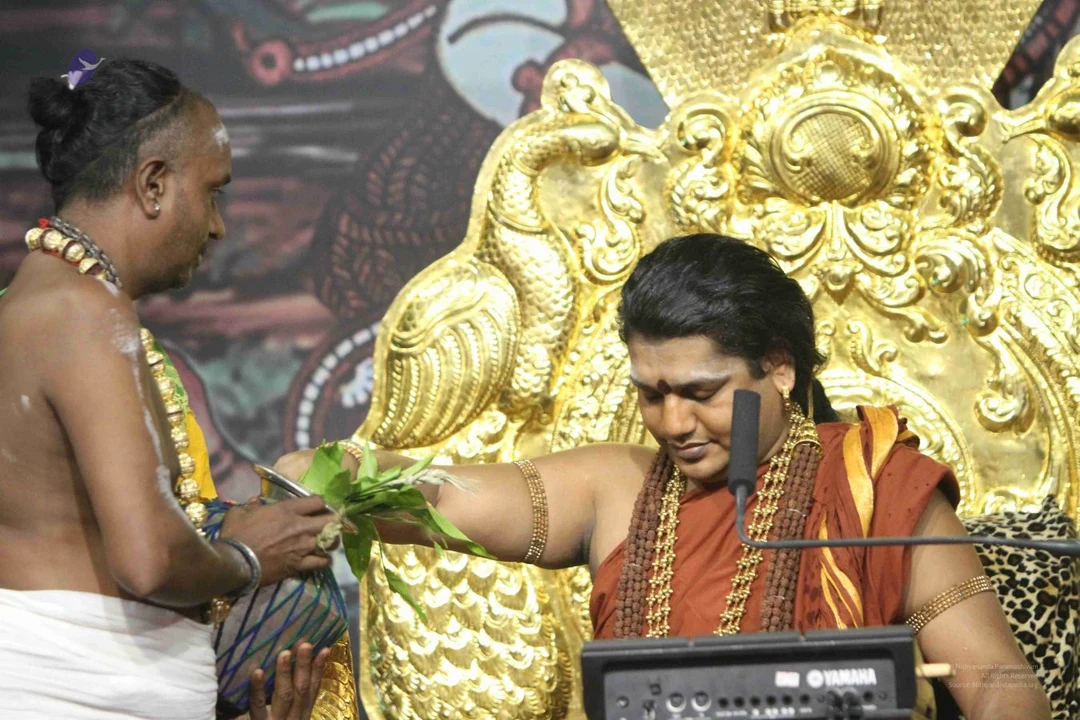
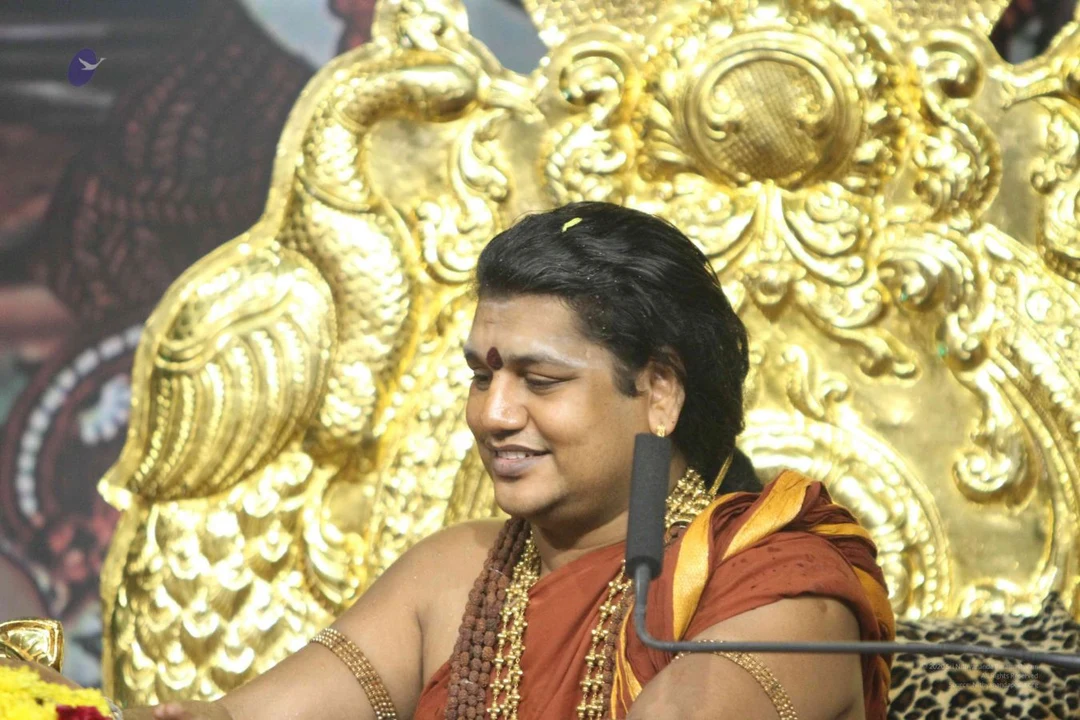
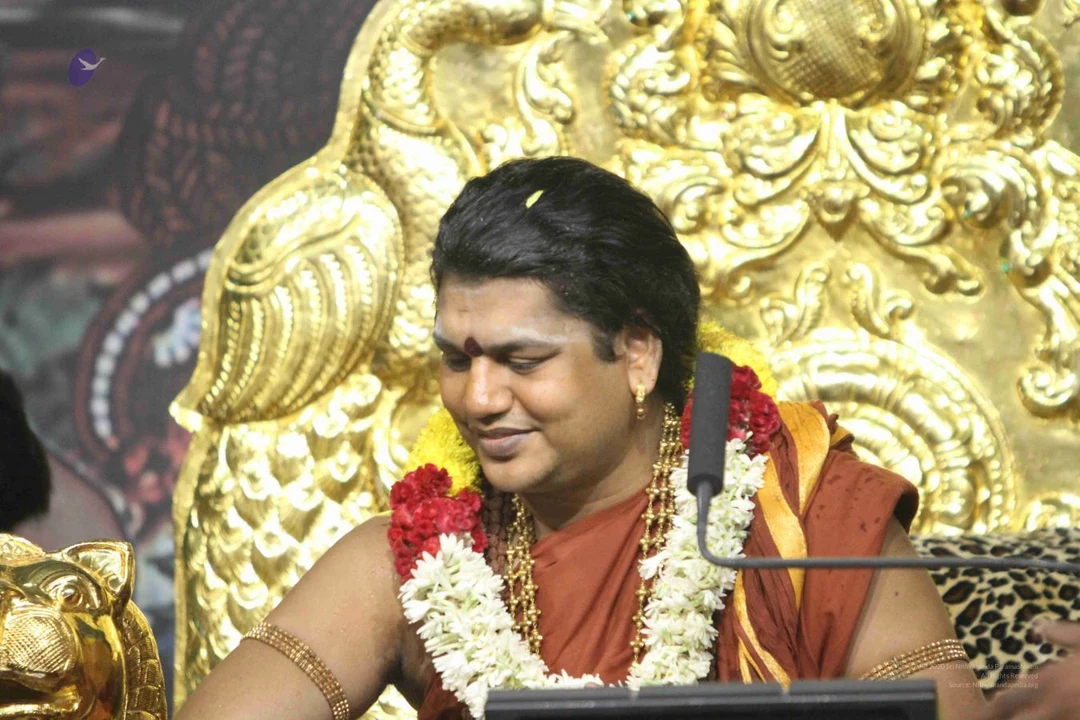
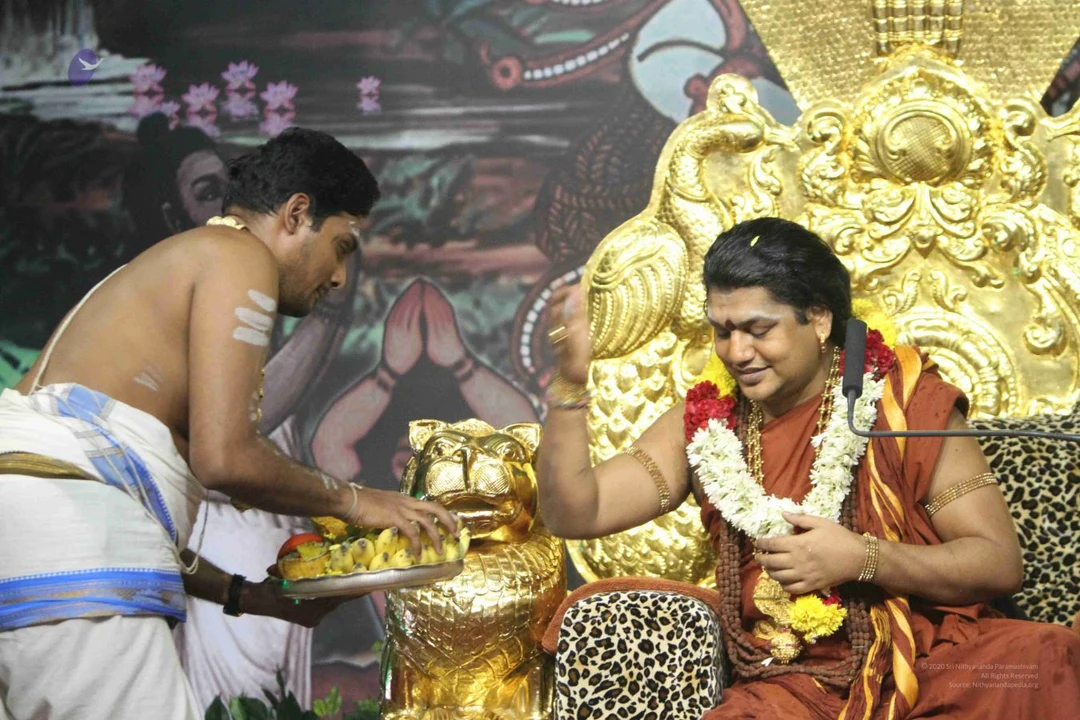
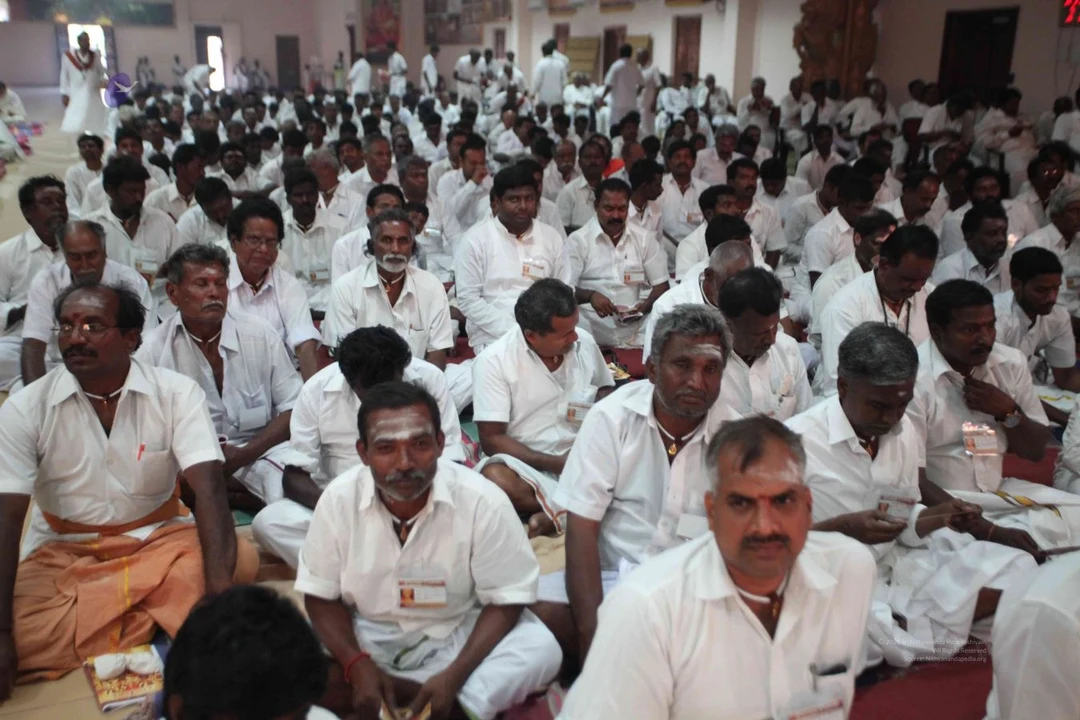
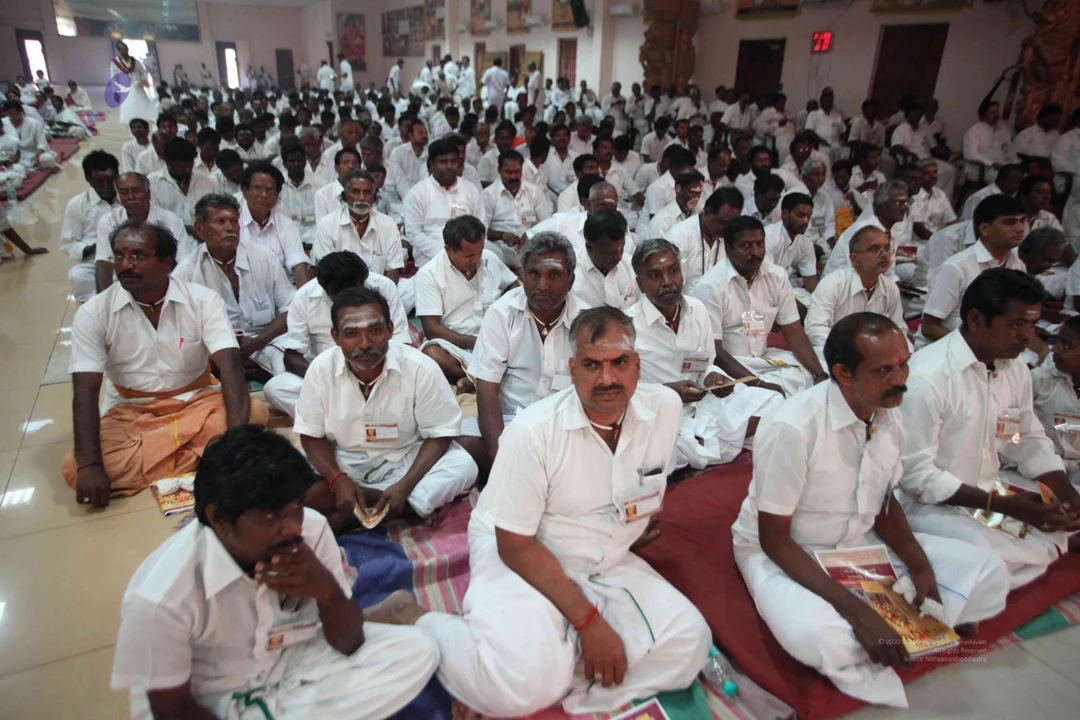
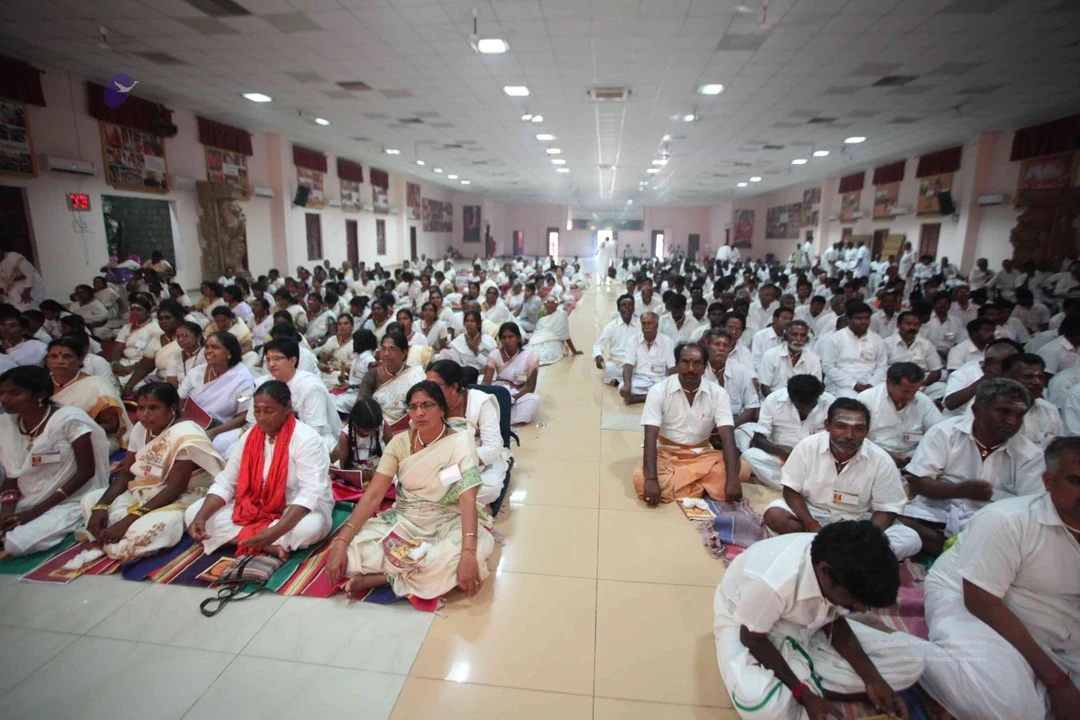
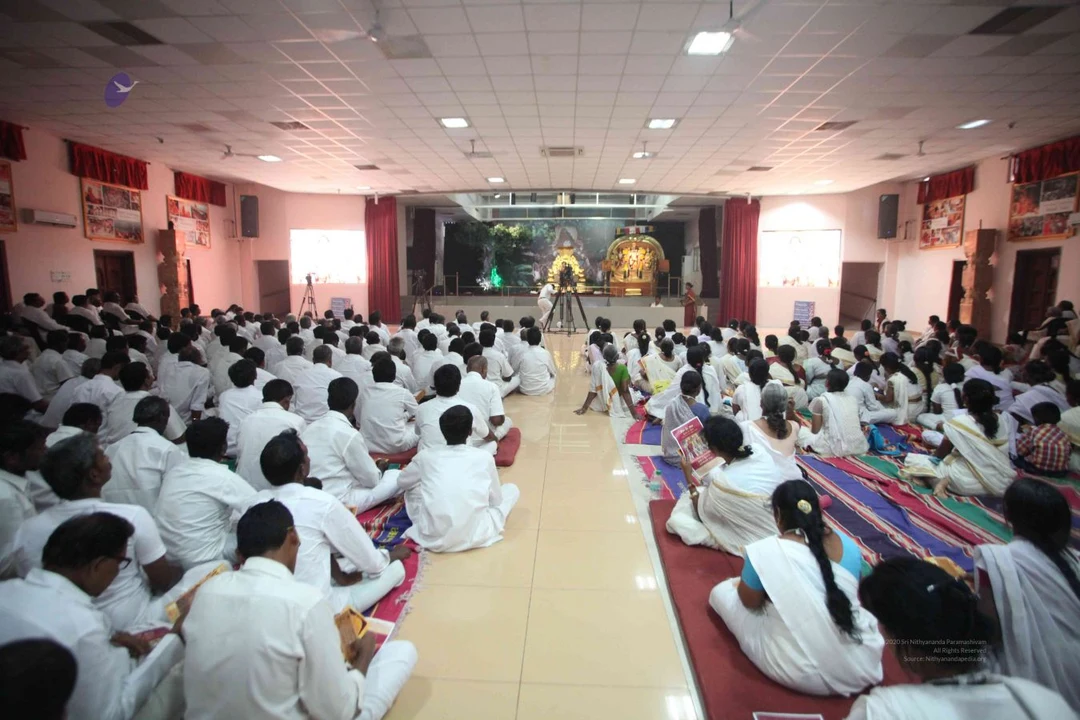
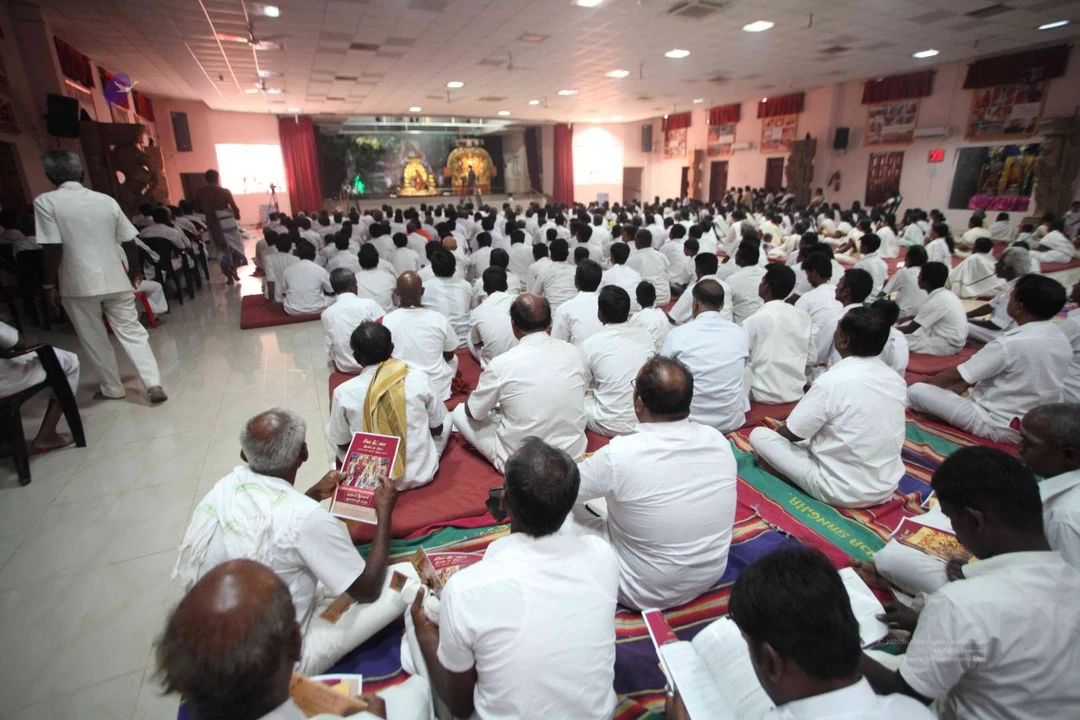
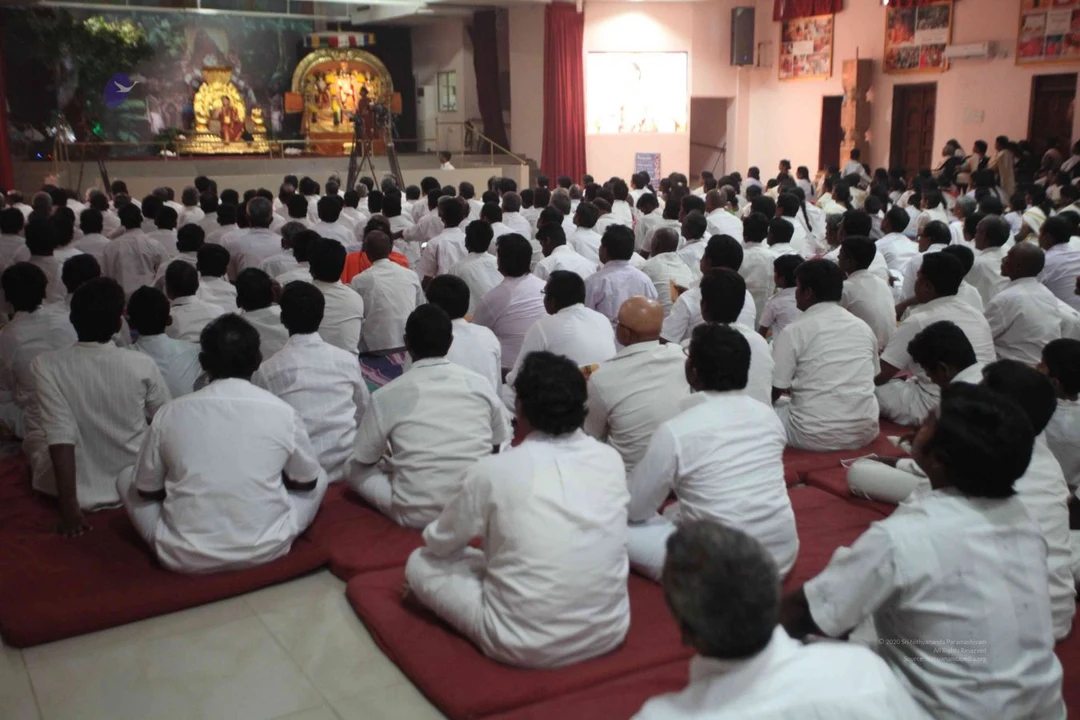
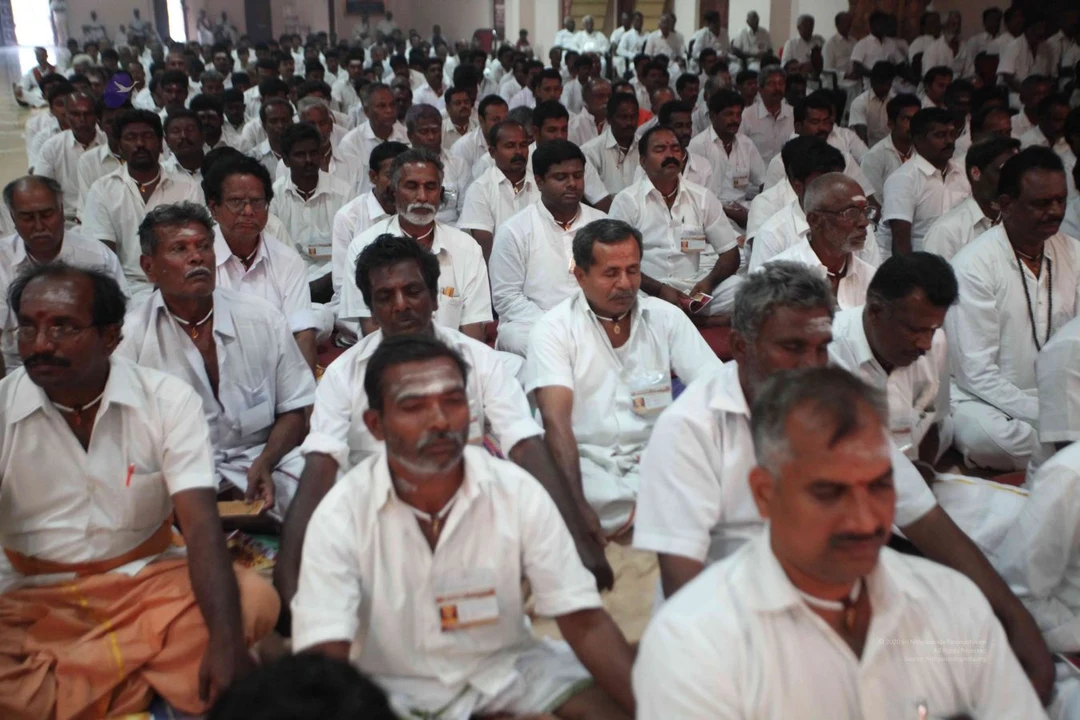
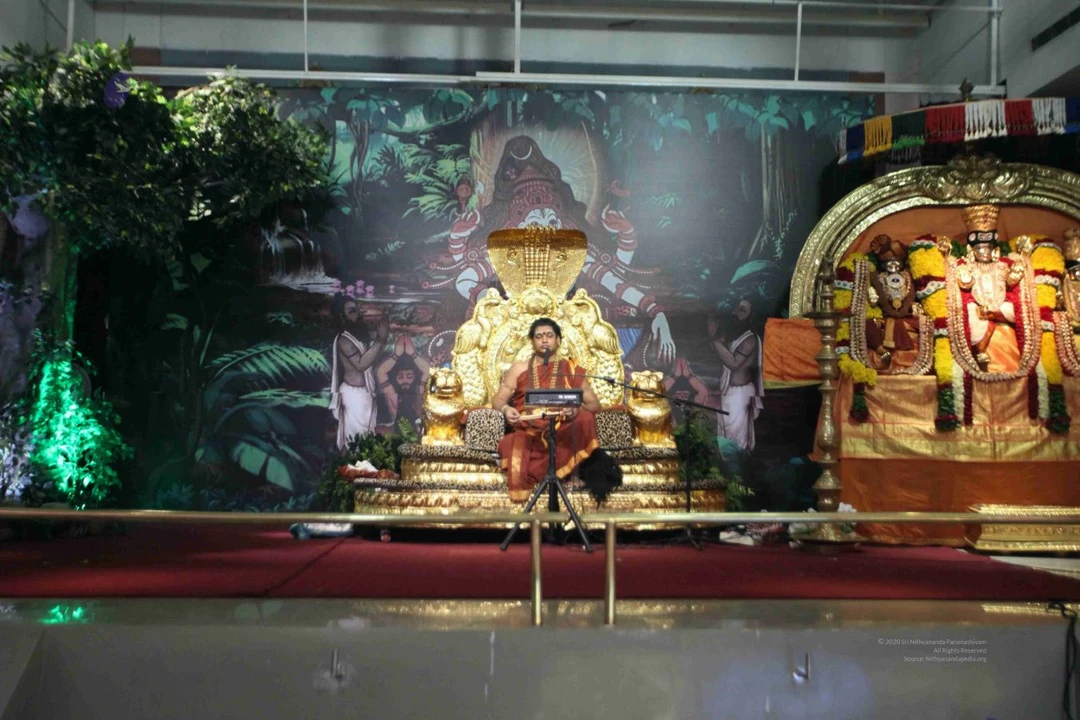
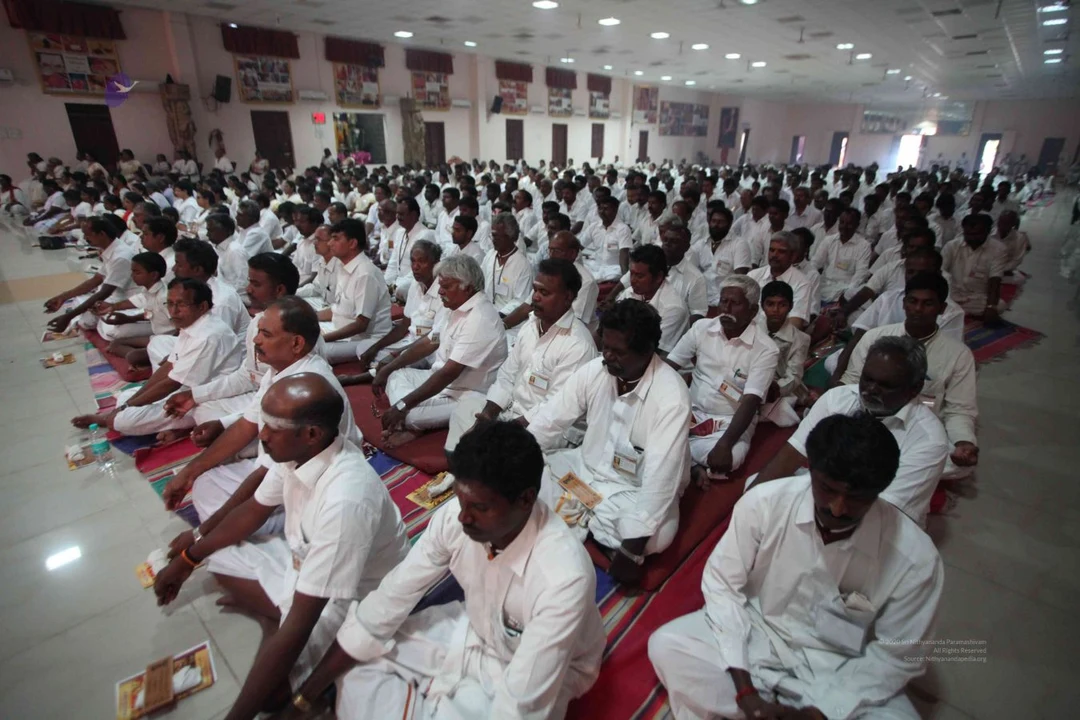
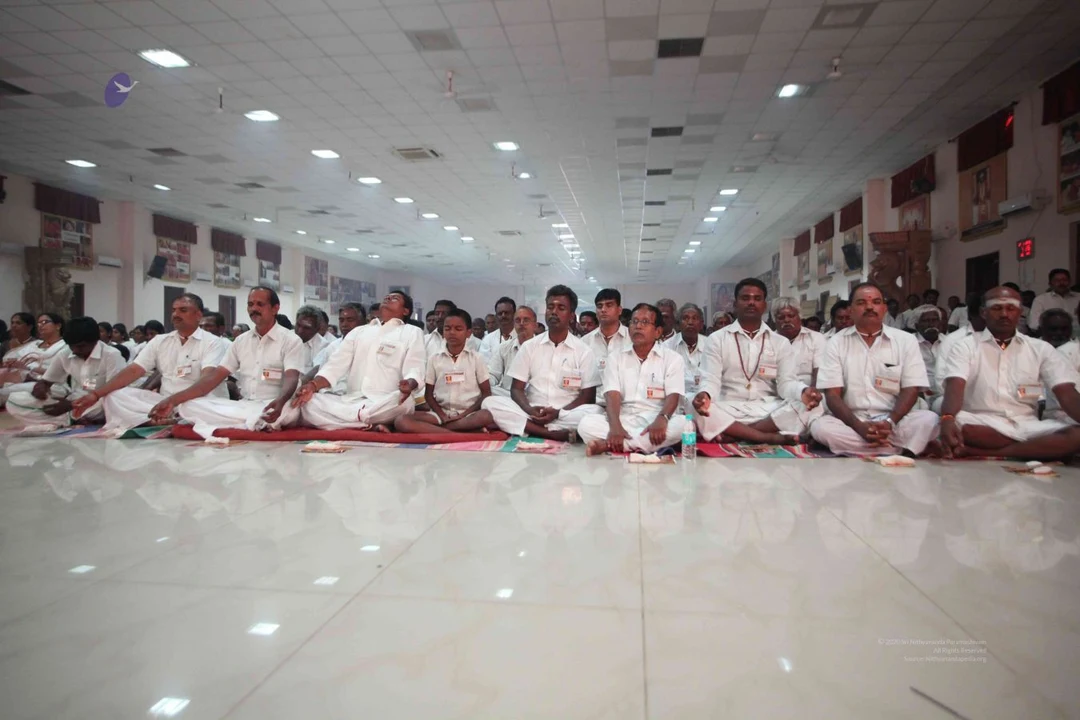
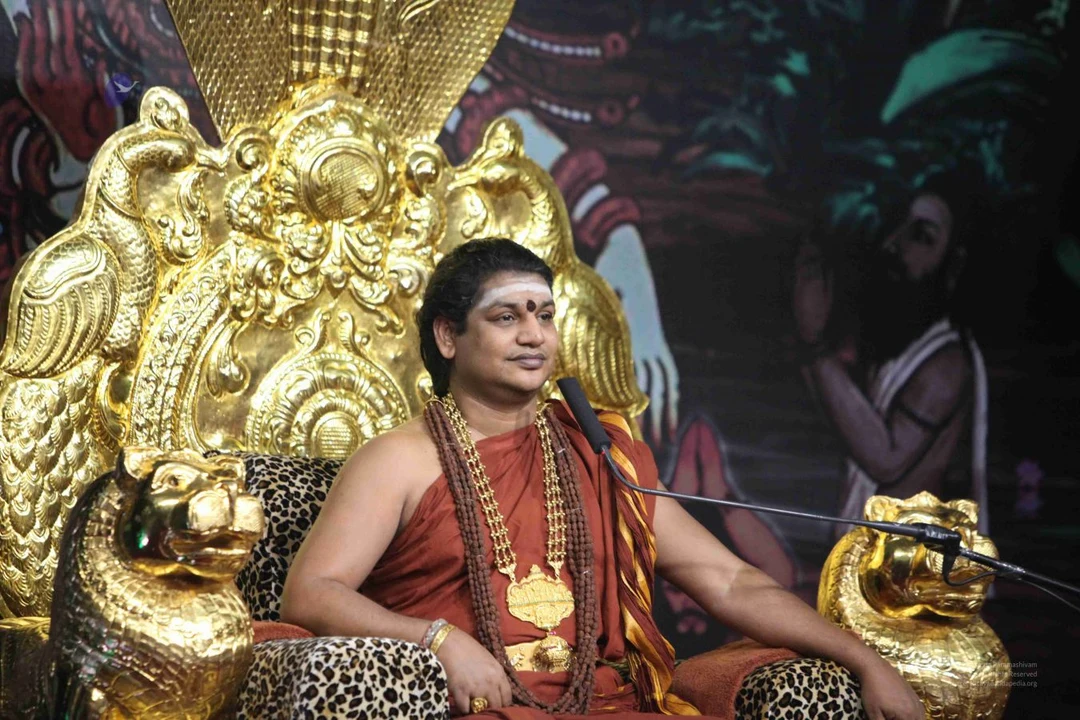
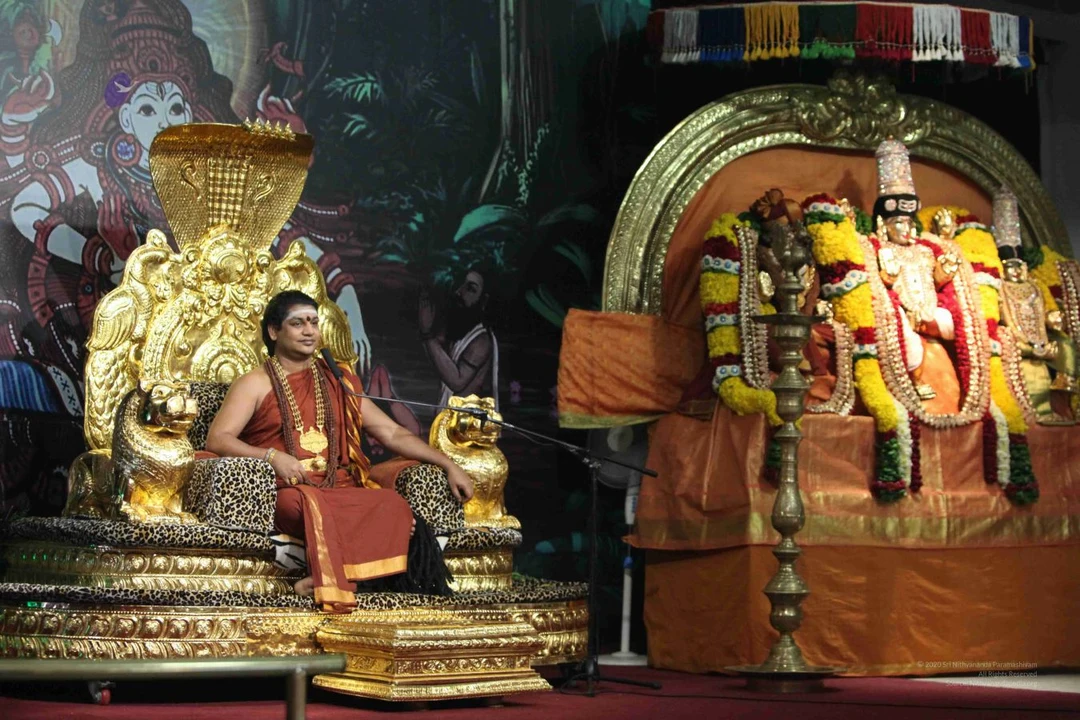
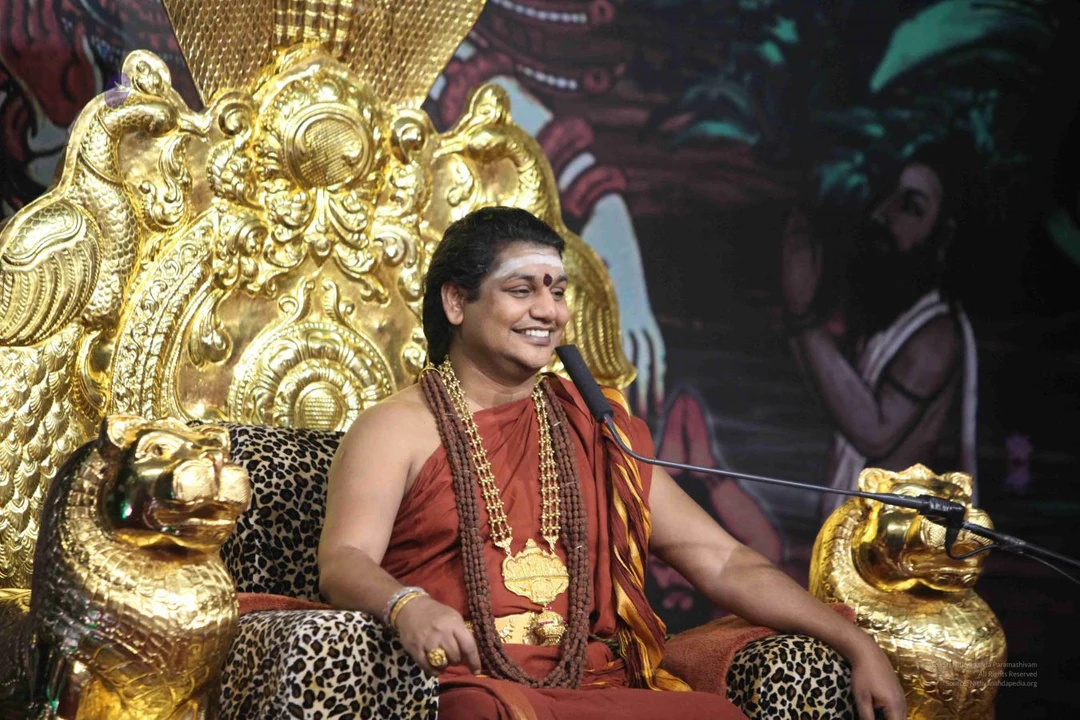
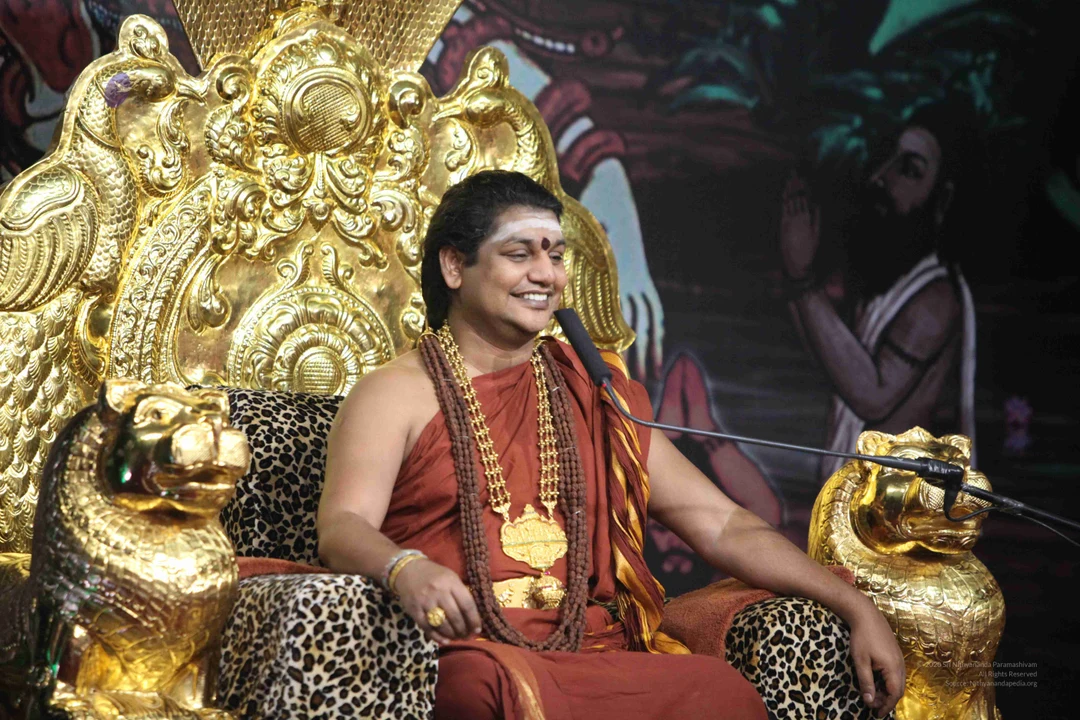
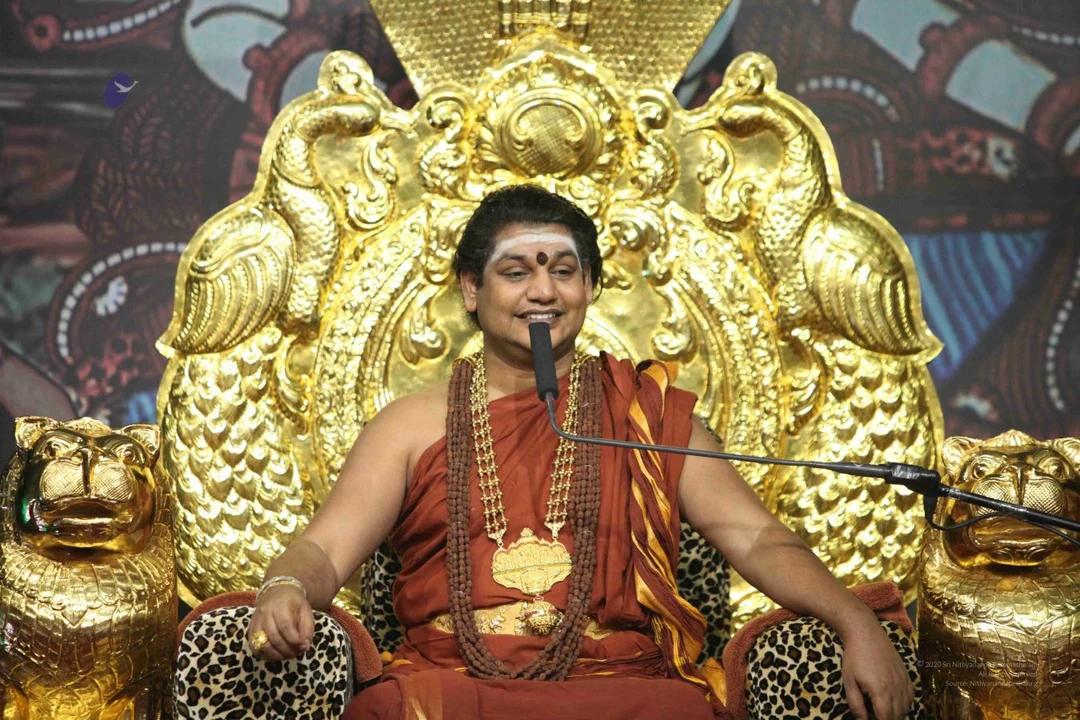
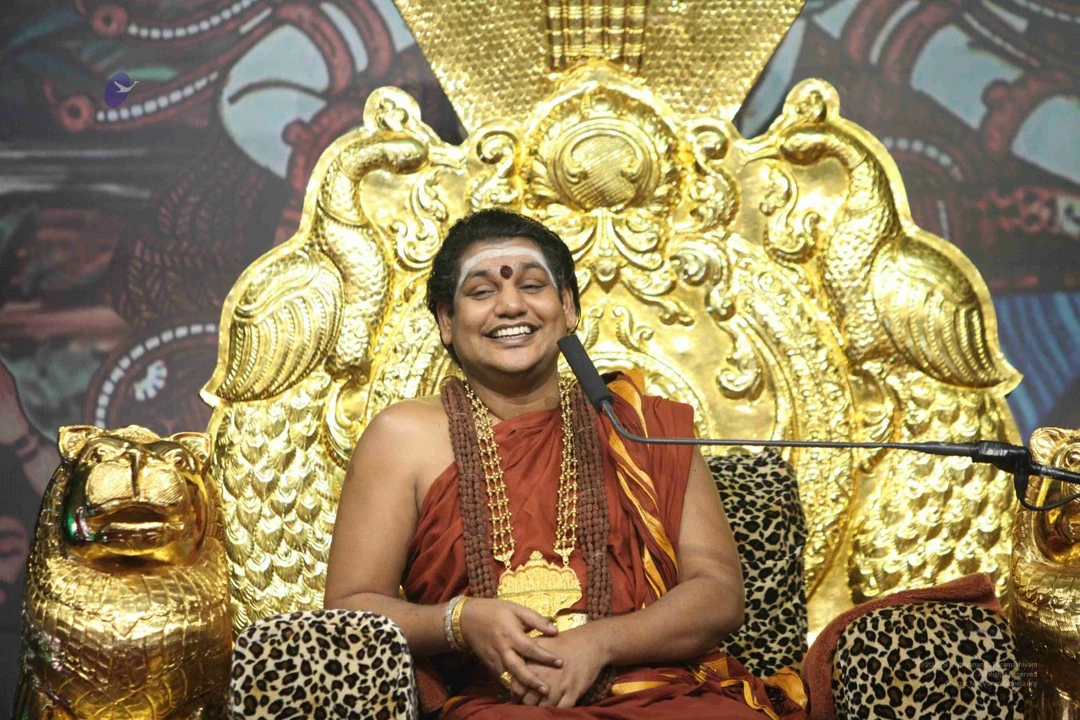
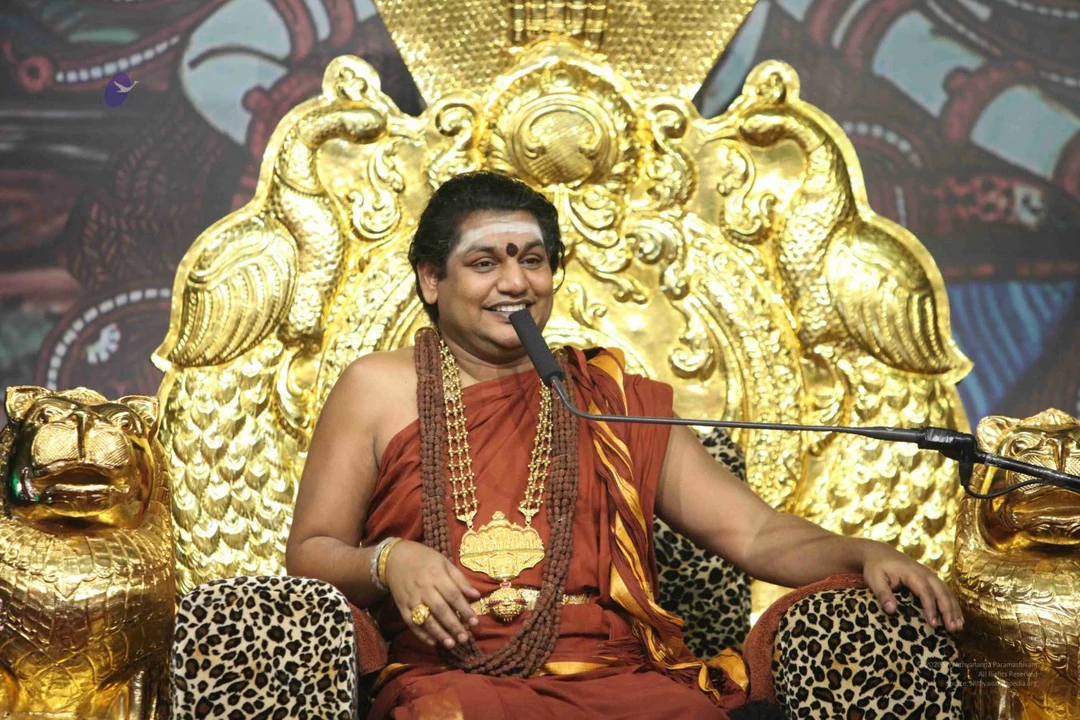
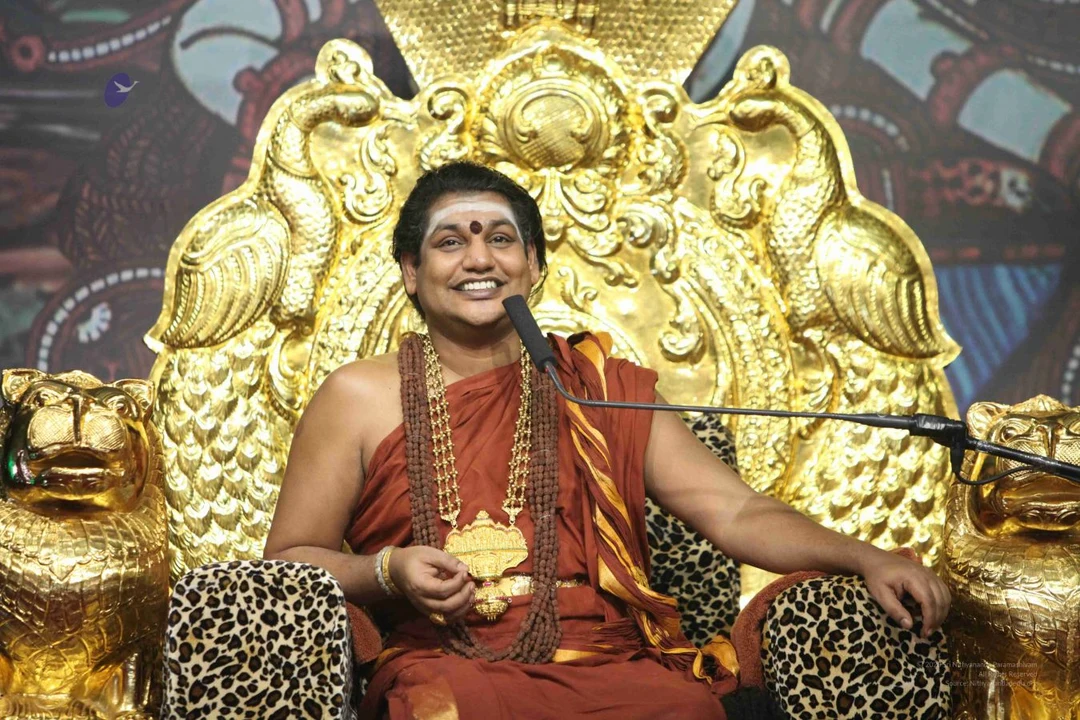
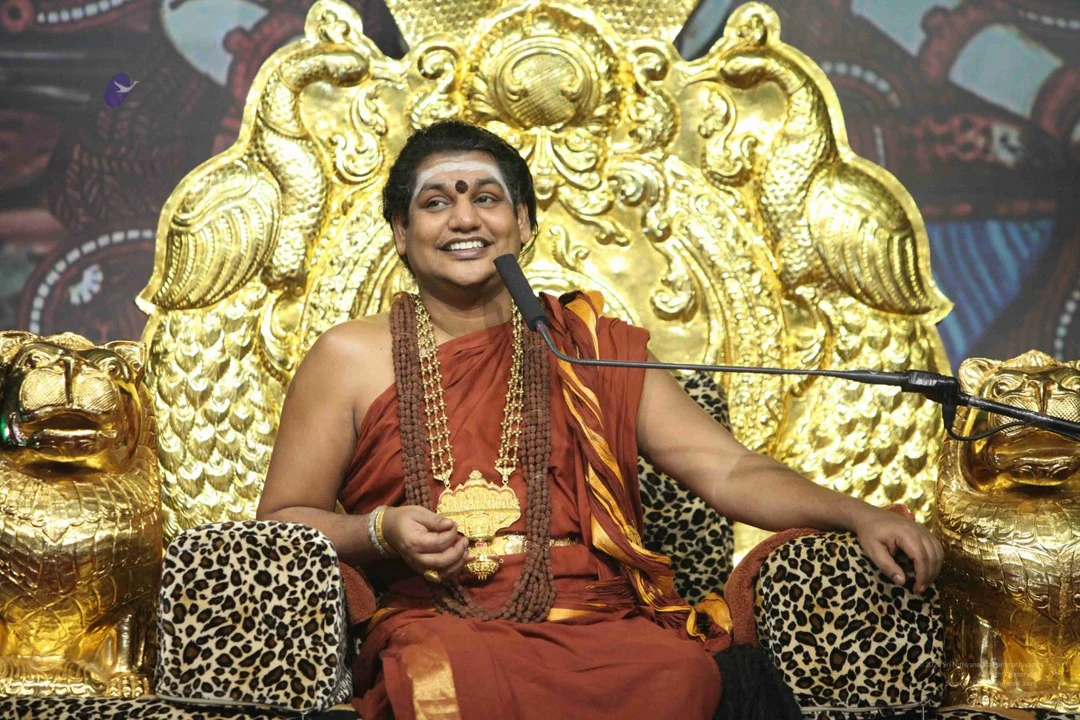
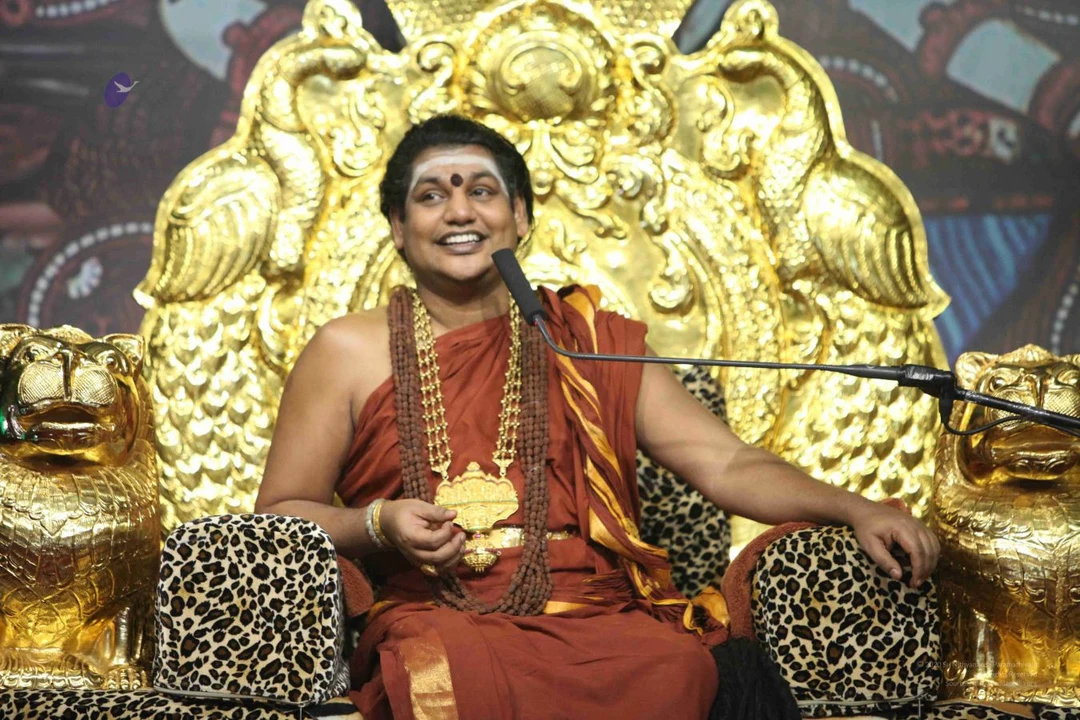
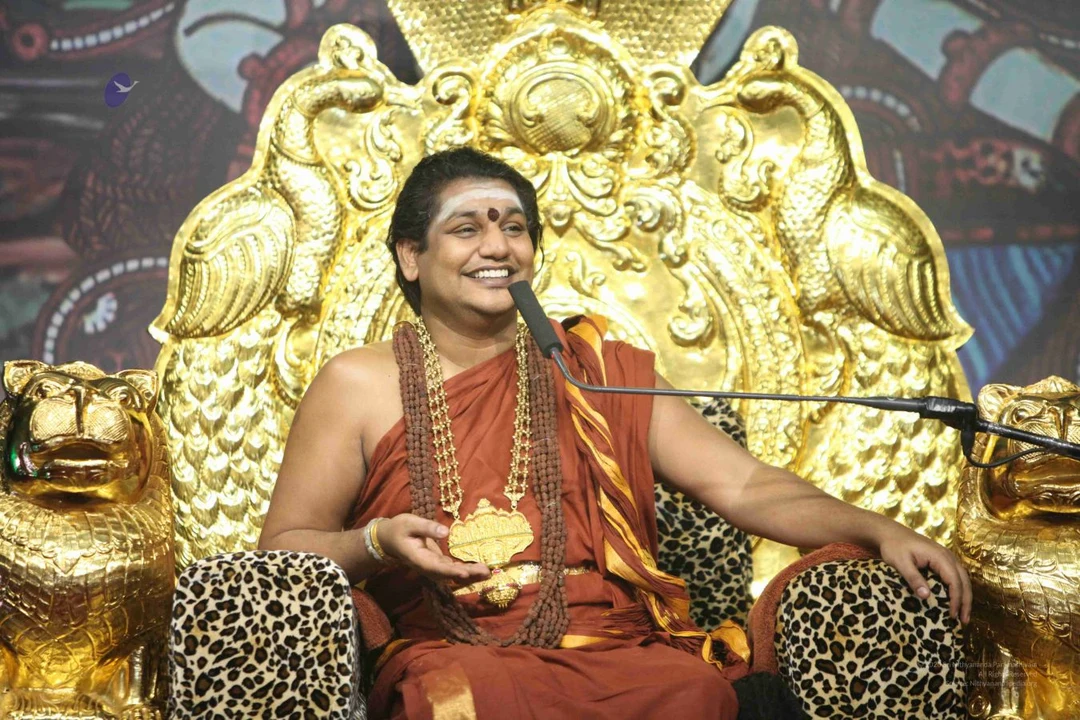
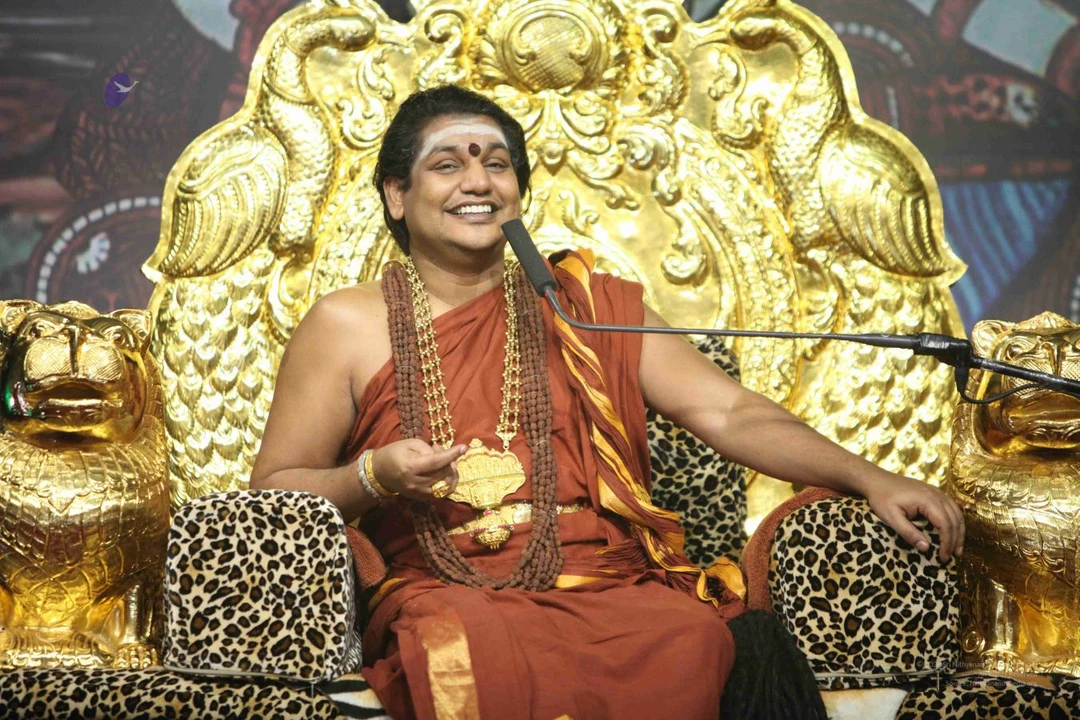
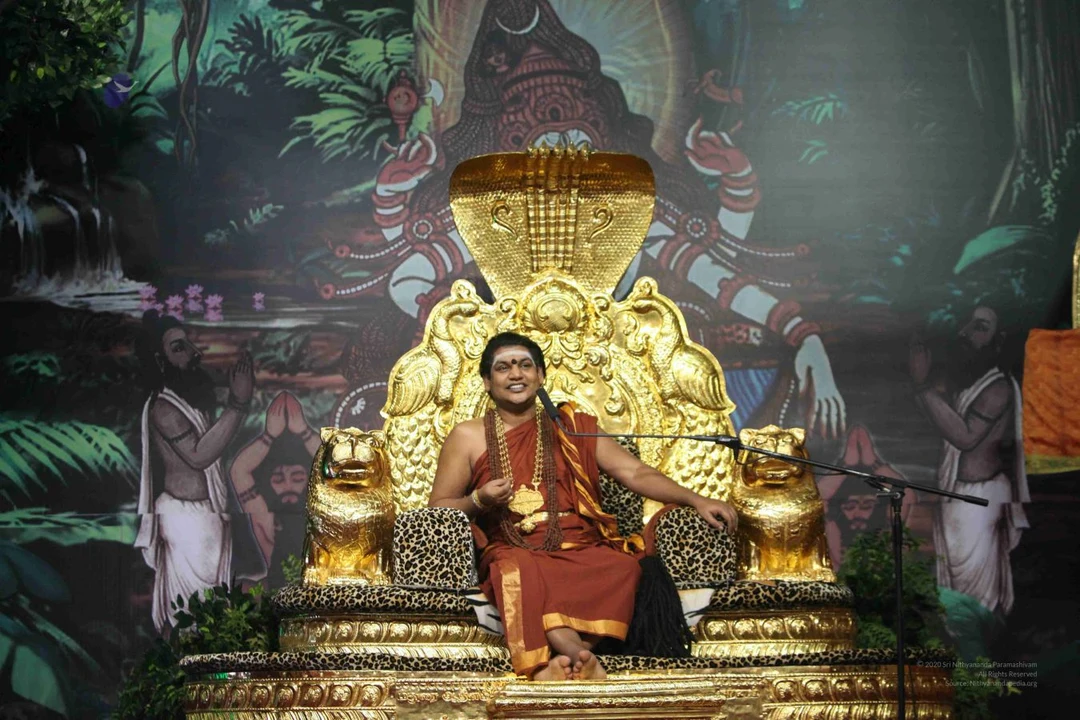
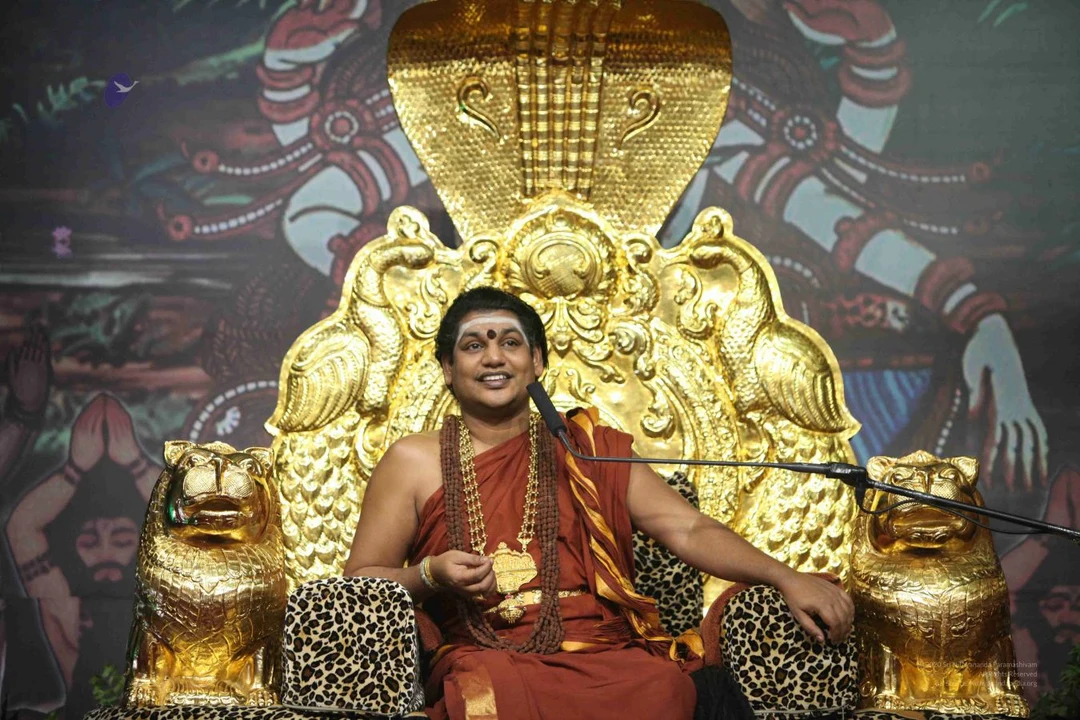
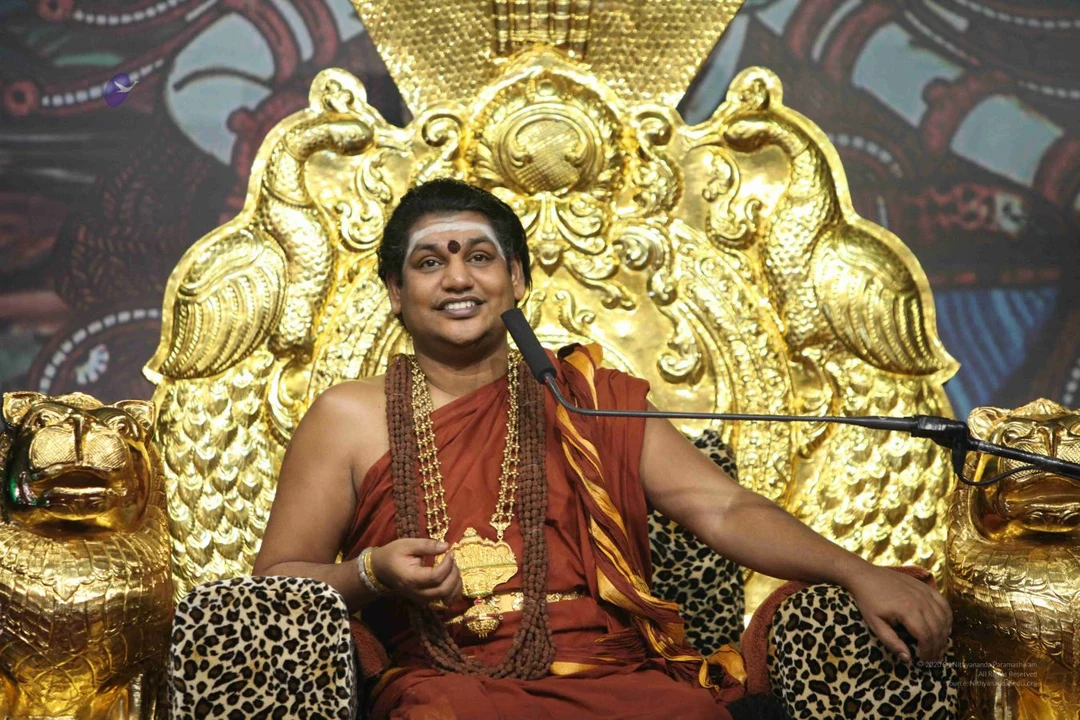
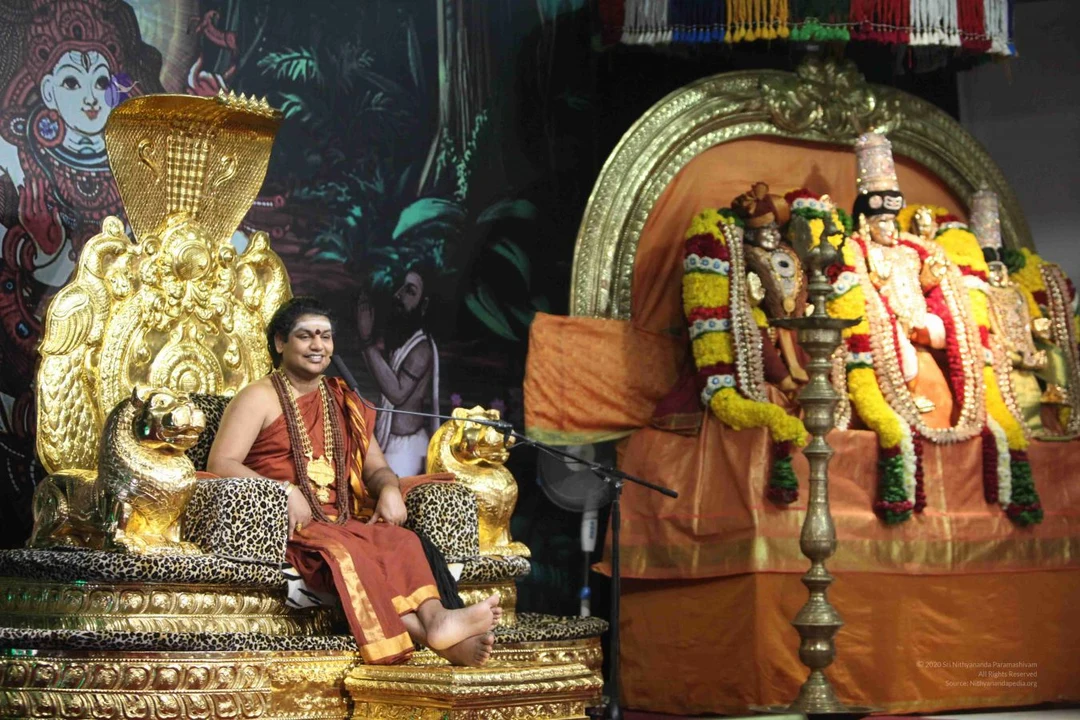
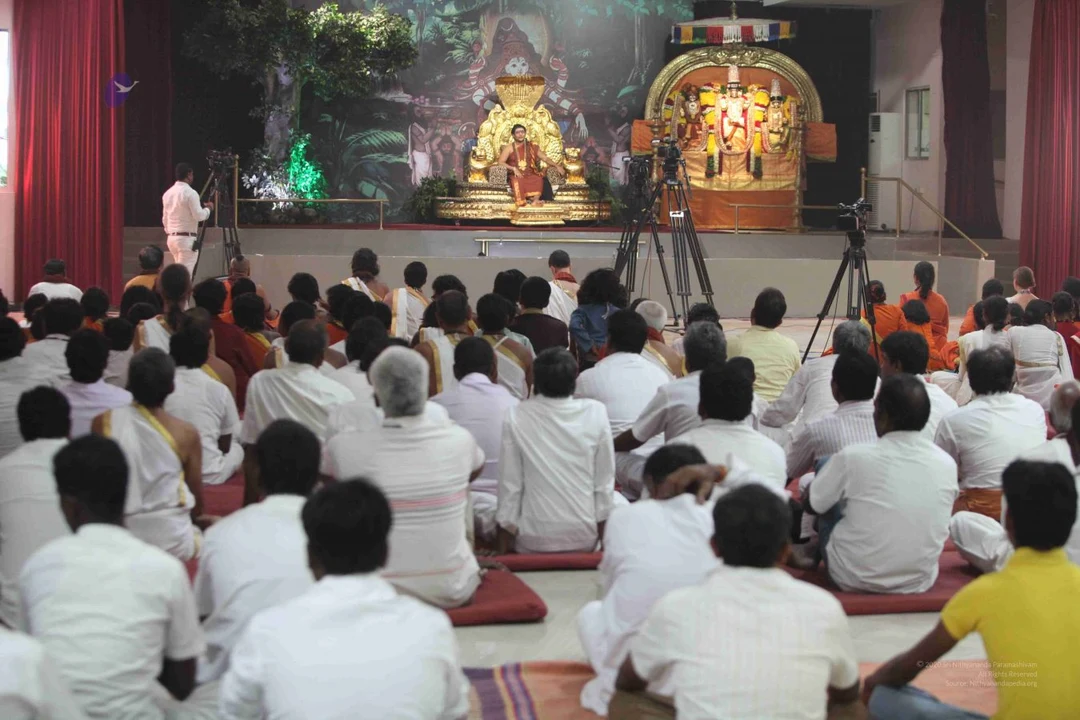
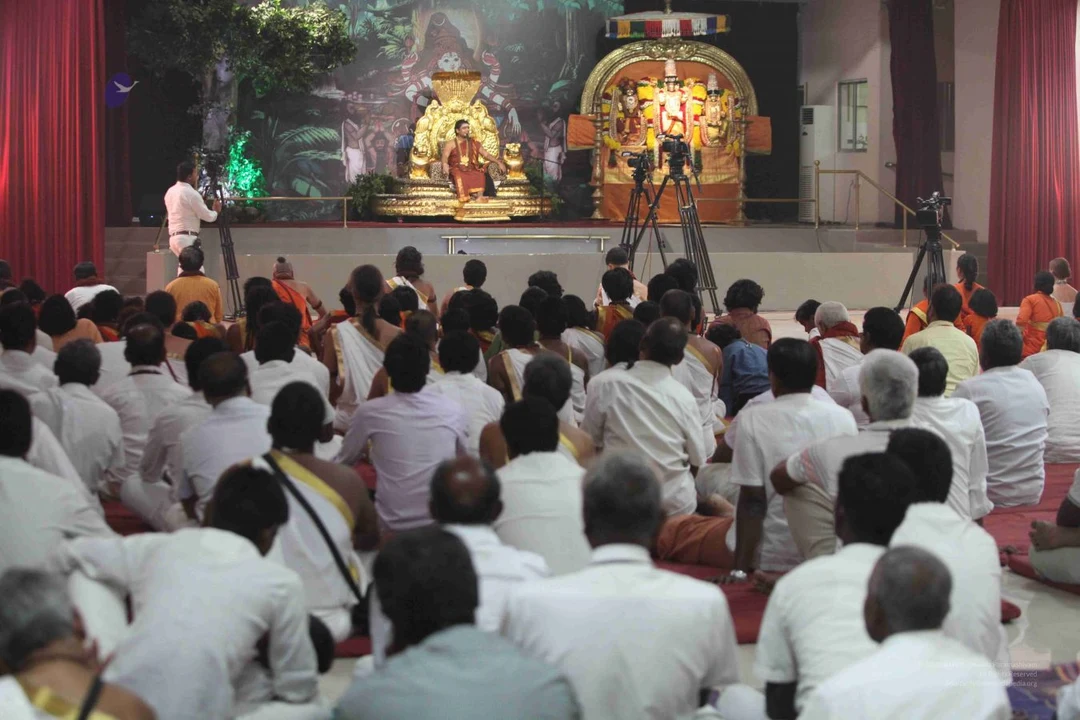
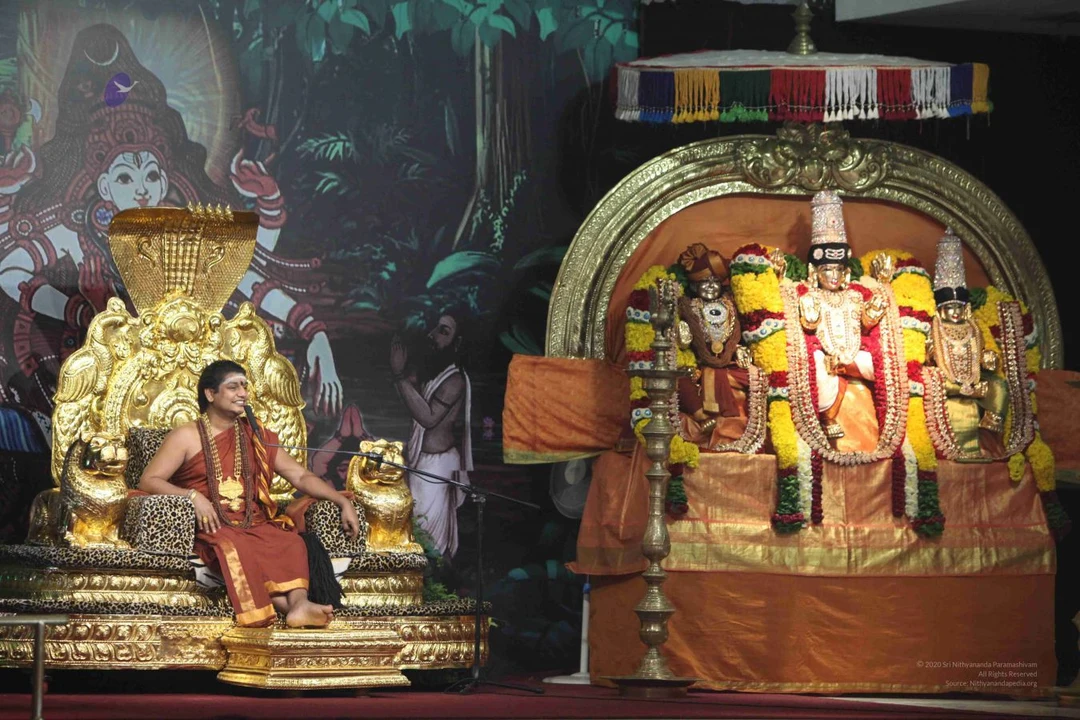
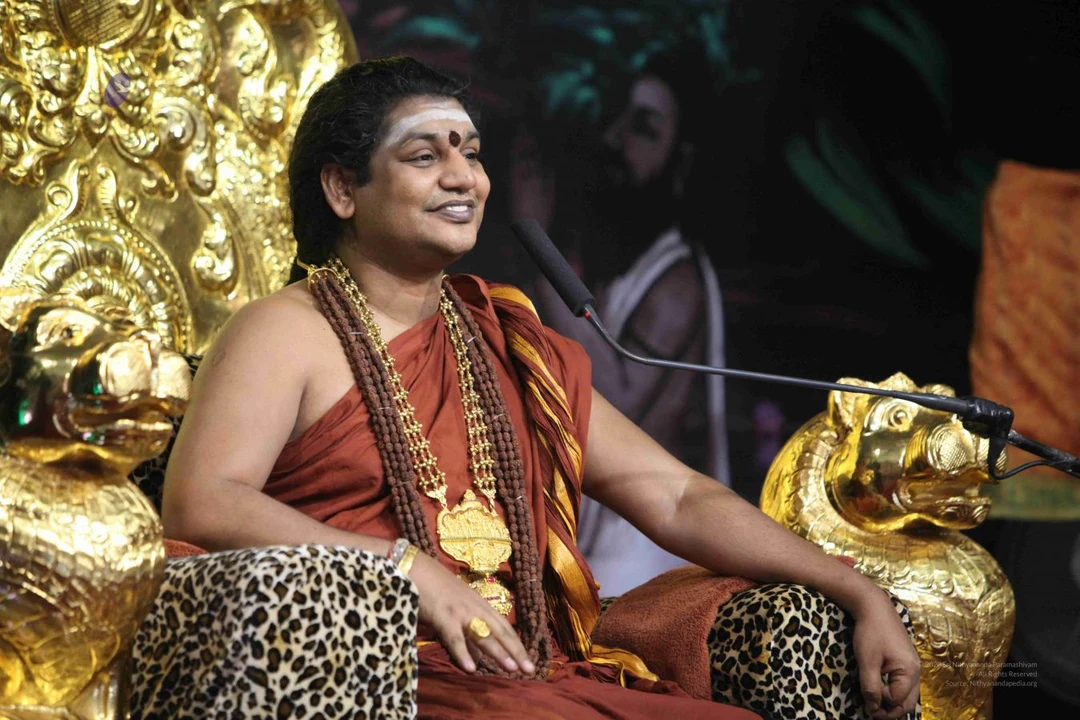
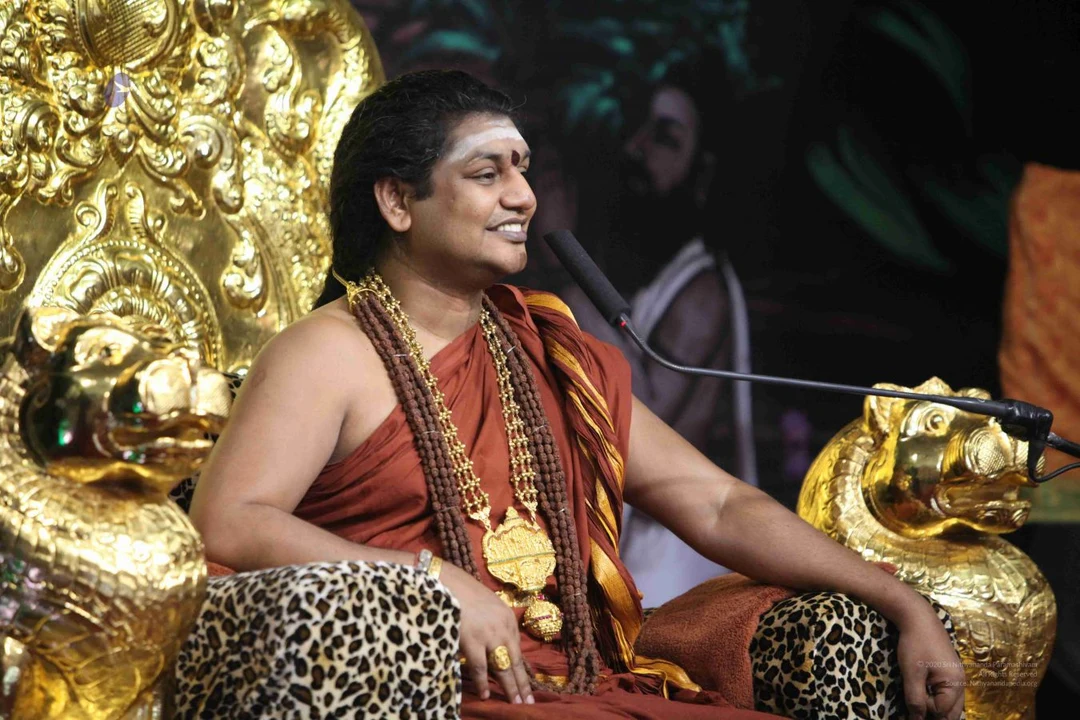
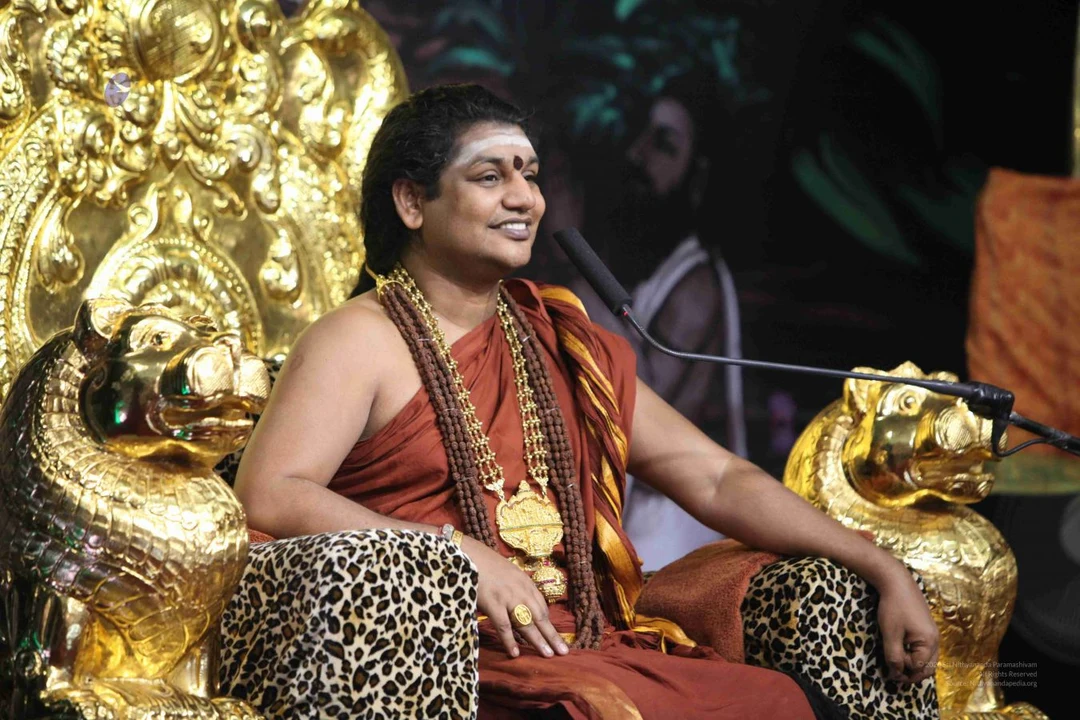
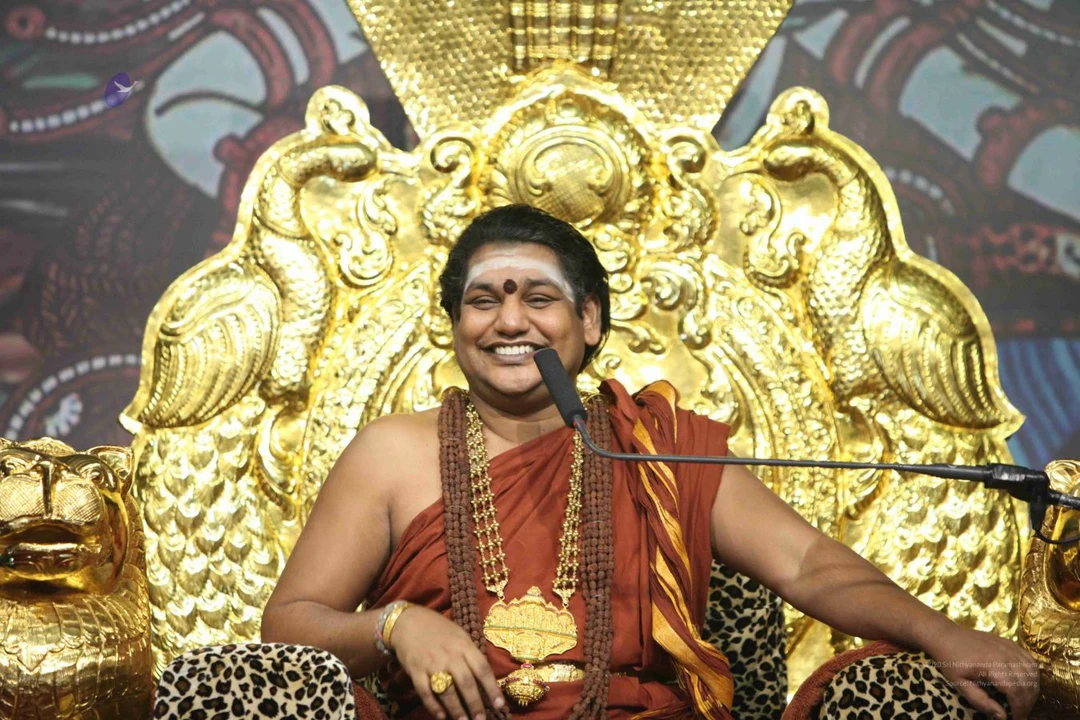
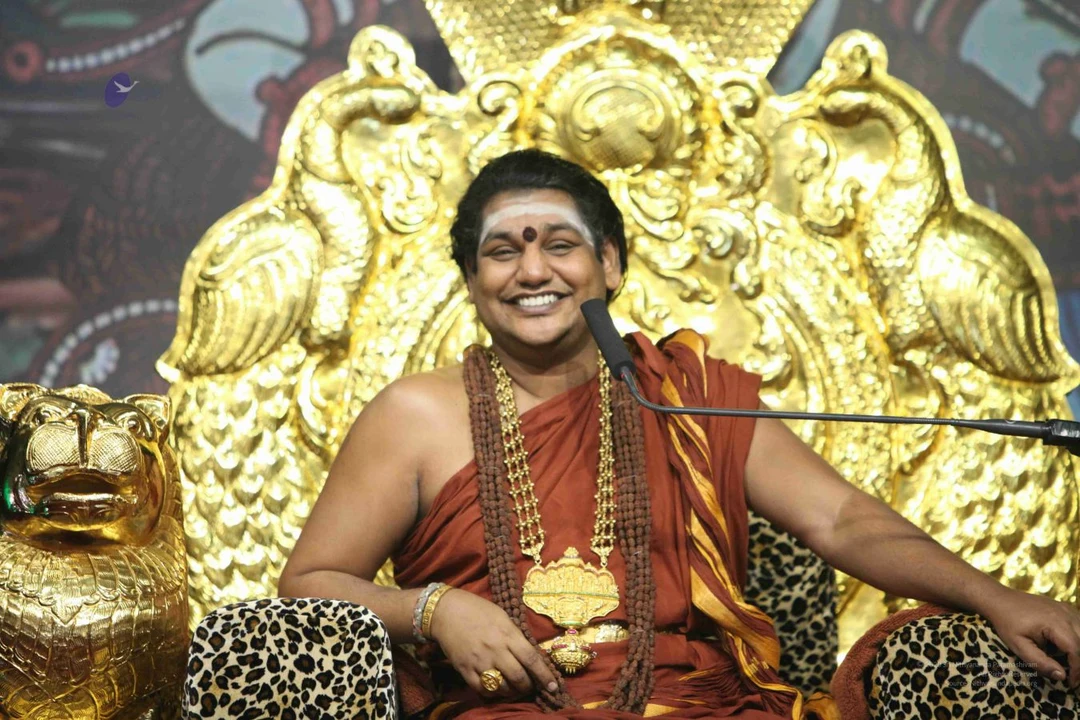
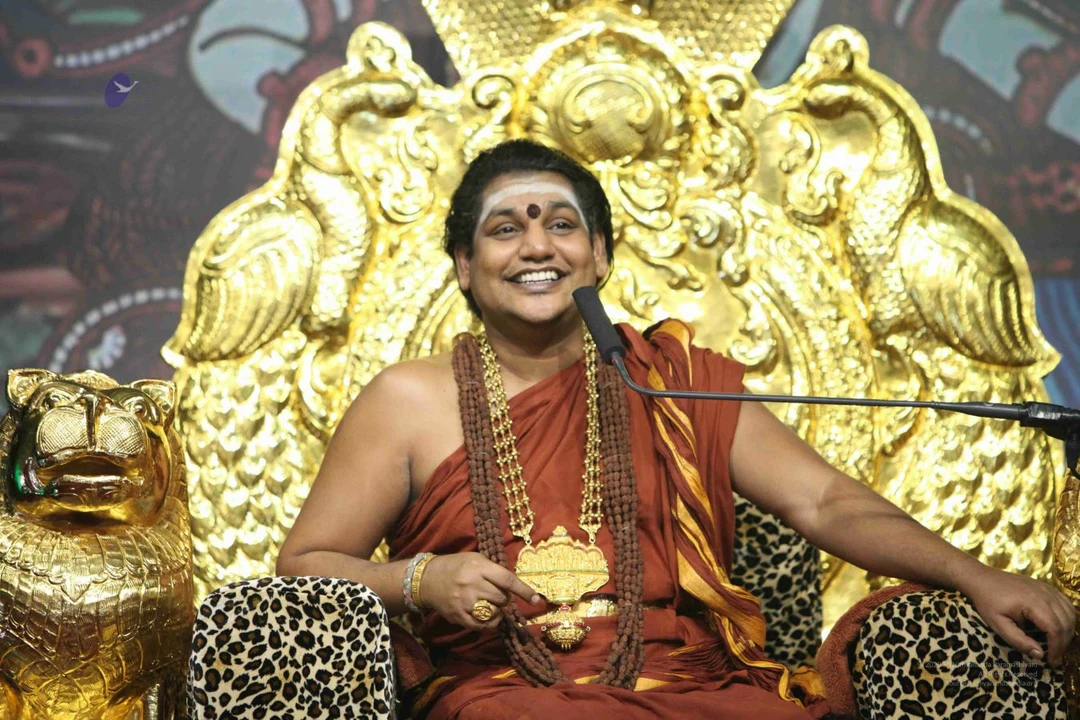
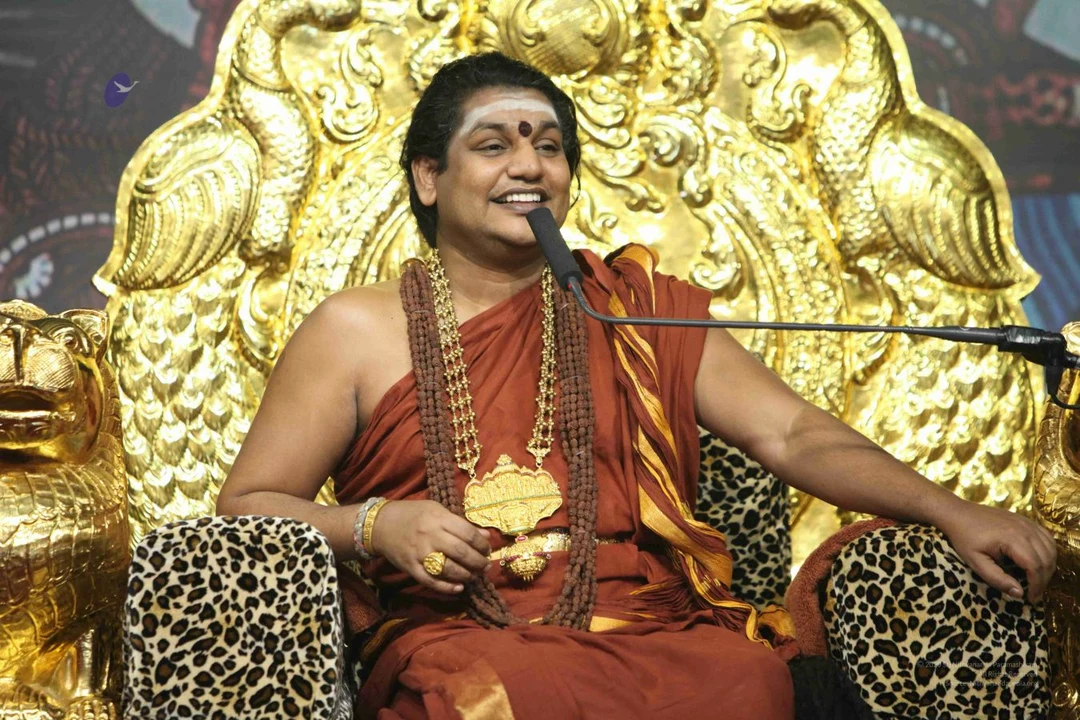
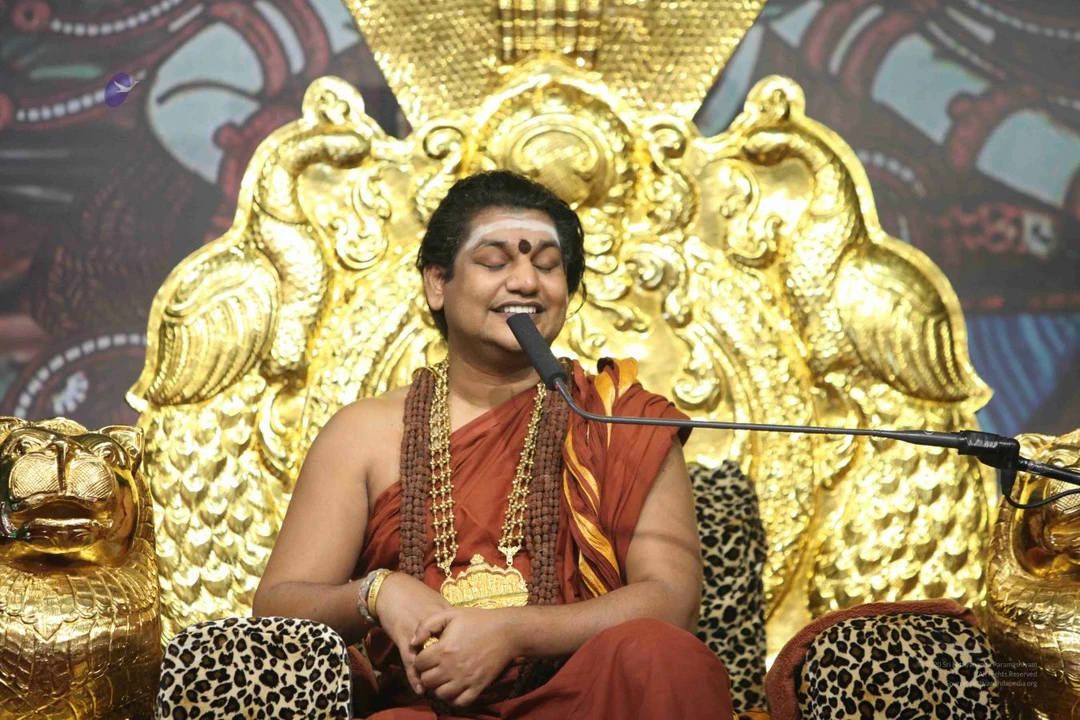
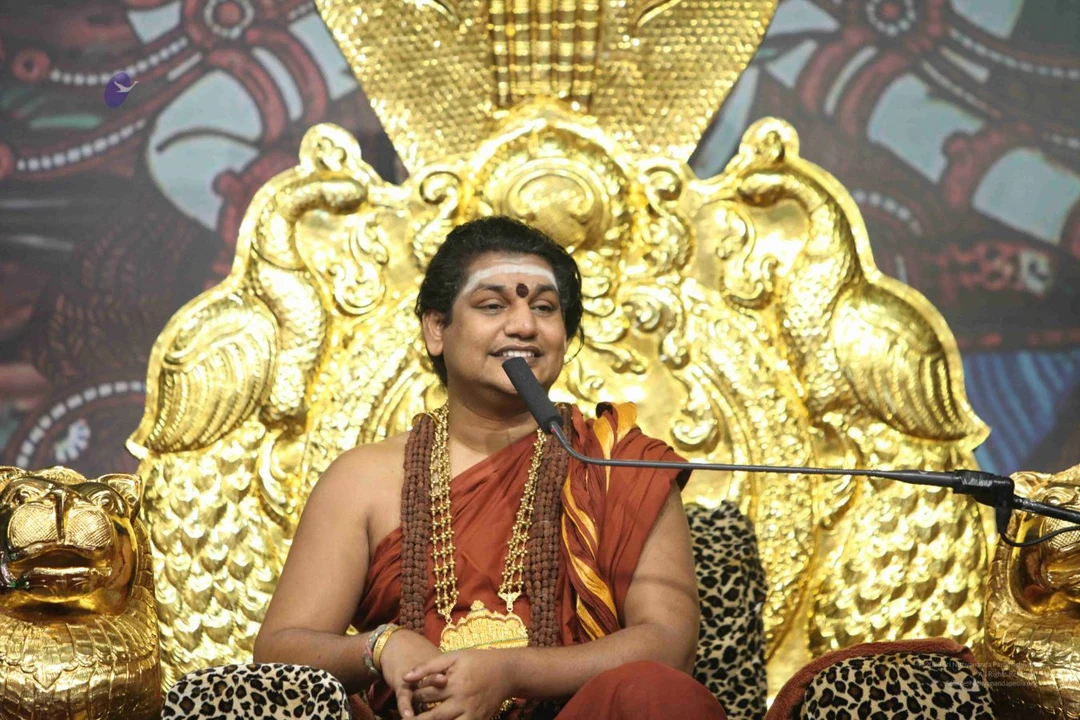
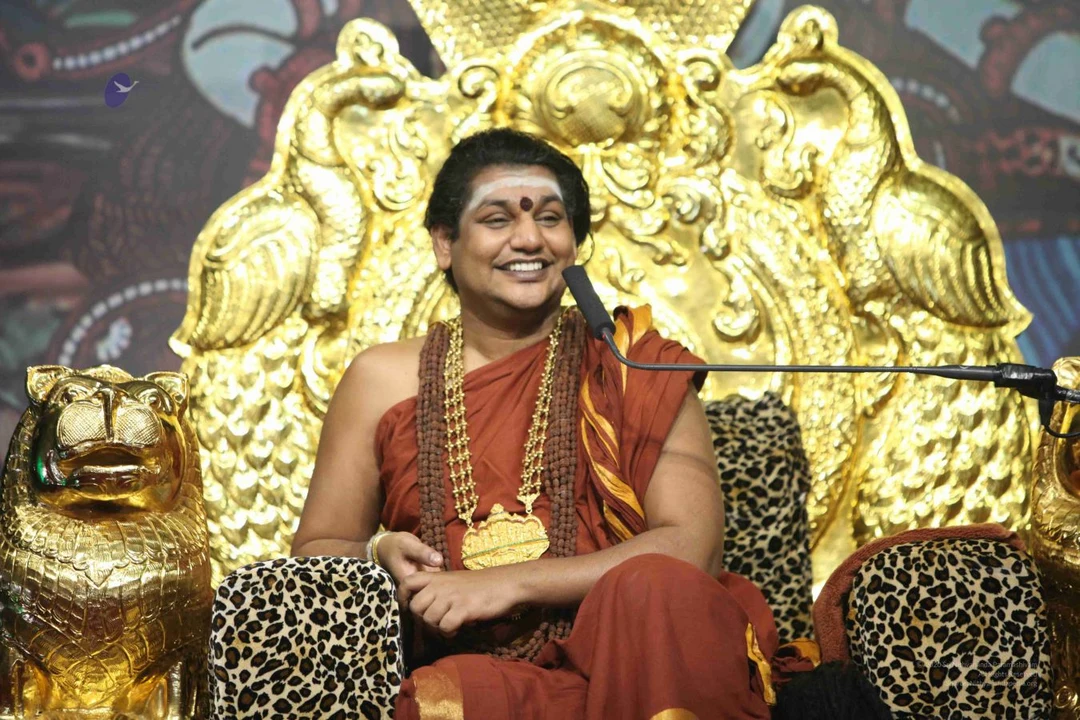
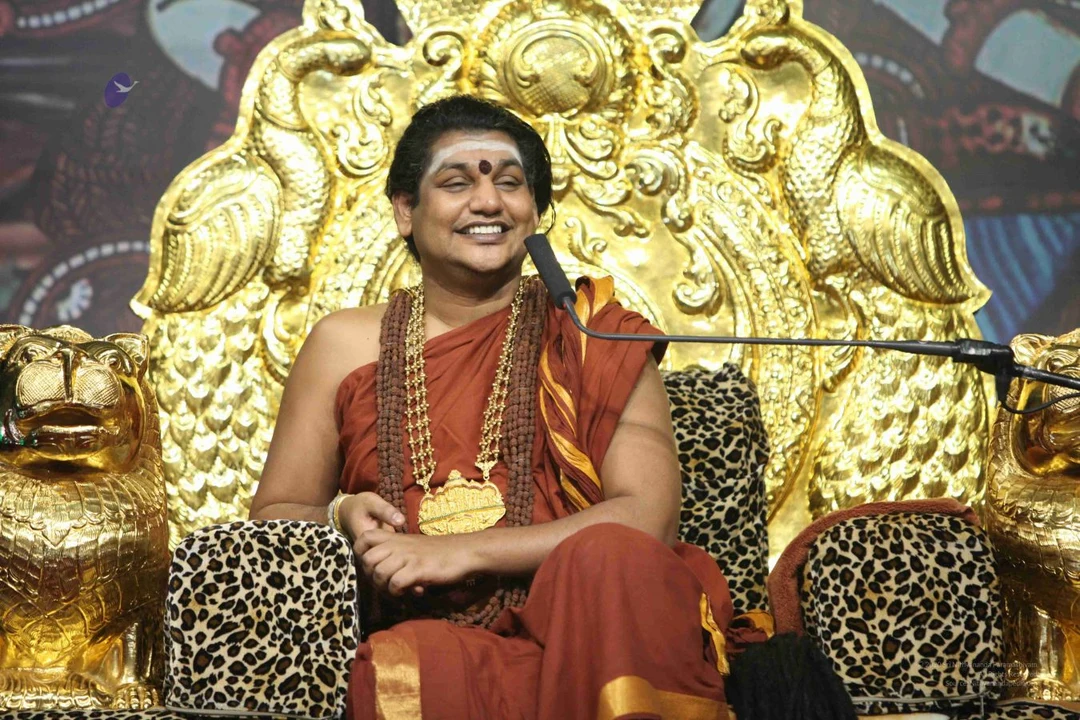
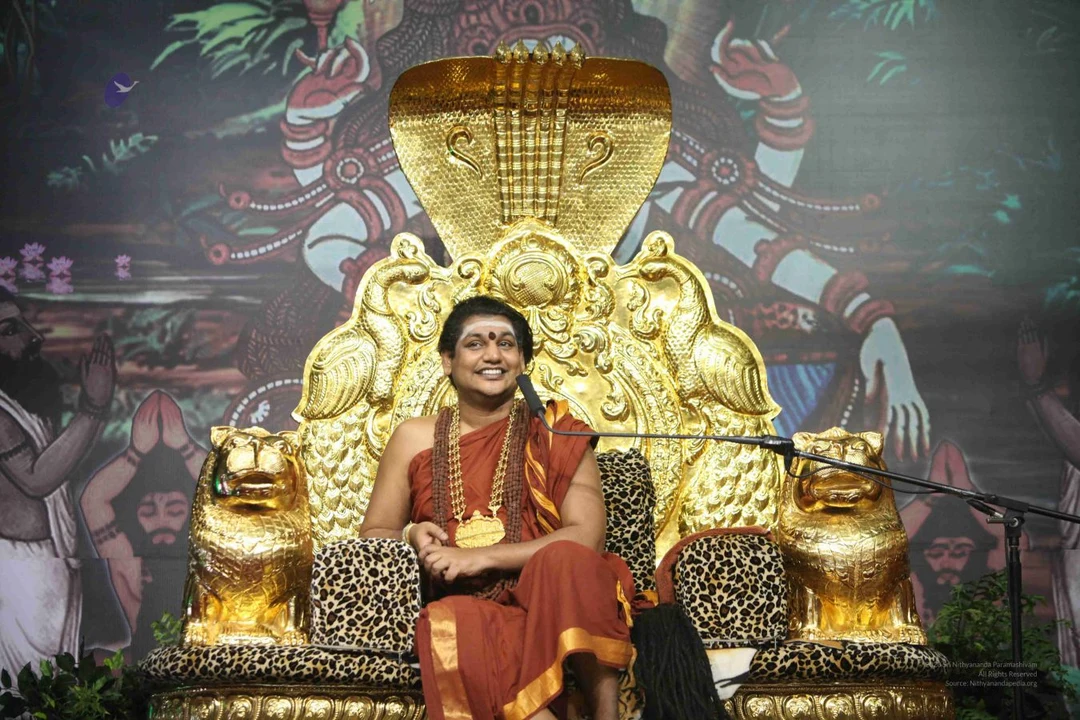
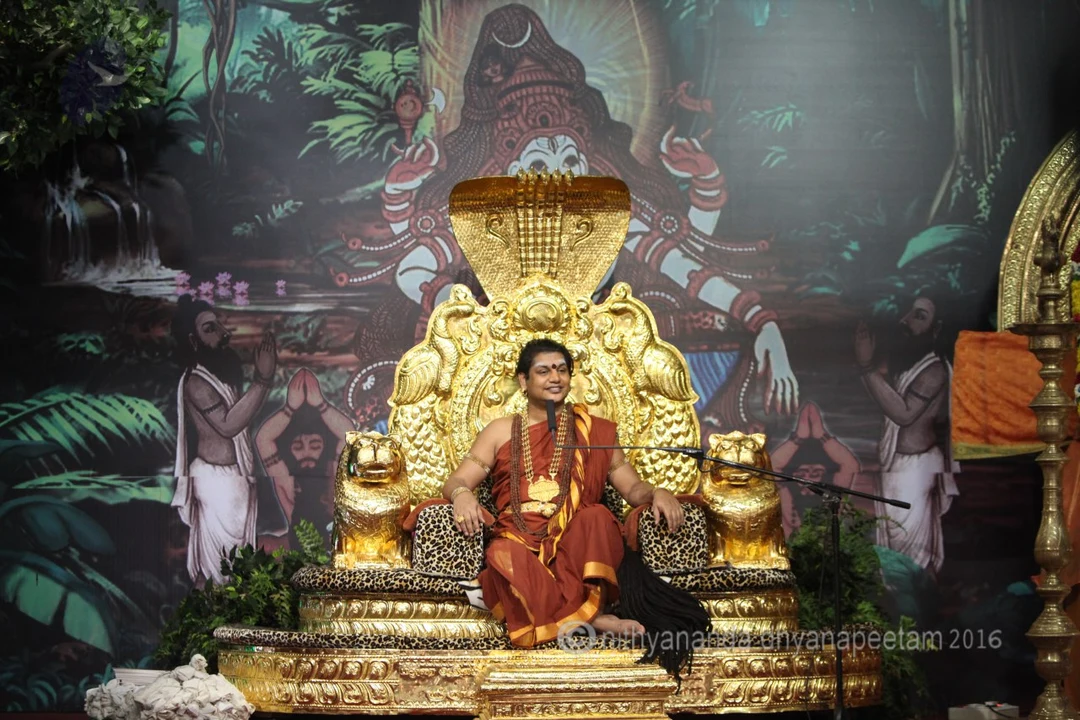
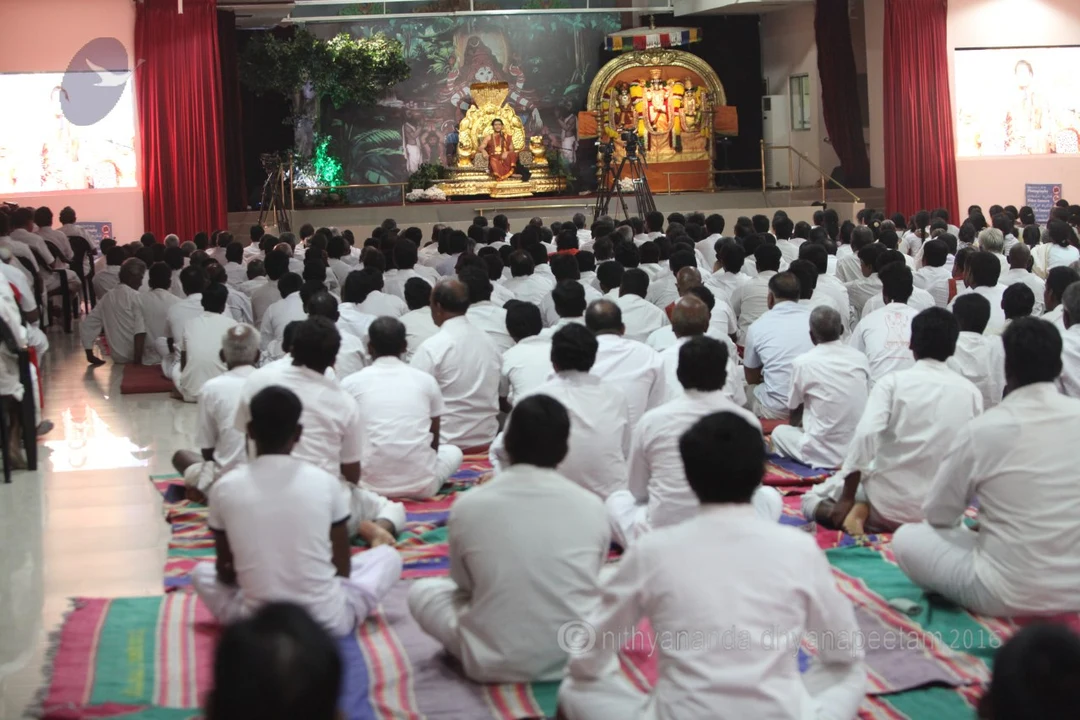
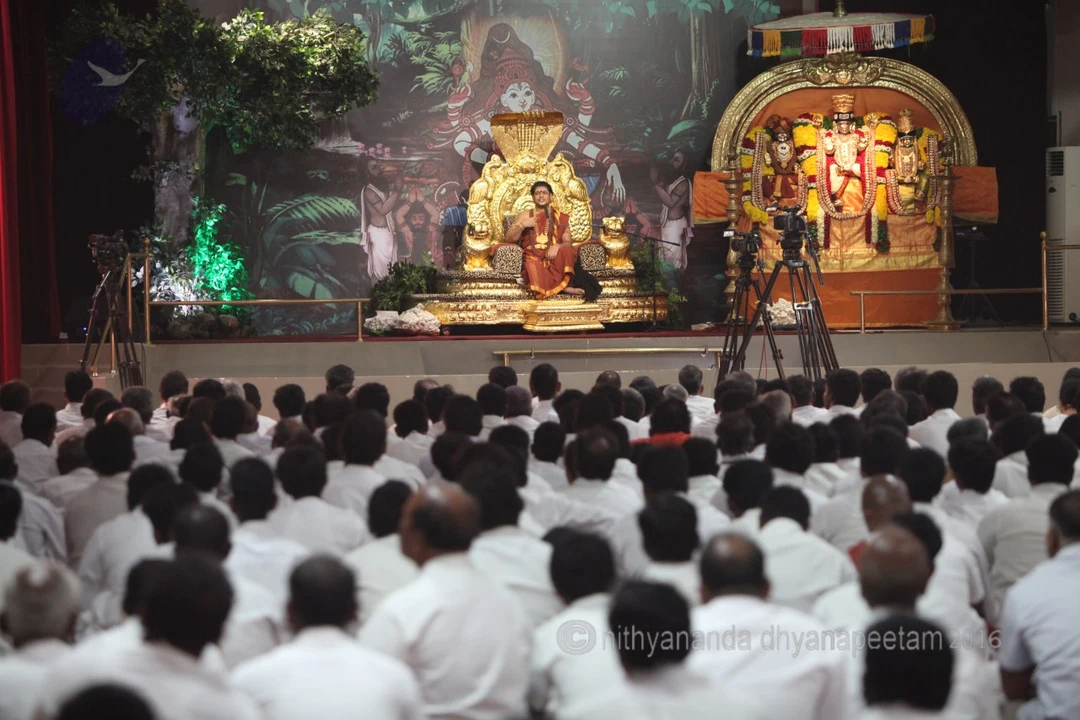
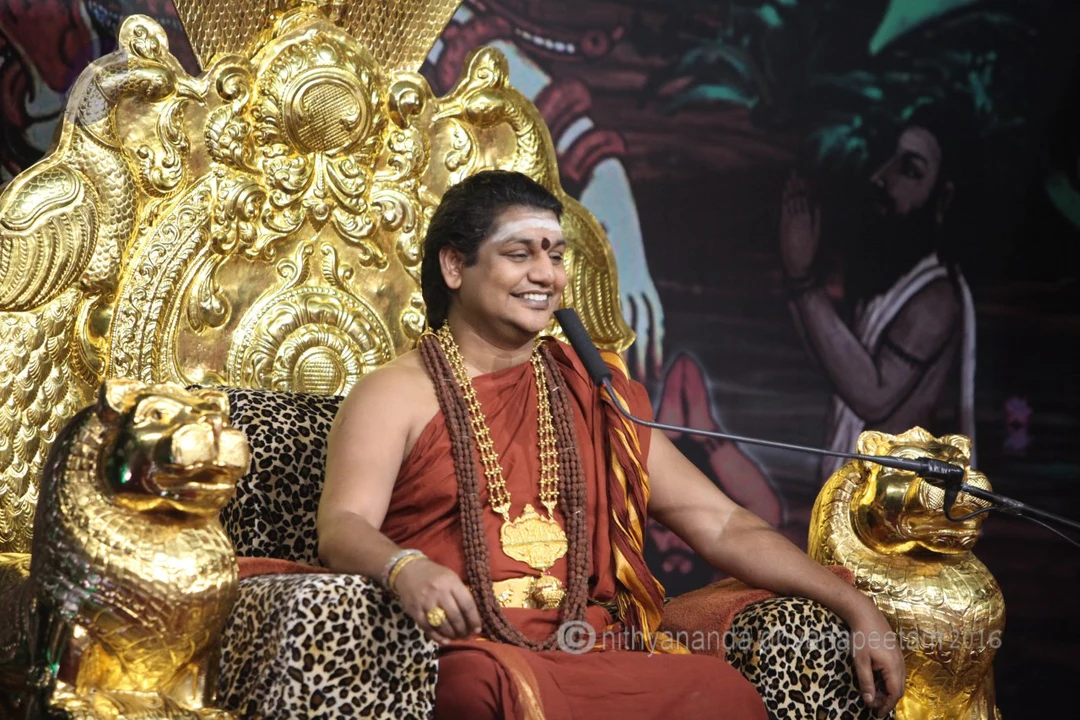
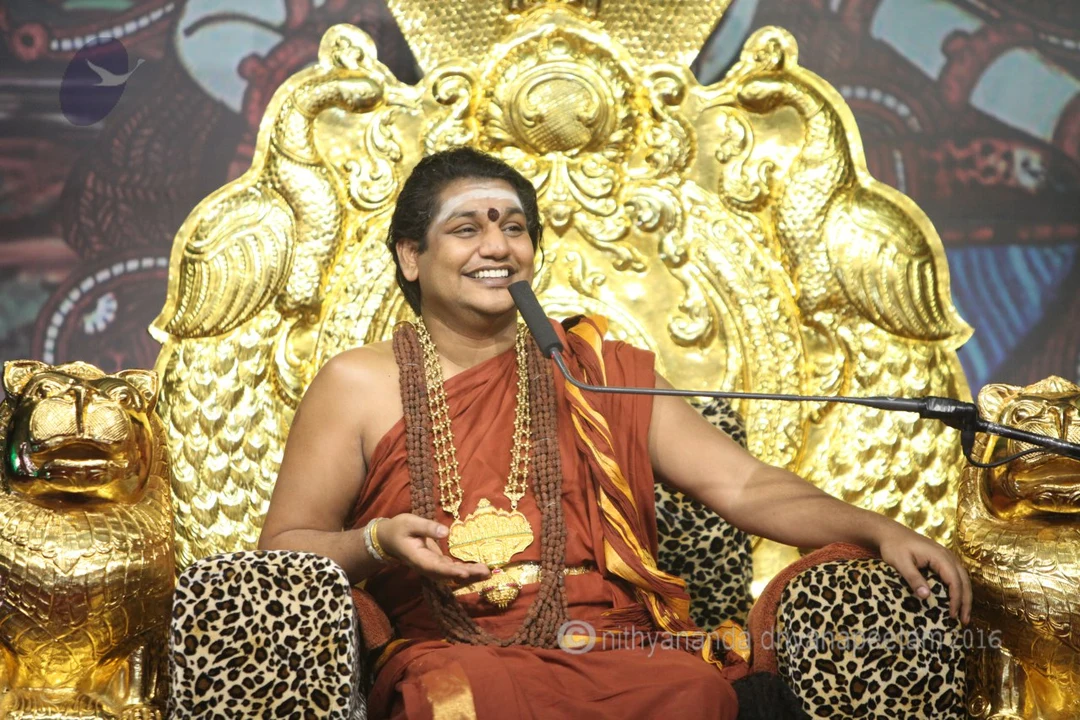
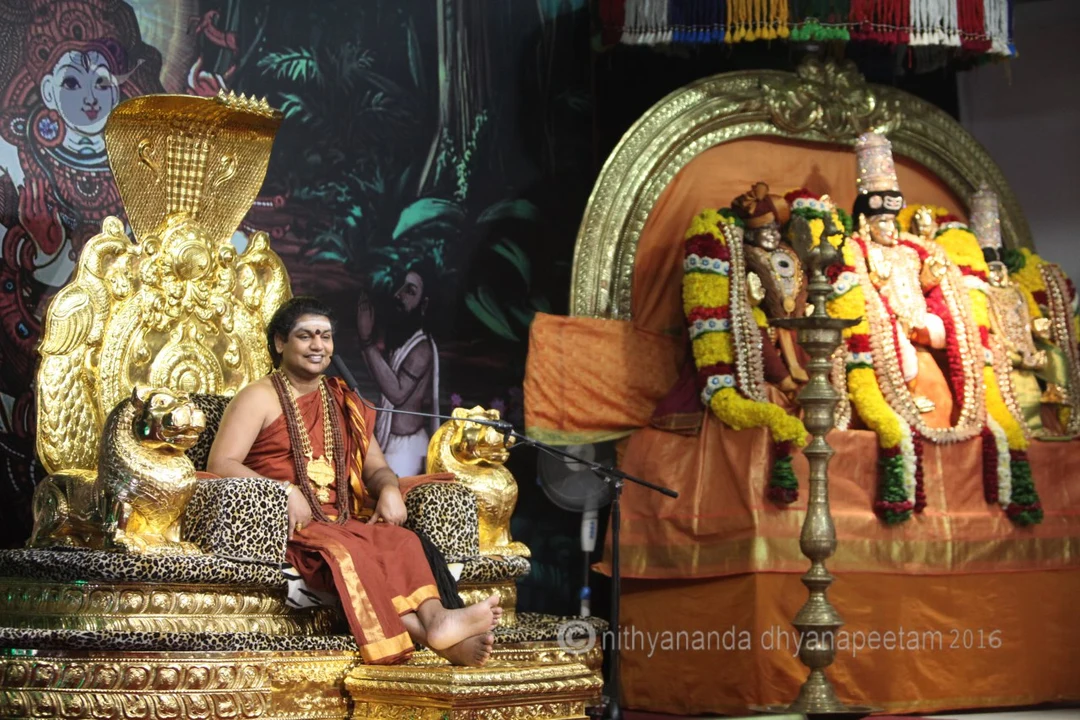
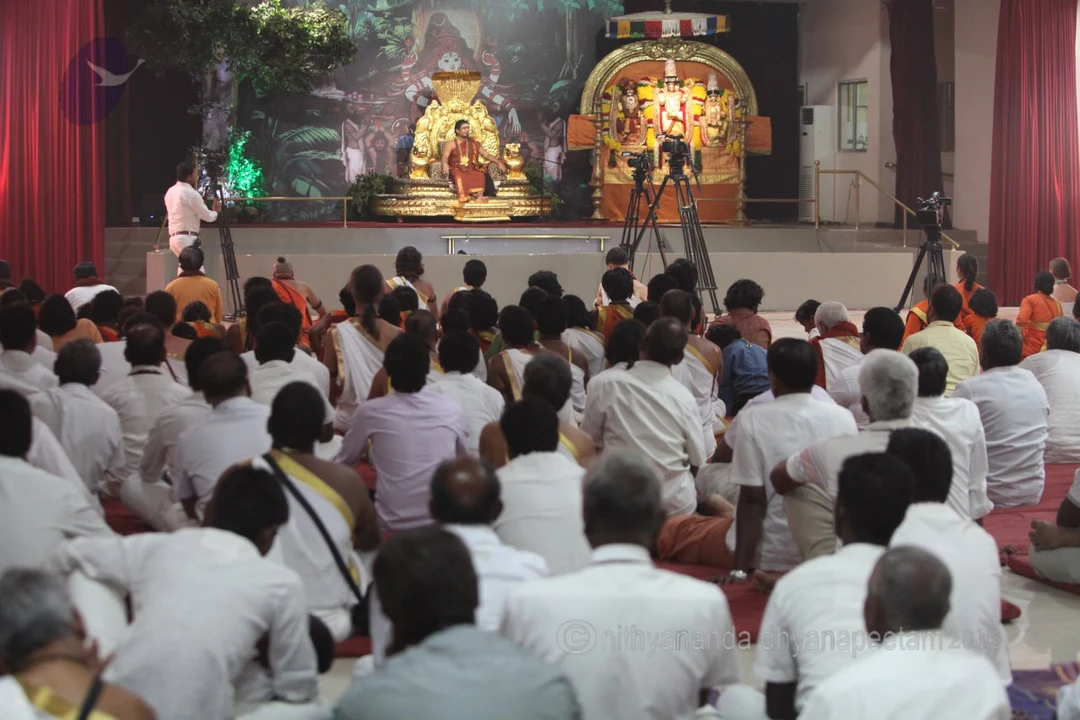
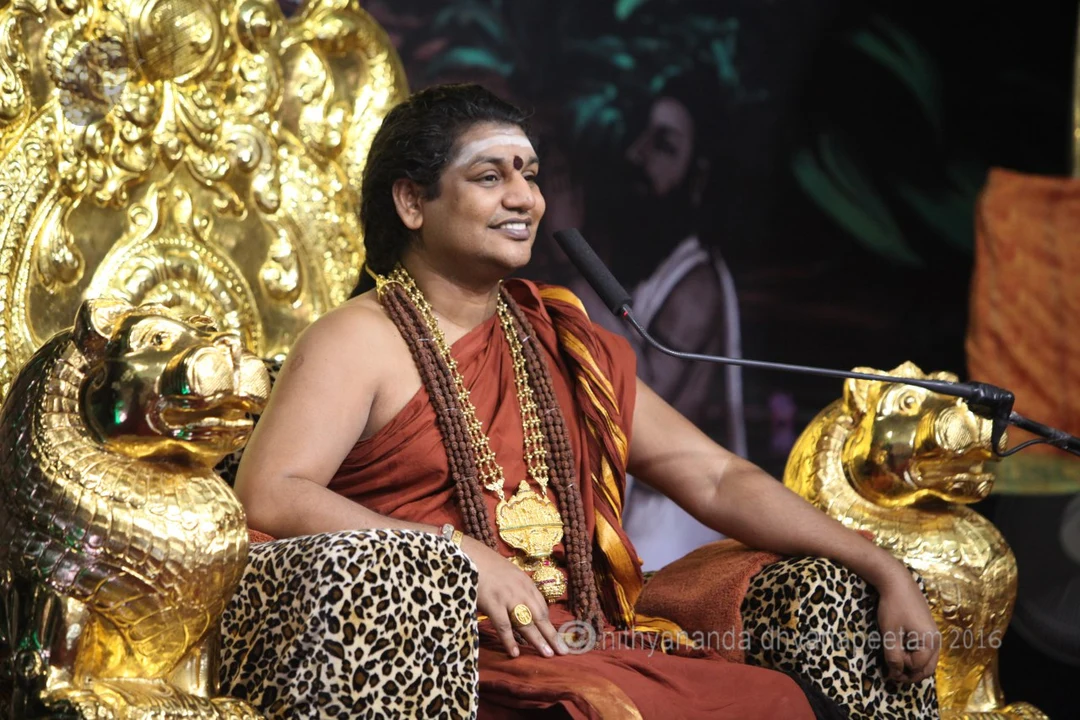
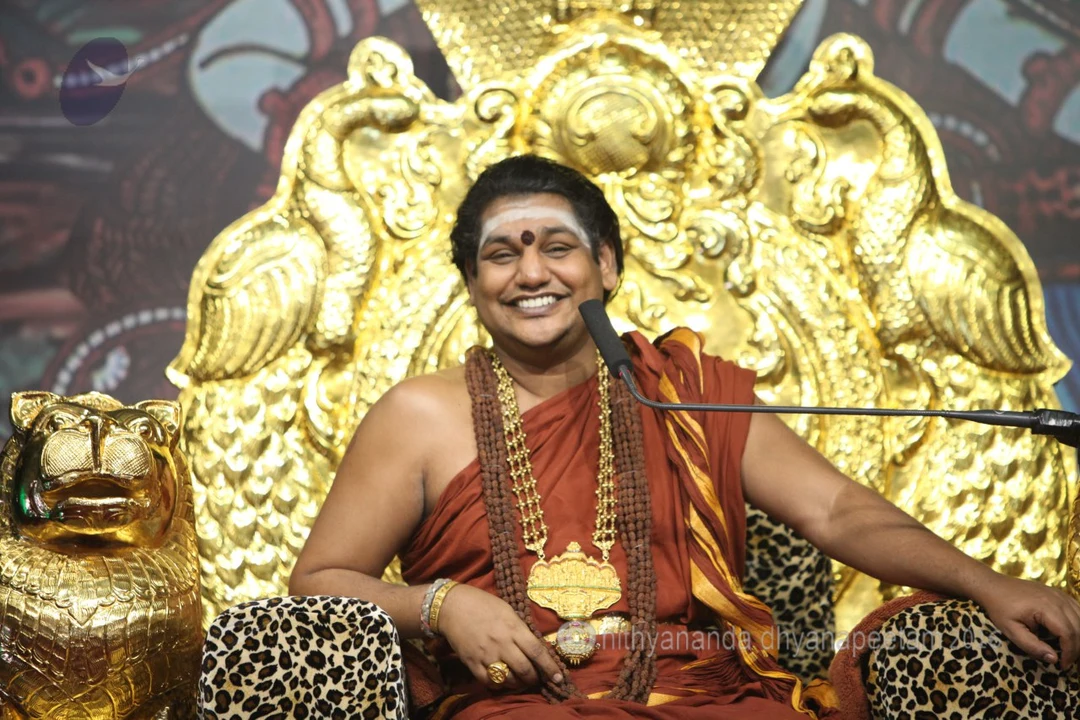
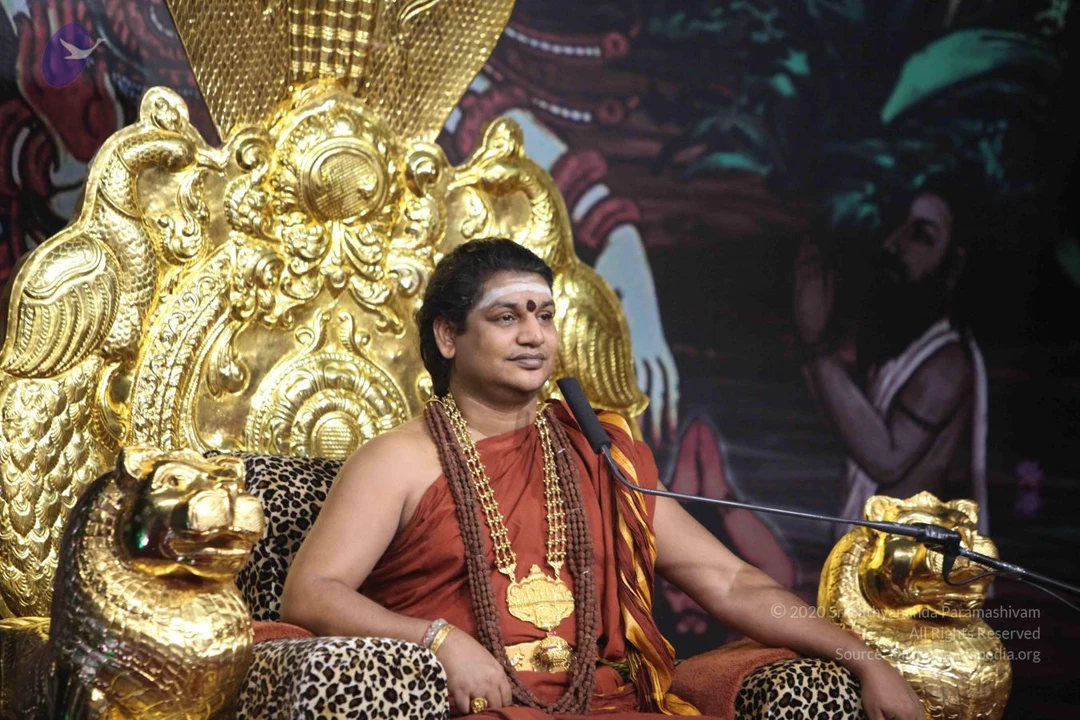
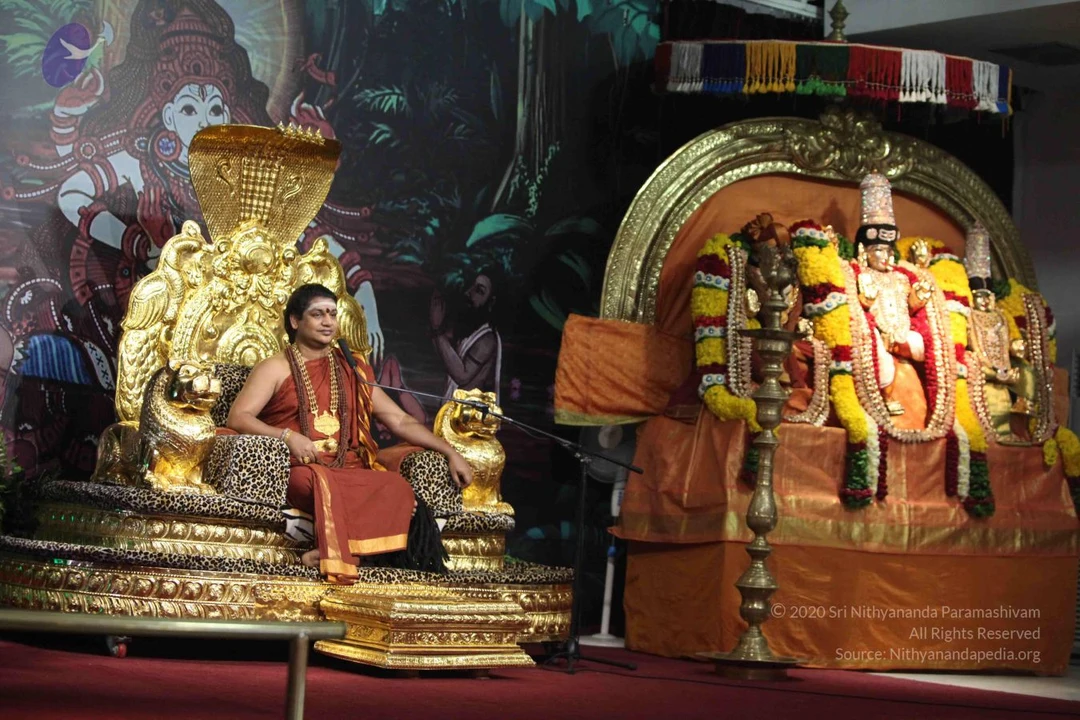
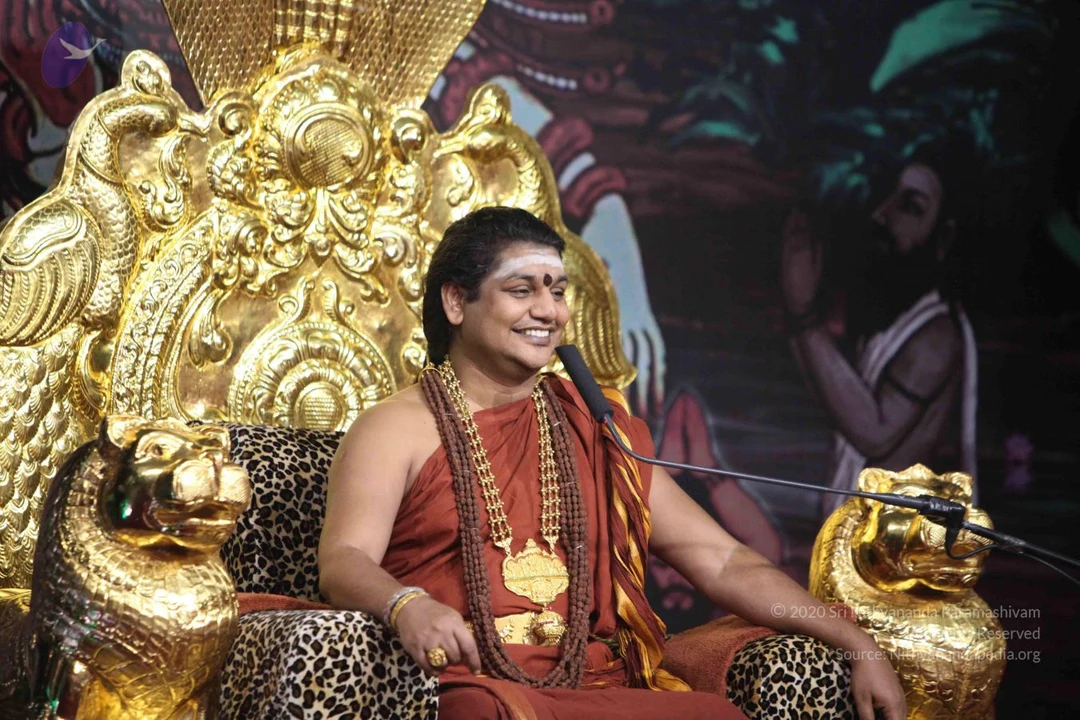
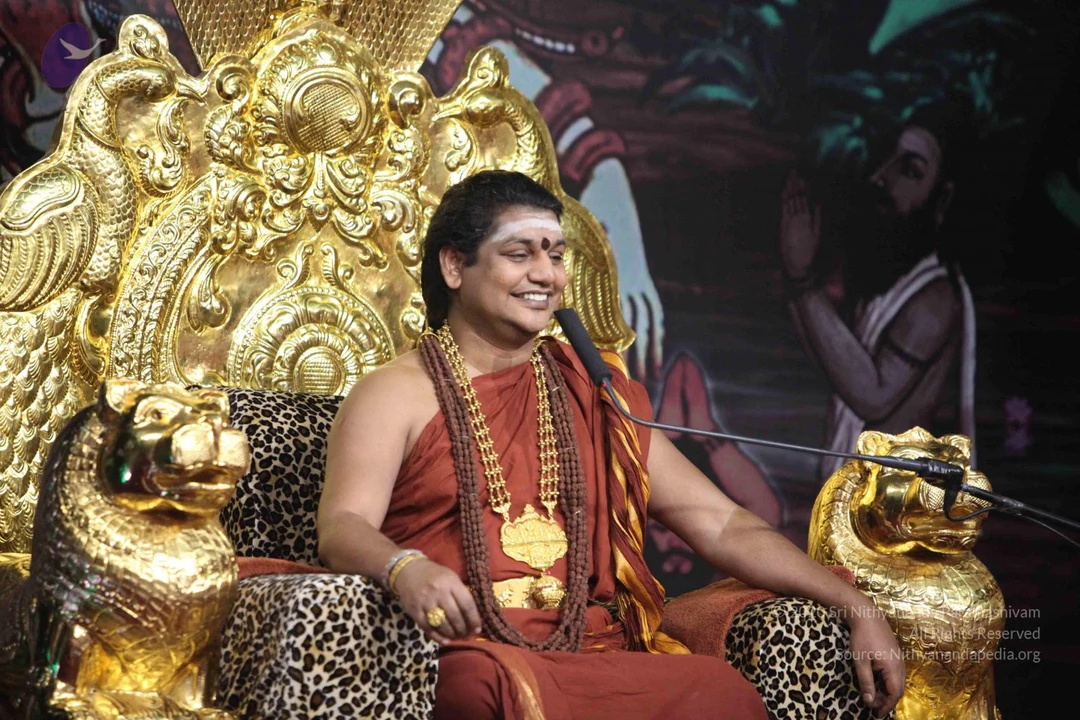
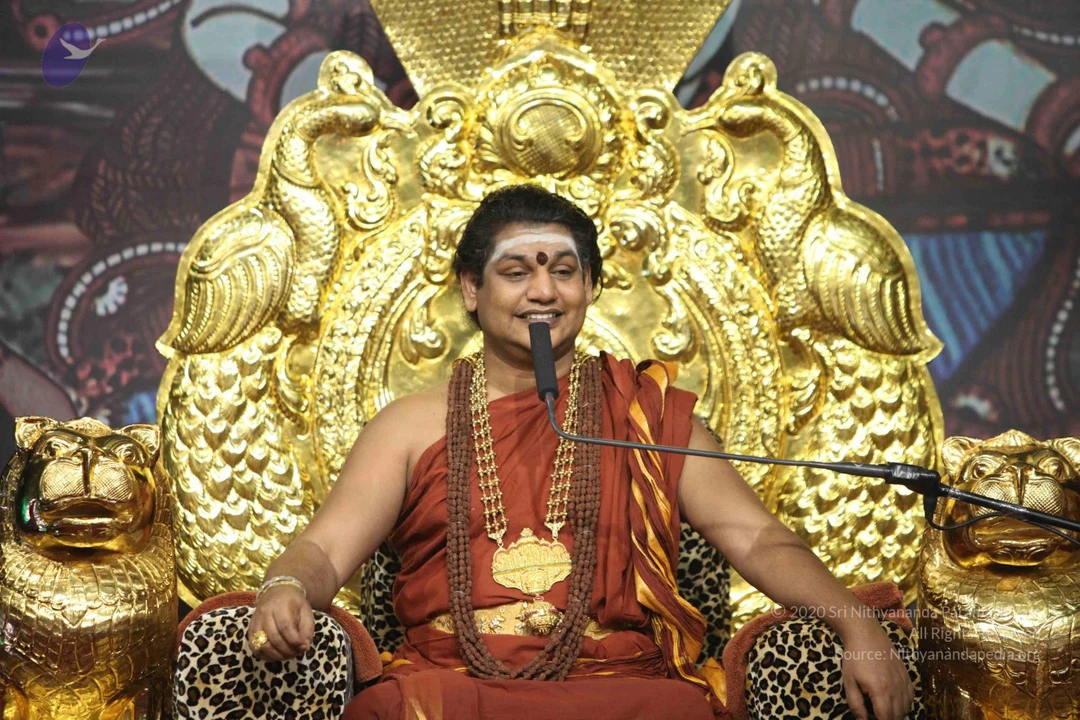
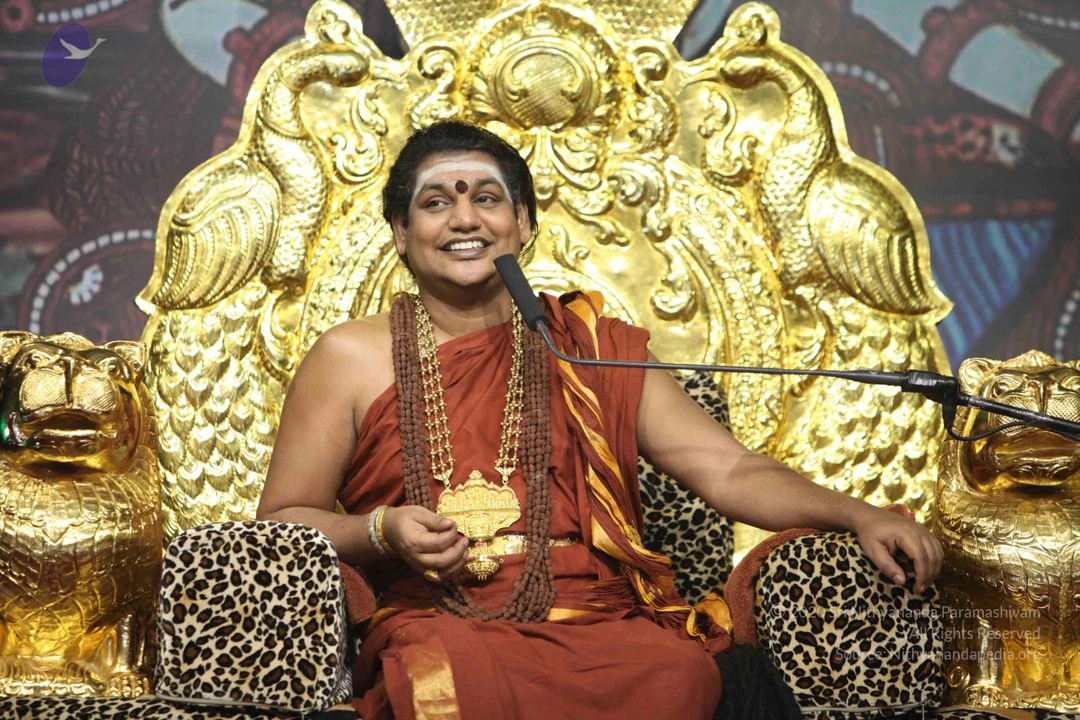
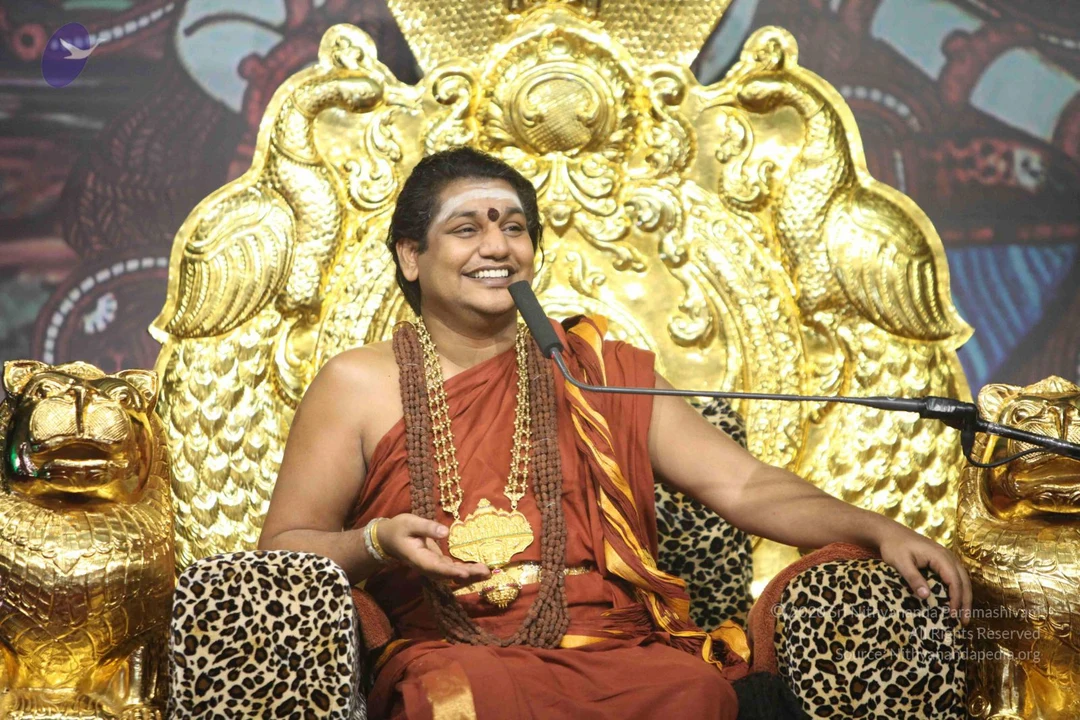
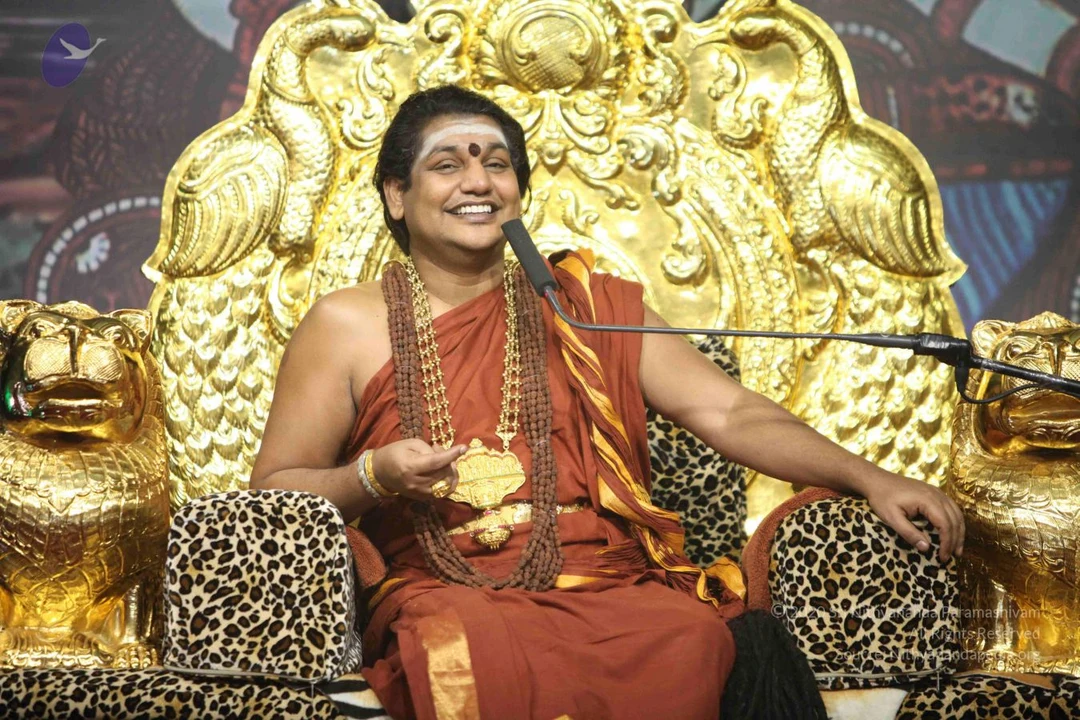
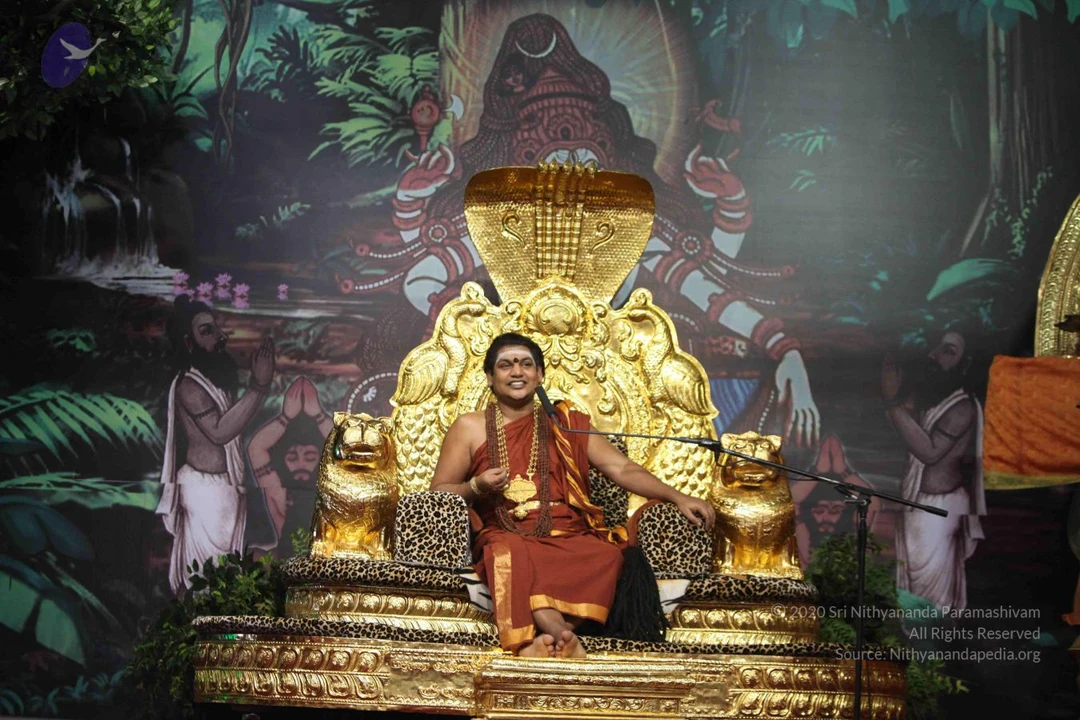
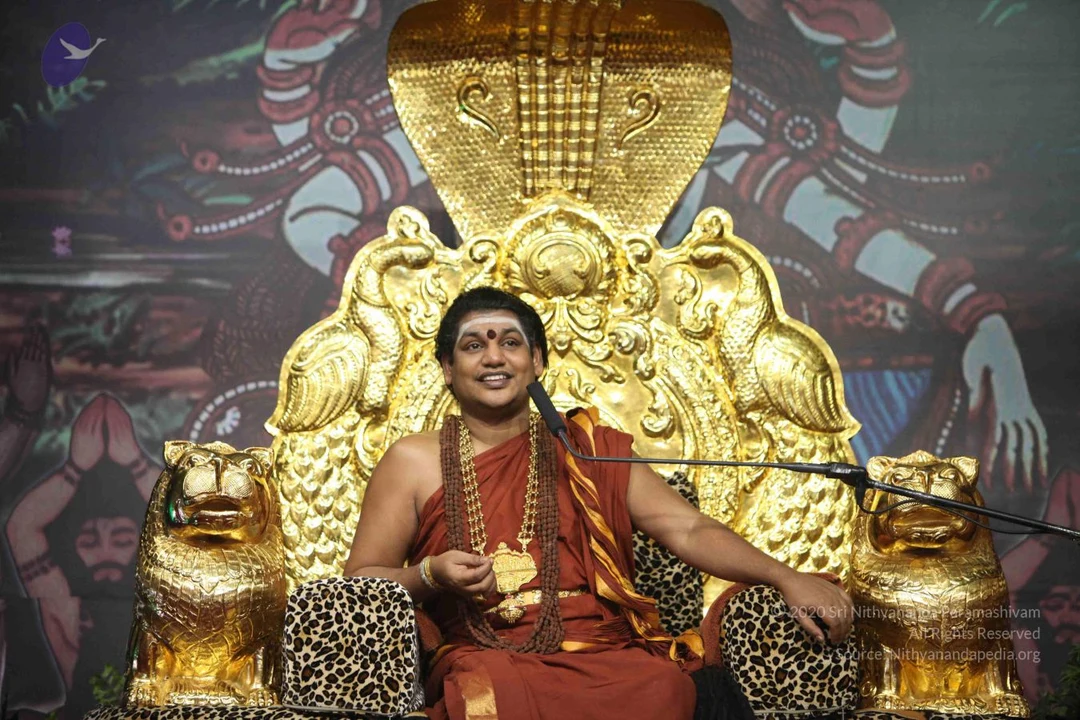
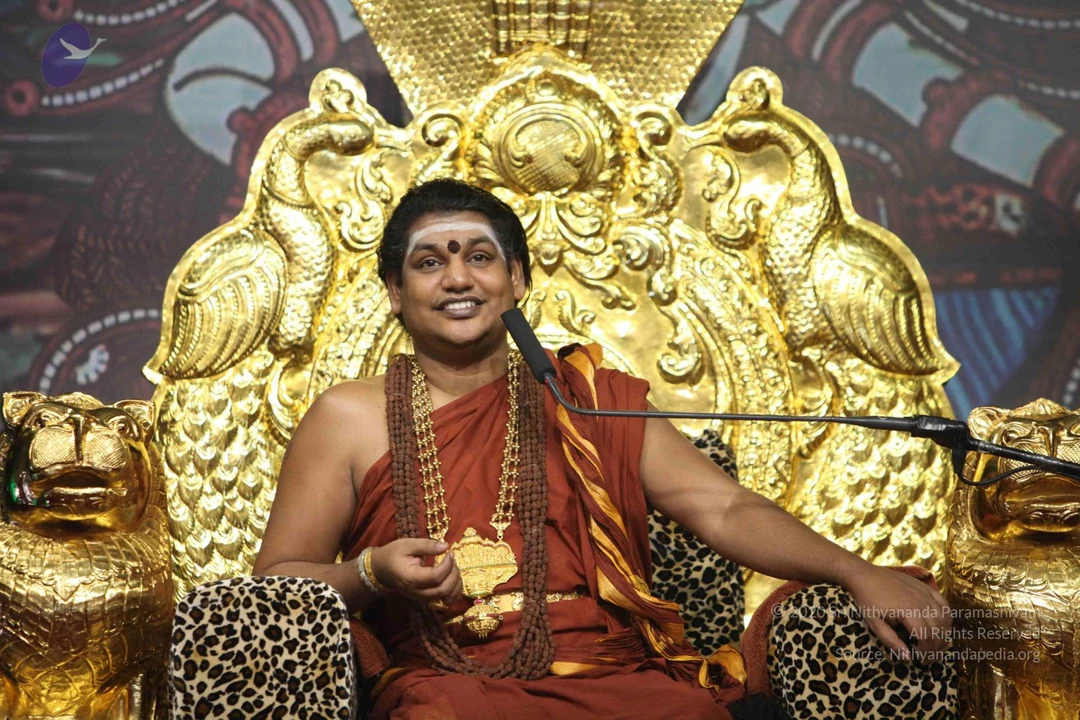
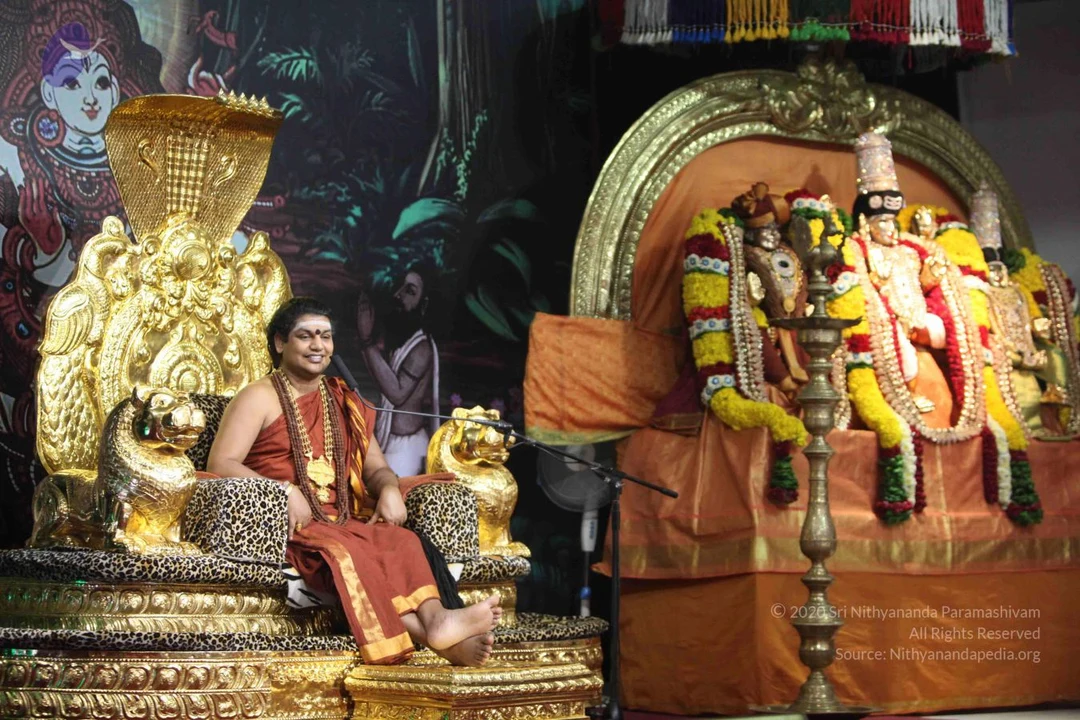
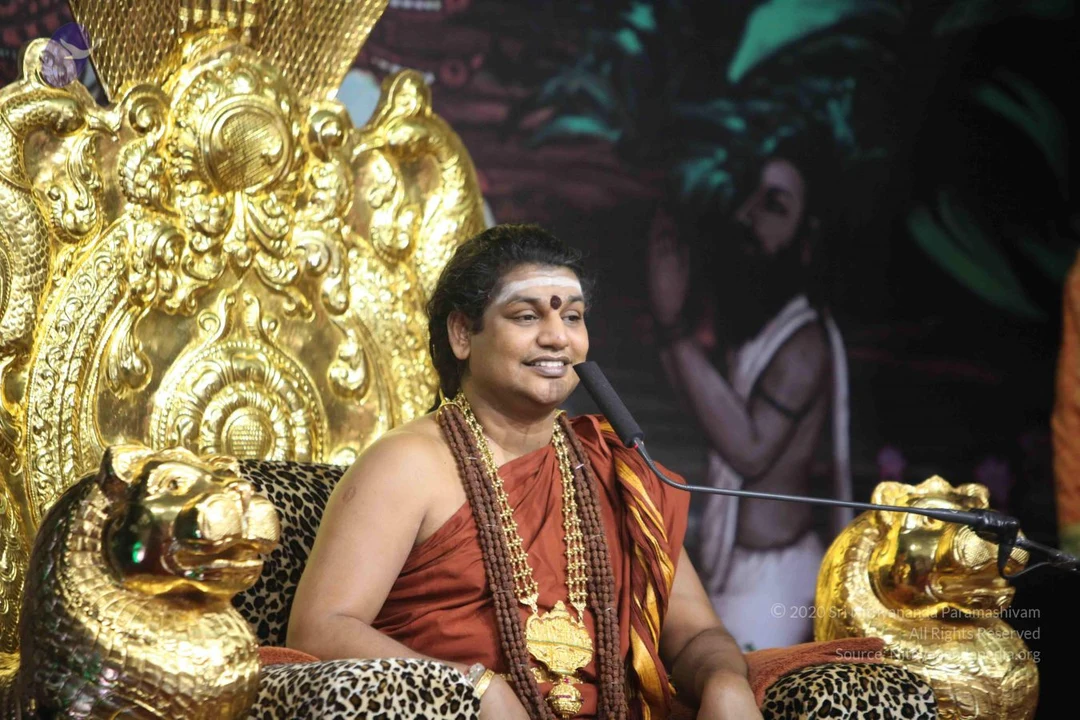
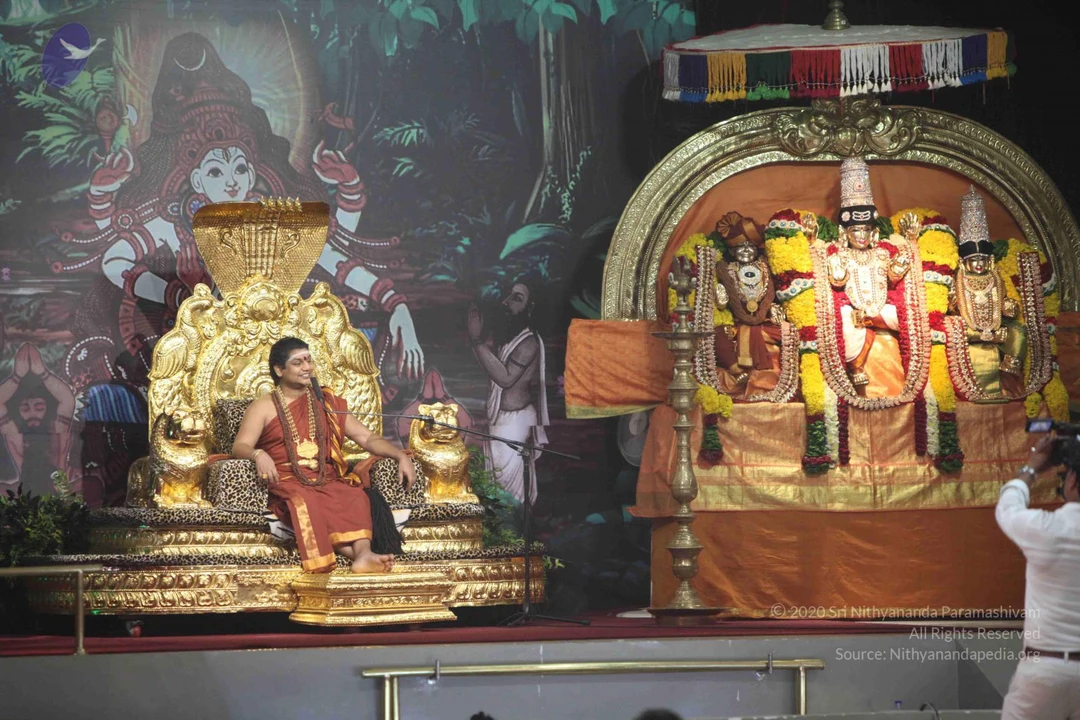
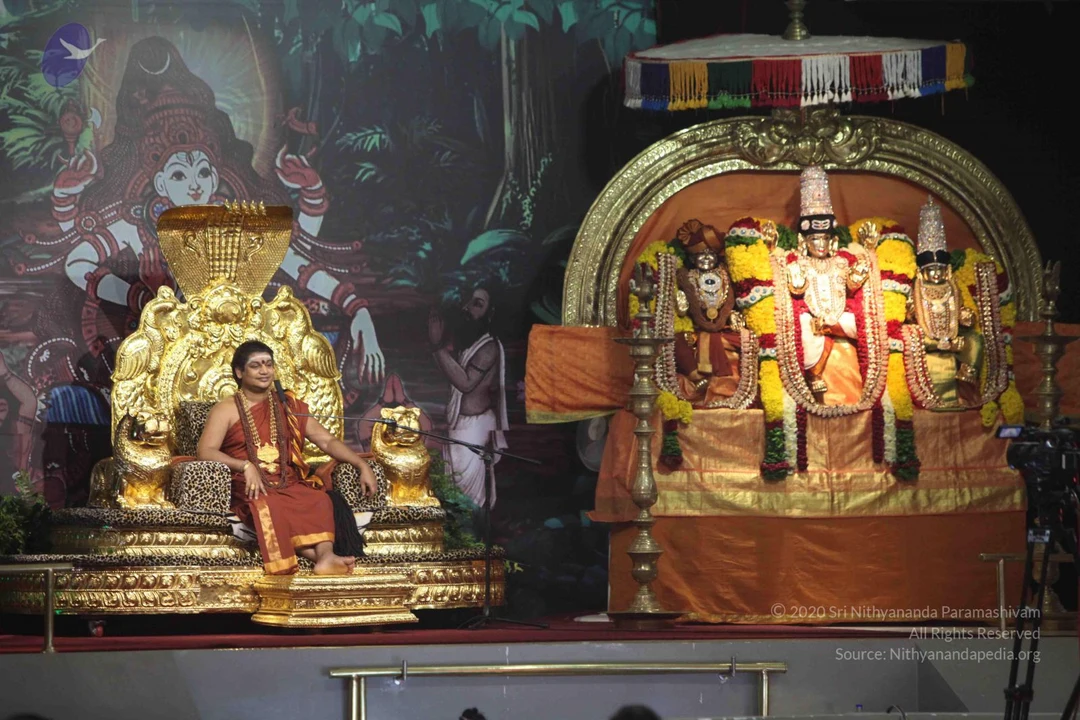
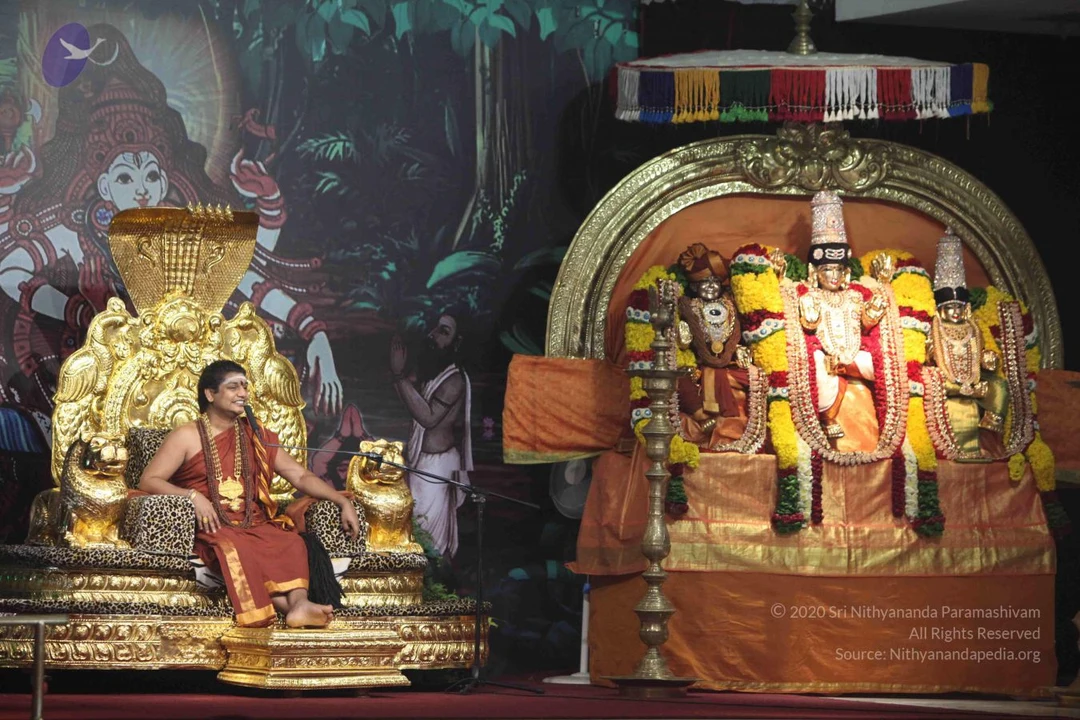
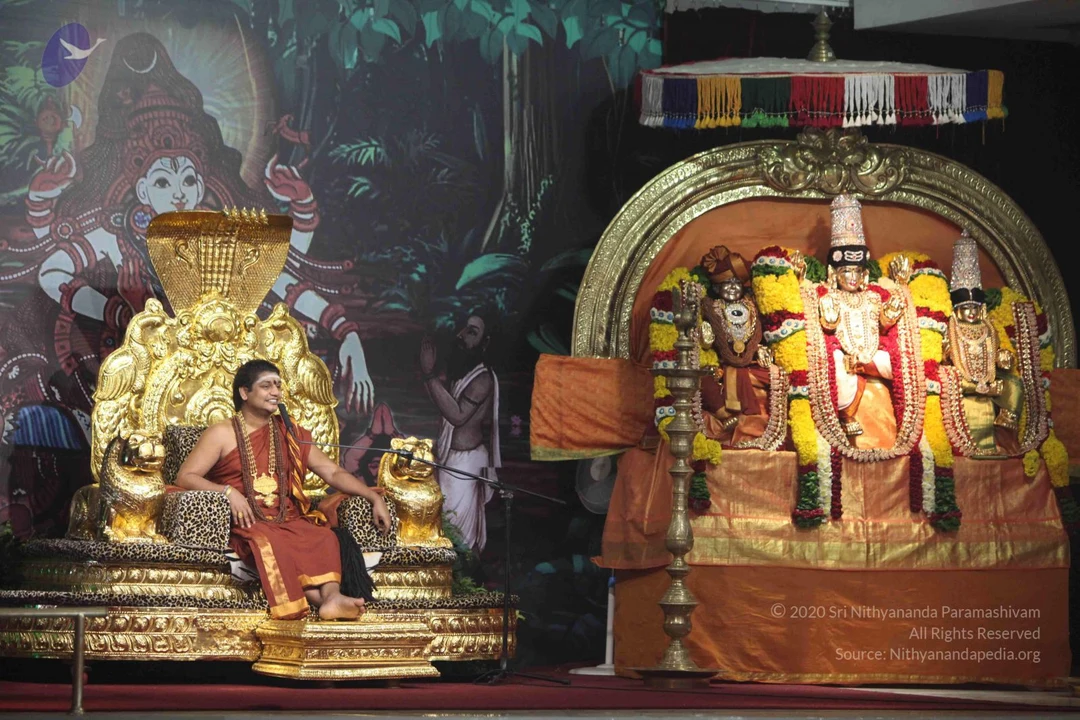
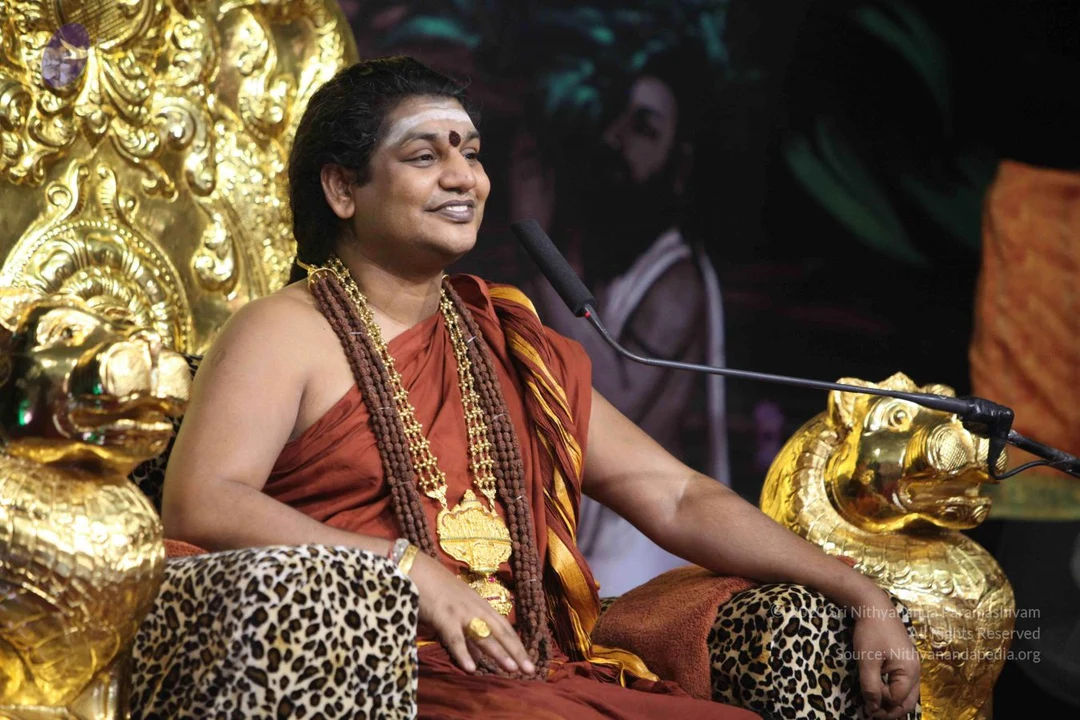
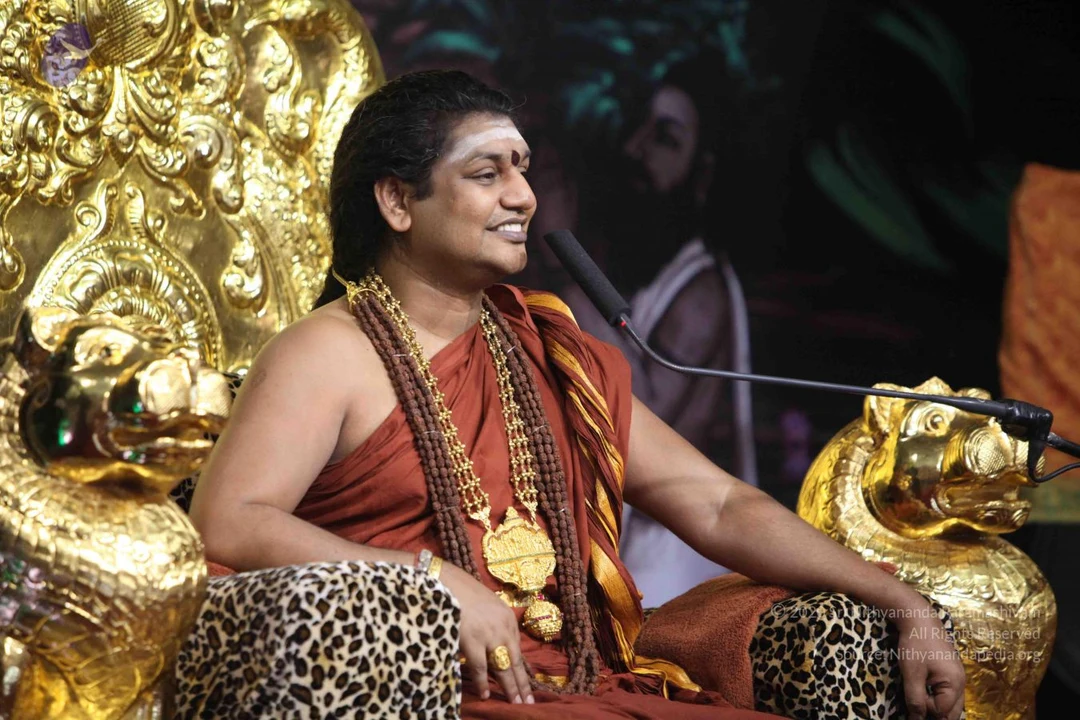
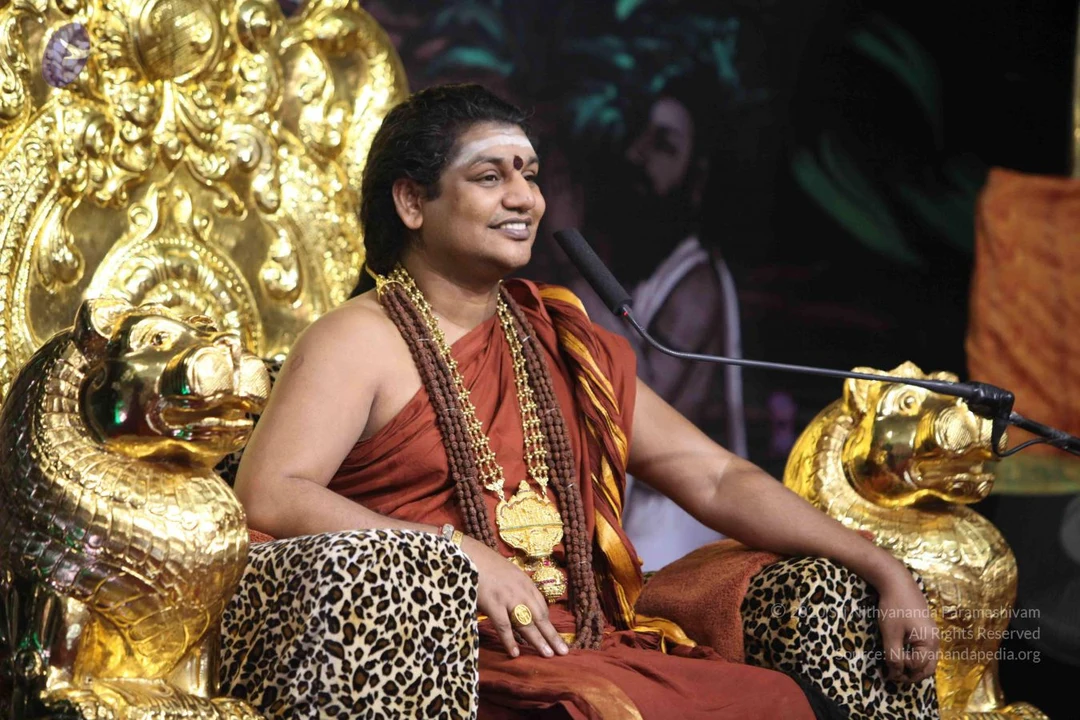
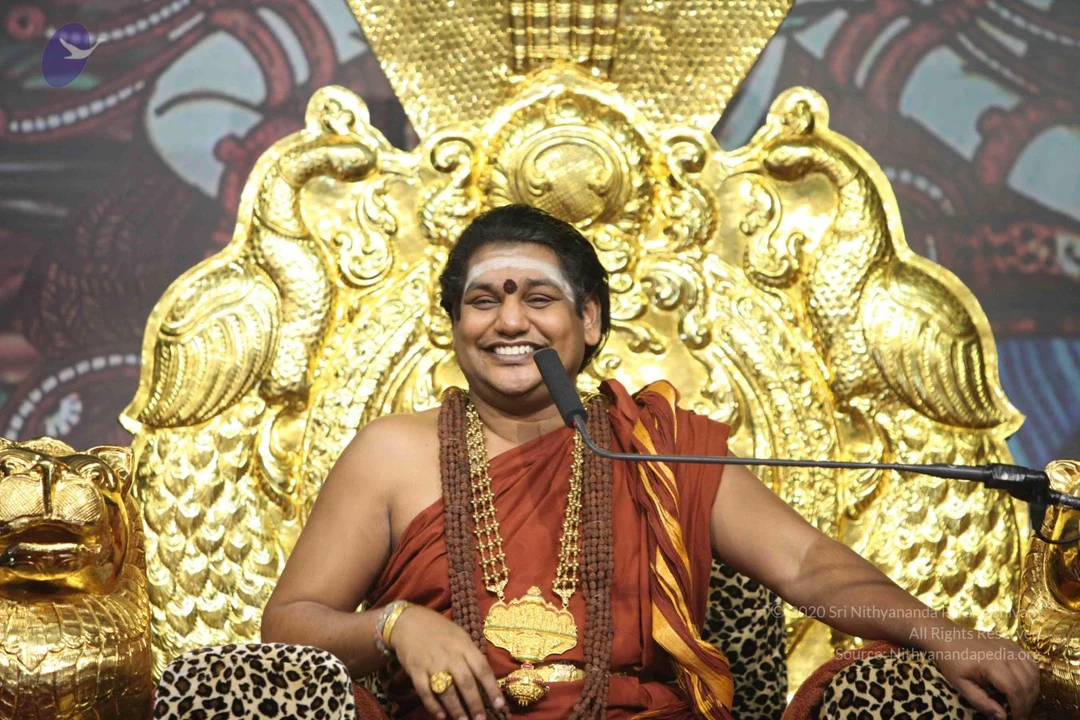
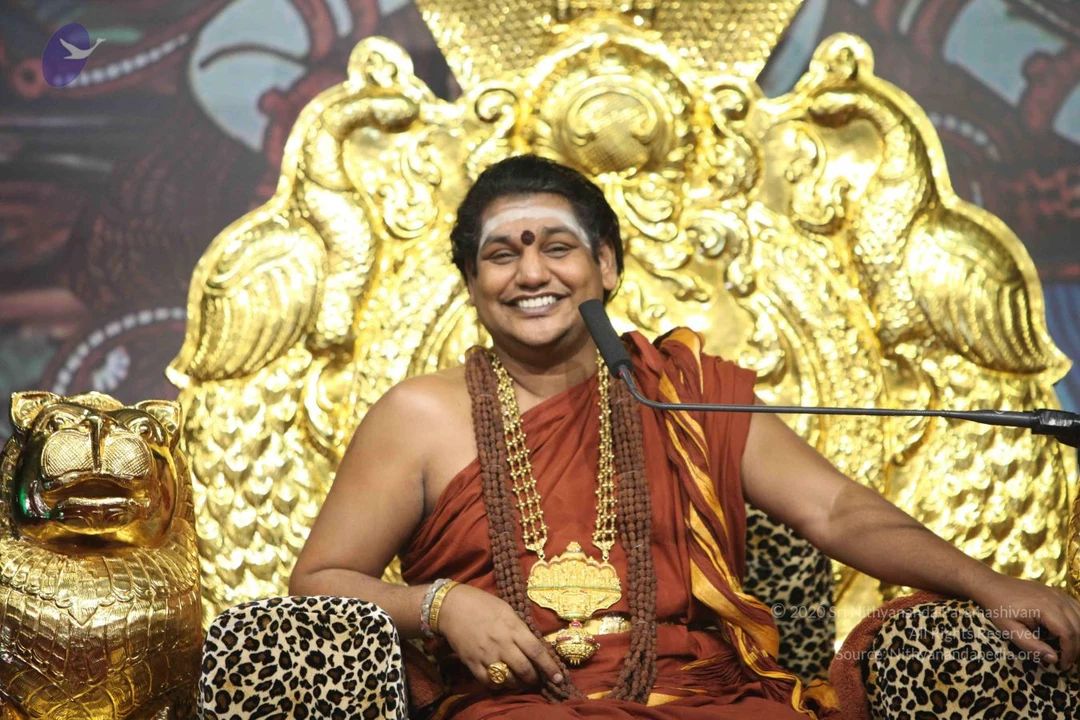
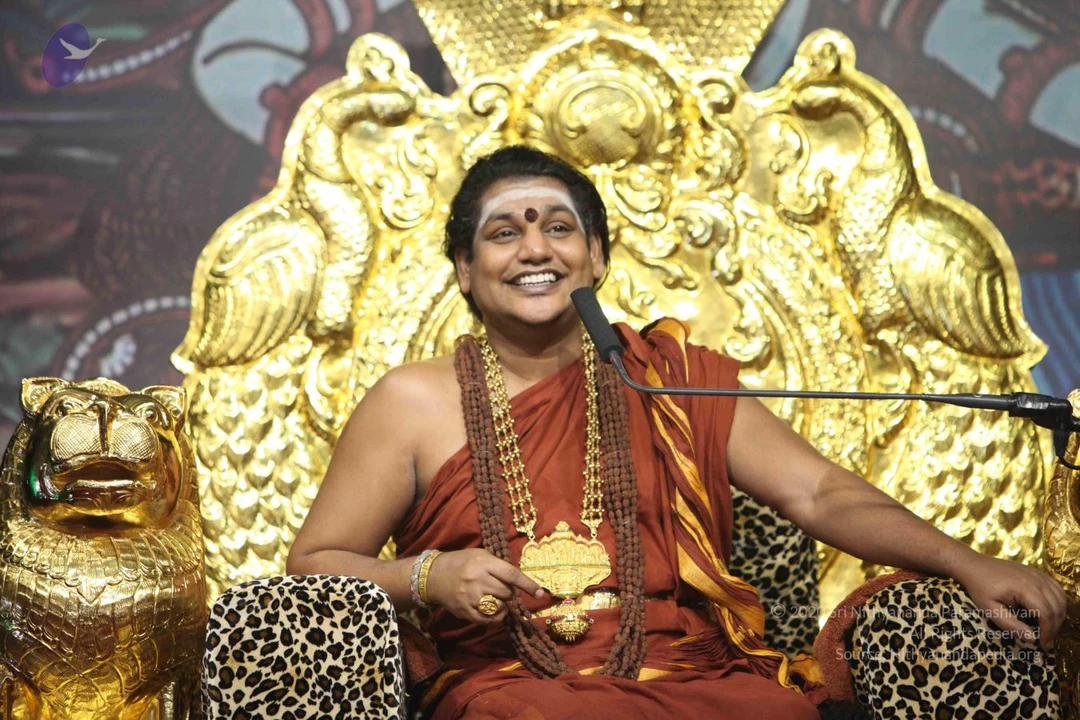
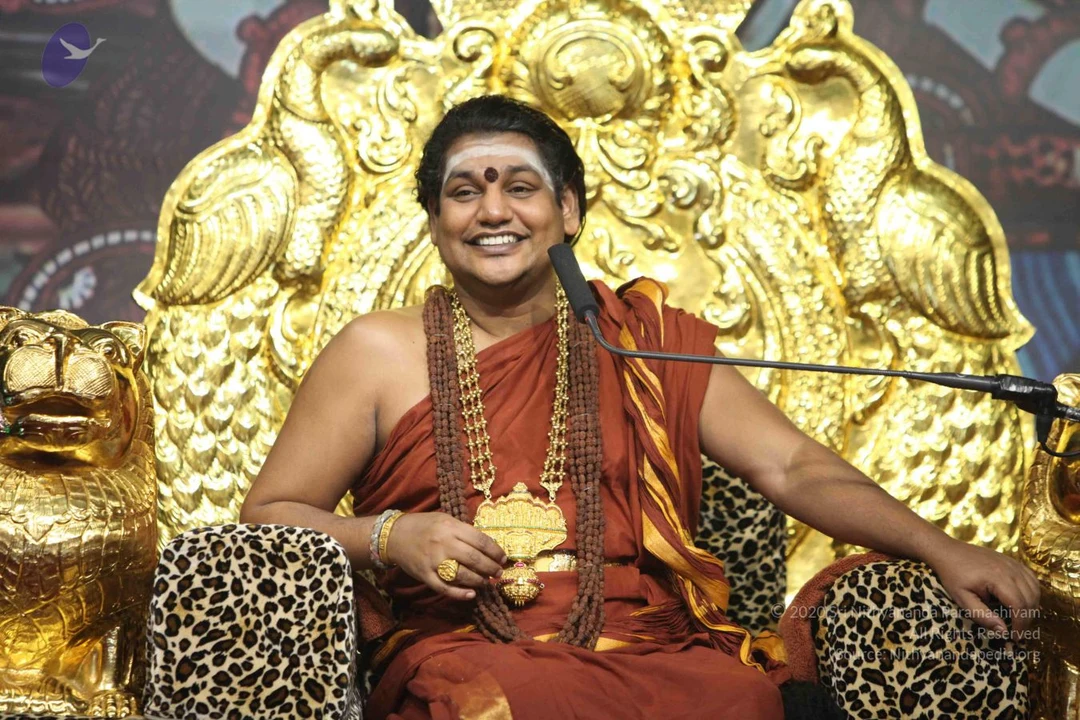
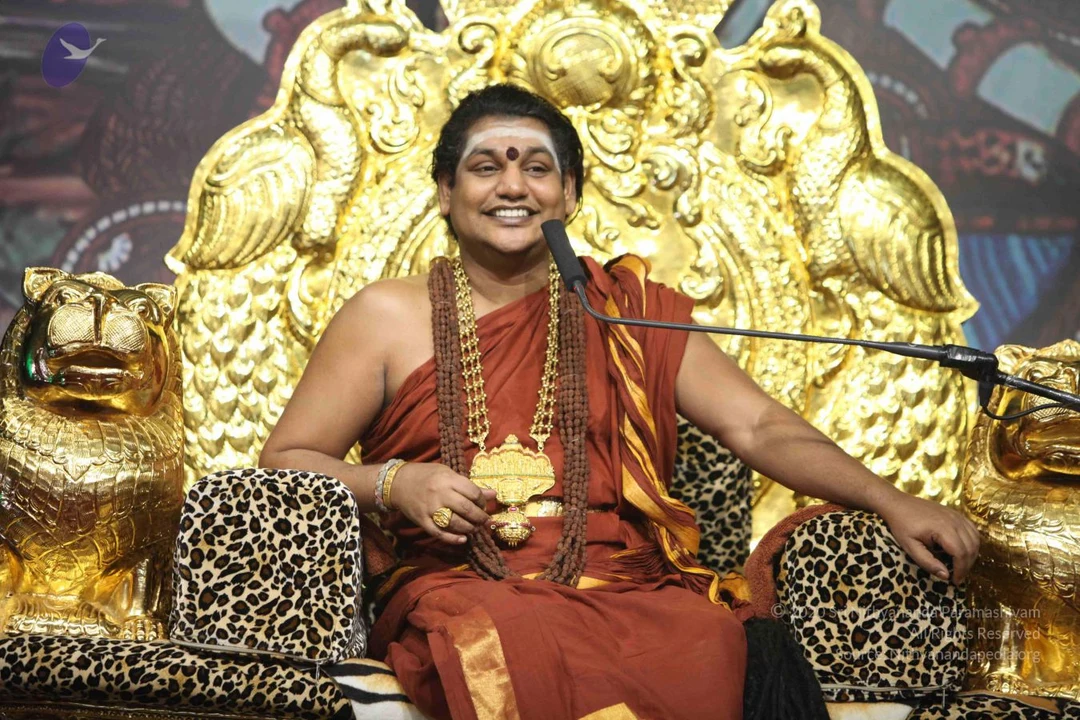
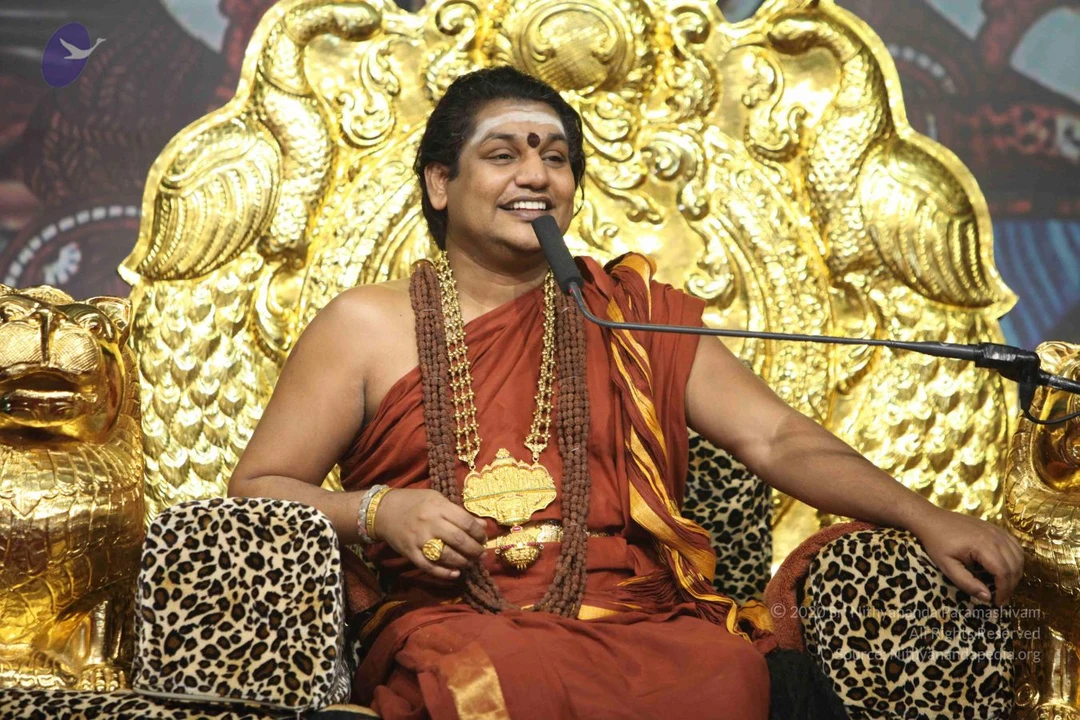
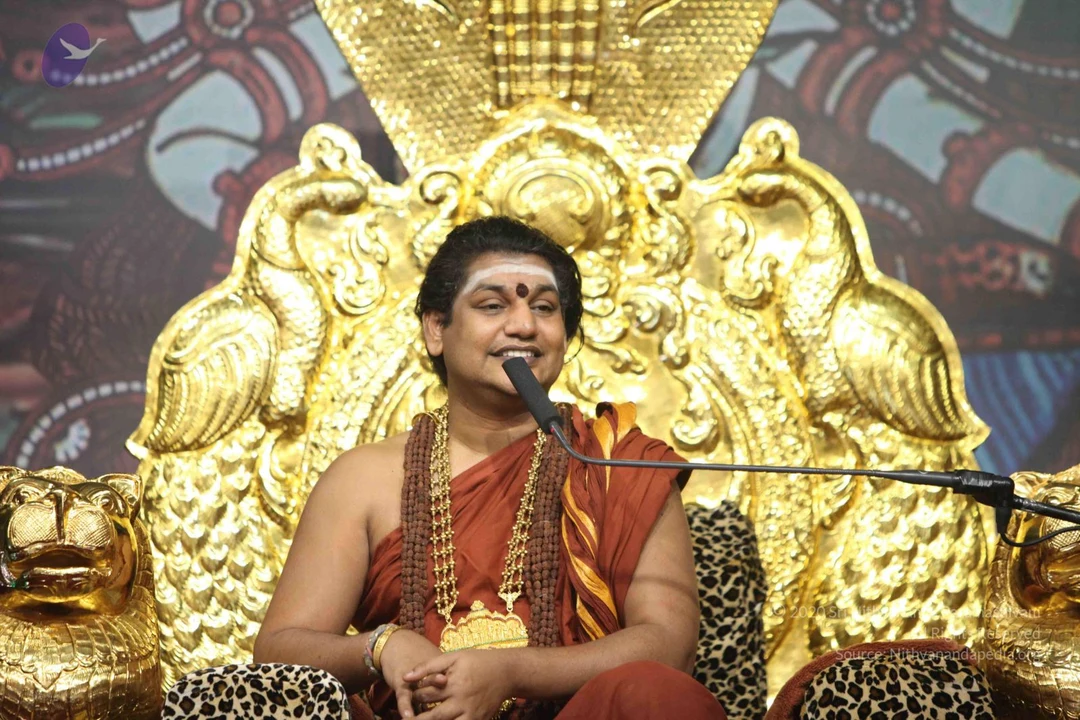
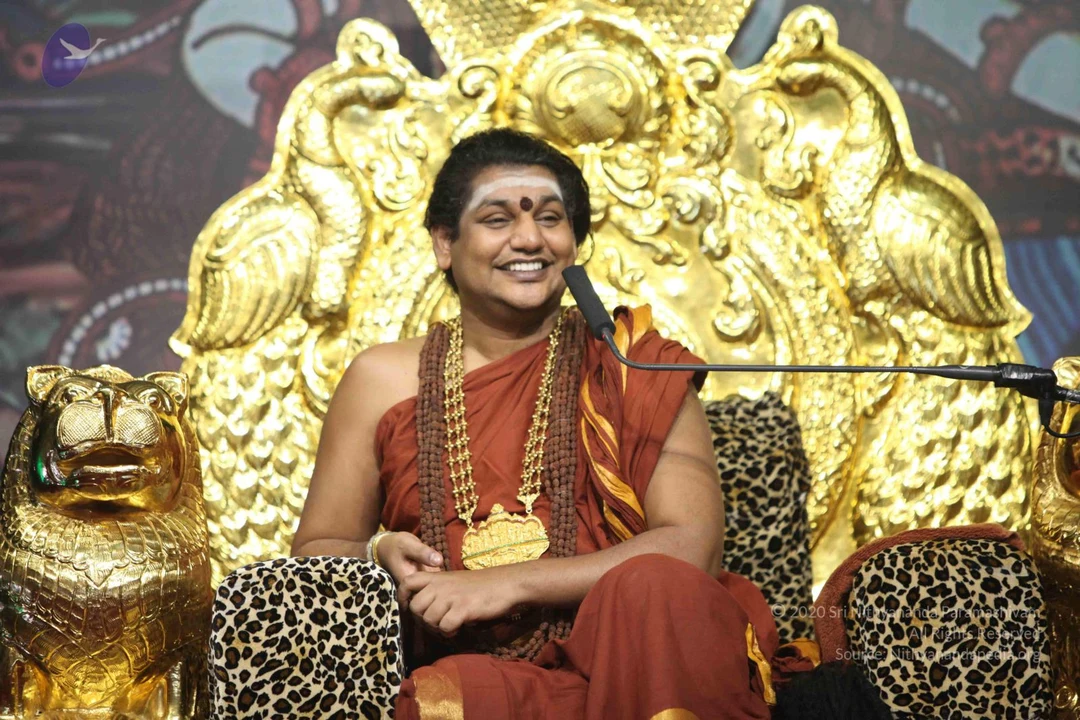
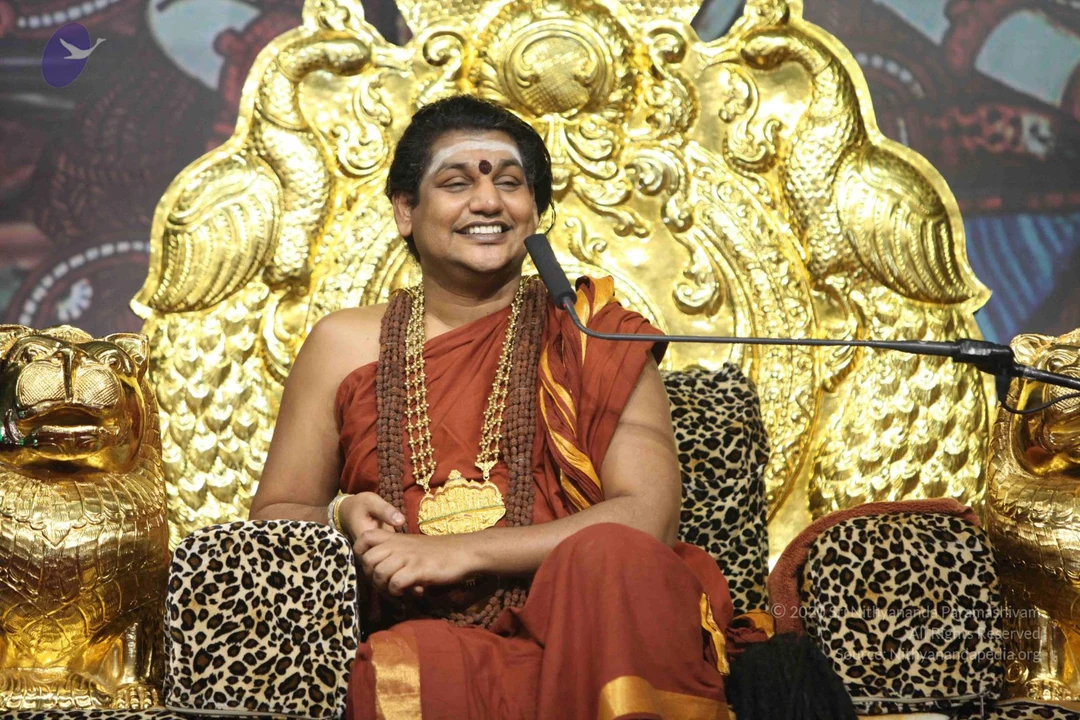
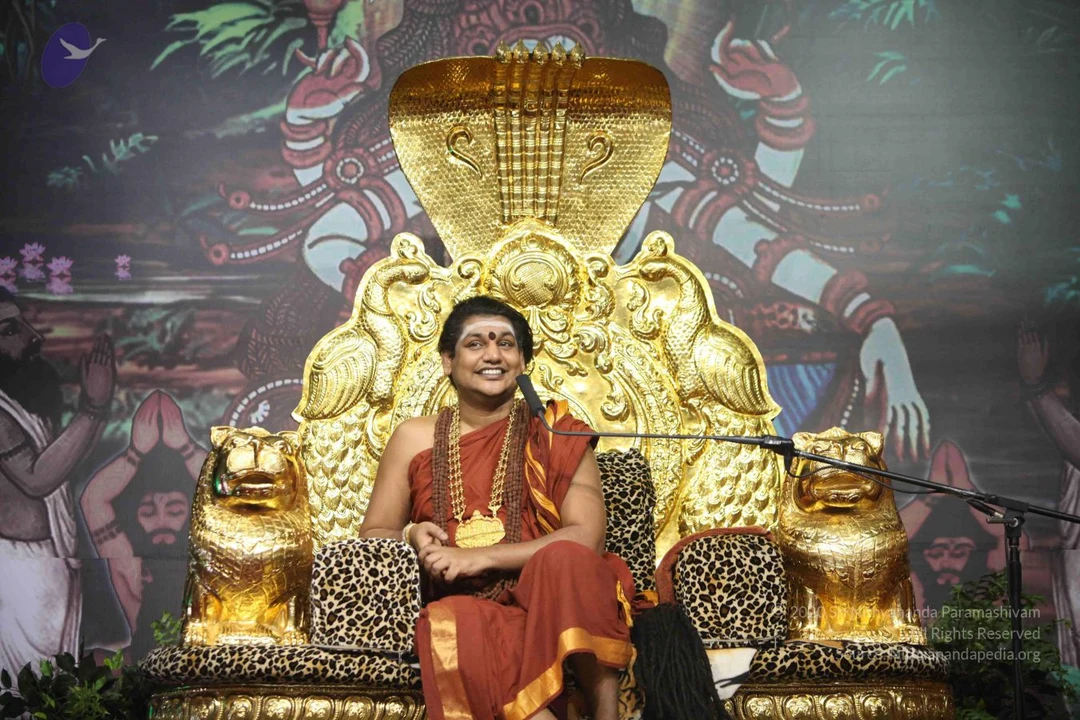
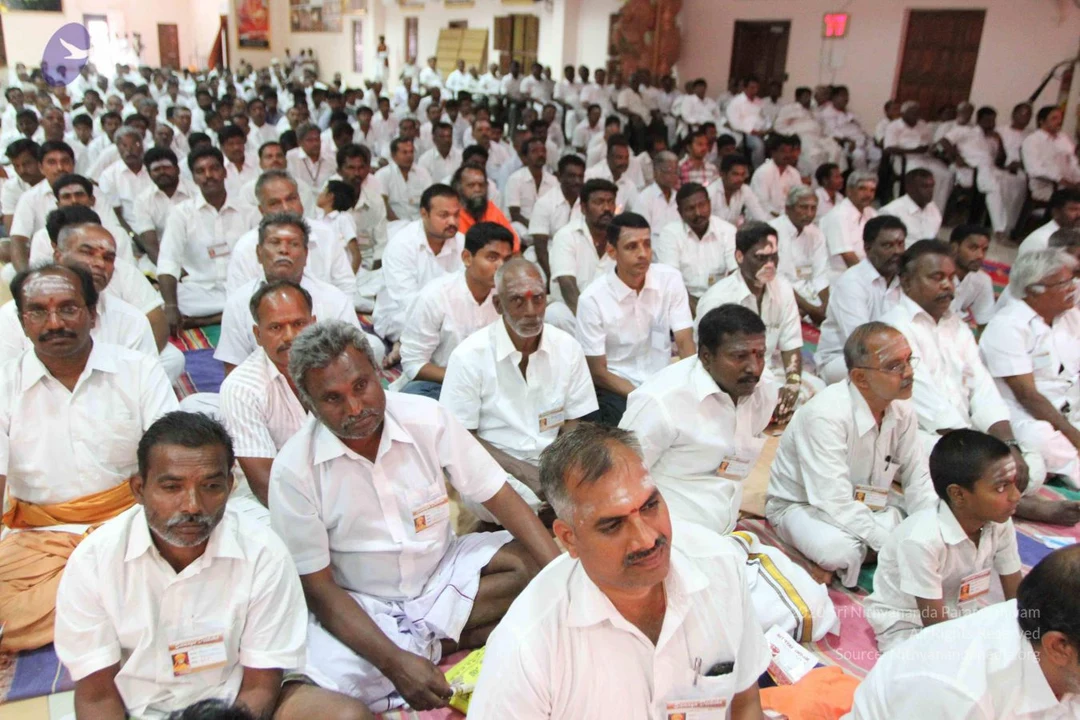
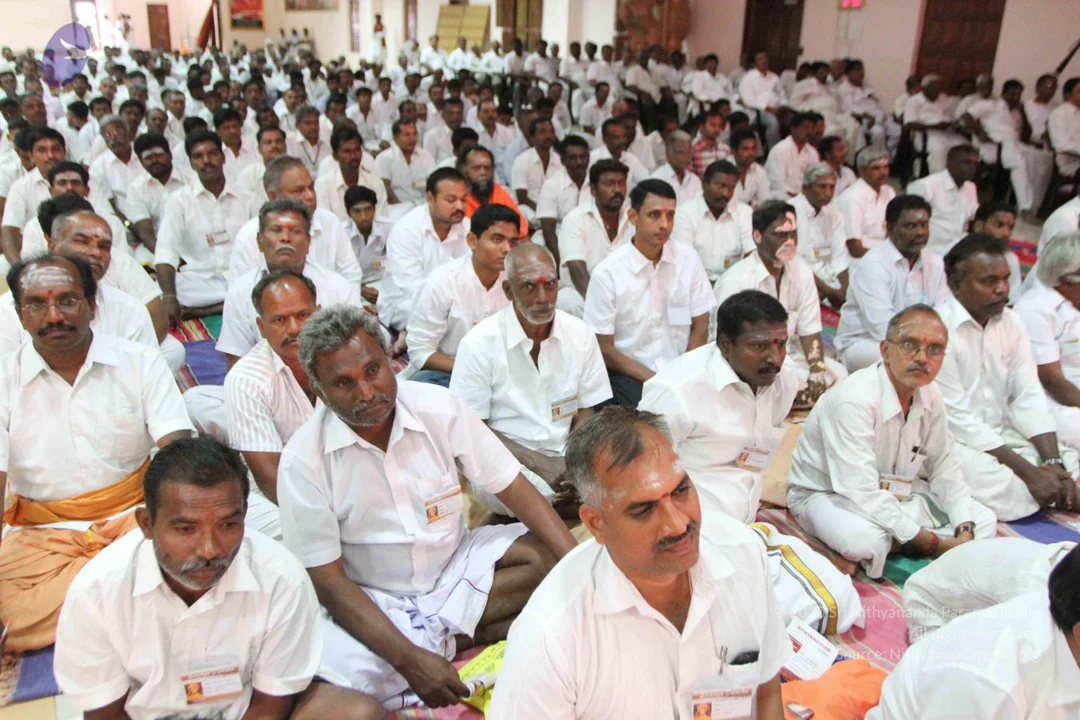
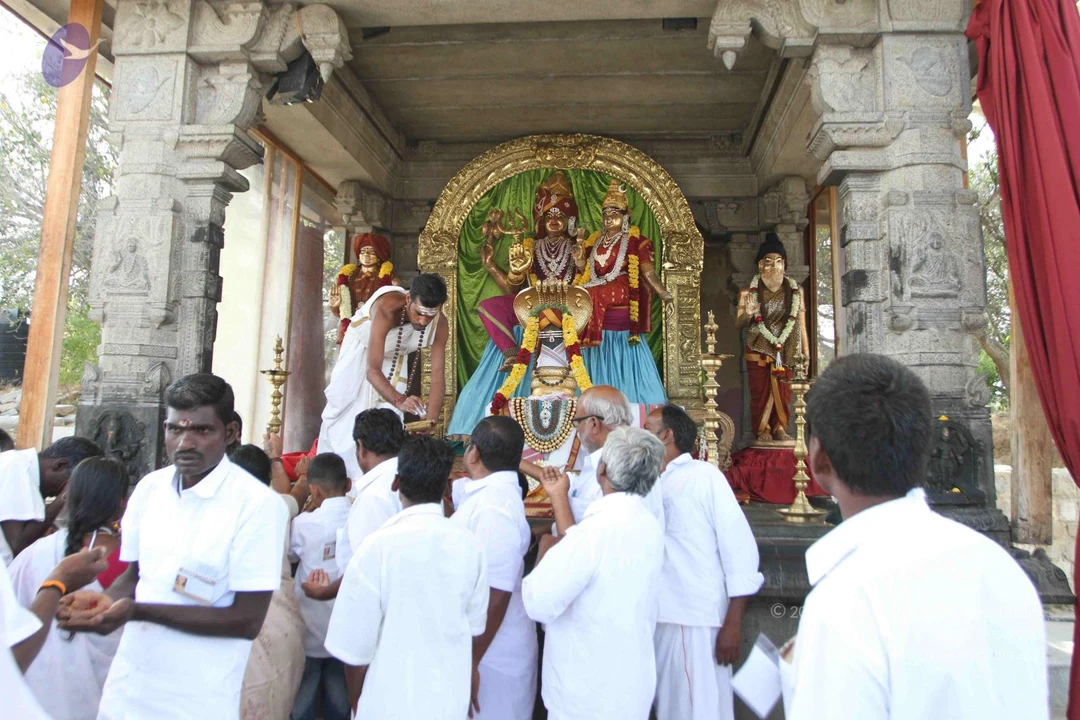
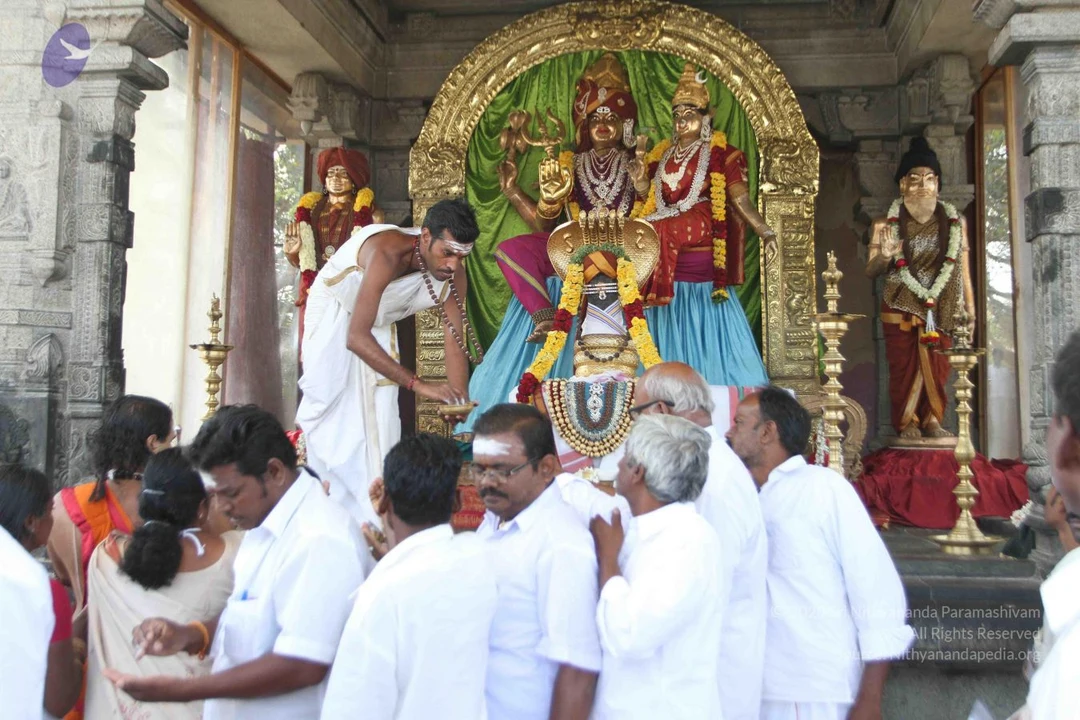
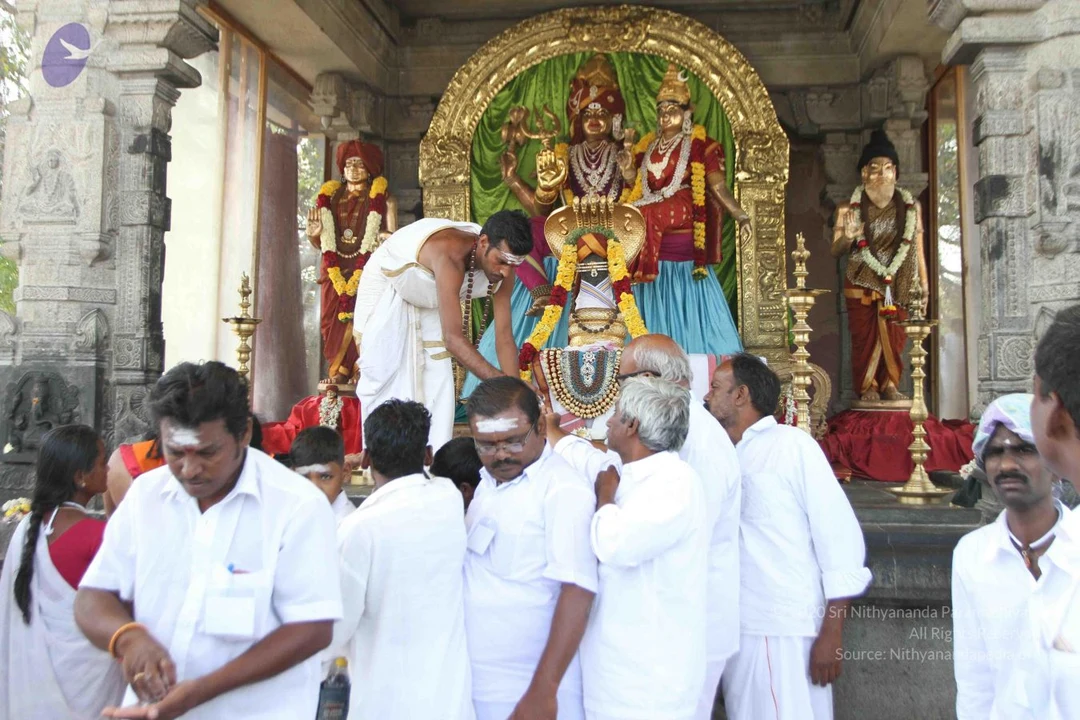
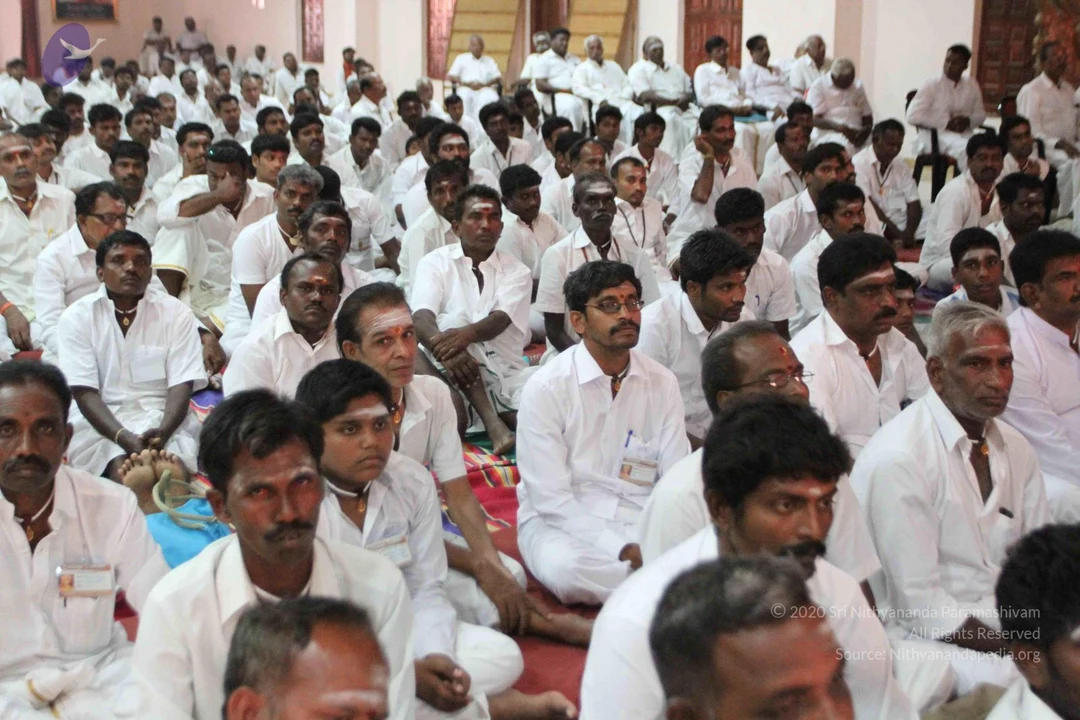
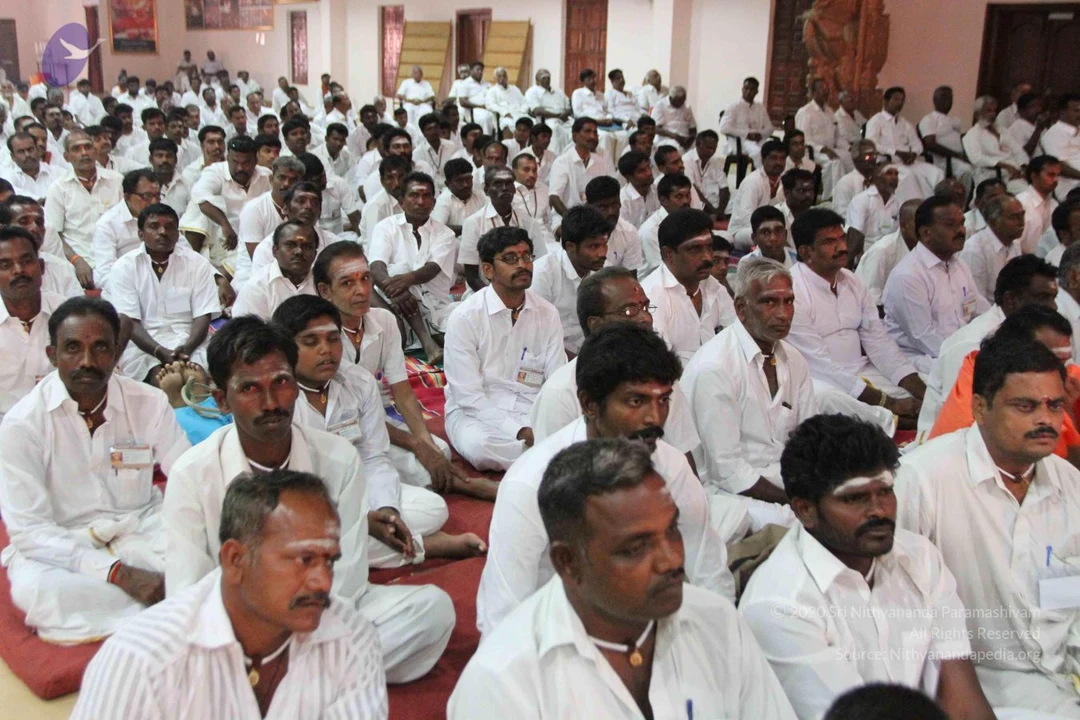
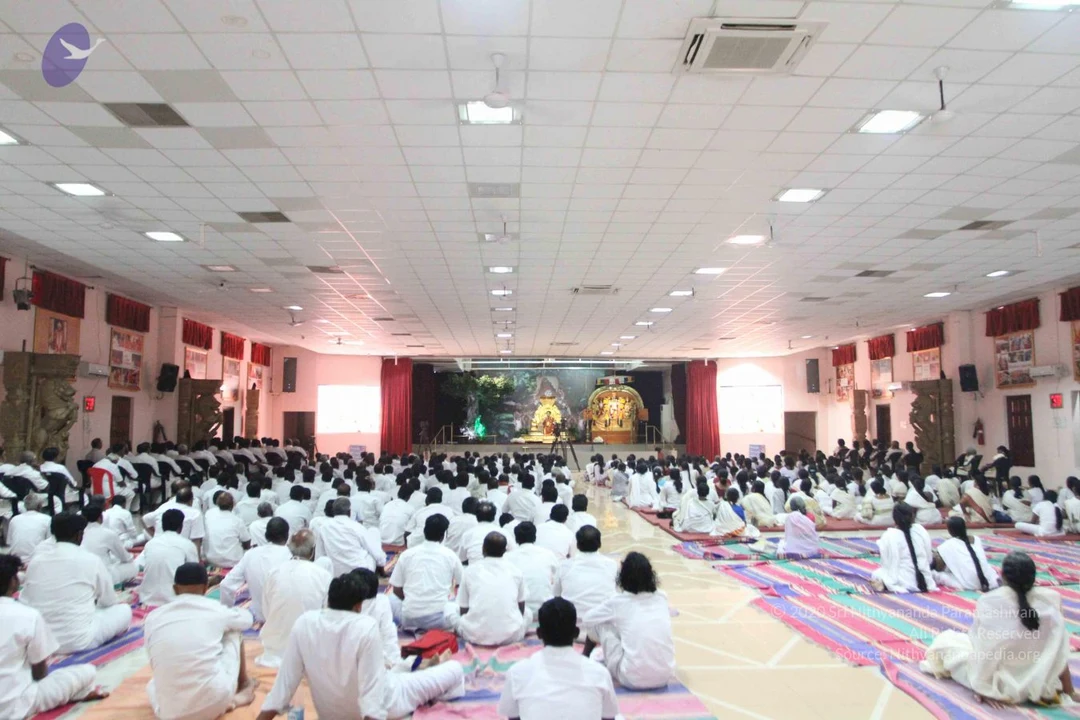
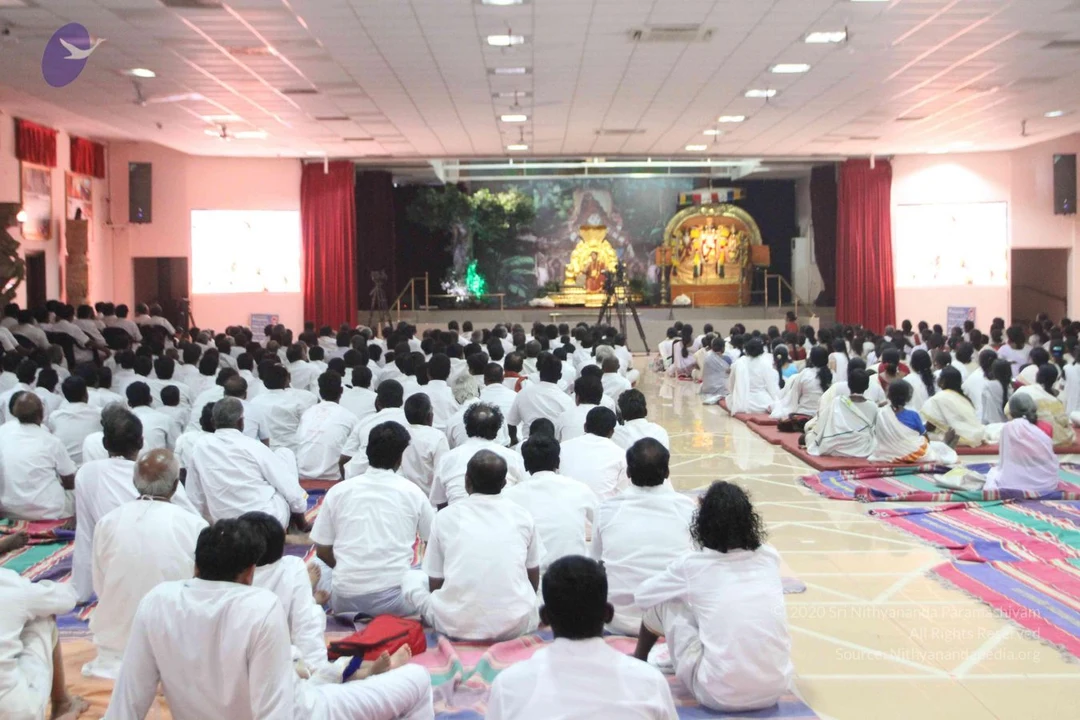
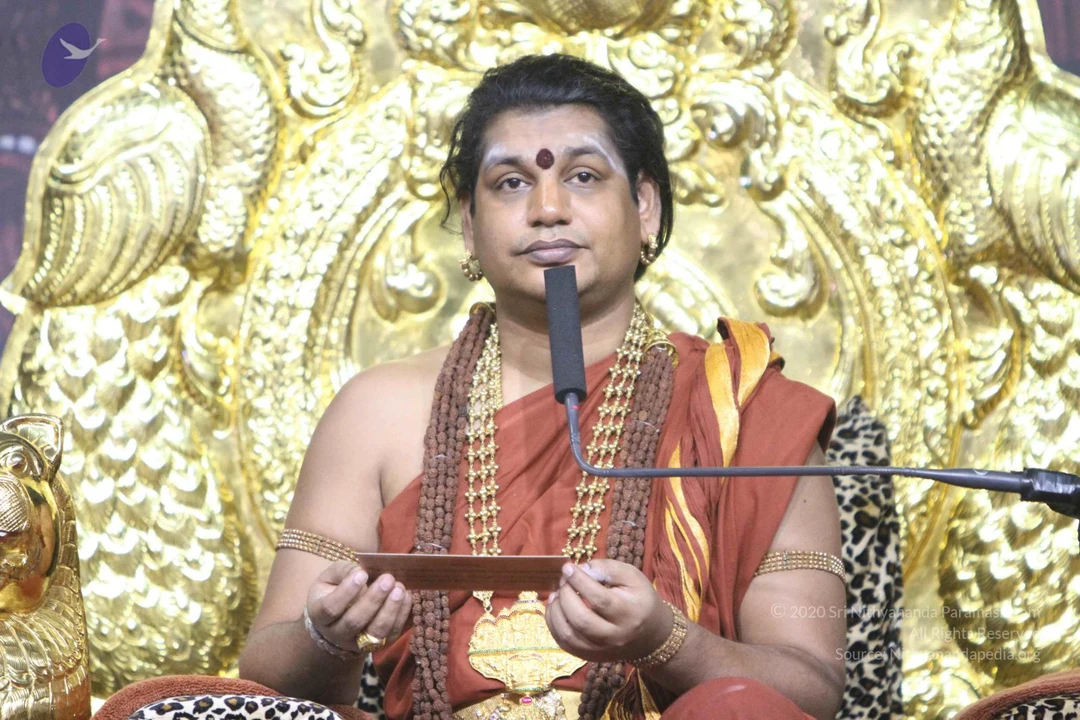
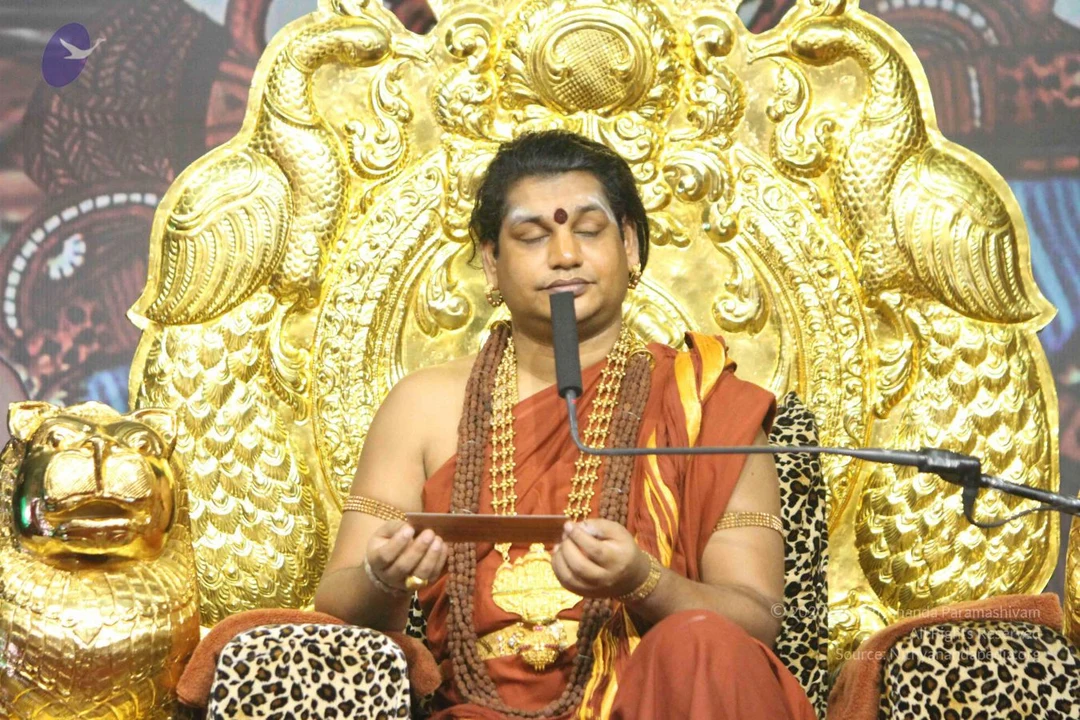
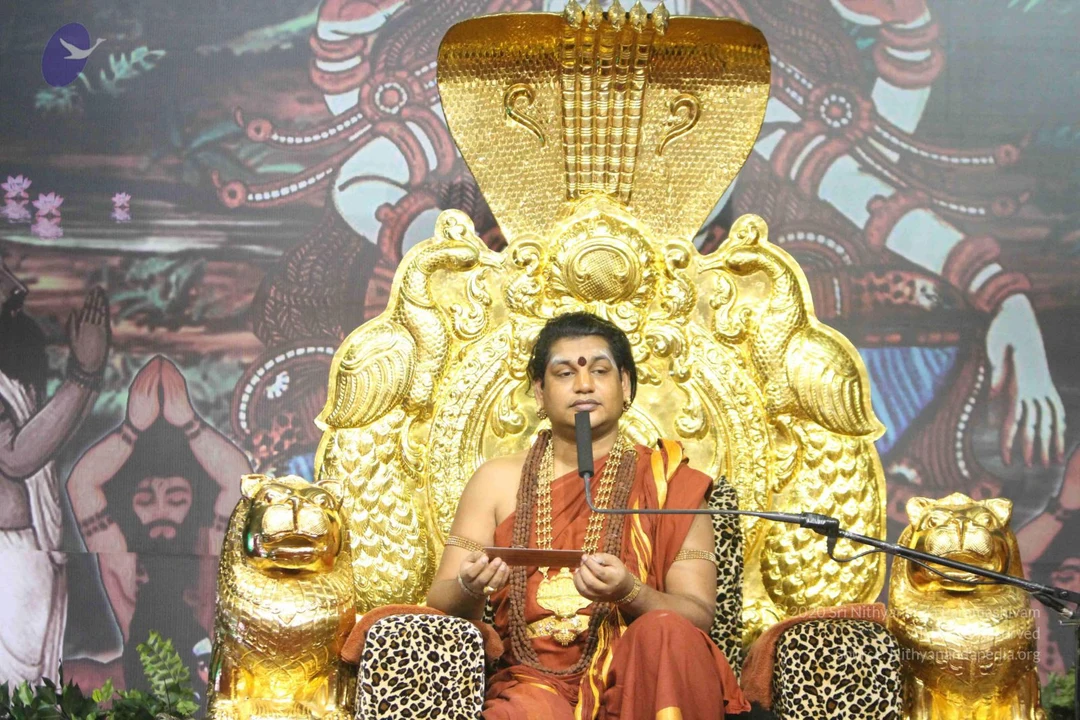
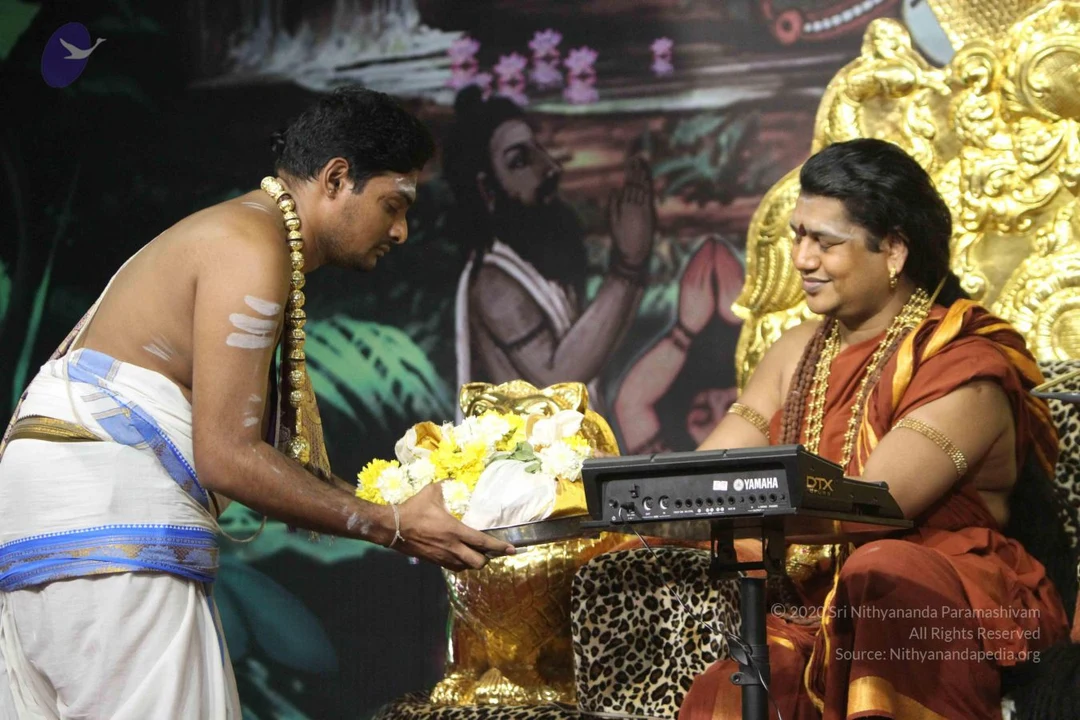
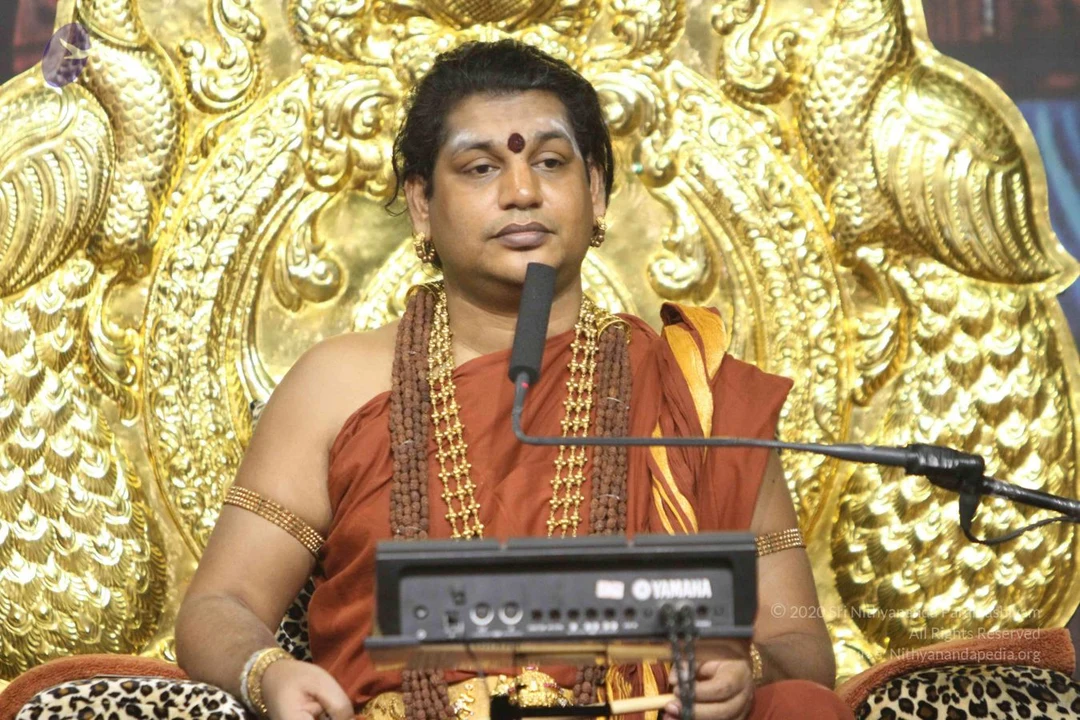
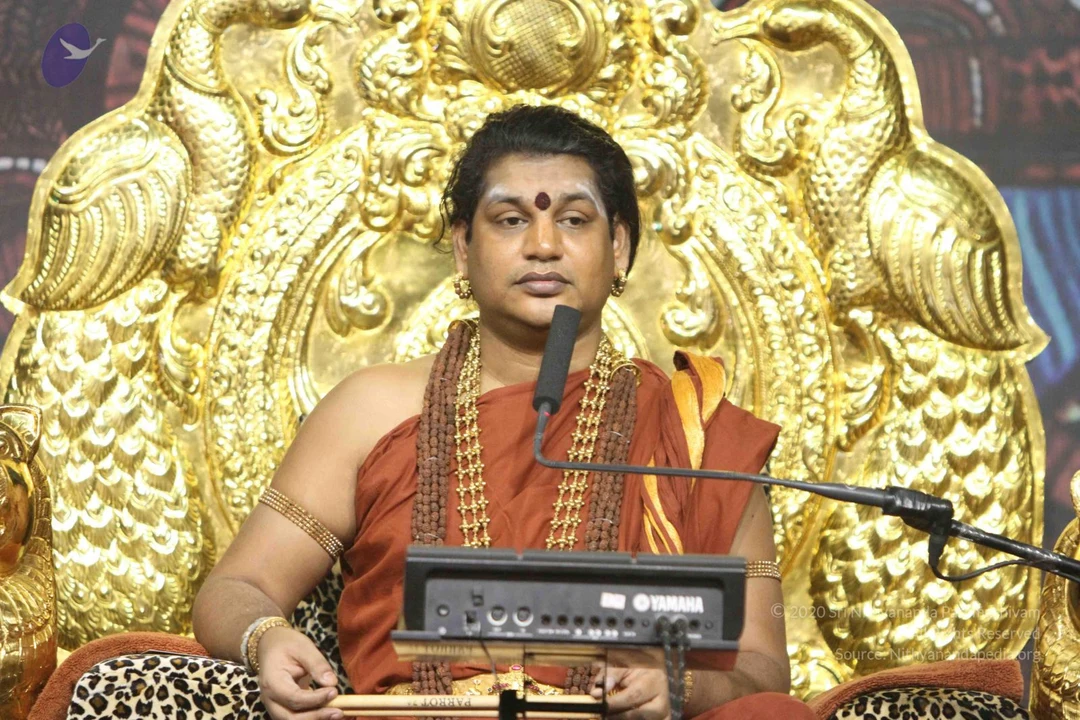
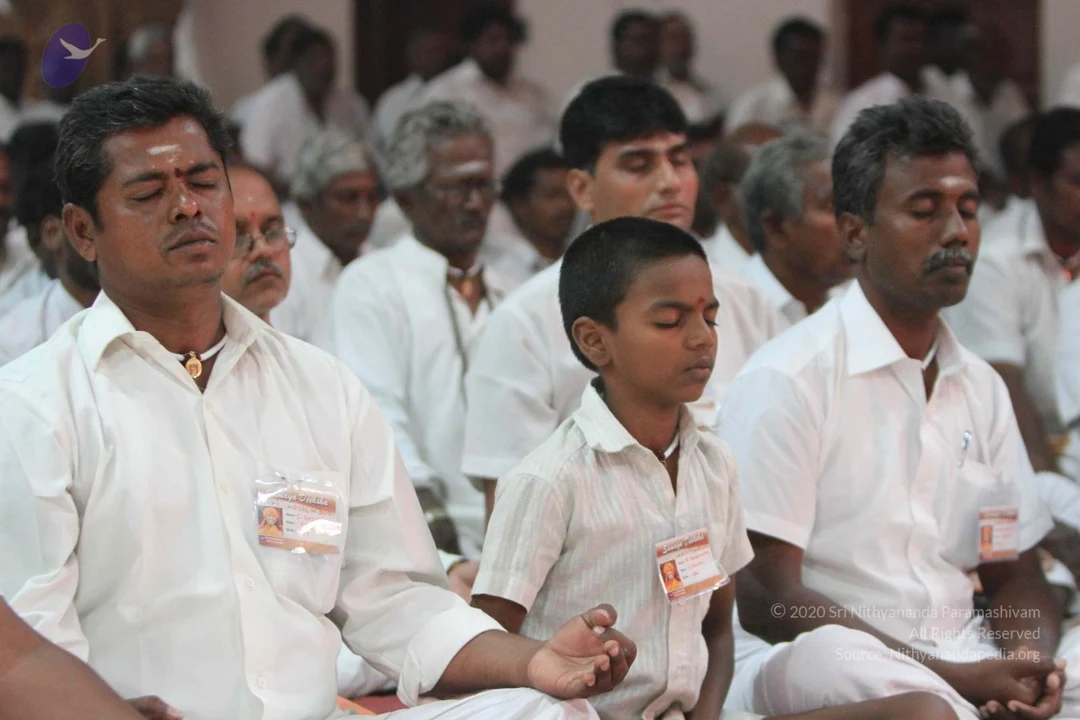
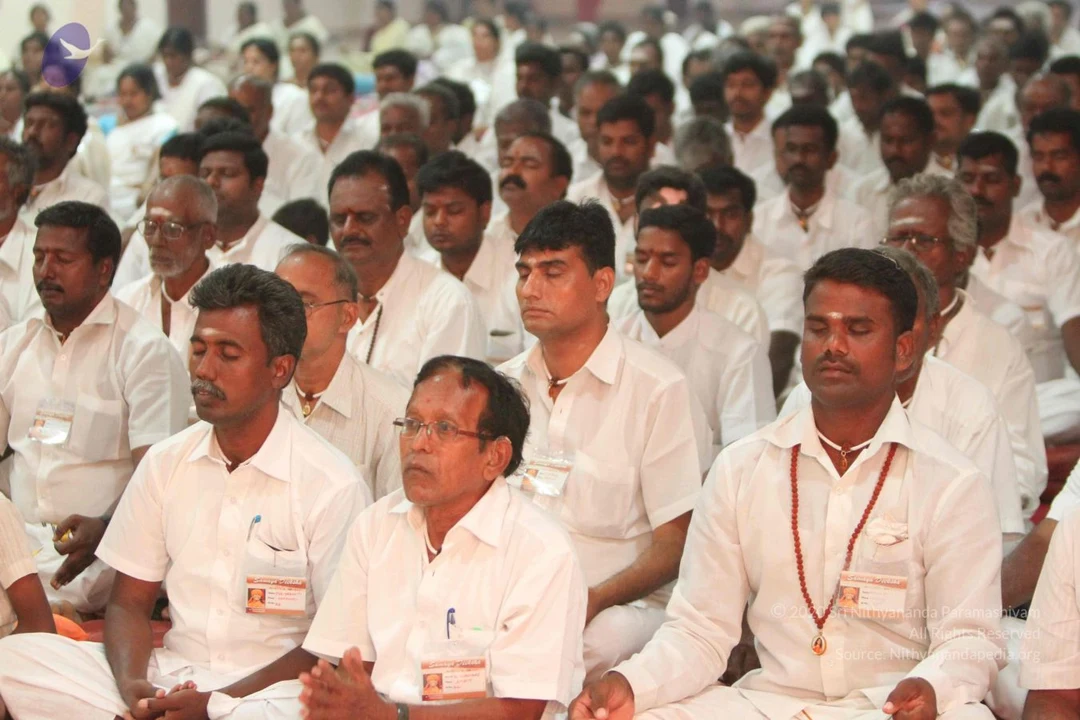
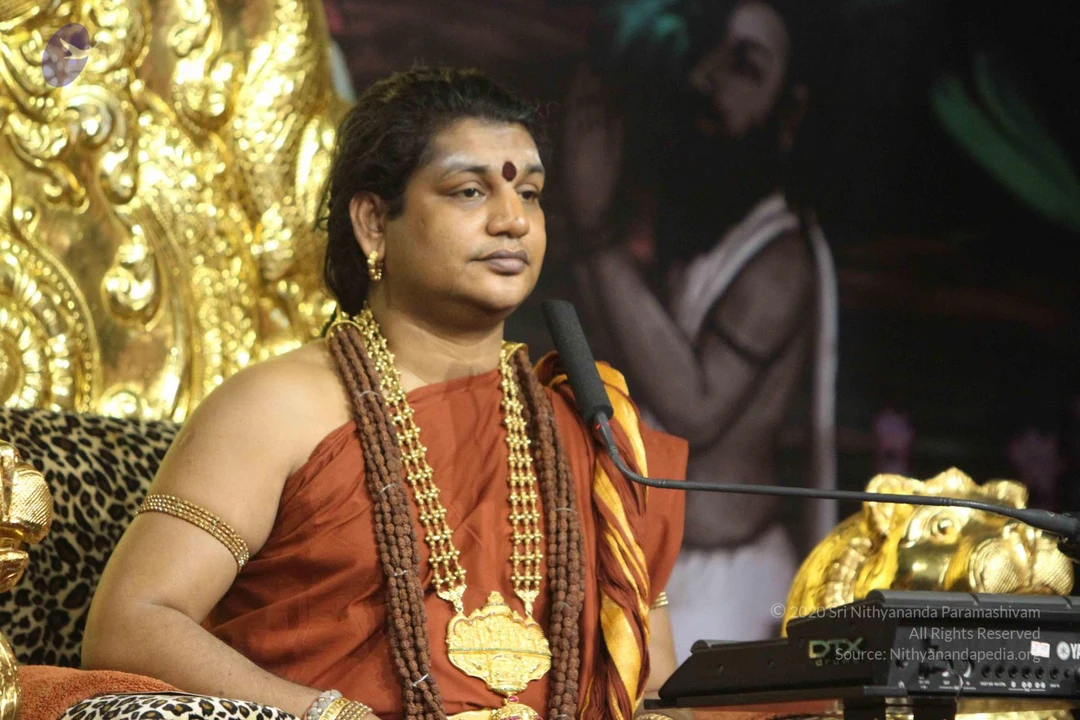
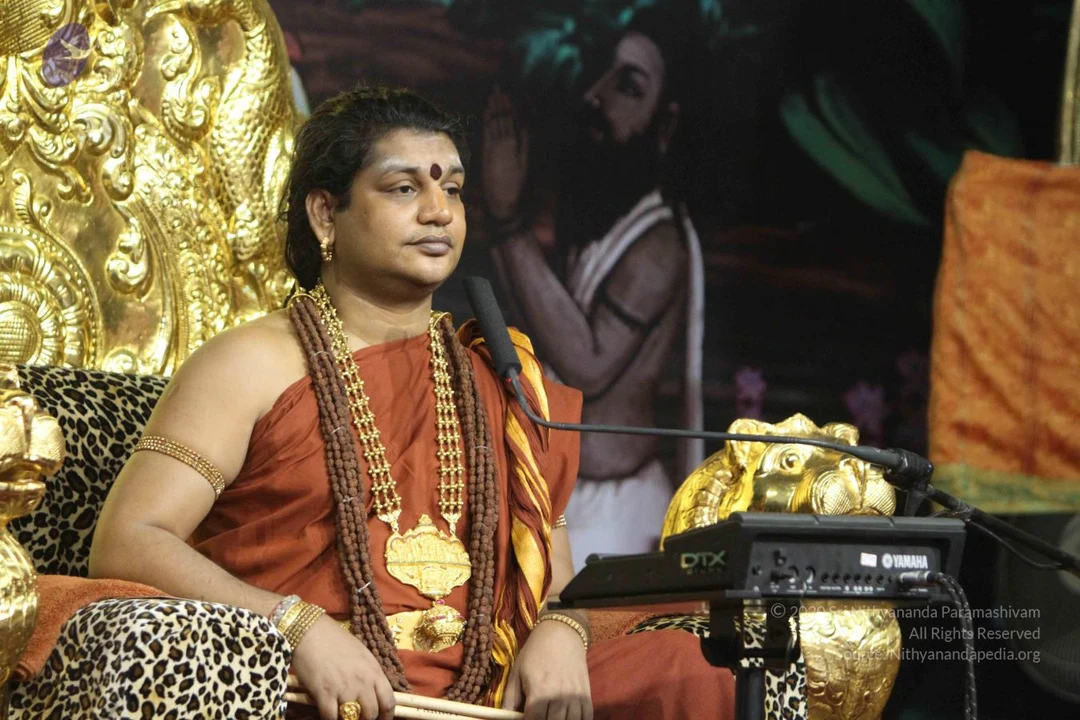
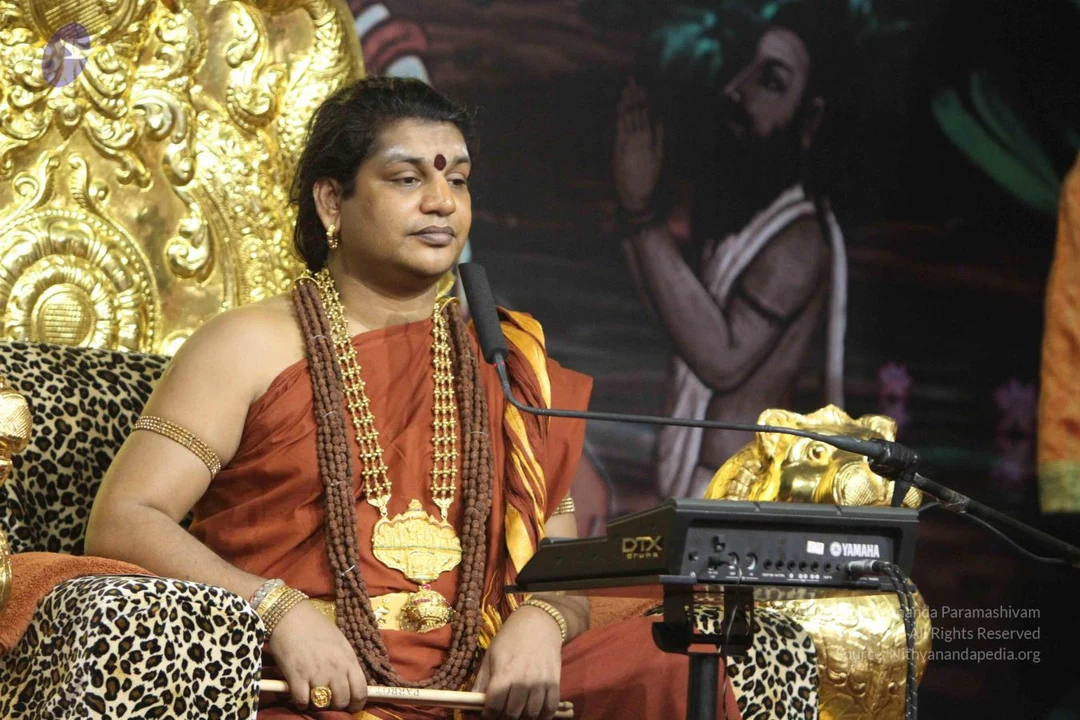
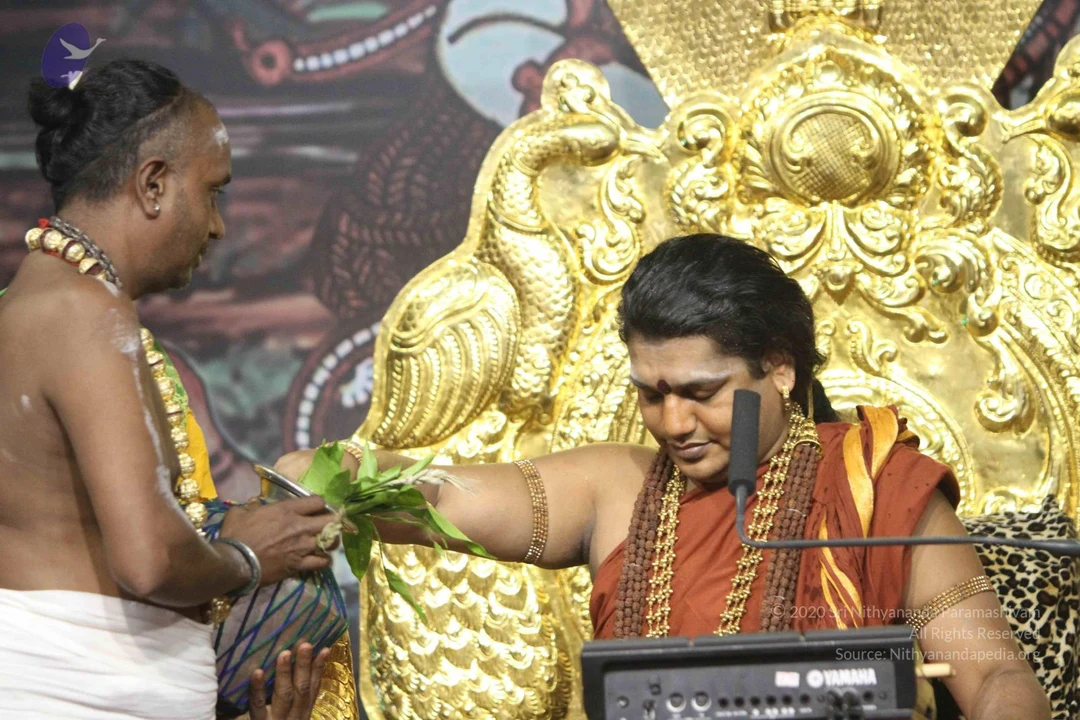
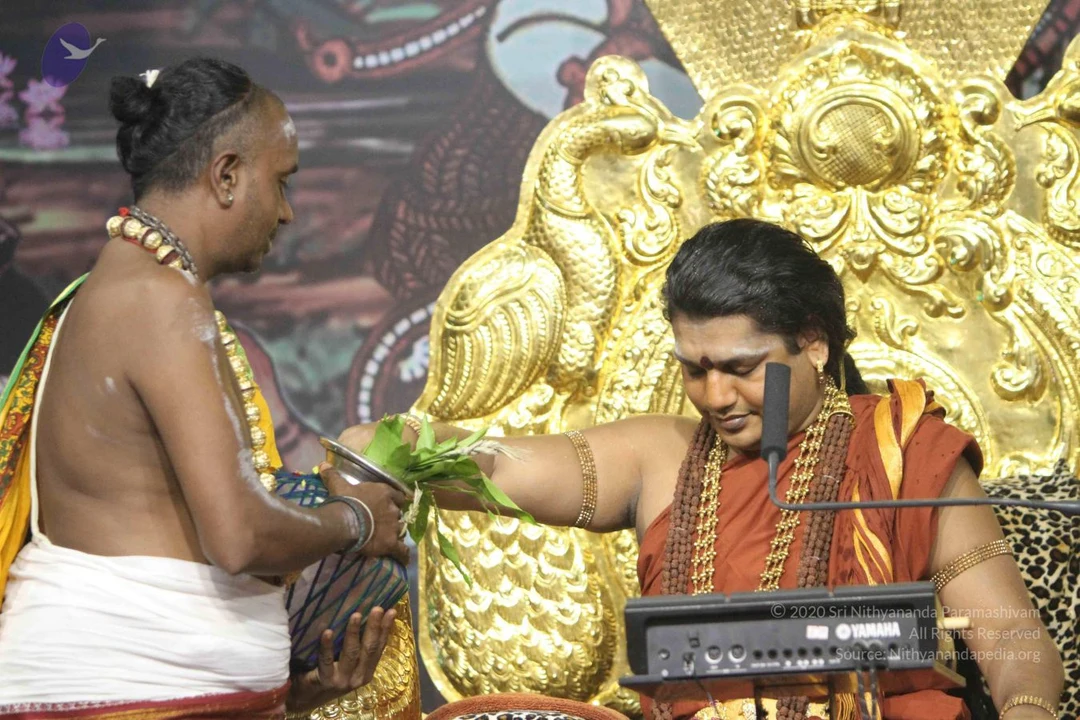
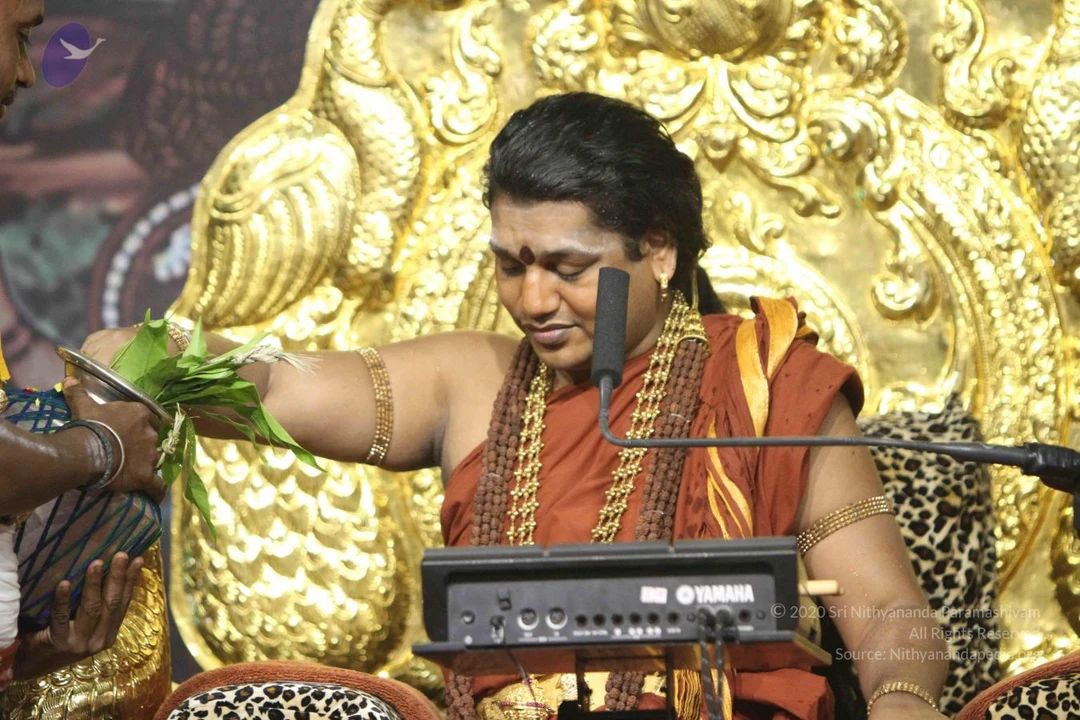
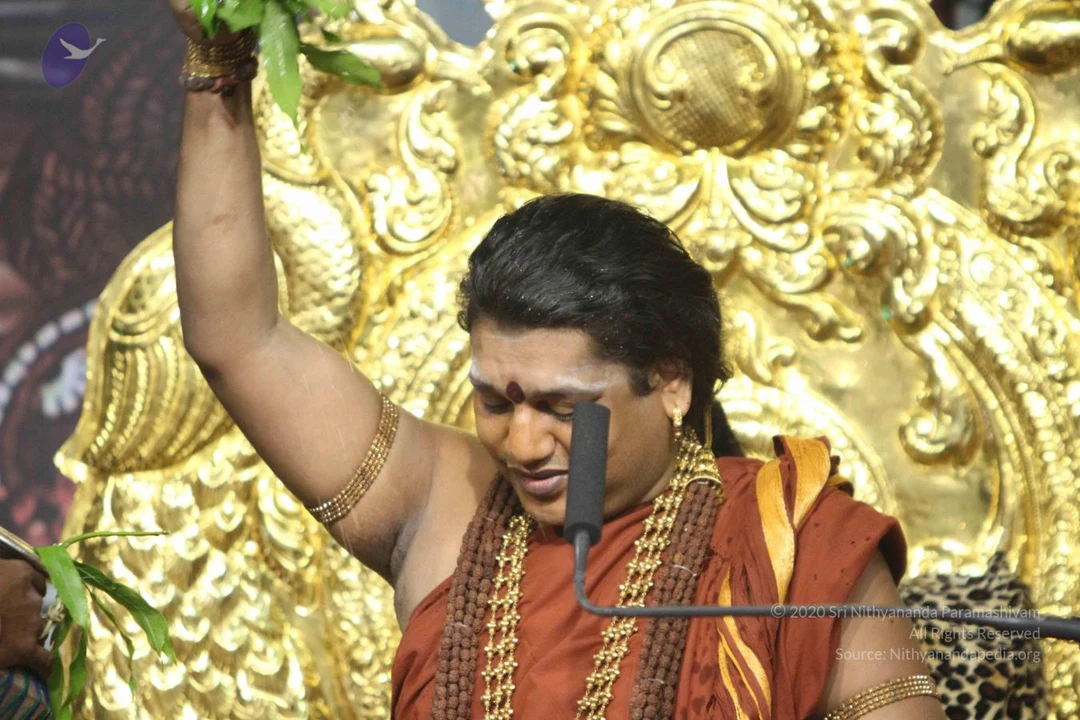
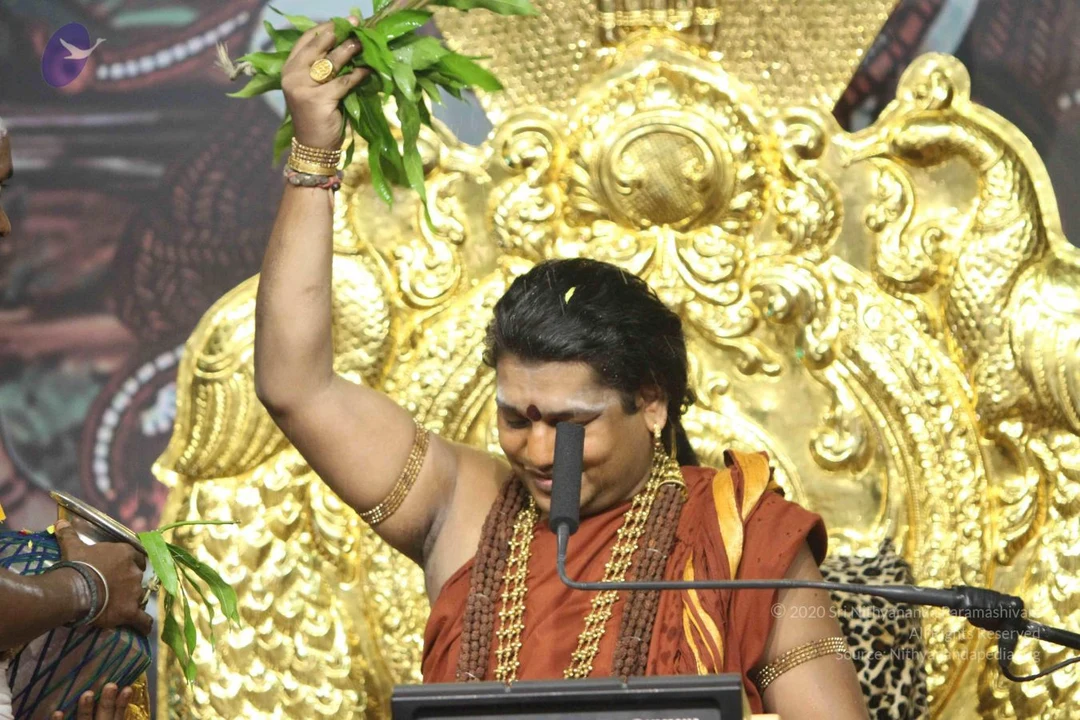
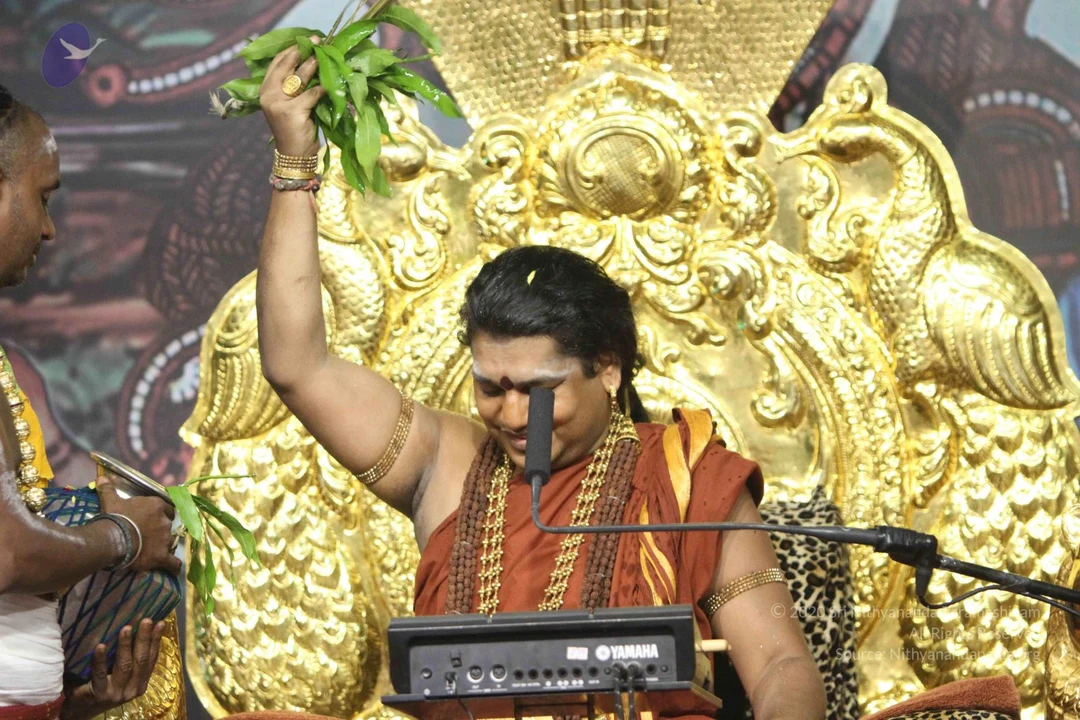
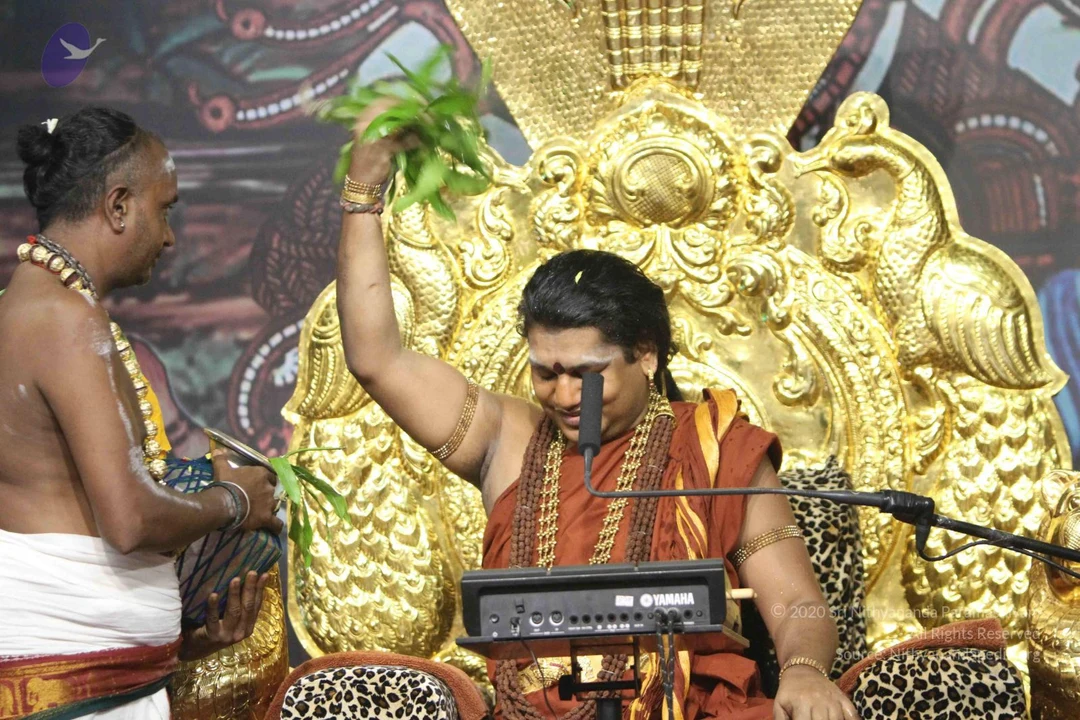
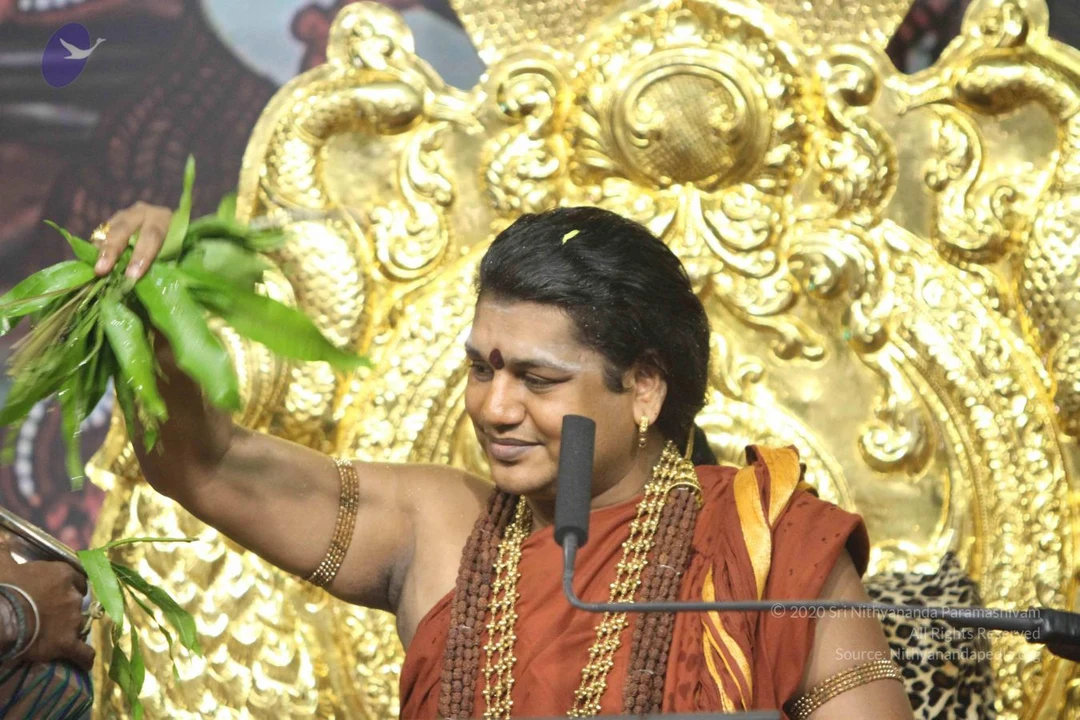
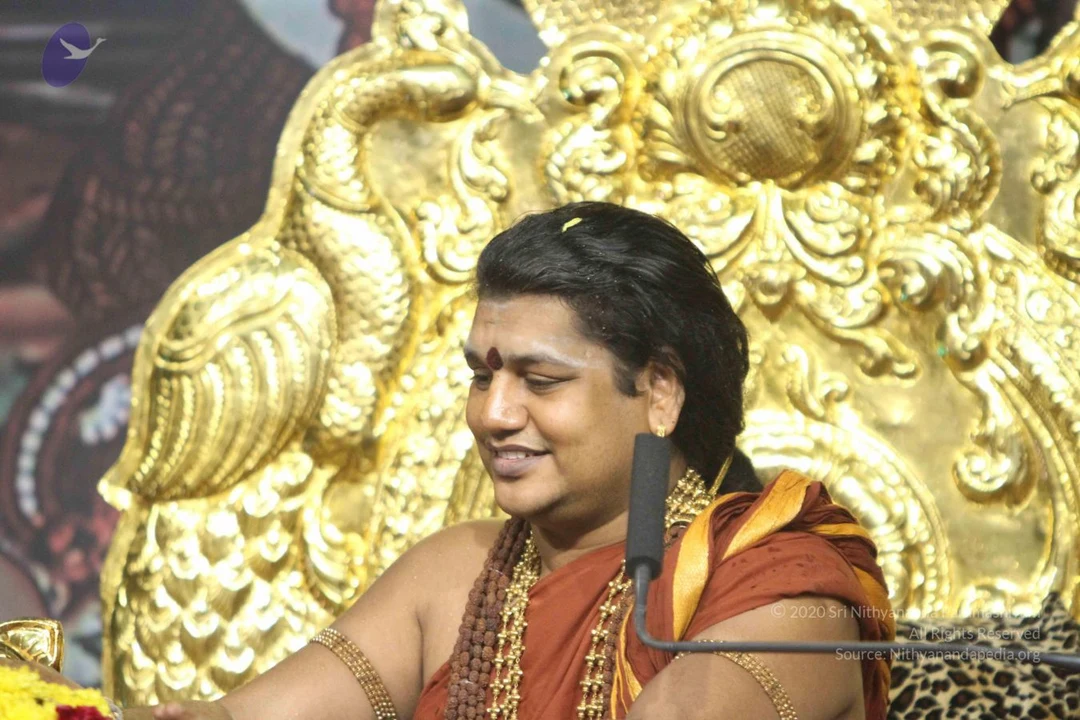
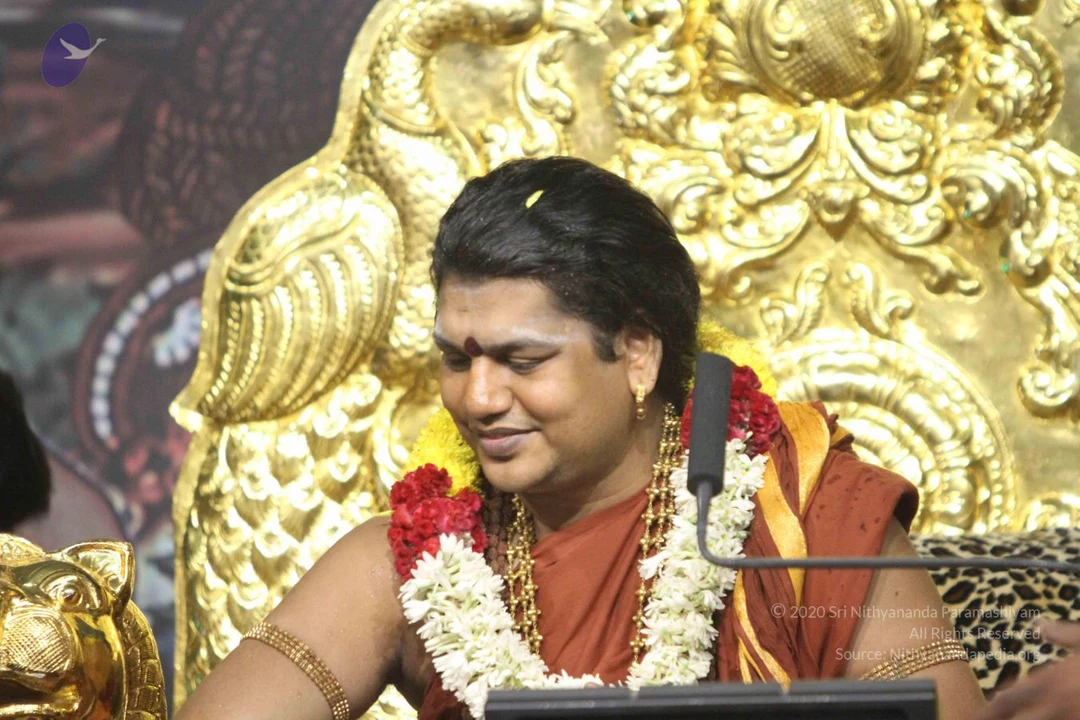
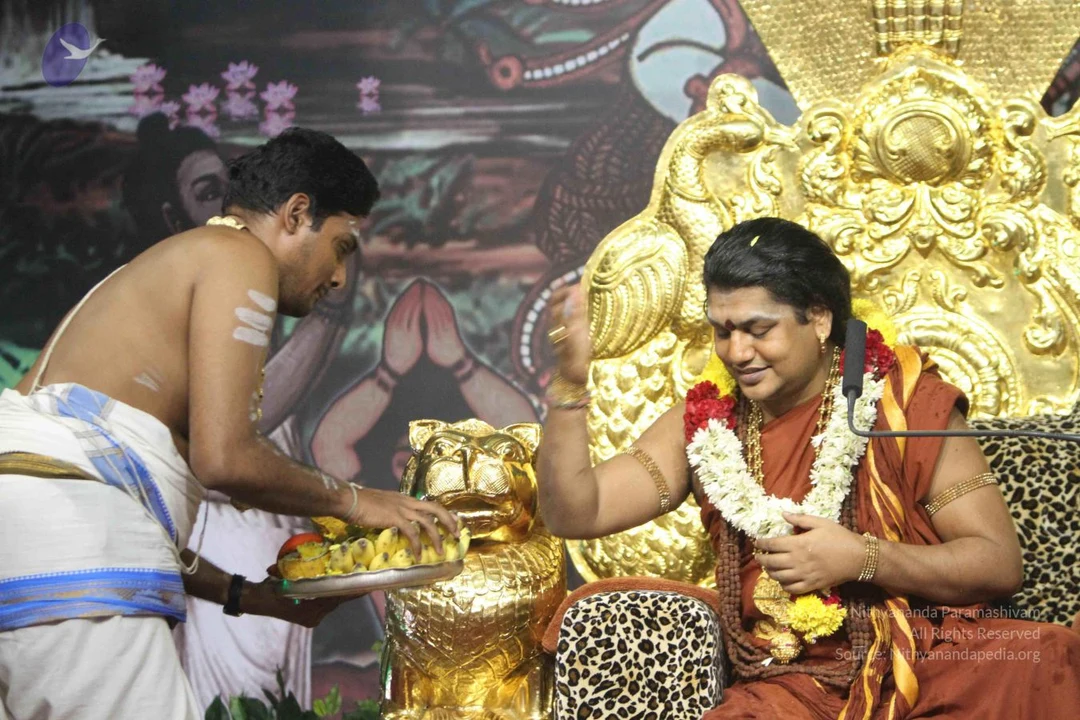
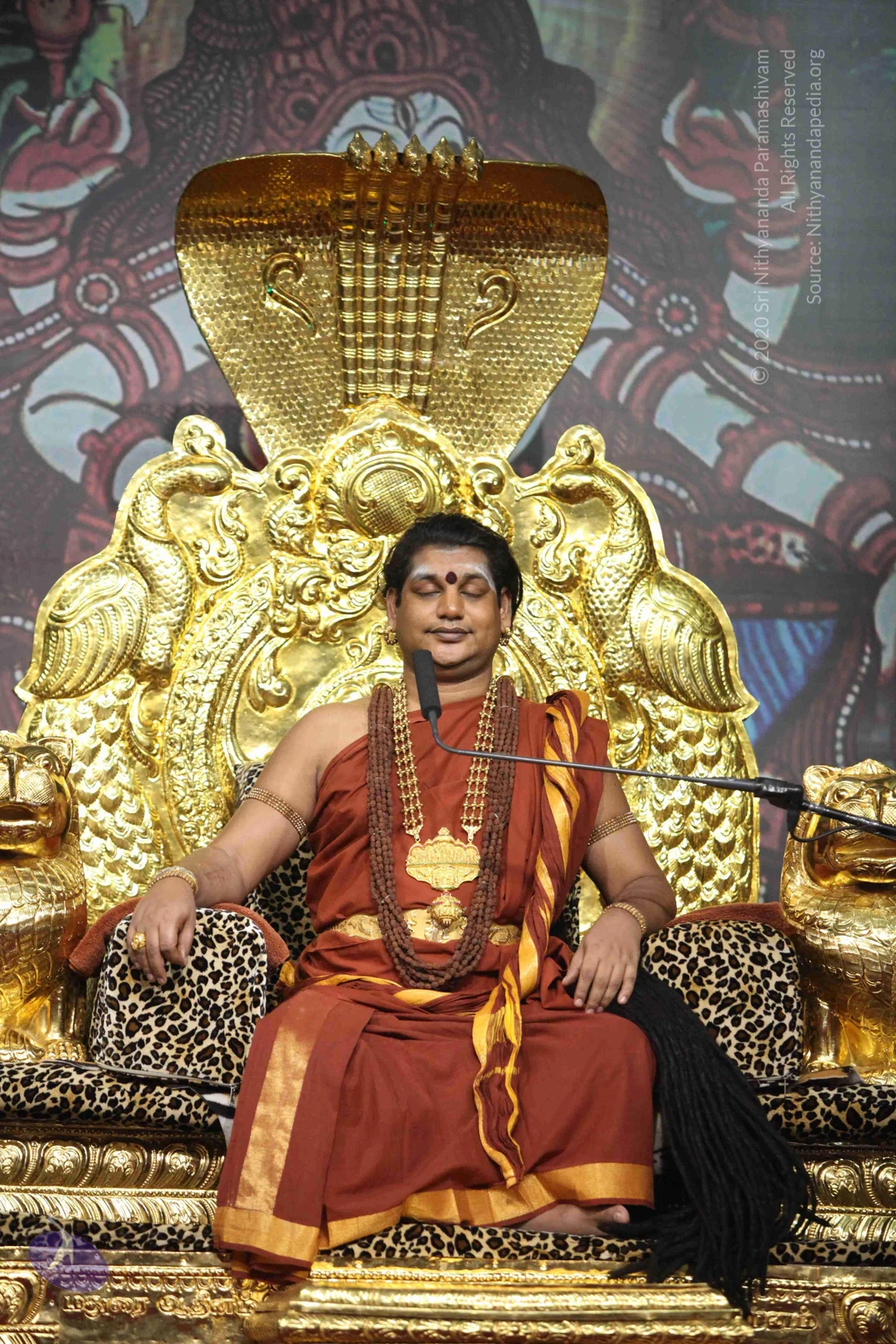
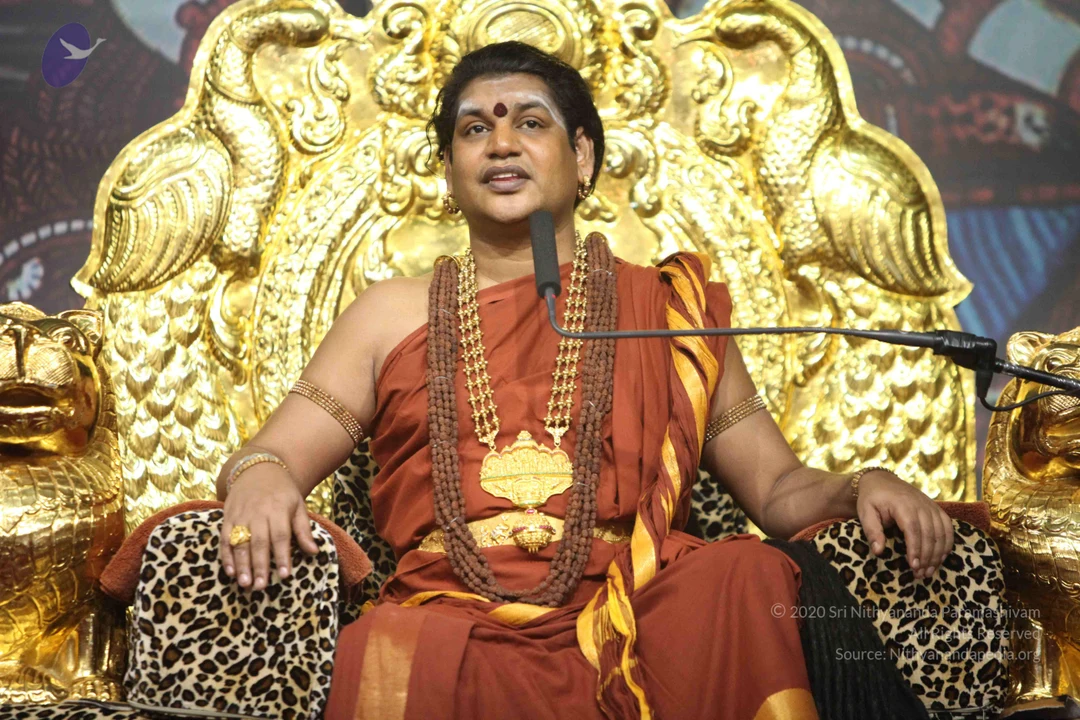
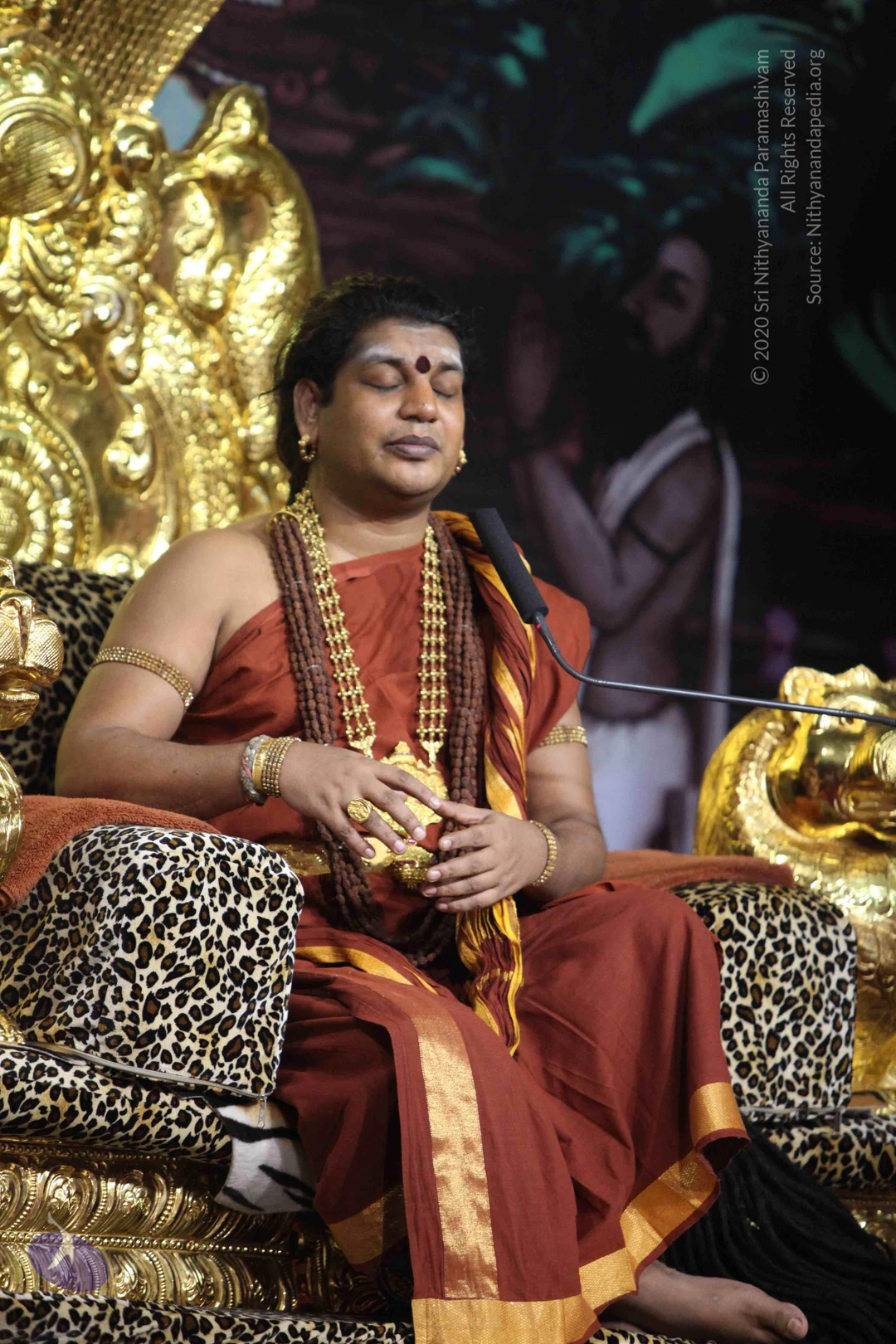
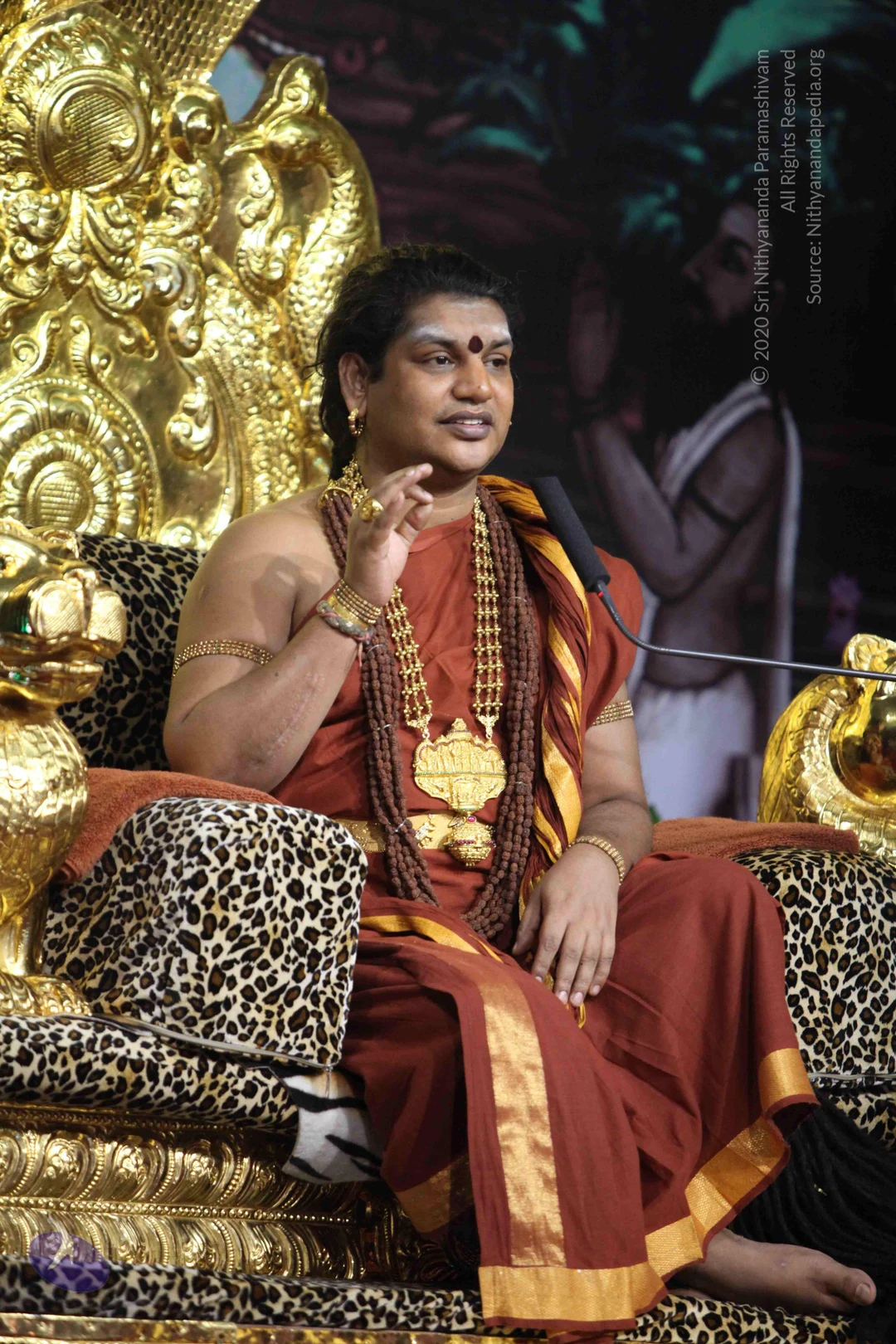
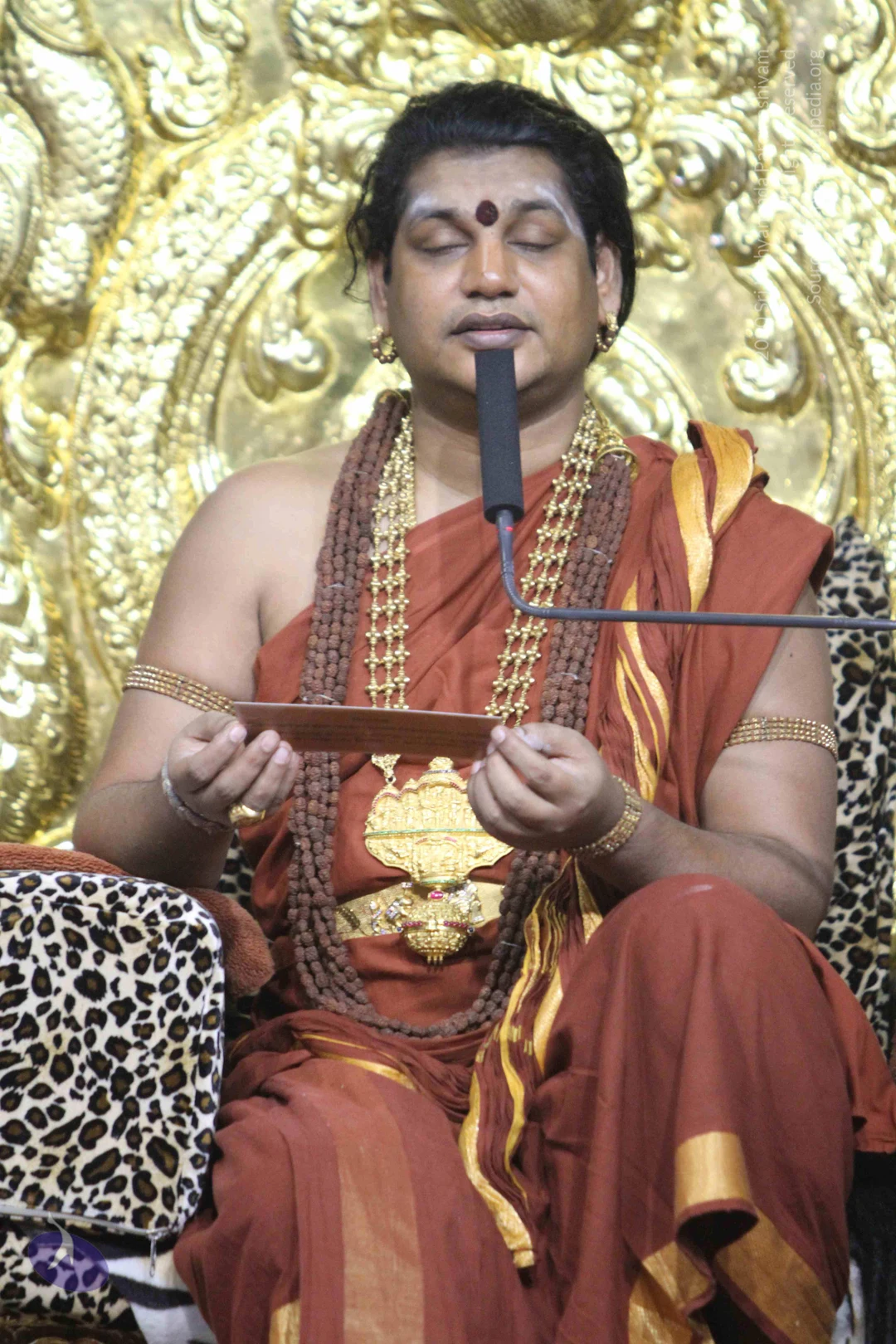
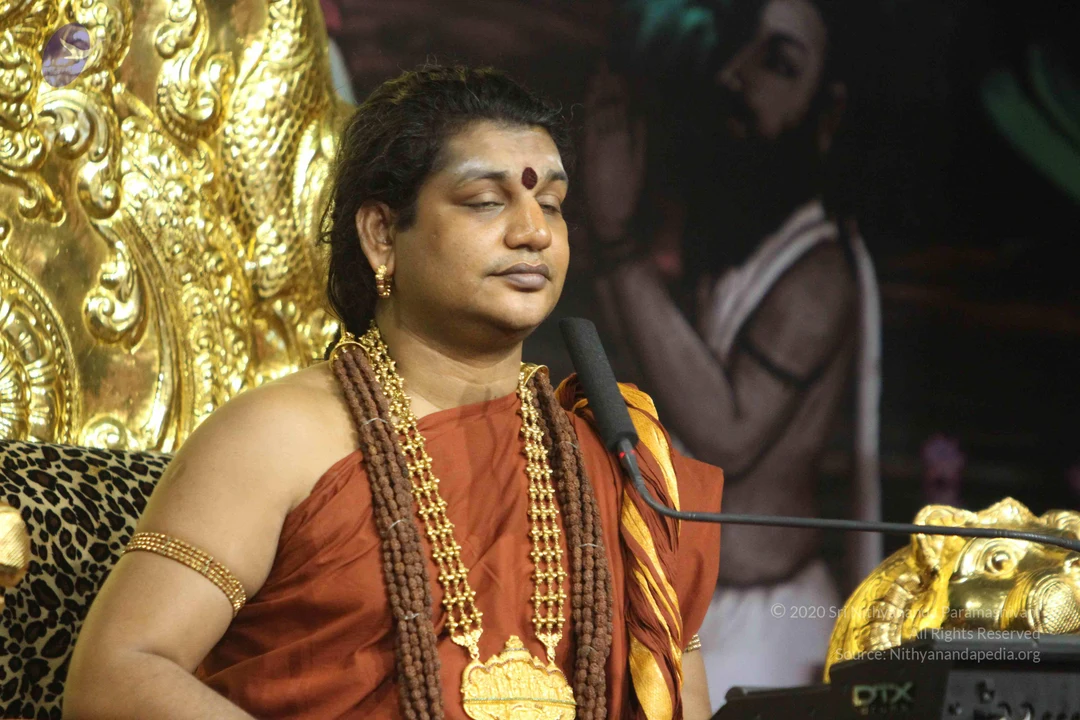
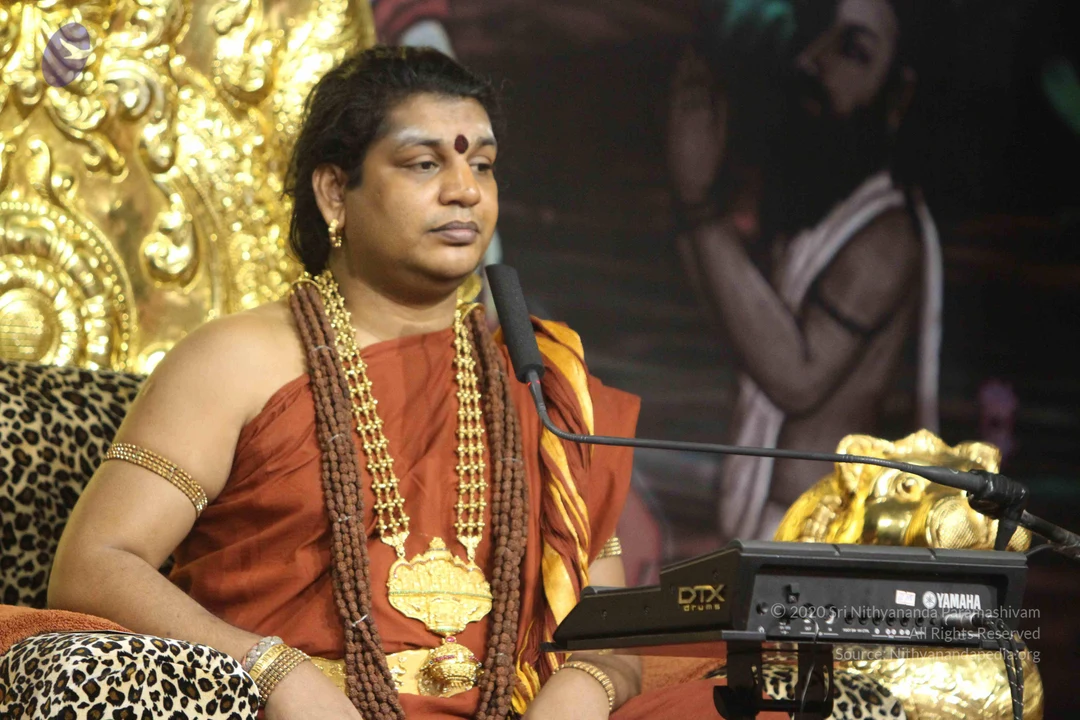
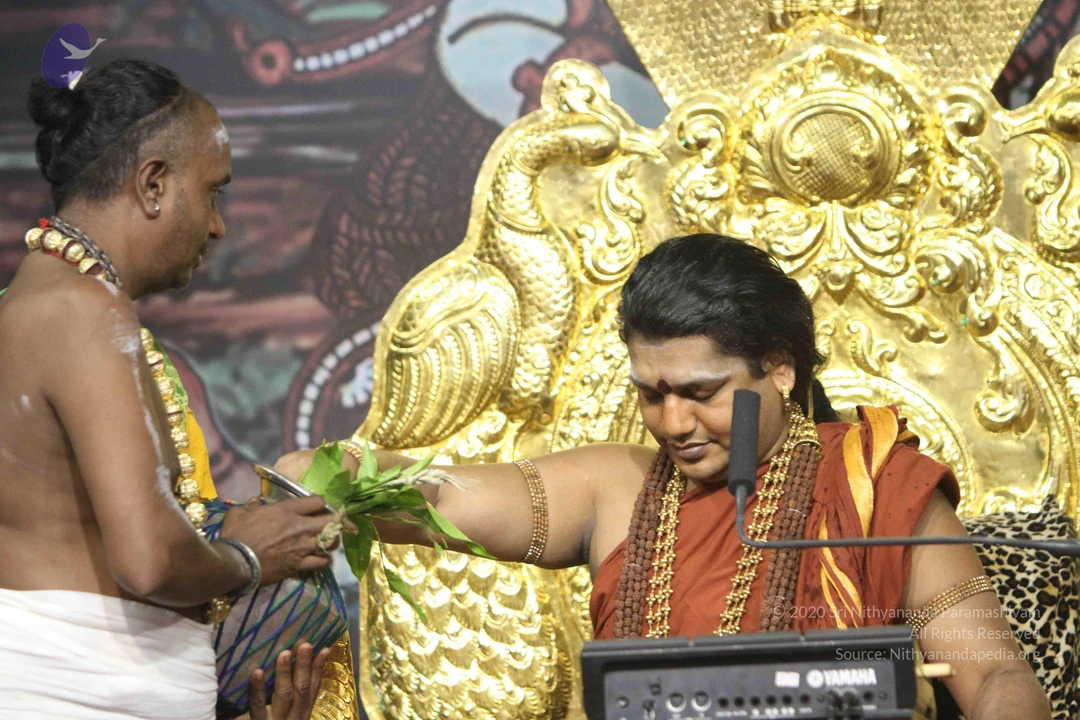
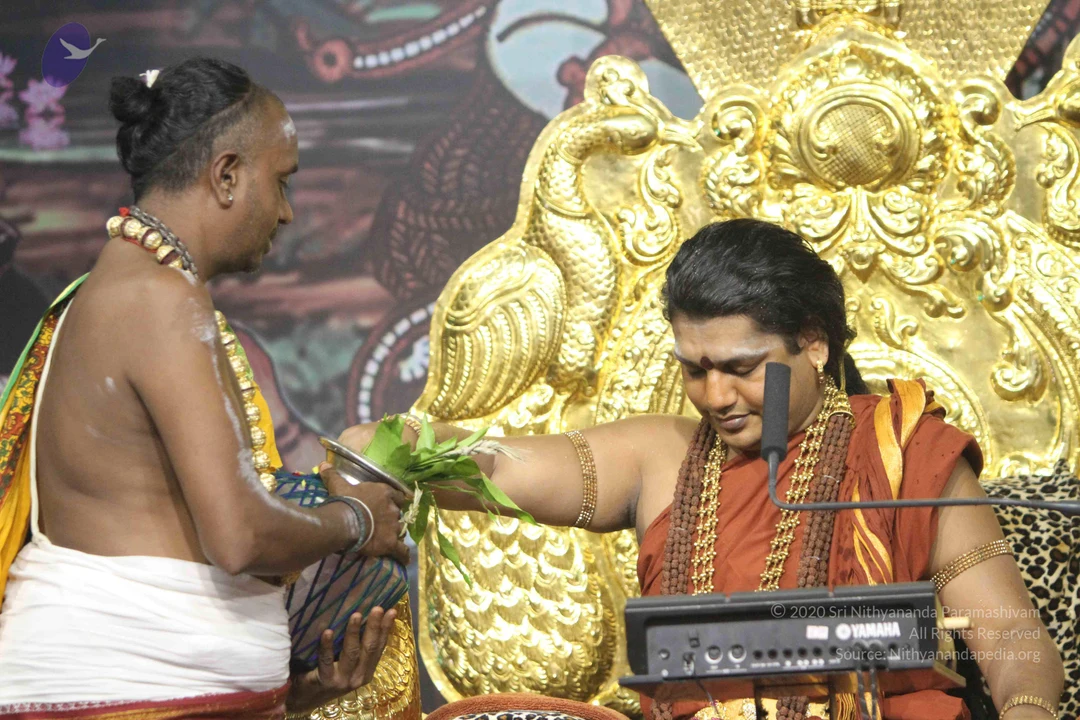
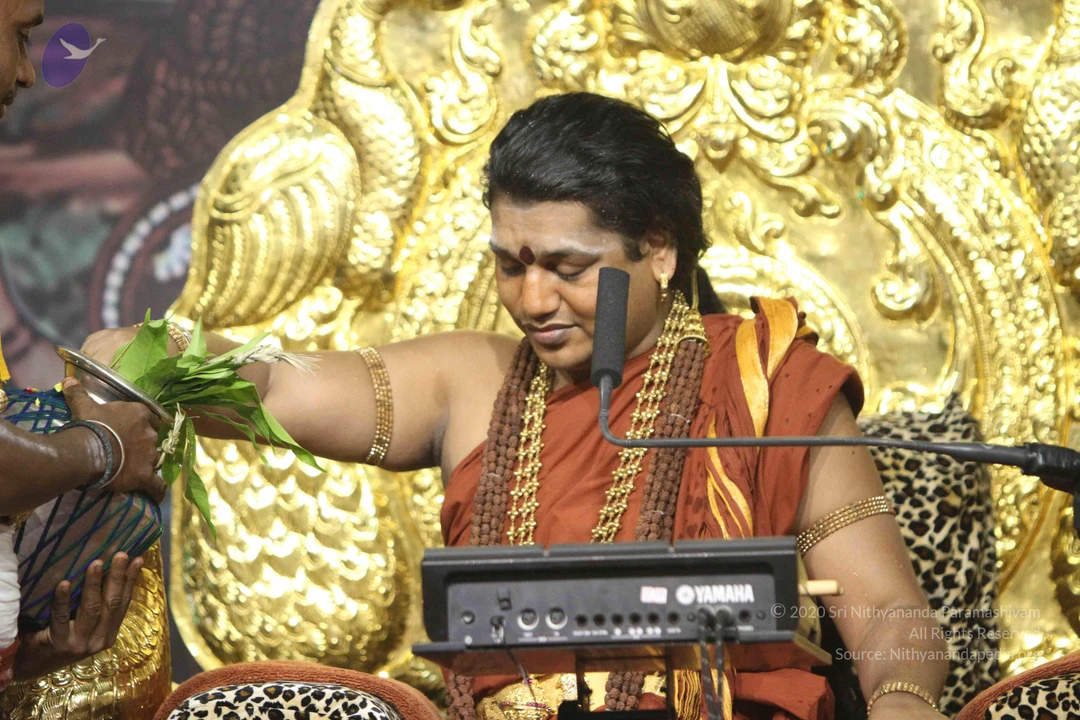
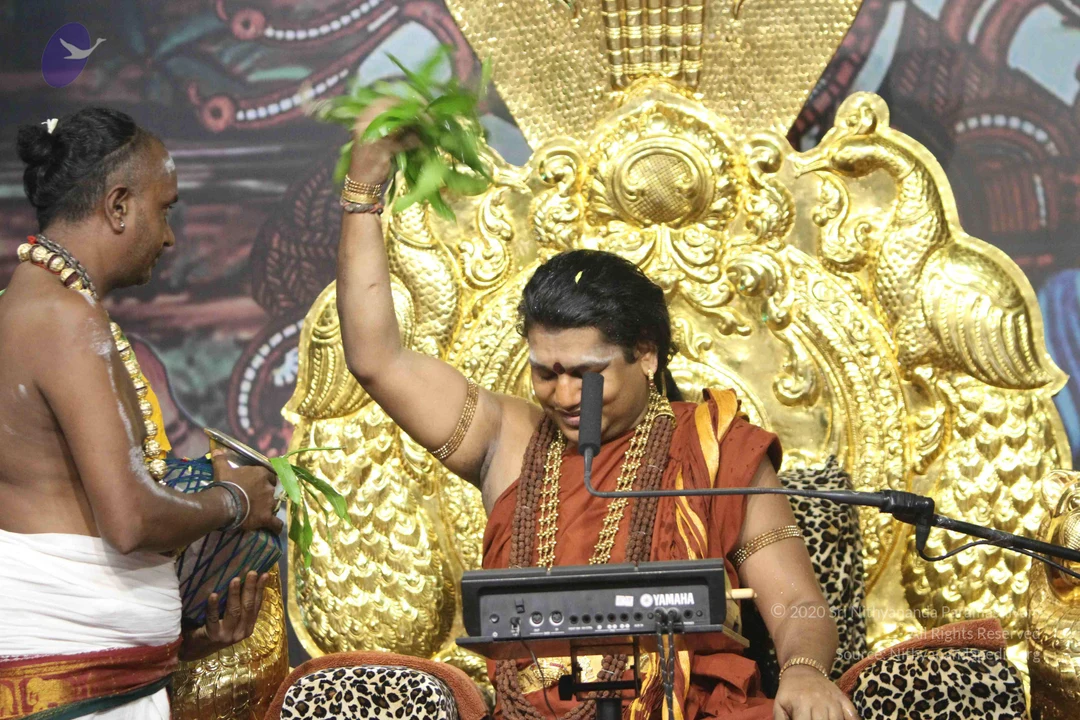
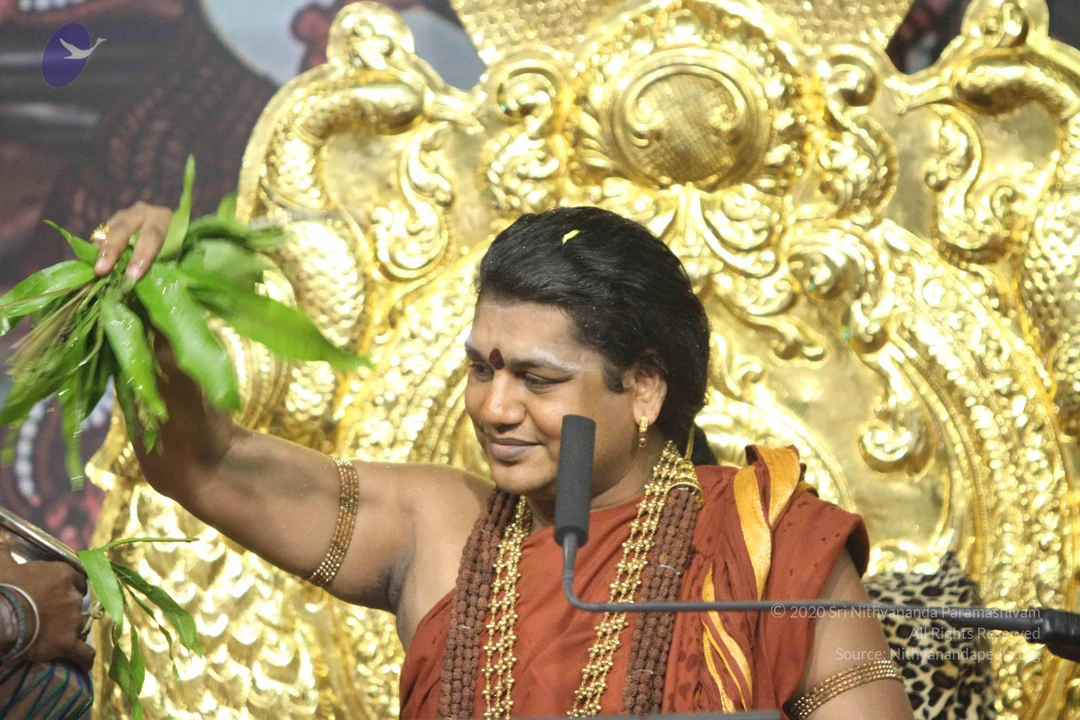
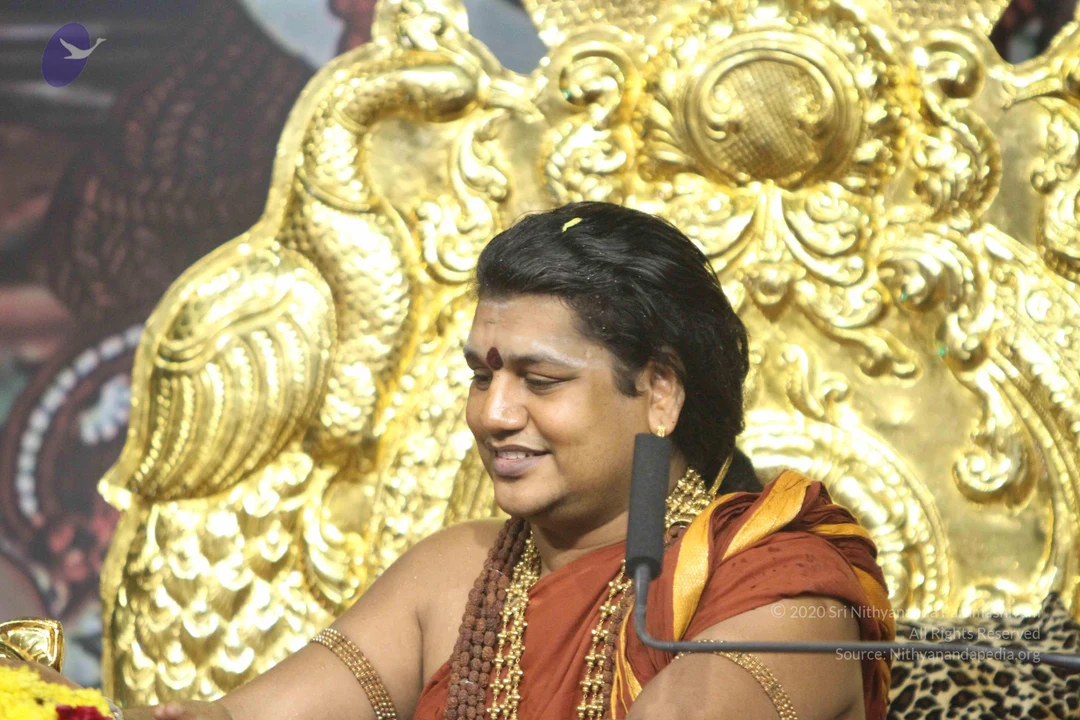
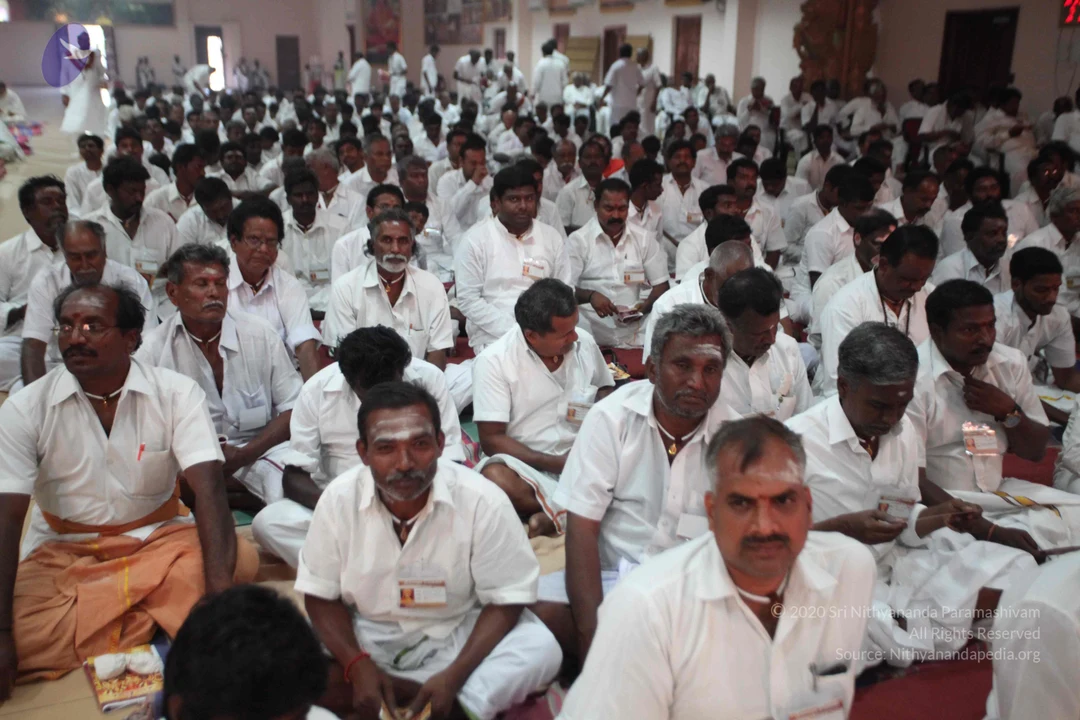
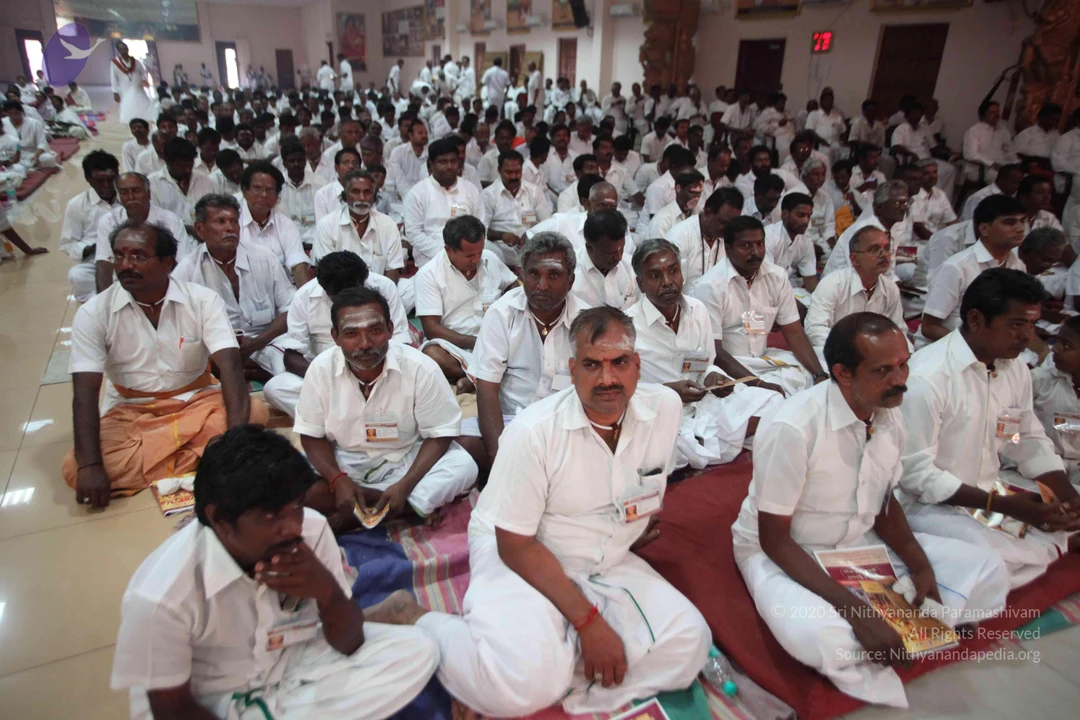
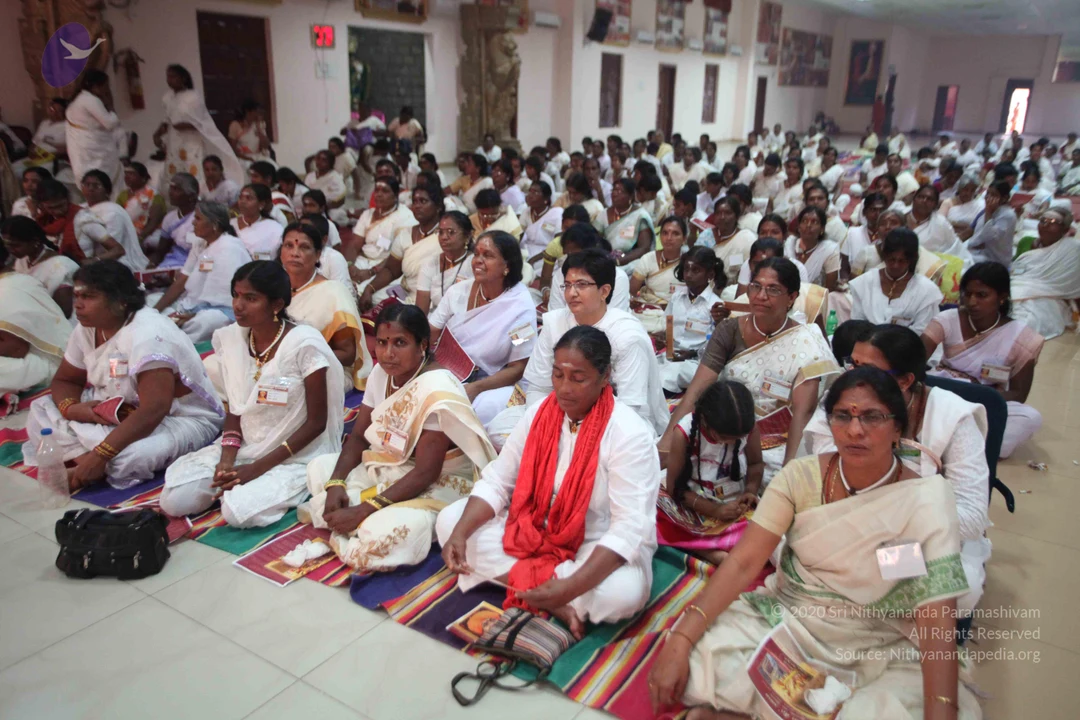
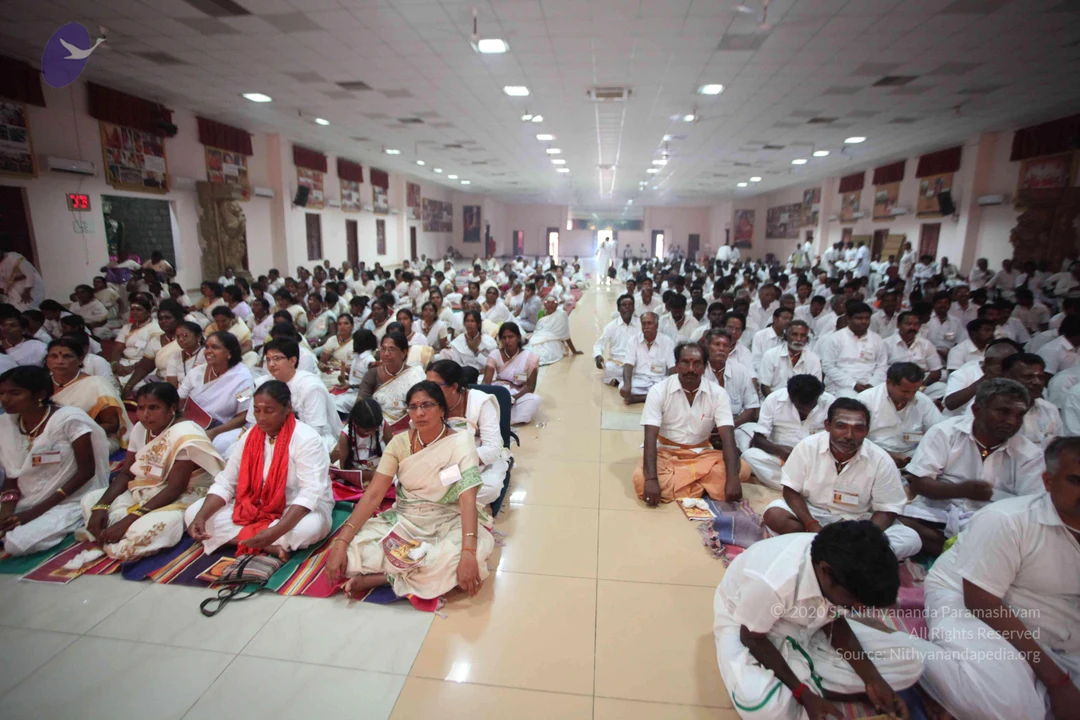
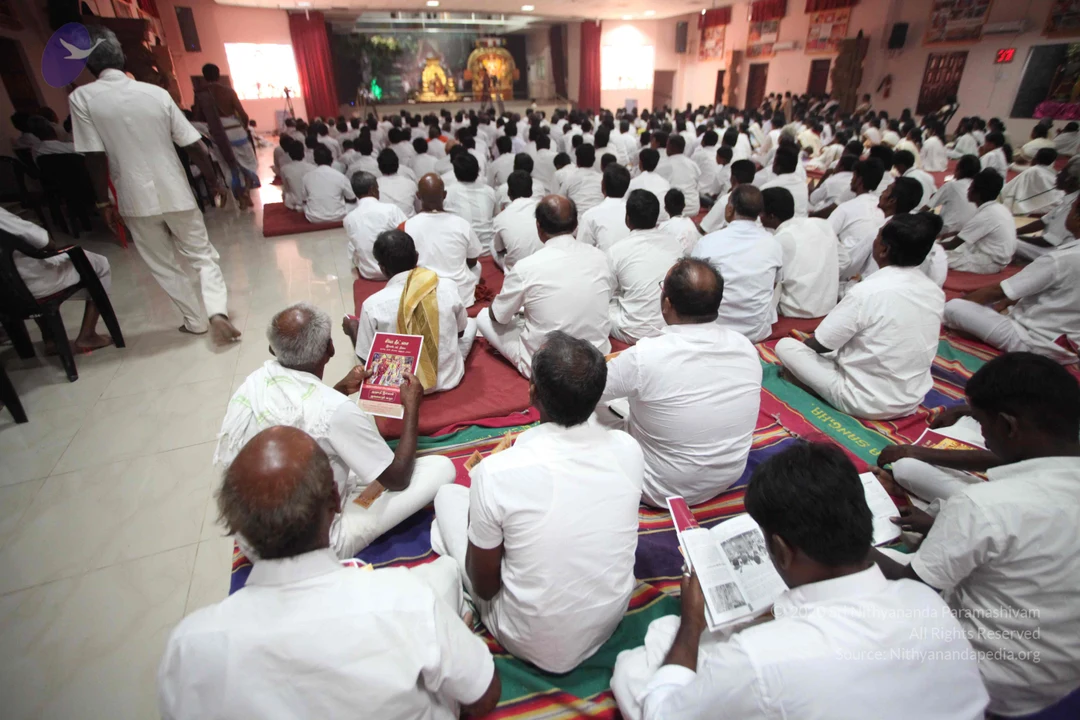
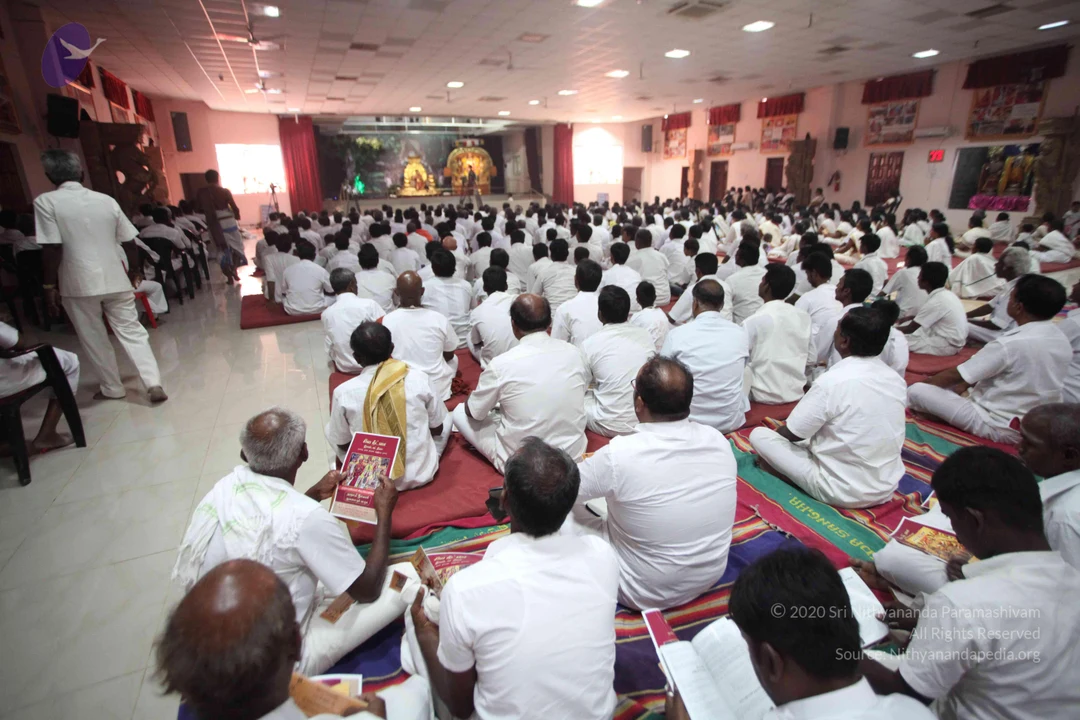
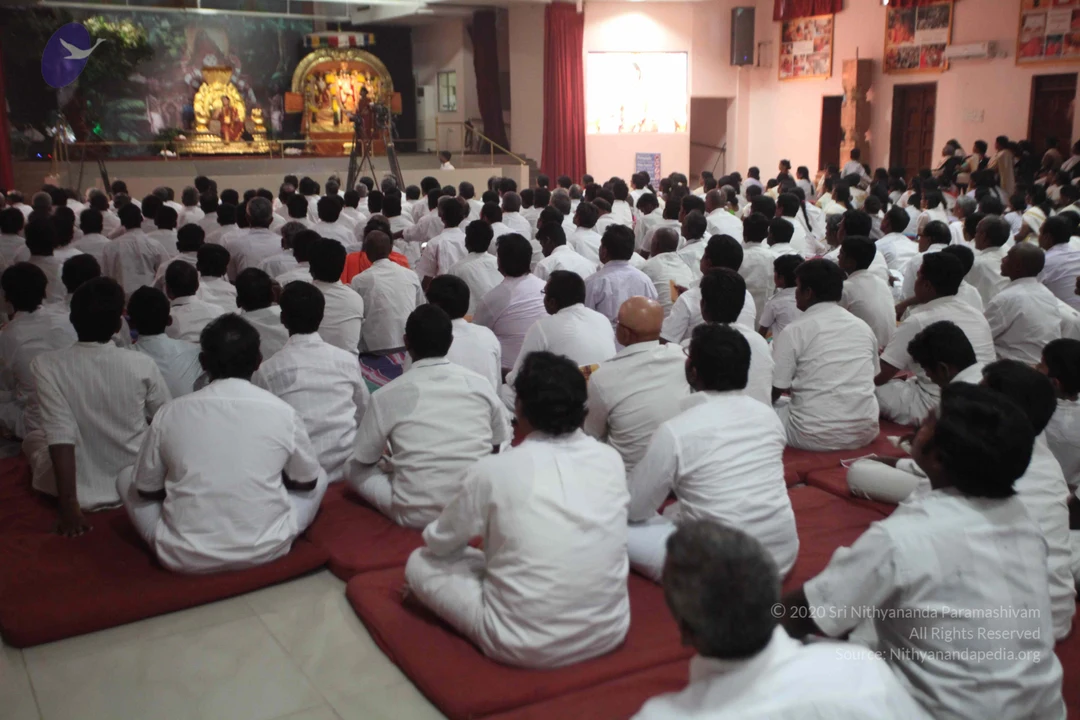
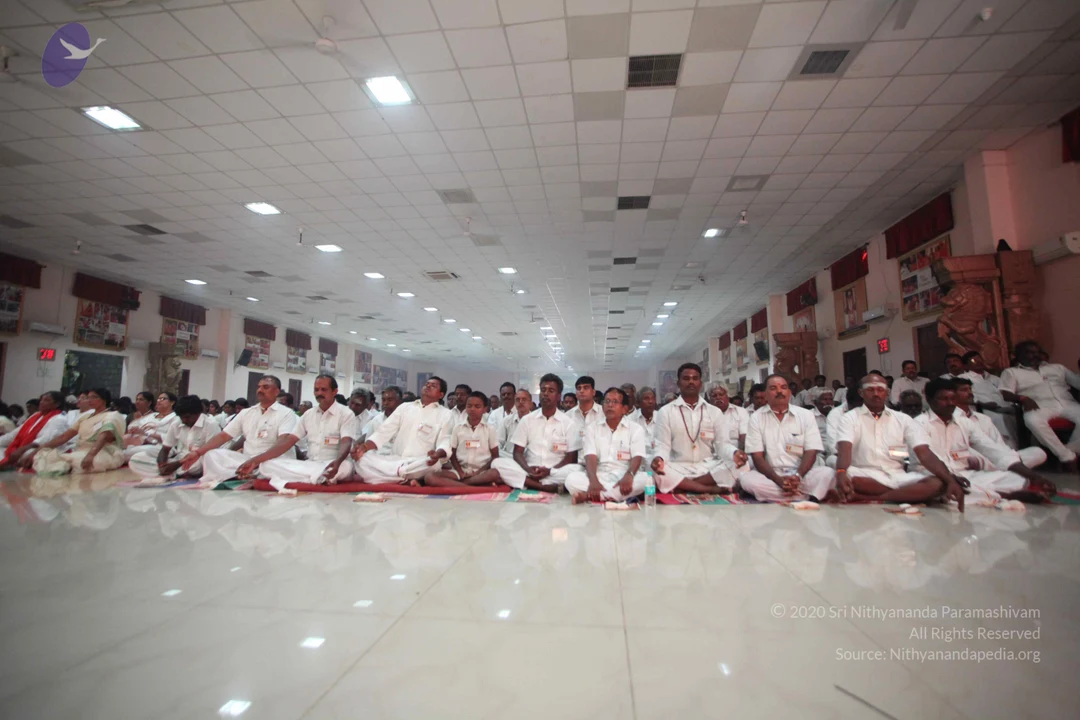
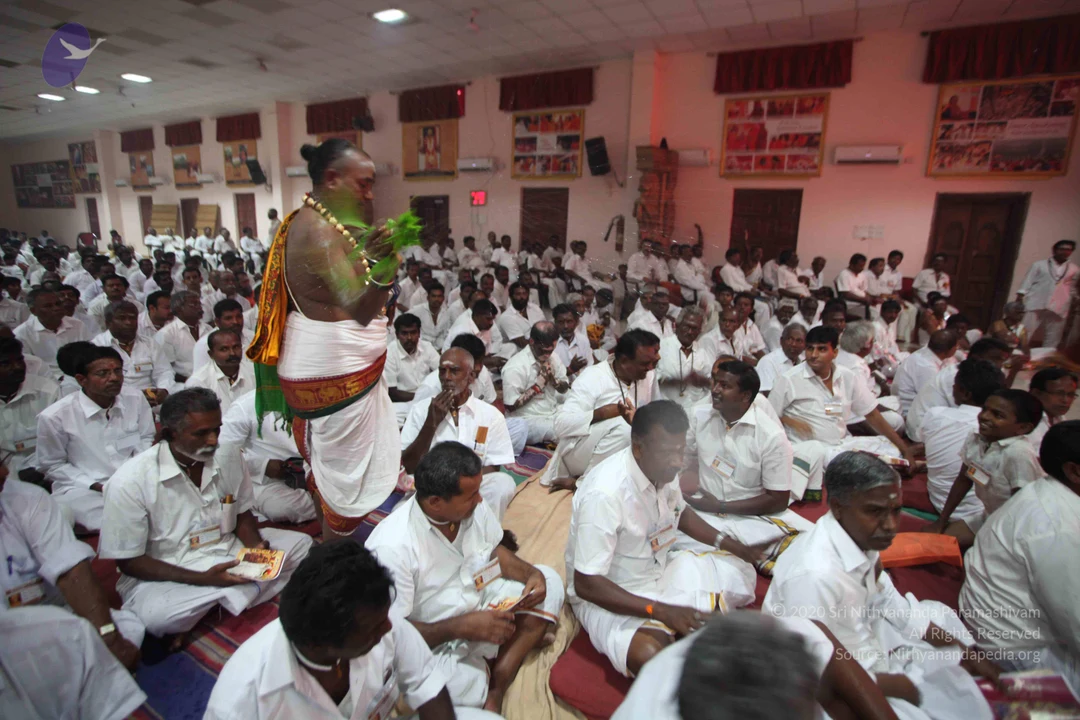
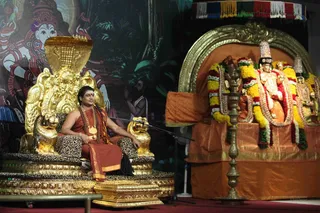
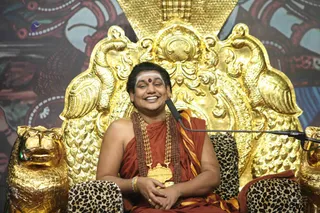
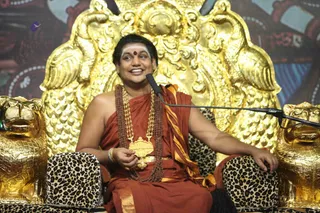
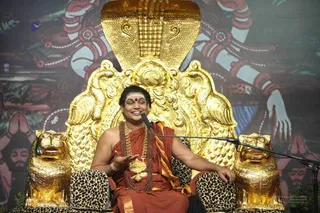
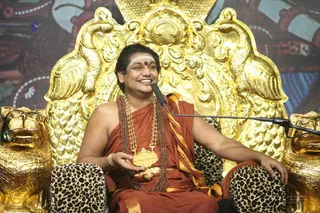
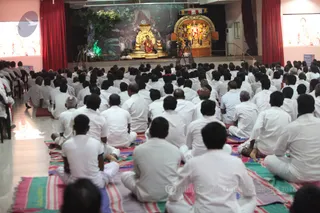
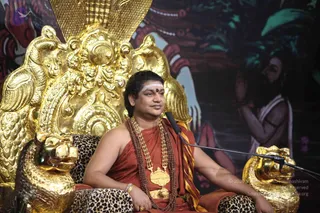
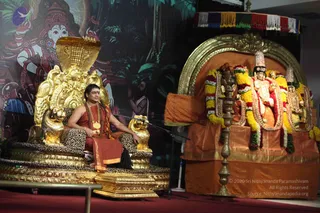
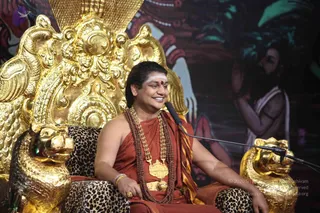
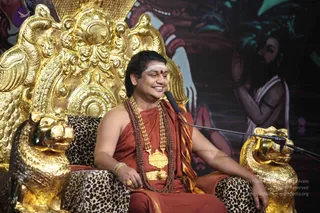
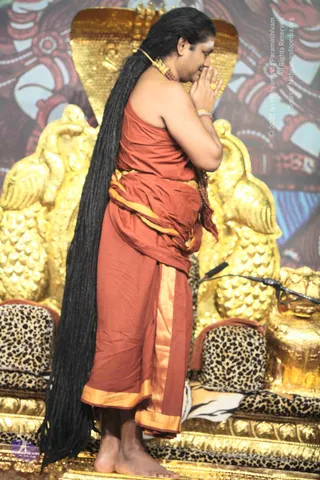
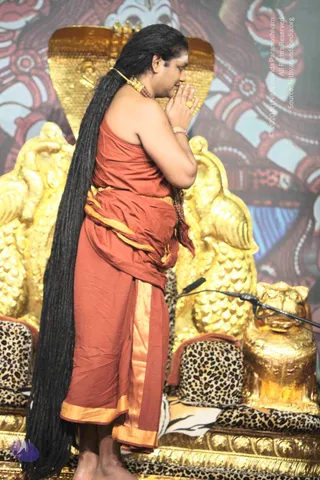
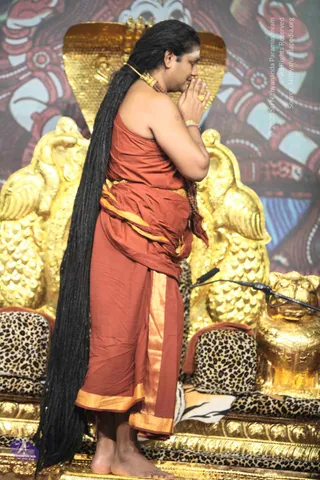
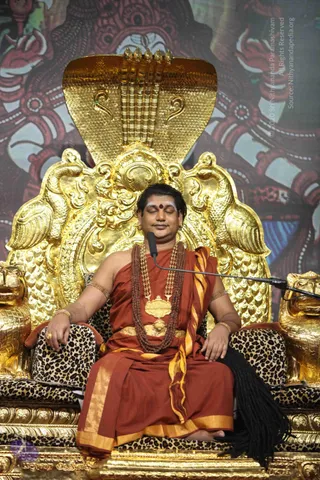
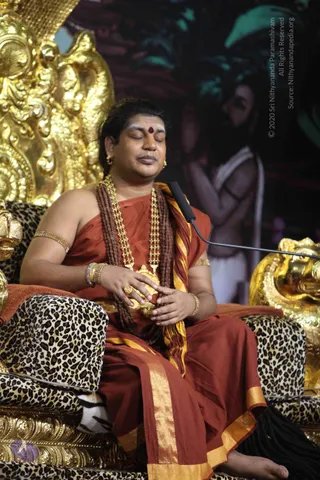
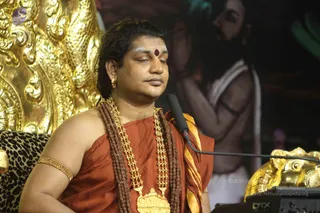
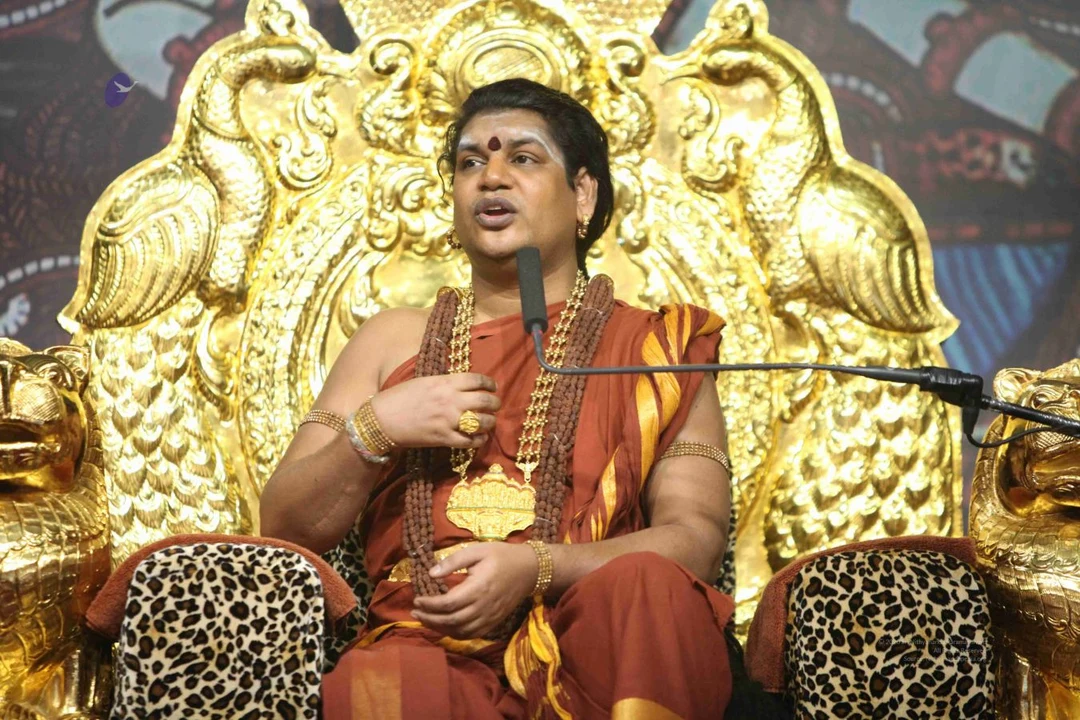
A man seated on a leopard-print cushioned seat in front of a gold-carved throne and a gold lion-head ornament, speaking into a microphone on a stand. He wears a rust-orange shawl over the shoulders, multiple strands of rudraksha beads, long gold necklaces, a large gold pendant, a gold armlet and a red bindi on his forehead. Behind him a painted backdrop shows a bearded figure in white with hands pressed together. A black audio mixer sits on the right. The scene suggests a satsang discourse. Swamiji (probable): long swept-back hair, rudraksha malas, ceremonial gold necklaces and an orange shawl, seated in the speaker's position.A temple shrine scene where a priest in a white dhoti and shawl, with a sacred thread and tripundra markings, stands at left facing a line of devotees. Several devotees in white clothes are seen from behind and from the side, with hands folded in prayer, including a woman in a white sari with a gold border. At the center, a golden-framed shrine holds a large deity murti with a crown, draped in a blue skirt and garlanded with marigold strings and beaded necklaces, with a silver kalasha-like object and a gold pot-shaped vessel in front. Smaller statues of attendant figures in red and maroon garments stand on either side, also garlanded. Brass lamps flank the shrine, and a green curtain hangs behind it. This appears to be a puja or darshan at a temple shrine.A large indoor hall filled with seated men in white dhotis and white shirts, sitting cross-legged on striped mats in rows that stretch toward the back of the room. Many wear lanyard badges and some hold small booklets. Wall panels display framed photographs, and bright ceiling lights illuminate the space. The scene resembles a satsang or meditation session with devotees listening attentively. No a person candidate is clearly visible among the seated attendees.

February 27 2016

Original wiki page
Contents

Title:

Agama - The Spiritual Science To Manifest Your Reality

Description:

"Carya, Kriya, Yoga and Jnana – Lifestyle, Processes, Union and Enlightenment, all these four, you will experience experientially, internalise in Kumbh Mela (Ujjain May 2016) through 70 various initiations"", declares Paramahamsa Nithyananda about the upcoming 'SHUDDHADVAITA Process"" in the evening Nithya Satsang (27 Febuary 2016). AGAMAS are the sacred inner-sciences, the direct words of Mahadeva, which can manifest our realities and awaken completion, self-respect and strength in us. From bringing God alive in a stone to healing cancers, Agamas amass every science! He explains the 4 components of Agamas as per Mahadeva – CARYA means the lifestyle, which purifies us. KRIYA means the spiritual processes. Yoga is experiencing Oneness with ONENESS Itself; unlike Patanjali (who is disciple of Mahadeva himself), Mahadeva does not say anything about controlling the mind, when defining Yoga in Agamas. And JNANA is enlightened about everything that exists. He invites His disciples to hurry up for Kumbh Mela progam, which is a gift from Him." Watch, Share and Subscribe to our channel to be notified of the next upload click http://www.youtube.com/subscription_center?add_user=lifeblissfoundation to subscribe. visit: http://www.nithyananda.org http://www.nithyananda.tv http://www.innerawakening.org https://www.youtube.com/user/LifeBlissFoundation https://twitter.com/SriNithyananda https://www.facebook.com/ParamahamsaNithyananda https://plus.google.com/104086565286265959836/posts

Link to Video:

VideoAudio

Transcript:

(00:14)

nithyānandeśvara samārambhām nithyānandeśvari madhyamām | asmat āchārya paryantām vande guru paramparām ||

(00:39)

I welcome all of you with My love and respects. I think it will take few more days for Me to start on Kenopanishad; because I Am so much full of Kumbh Mela…. If I open the mouth, it is going to be Kumbh Mela. It’s all going to be Kumbh Mela, Kumbh Mela, Kumbh Mela. My body is getting ready, getting prepared to initiate the seventy powers of Shiva Agamas. I can see, actually Kumbh Mela is happening in this body. I think the ‘Amrta Kalash’ is going to come out from this body only and Kumbh Mela is going to happen there. I think last two-three days, Kumbh Mela is happening; especially from Maheshwara Puja day I think, from that day or the Masimagham, that’s the day it started. And from Maheshwara Puja day, I can see it in the body…. Even the way I handle things, I Am seeing so much of love, energy, care, that mood of initiation, Mahadeva’s mood of initiation, Dakshinamurti’s mood…. Usually when I handle certain issues, the weakness of human beings or inter-personal relationship issues among the disciples – it will always be Kalabhairava, now I Am seeing, it is all becoming Dakshinamurti. And I think Mahadeva is preparing for Kumbh Mela.

(03.37)

And you can expect in one or two days the spiritual practice to prepare yourself for Kumbh Mela; because till 29th we have a time for people to register. After the 29th may be first March or second March, 1st March or 2nd March I will give you the meditation, the exact meditation technique to prepare yourself, to start the preparation for Kumbh Mela. I will give you the structure of the whole Shuddhadviatam process, which is getting downloaded. Mahadeva described these four component beautifully. Charya, Kriya, Yoga, Jnana.

Carya means lifestyle. It starts from the personal hygiene, keeping the place clean and keeping your inner-space clean, everything. Everything put together is charya - lifestyle. How you should wake-up? How you should brush your teeth, wash yourself, take bath? Everything. From the time you wake up till you go to bed, purifying your whole muscle-memory is what Mahadeva is teaching through charya.

(05.59)

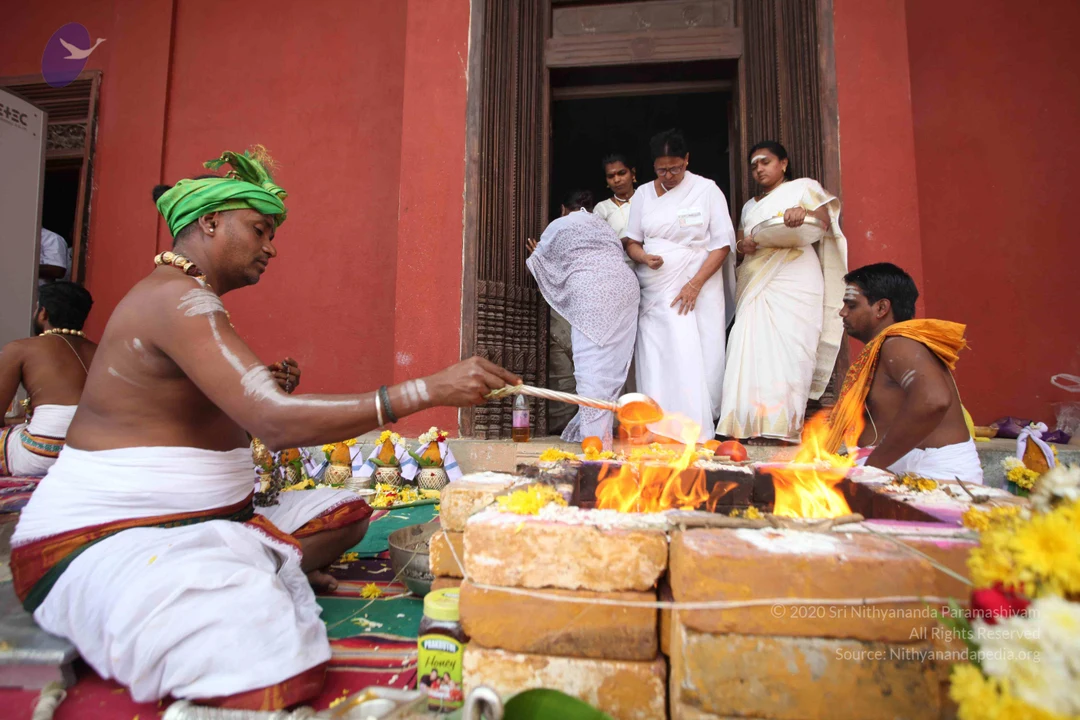
Kriya means the spiritual process, the spiritual process. Please understand. Agama is the only science, even though 'science' is a small word, I Am using that word. Agama is the only spiritual inner-science to manifest anything you want as reality. If you want to bring God into a stone and want to make Him live in that stone, there is a kriya, there is a process. If you want to heal your stomach pain, there is a kriya, there is a process. If you want to heal somebody's cancer, there is a kriya, there is a process. If you want to bring rain, there is a kriya, there is a process. If you want to stop the rain, there is a kriya, there is a process. You want to bring the Sun, there is a kriya. You want to stop the Sun, there is a kriya. Everything, everything you can achieve it through these certain kriyas, processes. You may not do all the kriyas, but knowing that science and few kriyas, helps you to manifest the reality as you wanted; to manifest the reality as you wanted.

(08:15)

To awaken completion in you, to awaken strength in you, to awaken joy in you, to awaken respect for yourself in you. That's one of the best thing Mahadeva does in Agama. He helps you to manifest so many wonderful powers. Anybody who practices Agama, develops tremendous respect for themselves about themselves. It's not ego. Ego will always be based on powerlessness. Respect will alway …Self-respect will always be based on powerfulness.

Every time when a problem comes in front Me I only become more powerful by learning and expressing the method and solving it. Understand. Self-respect for yourself is never a ego. Mahadeva does that to you, when you practice Agama – the lifestyle of Shuddhadvaitam. That is why My Ashram is the greatest training ground for Me. I get trained by My disciples; because they invent. See, you bring any problem, I can invent solution. I bring any solution, My disciples can invent problem for it. And it is amazing training ground for Me.

(10:42)

But fortunately, because Mahadeva is manifesting Himself so much through this body, every problem only makes Me more and more powerful; because now I have more methodology to solve the issues; one more way of solving the problems. It only makes Me more and more powerful. Actually if you understand the science of Kriya as per Agamas, every moment of your life, you will become more and more powerful. You will become more and more intelligent, more and more energetic.

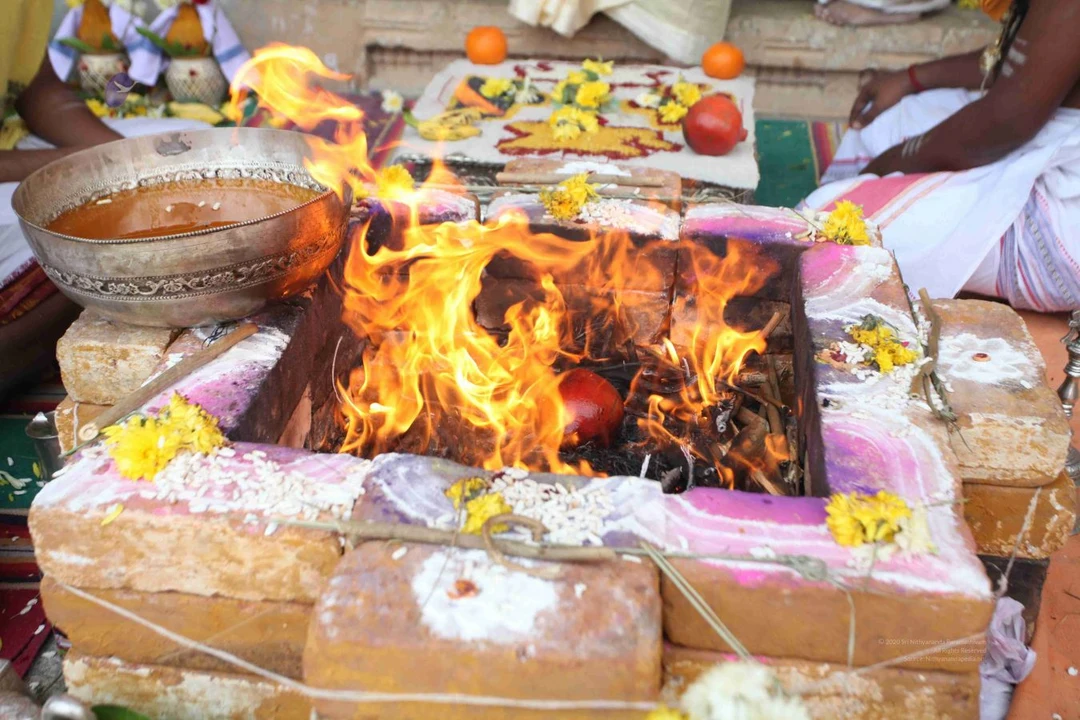
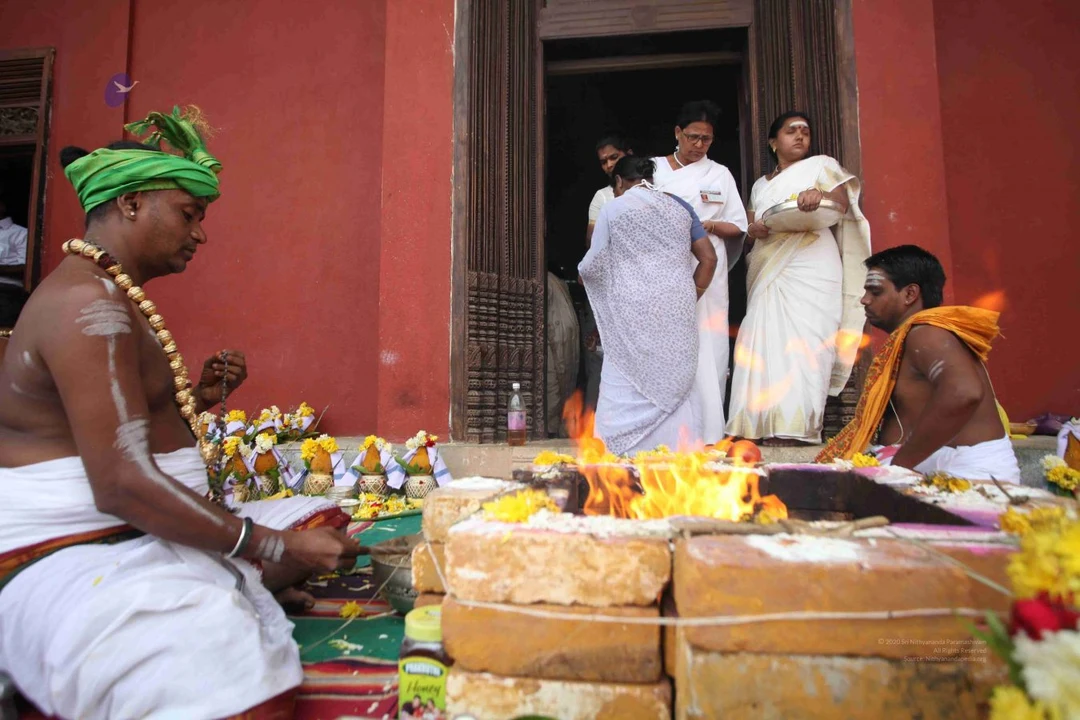
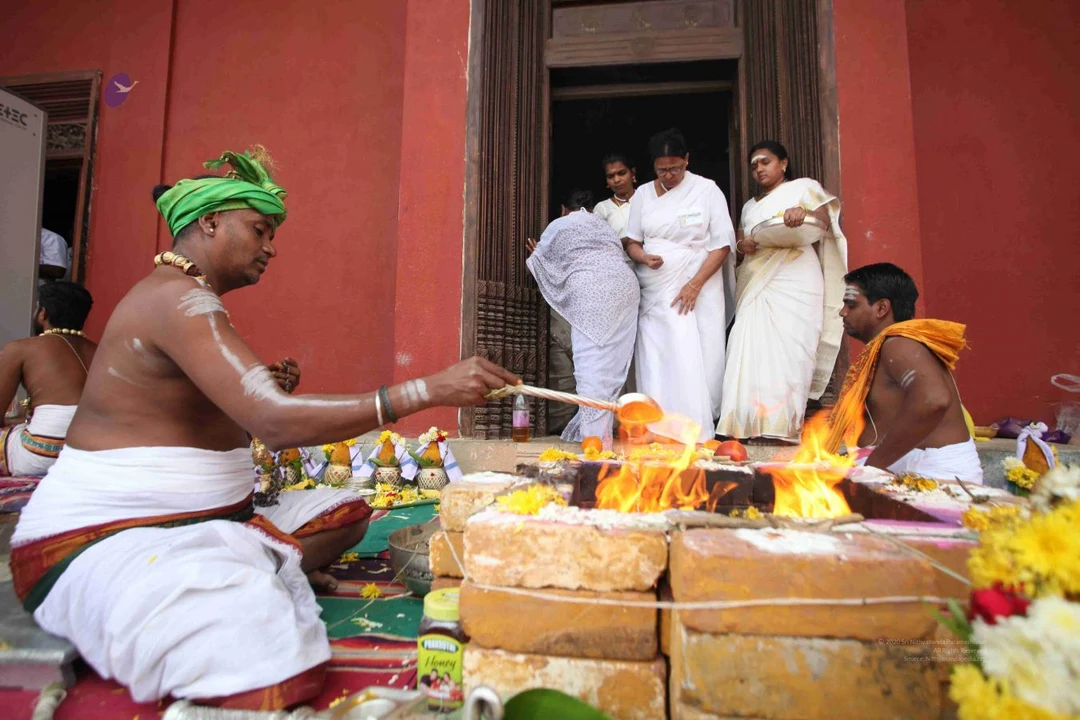
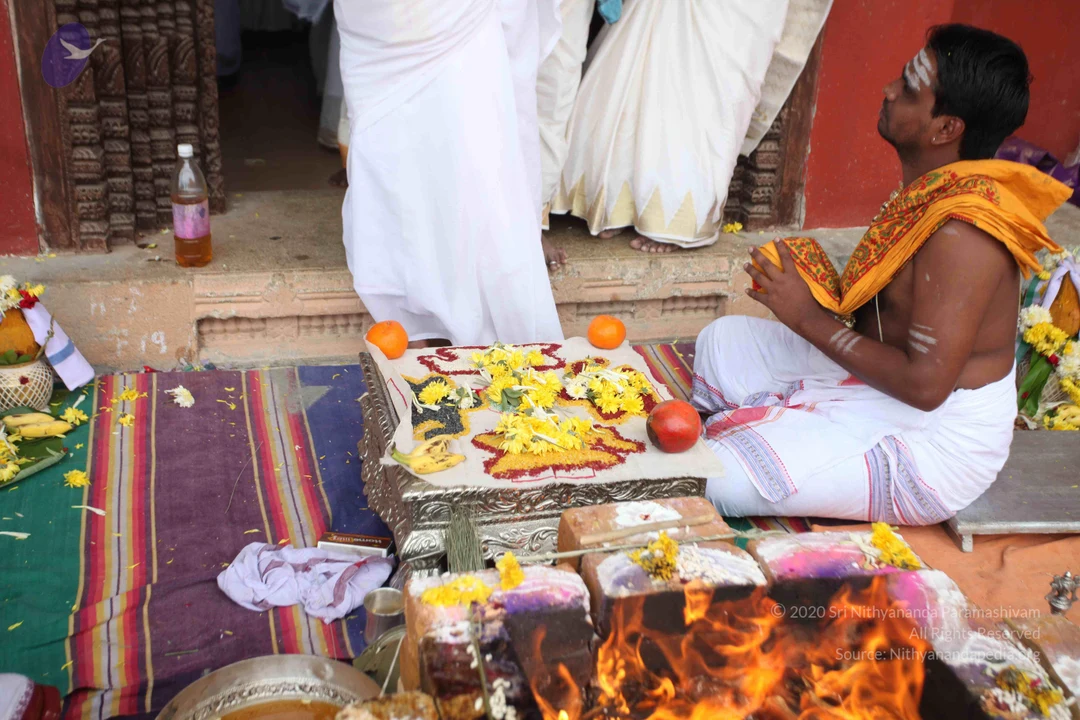
Science of Kriya. Actually once you understand the science of kriya, you don't even need to create the fire and pour the ghee. Just by changing your breath, you can manifest the same Agni from your body, and that Agni will manifest what you want as reality. You don't have to put rice and pour ghee into the fire. If you just pour the rice and ghee into your stomach, that fire in your stomach, that Agni, you will manifest – what do you want, whatever you want. Your eating can become a spiritual practice to manifest what do you want.

(12:52)

Yoga as per Agama is experiencing union, oneness with Oneness Itself. Understand. Patanjali definition of Yoga is: yogaha citta vritti nirodaḥ – cessation of the mind is Yoga. But description about Yoga, you need to know Mahadeva does not prescribe, propose mind control anywhere in the whole Agama. No. He doesn't say thoughtlessness is Yoga. No. He says, thoughts are too superficial; don’t be controlling or playing or fighting with it. They have no meaning. Why do you want to fight, play, spent time with something which is meaningless, which has no meaning, which is meaningless?

Mahadeva’s definition about Yoga is – experiencing Oneness with Oneness itself, union with Oneness is Yoga. When you understand that science, you will see the life in a different dimension. Jnana: Mahadeva's definition about Jnana is — enlightened about everything that exists is Jnana. Union with Oneness Itself is Yoga. Enlightened about everything exists is Jnana.

(14:55)

Charya, Kriya, Yoga and Jnana: Lifestyle, Processes, Union and Enlightenment – all these four you will experience, experientially internalize in Kumbh Mela through these seventy various initiations. More and more I try to describe, more and more I Am stuck for words. I should only say one word: just kidnap yourself by yourself to Ujjaini. That’s all I can say, that's all I have to say. I will continue to expand on further satsangs. Hurry, hurry up because we will have to create the infrastructure, we need time. Hurry up and quickly register. All of you may be aware, Its My gift. The program is completely free. Its My gift. Just bring yourself and drop yourself in the Nithyananda Peetham, rise as Mahadeva and leave. There is so much of preparation going on. Now immediately after the satsang we have a ashramites meeting, preparation for kumbh mela.

Let's get ready for the greatest spiritual blast, kumbh mela experience. Essence of today’s satsang – kidnap yourself by yourself and drop in Kumbh Ghat.

With this, I bless you all: Let you all radiate with integrity, authenticity, responsibility, enriching, causing Living Shuddhadvaita Shaivam, the Eternal Bliss, Nithyananda. Thank you. Be Blissful.

(18:52)

Title

சிவ தீட்சை - ஒரு அறிமுகம் ll சிவ தீட்சை ll 27 பிப்ரவரி 2016

Link to Video:

Title

கயிலாய பிரஜைகளுக்கு சிவ தீட்சை அருளல் ll சிவ தீட்சை ll 27 பிப்ரவரி 2016

Link to Video:

Photos

Shiva Deeksha
Evening Satsang

3rd Eye Demo

Shiva Deeksha

Nithya Satsang

Shiva-Deeksha

Photos Of The Day:

SHIVA DEEKSHA

Tags:

Paramahamsa Nithyananda, Nithyananda, Kumbh Mela, Ujjain, Kumbh Mela 2016, Agama, Manifest Your Reality, Nithyananda Peetham, Carya, Jnana, Yoga, Kriya, 70 powers, Mahadeva, Patanjali, Self-respect, Shuddhadvaita

01-EVENING-SATSANG

01-SHIVA-DEEKSHA

Photos from this day

View all 320 photos

Shiva Deeksha
178 photosSource gallery
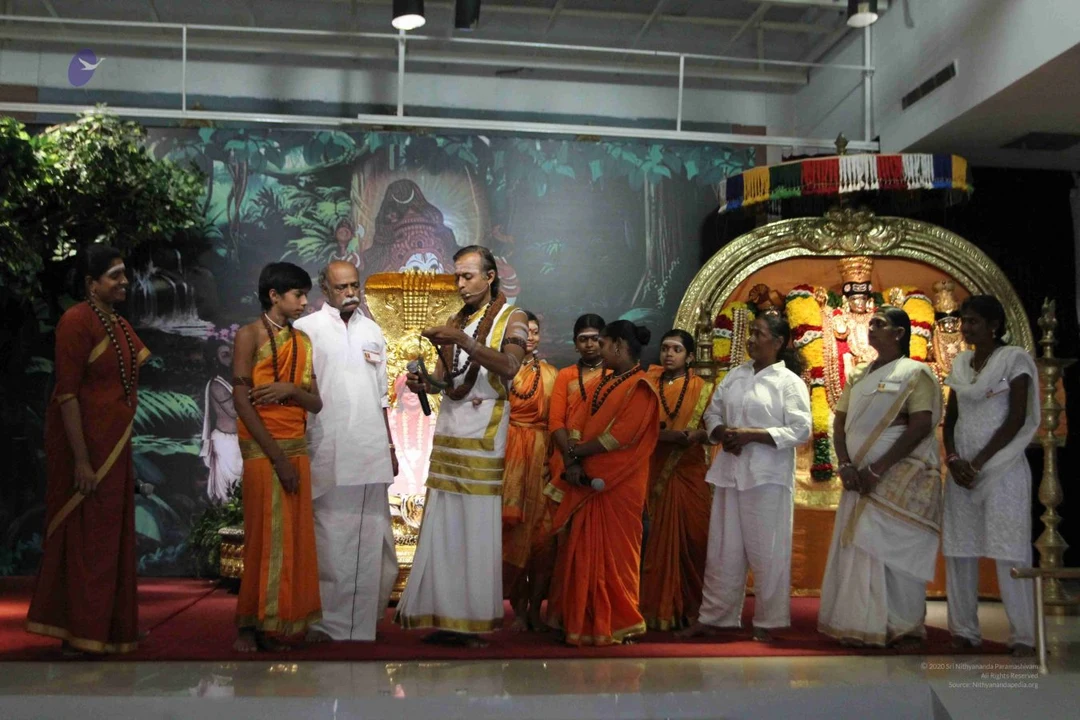
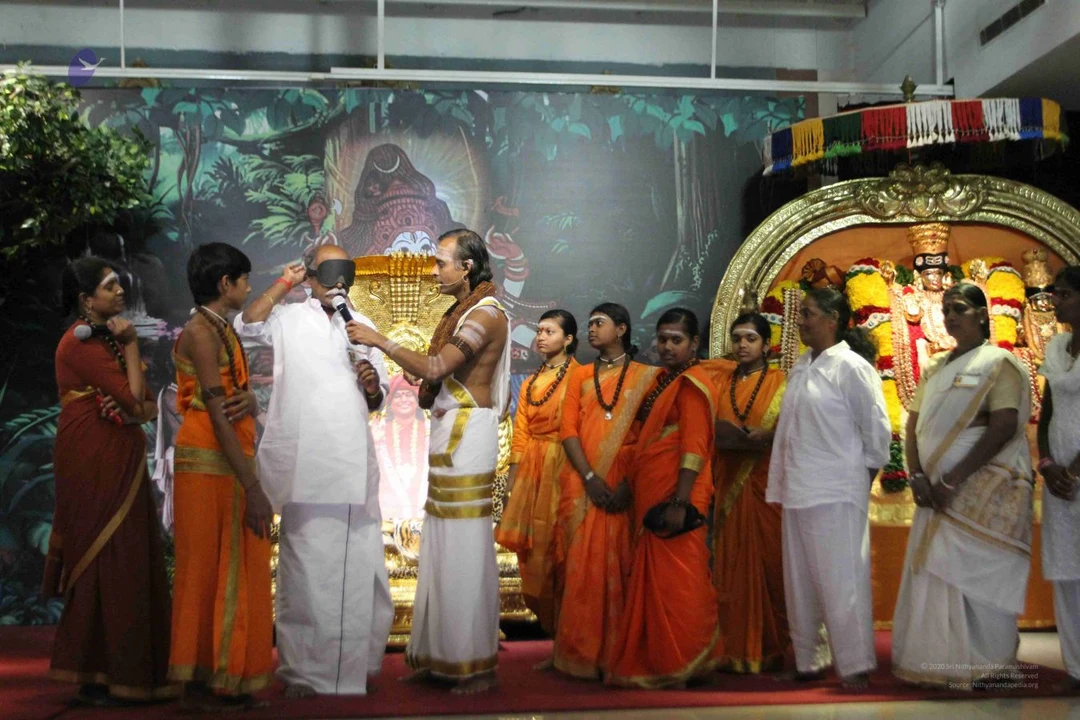
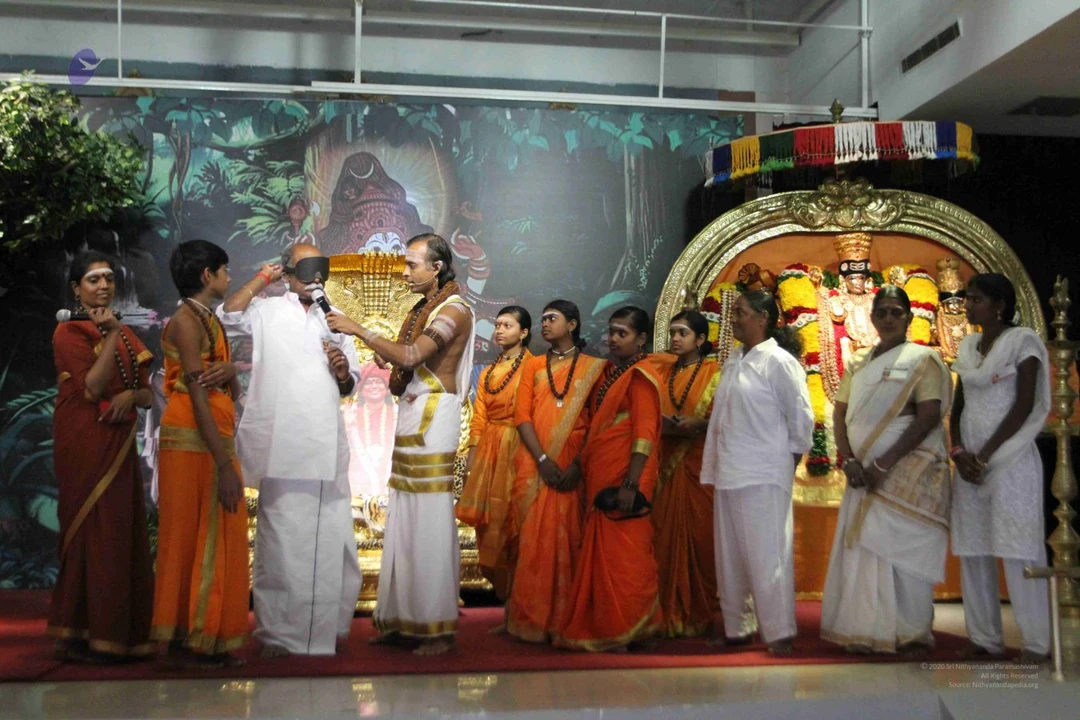
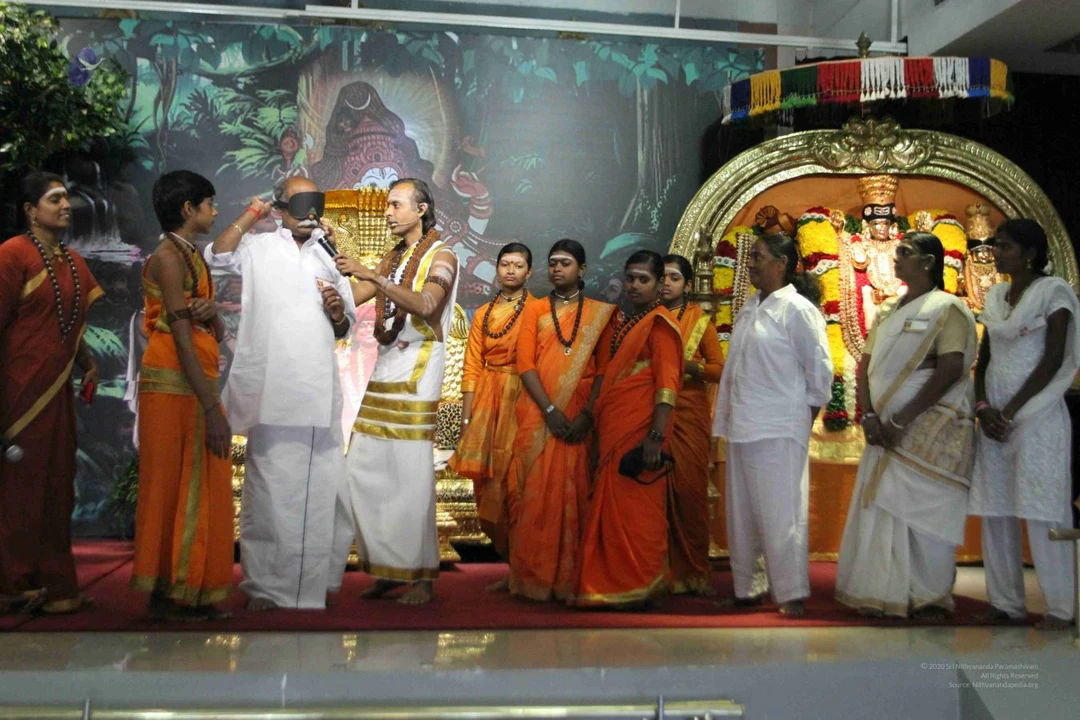
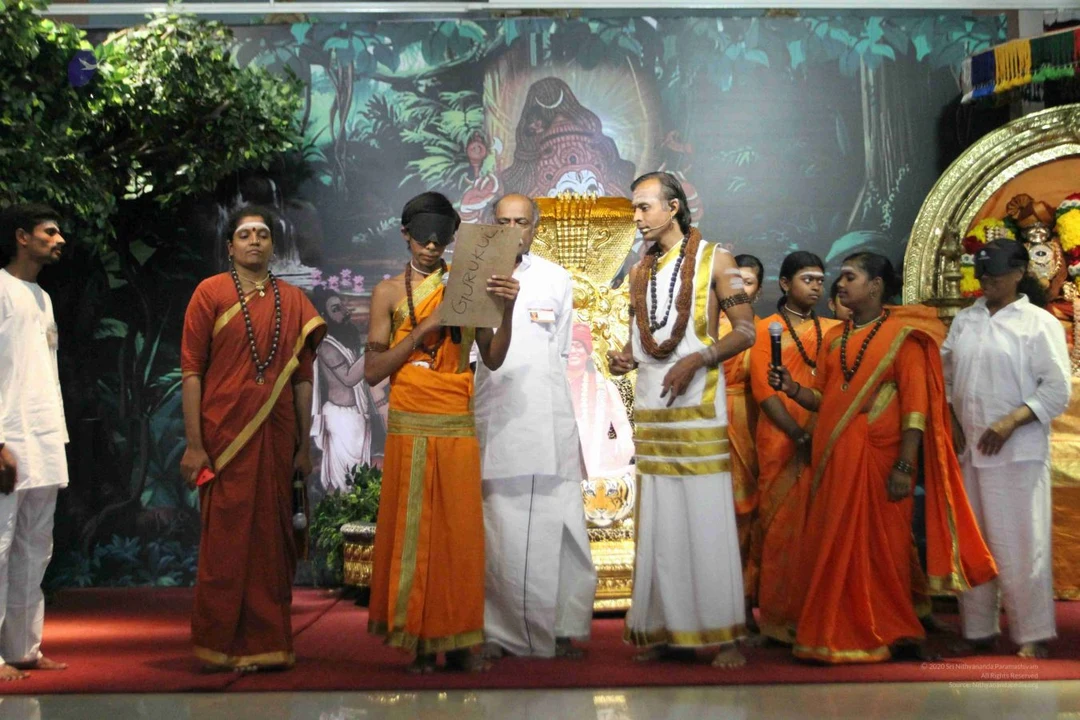
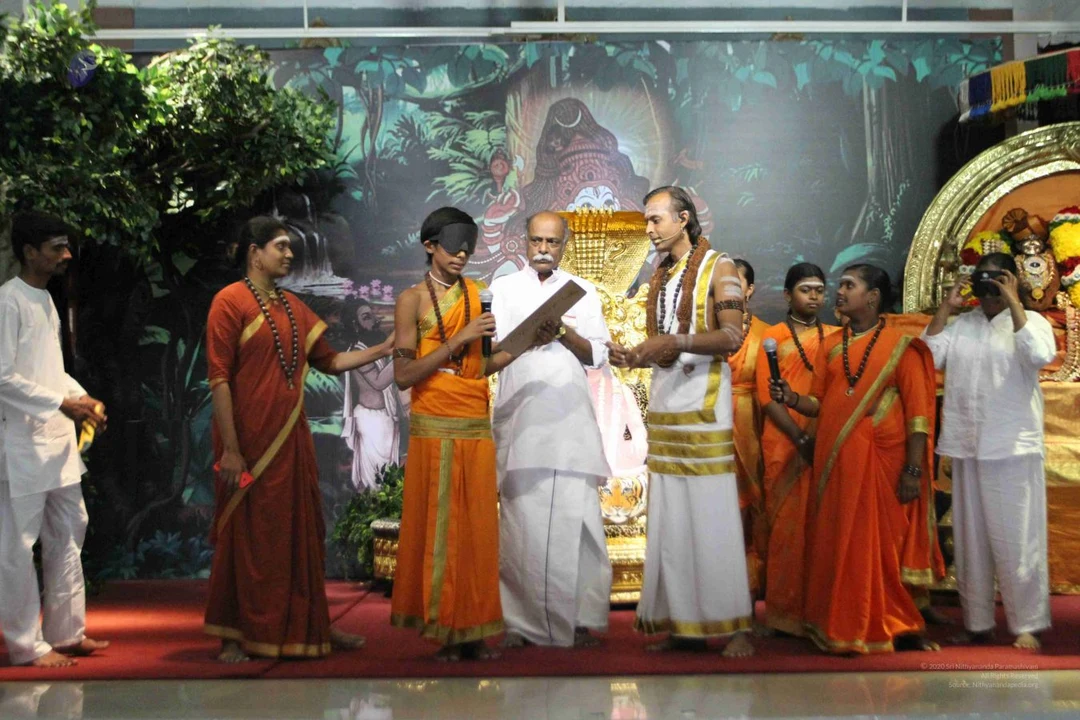
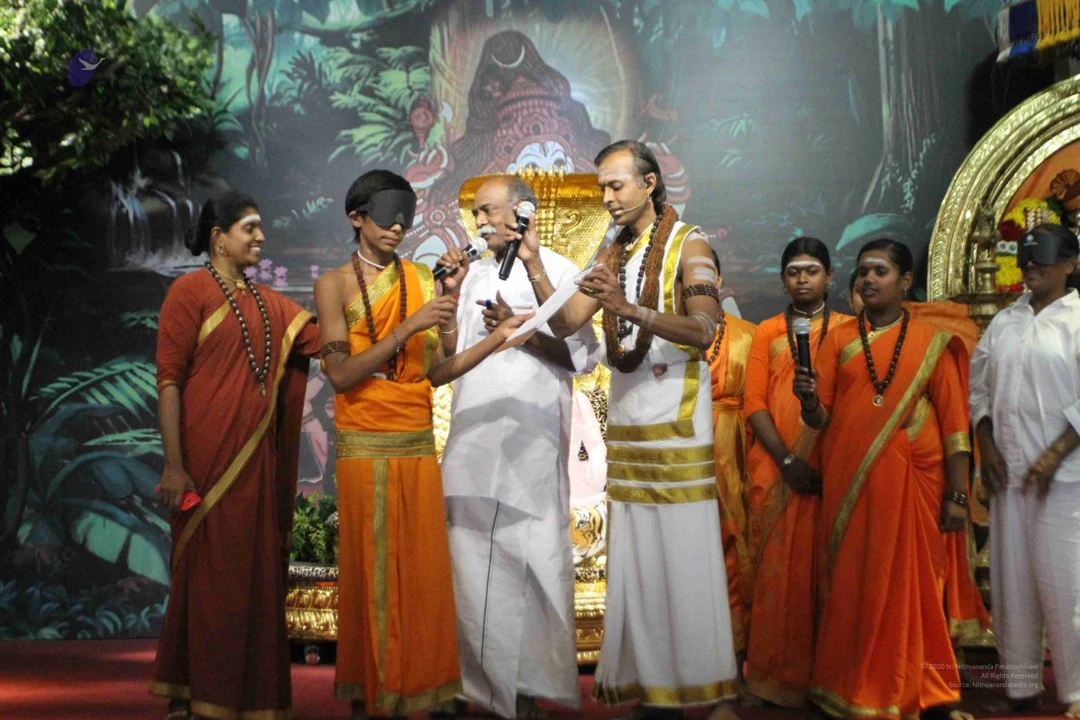
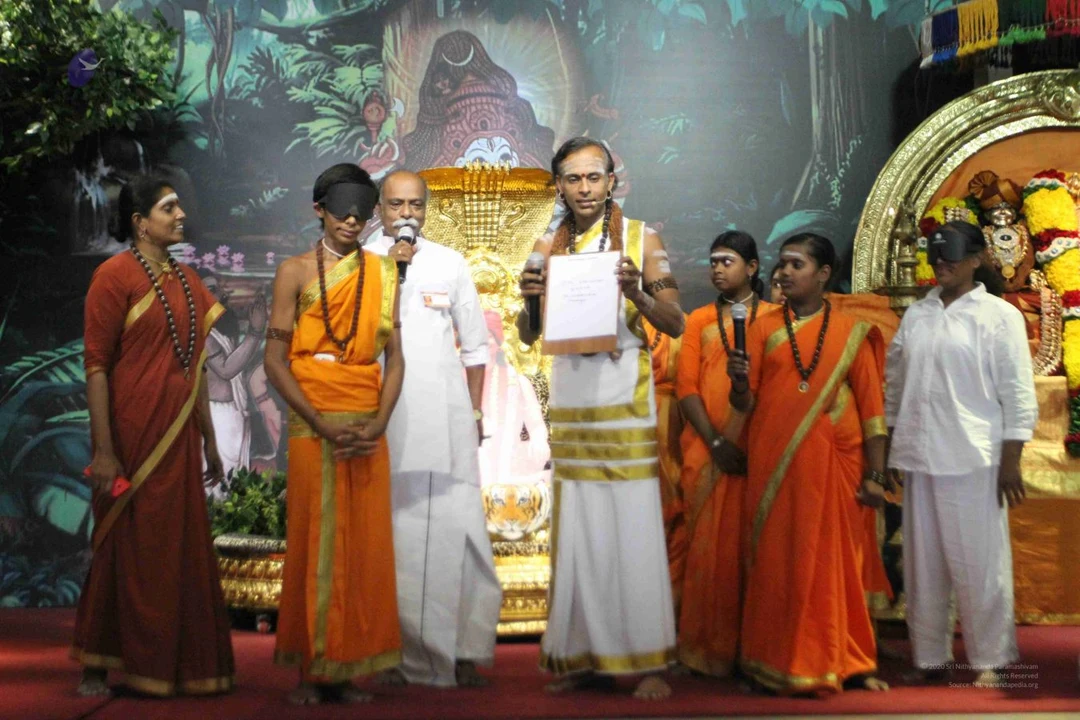
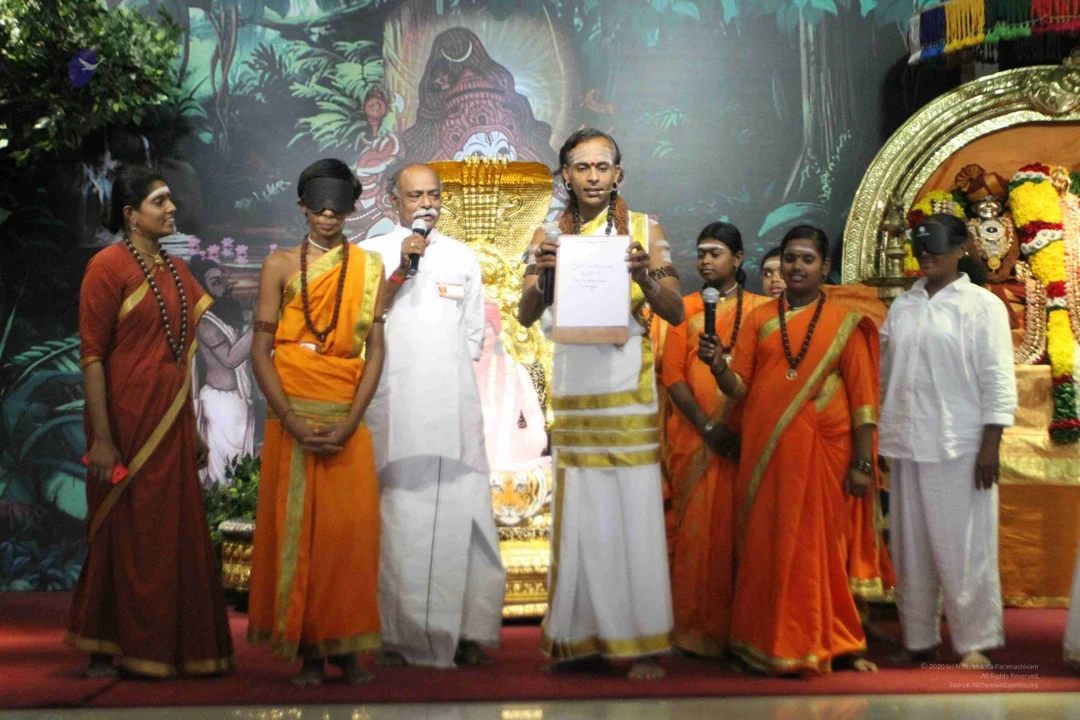
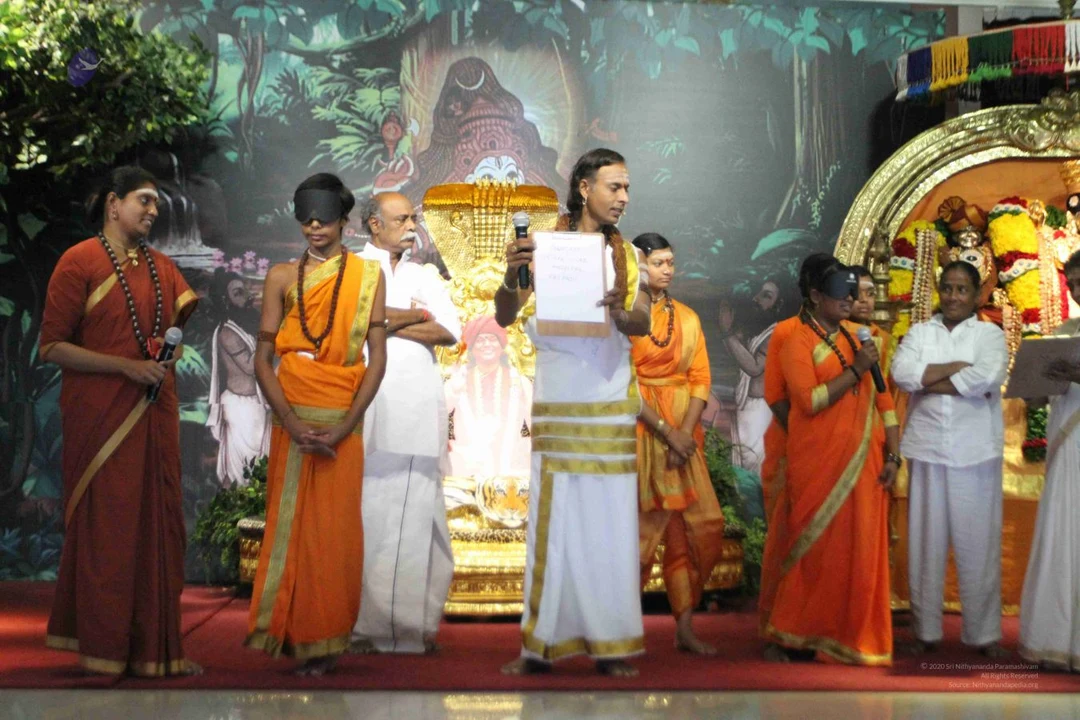
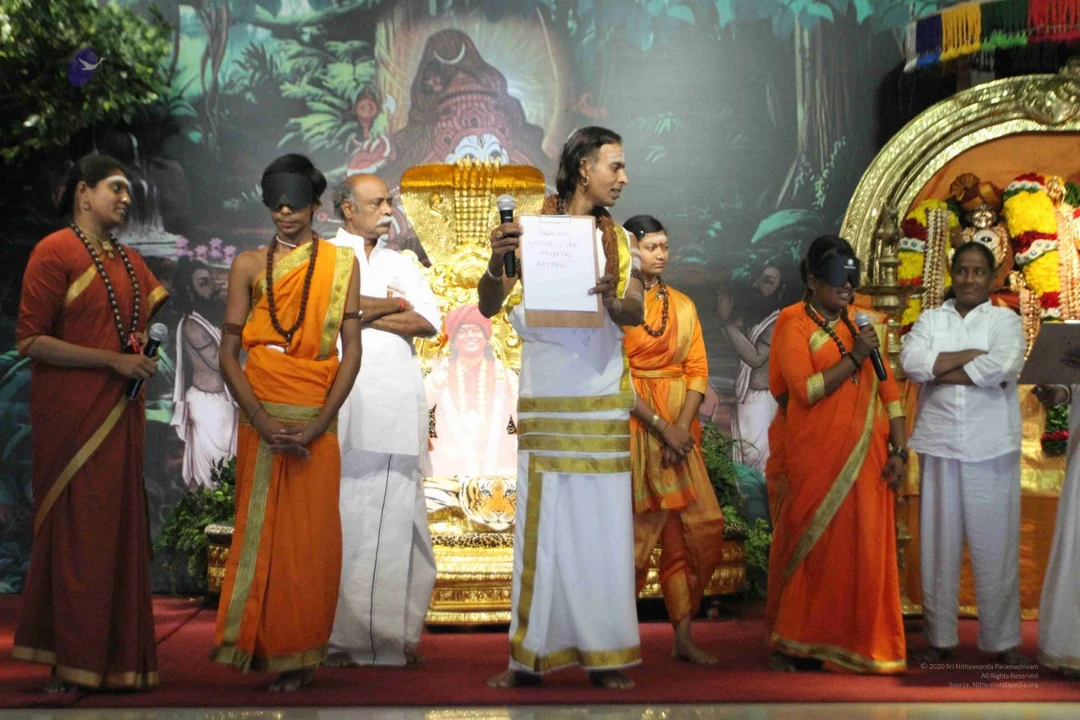
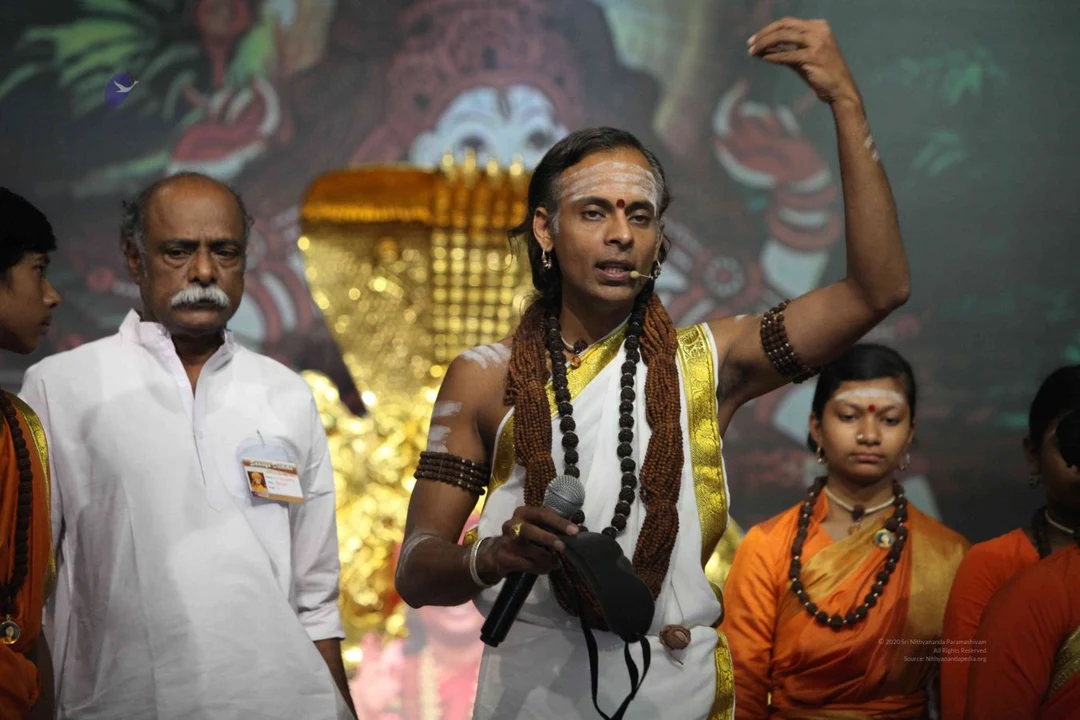
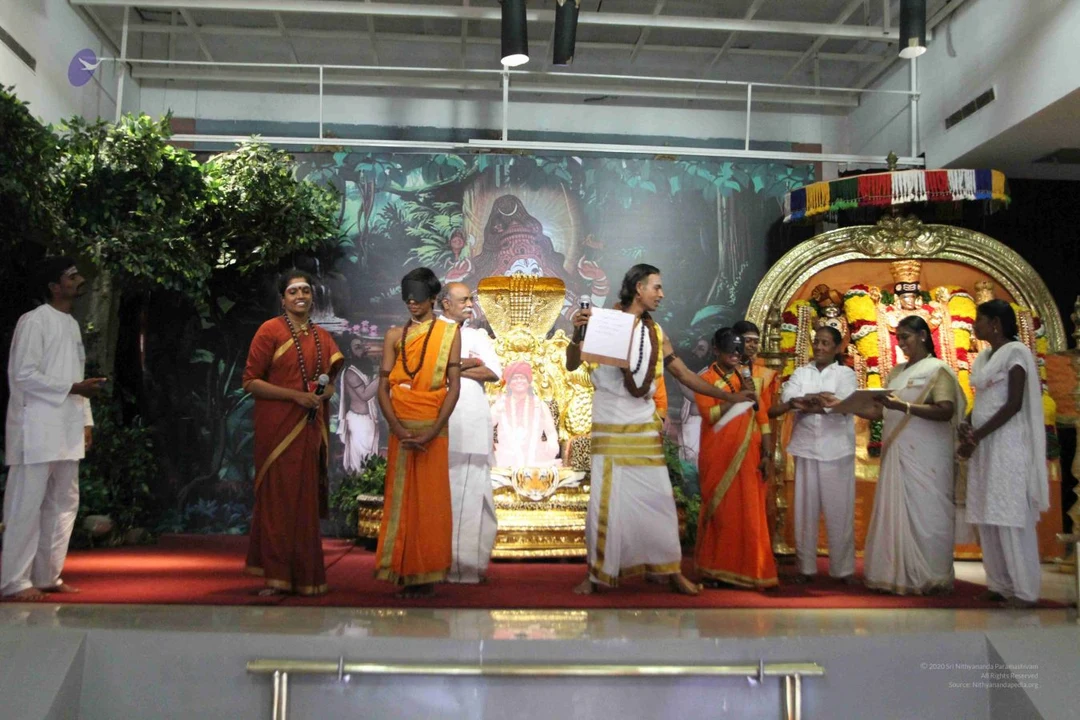
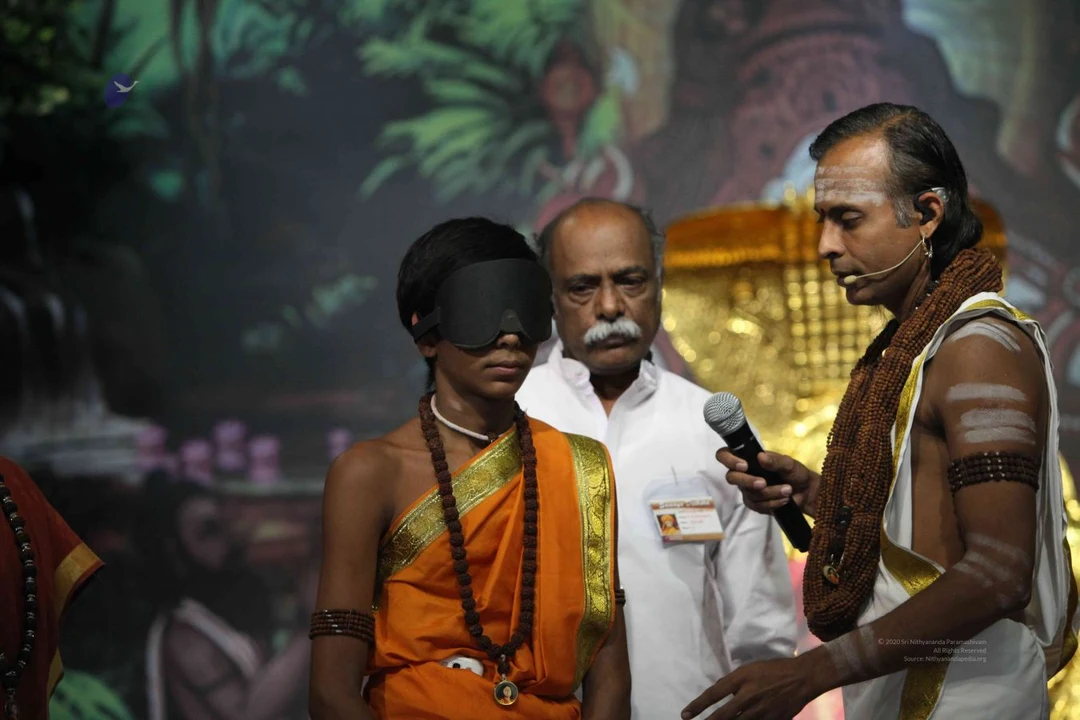
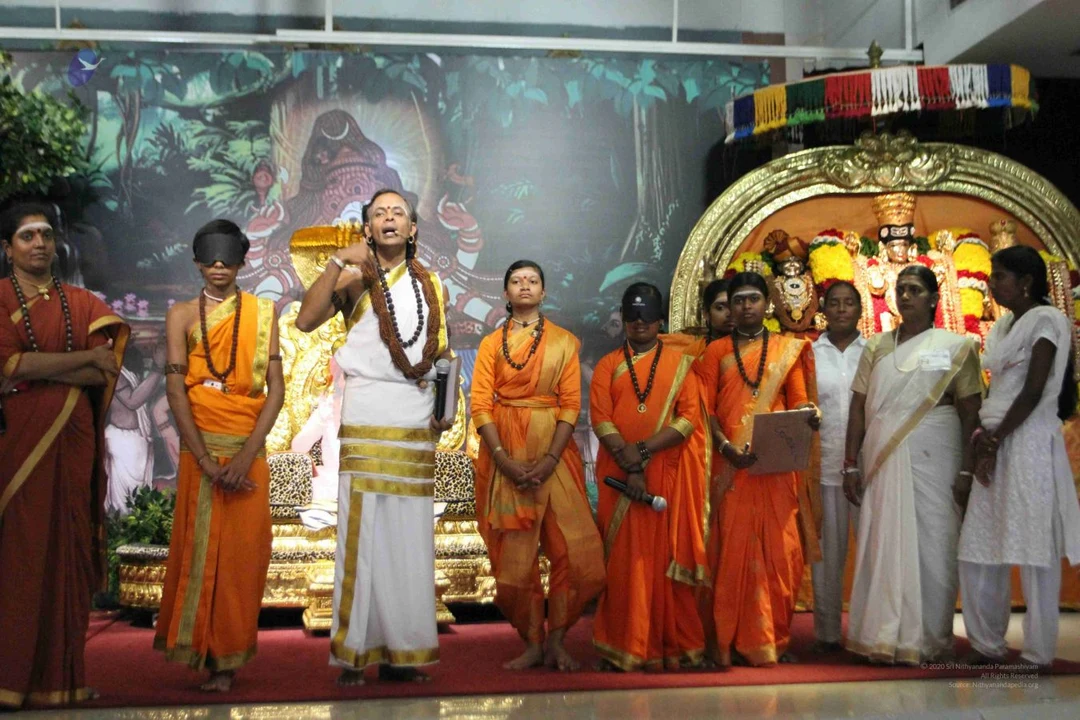
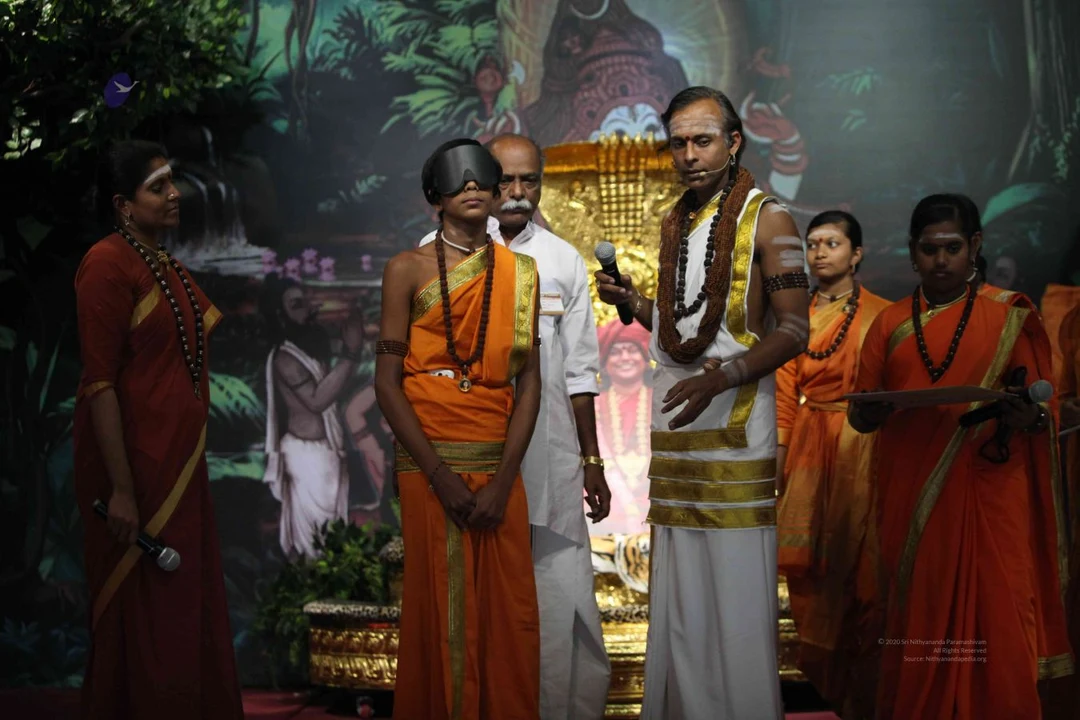
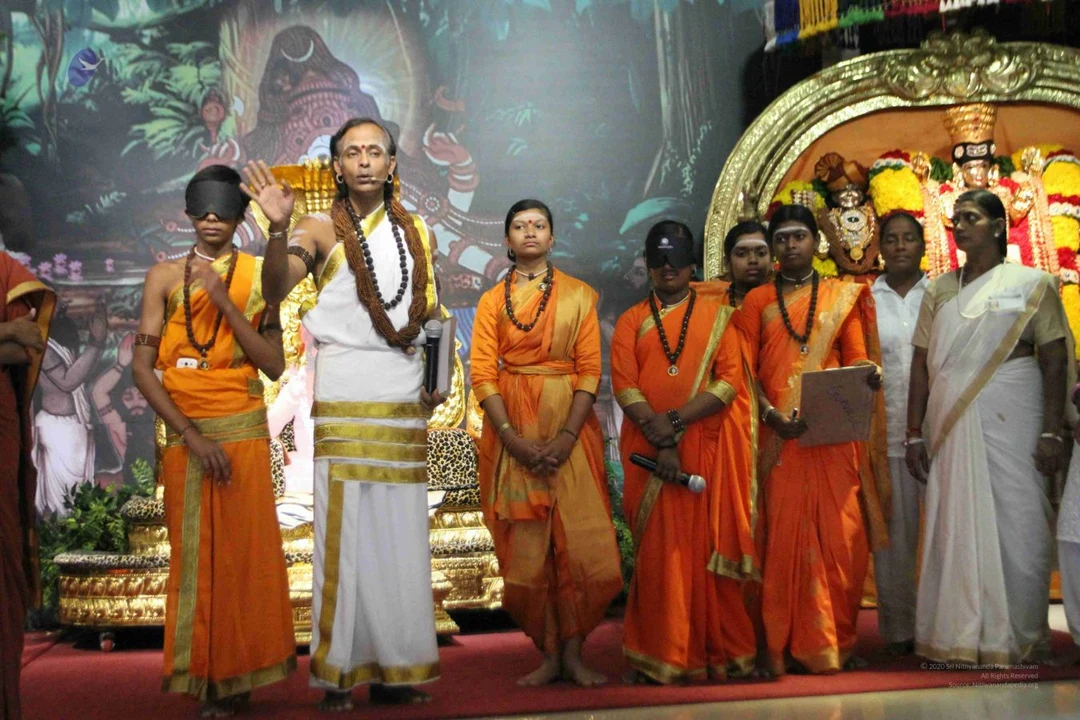
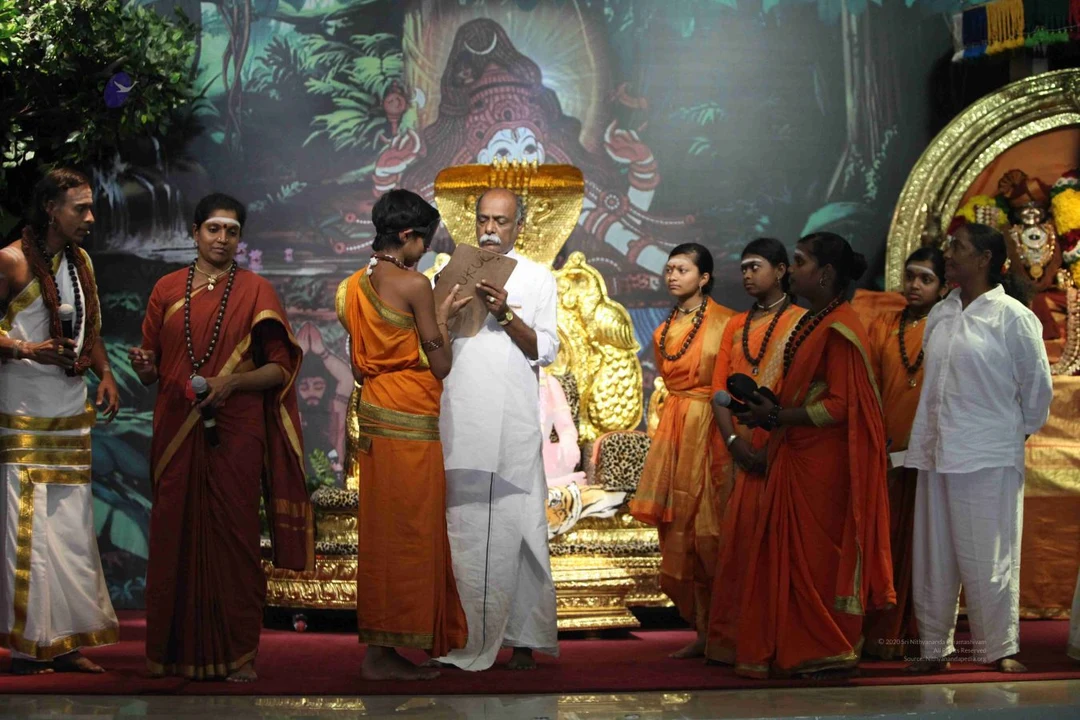
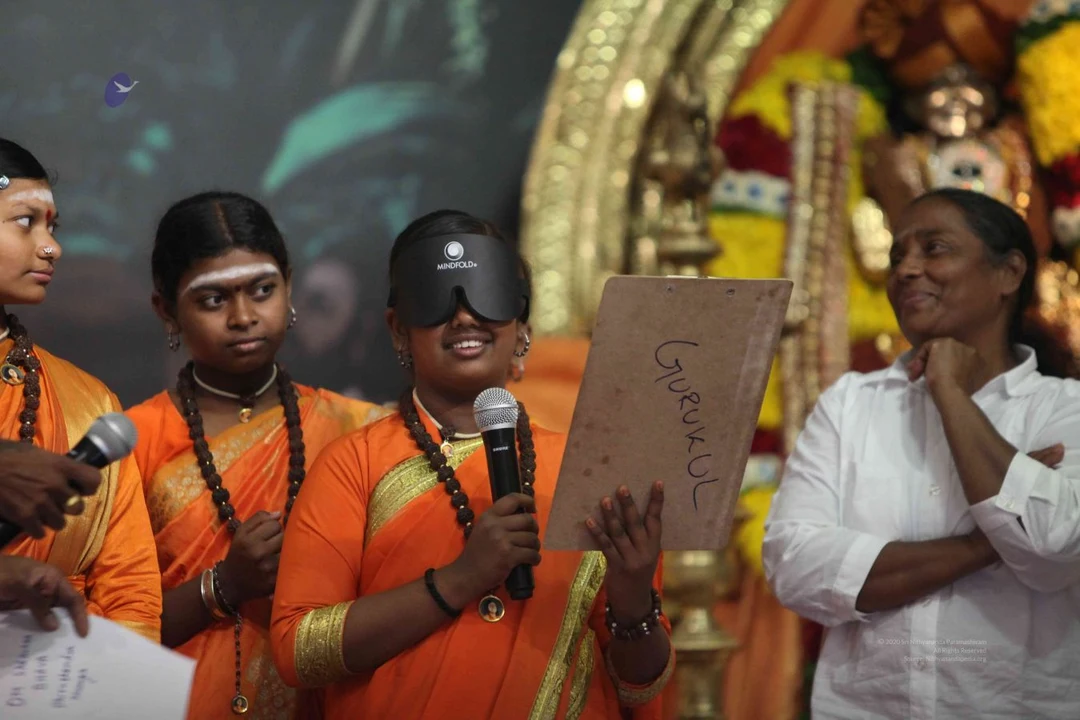
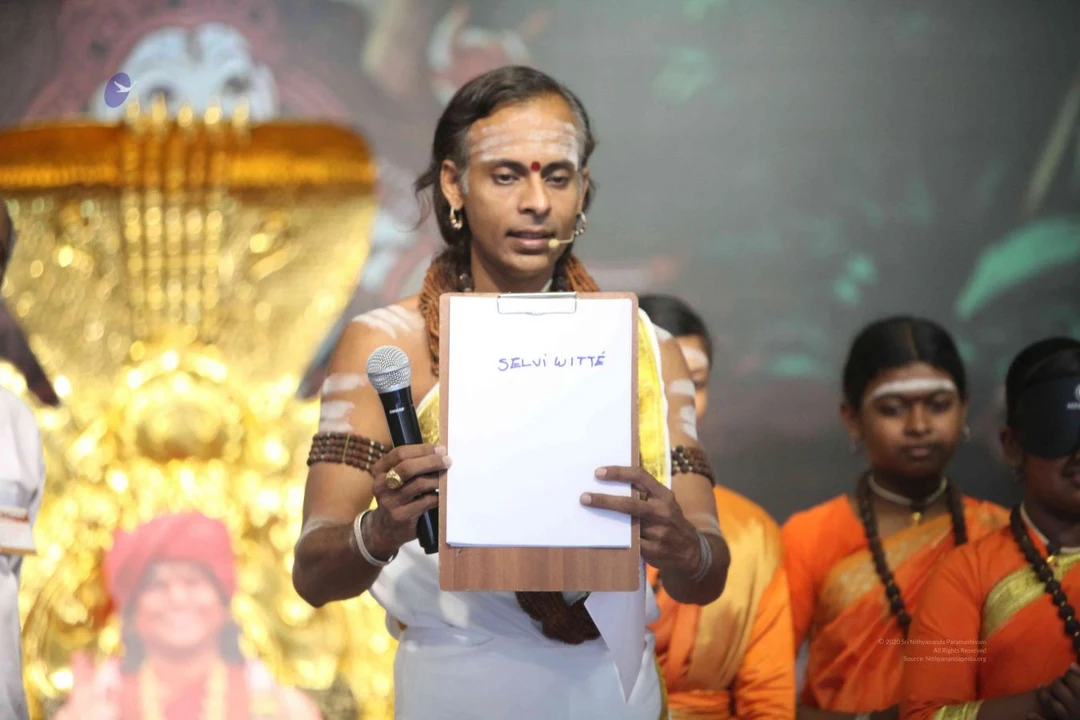
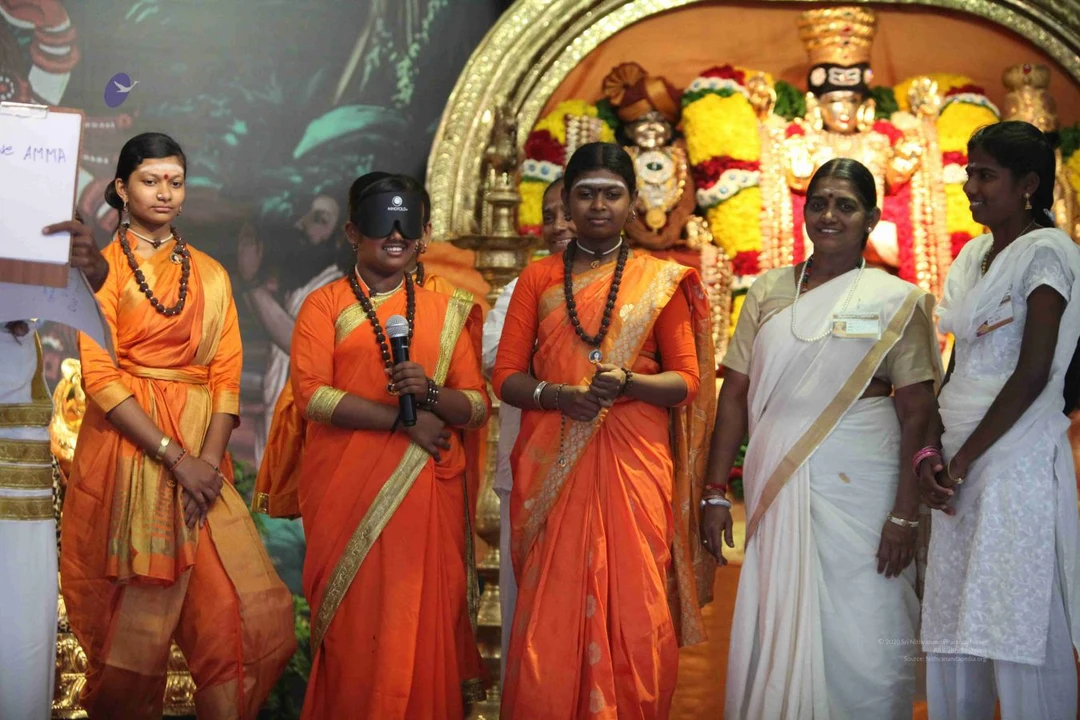
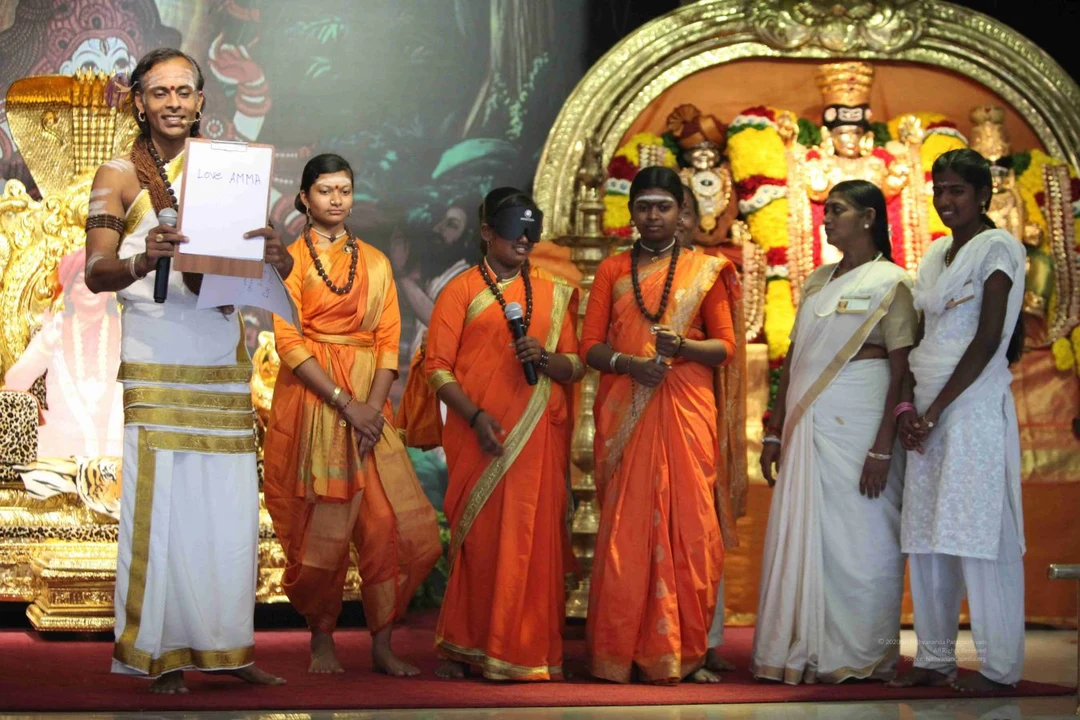
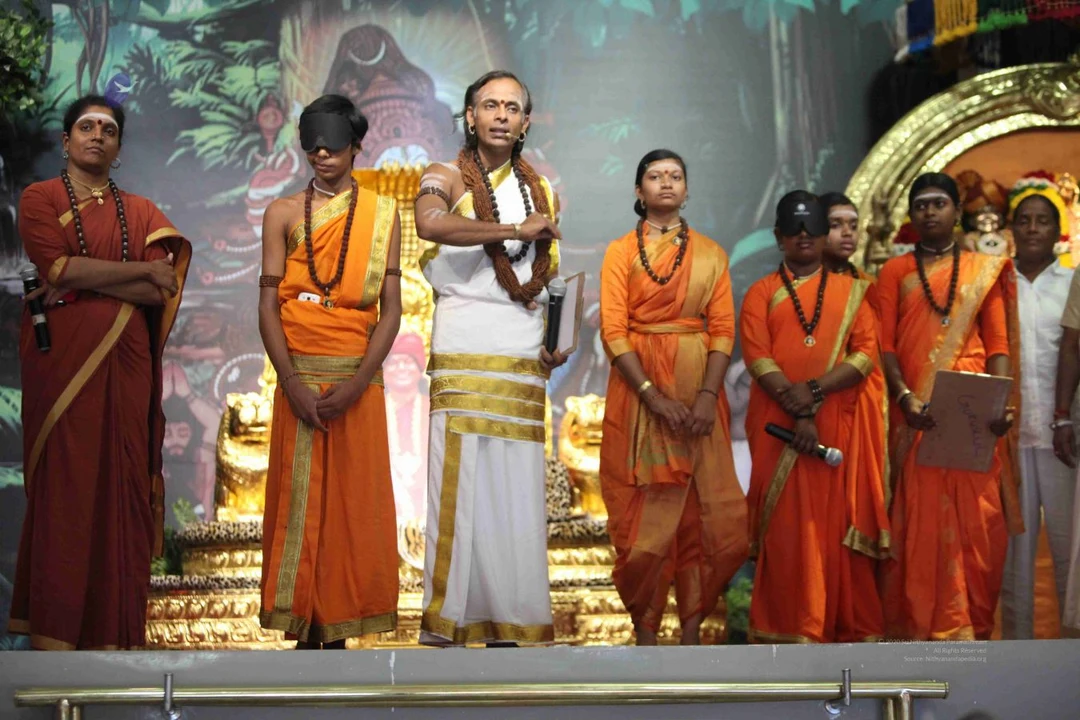
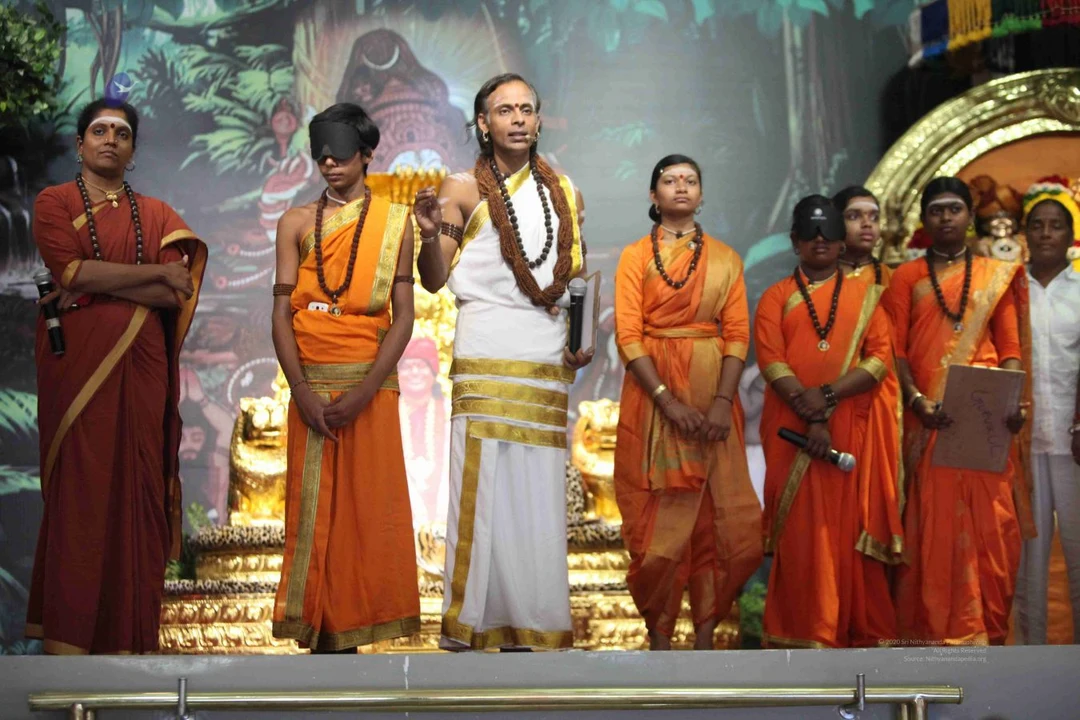
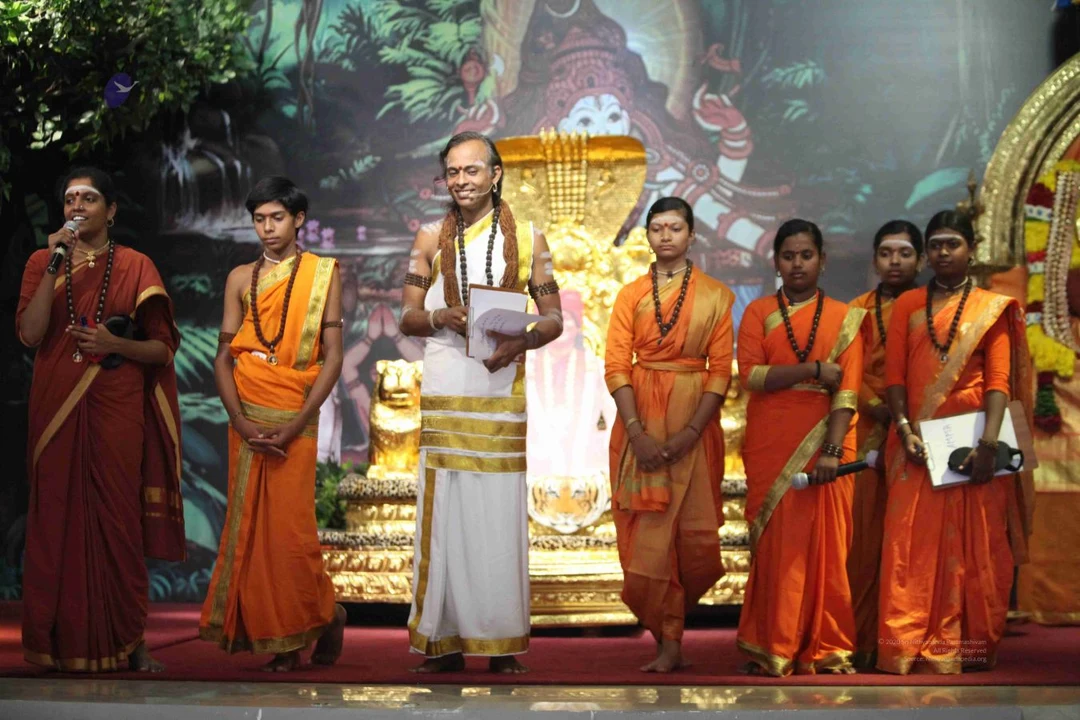
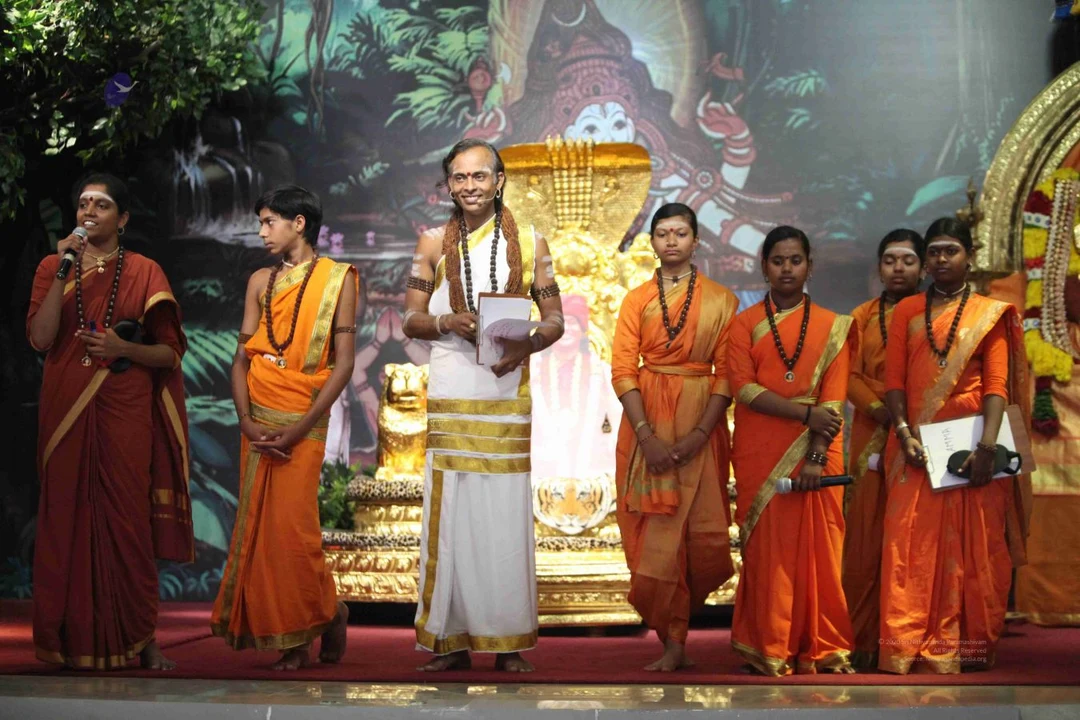
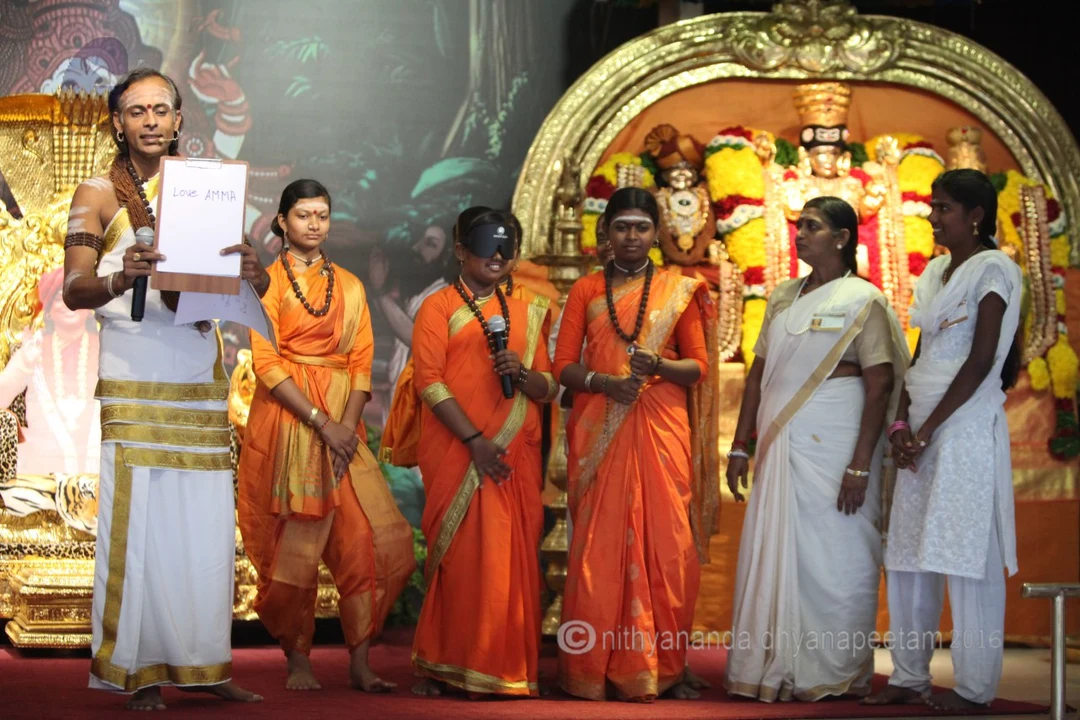
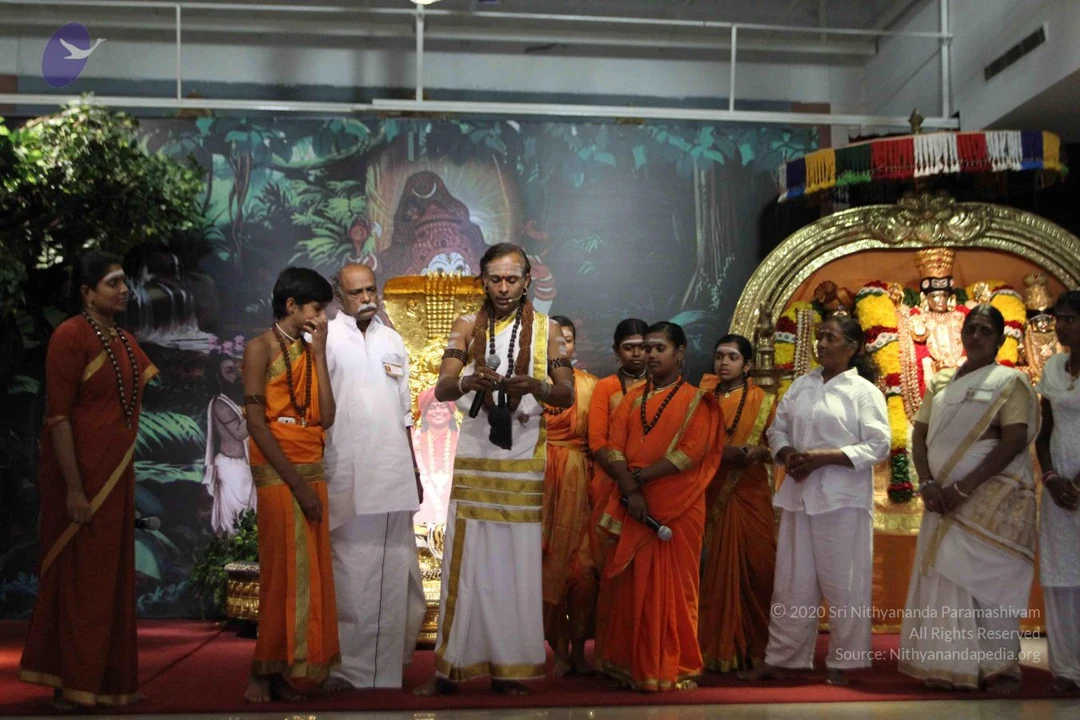
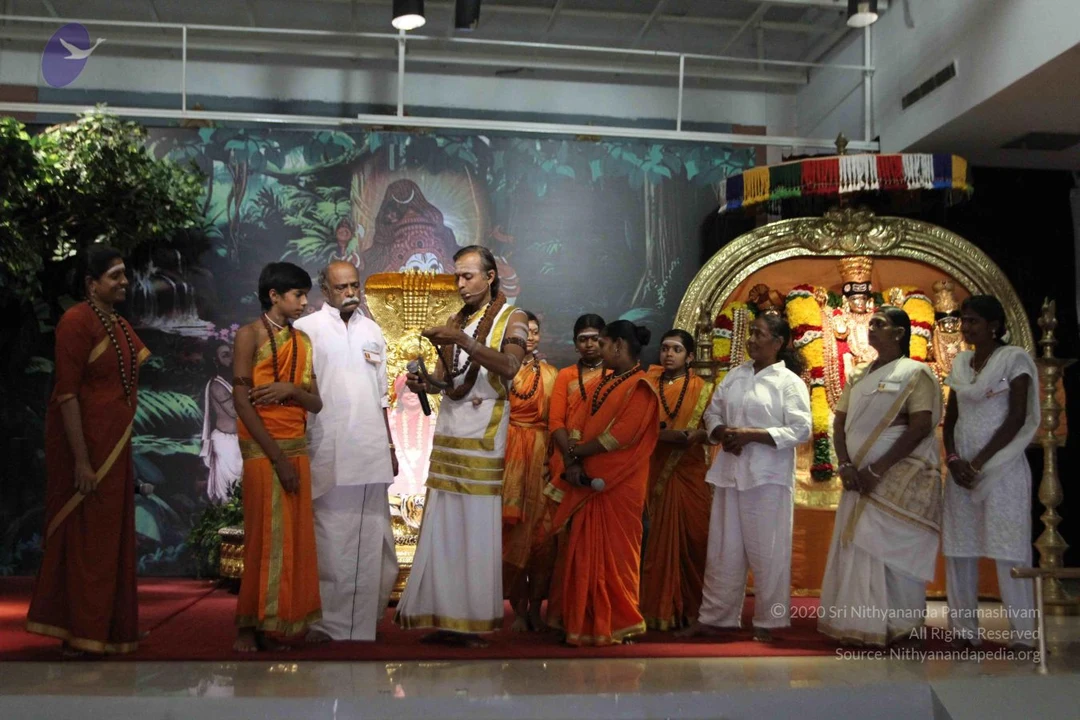
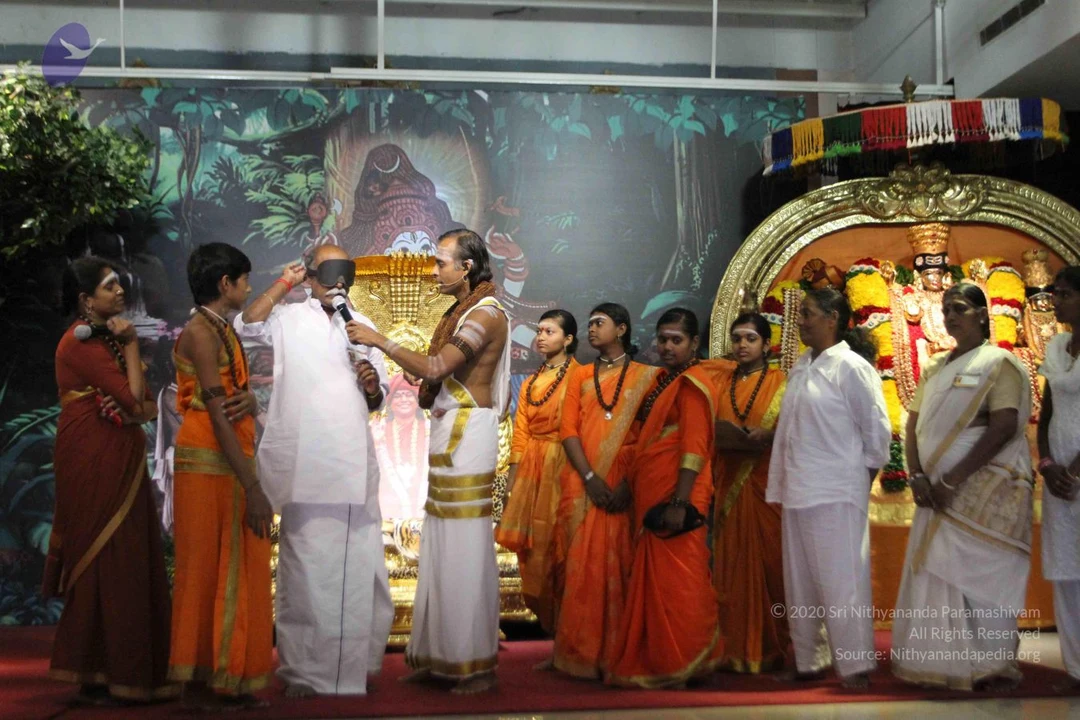
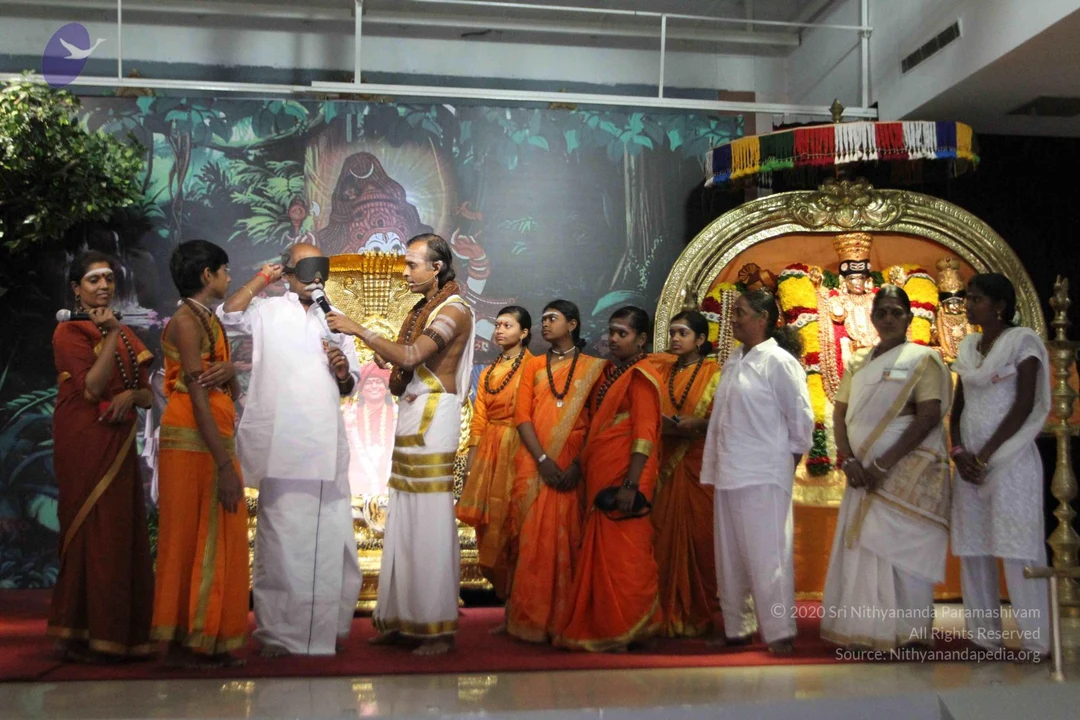
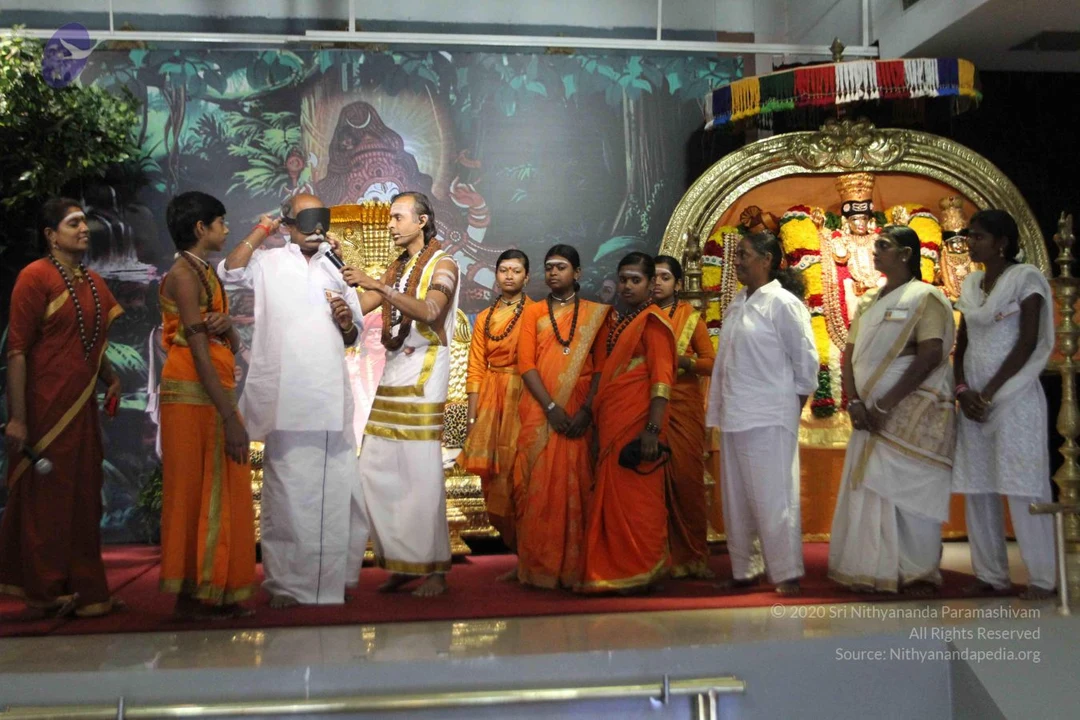
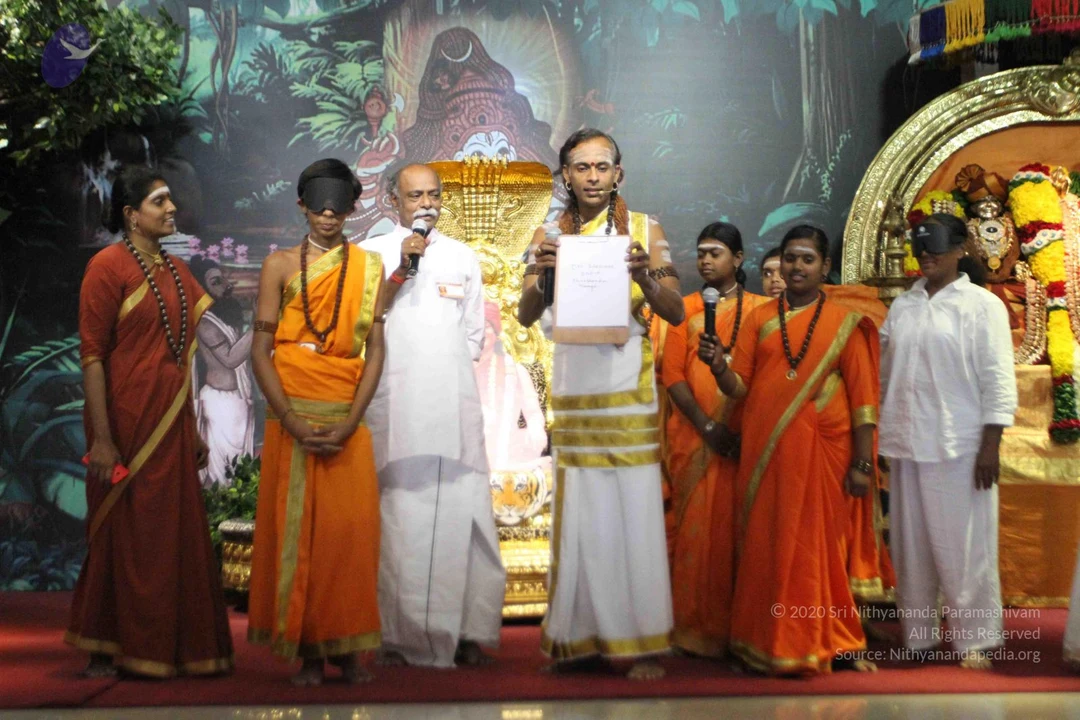
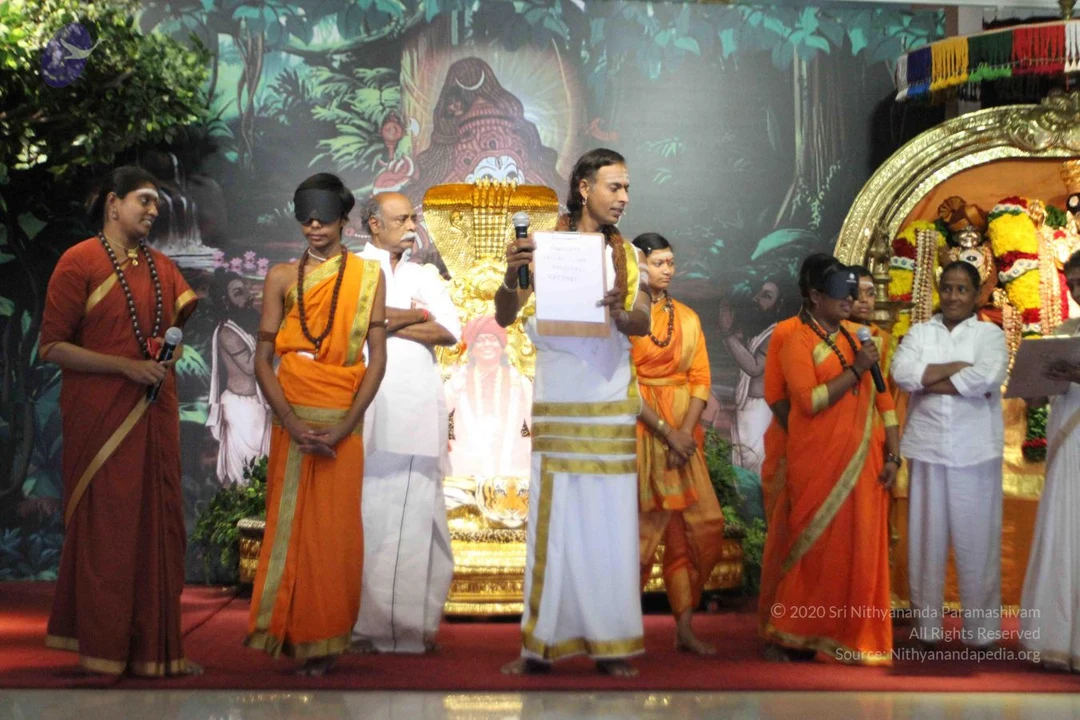
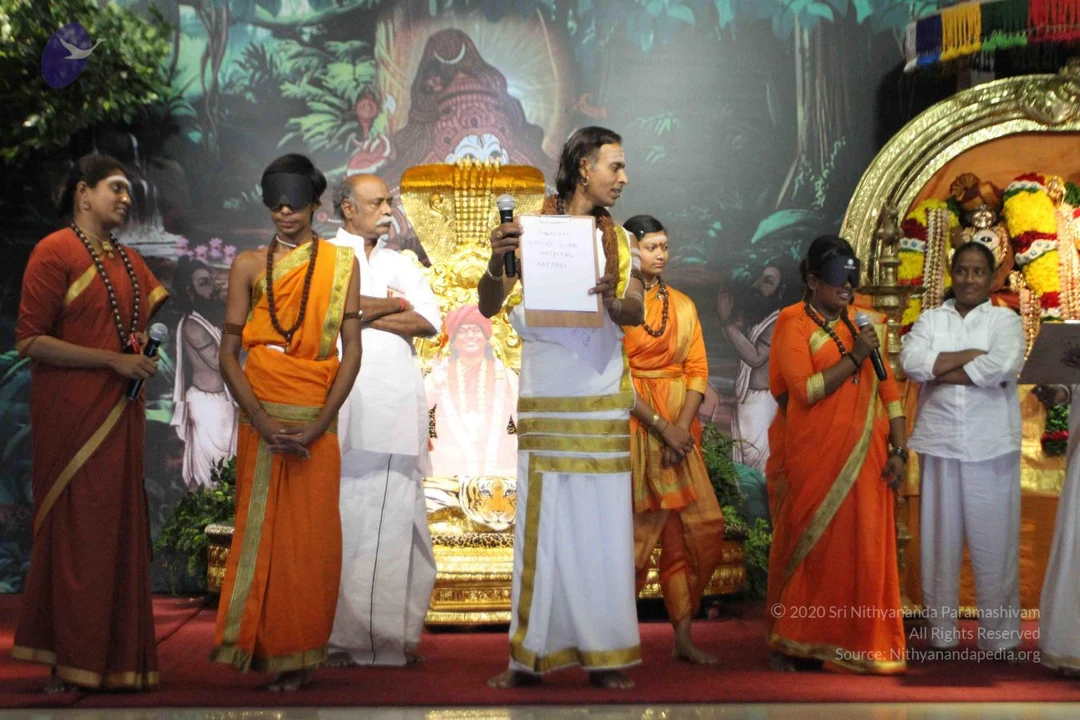
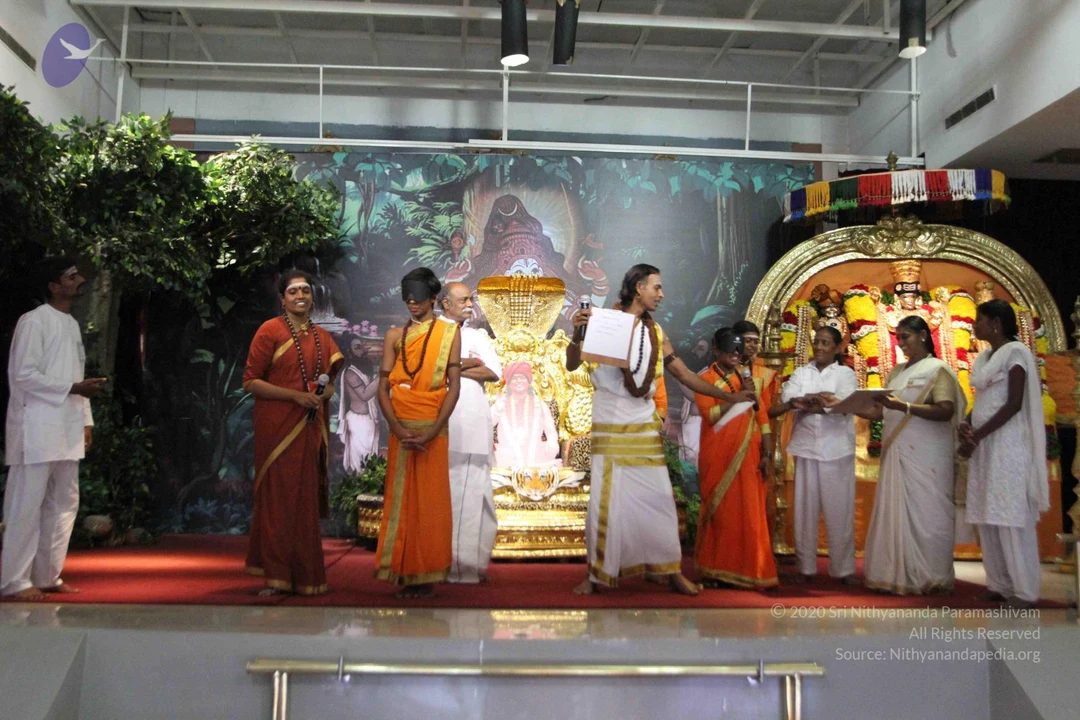
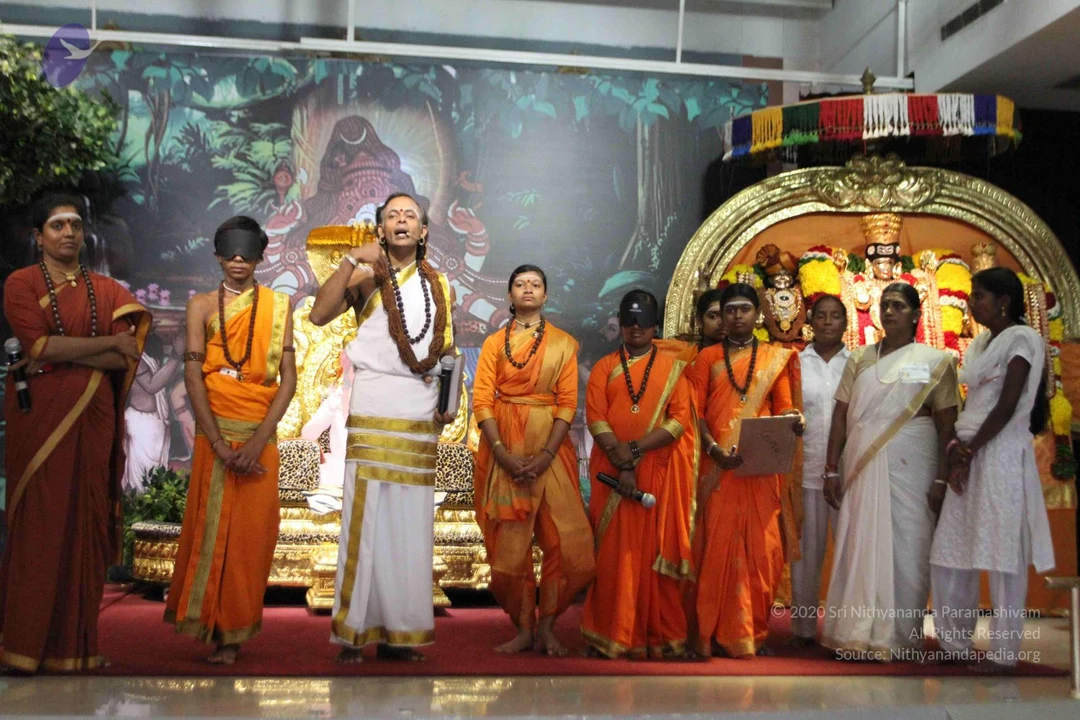
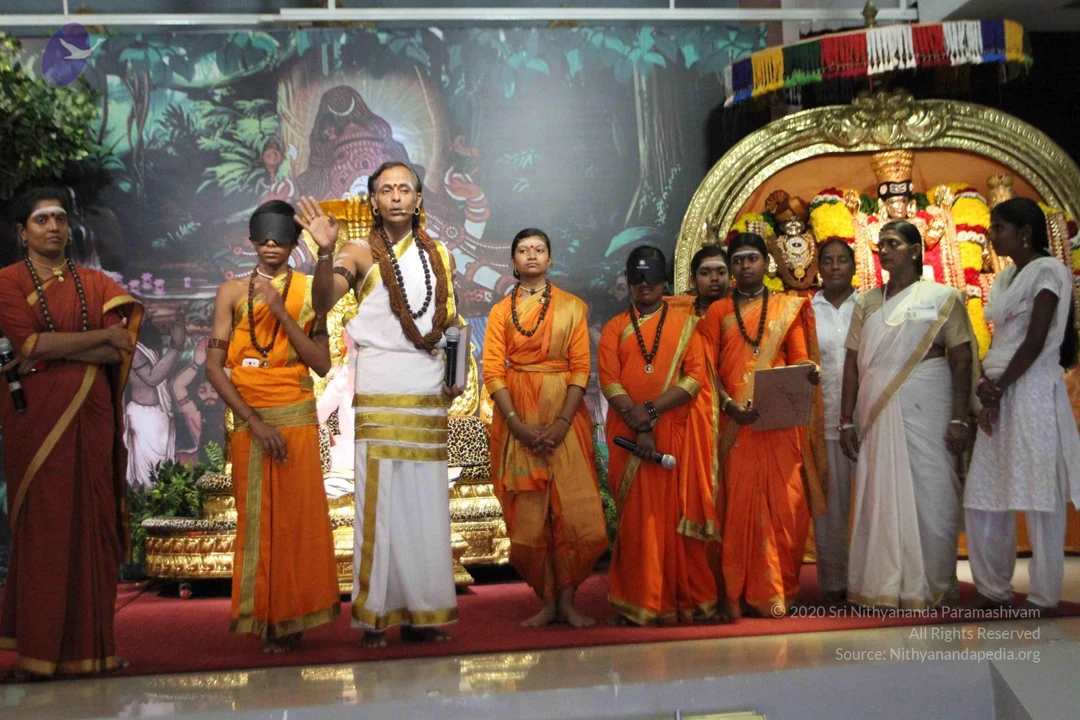
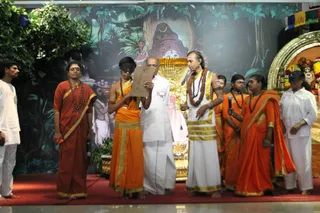
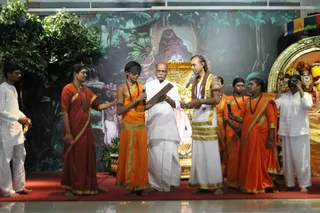
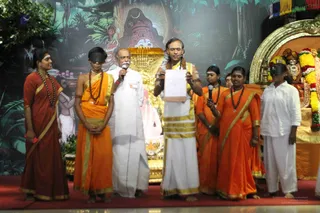
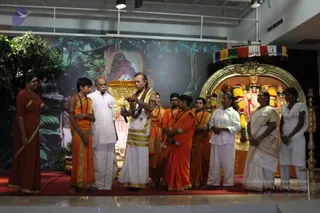
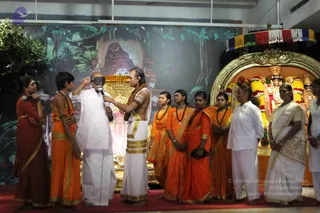
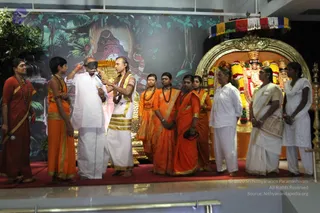
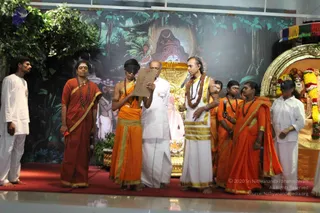
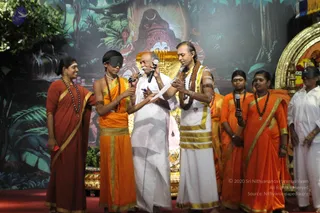
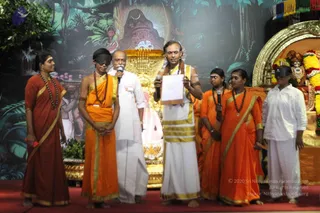
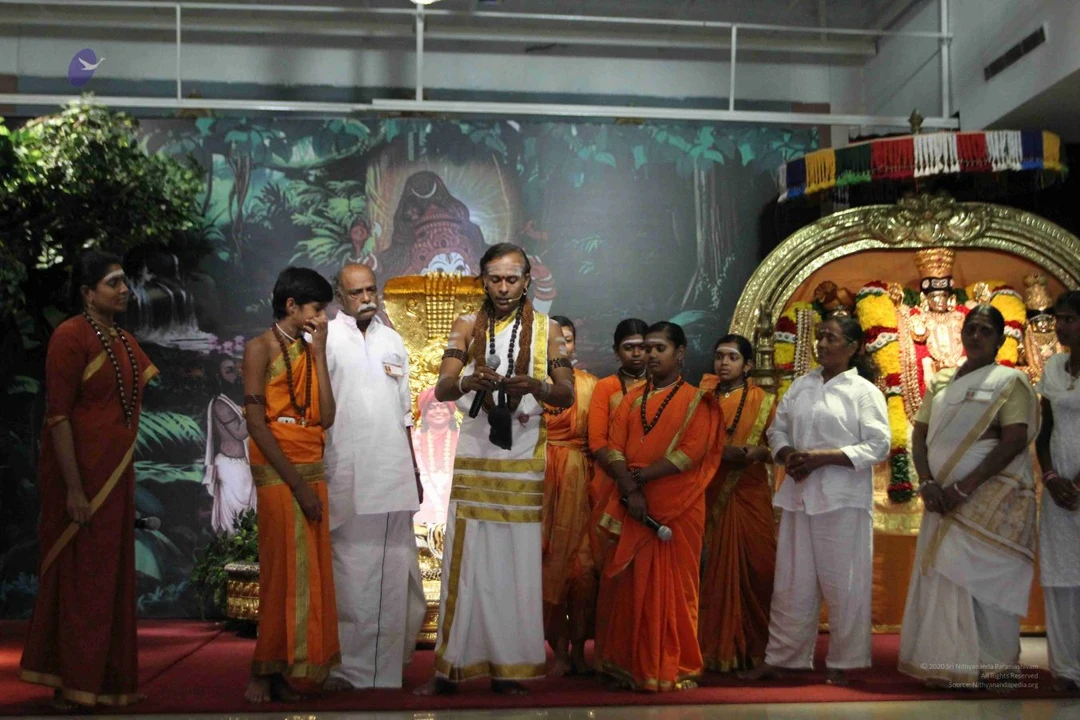
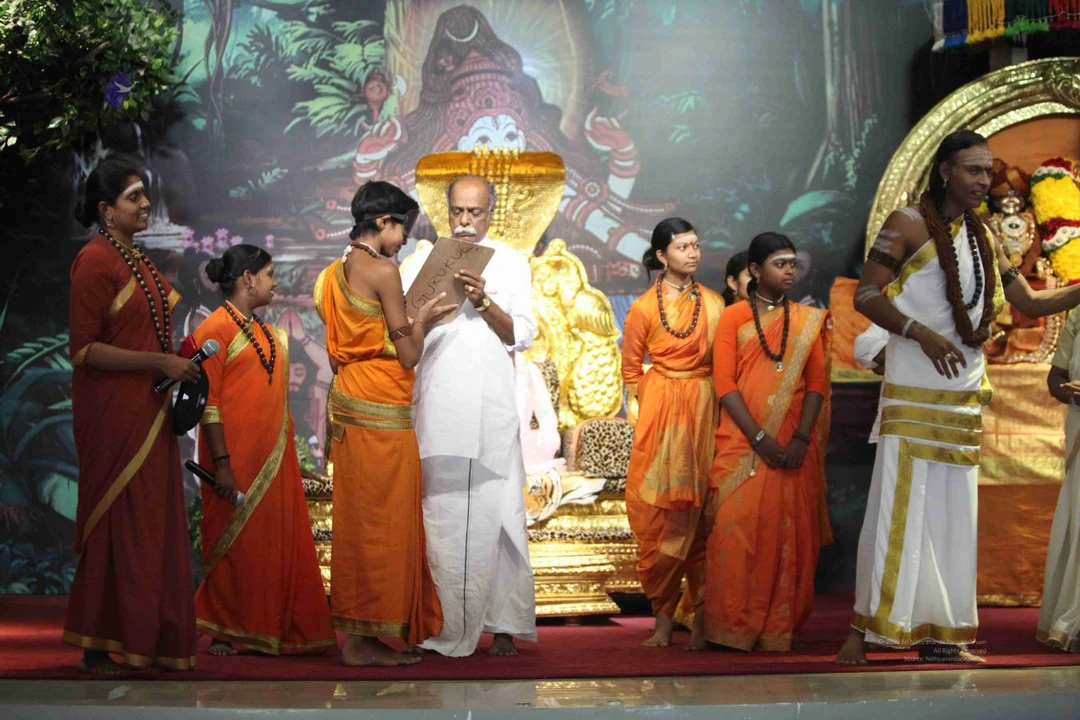
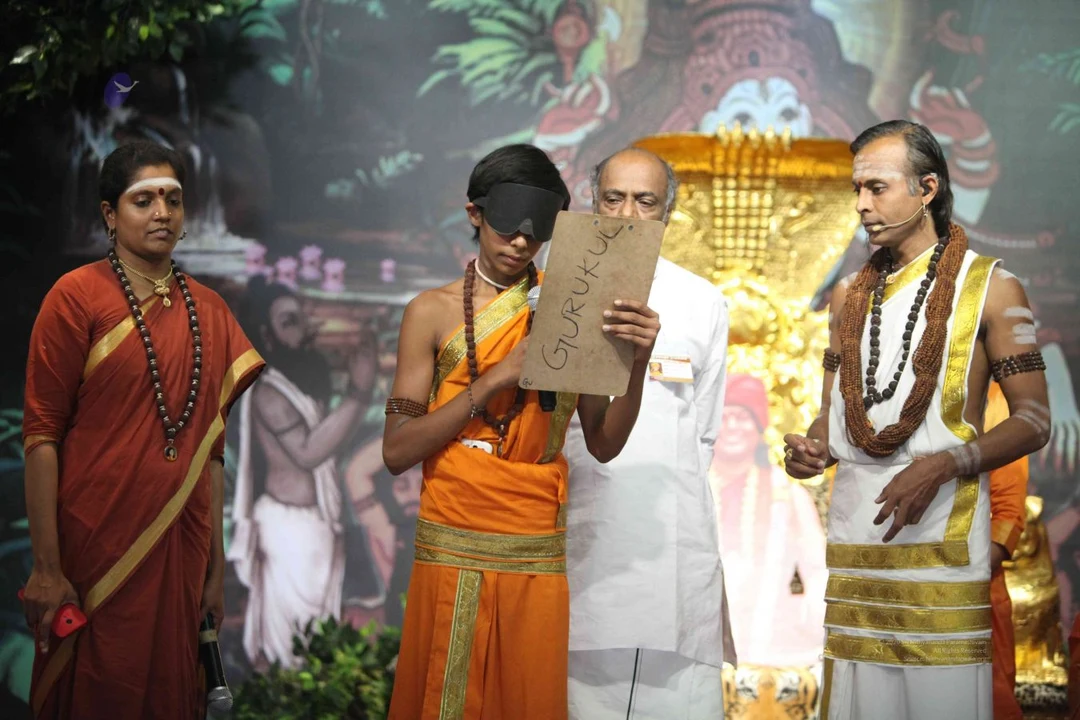
A stage event in a hall with a painted jungle-waterfall backdrop and a golden throne-like chair. A man in white dhoti and gold-bordered shawl, with long hair swept back and rudraksha and gold necklaces, stands at centre holding a microphone and a small ritual object. Around him, several women and a young boy in saffron and orange saris and robes, with rudraksha malas, stand attentively. To the right a gilded shrine arch holds a deity murti garlanded with yellow and orange flowers, with a red-and-gold festoon above. Two women and a man in white ritual clothes stand at the right edge. A cloth-wrapped figure in a red sari stands at the far left.Indoor ritual stage in a temple-style hall. A bald man in white dhoti and shirt wears a dark blindfold and holds a microphone while a bare-chested man in white dhoti with a gold-striped waistcloth, body marked with white paint and beaded necklaces, holds another microphone toward him. Around them stand about ten women and girls in orange and saffron saris and kurtas with red and orange garlands; two women in white saris and one in white kurta stand at right. Behind is a painted jungle backdrop with a deity mural, a gold-framed shrine with a deity murti decorated with yellow and orange flower garlands, a red-and-multicolour canopy, and brass lamps on the right.A stage event in front of a painted jungle-style backdrop with a deity mural at top. On the right, a golden arched shrine holds a deity murti adorned with marigold and flower garlands. Center, a bald man in white kurta and dhoti wears a black blindfold and holds a microphone while another man in a white dhoti with gold borders, rudraksha mala and ceremonial body markings holds a microphone beside him. Around them stand women in orange and saffron saris with rudraksha malas, one in a red sari at far left, and two older women in white saris and a woman in white on the far right. Red carpet covers the stage. a person appearance uncertain: no clear distinctive presentation cues on any candidate; the blindfolded man is shown in ordinary white ritual clothing.A stage performance in front of a painted jungle backdrop with a deity mural and an ornate gold throne-like seat. A standing man in a white top and white dhoti holds up a cardboard sign reading GURUJI, while a young person in orange robes and a black blindfold stands beside him. A man in white with a headset microphone and long swept-back hair, wearing a rudraksha mala and a flower garland, stands centre-right in white dhoti with gold border, a probable Swamiji candidate by appearance and presentation. Orange-saffron clad performers with rudraksha malas and a blindfolded white-clad person stand on a red carpet, some holding microphones. Green plants frame the left edge and a gold-framed altar with flowers is at right.A stage performance in a temple-like hall before a painted jungle backdrop with a golden throne-like seat and floral garlands at right. A blindfolded young person in orange cloth with rudraksha mala stands centre holding a wooden board, while a man in white dhoti and shirt with a white moustache holds a microphone beside them. At right, a man in white dhoti with a white shawl and gold-trimmed cloth wears a long rudraksha mala and wristbands, holding a microphone. Women in orange and red saris with rudraksha malas stand around the group, and a man in white clothes operates a camera at far right. A man in white stands at far left. The scene suggests a ritual initiation or staged enactment, with the central figure appearing to receive an instruction.A stage event before a dark jungle-style backdrop with a golden throne and a floral-garlanded altar at right. A man in a white shirt and white dhoti holds a microphone at left-centre. Beside him, a man with long hair in a braid, wearing a white dhoti with gold borders and an orange shawl, holds up a white card and speaks into a microphone, with a sacred thread and beaded necklace. Around them stand several women in orange and red saris with rudraksha malas, some wearing black blindfolds. At far right a person in white with a black blindfold stands near the garlands. Gold, orange and green tones dominate.

Evening Satsang

23 photosSource gallery
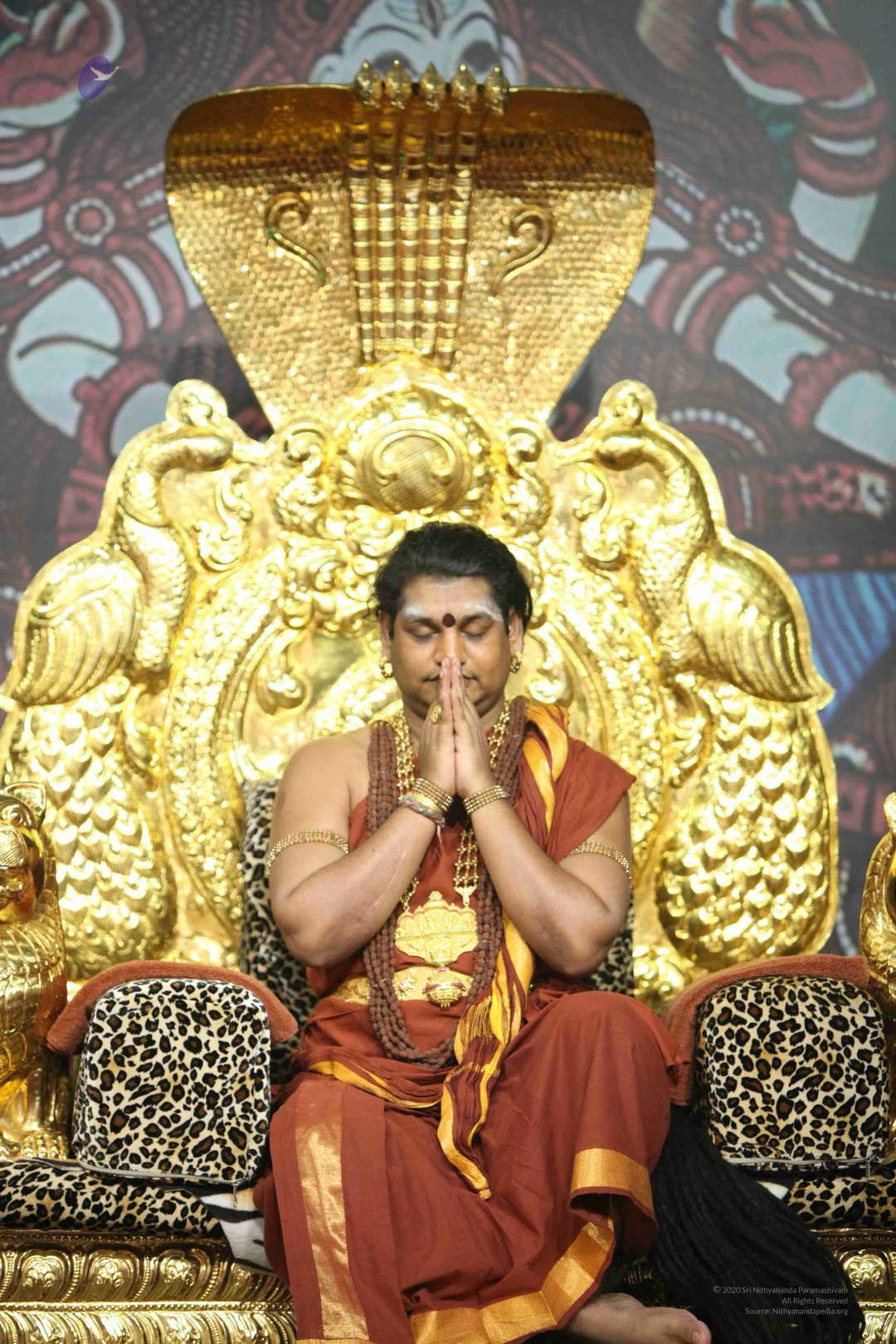
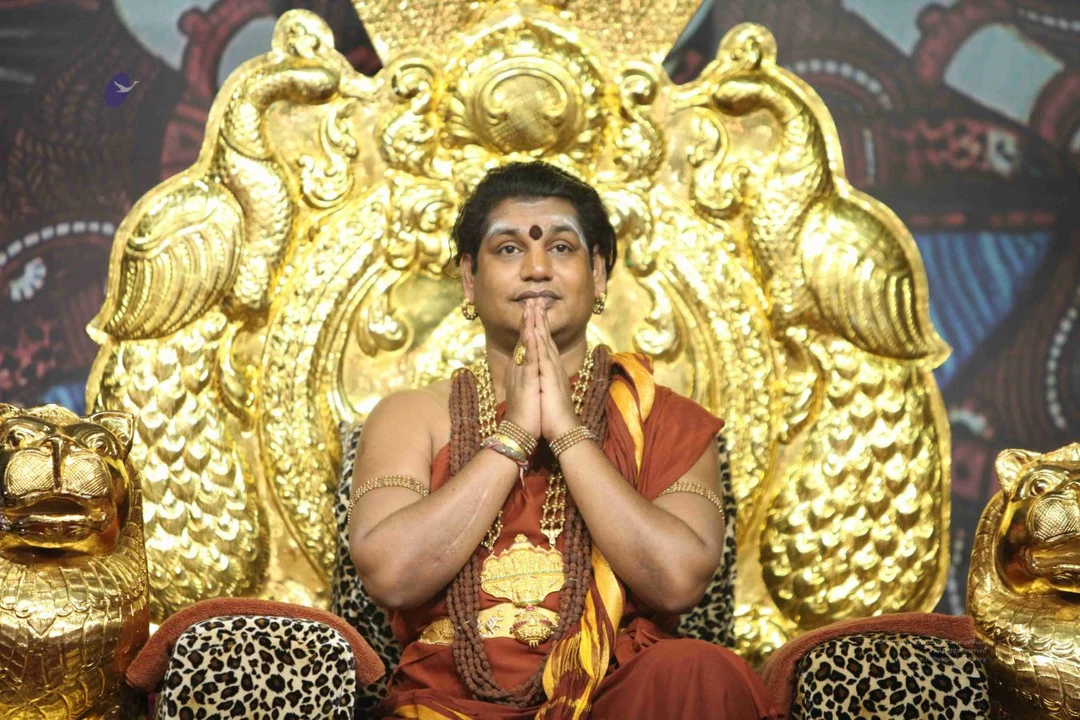
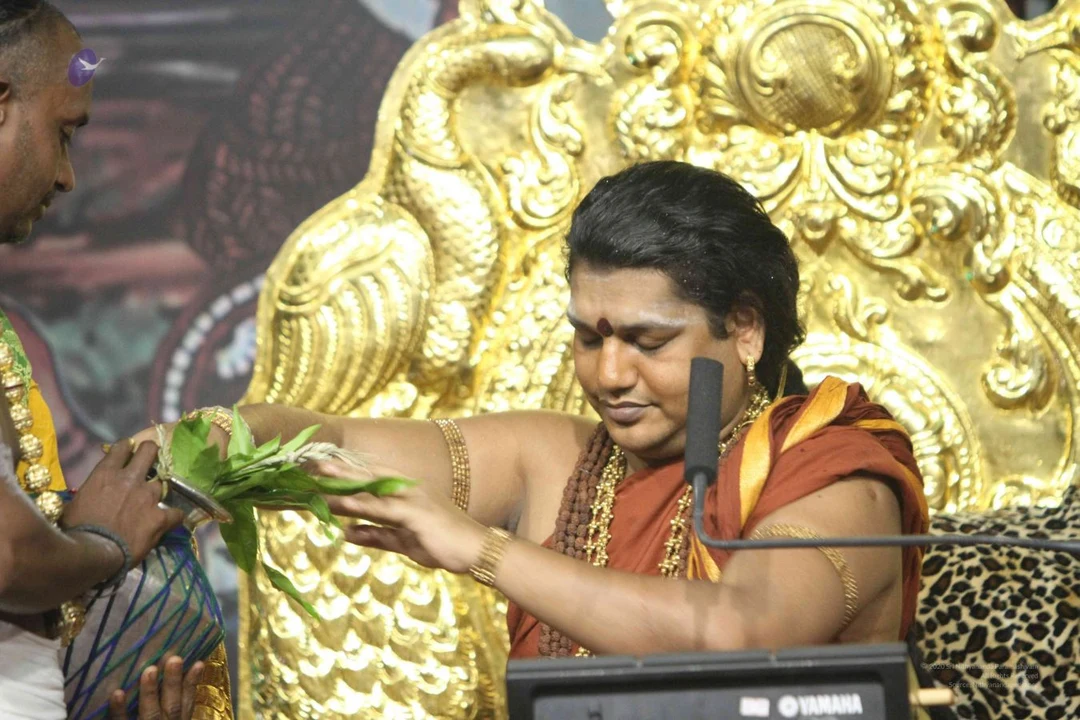
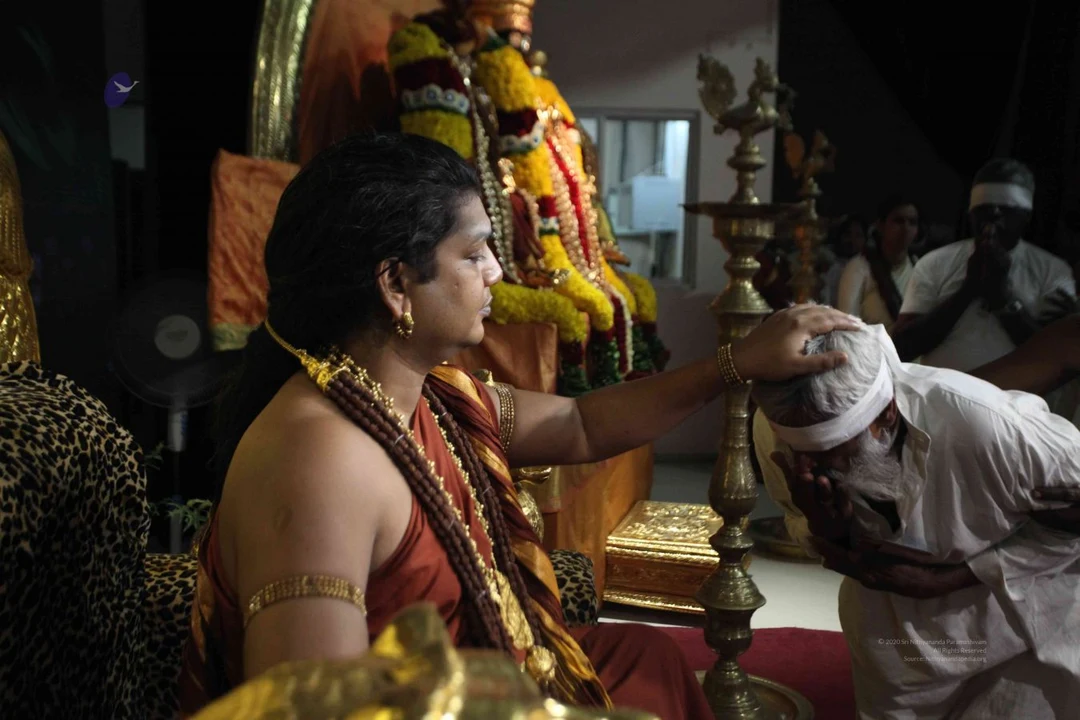
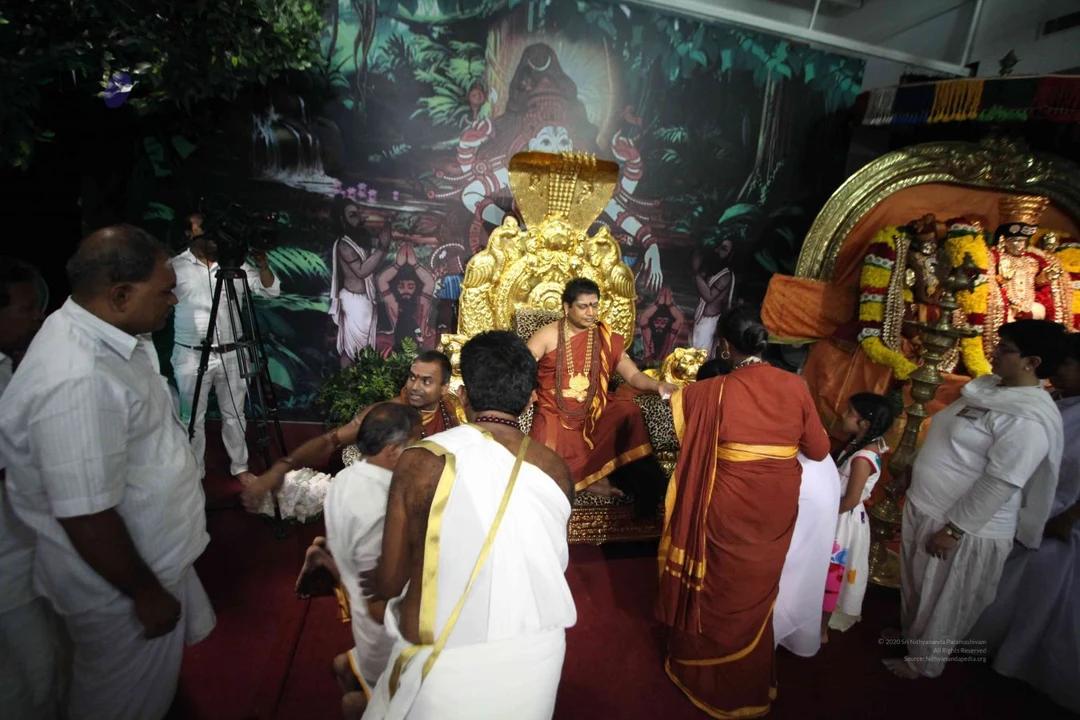
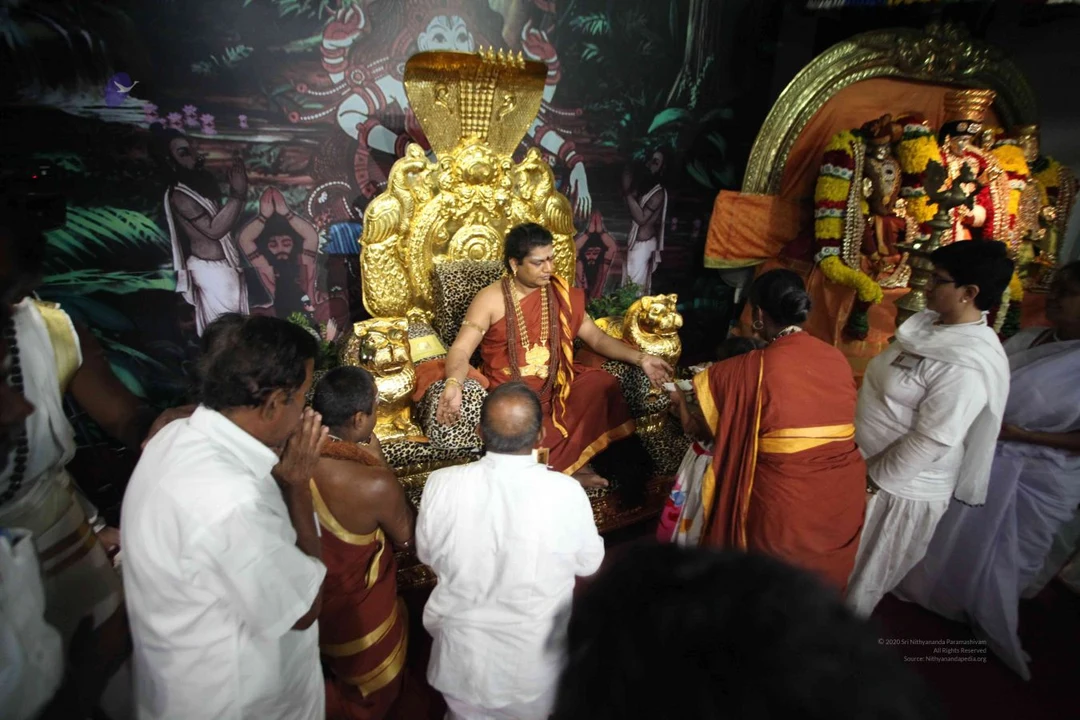
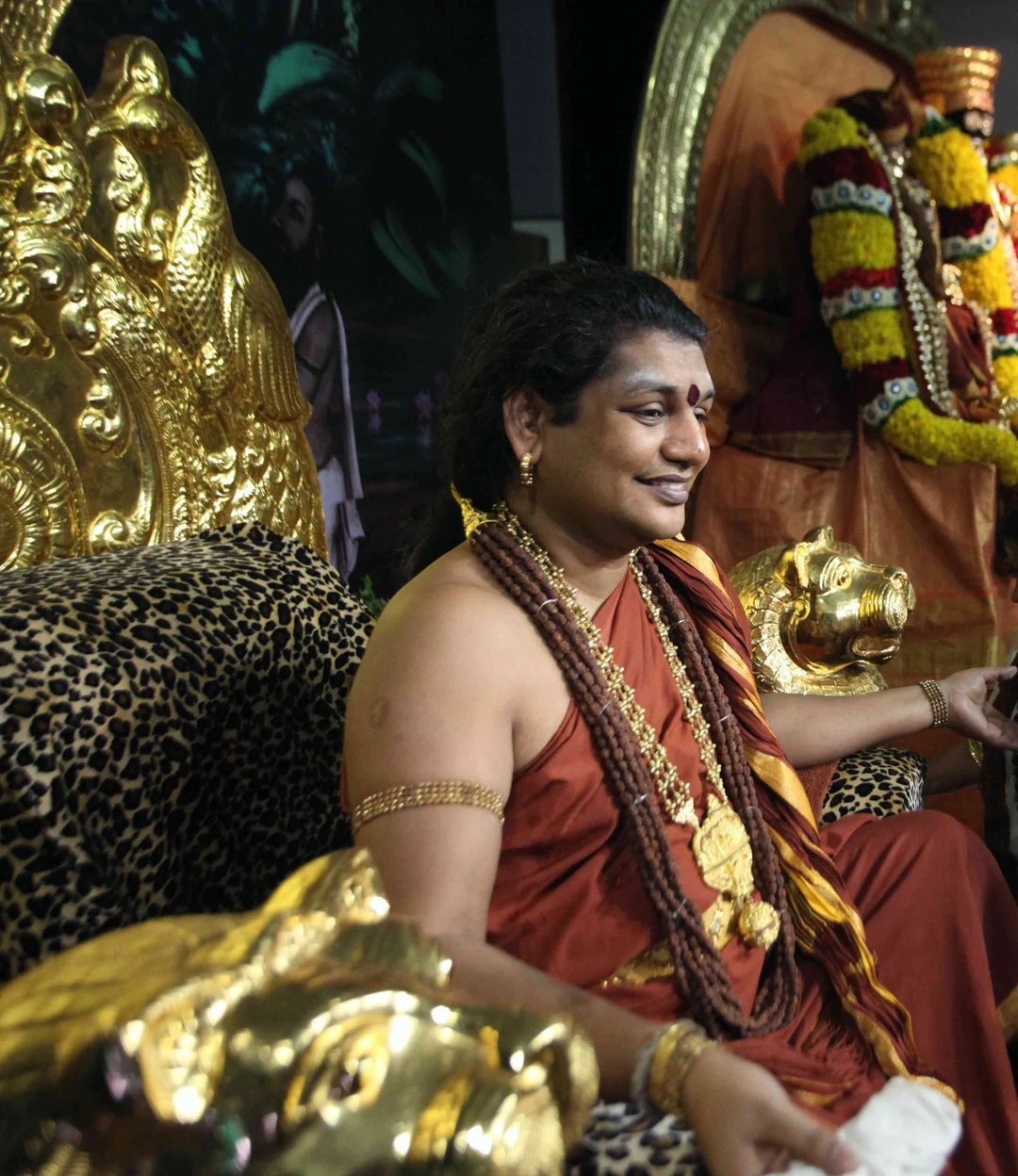
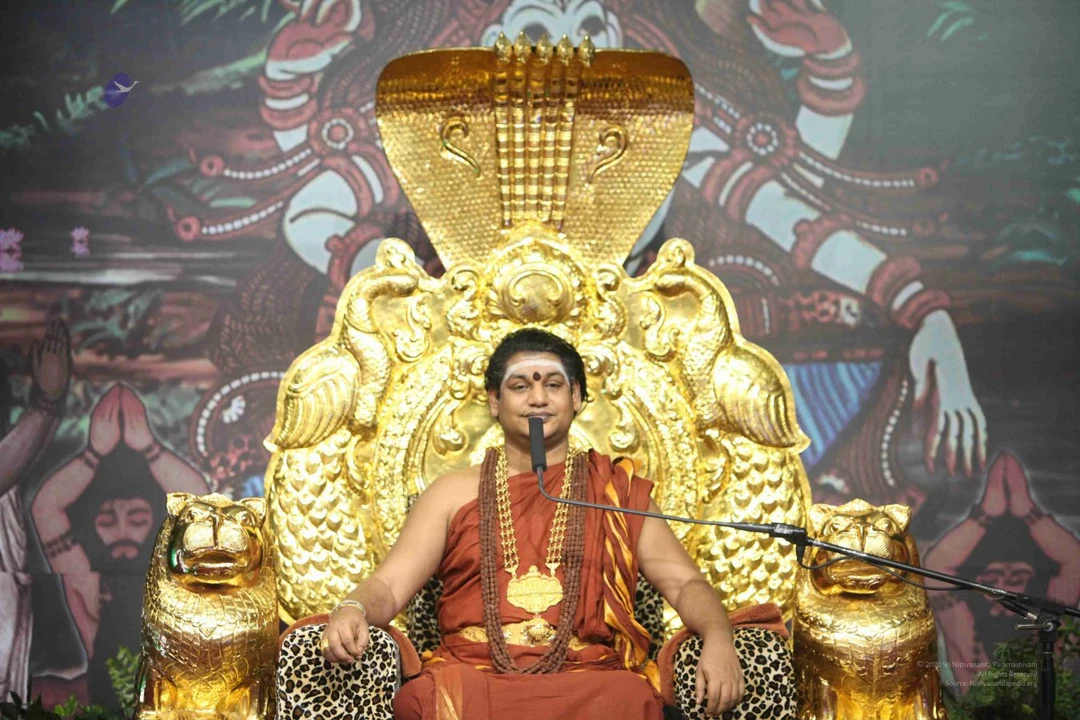
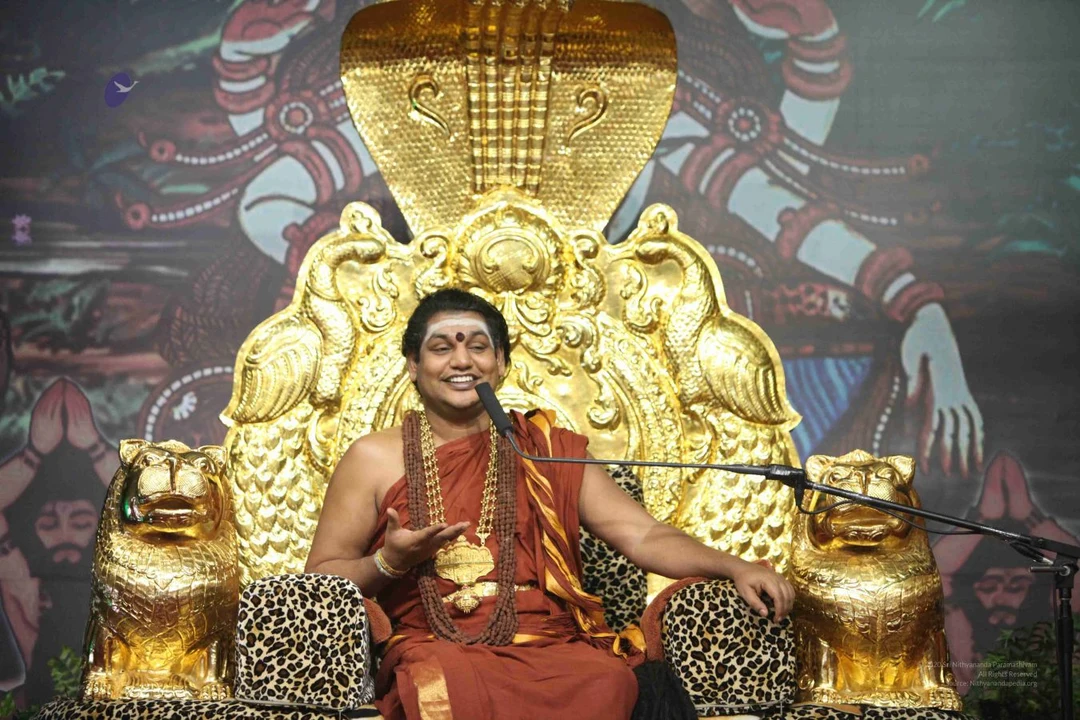
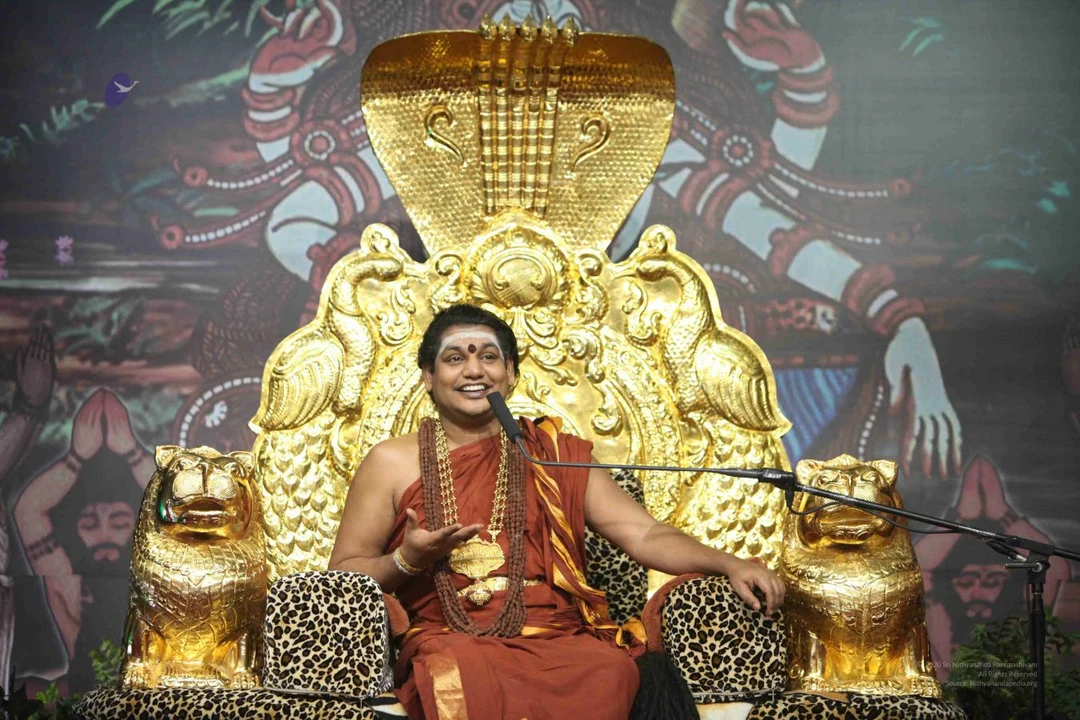
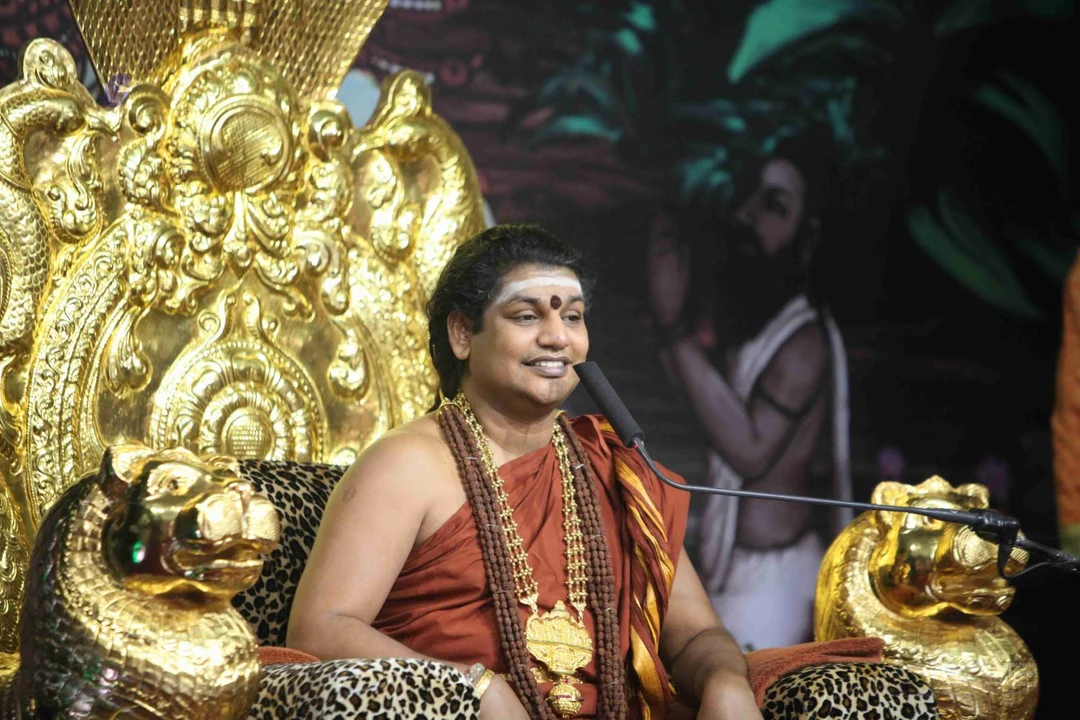
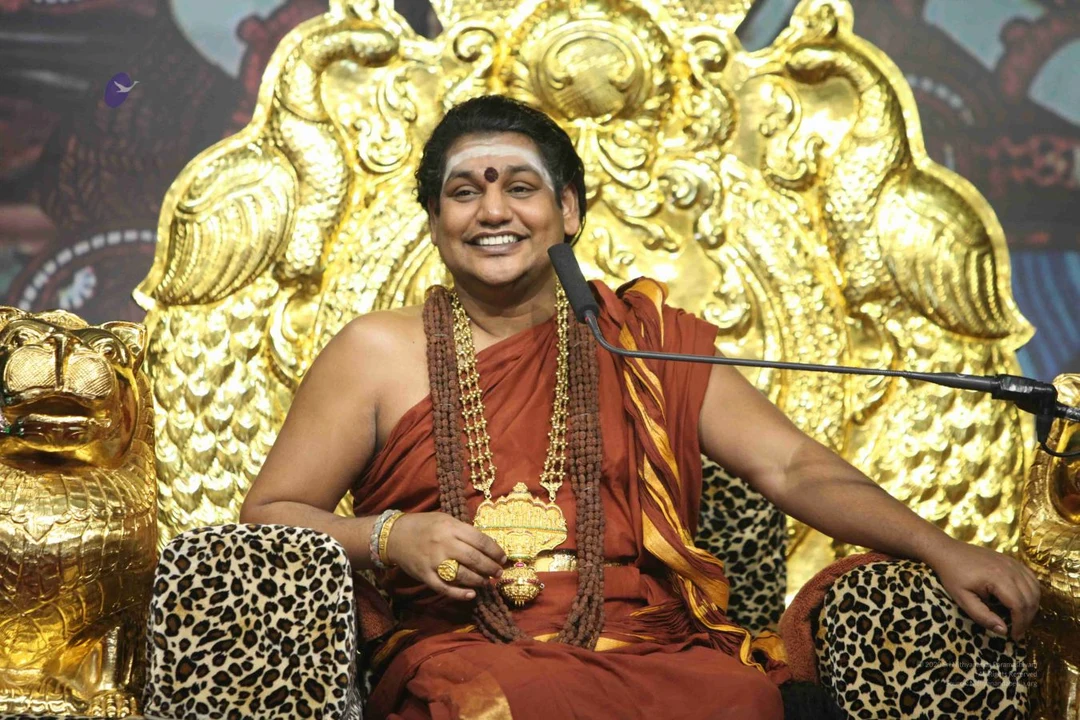
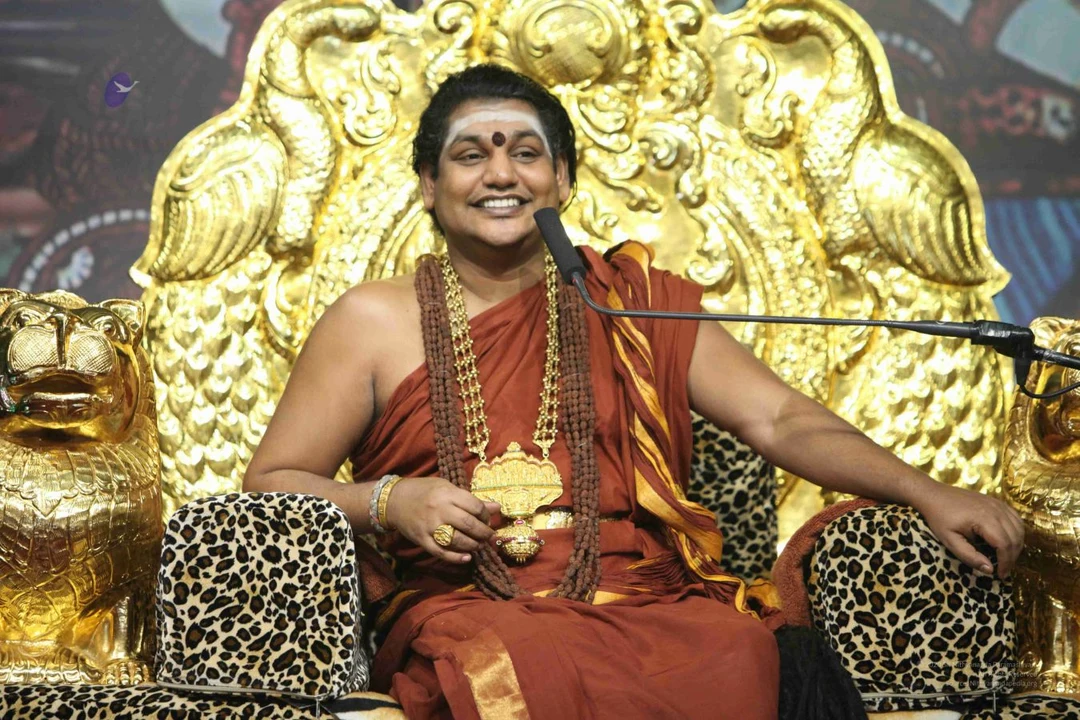
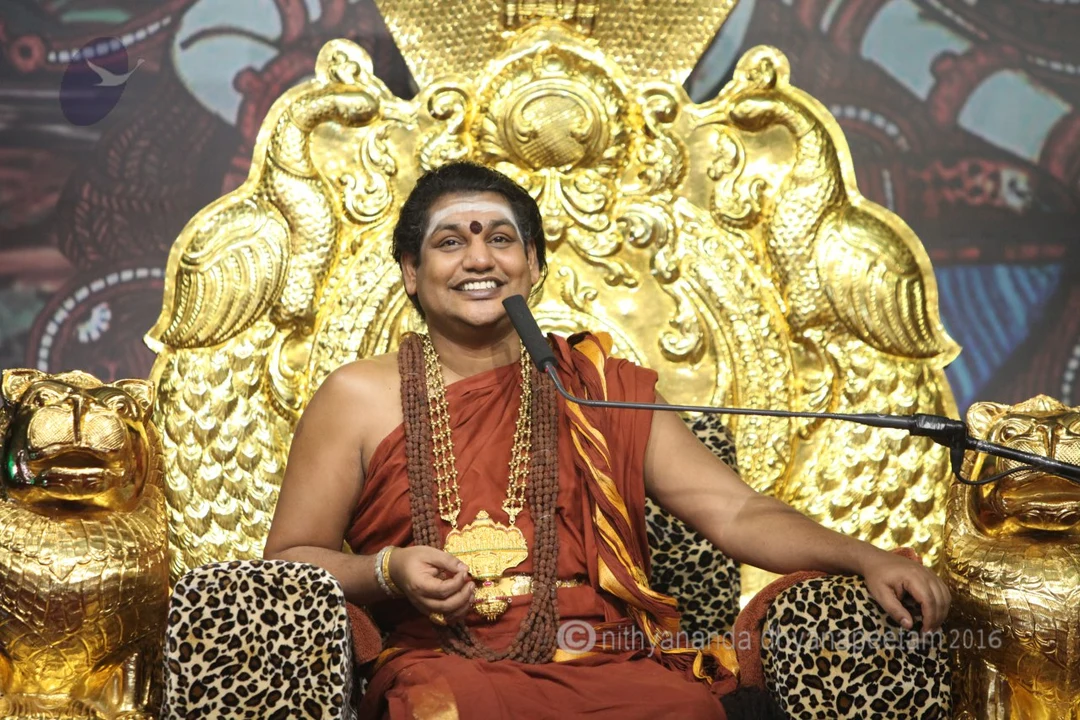
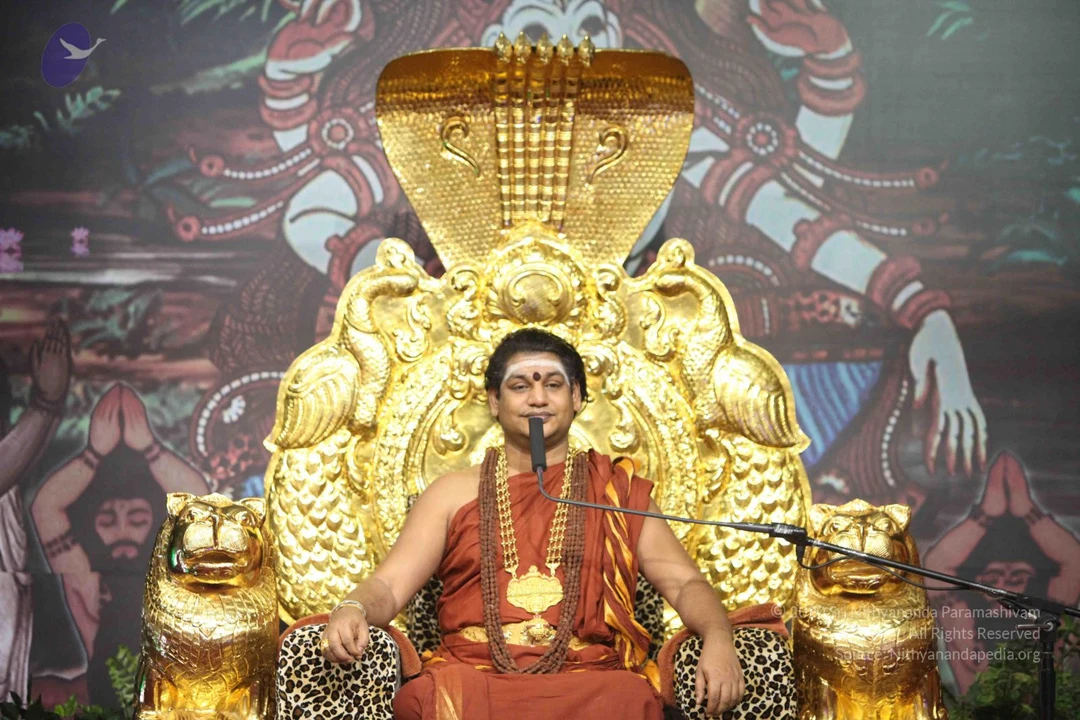
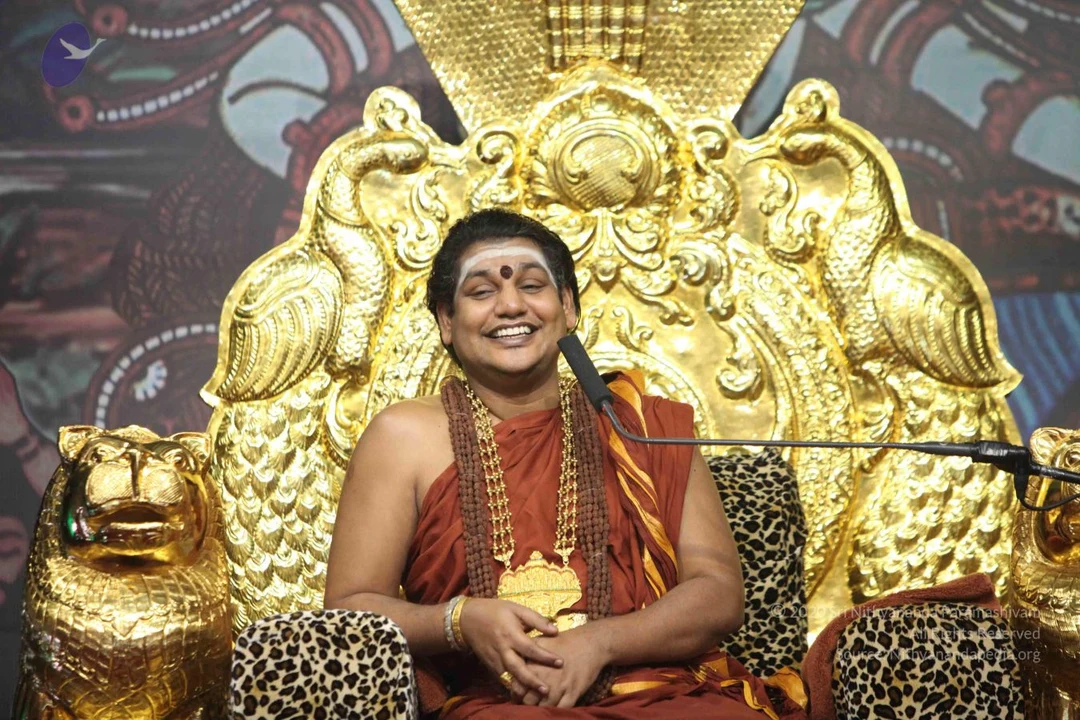
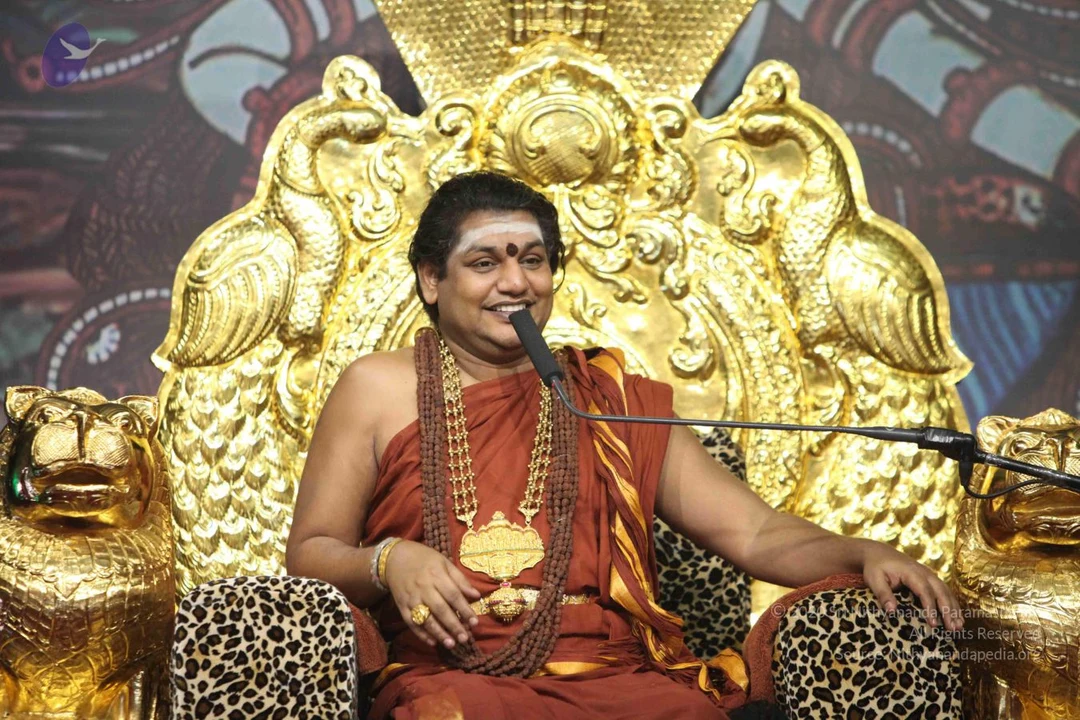
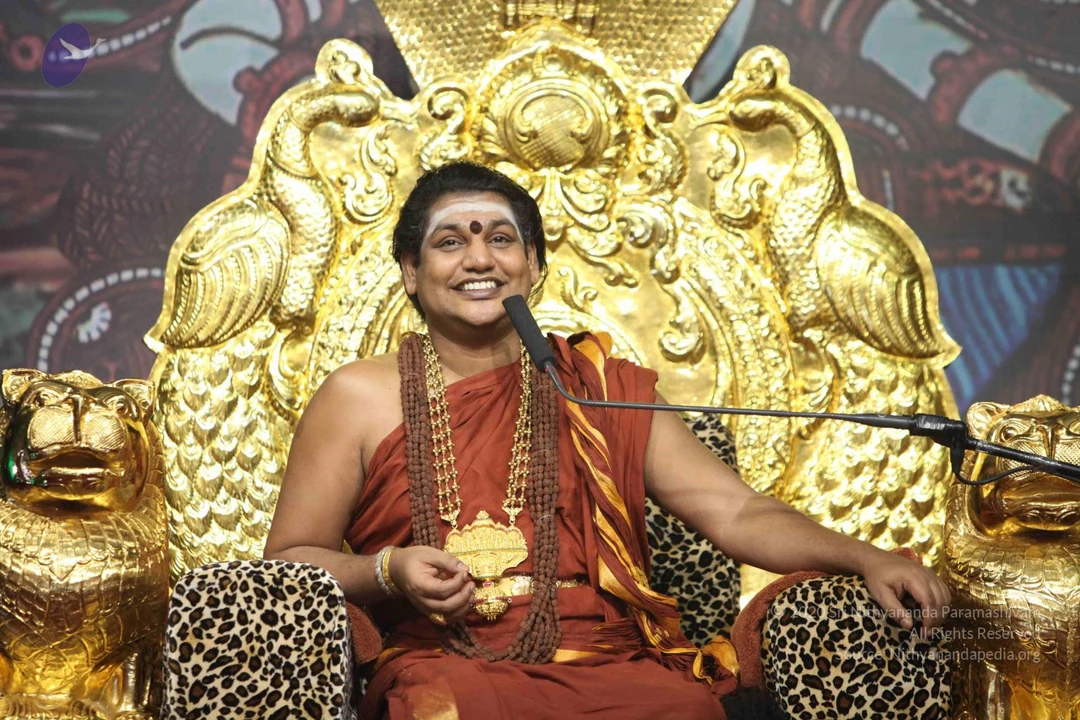
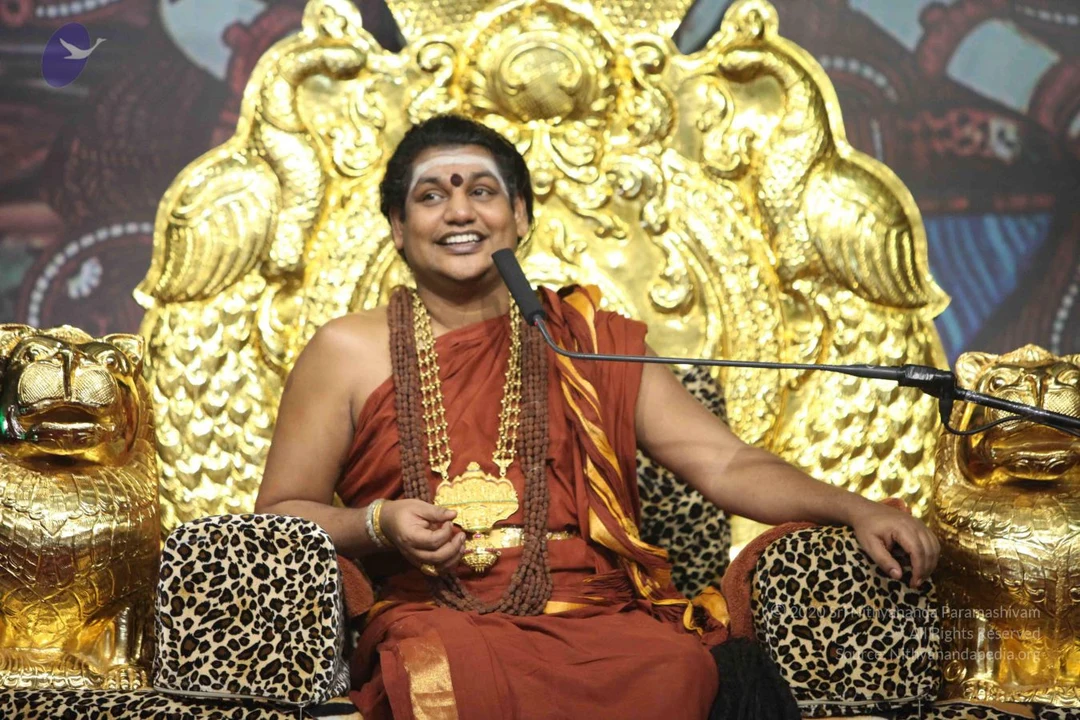
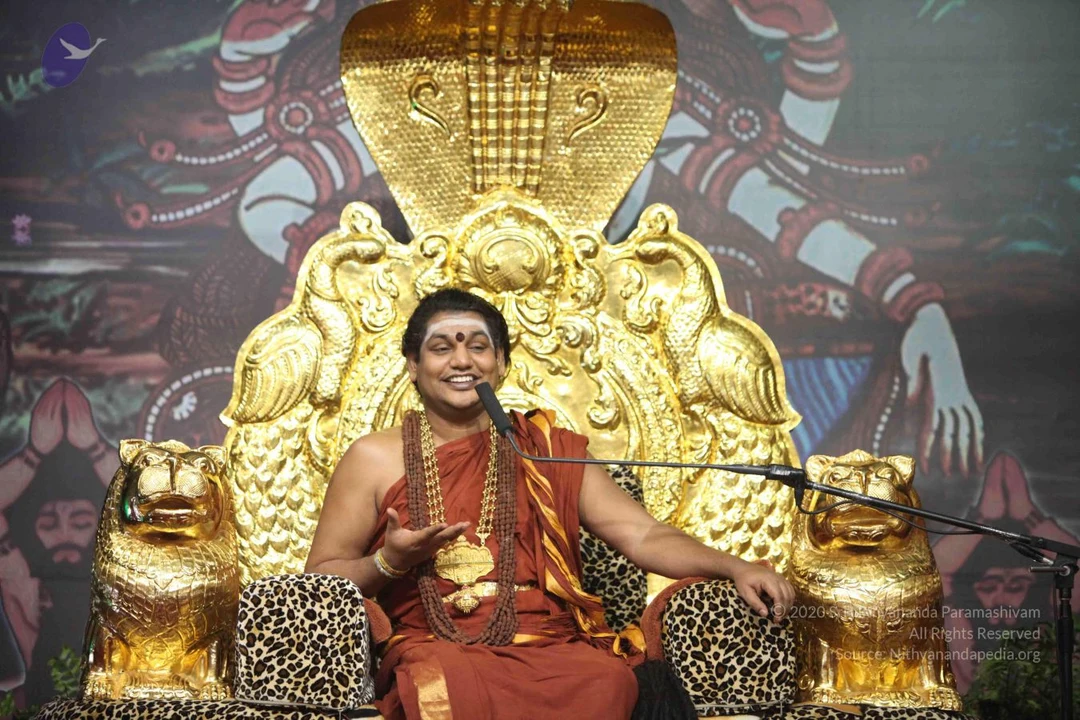
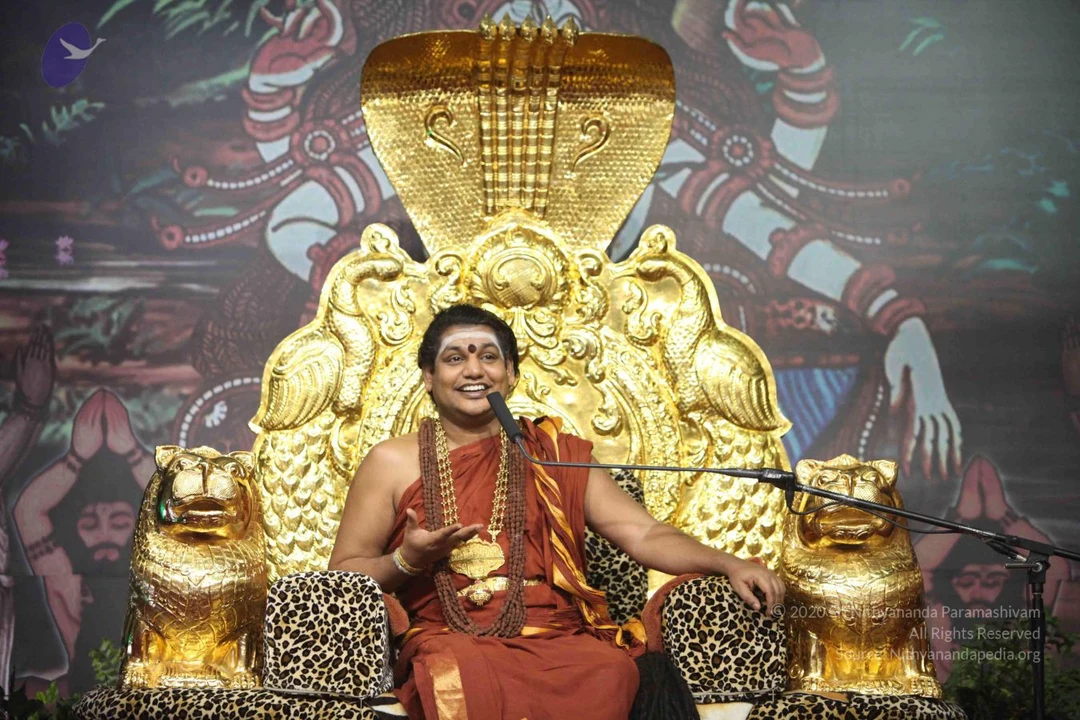
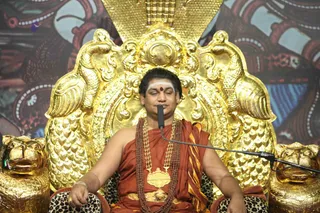
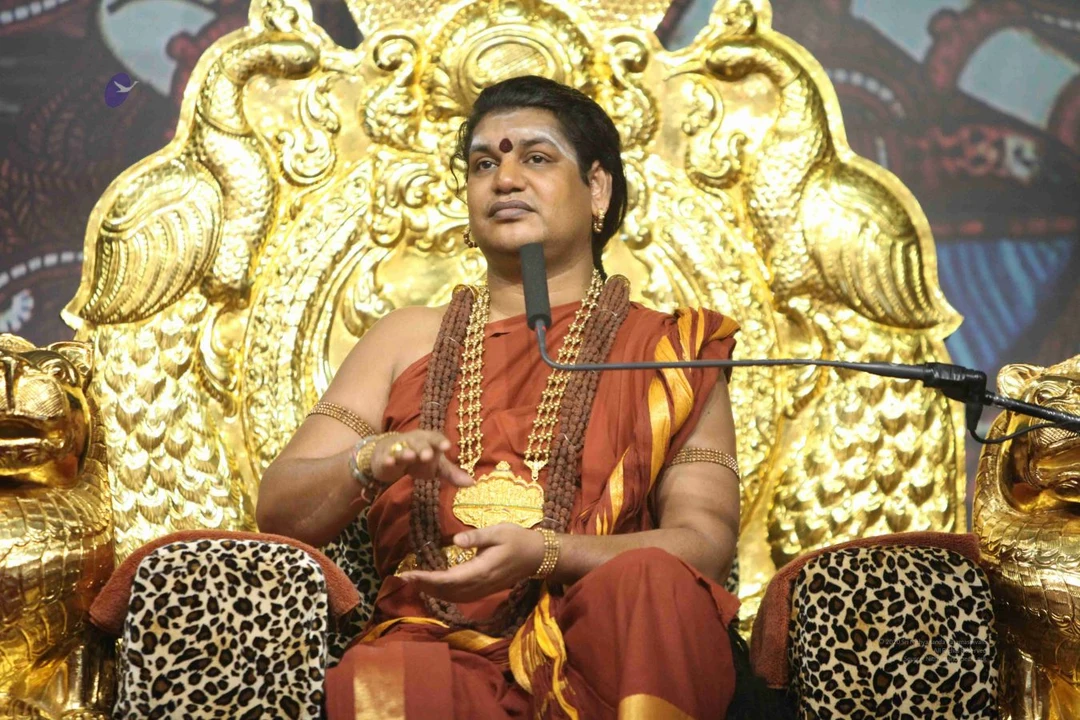
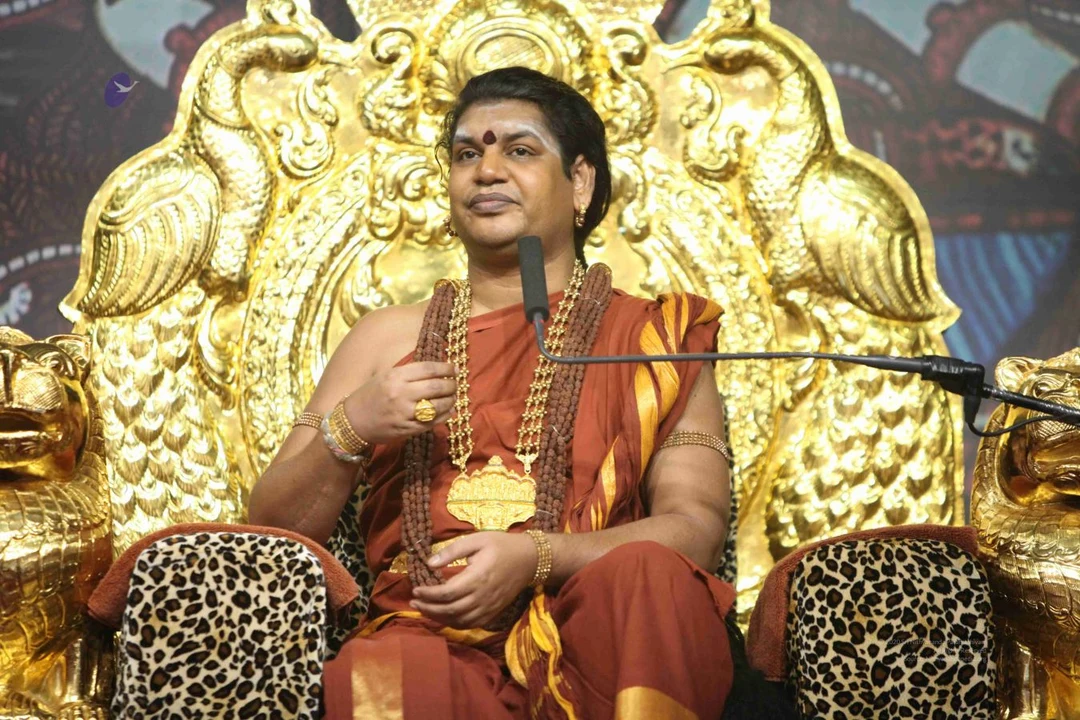
A seated man in saffron-orange robes sits on an ornate gold throne carved with mythical creatures and lion-head armrests, speaking into a microphone on a stand. He wears a rudraksha mala and layered gold necklaces, with a white forehead mark and a red bindi, and his eyes are closed. Behind him a painted backdrop shows colourful folk-art patterns. The scene resembles a satsang discourse.A man with short dark hair, wearing a rust-orange robe with a gold-bordered dhoti, multiple gold necklaces and a rudraksha-style mala, sits on an ornate golden throne carved with a cobra hood and lion-shaped armrests, draped in a leopard-print cushion, speaking into a microphone on a stand. To the right, a golden shrine arch frames a deity murti dressed in orange silk and garlanded with yellow and multicolour flower garlands, beside a brass oil lamp on a stand. Behind the throne hangs a painted backdrop of a deity and a seated devotee. The scene is a stage-set satsang on a red carpet.A smiling man sits on an ornate gold throne carved with scrolling motifs and a lion-head armrest, with leopard-print cushions on the seats. He wears an orange-red robe with a gold-and-saffron striped shawl, rudraksha beads, a long gold chain with a gold pendant, and bangles. A white tripundra with a red bindi marks his forehead. A microphone on a stand is at his side. Behind him is a painted backdrop of colourful stylised figures.A smiling man in a rust-orange saffron wrap and dhoti sits on an ornate gold throne carved with lion heads and scrolling patterns, with leopard-print cushions on the armrests. He wears a gold pendant on a gold chain over long rudraksha malas, gold bangles on his wrist, and a white tripundra with a red bindi on his forehead. He holds a gold pendant in one hand and gestures while speaking into a microphone on a stand. Behind him is a painted backdrop with decorative designs. Swamiji (probable): long-haired figure in saffron clothing with rudraksha malas and ceremonial gold necklaces, seated on a throne during a satsang.A photograph of a seated man speaking into a microphone on a stand at a satsang discourse. He sits on an ornate golden throne with a cobra-hood canopy and gilded lion-head armrests, draped in a leopard-print cushion. He wears a saffron-orange robe with a gold-striped shawl, multiple rudraksha malas and a large ceremonial gold pendant necklace, with a red bindi and white forehead markings. One hand gestures outward while he smiles. The painted backdrop behind him shows a red and white deity figure and praying figures. A probable Swamiji is shown in appearance-based terms: long swept-back hair, saffron robe, rudraksha malas and gold necklace, seated as the discourse speaker.A man in an orange-red sannyasi robe sits smiling on an ornate gold throne carved with mythical creatures, flanked by gold lion-head armrests and leopard-print cushions. He wears a rudraksha mala, long gold necklaces, and a large gold pendant, holding it in one hand while speaking into a microphone on a stand. A white tilak with a red bindi marks his forehead, and a painted backdrop of figures is behind the throne. a person: long swept-back hair, orange robe, rudraksha mala and ceremonial gold necklaces, seated as the speaker at a discourse.

Shiva Deeksha
4 photosSource gallery
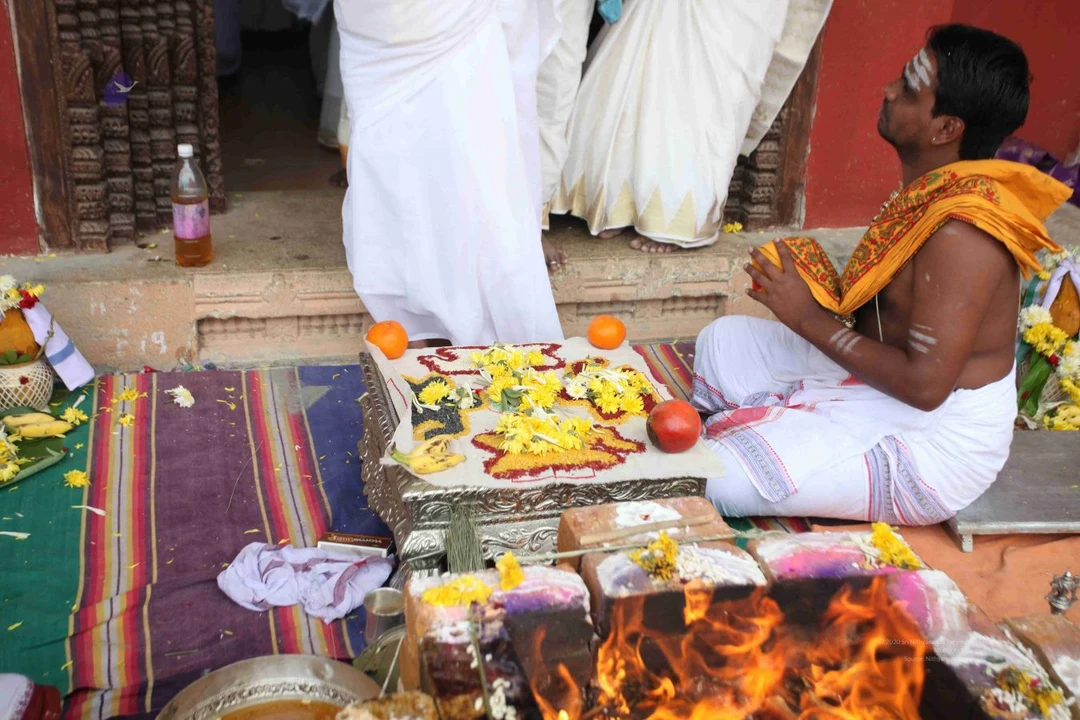
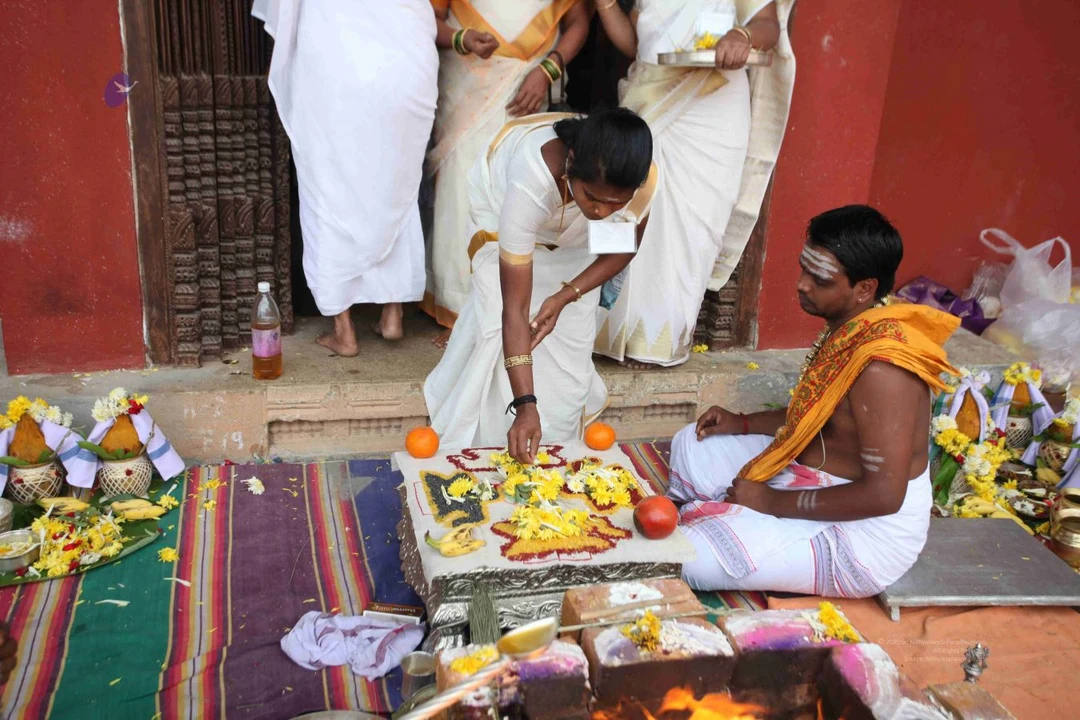
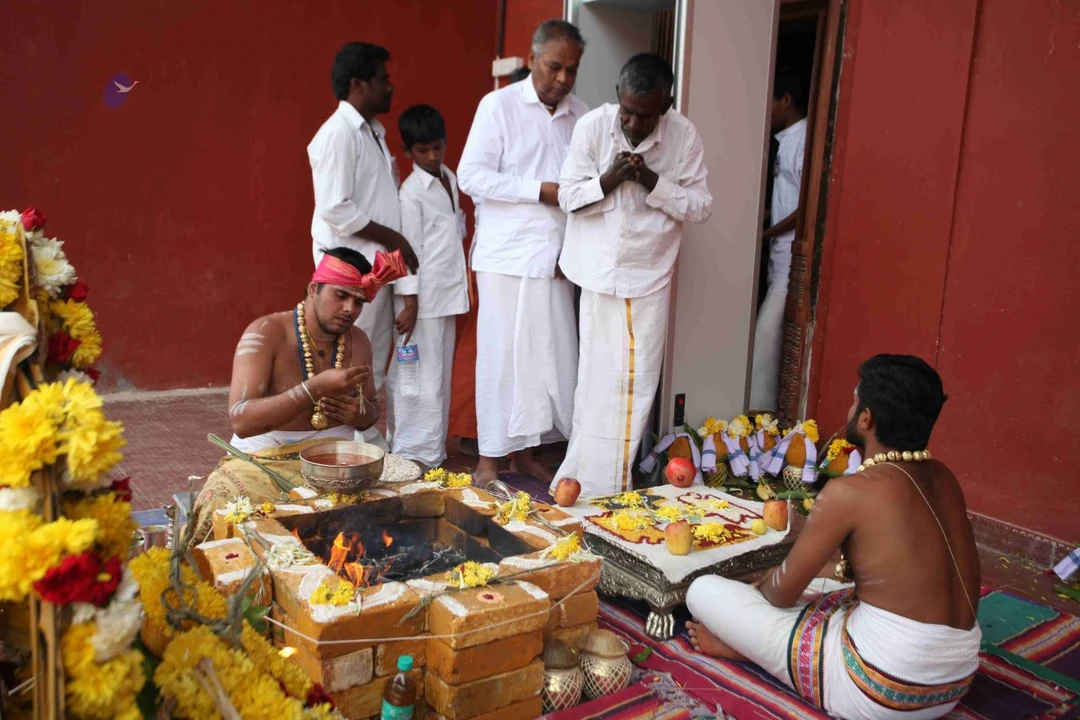
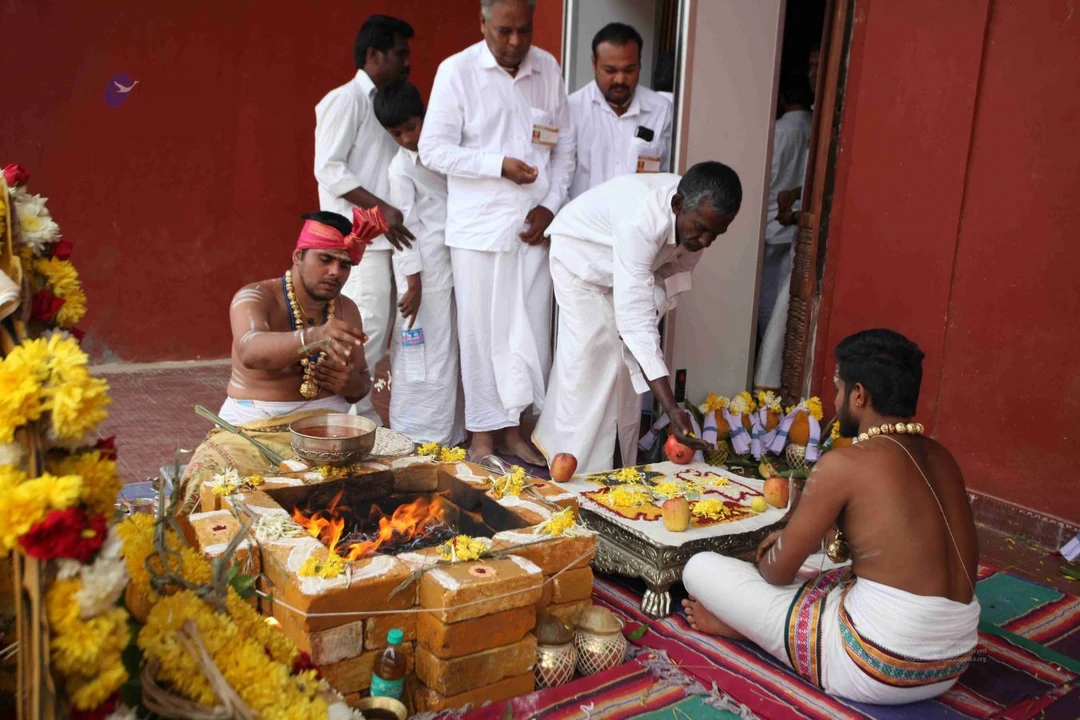
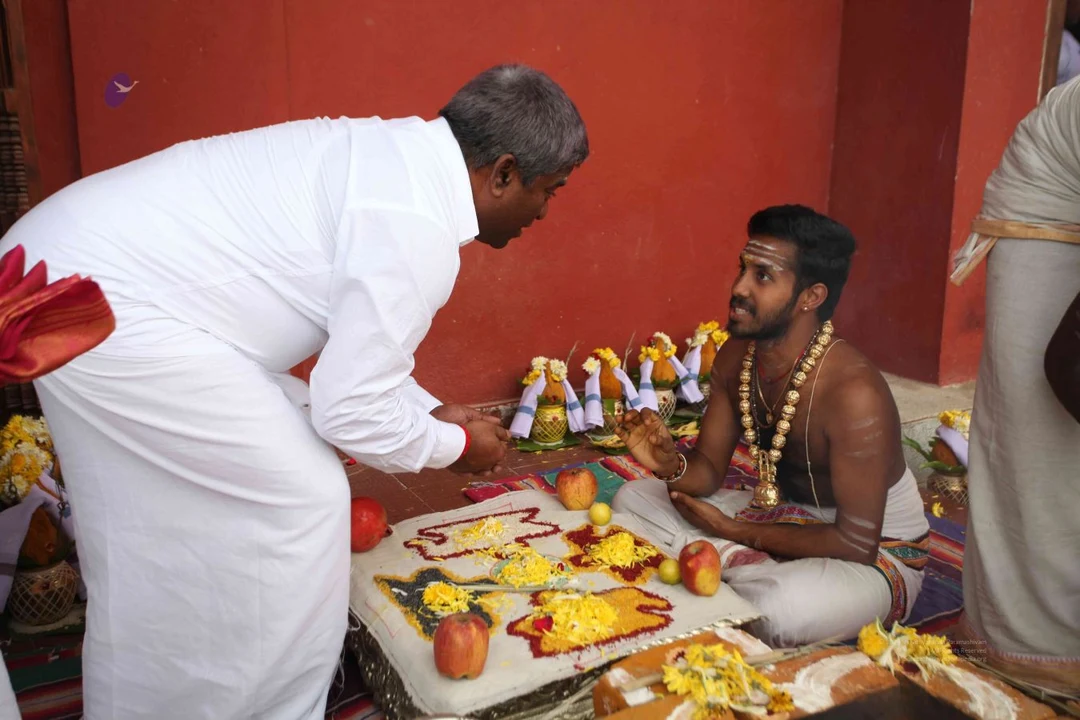
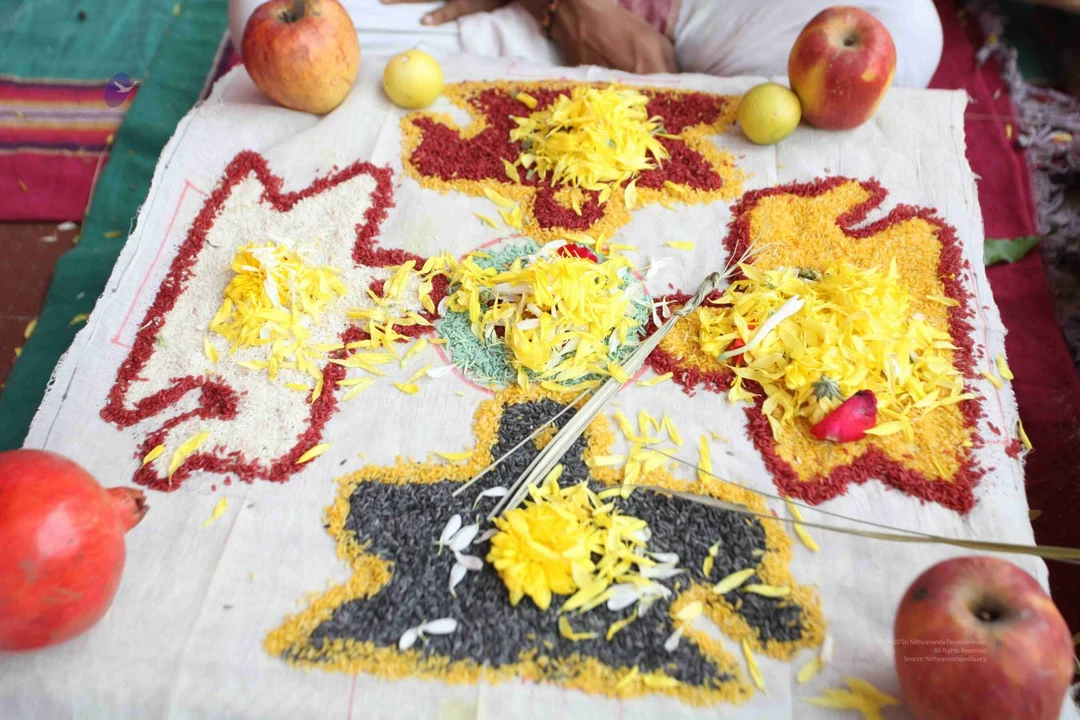
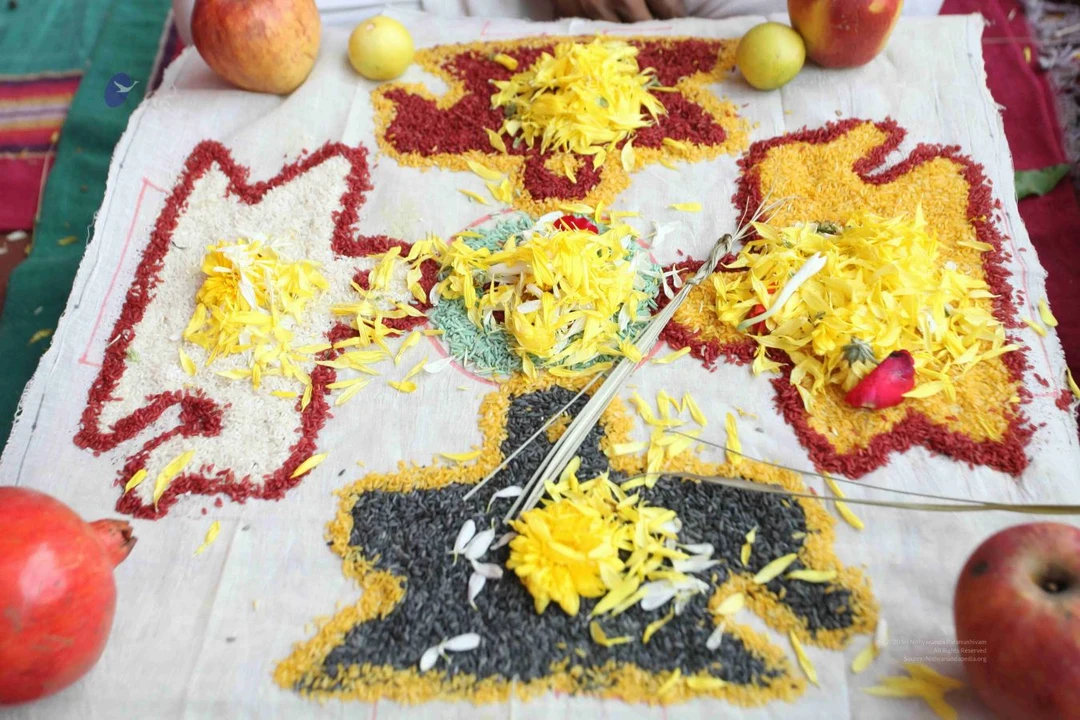
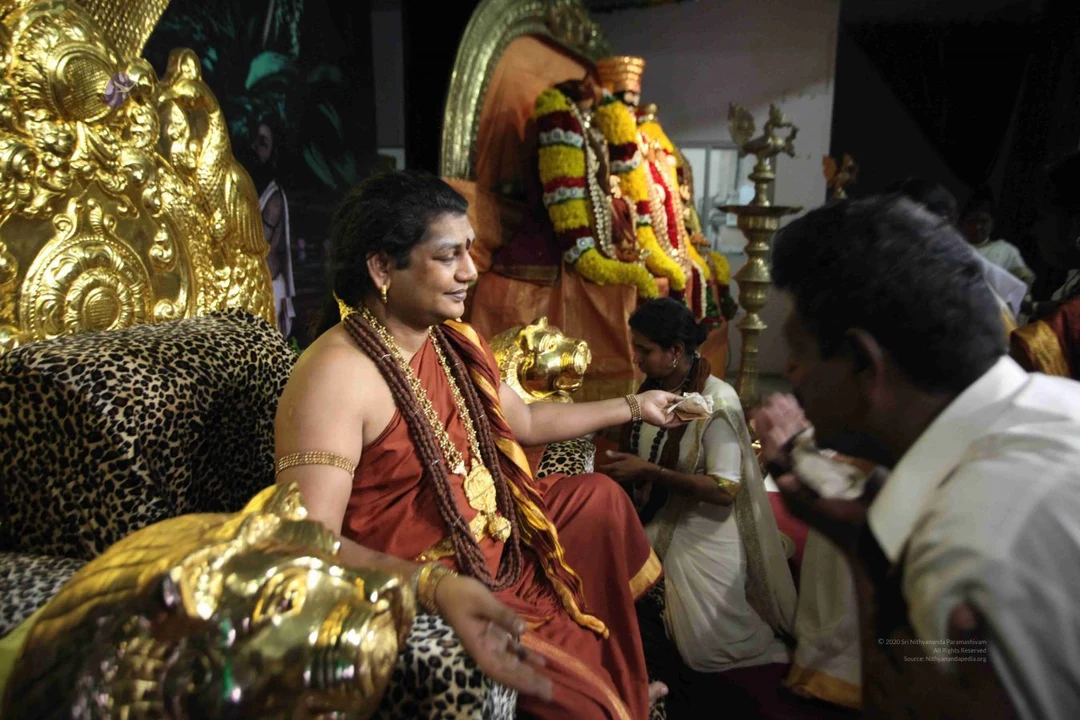
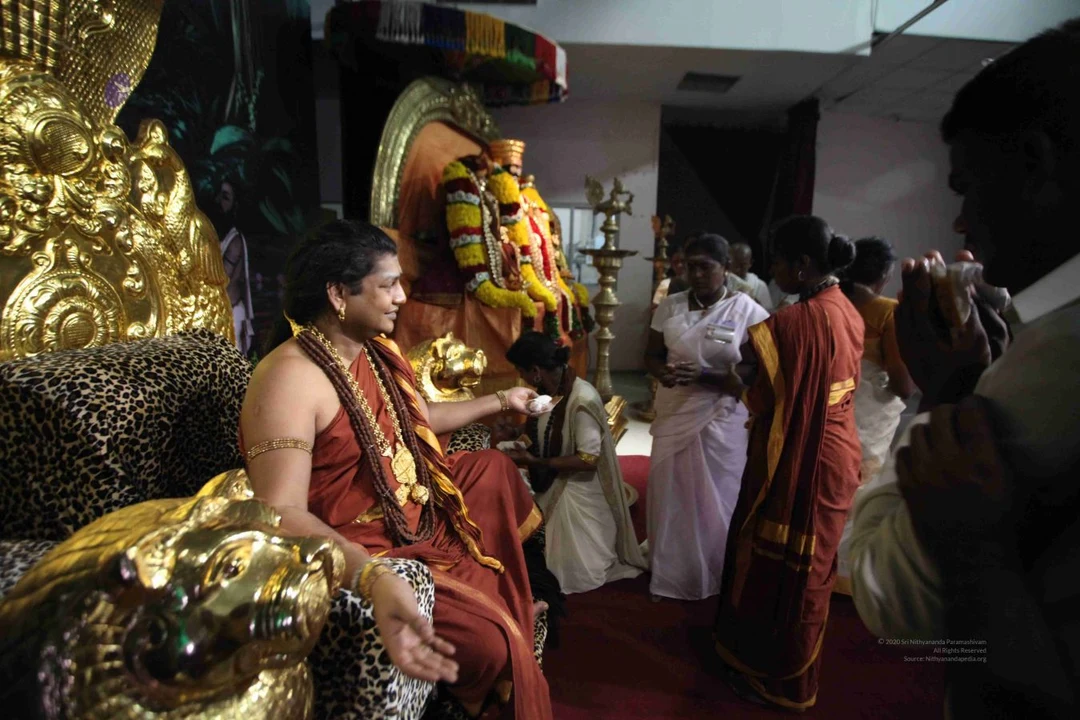
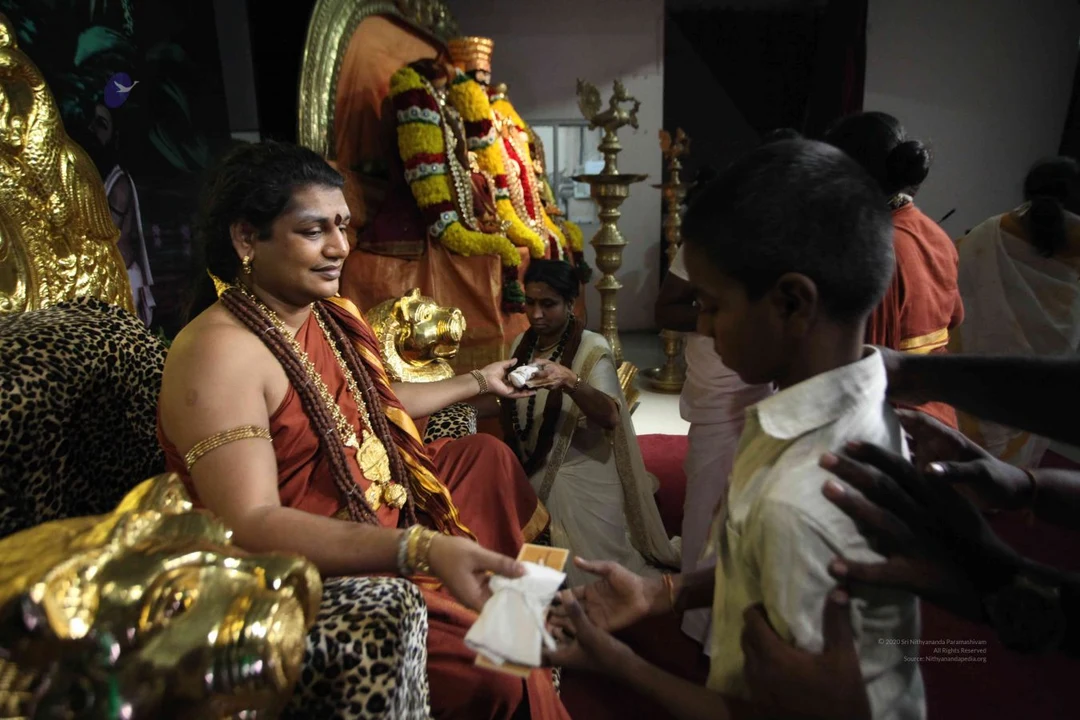
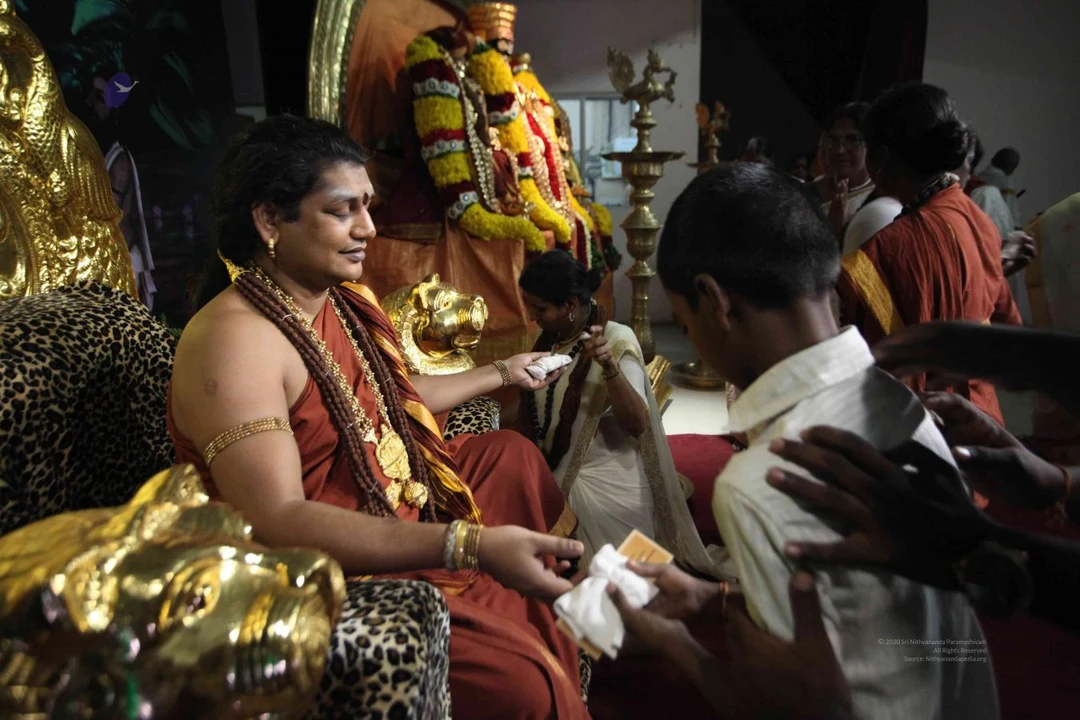
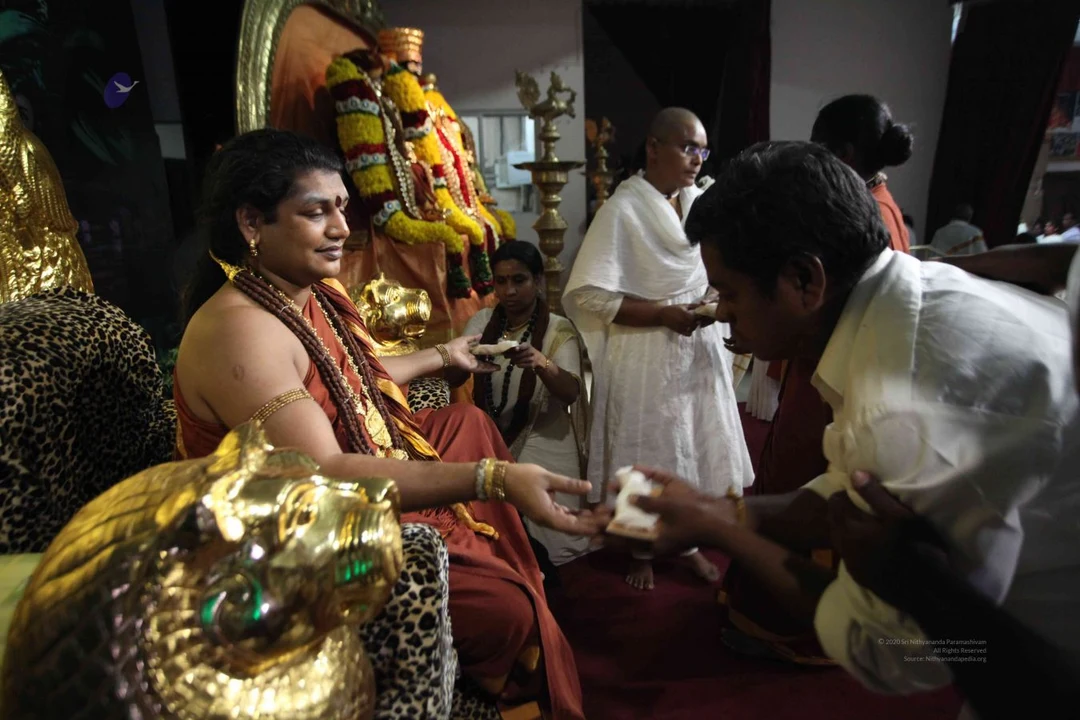
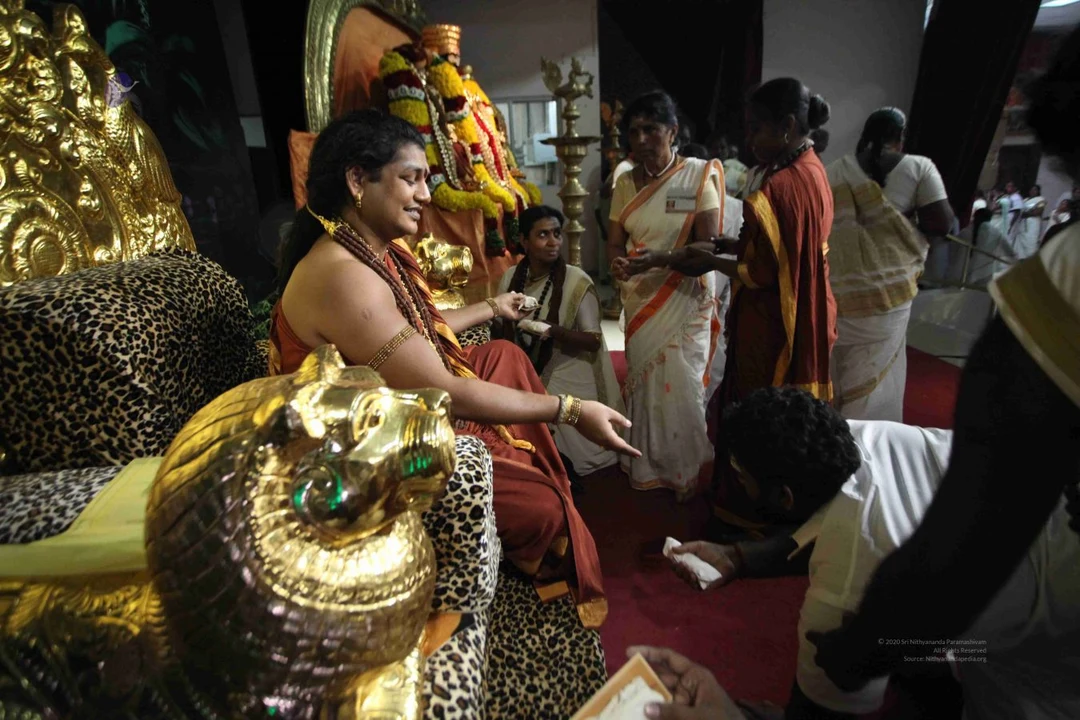
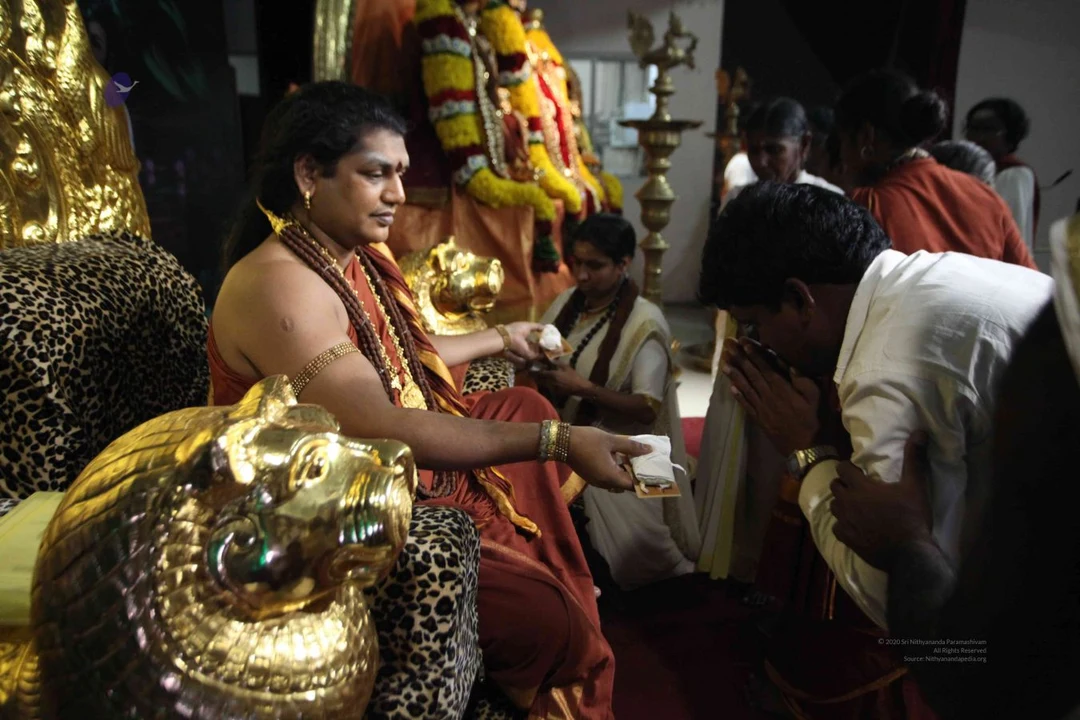
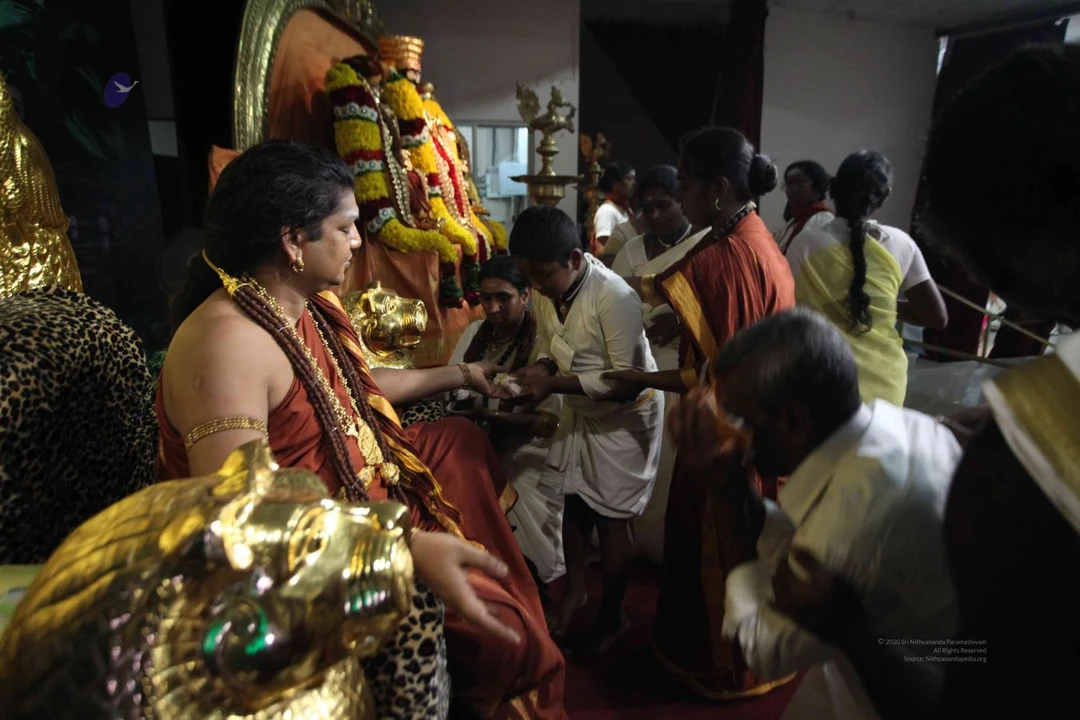
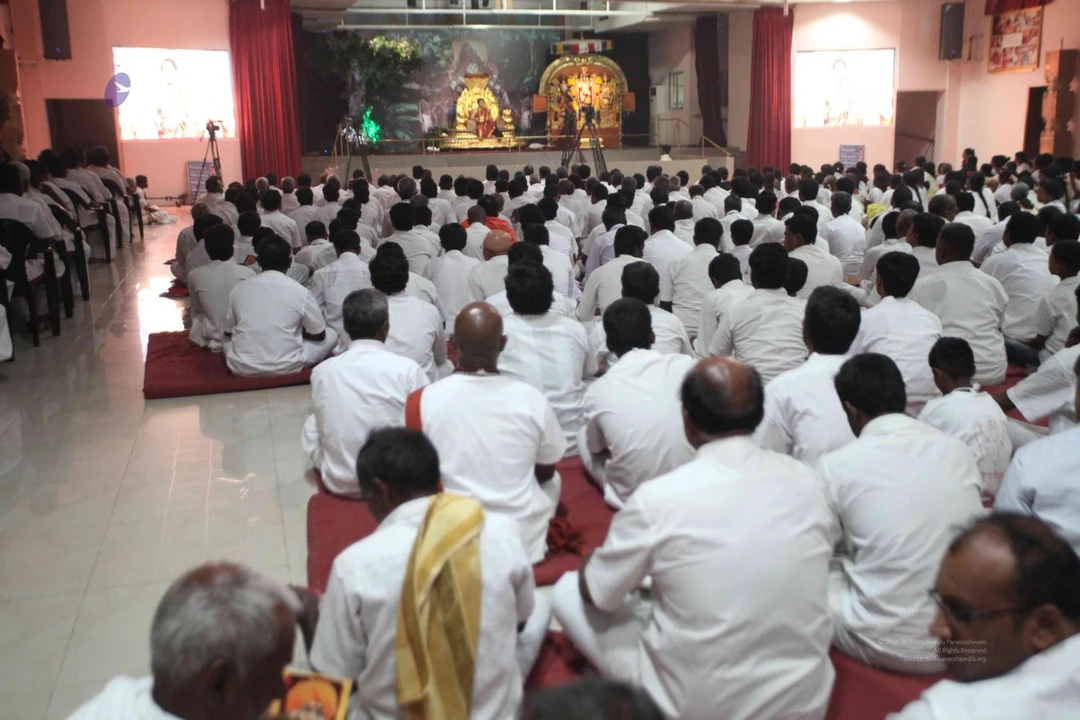
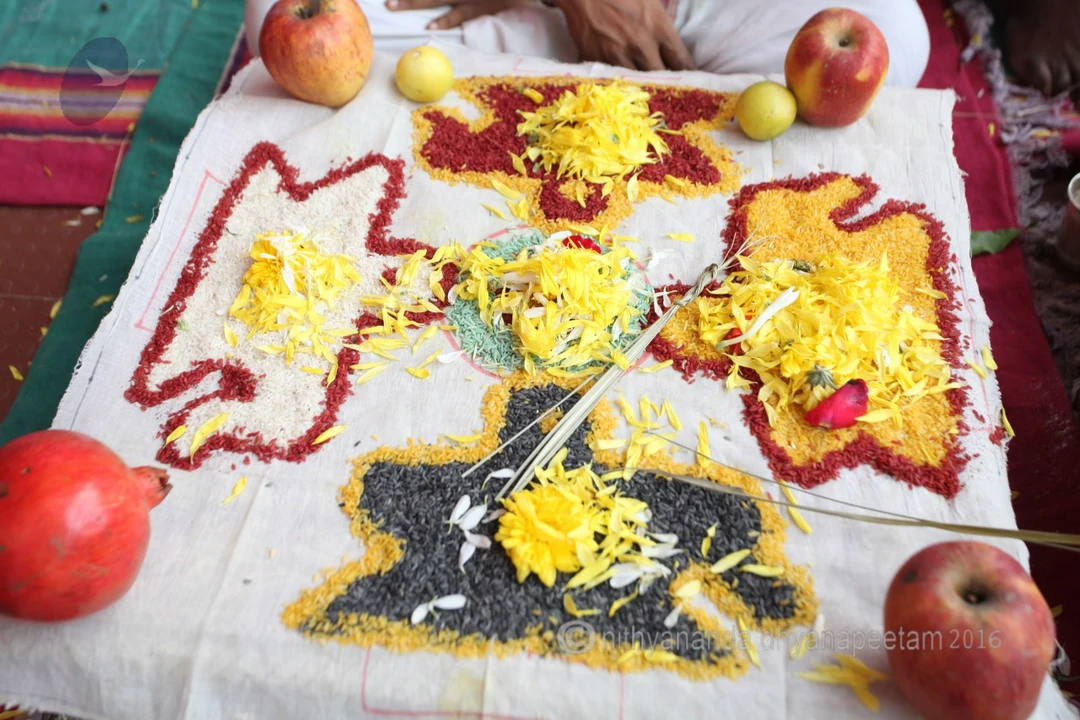
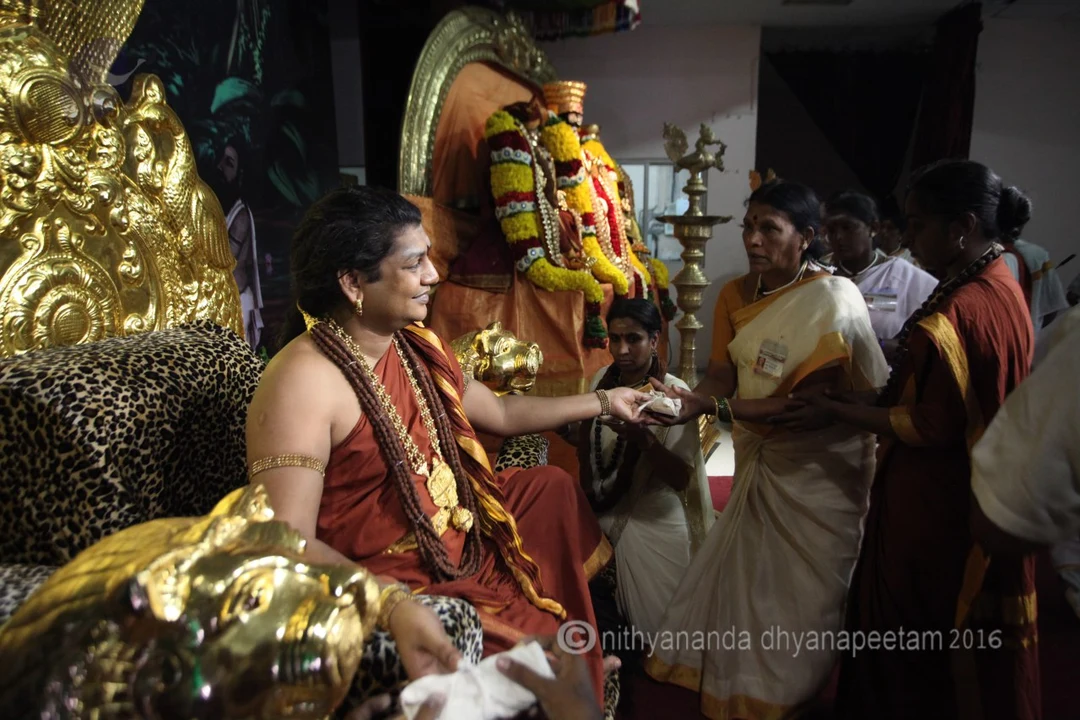
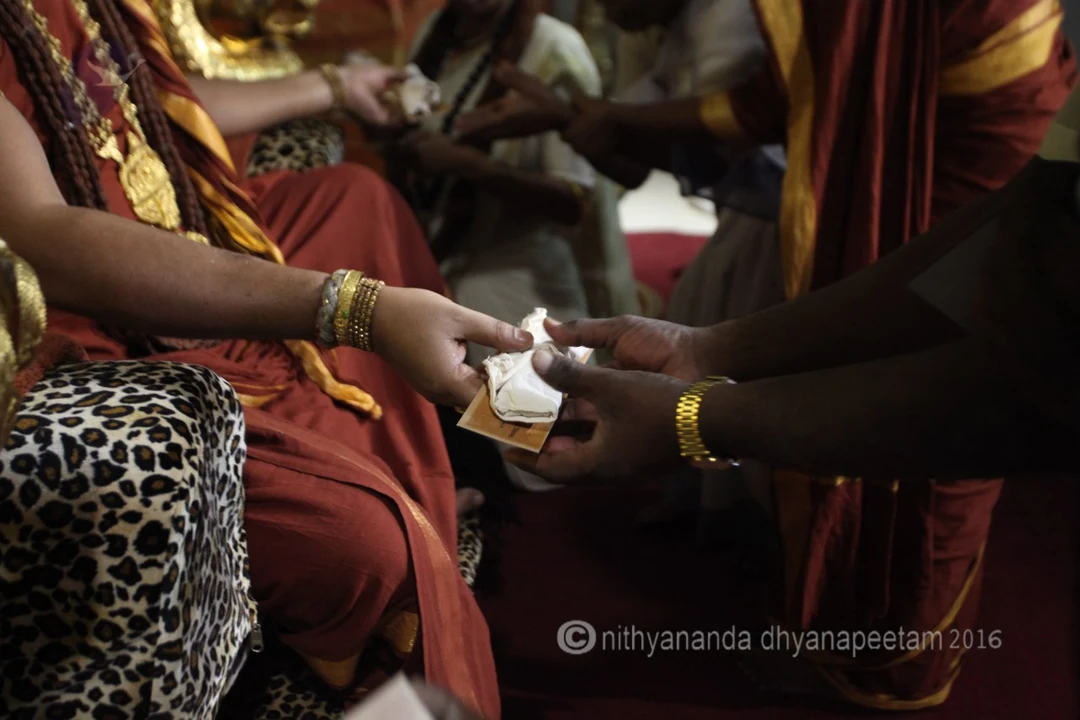
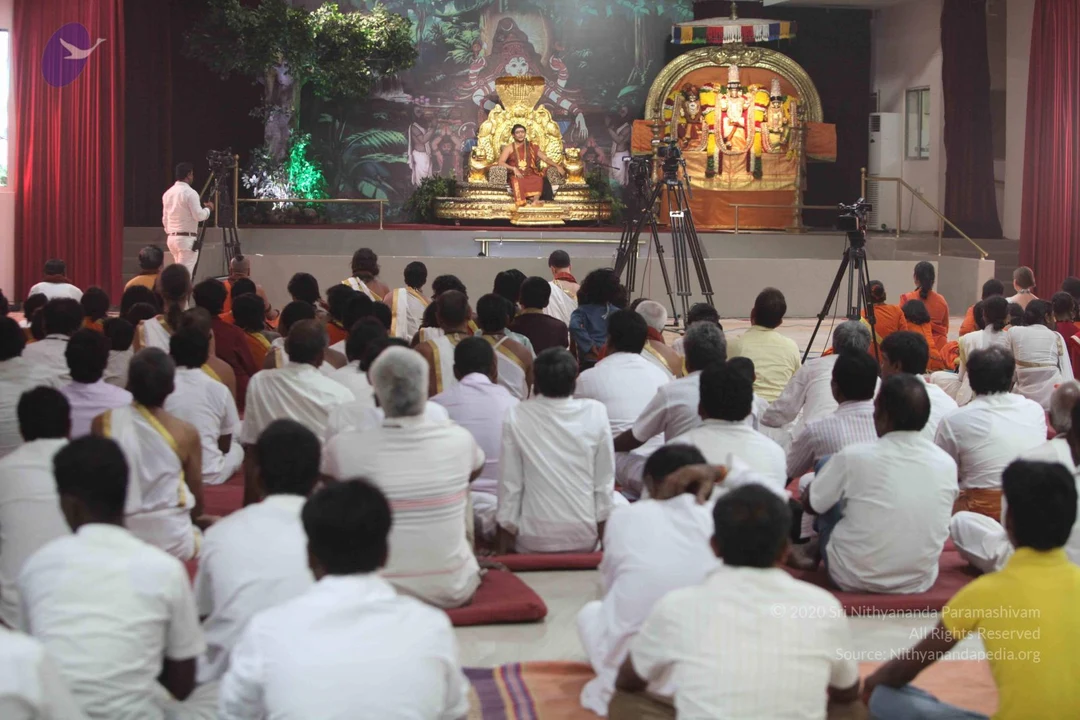
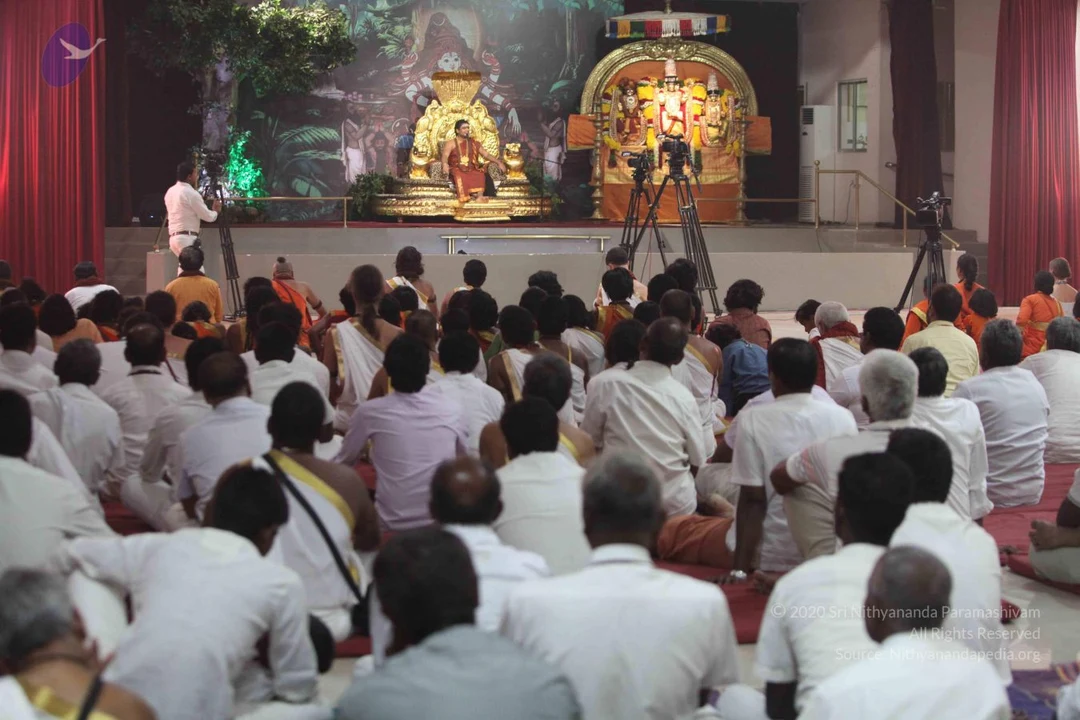
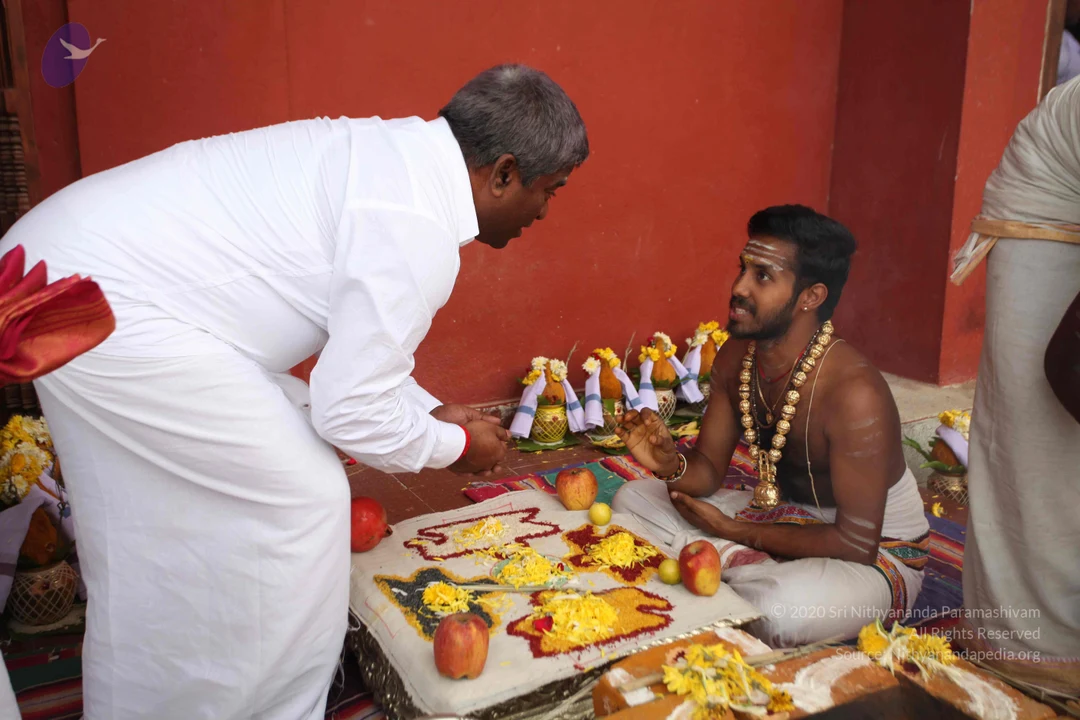
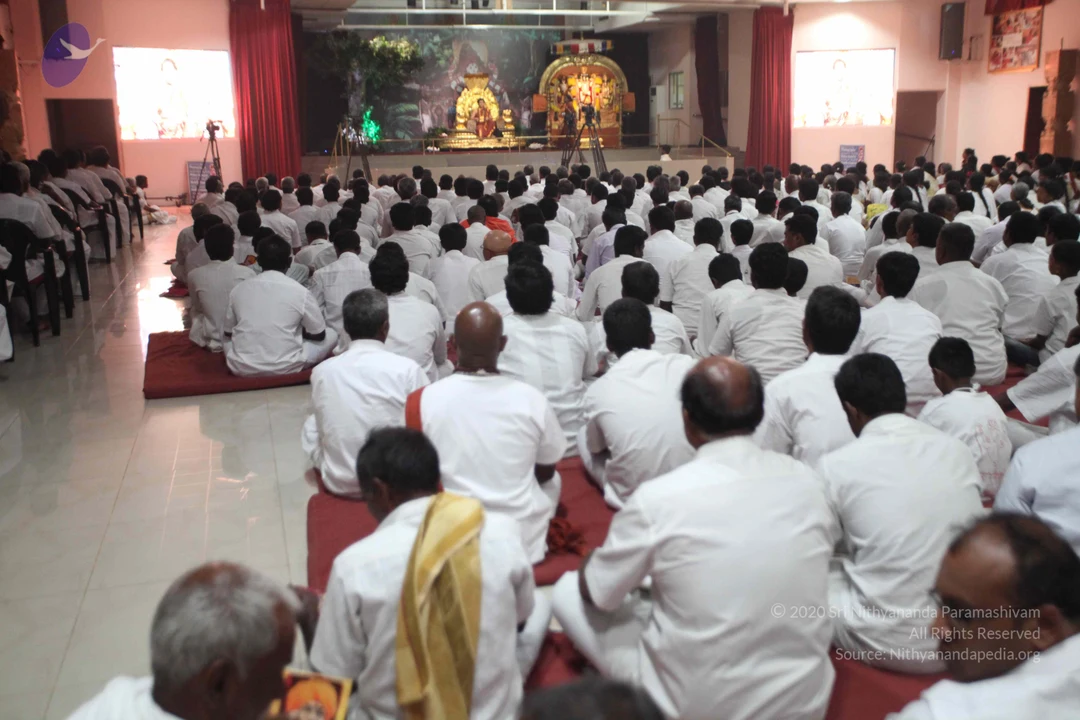
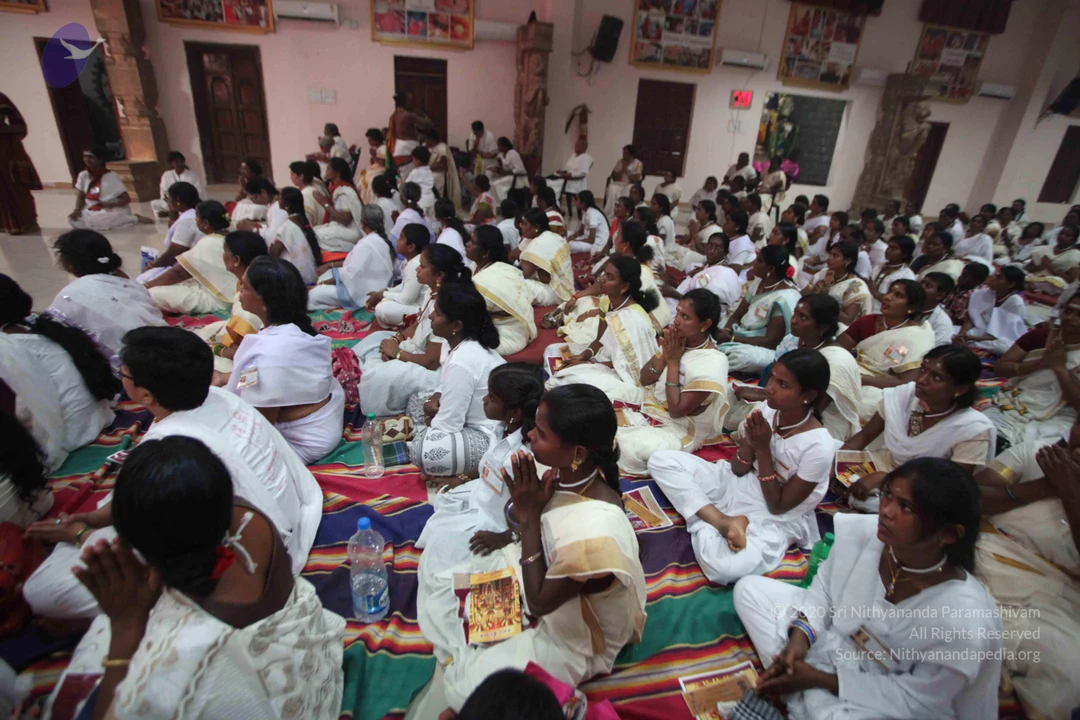
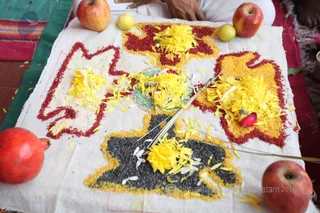
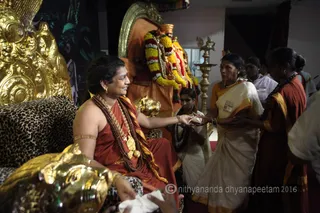
Photograph of a large seated congregation in a hall, facing a raised stage. Many people in white clothes sit on colourful striped mats and cloths, with their backs to the camera. On the stage, a figure in saffron-orange robes sits on an ornate golden throne before a gilded shrine holding deity murti and a decorated backdrop. Side screens show images, and camera tripods stand near the stage. Satsang or discourse setting.Overhead view of a ritual rangoli-style arrangement on a white cloth: four large petal-like patterns outlined in red powder, filled with white rice, yellow turmeric-coloured grains, red-tinted grains and black sesame or seeds, scattered with yellow marigold petals. A bundle of sacred grass or kusha blades rests across the centre, with a small green-and-white dish of petals. Ripe apples, a pomegranate and a lemon surround the cloth. Only a partial pair of hands in white clothing is visible at the top edge. No identifiable person is shown in full.Photograph of a seated figure in a saffron-orange robe with a gold-embellished shawl, long rudraksha malas and a heavy gold necklace, seated on a gold-carved throne with a leopard-print cushion. The figure extends a hand to offer a folded white cloth to a woman in a cream sari with a yellow-orange border who stands at the front of a row of devotees. Behind them, a deity murti is draped in orange cloth and heaped with yellow and red marigold garlands, flanked by brass oil lamps. Other devotees in white and maroon saris stand nearby, and a banner with a dark painted backdrop hangs on the left.Close photograph of hands passing a small folded white cloth or packet during a seated ritual. On the left, a woman in red and gold clothing and gold bangles wears a leopard-print lower garment and gold chain jewelry. On the right, a man in a red-and-gold-bordered dhoti or robe with gold wristwatch hands over the packet. Other seated participants in red and white attire are visible in the background, with a red floor covering and a golden deity murti at the upper left.

Nithya Satsang

1 photoSource gallery
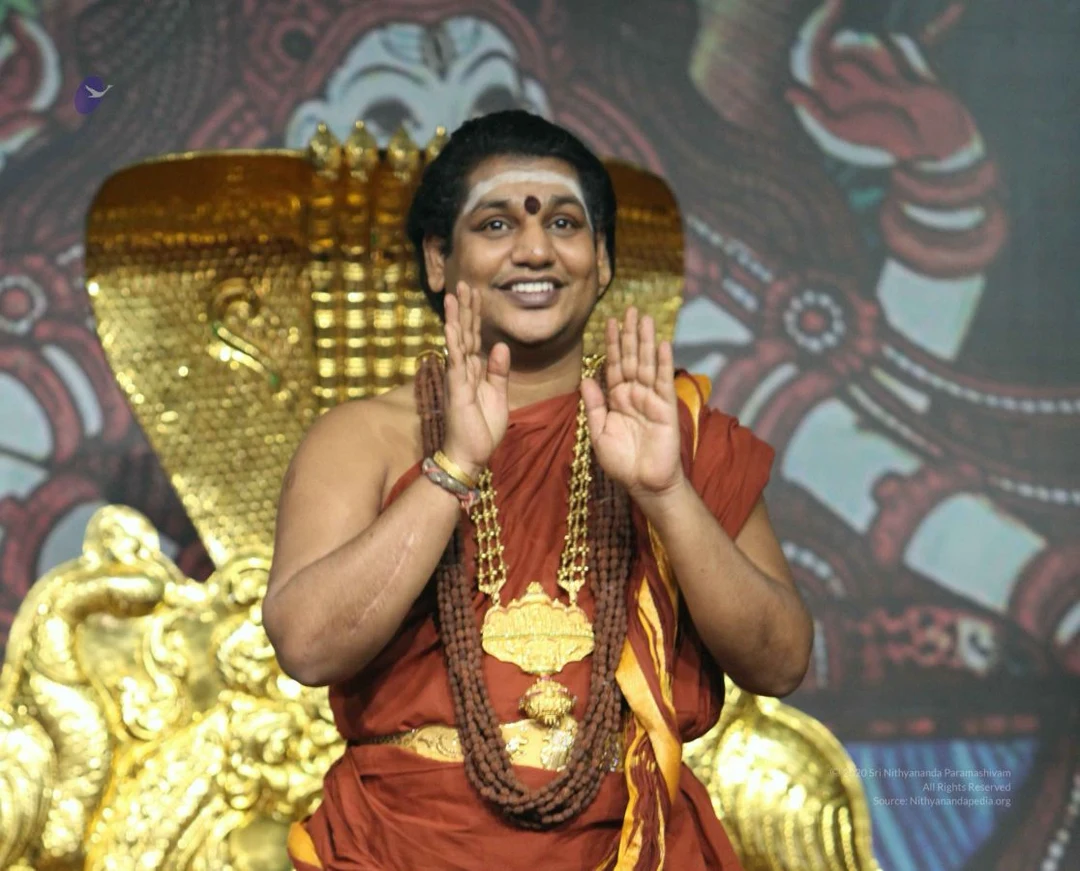
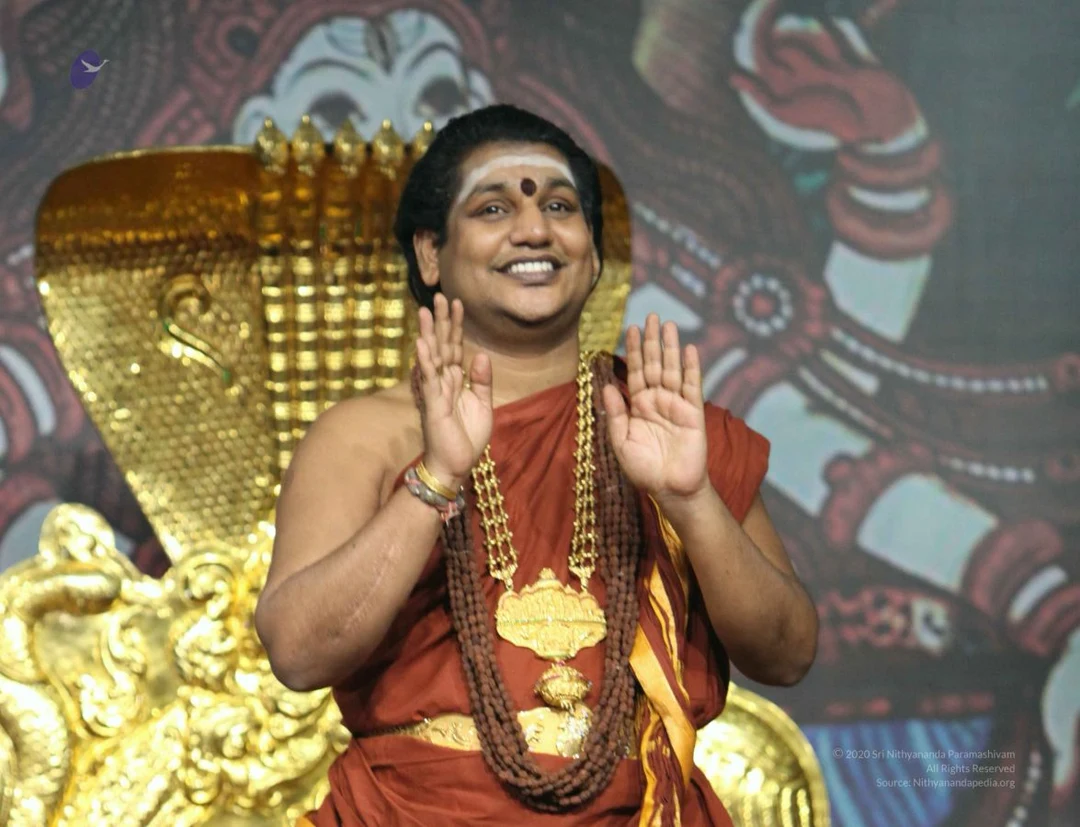
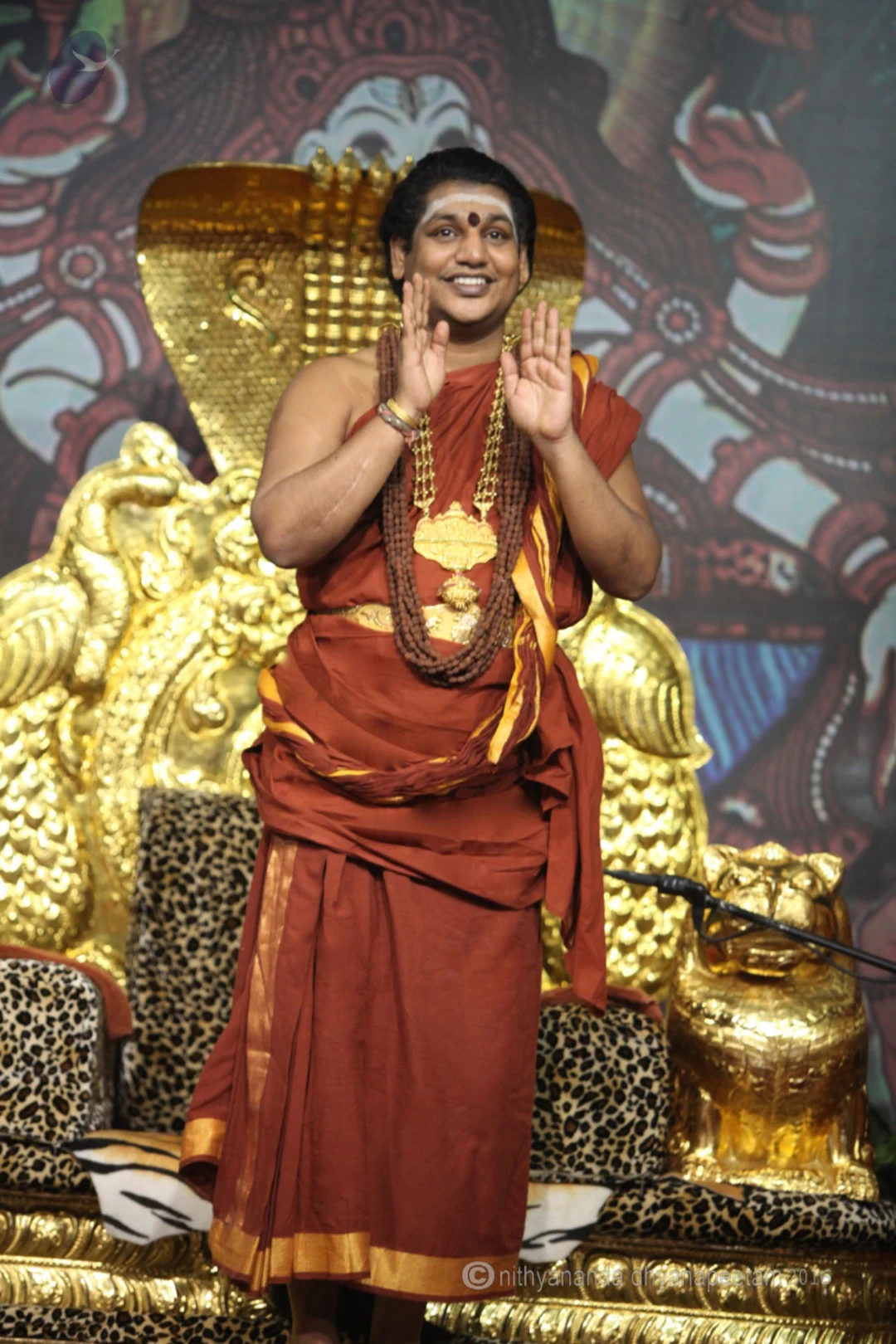
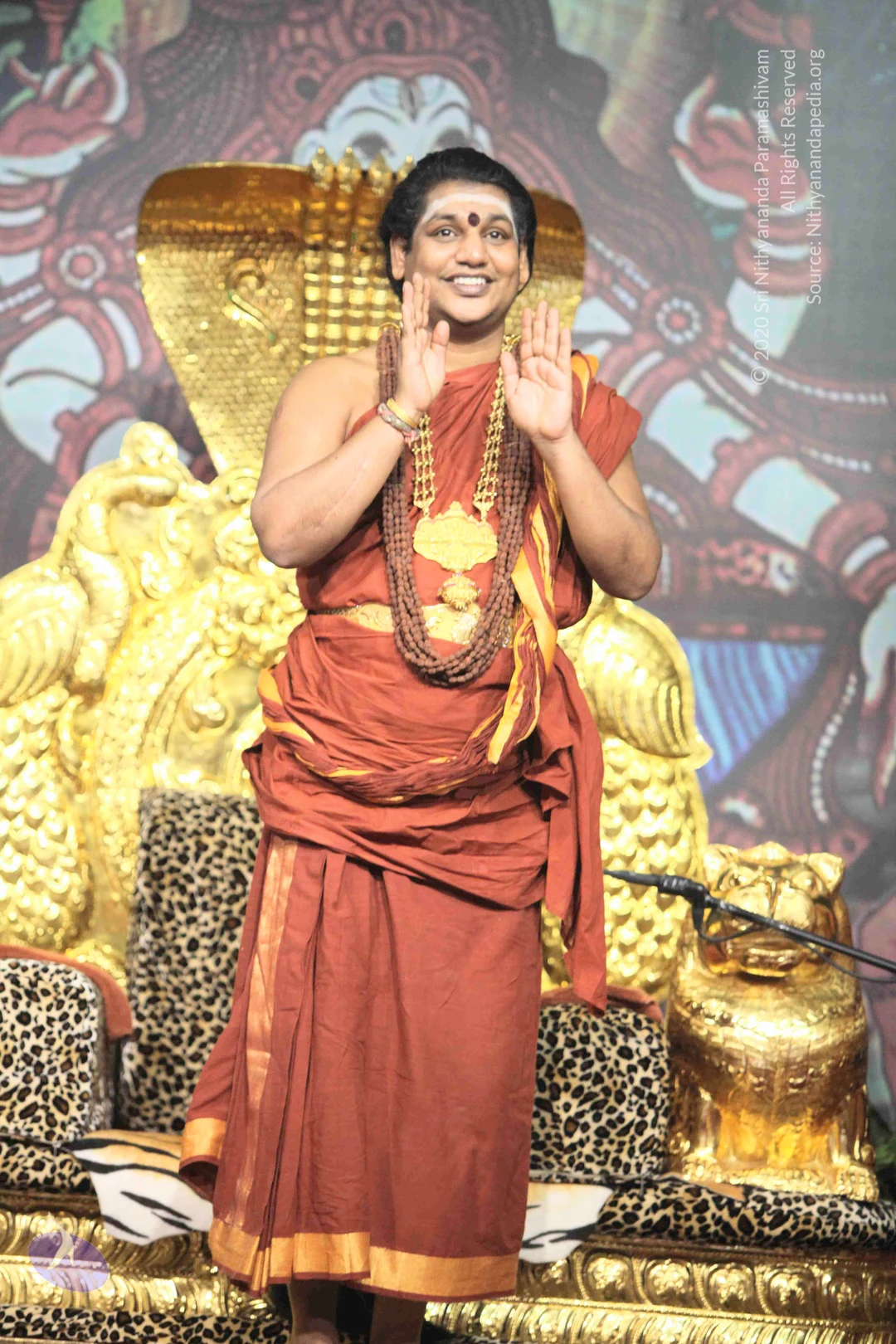
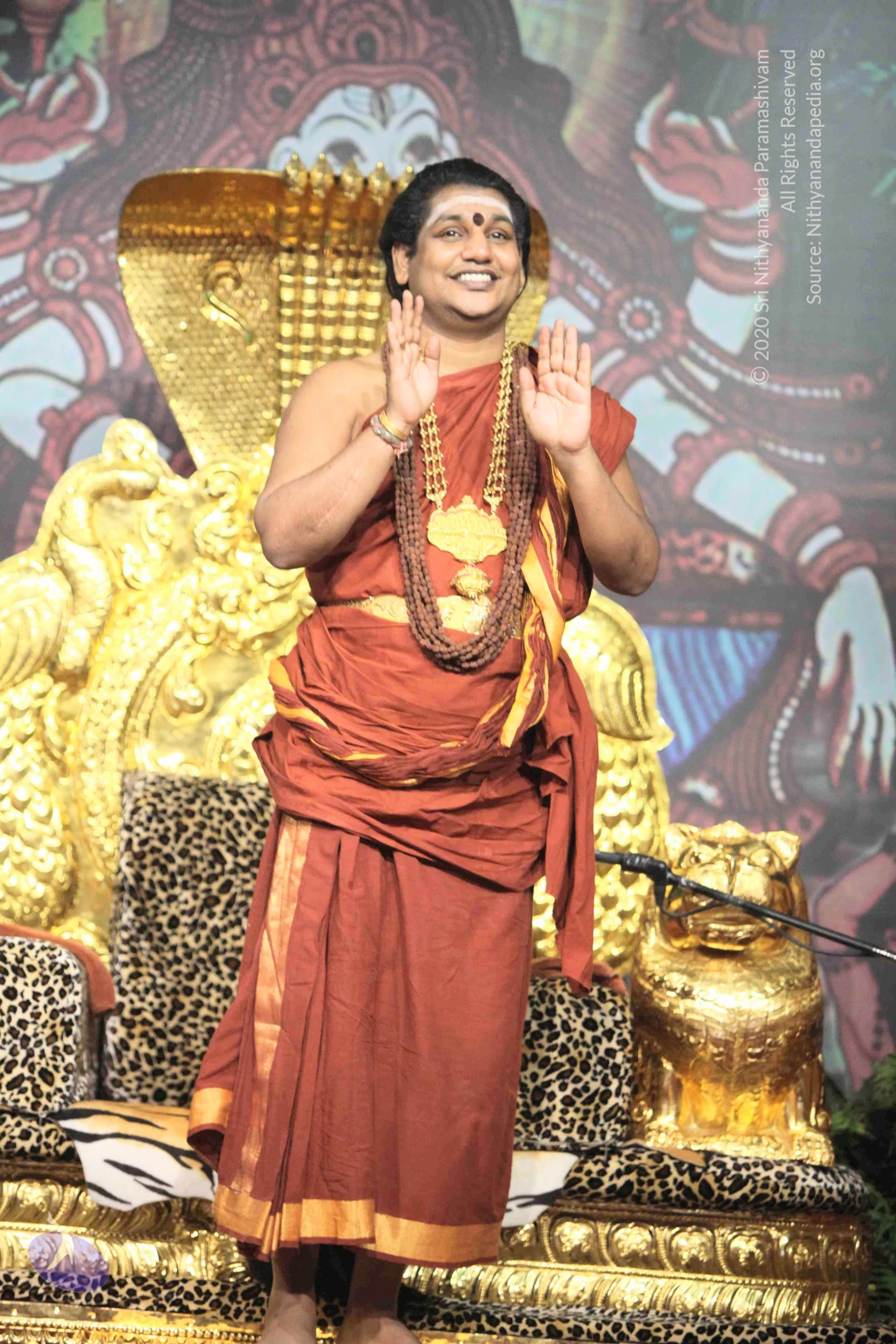
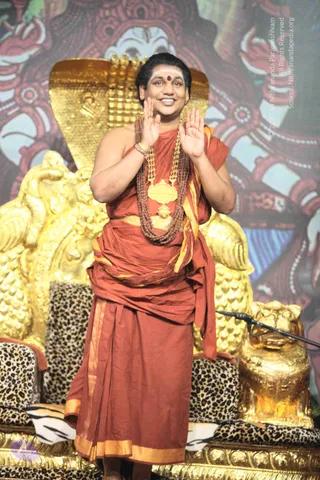
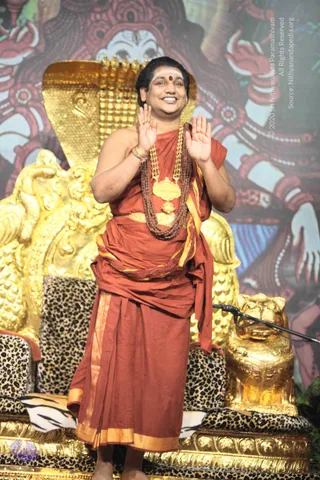
A smiling man in a rust-red dhoti and shawl with gold-bordered edges stands on a stage before an ornate gold throne carved with a cobra hood and a gilded lion figure. He wears multiple strands of rudraksha beads and a large gold pendant, gold bangles, a white forehead mark and a red dot, and raises both palms in greeting. Behind him a painted backdrop shows a colourful deity figure. The a person cues are the rudraksha malas, gold ceremonial necklace and saffron-toned ornate clothing, though the figure is seated on a throne-like seat during a satsang.

Shiva-Deeksha
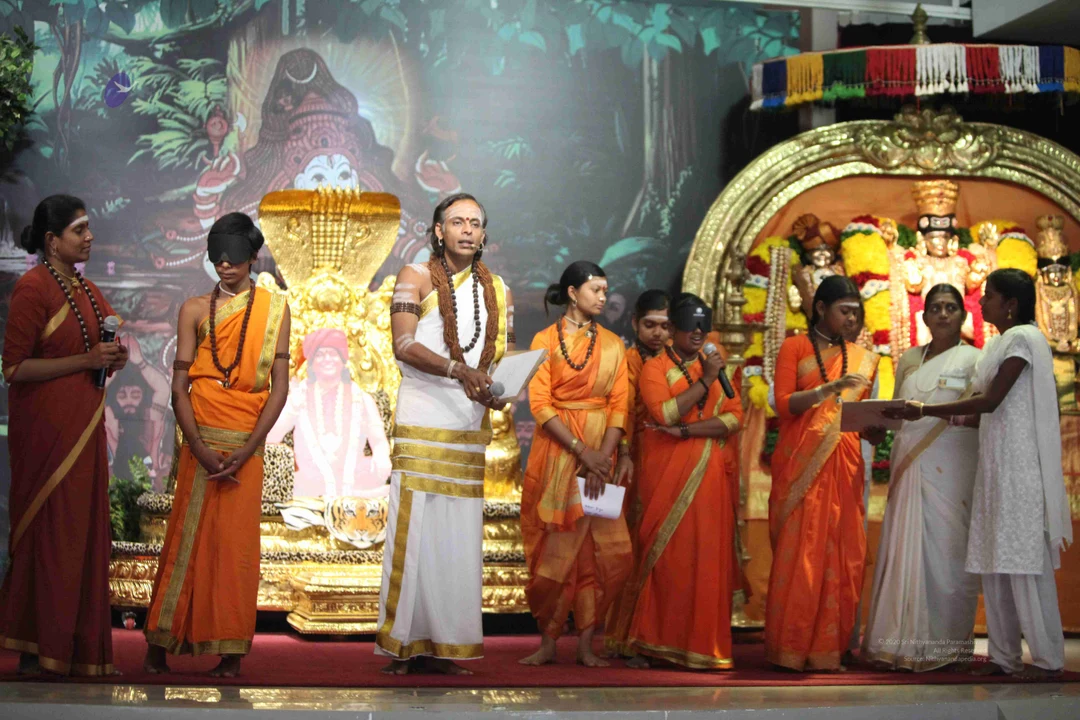
29 photosSource gallery
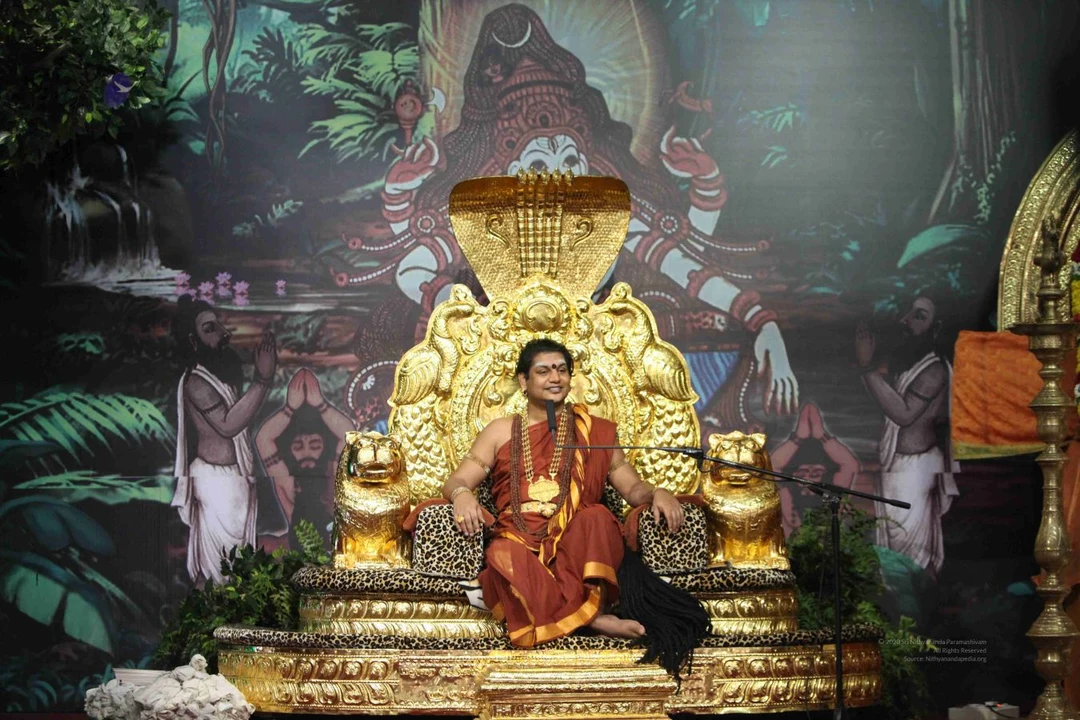
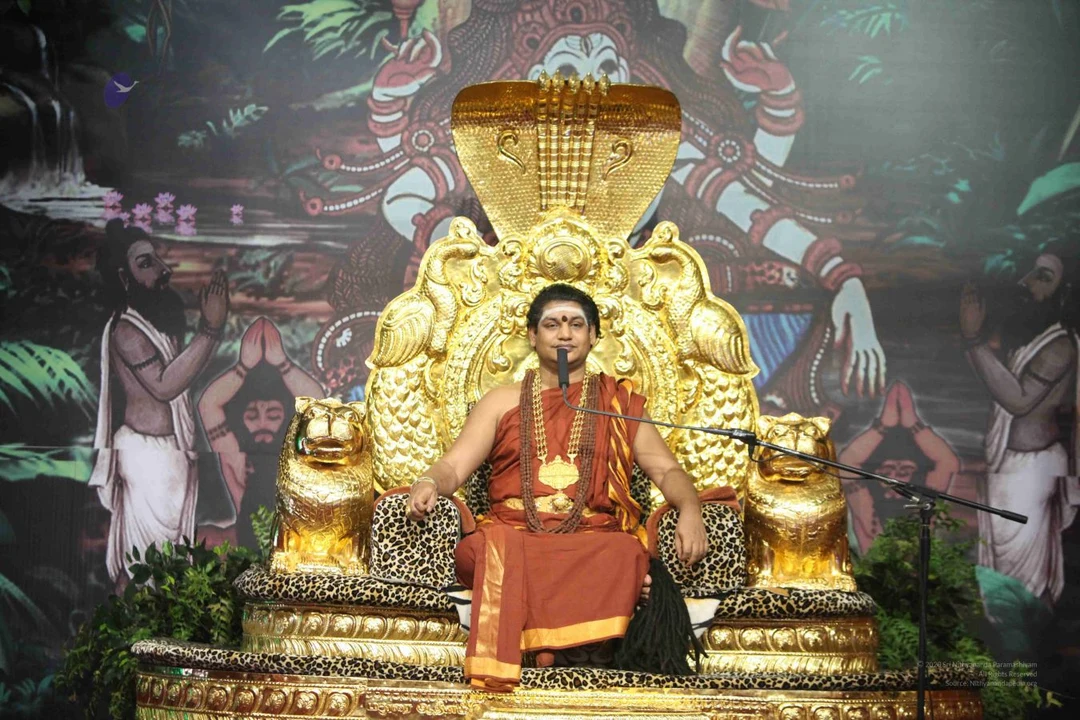
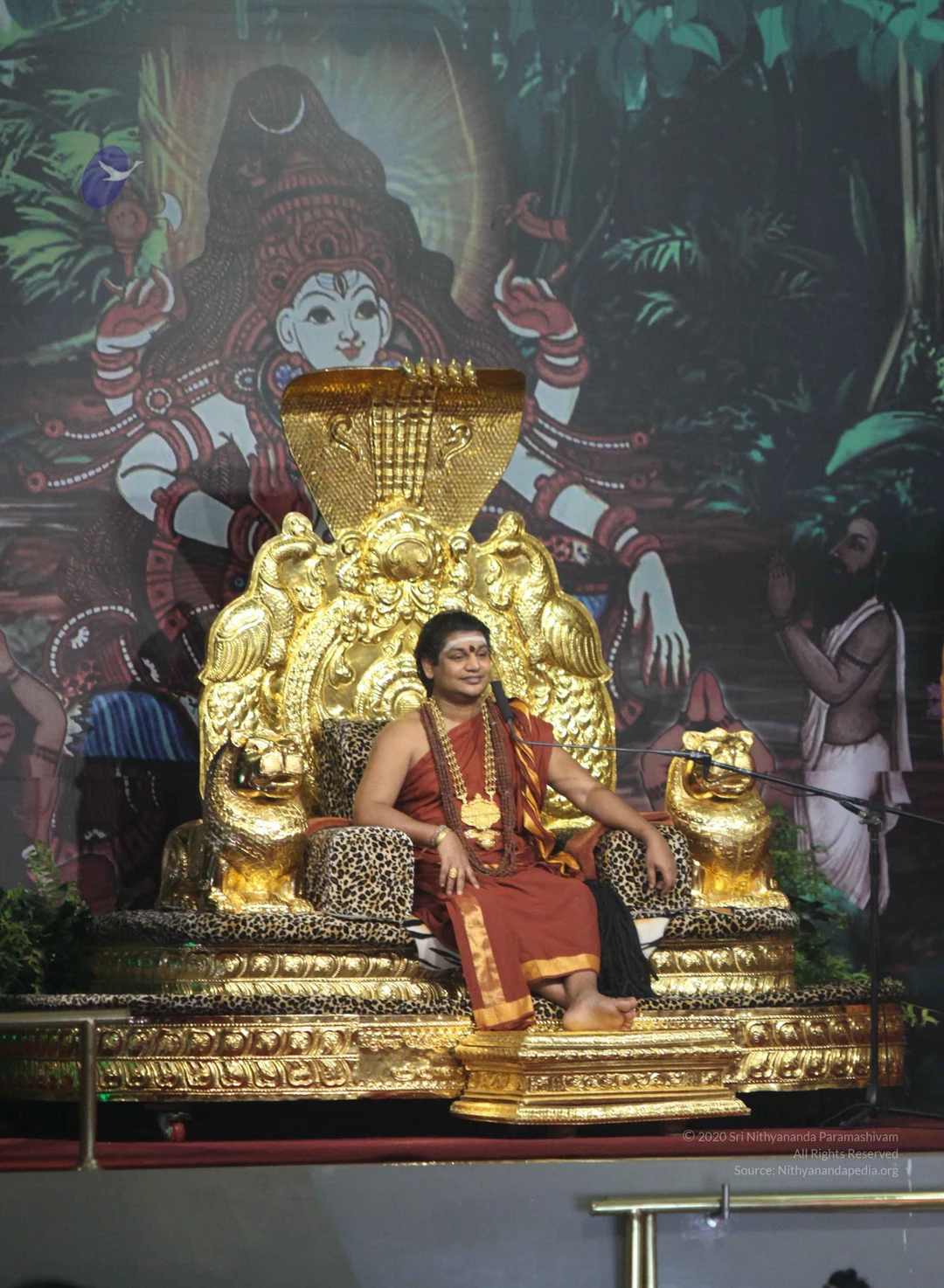
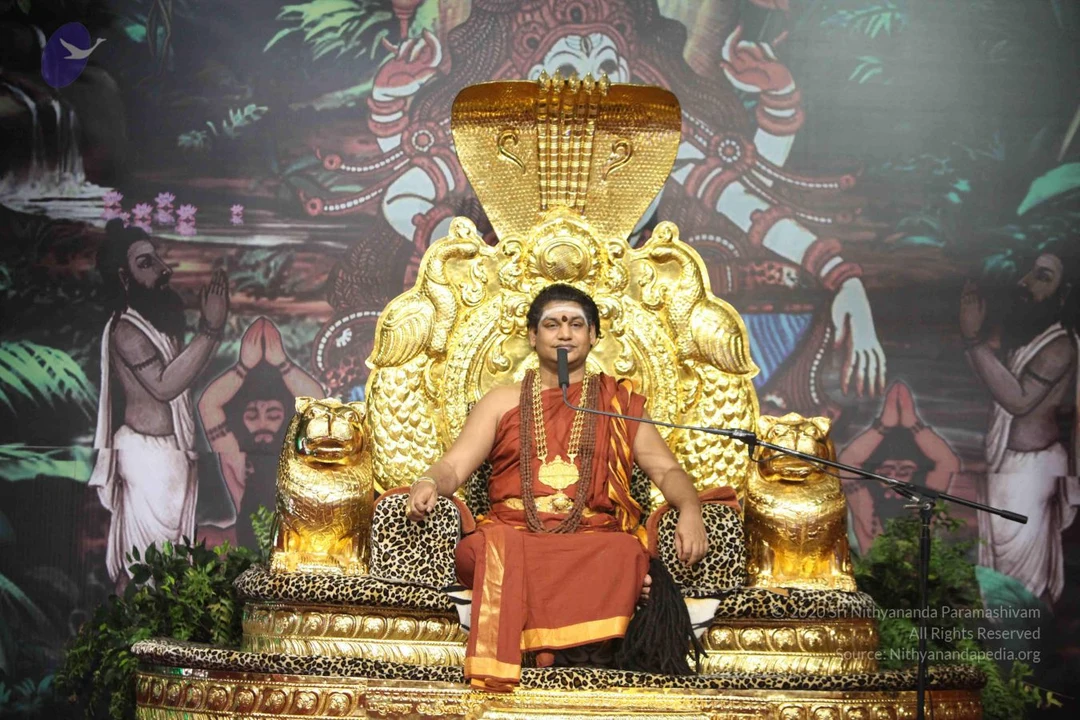
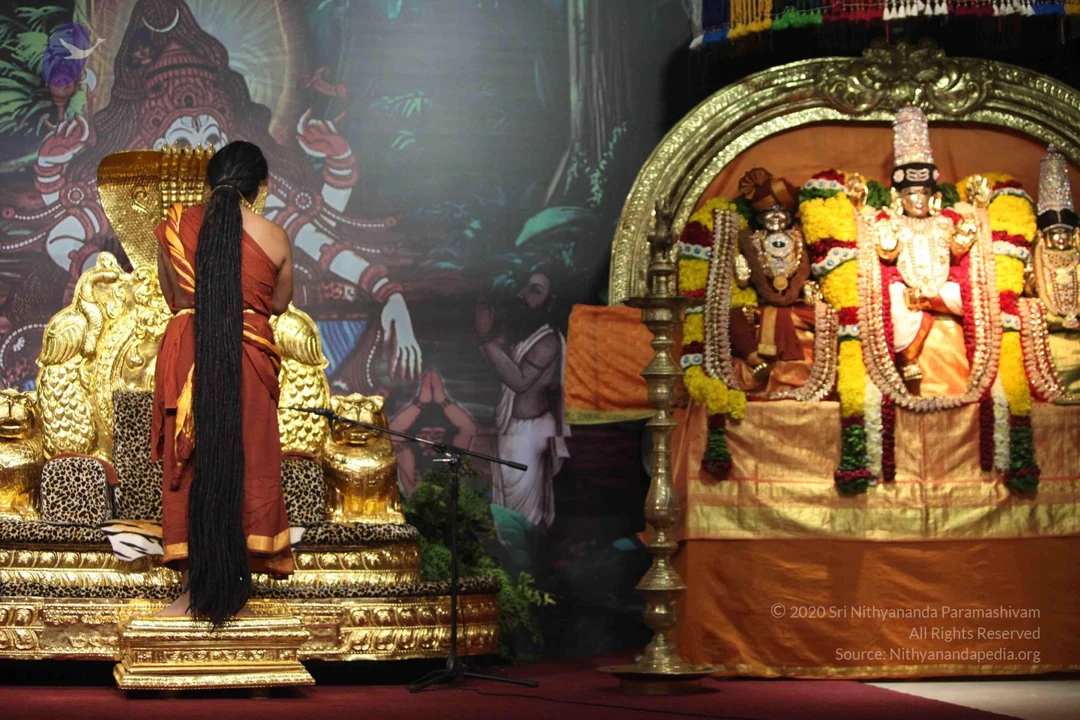
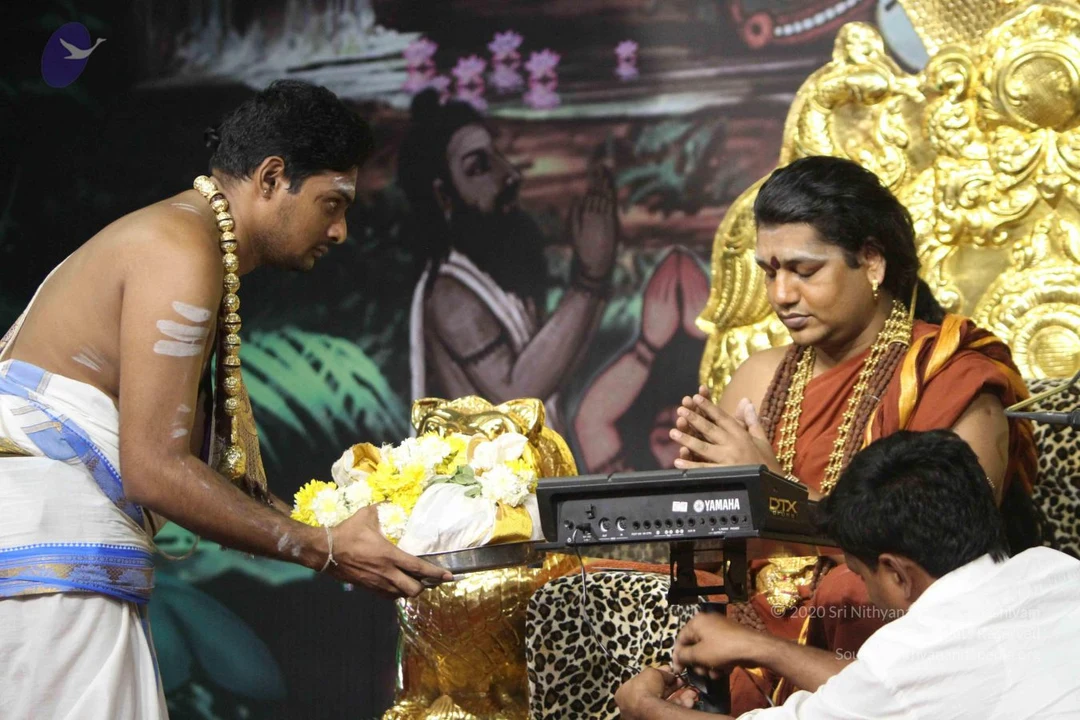
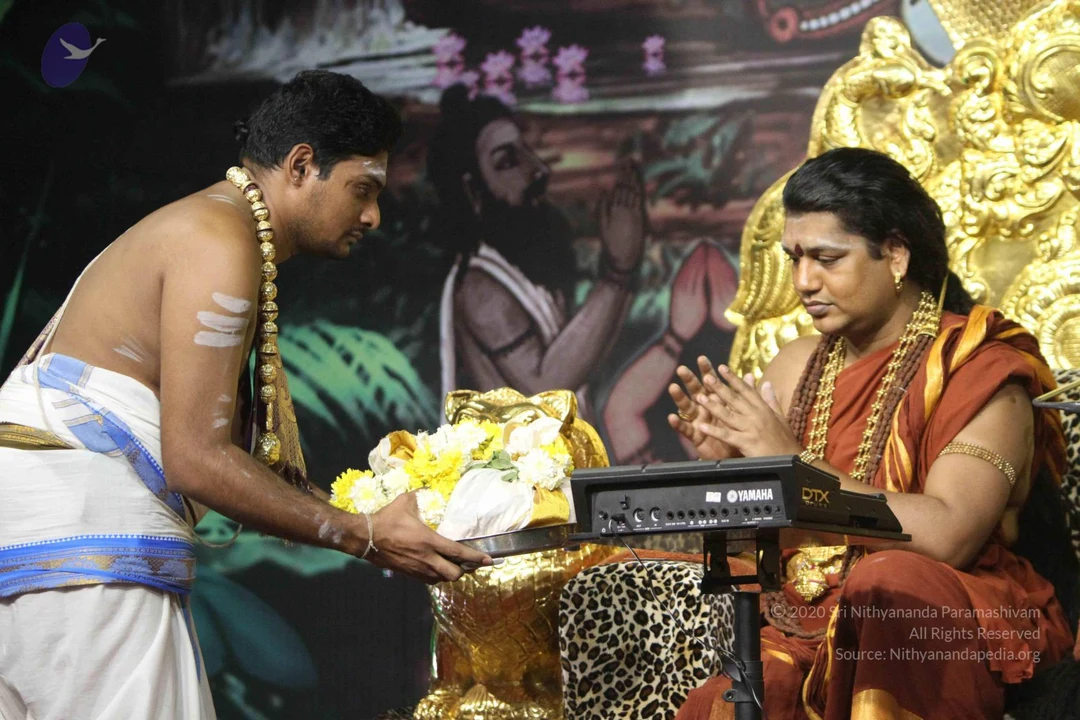
A seated man in a rust-orange robe sits on an ornate gold throne carved with a multi-hooded serpent canopy and lion-head armrests, with leopard-print cushions. He wears a gold pendant necklace, a long rudraksha mala, a white bracelet, and a red-and-white forehead mark, and holds his hands on his knees before a microphone on a stand. Behind him a painted mural shows a multi-armed figure and devotees with hands folded in namaste.A seated man in saffron-orange robes sits on an ornate gold throne carved as a cobra hood with lion-faced armrests and leopard-print cushions. He wears a rudraksha mala and a large ceremonial gold pendant, and his hands rest on his knees while he speaks into a microphone on a stand. Behind him a painted backdrop shows a multi-armed deity with red and white markings above two bearded sages in white dhotis with hands joined in anjali, one in a seated meditation pose. Green foliage and pink flowers frame the stage. Appearance-based identification is uncertain, so this is an unsure candidate speaking at a satsang-style stage with no other physical people visible.A man seated on an ornate gold throne with carved lion-head armrests and a leopard-print cushion, speaking into a microphone on a stand. He wears an orange-red sannyasi robe with a saffron-and-gold shawl, a long rudraksha mala, and several gold chains with a large gold pendant. He has a white tripundra mark and a red bindi on his forehead. Behind him a painted backdrop shows a bearded figure with folded hands in white garments.A photograph of a seated man in saffron-orange robes with a rudraksha mala and a gold necklace, seated on an ornate gold throne carved with a cobra hood and lion armrests, with a microphone stand before him. Beside him stands an arched gold-framed shrine with a deity murti of a standing figure in orange and white garments, adorned with yellow, red and white garlands, and a brass lamp stand in front. A painted jungle backdrop with a figure in the upper left completes the scene. Only one physical person is visible.a person sits smiling on an ornate gold throne carved with lion-headed armrests and leopard-print cushions, speaking into a microphone on a stand. He wears an orange-red saffron-toned robe, long rudraksha malas, heavy gold ceremonial necklaces and a gold waist pendant, with a white-and-red tilak on his forehead. Behind him a painted backdrop shows a bearded figure in white with hands raised in prayer, against dark green foliage. Visible text in the image's lower right corner reads a , with a source credit toA man seated on an ornate gold throne with carved lion-head armrests and a leopard-print cushion, smiling while speaking into a microphone on a stand. He wears a rust-orange robe, a long gold necklace with a large gold pendant, a brown rudraksha mala, gold bangles and rings, and a white tilak with a red dot on his forehead. A painted backdrop shows a bearded sage in white with hands folded in namaste. a person seated in a discourse setting. Appearance cues: long swept-back hair, saffron-orange robe, rudraksha mala and ceremonial gold necklaces.
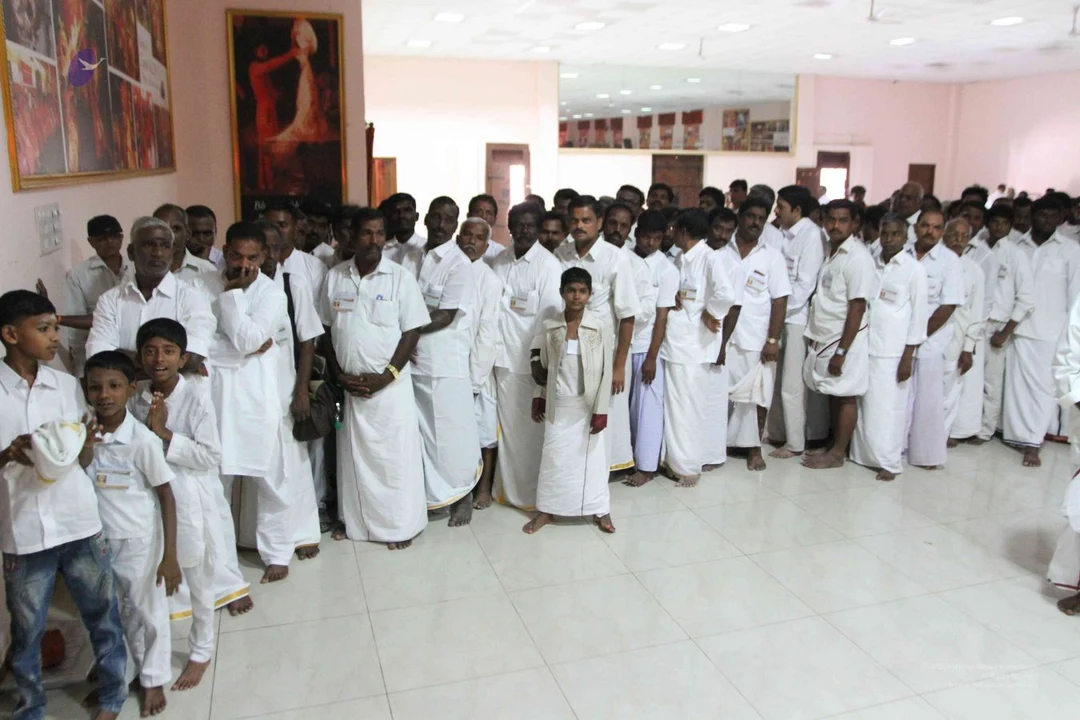
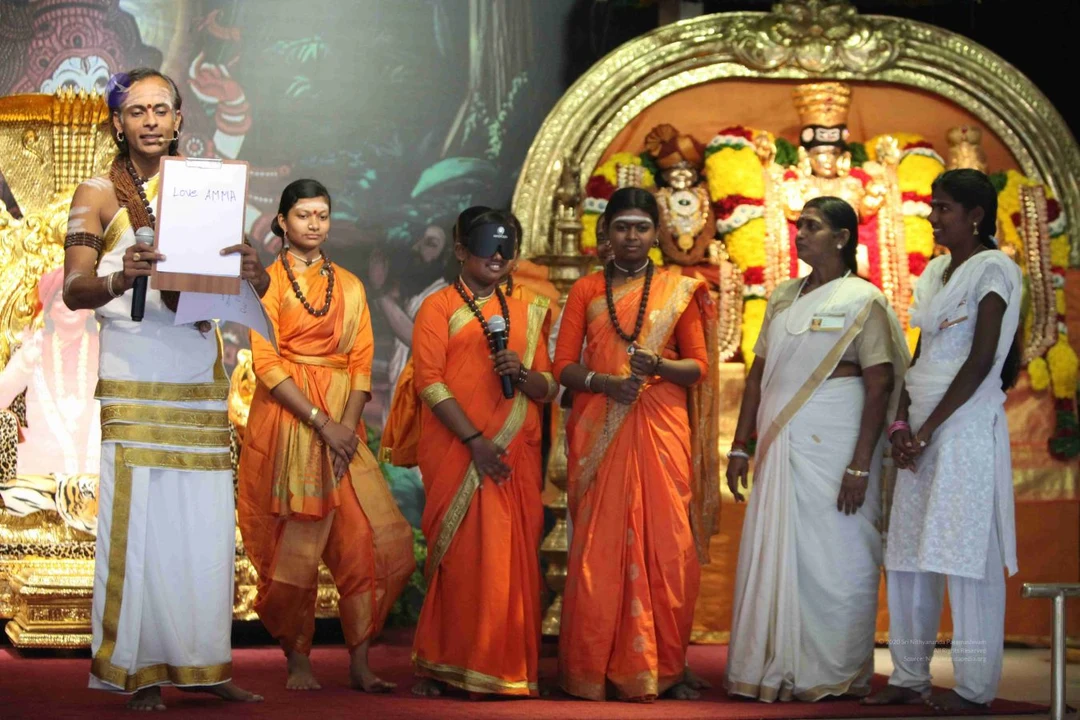
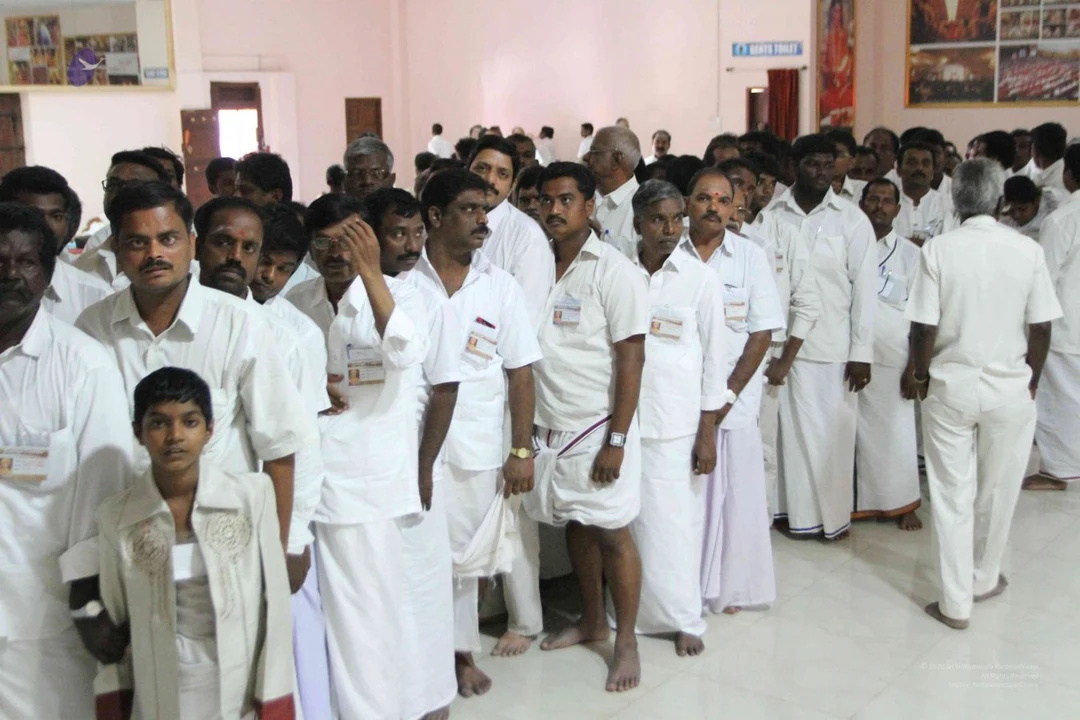
SHIVA DEEKSHA

63 photosSource gallery
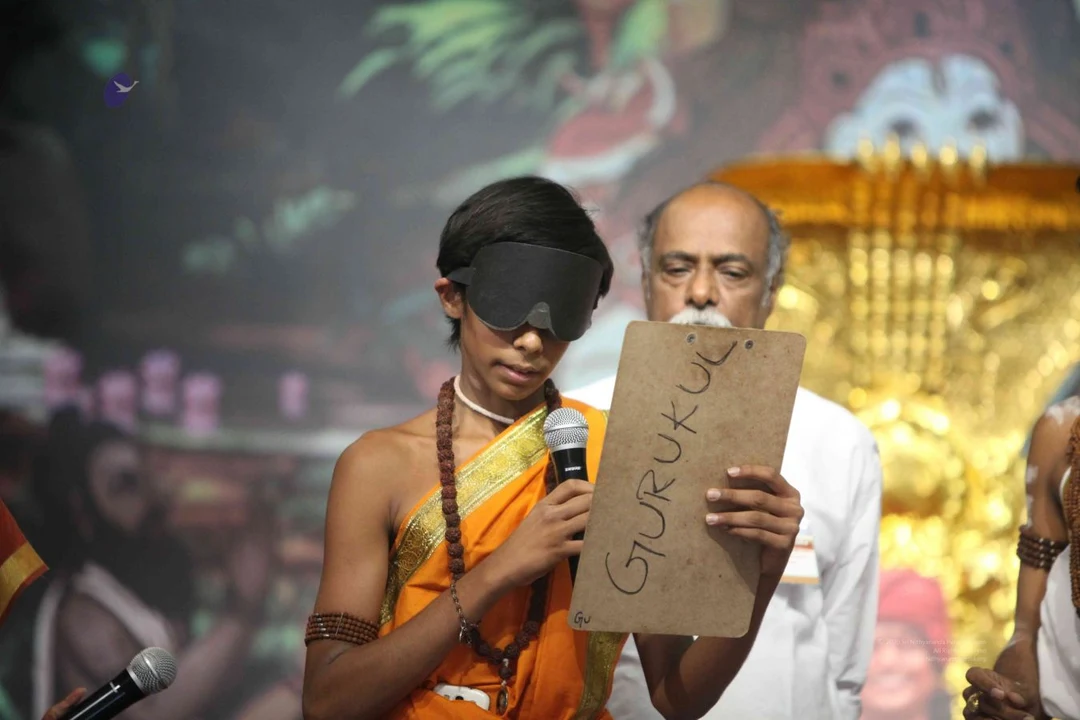
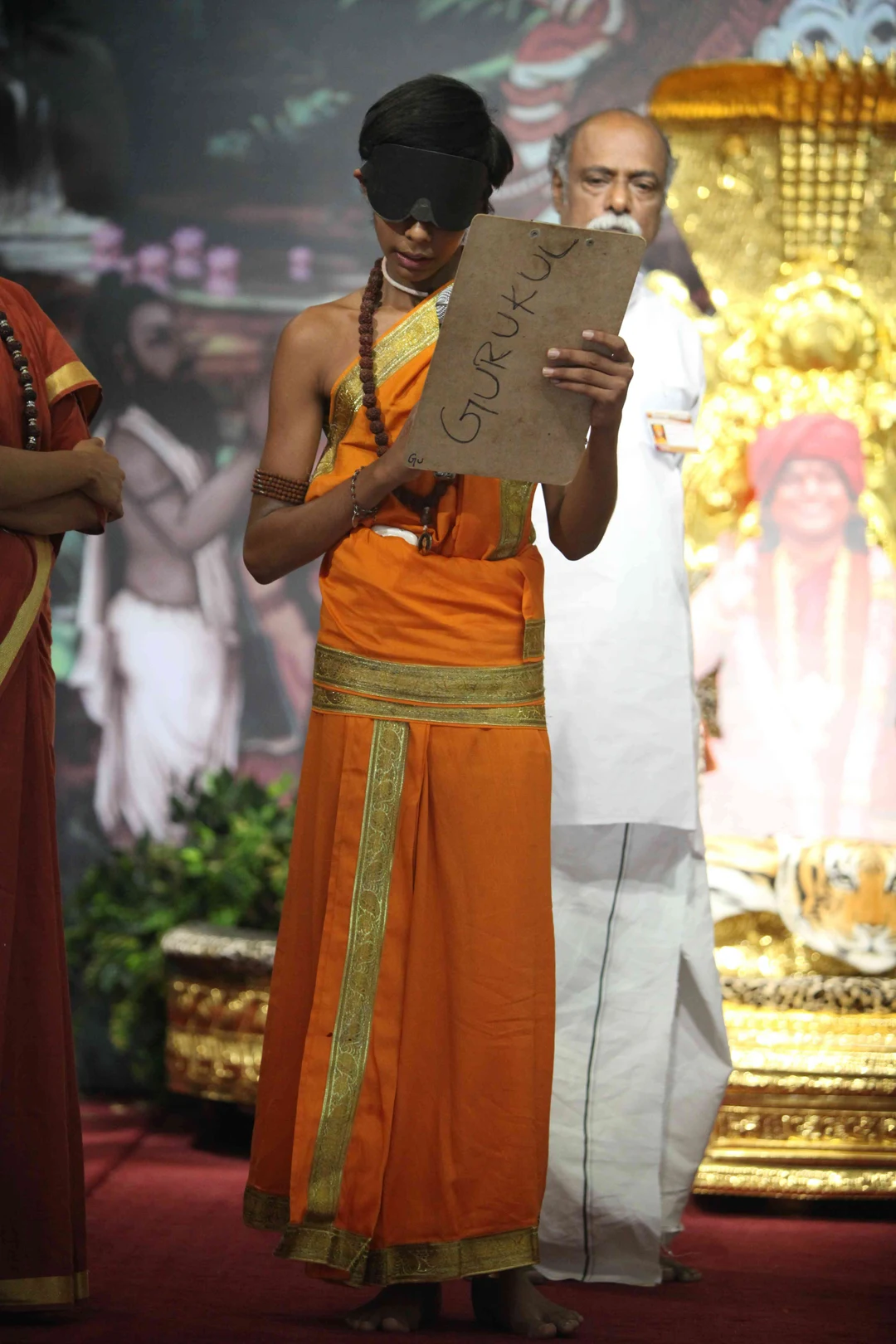
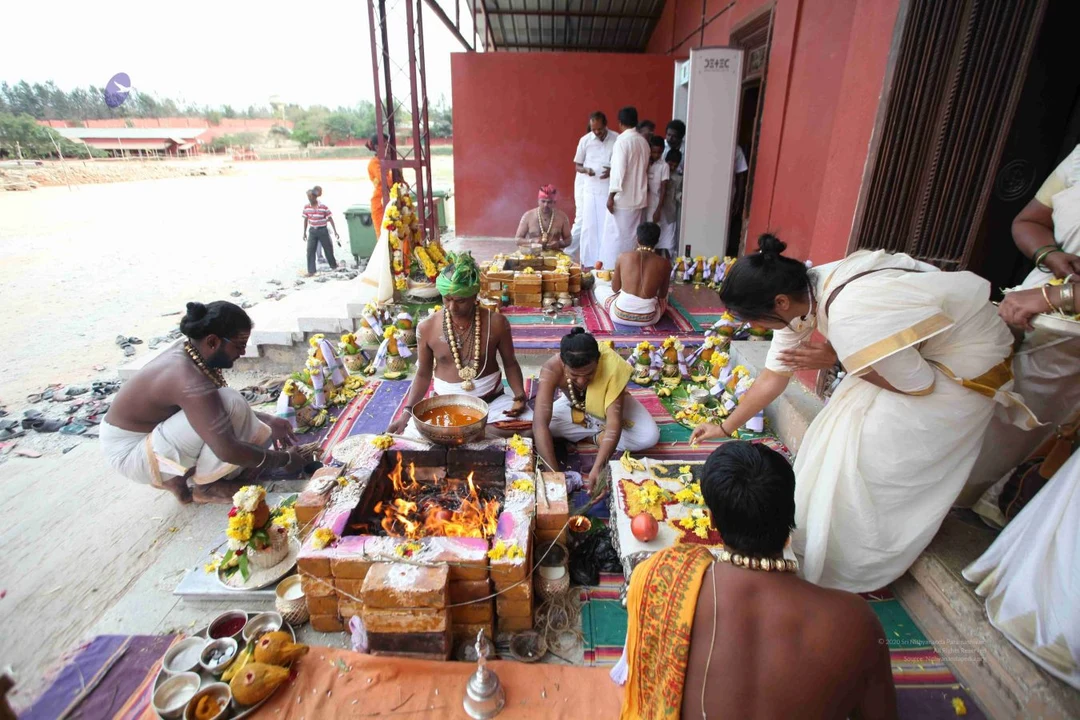
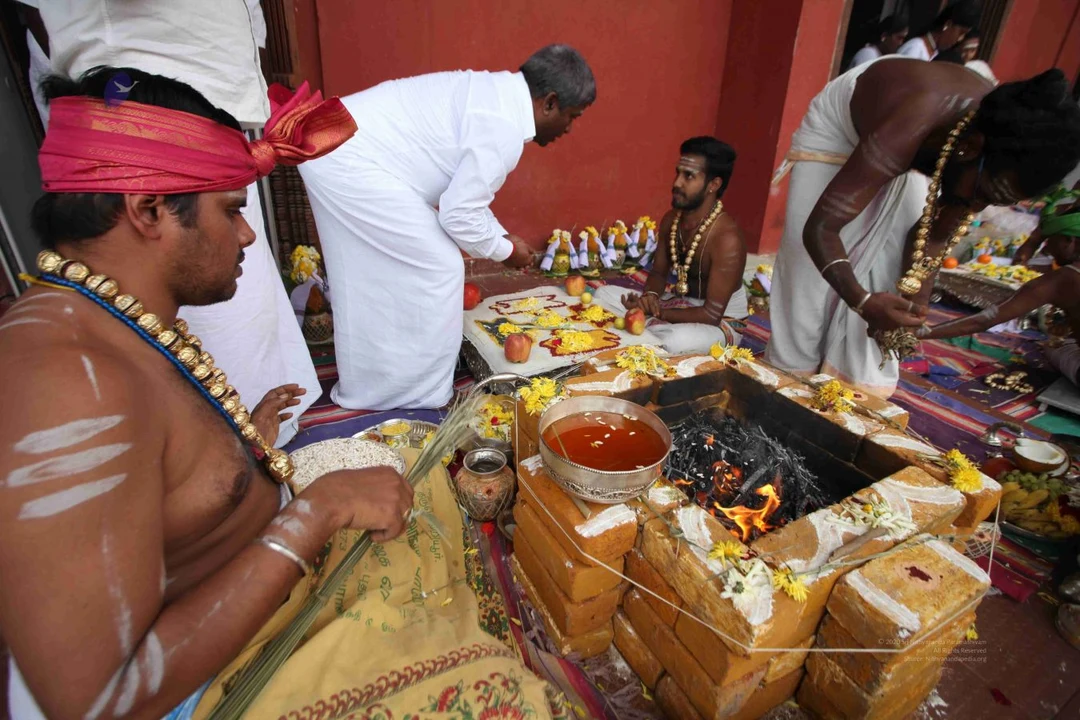
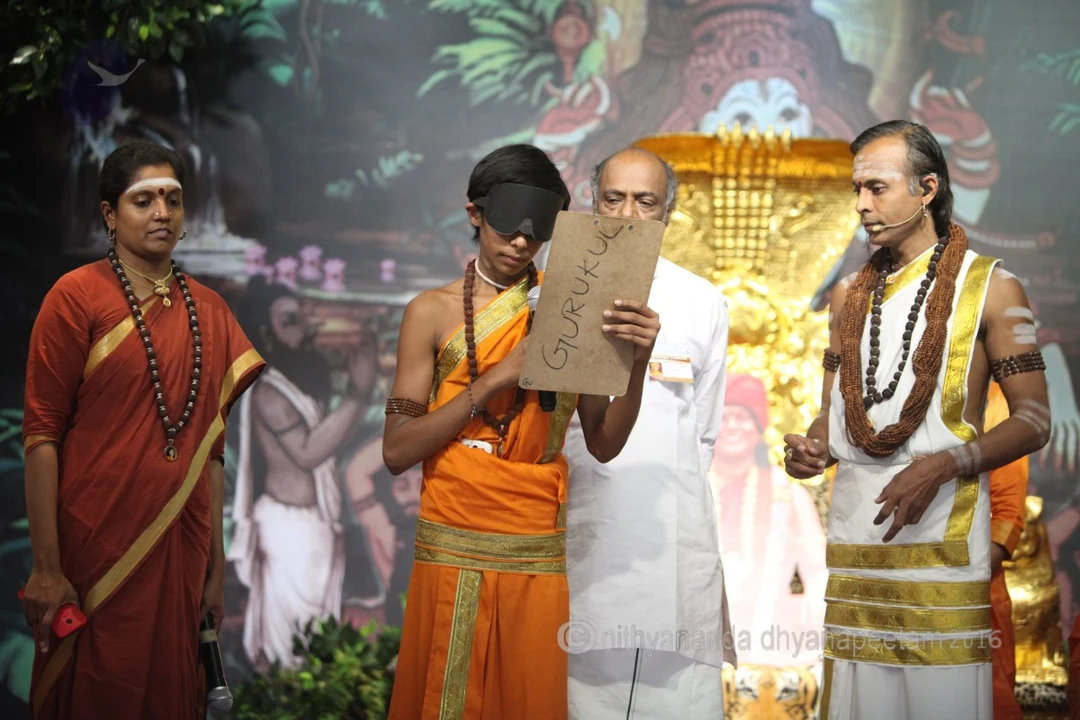
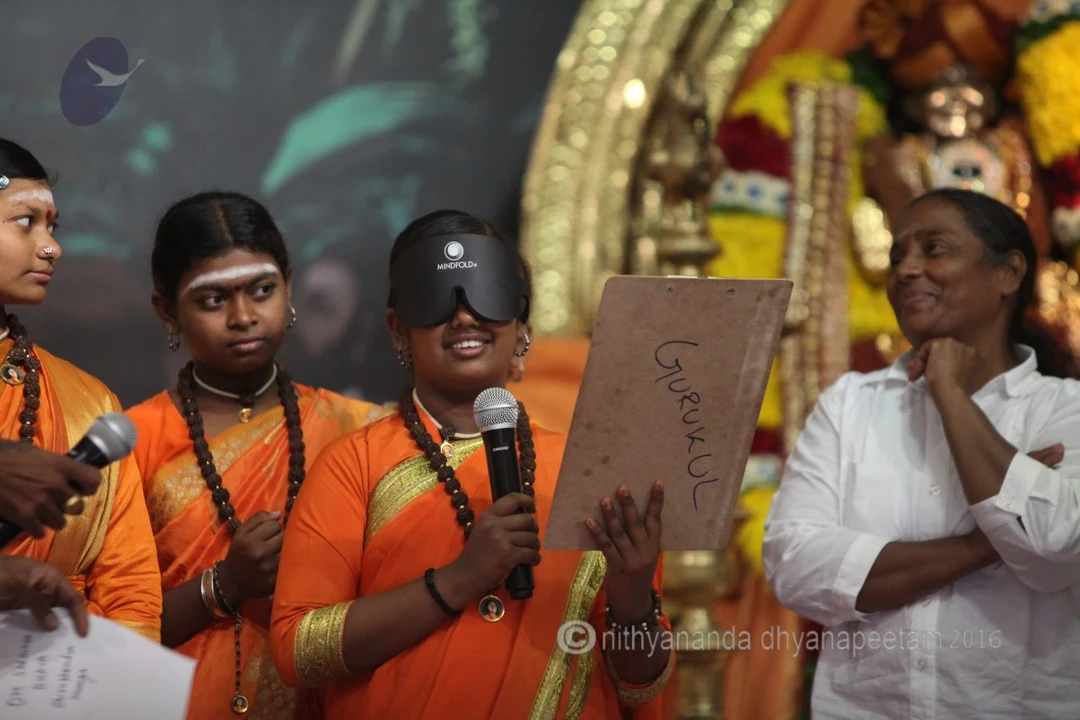
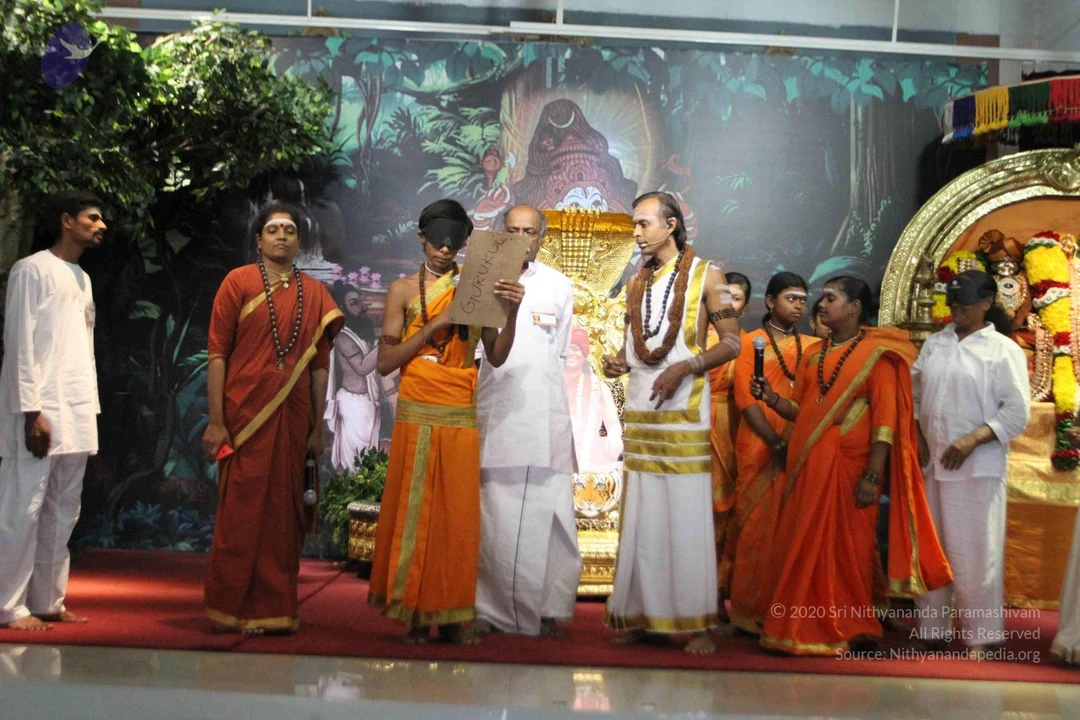
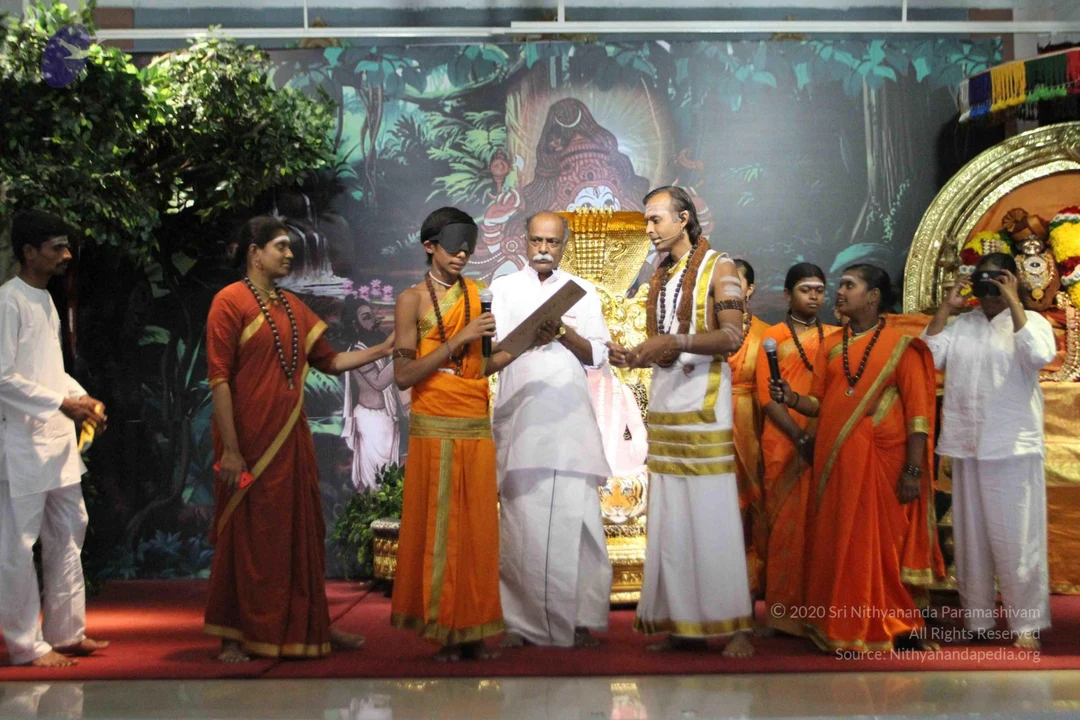
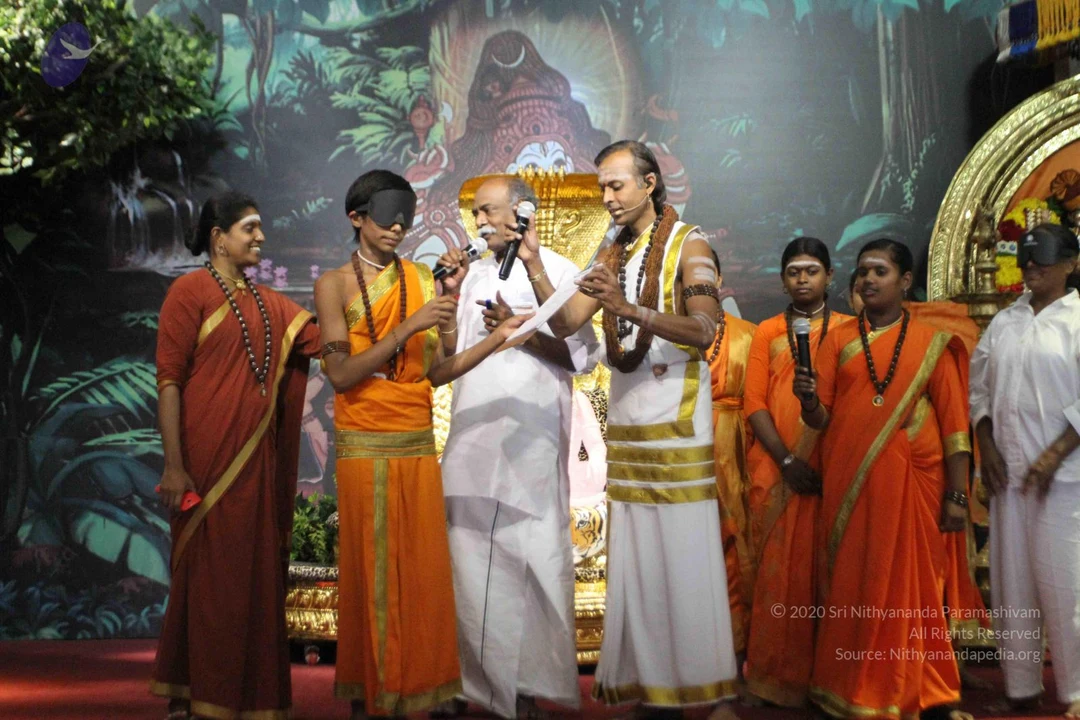
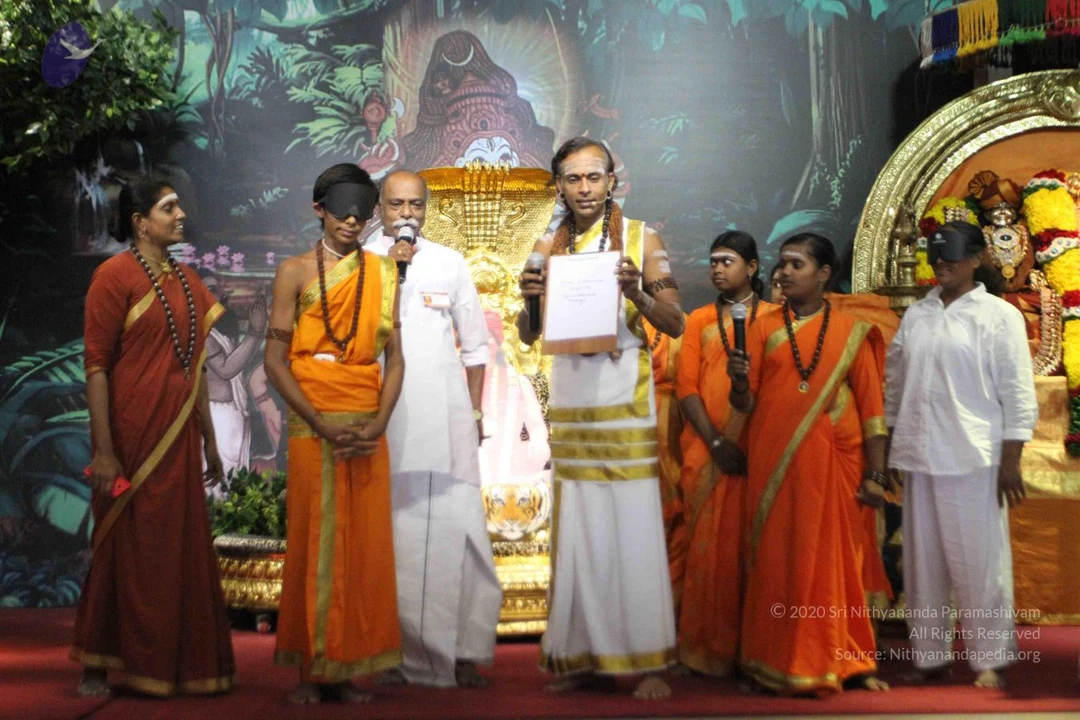
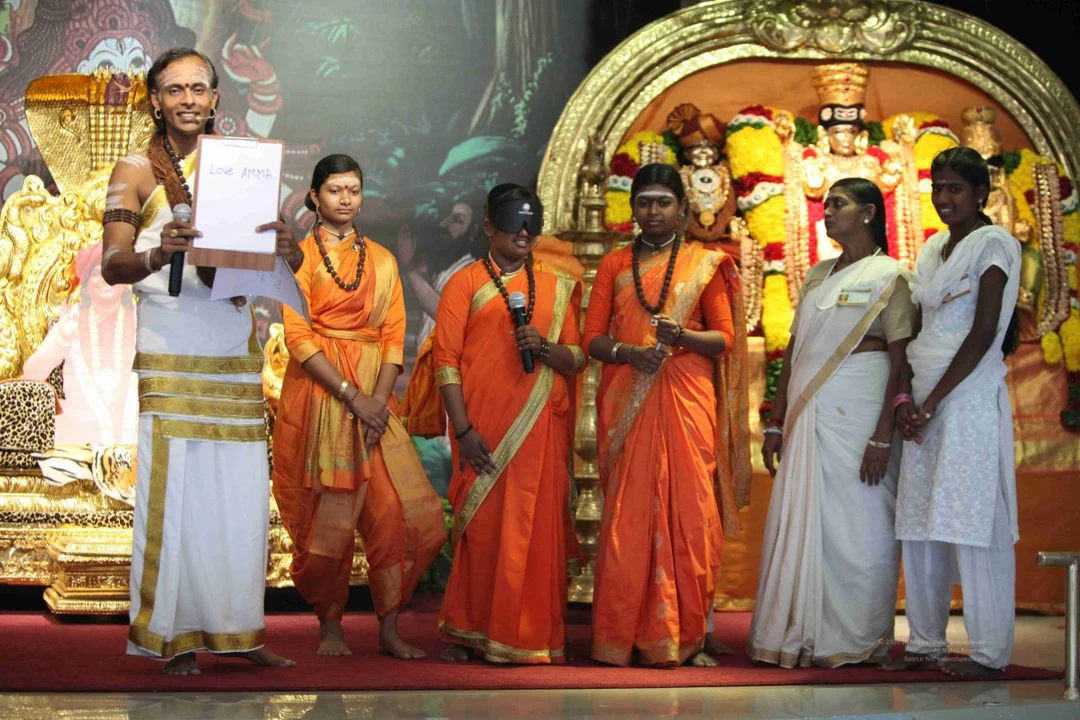
A photograph of a ritual scene in a bright hall with a painted jungle-waterfall backdrop. Eight or nine people stand on a red carpet around a gold-framed shrine holding a deity murti decorated with white and yellow flower garlands and a brass oil lamp at right. A central man in white dhoti and gold-bordered cloth holds a microphone and gestures, wearing rudraksha beads, and wears a gold-bordered white cloth. Several women wear saffron/orange sarees with rudraksha malas, one holding a microphone. Two men in white kurta and dhoti stand nearby, and a woman in cream saree and another in white stand at right. A woman in red-orange clothing stands at far left and a young boy in saffron cloth stands beside an older man in white.A ritual initiation scene in a hall with a jungle-themed painted backdrop and a deity murti decorated with marigold garlands beneath a golden canopy. A bare-chested man in a white shirt and dhoti wears a black blindfold over his eyes and speaks into a handheld microphone while a standing man with long swept-back hair, a rudraksha mala, a shawl over one shoulder and white body markings holds a microphone up toward him. Several women in saffron-orange sarees with rudraksha malas stand in a line, and a woman in a maroon sari stands at the left edge. Other white-clad devotees stand at the right beside the decorated altar. The scene reads as a guided initiation process.A stage with a red carpet in front of a decorated shrine framed by a gold arch, with a garlanded deity murti and a large painted backdrop of a forest scene with a figure. A man in white dhoti and shirt wears a black blindfold and holds a microphone. Beside him a man in white dhoti and a gold-bordered shawl holds a microphone and gestures, wearing rudraksha malas. Several women in orange and saffron saris with gold borders, rudraksha malas and forehead markings stand in a row, and older women in white saris stand at the right. A woman in a red-orange sari stands at the far left. Everyone is standing on stage in a ritual-style presentation.A stage performance in a temple-style hall with a painted jungle backdrop showing a large deity murti with a tall crown and a golden throne-like seat at centre. Five or six people stand on a red carpet. A man in white dhoti and shirt holds up a cardboard sign reading GURUKUL, beside a young man wearing a blindfold and an orange-saffron cloth. A man in white kurta and dhoti with a mala stands centre-right, holding a microphone, with a red-and-gold garland. Women and young people in saffron-orange saris and sannyasi-style robes with rudraksha malas stand to the right, and a woman in white stands at the far right near a garlanded golden shrine with flower decorations. A man in white stands at the far left.A stage event before a painted jungle-and-waterfall backdrop with a large deity figure and a gold throne-like seat at centre. A man in a white dhoti and shirt holds a microphone while a young person in an orange saffron-coloured wrap and a black blindfold receives a white cloth from another man in a white dhoti with a gold-bordered orange shawl, rudraksha mala and a headset microphone. Four women in orange and red saris with rudraksha malas stand around them, and a blindfolded person in white stands at the far right edge. Golden floral decorations sit at the right side of the frame.A stage event with six people standing in front of a painted jungle backdrop and a golden throne-like seat. At center, a man in white dhoti with gold border and a bare upper body wears a rudraksha mala, holds a microphone and a white sheet of paper. Beside him stands another white-clad man with a microphone and a white shirt, and on the left a woman in rust-red sari wearing a rudraksha mala. Several people wear orange-saffron garments with gold borders and rudraksha malas, and two people in the group wear black blindfolds. To the right a deity murti decorated with yellow and orange flower garlands sits on a gold-trimmed altar.

01-EVENING-SATSANG

5 photosSource gallery
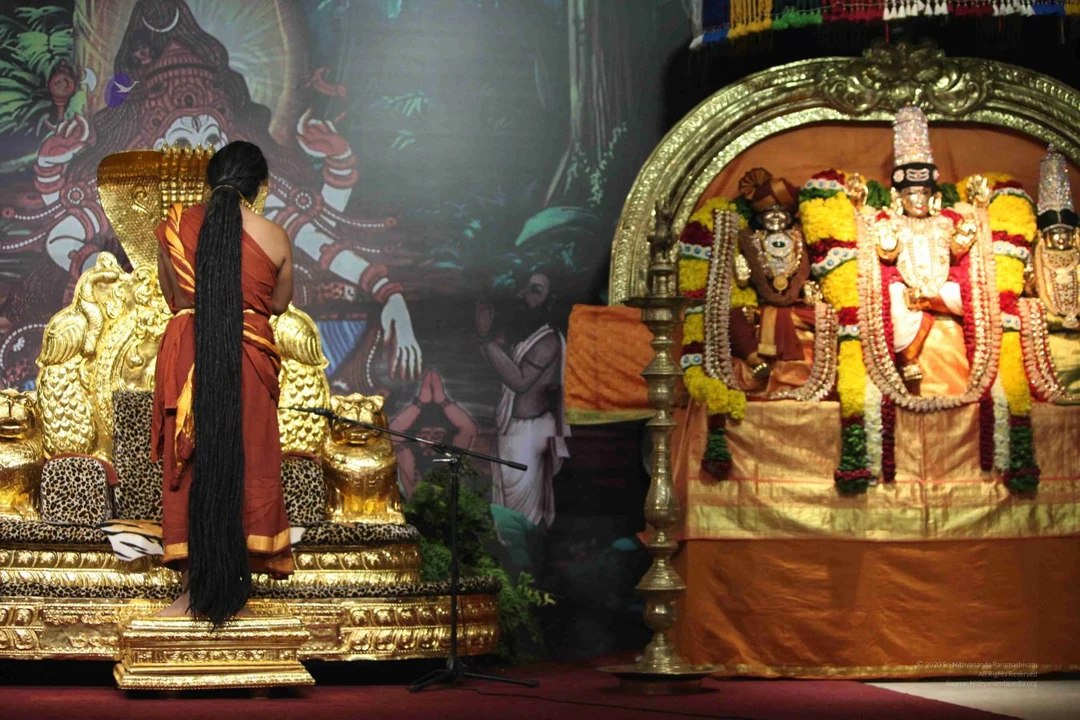
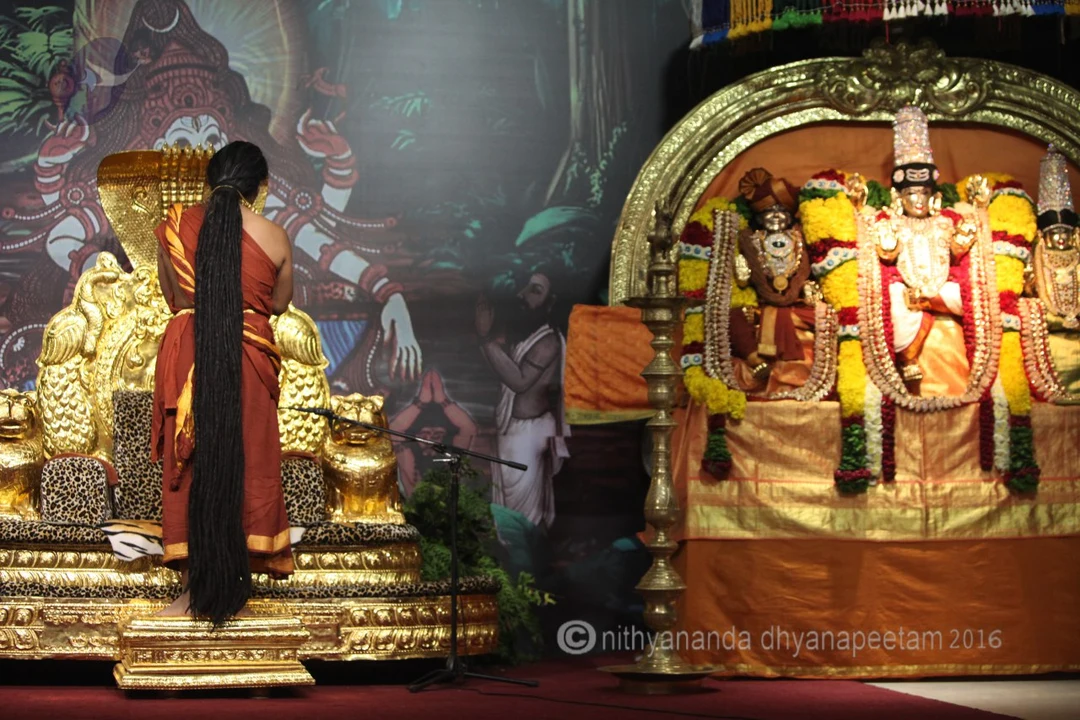
A smiling man stands on a gold-and-leopard-print stage in front of an ornate golden cobra-hooded seat and painted backdrop, palms raised in greeting. He wears rust-red and saffron draped robes with a gold-bordered dhoti, a multi-strand rudraksha mala, a large gold pendant necklace, a red bindi and white markings on his forehead. A gold lion sculpture and a microphone stand sit at his right. a person is described by these appearance cues, with his role as a speaker addressing a satsang.A smiling man stands before a golden throne with a carved cobra hood and leopard-print cushions, with a gold lion sculpture beside him and a painted deity backdrop behind. He wears a rust-red dhoti and shawl with gold borders, a long rudraksha mala, a large gold pendant necklace, and a red bindi with white tilak. He raises both palms in a welcoming gesture, with a microphone stand visible at right. Appearance-based candidate: a person, shown in person in ornate saffron-red clothing with rudraksha and gold adornments.A man stands barefoot on a gold-covered stage in front of an ornate golden throne carved with fish-scale patterns and leopard-print cushions, with a painted backdrop behind. He wears a rust-orange unstitched wrap with a gold border, a bare shoulder, gold armlets and a gold necklace with rudraksha beads, and his very long black hair hangs down his back. He stands with palms pressed together in a namaskar gesture, head bowed. A microphone stand sits to the right. Physical people visible: one.A standing man in an orange-rust draped cloth with a gold-bordered dhoti and gold waist belt stands in profile with palms pressed together in anjali, a gesture of greeting or reverence. His long black hair hangs down his back to his waist, and he wears a gold necklace with rudraksha beads and a gold bangle. Behind him is a golden throne with carved lion and bird motifs and a golden hooded cobra backrest, set against a painted mural. A golden lion figure and a microphone stand sit at the right beside a leopard-print cushion. Swamiji (probable) appears as the man in the foreground, identified by long swept-back hair, rudraksha mala and ceremonial gold necklace.A barefoot man stands in profile on a gold-covered stage with his palms pressed together in anjali mudra. He wears a rust-orange unstitched robe with gold-bordered edges and a gold waist belt, and has very long dark hair falling down his back. A gold necklace and rudraksha beads are visible, along with a gold bangle. Behind him is a large gilded throne backrest with a gold cobra hood and a painted decorative backdrop. A leopard-print cushioned seat and a gold lion-head armrest sit beside him, with a microphone stand nearby.

01-SHIVA-DEEKSHA

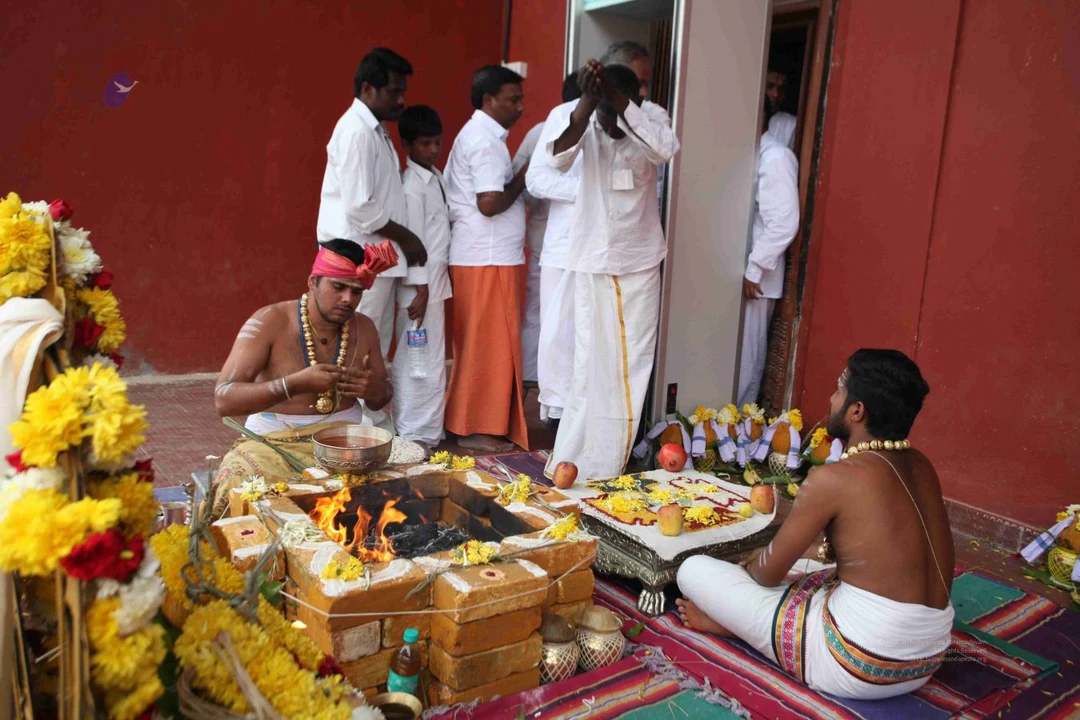
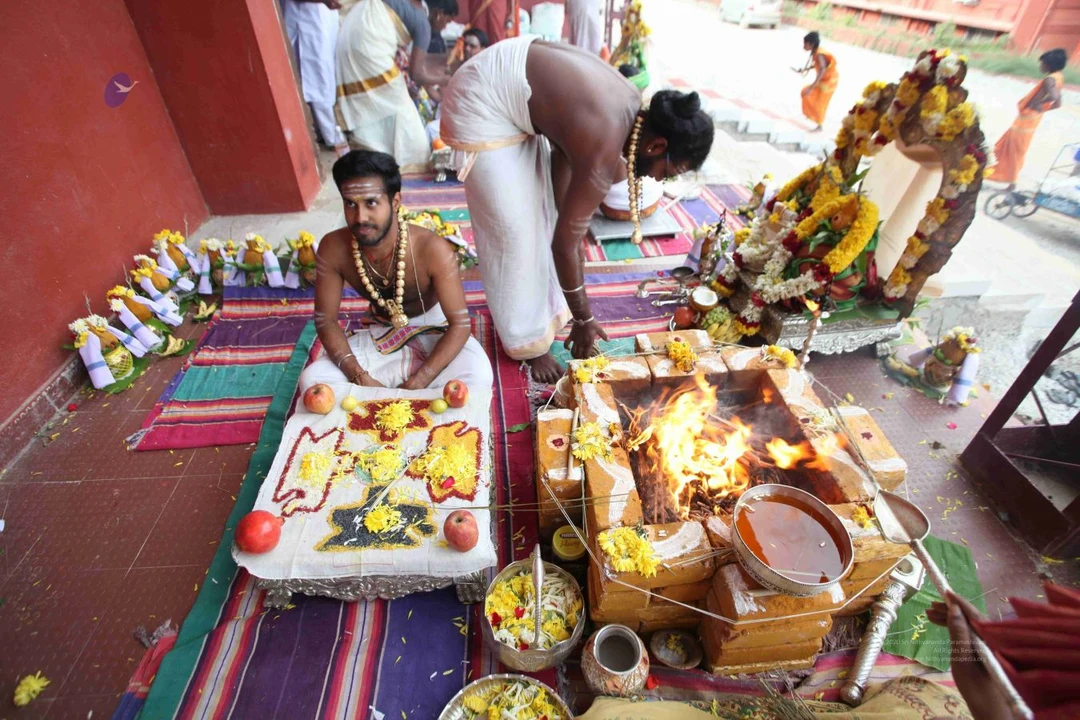
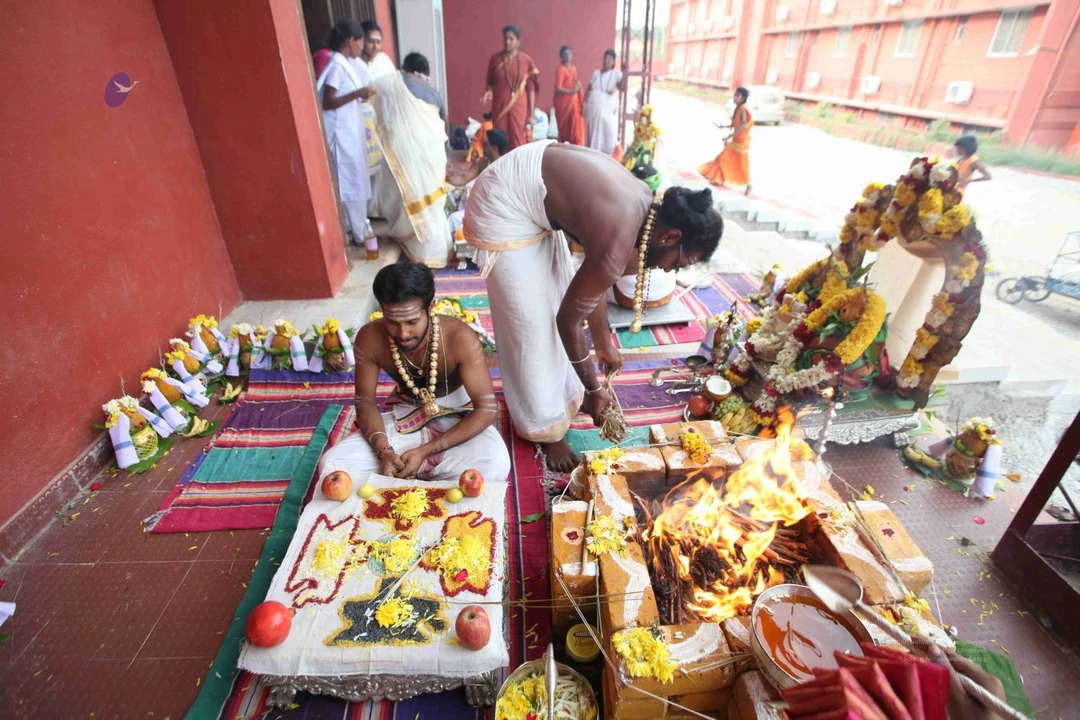
17 photosSource gallery
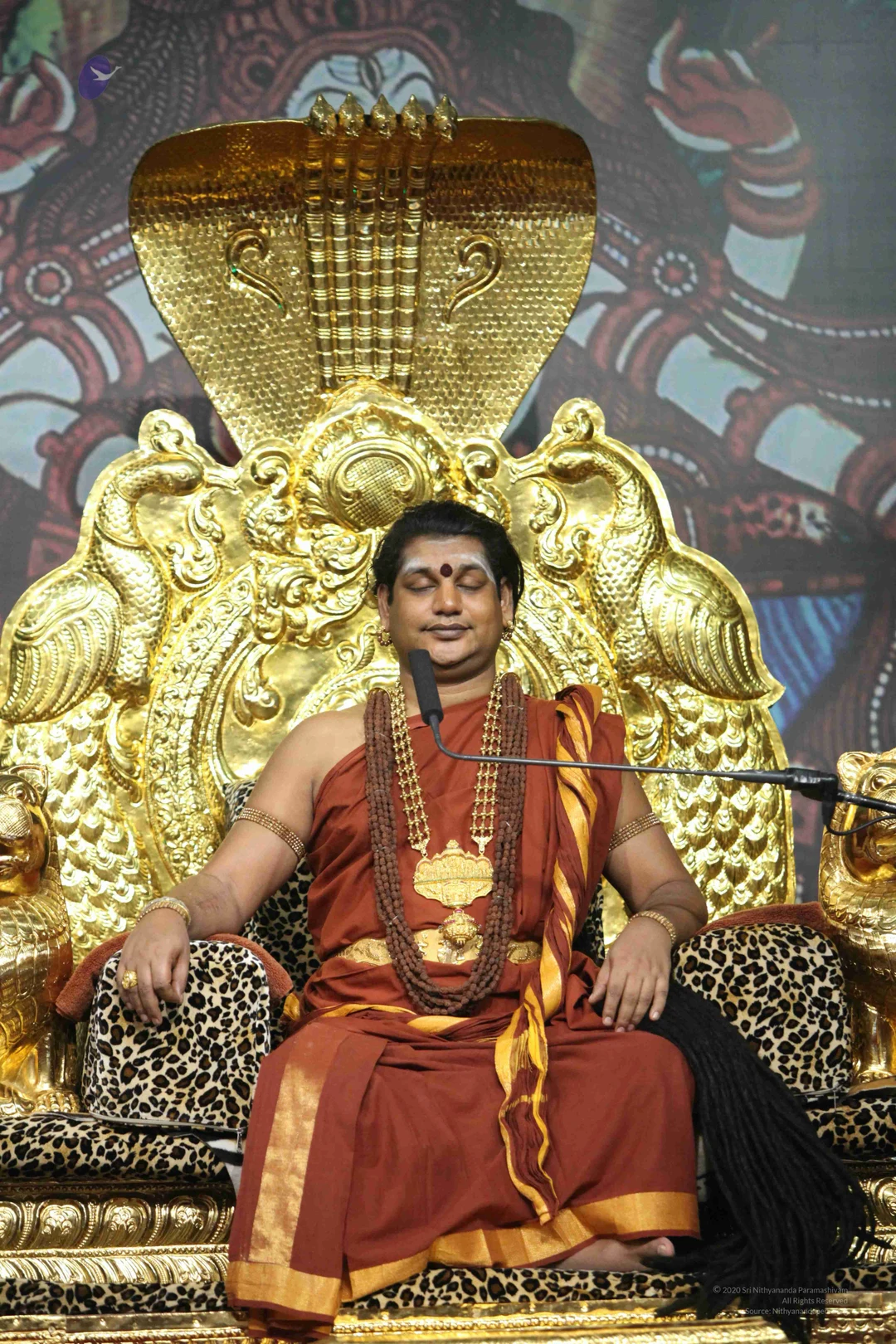
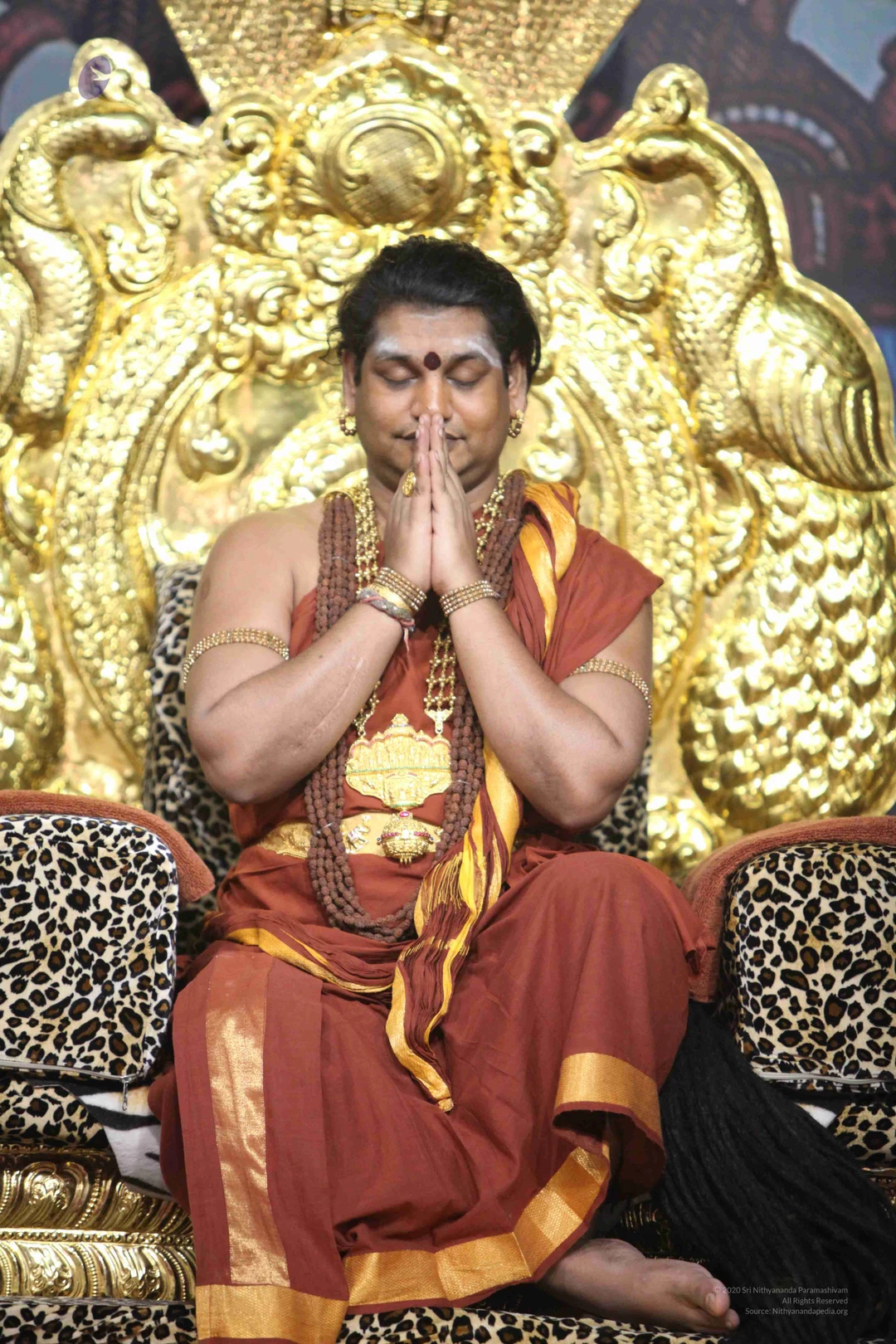
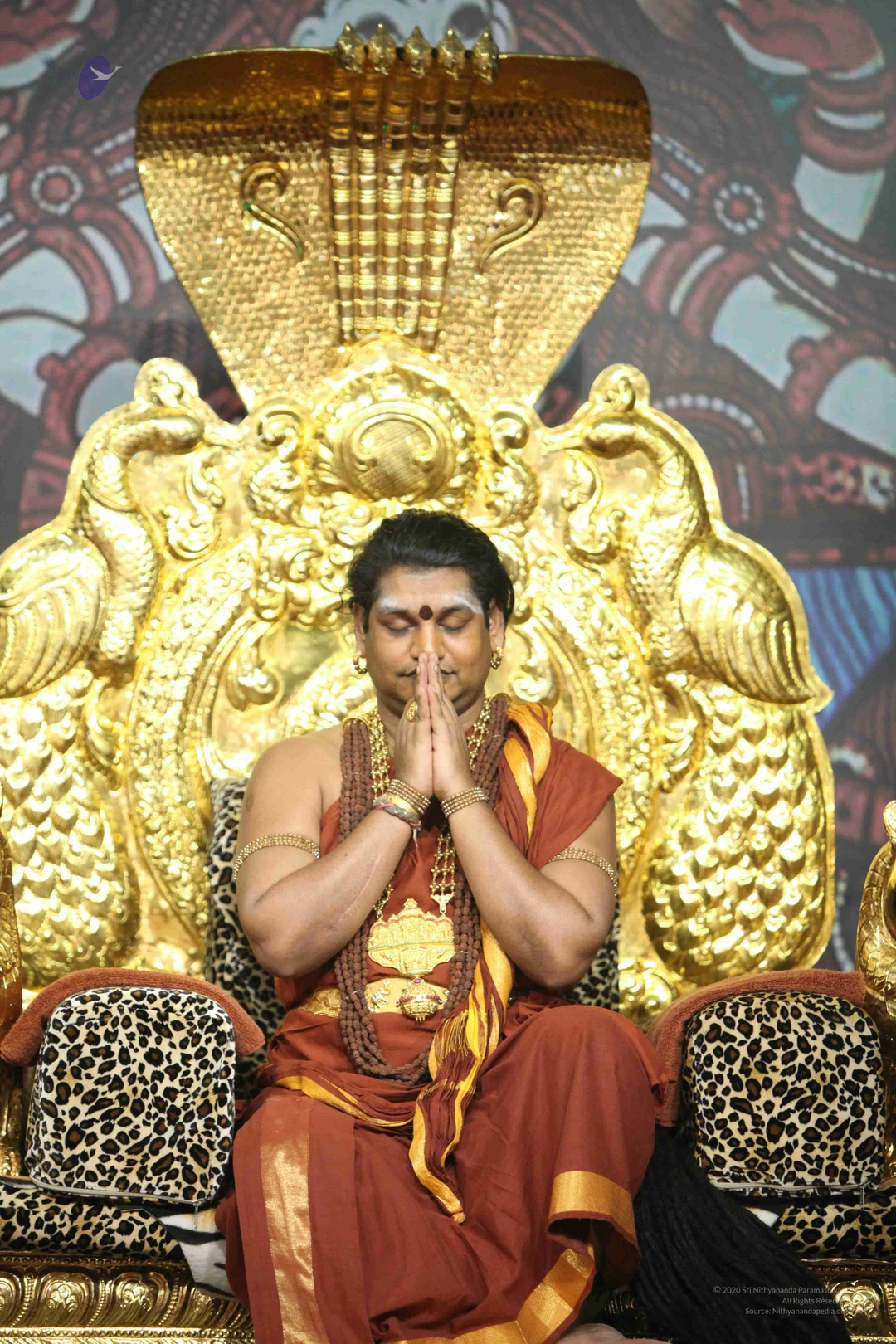
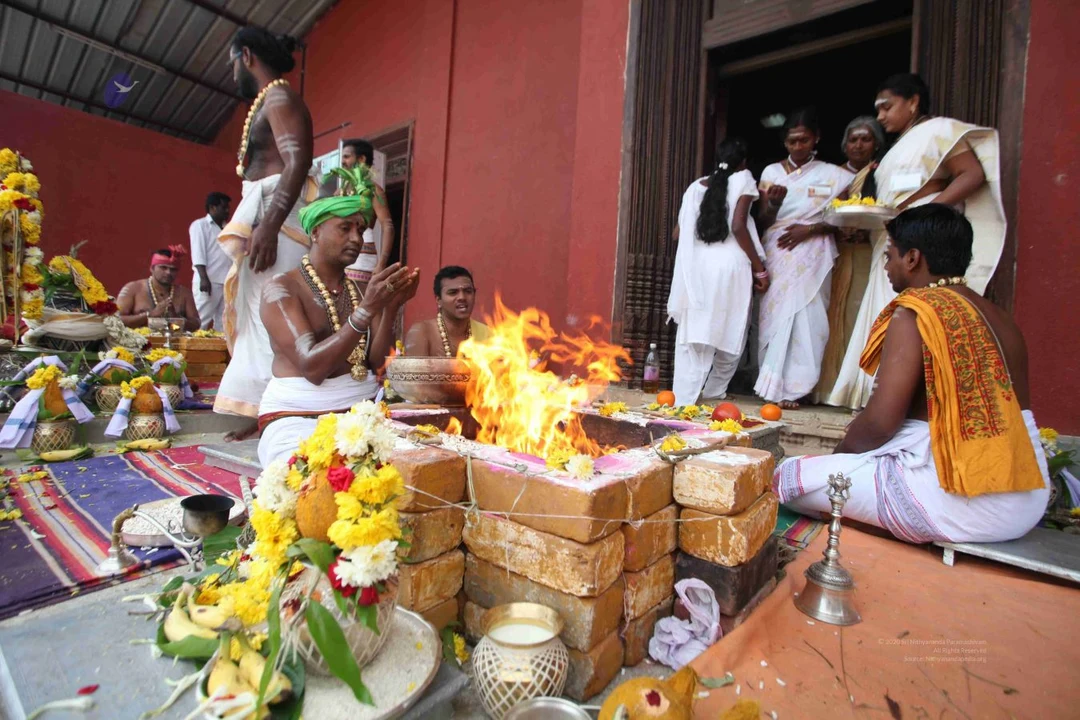
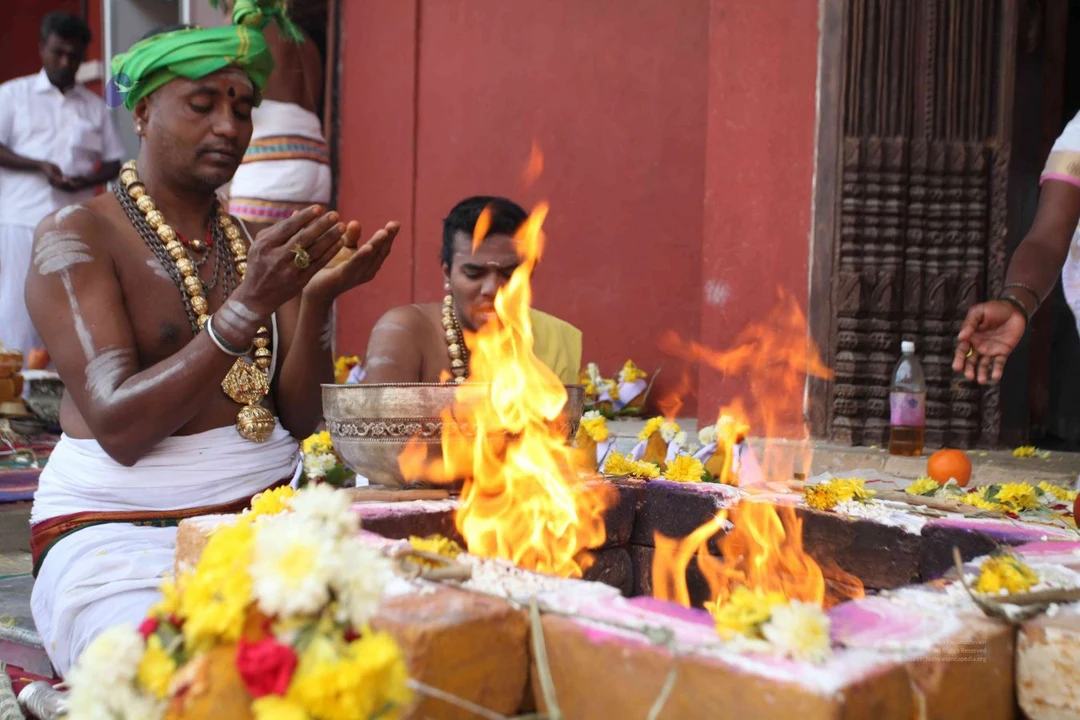
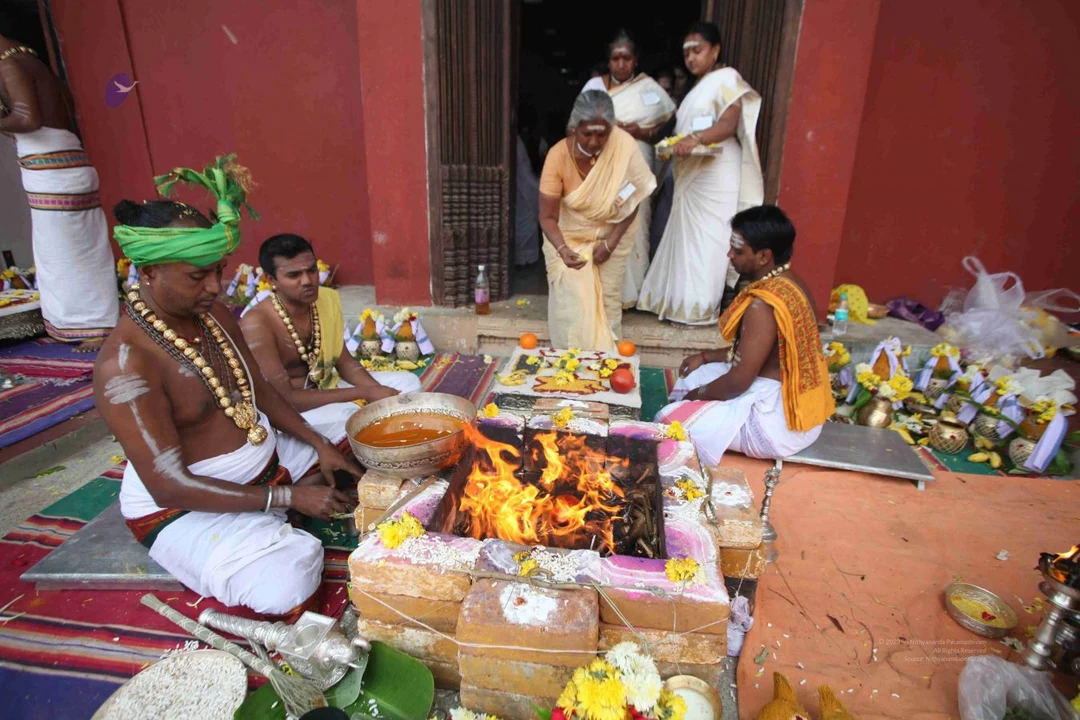
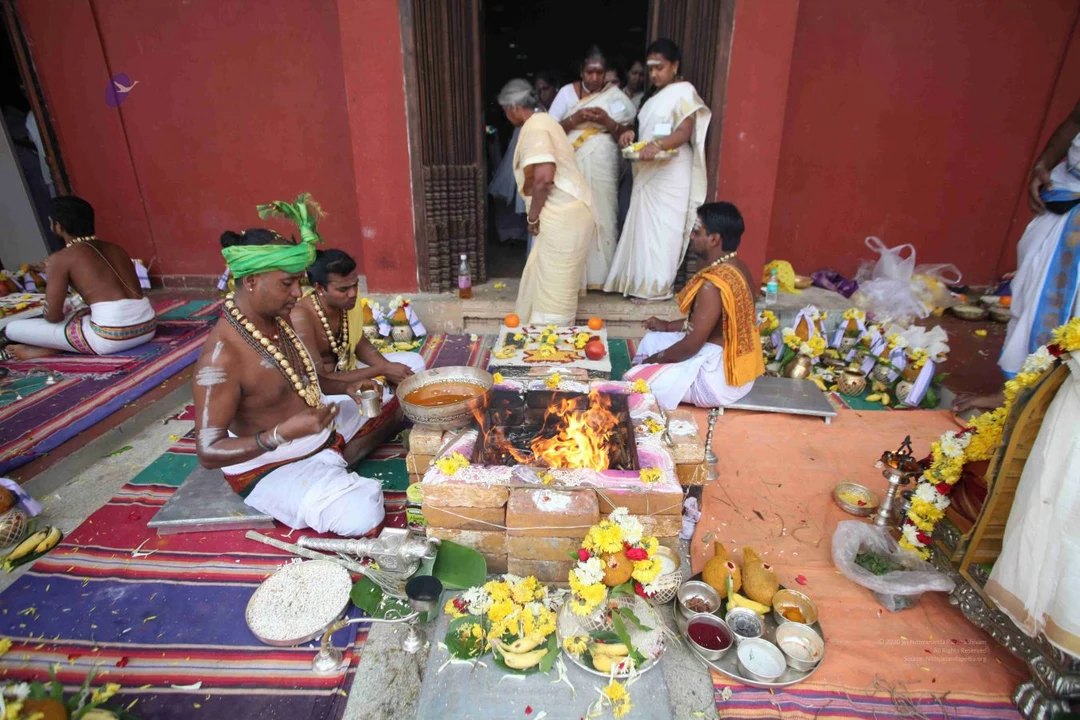
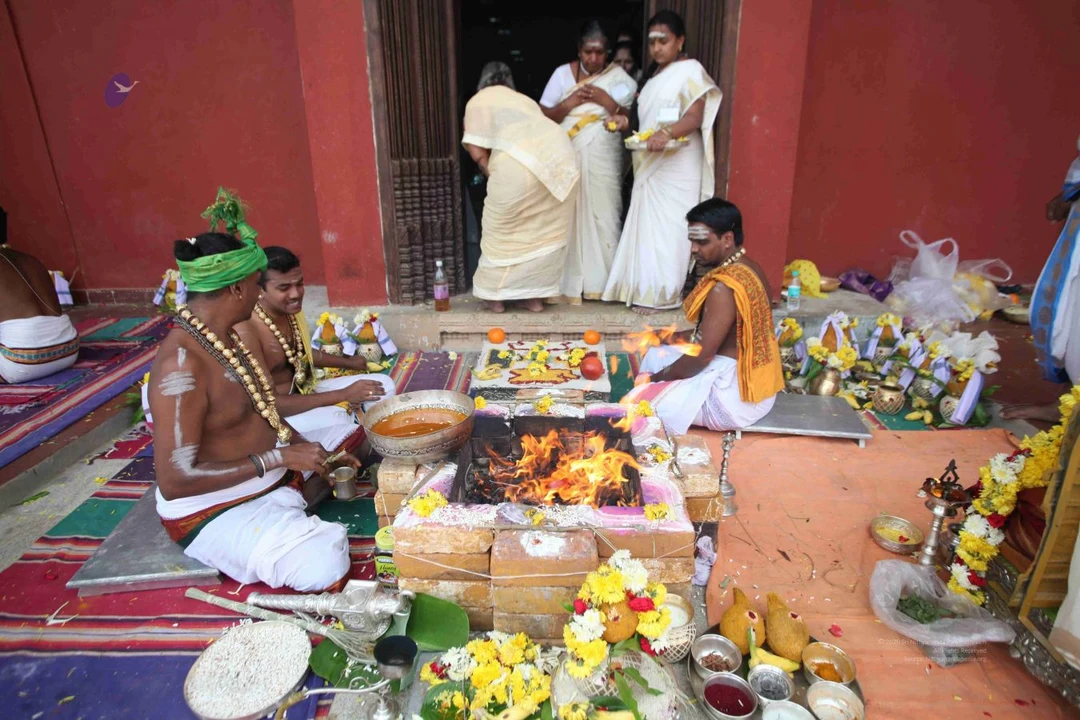
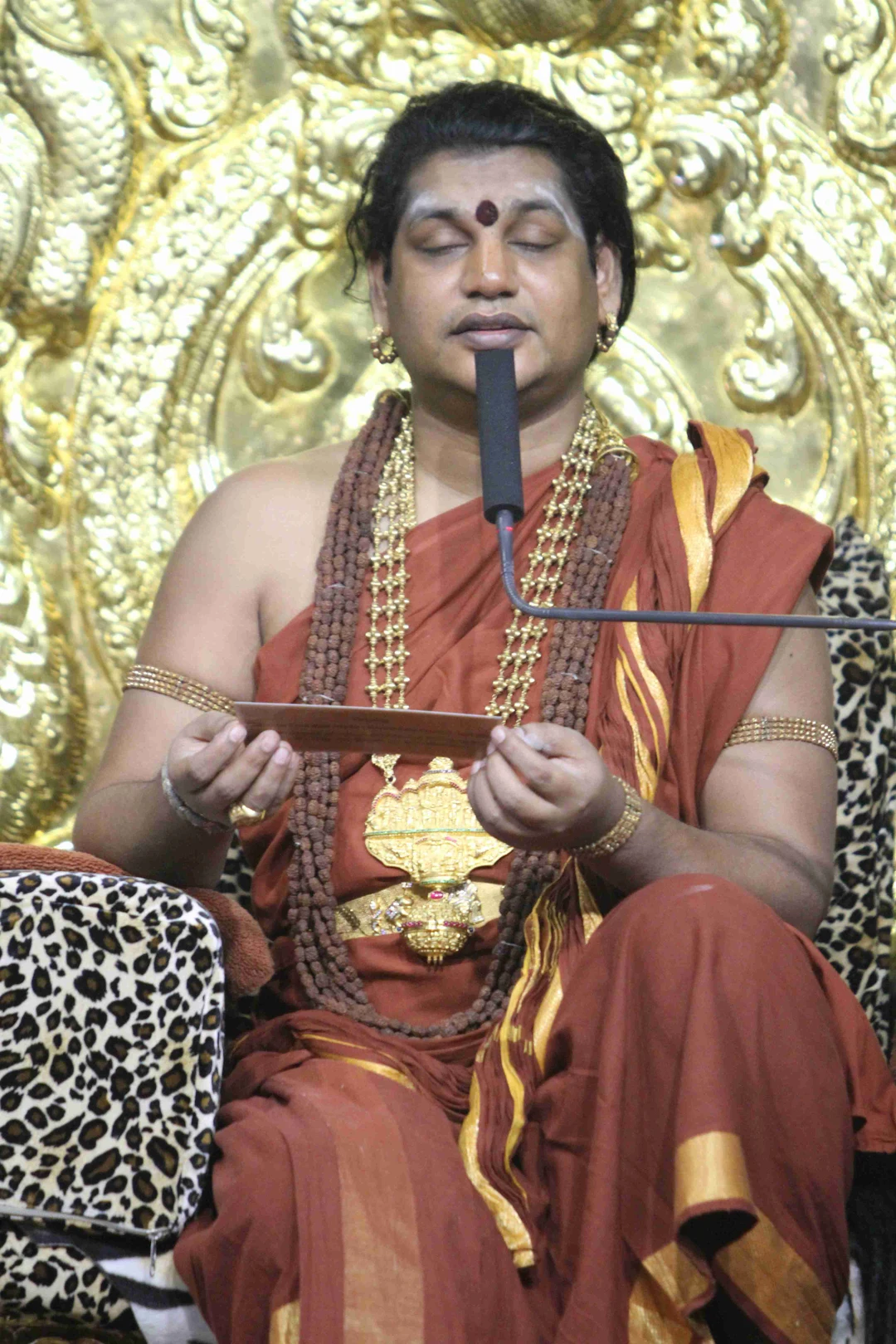
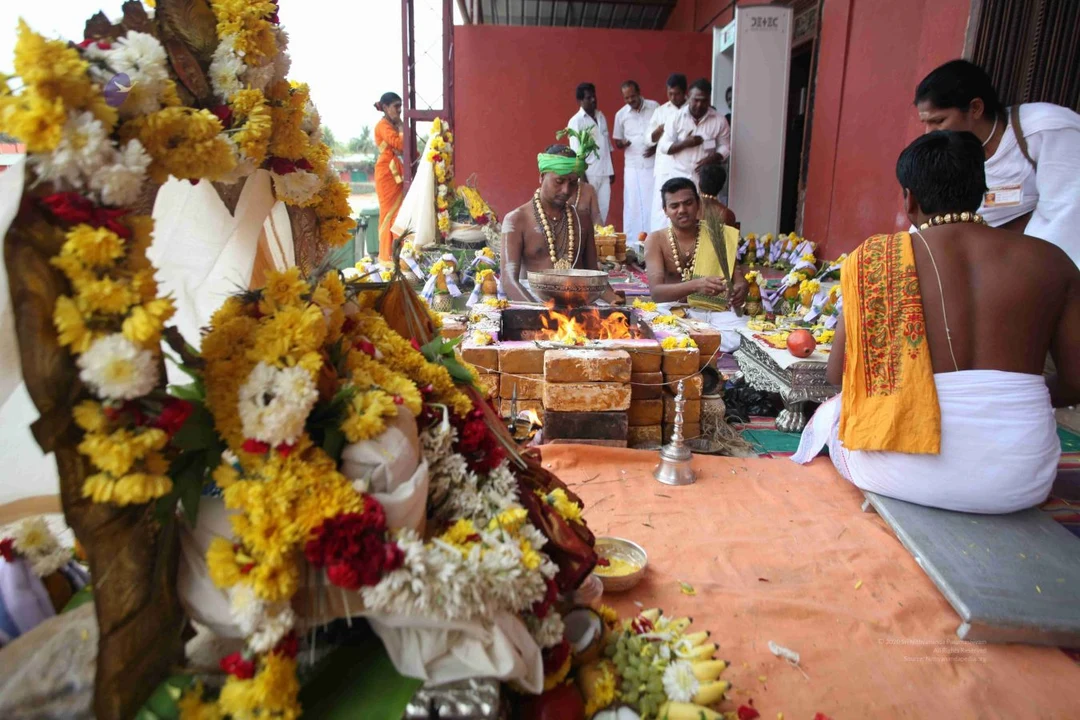
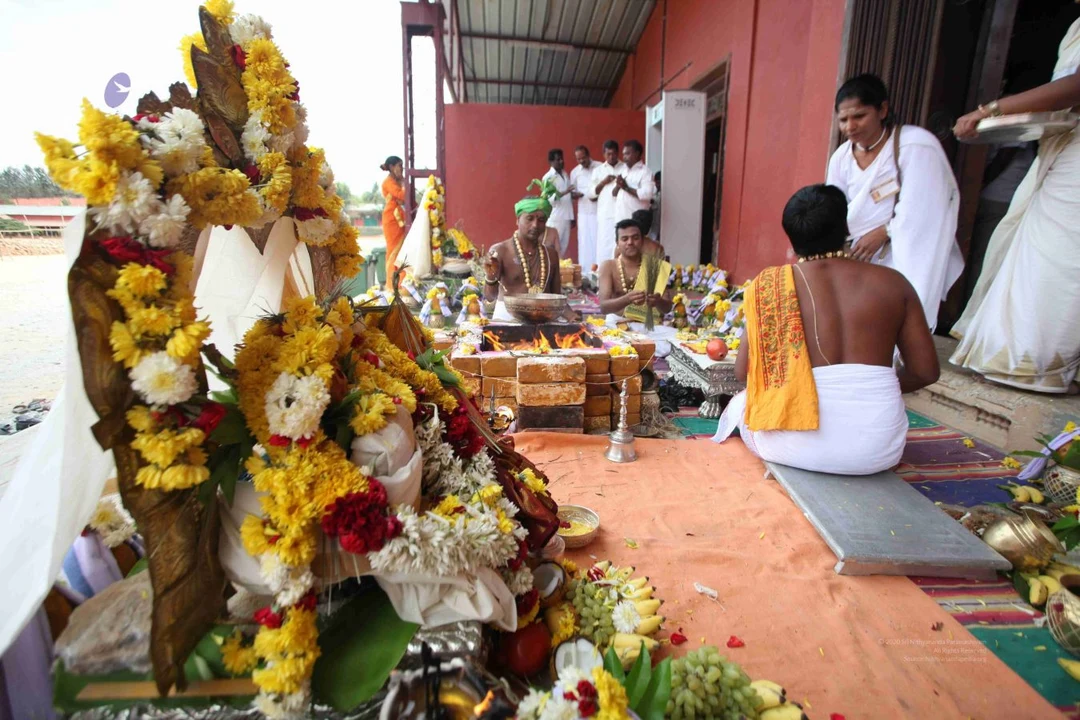
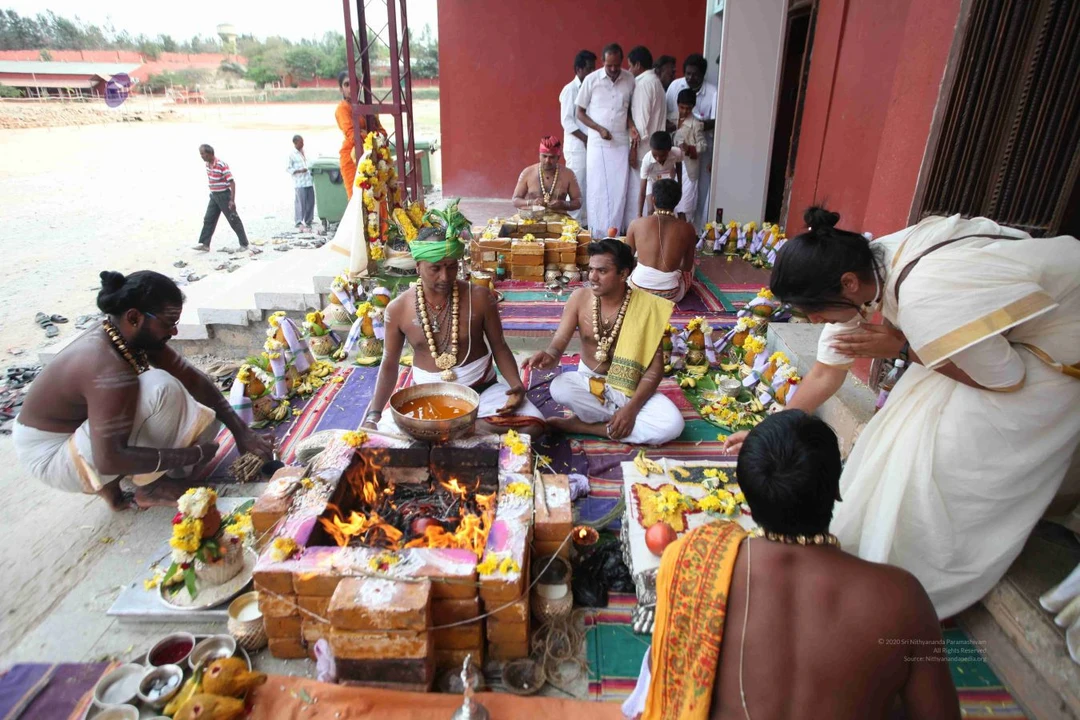
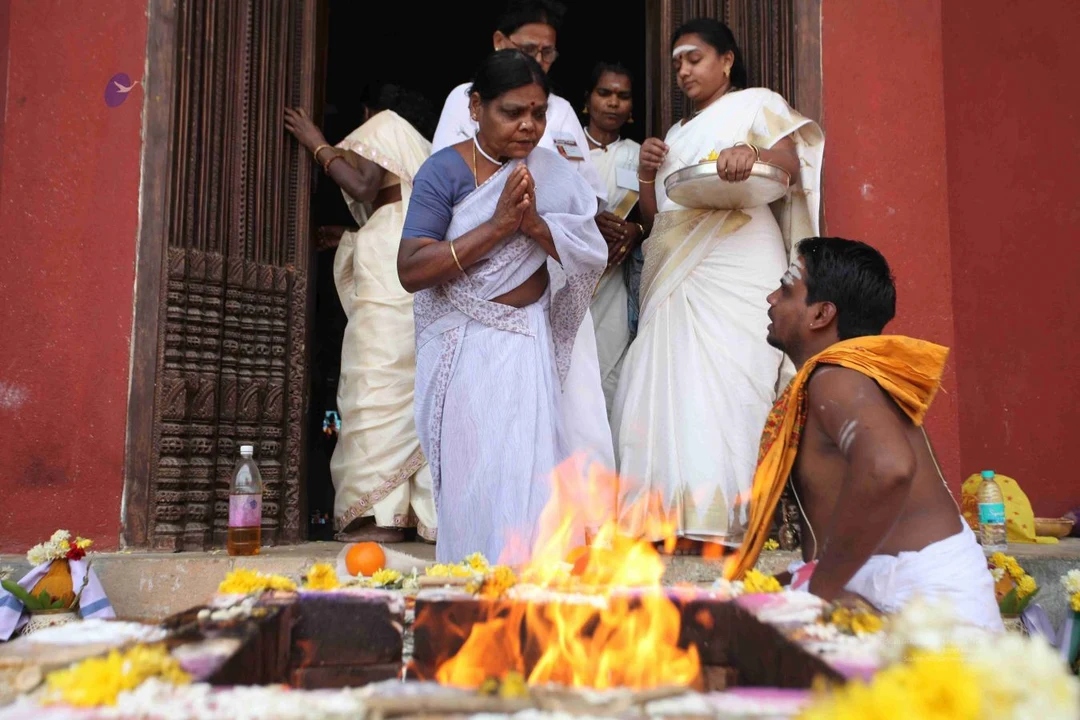
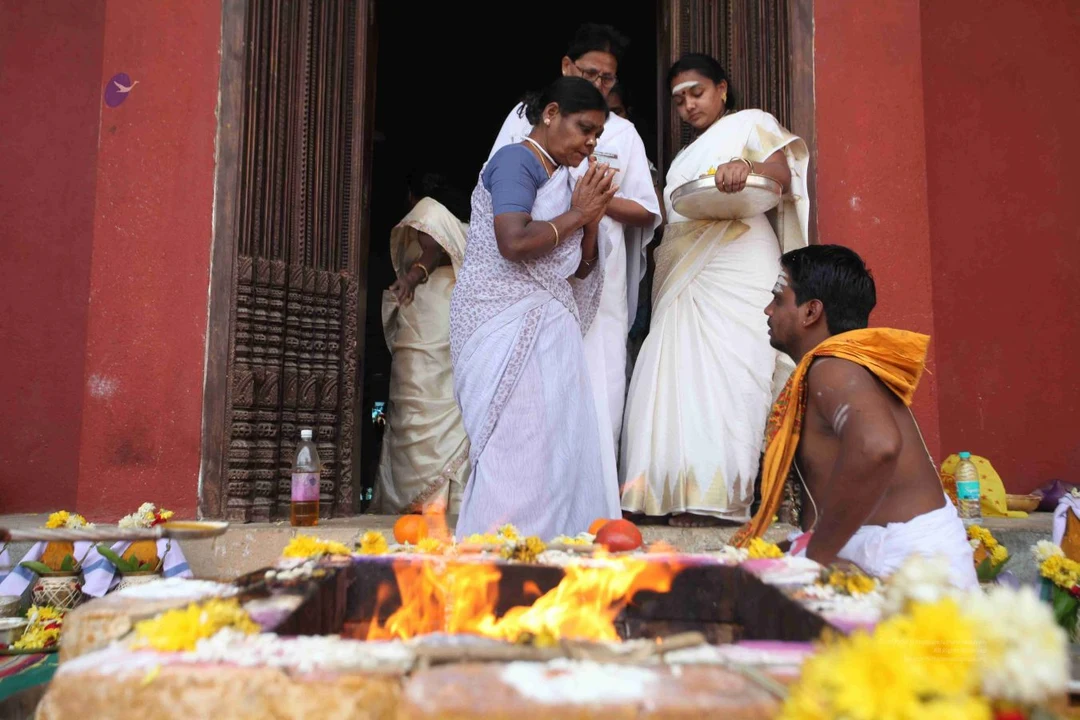
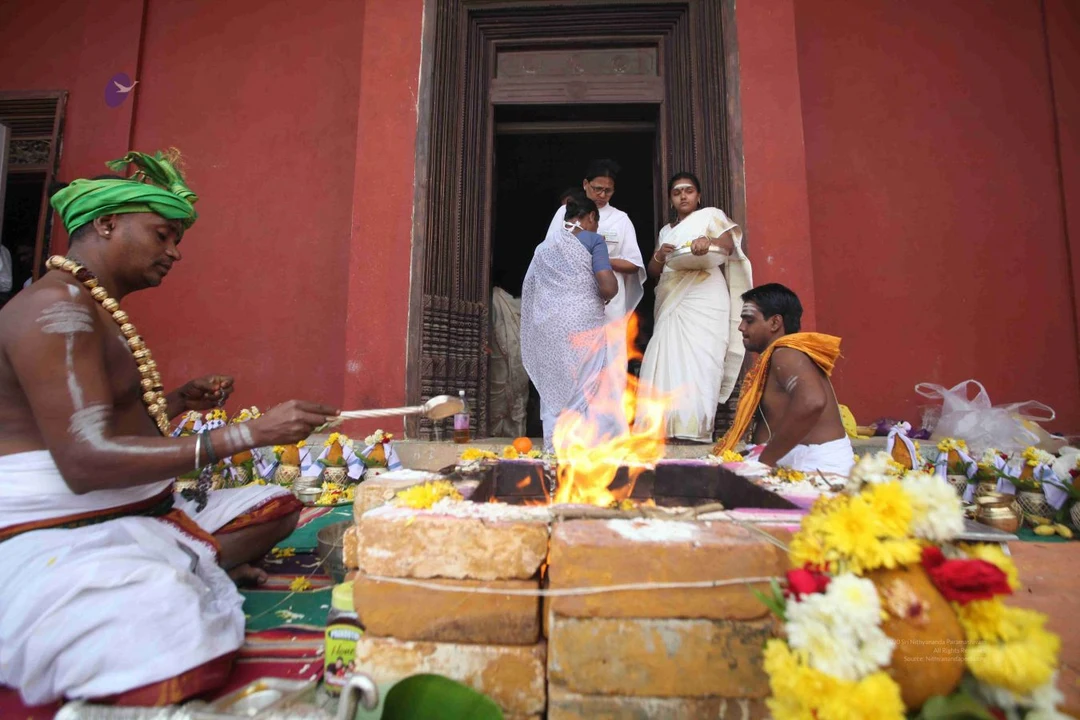
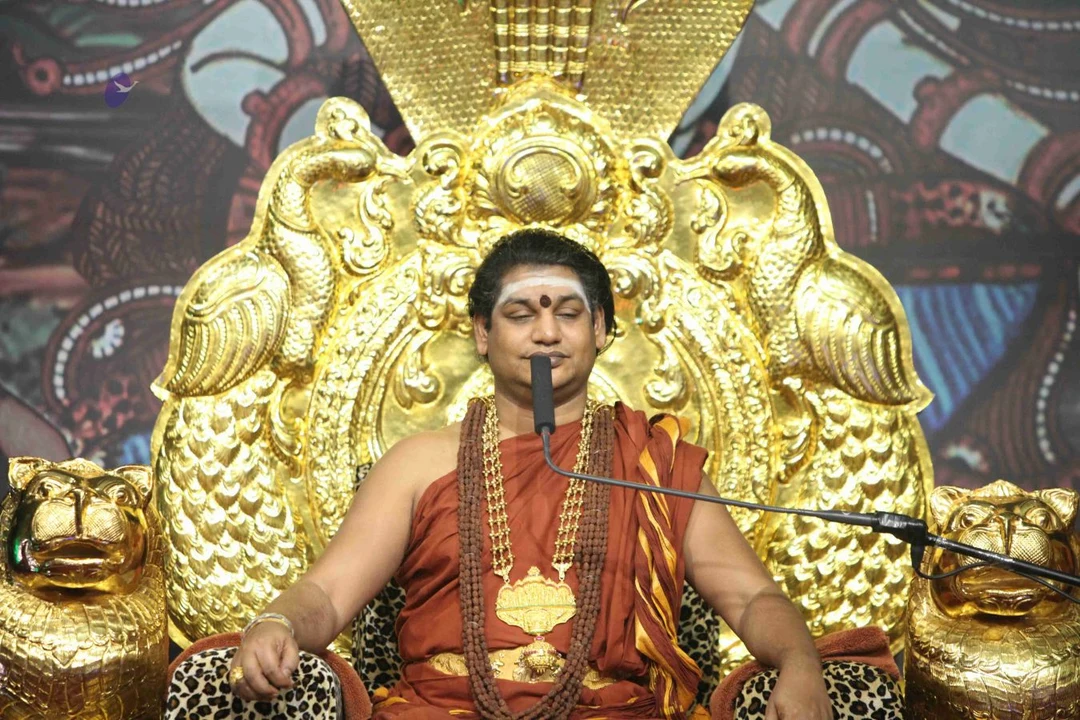
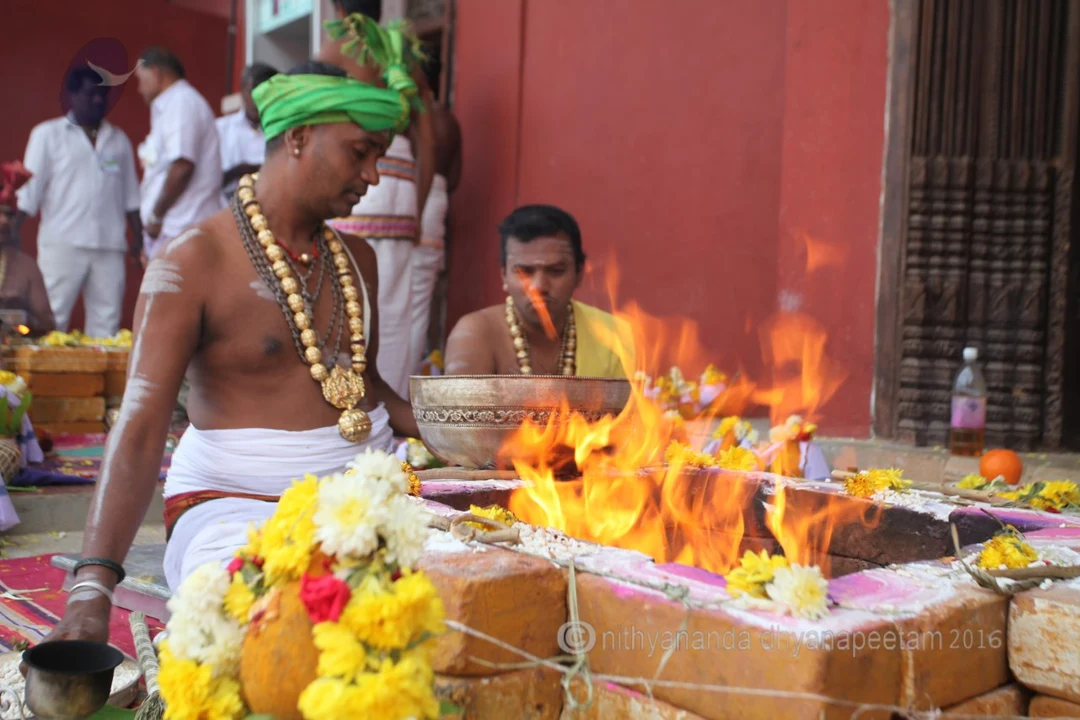
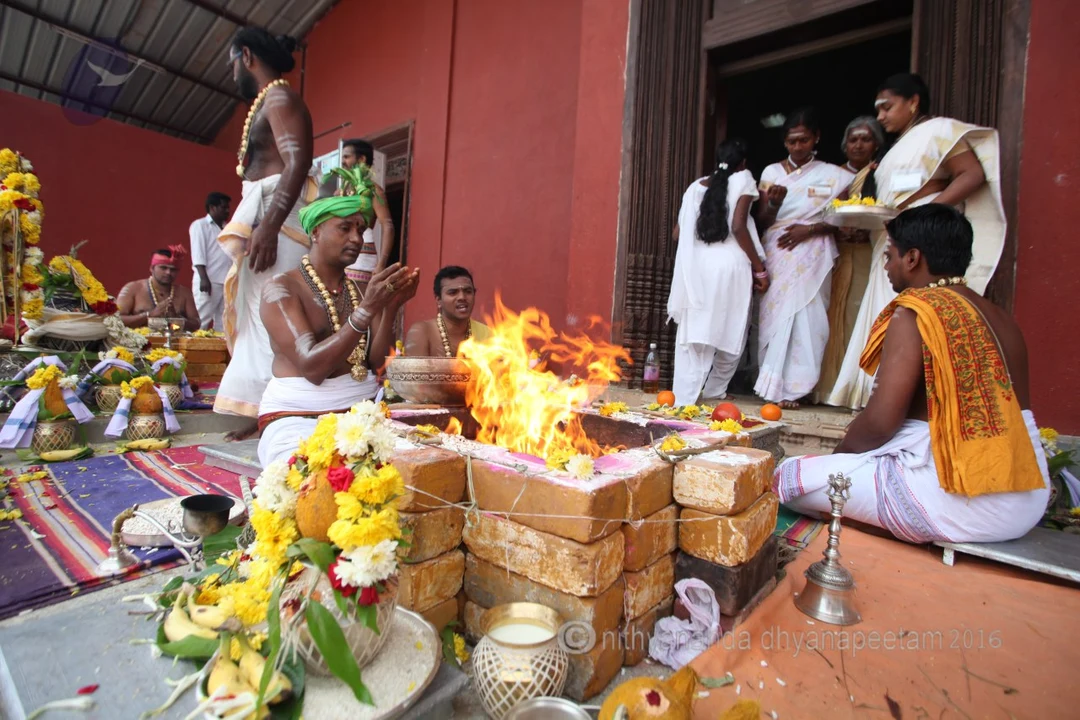
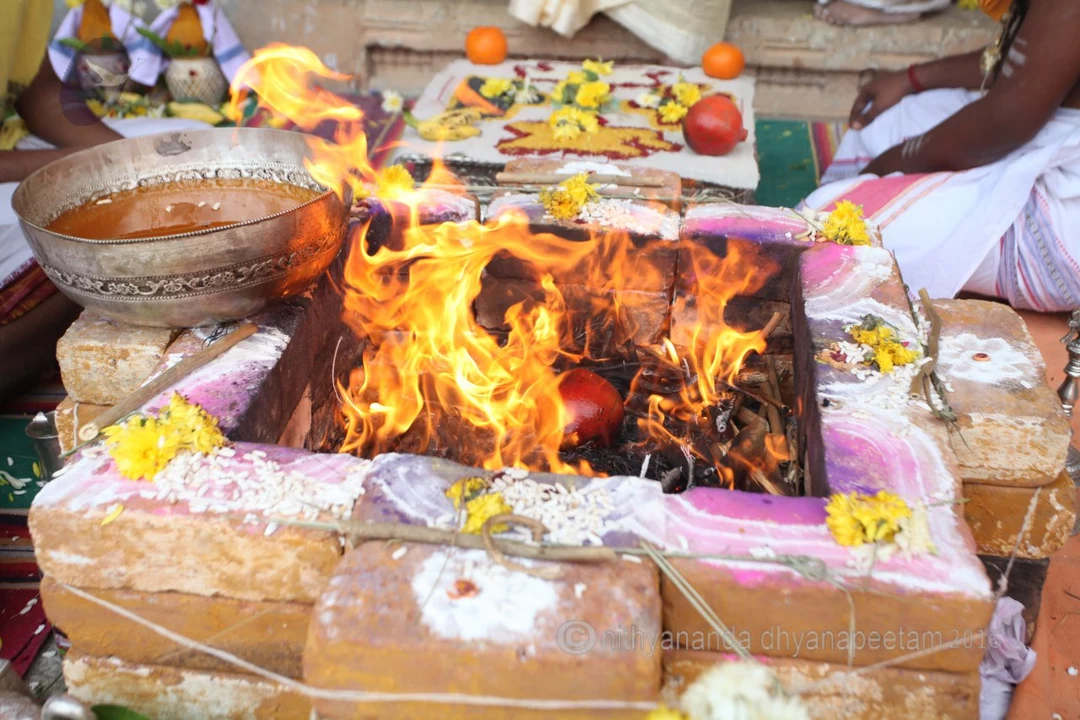
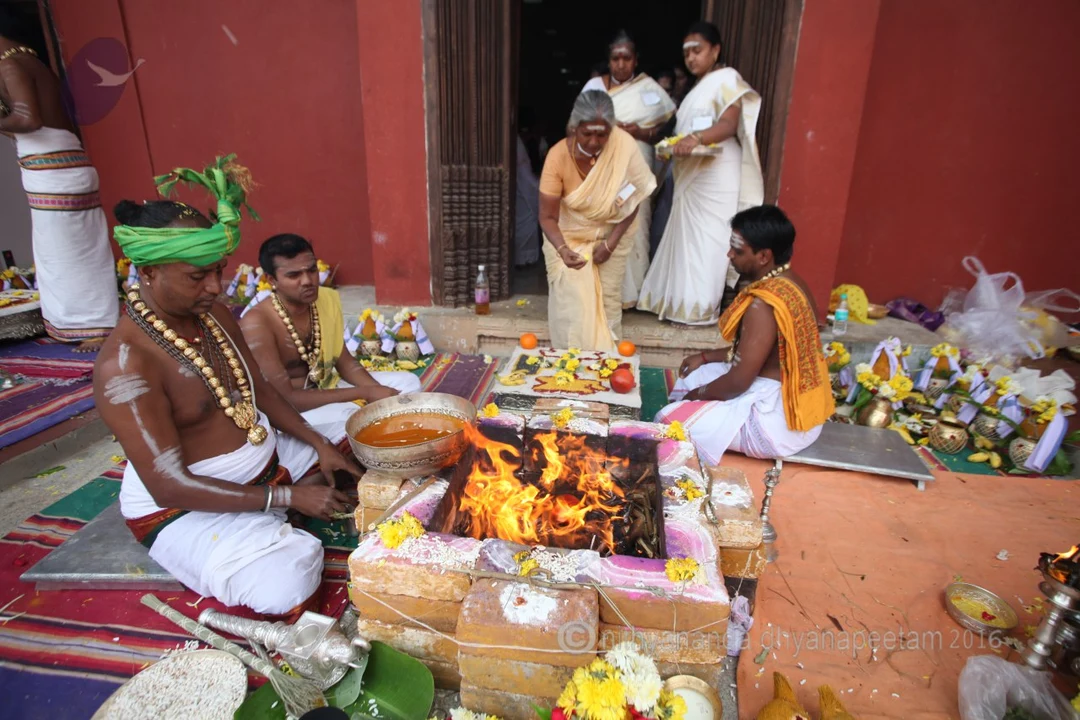
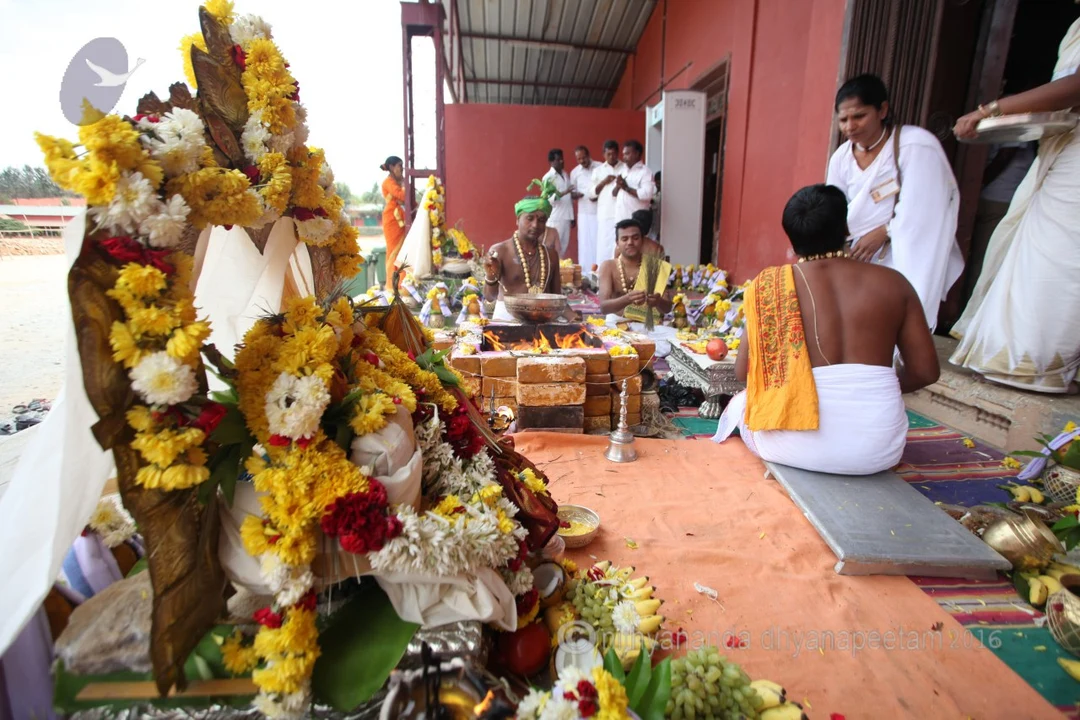
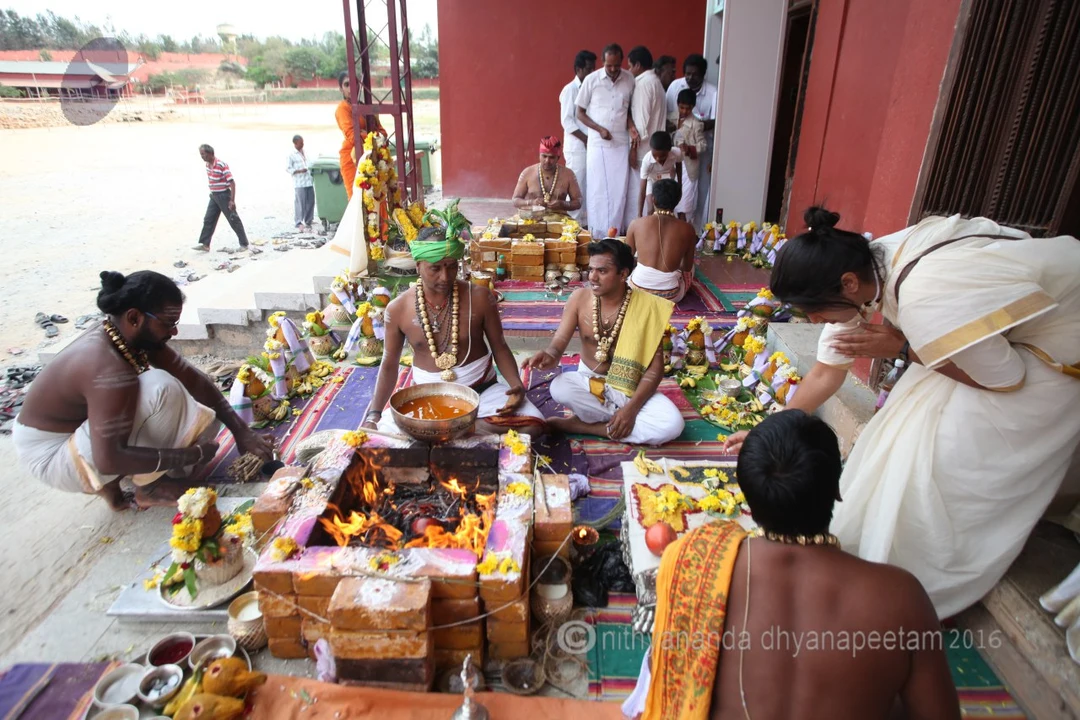
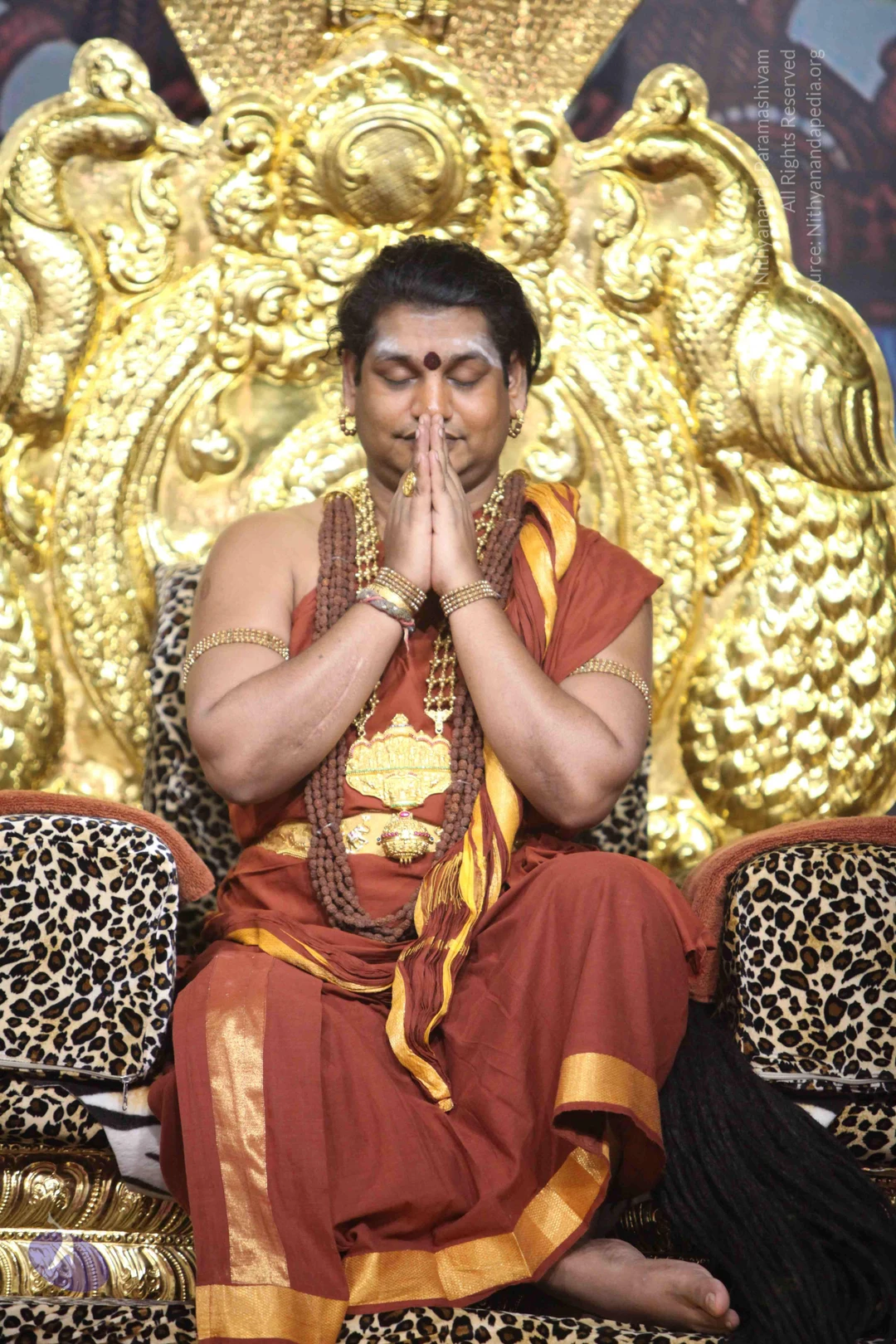
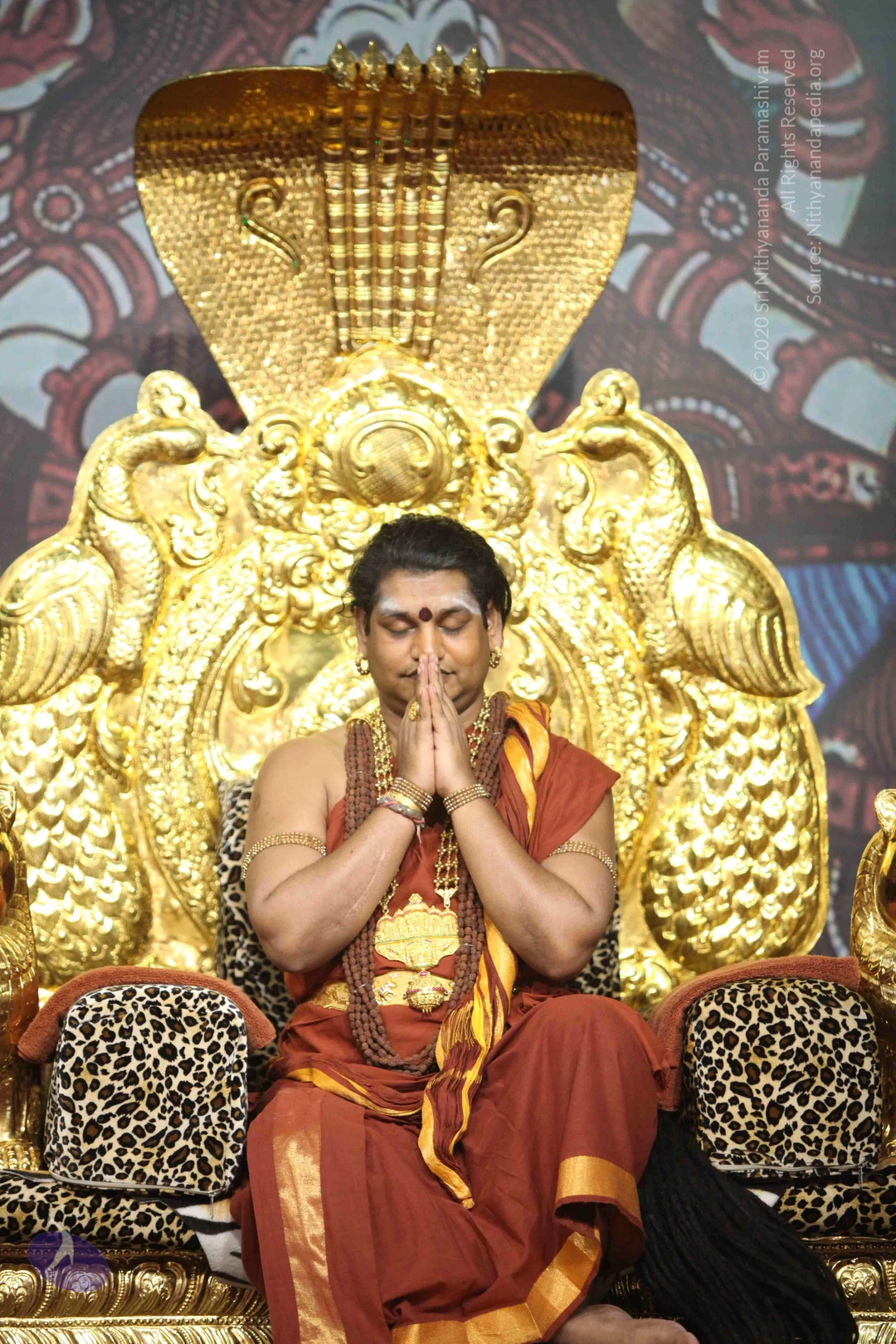
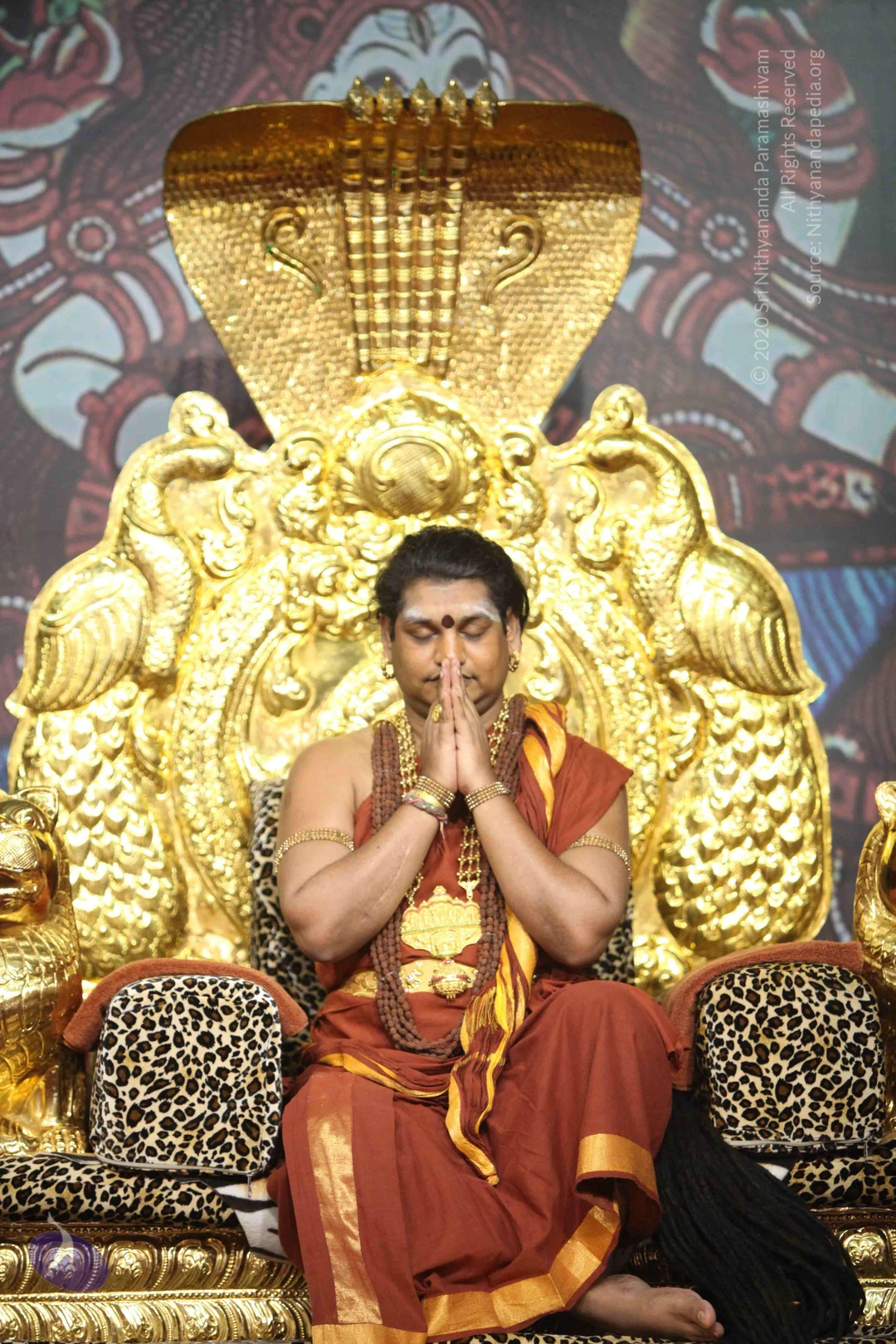
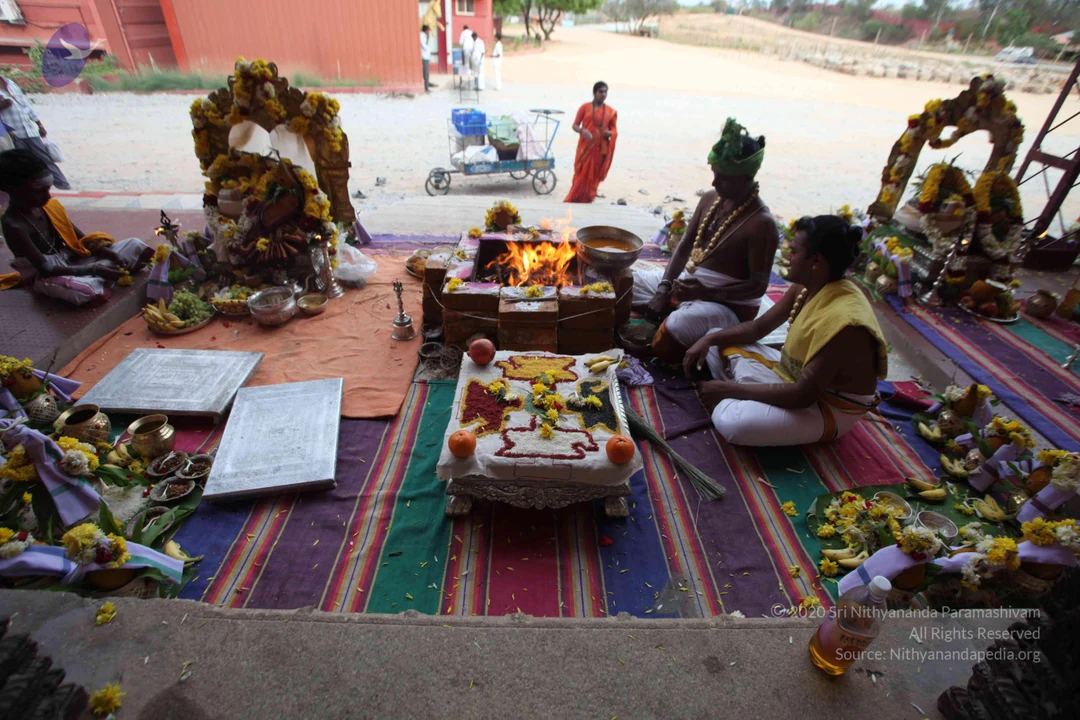
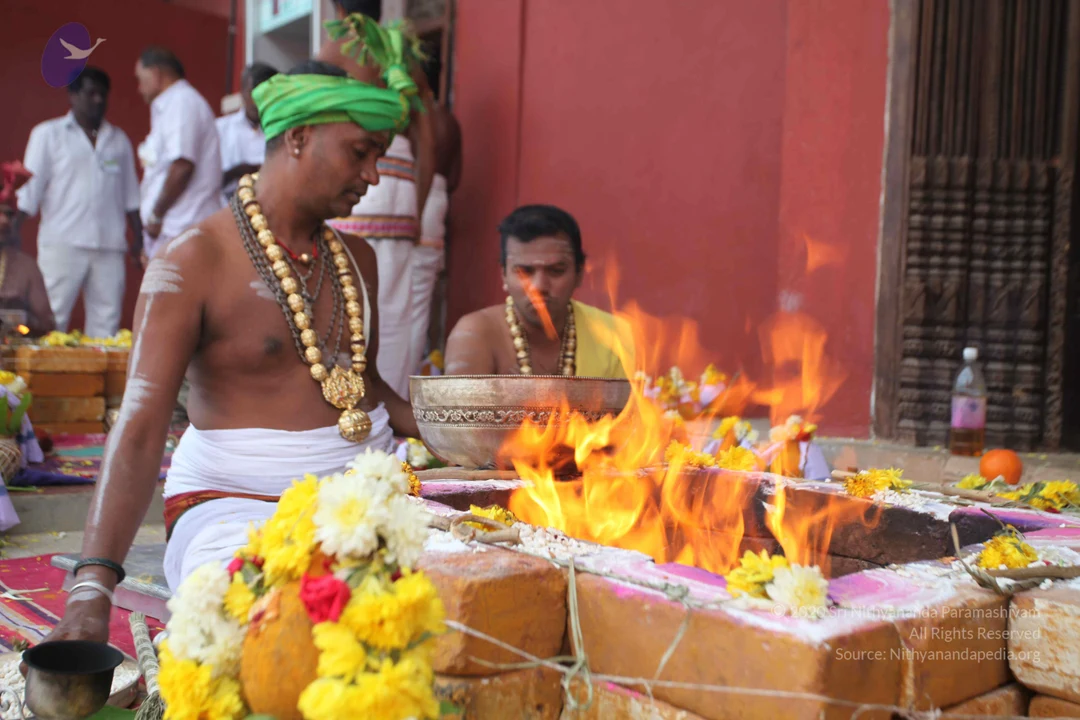
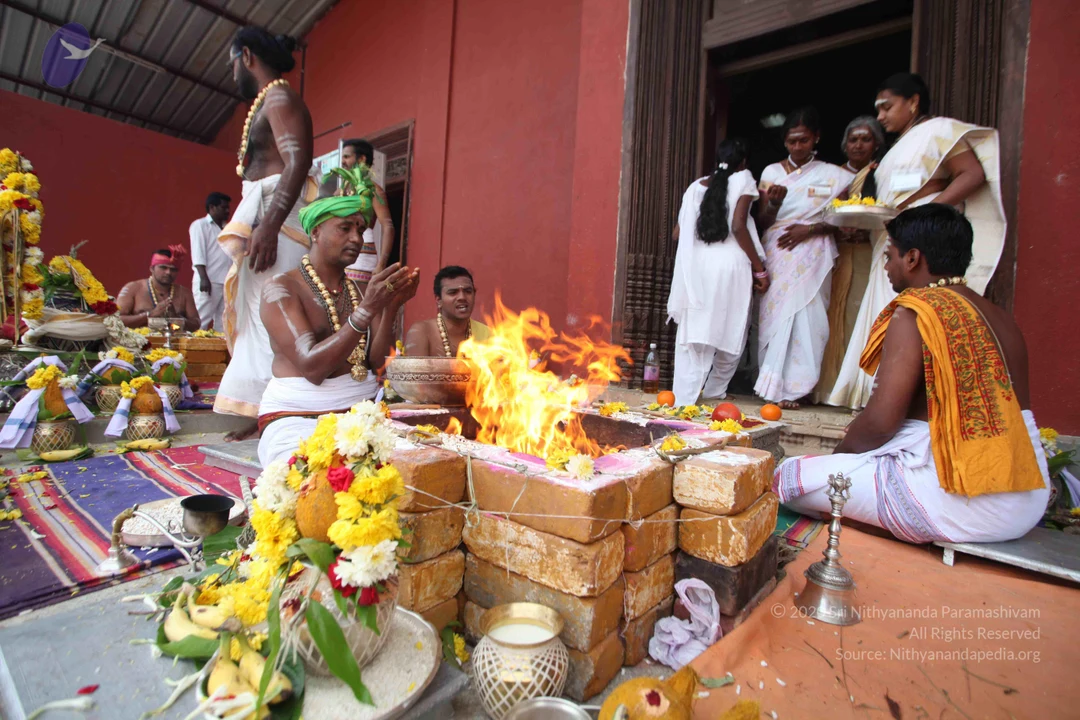
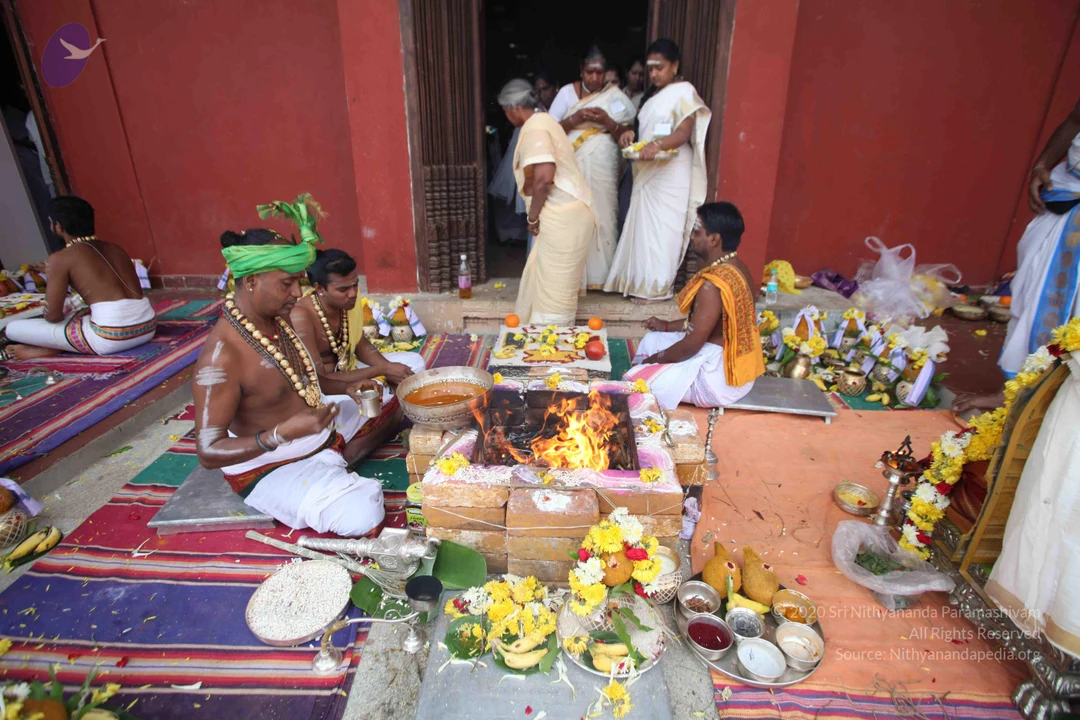
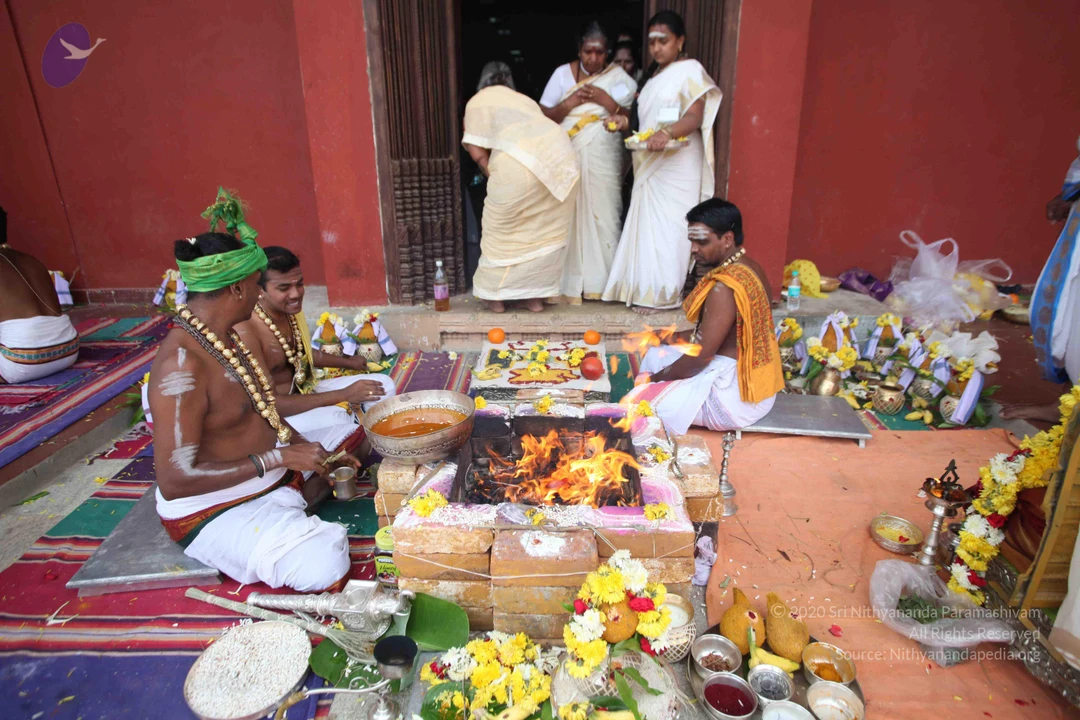
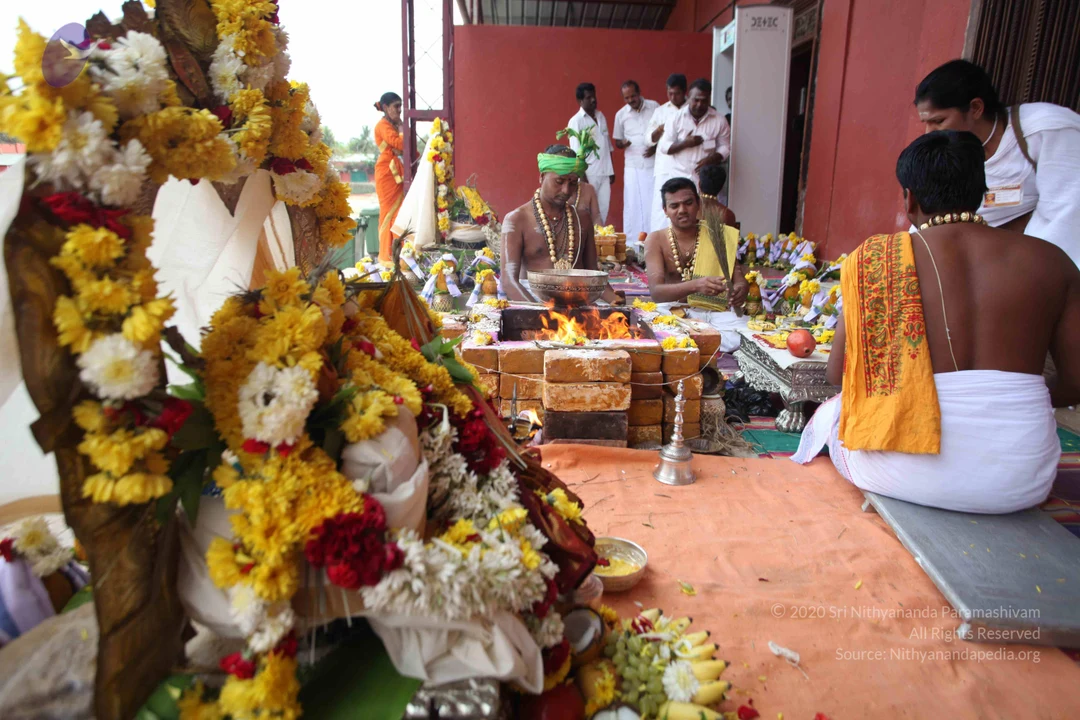
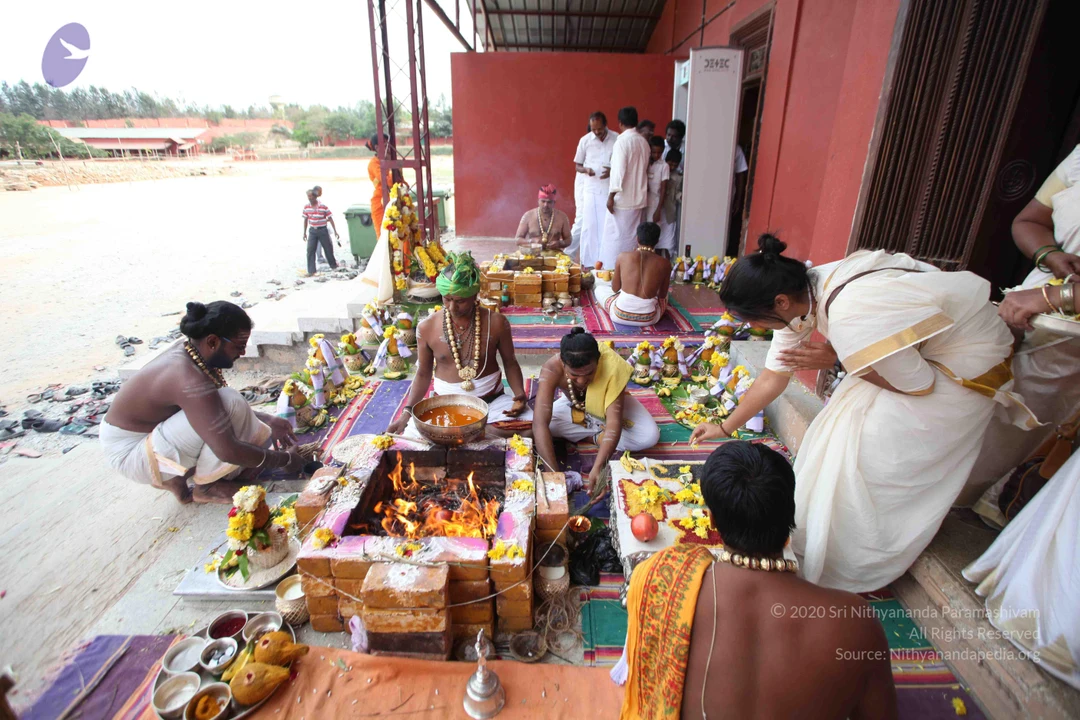
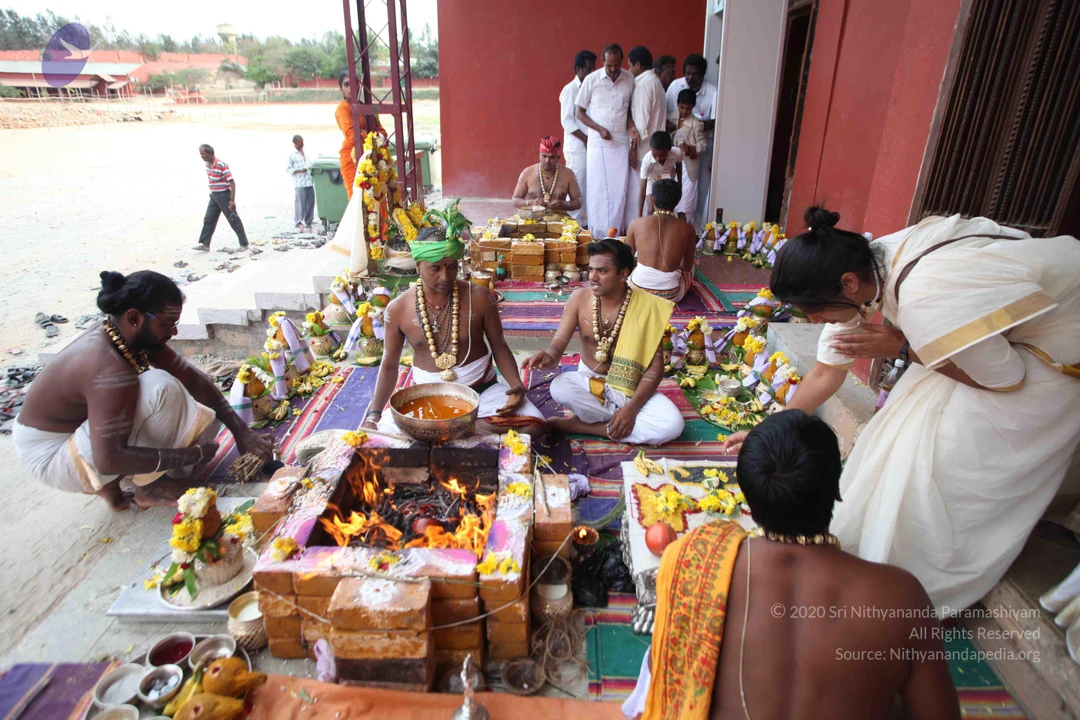
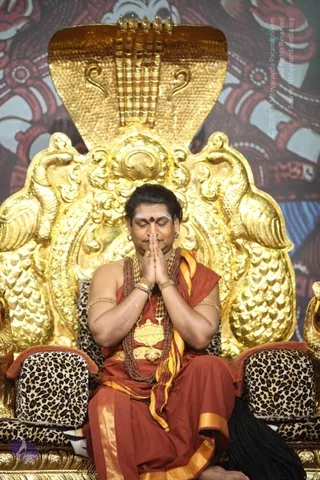
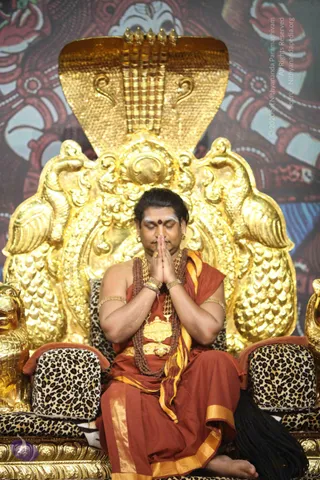
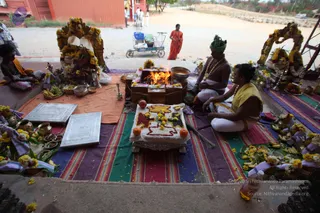
A seated man in a rust-red dhoti and shawl with gold-and-yellow border sits eyes closed on an ornate gold throne shaped like a cobra hood with serpent-headed armrests and lion figures, a leopard-print cushion beneath him. He wears layered rudraksha and gold necklaces, gold armbands, a gold pendant and a red bindi, with a microphone in front of him. Behind the throne is a painted backdrop of a red deity figure.A seated man with eyes closed and hands resting together over a rudraksha mala sits on an ornate gold throne with leopard-print cushions. He wears a rust-orange garment with gold border, layered gold chains, gold armbands and bangles, and a red bindi with white forehead marks. A microphone stands at his side. Behind him, a painted backdrop shows a figure in white dhoti with hands folded. The scene appears to be a satsang discourse setting.A seated man with eyes closed and palms pressed together in anjali mudra sits on an ornate gold throne carved with a multi-hooded naga canopy and leopard-print cushions. He wears a rust-orange and saffron robe with a gold border, layered rudraksha malas, a gold ceremonial necklace with a pendant, gold bangles and armlets, and a red bindi with white markings on his forehead. Behind the throne is a painted backdrop of stylised red and blue figures. The scene reads as a devotional or satsang moment, with one person present.A seated man with closed eyes presses his palms together in anjali mudra on an ornate gold throne carved with a multi-hooded naga canopy and scaled serpentine armrests, flanked by golden lion figures. He wears a rust-red and saffron-bordered dhoti and a matching shawl with gold edging, layered rudraksha malas, a gold pendant necklace, gold armlets and bangles, a red bindi and white forehead markings. A leopard-print cushion rests beside him, and a painted red and blue mural fills the background. No a person appearance cues are sufficient to identify him, so he is described by role as a devotee seated in worship.A photograph of a homa fire ritual on a covered floor decorated with striped woven mats in purple, green, and orange. A fire burns in a wooden fire pit at center, with brass vessels and a bowl nearby. A man in a white dhoti with a green-topped head covering and a gold-beaded necklace sits behind the fire, and a woman in a yellow blouse and white skirt sits at right, tending the ritual. In front of the fire stands a raised platform decorated with a rangoli-style design of rice and marigold petals, with orange fruits placed on it. Garlands of yellow marigolds frame the arches, and banana bunches and brass pots with offerings surround the mats. Behind them a woman in an orange sari stands on sand near a cart, with a red building at left. A seated figure at far left wears an orange cloth.A man seated on an ornate gold throne with leopard-print upholstery during a satsang discourse, eyes closed and head tilted slightly. He wears a rust-orange garment with a golden-yellow border, multiple strands of rudraksha beads and layered gold necklaces, a gold armlet, and a red bindi on his forehead. A microphone stand is in front of him, with a gold ornament at the lower right. In the background, a painted backdrop shows a figure with hands in anjali mudra and a bearded sage.