Monday
4 February 2013
Find the Root Pattern of Poor Memory
- Dated photos
- 230
- Source pages
- 1
- Media
- 4
February 04 2013
Original wiki pageTitle
Find the Root Pattern of Poor Memory
Description:
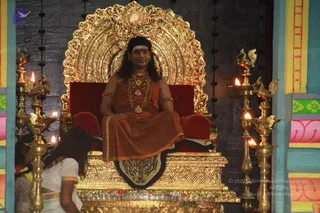
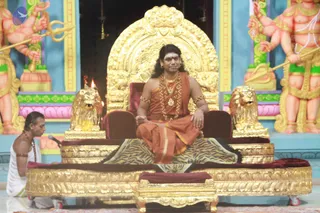
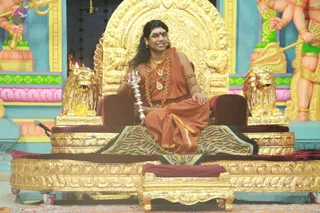
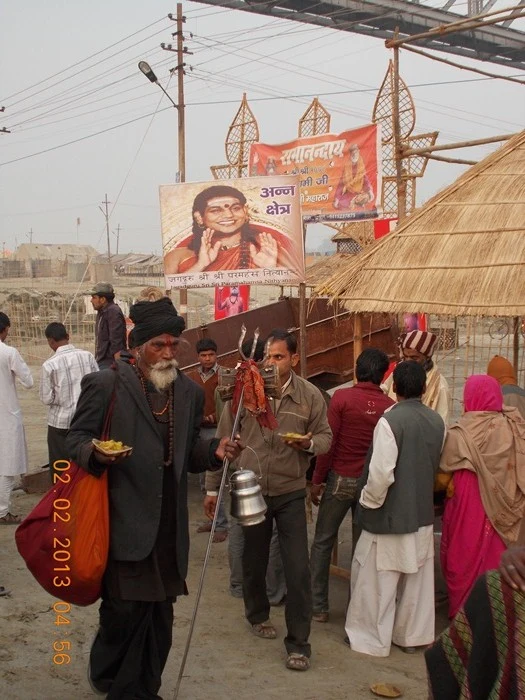
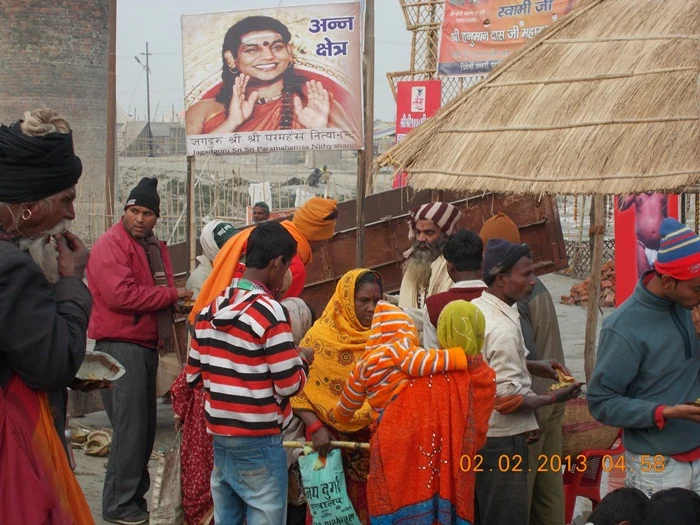
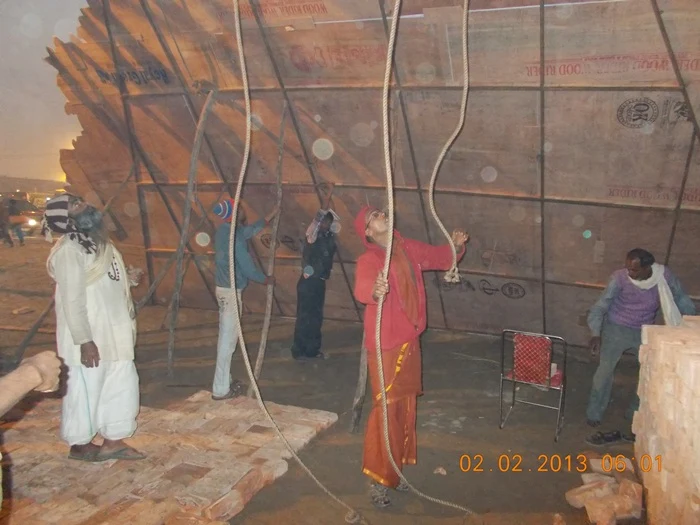
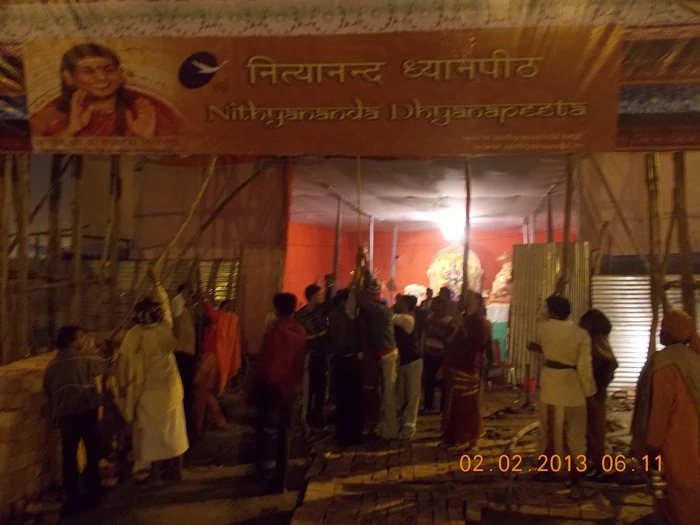
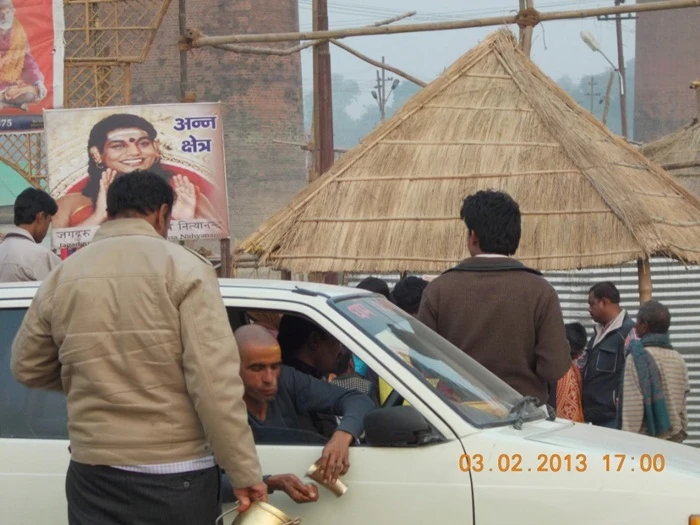
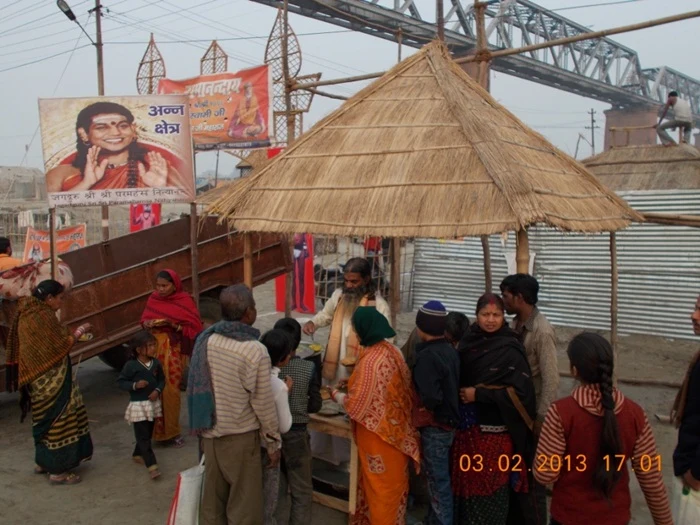
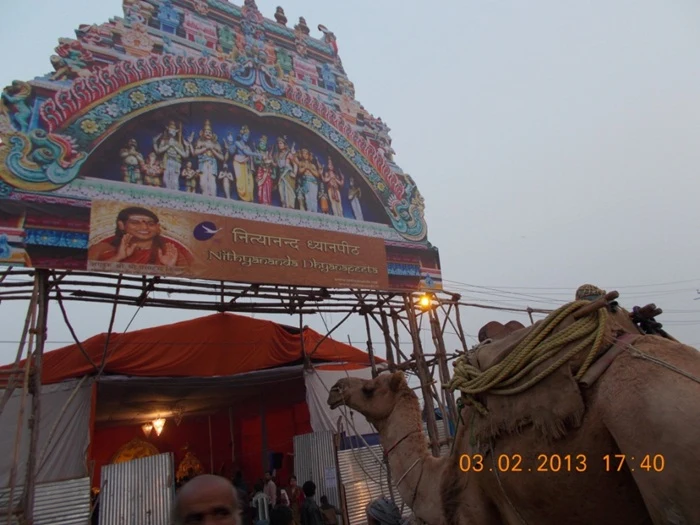
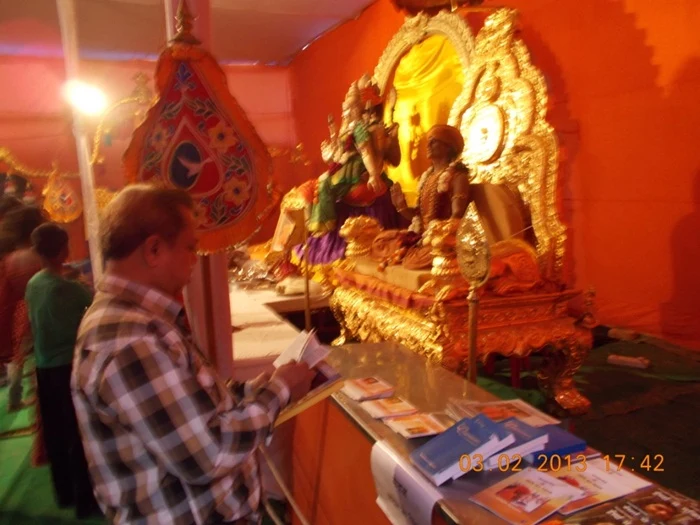
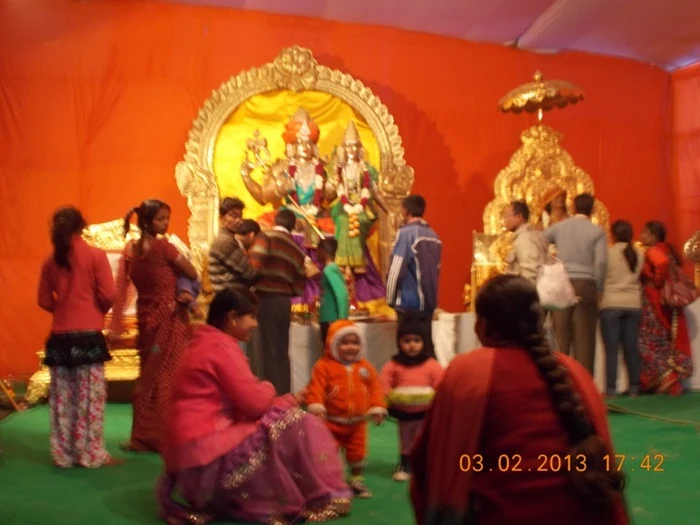
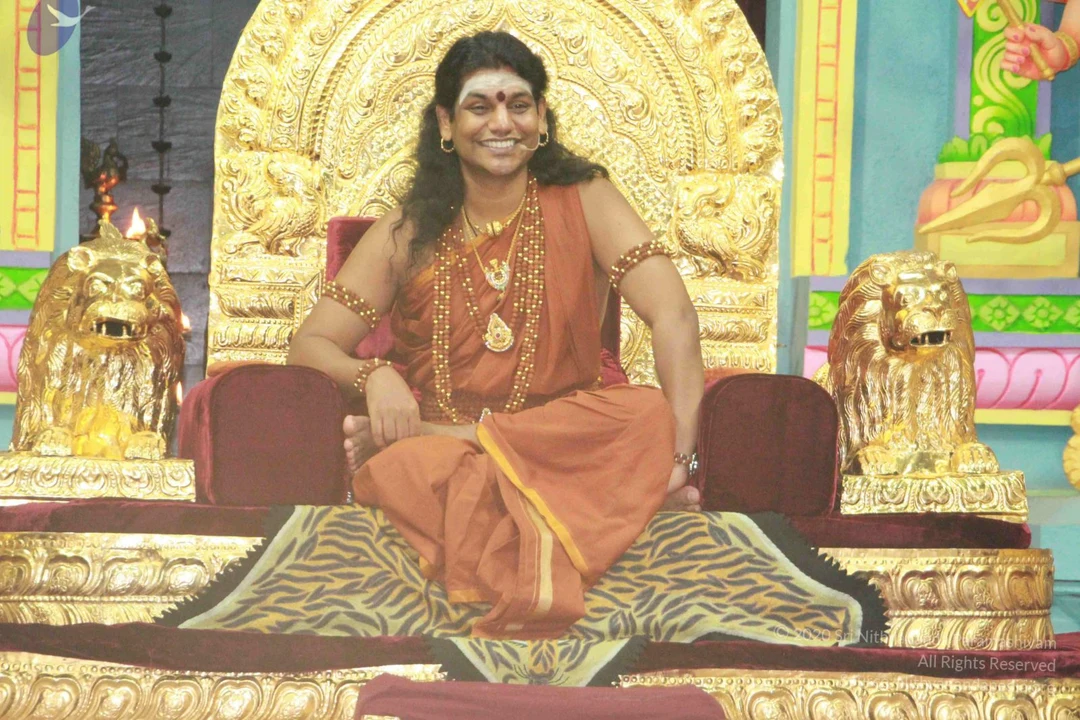
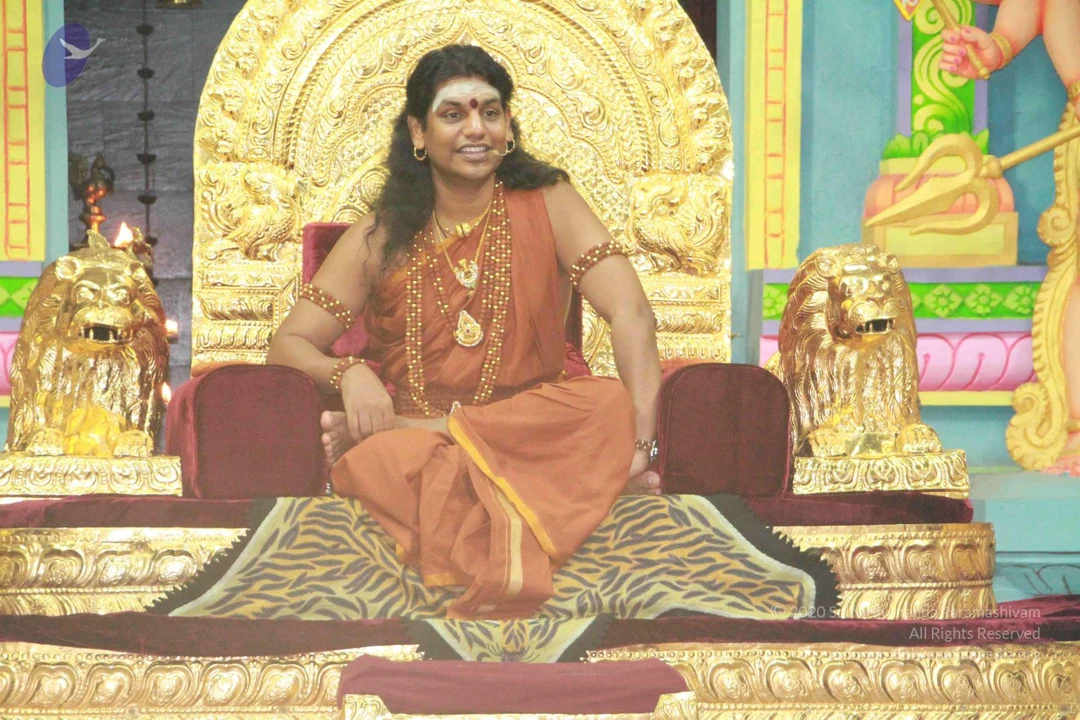
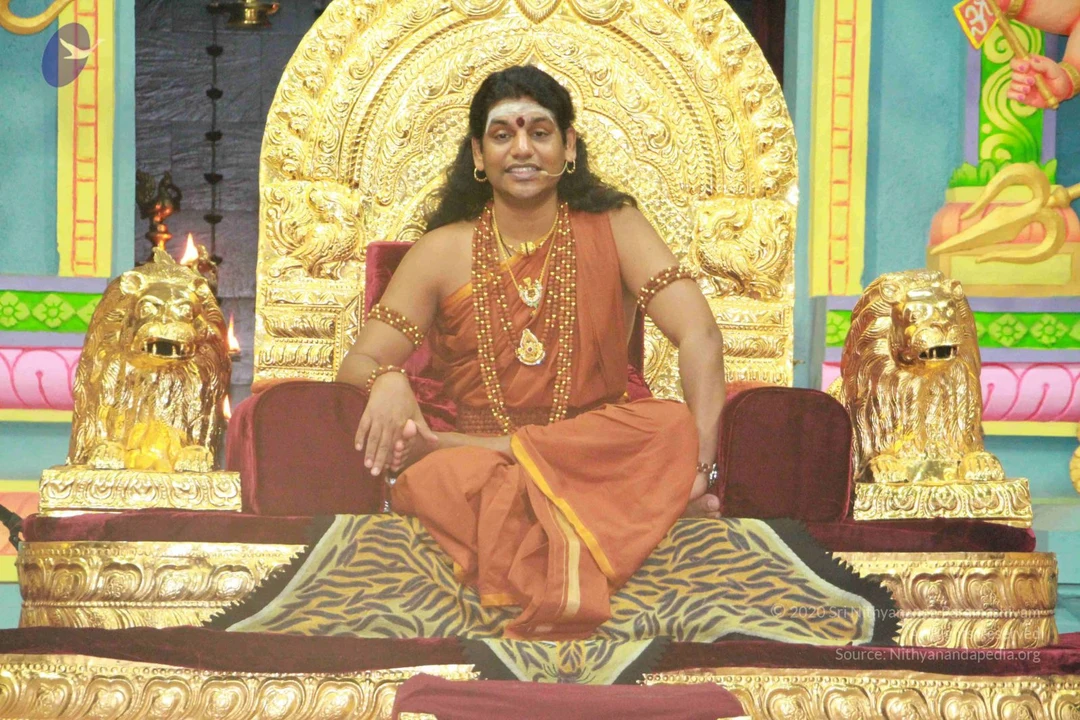
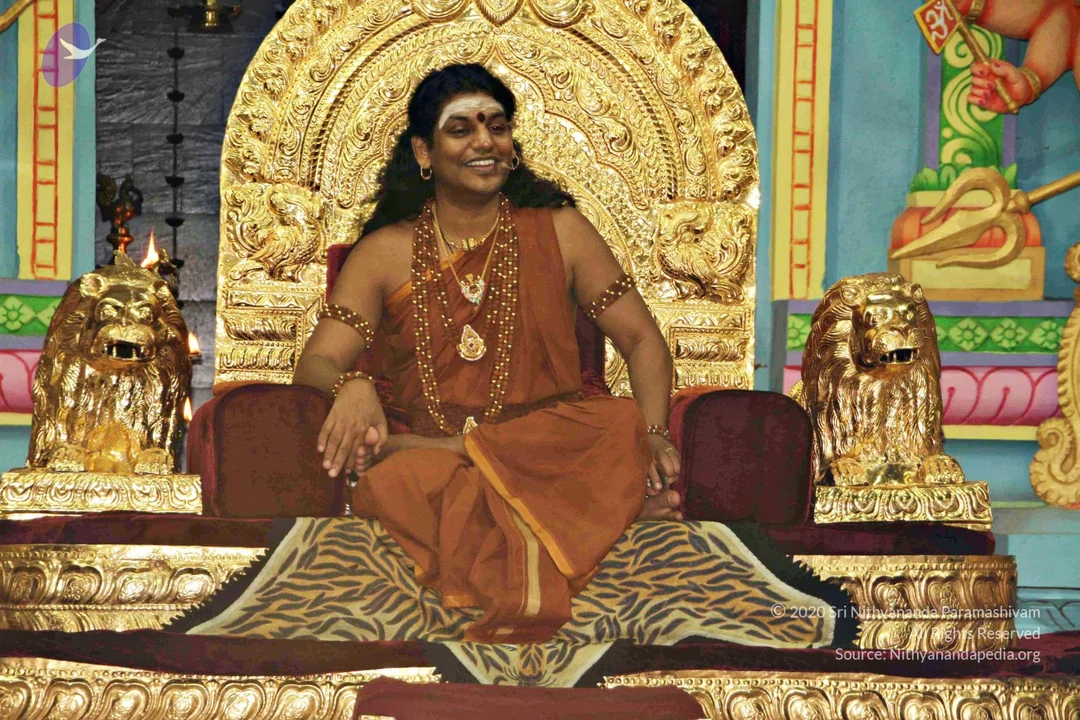
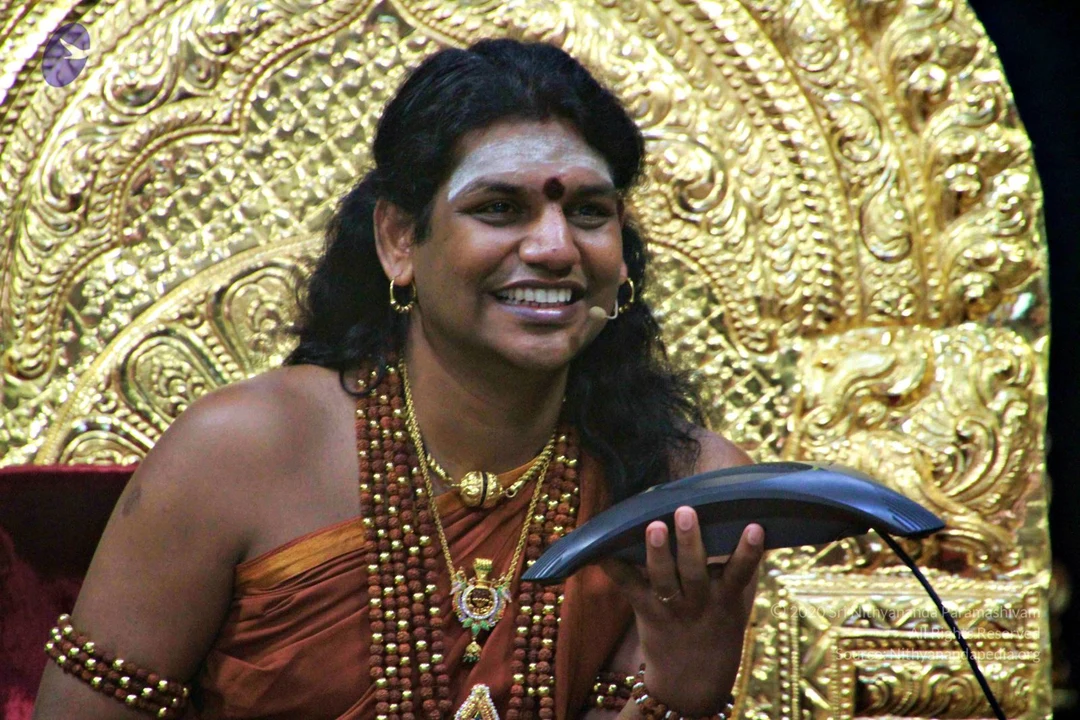
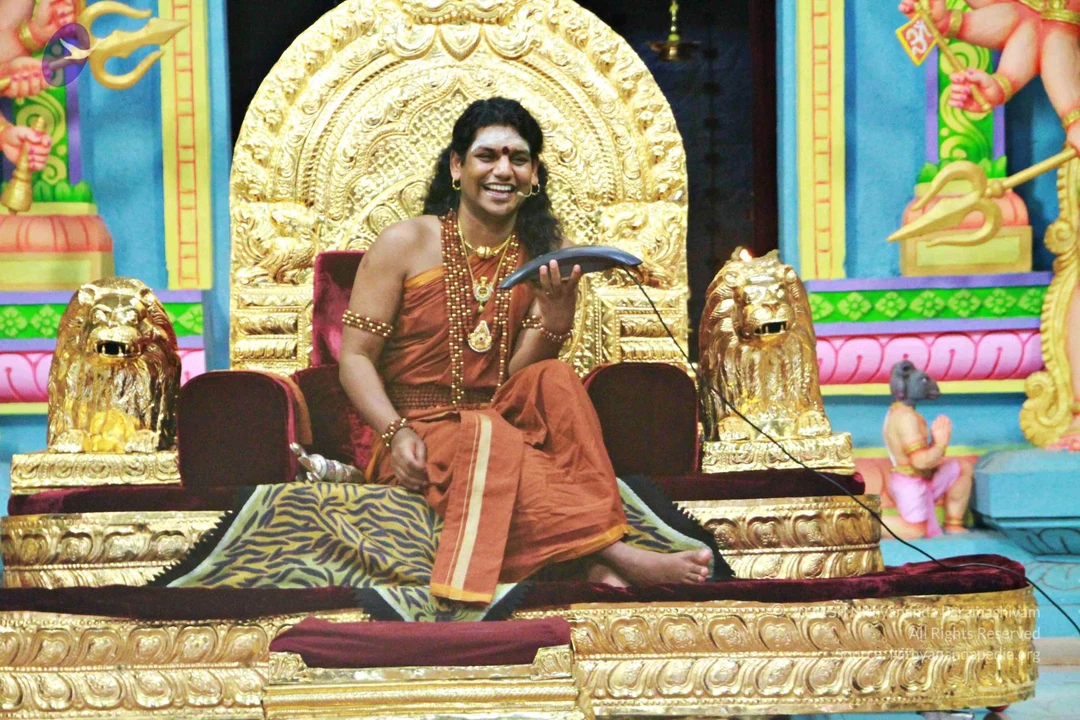
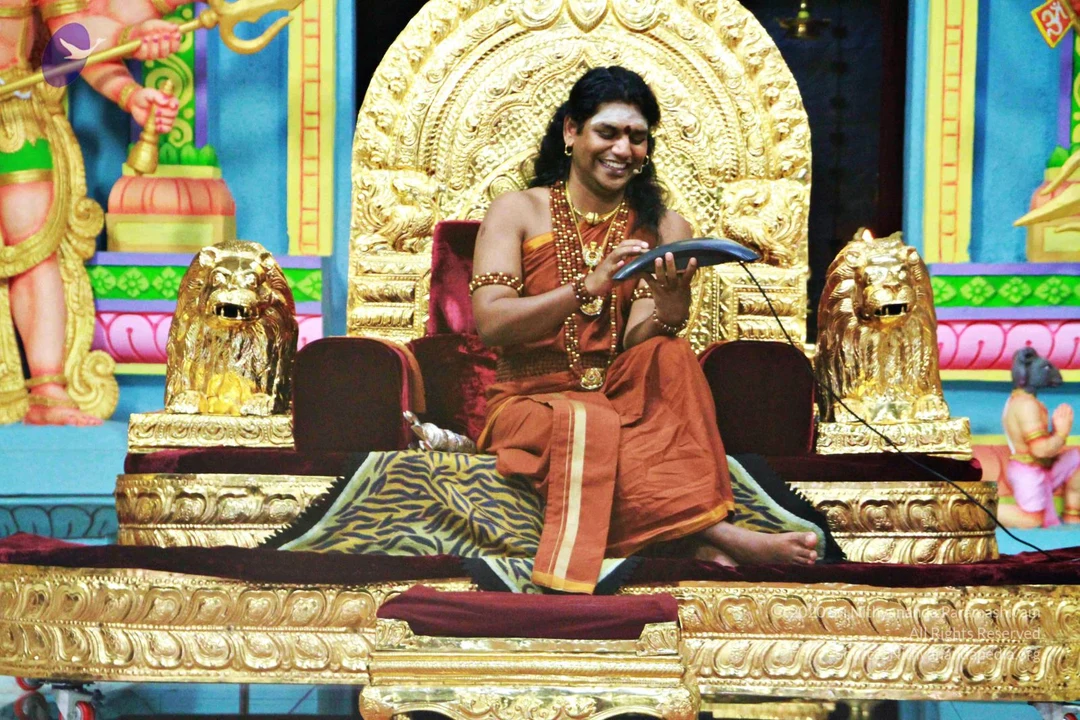
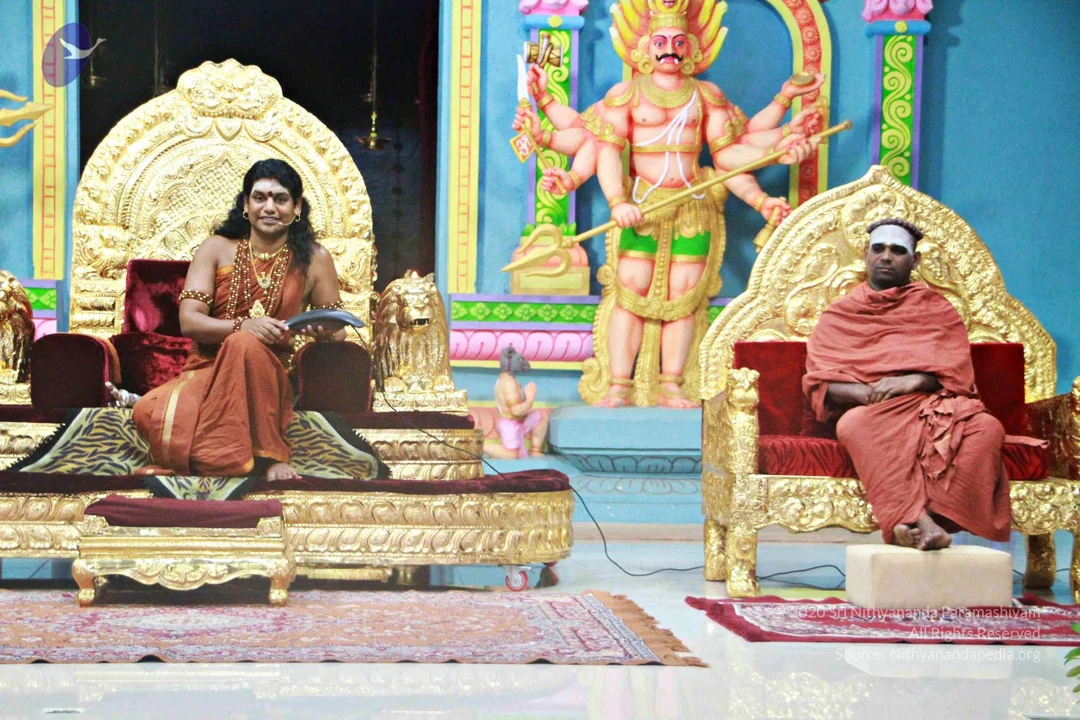
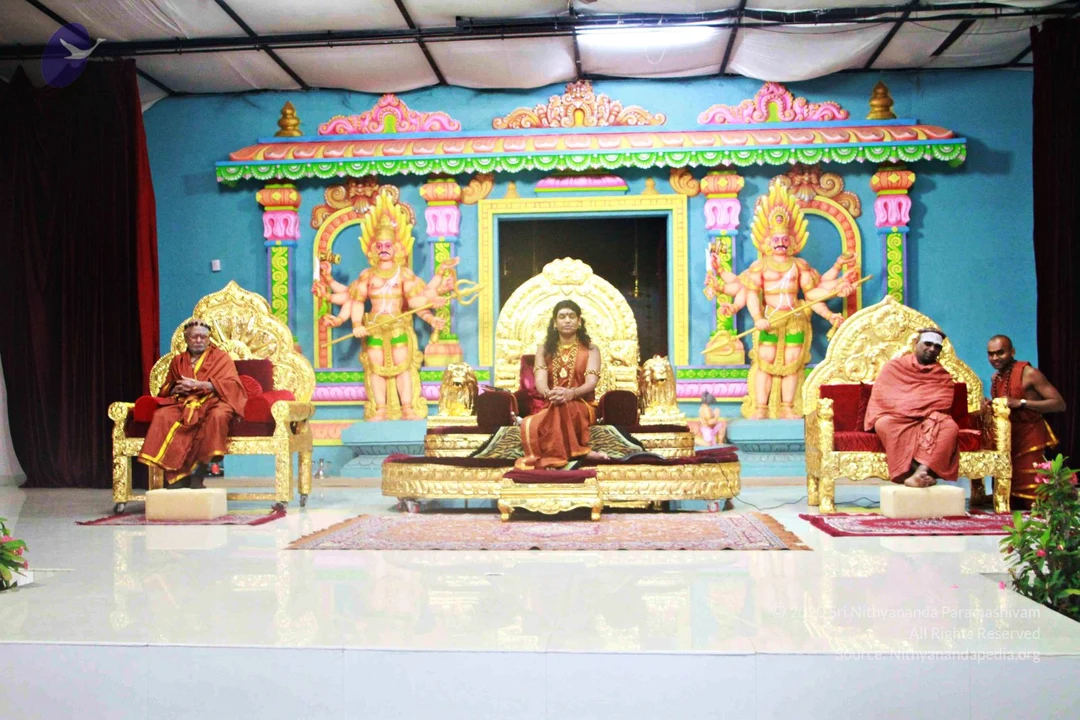
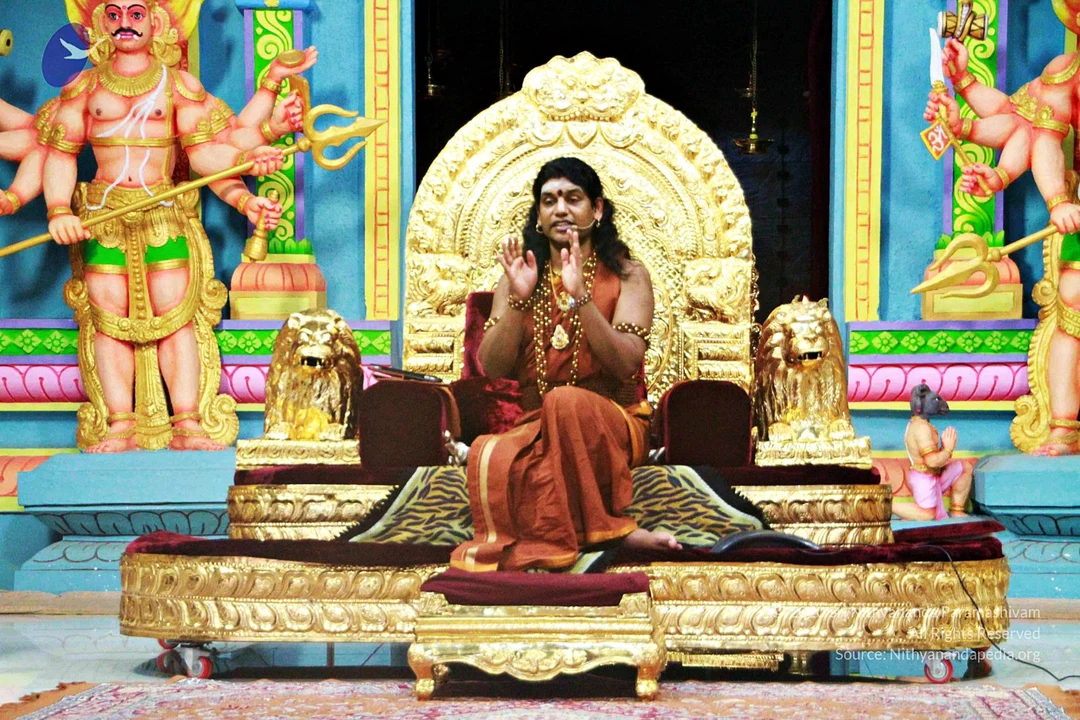
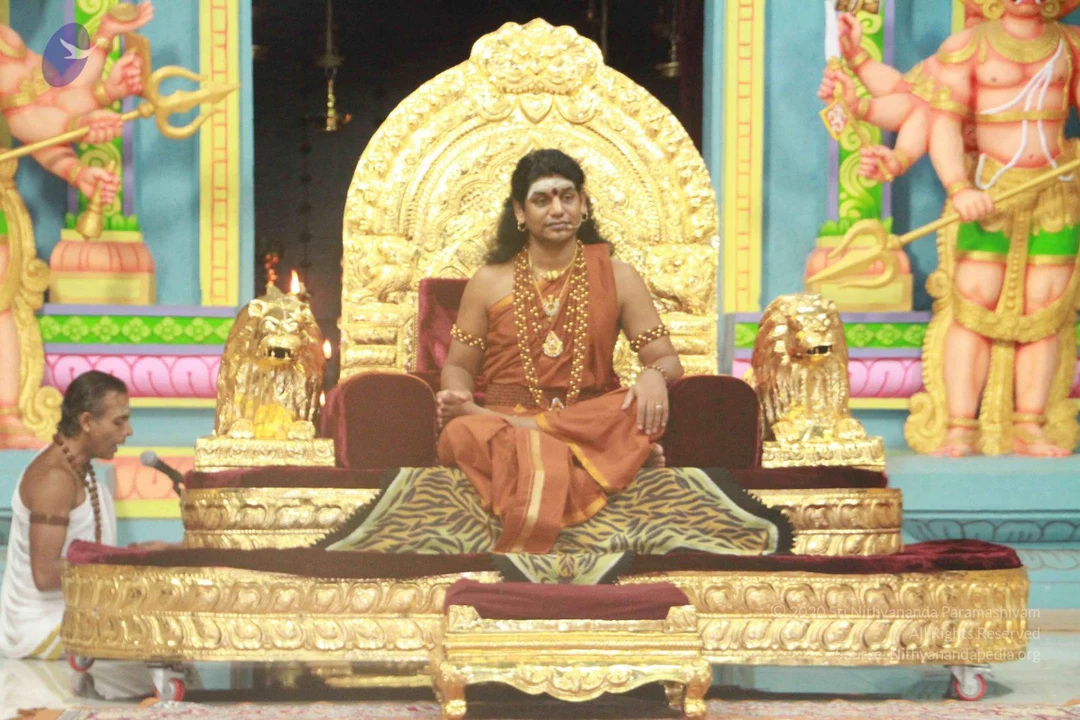
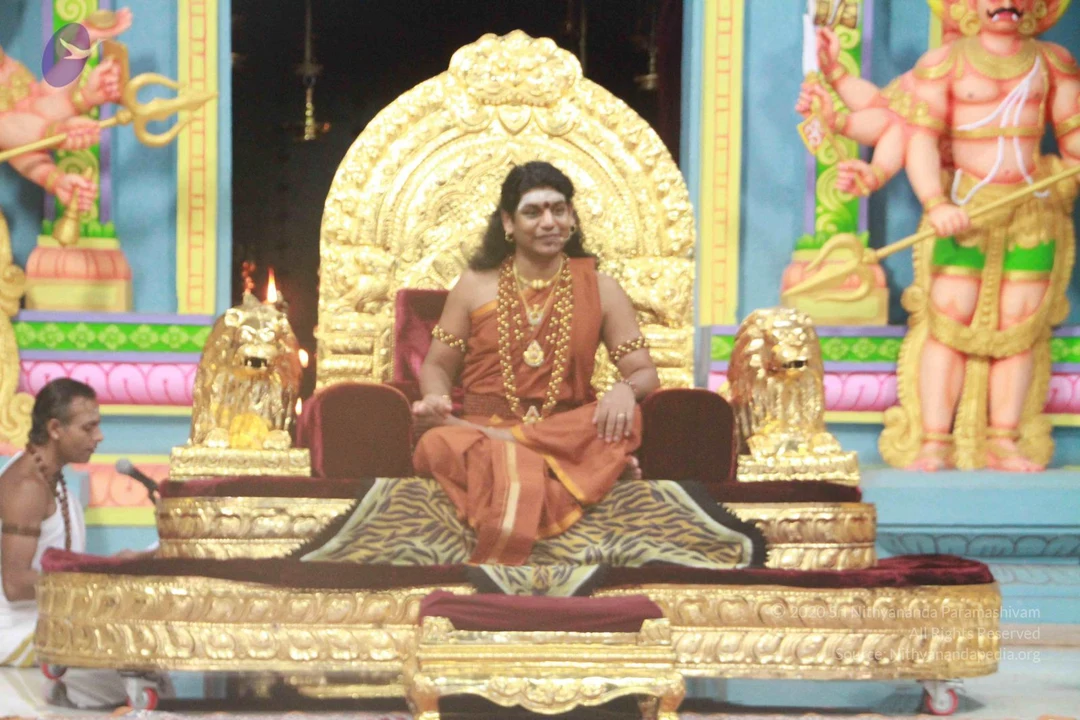
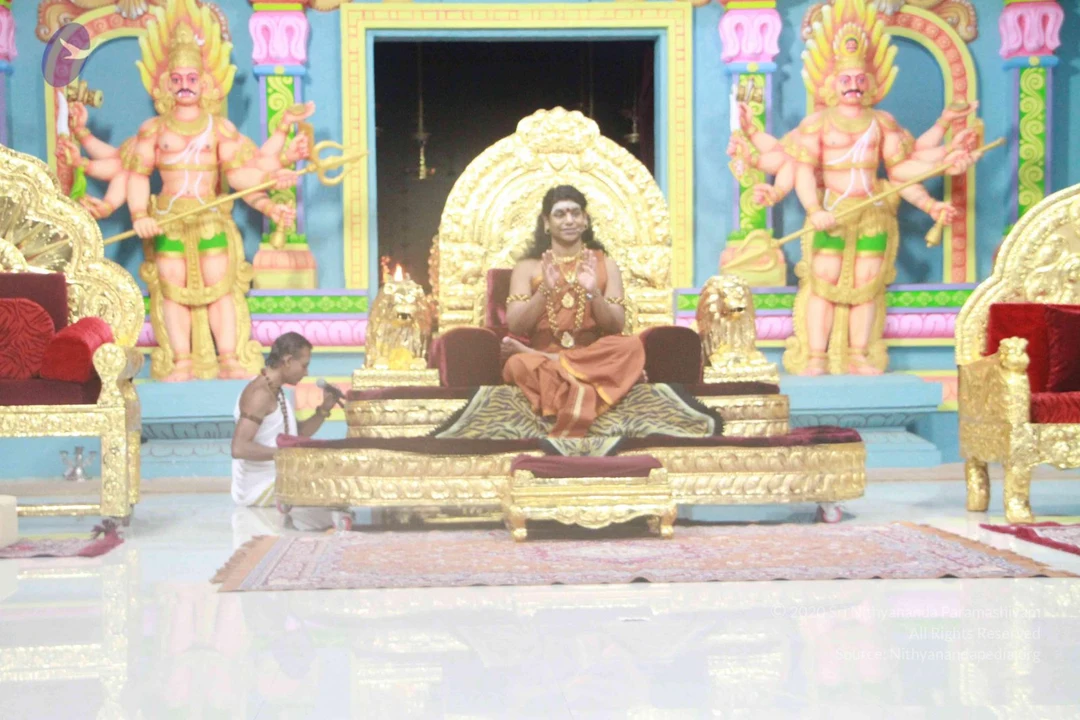
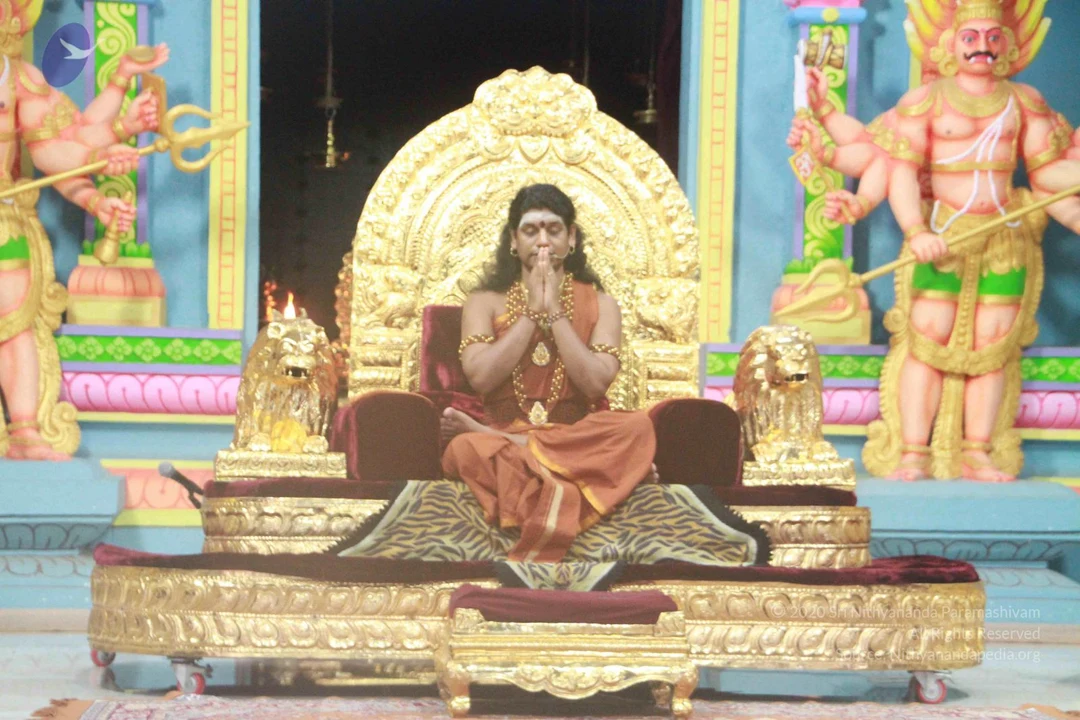
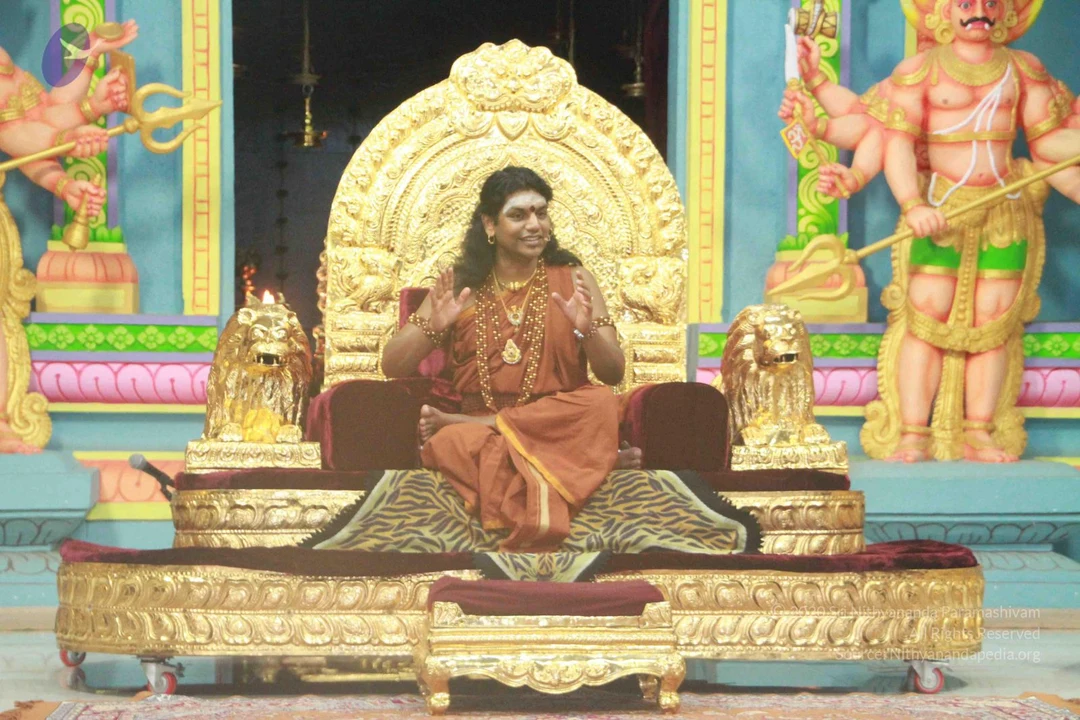
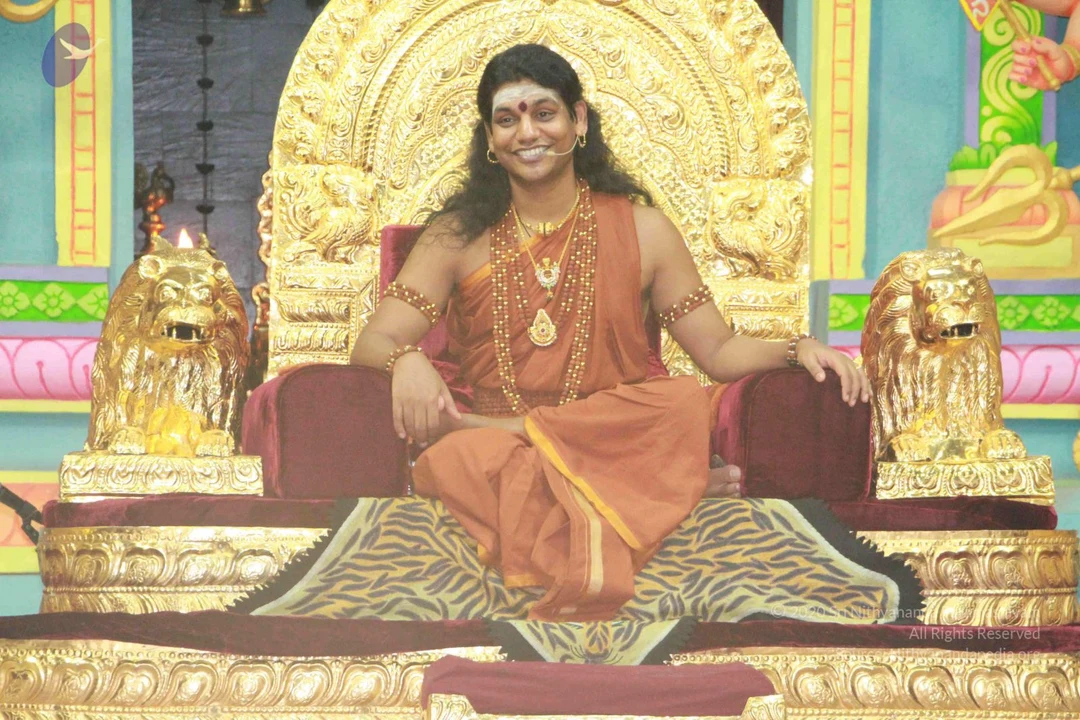
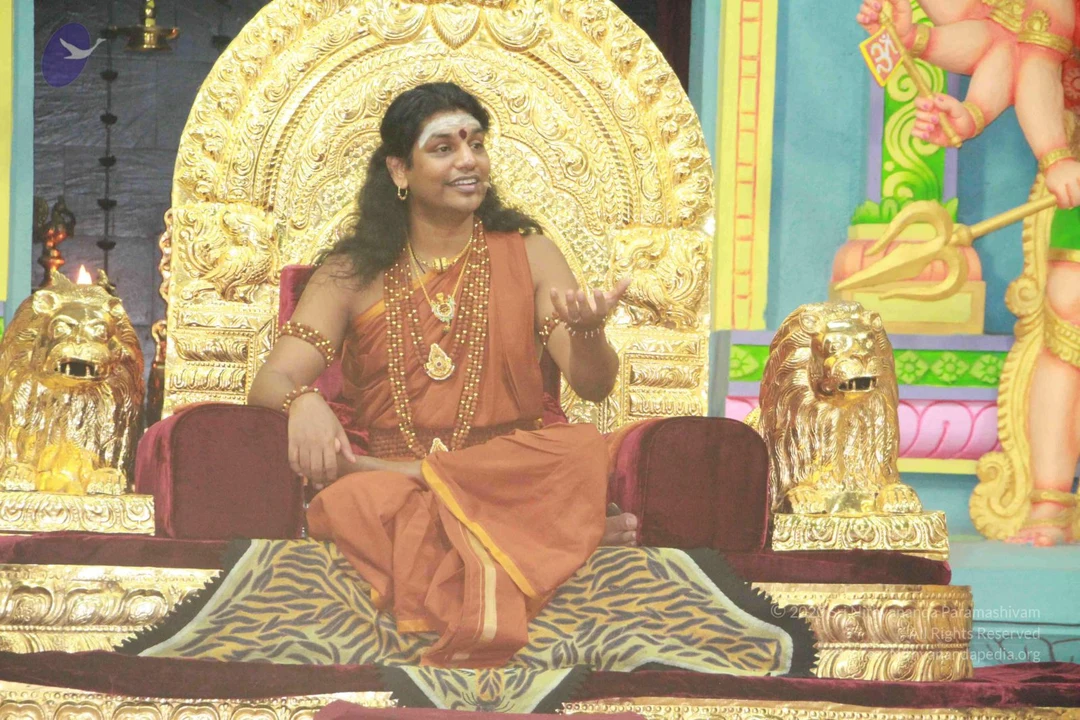
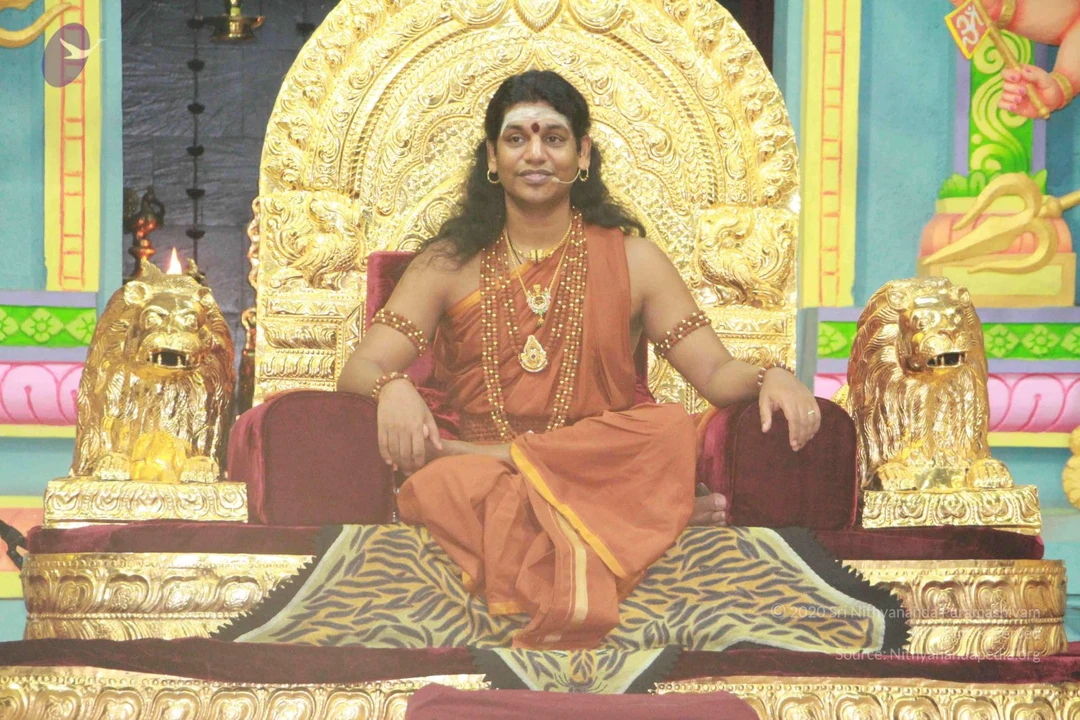
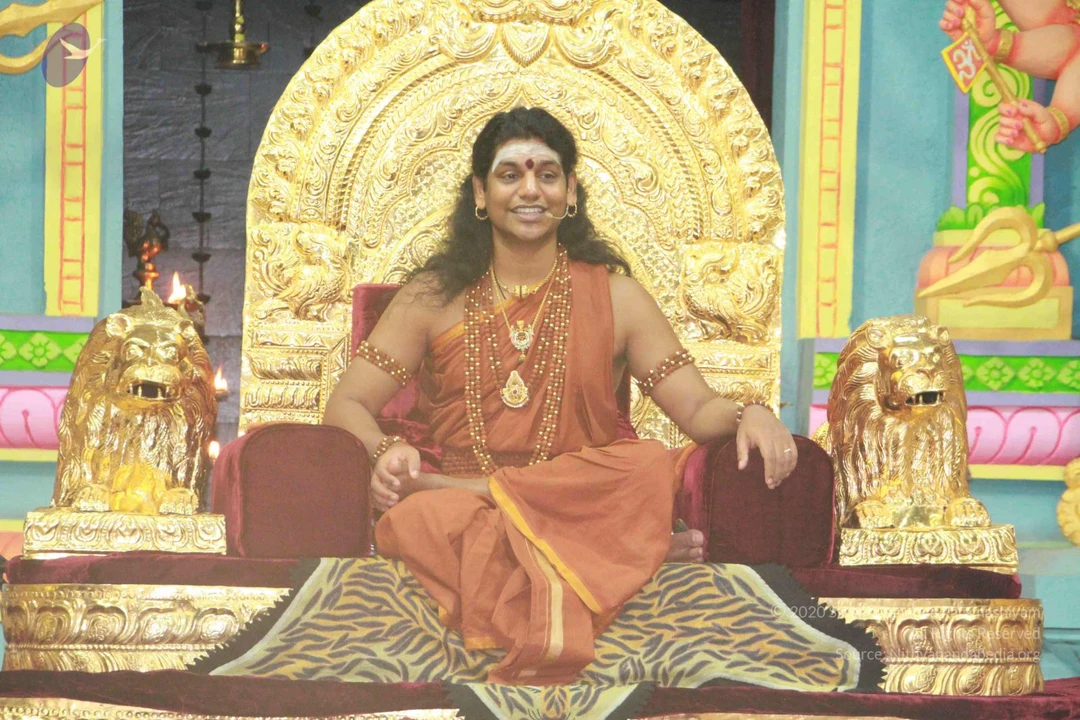
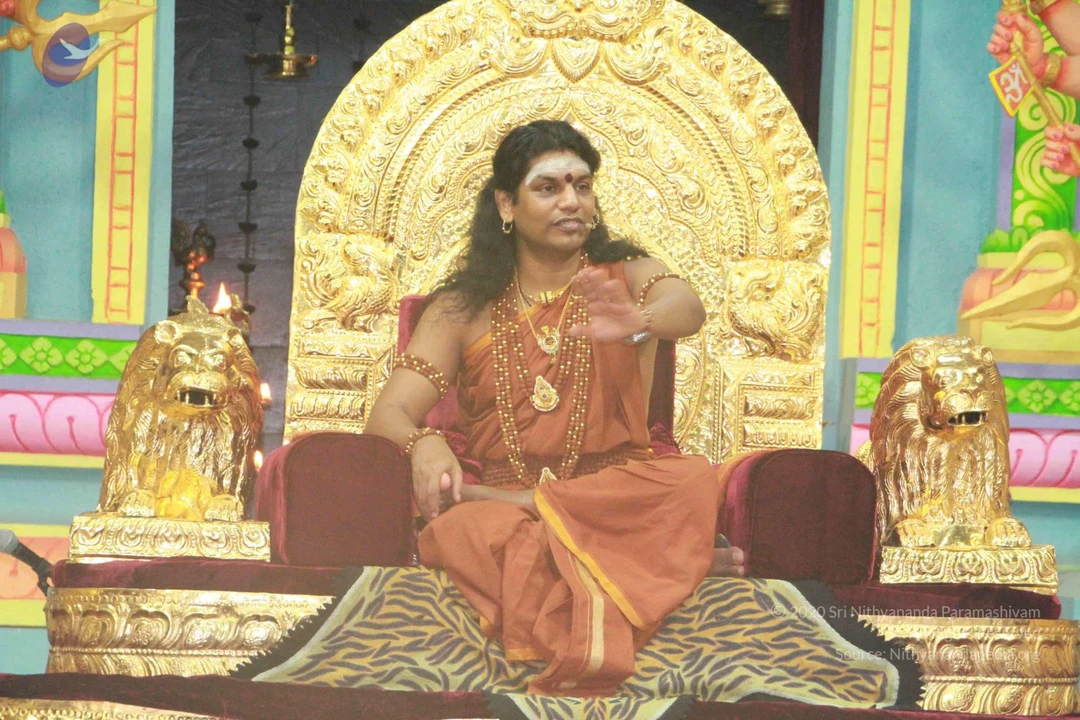
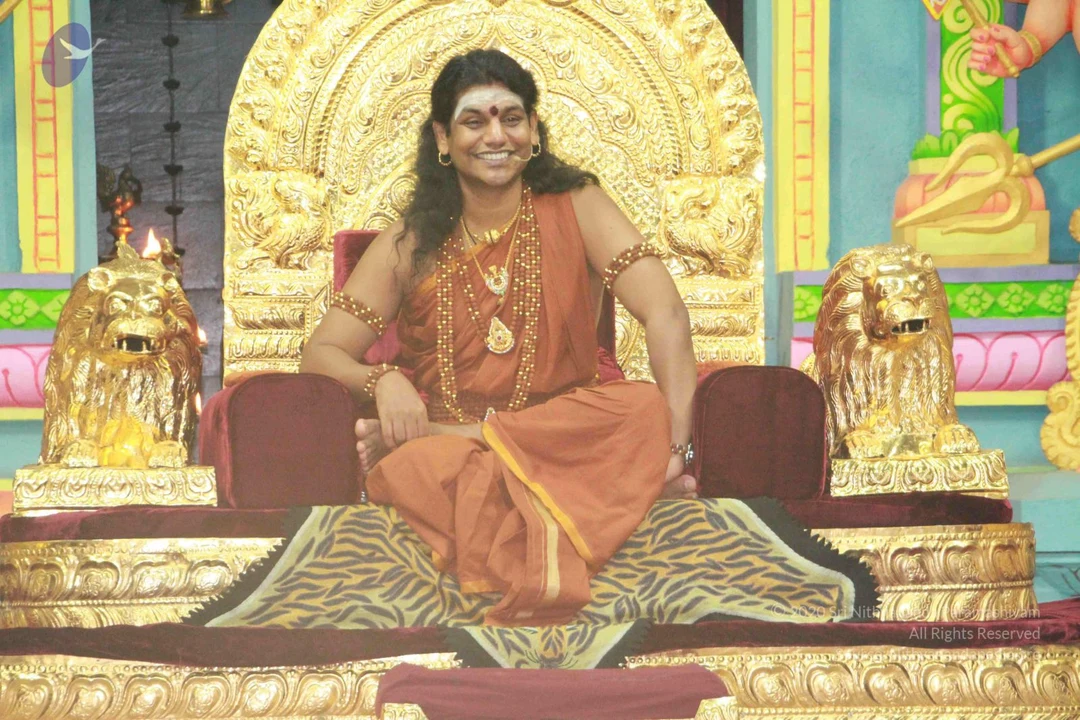
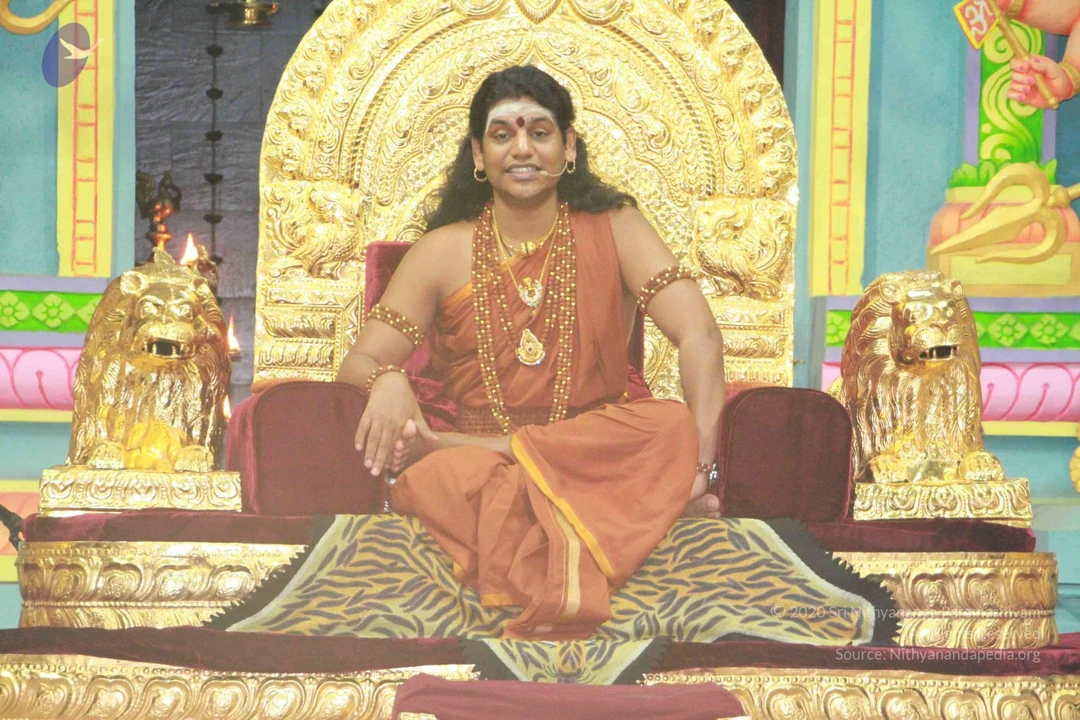
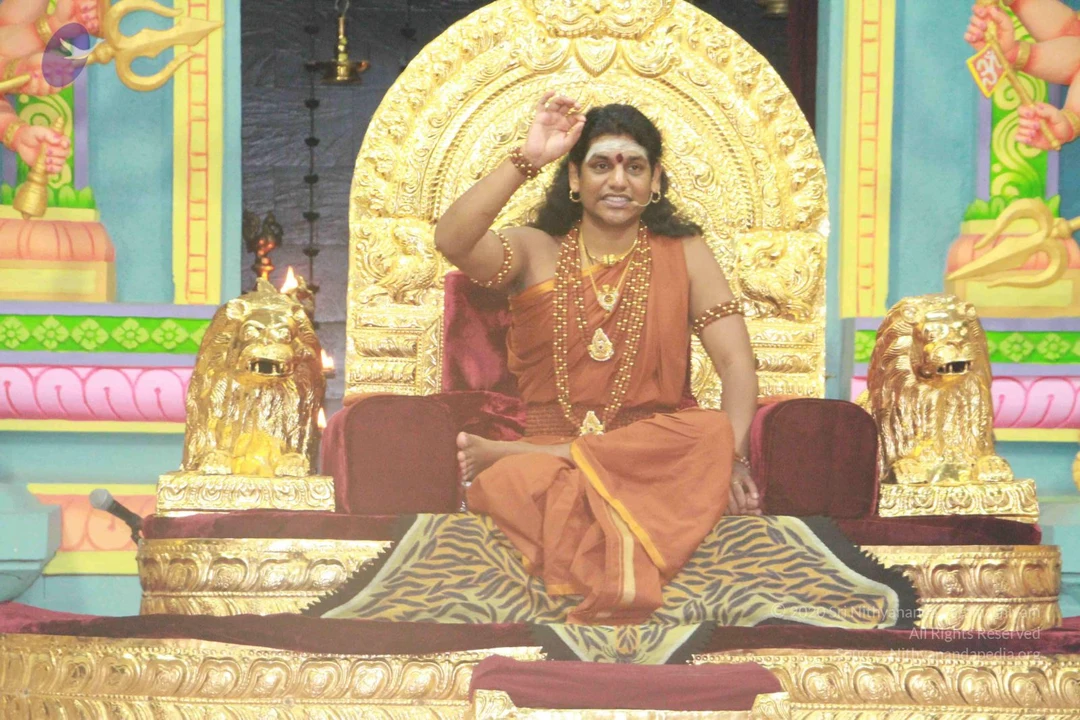
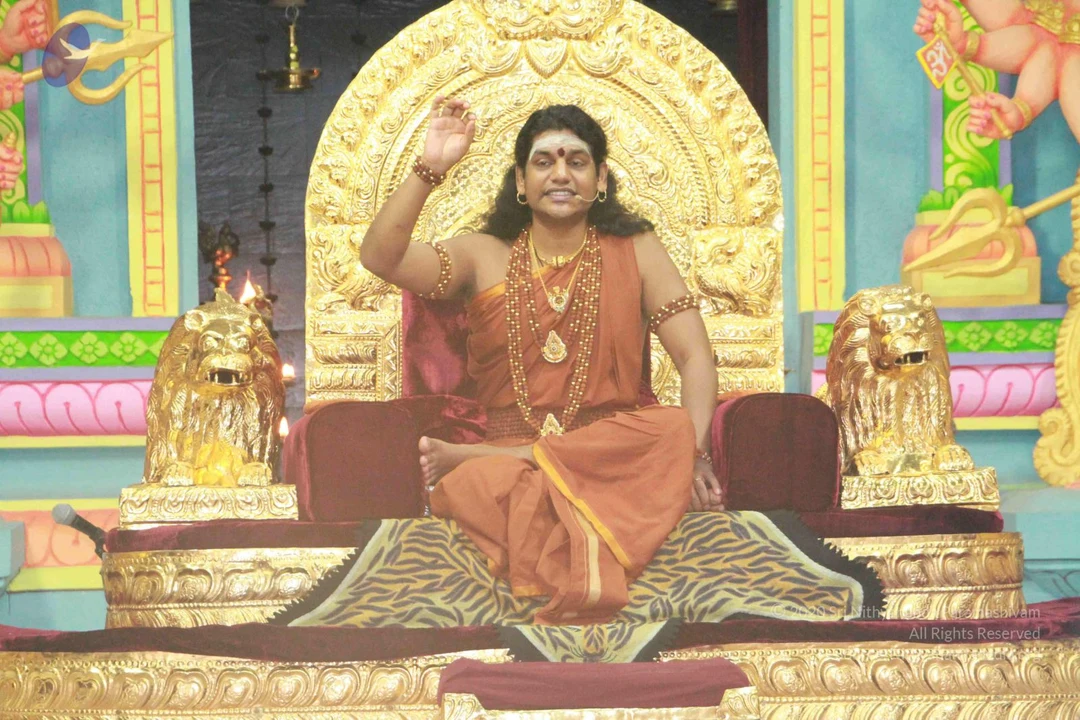
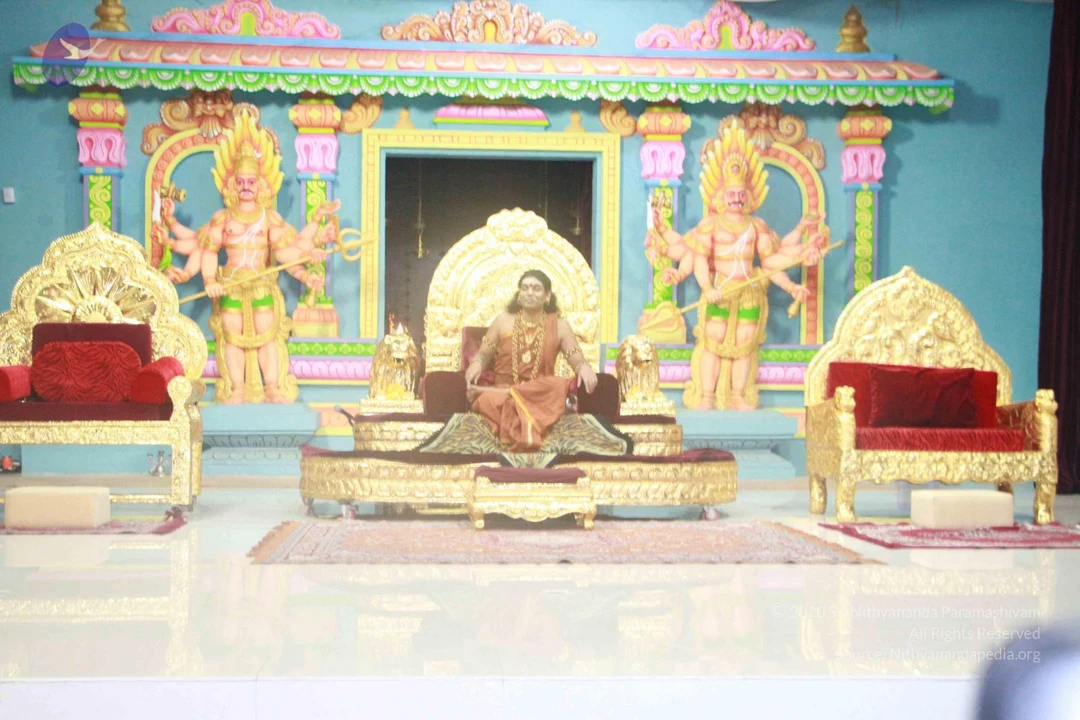
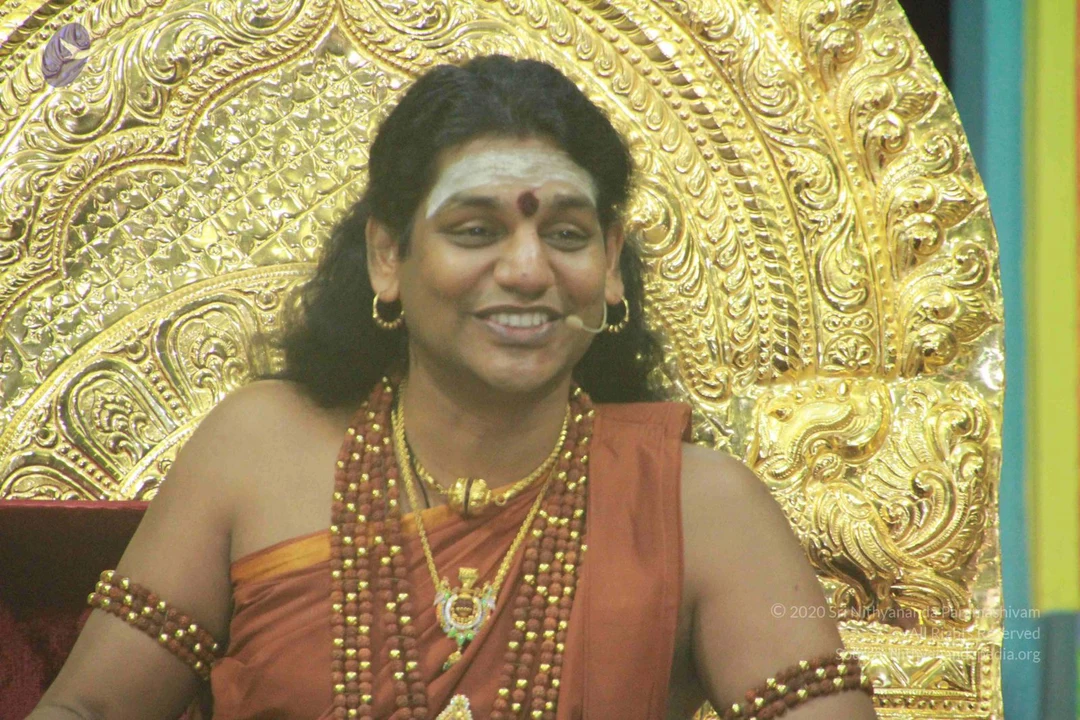
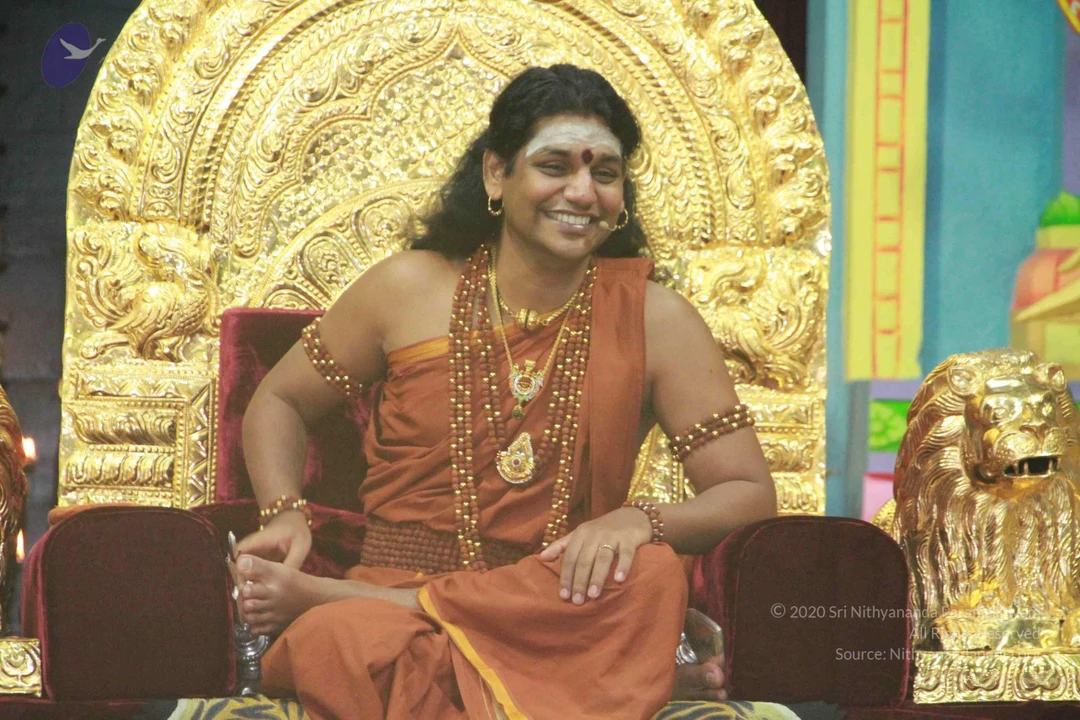
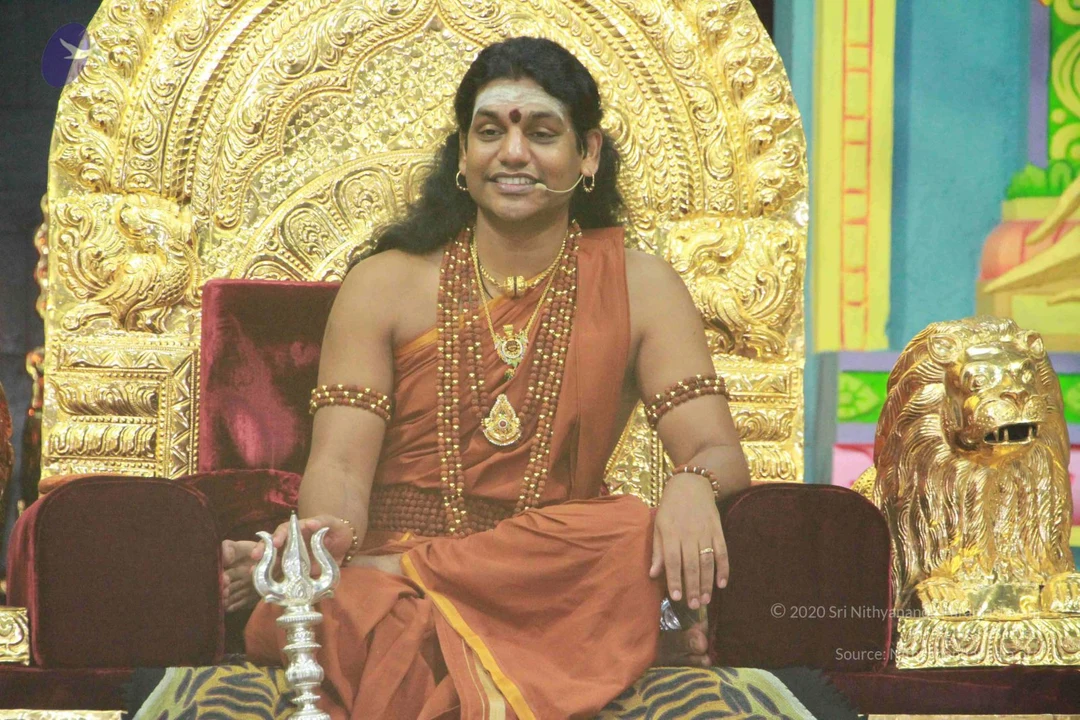
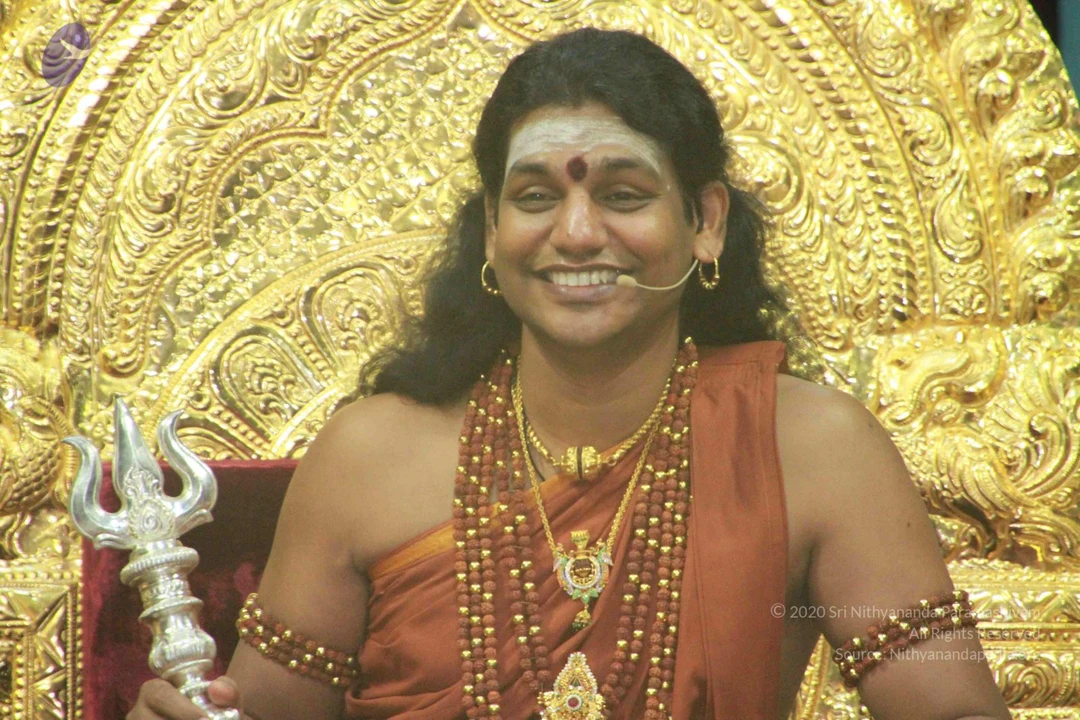
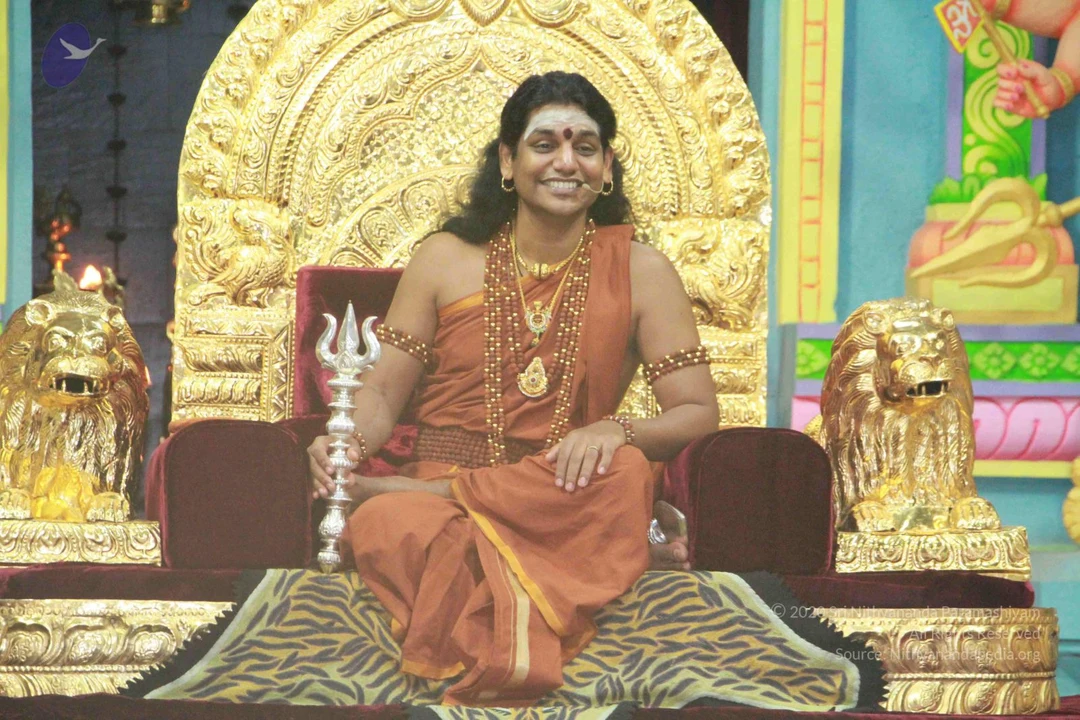
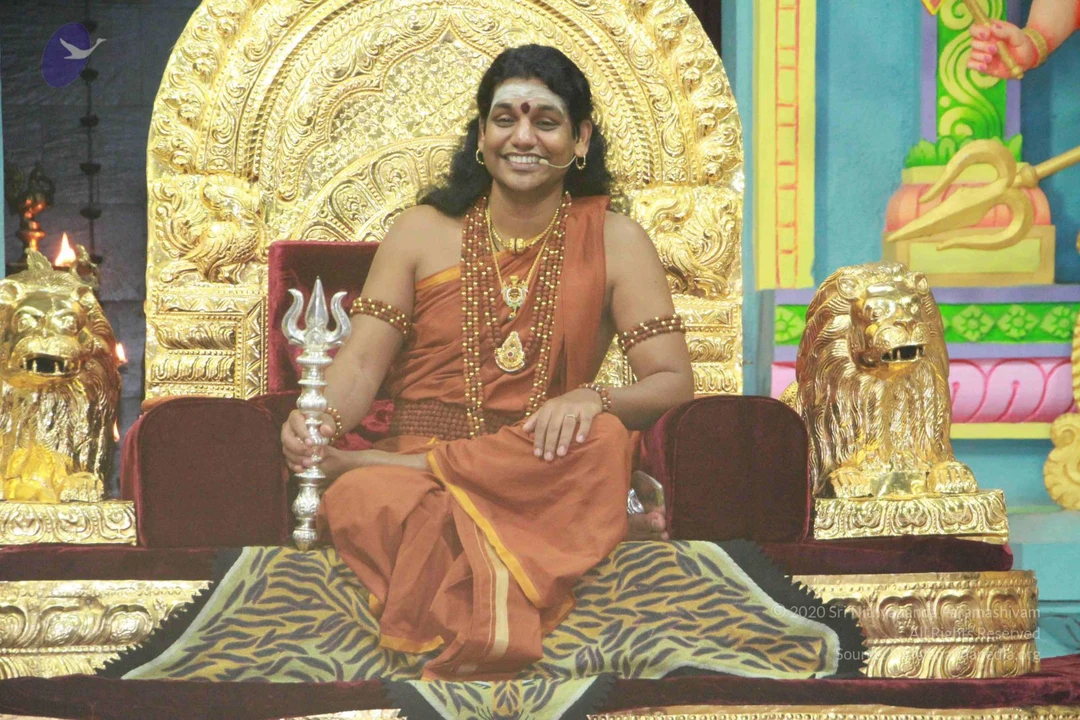
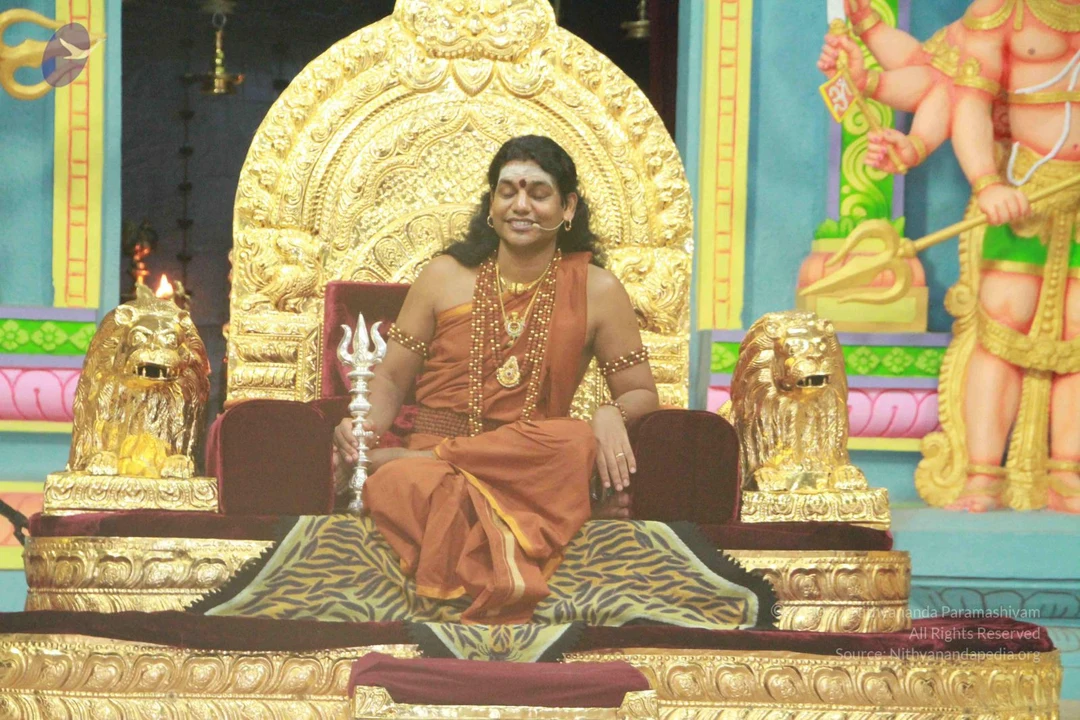
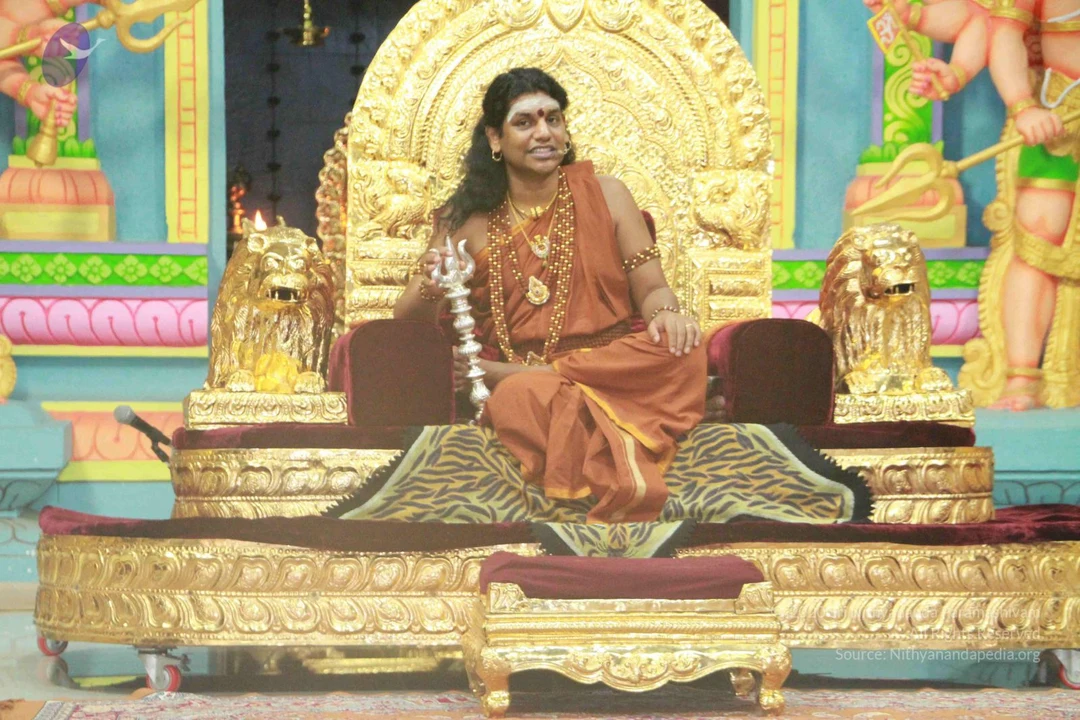
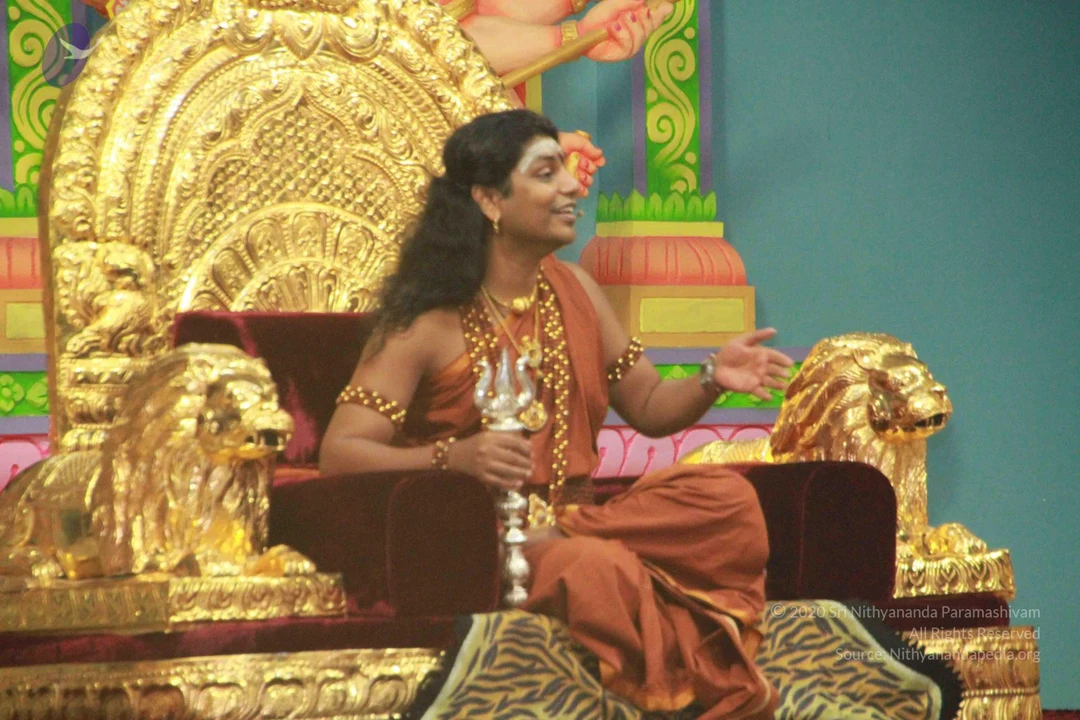
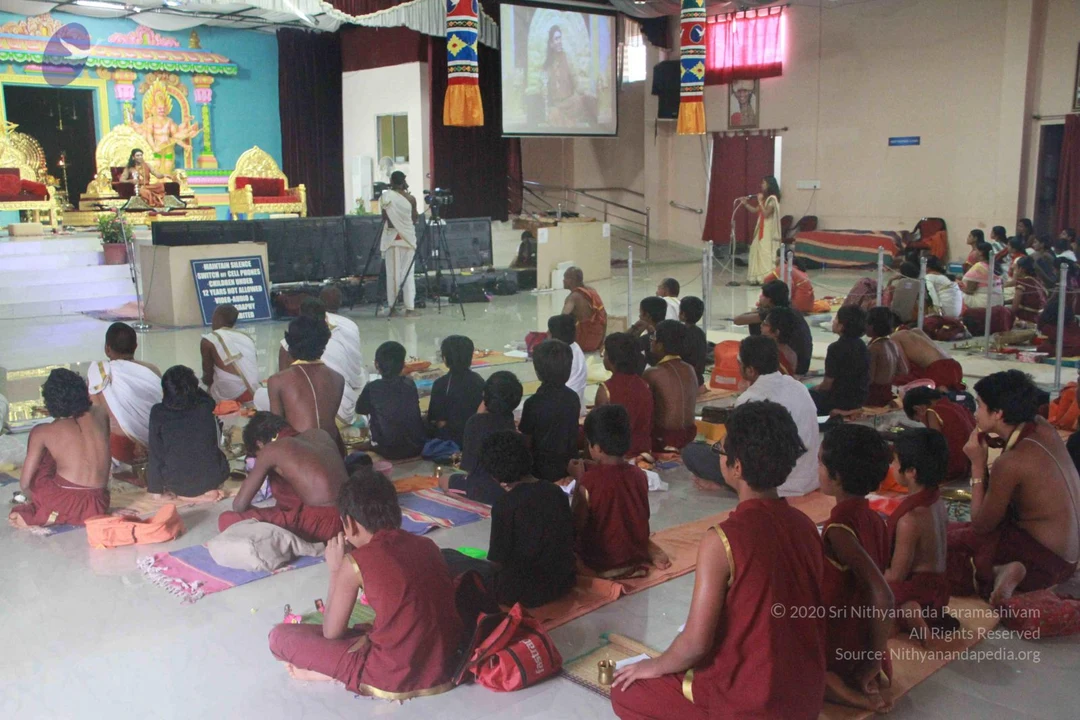
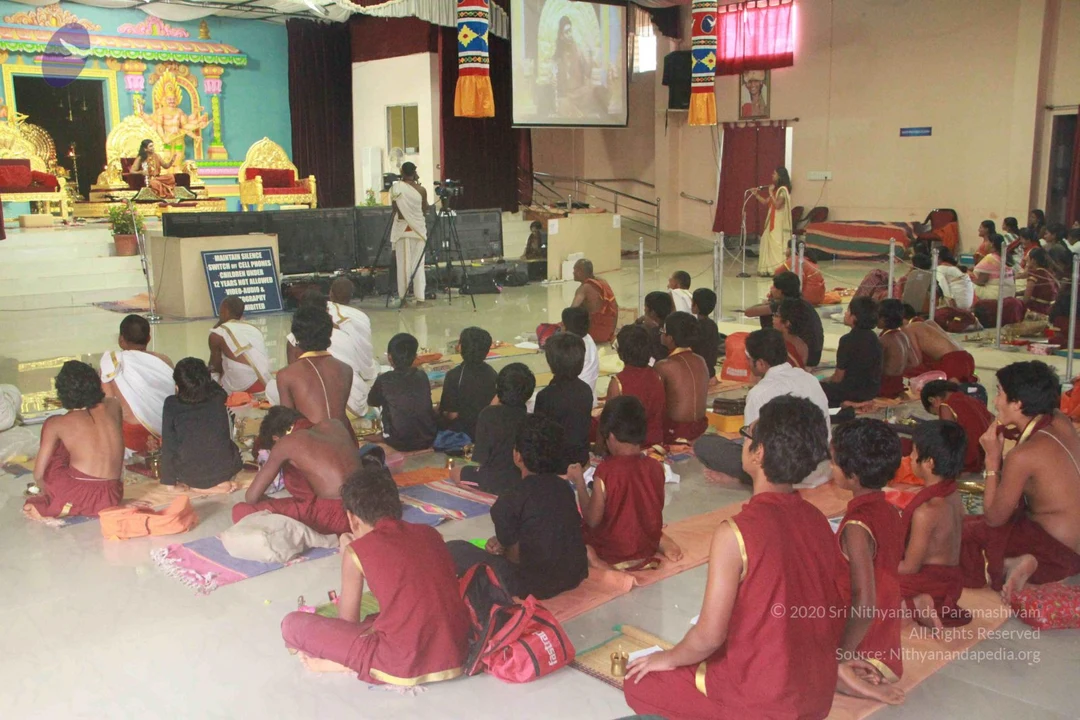
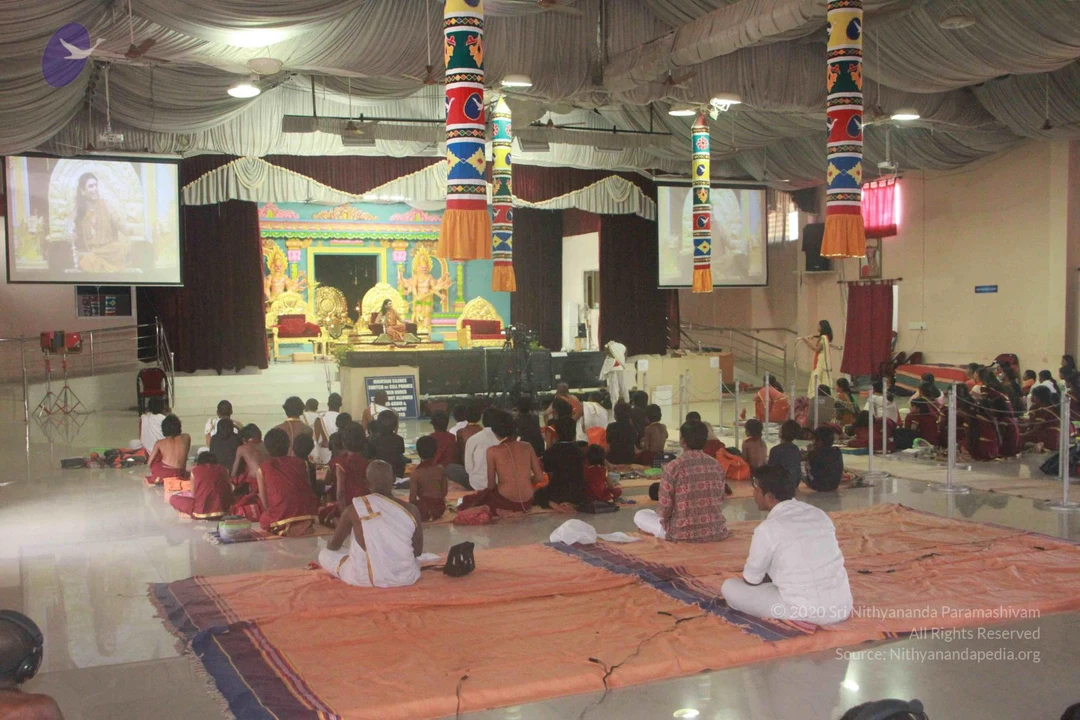
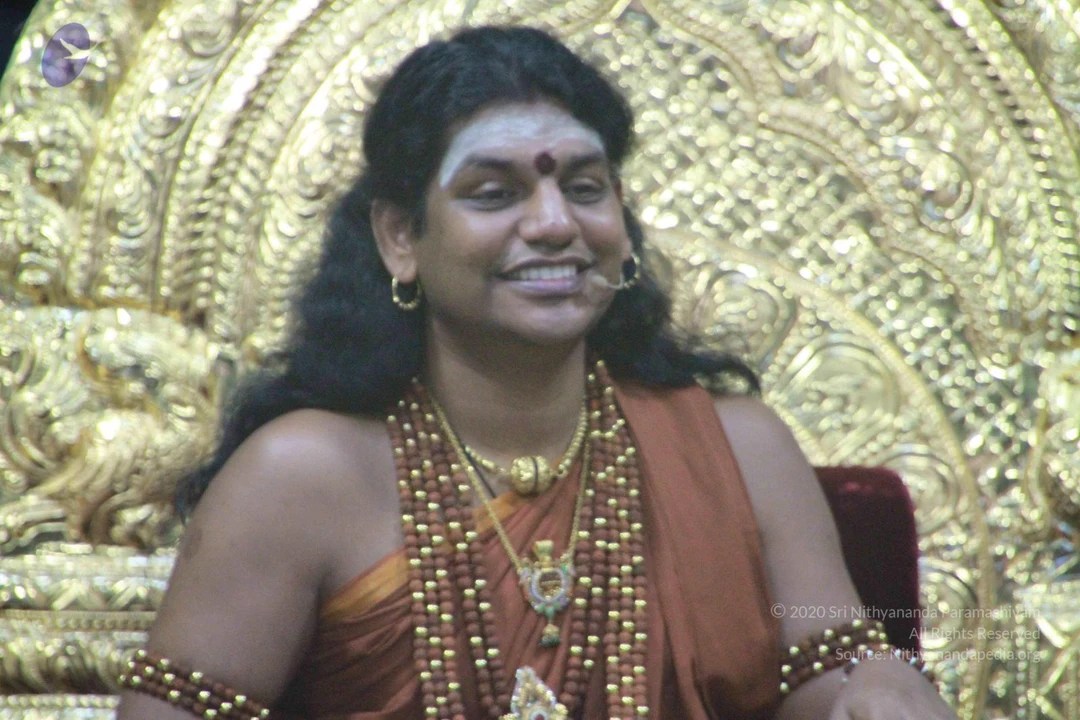
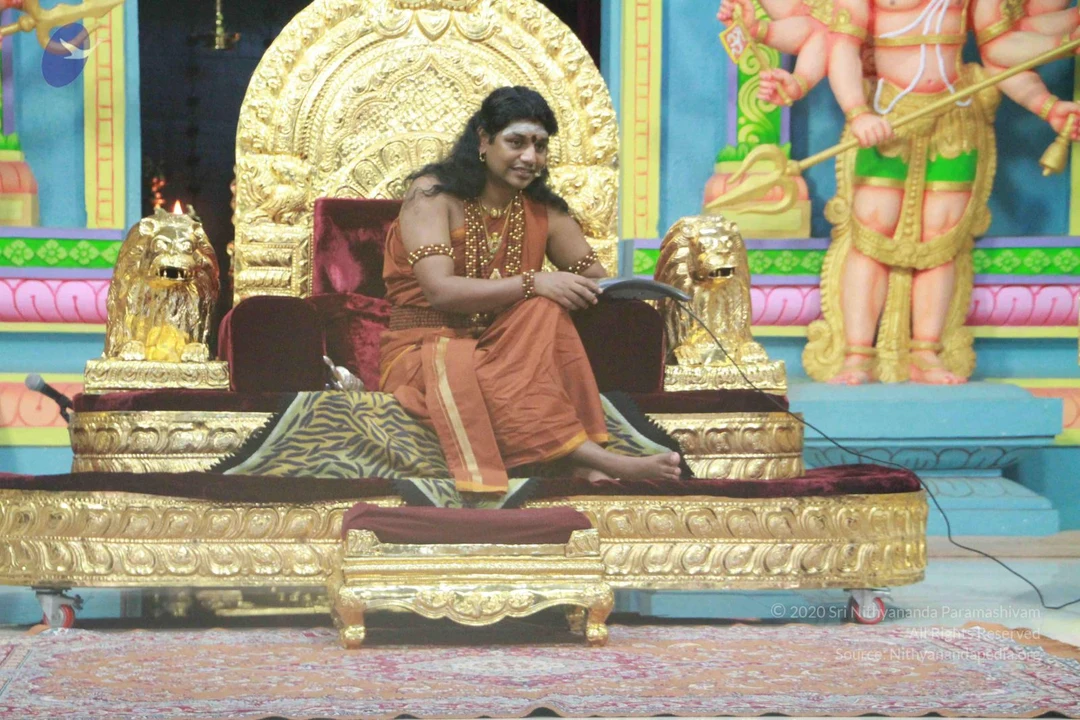
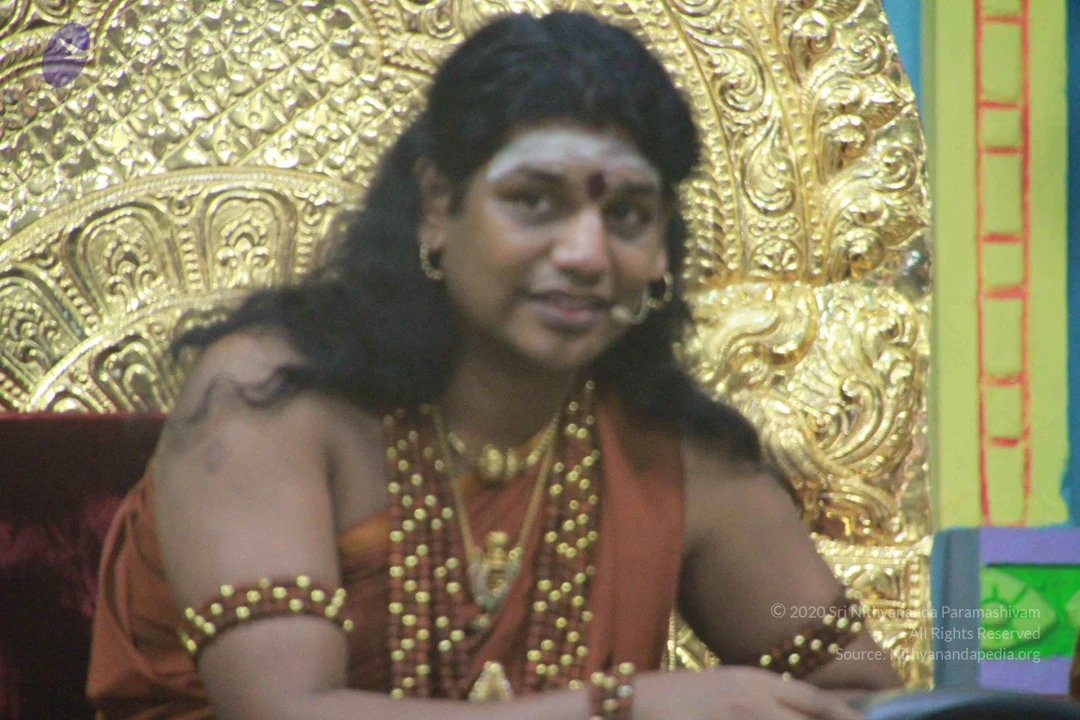
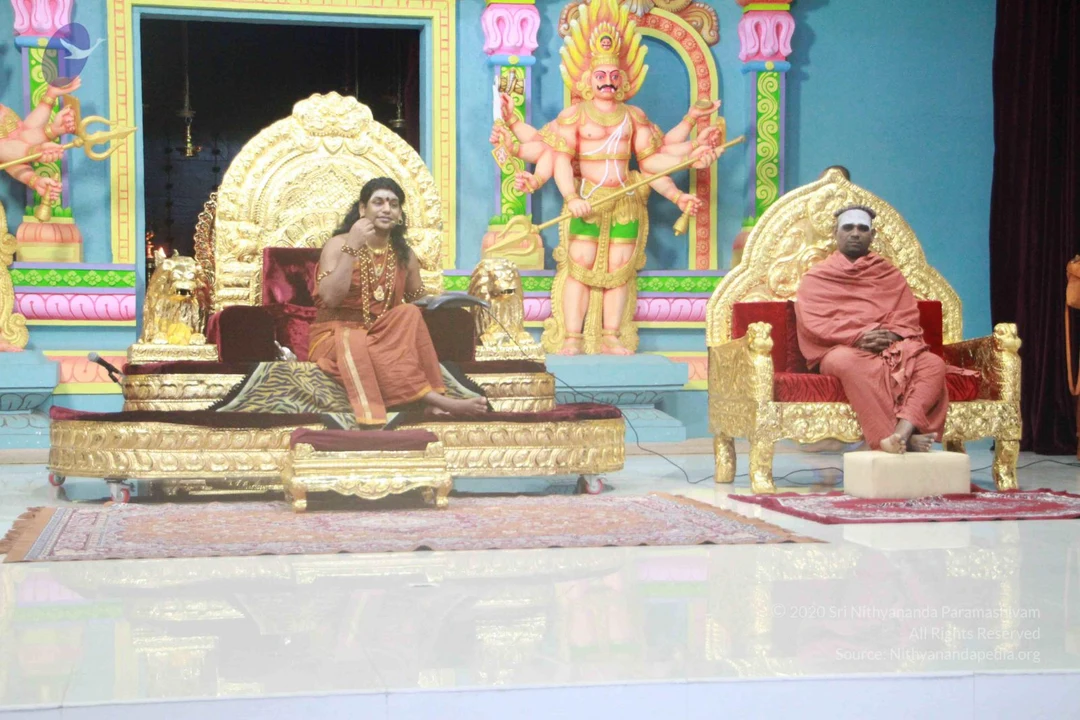
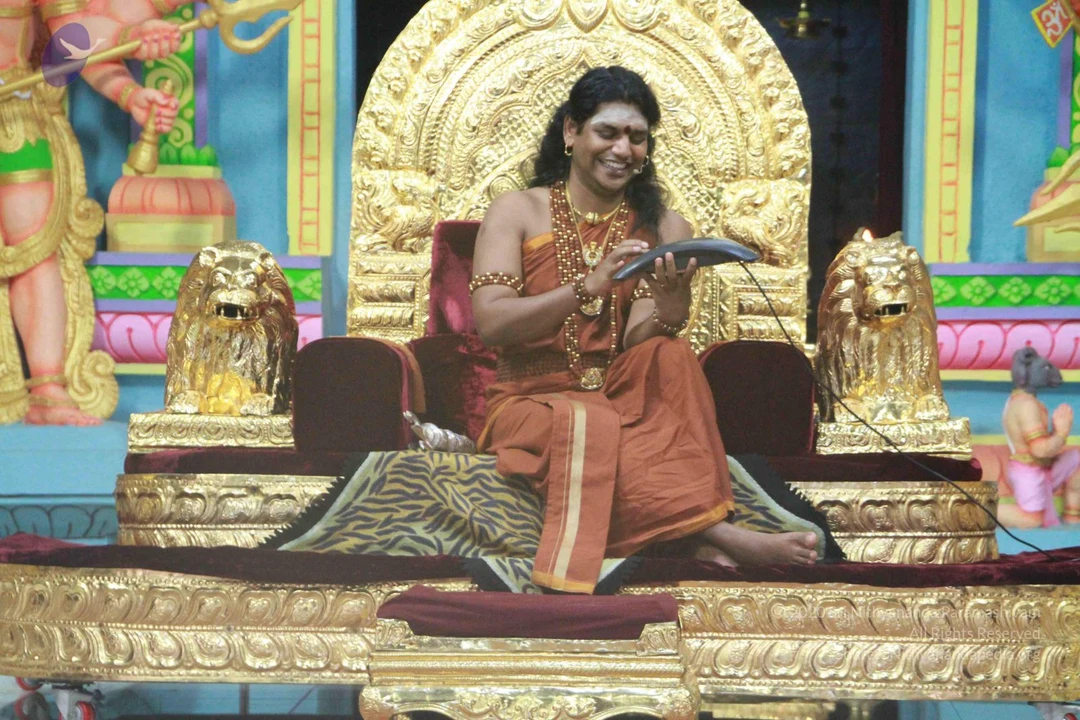
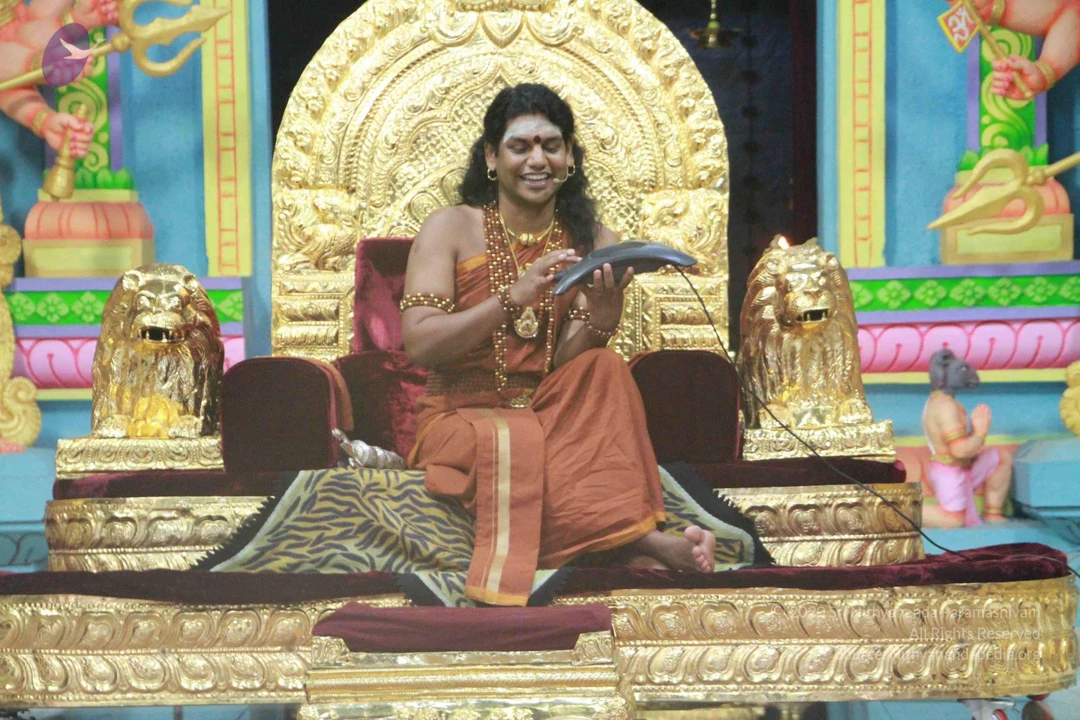
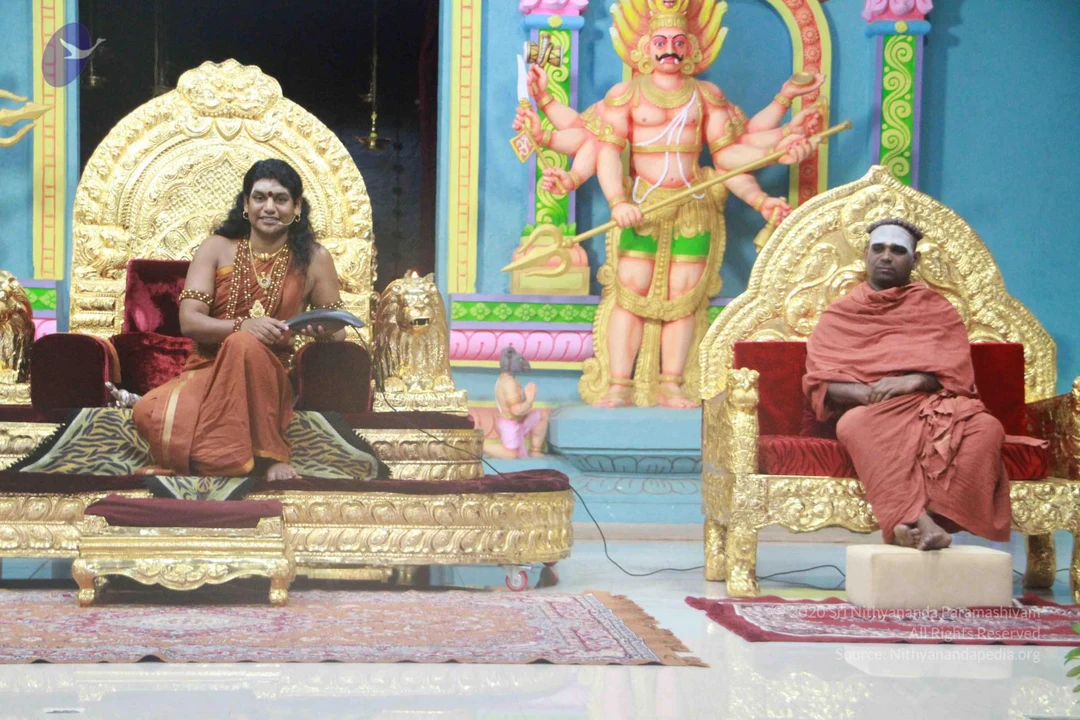
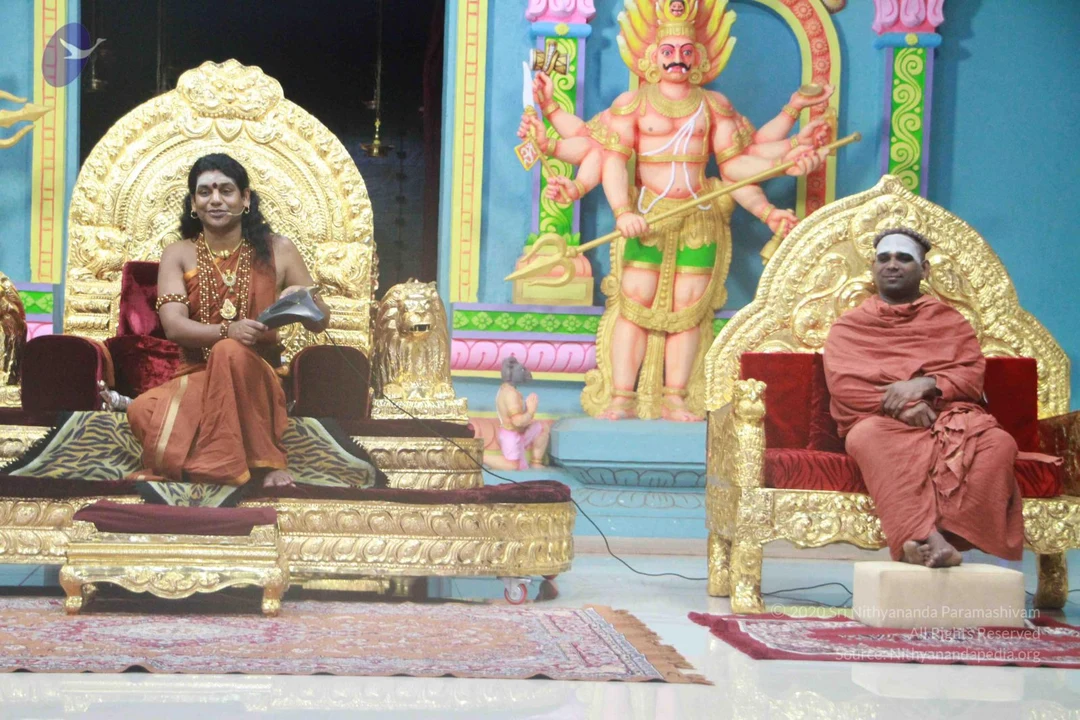
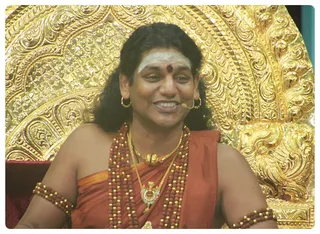
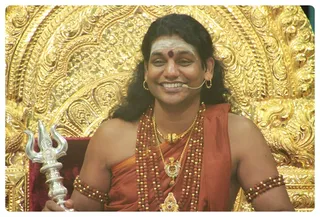
In today’s morning satsang, Paramahamsa Nithyananda rejoices in the increased authenticity of his sangha. In the past when he has assigned homework, he has received all kinds of excuses to explain why it was not completed. Now he is hearing simply the truth, indicating that devotees are deepening their integrity. Continuing his work on removing the root pattern which blocks us from memorizing, he demonstrates this technique with ashramites. He also speaks on Kumbha Mela, the great festival held at the junction of India’s sacred rivers, describing the Saraswati River as Being and the Ganga (Ganges) as Intellect. When these qualities are aligned they produce authenticity and responsibility, represented by the cities of Prayag and Ujjain. These cities are situated at the river junction, enriching all those who visit them.
Link to Video:
| Video | Audio |
Transcript:
[00:00:27]
ll Sadāshiva samārambām Jnana sambandha madhyamām Asmadācharya paryanthām vande guru paramparām. ll
[00.00:58]
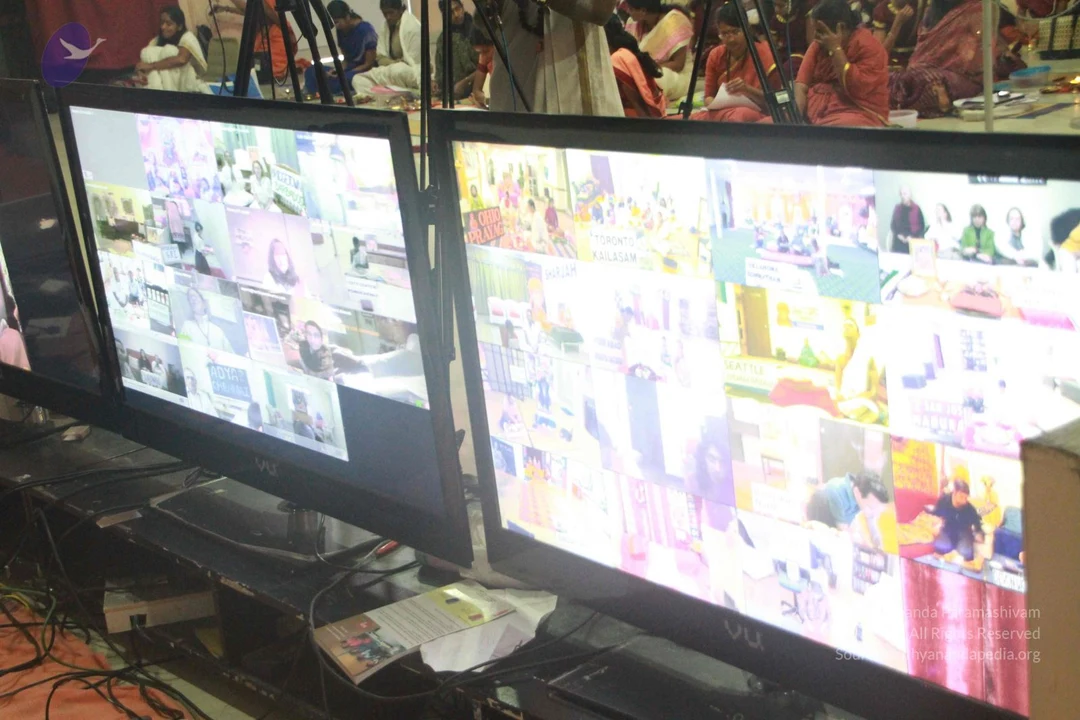
I welcome you all with My love and respects. I welcome all the devotees, disciples, Samajis, Satsangis, visitors, viewers, participants sitting with us around the world at this moment. 389 places through Nithyananda TV, 49 places two-way video conferencing having Nayana Deeksha, in 190 cities, in 27 countries around the world! The Cities sitting with us in two-way video conferencing having Nayana Deeksha: Black Diamond Canada, Mahakumbh Puri, Prayag, Bridgeton, Bridgetown Barbados. Which country? Oh, Barbados is a country? Wow, today, new country is joining satsang, Barbados country. Blessings! Kathmandu, and City Center Pondicherry, Troy Michigan, Hyderabad-Shree, Scottsdale Arizona, Lawspet Pondicherry, Vancouver Puri, Bangalore, Chennai Adyar, Durongo, Bangalore Nithyananda Vidyalaya, Hollywood Los Angeles, Madrid Spain, City Center Pondicherry, Bangalore Marathahalli, Hyderabad Bhagyanagaram, San Diego Tirualavai, Brookley London, Sharjah, Austin, Azhwarpet, Mill Valley, Vairavan Kovil, Chicago Srirangam, Charlotte Srisailam, New York Varanasi, Dubai Tirukkovilur, Vancouver Puri, Oman Sivagangai, London Kashi, Priyankananda Malaysia, Tallahassee Florida, Kulim Malaysia. Hmmm, Oklahoma Somanatham, Bangalore North, Ohio Prayag, Guadeloupe Rameshwaram, Seattle Chidambaram, Devon UK, San Jose Madurai, Singapore Singapuram, Paris Kalighat, Toronto Kailasam, Monterrey Mexico. That’s it? I welcome all of you with My love and blessings! Hmm, if any more cities joining, show me.. Hyderabad Shree, I can see you now. And Troy Titit Michigan, I can see now. Vancouver Sindoori, I can see you now. Any other center? Great! Today Nirahara Samyama, second level, first day. We’ll be doing for next seven days. Tara, Oklahoma. Oklahoma, Tara. Blessings! I’ll meditate for you and heal you. I commit with you. You will be healed. You will be healed. I'll heal you. Brookley London, I can see you now. Blessings! Yes.
[00:06:09]
It’s so beautiful to help every individual so deeply. I literally feel now, people are receiving My initiation. See, earlier, it is like a... I am like a river, I flow, flow, flow; who takes, takes. Who doesn’t take, doesn’t take. Now I feel I am a river flowing into everybody’s mouth and everybody is drinking the river and getting enriched. Yesterday I could see, I was working with one of our Brahmachari. I could see when he was stuck, he’s not able to find the pattern. I was not a...when I awaken the Kundalini, it gets blocked. But the moment he found the pattern, when I awaken the Kundalini, the whole body is responding. Understand, every blockage, every root thought pattern of suffering stops your kundalini energy. And the whole homework is about memory, how you started developing hatred for memorizing. To do this homework, Bhaktika forgot. Person who forgets the...exercise about memory itself. It is all about memory. Even that she forgot.
[00:08:16]
One professor, who has a strong pattern of hatred towards memory, he’ll forget things so badly, many time when he comes back from his university, he’ll forget his house address and call the university and find the address and reach the house. Sometime, when he goes to university, he’ll forget the address of university and call the house and find the address of the university and go there. Once, unfortunately, he forgot both. He’s in the middle of the street, looking this side and that side. One elderly gentleman was passing by, he stopped him and asked, ‘ Do you know one professor used to live here… his house?’ The guy said, ‘No, I don’t know. I am new to this area.’ So, he met another one lady. He asked her, ‘Do you know one senior professor used to live in this area... his house?’ She said, ‘I also don’t know’ and went away. Third, he saw a young lad, young chap, young guy, and asked him, ‘Do you know there used to be a very senior professor living in this area, do you know his house?’ The guy said, ‘Yes, I know. In this street, the corner, second house.’ This guy looked up and asked, ‘how do you know perfectly, when others don’t know?’ The guy said, ‘Enough dad! I am your son!’ 😃
[00:10:07]
I can visualize two-three people in that place. Bhaktika is not that bad, but almost near. And, there are few more people who said they forgot! Who are the others, who forgot to do the exercise on memory? Triguna, raise the hand. And Priyamaya. Am I right? Forgot nah? Did the work? Ok. The great people who forgot even to work on memory! Hm Um. Now, I can see Istanbul, Turkey. Blessings, blessings to Turkey!
[00:11:08]
But, one thing I am very happy, people are thinking in the language of authenticity. Continuously, even when they forget, they tell the actual reason - forgetting. Otherwise, they spontaneously lie. Sometimes they say ‘Oh, no, no, I was busy with too many things.’ What were you busy? ‘No, I was preparing rope for committing suicide and poison for drinking, place for burying My body.’ No, these are all the spontaneous lies they give. Why did you not then commit suicide? ‘No, after that I changed my mind. What hap...made your mind to change? ‘No, I had a confusion whether to jump in front of train or hang or drink poison or cut myself, and so many choice and options. I was too busy in selecting, I forgot the process. I was too busy in choosing. Then, finally, I forgot what for I am choosing. Finally, I decided I’ll jump in front of the train and die and went all the way to railway station and saw the Allahabad train, I thought of going to Kumbha Mela and got into the train and went to Kumbha Mela. Because, by the time I saw the train, I forgot I came here to commit suicide. This is the way life goes on. You don't even know what you are doing. You don’t even know what life is up to? It is so unfortunate. But now I feel so confident and courageous that Sannyasa Sampradaya for the Sarvajnapeeta will be done!
[00:14:27]
Am not going to start on Kathopanishad today. I still want people to further work and get to the ability of memorizing at least two shlokas a day. Still how many have not...are not able to memorize the shloka? Raise your hand. How many can't chant on your own? Raise your hand. So, till you all evolve and come up, I am going to wait. I will wait. No problem. For next few days also we will work. Today, after all, we have enough time. Work, work, work. We will work on removing all the patterns… patterns related to the hatred towards memory.
[00:16:32]
When I am working on these tattvas, now it becomes so evident to each individual about their own inauthenticity. Most of the self-awareness work is done by these tattva itself. They themselves become aware. You do not need much of the watching, viewing, managing from external source, outside. Only if you decide you want to be inauthentic and lack of integrated, you can continue to be. Neither you can cheat you, nor you can cheat others. Earlier, you yourself were cheating you, strongly believing you are integrated and authentic. Only, other than you, whole world is inauthentic. You are the person living with ultimate authenticity. Now everybody understands. No, that it is not that true. I do have some inauthenticity. Nowadays, I can catch very clearly, the moment they answer spontaneous lie. Most of them, they themselves catch them… the spontaneous lie and inauthenticity. If they decide to be inauthentic, that is up to them. I have no problem, but at least they know whether they are authentic or not.
[00:19:08]
Next step I want to do is extending all these completions and commitment to all the two-way cities... the satsangis who are coming everyday on two-way... extending. Please understand, yesterday, I myself sat personally with one brahmachari and helped him to find his root thought pattern, how he cognized the idea that memorizing is difficult. So, for next few days... of course, from tomorrow, Kumbha Mela. Tomorrow I’ll be here in the satsang. 6th Satsang, we’ll be doing it from Maha Kumbha Mela, Maha Kumbhapuri. I may be speaking on the Kumbha, the story of churning the ocean and Kumbha Mela… with these four tattvas.
[00:20:30]
Haridwar is integrity. When Ganga lands on the ground and straightens herself towards her mission, is integrity. Allahabad is authenticity, where she is gaining power by gathering all her intellect, emotion, and being. Authenticity can be executed only when you gather your intellect, emotion and being, all three put together, not before. Understand, you can't practice authenticity if your emotion is one direction, and intellect is one direction. Ganga is intellect, Yamuna is emotion, bhakti. That is why Yamuna is Krishna’s representative. Ganga is Shiva’s representative. Jnana and Bhakti. Saraswati is Being, your Self. Only when you integrate all these three, authenticity is possible. Prayag is authenticity. And Ujjaini is responsibility, Maha Kala. And, Ujjaini is the place, the seat from which the whole India was ruled by Vikramaditya. The very seat is called responsibility. Ujjaini was the power center for whole India for quite a long time; till the Mughal period Ujjaini was the power center, place of Maha Kala. And the Nasik, is enriching others, where the amrita is finally kept only to share with people. The... actually, Nasik is the place where all the Devatas have been given Amrita. Because, after hiding in all these three, four, three place, the fourth place, the war was over. Vishnu started sharing it with devas, enriching. The place stands for enriching actually; sharing.
[00:23:00]
Kumbha, with these four tattvas. Kumbha, with these four tattvas. We will have sessions on Maha Kumbha from tomorrow. Already, I have given the frame. After that I wanted to work with every individual personally and guide the individual to find that root thought pattern. And, when I guide itself, mostly, I can awaken their kundalini, and not only guiding, and remove the pattern on the spot. When you open the body to show where the tumor is, I am not just a nurse to show the tumor and then asking you to remove the tumor. After all, I am a doctor, I can just remove the tumor also and throw it away, once you see it and you don’t want it. If you want it, then I will leave it and stitch it back. Once you don’t want it, you can just throw it away. We can.. see, when a teacher supports you to find your root pattern, it is more like a diagnostic laboratory. You get the blood report, X-ray, ECG, MRI, scan, report, and everything. But, when a doctor does, it is not just diagnosis, surgery also. I’ll work with many of you and then work with international video-conferencing cities also. I think the New Chapter in our Satsang is starting. Because, I am going to continuously help and guide people to find their root thought patterns. See, first, I am going to guide you guys to find your root thought pattern. And then, help the satsangis in the 2-way city, to help, helping them to find the root thought pattern. Then, to make the program completely useful for larger number of people, any celebrities want to find their root thought pattern, we will invite them to be part of the morning satsang, where we will guide them to find their root thought pattern of suffering; where we will guide them and help them to find their root thought pattern of suffering.
[00:26:26]
Come on, anybody… Today, I’ll start with memory. Listen. Listen. First, when did you start feeling memorizing is difficult, by-hearting is difficult in your life? Yesterday, one brahmachari said, at the age of first standard, maybe four or five, when My uncles asked me, forced me to memorize the tables and pushed me saying that, if you...‘Only if you study, you will be able to survive’, I started developing the fear it is difficult. If I can, I can, otherwise, what can I do? I give up on myself. And, still that guy is struggling and suffering with that same pattern of giving up on himself. In twenty minutes, he will give up on himself. Nithyasthananda? The maximum time he can be aware is twenty minutes. I tell you, any conversation you hold with him more than twenty minutes, he will not know what he spoke twenty minutes before. How many of you work with him? Understand? Maximum, you can make him remember some...something cohesively twenty minutes only. Yesterday I saw, by one cycle, he just changed the whole plate. Then, I have to say, ‘No, no, no, please. Don’t go off the track; you are supposed to reach Bangalore, not Mysore; please change the track.’ So, before the second 21 minutes, I have to seal him. Anyhow. But, finally, very successfully, he got the root pattern. He got the root thought pattern. His... Understand, the cognizance, cognizance of your mamakara, the individual consciousness, is the base material for the root thought patterns. Cognizance of mamakara of the individual is the basis of root thought patterns.
[00:29:18]
Listen. Now, My satsangs have become all filled, filled with technical terms. I don’t want it to become completely, completely, non-understandable to a new visitor. So, I will better use ordinary English words itself. Today only, I decided. Only when you guys declare, you use the Sanskrit words for integrity, authenticity and all that. Even when, while you think, you can use that word. But in satsangs, I am not going to use that words, because I am going to introduce these tattvas to many people. Before even they understand the tattva, if you introduce some new technical term, they are too busy with Appyaynam..Appanam.. 😃Uppanam.. mmm.. uppanam. Uppanam…Uppanam Appanam They are so busy with Uppanam Appanam, they miss the original meaning of the word, the idea we are trying to convey through that word. Uppanam Appanama? அப்பனம் தின்னுட்டு உப்பனும் போல இருக்கு, அவ்லோ தான். It is neither Uppanam, nor Appanam. Upaayanam, Aapyaayanam. 😃 So, I’ll better use the English words in the morning satsang to introduce these tattvas. 😃 Generator starter, it is not stopping…😃 After a long gap, generator is starting so.. Generator down...was down for last few days. 😃 No really… People are not able to understand. 😃 What, what? Uppanam... Uppanam, Appanam...Appana. 😃 It is Upaayanam, Apyaayanam. 😃 Then I have to do a separate session for that. Anyhow, so I’ll use only straight Sanskrit words like straight English words: integrity, authenticity, responsibility and enriching. Still, generator has not stopped...😃 Hey Ma... Still, she has not stopped, Na? Abya…
[00:33:15]
Any of you who worked on this process, homework: ‘I tried my best to find the root thought pattern, when I cognized by-hearting is difficult, memorizing is difficult, capturing, storing, reclaiming, restoring information is difficult. If a...you did your homework, but not able to find the root incident from which the root thought pattern has started growing’, raise your hand. Come on. How many of... If you want, come to the mike, I’ll directly help you to find the root thought pattern. We’ll start from today. From today, we'll start the practical satsang. Hm. Introduce yourself to all the visitors, satsangis sitting all over the world. Ma Bhairavika: Nithyanandam, I am Ma… Swamiji: Put half screen, half Me and half she. Ma Bhairavika: Nithyanandam! I am Ma Nithya Bhairavikananda. Swamiji: Hmm...Go ahead. Ma Bhairavika: Ahh, Swamiji, yesterday I kept thinking like when I started getting that root thought pattern. But, I couldn’t actually find the incident. Only thing I remember is like what I had regarding by-hearting. Ummm...Whenever I take out the books, History or whatever, there will be huge notes, pages and pages. By the time I finish one page and go to the next page, I am very clear I’ll forget the first page. Swamiji: See, at some time, you would have cognized memorizing is difficult. How did you forget even that? Do you, do you remember the oldest incident when you started feeling that memorizing is difficult?
[00:35:28]
One good thing that happened in My life is, I saw Ragupathi Yogi before I saw My teachers. All of you will have at least one or two teachers as your heros, at that time you would have had a respect towards them like heroes. Now, you may not have; at that time. I never had a single teacher like a hero, other than My Guru, Raghupati Yogi. Raghupati Yogi and Kuppammal. Other than these two, even in the childhood days, I never felt any one of them as heros, as My ideal. Hmmmm. I had one maths teacher, not the Gandhi, another one guy, for whom I gave this darshan of, like Ayyappa, Ayyappa Darshan. Sometime...He lives in the next street. So morning, sometime, he will take his bicycle and come near the temple, in one corner he will stop the bicycle and release the air, and start going by walk, by... he will go by walk taking the bicycle along with him, without riding on it. One day, I saw that, I was wondering, why he himself is releasing the air. And see...usually, when the cycle gets punctured, they will walk, taking the bicycle along with them, instead of.. without riding. But, I saw he himself released the air, and he’s walking, pulling the bicycle along with him by walk. I could not understand. Anyhow, I did not ask him anything. I went to school. I was also going by walk. But, I went little ahead of him. I was...I entered the school and I was.. But already I was late. As usual I was late. So, because I was late, I was standing outside the school. Anybody comes late, headmaster has to come and ask for the reason. Only if the right reason, he will allow them inside, otherwise they have to stand on their knees, and all that punishment will be given, 100 sit up and all that.
[00:38:01]
So, I was standing outside. Listen to this story. So I was standing outside the school. Still headmaster has not come to Me for asking reason, because he knows he has to spend at least half an hour with Me to get the reason. I am not going to be giving a straight answer. I am just.. so, he knows the moment he saw Me, he got frightened. He said, you stand there. Then, I saw this teacher coming. This maths teacher.. Govindarajan, his name is. This Headmaster asked him, ‘Why are you late?’ The teacher spontaneously, he was telling, ‘No, My cycle got punctured. I have to come all the way by walk, that is why late.’ I could not understand because, I saw with My own eyes, he releasing the air. But, I did not tell anything. I kept quiet. The headmaster was screaming at other students and he told the teacher, ‘you go inside.’ He allowed the teacher, because it is a valid reason. He was screaming at other students, few students. Then, he sent all of them. Then, he looked at Me, he said, ‘I don’t even want to talk to You. You please go inside the school. You came, that itself is a big… 😃 and I straight went to the… My class, and he was the teacher who came morning, who released the air in his own bicycle came, that teacher was taking class, his section, his class. So, I went straight to the class, and he did not allow Me inside the class. If you come late, you have to stand outside. I was standing there. I said, ‘Can I come in Sir?’ He said, ‘Why are you late?’ Then, hmm, I did not tell anything. I just said in a very indirect way, ‘Sir, today, I was busy in seeing one person releasing the air in their cycle by themself, 😃 and then telling the headmaster their cycle got punctured. I was busy attending that person, Sir. That is why I got late. He just looked. He is My relative also. He looked and, ‘You have eyes everywhere?’ He told in Tamil, "ஊரெல்லாம் உனக்கு கண்ணாடா? நீ இருக்கிற ஊர்லே குடித்தனம்பண்ணக்கூடாதுடா…" I can’t live in the city where you are living. In Tamil, in a very frustrated way he said, "ஊரெல்லாம் உனக்கு கண்ணாடா? நீ இருக்கிற ஊர்லே குடித்தனம்பண்ணக்கூடாதுடா…"
[00:41:15]
But, anyhow, I had a deep compassion for him, because I myself don’t want to come to the school. He also must be having the same thing. So, I said, ‘Sir I have no problem. I am not asking you to allow Me inside the class. You just give the attendance, I am going’. I went away. 😃 He said, ‘ Eh! Where are you going? Where are you going? I will not give attendance to you. Then, I said, then, I am going to HM’s room.😃 He said, ‘ No, no, no. I am giving attendance to you.’ ‘Then, I am going to the house, leave it.’ 😃 If you are giving attendance, I am going to the house. If you are not giving the attendance, I am going to the HM’s room. 😃 He said, ‘No, no. I am giving you the attendance not only now, whenever you don’t come. You go now.
[00:42:11]
He is My relative, so night, that night I went to his house. His wife is My aunt. So, in...you see in Indian villages, we have a very sweet relationship among the relatives when you go to the… especially when you are a kid, when you go to your aunt’s house or uncle’s house, they give you lot of sweet and give you snacks and you know which house, which snack is very special and you always choose that house. 😃 I’ll choose, ‘Oh, today is Sunday. Which house special snack? Come on..’ It‘s a large four street. You see, four street is someway, it will be related, they will be related to Me. So, I went to his house and I was sitting. He came out of his tuition. Then, I asked him… Because it is house, I called him as maama, uncle. In the school, I’ll call...I’ll have to call him as Sir, teacher. I asked him, ‘Maama, why did you release the air from your own cycle and then go and tell the teacher, cycle got punctured. Why did you... why you..why you have to walk all the way up to school?’ And, he said, ‘No. I was feeling so bored to go to school. But, I have to find a reason. That is why I released the air from the cycle and went by walk. I...it took...it's like a little relaxation, and delayed the class. Finally, I had a reason to tell the headmaster.
[00:42:53]
It was a shock! I felt, wow! Neither you want to go nor I want to go, but both of us are forced to go and sit. Then, what kind of hypocrisy? Neither I want to study, nor you want to teach! Then, how will the subject enter into My system? How is it going to be anyway useful to Me?’ Understand... Then, I gave him the idea, ‘Even if that is the case, you don’t have to walk from all the way from a near the temple to the house, temple to the school. You could have just gone around in the bicycle, this side, that side, this side, that side, and then, come late to the school, and near the school, you could have just released the air. He said, ‘This I did not think. From tomorrow I will do this.’😃 I told him, ‘See I am giving you the ideas and you give Me attendance.’ 😃 Anyhow, I made fun with him and all that, and had some snacks and came back to the house, all that is different. But, it was such a strong revelation for Me. Neither you want to teach, nor I want to learn! Then, where are we heading?
[00:45:54]
Somebody would have been responsible for you to have that cognizance. Am I right? You’ll have to dig out that to the depth. See, because, unfort...fortunately for Me, nobody was able to put that idea, ‘memorizing is difficult’ on Me. I had respect only on Raghupati Yogi. Raghupati Yogi always gave Me the idea, everything is possible, simply possible. When I happened on My body and grew up, I only saw the VAST possibility in front of Me as a life. Never had any building or a hill or a blockage, Oh, it is difficult or impossible, you have to cross. I still remember, when I started My life, when I started developing my...the feeling, that ‘I am the individual self,’ I saw life as a vast possibility. When I see the temple tank, I know I can jump and swim; even though I have not learnt the swimming. When I see the land, I know it can, I can grow garden, or a flower garden or a fruit garden or anything. When I see the school, I know I can get the...I can pass the examination. When I see the playground, I know I can play, even though I have not played even once. When I see the temple, I know I can reach him. Everything I saw in front of My eyes was only a huge possibility. When I see the railway station, I know I can reach any city. That time, the idea of world is not there. I know, the very long distant place means... I only know Himalayas and Varanasi. That’s what I heard from Kuppammal and Raghupati Yogi. So, whenever I see the railway station, I’ll remember only,Oh, ஓ... இந்த டிரைன் (Train) வழியா தான் வாரணாசி போ போறேன் இல்ல, இந்த டிரைன் (Train) வழியா தான் நா இமாலையாஸ் (Himalayas) போ போறேன். So, railway track is useful only to reach Himalayas, for Me. But, it is a huge possibility only. Whenever I see the bus, the local Sabarimalai, these few places, which you can reach by bus, possibility. Anything I saw in front of My eyes, whether it is a bus stand, or a school, or a temple or a temple tank, or a house, everything was a possibility for Me. It was all reminding a possibility for Me, never an obstruction or impossible or difficult.
[00:48:49]
How many of you are cognizing what I am saying? But, somewhere you...you would have cognized the impossibility, who, what, when, where. Come on.. Ma Bhairavika: Earliest memory I remember is maybe, second standard or third standard, it was like a... My poorvashram mother, she was asking me some answers. So, one answer, two answers, I… Swamiji: Eh.. listen, listen. listen. Have you authentically completed with her? Then you can use the word Poorvashram mother. If you have not authentically completed, don’t use Poorvashram mother, use the word mother. Ma Bhairavika: Completion, in the sense? Swamiji: Means, you are.. any pattern you received from her as a...as the completion with mother. You have completed it? Ma Bhairavika: No Swamiji: Then, you have to call her only as mother. Only if you finish, understand. You have to catch the biology, bio-energy of the spiritual mother and drop the psychology of the biological mother. Catch the psychology... please listen... You have to catch the biology of psychological mother - Guru, drop the psychology of the...given by the biological mother. Clear? You have to drop the psychology given by the biological mother, catch the biological, bio-energy of the psychological mother - Guru. Gurukul kids, clear? Gurukul kids: Yes
[00:50:43]
So, till you have completed with her and dropped the psychology given by her, you have to call only as mother. Only when you have finished completion... listen... Now all of you will use all these words only authentically. Just because you have taken one kaavi cloth from My feet, you can’t use the word ‘Poorvashram mother, poorvashram father, poorvashram brother.’ You should have completed, only then, you should use the word poorvashram. So, when you use the word poorvashram, I know you are ready for Sannyas. The very words you use should be authentic. And same way, I also decided that with this same authenticity, each one will be given a title. The person who is able to teach these four tattvas to people will be acharya. The person who is able to make people experience these four tattvas, like guiding them into finding the root thought pattern, and enriching them not to give up on themself and others, will be called as paramacharya. We will define all this, and be giving the titles to each one, when they are qualified. Now, come on. And, same way, even the rishis can use poorvashram if they have completed with their poorvashram...Hmmm [00:52:22] Ma Bhairavika: Oh, so she was asking me some questions, so, two questions, I answered properly. From the third question onwards, I started forgetting the starting words. So, I will tell her, you just tell me the starting, then I’ll tell you the answer. Literally, so many questions happened like that. And then, she said, ‘ok, you don’t remember anything. You have to study everything again and then get the..this..’ That was the first time I thought, ‘Ok, after this, I cannot memorize. It is very difficult. Swamiji: So, did she put the idea or you got it by yourself? Ma Bhairavika: She told, I cognized it like that. Swamiji: Ahh. So, now, that time, that one time, the cognition which you made, with so many other incidents, you went on strengthening it, strengthening it, strengthening it. Am I right? Ma Bhairavika: Yes. Yes. Swamiji: Now, sit and do swapoornatva with every incident. Ma Bhairavika: Hmm. Ok. Swamiji: You got the root pattern? What was the age when you got...took this cognizance? Ma Bhairavika: 6 years? Second standard... means...second-third standard means around 6-7 years.. Swamiji: In the house or when it happened? Ma Bhairavika: Ah, in the house only. House. Swamiji: So, she was asking you some question from which subject? Ma Bhairavika: English Swamiji: She asked you..Do you remember what happened exactly? Ma Bhairavika: It was actually small answer questions. Two, two, three question answers. So, when it came to third question, I started forgetting the starting... means, ‘the water’ or something like that I’ll forget. Only she says that, then I can say the remaining answer. Otherwise, I’ll not be able to remember what is the answer. So, that was the beginning. So when it continued for 2-3 answers, then she said, ok you don’t remember, you have not by-hearted properly. You have to do the whole thing again and come back. Swamiji: Now, sit and complete with that. You got the root pattern. Root incident from where you got the root thought pattern that memorizing is difficult.
[00:54:31]
Come on.. Next Give a good hand for Bhairavika, for discovering her root thought pattern. Go ahead. Brahmachari: Swamiji, மெமரைஸ் (memorize) பண்றதுனா, படிச்சா மட்டும்தான் அத மெமரைஸ் (memorize) பண்ணமுடியும்… Swamiji: in English Brahmachari: I can’t able to...a...by hearing I can’t able to by-heart. I am not able to memorize. Swamiji: How did that pattern get into your system? When you cognized this first time... in your life? Brahmachari: Yearly, I am able to tell from +2.. Swamiji: No.. earliest… Brahmachari: Earliest, hmm, for the practical exam.. Swamiji: in which age? Brahmachari: In My 17, Swamiji. Swamiji: 17? No. These type of cognizance does not happen after 7. So, go back. 17, you would have been adding to that cognizance. But, the original cognizance itself.. and still 17 you should have been ekasantagrahi. Are you? One time repeater? Brahmachari: No Swamiji, Swamiji: Then? Brahmachari: That time I am... able...I’m, I’m to.. I just realized I am only able to.. if I read, I can understand, that is why.. Swamiji: No. Tell me, when you cognized by-hearting certain thing, memorizing is difficult. When you started believing it? Brahmachari: I think, in My LKG. Swamiji: mm.. From 17 years, it has went back to LKG, see? Hmm...what is your age at that time? Brahmachari: My age is a... maybe 5 or 4... or something…
[00:56:51]
Swamiji: All over the world, all of you listen, because it will be helpful for you also. 5 or 4? Brahmachari: 4, 4. Swamiji: Tell Me exactly what happened. Brahmachari: Something they are practicing some ‘Jhonny Jhonny ...yes papa’ – that a that poem I think Swamiji: repeat step by step. They are..? Brahmachari: Just they are telling ‘Johnny Johnny, yes papa’ that poem. But a... even though they are telling, I am not able to memorize Swamiji, by hearing. Swamiji: So, then, who told you it is difficult for you to memorize? Brahmachari: That nobody told, Swamiji. But, all guys are chanted and told that. But, I am not able to.. Swamiji: Oh, because, you were not able to tell, you were struggling, you decided it is difficult. Brahmachari: Yes, Swamiji Swamiji: Ok, so then you went on strengthening that cognition with so many incidents? Brahmachari: Yes Swamiji... Swamiji: What is the next incident you remember? What’s the next incident which started strengthening this belief? Brahmachari: Swamiji, one day, with My sister...my sister she’s practicing for the memory, for the memory…for me and another guy, My cousin, she is practicing for that cards, playing cards. She’s practicing...First, she will tell...she will arrange ten cards...she will arrange. You have to see and you have to tell. She will tell what are the cards are first...she will tell...then we have to tell the same way. But, My cousin told, but, I can’t told...I can't tell, Swamiji. Swamiji: So, then you cognized more and more? Brahmachari: Yes Swamiji. Swamiji: Anyhow, you found the root pattern now. First incident.. Brahmachari: I am not able to tell that is the first or not.. Swamiji: No, no..LKG..? Brahmachari: Yes, Swamiji. Swamiji: That is the first...earliest you remember. Brahmachari: Yes, Swamiji Swamiji: Sit and do Swapoornatva with that. You’ll get out of it. Brahmachari: Ok Swamiji Swamiji: Alright. In further satsangs, you can expect more and more people helped, to find their root thought pattern. Today, with this, I’ll move to the next segment of the morning satsang, dial the avatar.
(00:59:54)
Link to Video:
| Video | Audio |
Transcript
“Sadashiva samarambam, Jnanasamanda madhyamam asmadacharya paryantam vande Guru paramparam!”
I welcome you all with my love and respects! I welcome all the devotees, disciples, Samajis, Satsangis, visitors, viewers, participants sitting with us around the world at this moment in 389 places through Nithyananda TV, 49 places in two-way video conferencing having Nayana Deeksha, in 190 cities, in 27 countries around the world! The Cities sitting with us having 2-way video conferencing having Nayana Deeksha – Black Diamond Canada, Mahakumbhapuri, Prayag, Bridgetown Barbados,.. which country? Wow! Barbados is a country? Today, new country is joining satsang. Barbados. Blessings! Kathmandu, and.. City Center Pondicherry, Troy Michigan, Hyderabad – Shree, Scottsdale Arizona, Laspet Pondicherry, Vancouver Puri, Bangalore, Chennai Adyar, Durongo, Bangalore Nithyananda Vidyalaya, Hollywood Los Angeles, Madrid Spain, City Center Pondicherry, Bangalore Marathahalli, Hyderabad Bhagyanagaram, San Diego Tirualavai, Brookley London, Sharjah, Austin, Azhwarpet, Millvalley Vairavankoil, Chicago Srirangam, Charlotte Srisailam, New York Varanasi, Dubai Tirukkoviloor, Vancouver Puri, Oman Shivagangai, London Kashi, Priyankananda Malaysia, Telehasi Florida, Kulim Malaysia, Oklahama Somanatham, Bangalore North, Ohio Prayag, Guadeloupe Rameshwaram, Seattle Chidambaram, Devon UK, San Jose Madurai, Singapore Singapuram, Paris Kalighat, Toronto Kailasam, Monteri Mexico, I welcome all of you with my love and blessings! If any more cities are joining, show me.. Hyderabad Shree, I can see you now.. Troy Michigan, I can see now. Vancouver Sindhoori, I can see you now. Any other center? Great! Today Nirahara Samyama – second level, first day. We’ll be doing for the next seven days. Tara, Oklahama.. Blessings! I will meditate for you and heal you.
I commit with you. You will be healed. You will be healed. I will heal you.
Brookley London, I can see you now. Blessings! It is so beautiful to help every individual so deeply. I literally feel now, that people are receiving my initiation. See, earlier, it is like.. I am like a river, I flow, flow, flow; who takes –takes. Who doesn’t take –doesn’t take. Now, I feel I am a river flowing into everybody’s mouth and everybody is drinking the river and getting enriched. Yesterday, I could see.. I was working with one of our Brahmachari, I could see when he was stuck, he was not able to find the pattern, when I awaken the Kundalini, it gets blocked. But, the moment he found the pattern, when I awaken the Kundalini, the whole body is responding. Understand, every blockage, every root thought pattern of suffering stops your kundalini energy. And the whole homework is about memory – how you started developing hatred for memorizing. To do this homework, Bhaktika forgot. Person who forgets the exercise about memory itself. It is all about memory. Even that, she forgot. One professor, who has a strong pattern of hatred towards memory.. He will forget things so badly, many time, when he comes back from his university, he will forget his house address and call the university and find the address and reach the house. Sometimes, when he goes to university, he will forget the address of university and call the house and find the address of the university and go there. Once, unfortunately, he forgot both. He is in the middle of the street, looking this side and that side. One elderly gentleman was passing by; he stopped and asked, ‘ Do you know one professor used to live here?.. his house?’ The guy said, ‘ No, I don’t know. I am new to this area.’ So, he met another one lady. He asked her, ‘ Do you know one senior professor used to live in this area.. his house?’ She said, ‘ I also don’t know’ and went away. Third, he saw a young lad, young chap.. young guy., and asked him, ‘Do you know there used to be a very senior professor living in this area.. do you know his house?’ The guy said, ‘Yes, I know. In this street, the corner, second house.’ This guy looked up and asked, ‘ how do you know perfectly, when others don’t know?’ The guy said, ‘Enough dad! I am your son!’ I can visualize two-three people in that place. Bhaktika is not that bad, but almost near. And, there are few more people who said they forgot! Who were the others who forgot to do the exercise on memory?
Triguna..Raise the hand. And Priyamaya.. Am I right? Forgot isn’t it? Did the work? Ok. The great people who forgot even to work on memory! Now, I can see Istanbul, Turkey. Blessings to Turkey! But, one thing I am very happy.. people are thinking in the language of authenticity. Continuously.. even when they forget, they tell the actual reason for forgetting. Otherwise, they spontaneous lie. Sometimes, they say ‘O. No.. No.. I was busy with too many things.’ What were you busy in? ‘No, I was preparing rope for committing suicide and poison for drinking, place for burying my body.’ These are all the spontaneous lies they give. Why did you not then commit suicide? ‘No, after that I changed my mind. What made your mind to change? ‘No, I had a confusion whether to jump in front of train or hang or drink poison or cut myself, and so many choices and options.. I was too busy in selecting; I forgot the process. I was too busy in choosing. Then, finally, I forgot what for I am choosing. Finally, I decided I’ll jump in front of the train and die and went all the way to railway station and saw the Allahabad train, and thought of going to Kumbha Mela and got into the train and went to Kumbha Mela. Because, by the time I saw the train, I forgot I came here to commit suicide. This is the way life goes on..
You don't even know what you’re doing. You don’t even know what life is up to?
It is so unfortunate. But now I feel so confident and courageous that the Sannyasa Sampradaya for the Sarvajnapeeta will be done! Am not going to start on Kathopanishad today. I still want people to further work and get to the ability of memorizing at least two shlokas a day. Still how many are not able to memorize the shloka? Raise your hand. How many cant chant on your own? Raise your hand. So, till you all evolve and come up, I am going to wait. I will wait. No problem. For next few days also, we will work. Today, after all, we have enough time. Work, work, work. We will work on removing all the patterns… patterns related to the hatred towards memory. When I am working on these tattvas, it becomes so evident to each individual about their own inauthenticity. Most of the self-awareness work is done by these tattvas itself. They themselves become aware. You do not need much of the watching, viewing, managing from external source, outside. Only if you decide you want to be inauthentic and with lack of integrity, you can continue to be. Neither you can cheat you, nor can you cheat others. Earlier, you yourself were cheating you, strongly believing you are integrated and authentic. Only.. other than you, whole world is inauthentic. You are the person living with ultimate authenticity. Now everybody understands – No, that it is not that true. I do have some inauthenticity. Nowadays, I can catch very clearly, the moment they answer spontaneous lie. Most of them, they themselves catch themselves… the spontaneous lie and inauthenticity. If they decide to be inauthentic, that is up to them; I have no problem, but at least they know they are authentic or not. Next step I want to do is extending all these completions and commitment to all the two-way cities.. the satsangis who are coming on everyday two-way.. extending... Please understand, yesterday, I myself sat personally with one brahmachari and helped him to find his root thought pattern – how he cognized the idea that memorizing is difficult. So, for next few days.. of course, from tomorrow.. Kumbha Mela..tomorrow I’ll be here in the satsang. 6th Satsang, we’ll be doing it from Maha Kumbhapuri.. I may be speaking on the kumbha – the story of churning the ocean and Kumbha Mela..with these four tattvas. Haridwar is integrity. When Ganga lands on the ground and straightens herself towards her mission, it is integrity. Allabhad is authenticity, where she is gaining power by gathering all her intellect, emotion, and being. Authenticity can be executed only when you gather your intellect, emotion and being - all three put together and not before. Undersatnd, you can't practice authenticity if your emotion is one direction, and your intellect is in another direction. Ganga is intellect, Yamuna is emotion, bhakti. That is why Yamuna is Krishna’s representative. Ganga is Shiva’s representative. Jnana and Bhakti. Saraswati is bein – your Self. Only when you integrate all these three, authenticity is possible. Prayag is authenticity. And Ujjaini is responsibility - Maha Kala. And, Ujjaini is the place where the seat from which whole India was ruled by Vikramaditya. The very seat is called responsibility. Ujjaini was the power center for the whole of India, for quite a long time, till the Moghul perid. Ujjaini was the power center – place of Maha Kala. And, Nasik - is enriching others, where the amrita is finally kept only to share with people. Actually, Nasik is the place where all the Devatas have been given Amrita. Because, after hiding in all these three-four places, the fourth place – the war was over. Vishnu started sharing it the devas - enriching. The place stands for enriching actually; sharing. Kumbha, with these four tattvas. Kumbha, with these four tattvas. We will have sessions on Maha Kumbha from tomorrow. Already, I have given the frame. After that I wanted to work with every individual personally and guide the individual to find the root thought pattern. And, when I guide itself, mostly, I can awaken their kundalini, and not only guiding – and remove the pattern on the spot. When you open the body to show where the tumor is, I am not just a nurse to show the tumor and then asking youto remove the tumor. After all, I am a doctor, I can just remove the tumor also and throw it away, once you see it and you don’t want it. If you want it, then I will leave it and stitch it back. Once you don’t want it, you can just throw it away. We can.. See, when a teacher supports you to find your root pattern, it is more like a diagnostic laboratory. You get the blood report, X-ray, ECG, MRI, scan, report, and everything. But, when a doctor does, it is not just diagnosis, surgery also. I’ll work with many of you and then work with international video-conferencing cities also. I think the New Chapter in our Satsang is starting. Because, I am going to continuously help and guide people to find their root thought patterns. See, first, I am going to guide you guys to find your root thought pattern. And then, help the satsangis in the 2-way cities, helping them to find the root thought pattern. Then, to make the program completely useful for larger number of people, any celebrities want to find their root thought pattern, we will invite them to be part of the morning satsang, where we will guide them to find their root thought pattern of suffering, where we will guide them and help them to find their root thought pattern of suffering. Come on, anybody.. Today, I’ll start with memory. LISTEN. Listen.. First, when did you start feeling memorizing is difficult.. by-hearting is difficult in your life? Yesterday, one brahmachari said, at the age of first standard, may be four or five, when my uncles asked me, forced me to memorize the tables and pushed me saying that, ‘Only if you study, you will be able to survive’, I started developing the fear it is difficult. If I can, then I can, otherwise, what can I do? I give up on myself. And, still that guy is struggling and suffering with that same pattern of giving up on himself. In twenty minutes, he will give up on himself.. Nithyasthananda. The maximum time he can be aware is twenty minutes. I tell you, any conversation you hold with him more than twenty minutes, he will not know what he spoke twenty minutes before. How many of you work with him? Maximum, you can make him remember something cohesively twenty minutes only. Yesterday, I saw, by one cycle, he just changed the whole plate. Then, I have to say, ‘No, no, no, please. Don’t go off the track; you are supposed to reach Bangalore, not Mysore; please change the track.’ So, before the second 21 minutes, I have to seal him. Anyhow. But, finally, very successfully, he got the root pattern. He got the root thought pattern. Understand, the cognizance of your mamakara, the individual consciousness, is the base material for the root thought patterns. Cognizance of mamakara of the individual is the basis of root thought patterns. Listen. Now, my satsangs have become all filled with technical terms. I don’t want it to become completely non-understandable to a new visitor. So, I better use ordinary English words itself. Today only, I decided. Only when you guys declare, you use the Sanskrit words for integrity, authenticity and all that. Even while you think, you can use those words. But, in satsangs, I am not going to use those words, because I am going to introduce these tattvas to many people. Before even they understand, if you introduce some new technical term, they are too busy with Appyaynam..Appanam.. Uppanam.. mmm.. uppanam. Uppanam.. They are so busy with Uppanam Appanam, they miss the original meaning of the word, the idea we are trying to convey through that word. Uppanam Appanam! (a phrase in Tamil is spoken). It is neither Uppanam, nor Appanam. (It is) Upaayanam, Aapyaayanam. So, I’ll better use the English words in the morning satsang to introduce these tattvas.. Generator starte, it is not stopping,.. After a long gap, generator is starting.. Generator was down for last few days. People are not able to understand – what? Uppanam Appana. It is Upaayanam, Apyaayanam. Then, I have to do a separate session for that, Anyhow. So, I’ll use only straight Sanskrit words like straight English words – integrity, authenticity, responsibility and enriching. Still, generator has not stopped. Still, she has not stopped, isn’t it? Any of you who worked on this process, homework say, "I tried my best to find the root thought pattern, when I cognized by-hearting is difficult, memorizing is difficult, capturing, storing, reclaiming, restoring information is difficult". If you did your homework, but not able to find the root incident from which the root thought pattern has started growing, raise your hand. Come on. If you want, come to the mike. I’ll directly help you to find the root thought pattern. We’ll start from today. From today, we'll start the practical satsang. Introduce yourself to all the visitors, satsangis sitting all over the world. Put half screen – half me and half she. Ma Bhairavika speaks: Nithyanandam! I am Ma Nithya Bhairavikananda. Go ahead. Ma Bhairavika speaks: Swamiji, yesterday I kept thinking – when I started getting that root thought pattern. But, I couldn’t actually find the incident. Only thing I remember is – what I had regarding by-hearting. Whenever I take out the books, History or whatever, there will be huge notes.. pages and pages.. By the time I finish one page and go to the next page, I am very clear I’ll forget the first page. Swamiji: See, at some time, you would have cognized that memorizing is difficult. How did you forget even that?! Do you remember the oldest incident when you started feeling that memorizing is difficult? One good thing that happened in my life is.. I saw Ragupathi yogi before I saw my teachers... All of you will have at least one or two teachers as your heros, at that time you would have had a respect towards them as heros. Now, you may not have. But, at that time.. I never had a single teacher like a hero, other than my guru, Raghupati Yogi. Raghupati Yogi and Kuppammal. Other than these two, even in the childhood days, I never felt any one of them as heros, as my ideal. I had one maths teacher.. not the Gandhi.. another one guy, for whom I gave this darshan of.. like Ayyappa.Ayyappa Darshan. He lives in the next street. So, morning, sometimes, he will take his bicycle and come near the temple and in one corner, he will stop the bicycle and release the air, and start going by walk. He will go by walk taking the bicycle along with him, without riding on it. One day, I saw that, I was wondering, why he himself is releasing the air, and see.. Usually, when the cycle gets punctured, they will walk, taking the bicycle along with them, instead of.. without riding. But, I saw, he himself released the air, and he is walking, pulling the bicycle along with him by walk. I could not understand. Anyhow, I did not ask him anything. I went to school. I was also going by walk. But, I went little ahead of him. I entered the school and I was.. Already I was late.. As usual I was late.. So, because I waslate, I was standing outside the school. Anybody comes late, headmaster has to come and ask for the reason. Only if it is a right reason, he will allow them inside, otherwise they will have to stand on their knees, and all that punishment will be given… 100 sit ups and all that. So, I was standing outside. Listen to this story. So I was standing outside the school. Still head master has not come to me for asking reason, because he knows he has to spend at least half an hour with me to get the reason. I am not going to be giving a straight answer. I am just.. so, he knows. The moment he saw me, he got frightened. He said, you stand there. Then, I saw this teacher coming. This maths teacher.. Govindarajan. His name is.. This Headmaster asked him, ‘why are you late?’ The teacher spontaneously, he was telling, ‘No, my cycle got punctured. I had to come all the way by walk’; that is why late. I could not understand. Because, I saw with my own eyes, he releasing the air. But, I did not tell anything. I kept quiet. The head master was screaming at other students and he told the teacher, ‘you go inside.’ He allowed the teacher, because it is a valid reason. He was screaming at other students..few students. Then, he sent all of them. Then, he looked at me, he said, ‘I don’t even want to talk to you. You please go inside the school. You came (to school),. That itself is a big.. and I straight went to my class, and he was the teacher who came morning, who released the air in his own bicycle came, that teacher was taking class), his section. So, I went straight to the class, and he did not allow me inside the class- if you come late, you have to stand outside. I was standing there. I said, ‘Can I come in. Sir?’ He said, ‘Why are you late?’ I did not tell anything. I just said in a very indirect way, ‘ Sir, today, I was busy in seeing a person releasing the air n the cycle by themselves, and then telling the headmaster their cycle got punctured. I was busy attending that person, Sir. That is why I got late. He just looked. He is my relative also. He looked and said, ‘ You have eyes everywhere!’ He told in Tamil, ‘Oorella unakku kaNNaadaa?) Next line in Tamil not clear. I can’t live in the city where you are living. In Tamil, in a very frustrated way he said, ‘oorella unnakku kannada?’ Next line in Tamil not clear. But, anyhow, I had a deep compassion for him, because I myself don’t want to come to the school. He also must be having the same thing. So, I said, ‘Sir I have no problem. I am not asking you to allow me inside the class. You just give the attendance, I am going’. I went away.. He said, ‘ Eh! Where are you going? Where are you going? I will not give attendance to you. Then, I said, then, I am going to the HM’s room (Head master’s room). He said, ‘ NO, no, no. I am giving attendance to you.’ I said, ‘ Then, I am going to the house, leave it.’ If you are giving attendance, I am going to the house. If you are not giving the attendance, I am going to the HM’s room. He said, ‘ No, no. I am giving you the attendance not only now; whenever you don’t come. You go now. He is my relative, so night, that night I went to his house. His wife is my aunt. So, you see in Indian villages, we have a very sweet relationship among the relatives; especially when you are a kid, when you go to your aunt’s house or uncle’s house, they give you lot of sweet and give you snacks and you know which house, which snack is very special and you always choose that house. I’ll choose, ‘O. today is Sunday. Which house special snack? Come on..’ It is a large four street. You see, four street is someway, it will be related. They will be related to me. So, I went to his house and I was sitting. He came out of his tuition. Then, I asked him.. Because, it is house, I called him mama, uncle. In the school, I’ll have to call him as Sir, teacher. I asked him, ’Mama, why did you release the air from your own cycle and then go and tell the teacher that cycle got punctured. Why did you. Why you had to walk all the way up to school?’ And, he said, ‘No. I was feeling so bored to go to school. But, I have to find a reason. That is why I released the air from the cycle and went by walk. Its like a little relaxation, and delayed the class. Finally, I had a reason to tell the head master. It was a shock! I felt,’ Wow! Neither you want to go not I want to go. But, both of us are forced to go and sit. Then, what kind of hypocrisy? Neither I want to study, nor you want to teach! Then, how will th subject enter into my system? How is it going to be anyway useful to me?’ Understand, then, I gave him the idea, ‘Even if that is the case, you don’t have to walk from all the way from near the temple to the school. You could have just gone around in the bicycle, this side, that side, this side, that side, and then, come late to the school, and near the school, you could have just released the air. He said, this I sid not think. From tomorrow I will do this. I told him, see I am giving you the ideas and you give me attendance. Anyhow, I made fun with him and all that, and had some snacks and came back to the house, all that is different. But, it was such a strong revelation for me. Neither you want to teach, nor I want to learn! Then, where are we heading? Somebody would have been responsible for you to have that cognizance. Am I right? You will have to dig out that to the depth. See, because, fortunately for me, nobody was able to put that idea – ‘memorizing is difficult’ on me. I had respect only on Raghupati Yogi. Raghupati Yogi always gave me the idea, everything is possible, simply possible. When I happened on my body and grew up, I only saw the VAST possible in front of me as a life. Never had any building or a hill or a blockage – O, it is difficult or impossible.. You have to cross., I still remember, when I started my life, when I started developing the feeling that ‘I am the individual self’, I saw life as a vast possibility. When I see the temple tank, I know I can jump and swim, even though I have not learnt the swimming. When I see the land, I know I can grow garden, or a flower garden or a fruit garden or anything. When I see the school, I know I can pass the examination. When I see the playground, I know I can play, even though I have not played even once. When I see the temple, I know I can reach him. Everything I saw in front of my eyes was only a huge possibility. When I see the railway station, I know I can reach any city. That time, the idea of world is not there. I know – the very long distant place means.. I only know Himalayas and Varanasi. That’s what I heard from Kuppammal and Raghupati Yogi. So, whenever I see the railway station, I’ll remember only – O, through this train only, I can go to Varanasi, I can go to Himalayas. So, railway track is useful only to reach Himalayas, for me. But, it is a huge possibility only. Whenever I see the bus, the local Sabarimalai, these few places, which you can reach by bus.. possibility. Anything I saw in front of my eyes, whether it is a bus stand, or a school, or a temple or a temple tank, or a house, everything was a possibility for me. It was all reminding a possibility for me, never an obstruction or impossible, or difficult. How many of you are cognizing what I am saying? But, somewhere you would have cognized the impossibility, who, what, when, where. Come on.. Ma Bhairavika speaks: earliest memory I remember is may be, second standard or third standard, it was like.. my poorvashram mother, she was asking me some answers. So, one answer, two answers, I … Swamiji: eh.. listen, listen listen. Have you authentically completed with her? Then, you can use the word Poorvashram mother. If you have not authentically completed, don’t use the word Poorvashram mother, use the word mother. Ma Bhairavika: Completion, is the sense..? Swamiji: Means, you are.. any pattern you received from her, as a compeltinw ith mother, have you completed it? Ma Bhairavika: (No) Swamiji: Then, you will have to call her only as mother. Only if you finish, understand. You have to catch the biology, bio-energy of the spiritual mother and drop the psychology of the biological mother. Catch the psychology.. please listen.. You have to catch the biology of the psychological mother.. Guru; drop the psychology given by the biological mother. Clear? You have to drop the psychology given by the biological mother; catch the biological.. bio-energy of the psychological mother, guru. Gurukul kids, clear? So, till you have completed with her and dropped the psychology given by her, you have to call only as mother. Only when you have finished completion.. listen.. Now, all of you will use all these words only authentically. Just because you have taken one kaavi cloth from my feet. You can’t use the word ‘Poorvashram mother, poorvashram father, poarvashram brother’. You should have completed, only then, you should use the word poorvashram. So, when you use the word poorvashram, I know you are ready for Sannyas. The very words you use should be authentic, and same way, I also decided that with this same authenticity, each one will be given a title – the person who is able to teach these four tattvas to people will be acharya. The person who is able to make people experience these four tattvas, like guiding them into finding the root thought patterns, and enriching them not to give up on themselves and others, will be called as paramacharya. We will define all this, and will be giving the titles to each one, when they are qualified. And, same way, the rishis can use poorvashram if they have completed with their poorvashram. Ma Bhairavika: So, she was asking me some questions, so, two questions, I answered properly. From the third question onwards, I started forgetting the starting words. So, I told her, you just tell me the starting, I’ll tell you the answer. Literally, so many questions happened like that. And then, she said, ‘ok, you don’t remember anything. You have to study everything again and then get it..’ That was the first time I thought, ‘Ok, after this, I cannot memorize. It is very difficult. Swamiji: So, did she put the idea or you got it by yourself? Ma Bhairavika: She told, and I cognized it like that. Swamiji: So, now, that time, that one time – the cognition which you made, with so many other incidents, you went on strengthening it, strengthening it, strengthening it. Am I right? Ma Bhairavika: Yes. Yes Swamiji: Now, sit and do swapoornatva with every incident. Ma Bhairavika: Ok. Swamiji: You got the root pattern? What was the age when you took this cognizance? Ma Bhairavika: 6 years…? Second standard.. means around 6-7 years.. Swamiji: Was it in the house that it happened? Ma Bhairavika: In the house, Swamiji Swamiji: So, she was asking you some question from which subject? Ma Bhairavika: English Swamiji: She asked you..Do you remember what happened exactly? Ma Bhairavika: It was actually small answer questions. Two – three question answers. So, when it came to third question, I started forgetting the starting.. means – ‘the water’ .. or something like that I will forget. Only I she says that, then I can say the remaining answer. Otherwise, I’ll not be able to remember what is the answer. So, that was the beginning. When it continued for 2-3 answers, she told – ok you don’t remember, you have not by-hearted properly. You have to do the whole thing again and come back. Swamiji: Now, sit and complete with her. You got the root pattern.. Root incident from where you got the root thought pattern that memorizing is difficult. Come on.. Next Give a good hand for Bhairavika, for discovering her root thought pattern. Brahmachari: Swamiji, I feel that only if I read I can memorize.. (says in Tamil) Swamiji: in English Brahmachari: I can’t able to by-heart by hearing. I am not able to memorize. Swamiji: How did that pattern get into your system? When you cognized this for the first time in your life? Brahmachari: I can tell from grade +2.. Swamiji: No.. earliest… Brahmachari: In my practical exam.. Swamiji: in which age? Brahmachari: 17, Swamiji Swamiji: 17? No. These type of cognize does not happen after 7. So, go back. By 17, you would have been adding to that cognizance. But, the original cognizance itself.. then, till 17 you should have been ekasandhagraahi. Were you? One –time-repeater? Brahmachari: No Swamiji, That time I am able to.. Swamiji: then? Brahmachari: That time I just realized I am only able to.. if I read, I can understand, that is why.. Swamiji: No.. Tell me, when you cognized by-hearting certain thing, memorizing is difficult. When you started believing it? Brahmachari: I think, in my LKG (Lower kindergarten) Swamiji: mm.. From 17 years, it has gone back to LKG.. see? What is your age at that time? Brahmachari: My age is may be 5 or 4. Swamiji: All over the world, please all of you listen. Because, it will be helpful for you also. 5 or 4? Brahmachari: 5 or 4, Swamiji. Swamiji: tell me exactly what happened. Brahmachari: They were practicing that ‘Jhonny Jhonny .. yes papa’ – that poem. Swamiji: repeat step by step. They are..? Brahmachari: They are telling ‘Jhonny Jhonny, yes papa.. that poem’. But, even though they are telling, I am not able to memorize Swamiji, by hearing. Swamiji: So, then, who told you it is difficult for you to memorize? Brahmachari: That nobody told, Swamiji. But, all the guys have chanted (recited), told it. But, I am not able to.. Swamiji: So, because, you were not able to tell and you were struggling, you decided it is difficult. Brahmachari: Yes, Swamiji Swamiji: Ok, so then, you went on strengthening that cognition with so many incidents..? what is the next incident you remember? What is the next incident which started strengthening this belief? Brahmachari: Swamiji, one day, my sister was practicing for the memory…me and another guy, my cousin, she is practicing for (with) playing cards. First, she will tell. First, she will arrange ten cards. You have to see and you have to tell. She will (first) tell what are the cards, then we have to tell the same way. But, my cousin told, but, I couldn’t tell, Swamiji. Swamiji: So, then, you cognized more and more..? Brahmachari: Yes Swamiji. Swamiji: Anyhow, you found the root pattern now..first incident.. Brahmachari: I am not able to tell that is the first or not.. Swamiji: No, no..LKG..? Brahmachari: Yes, Swamiji. Swamiji: that is the first isn’t it? Earliest you remember? Brahmachari: Yes, Swamiji Swamiji: Sit and do Swapoornatva wih that. You’ll get out of it. Brahmachari: Ok Swamiji Swamiji: Alright. In further satsangs, you can expect more and more people helped, to find their root thought pattern. Today, with this, I’ll move to the next segment of the morning satsang, dial the avatar.
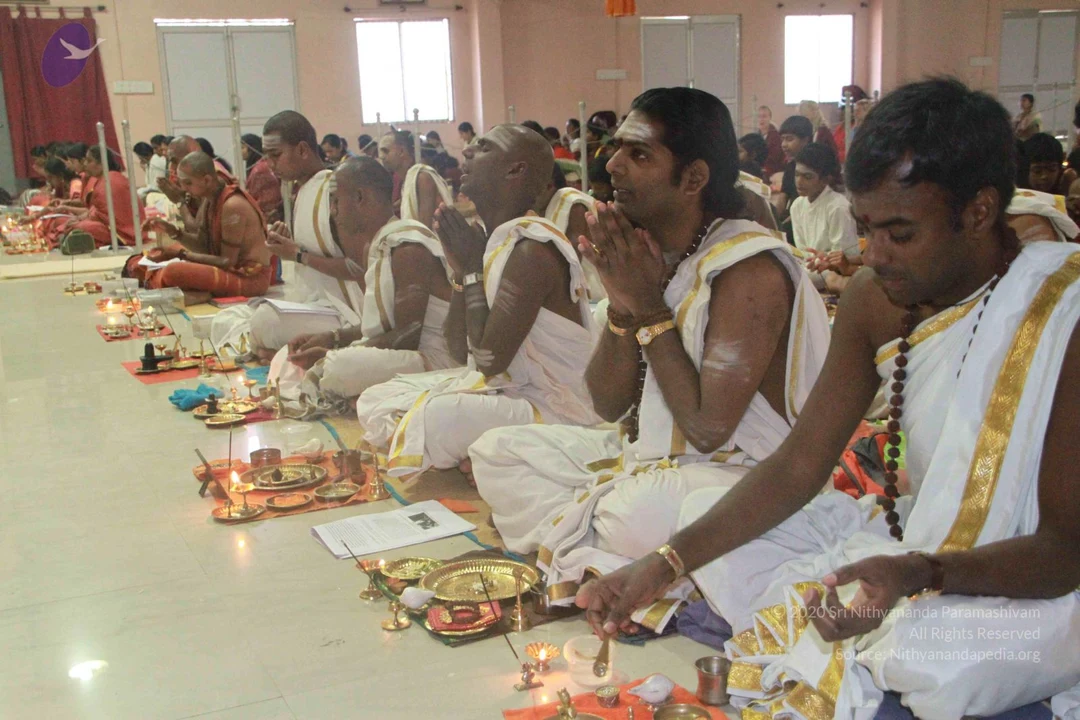
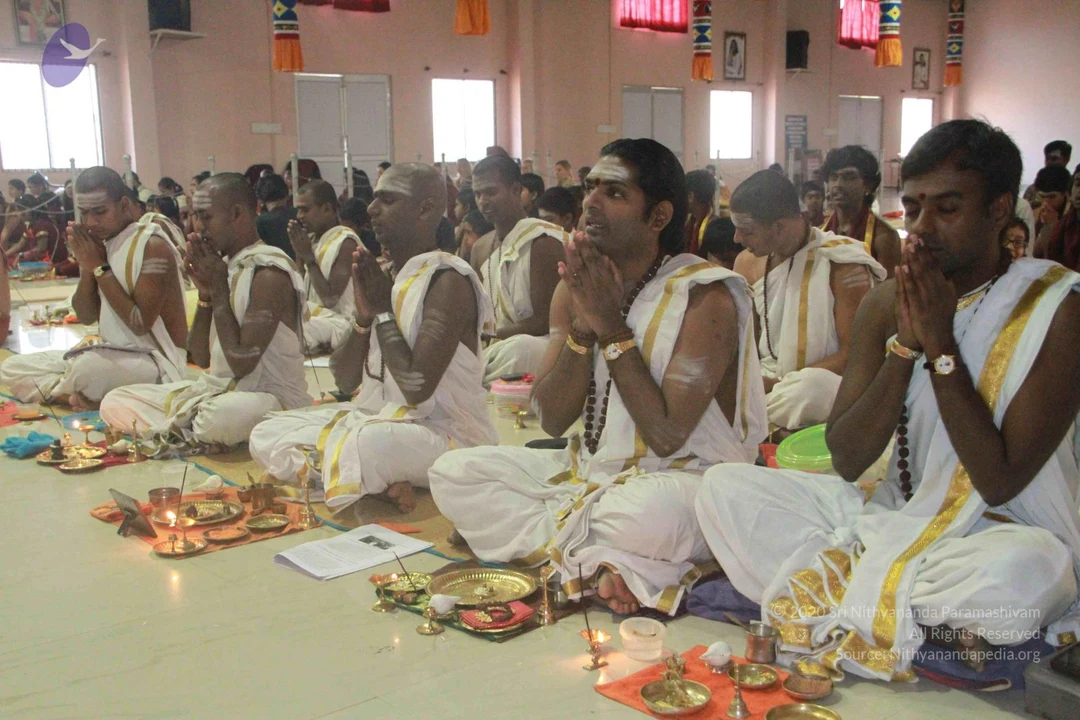
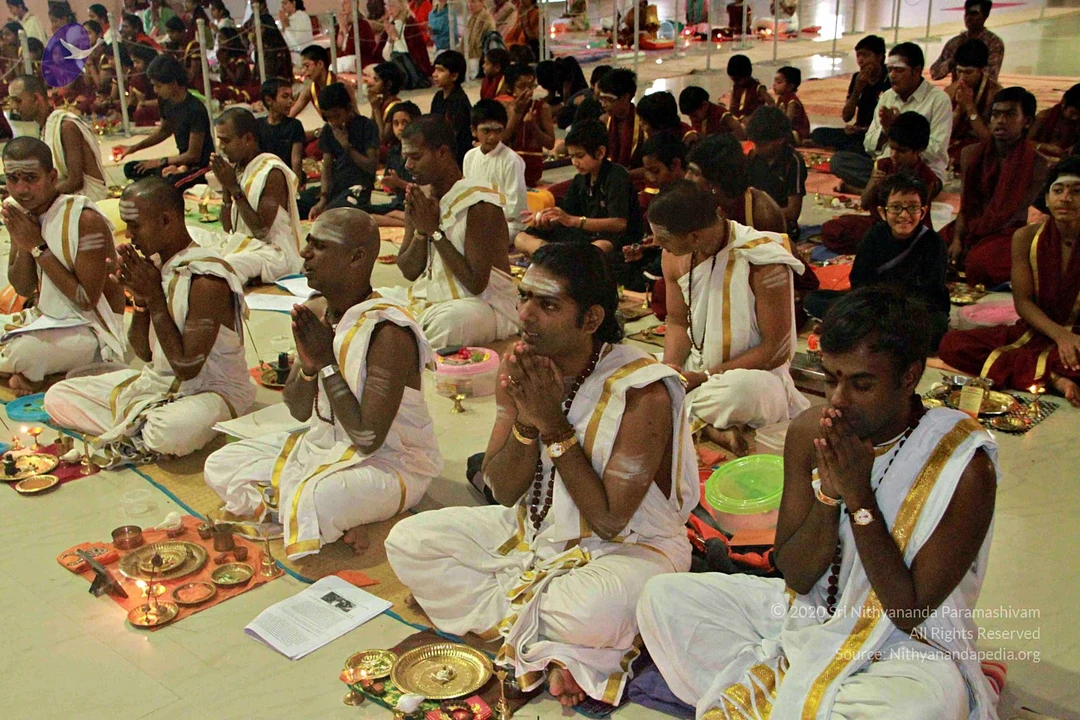
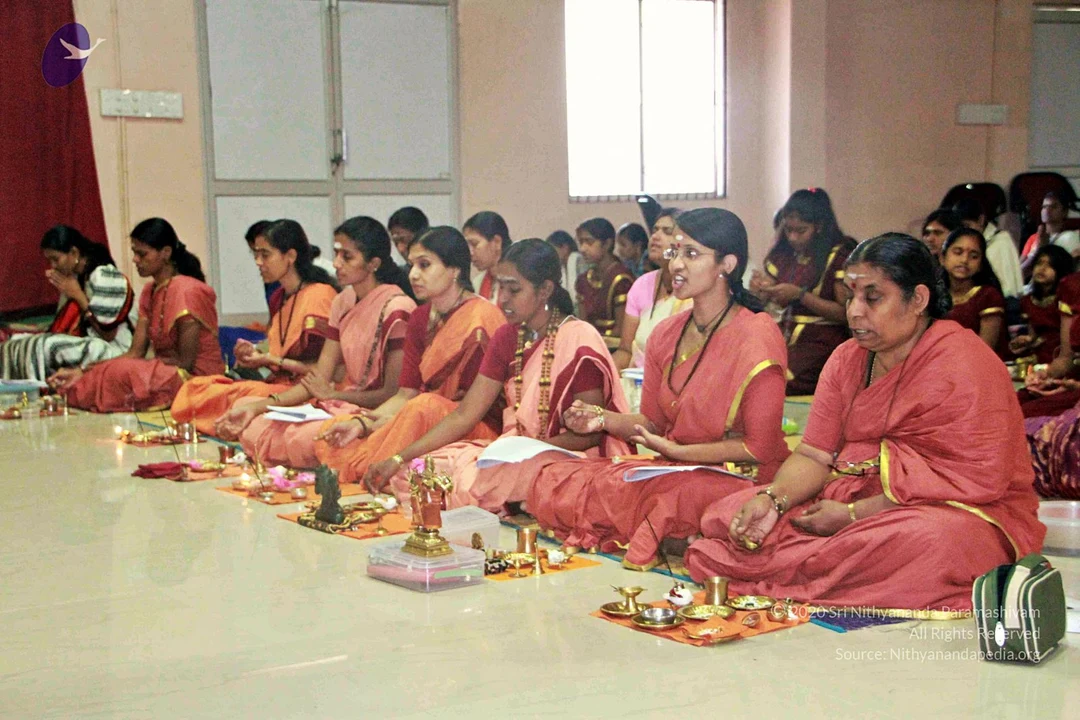
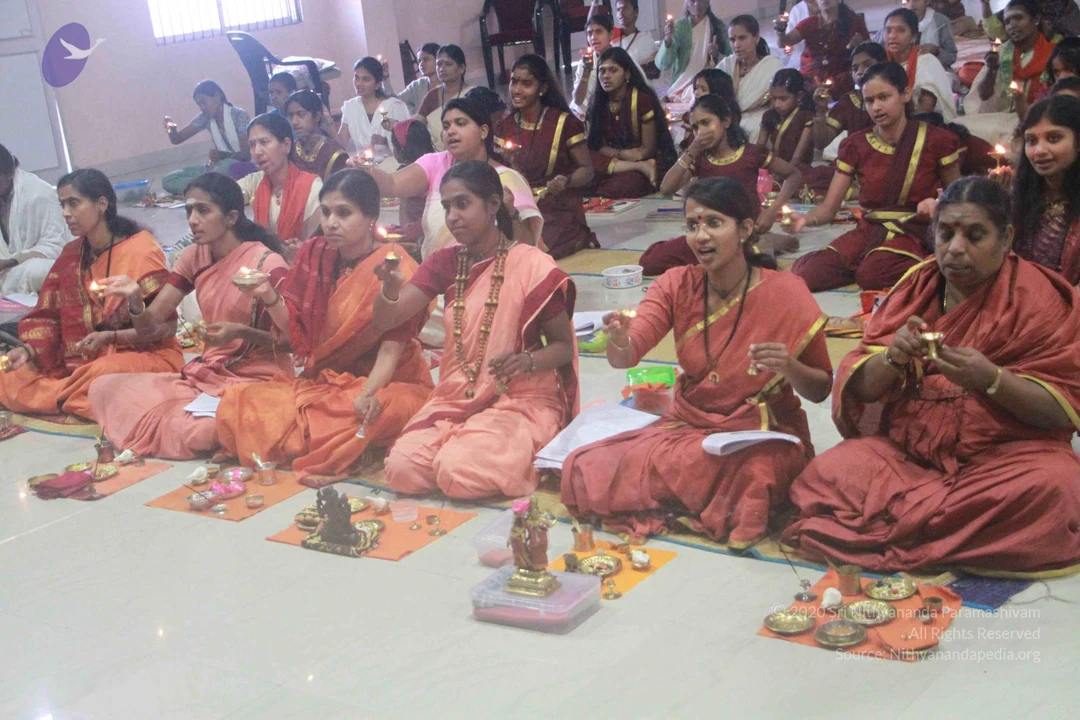
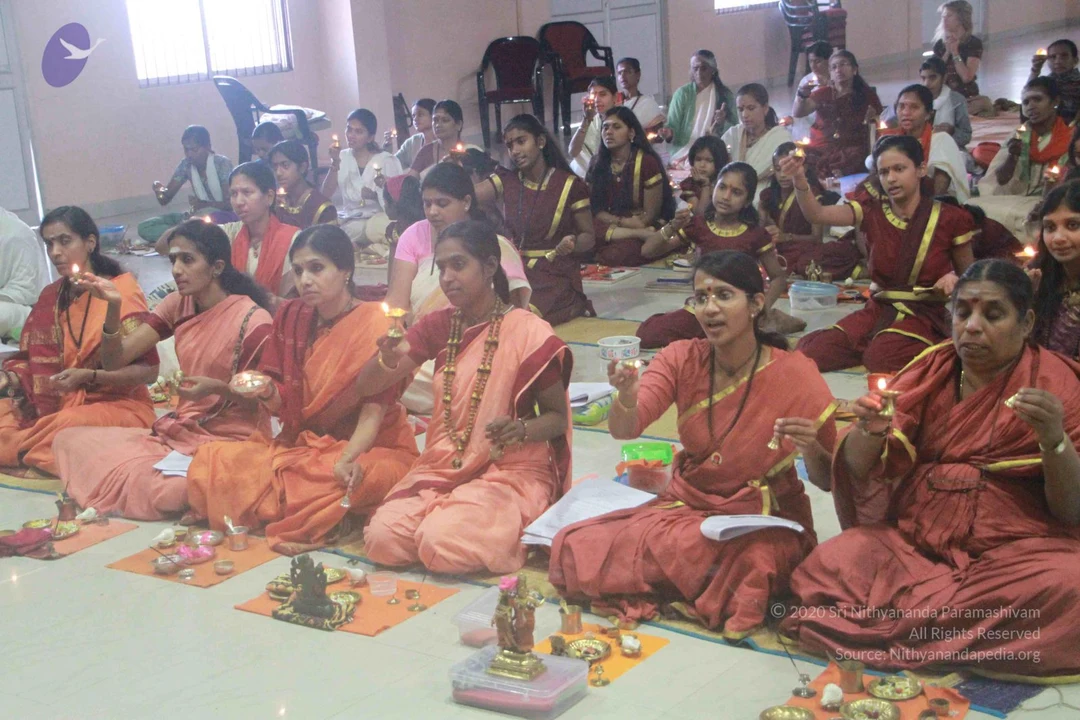
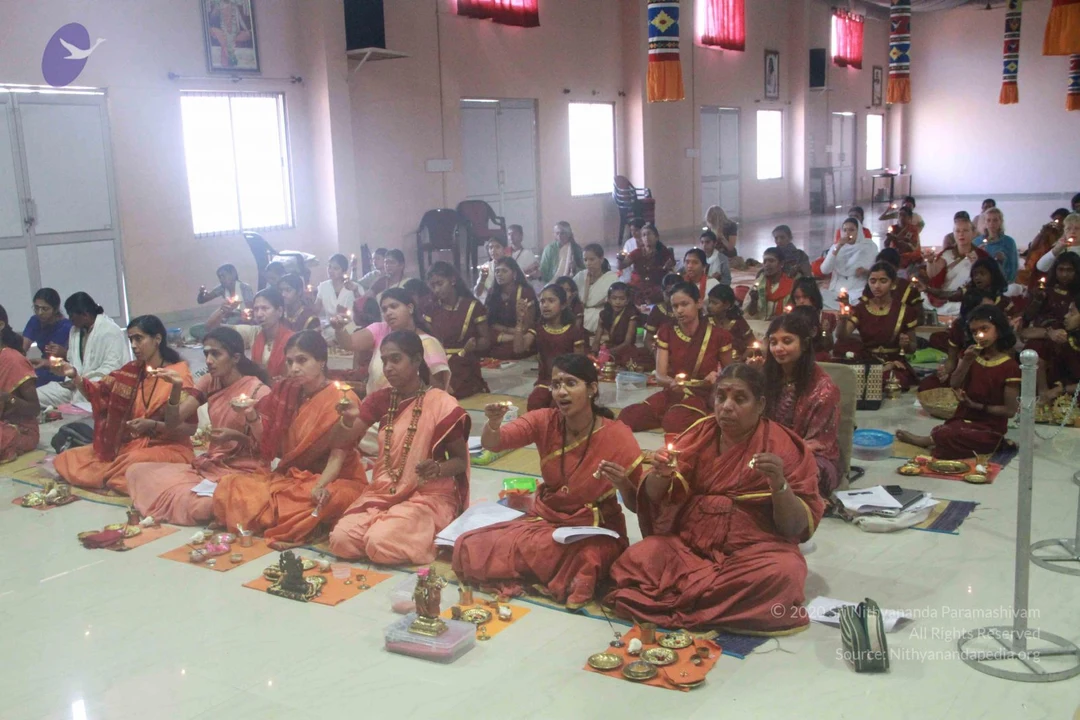
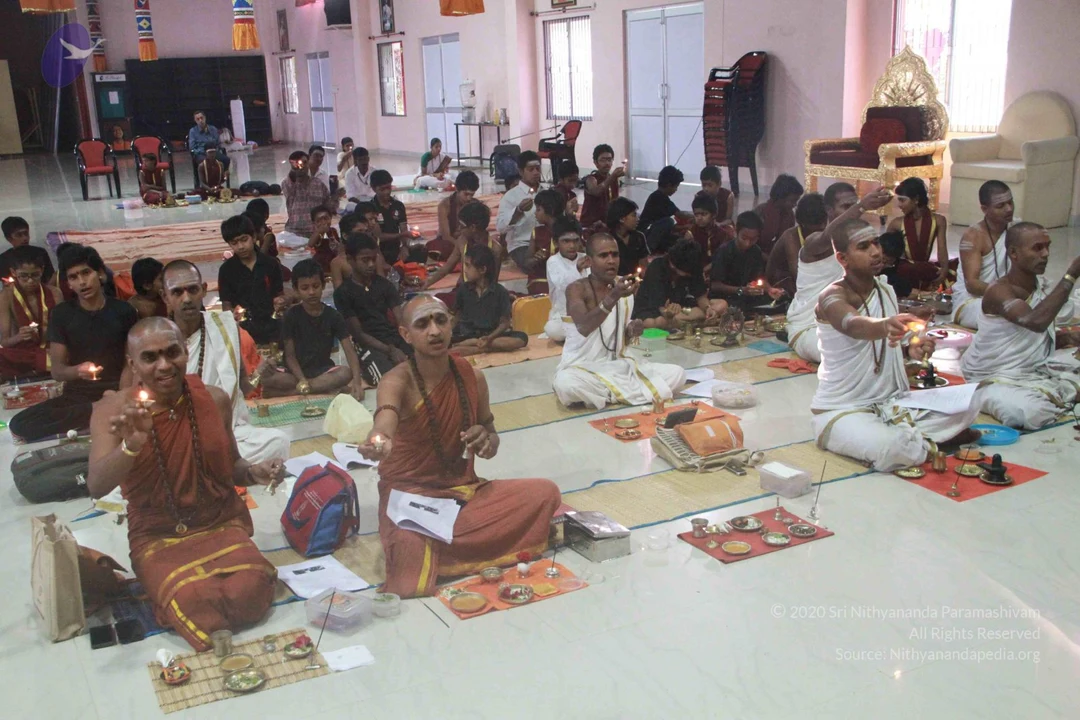
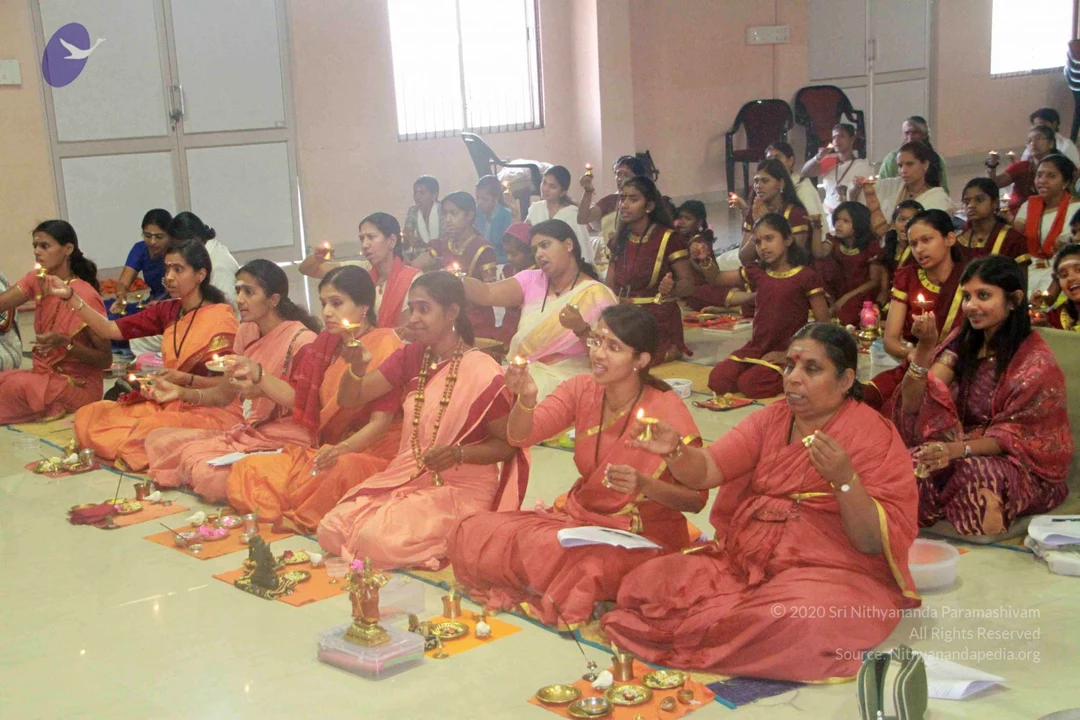
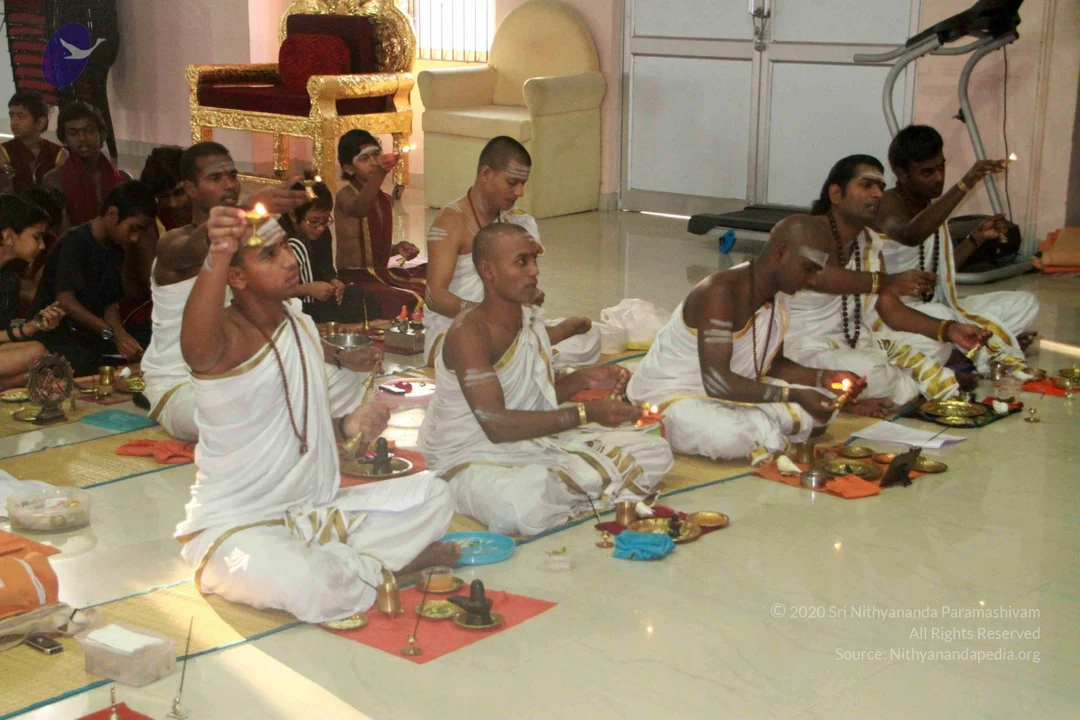
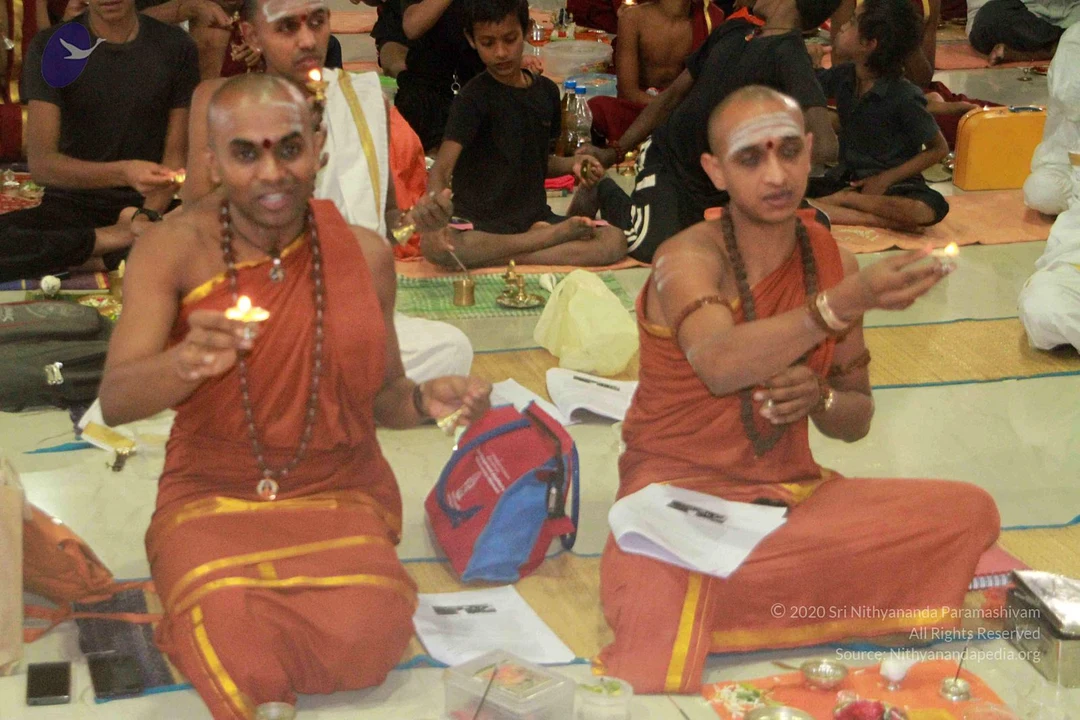
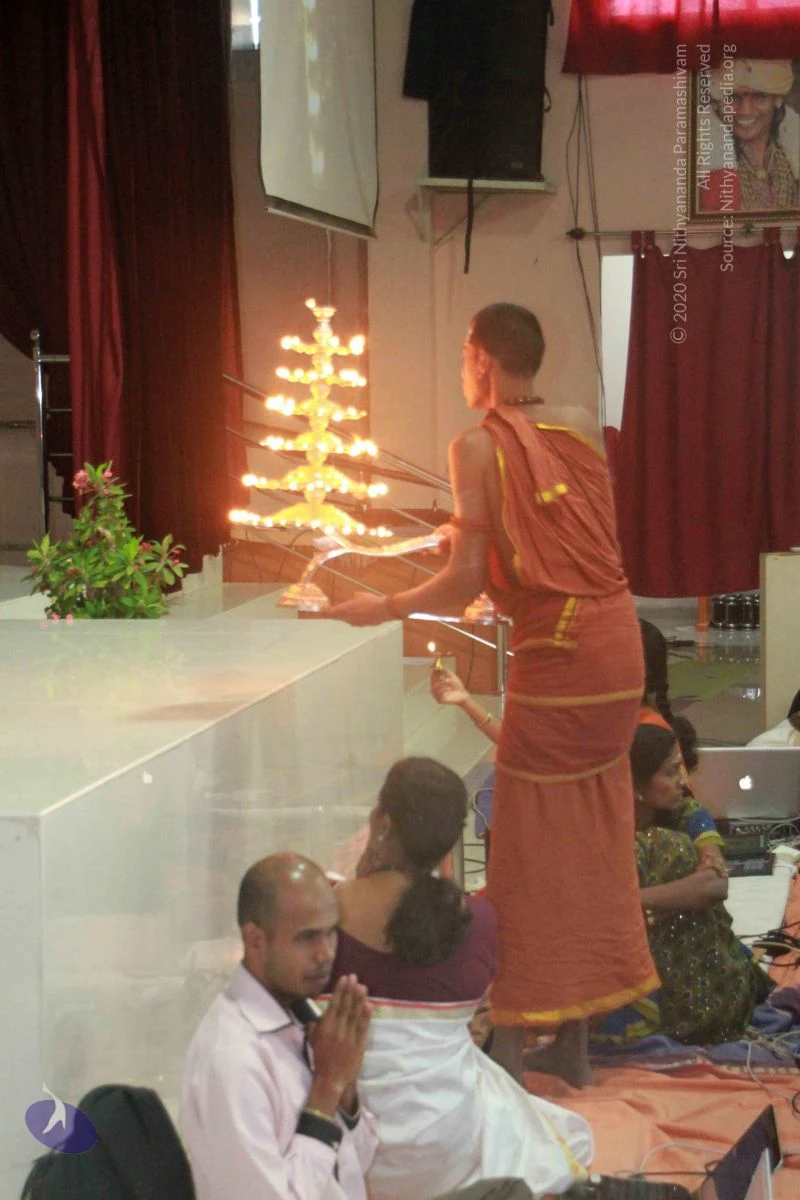
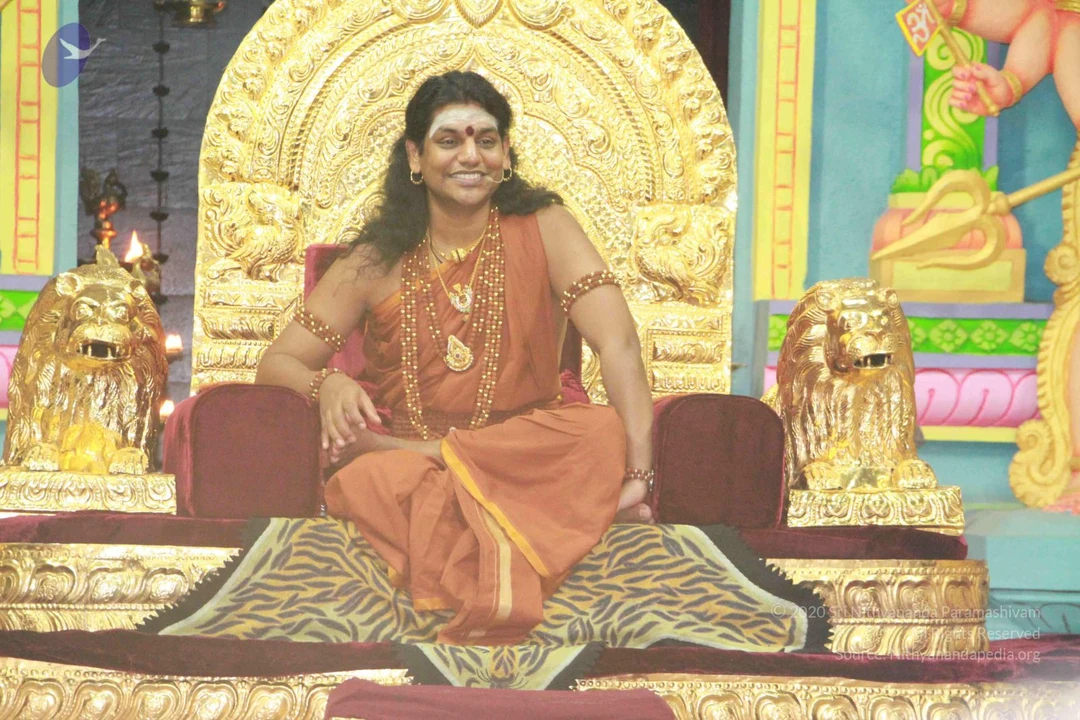
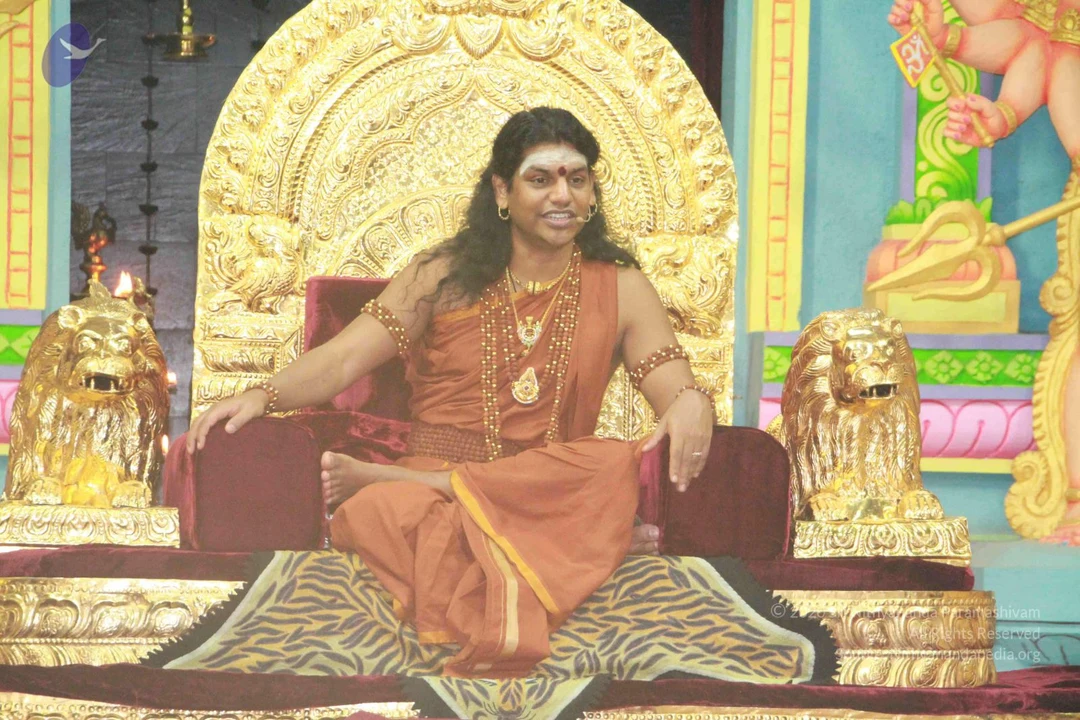
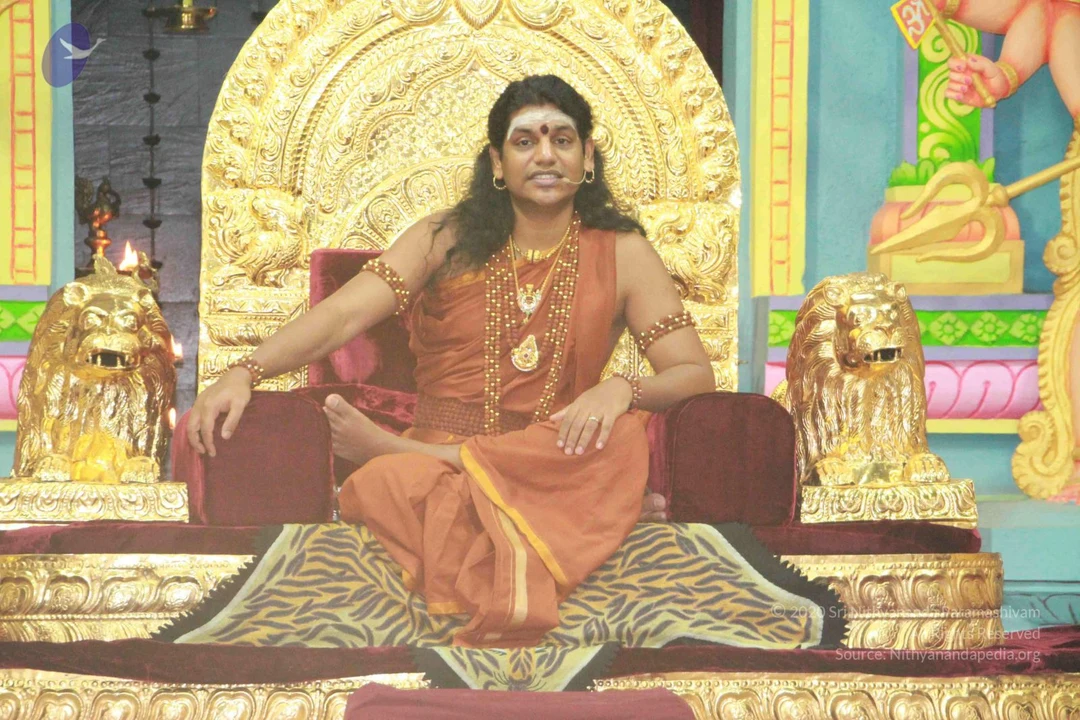
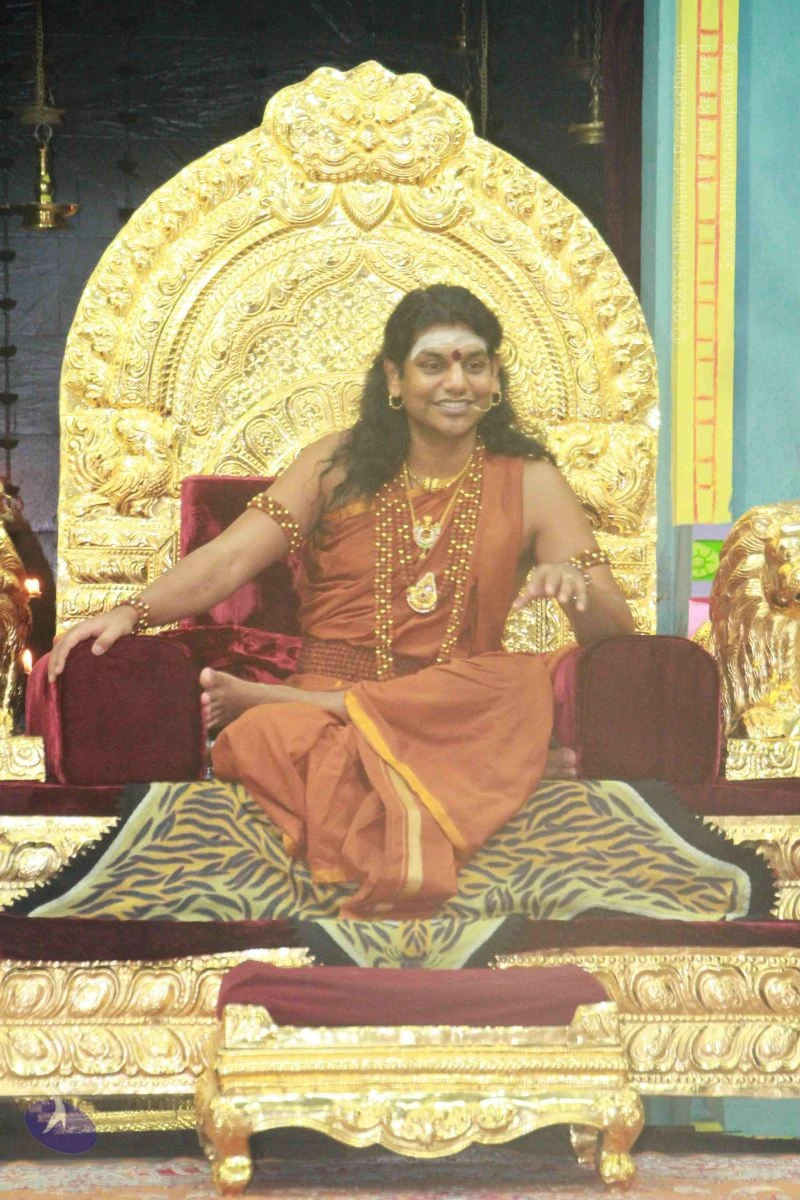
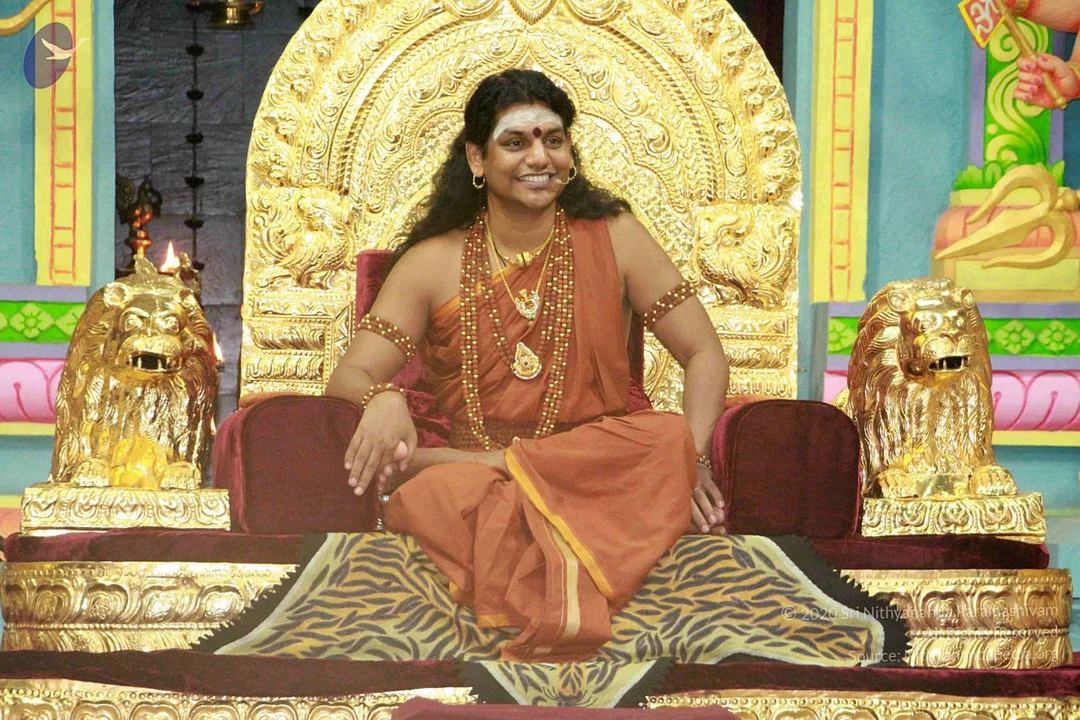
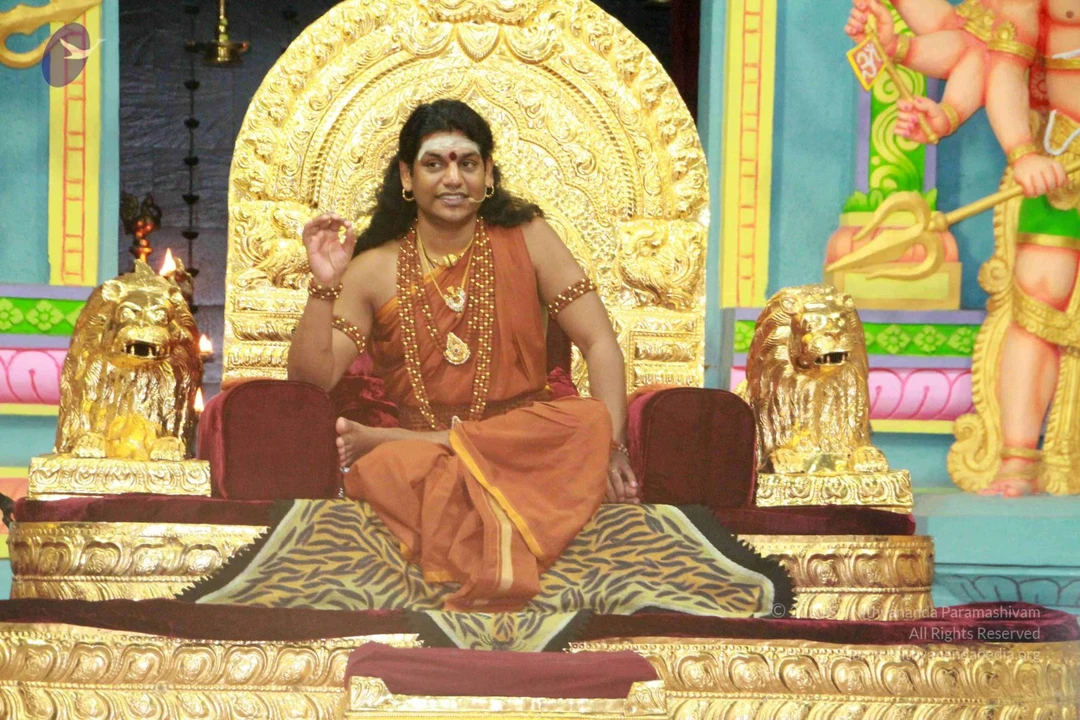
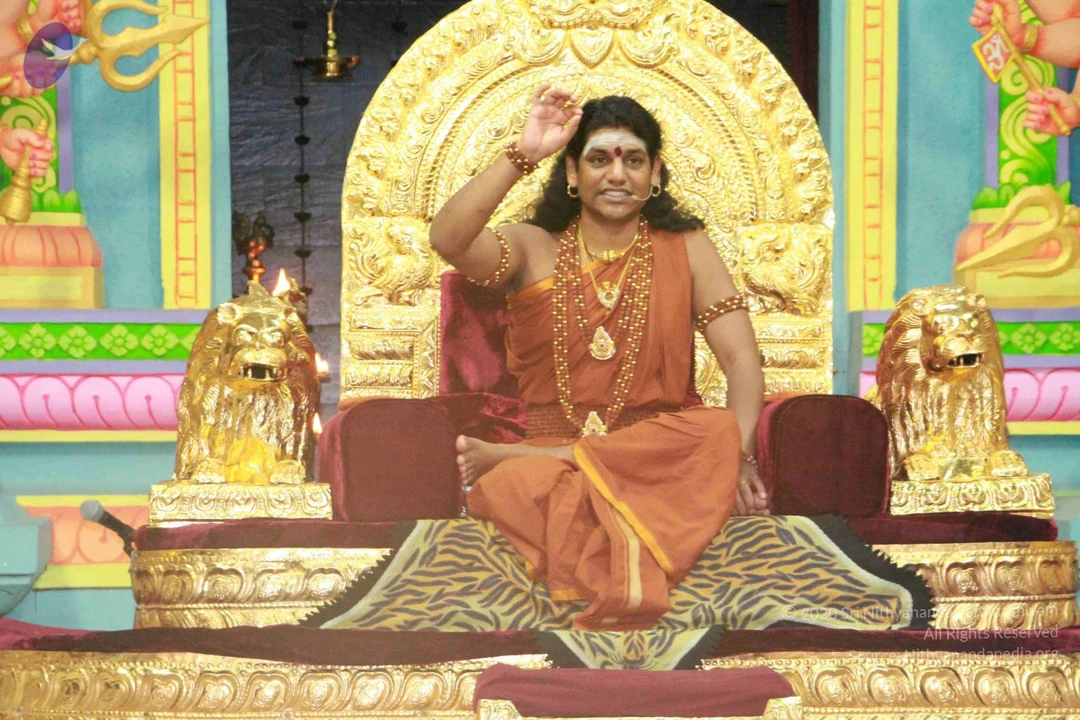
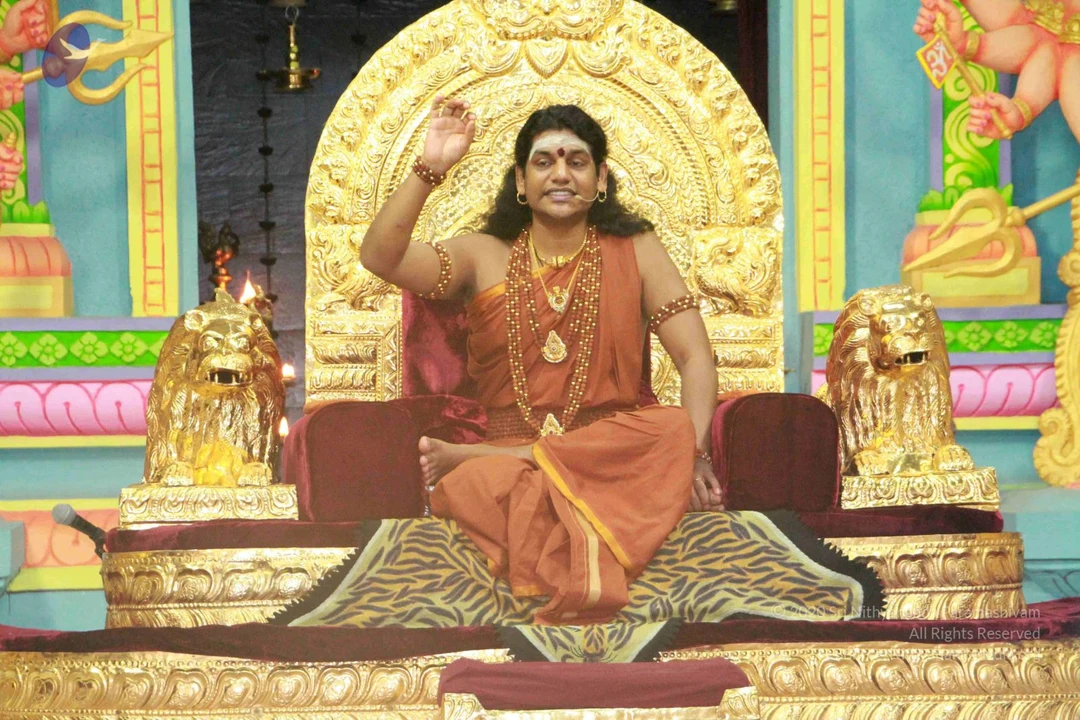
Photos From The Day:
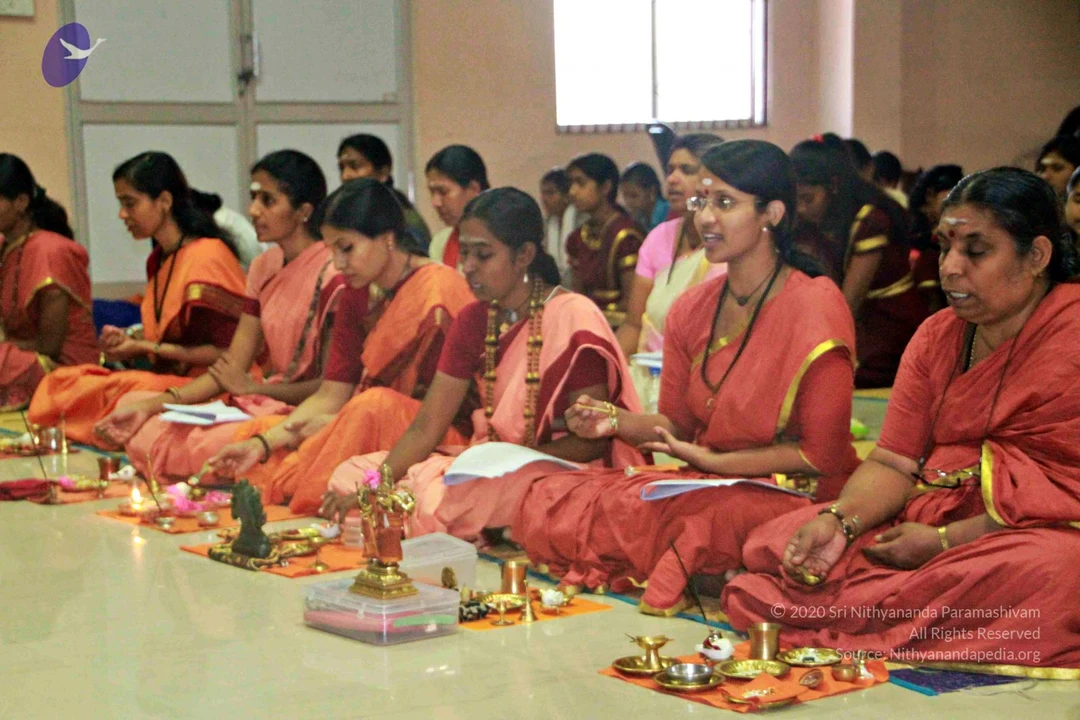
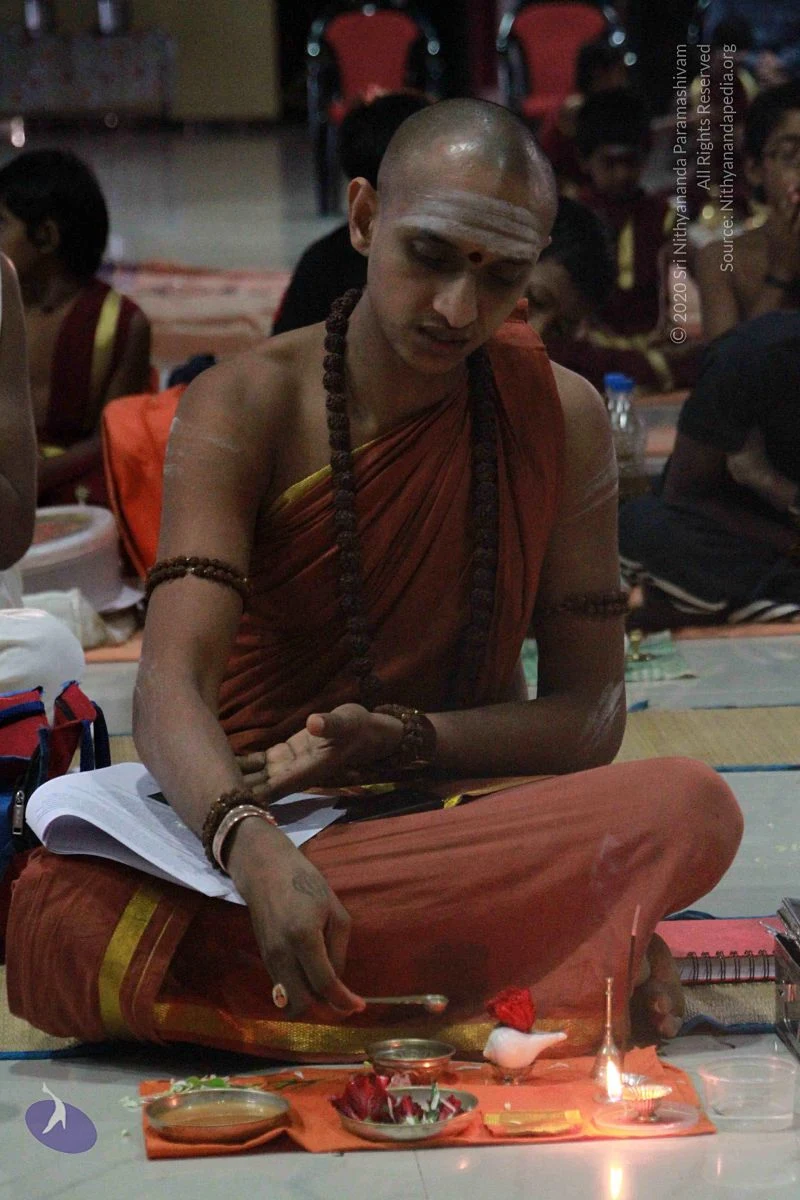
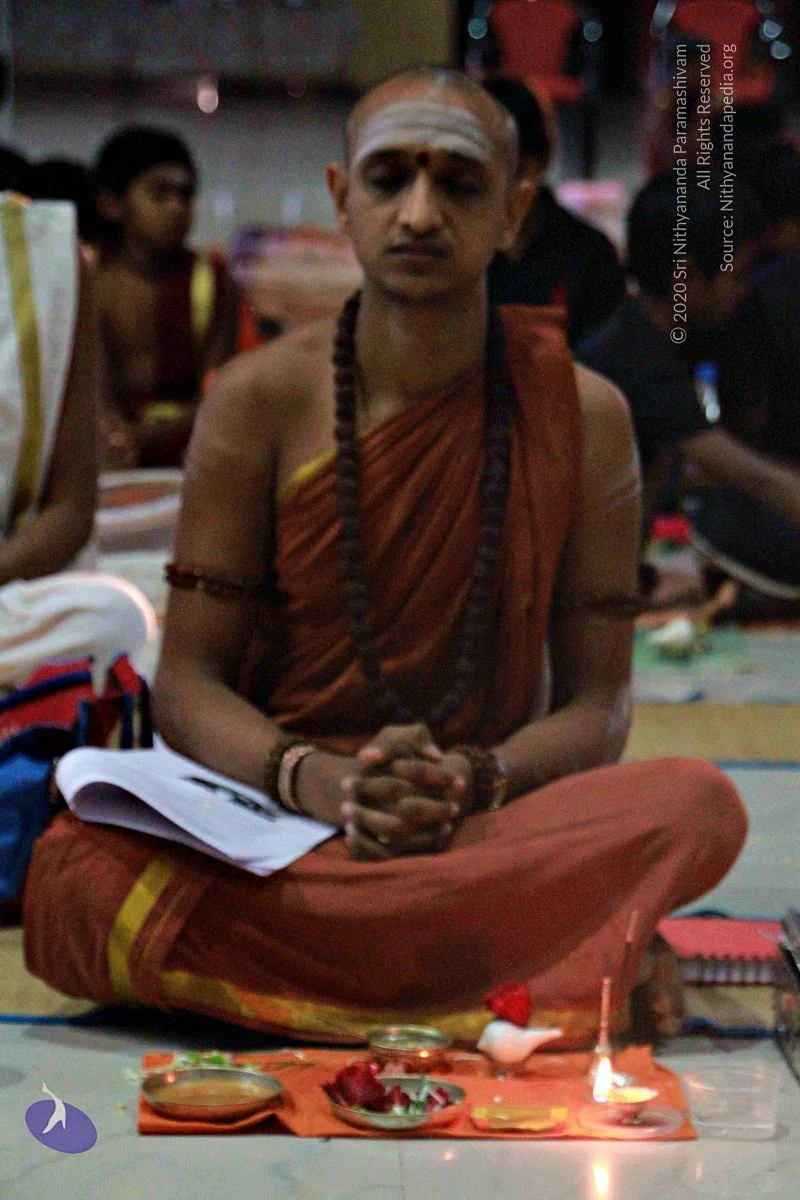
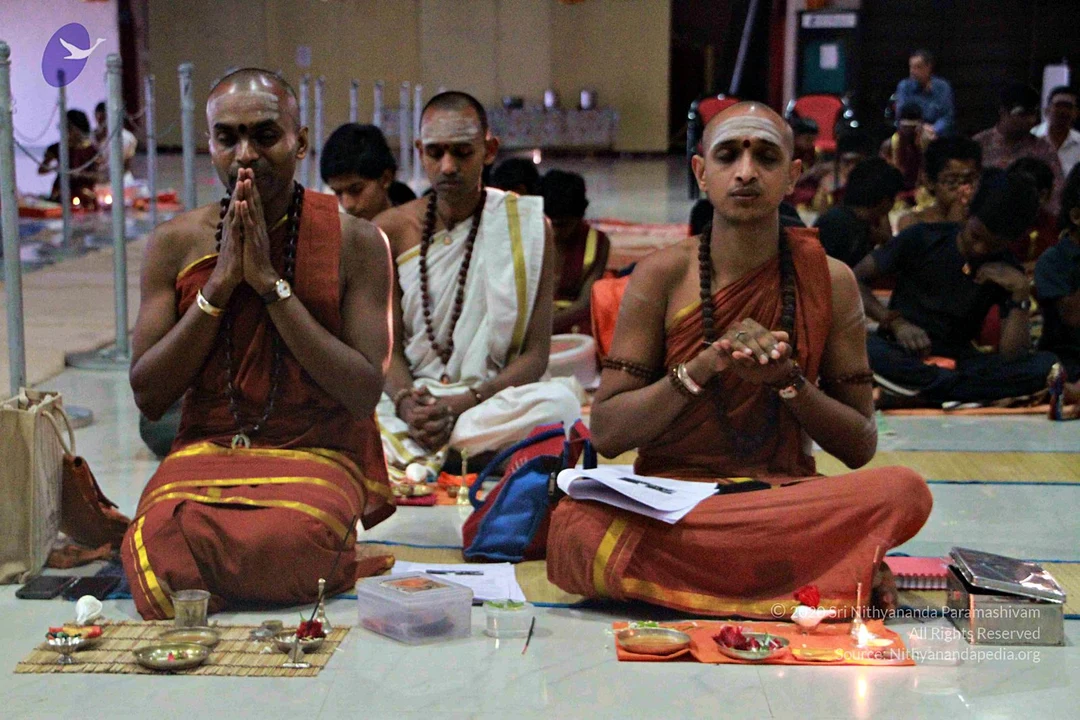
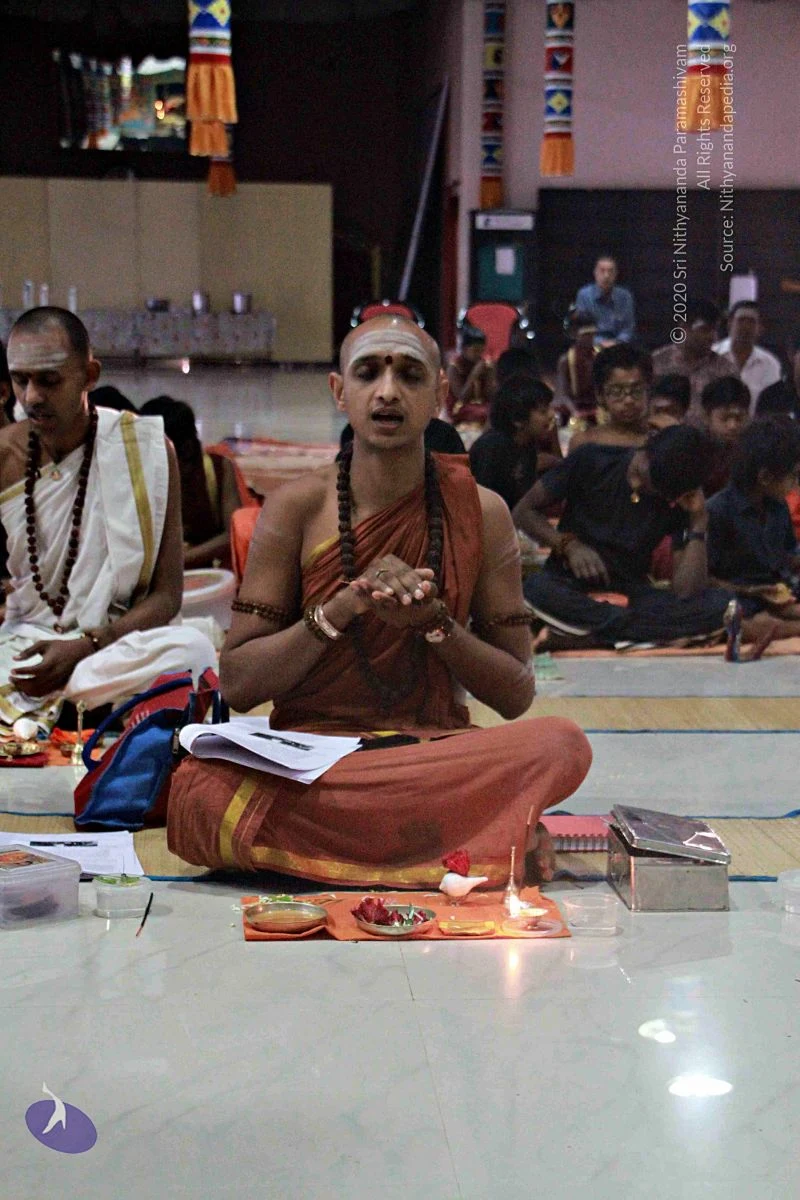
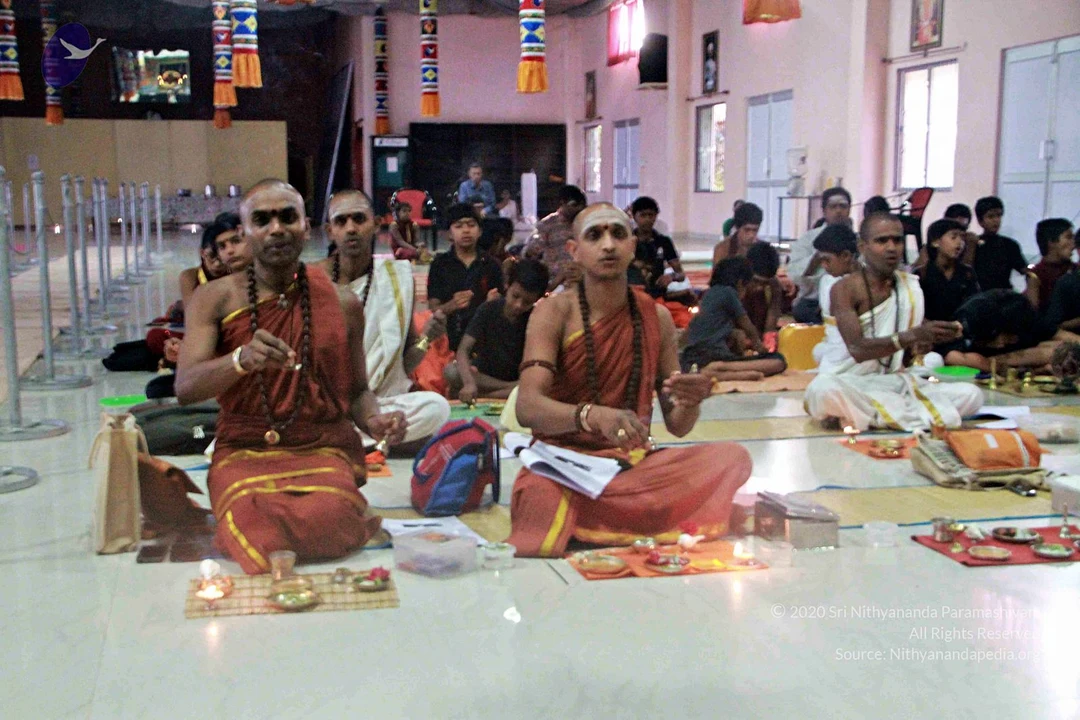
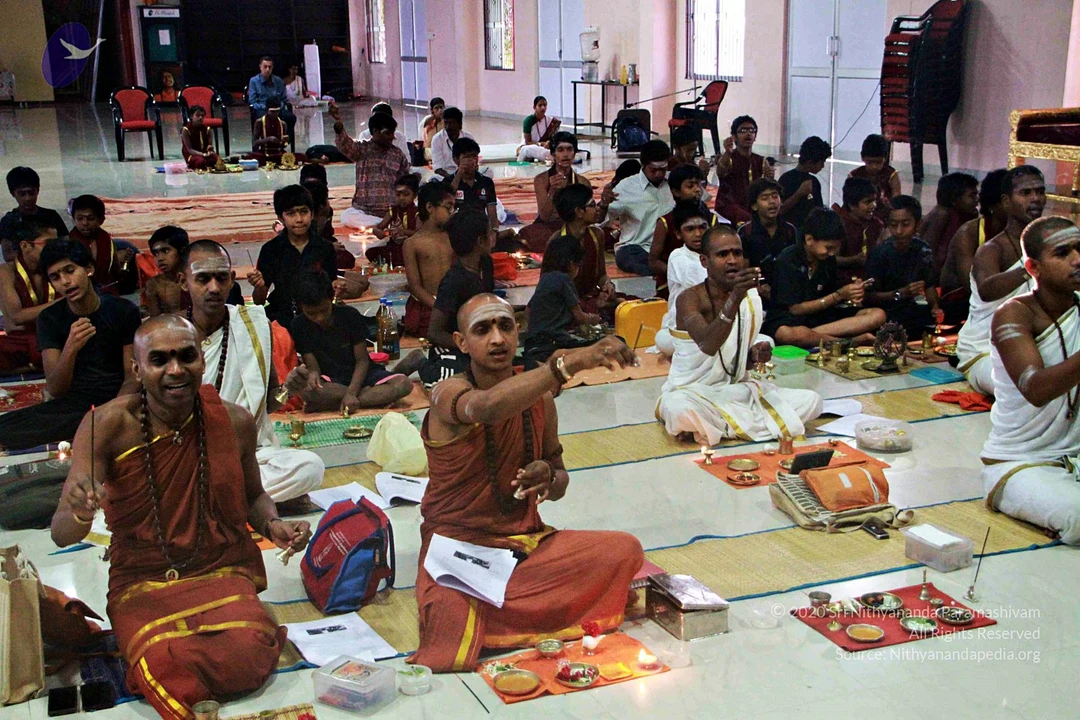
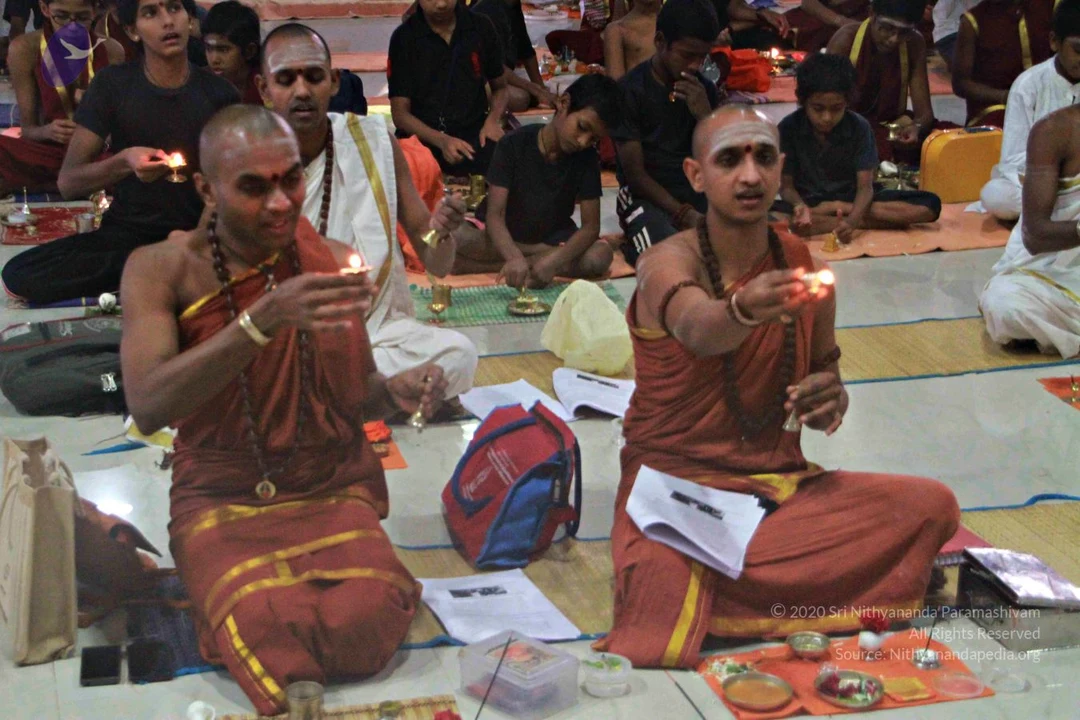
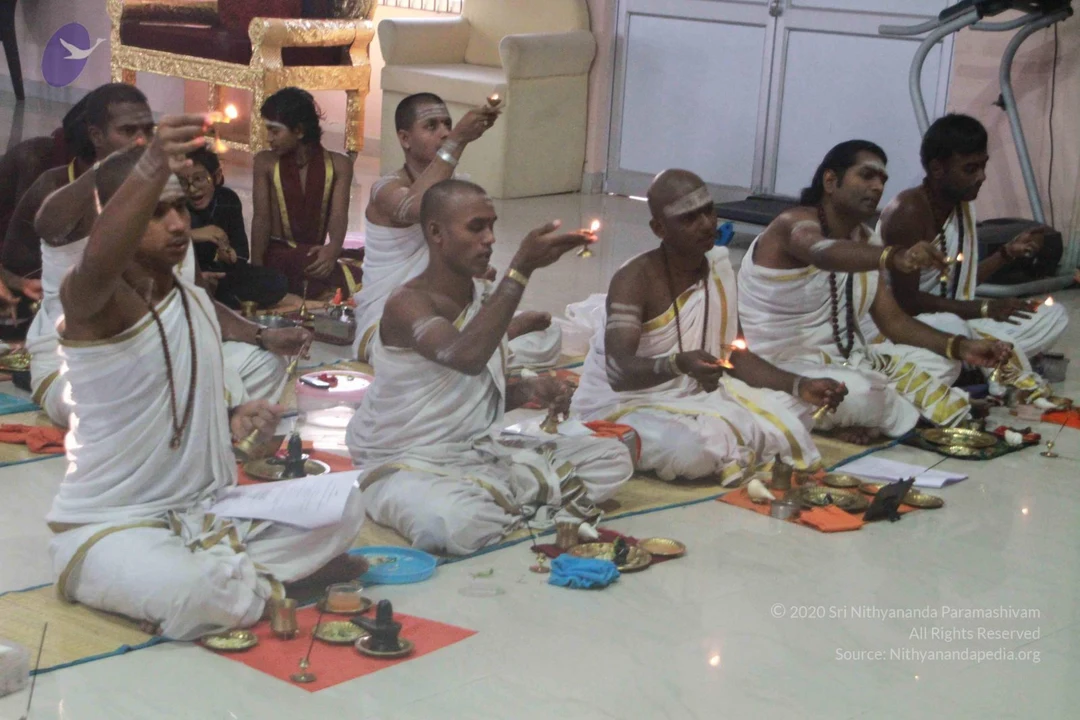
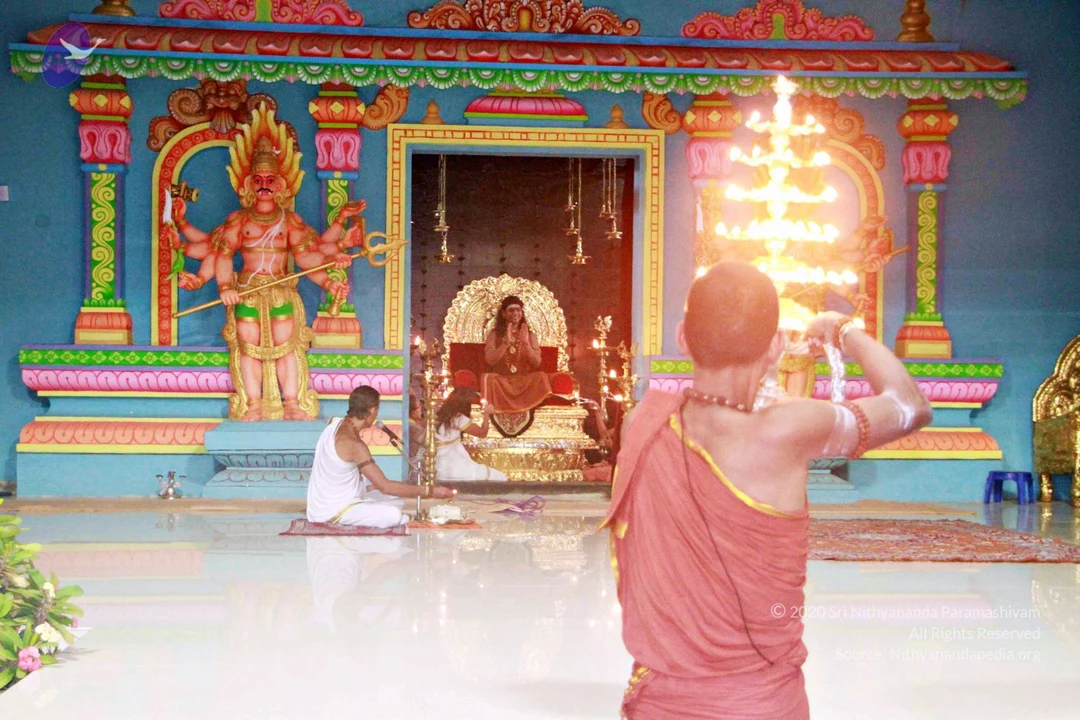
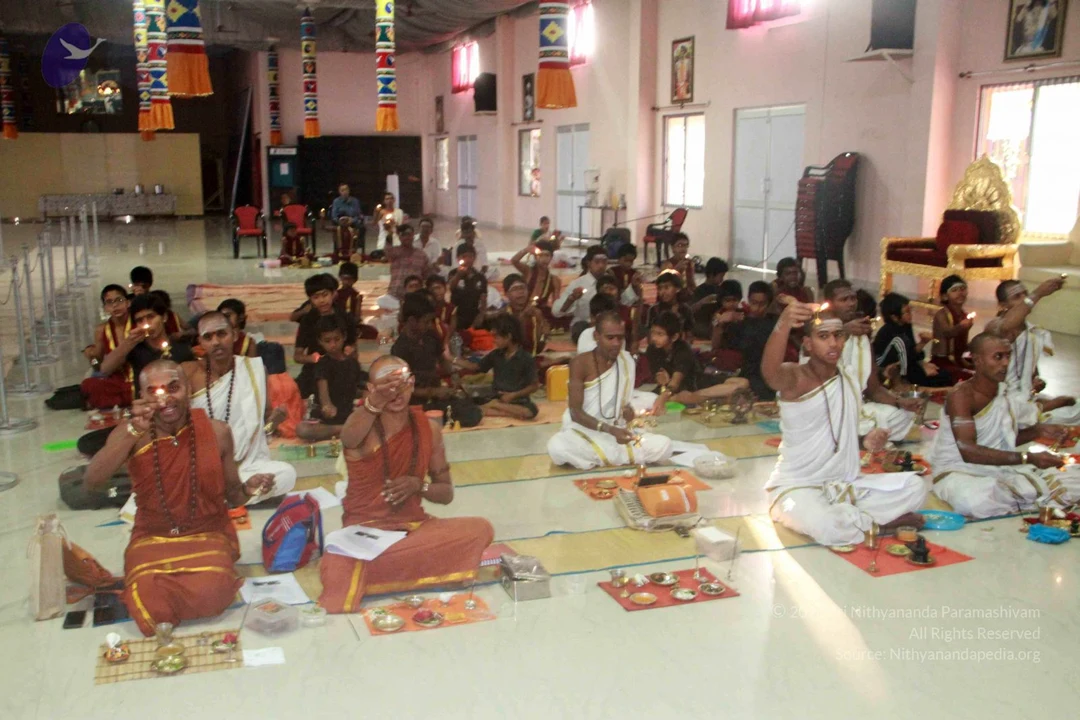
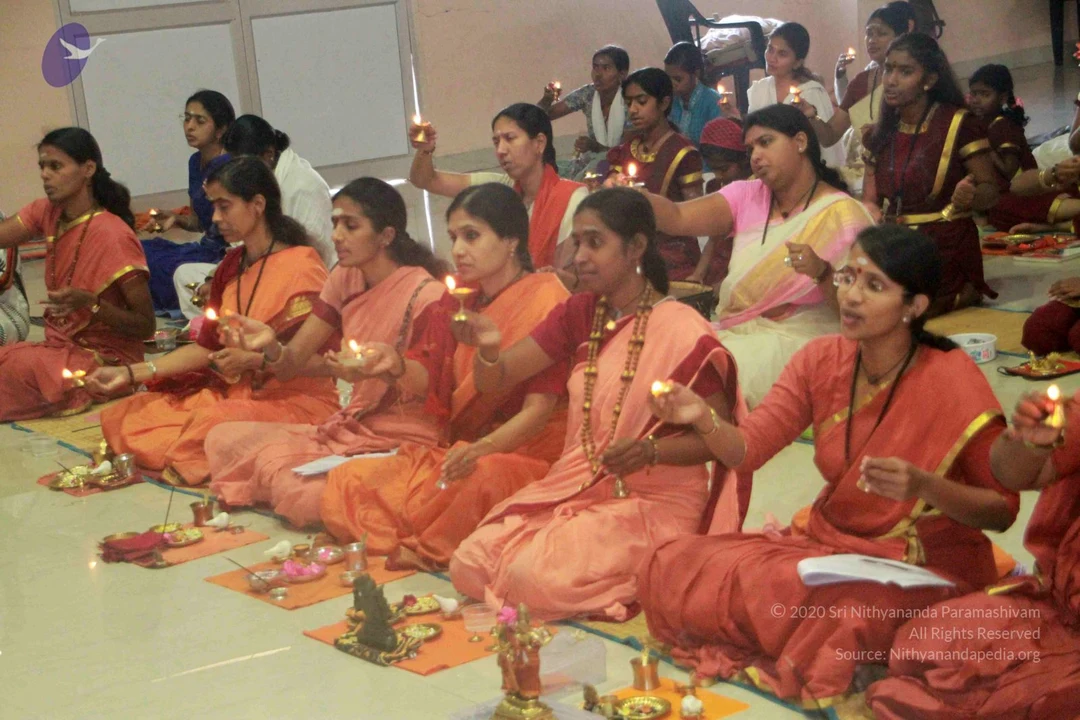
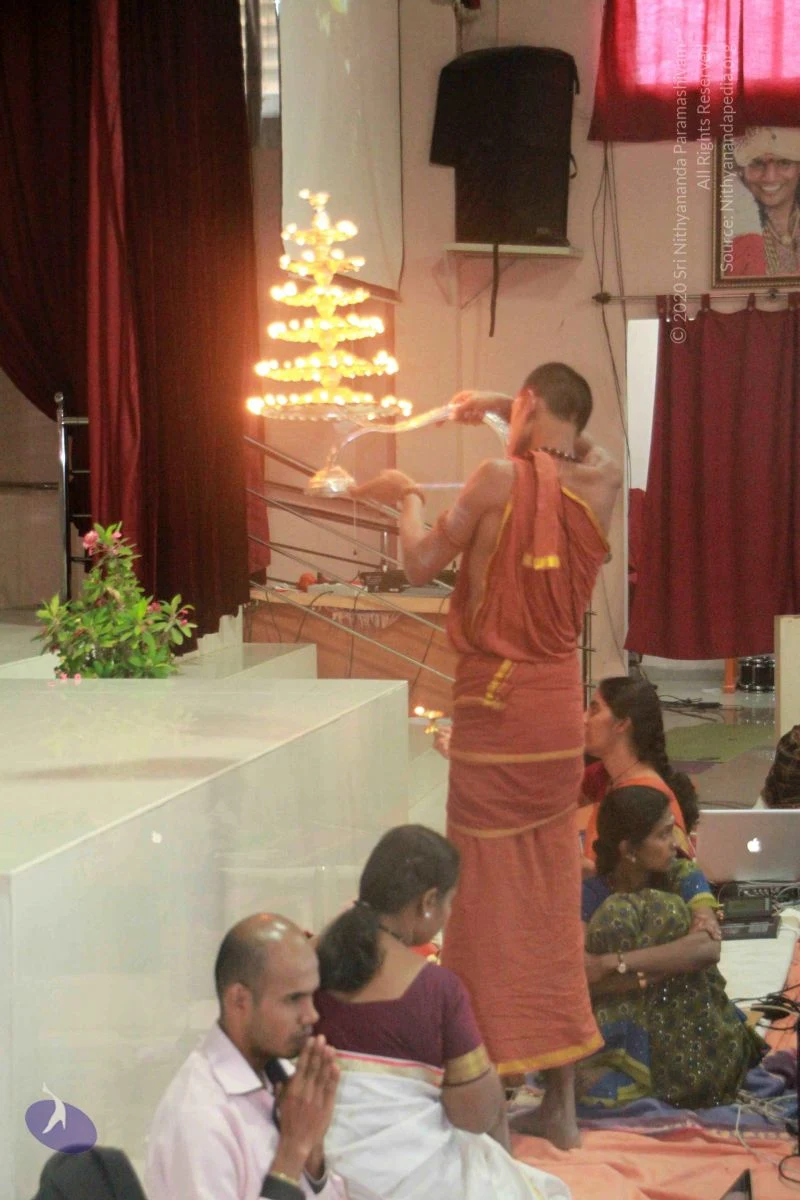
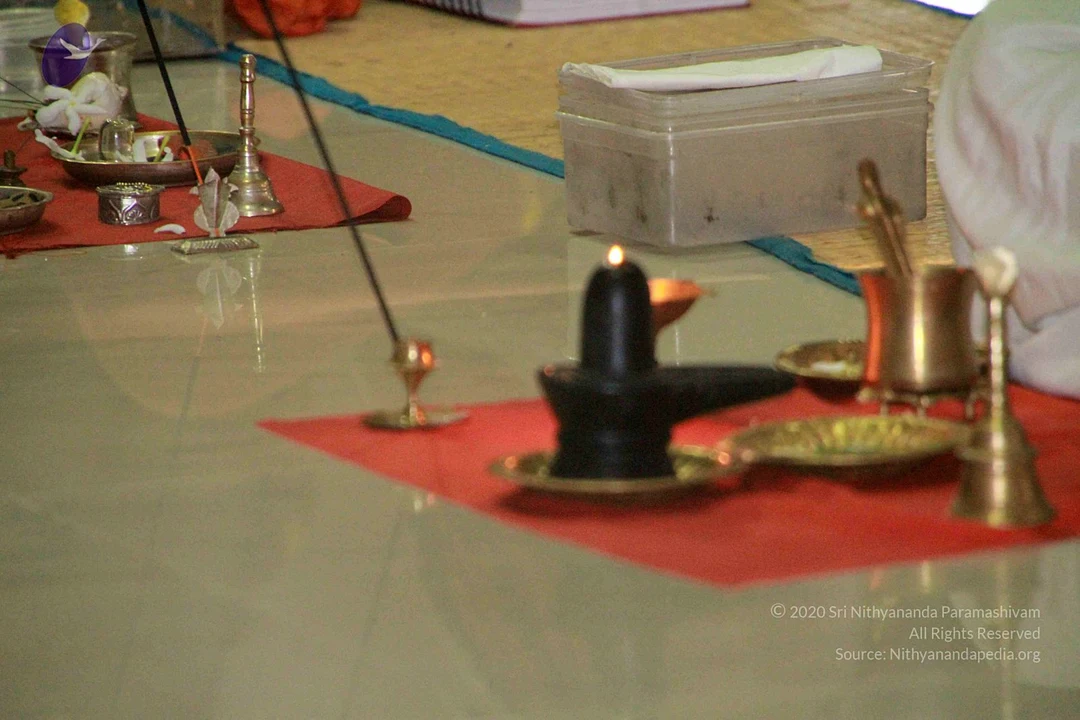
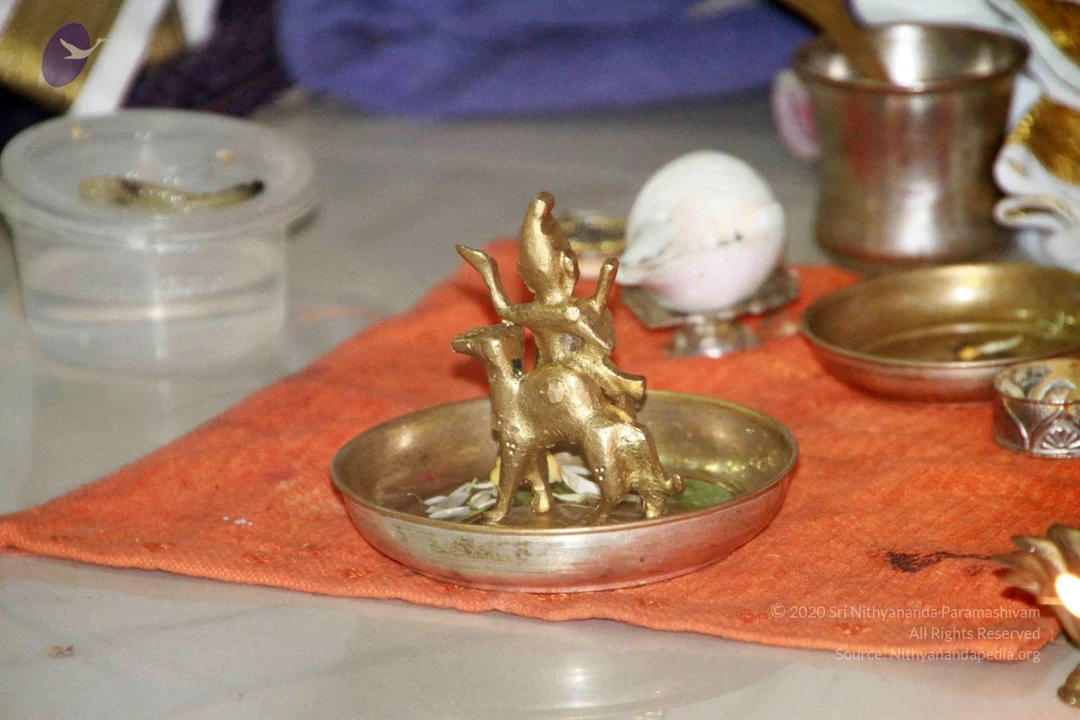
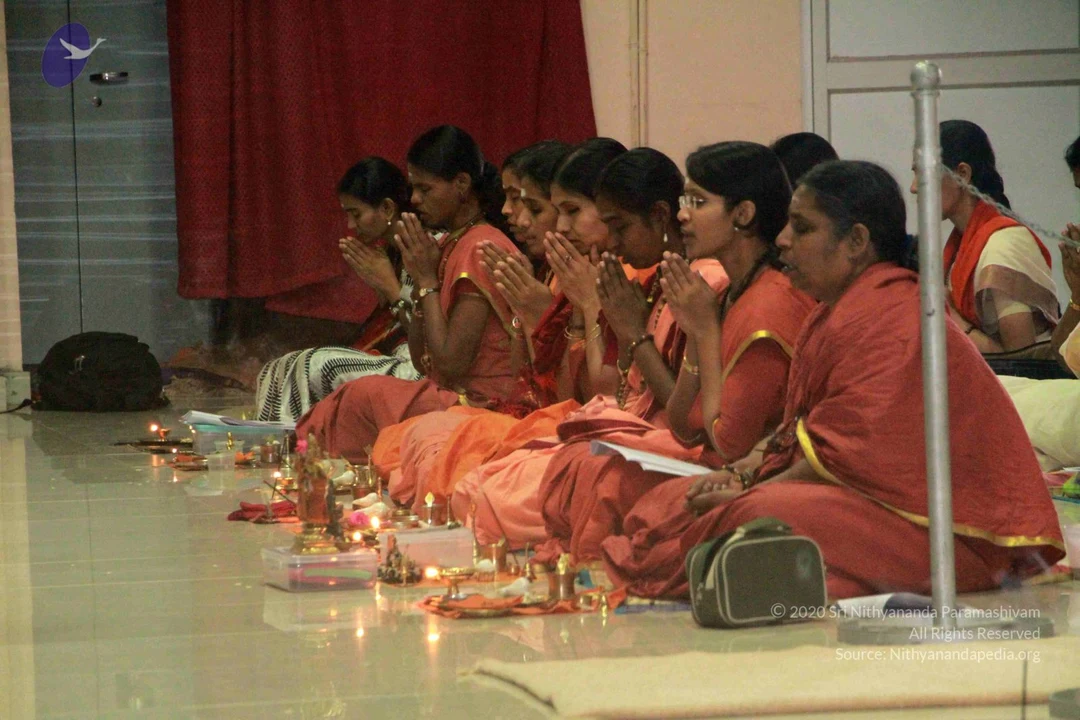
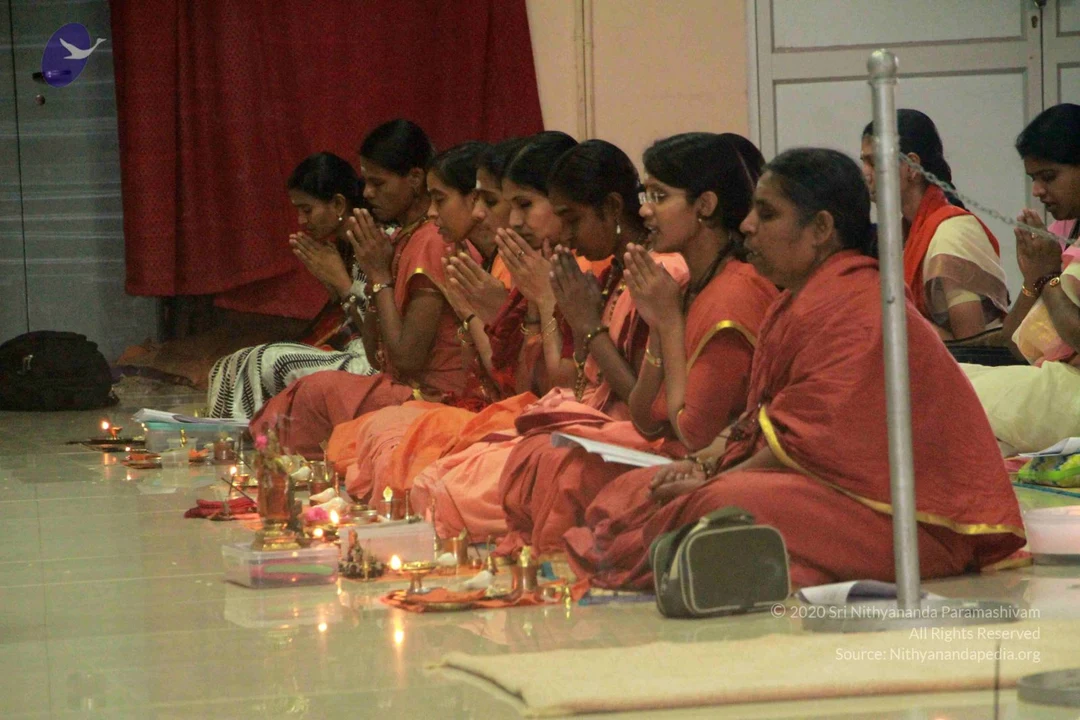
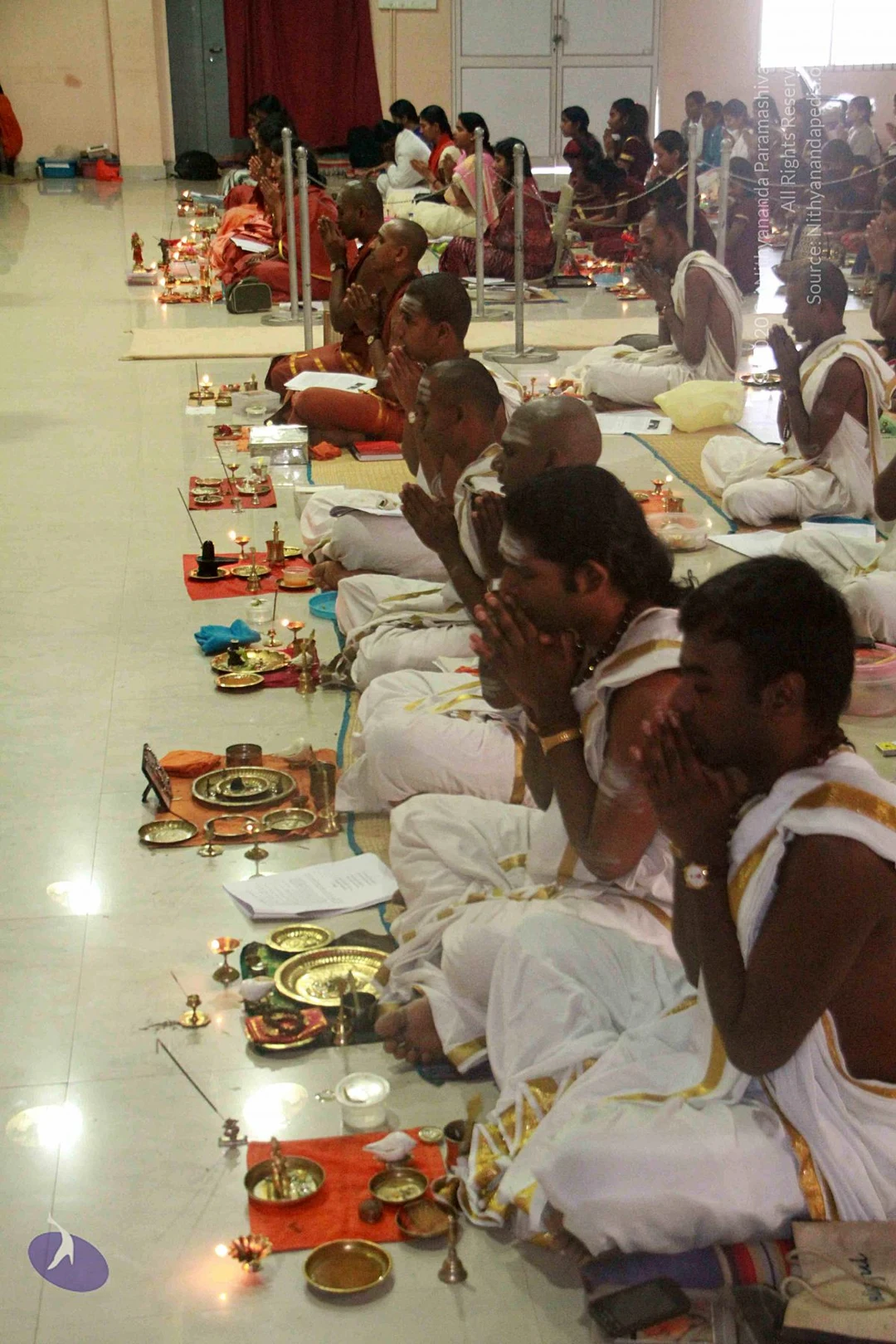
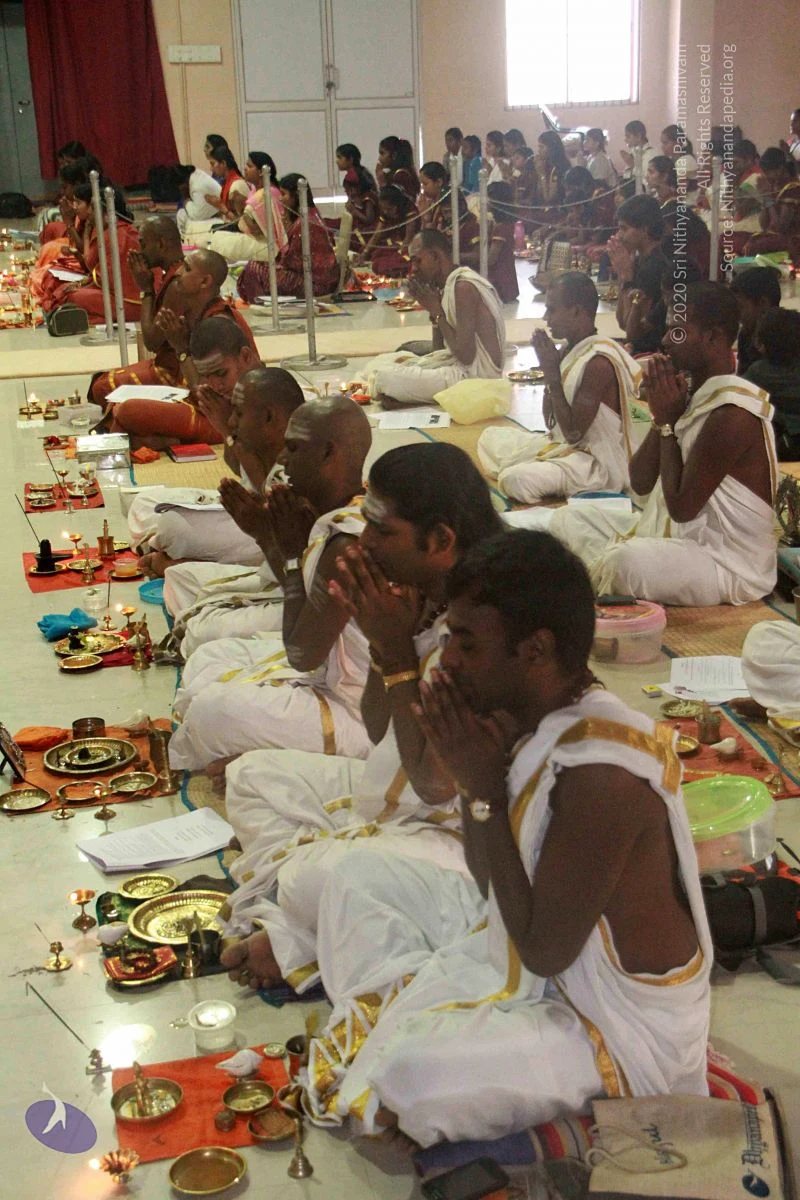
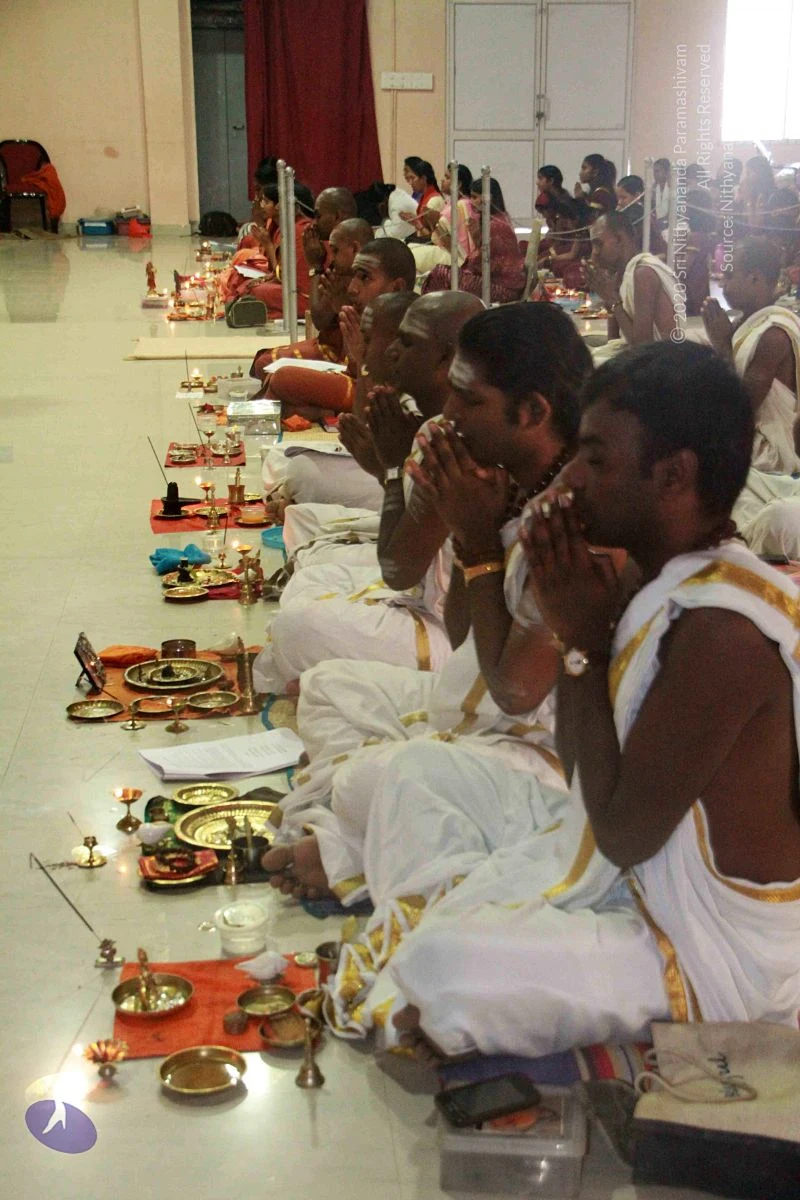
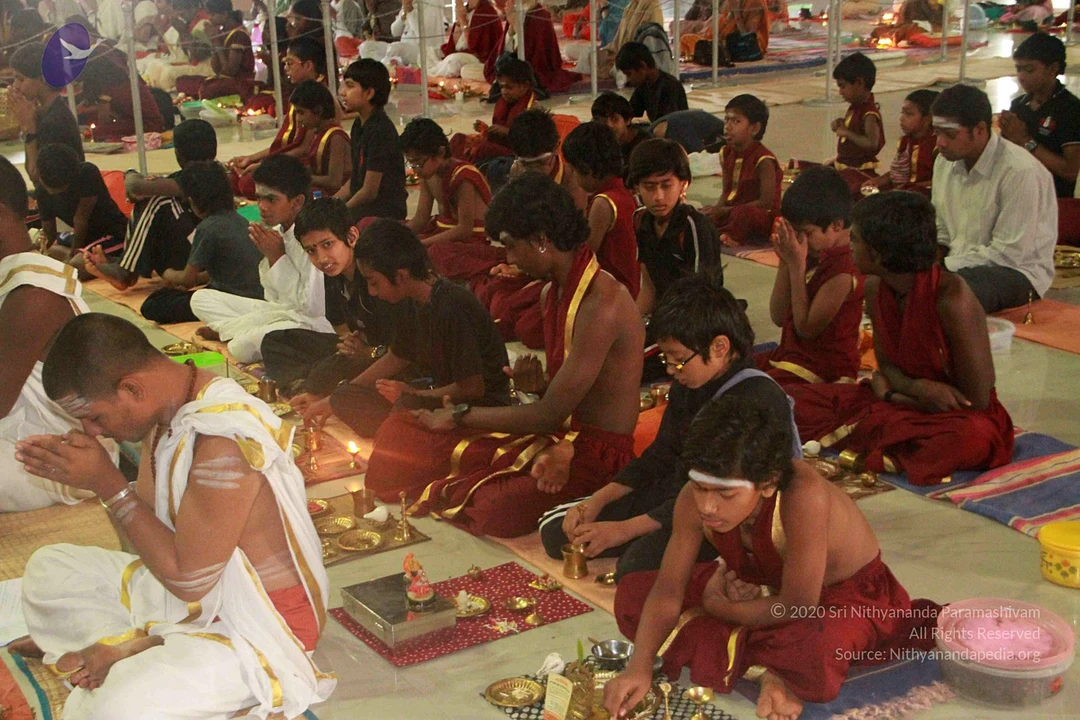
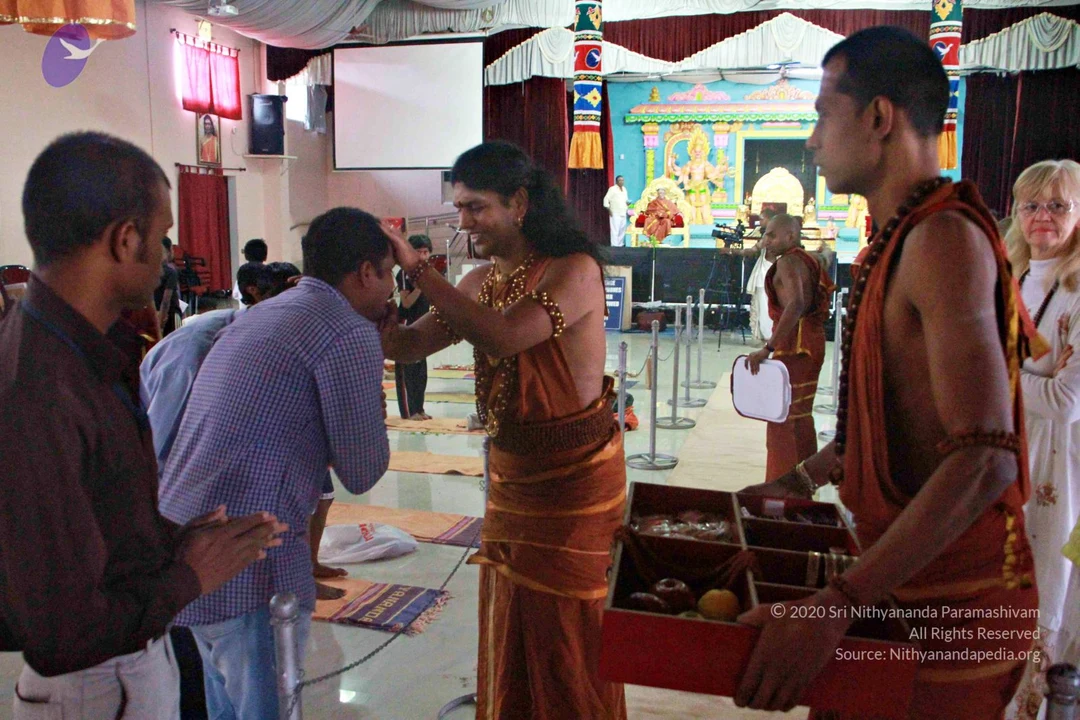
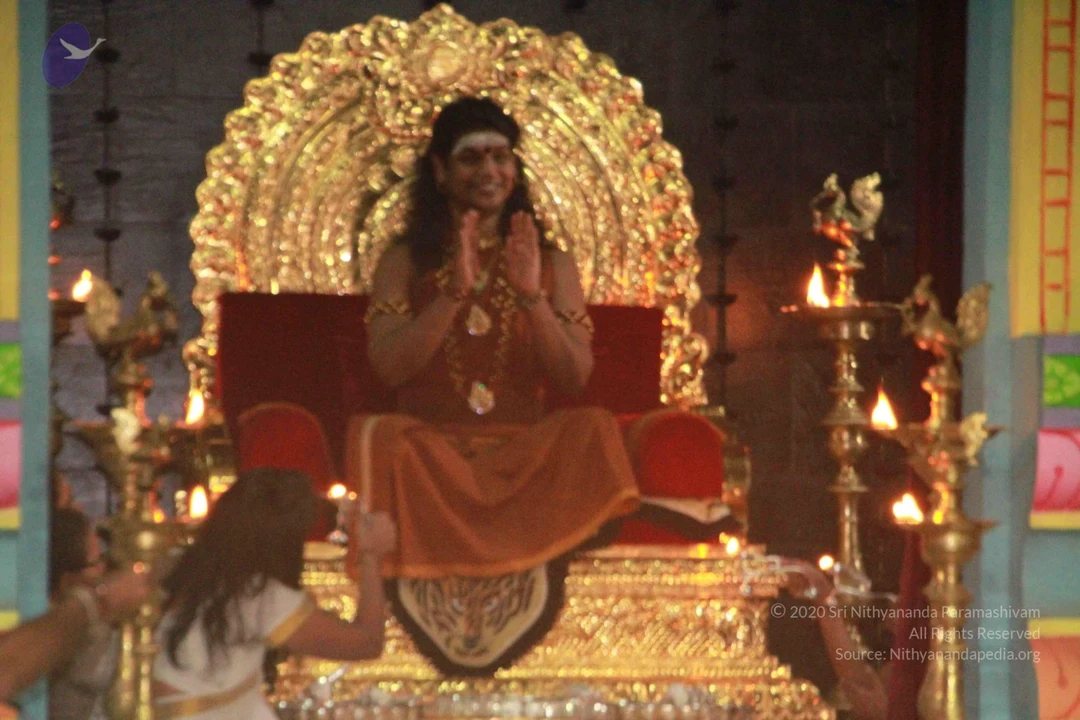
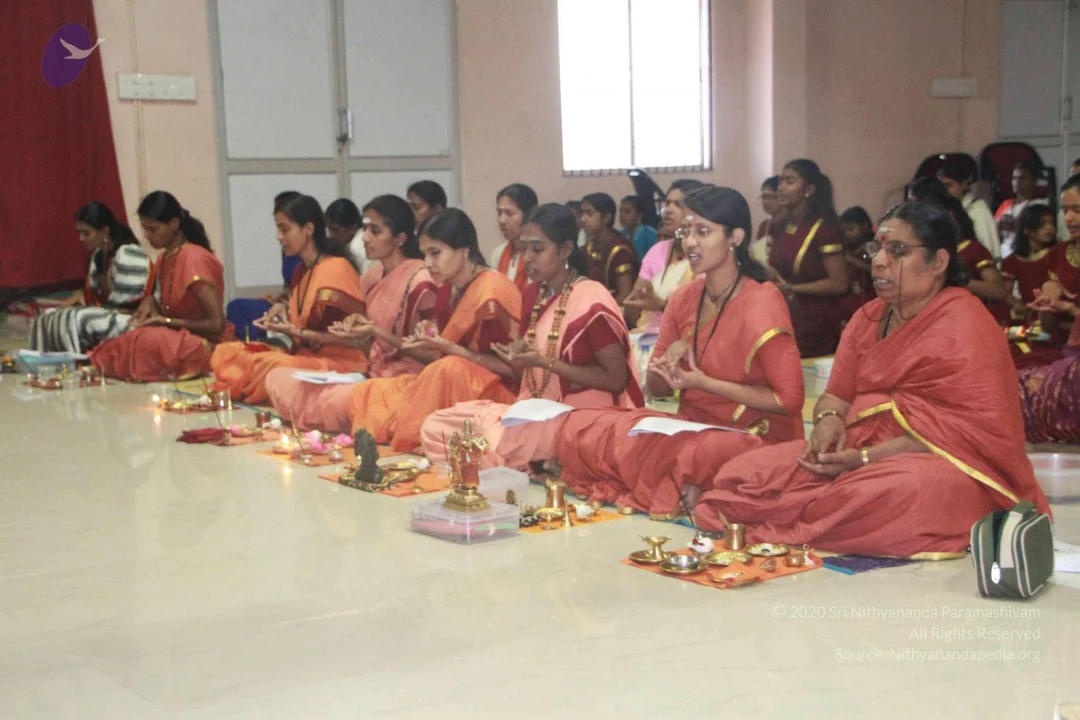
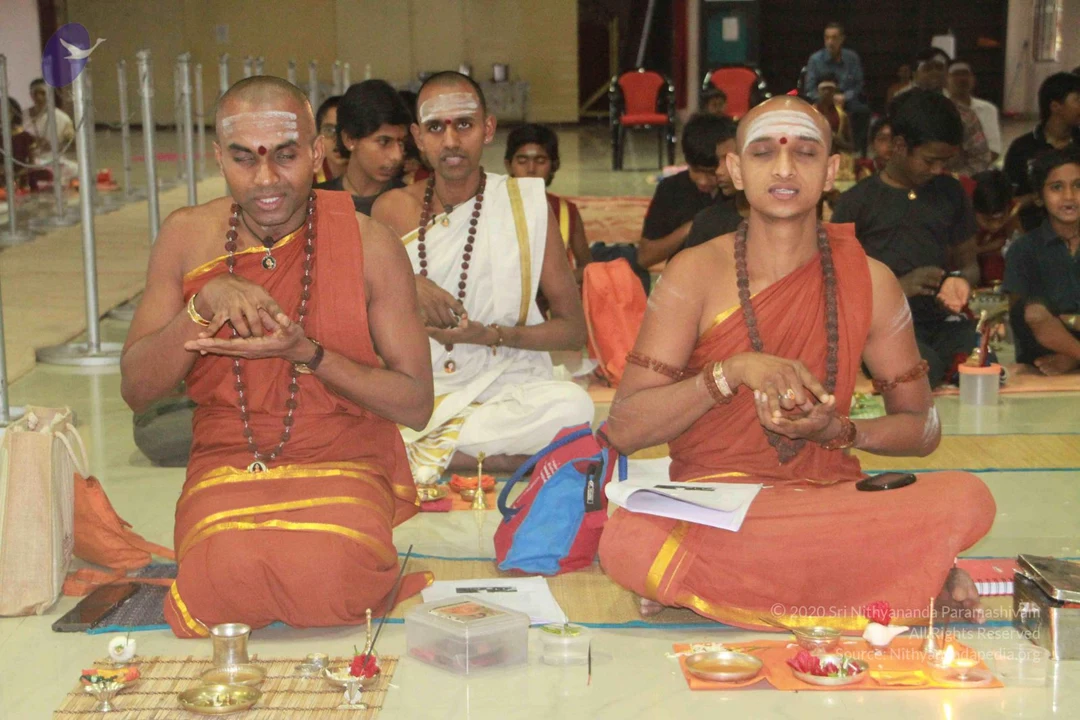
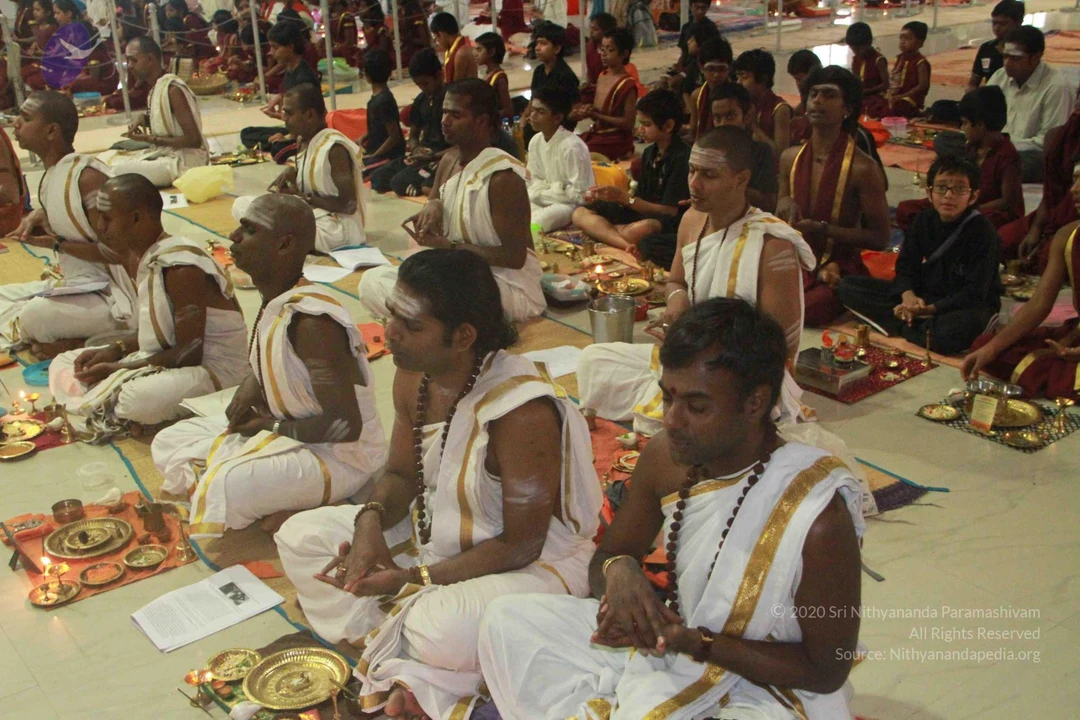
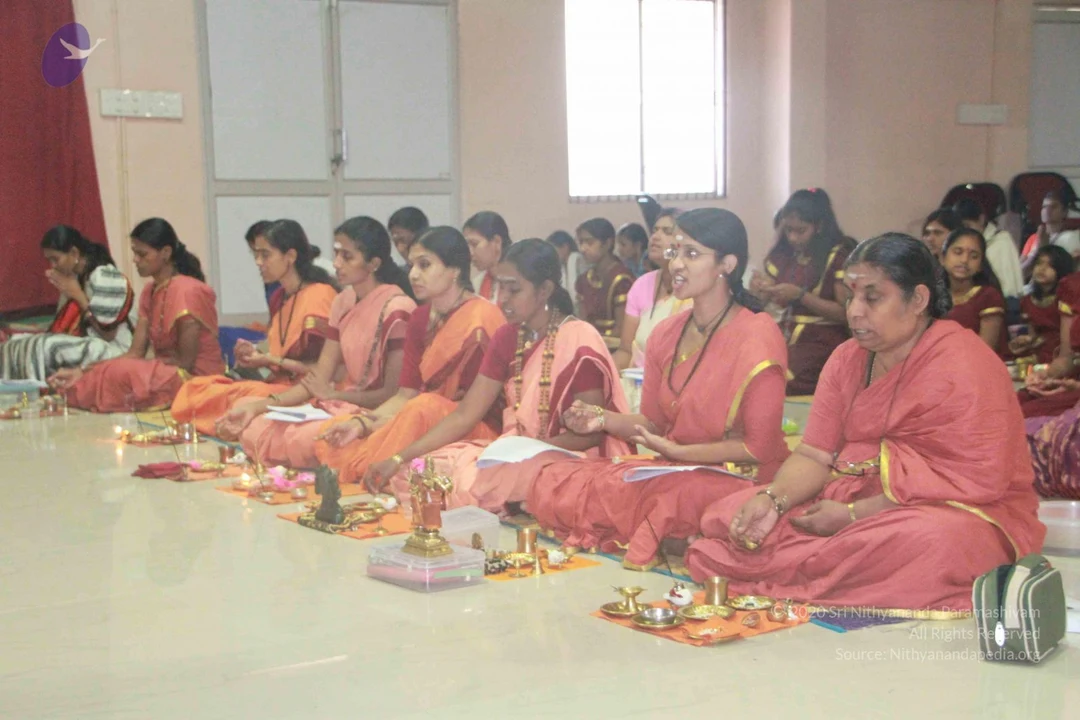
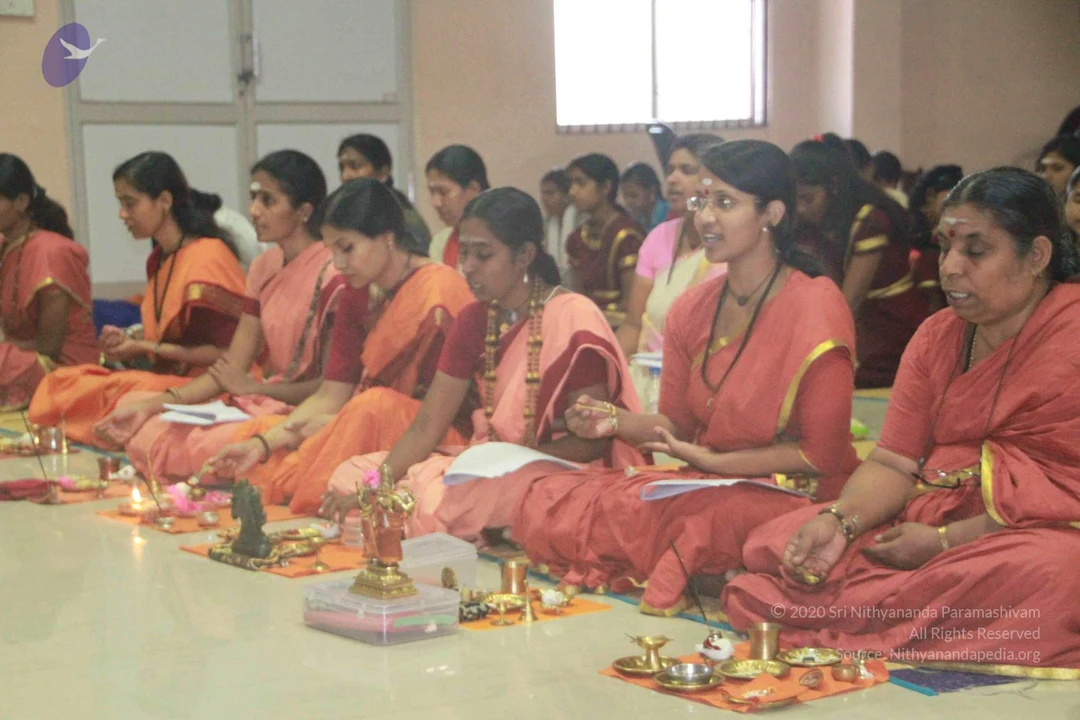
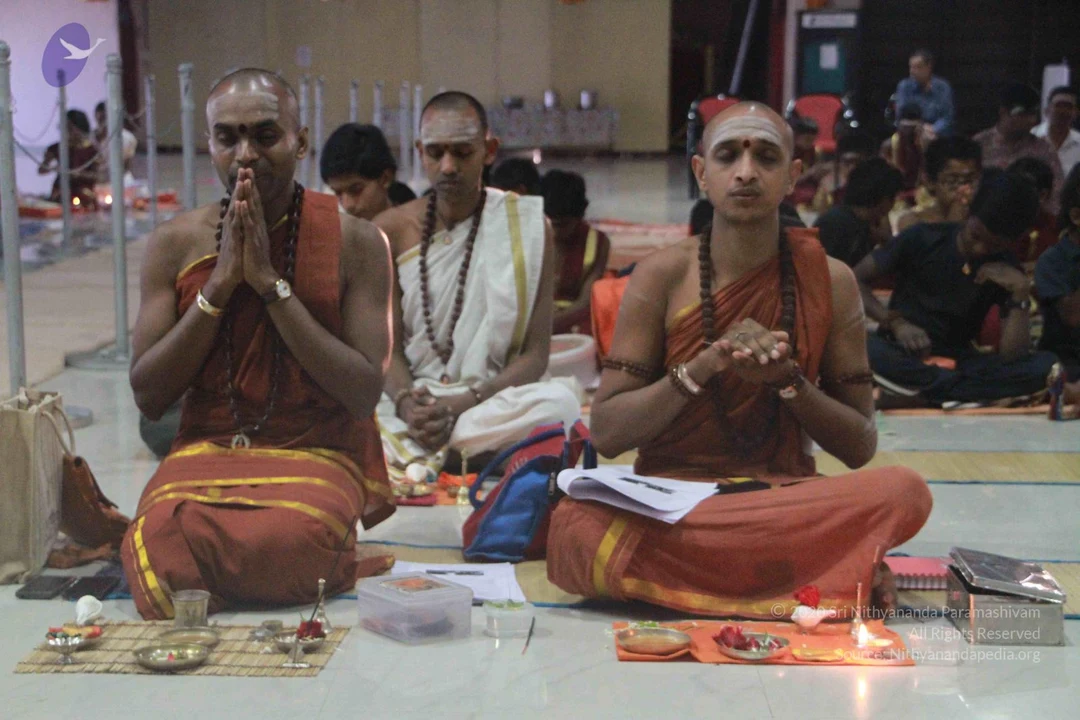
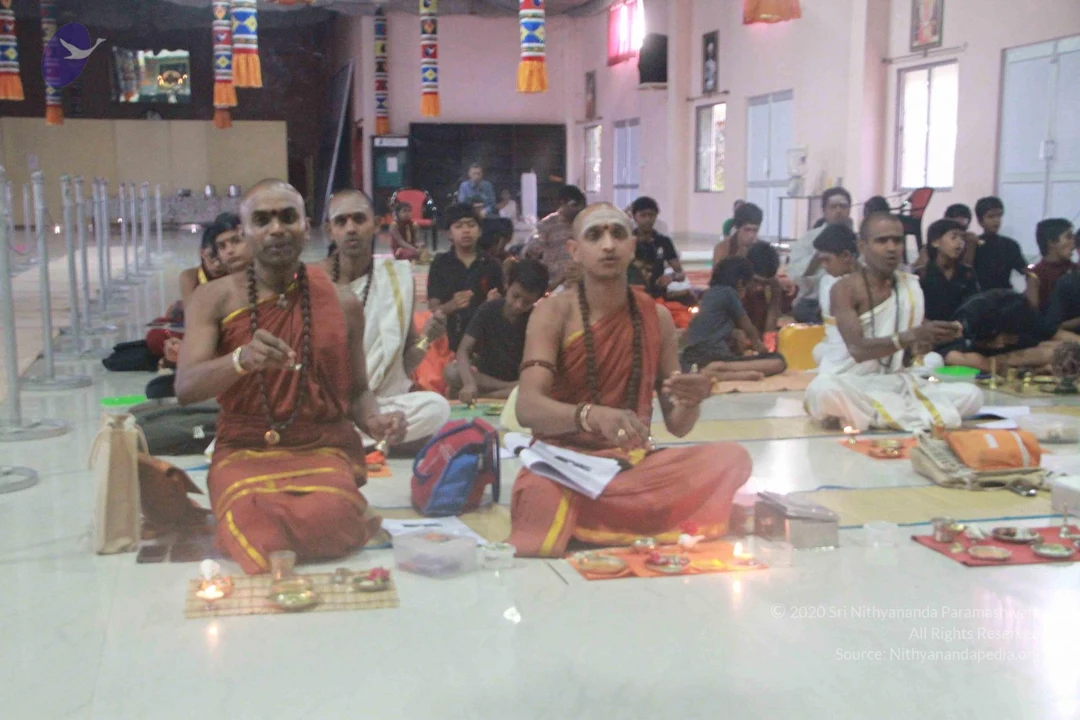
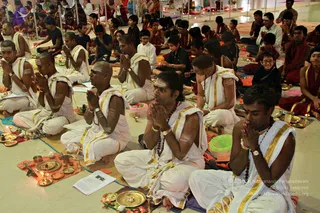
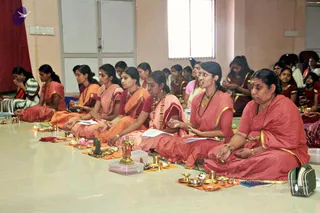
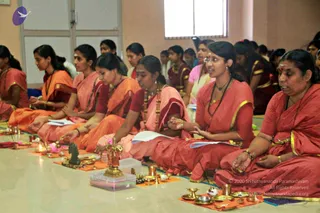
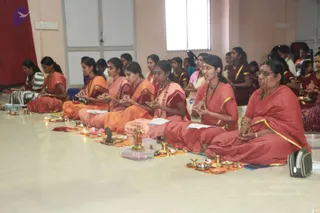
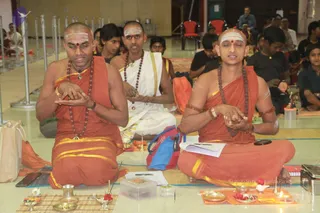
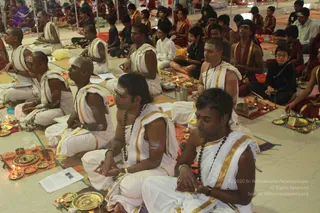
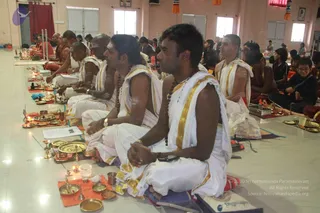
Morning Padha Puja
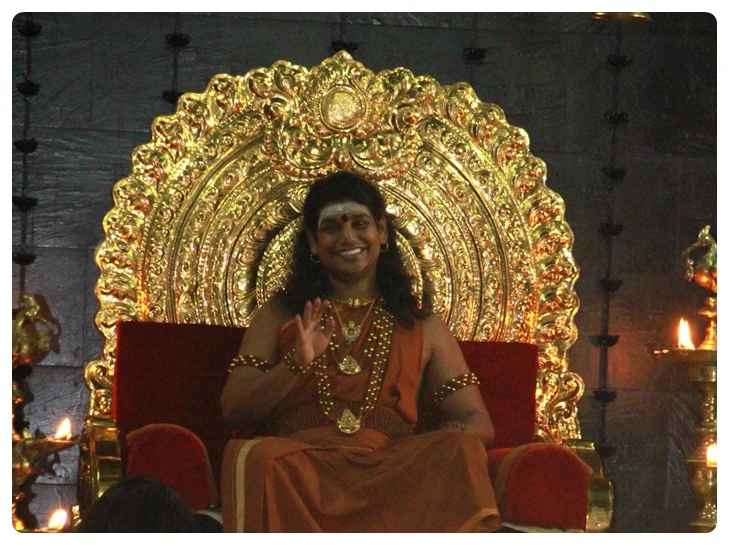
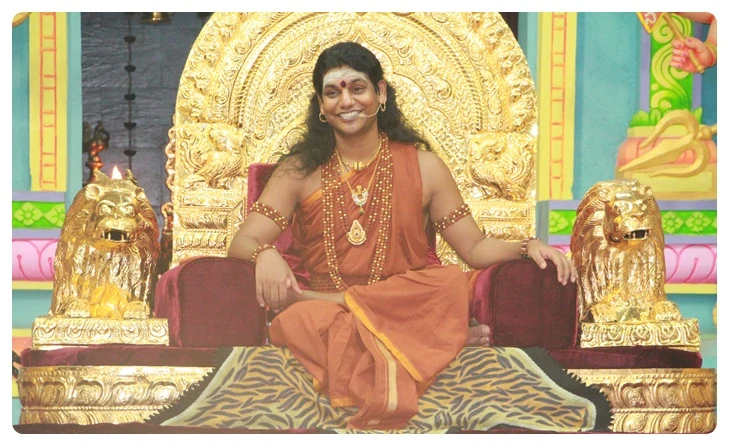
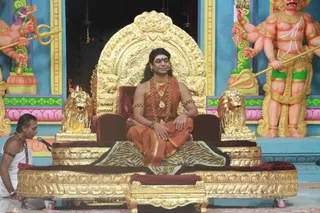
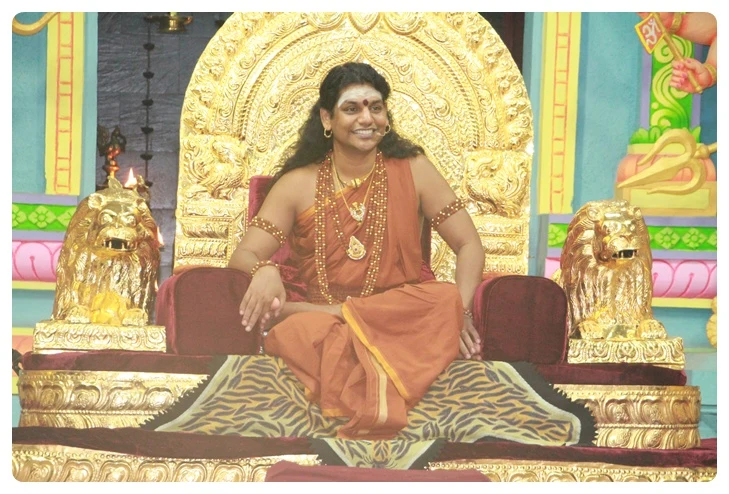
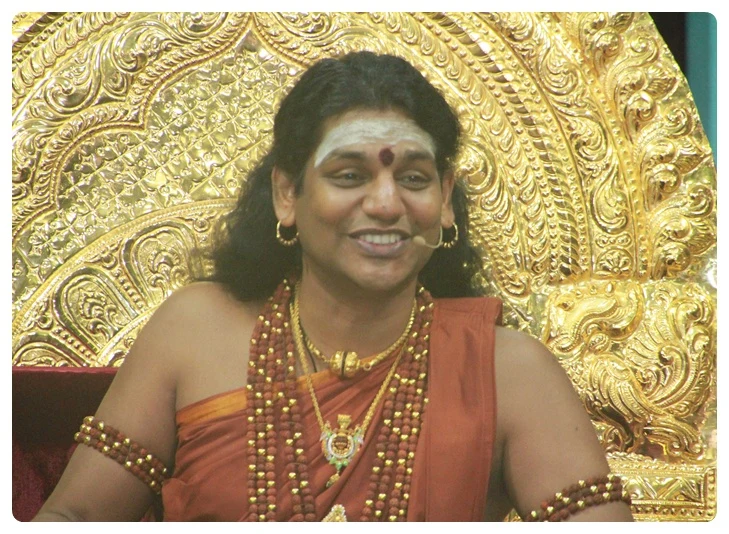
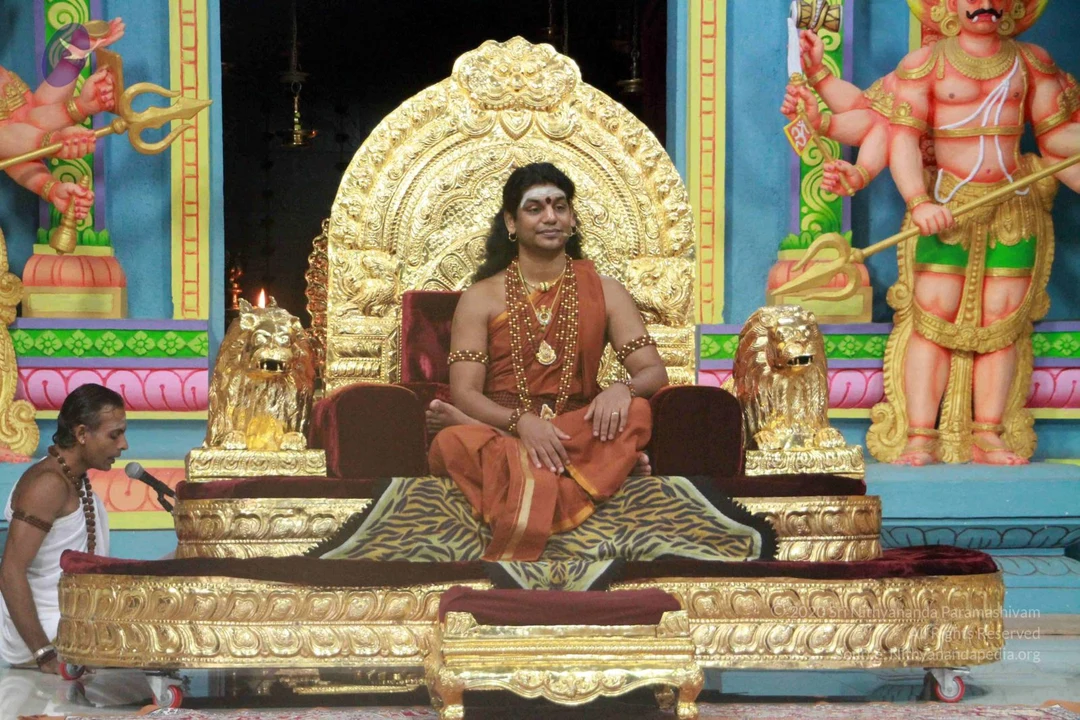
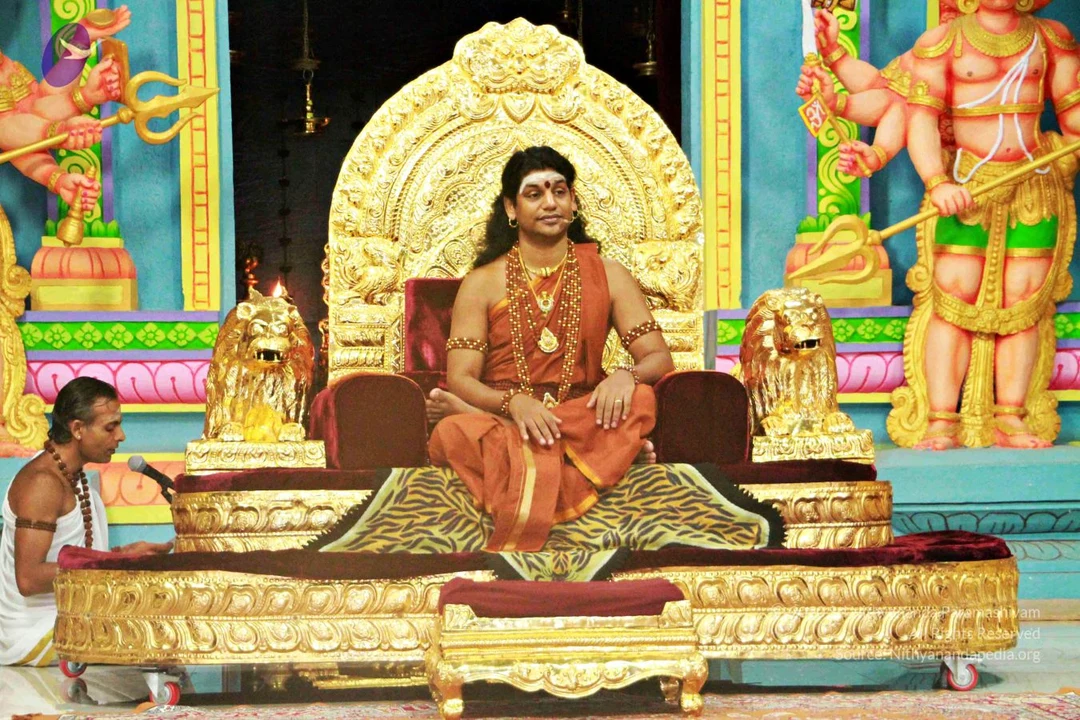
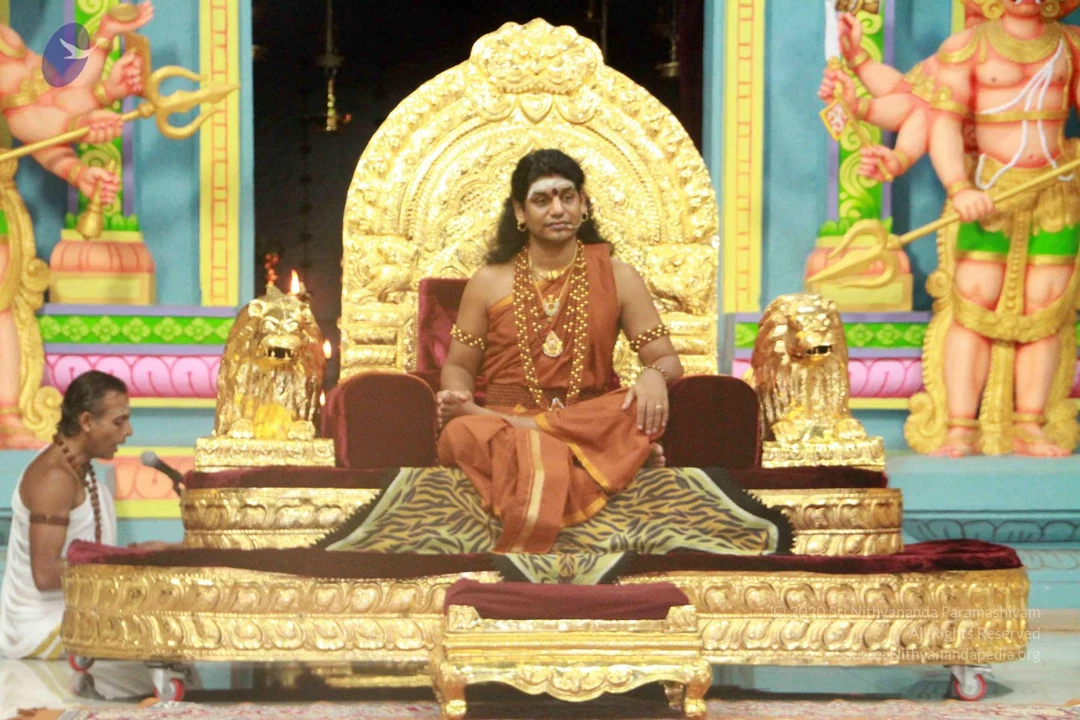
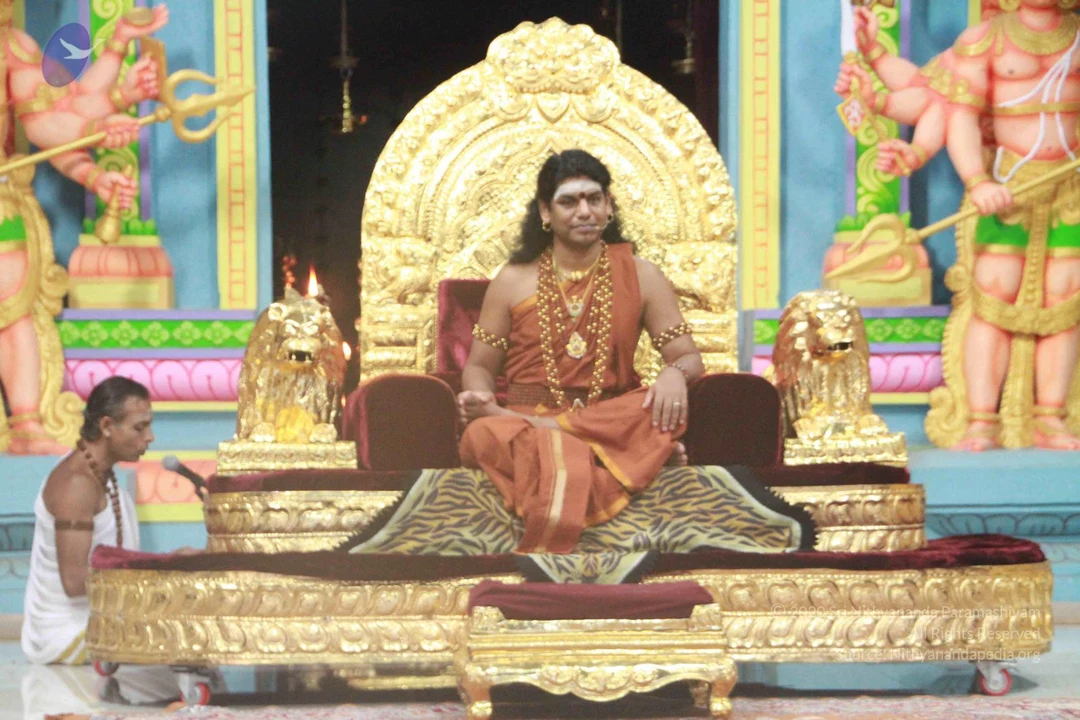
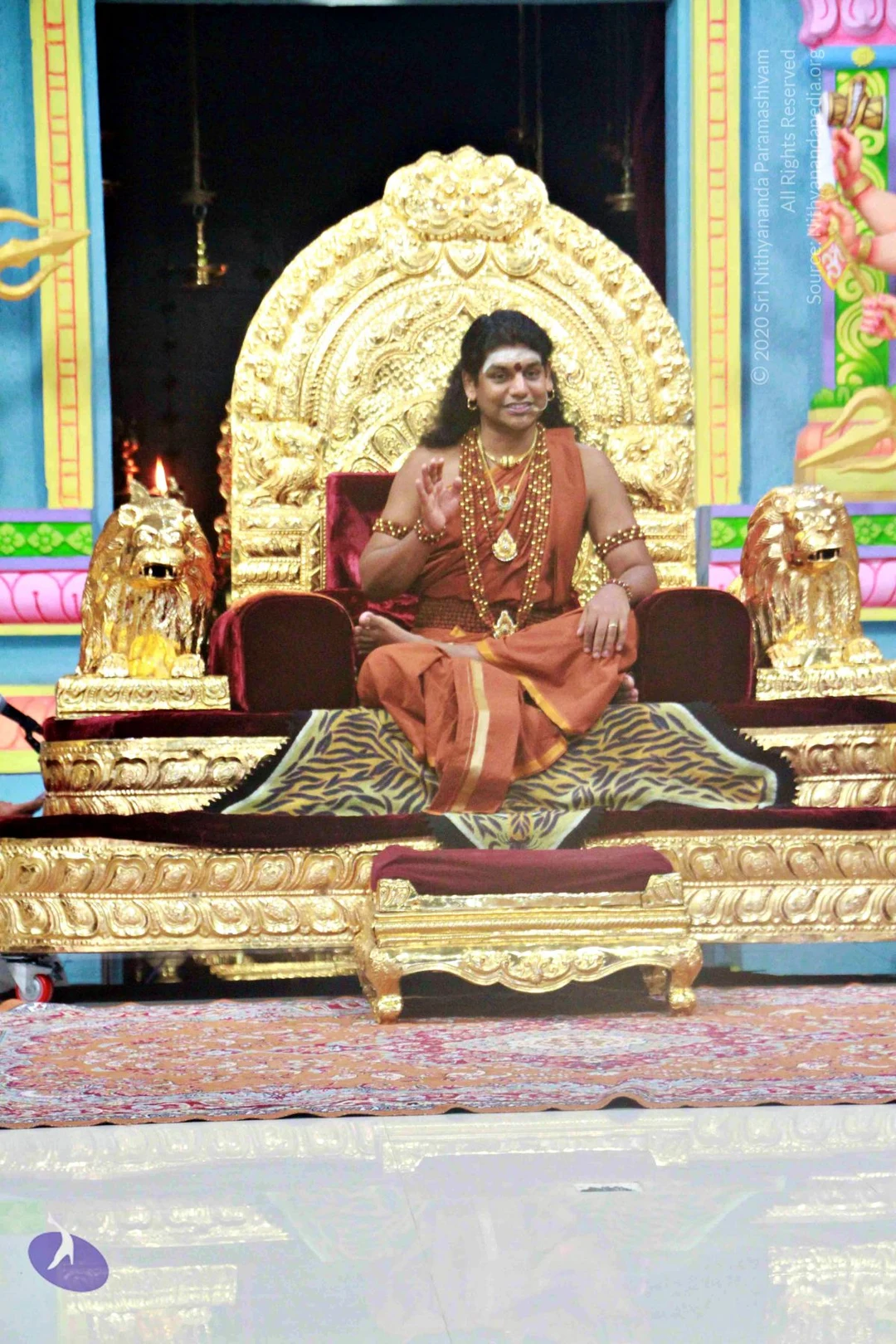
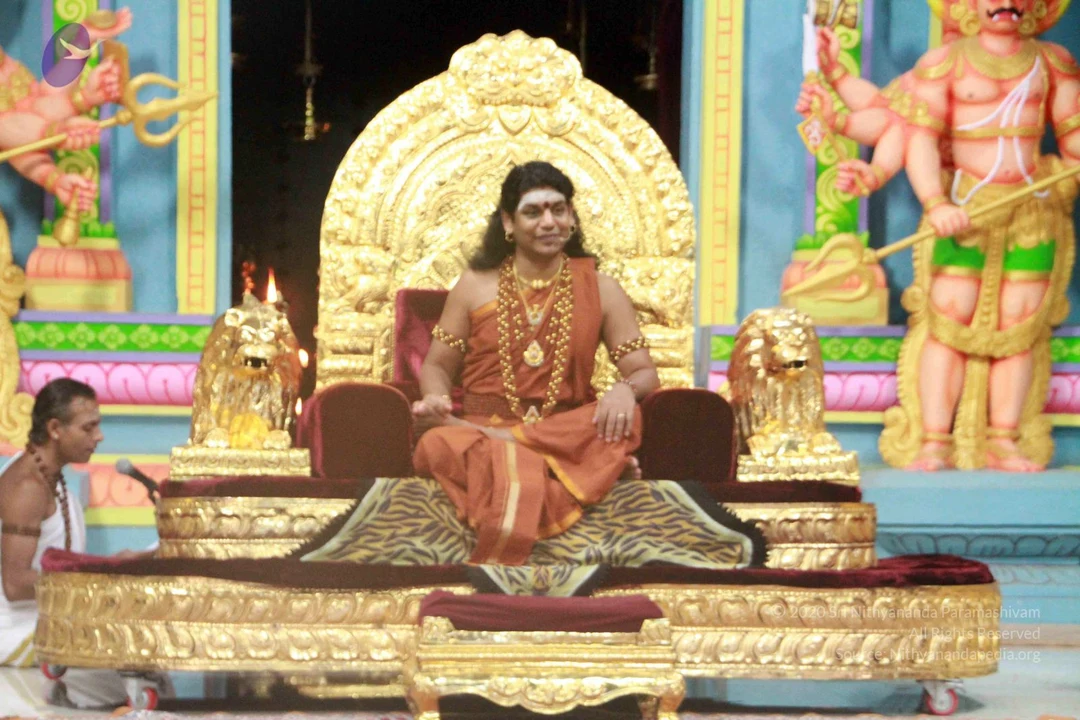
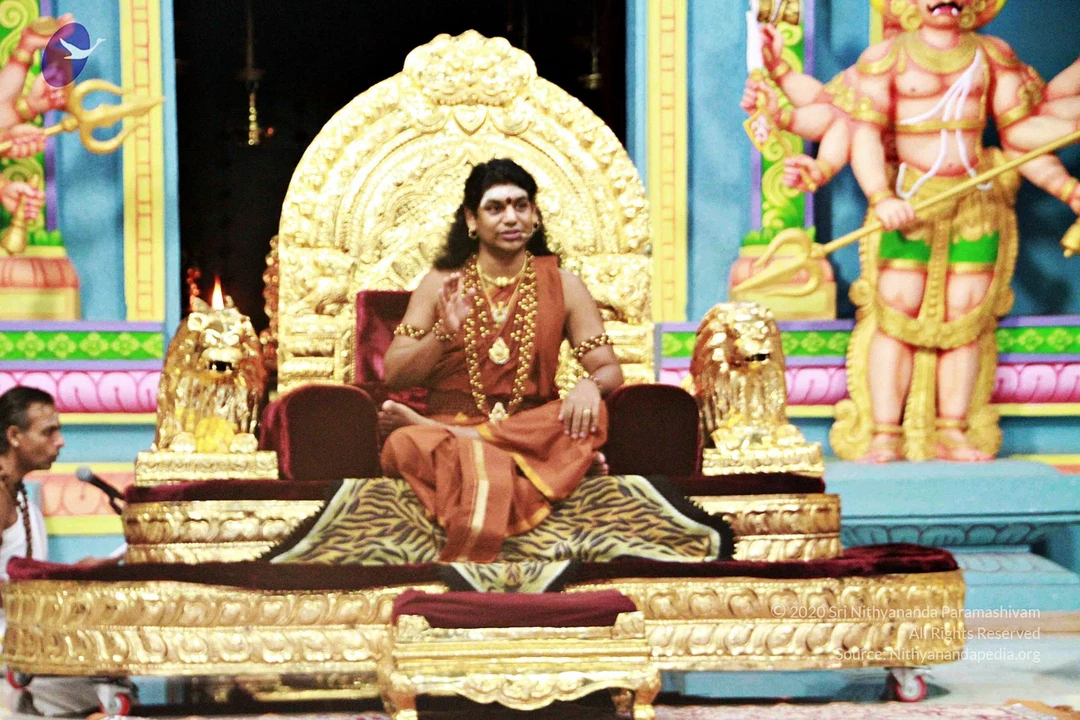
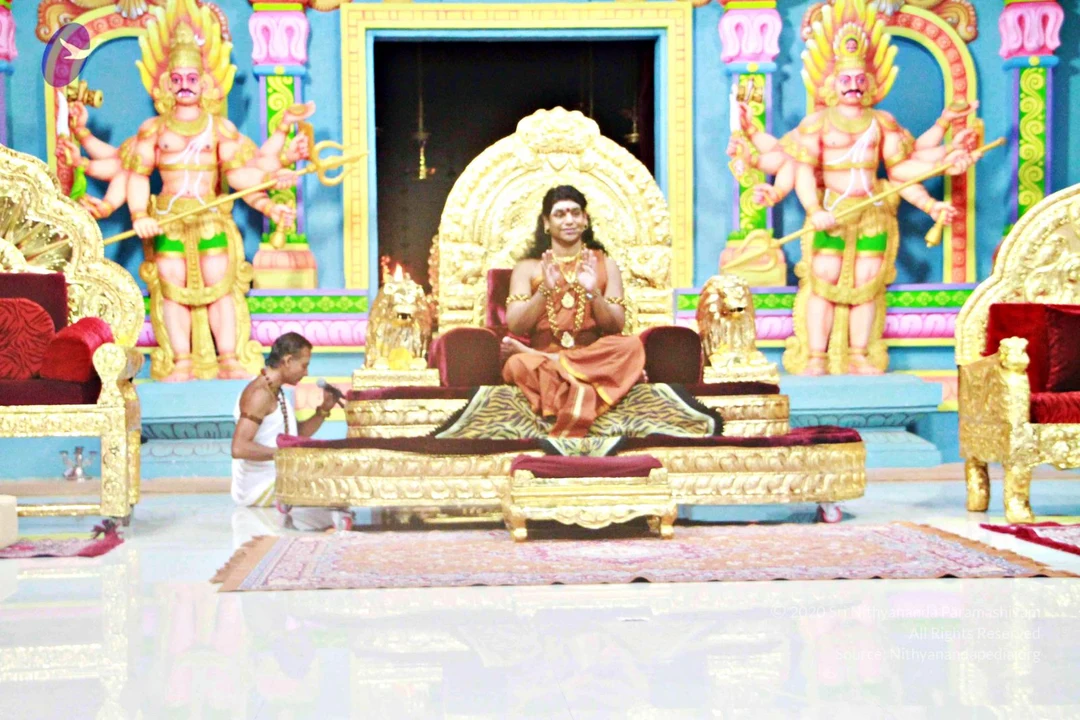
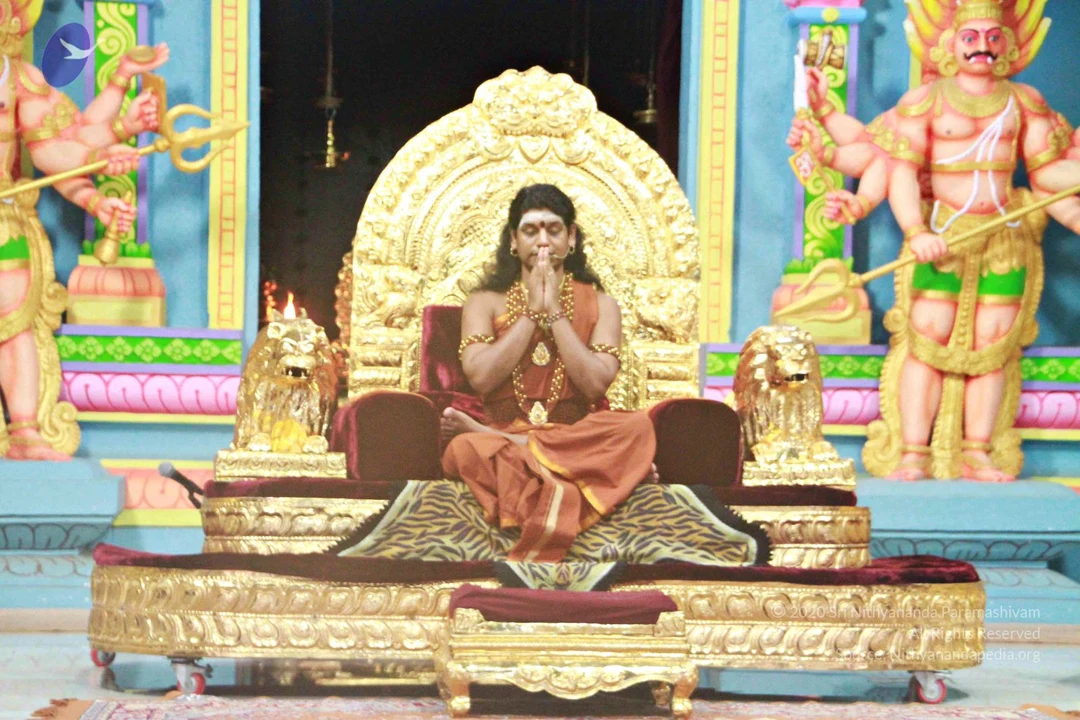
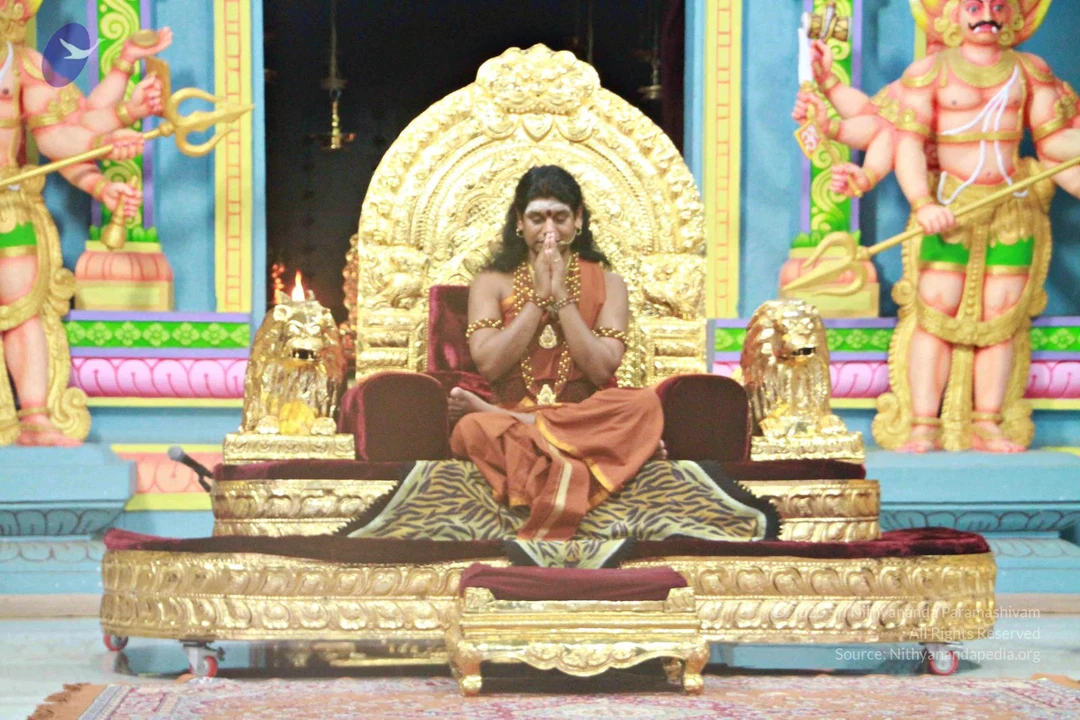
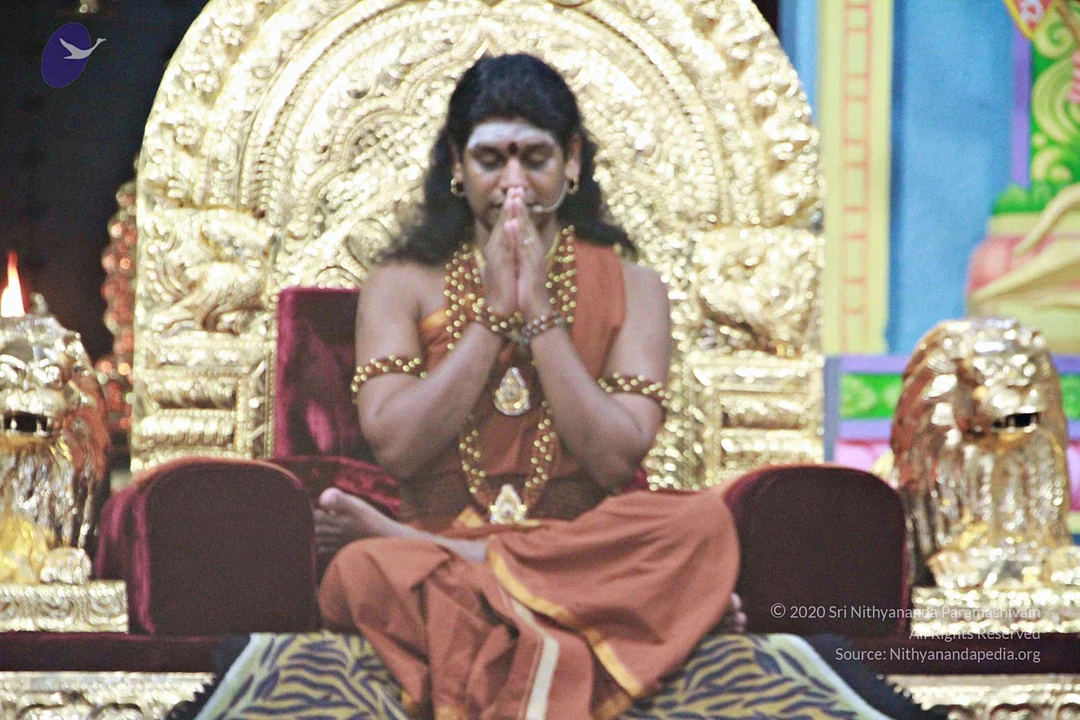
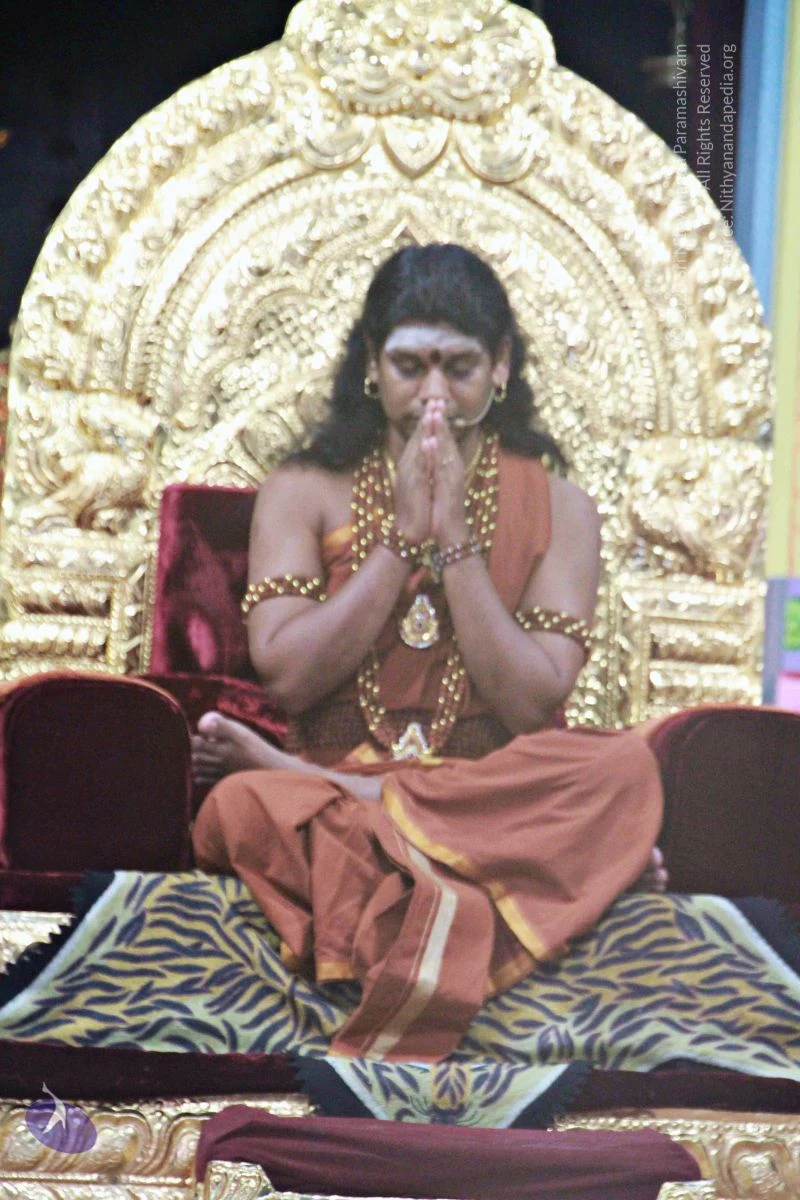
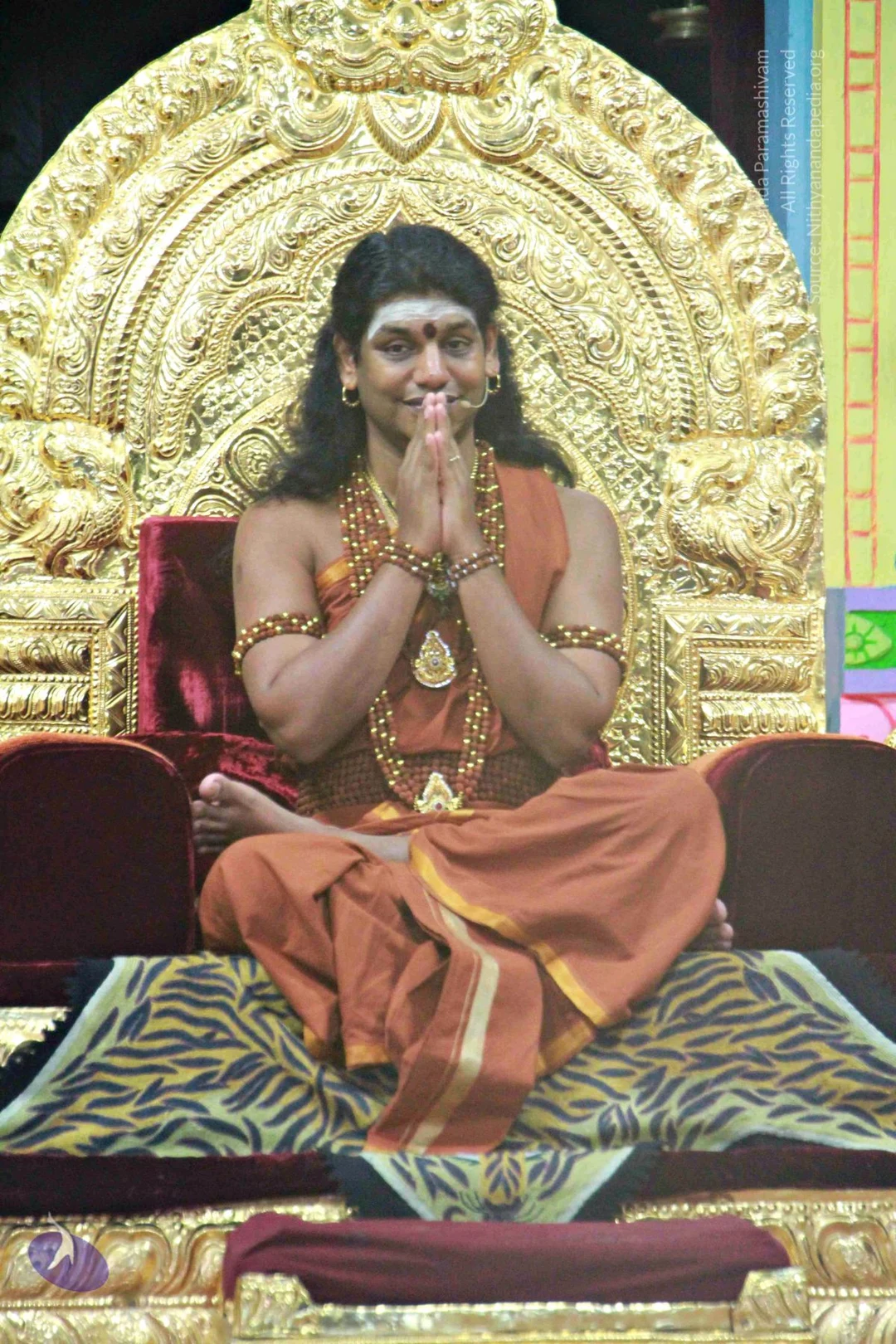
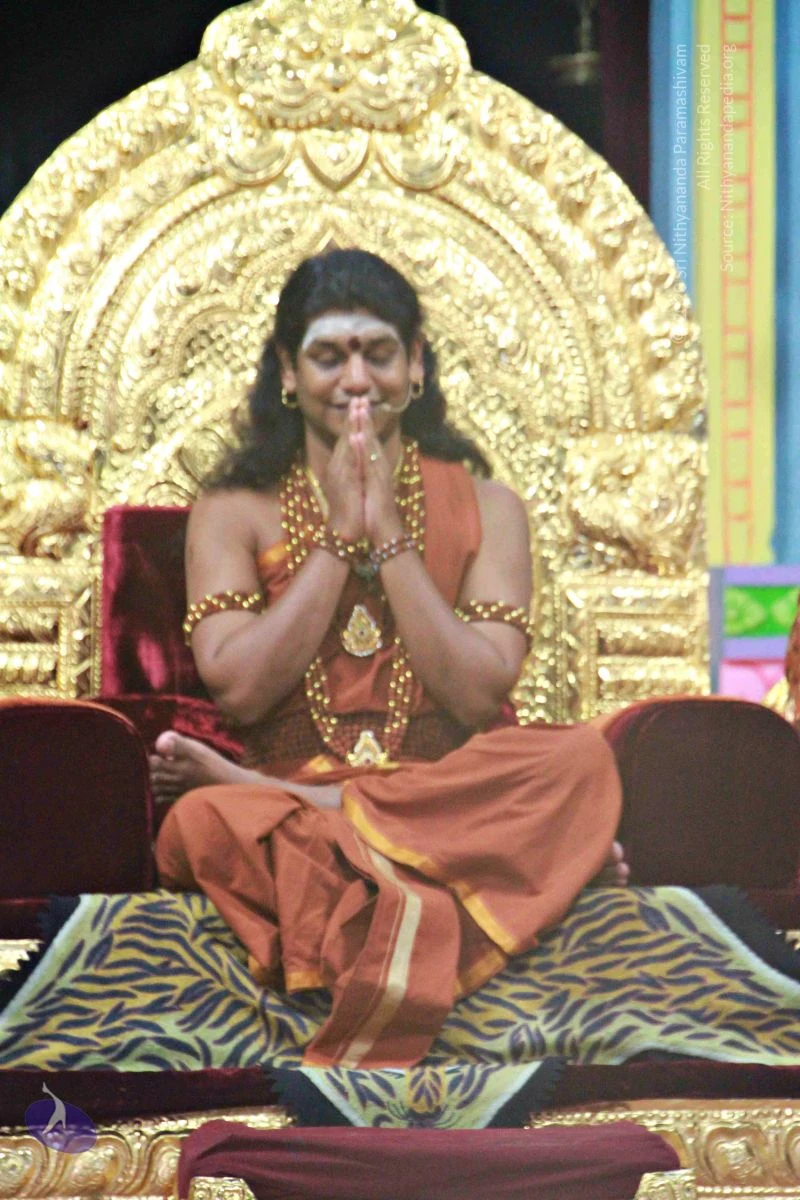
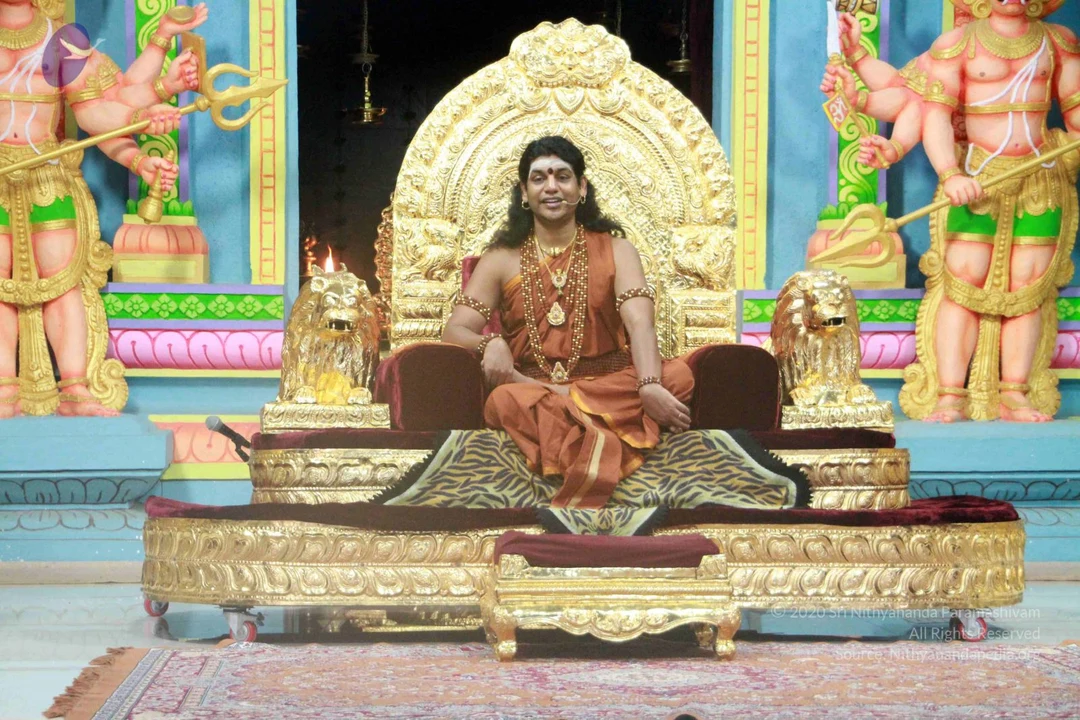
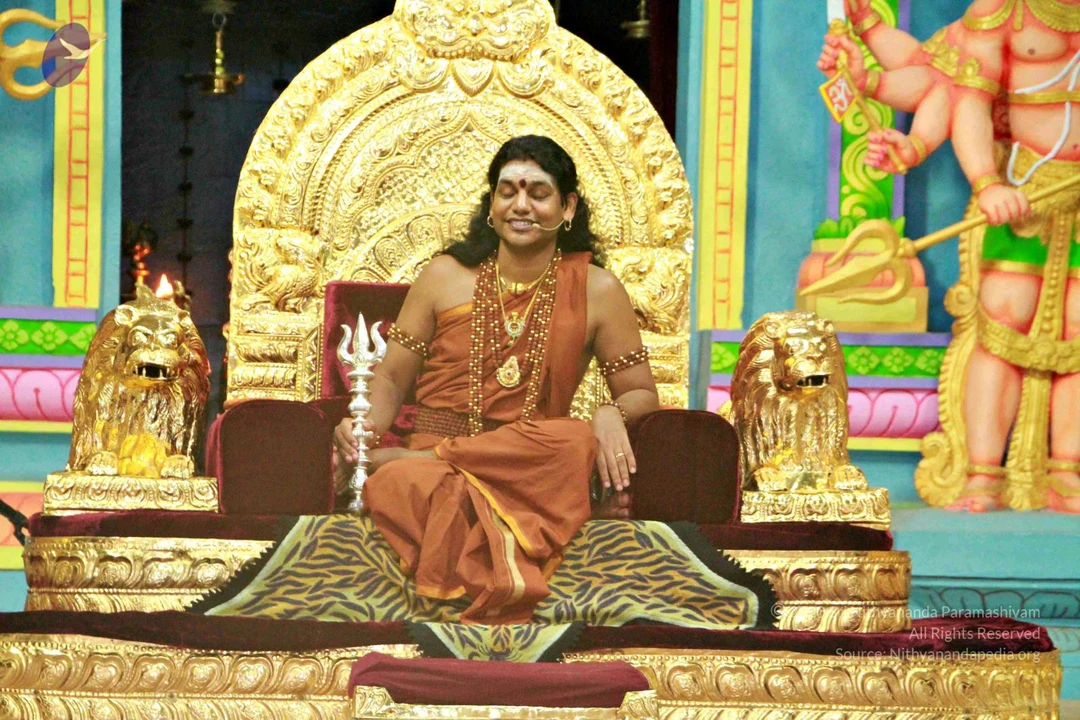
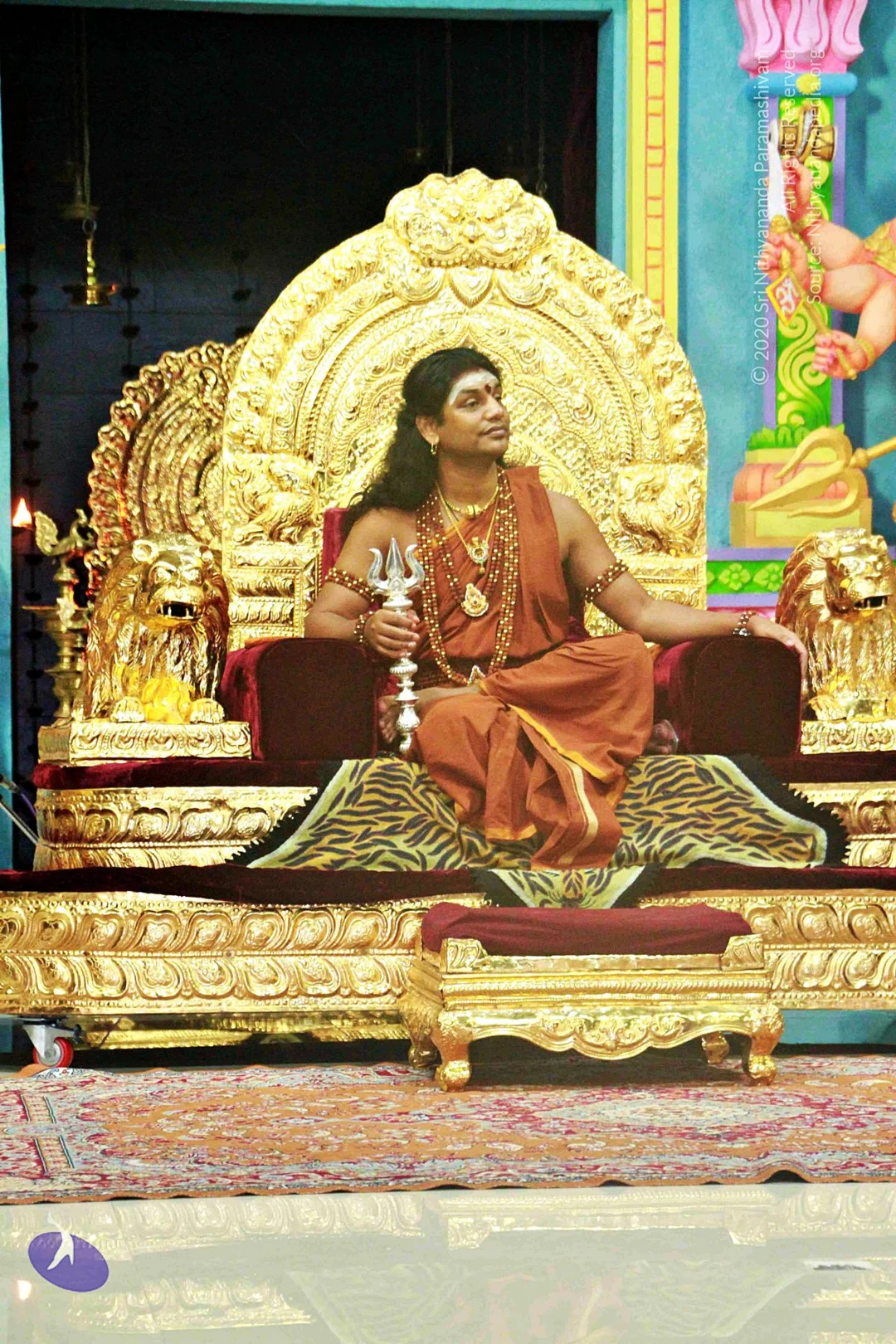
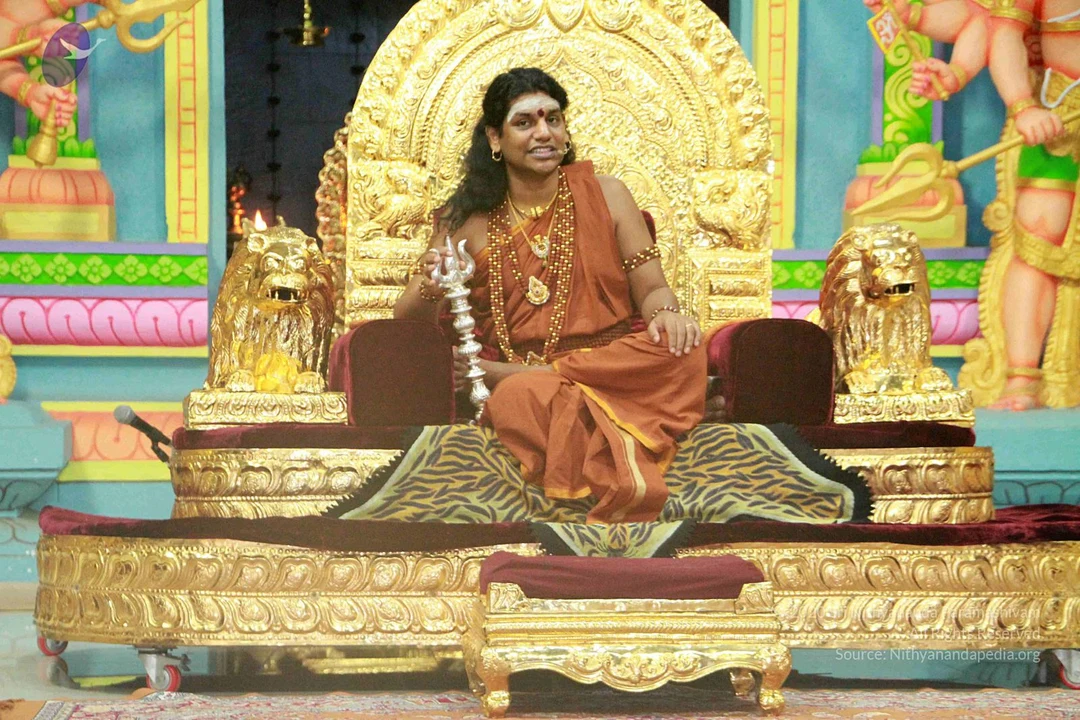
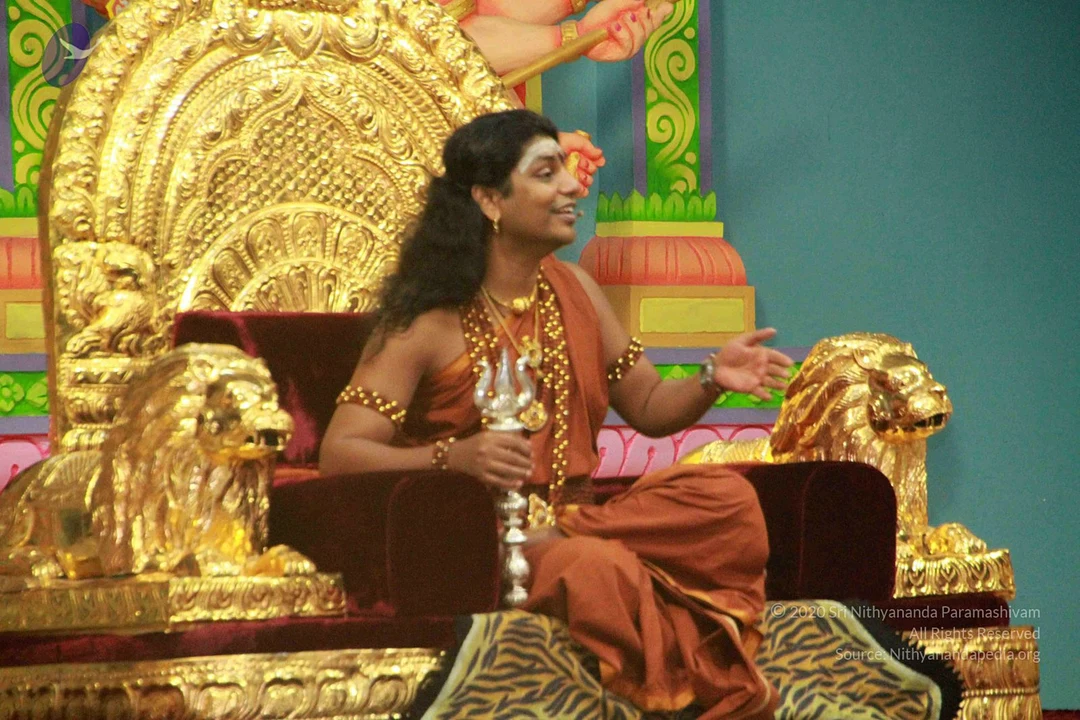
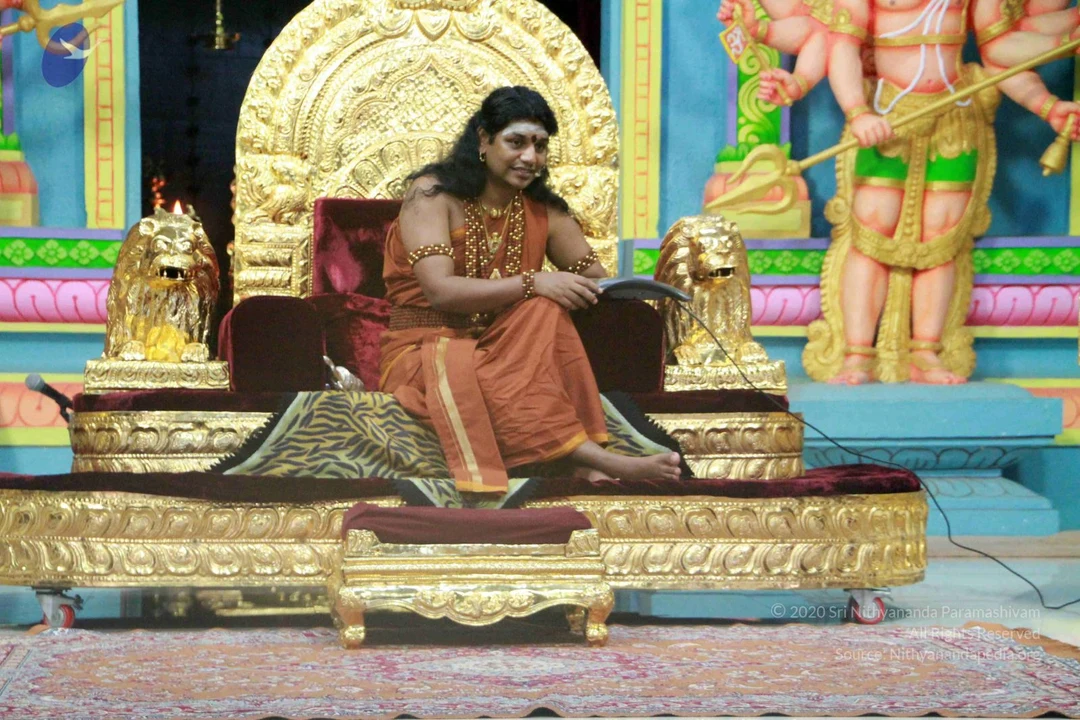
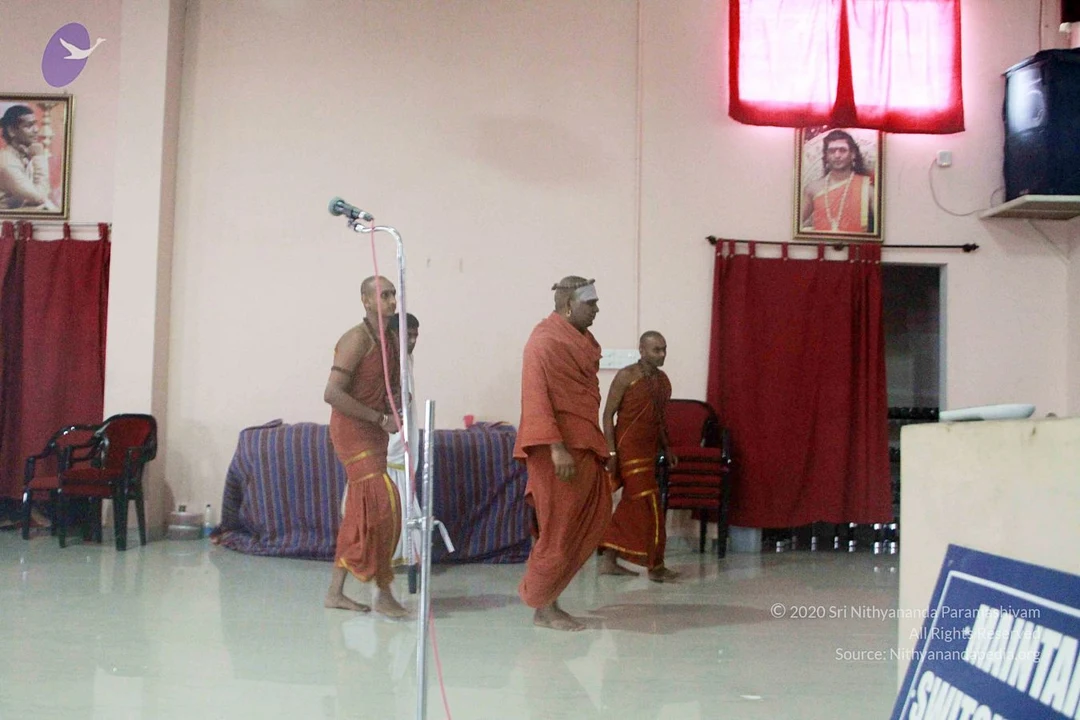
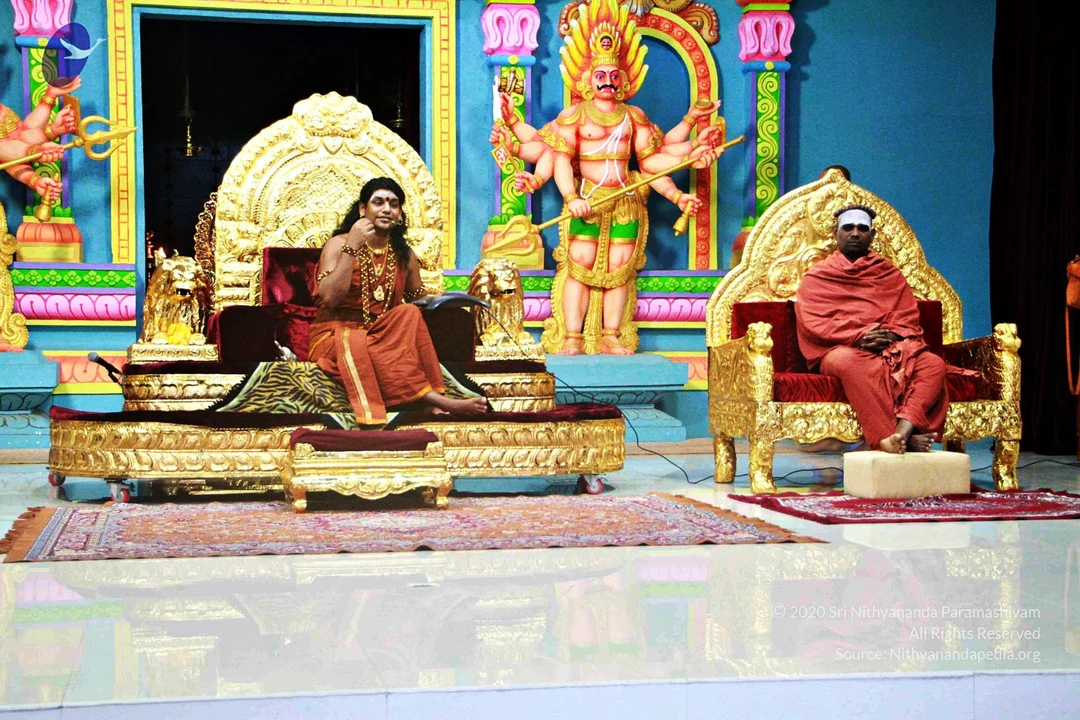
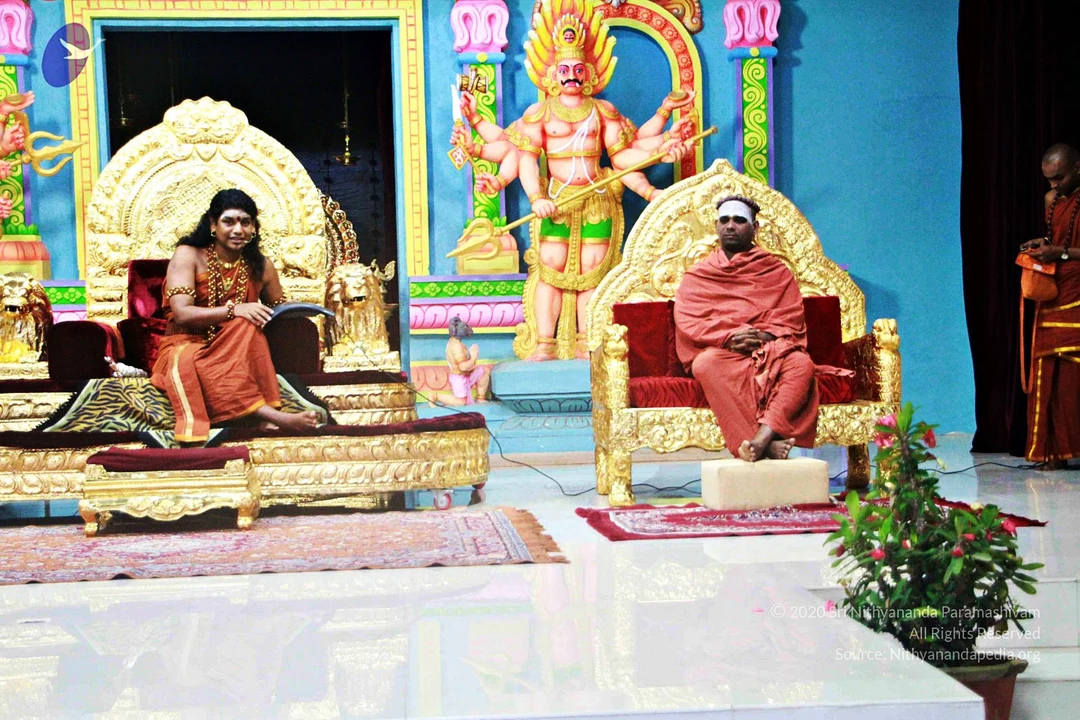
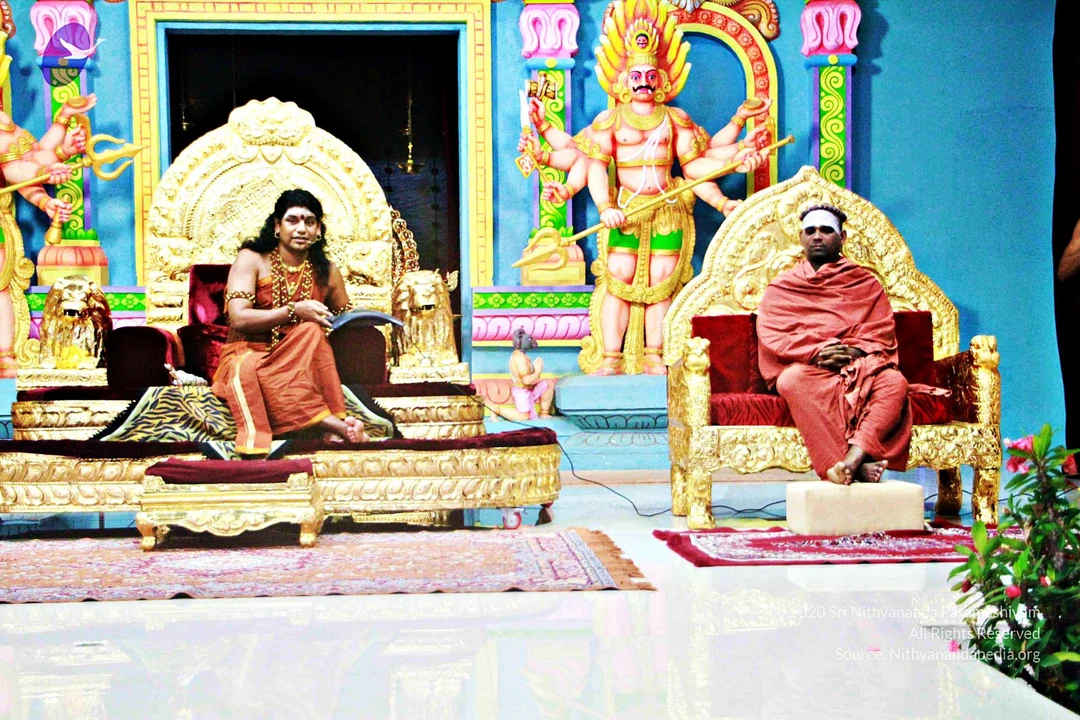
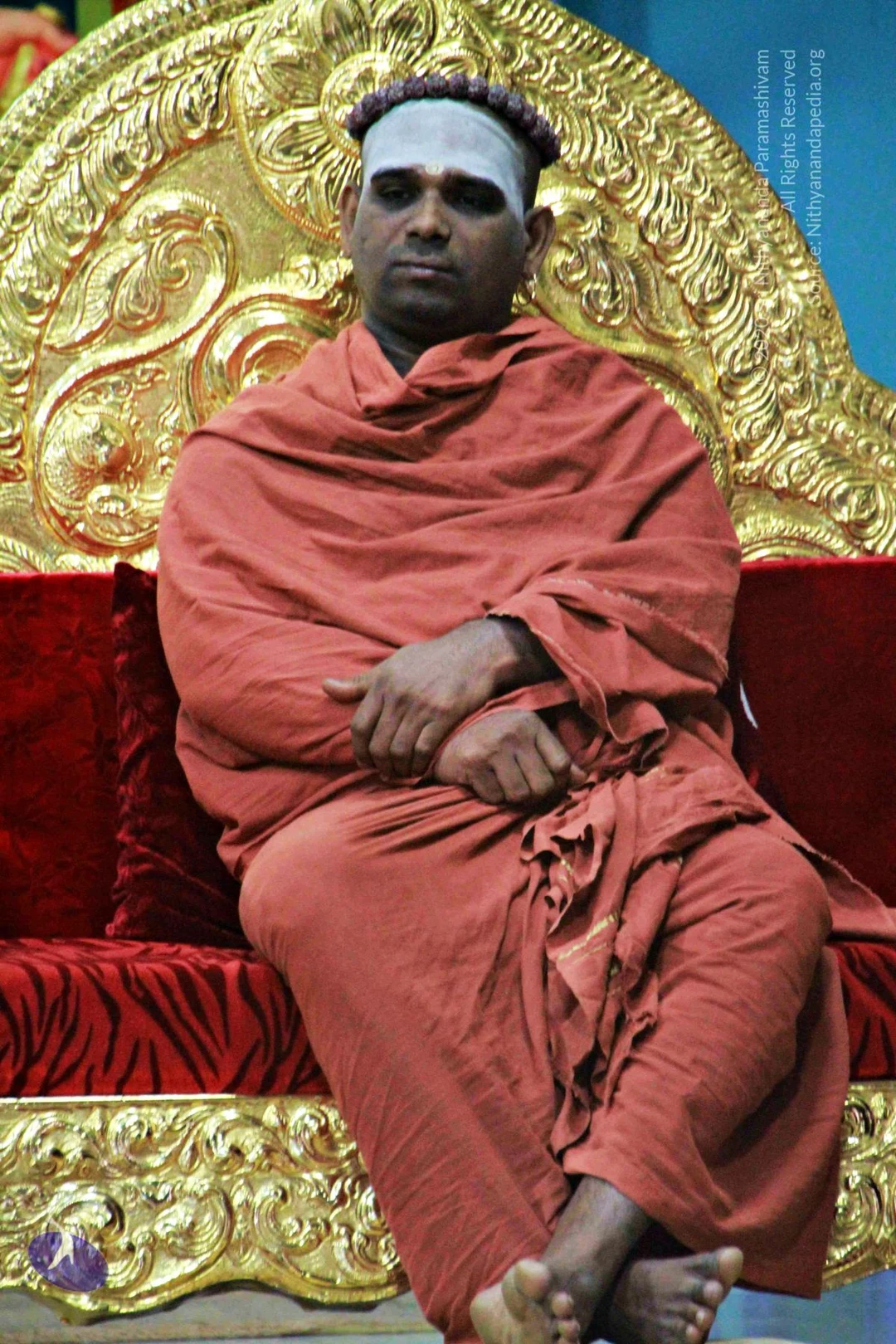
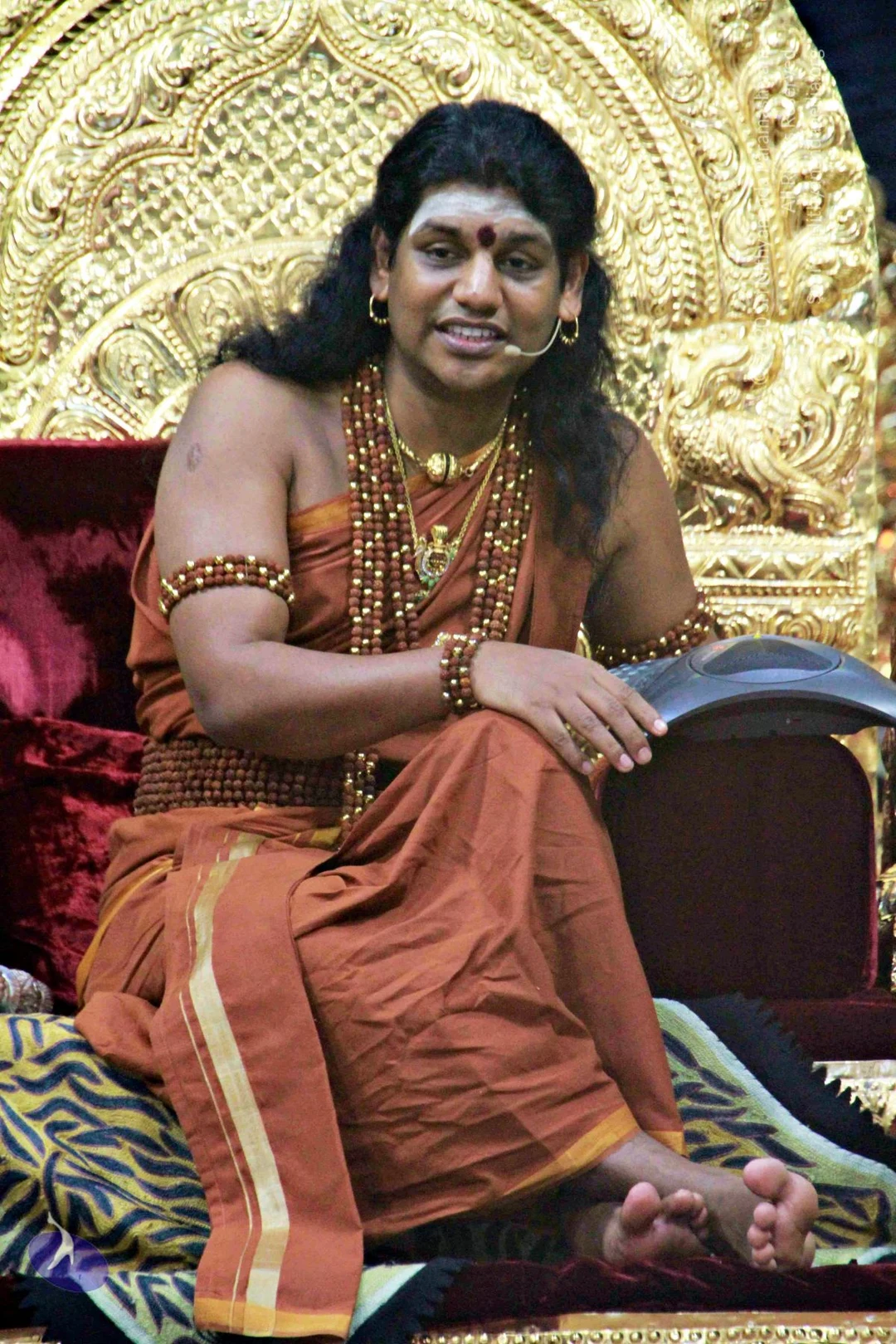
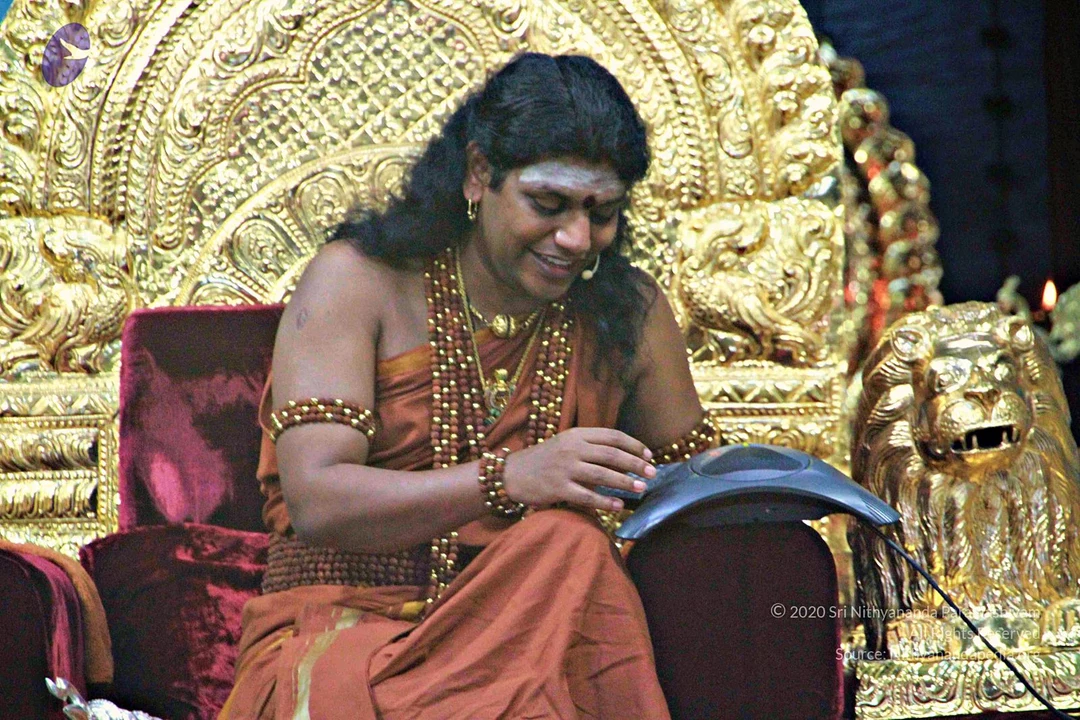
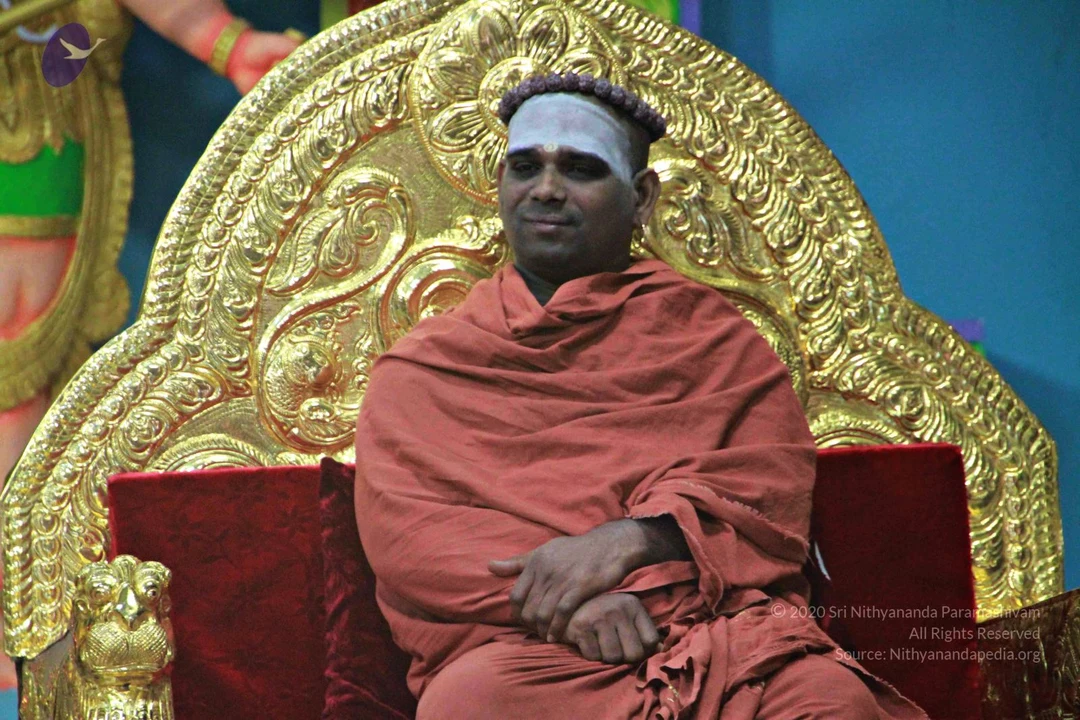
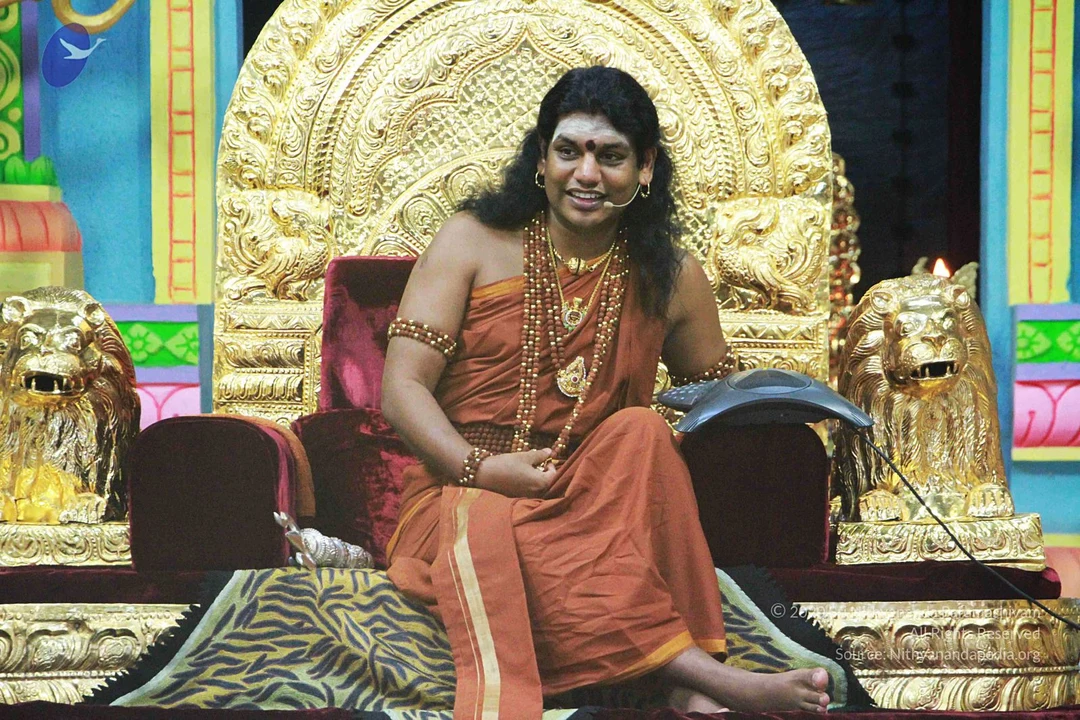
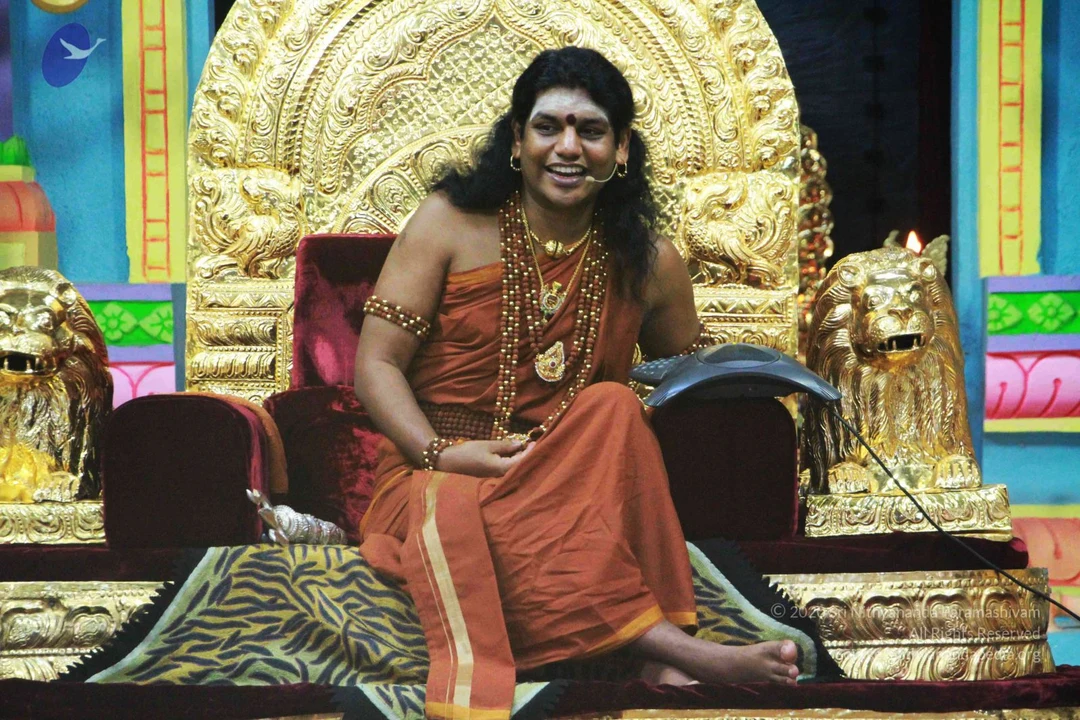
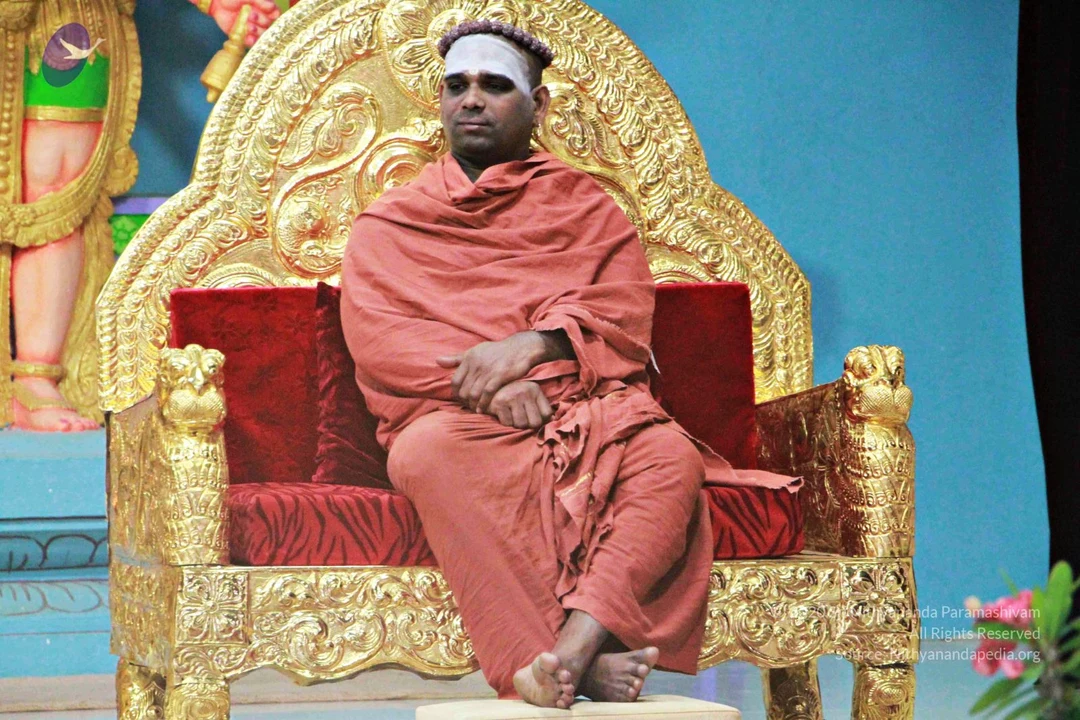
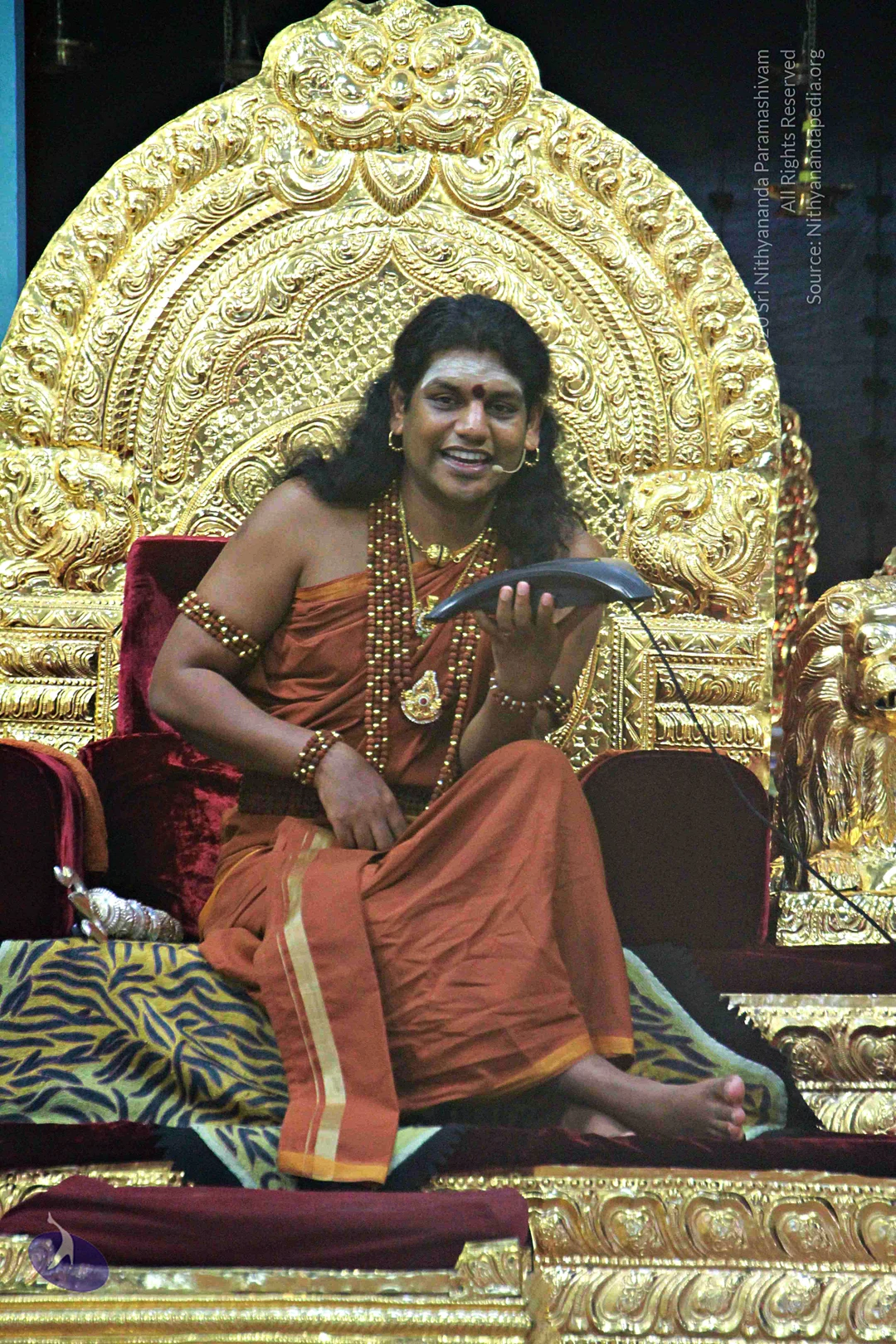
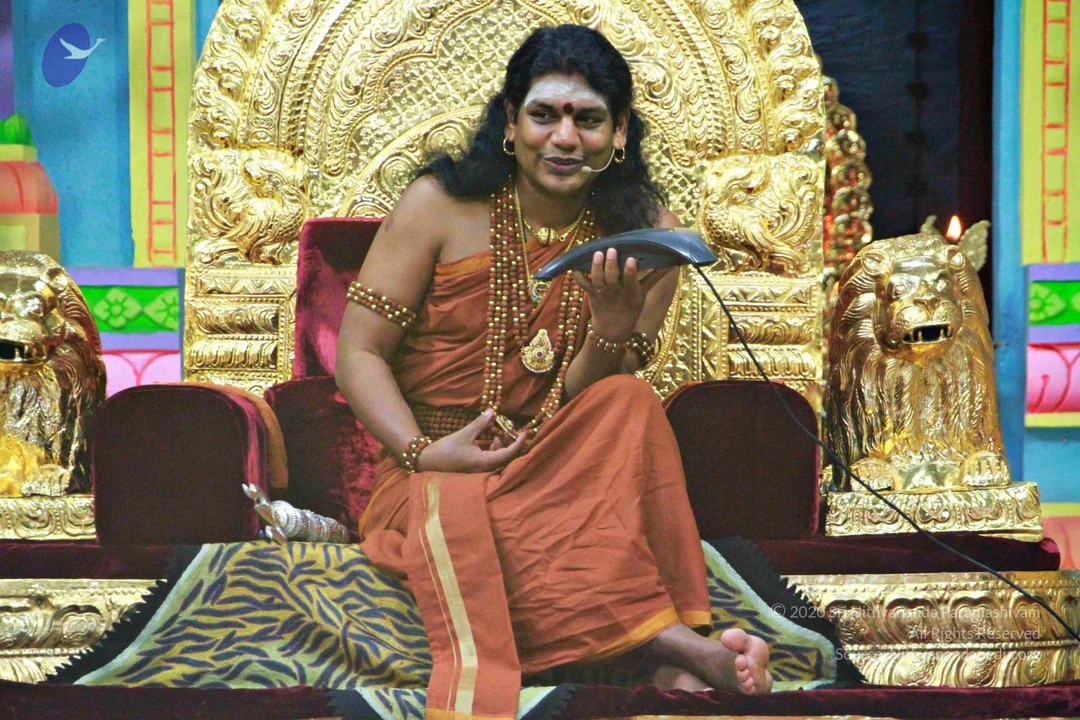
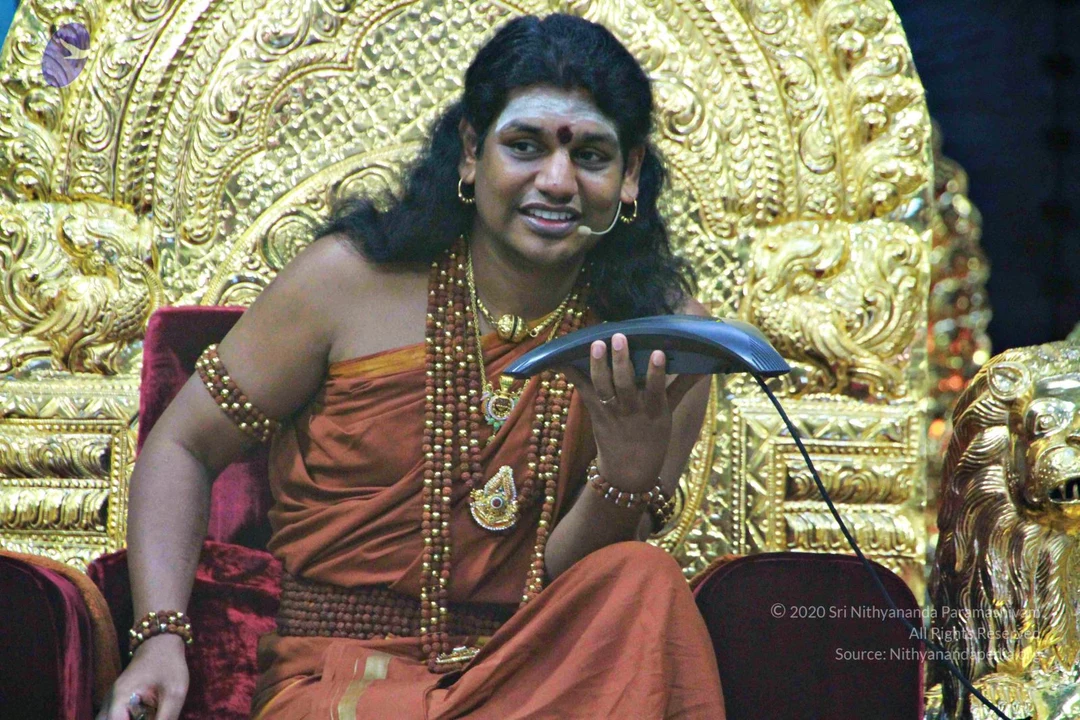
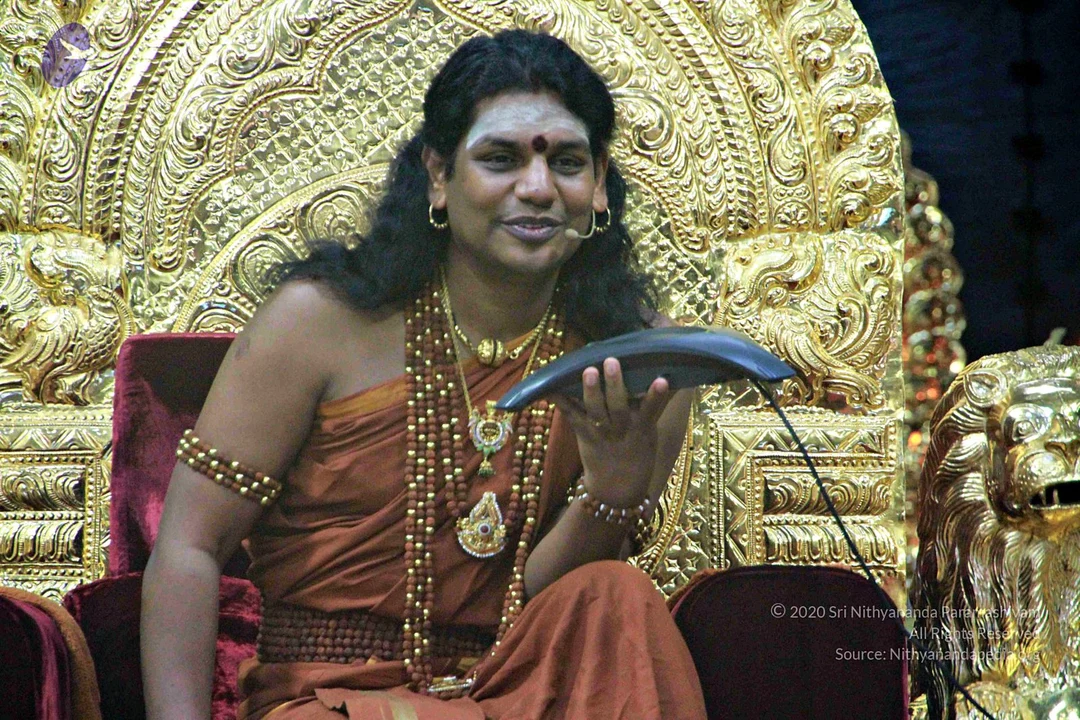
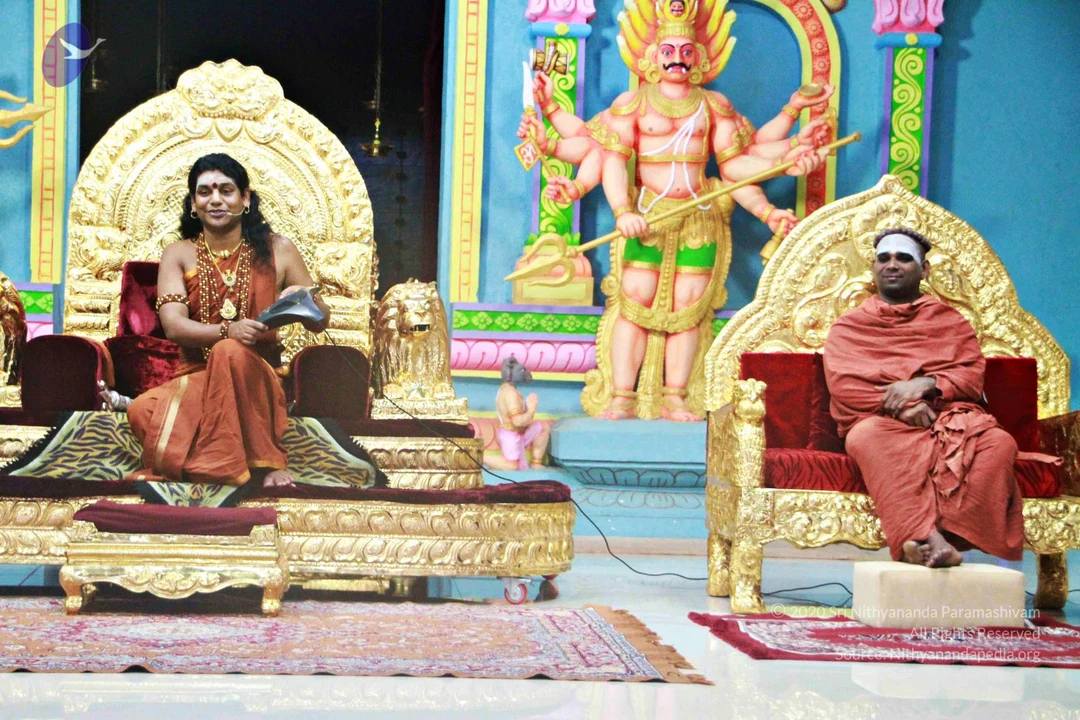
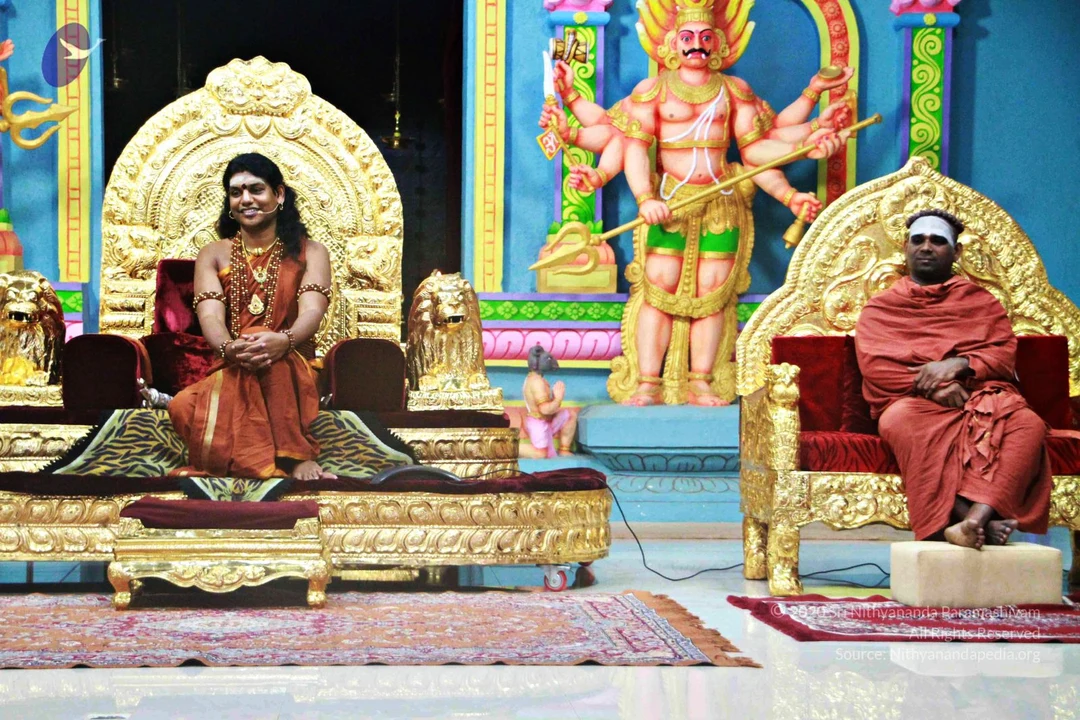
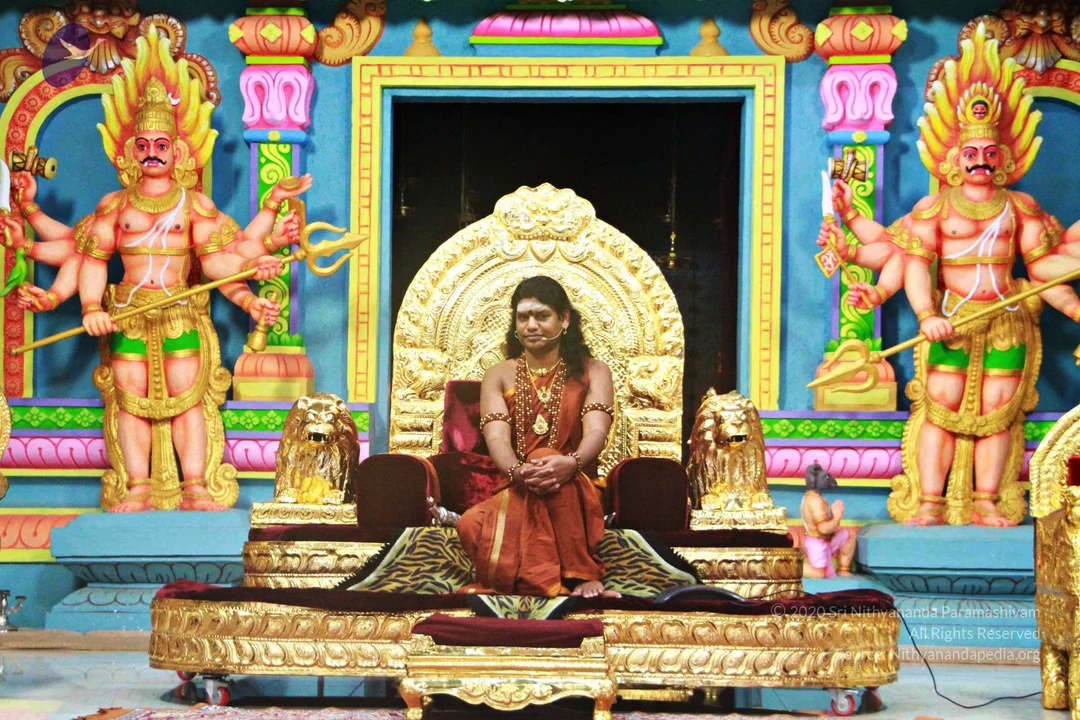
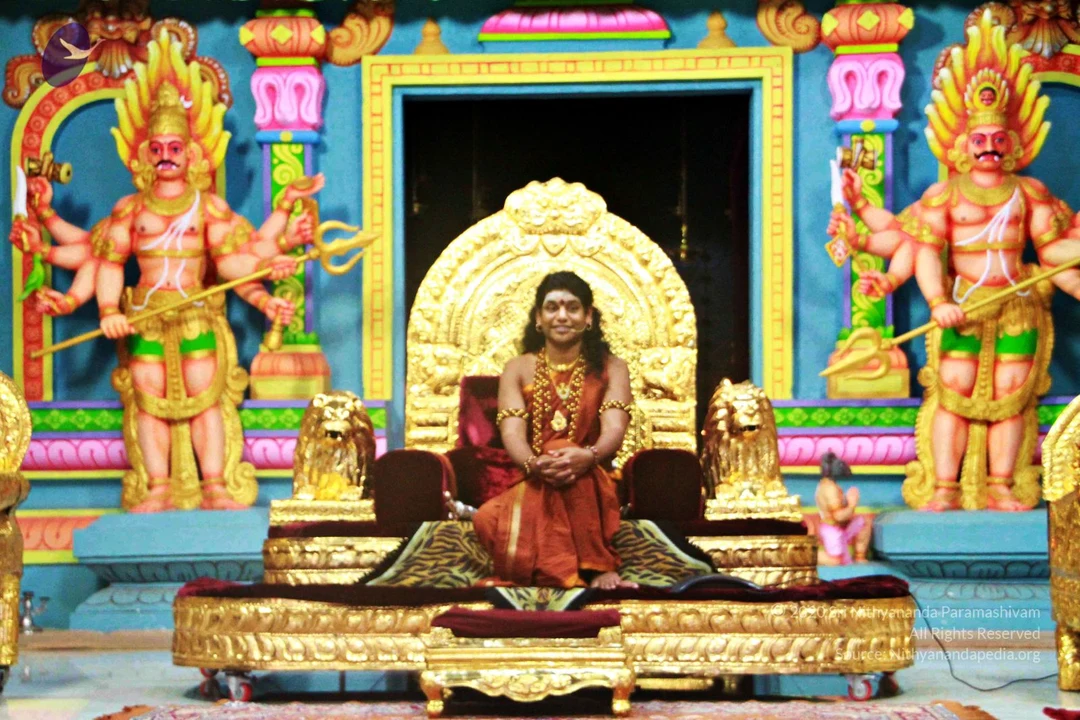
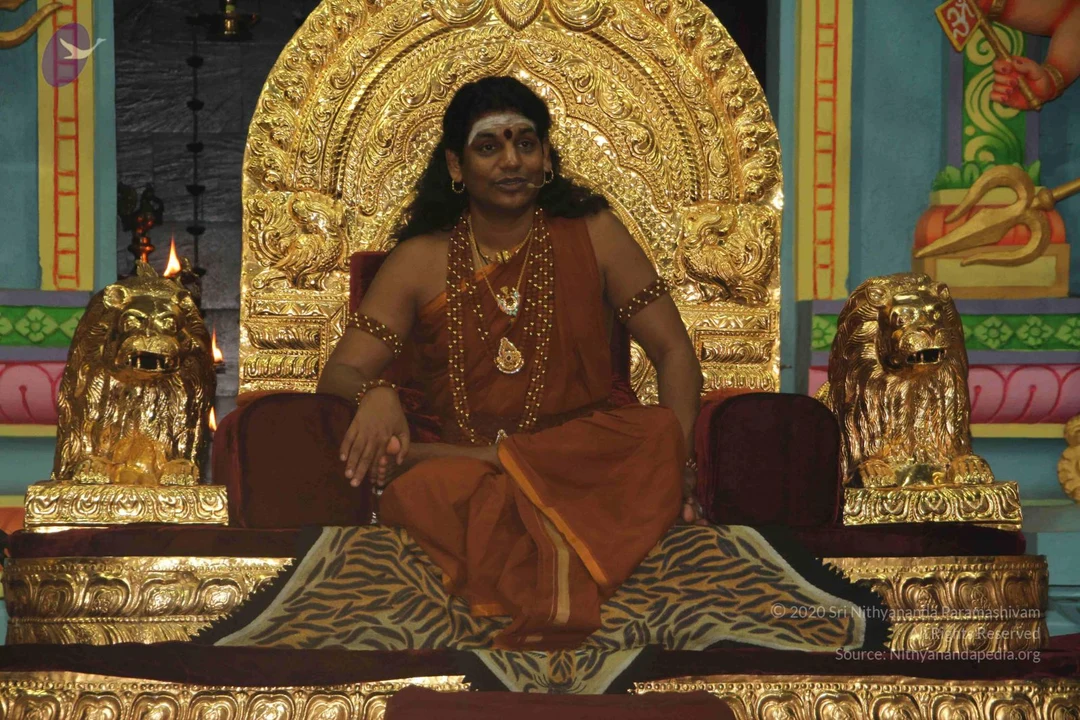
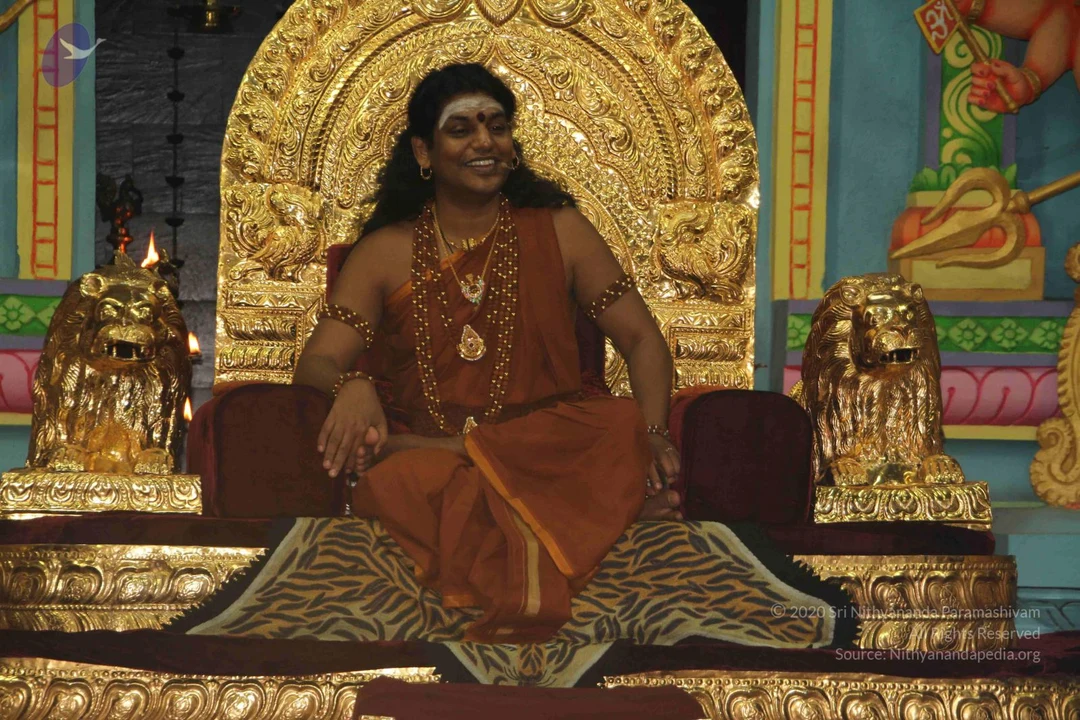
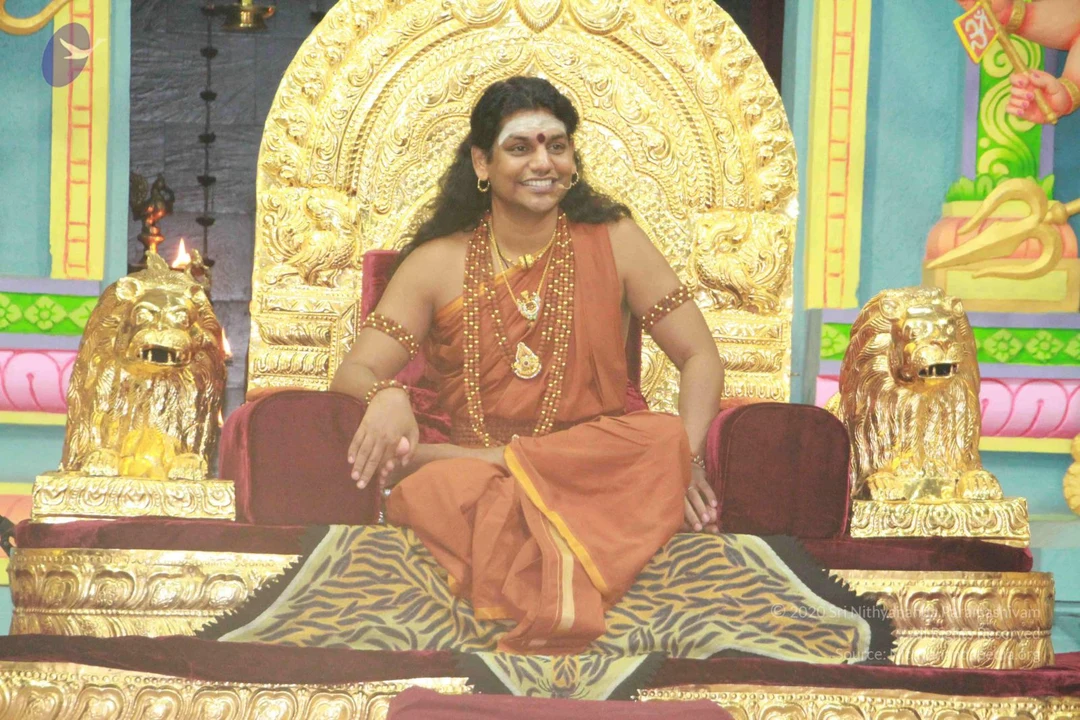
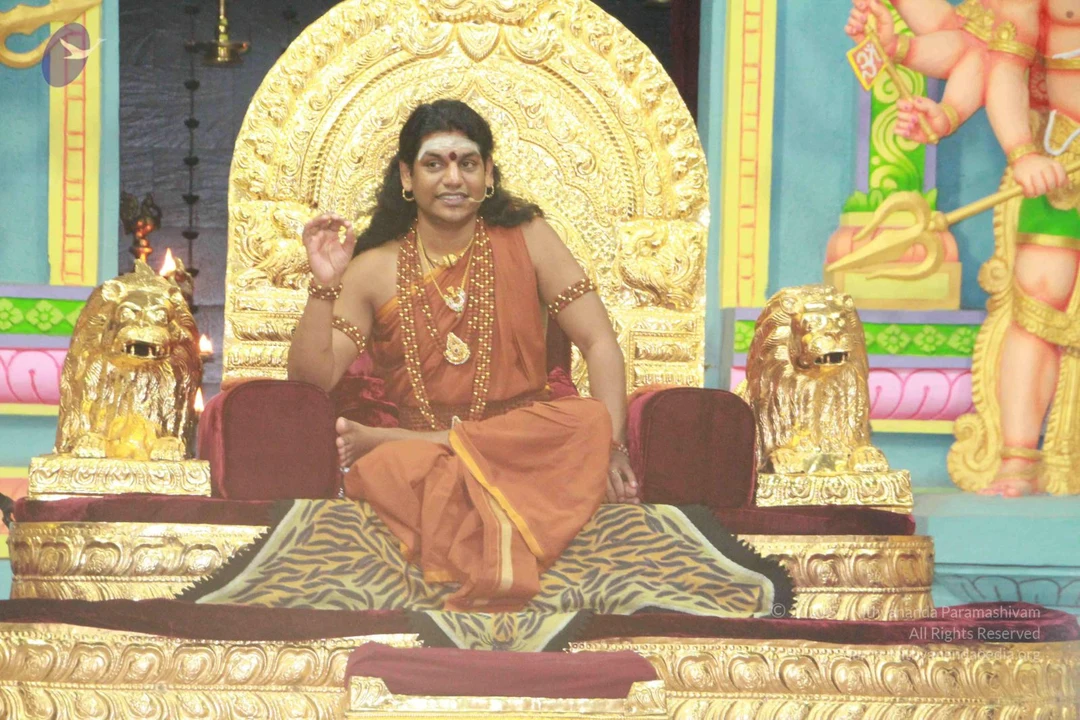
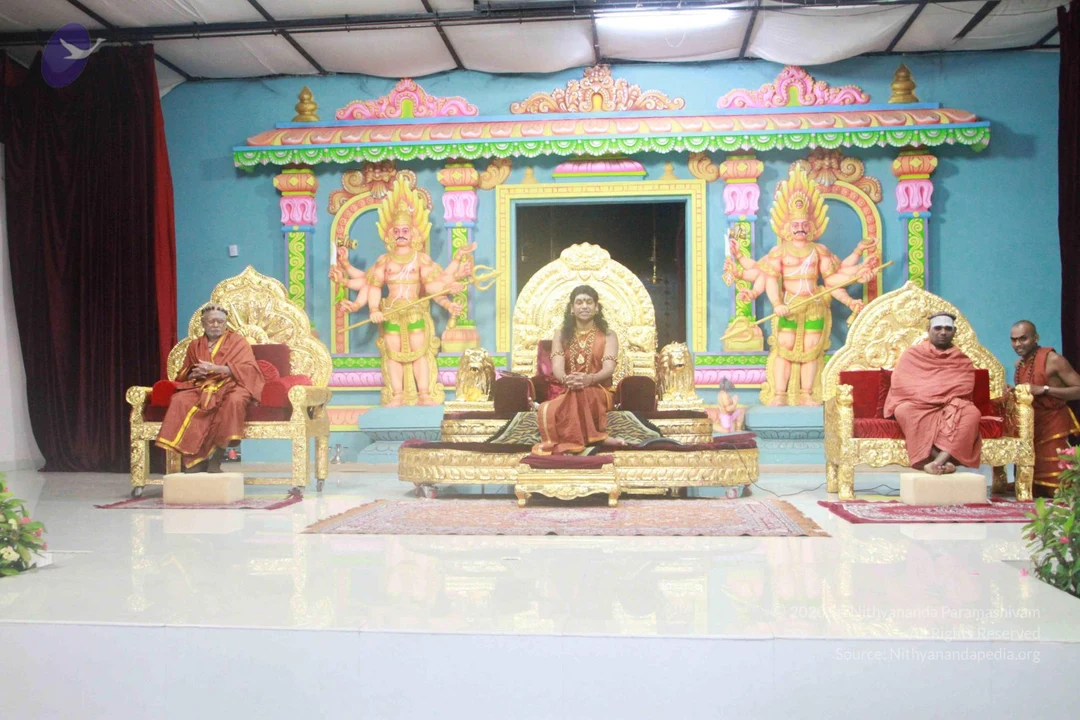
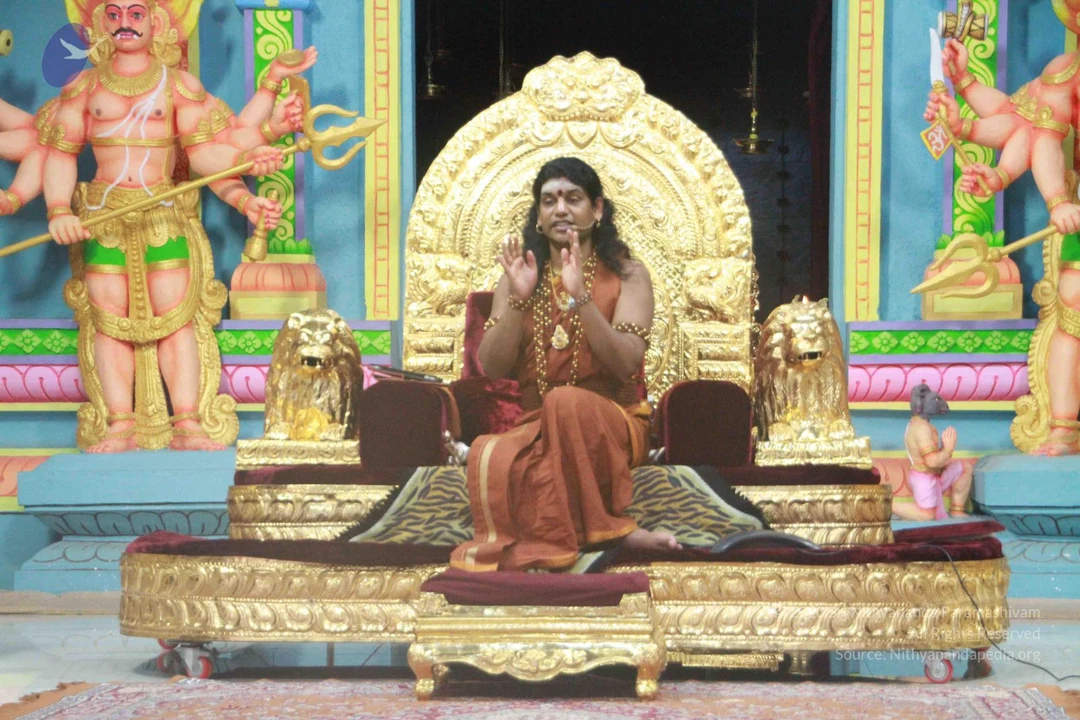
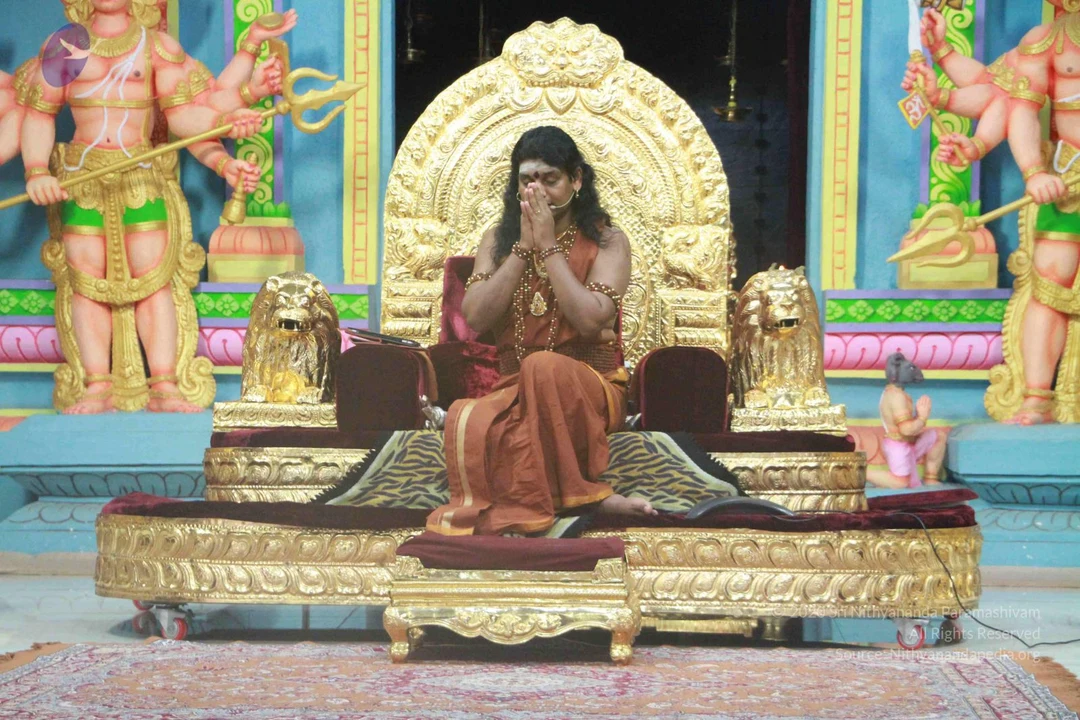
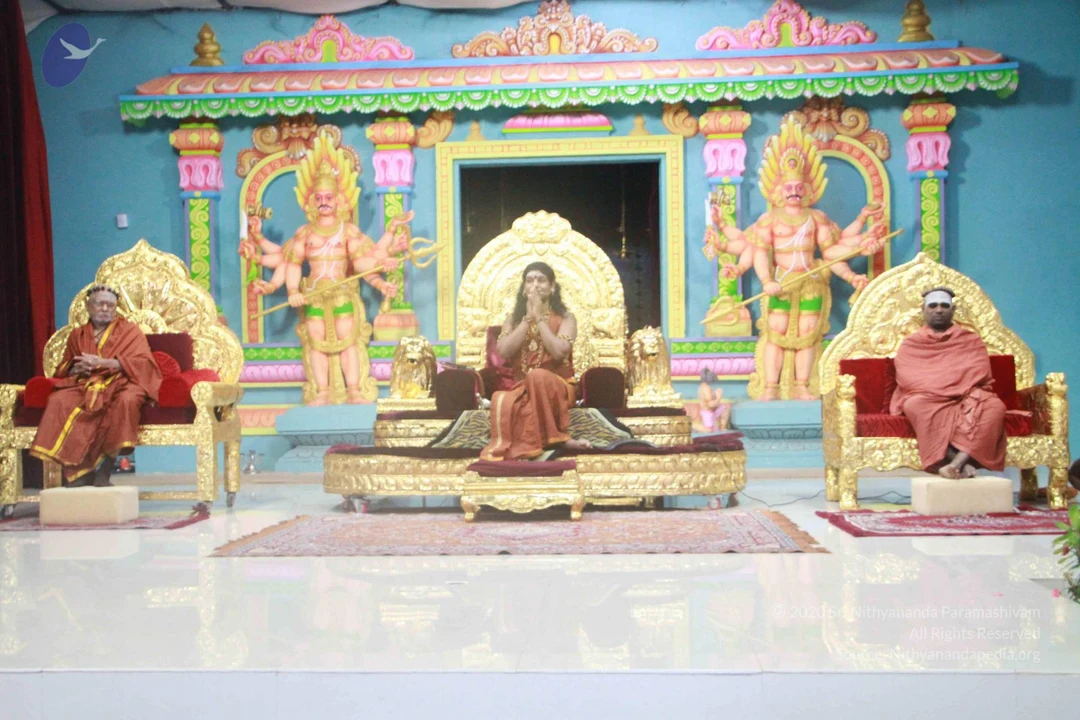
Morning Satsang
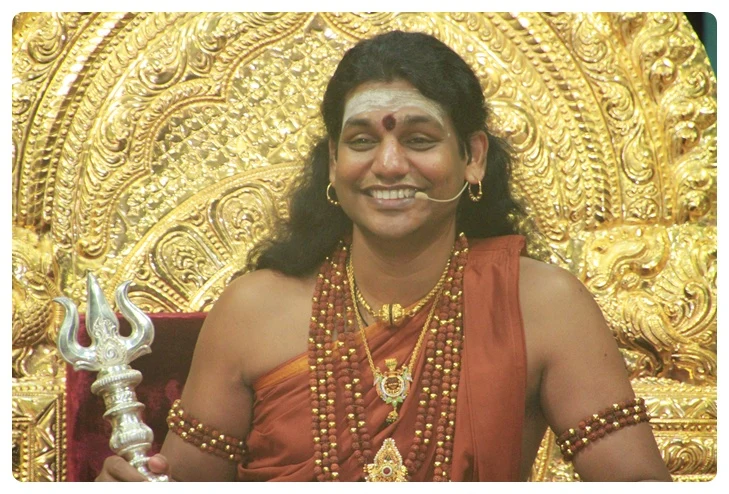
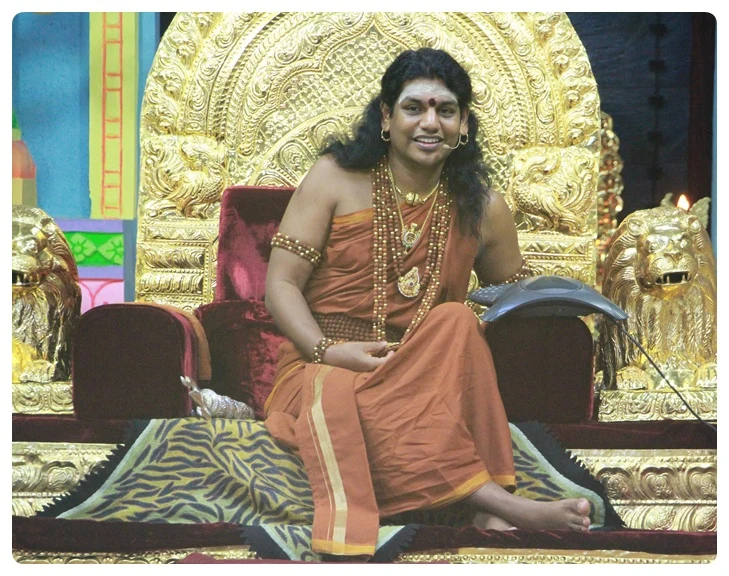
Dial The Avatar
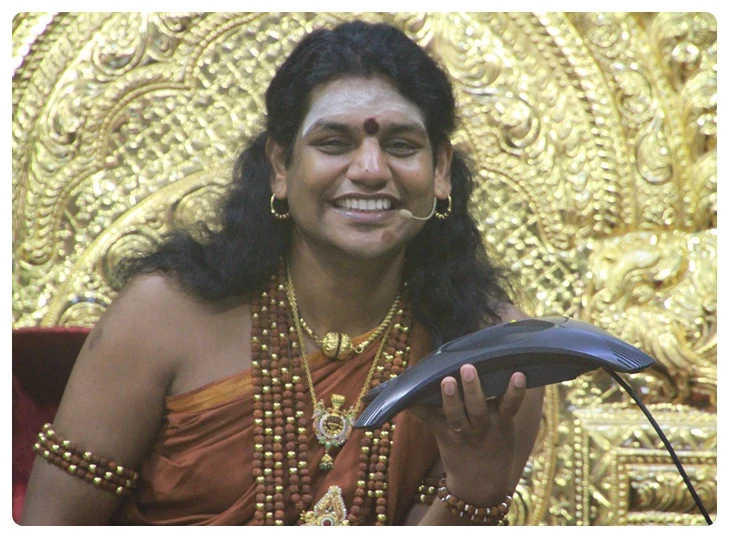
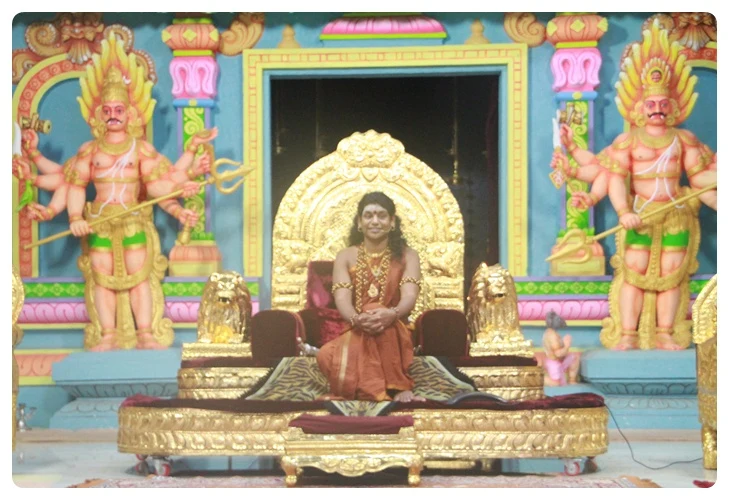
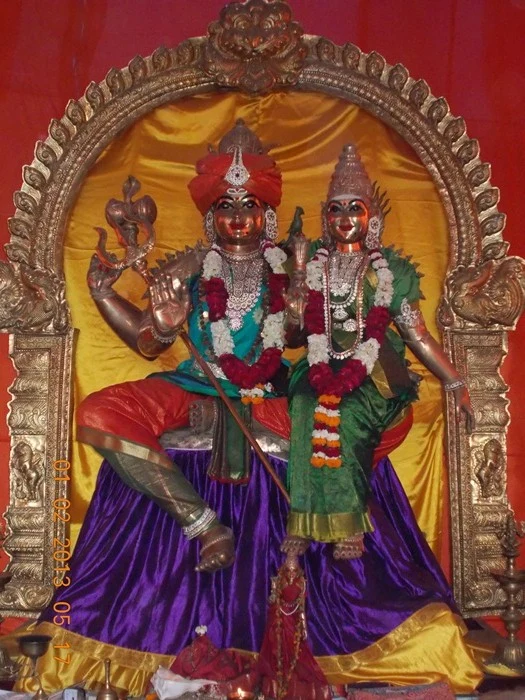
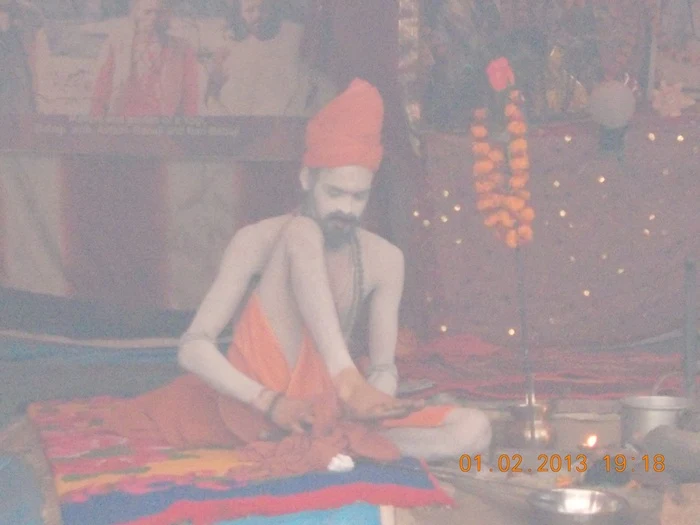
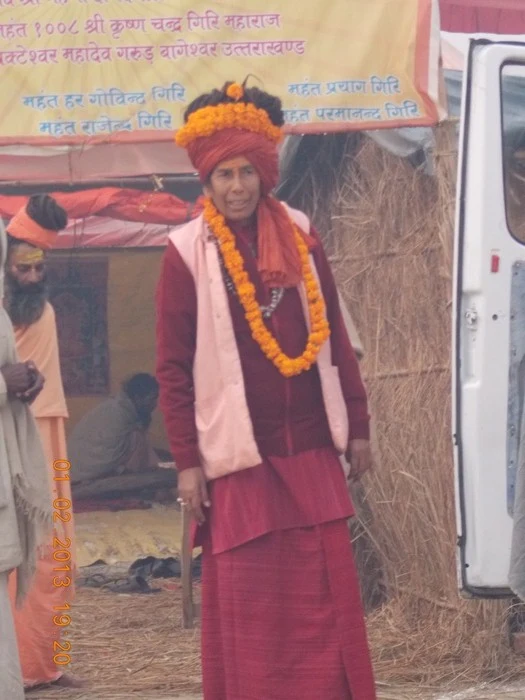
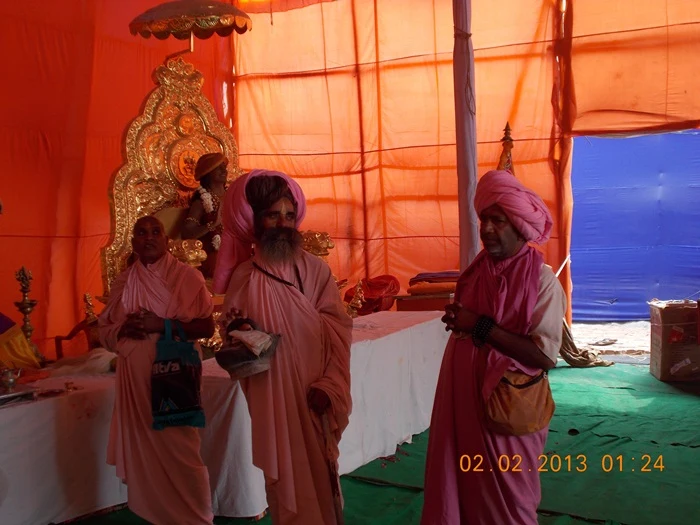
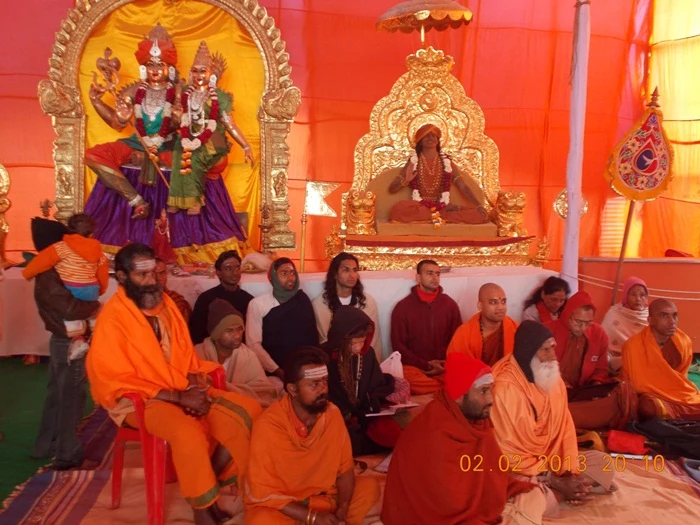
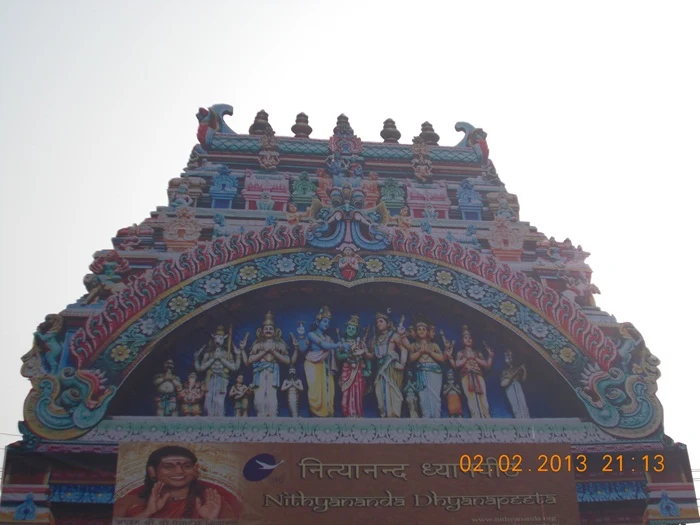
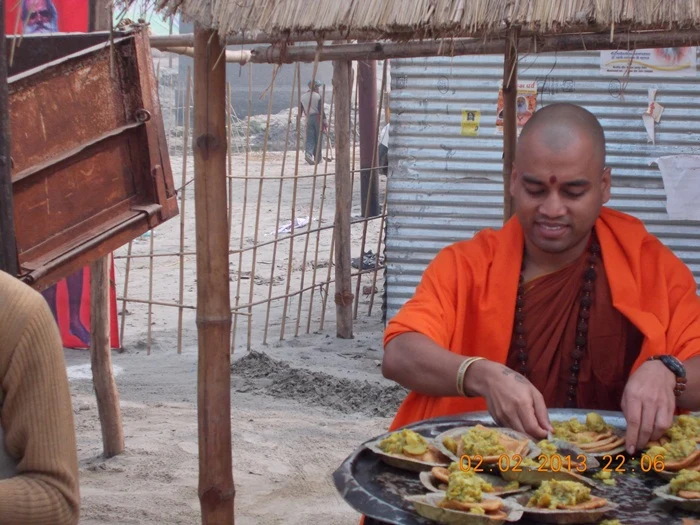
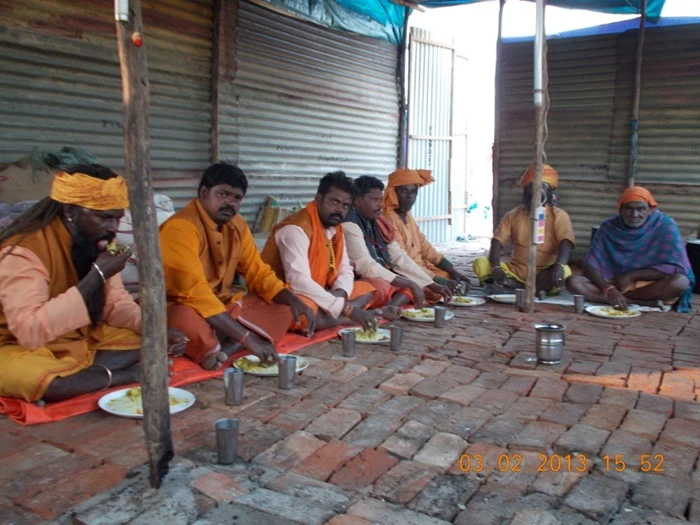
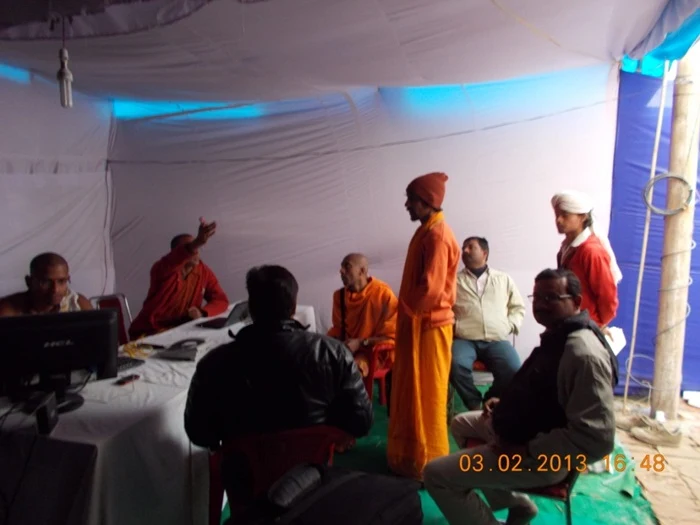
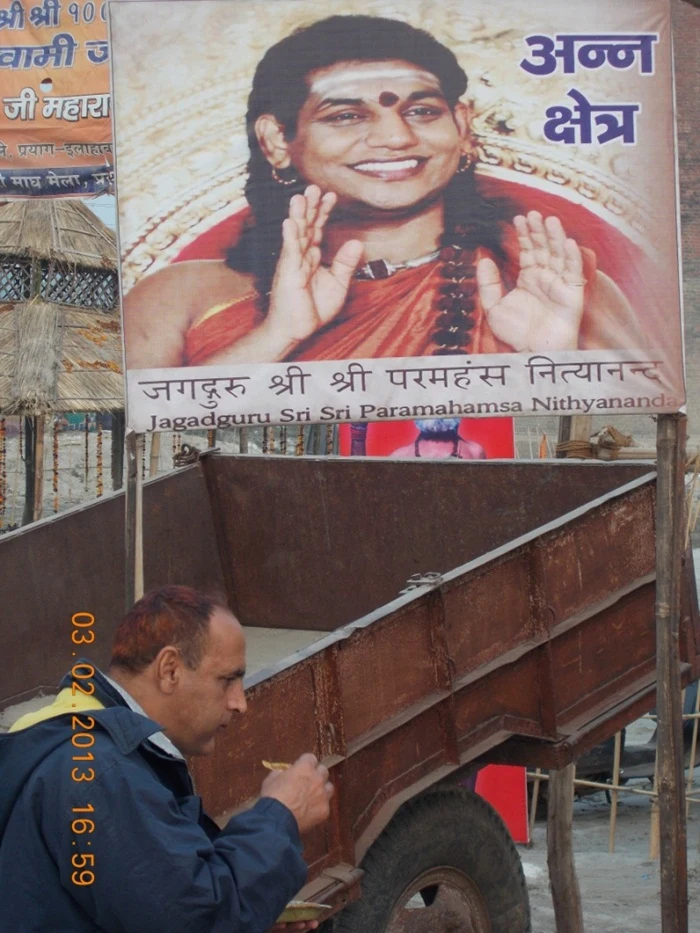
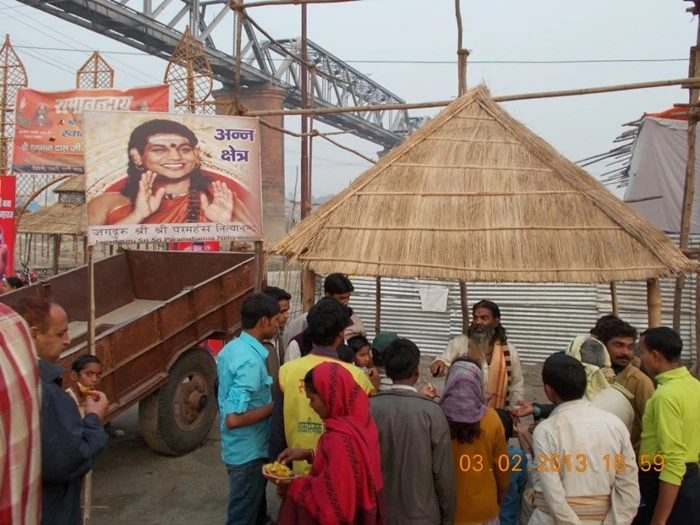
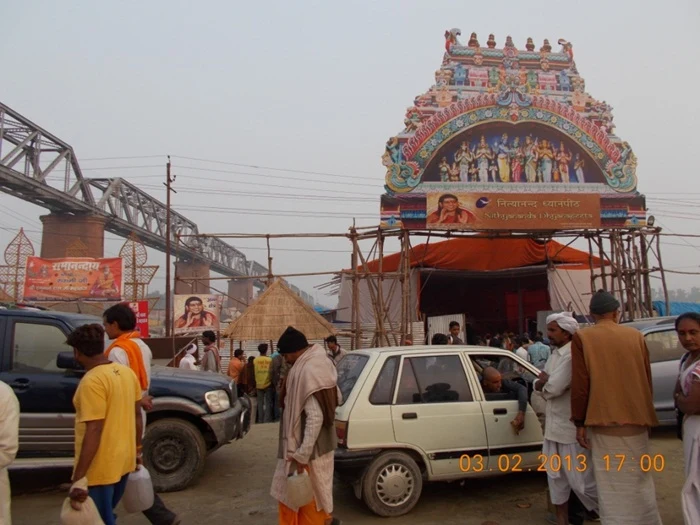
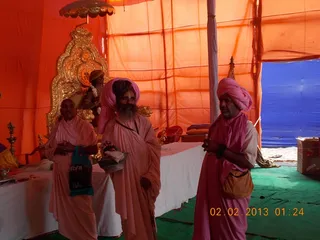
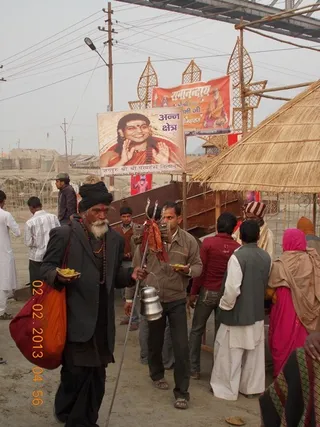
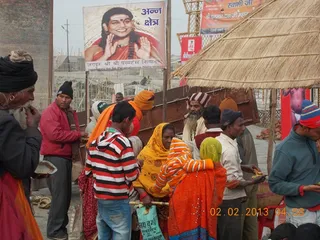
Kumbha Mela
Tags:
Paramahamsa Nithyananda, rejoice, homework, truth, integrity, Kumbha Mela, festival, India, sacred, Ganga, responsibility
Photos Of The Day:
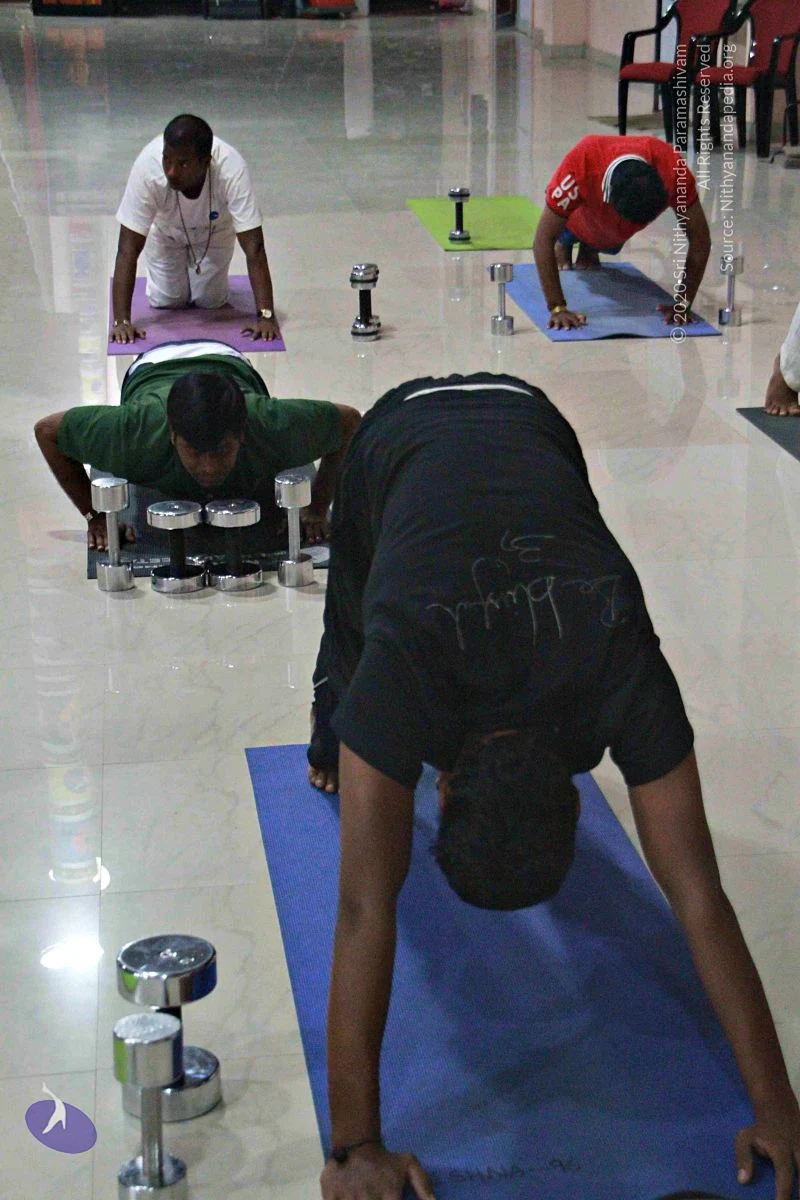
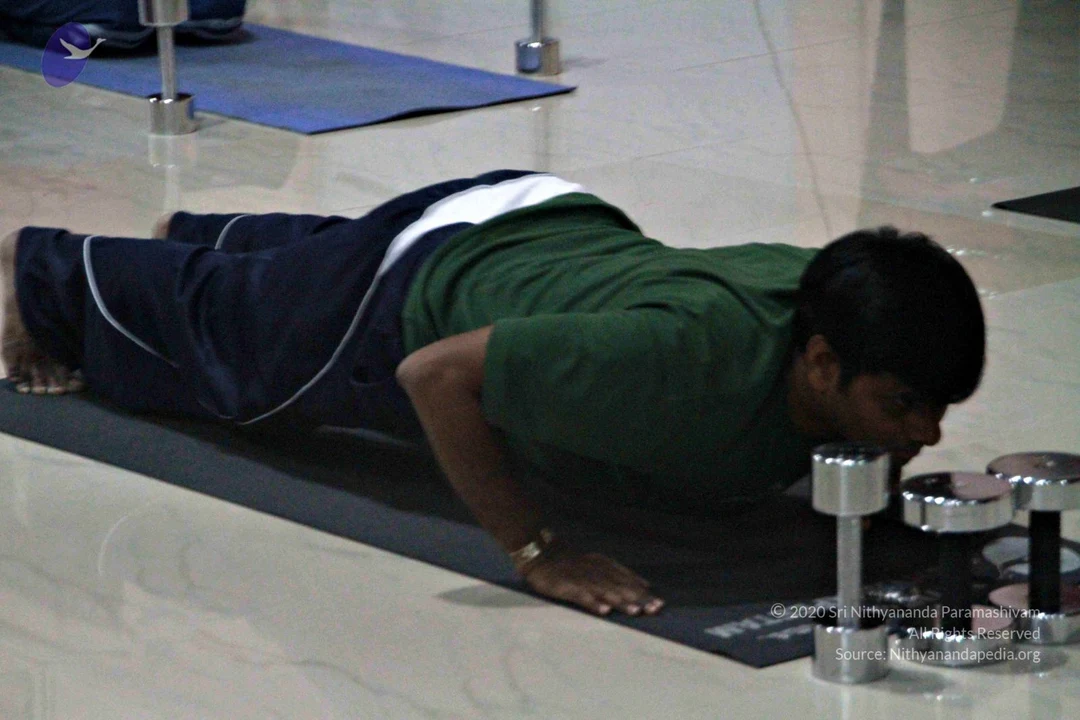
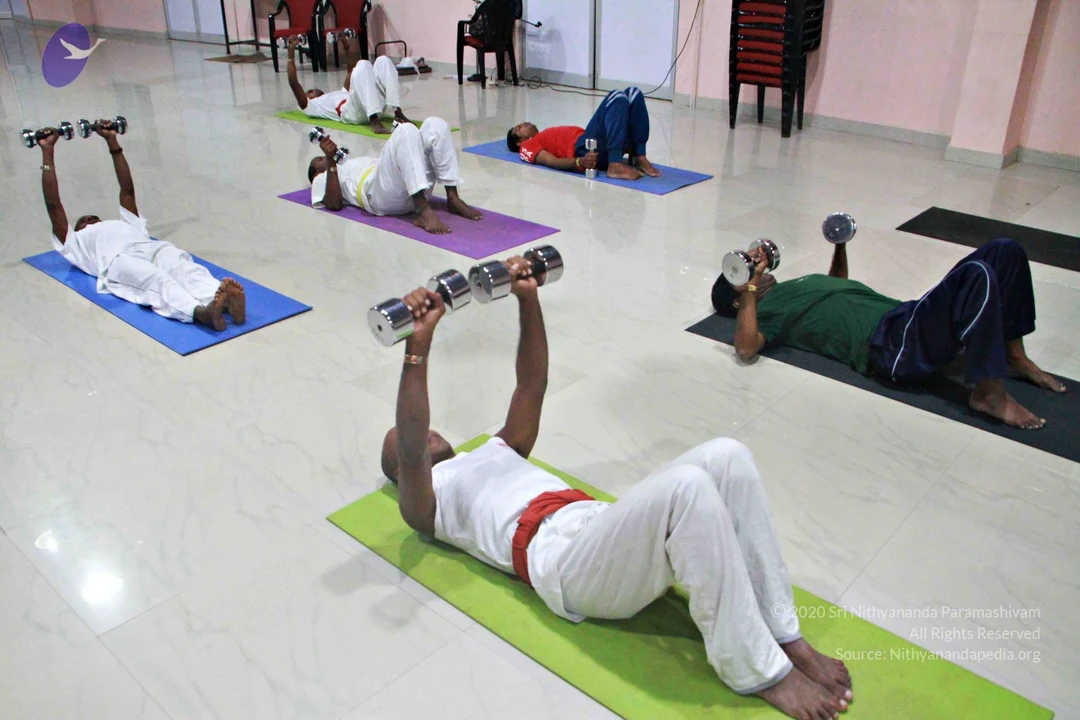
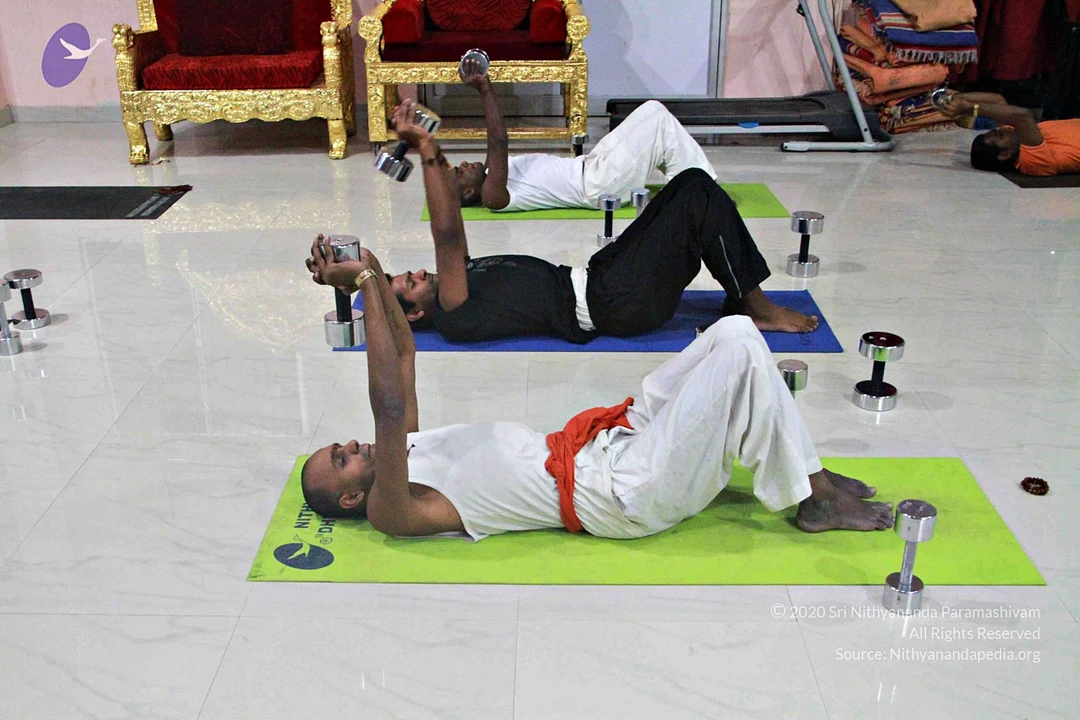
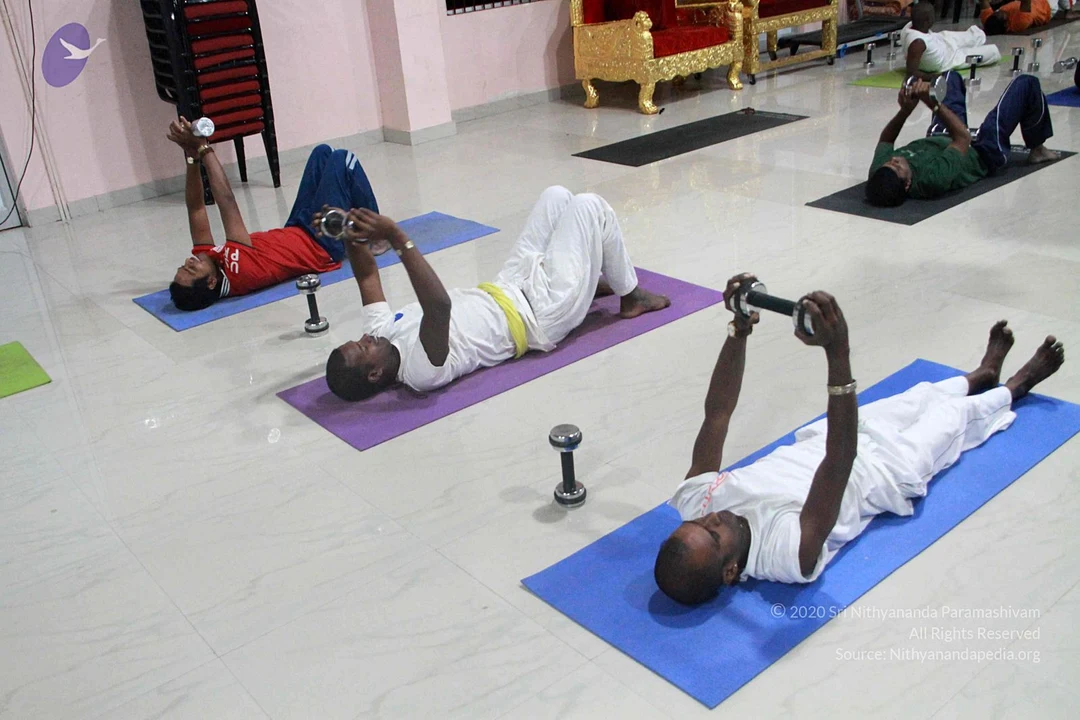
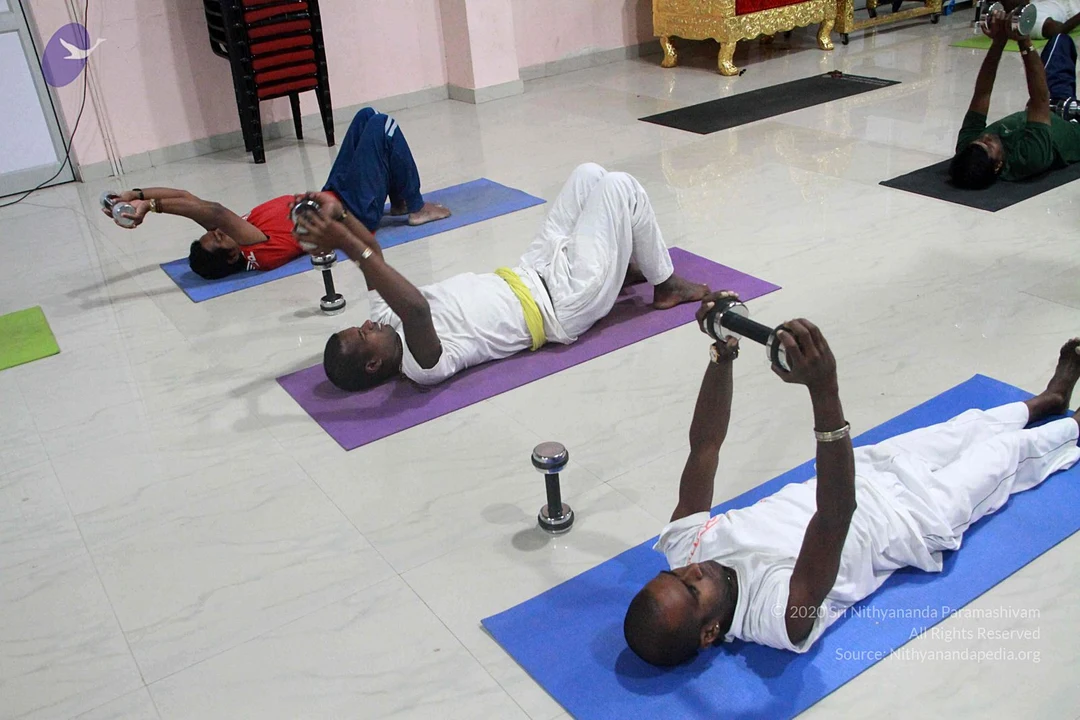
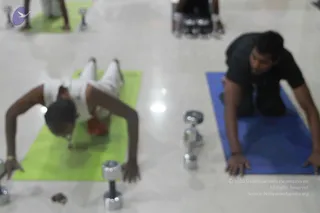
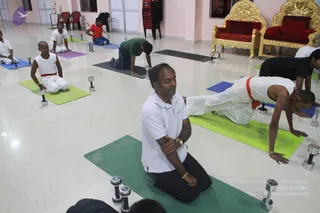
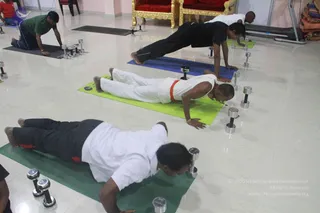
MorningYoga
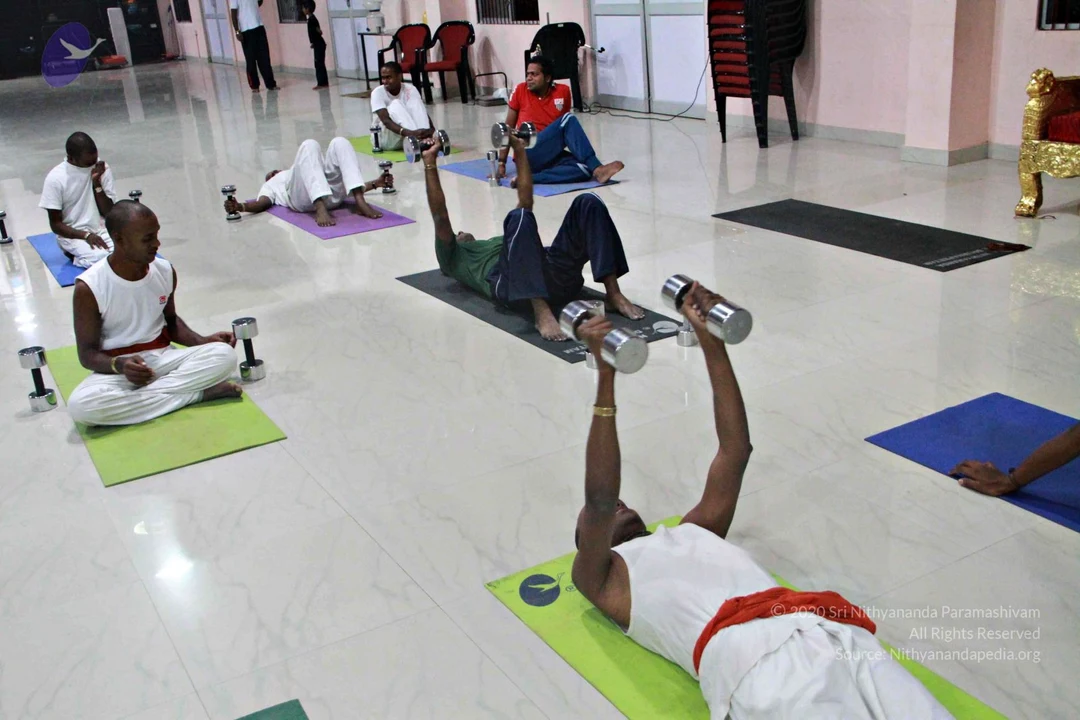

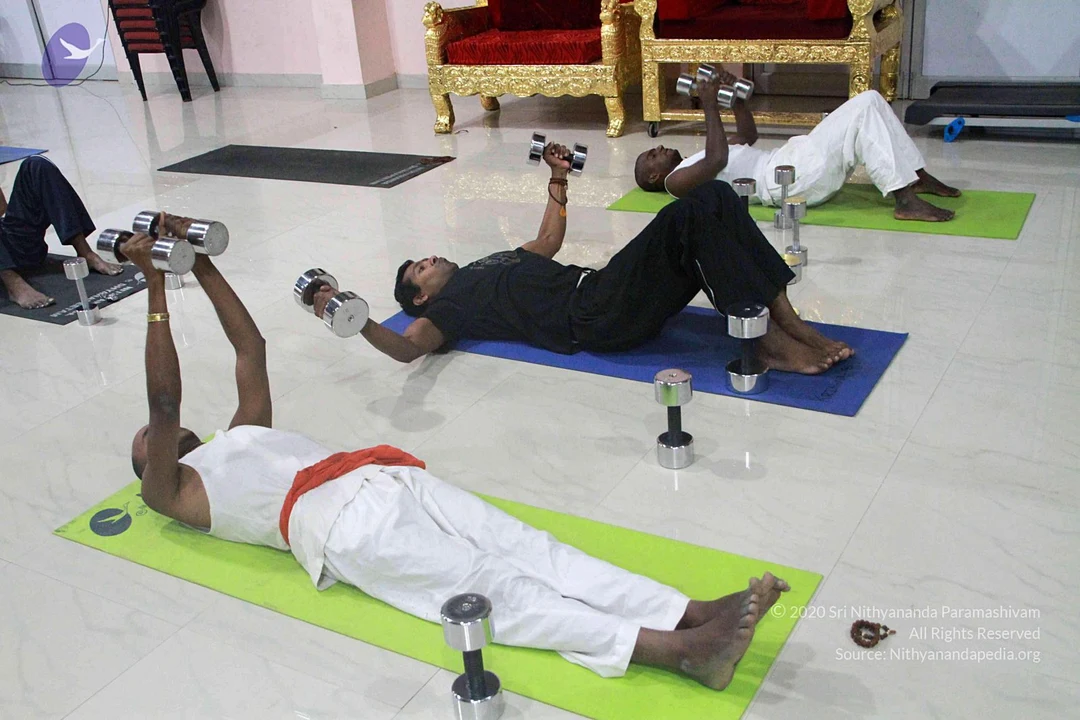
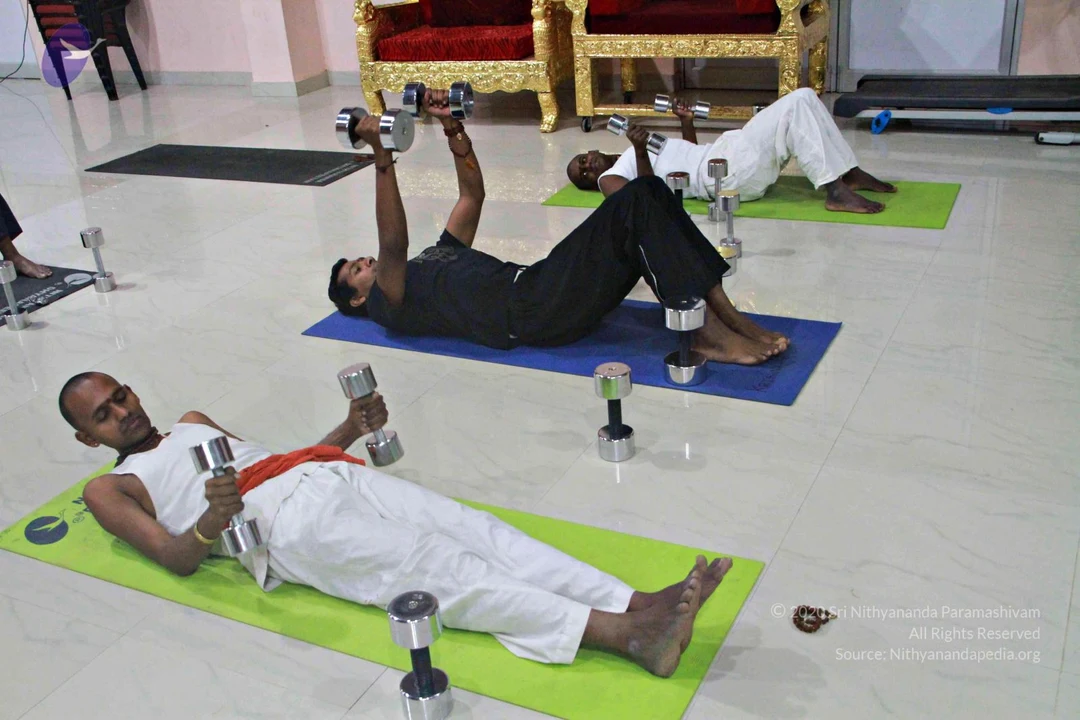
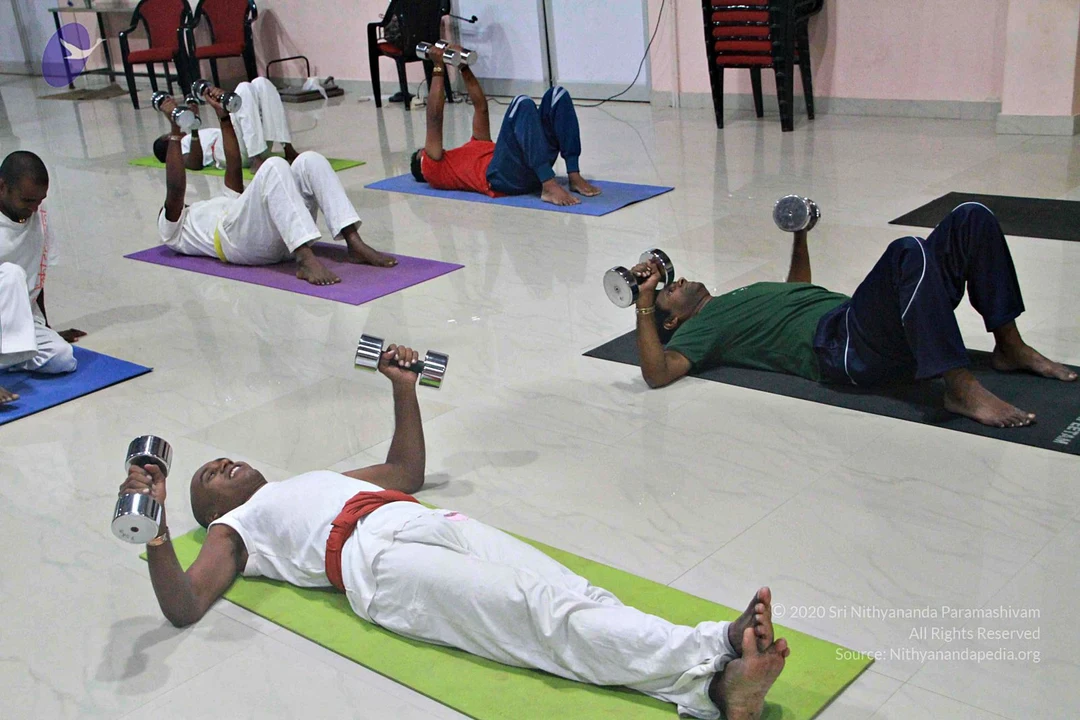

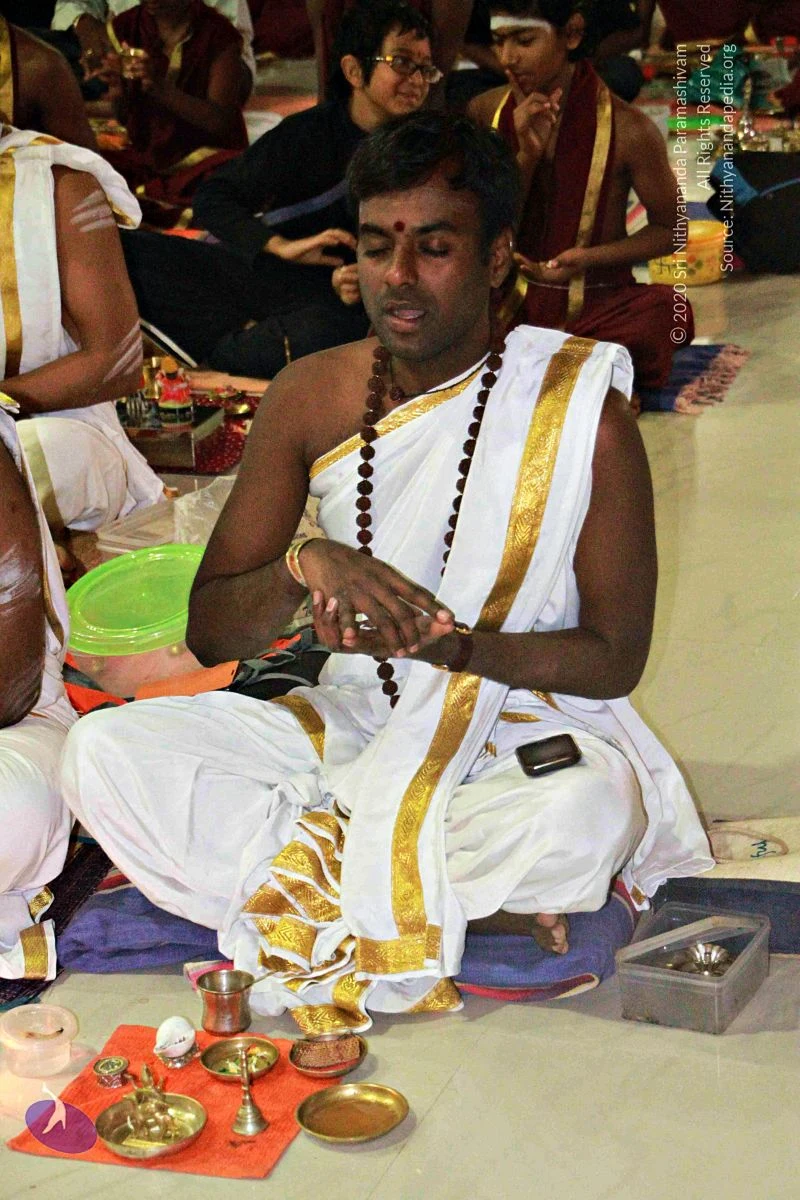
MorningSatsang

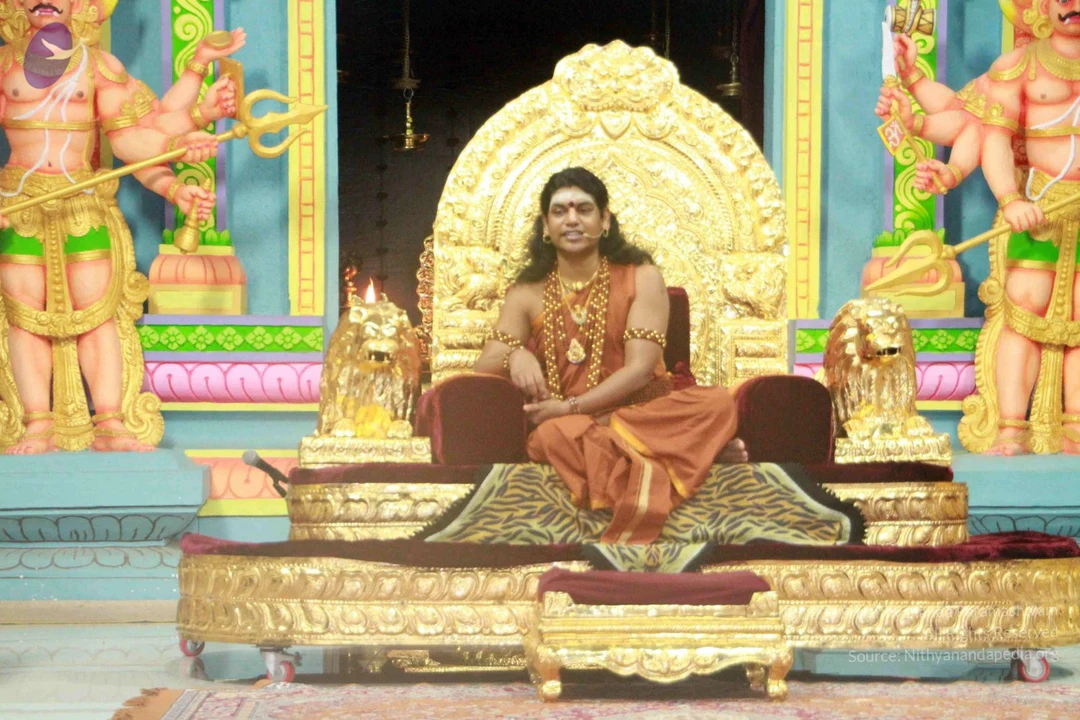
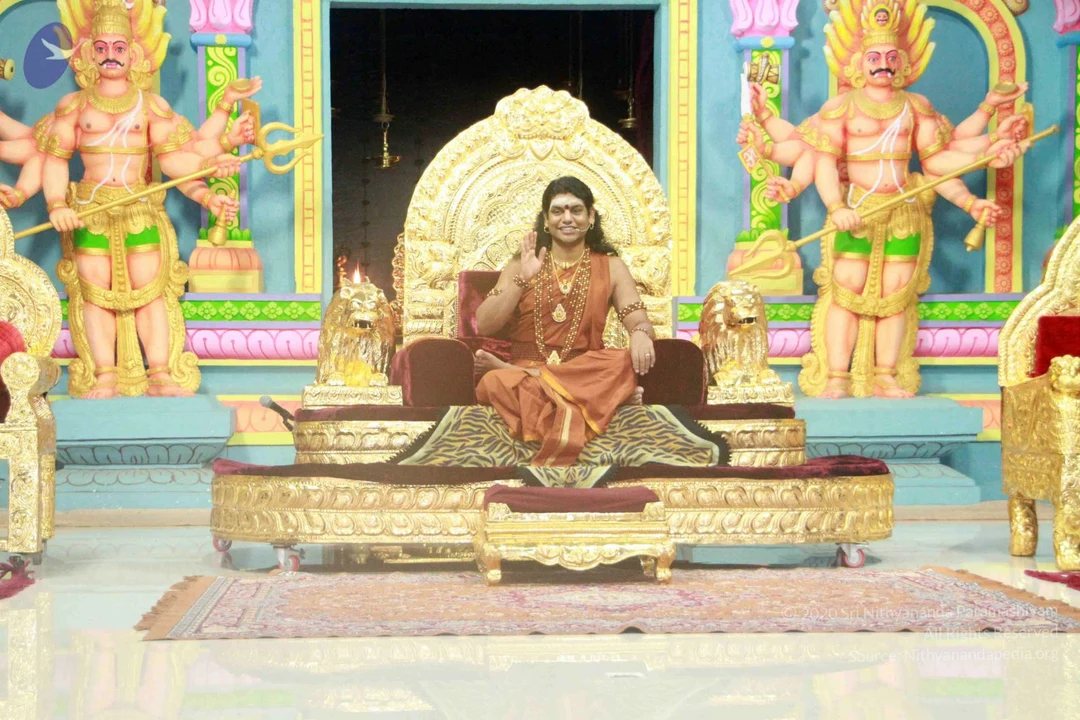
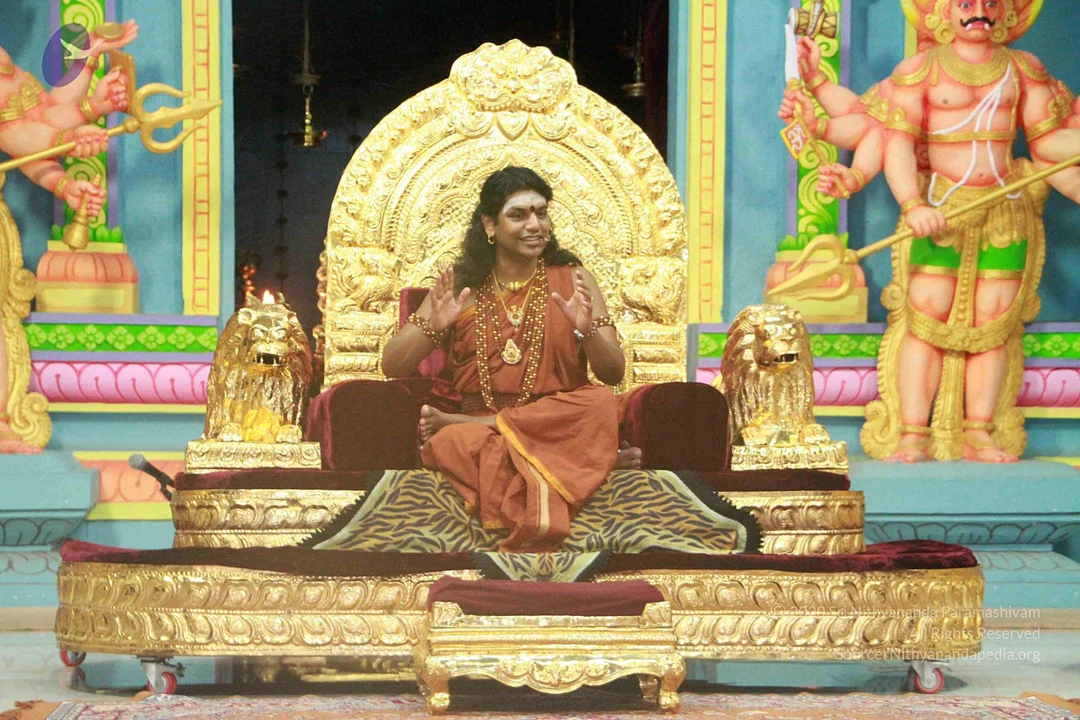
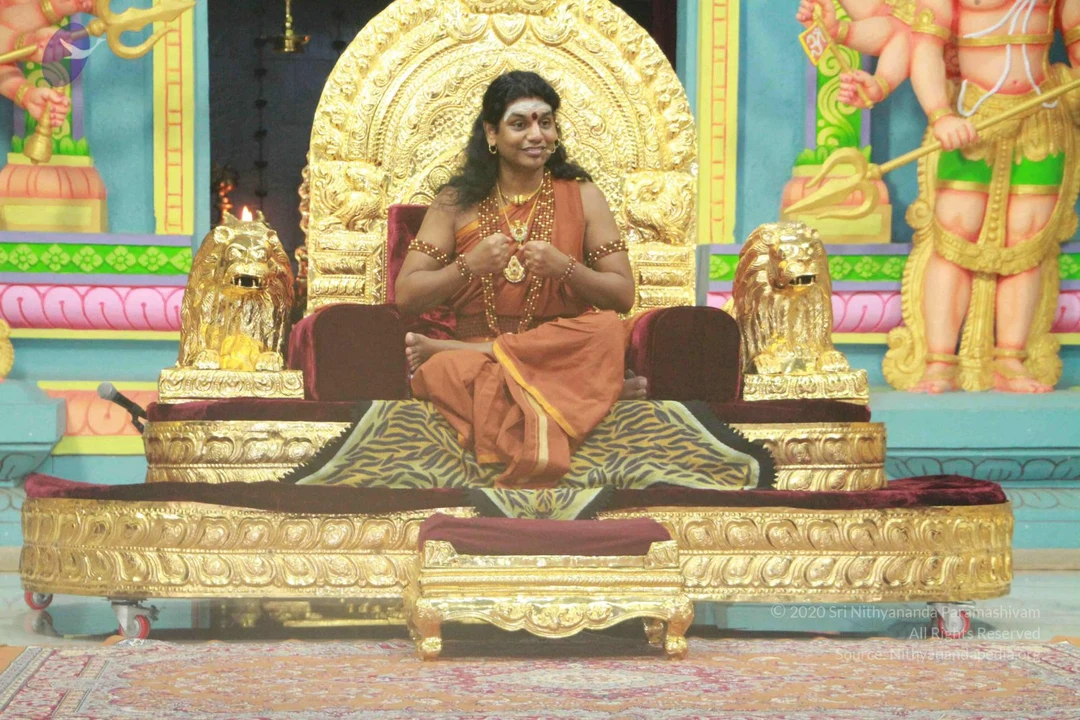
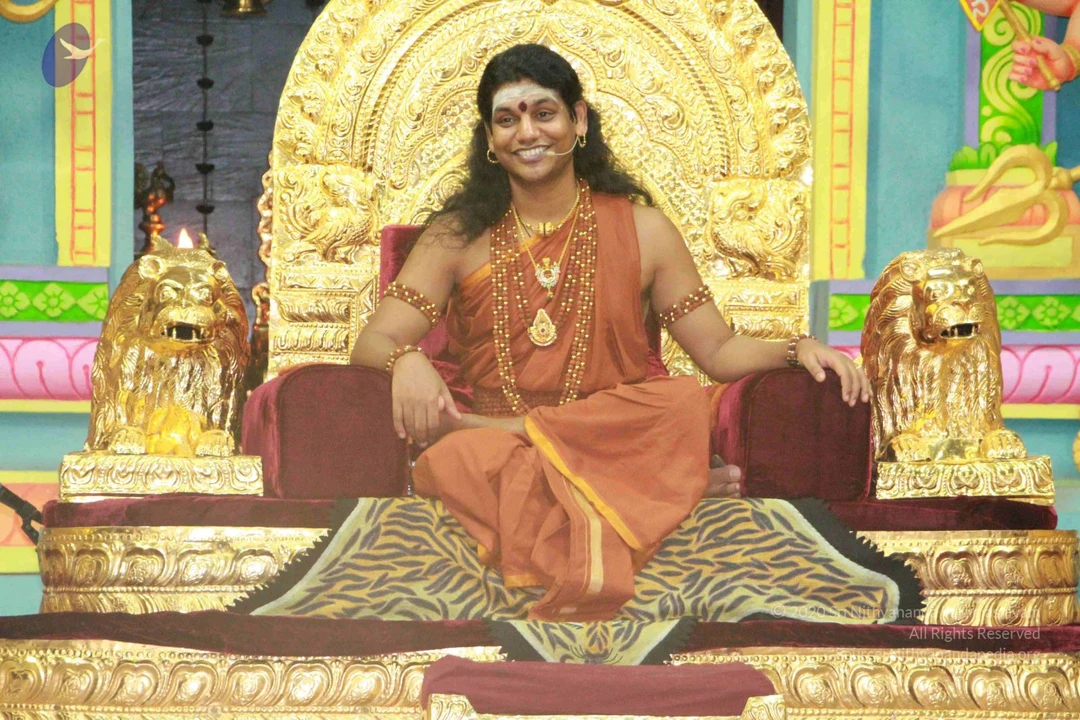
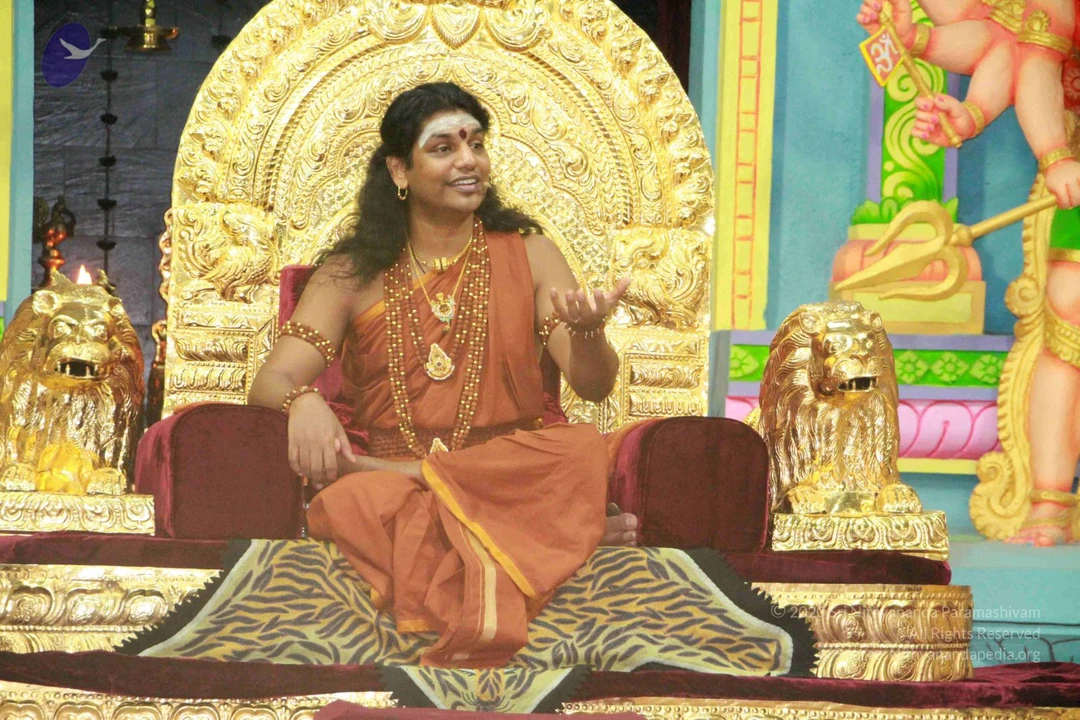
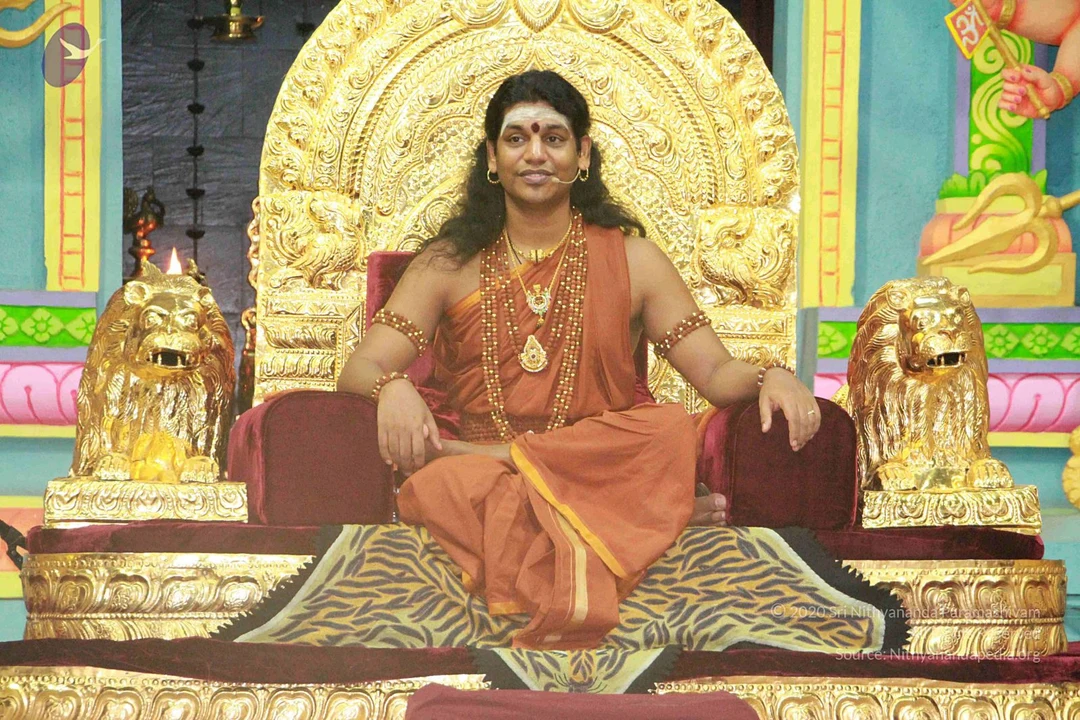
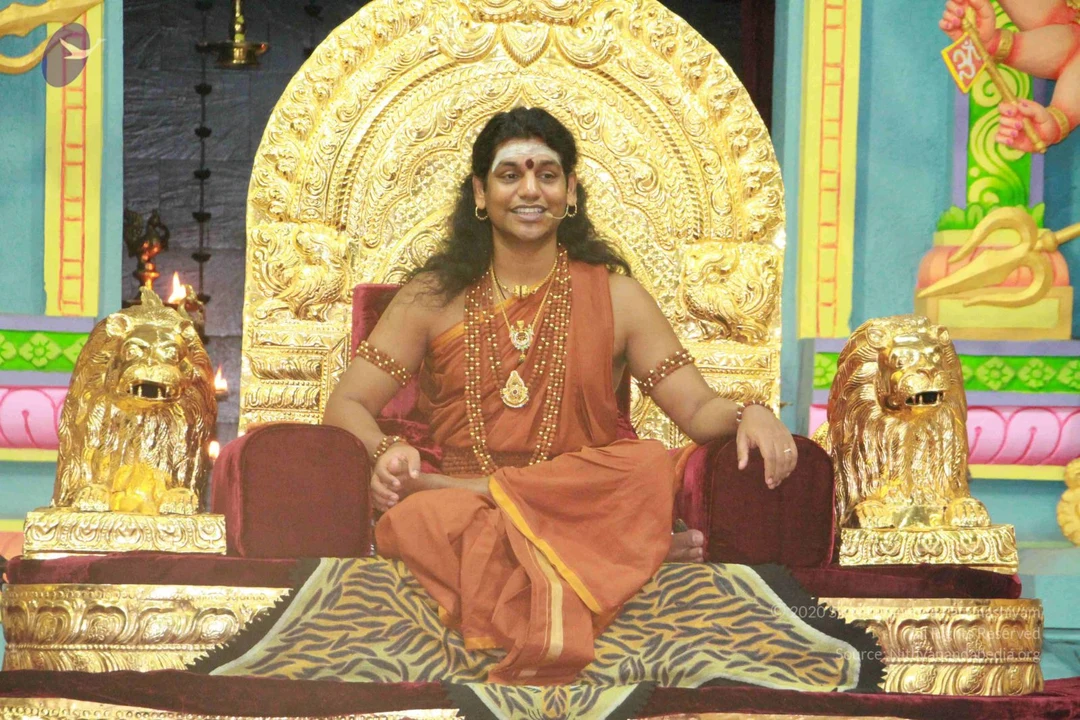
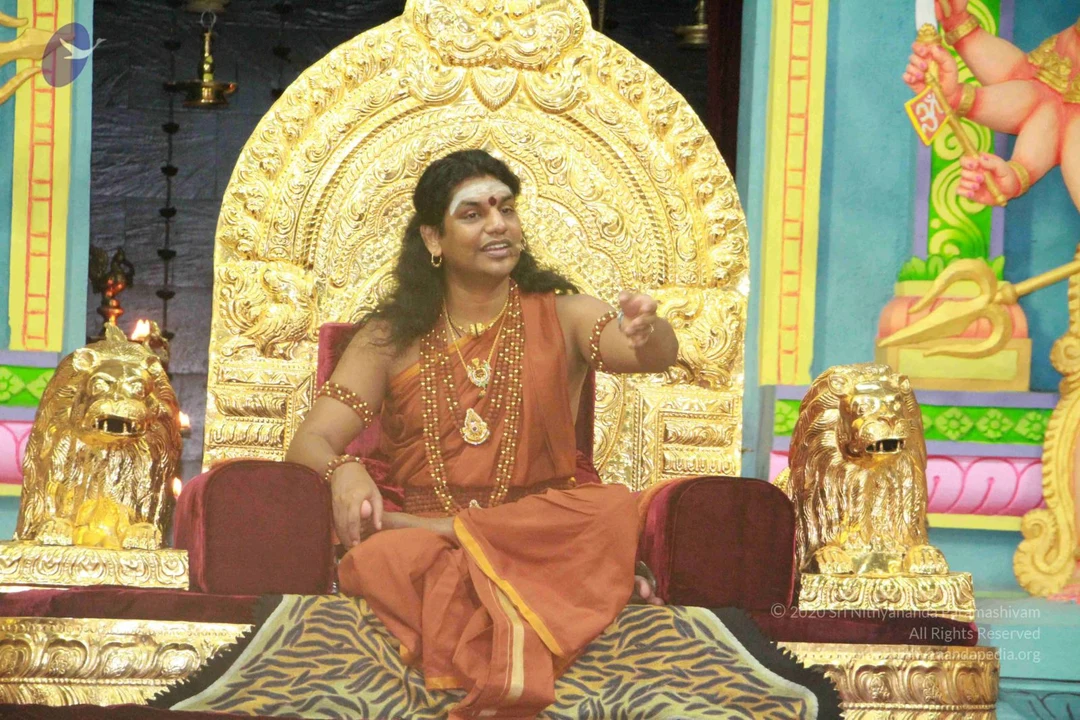
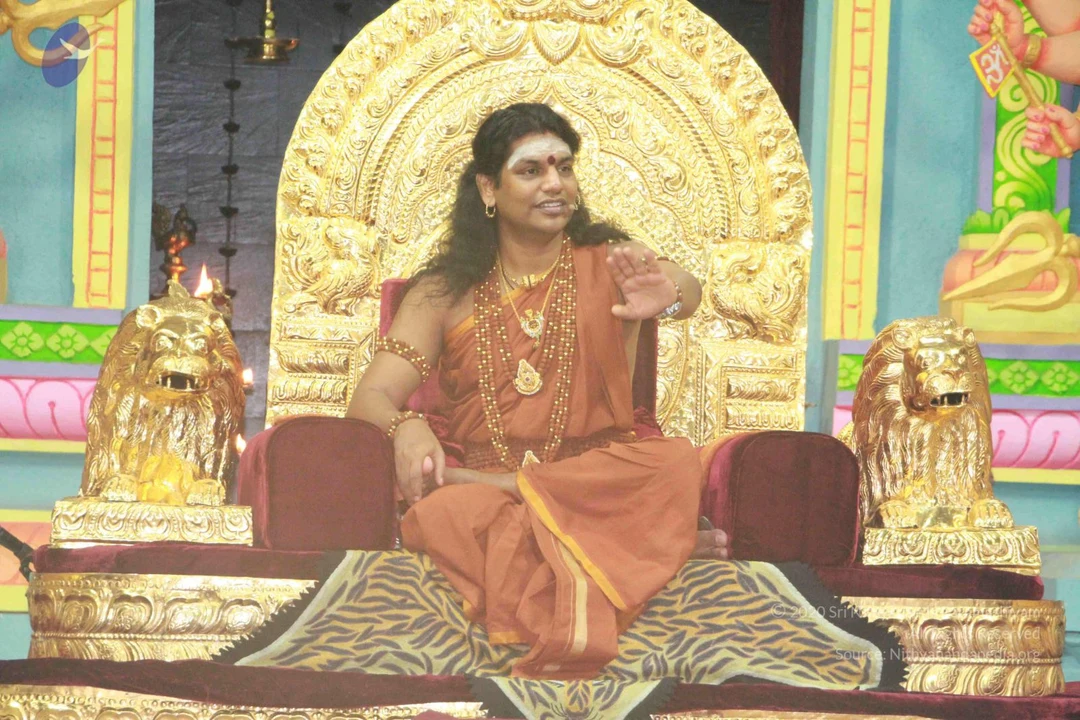
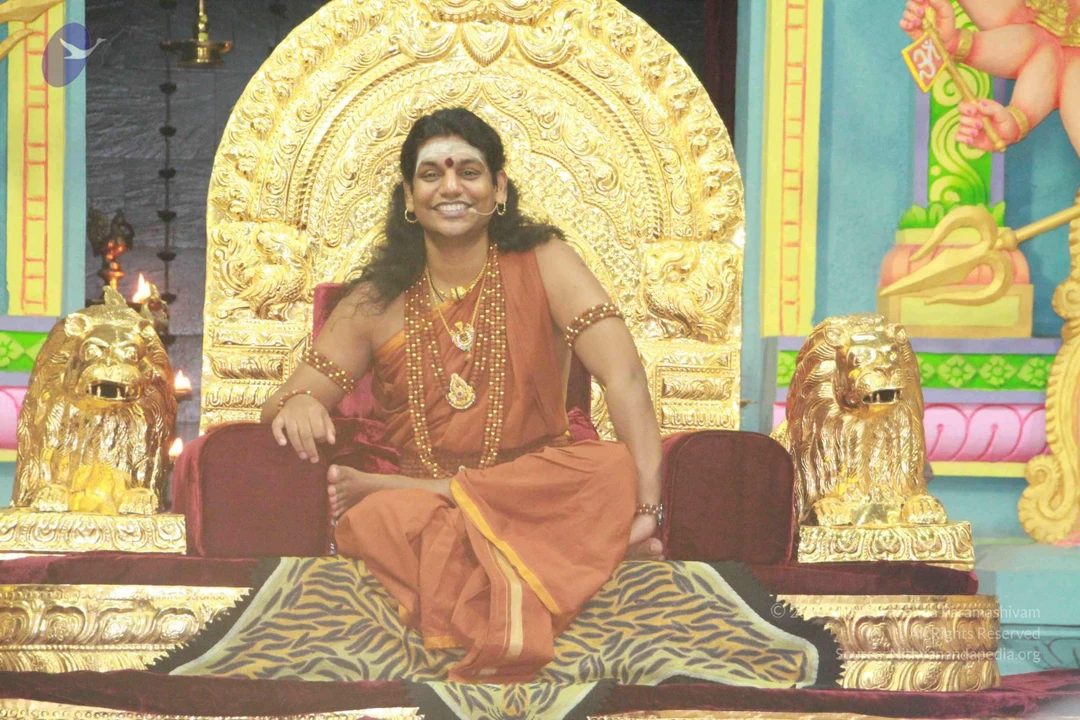
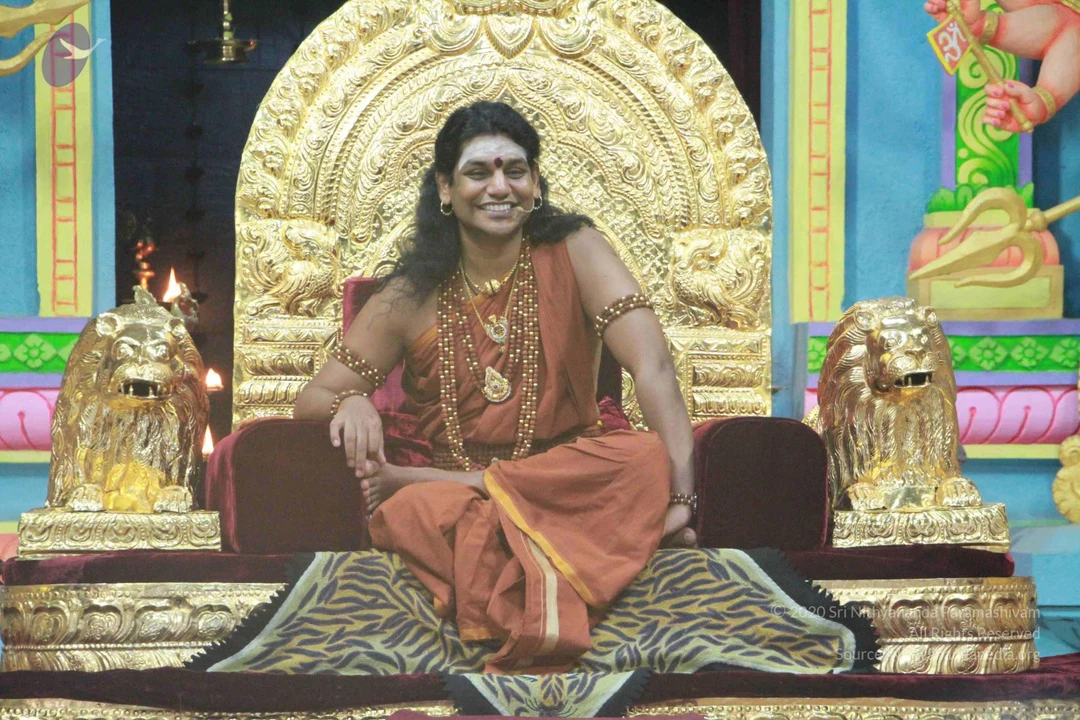

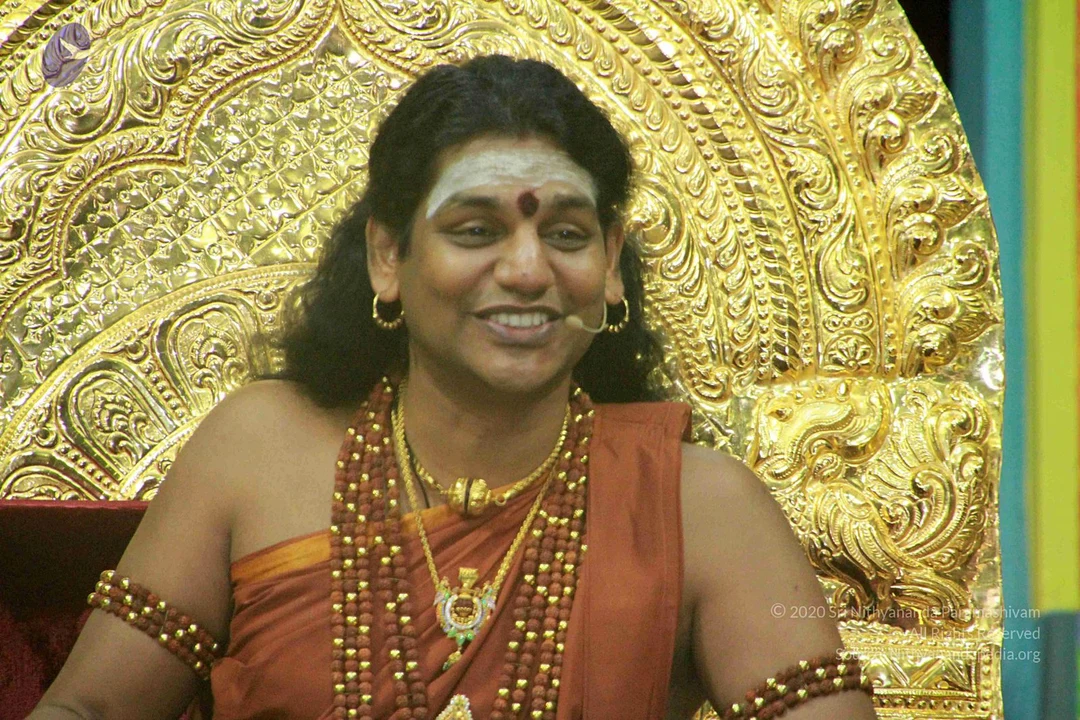
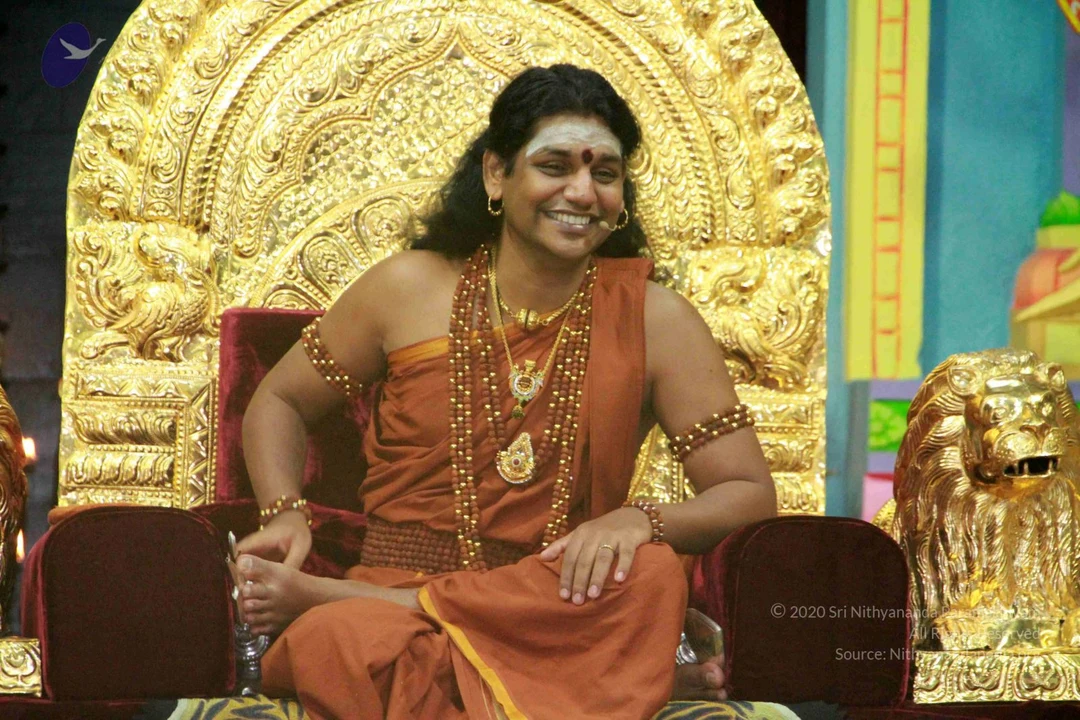
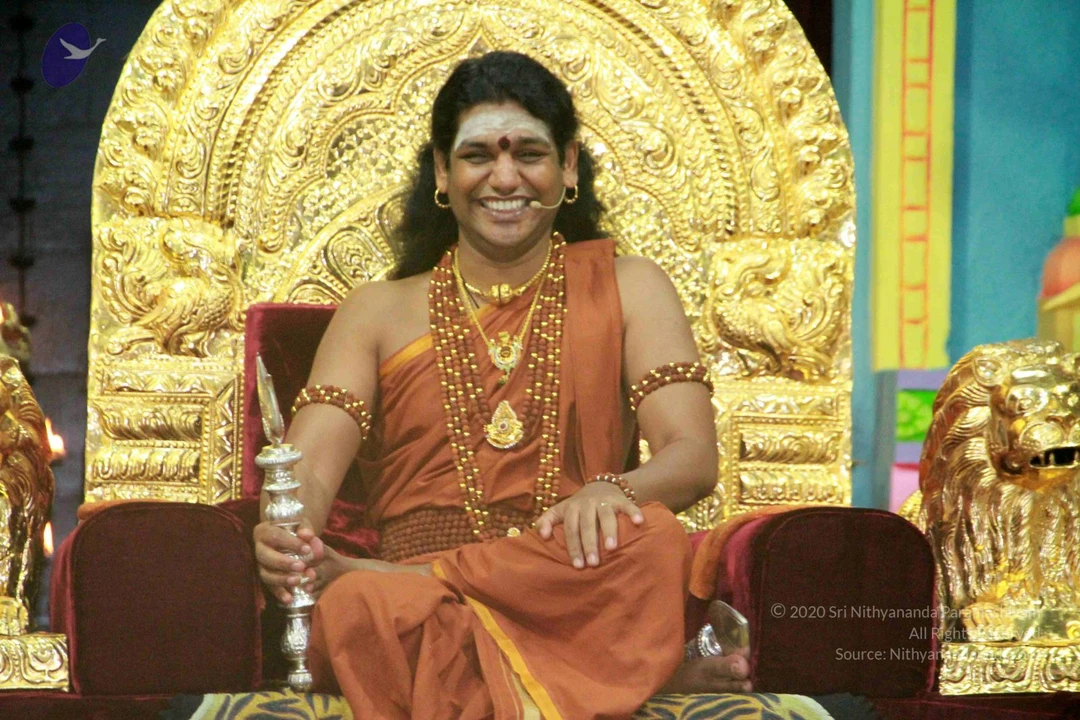
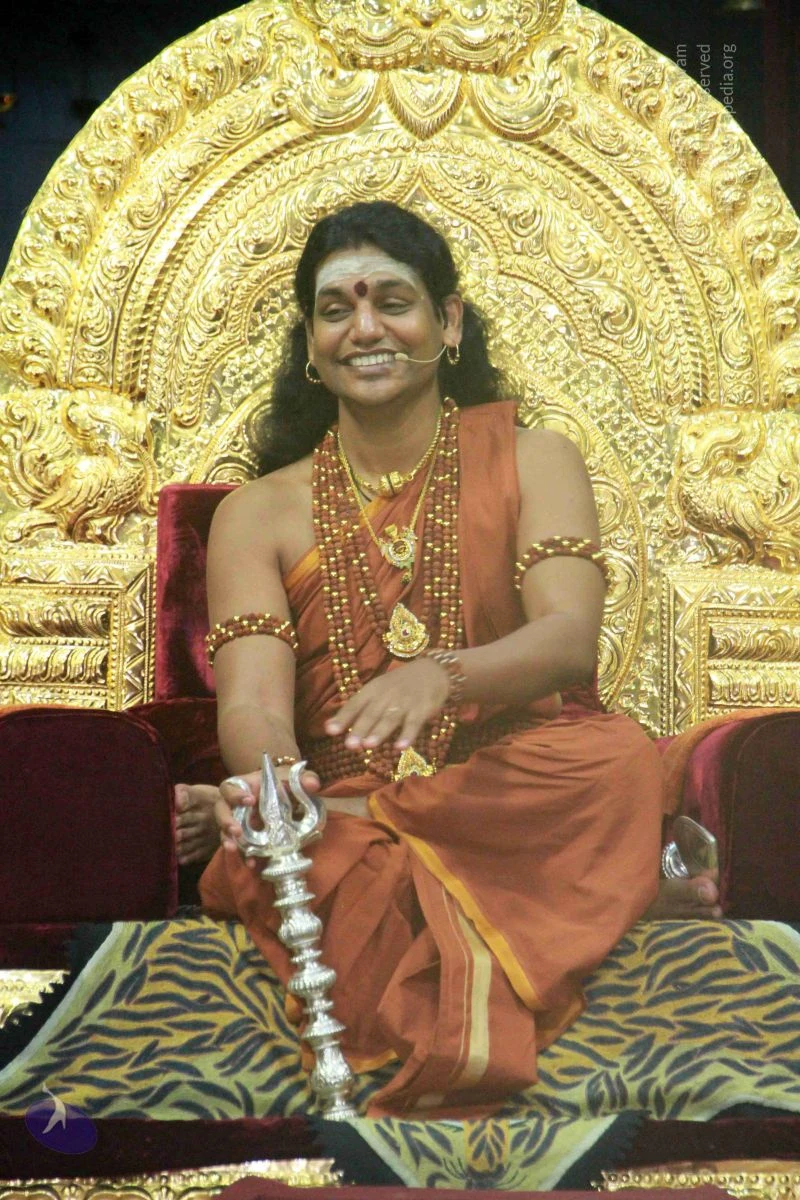
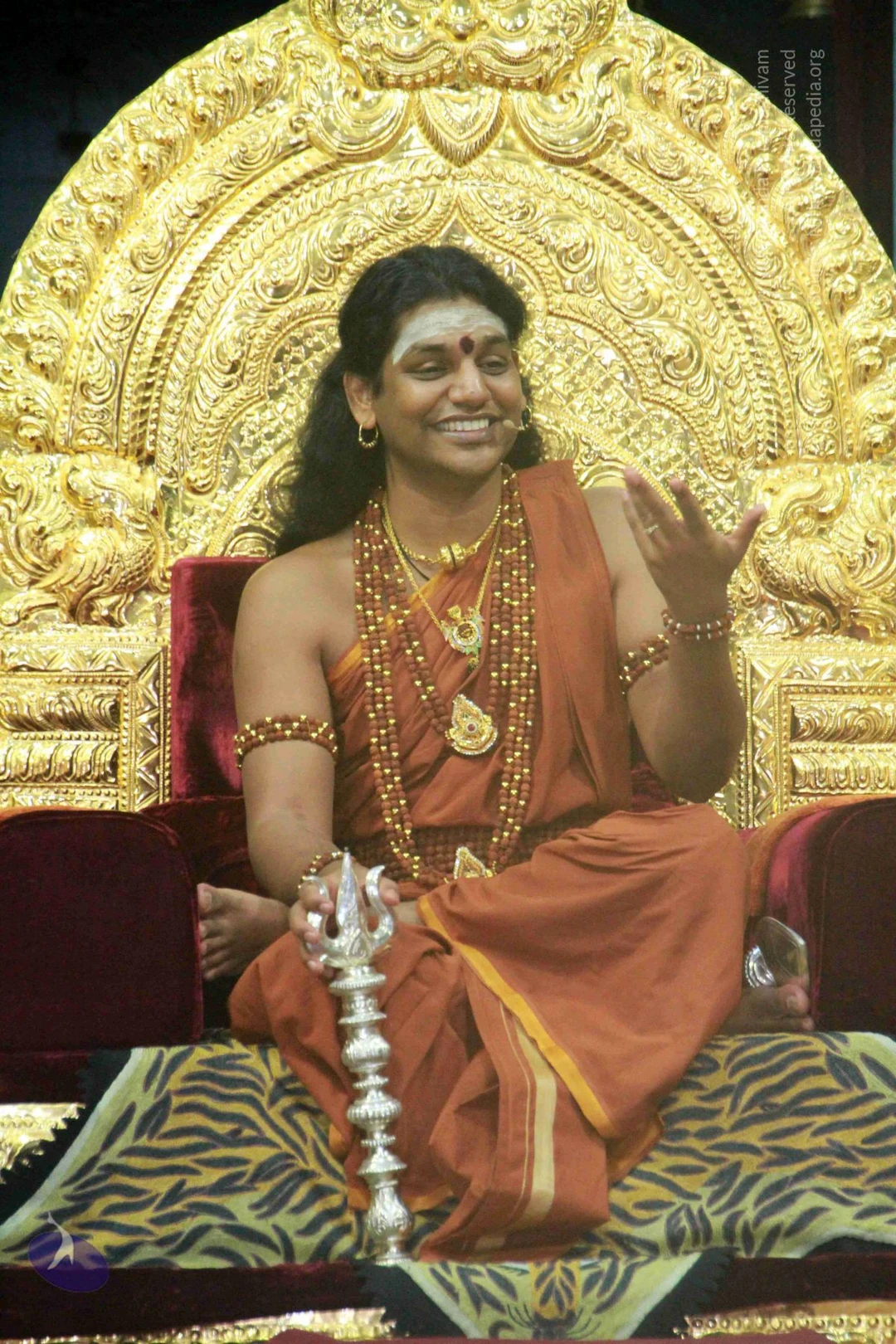
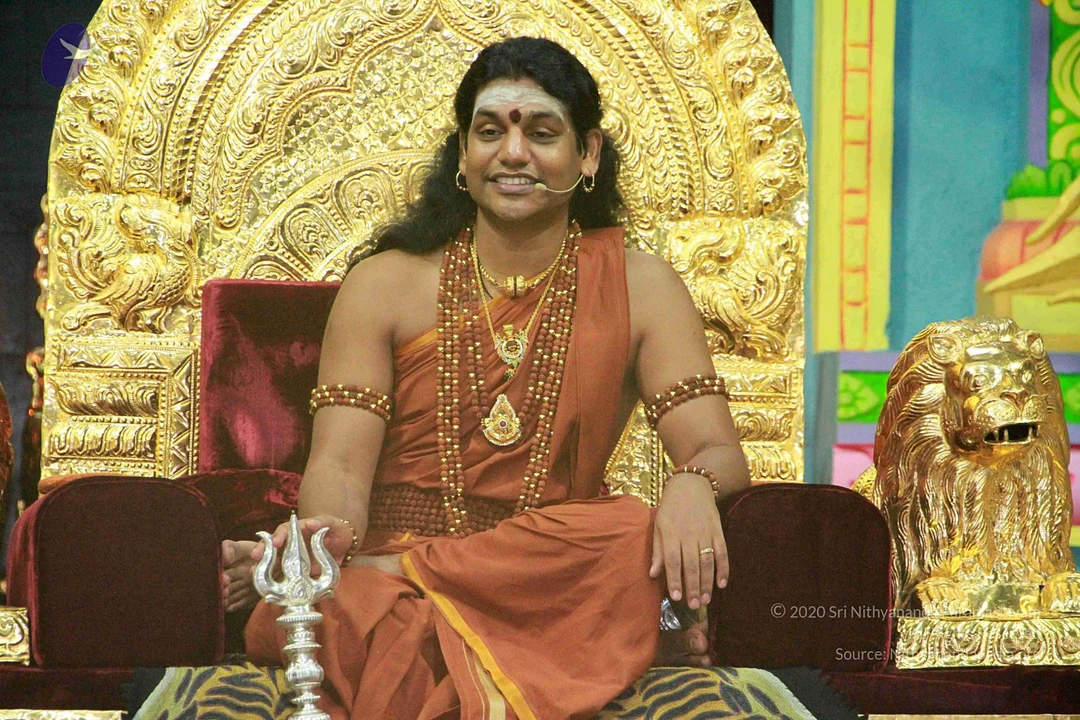
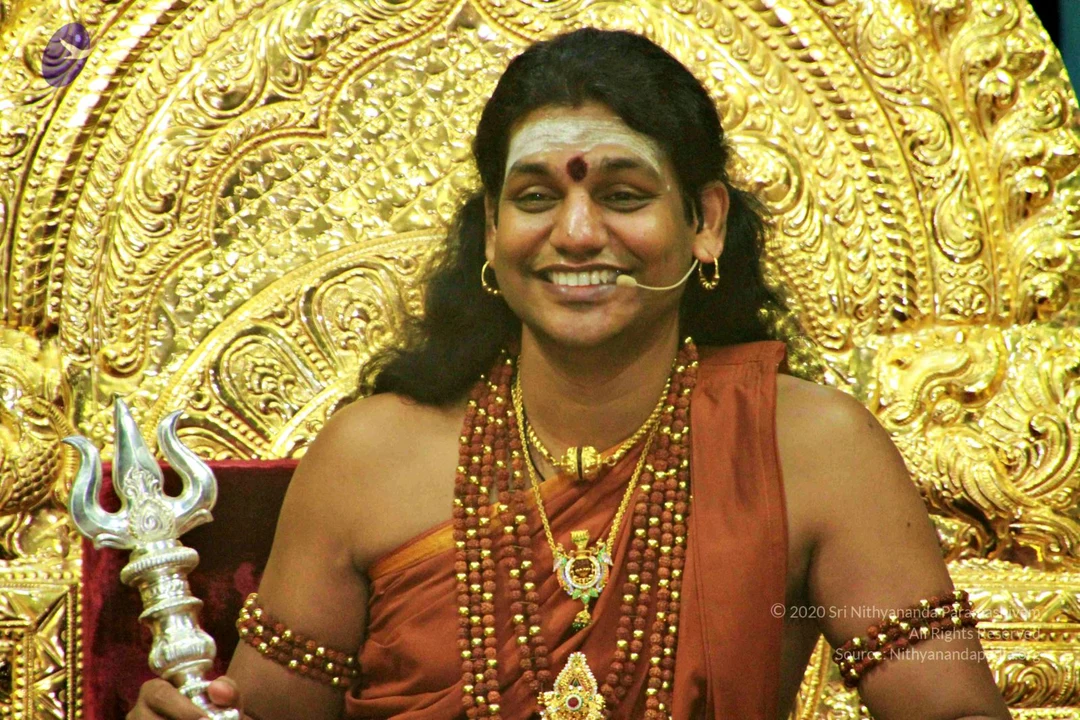
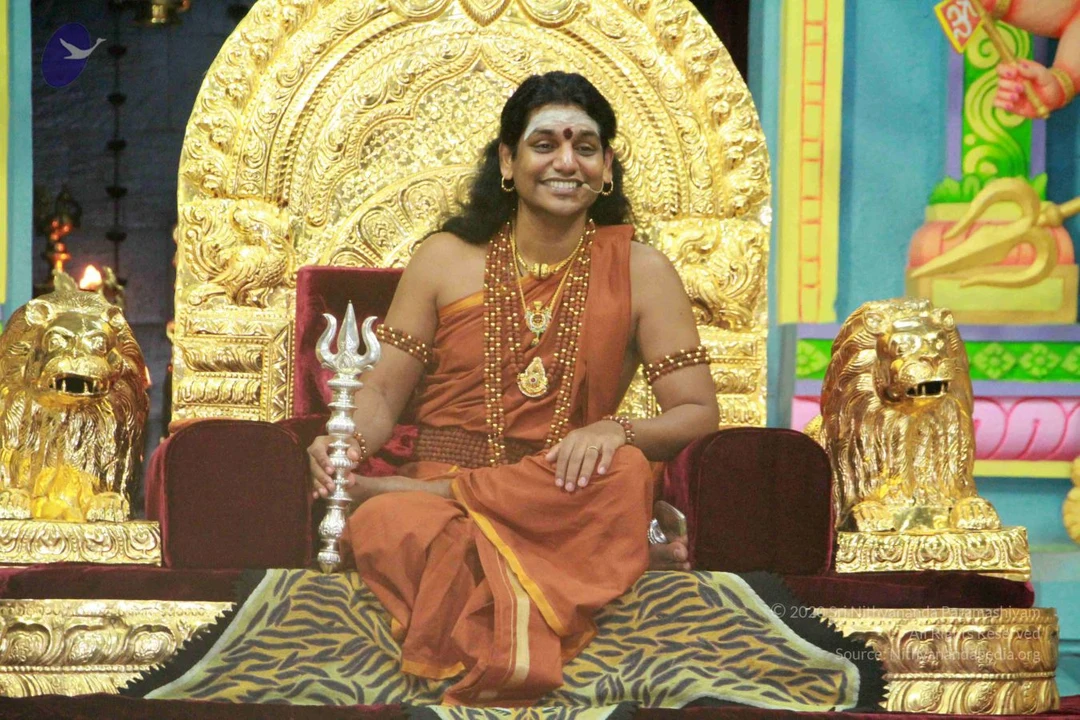
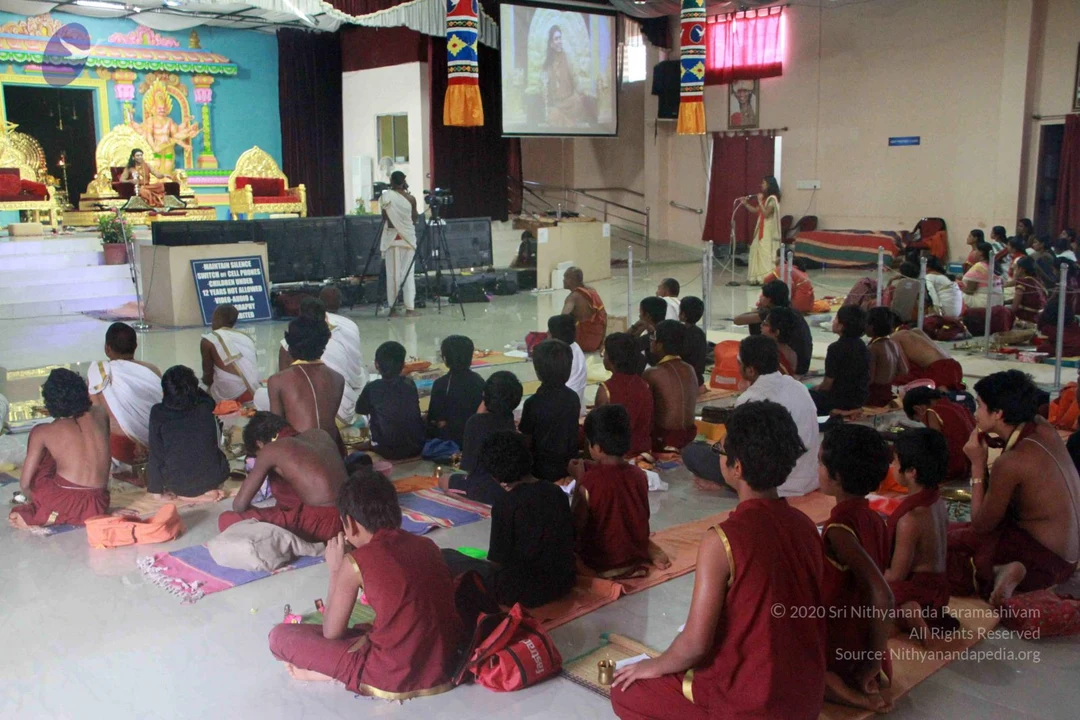
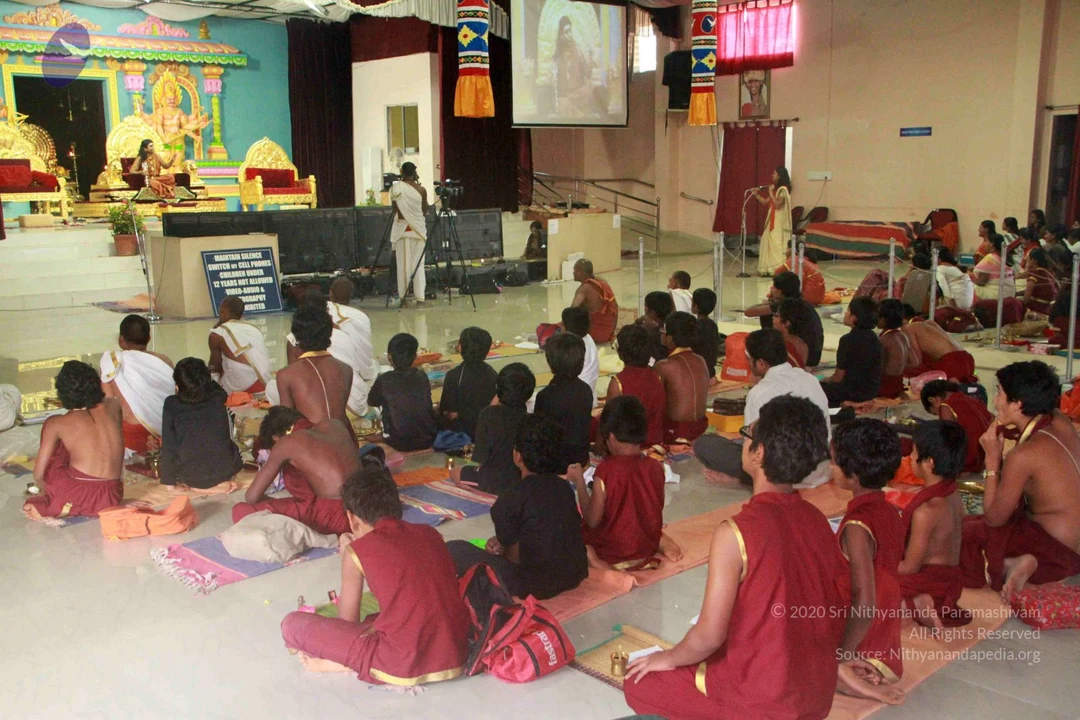
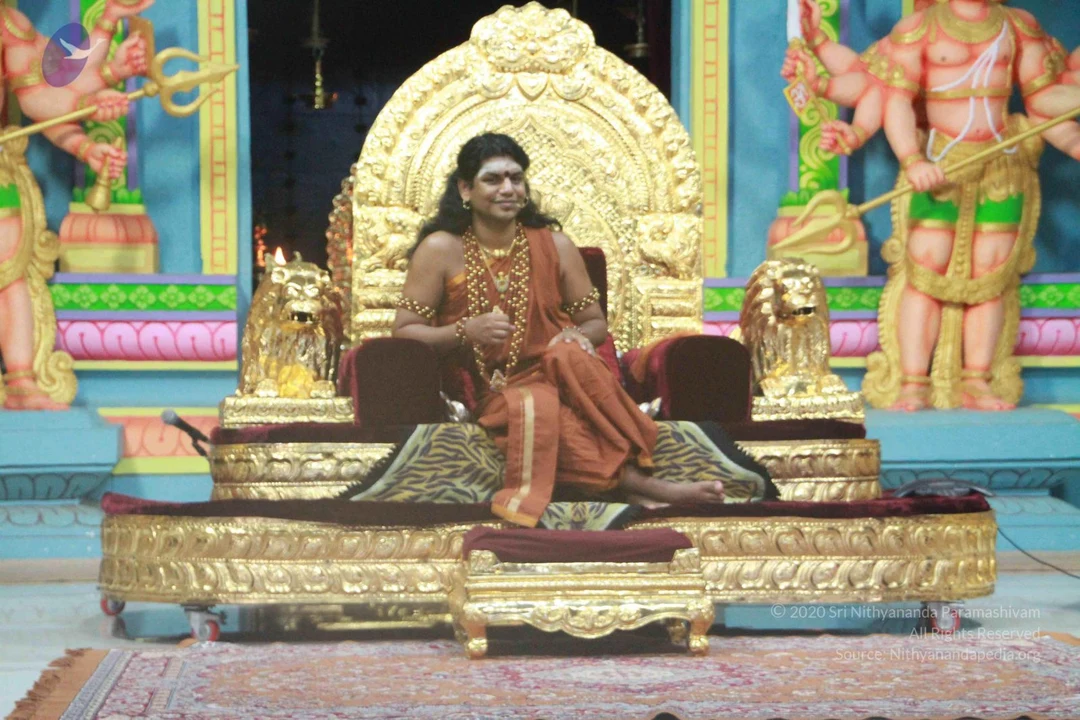
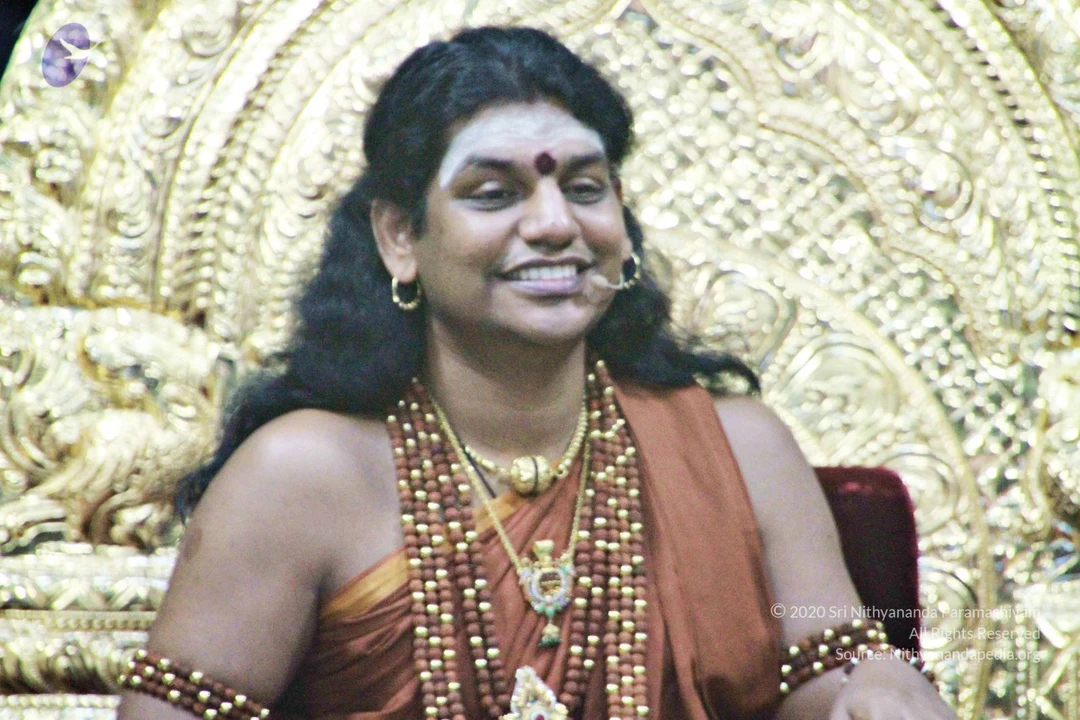
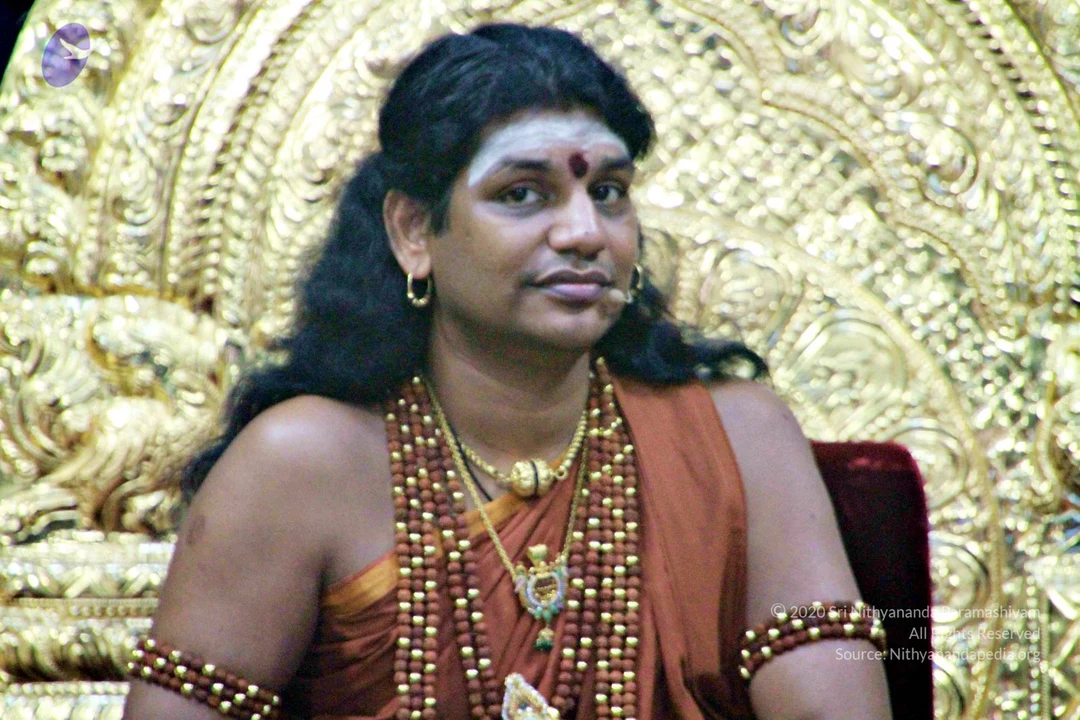
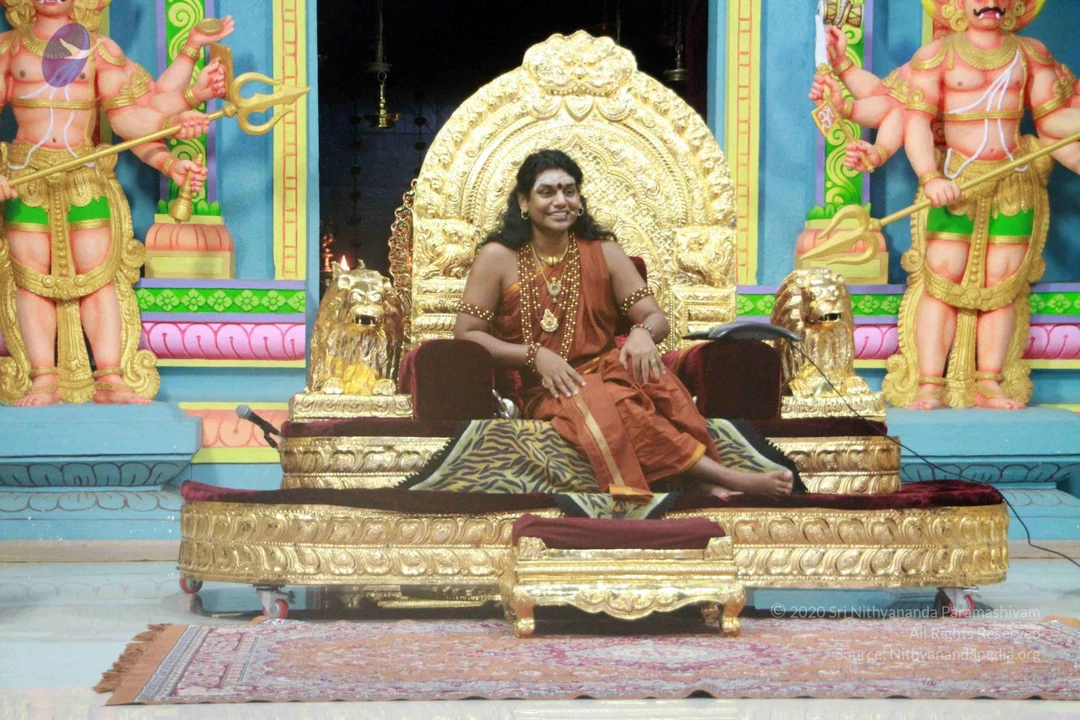
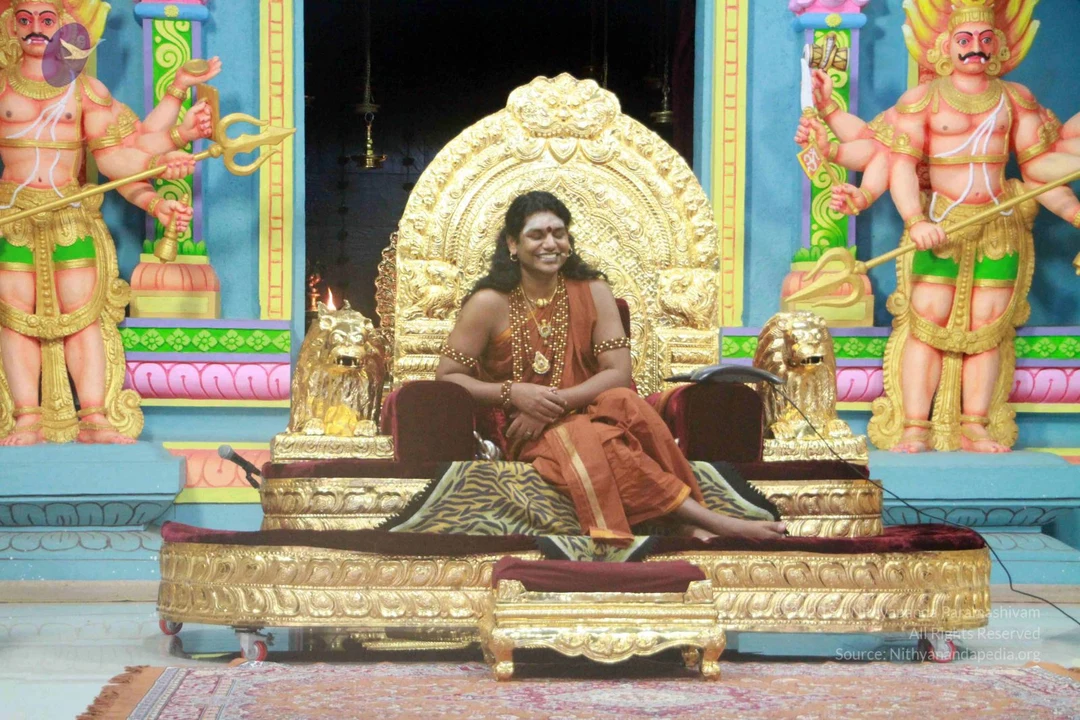
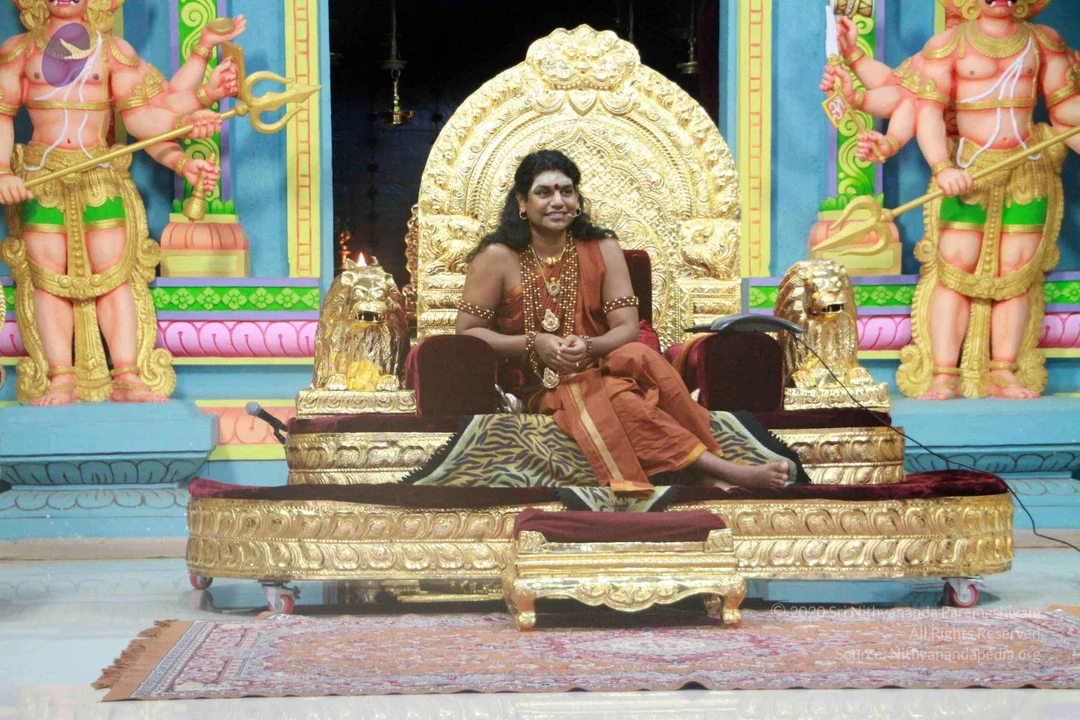
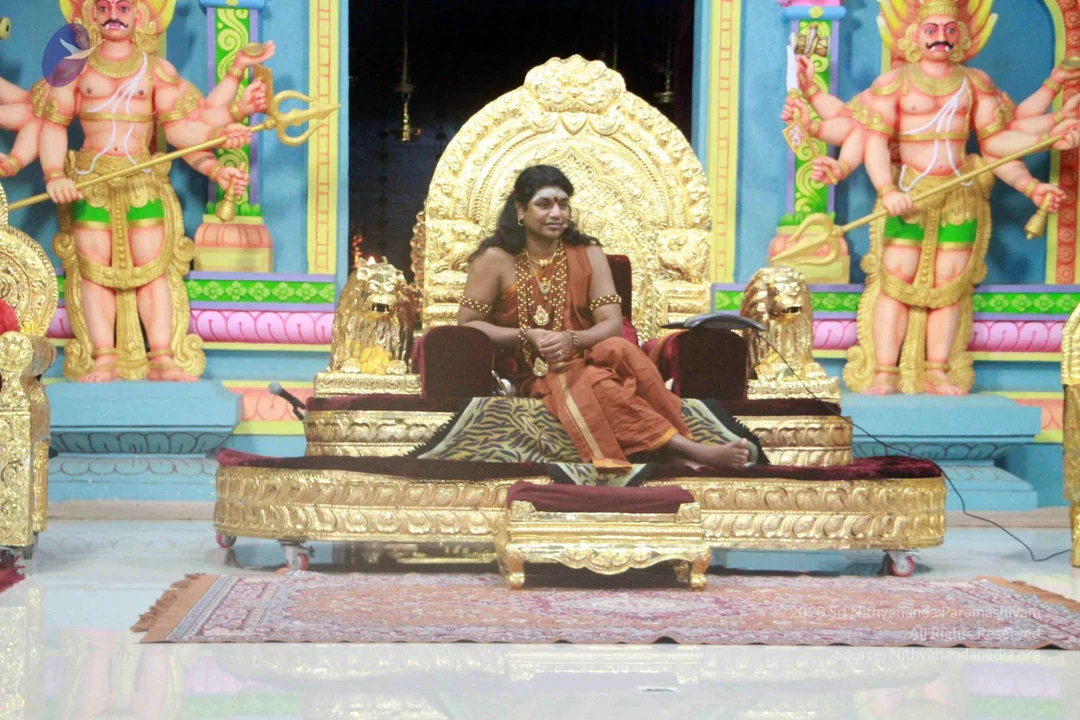
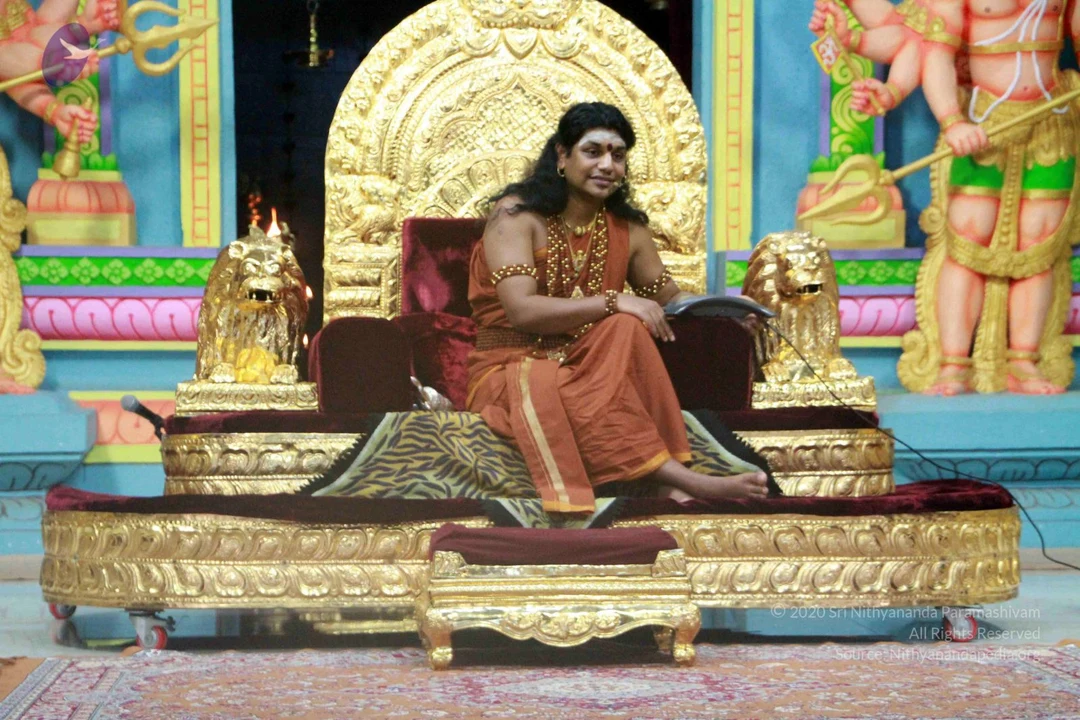
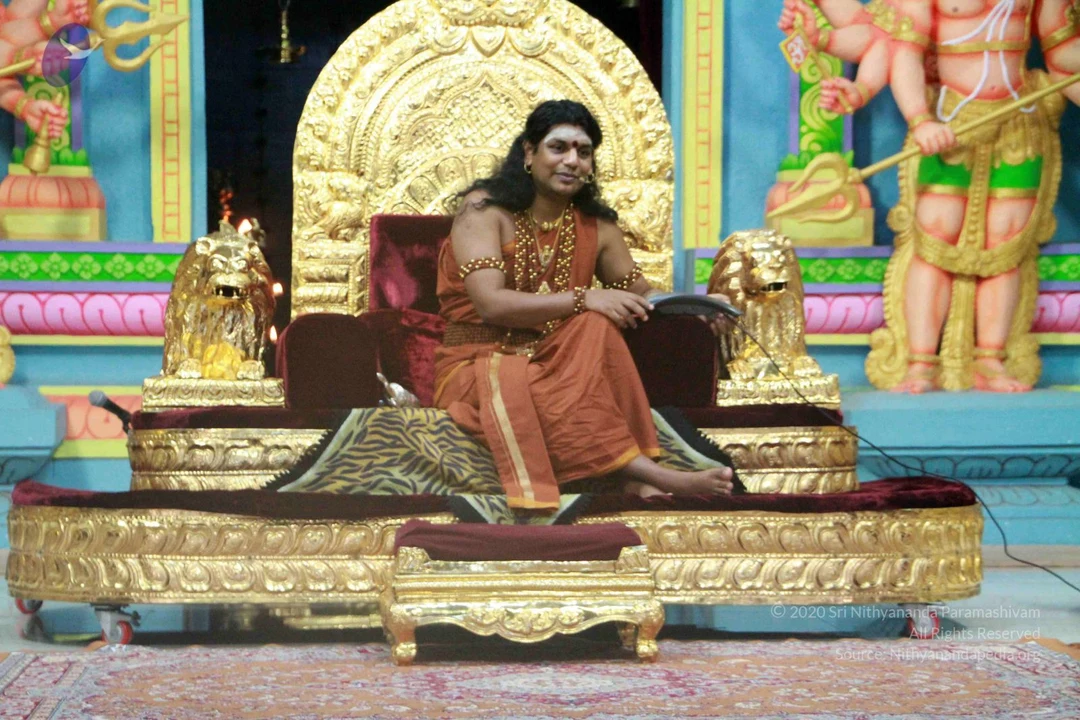
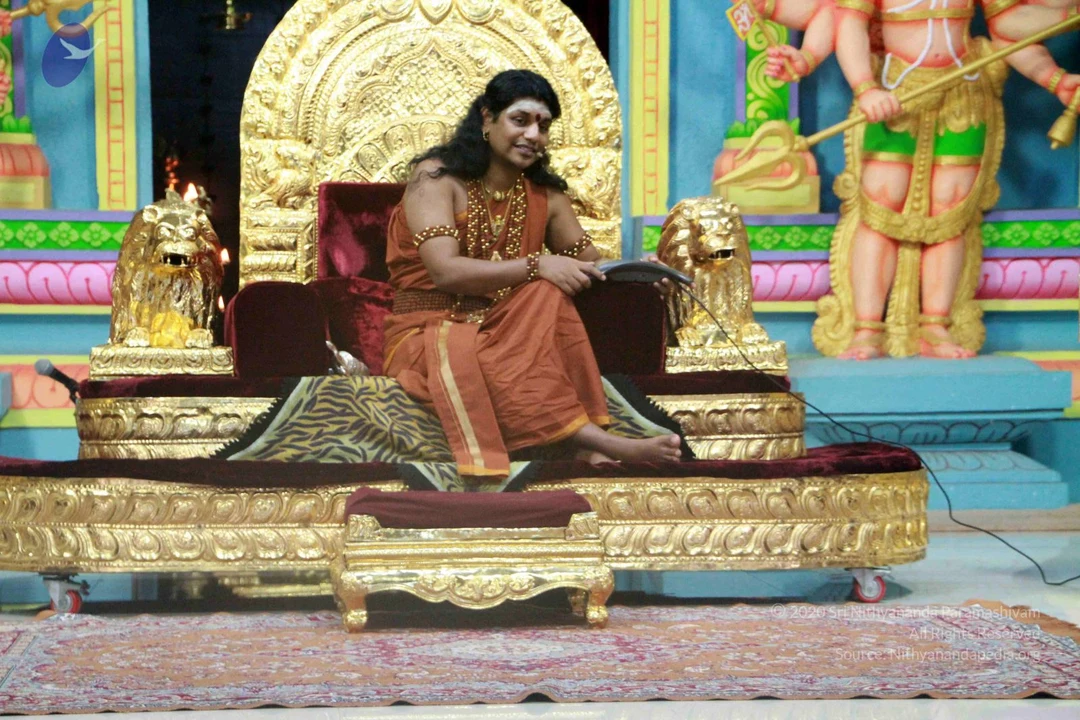



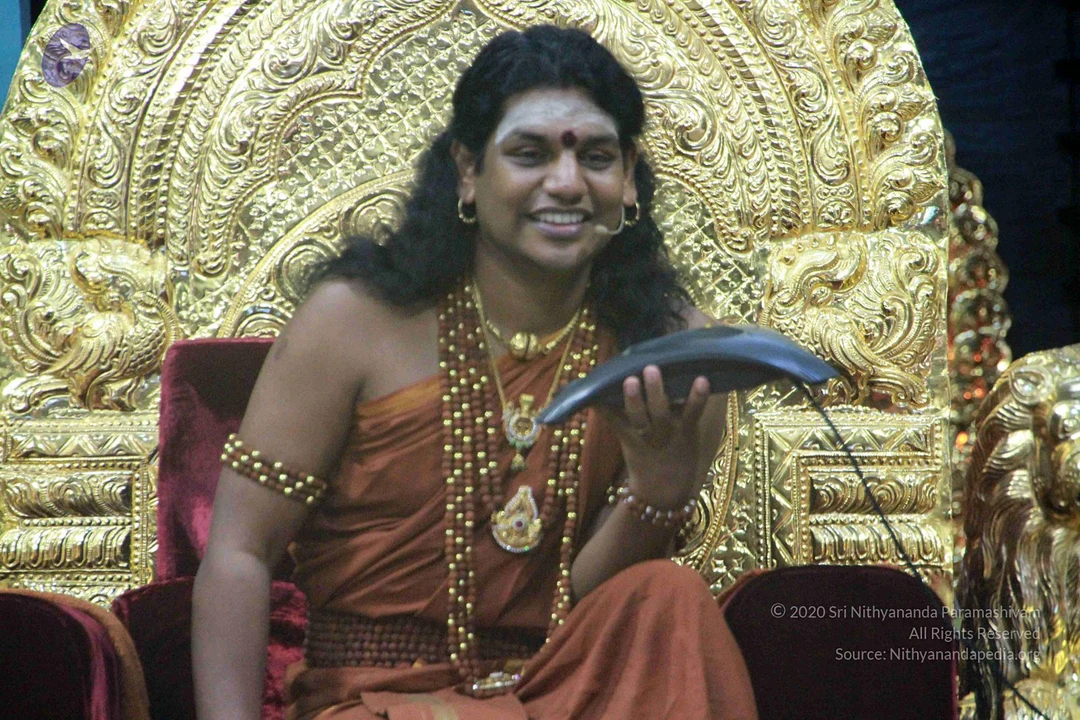
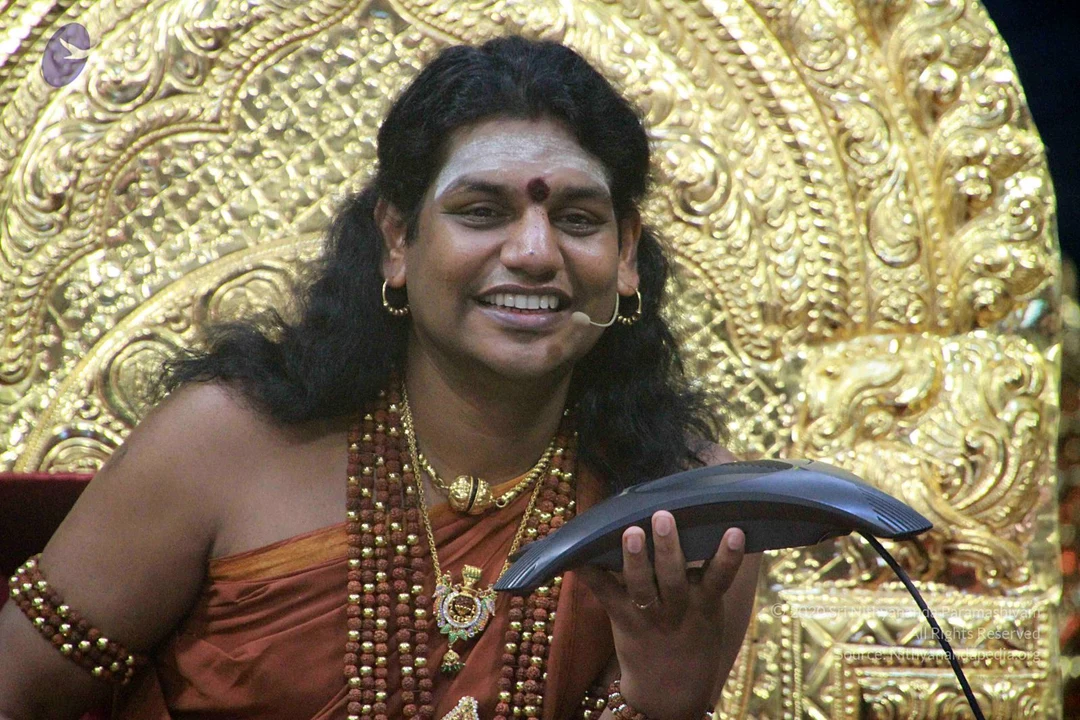
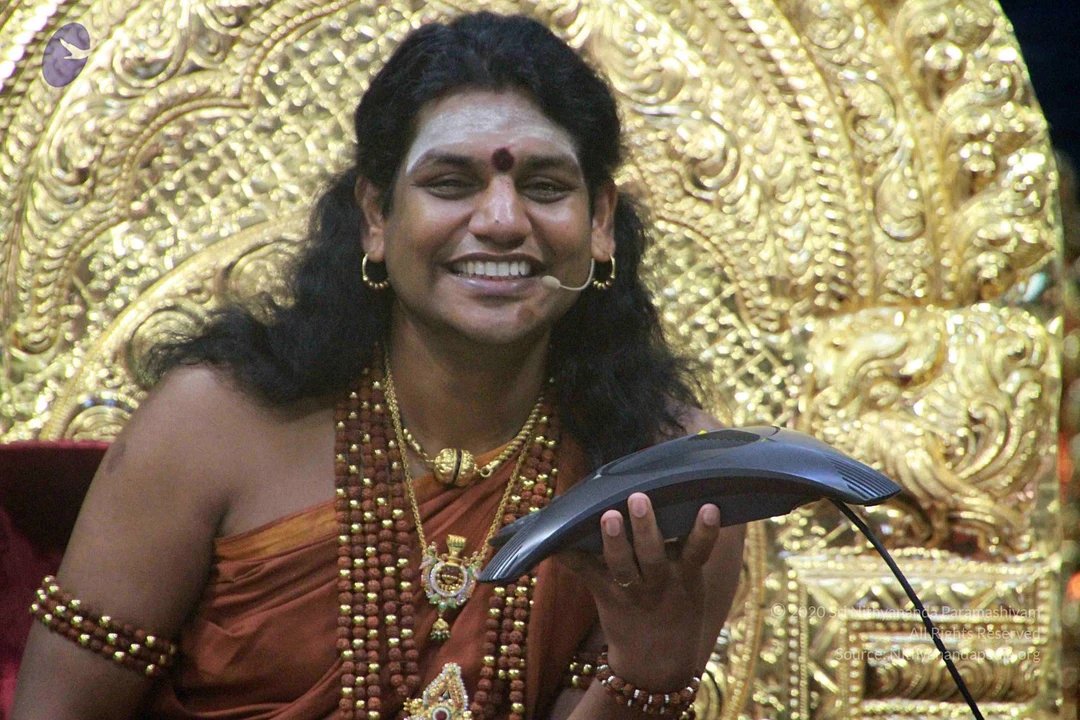
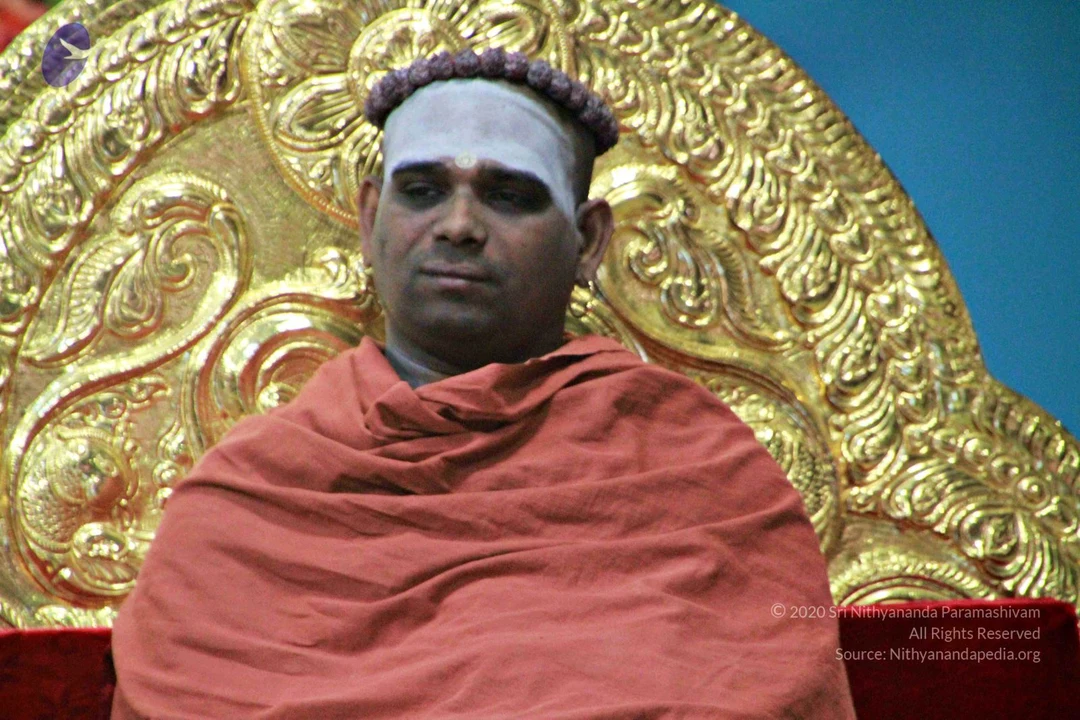
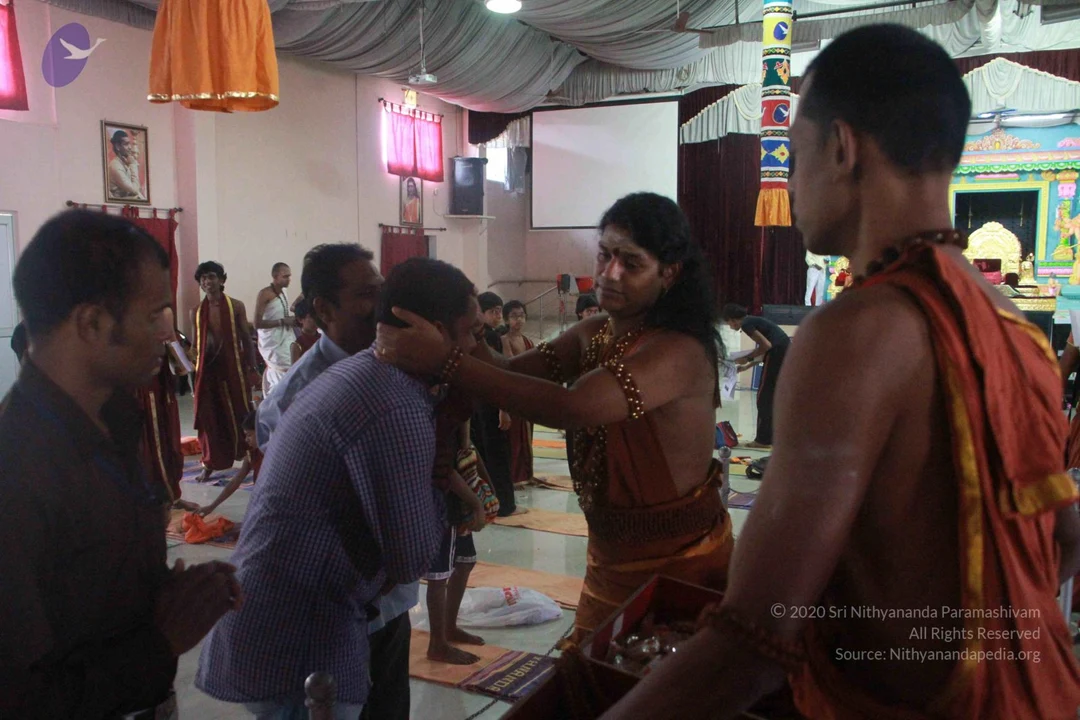
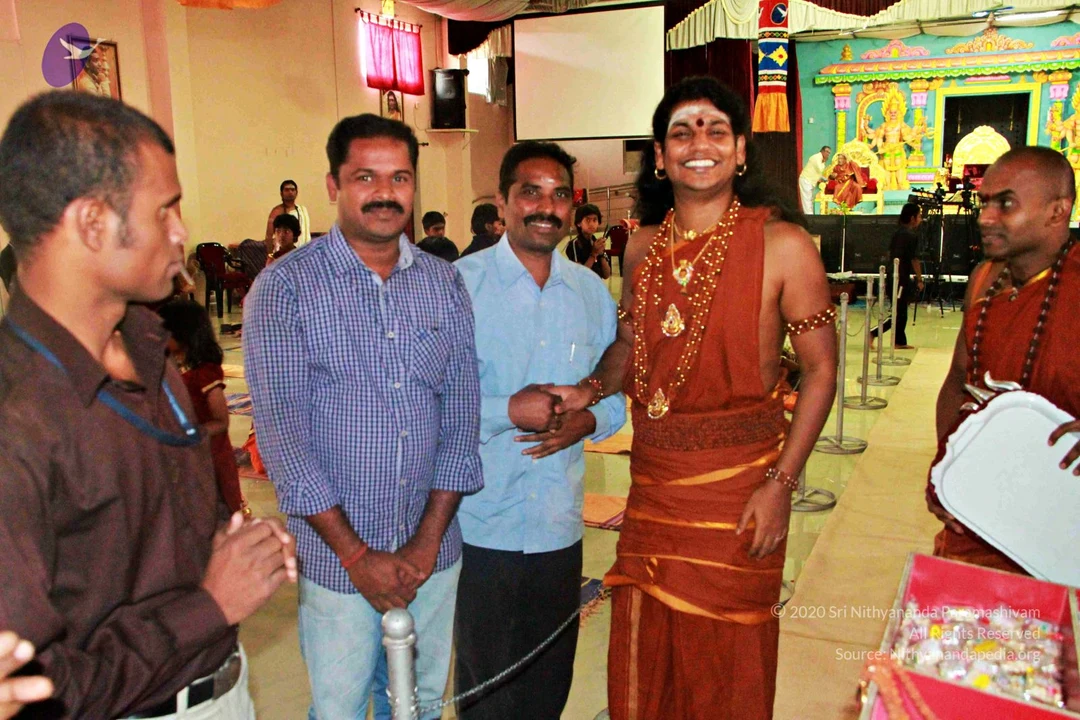
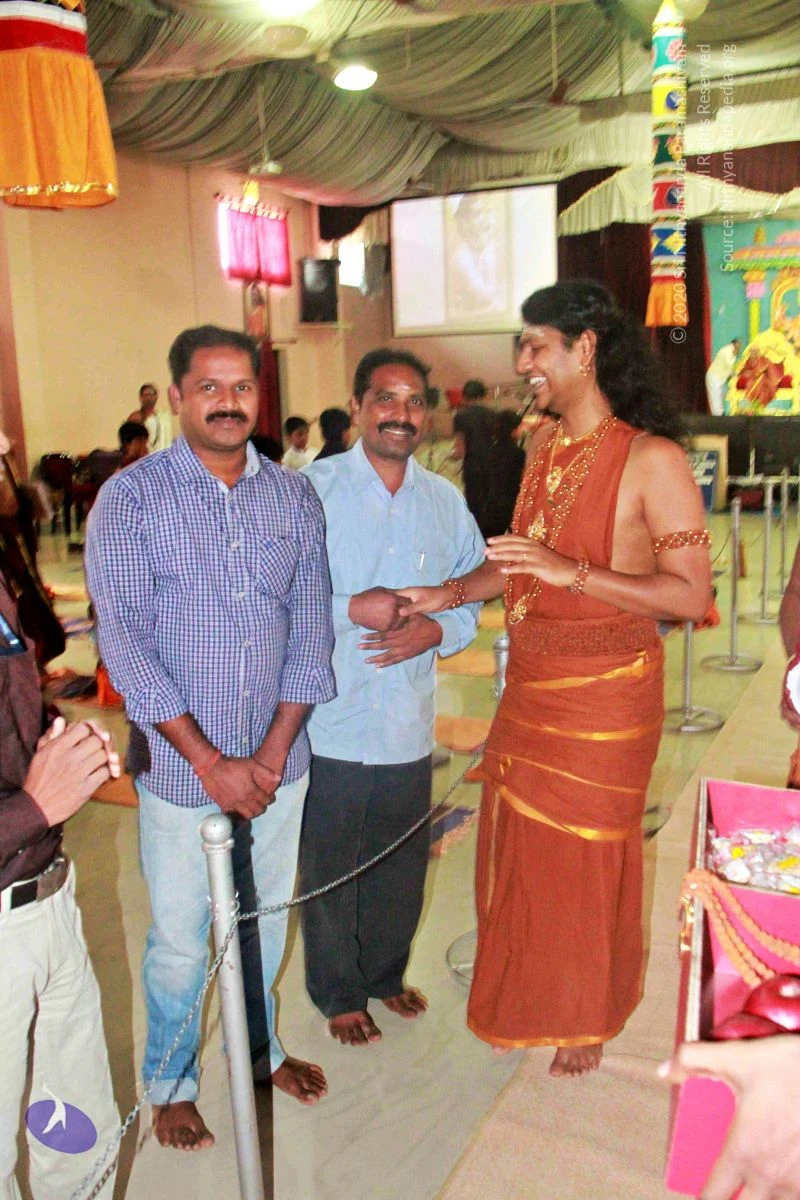
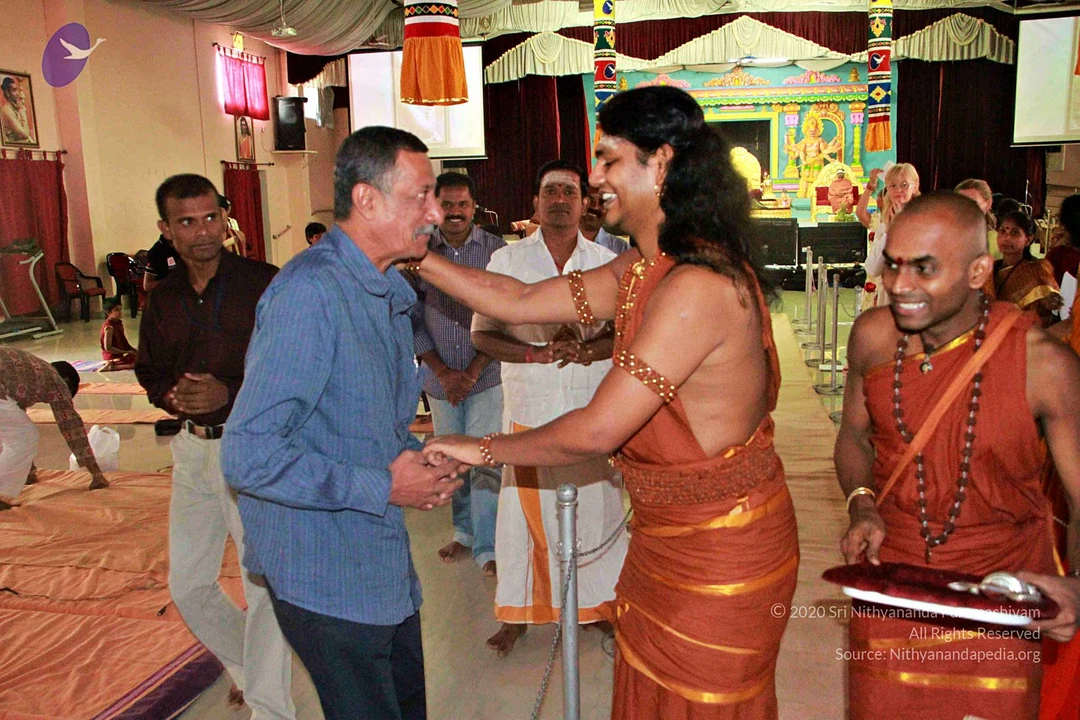
Photos Of The Day:
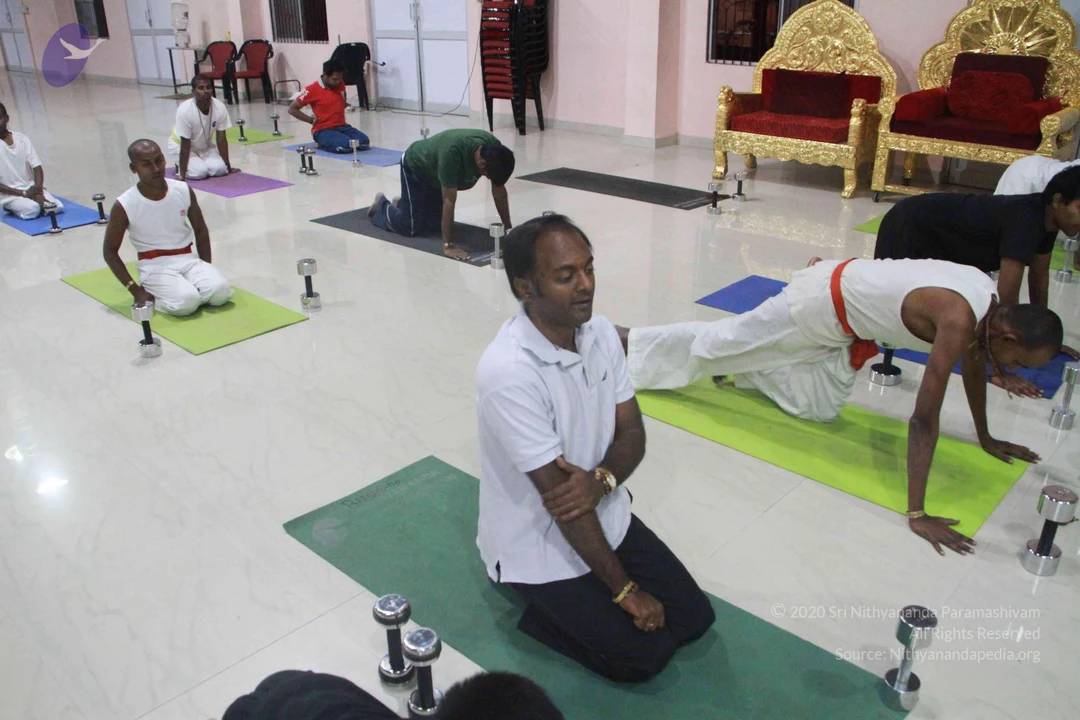
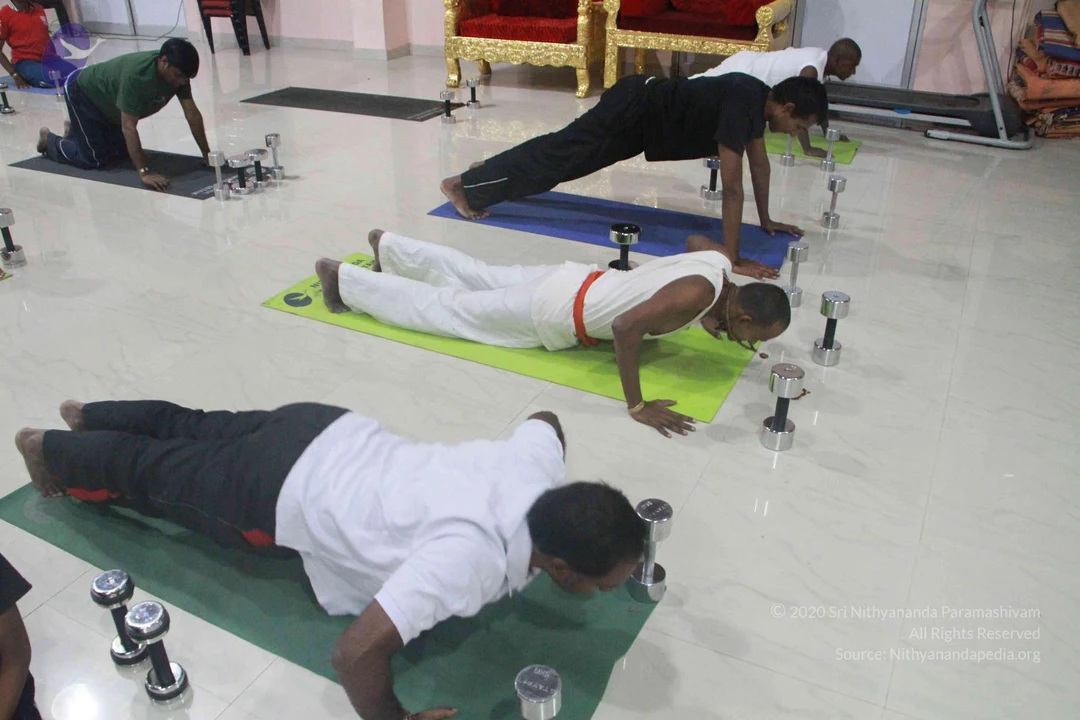
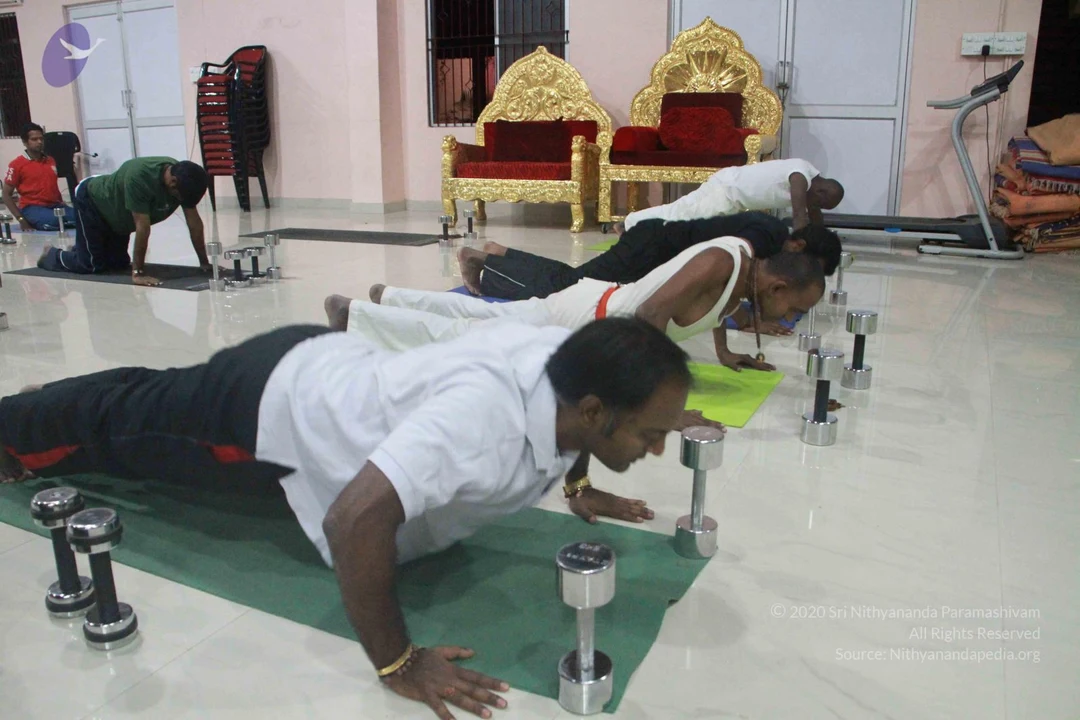
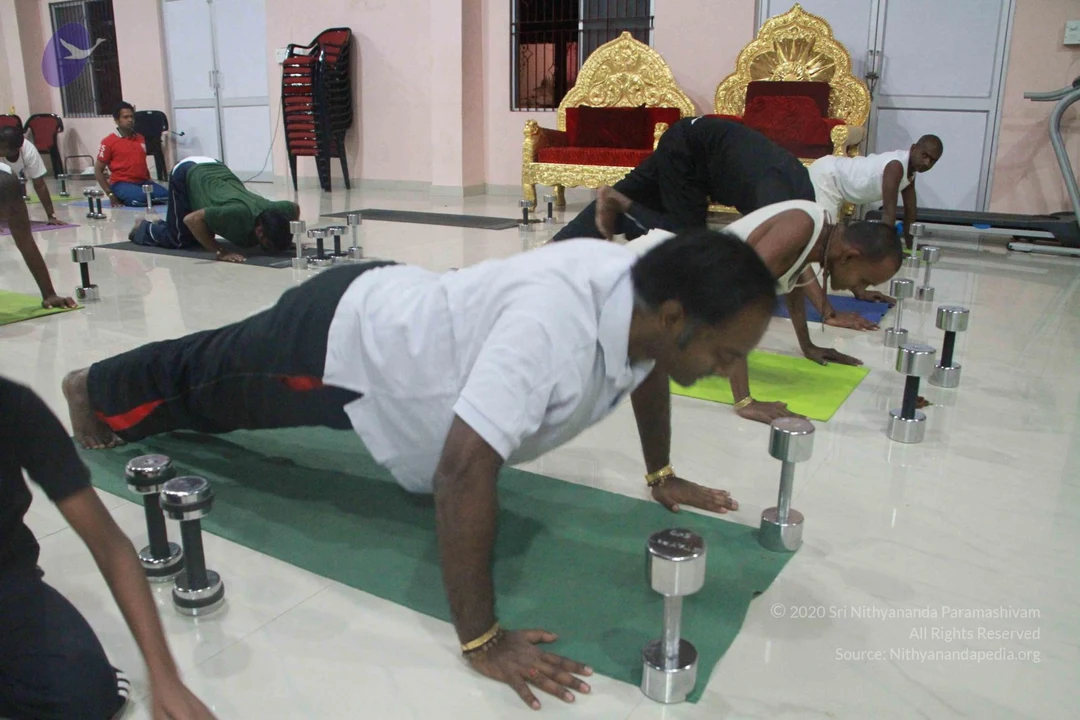
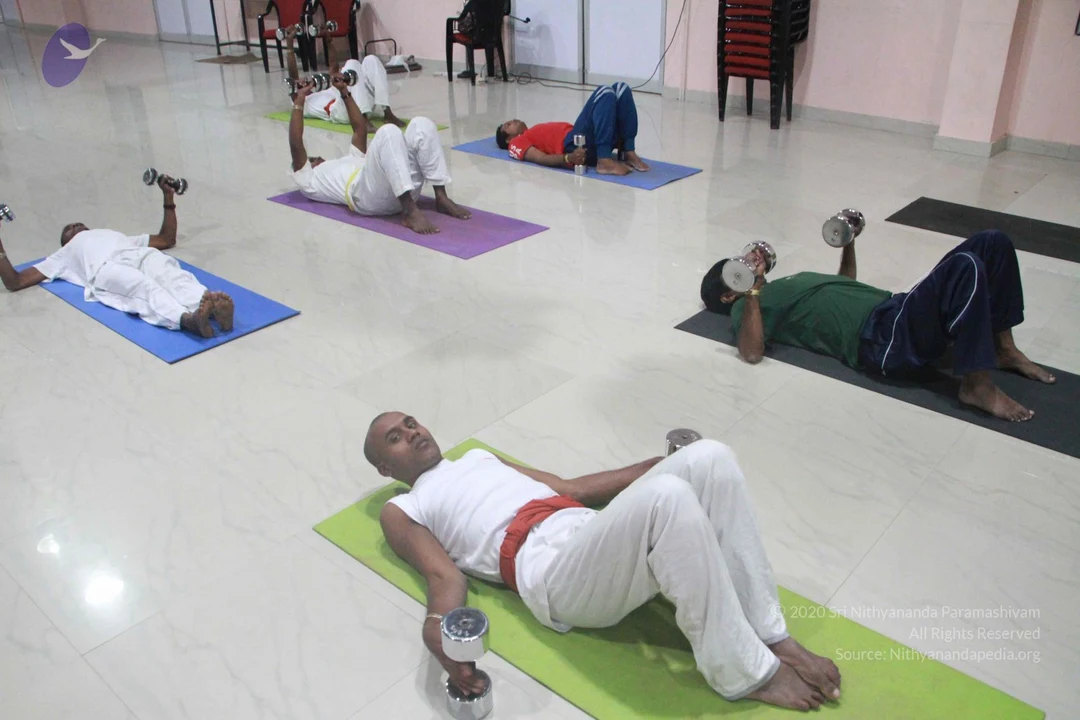
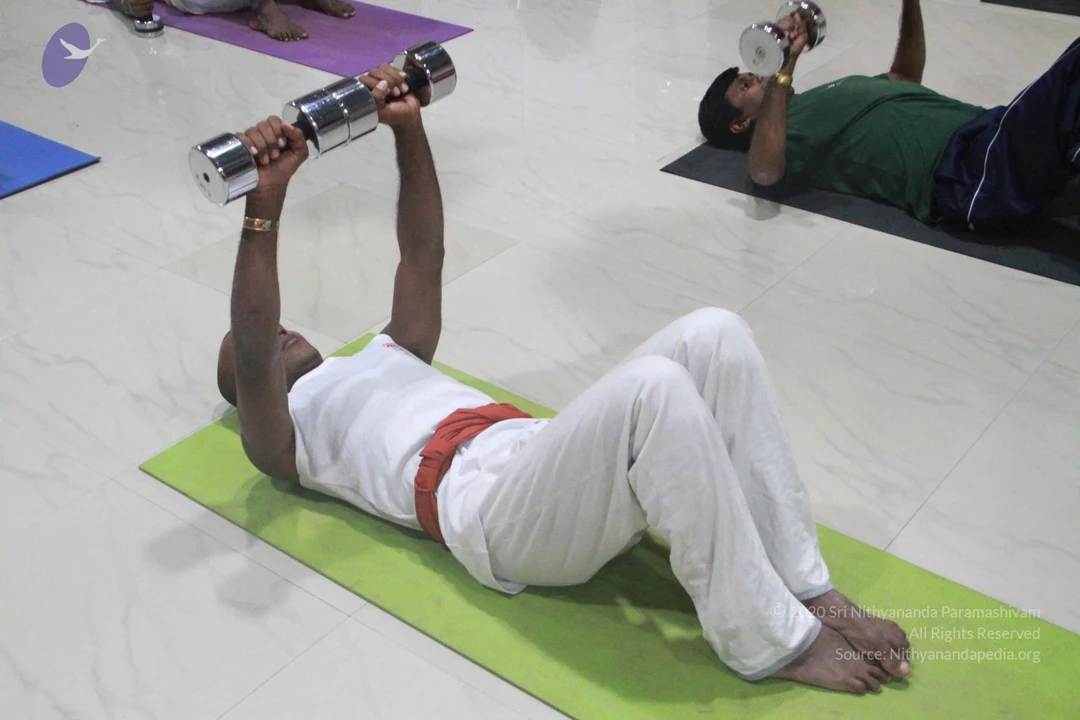
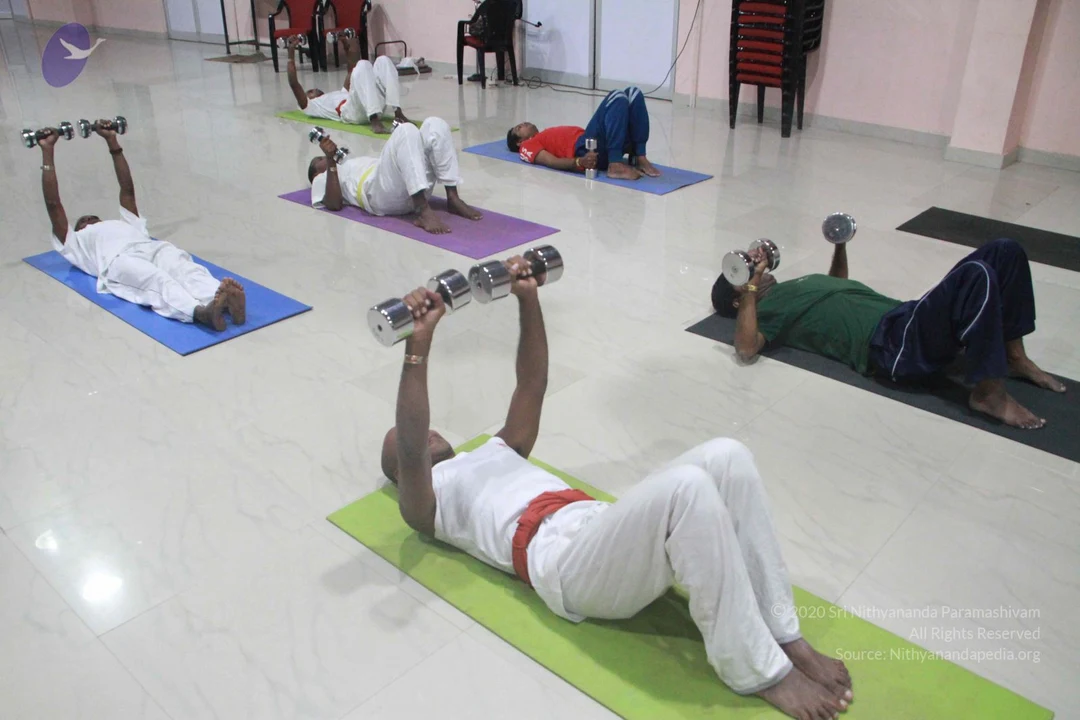
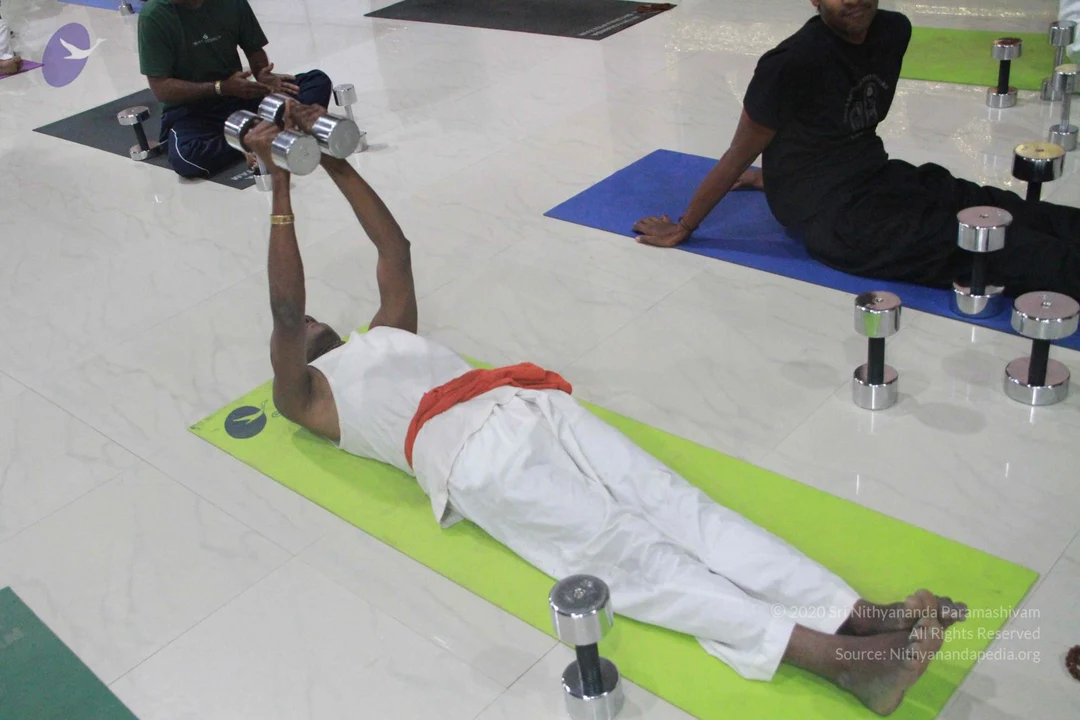
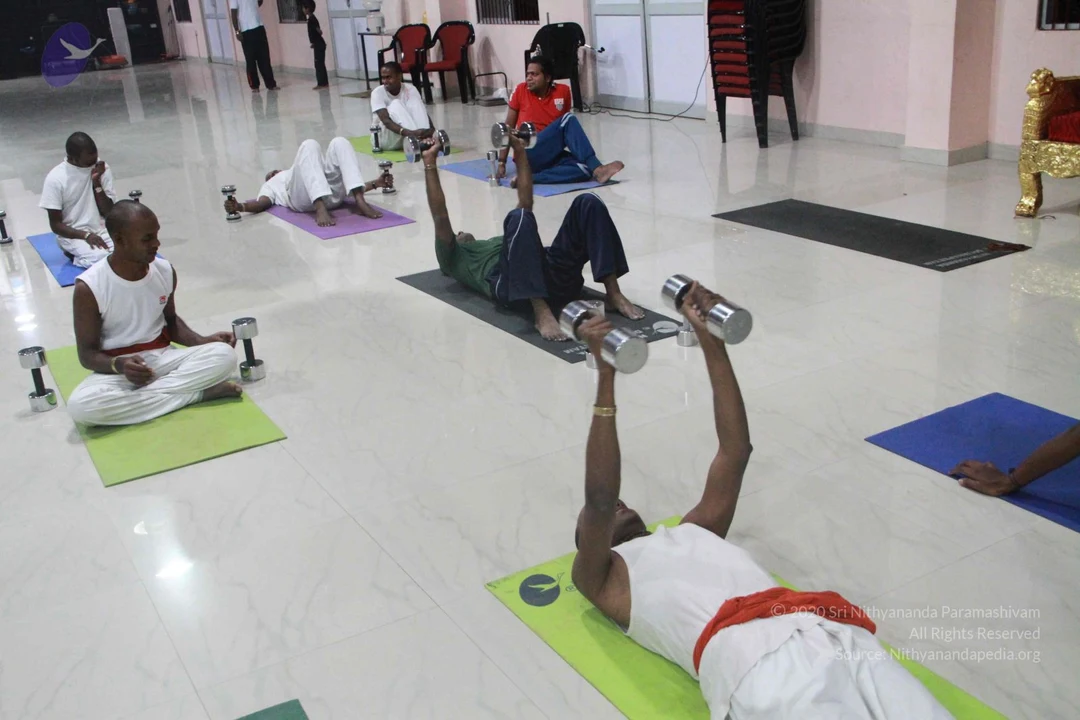
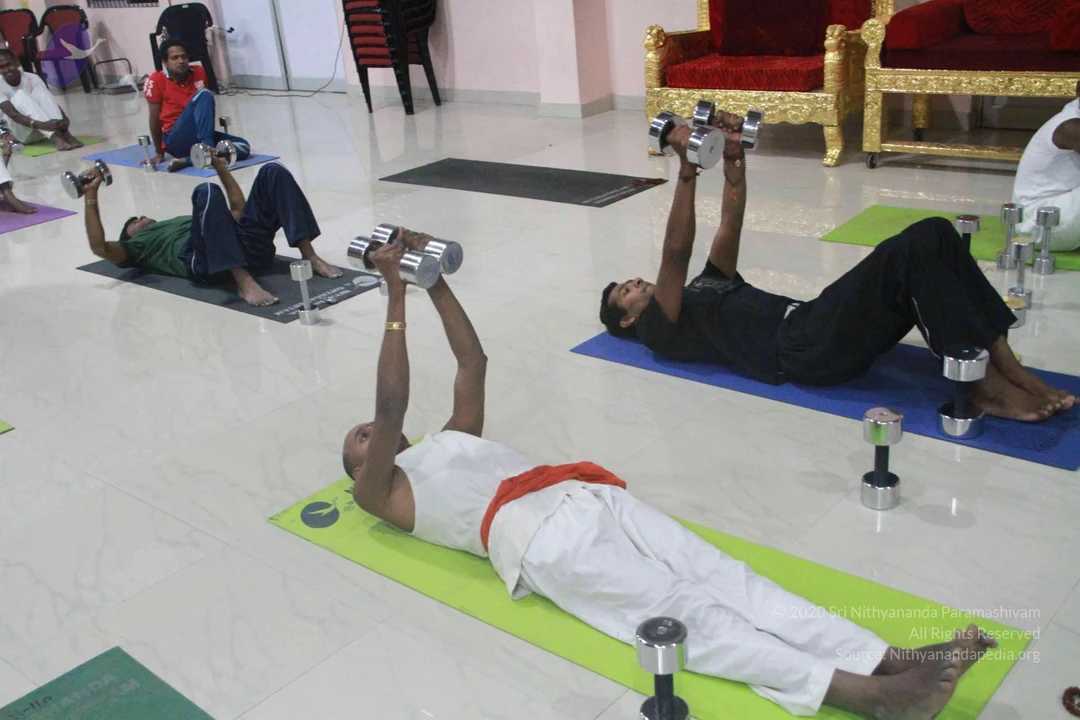
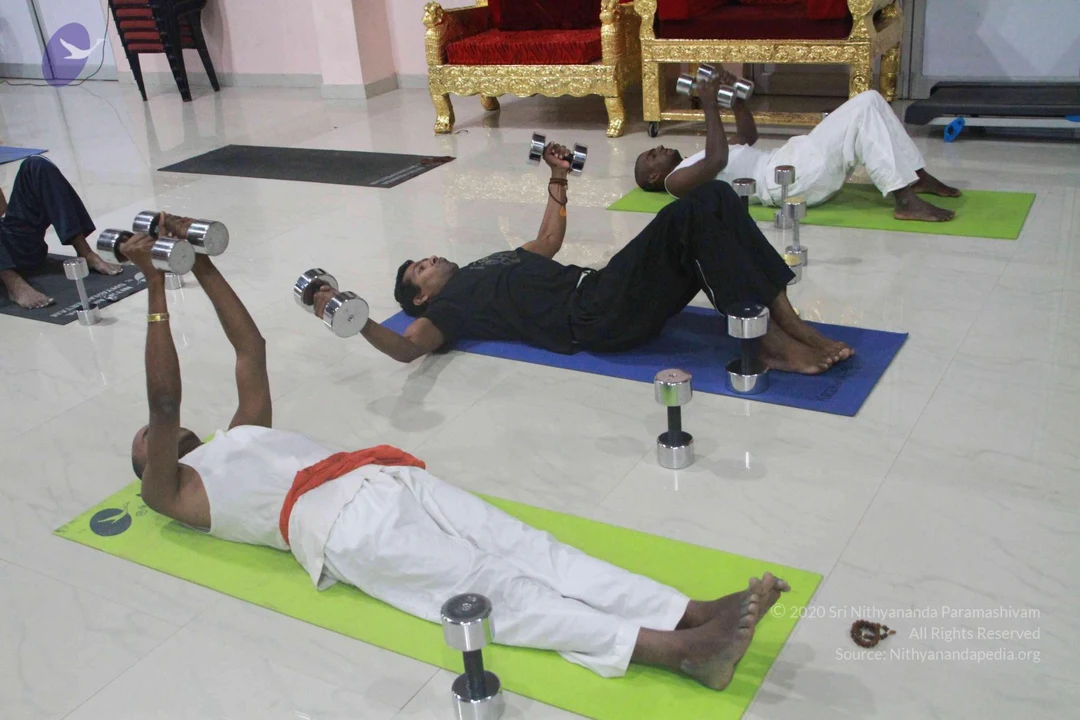
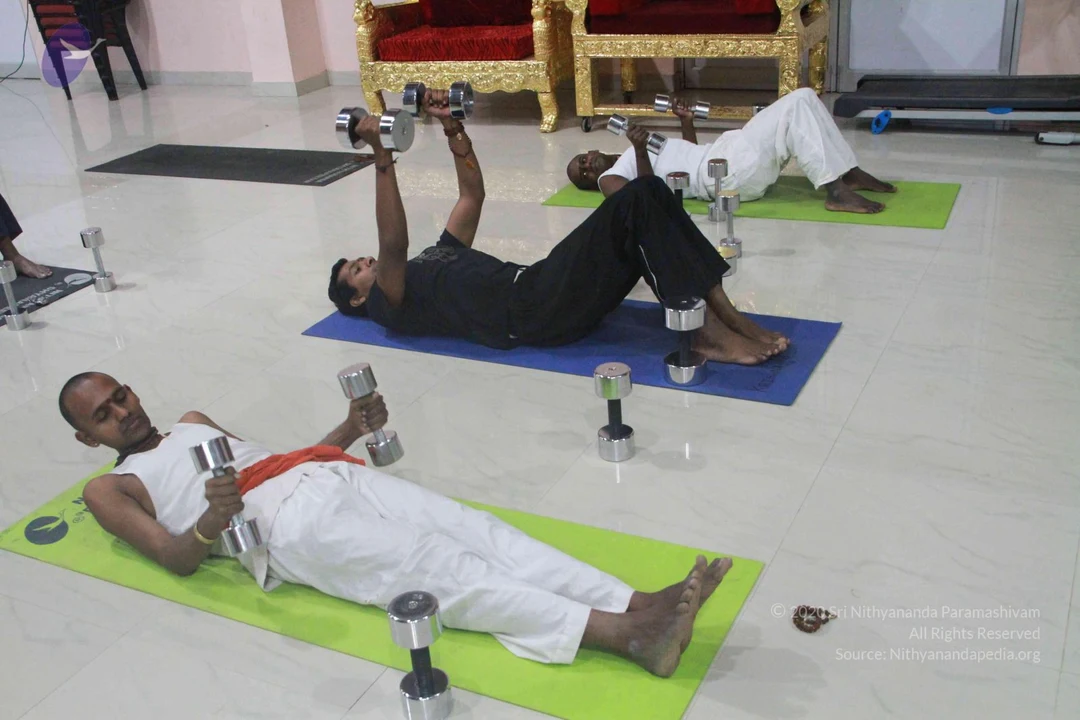
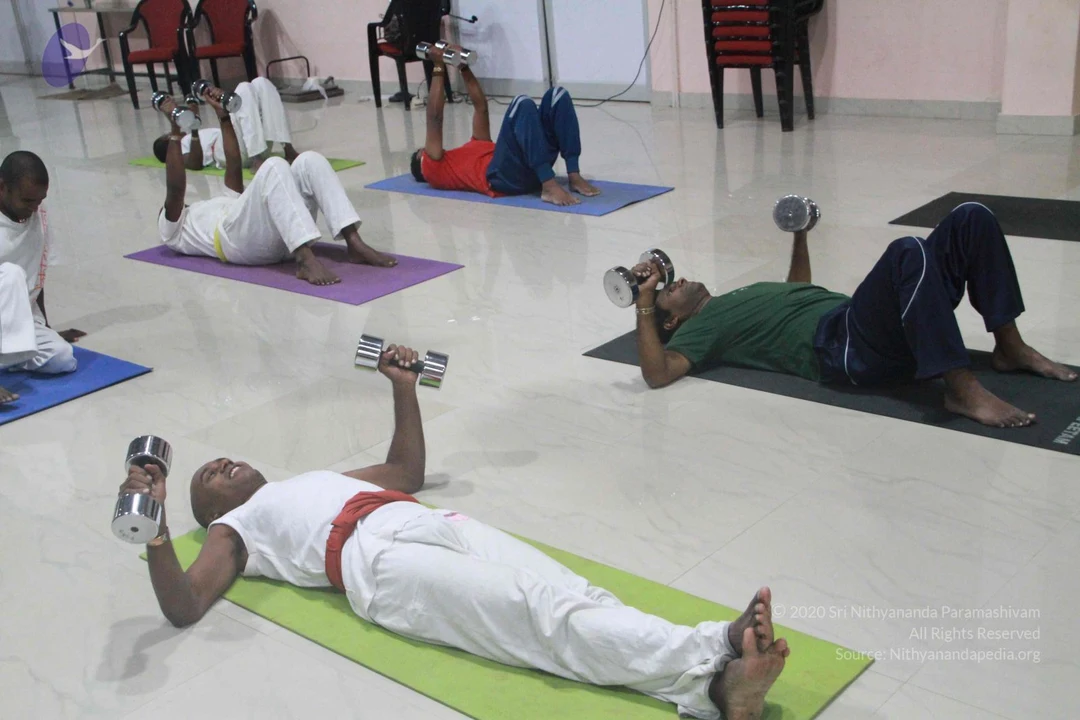
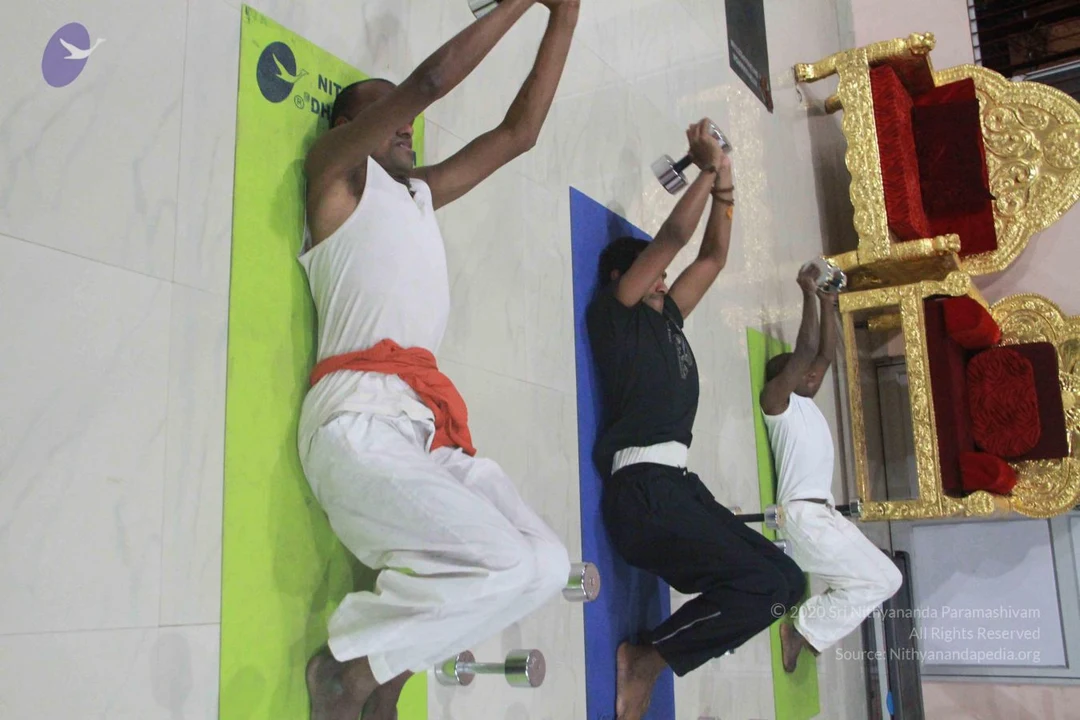
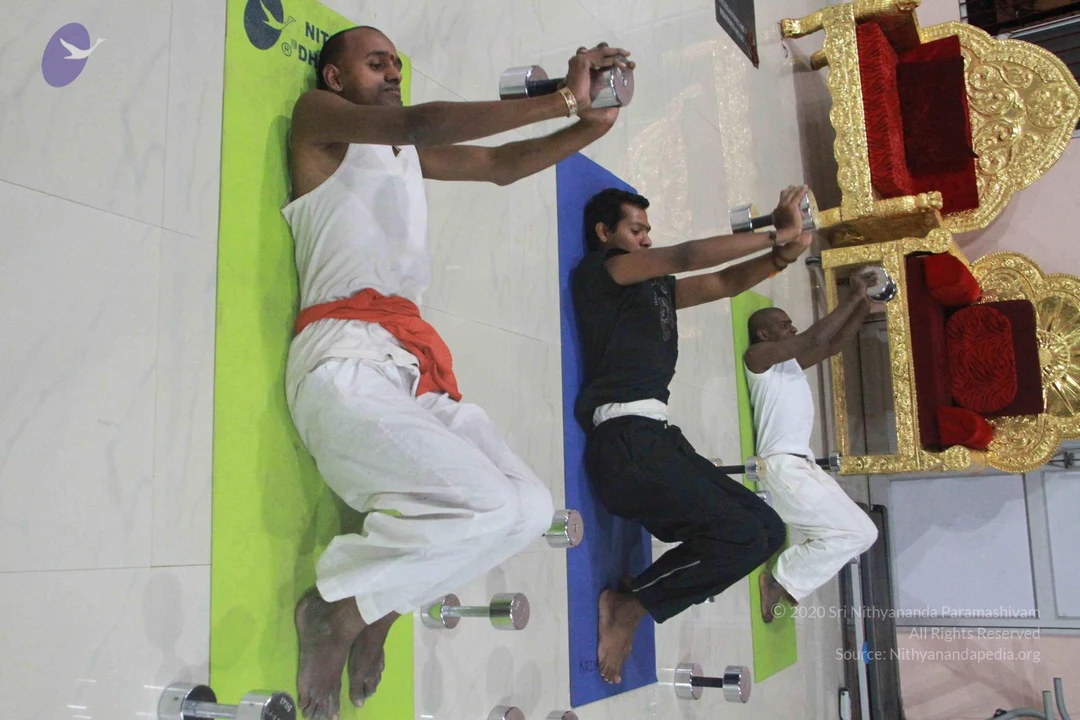
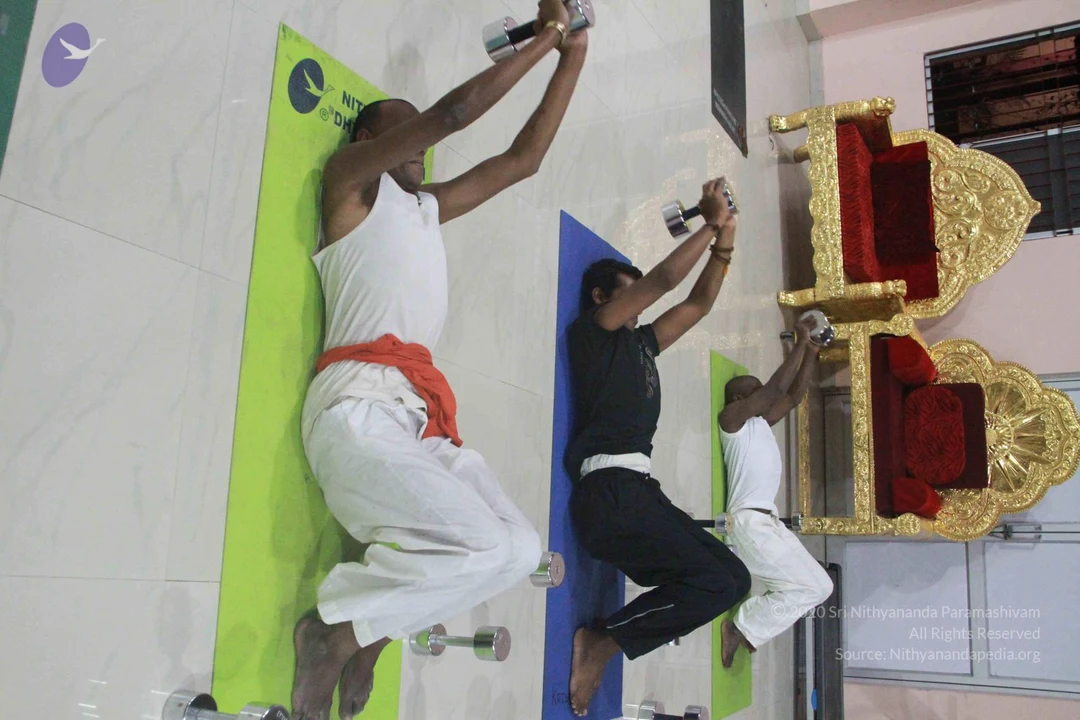
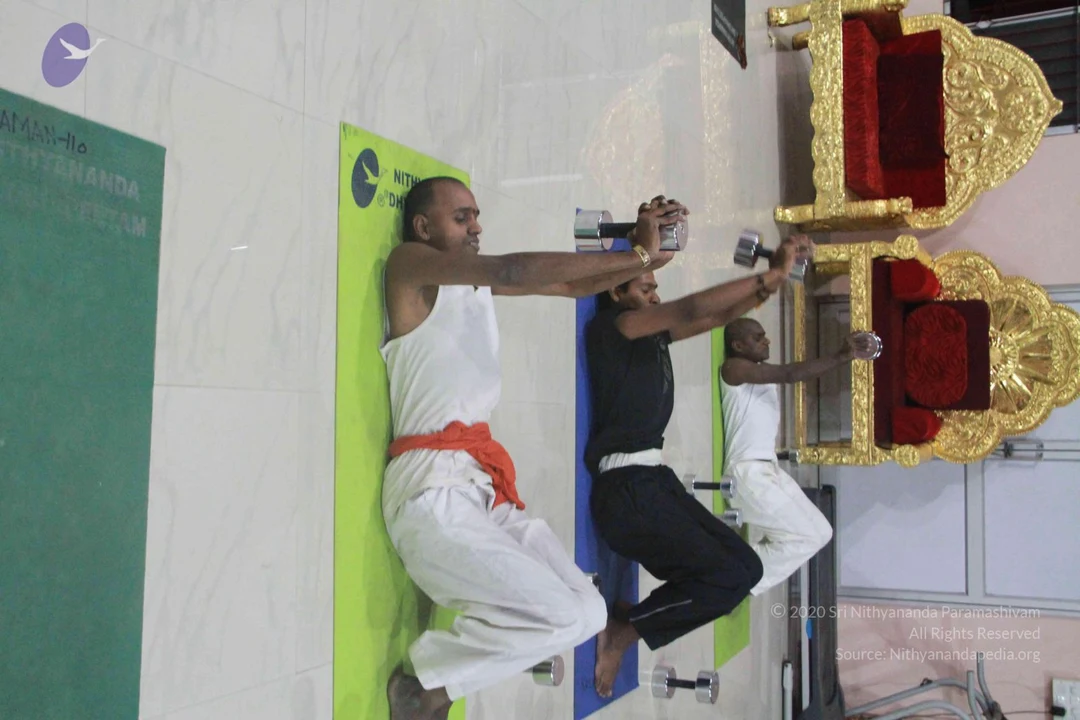
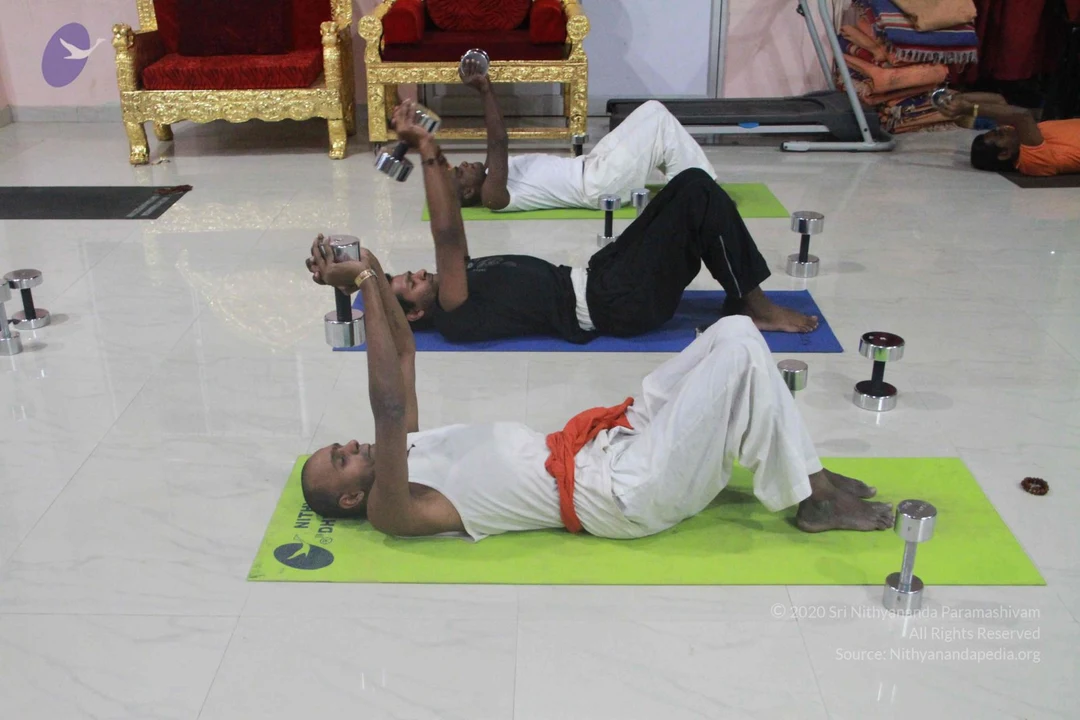
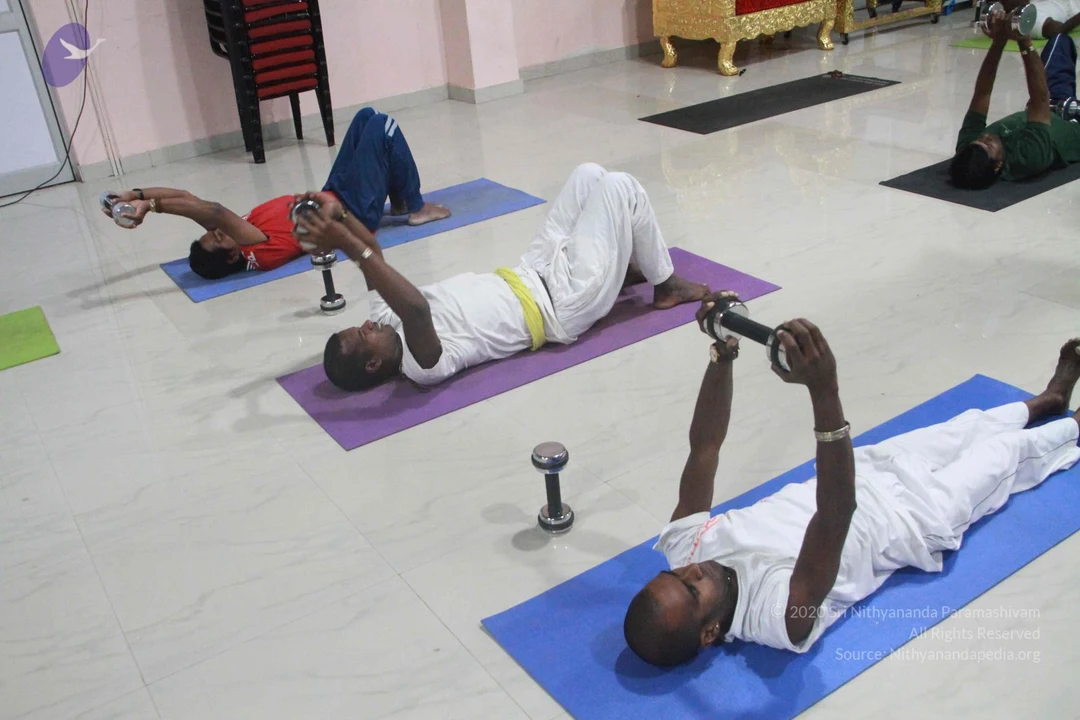
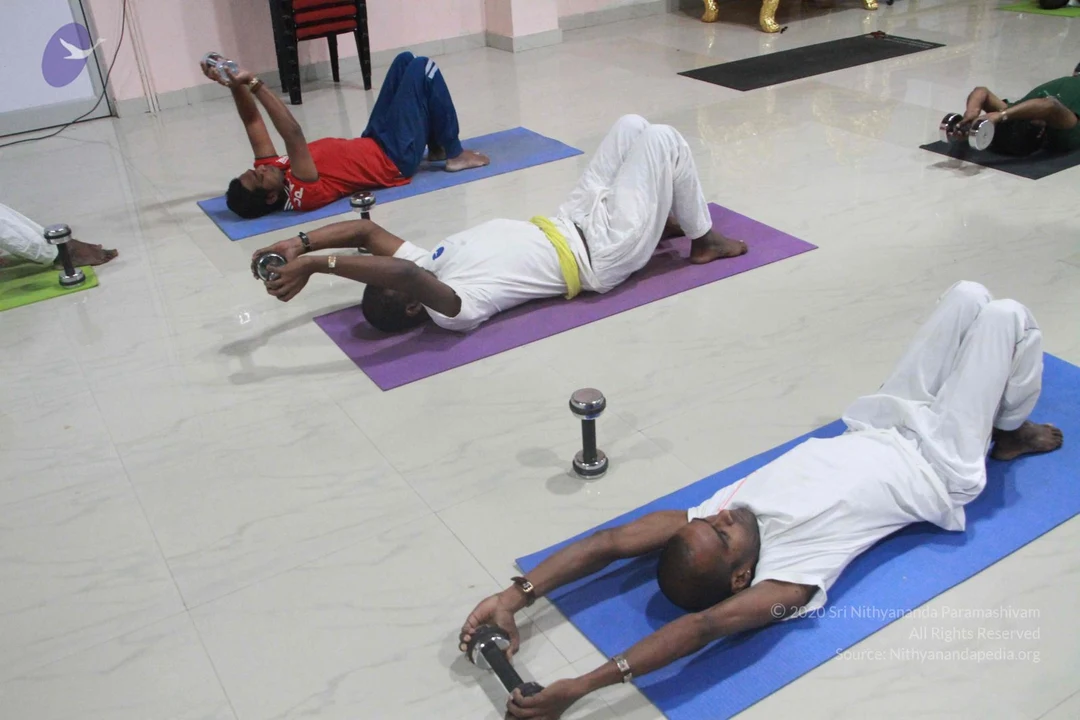
Morning Yoga



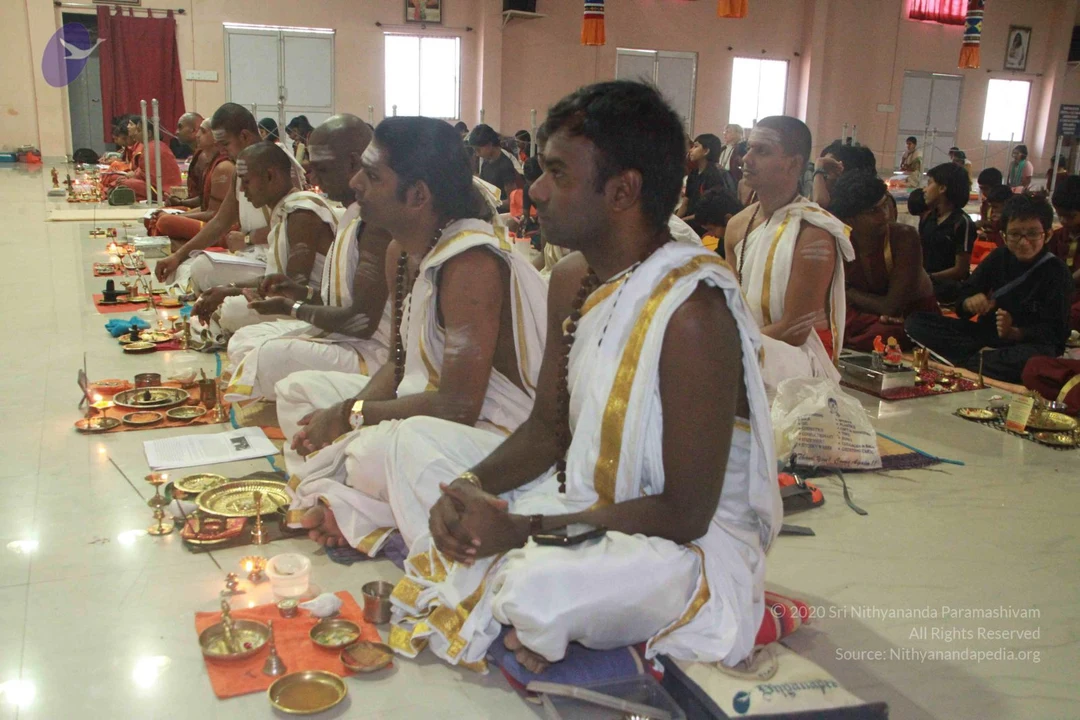
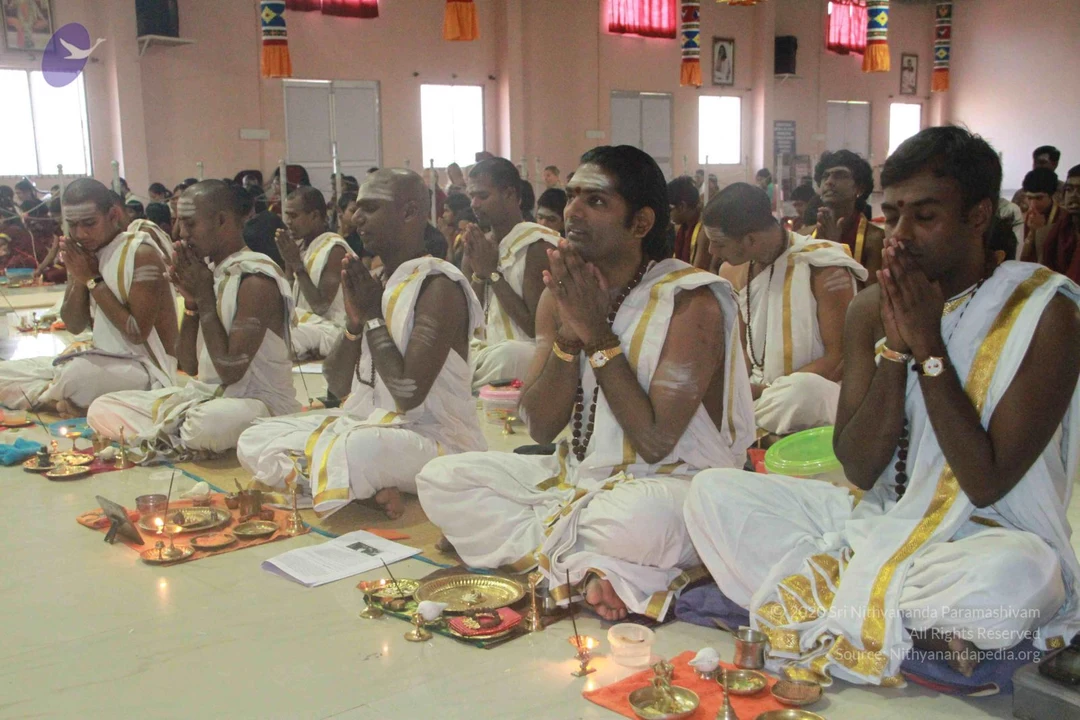
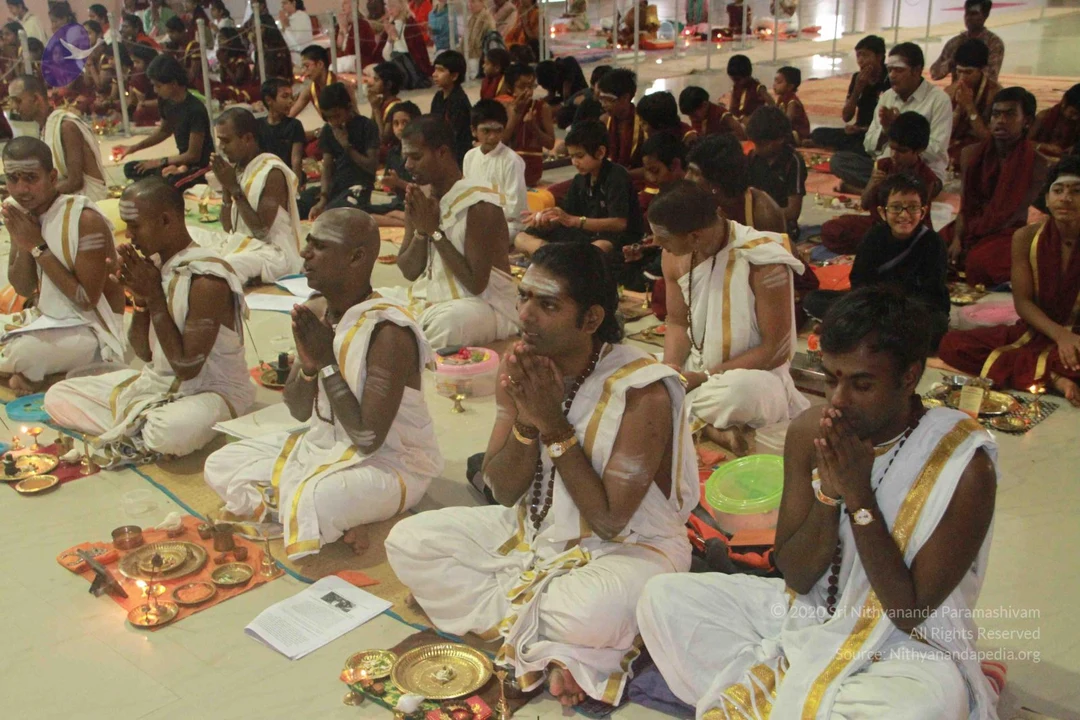
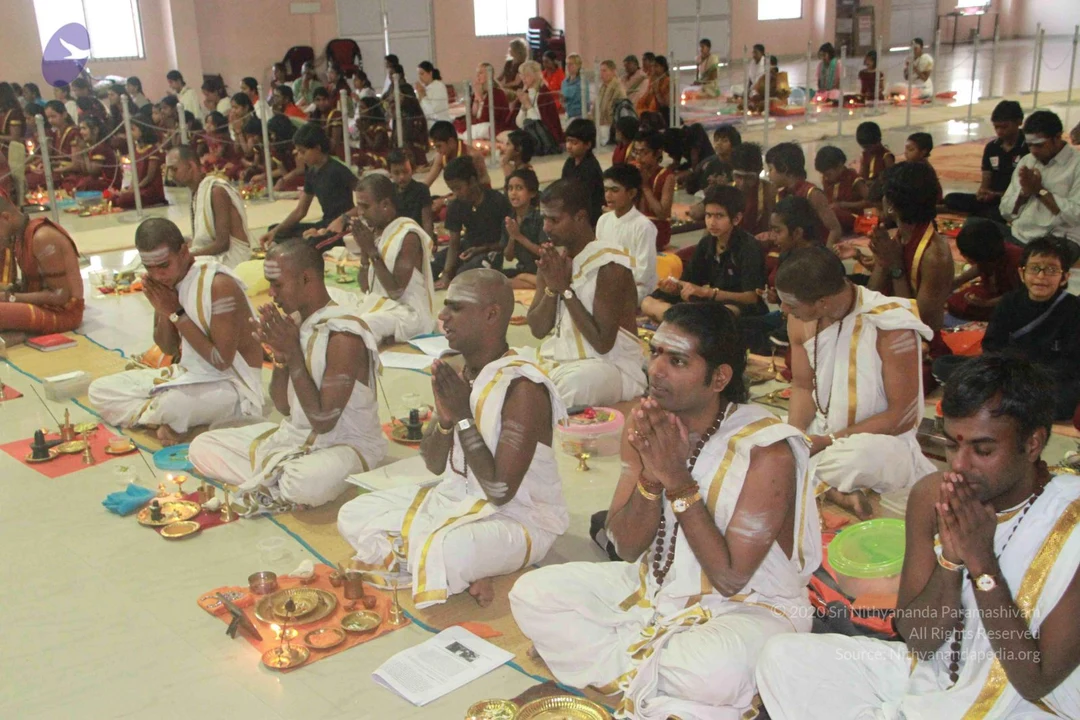
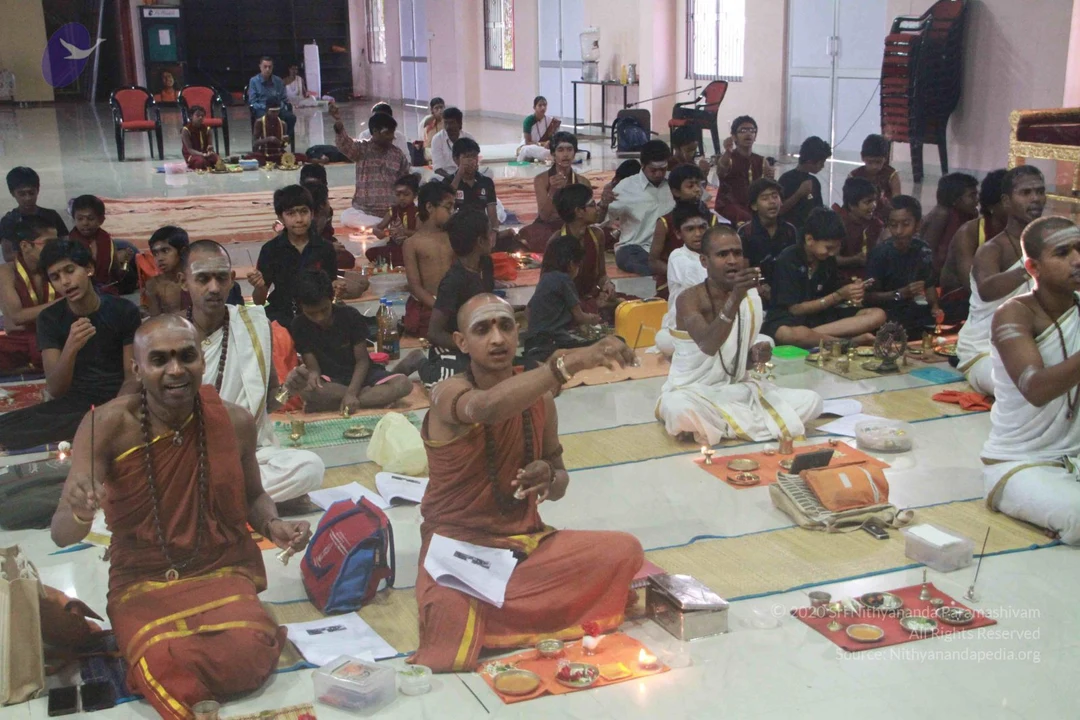
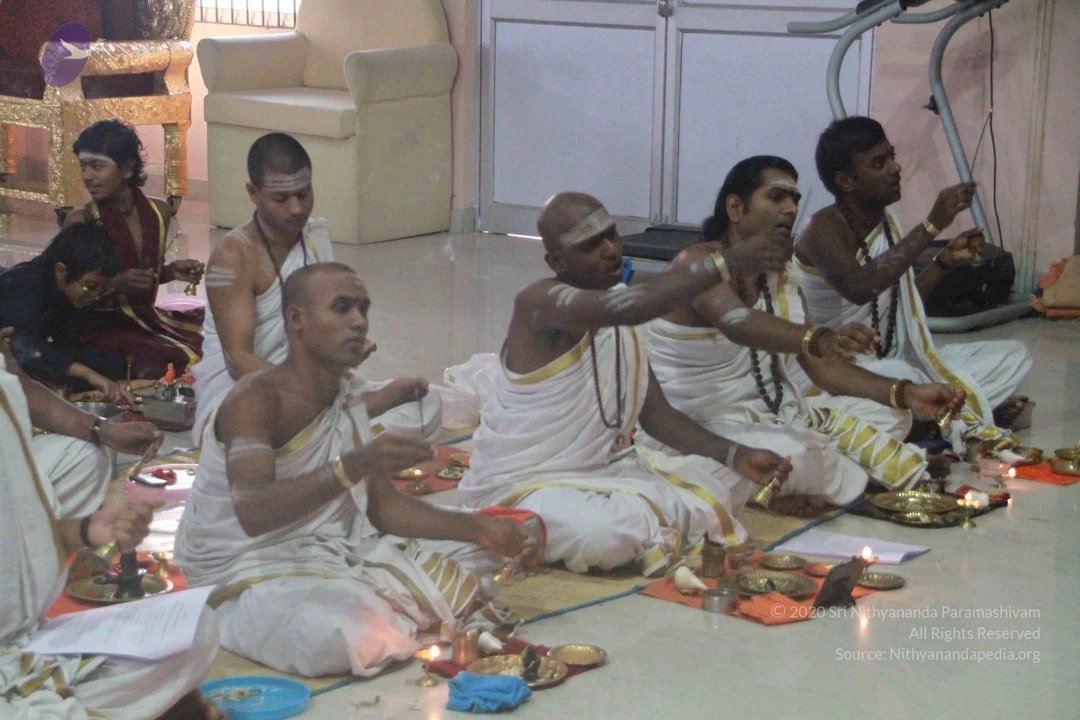
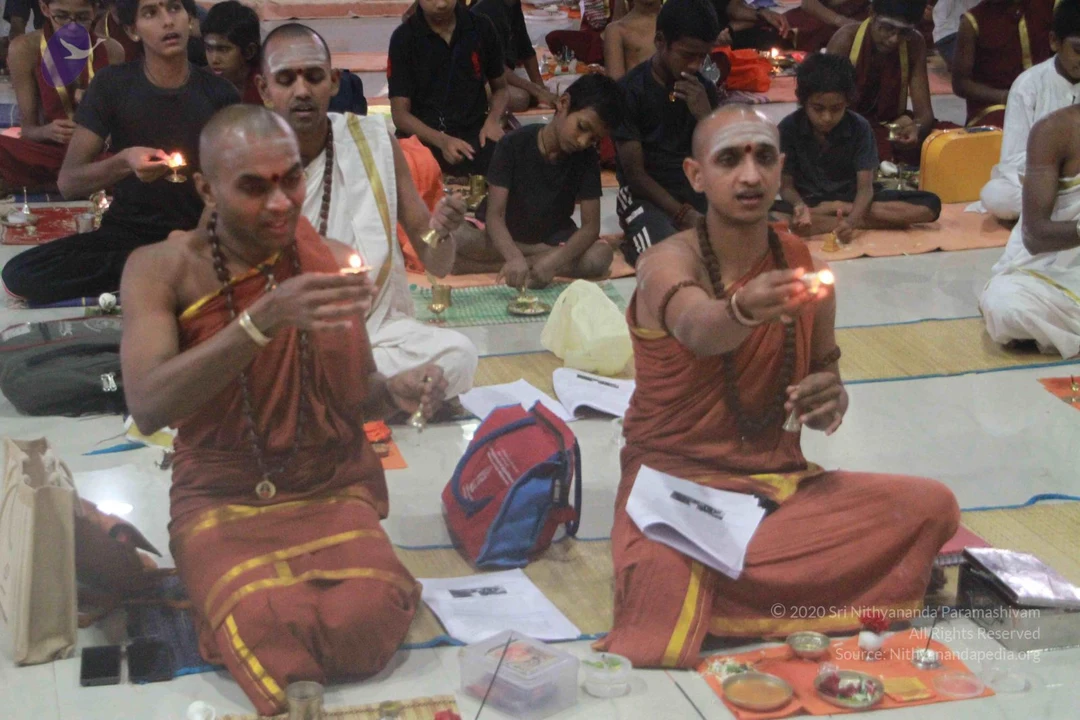
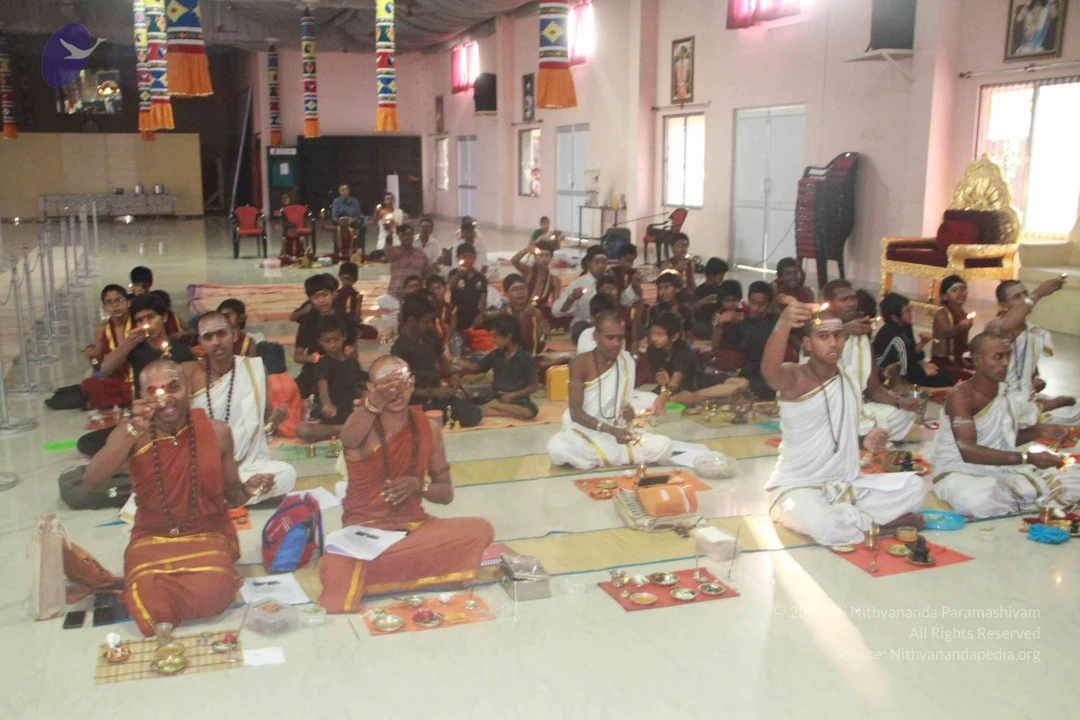
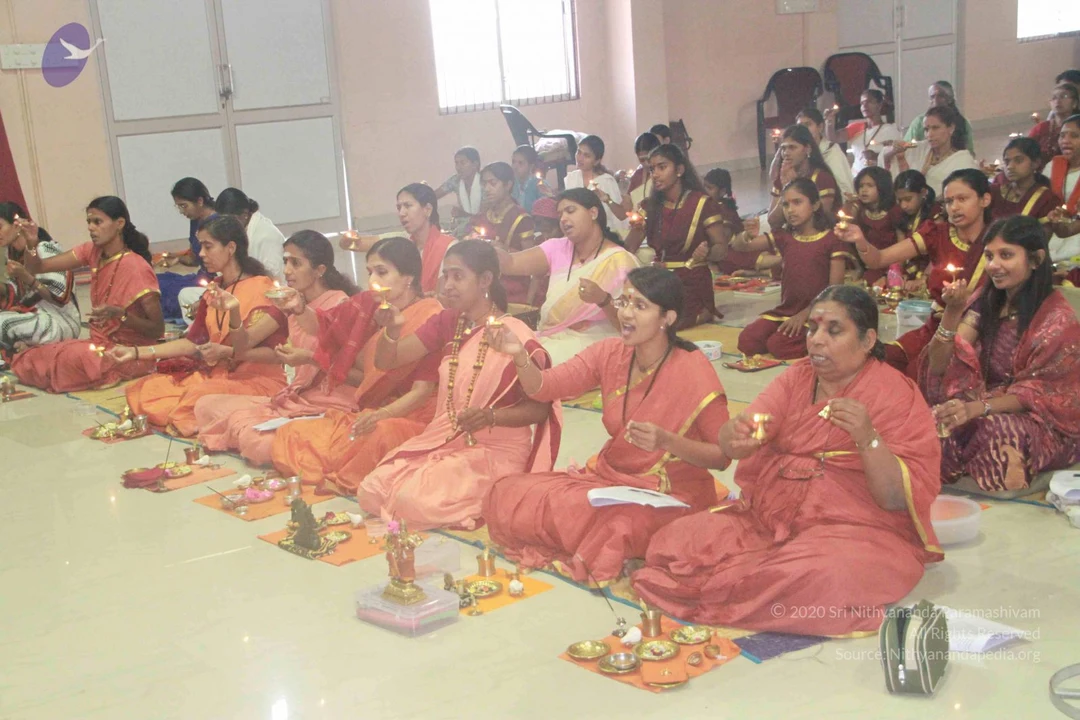
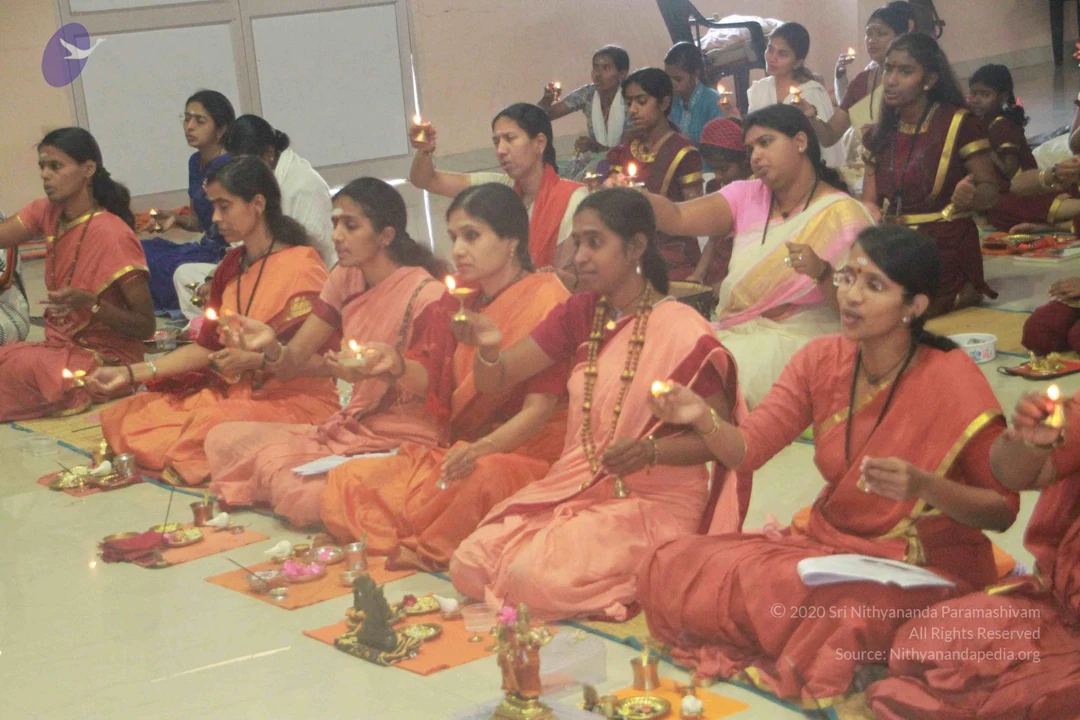
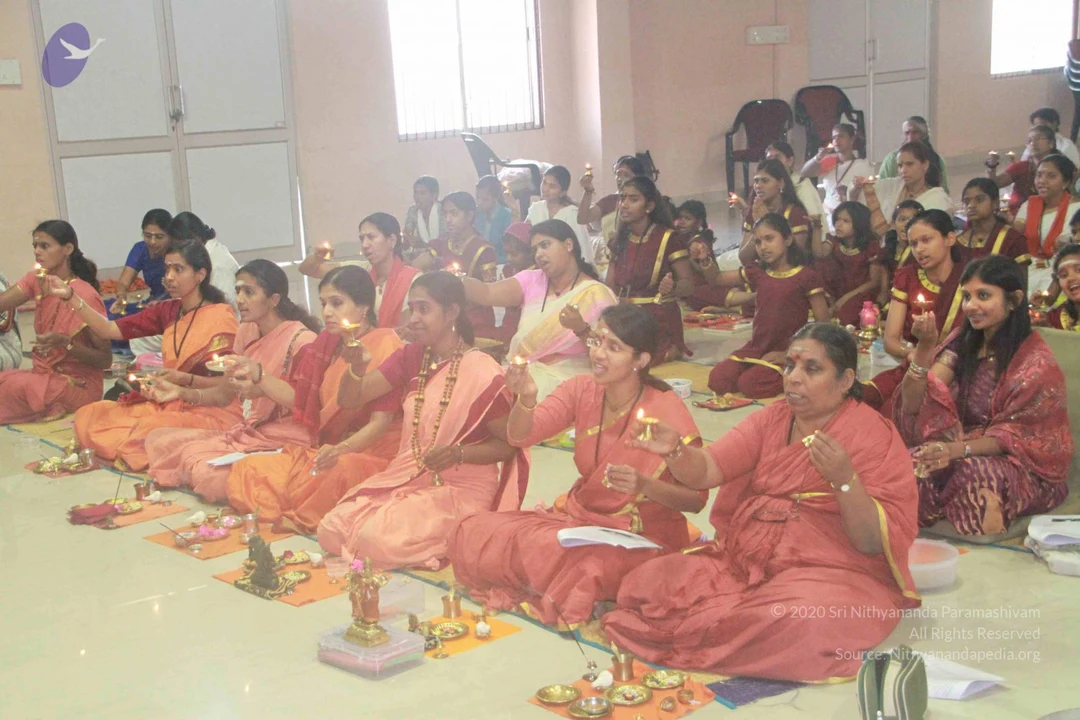
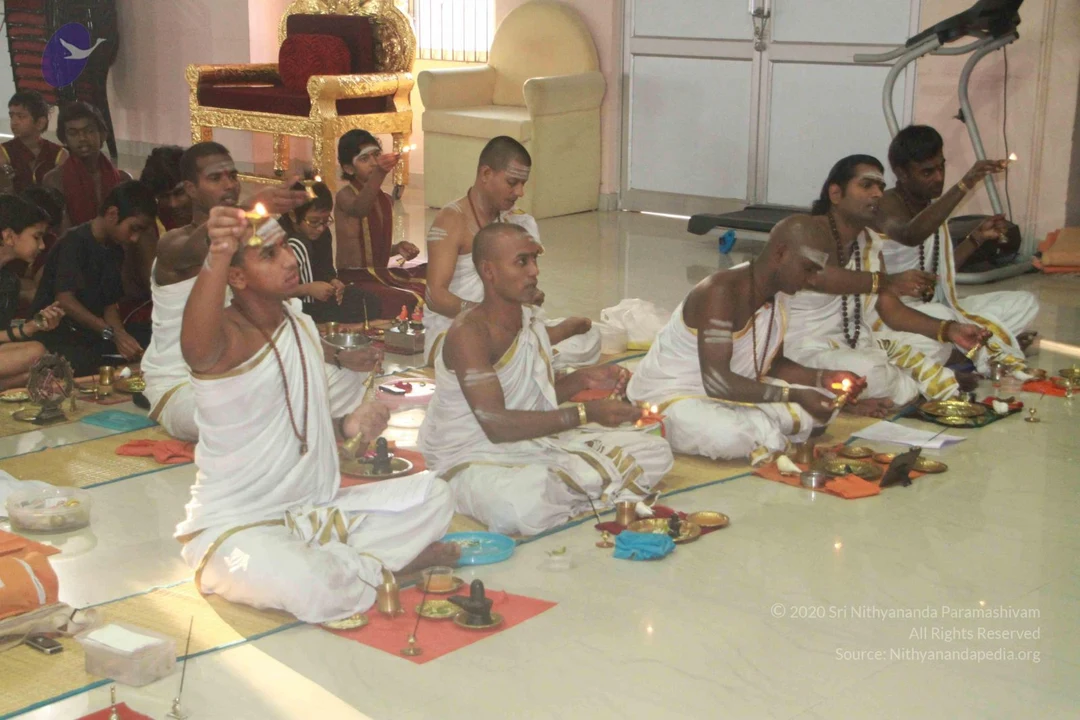
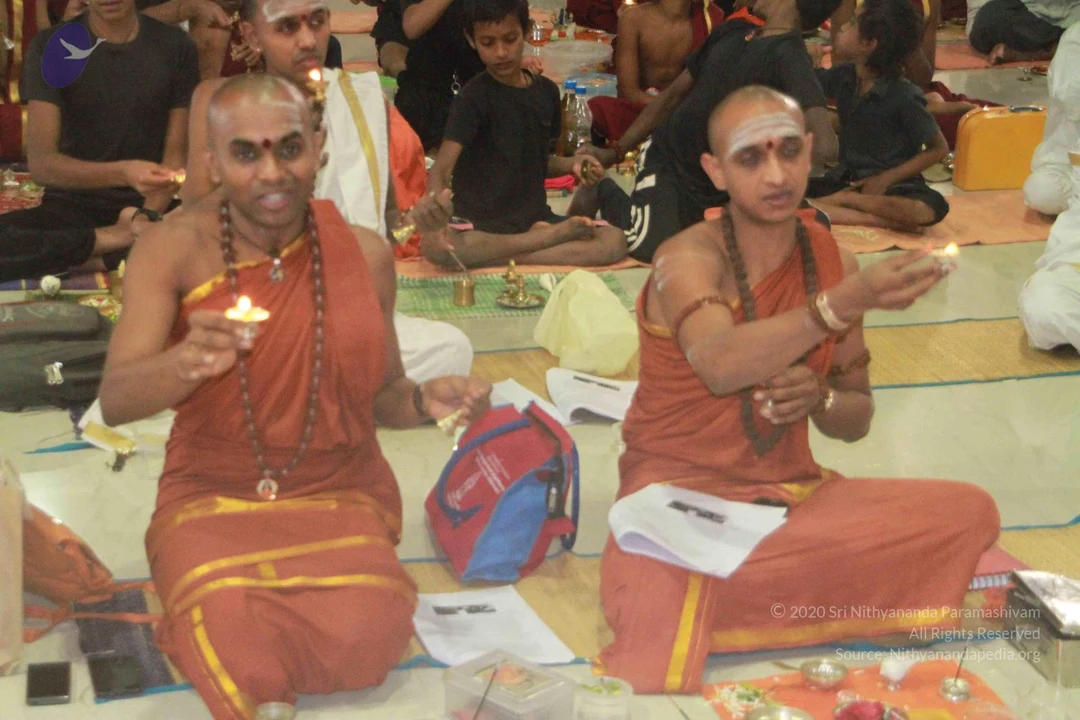
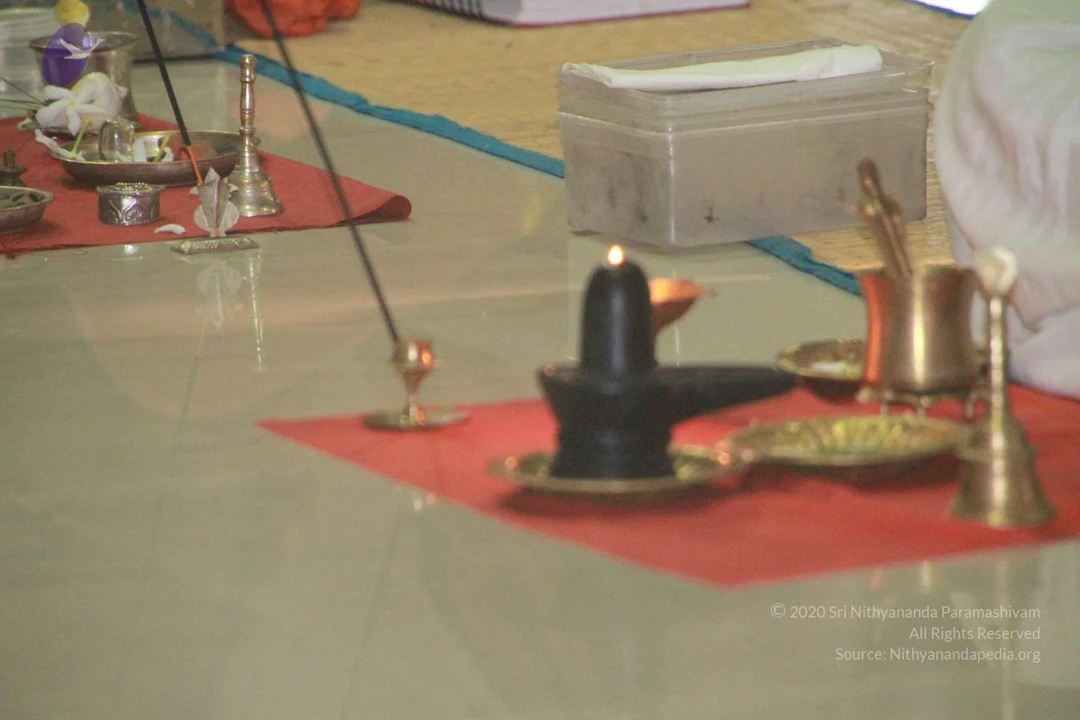
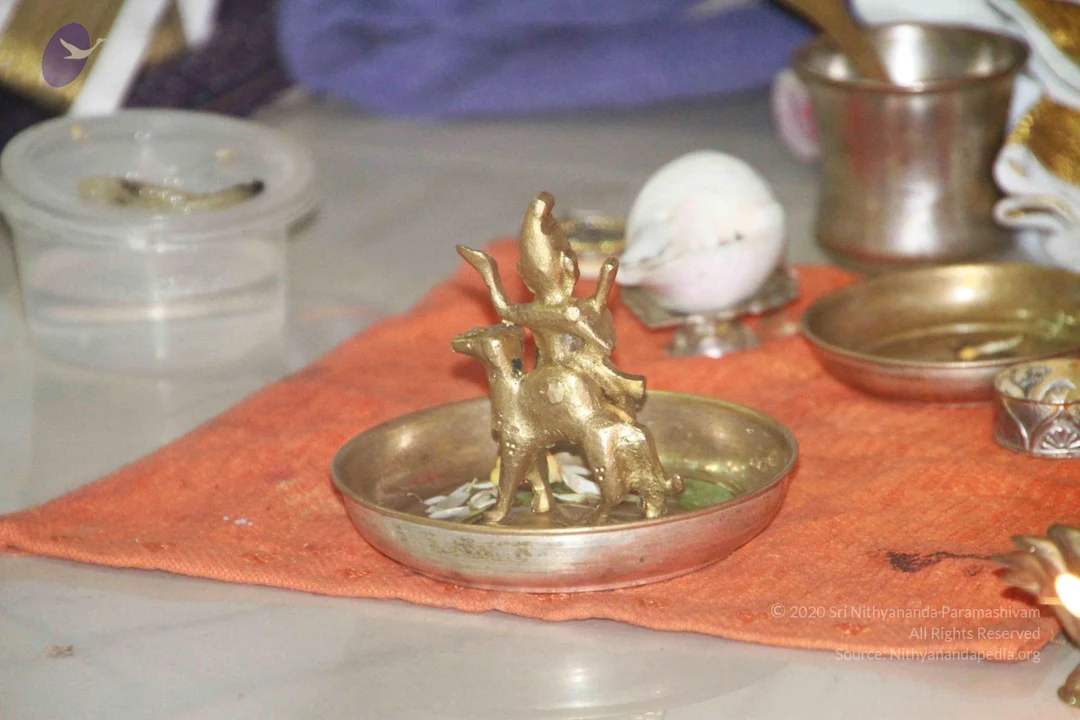
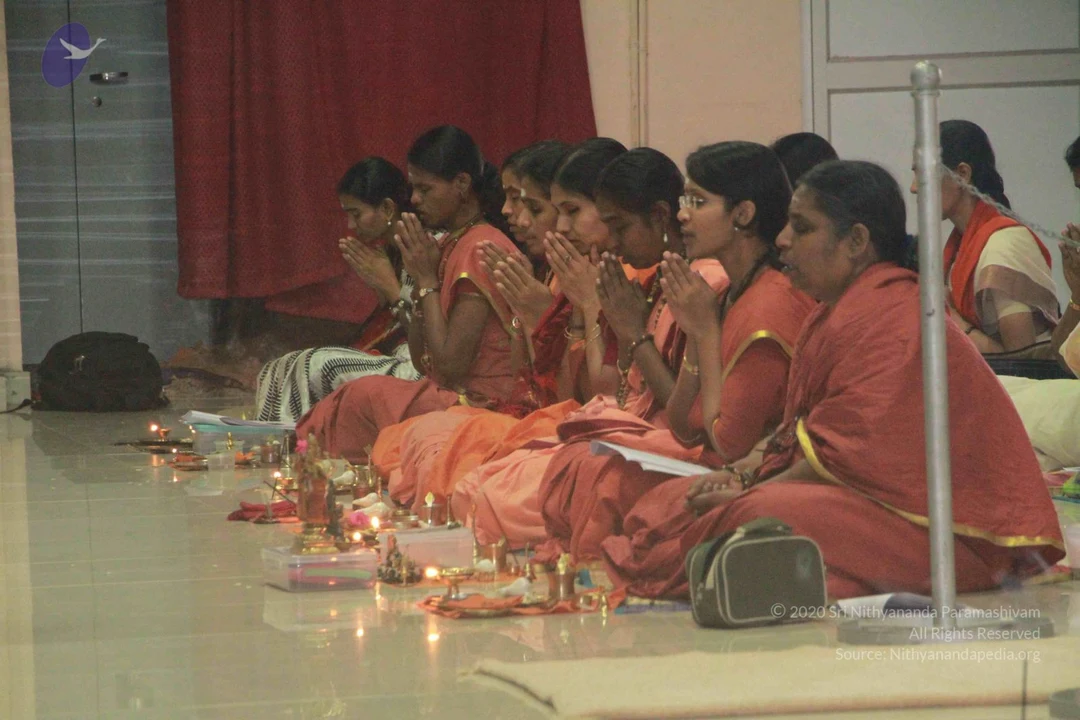
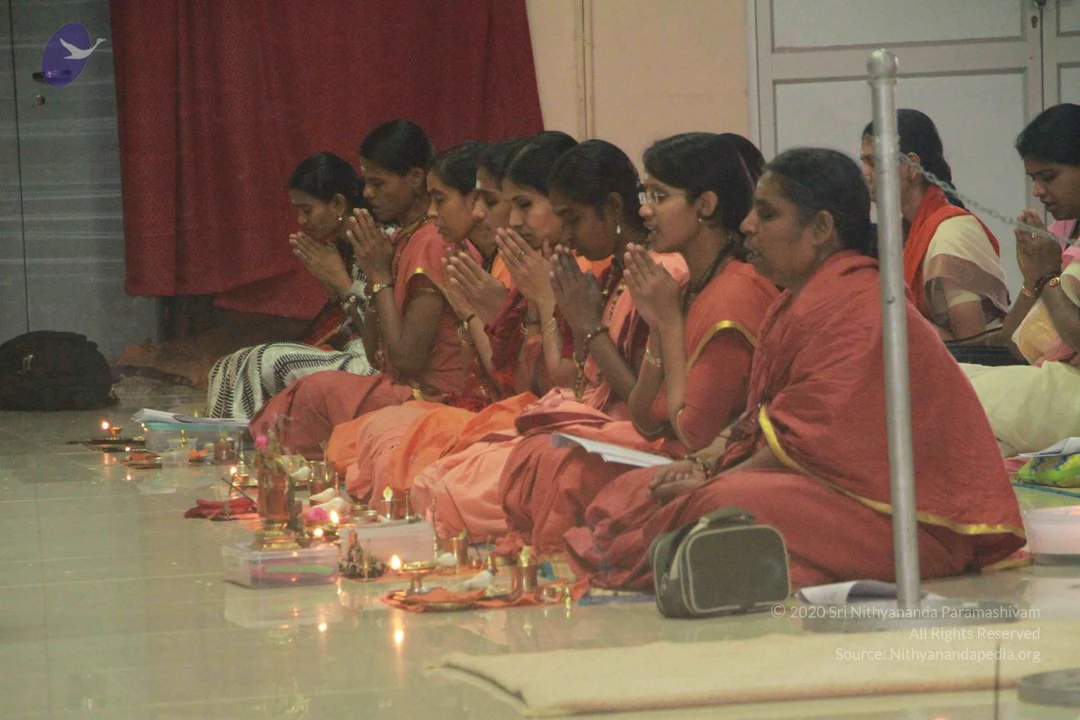
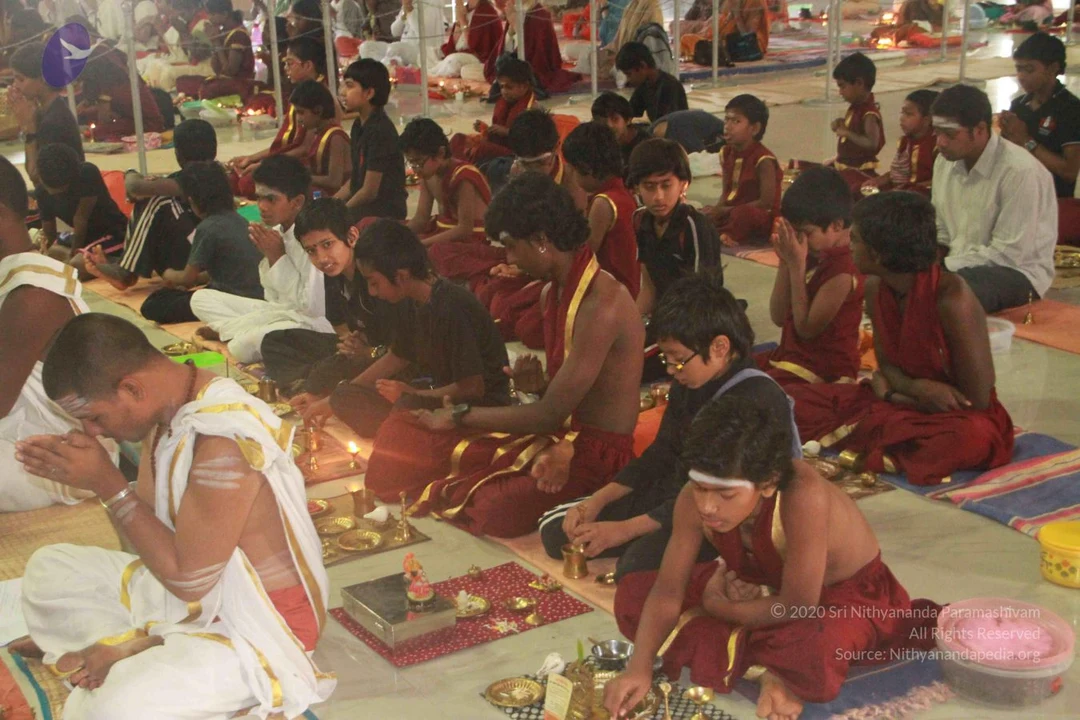
Nithya Satsang
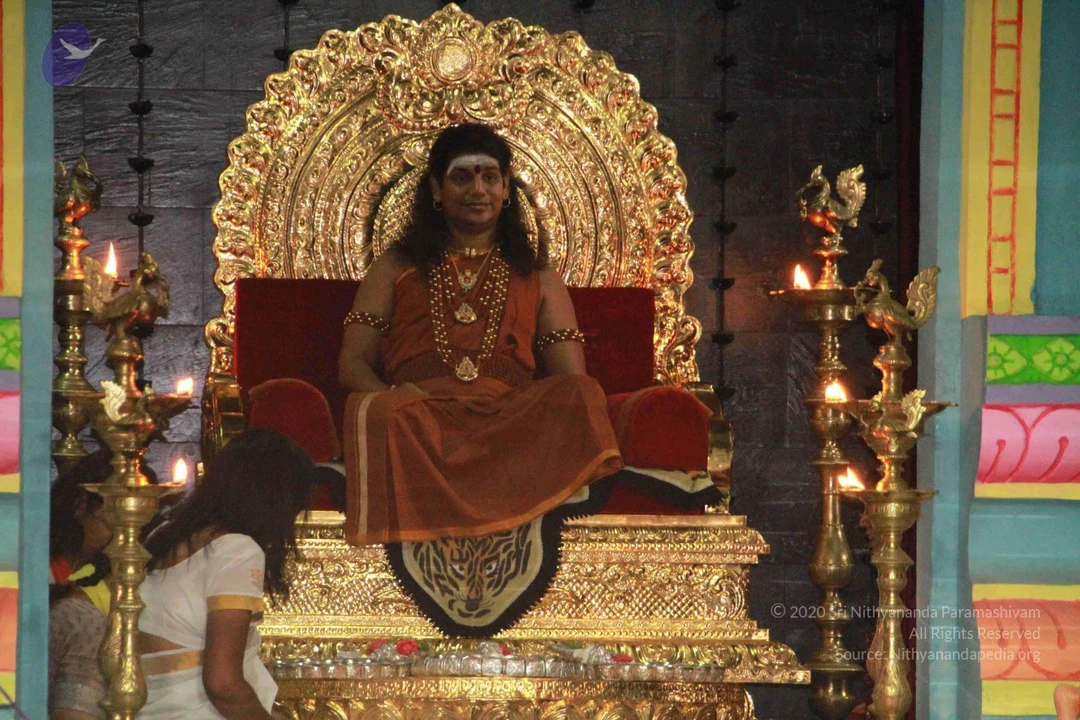

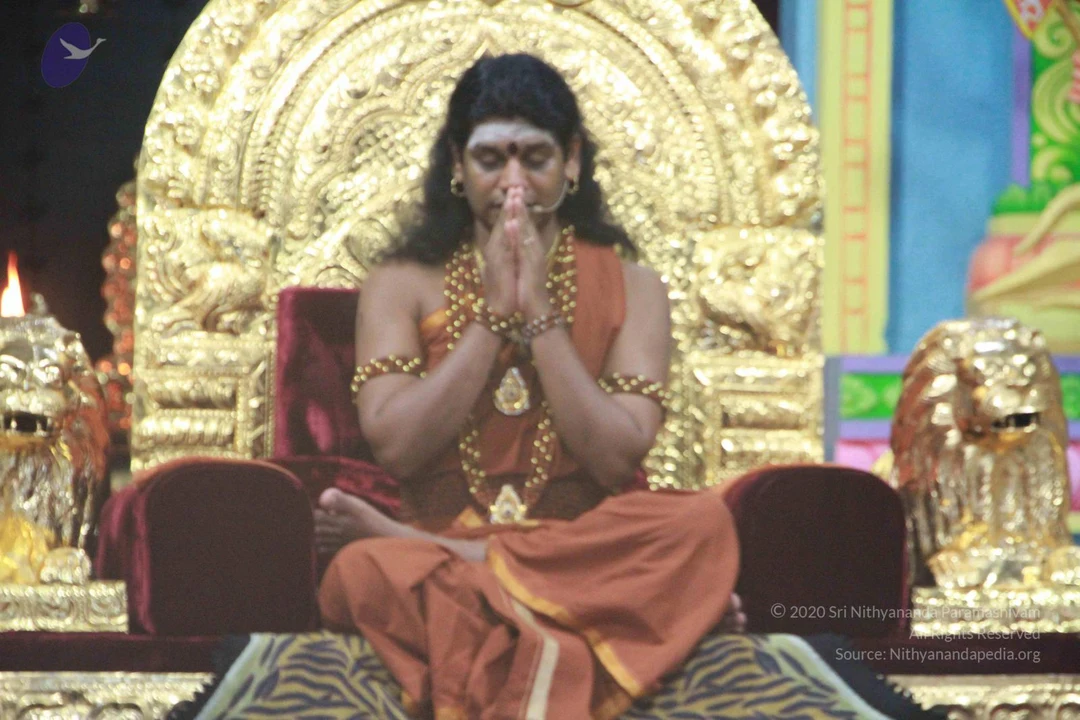
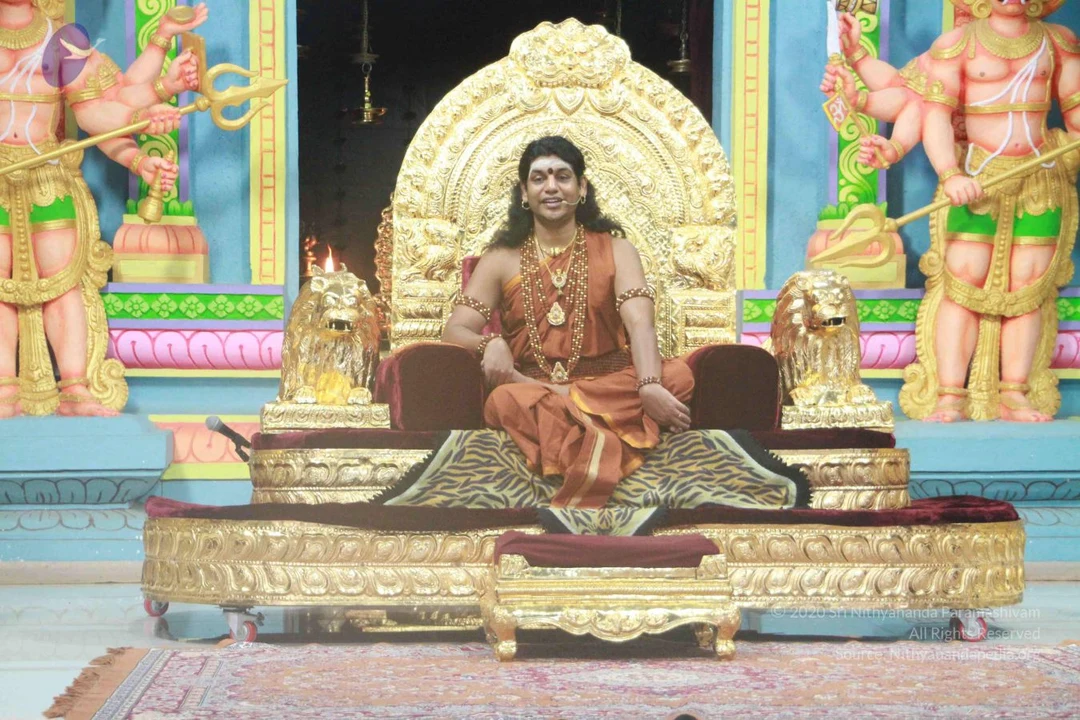
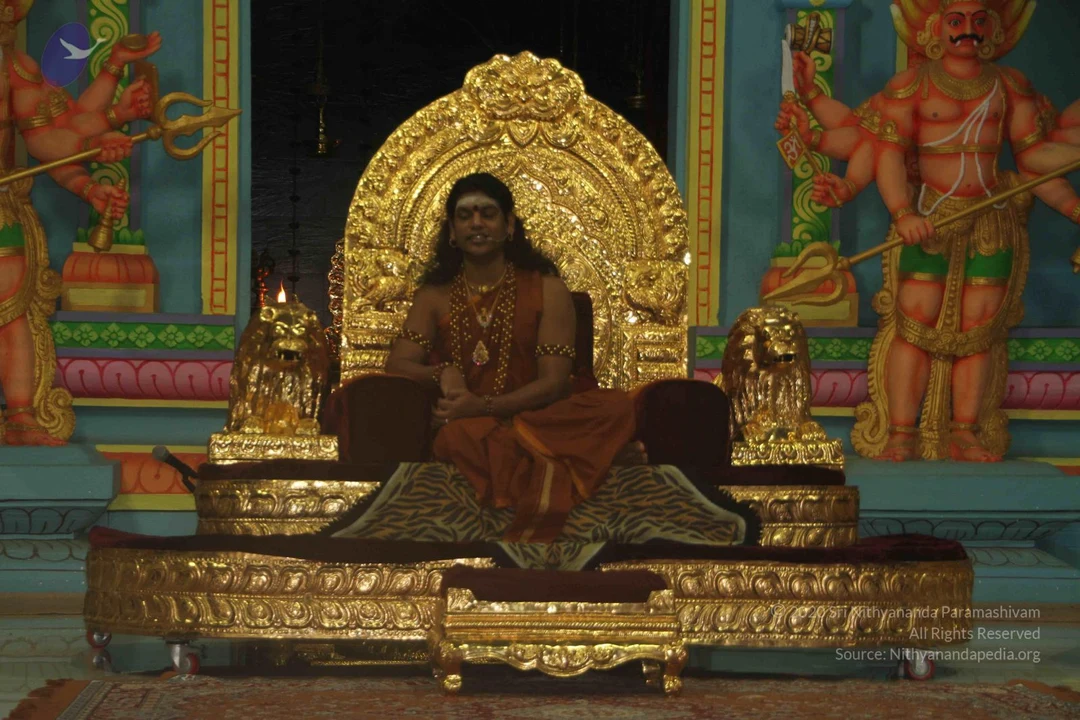
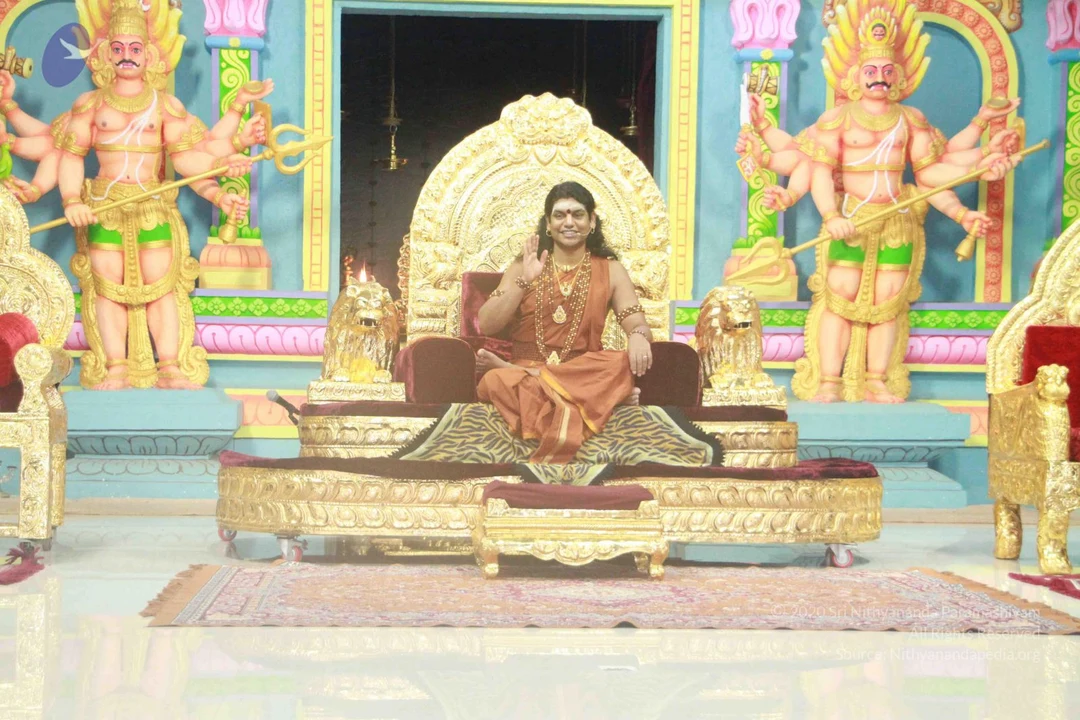

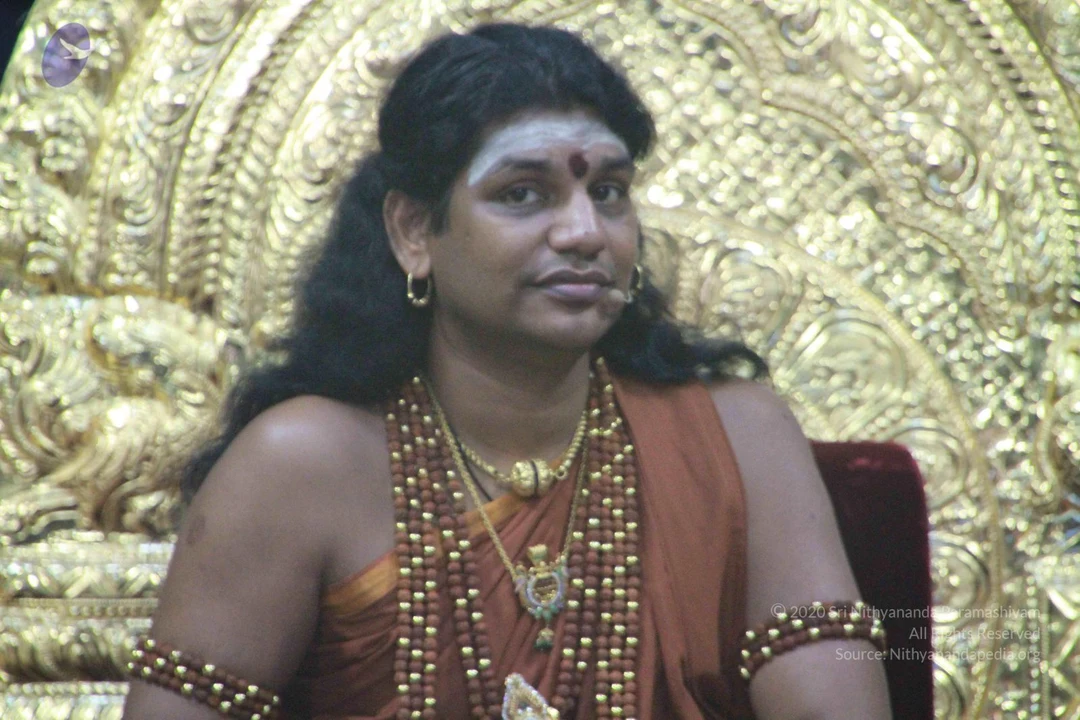
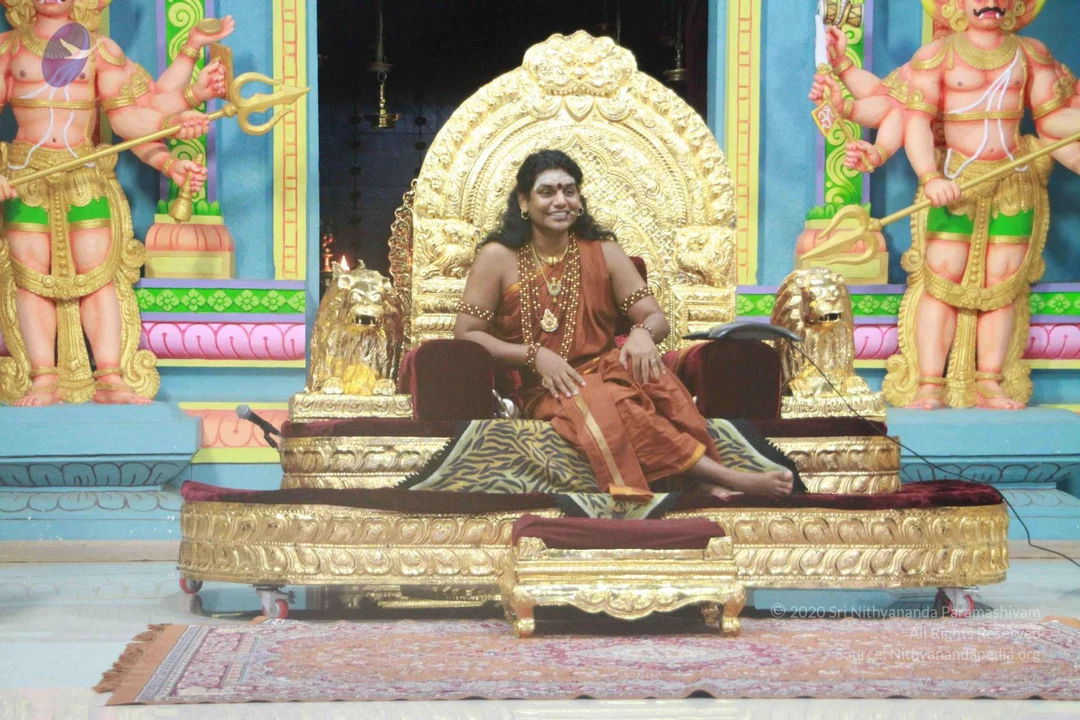
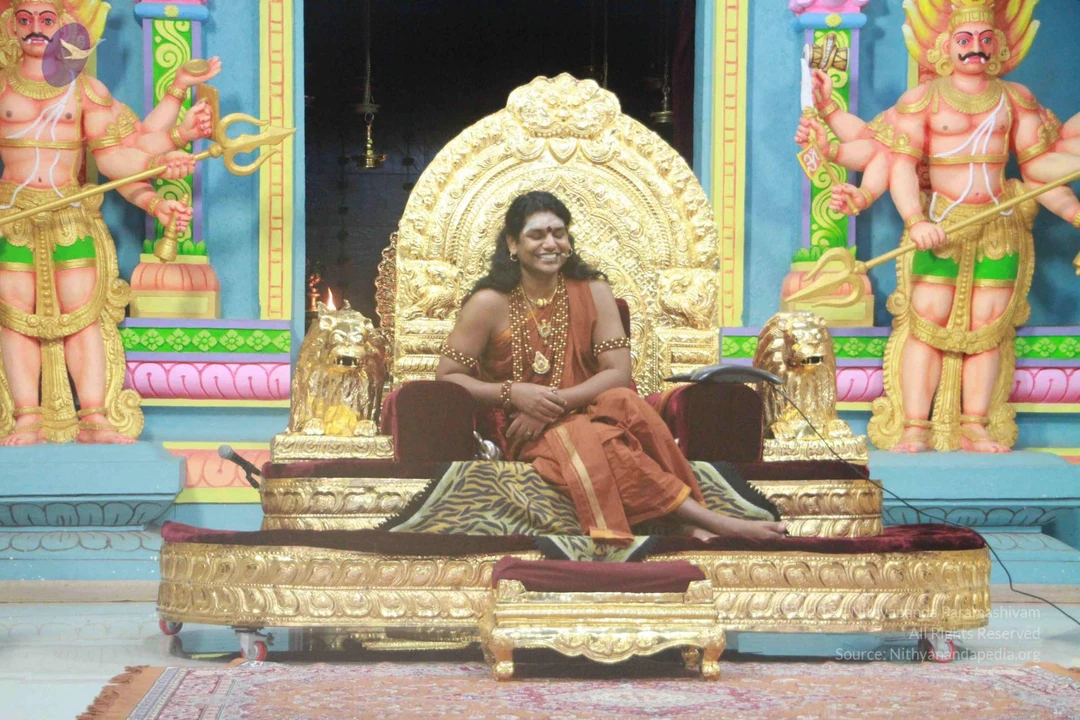
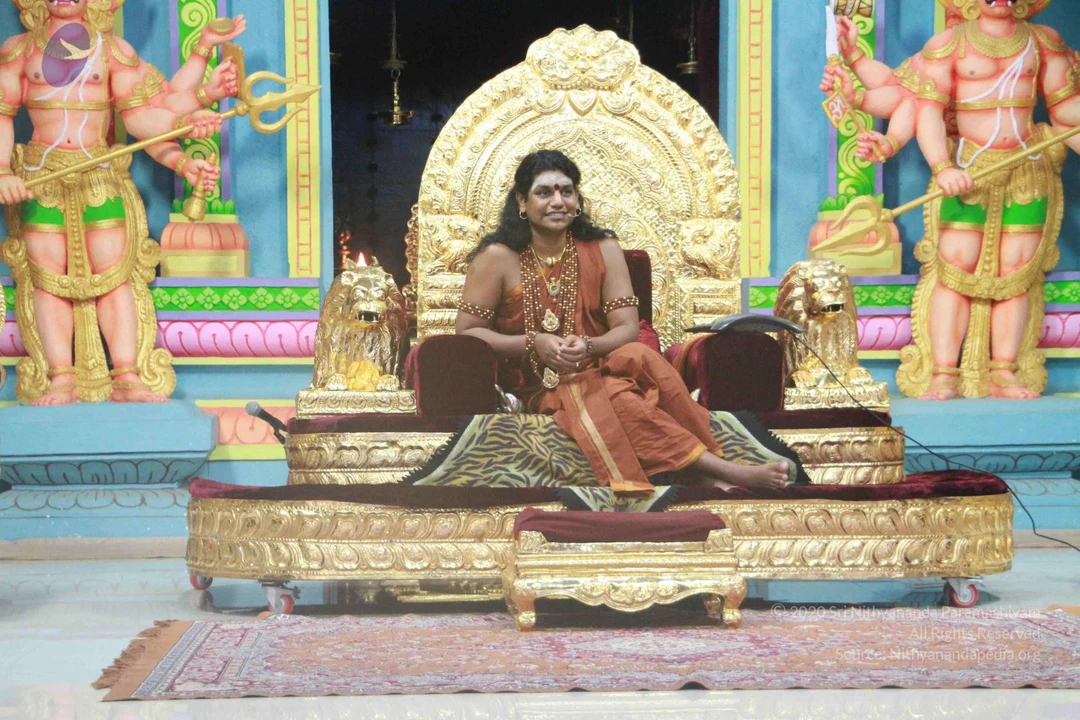
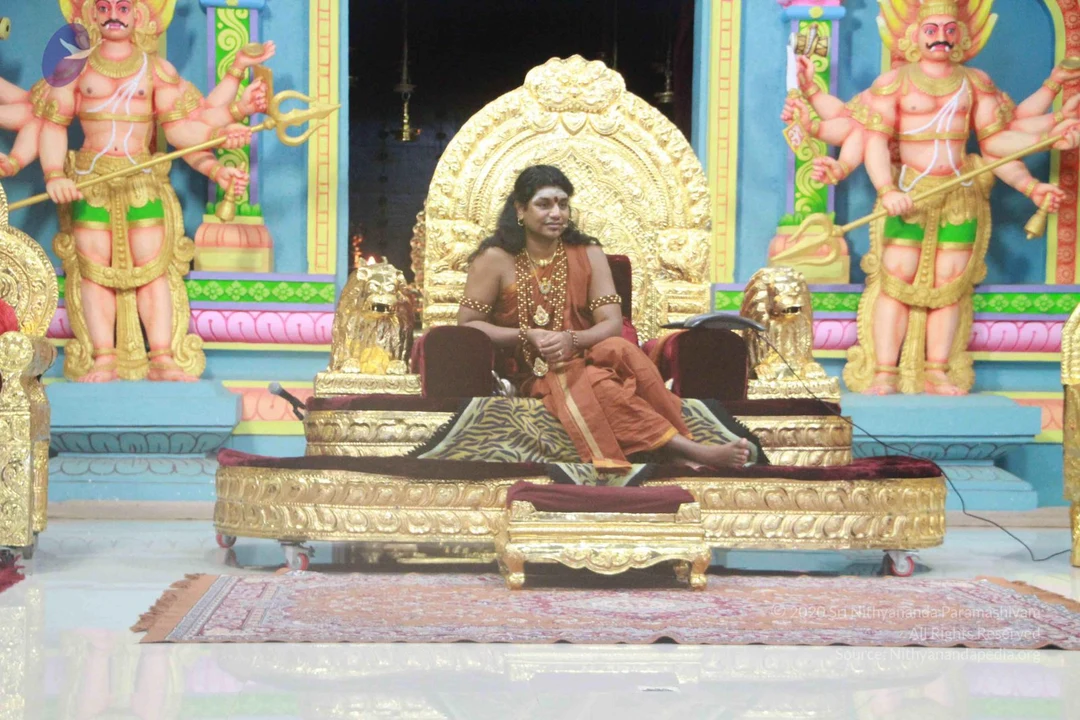
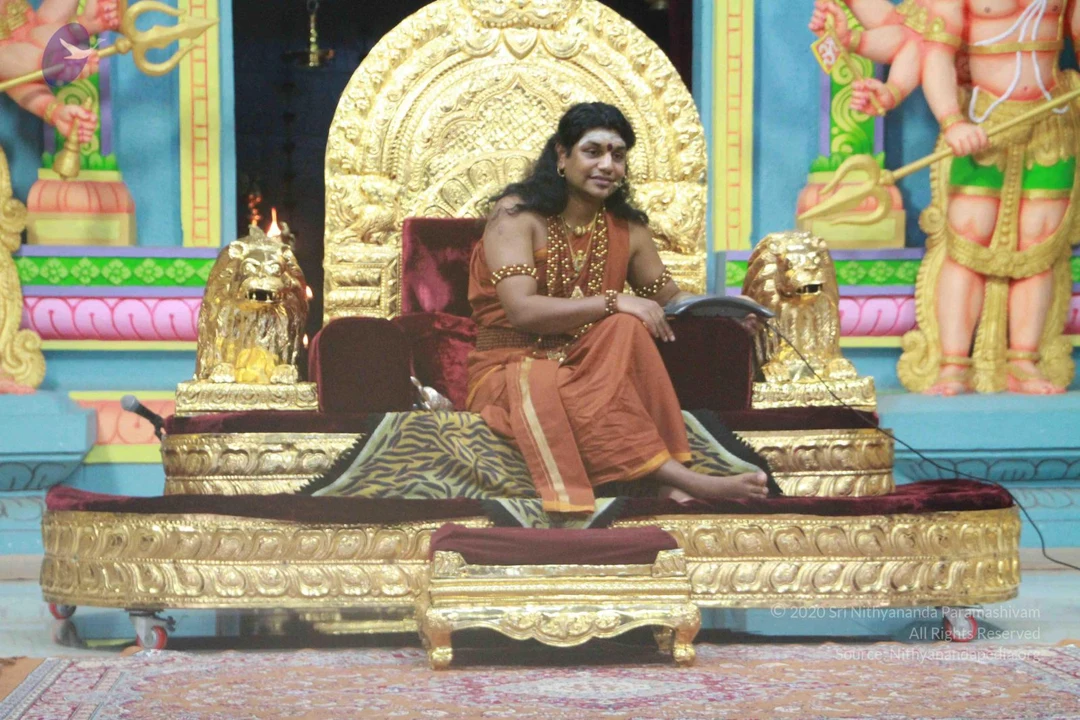
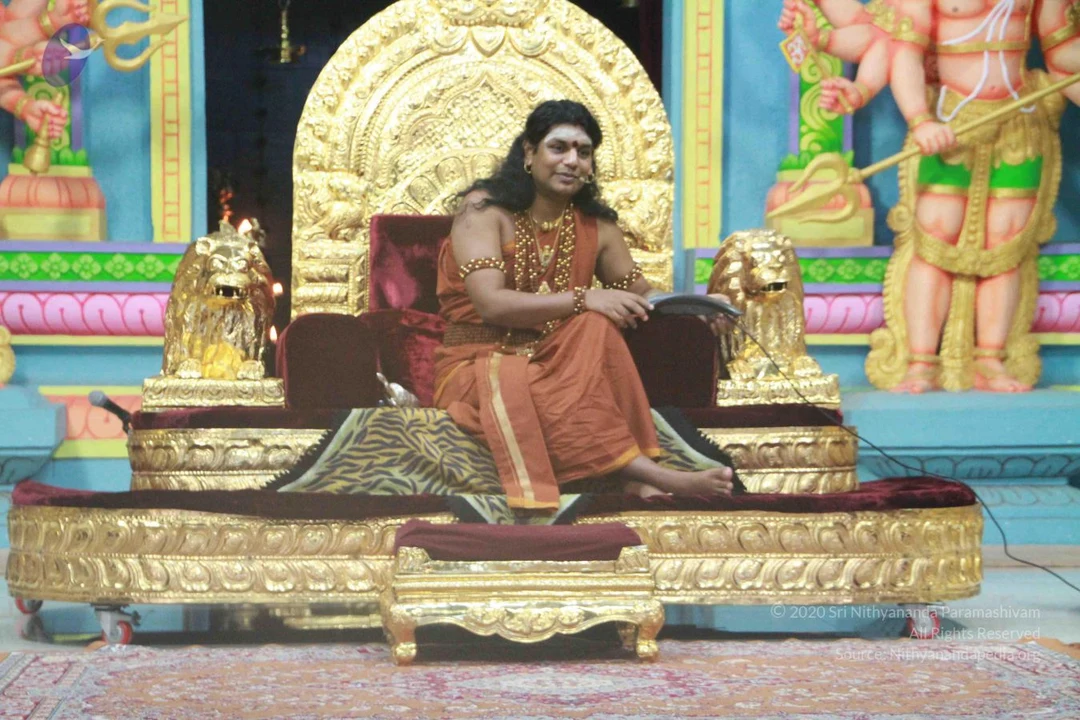
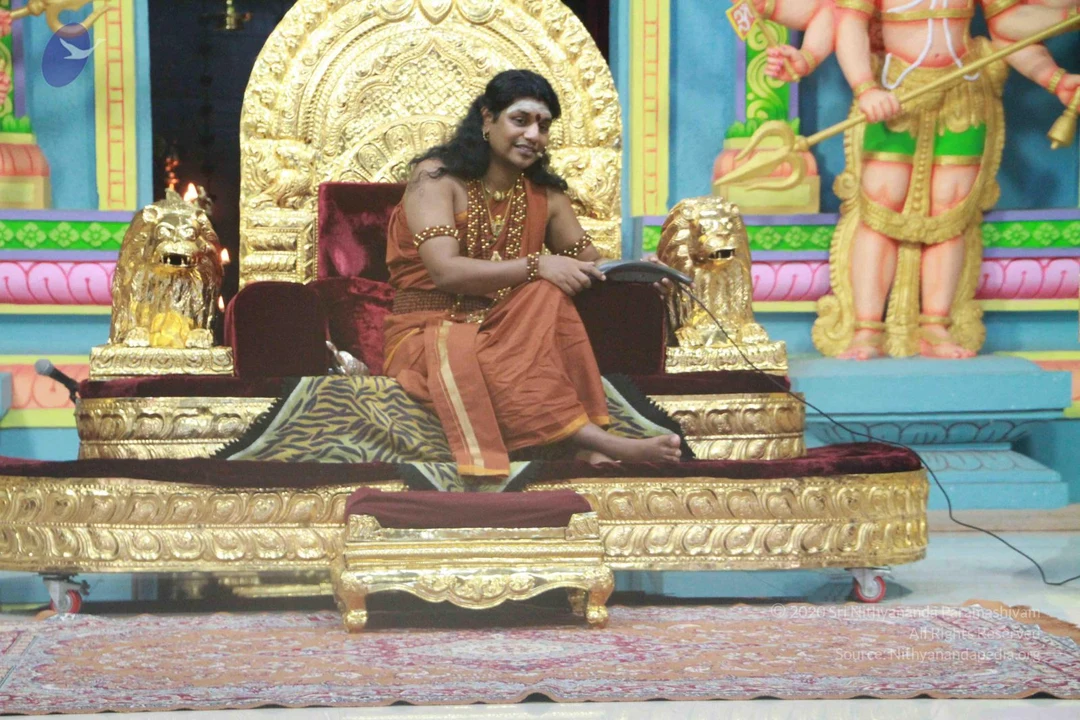
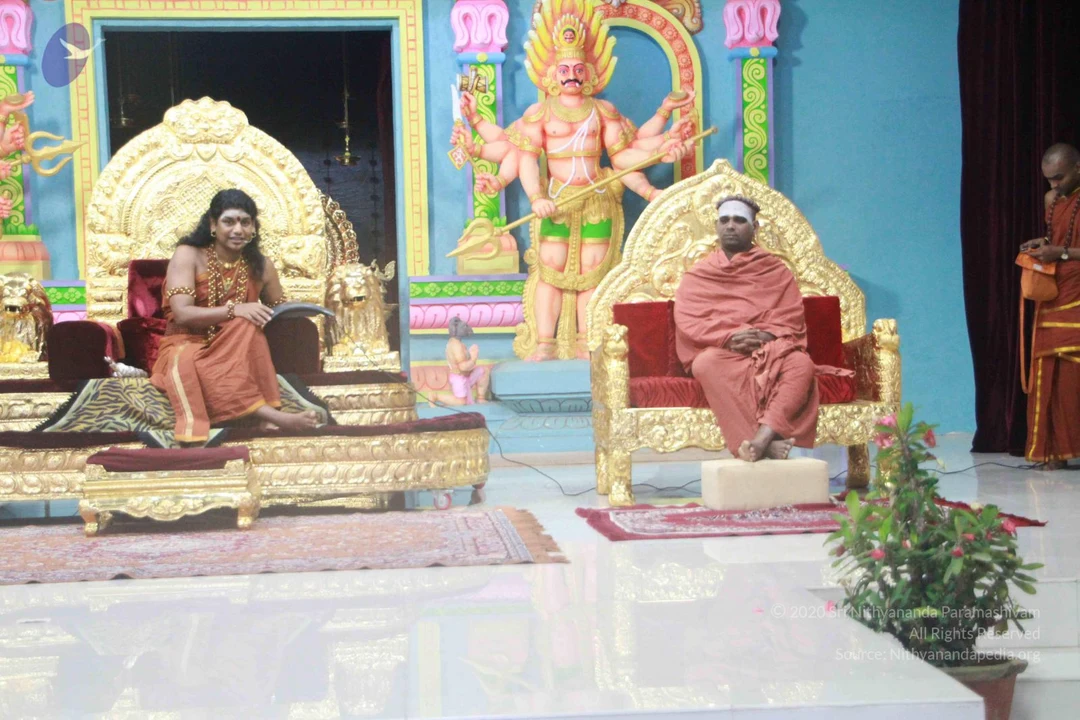
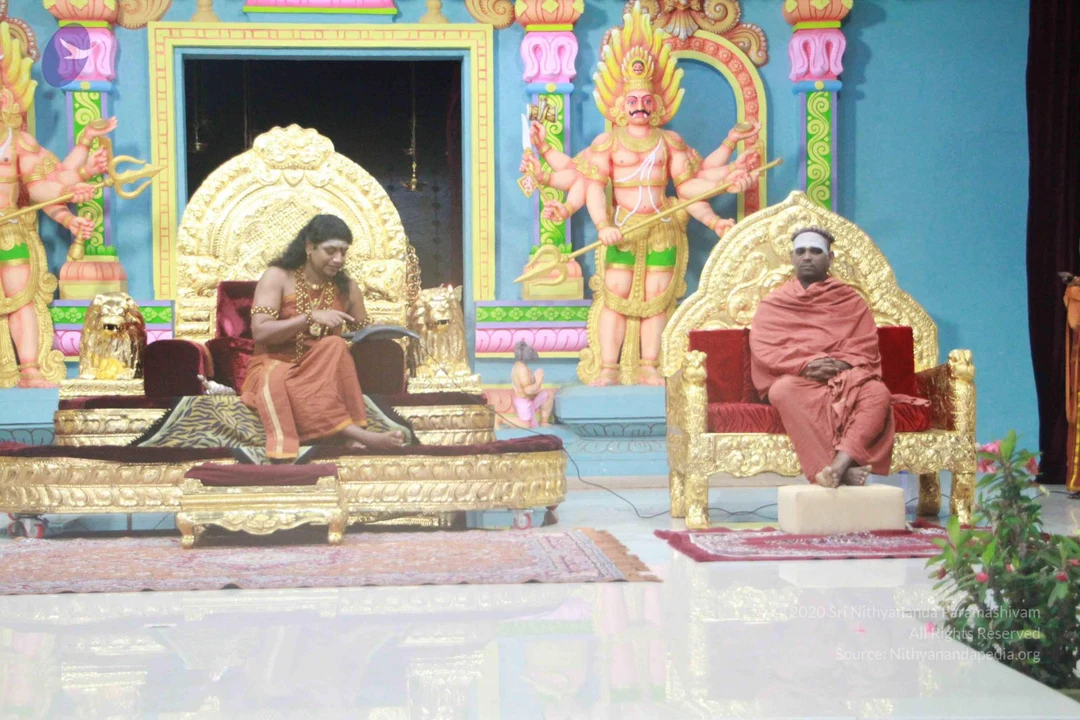
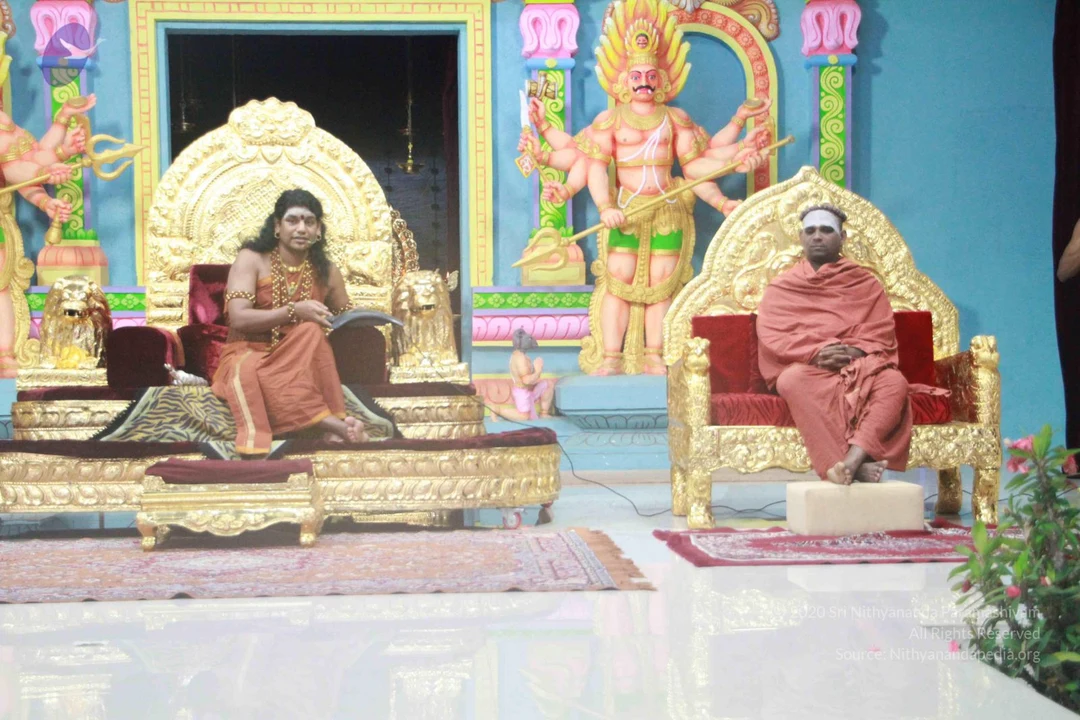
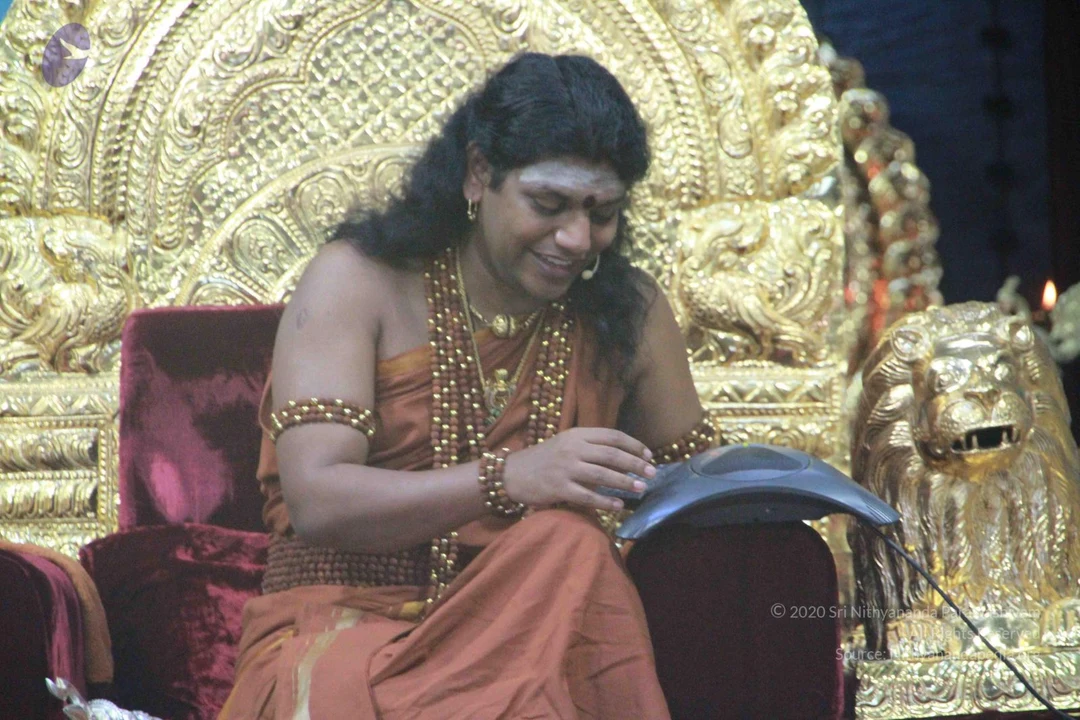
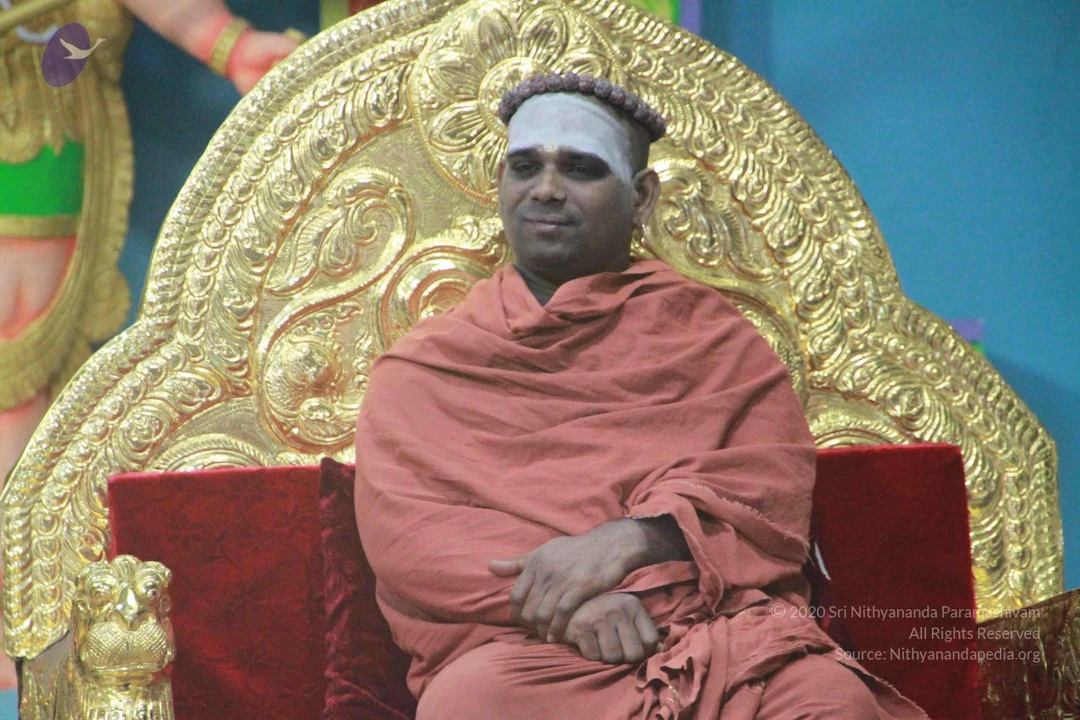
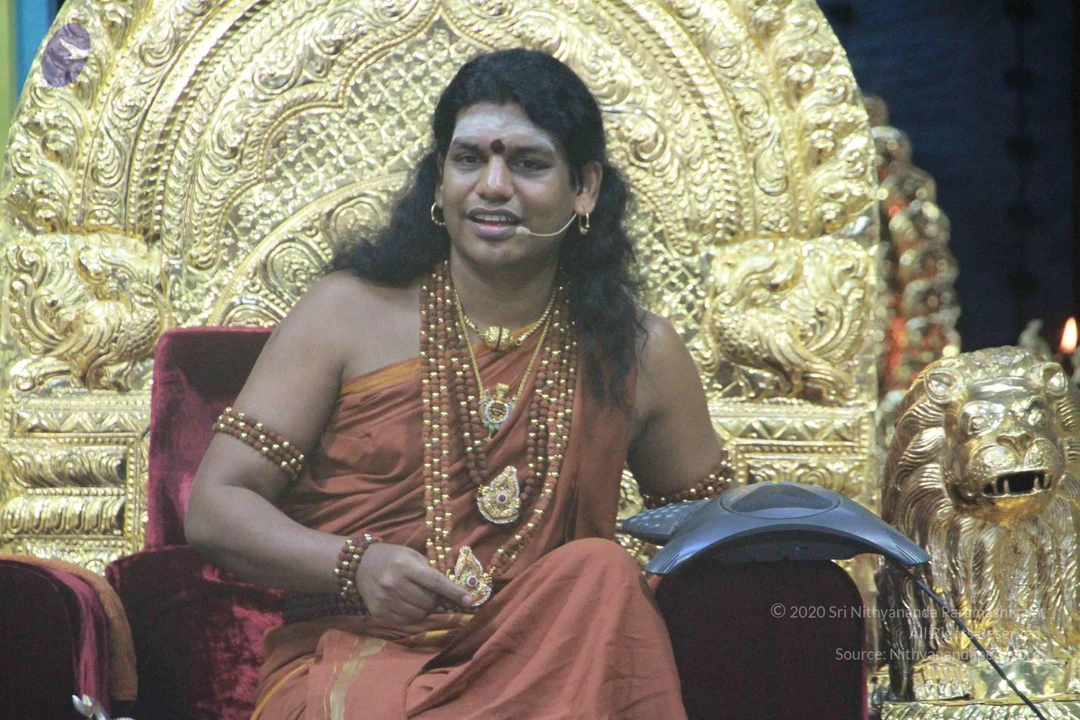
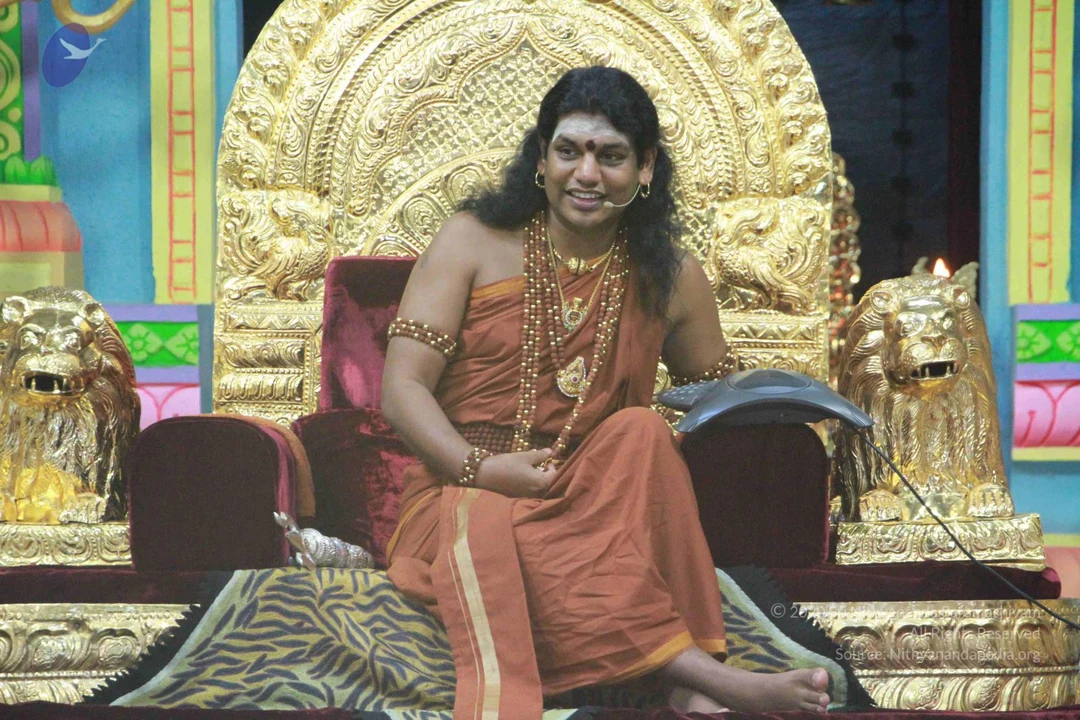
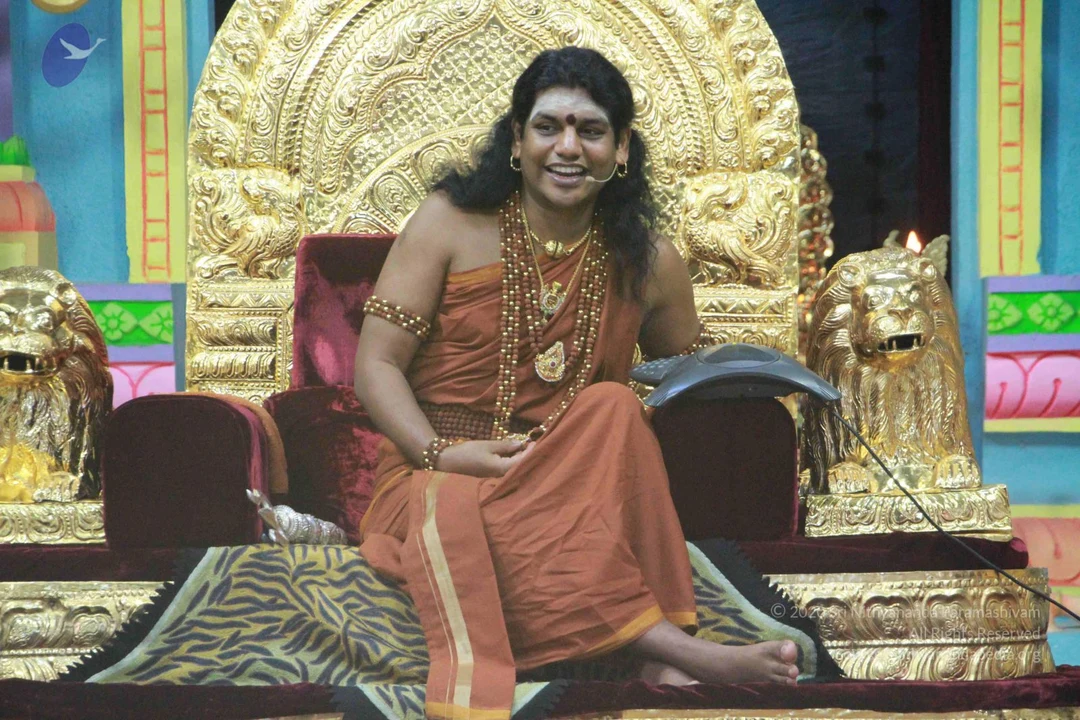

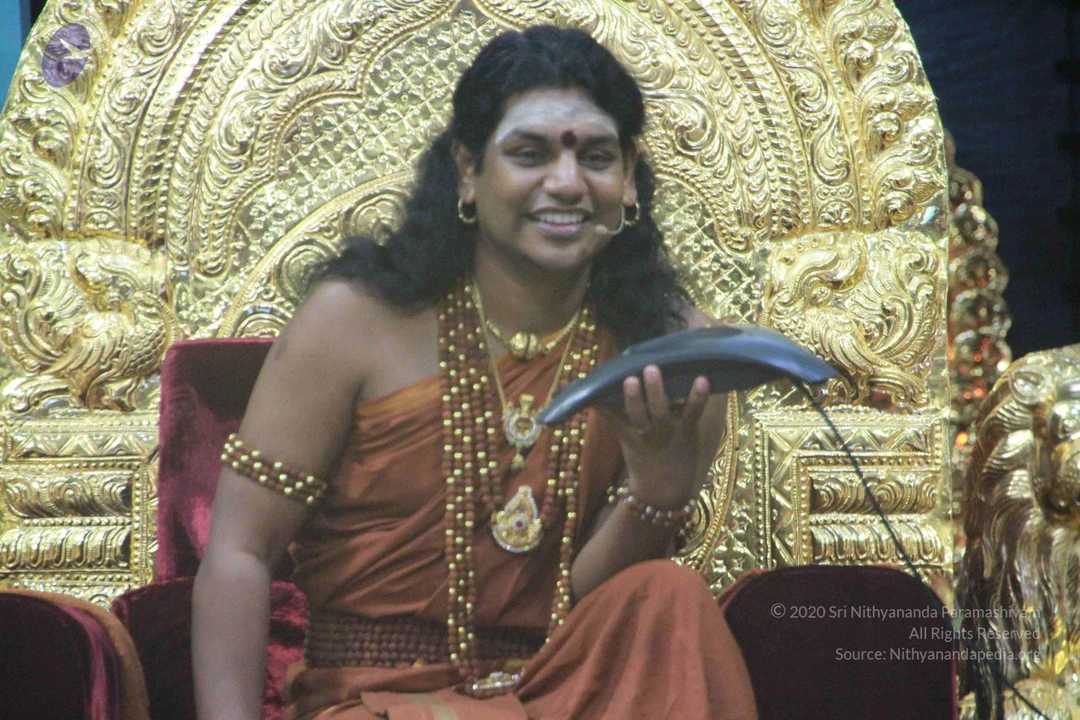
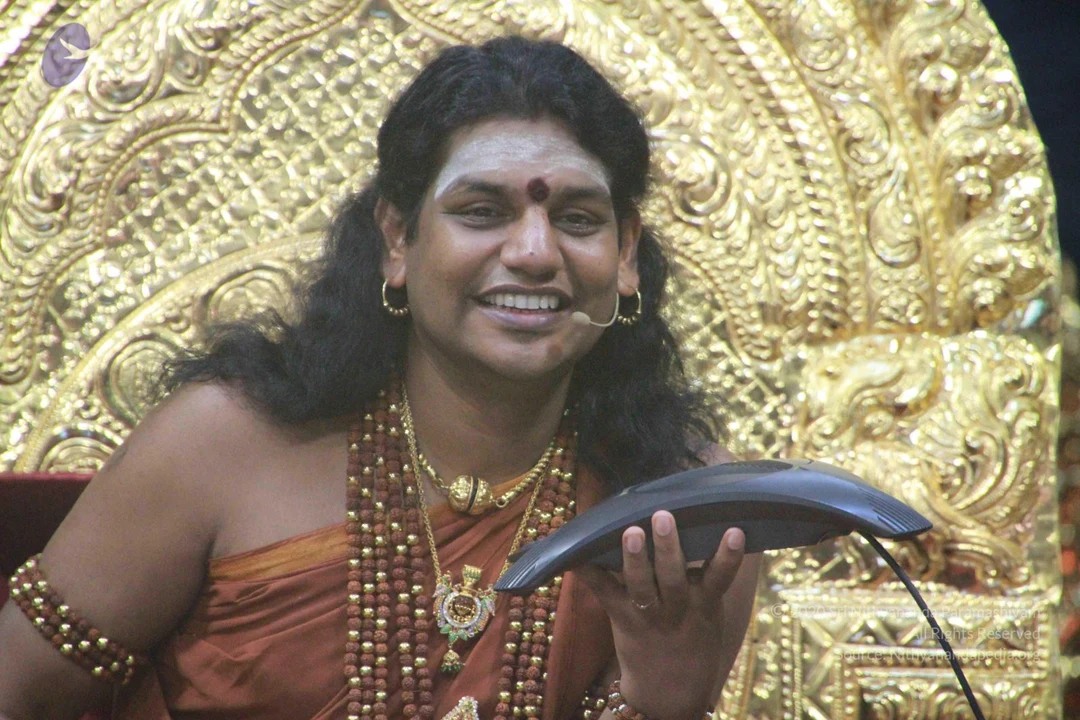
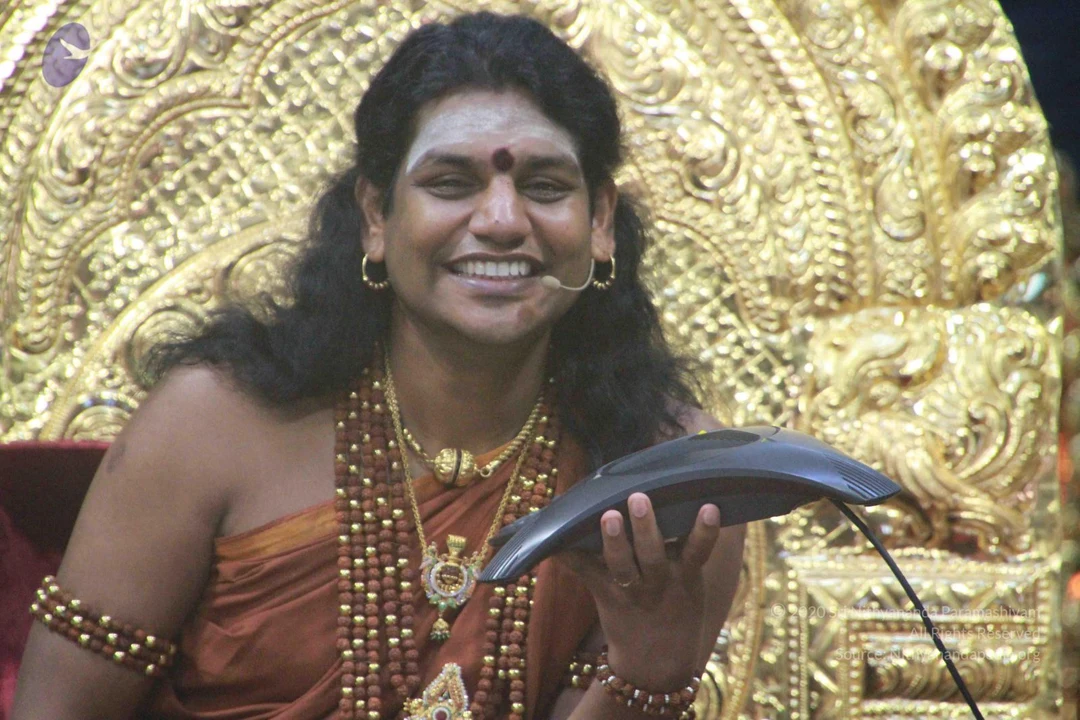
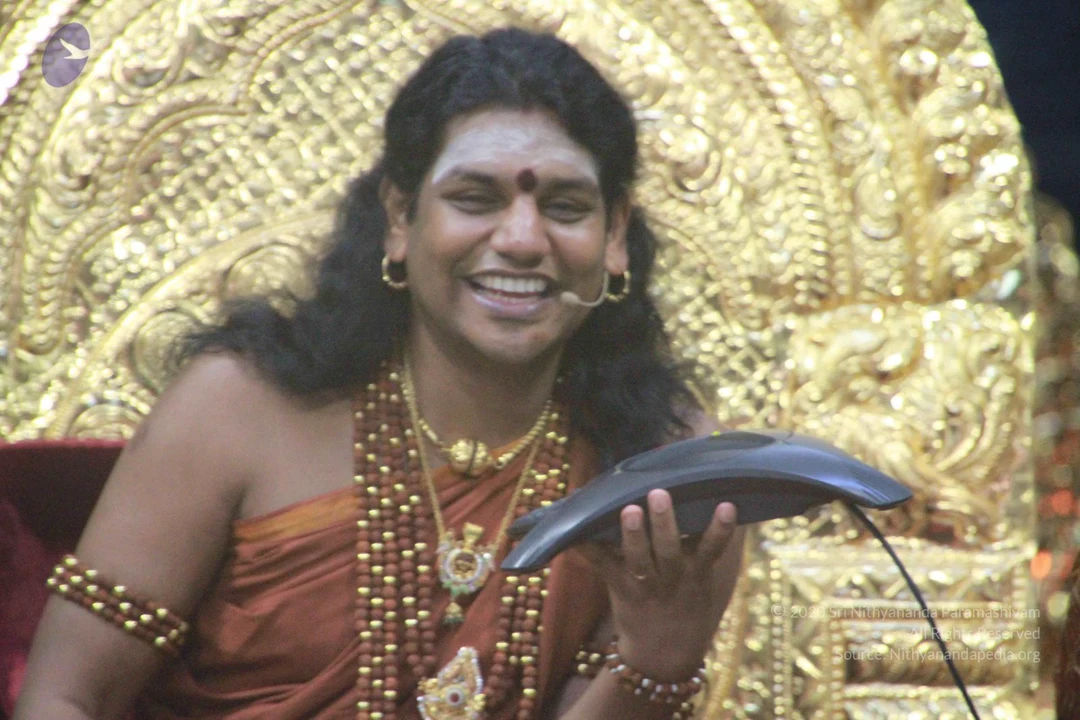
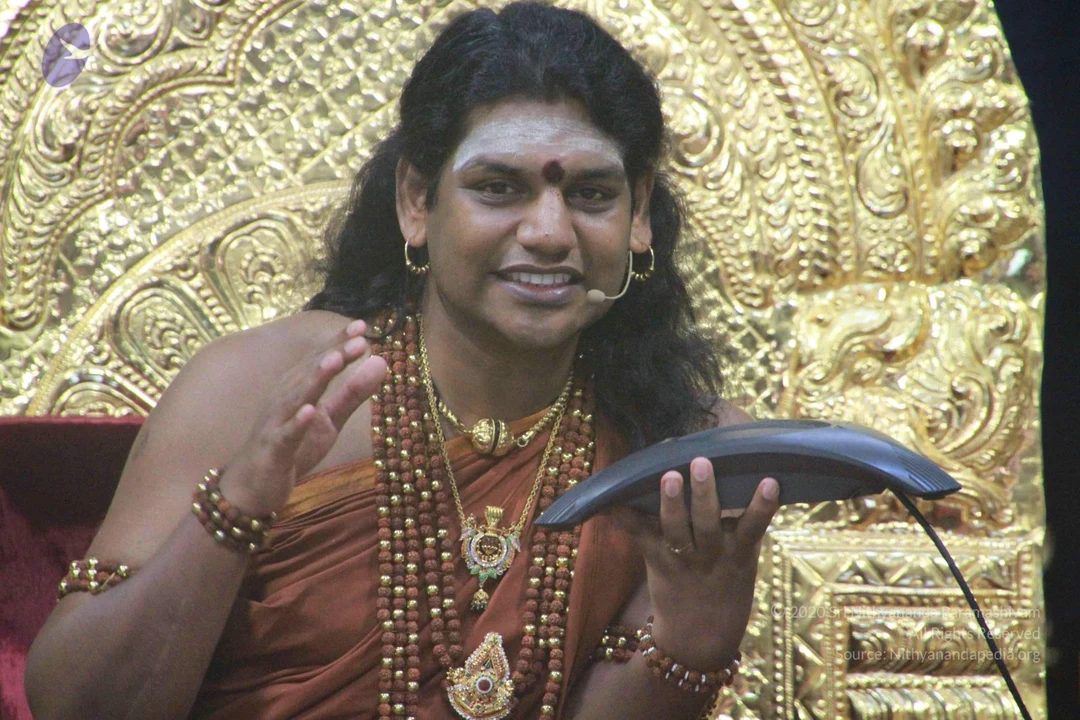
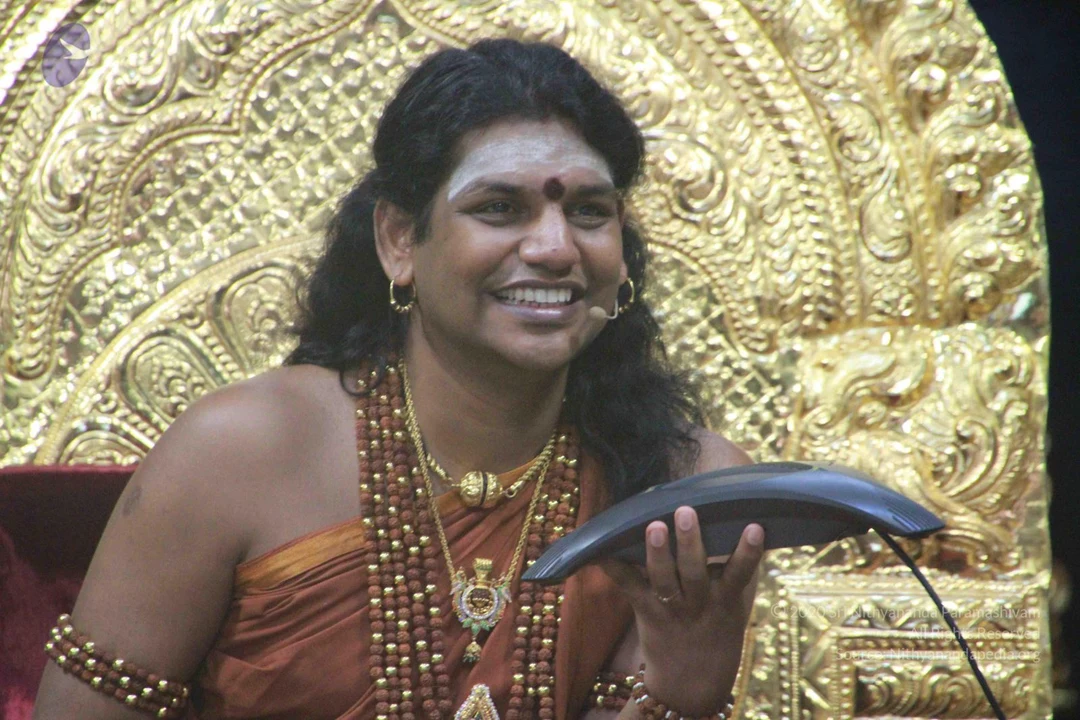
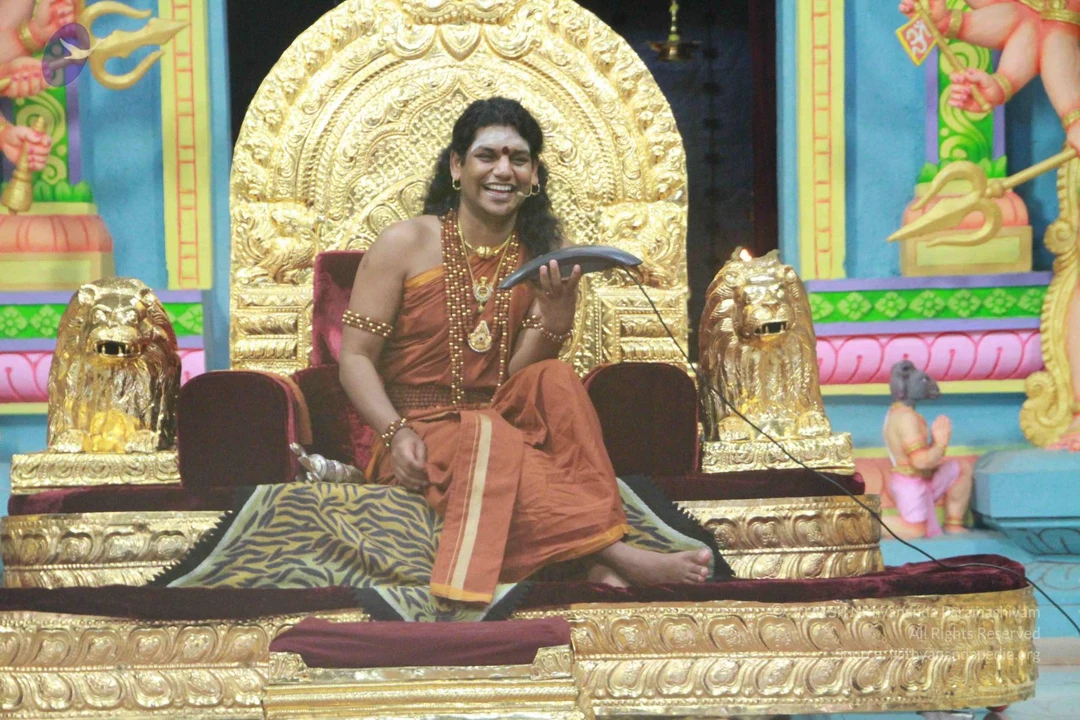
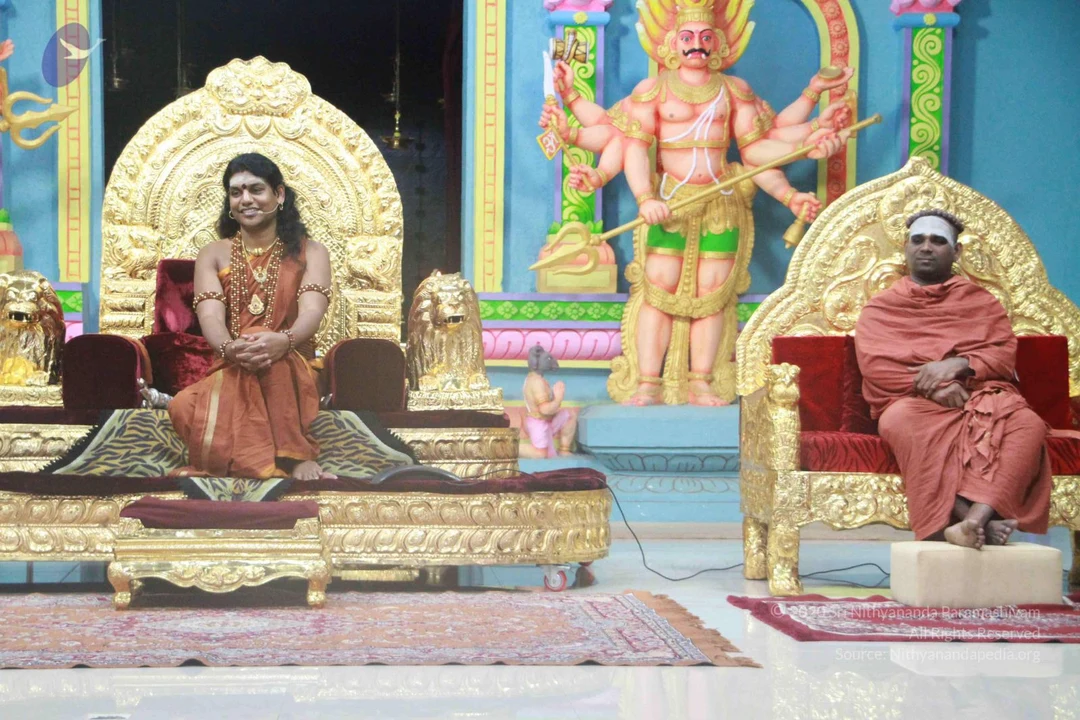
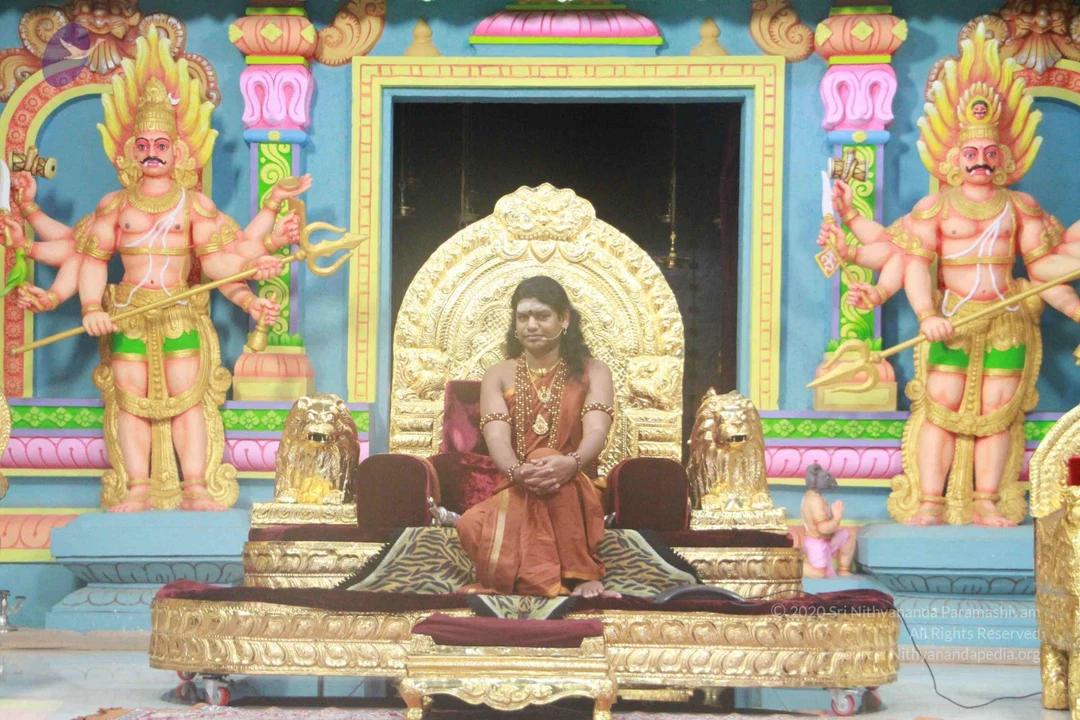
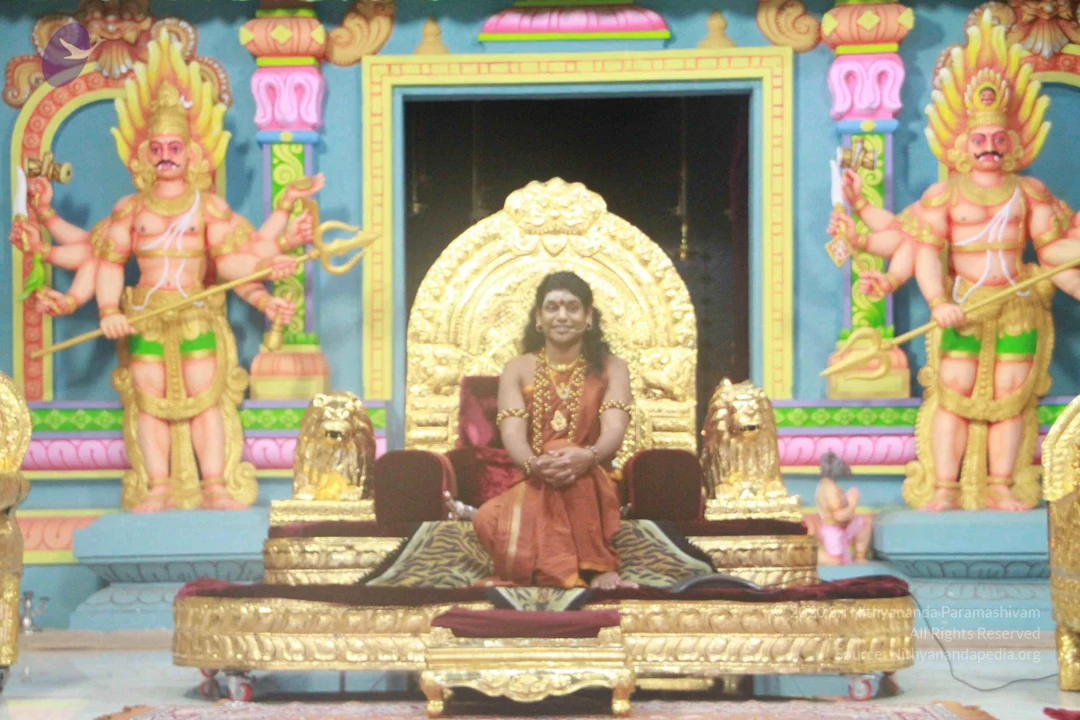
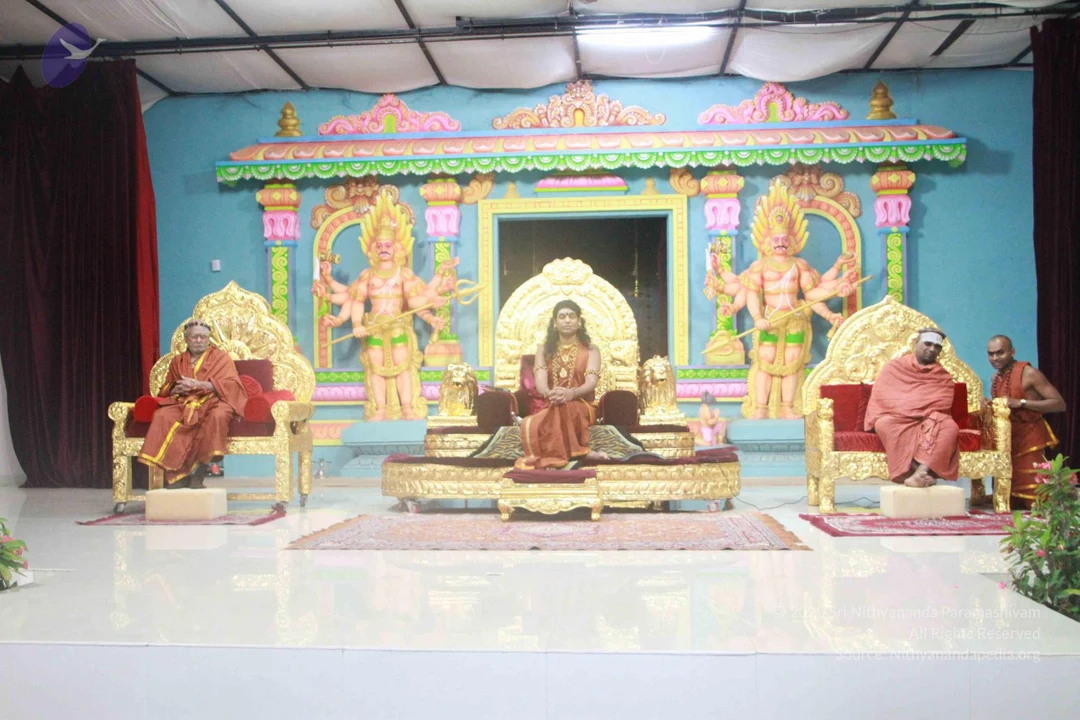
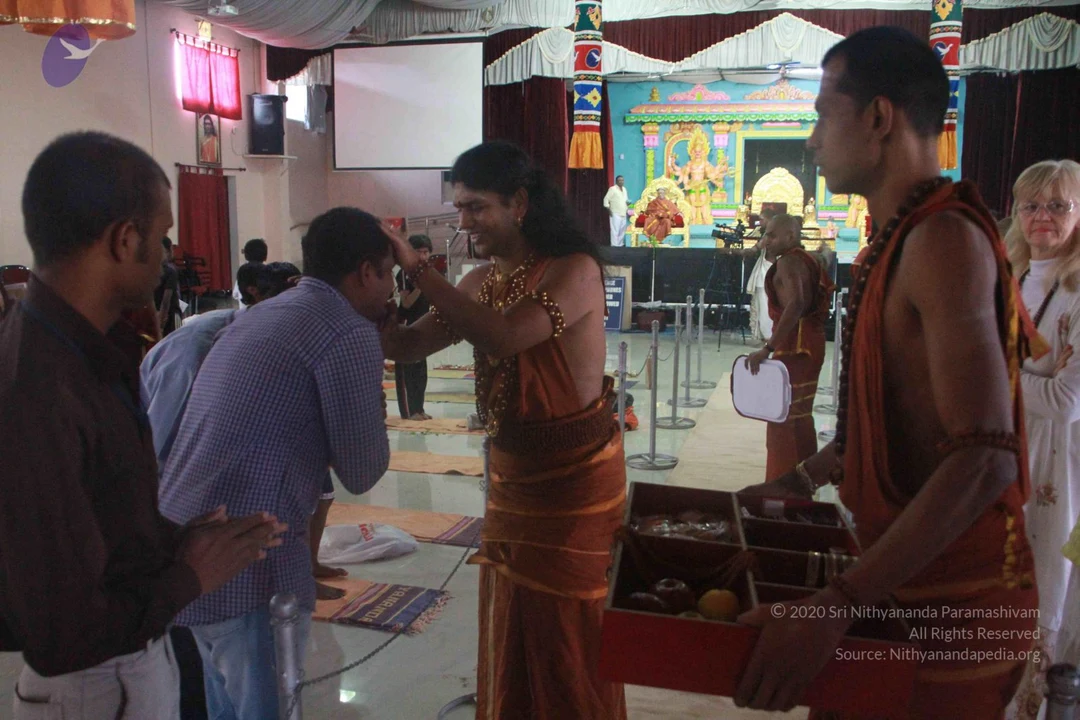
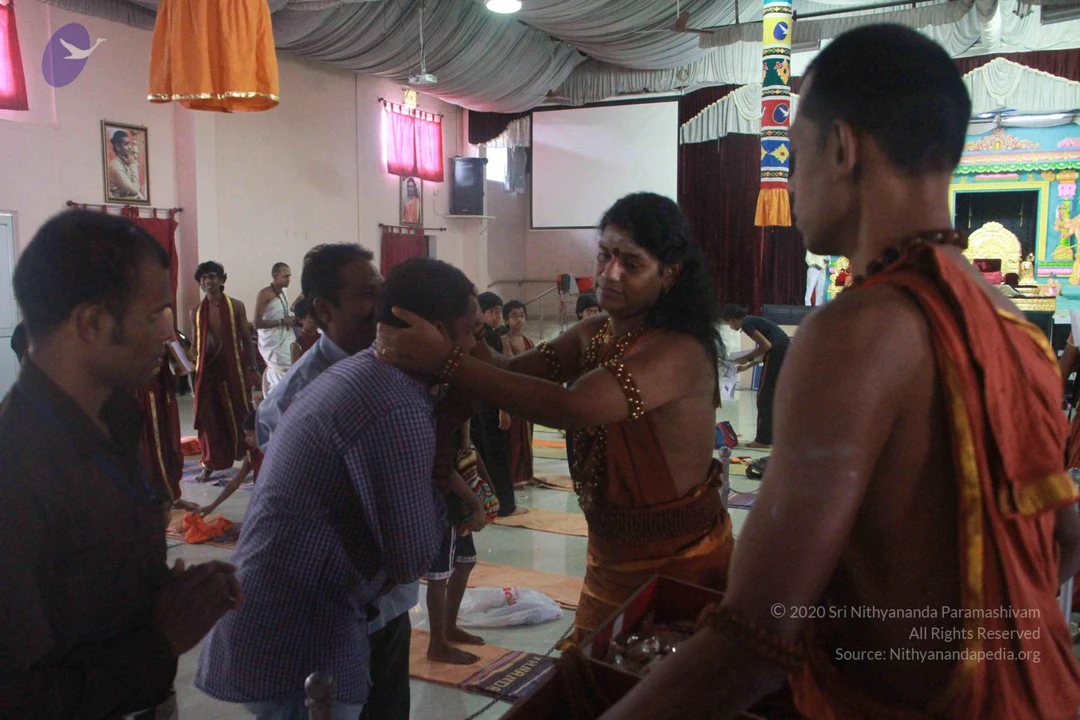
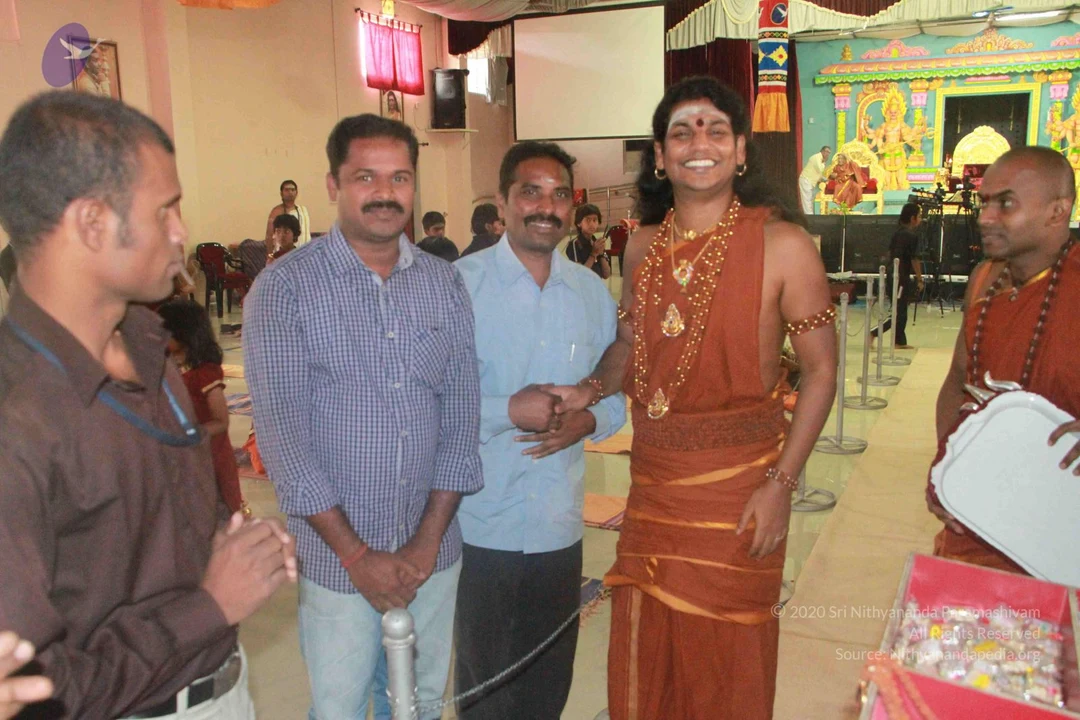
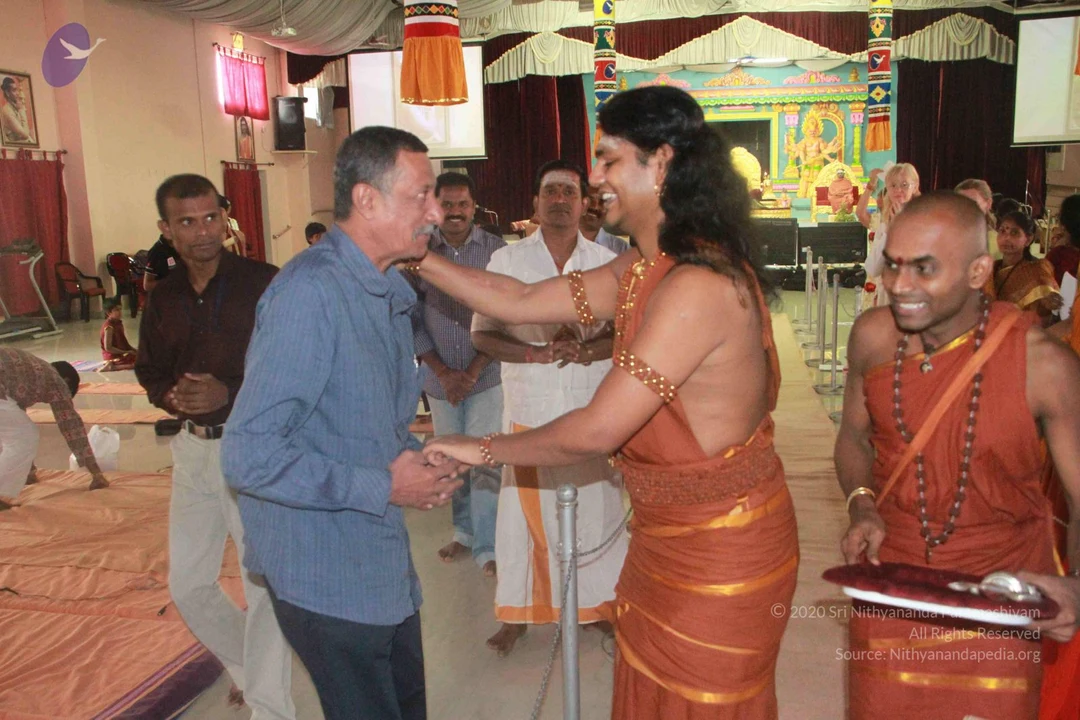
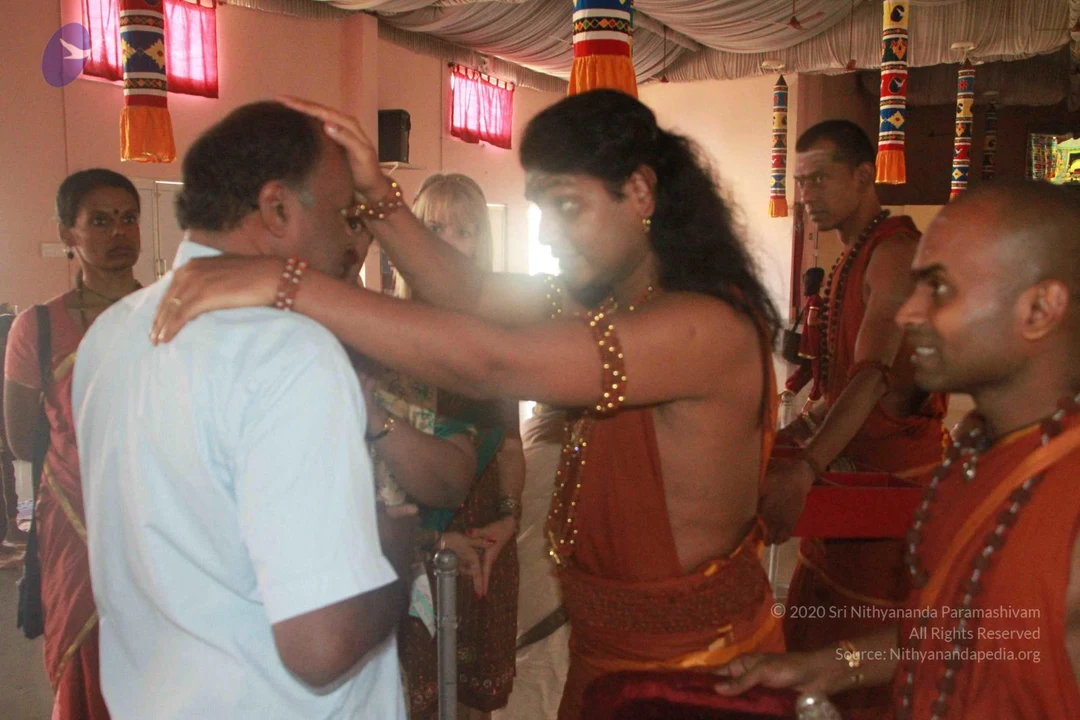
Photos from this day
View all 230 photosMorning Padha Puja
2 photosSource gallery
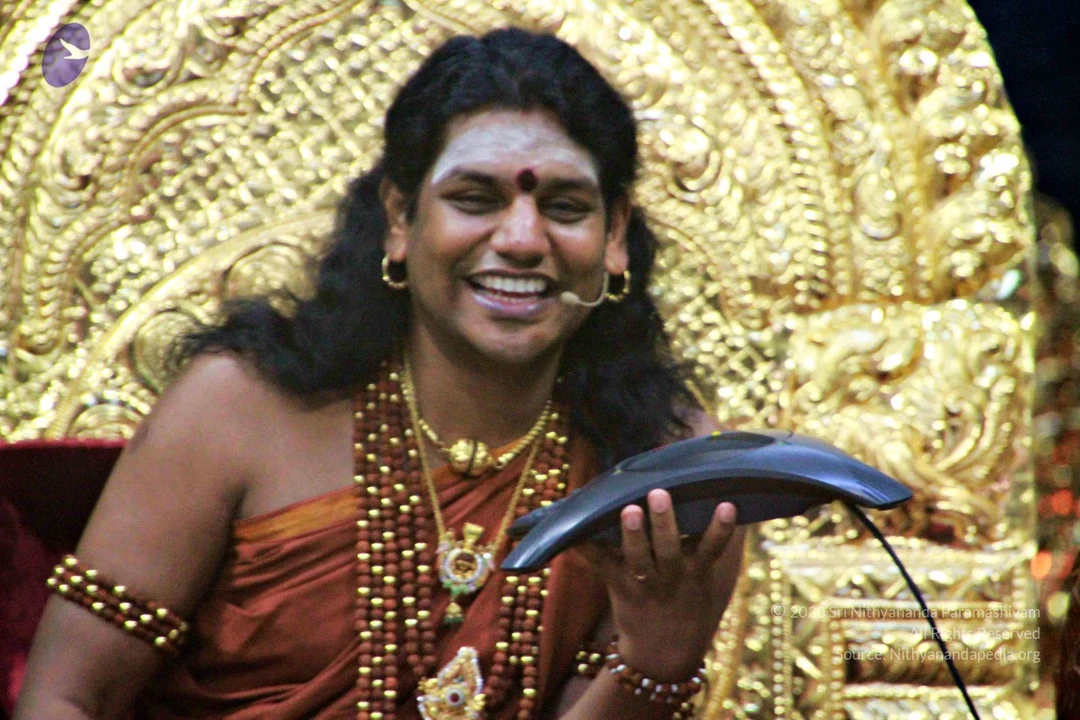
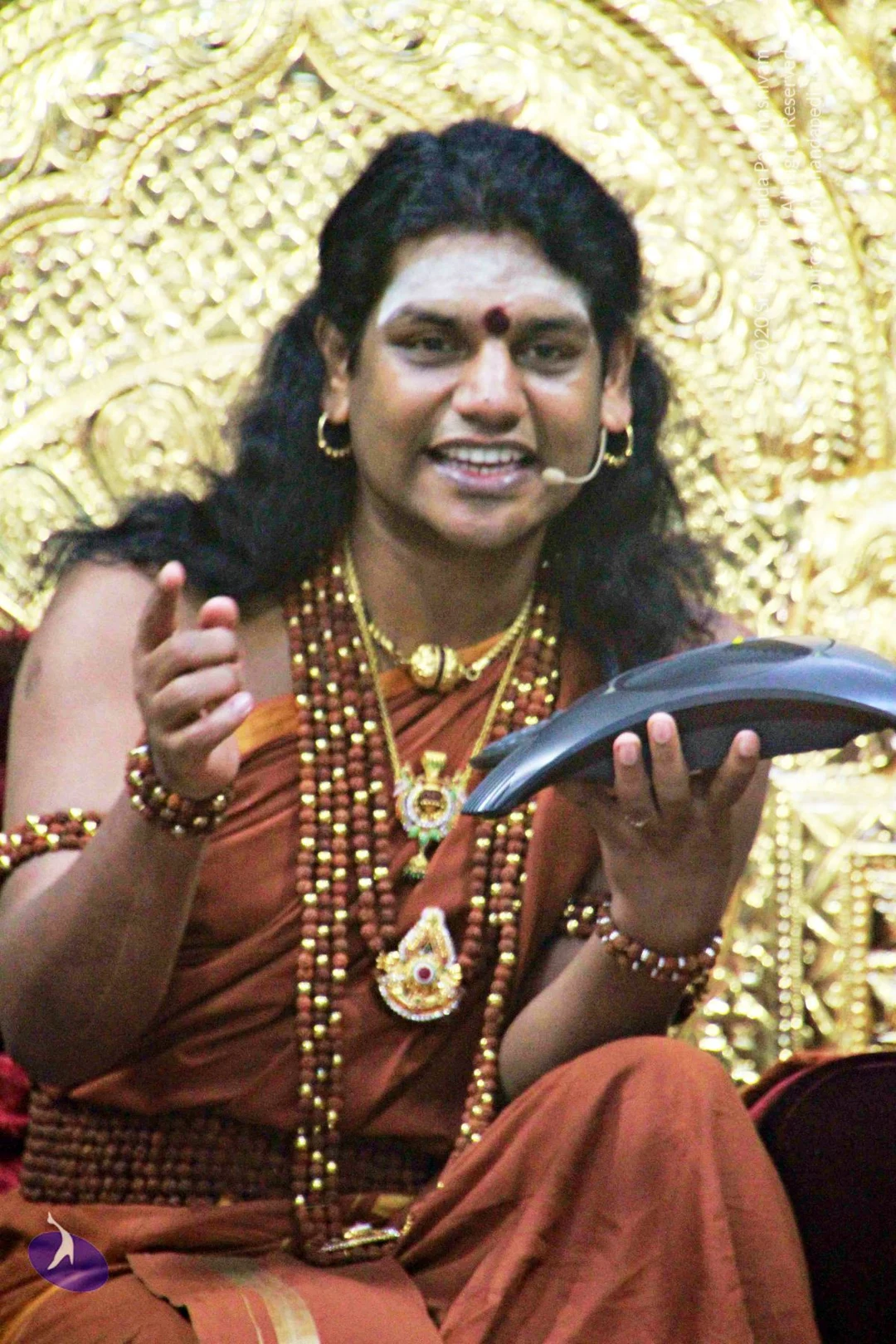
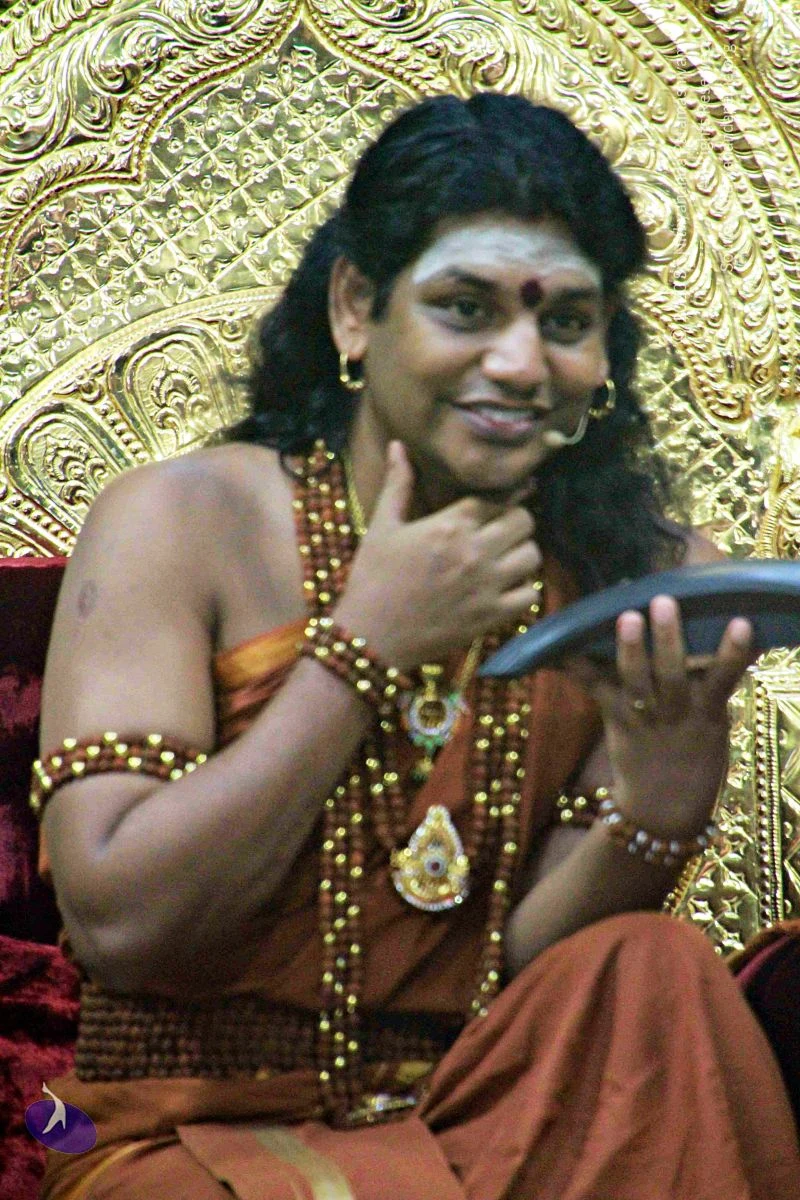
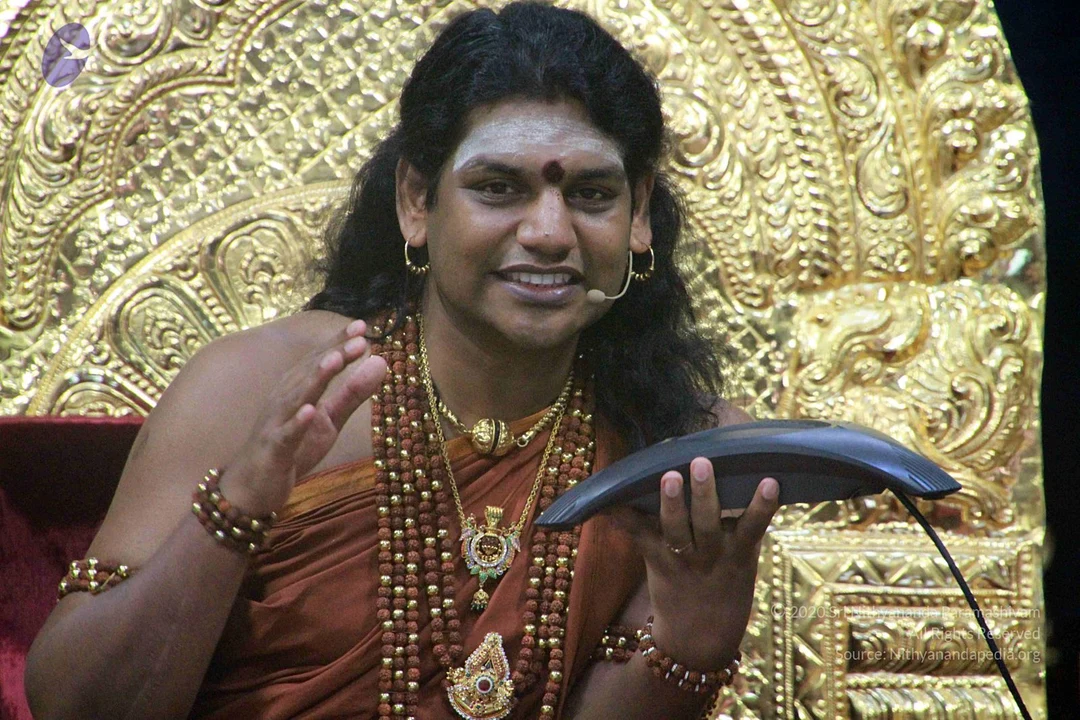
Morning Satsang
4 photosSource gallery
Dial The Avatar
2 photosSource gallery
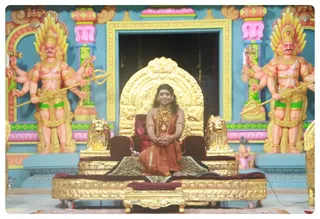
Kumbha Mela
21 photosSource gallery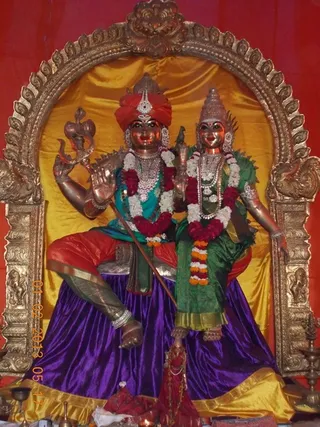
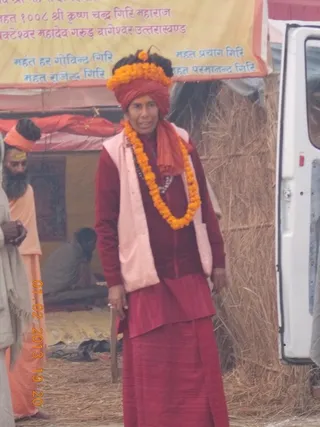
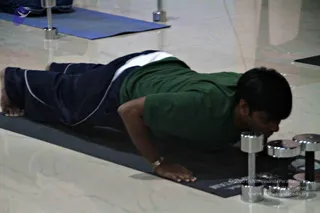
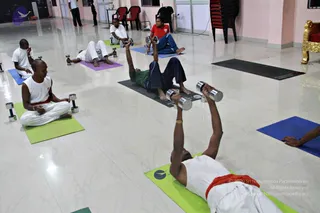
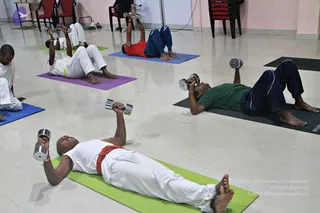
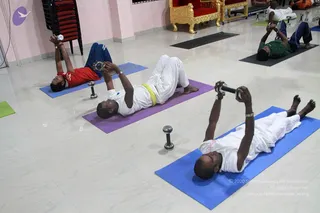
MorningYoga
6 photosSource gallery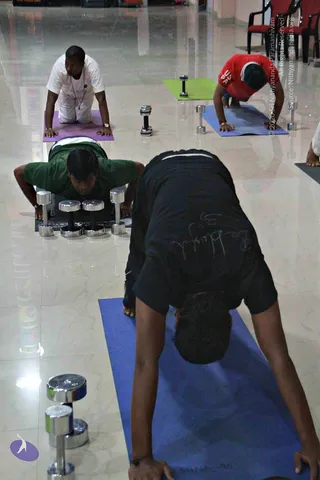
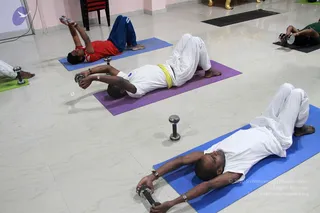
MorningSatsang
100 photosSource gallery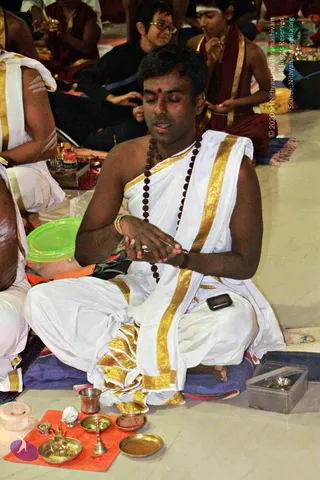
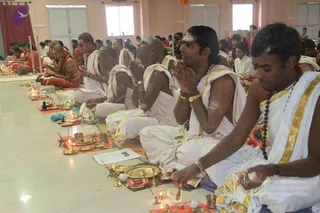
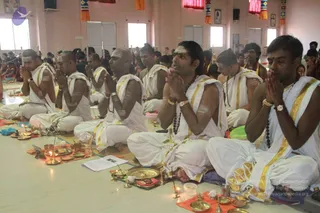
Morning Yoga
22 photosSource gallery

Padapooja_Adhinavasis
24 photosSource gallery
Nithya Satsang
65 photosSource gallery