Sunday
3 February 2013
What is Your Response to Life?
- Dated photos
- 198
- Source pages
- 1
- Media
- 2
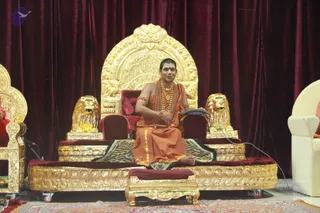
February 03 2013
Original wiki pageTitle
What is Your Response to Life?
Description:
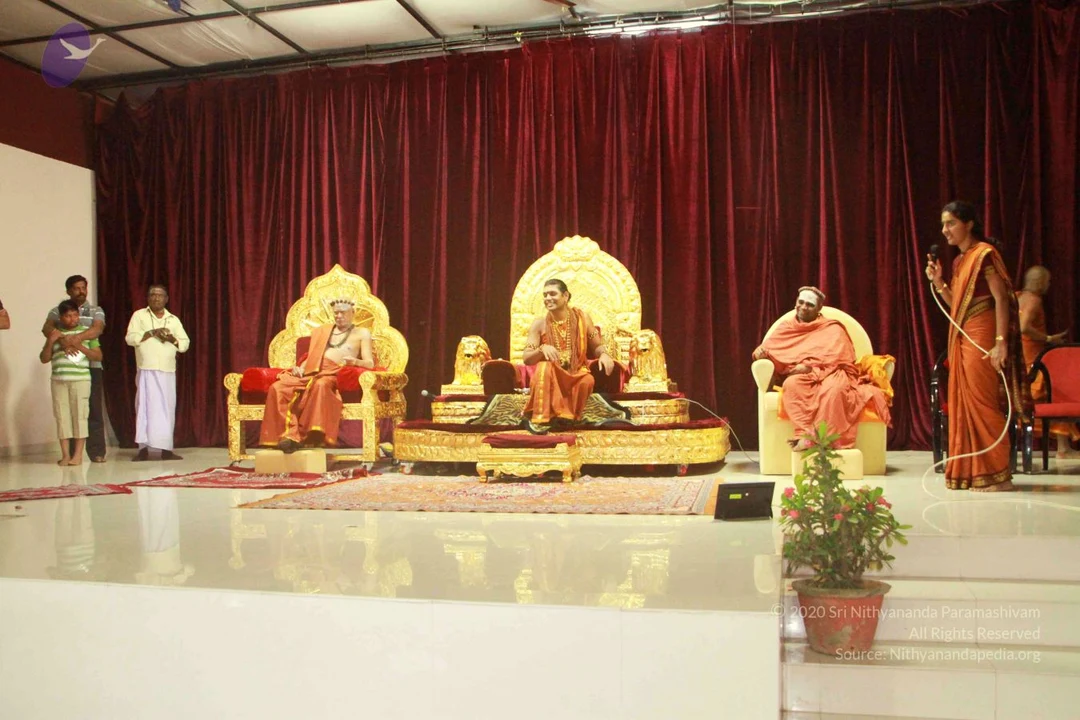
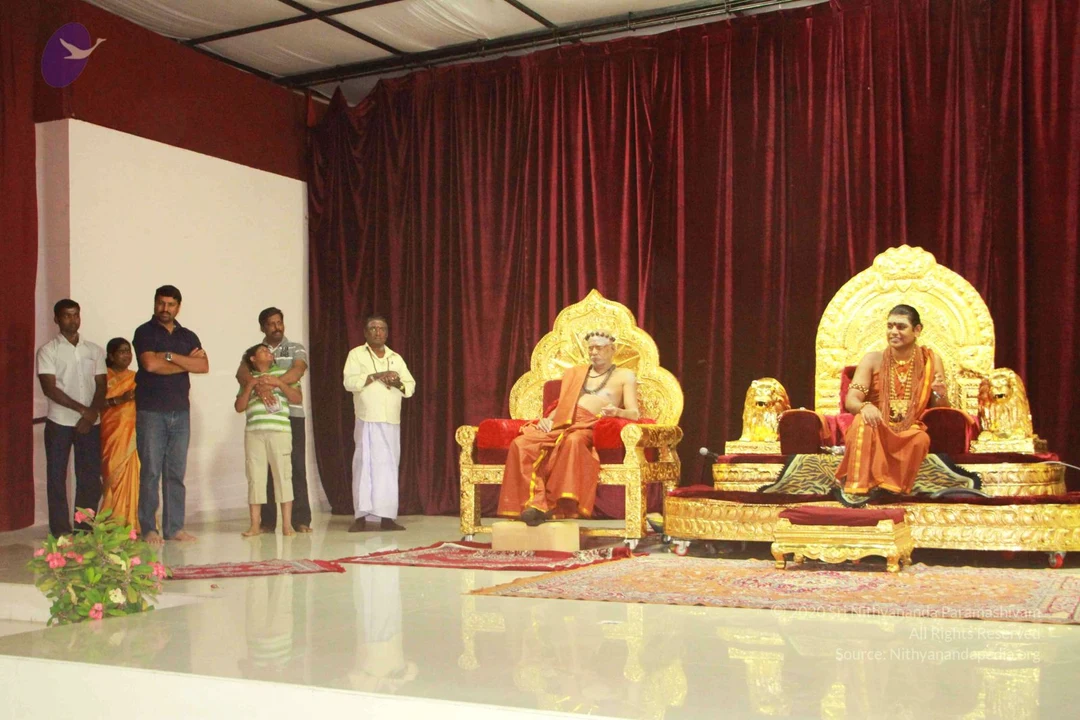
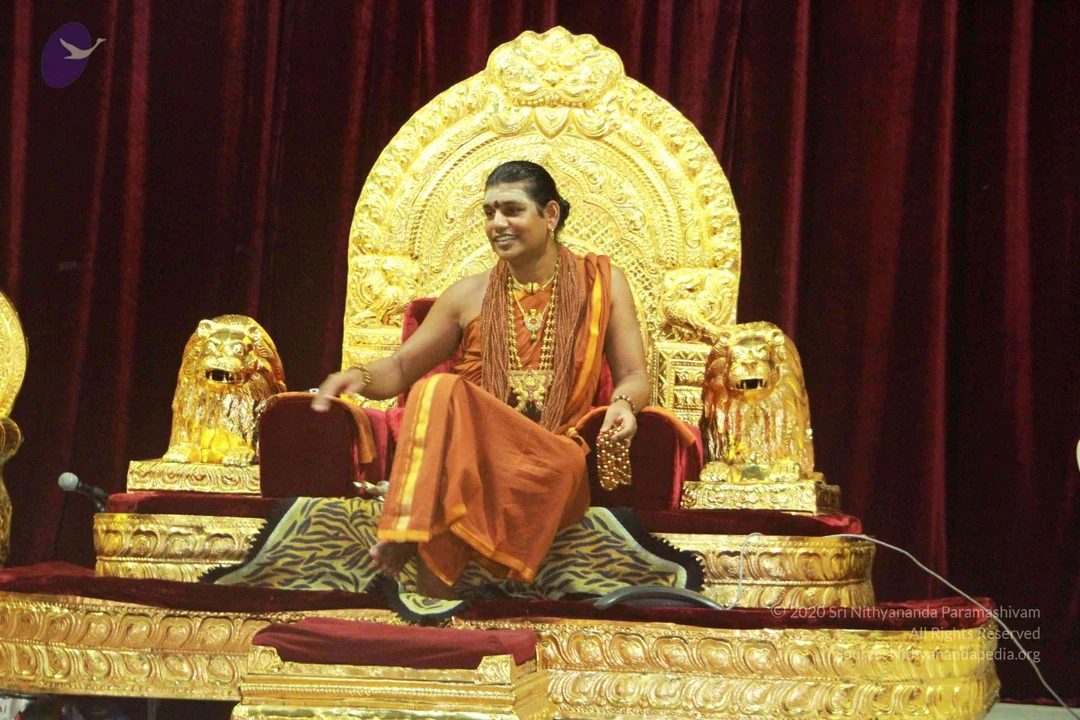
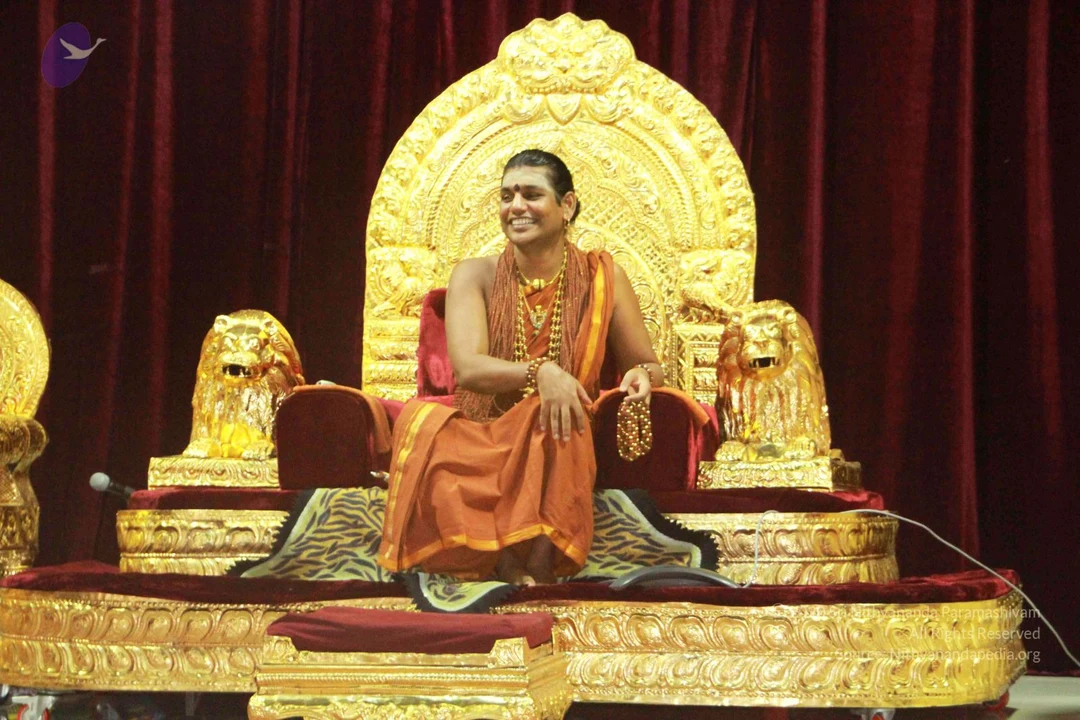
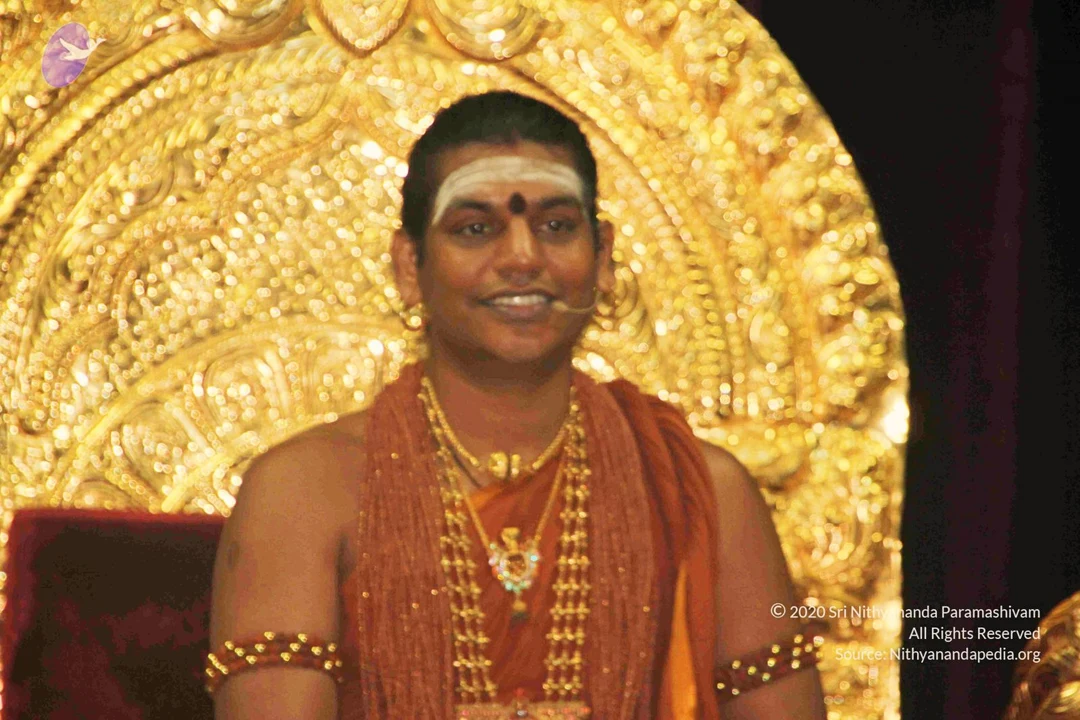
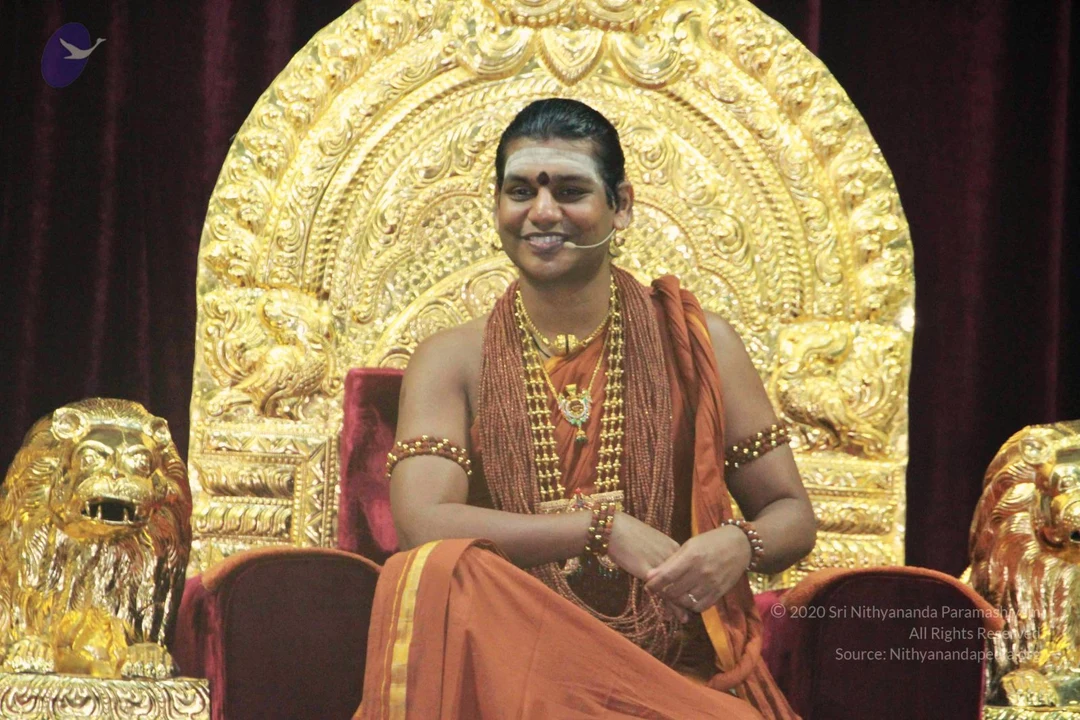
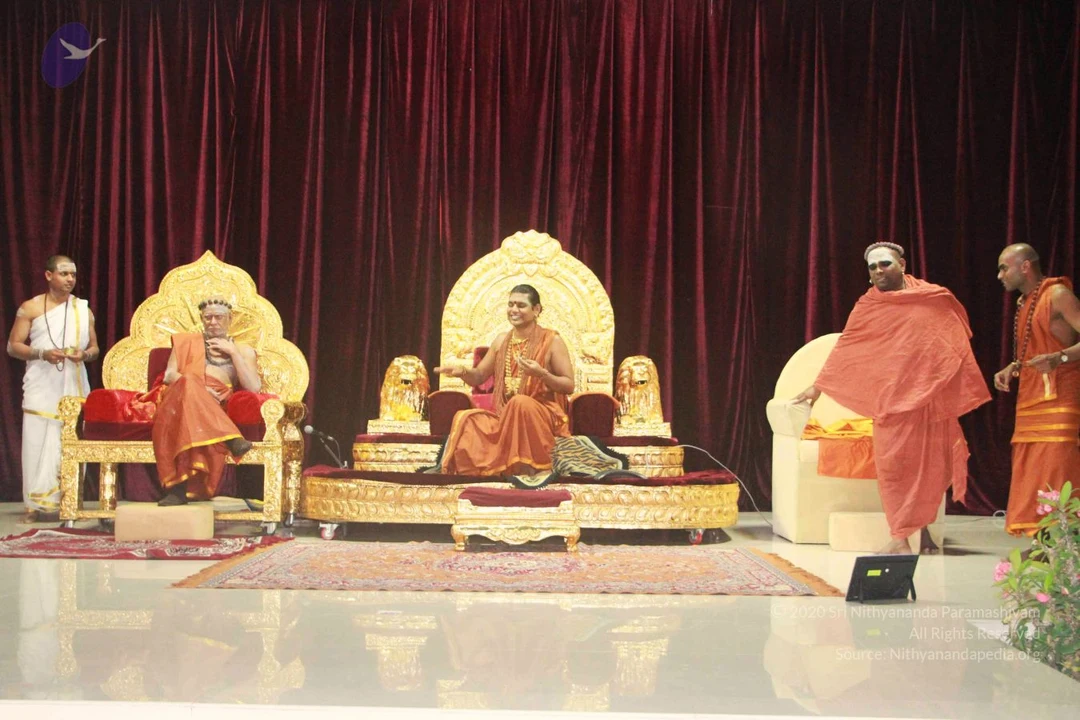
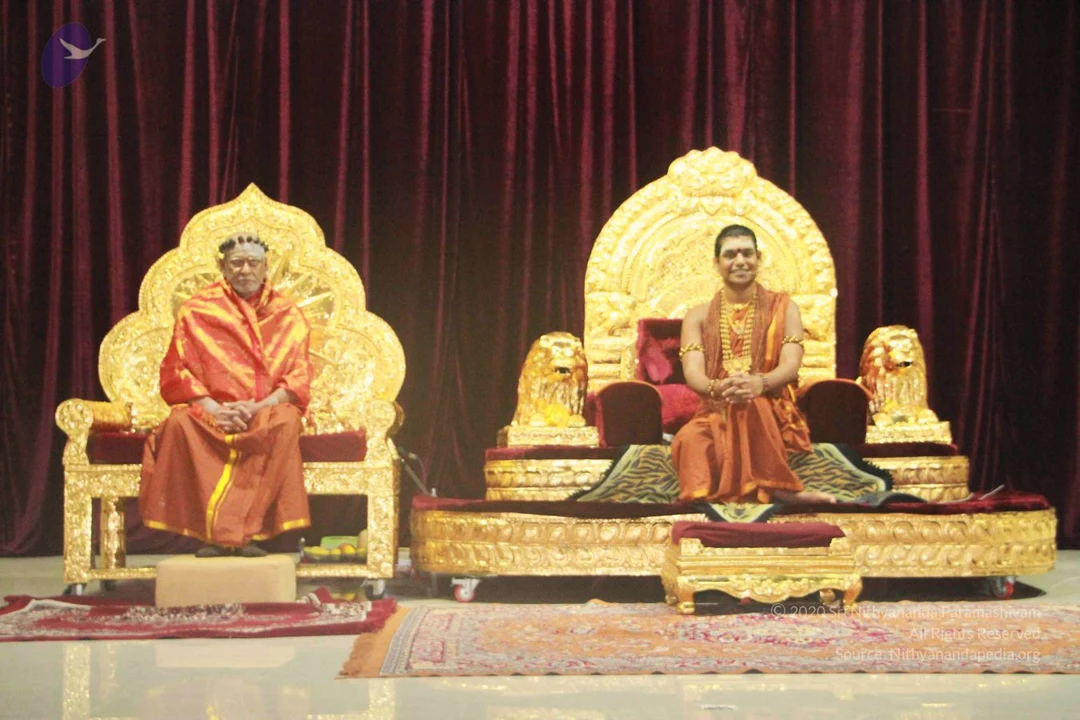
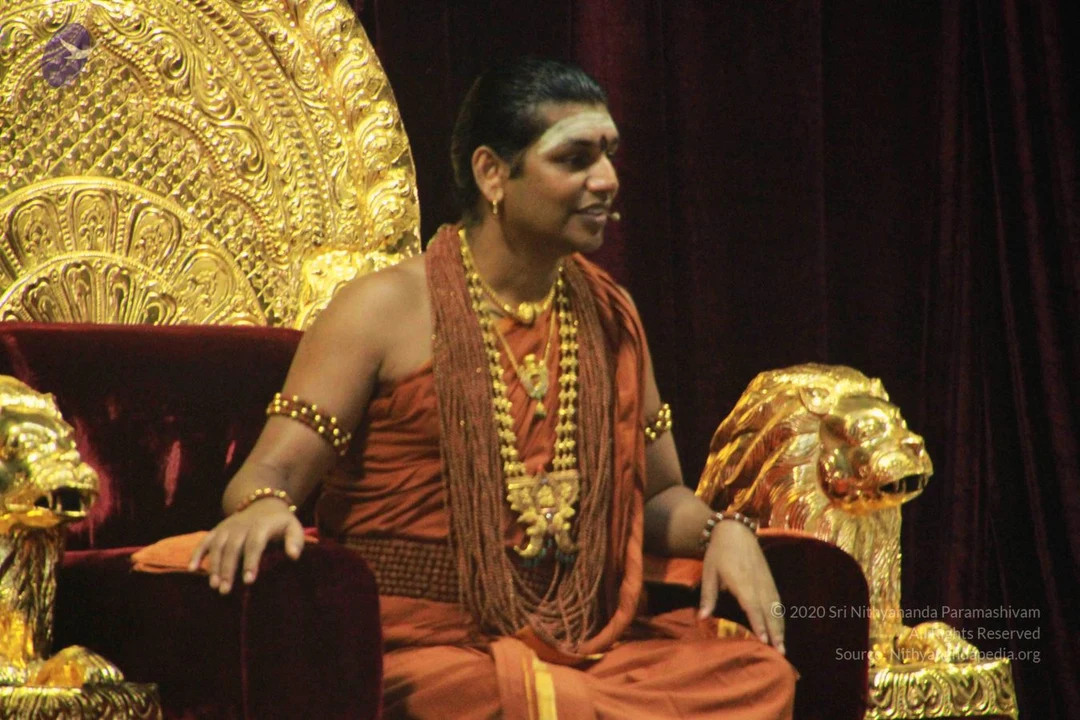
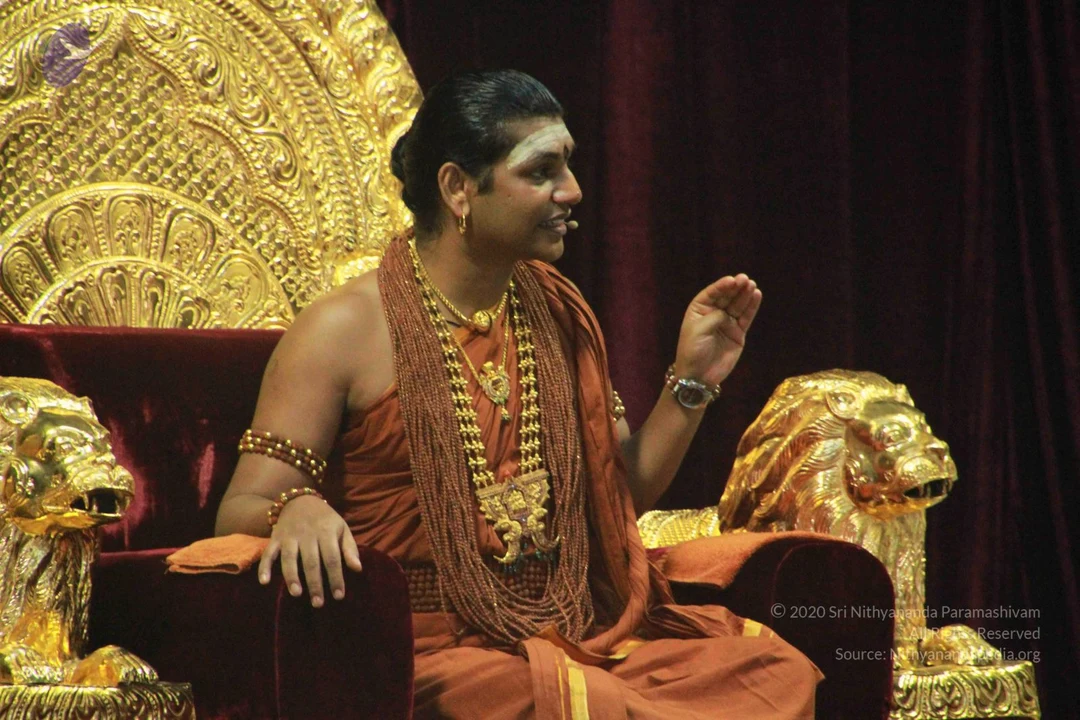
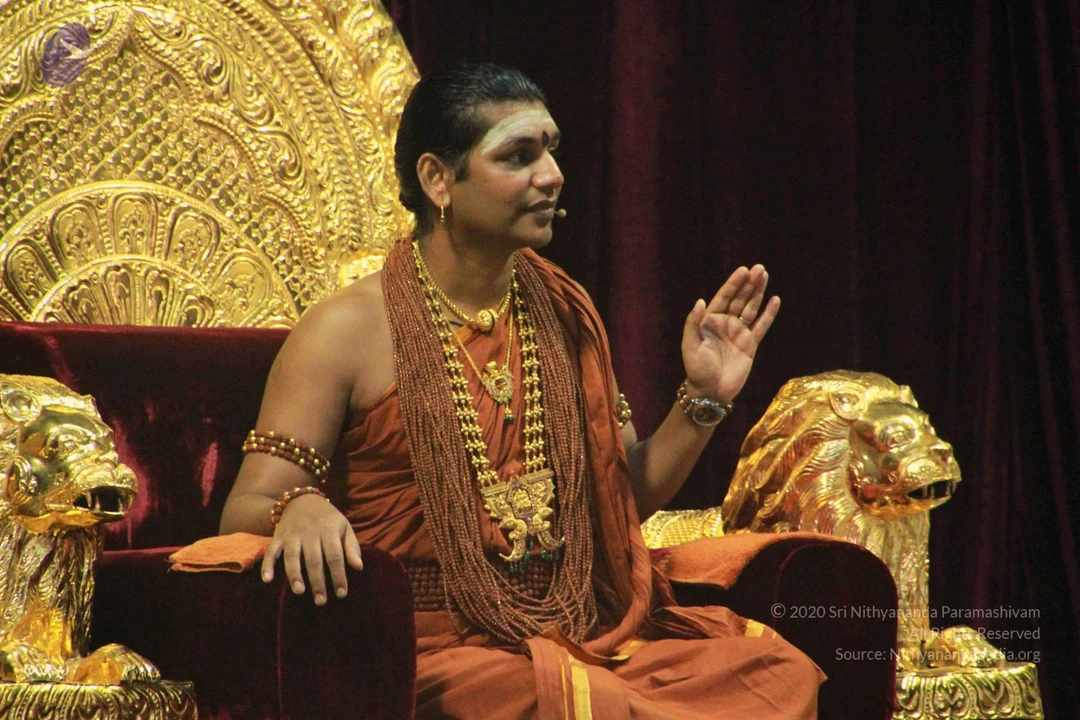
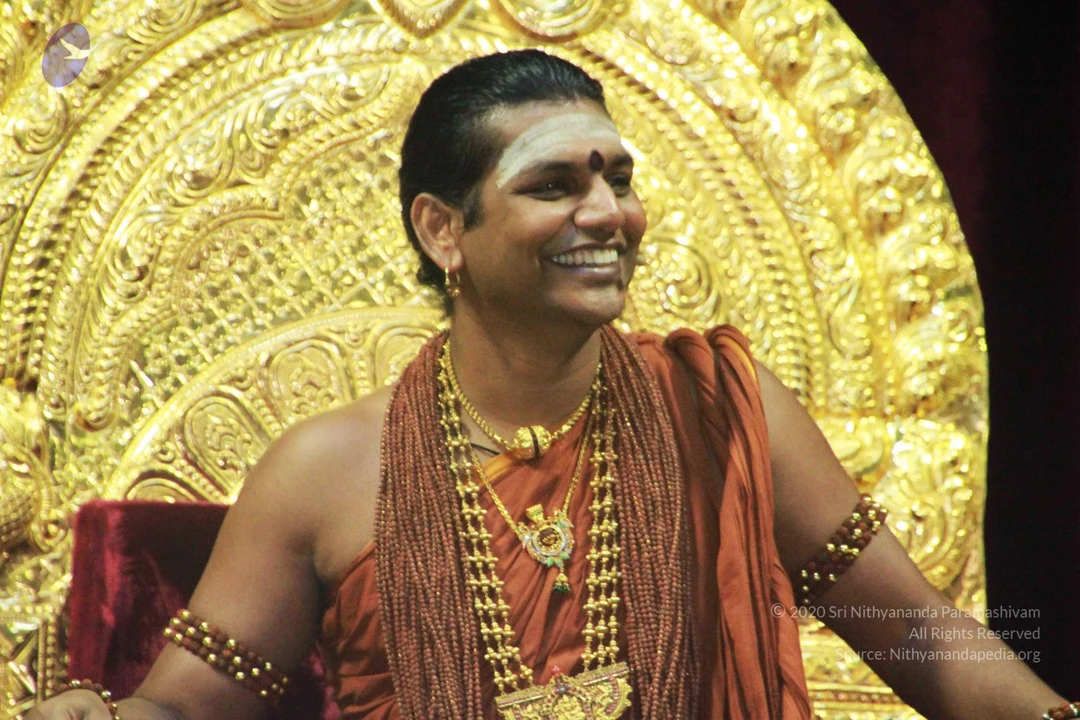
In today’s morning satsang. Paramahamsa Nithyananda demystifies the problem of memorizing information. First, we have been conditioned to believe that memory has limited storage capacity, like our computers. When we are in restful awareness, the brain’s capacity is nearly unlimited. Second, we have been taught that memorizing is difficult: that we can’t do it. And third, we have learned the habit of responding from casual curiosity instead of awareness. When we respond out of unconsciousness, how can we remember anything? Identifying the root sources of these false habits clears our ability to memorize easily.
Link to Video:
| Video | Audio |
Transcript
[00:00:26]
ll Sadāshiva samārambām Jnana sambandha madhyamām Asmadācharya paryanthām vande guru paramparām. ll
[00:01:00]
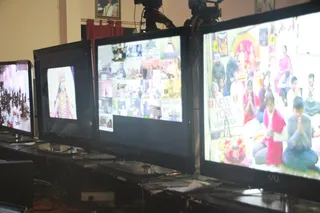
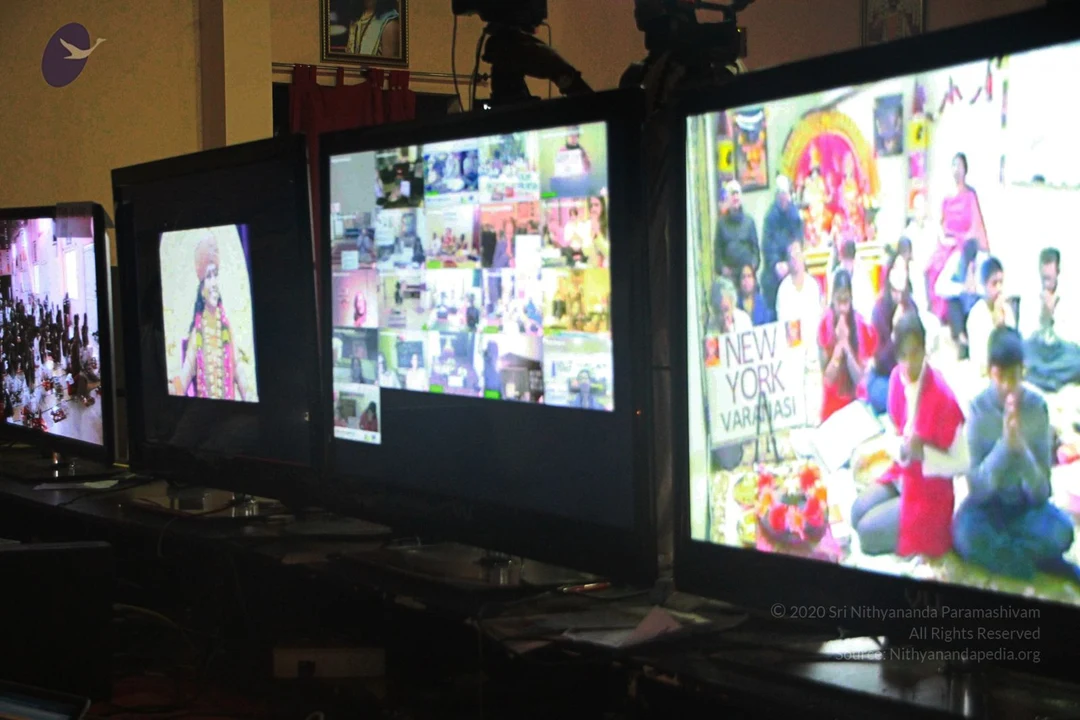
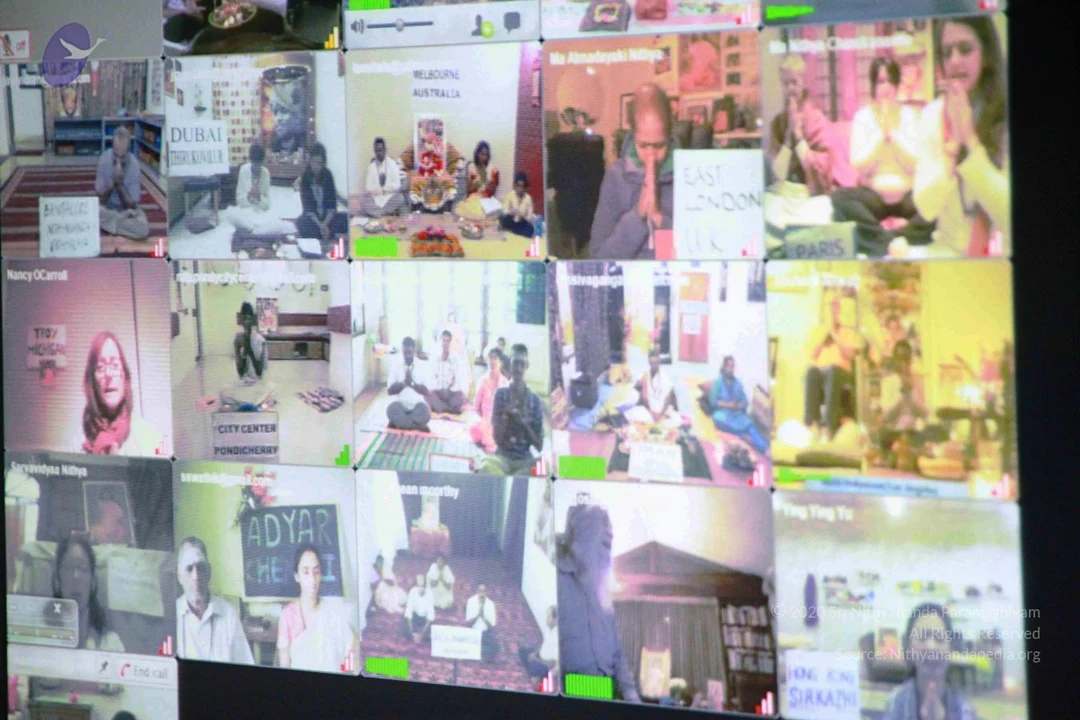
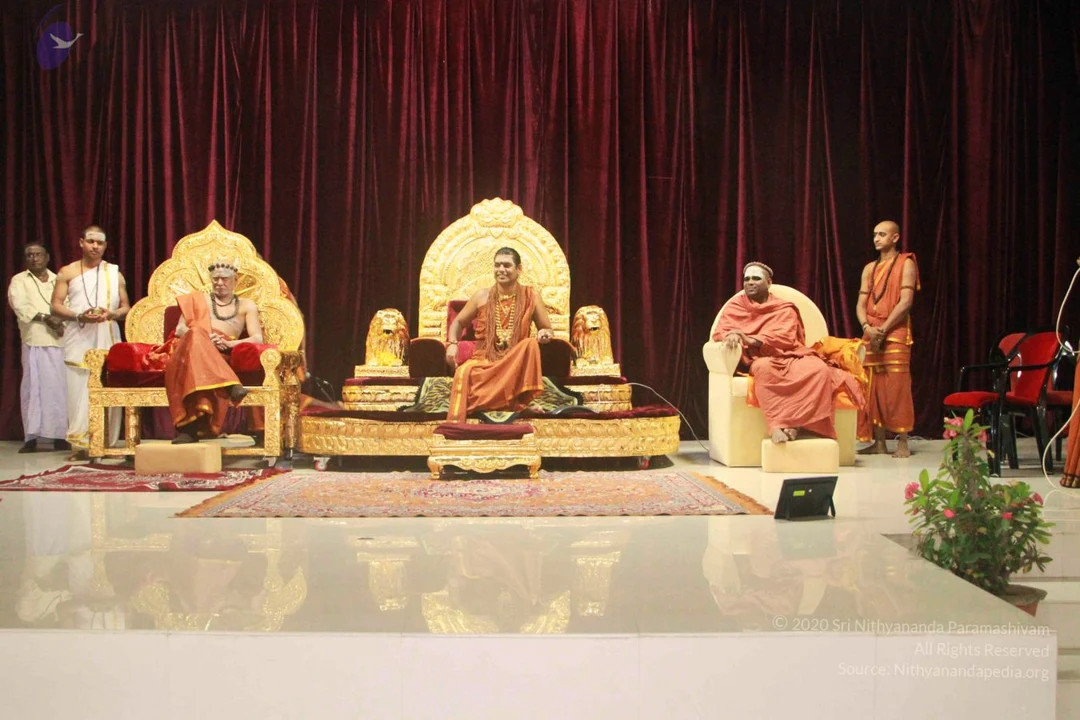
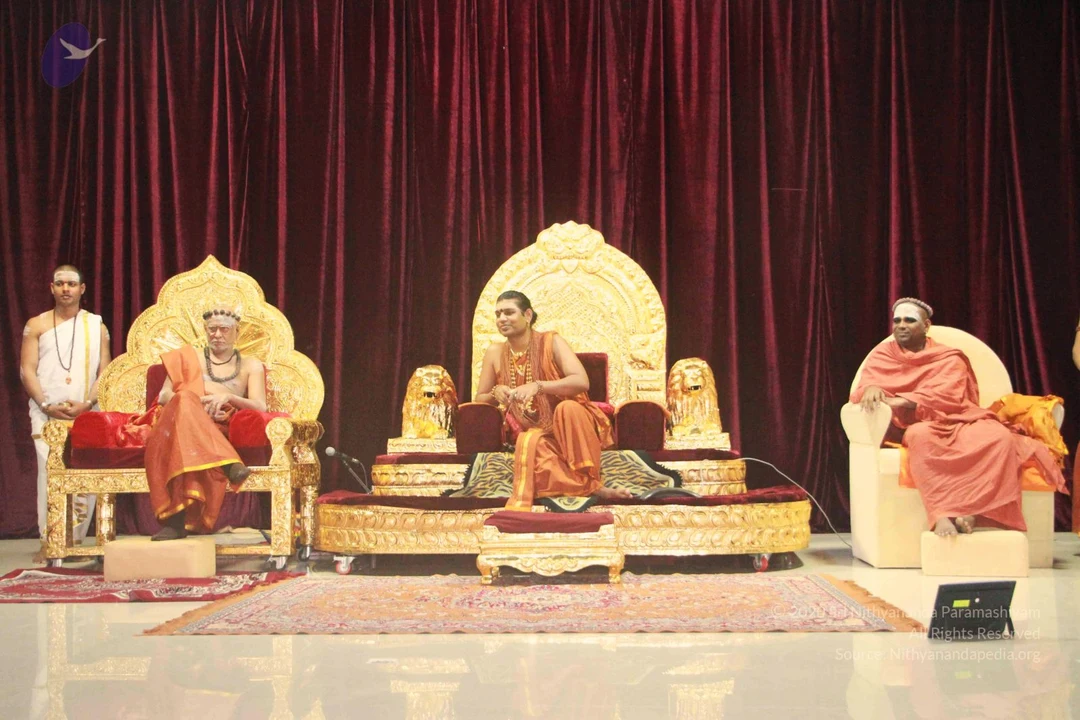
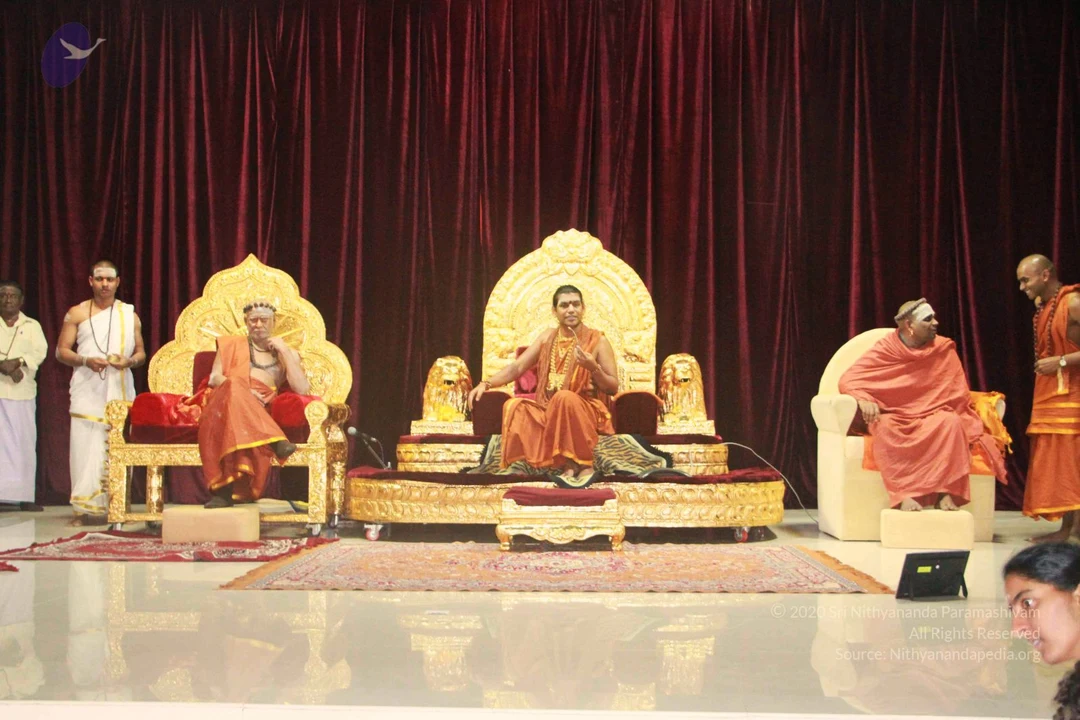
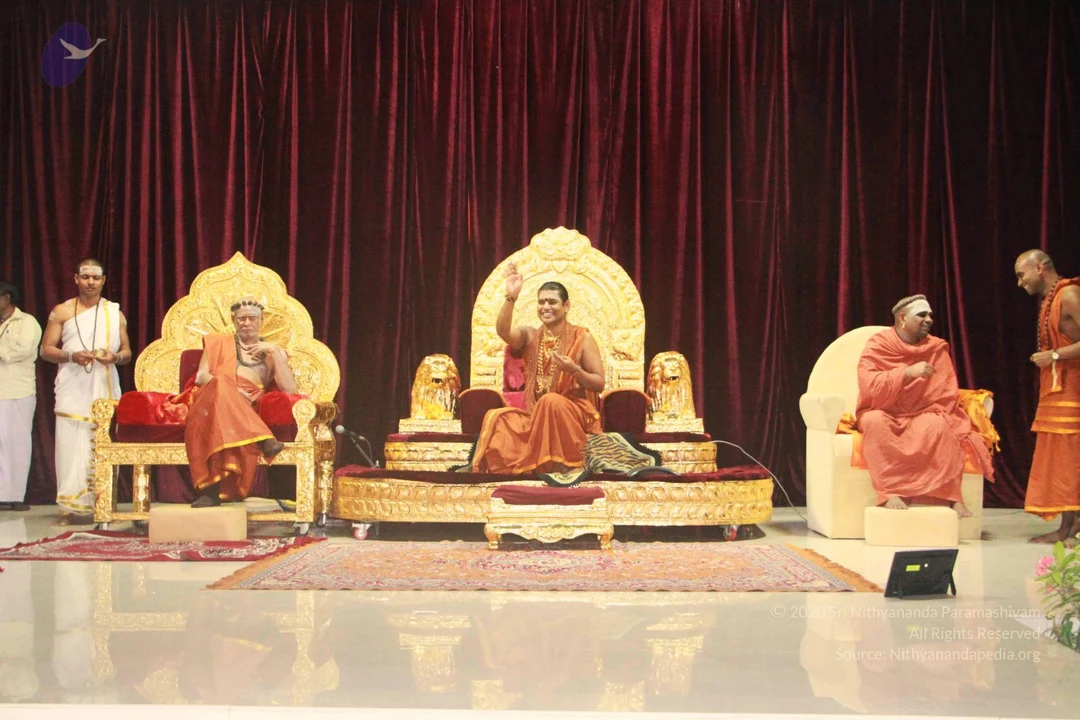
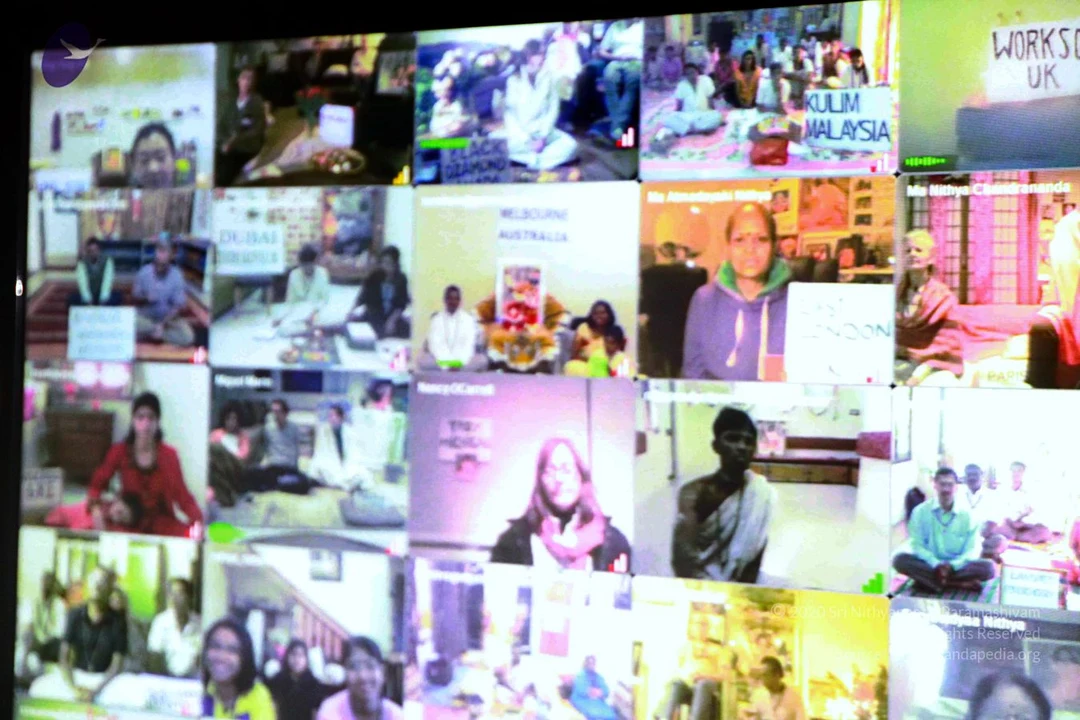
I welcome you all with My love and respects. I welcome all the devotees, disciples, Samajis, Satsangis sitting with us around the world at this moment, as per the statistics 421 places through Nithyananda TV and 55 places two-way video conferencing having Nayana Deeksha, in 205 cities, in 26 countries around the world, at this moment. Cities sitting with us in two way video conferencing having Nayana deeksha: Seattle-Chidambaram, San Diego-Tirualavai, San Jose-Madurai, Redondo Beach- California, Oklahoma -Somanatham, Monterrey - Mexico, Tiruvannamalai, New York - Varanasi, Wellington- New Zealand, Singapore - Singapuram, Ohio- Prayag, Toronto- Kailasam below Vancouver- Puri, and Warksp- UK, Paris -Kalighat, East London- UK, Kulim- Malaysia, Black Diamond- Canada, Canada and Scottsdale-Arizona, Bangalore -Nithyananda Vidyalaya, Dubai - Tirukoilur, Melbourne - Australia, Did you talk to them? It’s a cloth? Em.. Melbourne guys, thank you for the fabric you are sending, tiger skin colored fabric, thank you. I’ll use it. Try to tell them to try to get it more, if fabric is more, is available. Beautiful. Tell them if they get more pieces. City Center- Pondicherry and what is…. Troy- Michigan, and Lawspet - Pondicherry, Oman- Sivagangai, North Hollywood- Los Angeles and Hong Kong-Seergazhi, next to Hong Kong, Washington DC -Sripuram, Mattakalappu - Elangai, Chennai- Adyar, Bangalore and what is that? Oh Seremban.. no Senevang, okay Priyankananda and Premikananda - Senevang, Tiruvottiyur, Hyderabad–Shree, any other centers?
[00:04:13]
And Piscatway, Piscataway - New Jersey, Then oh Shanta’s family.. Pre monastic family, Madrid- Spain, Richmond Hill- Canada. Any other centers? Marathahalli, Sharjah, Chicago- Srirangam, yes.. Blessings, Guadeloupe- Rameshwaram, Brookley - London, Devon- UK, Charlotte -Srisailam, Toronto - Kailasam, Charlotte both you guys….both of you guys, did you guys get My message, Facebook message? Govindarajan and Kavita, you didn’t get My facebook message? Go and check in your photograph. And.. that’s it? Any other centers? Ma all centers...connect them..okay. I welcome all of you with My love and blessings. There are some more centers. When I am able to see, when they connect in the set...next set of box, I’ll read out your names. As on now, whatever names I read out, I am able to see all you guys. If you are not able to hear the audio, please raise your hands, otherwise it’s okay. Singapore, I am able to see the Singapore also now. Sharjah is more clear than Dubai, why Ma? Both same cities na? Dubai oh.. video, HD video…Great.
[00:06:32]
Today Nirahara Samyama 8th batch first level we are completing. We'll be breaking the fast after the satsang and tomorrow is 4th and I give you the time till tomorrow, 5th we will start the second batch, second level...sorry second level 8th batch will start. May I know how many people have successfully completed? Can you get that? Can you find out? And successfully, Bramanyam Bahuputratam – two batches over first level. Understand. Now the real life starts. It is the continuous tireless completion which creates the base for the second level…tirelessly. Please understand. When you try to find the root thought pattern of suffering, you have to go back to the earliest memory… age two, three, one or two earliest memory. But the completion will not happen if you just work on that one incident. All the impact of that root thought pattern, every incident you need to complete. Yes. Now I can see Mahakumbh Puri. Mahakumbh Puri, Prayag. Welcome to all the Sadhus from all the sampradayas, different sampradayas welcome. Mahakumbh Puri, Allahabad, Dhyanapeetam branch is joining just now. Great. Oh already devotees are there. They have reached already; Kama is sitting already there. Maitrik Patel, Kama so many are there wow. So already devotees have reached.. great.
[00:09:21]
Please understand. When you find the root thought pattern of suffering, you have to go back to the earliest memory of childhood. When you rewind step by step by step, incident by incident, you will have to complete till today. Continuous, tireless completion process - that creates the basis for second level program. Please listen. Only when you are complete, extraordinary powers, as Mahanarayana Upanishad describes - Sreeshcha Keertishcha Pushtishcha Keetinchaan nrunyataam. Shreeshcha Pushteeshcha, Keertinchaan nrunyataam, Brahmanyam bahuputratam. Only when these three is available in your disposal… Let Me repeat, listen. All the creative knowledge available in the Universe, all the natural resources available in the universe, and all the extraordinary powers available in the universe, when all three of them in your disposal, only then you experience the truth - Brahmanyam bahuputratam - I am the favorite inheritor of the Cosmos. I tell you, I am very clear authentically with integrity all these three are in My disposal. So, please be very clear, the completion forms the basis for Me to share, transmit that experience of – ‘I am the favorite inheritor of the Cosmos’ to you. So, now, we have few days for the next batch. Next batch is in April only. Second level is April only, April 3rd. So, now you have full, practically full February and March. Because, today is February 3rd. Full two months, you have. Go on complete, complete, complete.
[00:12:29]
I have a question, ”How do we know we are complete?” You know, you will know you are complete. If you have a doubt, you are not complete. Go on completing with every single pattern, every single person. If you are not able to reach out to that person, catch the mirror, Swapoornatva, sit with yourself. Go on and on and on. Pattern by pattern, layer by layer, take it out, take it out, take it out. Per day, it should be at least, you should commit... Please understand… We all devotees from all over the world can see few minutes of Kumbha Ghat, Mahakumbh Puri, Nithyananda Dhyanapeetam branch, virtual tour. The Dhyanapeetam branch in Mahakumbh Puri, Allahabad, you can see the virtual tour in Nithyananda TV for next few minutes.
[00:13:46]
So, all the Brahmanyam Bahuputrataam participants, please listen – this is a very important instruction for you. Completion has to be done throughout the prarabdha. When you find the root thought pattern of suffering, work does not end there. That is where work starts. Work starts there. Then, the completion has to be done throughout. You have two months, full 60 days. Take the commitment, at least five hours a day you are going to spend with the mirror, doing Swapoornatva. How many are taking the commitment? Come on. Then I can say you will be ready for next level. At least five hours, you are going to sit with mirror. Because, many people you will not be able to find in your life, to go back and do the completion. If you find, great. Whoever you don’t find, do the Swapoornatva, so that you are ready for the second level batch. The second batch, the second level, next level, you are ready. So, already second level, two dates are announced for the program. In that literally you will feel, you will experience Brahmanyam Bahuputrataam – I am the favorite inheritor of the cosmos.
[00:15:18]
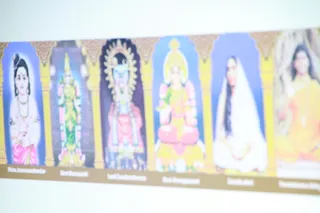
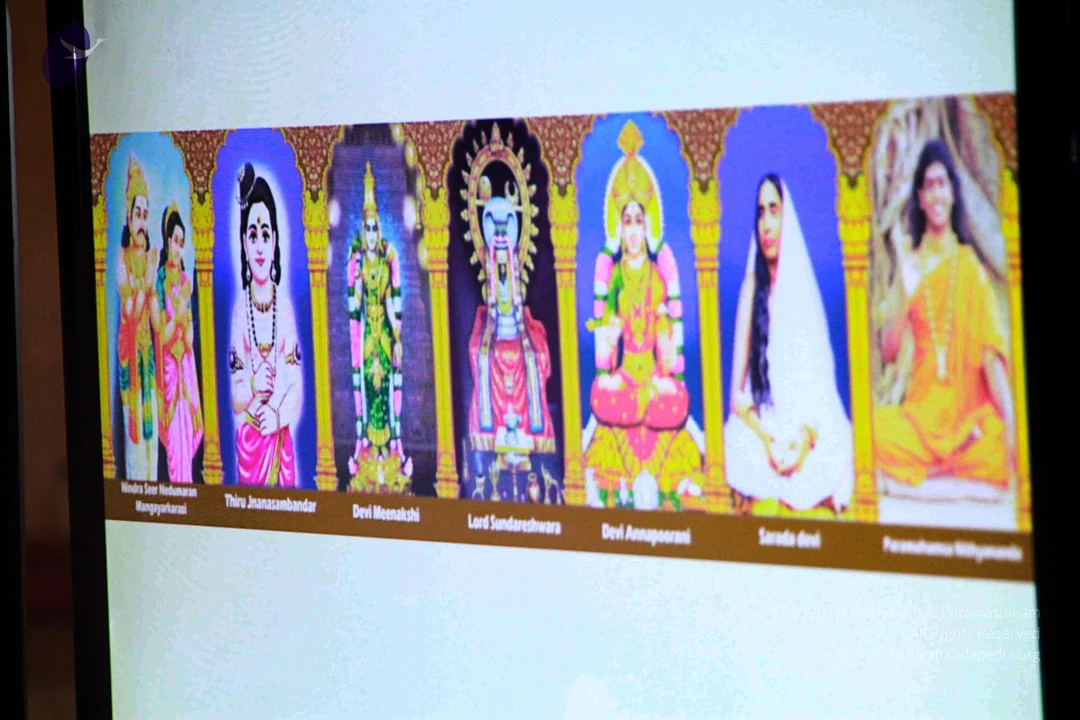
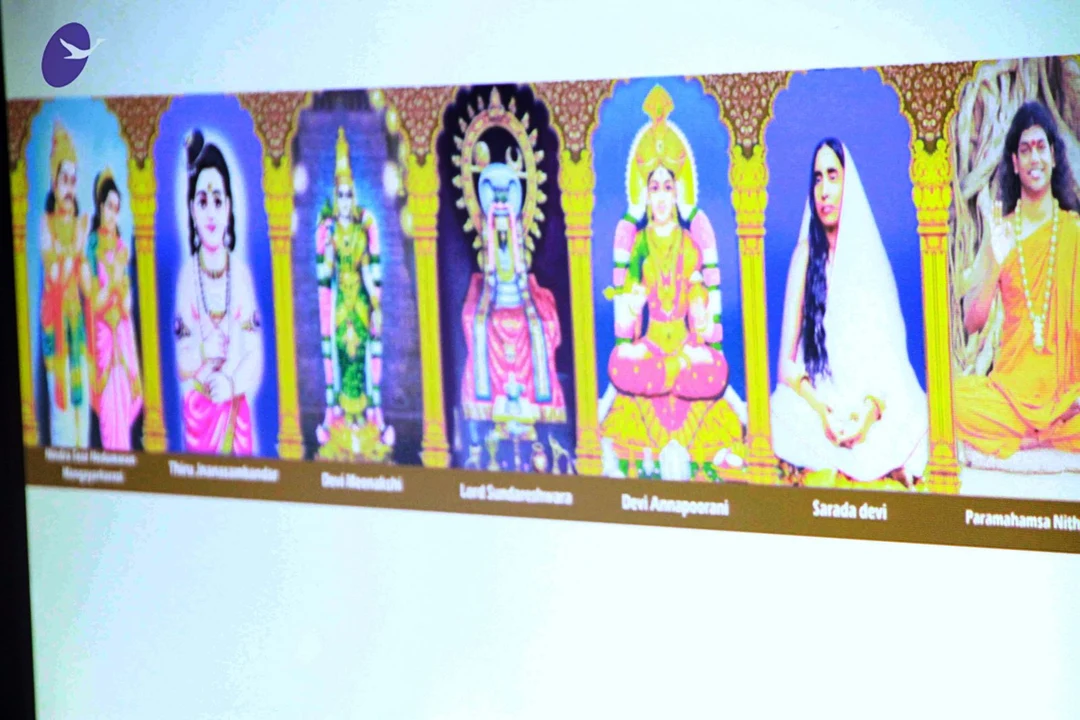
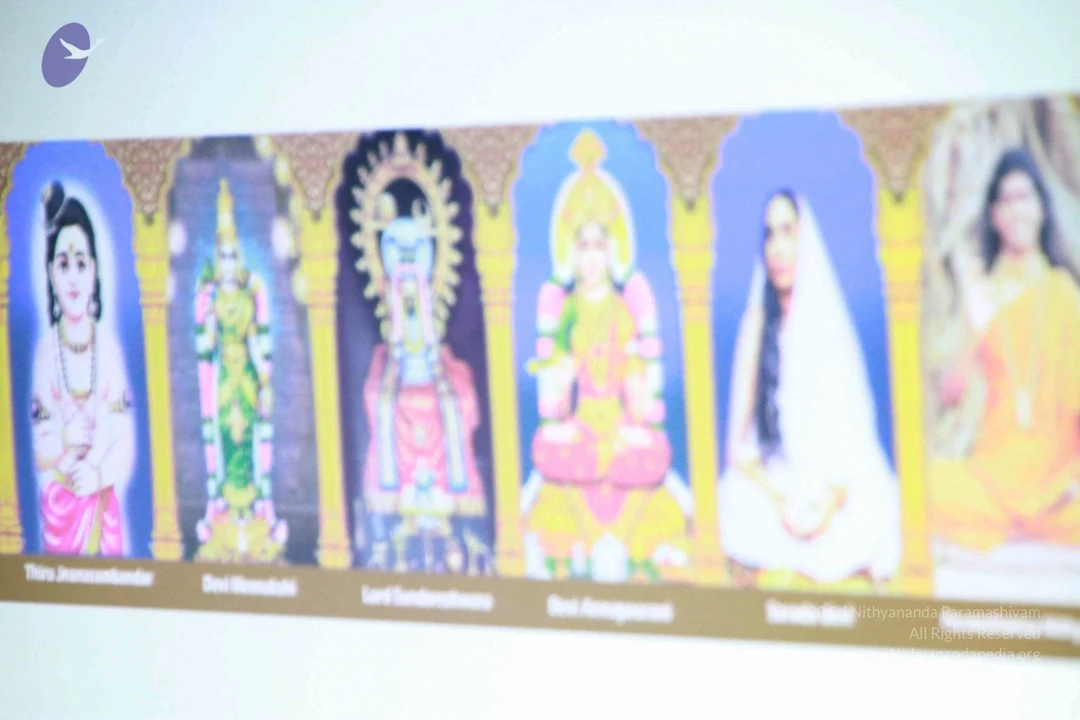
And Zena Paul, Ma from which state? Hey can you project? New Jersey but he is projecting New York. Oh Zena Paul blessings. I accepted your Pada Puja and bless you during dial the Avatar. Wow, whole… whole satsang team of New York is sitting, oh Saturday evening. San Jose, Vaishali Varma birthday blessings, I am with you, with all the auspiciousness, you will be with Me, I’ll be with you. Blessings. And Hyderabad, Hyderabad Bhagyanagaram, blessings for the medical camp and Annadanam. Blessings to the sponsors, Dr. Bharat Bhushan and Venkatesh. Blessings to both of you. The program will go on successfully, annadanam and medical camp. What time they will be launching the medical camp Ma? Oh okay, but you project the Kumba Puri; later on you find out, get Me the details. Blessings. Ten o'clock they will be launching? Okay, great. And what is the next ma, annalaya pictures to be released today? Oh and all the Annalayas who have enrolled totally what is the enrollment number? Girija, 76? All the 76 places all over the world, registered annalayas, the free kitchen, giving free food to whoever comes, all of you please listen, today you will all be blessed with the photographs you need to display. The photographs contains of Sundareshwara, Meenakshi, Annapoorani, Gnanasambandar and Ninraseer Nedumaran and Mangayarkarasiar, Sharada Devi and Nithyananda. So, you will all be receiving these photographs today, to be displayed in all the 76 anna mandirs. So, please understand, by sending these photographs to all of you, formally I bless you all and initiate the process of Anna Mandir.
[00:18:20]
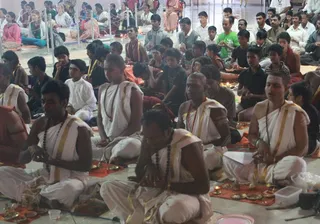
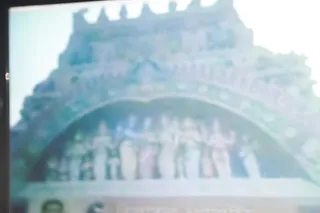
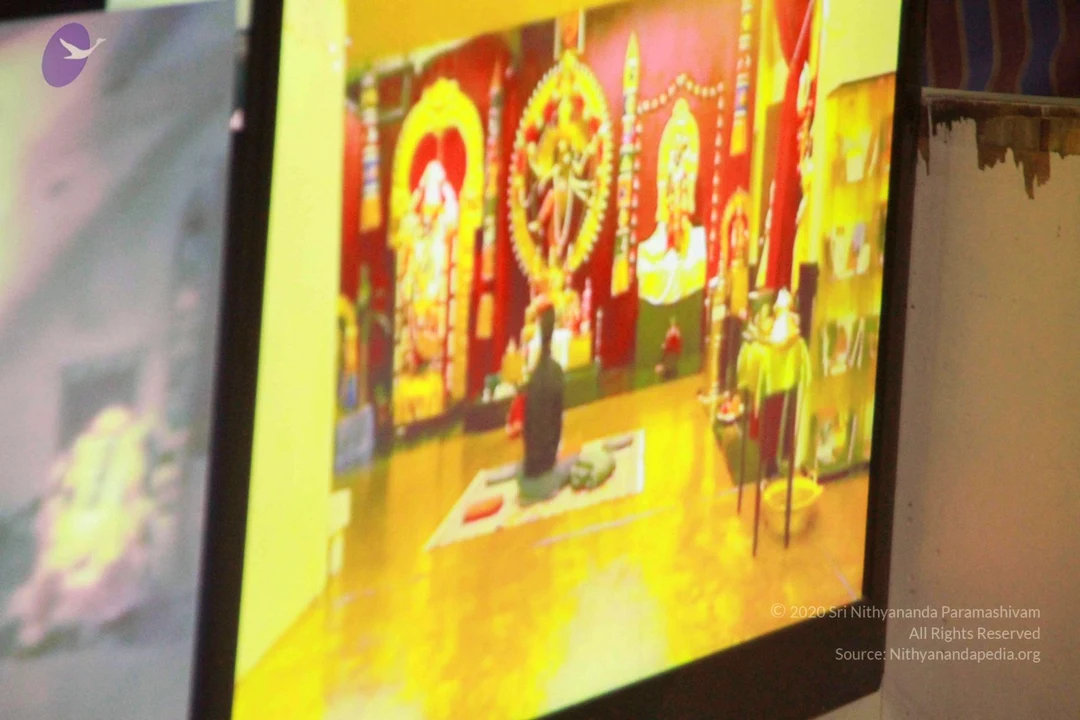
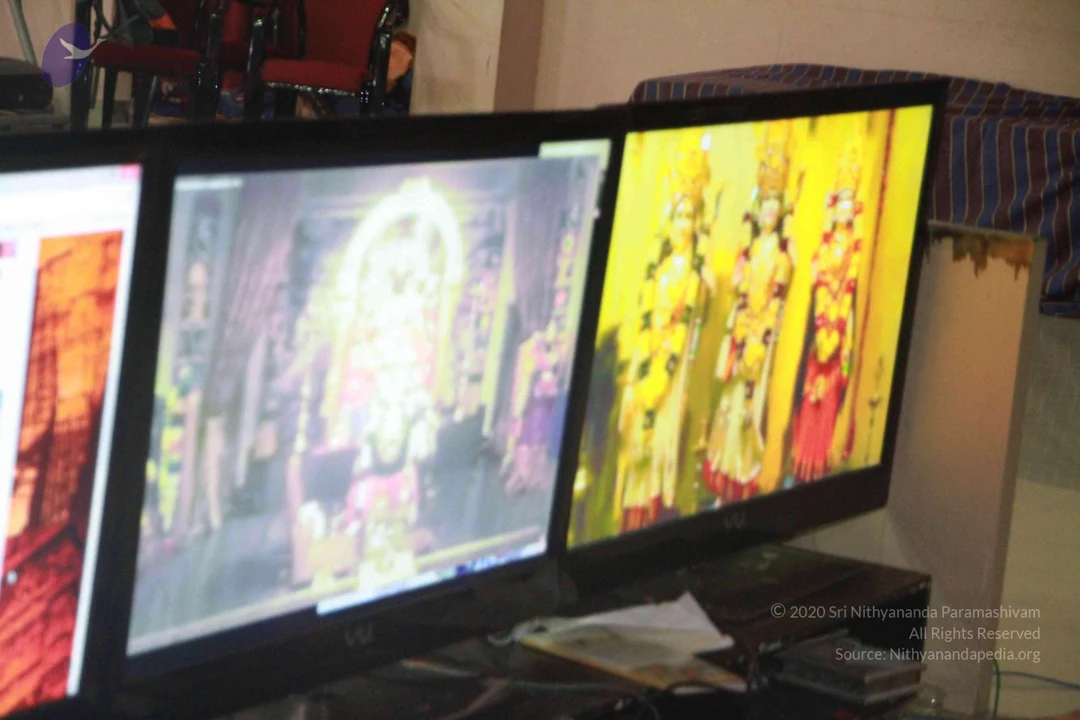
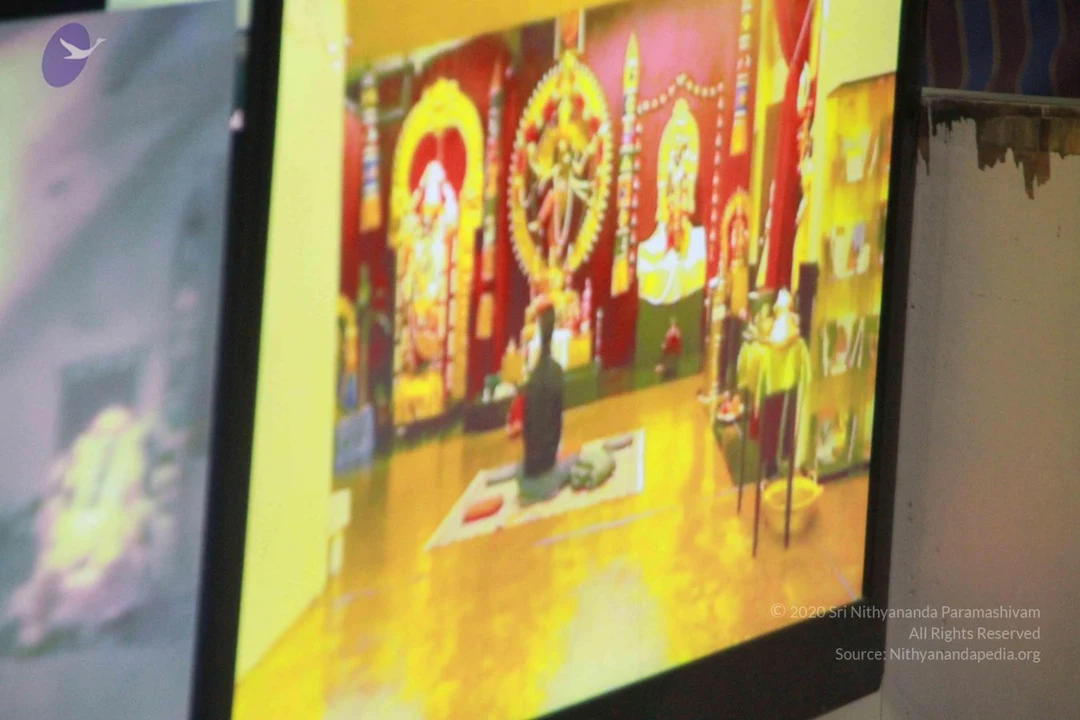
Wow, now, all you guys can... now all of you can see the Kumbha puri. Maha kumbh Puri, Nithyananda Dhyanapeetam branch. Can you project? Hey all you guys can see now? The Mahakumbh Puri, don’t think it is Meenakshi Temple. Actually, just like Meenakshi temple, they have made an entrance. Just like Meenakshi temple our Brahmacharis have made entrance. I was thinking why are they showing Meenakshi Temple? Now, I understood they have made a beautiful entrance, just like Meenakshi temple, in Maha kumbh Puri, Nithyananda Dhyanapeetam branch. Great. Give a good hand to Pujananda, Pujananda has taken the responsibility. See, just our three sanyasis, Nithya Pujananda, Nithya Atma Maneesha Nanda, and Nithya Turiyananda, just these three sanyasis took the responsibility. They have done a amazing job. This is the entrance of the Dhyanapeetam branch in Kumbha puri. Ma, tell them to show the whole. Ma this photo looks just like Madurai temple, Ma 😊. Now only, people will know… it is… [Maha Kumbh Puri Video tour display.] Beautiful ….. Yes...beautiful. Beautiful you can see the pratyaksha Murti and our Nithyanandeshwara and Nithyanandeshwari both. Amazing, every day thousands of people have been given Annadanam, free food in Mahakumbh Puri, in our branch. Great. Ma Send them these.. all these pictures, they have to display it in their Annalaya. Today or tomorrow itself, they have to display.
[00:23:42]
We’ll move to the next segment of the morning satsang. Today’s satsang, No. No mantras. Don’t display 😊. Come on, first listen with integrity and authenticity, responsibility and enriching, sampurti, shraddha, upaayanam, aapyaayanam, cognize, still how many of you feel you need to complete with the pattern of hatred towards memorizing, by hearting and reclaim the power of by hearting, memorizing, which is innate intelligence from your birth. Cognize, raise the hand. So, still you need time, Am I right? Then, let’s wait. Let’s wait. I am going to give you guys time. So, today also, whole day we will work, today evening seven O’clock, commitments and completion session is dedicated to regain the memory power.
[00:25:08]
Please listen. The beauty of your consciousness is: it has a innate intelligence to unclutch from anything by its very quality. That is why whatever may be the suffering, time heals it. See, time has a quality of unclutching you constantly. Vivekananda very beautifully says "Do not worry at all, even if you don’t renounce, Maya will make you renounce. When the time flows over you, it naturally makes you renounce. In Buddhism they call it Kshanikavata. Means, if you just keep a cloth in a air tight container, nothing touches it, does not move, it is there in air tight container for ten years. After ten years, just take the cloth out. It will be piece-piece. It would have disintegrated, decomposed, lost its original state. What is the reason? Because, no weather is allowed to work on it, no wear and tear. Nothing. But even then, it will lose its original state, because time is a solid mass. Please understand. Time is a solid, it works on every object. By nature, time works on your mind and continues to heal you, unclutch you. You just need to remember the time’s ability to clean your inner mirror.
[00:27:13]
How many of you are cognizing what I am saying? Catching it? Listen. Time is literally a wiper of your inner mirror. The inner mirror you carry, even if it gets dusted by the incompletion, the dust settles because of your incompletion, time acts as a mirror to wipe. The flow of time wipes the dust and the mirror is again shining. Hatred towards memorizing, by hearting starts when you stop believing mind is a natural cleanser. In the young age, you did not have the intelligence, you do not remember there is something called time which is a natural cleanser. It cleanses you naturally. It helps you to reflect on the things naturally. Naturally, time cleanses you. That is why we say in a colloquial sense, "time heals everything." Time does not heal, time cleanses. Because of that cleaning, you feel it is healed, but actually, it is not healing, it is just cleaning, pushing it aside, moving it aside.
[00:29:15]
When in your life first time you had the fear, ‘time may not clean my inner space naturally, I may not have the quality of reflecting as innate intelligence.’ Maybe when you started memorizing your tables, 2x2 is 4, 2x3 is 6, 2x4 is 8, when you started memorizing the tables, your teacher would have pressurized, tomorrow you have exam, and till today, you were sitting with that foolish cricket or Facebook. You don’t know how the time passes. God. You just go there and all the fellows are there all over you. And by the time you attend to all the messages and come out, day is gone. All these kids, the day time they are with Facebook, by evening, their face is on the book. Then what will you do? Morning you are on the Facebook, by evening, your face is on the book. See for Me, I have no problem. My life… My life's mission is reaching out to people, so it is useful for Me. For Me, it is a job. It’s My life. But I can tell you, for kids, it is a extraordinary addiction. God.
[00:31:25]
Listen. Maybe when you were starting the by-hearting, memorizing, and the pressure of the exam or the… your parents feeding the negative ideas, “you won’t make it, you can’t do it.” That is the time you start forgetting your innate intelligence ‘can by-heart, memorize and restore, reclaim any information comes in front of your inner space.’ Listen. I am making a long statement. Listen. Your inner space has innate intelligence to hold, store, capture, reclaim and restore any information presented in front of you. Clear? When you can capture all your sufferings and keep it till the age of 50 and relive the same thing, why can't you capture your school syllabus? No. You capture so vividly who has beaten you, who has scolded you. I remember very clearly in the first standard, one of My teacher tried to wipe My Vibhuti. He was insistent that I should not come to school applying vibhuti, means this sacred ash. And, first day he said, I did not care ehhh. Second day he said, again I did not care. Third day, he called Me to his room. Usually in all school, the teachers will have separate room. He called Me to that room. I went there, small kid, and literally he started wiping that vibhuti from My head by his own hand. I just held his hand and bit him so strongly. I have bitten him and he started bleeding, that fellow started bleeding. And nicely I gave. I had a sharp teeth 😊, nicely bit him, and I can remember very clearly where I bit him, on the exact on that pulse, how you...where you feel the pulse, exactly on that nerve. Arrch!! And he started bleeding. And he started screaming, "Ayy I'll tell the headmaster and throw you out of the school and all that." I was a small kid, I put My .. still I remember very clearly a scene, one hand I put on My hip and other hand [Swamiji demonstrates] “‘Ay, If you go and tell the headmaster, it is shame on you only. Small boy has bitten you 😊.” And I will also tell, you have tried to wipe My vibhuti, and that is why I have bitten you. And then I had another one thing, see I usually sit in the temple on a Banyan tree. And this teacher had an affair with another one lady teacher. Every day night, he will come there only, evening; after the school, evening, both of them will come and sit there. And I told him, ‘I will tell the headmaster what you and Lakshmi teacher do in the temple. 😊 That’s it. That’s it. He neither tried to interfere with My vibhuti, he will not even look at Me in the class after that.
[00:35:31]
You can project it Ma.. 😊 If you want to see the effect of what would have happened, you can see the Jnanatma’s cartoon 😊. Only thing is, the guy who was bitten is little older, that’s all. See, when I remembered and narrated the incident, how many of you cognize – you also remember some of these incidents in your young age so vividly? Raise your hand. When you can cognize this information, why we are not able to cognize the syllabus? He is My maths teacher. When I can cognize this so clearly, but of course, fortunately, in My case, I can cognize the syllabus also. Why…how many of you cognize? Please listen. You are able to listen… Please listen. You are able to cognize these kind of a spicy, chili incidents, but not the other information you studied as a syllabus or as part of your curriculum or education. That you are not able to remember, recollect, raise your hand. Why?
[00:37:16]
Then, look in. Somewhere the hatred for restoring those information… storing, reclaiming and restoring. Please listen, I am using the word – restoring. You may ask for the difference between storing and restoring. Many of the syllabus you studied in the school, you store it, reclaim for the examination, pen down, but never restore it and you dump it. Examination is over? O God I should not remember this anymore. Examination is over, I should not remember this anymore. I know people even go and wash their head, take head bath, after the examination you go and take head bath – let it all go away. That is where the pattern storing information, reclaiming them and restoring them is difficult that idea starts in your system. The Vedic tradition, the education always happened through shravana, listening. In Sanskrit, we have a very beautiful word, ekasandagraahya, dvisandagraahya, trisandagraahya, buddhu. Ekasandagraahya means, listening once and repeating it. Dvisandagraahya means listening twice and repeating it. Trisandagraahya means listening thrice and repeating it and you are not allowed to listen fourth time. If you are not able to repeat in three times, as a trisandagraahya, you are called buddhu, and you will not be allowed to sit when a master takes the sessions. You will be asked.. you will be given a prayaschitta, you have to go and sit with the river and listen to the sound of the river, you have to sit with the bamboo grove, listen to the sound of the bamboo, you have to sit with the breeze and listen to the sound of the breeze; the training for listening, shravana is given to you.
[00:40:08]
It is time now, all of you listen. Ekasandagraahya means, once you listen, the inner space is able to capture, store, reclaim, and restore. How many of you feel, “I was able to reclaim for my examination, but did not restore?” Raise your hand. Because, you have been given a wrong idea that your mind has only a certain amount of capacity, like a Gmail, email..and all your mail memory storage. What some gigabyte, megabyte, how many gmail gives? How much gmail gives? 25... 25 gigabytes. But you need to know your brain is not a hardware where the gigabyte memory is restricted to the size and shape available. It is a software to the cosmic memory. Listen, your brain is not hardware restricting certain gigabyte, megabyte memory level. It is a high-speed connection, access to the whole cosmic memory. This shift has to happen.
[00:42:02]
It is very unfortunate you've been given a wrong cognizance – if you memorize this much of material, you will not be able to memorize more. The information is considered as the volume makes memorizing as difficult. It is not volume. Your brain is not restricted by the volume of the information. You just need to raise the bandwidth of your net connection. Clear. So, you need…. you need to heal the wrong cognizance you have been given. Find out who first taught you? Whether your school or a teacher or parents or uncle who taught you ‘The information volume if it increases, you will not be able to remember.’ Somebody would have given this cognizance to you. Find out that. Who gave you that cognizance, wrong cognizance? Heal that wrong cognizance. How many of you understand you have been given this wrong cognizance? Clear? It is a wrong cognizance. The ability to store, reclaim, restore is not dependent on the volume you handle. How many of you have… please authentically cognize. How many of you are boggled, mind boggled by the amount of information I handle? Whether in My morning satsang, or the administration, mind boggled by the amount of information I handle?
[00:44:09]
With authenticity and integrity, keeping Kalabhairava as witness, I tell you, I don’t have memory. I just have high-speed internet connection. I have a back-office called Hiranya Garbha, where the whole thing is stored. Where every possibility is stored. It is just, necessary informations are directly accessed and shared. If you have given even a small bit of information, who spoke about Me where to whom and how it travelled, after twenty years, you can get that information very clearly from Me, when exactly it is required. And the fellow who gave Me the information would have forgotten. Jnanatma is giving a note, "It may also be that we don’t like that subject and don't want to remember that information any more and also that it is not going to be useful in life any more.” Listen. Even this question has a underlying current of volume. There are millions of things which you don’t need but you keep in your house. Am I right? Then why the information, when you think you don’t need, you don't want to keep it in your brain? When you can keep so many things which you know you are not going to use at all, keep in your house. I know My grandmother, the grinding stone after the mixie has come, and mixie is available in My house, she will keep some seven grinding stone. We call in tamil ‘ammi and kulavi” seven grinding stones she will keep in the house in verandah, you can't walk. No, you can’t walk, if you put your foot, and if the grinding stone falls on your leg, your leg will be ground. But seven pieces she will keep in line. I used to ask, why are you keeping this, when we have a mixie? "In our house, so many girls are there, when each one of them get married, I have to one, one as seethanam", as dowry. No, how many of you have seen in your house, enough of unnecessary things stored? When you store the things unnecessary in the house, why can't you store the information also, even though it is not necessary? Jnanatma, doubt is cleared?
[00:47:12]
When you practice… when you don’t practice aparigraha in the solid objects, why do you practice aparigraha in ideas and concepts and memory? Because you have been given a wrong cognizance of volume concept of memory. Memory has no volume concept. You only need high speed internet connection, means the completed inner space. The inner space which has a completion has access to any information. And that is what, Jung, whom I call usually as Junk, here I will call him as Jung, because there are one or two right ideas he has given. Jung says very clearly in his theories of psychoanalysis, "when your inner space is in restful awareness, 98% of what happens around you is consciously cognized." If not, only 2% is consciously cognized, and he says, it is always either 2 or 98, there is no in between. Unfortunately, he has not seen a single enlightened being, so he is not able to say, there is something called 100% exists. It is so unfortunate, he came all the way to Chennai. From Chennai, started driving to Tiruvannamalai, in Chengi, he was coming in a taxi… in those days, the taxi means, it goes by that coal where, if it stops, you have to… there will be a kind of a gear. The driver has to come down and get in the front, you have to fix the gear, and rotate that and start. Then it will again start. This guy came to Chennai and got the taxi and driving towards Tiruvannamalai to have the darshan of Ramana Maharshi. Near Chengi, his car stopped. Those day’s car…before I think in 1940s.. So, the driver got down and he is trying to restart the car. Suddenly, he was hit by the panic attack and he started feeling, “If I go and see this master and if some of my ideas, concepts are proved as wrong by him, I have to give up all my concepts on which I built my whole life, it is too much of vested interest. No!”
[00:50:04]
He just put his head… hand on his head. The moment the vehicle started, he told the driver ‘turn back. Let’s go to Chennai back. He went back to Chennai, flew back to his country. That one meeting missing is a biggest loss happened to western psychology. That one meeting, if it would have happened, western psychology would have been speaking about life, jiva, eshwara, jagat in a totally different language. The way the western psychology cognizes the world, god, consciousness and the humanity would have been completely different. Unfortunately, maya took care his taxi stopped, she managed; because, one meeting with Ramana Maharshi is enough. Person like a Jung, who has done so much of research on the mind, naturally, he was very sensitive, he would have been just floored by the presence of Ramana Maharshi and western psychology would have been completely different. It is like how, in Indian tradition, we have stories, when your rahu is in peak, he will never allow you to go to guru. Even if you go to guru, he will lie down as a snake on the way, on the path and see to it you are driven out. So, the rahu of the western psychology was in its peak and did not allow Jung to meet Ramana Maharshi.
[00:52:22]
How Ouspensky missed Gurdjieff. P D Ouspensky who is a great disciple of Gurdjieff, in the end started telling, whatever Gurdjieff used to teach earlier was true, now he has become mad. It is like a some ex-disciples talking about Me. When they can’t internalize, raise their cognition and transform, they say I have become mad. Sameway, Ouspensky claimed his own guru Gurdjieff, George Gurdjieff became mad in the old age. Just like how Ouspensky missed Gurdjieff, Jung missed Ramana Maharshi. But what Jung made, this statement, the biography says, I am reading out exactly from the line: “He was in the South, within two hours distance, he could have reached Ramana Maharshi. For three months he was in India but he avoided.” From Chengi to Tiruvannamalai, two hours in those days, now it is only 45 minutes; 2 hours in those days. I am reading out from exact the words from biography. But, I have read some of his letters, where in detail, he describes the incident - ‘near Gingi’, in those days, it was called Gingee, G I N G E E- “My car stopped and I had a panic attack, and I felt if some of my ideas with which I built my whole life and teaching is disproved by the Ramana Maharshi’s presence, it is too much of my vested interest to alter me and my followers.” Because, he had at least ten thousand people following his theology, the theories he built. Psychology is nothing but one more type of religion. Just like communism is one more type of religion, worshipping no God and the polit bureau members of the papacy. They play the role of papacy; that’s all. So, it was too much. He did not meet. But the statement Jung made is basically factual, truthful, right. When you are not in conscious restful awareness, you cognize only 2%.
[00:55:25]
Oh now they joined, Houston Kalahasti.. I can see you guys. Blessings. Monterrey Mexico and Los Angeles, I can see you guys. Los Angeleis I can see you guys. Monterrey Mexico and Los angeles great. Listen. When you are in restful awareness, you cognize 98% of the information. If not, only 2%. Listen. As long as you cognize information and the concept of storing in your system based on volume concept - ‘If there is a more volume, I am going to be forgetting, or it is going to be a load.’ No! If it is volume based, long before, I should have lost My brain. I should have become imbalanced. How many of you feel at least ten time the information you are storing I am storing in My brain? At least ten times. Then, I should have lost My brain. It is not volume. It is not quantity. It is quality. Listen. Capturing, storing, reclaiming, restoring – this process does not operate on the tattva of quantity, it operates on the tattva of quality.
[00:57:31]
So, the first thing you need to do, go back to the root pattern, who gave you this wrong cognizance? How many of you already tracked, when you got this wrong cognizance? Great, if not sit and contemplate, do manana and catch who gave you this wrong cognizance, this process happens based on volume? No. Volume is not the base on which the whole process happens. There is no such thing as, if you have 2000 files, you will forget things, so better we ourself will throw away unnecessary 200 files out and make space for new 200 files. It is wrong cognizance. Any amount of files can be handled. You just need a powerful inner space of completion, restful awareness. Otherwise, for the amount of information I handle… understand, when somebody comes to meet Me, all the meetings they had with Me, and whatever was shared, I can literally verbatim repeat. People who live around Me can understand what I am saying, verbatim I can repeat every information.
[00:59:45]
Many time the words which they wanted to say did not say also gets recorded. No, that is mystical power forget about that. But this memory is not related to mysticism or mystical power, it is simple completion of the inner space. There is a question from Sneha Mayi San Jose. Hey project San Jose. Project, connect San Jose. There is a question from Sneha Mayi. Sneha Mayi you are able to hear Me? Yes, okay. She says, she is asking, "Is Swamiji agreeing with the Jung's theory ‘it is either 2% or 98% based on restful awareness and nothing in between’?" Yes, it is either 2% or 98%. There is nothing in between. That is the truth. That is the truth for all common men. Of course, when you become enlightened, you will have 100%, that is very rare. Exemptions, other than the exemptions, as a rule, either it is 2 or 98. That’s all. There is no in-between.
[01:01:20]
Listen. Go back to the root thought pattern when you have been given the wrong cognizance that memory functions based on volume and complete with that person who gave you the wrong cognizance. If you are not able to reach out to the person, sit with the mirror and do the Swapoornatva and complete with the wrong cognizance. Understand. You have to complete with each wrong cognizance, responsible for limiting you, making you powerless, limiting you and making you powerless. A strong clear, right understanding about memory is a basic requirement for any successful leader. By accident, by fluke, by destroying others, you becoming leader is different. But if you really prove your capability and become leader, you need this wide memory. The wide memory, a quality memory is a basic requirement for any successful leader.
[01:02:52]
So, listen, you will today, spend the time in going back to the root pattern of when you have been given that wrong cognizance of ‘memory works based on volume’. Capturing, storing, reclaiming, restoring does not function on the basis of the volume of information. It is not gmail storage, that you have only limited storage. No. Brain is not a storage space. It is a opening for connection. You need to just develop that bandwidth of your net connection. You don’t need to expand the storage space. If you are thinking in the angle of expanding the storage space, what will you do? You will try to create more and more storage space by using some technique which creates stress in your brain. Unfortunately, you will remember all the unpleasant things of your life. The more storage space you create, all those things come and occupy; what your wife said, what your husband said, what your mother-in-law said, what your father-in-law said. You will remember so vividly all those fights, but you will not remember what is your bank balance. No, really. How many of you cognize you don’t remember the vital information like your blood group, bank balance, some close peoples cell phone number, or the emergency cell phone numbers, your passport number, you don’t remember any of that, but vividly, you remember all the fights you had with your mother in law and daughter in law and son in law and all in-laws? Raise your hand.
[01:05:08]
Because you think memory is based on volume. Memory does not function on the basis of volume. It functions basis on restful awareness, the quality of your inner space, the quality of your inner space. Listen. When you reach completion, your inner space cognizes everything. Everything means everything. Whatever is happening around you, the cognizing happens…[Swamiji welcomes a guest and requests him to sit - in Tamil] cognizing happens with your innate completion; the possibility of the completion is responsible for your cognition. Yesterday, there was a big discussion in our ashramites’ session on commitments and completion session. One of the biggest point – ‘who makes the decision? Why certain types of response and reaction happens to us? Why do we react in the way we react?’
[01:07:31]
My childhood, in the street corner, every year they will read Mahabharatam in the day time and evening they will do the drama. Day time it is a reading-theory and the night time, it is a… like a small drama. They will have some local, few villagers will be there and they will have one small table and that is a stage and I have described many time how they men will wear the saree and do the woman role also, and the old 80 year old man will act as a Krishna with all that blue paint on him and till his scene comes, he will be standing in one corner even smoking beedi and instead of having the flute, he will be having beedi and then suddenly he will throw and come back and start his scene. Usually, in this kind of dramas, you should never sit on a place if there is a small heap of sand.😊. it is either the betel nut saliva of a old lady or one or two of a small child. 😊 When these old ladies or kids when they do whatever they do, they just keep a small heap of sand to cover that and avoid the smell and move out. If you see a small temple tower, don’t sit on it – is the theory you need to learn. And if you sit on it, you may have to go and wash yourself. 😊 See, each person responds differently. Each person reacts to things differently. So, please listen, when you start feeling dirty, that stays in you for various reasons and goes on reminding you, a certain kind of a distance with your body is developed. Certain kind of a… untouchable feeling with your body is developed. When I was listening to her, I remembered My childhood and I tried to see, did I have anything like that? Nothing Like that. Because, Raghupati Yogi had a pet pig. It used to live in temple. He used to call her as a Varaahi, and I’ll play with her. She took away the idea of that ‘dirty’ from Me. Raghupati Yogi had many pets. It is not that he was keeping them with him, they will all be running around, but when he comes to the morning for Yoga, they will all be there. He had two snakes, two dog, one pig, few doves and sparrows. Morning they will all come and sit around him. He will give them some food and play with them.
[01:10:46]
Yesterday the main discussion was, why we choose to respond, react in certain way to certain situations or the space? What is the reason for our response? Please listen. This is the answer. Casual curiosity. Nothing else. Neither sanchita, nor agamya, or prarabdha, trikarmas are not reason for the way you respond, it is simple casual curiosity. You would have seen your mother responding that way. You would have seen your father responding that way. You would have seen your friend responding that way. The casual curiosity with which you collected those information, that’s all, you start responding. Unfortunately, once you show certain response, you get affiliated to it, identify with it and decide – this is the way you respond, this is your individual identity. Later on, moving from one type of response to another type needs completion. How many of you cognize the casual curiosity as a tattva? Please raise your hand. As a tattva, if you cognize the casual curiosity.
[01:12:21]
Now, it is your responsibility to make this tattva into satya. Dig out. Dig out where all you started responding out of casual curiosity, out of casual curiosity. Today you will do this as a homework. After all Sunday, no work, no office, you guys can do this homework. So, today Sunday, this will be your homework. I have a question from Ma Shanta, "if it is casual curiosity, why does it make such a big impact on us?" Shanta, where is she? See the first...listen. When you make the first decision, it does not make big impact on you. Even yesterday, the ashramite who was sharing – when she first made the decision to feel dirty, it did not make a huge impact on her. After that, she gets affiliated to that way of responding. Listen, after that, because of her affiliation to that same way of responding, she continued, continued, continued, continued. Because of her continuity, that first decision made a huge impact.
[01:14:24]
Understand. Because you are continuing to be a sanyasini, your decision to become a sanyasini made a big impact on you. After the third day, I screamed at you, if you would have ran away, the decision you made of becoming sanyasini has not made a big impact on you. Continuity makes the big impact of your first decision. Clear? Listen. Success writes the history. So, it is the success, the continuous reactions you do based on which, you look back and sing or cognize about the impact of that casual curiosity. Got it? If the ashramite who was sharing yesterday has come out of that suffering, that pattern, did not react in the same way of feeling dirty second time, that would not have made a big impact on her. It would have died down as a casual curiosity and she will not remember that now with so much of impact, The continuous support you give to the casual, curious reaction makes that as agamya. Kamya means casual curiosity. Agamya means intense causal curiosity. When you bring the word intense, the casual is taken away. Intense curiosity leads to casualty. Clear? When you are affiliated to that response as your own, there comes the possibility of the deeper impact and pattern. So, these three tattvas today is the homework for you all.
[01:16:40]
Dig out the root pattern where you have been taught ‘memory functions based on volume’. Are you clear? If you are committing, raise the hand. Second, second tattva…. Listen, go back and dig out the root pattern when you have been made to cognize, when you have been taught - ‘memory capturing, storing, reclaiming, restoring functions based on the concept of volume’. Clear? How many of you are committing? Raise your hand. Today, you will dig out this. Relax. The second tattva….second tattva, listen. The second tattva is ‘Why you respond to certain situations or the cognizance, the way you respond’; the casual curiosity, the source of casual curiosity is the second tattva. Third: You will do completion with both tattvas. How many of you cognize for the second and third? Raise your hand. So, all the ashramites, by today evening in the commitment and completion session will be ready with your completions. And devotees can sit in front of the mirror, give their completion wherever you are. Clear? So, now, I will move to the next segment of the morning satsang.
[01:18:42]
Tags:
Paramahamsa Nithyananda, memory, computer, respond, curiosity, awareness, unconsciousness
Photos Of The Day:
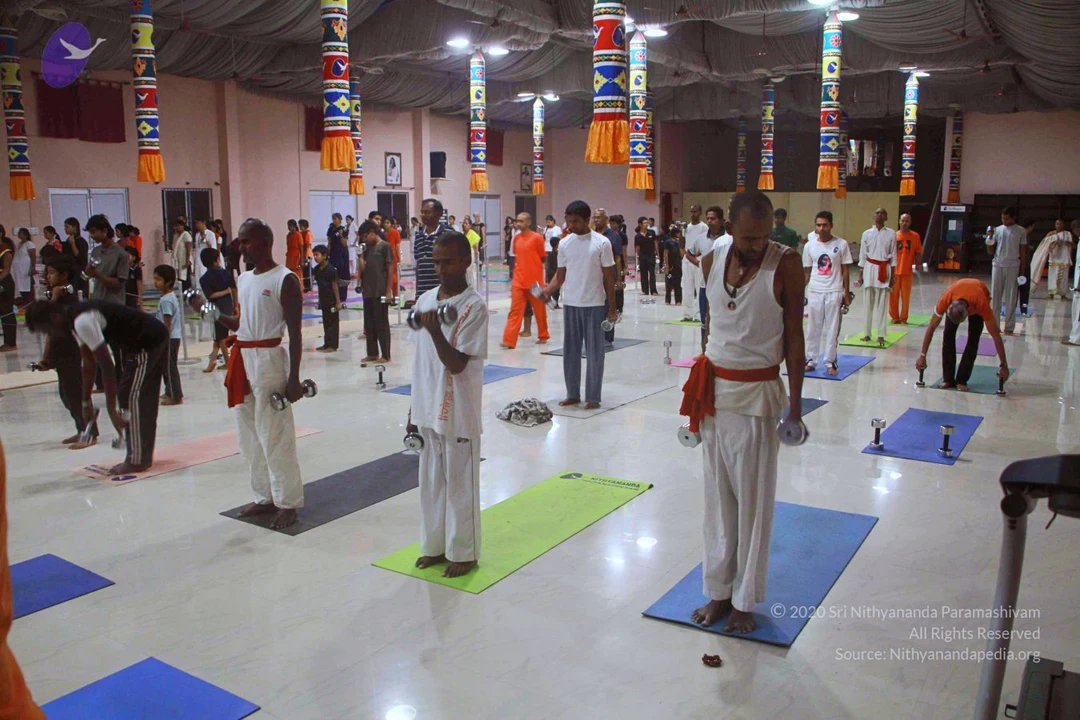
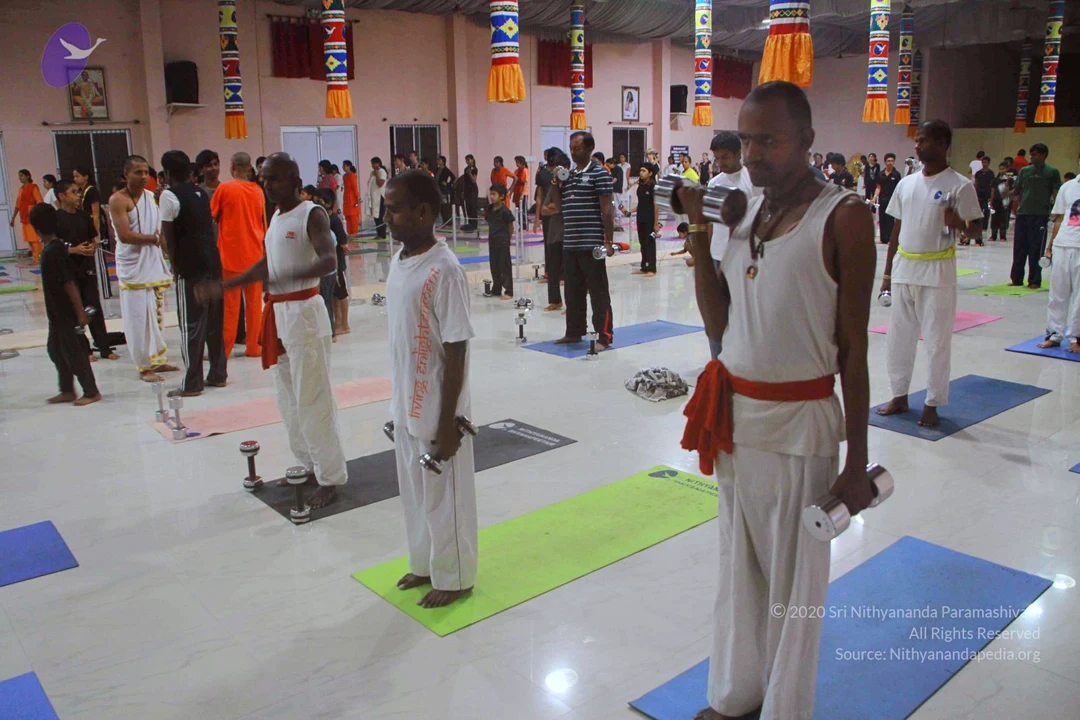
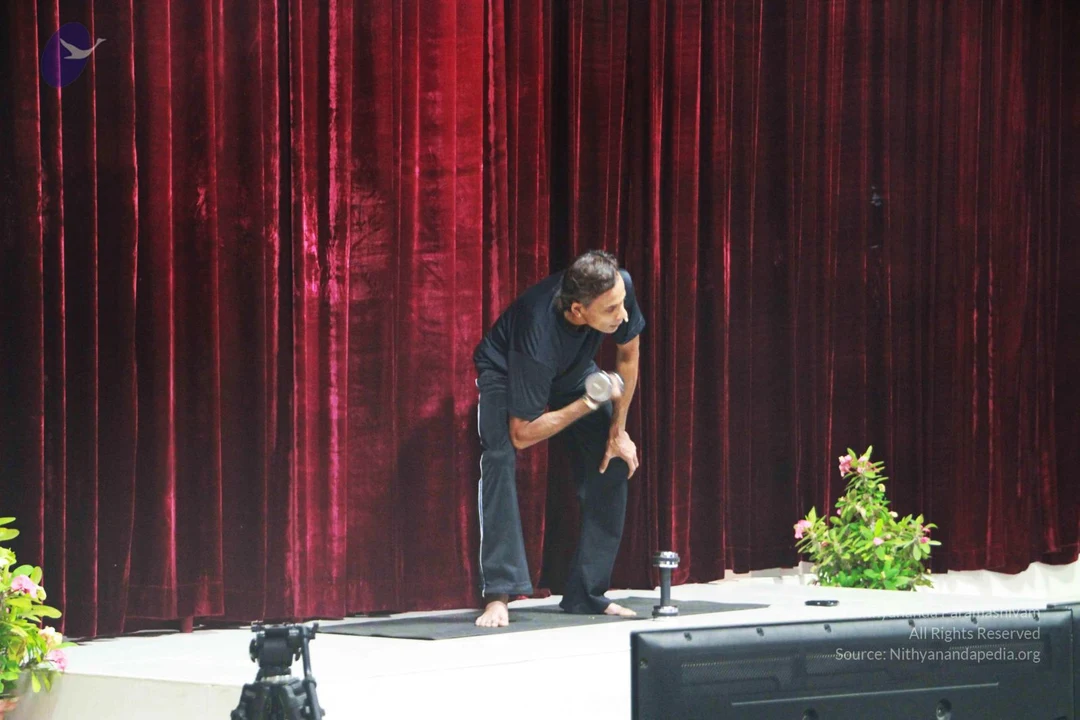
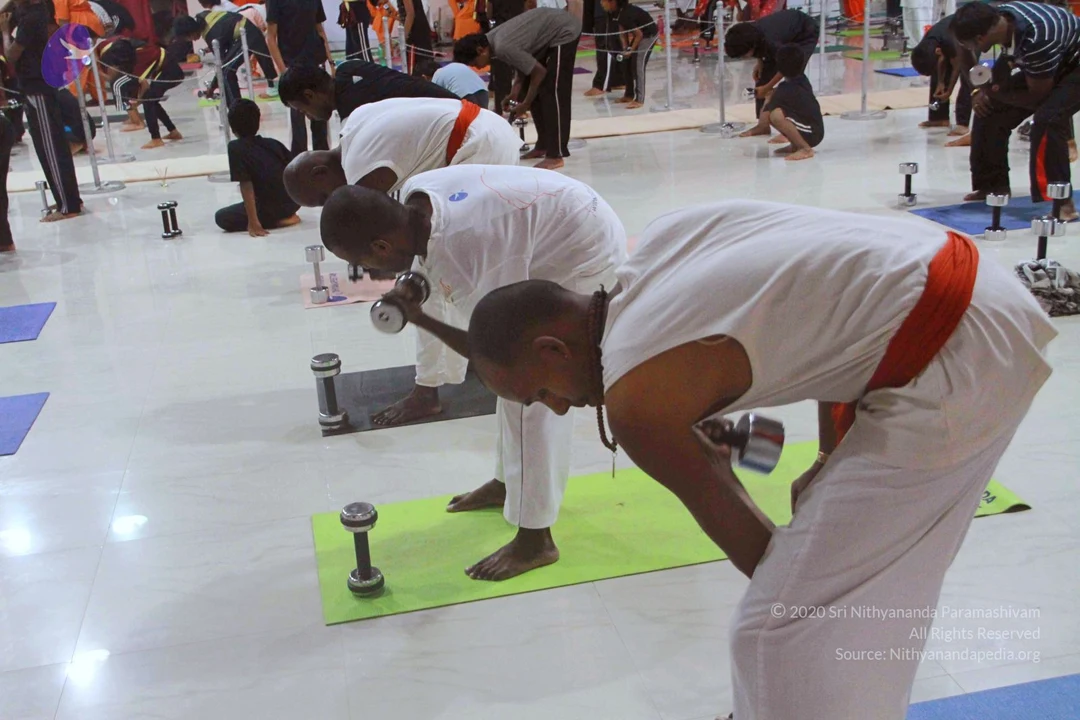
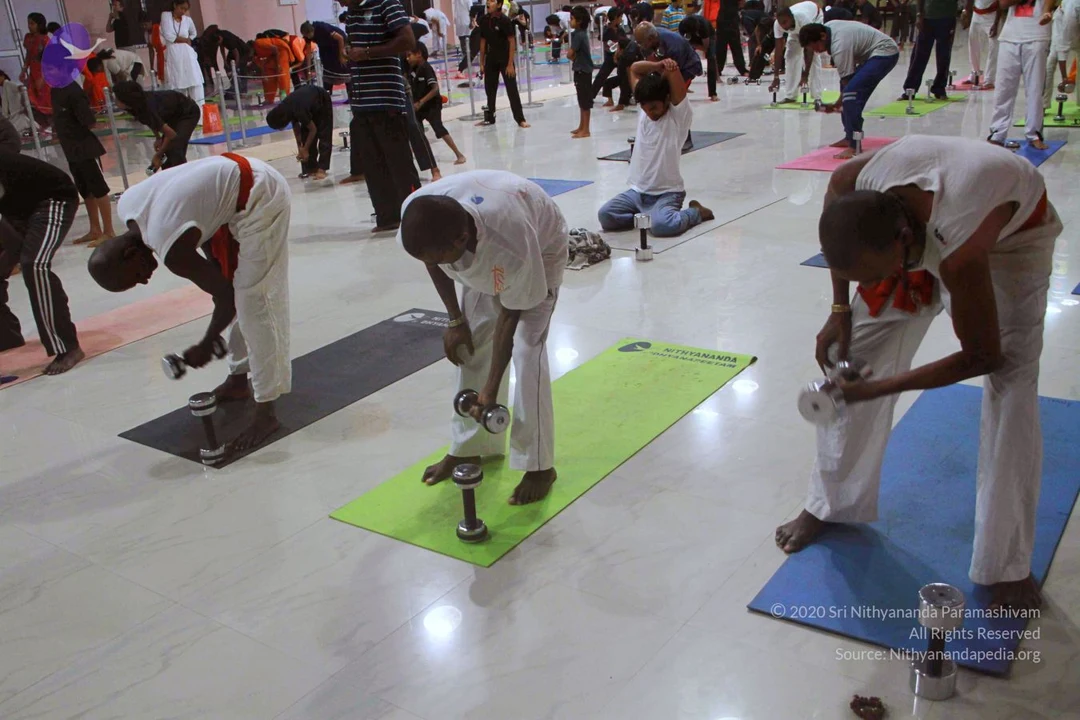
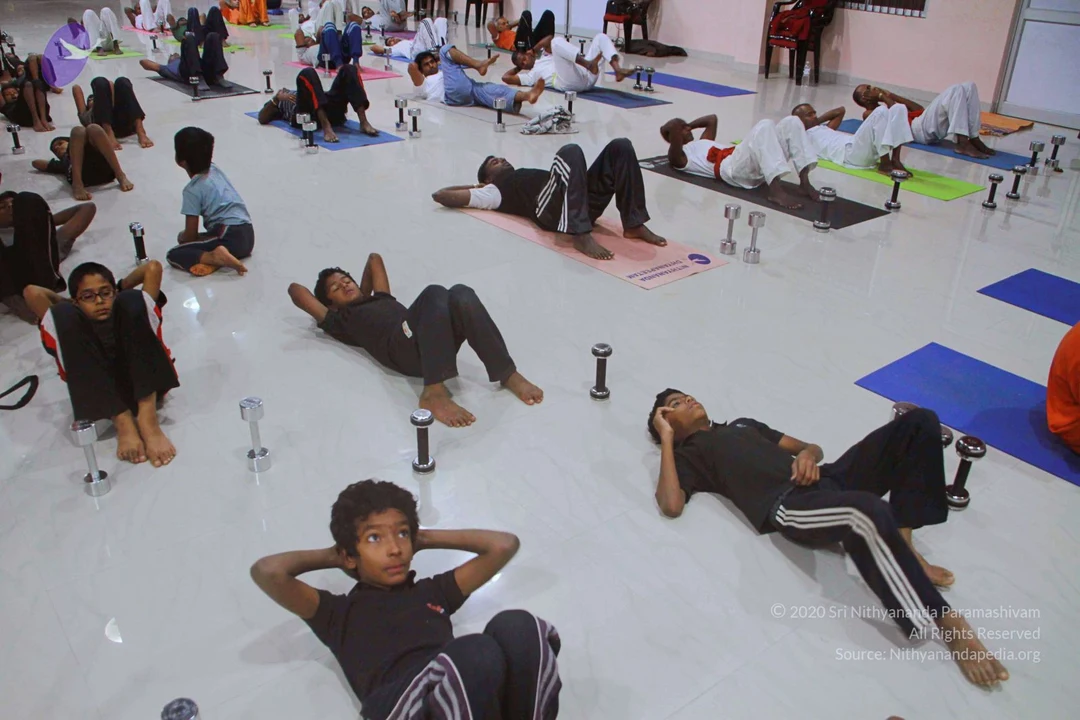
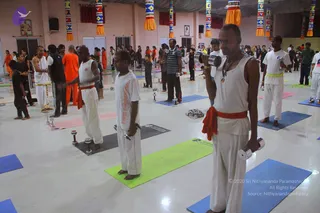
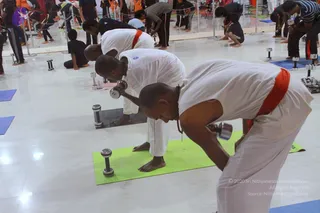
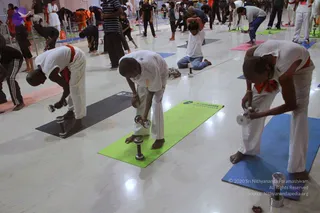
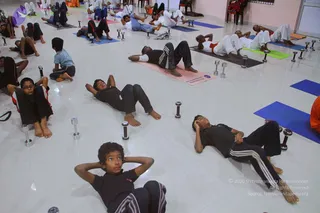
MorningYoga
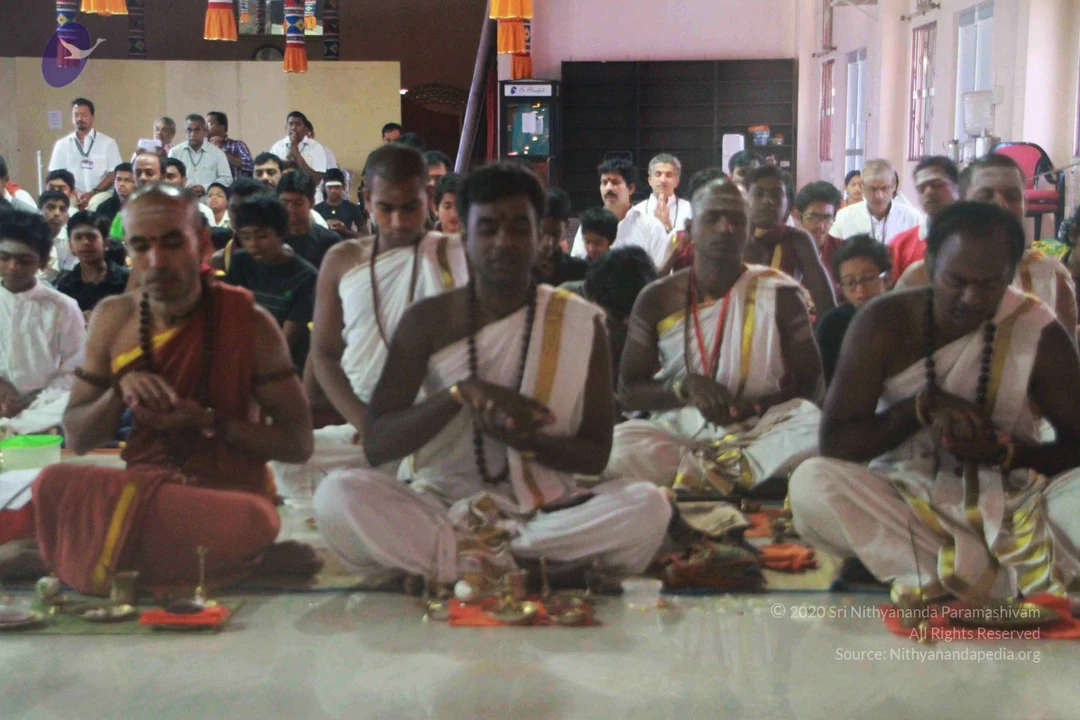
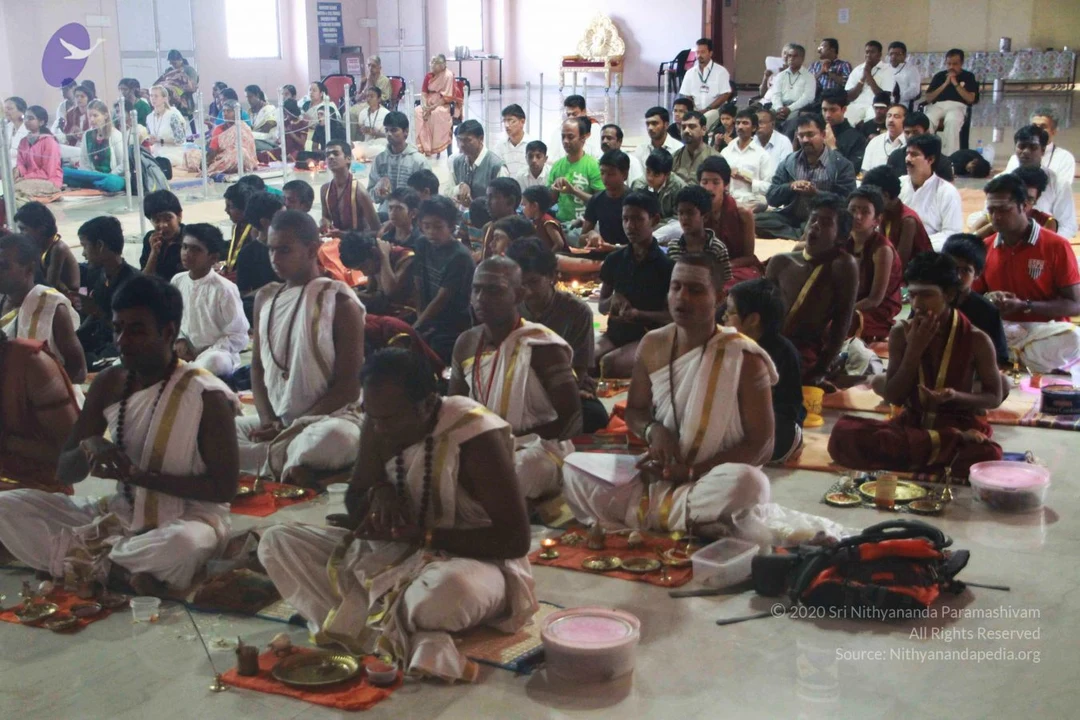
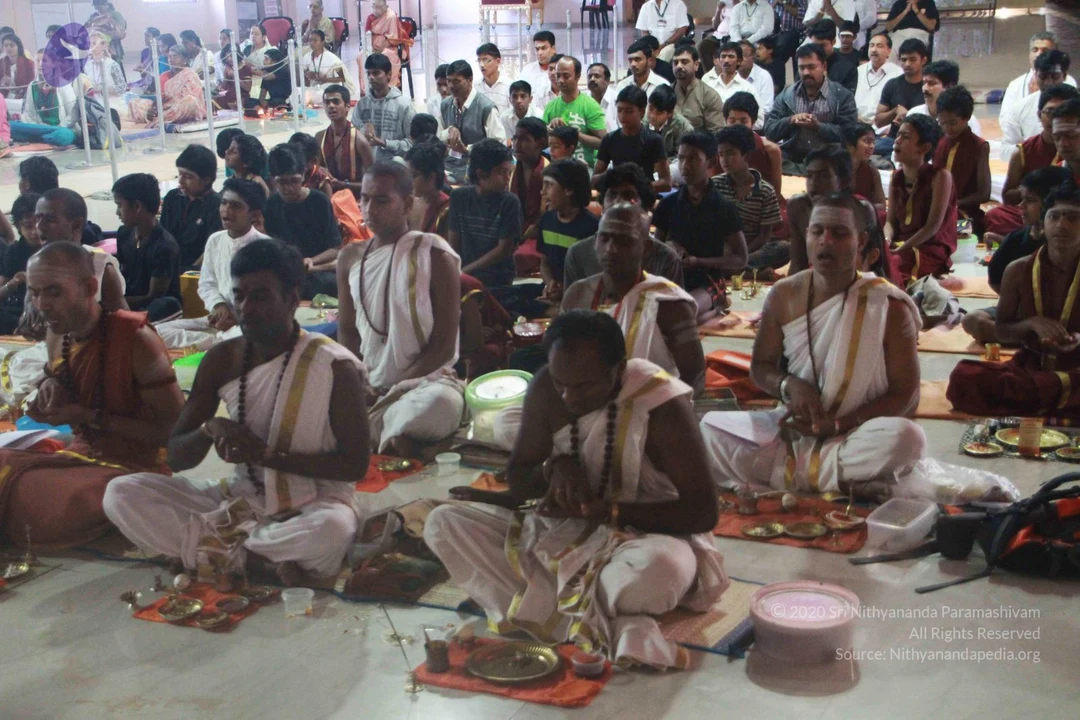
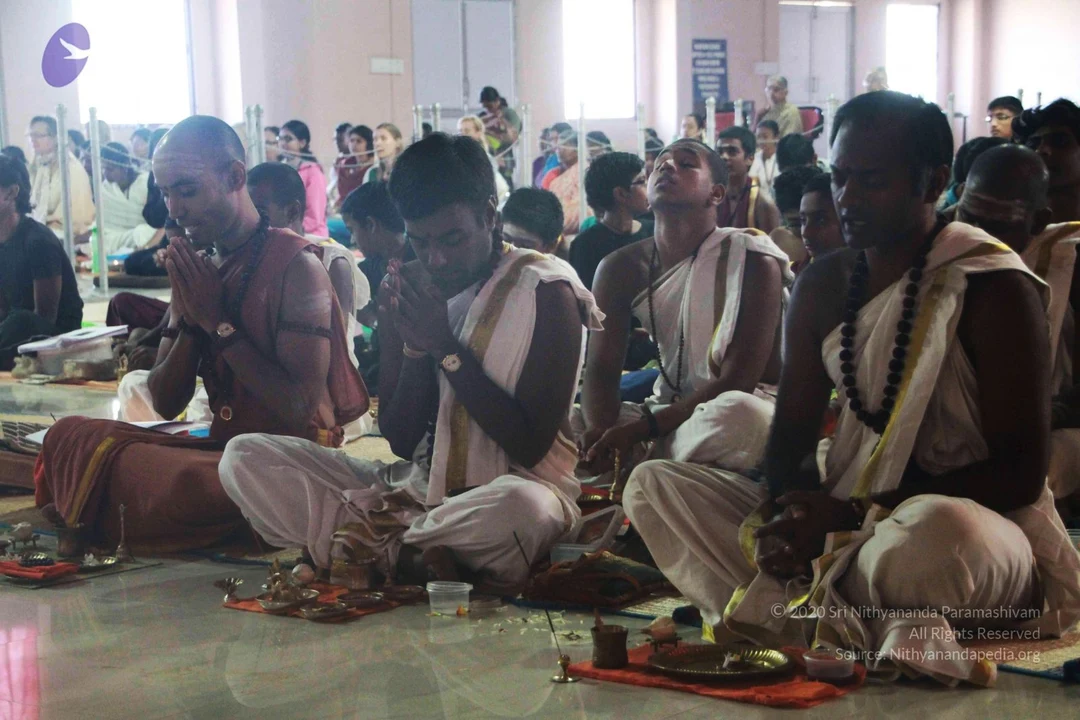
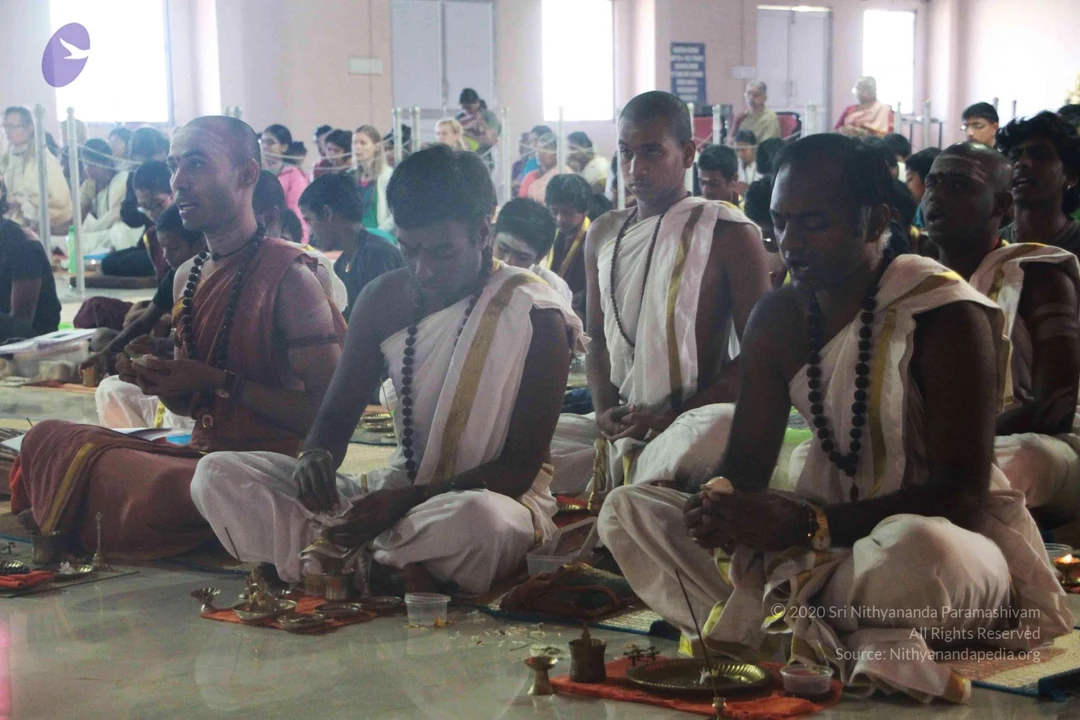
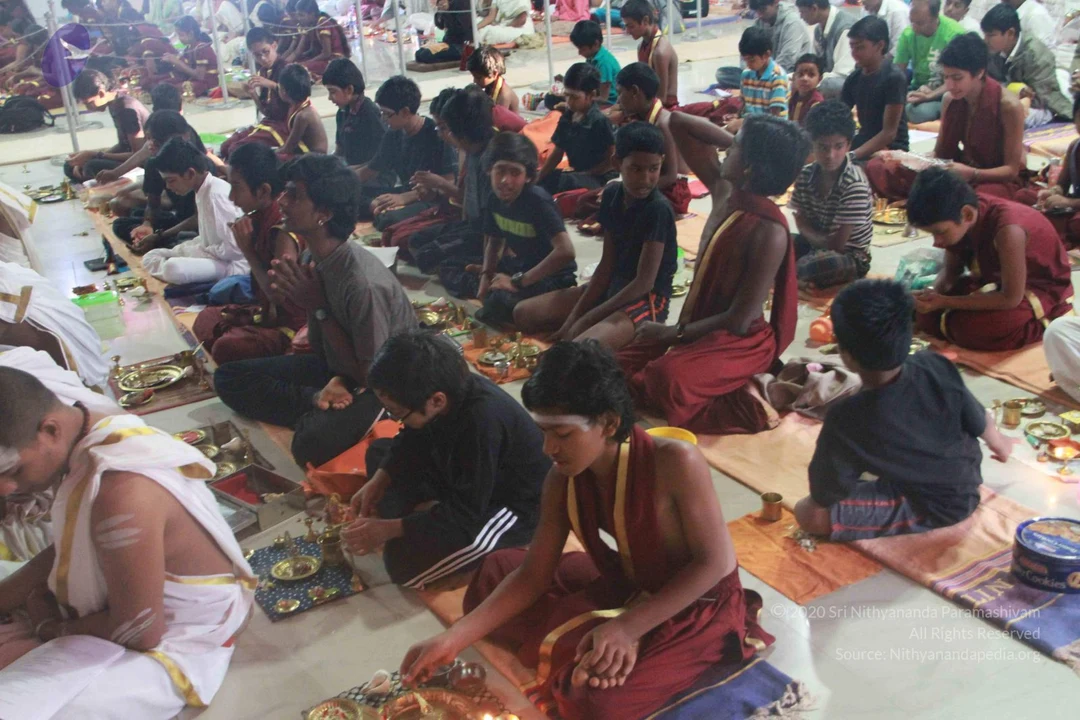
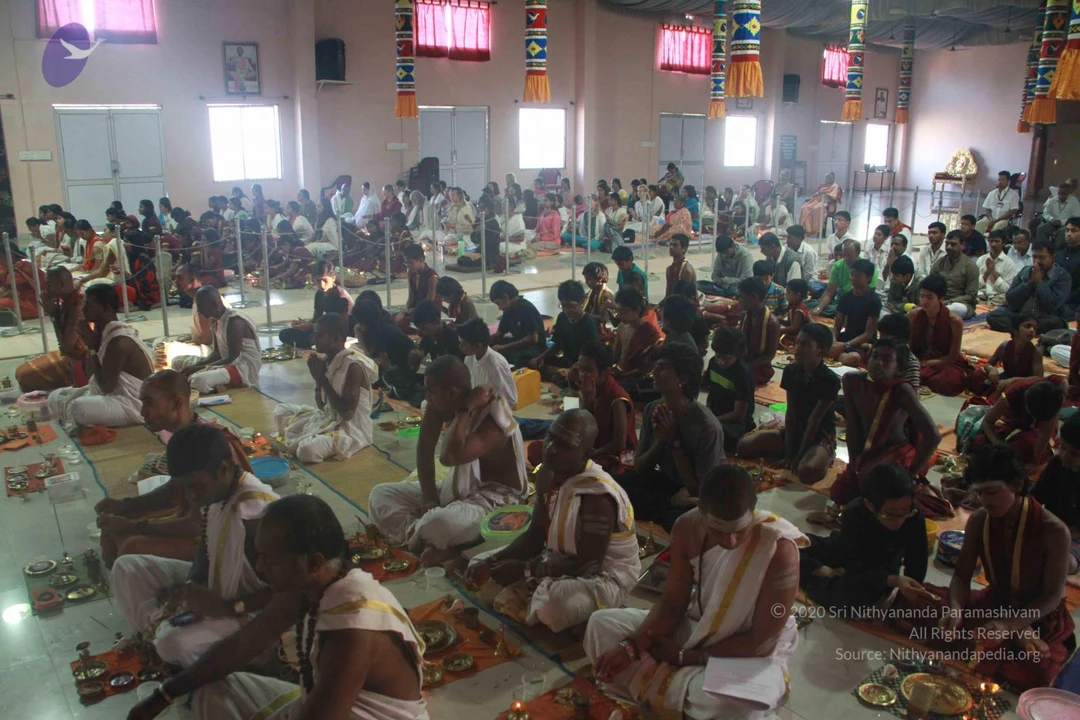
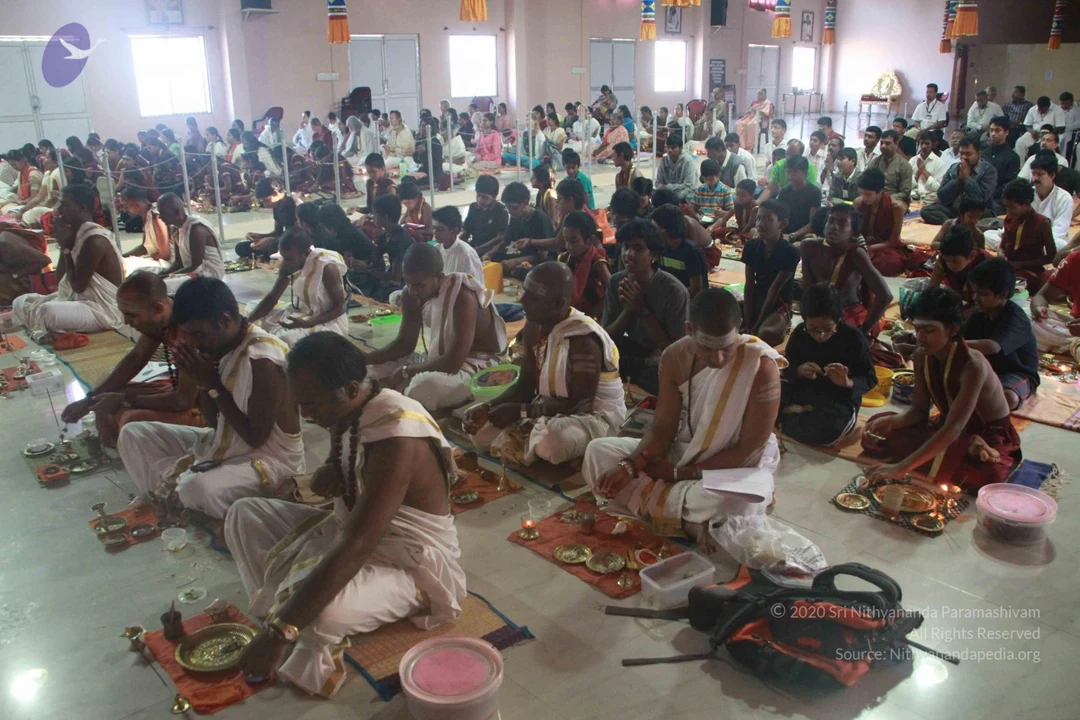
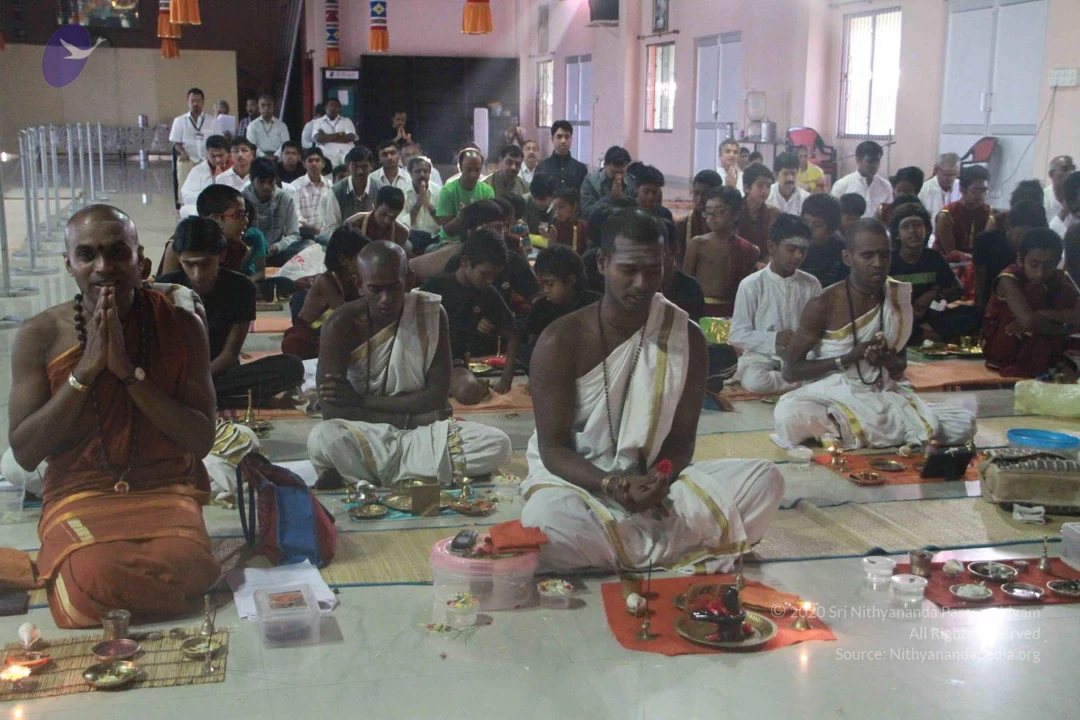
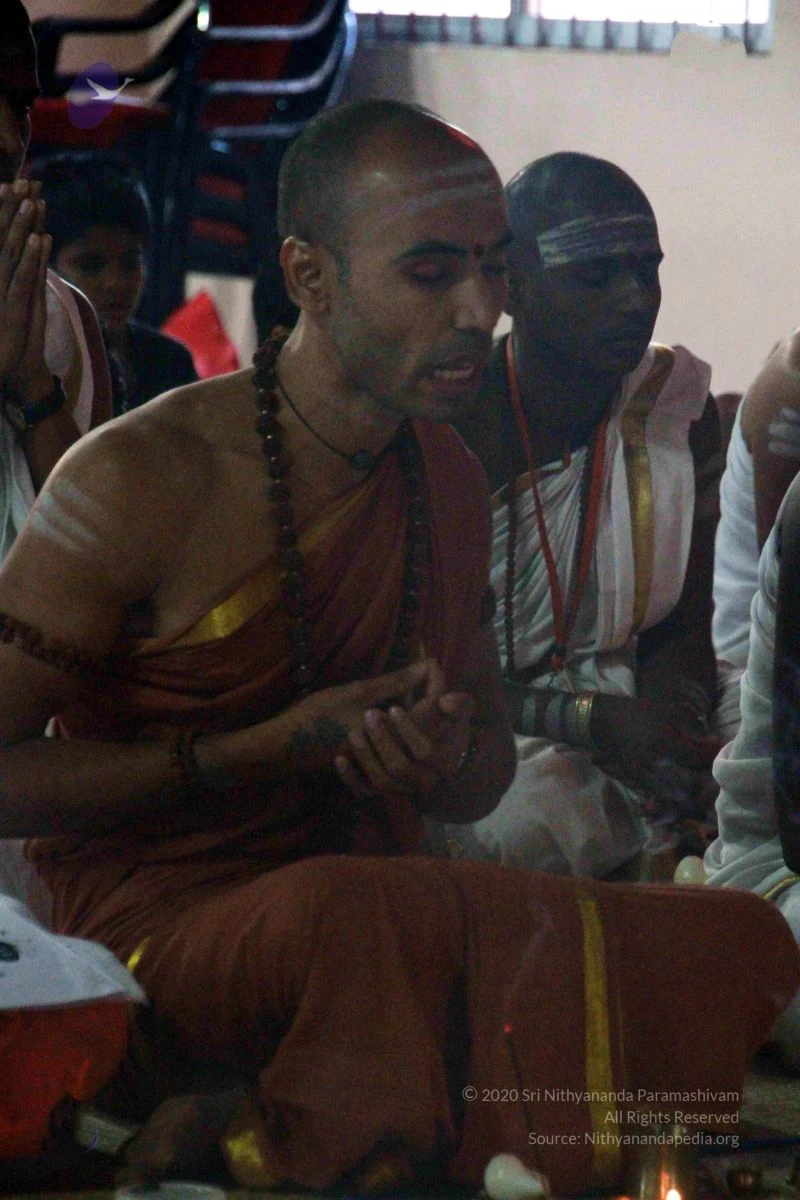
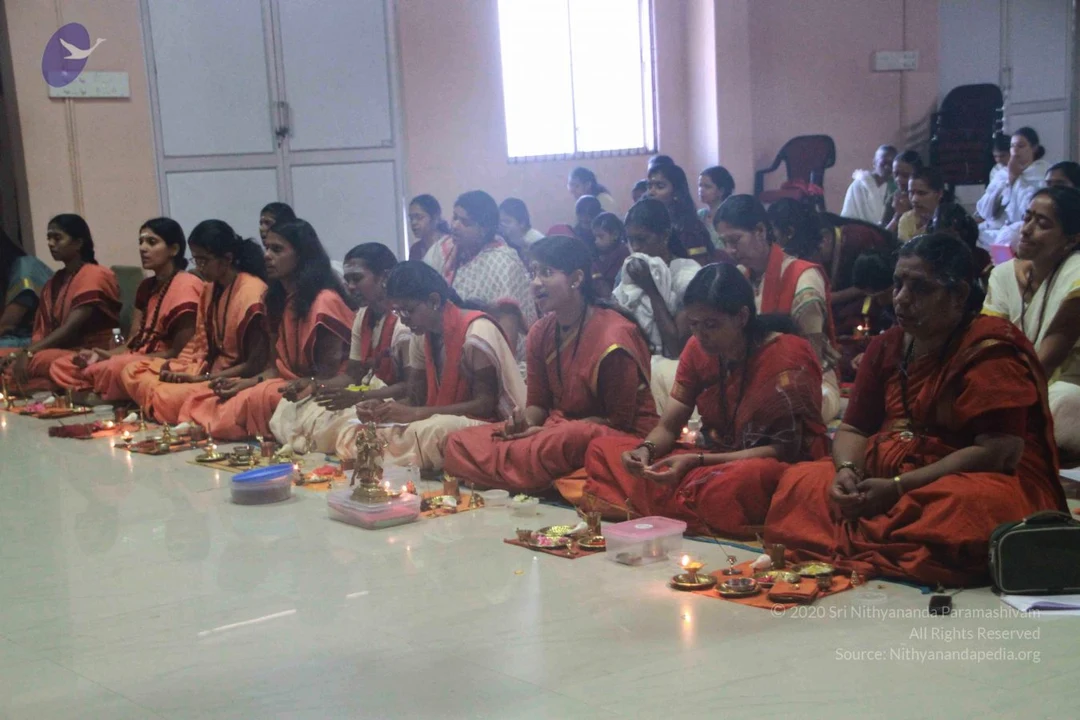
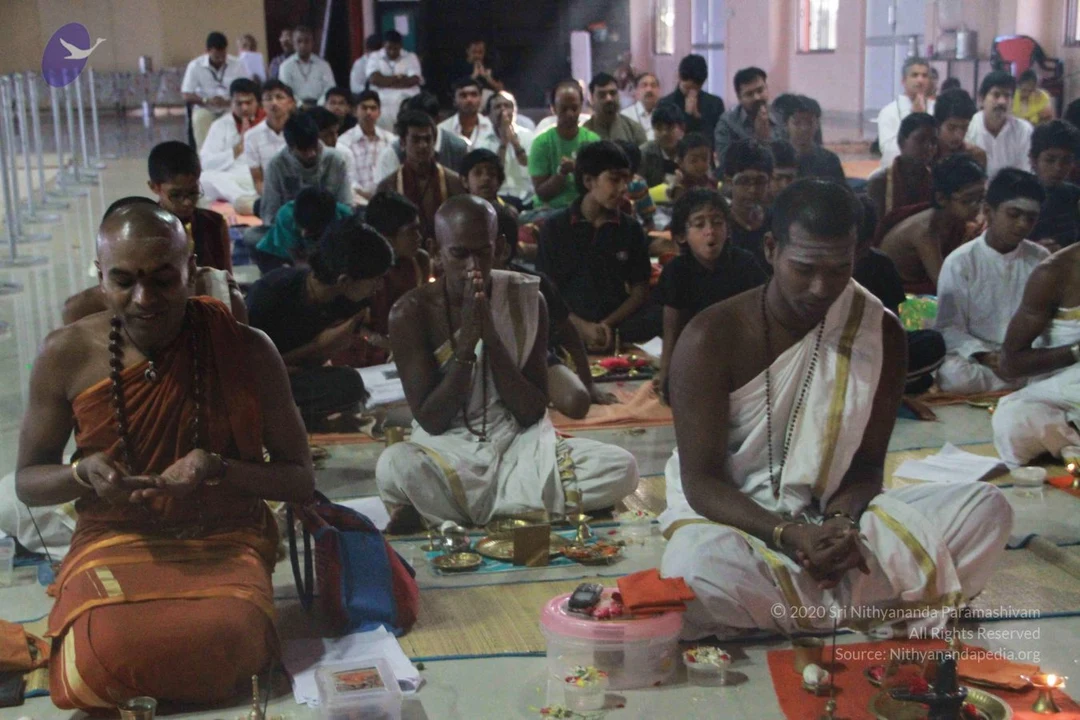
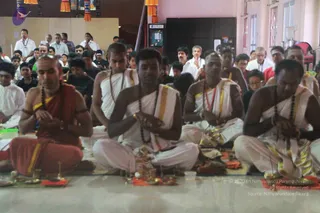
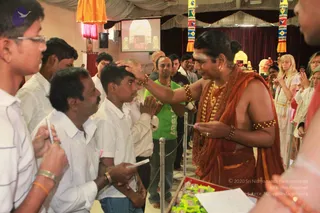
Pratyaksha Pada Puja
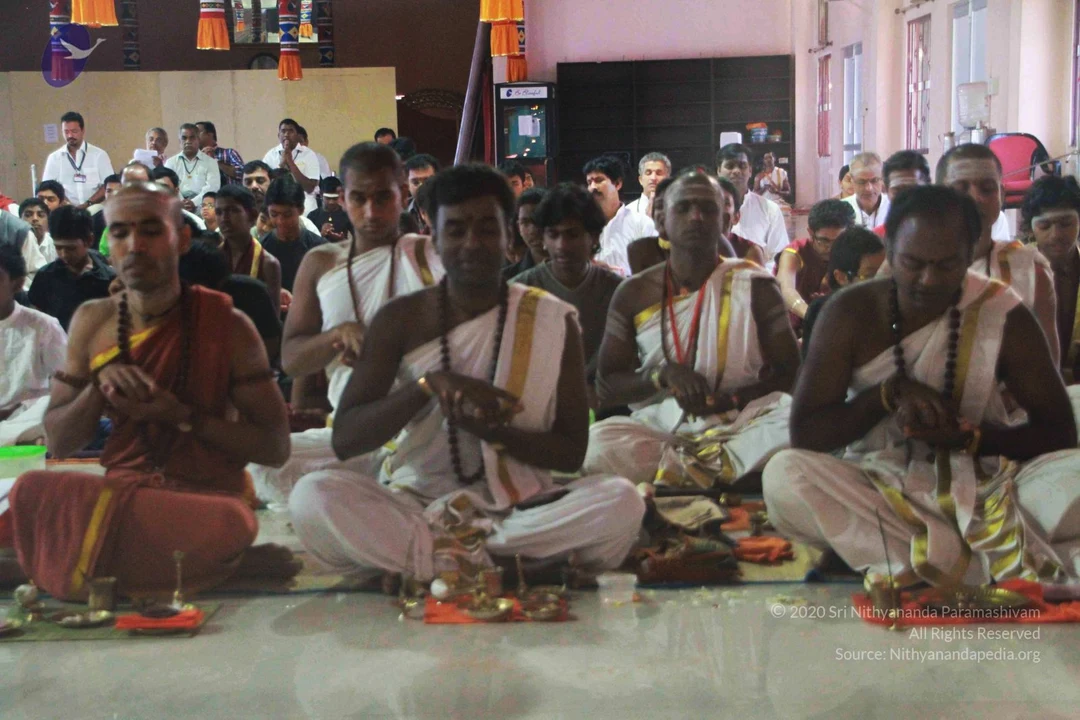

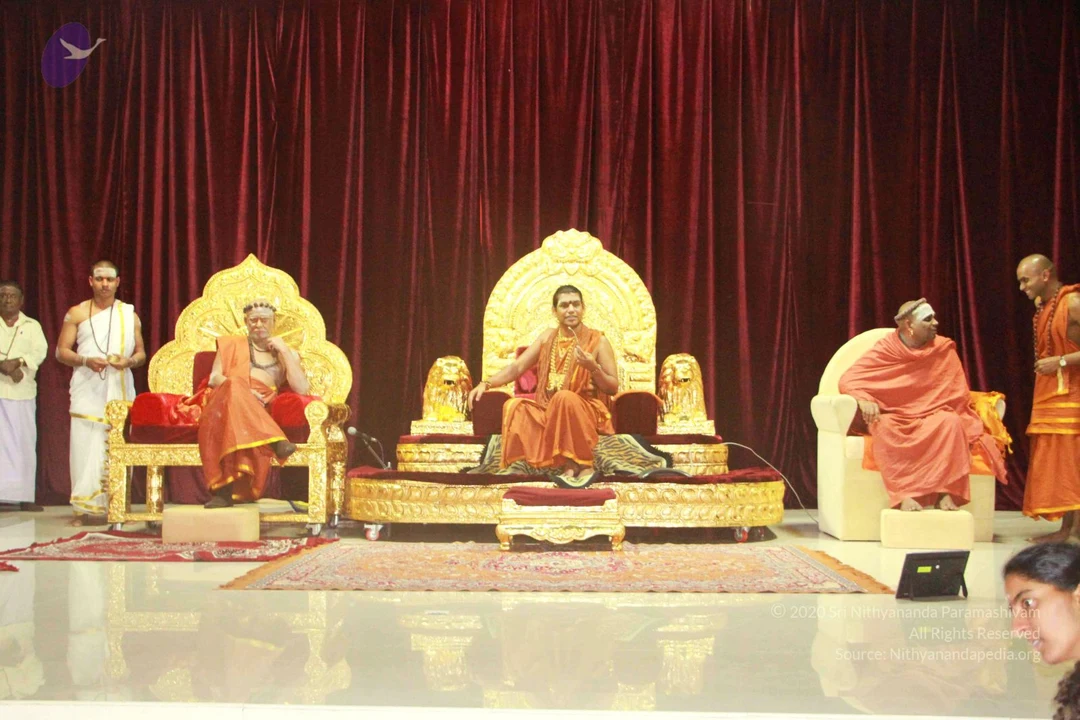
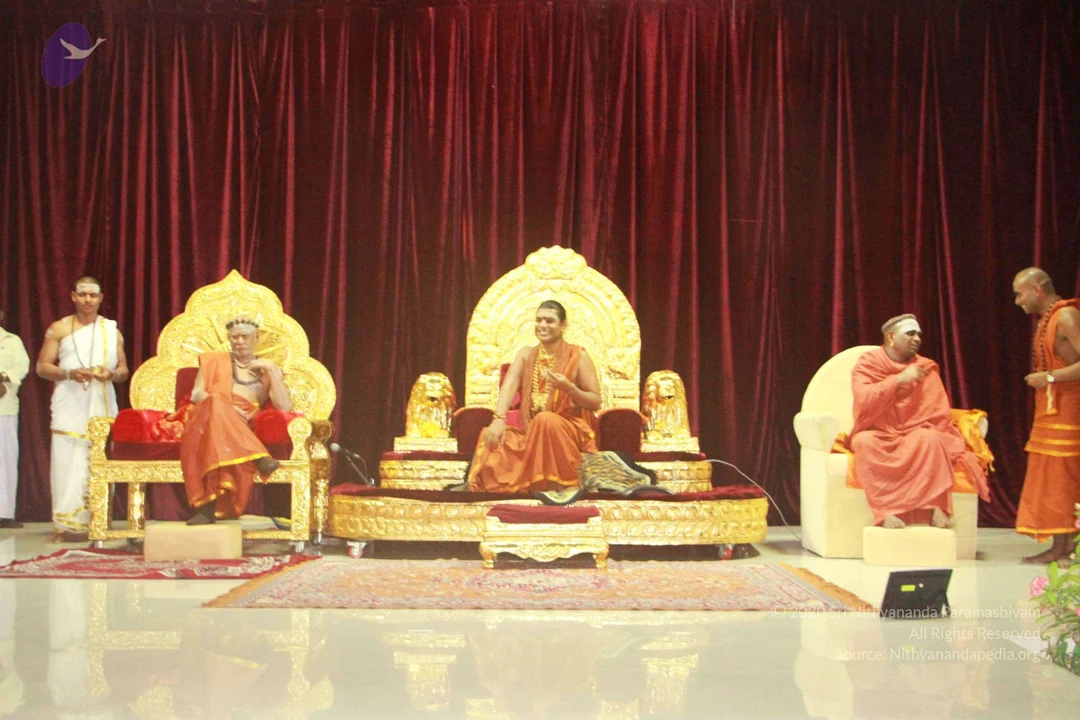
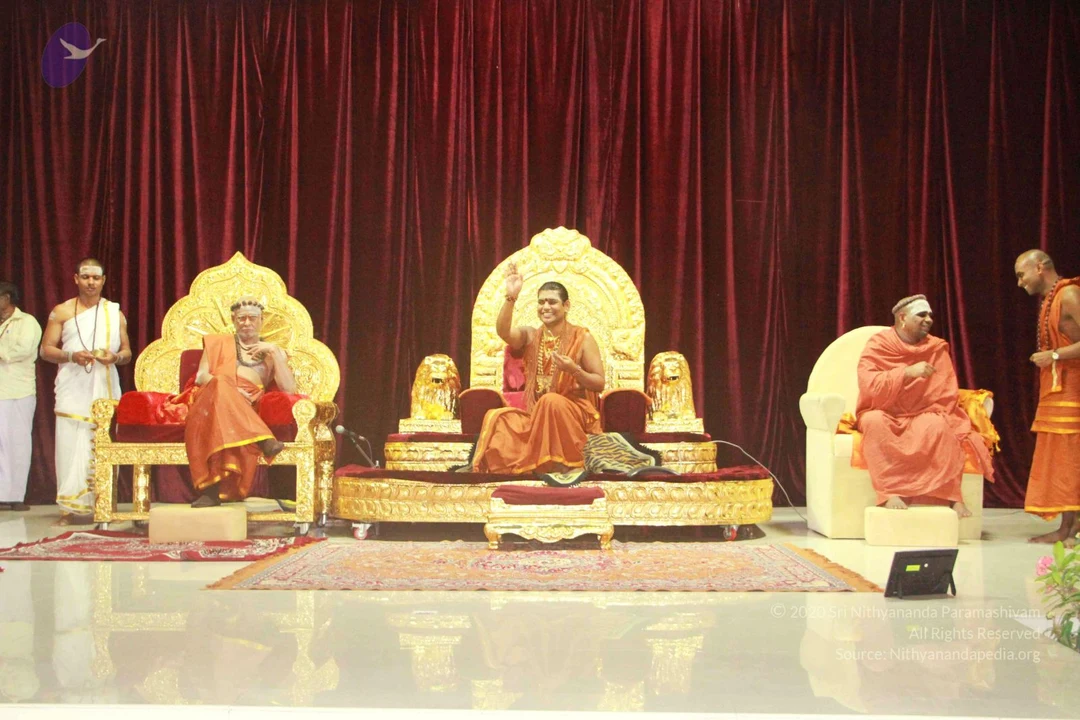
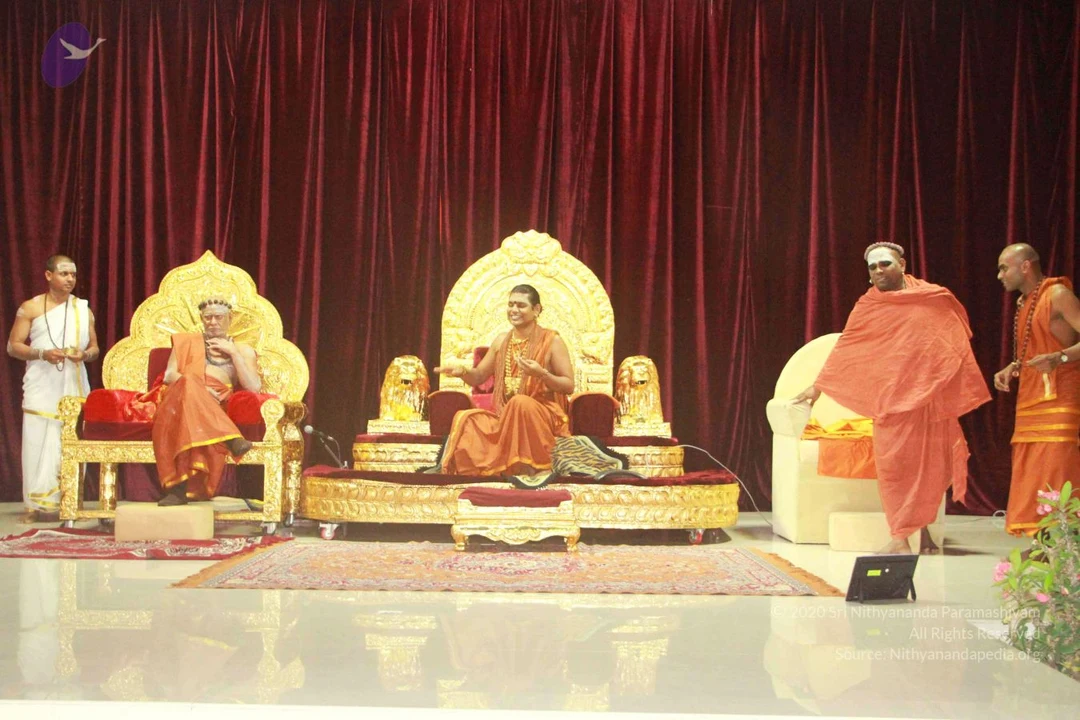
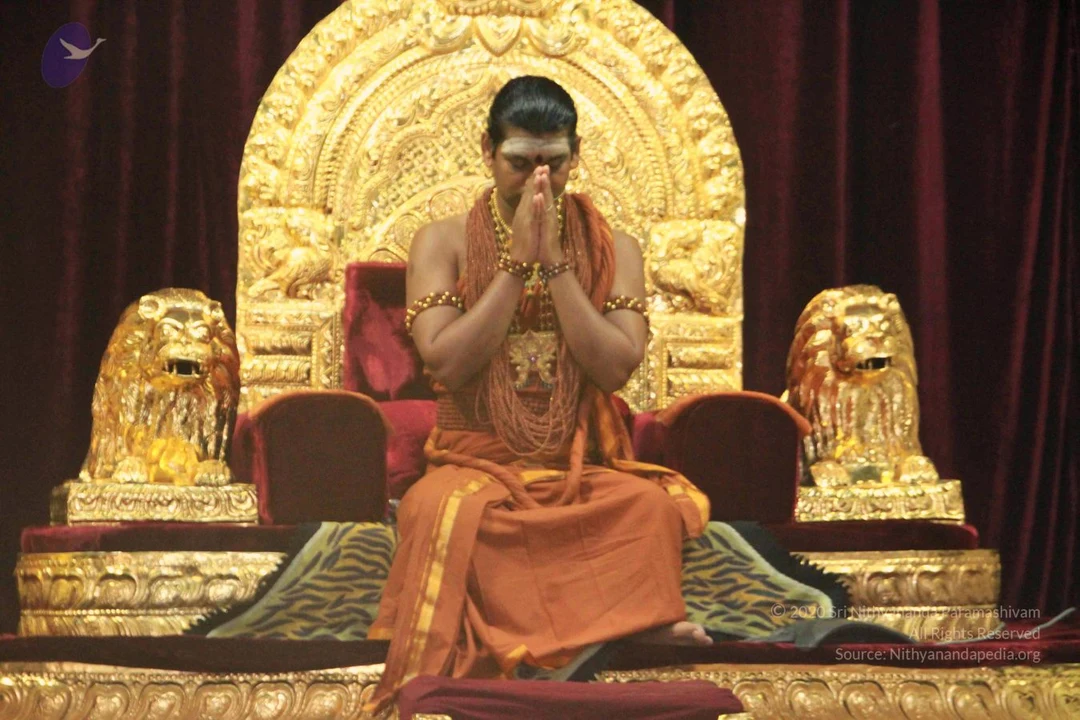
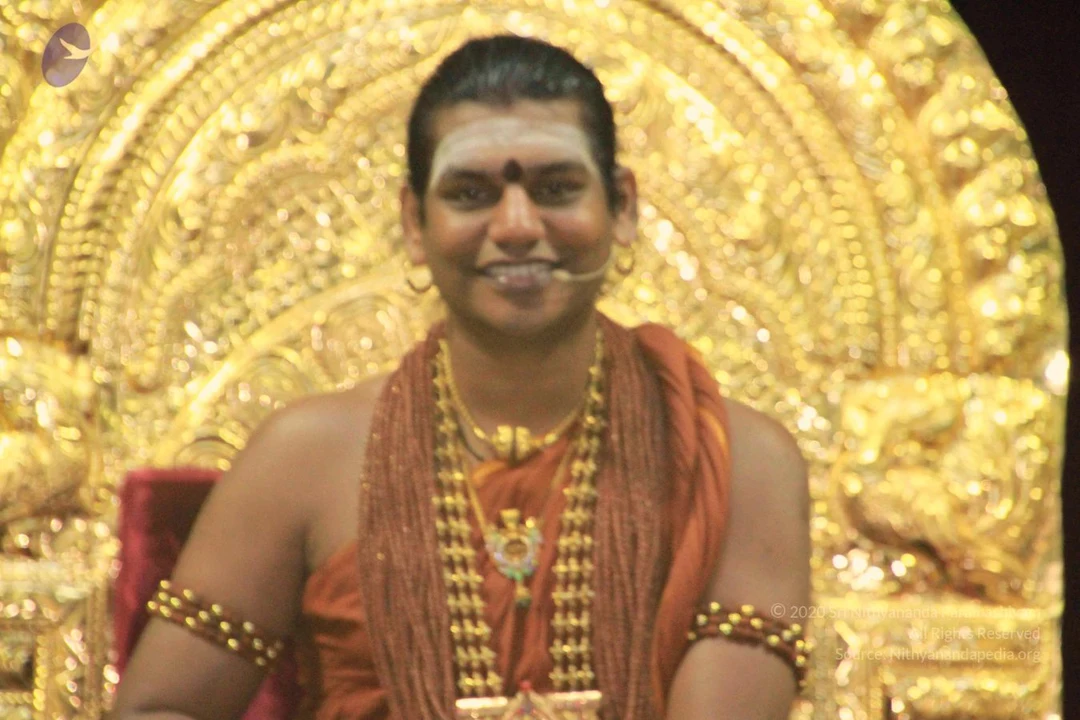
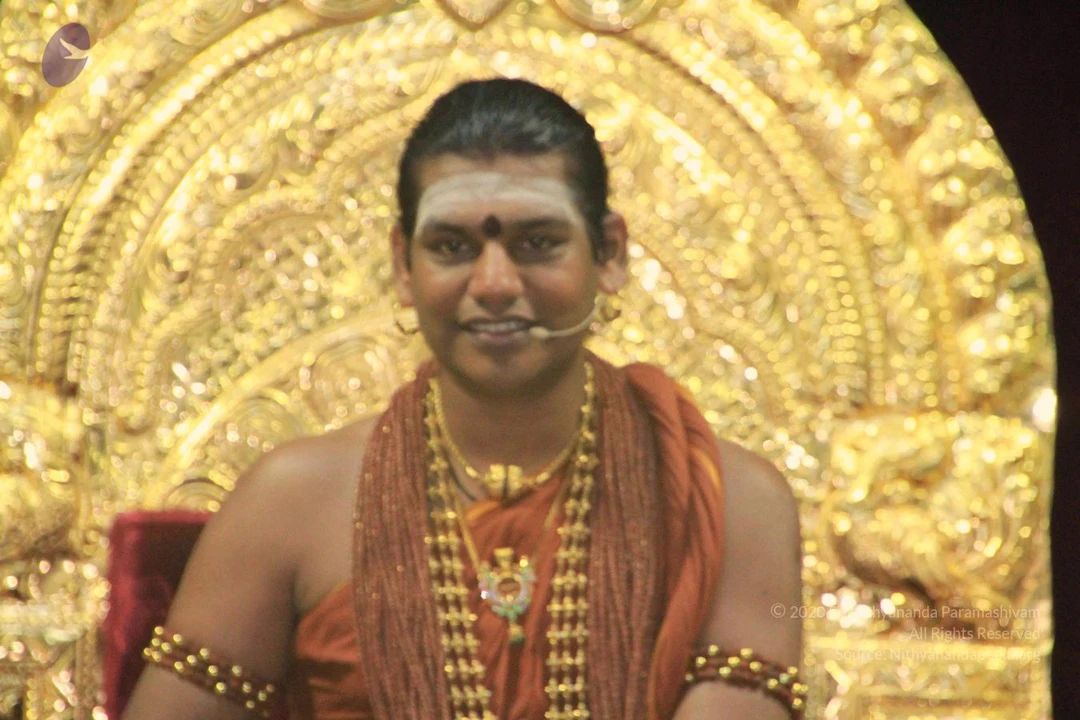
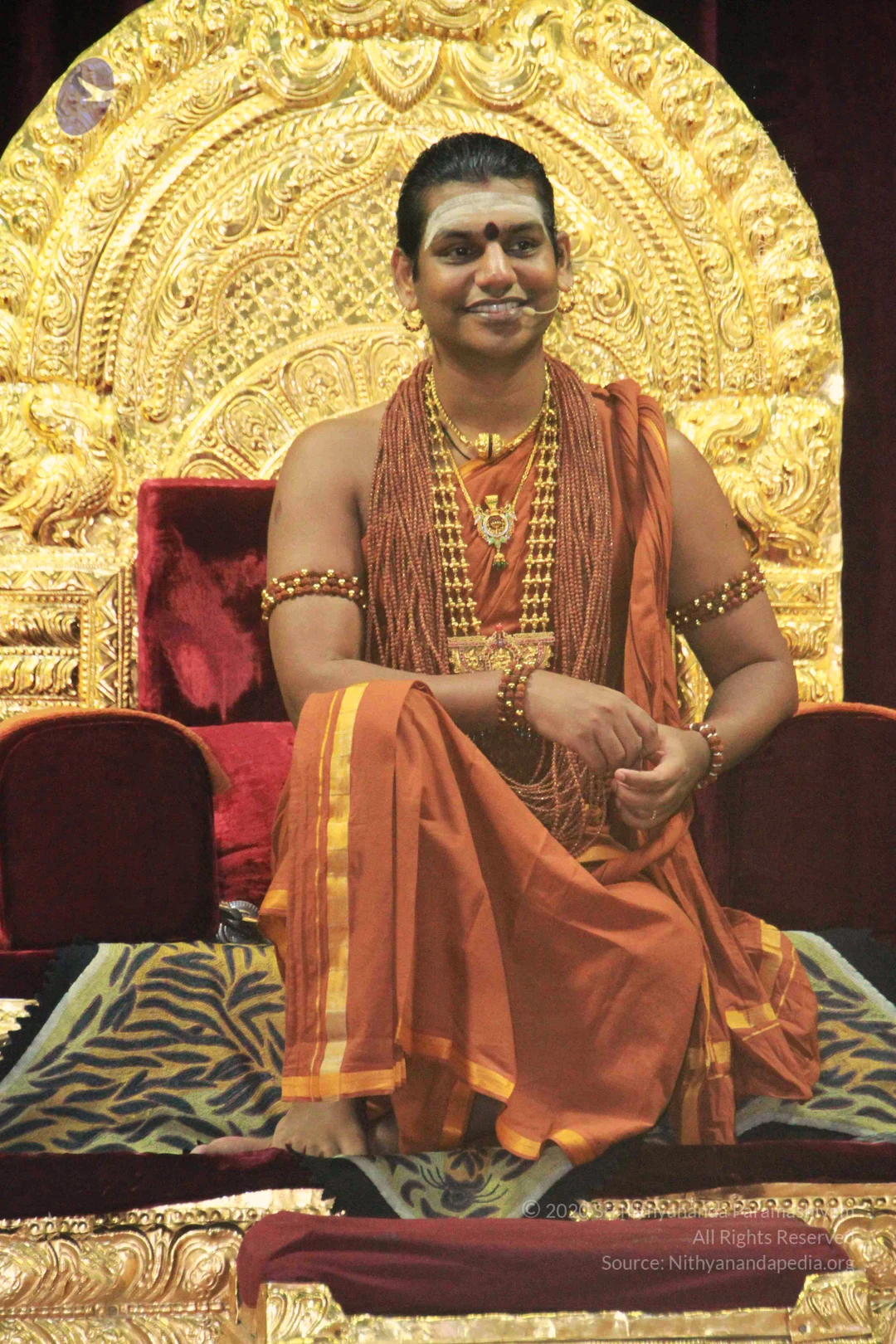
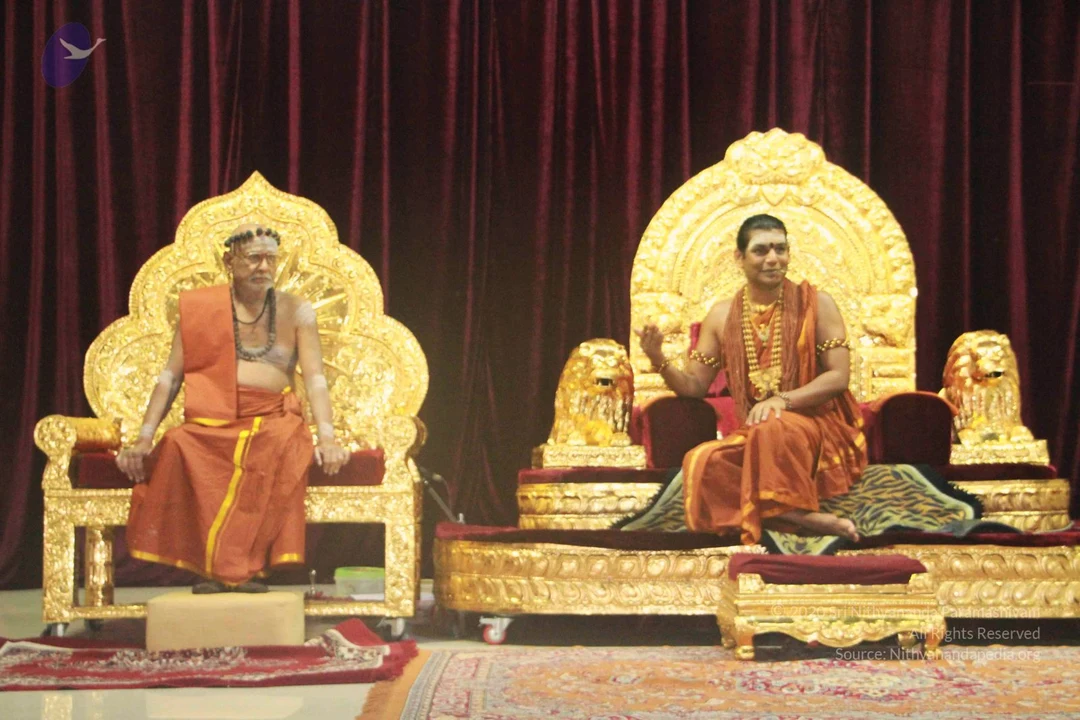
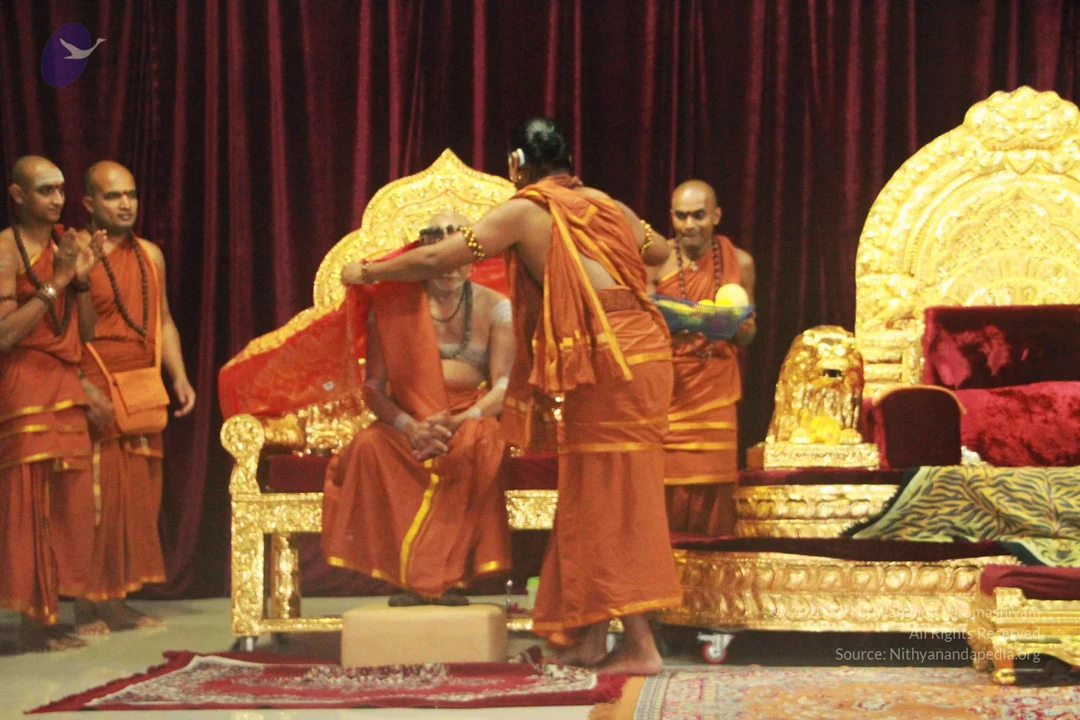
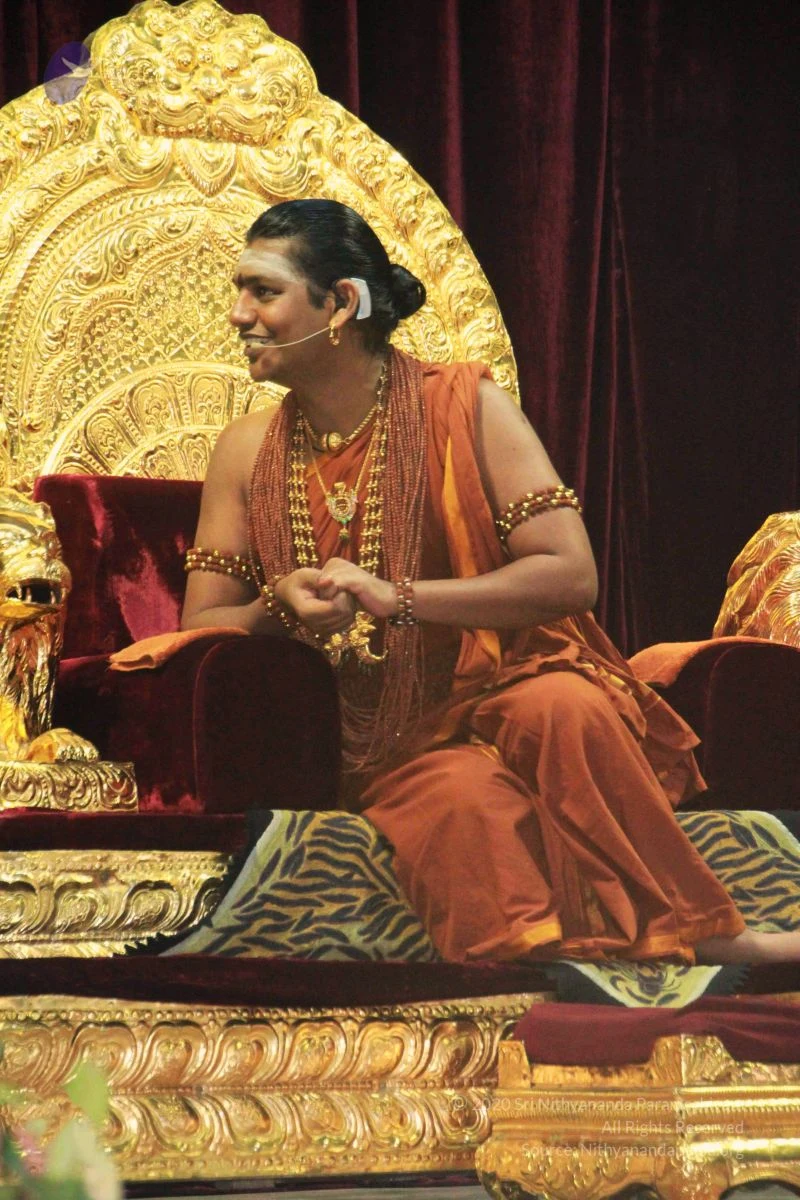
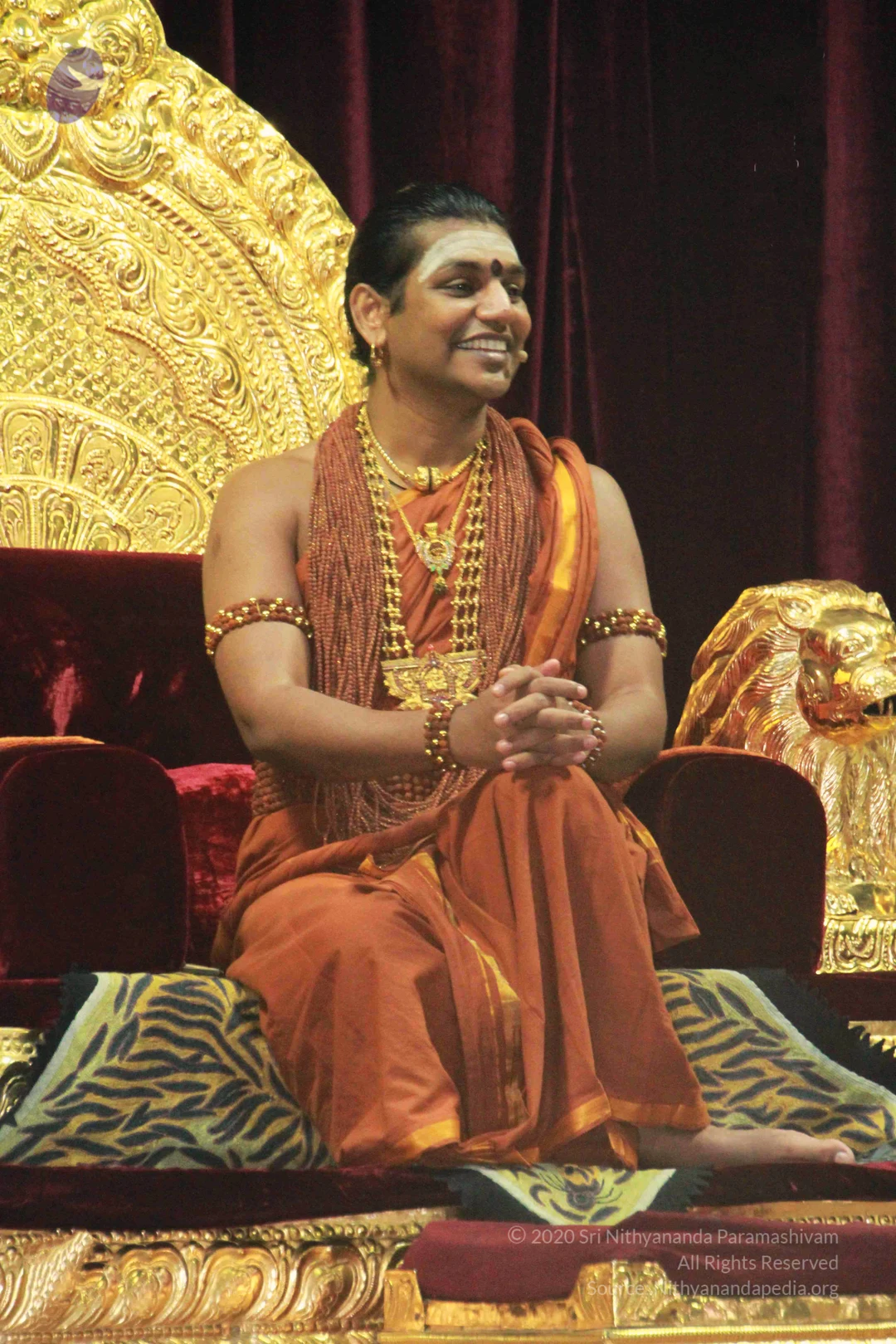
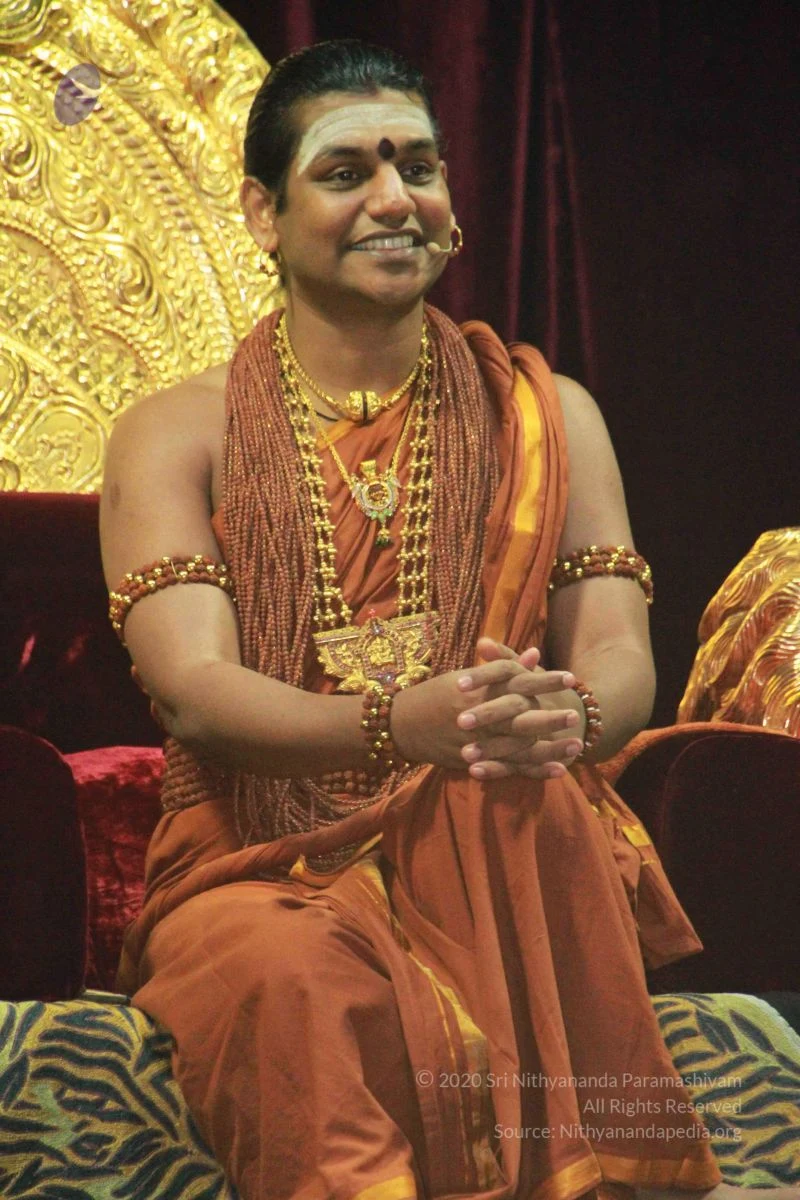
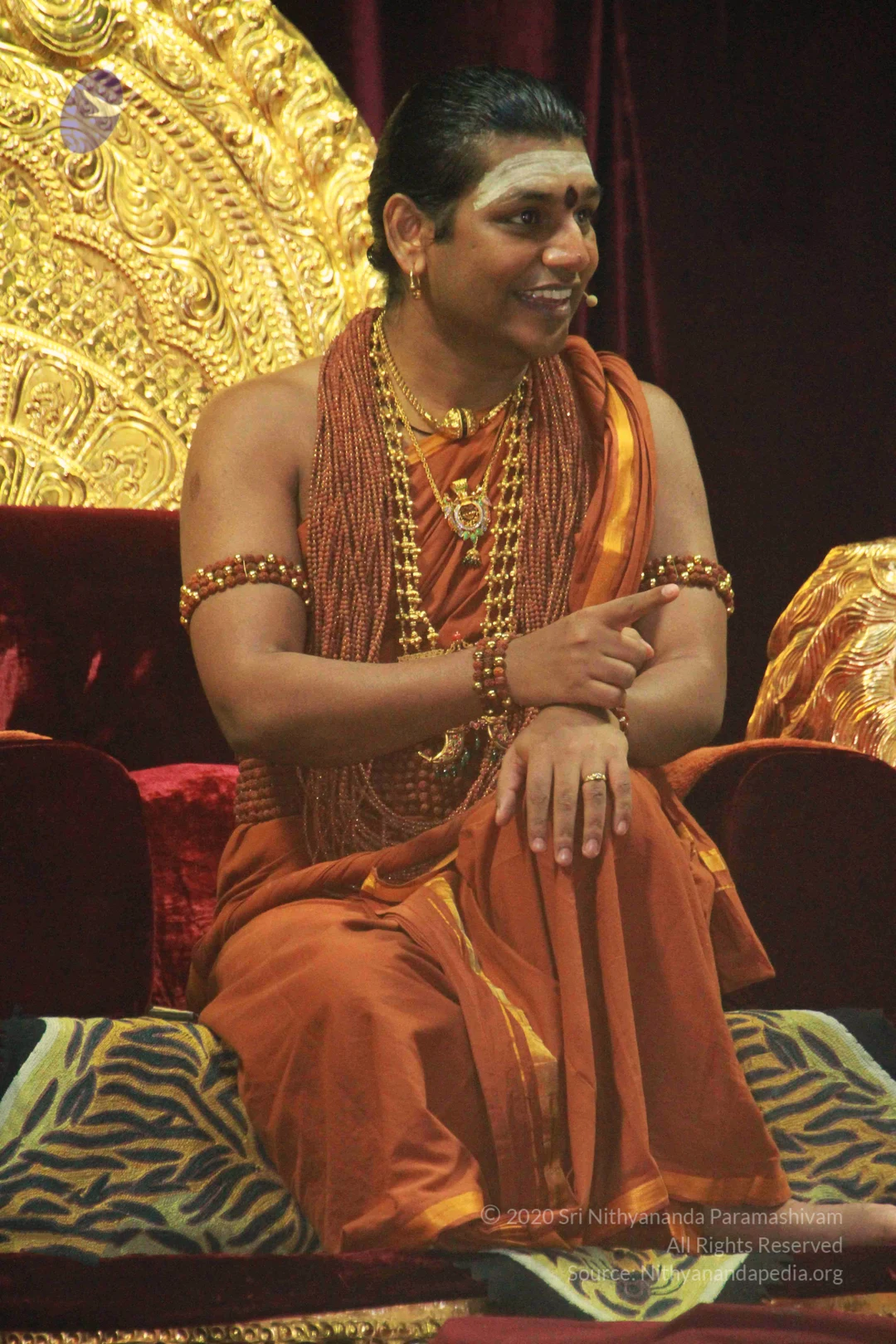
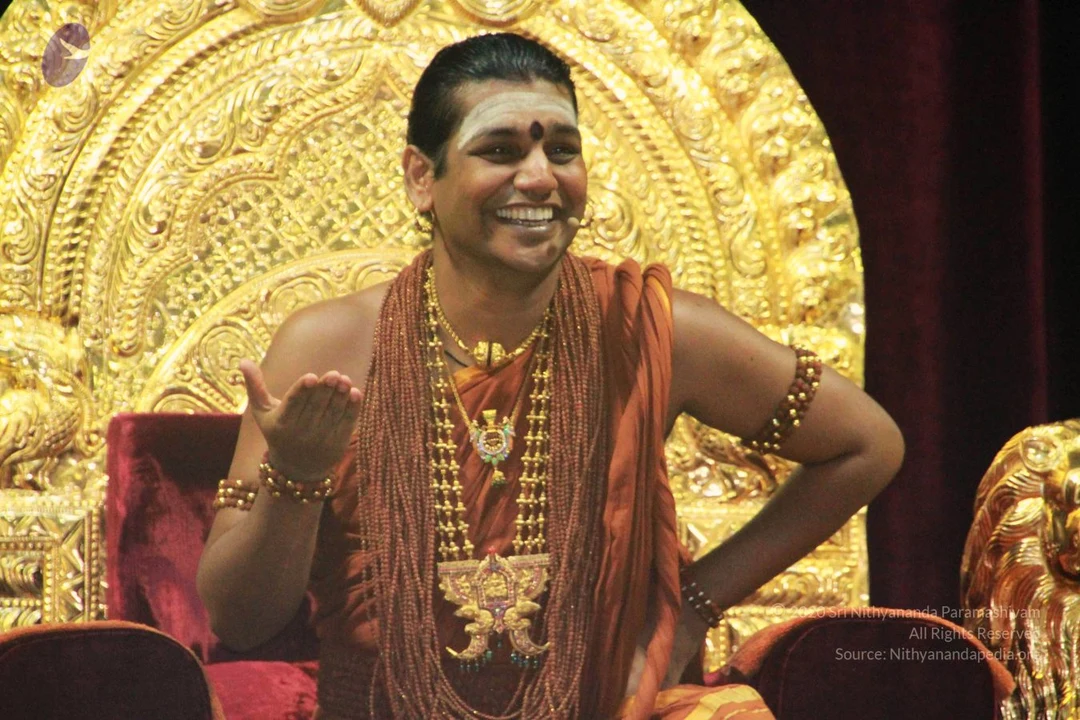
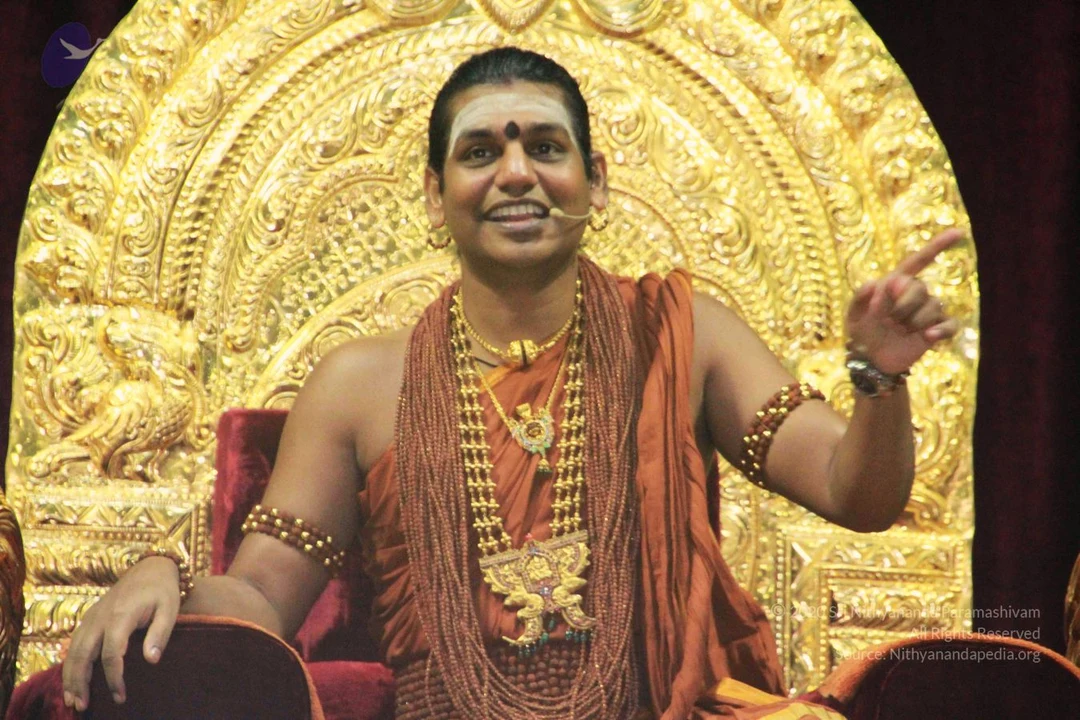
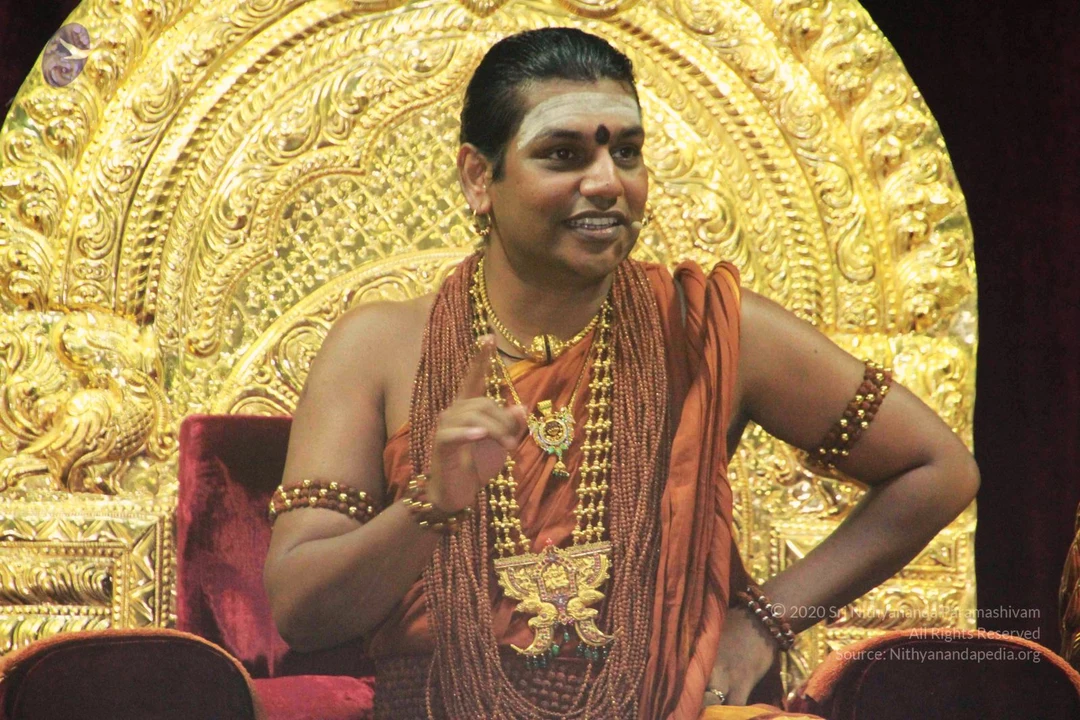
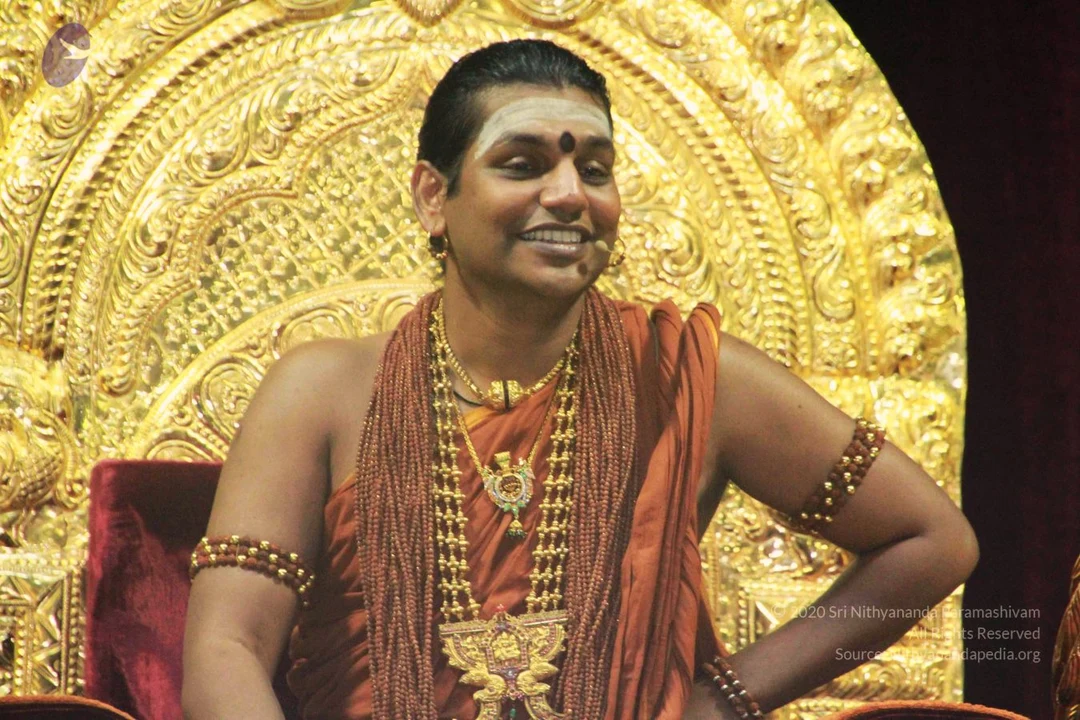
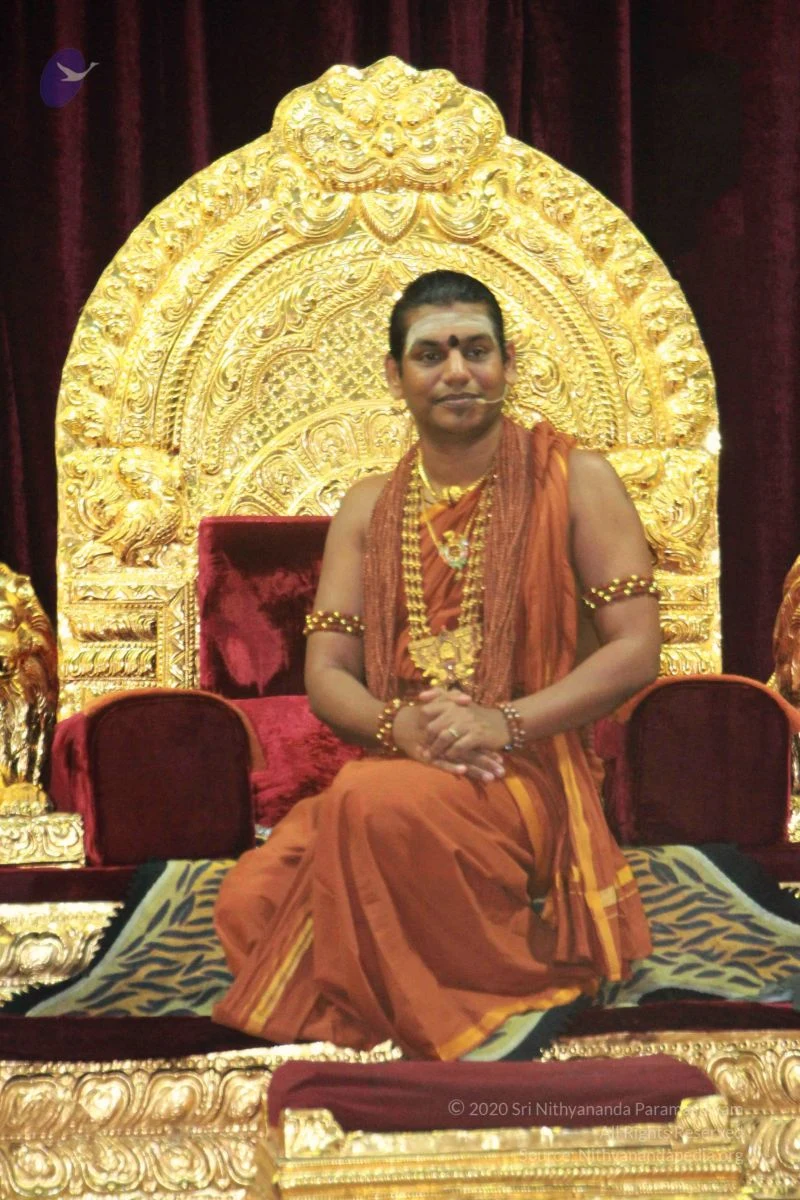
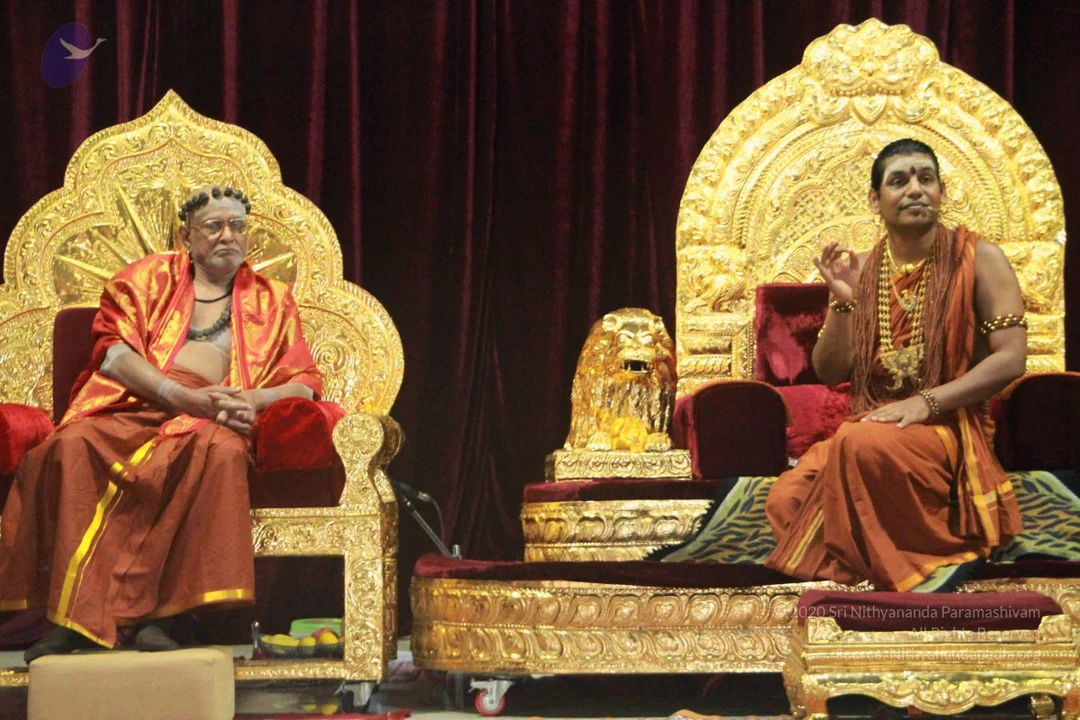
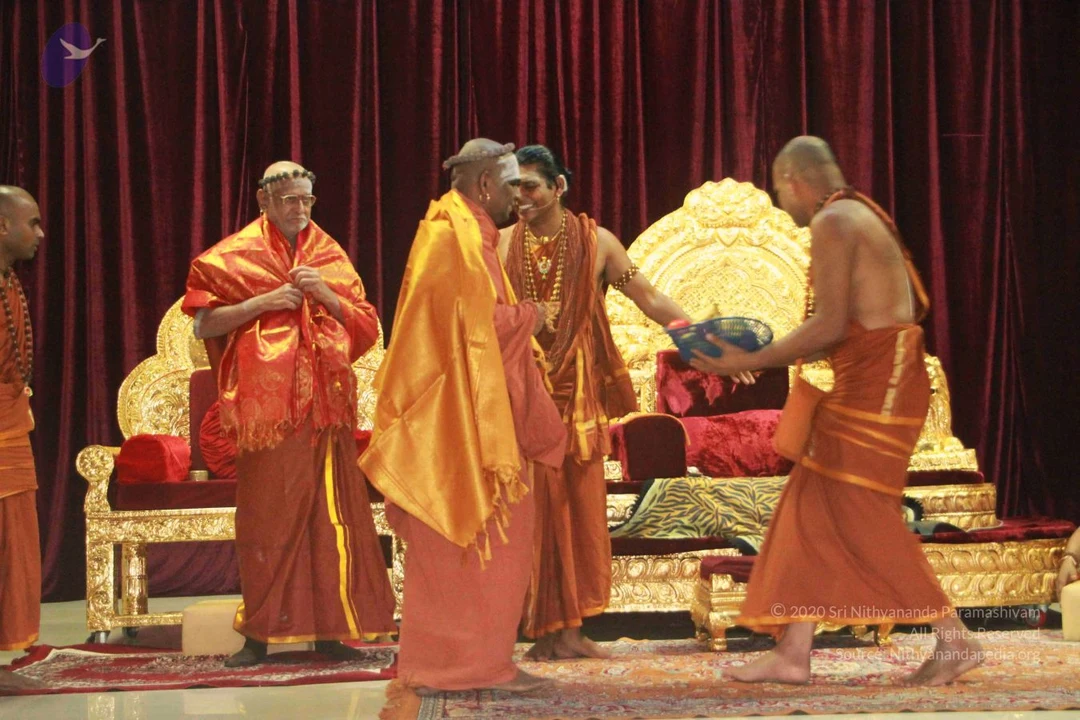
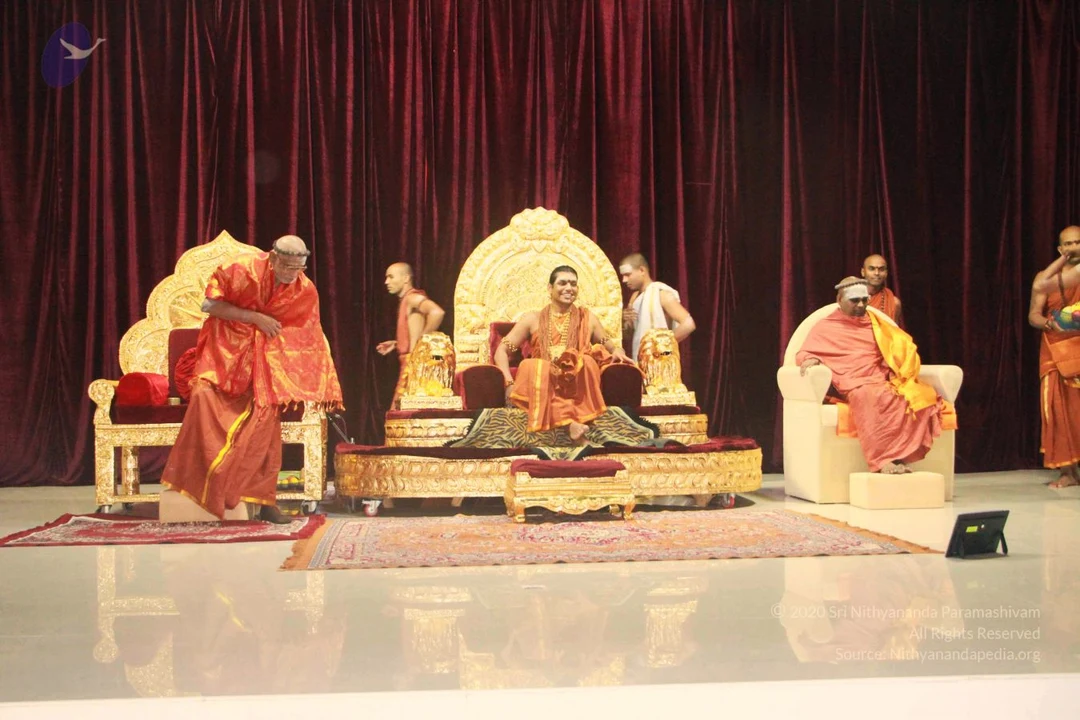
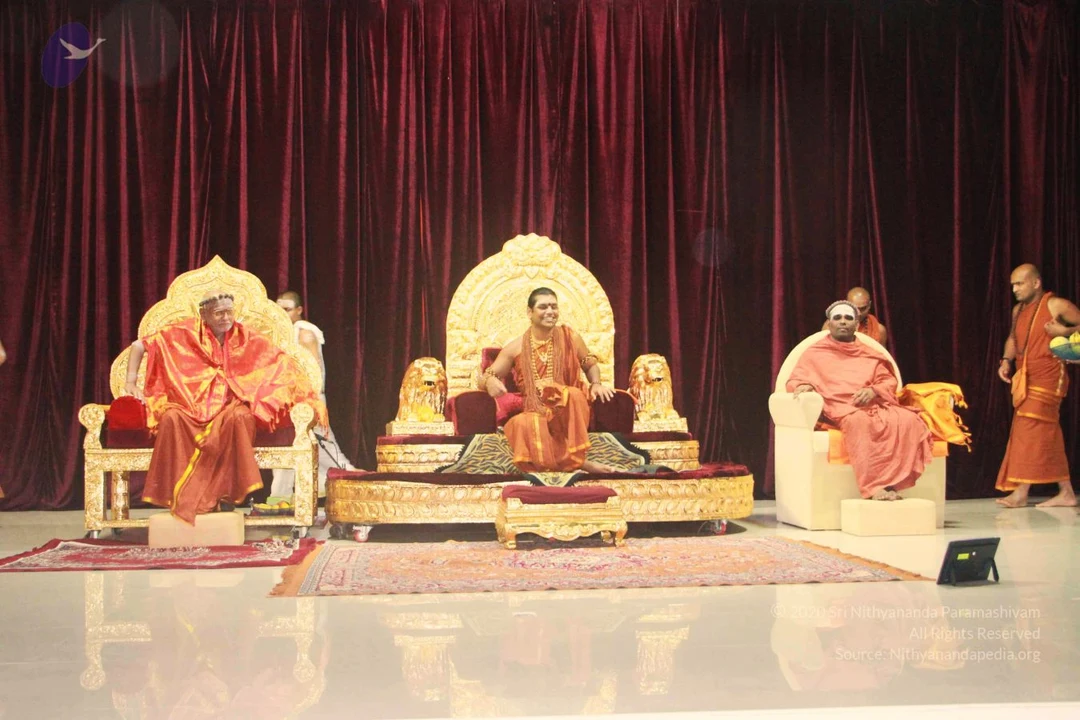
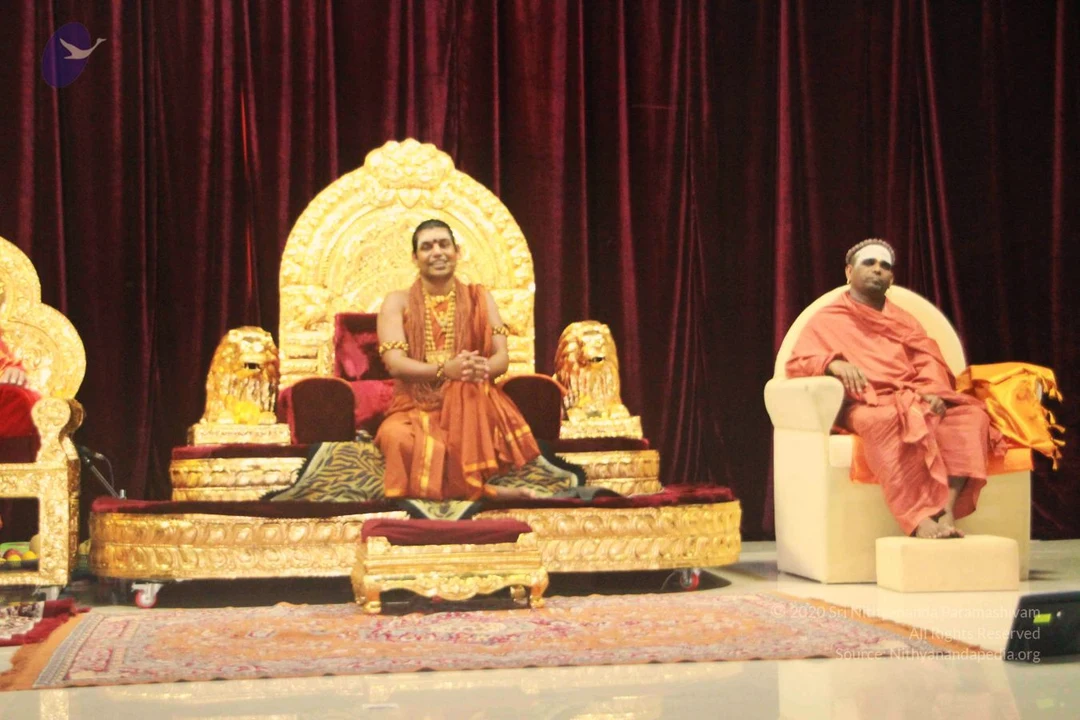
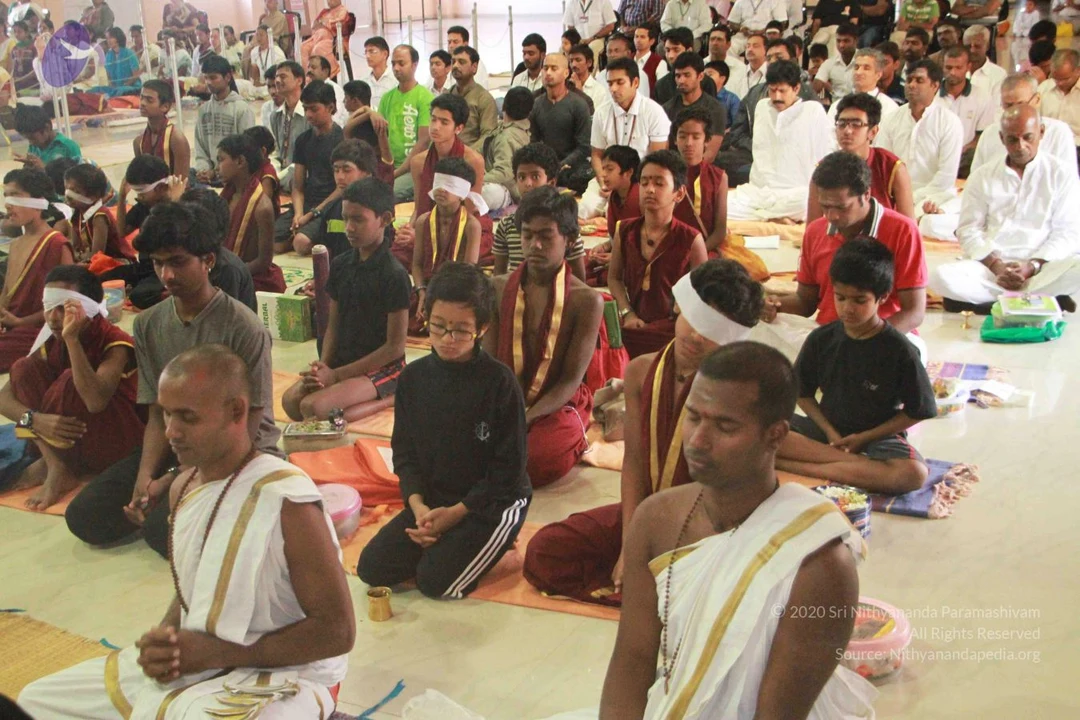
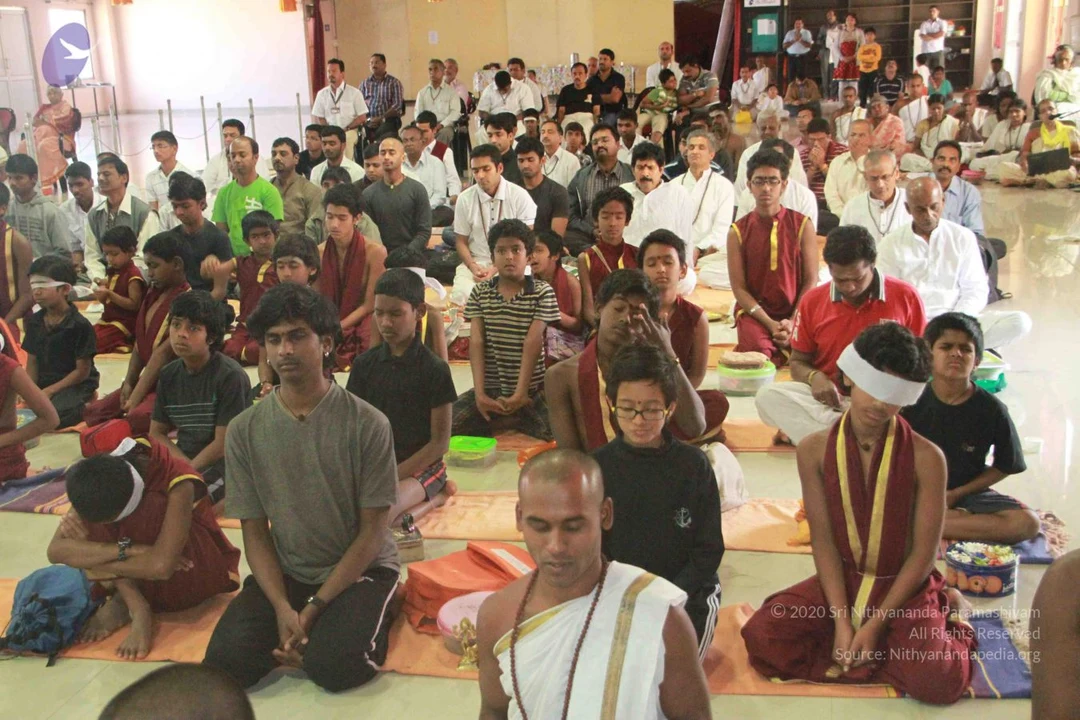
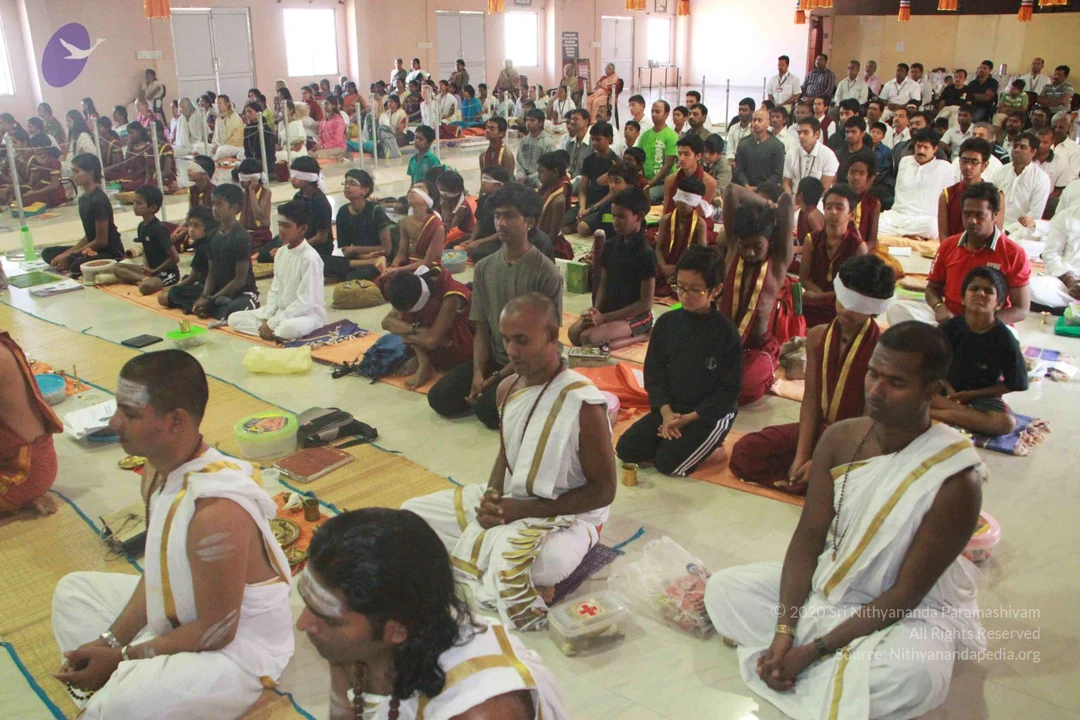
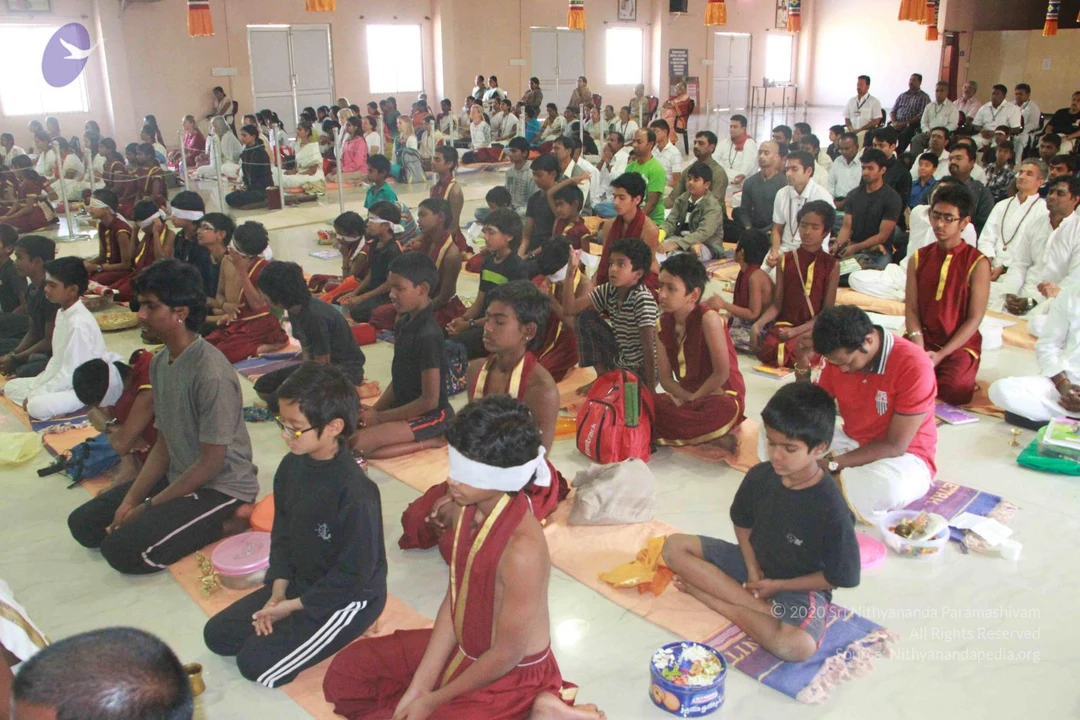
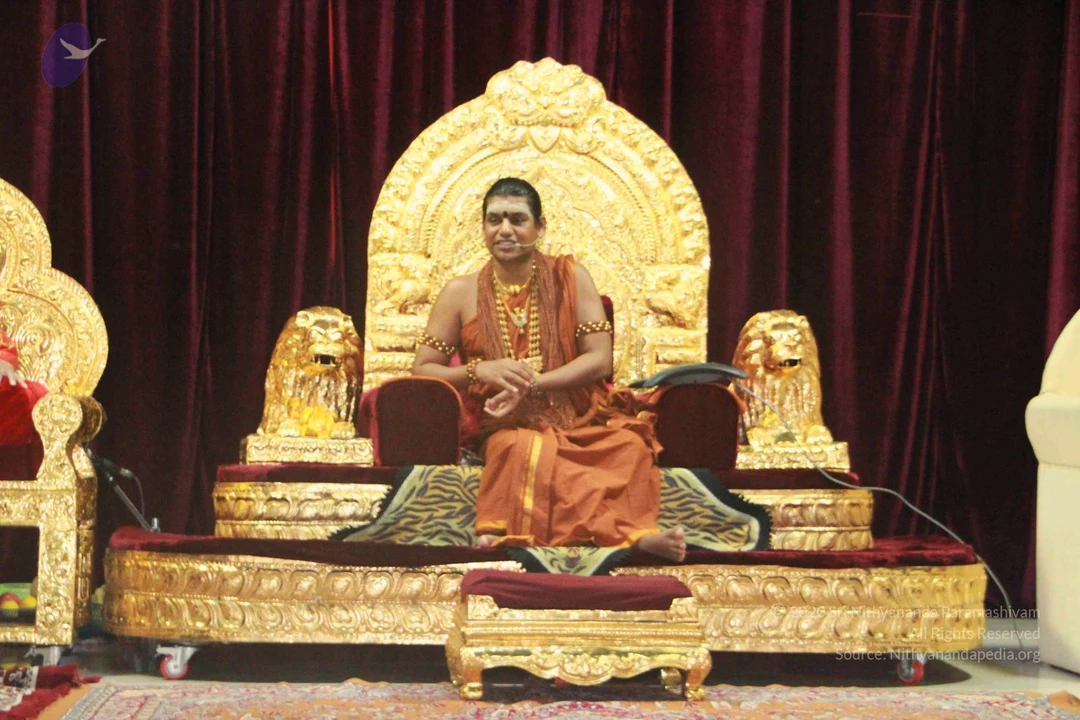
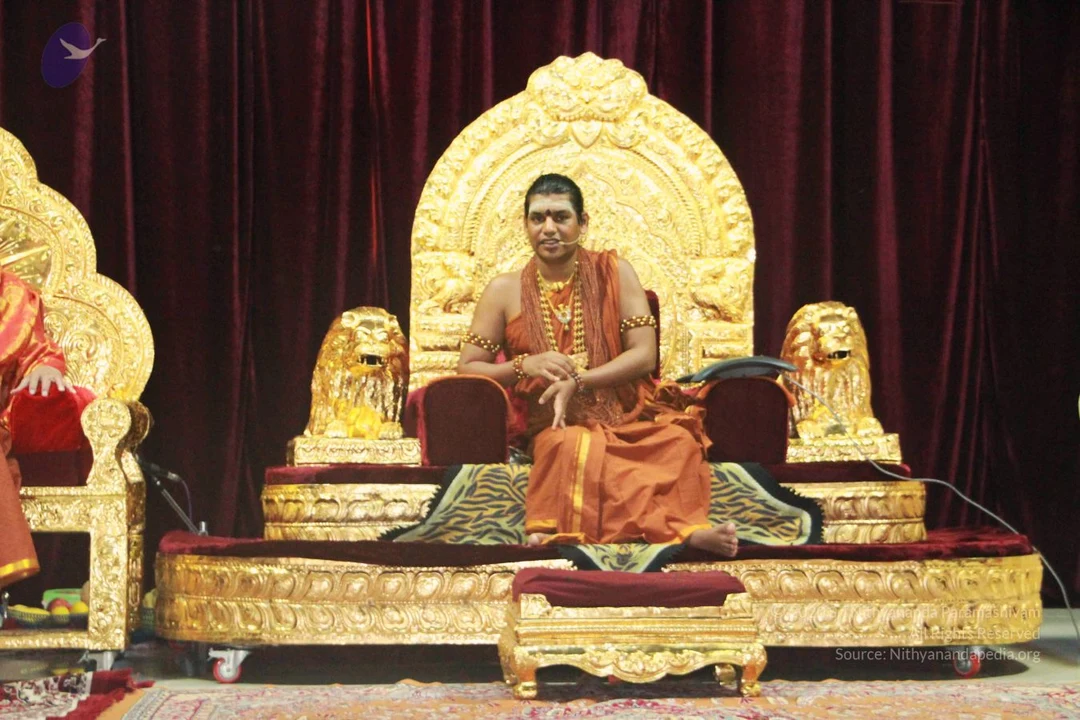
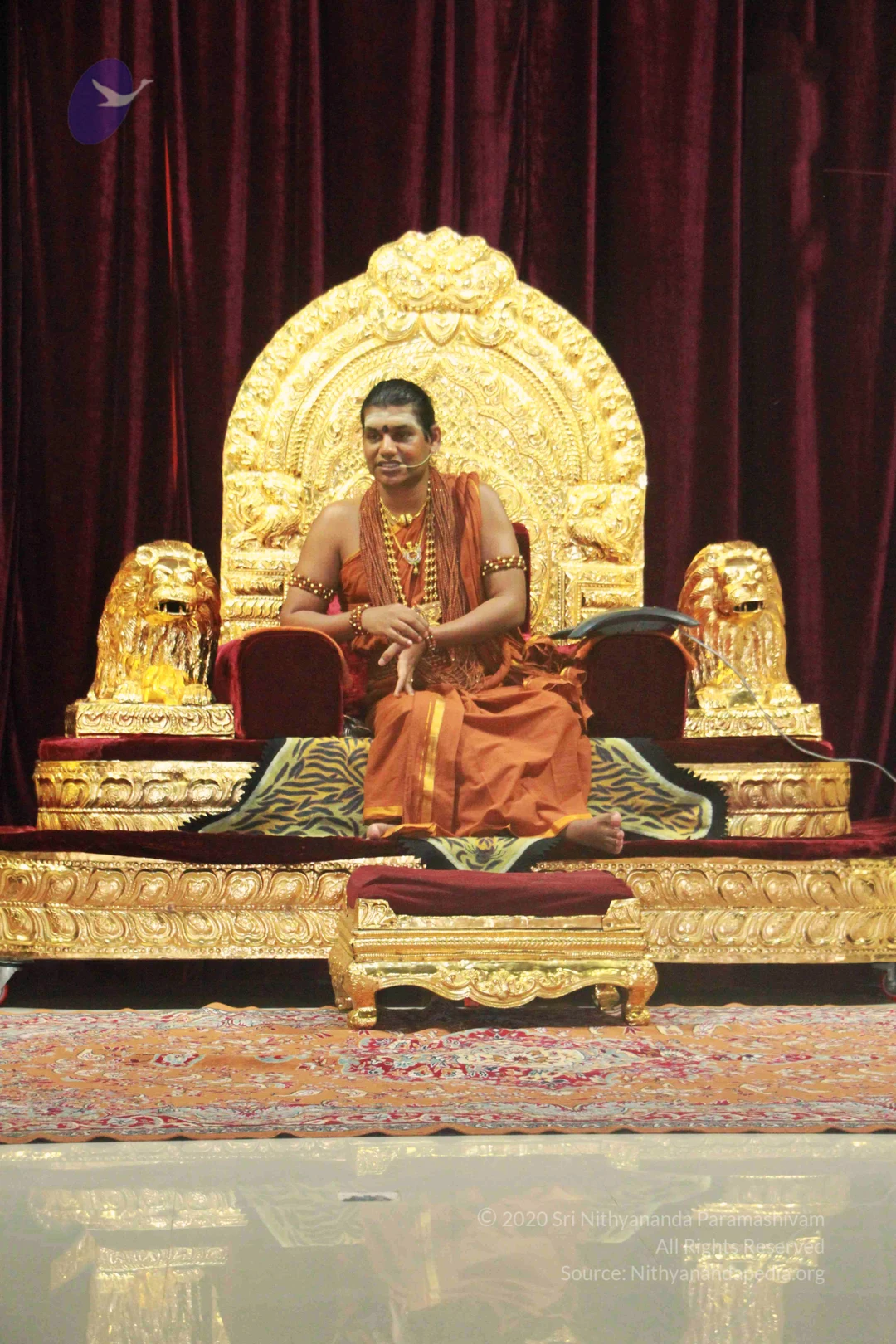
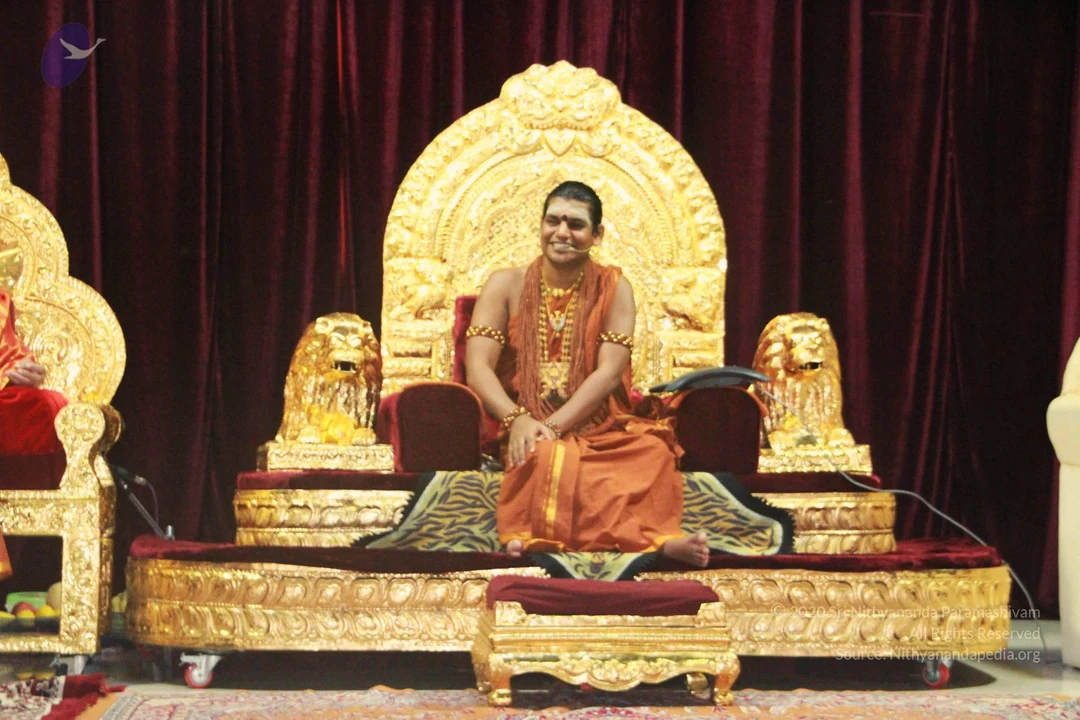
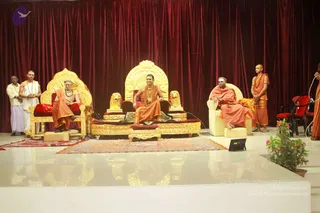
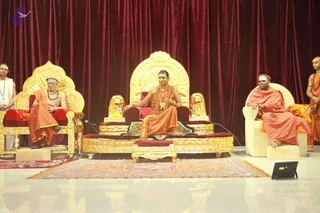
Nithya Satsang
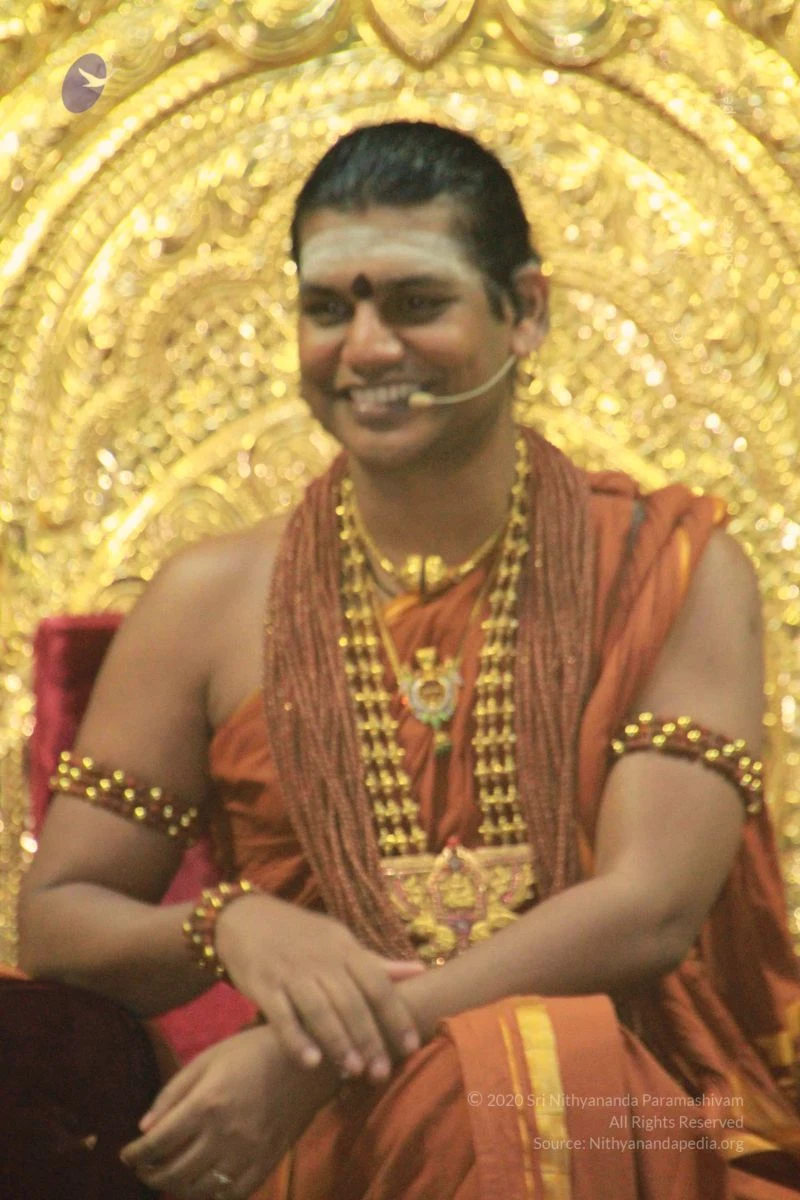
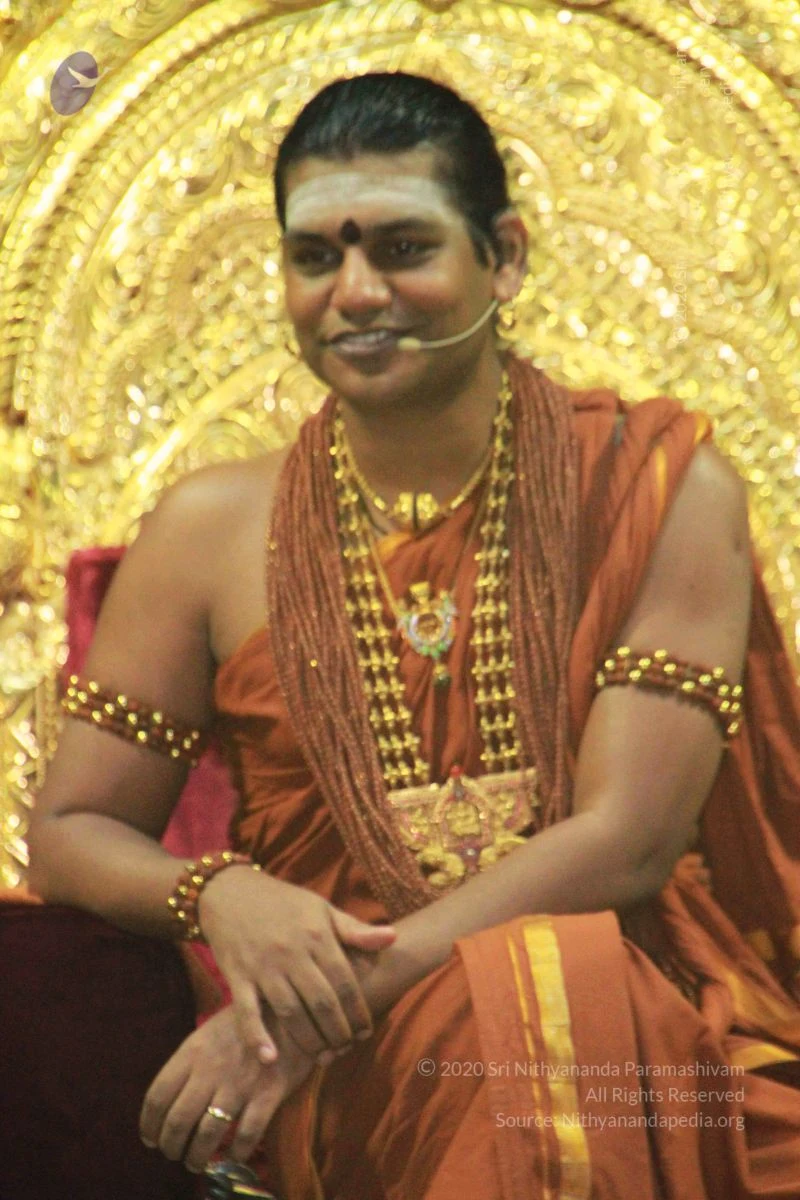
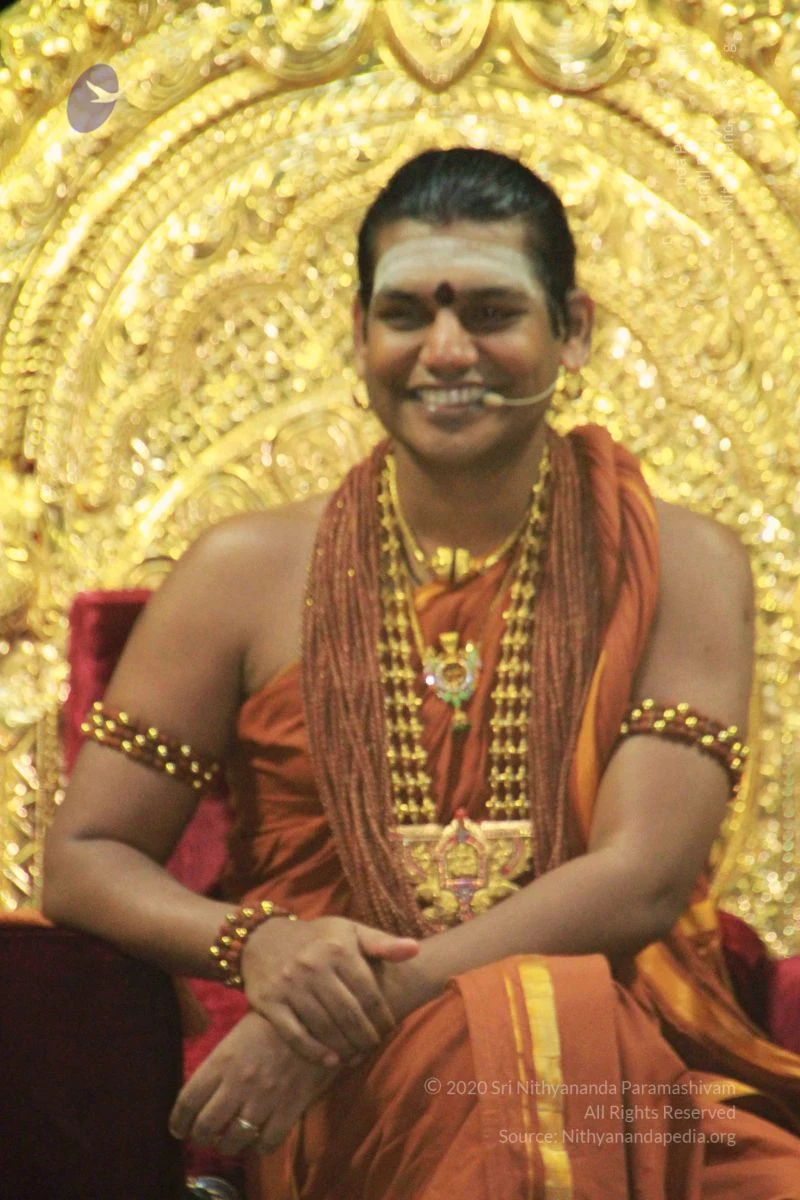
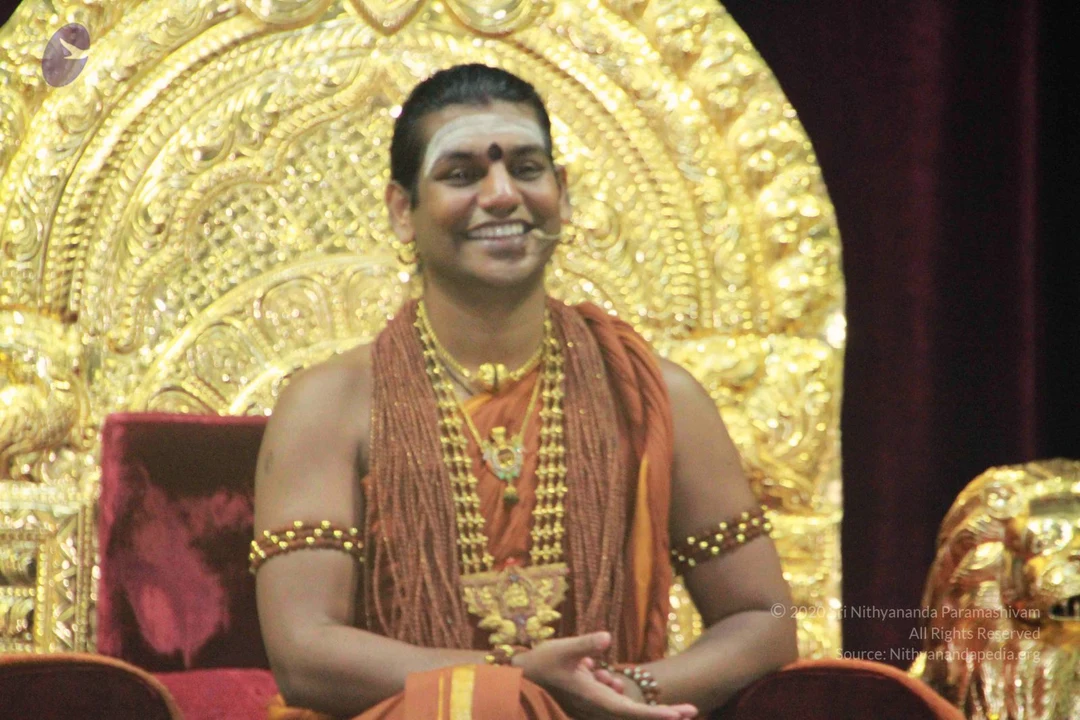




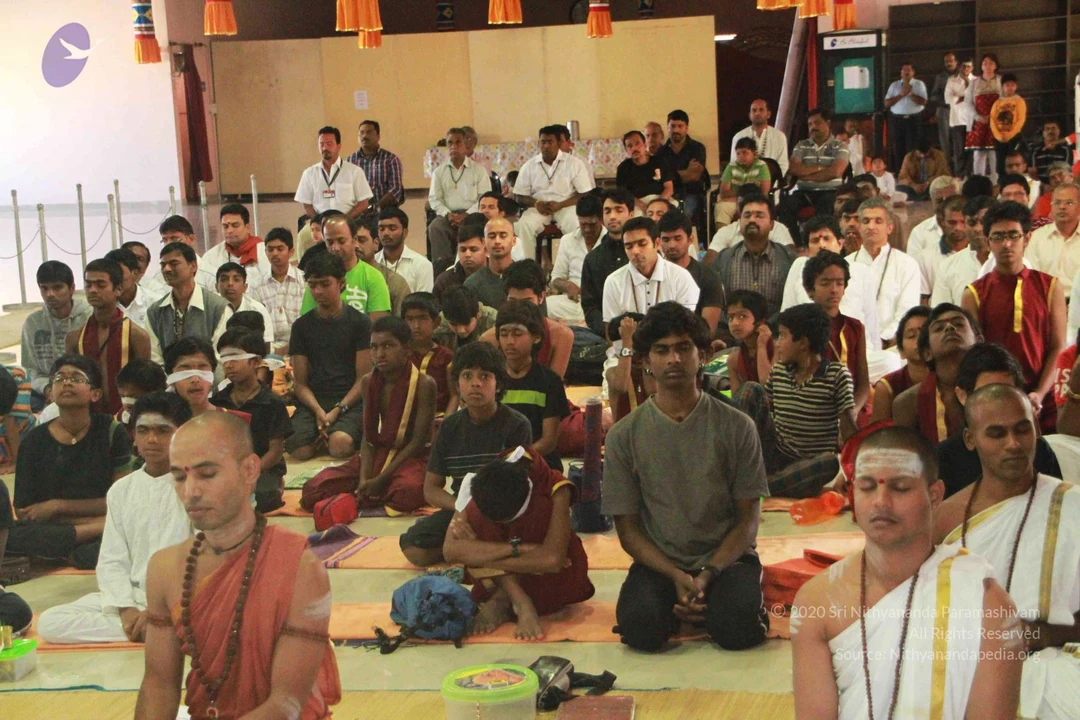
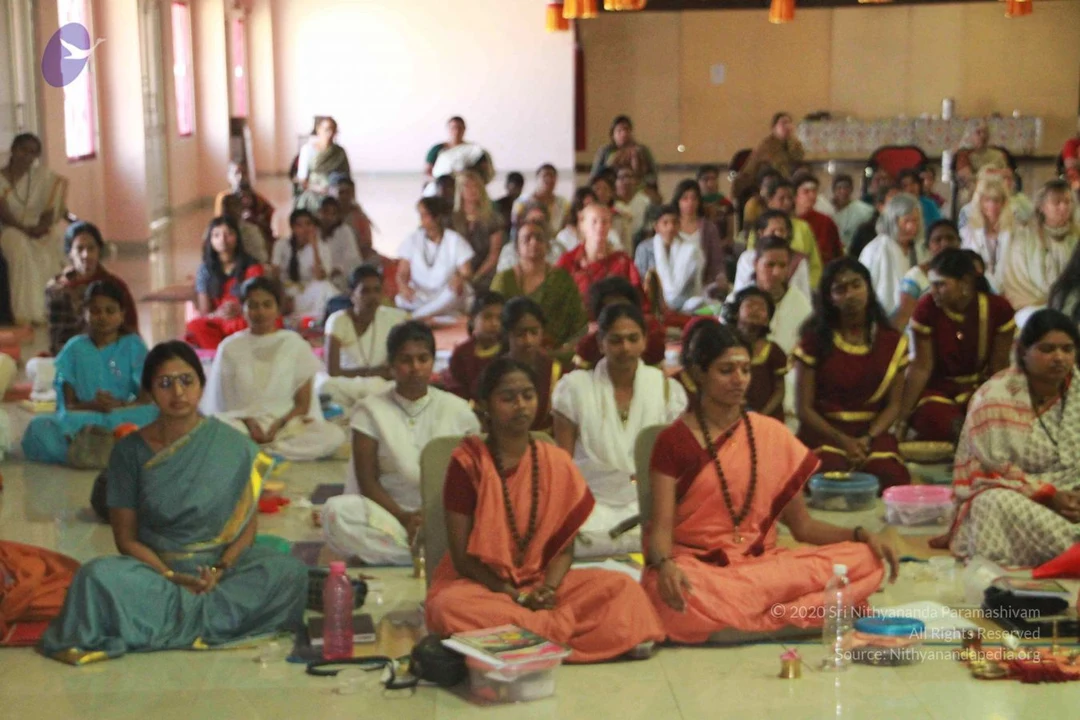
Dial the Avatar
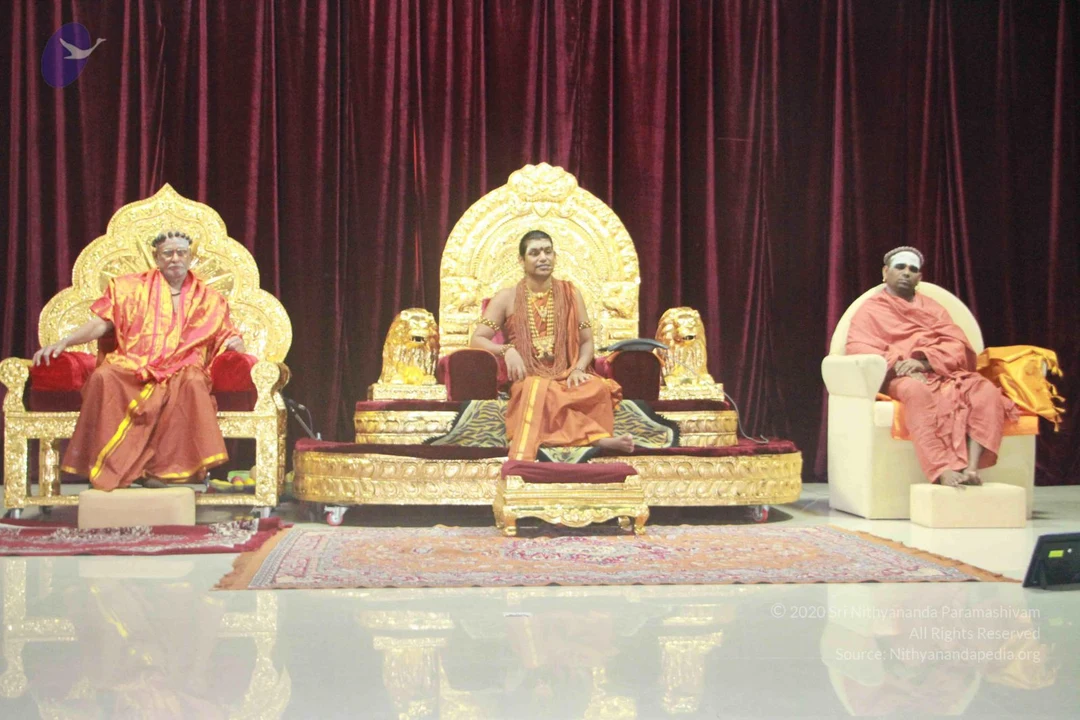
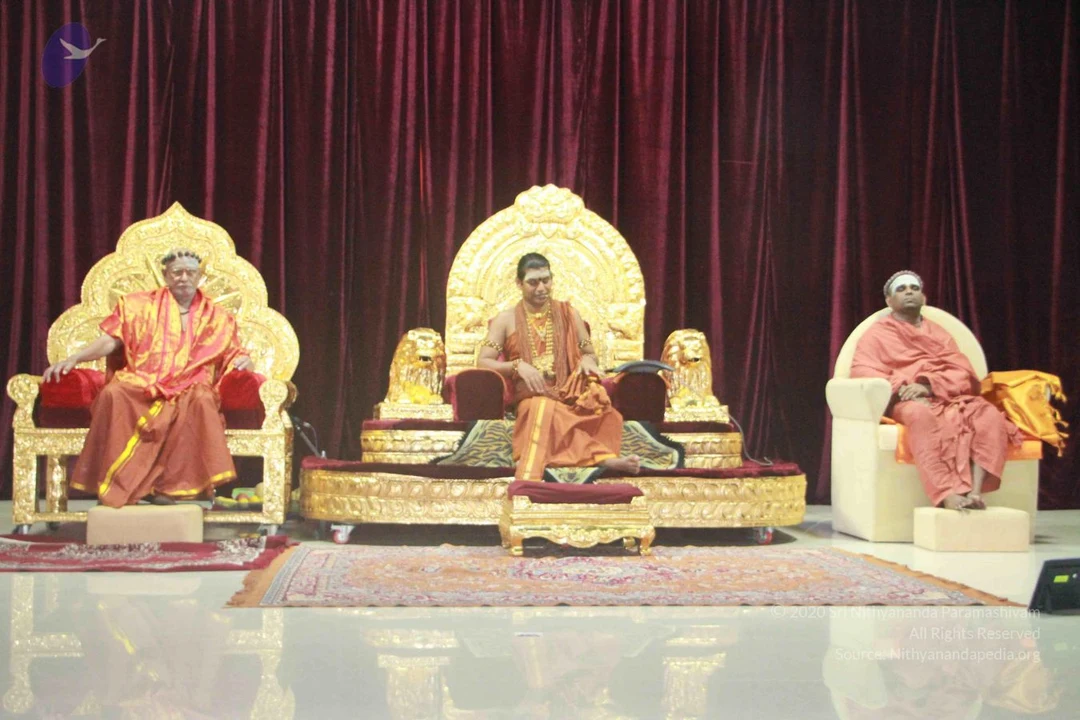
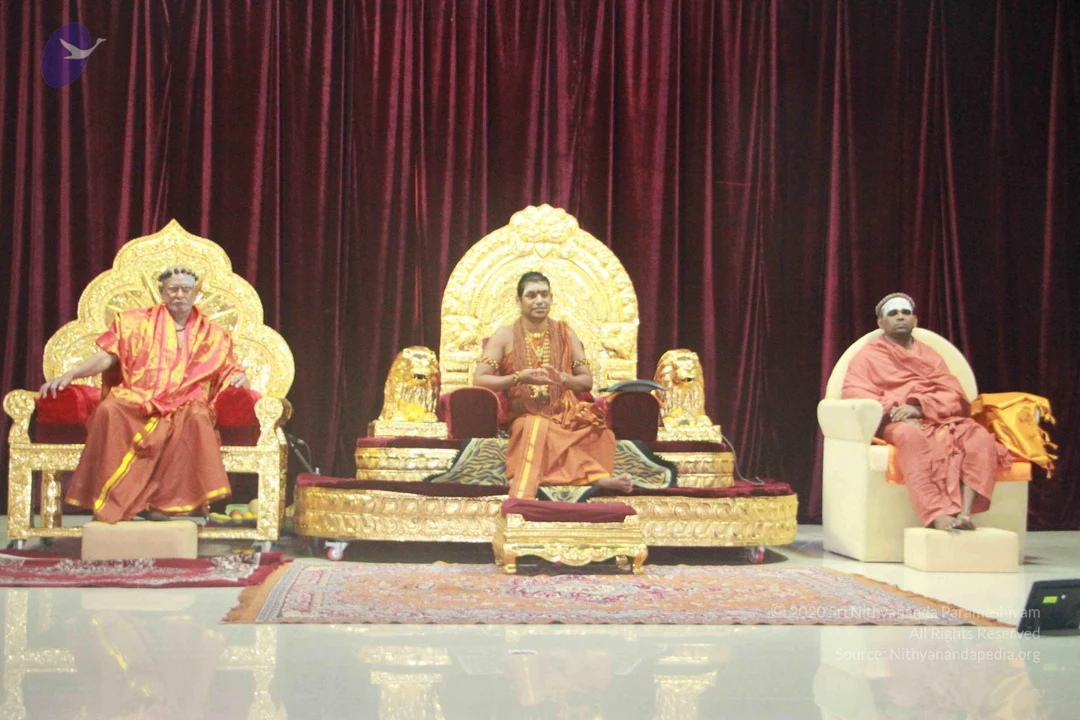
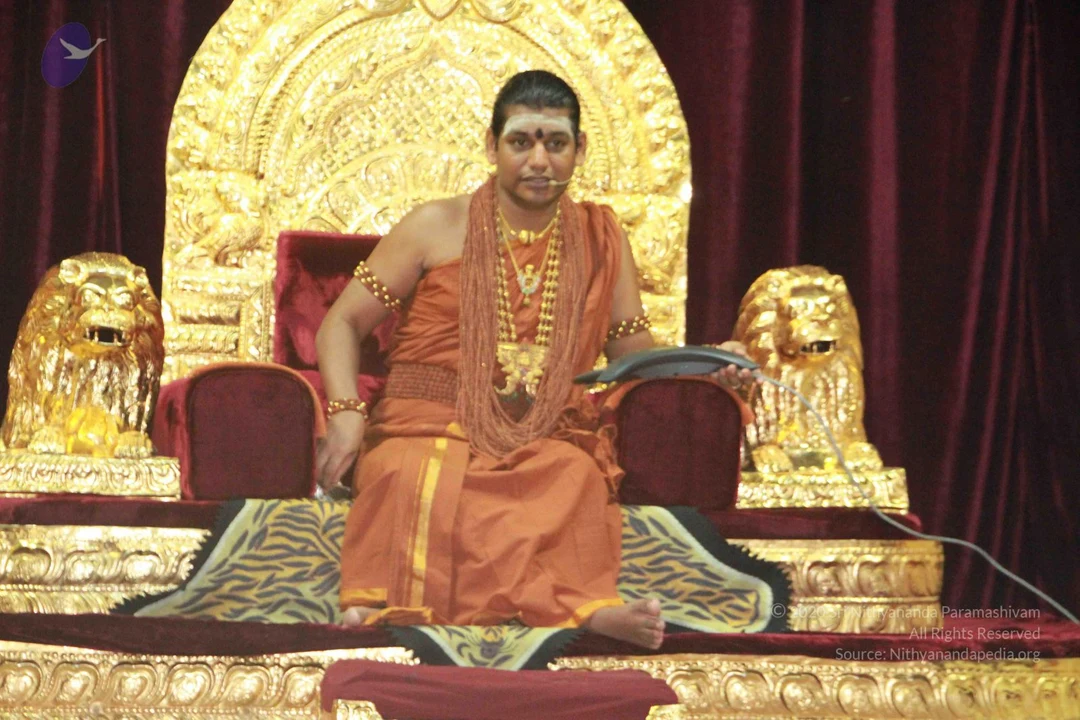
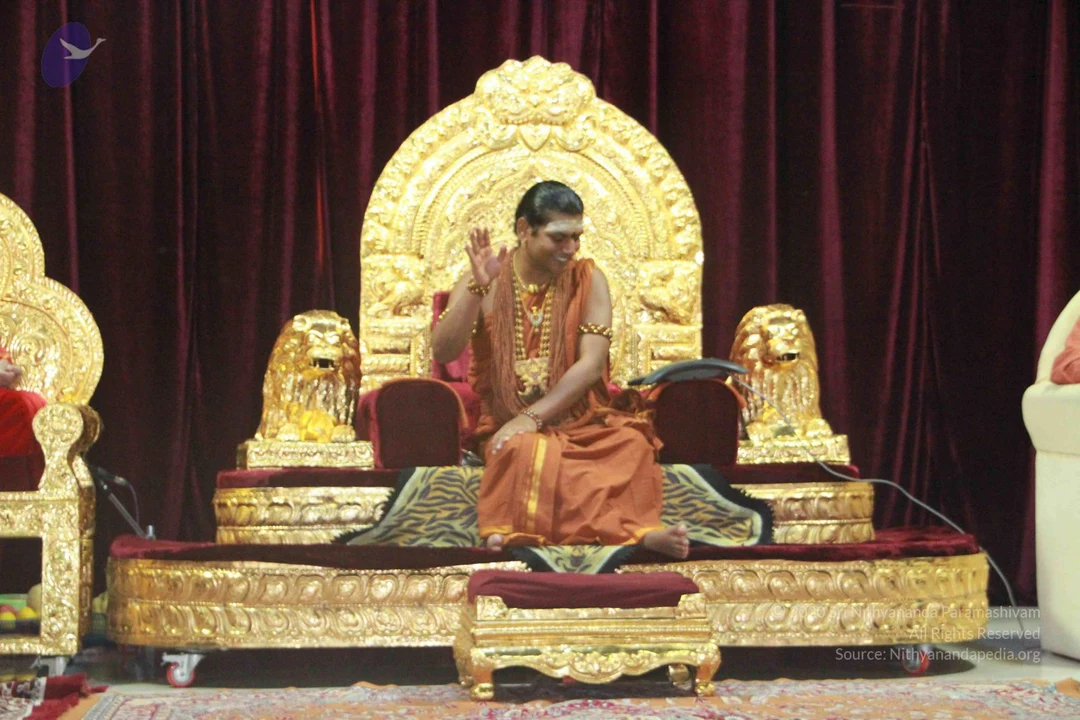

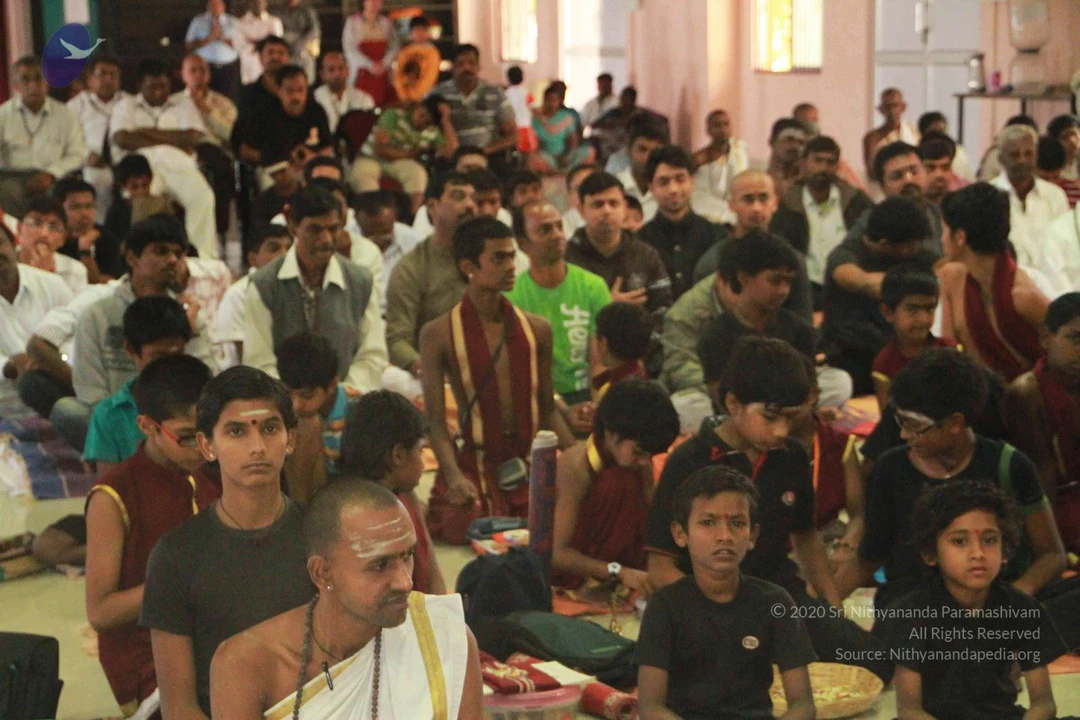
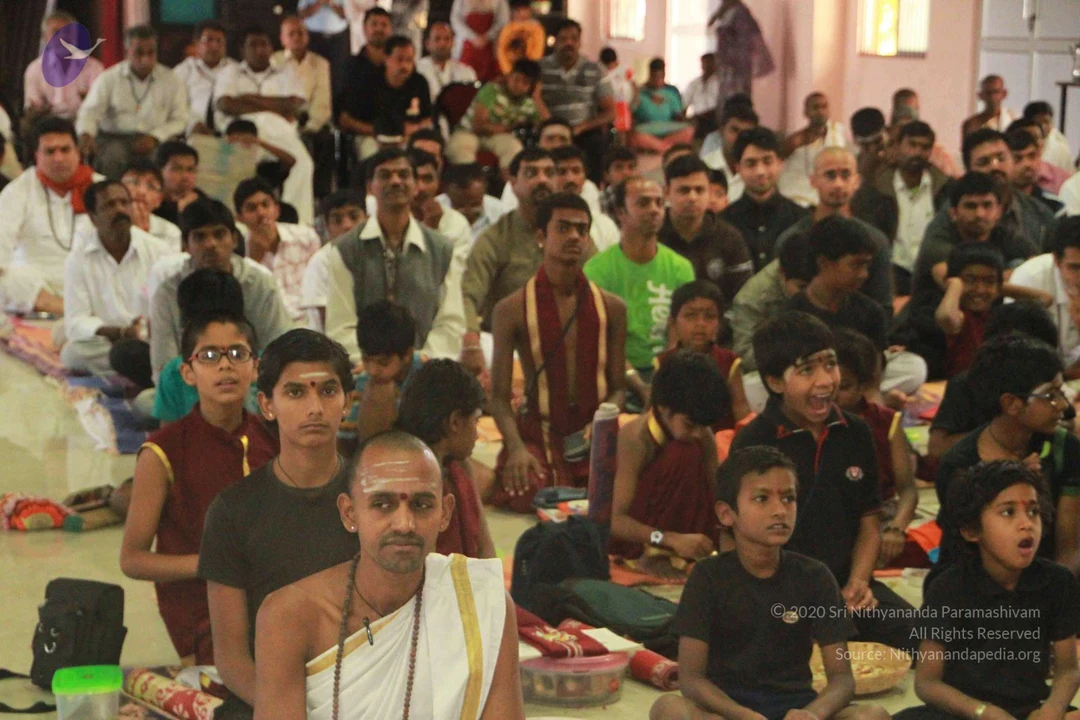
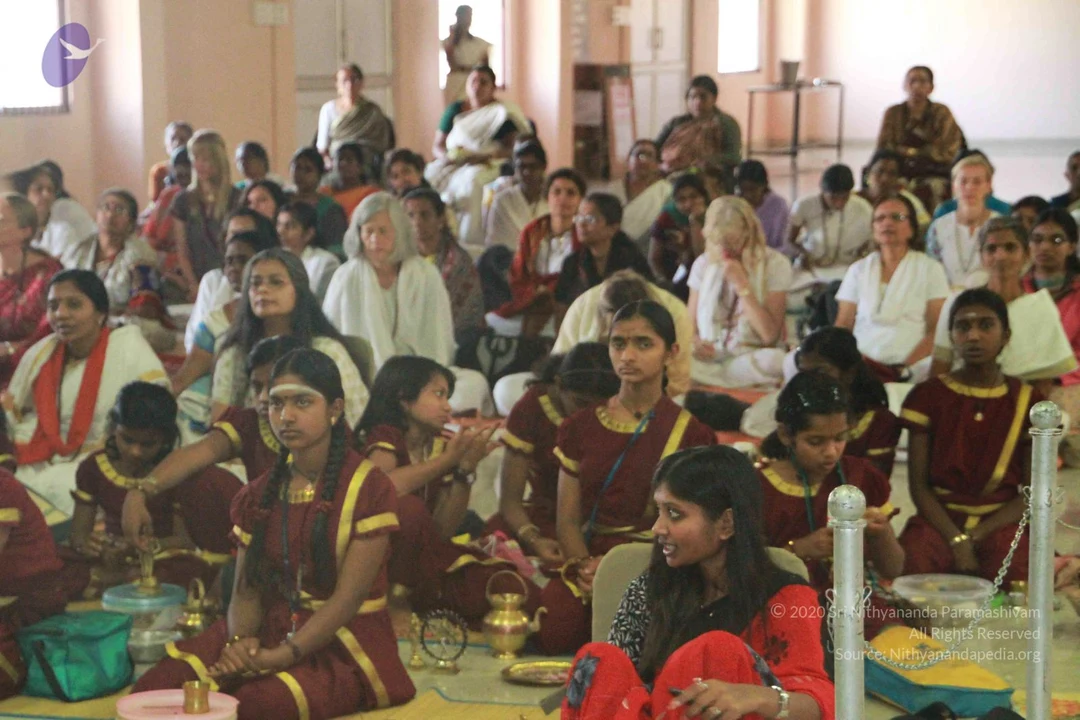
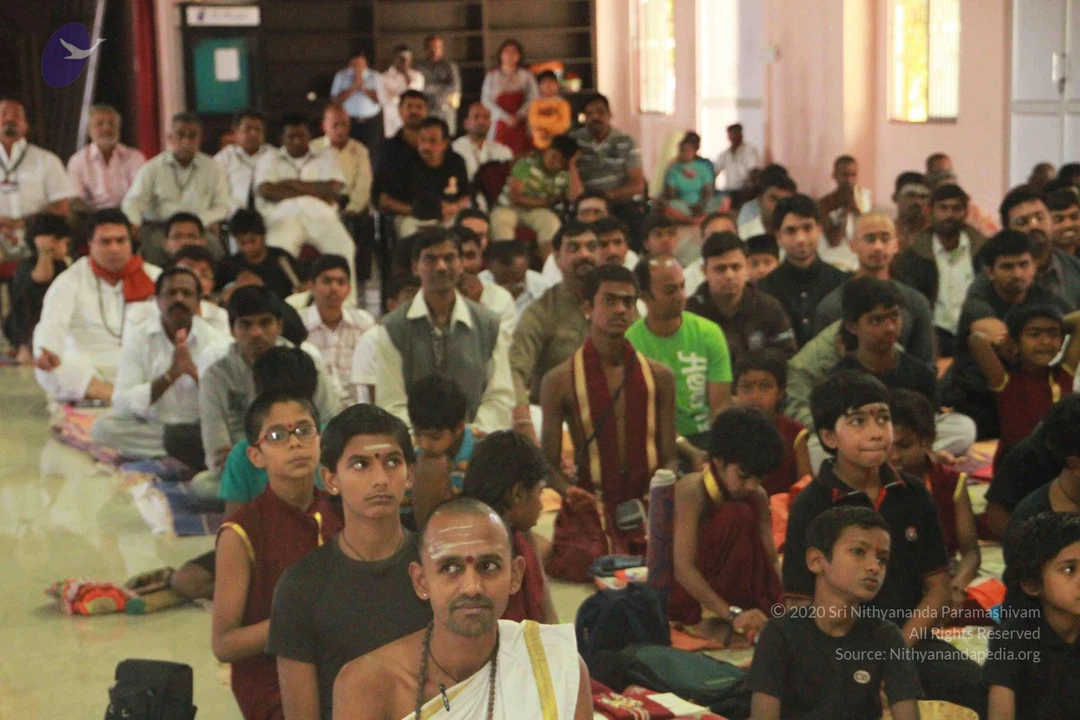
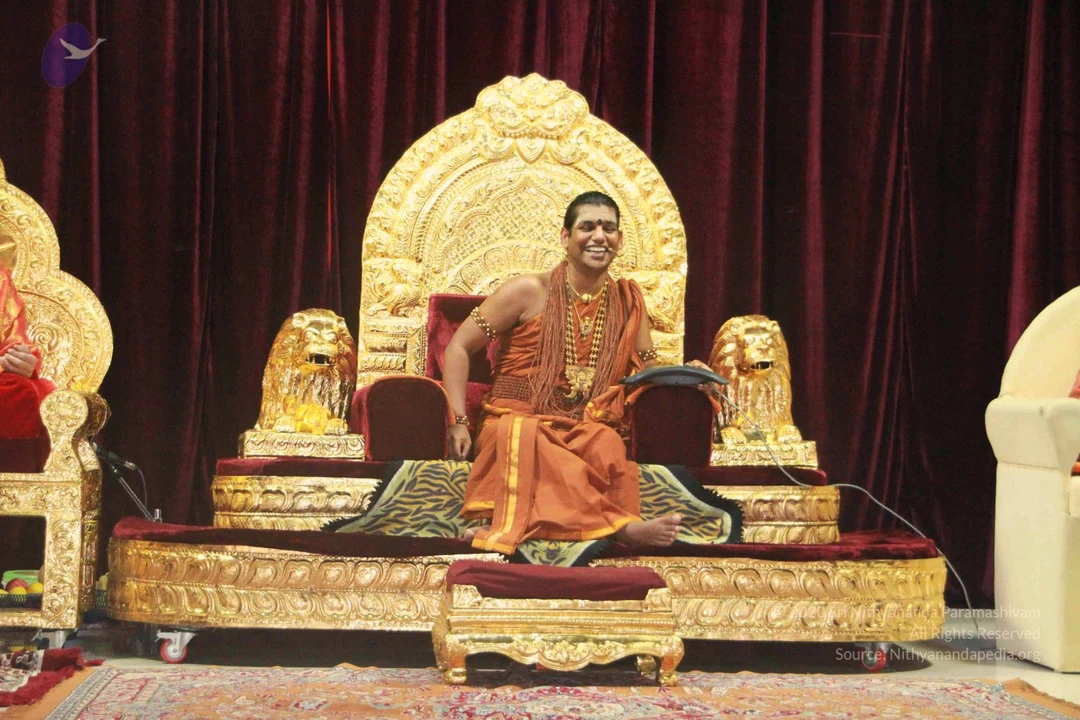
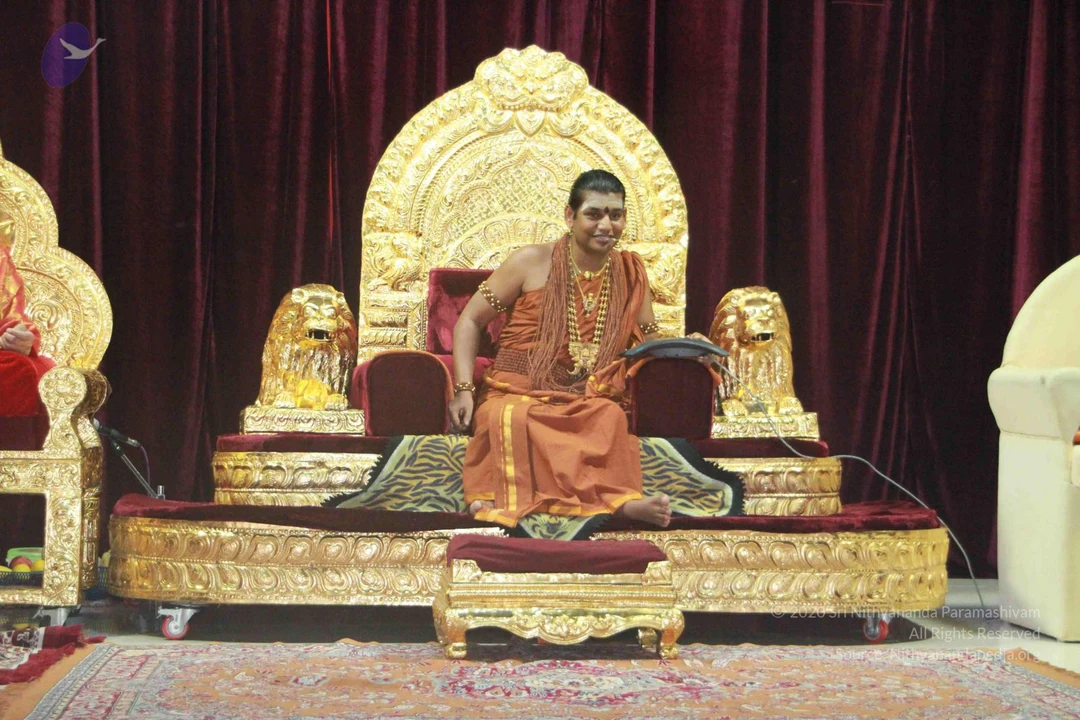
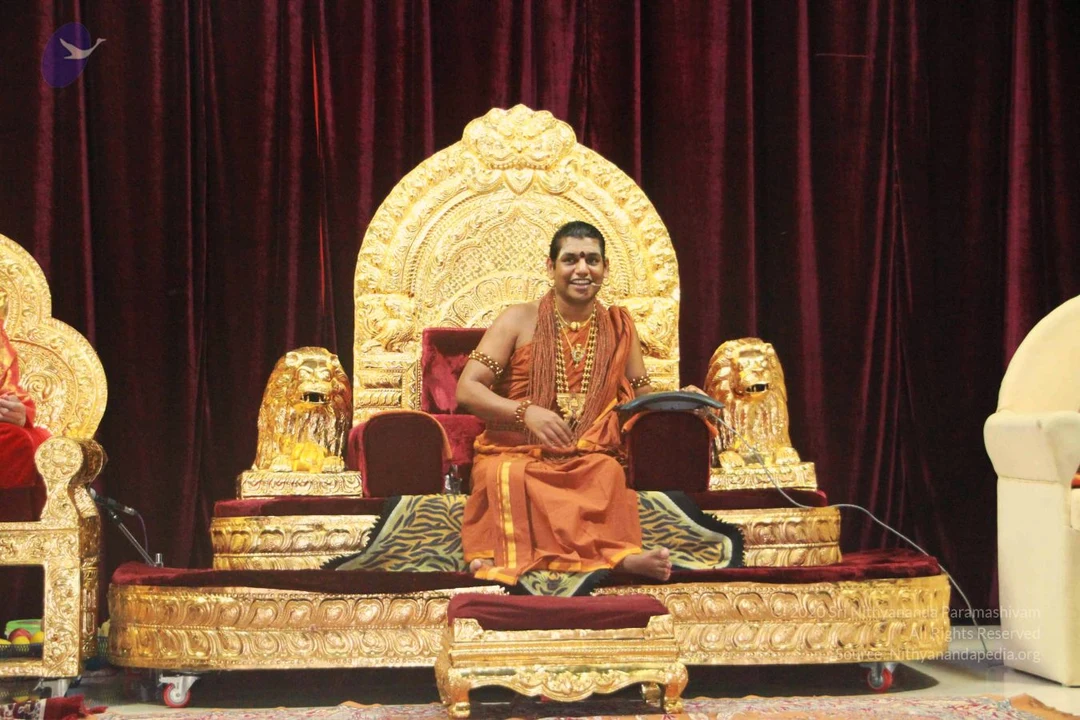
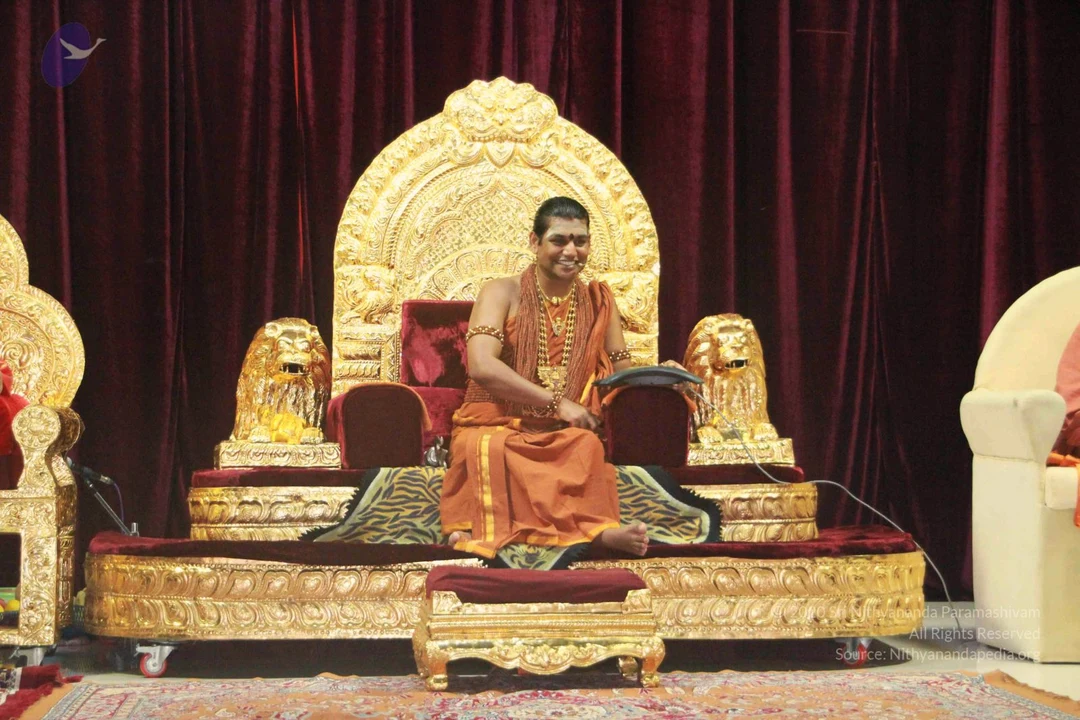
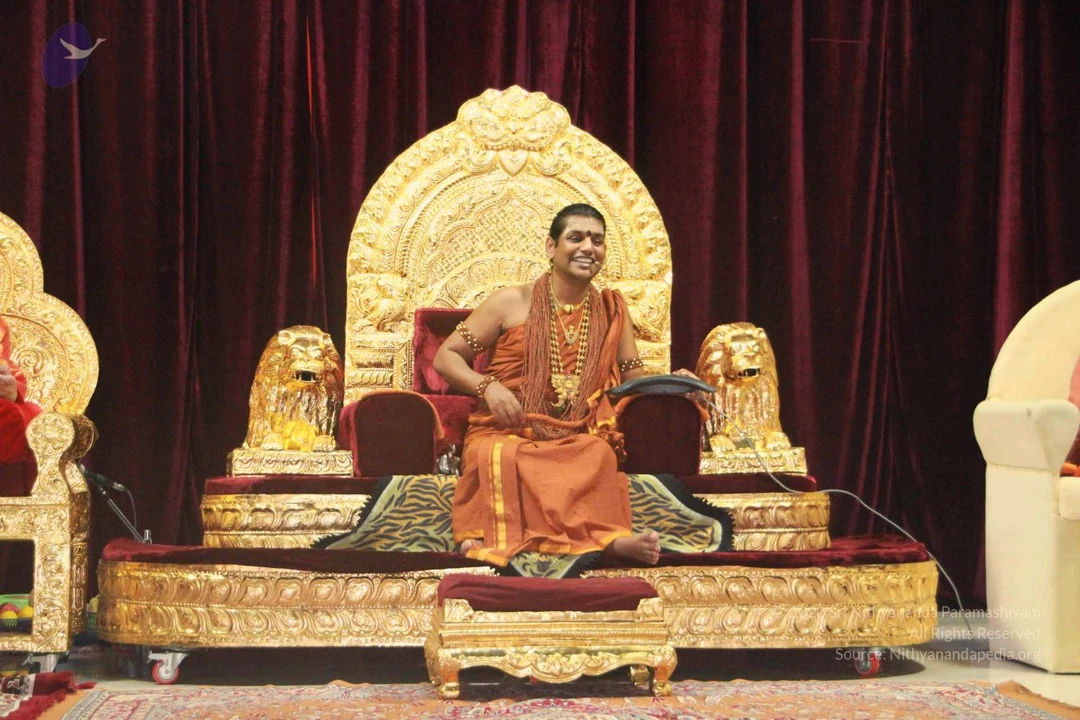
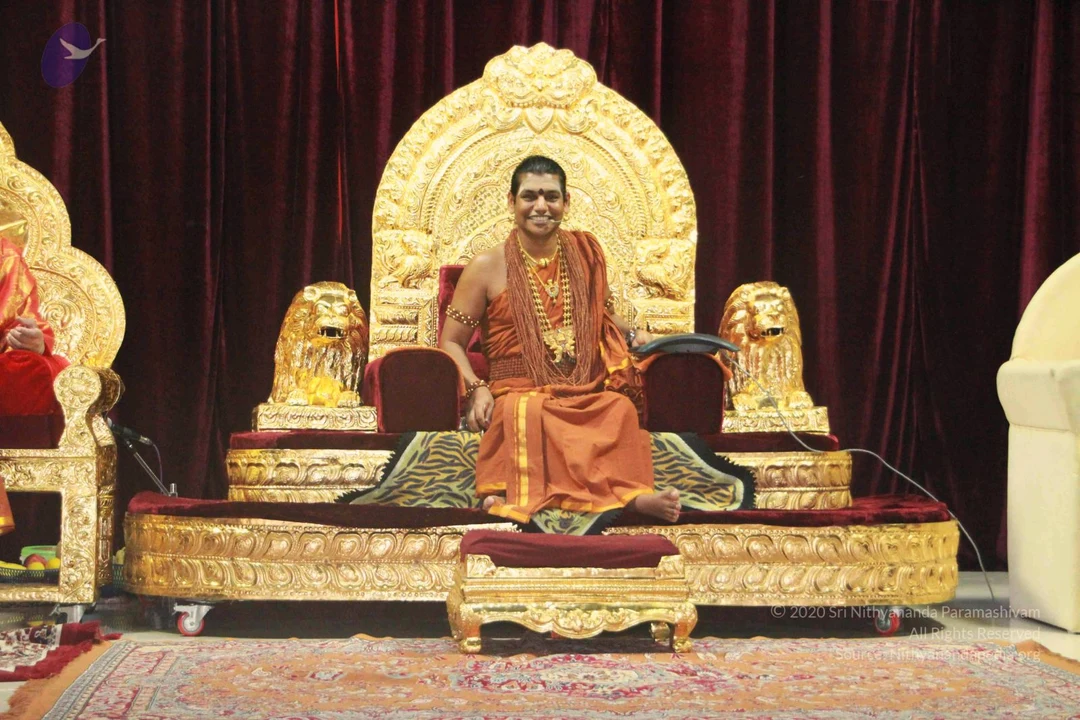
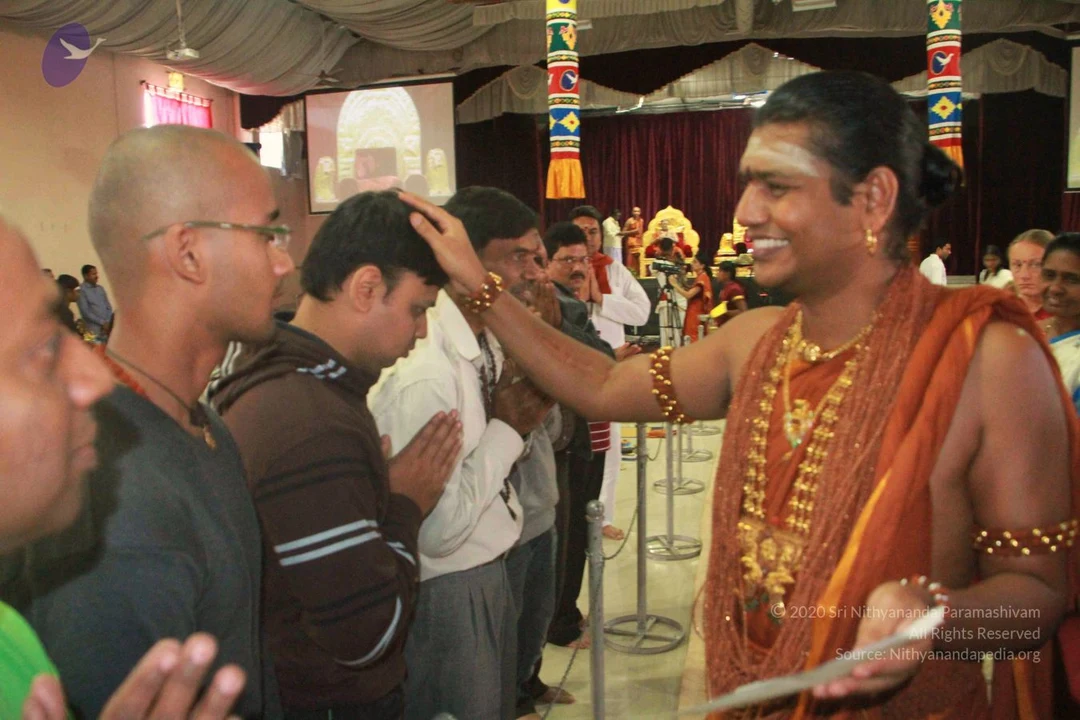
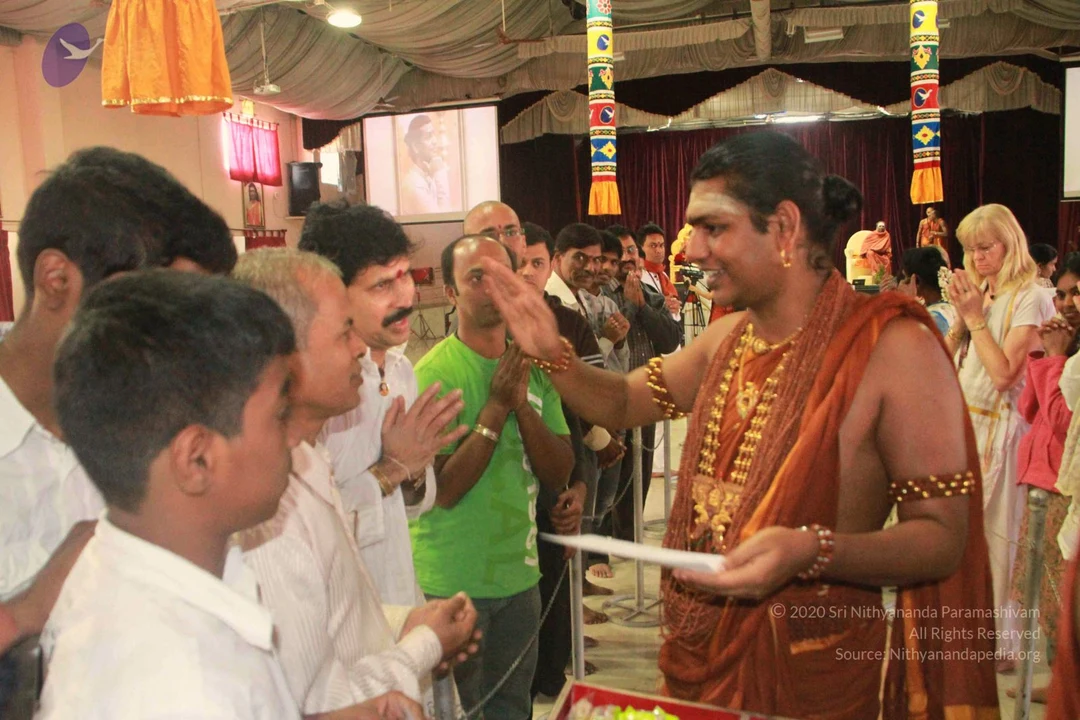
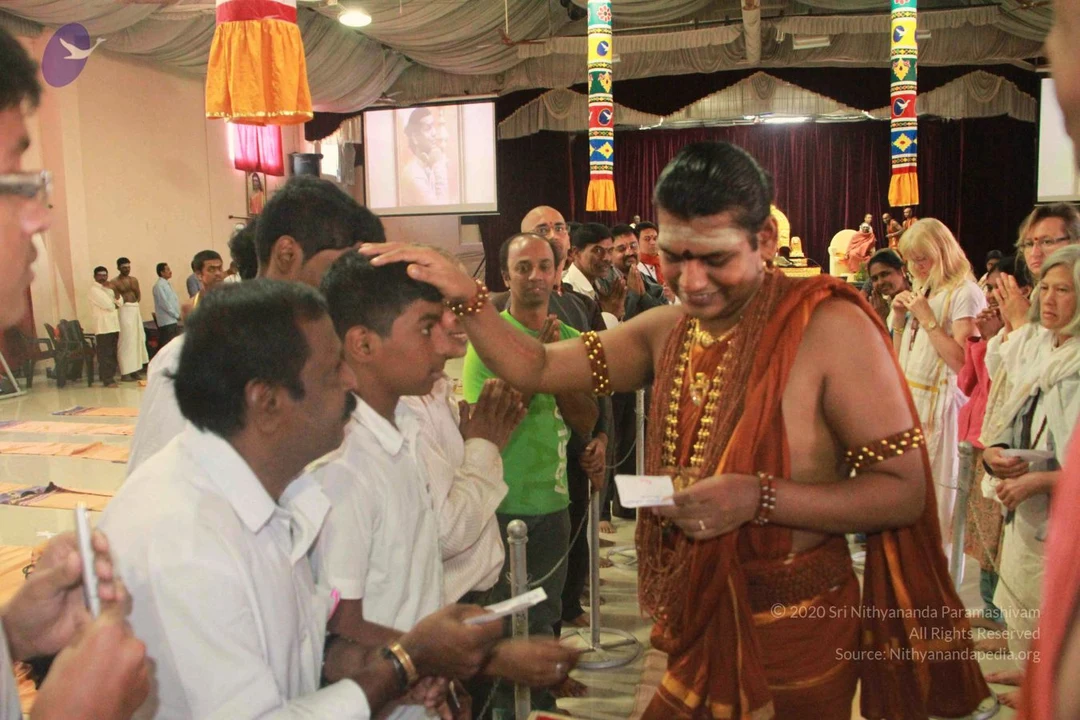
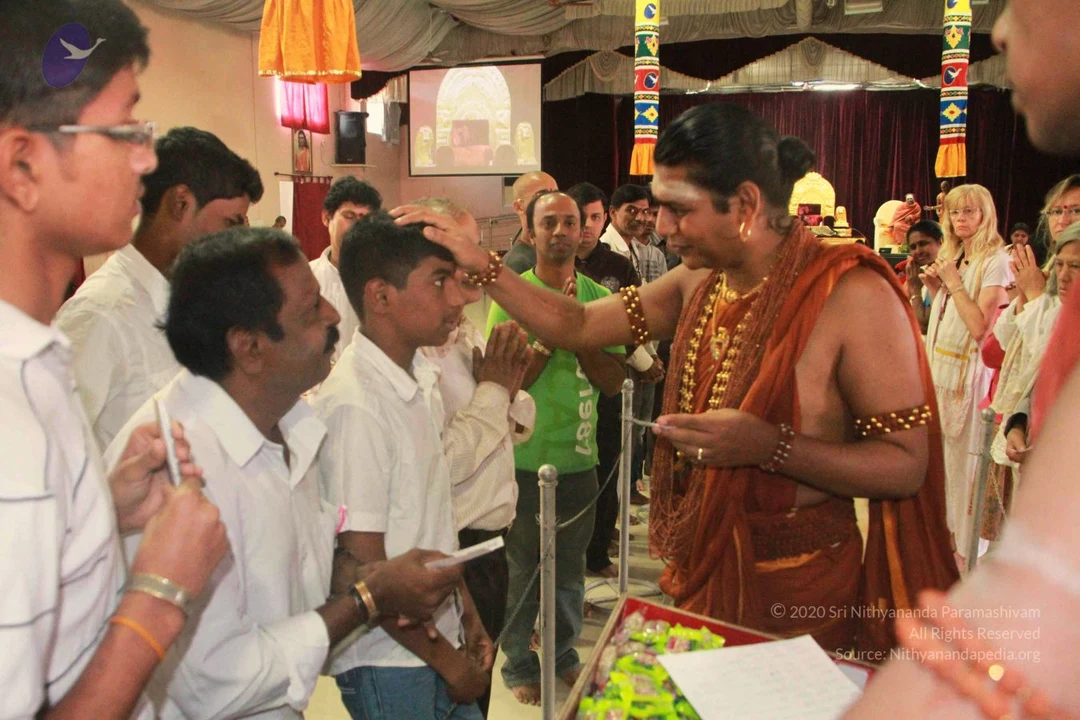
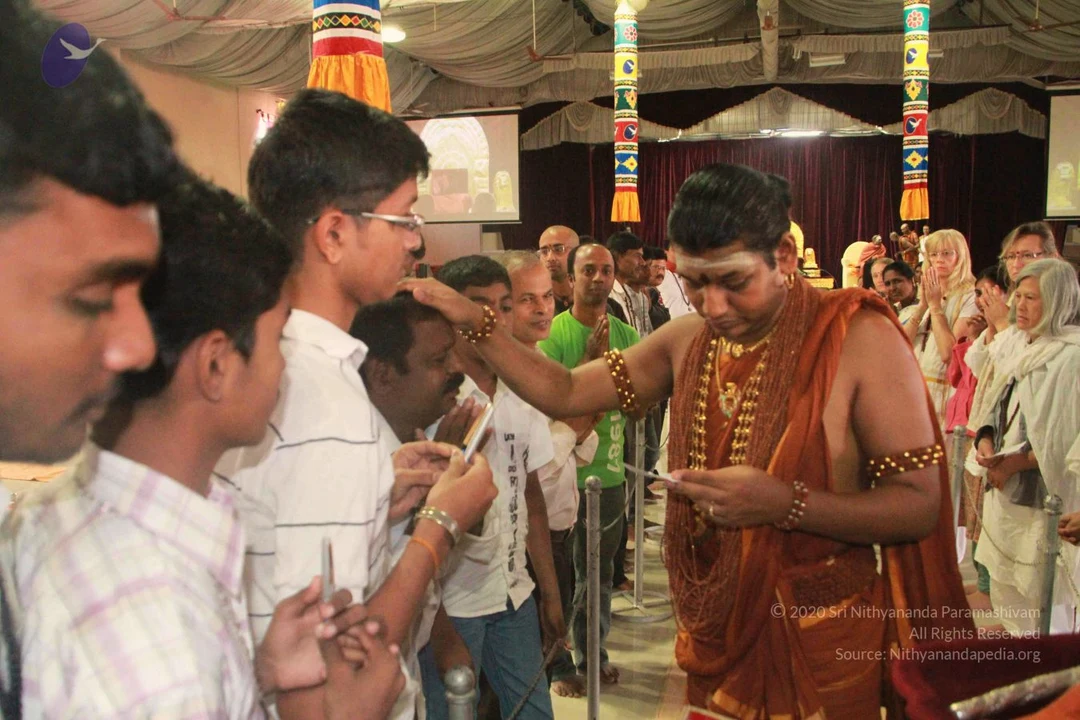
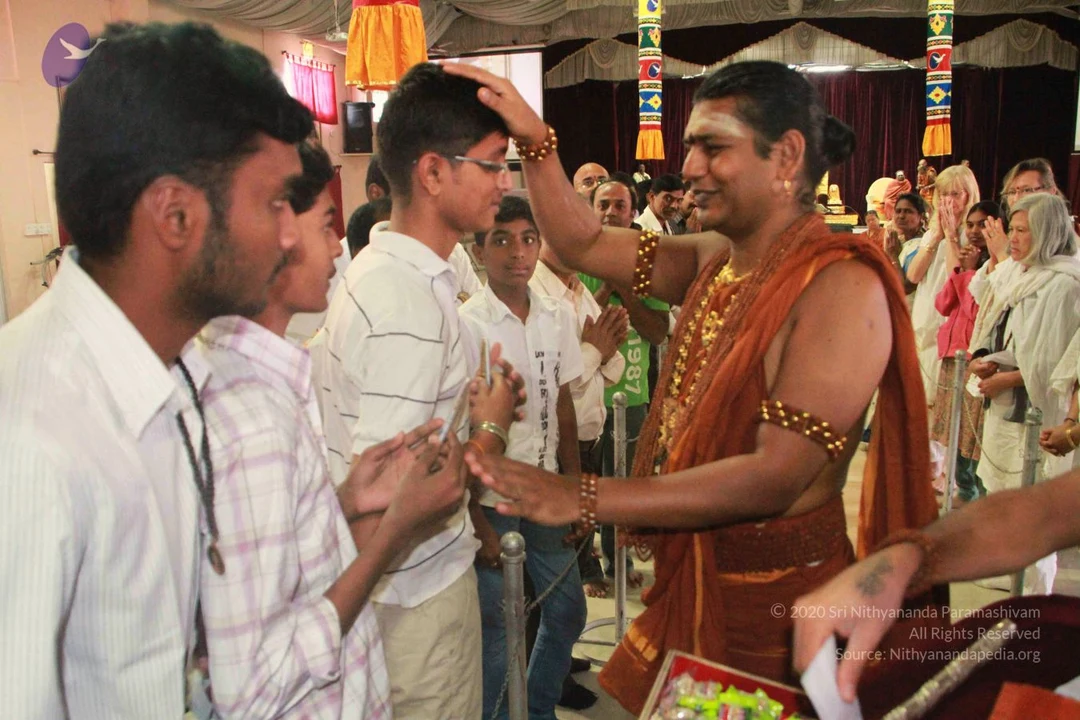
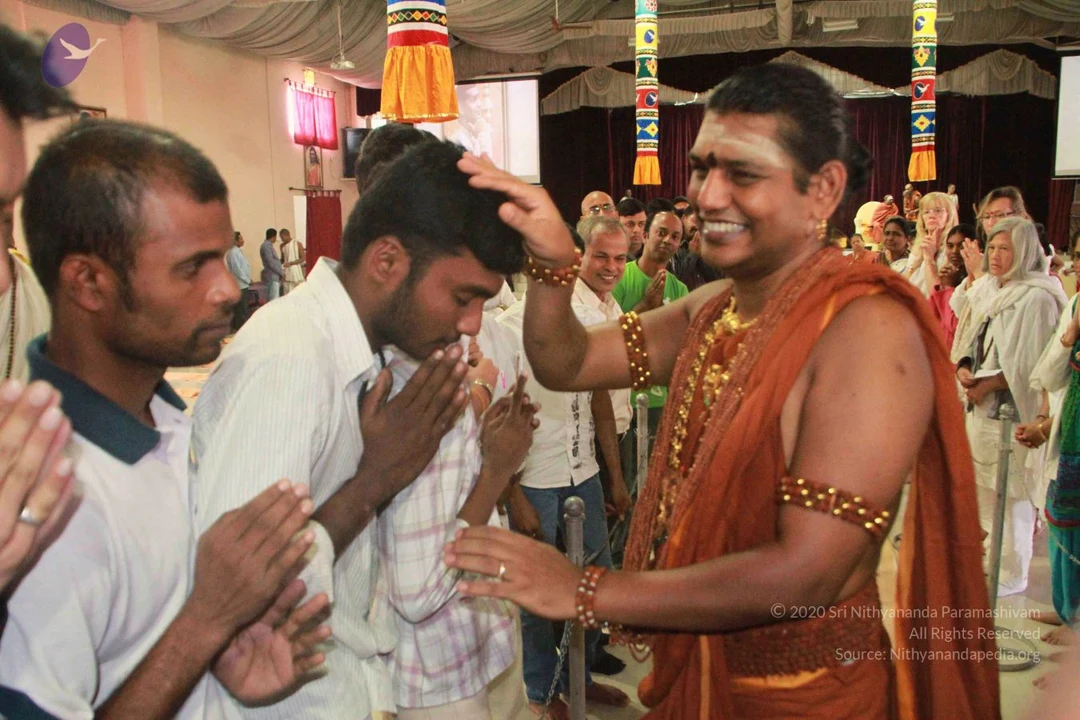
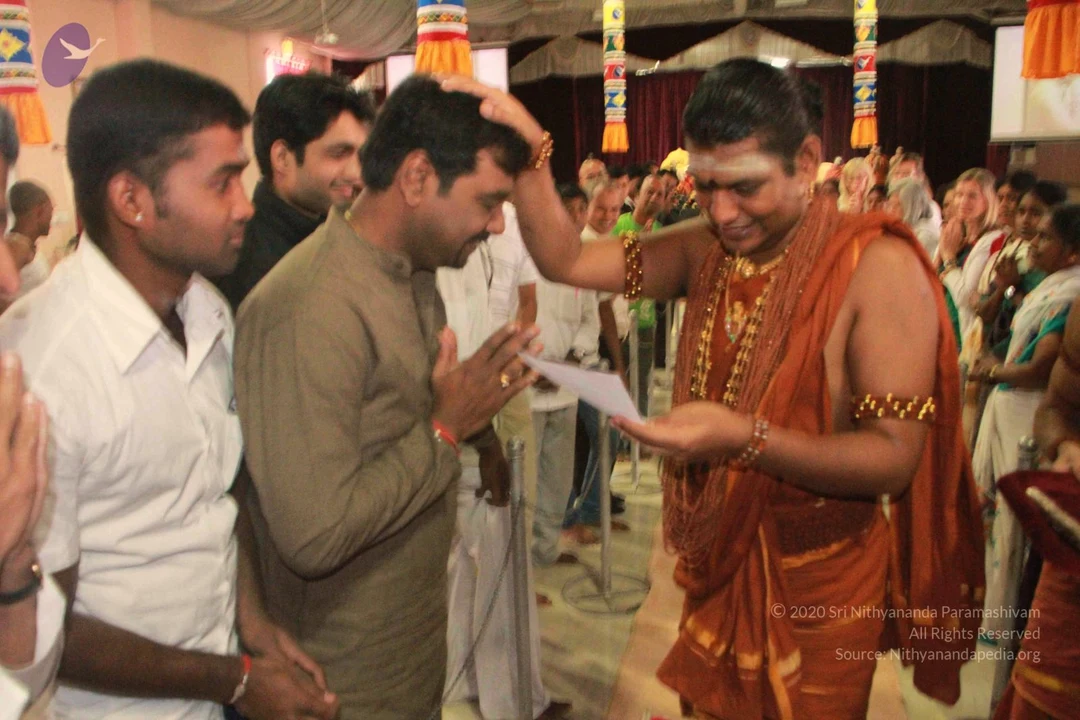
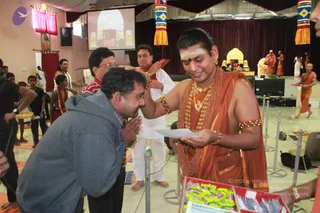
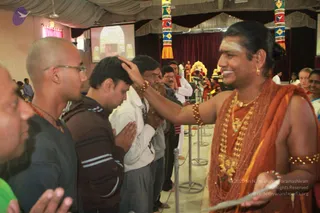
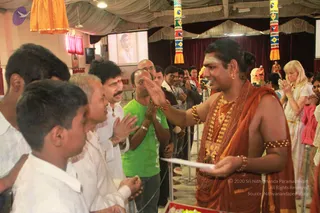
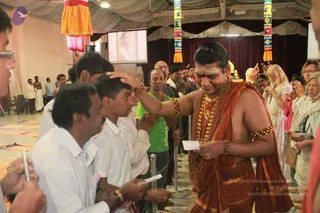
Sarva Darshan
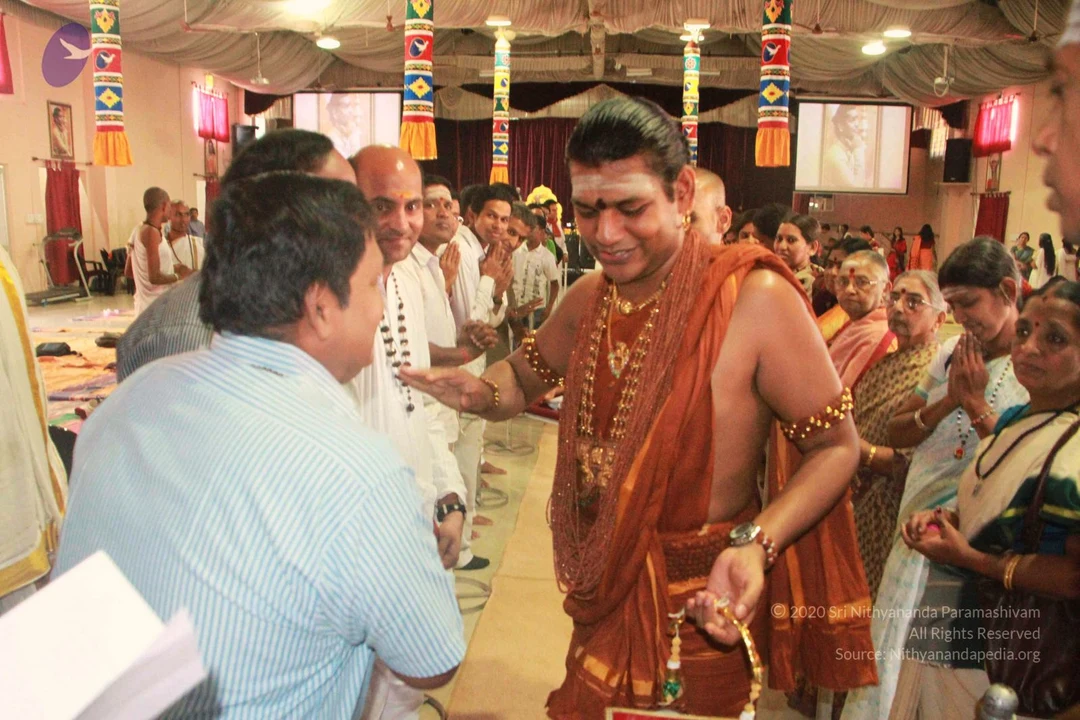
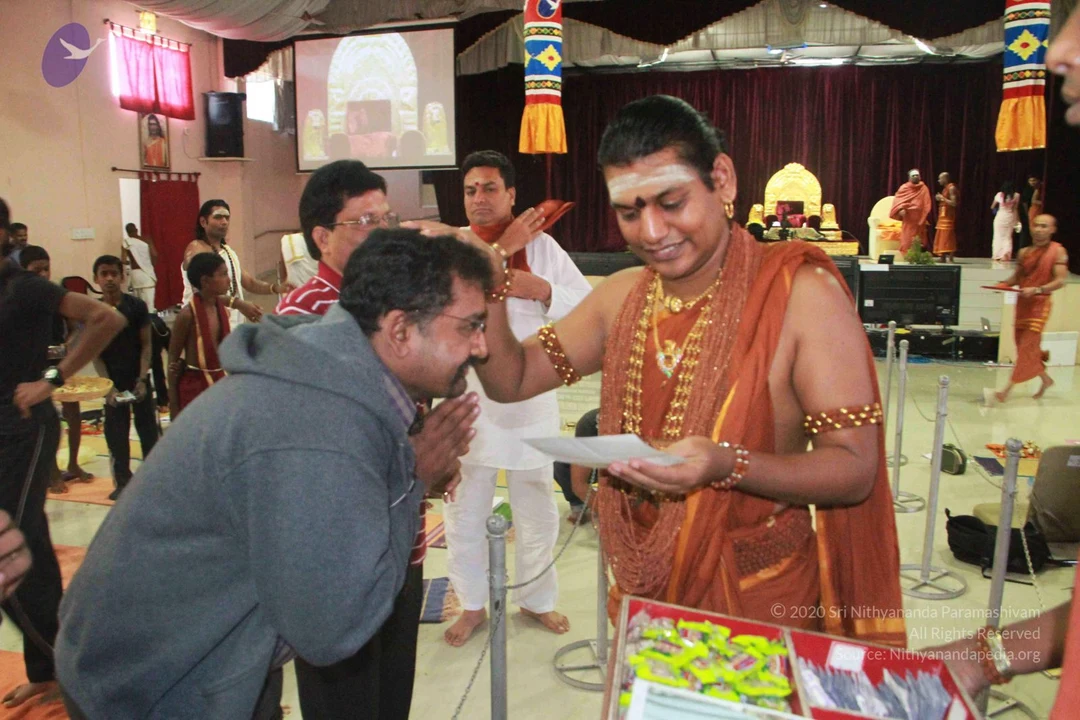
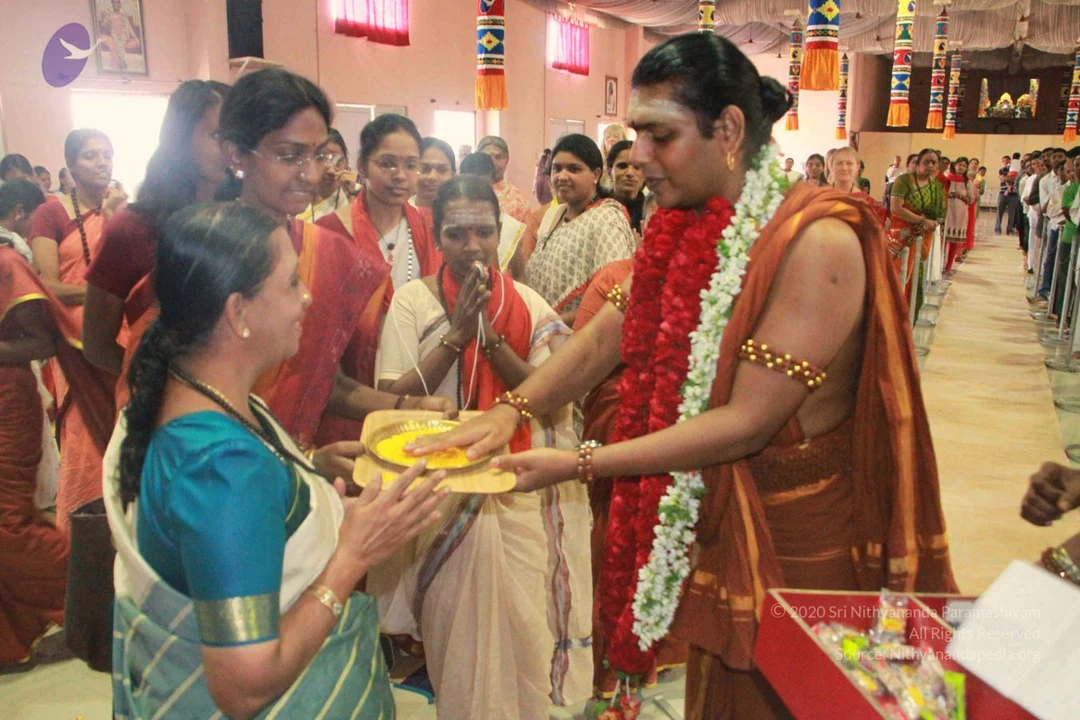
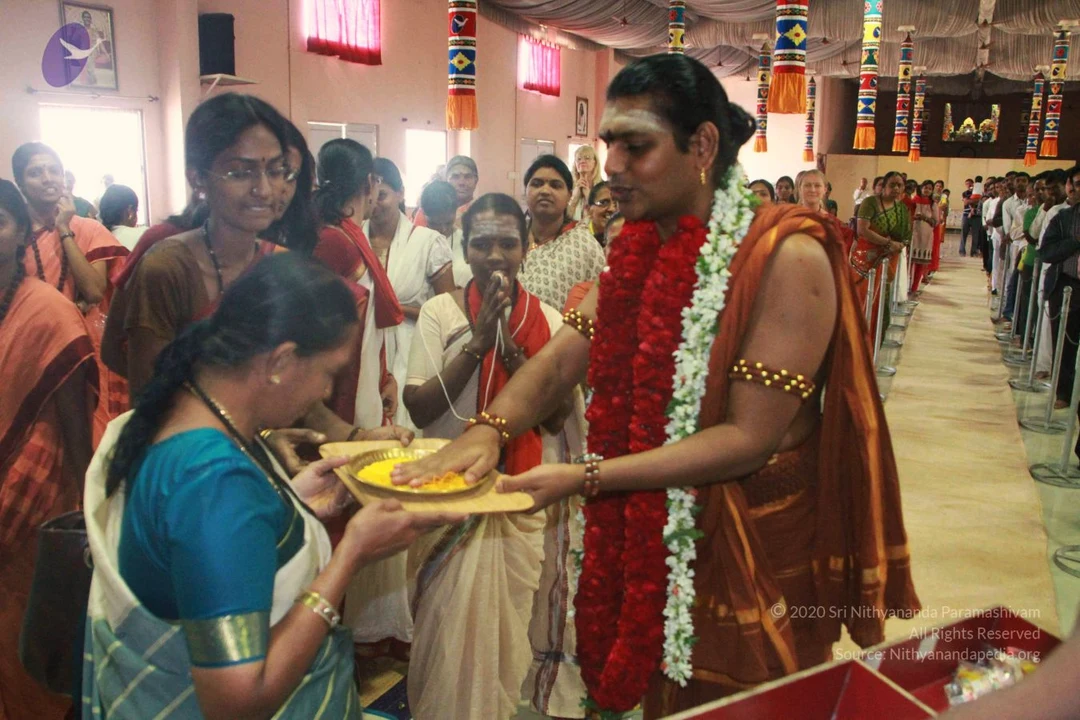
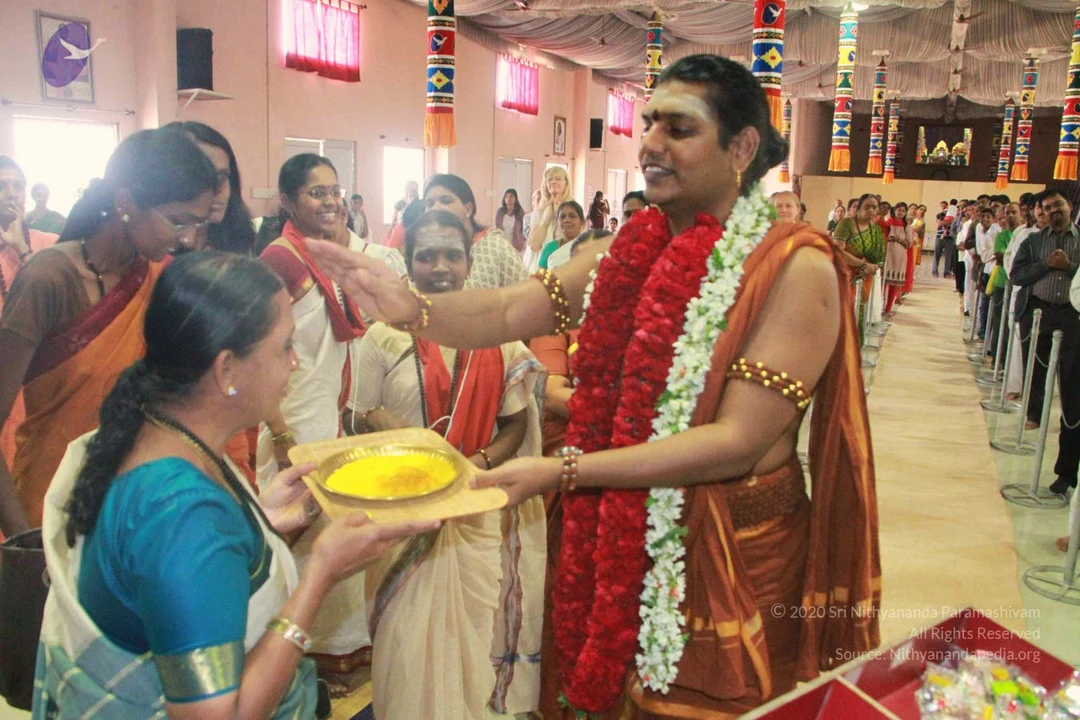
Photos from this day
View all 198 photosMorningYoga
6 photosSource gallery
Pratyaksha Pada Puja
25 photosSource gallery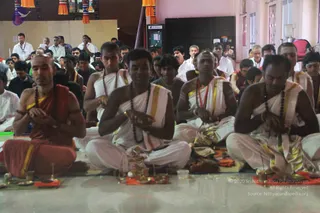
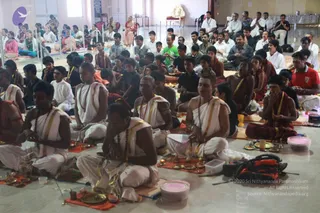
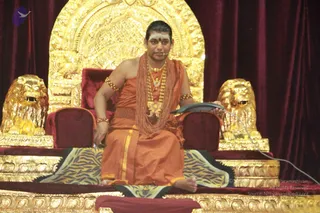
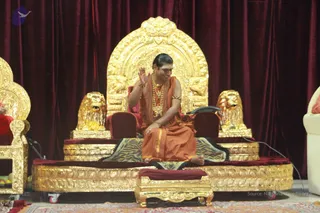
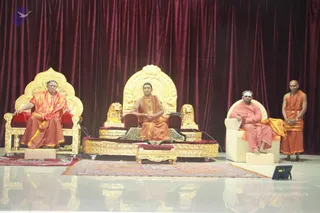
Nithya Satsang
103 photosSource gallery
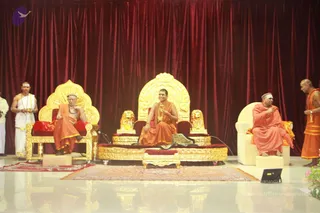
Dial the Avatar
31 photosSource gallery
Sarva Darshan
25 photosSource gallery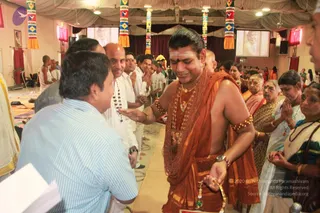
More photos
8 photosView all