Tuesday
3 February 2015
Life is Here to Celebrate Through You
- Dated photos
- 166
- Source pages
- 2
- Media
- 5

February 03 2015
Original wiki pageTitle:
Life is Here to Celebrate Through You
Description:
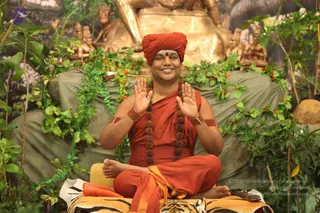
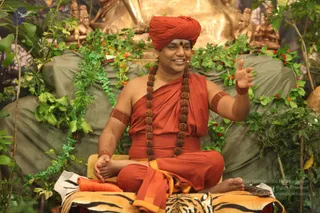
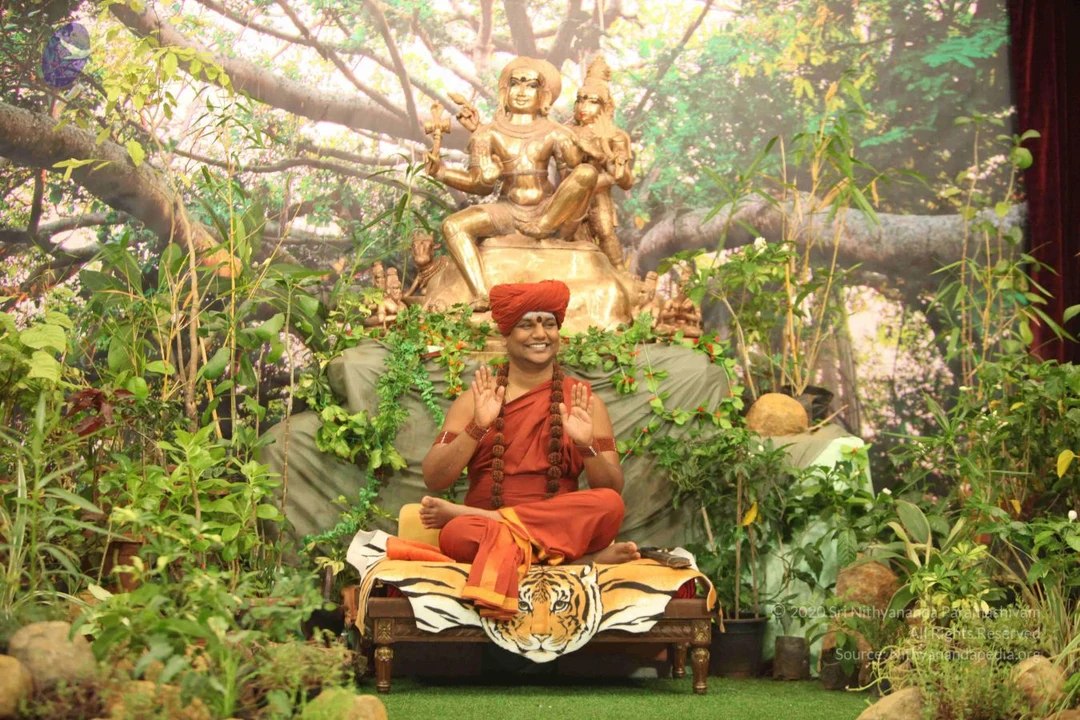
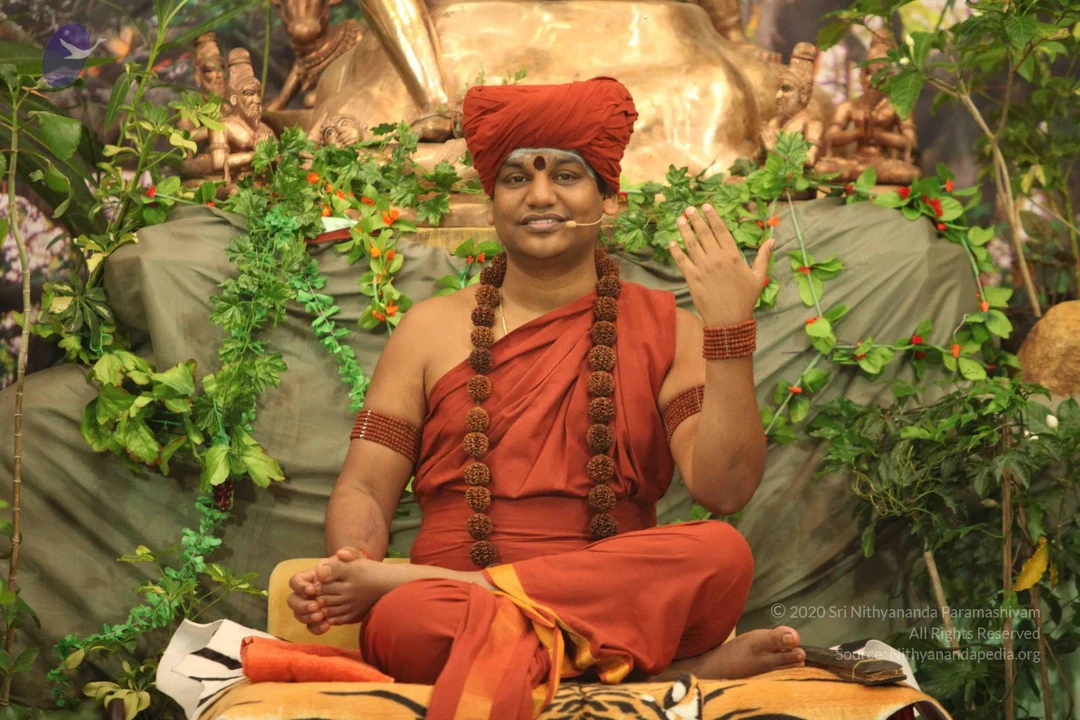
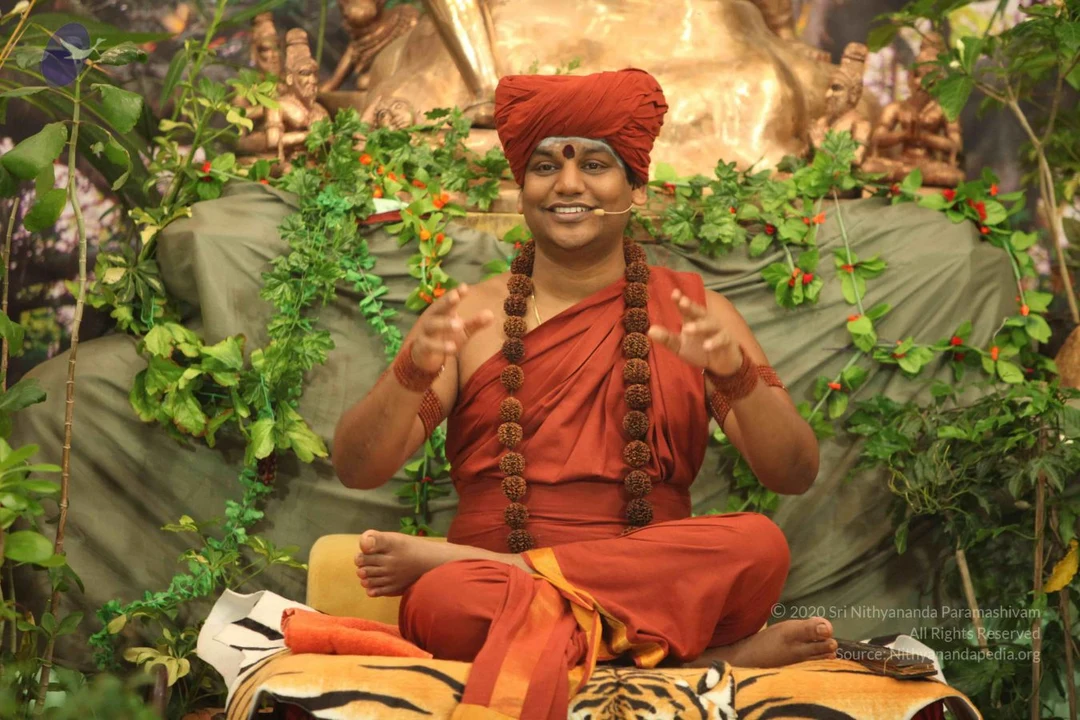
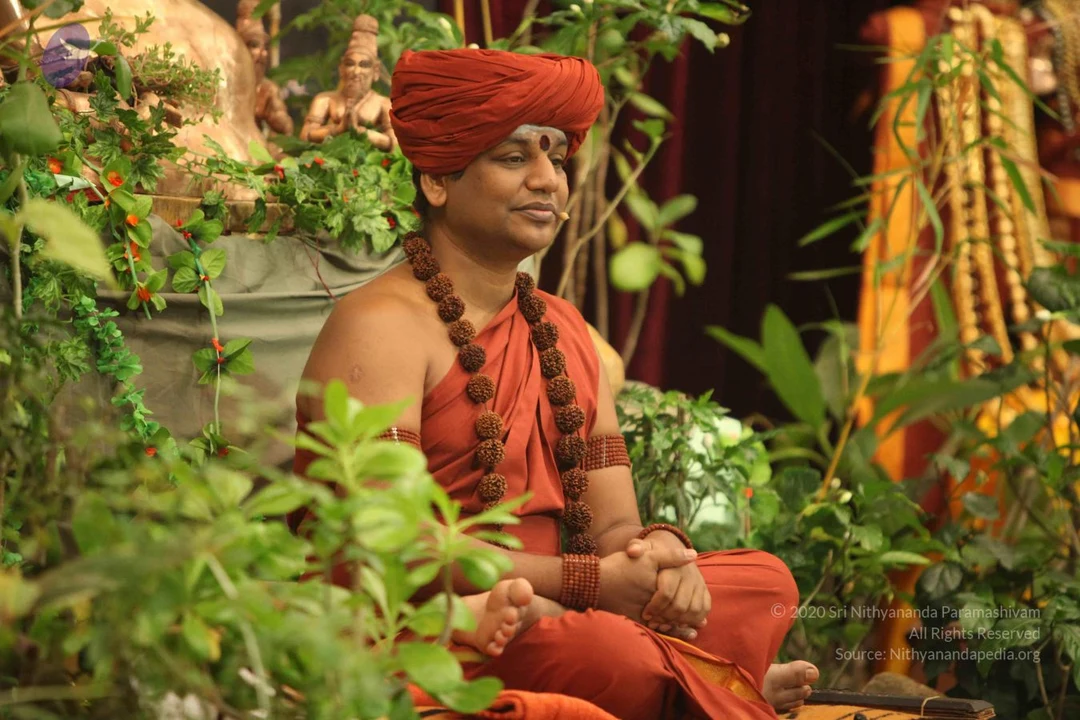
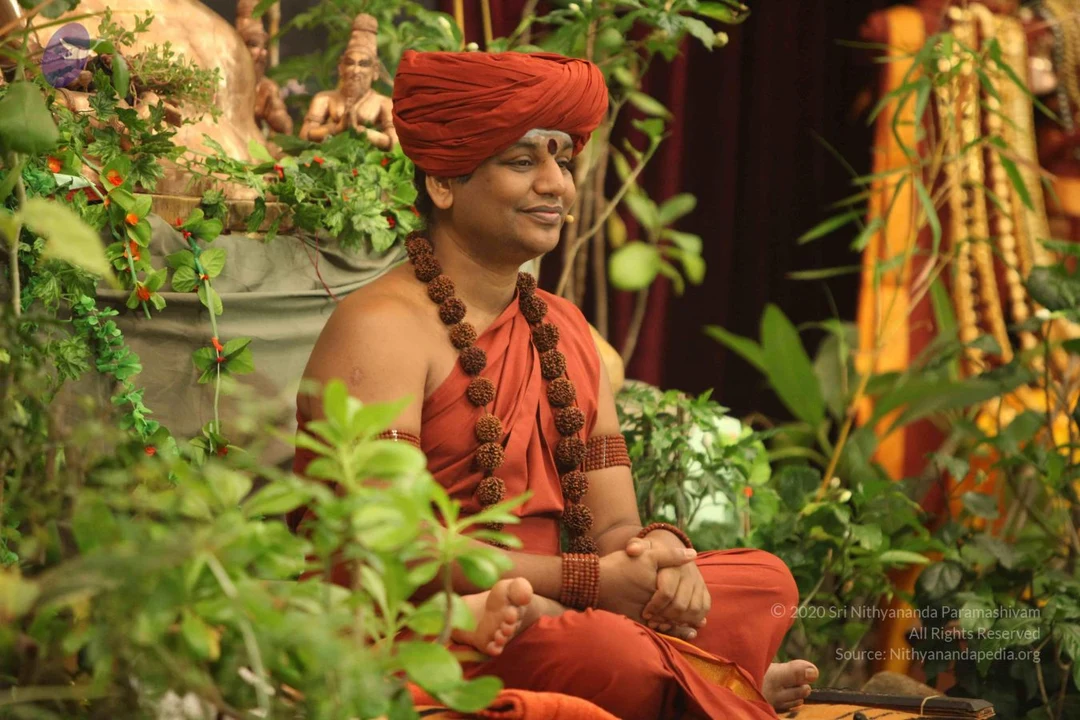
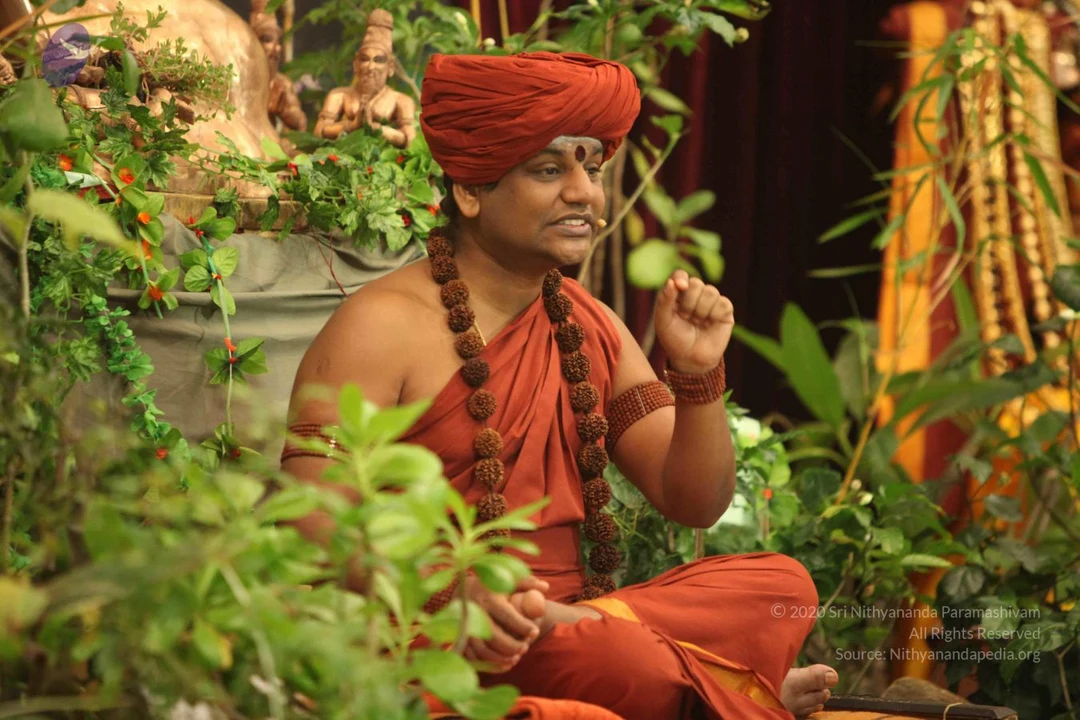
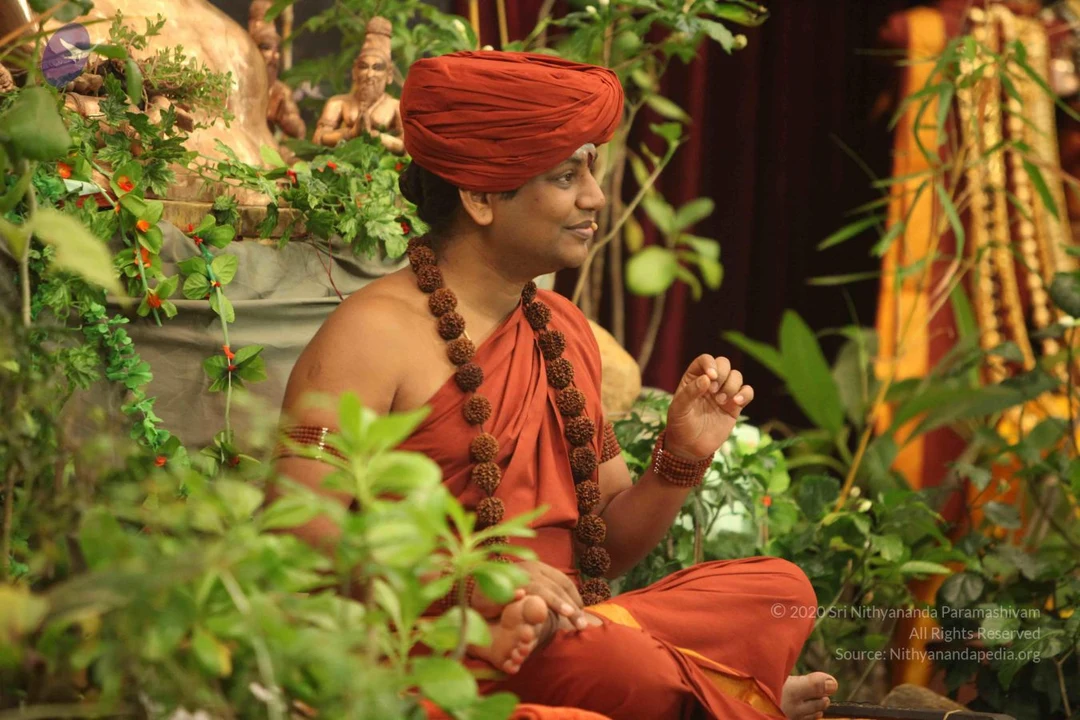
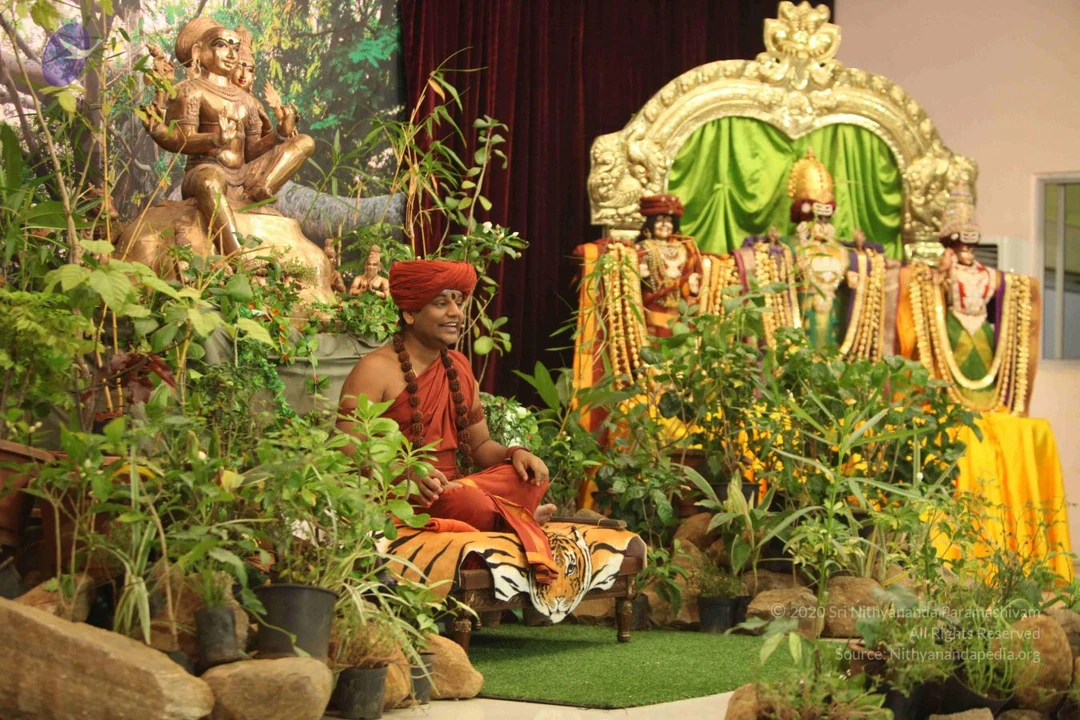
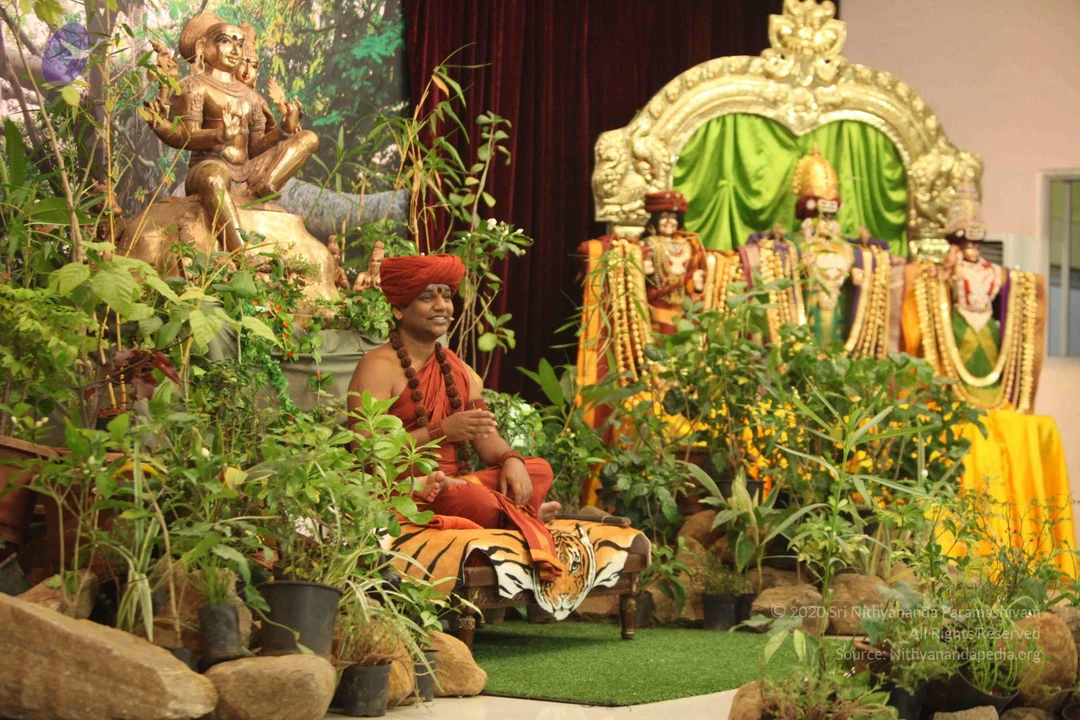
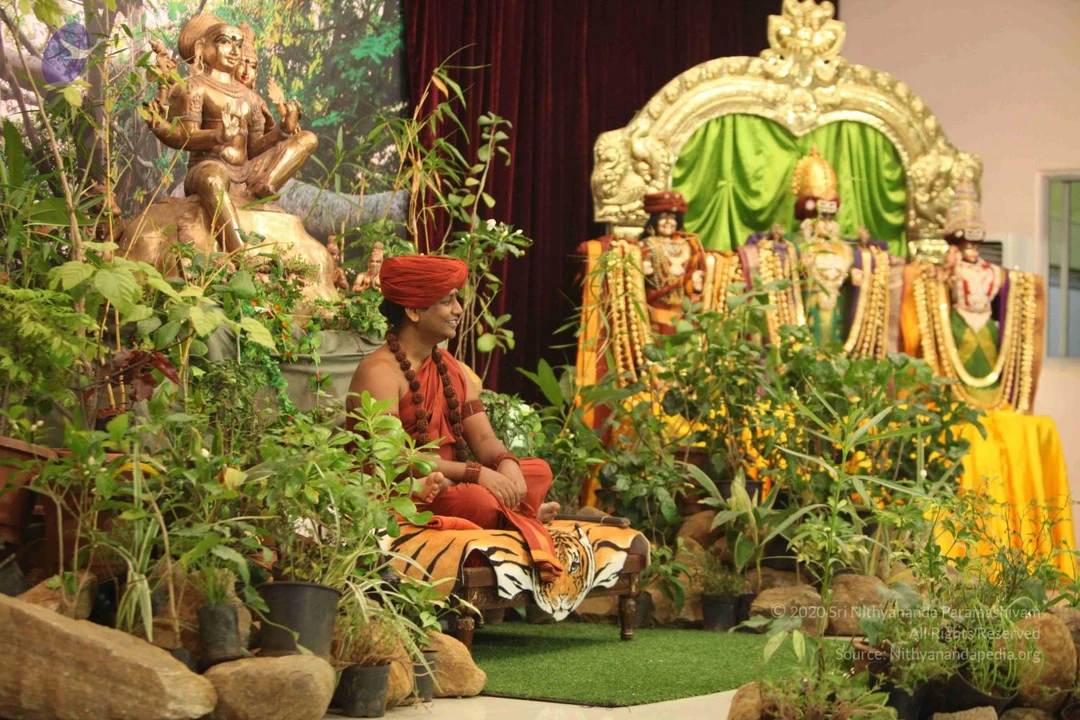
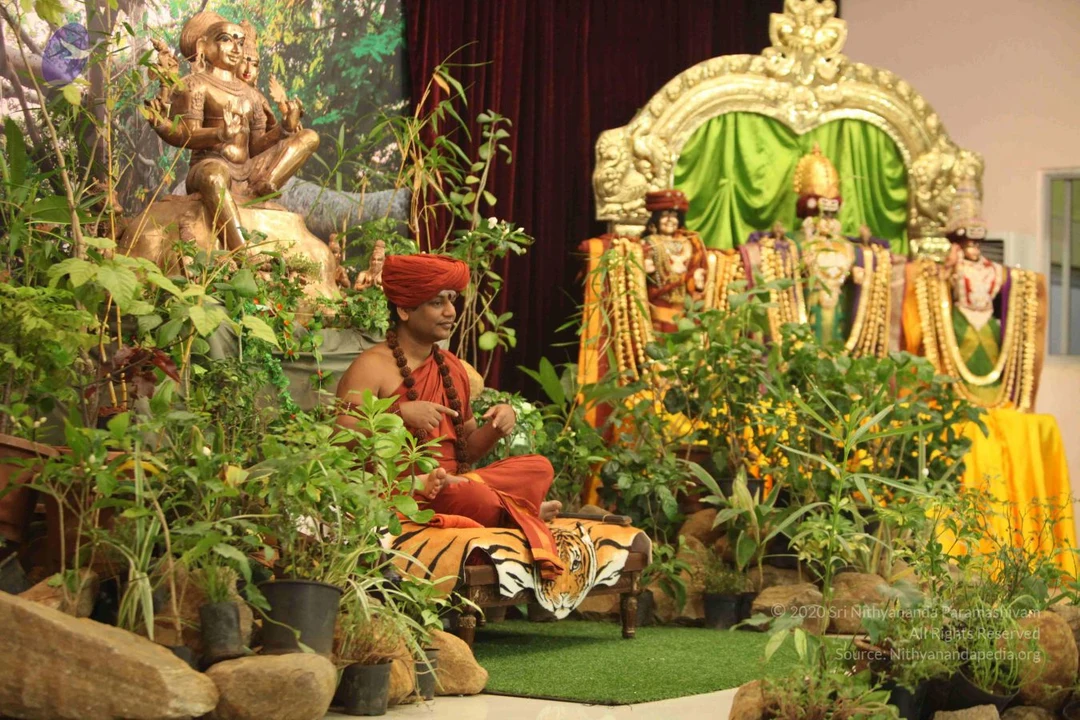
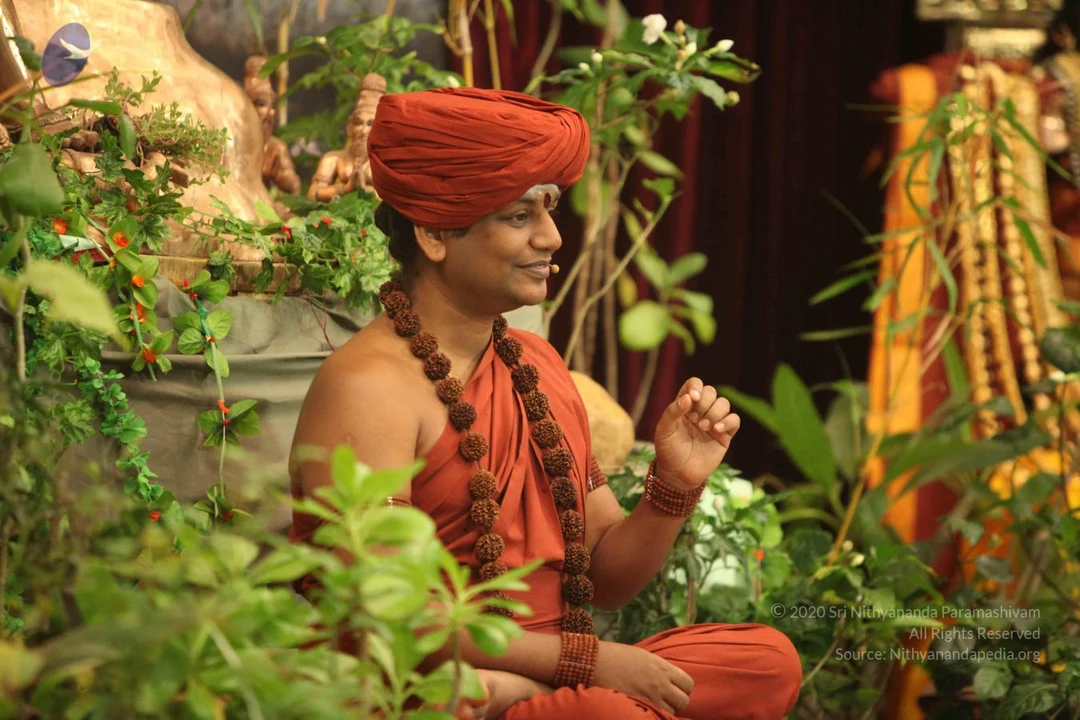
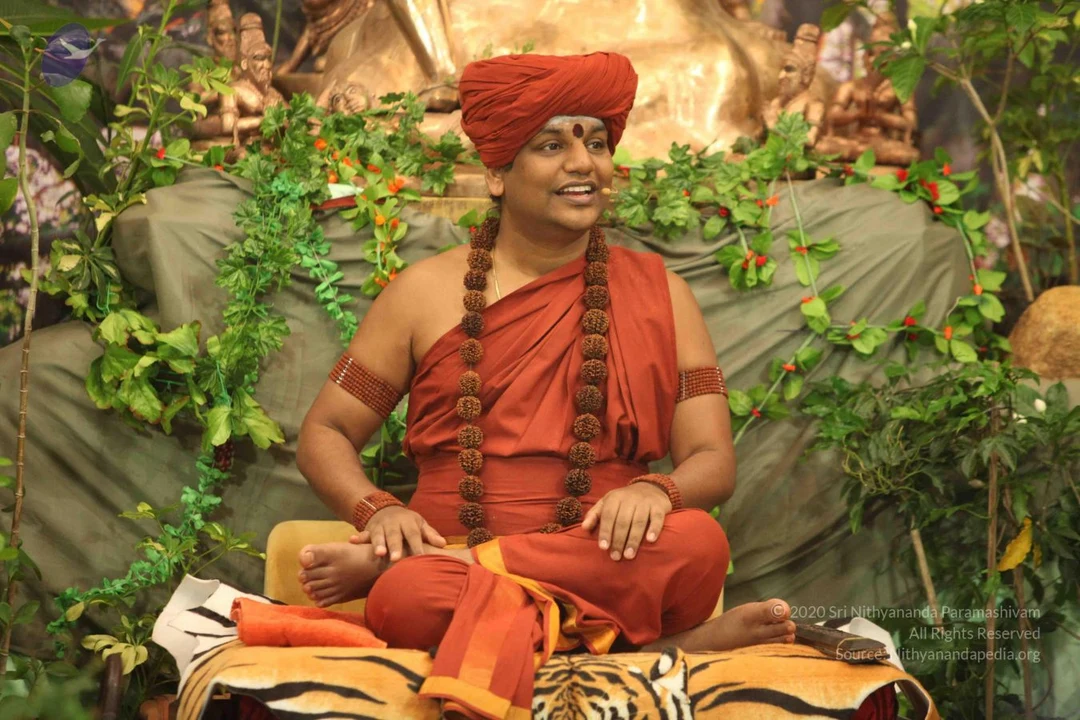
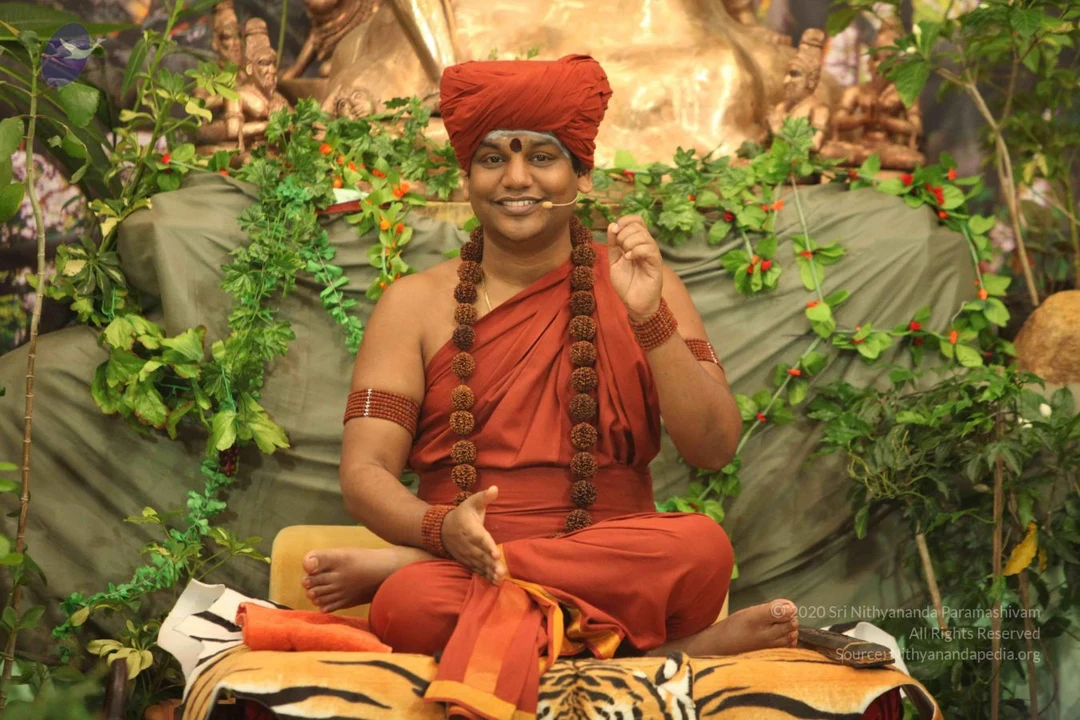
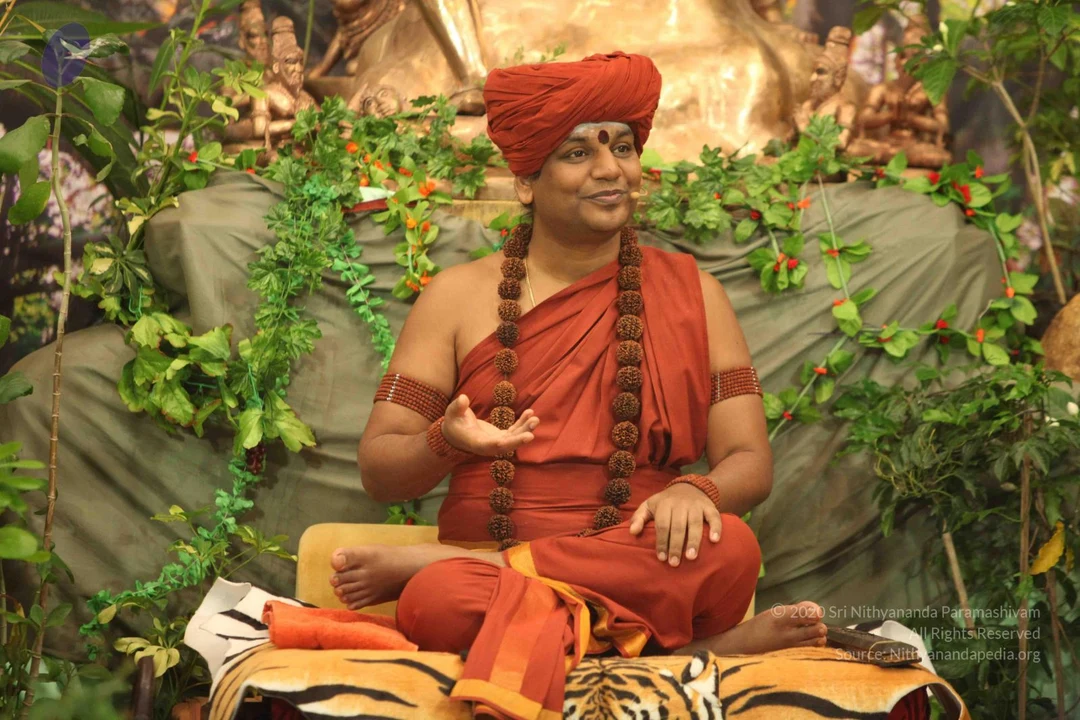
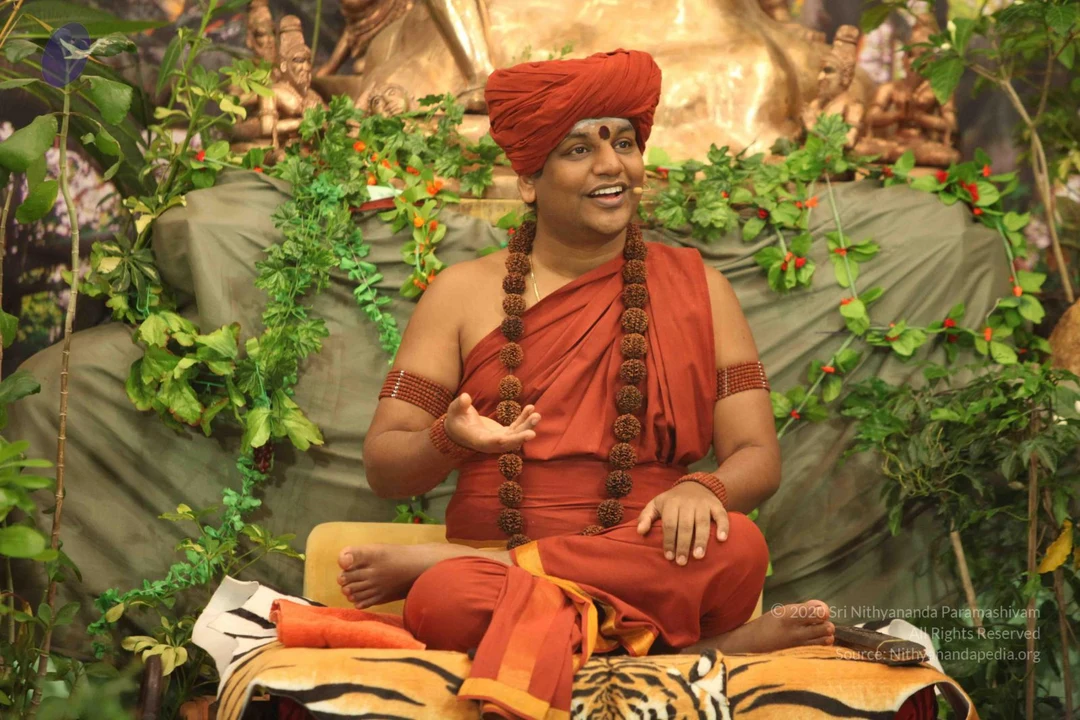
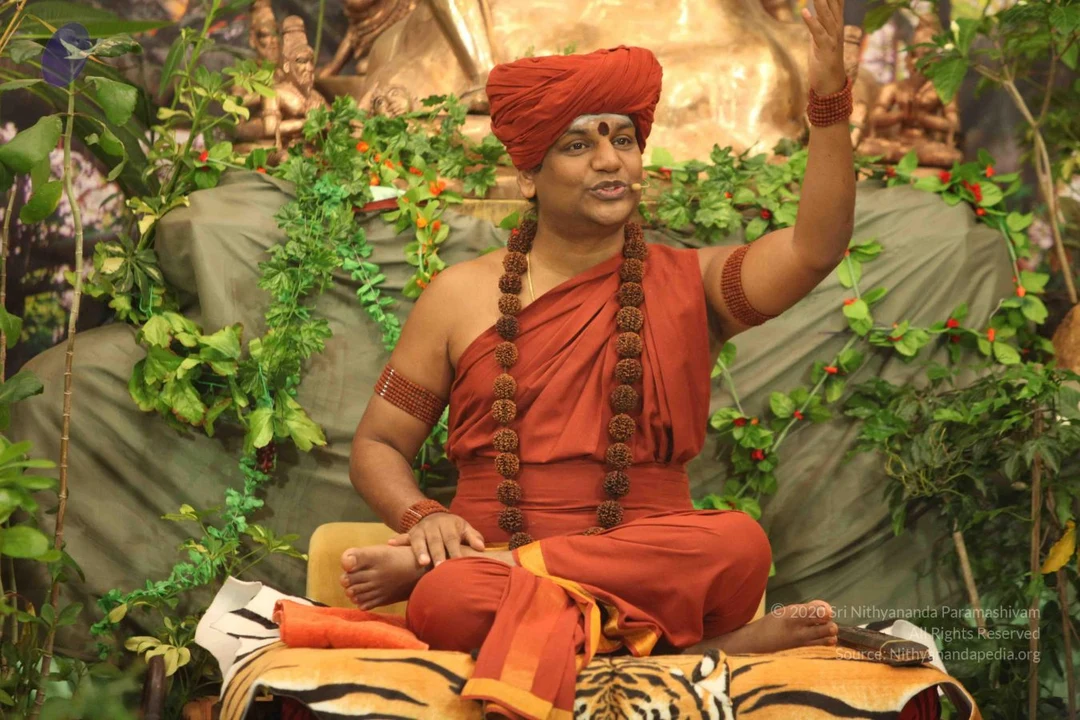
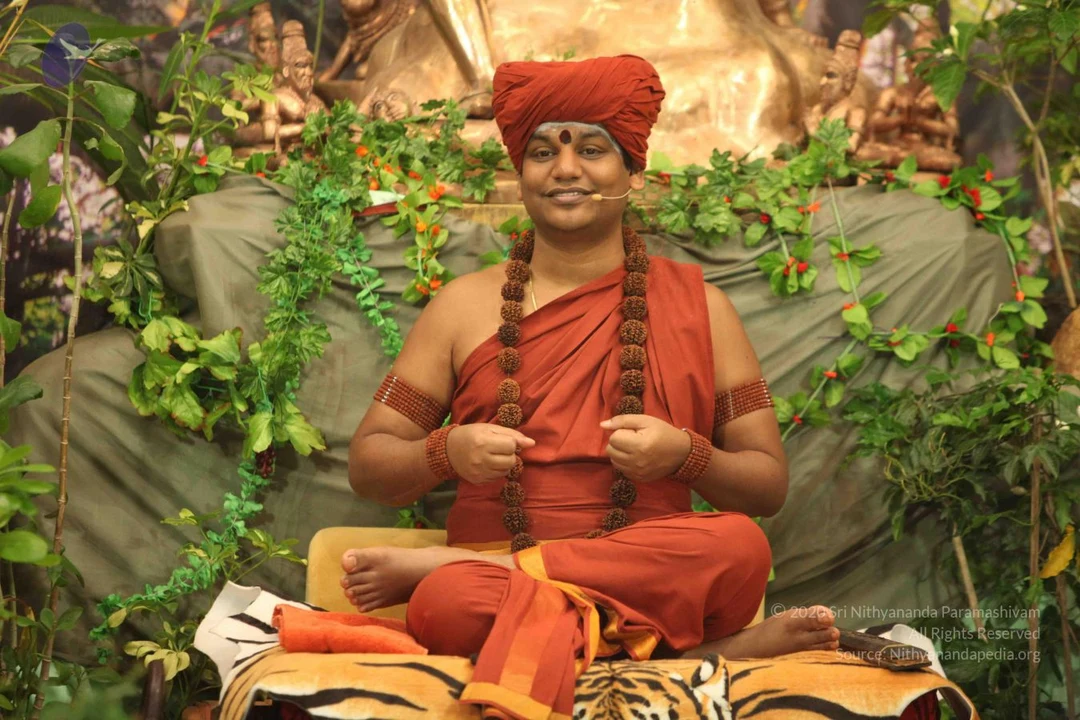
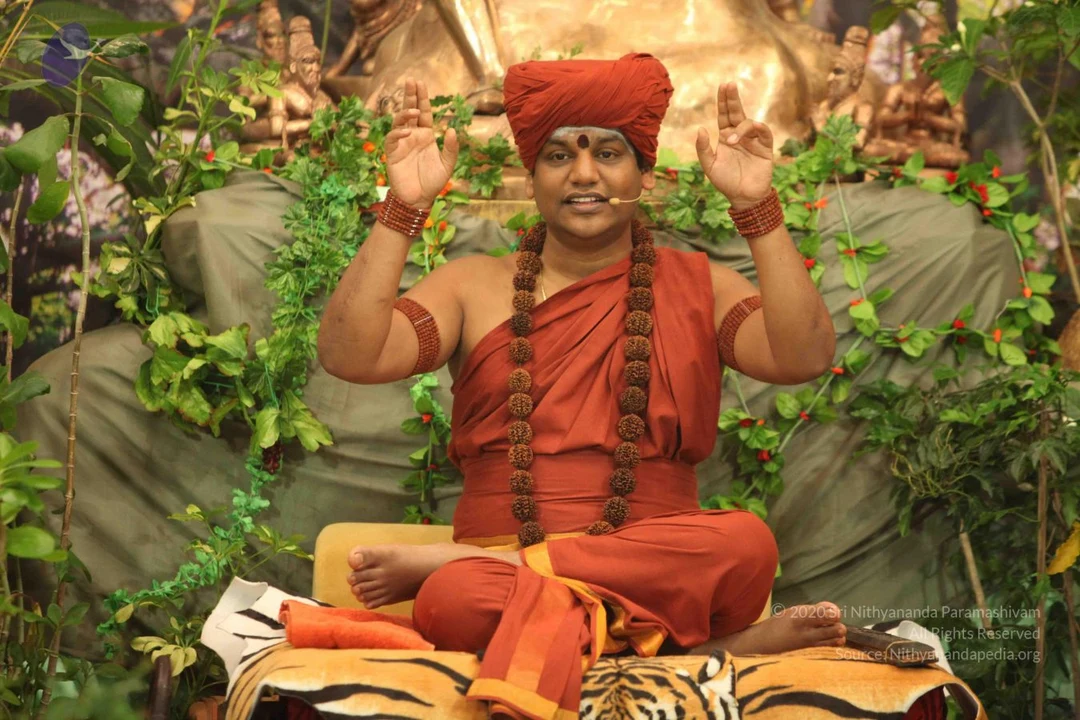
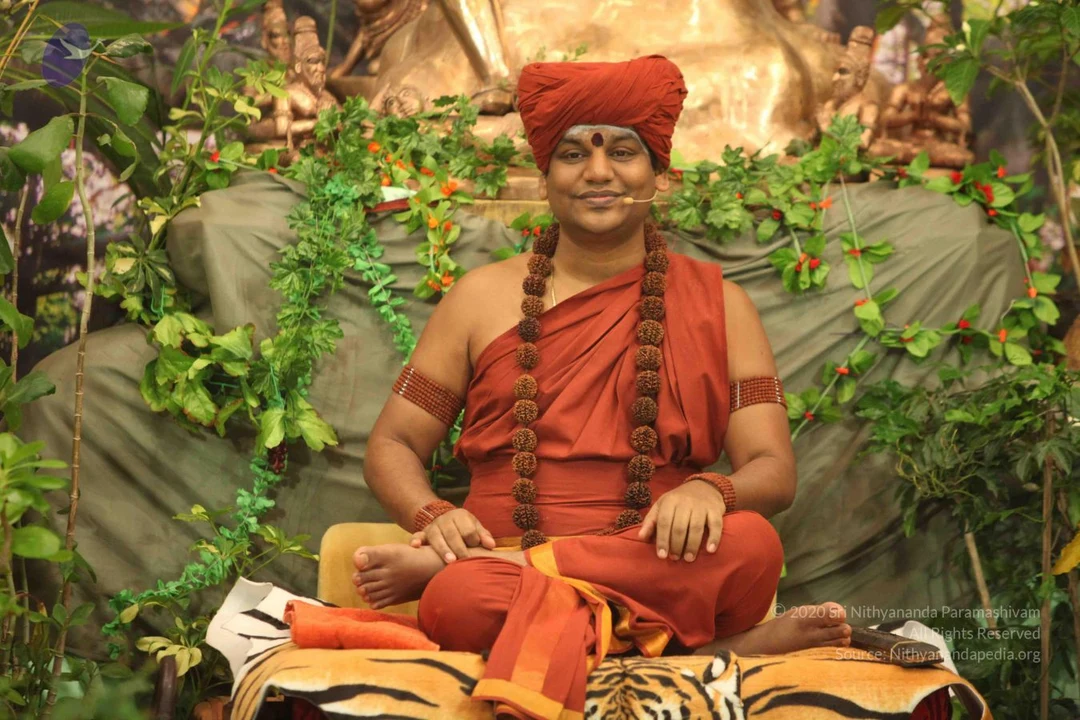
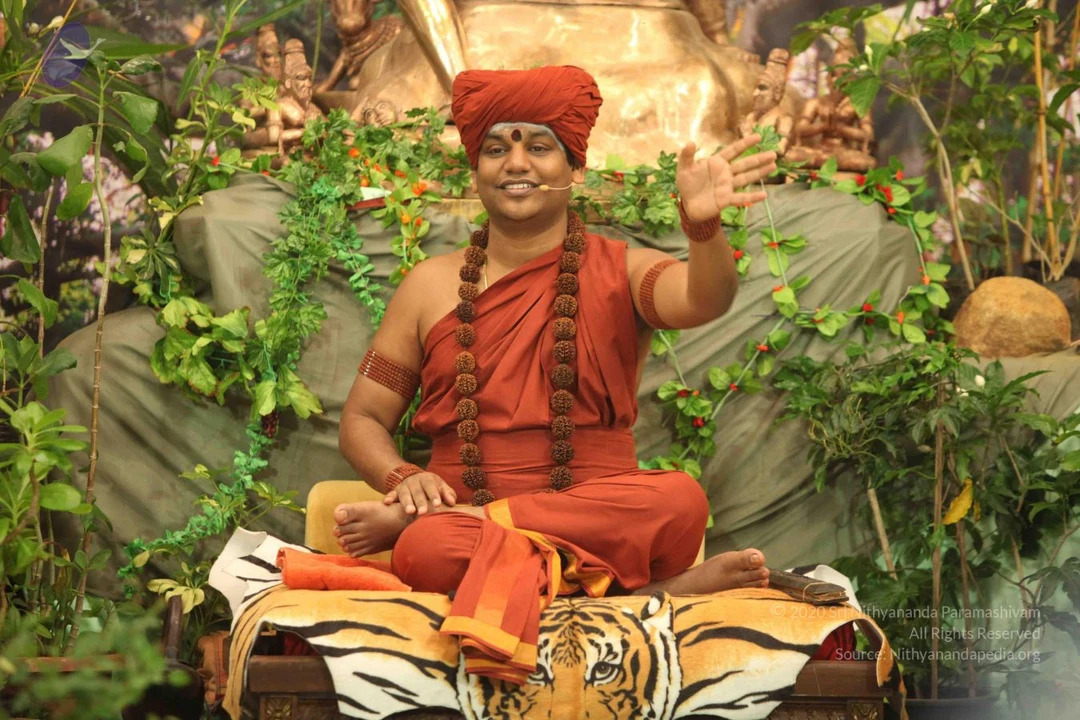
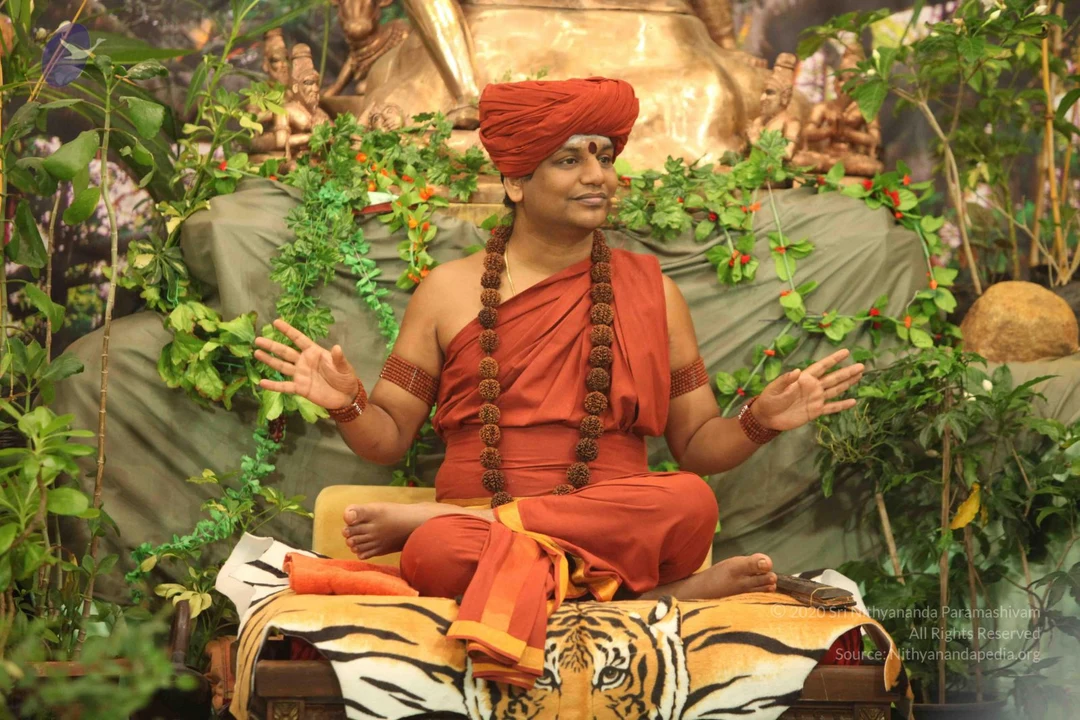
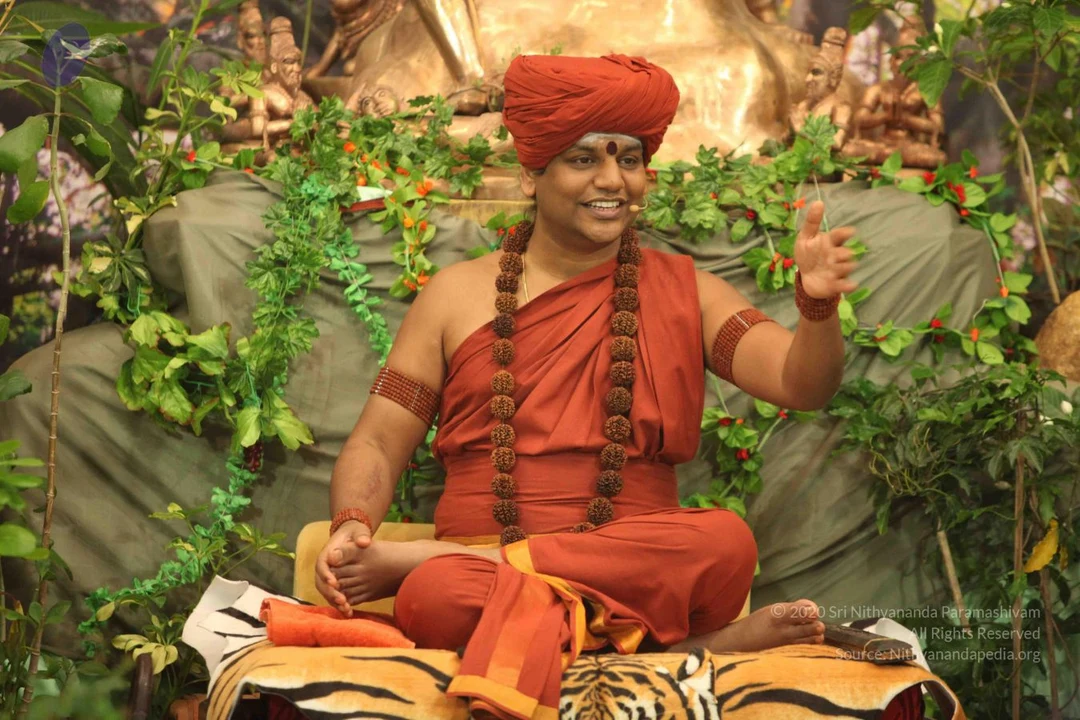
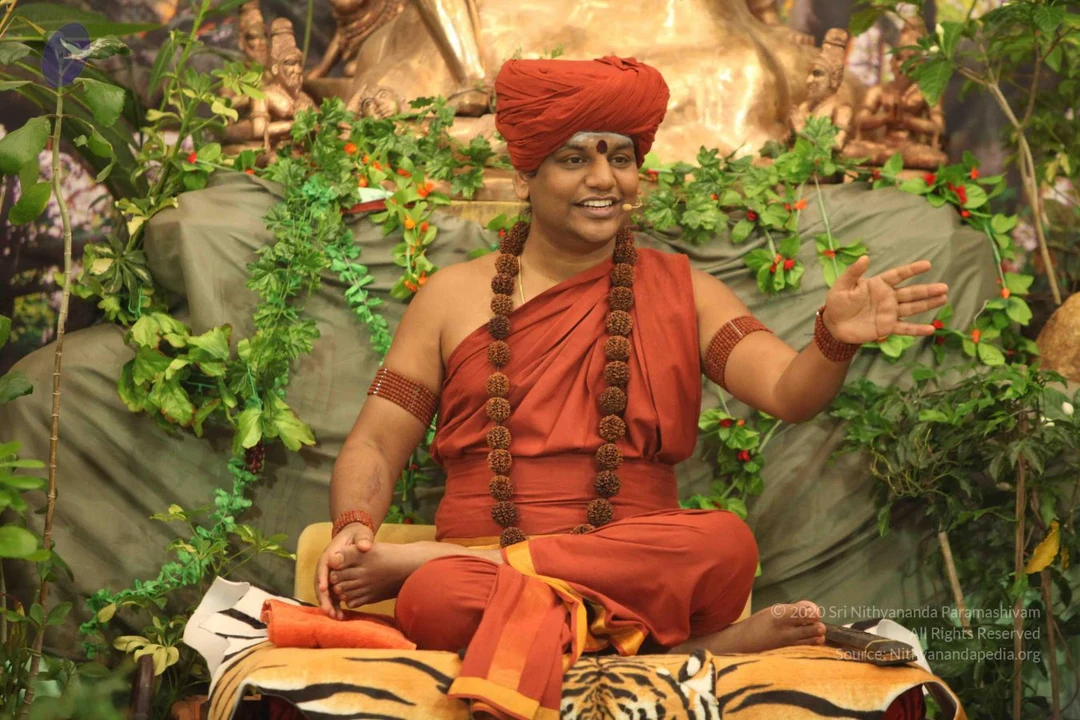
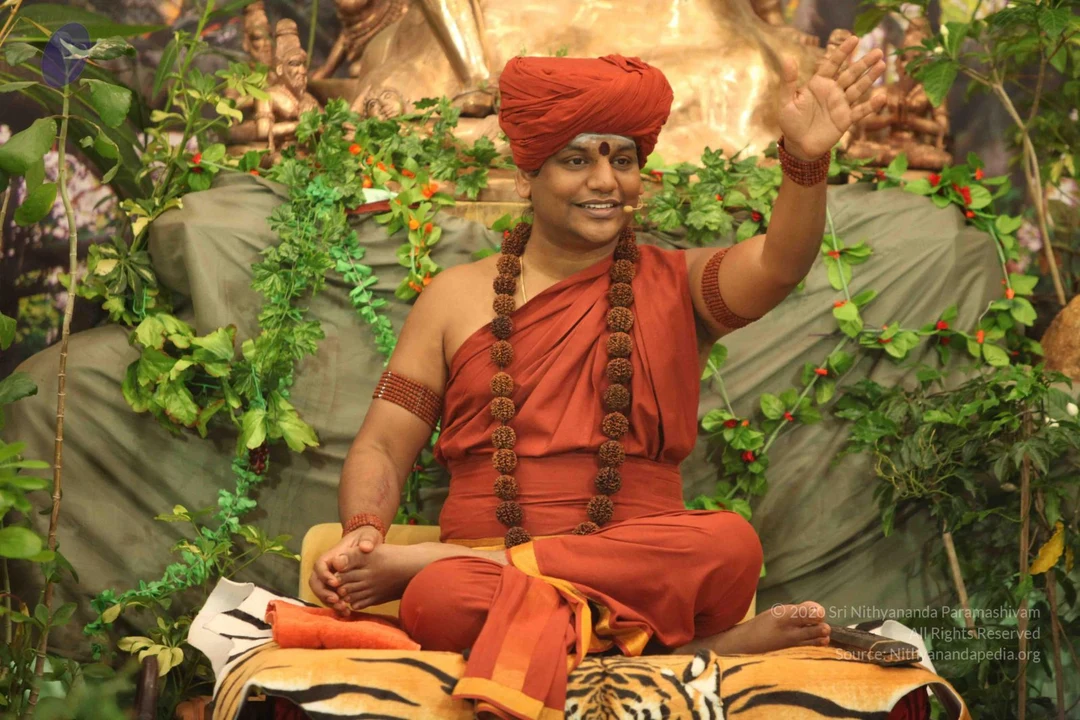
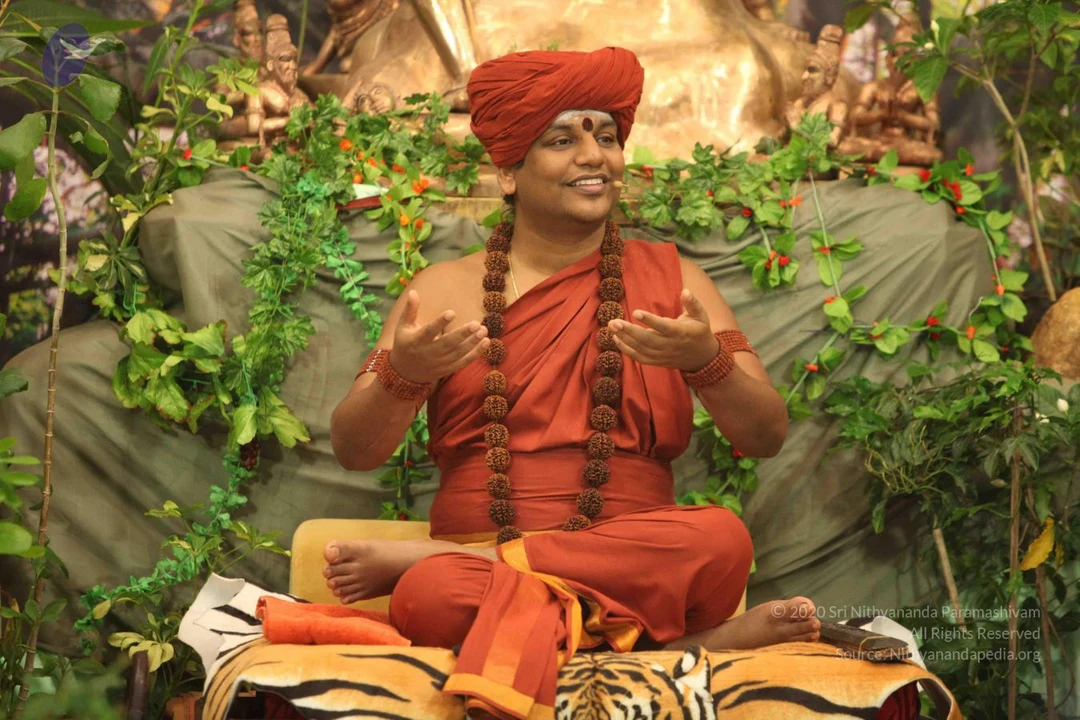
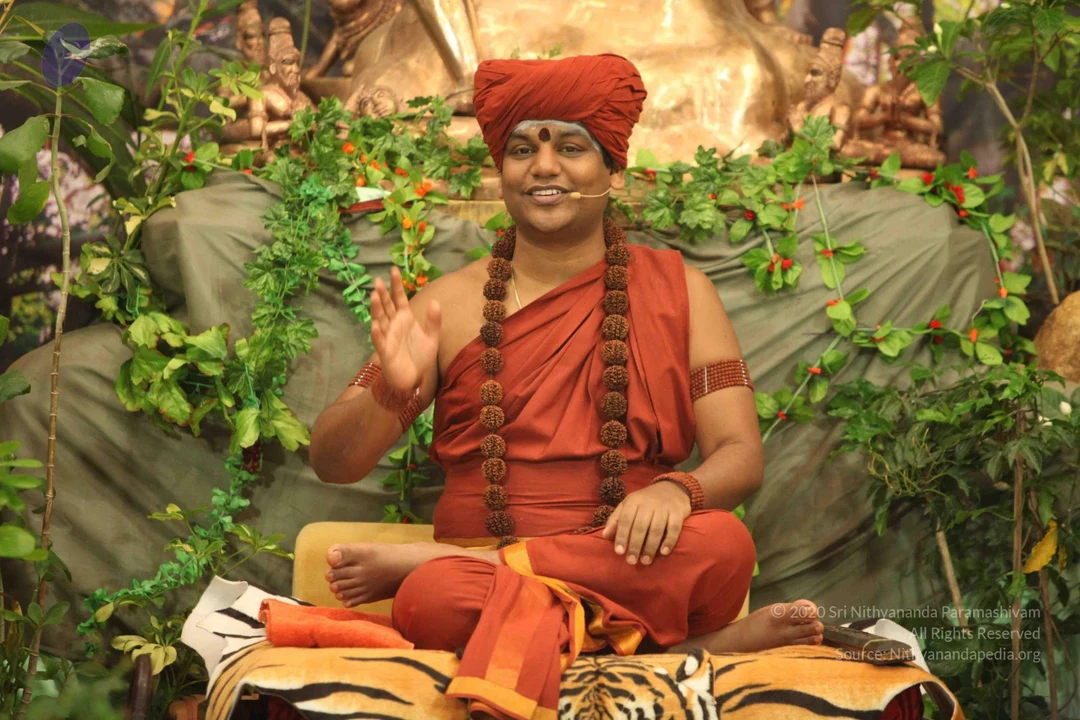
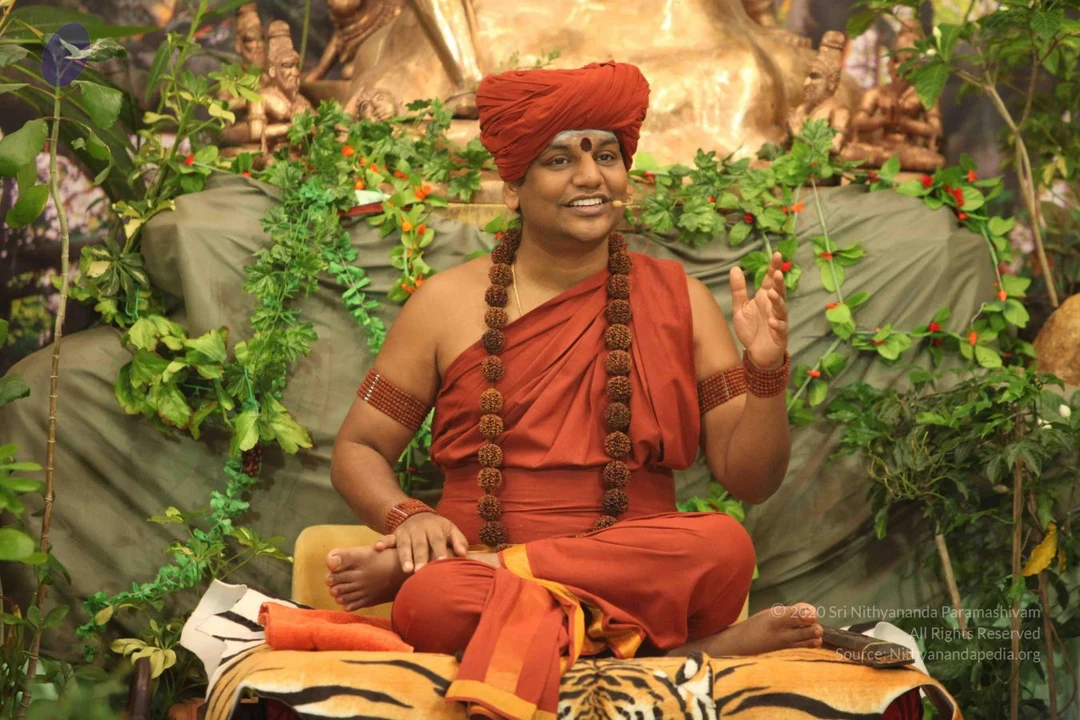
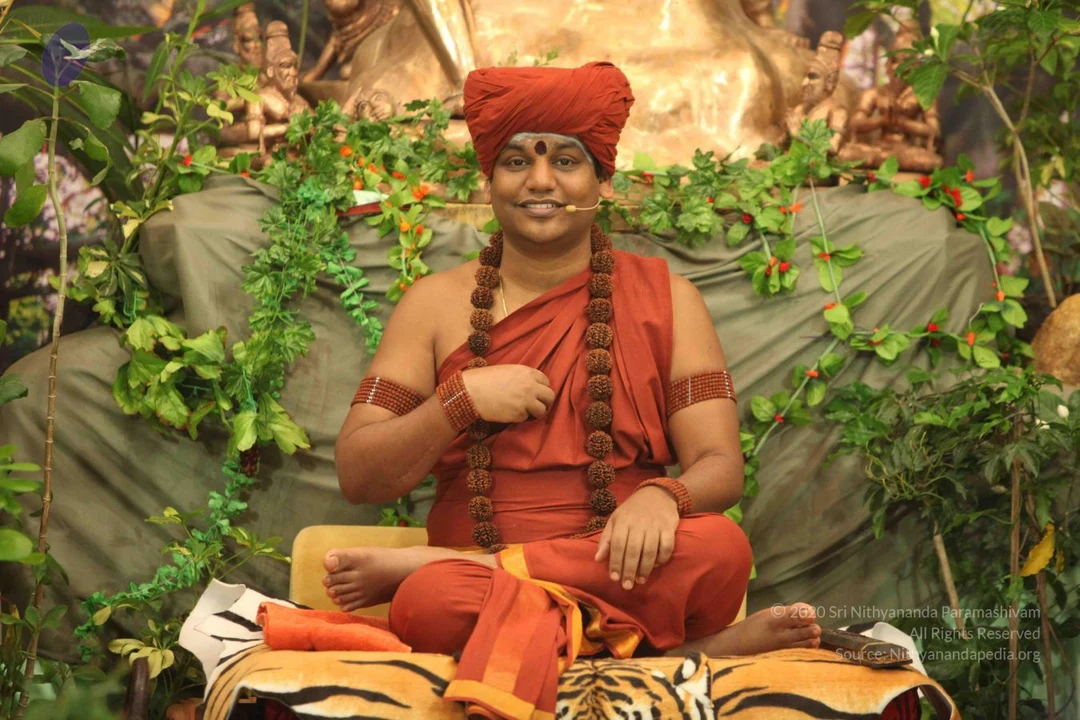
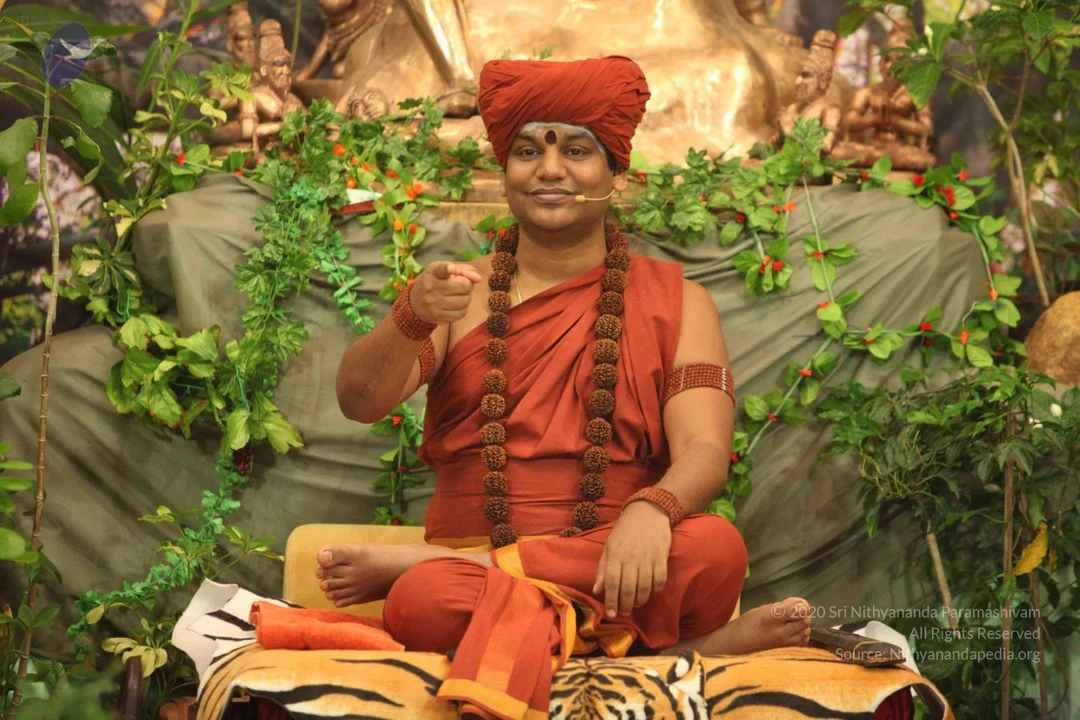
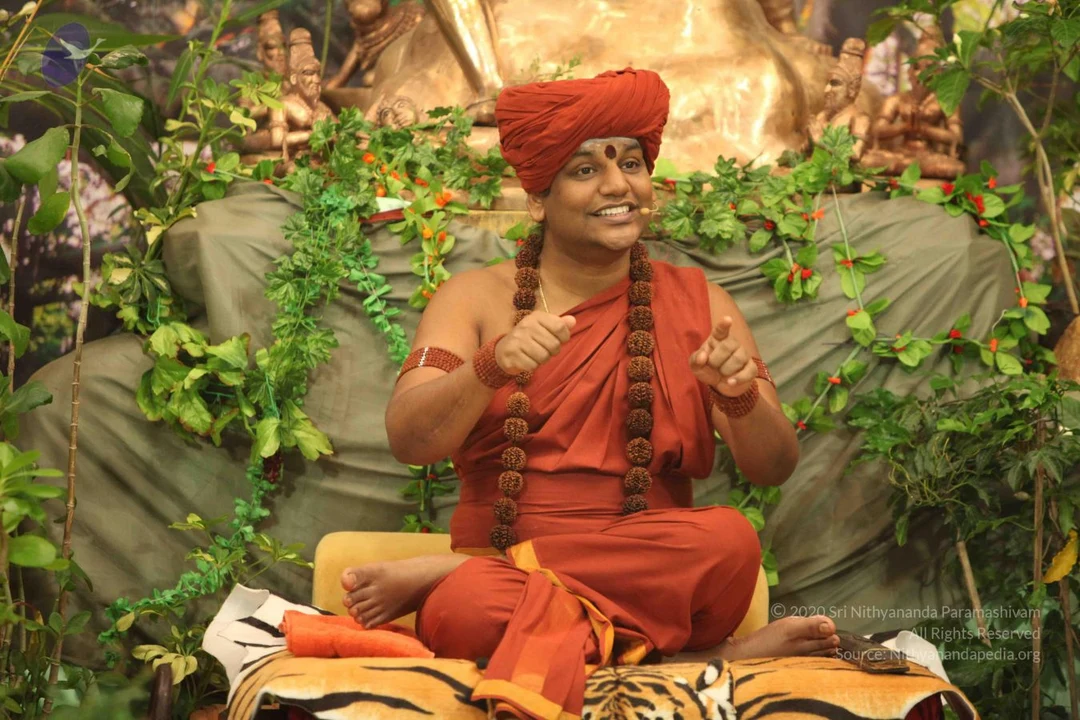
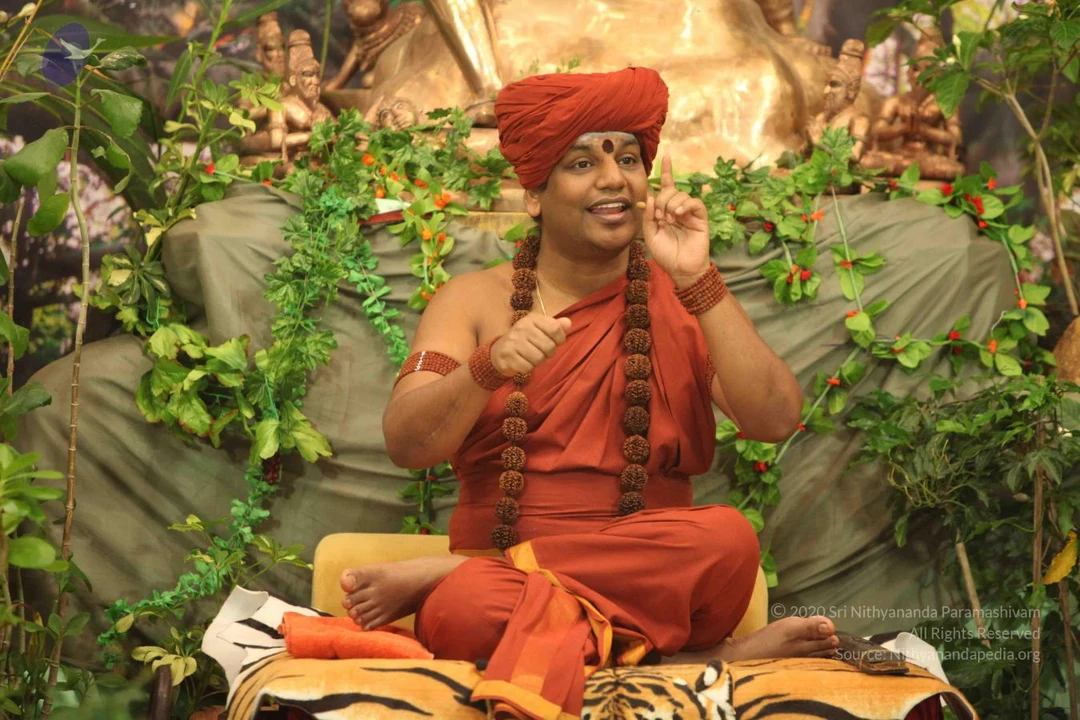
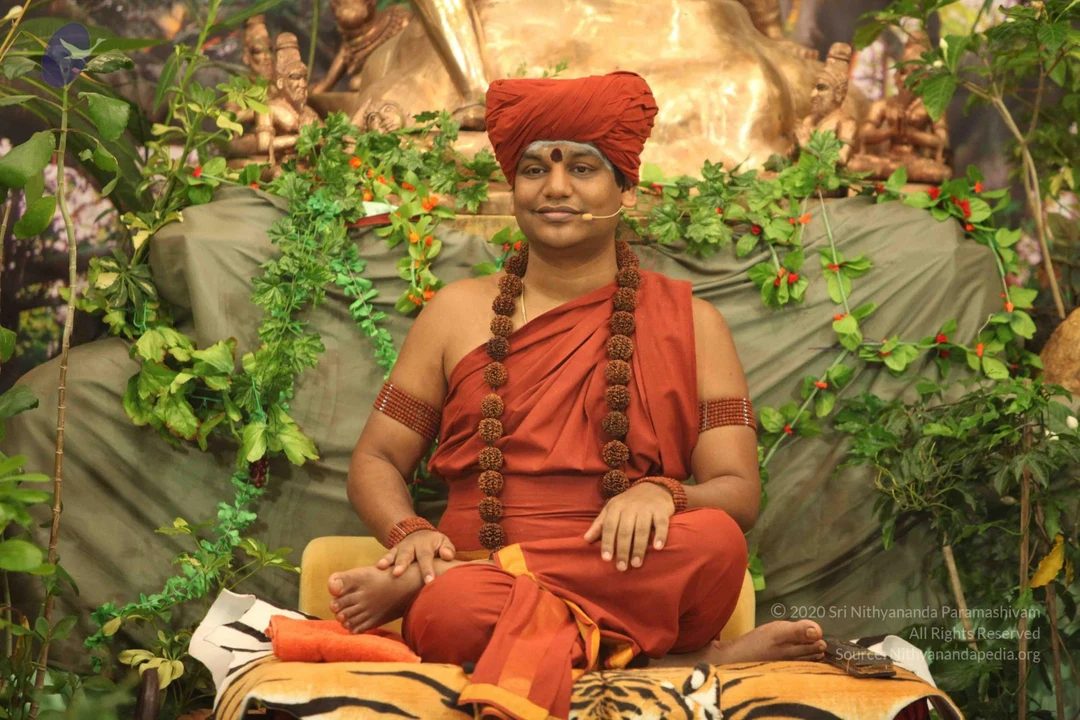
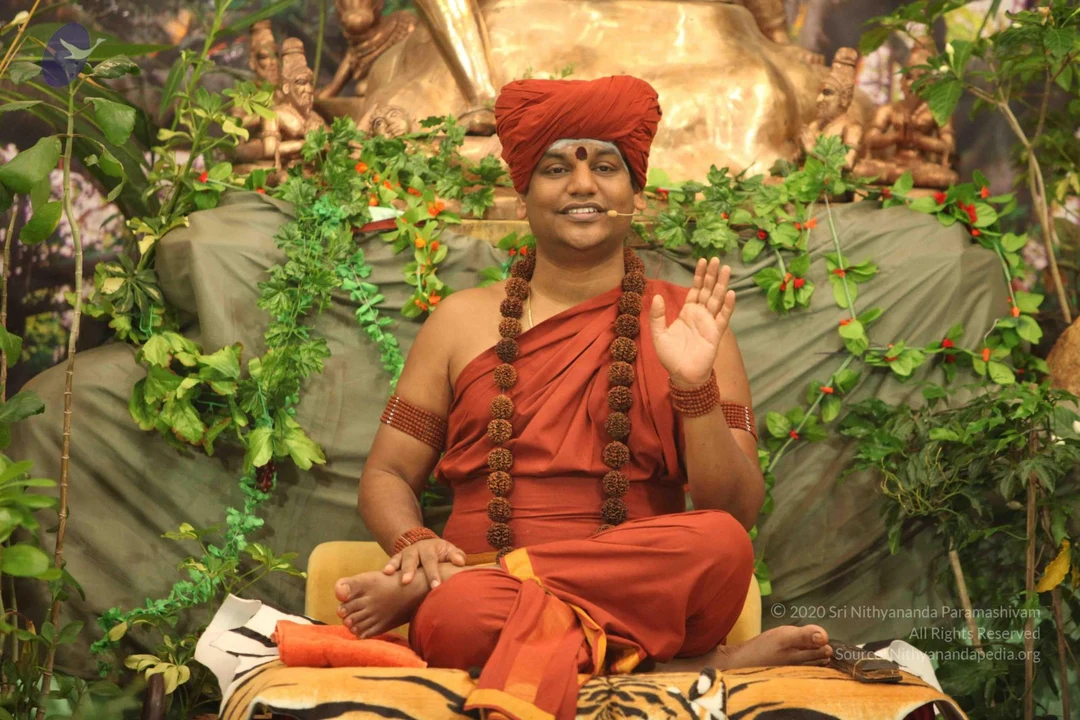
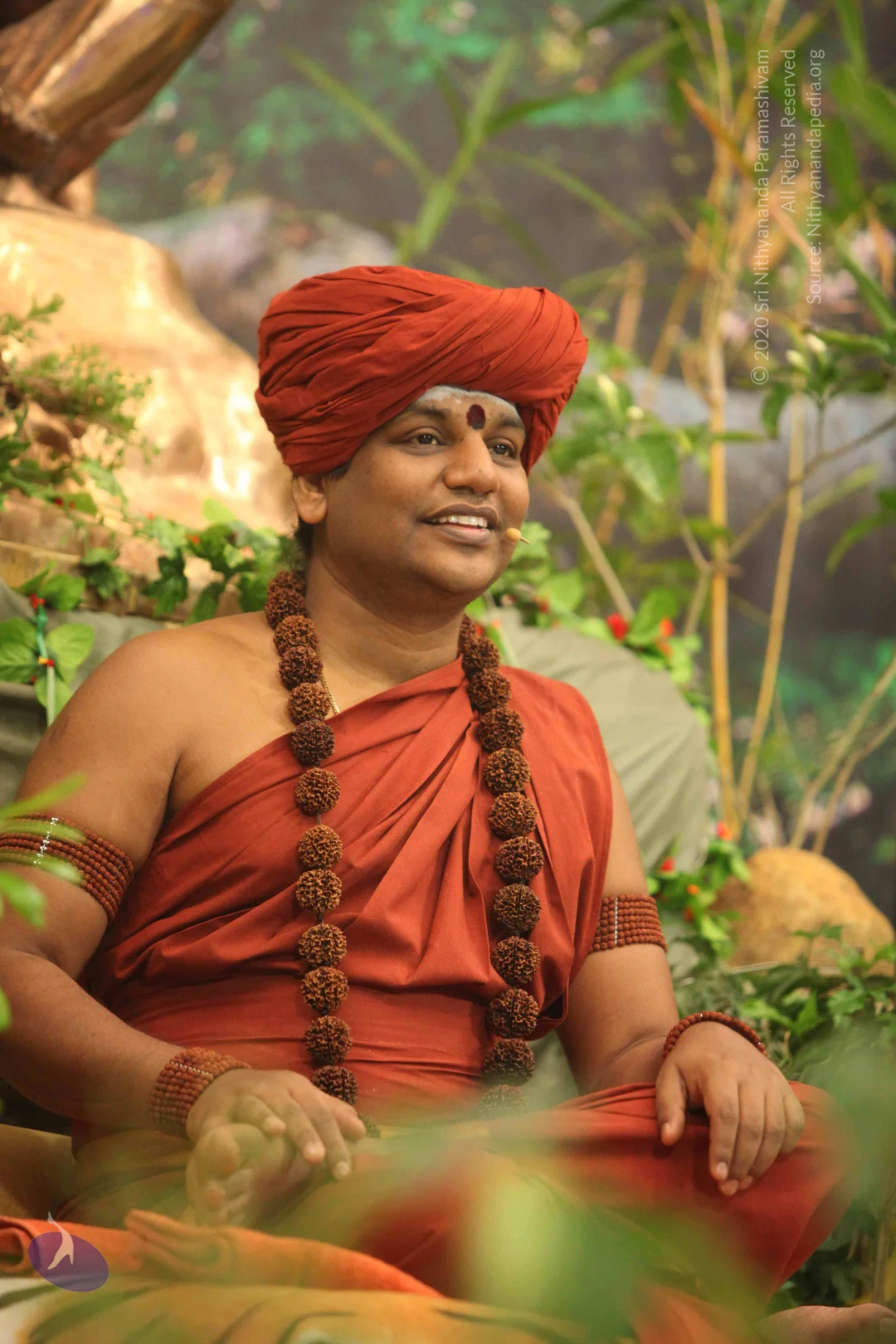
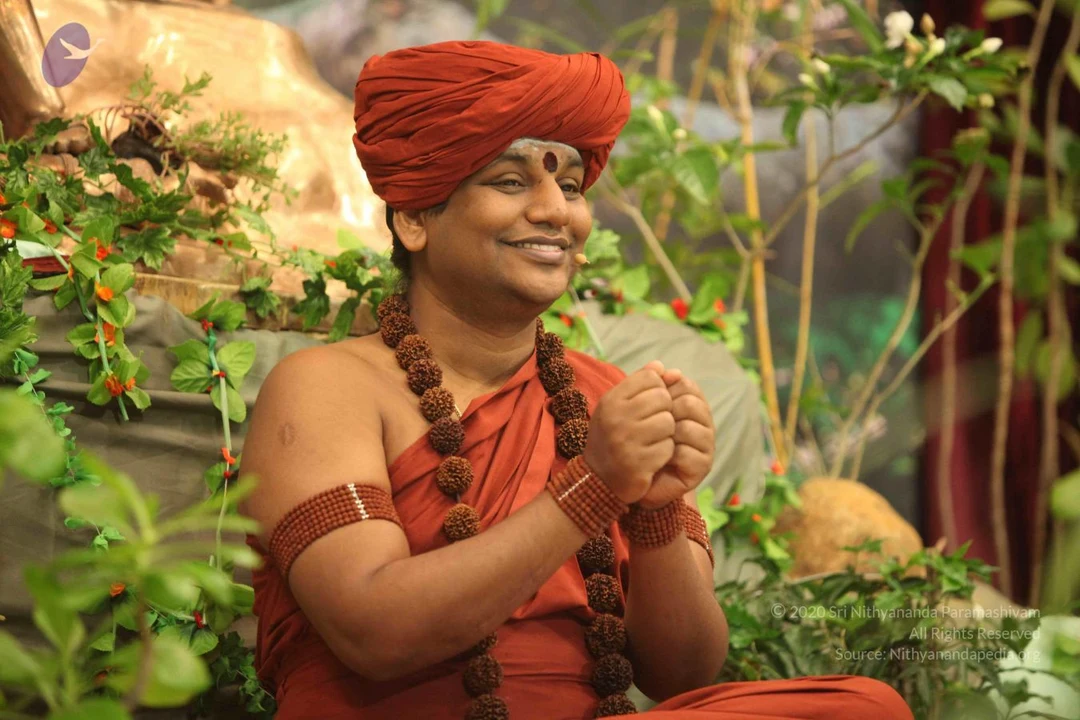
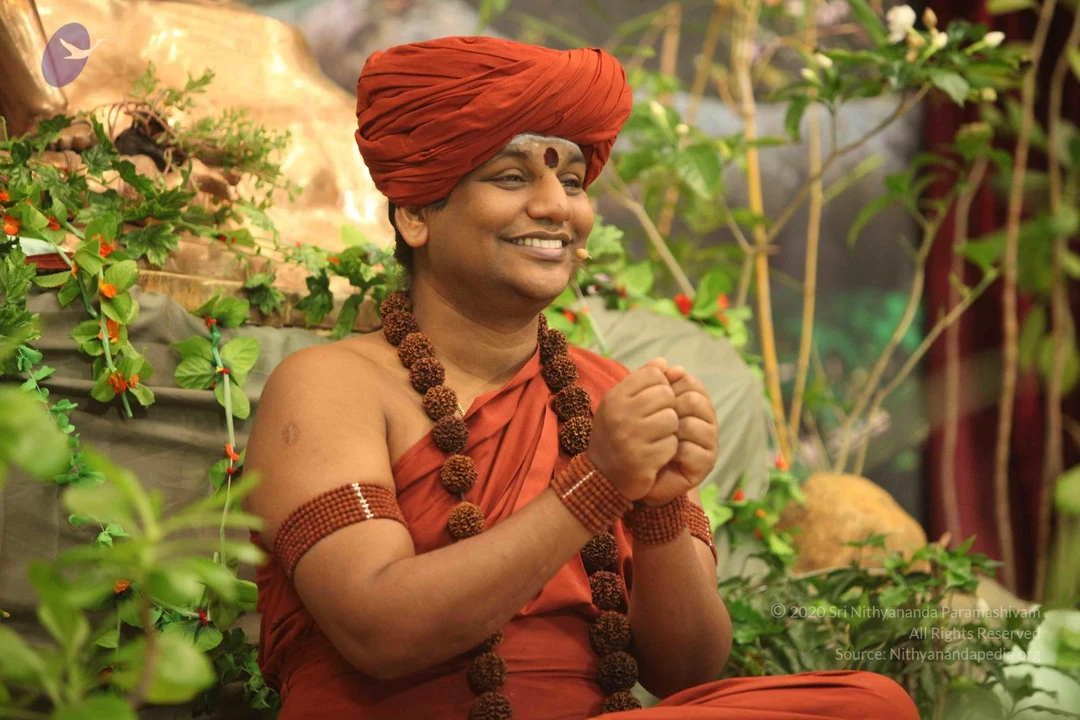
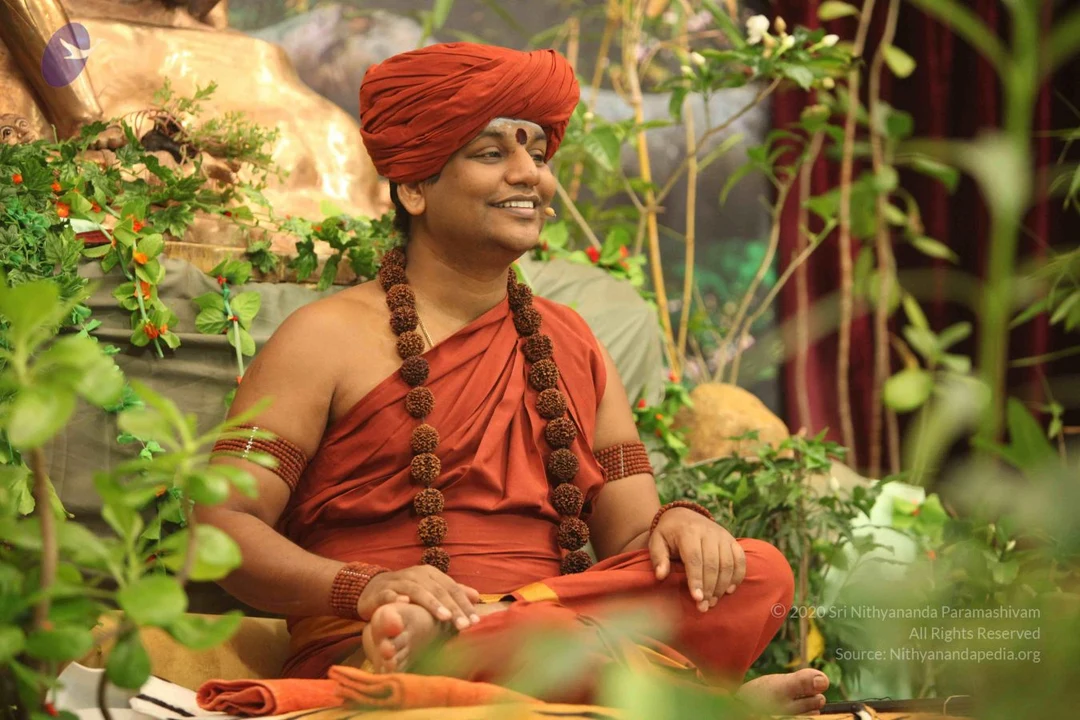
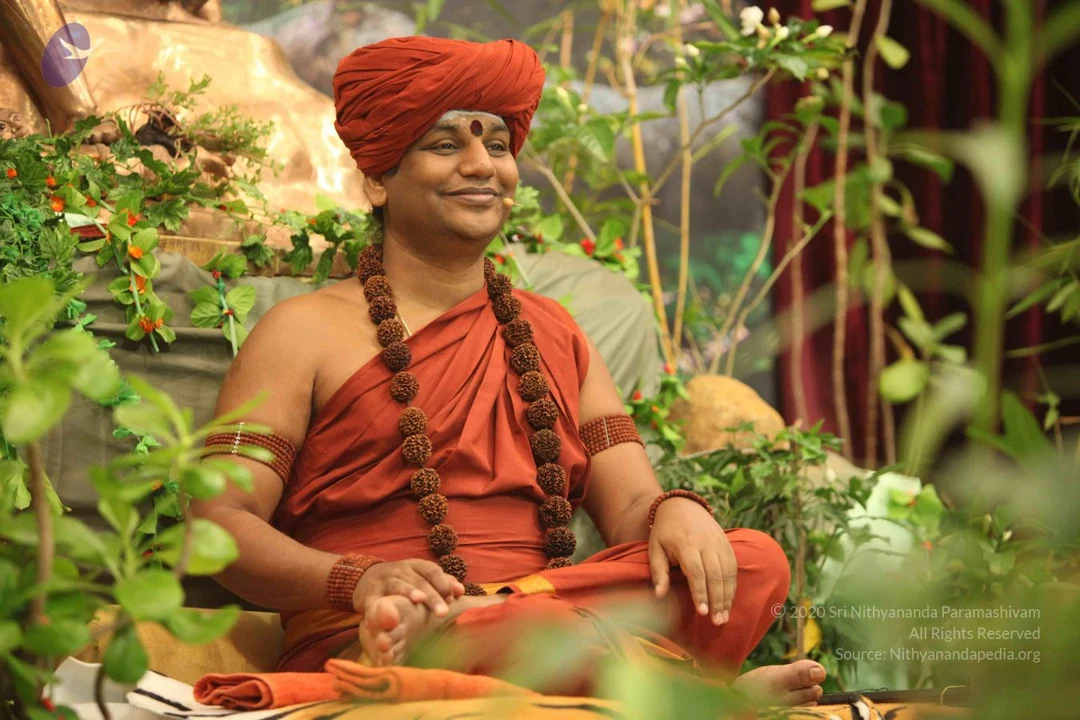
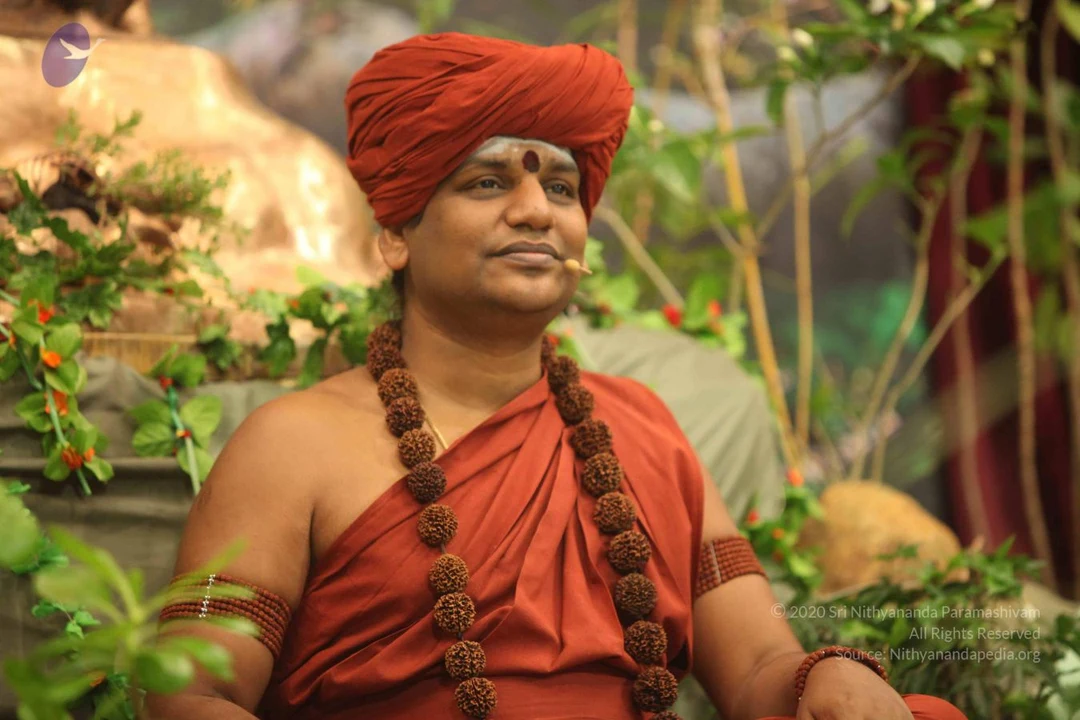
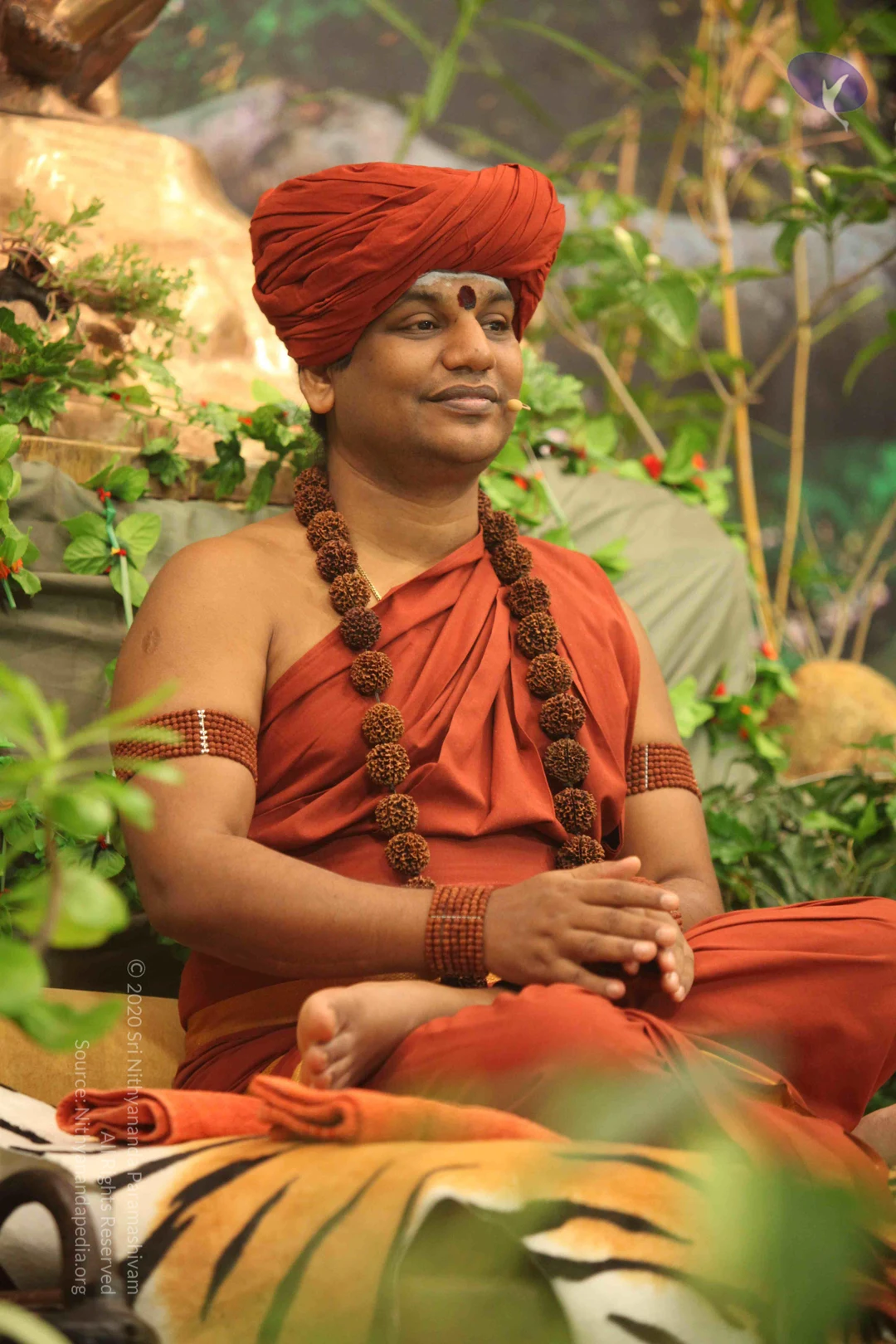
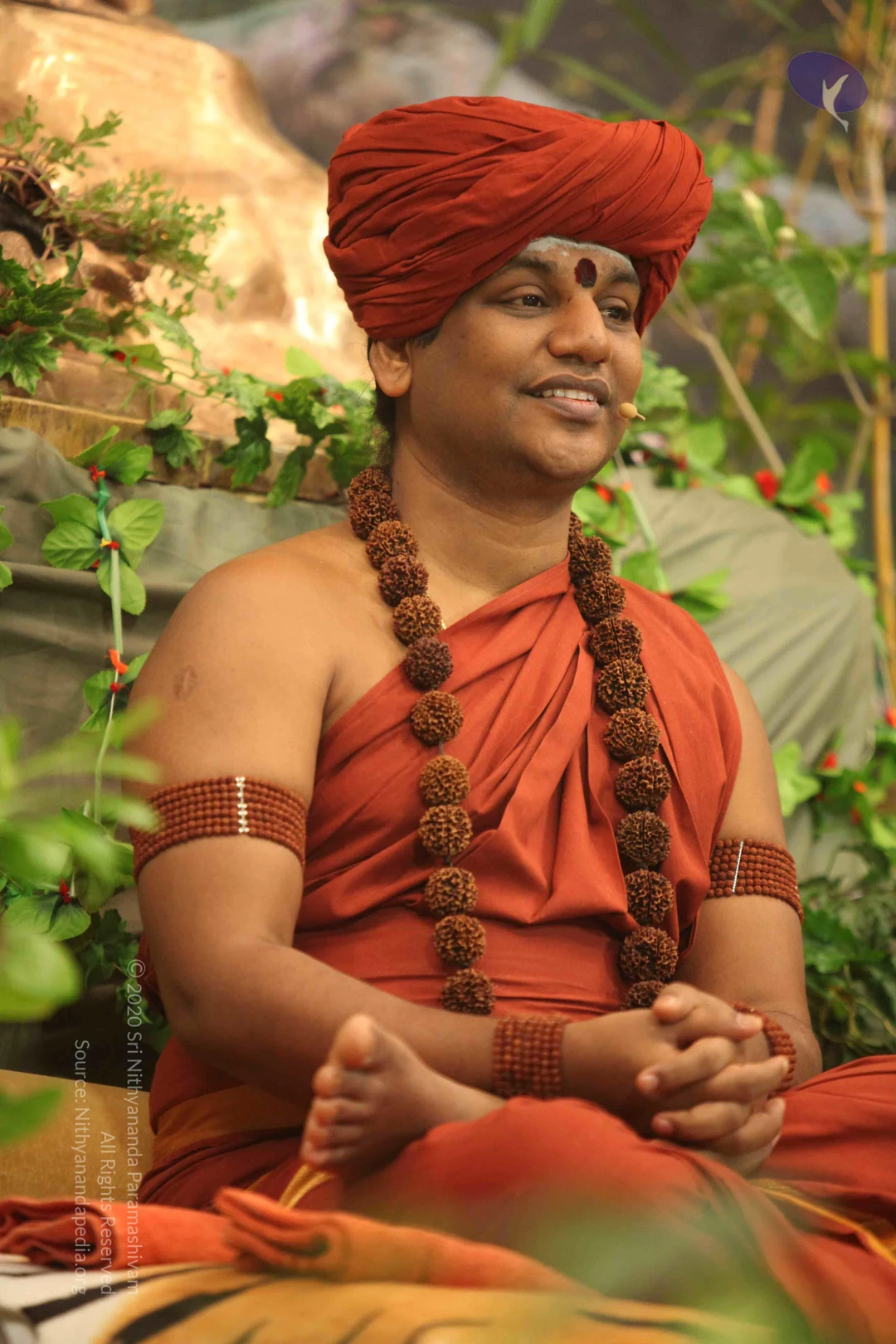
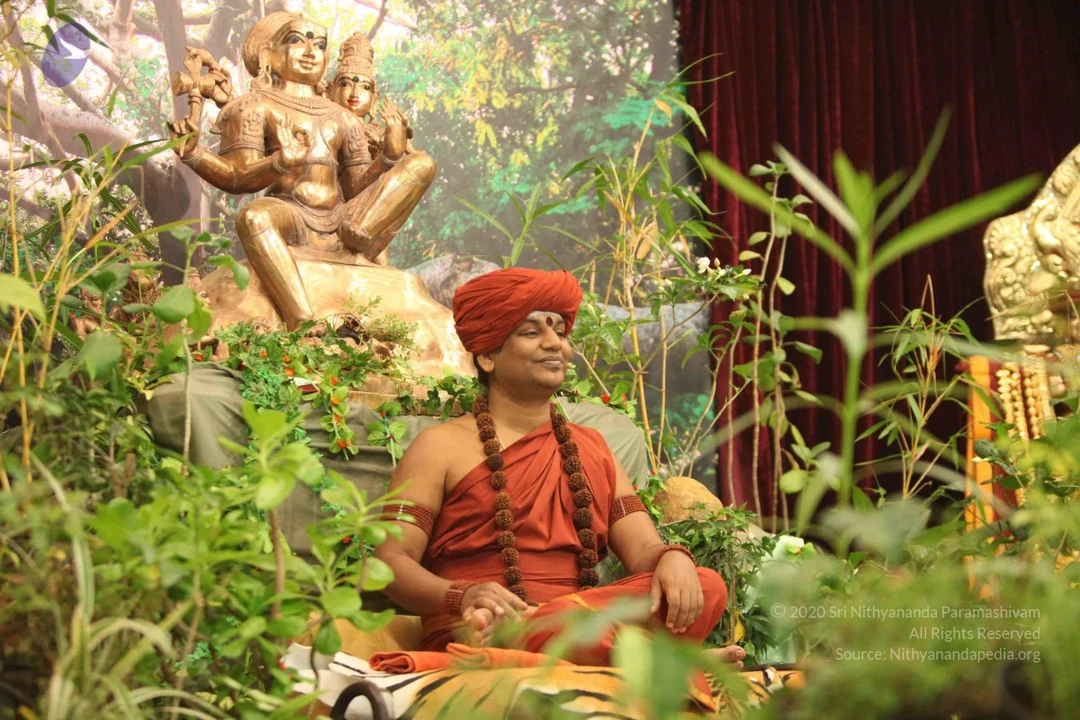
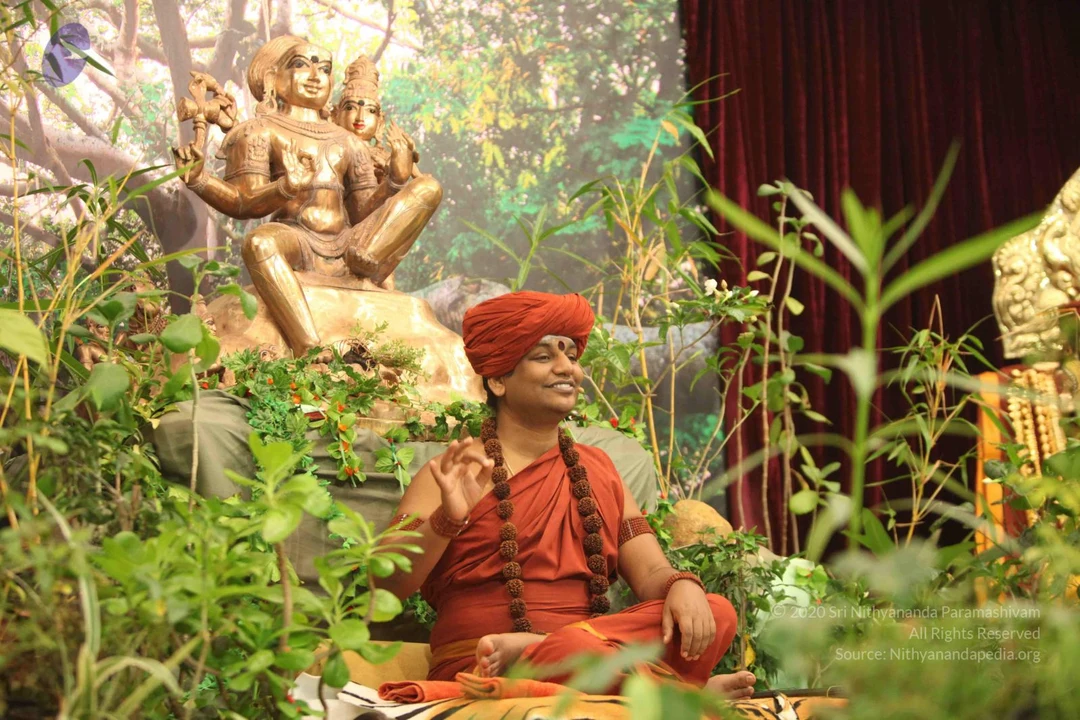
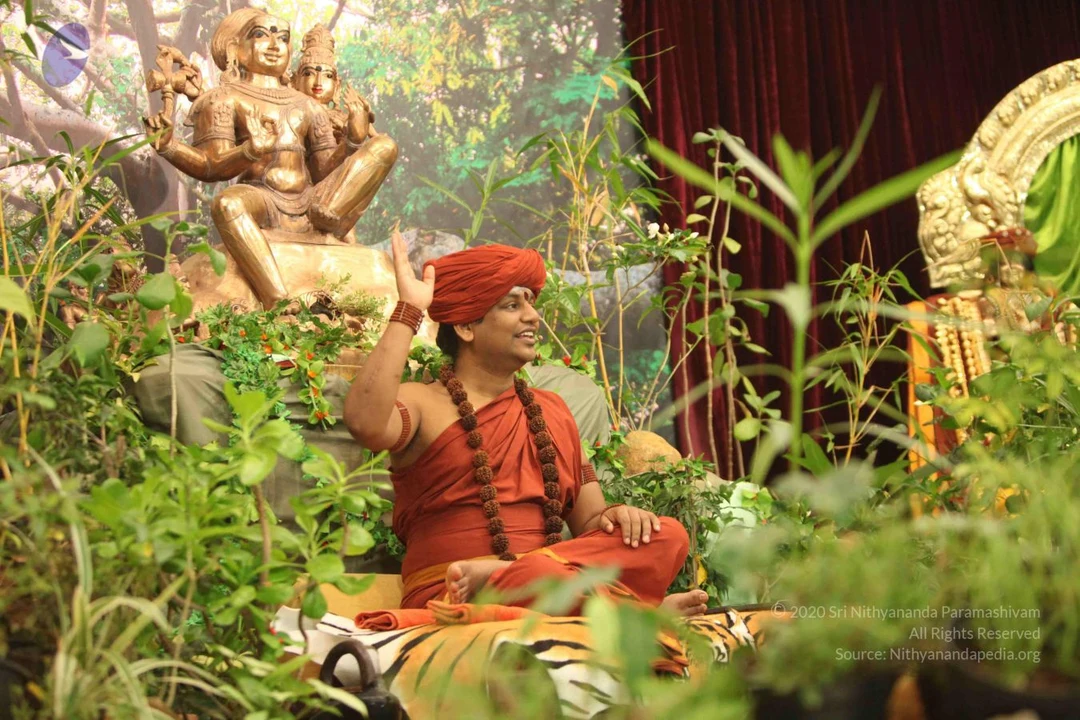
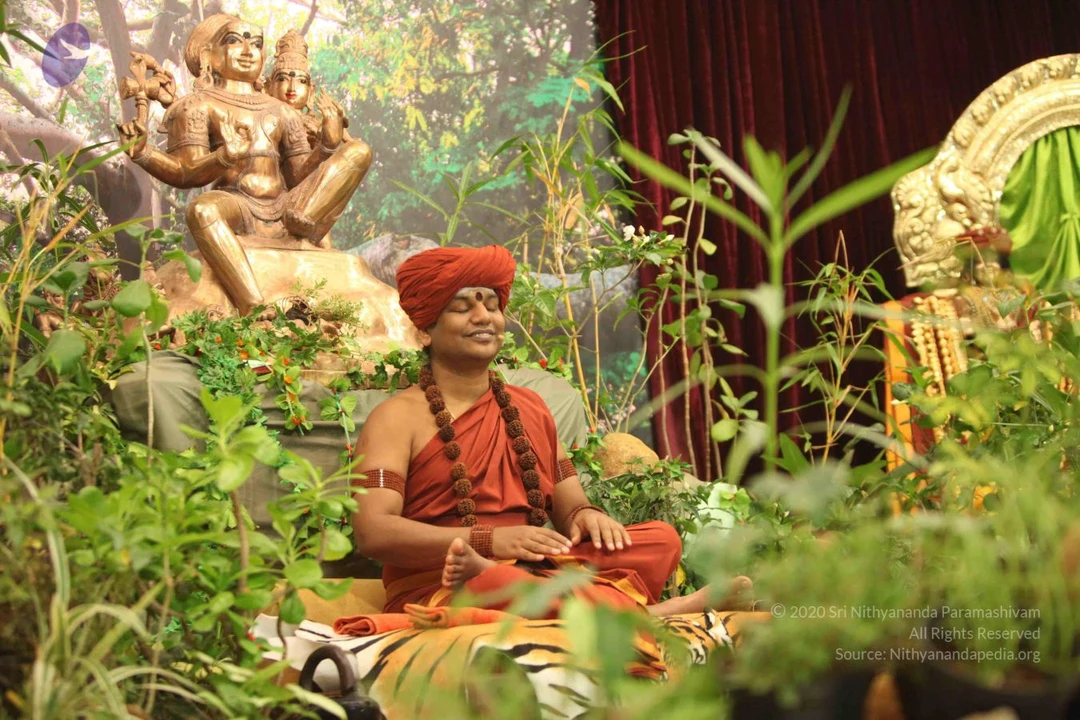
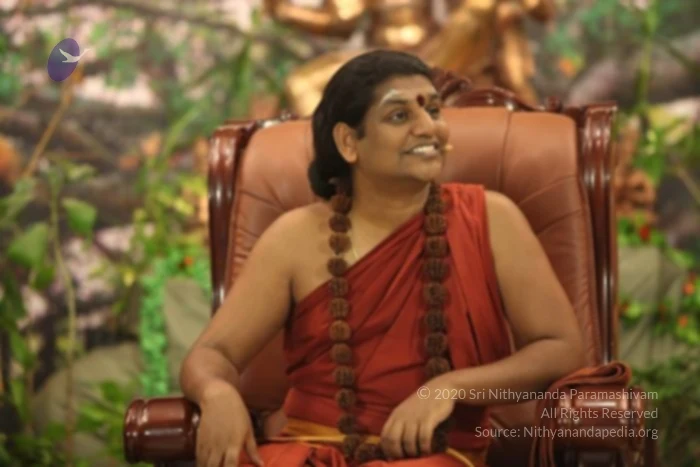
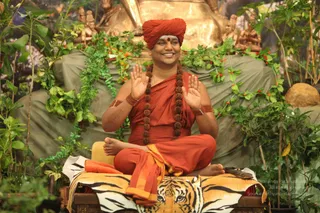
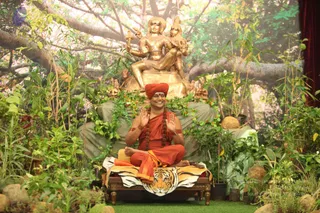
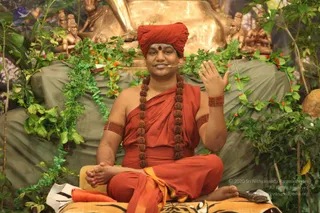
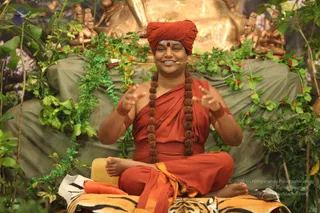
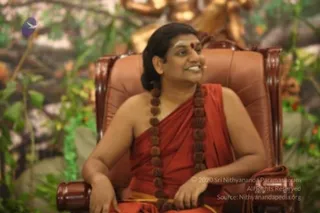
February 3, 2015 Today’s (3rd February, 2015) Morning Satsang continues with the Upanishads Series - Living Advaita. Isha Upanishad–Verse 1 īśāvāsyam idaṁ sarvaṁ yat kiñca jagatyāṁ jagat | tena tyaktena bhuñjīthā mā gṛdhaḥ kasya svid-dhanam || In this profound delivery of the Isha Upanishad, Verse 1, Paramahamsa Nithyananda revels that Life is here to celebrate itself through us. All we need to do is get out of the pattern that says, “am I qualified for these things”? We are qualified for everything that we currently have or want to have. Everything that happens is from pure consciousness, giving us the opportunity to either reinvent ourselves or allow Life to celebrate through us!
| Video | Audio |
Transcript:
[00:15]
Nithyānandeśvara samārambhām Nithyānandeśvari madhyamām | asmat āchārya paryantām vande guru paramparām ||
[00:40]
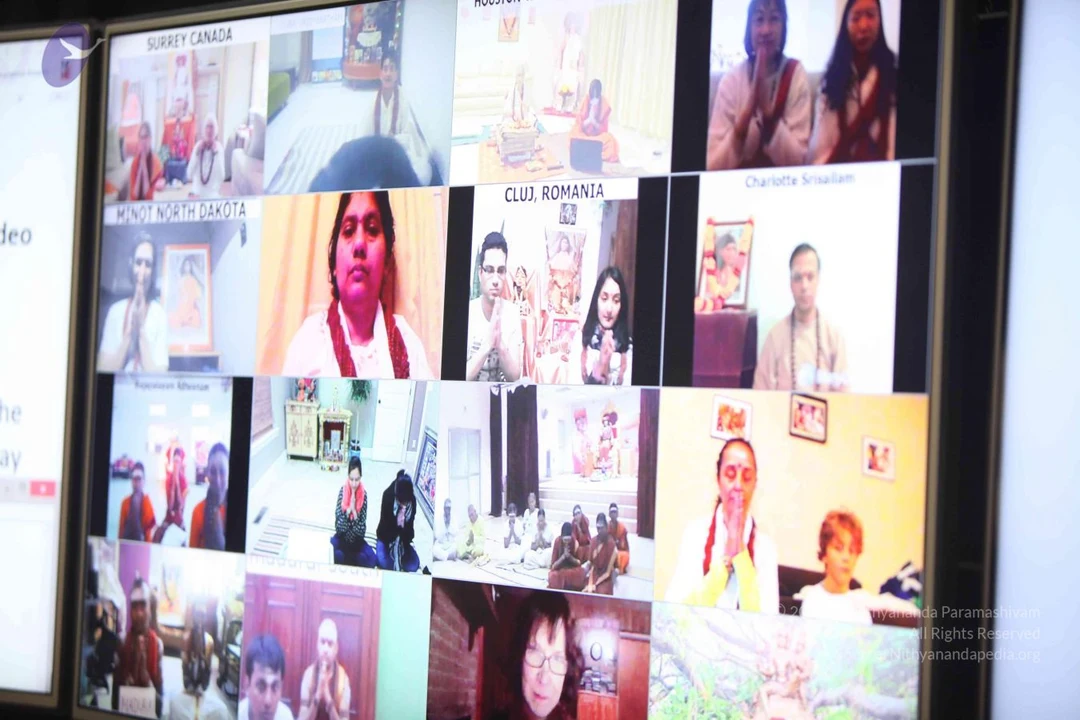
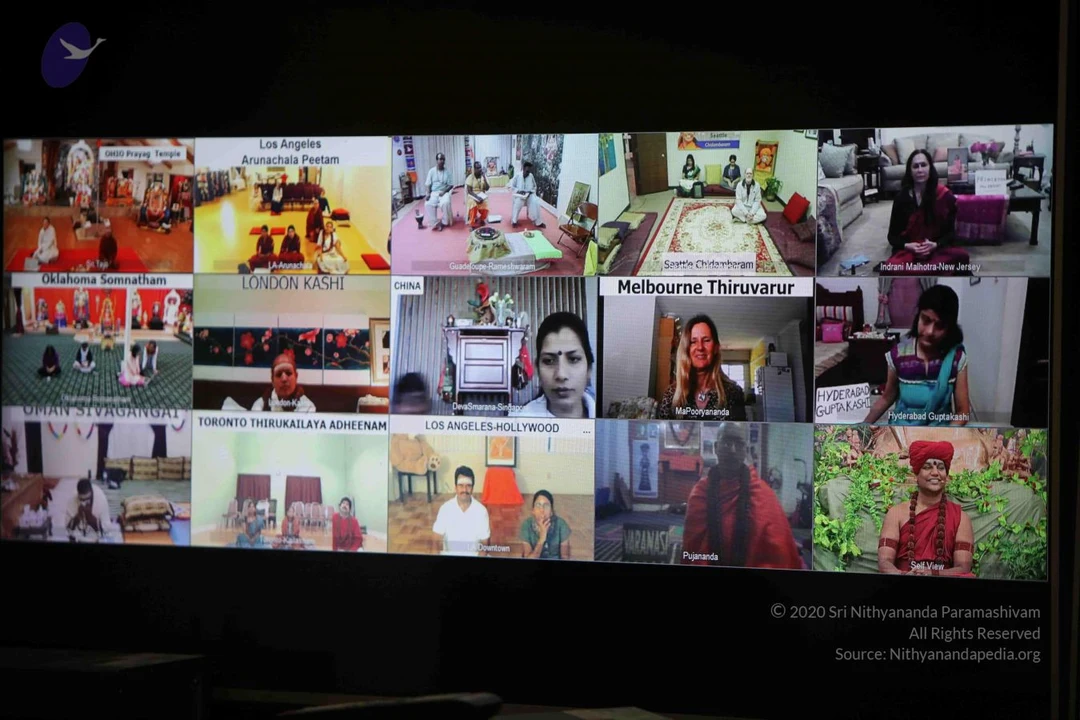
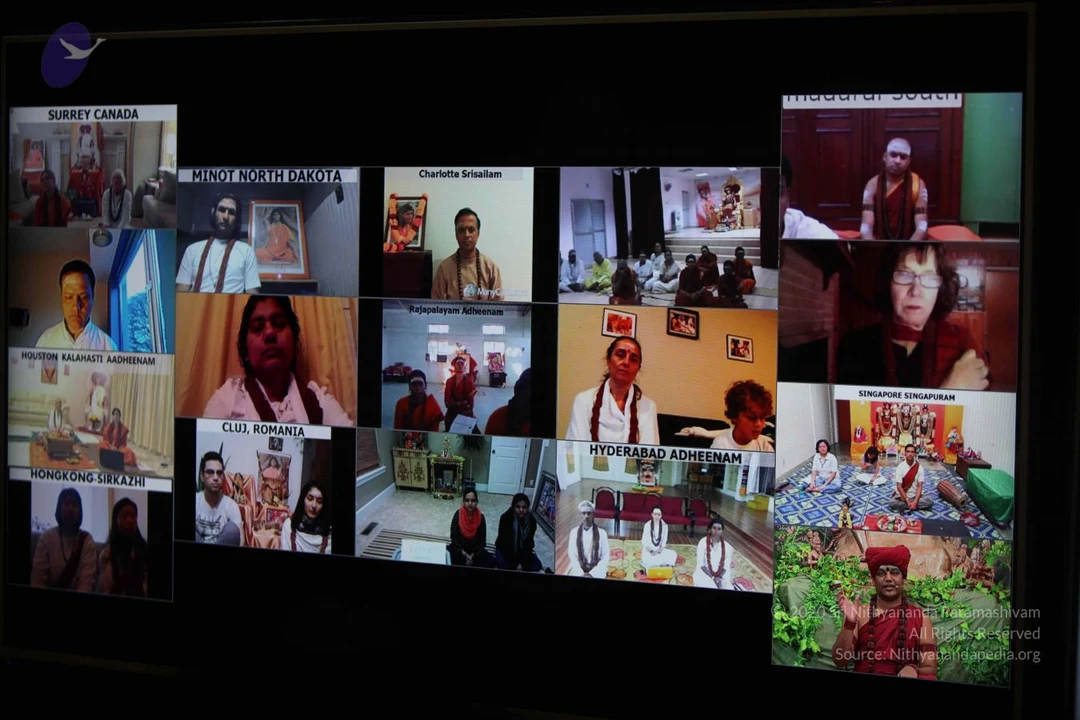
I welcome all the devotees, disciples, samajis, satsangis, Shrimahants, Mahants, Kotharis, Thanedars, sitting with us through Nithyananda TV, Sadhna TV, and two-way video-conferencing having Nayana Deeksha all over the world. The cities sitting with us in two-way video-conferencing having Nayana deeksha all over the world: Ohio, Los Angeles, Guadeloupe, Seattle, Indrani-New Jersey, Oklahoma, London-Kashi, China, Melbourne-Tiruvarur, Hyderabad-Gupta Kashi, Varanasi, Los Angeles-Hollywood, Toronto, Oman, Surrey-Canada, Minot-North Dakota, Charlotte, Tiruvannamalai, Madurai, North San Antonio, Winston-Salem, Madurai-2, Hyderabad, next to Hyderabah ma? Ponca City-Oklahoma, Cluj- Romania, Hong Kong-Sirkazhi, Houston, Singapore and lot more cities are joining and San Jose.....so many are joining.....Dubai-Vaidyanatham and .... I don’t think I can read out all the names. Okay anyhow I welcome all of you with My love and respects.
[02:34]
We will enter into the Upanishad mantra.
ईशावास्यमिदं सर्वं यत्किञ्च जगत्यां जगत् । तेन त्यक्तेन भुञ्जीथा मा गृधः कस्यस्विद्धनम् ॥ Isavasyam idam sarvam yat kim ca jagatyam jagat | tena tyaktena bhunjitha, ma gridhah kasyasvid dhanam || Chanting is done just to retain the paatha bedha. Please understand. Chanting is done basically to retain the paatha bedha tradition means, each guru, when they orally transmit these Upanishad mantras, they will have their own accent. That accent differences are only called paatha bedha. To retain the paatta bhedha only, chanting is done. Listen. Today I will expand on the last part of this sutra. Isavasyam idam sarvam yat kim ca jagatyam jagat | tena tyaktena bhunjitha, ma gridhah kasyasvid dhanam || Whatever is, which is changing and established in changing, is filled by Consciousness, Pure Consciousness. Listen. Whenever change is happening outside you, inside you, do not feel life is sadistic, it is punishing you, it is taking away something which you really like or with which you settled down just now. Ability to understand every change is a possibility for you to reinvent yourself is “Renunciation”. Understand. Raaga means obsession - attachment. Araaga means detachment - dead. Viraaga means understanding the change is established in change, and that is filled with Consciousness.
[06:25]
Every change is done with tremendous compassion, and consciously. Please understand. No change is an accident. Constantly looking at the life as an accident is the attitude of atheist. Understanding, whether the way it happens, or the way you perceive, is a conscious happening is Living advaita. The way it is happening outside, the way you perceive inside, both, if you think it is accident, you are an Atheist. If you understand it is Conscious happening, you are Living Advaita. Whether something happening outside or something perceived inside, look in. Look in, how many time you cursed life and what kind of a idea you have about life and others. If you think life and others are cruel, constantly exploiting, demanding, non-caring, non-supportive, whatever, whatever, then be very clear, you are Atheist. You are Atheist. Do not think Atheism or Theism is dependent on whether you believe god exists in the form of deity or not. Atheism or Theism is dependent on whether you understand god exists as everything or not.
[08:55]
As long as you cognize, ‘why me? Why me? Why me?’ that life is taking away the things which you really enjoy, life is sadistic, be very clear, all the happenings of your life you look at it as accident. But, the change established in change – if I have to use little better word: change square. Actually why Upanishads are using the word Jagathyaam Jagath – change established on change. Why you know? Because even your perception, ‘it is all changing’, will change. Even your perception ‘things are changing’, will change. Even that is not complete perception. If you ask Me, “Then complete perception, there is no change, Swamiji?” No. Neither, ‘it is changing’ is a complete perception, nor ‘it is not changing’ is a complete perception. It will change as long as the perception need to change.
[10:48]
It is like, in the dream, you are feeling three tigers are chasing you, and you are shouting,”Oh save... save me, save me, give me AK 47. Is there nobody to give me AK 47 and save me?” Your friend hears you shouting, screaming in the dream, and he just slaps you and wakes you up. At that moment, you will feel, “Wow appa, I am free of this nightmare” and you will thank the friend. After few days, even you will forget you had a nightmare, and you will be shouting at him, “Why did you wake me up? I was having such peaceful sleep.” And that friend has to take the blame. You think, “Why did you wake me up? I had such a peaceful sleep.” You forget you were suffering and he woke you up; by that he released you from the suffering and torture you were going through in your dream state. After waking up, you forget what was going on in the dream state and you think, “Oh, such pleasant sleep. He woke me up.” That is exactly what I am going through with you guys.
[12:24]
Many people forget from what kind of a past they have been pulled out. And when they are pulled out, they feel, “Wow, what a great thing Swamiji has done by saving me from this lifestyle and depression and suffering and torture”. But after sometime you forget the nightmares you had. Only you remember the sleep you were having. Because after waking up, now you have the responsibility of life. In the dream, whether tiger is chasing you or you are dancing with somebody, you have no responsibility. End of the dream you have no responsibility. But when you are woken up, when you are awake, you have a responsibility to live. Sometime this responsibility to live seems big torture when you think the change established on change is accidents continuously happening. Understand. Your attitude towards life and others decides ‘are you going to grow more and more consciously or are you going to rewind, recoil into unconscious zone?’ If you think, “I think that dream state was much better than this waking state. There only three tigers were chasing me; here so many people are chasing me”, then, naturally, consciously you plan to rewind, recoil.
[14:38]
Listen. All day-dreaming is nothing but withdrawing from the waking state due to your own conscious decisions. Your own conscious decisions – understand this word. Understand. Everything, whether you perceive something as change, which is established again in change, everything is happening with tremendous compassion. Your desires are respected. Your intentions are revered. You with all your demands, requests is received and accepted by life. Please understand. Life is here to celebrate itself through you. Life is here to celebrate itself through you. Life is not sadistic. There is no such thing as life pulling something out of you. It goes on expanding, expanding, expanding, adding itself through you. First of all, get out of this basic pattern, “Am I qualified for all these things?” which you deeply carry inside. Everything you are having, and you want to have, you are qualified for all that and much more, because life is celebrating itself through you. Please understand. You may not be qualified to have all of them; but, life is qualified to celebrate all this through you. See, that deep, a deep rooted pattern of self-doubt, “Am I qualified for all this?’ – that self-doubt will not allow you to be blissful for more than ten minutes. For ten minutes if you are blissful, it cannot stand. “Are you qualified? Oh, you are jumping around? Let us see how long it goes”. You will see, in ten minutes, something will come and you will collapse. You yourself constantly preparing you for collapsing, collapsing, collapsing.
[18:14]
It is unfortunate, even you don’t believe you are qualified for celebration. As long as you think life is a accidents happening, even if you feel joyful, “Have I done enough tapas for this? Why is this happening? May be by mistake it is happening. Let us see. In few hours it will become alright.” Understand. Only when you come to the cognition ‘The change established in change is Consciousness’, only from that context: tena tyaktena bhunjitha, ma gridhah kasyasvid dhanam can happen. With this see, the second line is beautiful! It says, “With this...”, means, the context of the first line, “you may enjoy”. All enjoyment will happen to you only if you are clear it is consciously delivered to you, not accidently stolen by you. Please understand. As long as you feel you are not qualified, you will be stealing. The more you are stealing, more you will feel insecured. The more insecured you feel, more you will feel you are not qualified. The first verse of the first Upanishad asks you to break that pattern.
[20:19]
Understand. Whatever change, whether you perceive it as good or bad, is consciously done to you by the higher consciousness which is more intelligent than you. With this, if you look at your life with this cognition, suddenly you will see, for all the so-called bad things, you will see the reason, wow life is asking you to reinvent yourself. For all the good things, you will see, you are qualified, life want to celebrate through you. Understand. The moment you understand you are qualified and life want to celebrate through you, you will settle with so much of peace and joy. You will settle with so much of peace and joy. It will take away the insecurity you carry. It will break the insecurity you carry. The moment you know you are qualified, you will not bother to covet anyone’s due. “Kasyasviddhanam, ma gridhah Kasyasviddhanam”. You will never feel like coveting, grabbing, grabbing somebody’s wealth. Wealth does not mean only money, gold, jewellery and all that. Even coveting, grabbing somebody’s attention, coveting, grabbing, stealing anything which belongs to somebody.
[23:32]
Please understand. I am defining this word covet. Kasyasvid - I am defining: Anything which you take from others, which is not enriching them, is coveting. Anything, by enriching them, they offer, is offering. Understand. The whole life, all transactions, either covet, coveting or offering. Whether it is a simple smile, or billion dollar, simple smile or billion dollar, anything, if you are enriching, and they share it, it is offering. If you are not enriching, and taking it, it is coveting. I tell you, keep your accounts free; that’s a best way to prepare yourself for your death. My accounts is free. This moment if I want to leave the body, My accounts is free. I have not coveted anything from anybody. It was always enriching, enriching, enriching, enriching. From that anybody shared anything, that was offered. So, the cycle of life, I have functioned in this cycle of life only by enriching, enriching, enriching.
[24:36]
Decide. Please listen. It has nothing to do with quantity. Sometimes, even a small stone will be stuck. Sometime even this huge stone ball can be rotating and in the water. I have seen the fountains, where the pressurized water lifts the huge stone ball, and the stone ball rotates in the pressured water. So, when you are flowing with enriching, your whole life will flow beautifully like the ball rotating or floating in the water. No friction. All around you, life is completely lubricated. No incompletion. All around you, life is beautifully flowing. So, decide whether it is your career, personal life, relationships even with your body. Even with your body, do not covet pleasure from your body. Whenever your body feels tired and you continue to do some action because you think it brings pleasure, it is coveting from your own body. Whether it is relationship with your body, relationship with other person, your career, your attitude towards the life and world, human society, anybody, decide, from today – “ma gridhah Kasyasviddhanam. Tena Tyaktena Bhunjitha Maa Gridhah Kasyasviddhanam”.
[26:57]
I tell you, the first instruction by Upanishad, the first line was not instruction. It was a truth revealed. Eeshaavaasyamidham Sarvam Yat Kincha Jagathyaam Jagath – it is a truth revealed. The second line is a instruction - Tena Tyaktena Bhunjitha Ma Gridham…..ma gridhah kasyasviddhanam . It is a instruction. Understand. A person goes on enriching, goes on enriching, even if he is offered, never gets bound. Understand. Does not get bound. When you don’t enrich, anything you take is coveting and you are bound by it. Coveting brings bondage and karma and after-effects. Upanishads are beautifully declaring. Actually, if you understand the first line and set your cognition, second line is the after-effect, the result of it. The only thing you need to renounce is the things you don’t have but still you are thinking you have and living with it. You just need to renounce what you don’t have. You don’t need to renounce what you have. That is the truth. Fear, unnecessary greed for the things you don’t have, all these if you look, all of them are actually you don’t have. What is Fear? Apprehension about something which has not happened, which is not reality. What is Greed? Wanted to have something, obsessed about something, which is again not there. Listen. End of the day, getting comfortable with fear and greed or becoming powerless because of fear or greed, both - getting comfortable with greed, becoming powerless due to fear - both are foolishness, because the change is established in change. And that is also Pure Consciousness.
[30:26]
See, you see a knife in the hands of a thief, robber, who is standing next to you and you see a knife in the hands of your mother. Both are knife. But how you respond to both knives? Mother playfully puts the knife in the… near the neck of a child and says, “Are you not afraid?” The child says, “No.” “Are you not afraid of the knife?” “No, I am not afraid of the knife because it is in your hand. It is in my mother’s hand”. Understand. Life’s knife is in the hands of Pure Consciousness which is intelligent, compassionate and loves you. It is not in the hands of a robber. Other than the idea you have you are violated, you can never be violated. You can never be violated. You can go on trying to convince everyone you are getting violated, violated. In that process, because you repeat it so many time, you make everyone believe, you also start believing you are violated. Otherwise no one is violated. Understand.
[32:10]
Having a clarity the Consciousness fills everything, by the Consciousness all this is filled. See understand, if you look at with this cognition, you will have answer for the one-thousand questions you cherish. “Oh, if everything is Consciousness, why there is so much suffering in the world?” I don’t want to justify that. It may look insensitive. It may look insensitive to the people suffering poverty; if I make a statement, it may look insensitive. But I tell you, I completely have an understanding. I don’t have that question any more. If your cognition changes, you will also have answer for that question, but you will not be able to utter it for others. There are many answers you can’t utter, because it will create only more cross-questions, not the solution. If I give answer for this question – “Oh, if everything is Consciousness, why there is so much poverty in the life?” – it will only create more cross-questions, and people will feel hurt about their insensible sensitivities. No, these people who go on question Me, “Why there is so much poverty?” this, that, have they got down even one day to the ground and tried to eliminate people’s poverty? But, if I give any spiritual answer for it, they will use that to project that I am insensitive, but they themself have never done anything sensibly to remove the poverty about which they are crying. I have done more actually. Most of the time, answers are taken for the sake of offending or defending their strategy. That is why, for some problems, the right cognition you need to have is given. So, automatically answer happens in you.
[35:10]
Understand. I tell you, understand this one truth: EVERYTHING IS CONSCIOUSNESS. So, neither your secret crush or the fear of getting crushed, both will become meaningless when you understand everything is Consciousness. Secret crush, fear of getting crushed, both will become meaningless when you understand whole life is Consciousness. This is going to be the punchline today for the Facebook Preachers. So, today’s line for the Vaakyaartha Sadhas, today’s concept for the Vakyartha Sadas is: How the crush, and fear of getting crushed, will get crushed with this cognition - Isavasyam Sarvam. How Isavasyam idam sarvam yat kim ca jagatyam jagat - this cognition, if you make this truth as your cognition, how that will crush the secret crush and the fear of getting crushed. The secret crush you carry about everything, wealth, people, positions, powers, this throne. That is why I have changed it. No, so many people have a secret crush for the throne. Mahadeva is the being who doesn’t have anything, seeing which people will have a crush. Old bull and all ordinary some tree beads - his ornament, and the smashaana bhasma – the ash from the burial ground, cremation ground; everything he has, no one will have crush. All the things Vishnu has, people will have a secret crush. Shyamantaka , Pitaambara, Mukuta, all the best things, and the Miss Universe, Lakshmi. Everything Vishnu has, people will slowly develop secret crush. But, with Mahadeva, nothing; you can’t have any secret crush. Understand. When you bring this - Isavasyam idam sarvam yat kim ca jagatyam jagat as your cognition, your secret crush and fear of getting crushed, both will be crushed. Only then, only from that context tena tyaktena bhunjitha, ma gridhah kasyasvid dhanam happens. Only in that tena tyaktena bhunjitha, ma gridhah kasyasvid dhanam happens.
[40:10]
So, understand. Even if you are demanding attention from somebody without enriching that person, it is coveting. It is - Kasyasvid. And I tell you, as long as you have one small secret part of you which you believe is a powerful strategist keeping your life together..... Ramakrishna says beautifully, “This crow thinks he is very brilliant and intelligent; nobody can throw stone at him, or kill him, or anything. Finally, he goes and eats filth.” I used better word. He goes and eats the filth Sameway, this secret corner of you which you believe is a powerful strategist and takes all most intelligent decisions and keeps your life together, about which you are very proud of, that part of you, understand, is exactly like crow - acts very intelligent, thinks it can covet everyone’s wealth and it is very brilliant. Finally, just because of that small part of you, your whole life is spread with the fear, Self-Doubt, Self-Hatred, and Self-Denial. I tell you, you are really a better person than you imagine who you are. This clarity, if it comes to you, you will understand even secretly you don’t need to plan for this - Kasyasvid.
[43:00]
See, most of us go on planning for Kasyasvid – coveting. Either we wait for opportunity to do it without getting caught, or we wait for the courage to do without getting caught. Opportunity or courage. But, decision from your very being, “No. From now only enriching.” I am not saying don’t charge for the services you are offering. No. All I am saying is, give more, so that what is given back to you is only an offering, not coveting. Gridhah, ma gridhah kasyasviddhanam. Exactly, the word Gridhah, Maa Gridhah means – Do not covet. Understand. Non-stealing, non-demanding, brings you freedom. And, realizing you don’t need to, brings you the ultimate freedom. Realizing you don’t need to, brings you ultimate freedom. Keeping yourself in the cognition of - Isavasyam idam sarvam, Isavasyam idam sarvam yat kim ca jagatyam jagat, keeping yourself in the context of by the Consciousness all is filled, whatever moving there is, which is established in ever-moving.
[46:24]
Understand. All your secret strategies for Ma Gridhah sorry for Gridhah, for coveting only brings SDHD – Self-Doubt, Self-Hatred, Self-Denial in you. So, drop all the plans you have secretly for coveting and understand honestly, sincerely, you don’t need to covet and you can live your life by go on enriching. Enriching can be an amazing, powerful, ultimately secured and showering lifestyle. Coming to this conclusion is Completion. Coming to this cognition that enriching will be an amazing, amazing, powerful, amazing, powerful, secured, showering lifestyle, is Completion. The day you come to the conclusion consciously – Enriching is the amazing, ultimate, secured, showering lifestyle – you come to Completion and all the fears disappear. All the fears disappear. The freedom simply happens. That day is your Enlightenment Day. That moment is the Completion moment for you.
[49:19]
So, today’s subject for the Vakyartha Sadas for all our ashrams, temples, gurukuls, balavidyalayas: How the cognition of Isavasyam idam sarvam yat kim ca jagatyam jagat can remove all the secret crush and fear of getting crushed in our life, how that cognition can remove the secret crushes you carry and the fear of getting crushed you carry in your life. This is the subject for today’s Vaakyaartha Sadhas. So, with this, I bless you all! Let you all radiate with Integrity, Authenticity, Responsibility, Enriching, Causing Living Advaita, eternal bliss, Nithyananda. Thank you. Be blissful.
[50:29]
Link to Facebook Page
https://www.facebook.com/ParamahamsaNithyananda/photos/a.321615927926264/783826448371874/?type=3
https://www.facebook.com/ParamahamsaNithyananda/posts/783837795037406
https://www.facebook.com/ParamahamsaNithyananda/photos/a.321615927926264/783824388372080/?type=3
Link to Video:
Nithyananda Times February 03 2015
Link to Video:
Link to Video:
Photos Of The Day:
nithya kirtans
nithya satsang

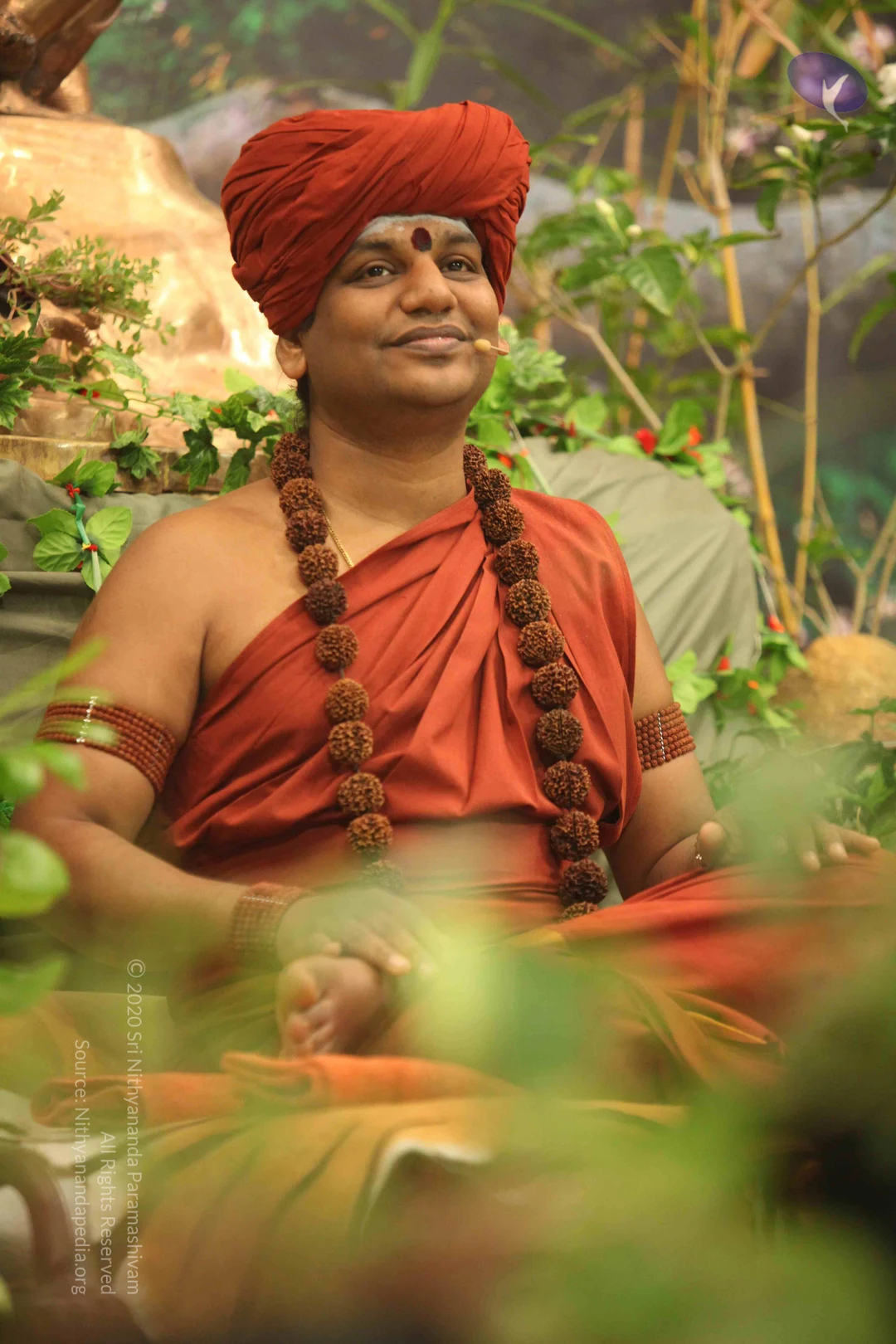
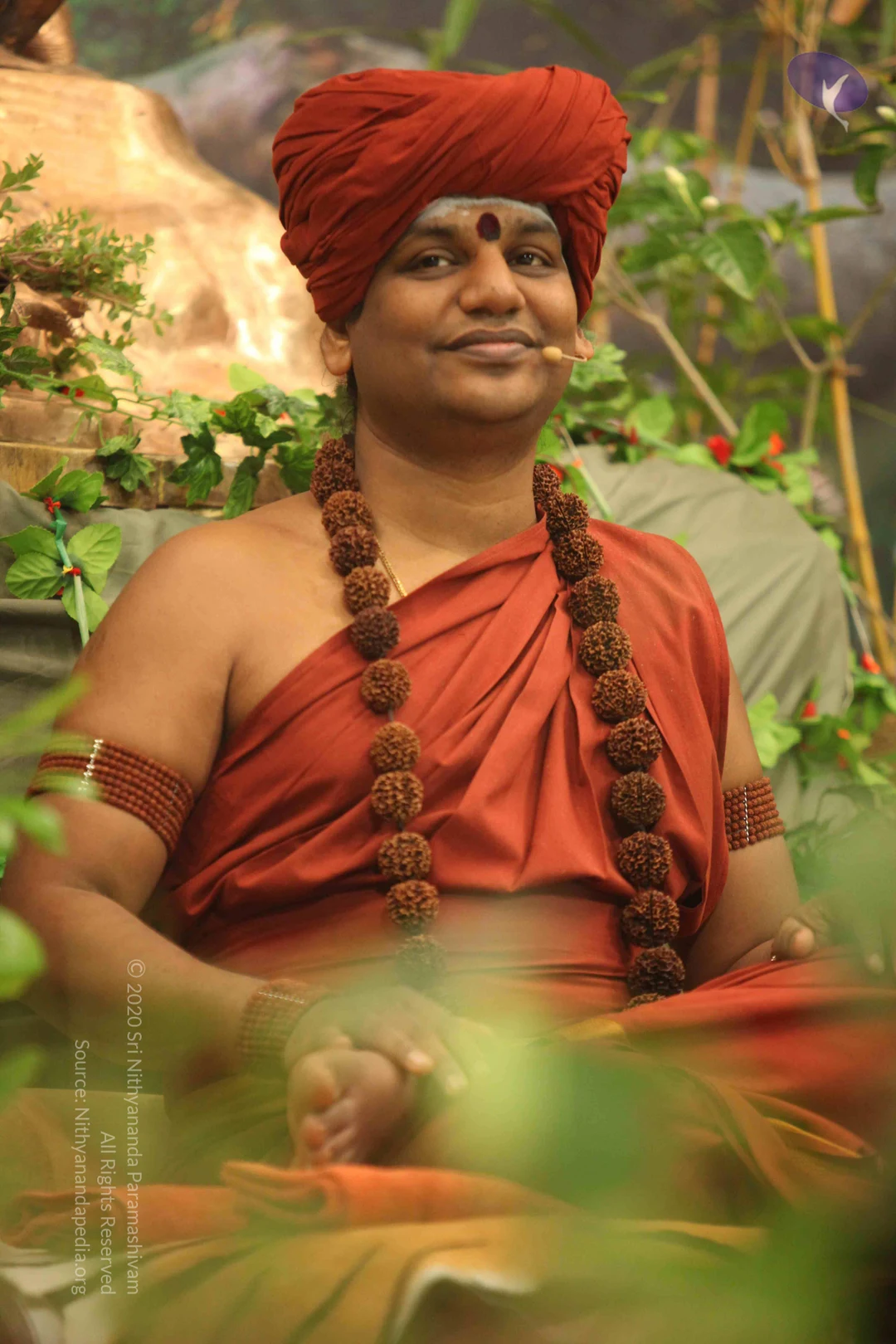
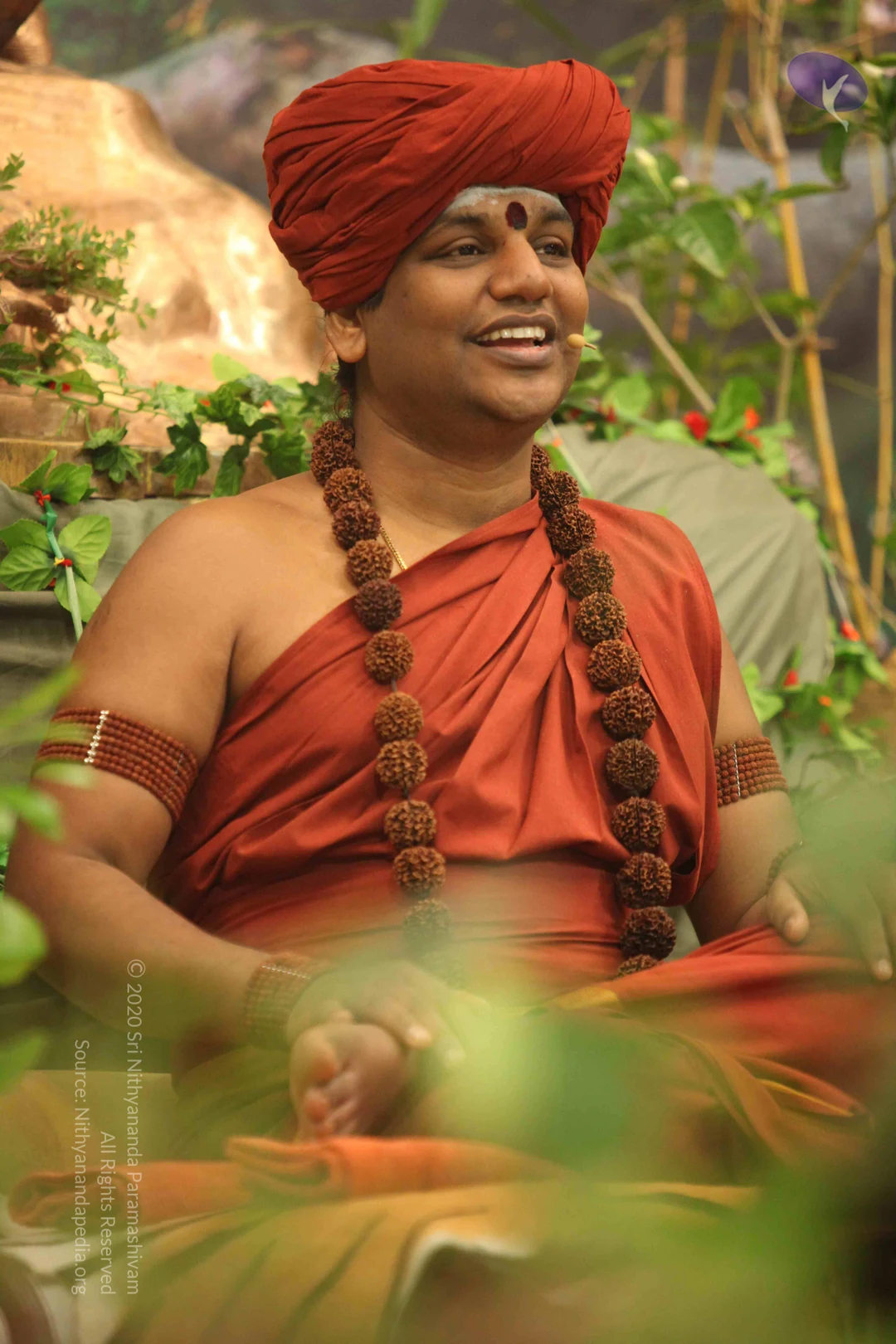
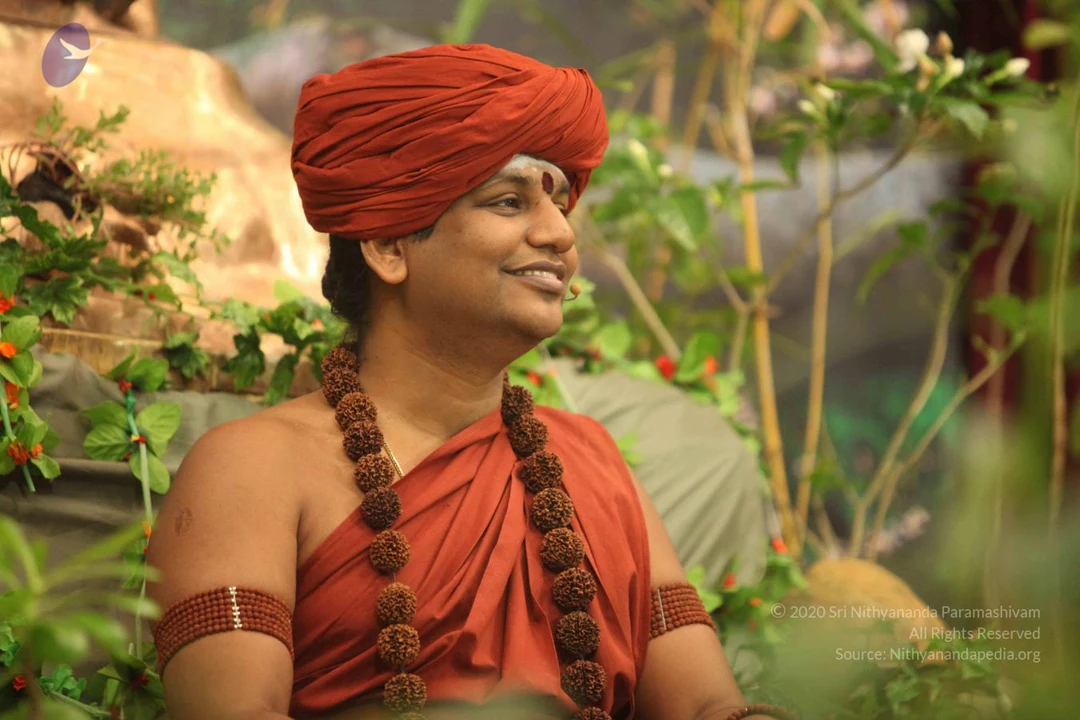
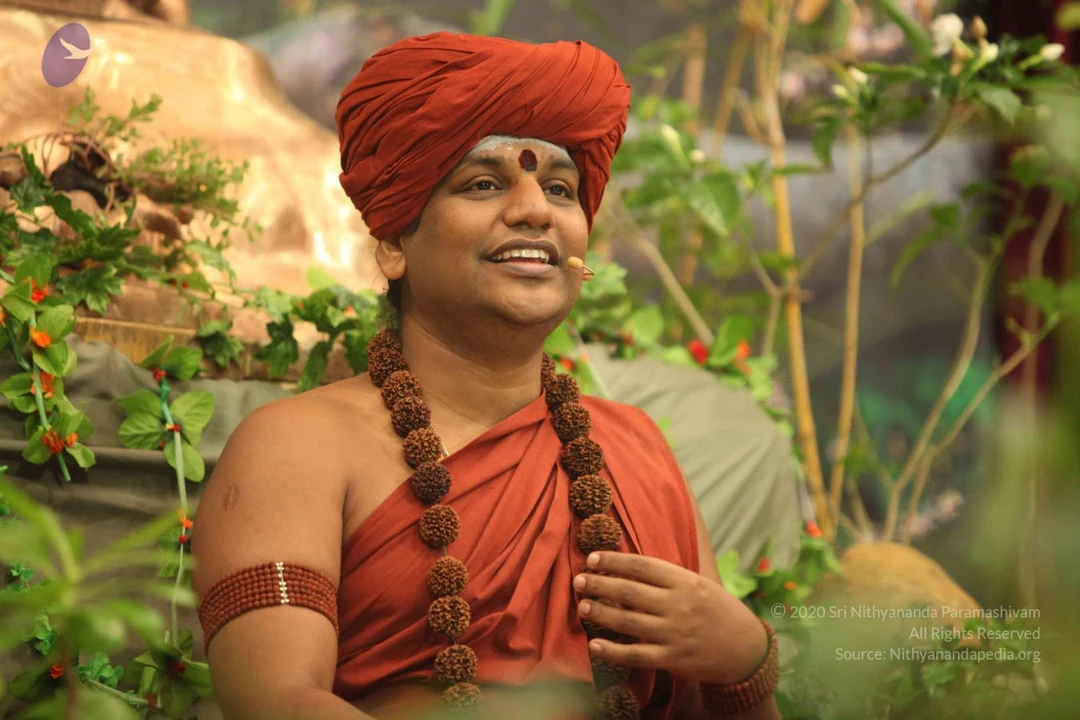
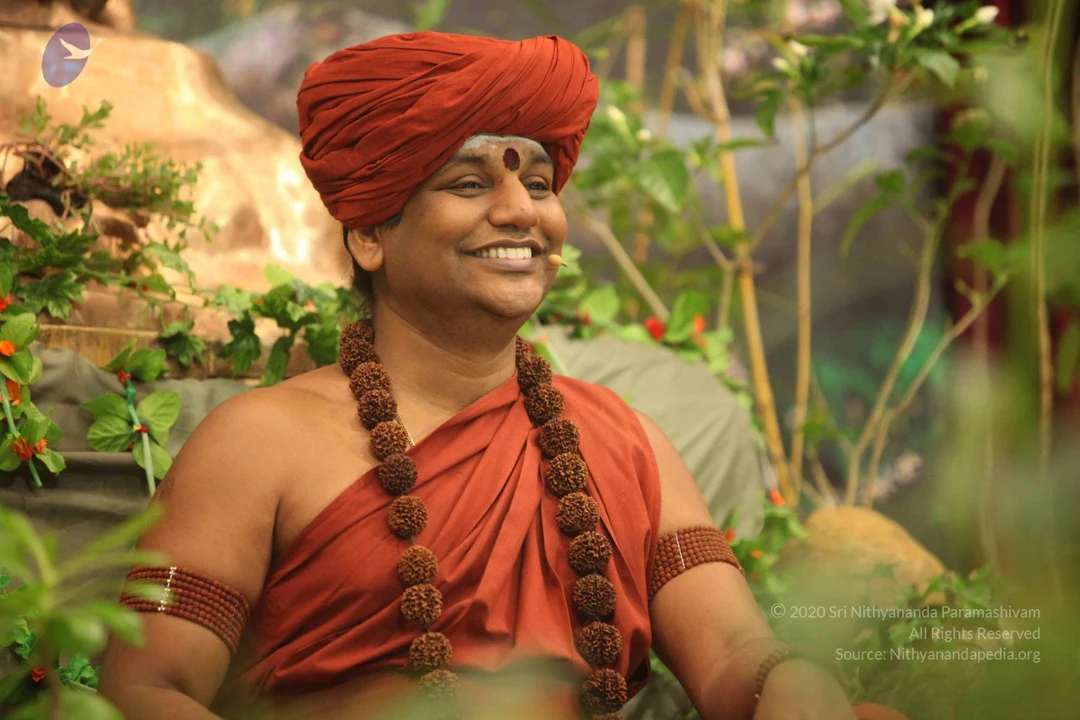
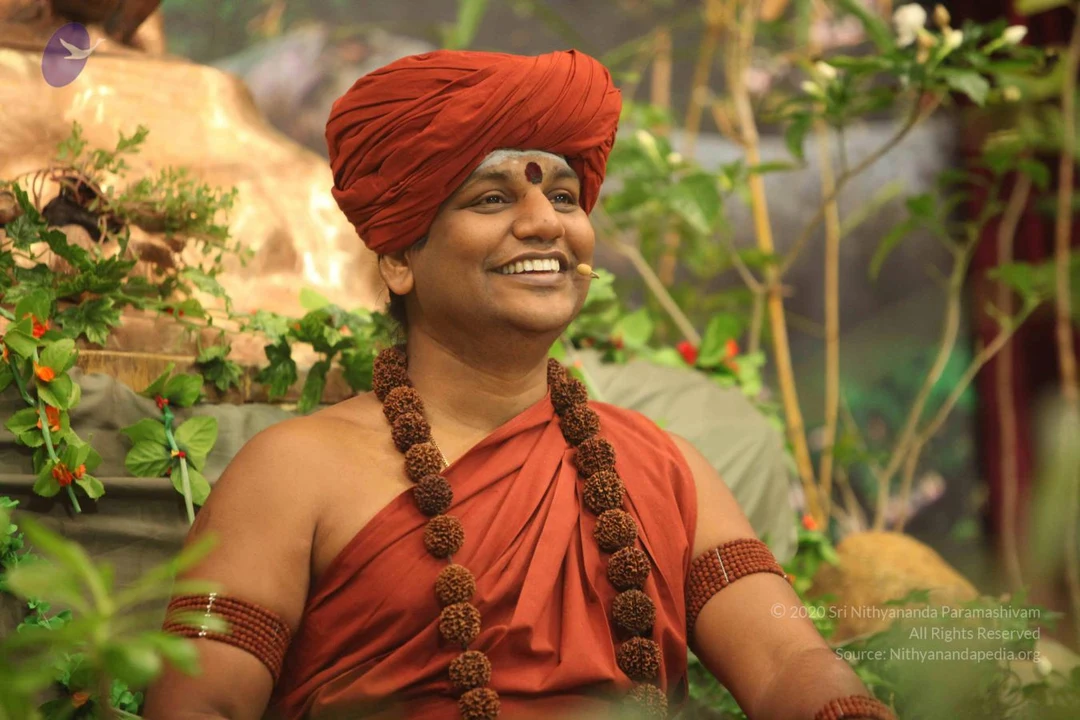
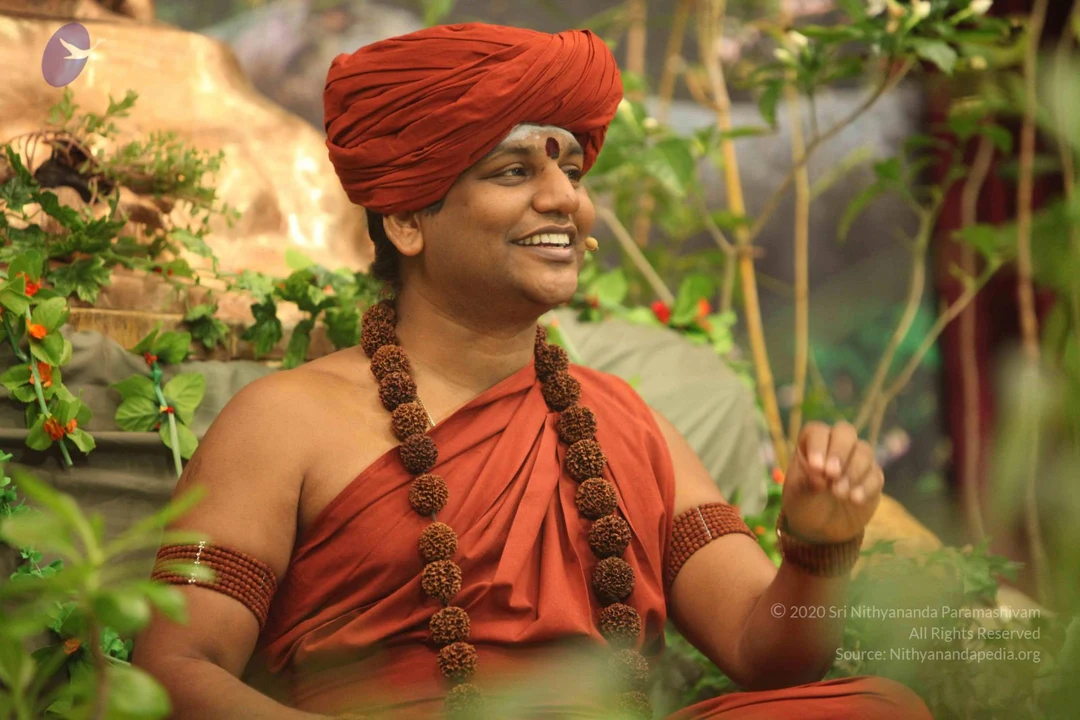


Dial The Avatar - 2-way
kalpataru darshan
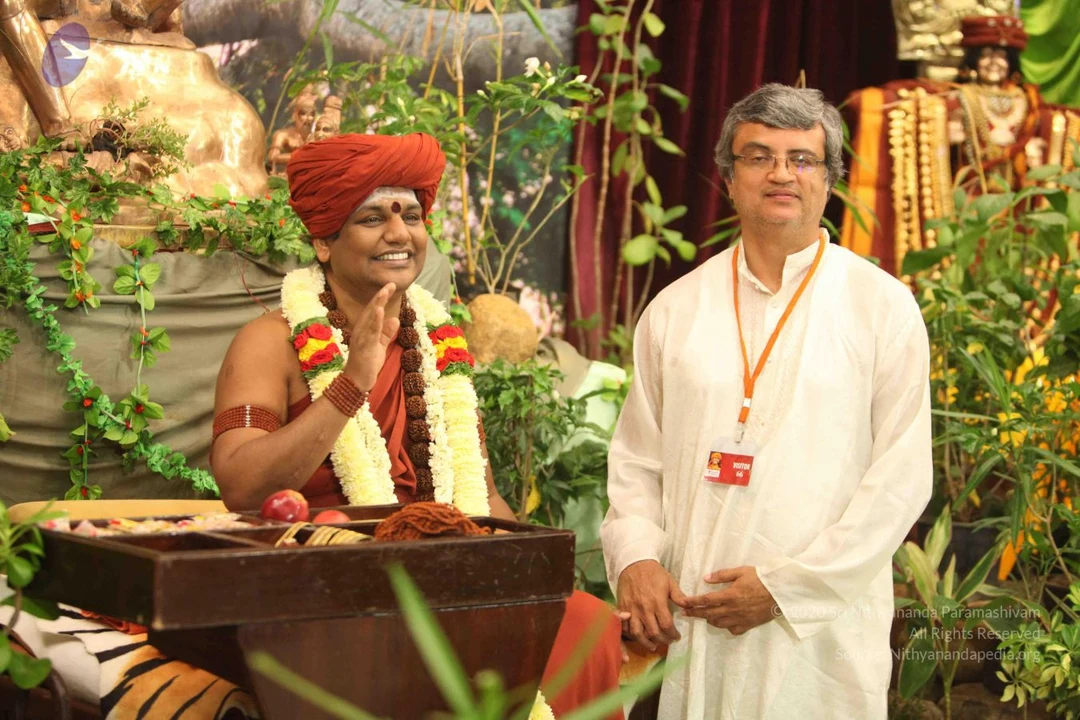
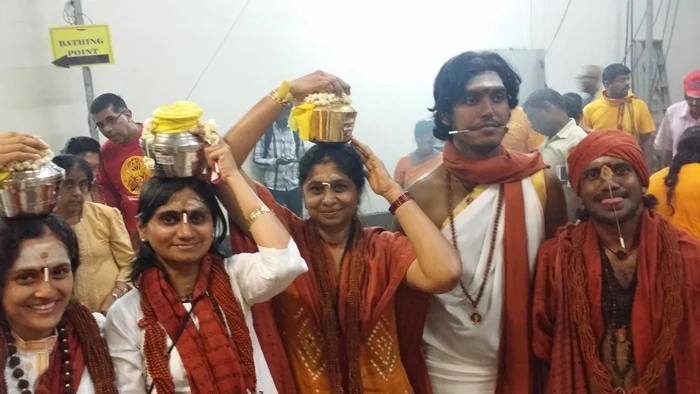
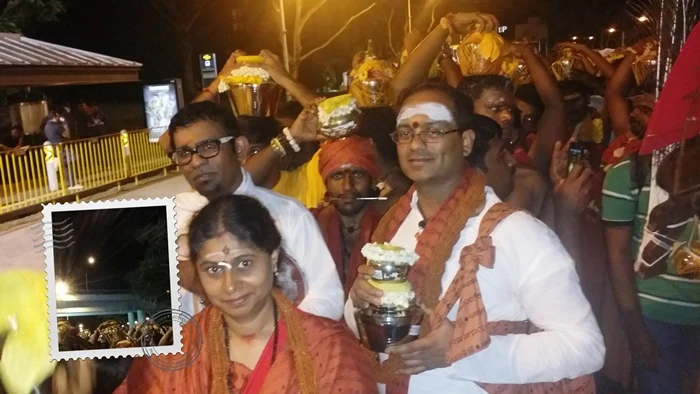
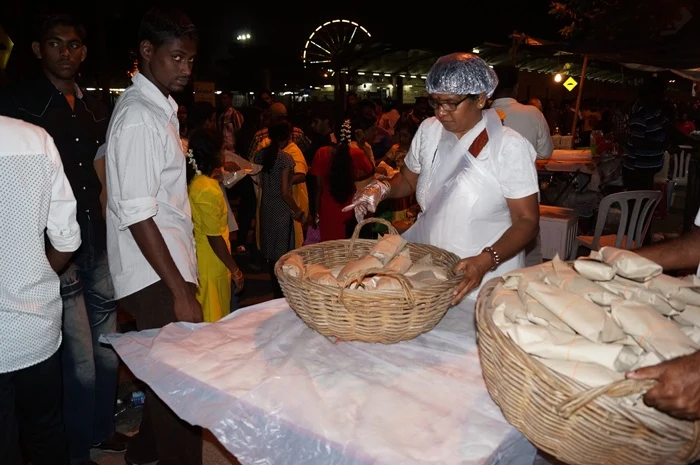
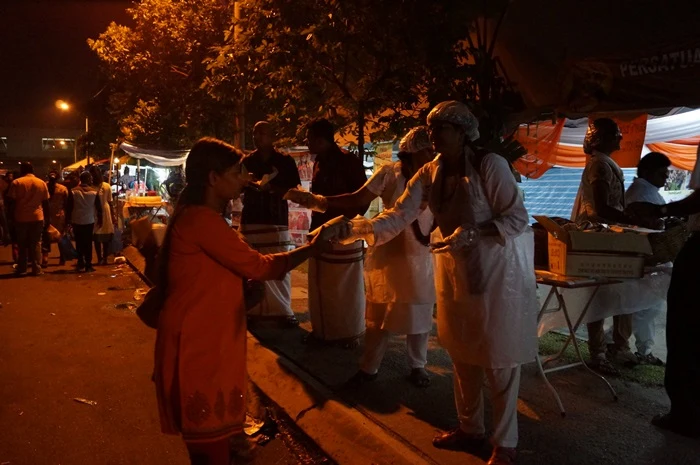
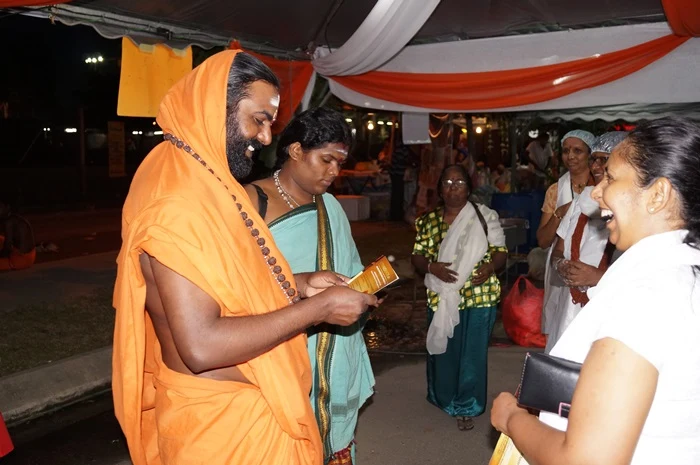
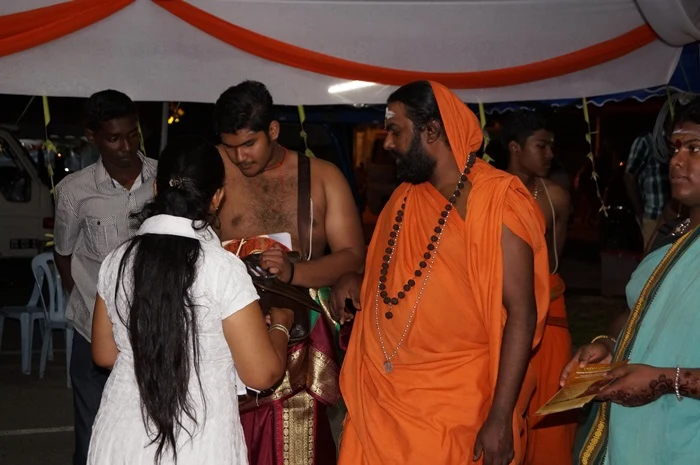
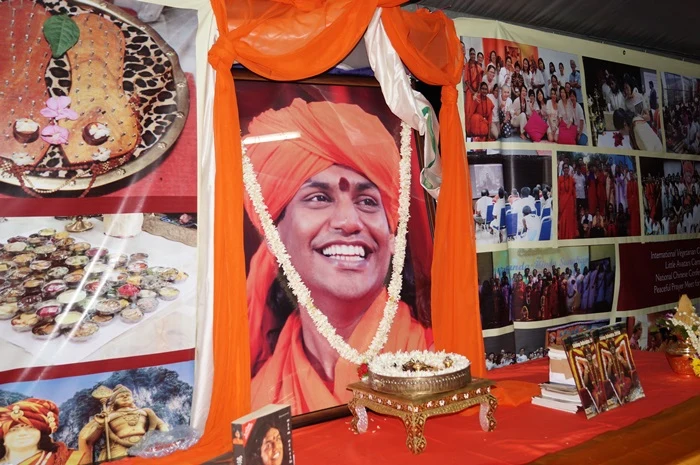
temple thaipoosam
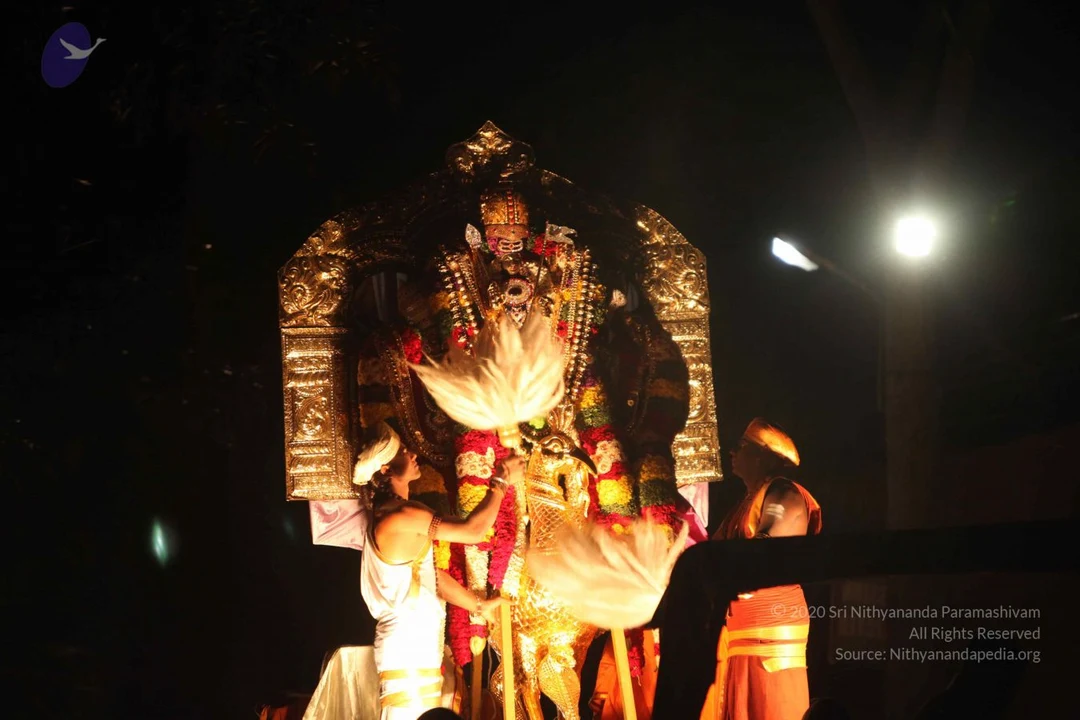

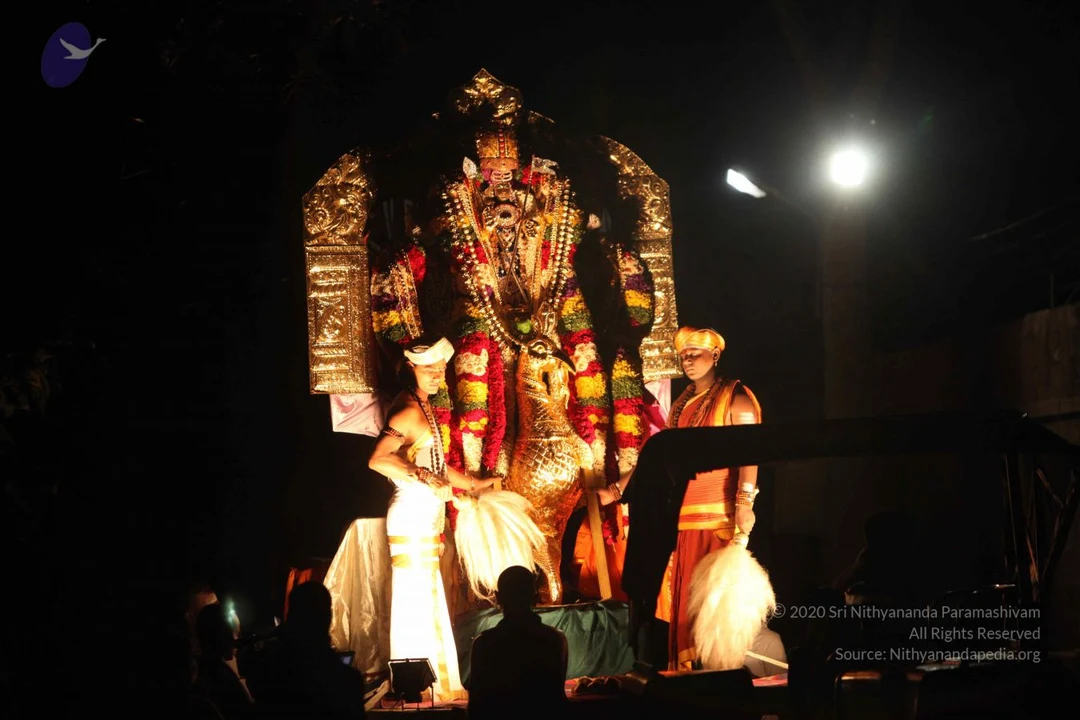
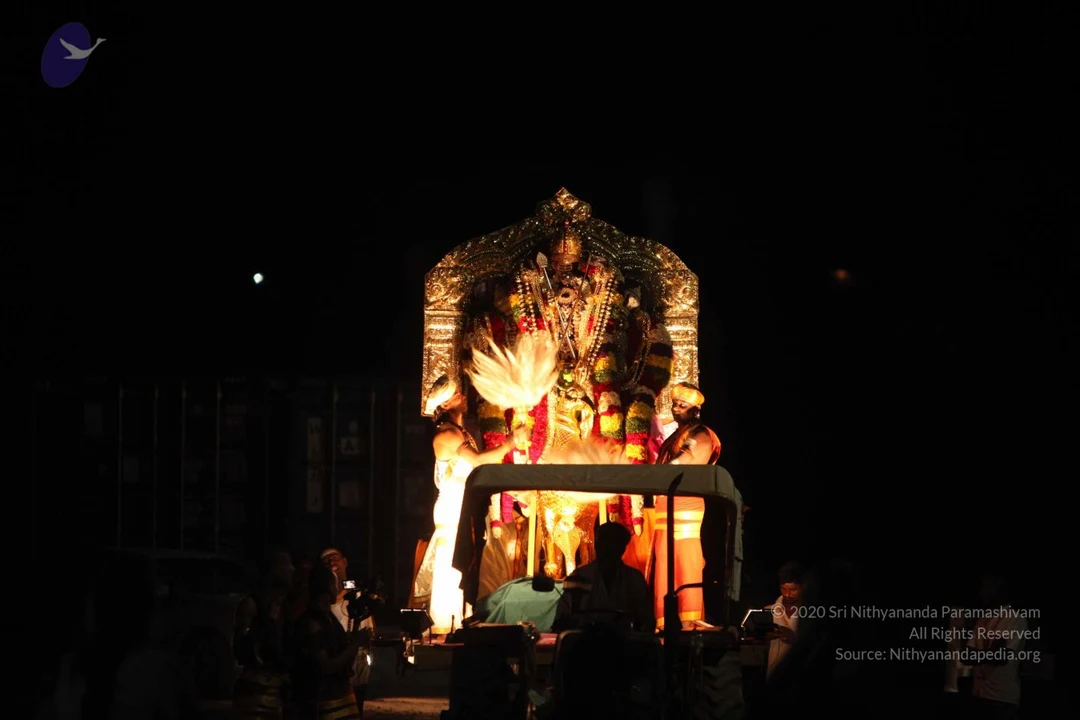
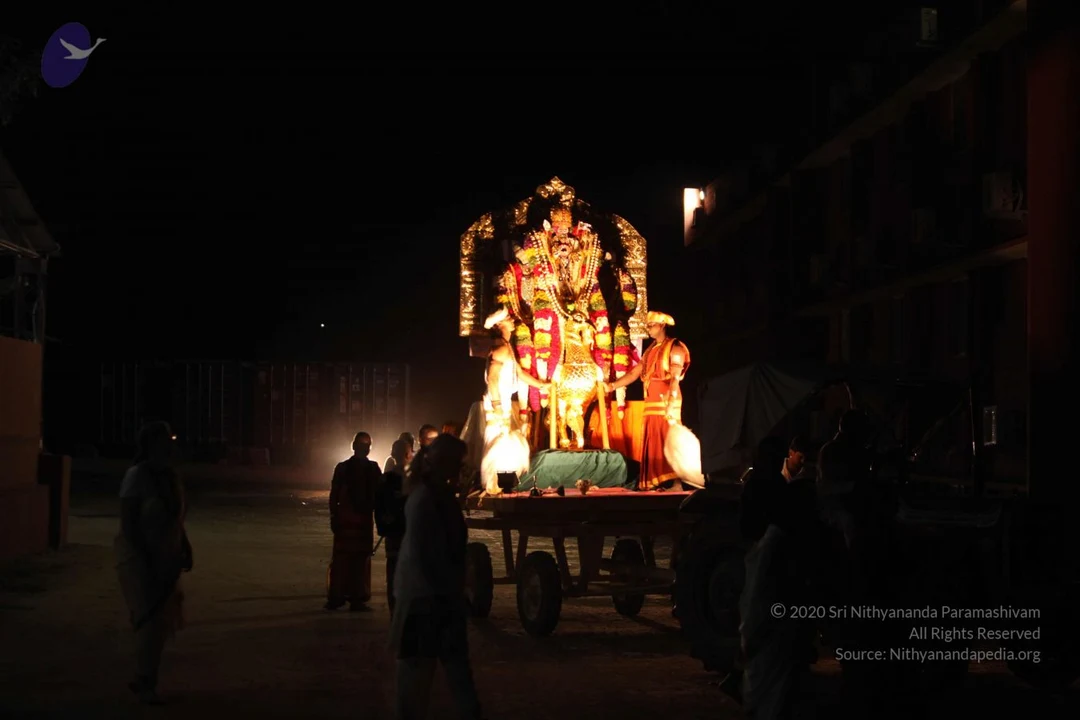
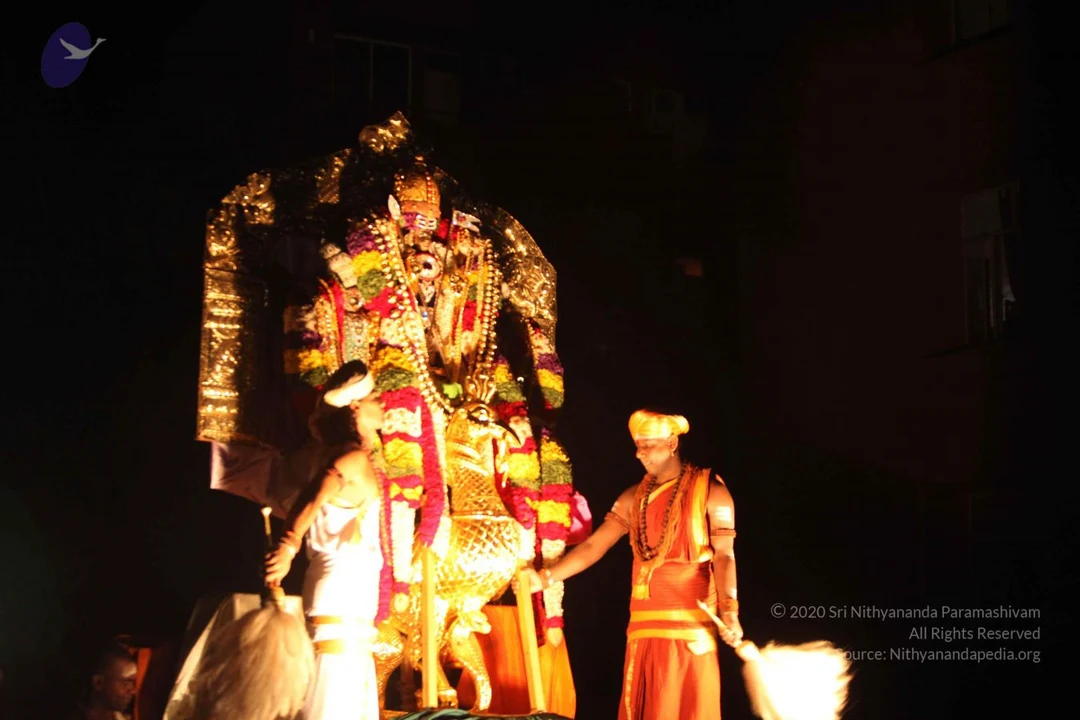
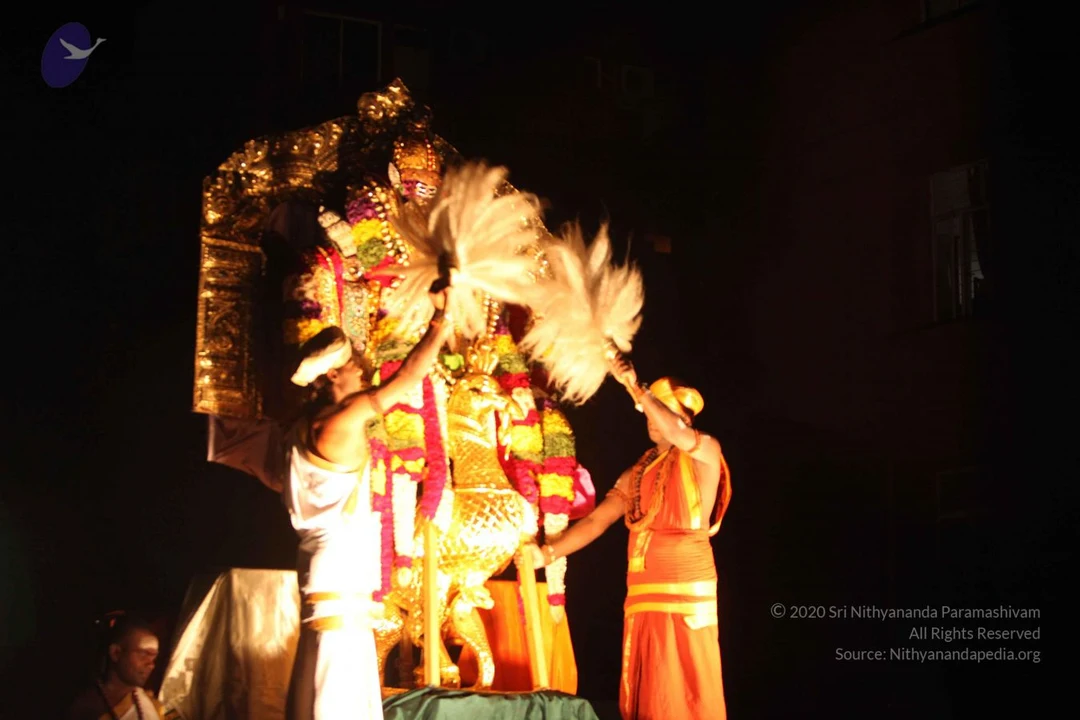
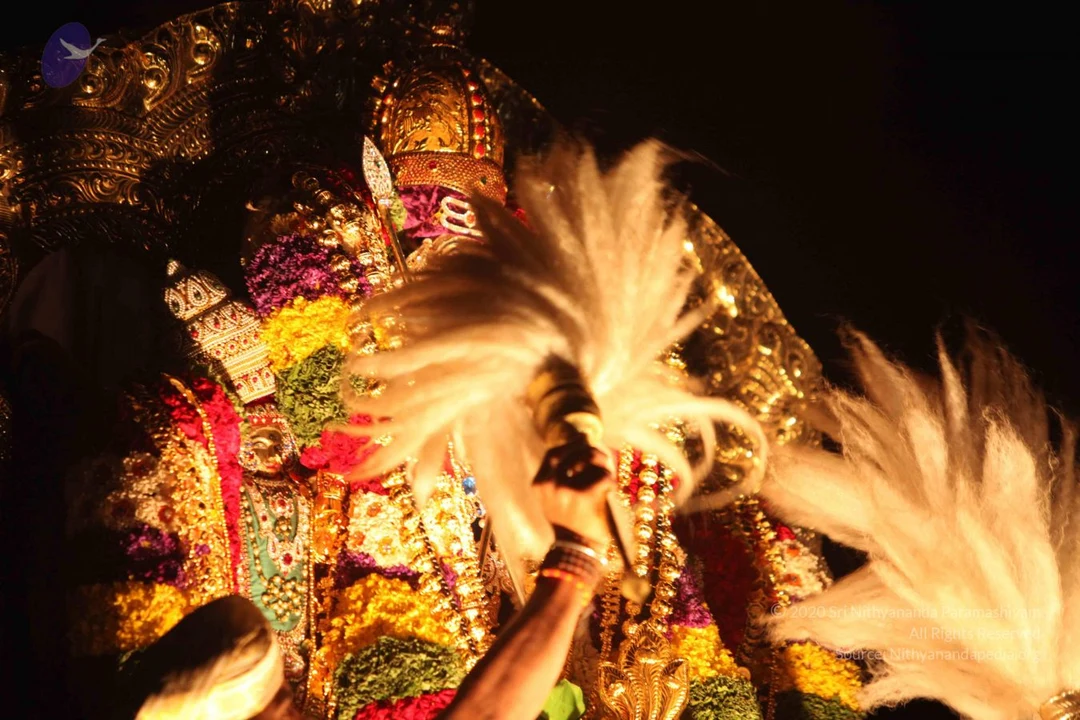
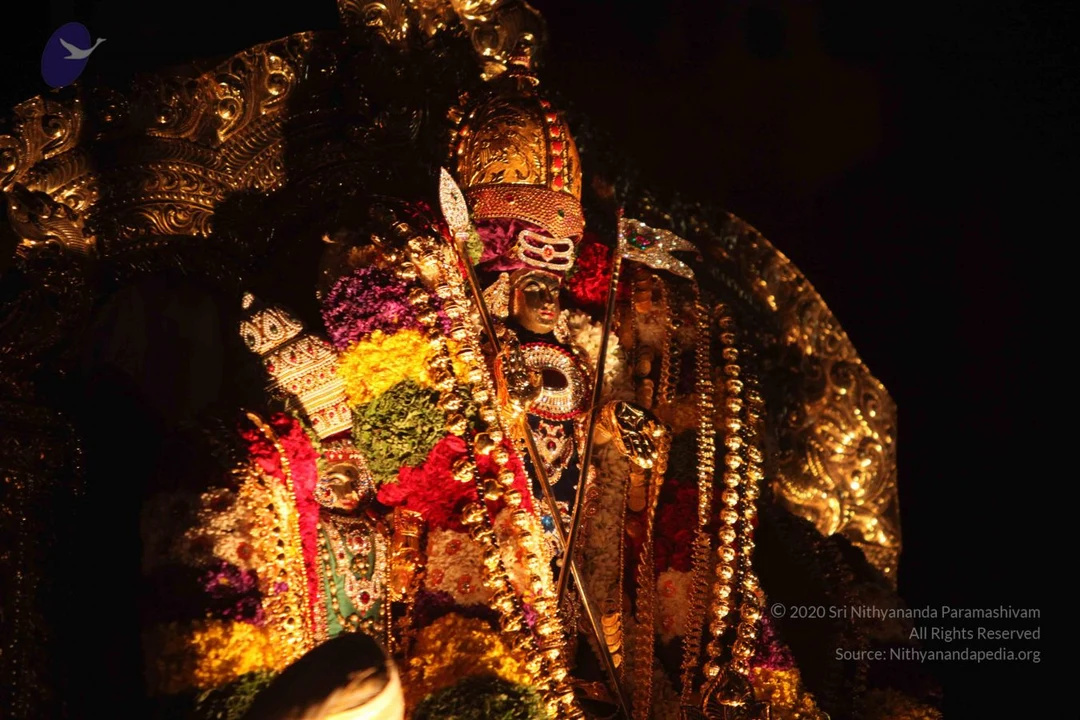
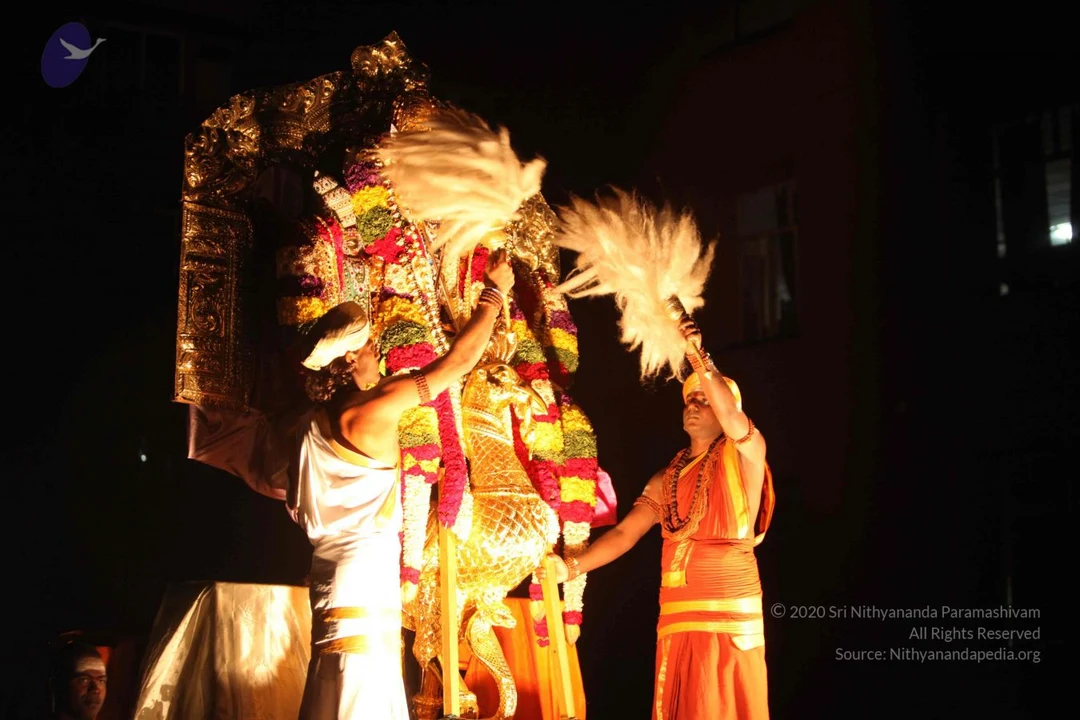
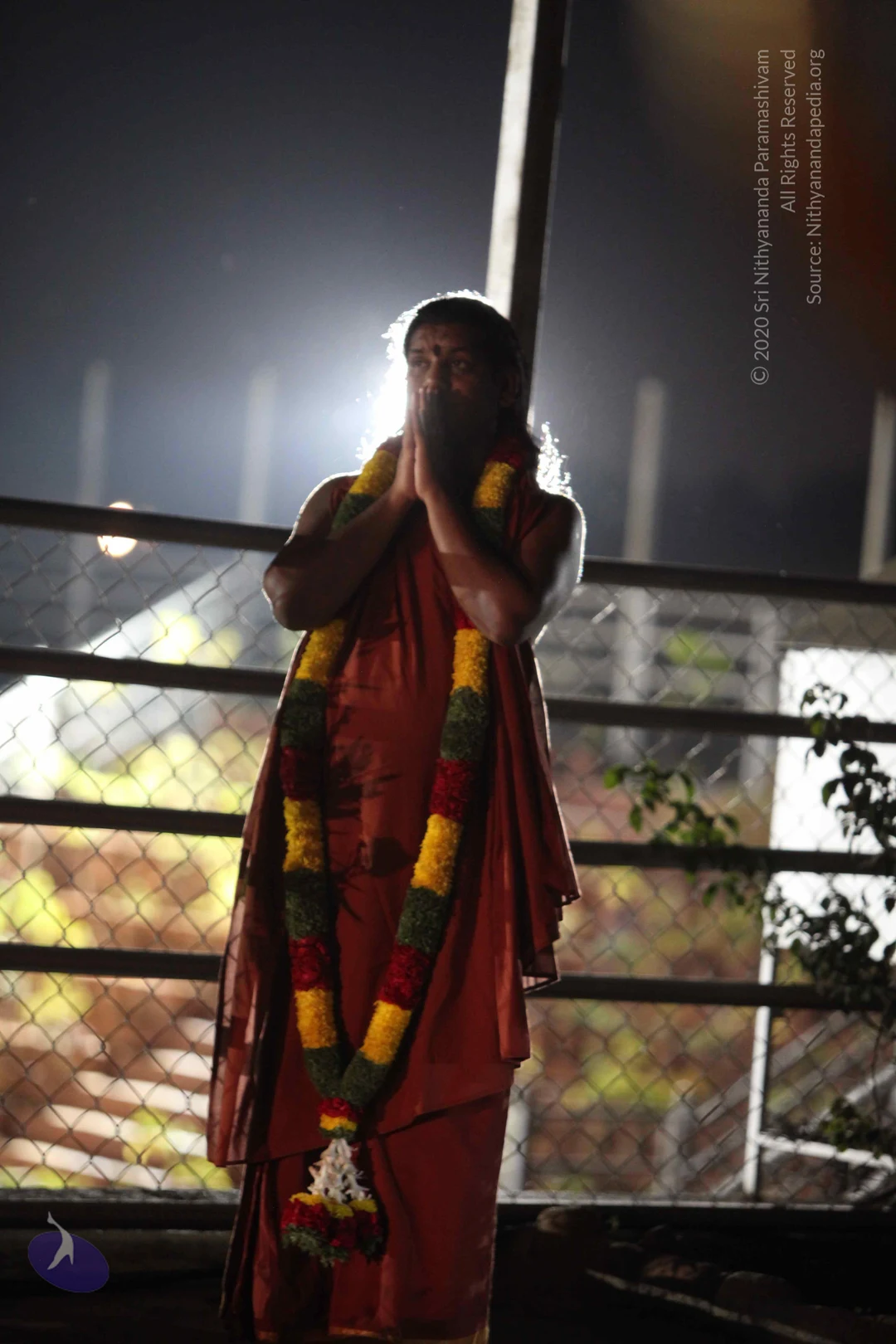

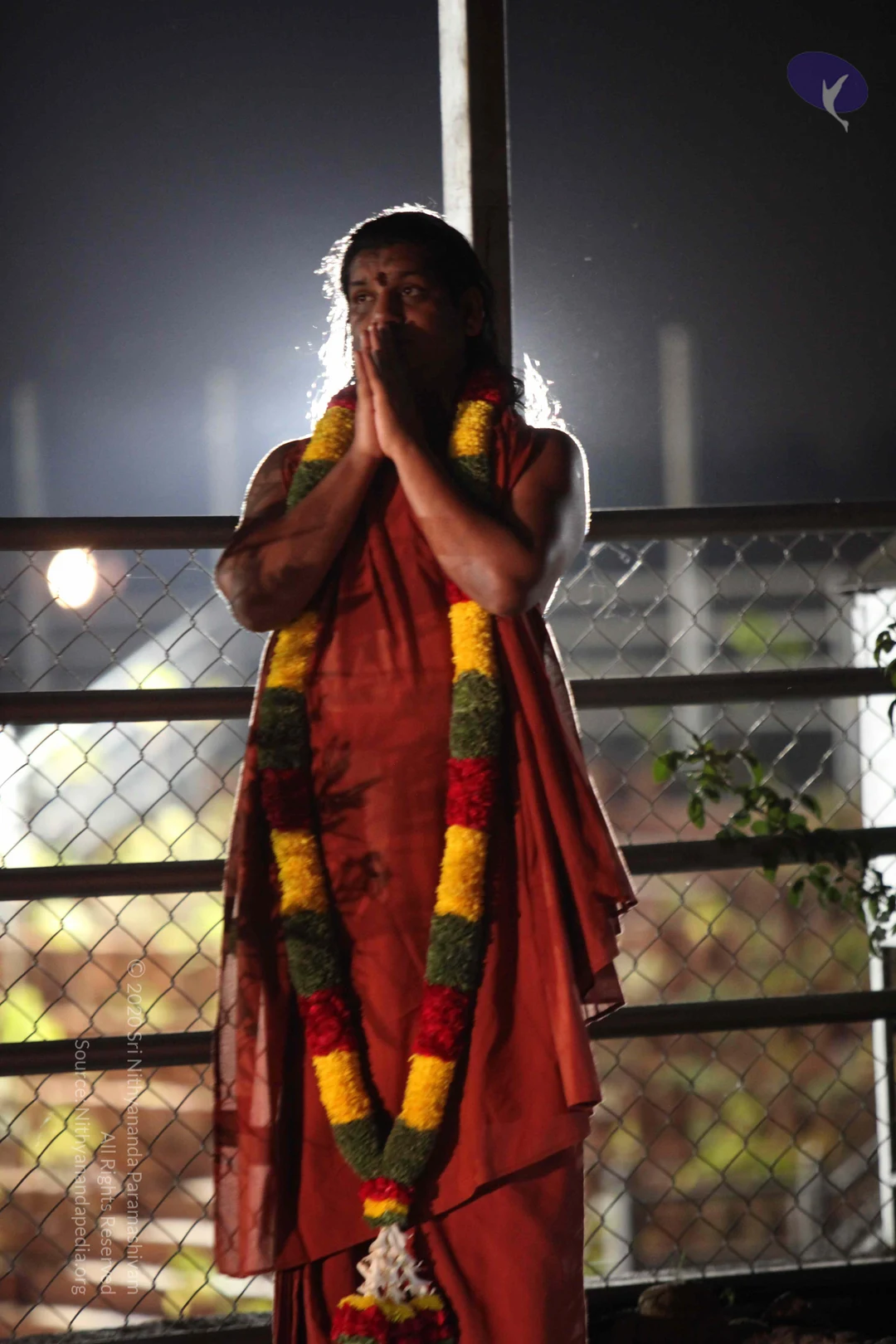
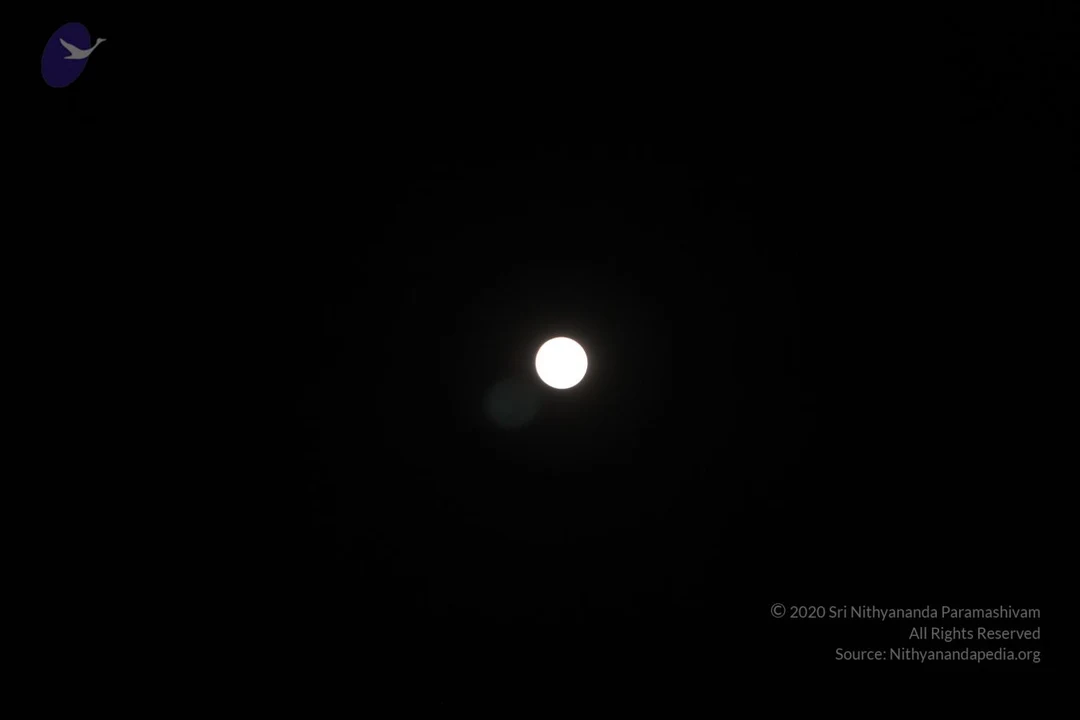
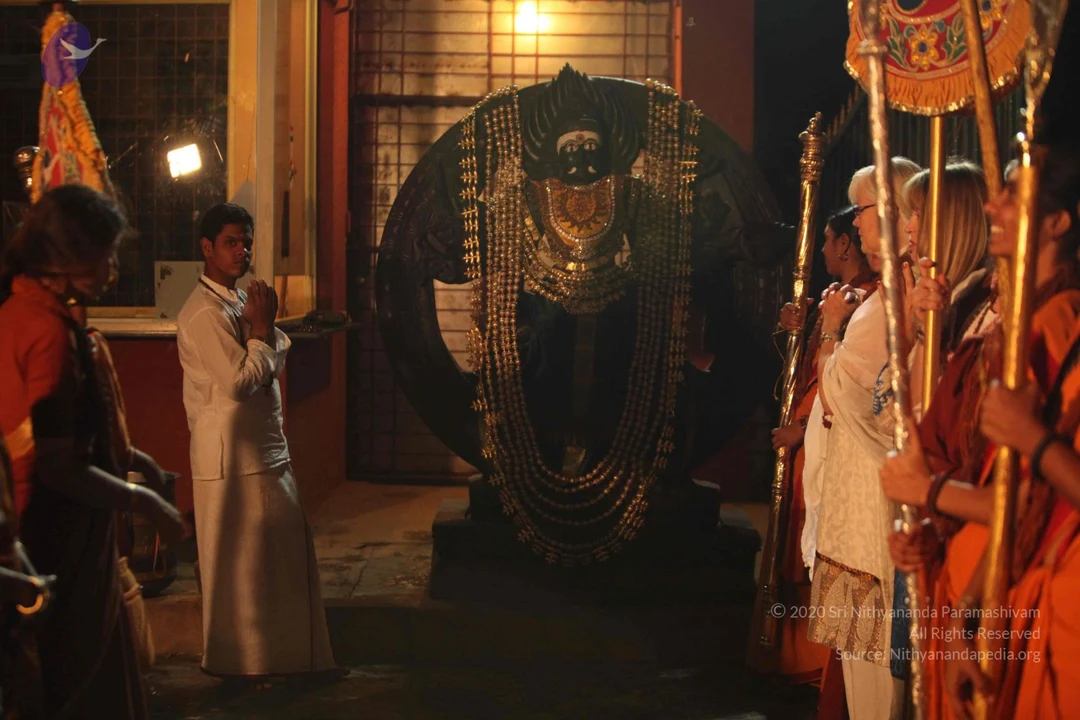
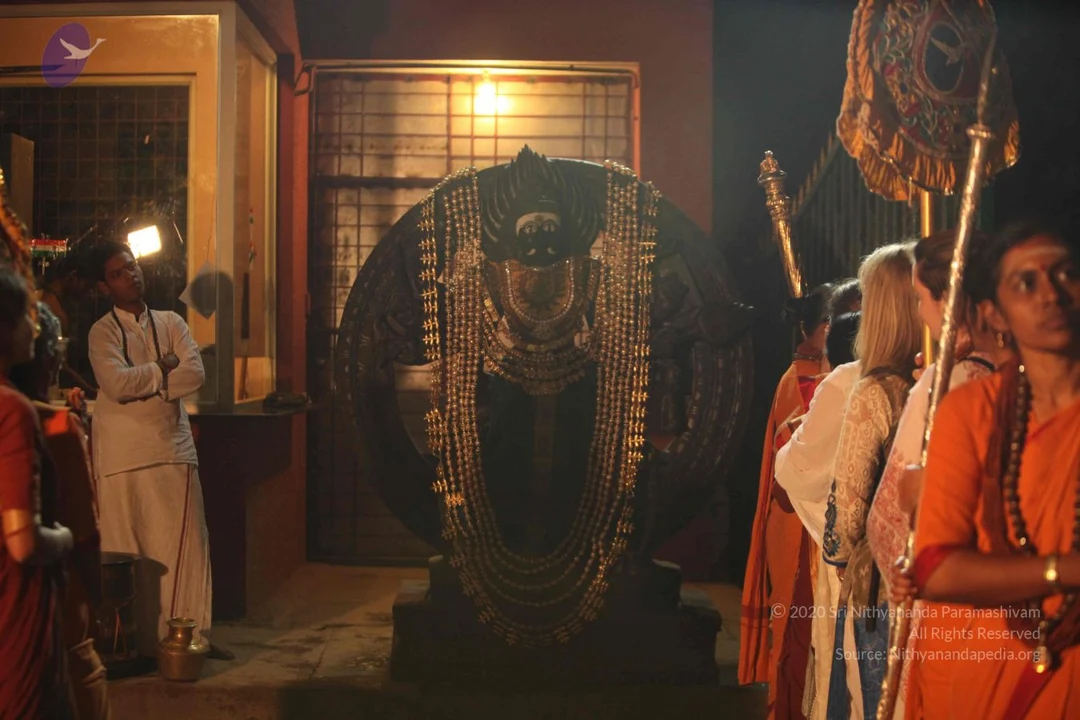
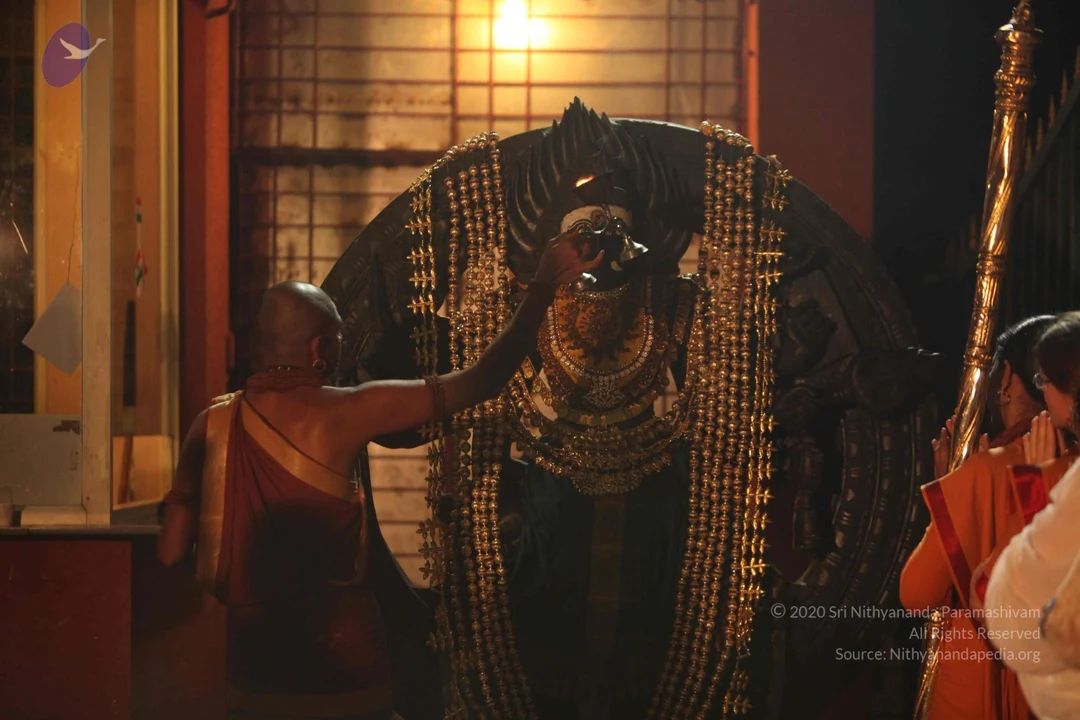
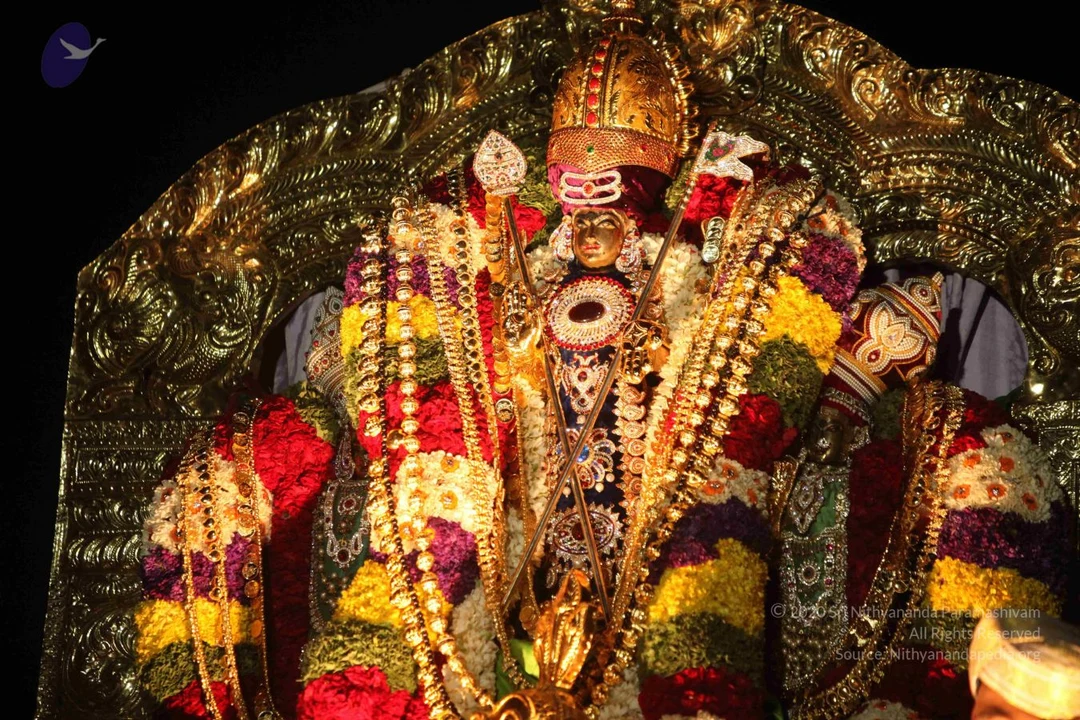
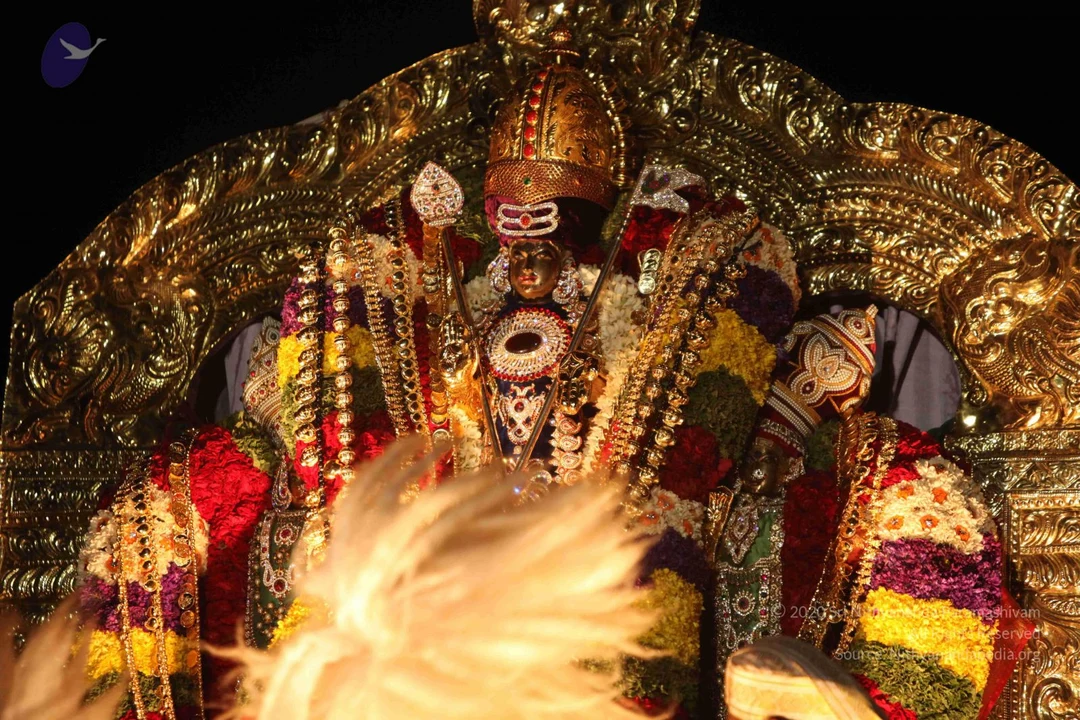
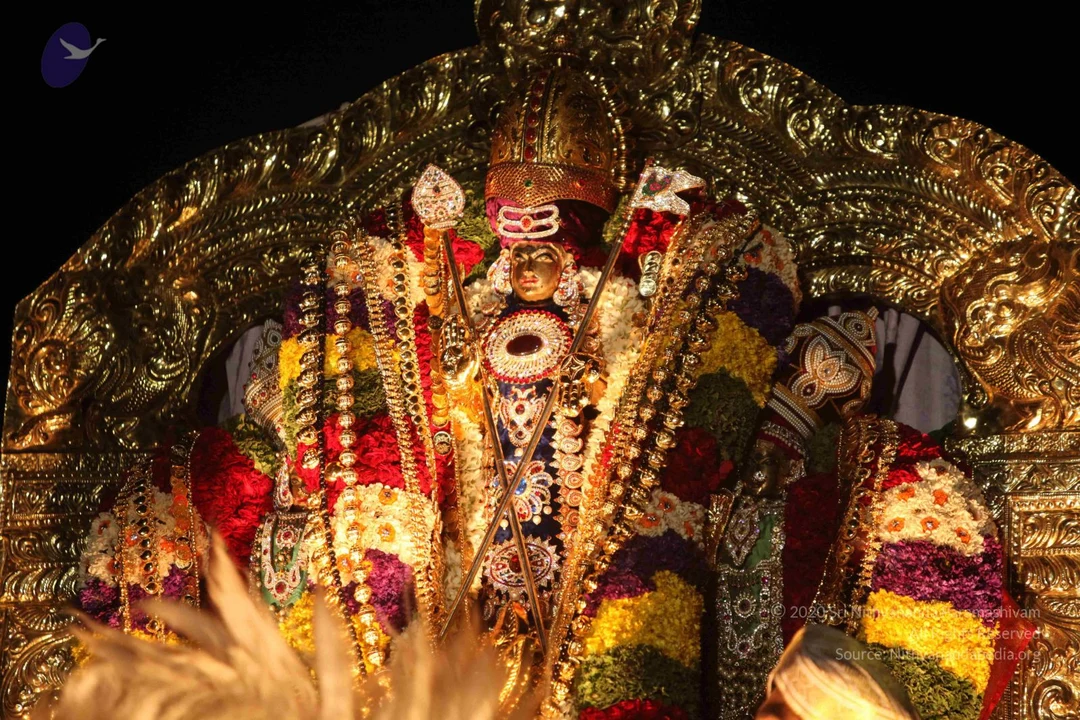

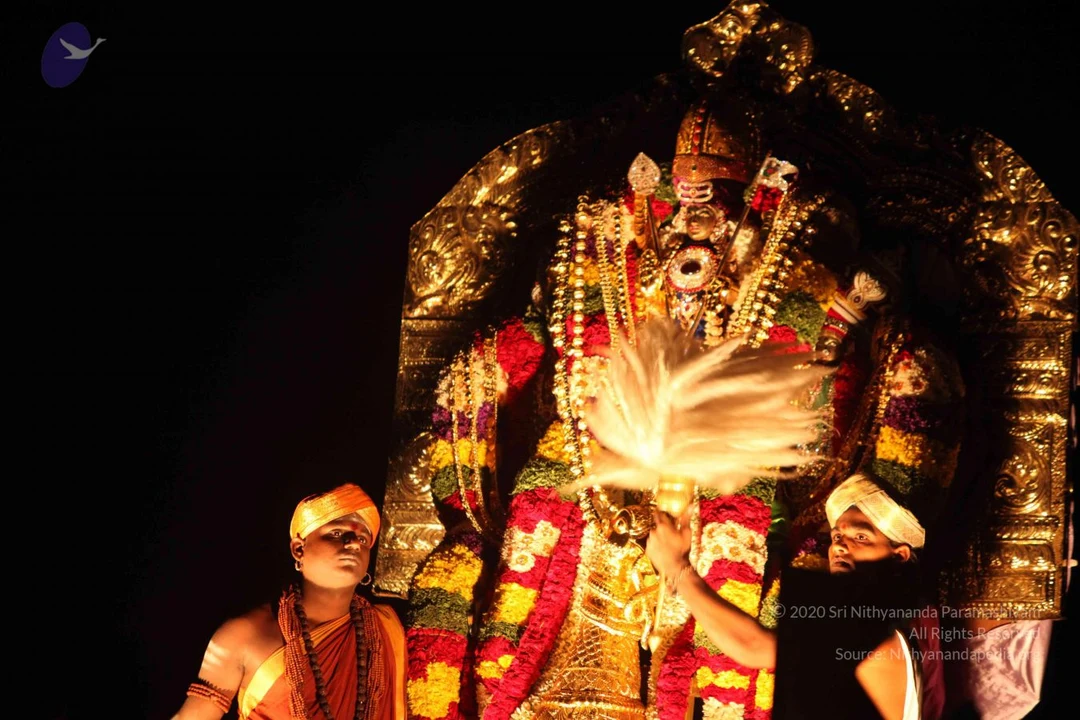
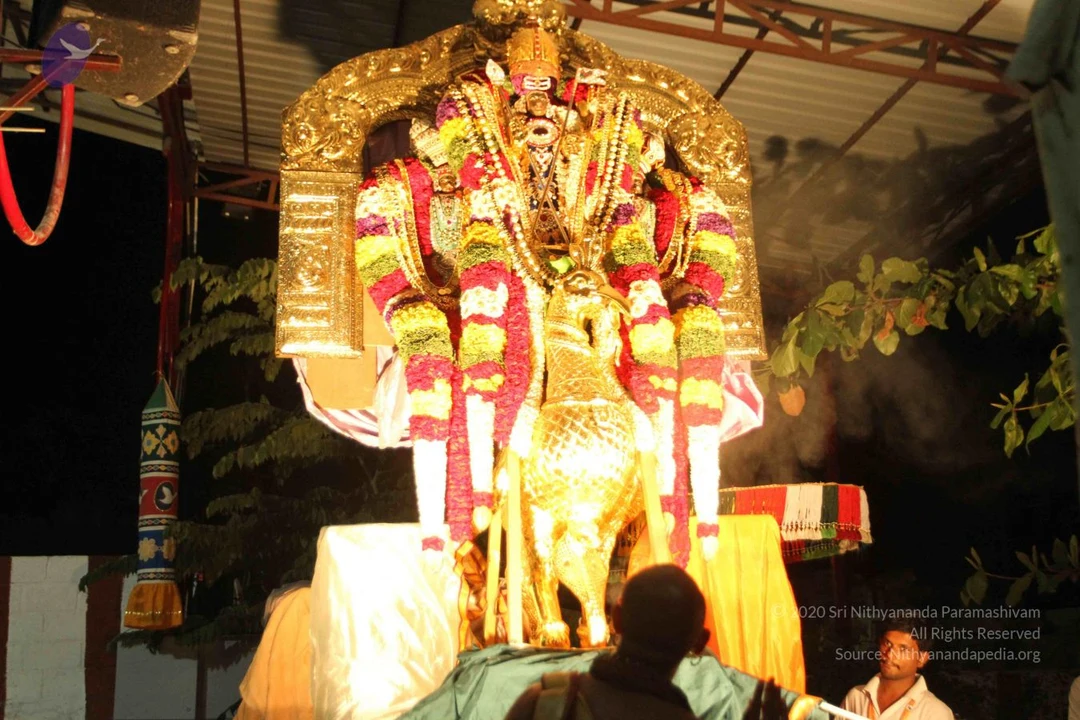
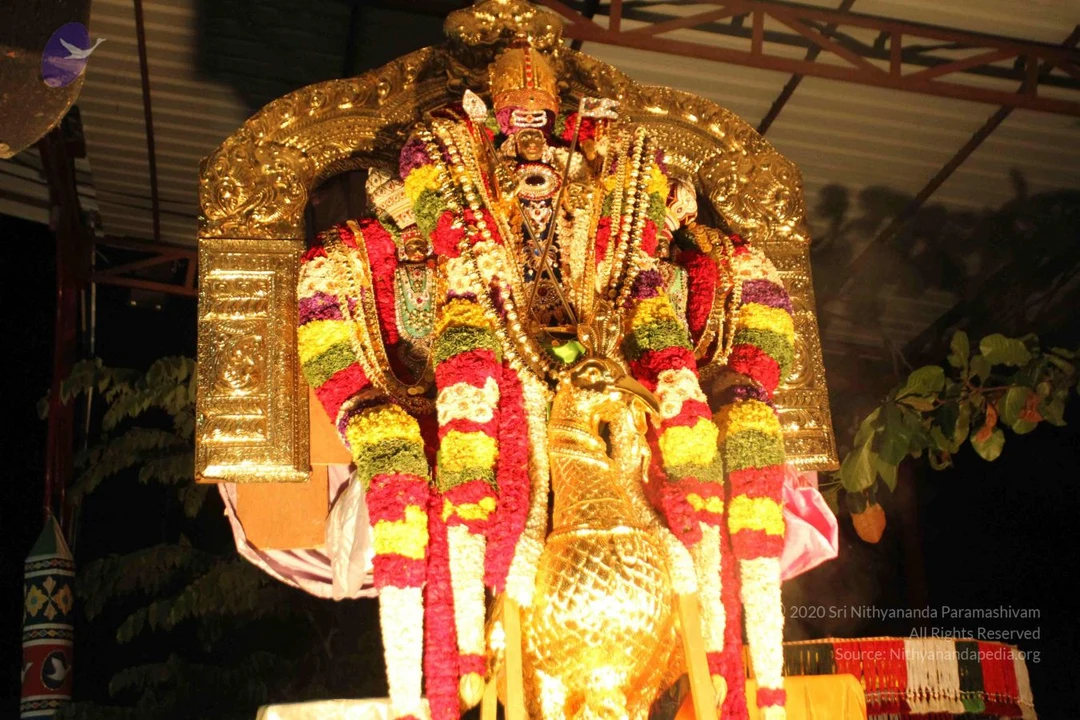
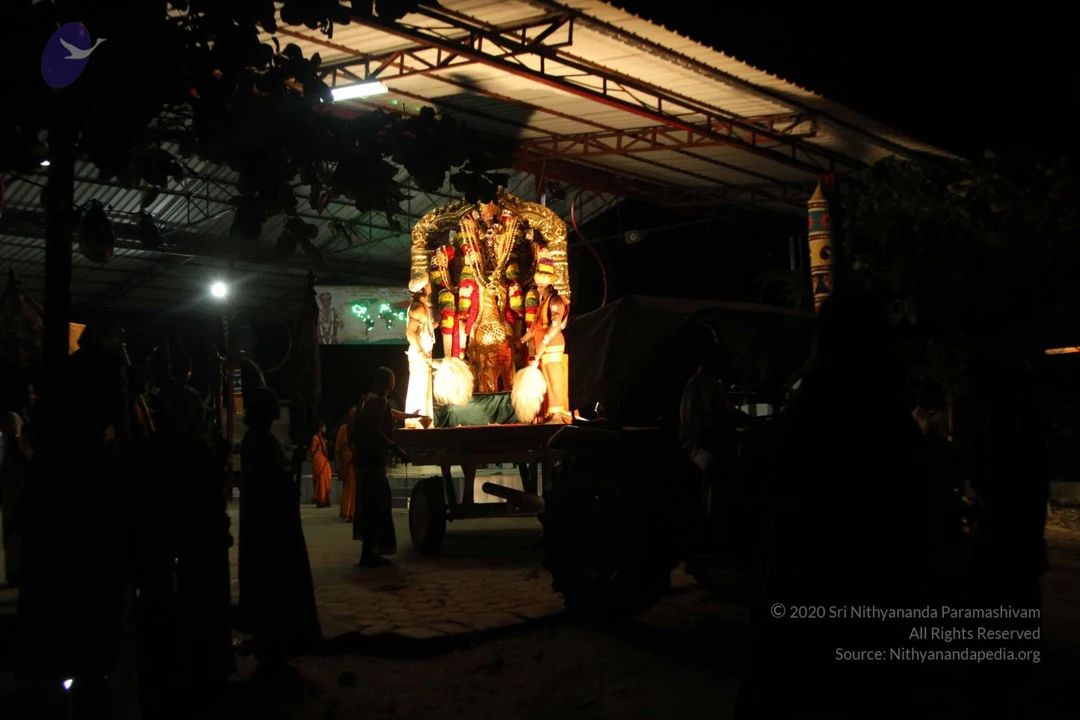
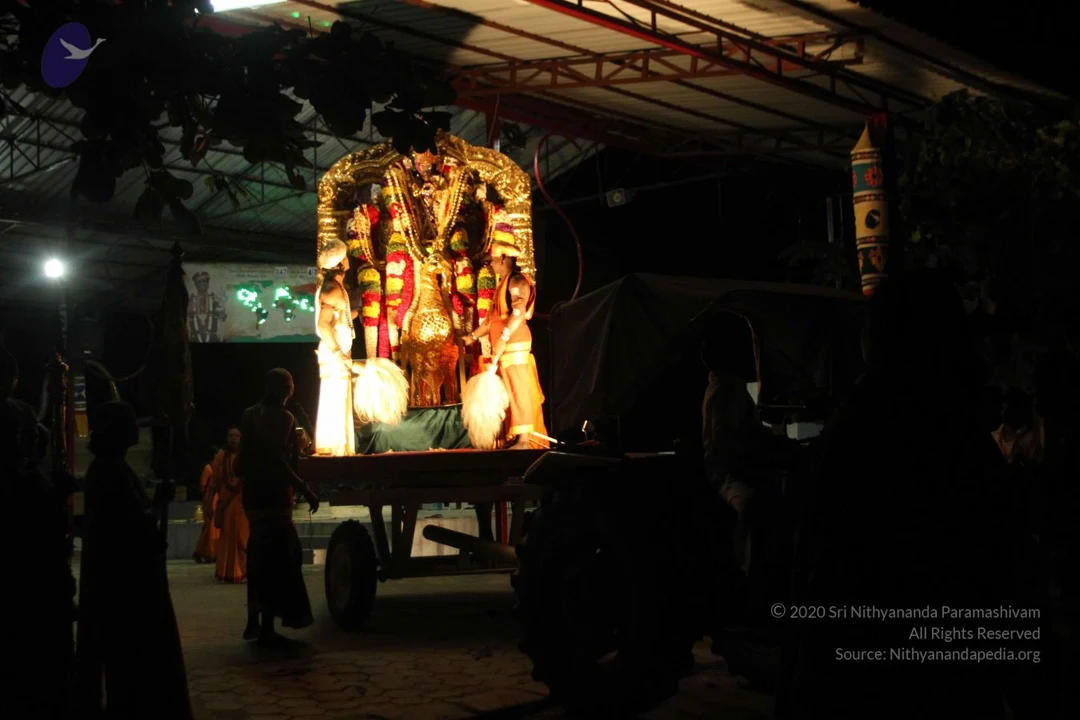

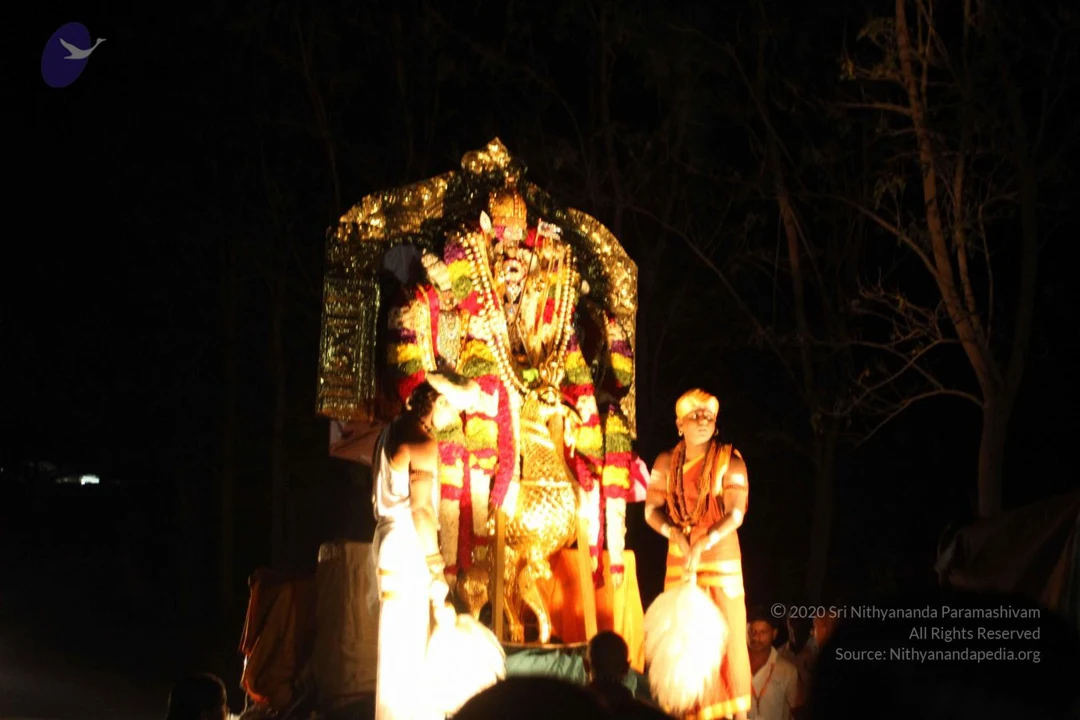
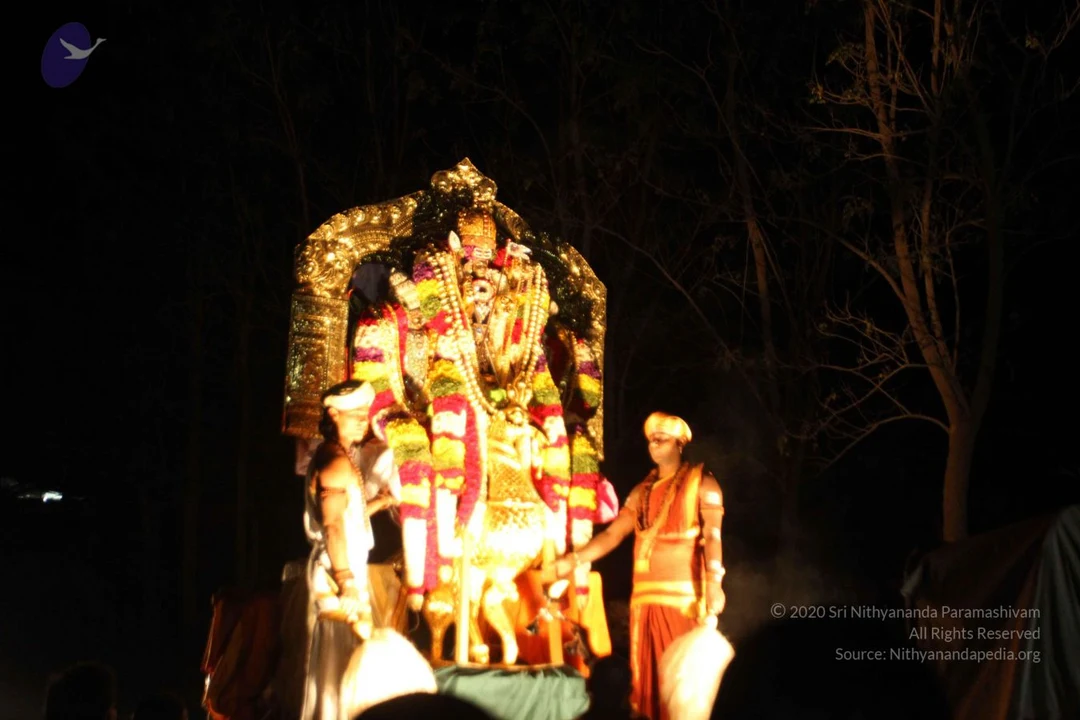
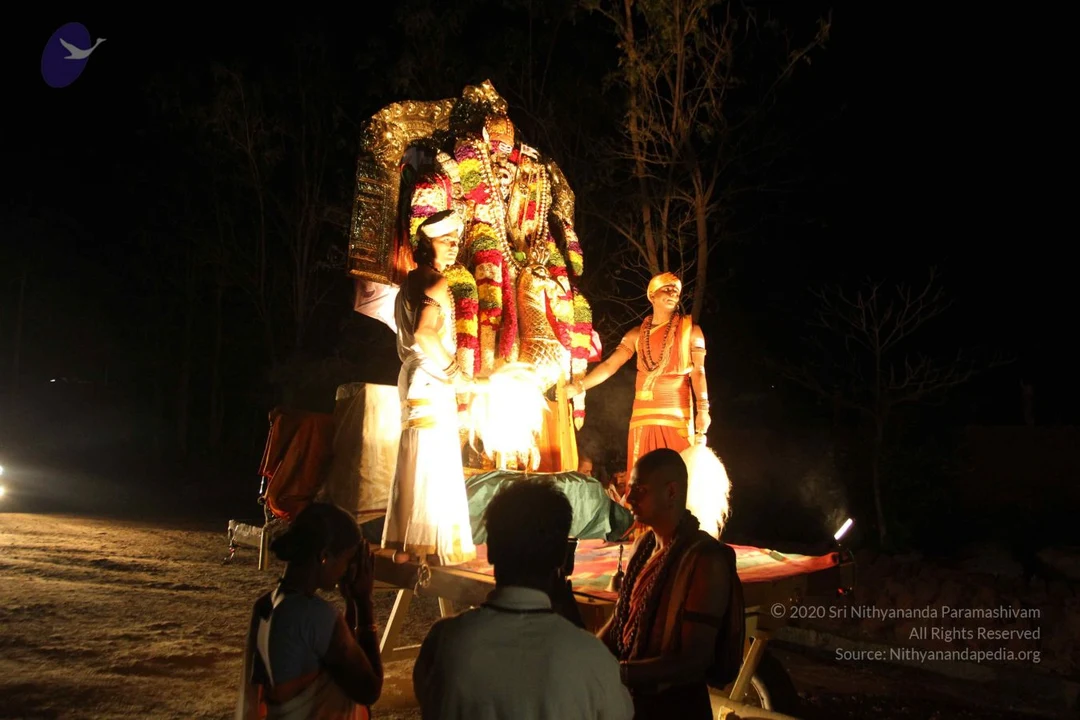
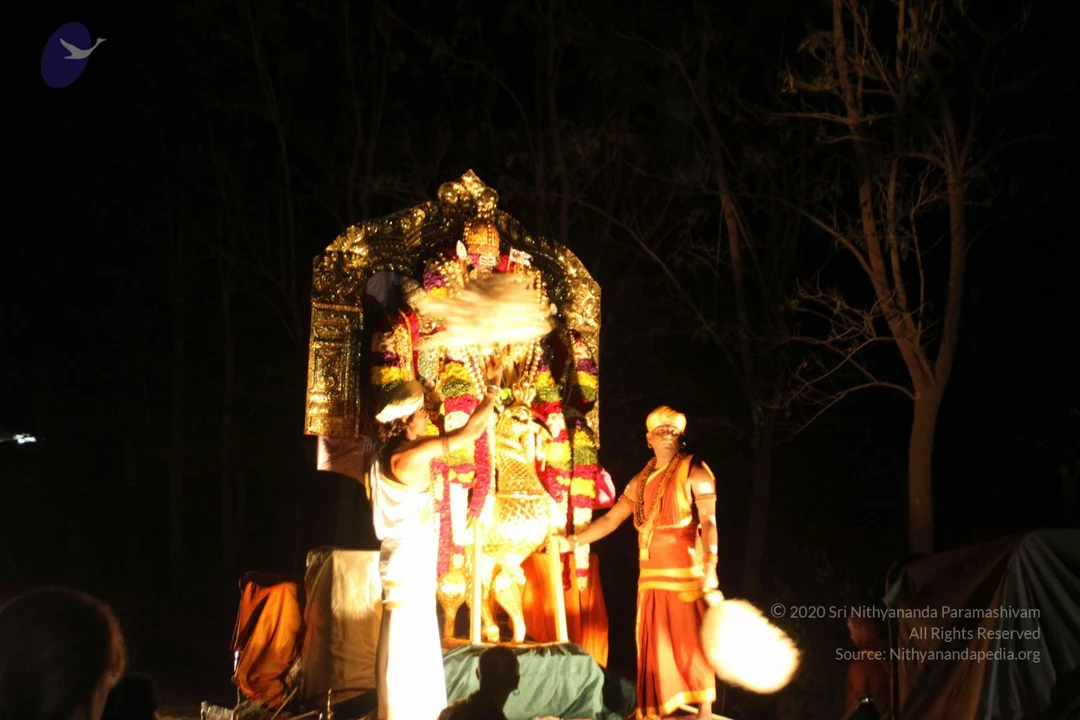
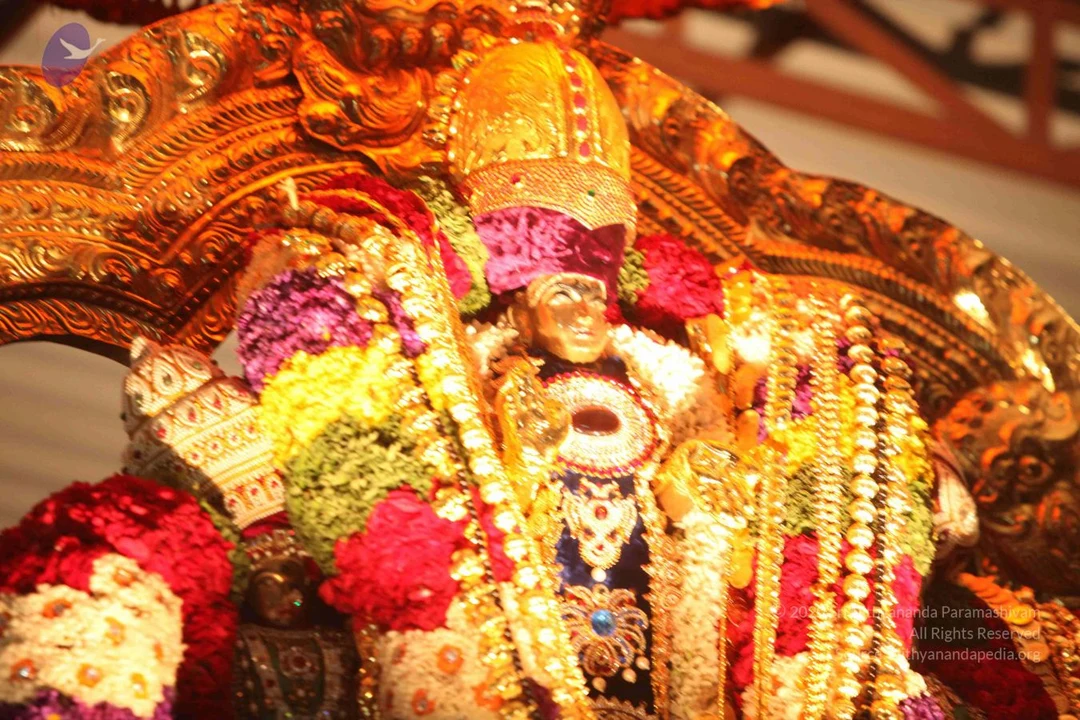
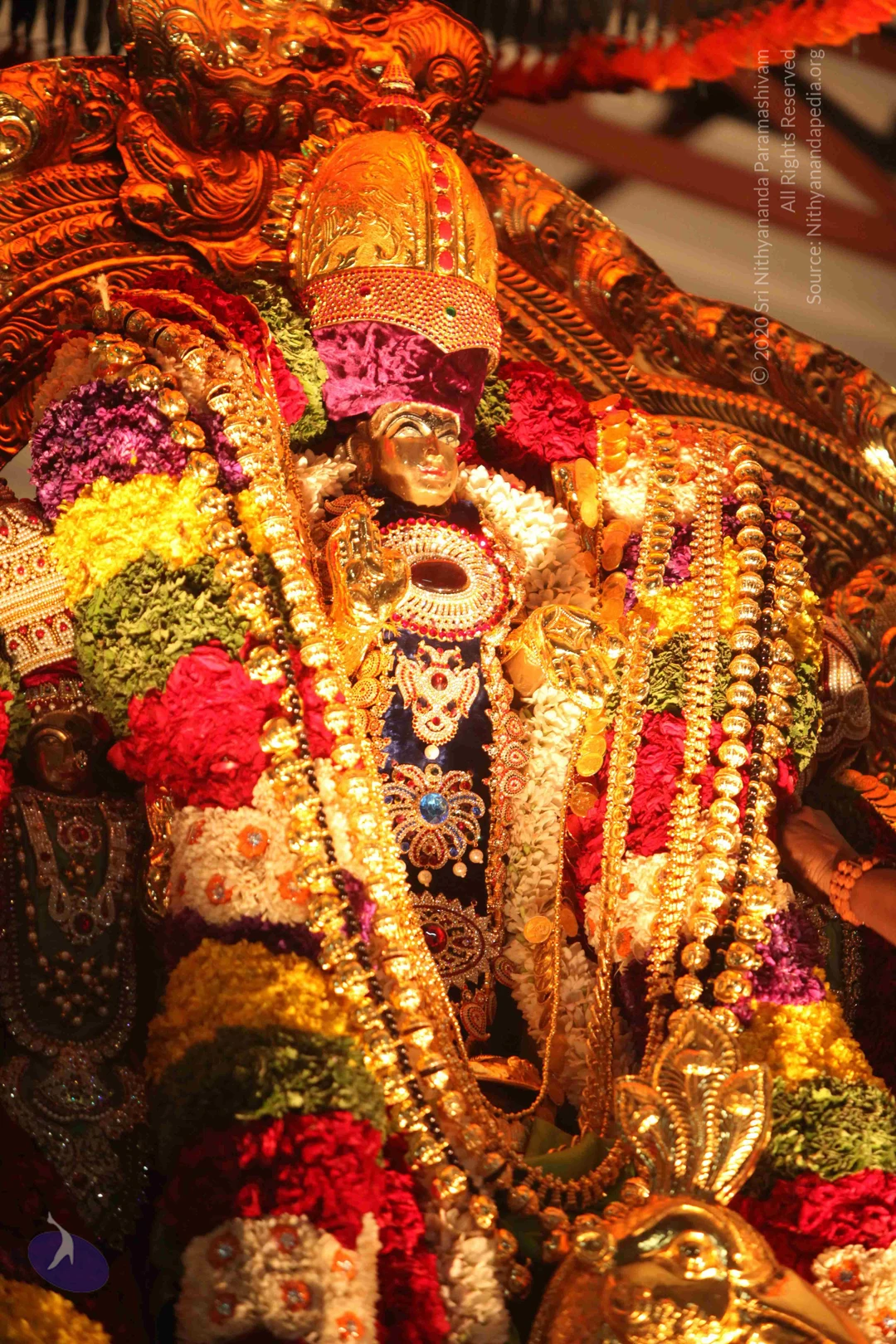
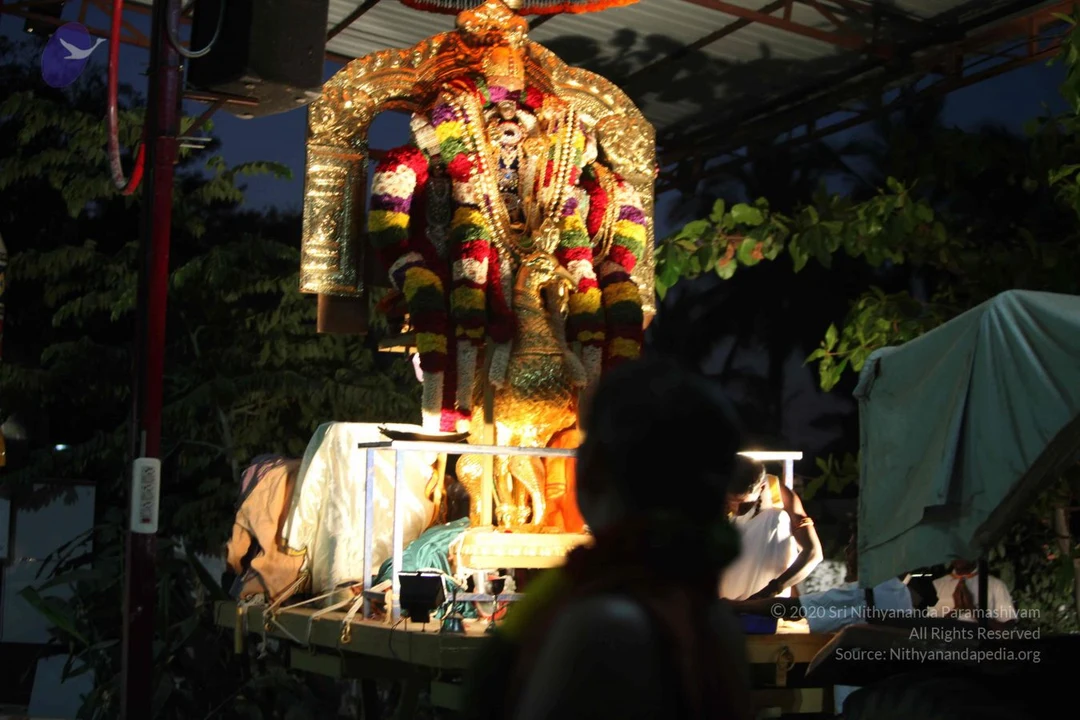
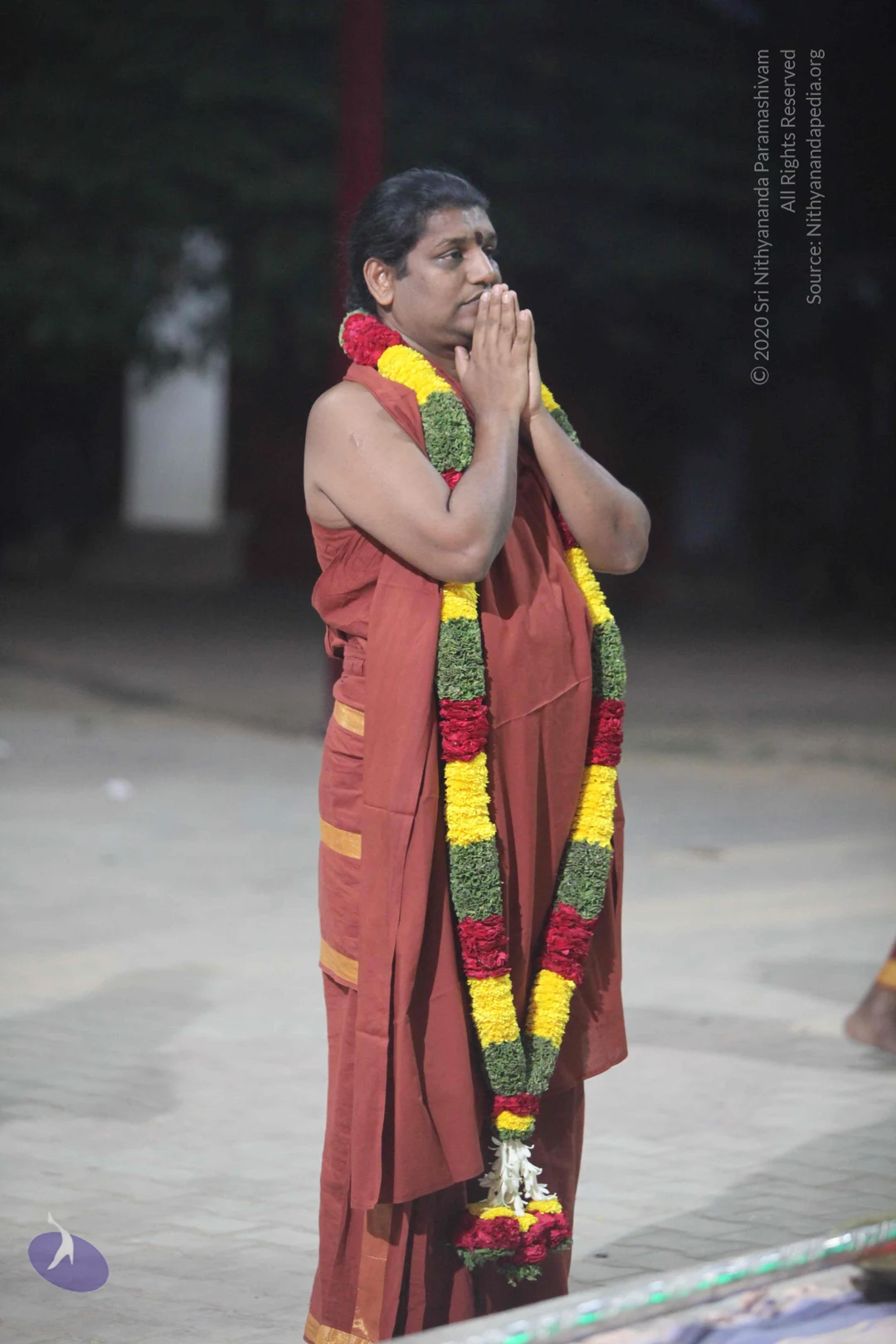
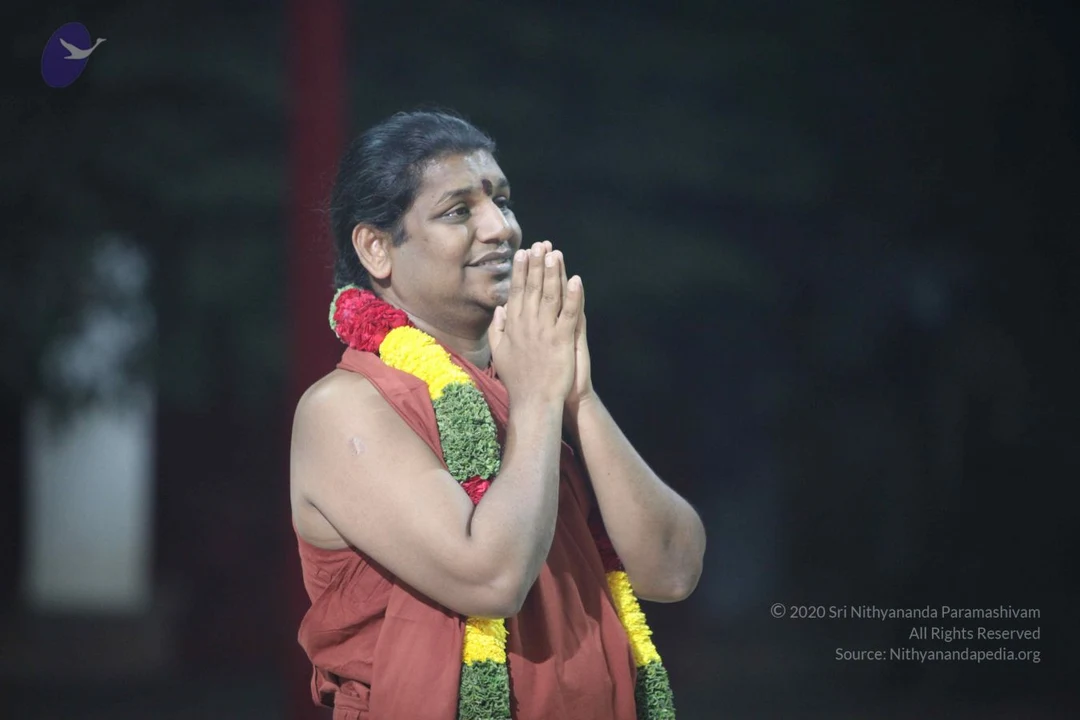
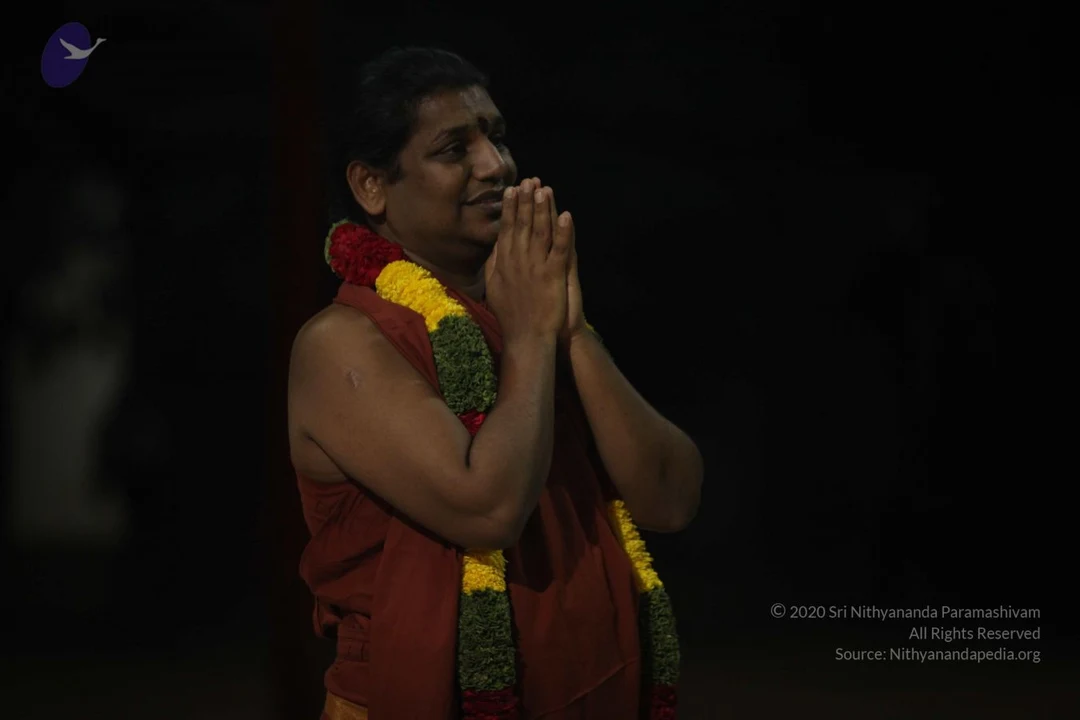
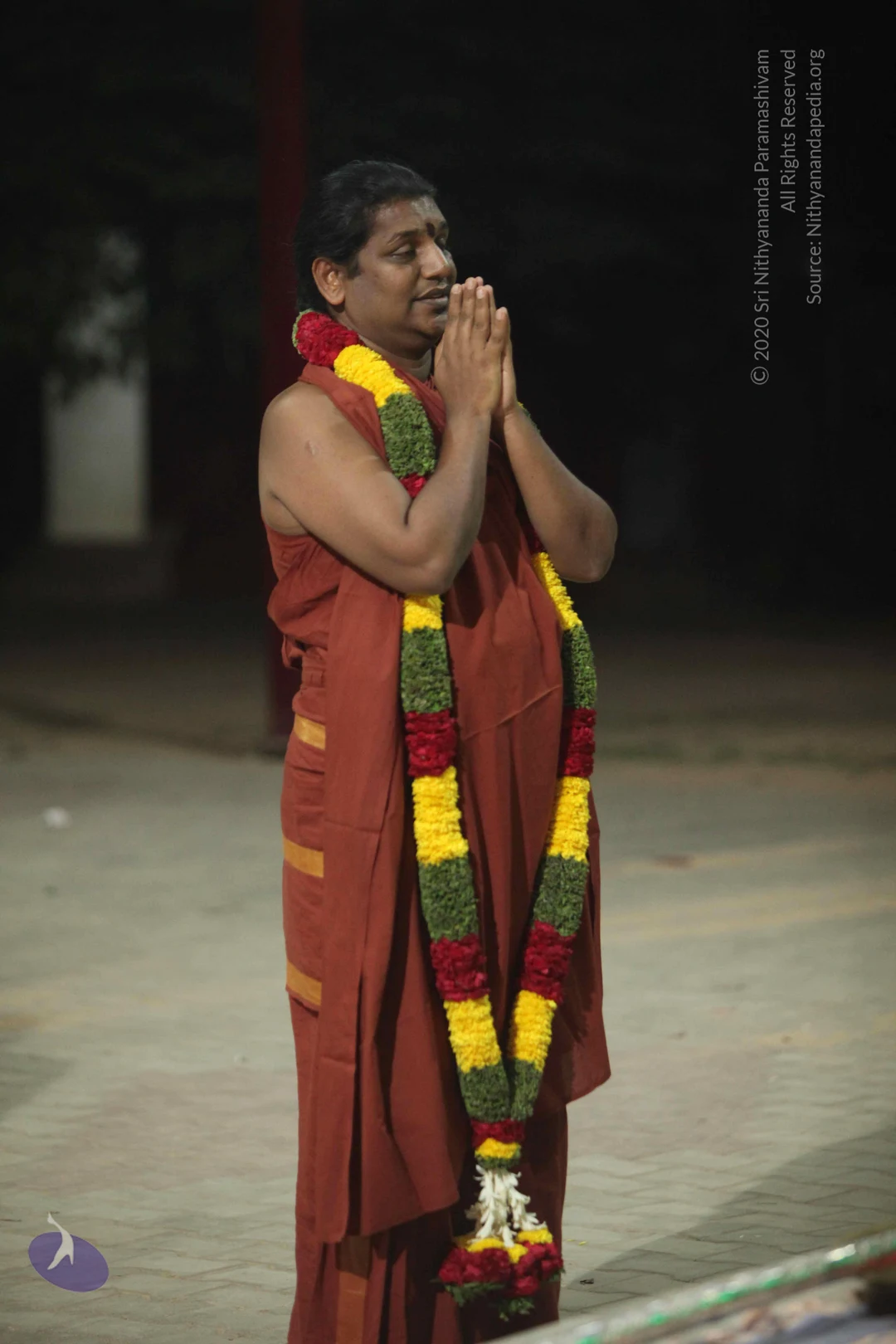
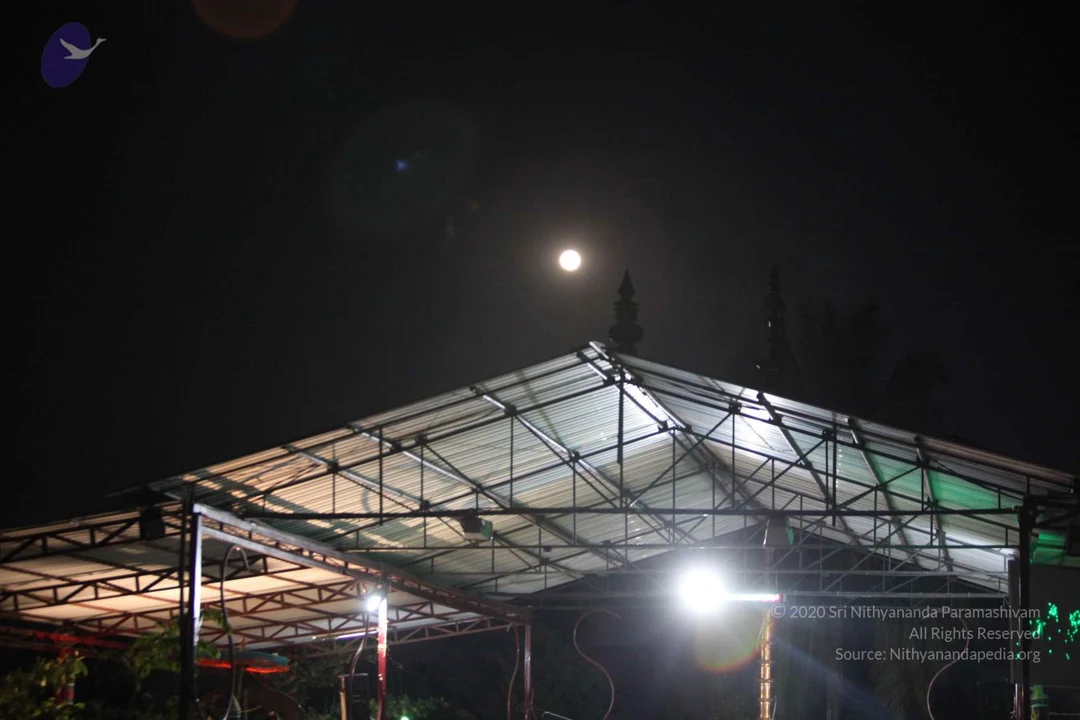
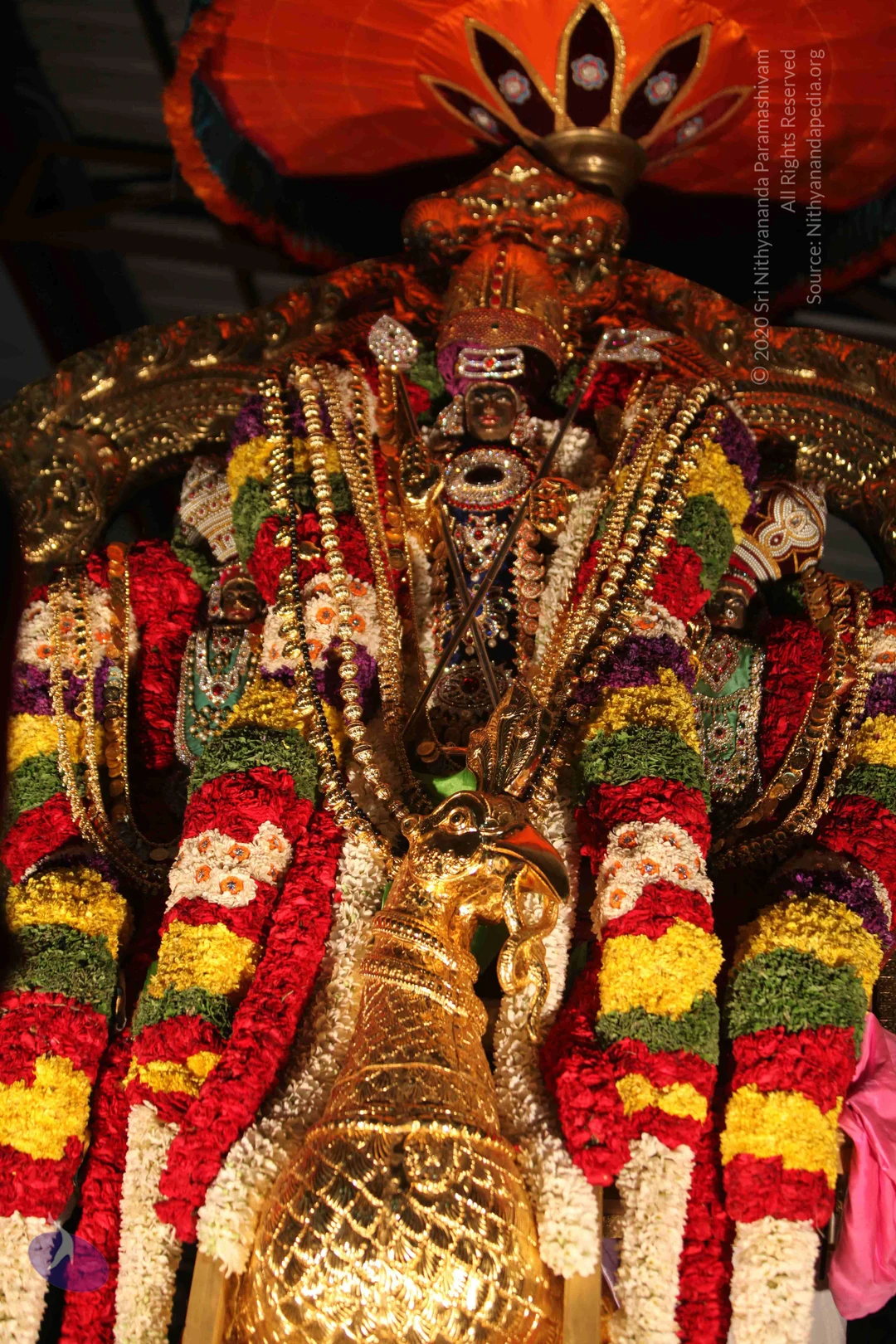
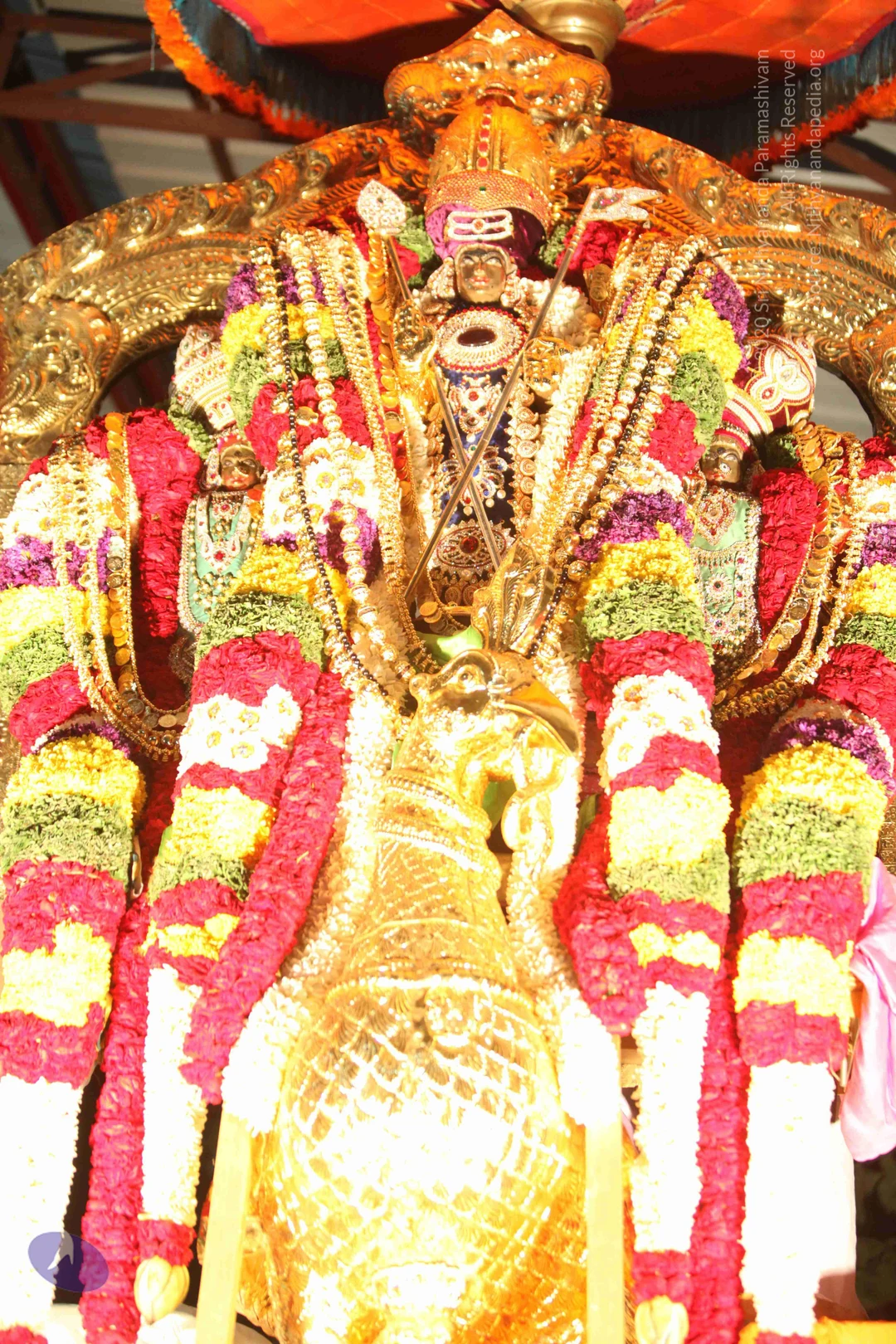
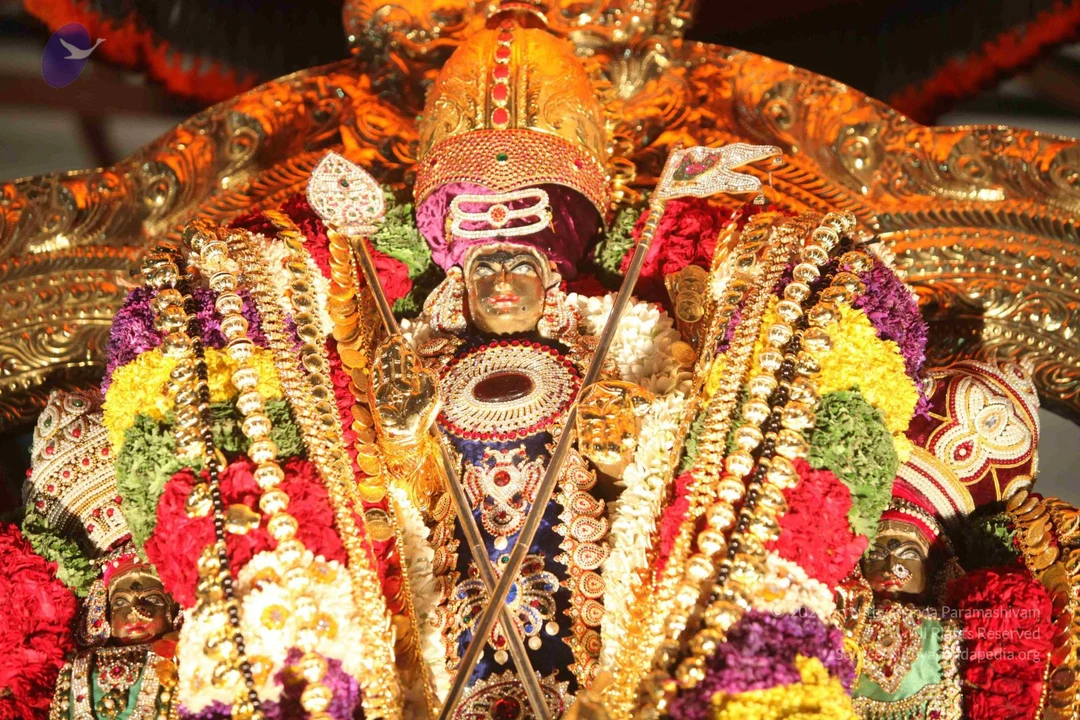
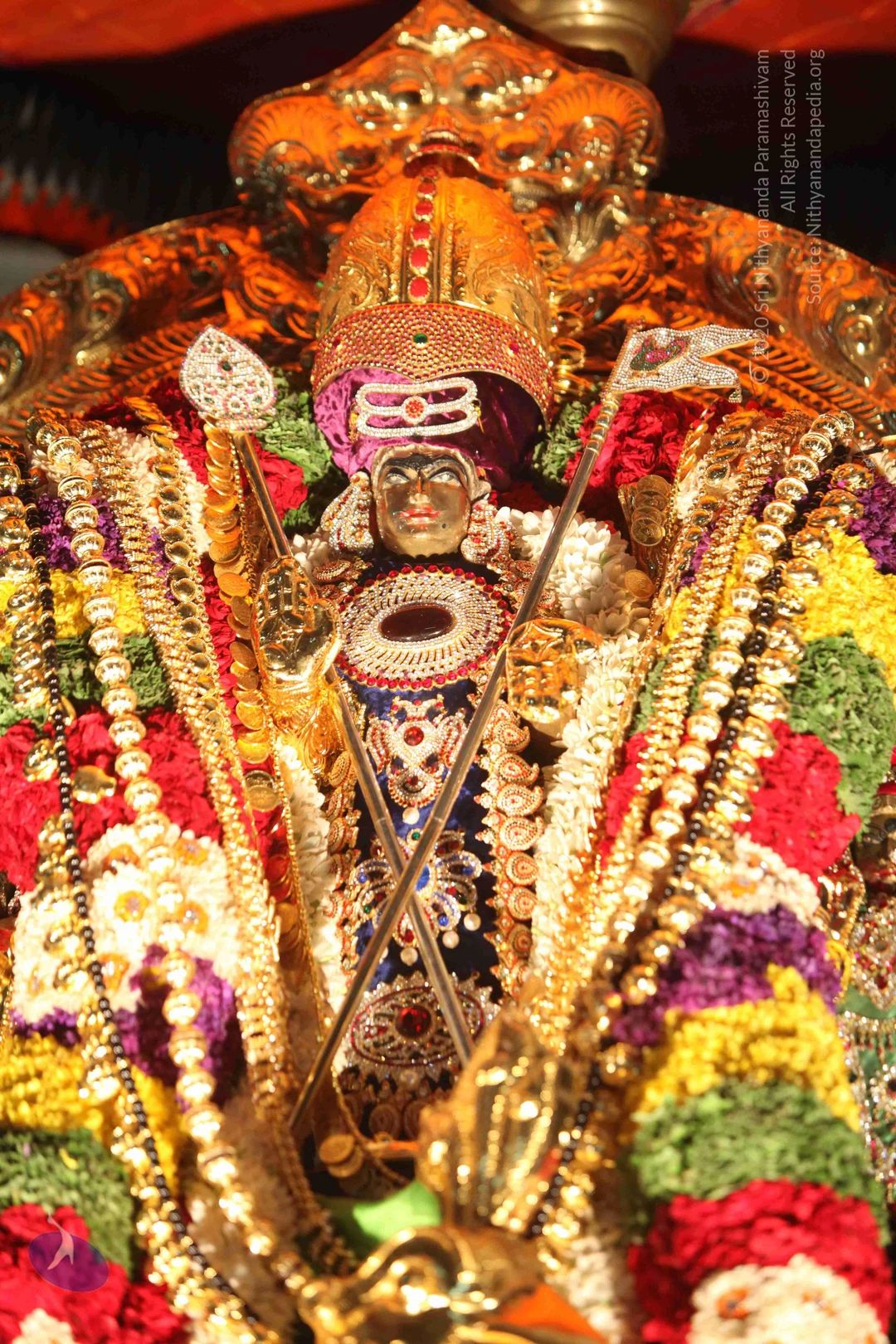
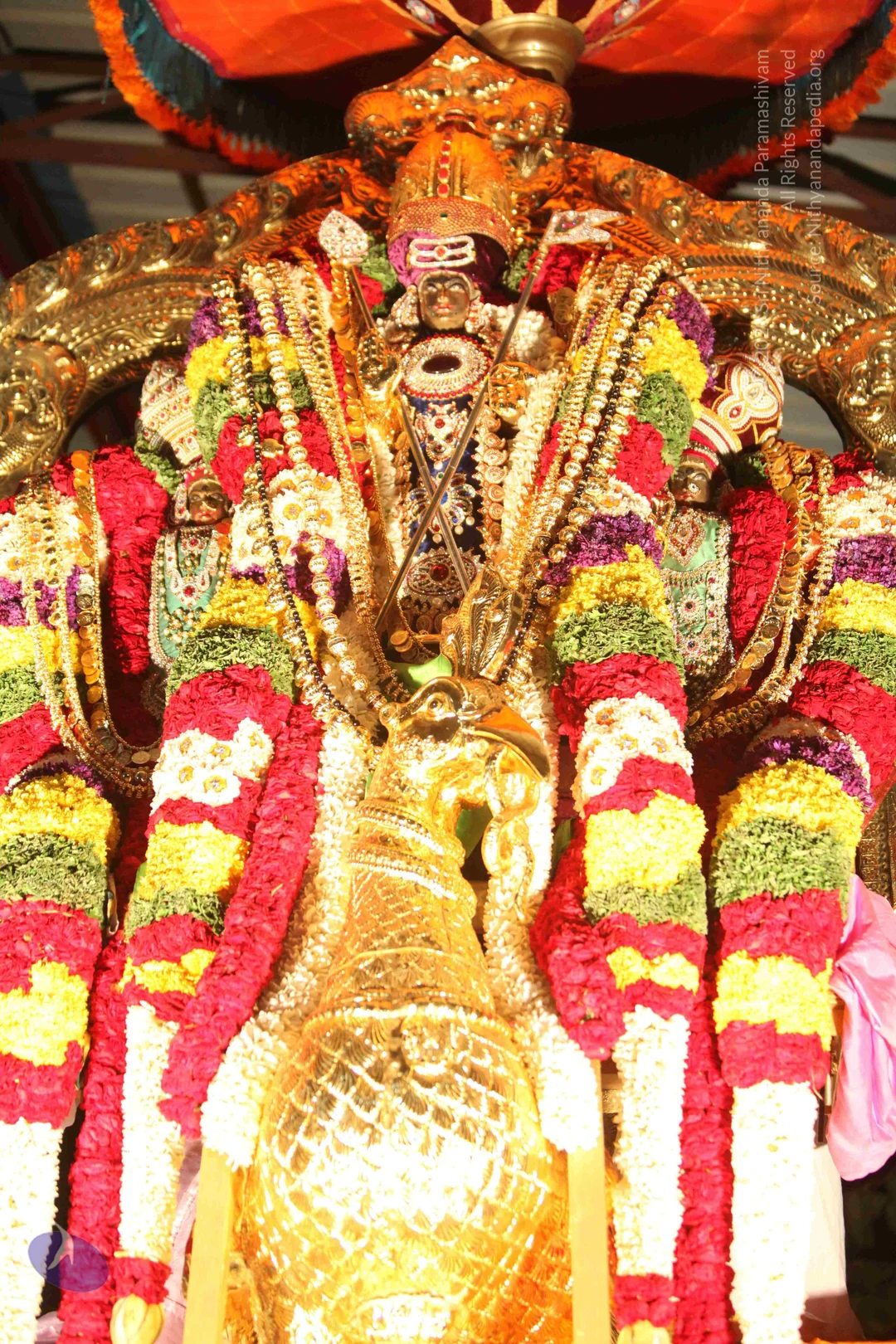
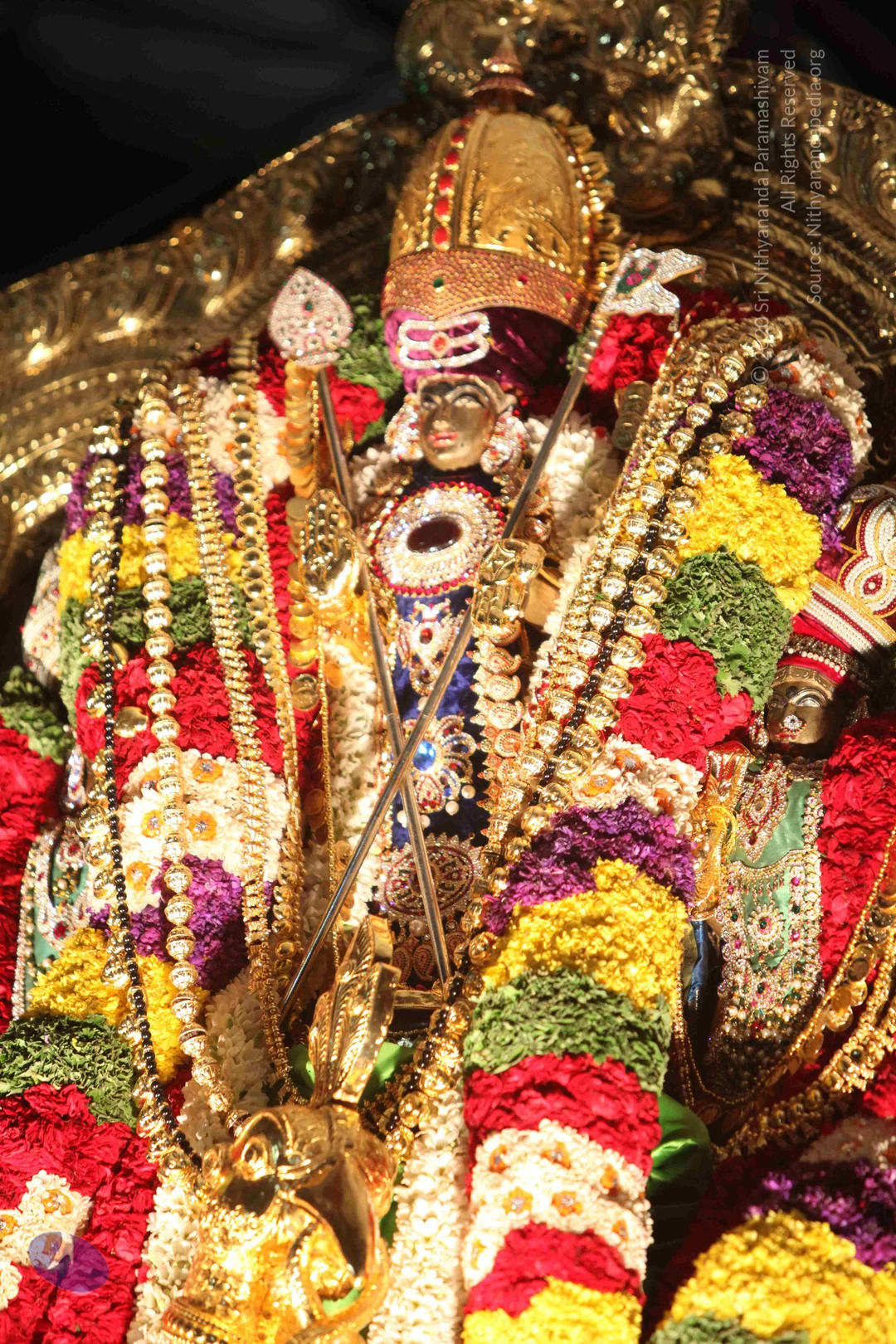
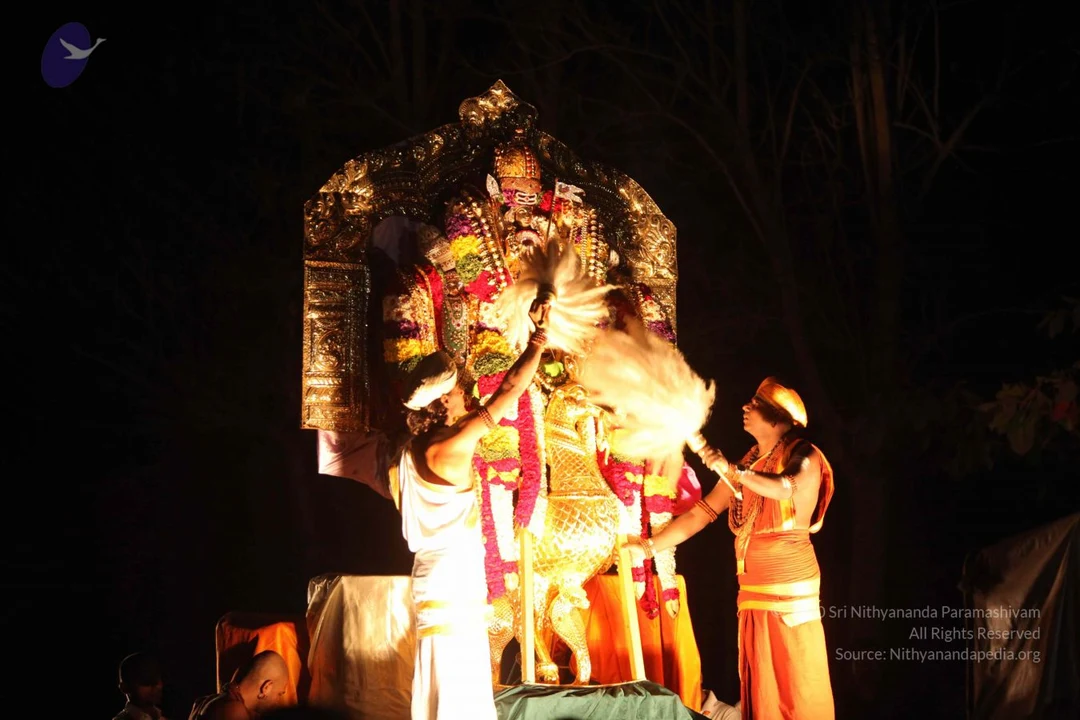
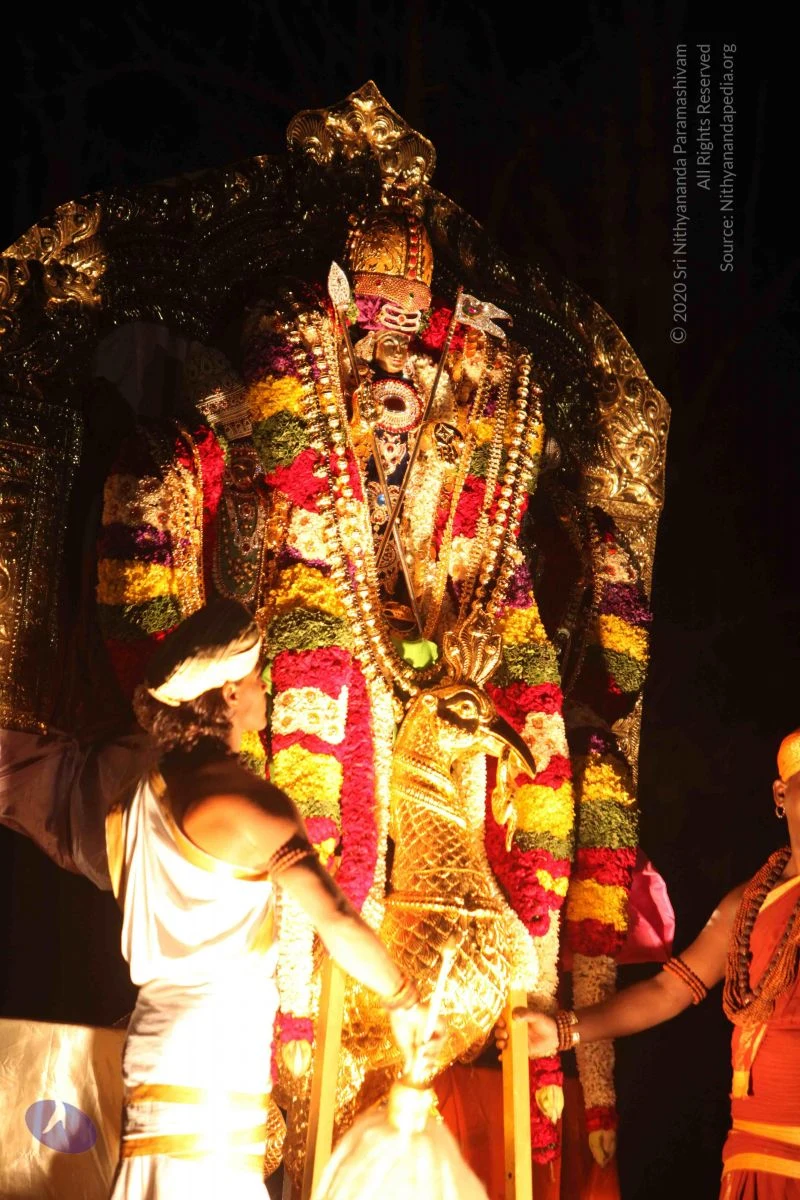
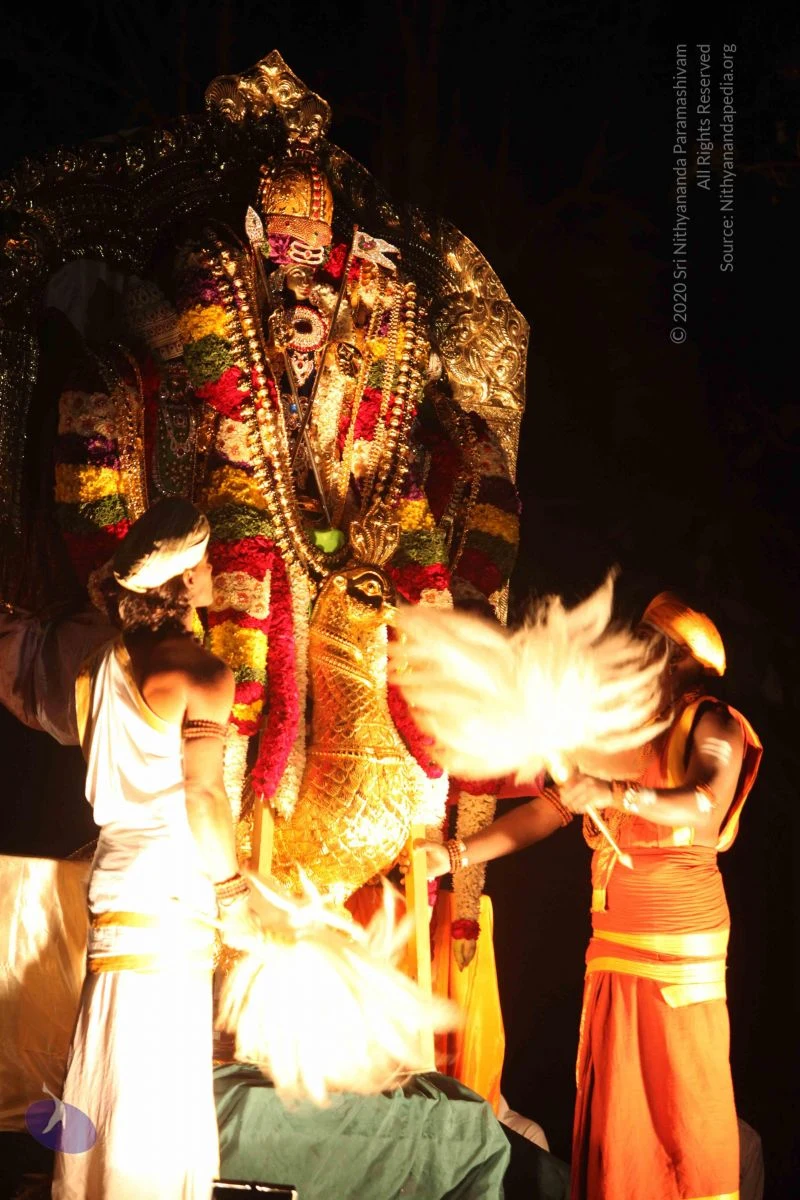
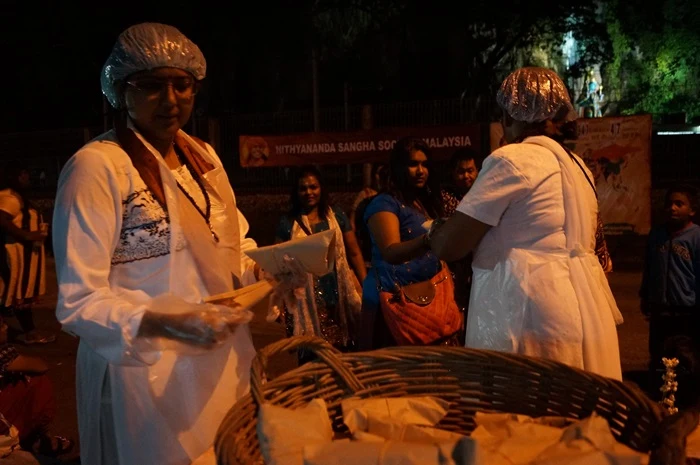
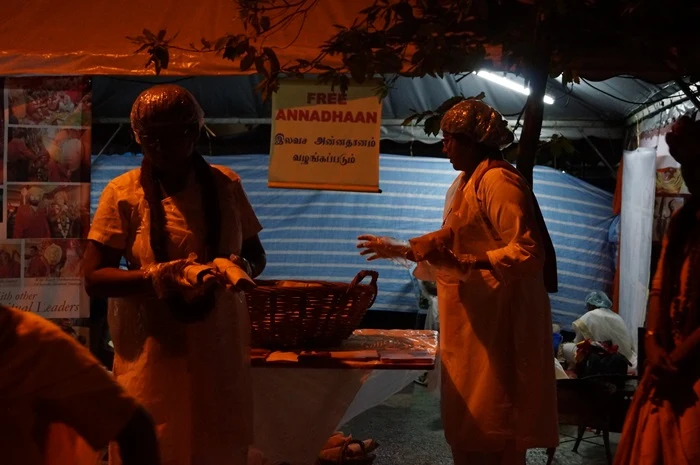
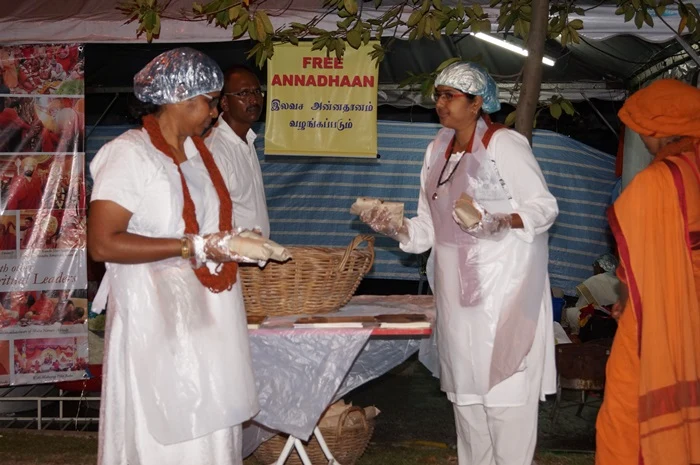
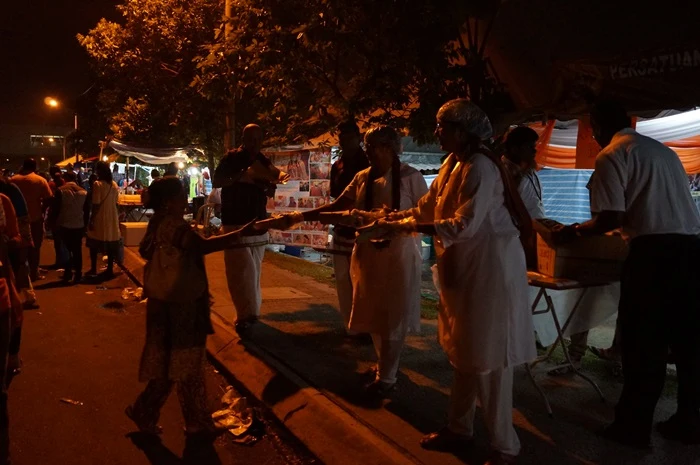
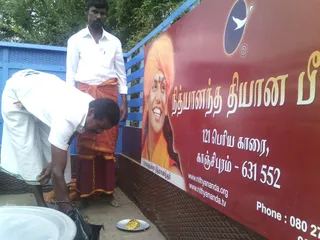
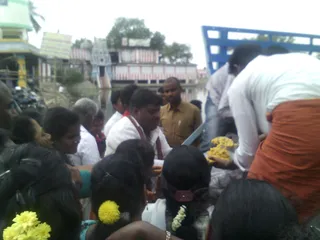
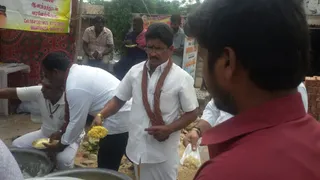
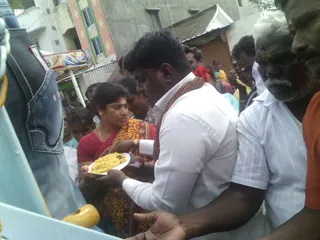
Taipoosam Celebrations

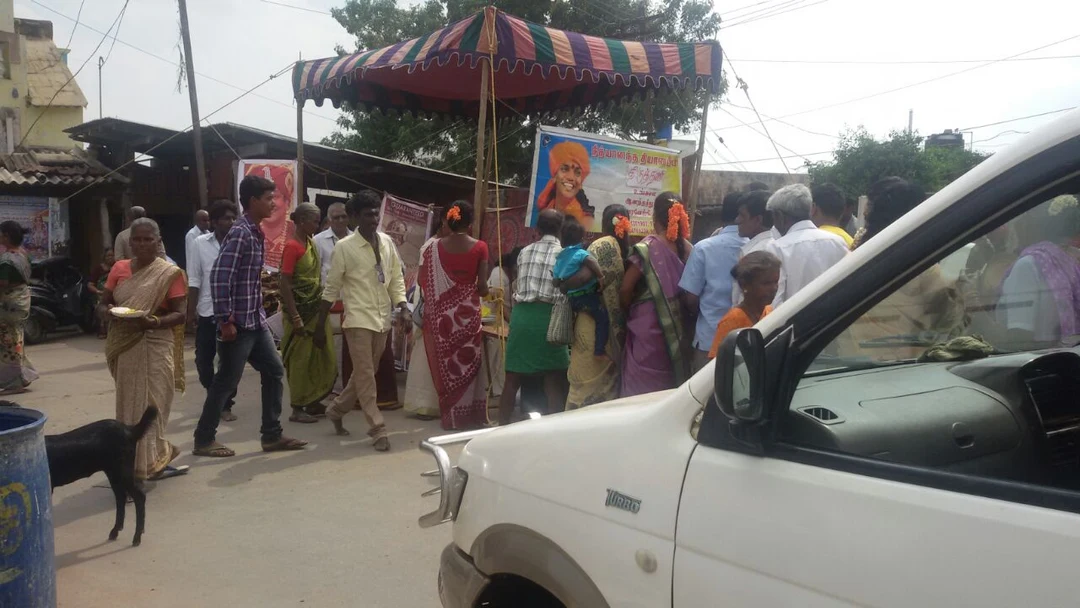
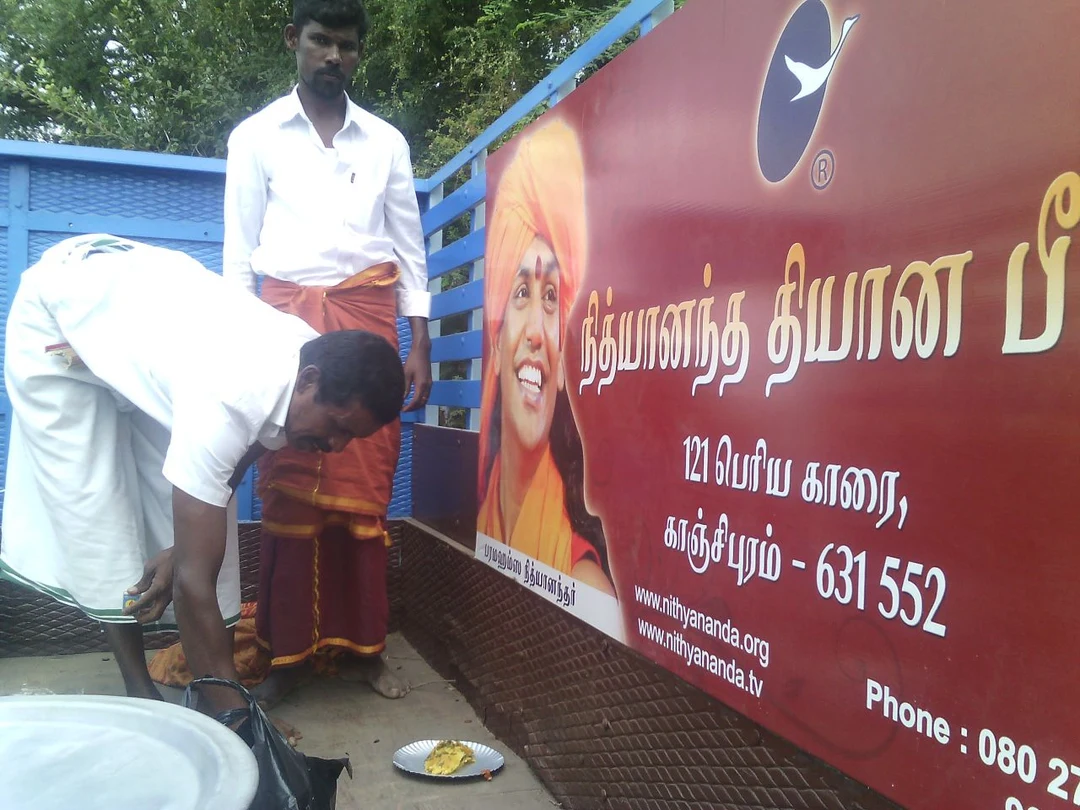
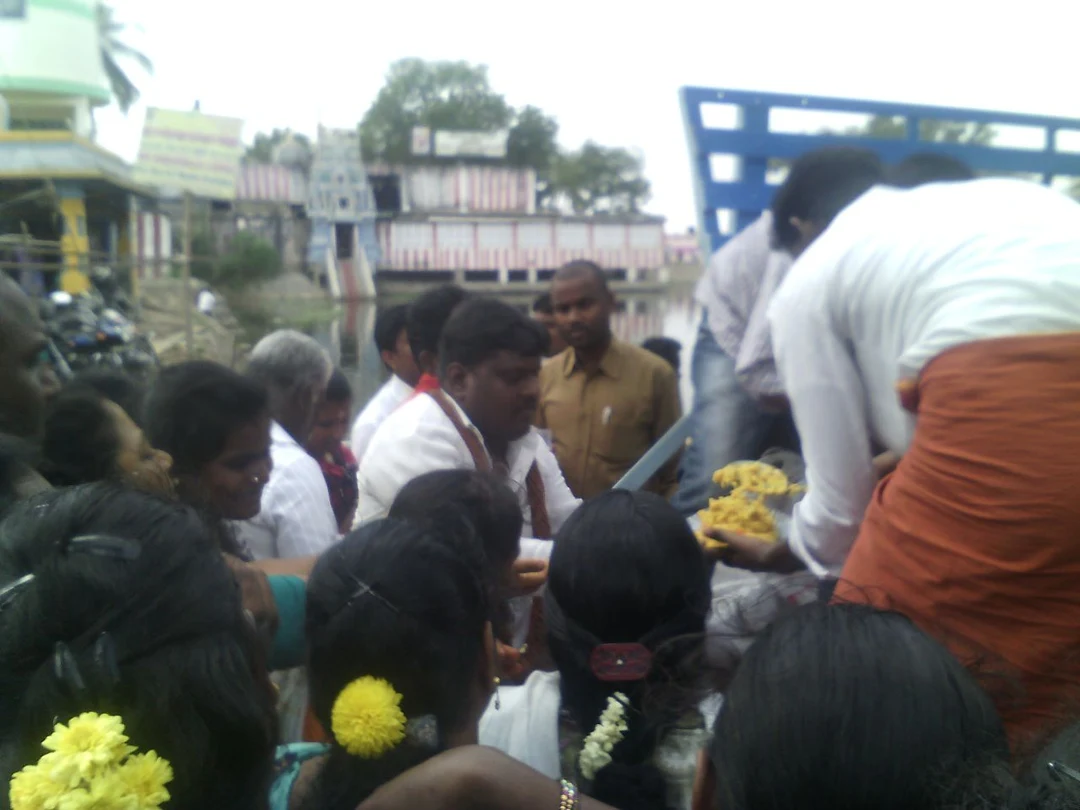
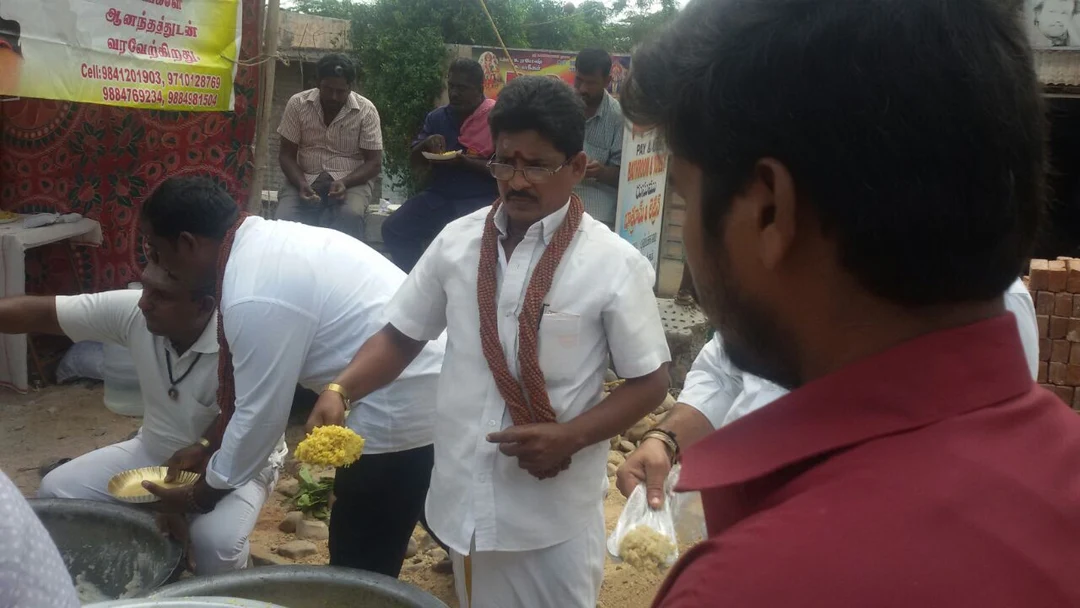
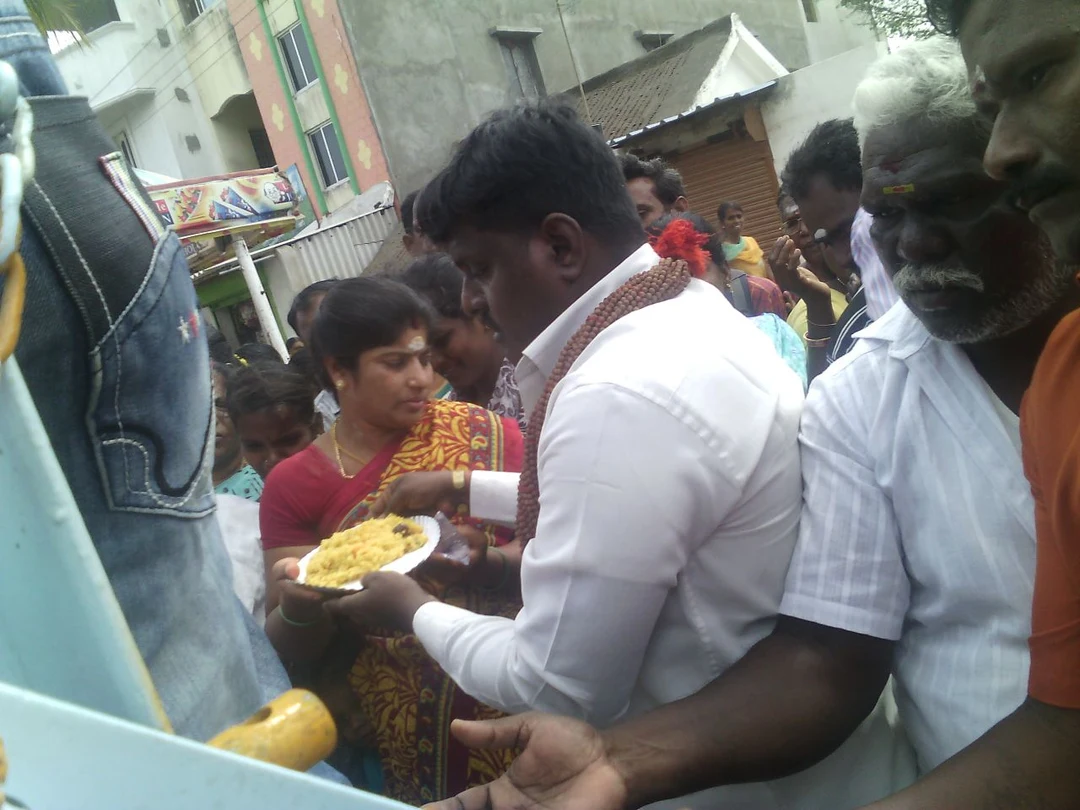
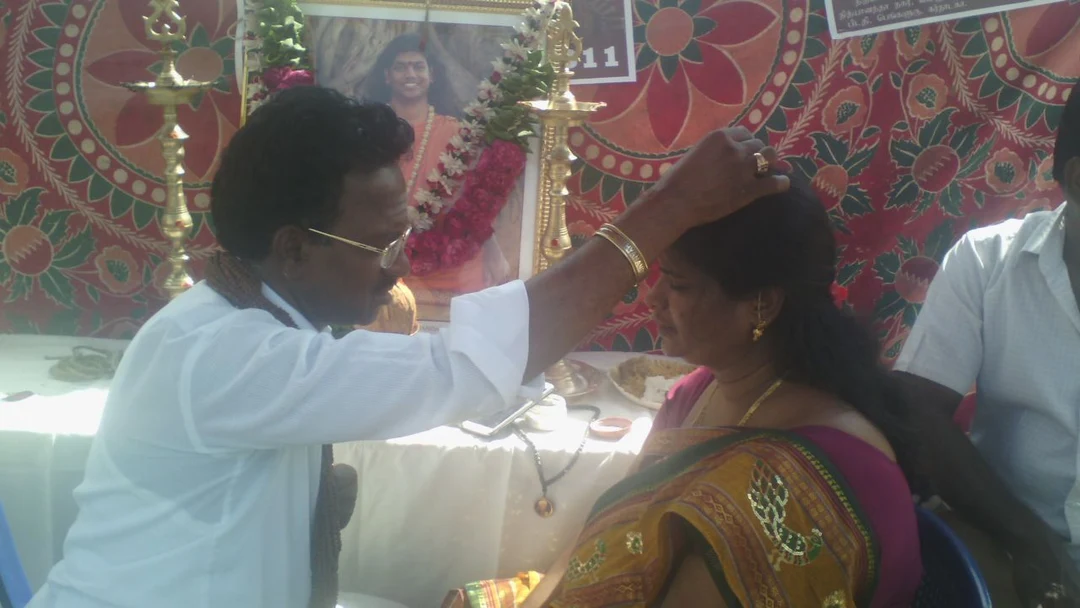
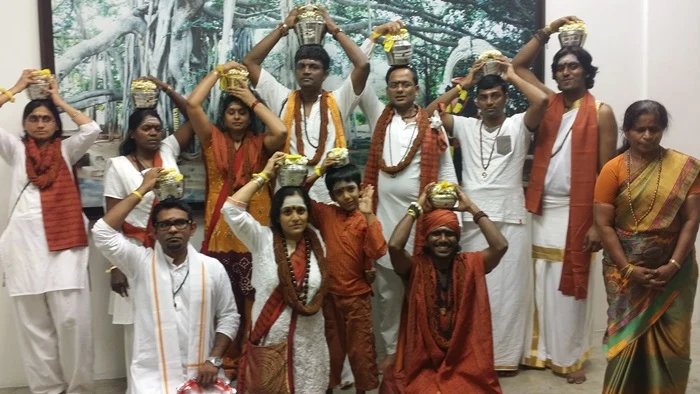
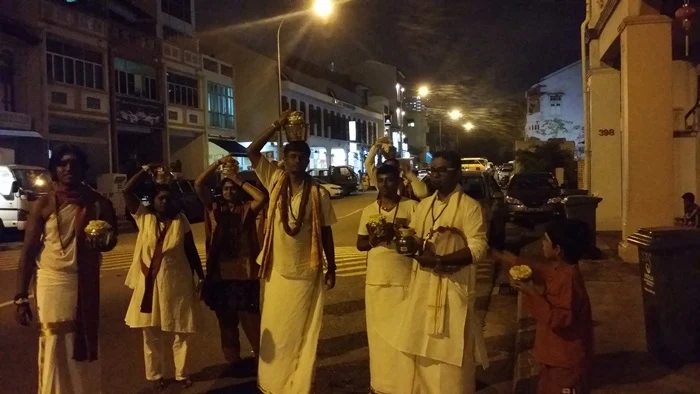
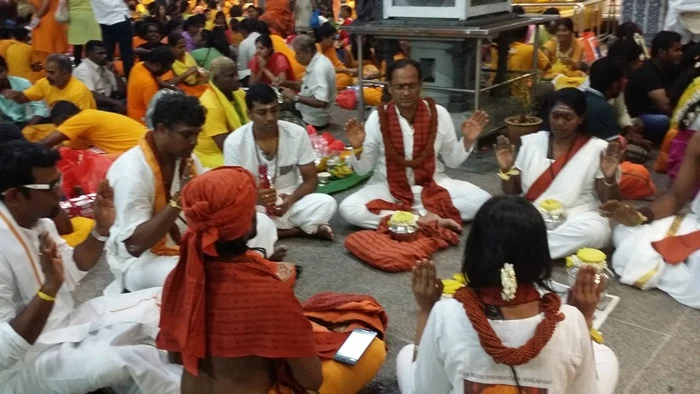
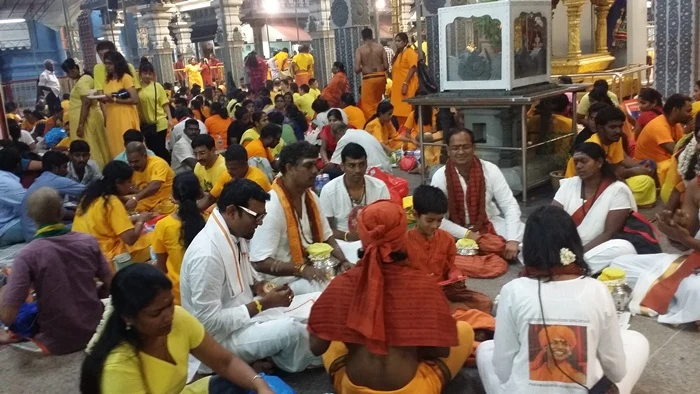




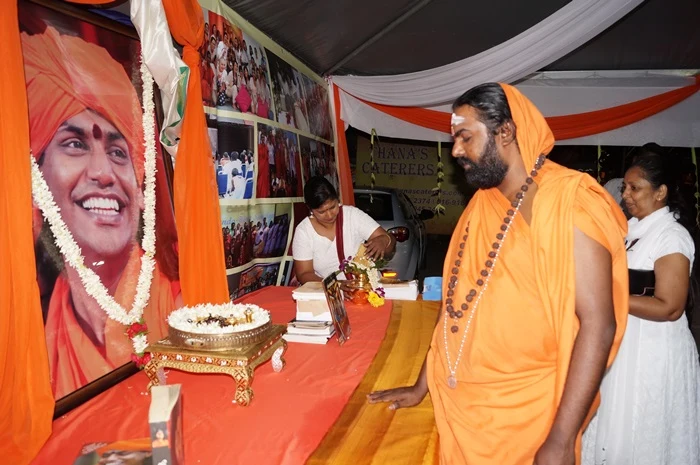
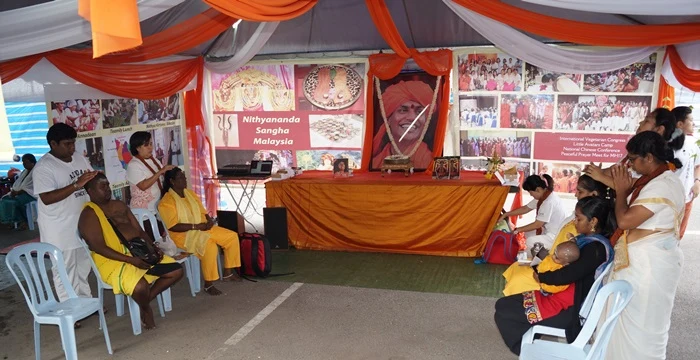
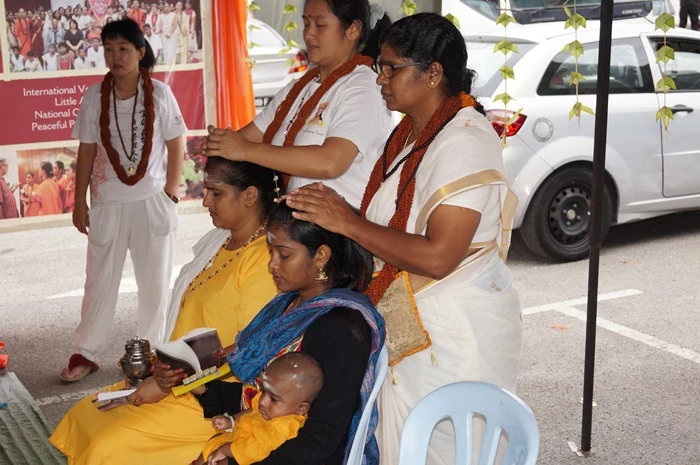
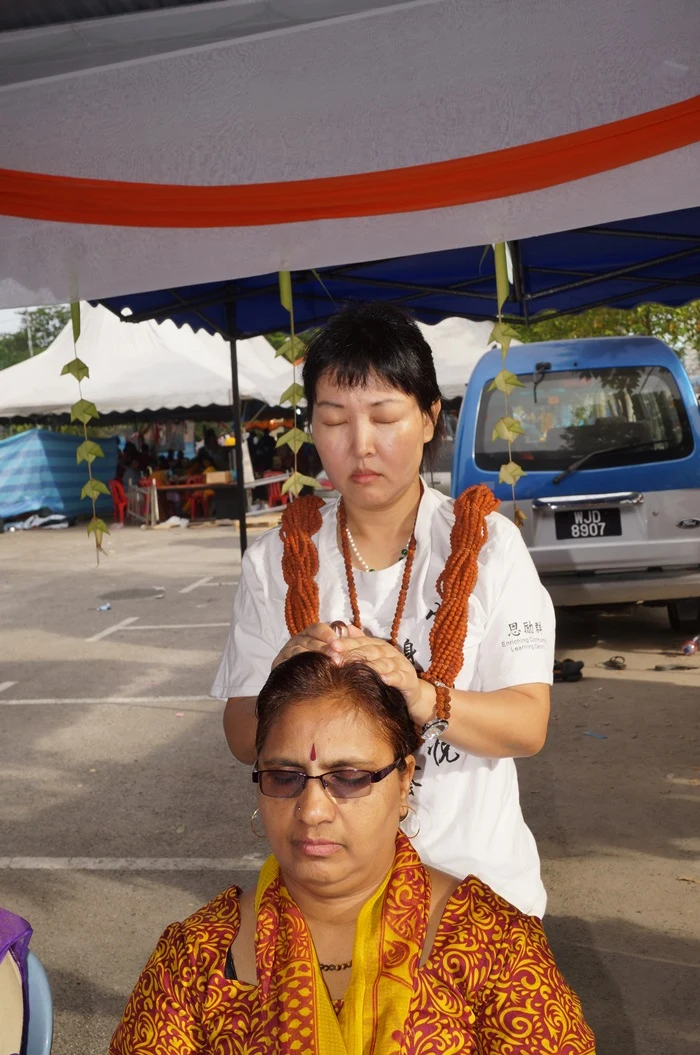
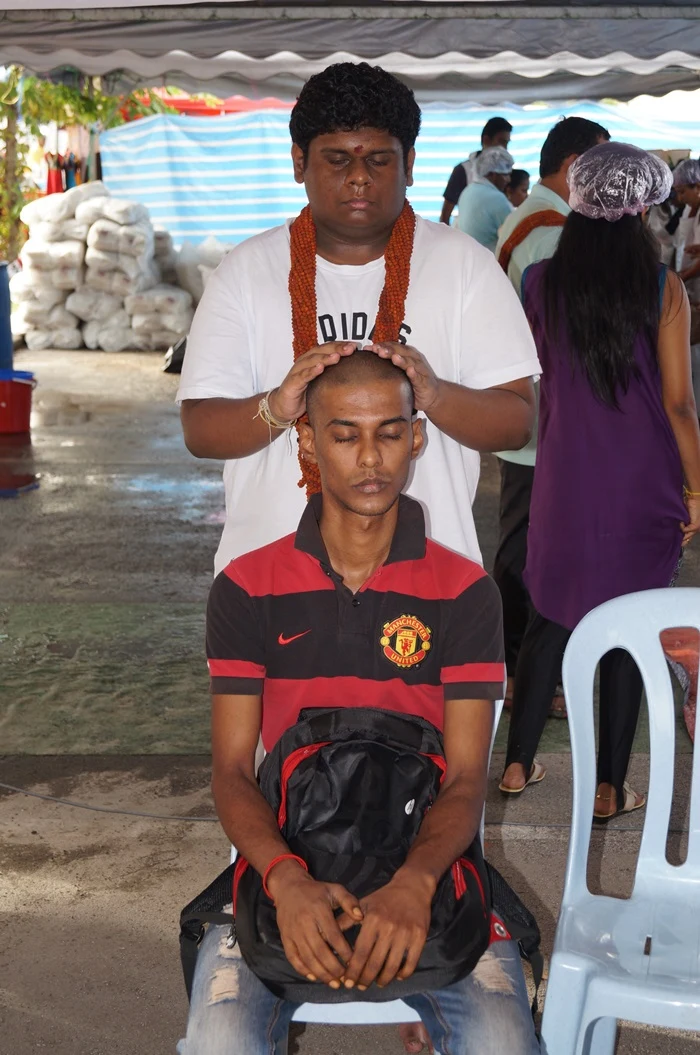
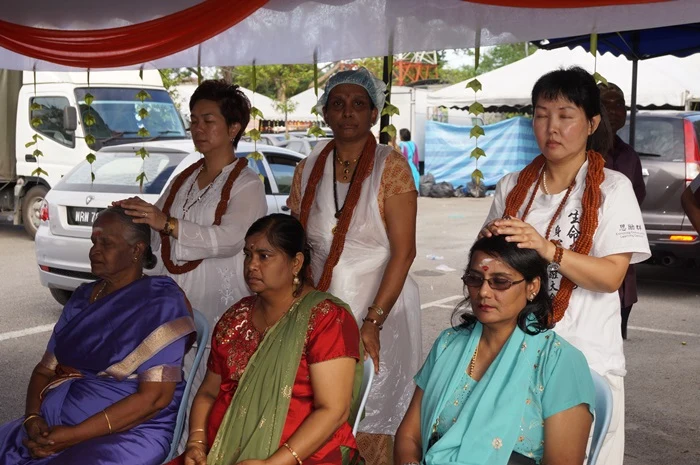
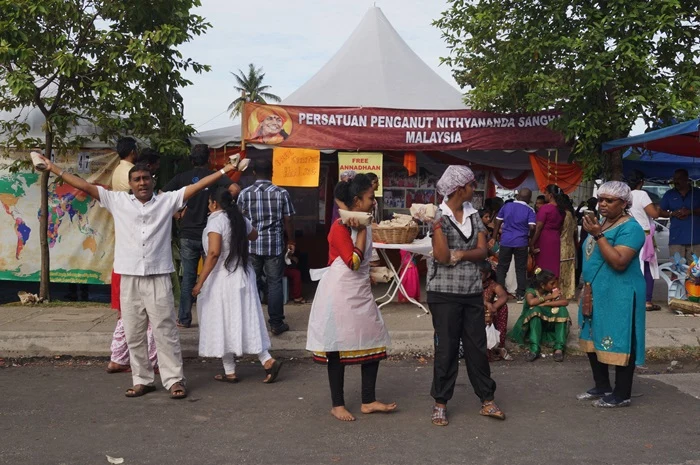
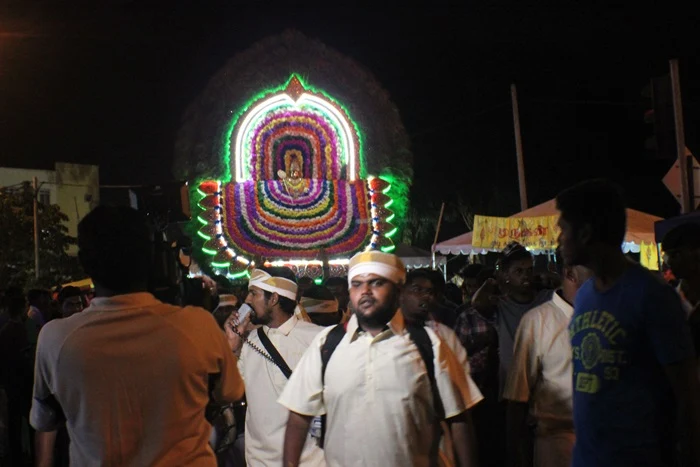

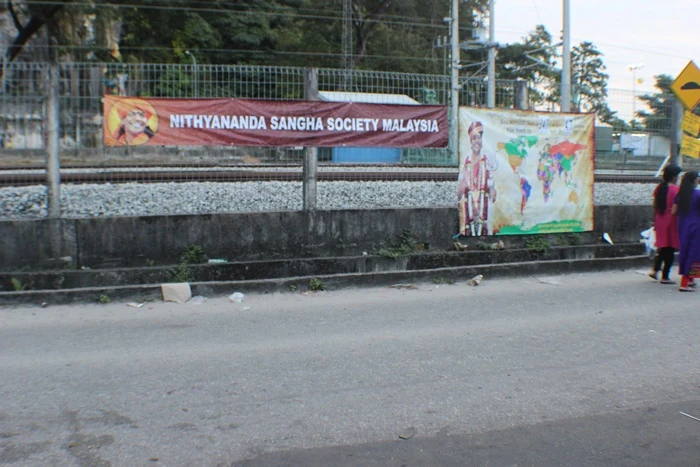
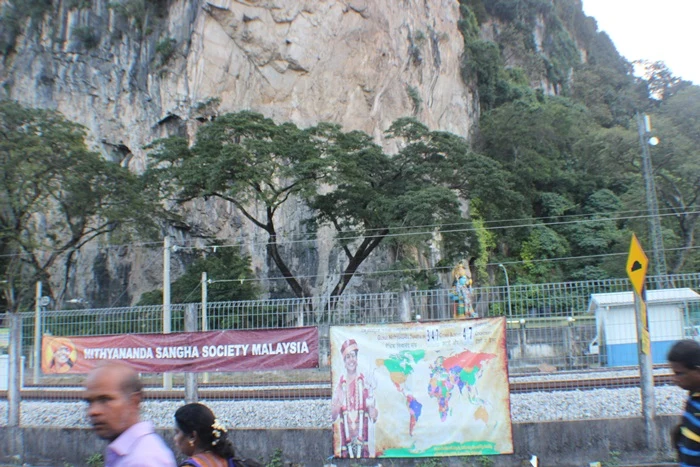


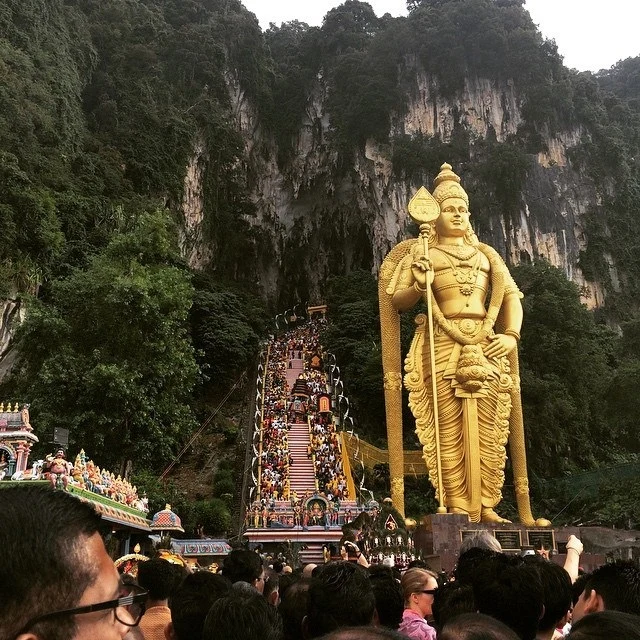
Photos Of The Day:
FB-Photos-of-the-Day
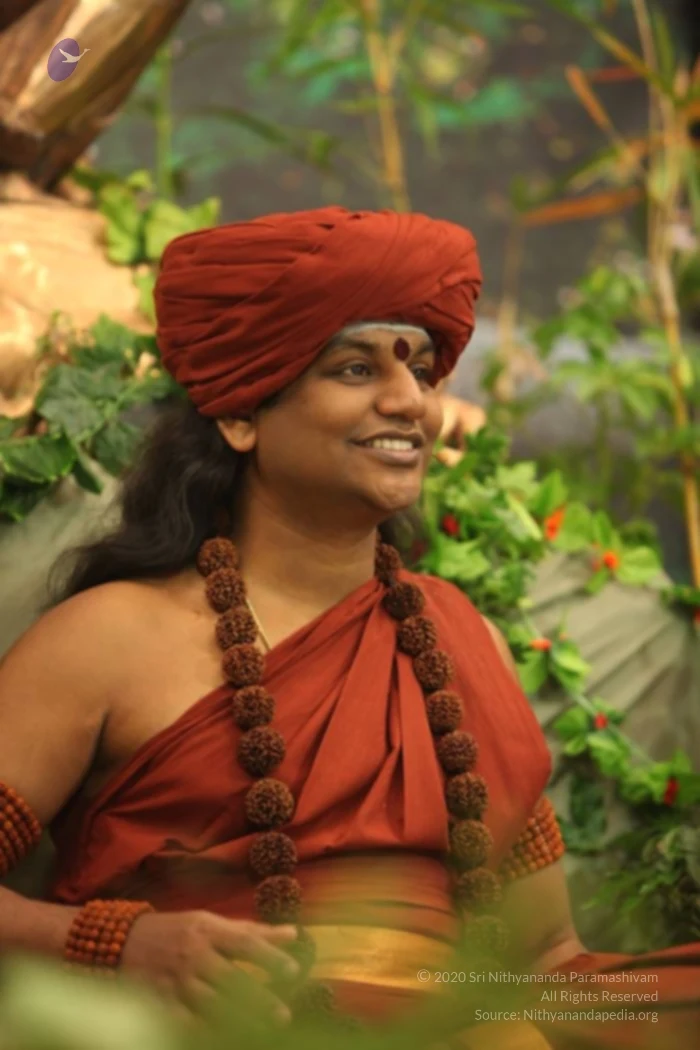
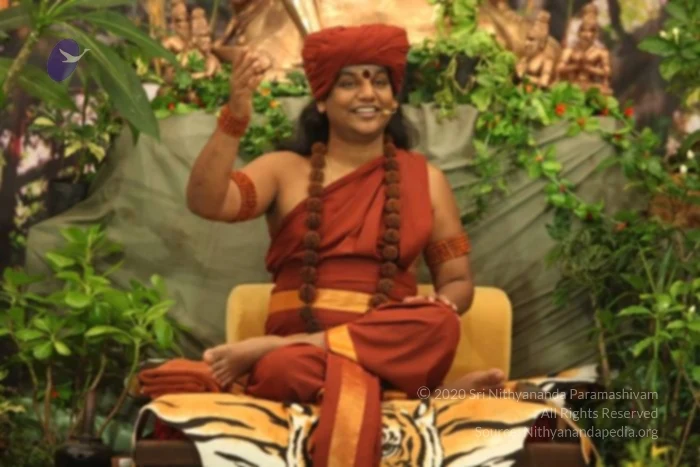
February 3 2015
Original wiki pagePhotos from this day
View all 166 photosnithya kirtans
2 photosSource gallery
nithya satsang
56 photosSource gallery
Dial The Avatar - 2-way
3 photosSource gallery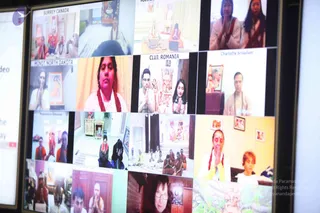
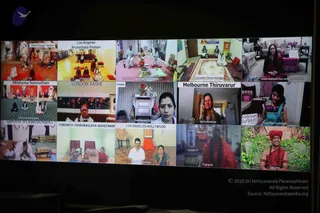
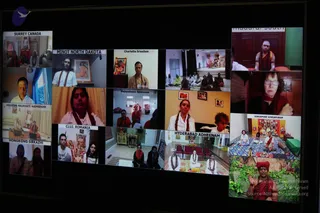
kalpataru darshan
11 photosSource gallery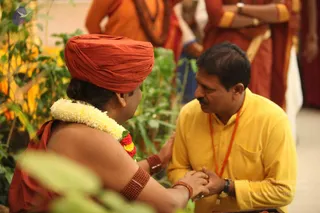
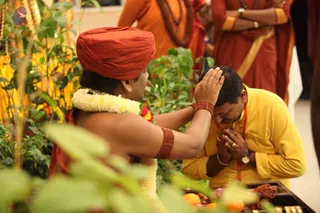
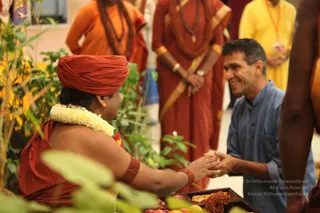
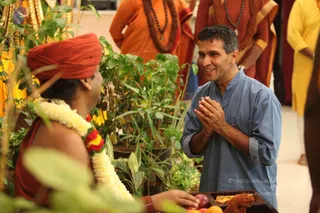
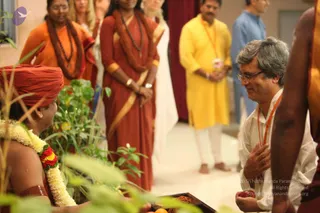
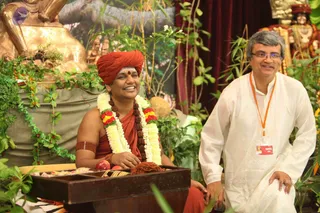
temple thaipoosam
46 photosSource gallery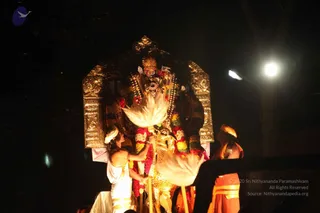
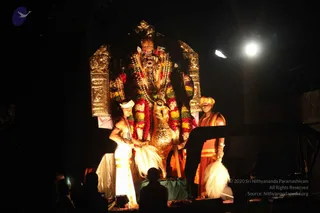
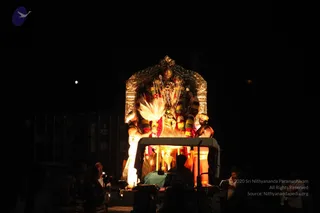
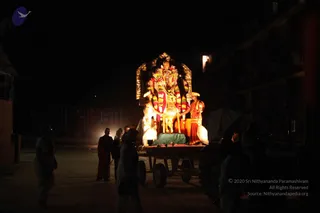
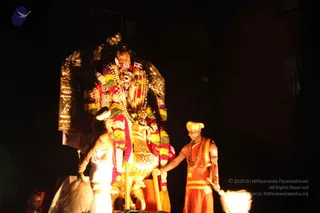
Taipoosam Celebrations
42 photosSource gallery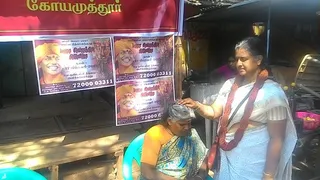

FB-Photos-of-the-Day
5 photosSource gallery
More photos
1 photoView all