Monday
3 February 2014
Remember for the Right Reasion on feb 03 2014'
- Dated photos
- 78
- Source pages
- 1
- Media
- 2

February 03 2014
Original wiki pageTitle
Remember for the Right Reasion on feb 03 2014'
Description:
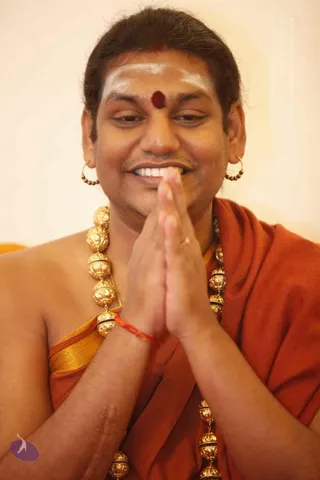
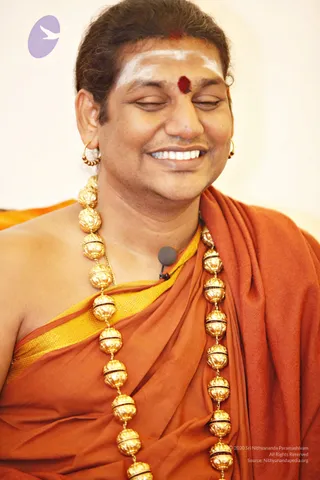
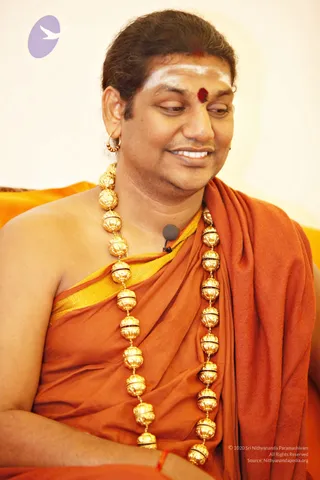
n today’s morning Satsang, Paramahamsa Nithyananda delivers important insights on how incompletions happen. Patterns begin when they enter our system via our muscle memory by remembrance. We make patterns start happening in our lives when we rehearse them repeatedly – they become part of our biomemory. We manifest failure when we relive these incompletions. Let us be conscious of what and who we remember, keeping the good stuff as members of us!
| Video | Audio |
Transcript:
[00:23]
nithyānandeśvara samārambhām nithyānandeśvari madhyamām | asmat āchārya paryantām vande guru paramparām ||
[00:45]
Iss samay hamare sath upasthit sabhi darshakon aur bhakton ka main prem evam aashirwad sahit swagat karta hun.
[00:59]
I welcome all the devotees, disciples, samajis, satsangis, Shrimahants, Mahants, Kotharis, Thanedars, sitting with us all over the world through Nithyananda TV, Lotus TV, Sadhna TV, Janashree TV, Eshwar TV and two-way video-conferencing all over the world. The cities sitting with us in two-way video-conferencing: Guadeloupe - Rameshwaram, Toronto-Kailasam, Nithyananda Nagara-Bidadi, Nithyananda Nagaramu-Hyderabad, Ohio-Prayag, Seattle-Chidambaram, Kulim-Tiruttani, Washington DC-Sripuram, Nithyanandeshwara Hindu Temple-Charlotte, San Jose- Madurai, Port Washington-New York, Santa Fe-New Mexico, Houston-Kalahasti, Thiruvanmiyur-Chennai, Oklahoma-Somanatham, Ohio-Ma Shivananda, Belgium – the new Centre – Belgium Dhyanapeetam, Bangalore City Centre, San Diego- Tirualavai, Devon-UK, Calgary-Amarnath, Hyderabad-Gupta Kashi, Singapore- Singapuram, High Point-North Carolina, New York-Varanasi, Port Washington – New York, San Jose – Madurai, Los Angeles-Arunachalam, Kuala Lumpur – Palani.
[02:43]
I welcome all of you with My love and blessings. I will expand on few important truths about Completion and Kalpataru. Please listen. Incompletions just remembered becomes your muscle-memory - it upsets you, puts you in low mood. Incompletions rehearsed again and again becomes your bio-memory. When something becomes your bio-memory, you simply make that start happening in your life. Incompletions re-lived becomes your failure. Understand.
Incompletions remembered becomes your muscle-memory.
Incompletions rehearsed becomes your bio-memory.
Incompletions unconsciously re-lived becomes your failure.
If you consciously re-live the incompletions and relieve them, it becomes liberation. So, listen. Step by step I am explaining. Remembering is the way anything enters into your system. Please understand. Practice makes you a - Yogi. Manana – intranalysing – makes you a Jnaani. Action makes you a great - Karma Yogi. Remembrance can either make you a great devotee if you are remembering right things, if it is unconscious flow of remembrance, it can destroy the life and make you a failure. Please understand. What you remember again and again is very important. It is for the sake of right remembrance, the lifestyle in spiritual pilgrim centres or monasteries are taken up.
[06:06]
One of My Swami was telling Me, “Swamiji, there is a place where they make you speak in Sanskrit, think in Sanskrit, write in Sanskrit; within fourteen days they make you fluently speak in Sanskrit.’ I immediately told him to find out the details. And I am going to go for that course. Please understand. I am going to attend this course. Even though I know little Sanskrit, I wanted to speak in Sanskrit fluently. I am going to go and attend this course. And My Swami said, ”No, no, Swamiji, we can get those teachers to our ashram and teach.” I said, “No”. If you have to learn, you have to be a student, you have to go to their place - Tadviddih Pranipatena Pariprashnena sevaya - whatever offering you need to give for the Guru, with that, with humbleness you have to go to THAT place. I said, “Maybe some twenty-thirty of us, all our sannyasis, we will all go together but we will stay and learn in their compound, in their campus, in their place.” Wherever you live, those things you remember.
[07:41]
Dhyan Se suniye. Please listen. Your remembrance is very powerful and very important. Where you stay instigates your remembrance. What you remember inspires your muscle memory. Whatever gets into your muscle memory, naturally finds its place in your bio memory. Whatever finds its place in your bio-memory finds place in your life. It is like, if somebody has entered into your house, naturally he can find a place in your...to your bedroom. If he finds his place in your bedroom, he can find a place in your bed. So, understand, be very careful about whom you are allowing in your room, in your house. Don’t be unconscious. At least, in the house, you know which is hall, which is kitchen, which is bedroom and you can stop somebody in the hall or kitchen. But in your inner space, you do not know the clear demarcation of which is bio memory and which is muscle memory, all that.
[09:19]
Yesterday I was seeing an ad, a big advertisement about some cigarette. I was thinking, “Come on, in India, cigarette and alcohol you can’t put an advertisement. How they are putting this?” Then I understood. Above there is an advertisement about the cigarette… it is like a making fun… below there is a big line “Tobacco Causes Cancer”. 😊😊😊 Understand why I am talking about this advertisement, you need to know. When you start smoking, it starts only as a remembrance. Without even you knowing, it already gets into your muscle memory, it gets into your bio memory, it just becomes intimate enemy. You want to get rid…. you can neither get rid, nor do anything about it. It becomes a irreparable part of you. Many time the anxiety gets into you as a security. But finally, your army itself becomes your prison guard. Whom you think as an army, finally he turns the gun towards you and he becomes your jail guard, your jailer. Anxiety enters into your home saying, ‘I’ll protect you. I’ll inform you whenever there is a danger. I’ll save you. I’ll will guard you.’ He acts like a army and enters your house. In few days, he is imprisoning you. He becomes your jailer. Listen. Sameway, whether it is a smoking or anxiety pattern, or agitation pattern, or constantly running away as a failure, changing place, constantly running away from life because of the load you created. All these patterns enters into you first as a remembrance, then it sits in your muscle memory, then it becomes your bio memory, then it becomes your life.
[12:33]
Please understand. A remembered incompletion is muscle-memory; Rehearsed incompletion is bio memory; Re-lived incompletions becomes failure; Relieved incompletions are success. Please listen. In Yoga how many tons of volumes you may read, if you can’t even sit in Padmasana, you can’t be Yogi. It’s a practice makes you a Yogi. You might have read and written tons of Yogic literature, if you can’t sit in Padmasana, or you can’t stretch your body, you can’t be a Yogi. Practice makes you a Yogi. Same way in jnana, constantly contemplating that makes you a Jnani. Jnani is a person who has a liberated thinking, not liberal thinking. Ajnani is a person who is liberal thinking. Liberal thinking is different, liberated thinking is different. Liberal thinking means thinking based on the instincts. Thinking based on the instinct pleasures is liberal thinking. Liberated thinking means a cognitive shift, thinking from the space of Completion. Liberated thinking makes you a Jnani. A constant intranalyzing, that makes you a Jnani. Sameway the constant action, that makes you a great Karma Yogi. Perfection in action, “Yogaha karmasu kaushalam” – Yoga is Completion in action. It’s a constant action makes you a Karma Yogi. Listen. Sameway, constant relieving of incompletions makes you enlightened, “Jeevan Muktha”. Re-living for relieving, when you consciously re-live your incompletions, they don’t get strengthened, they get weakened; because, when you consciously re-live, you are relieving them; but when you are unconsciously re-membering, re-hearsing, re-living, it gets strengthened.
[16:32]
Dhyan Se suniye. Conscious re-living relieves you. Unconscious re-living, re-hearsing, re-membering, strengthens your incompletions. When you are remembering you are re-membering him as a part of you. Anything you remember, you re-member that thought as part of you. Anything you re-member again and again, you become devotee of that. If you remember certain Bollywood hero, Hollywood hero, Dollywood hero, Kollywood hero again and again you become devotee of that fellow, that guy. When you die, you will reach his house dust. You will become a doormat in his house. Whoever you remember, you become devotee of that, understand. You have to be very careful about whom you remember, why you remember, both. You should remember Krishna for his great love and the space of leela in which he lived. You should remember Krishna for the love he radiated, not for stealing the butter. If you remember from that context you go and start stealing in every house butter and you will see what you get back. Remember Harischandra for his truthfulness, not for he is selling his wife. If you remember Harishchandra for selling his wife and try to sell your wife, I know how many of you want to get rid of it somehow. 😃 No. Remembering the right person for the right context, from the right context. Remembering the right person from the right context. Dhyan Se suniye. Please listen. Remembering the right persons because, anything you remember, you make that as re-member of you in your life; even remembering incompletions unconsciously, then it becomes part of you and you start rehearsing, then you start living.
[20:30]
Listen. Yesterday I was telling SDHD, about the Self-Doubt, Hatred and Denial. I wanted to expand on it. Even this SDHD, subtle way you feel you can’t complete with SDHD. It is like, yesterday I gave you the example na: If you think you should have health, immediately one part of you says, “Will I ever be able to have?” The another one part says, “Am I qualified to have health?” The part which says, “Will I ever be able to have health?” – that is Self-Doubt. “Am I qualified to have health? I am not qualified to have health” – that is Self-Hatred. “I will not be healthy” – Self-Denial. I can’t be healthy – Self Denial. Please understand. Everything with which you are struggling in your life, whether it is health, or wealth, or good relationships, or contentment, or happiness, or Completion, everything in which...with which you are struggling in your life, find the SDHD pattern related to that. If you are struggling for health, find your SDHD pattern related to the health, complete with it. You will have a immediate breakthrough.
[23:07]
Self-Doubt, Hatred, Denial – SDHD pattern: I am giving you the example. Will I have health? – Self-Doubt. I am not worthy of having health. I don’t think I am worthy of having health – Self-Hatred. I can’t be healthy – Self-Denial. Sameway with wealth, “Will I ever be able to achieve wealth? Maybe, if I cheat and steal I may get, but not in a right way.” Even that is doubt. Next, “I am not qualified for health...wealth. Am I qualified for wealth? I don’t think I am qualified for wealth.” That is Self-Hatred. “If I become wealthy, I may become arrogant – what to do?” Egoistic. These are all Self-Hatred patterns. Sameway, “I can never become wealthy.” – Self-Denial. Look in, look in, look in, complete, complete, complete with every SDHD pattern, with every SDHD pattern. I tell you, life will become heaven the moment you complete with your SDHD patterns. The SDHD about completing the SDHD. No, many of you have doubt, self- doubt about will you be able to complete your Self-Doubt. That is called SDHD square. You will have SDHD about your ability to complete SDHD. “Will I ever be able to complete my SDHD? Am I qualified to complete my SDHD? I can’t complete my SDHD” It is called SDHD square. I can see some of the people, on their forehead they write “I am SDHD square” and go around. Actually, I can give formula for everyone like how I give you spiritual name, I can give SDHD cubed, SDHD square, SD square H3D or SDHsquare and D cube. Just like how I give a spiritual name, I can give a clear formula for each one. Means, the layers and layers of SDHD. Layers and layers of SDHD.
[26:47]
Understand. Constantly your thinking should be towards Completion. Practice makes you a great Yogi. Intranalyzing makes you a great Jnani. Action makes you a great Karma Yogi. Completion makes you a great Jeevan Muktha. Constant Completion. I wanted all of you to complete with SDHD square. Please understand. Today I am introducing a new principle called SDHD square. Means having Self-Doubt, Hatred, Denial about “Will I be able to complete my SDHD?” I can say, I have people SDHD square, SDHD cube, SDHD four, some SDHD five, six and all I have. Layer by layer by layer by layer when you give up on yourself and others, it is called SDHD infinity. Please understand. I wanted you to understand this SDHD Completion. I tell you, SDHD Completion is Enlightenment. Nothing separately need to be done, just SDHD Completion. One of the very important component of Sannyas is - Mahavakya Upadesha. Still I have not done to My sannyasis. One of My Swami asked Me, “Swamiji, this giving Presha Mantra and Mahavakya is very important” Immediately I said, “No, I don’t want to do that now.” Because, if you read the Upanishad, the Svethakethu only once his guru gave him the Mahavakya – “Tat Tvam Asi Svethakethu, Tat Tvam Asi.” Immediately, he became enlightened. There are tons of people listening to that same word from the great gurus, but why they don’t become enlightened? Just SDHD. I wanted to work first, making My disciples complete their SDHD, then give that Mahavakya. Because, the moment I give Mahavakya, I wanted them to become enlightened. It is like, the moment I put the seed, it becomes tree. I don’t want to put the seed where the land is not ready to grow.
[31:19]
The whole advaitic experience is just two: One, completing with SDHD. Second, listening to the Mahavakya from the Guru, enlightened Guru. That’s all. Nothing else is required. I have also decided whoever completes with SDHD, whether you are a Sannyasi or unmarried, married or unmarried, Sannyasi or Grihastha, married or unmarried, if you complete with your SDHD, if you can make Me understand that you have completed with your SDHD, I am going to give you Mahavakya, I am going to give you the Presha Mantra Deeksha. The moment you do Viraja Homa, you are a Sannyasi. But the Presha Mantra and Mahavakya is a very important component of Sannyas. I am waiting for all of you to complete with your SDHD. You may ask, “How can we prove that we completed with our SDHD?” Make your declarations into reality. Then I know for sure you completed with your SDHD. The moment you complete with your SDHD or you throw yourself on your declaration, I know you have completed with your SDHD. Now you are qualified to receive the Mahavakya, the Presha Mantra and Mahavakya.
[33:47]
Very simple. The ultimate truth is: You are That - Tat Tvam Asi, Aham Brahmasmi. It is not that you have not heard this. You have heard million times, ton times, thousand times. In India, from the childhood you start hearing all this. I heard, “I am God” when I was three. When I was three I heard. You heard tons of times; that is not important. All the self doubt arises when you start thinking, “Am I god? How can that be?” That, with that SDHD you have to complete. That is what is whole spiritual practice. Completion with the SDHD makes you a great Advaiti. I tell you, Completion with SDHD makes Kalpataru possible.
[35:19]
Photos
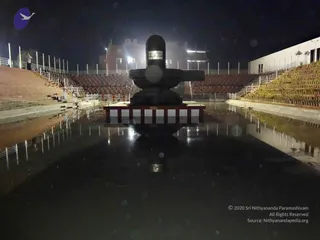
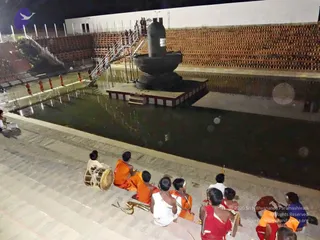
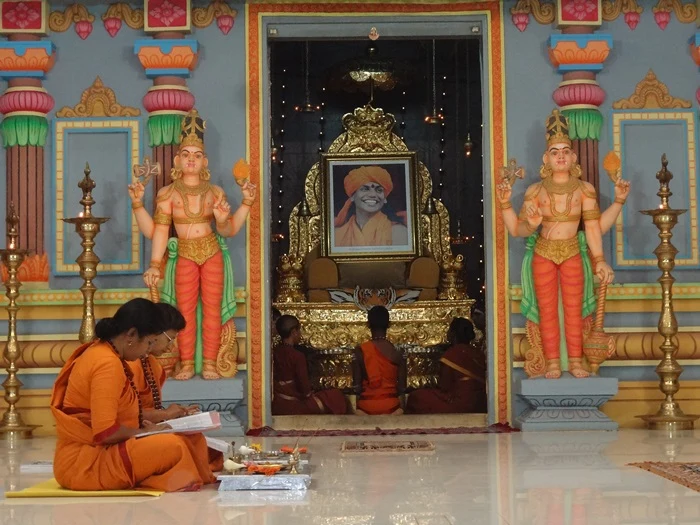
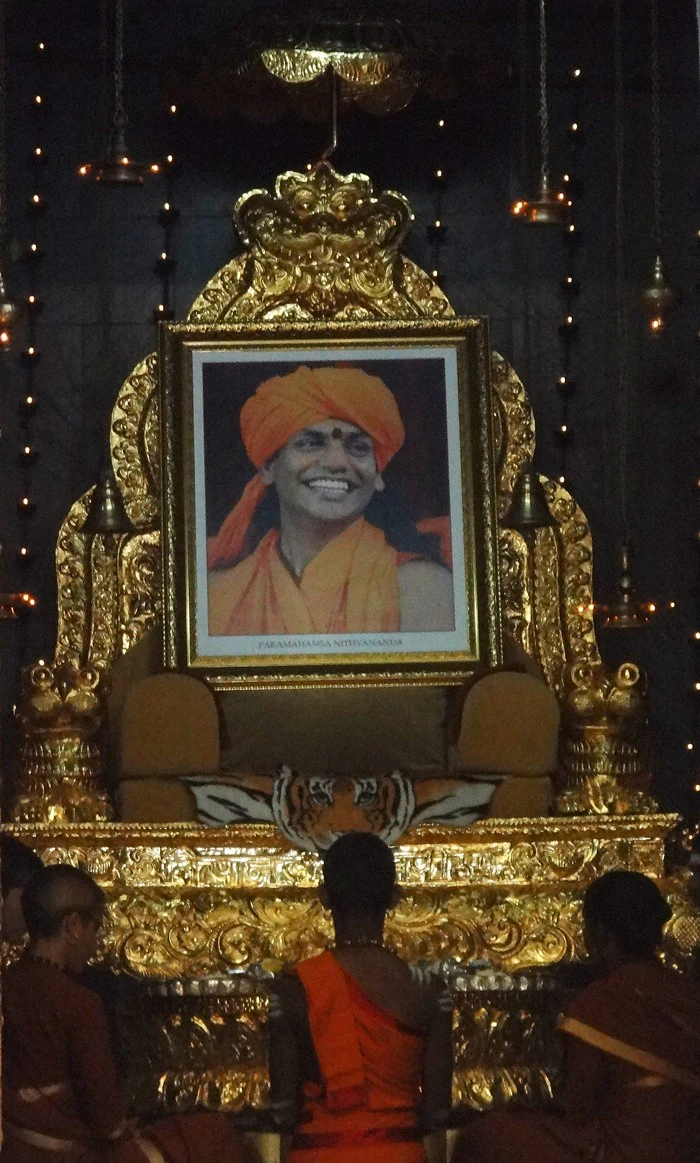
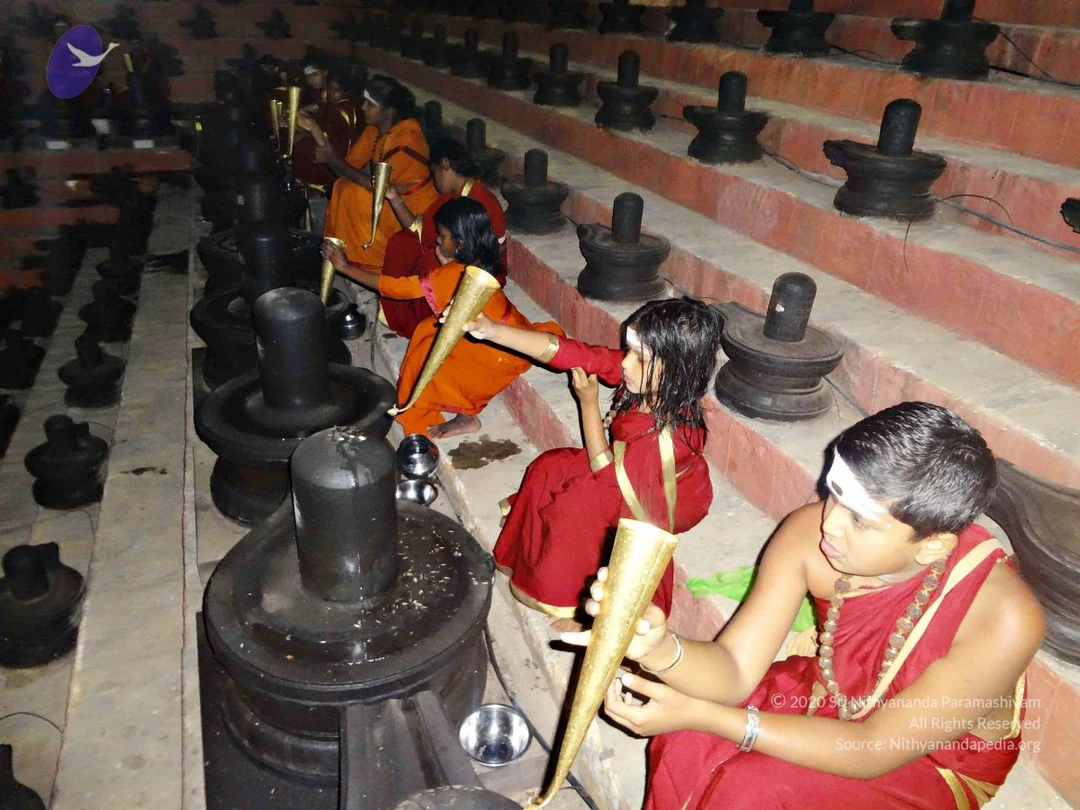
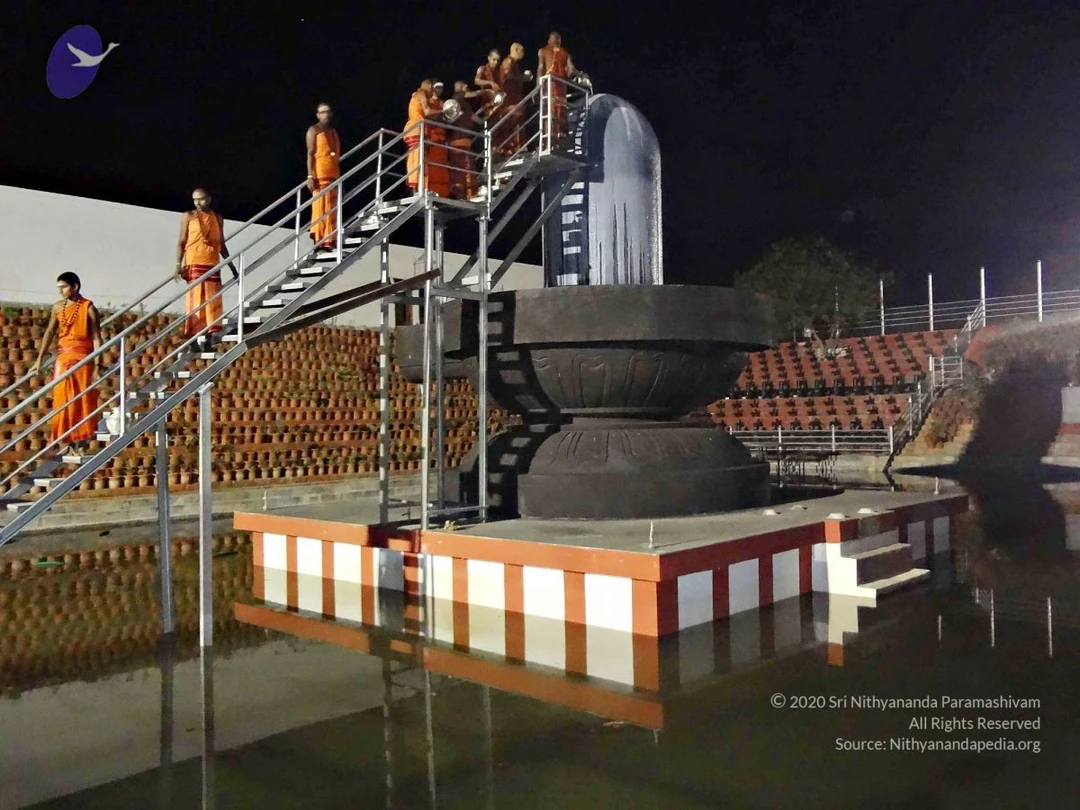
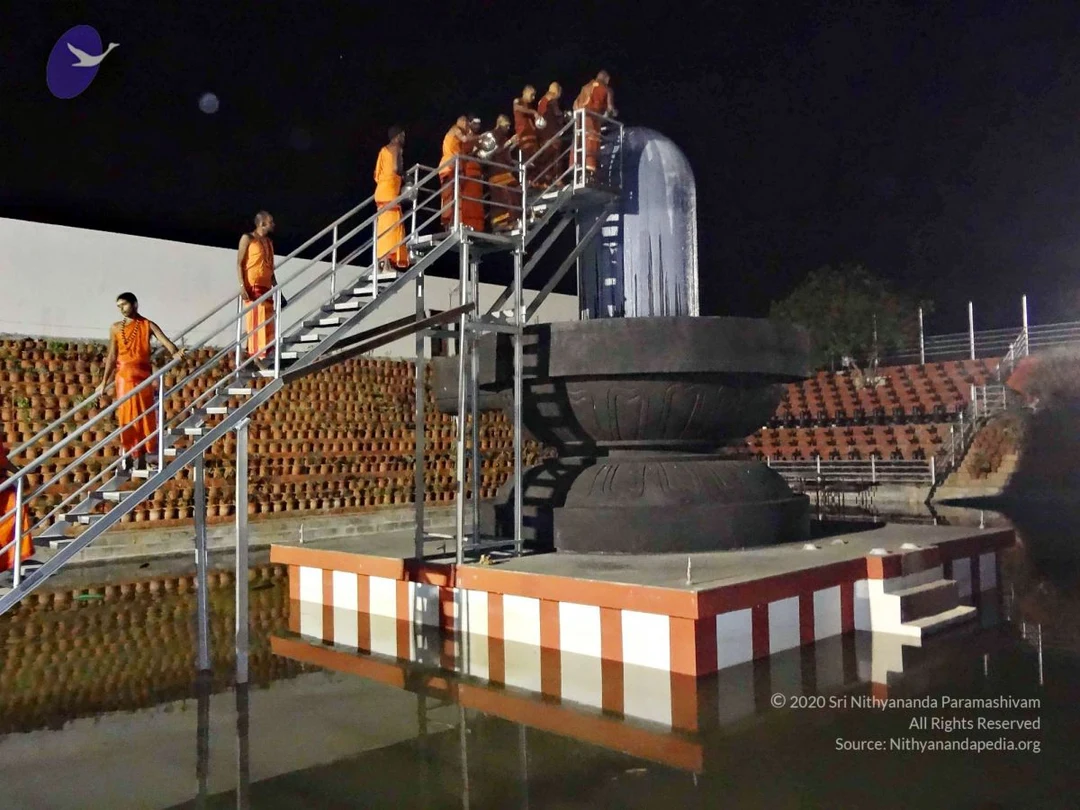
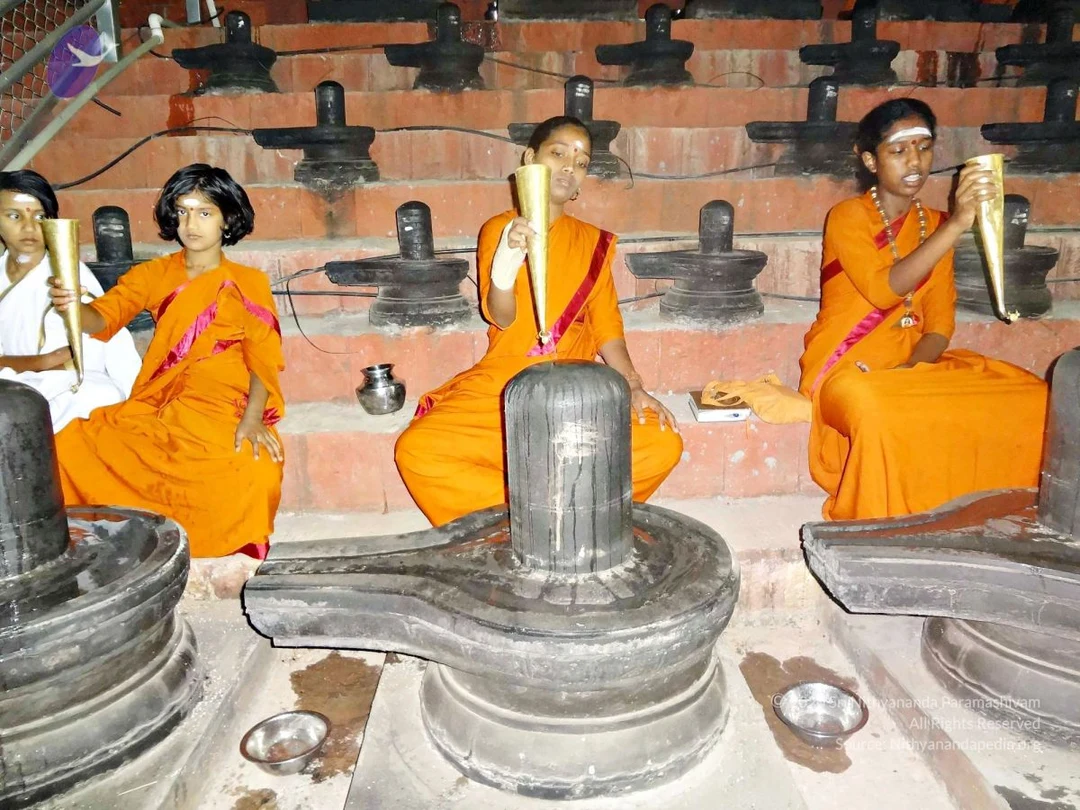
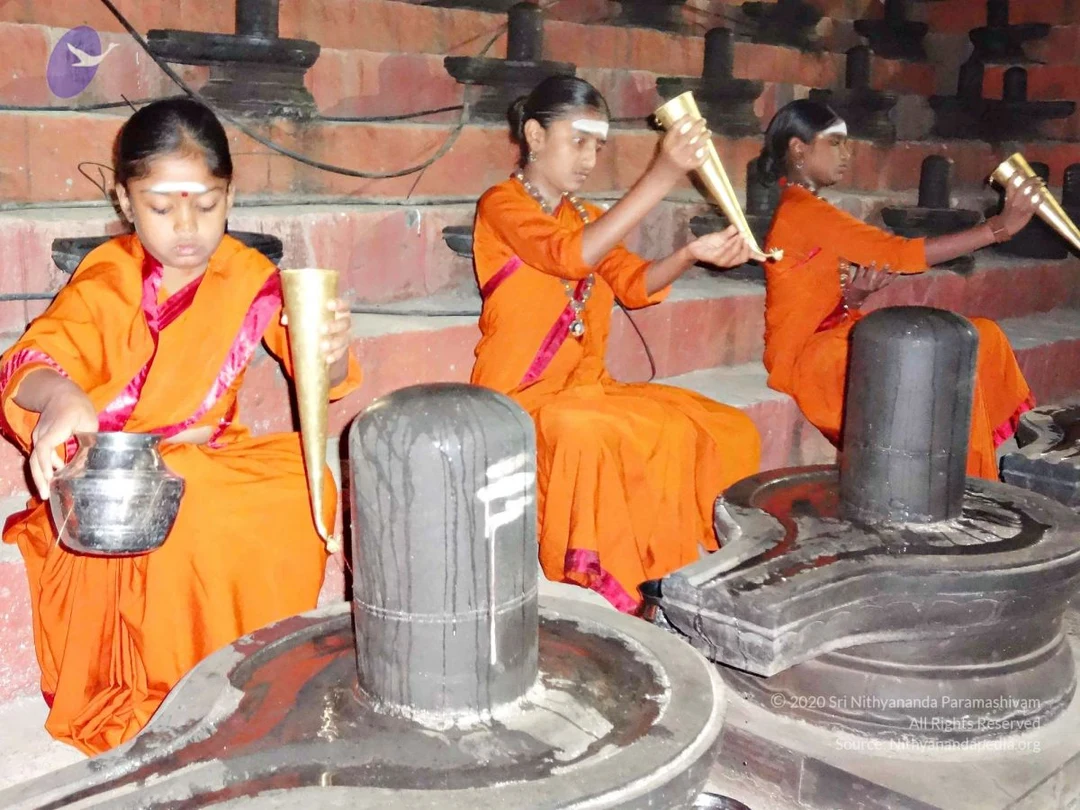
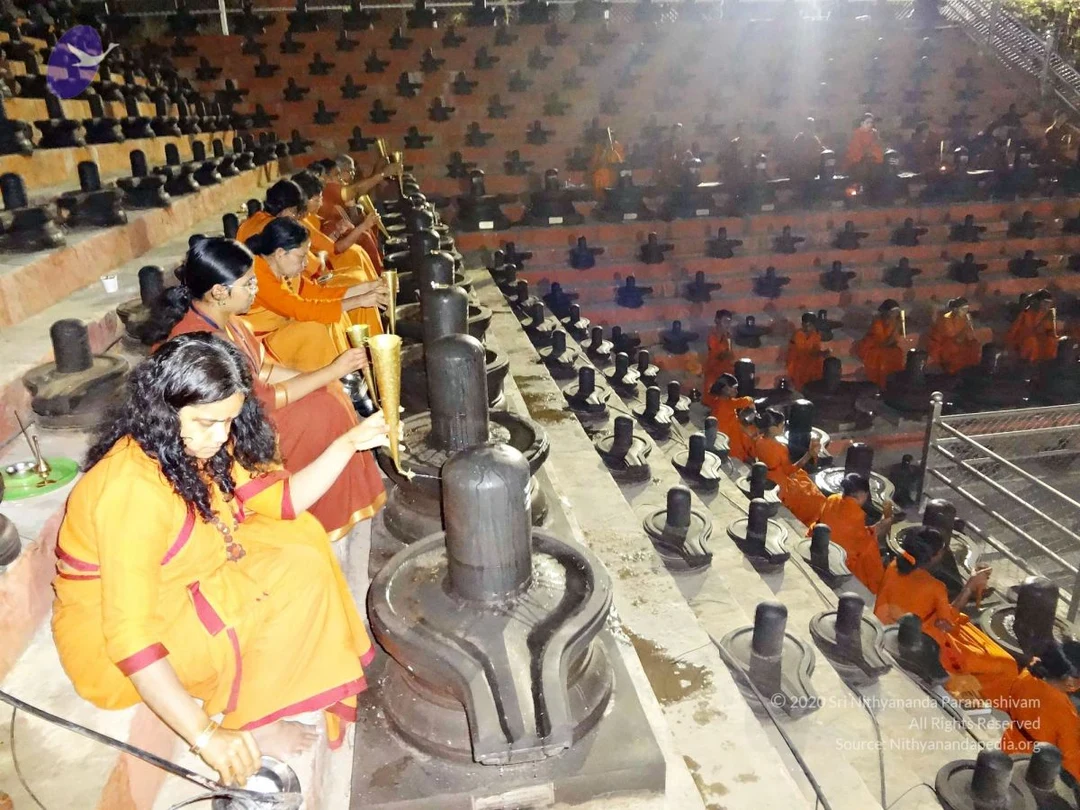
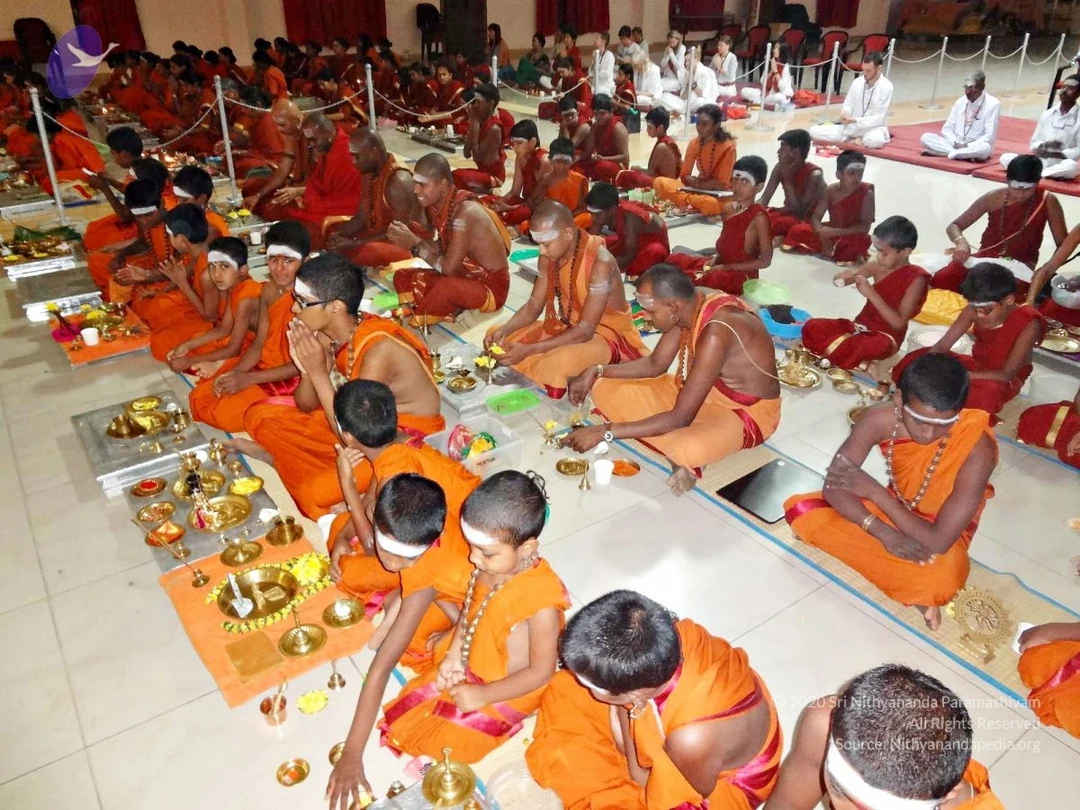
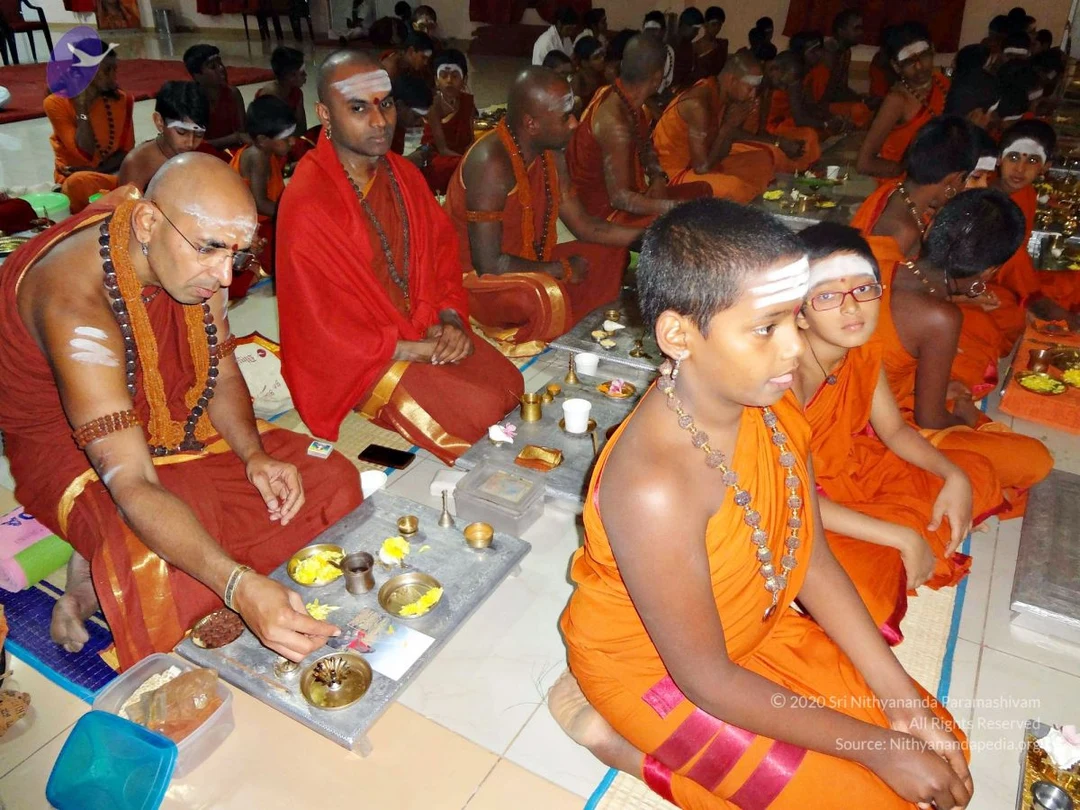
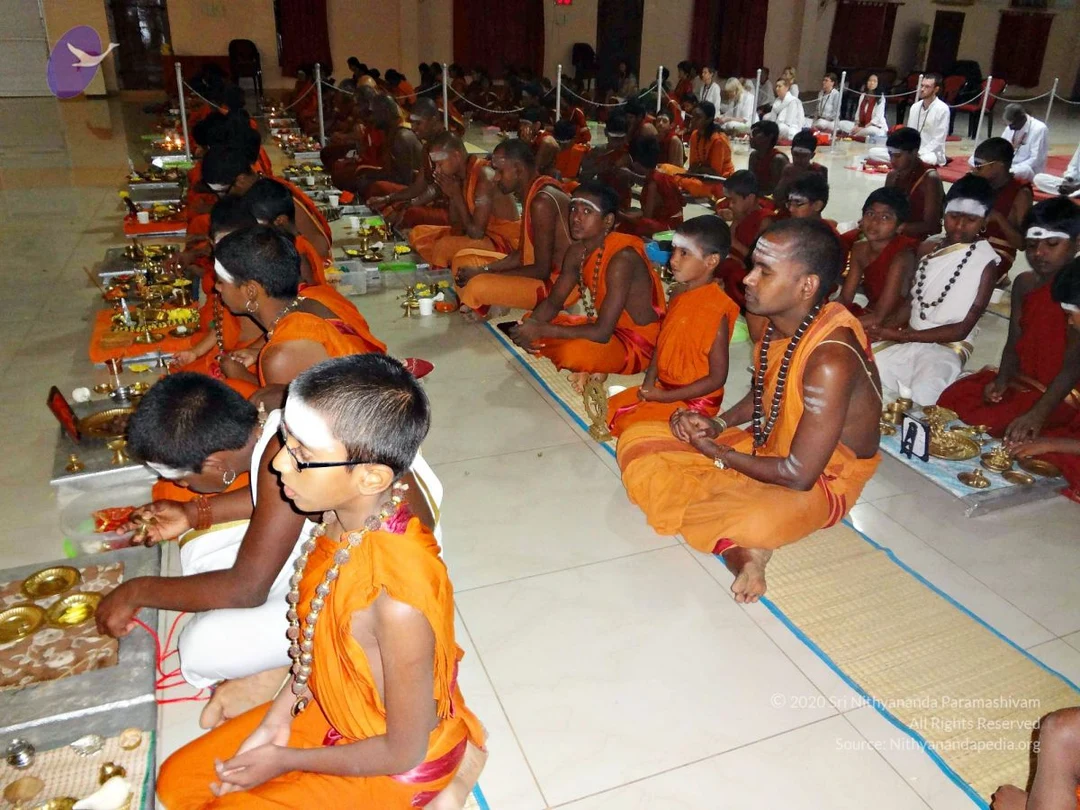
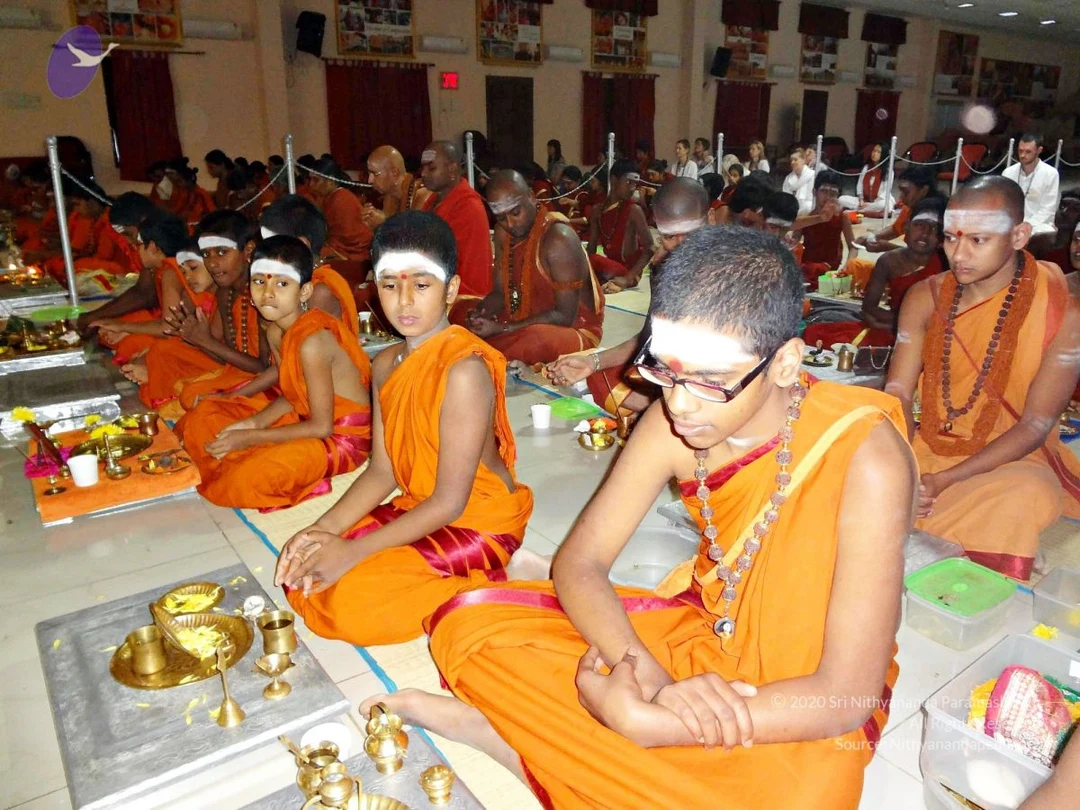
Rudra Abhishekam

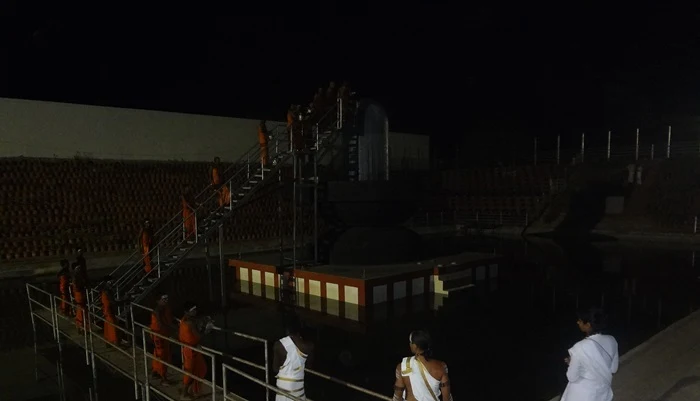

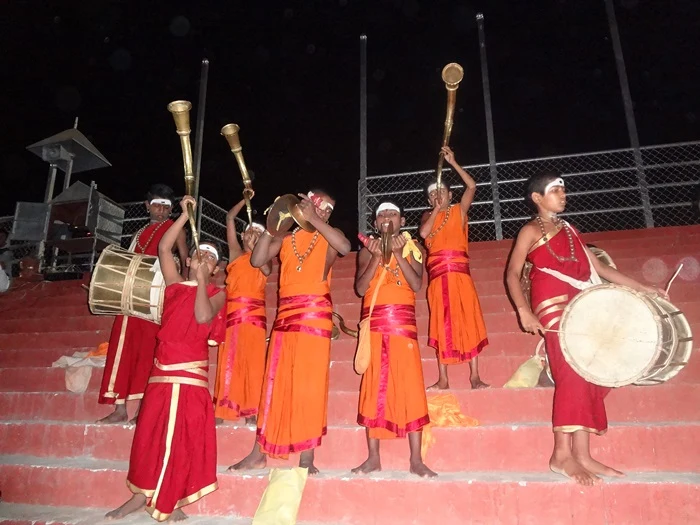

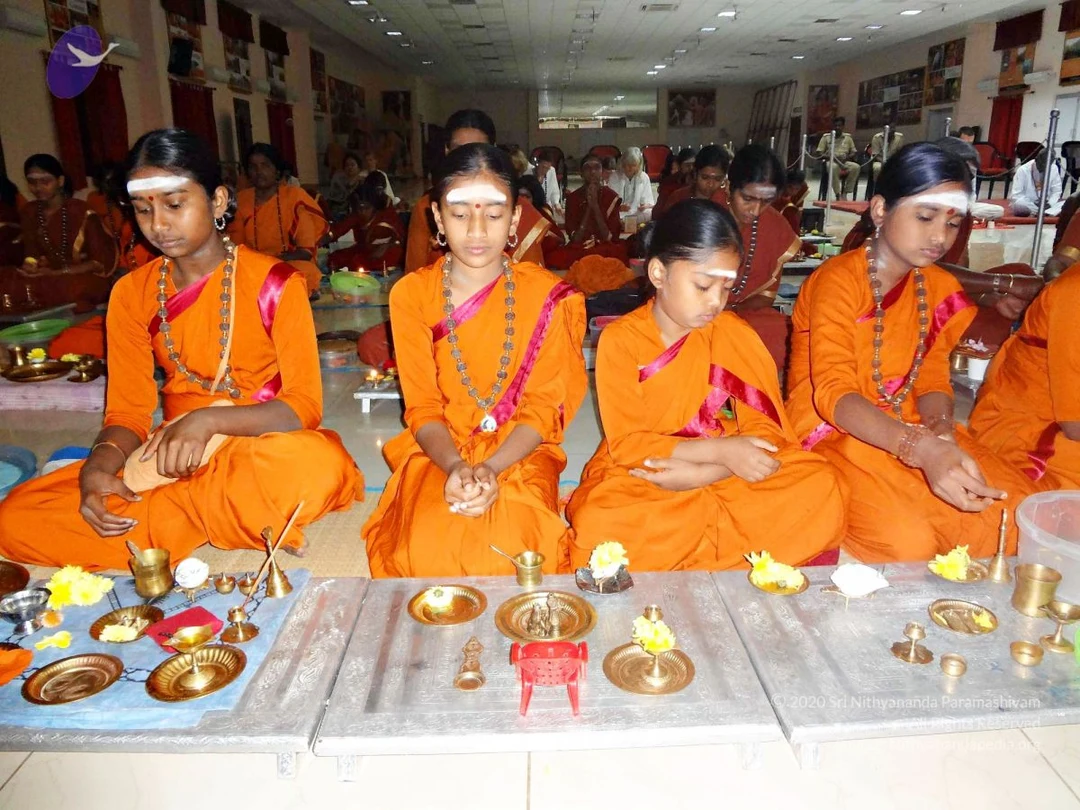
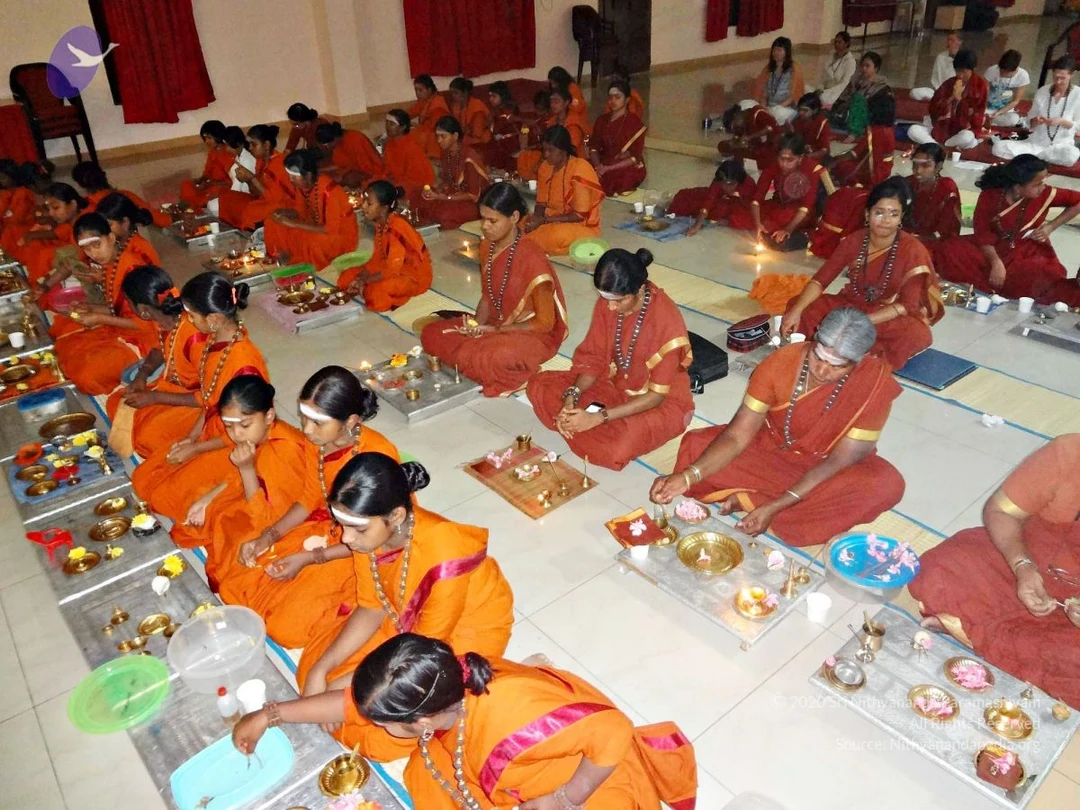
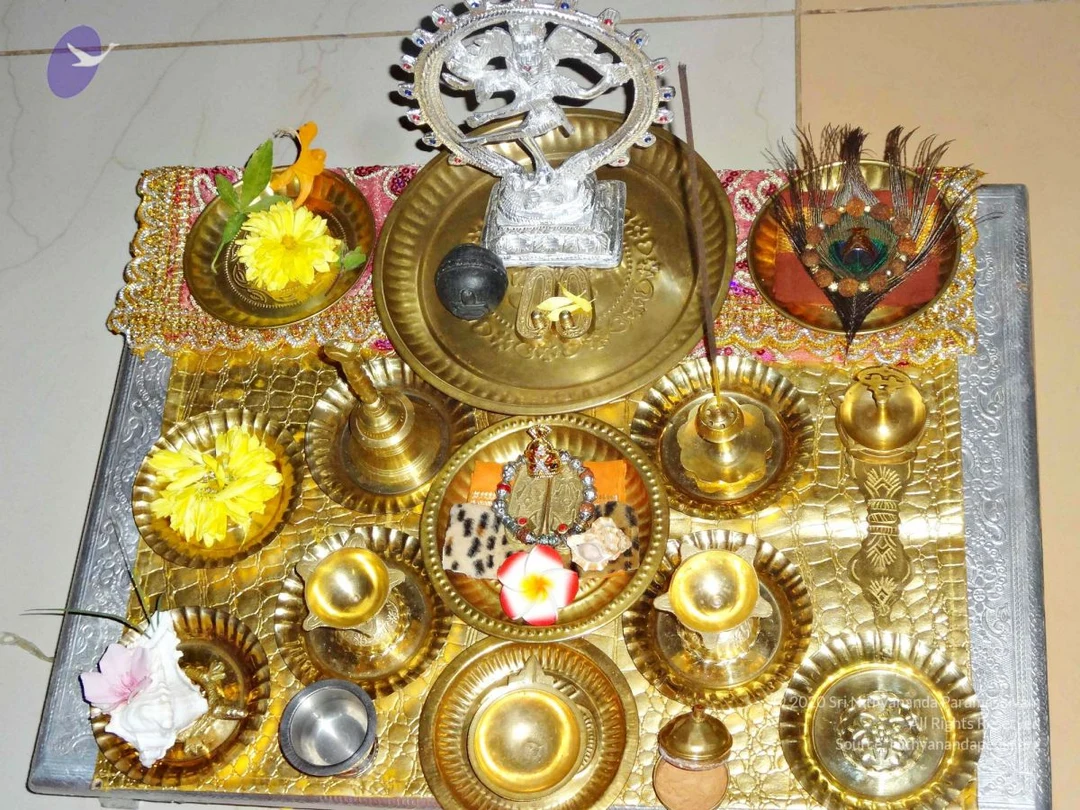
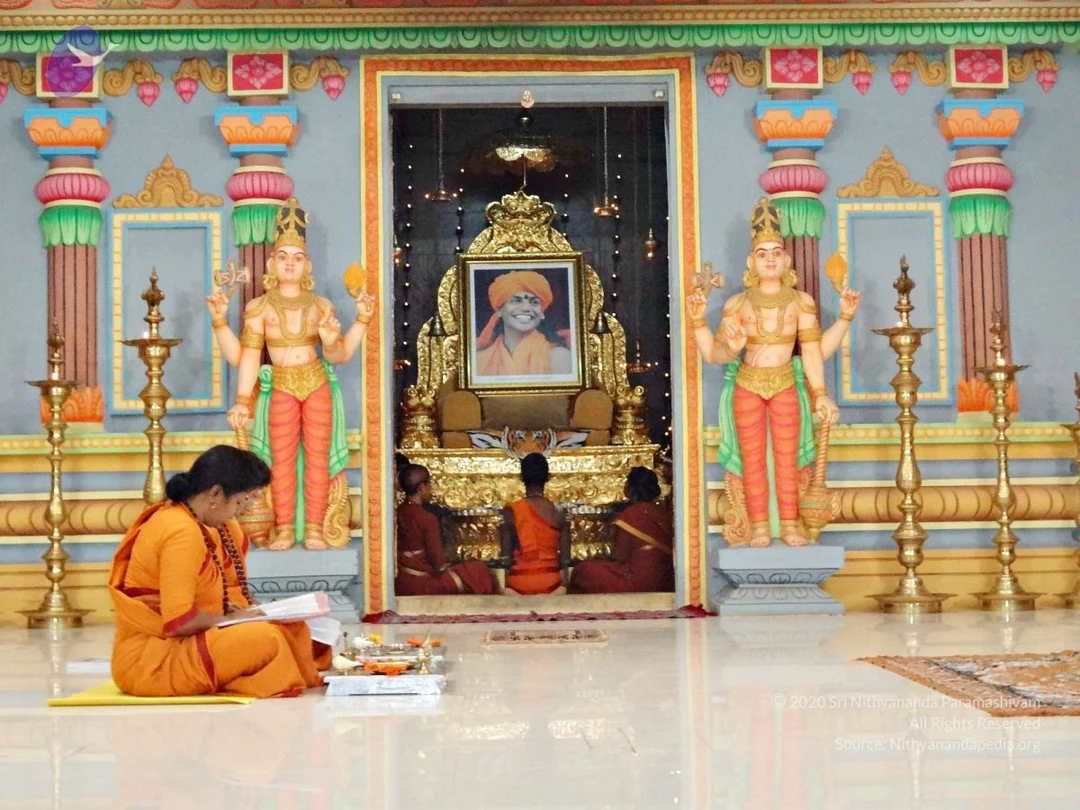
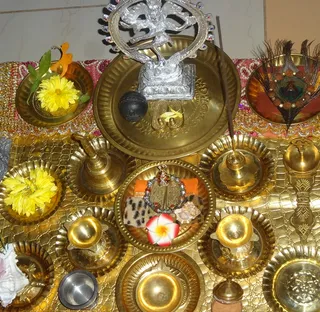
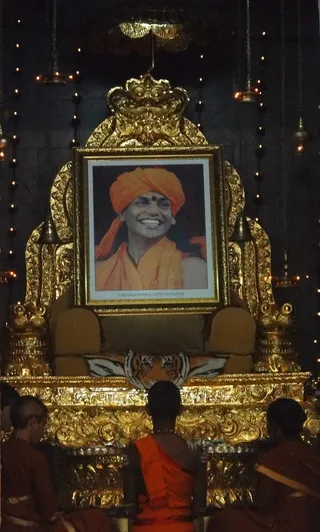
Paduka Puja being performed to the Gurumoorti of Bhagavan Sri Nithyananda Paramashivam
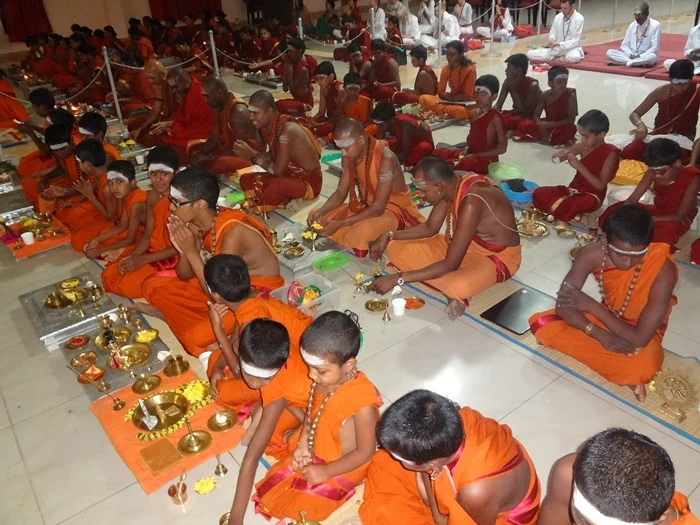
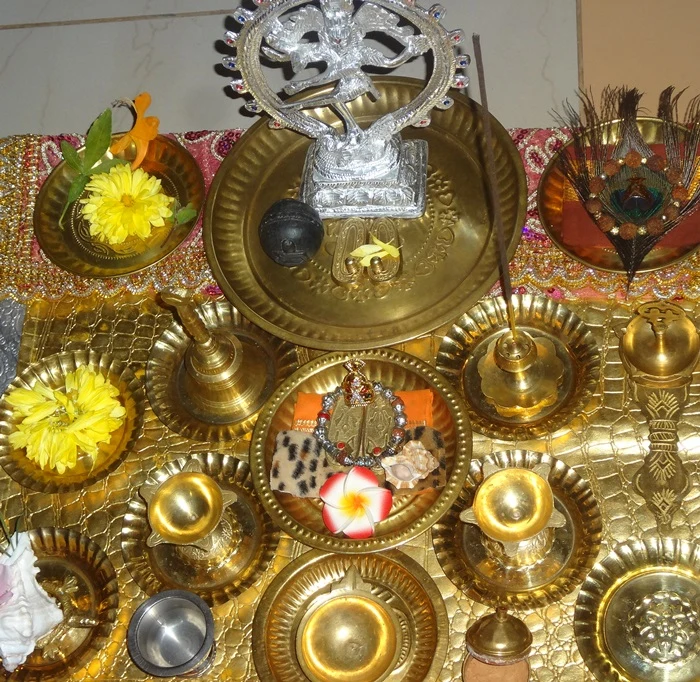

Nithya Satsang
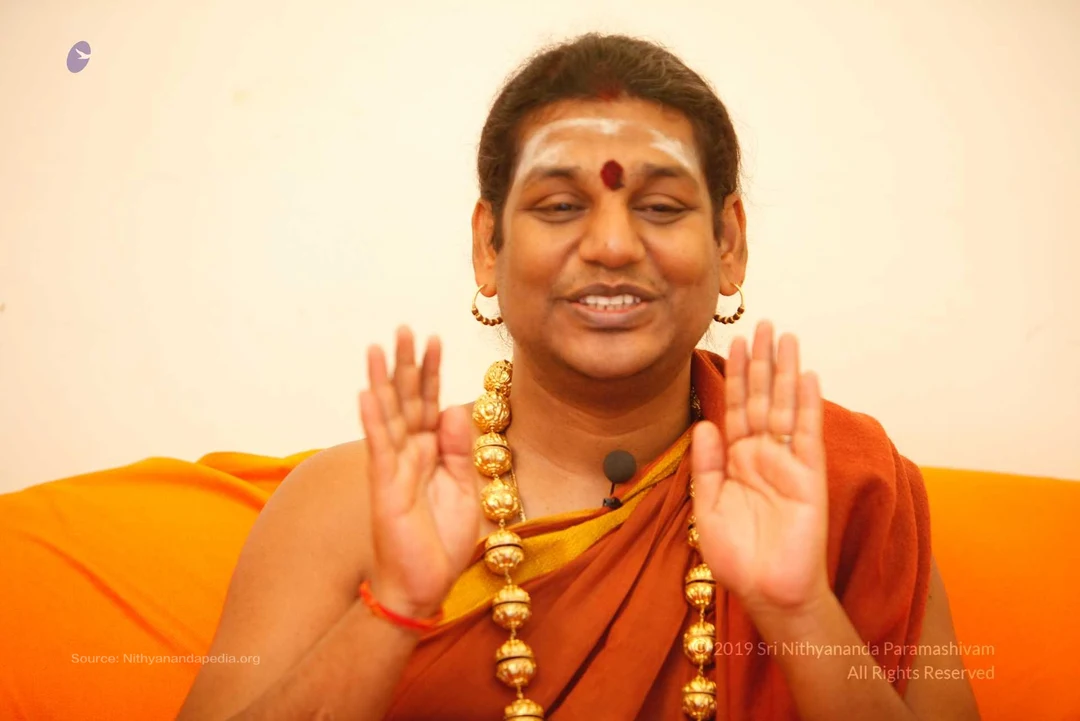
Photos Of The Day:
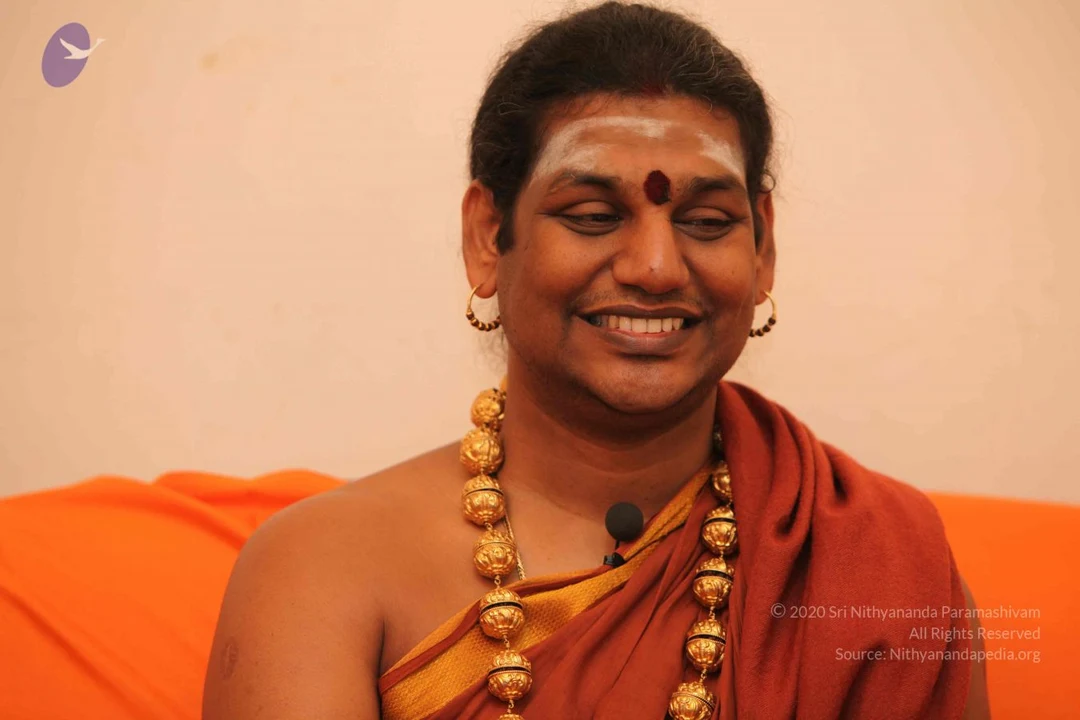
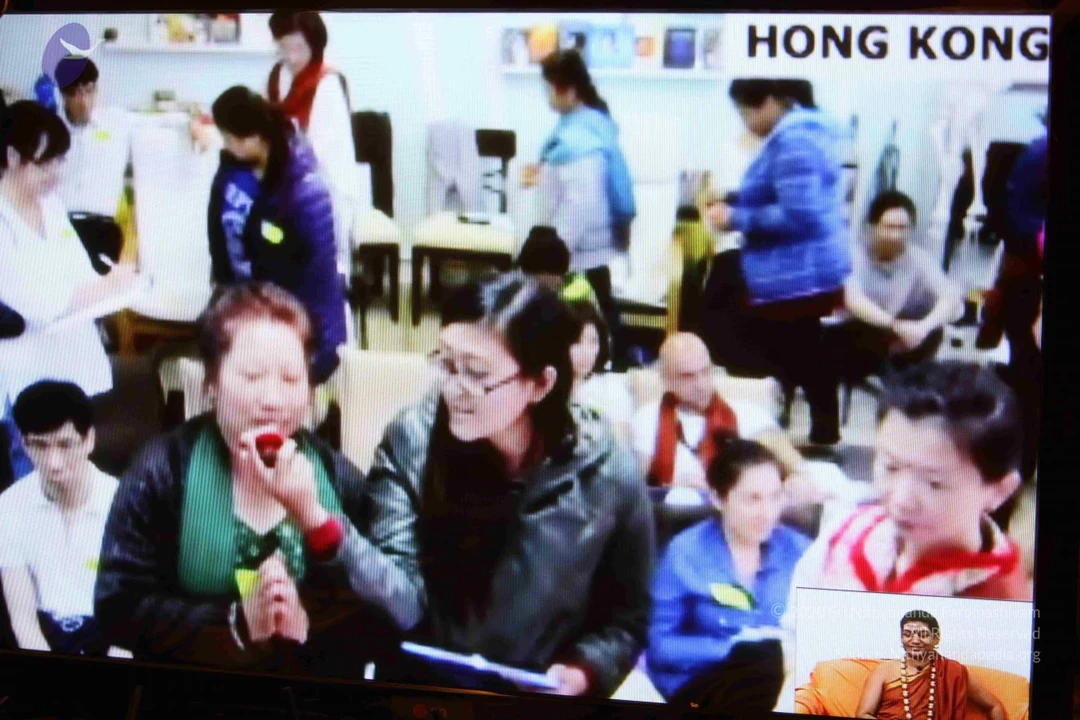
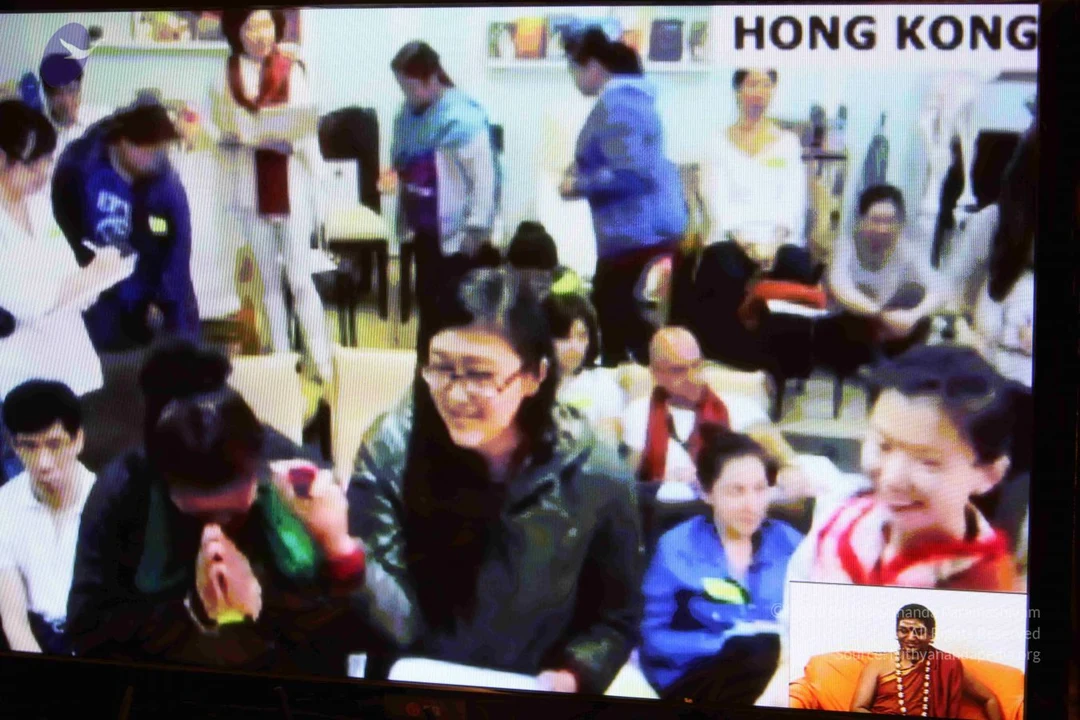
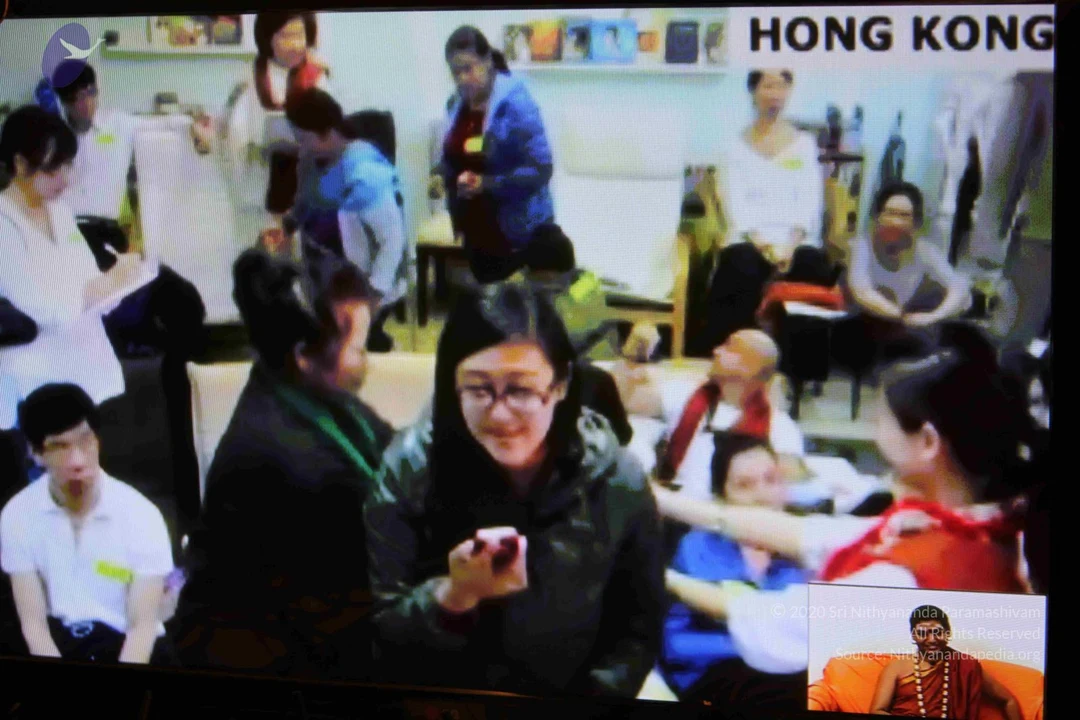
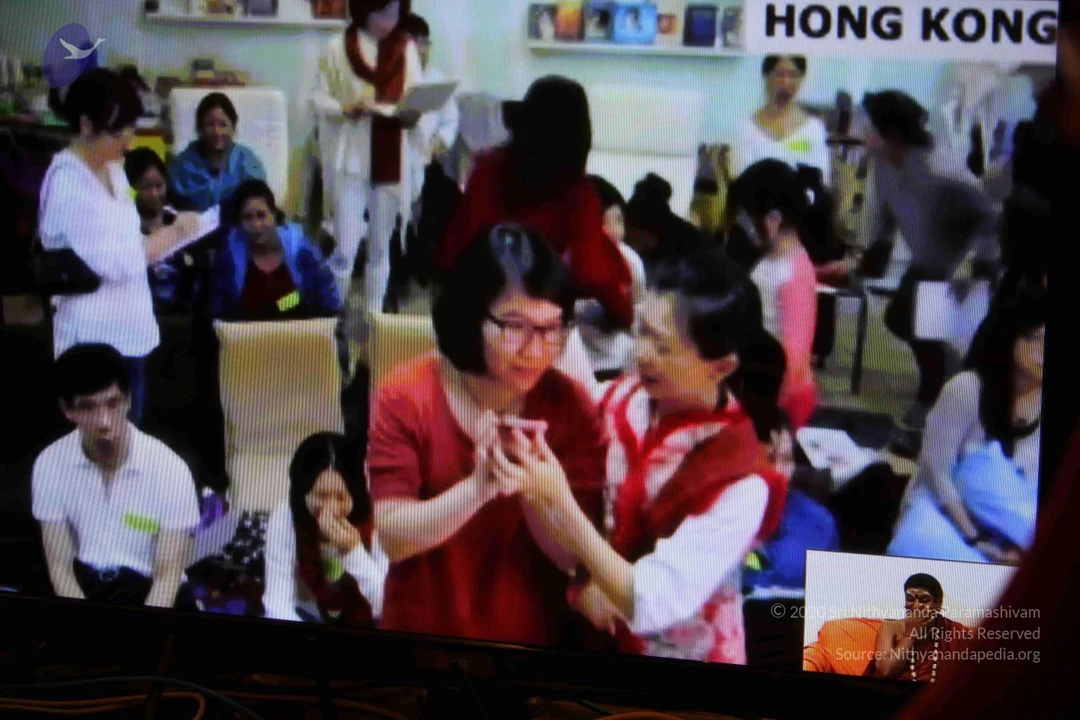

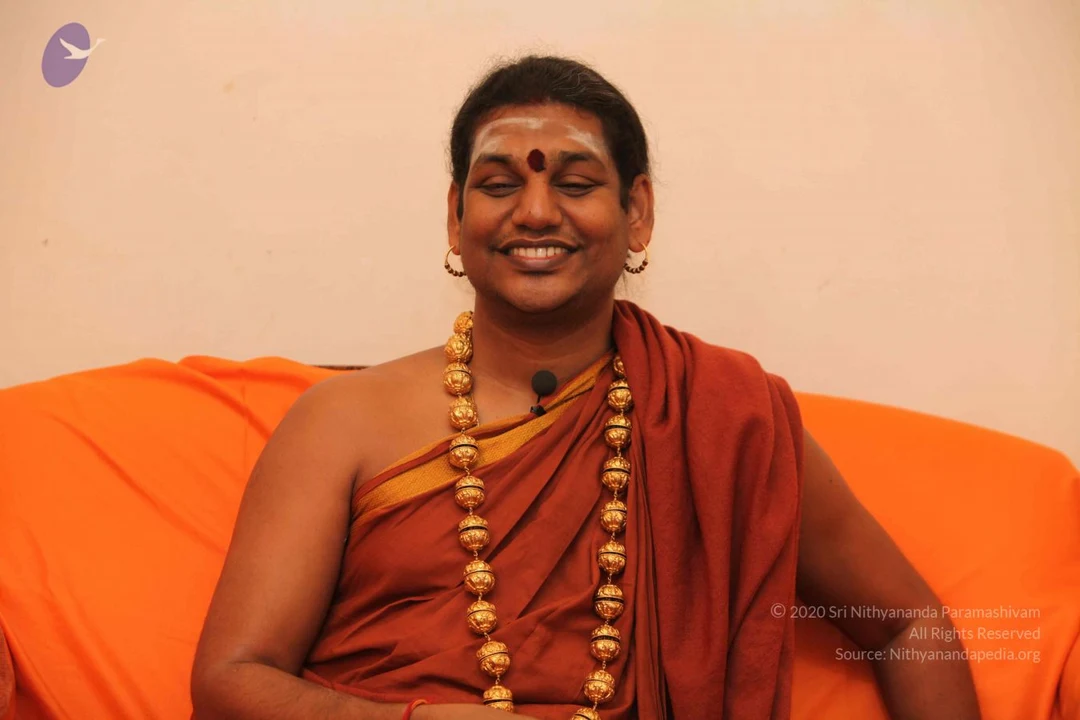
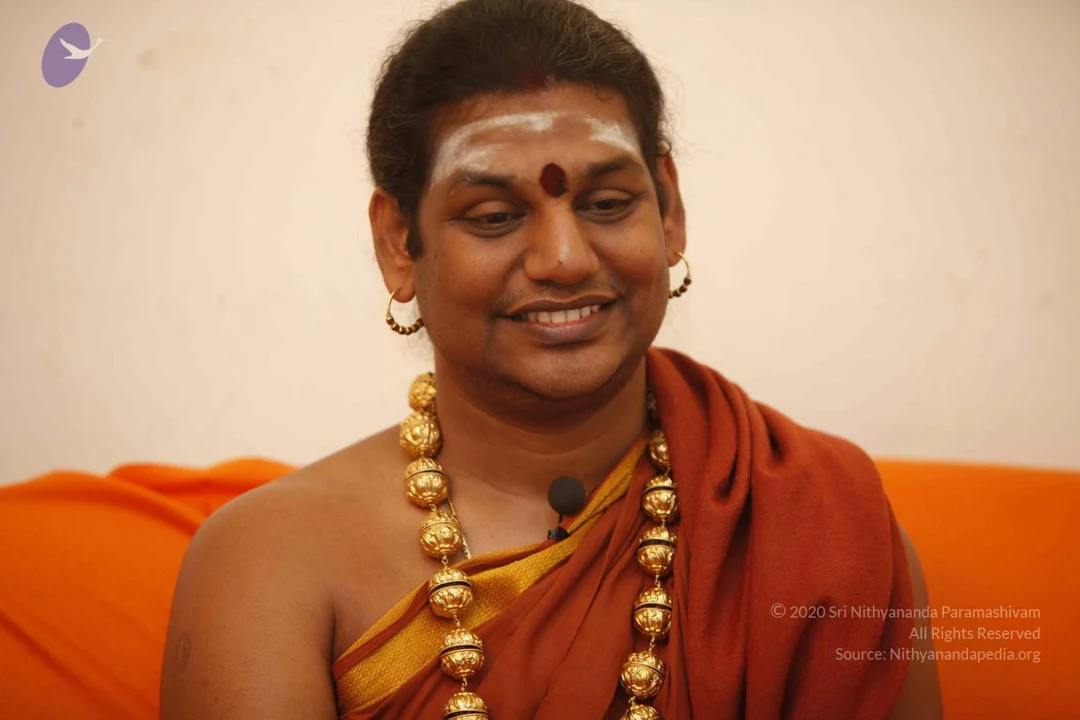

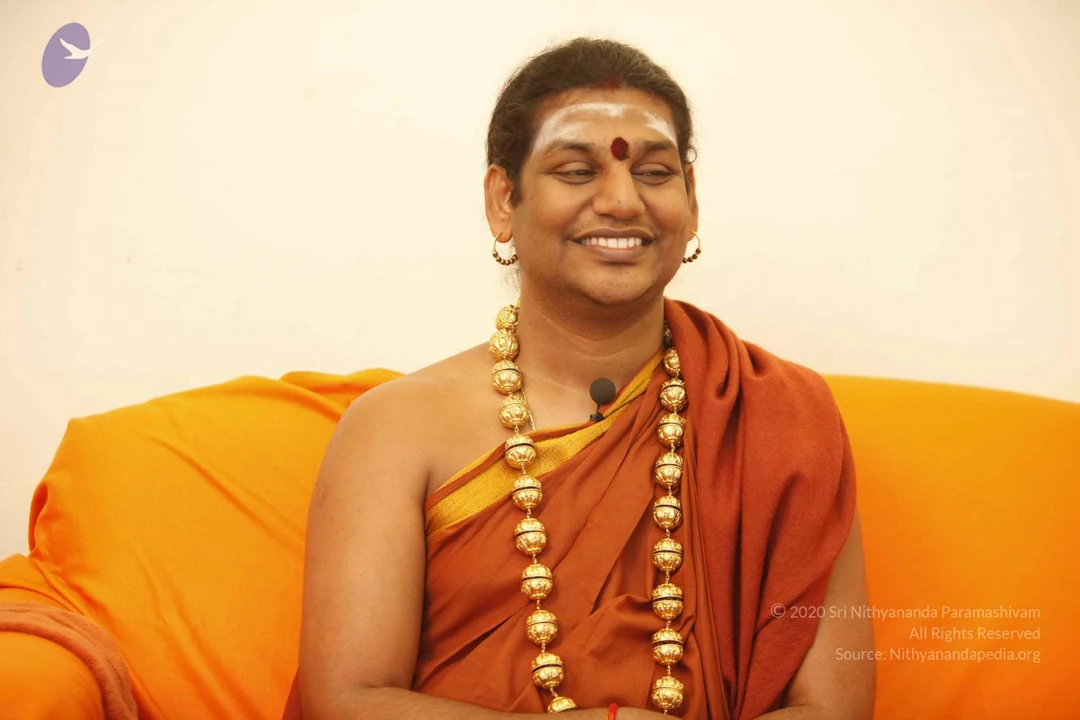
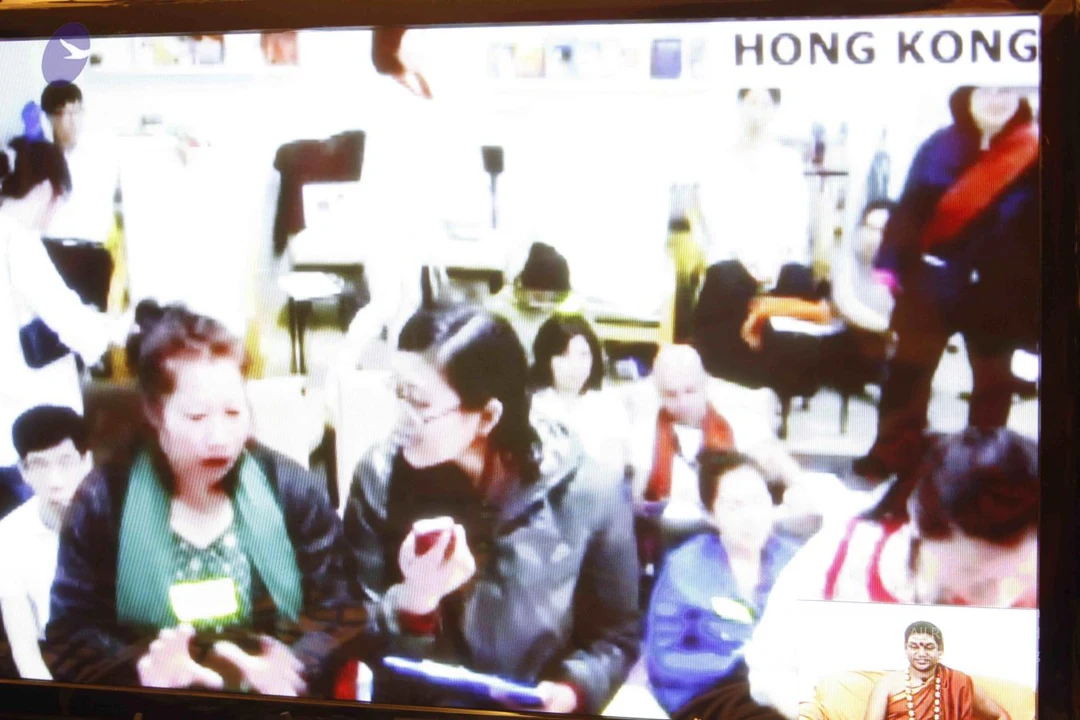
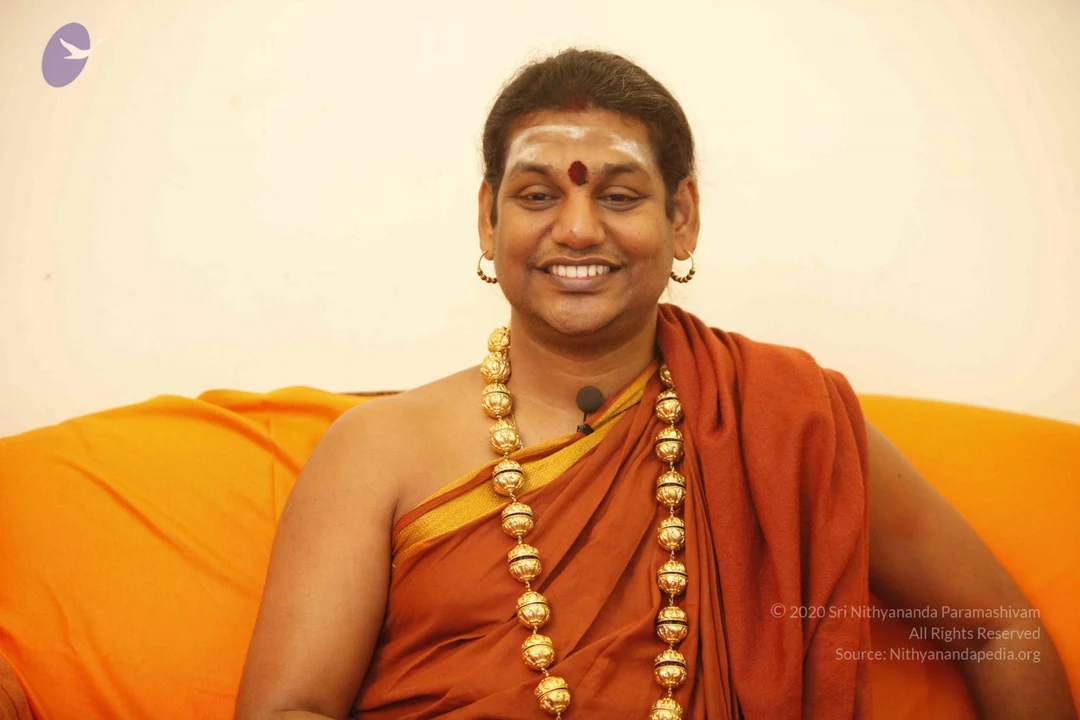
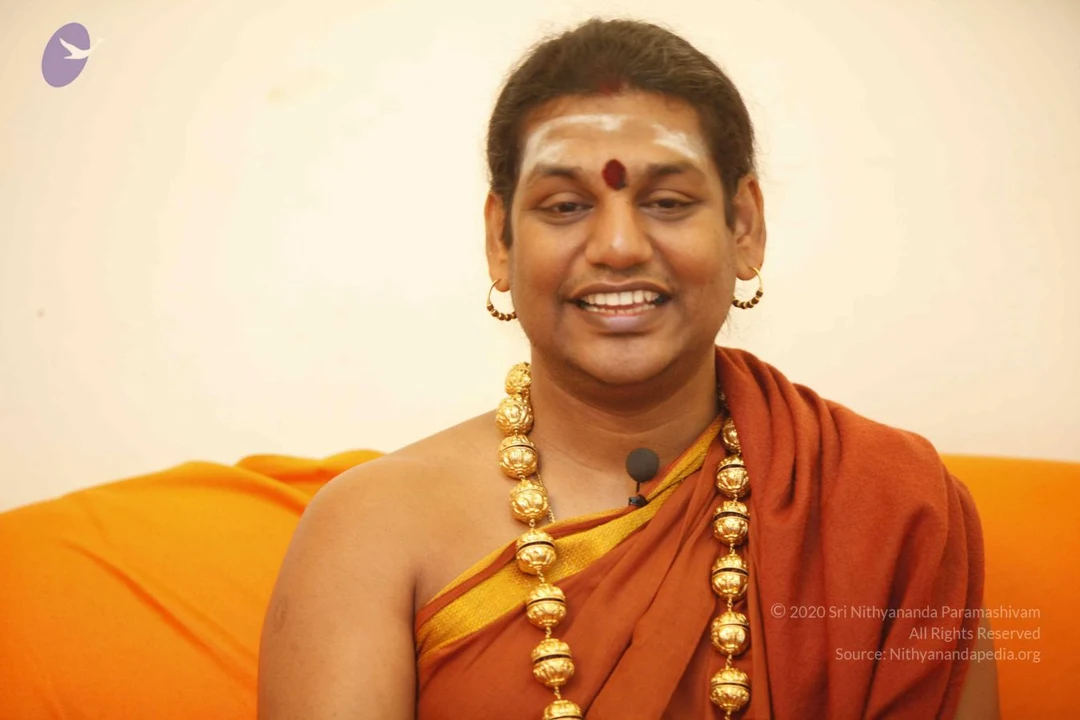
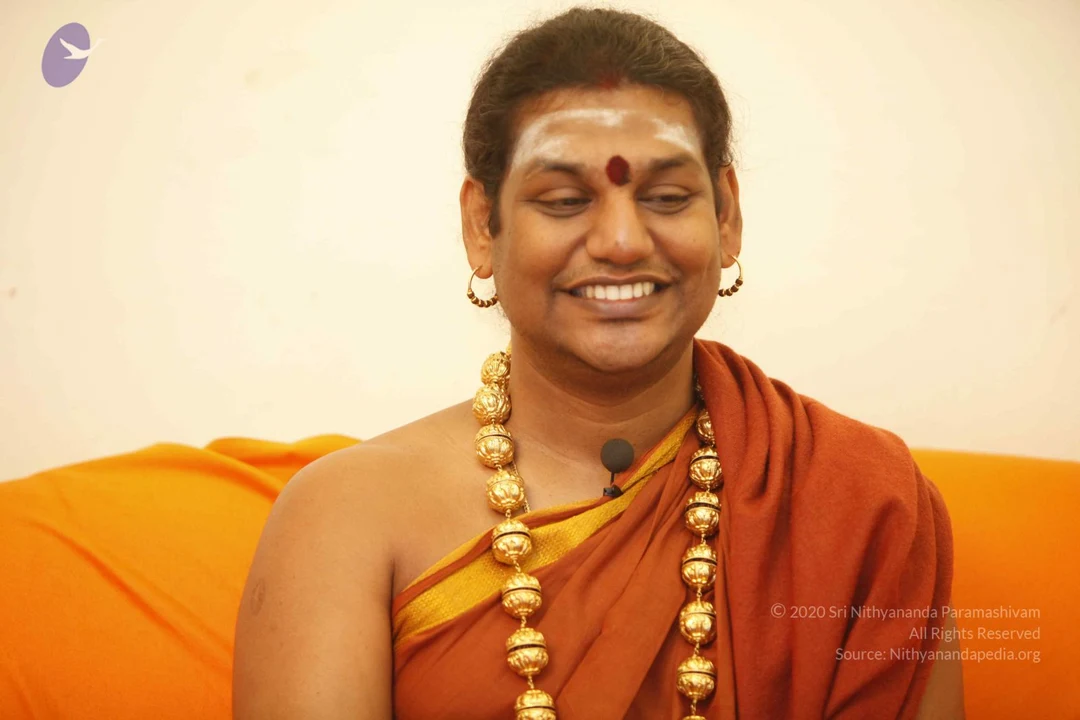
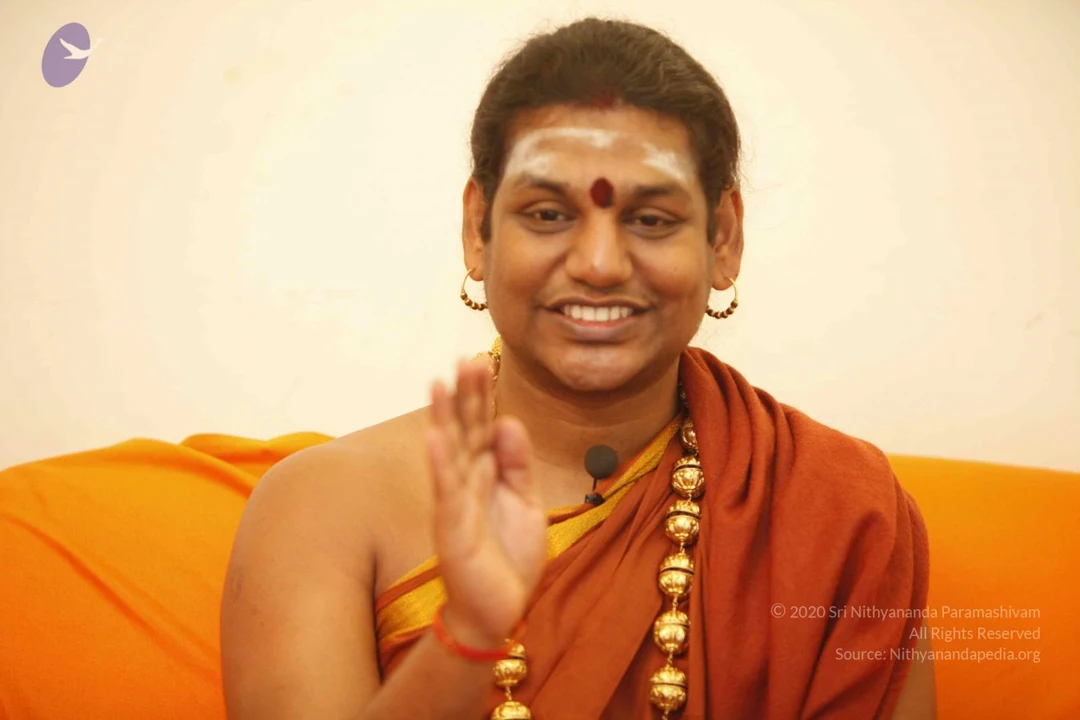
Photos Of The Day:
Nithya-Satsang
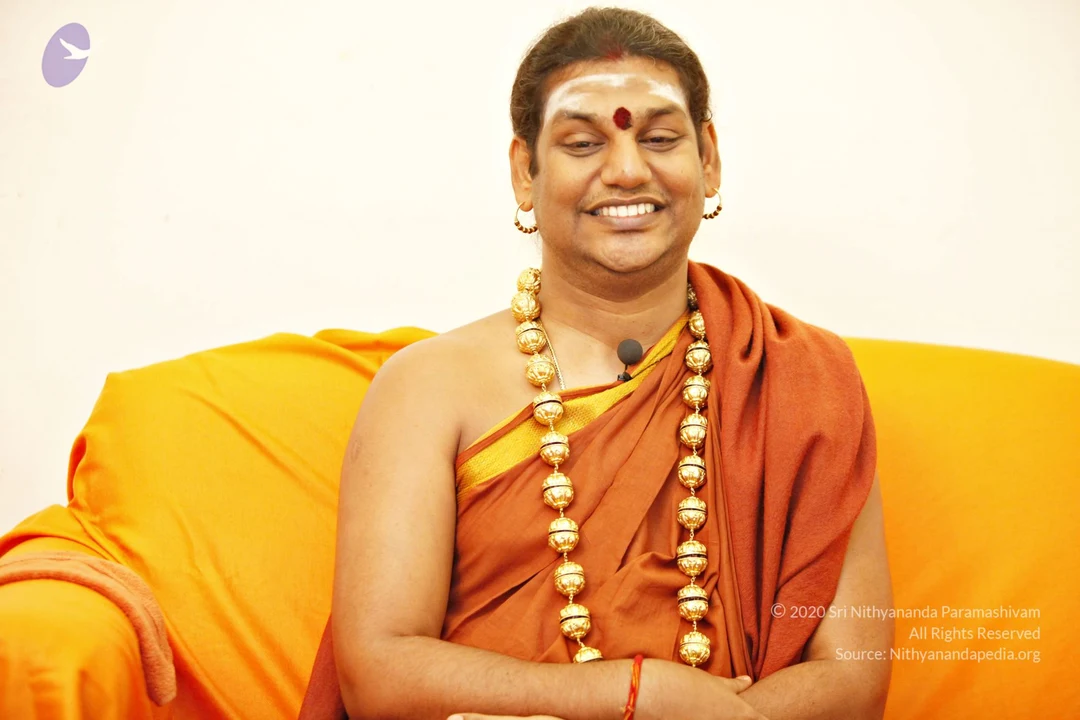
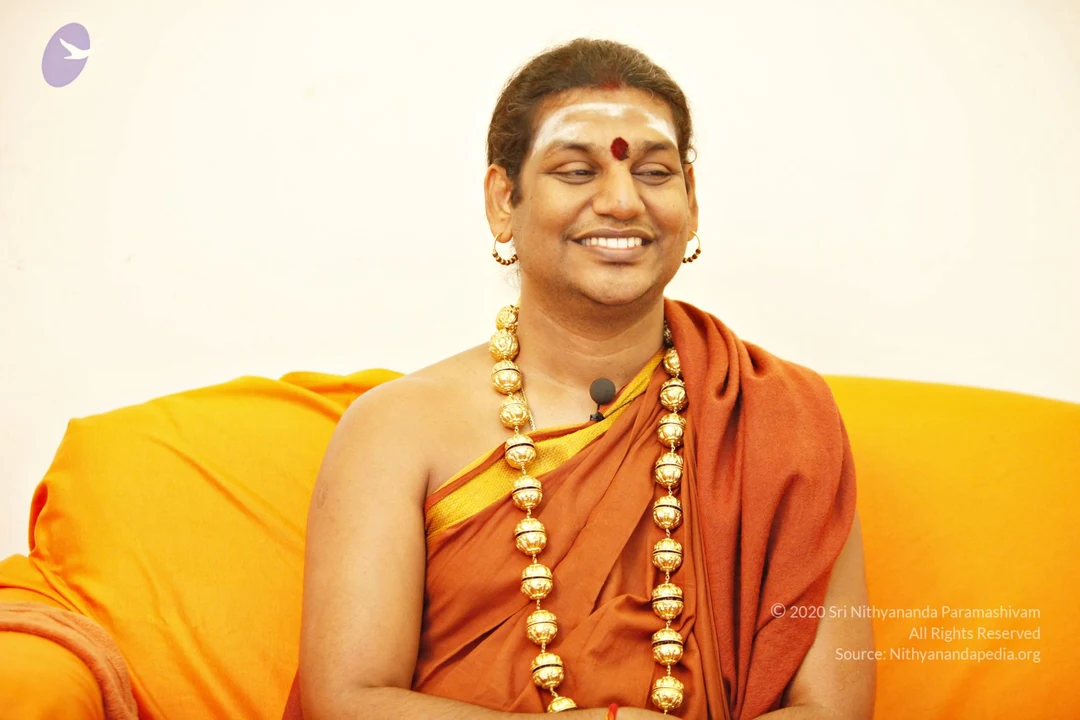
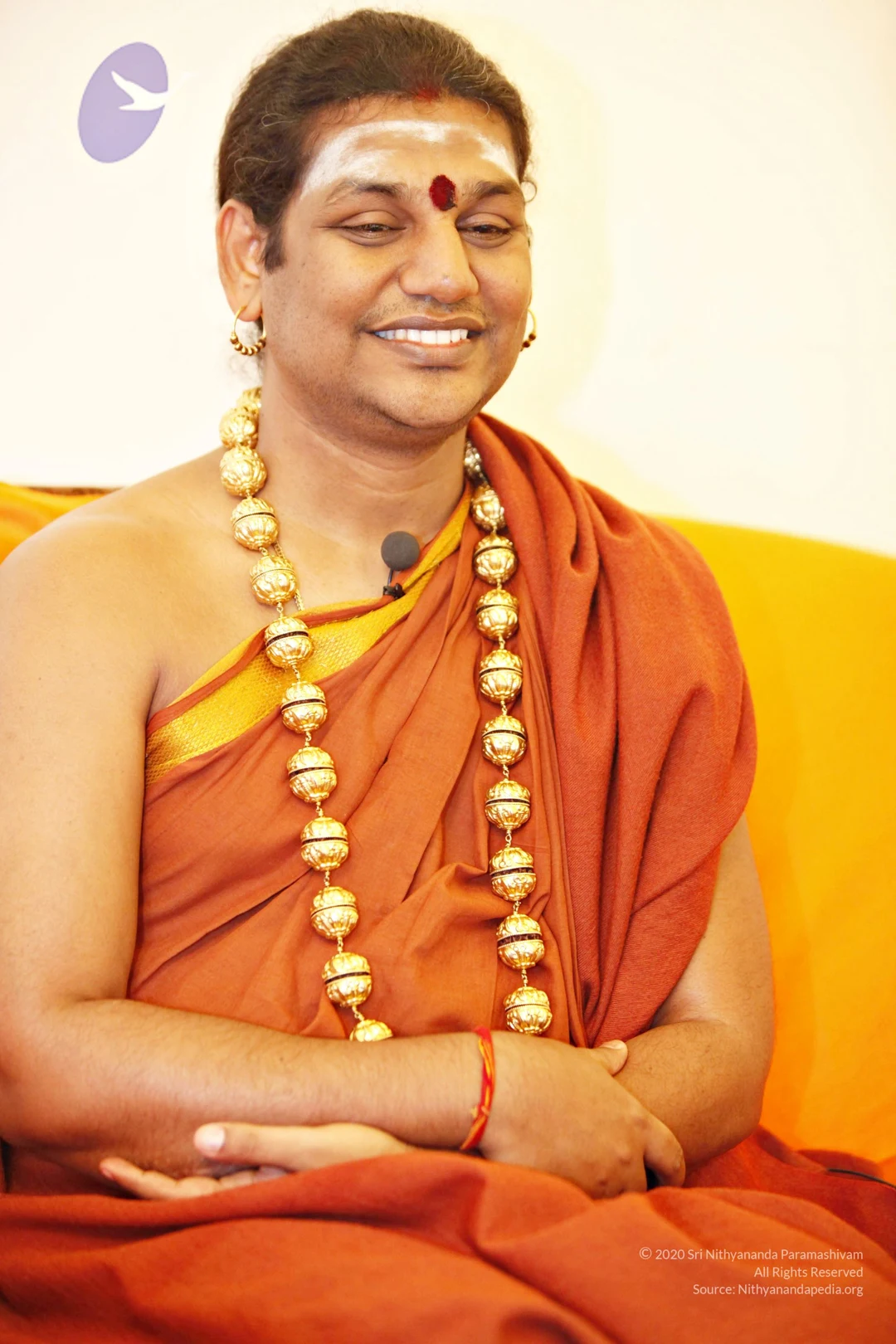
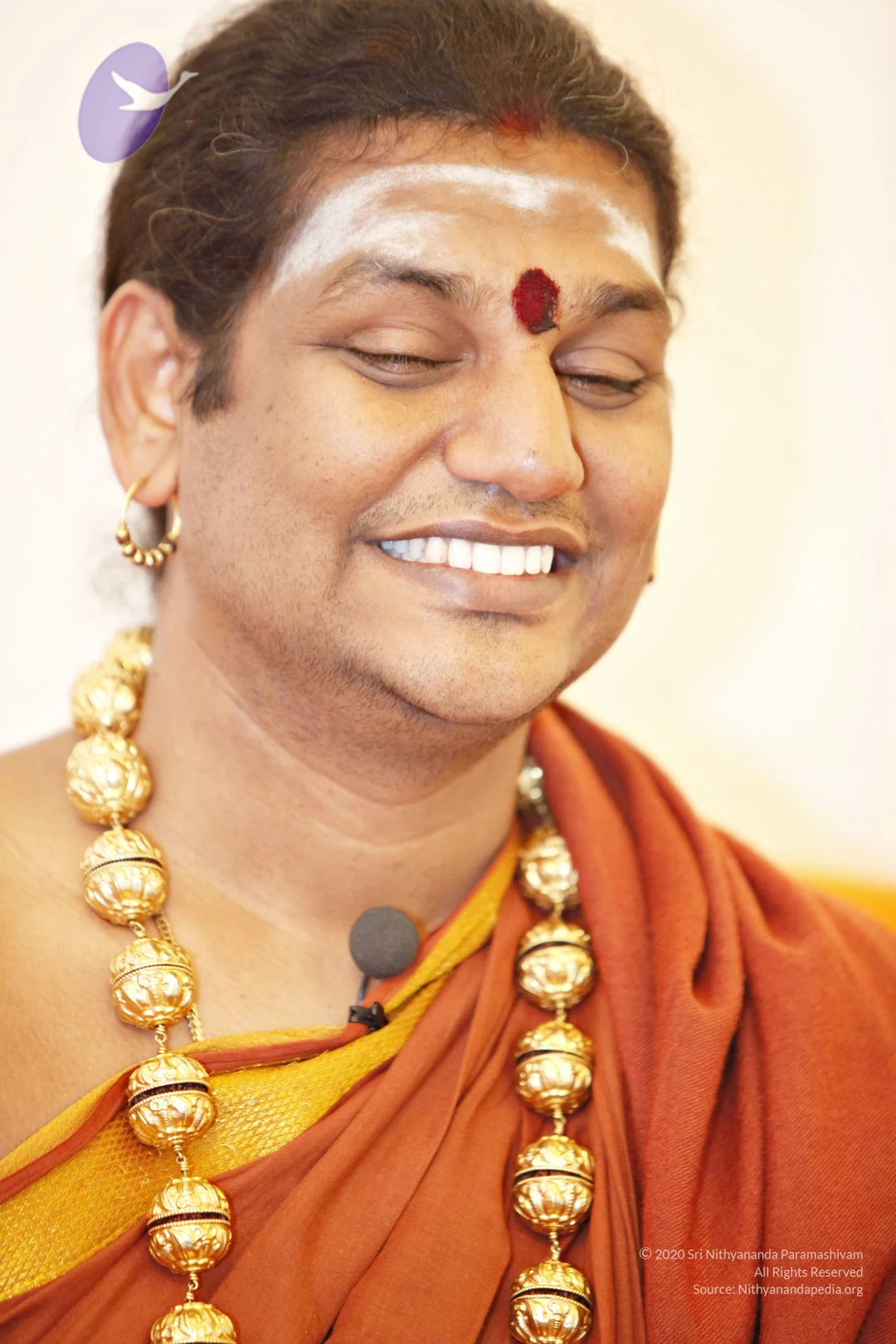
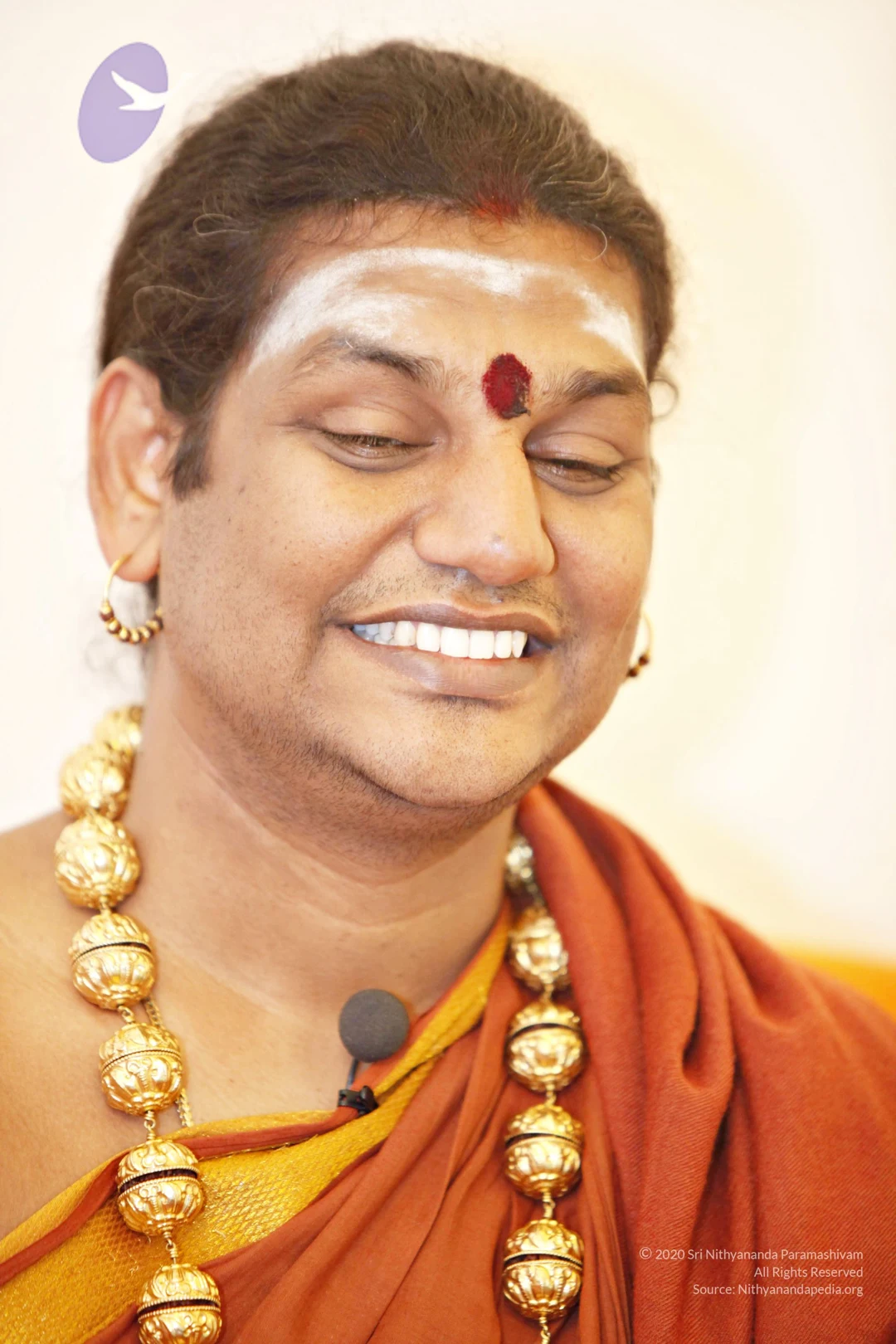
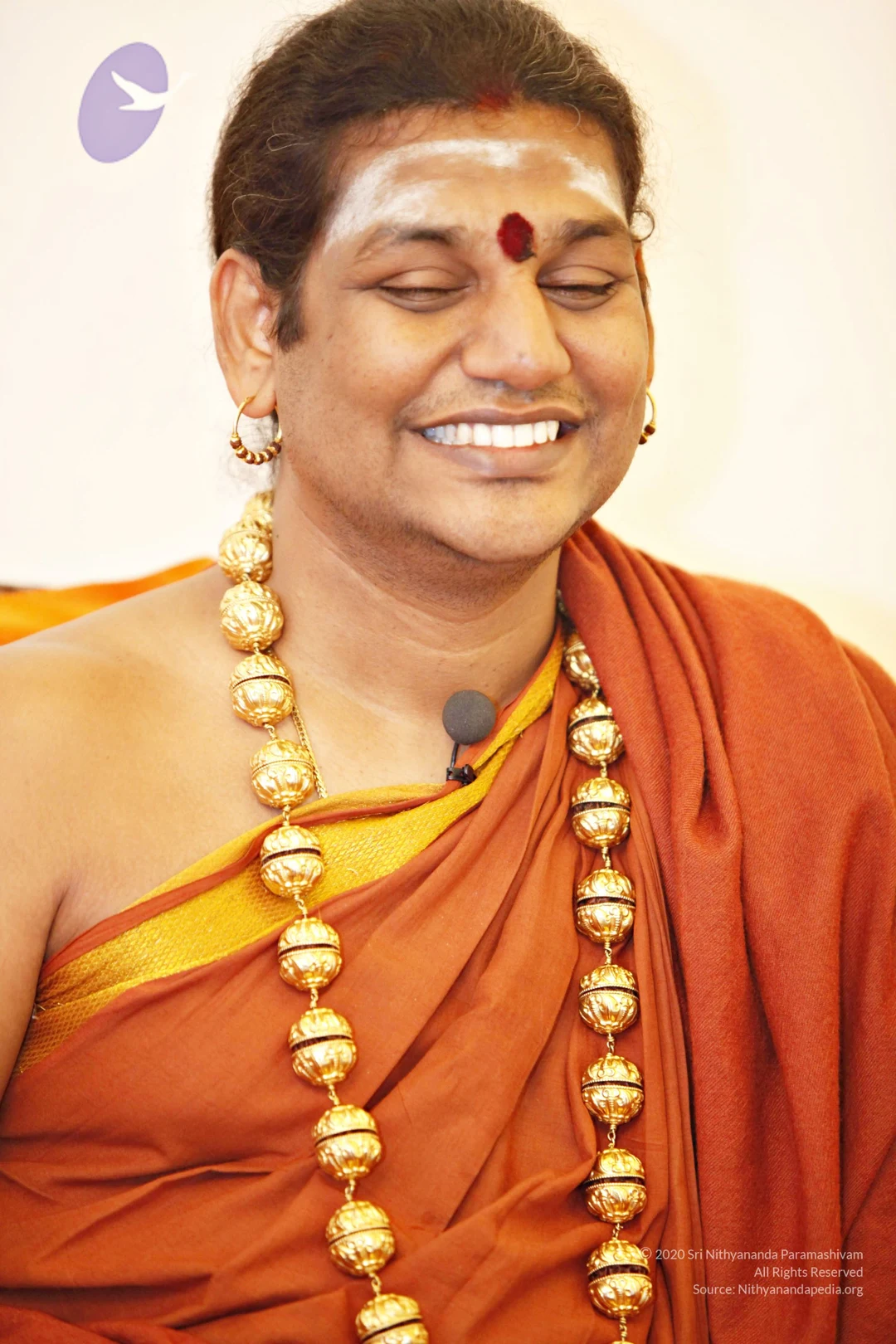
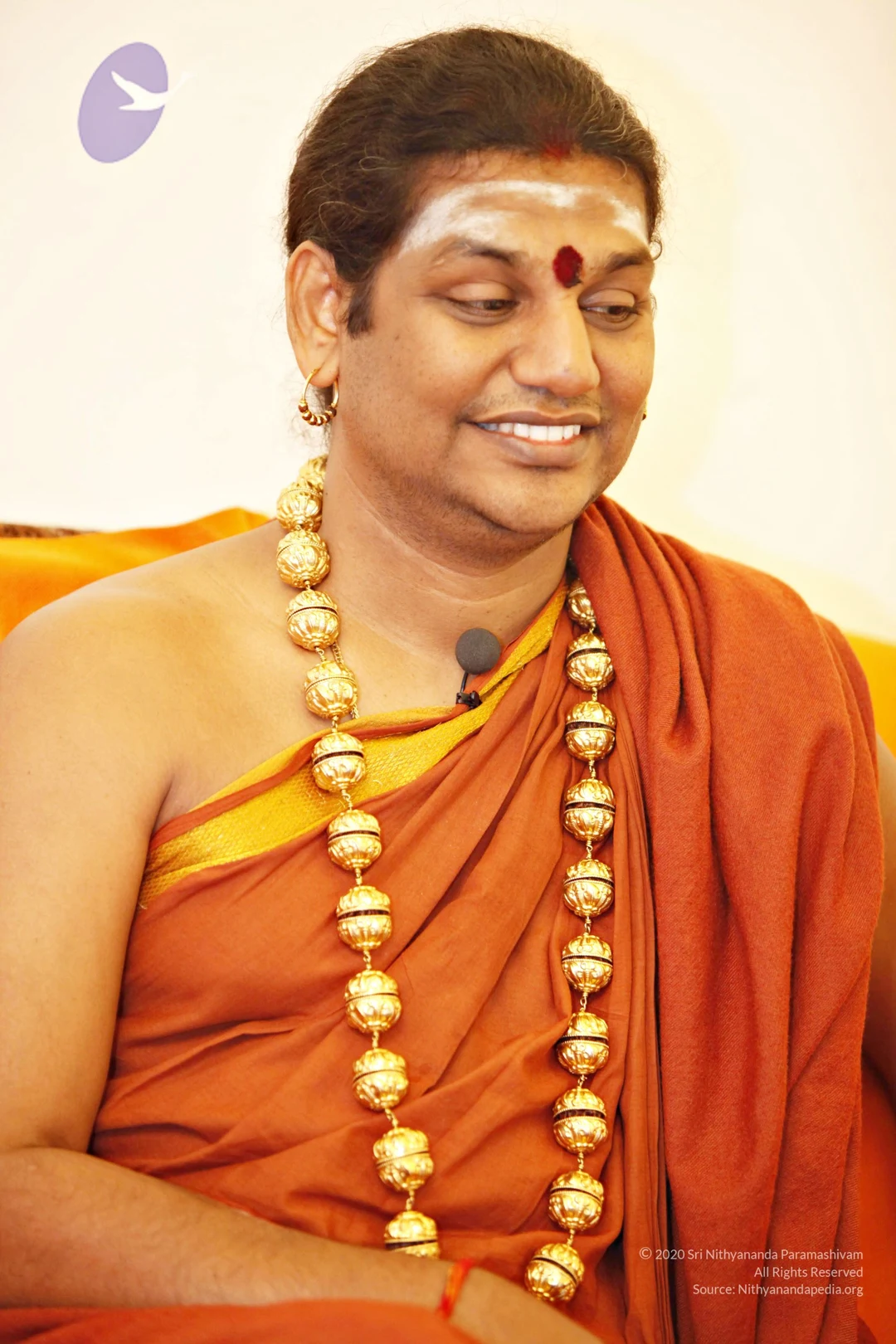
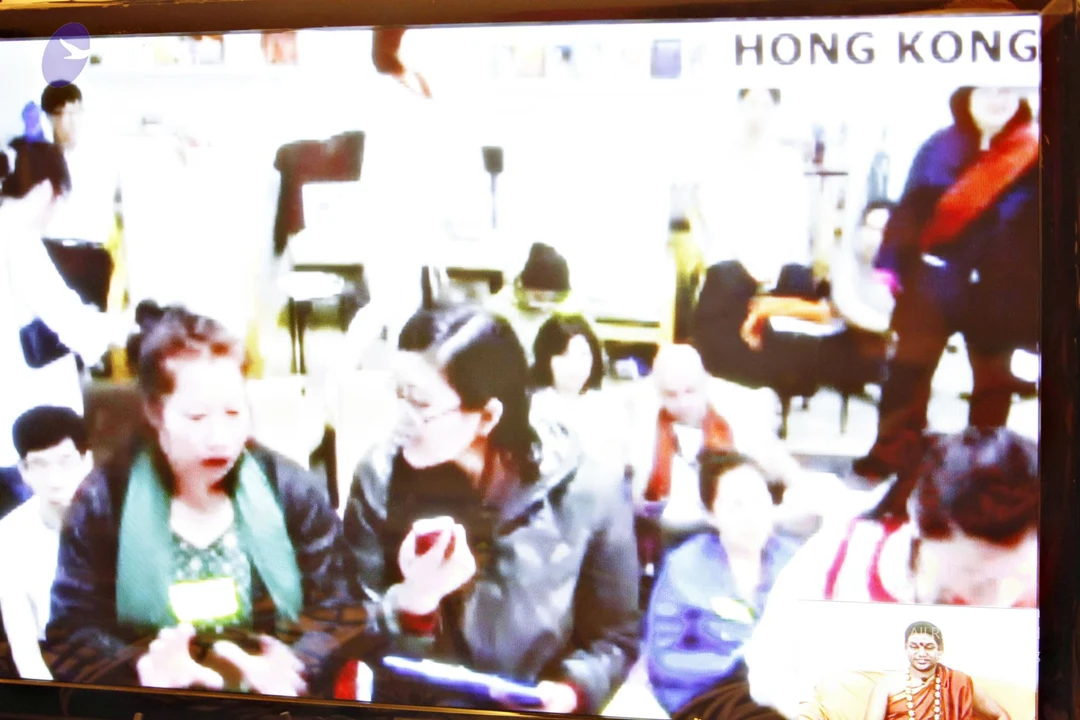
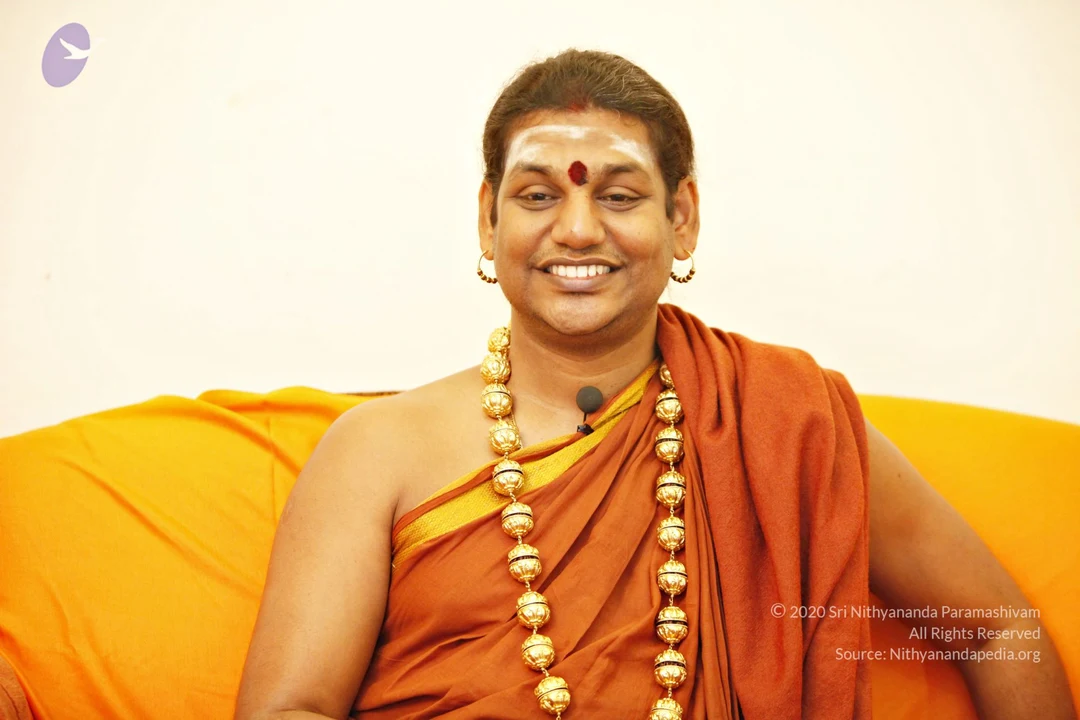
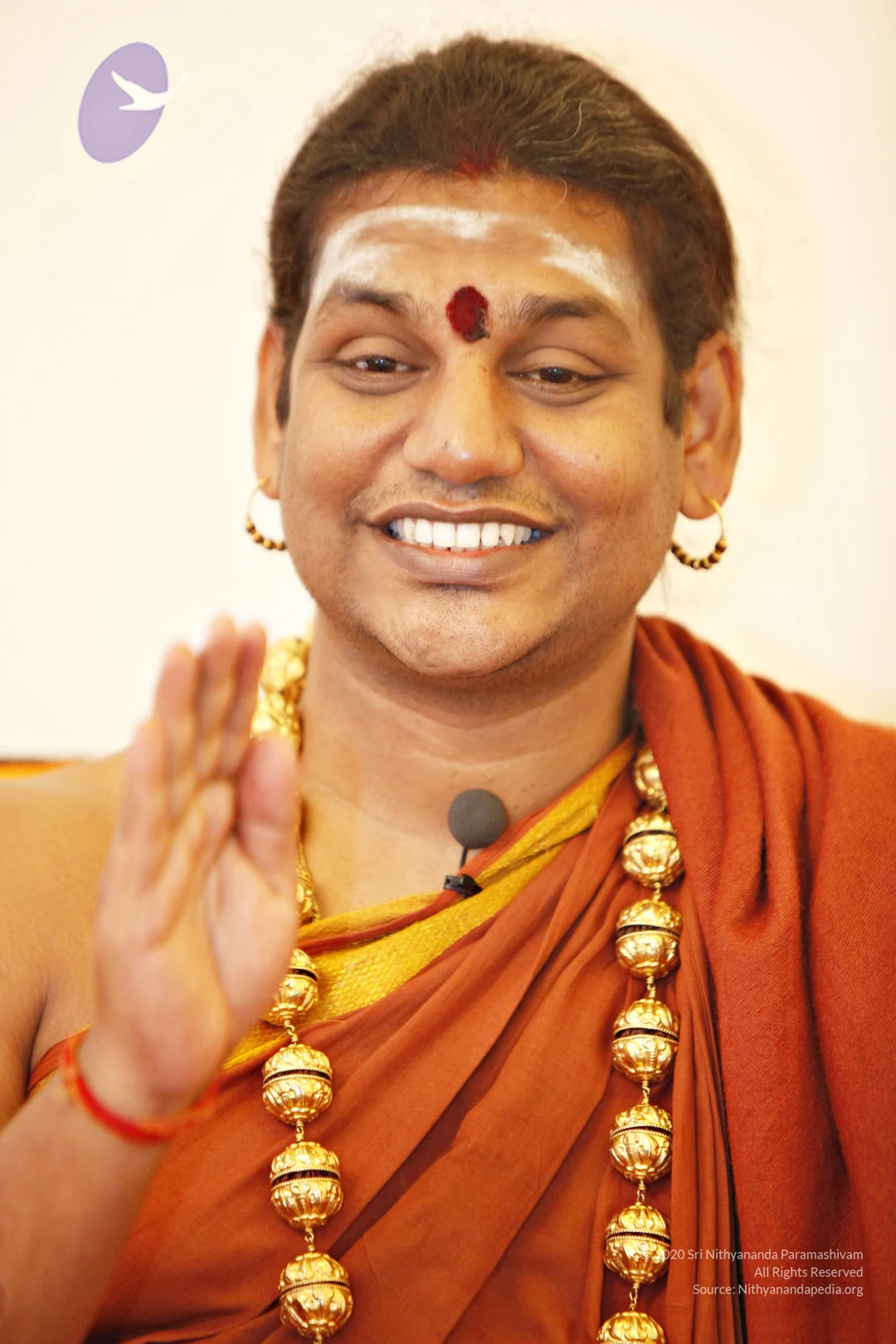
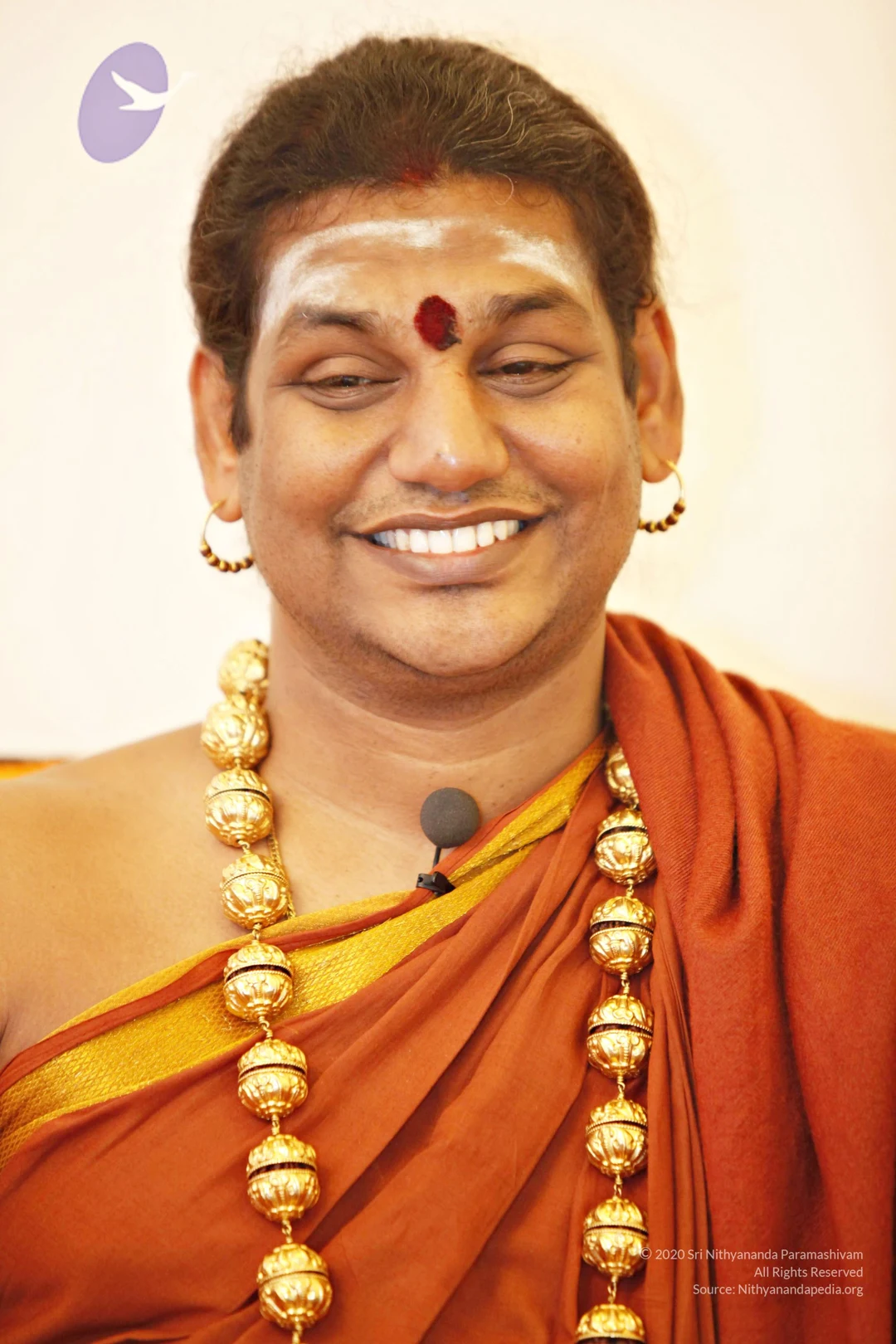
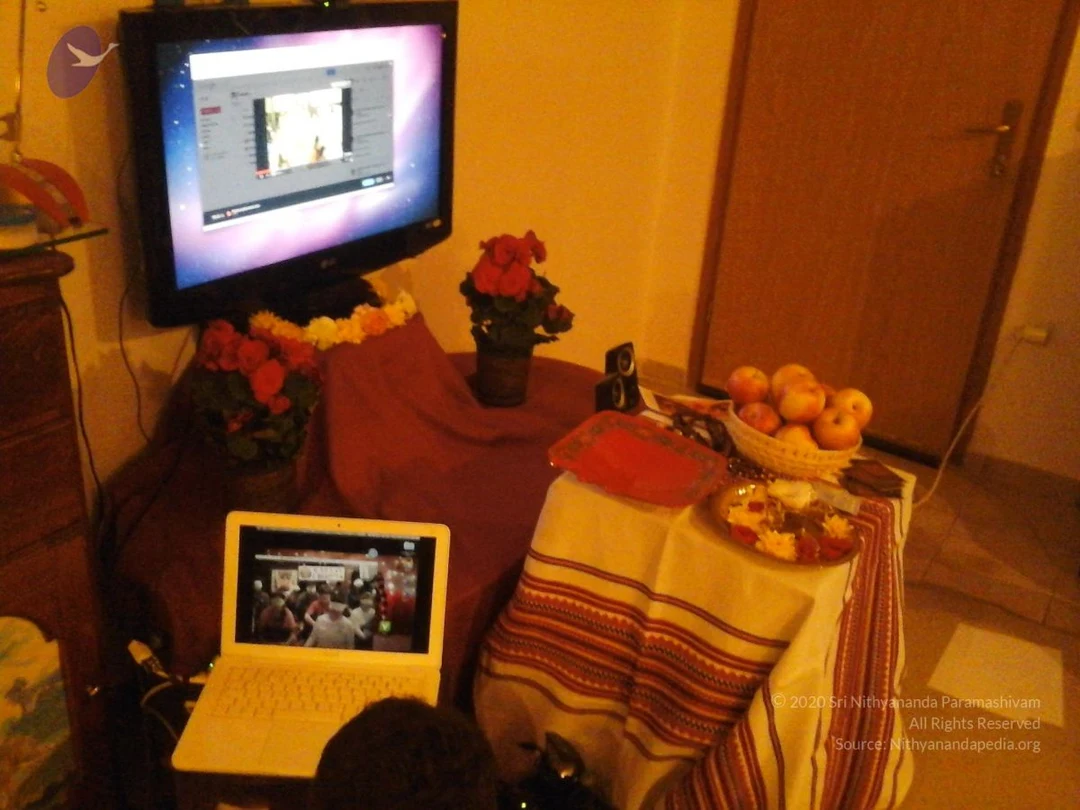
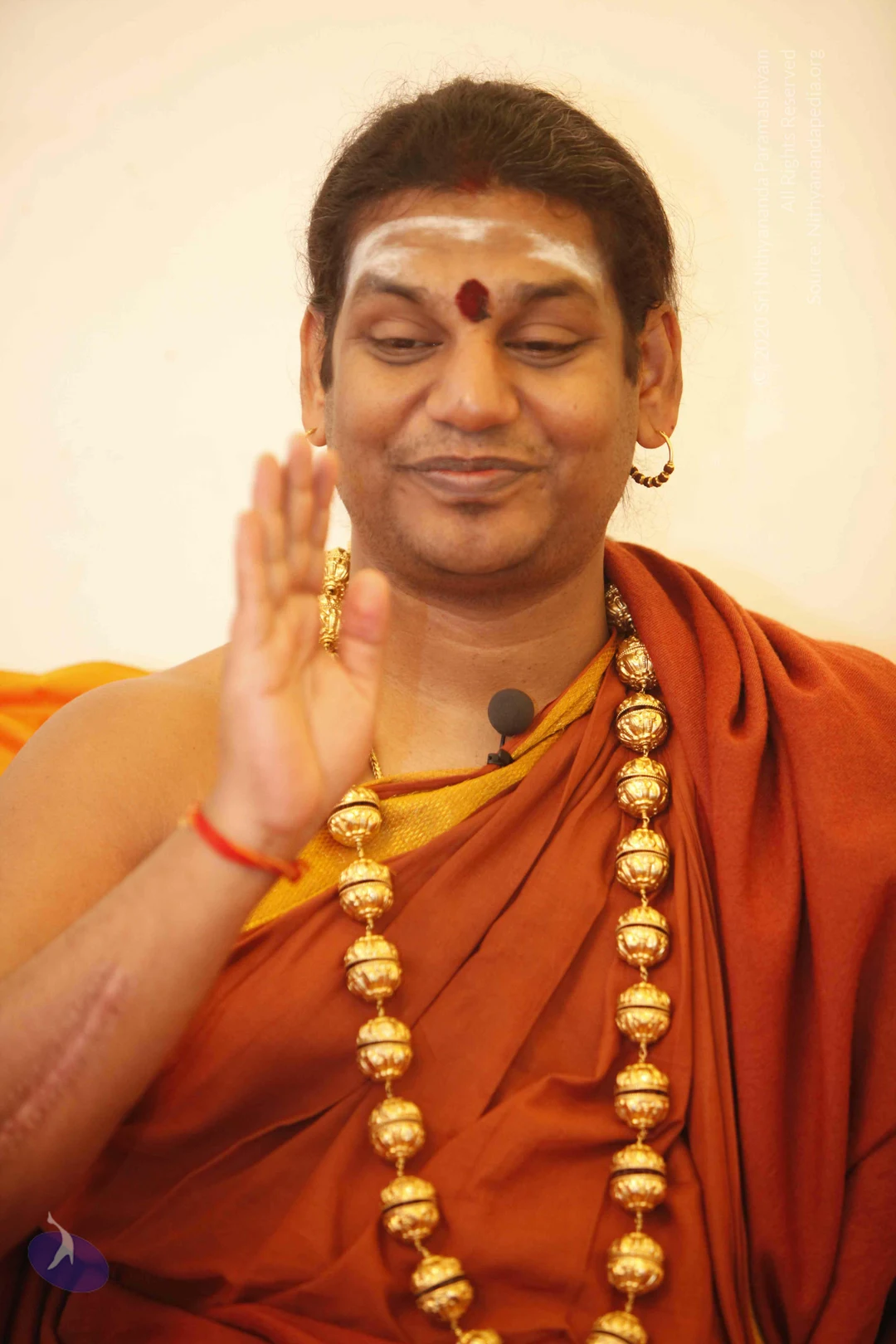
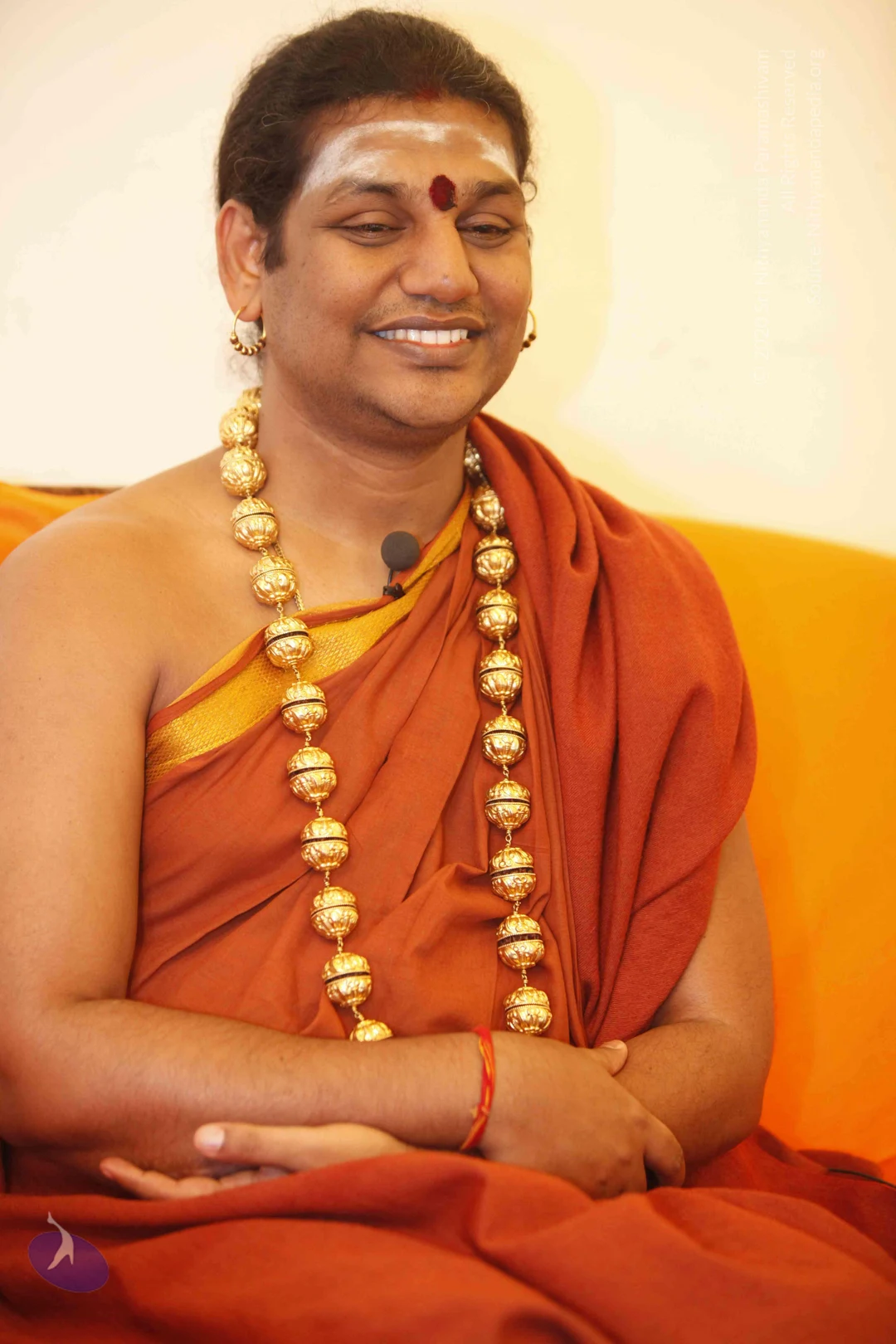
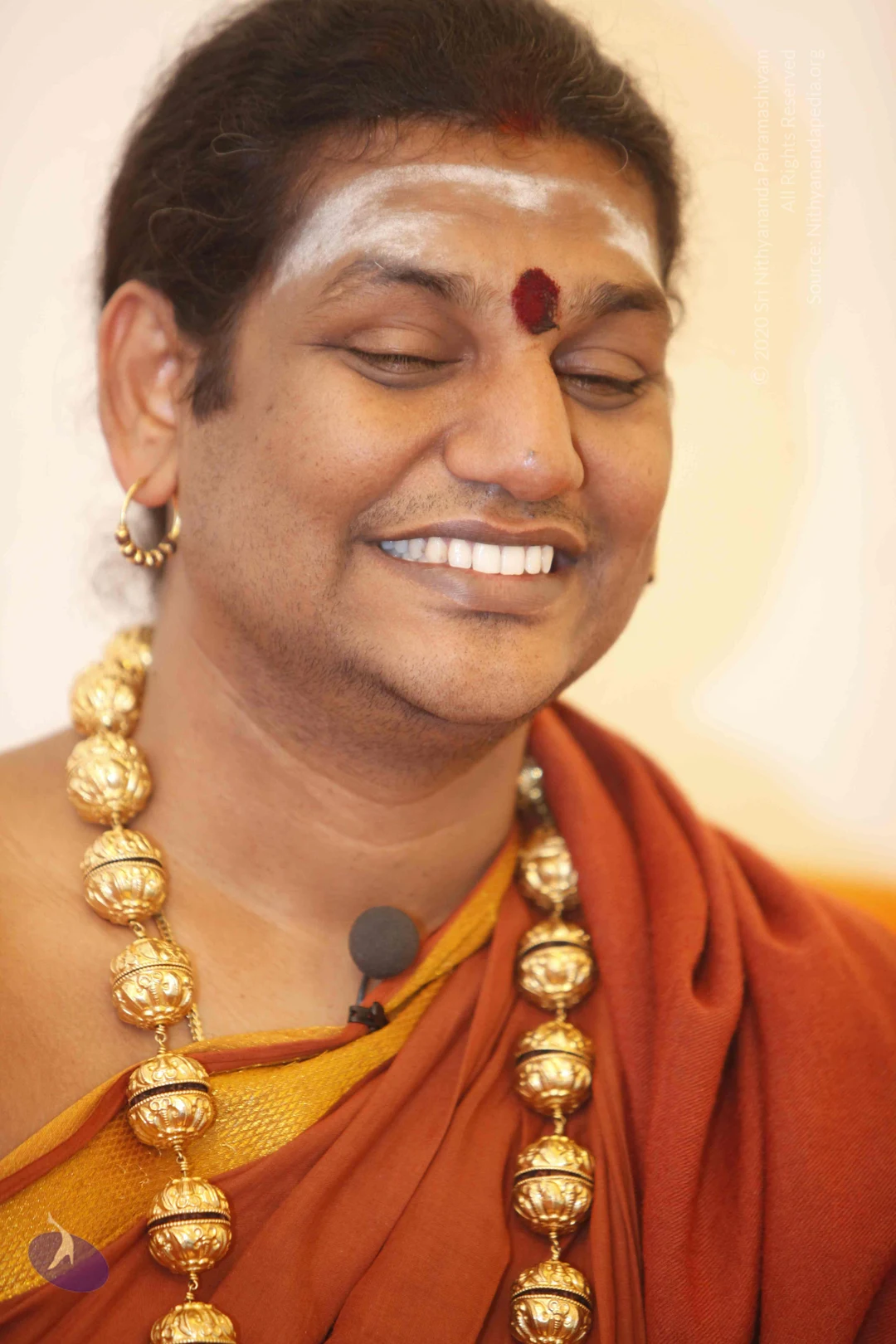
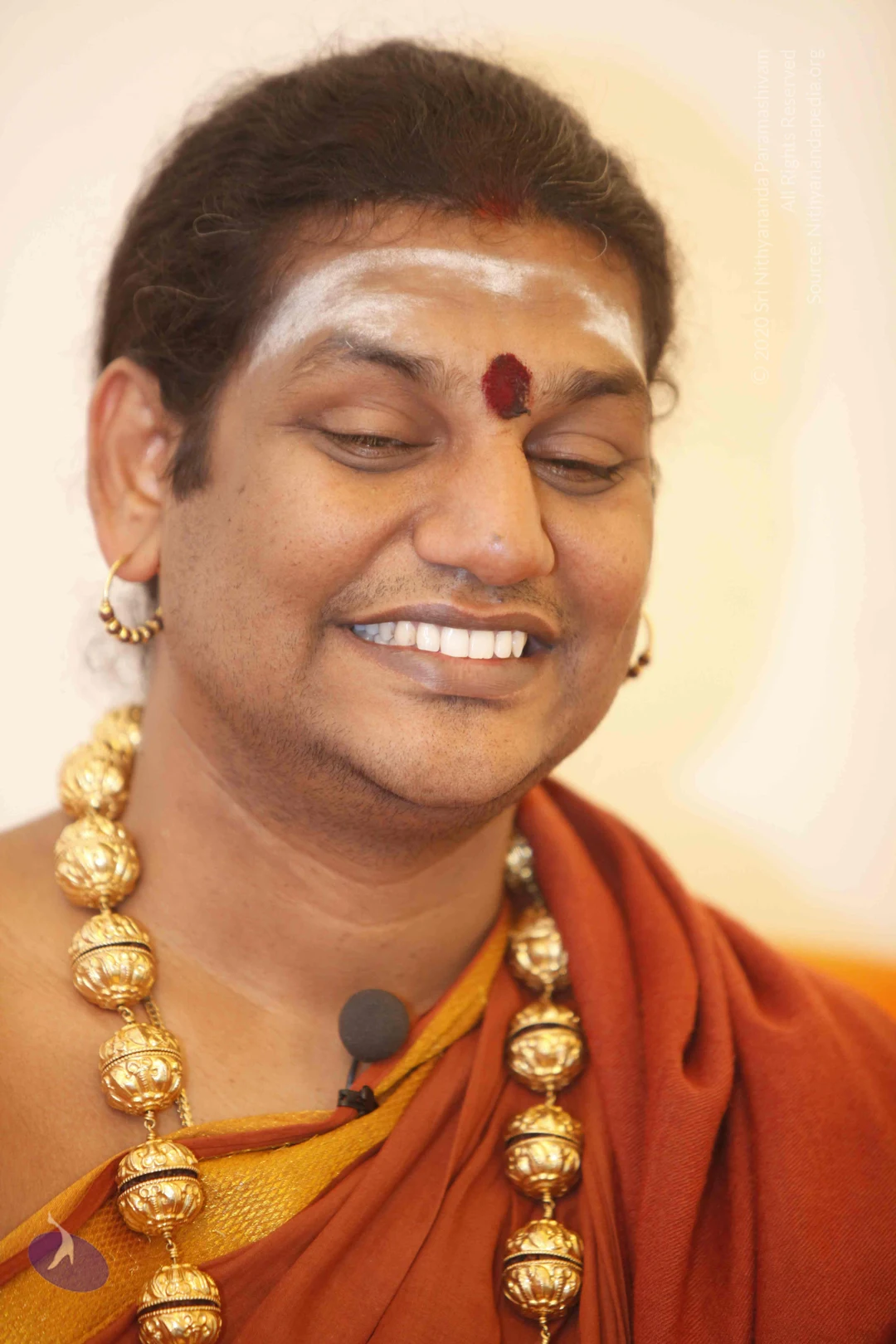
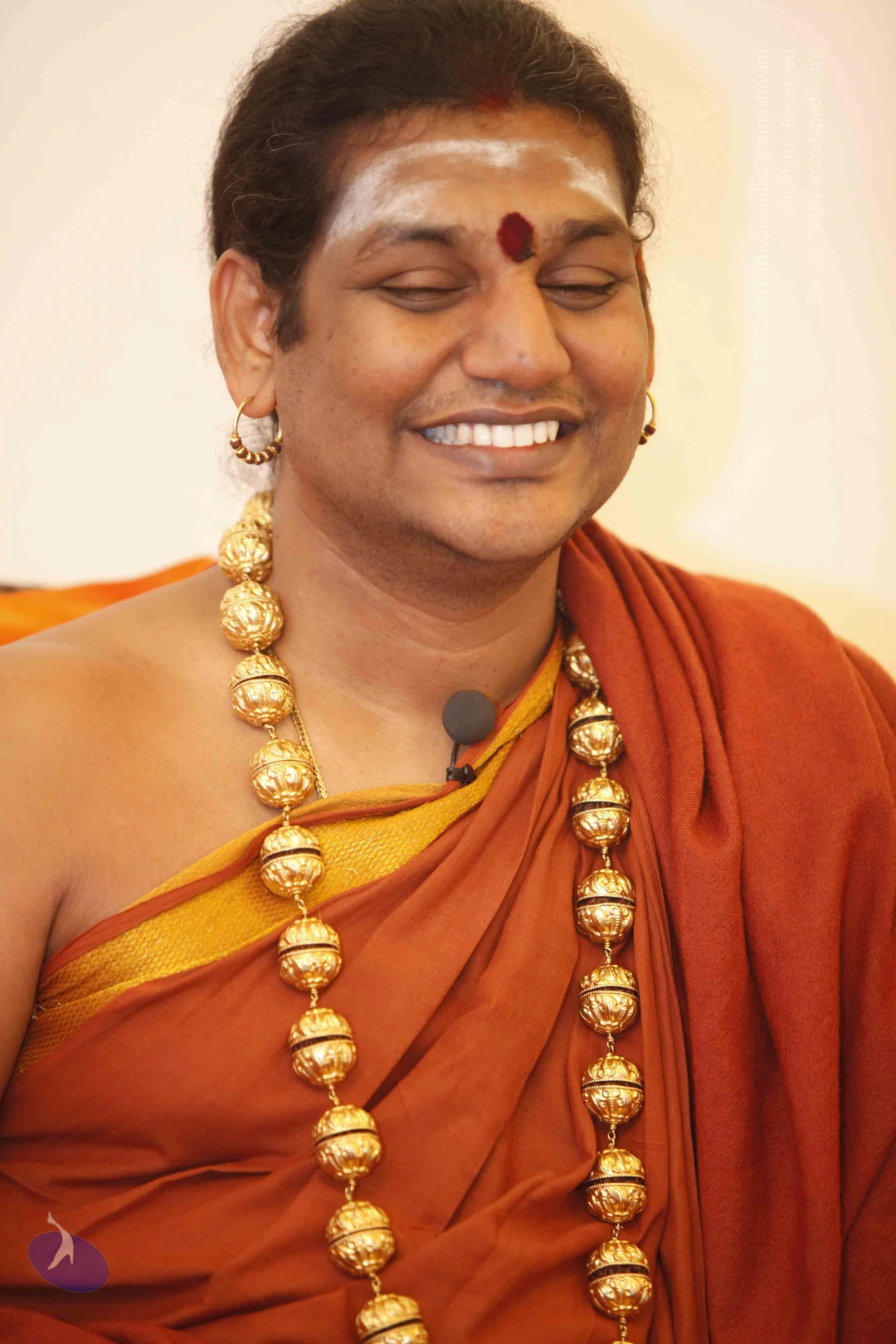
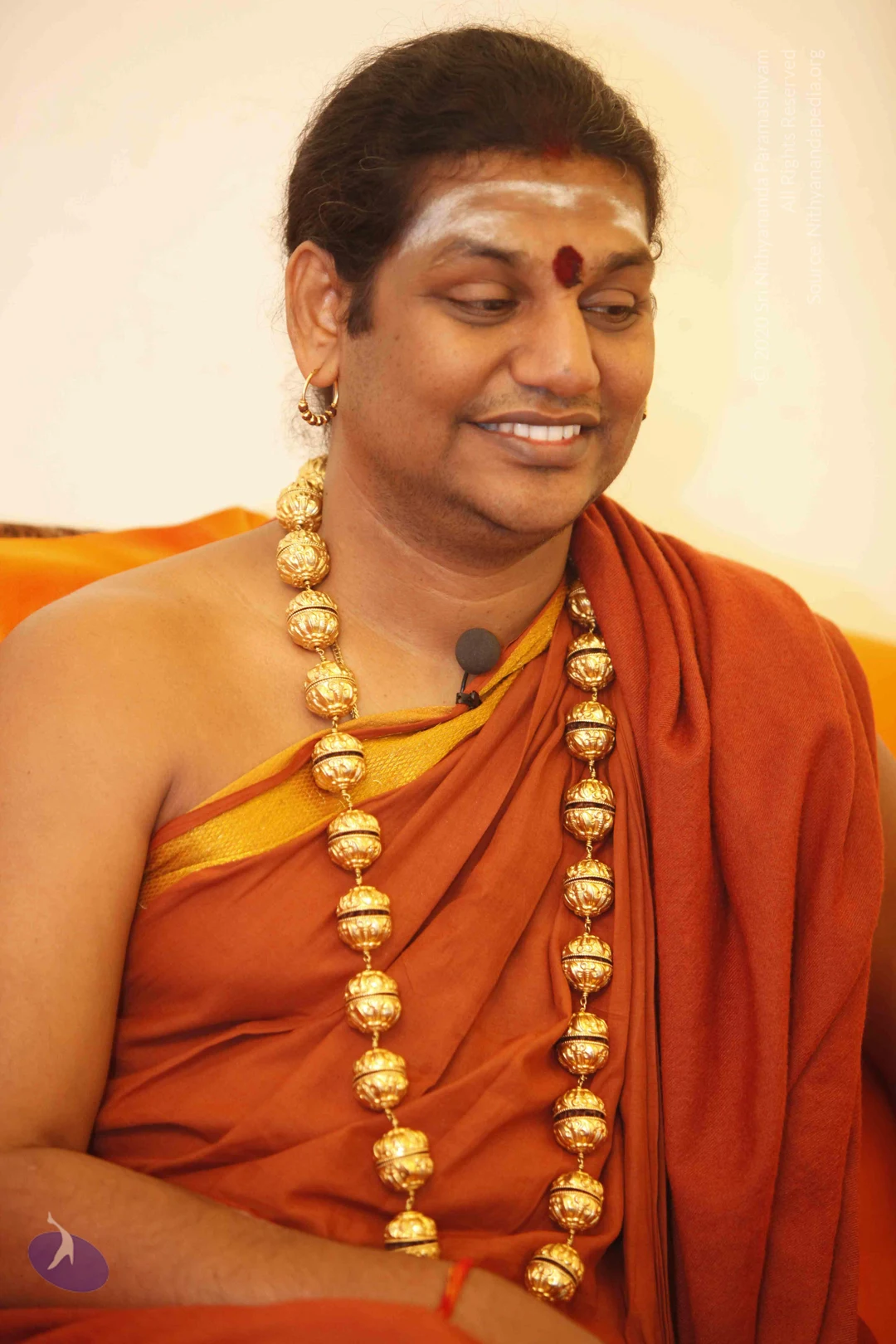
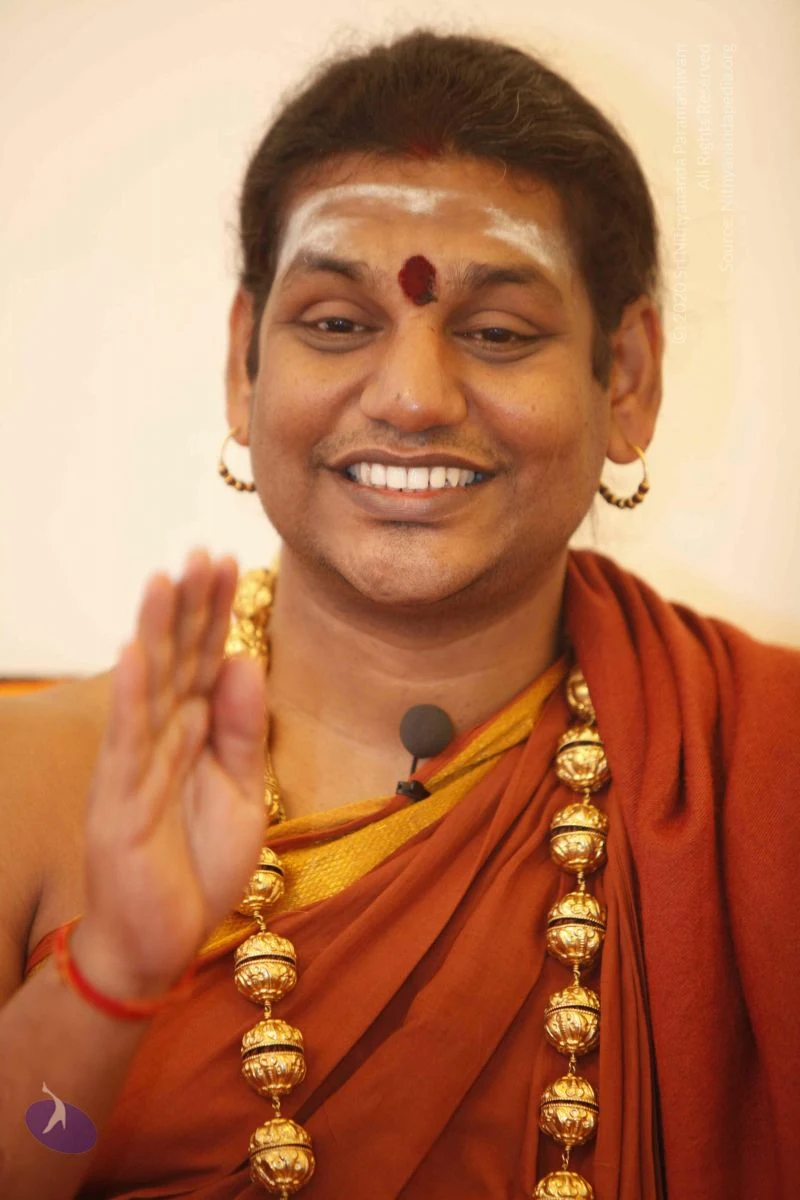
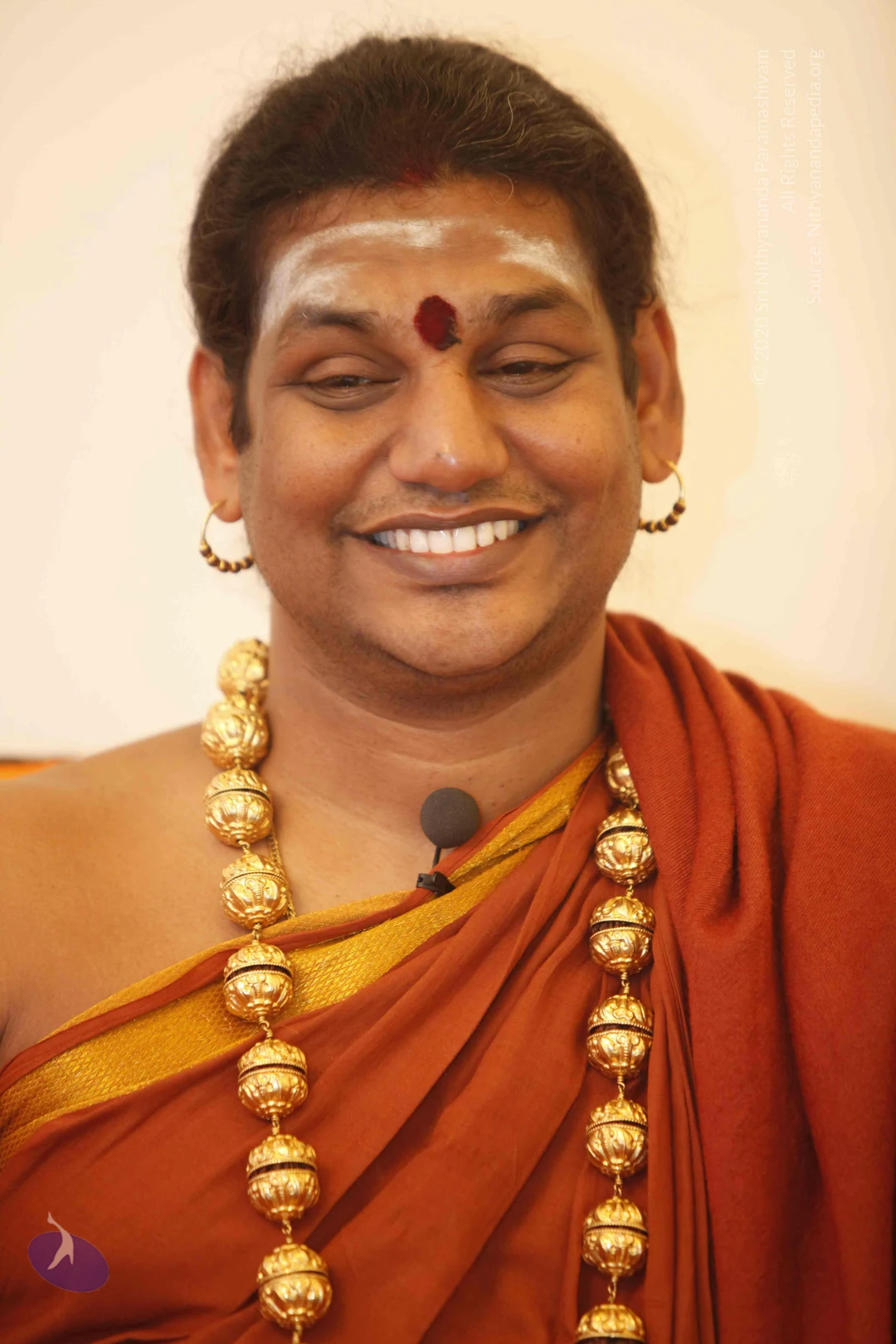
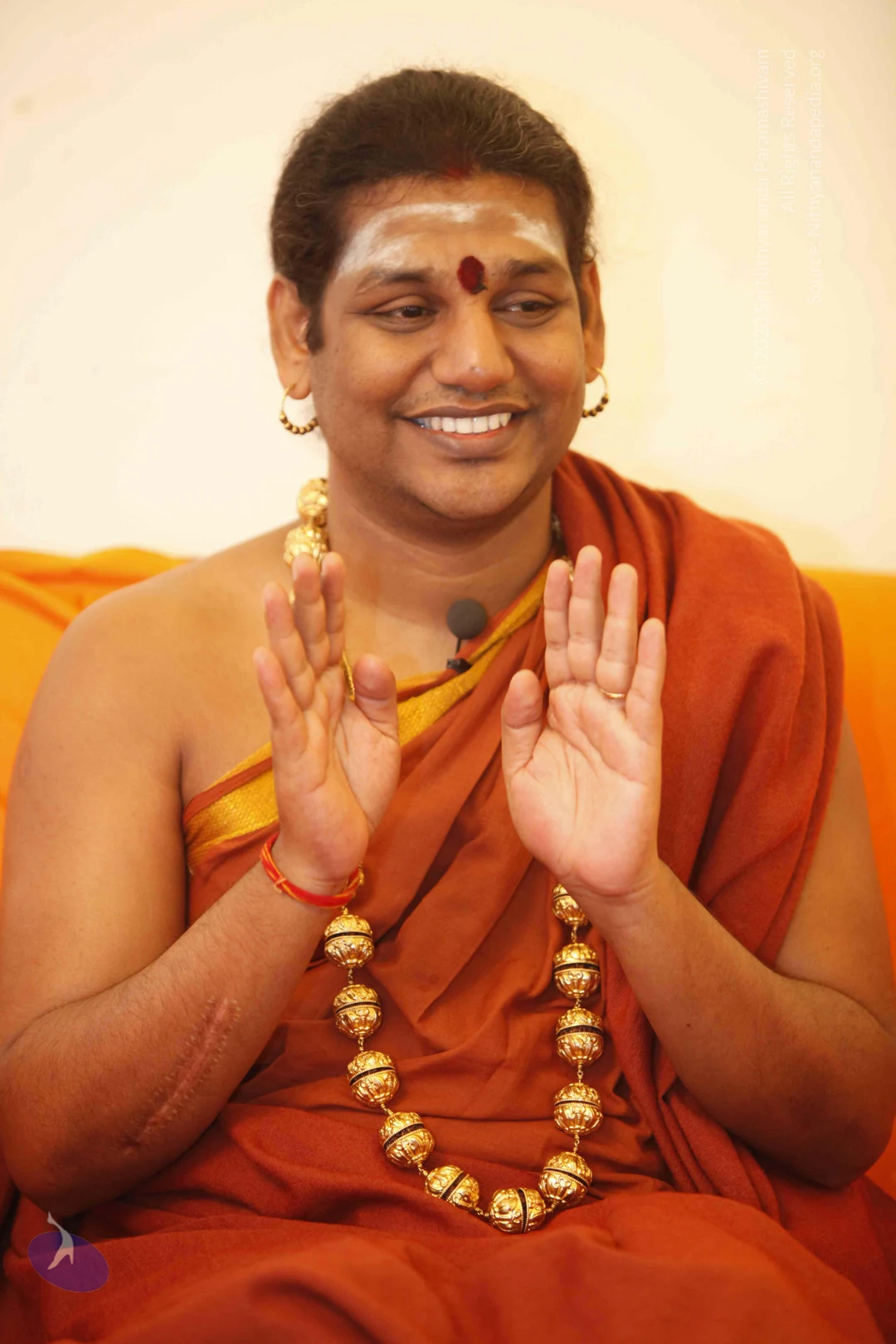
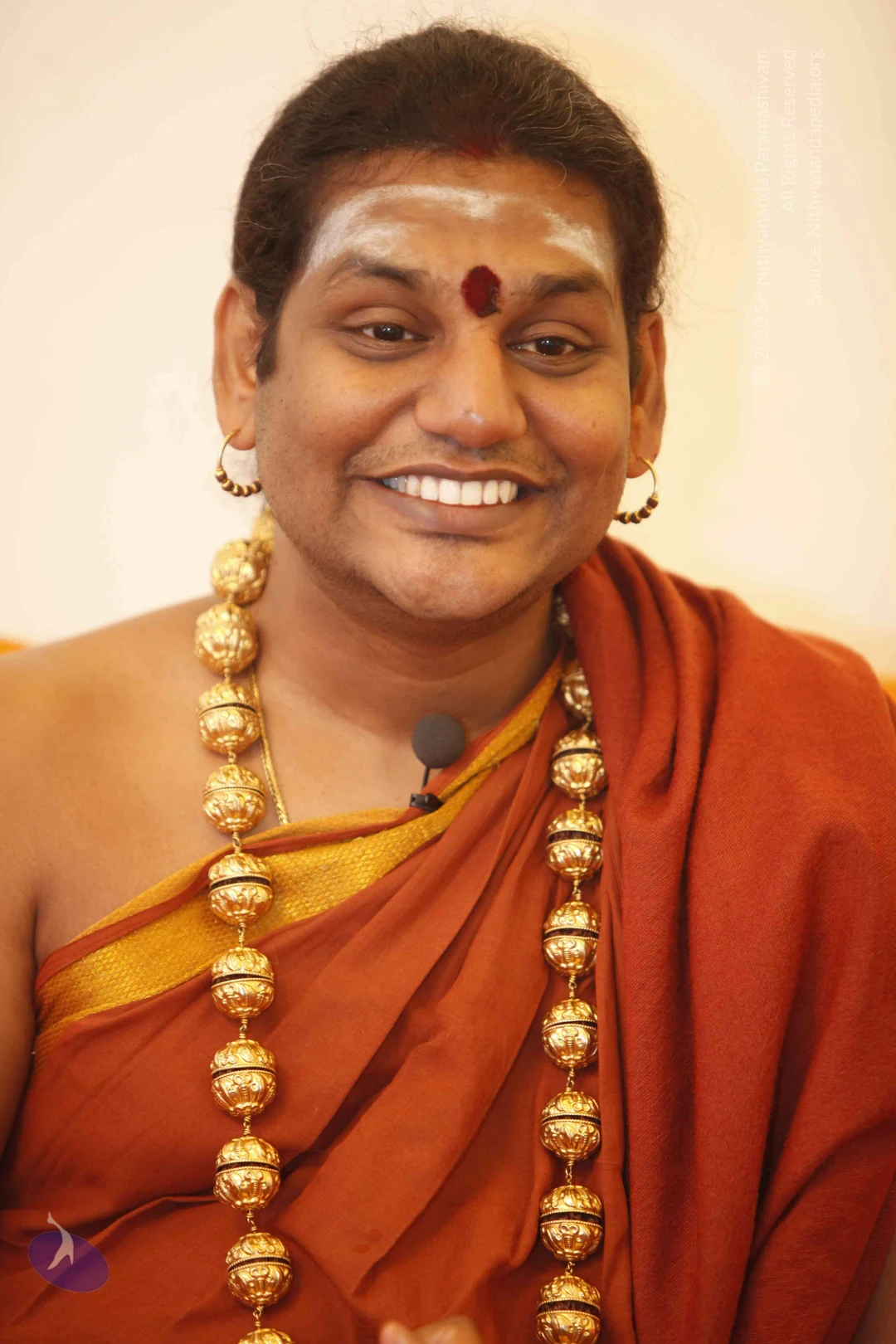
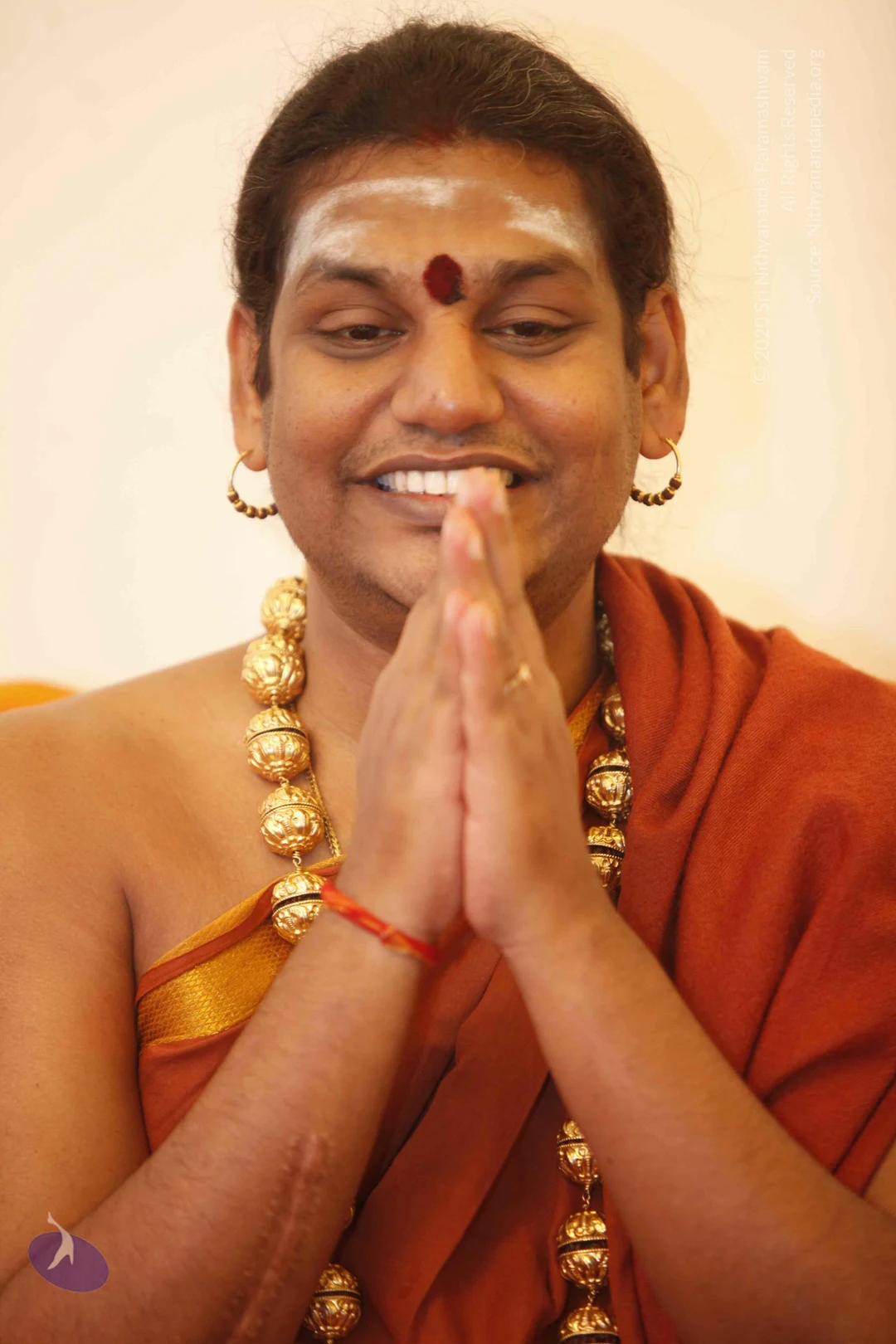
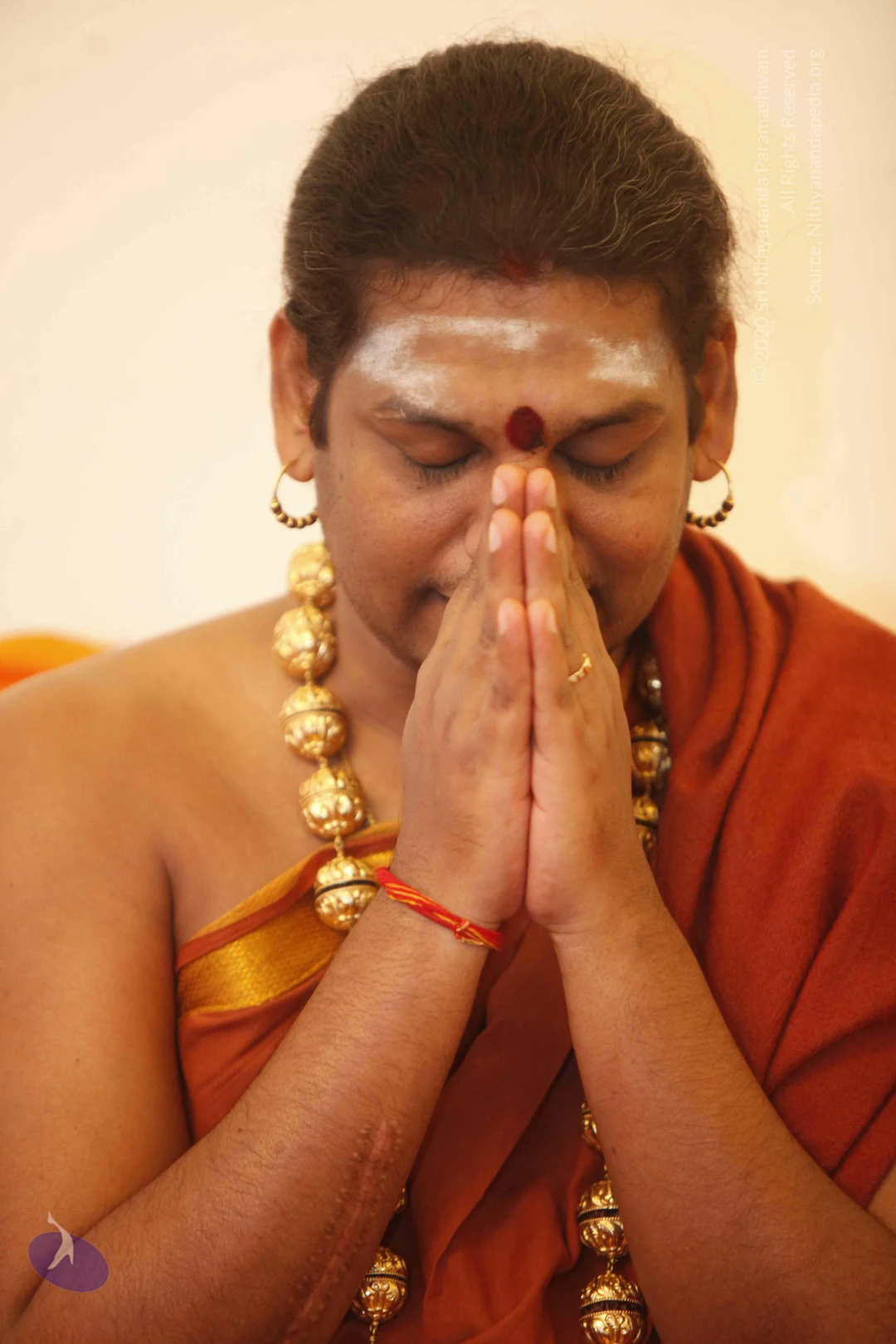

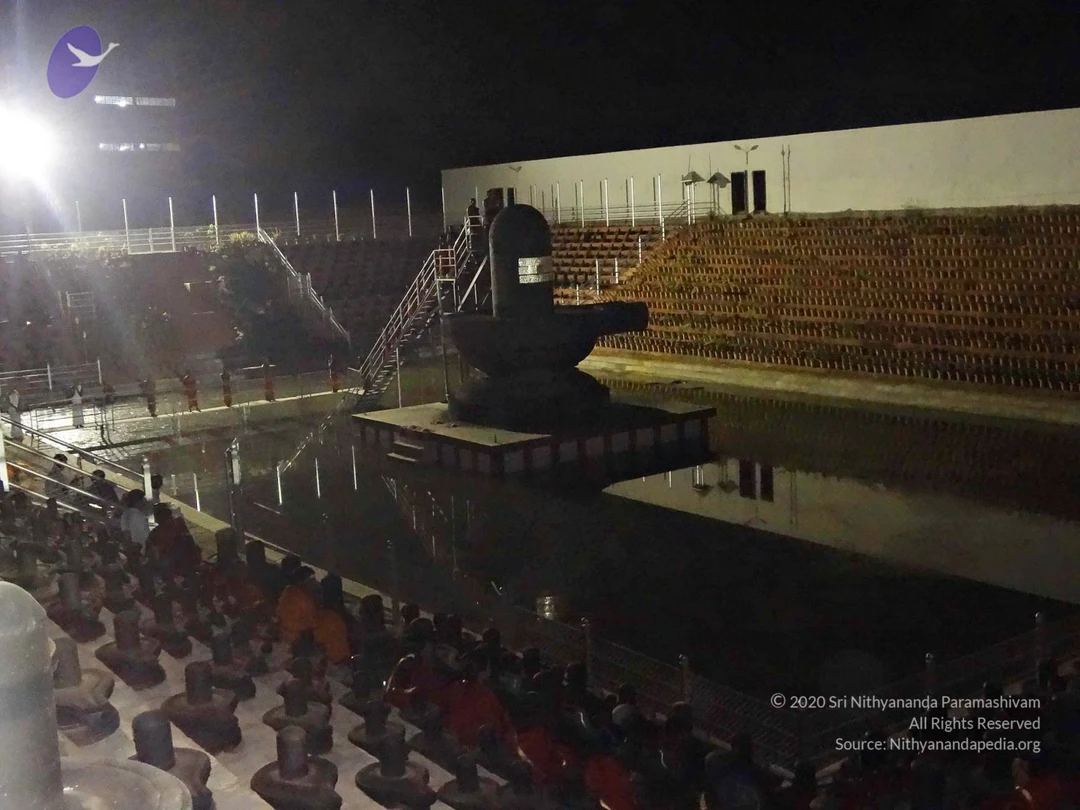
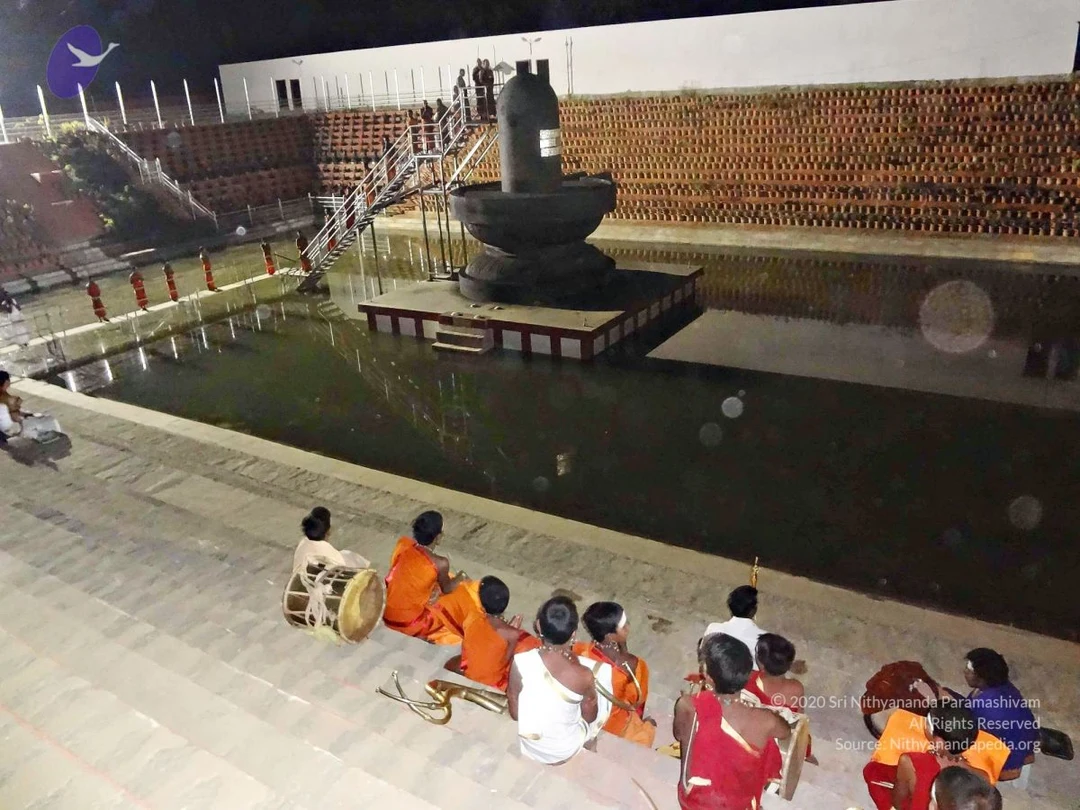
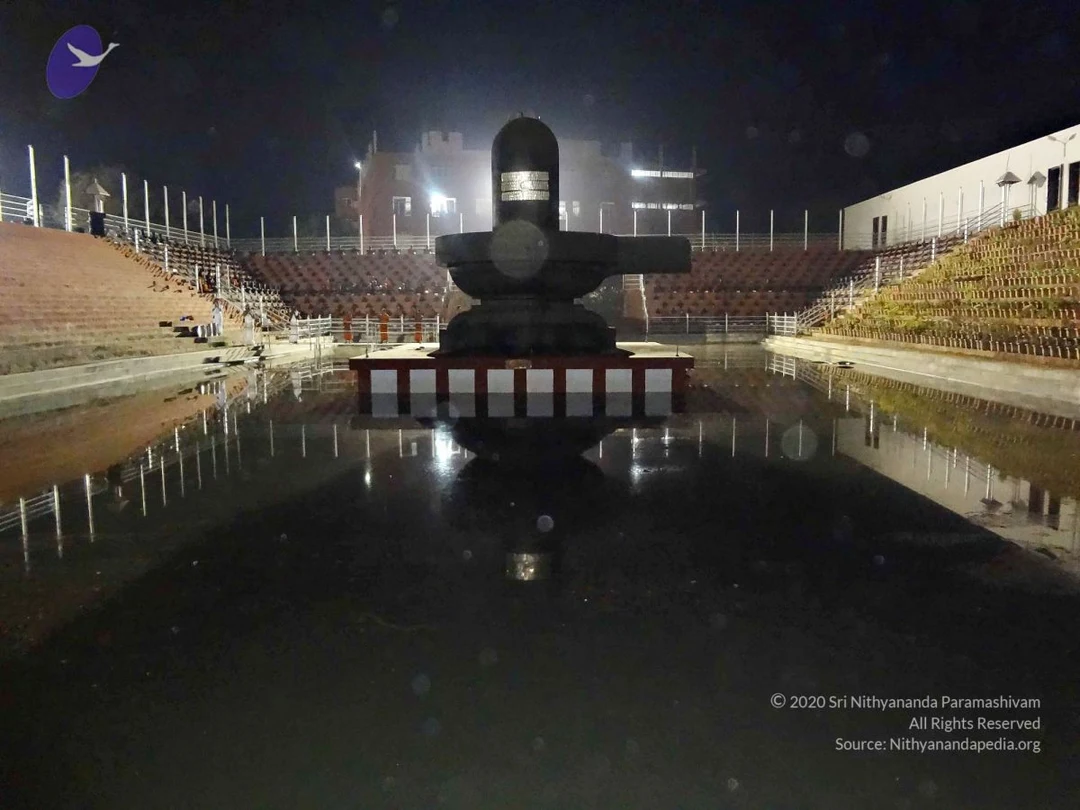
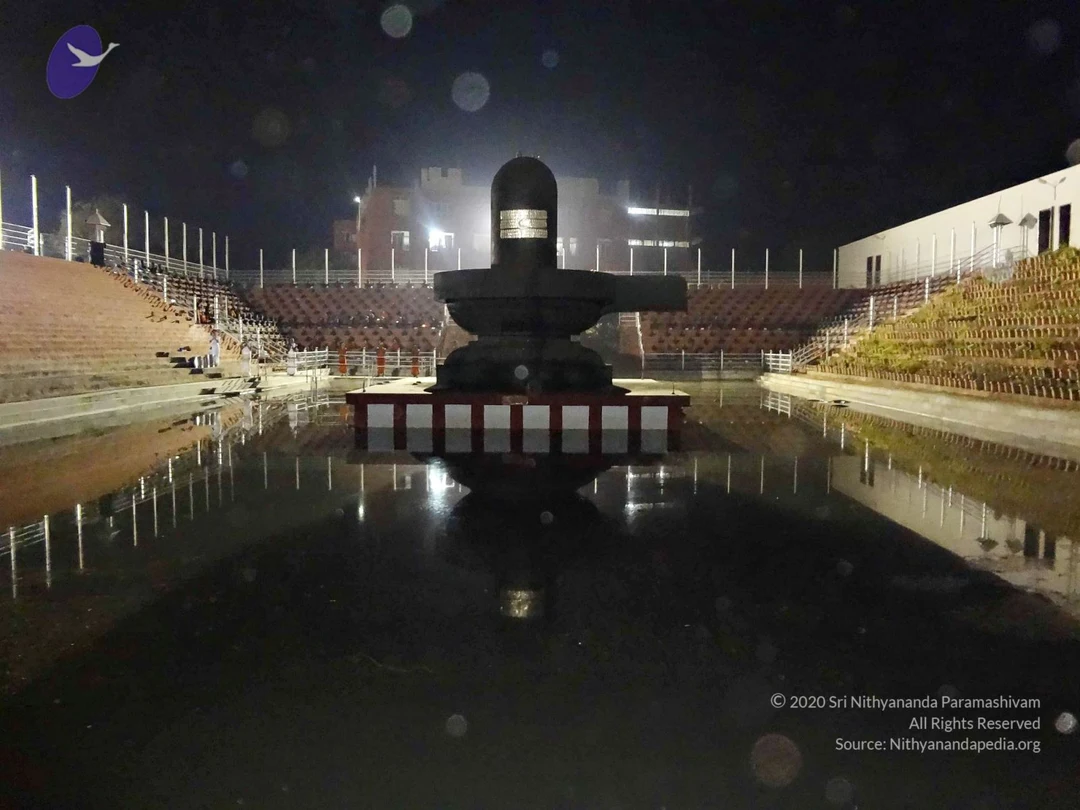
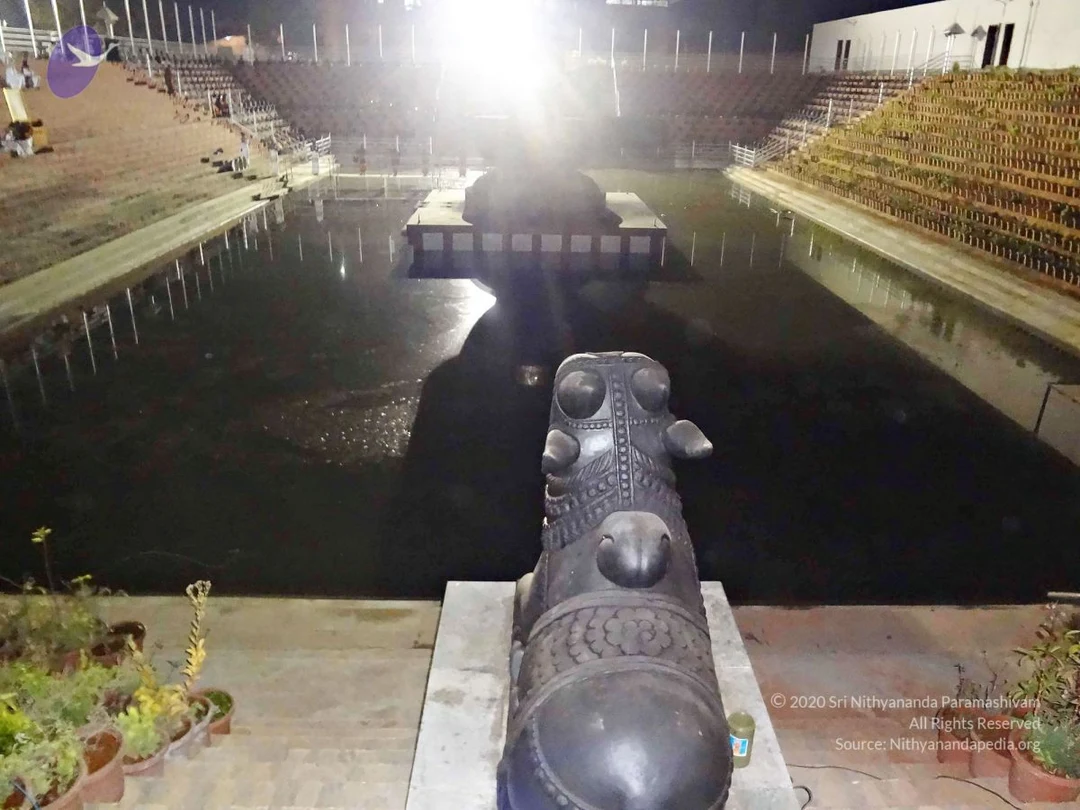
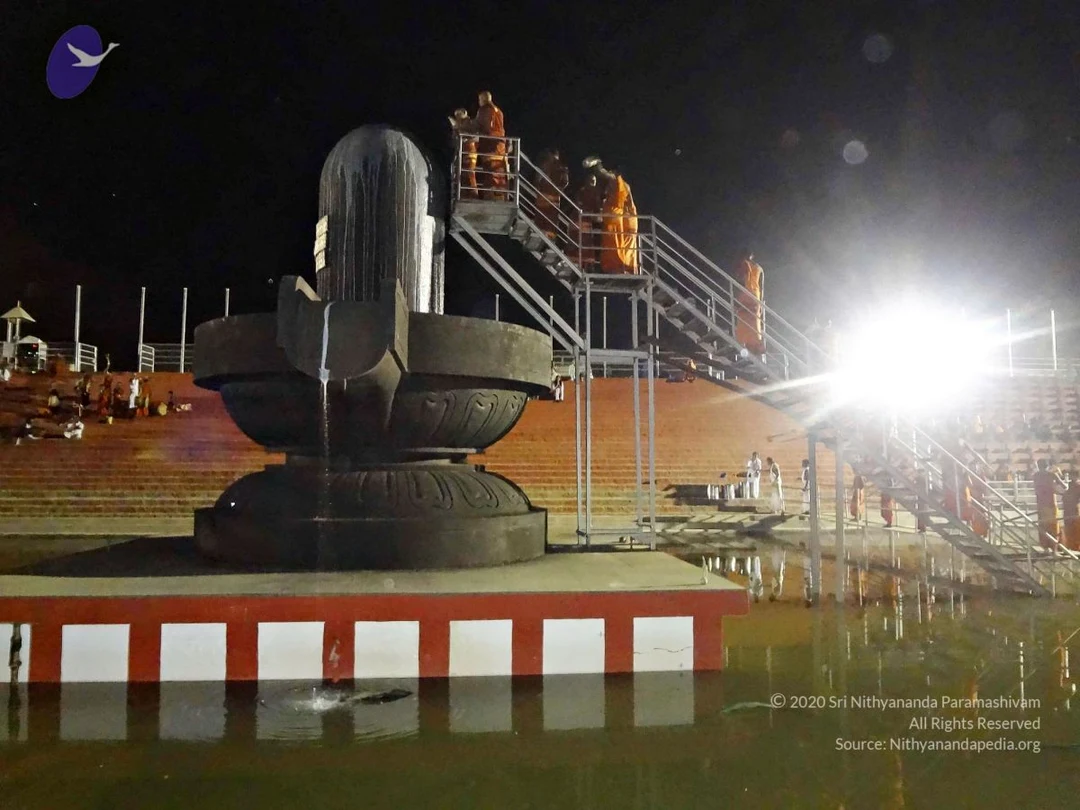
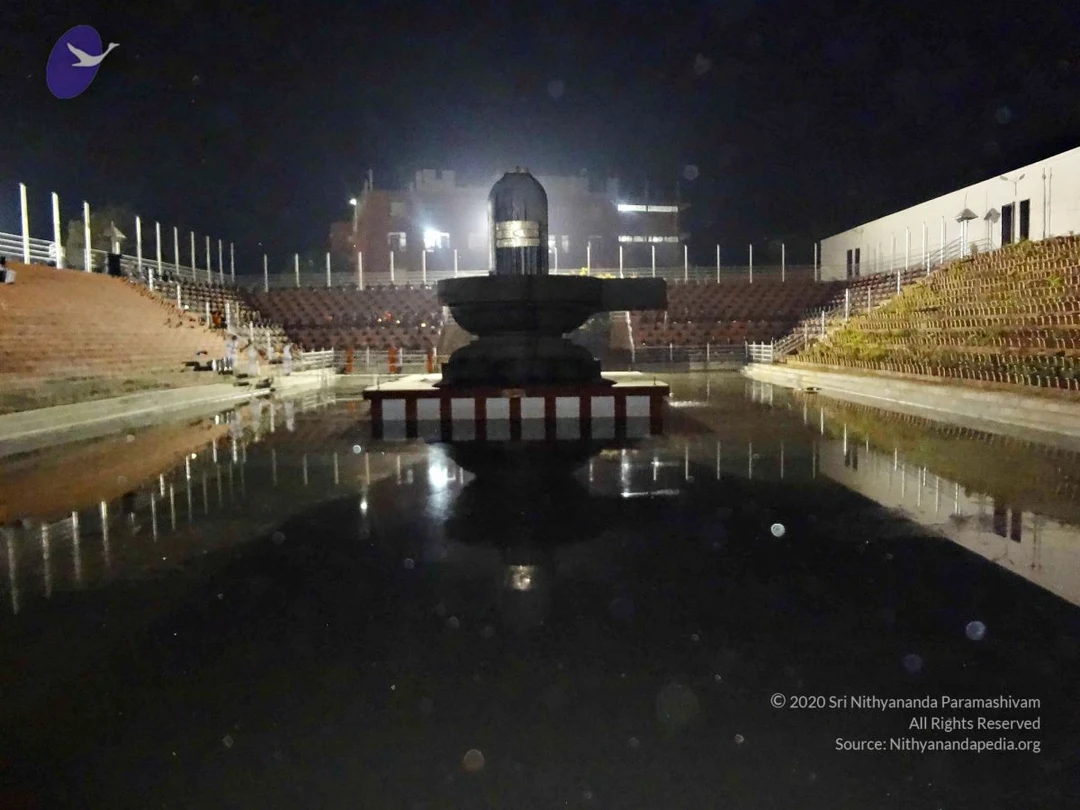
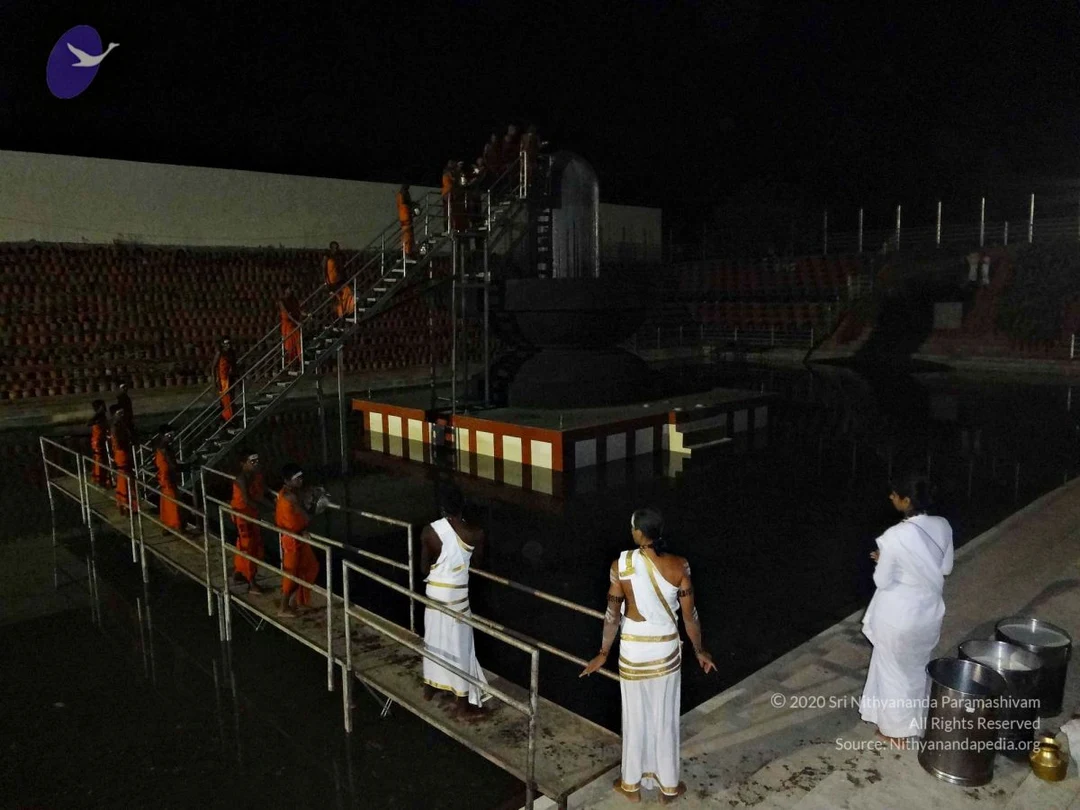
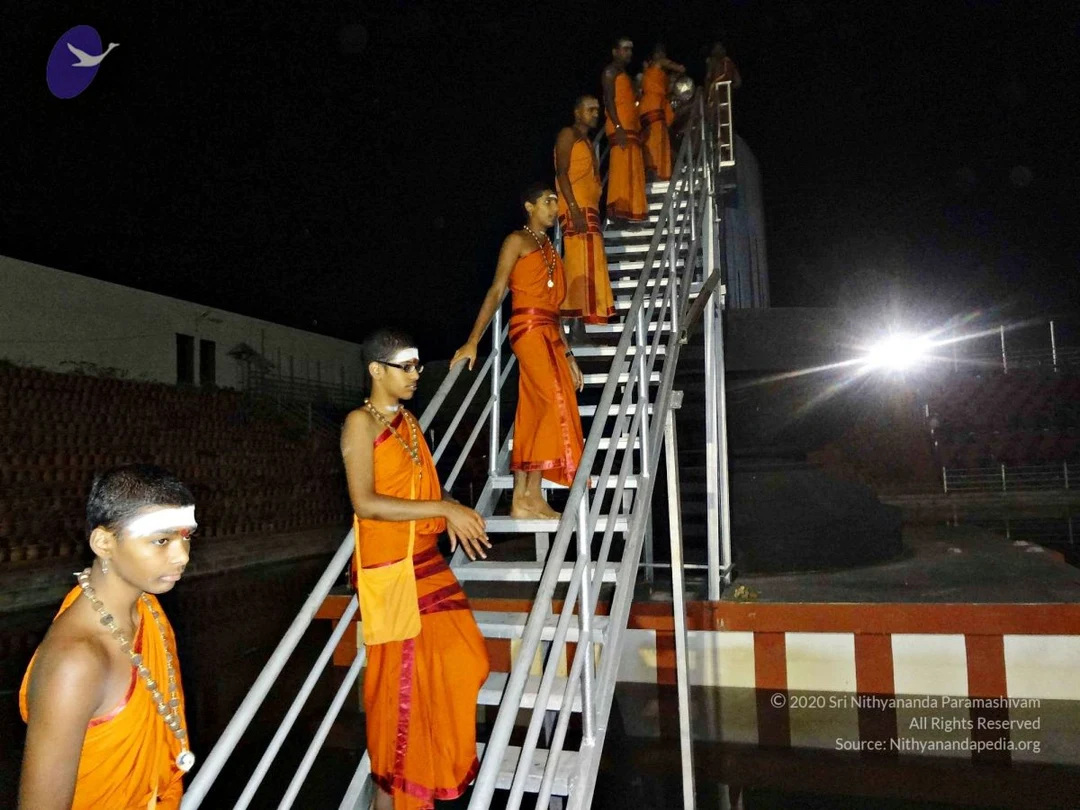
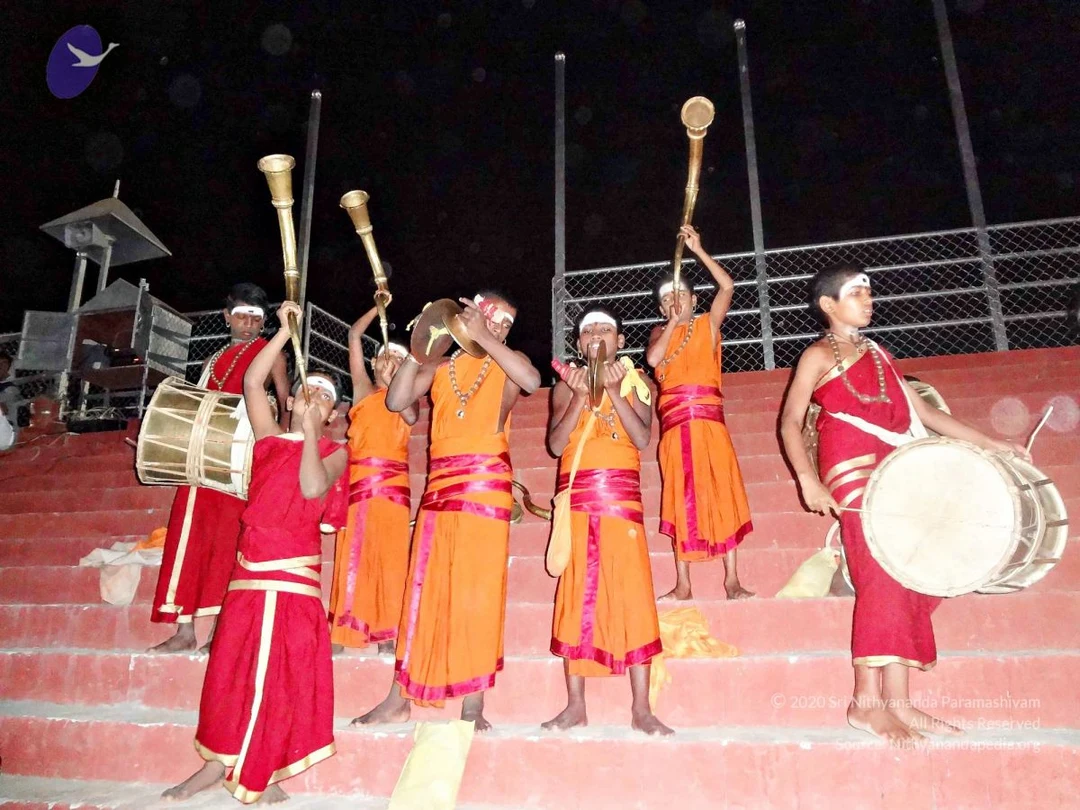
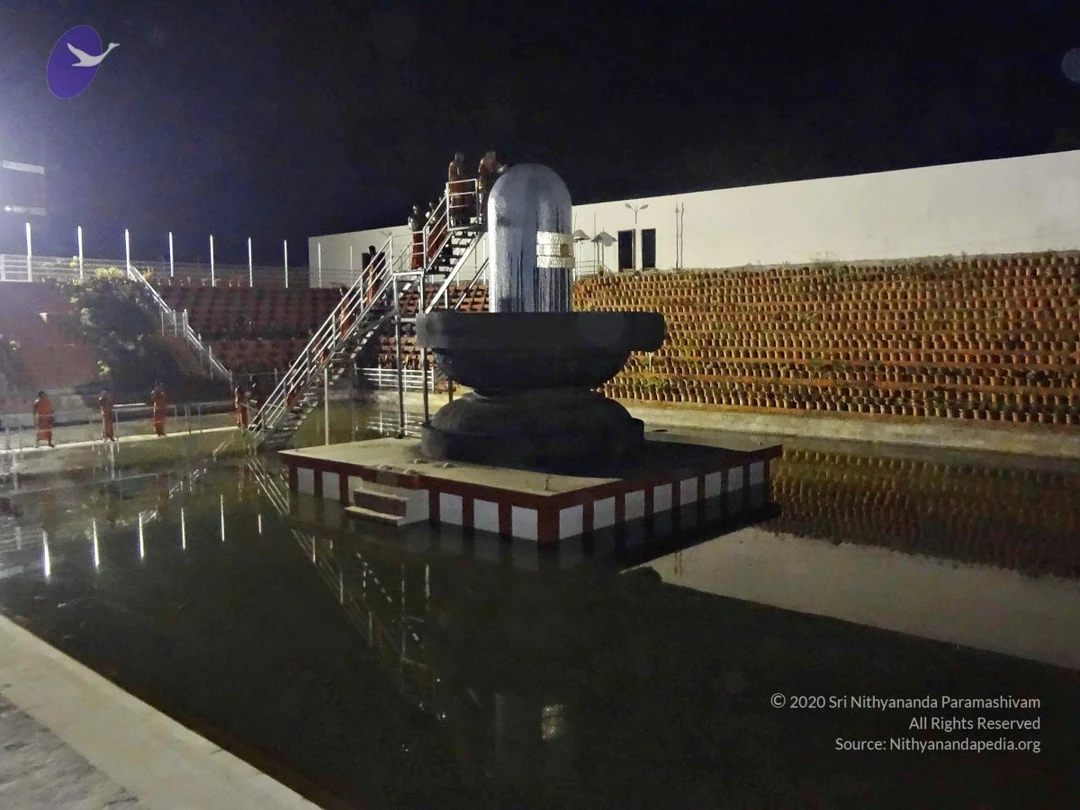
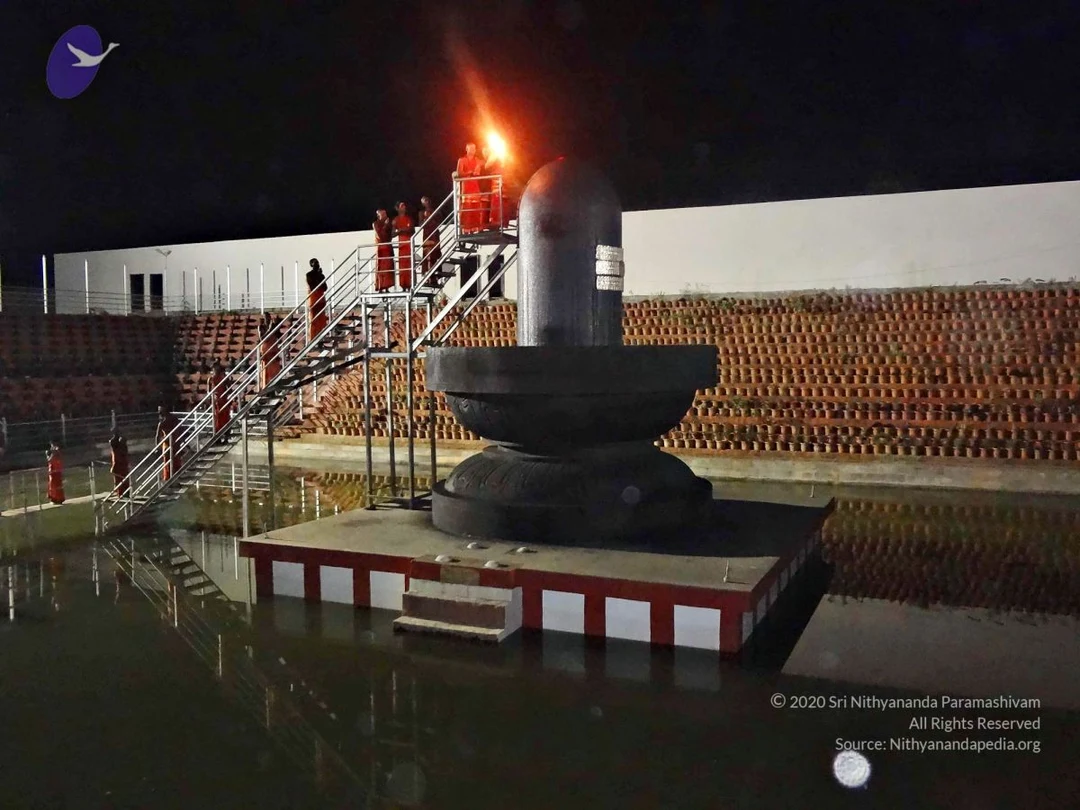
Rudrabhishekam and Paduka Puja at Adi Kailash, Bengaluru

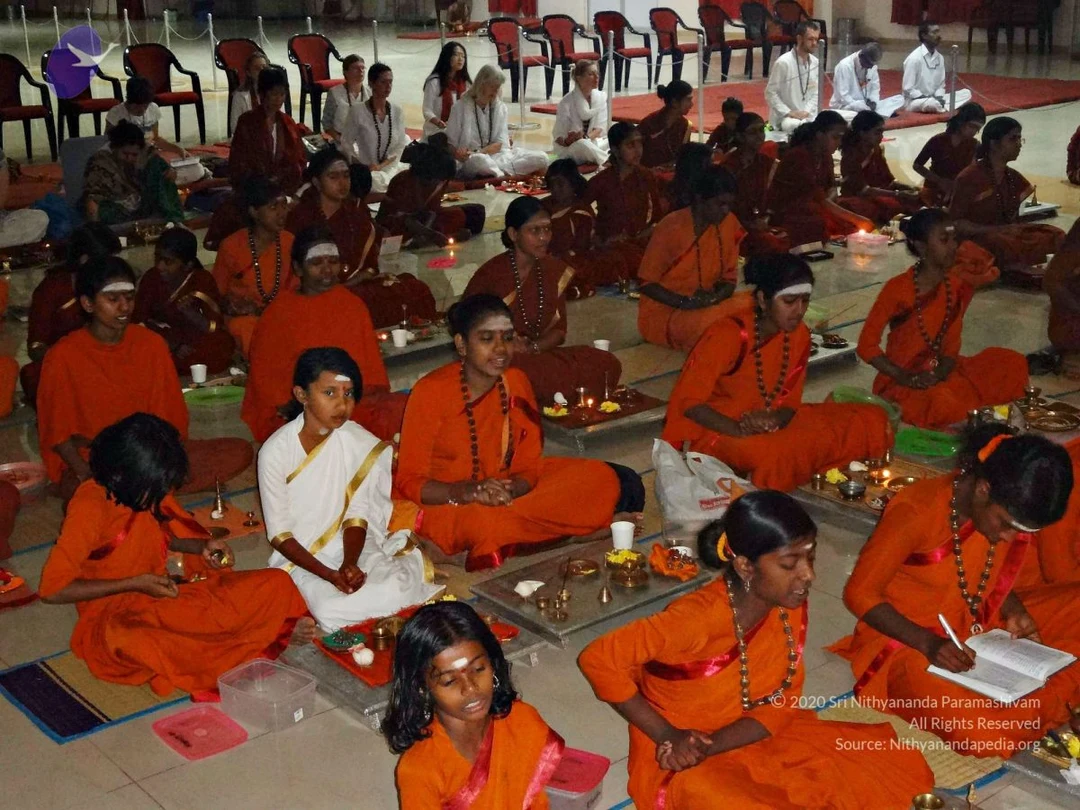
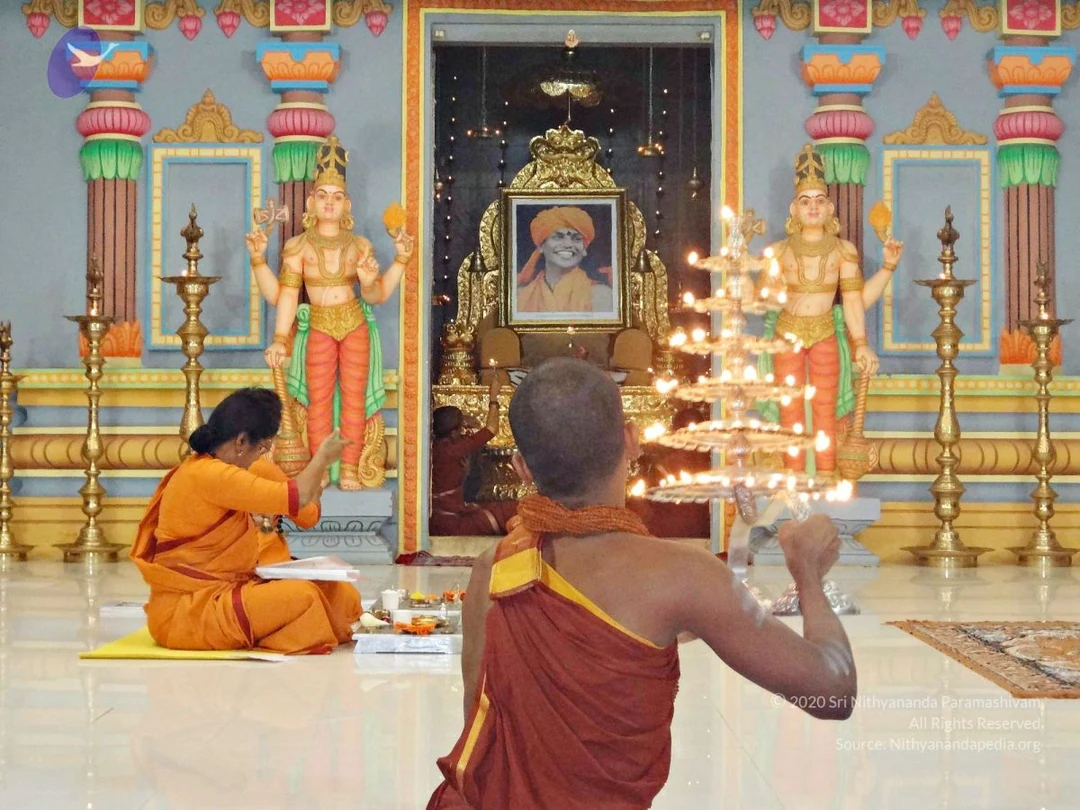
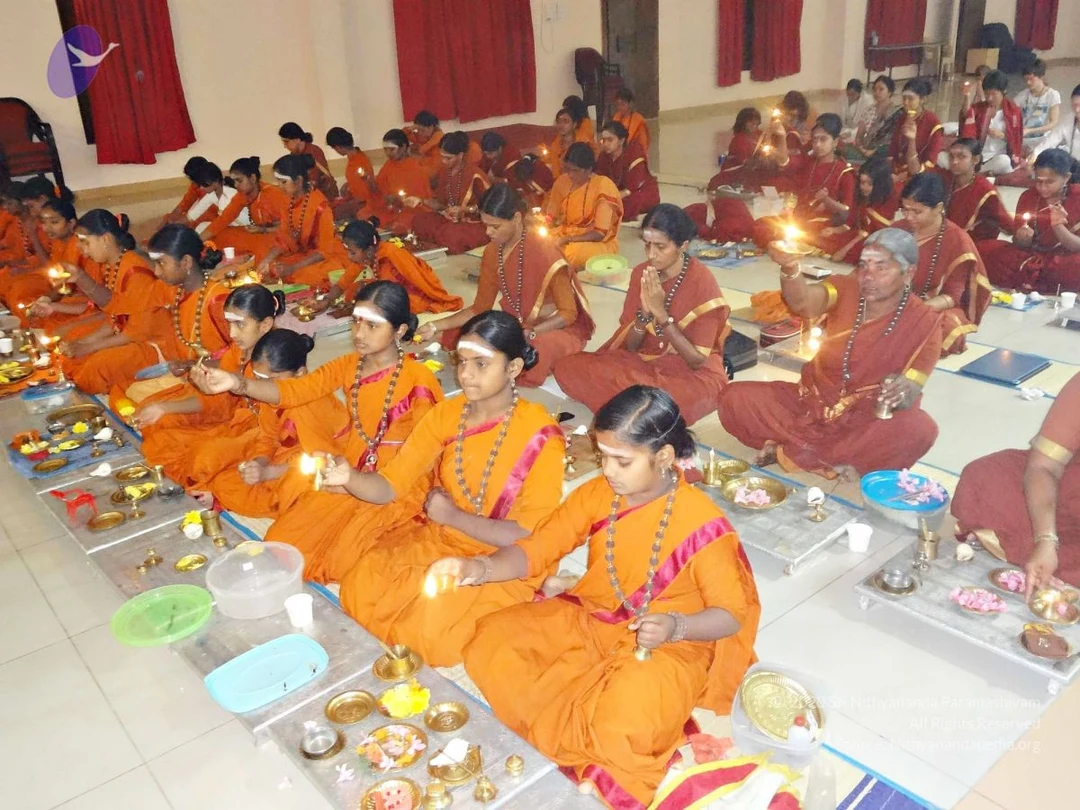
Photos from this day
View all 78 photosRudra Abhishekam
5 photosSource gallery

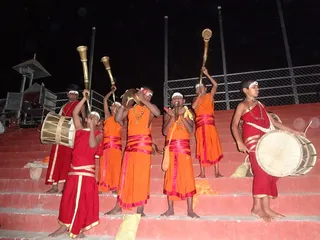

Paduka Puja being performed to the Gurumoorti of Bhagavan Sri Nithyananda Paramashivam
5 photosSource gallery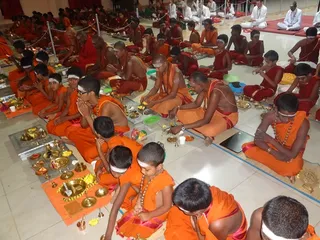
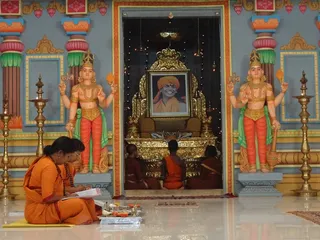
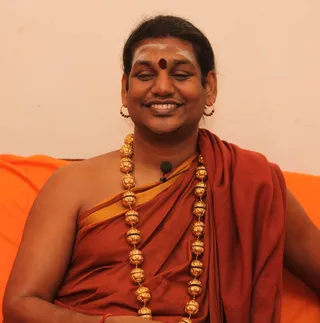
Nithya Satsang
1 photoSource gallery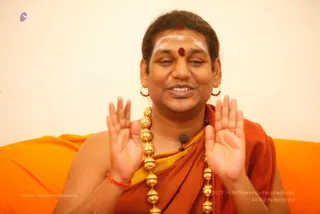
Photos Of The Day:
14 photosSource gallery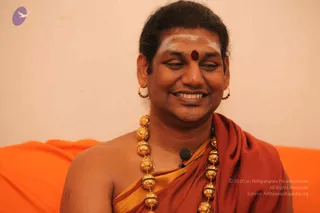
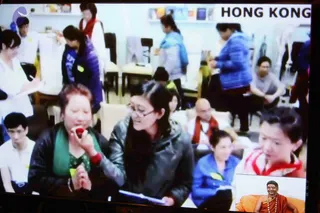
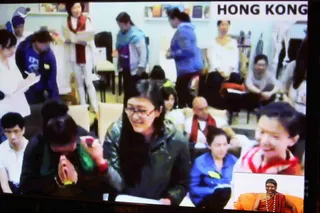
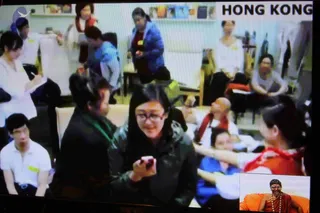

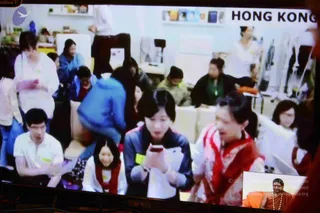
Nithya-Satsang
23 photosSource gallery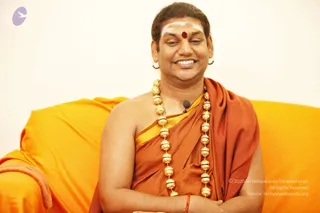
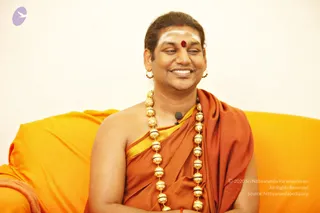
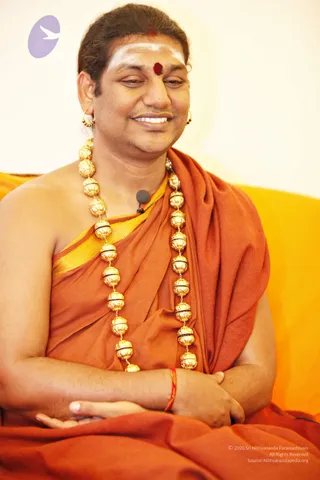
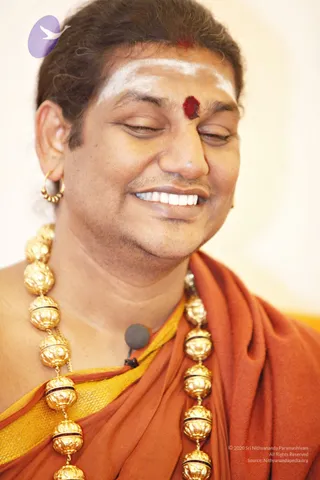
Rudrabhishekam and Paduka Puja at Adi Kailash, Bengaluru
30 photosSource gallery