Skip to content
Sunday

7 June 2020

Stop The HIndu Holocaust! Vol 4 || Paramashivoham S-5 || Jnana Sambandar Jayanthi || Thyagaraja Bhava Darshan

Dated photos
32
Source pages
1
Media
1
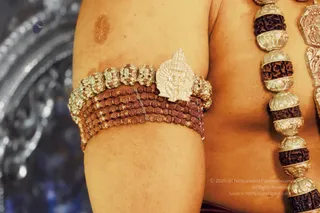
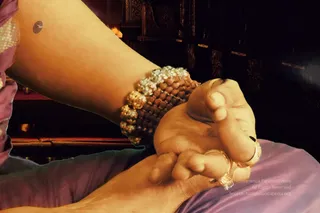
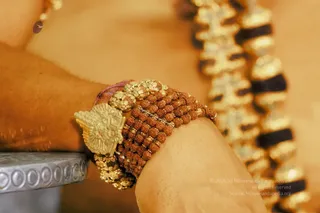
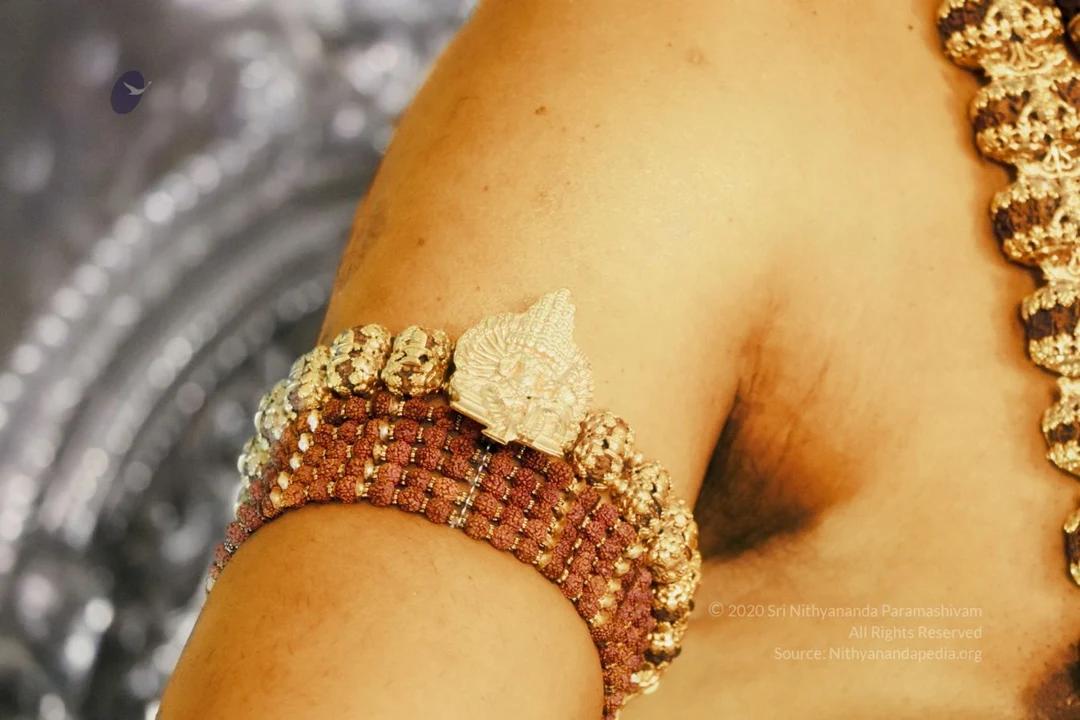
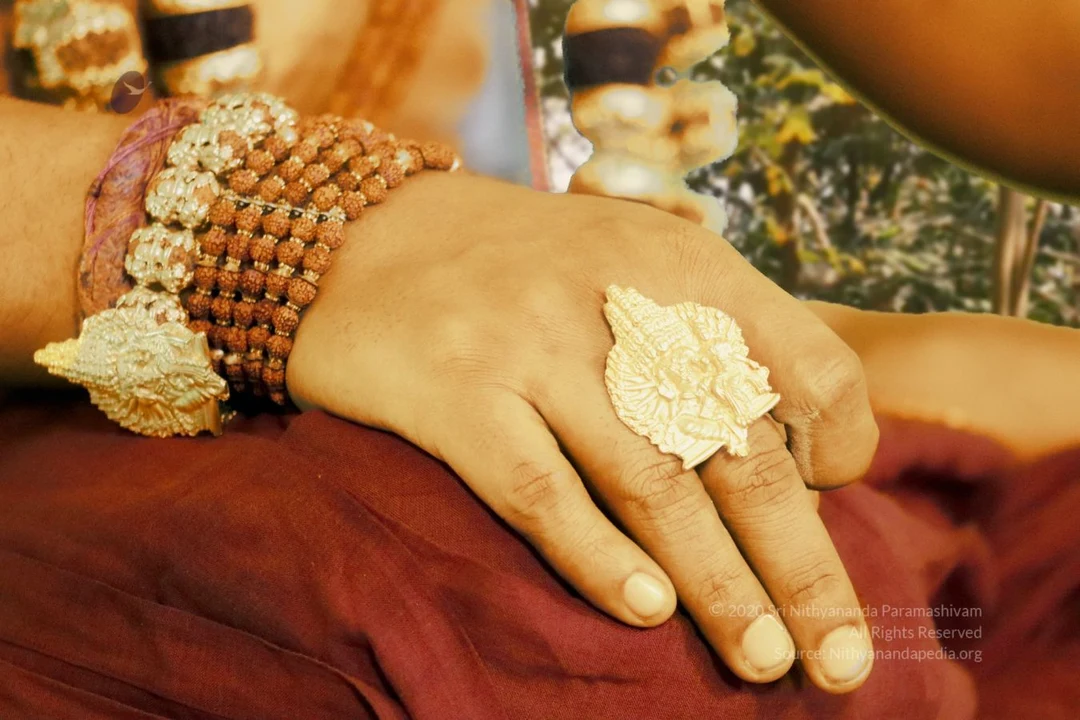
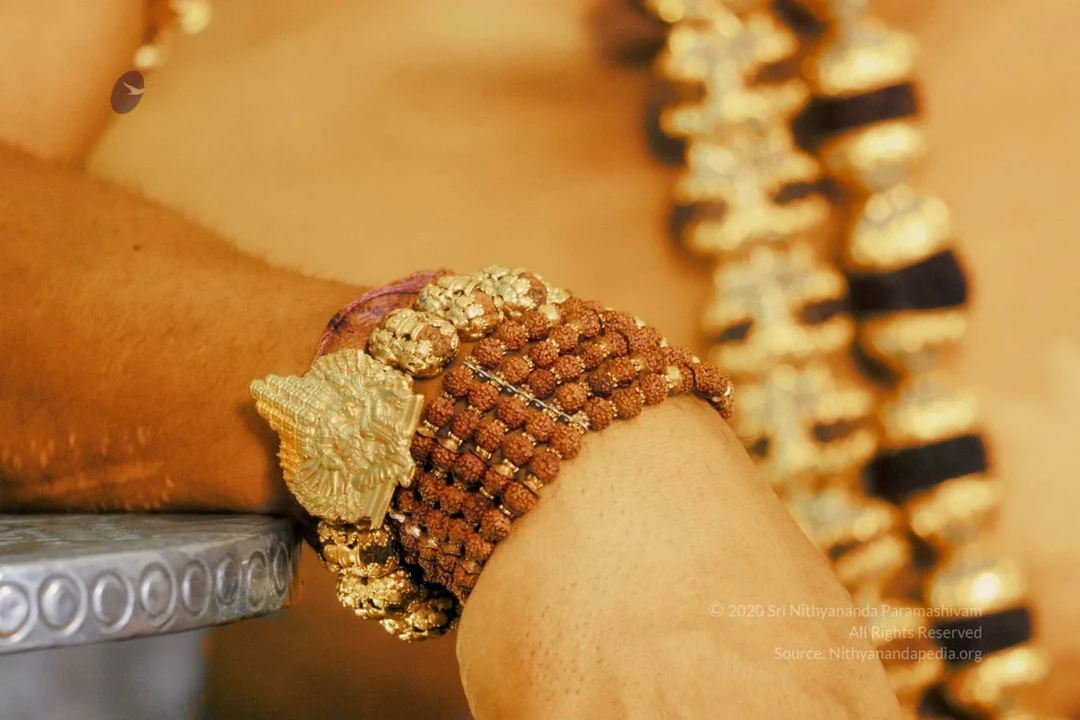
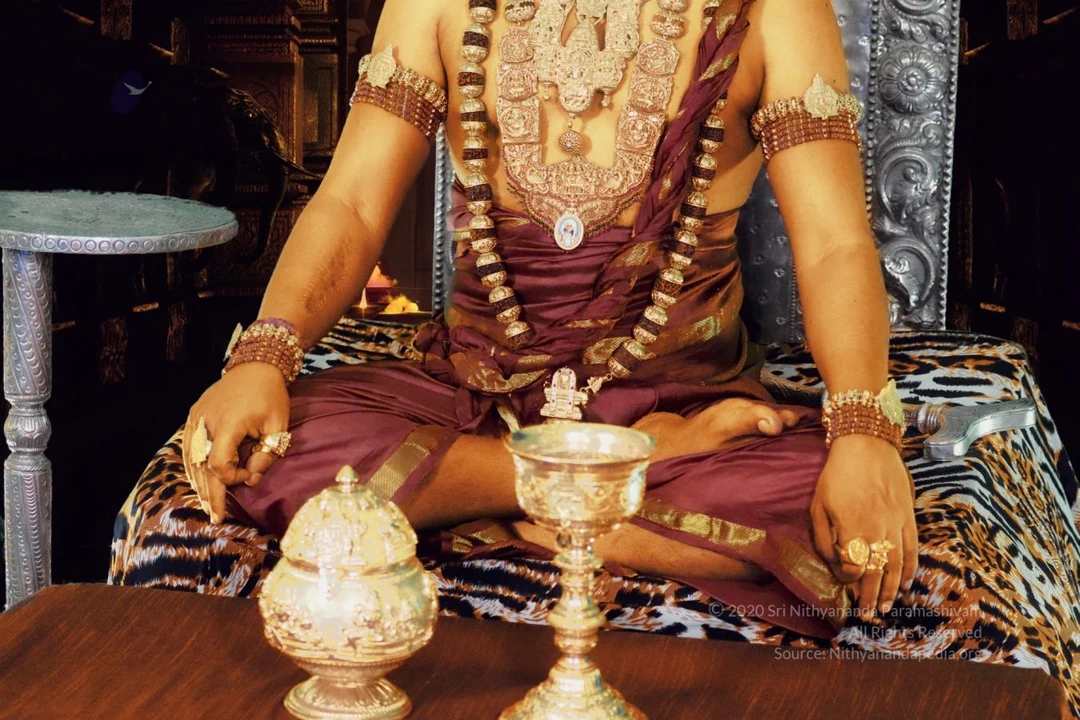
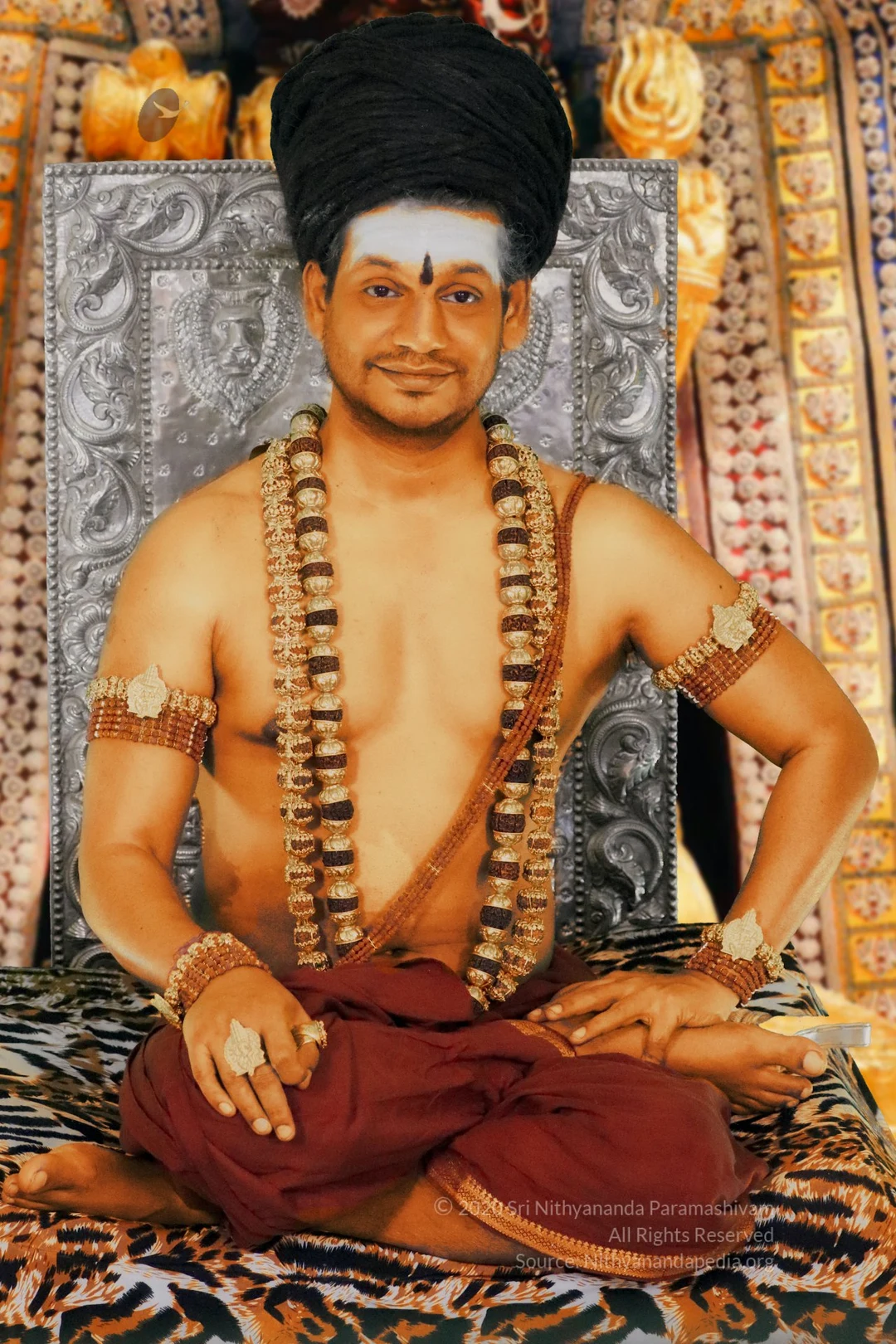
Close-up photograph of a bare upper arm adorned with a multi-strand rudraksha armlet, the dark brown beads interspersed with silver-toned caps and a central silver plaque bearing a deity form with a crown and multiple arms. A second rudraksha mala with silver-toned bead caps and an ornate silver pendant hangs over the bare chest at right. The background is a blurred silver surface. Two physical arms and torso are visible; no faces shown.Close-up photograph of a person seated in meditation, showing a bare forearm wrapped with a thick bracelet of brown rudraksha beads interspersed with gold-toned beads. The hands rest in a mudra in the lap, with gold rings on the fingers. The lap is covered in purple fabric. The background is dark with warm lamplight and a carved wooden structure with hanging tassels.Close-up photograph of a bare forearm resting on a silver-rimmed metal surface, wearing a thick stack of brown rudraksha mala bracelets with gold bead spacers and a large gold ornamental clasp shaped like a face or deity motif. Behind it, a long gold ornamental garland with dark ribbon-like sections hangs over an orange-gold background. The wrist and hand are the main subject; no full face is visible.

June 07 2020

Original wiki page
Contents

Title

Stop The HIndu Holocaust! Vol 4 || Paramashivoham S-5 || Jnana Sambandar Jayanthi || Thyagaraja Bhava Darshan

Narration

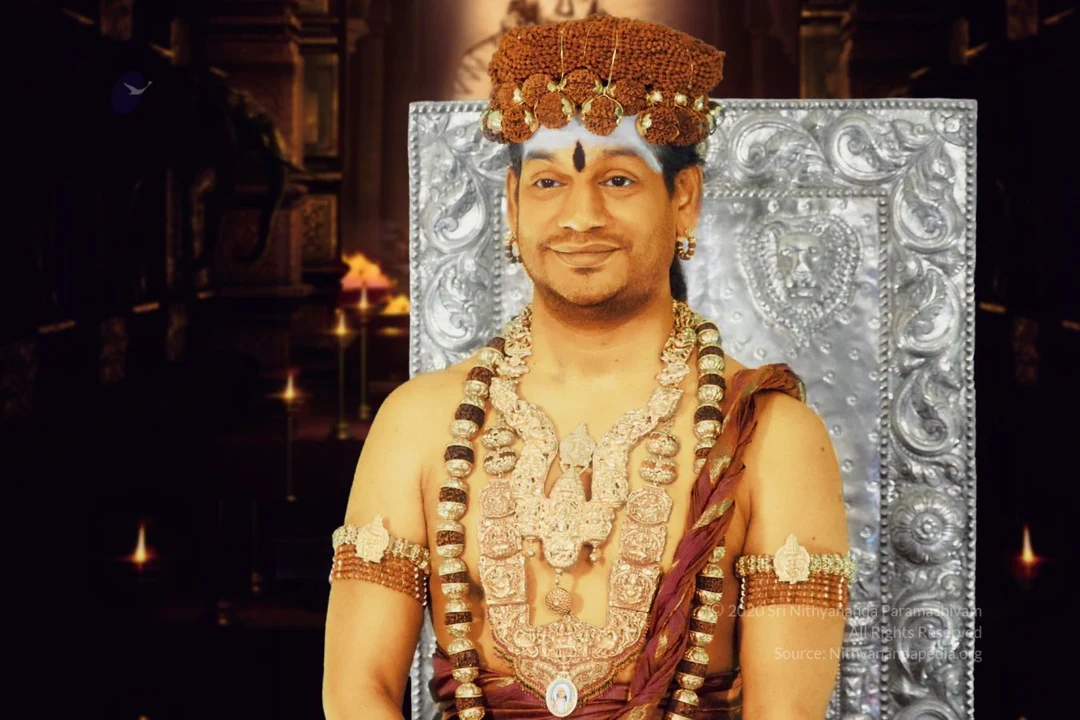
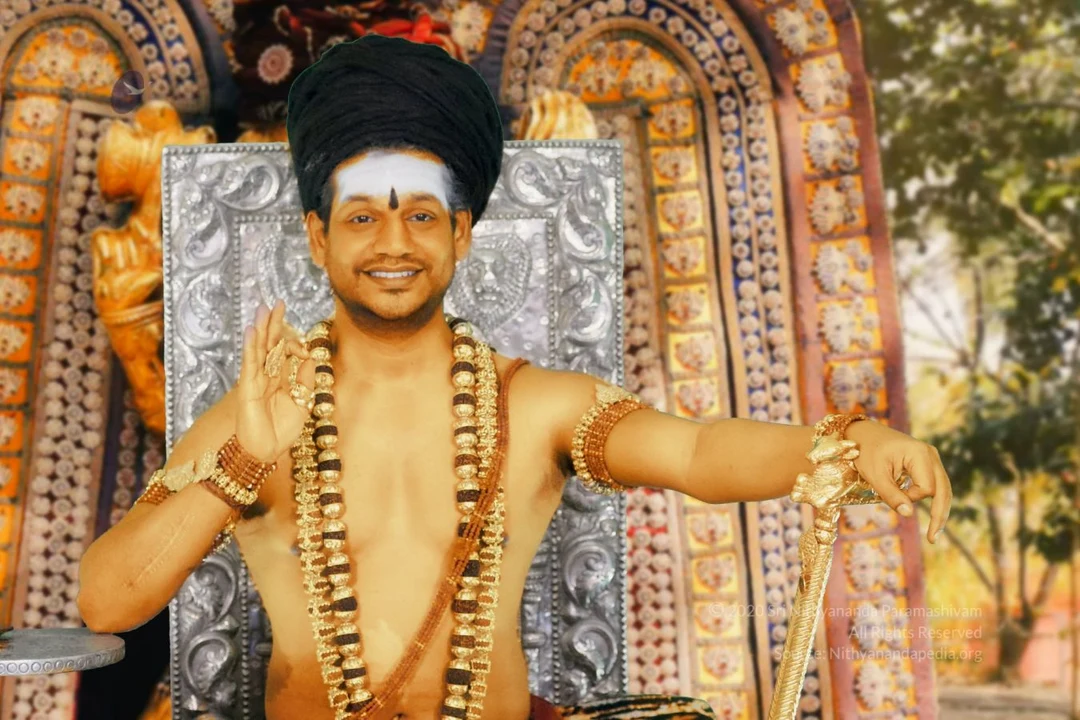
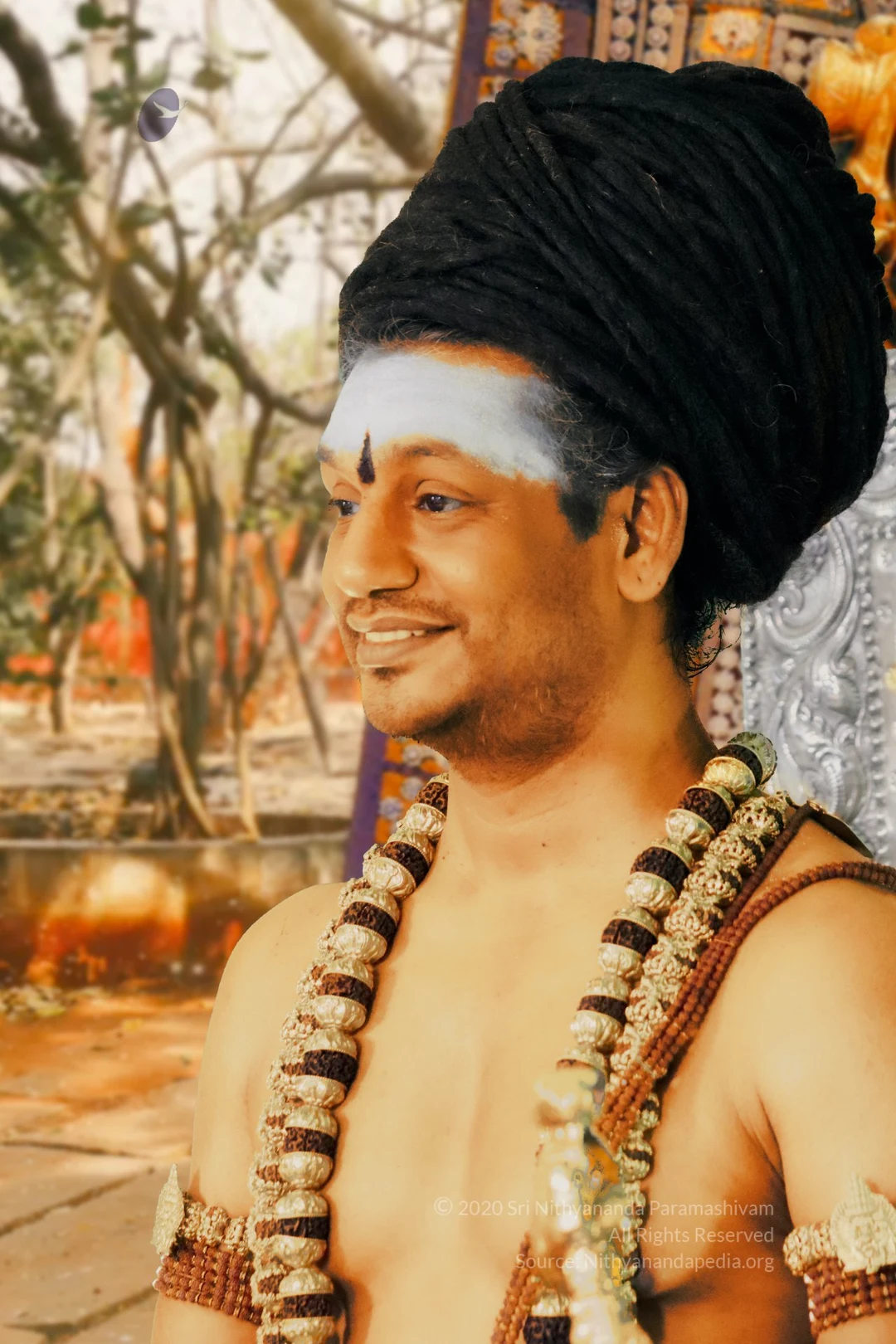
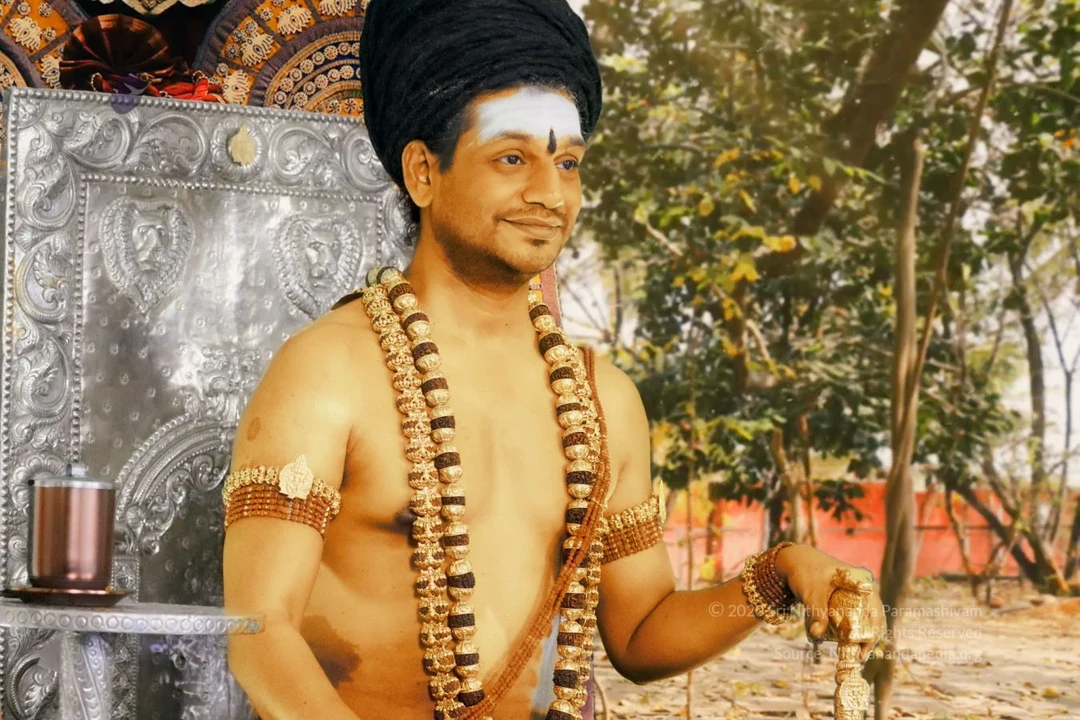
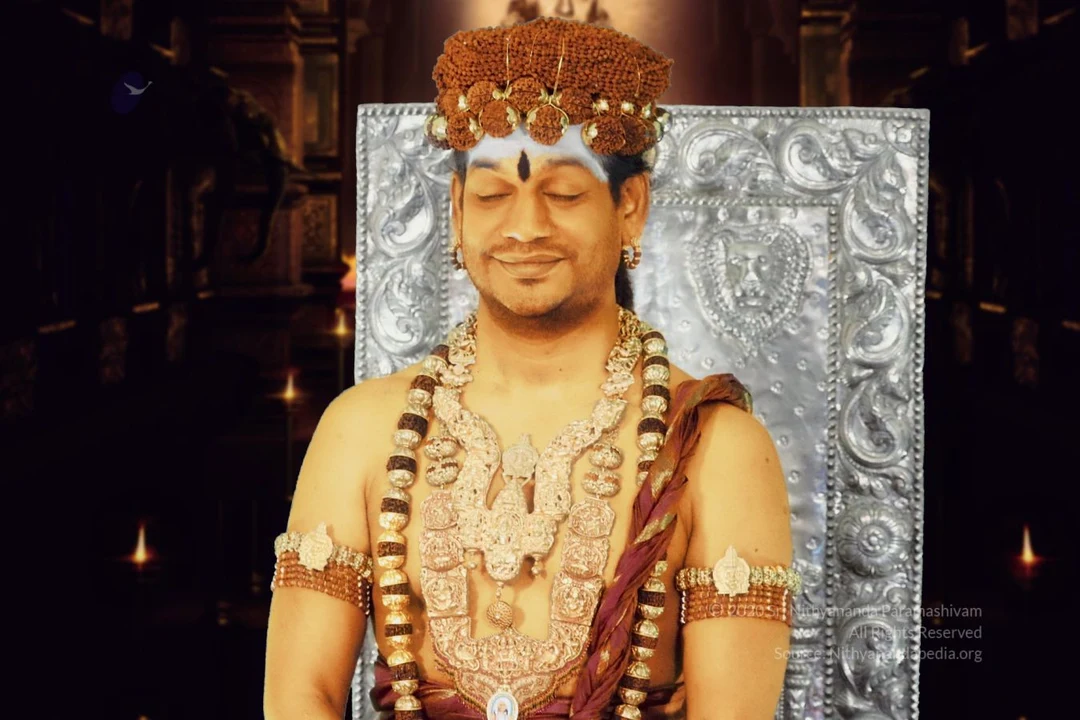
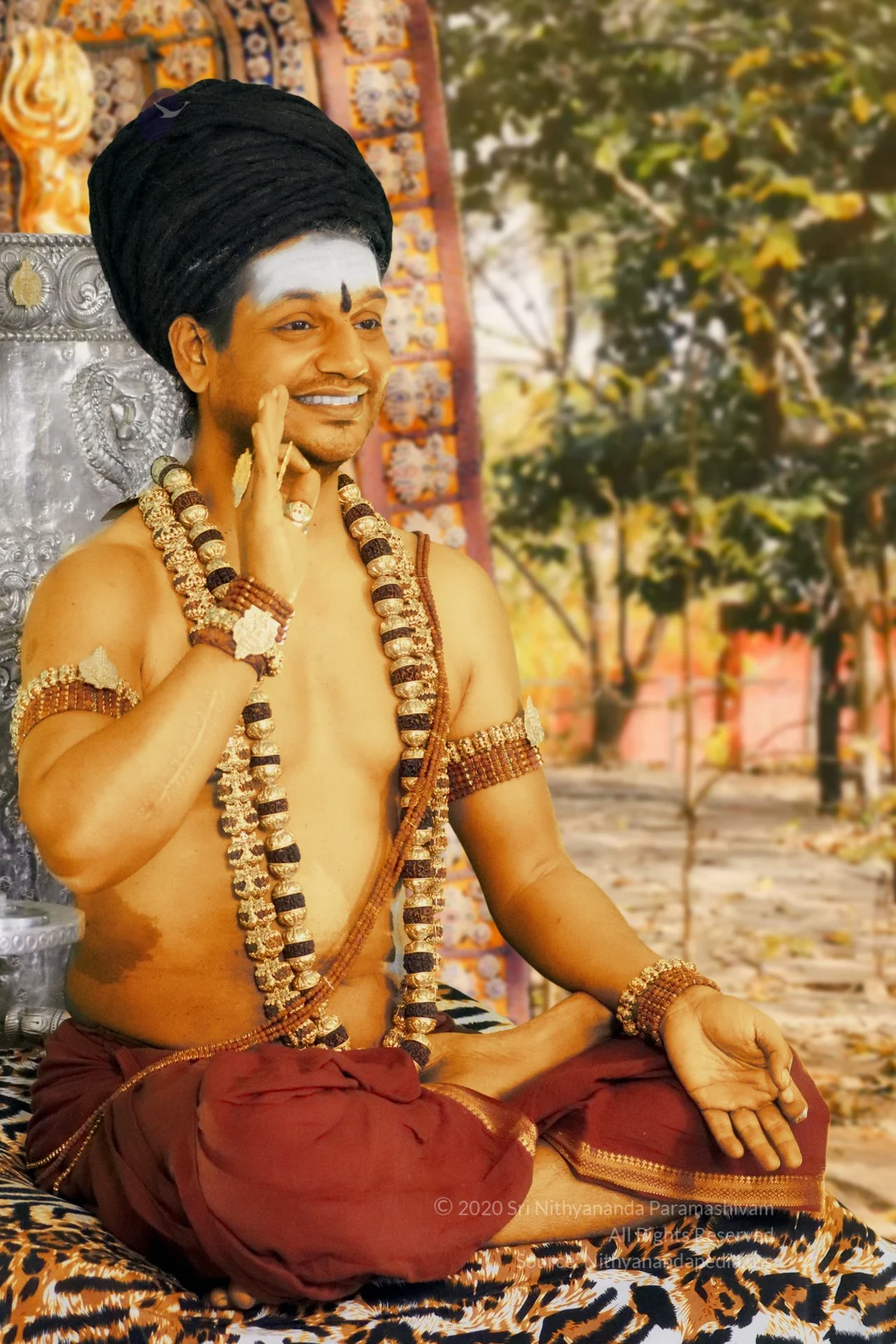
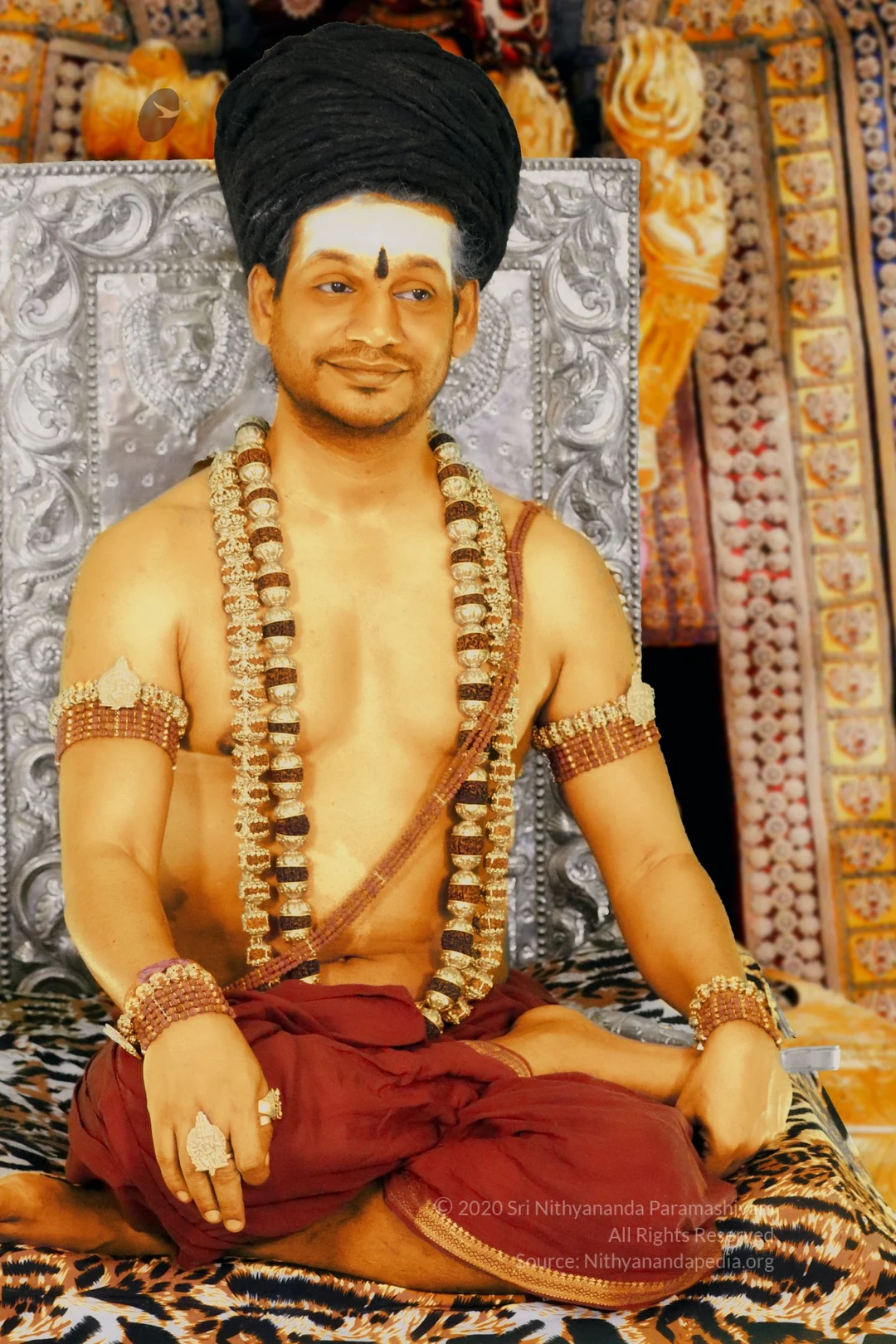
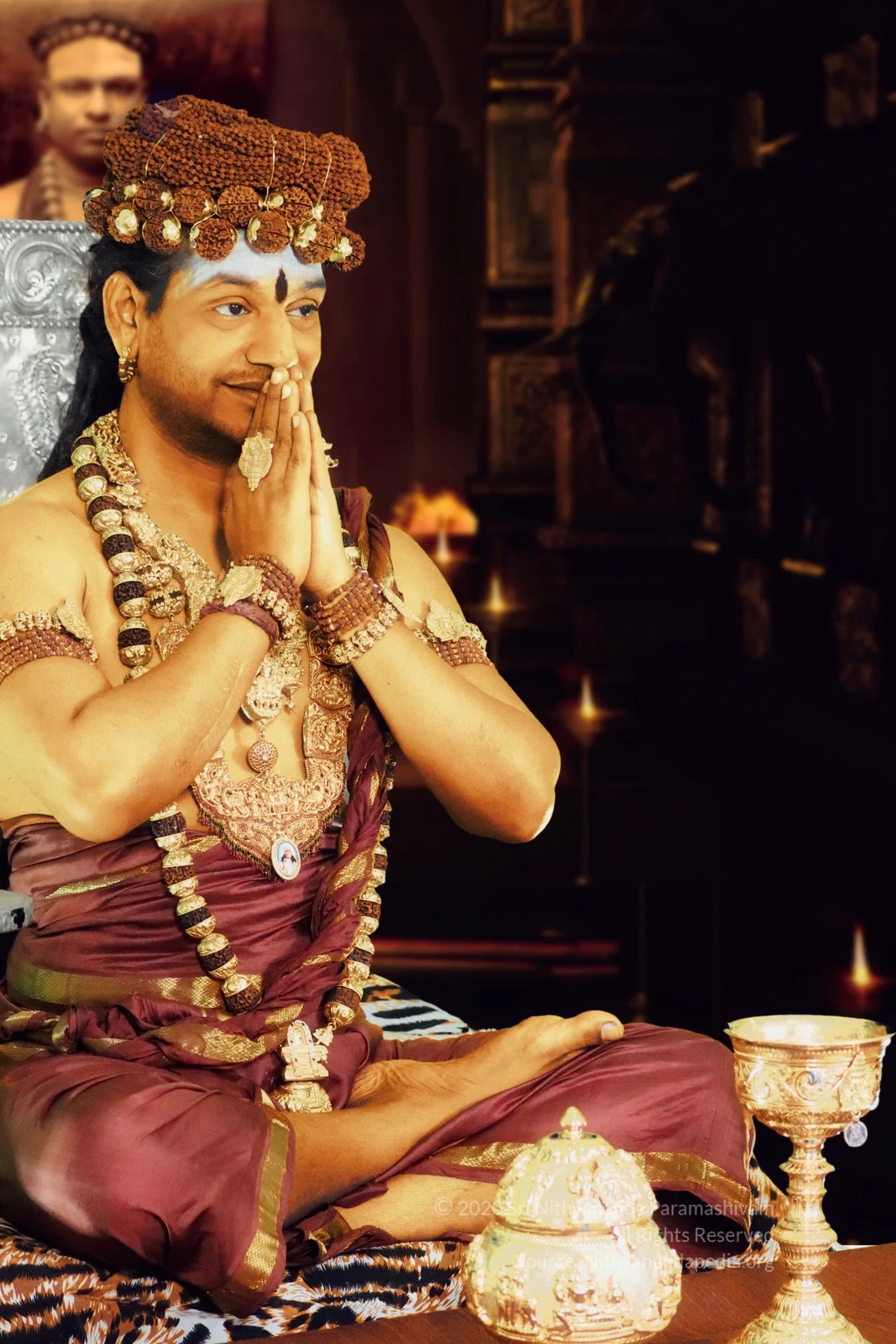
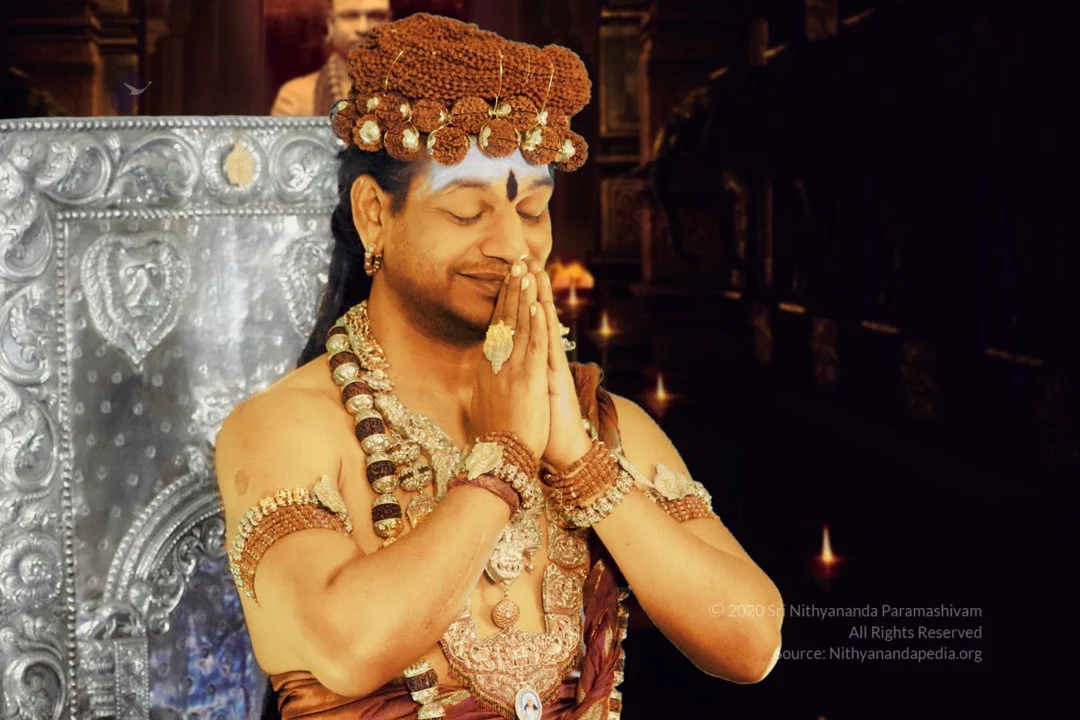
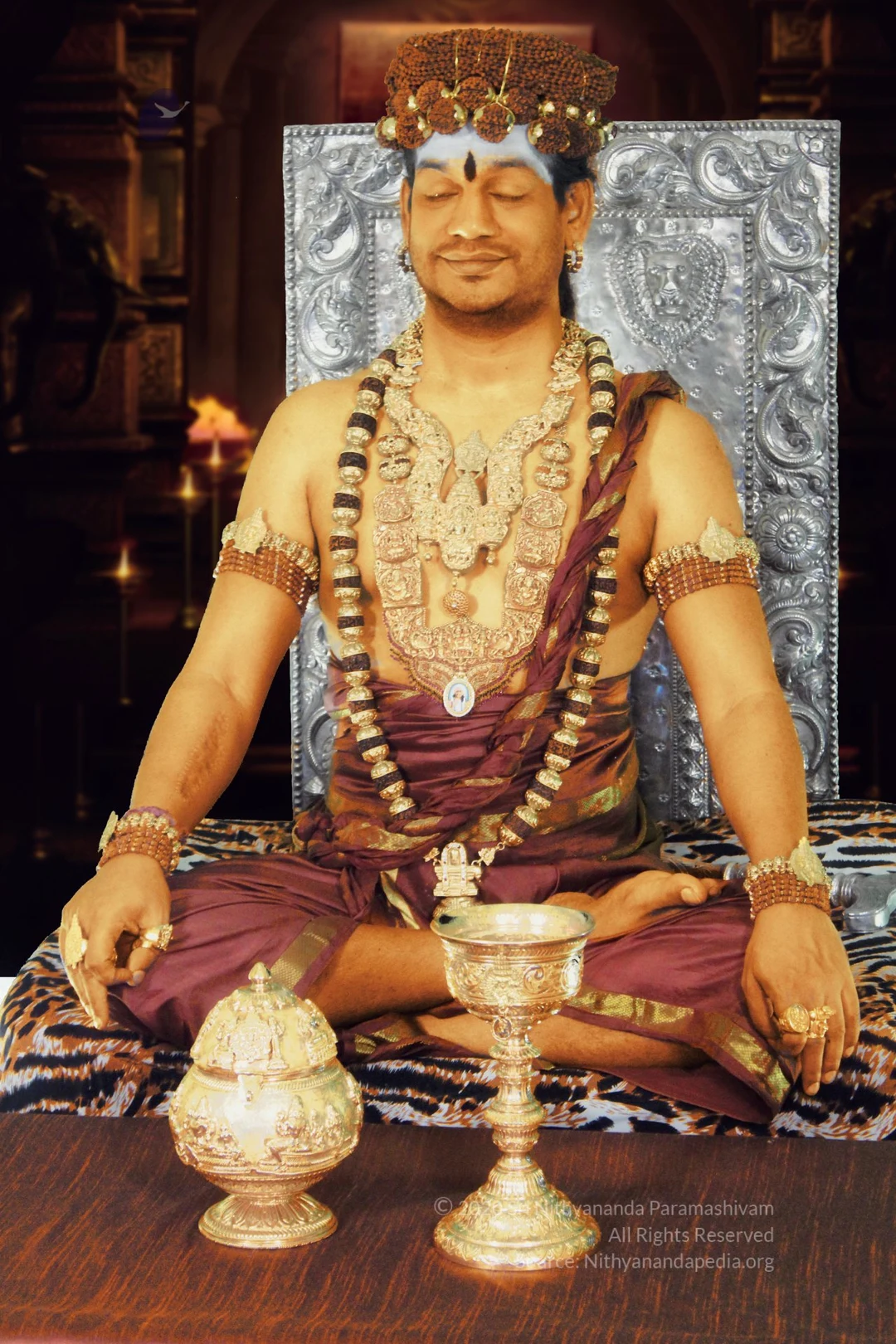
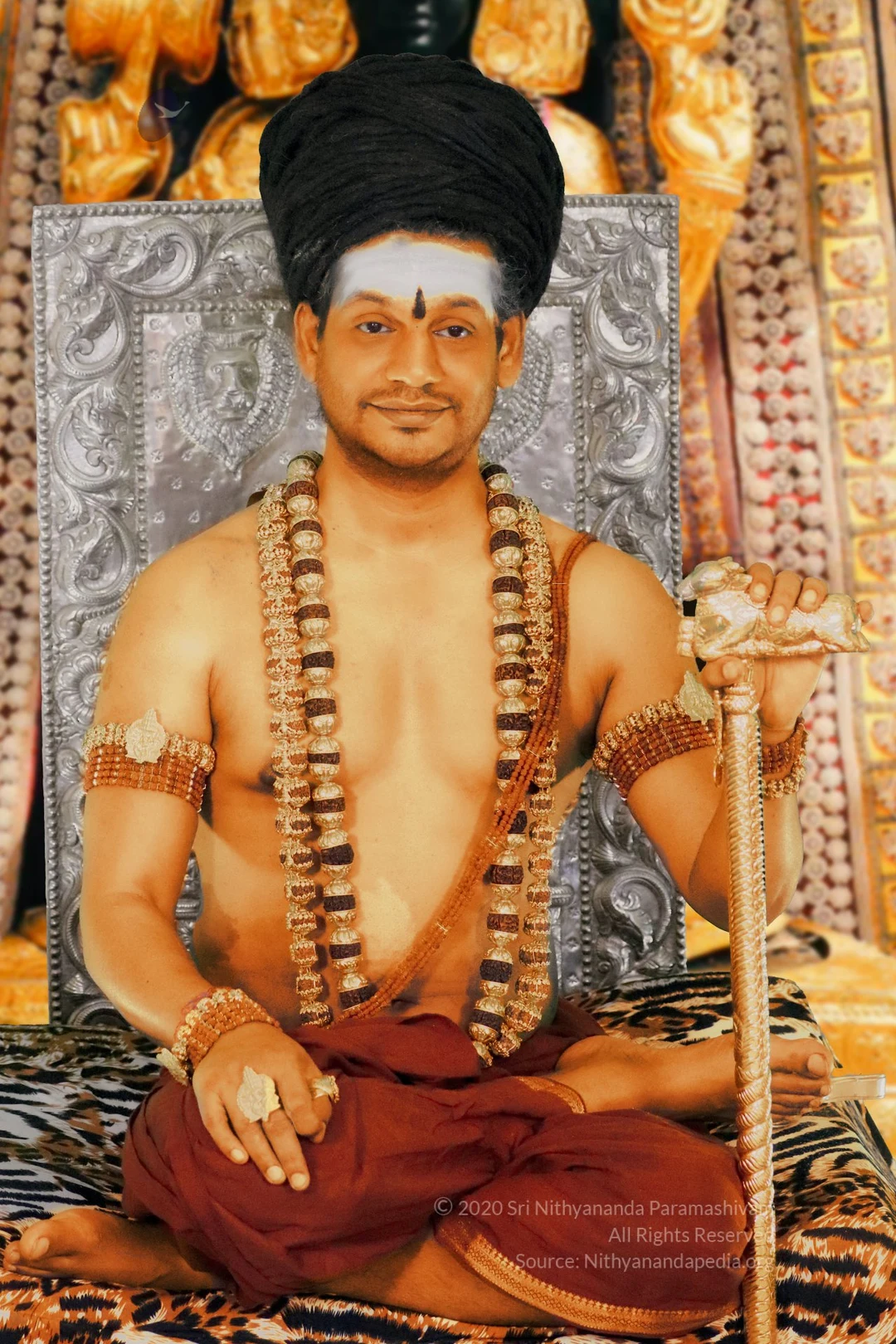
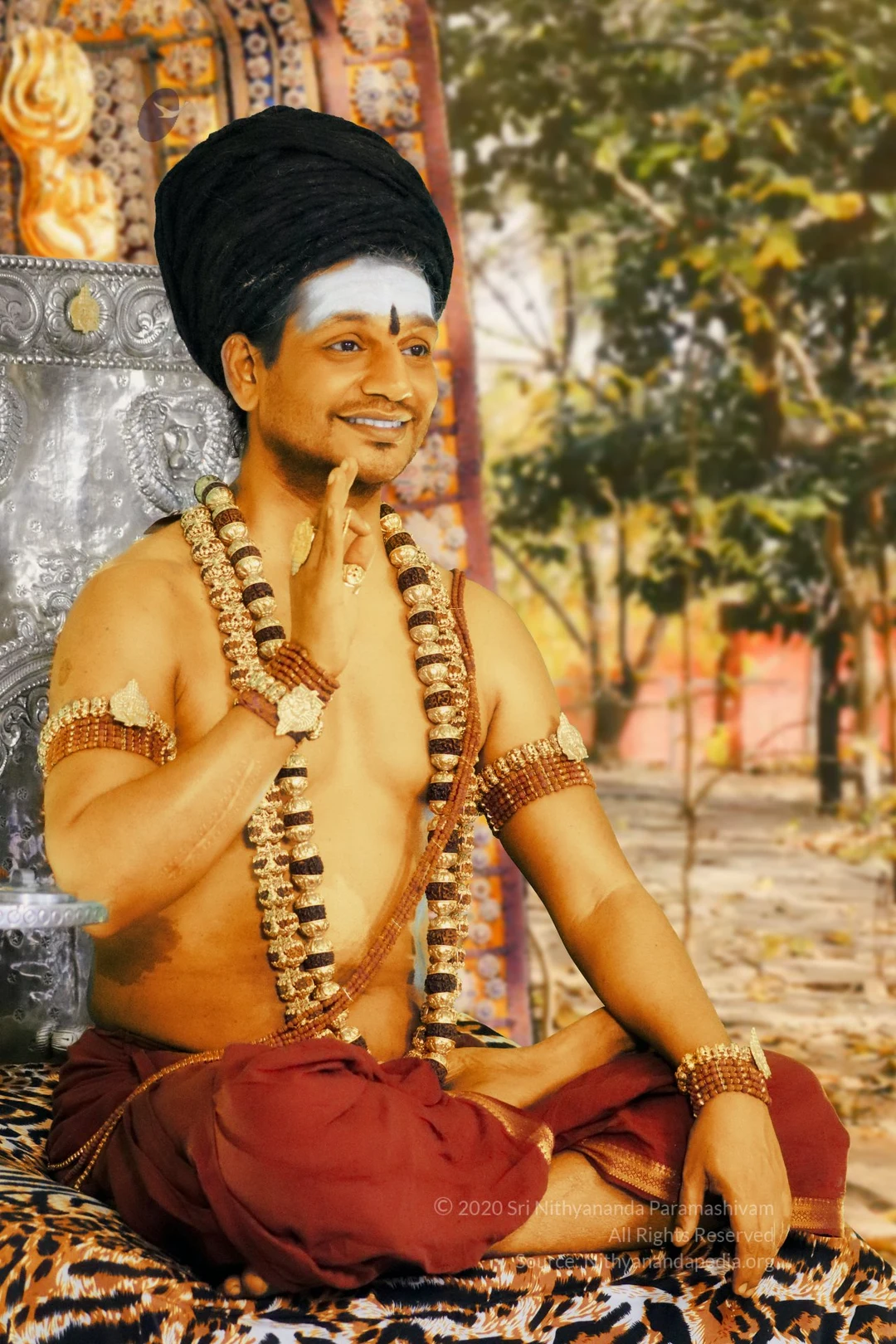
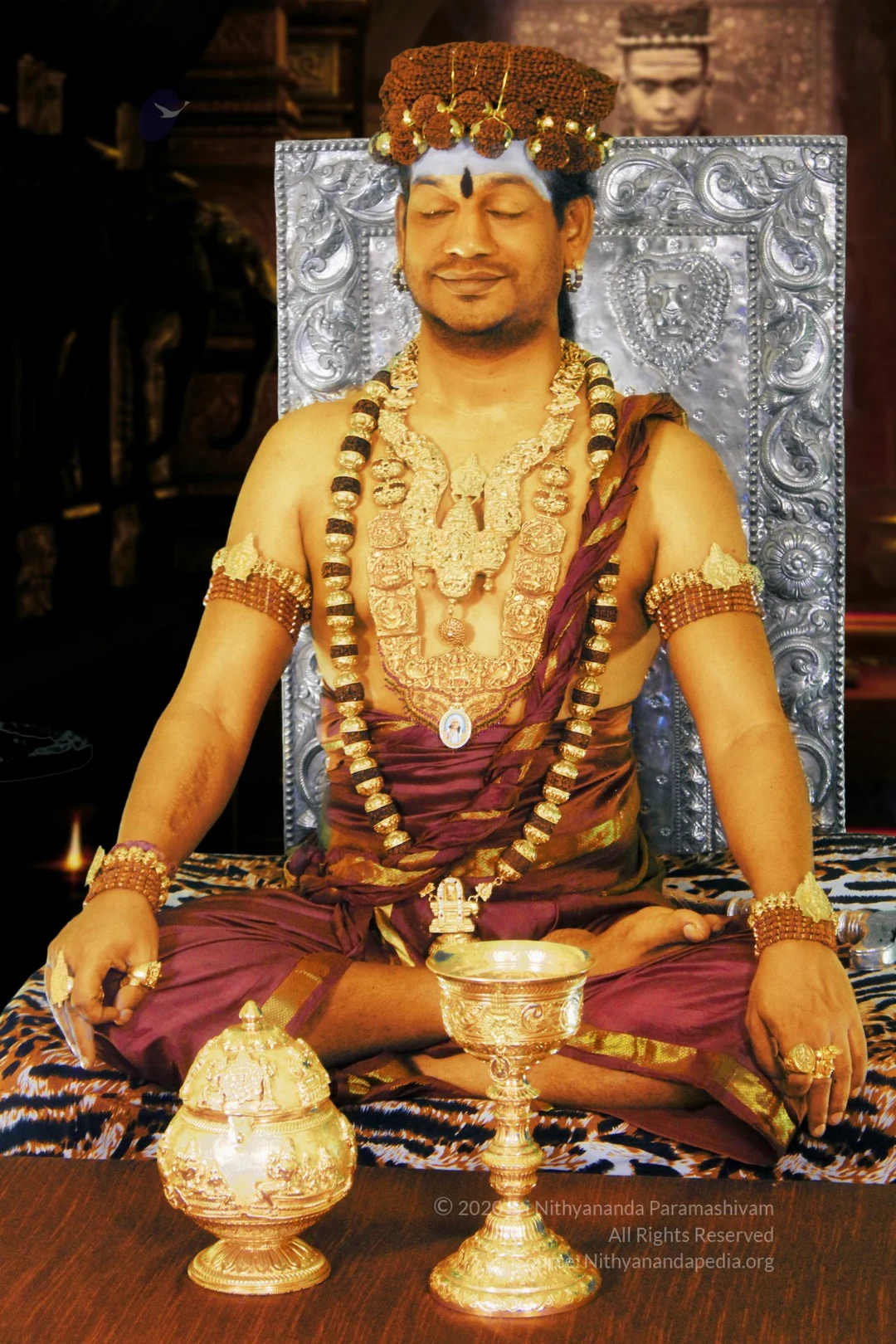
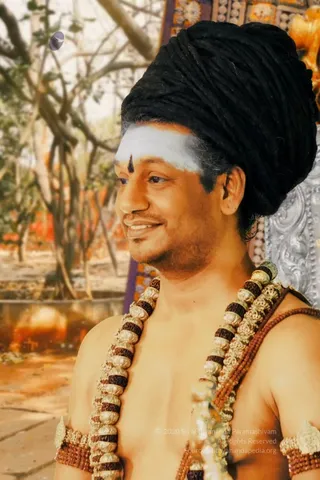
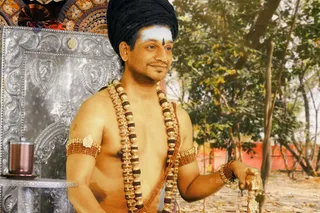
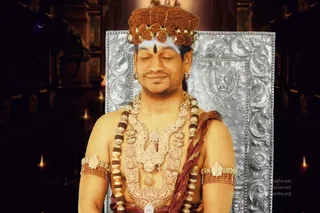
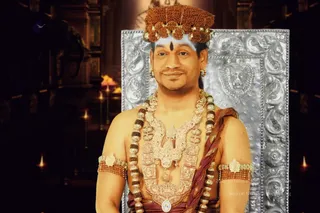
KAILASA's Department of Information Broadcasting, in collaboration with SHRIKAILASA Uniting Nations for Peacekeeping, aimed at eradicating violence and promoting peace, telecasted the Nithyananda Satsang on Stop The Hindu Holocaust! Volume 4 revealed by The Supreme Pontiff of Hinduism, Jagatguru Mahasannidhanam, His Divine Holiness, Bhagavan Nithyananda Paramashivam. His Divine Holiness’ (HDH) revealed that 1000 years ago there were 56 nations where Hinduism was a state religion and today there is no nation. HDH explained that KAILASA is not an organization, but instead a nation; an enlightened ecosystem manifested for all of us to radiate Paramashiva. HDH gave one instruction to detox the body by taking the castor oil and Haritaki and practise Unclutching sharing that initiation is enough to remove all the karmas and delusions from Consciousness. Jnana Sambandar Jayanthi was also observed on the auspicious Vaikasi Moolam. HDH worked further on raising the Consciousness of the delegates by bestowing them with the Swamiji as Thyagaraja Bhava Darshan for the day.

Contributing to over 108 humanitarian causes of SHRIKAILASA Uniting Nations, KAILASA's Nithyananda Hindu University marks today as Season 5, Day 16 of Paramashivoham. One of the highlights of KAILASA’s contributions through this convention is Power Manifestation, today being the Power of Anahata Chakra.

Sanyasis of the Nithyananda Order of Monks and initiated Acharyas worldwide, affiliated with the Department of Education of KAILASA, conducted a series of seminars focusing on the Truths of the Science of Kalpataru and the Kalpavriksha, the Science of Healing and Sarvaparityaga as revealed by HDH inspiring millions towards the Science of Hinduism. Paramashivoham Level II Season 5 ended with the powerful Maheshwara Puja and the most blessed Pada Puja.

Additional Video(s)

Video

Facebook Posts

Photos Of The Day:

FB-Photos-of-the-day
Photos from this day

View all 32 photos
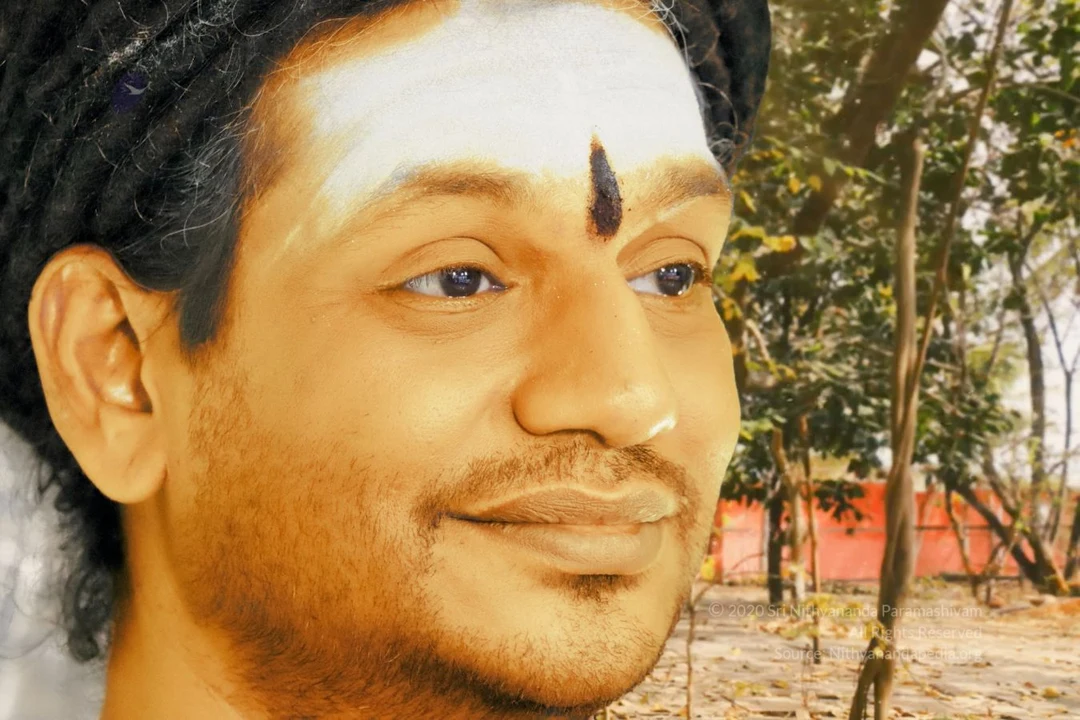
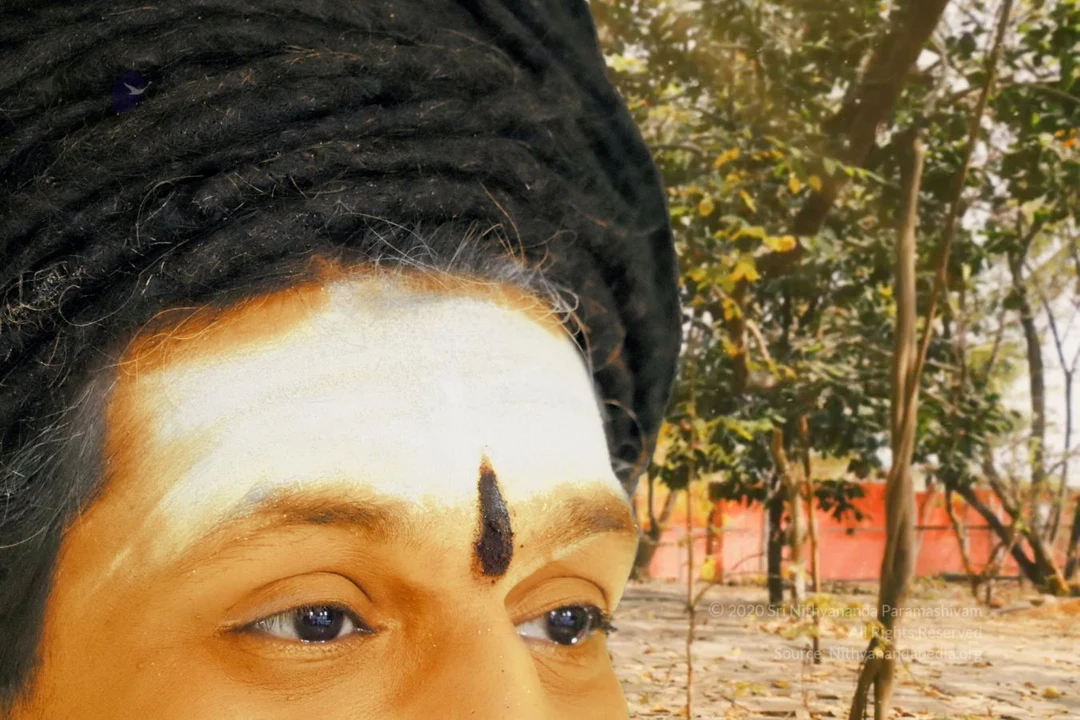
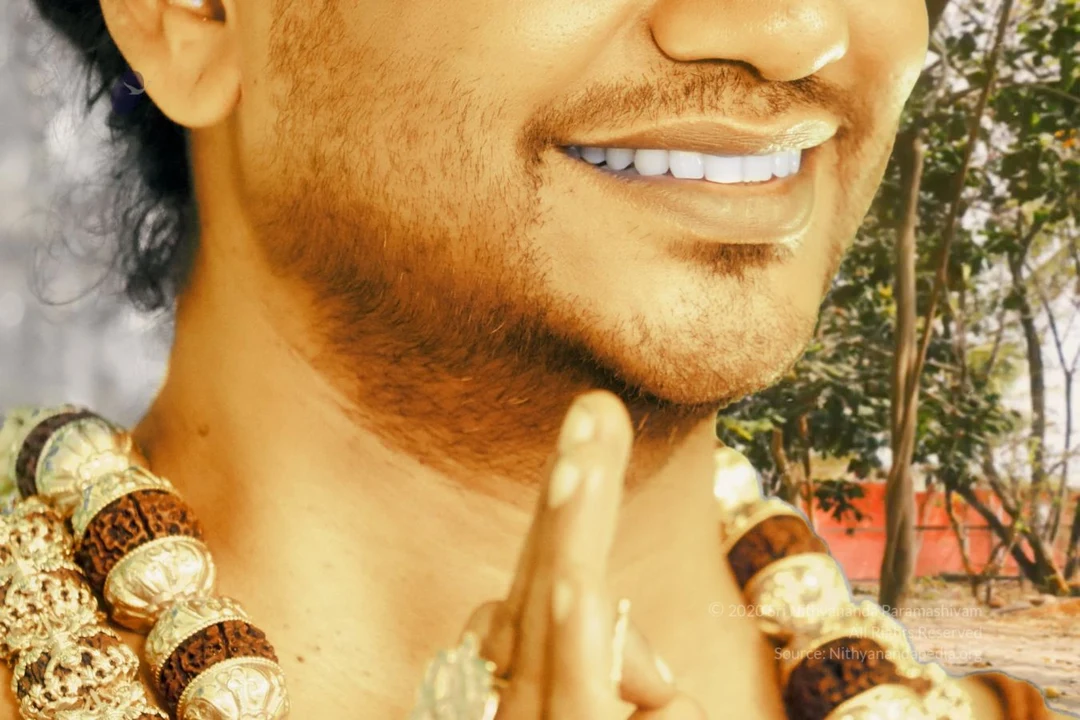
Close-up photograph of a person seated in meditation, showing a bare forearm wrapped with a thick bracelet of brown rudraksha beads interspersed with gold-toned beads. The hands rest in a mudra in the lap, with gold rings on the fingers. The lap is covered in purple fabric. The background is dark with warm lamplight and a carved wooden structure with hanging tassels.Close-up profile portrait of a man with dark dreadlocked hair, white vertical tilak on the forehead with a dark central mark, slight smile, looking to the right. Trees and a red wall blur in the background. The face fills most of the frame, so only one person is visible. Appearance cues are limited to the forehead markings and hair; no distinctive ornamentation, saffron clothing or crown is visible, so identity is uncertain.A bare-chested man stands before an ornate silver-embossed throne back with lion motif, lit oil lamps and a dim temple interior behind him. He wears a tall crown of rudraksha beads with gold-tipped pendants, a white and vertical-tilak forehead mark, layered rudraksha malas and heavy ceremonial gold necklaces with a central pendant, gold arm bands, and a maroon-and-gold shawl draped over one shoulder.A bare-chested man in a black turban with white and red tilak marks stands in front of an ornate silver-embossed throne and a gold-and-tiled temple-style arch. He wears layered gold beaded necklaces, rudraksha beads, gold armlets and bangles, and a reddish-orange sacred thread across his chest. He raises one hand in a blessing gesture and holds a gold-hilted staff or sword in the other. A tree and foliage appear at the right edge. Appearance-based cues including the black turban, gold ornaments and rudraksha malas suggest Swamiji (probable) as the central figure.Close-up photograph of a person's hands resting in the lap over maroon cloth. A gold ring with a carved design sits on one finger, and multiple rudraksha beaded bracelets and a rudraksha mala are visible on the wrists and neck. Behind, a gold-decorated rudraksha garland hangs against a blurred green foliage background. The warm, golden-toned image shows only forearms and hands, with no face visible.Close-up photograph of a bare upper arm adorned with a multi-strand rudraksha armlet, the dark brown beads interspersed with silver-toned caps and a central silver plaque bearing a deity form with a crown and multiple arms. A second rudraksha mala with silver-toned bead caps and an ornate silver pendant hangs over the bare chest at right. The background is a blurred silver surface. Two physical arms and torso are visible; no faces shown.A bare-chested man in a tall black turban with white vertical tilak and red dot stands before an ornate silver-and-gold throne with a carved backrest. He wears a long multi-strand gold necklace with rudraksha beads, gold bangles on both arms, and a dhoti-style lower garment. He raises one hand in a blessing gesture and extends the other arm to rest on a gold staff with a carved handle. Behind him are decorated arched panels with gold and red motifs, and trees appear at the right edge. Probable Swamiji cues: tall turban, rudraksha mala and ceremonial gold necklace, seated-throne setting. Printed copyright text appears at lower right. Overlaid edges suggest a composited image.A bare-chested man in profile smiles while looking to the side, wearing a tall black wound turban-style hairstyle, a white horizontal forehead band with a central dark mark, and heavy layered necklaces of large golden beads alternating with dark rudraksha seeds, plus rudraksha bands across the chest and gold armlets on the upper arms. Behind him are blurred trees and a silver ornamented panel with orange-toned surroundings.A bare-chested man stands beside an ornate silver throne with repoussé floral and heart-shaped panels, a copper cup on a small silver stand at left. He wears a tall black turban, white and red tilak on his forehead, layered gold and rudraksha necklaces, gold armlets and bangles, and a saffron-tinged shawl draped over one shoulder. He holds a gold-capped staff in his right hand and smiles faintly.A bare-chested man stands with eyes closed and a faint smile before a silver-embossed throne-back decorated with a lion motif, with lit oil lamps glowing in the dark background. He wears a large crown-like headdress of rudraksha beads with gold-tone ornaments, a tilak on his forehead, layered gold and rudraksha malas, an ornate gold pendant and bangled armbands. A maroon-and-gold cloth is draped over his shoulder. a person: the rudraksha crown, ceremonial gold necklaces and ornate adornments match the page's reference to a person darshan, but the appearance is only a candidate. A single person is visible.Close-up photograph of ornate gold ritual vessels on a wooden table. In the foreground, a round gold covered pot with a finial lid is embossed with deity figures and a seated deity in a niche, with a hinged clasp. To the right stands a tall gold chalice on a stepped pedestal, its bowl chased with floral scrollwork and a hanging ring. Behind them, a blurred figure in a maroon garment with gold border has wrists adorned with gold bangles, seated near the objects. The scene suggests a temple puja or ritual setting, with no visible portrait of a person.Close-up photograph of the upper half of a man's face, cropped at the eyes and forehead. He wears a large black dreadlocked hairstyle wrapped up on the head, a broad white horizontal band across the forehead and a dark vertical mark at the centre, with shadowed eyes looking forward. Behind him, a wooded outdoor setting shows tall slender trees, green foliage, a red wall and a dirt ground.