Skip to content
Saturday

7 June 2014

How do We Form Our Identity?

Dated photos
84
Source pages
1
Media
12
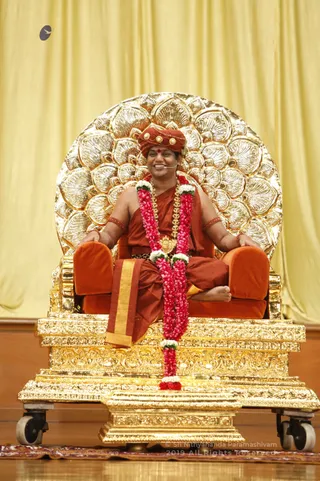
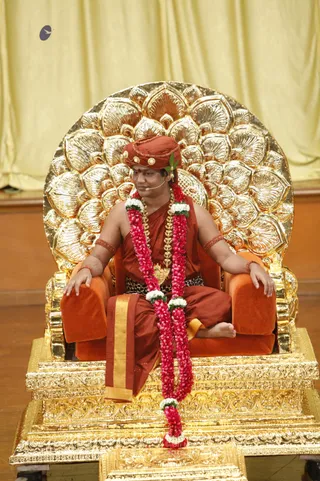
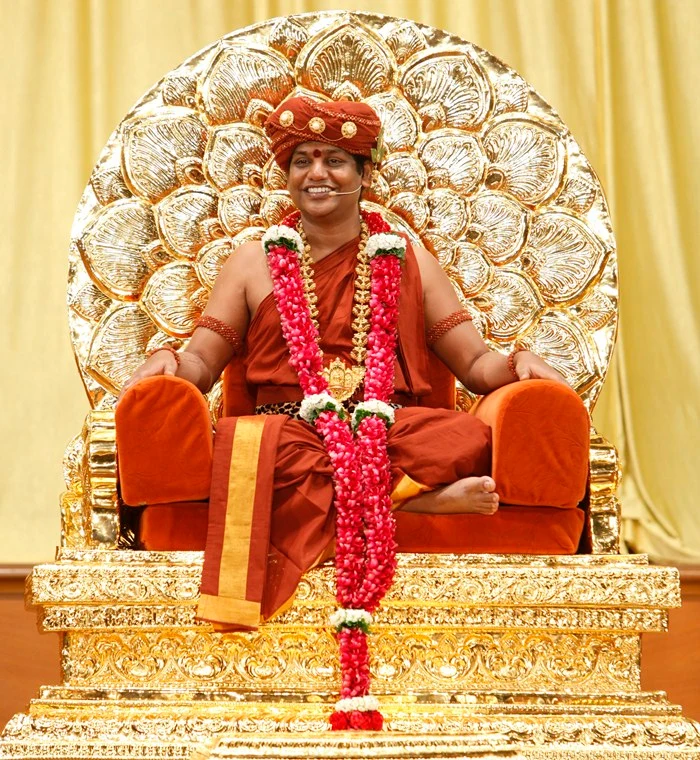
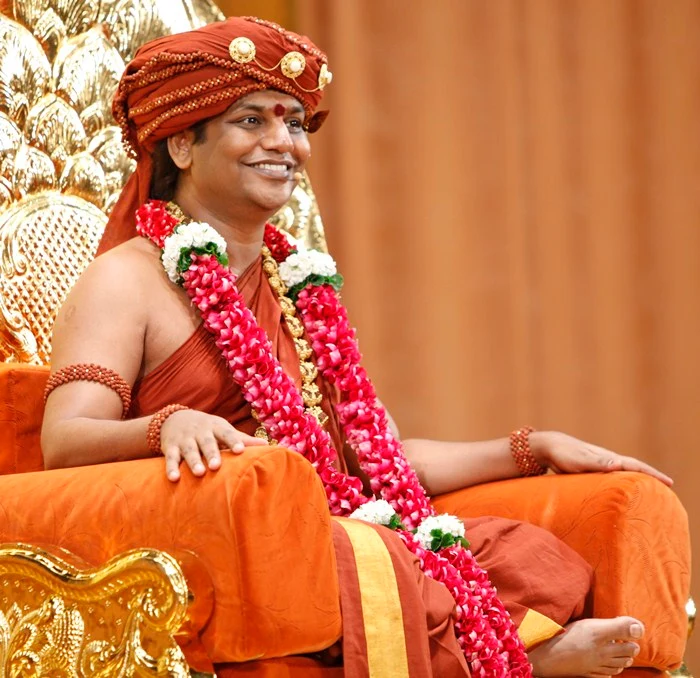
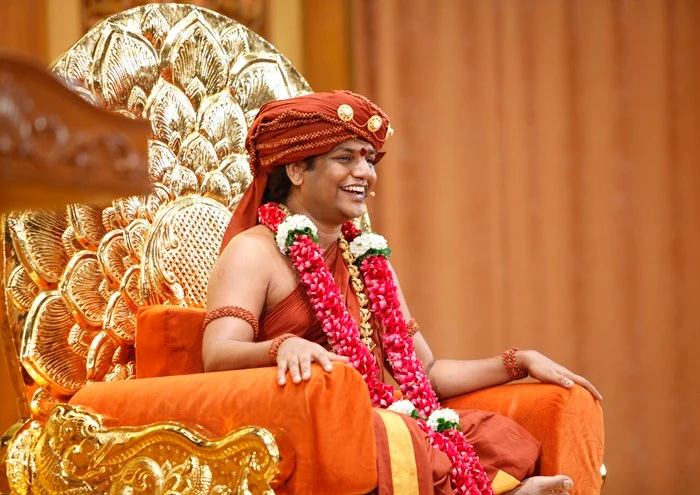
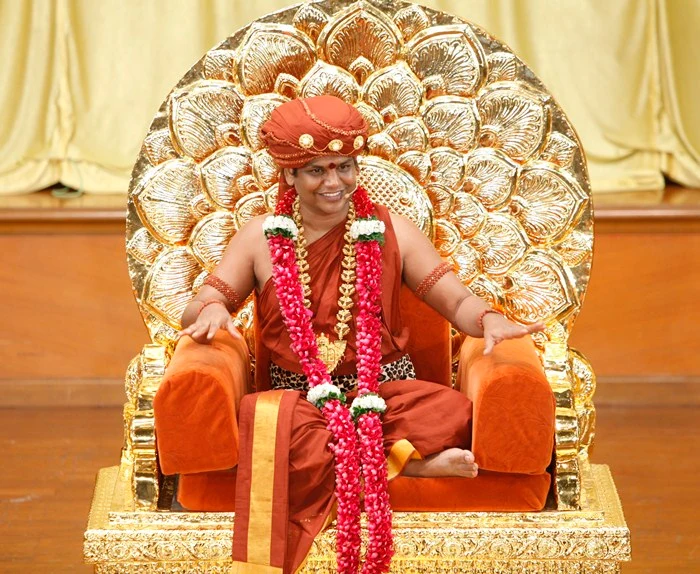
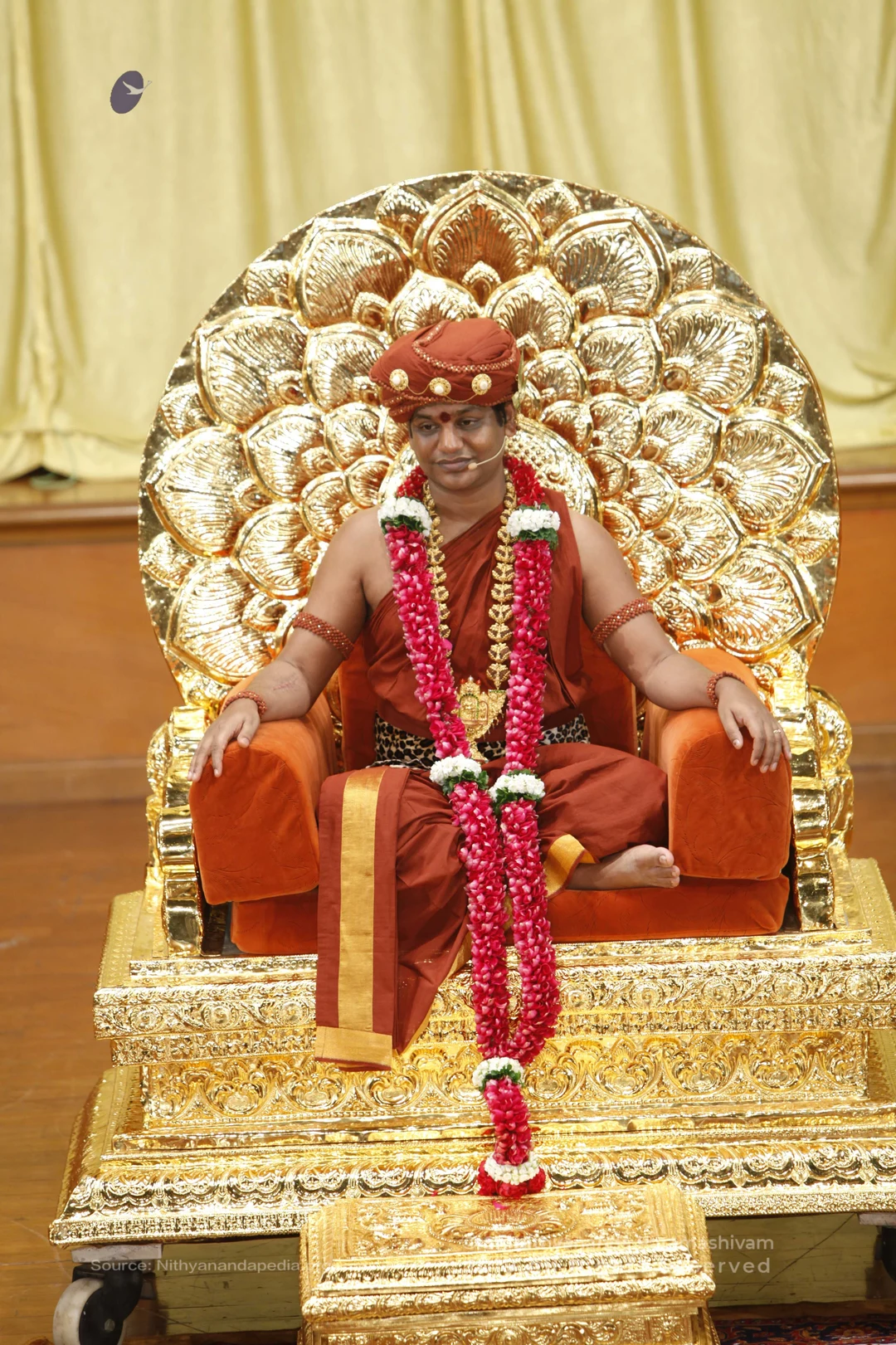
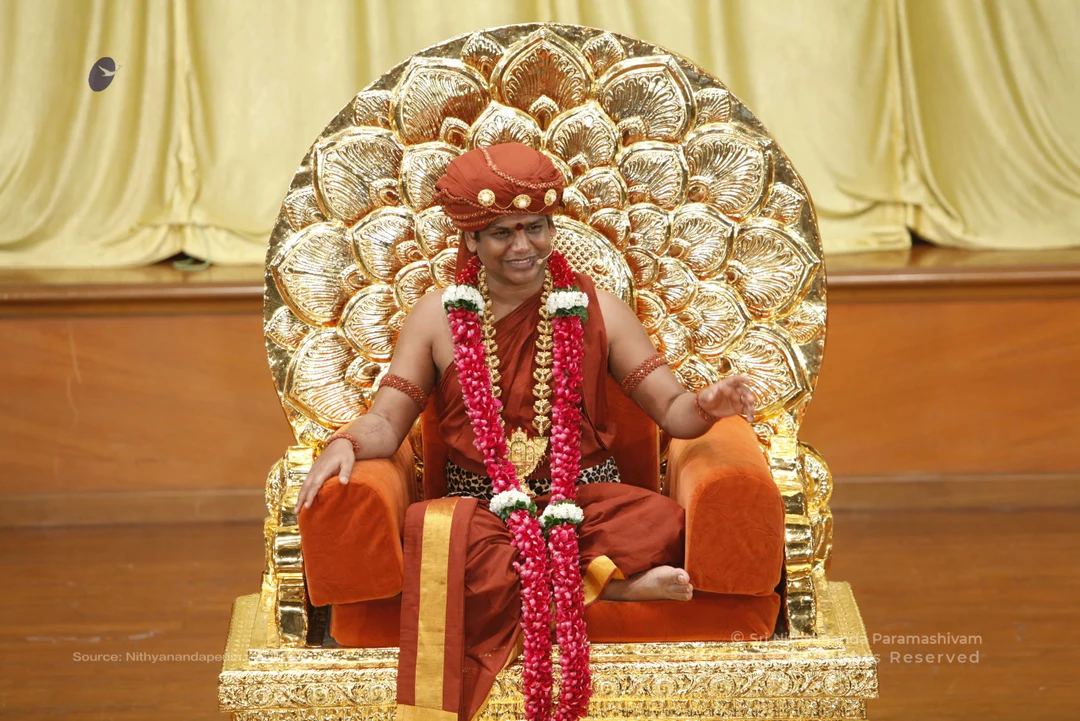
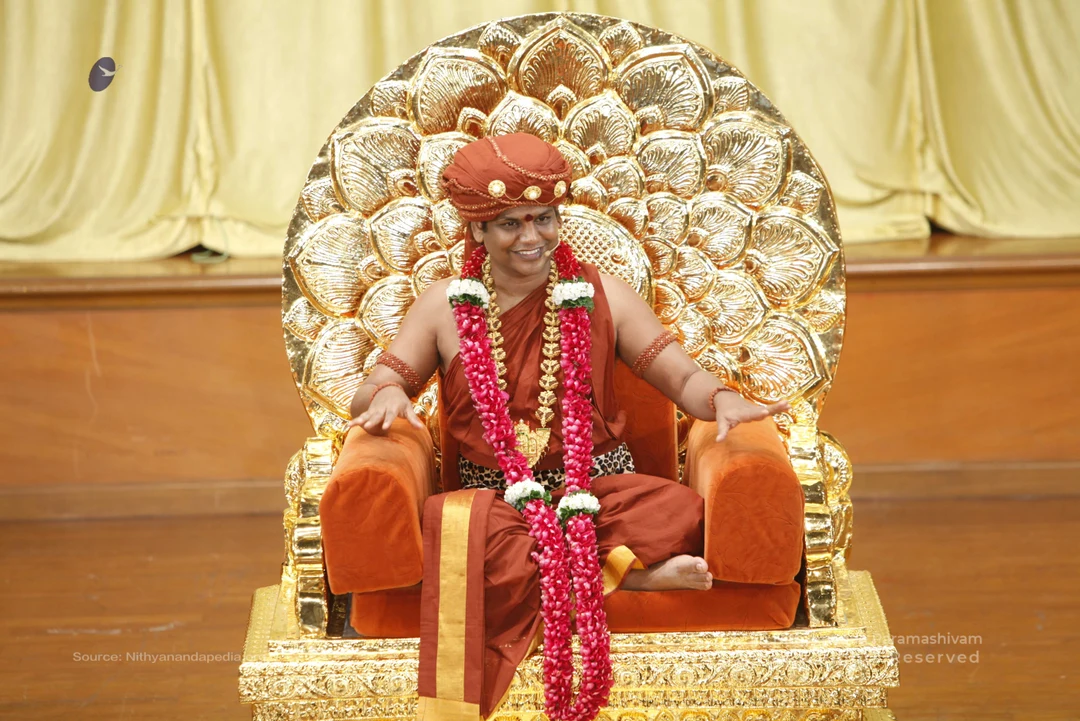
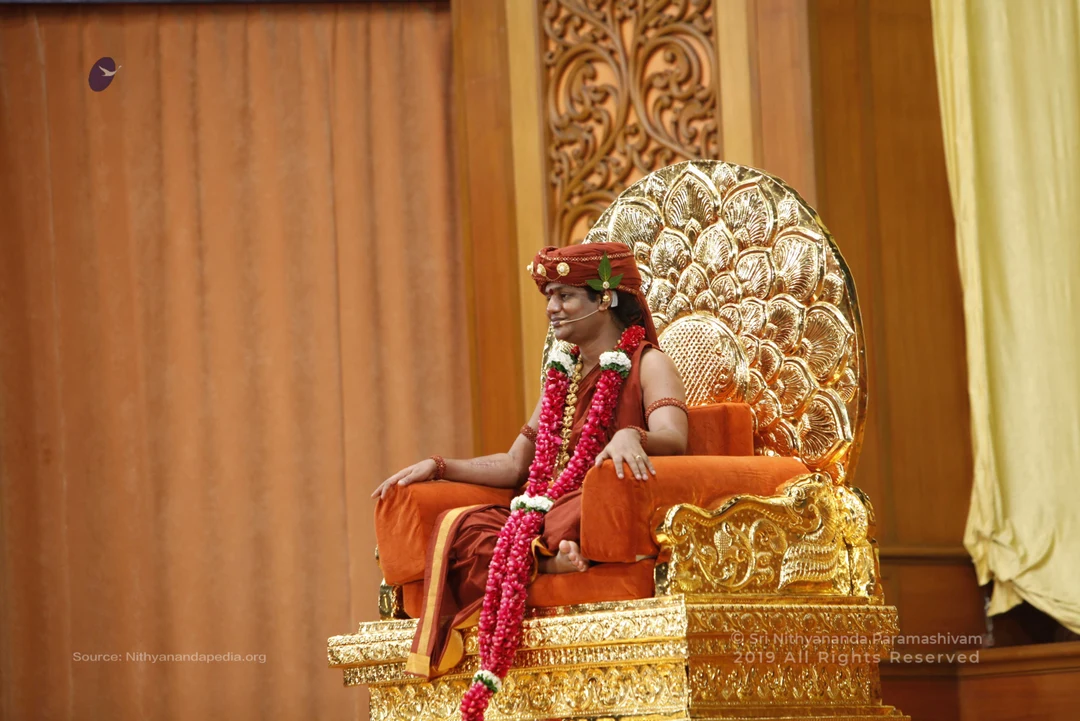
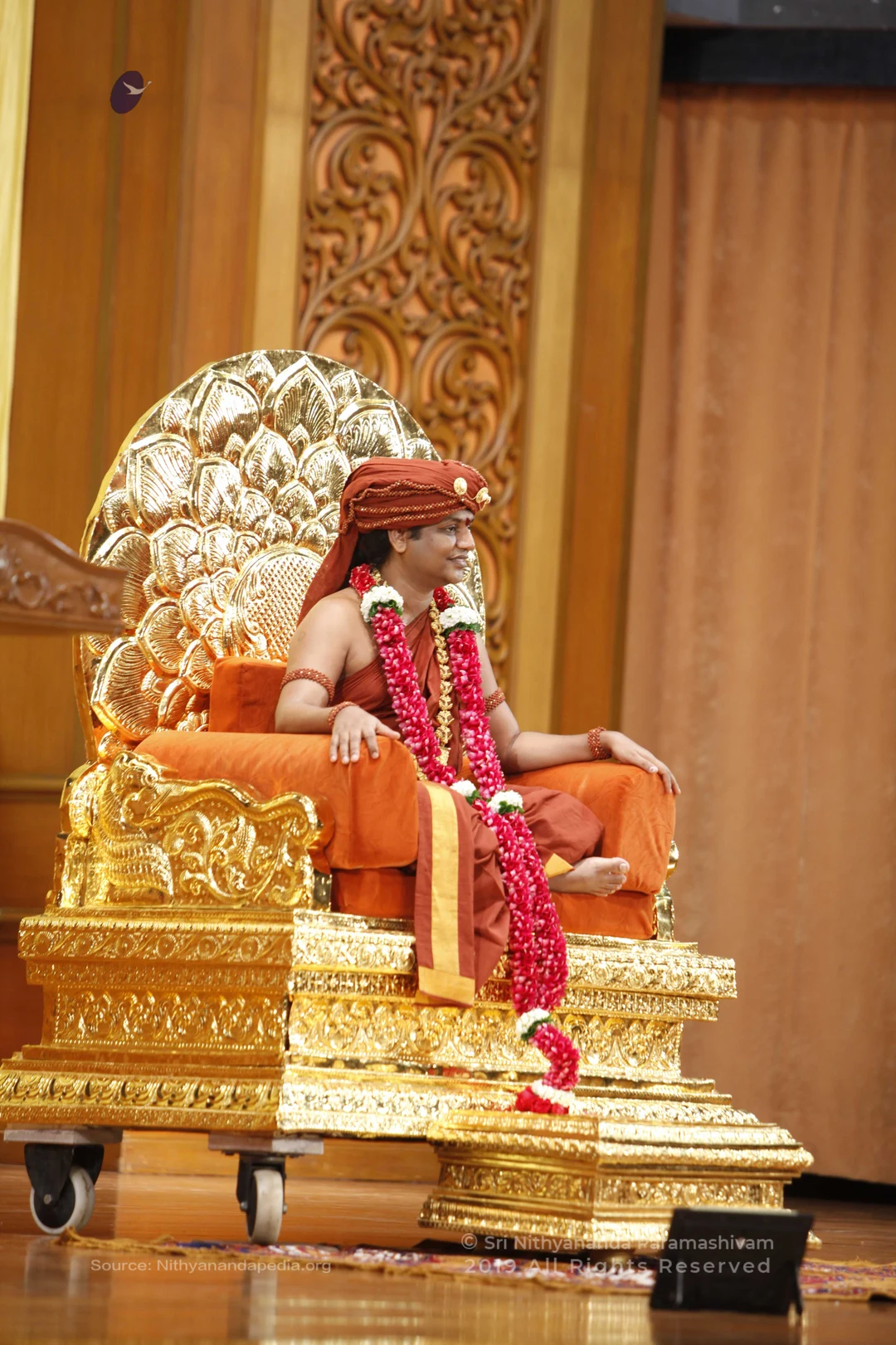
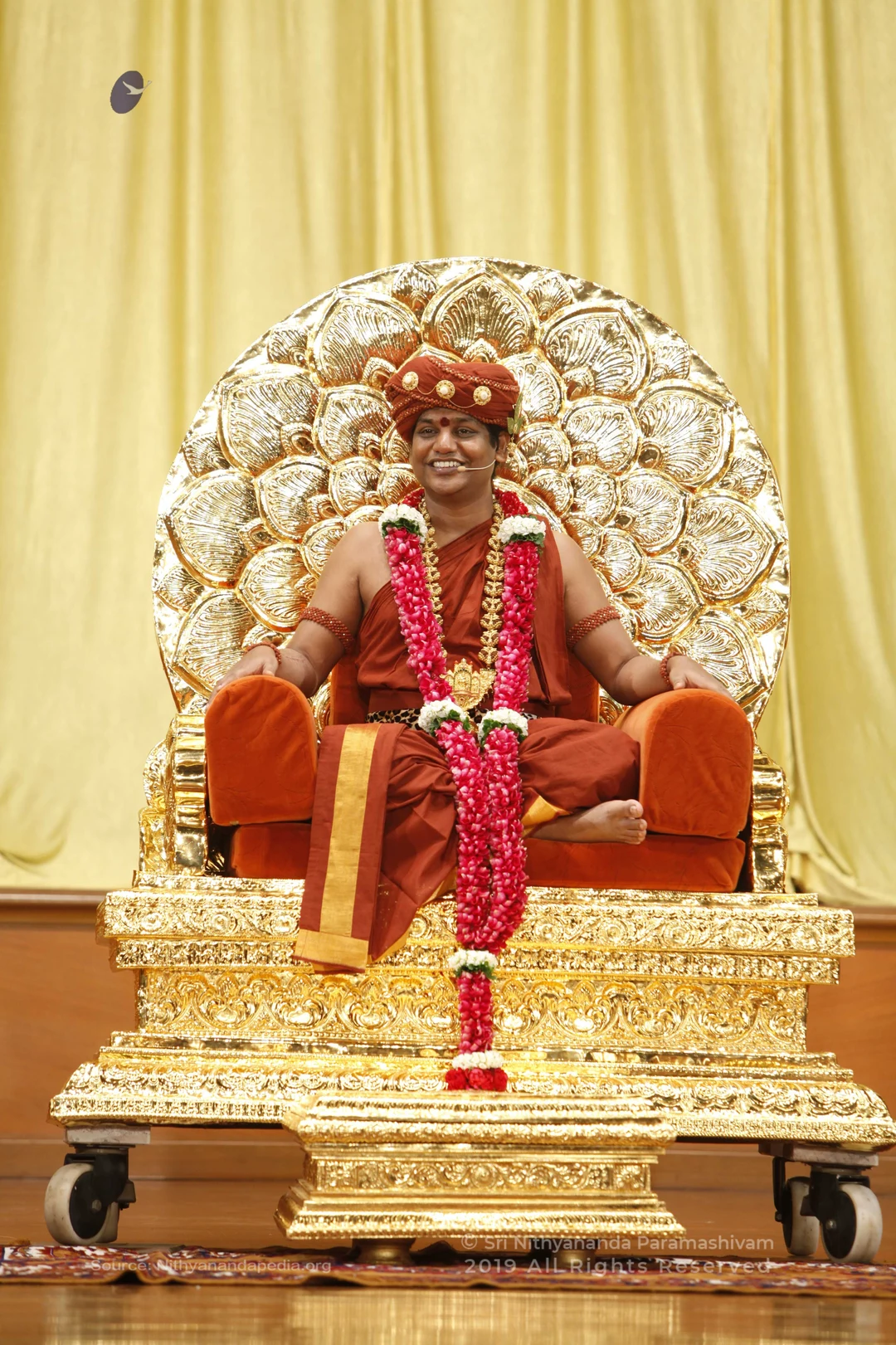
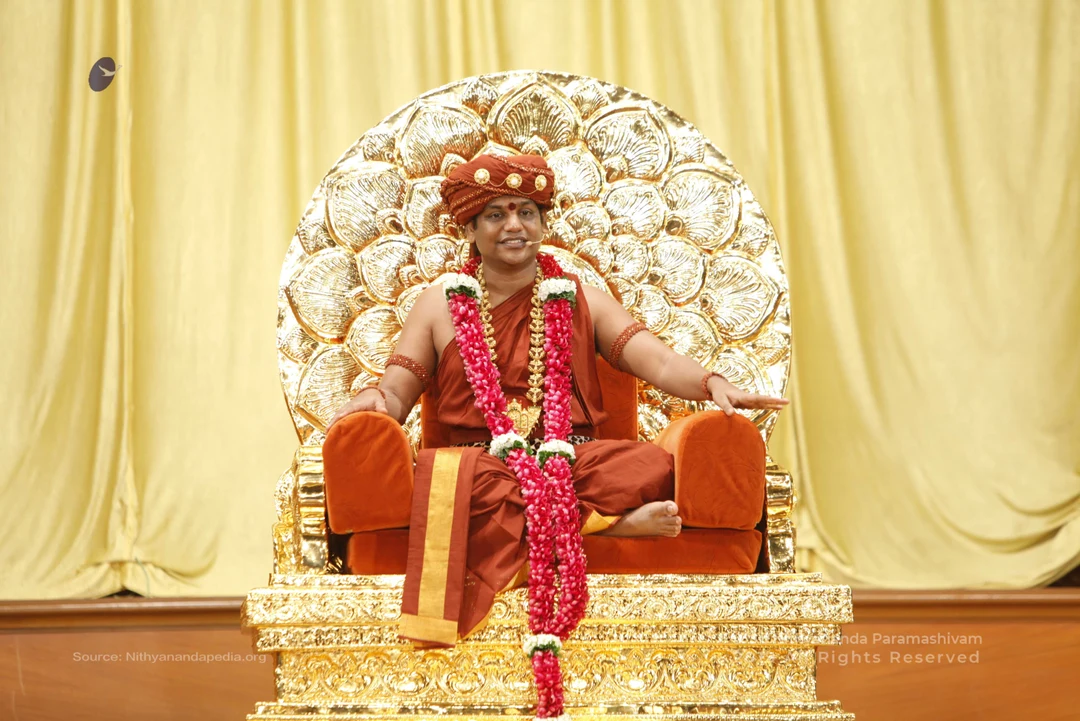
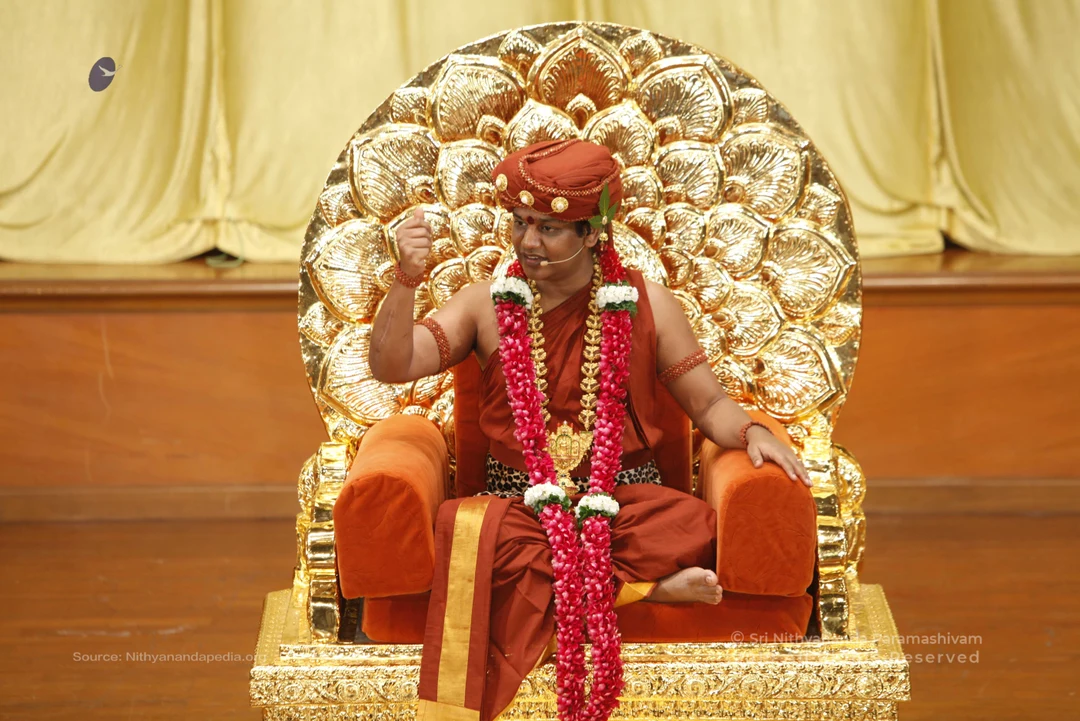
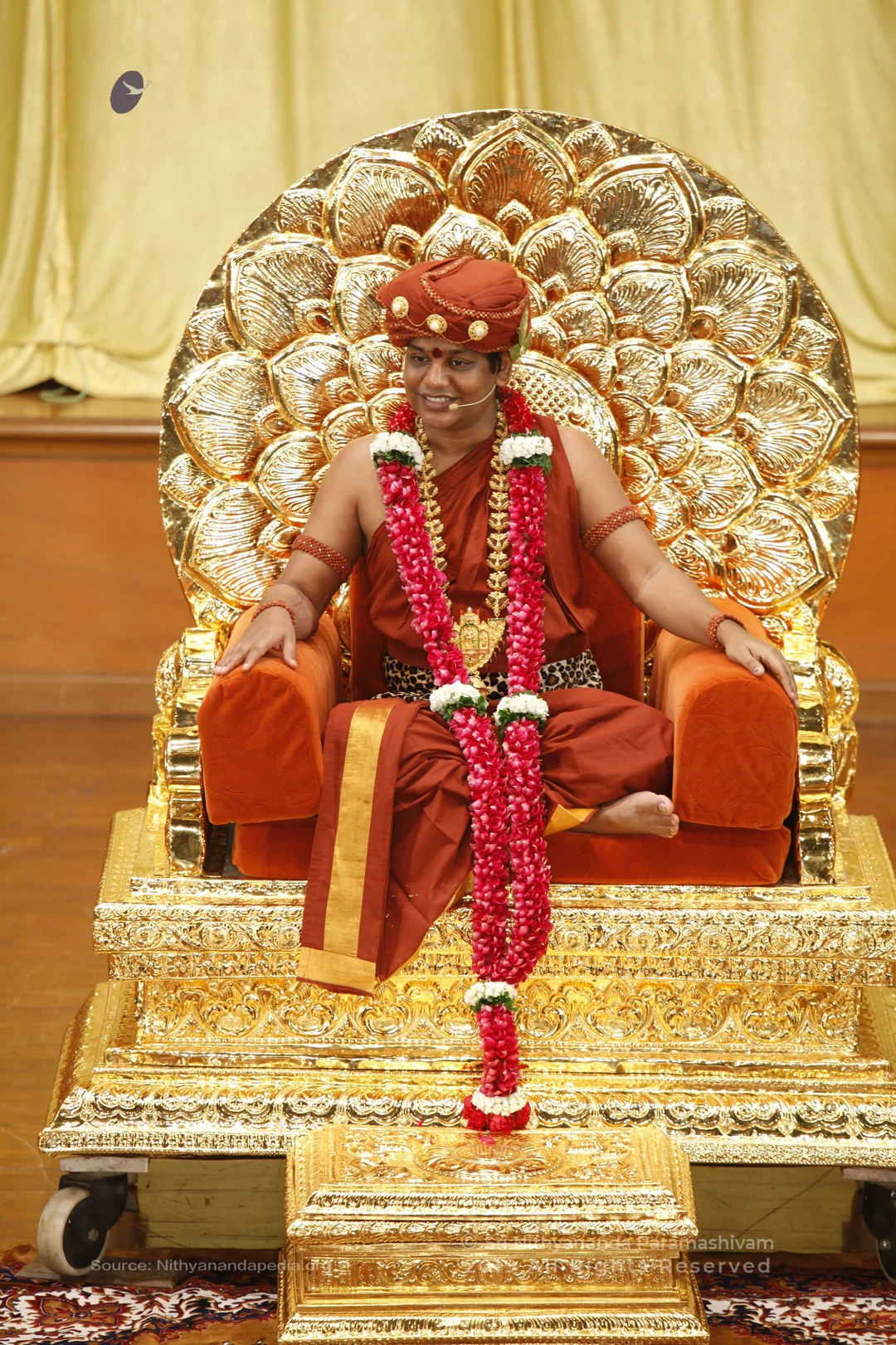
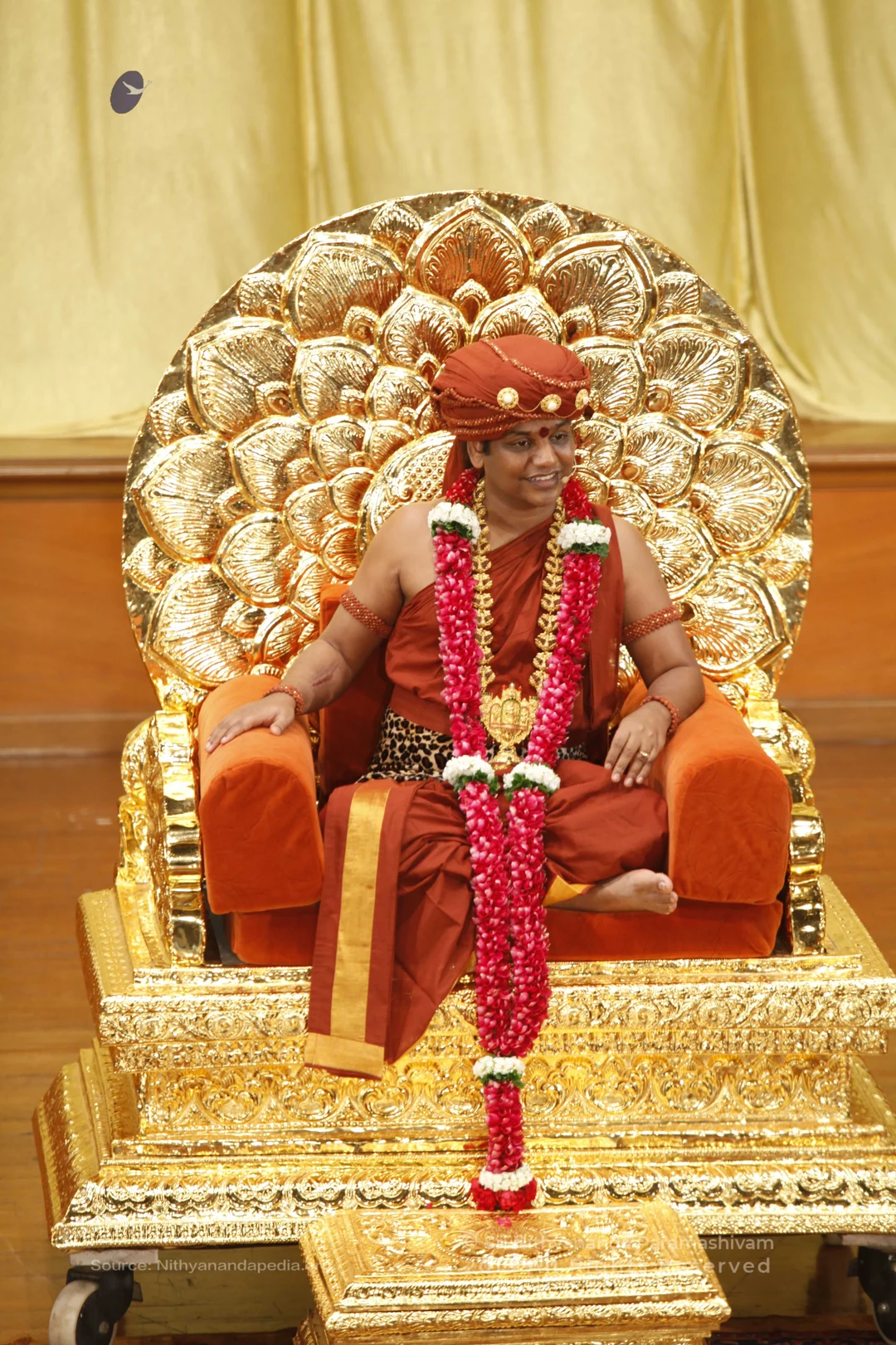
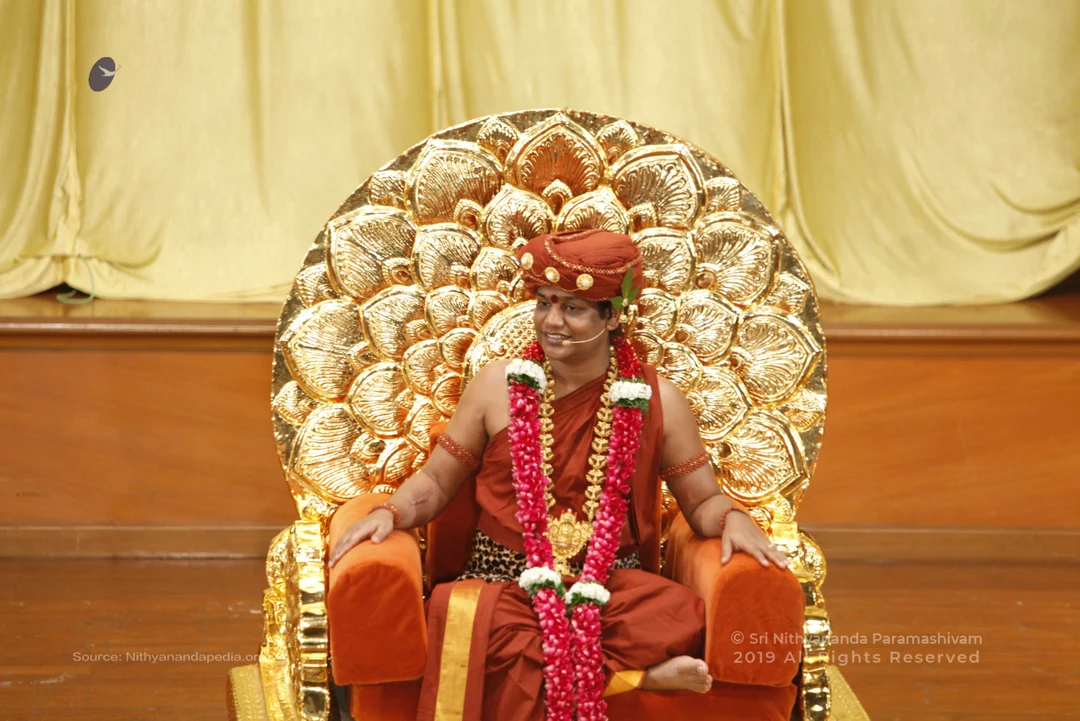
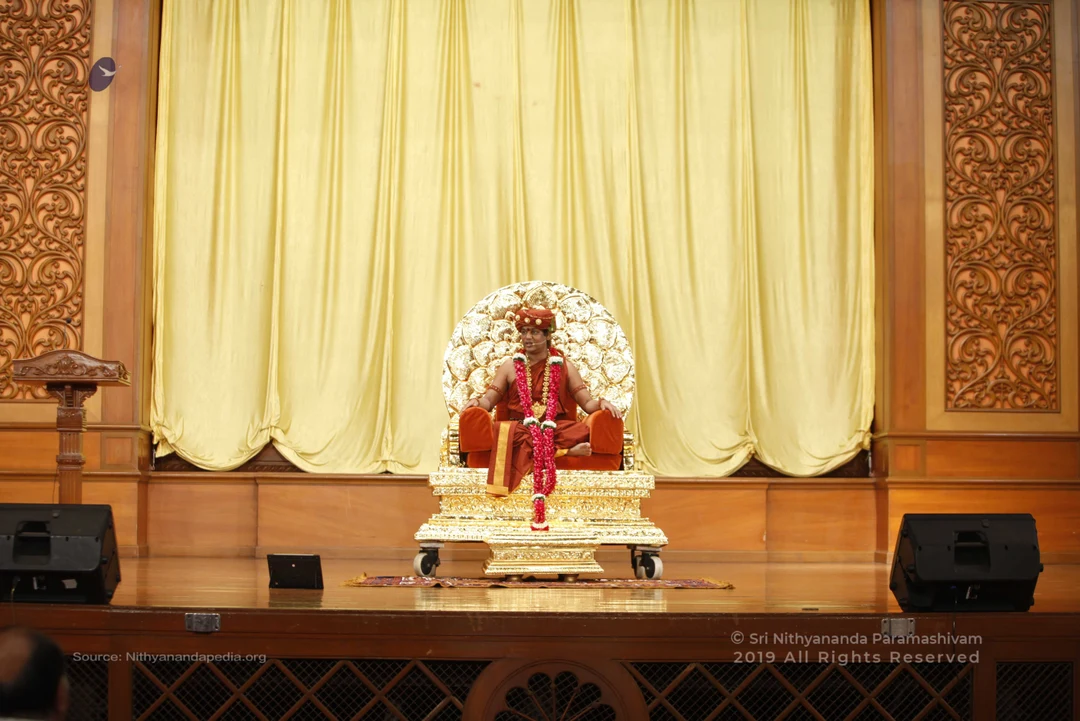
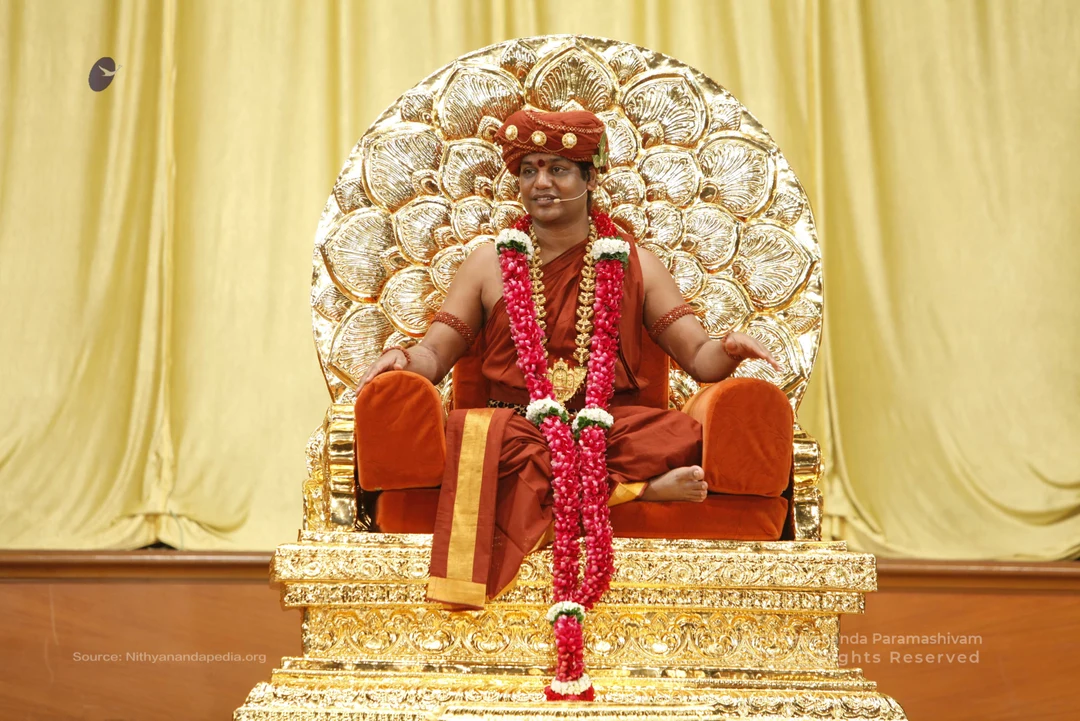
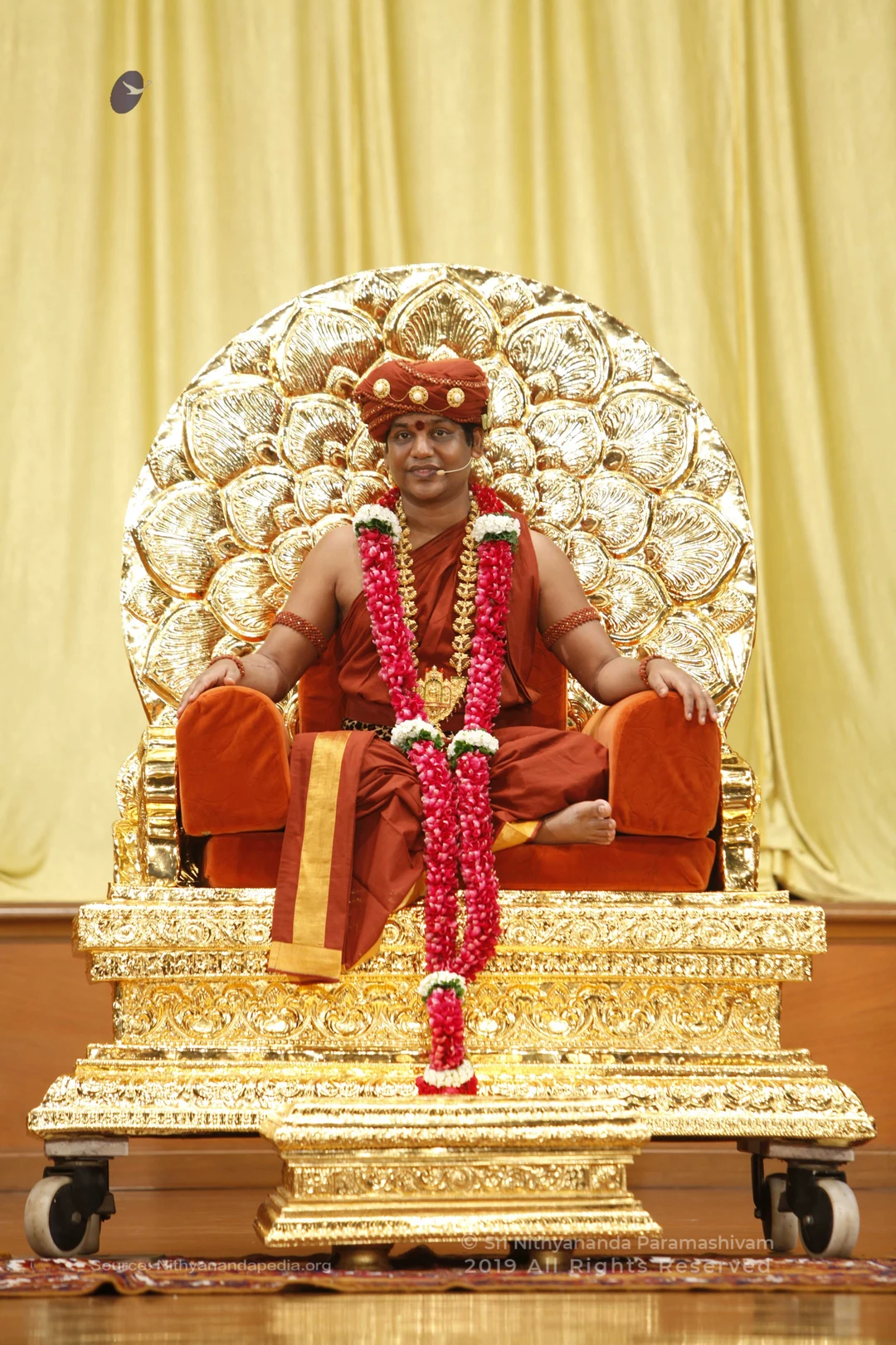
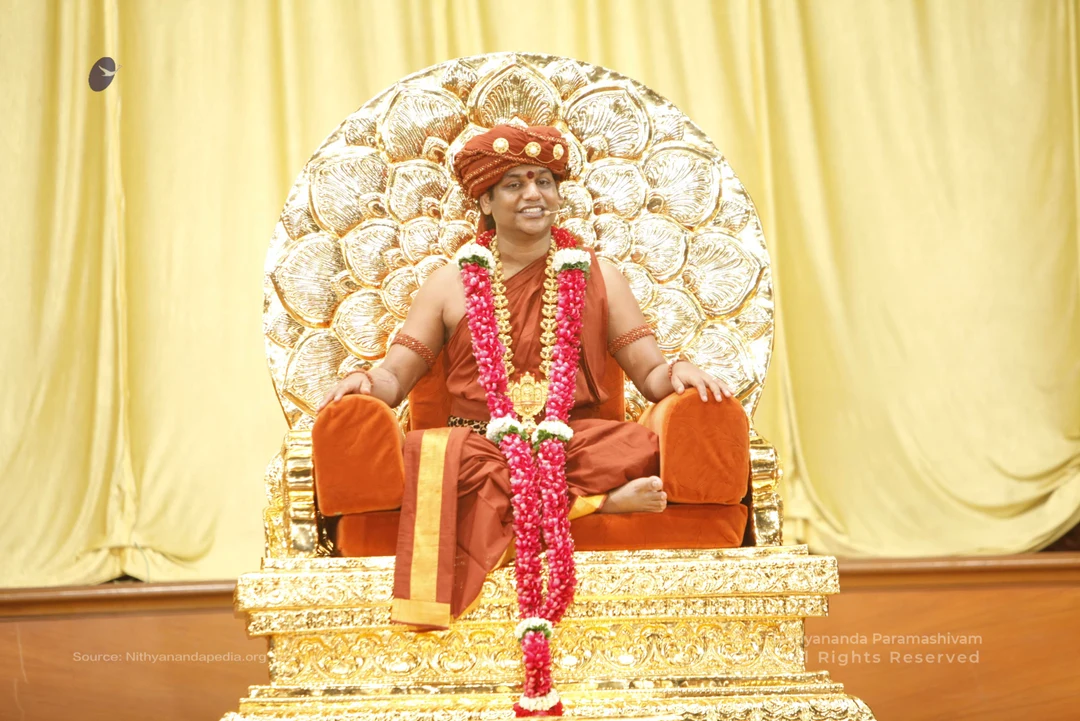
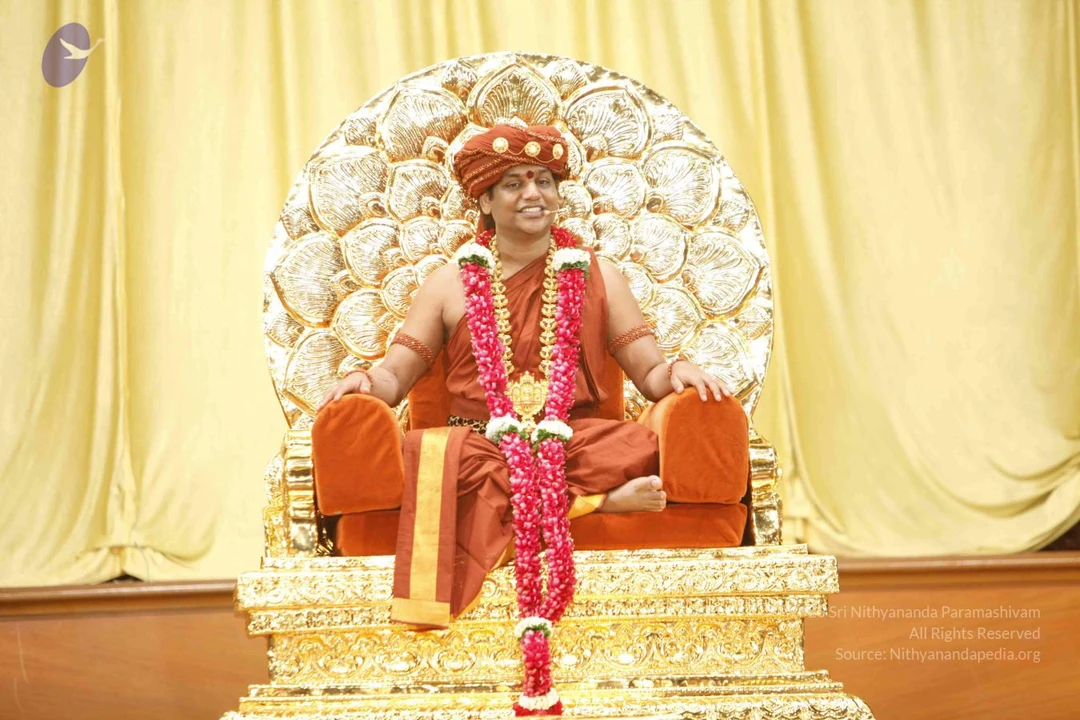
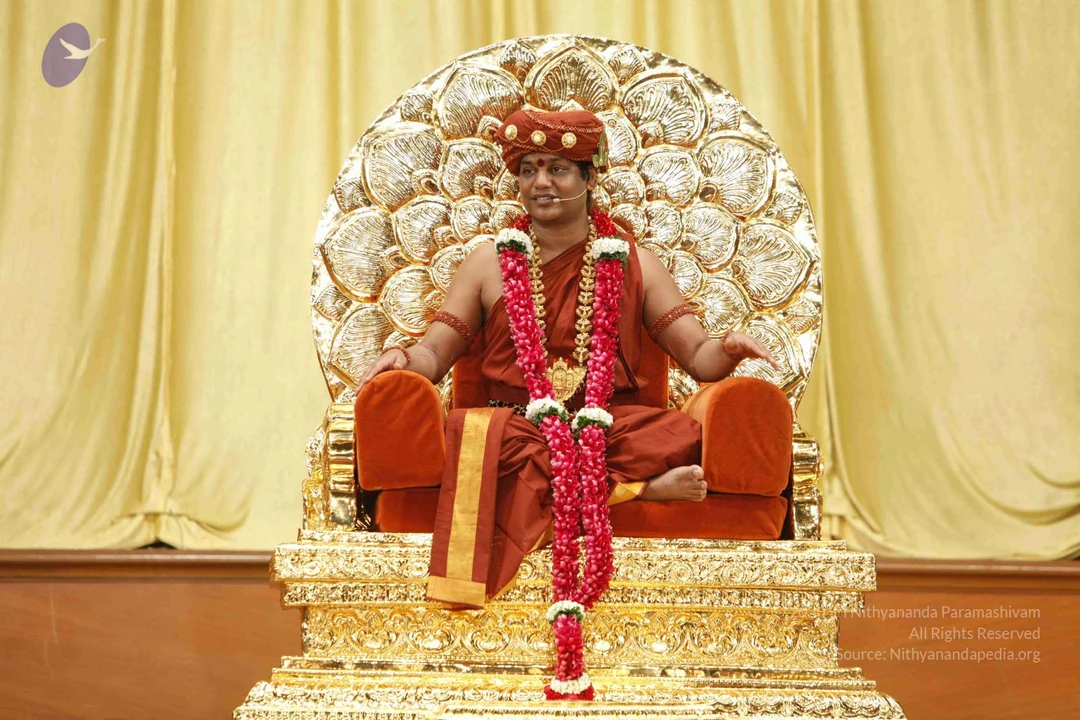
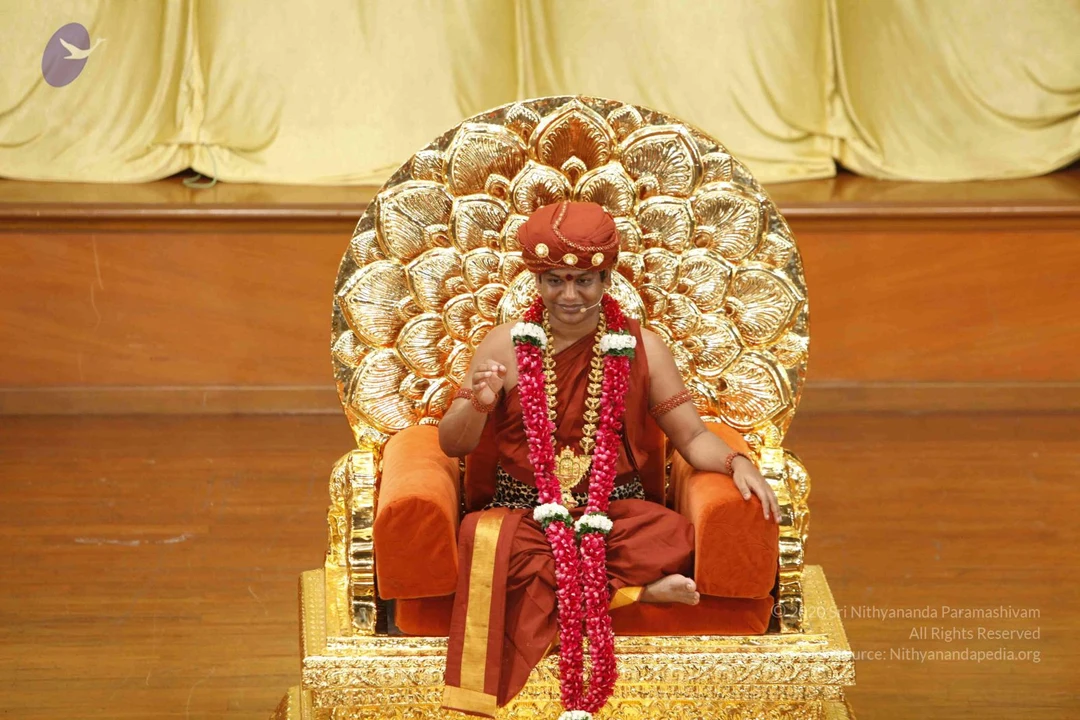
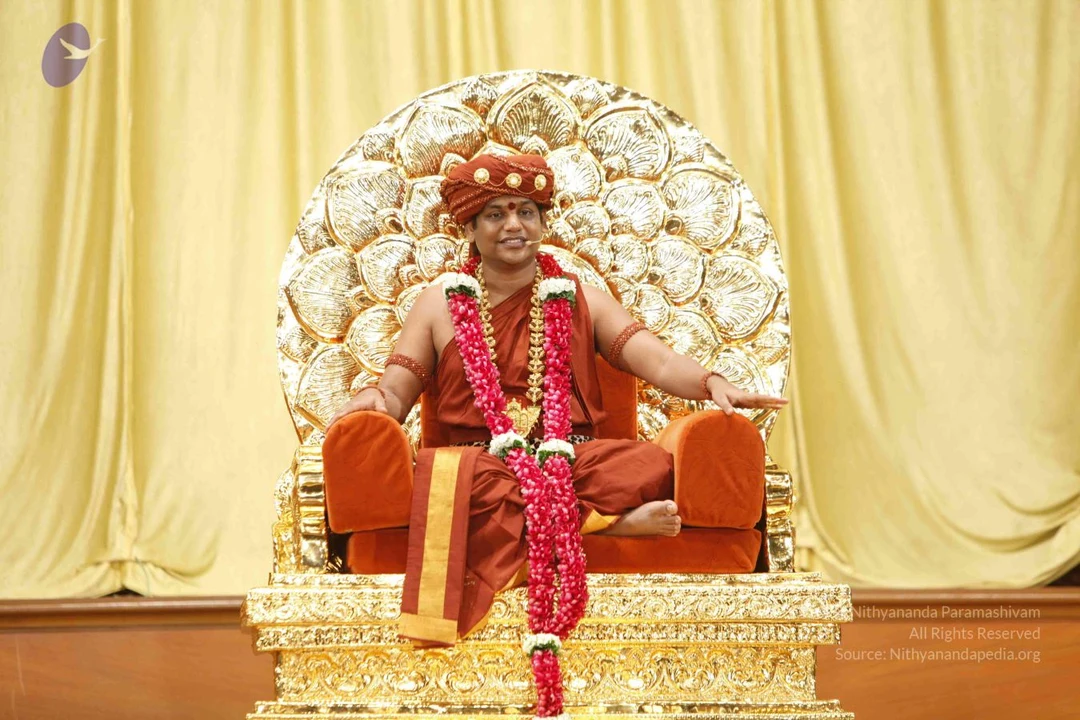
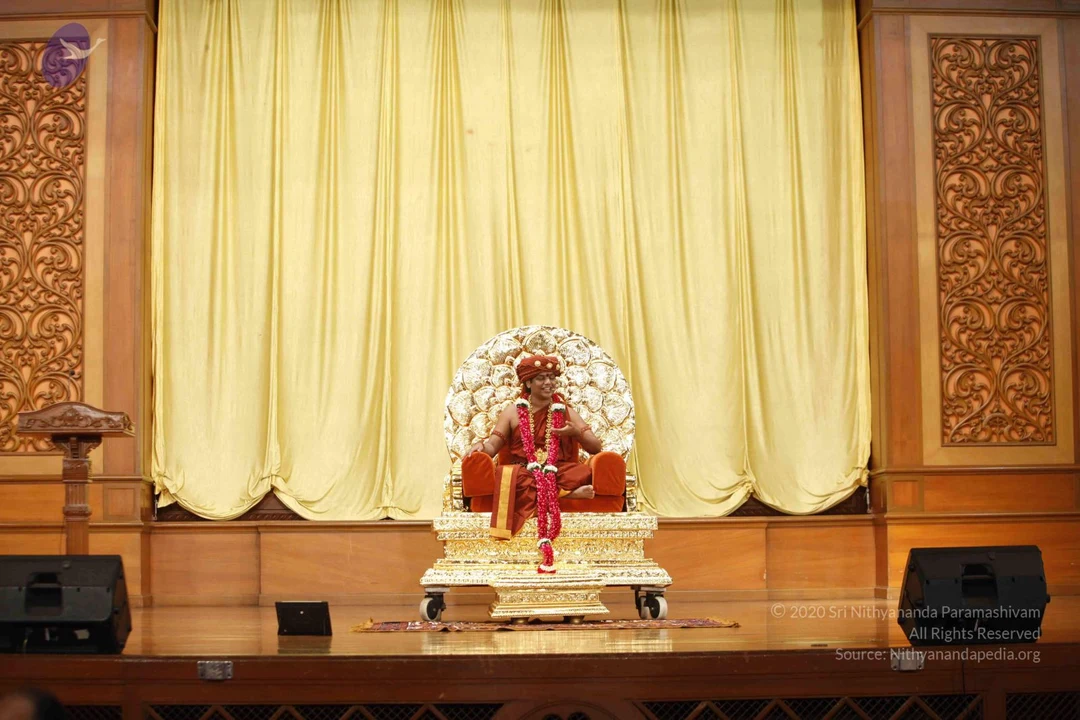
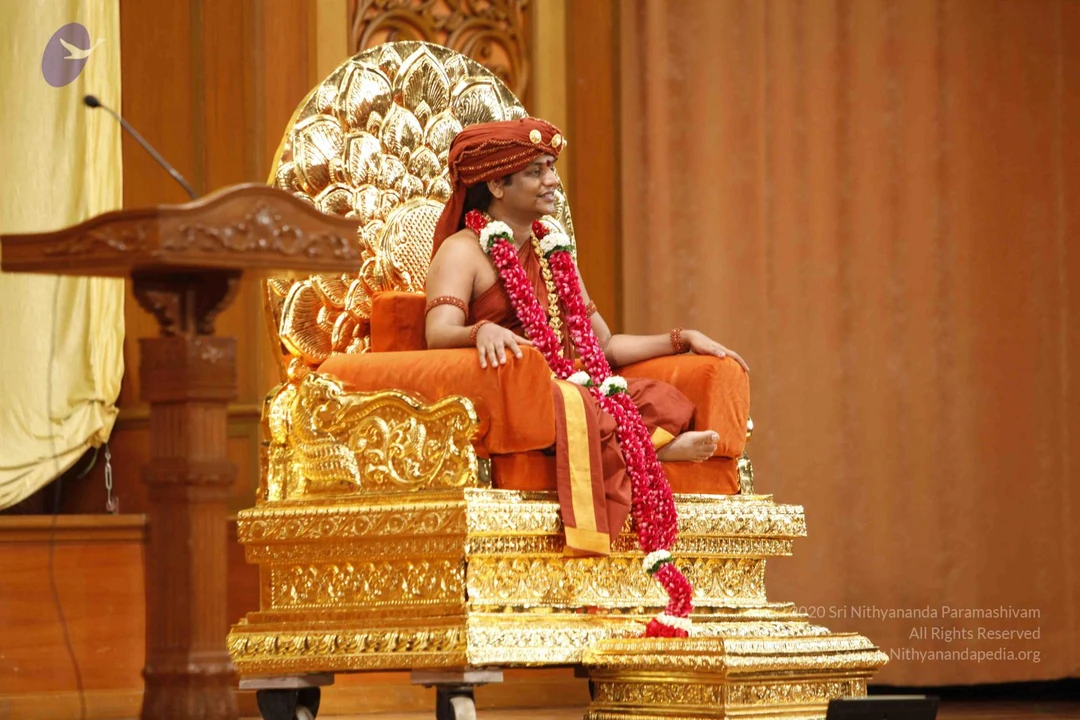
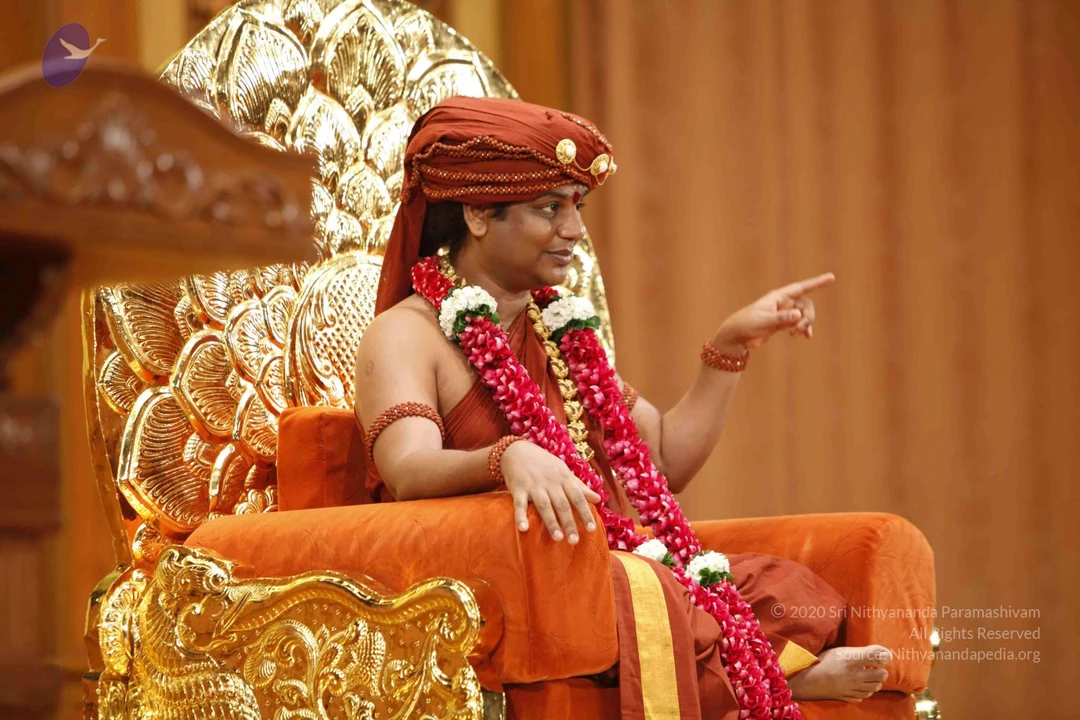
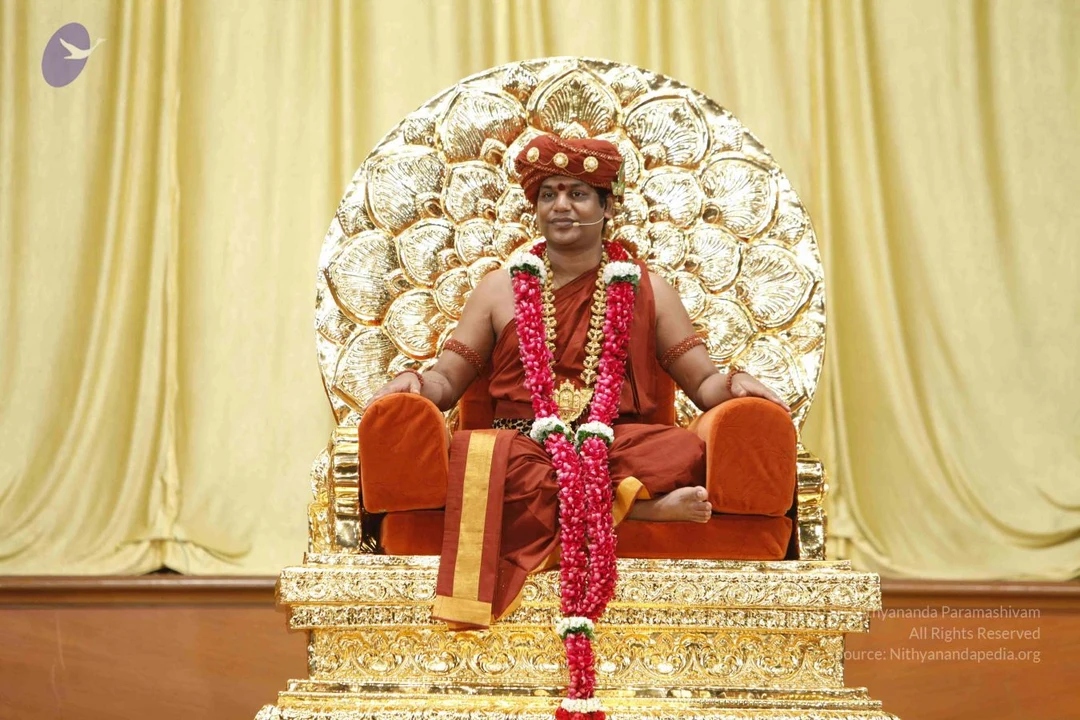
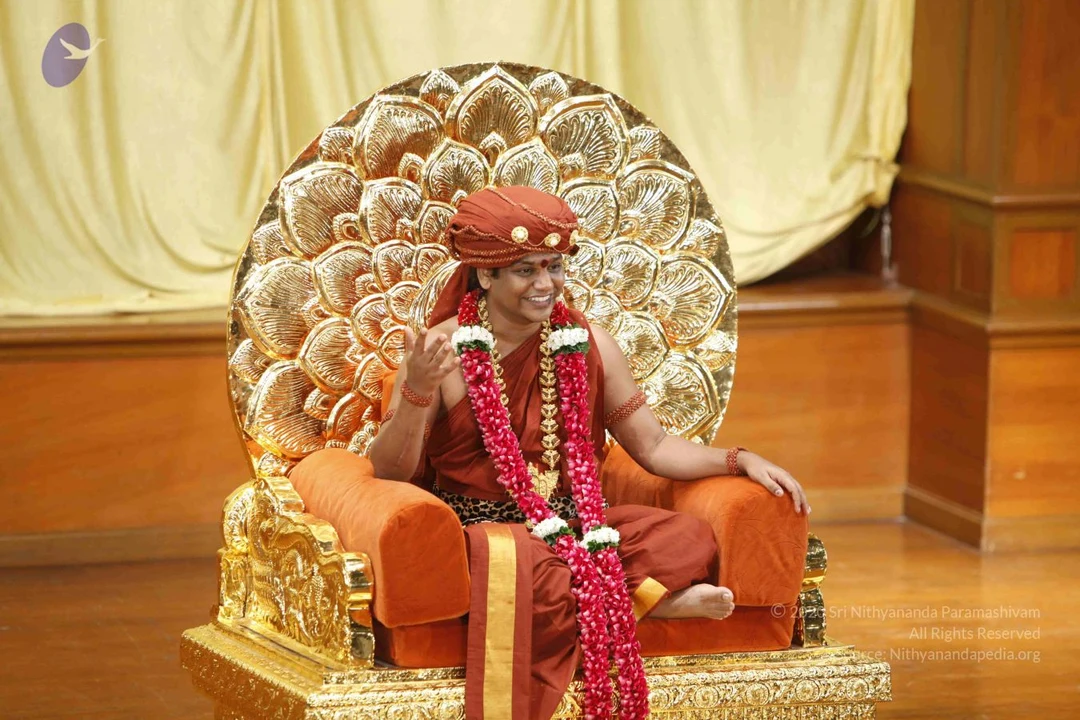
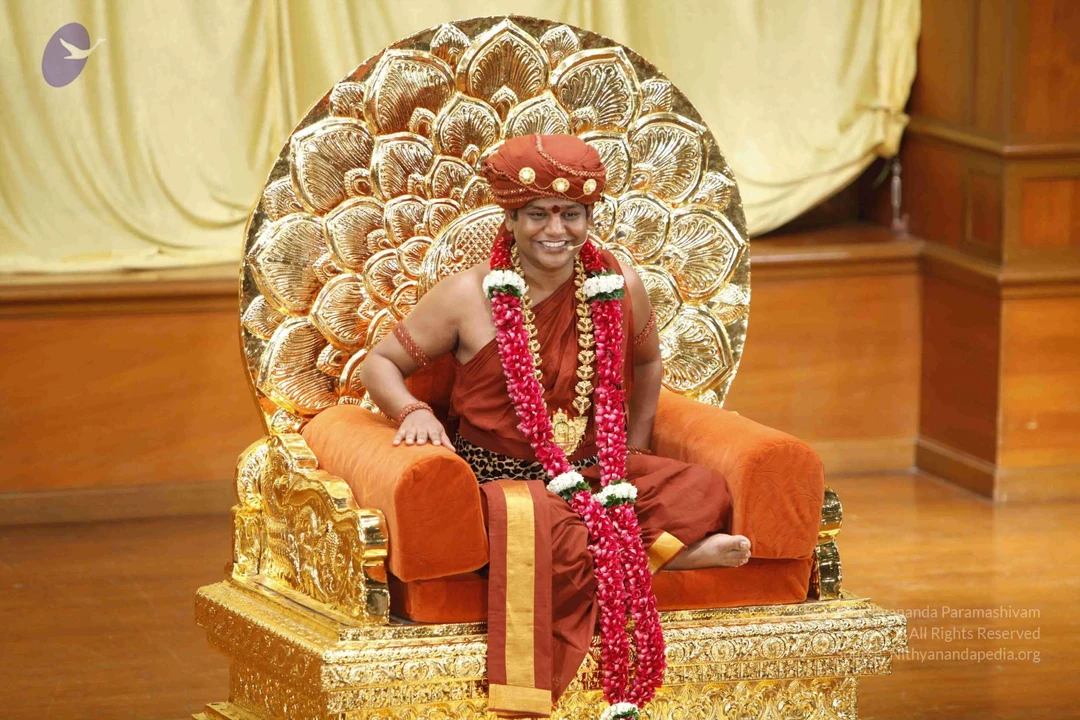
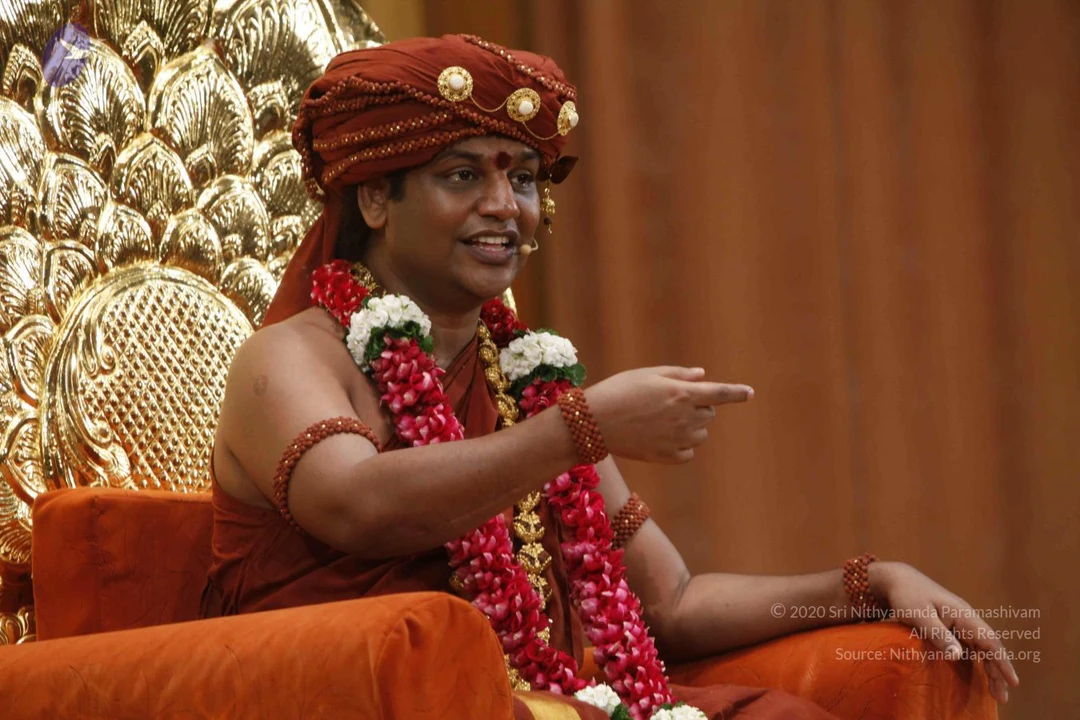
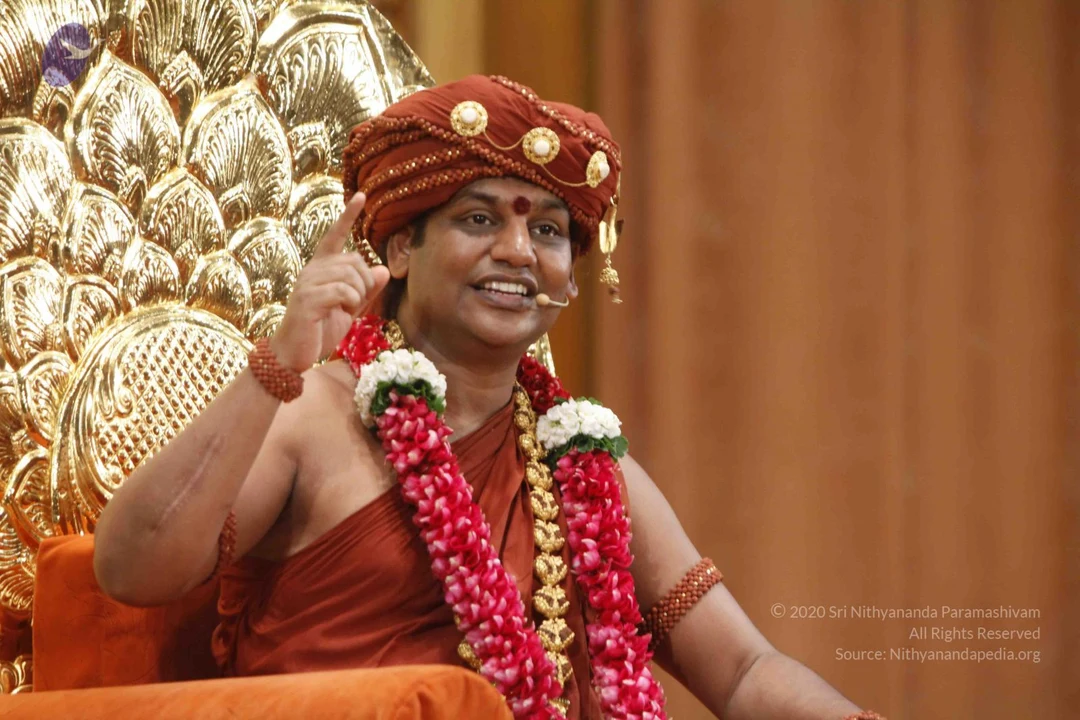
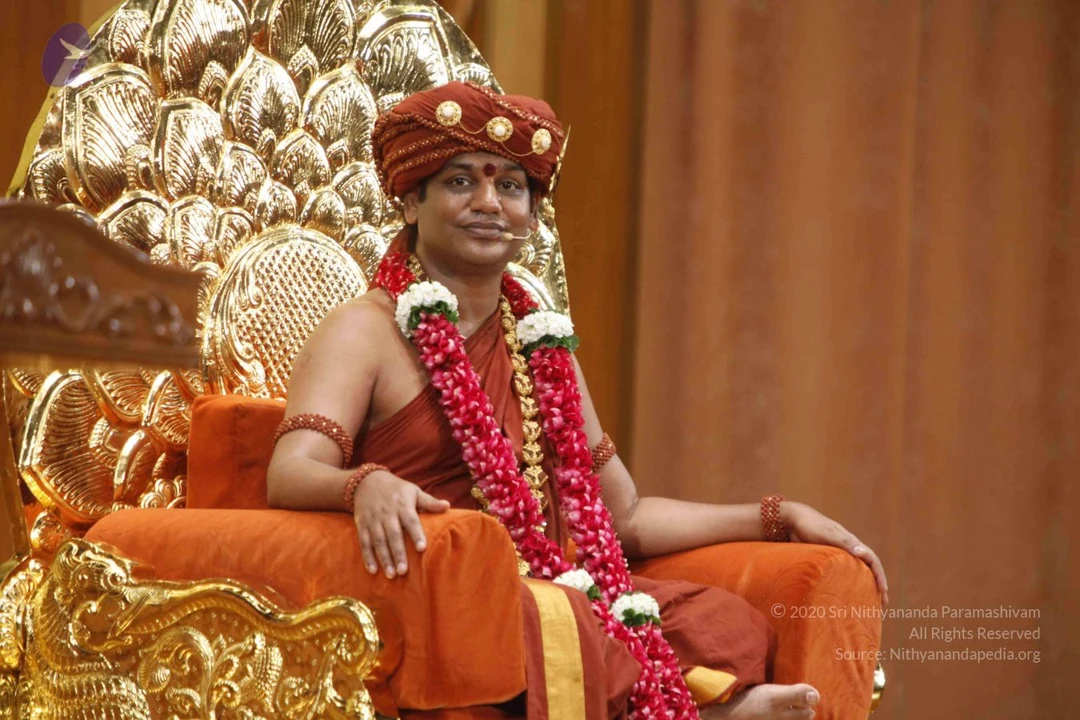
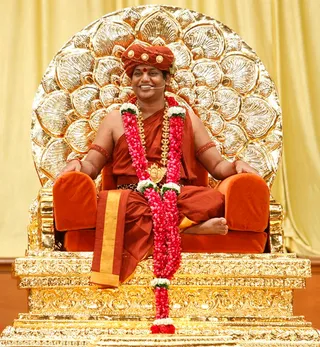
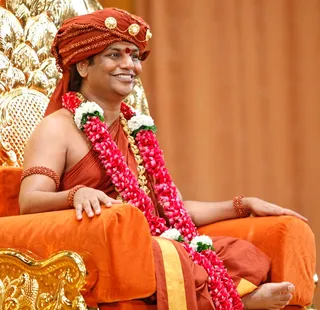
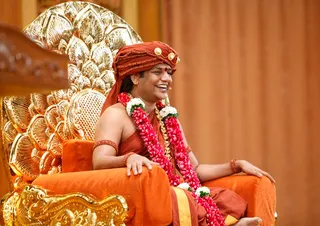
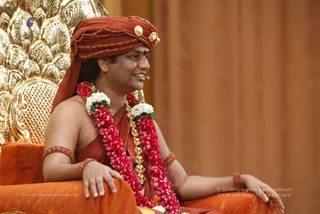
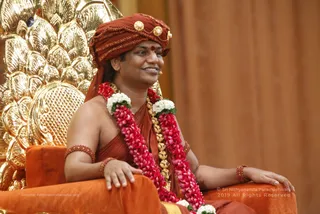
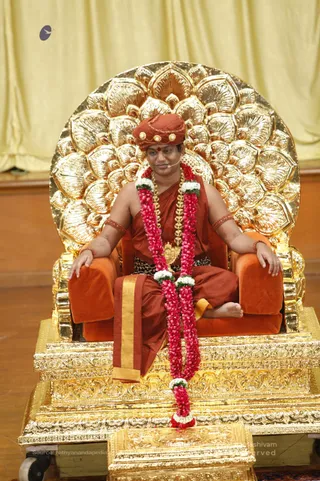
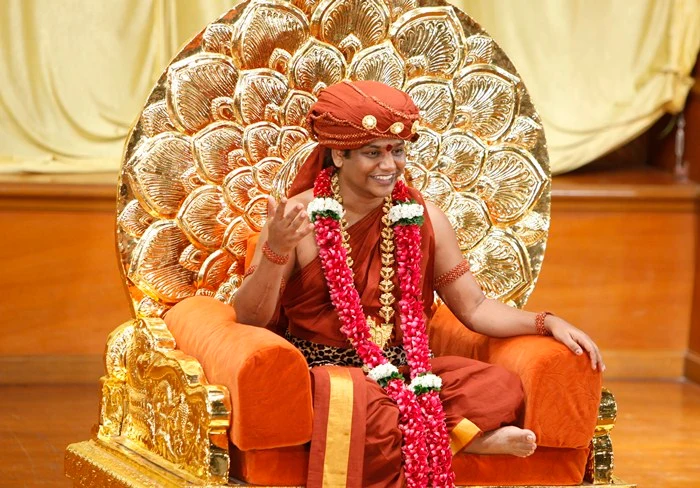
A photograph of a seated figure on an ornate gold throne with a large gold fan-shaped backrest against yellow drapes. The person wears a rust-orange turban with gold studs, an orange-red robe with a gold-bordered wrap, a red bindi, rudraksha-style bead bracelets and a long garland of pink and white flowers draped down to the platform, plus a gold pendant on the chest. A small headset microphone is visible at the face. The gold throne is on wheeled casters and a patterned rug lies below.A seated man in a rust-red turban and matching rust-red wrap sits cross-legged on an ornate gold throne with a large fan-shaped gilded backrest and orange velvet armrests. He wears a cream-and-gold border cloth, a gold necklace, red bangles on both forearms, and a headset microphone. Long red and white flower garlands hang from his shoulders down over his lap. Behind him hangs a pale yellow drape. The scene suggests a stage-style seated discourse setting.

June 07 2014

Original wiki page
Contents

Description:

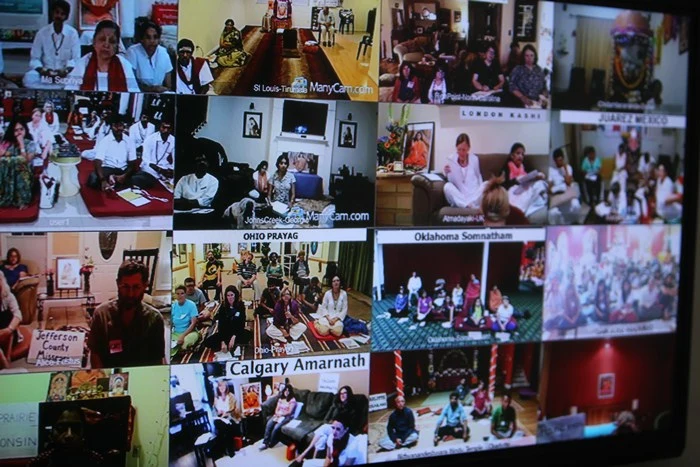
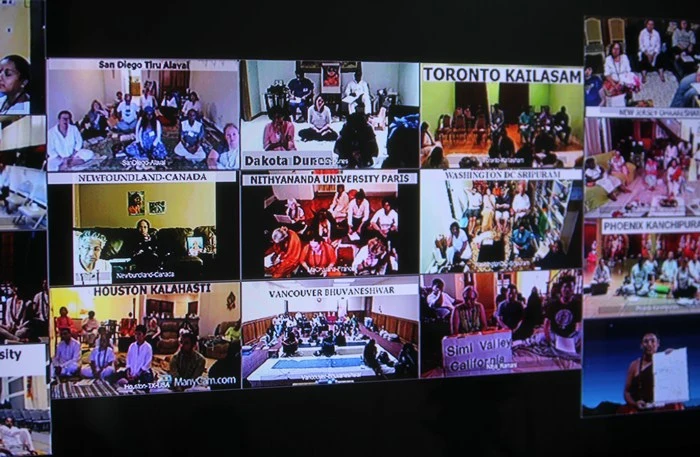
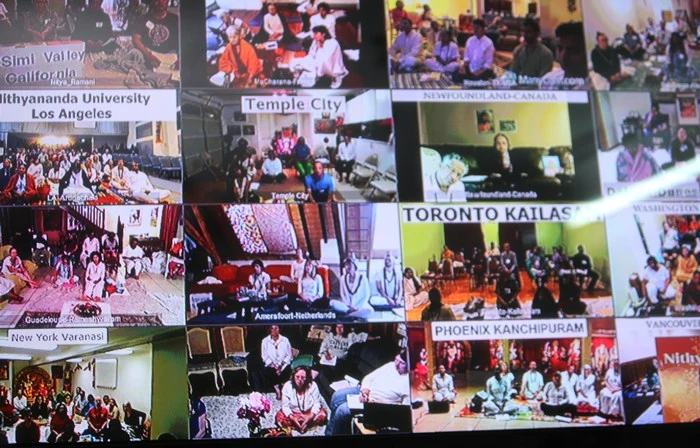
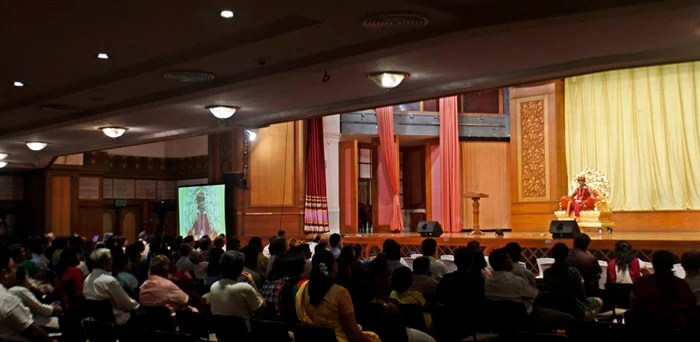
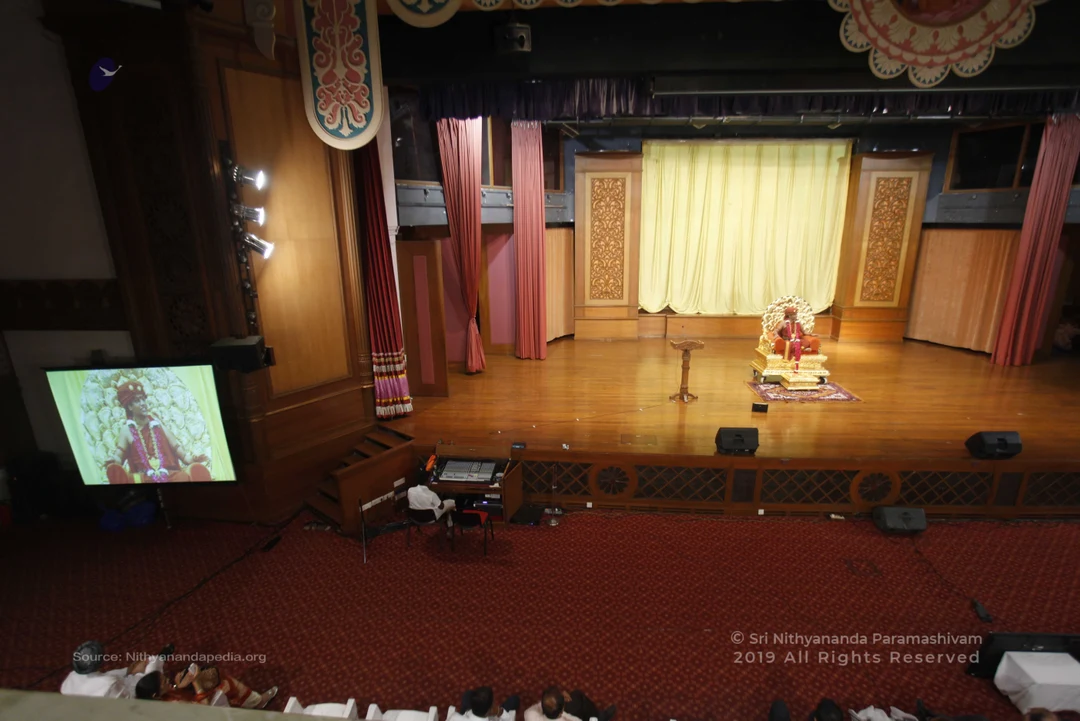
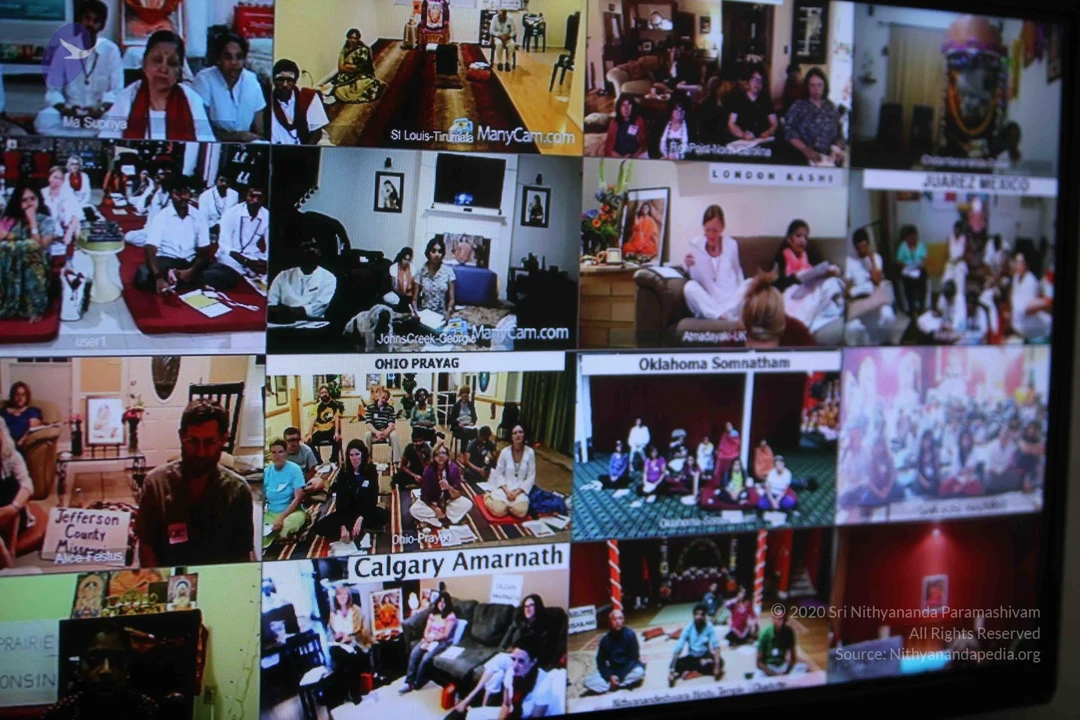
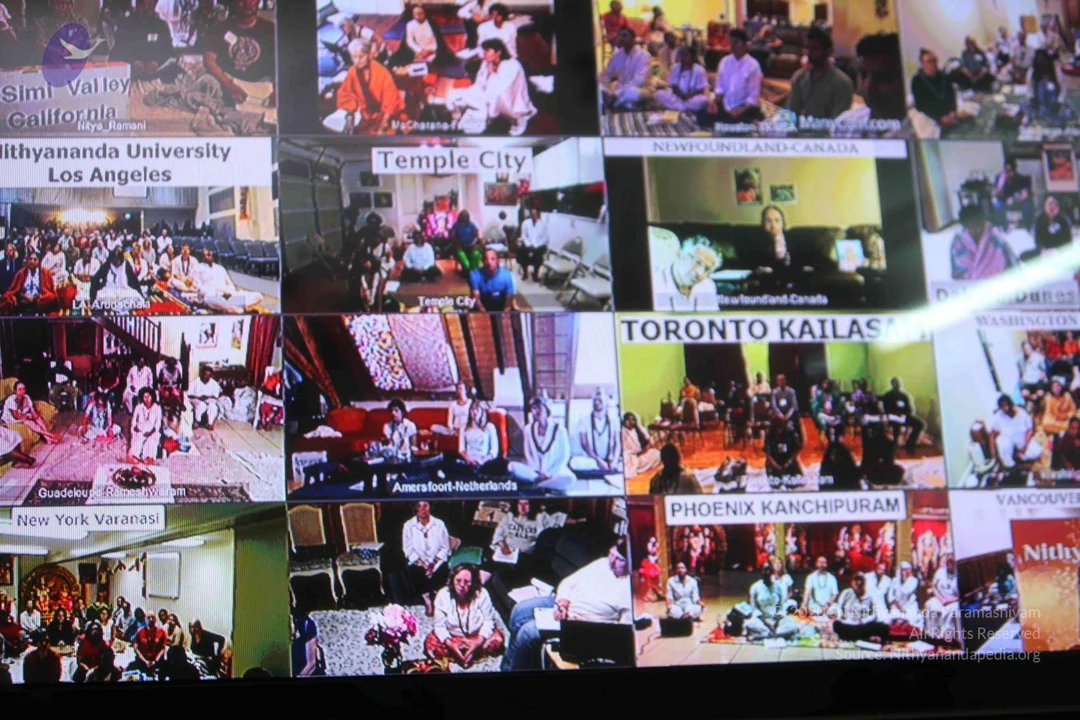
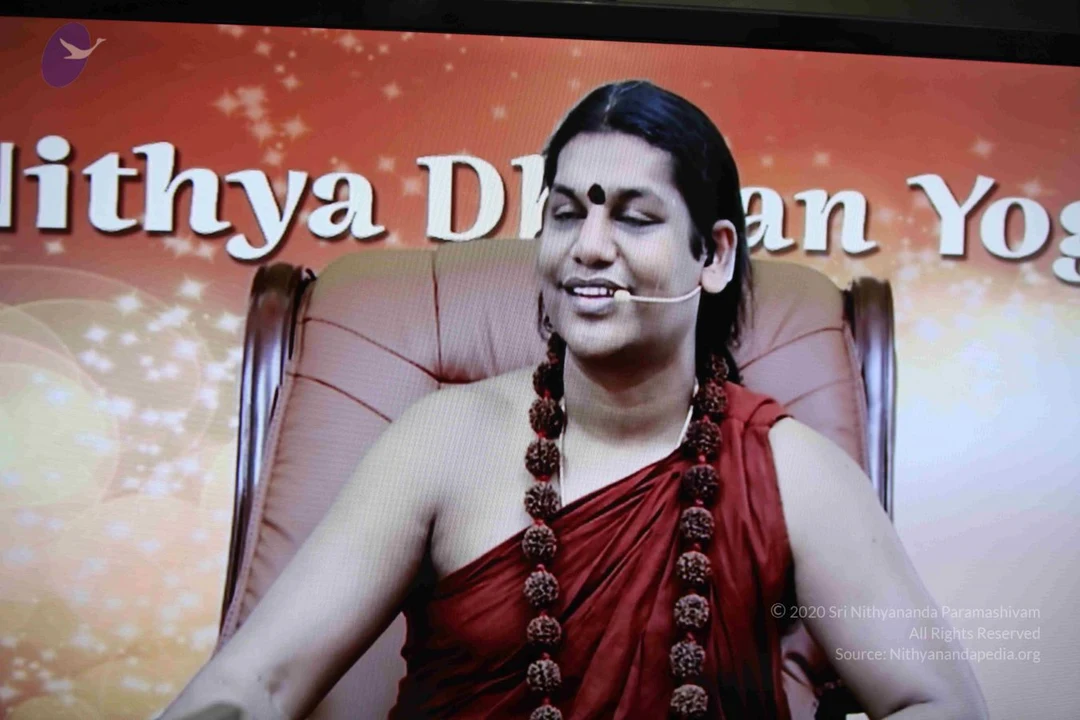
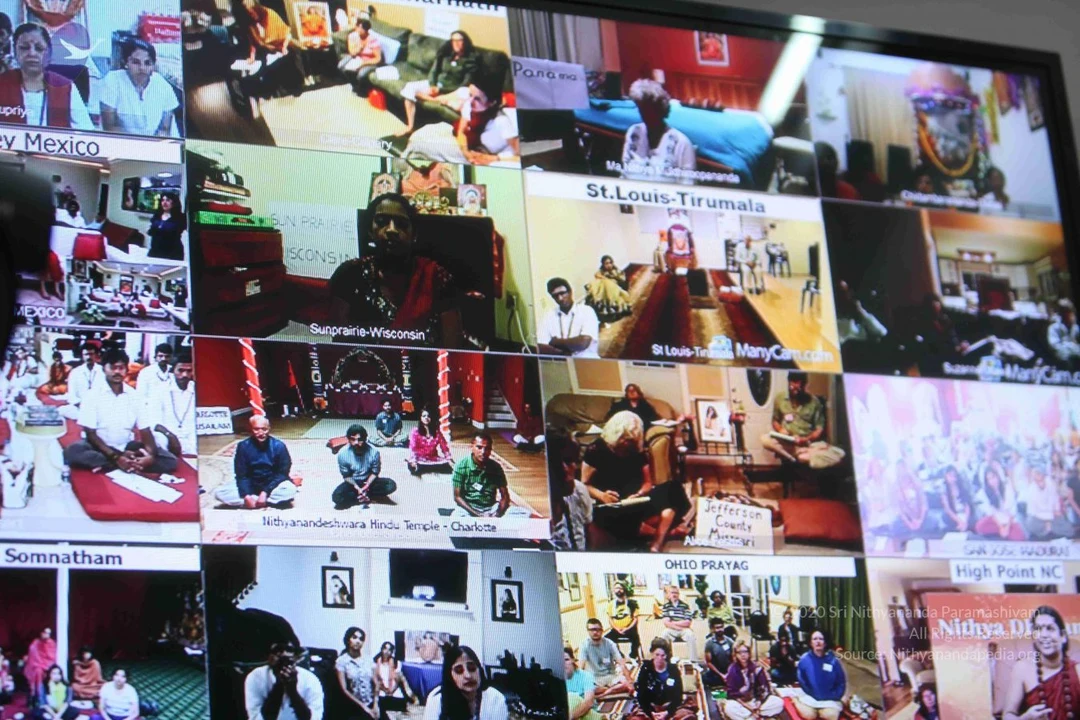
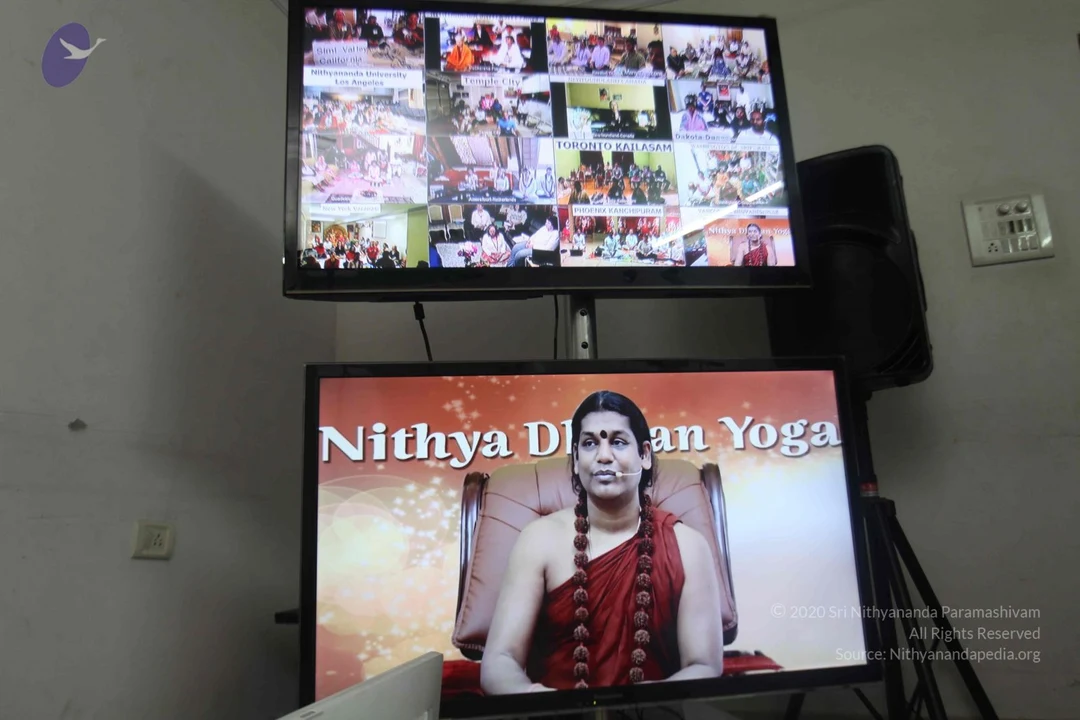
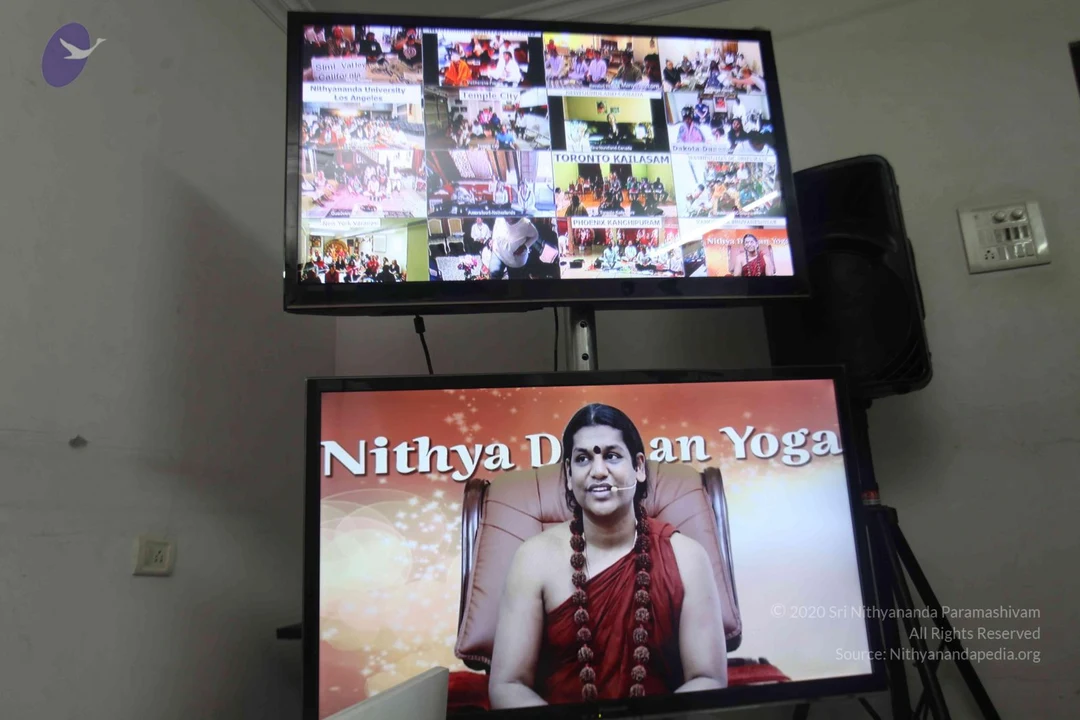
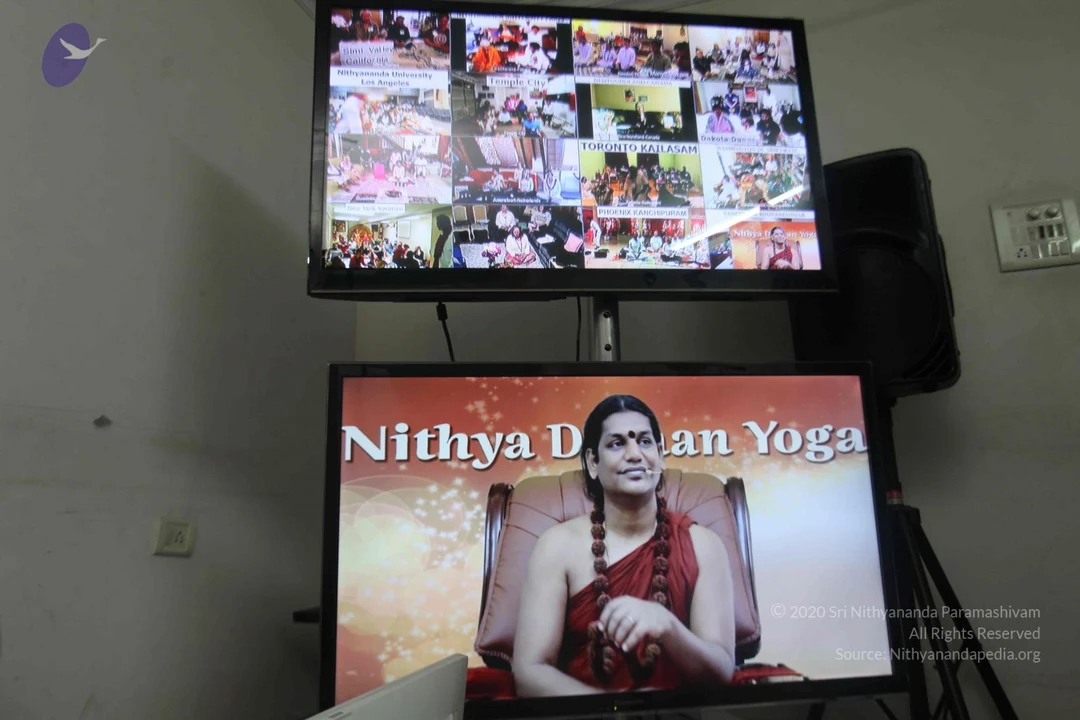
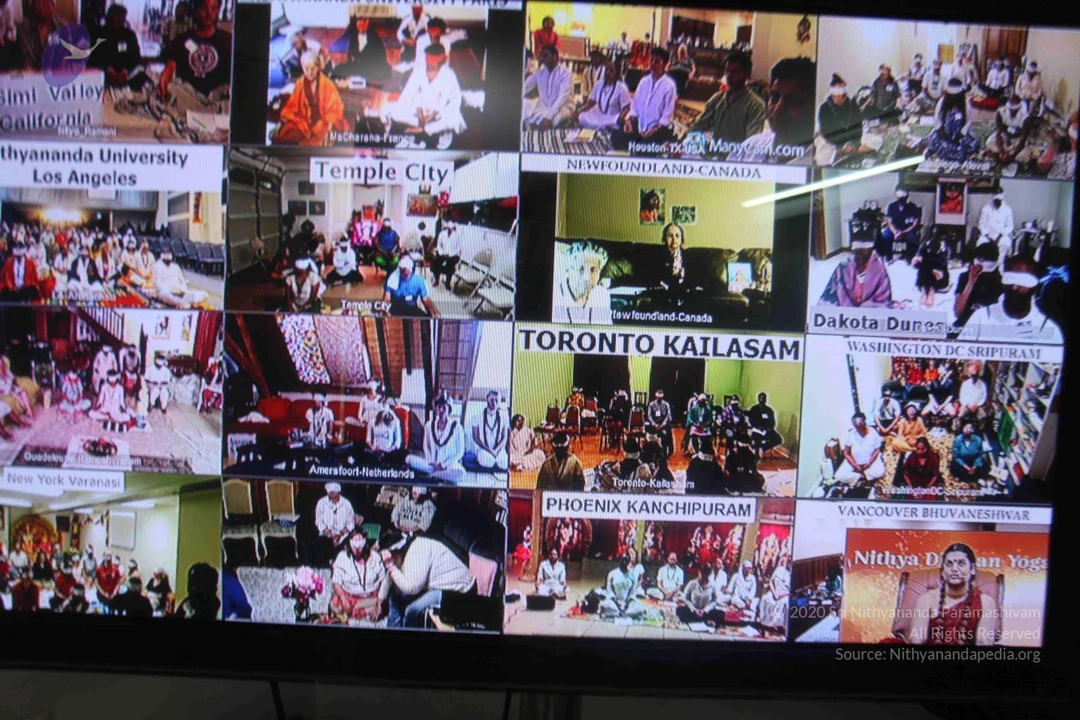
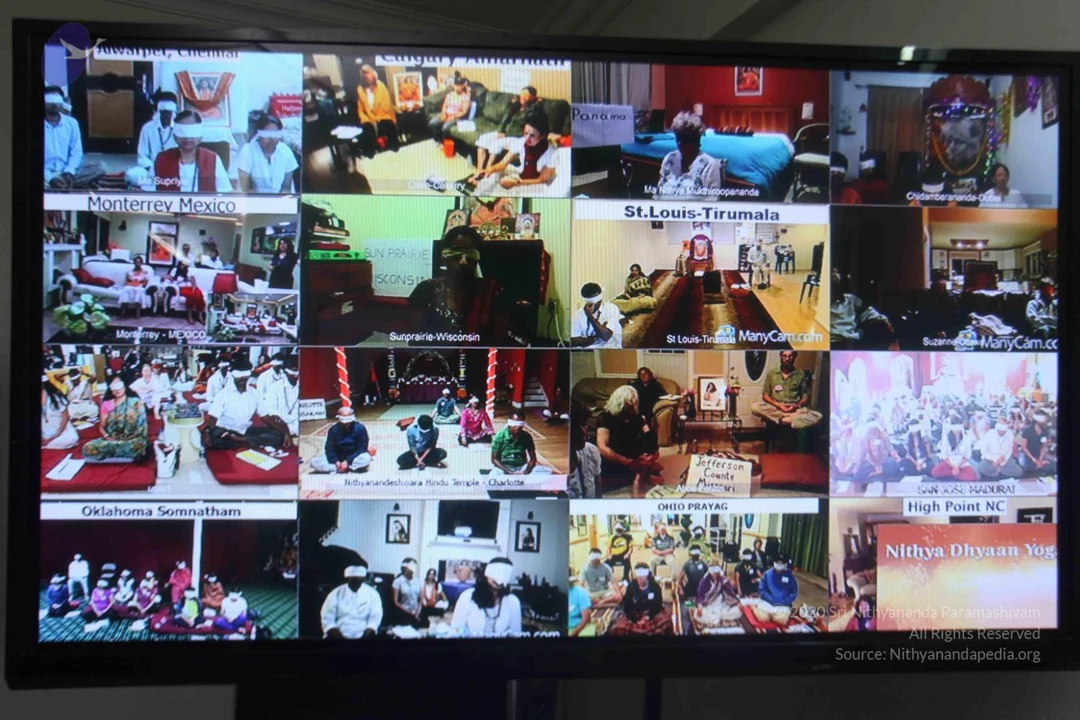
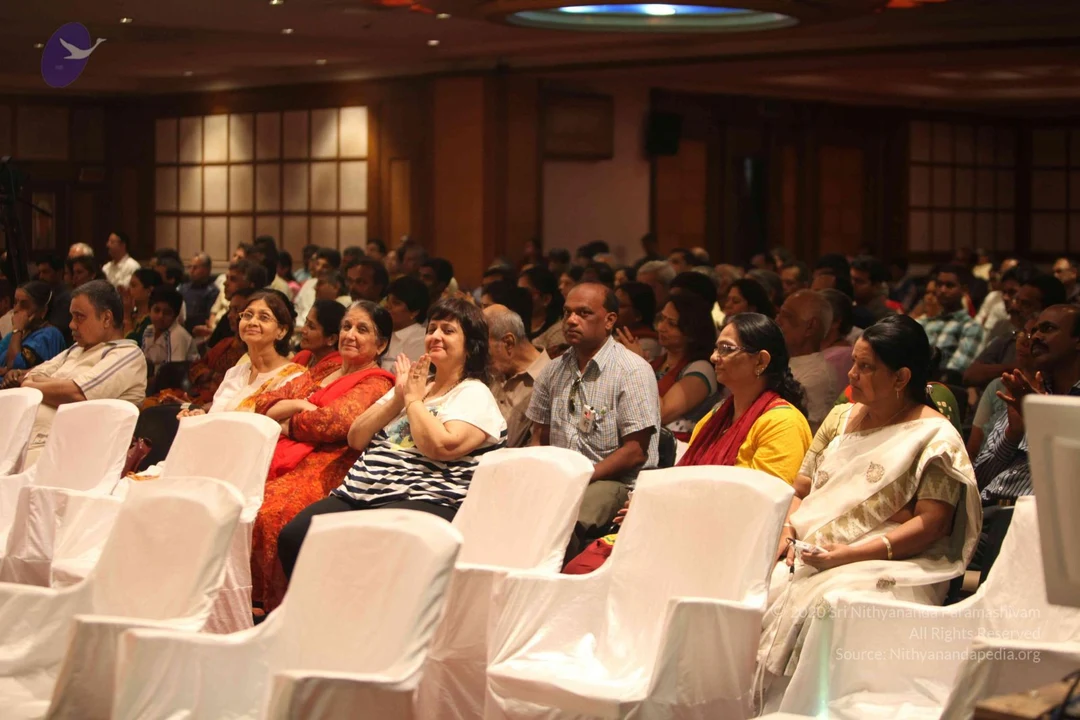
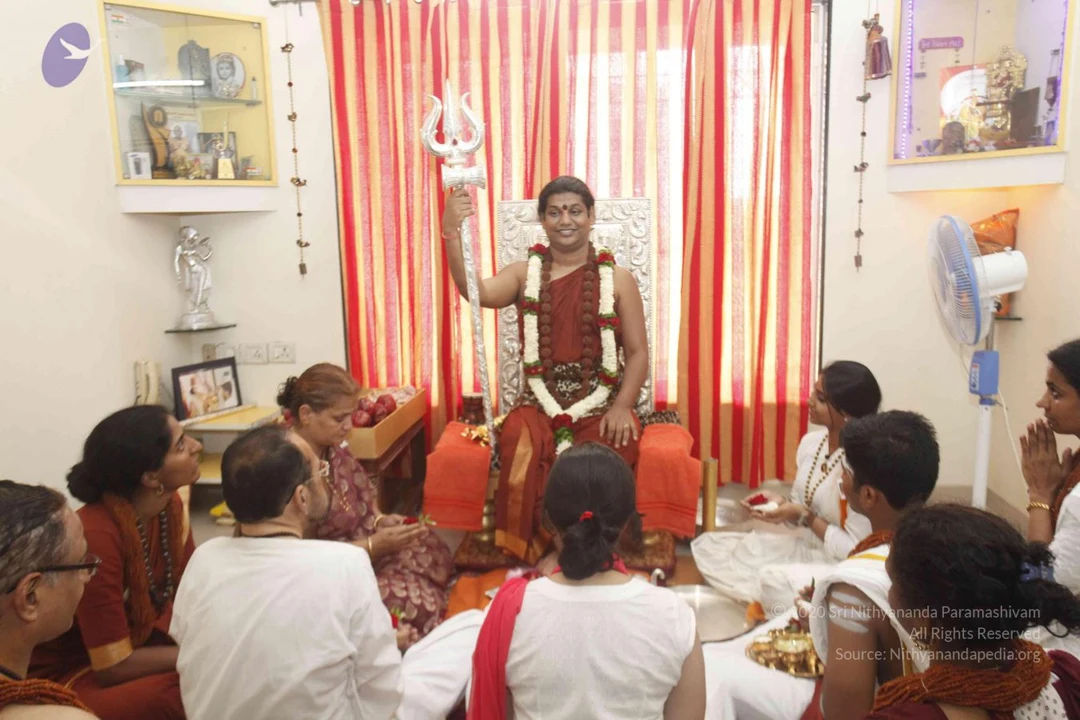
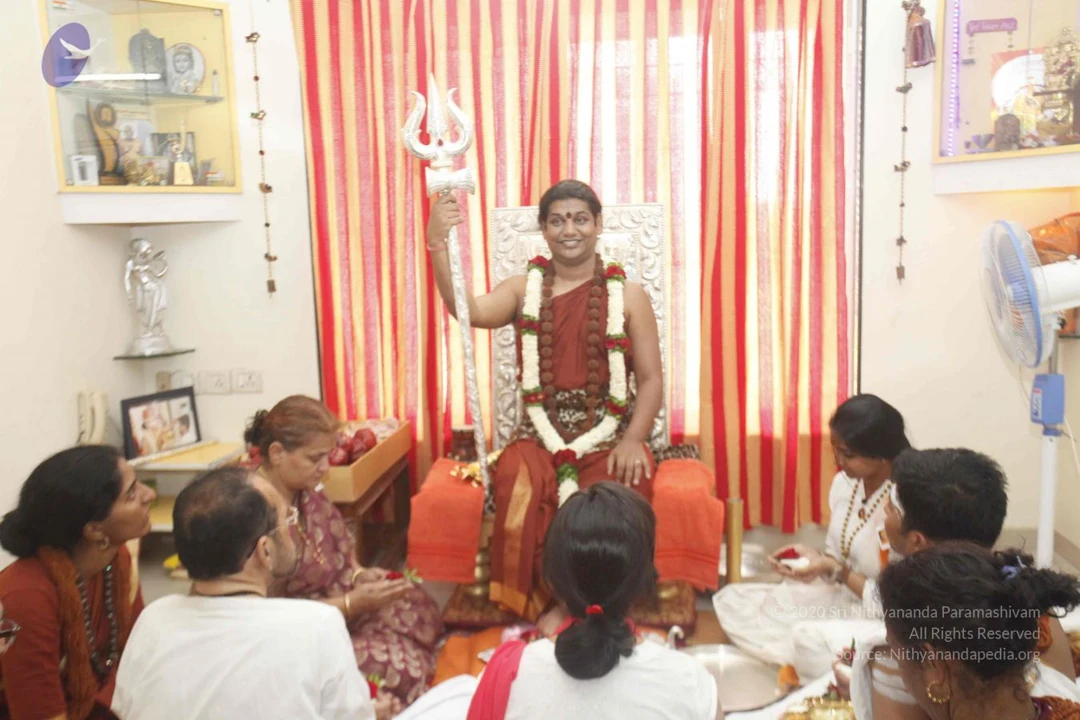
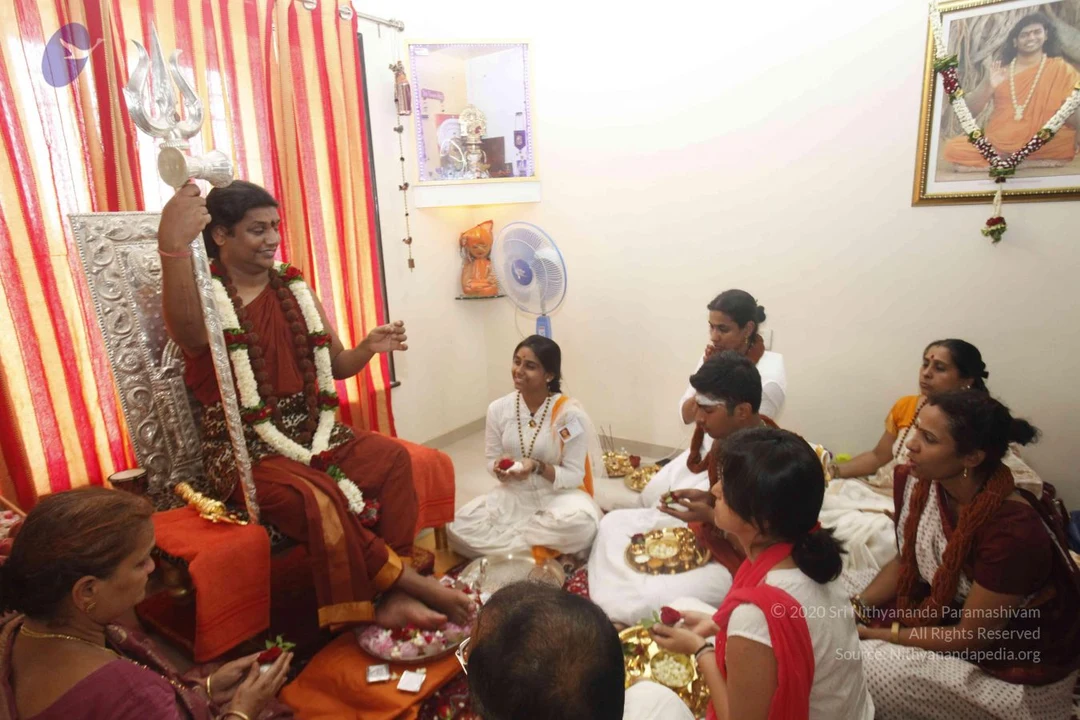
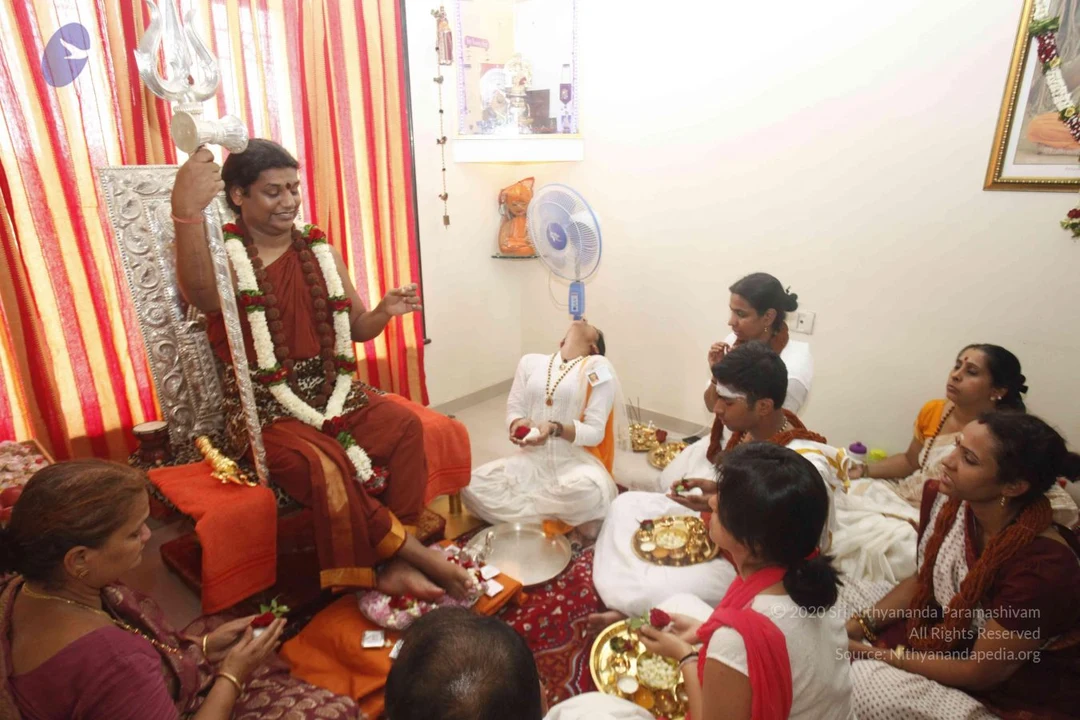
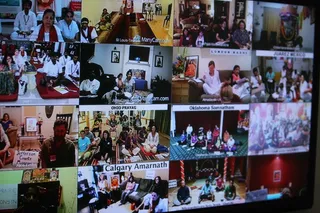
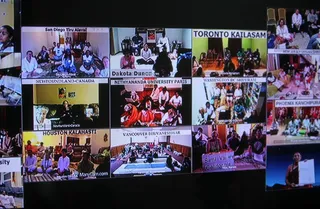
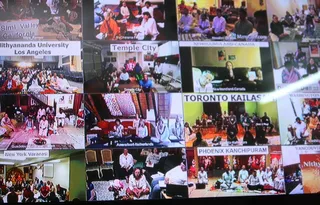
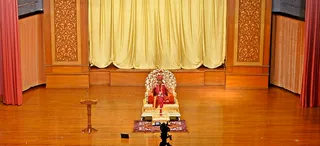
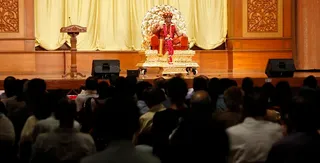
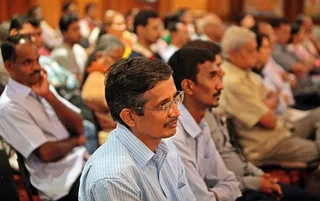
Today was the start of the three day Nithya Dhyaan Yoga (Life Bliss Program - level 1) program conducted by Swamiji himself and offered online where cities around the world participated over a 2 way video conference. In the evening was a Maha Satsang in Mumbai when once again Mumbaities had the opportunity to be in the physical presence of Swamiji as Swamiji delivered the Maha Satsang.

Title

How do We Form Our Identity?

Description

Powerful session to understand the true source of our identity - and that understanding can help us go beyond the limiting identity we have created for ourselves..

Link to Video:

VideoAudio

Title

Rewriting Your Future is Possible || Part 1 || NS || 07 June 2014

Description

Name Of The Program : Nithya Satsang Part 1
Session on: Rewriting Your Future is Possible
Date : 07 June 2014
Venue : Mumbai, India

This is an excerpt from the webinar conducted in Mumbai on topic "Rewriting your future". In this video Supreme Pontiff of Hinduism HDH #Nithyananda Paramashivam give inputs on various concepts of Karma; Tiredness; Boredom; Not to entertain confusion and contradiction and Completing with impossibilities.

The Supreme Pontiff of Hinduism Jagatguru Mahasannidhanam His Divine Holiness Nithyananda Paramashivam (HDH) is the reviver of #KAILASA - the ancient enlightened civilization and the great cosmic borderless Hindu nation. Revered as the incarnation of Paramashiva - the primordial Hindu Divinity, HDH has a following of 2 billion Hindus worldwide with de facto spiritual embassies in over 150 countries. He has worked untiringly for over 26 years for the revival of Kailasa, for global peace and to give super conscious breakthrough to humanity. He has survived the worst persecution of multiple assassination attempts on person and on character by anti-Hindu elements. He is collecting, organising, preserving, time capsuling, decoding, spreading and reviving 20 Million source books of Hinduism and the 64 sacred arts & sciences like Ayurveda, music, dance, sculpting, astrology, vastu and much more. Close to 20,000 hours of HDH’s timeless talks have been recorded till date (Sep 2020), which are a treasure trove of powerful cognitions to solve individual and global problems of any kind.

Link to Video:

VideoAudio

Title

Change Your Karma Now || Part 2 || NS || 07 June 2014

Description

Name Of The Program : Nithya Satsang Part 2
Session on: Change Your Karma Now
Date : 07 June 2014
Venue : Mumbai, India

This video is an excerpt from the webinar conducted in Mumbai on topic "Rewriting your future". In this video Supreme Pontiff of Hinduism HDH #Nithyananda Paramashivam gives a detailed description of What is karma, How karma is built in the individual and that each individual has the power to change the #karma.

The Supreme Pontiff of Hinduism Jagatguru Mahasannidhanam His Divine Holiness Nithyananda Paramashivam (HDH) is the reviver of #KAILASA - the ancient enlightened civilization and the great cosmic borderless Hindu nation. Revered as the incarnation of Paramashiva - the primordial Hindu Divinity, HDH has a following of 2 billion Hindus worldwide with de facto spiritual embassies in over 150 countries. He has worked untiringly for over 26 years for the revival of Kailasa, for global peace and to give super conscious breakthrough to humanity. He has survived the worst persecution of multiple assassination attempts on person and on character by anti-Hindu elements. He is collecting, organising, preserving, time capsuling, decoding, spreading and reviving 20 Million source books of Hinduism and the 64 sacred arts & sciences like Ayurveda, music, dance, sculpting, astrology, vastu and much more. Close to 20,000 hours of HDH’s timeless talks have been recorded till date (Sep 2020), which are a treasure trove of powerful cognitions to solve individual and global problems of any kind.

Link to Video:

VideoAudio

Title

Commitment Builds Conscious Life || Part 3 || NS || 07 June 2014

Description

Name Of The Program : Nithya Satsang Part 3
Session on: Commitment Builds Conscious Life
Date : 07 June 2014
Venue : Mumbai, India

This video is an excerpt from the webinar conducted in Mumbai on topic "Rewriting your future". In this video Supreme Pontiff of Hinduism HDH #Nithyananda Paramashivam gives a detailed description of How commitment build conscious life, How to intra analyse the crazy/scared part within an individual and conceptualises on advaitic activism.

The Supreme Pontiff of Hinduism Jagatguru Mahasannidhanam His Divine Holiness Nithyananda Paramashivam (HDH) is the reviver of #KAILASA - the ancient enlightened civilization and the great cosmic borderless Hindu nation. Revered as the incarnation of Paramashiva - the primordial Hindu Divinity, HDH has a following of 2 billion Hindus worldwide with de facto spiritual embassies in over 150 countries. He has worked untiringly for over 26 years for the revival of Kailasa, for global peace and to give super conscious breakthrough to humanity. He has survived the worst persecution of multiple assassination attempts on person and on character by anti-Hindu elements. He is collecting, organising, preserving, time capsuling, decoding, spreading and reviving 20 Million source books of Hinduism and the 64 sacred arts & sciences like Ayurveda, music, dance, sculpting, astrology, vastu and much more. Close to 20,000 hours of HDH’s timeless talks have been recorded till date (Sep 2020), which are a treasure trove of powerful cognitions to solve individual and global problems of any kind.

Link to Video:

VideoAudio

Title

Steps to Rewrite Your Future || Part 4 || NS || 07 June 2014

Description

Name Of The Program : Nithya Satsang Part 4
Session on: Steps to Rewrite Your Future
Date : 07 June 2014
Venue : Mumbai, India

This video is an excerpt from the webinar conducted in Mumbai on topic "Rewriting your future"In this video Supreme Pontiff of Hinduism HDH #Nithyananda Paramashivam gives a detailed description about how to rewrite the future by understanding that it is possible to change the future and by intra-analysing the crazy and scared part in the individual.

The Supreme Pontiff of Hinduism Jagatguru Mahasannidhanam His Divine Holiness Nithyananda Paramashivam (HDH) is the reviver of #KAILASA - the ancient enlightened civilization and the great cosmic borderless Hindu nation. Revered as the incarnation of Paramashiva - the primordial Hindu Divinity, HDH has a following of 2 billion Hindus worldwide with de facto spiritual embassies in over 150 countries. He has worked untiringly for over 26 years for the revival of Kailasa, for global peace and to give super conscious breakthrough to humanity. He has survived the worst persecution of multiple assassination attempts on person and on character by anti-Hindu elements. He is collecting, organising, preserving, time capsuling, decoding, spreading and reviving 20 Million source books of Hinduism and the 64 sacred arts & sciences like Ayurveda, music, dance, sculpting, astrology, vastu and much more. Close to 20,000 hours of HDH’s timeless talks have been recorded till date (Sep 2020), which are a treasure trove of powerful cognitions to solve individual and global problems of any kind.

Link to Video:

VideoAudio

Title

Life is a Mirror || Part 5 || NS || 07 June 2014

Description

Name Of The Program : Nithya Satsang Part 5
Session on: Life is a Mirror
Date : 07 June 2014
Venue : Mumbai, India

This video is an excerpt from the webinar conducted in Mumbai on topic "Rewriting your future". In this video Supreme Pontiff of Hinduism HDH #Nithyananda Paramashivam describes that life is a mirror, how we can rewrite our future through process of completion and gives insight about the 21 days Inner Awakening Program.

The Supreme Pontiff of Hinduism Jagatguru Mahasannidhanam His Divine Holiness Nithyananda Paramashivam (HDH) is the reviver of #KAILASA - the ancient enlightened civilization and the great cosmic borderless Hindu nation. Revered as the incarnation of Paramashiva - the primordial Hindu Divinity, HDH has a following of 2 billion Hindus worldwide with de facto spiritual embassies in over 150 countries. He has worked untiringly for over 26 years for the revival of Kailasa, for global peace and to give super conscious breakthrough to humanity. He has survived the worst persecution of multiple assassination attempts on person and on character by anti-Hindu elements. He is collecting, organising, preserving, time capsuling, decoding, spreading and reviving 20 Million source books of Hinduism and the 64 sacred arts & sciences like Ayurveda, music, dance, sculpting, astrology, vastu and much more. Close to 20,000 hours of HDH’s timeless talks have been recorded till date (Sep 2020), which are a treasure trove of powerful cognitions to solve individual and global problems of any kind.

Link to Video:

VideoAudio

Photos

Nithya Dhyan Yoga

Maha Satsang in Mumbai
Temple Glimpses

Nithya Dhyan Yoga in Mumbai

Photos Of The Day:

Photos from this day

View all 84 photos

Nithya Dhyan Yoga

7 photosSource gallery
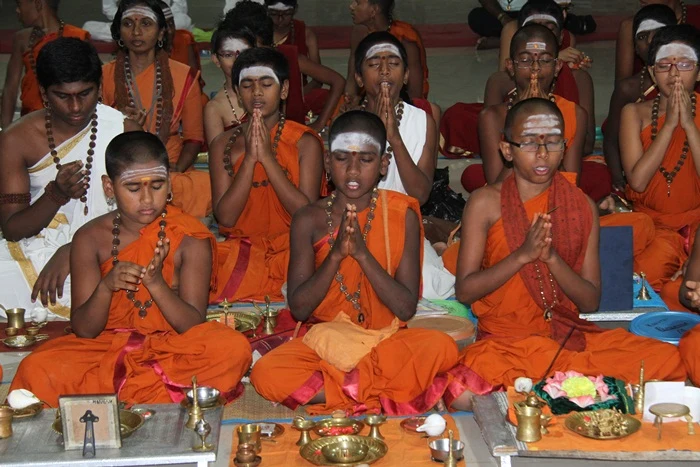
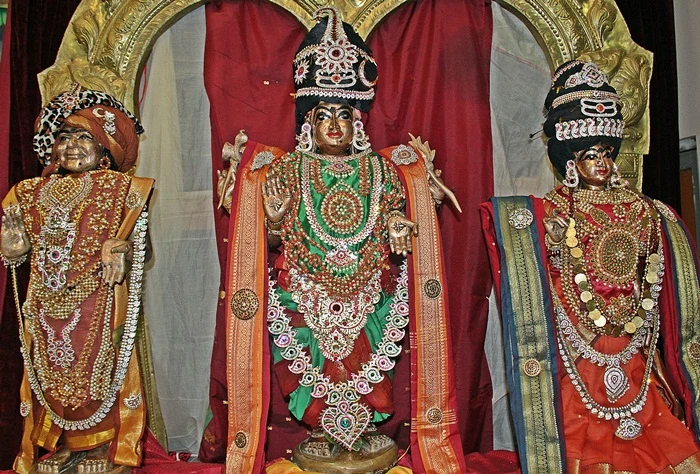
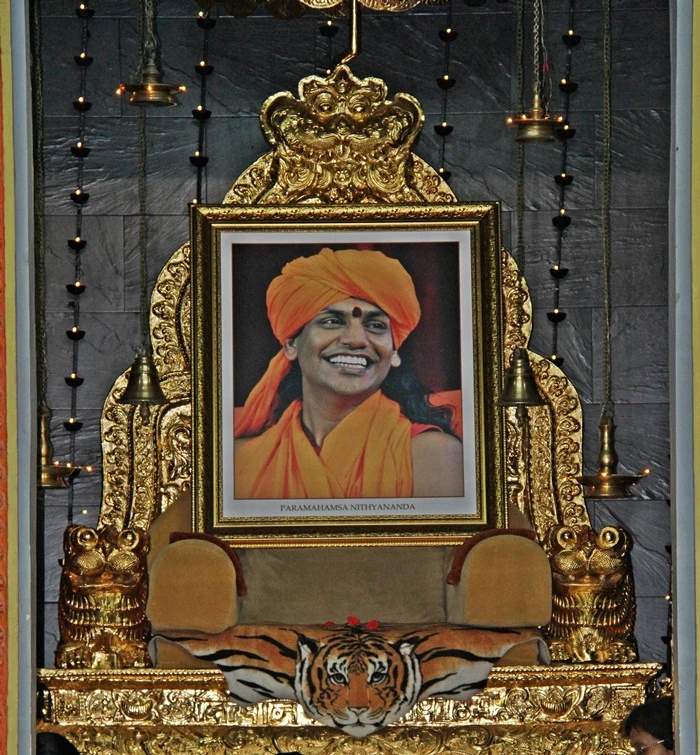
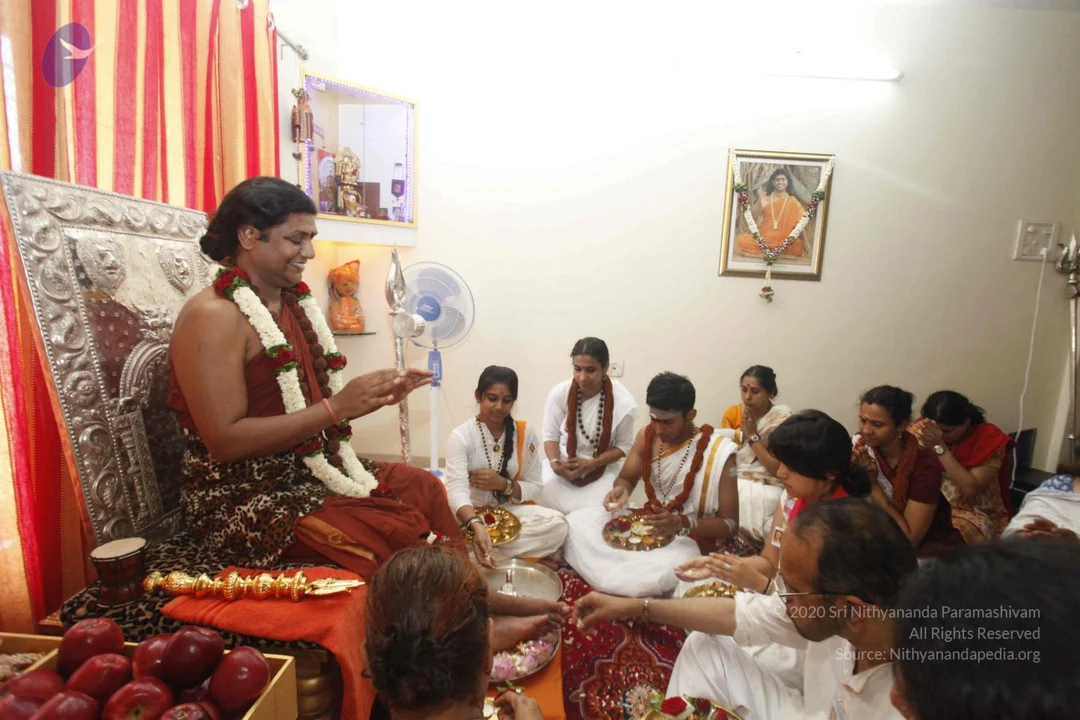
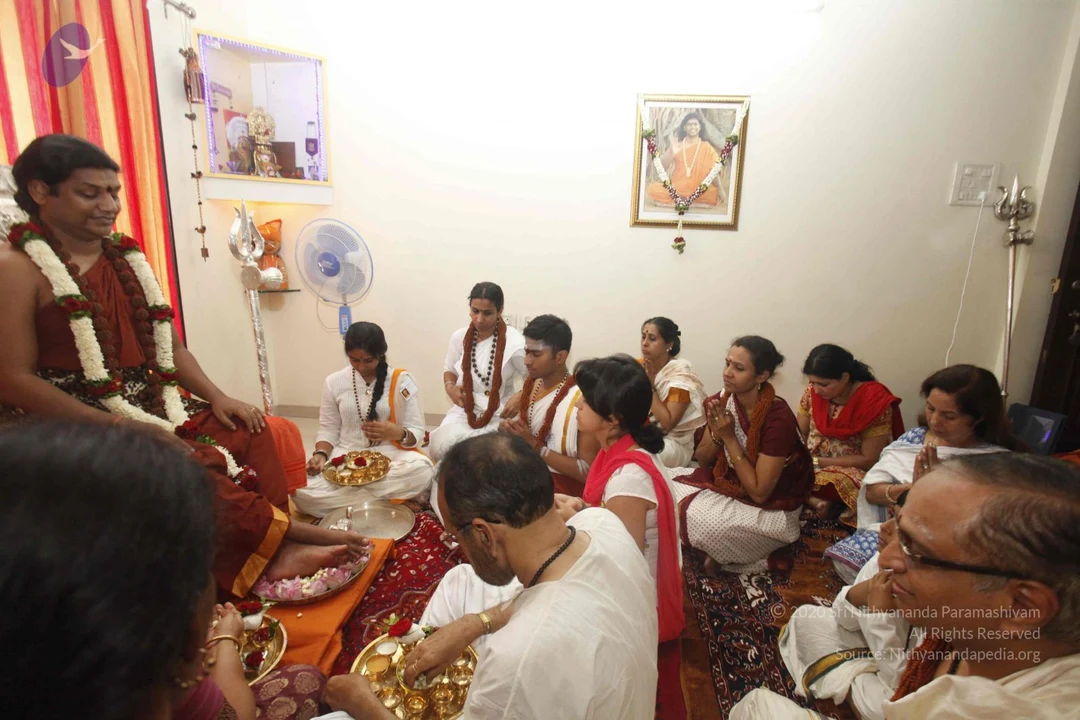
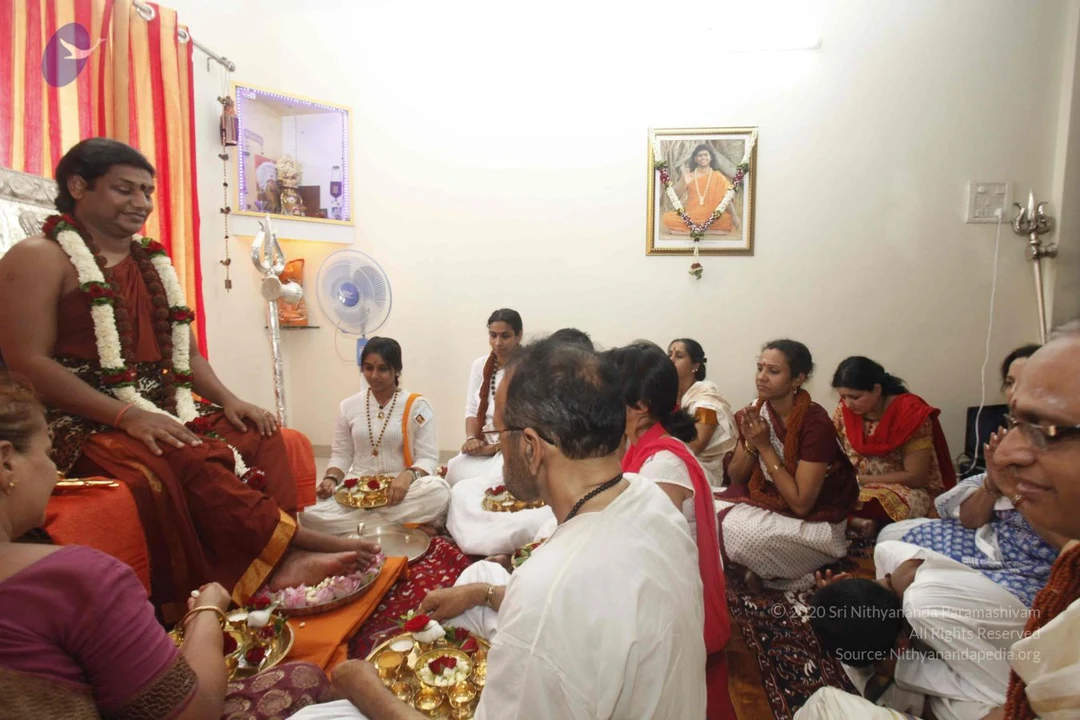
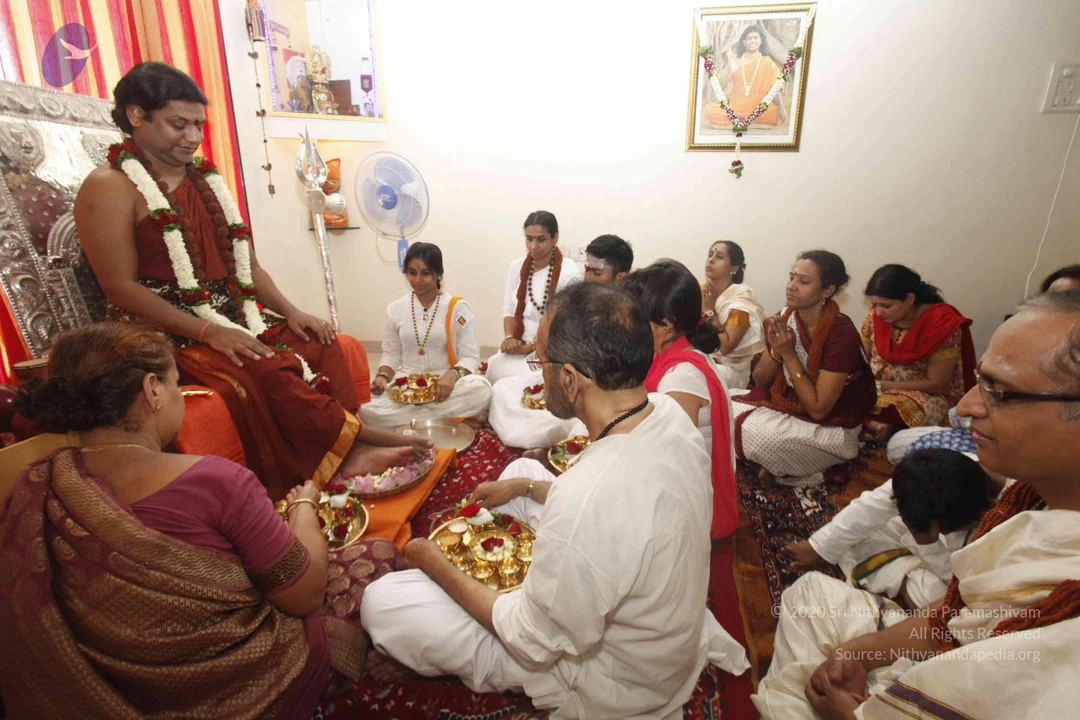
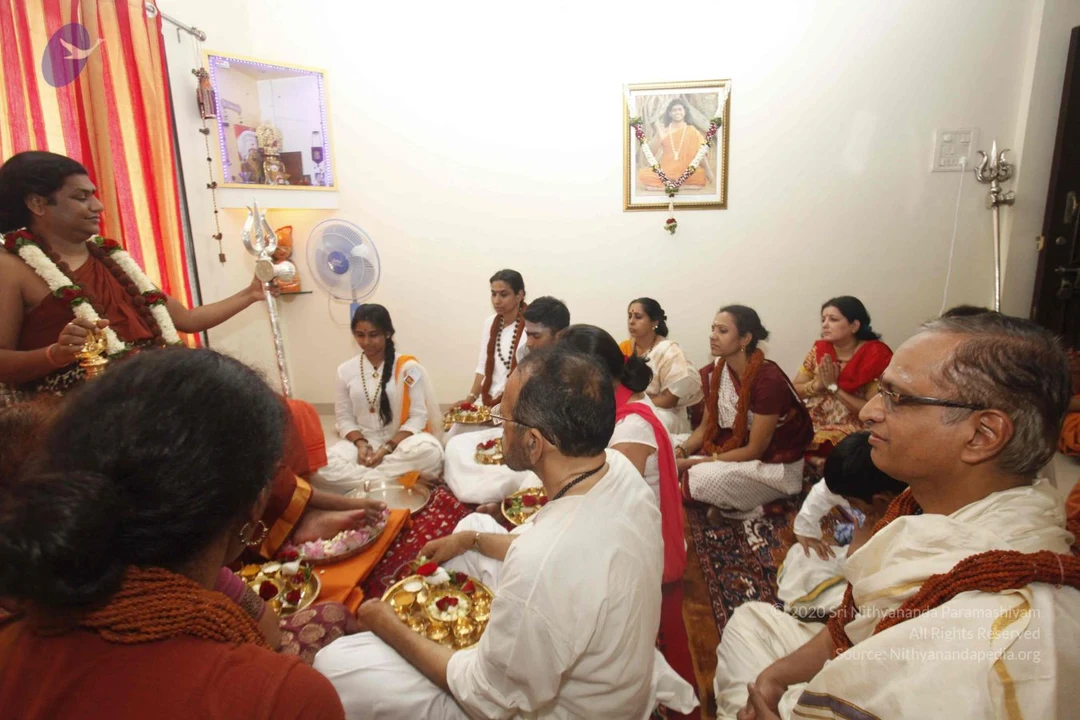
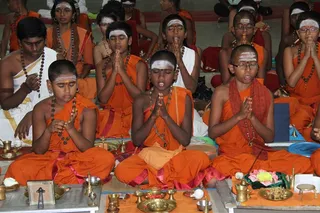
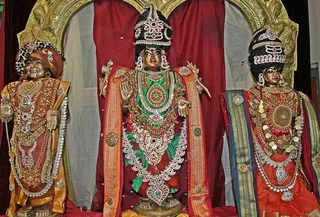
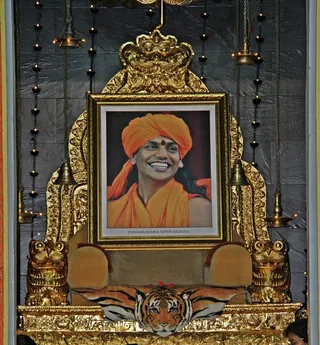
A photograph of a large screen showing a grid of video-conference tiles from multiple centres, each labelled with a place name. Tiles include San Diego Tiru Alavai, Dakota Duros, Toronto Kailasam, Newfoundland-Canada, Nithyananda University Paris, Washington DC Sreepuram, Houston Kalahasti, Vancouver Bhuvaneshwar, Simi Valley California and Phoenix Kanchipura. Participants in white and saffron clothing sit cross-legged in ashram-style rooms, some seated on chairs, while one tile shows a woman in dark clothing holding a sign. Some panels show a portrait-like image and a screen-within-screen. The room in the foreground has a dark frame and a partly visible person at the left edge. The people shown are on screens, not physically in the photographed room, except for the few partially visible figures at the edges.Photograph of a large video wall showing a multi-panel live video conference grid of gatherings in many cities. Each panel shows people seated on floors or cushions in rooms with carpets and cushions. Labels on panels read "Simi Valley California", "Nithyananda University Los Angeles", "Temple City", "Newfoundland Canada", "Toronto Kailasa", "Washington", "Amersfoort Netherlands", "New York Varanasi", "Phoenix Kanchipuram" and "Vancouver". Some participants wear white and saffron clothing, and a few seated figures in the lower centre wear white with a shawl. A lit oil lamp and flowers appear in some panels. The grid is a screen showing remote participants, not people physically present in this view.A group of young boys and teenagers in saffron-orange dhotis and shawls sit cross-legged in rows, hands pressed together in anjali mudra during a puja. Each has white vibhuti marks on the forehead and wears rudraksha malas. In the foreground, a boy with glasses and a shaved head holds his palms together, and to the right a girl with white forehead paint is also in prayer. Brass lamps, a small kalasha-like brass vessel, a flower arrangement and offering plates sit on a low table before them. A man in white dhoti stands at the left edge. Several more seated children fill the background.Three ornately decorated murti figures stand side by side in front of a deep red curtain and a gold-framed arch. The central figure is a goddess with a tall jewelled crown, green and gold bodice, dense layered necklaces and pink-and-white floral garlands, with raised hands. Flanking her are two figures on the left and right, each wearing heavy gold jewellery, coin-studded necklaces, and red and gold garments, one with a turban-style headdress. The figures are wood or clay statues rather than living people. No a person candidate is visible, and the setting suggests a temple-style alankara display.Ornate golden throne (peetha) set against a dark grey stone wall, with a framed portrait placed on it. The portrait, labelled "PARAMAHAMSA NITHYANANDA" on its lower edge, shows a smiling man in an orange turban with a red bindi, wearing orange saffron robes. The throne has a carved golden back with lion-like figures, a tiger-skin design on the seat base, and hanging golden oil lamps (lamps) and rudraksha-style beaded strands on either side. The portrait is a depiction, not a physical person, and no people are clearly visible in the frame apart from a partially visible figure at the lower right corner.

Maha Satsang in Mumbai
12 photosSource gallery
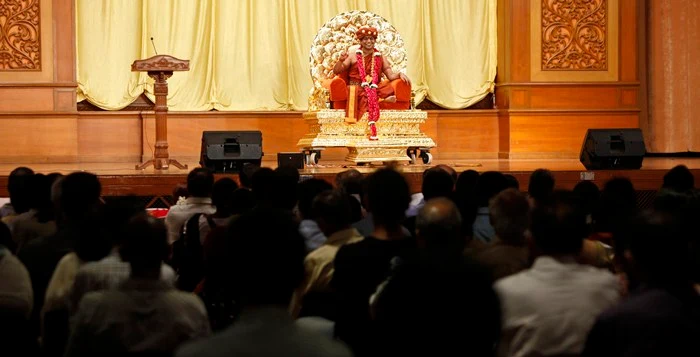
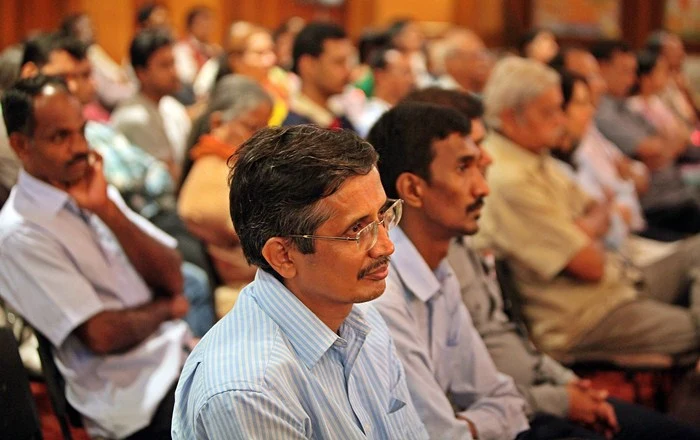
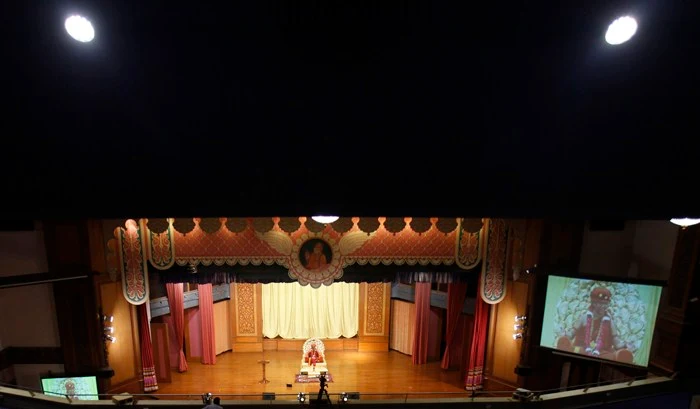
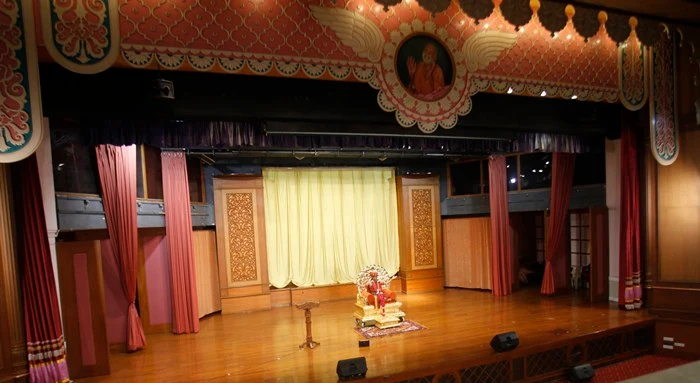
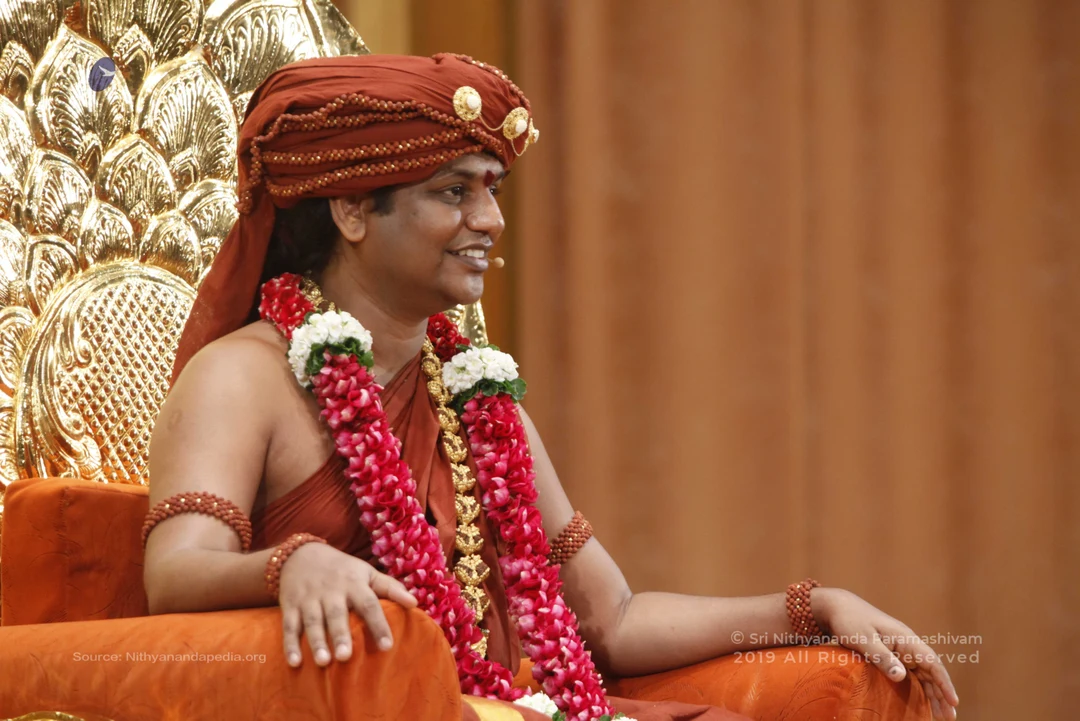
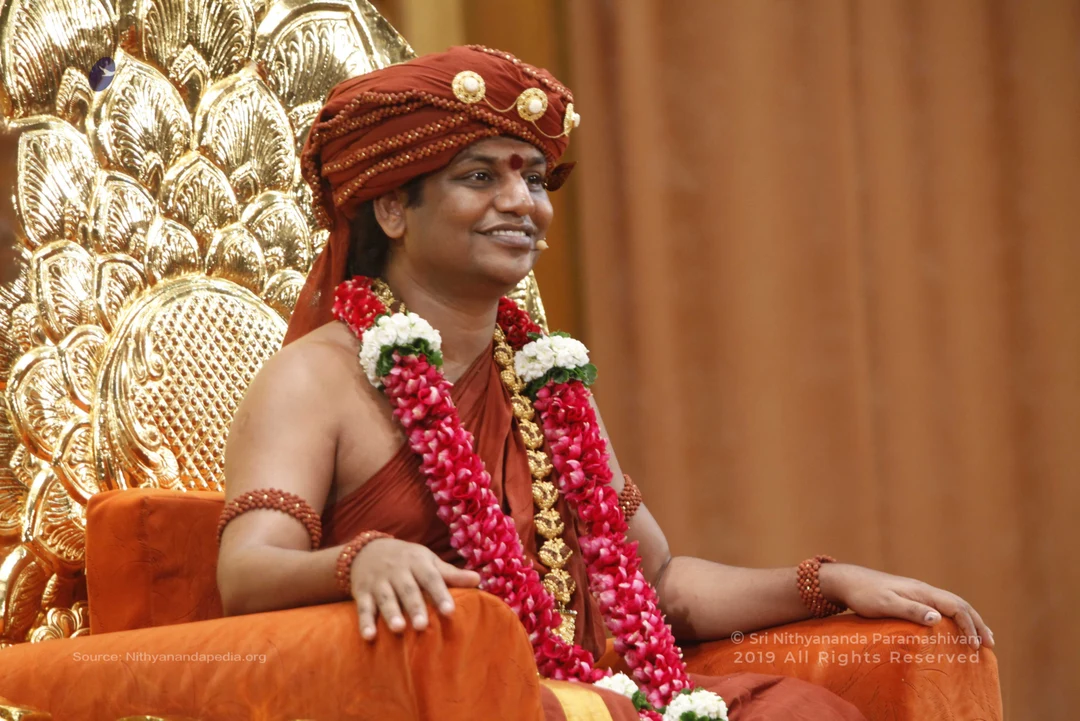
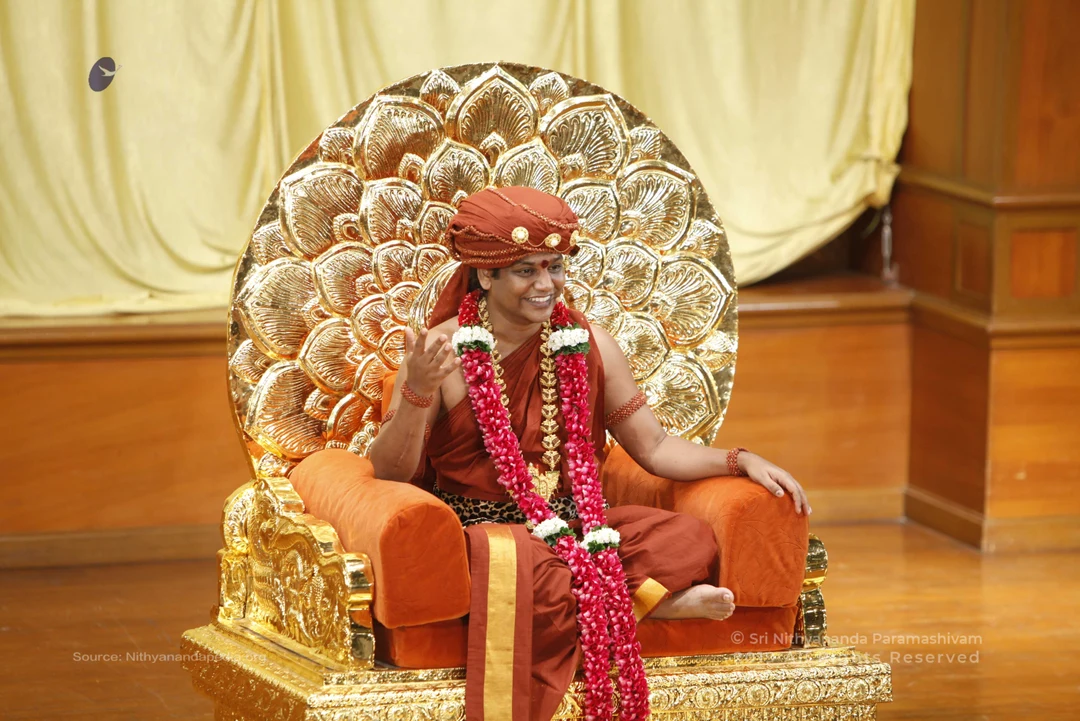
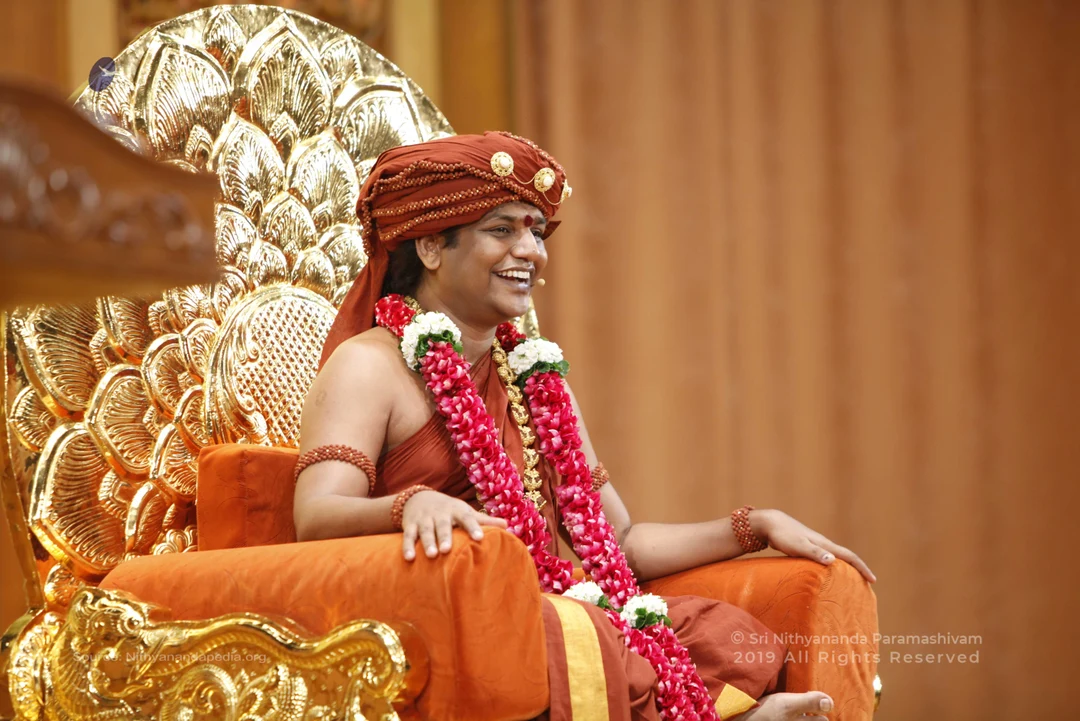
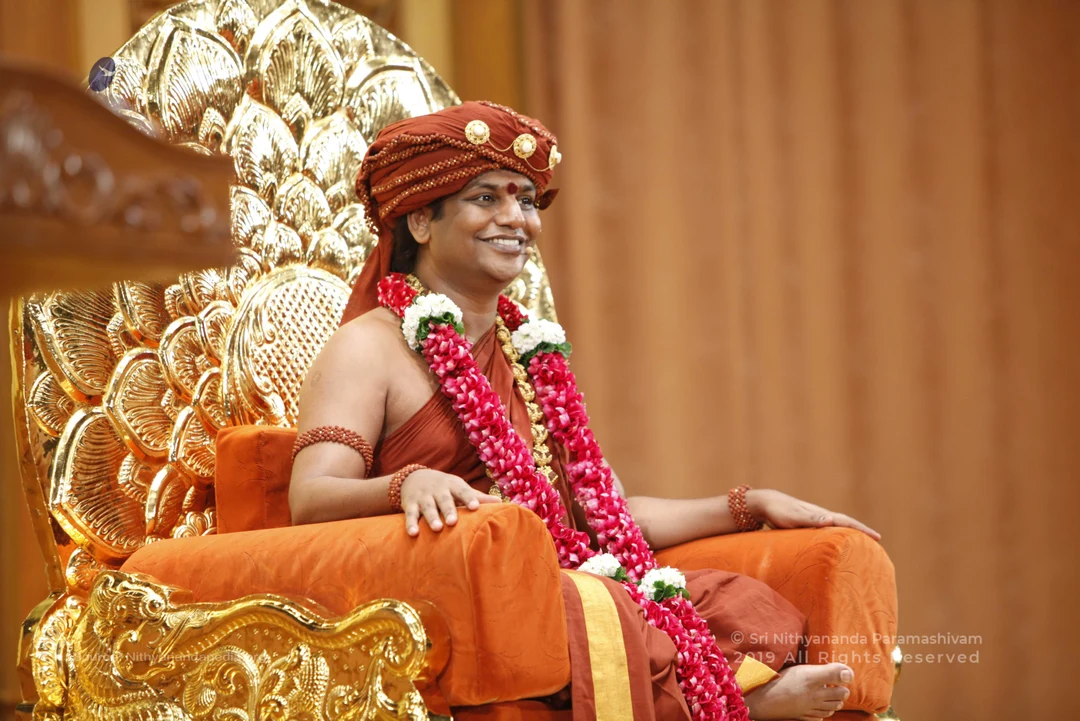
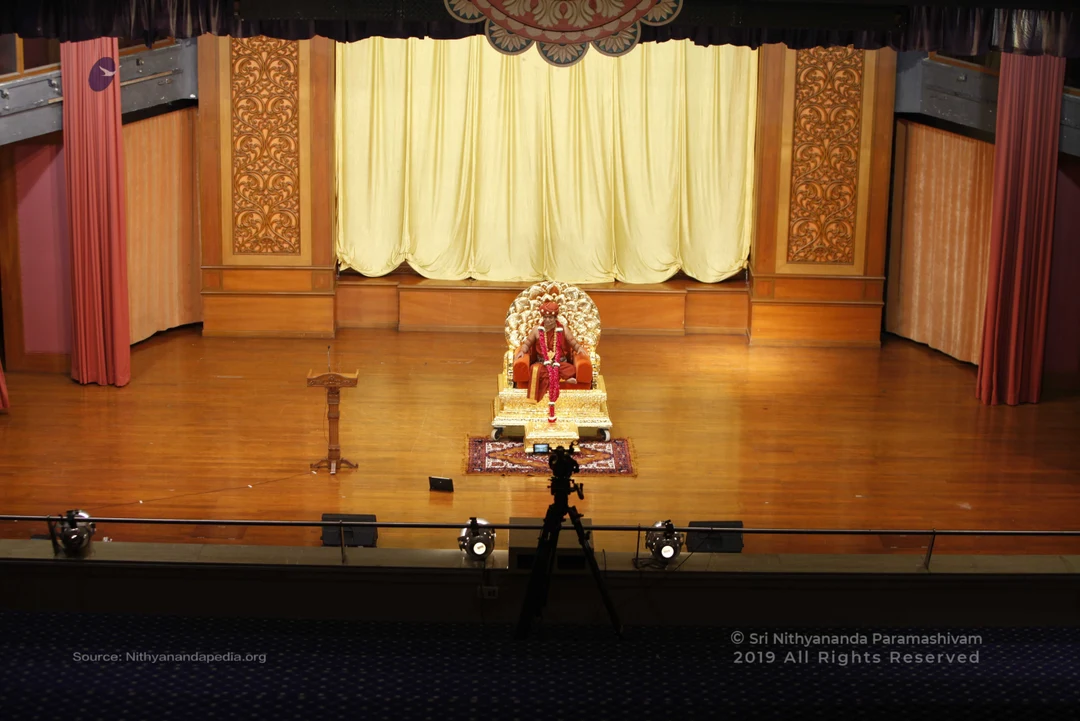
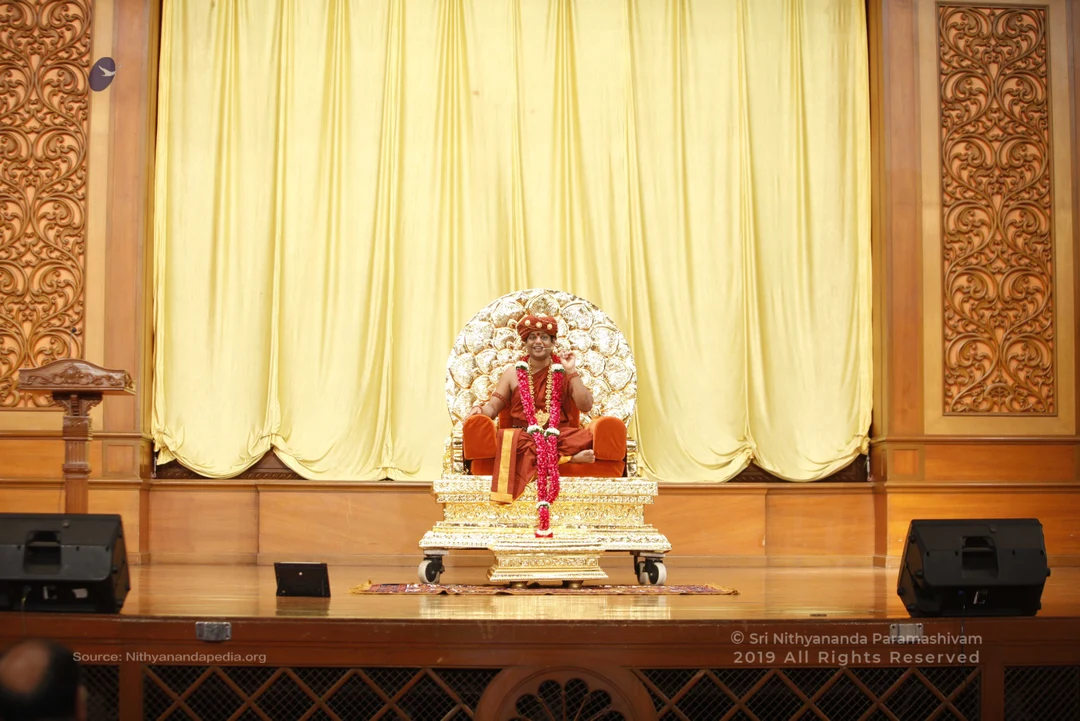
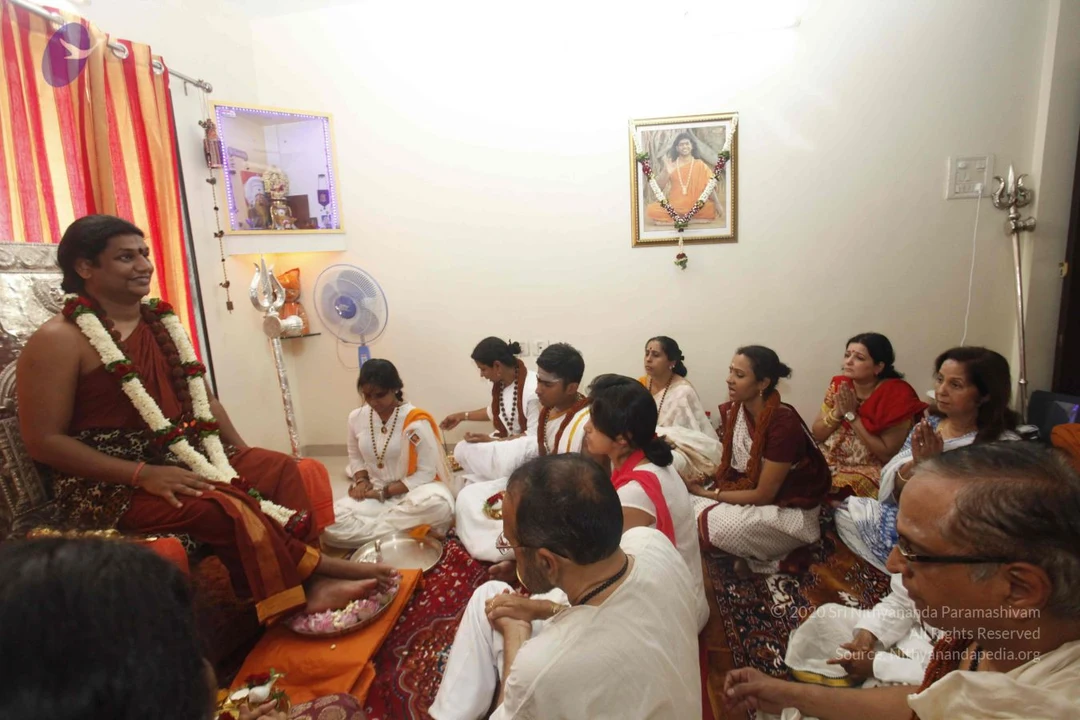
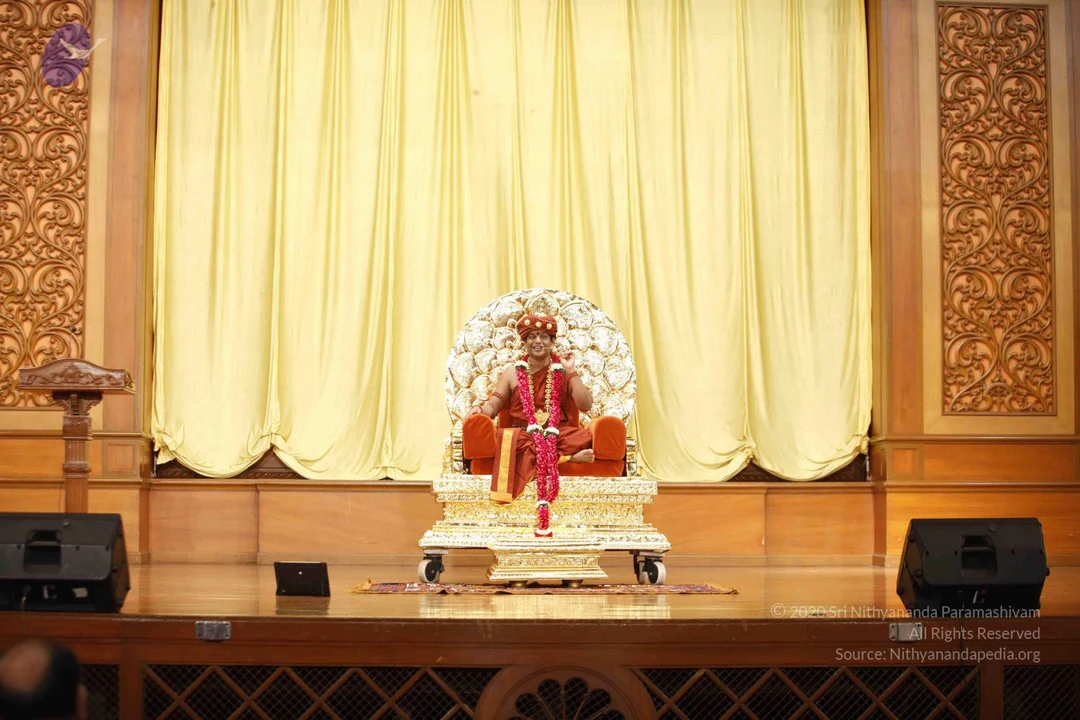
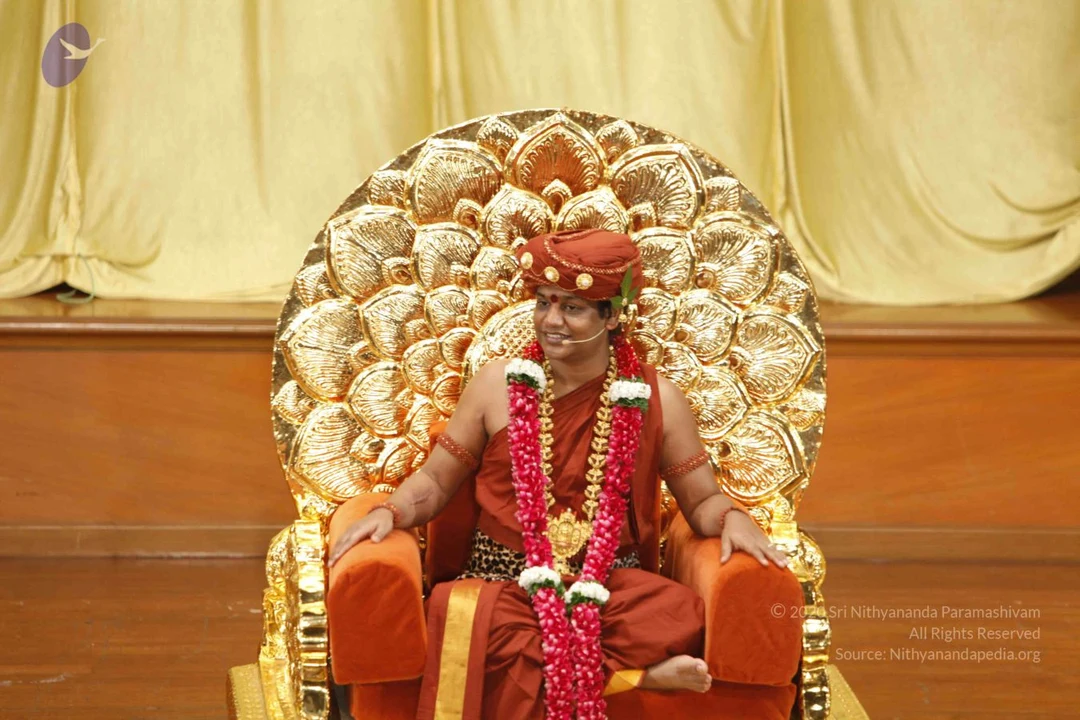
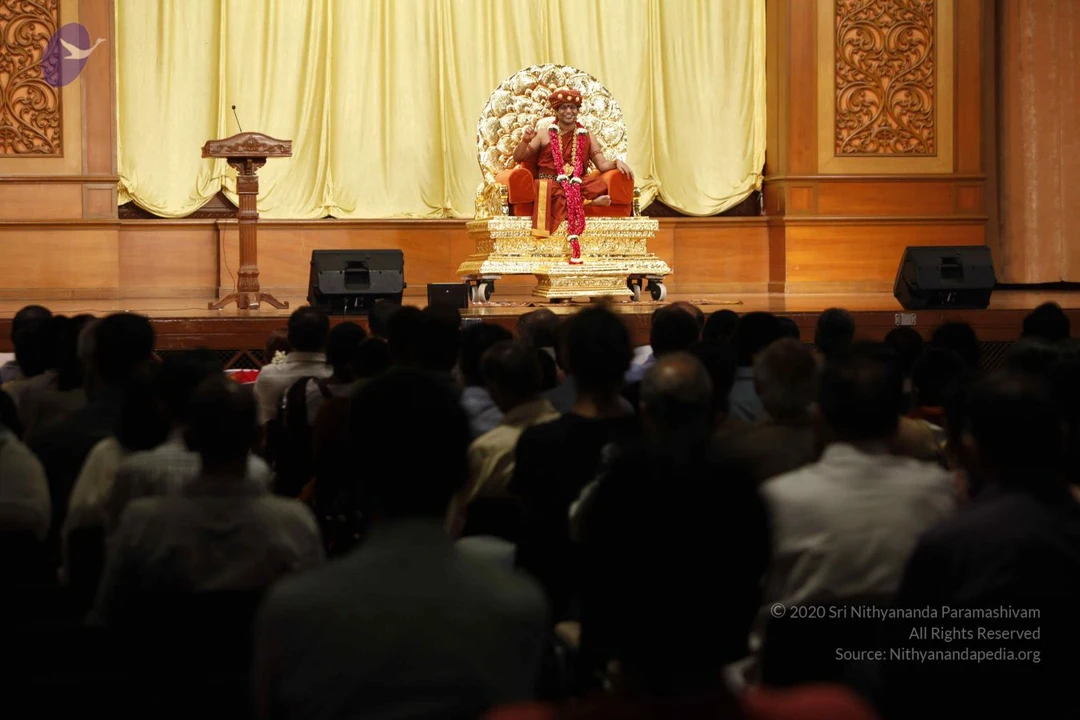
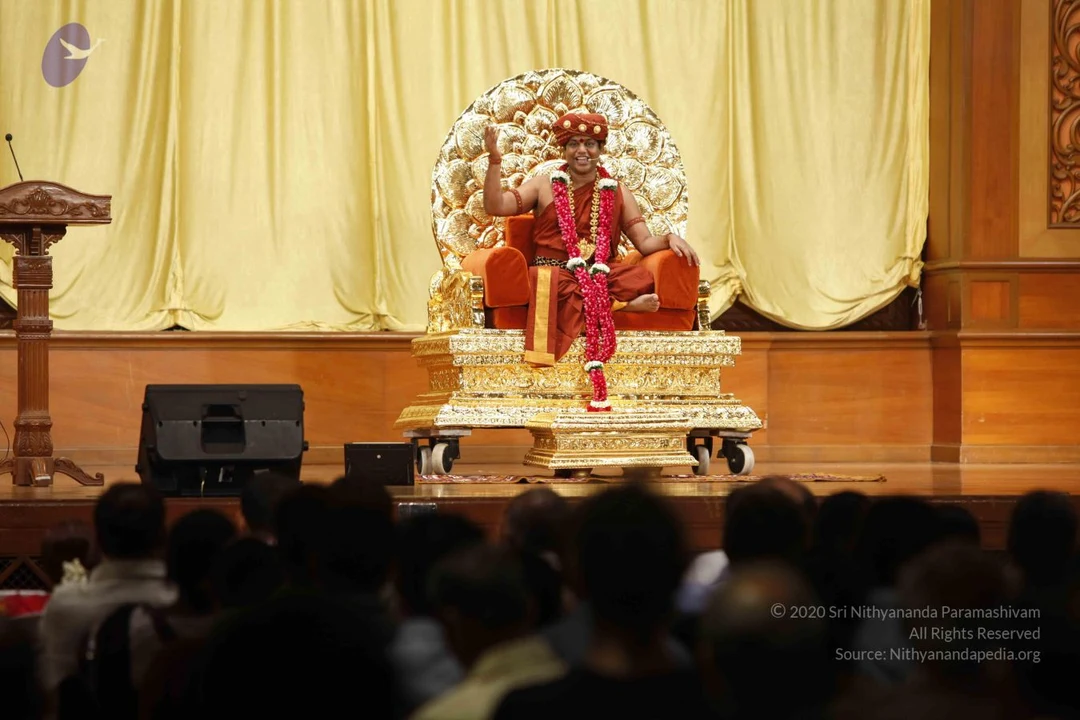
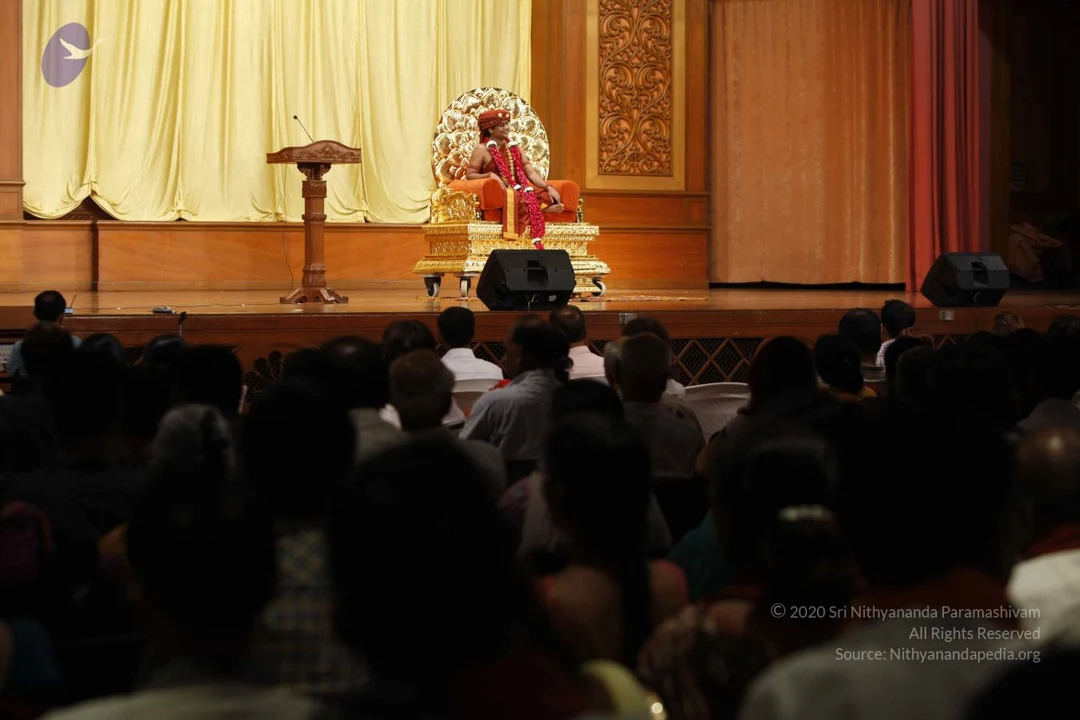
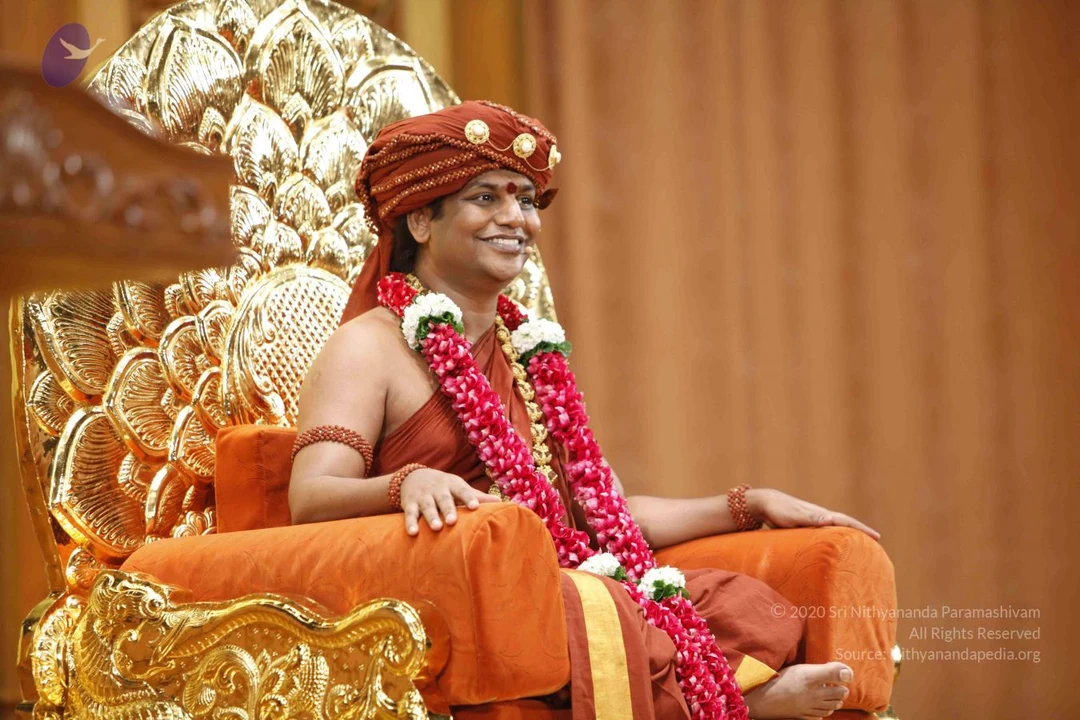
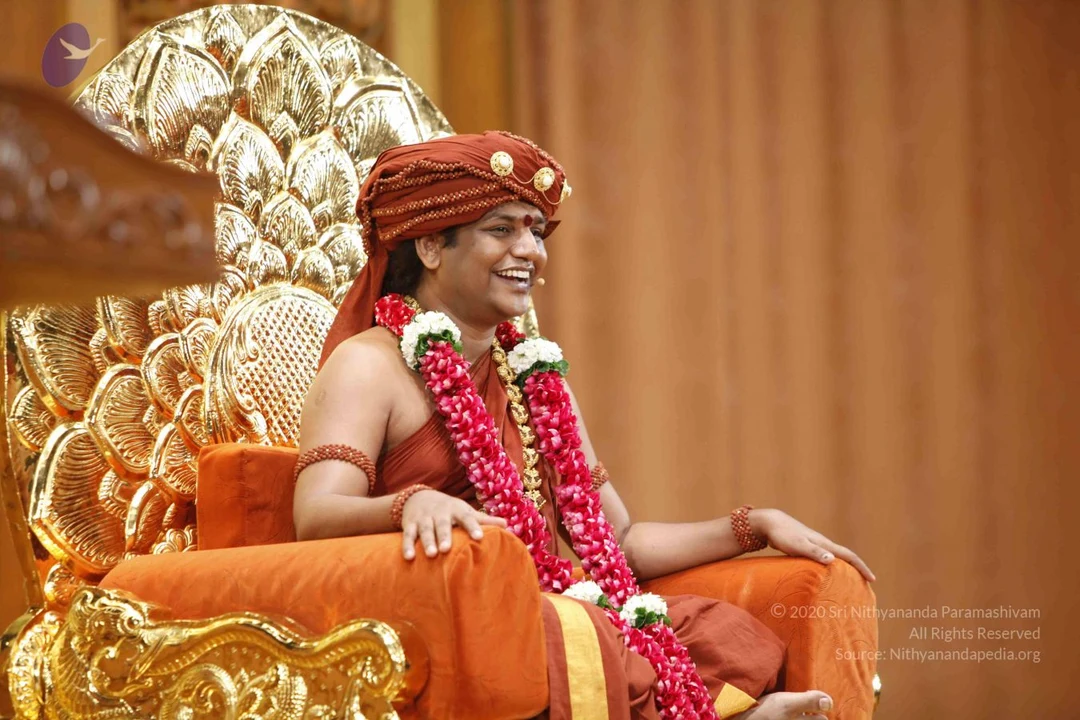
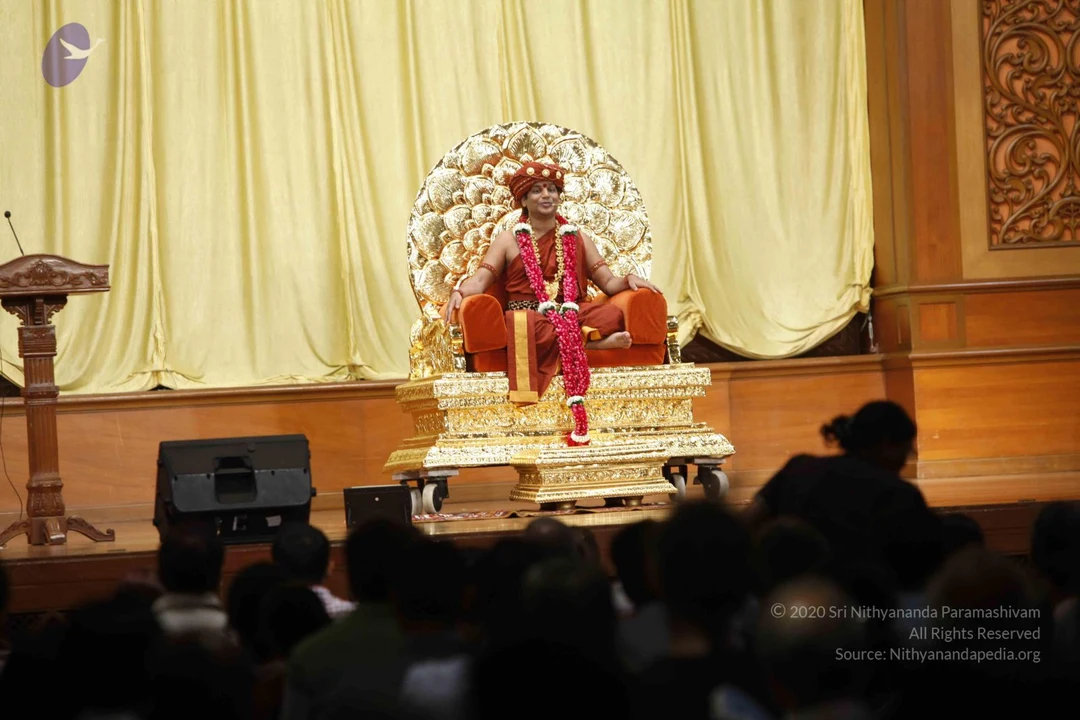
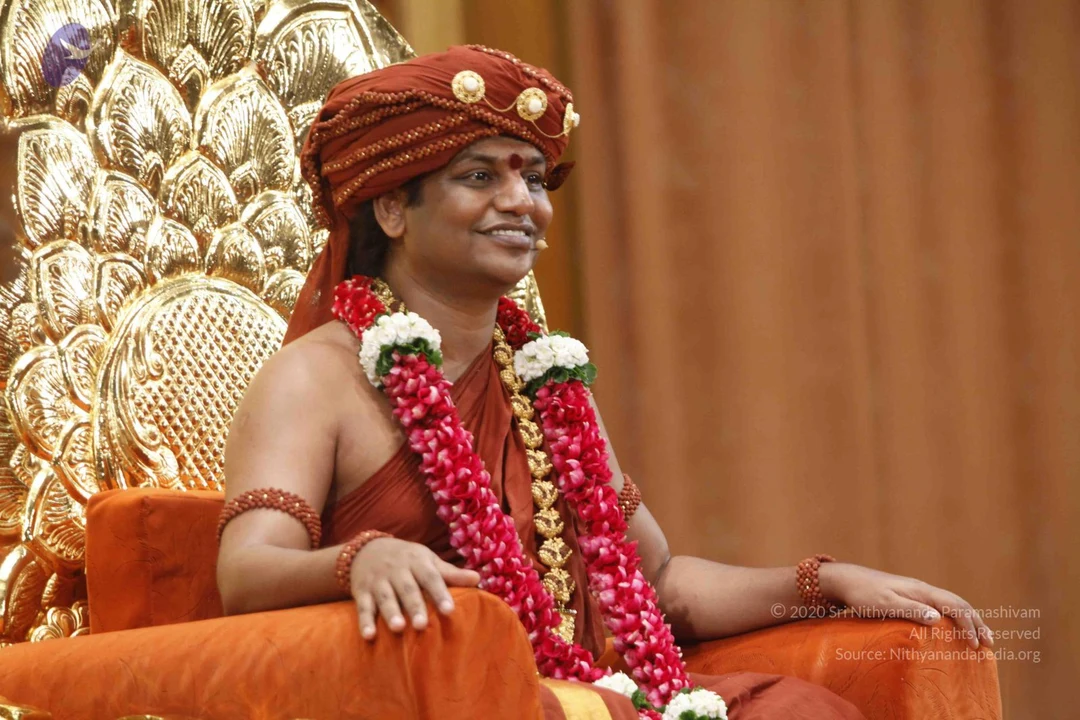
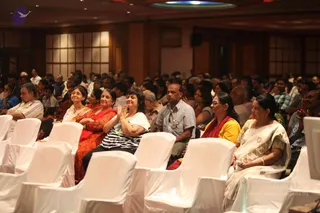
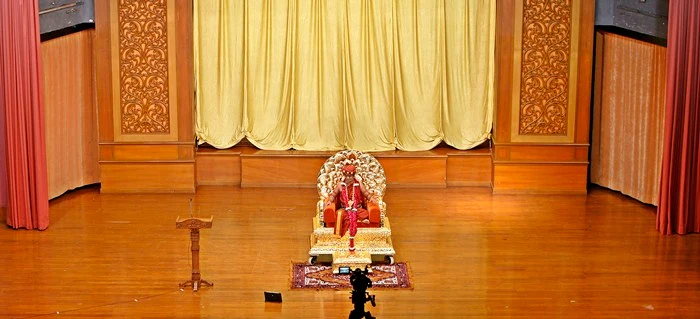
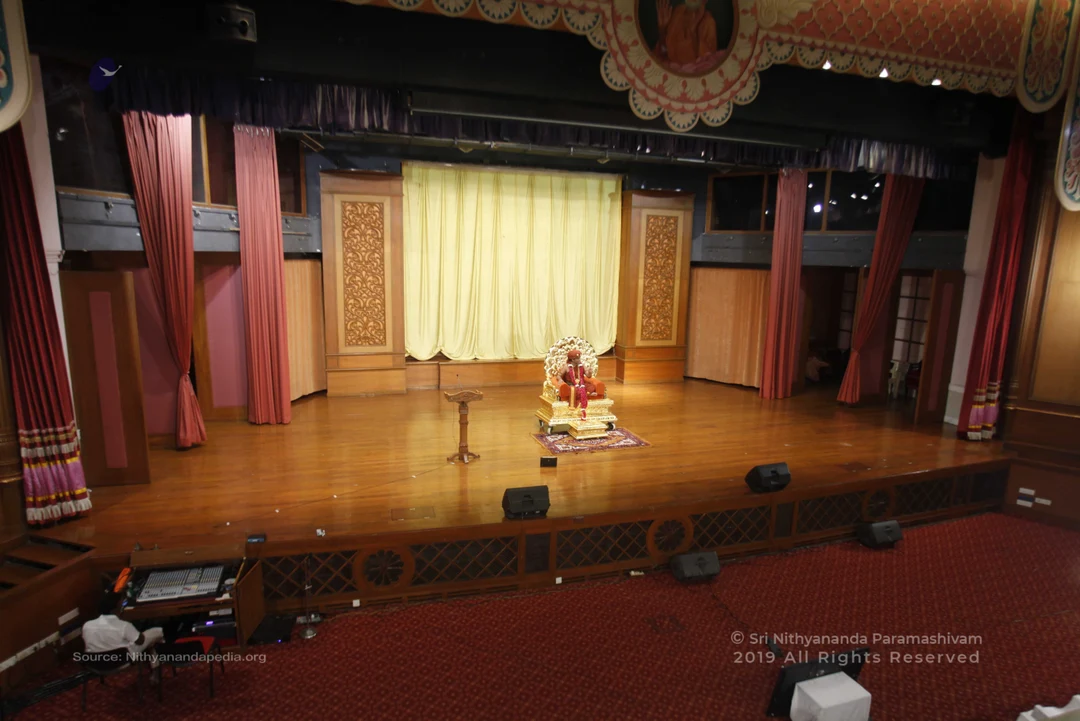
Wide view of a stage hall with a polished wooden floor and gold drape curtains framed by carved wooden panels. A figure in red and gold robes sits on an ornate white and gold throne at the centre, with a small wooden lectern to the left and a small rug in front. A camera on a tripod is set up in the foreground facing the throne. No audience is visible in this shot.A photograph of a satsang hall with a seated figure on an ornate golden throne at the front of a wooden stage, draped with a pale yellow curtain. The figure wears an orange-saffron robe and a red-and-white flower garland, with a dark head covering. A wooden lectern stands to the left. Dozens of seated devotees fill the foreground, seen from behind, many with dark hair and some in light clothing. The figure's appearance is not clearly distinctive enough to confirm identity, so the seated person is described by role as a speaker on the throne.Photograph of an audience seated in rows at an indoor satsang hall with wooden paneling and red upholstered chairs. In the foreground a man in a light blue striped shirt and glasses looks attentively toward the front, with a man in a pale shirt beside him. Behind them, rows of men and women in shirts, kurtas and saris sit listening, some with arms folded. No stage, deity or speaker is visible, and no one in the image is identifiable as a person.A smiling man seated on an ornate gold-and-orange throne, wearing a rust-orange turban with gold ornaments and a red bindi, a bare-shouldered orange-red robe, a gold necklace and red-and-white flower garlands, with rudraksha-style red beaded bracelets on his arms. He rests his hands on the orange cushioned armrests against a warm tan curtain backdrop. Appearance-based candidate: a person, seated as a presiding figure.A man seated on an ornate golden throne with a carved lotus-petal backrest and orange cushions, smiling broadly. He wears a rust-orange turban and an orange-saffron wrap, with a gold necklace, red and white floral garlands draped over his shoulders, orange beaded bangles on his arms, and bare feet. Behind him stands a warm wooden-toned backdrop in a stage setting. Swamiji (probable): appearance cues include the saffron turban, ornate gold necklace and garlands while seated on a throne at a satsang setting, consistent with the page's Maha Satsang event in Mumbai.

Temple Glimpses

4 photosSource gallery
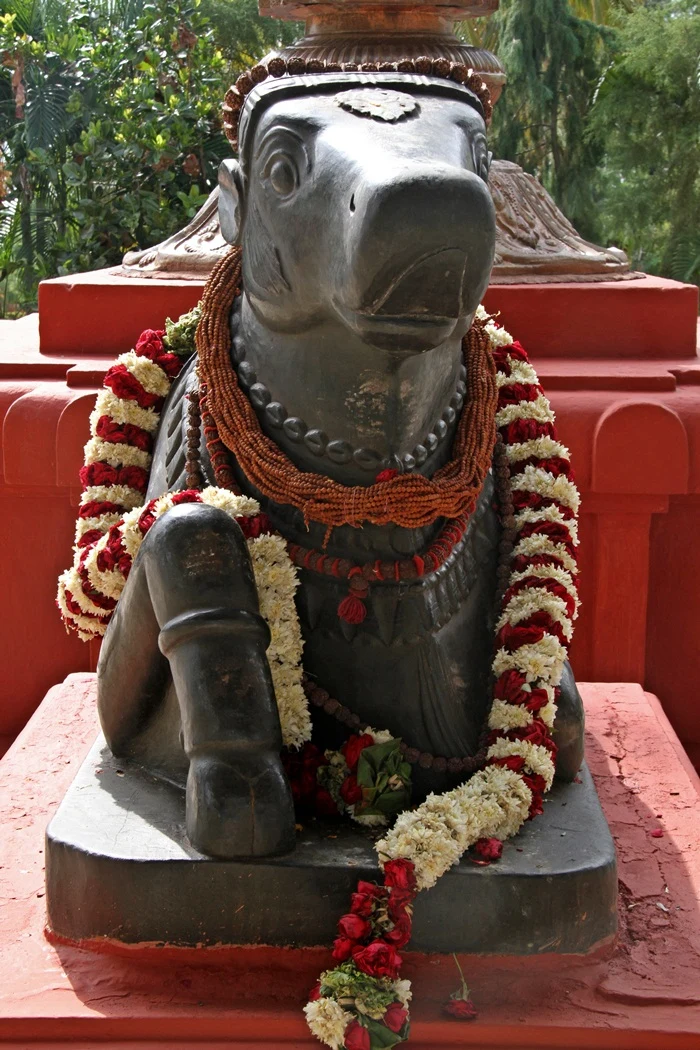
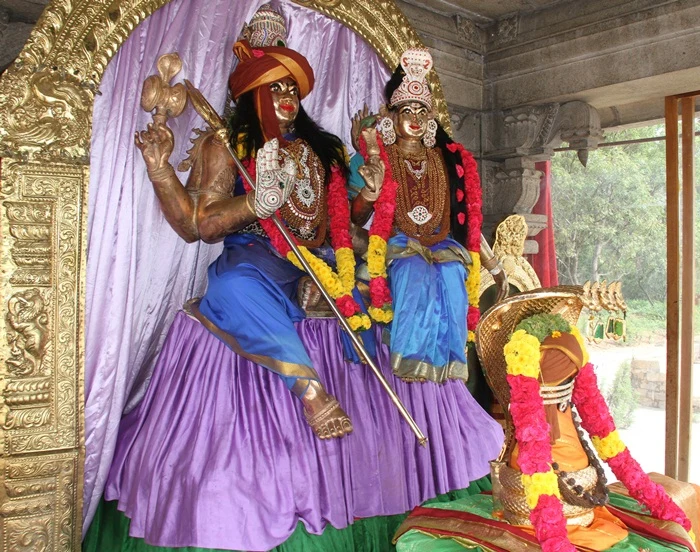
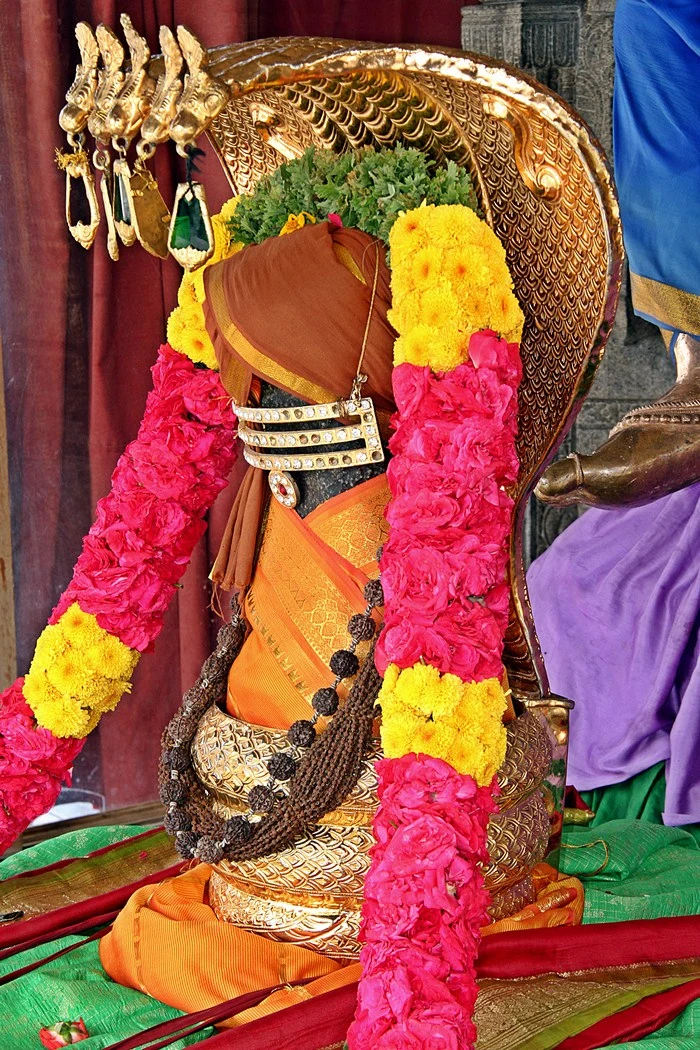
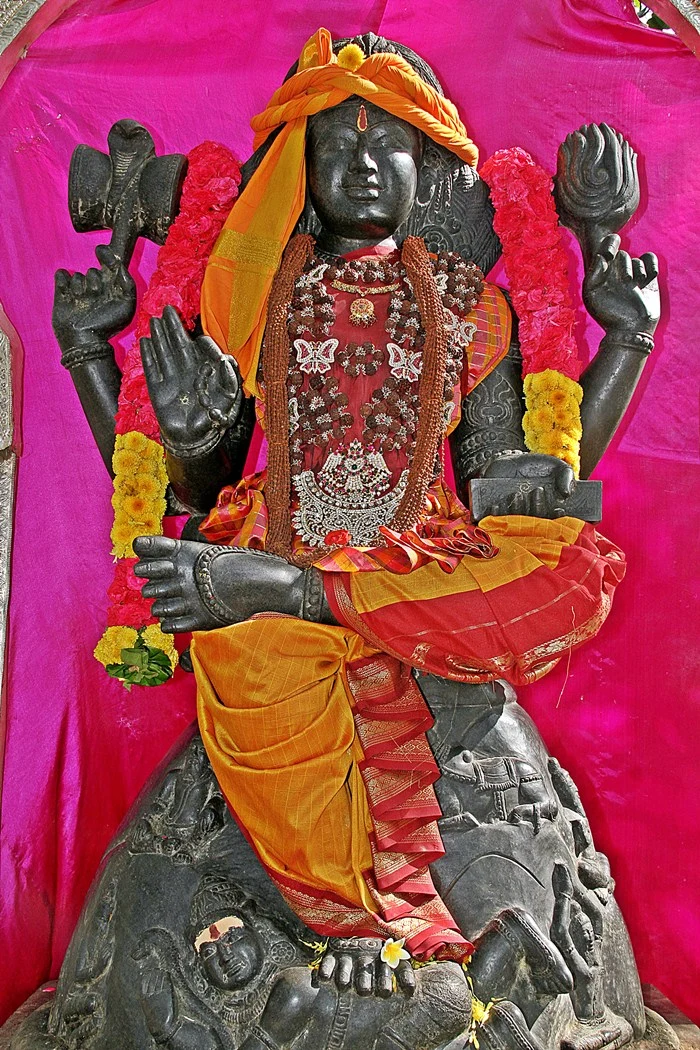
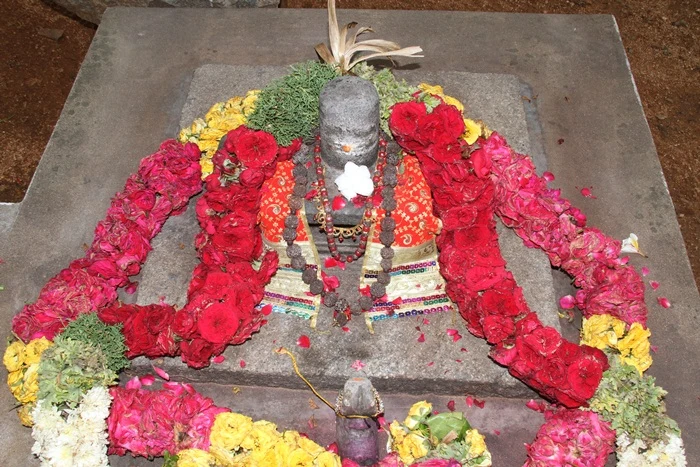
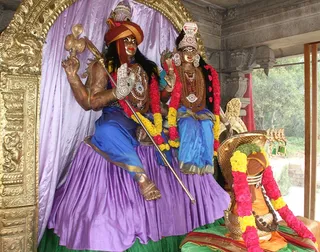
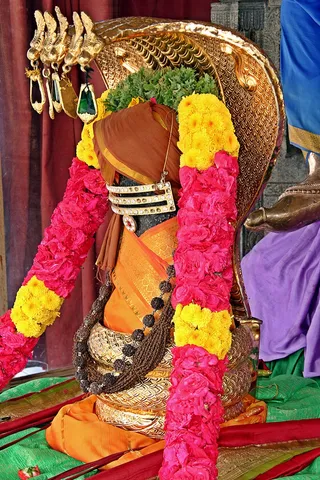
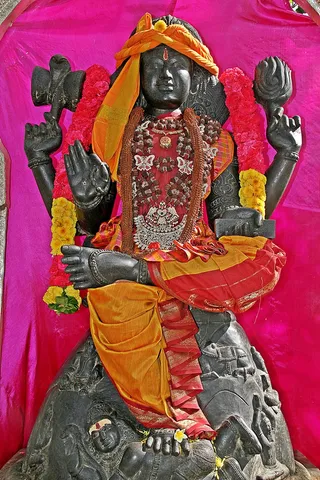
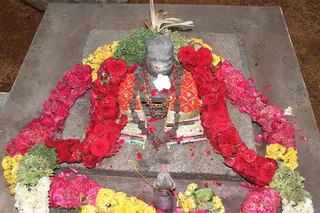
Photo of two painted deity murtis seated on a raised dais inside a temple shrine with gilded arch framing. The figure on the left wears a red and gold turban, long dark hair, a gold necklace and blue-and-purple garments, holding a trident-like staff and raising a hand. The figure on the right wears a gold crown, blue skirt and red garland. A coiled cobra with a hood sits at the lower right beside orange-yellow marigold garlands draped over the figures and a green cloth. Purple drapery hangs behind them, with trees visible through an open side. No people are visible.A photograph of a Shiva lingam decorated for worship. The black stone lingam is wrapped in an orange-saffron cloth and wears a silver-gold band and a dark rudraksha mala draped down its base. Pink and yellow marigold garlands hang around it, and a green leafy crown sits on top beneath a gilded cobra hood. Gold snake-shaped ornaments and green-tinted pendants hang at the upper left. The lingam sits on a green and gold cloth, with a purple fabric and a bronze figure's hand visible at the right. No people are visible.A dark stone deity murti seated on a carved black stone pedestal against a bright magenta cloth backdrop. The figure has four arms holding a snake-topped staff, a raised hand, and other objects, and wears an orange-and-red turban-like cloth, an elaborate red and silver necklace with ornate pendants, and an orange and red striped dhoti. Garlands of red roses and yellow marigolds drape over the shoulders. At the base, carved figures and a small flower offering appear on the stone. No people are present.A stone Shivalinga on a square stone pedestal is decorated for worship. Its surface is draped with a red and orange cloth patterned with gold, and it wears a rudraksha mala of dark beads. Garlands of red roses and yellow marigolds, with green leaves, form a large arch around it, and loose rose petals are scattered on the stone base. A white flower sits on the lingam's face, and a small brass vessel rests at the front of the pedestal. No people are visible; the scene shows a deity murti dressed for puja.

Nithya Dhyan Yoga in Mumbai
27 photosSource gallery
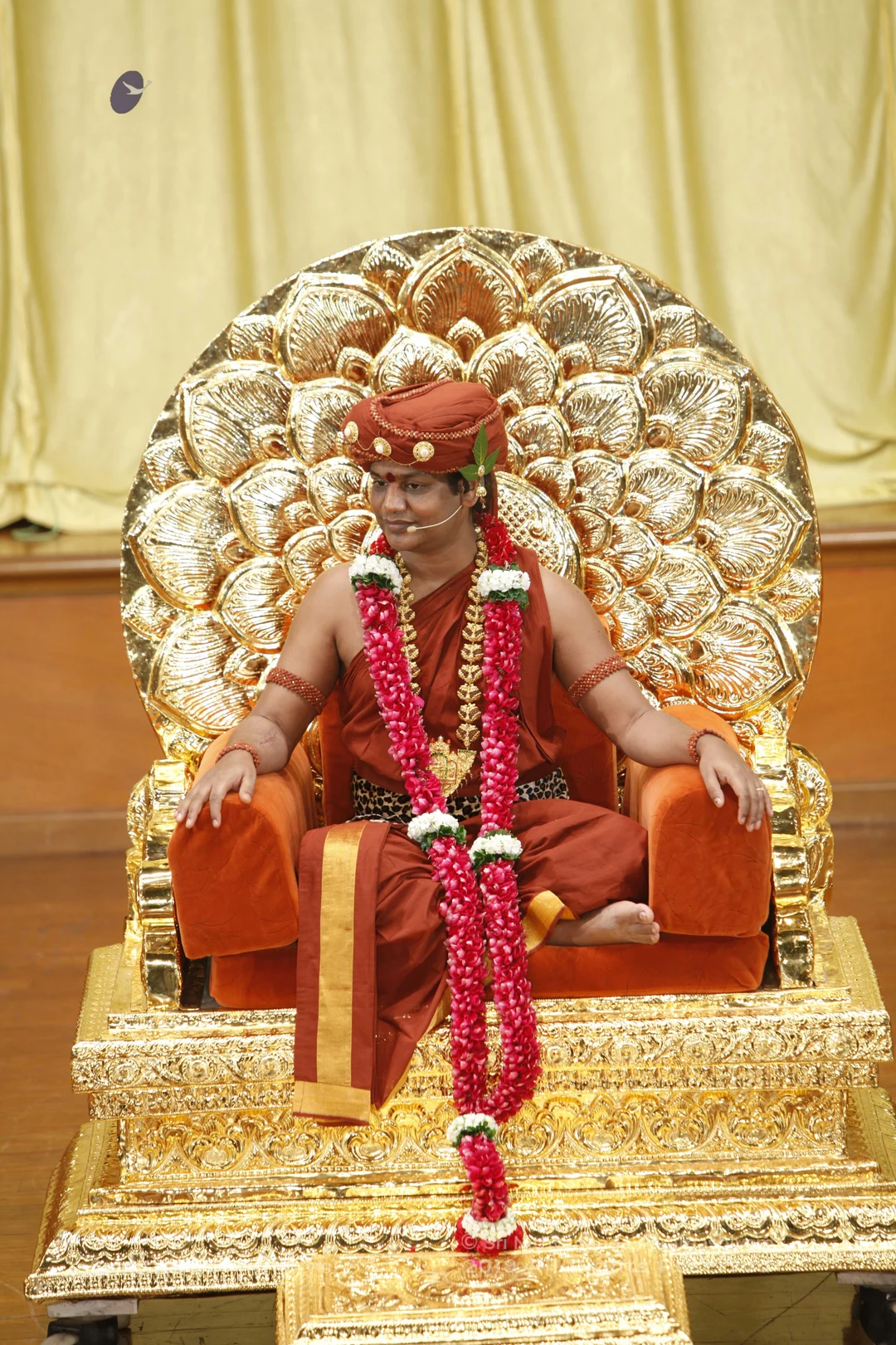
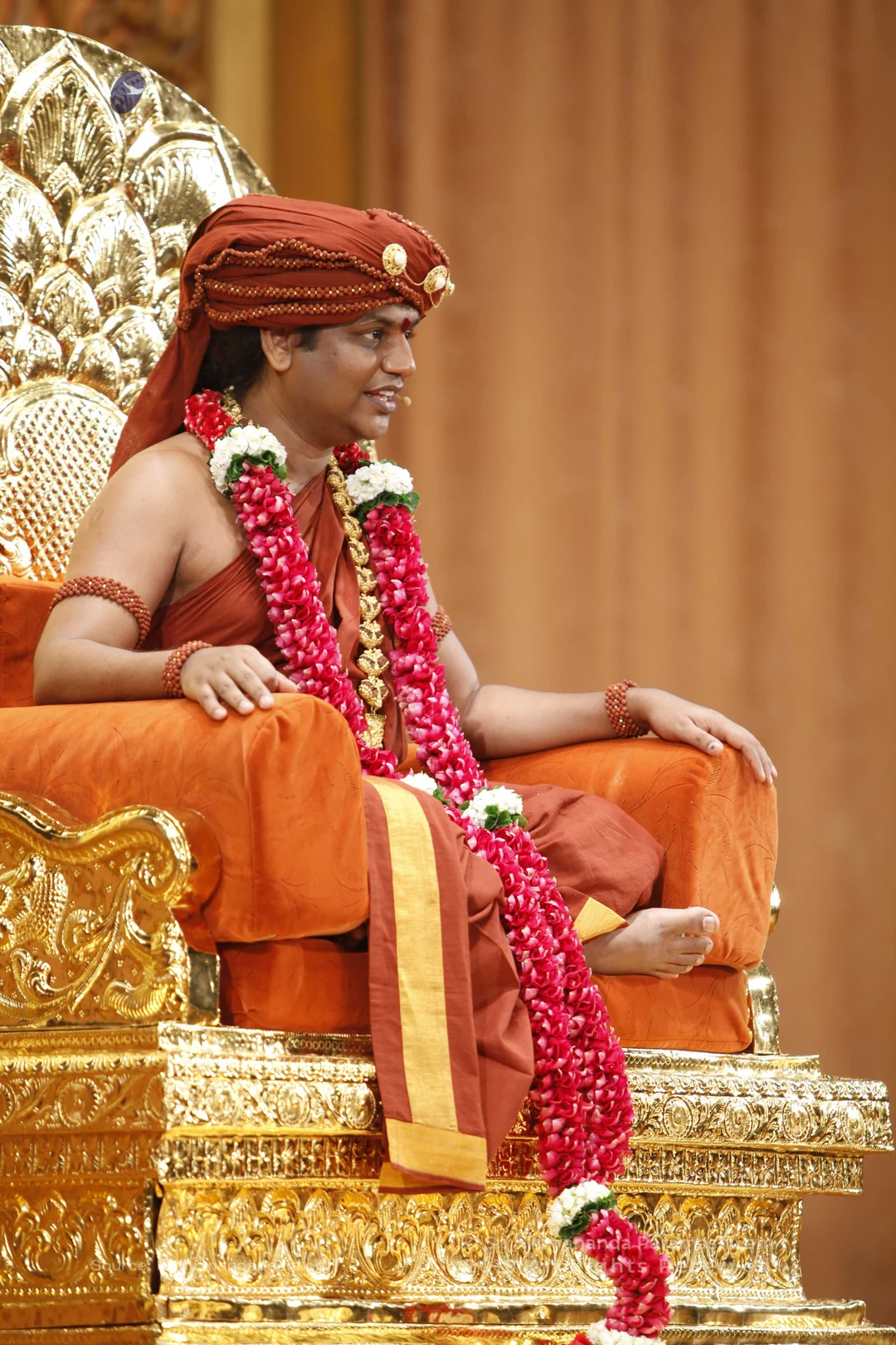
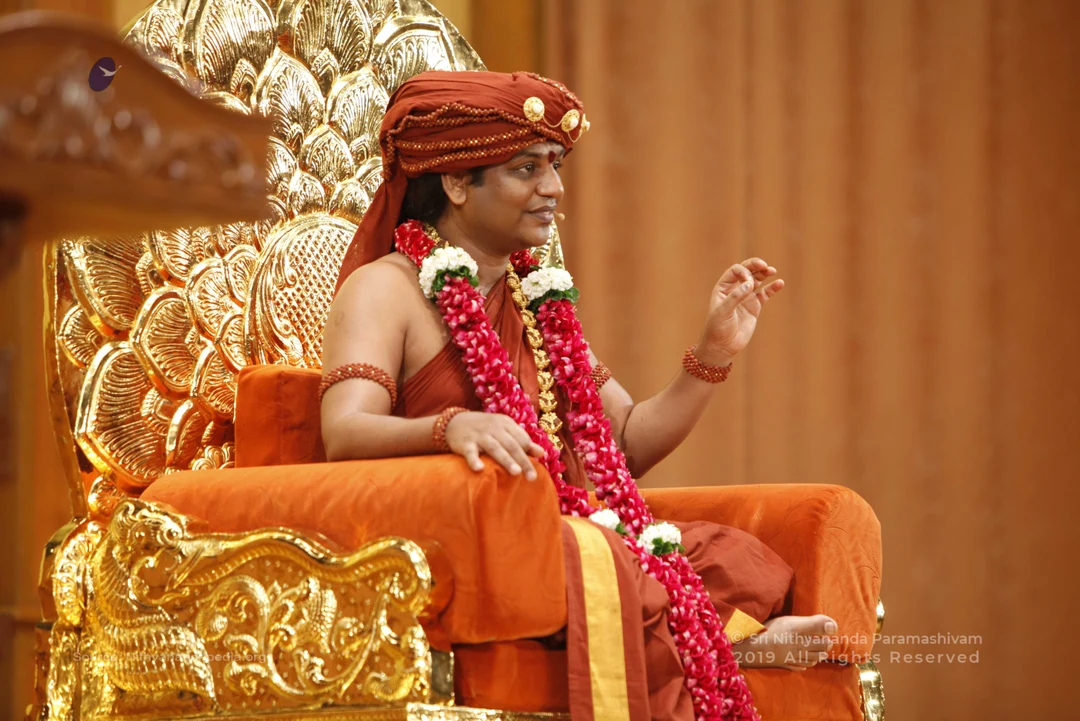
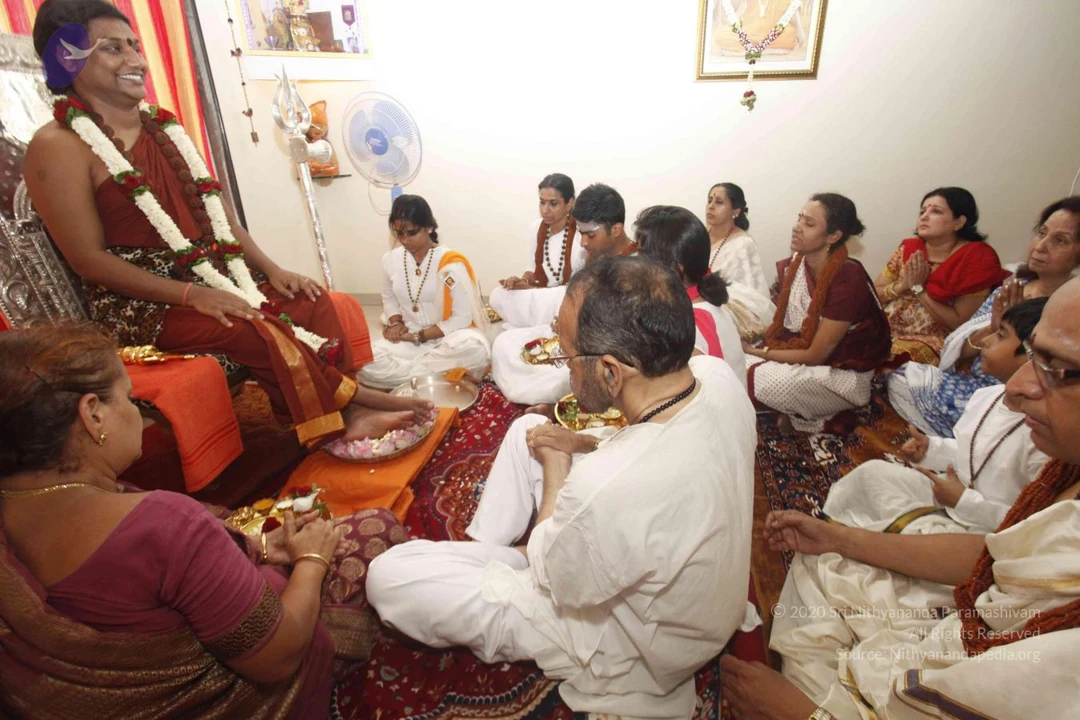
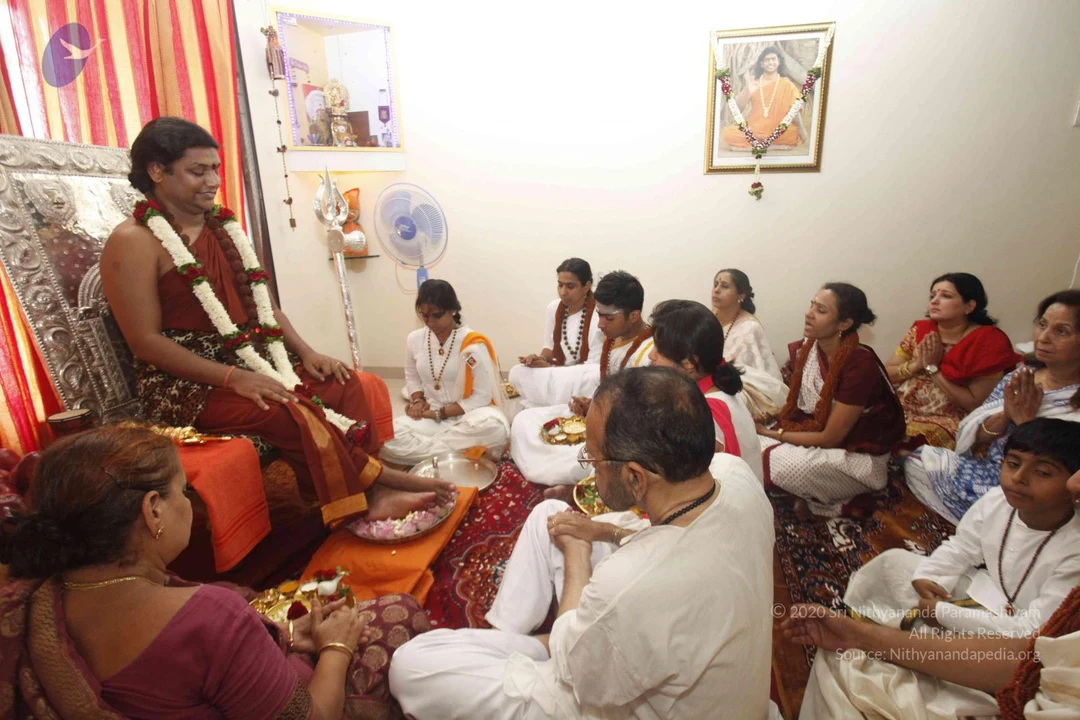
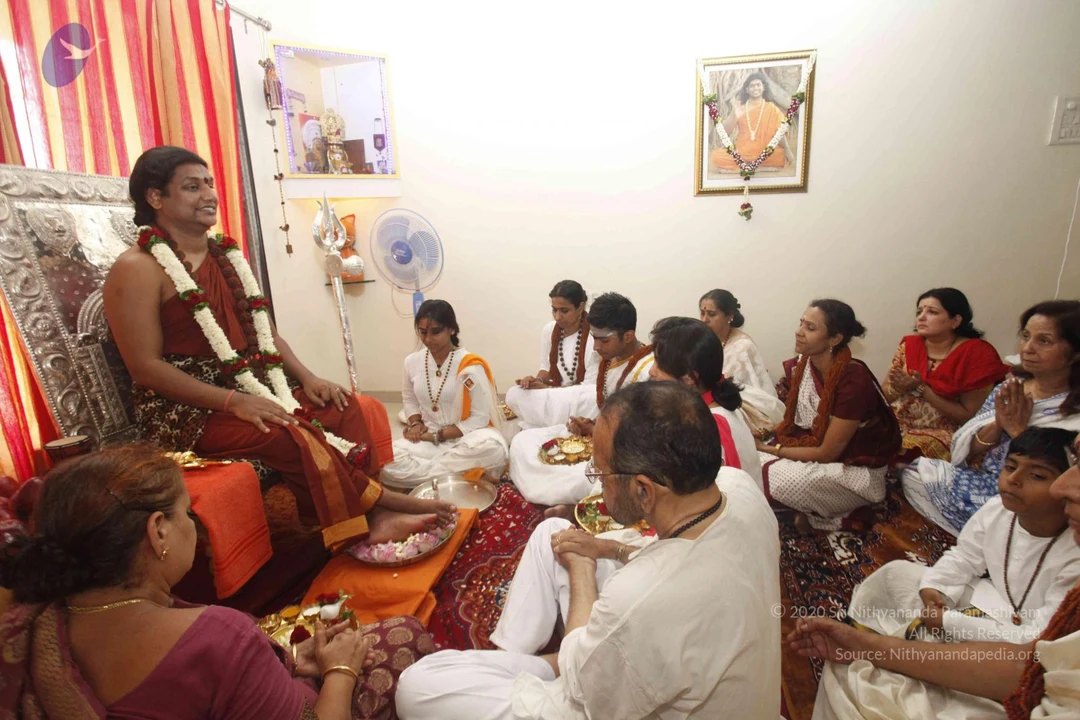
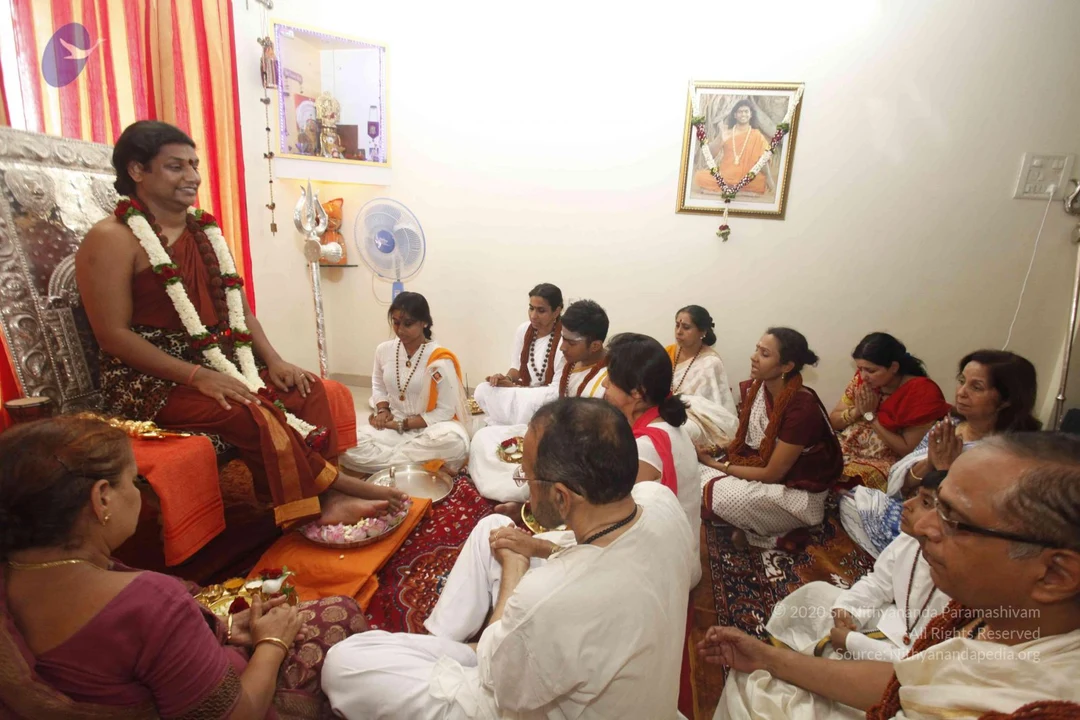
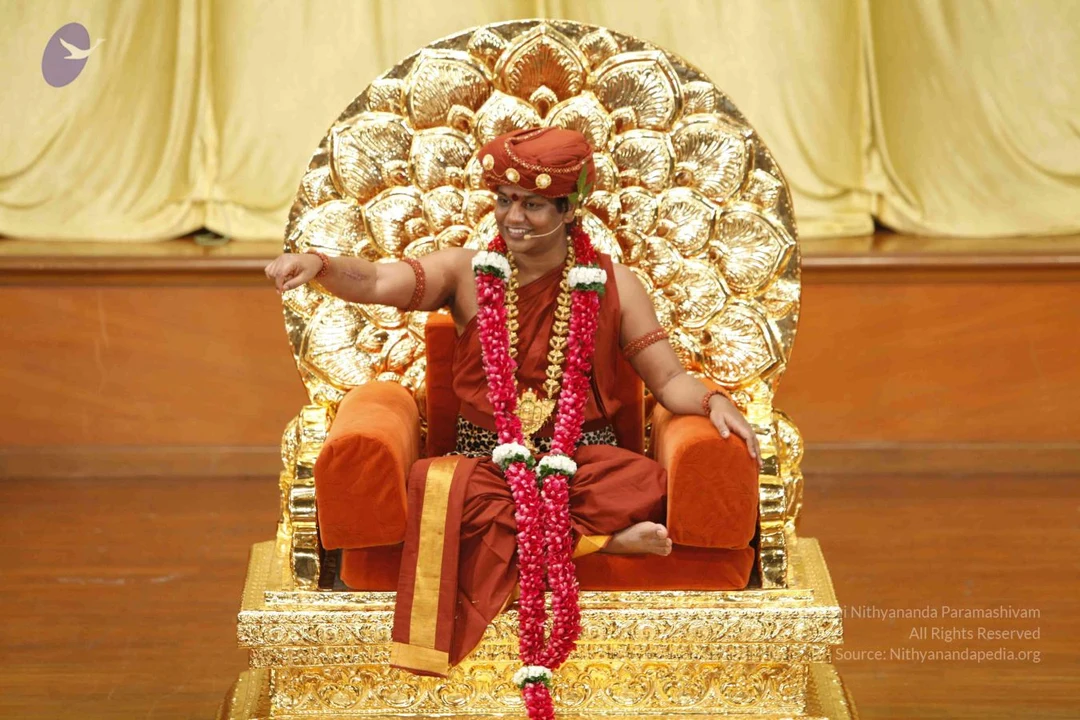
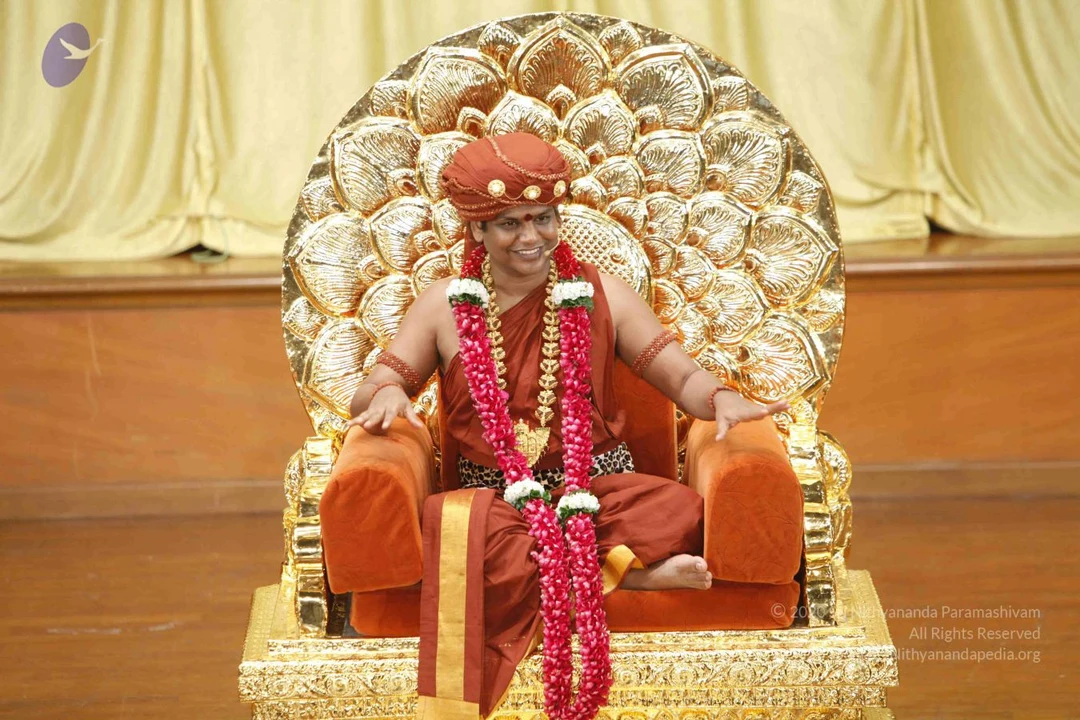
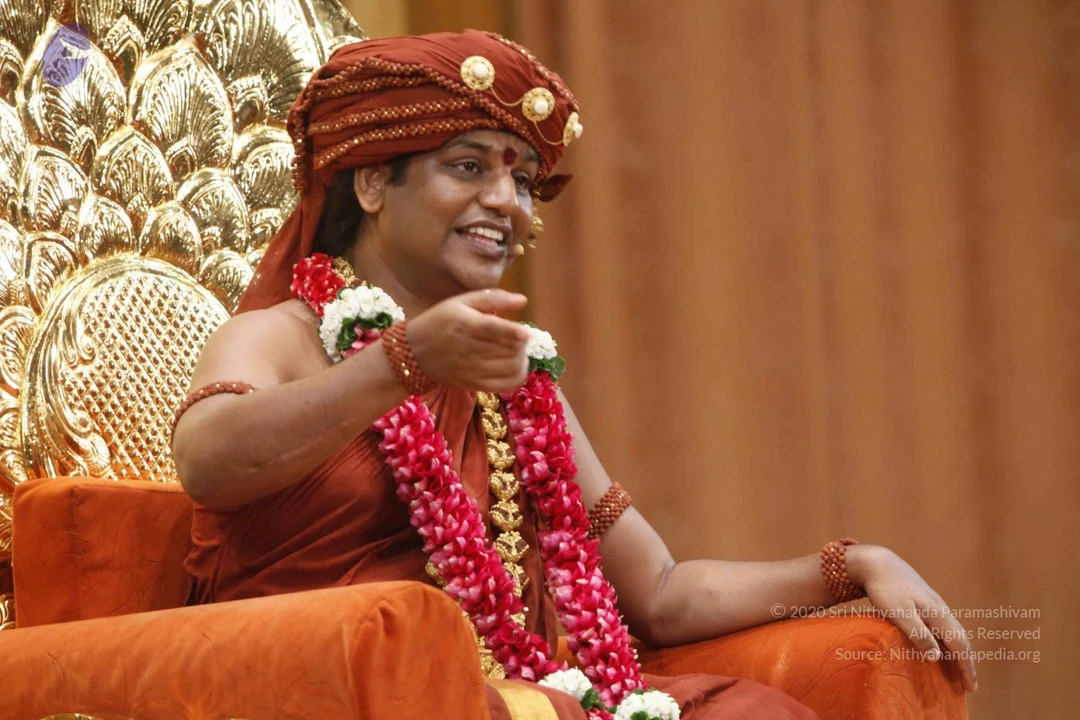
A seated man in a rust-red turban and matching rust-red shawl sits cross-legged on an ornate gold throne with a large fan-shaped gilded backrest and orange velvet cushions. He wears a gold necklace, red-and-white flower garlands draped to the floor, a red bindi, beaded red bracelets and a small lapel microphone. A yellow curtain hangs behind the throne. A gilded footstool sits in front. Swamiji (probable) is seated on the throne, identified by the turban, saffron-toned robes, rudraksha-style beaded bracelets and the ceremonial gold and flower adornments.A seated man in a rust-red turban and matching rust-red wrap sits cross-legged on an ornate gold throne with a large fan-shaped gilded backrest and orange velvet armrests. He wears a cream-and-gold border cloth, a gold necklace, red bangles on both forearms, and a headset microphone. Long red and white flower garlands hang from his shoulders down over his lap. Behind him hangs a pale yellow drape. The scene suggests a stage-style seated discourse setting.A man sits on an ornate golden peetha throne with a large lotus-petal backrest against a gold curtain, gesturing with his open hands during a talk. He wears a rust-orange turban, an orange-red robe with a gold border, a gold necklace, and a long garland of red and white flowers. Gold-trimmed orange armrests and a wooden stage floor complete the setting. Appearance-based label: Swamiji (probable), seated on the throne in an orange-and-gold ceremonial setting, identified by his turban, orange robe, gold ornaments and garland; the speaking role indicates a satsang or discourse.

Photos Of The Day:

34 photosSource gallery
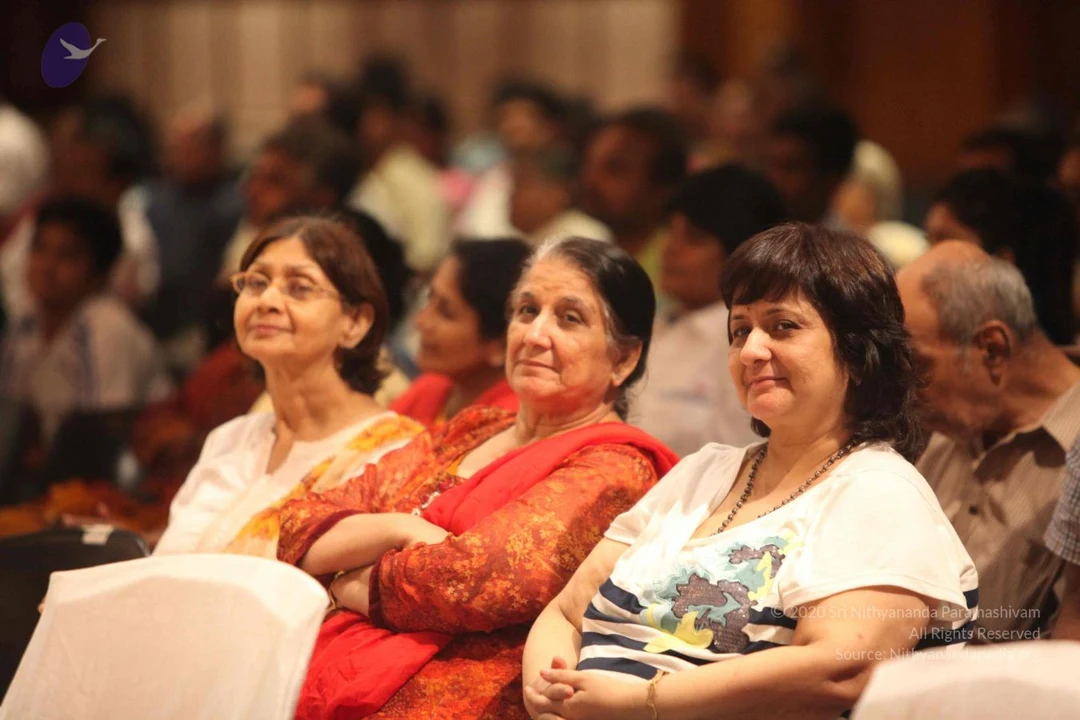
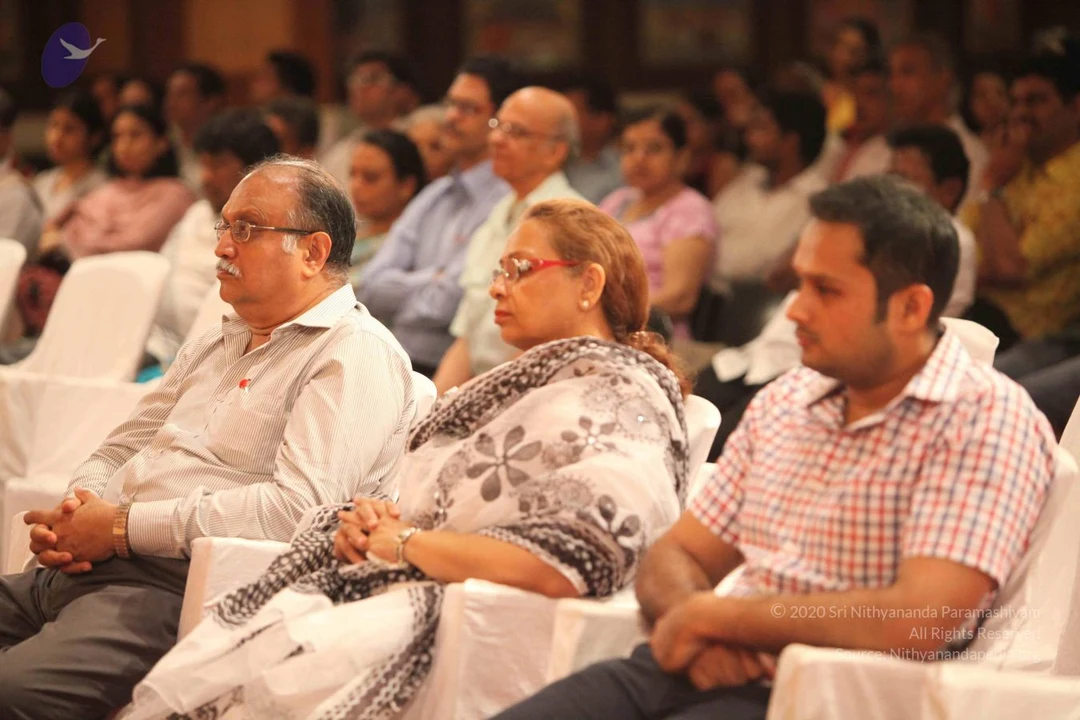
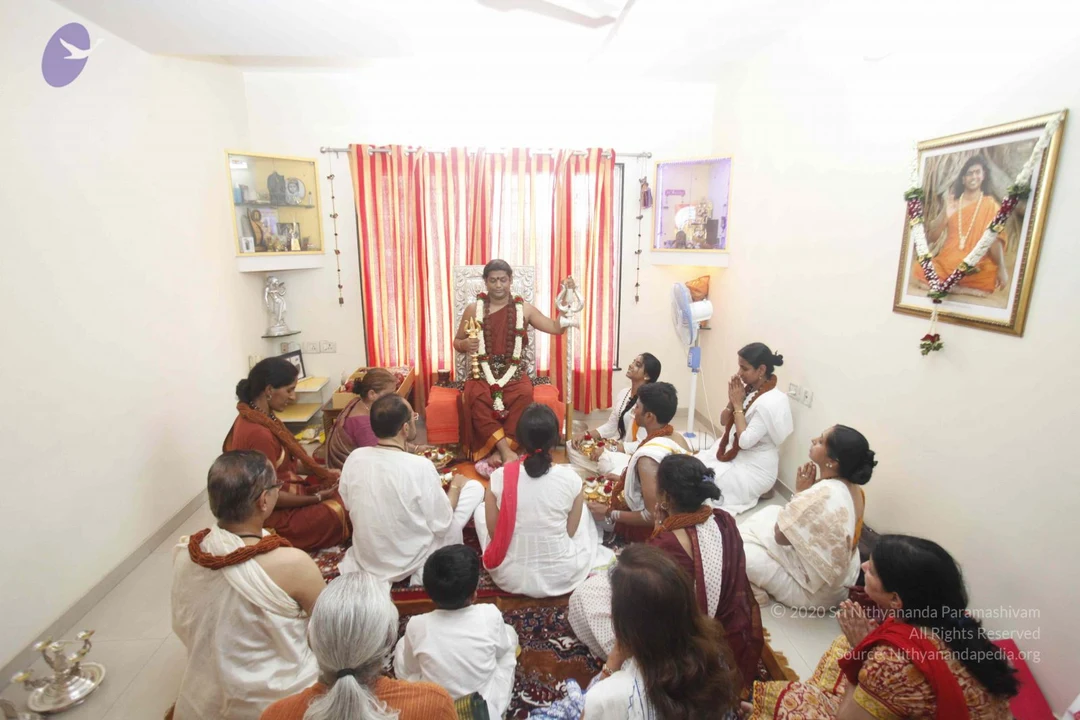
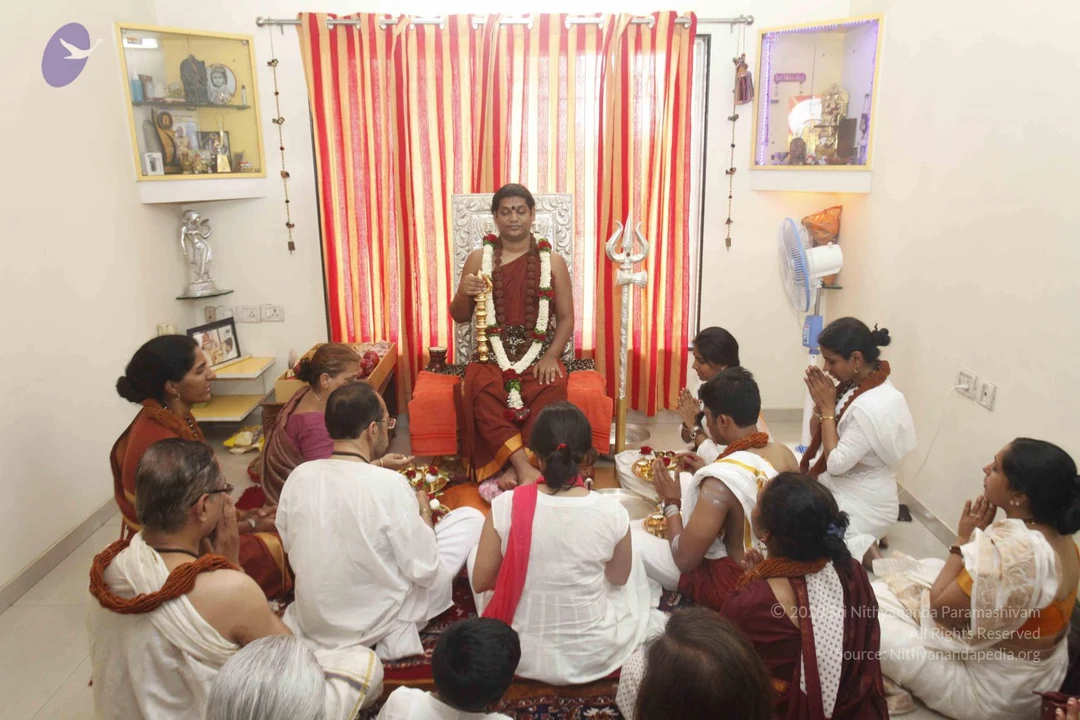
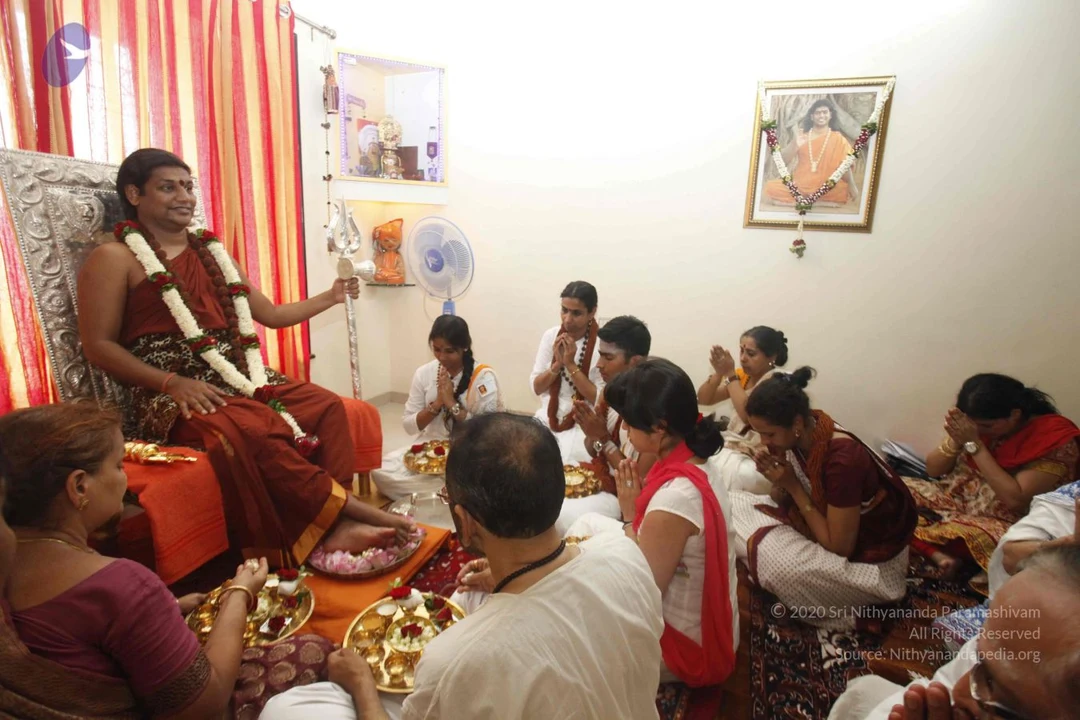
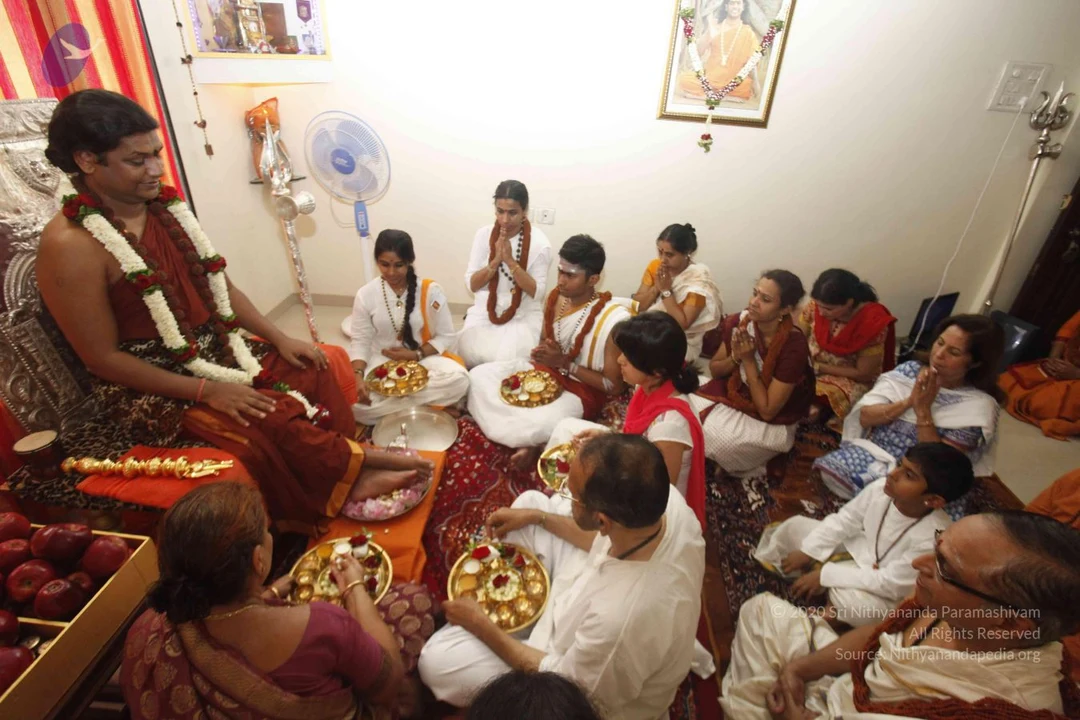
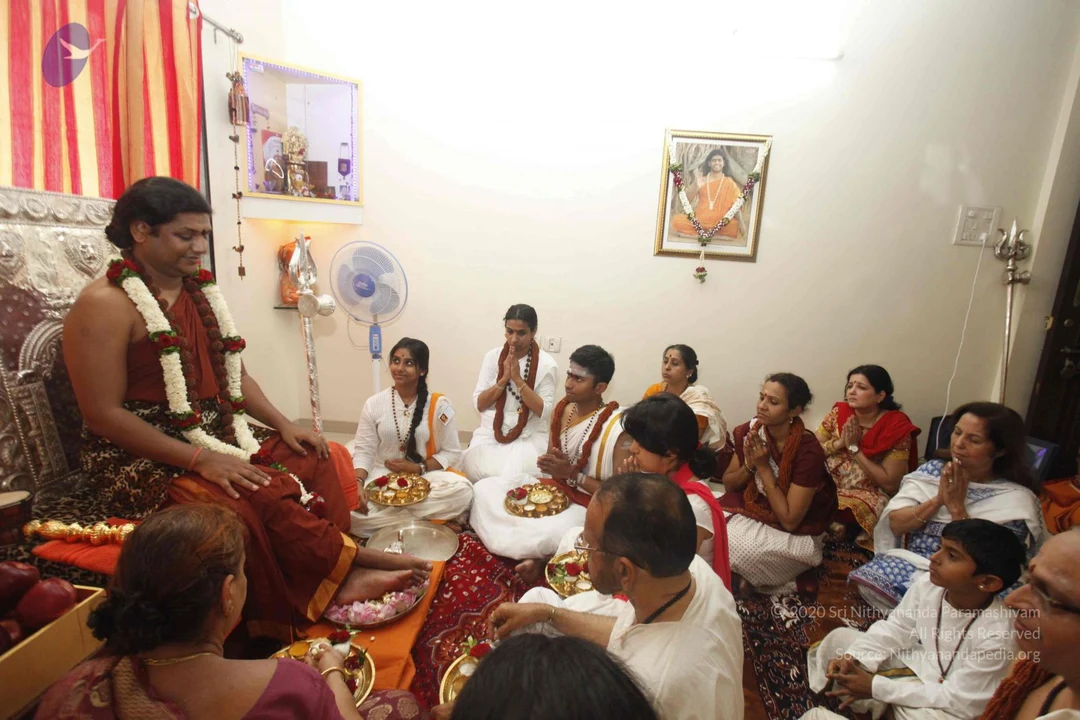
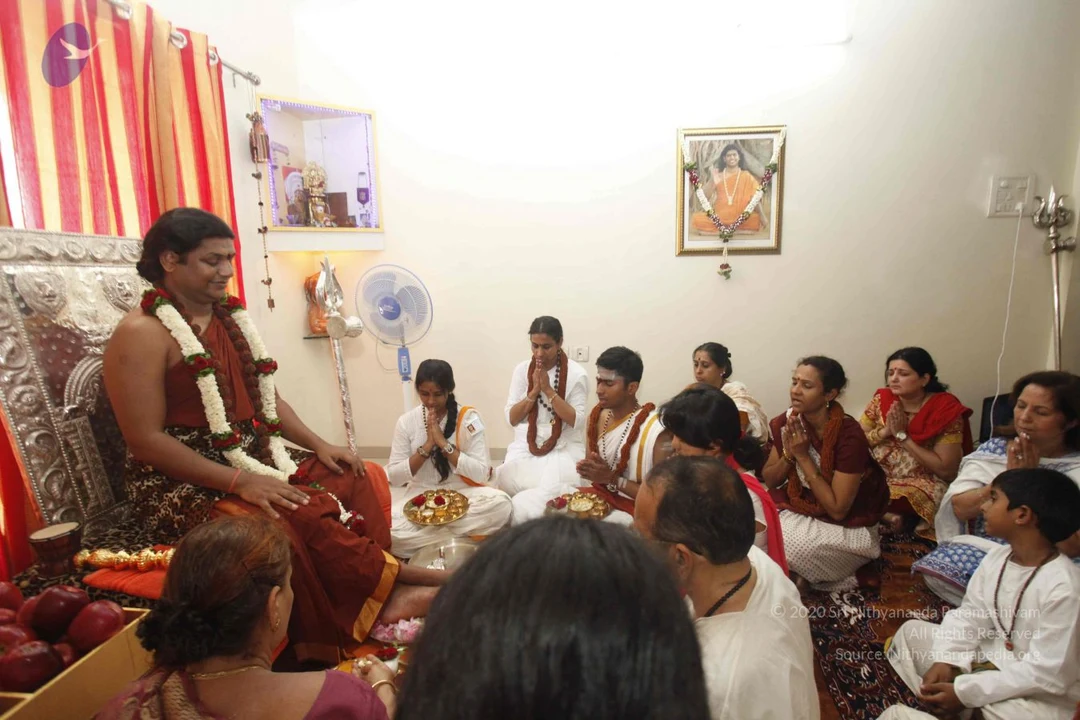
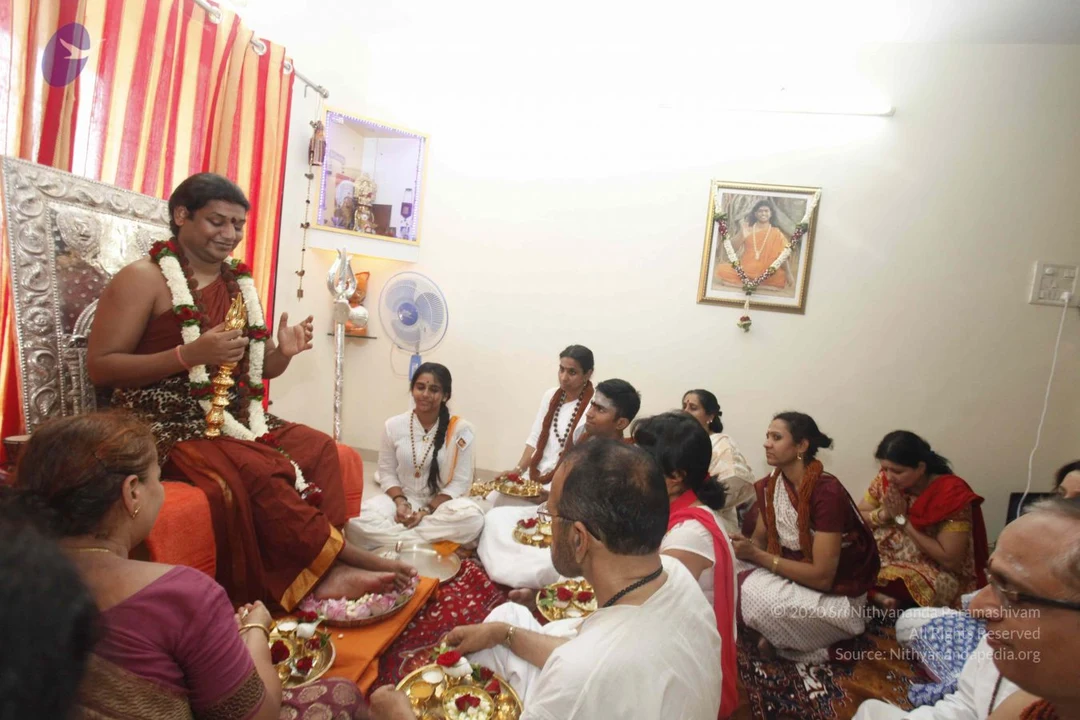
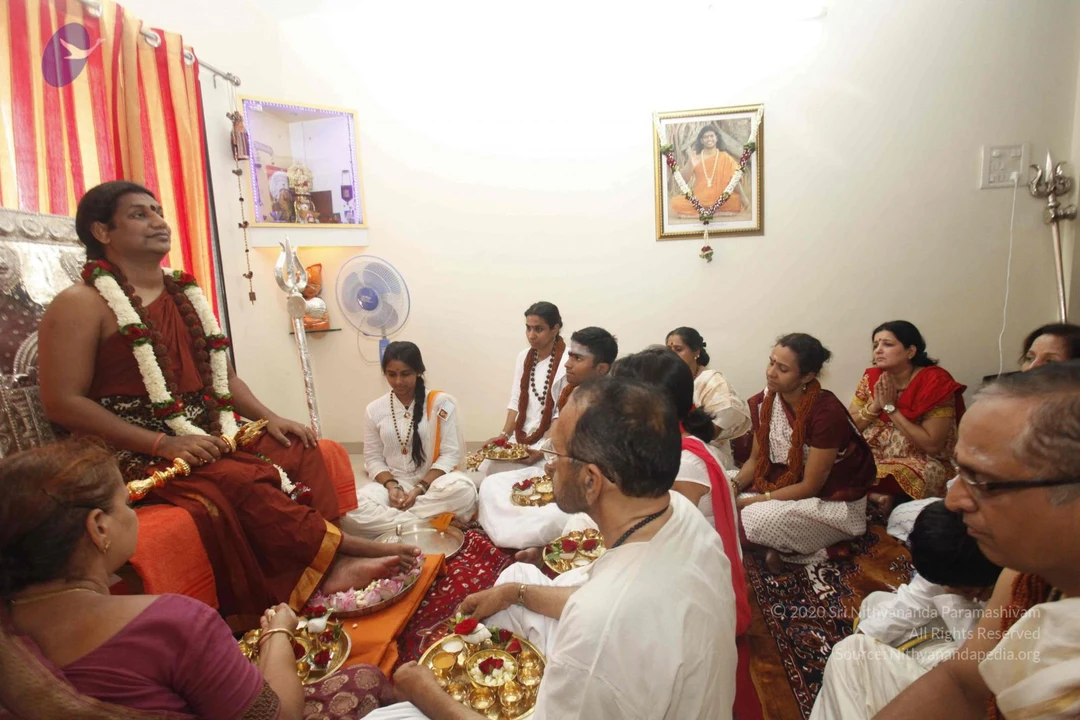
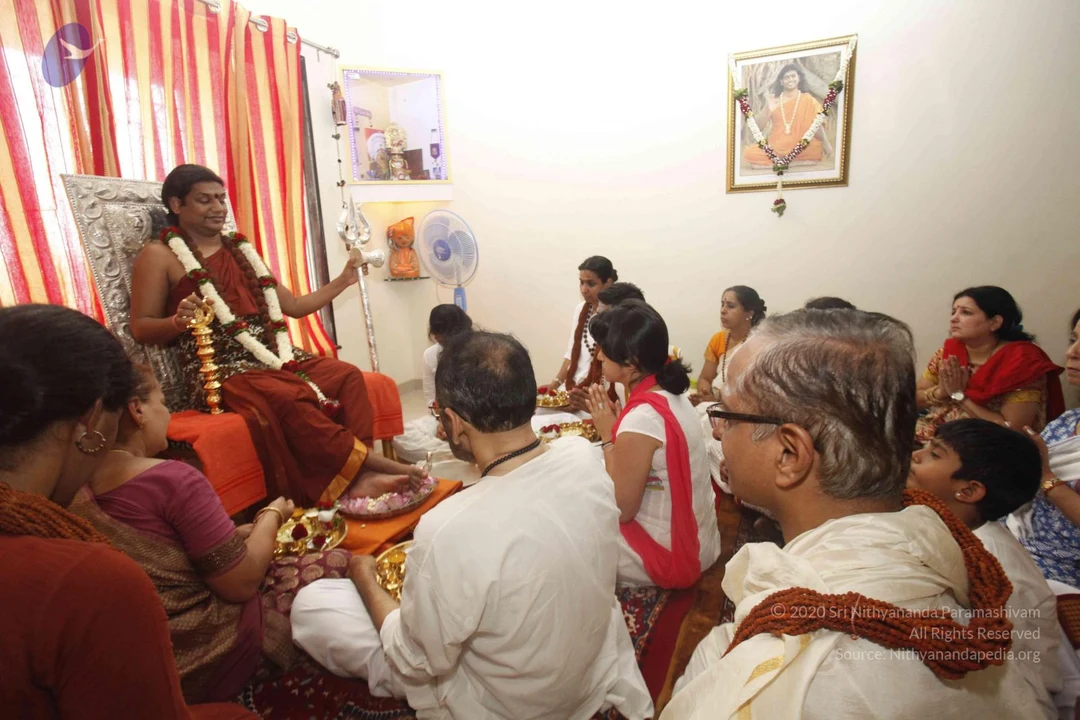
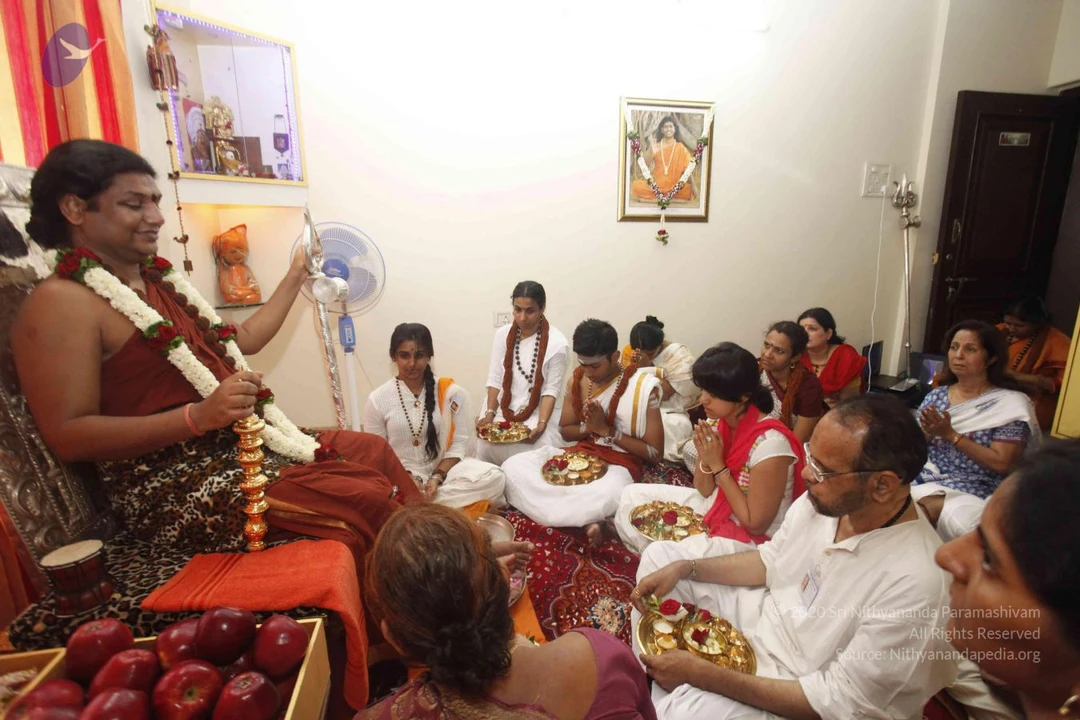
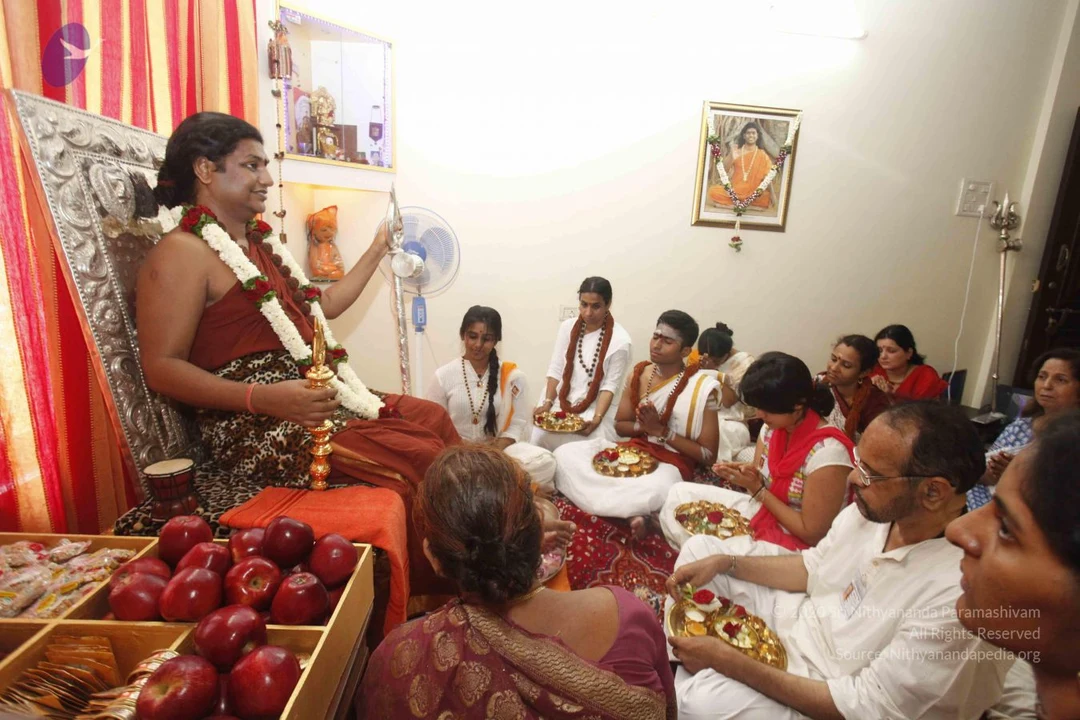
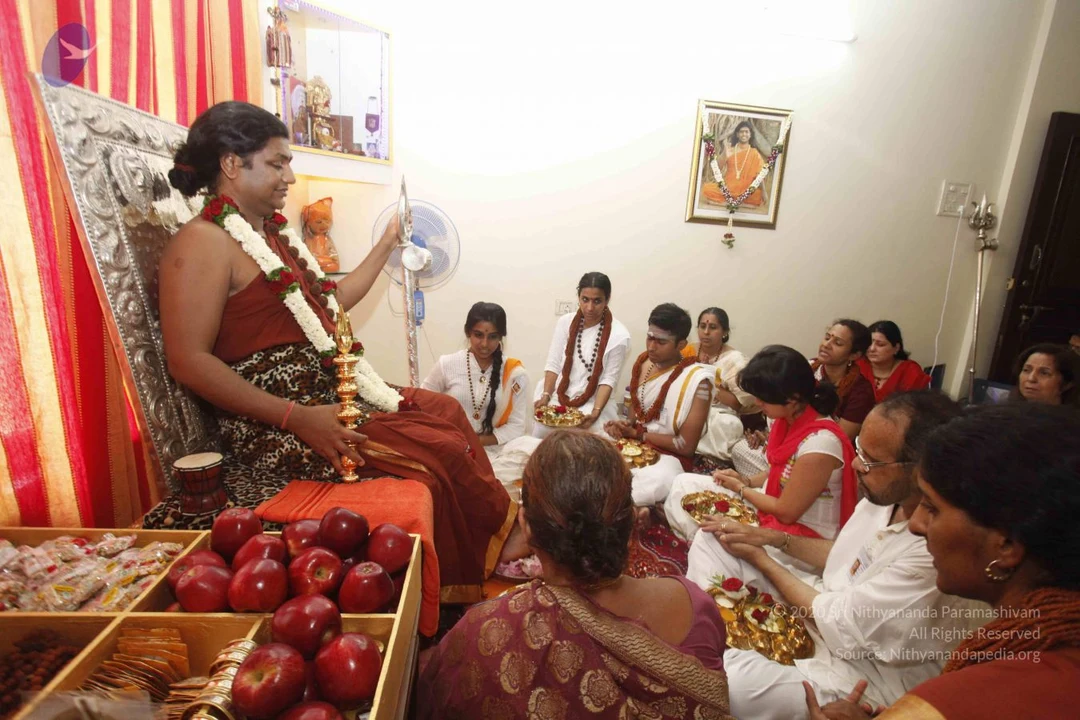
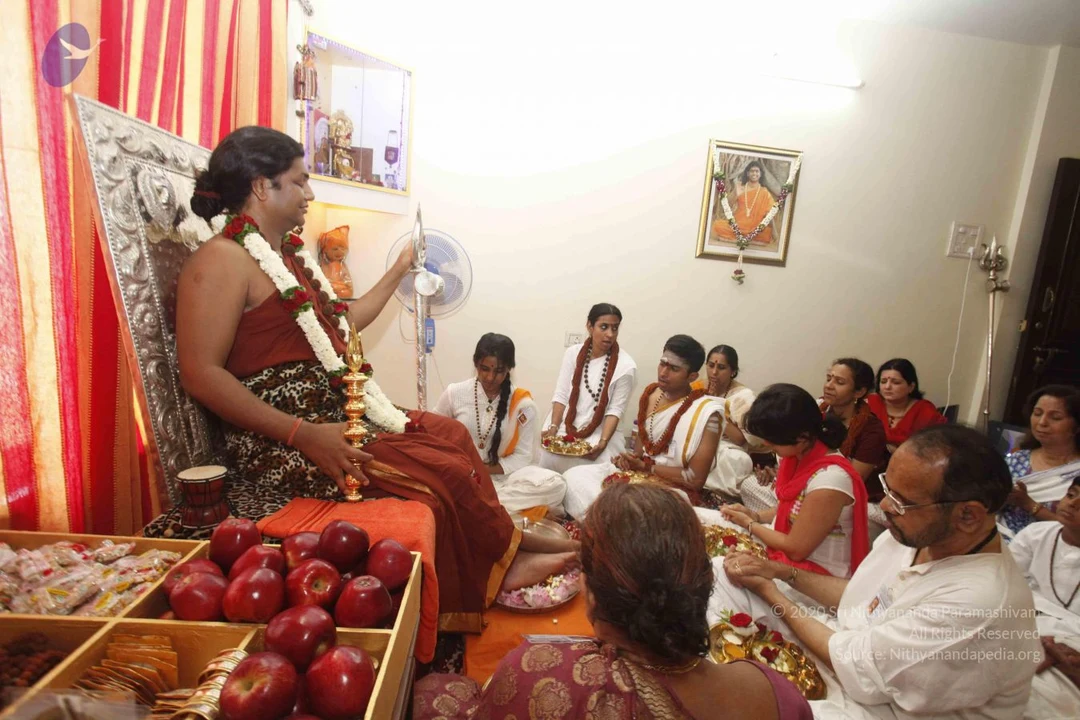
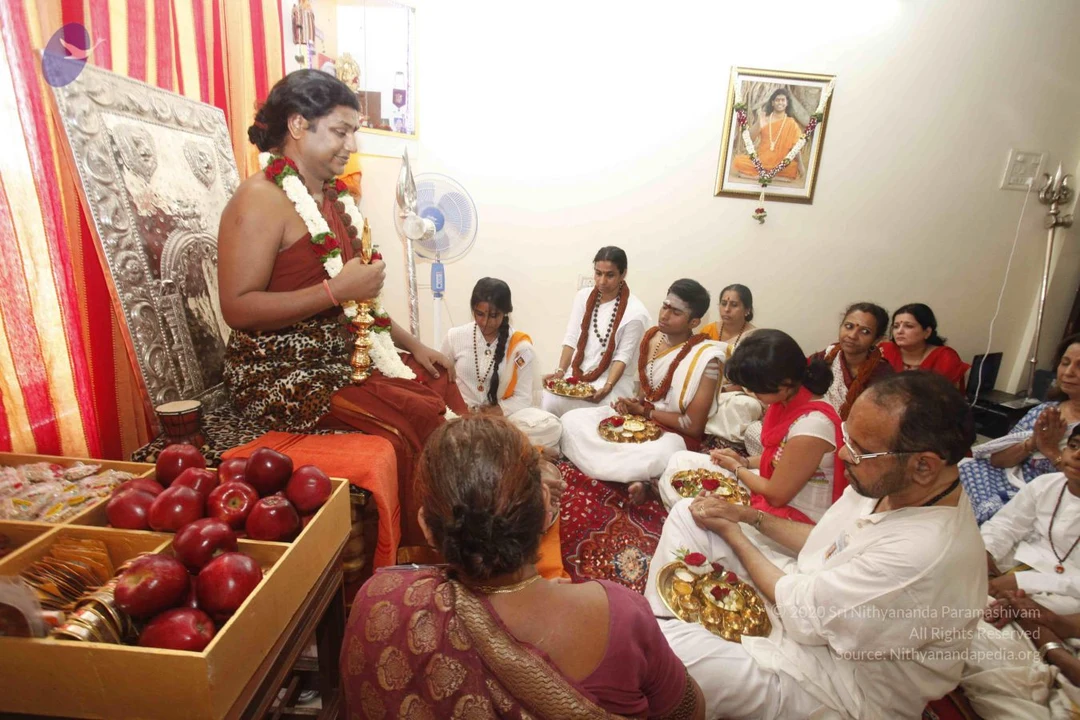
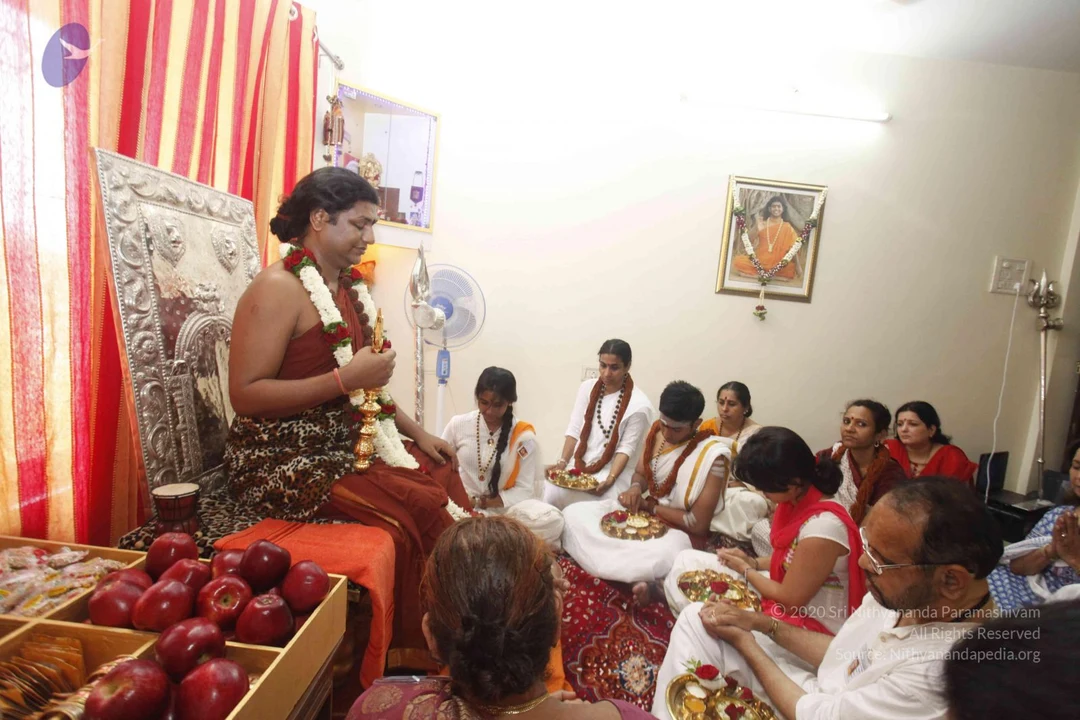
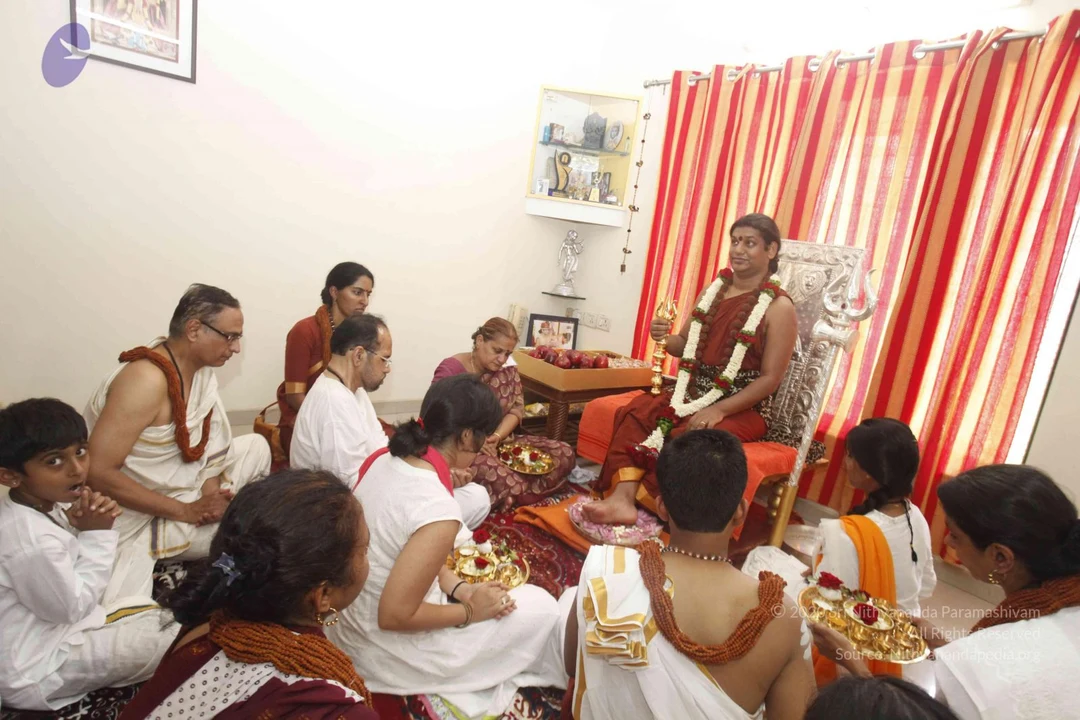
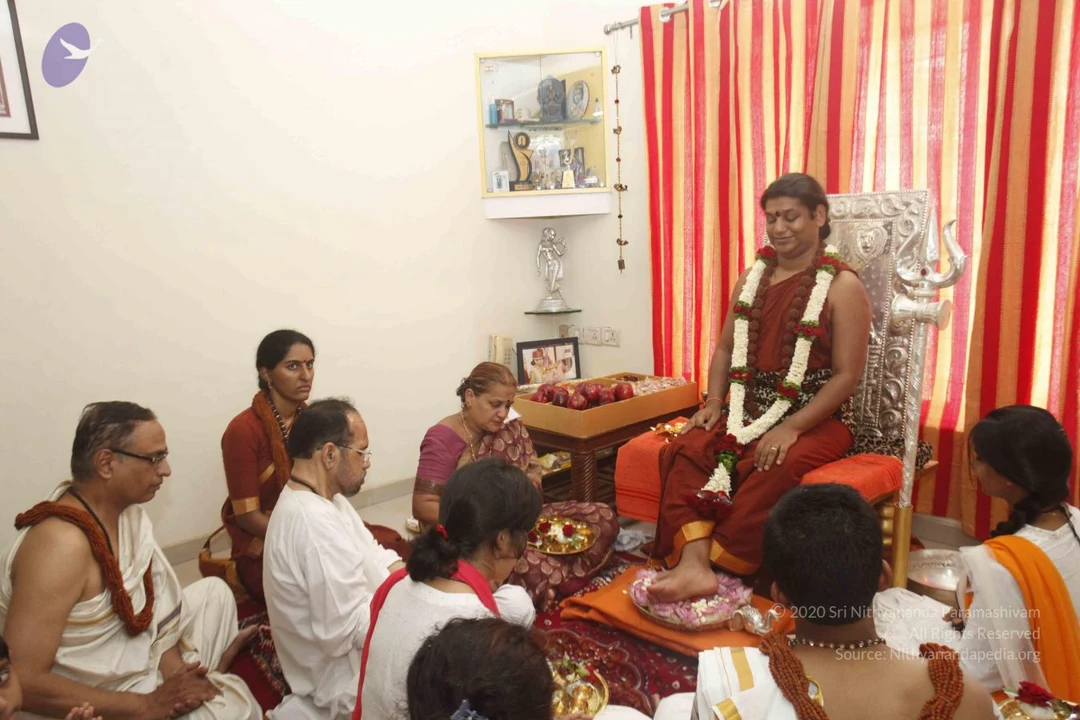
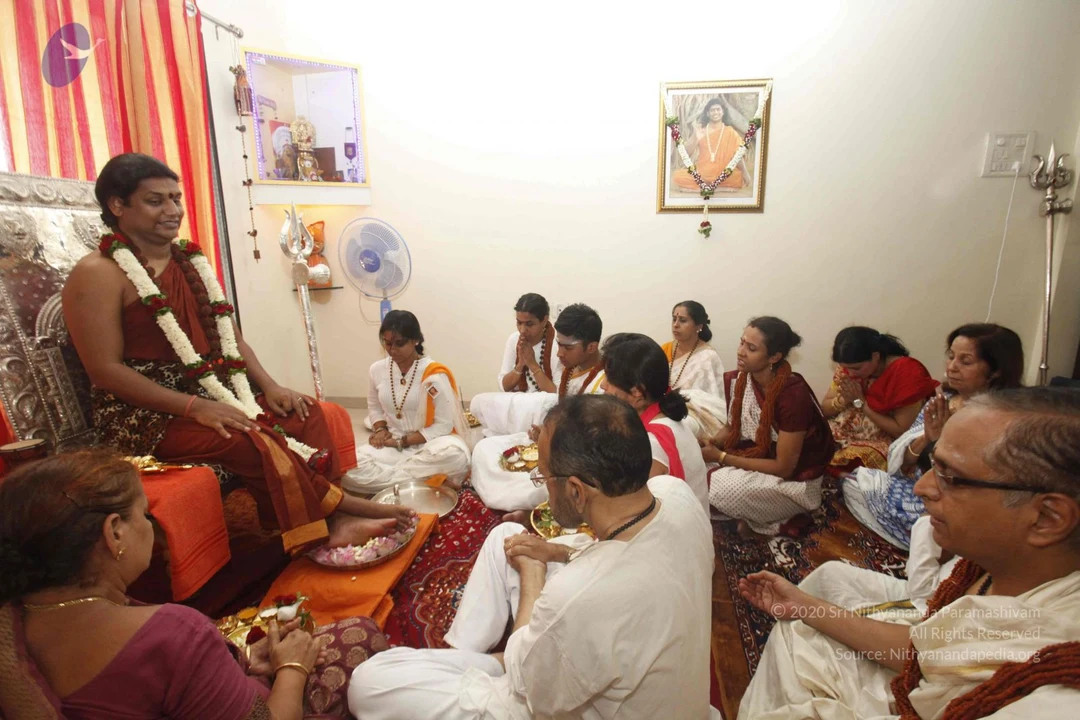
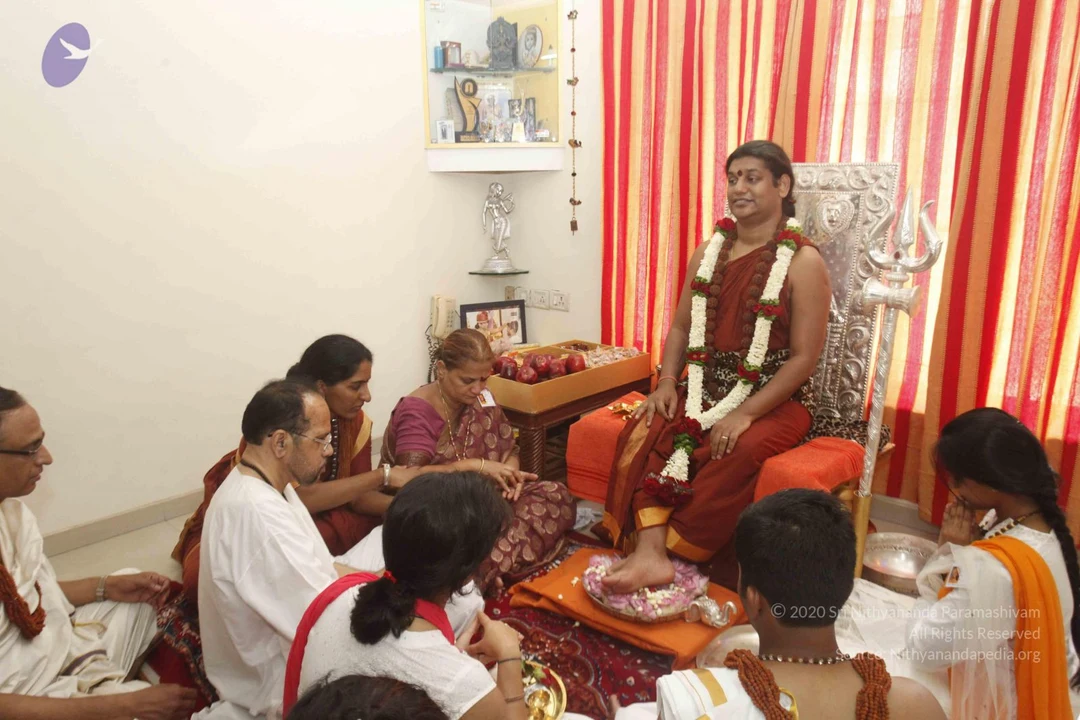
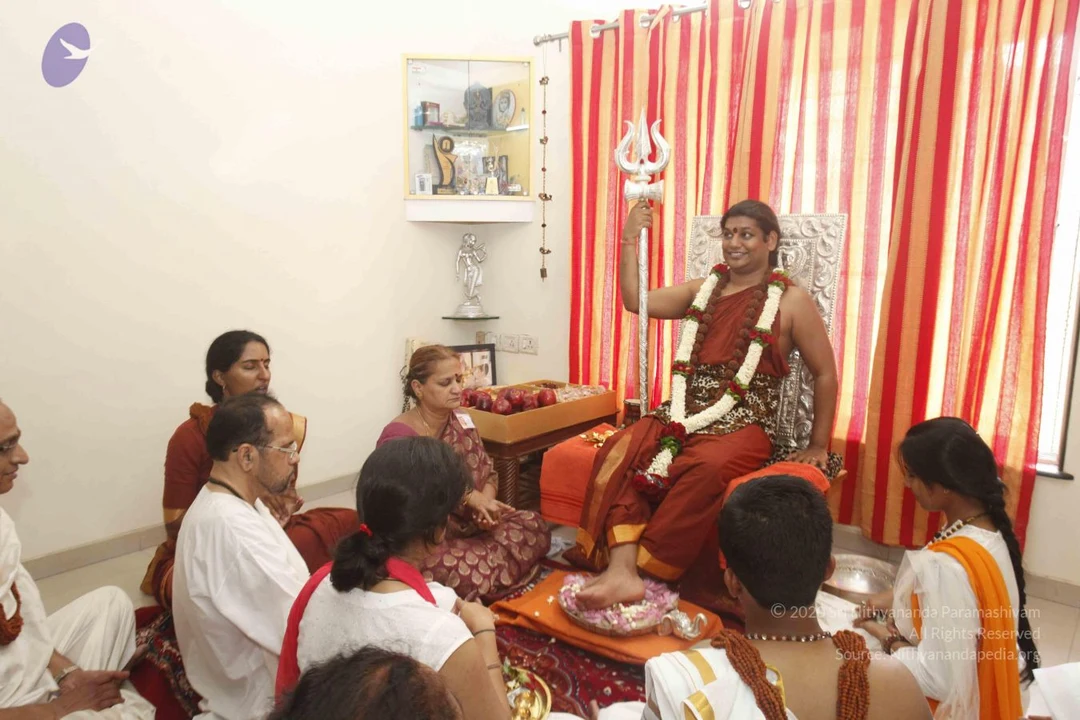
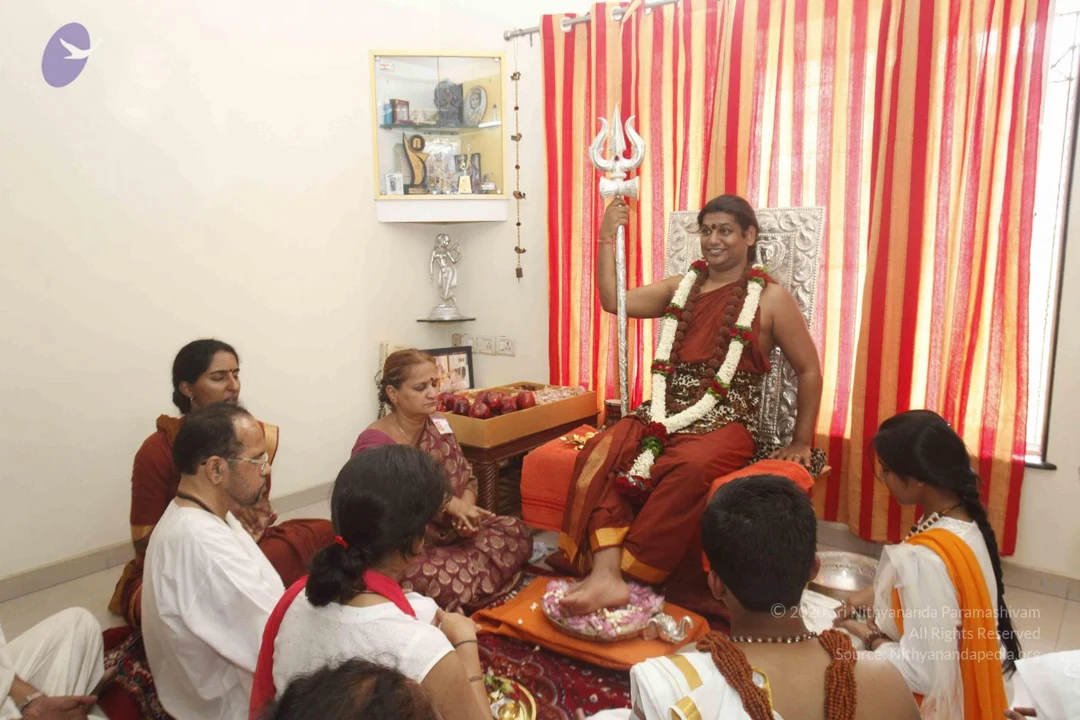
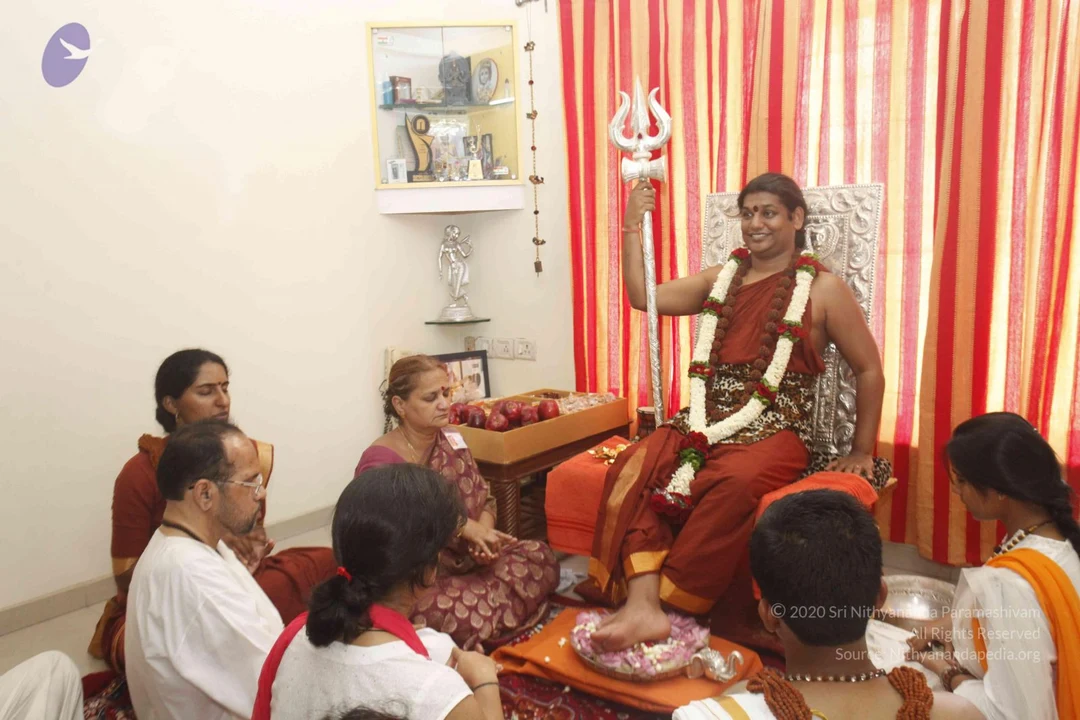
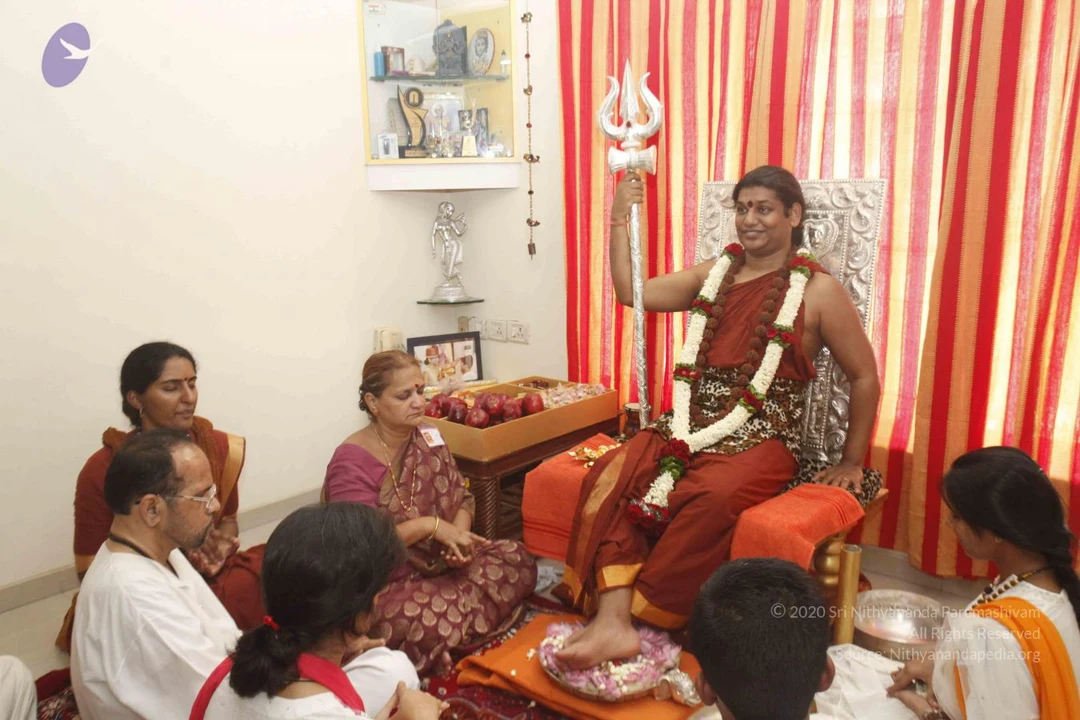
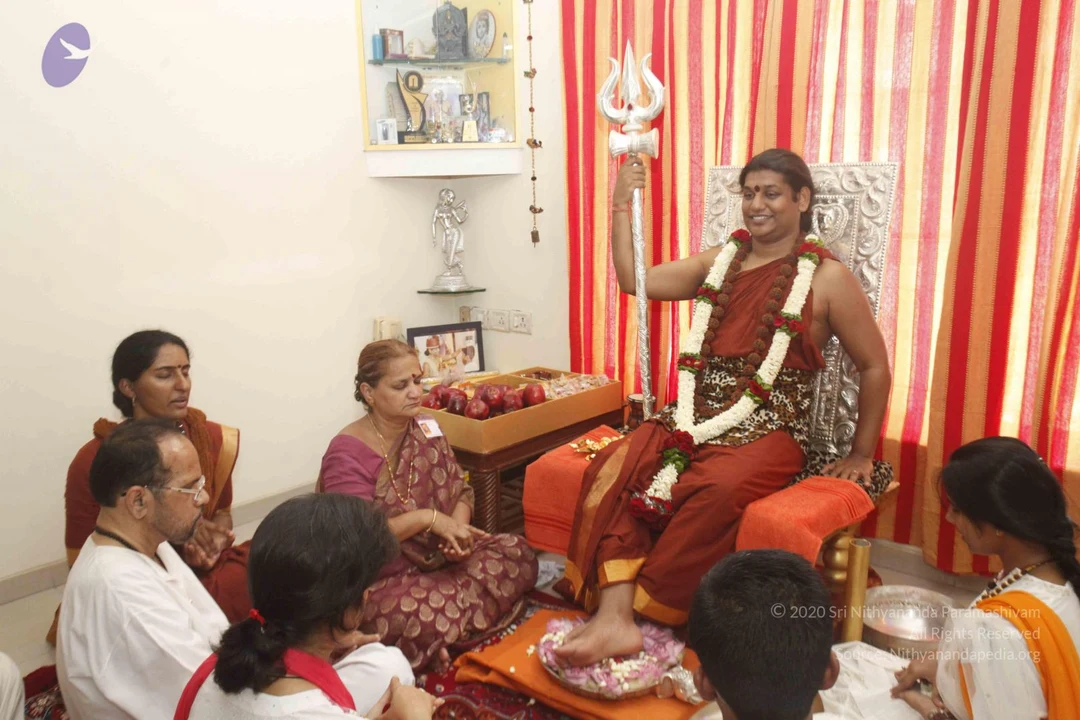
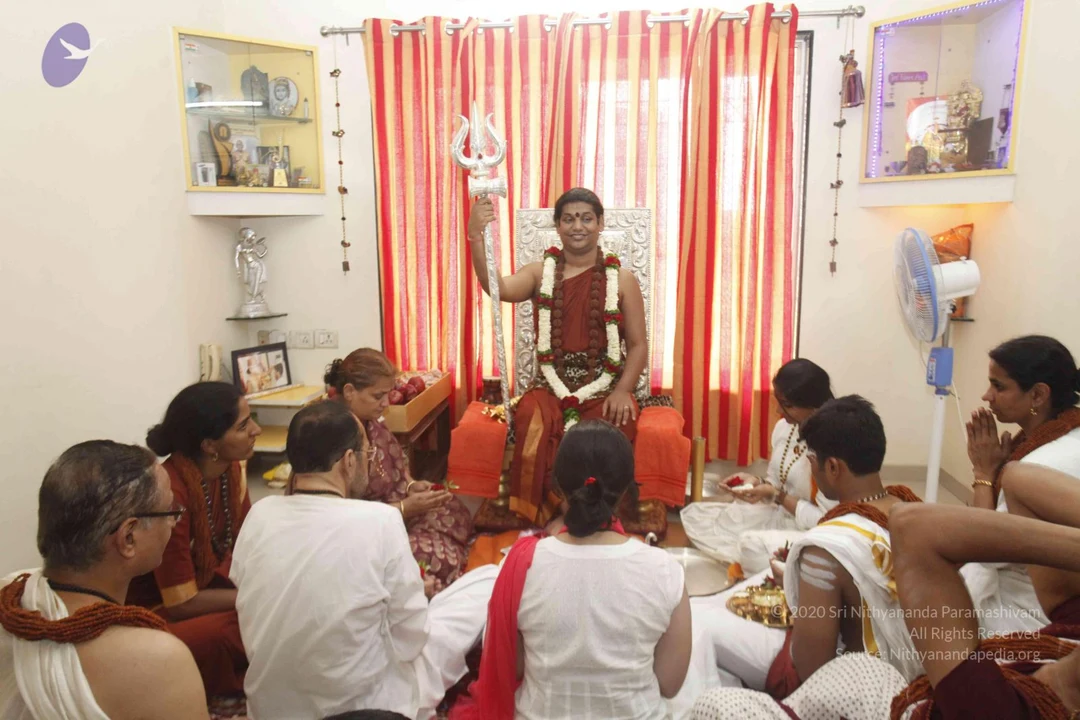
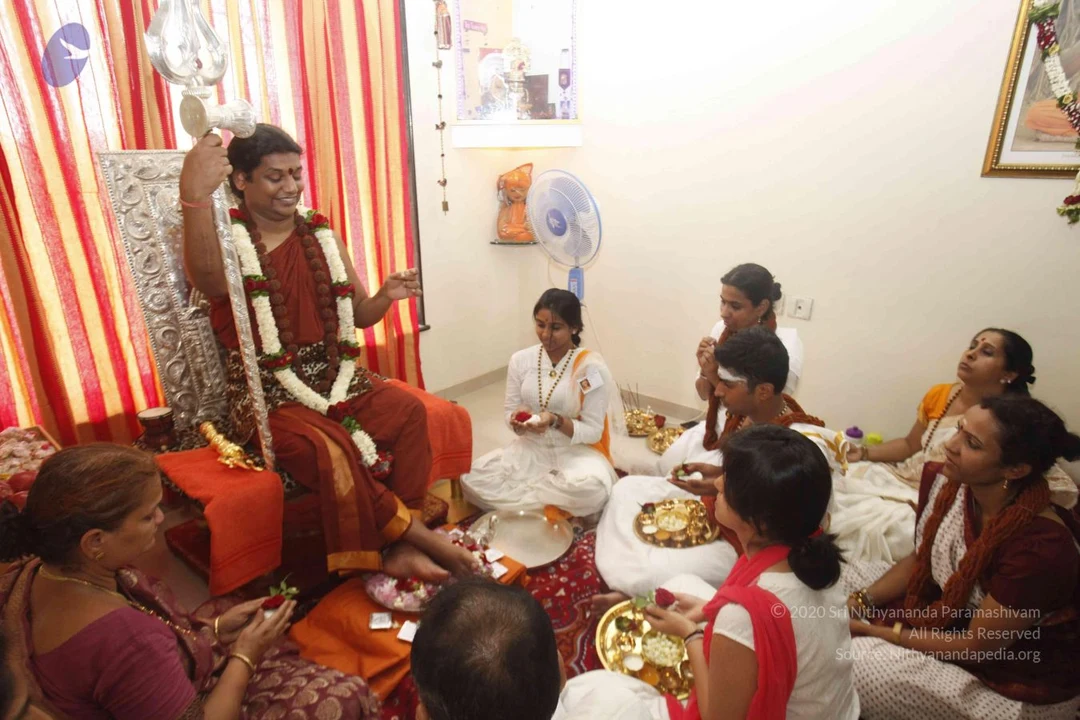
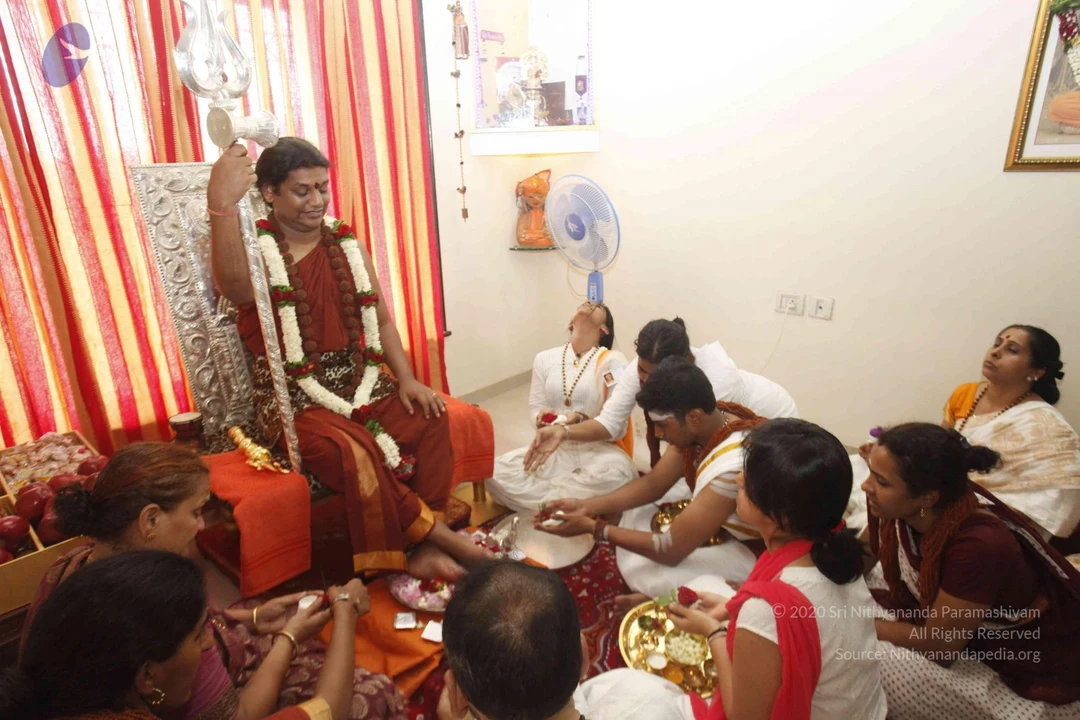
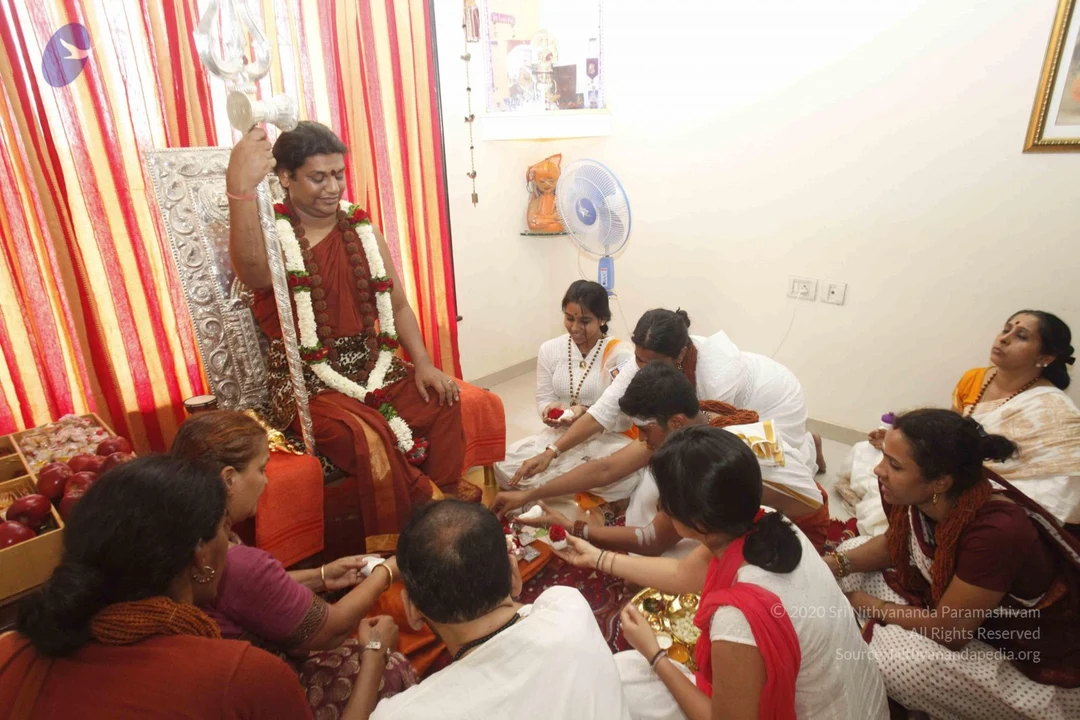
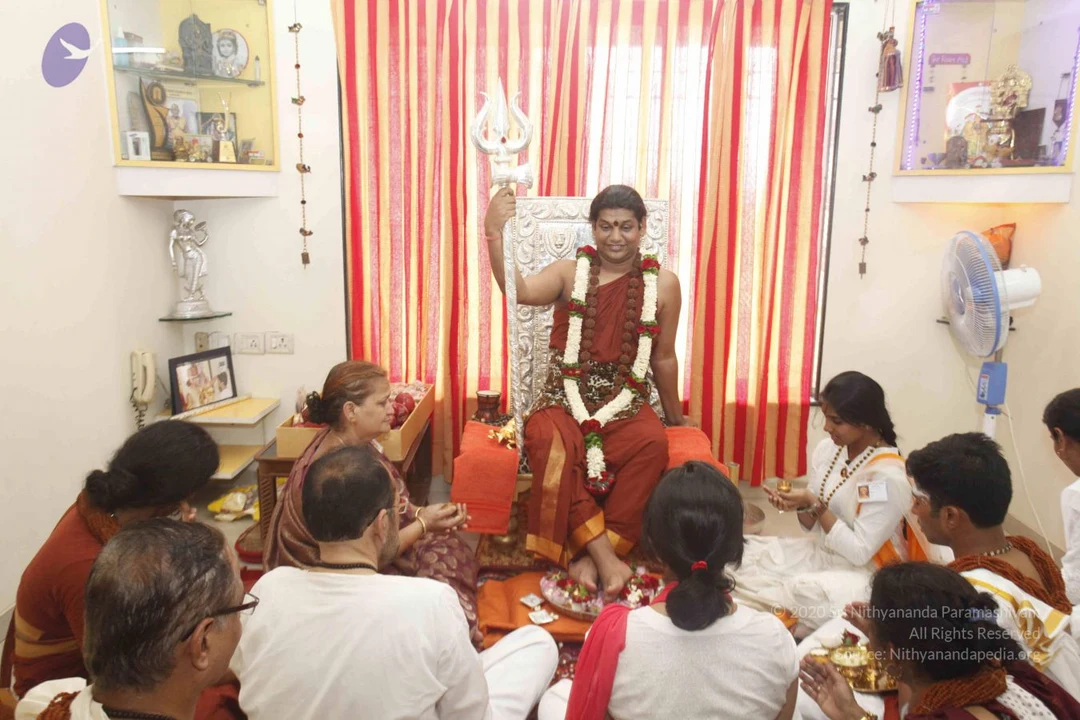
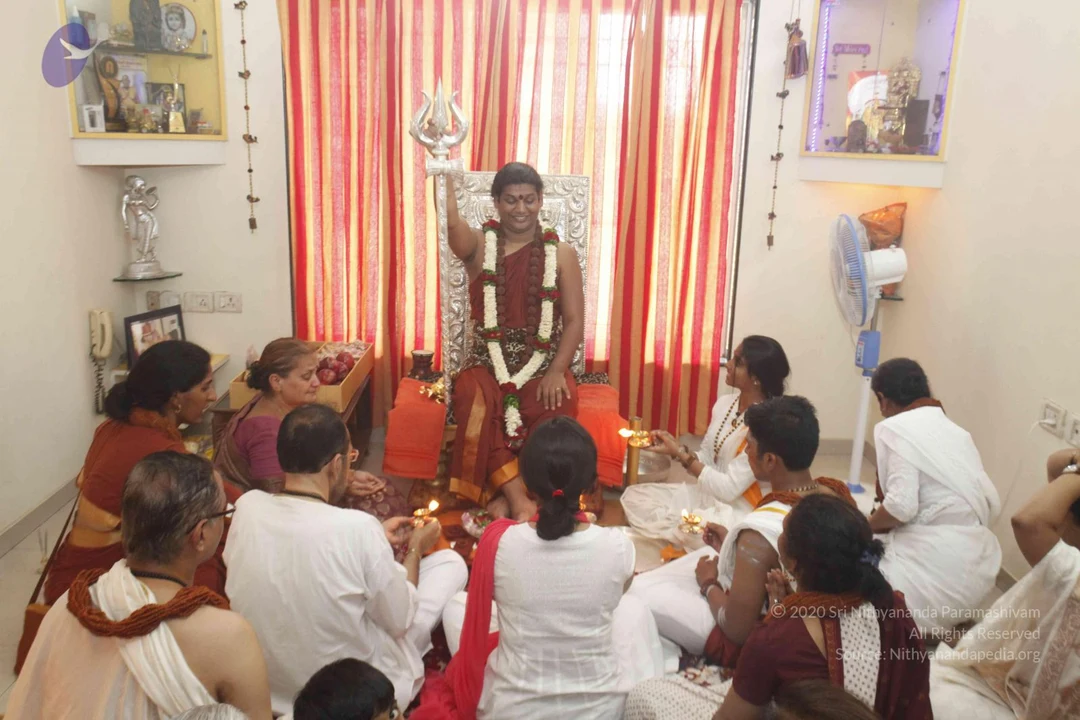
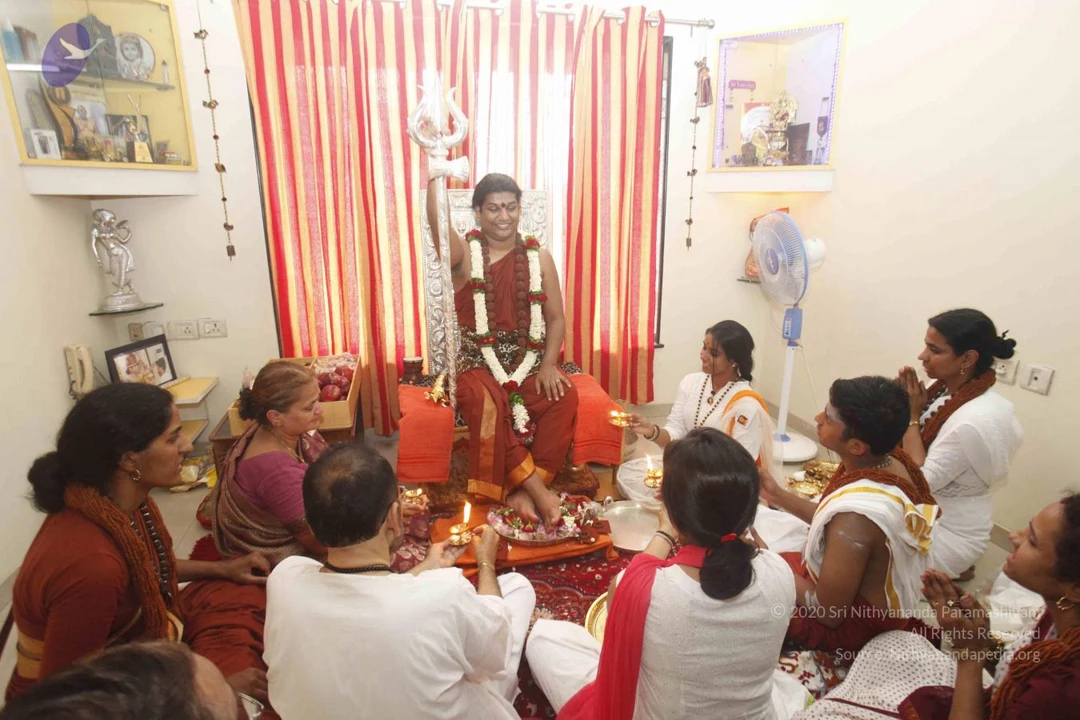
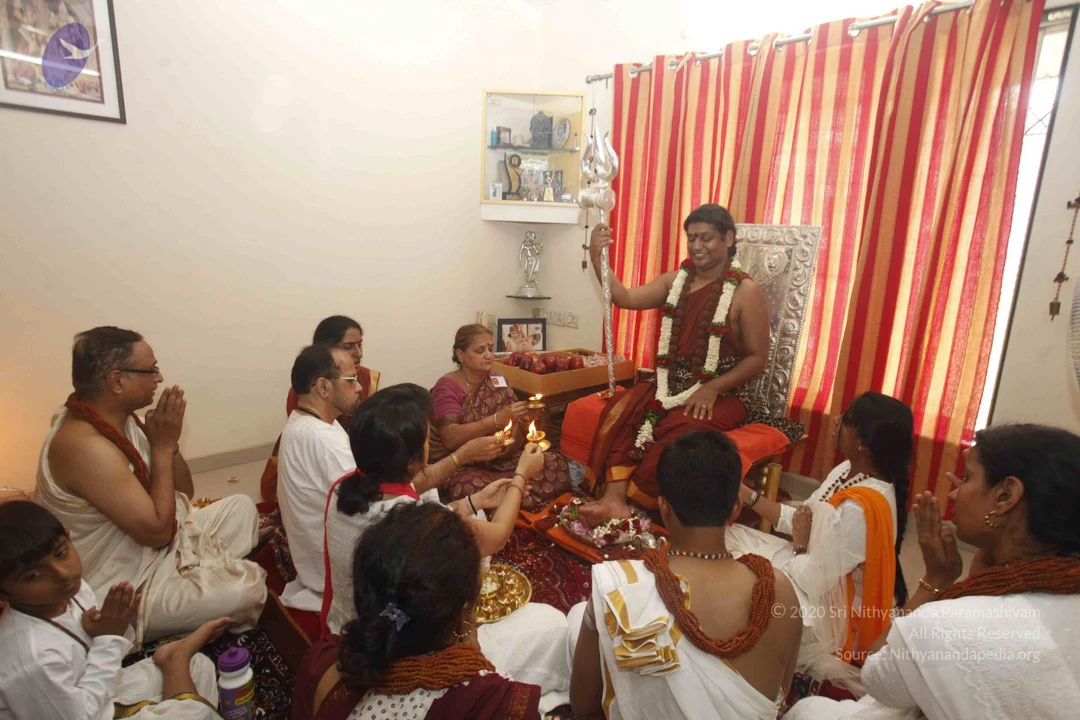
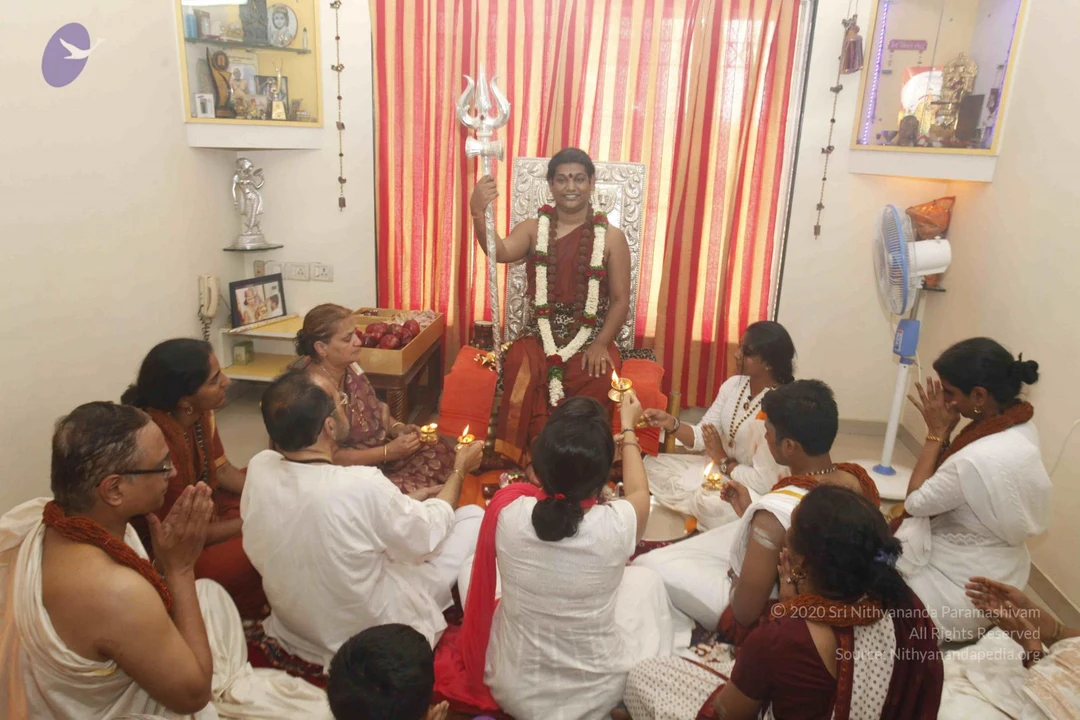
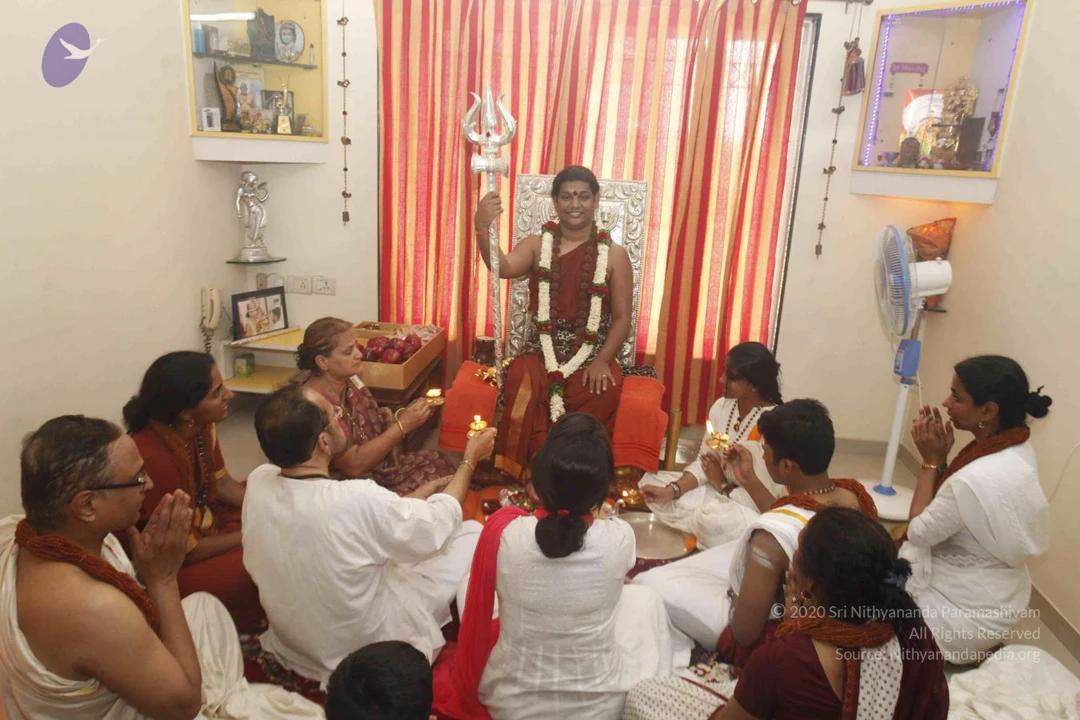
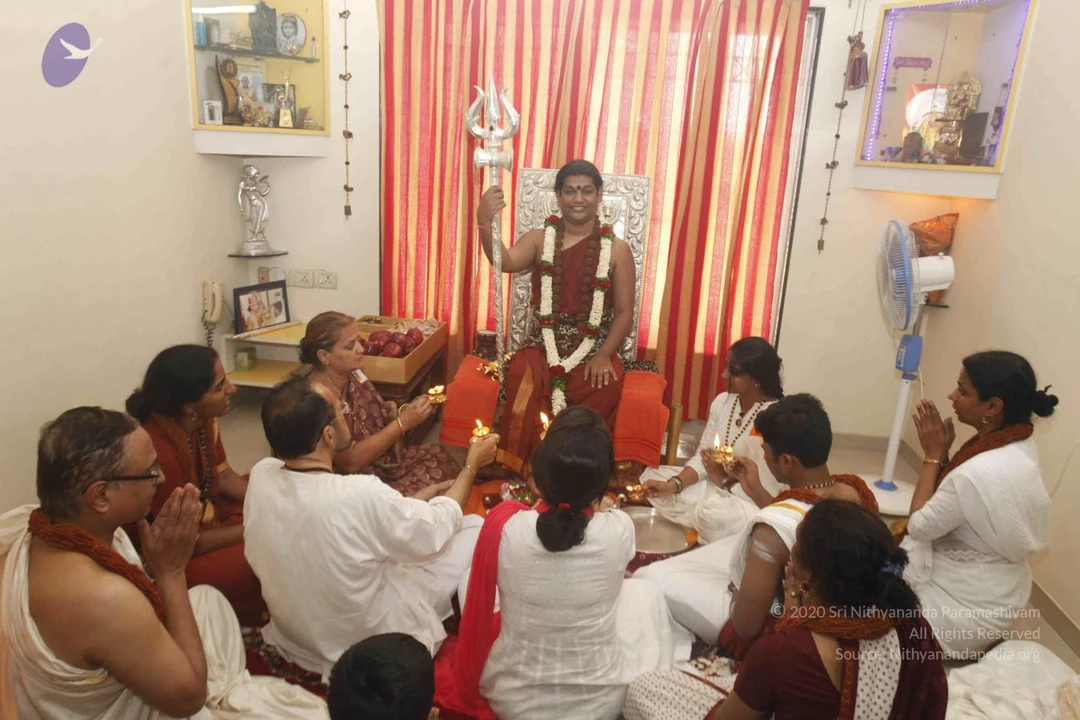
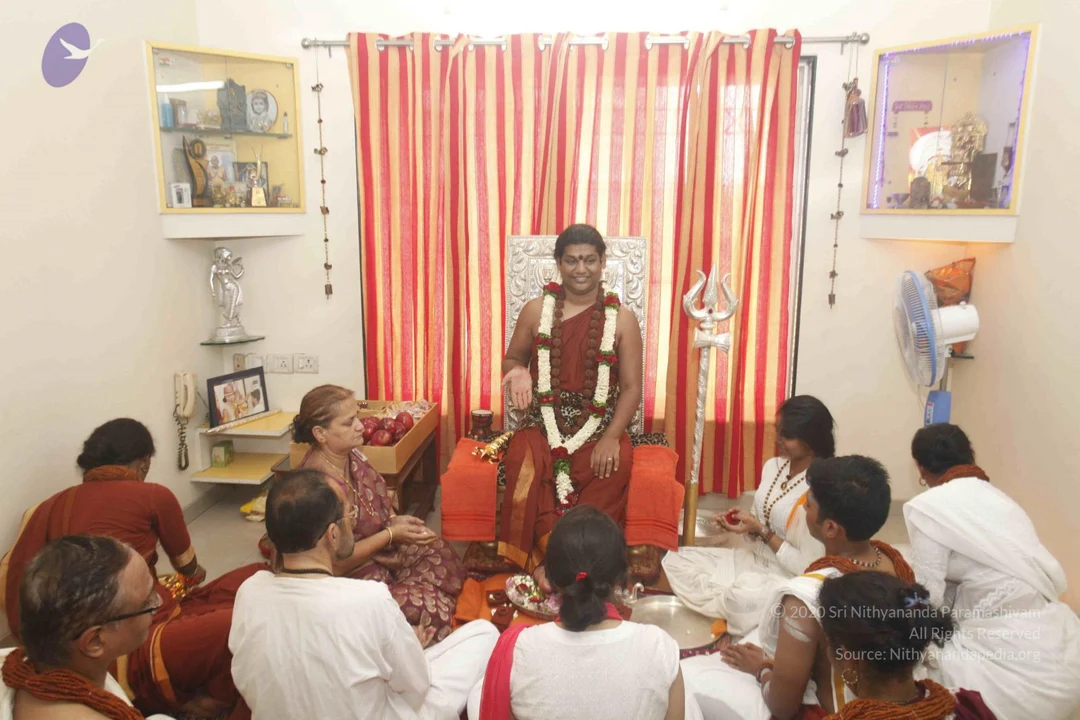
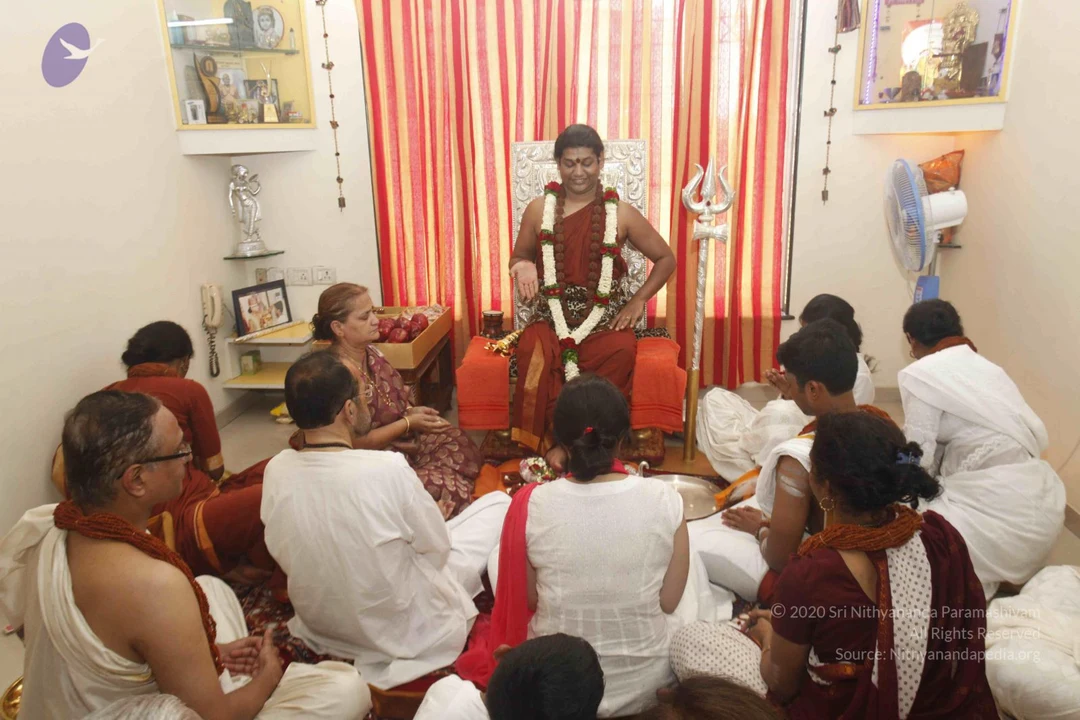
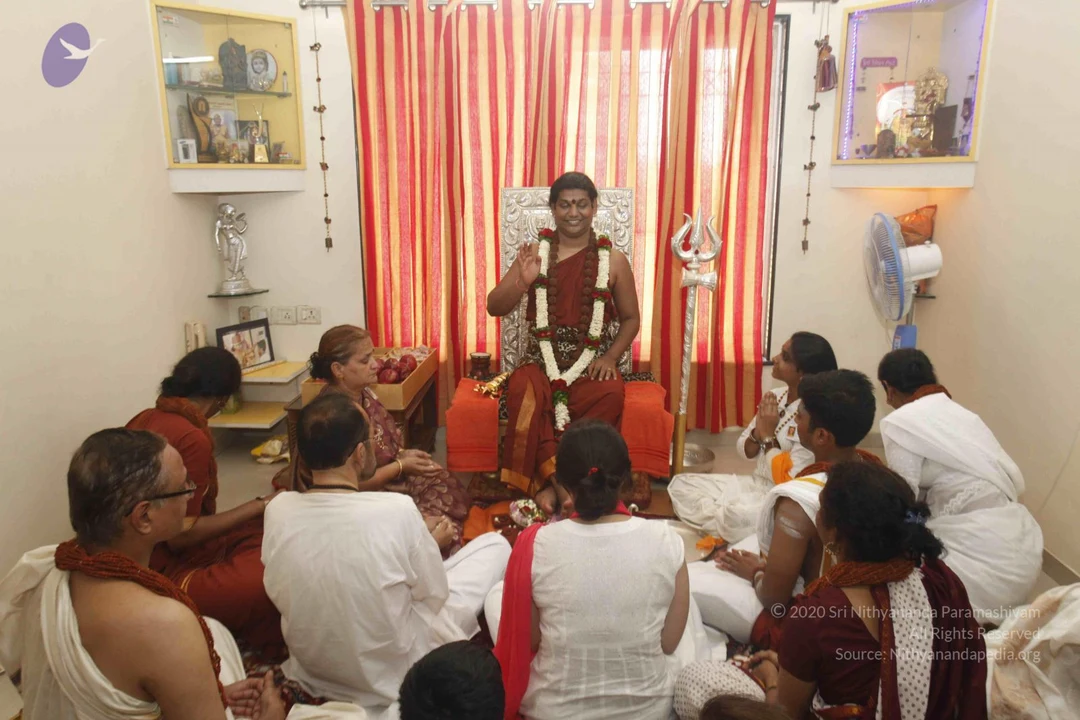
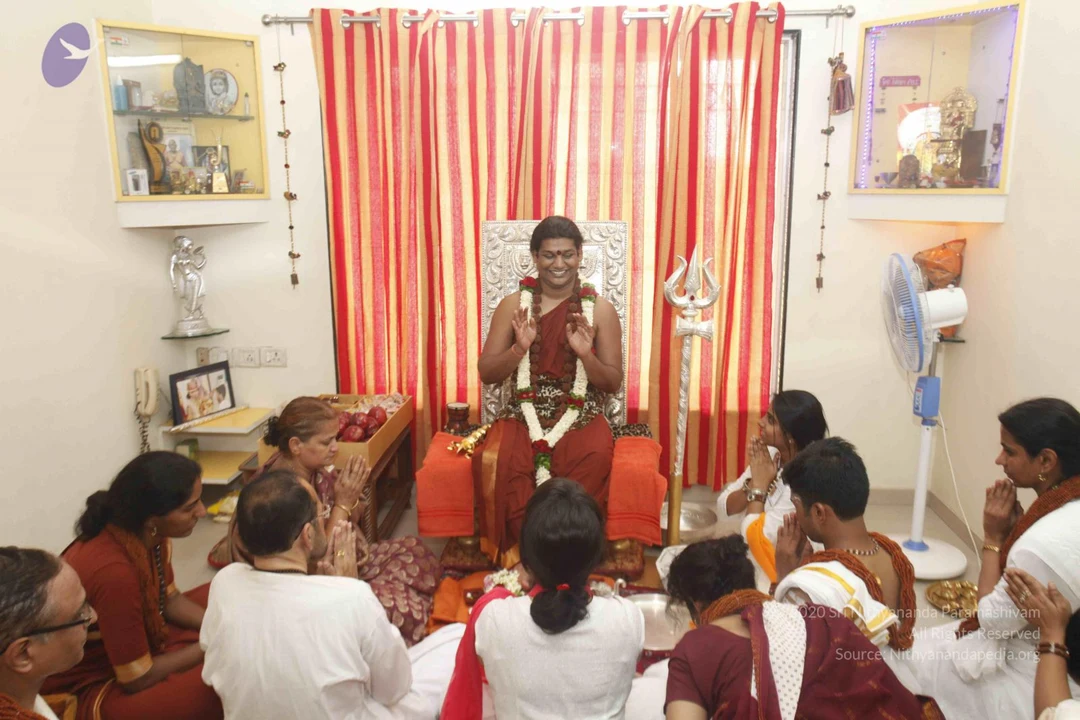
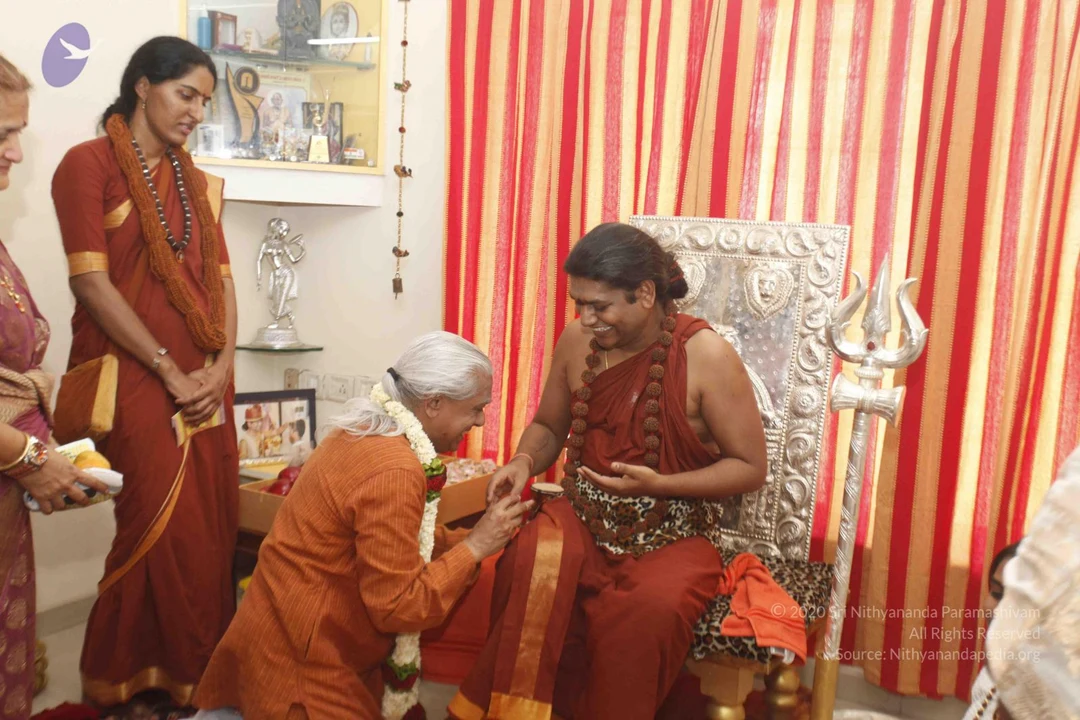
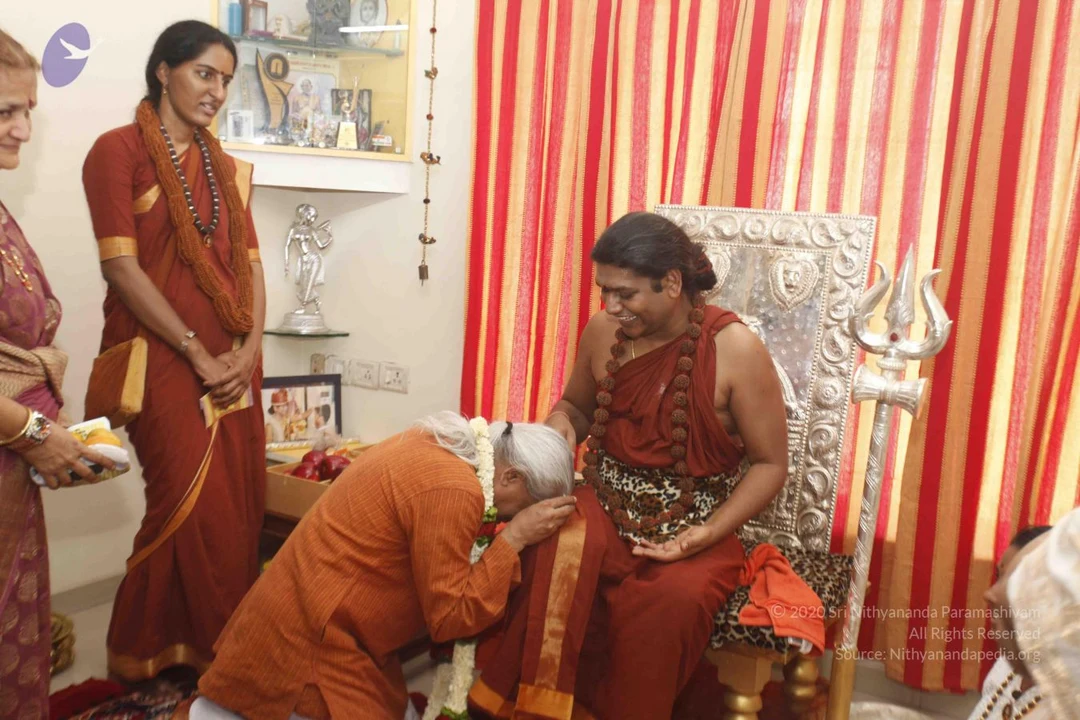
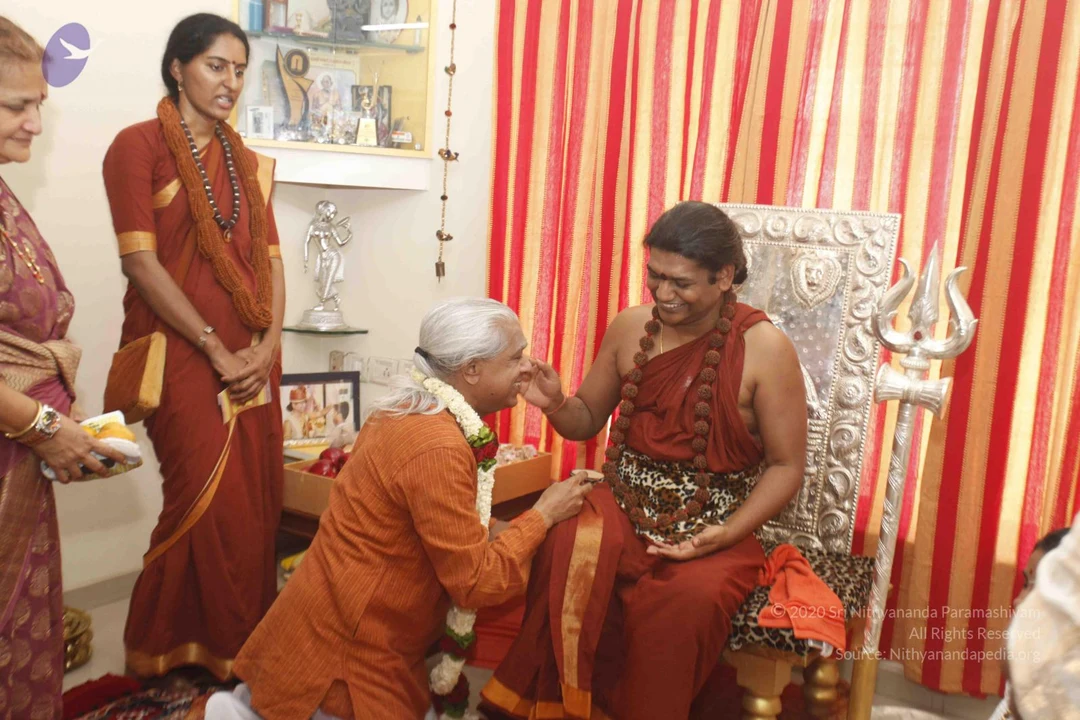
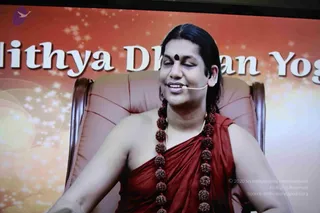
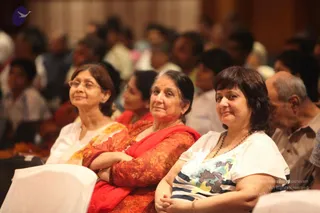
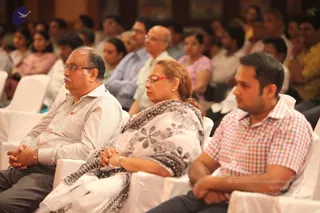
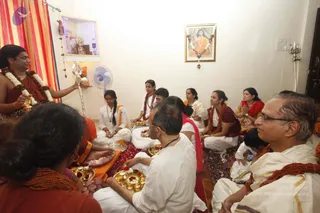
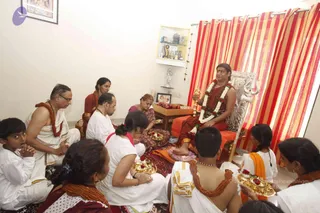
A screen shows a seated person in a reddish-brown wrap with a long rudraksha mala draped over the shoulder, speaking into a headset microphone. Behind is a orange-gold backdrop with sparkles and a banner reading partially Nithya Dhyaan Yoga. The person has a dark round bindi and long dark hair swept back. Appearance-based candidate, possibly a person, shown on a video feed, seated in a large brown leather armchair. One person is visible on the screen, no physical audience shown.Photograph of a seated audience in a warmly lit hall with white chair covers, attending a satsang. Rows of attendees face toward the stage. In the foreground, a woman in an orange and red patterned saree with a red shawl, a woman in a white and black striped top pressing her palms together, a man in a checked shirt, and a woman in a white saree with a yellow blouse and red shawl are seated. Wooden lattice panels line the back wall and a ceiling light glows above.A photograph of an audience seated in rows at a satsang hall in Mumbai, with blurred attendees behind. Three women sit in the foreground: the woman on the left wears glasses and a white top with yellow-orange patterned edges; the woman in the centre wears an orange-red patterned salwar kameez with a red dupatta and has her arms folded; the woman on the right wears a white tee with a floral print and a dark beaded necklace, arms resting in her lap. An older man in a striped shirt sits at the right edge. White chair covers are visible at the bottom. No a person candidate is visible in the frame.Audience members seated in white chairs at an indoor satsang hall, watching attentively toward the stage out of frame. In the foreground, a man with grey hair, glasses and a white-and-grey striped shirt sits with hands clasped; beside him a woman in a white sari with a black floral border and red-framed glasses sits with hands folded; at right a man in a red and white checked shirt sits with arms resting. Behind them rows of seated people in pastel and white clothing fill the room. No speaker or a person is visible in this frame.Indoor puja in a small room with cream walls and an orange-and-red striped curtain at left. A standing man with long dark hair, wearing an orange-brown robe and white-and-orange garlands, holds a brass vessel and raises a silver trident-like staff while speaking to a seated group. Seated devotees on a patterned rug include women in red, pink and white saris, a young woman in white with an orange shawl, a man in white holding a brass plate with flowers, and an elderly man in white with a rudraksha mala. A framed portrait with a garland hangs on the wall, and a framed image of a deity sits on a shelf at upper left. A ceiling fan and small brass lamps are visible.A photograph of a small indoor room with cream walls and red-and-yellow striped curtains. A figure in saffron-orange robes with a long rudraksha-style necklace and a white flower garland sits on a silver-backed chair with a trident motif, holding a ritual implement in one hand. Around them, about seven devotees sit on the floor in white dhotis and clothes with rudraksha malas, holding brass plates of flowers and puja items. A low wooden table holds fruit, and a framed photo and small statue sit on a wall shelf.