Monday
9 April 2018
Methodology to overcome corrupt state of Society || day 9 of Mahasadashivohum || || Darshan and Death Meditation ||
- Dated photos
- 70
- Source pages
- 1
- Media
- 2
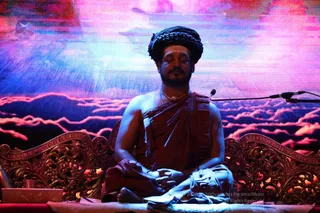
April 09 2018
Original wiki pageTitle
Methodology to overcome corrupt state of Society || day 9 of Mahasadashivohum || || Darshan and Death Meditation ||
Narration
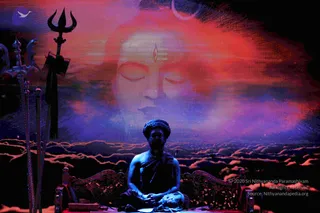
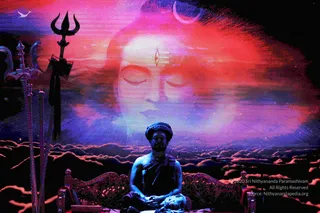
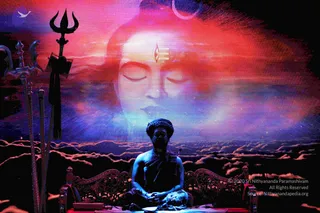
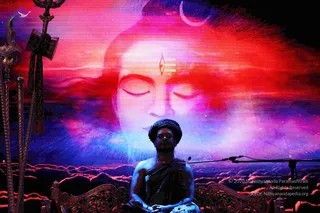
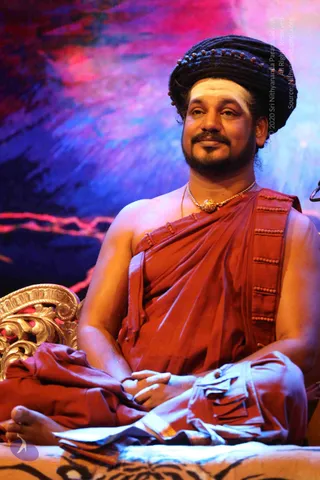
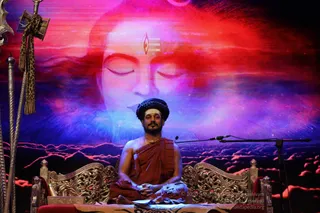
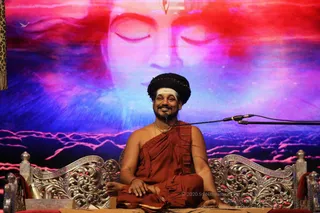
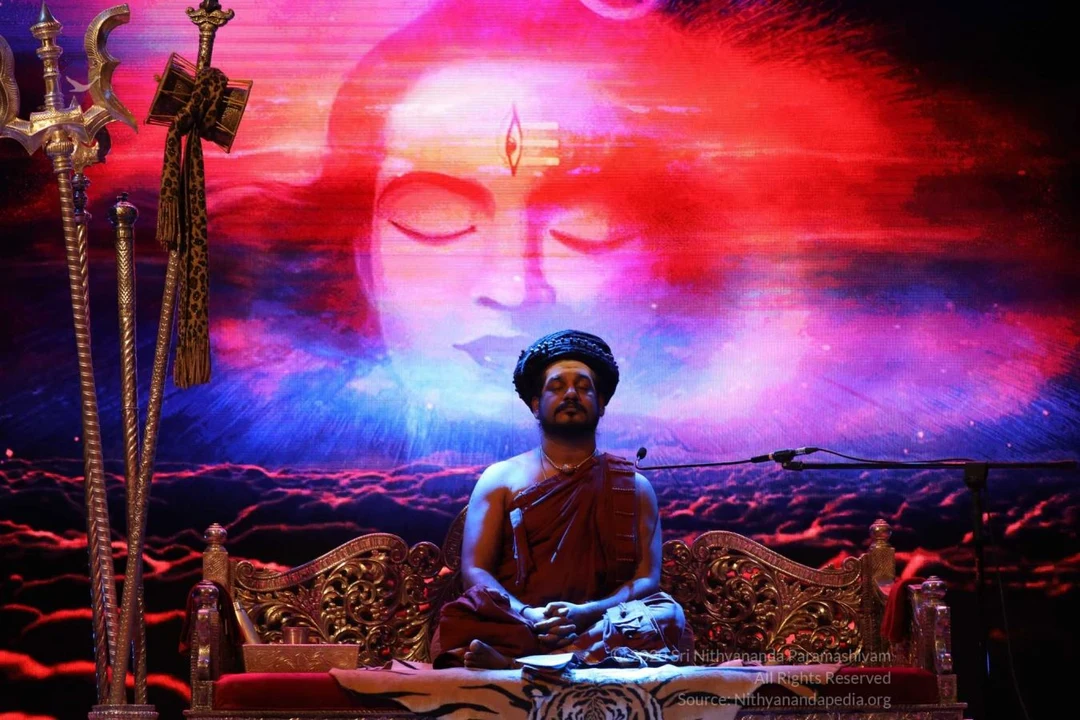
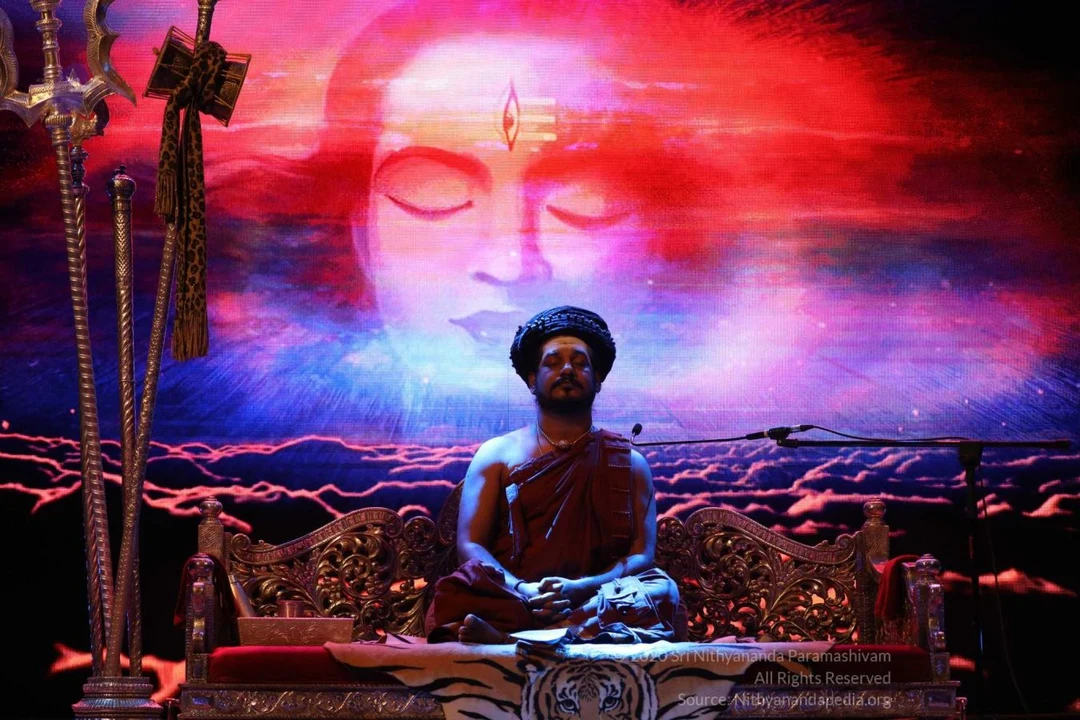
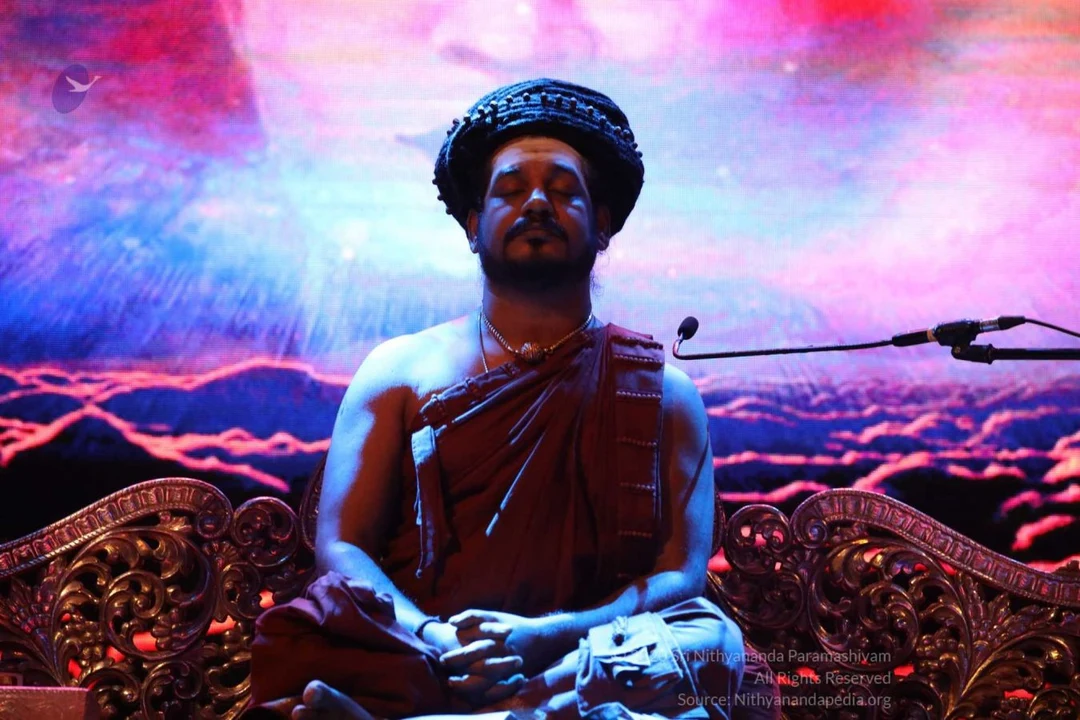
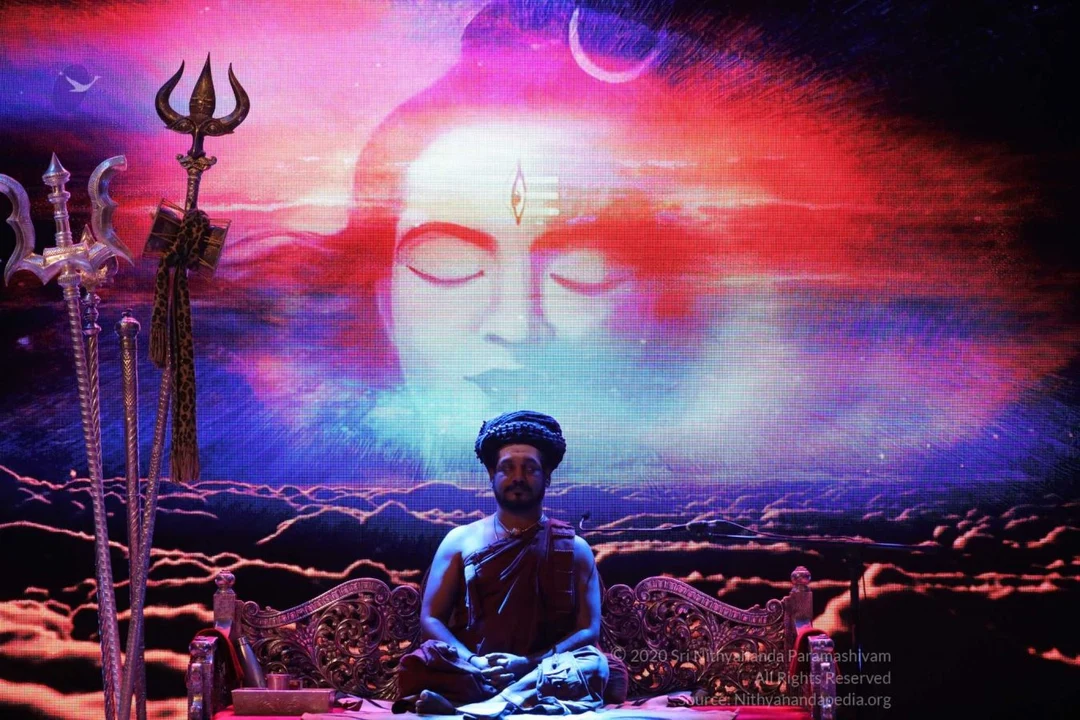
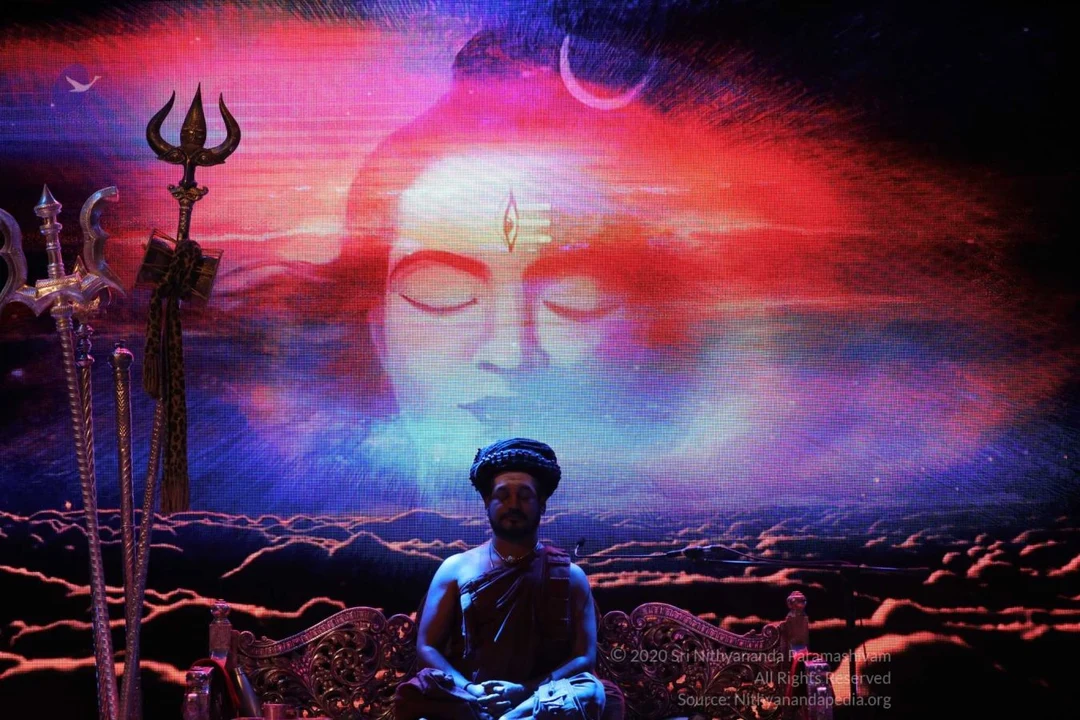
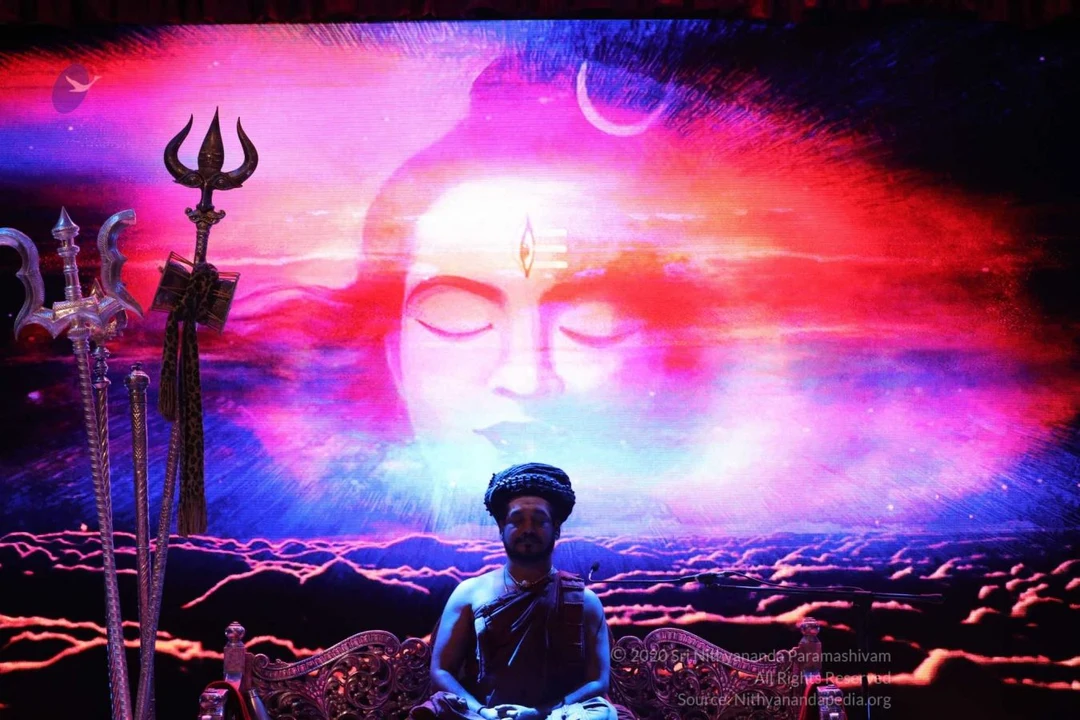
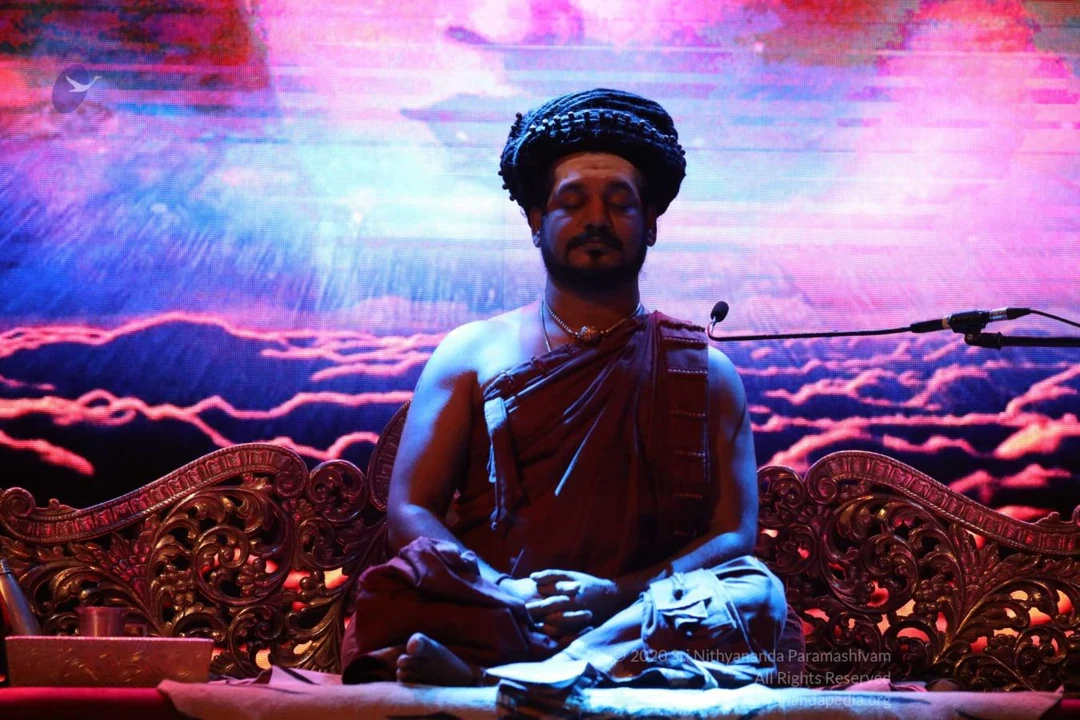
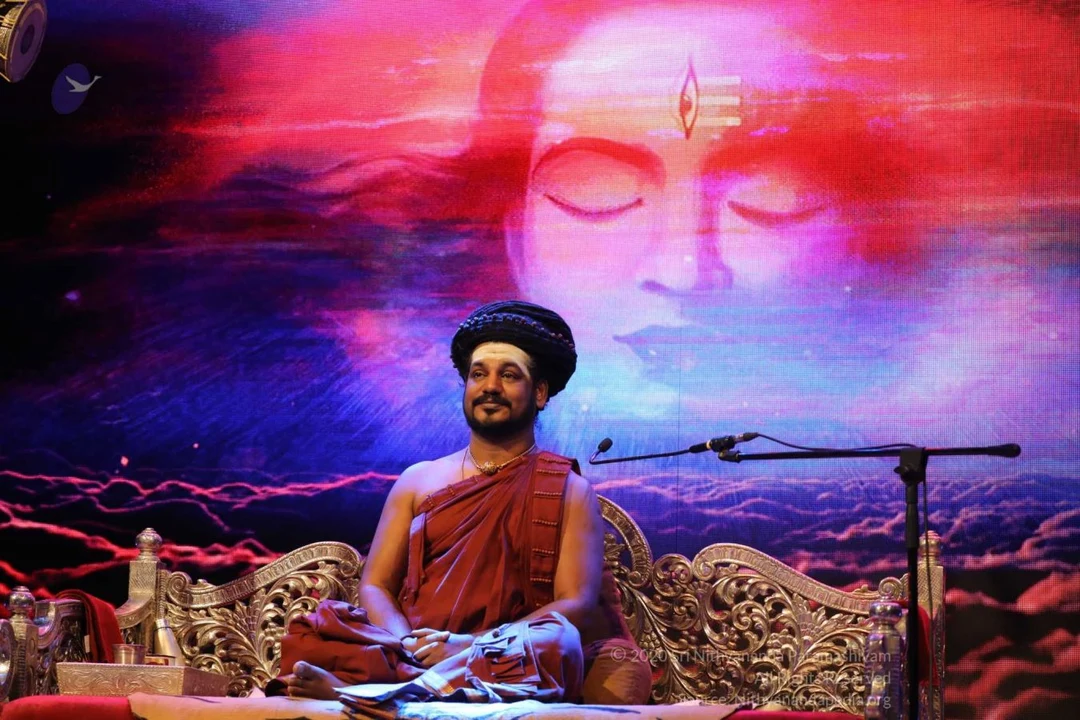
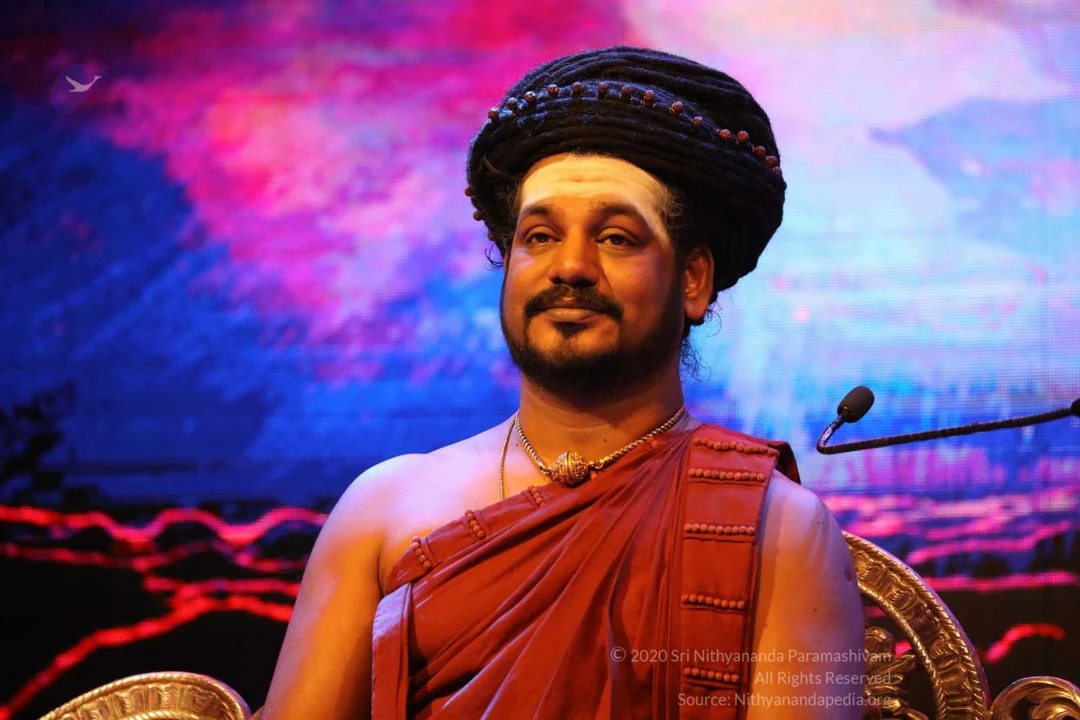
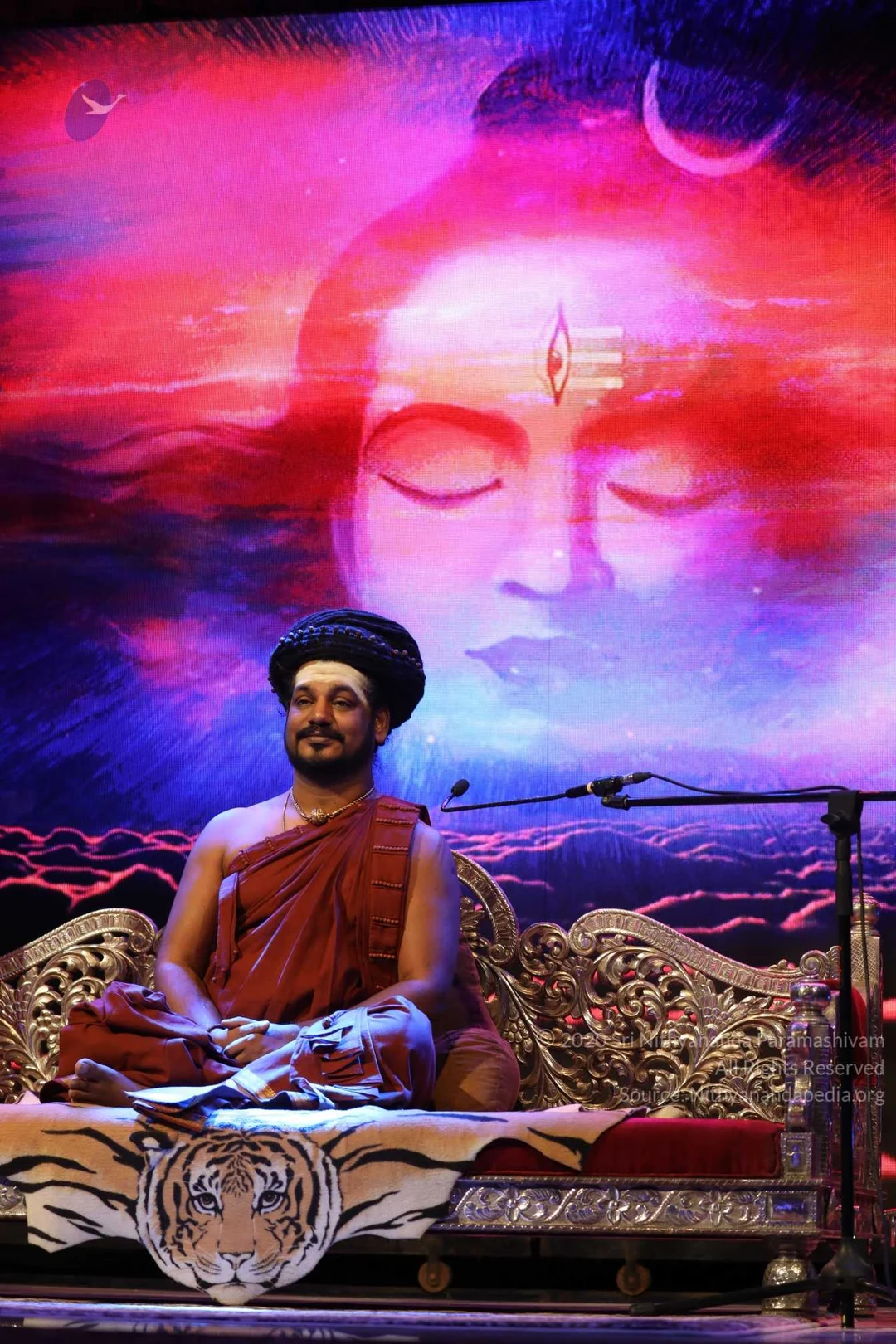
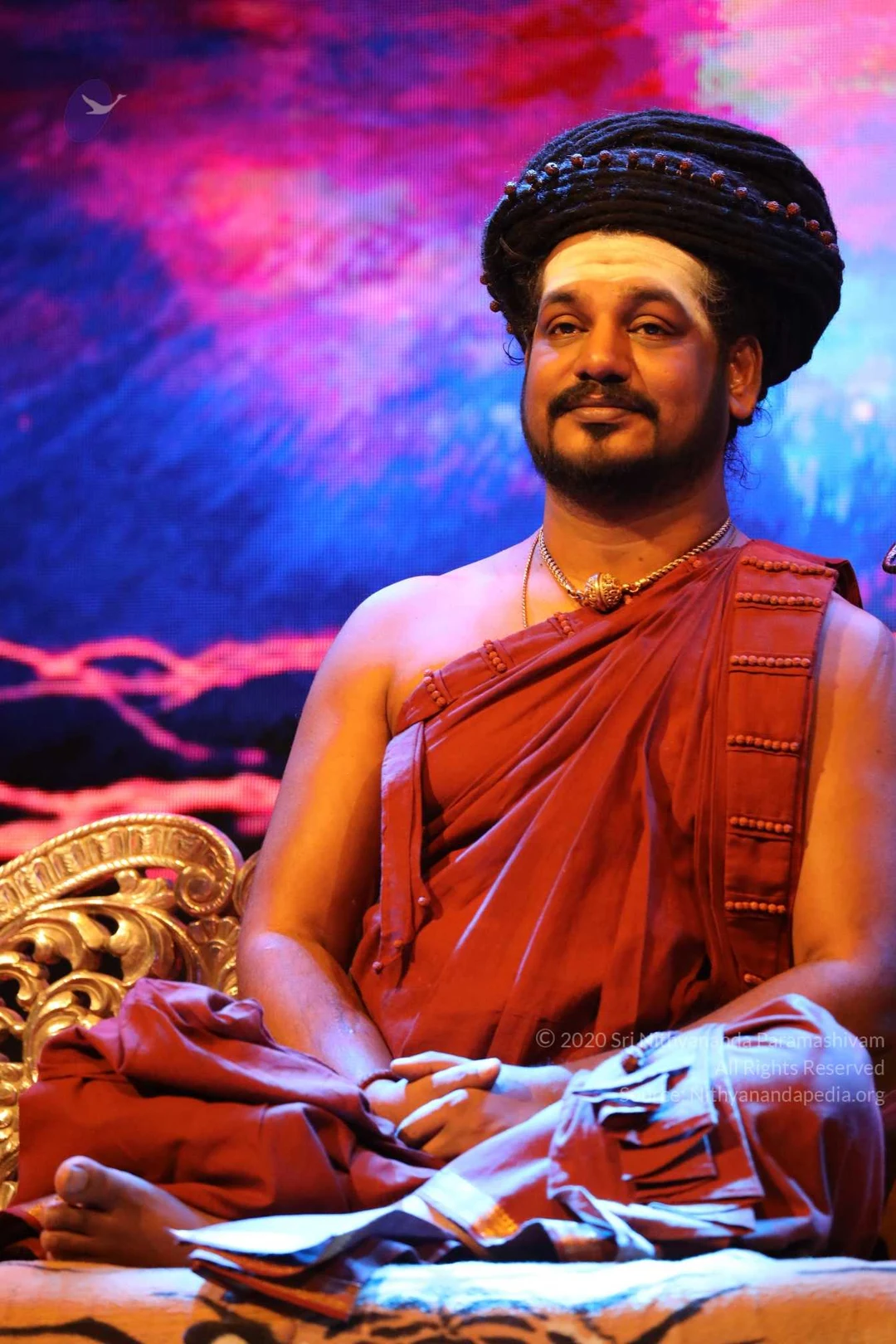
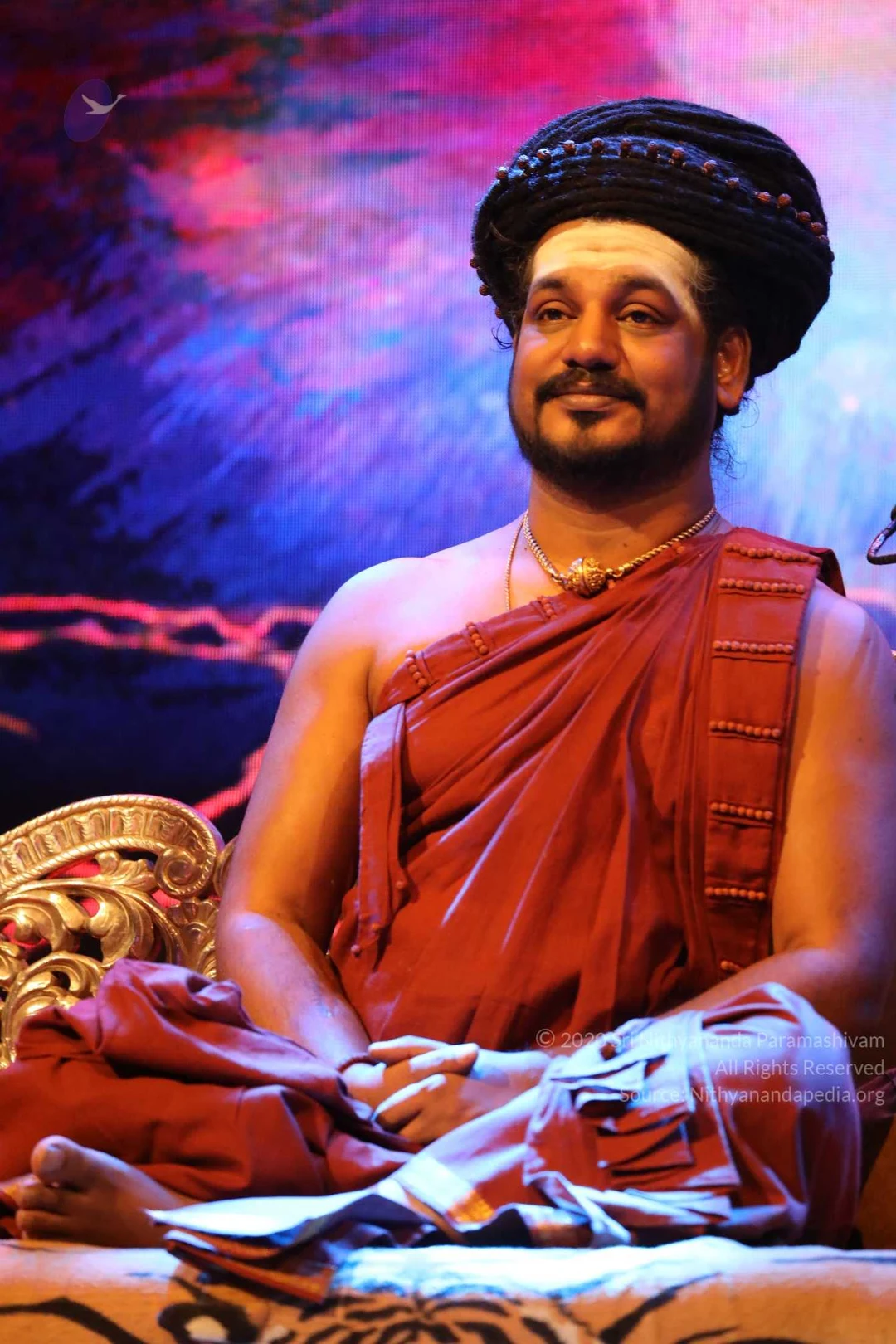
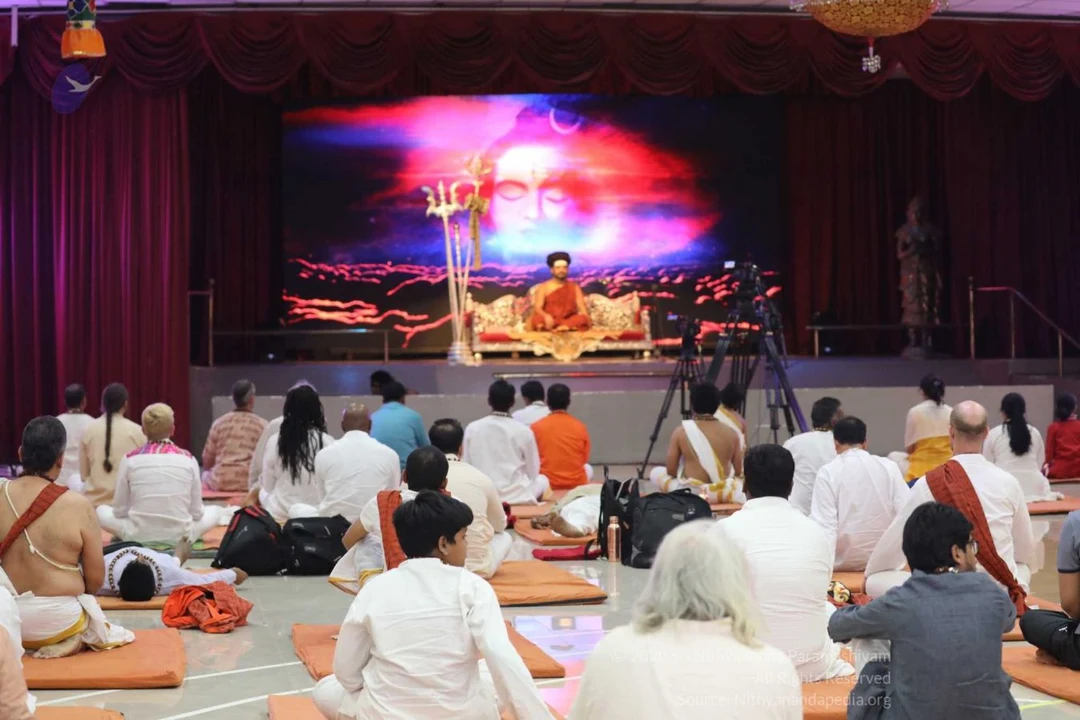
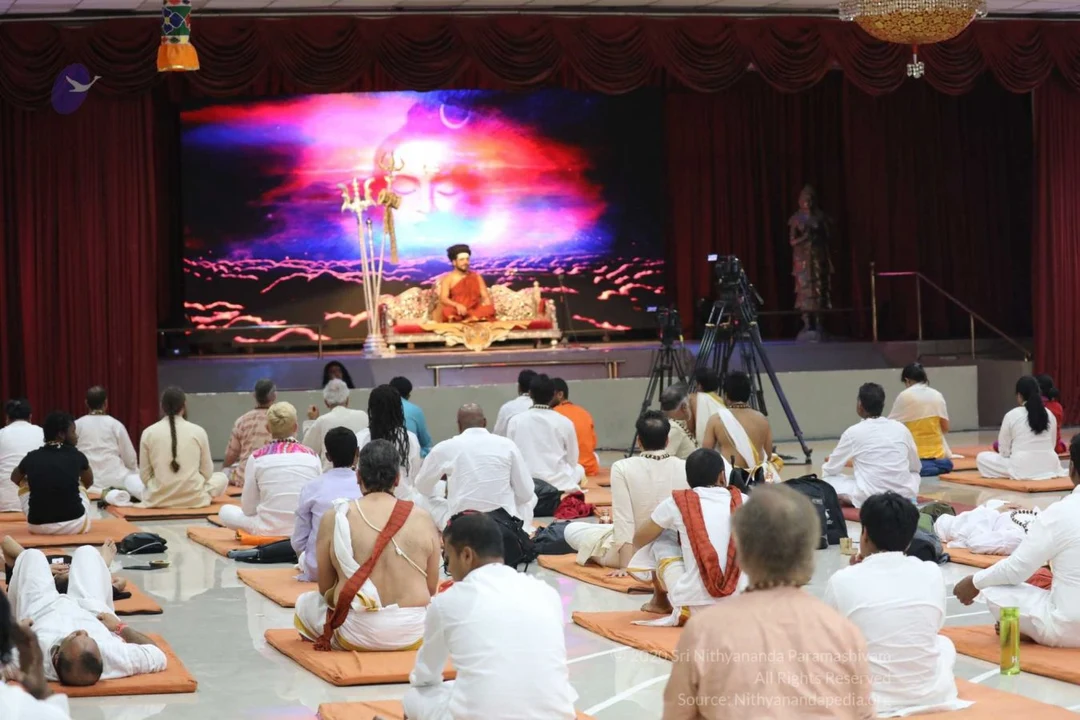
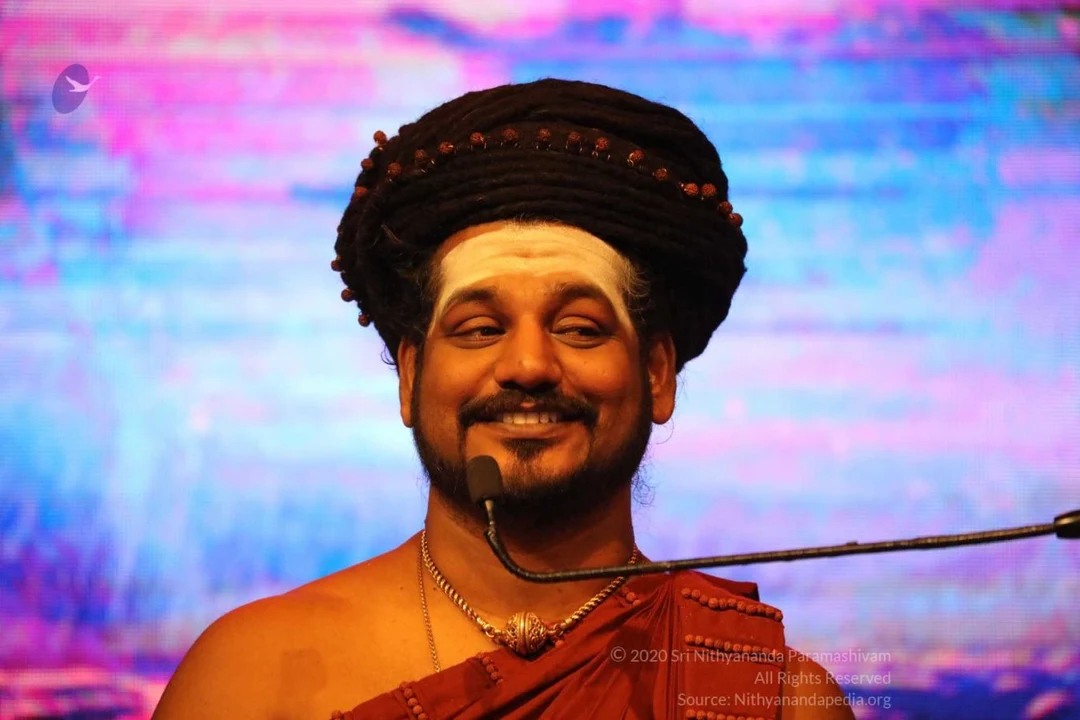
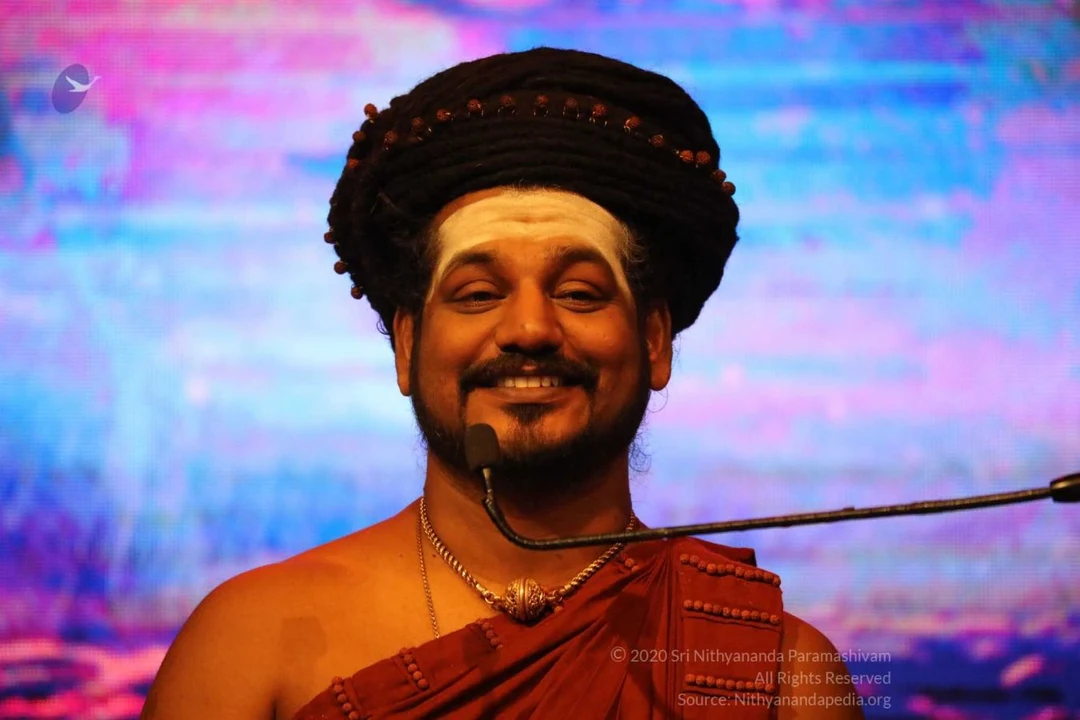
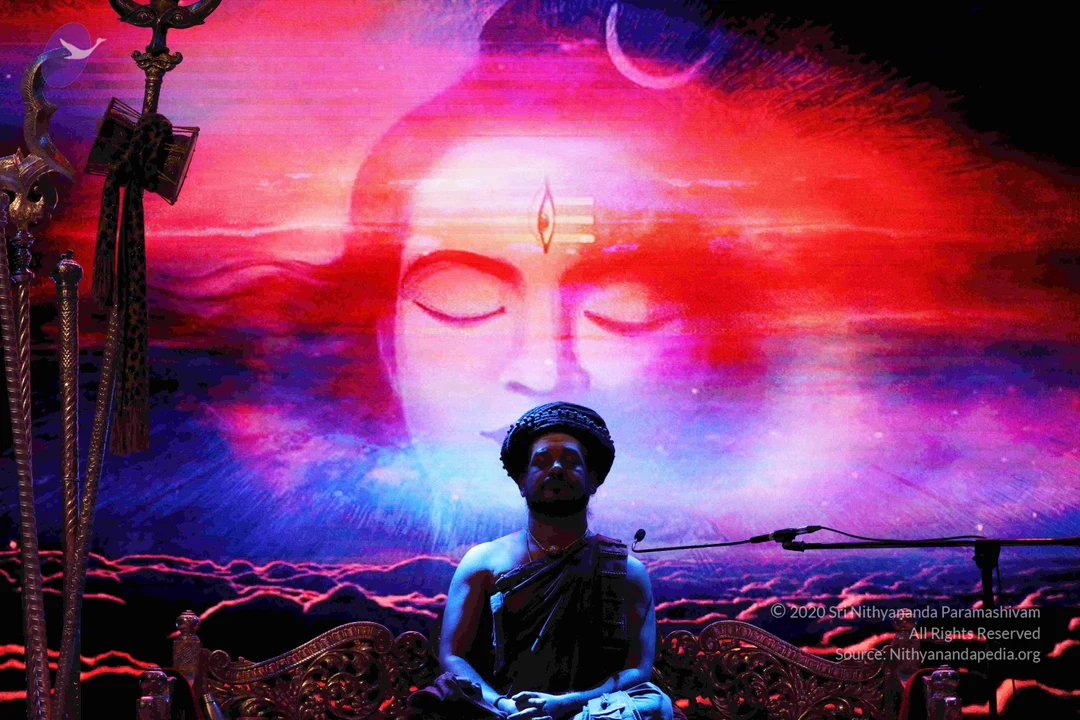
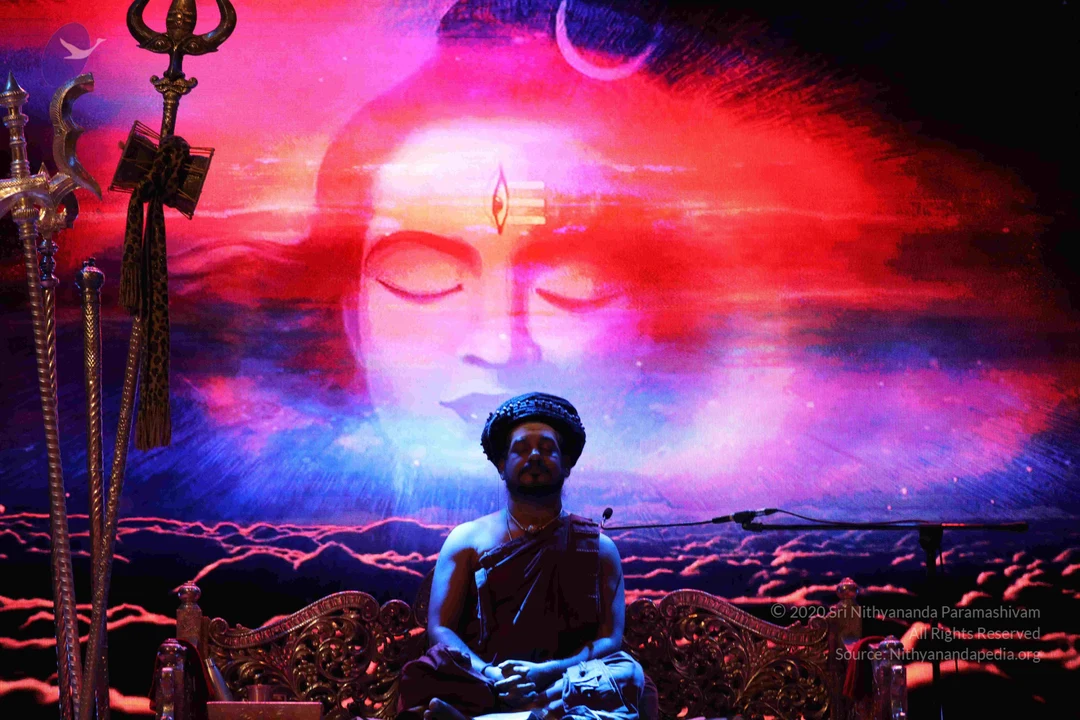
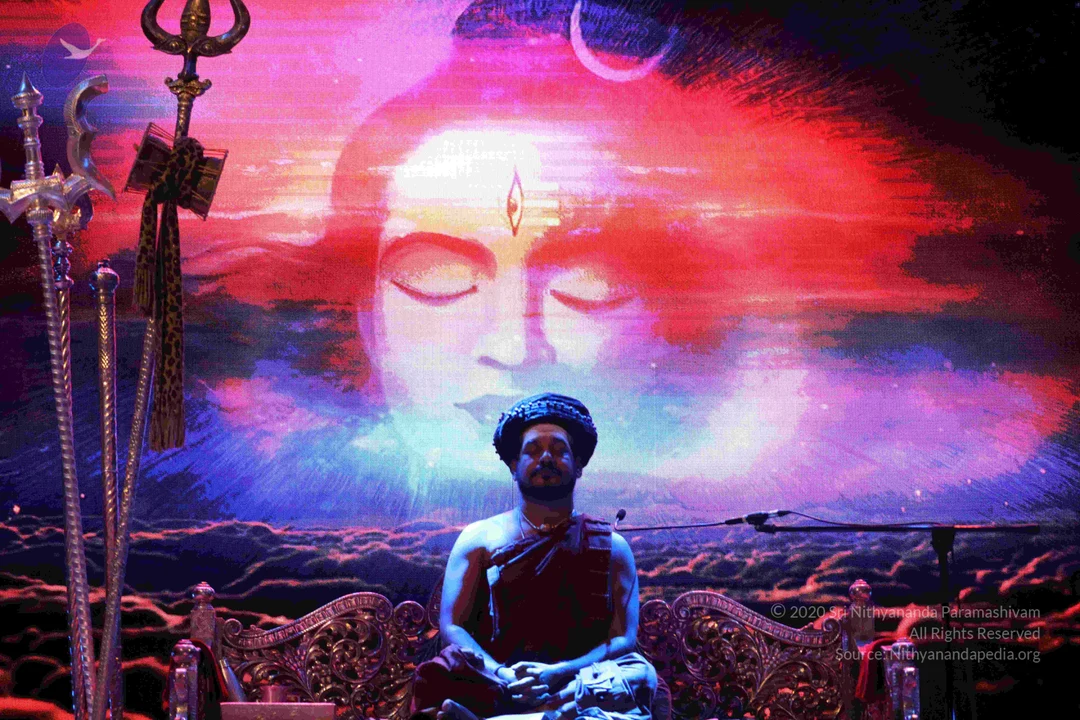
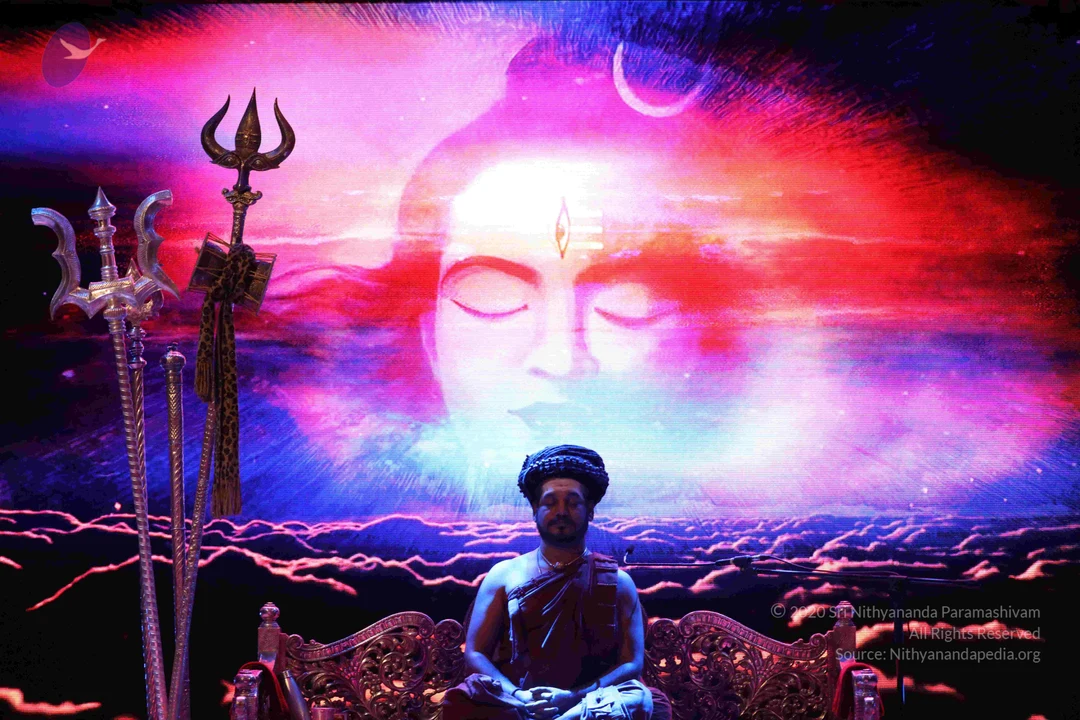
The Supreme Pontiff of Hinduism, Jagatguru Mahasannidhanam, His Divine Holiness, Bhagavan Nithyananda Paramashivam, expounded on the Cosmic Principle of Nirbhaya Dhyana, during the everyday live public talk - Nithyananda Satsang. In this talk, His Divine Holiness (HDH) gave insights into the existing fraudulence, hypocrisy, corruption, possessiveness, polluted concepts, violence and conspiracy within society. HDH offered a powerful Methodology to rise above all this through Hindu Practices known as Yama - Ahimsa or non violence, Asteya or non stealing, Satya or truthfulness, Aparigraha or living with minimal things and Brahmacharya or celibacy in thoughts and actions - to unlock superhuman states and powers. On this day 10 of Mahasadashivoham, The Supreme Pontiff of Hinduism led delegates into Death Meditation and gave a powerful Darshan.
Link to Video:
| Video | Audio |
Transcription
Something like a 6 feet wide, with the 10 head and 20 hand the Ganesha will be standing, up to that, that Ganesha….the Ganesha top is, so something like a 12 feet tall He may be - 6 feet wide 12 feet tall with a silver plated like this and jewelled, like how the elephant is jewelled like that, fully jewelled on that will be the arli, this arli, it will be sitting, on that the roof will be sitting and in this gap, top gap, 2 arlis will be sitting holding a panel in which My biography will be carved. So like this, you see, so each of the top panel will be held by the 2 arlis, do you see 2 arli, so they both will be facing each other holding a panel, wooden panel. In that wooden panel My biography will be carved and that also in silver plate, this also in silver plated and here...here Ganesha means here Subramaniya and behind the Ganesha there will be another one deity and this side the Sarvajnapeeta Yajamans statue will be there, that also will be silver plated. His life size 6 feet statue that will also be silver plated and this side Sarvajnapeeta Yajaman, His statue will also be silver plate, here Subramaniya and that side another one deity and in this gap each of the Puranic scenes demonstrating the power manifestation like a Sanjaya seeing a...a...Gita and describing, that will be in this panel, in front there will be like a throne where that power manifestation Balasants will be sitting and manifesting that power.
See, God related to that power, Puranic scene related to that power, so if the Shastra Pramana is the Apta Pramana, there is Atma Pramana and here is Sakshi Pramana. Understand. And this God….above this God itself the Yantra will be carved, that God’s Yantra, so this Balasant once he manifest that power and shows, he will gift that prasada Yantra as a prasada to the devotee not by hand, he will keep on the table and move it and it will automatically go and fall on their lap as a prasada. He will just give ????? “Move,” it will just move and go and fall in their lap as a prasada and they will take it and go. So that is the way, so this is Shastra Pramana the deity, Yantra and the Mantra will be carved here and the powers...the original verse will be carved here in silver and the whole description will be there and here why I am putting that….... Because this is Shastra Pramana, this is Apta Pramana, that is Atma Pramana - My biography, here the Balasant will be sitting and read….. You see, each power, we will 3-4 because we will not be handle the crowd. Too much crowd will be coming, so for each power there will be at least 5-6 Balasants sitting, the throne you see in our Raja Sabha we have na, the big kind of a throne….long throne, so 5-6 Balasants can sit with the background of Apta Pramana, that will also be completely carved wood and silvered but that will be movable. So this will not be permanently blocked, that is like a throne movable, the whole throne will be silver plated. So the the thrones with Apta Pramanas will be movable but the Shastra Pramana - Atma Pramana is permanently placed. So this side 5 Balasants will be sitting for this power, that side 5 Balasants will be sitting for that power. For this deity’s power...here deities.
So that is the way all the 463 powers will be manifested in this ?????? Shakti Mandapa and here all the Navagrahas, Rashis on the roof, that will be silver plated. Navagrahas, Rashis, Nakshatras, will be ???? hanging ????? ?????? silver plated, below them will ??? ????? With the roof they will be hanging and in the center Rudraksha Chandeliers and you see that is the way….if you see the Kailasa….now the Kailasa, if you see up, you see the whole Cosmos na and they are all blessing. They are all there for you to be here. They are all blessing right now here. That’s the….the Brahmanda…..see Agama describes clearly 400….some 400 Brahmandas - ??????? are described. So each of the ??????? are described with a specific plex star - 7 star, 12 star, 5 star, like that. So those stars will make the ?????. ??? is the like that parachute hanging na….. Like those kind of a beauty cut things like a Gandharva, Yaksha, Deva Vinyas, ???????. So only this center Utsav will have at least 2000 Deities hanged, silvered. So like this each ????????. see, this is ??????, that will be ???????? and that will be ????????. So this alone will be 2000. This will be Kailasa. From Kailasa if you look up - how it will look - is described in the Agama, this will be that. That will Sri Puram, means from Devi Loka if you look up - how it looks - it is described in Shakta Agama. So that will be the Sri Puram. So like this each...ma...each zone, it will become...we will pick 1-1 concept and present it. One ????? I put up. So it is like a….lot of work, lot of intelligence. It will be 200 ton, 200 ton teak wood. 1 ton is 1000 kg - 2000 lbs. So, 200 into 1000 kg, that many…..that much of teak wood will be used and 10,000 kg means 10 ton silver will be used, around 100 kg gold will be used. So that jewels how you are seeing, elephant is jewelled, like that to jewel all the pillars, the deities are going to be carved in the pillar.
The whole thing is going to be done in a very classy taste. The finished product will look like this elephant. How this elephant looks like, that is the way the finished deities will look. Done in teak wood, covered in silver, jewelled fully. So these are all the knowledge sample pieces we are making. See, there is a beautiful verse by Manickavasagar after that. It’s in Tamil actually - “?????tamil spoken ??????” I’ll tell you in tamil, then I’ll translate. “?????tamil spoken??????”. So it means, if you….see, you have your identity that, “I am man, I am a female or I am this, I am that,” we have that, each one cherished that identity. When you surrender that identity to Sadāshiva, with the tremendous love and devotion, something happens between you and Mahadeva, you and Sadāshiva, in that beautiful communion, the love and creativity blossoms. Out of that creativity power, the temple I built is the Tripura….there is a temple which Manickavasagar built and he says, “Oh Deva, Mahadeva, out of that creativity temple you are residing and blessing me” - he sings. So that is the way we are building this. Understand. Because anybody who has 10 billion dollar cannot build this. There is lot of passion, interest, knowledge, creativity, which comes as a gift, prasada, after you surrender you to Mahadeva, you to Sadāshiva. In that devotion and love, something happens to your Being, from the Being...from that - whole creativity and knowledge express. So it’s going to represent all the best things He has given to us. By offering that back at His feet through HIS monument, we offer our devotion, we offer ourself and whatever He gave, everything we are offering back to Him as a surrender. So it’s going to be a real good job and expecting to be completed by this Jayanti, because already the work has started. Work has started, the Utkarni has started, a large quantity of procuring wood has started, procuring the metal has started, the workers have started arriving. So I don’t see any reason for any delay. We will finish it by this Jayanti, completely the whole bottom will be ready.
Because it is a…..it’s going to be just a carving, a mass scale carving, mass level carving, just putting the silver and organizing it. So Shastra Pramana, Apta Pramana, Atma Pramana, Sakshi Pramana. We are culling out all the forms of the deity, names of the deity, the Yantra, Mantra, the Shakti they represent and everything ????? we are pulling….we are collecting. So in this main pillar the Shastra Pramanas will be there. In this throne, the Apta Pramanas with visualization will be there. There, Atma Pramana with the description - biography, will be there and the Balasants will be sitting and doing the Sakshi Pramana. Balasants or whoever power manifestors. All of them will be sitting and doing the Shastra Pramana. Once the main Garbha Mandir is built, the main deity, the Swayambhu Linga will be moved there, then My throne will be put here - Sarvajnapeeta, which will made out of pure gold, for giving….whenever I give public darshan, I’ll come and sit in that throne and people will receive a vibhooti or sarvajna bhoona. That side the whole Banyan area. People will be able to see the Banyan Tree through this. It will just be - ‘trishul’ built. It will not be closed. It will only be 3 side closed - one side fully opened. So this will be ??????. 4 side ??????, 4 side like that - all 5. (??could not hear properly the sentence??) …...because the deity size are going to be almost 6 feet wide and 12 feet tall. Each one them will be gigantic, grand, Pandya style. See, Pandya lived with a large body, large deity. So it will be all completely Pandya ??????. (??? could not hear properly the sentence??). Only the Sarvajnapeeta Yajamans sketches be ?????. So only the Sarvajnapeeta Yajamans sketches can be filled. Already I think we have 40 or something. (???? could not hear properly ?????)full lifestyle statues ????? not only for them, their whole family. Gold sets, it’s going to be beautifully gold plated, made in stone like the main temple, carved in stone - gold plated forever. immortalize yourself. Instead of going and putting yourself in the wax museum, somewhere where nobody is going to see you…….. All the major energies, deities of Hindu tradition will be represented here, like a Sarveshwara and Narasimha, Pratyendhra, Kalabhairava, Veerabhadra. Veerabhadra Himself there is another version ???????. like that all the major Hindu Gods and Goddesses - ?????, Mantrini and Tripura and Tara, Chhinnamasta, like this all that, Rama, Krishna - Vishnu incarnations, all of them will be represented with all their yantra, mantra, roopa and their shakti. That’s all, be blissful.
Photos
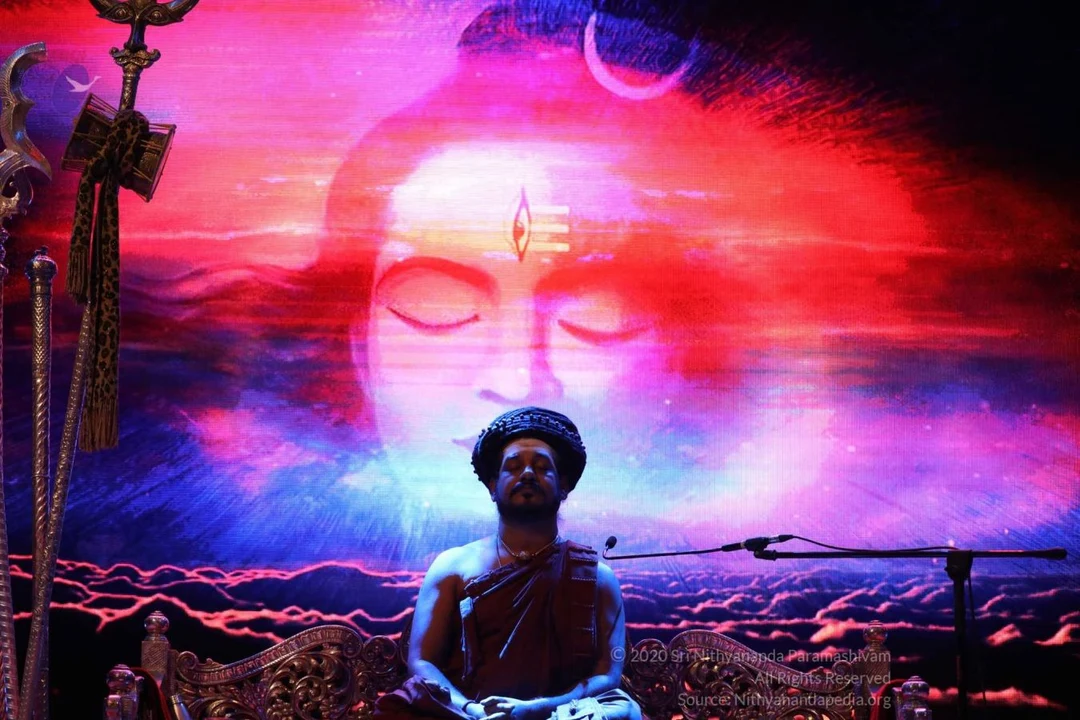
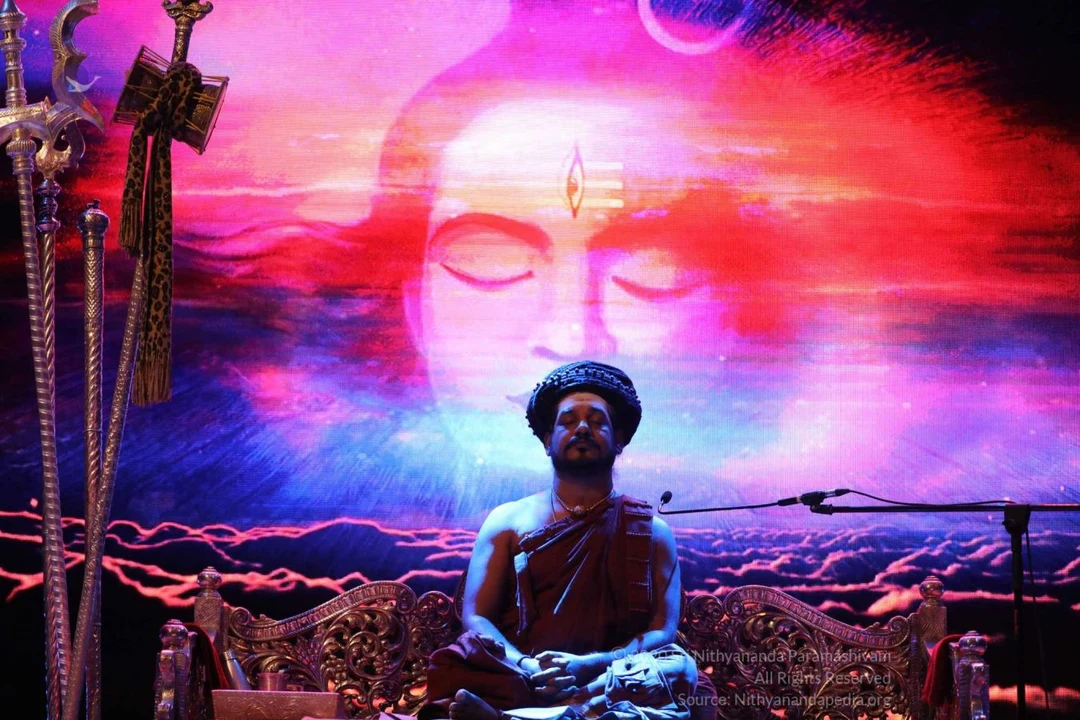
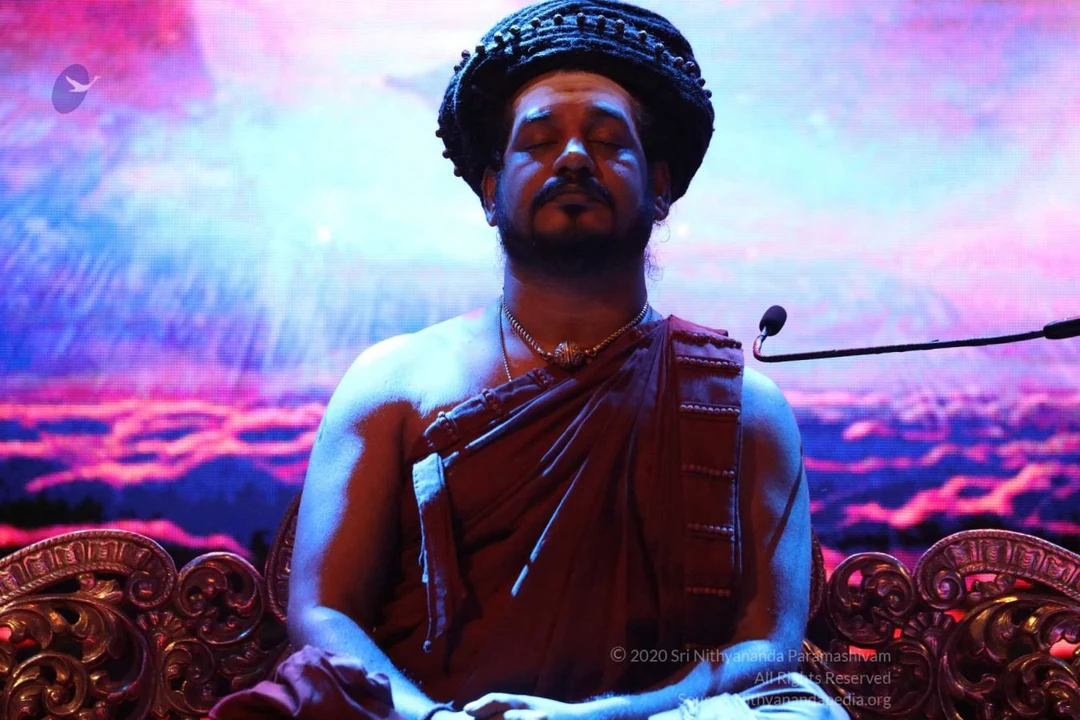
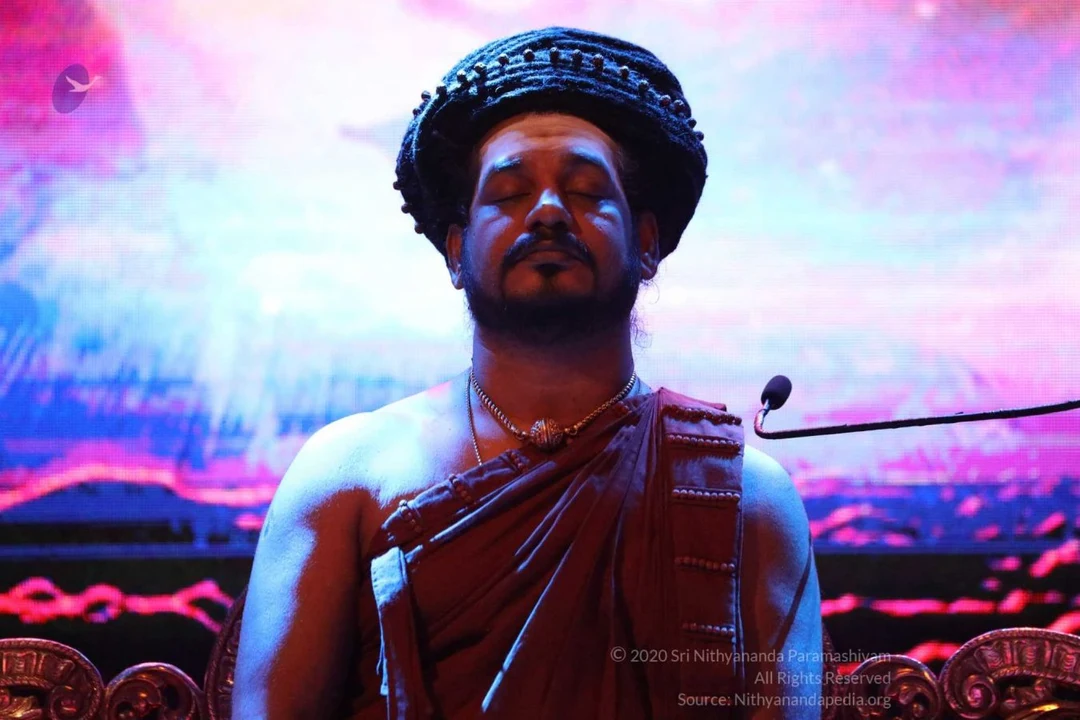
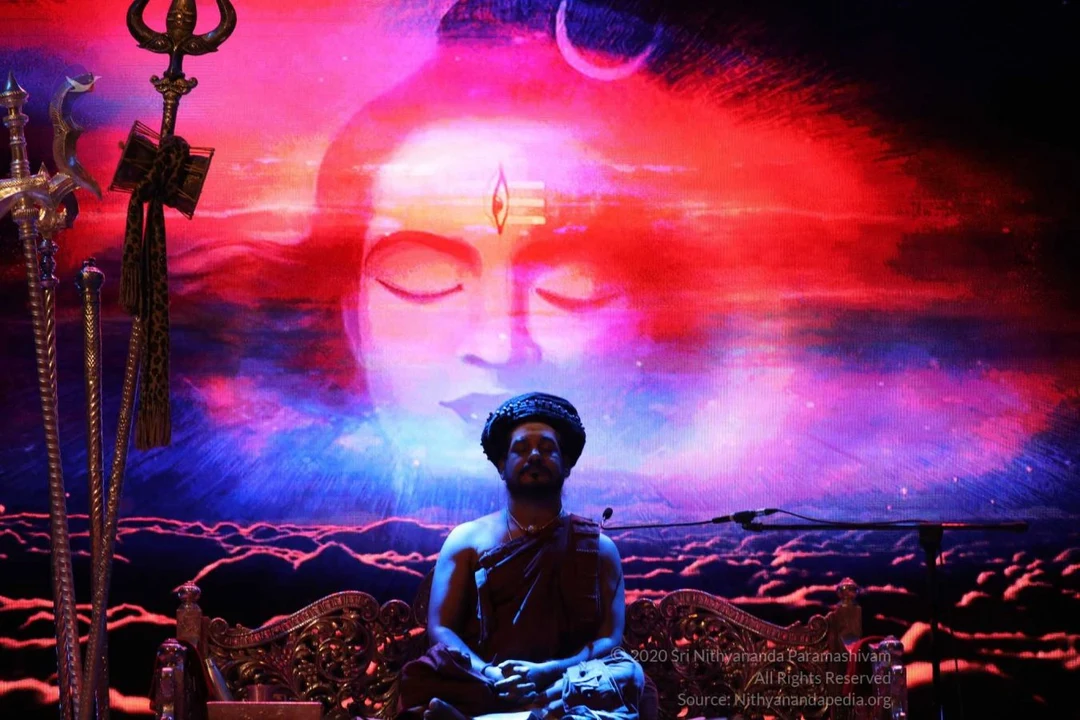
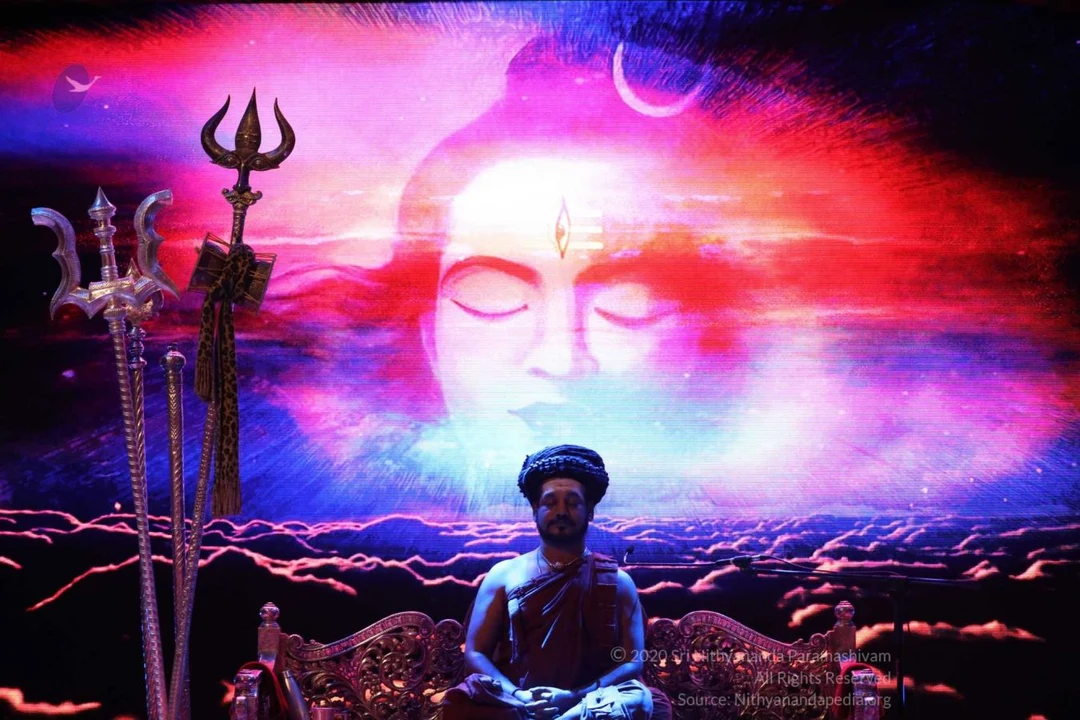
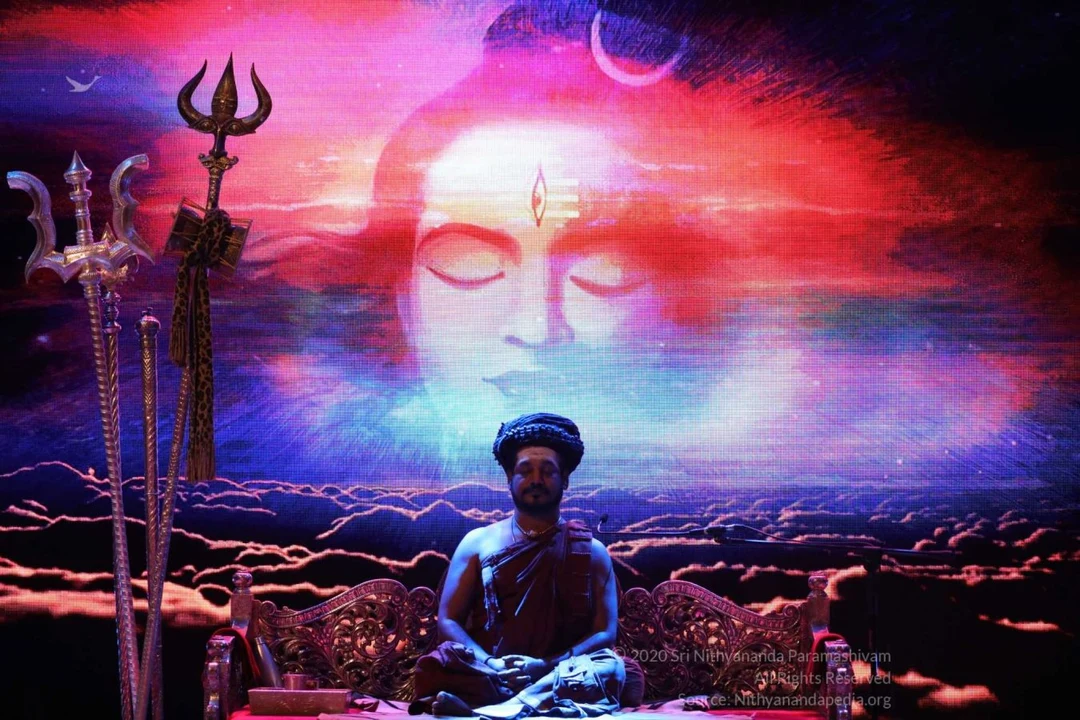
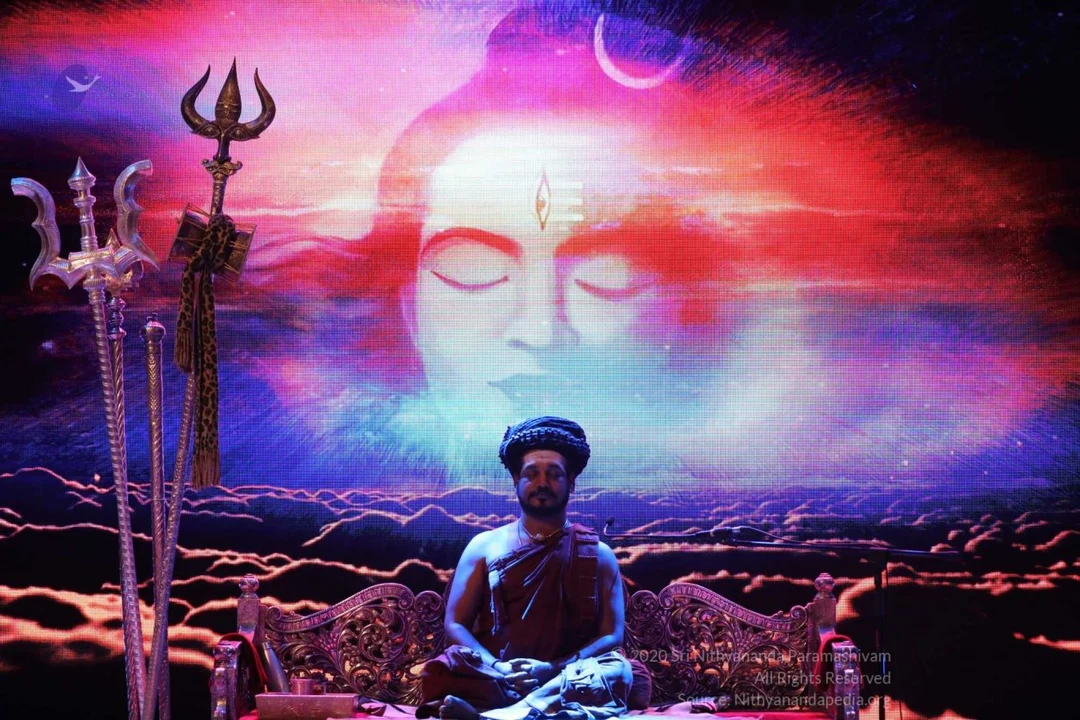
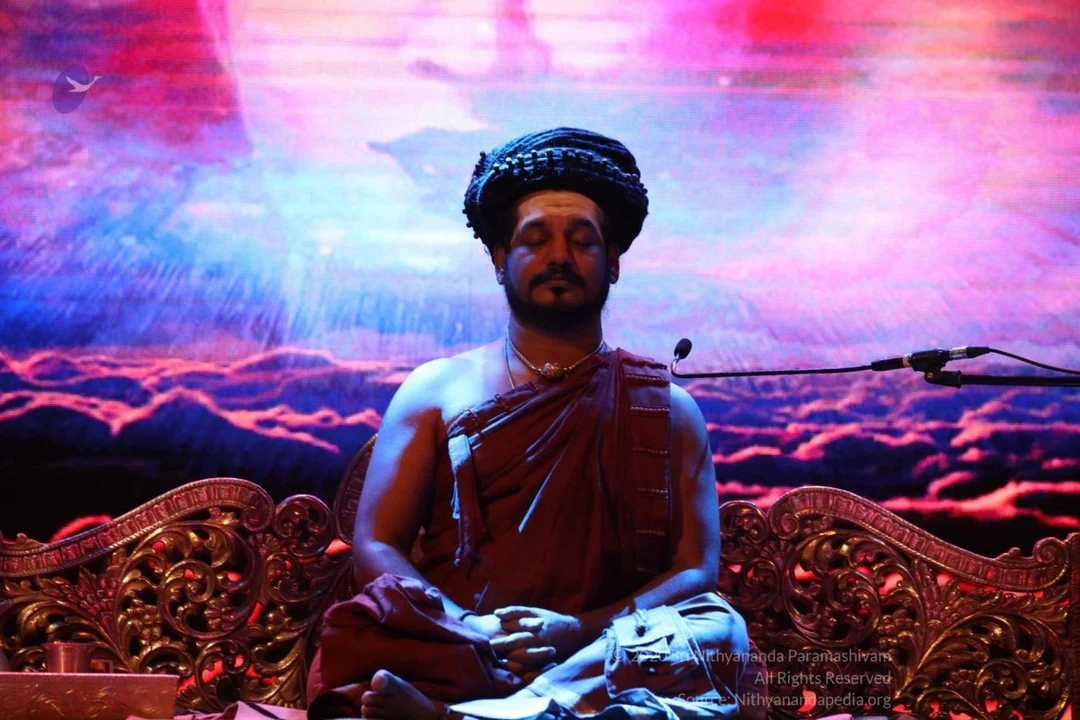
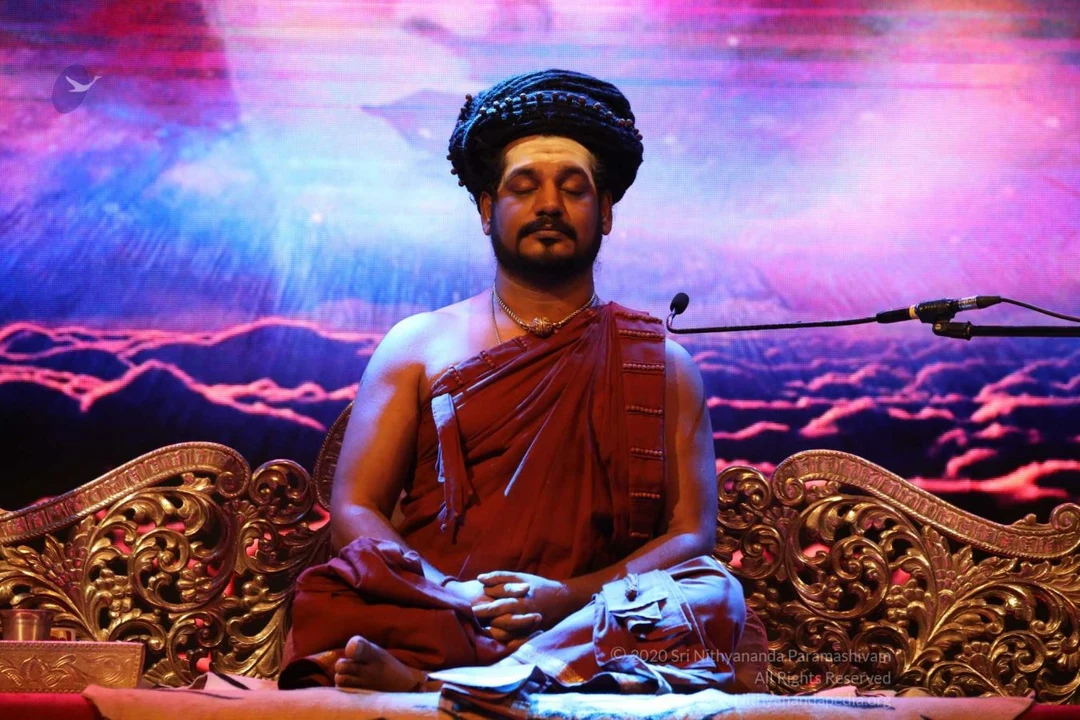
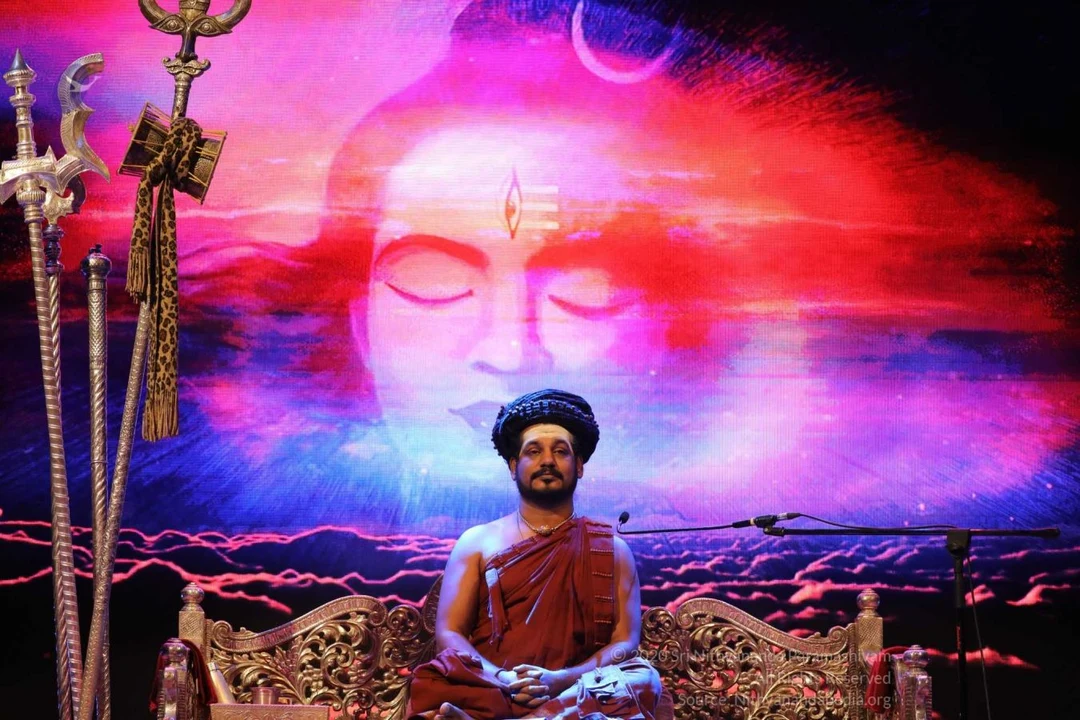
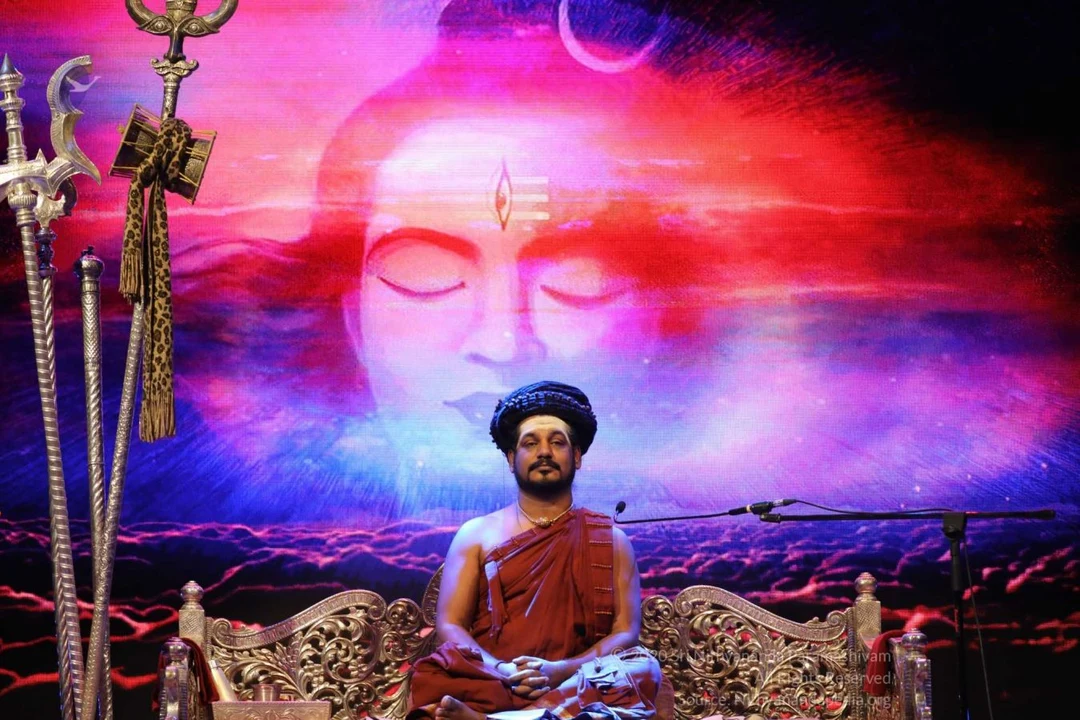
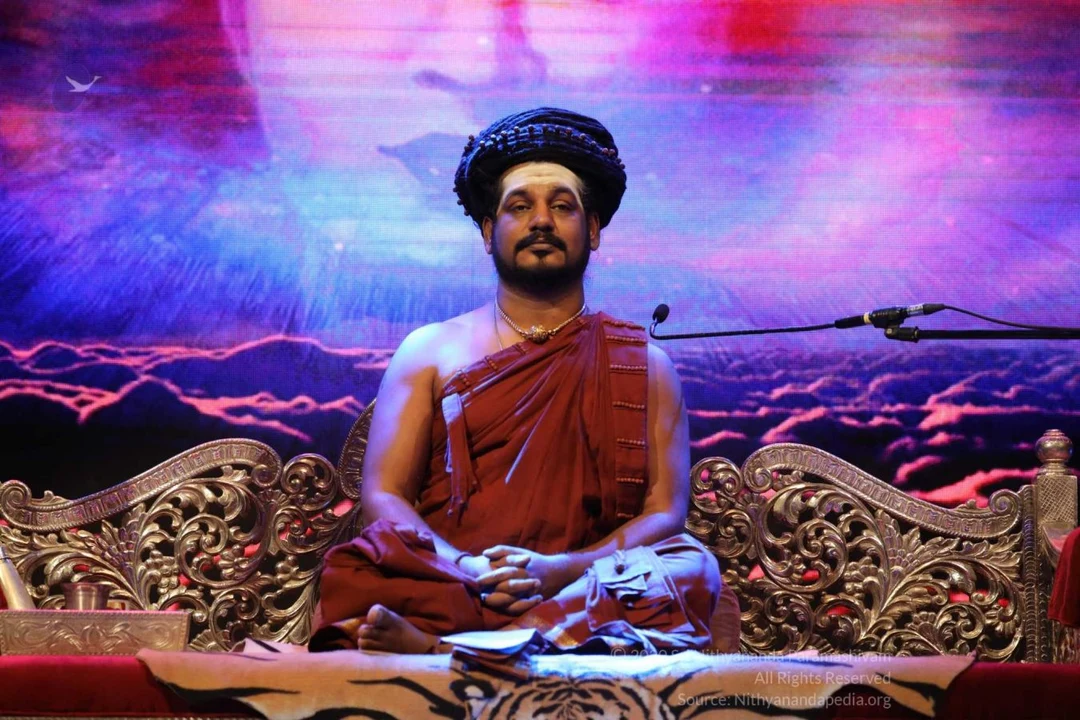
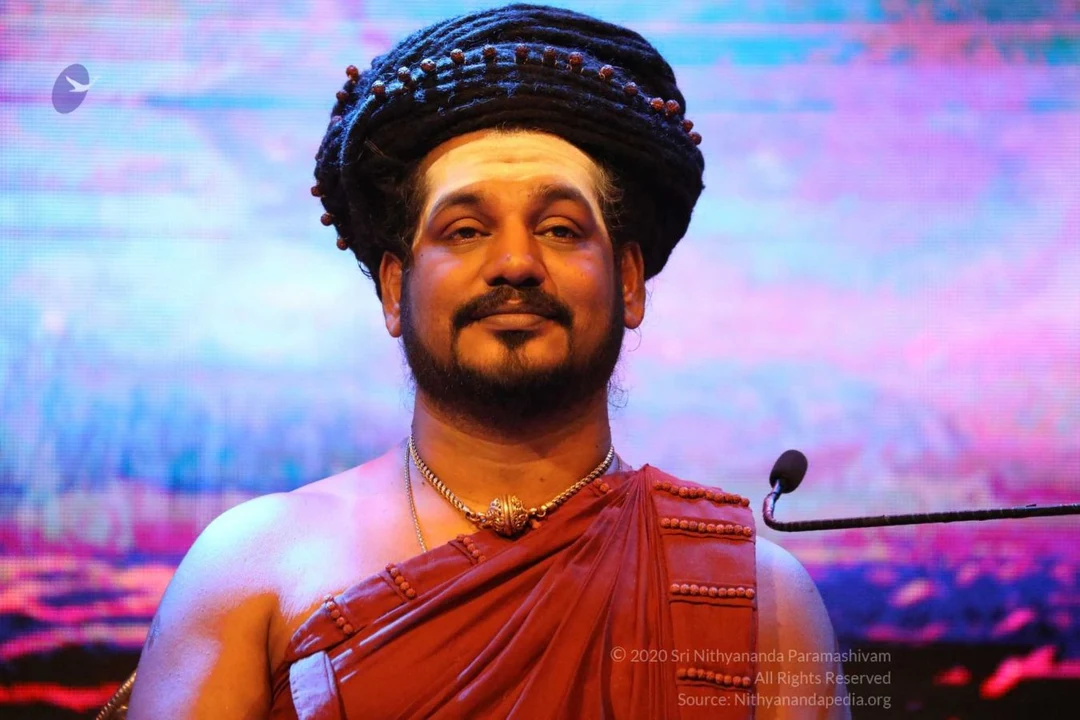
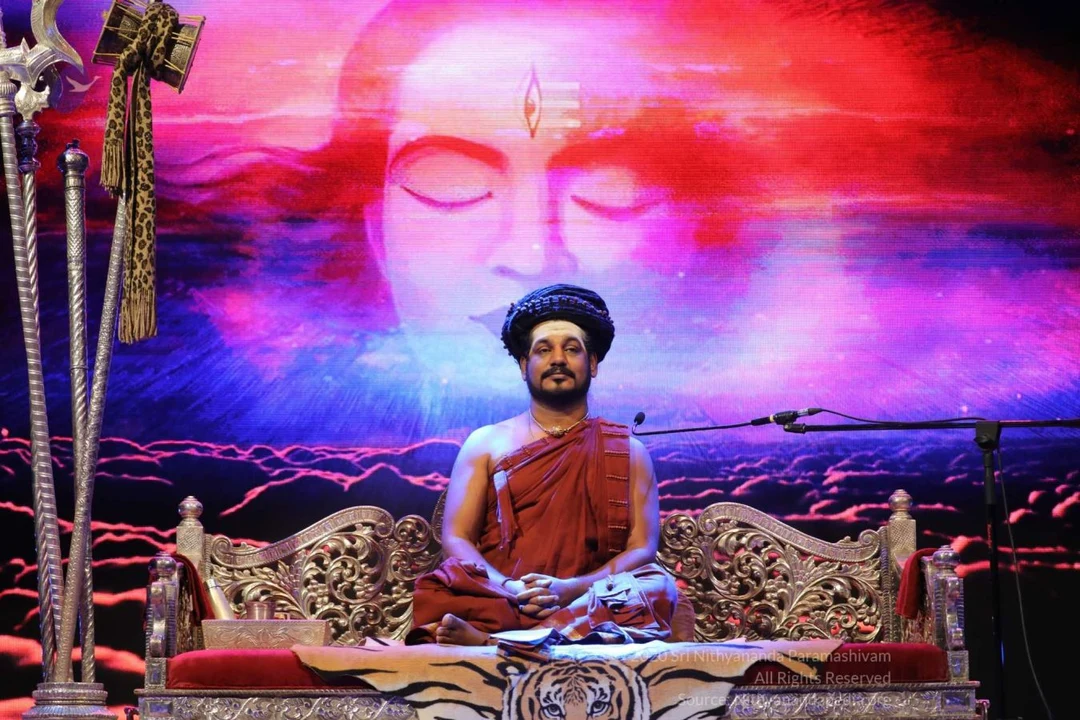
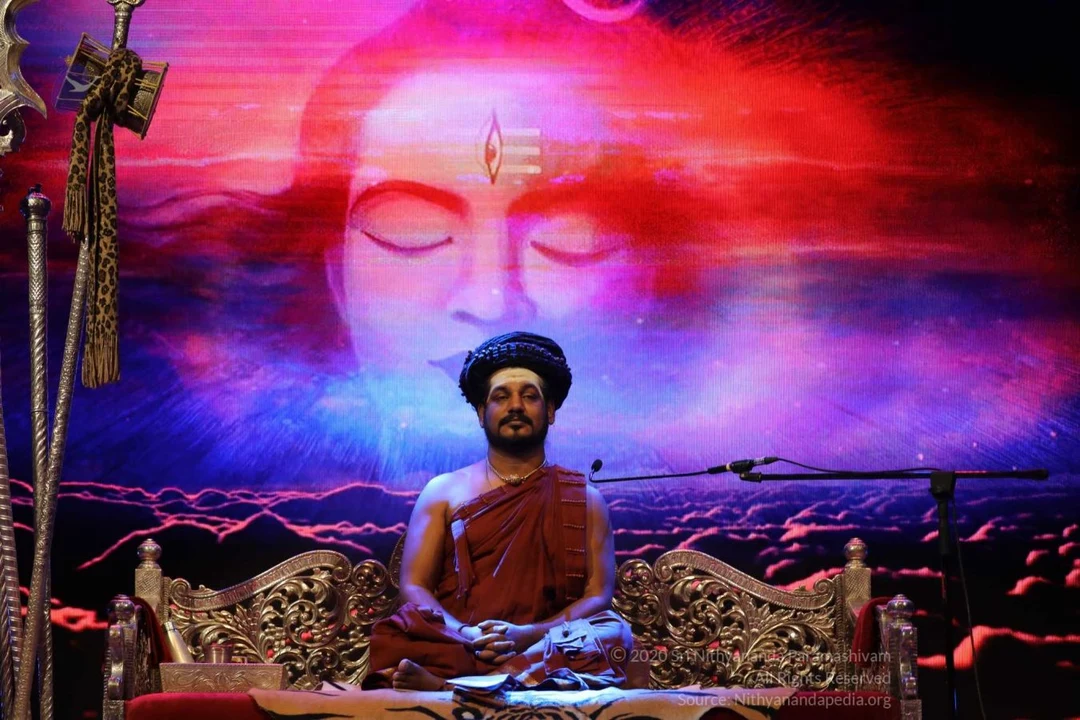
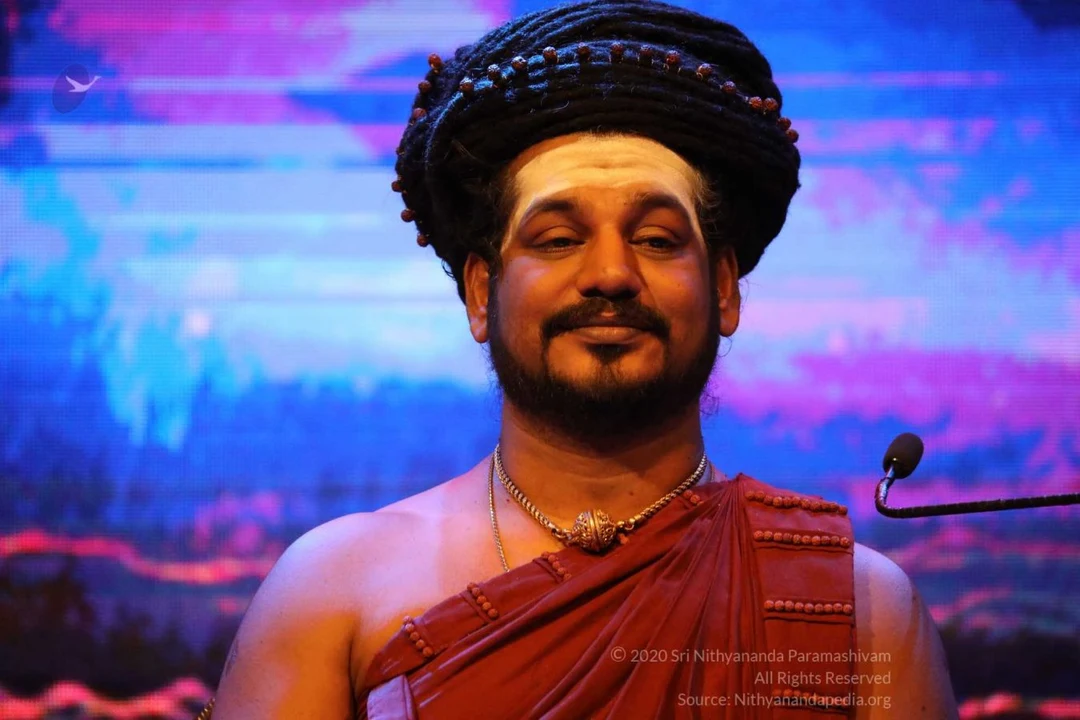
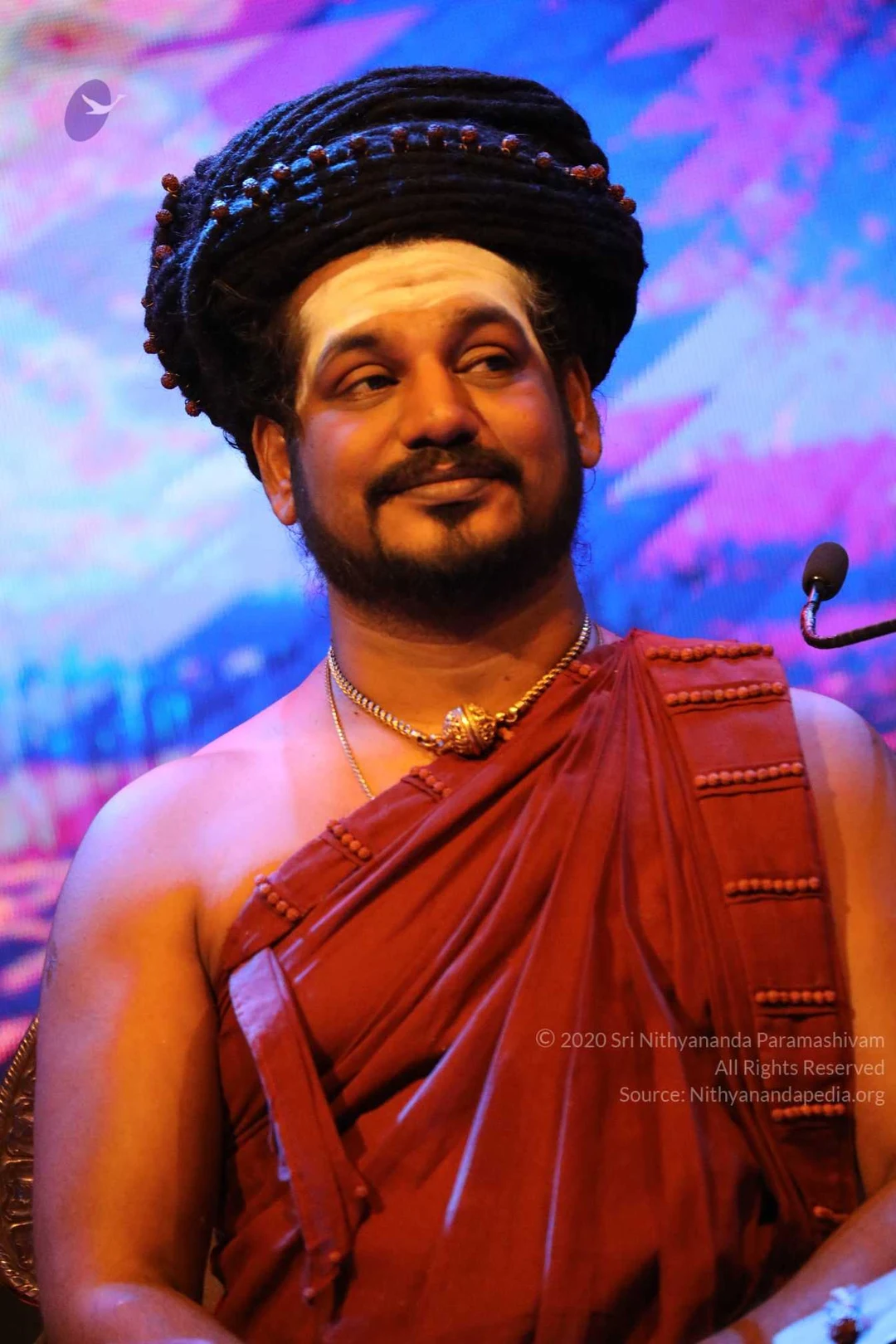
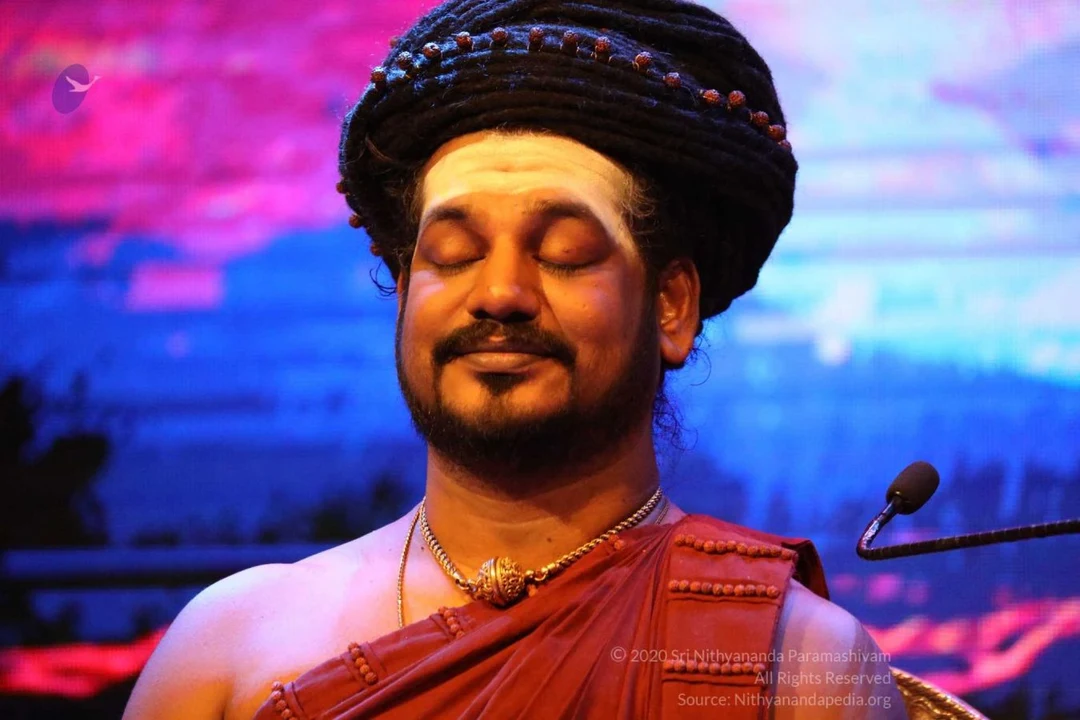
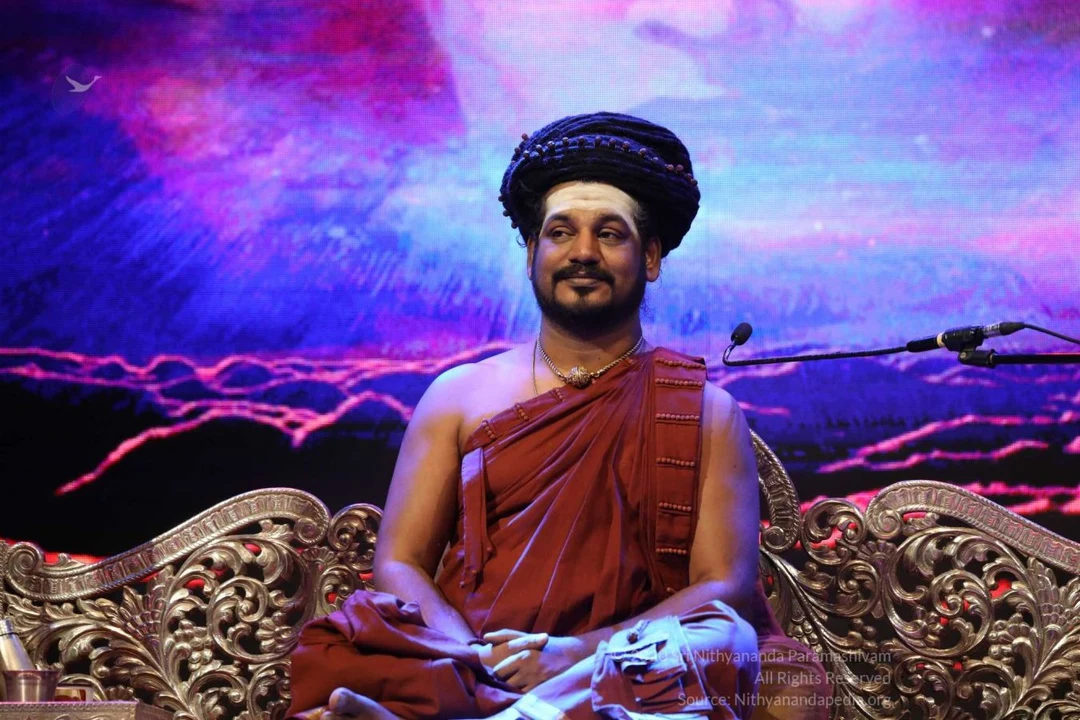
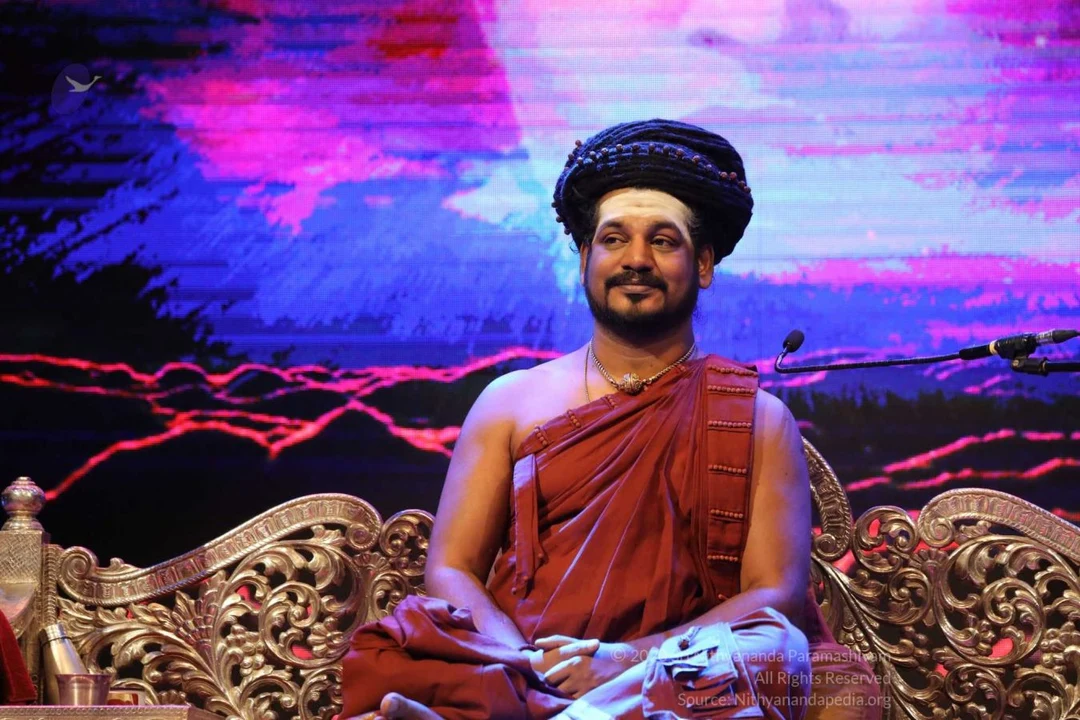
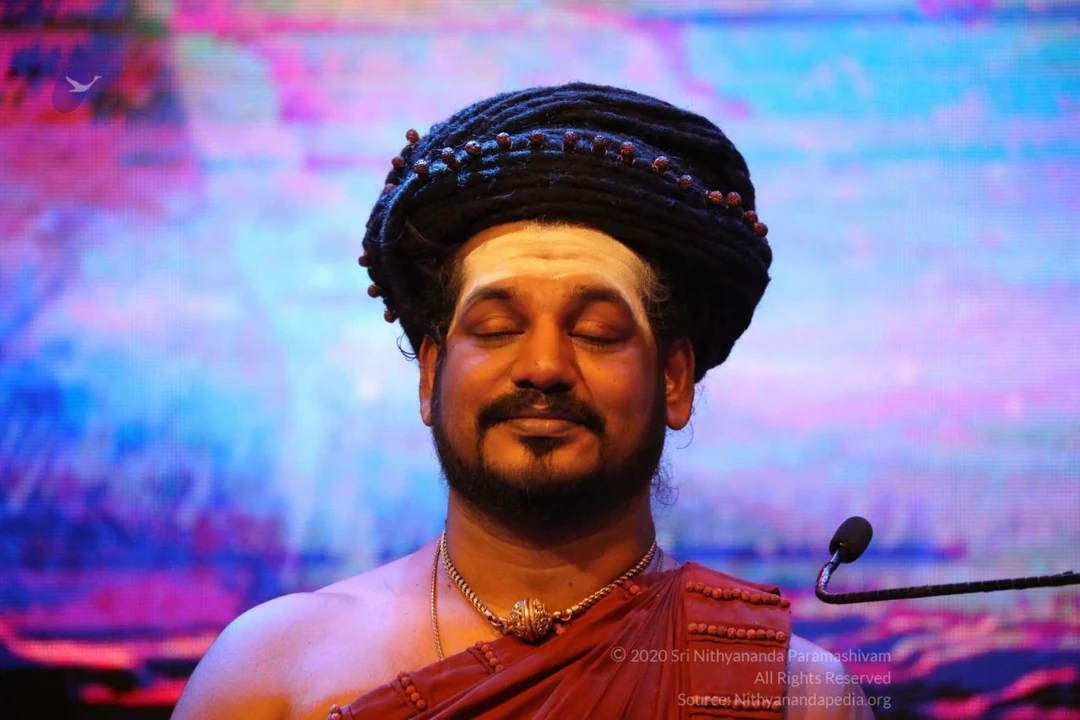
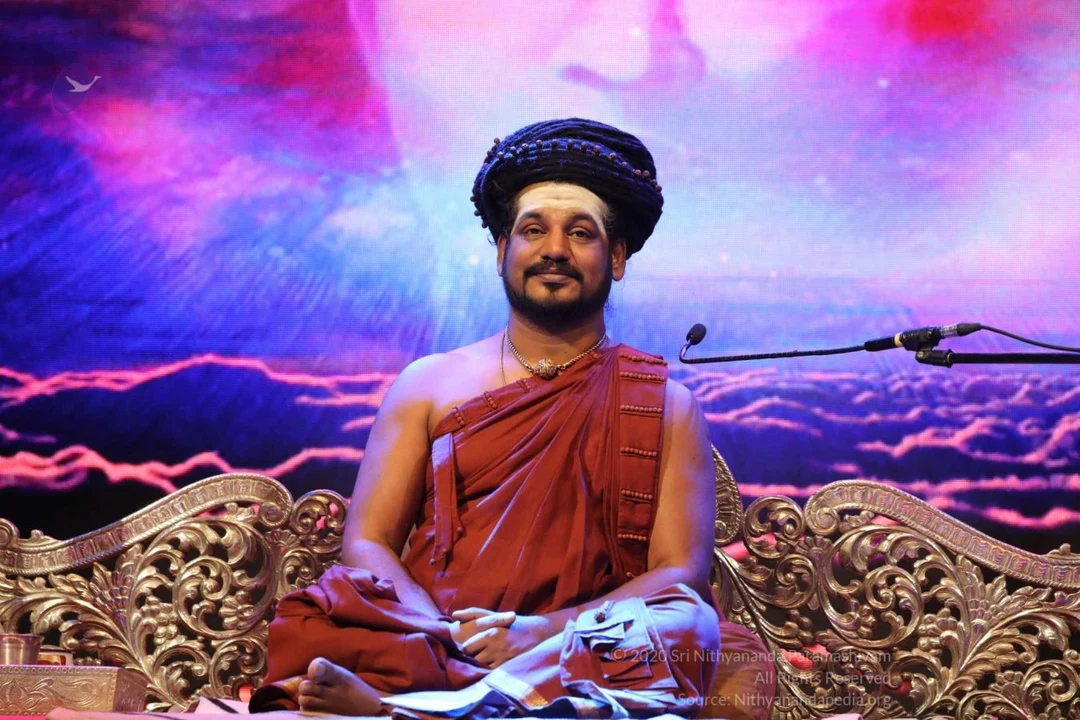
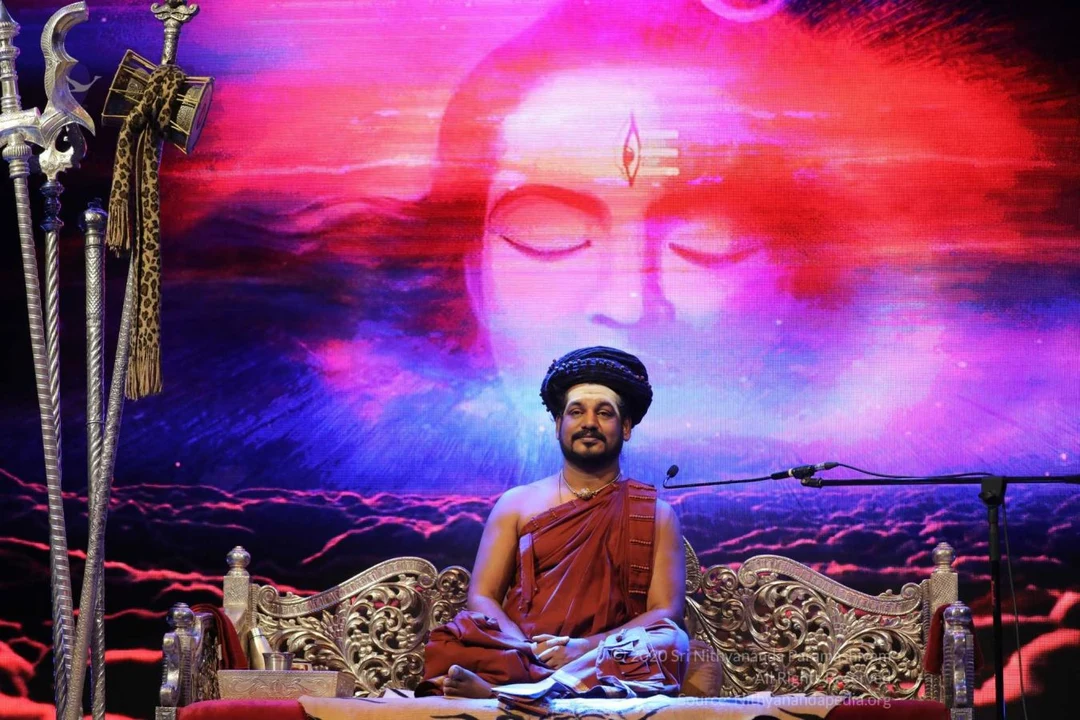
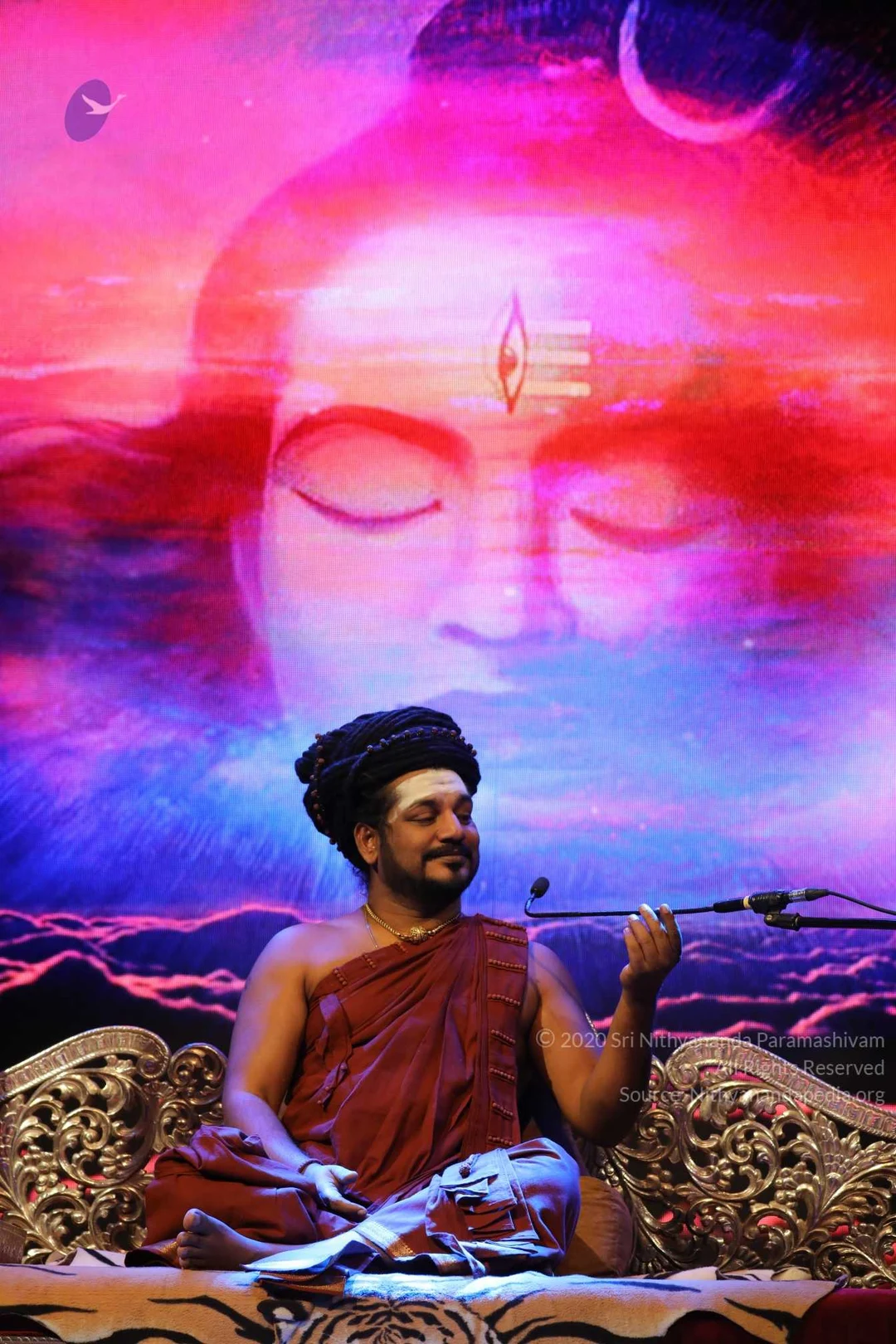
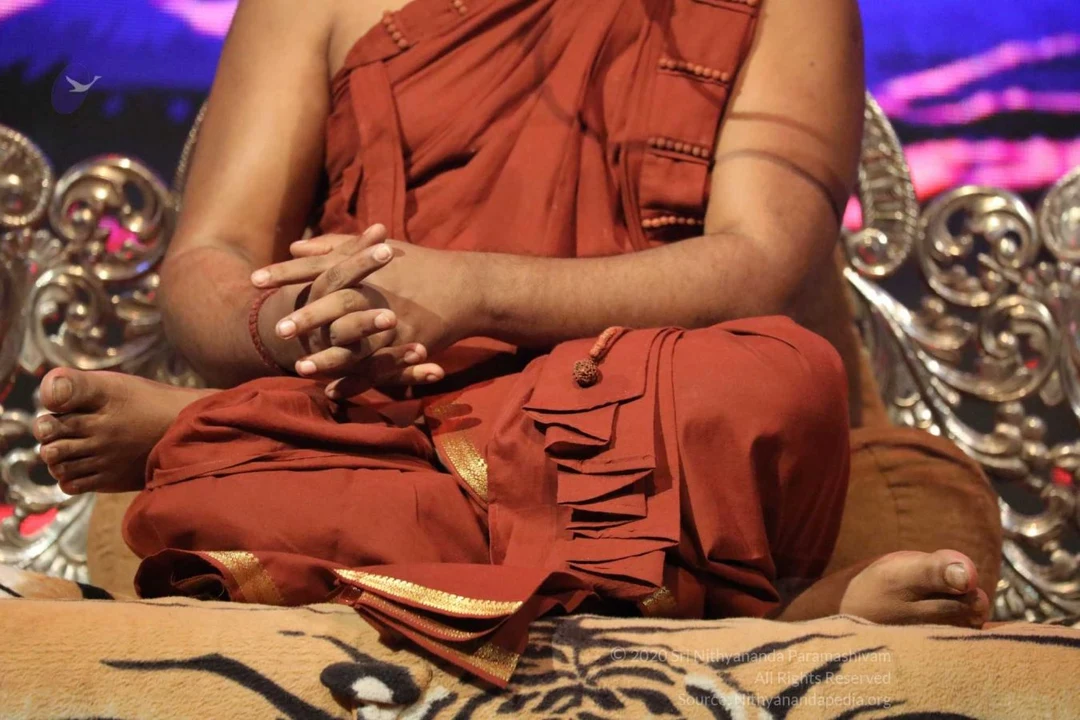
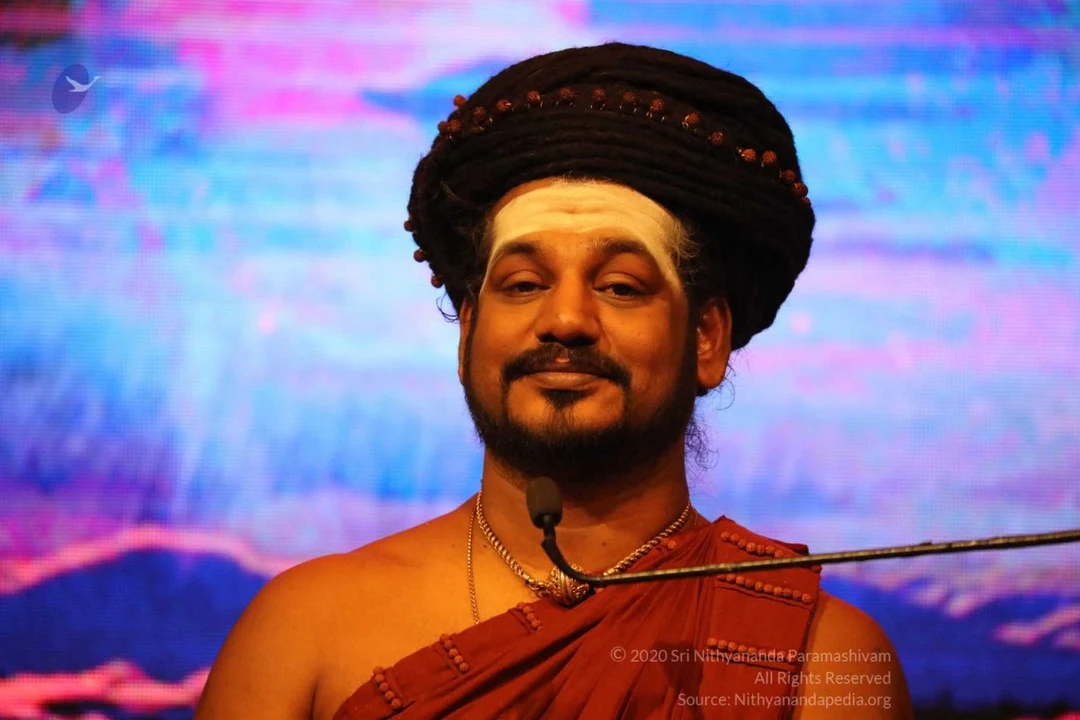
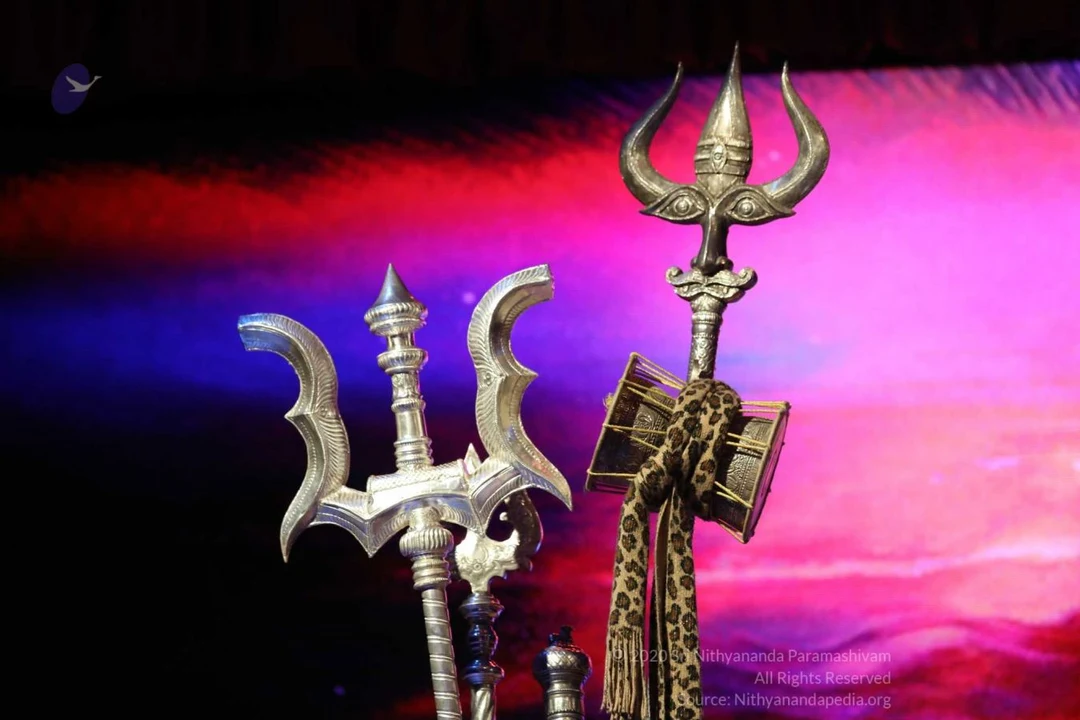
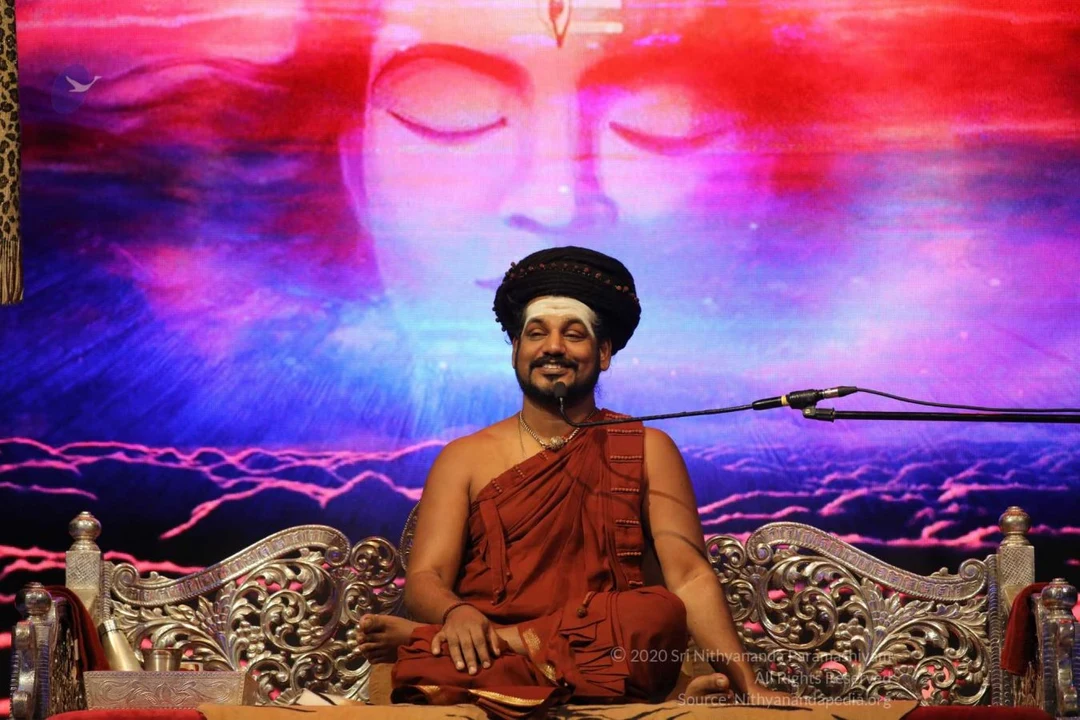
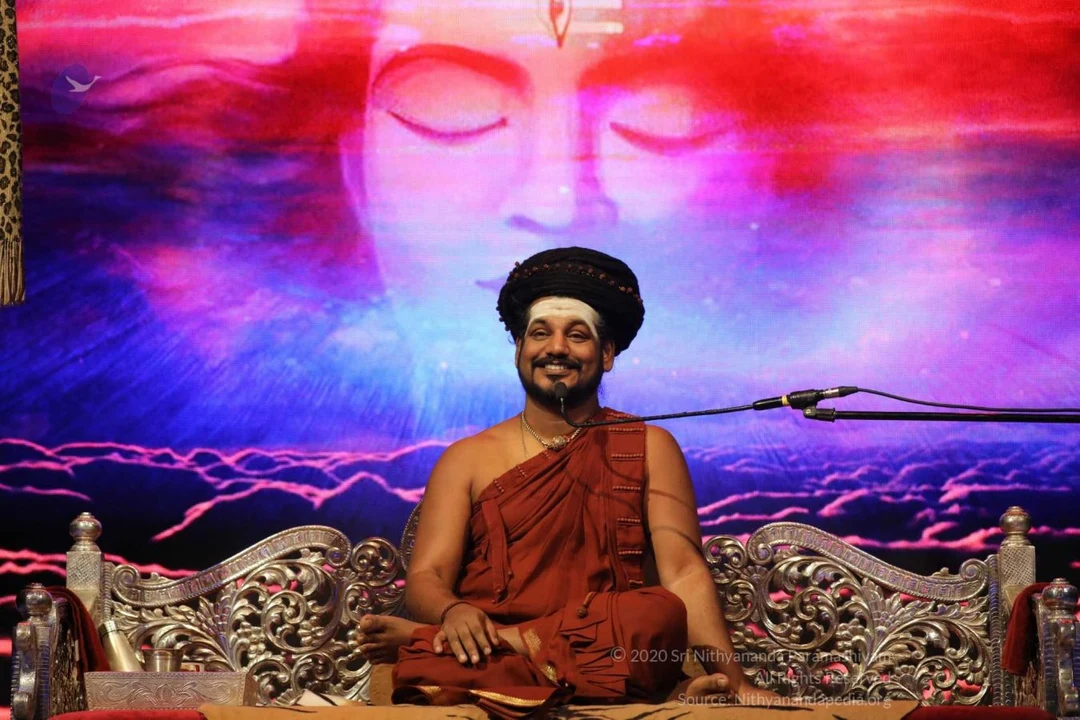
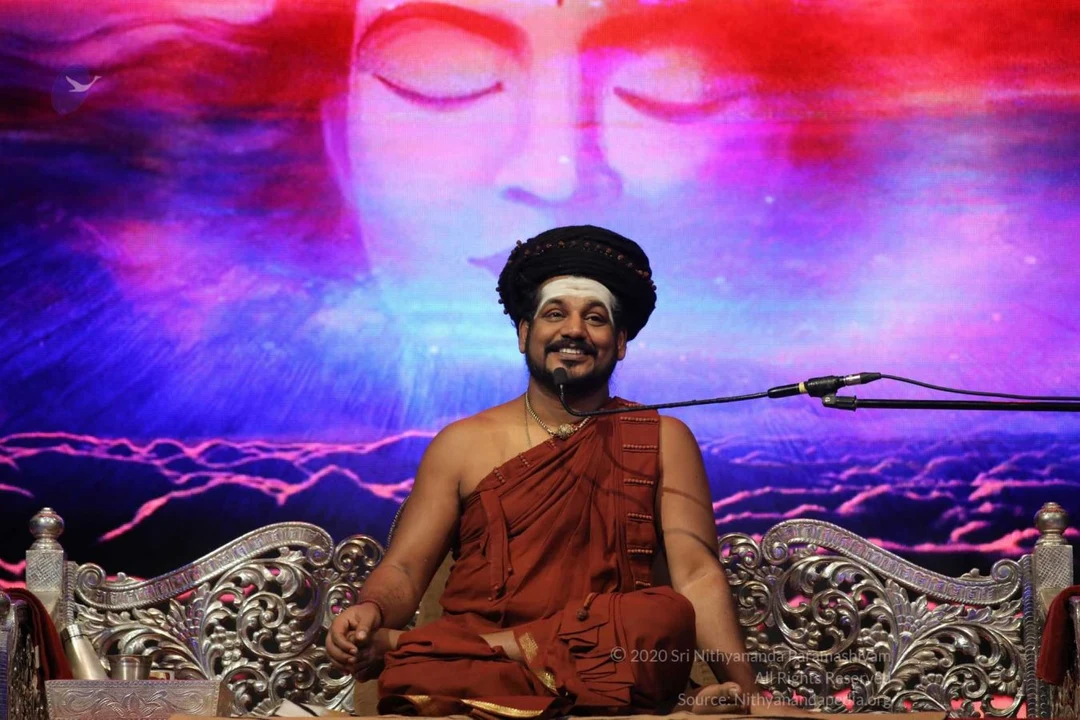
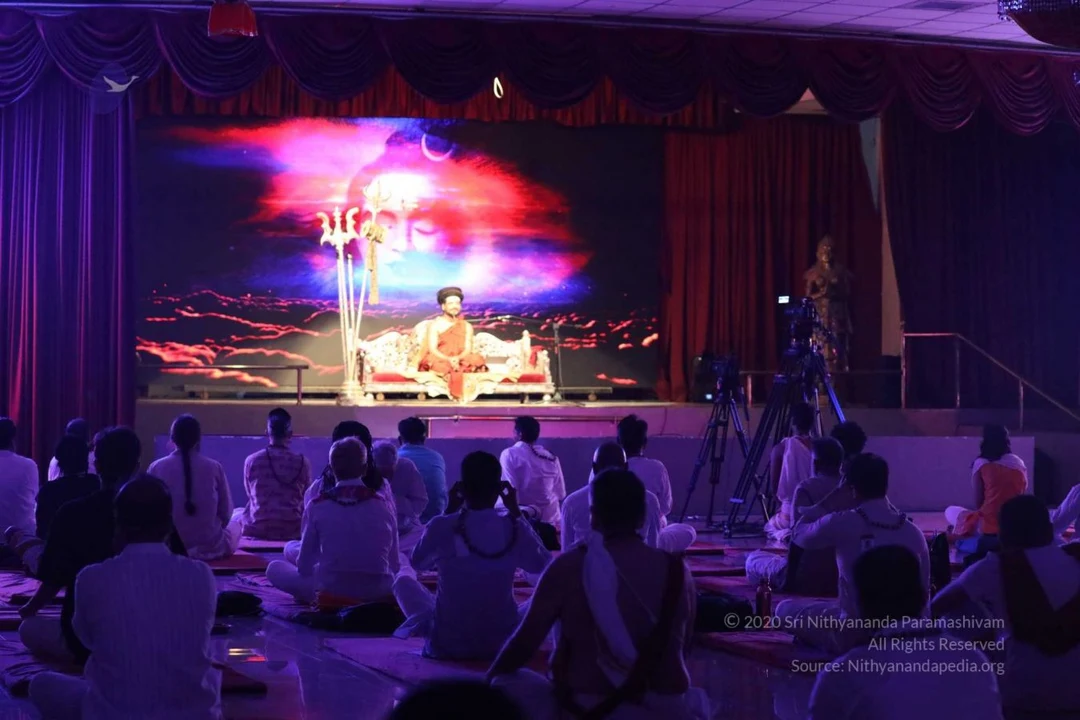
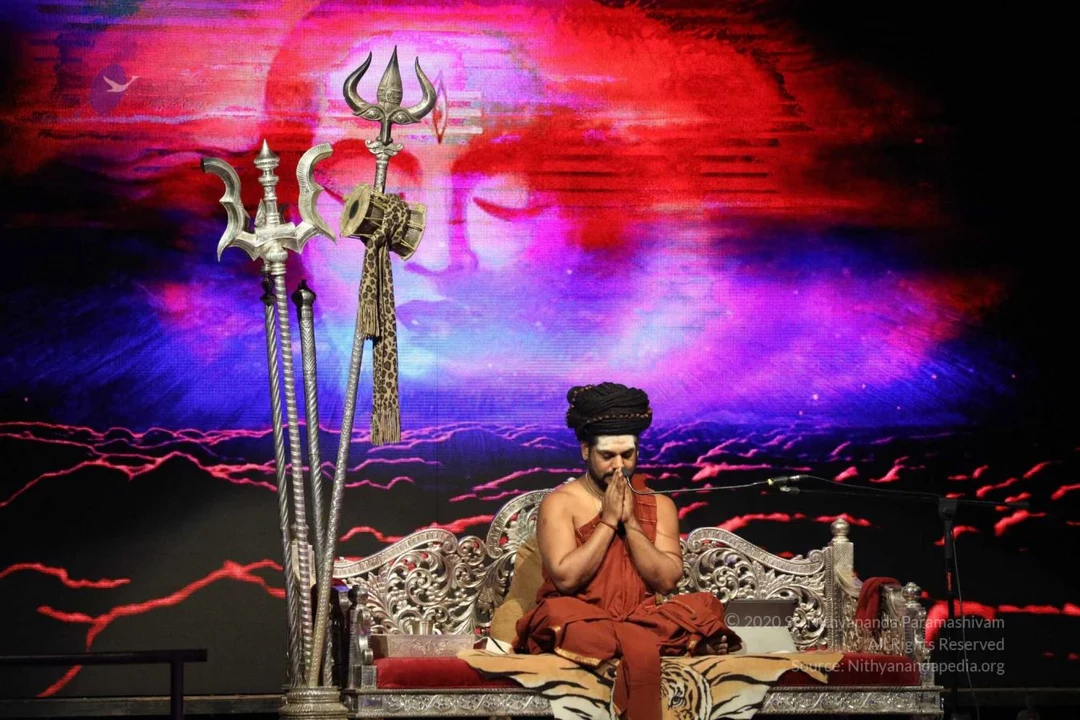
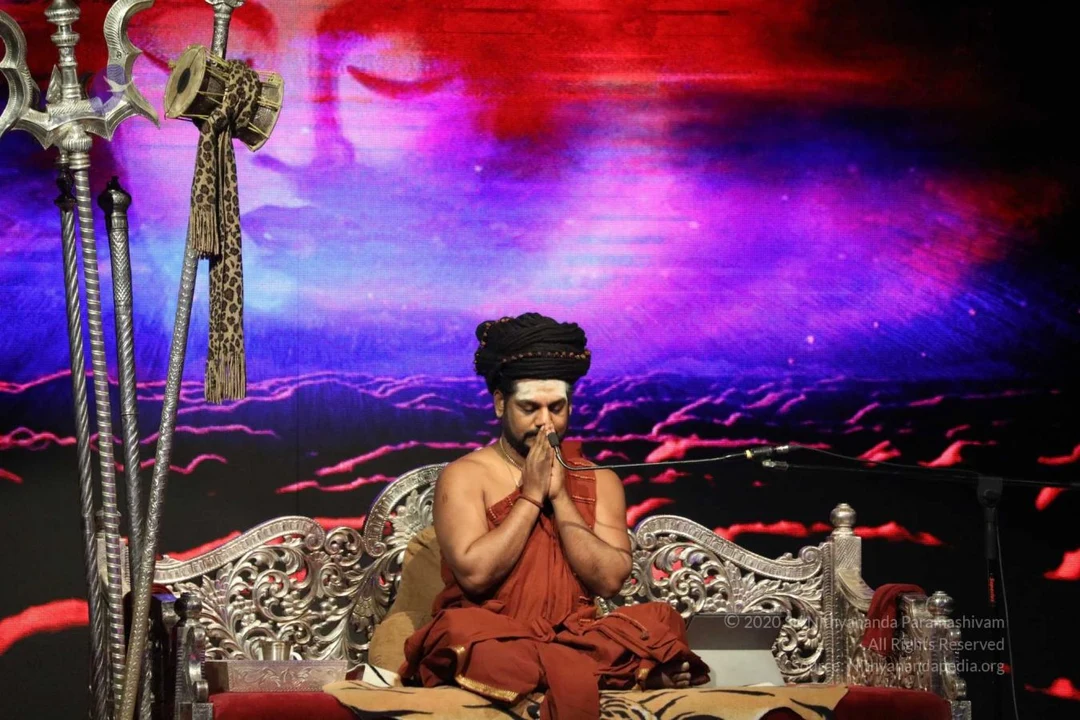
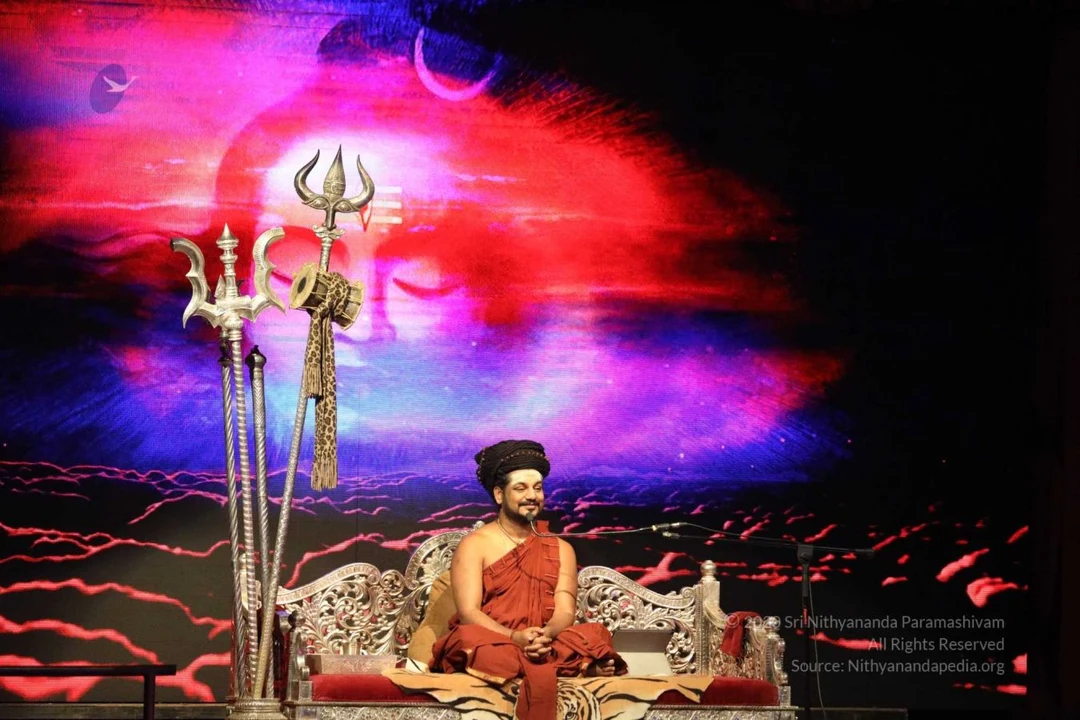
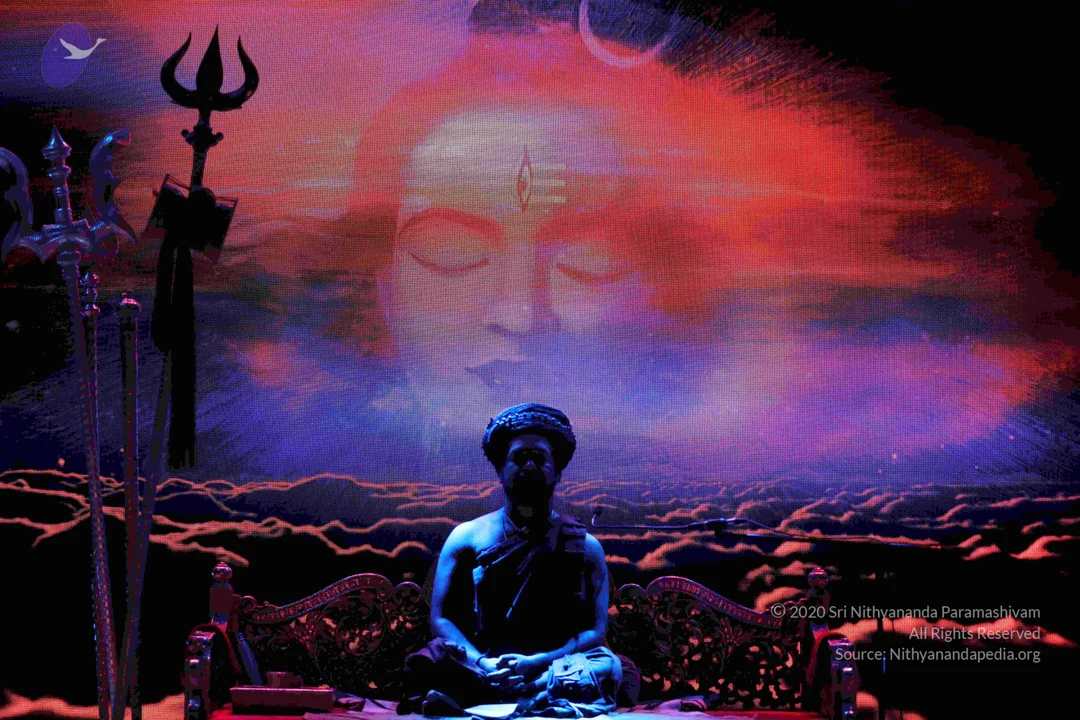
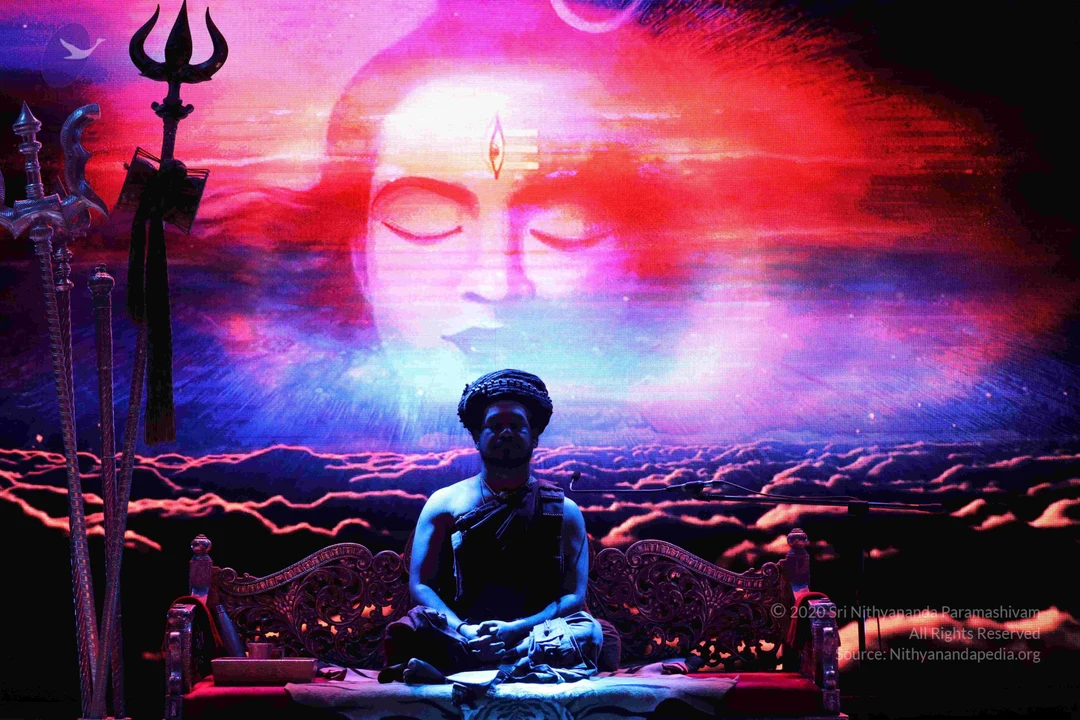
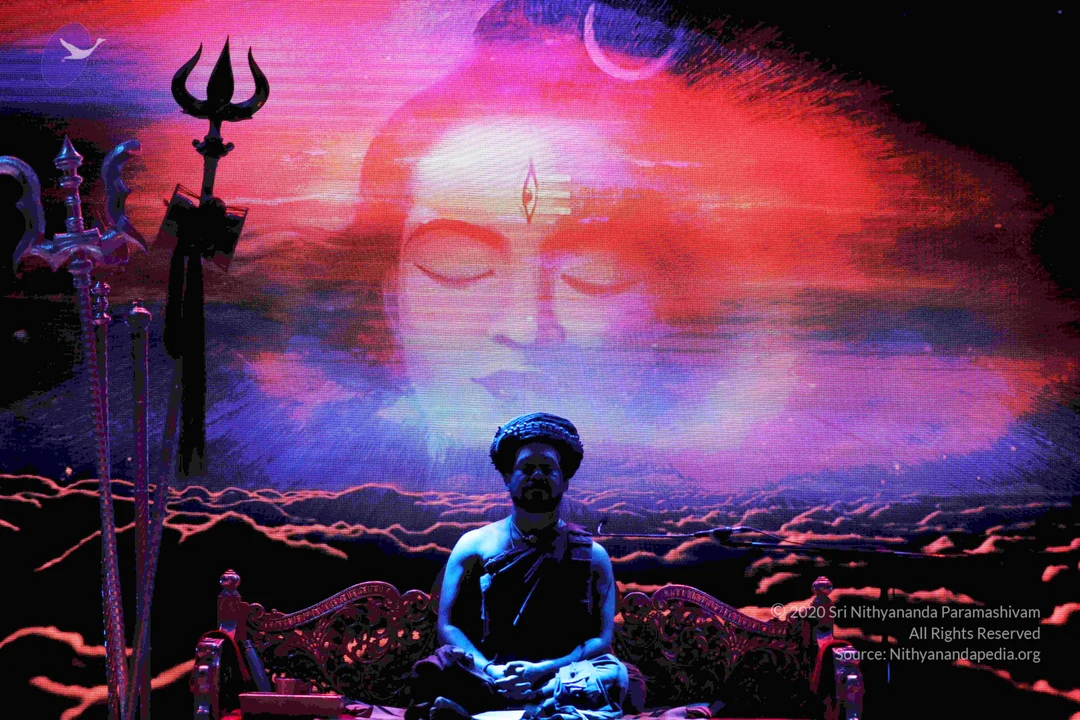
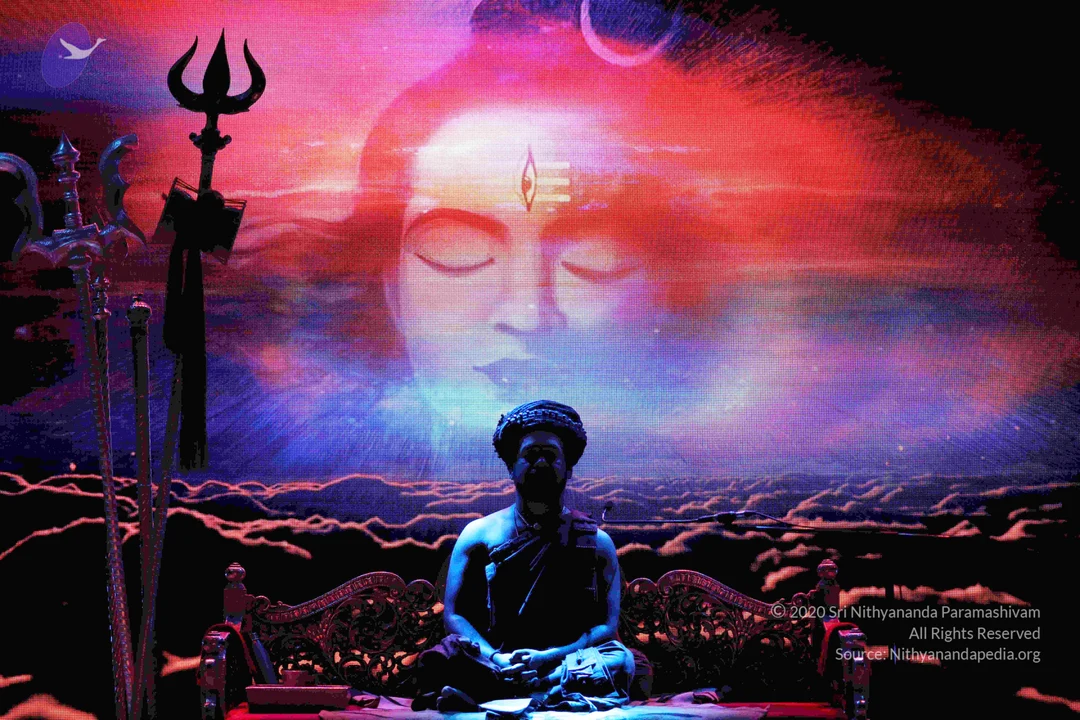
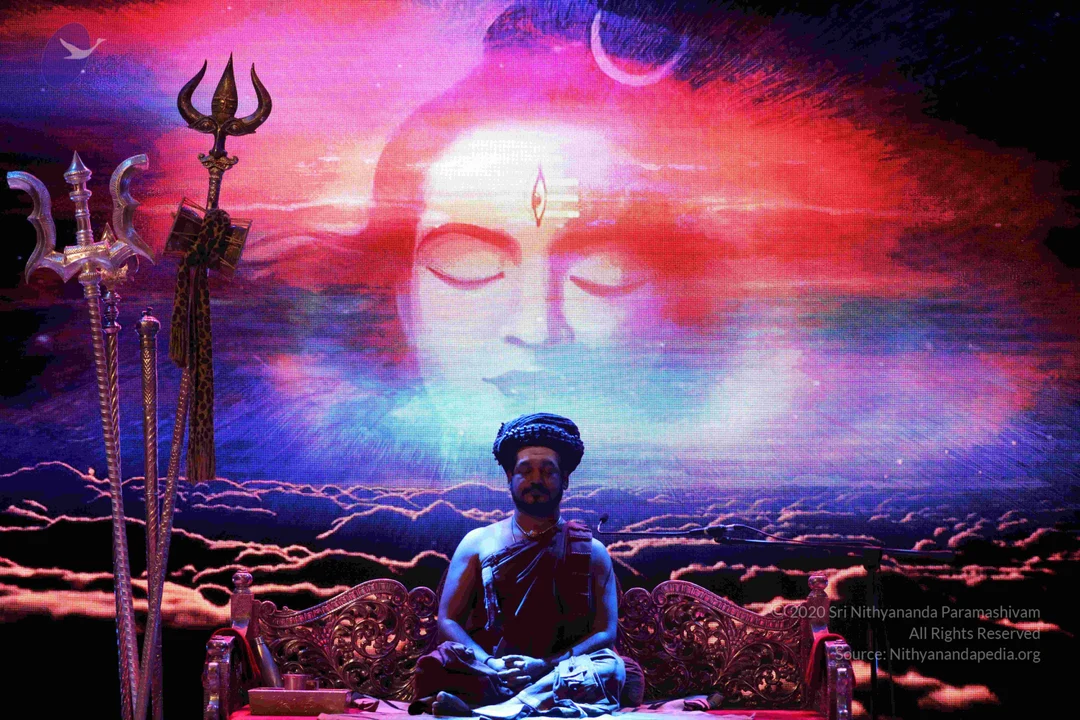
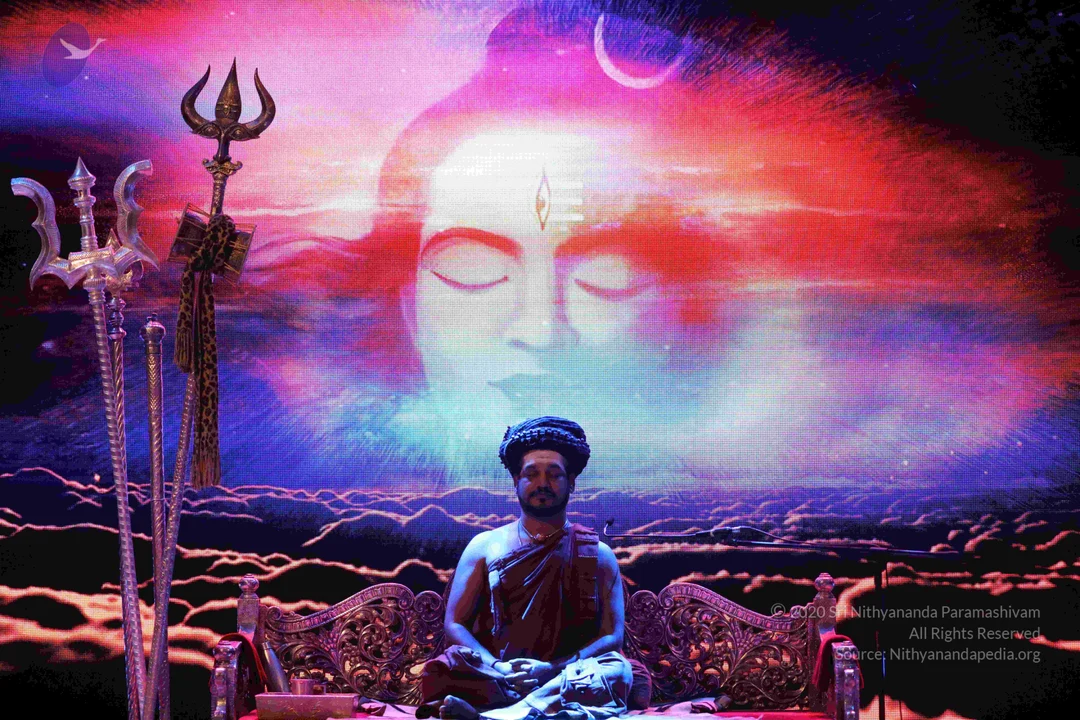
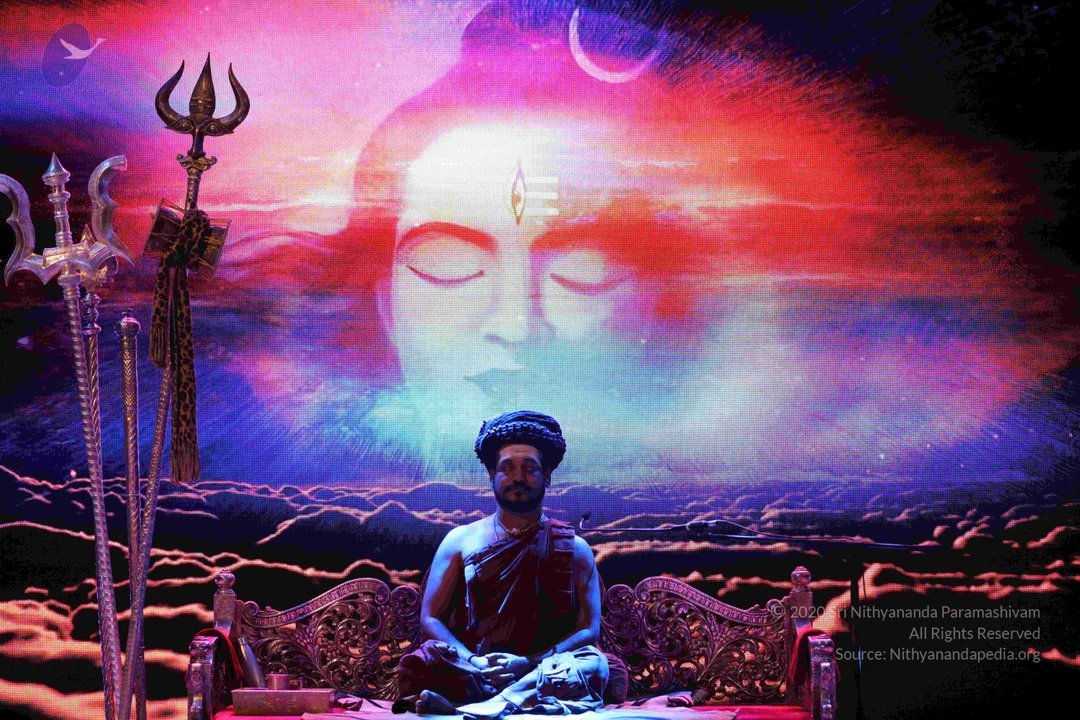
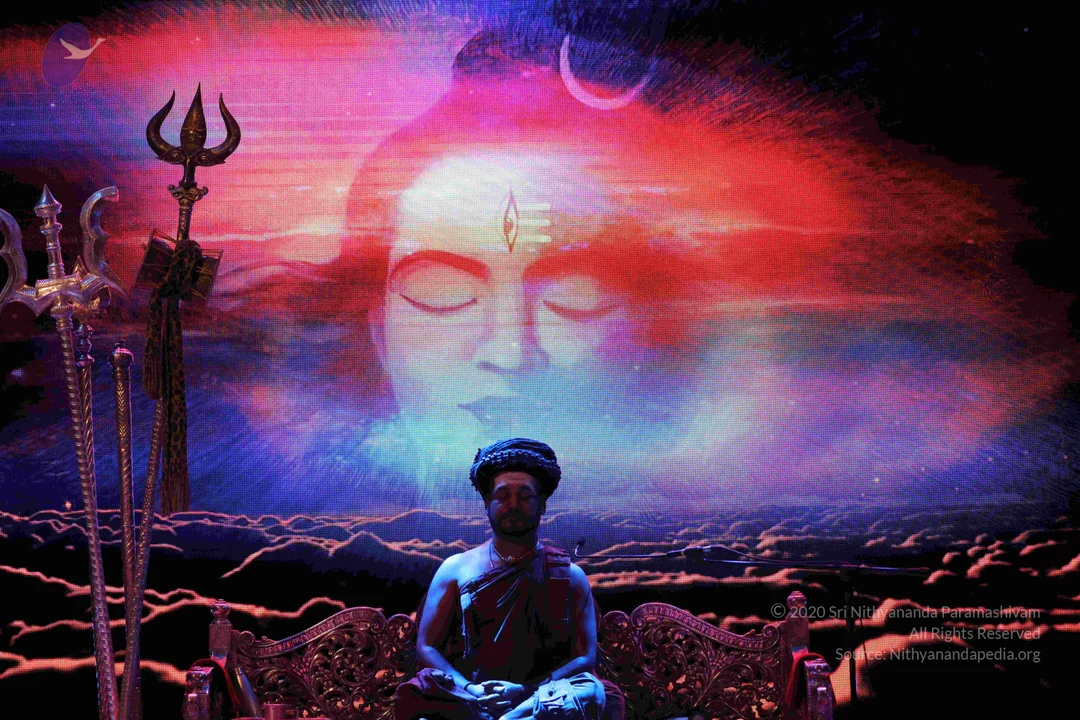
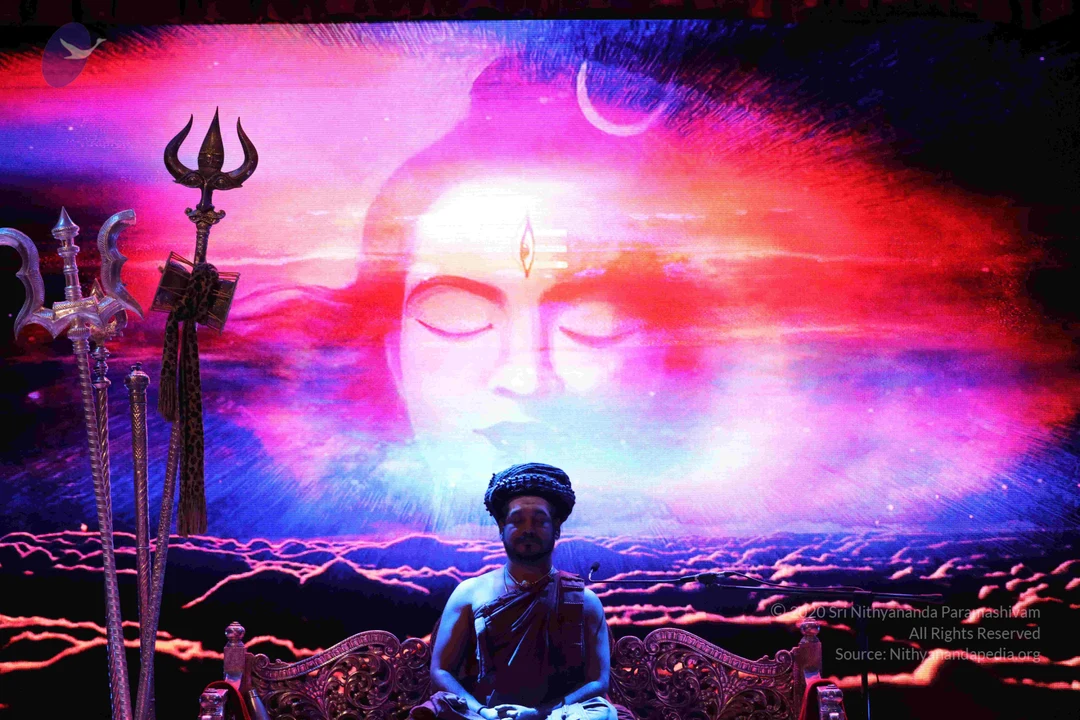
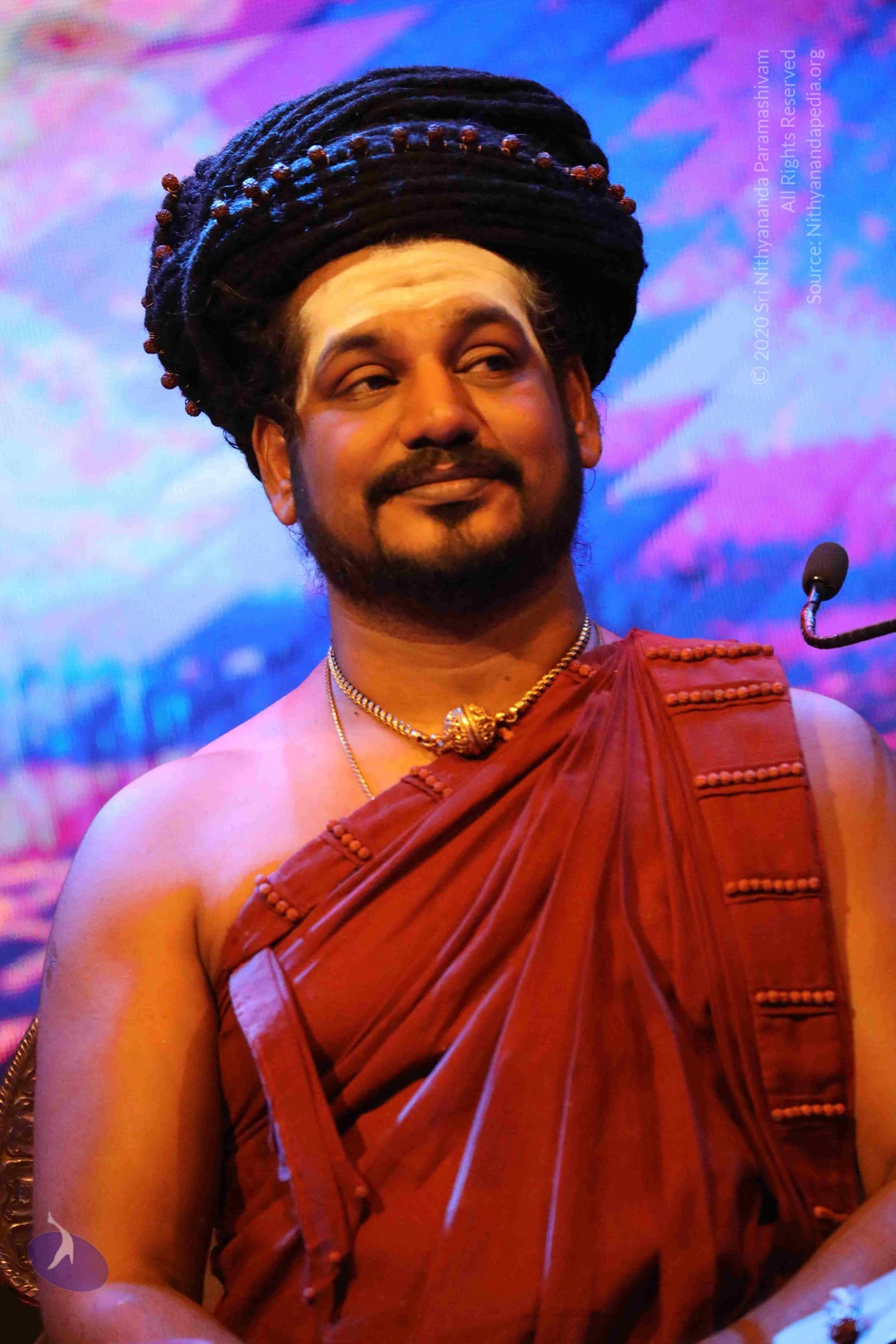
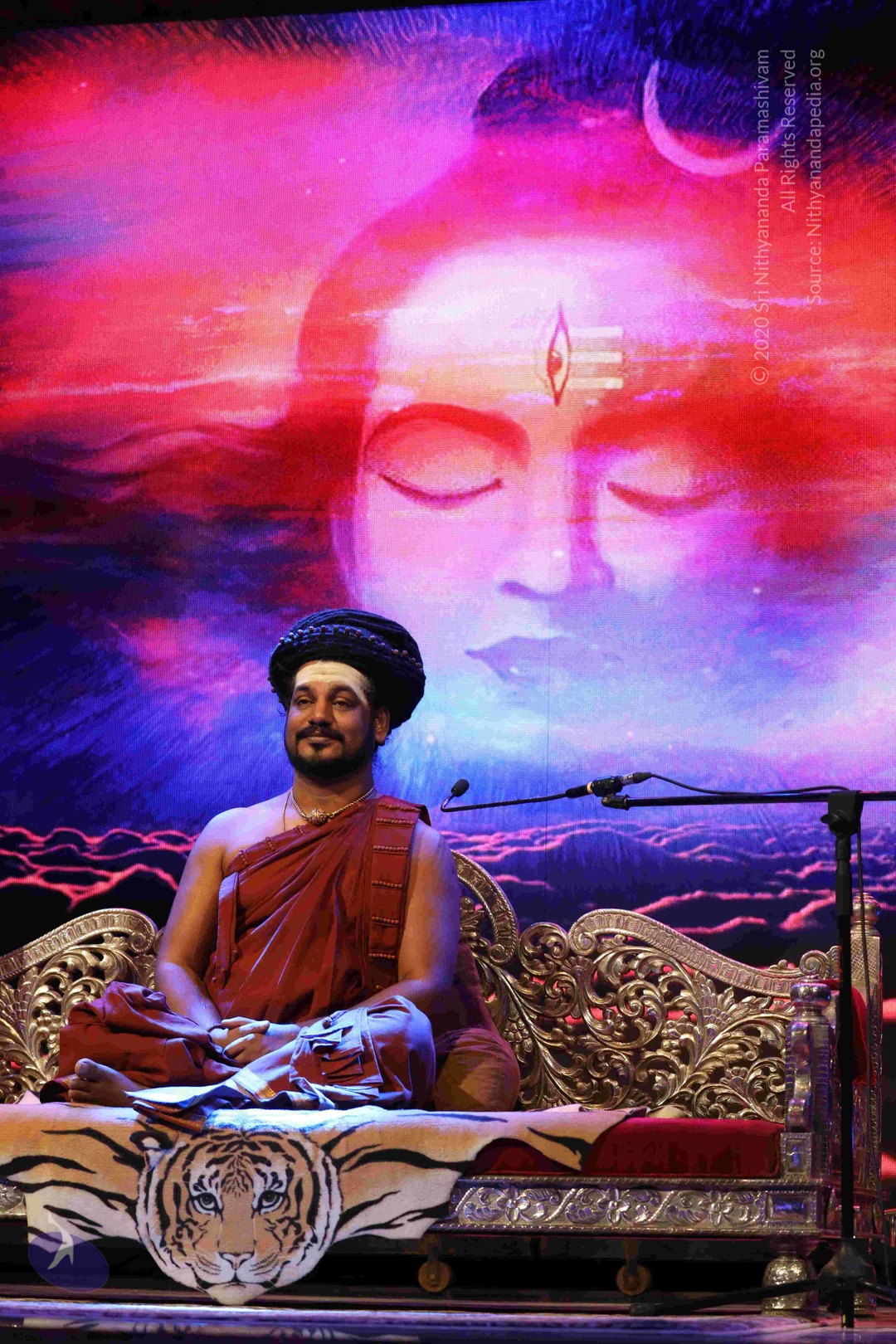
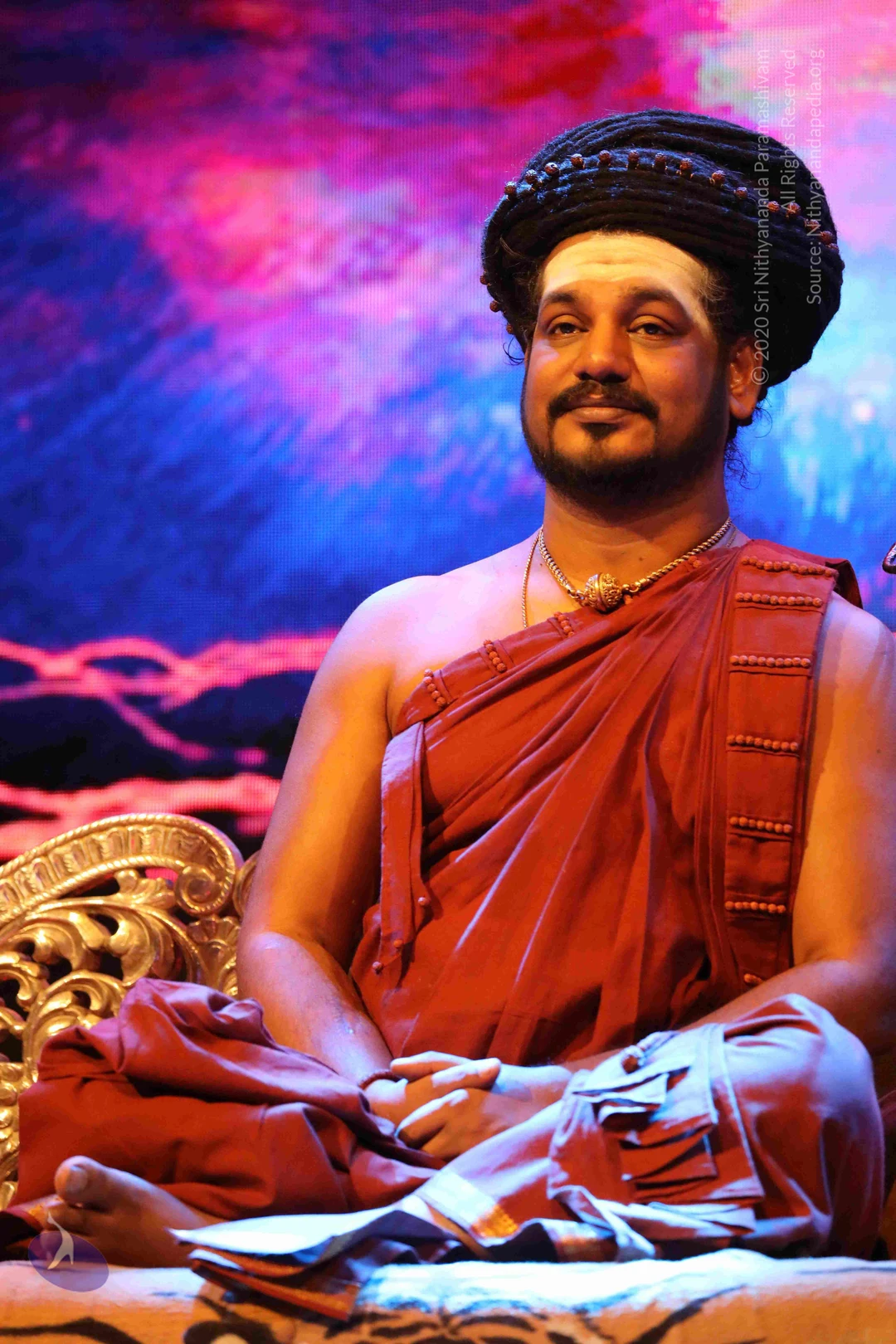
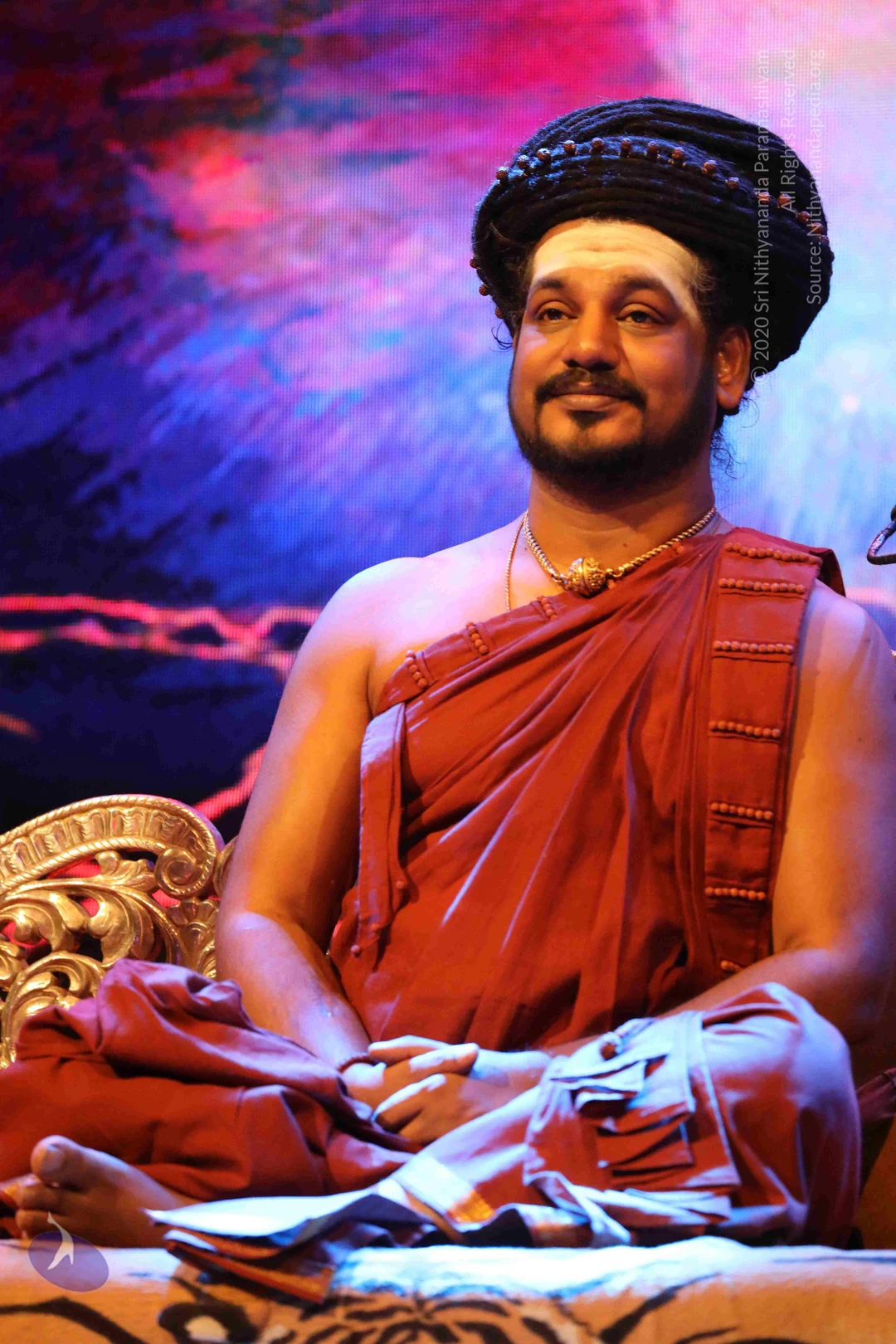
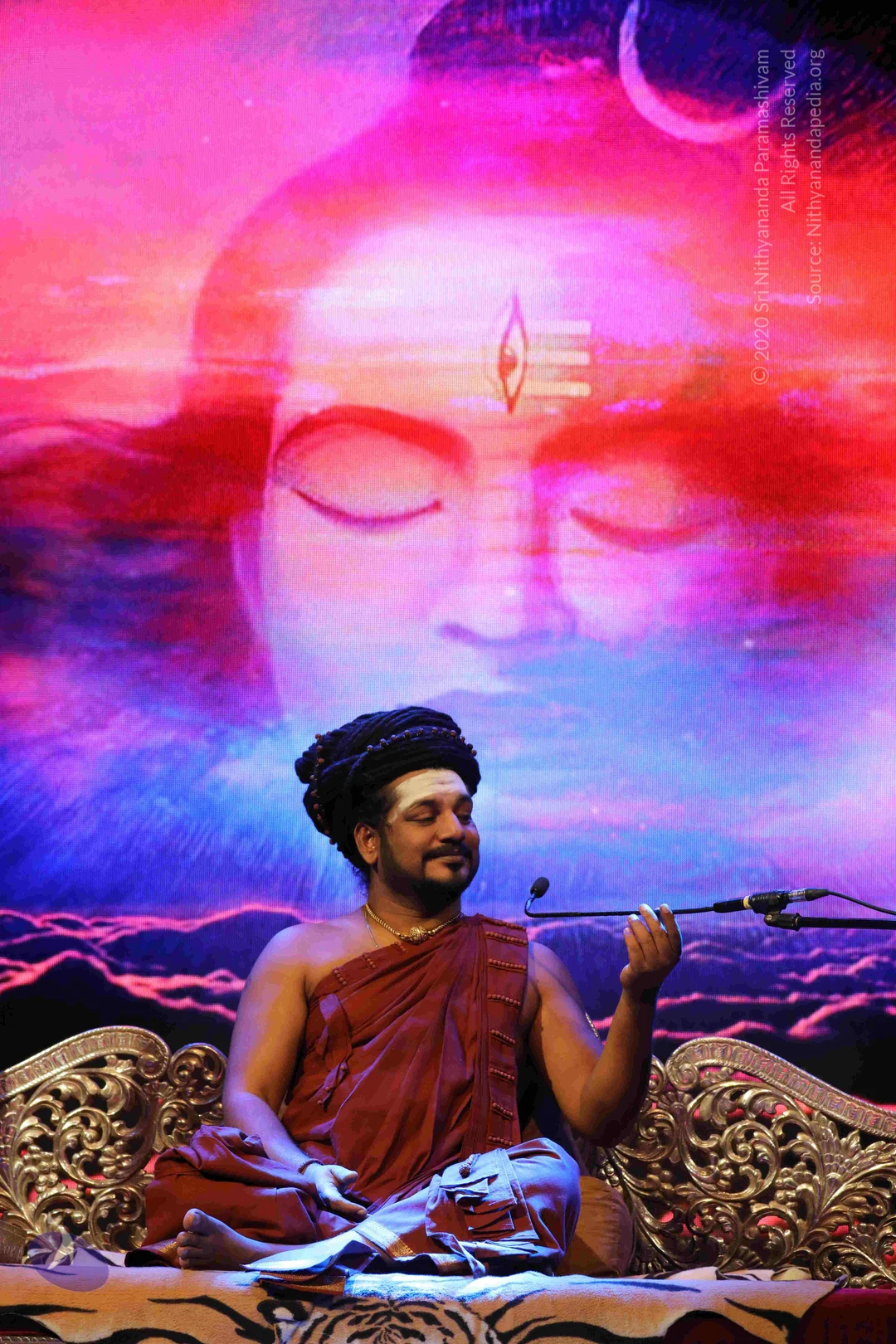
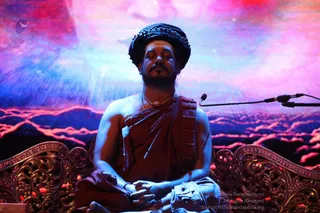
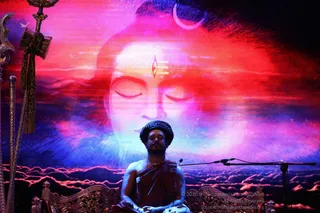
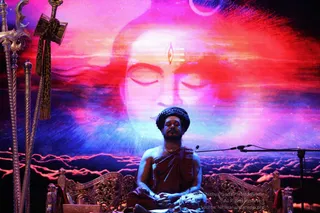
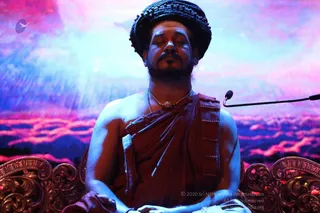
Death Meditation Session - Darshan


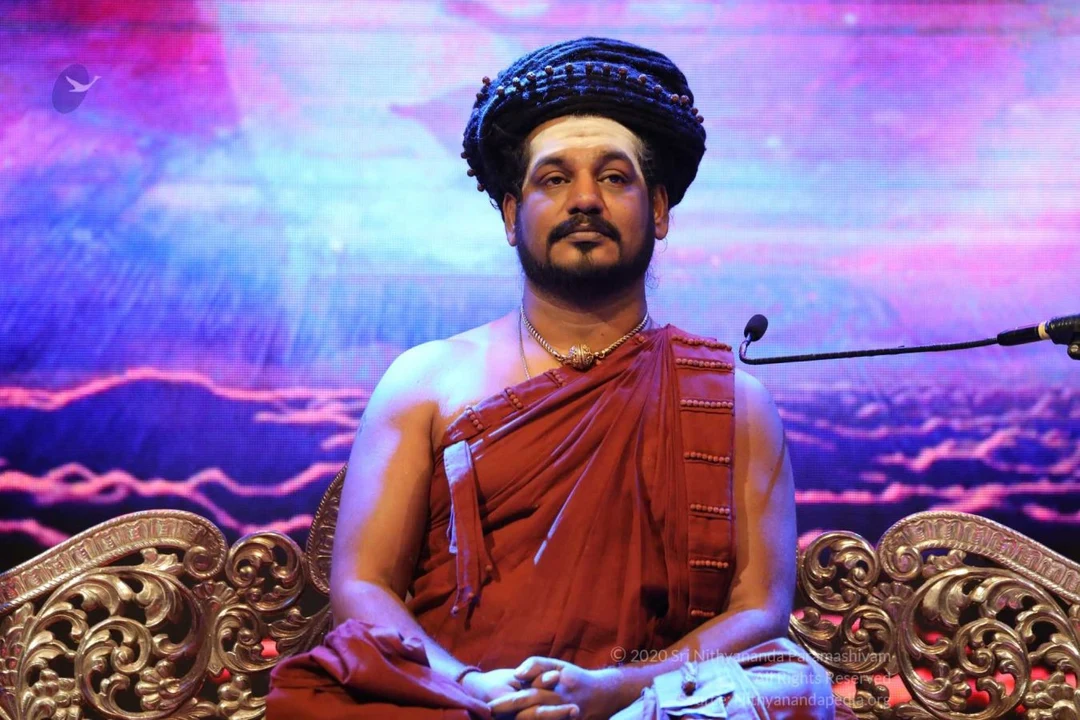
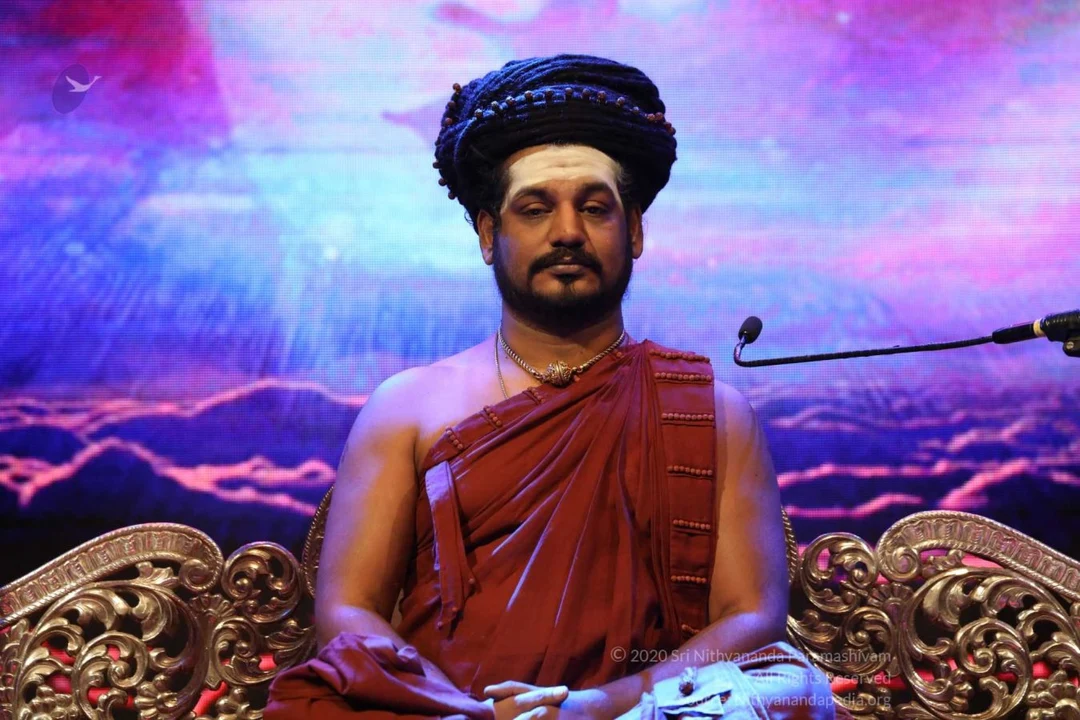
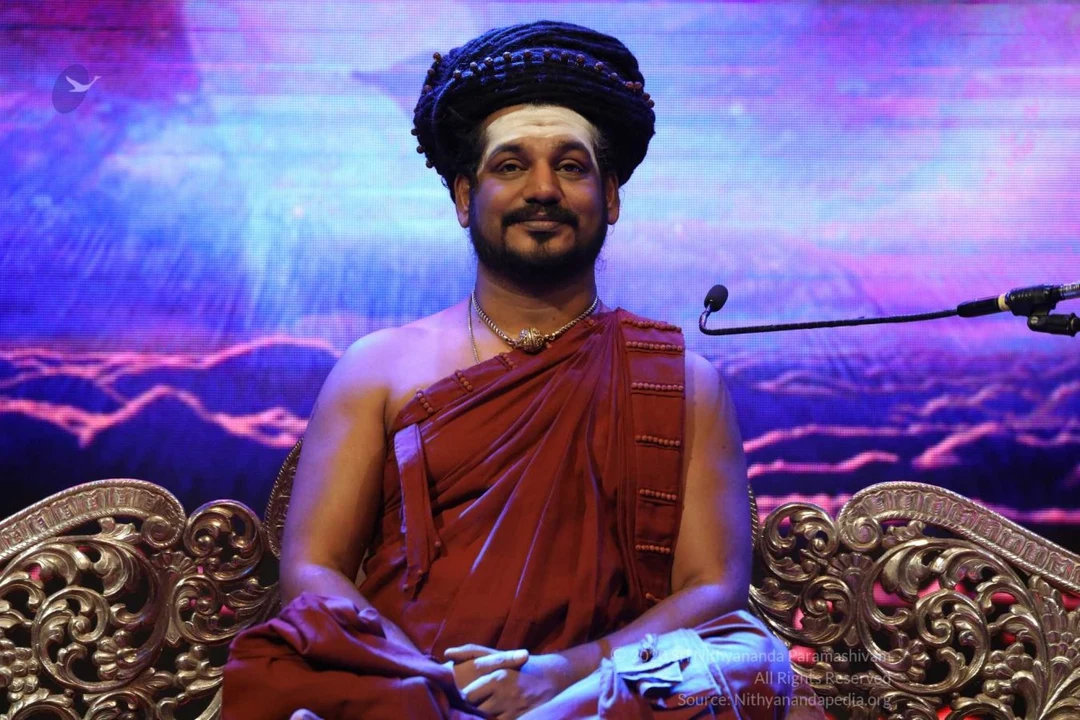
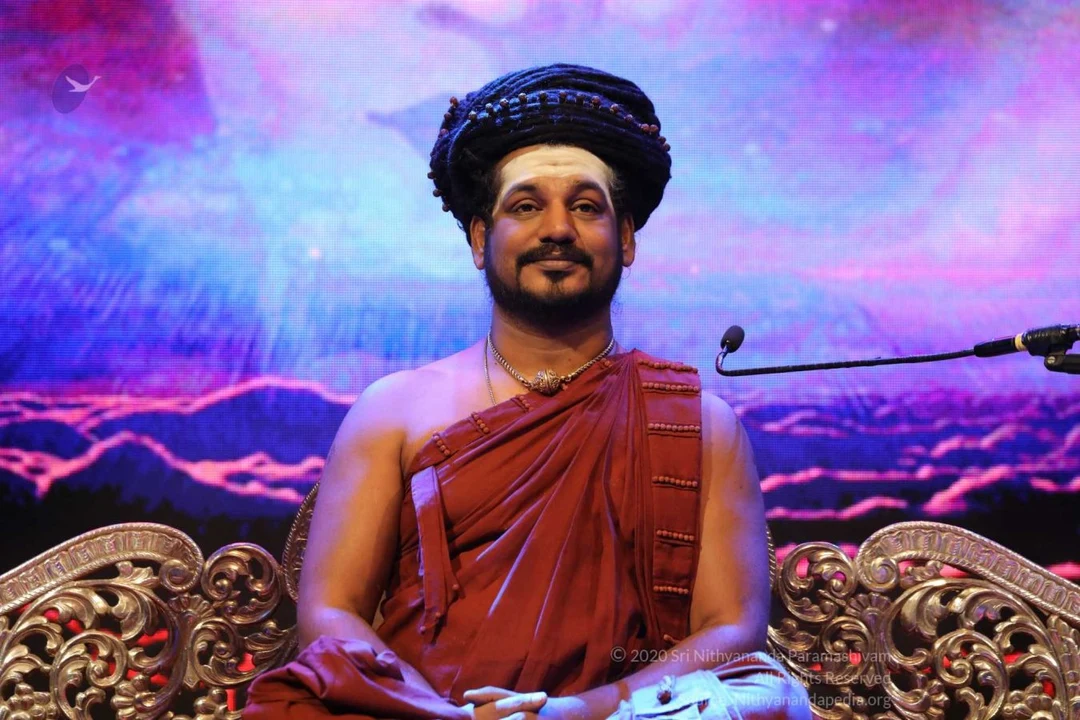
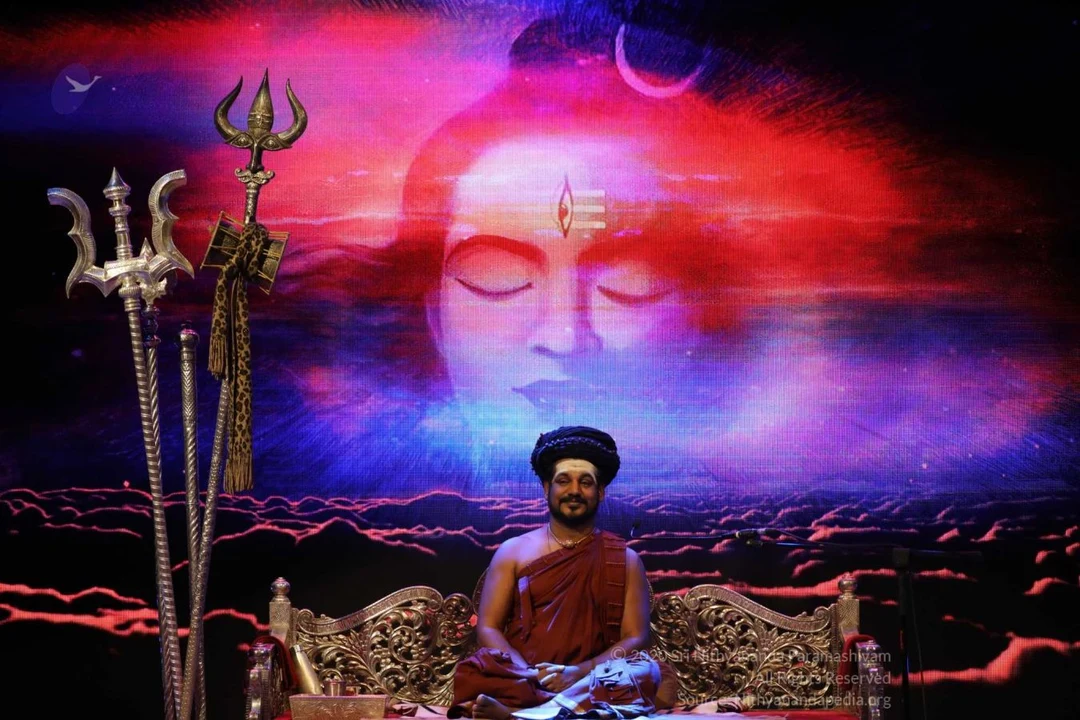
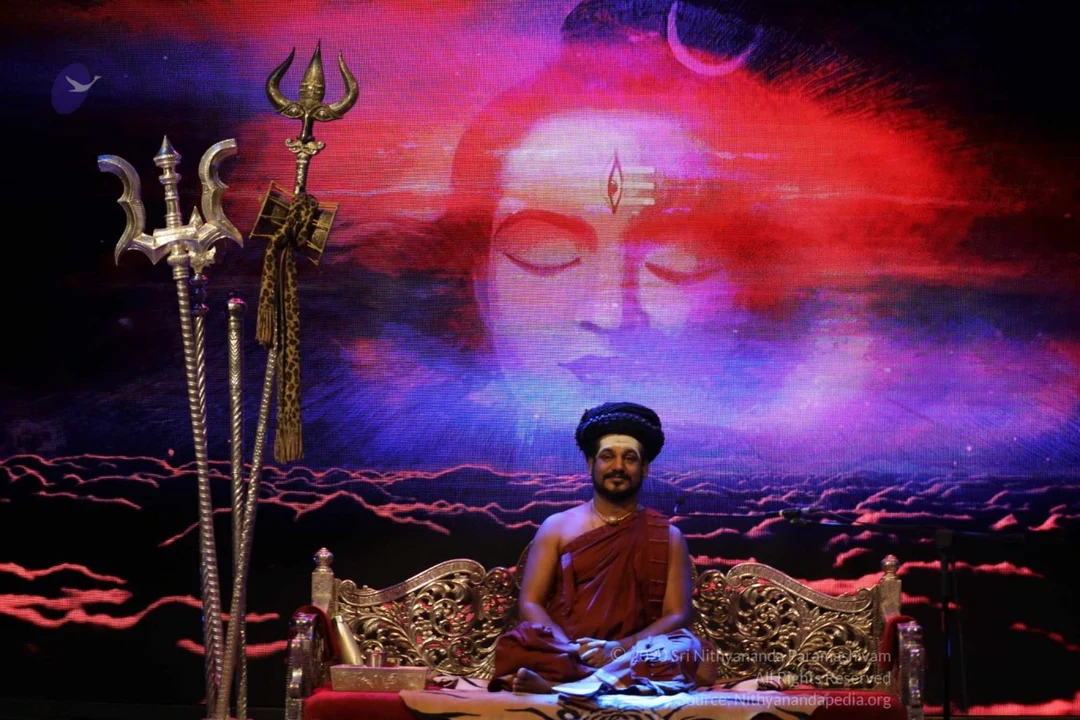
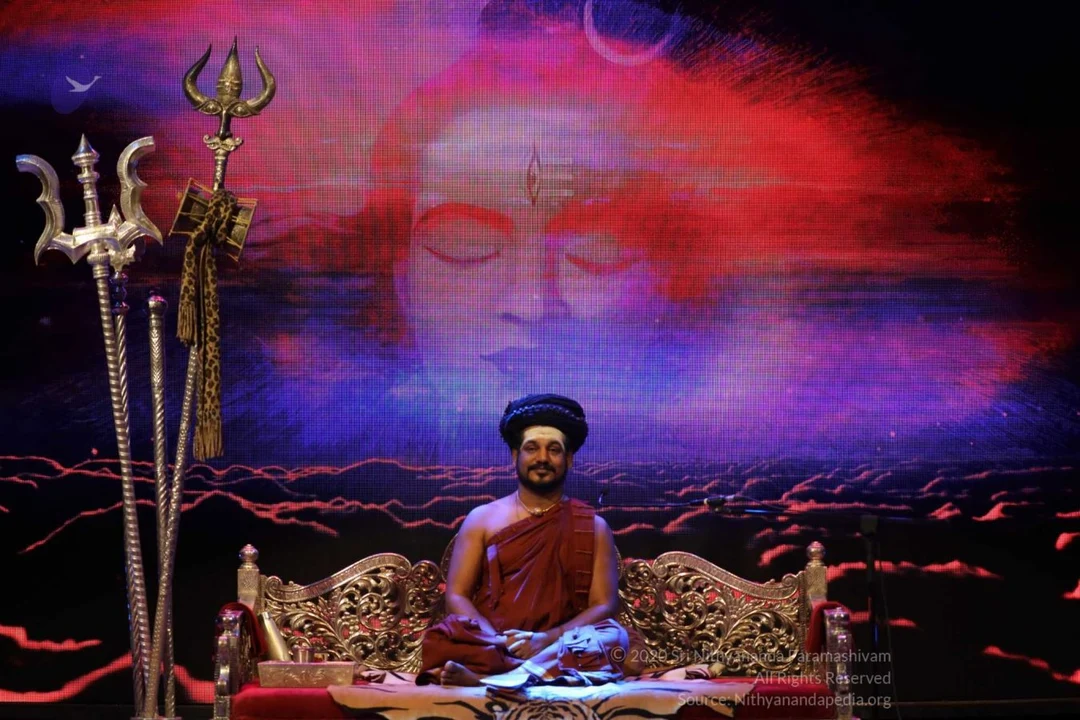
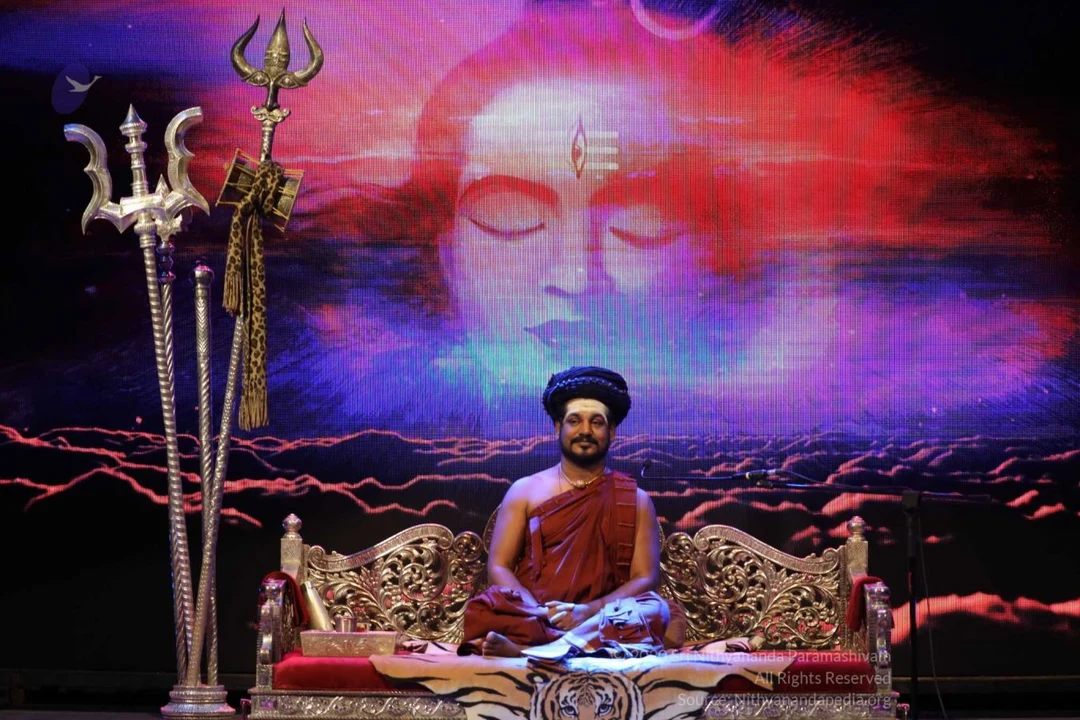
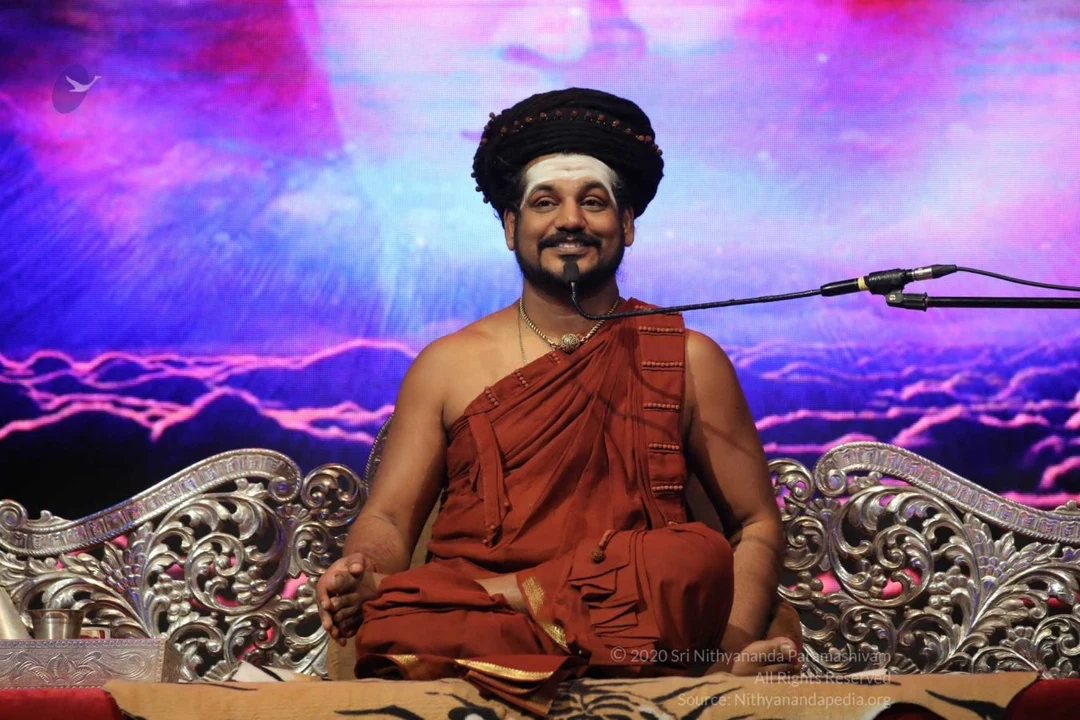
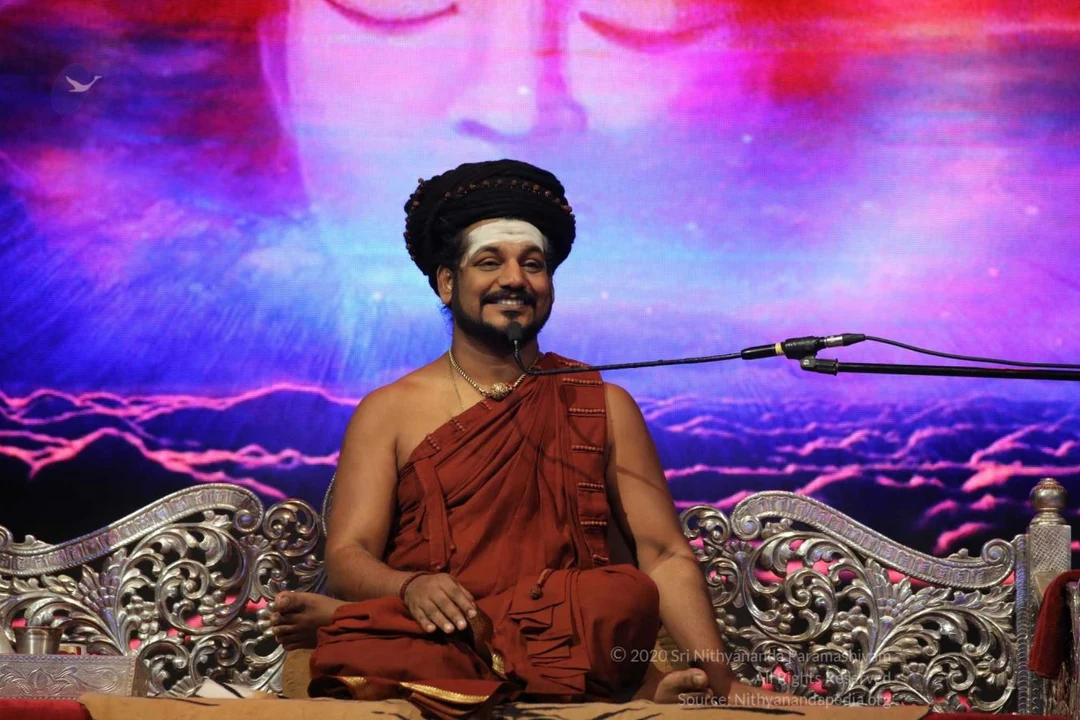
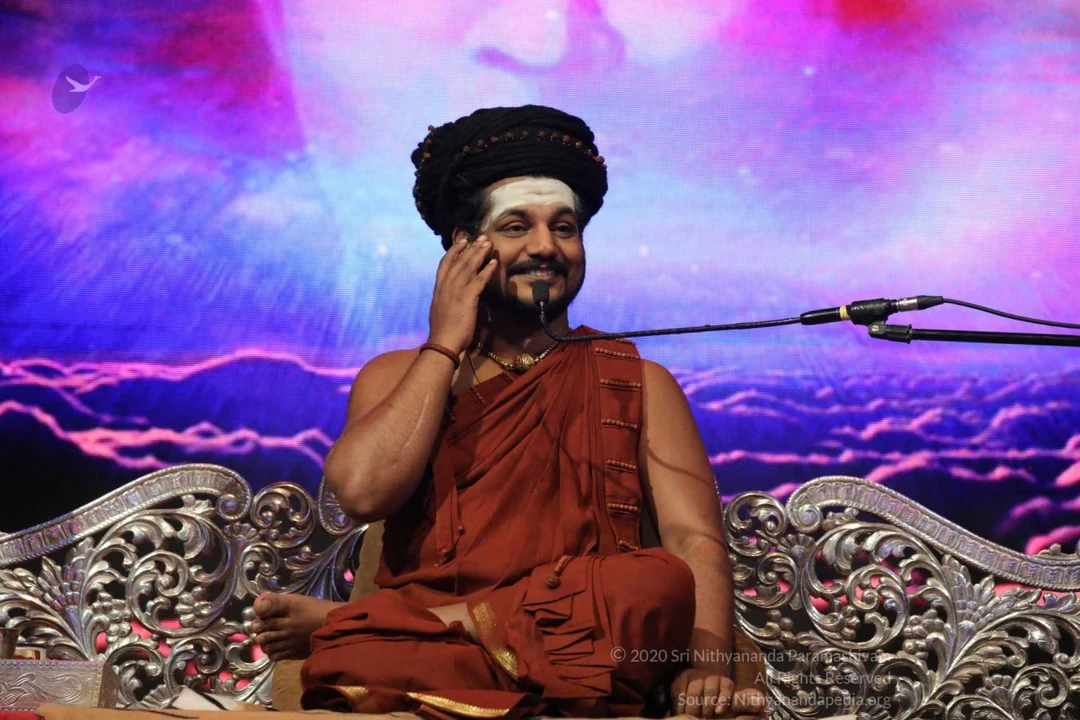
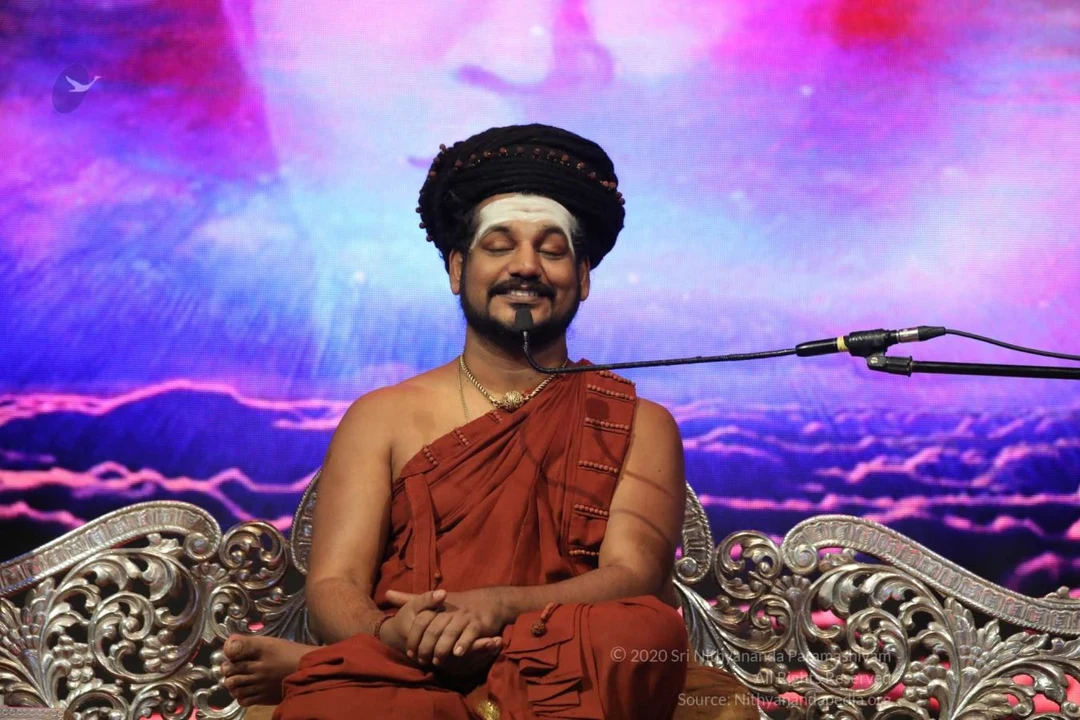
Link to Facebook Page
https://www.facebook.com/ParamahamsaNithyananda/posts/1706215086133001 https://www.facebook.com/ParamahamsaNithyananda/videos/1706572082763968/==Photos Of The Day:==
1-Mahasadashivoham
Photos from this day
View all 70 photosDeath Meditation Session - Darshan
64 photosSource gallery
1-Mahasadashivoham
6 photosSource gallery