Thursday
2 April 2015
Catch The Pure Consciousness
- Dated photos
- 45
- Source pages
- 1
- Media
- 4
April 02 2015
Original wiki pageTitle
Catch The Pure Consciousness
Description:
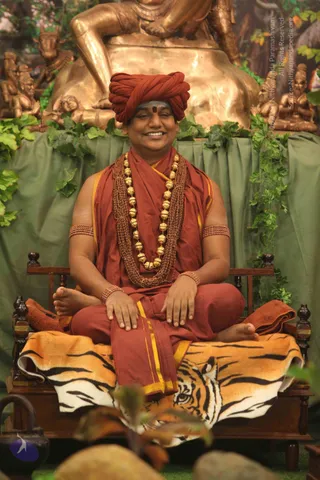
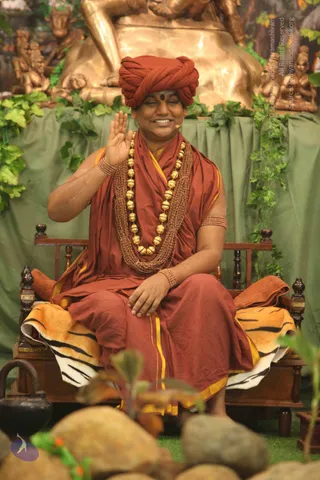
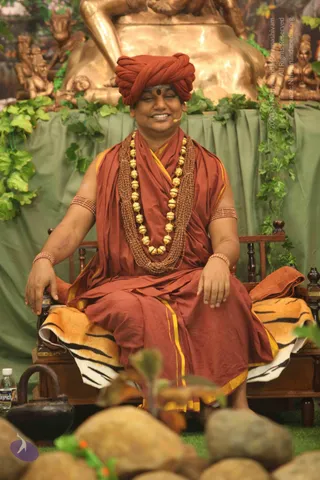
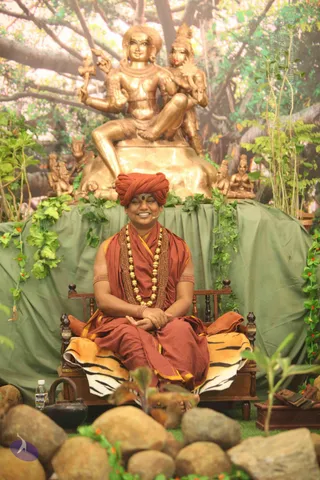
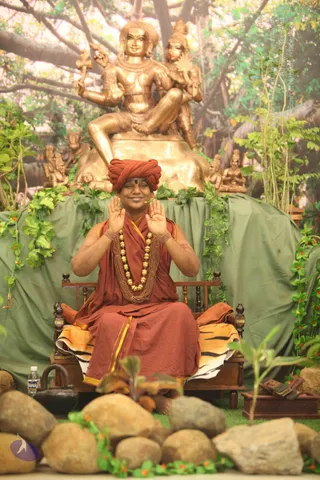
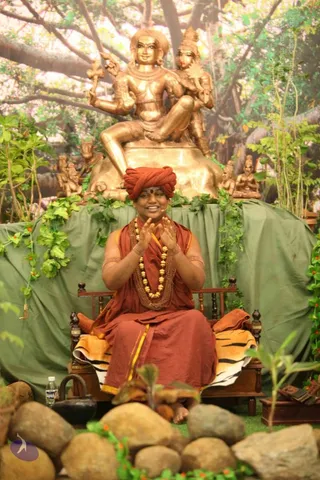
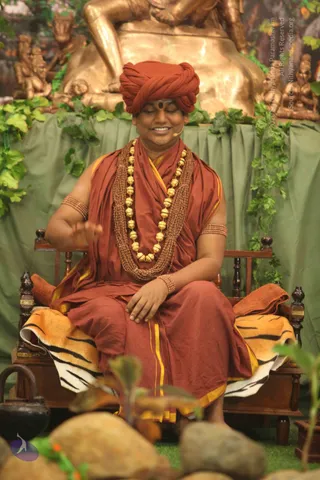
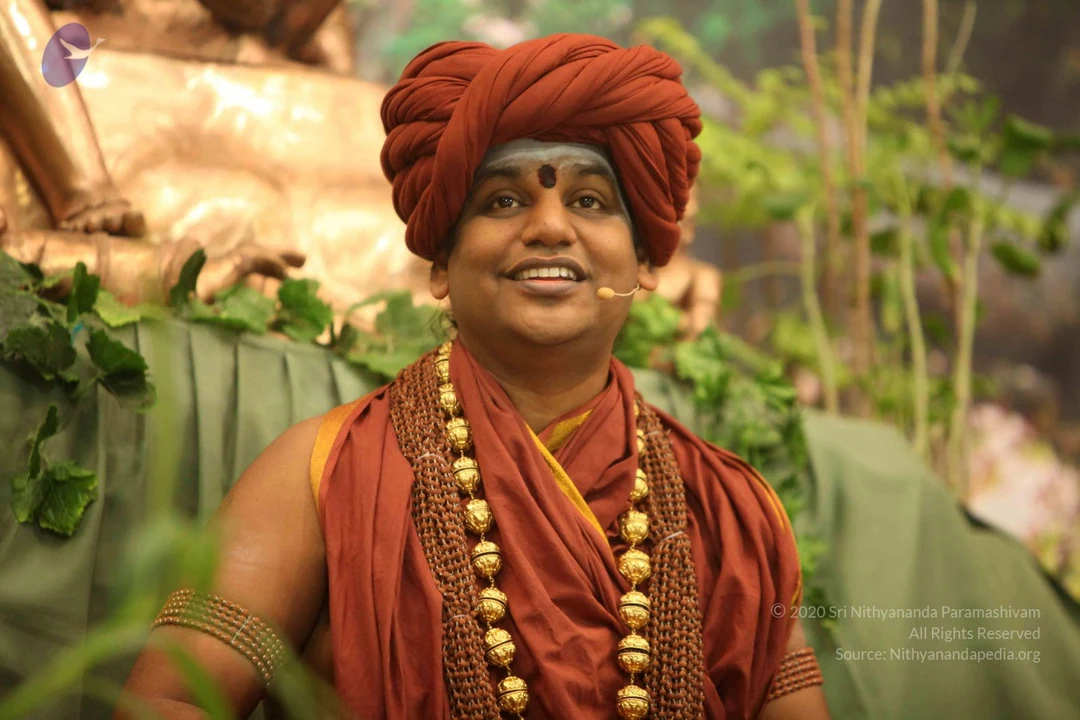
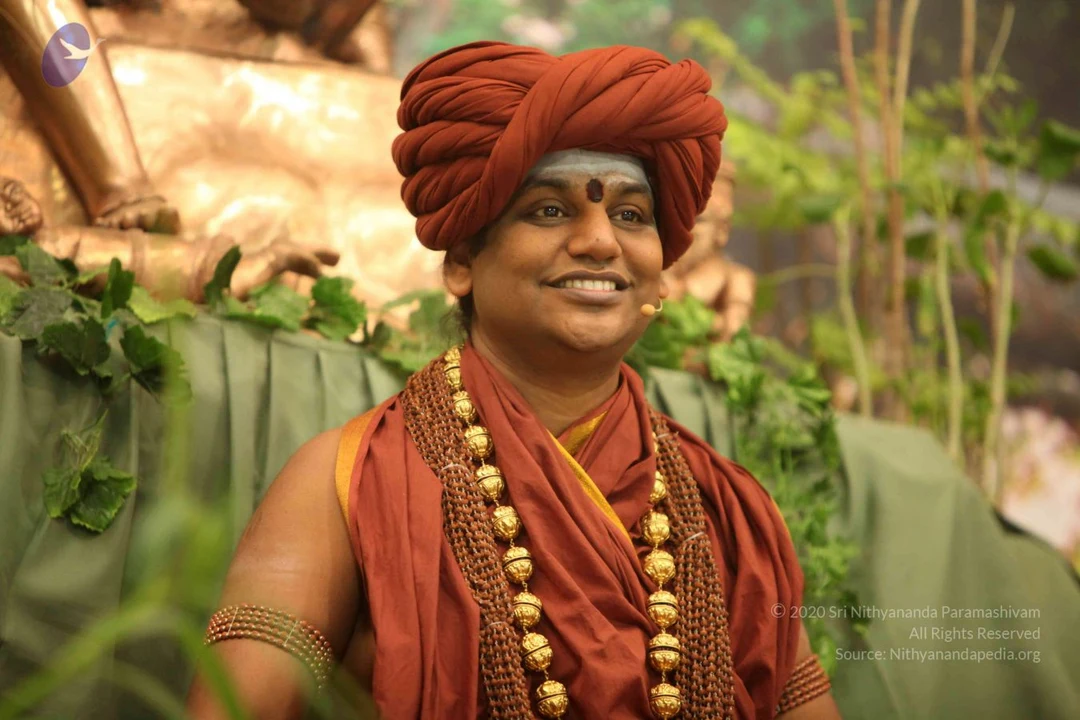
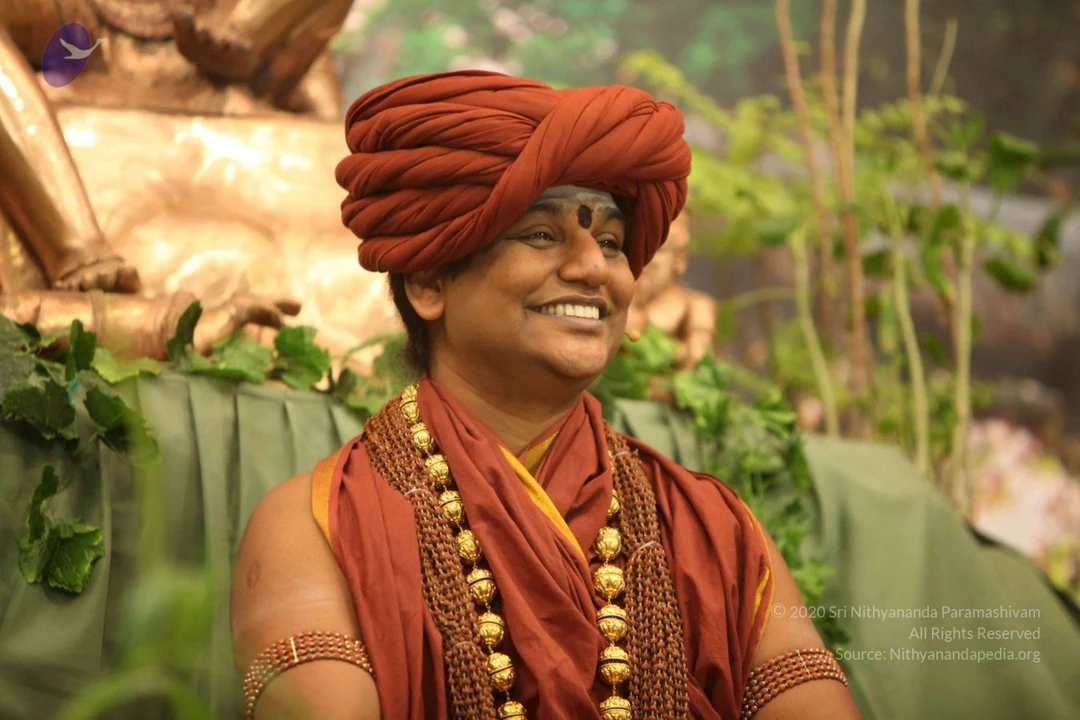
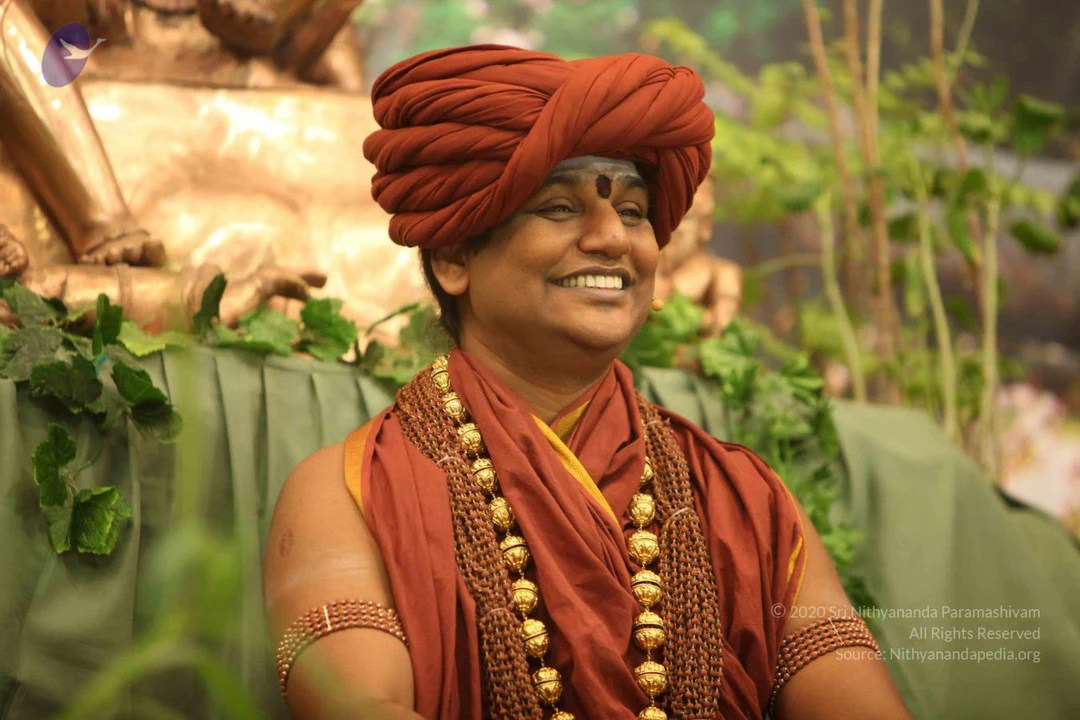
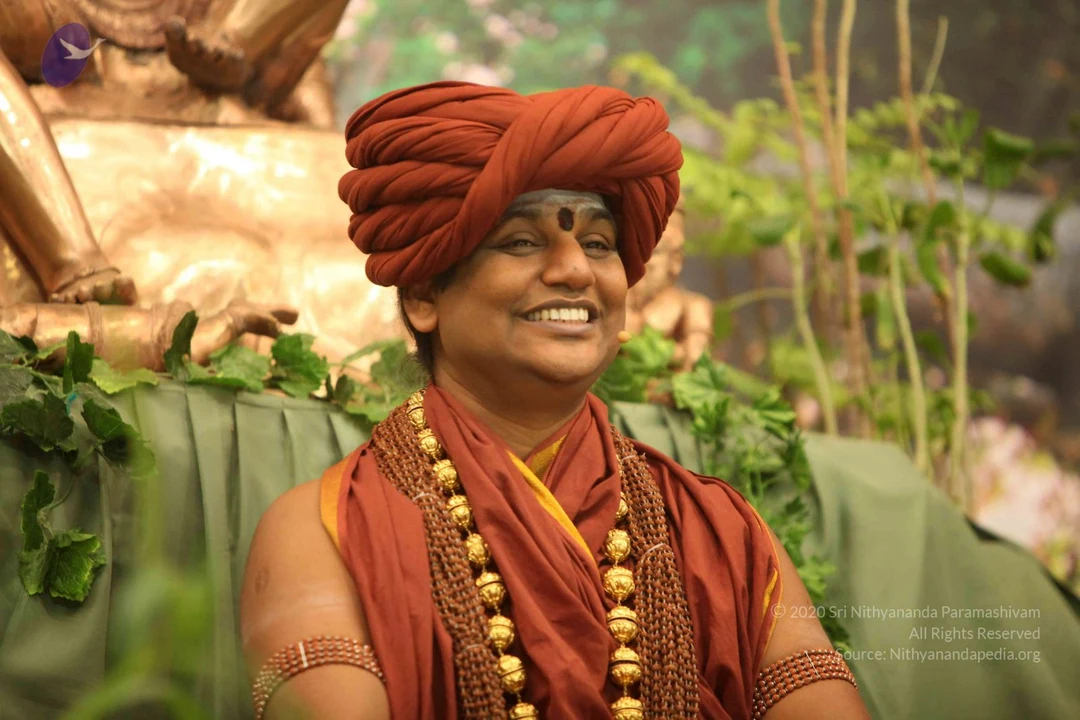
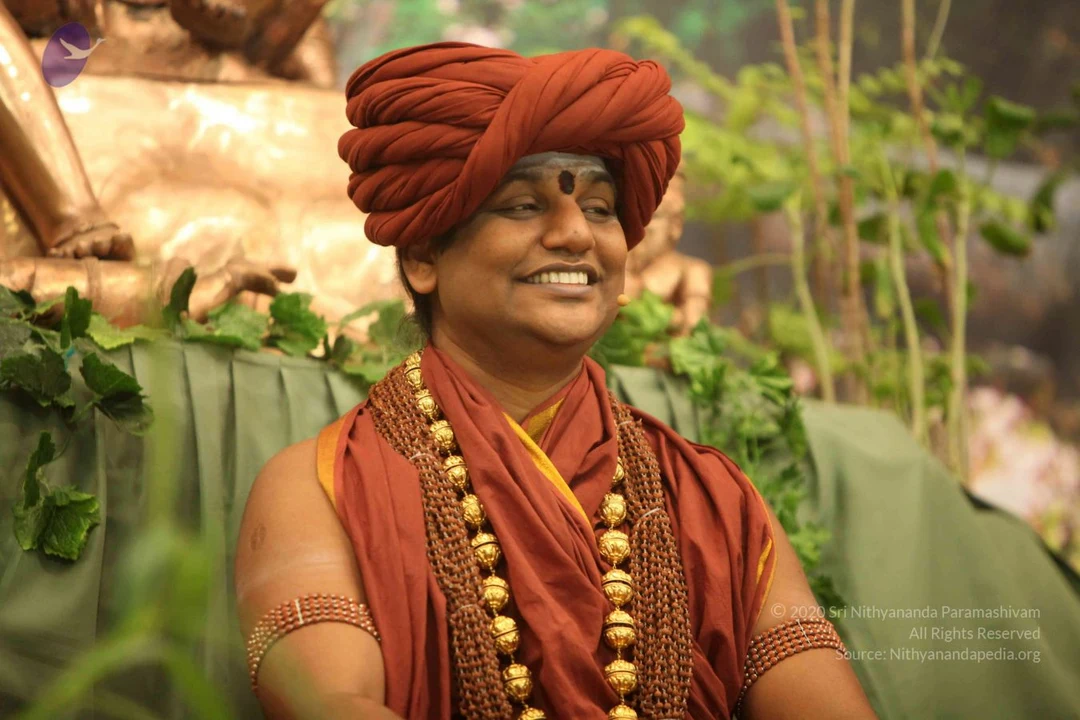
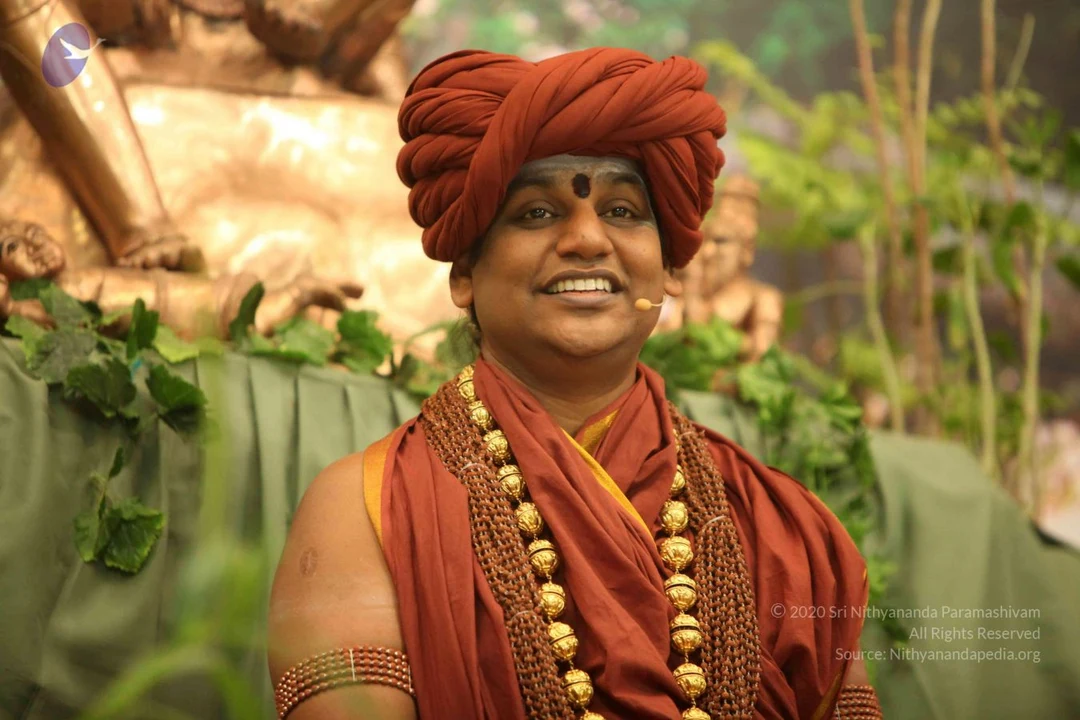
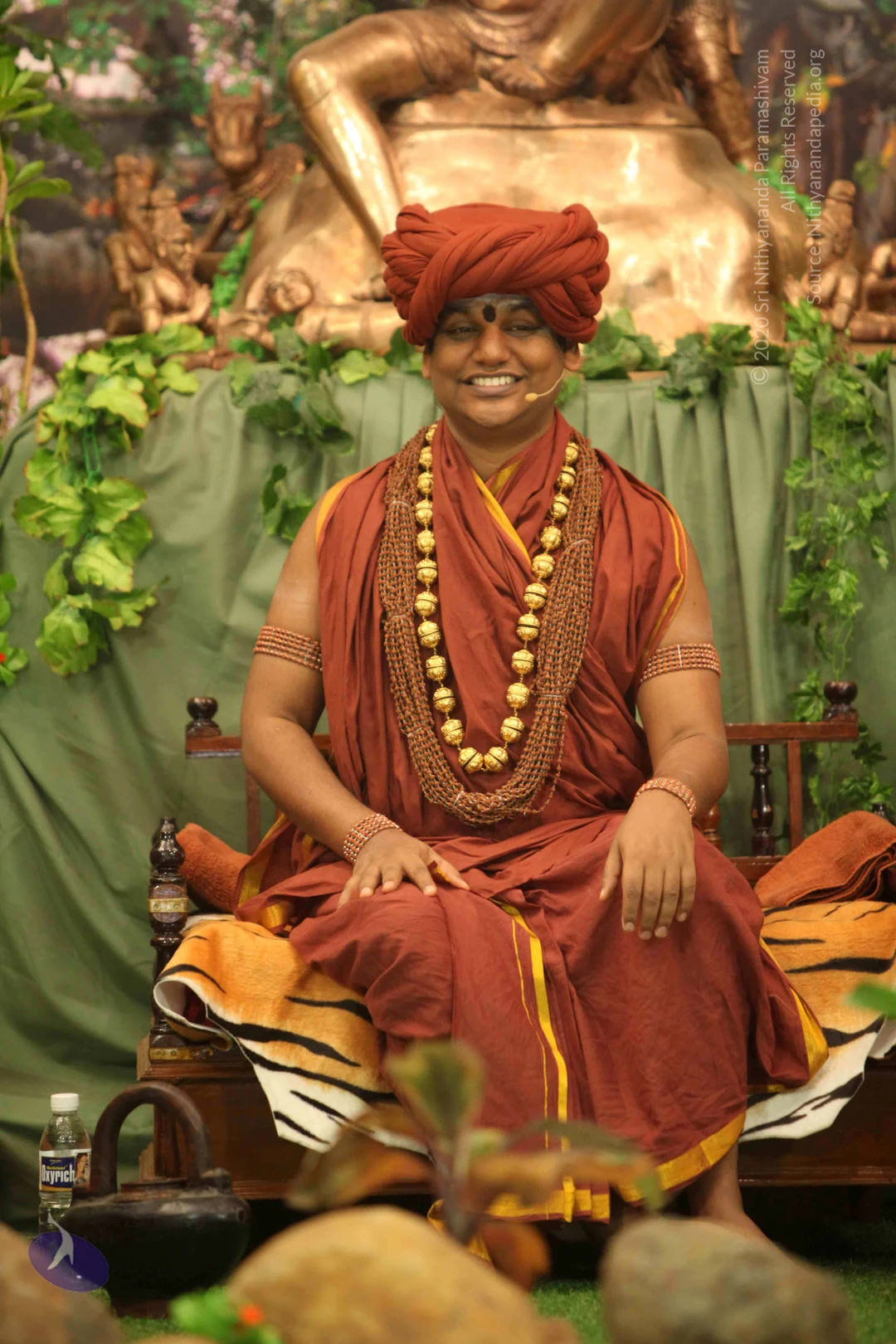
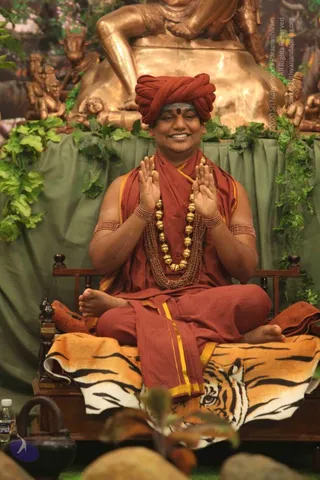
Today’s (2nd April, 2015) Nithya Satsang on Isha Upanishad Series, in Living Advaita. Paramahamsa Nithyananda enters into verse 8, intercepting into the qualities of Pure Consciousness, giving us the right direction for internalizing what we are supposed to do to experience Consciousness. Our ability, our expertise of the brain to catch, experience Consciousness only defines our spiritual growth. All spiritual practices are done to develop the subtle brain grooves in us to grasp the Pure Consciousness, which is all-pervasive, beyond space, ocean, or anything we can visualize or verbalize. How much ever we grasp It, that much only we can experience Consciousness. Every contemplation on Consciousness, gives us a better, deeper, subtler ‘click’. These clicks getting refined is spiritual growth. He also declares that deciding to have him as the Guru, transformation become the basic need. It is all about Enlightenment, the experience of uncompromising Pure Consciousness, beyond Life and Death, beyond mind-body - it is 'the other world.' Isha Upanishad – Verse 8 sa paryagāc-chukram akāyam avraṇam asnāviram śuddham apāpa-viddham | kavir manīṣī paribhūḥ svayambhūr yathātathyato-arthān vyadadhāc-chāśvatībhyaḥ samābhyaḥ || 8 || Today’s Vākyārtha Sadas, topic for spiritual explorations on truth is – Meditate only on the first line - “Pure Consciousness is all-pervasive beyond the coming and going, absolute radiant and self-effulgent- sa paryagāc-chukram” – the qualities of Pure Consciousness. The description itself needs to be meditated on. What is the meaning of each of these words; what is all-pervasive? Is it beyond space, earth, water, fire – these are not all-pervasive. Then what is it that is subtler than the space, which is all-pervasive? Consciousness always tastes itself only by Itself. Meditate on the Consciousness. Contemplate on this Truth, think morning to evening. Meditate on it.
| Video | Audio |
Transcript:
(00:20)
nithyānandeśvara samārambhām nithyānandeśvari madhyamām | asmat āchārya paryantām vande guru paramparām ||
(00:42)
I welcome all the devotees, disciples, samajis, satsangis, SriMahants, Mahants, Thanedars, Kotharis, visitors, viewers sitting with us through Nithyananda TV, Sandhana TV, Arra TV and two-way video conferencing having Nayana Deeksha. Cities sitting with us in two-way video-conferencing having Nayana Deeksha all over the world: Houston, Hosur, China, Trinidad, Hyderabad-Gupta Kashi, Singapore, Madurai, Dubai, London, Charlotte, Ohio, Los Angeles, Seattle, Phoenix, Oklahoma, Kuala Lumpur, Palm Desert California, Chennai-Thiruvanmiyur, San Jose-Madurai, Oman - Sivagangai, St. Louis-Tirumala, Toronto-Thiru Kailayam, Dubai and some more cities.
(02:03)
I welcome all of you with My love and respects. I will enter into the 8th verse of the Īśāvāsya Upaniṣad. Please recite along with Me:
sa paryagāc-chukram akāyam avraṇam asnāviram śuddham apāpa-viddham | kavir manīṣī paribhūḥ svayambhūr yathātathyato-arthān vyadadhāc-chāśvatībhyaḥ samābhyaḥ || 8 ||
sa paryagāc-chukram akāyam avraṇam asnāviram śuddham apāpa-viddham | kavir manīṣī paribhūḥ svayambhūr yathātathyato-arthān vyadadhāc-chāśvatībhyaḥ samābhyaḥ || 8 ||
I will read out the translation. Pure Consciousness is all-pervasive like space beyond the coming and going, absolute radiant and self-effulgent, un-embodied boundaryless whole beyond subtle body, woundless, muscleless having no incompletion with the body beyond gross body. Consciousness is the ever pure space devoid of the dirt of ignorance beyond causal body, and is untouched by the delusion of incompletion. Consciousness is the all-knowing seer of all past, present, future, the lord of all minds, Consciousness transcends all beings, Consciousness is self- existent by Itself with its independent will and intelligence, having no cause for its happening. It is Pure Consciousness, that from time eternal, has enriched the ages and each being, by ordaining desirable responsibilities onto them, as per their nature and space, and their actions and results thereof.
(05:31)
You need to read this translation again and again at least 10 times. You have to read this at least 10 times. I’ll tell the webmaster to upload it in the facebook; all of you read at least 10 times, put this as status. Why I am asking because, you will at least type once, while you type you will read it. In this verse, Upaniṣads are declaring the quality of the Consciousness. Please understand you are given a direction, you are given a right direction, that’s the right word I will use, for your manana, contemplation, for your internalizing. You are given a conscious direction. What you are supposed to do to experience the Ultimate Consciousness is described in this verse.
Pure Consciousness is all-pervasive. Even the moment you meditate, you just know. You are something more than the body, because all pervasiveness, the amount you can experience, only that much you can visualize. Please understand physical things for example this seat, this āsana even if you don’t experience what it is made of and how it feels, you can see it, you can grasp it, but the more and more things become subtle, it’s the depth of your experience, how much you feel one with it, that much only you will know it.
(07:55)
For example, physical, I already gave the example. You don’t have to become one with this seat to see this seat or to use this seat. But a mental idea, you may need to become one with that idea to grasp the emotion and context behind that idea. Spiritually, how much you experience Oneness with that idea, that much only you will even understand it. If there is a thought or a poetry about love, it’s a thought. The level you experience that emotion, that much only you will understand those words uttered, the thought current. Otherwise you will be like – that day I shared the story of Shiva sitting with Vandi and eating the roadside idli, one of My Swami’s said the moral of the story is, “Even Mahadeva eat roadside idli, eating roadside idli is not wrong.” When you don’t understand the emotion, this is the meaning you will make for the words.
(09:31)
Understand how much you are able to grasp, that much only you will be able to experience. That is the beauty of the definition of Consciousness by Upaniṣads. You can never make a statue out of what Upaniṣads declare as Consciousness. You can never act as if you grasped without grasping. No! You can never make a mantra out of it. You can never form a dead ritual out of Upaniṣads. Any ritual you develop out of Upaniṣads has to be alive. I tell you, that is why Āgamas are so alive, you can’t make the Āgamas dead. How much ever you try to kill them, again and again we will happen and make it as alive. Āgamas can never be dead. Nigama! Nigama means Vedas; Āgama means applied Vedas, user-friendly version of Vedas. Manual how to use Vedas is Āgama.
(11:21)
Please understand. Pure Consciousness is all-pervasive. Meditate on it. What is it all-pervasive? Is it Ocean? No. Even water is not all pervasive. Is it Air? No. Beyond the vāyu-manḍala, the air-field it is not all-pervasive. Then what is the all-pervasive? Space? No. Like Space. Because even in our Space only there are only some few billion planets, but Universe is much beyond. Few billion planets we have ever understood and imagined. Vyakta-avyakta manifest and Unmanifest; manifested and unmanifested. Vyaktā-avyakta - manifest and unmanifest. Meditate on it. Meditate on it. Meditate on it. Pure Consciousness is all pervasive, beyond the coming and going, absolute radiant and self-effulgent, unembodied, boundaryless, whole.
I am not teaching you theology light; I am not teaching you even how to live. I don’t care about living, I care only about Enlightenment. Please understand I am very clear, I wanted to be branded as “Other-worldly Guru.” It is all about beyond what you know as Life and Death! It’s all about Enlightenment, the other world, beyond. It’s all about beyond even what we know as Space. It’s all about Enlightenment, Pure Consciousness. Uncompromising Pure Consciousness.
(14:43)
Please understand whether you want this or not is up to you, but if you decide to have Me as a Guru, then there is no question of compromising. If I am your Guru, be very clear, I am here only to teach Science of Enlightenment, I don’t care about the stupid “life.” I am not here to teach you living. I am here to teach Enlightenment. Sometimes I use the word like a ‘living’, also; but even that word, meaning of that word is - breathing Pure Consciousness which is beyond body and mind. It is never small letter ‘living,’ it is always capital letter ‘LIVING.’ Be very clear, I am not some stupid ashram where — “Oh! You learn little yoga, you learn little Vedānta, you develop your life, learn to love, laugh, smile, dance.” No! I am a clear monastery where Upaniṣads and Āgamas are Lived; where a strict celibacy is practiced! Where Enlightenment is not only the first priority, the only priority!
(17:01)
I think Upaniṣads are reminding us, again and again with this verse, the context of this verse is — by defining Consciousness, Upaniṣads are asking us to align ourself again to the context. Pure Consciousness is all-pervasive, beyond the coming and going, absolute radiant, and self-effulgent, unembodied, boundaryless whole, beyond the subtle body, woundless, muscleless, having no incompletion with the body, beyond the gross body. Consciousness is the ever pure space devoid of the dirt of ignorance, beyond the causal body, and is untouched by the delusion of incompletion.
This description, this description itself need to be meditated. I wanted that today’s Vākyārtha Sadas should be held on: What is the meaning of each of these words? Pure Consciousness is all-pervasive, then what is that all-pervasive? Beyond Space! Earth is not all-pervasive, water is not all-pervasive; Fire is not all-pervasive; Air is not all-pervasive, even Space is not all-pervasive, then what is it, subtler than the Space which is all-pervasive? Ability to visualize? No! There are so many tons of things which can’t be visualized. There are so many things which can’t even be thought about. Then what is Pure Consciousness? When you contemplate, you will have ‘click’. Please understand every contemplation on Pure Consciousness will give you a ‘click’, that is Consciousness for you. And if you further contemplate on it, you will have a better, and deeper and subtler understanding and ‘click.’ These clicks getting refined is Spiritual Growth.
(20:05)
Spiritual growth means your ability to experience Consciousness, your expertise in Consciousness. Your expertise in experiencing Enlightenment is Spirituality, nothing else. The subtle mind with tremendous awareness, the whole blood flowing into the brain, what your brain can catch as the experience of Consciousness, subtlety of that experience, your expertise in catching the experience of Enlightenment, Pure Consciousness, that defines how much you have grown spiritually. Understand your spiritual growth is not defined by whether you have become Brahmachari or a Swami, or a Kothari or a Thanedar or a Mahant. No. It is defined how much you can catch the experience of Consciousness. Your expertise, the ability of your brain’s power, ability of your brain’s expertise, the subtle grooves of your brains, its ability and expertise to catch the experience of Consciousness. The experience of Consciousness. That, that makes, that makes, experience of that, that makes you spiritual.
(22:33)
I tell you, all spiritual practices are just to develop that subtle brain grooves in you to catch the Pure Consciousness, whether you sit in the banks of Ganga in silence in Haridwar, or you sit in the silence of Manikarnika, Mahasmashana in Varanasi, or you sit in the silence of Gomukh, Tapovan. Understand when your brain grooves, the subtle brain grooves, are able to catch the concept of Consciousness, the spirituality is awakened in you. It’s beyond body, mind.
At least before death, you should catch the glimpse of what is Consciousness, please understand the most subtlest concept or experience of Consciousness you got when you were alive, that will only automatically open up when you leave the body. That’s the greatest gift you can receive from a Master. That is why I am insisting on all our devotees – if you have elderly parents above 60...in the modern day, above 60 means in the waiting list for packing up. If you have elderly parents above 60, don’t miss the chance of Varanasi Shivoham. Make sure they are there sitting in Shivoham in Varanasi because the strongest glimpse of Consciousness which their brain can withstand, their body can stand, they will have it in Shivoham process, that’ll be the greatest gift you can give it to your parents from the Master.
(25:15)
Many people when they come and attend the program, they try to take the Rudraksha, something from Me as a gift to your family, friends and parents. I don’t know about others, if you have parents above 60, do not miss. This is your responsibility. See to it they are sitting in Varanasi Shivoham, they catch the glimpse of what their brain can grasp. Understand once you are above 60, lot of your time should be spent on grasping what is Consciousness, the subtlety of the Consciousness should be grasped. It’s not that youngsters don’t need to; elders have to, does not mean youngsters don’t need to. Don’t give your own meaning to My words. When I say elders have to, elders have to, that’s all. Youngsters also can, or after you become an elder, you have to, that’s all. Then naturally, I’ll only be giving energy darshans, Ācāryas will be conducting the classes. The more you delay in our Sangha any program, the more you lose My physical presence directly, that’s all. That’s the truth. The more you delay, the more you are going to learn from teachers.
(27:26)
Pure Consciousness is all pervasive, beyond the coming and going, absolute radiant and self-effulgent, unembodied, boundaryless, whole, woundless, muscleless, having no incompletion with the body. Consciousness is the ever pure space devoid of the dirt of ignorance.
Today I wanted all of you to meditate only on the first line: “Pure Consciousness is all-pervasive like space beyond the coming and going, absolute radiant and self-effulgent” – just on this line, have Vākyārtha Sadas. Have Vākyārtha Sadas just on this line. Contemplate. Contemplate. Contemplate. Actually if you catch the subtlest understanding about Consciousness, you will just know it’s ‘you’, you will start falling in love with it. You will know it is ‘you.’ You will fall in love with only things which you feel as you or part of you, not anything else. Consciousness always tastes Itself only by Itself. Meditate on the Consciousness. Contemplate on this Truth. Think morning and evening, have Vākyārtha Sadas about it. Whoever gives the most-subtlest understanding about Pure Consciousness in today’s Vākyārtha Sadas, which is accepted by all, will receive My turban as a gift. Your head is worthy of this turban! Because all Vākyārtha Sadas, from the time immemorial, was held only for imparting the subtle-most understanding and glimpse of Consciousness.
(30:43)
When you contemplate, contemplate, contemplate – what is it beyond space, out and in, what is That, that fills everything, what is it that makes everything run, what is it that is Source of me? Even that subtlest contemplation gives you the click; the click you get is the level of your spiritual growth. Again if you contemplate tomorrow, you will get a deeper click, understanding, then better spiritual growth. This is the way spiritual growth happens, constantly, constantly, constantly.
(32:07)
I bless you all. Let you all radiate with integrity, authenticity, responsibility, enriching, causing Living Advaita, the Eternal Bliss, Nithyananda. Thank you. Be Blissful!
(32:24)
| Video | Audio |
Link to Facebook Page
https://www.facebook.com/ParamahamsaNithyananda/photos/a.321615927926264/813785645375954/?type=3
Photos Of The Day:
Temple Glimpses
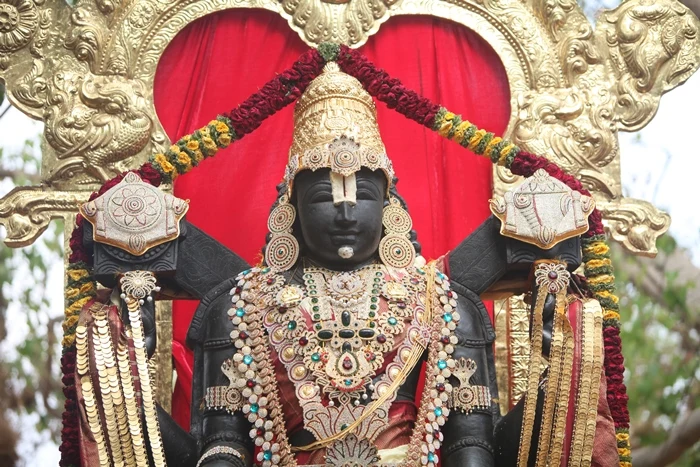
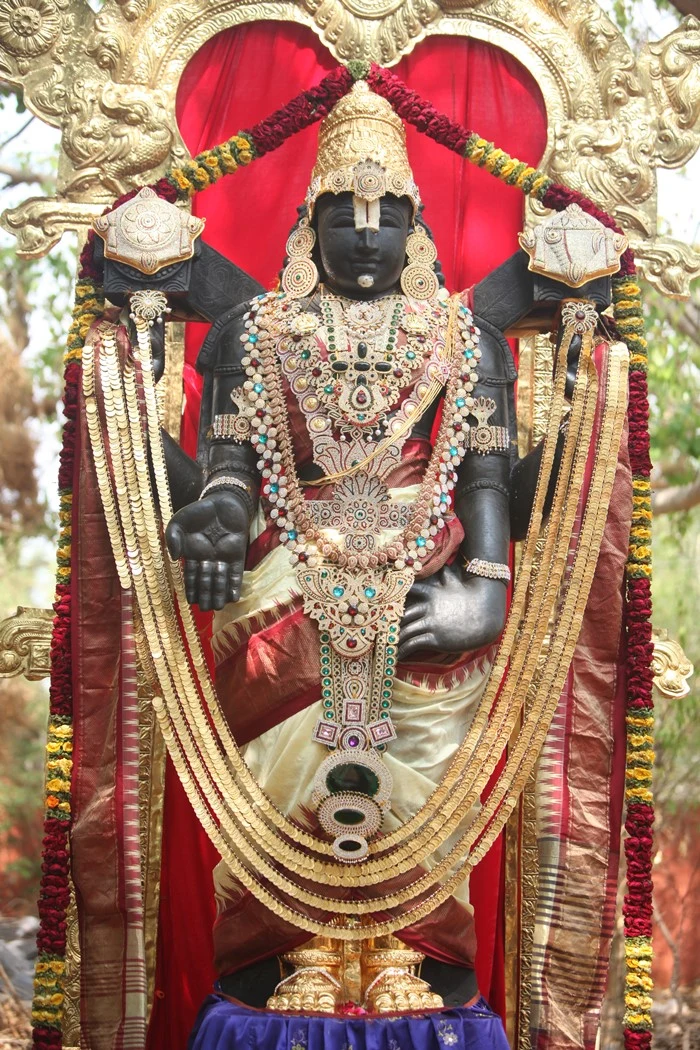
Nithya-Satsang

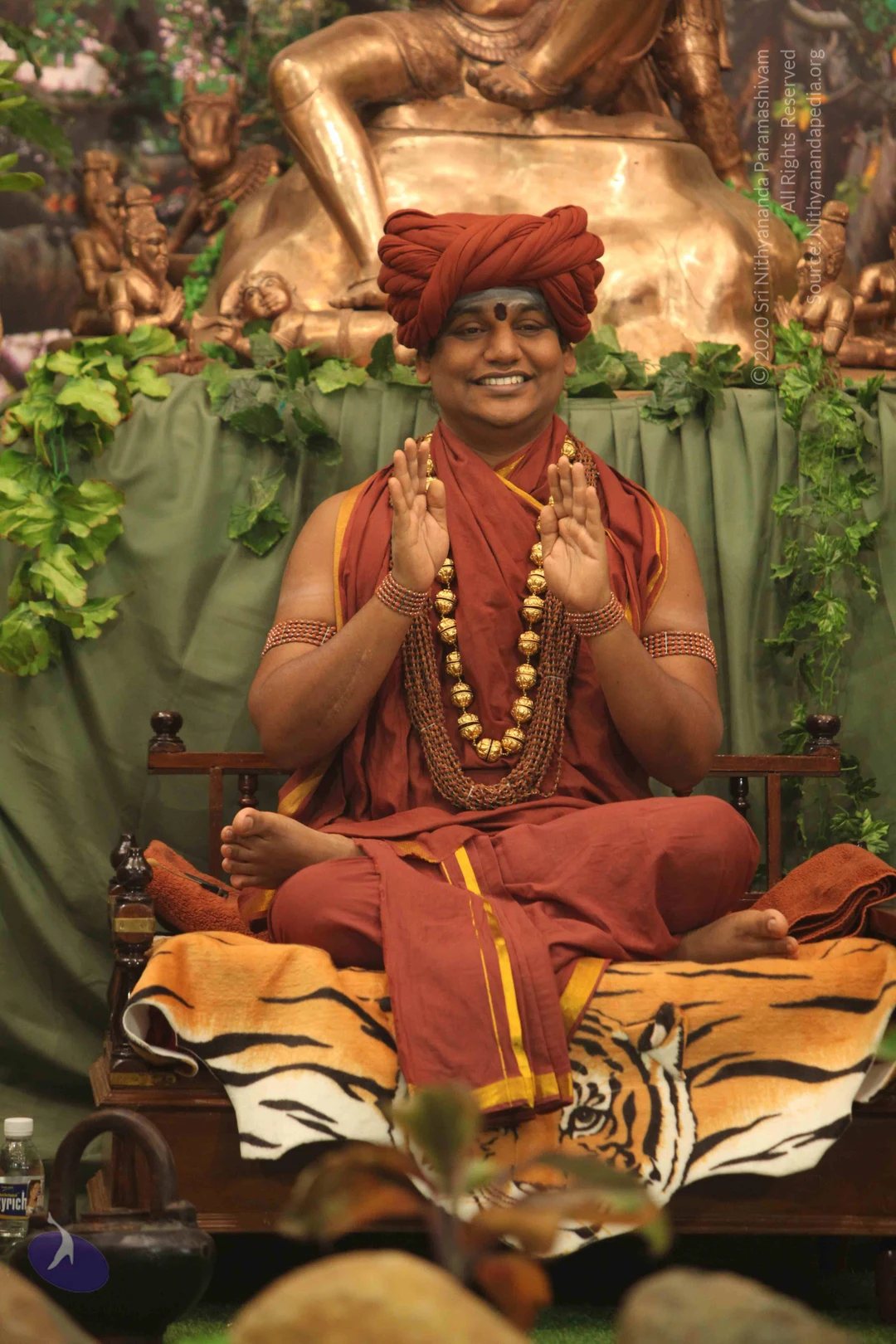
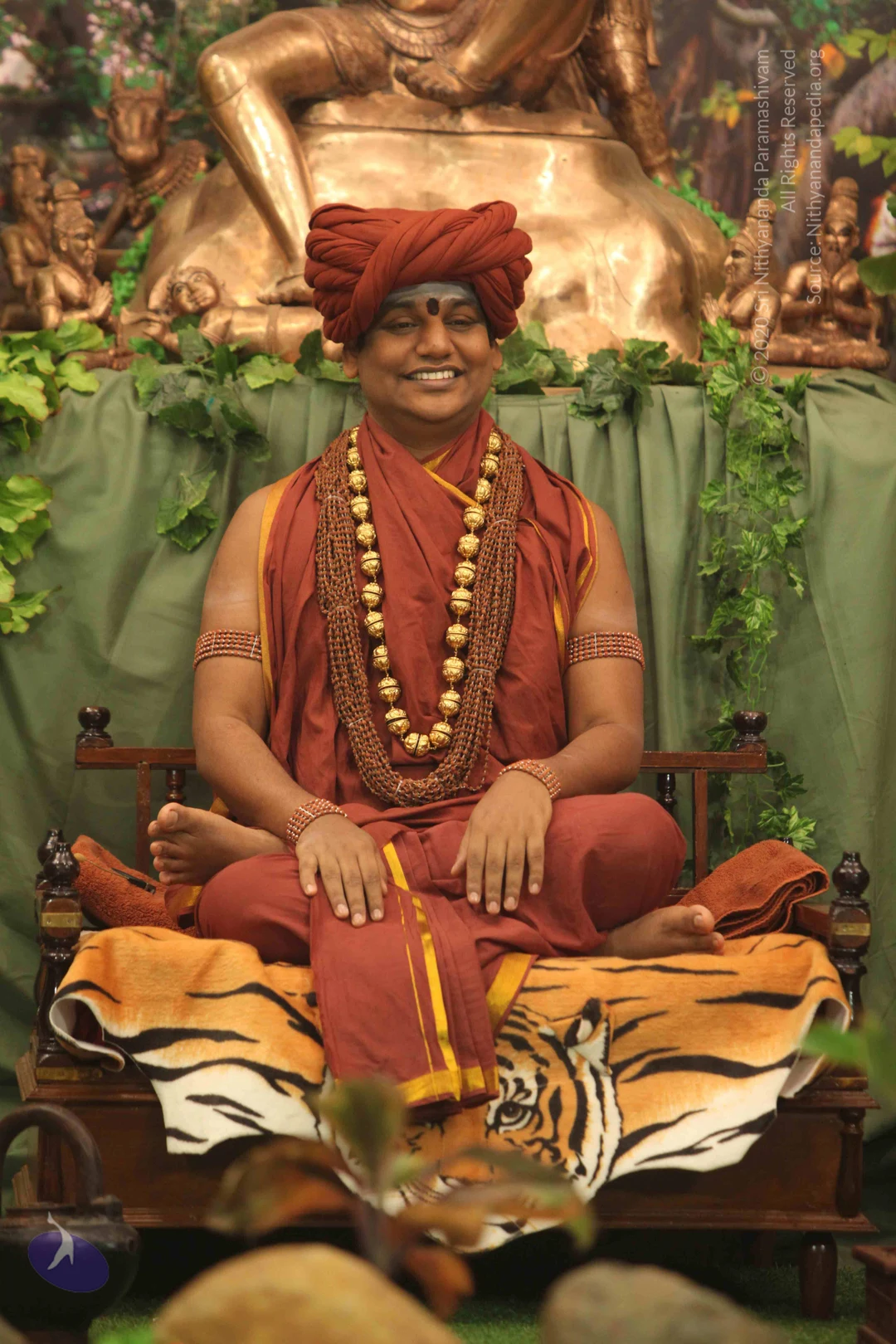
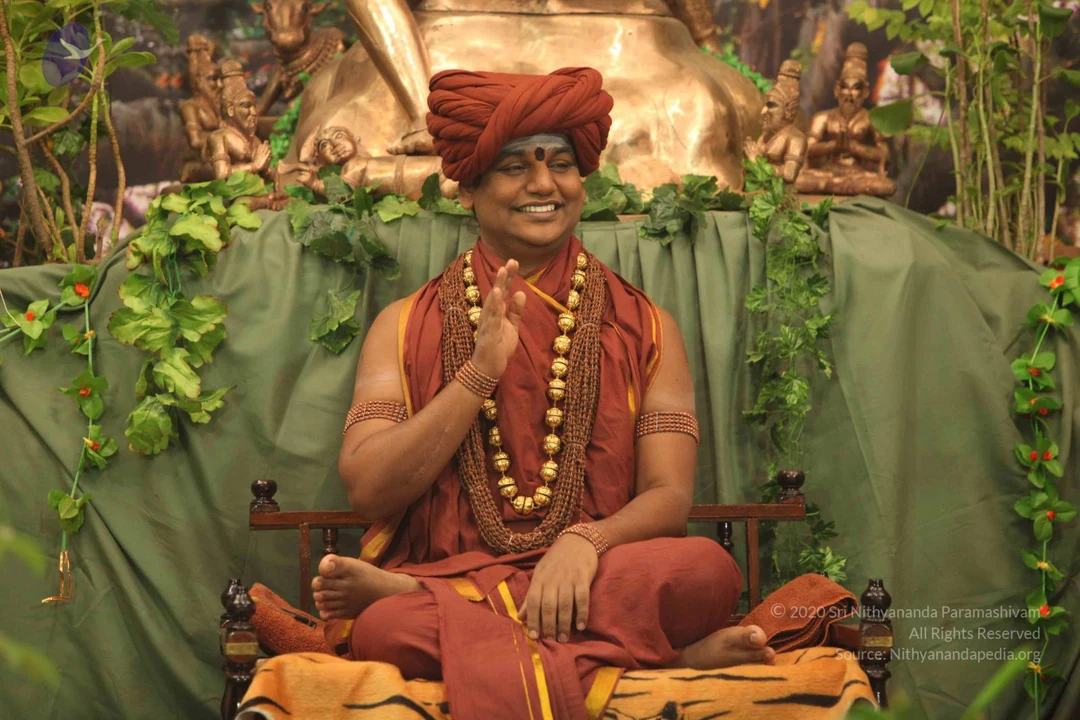
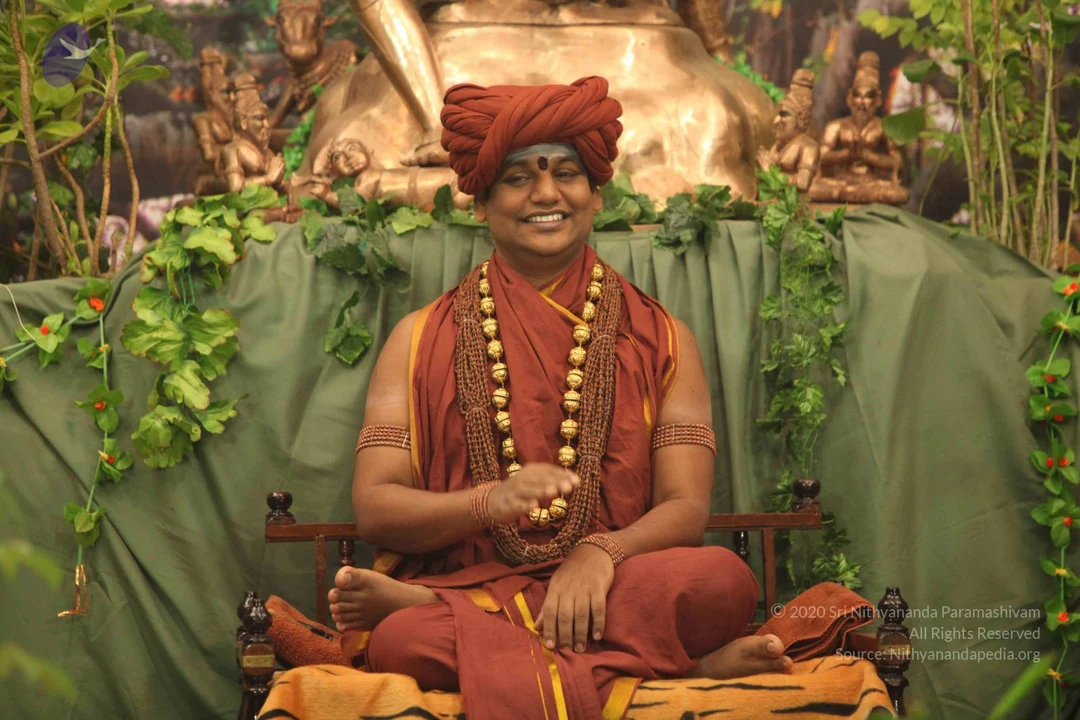
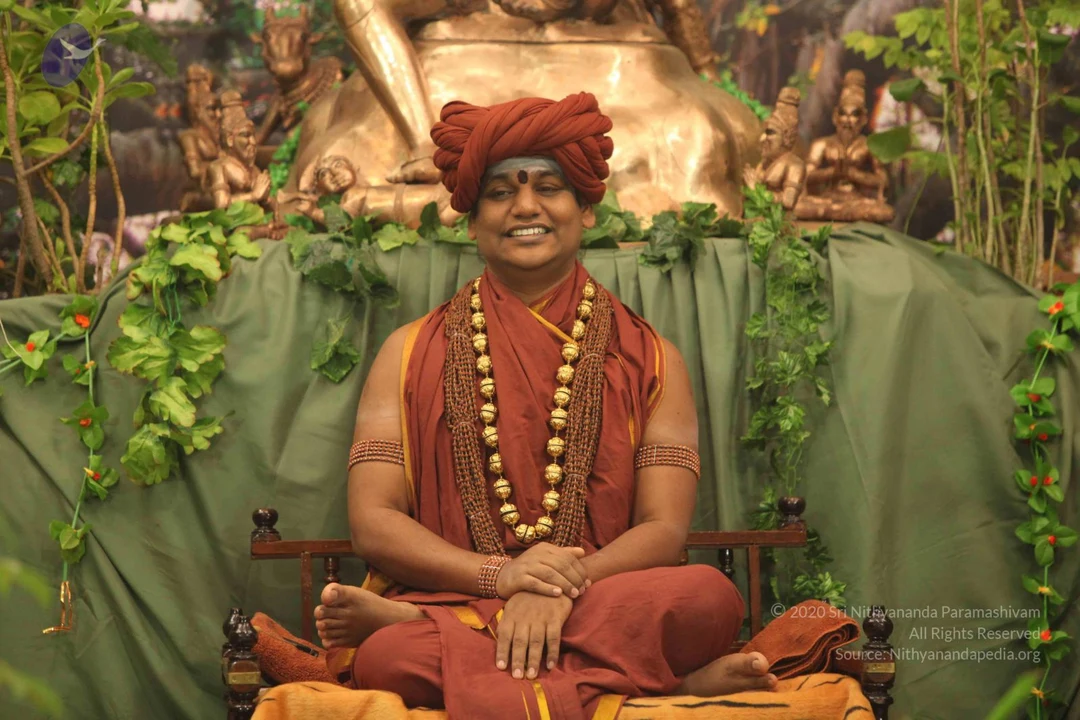
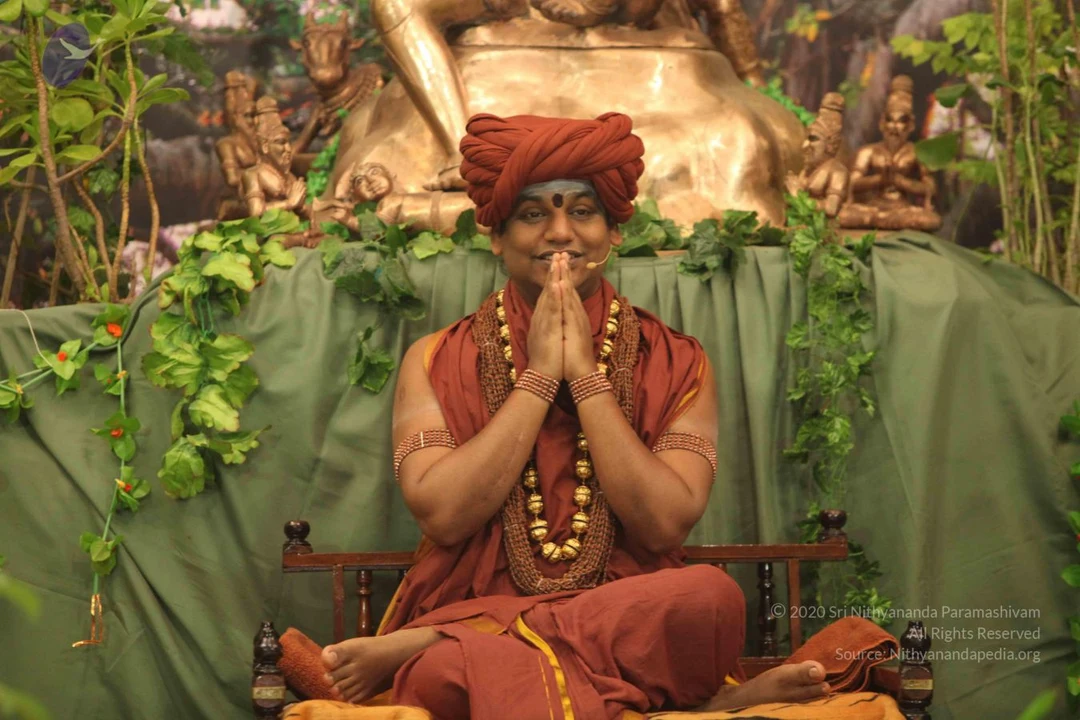
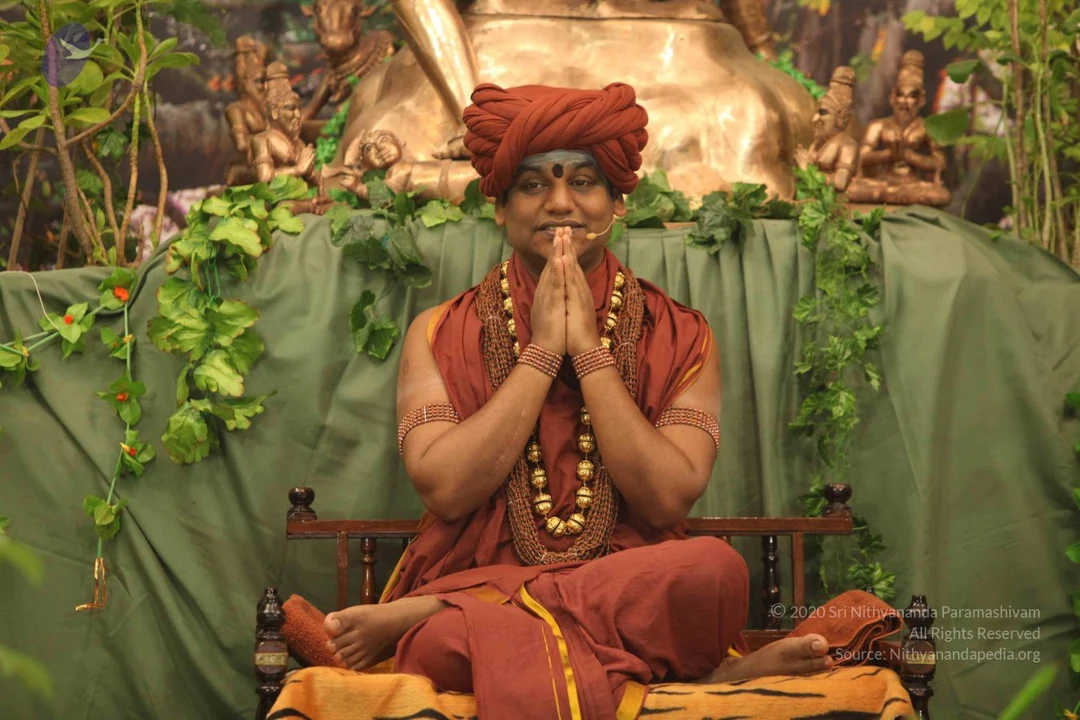
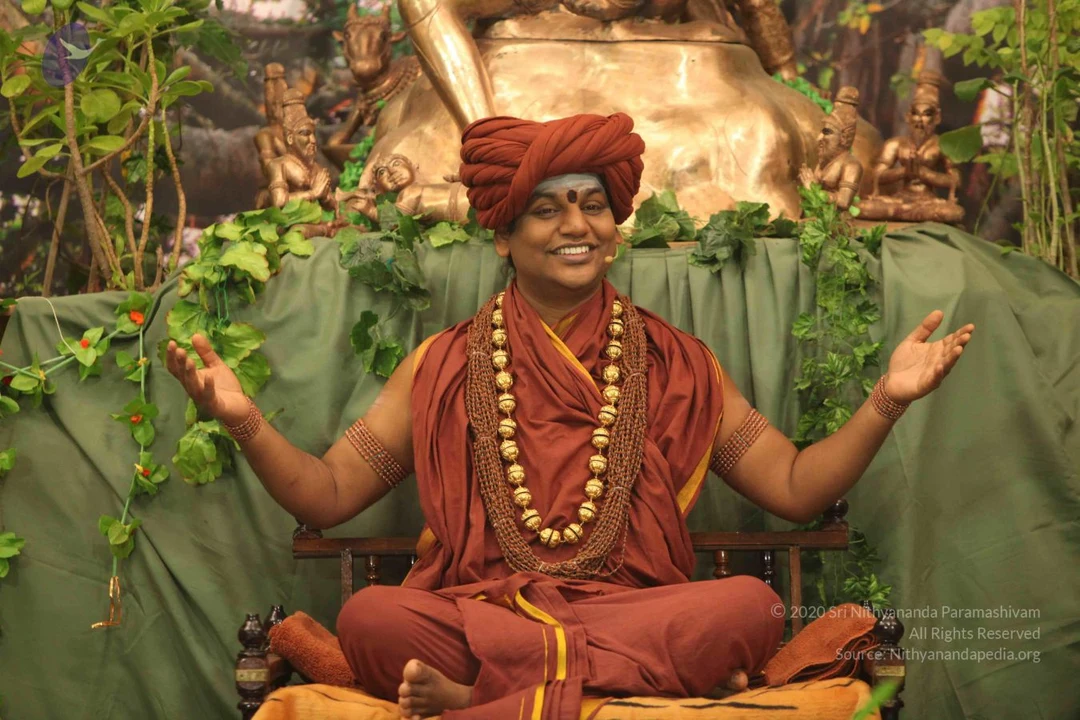
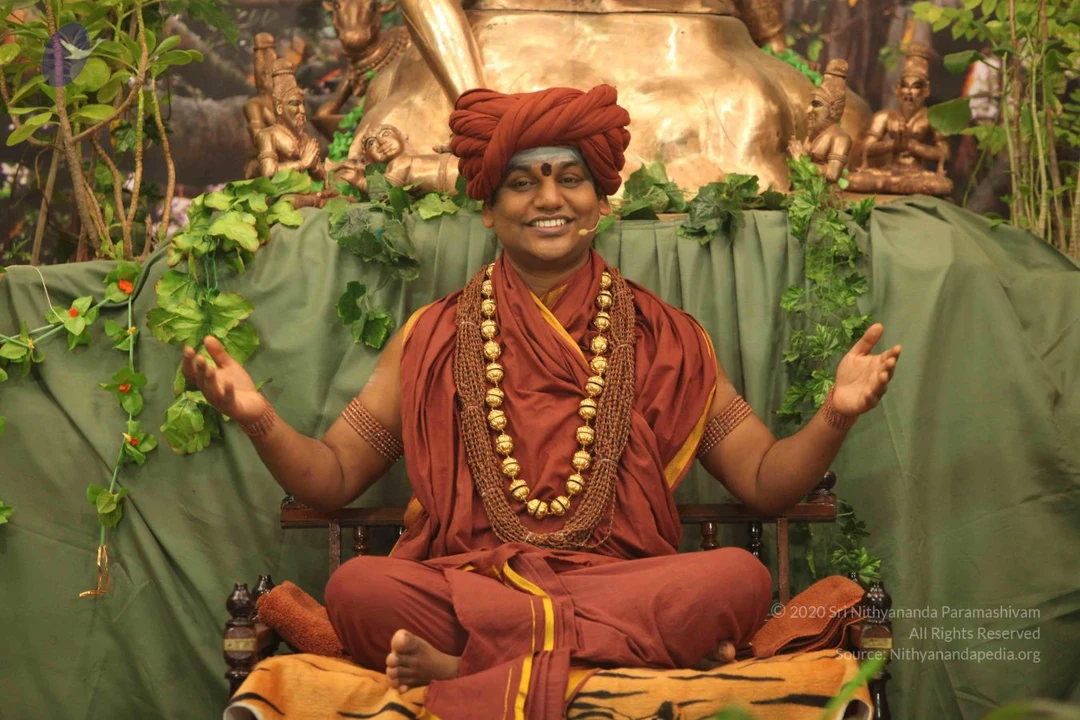
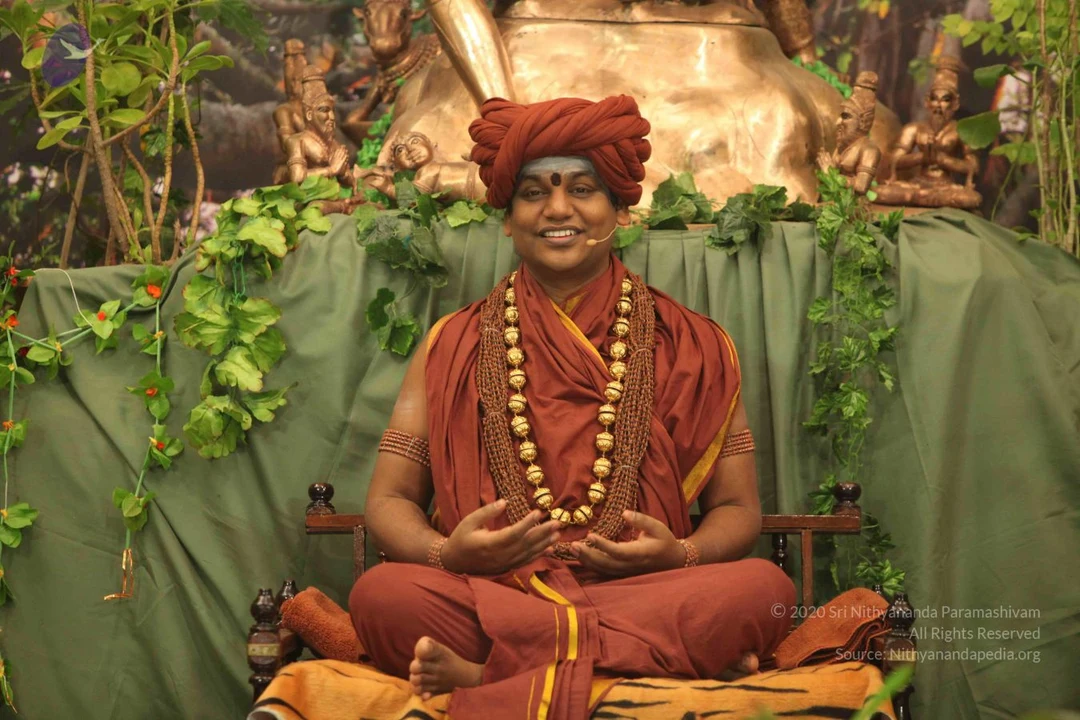
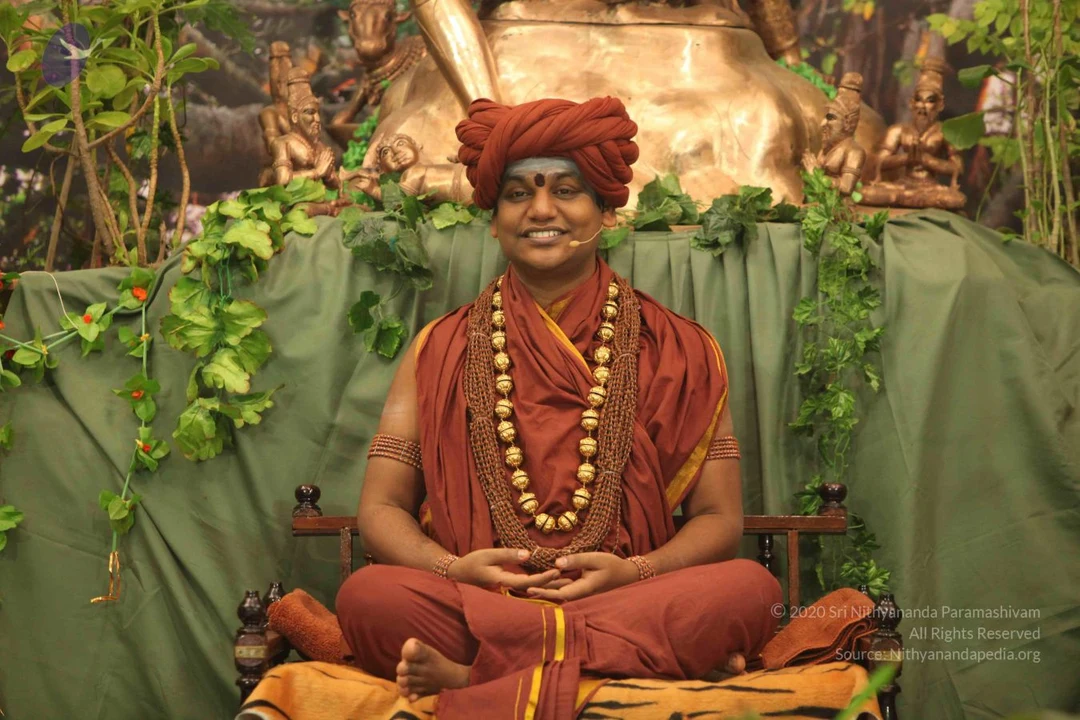
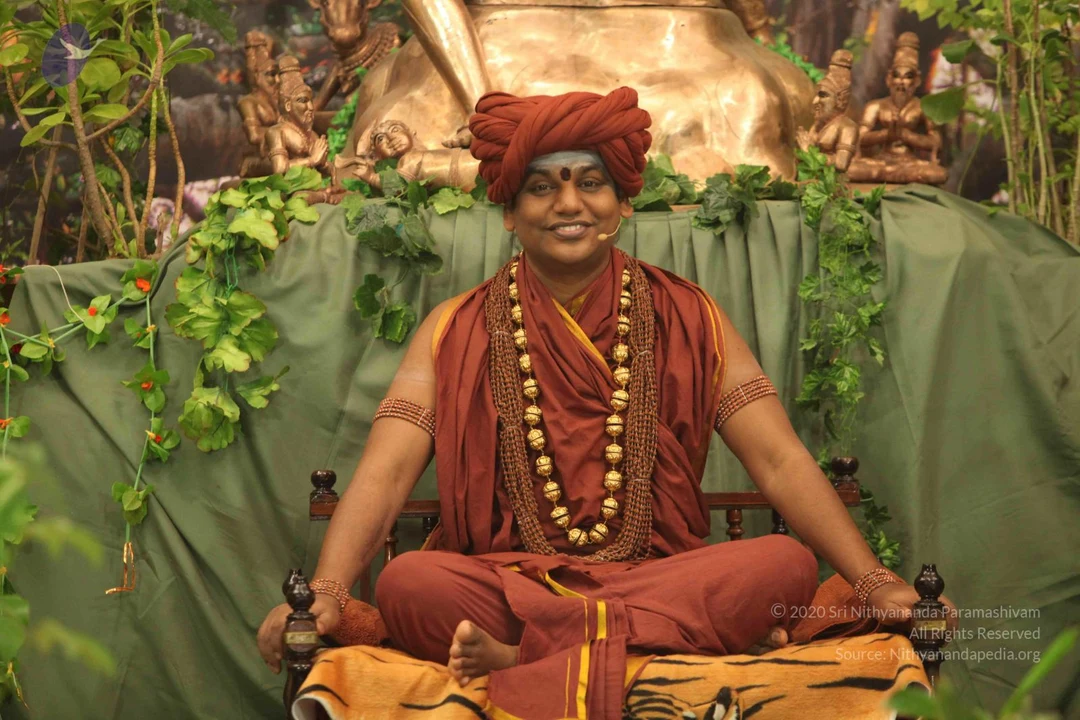
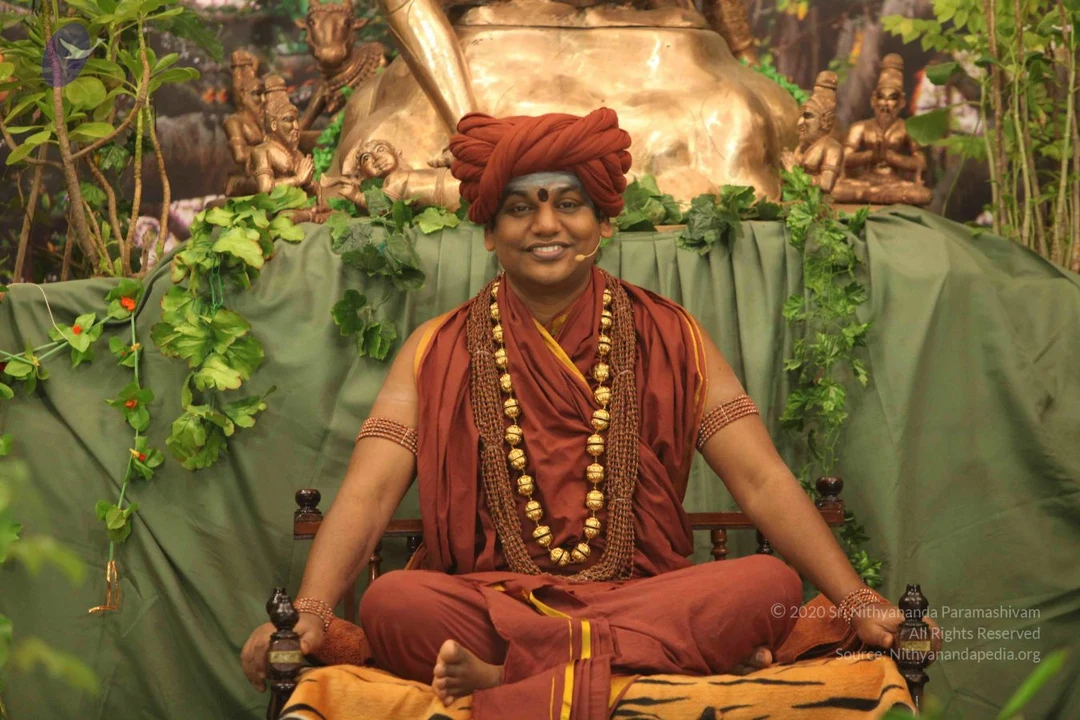
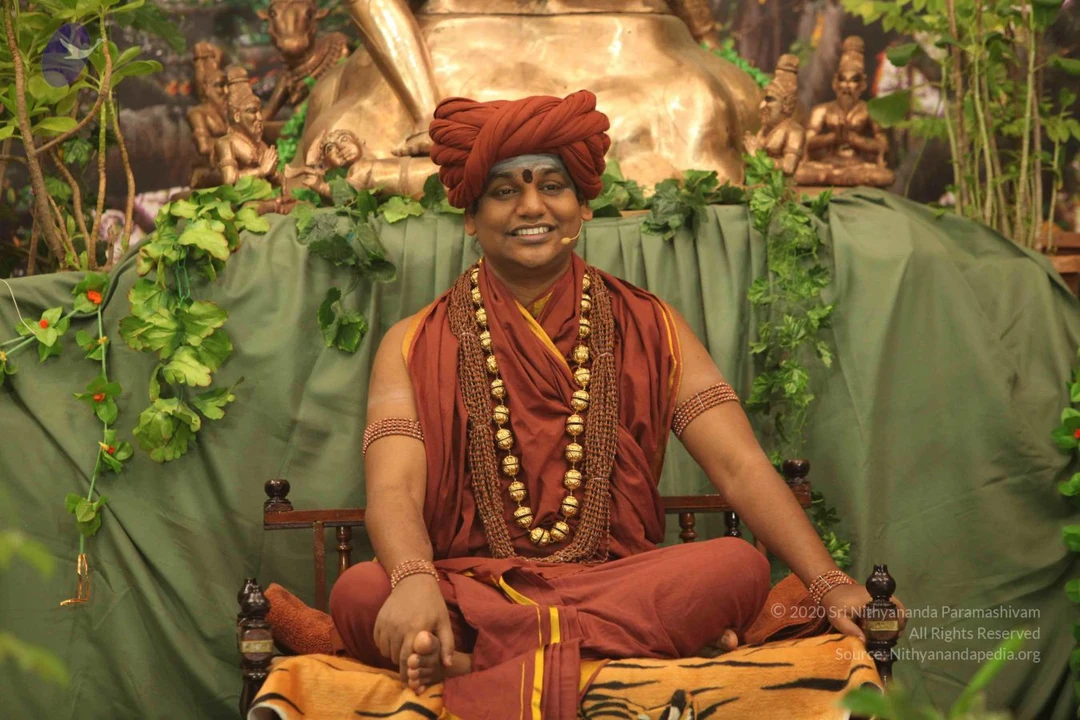
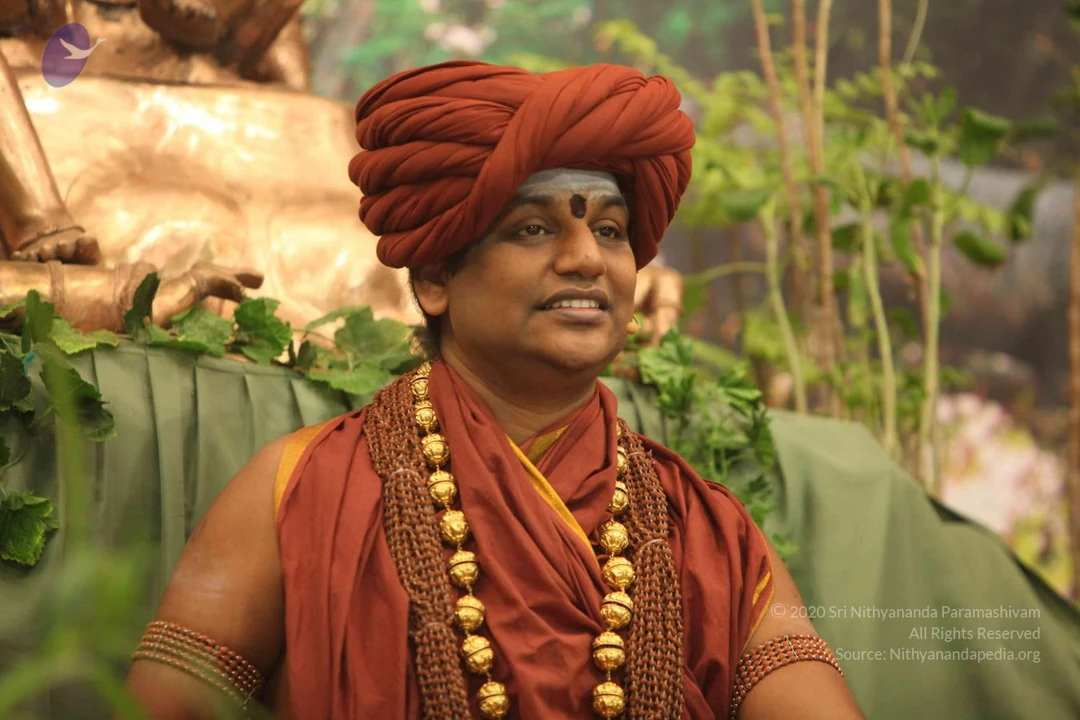
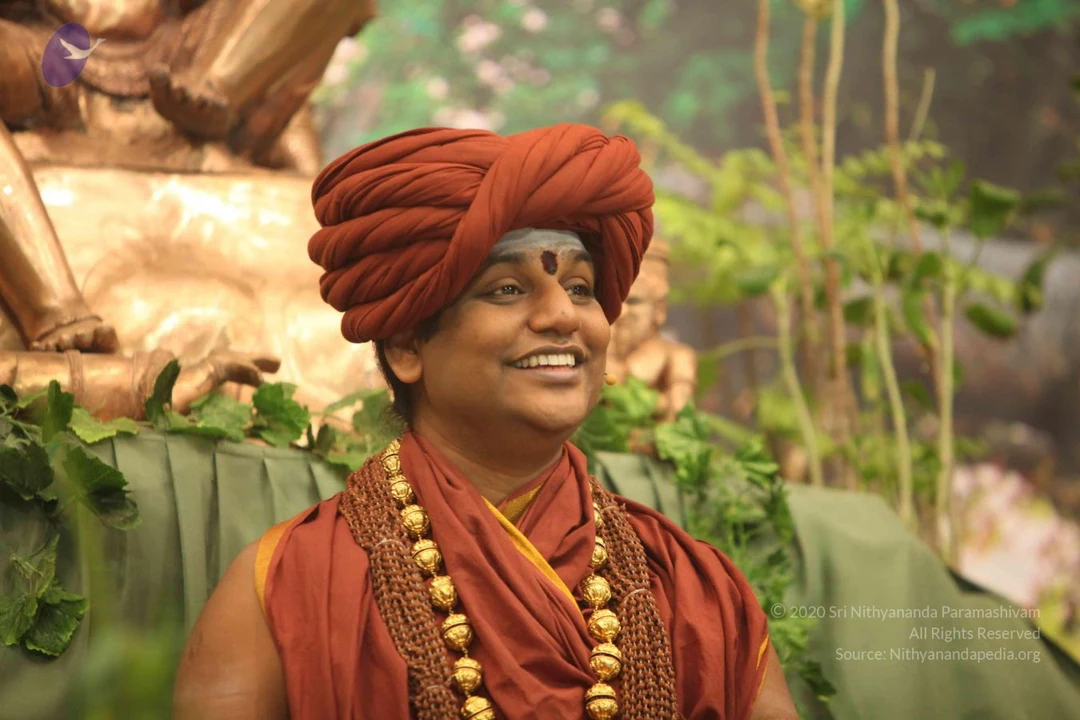
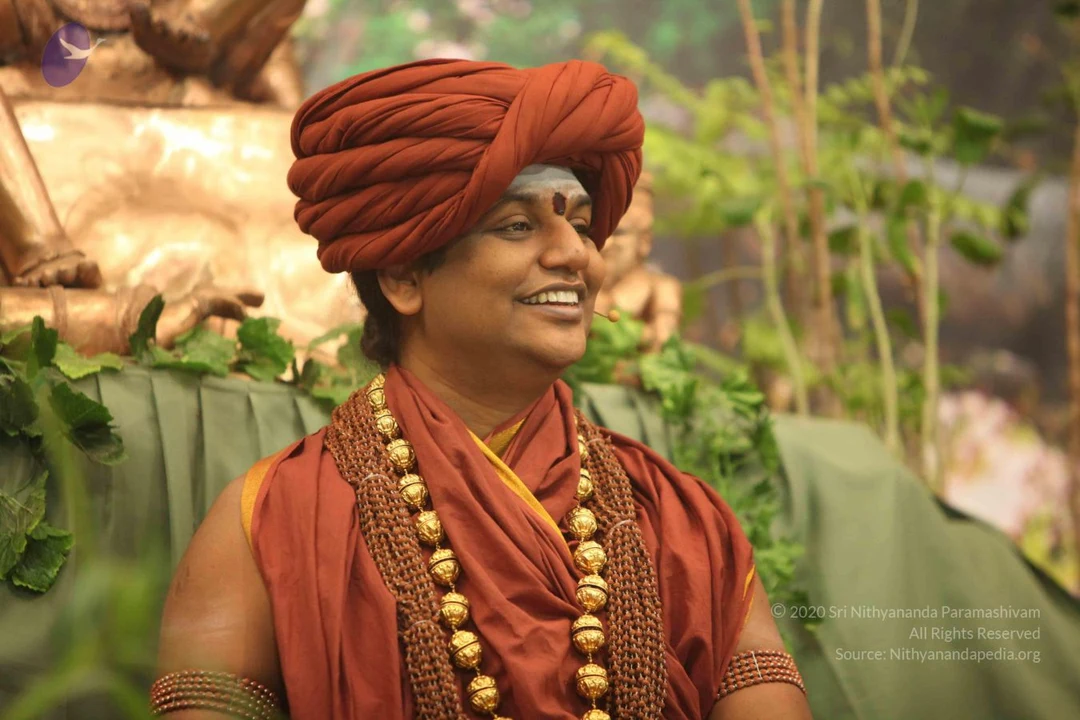

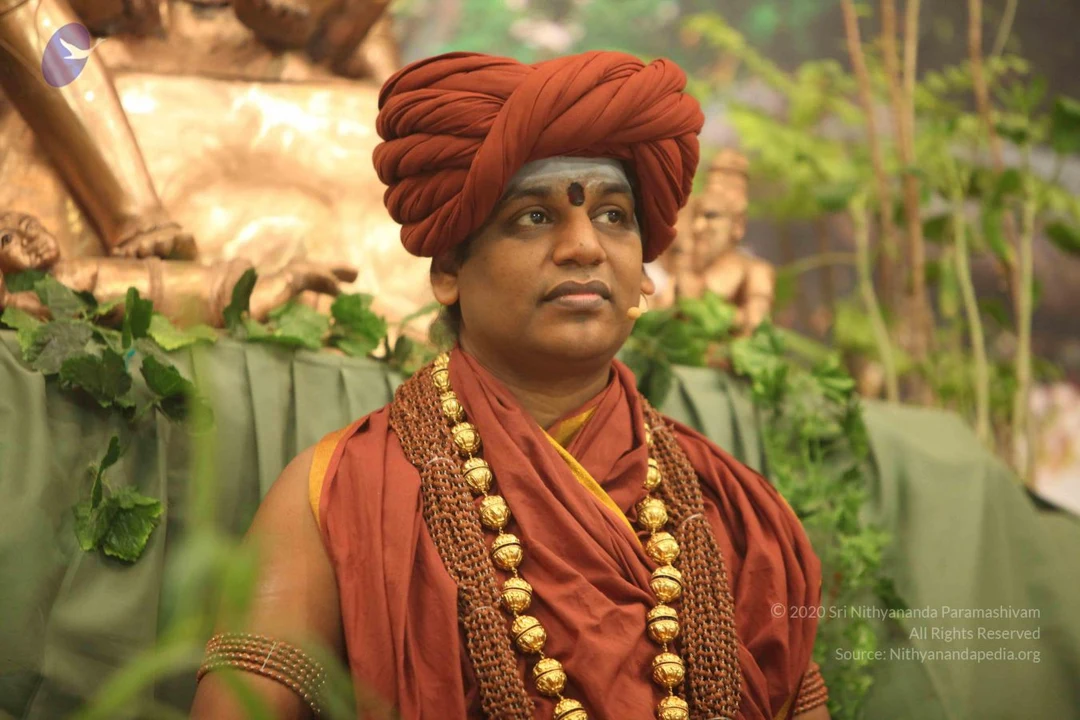
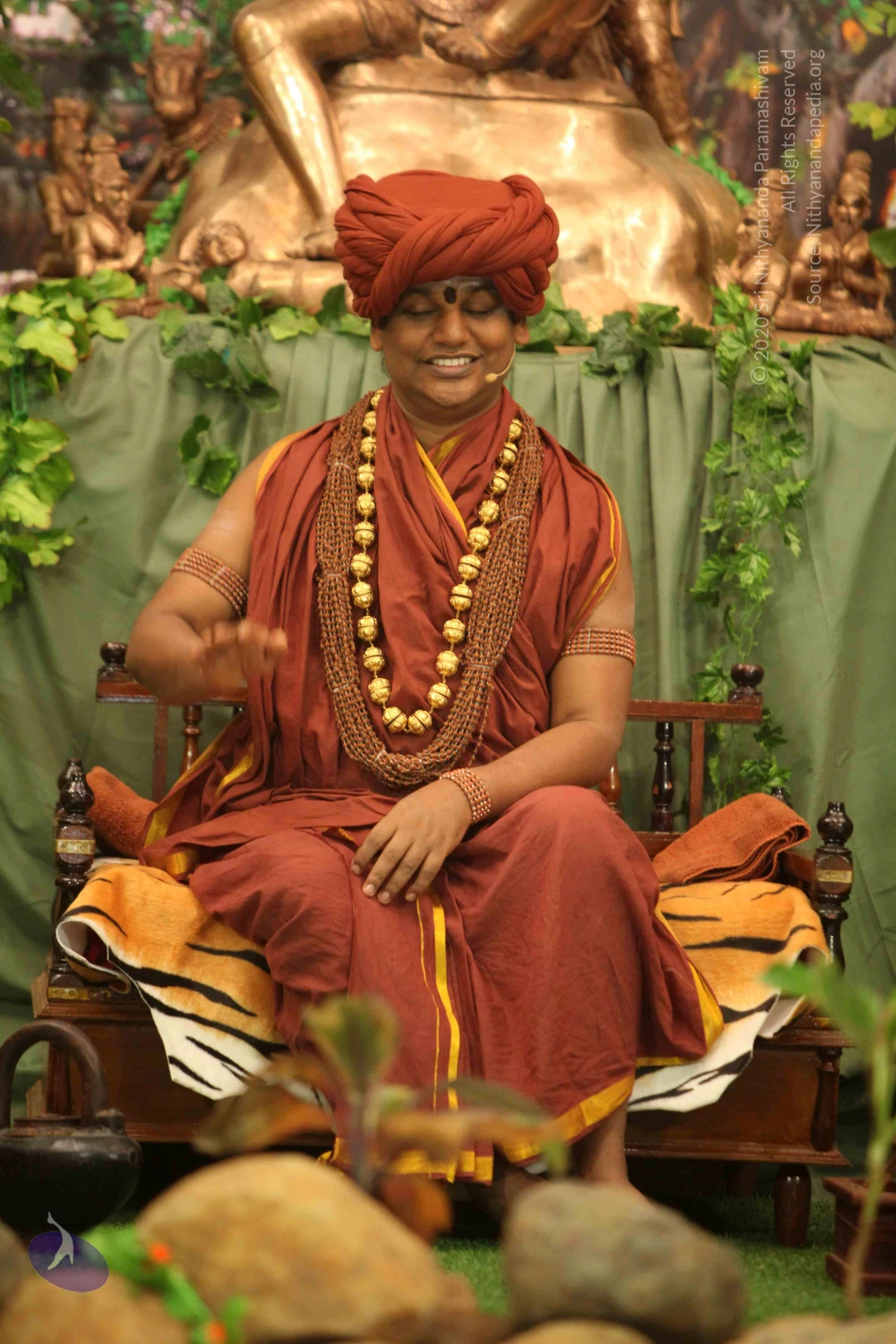
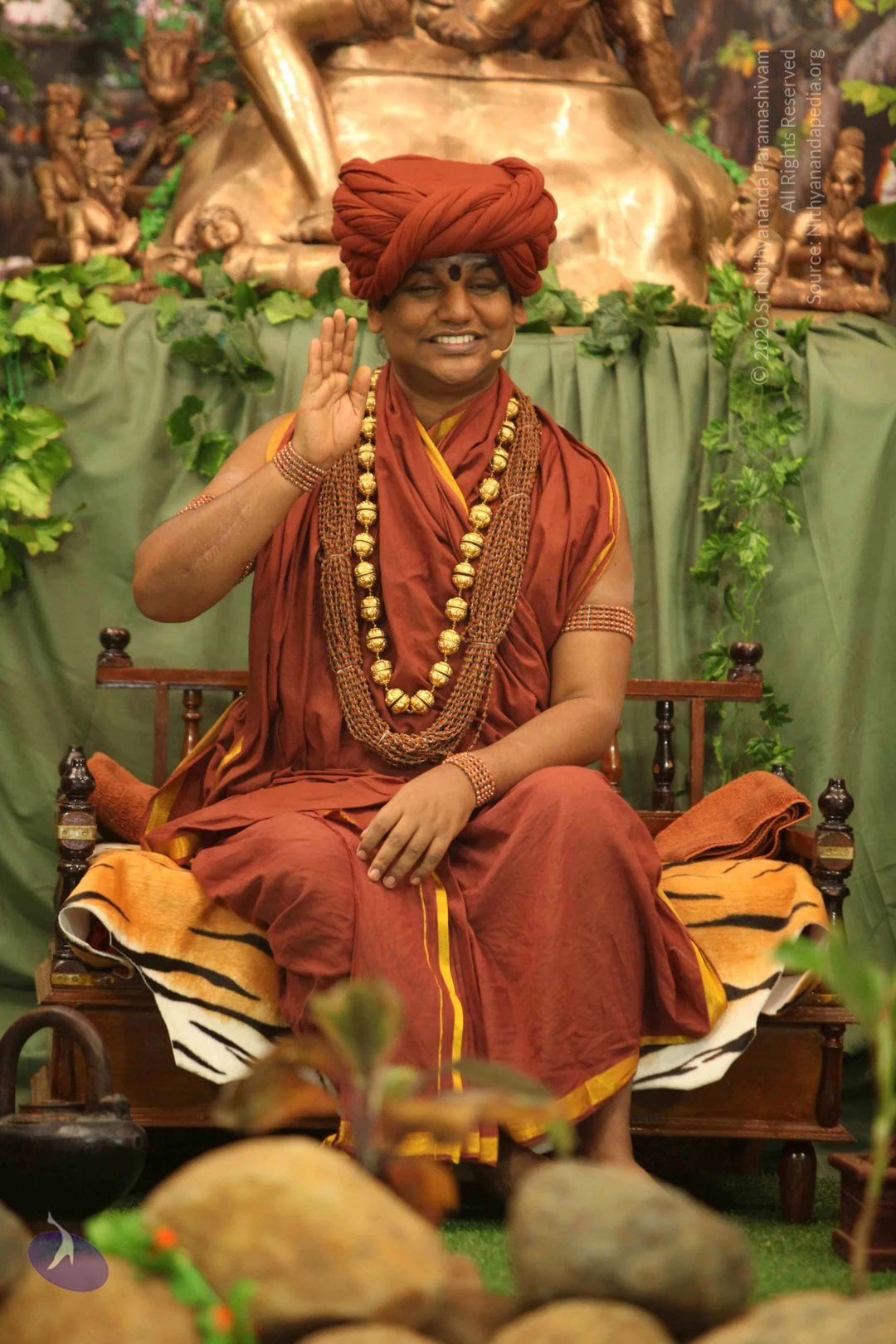
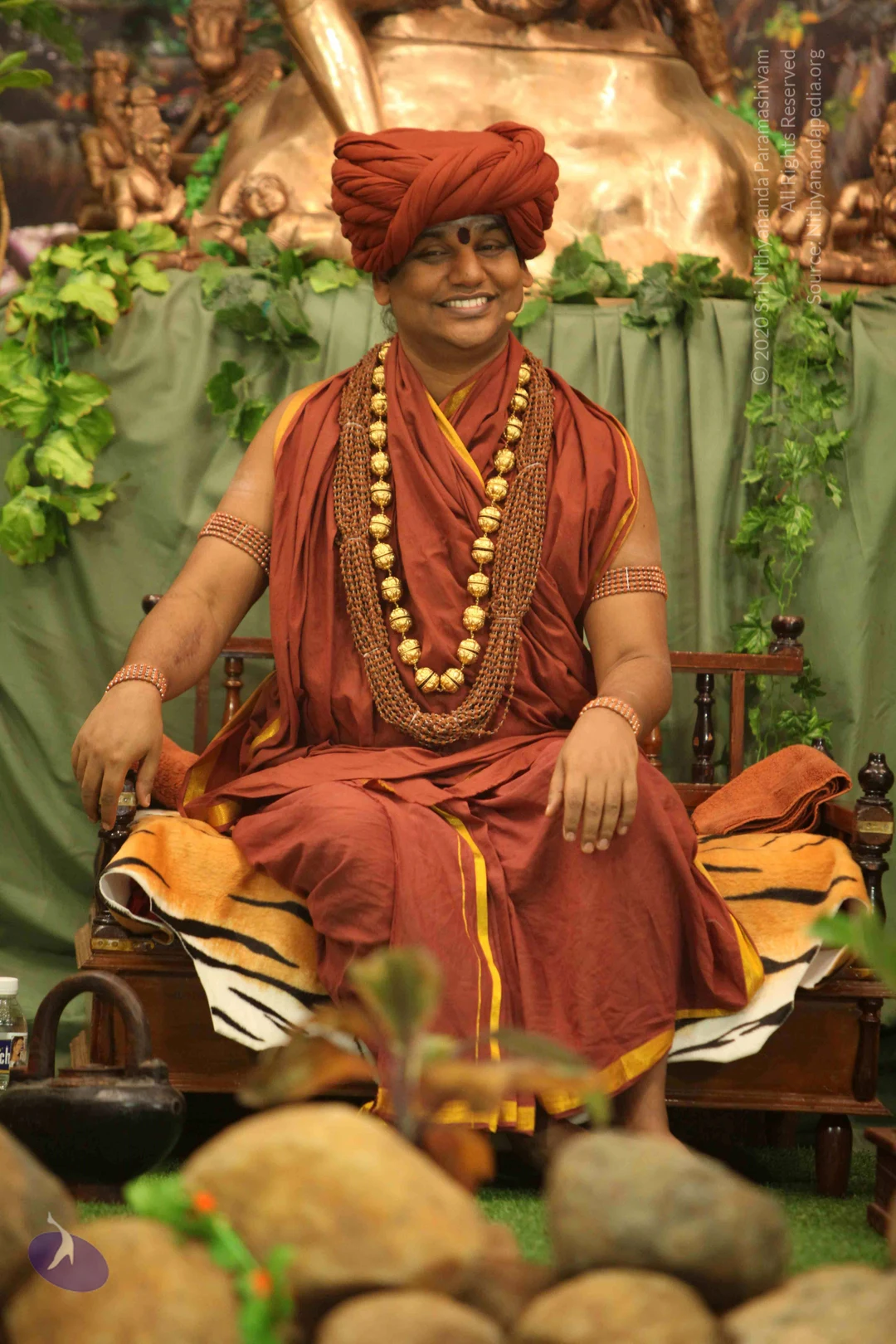
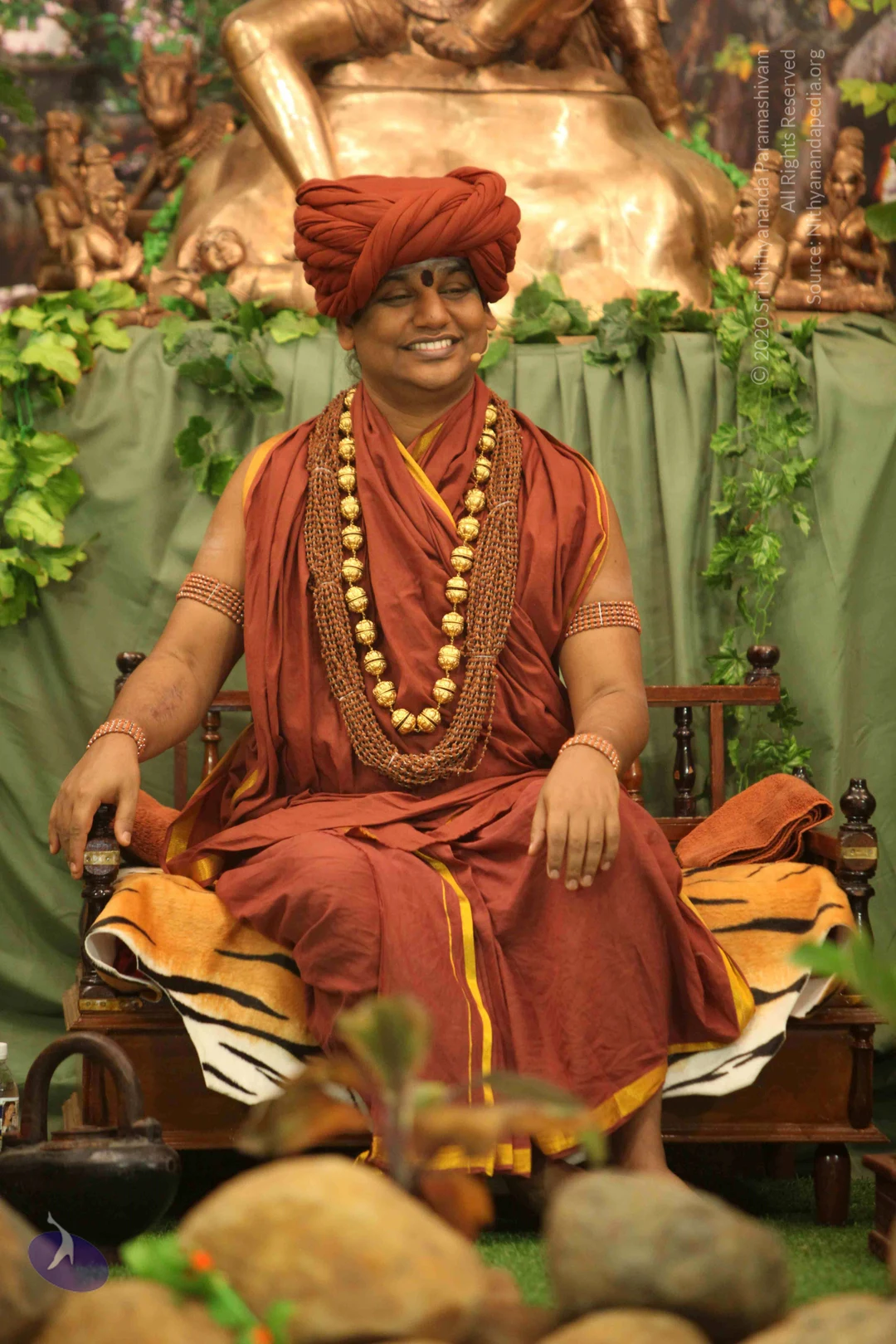
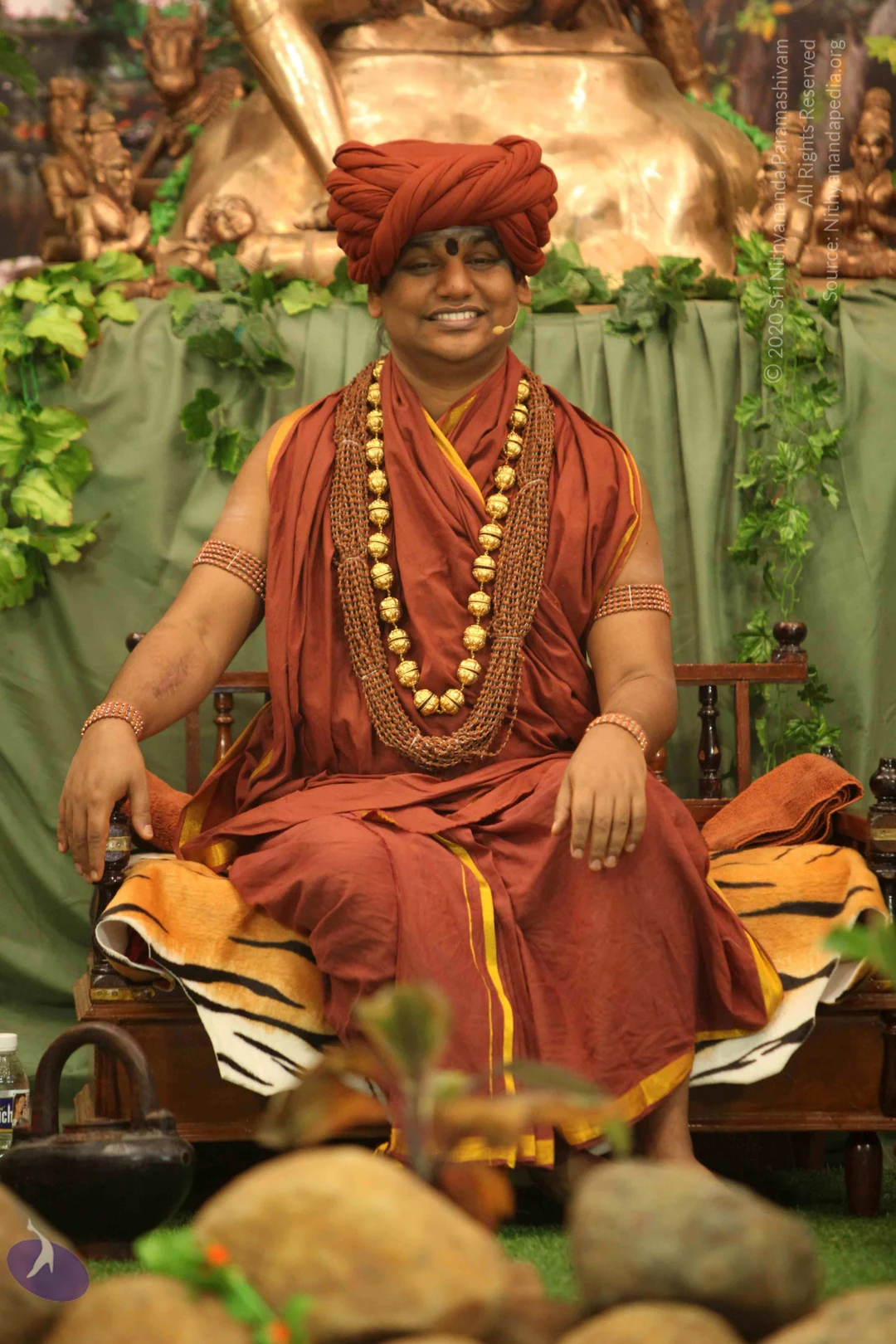
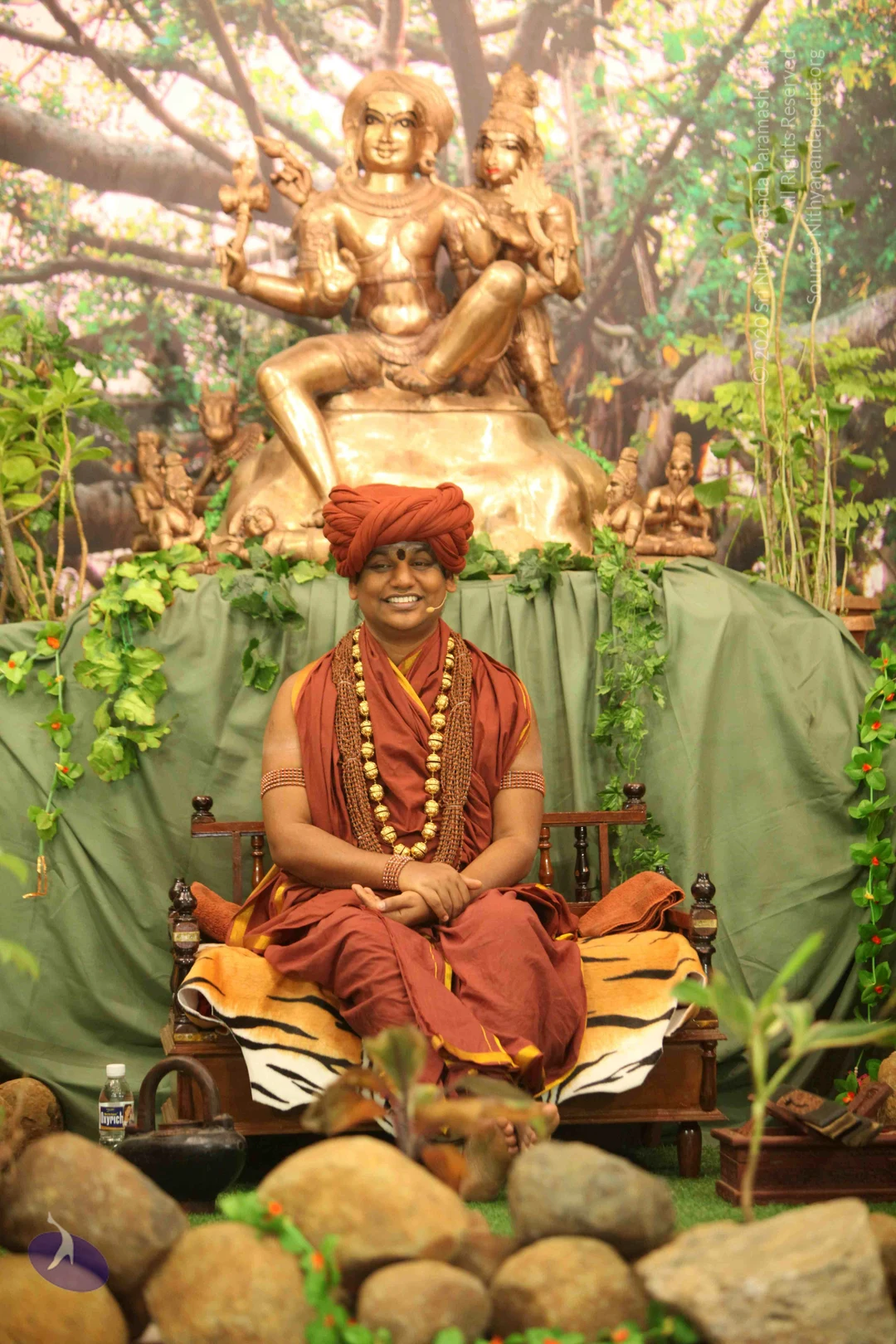
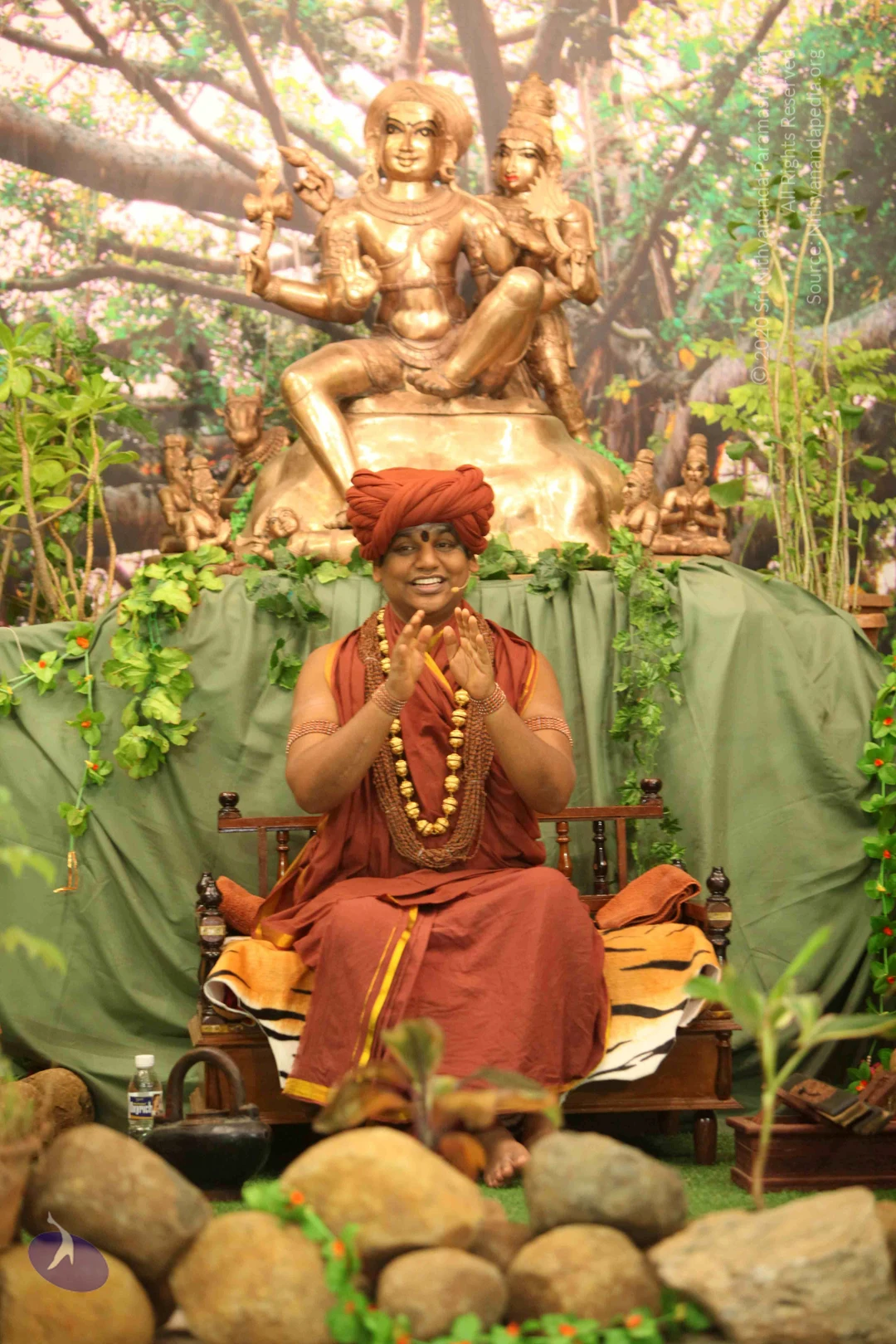
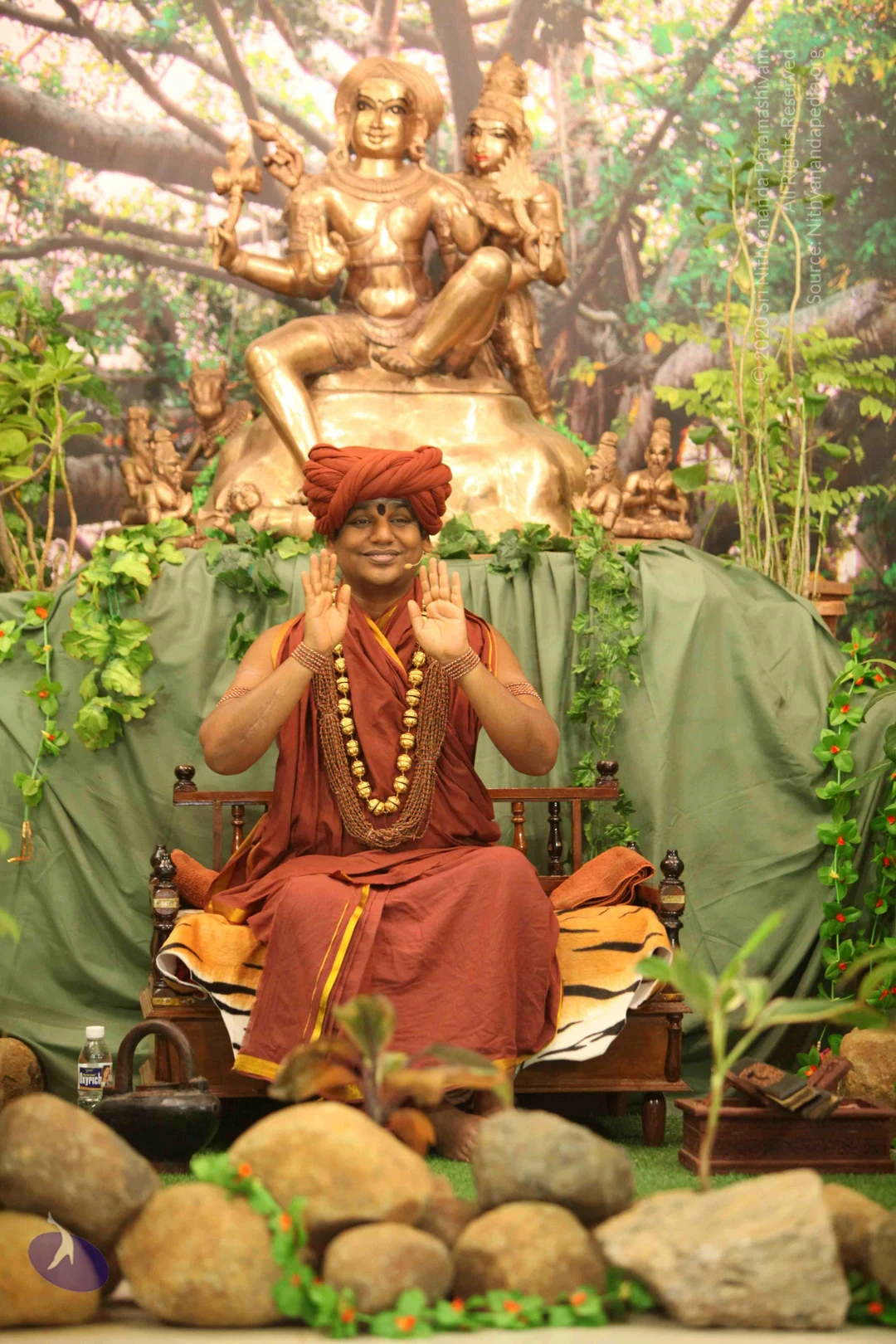
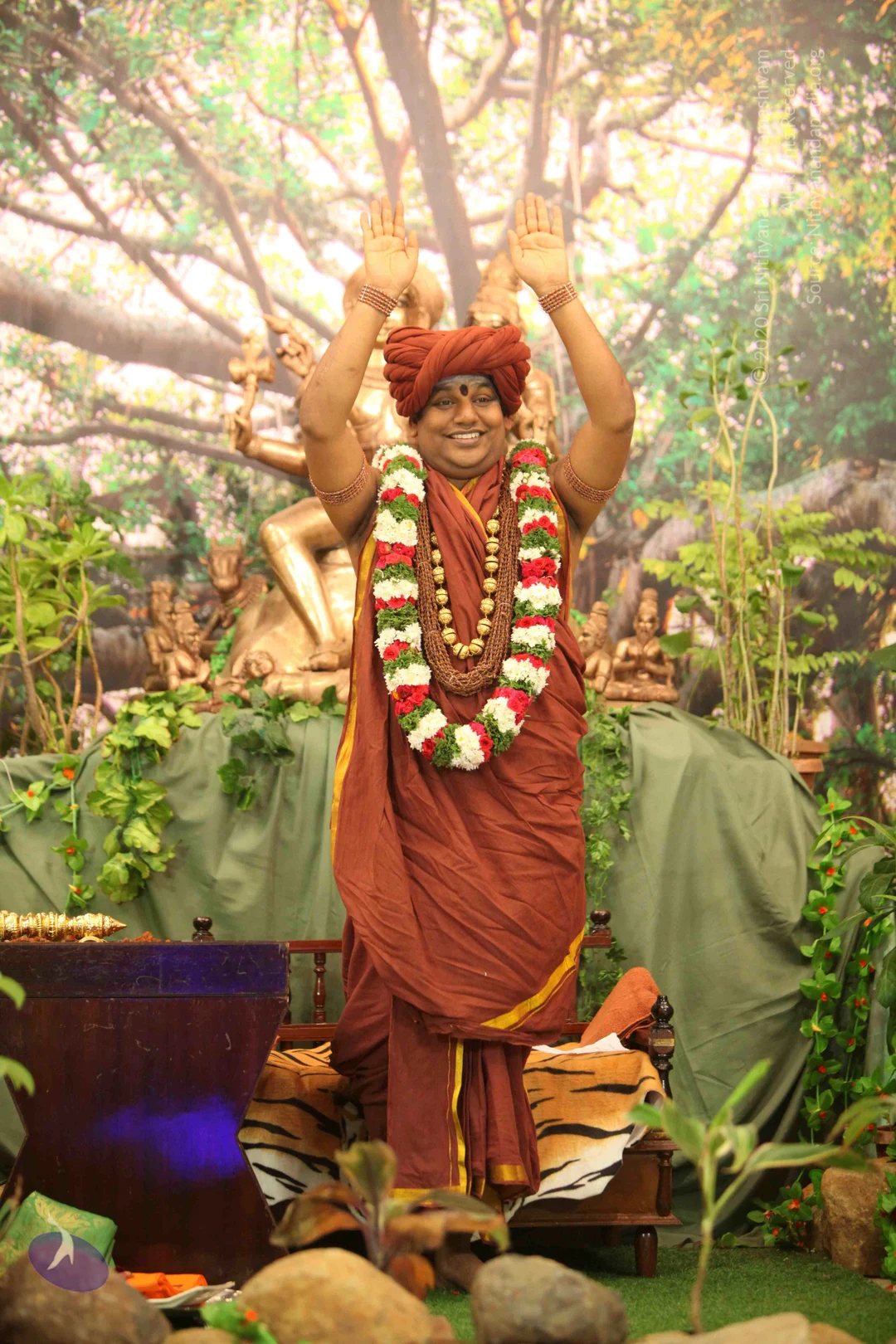
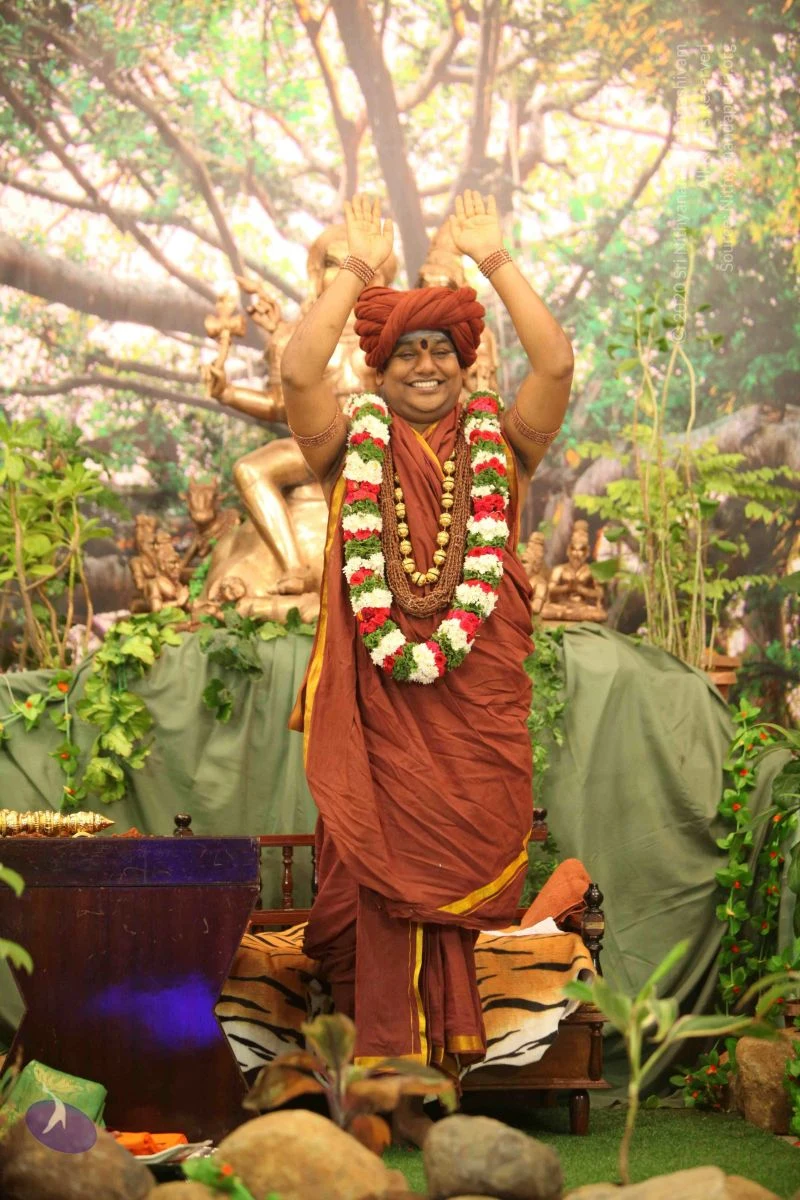
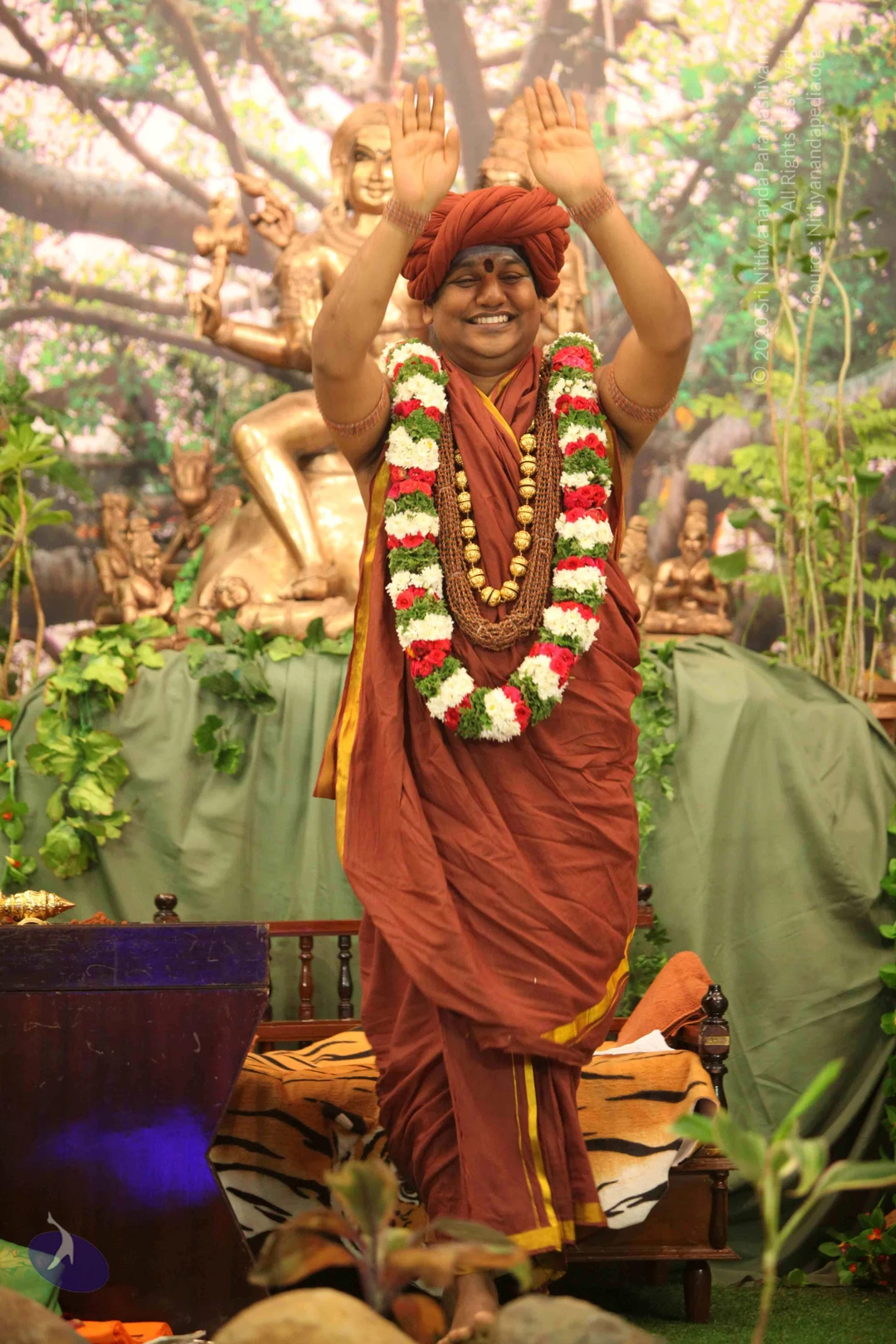
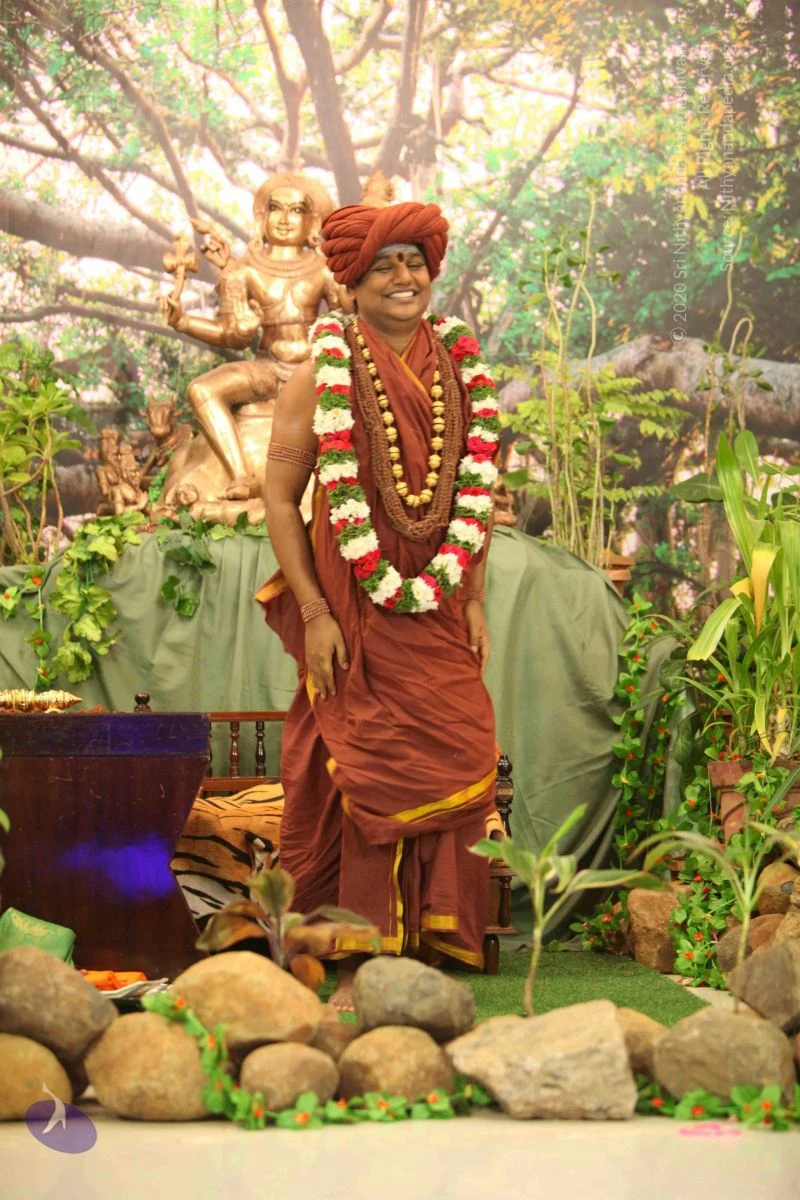
Photos Of The Day:
Nithyananda-Satsang
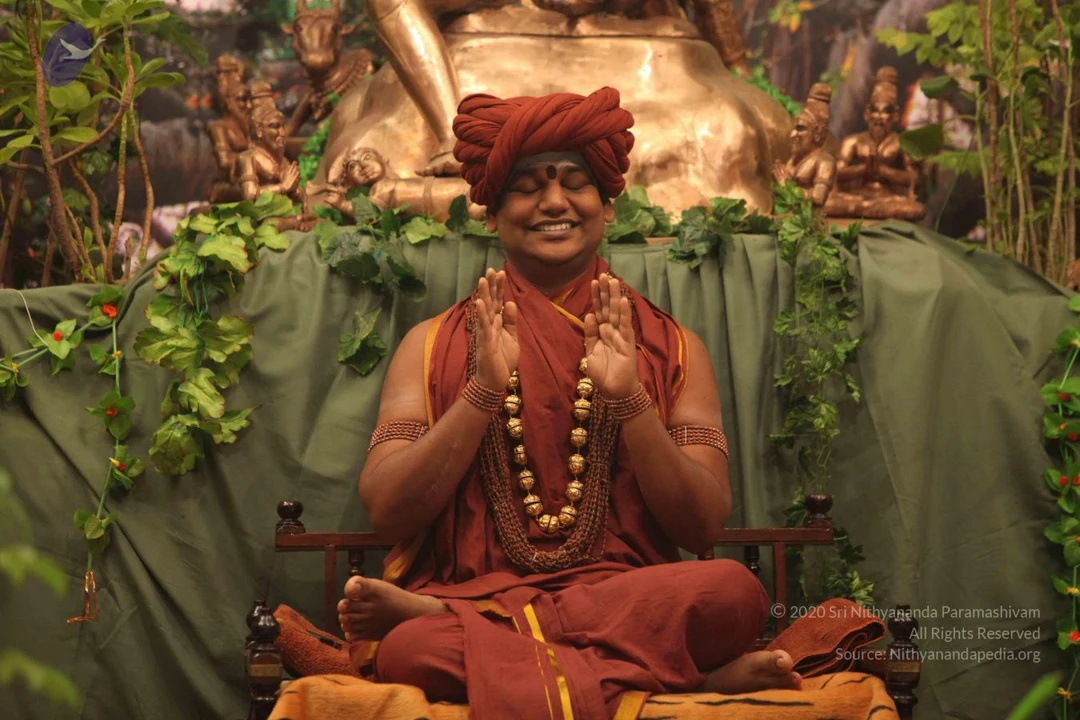
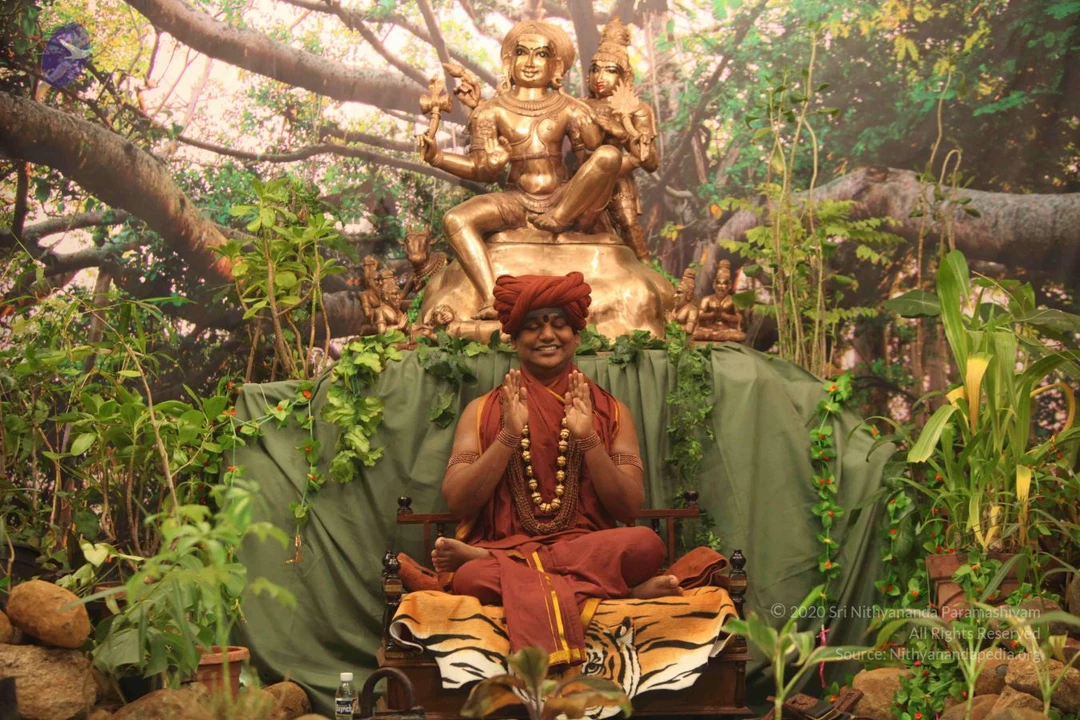
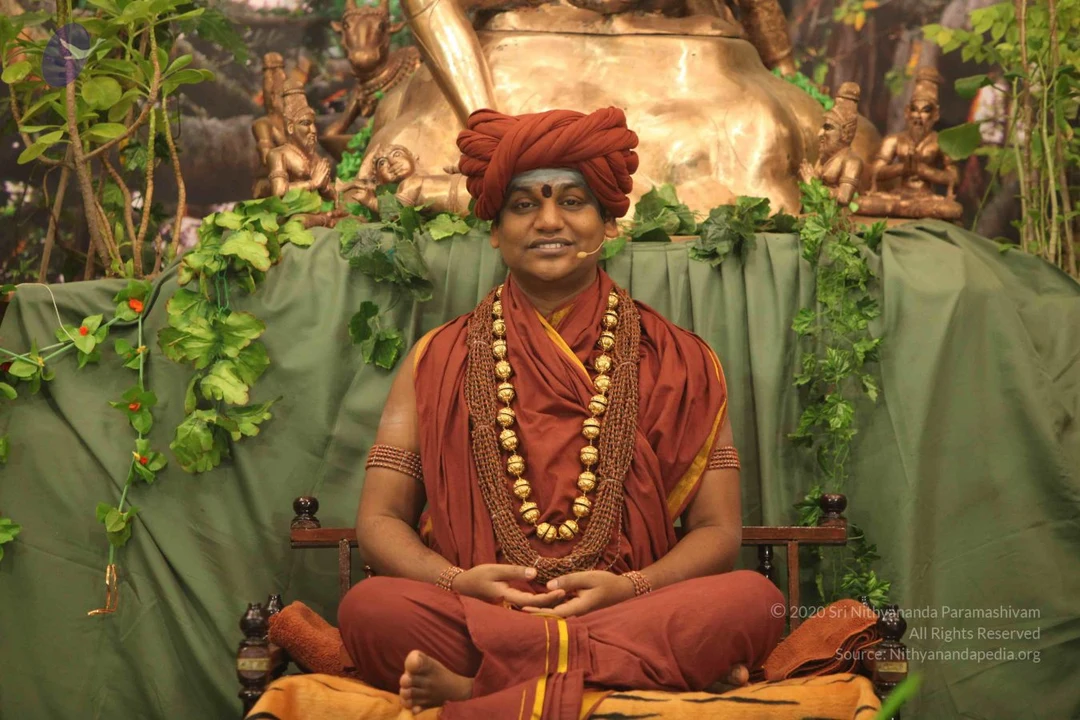
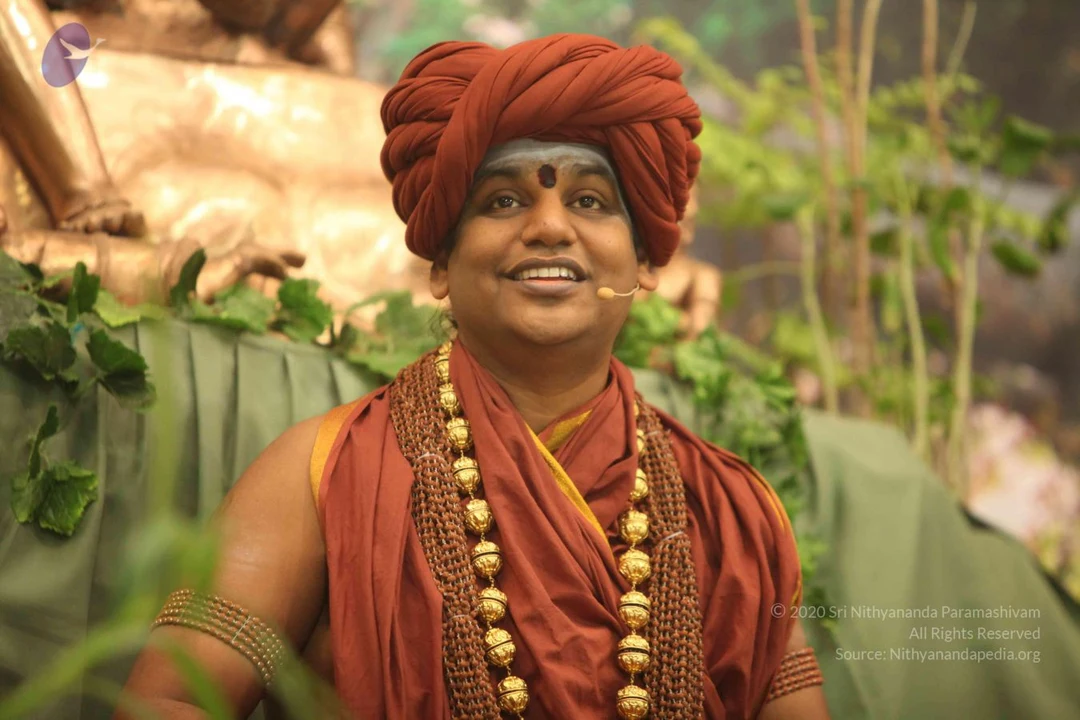
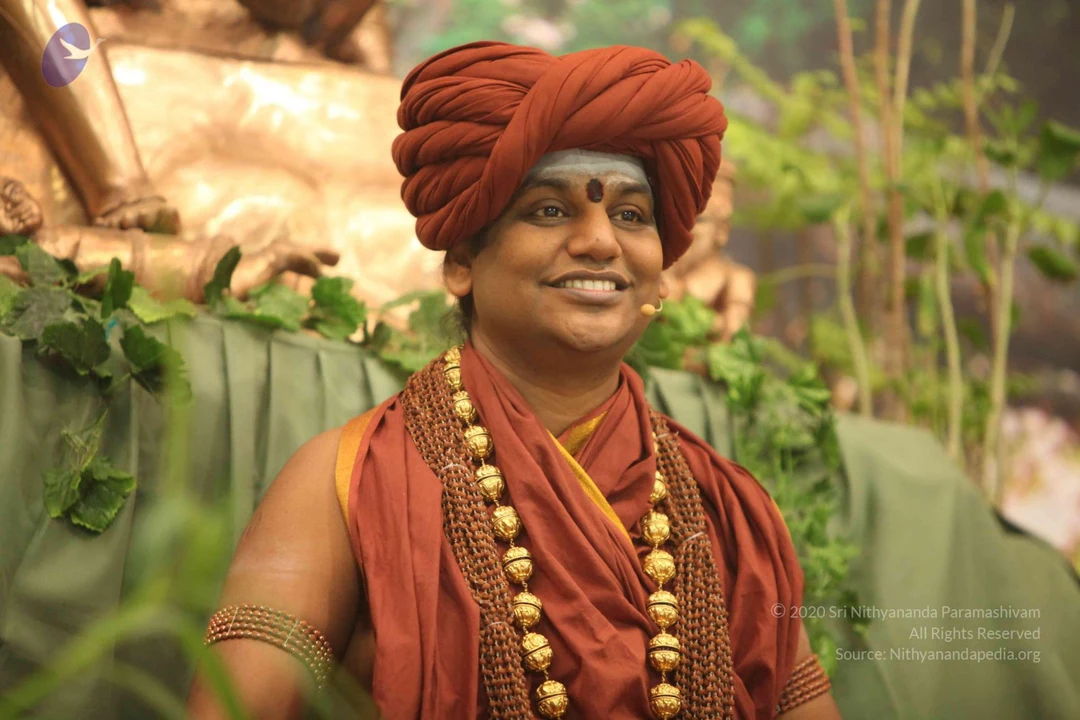
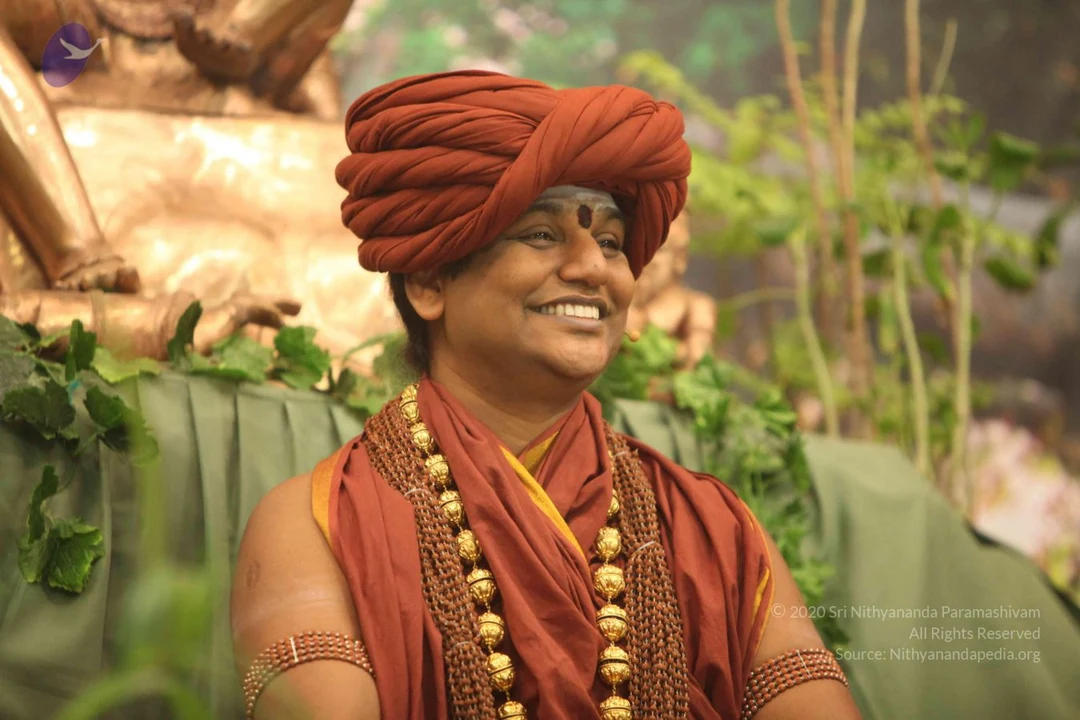
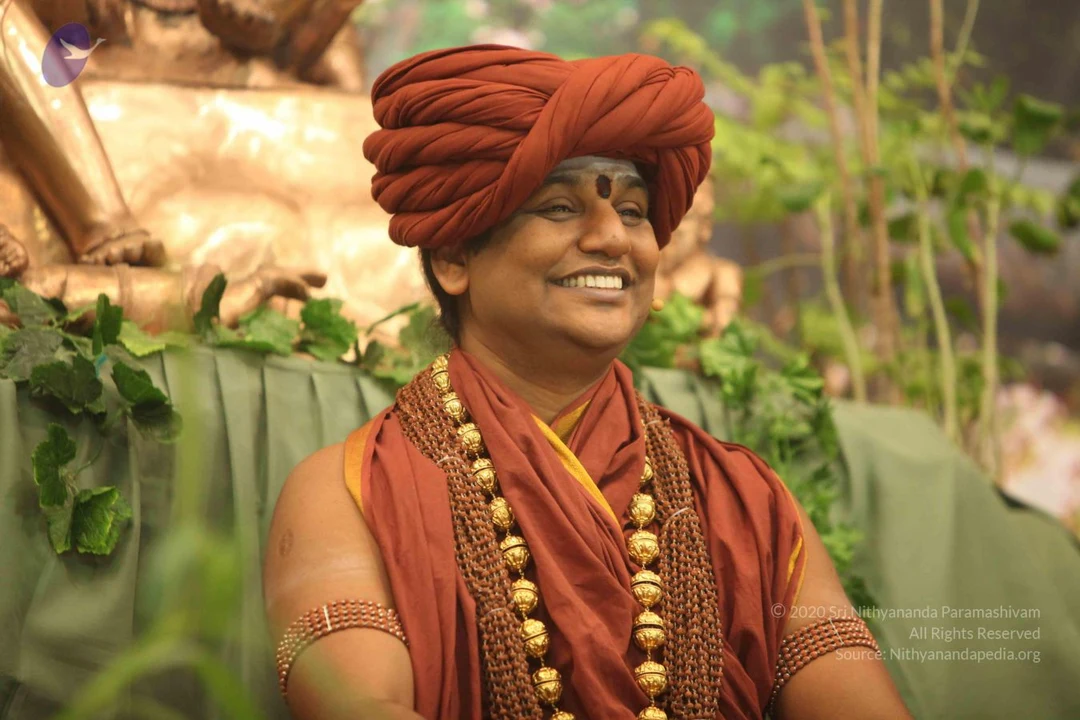
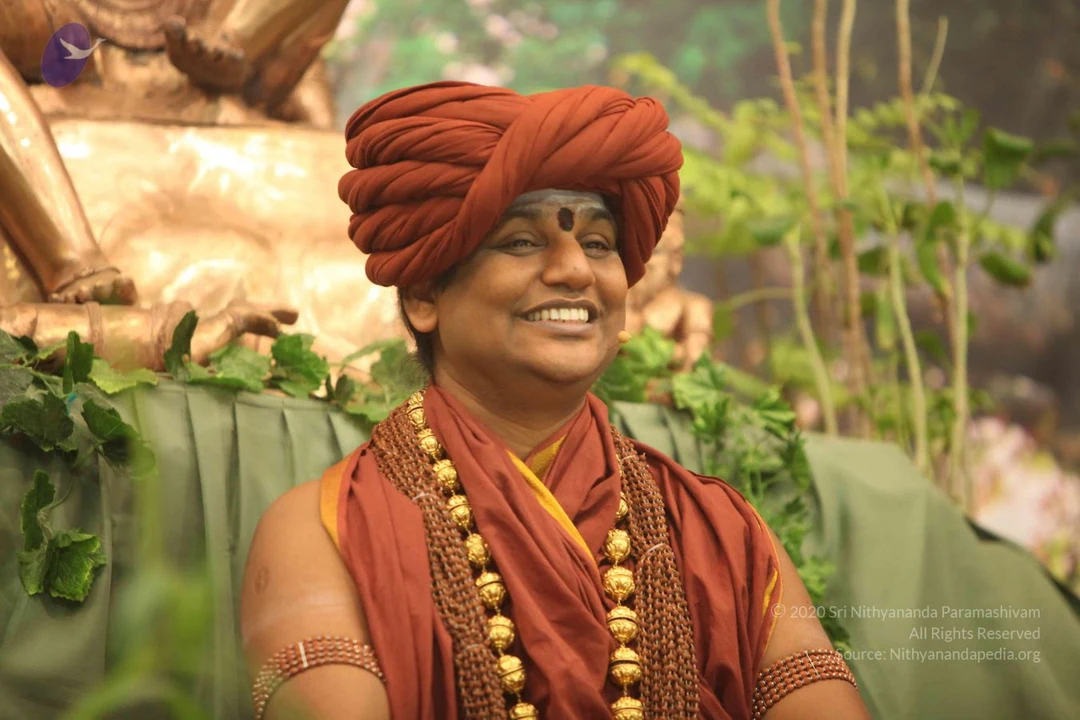
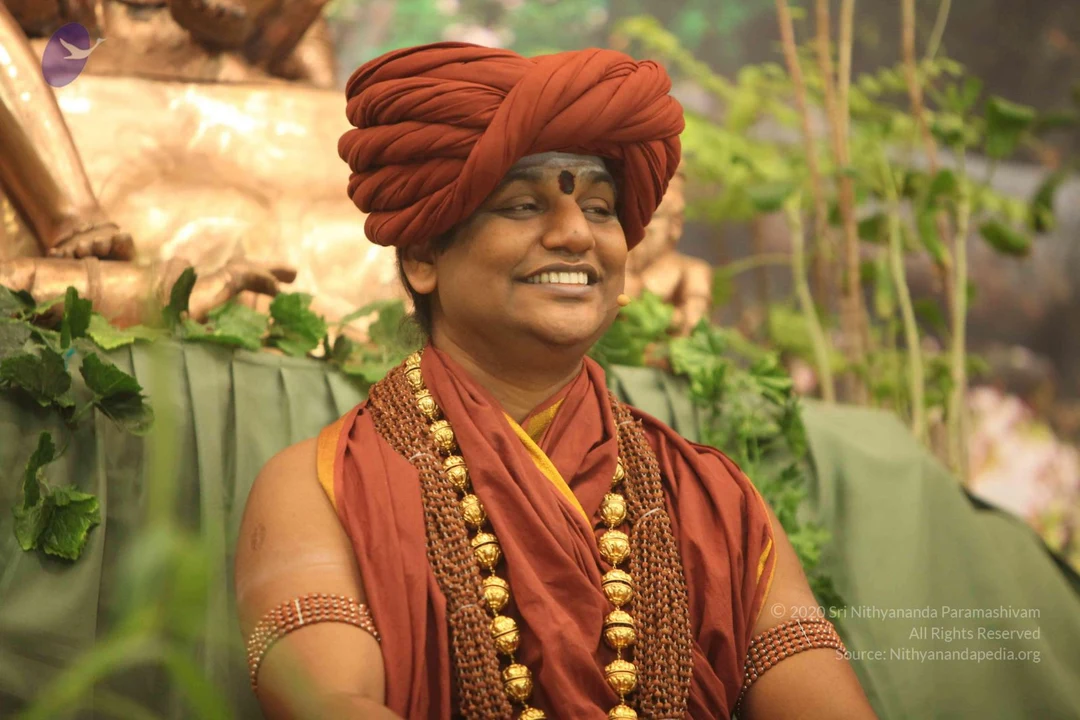
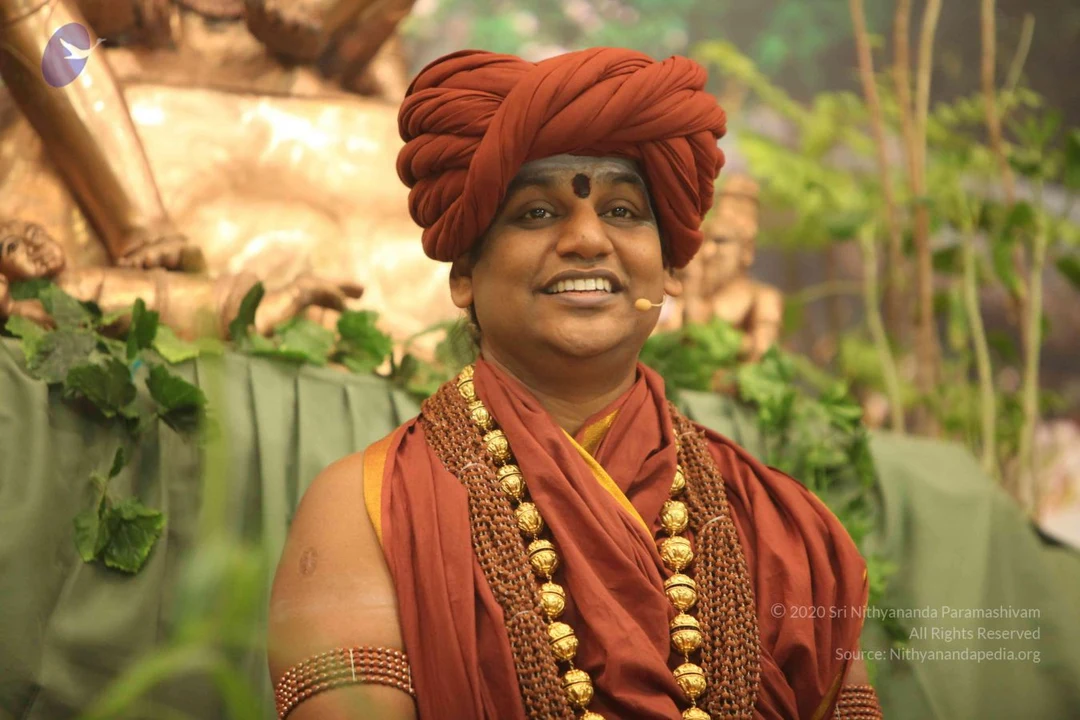
Photos Of The Day:
Nithyananda-Satsang
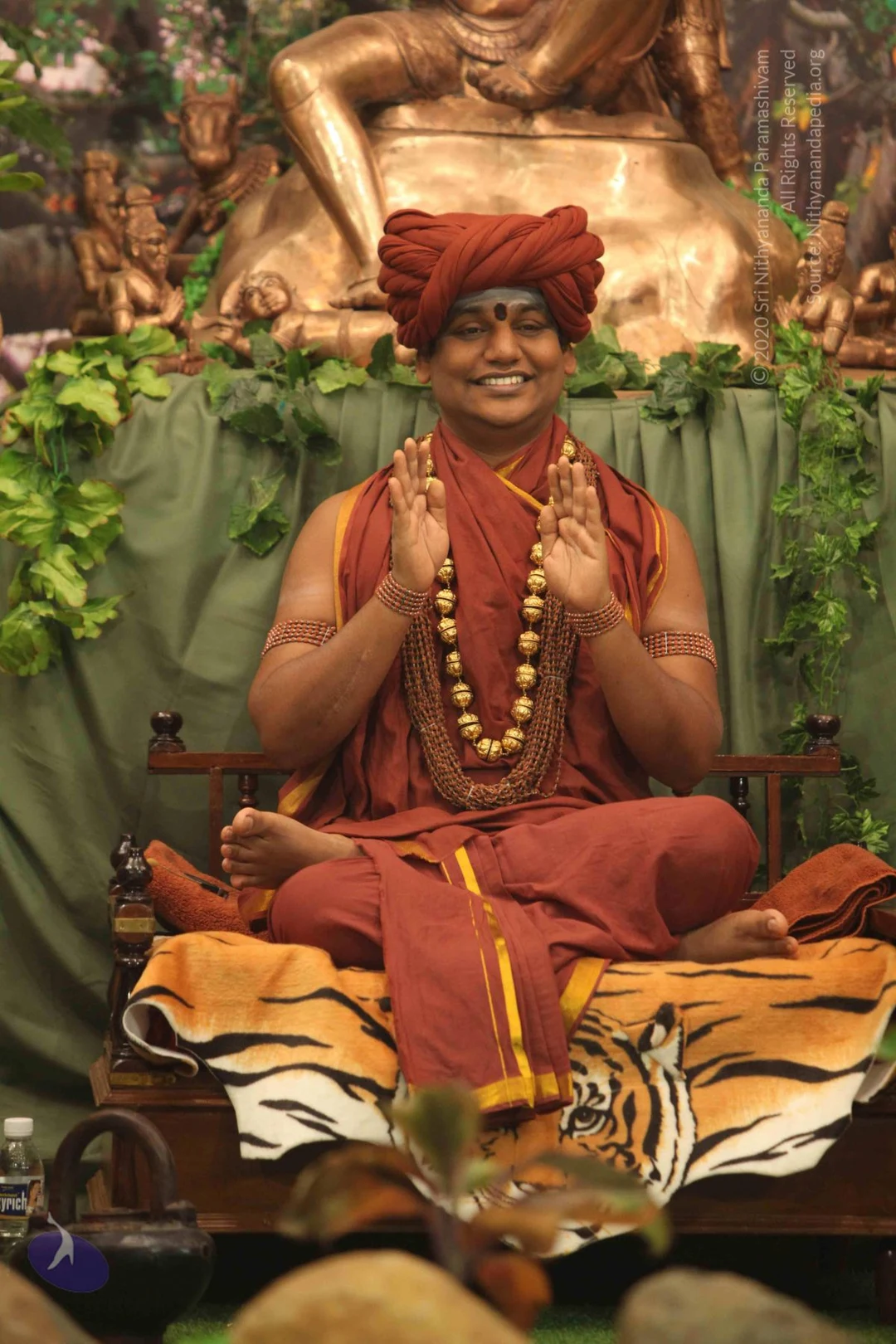
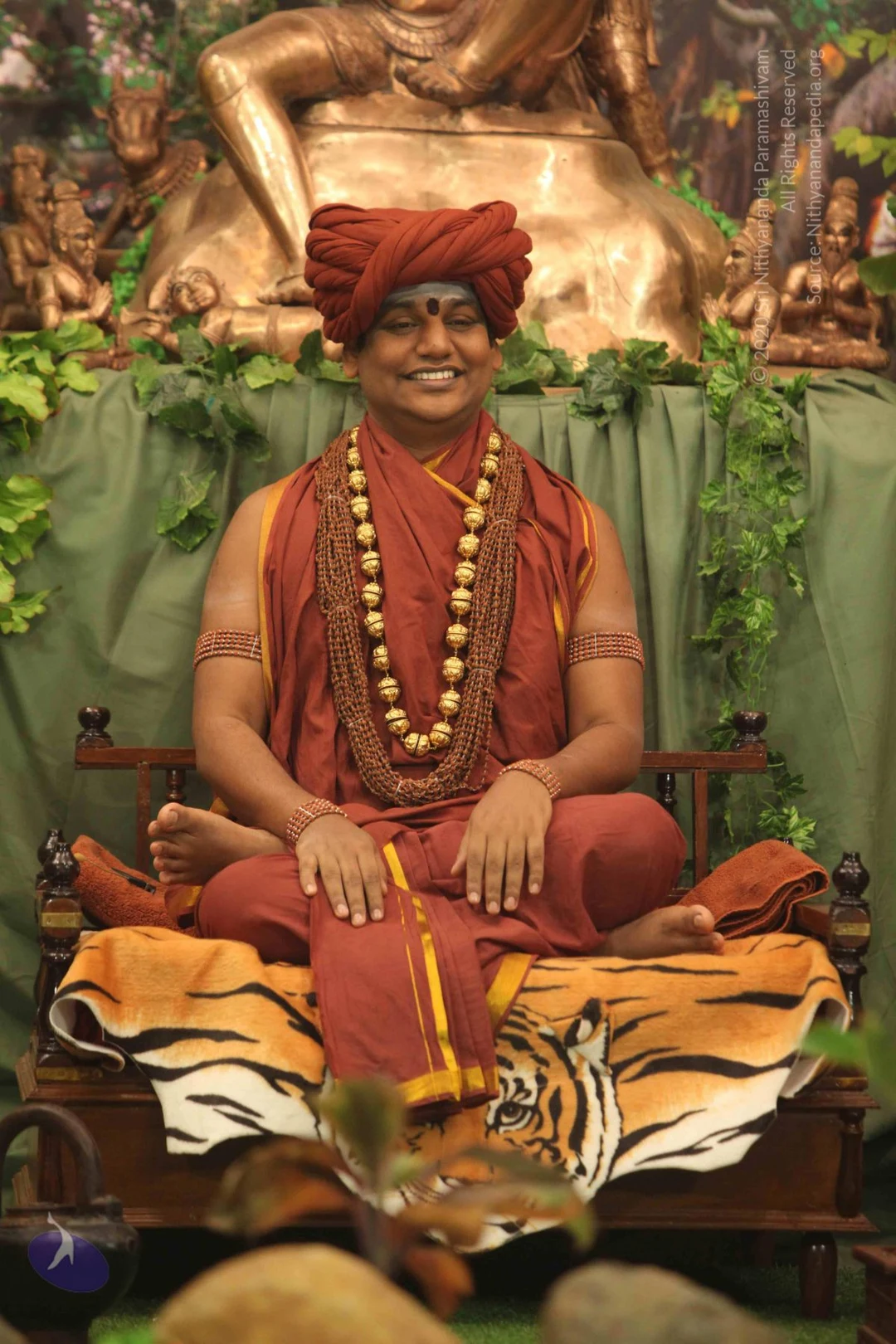
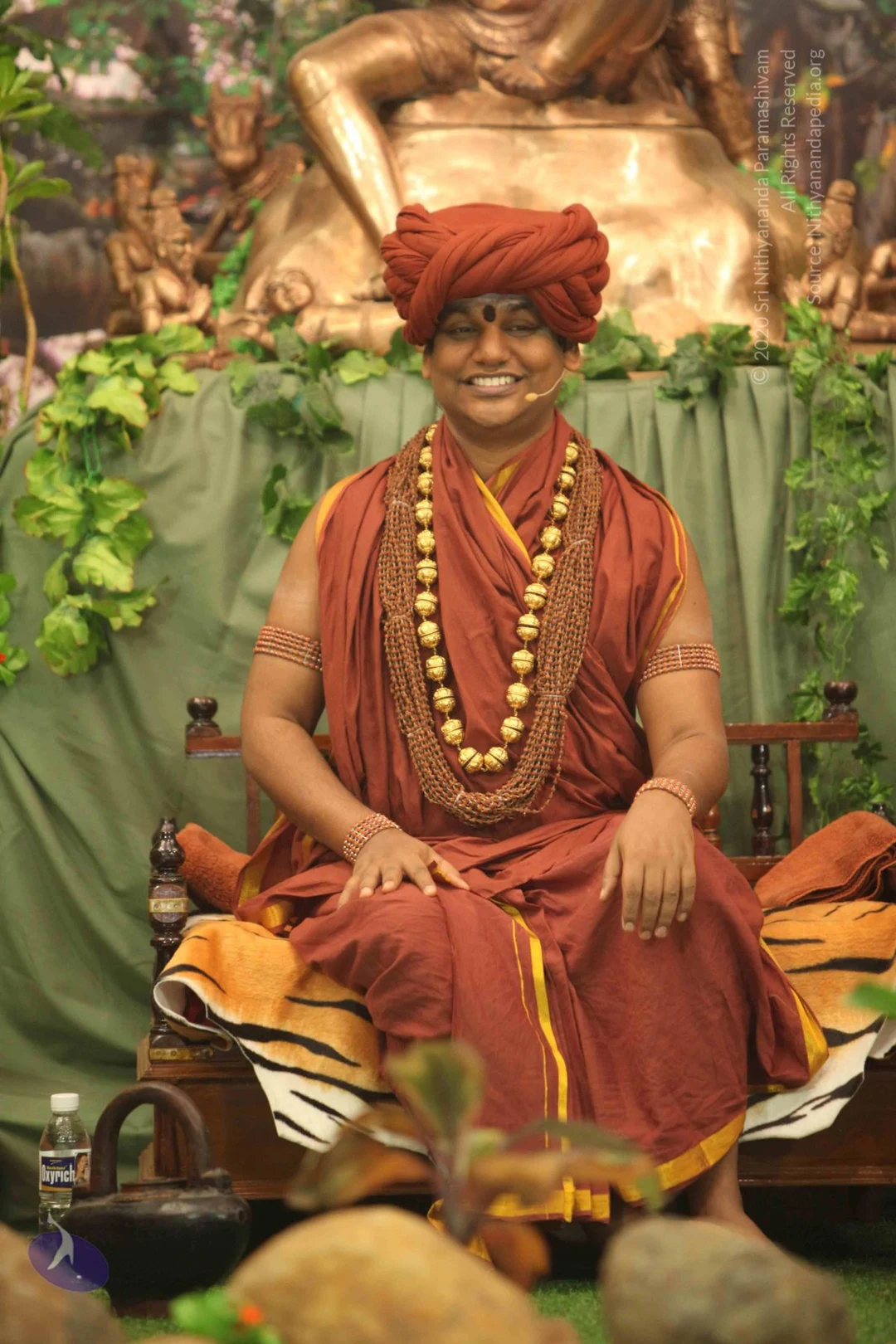
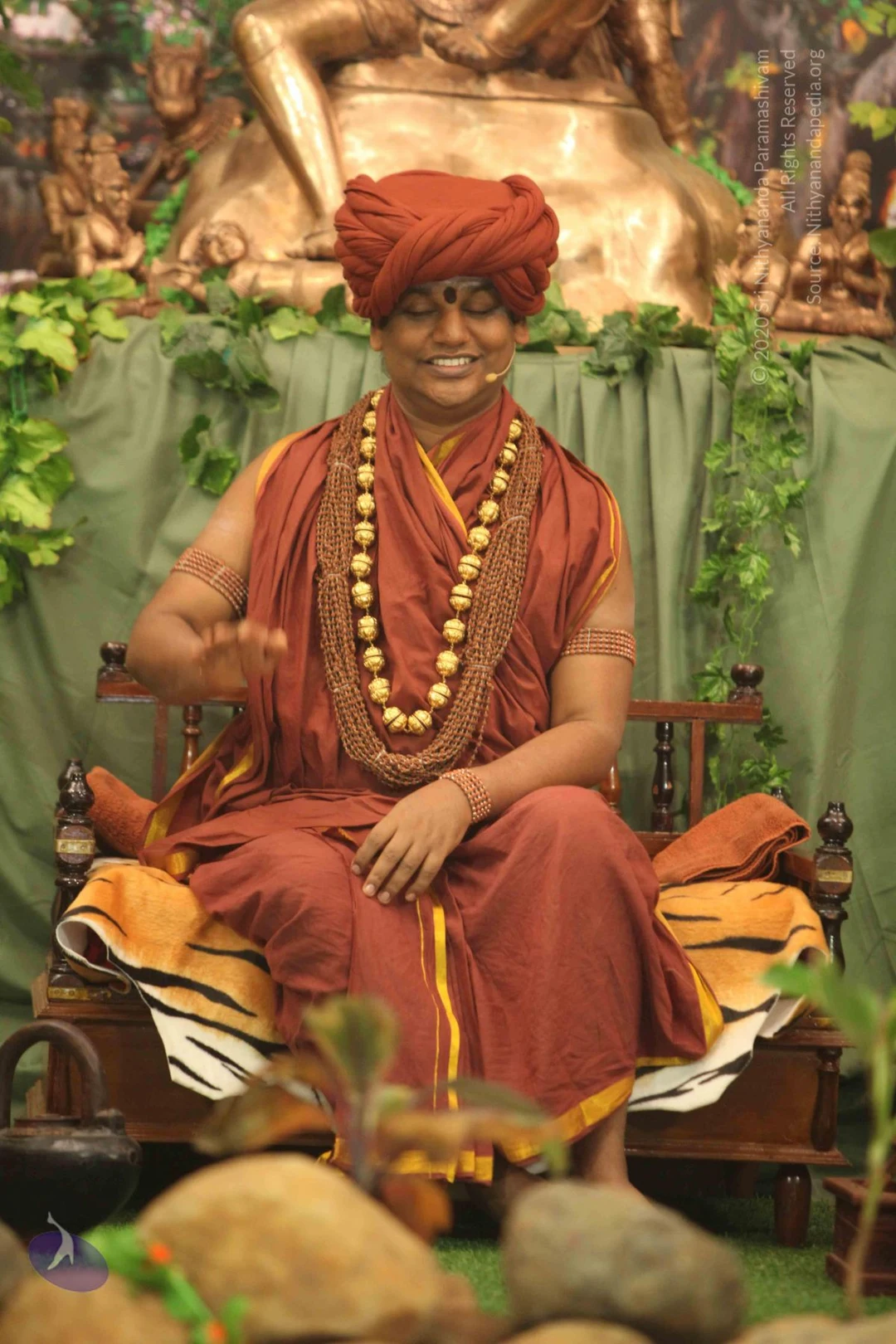
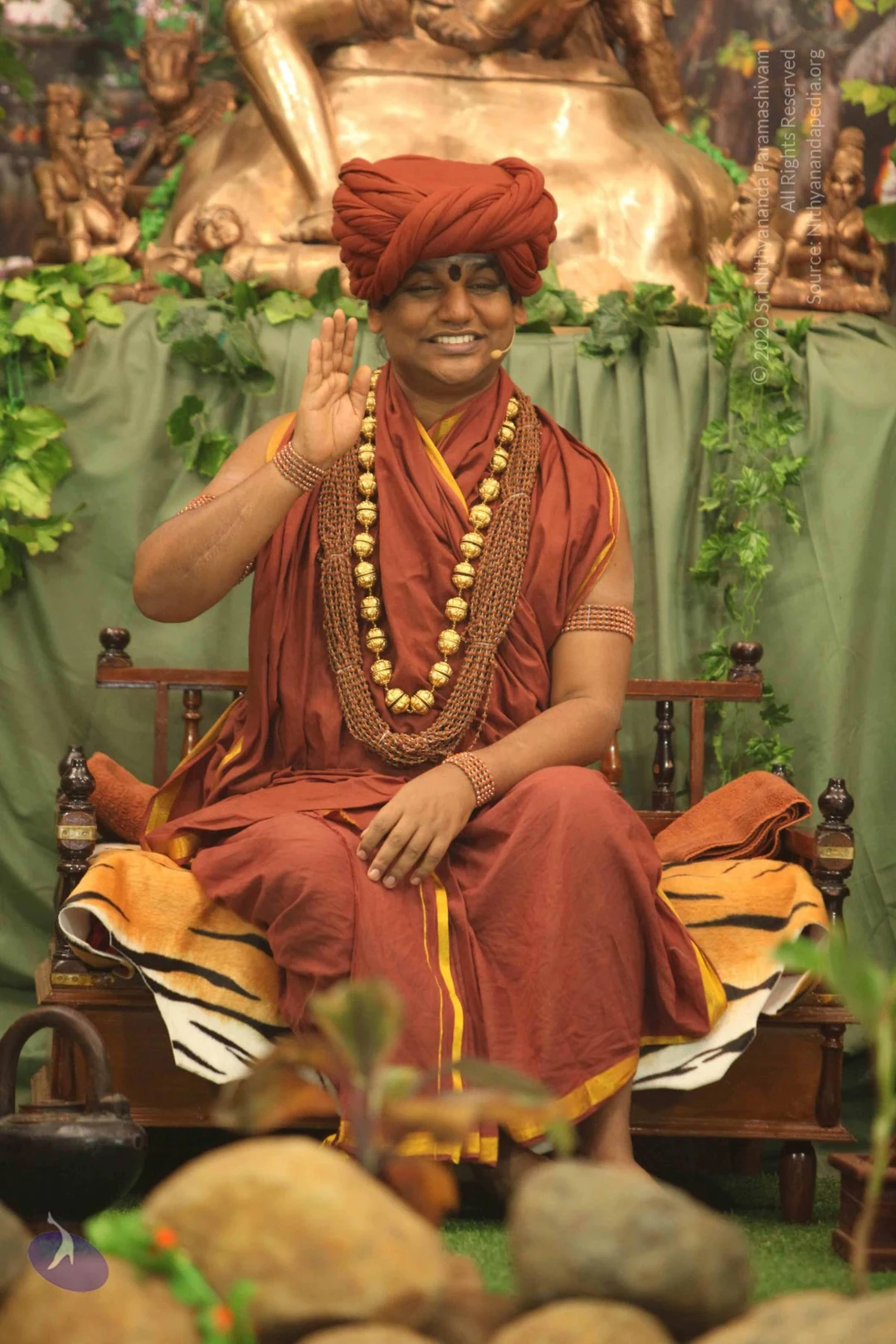
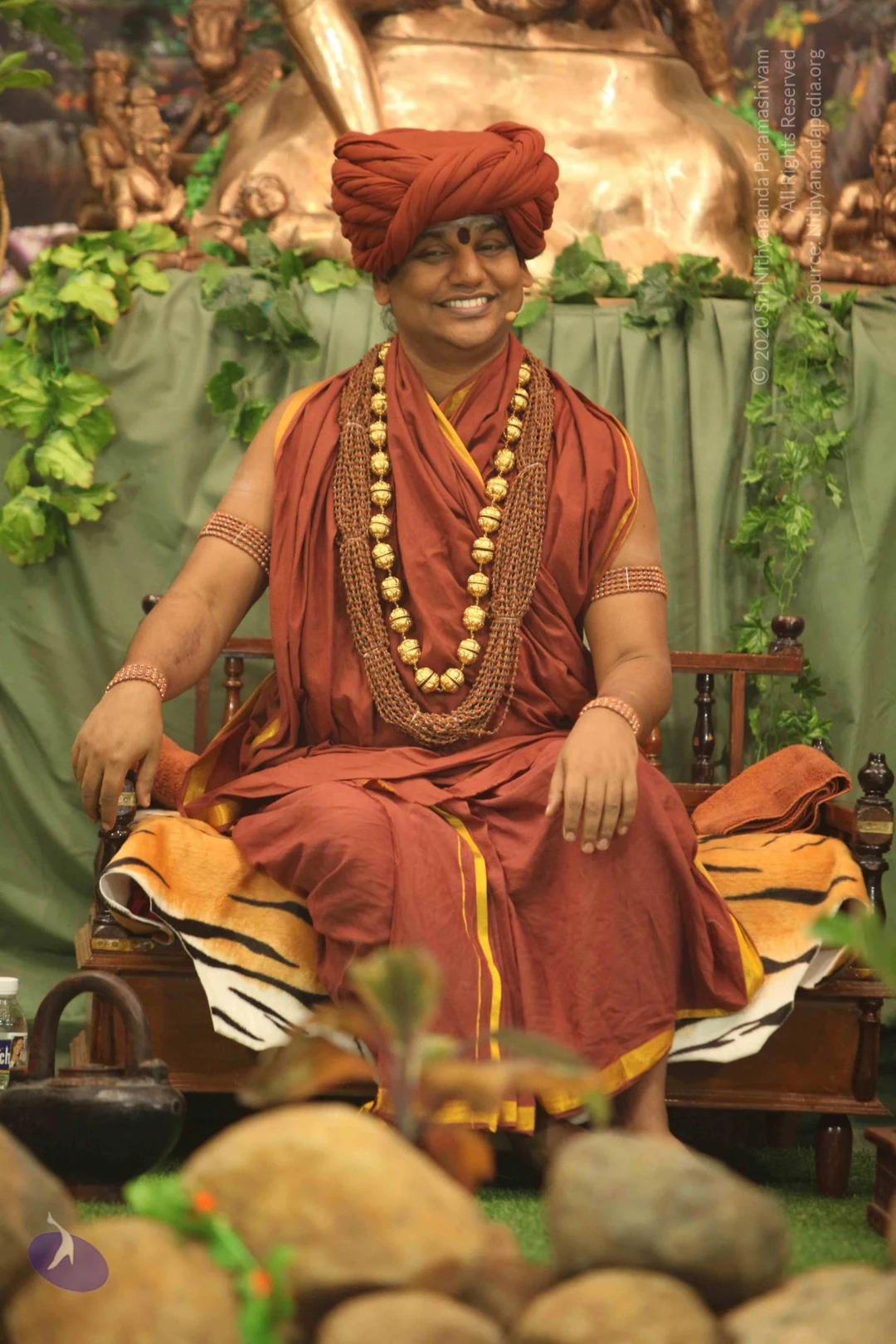
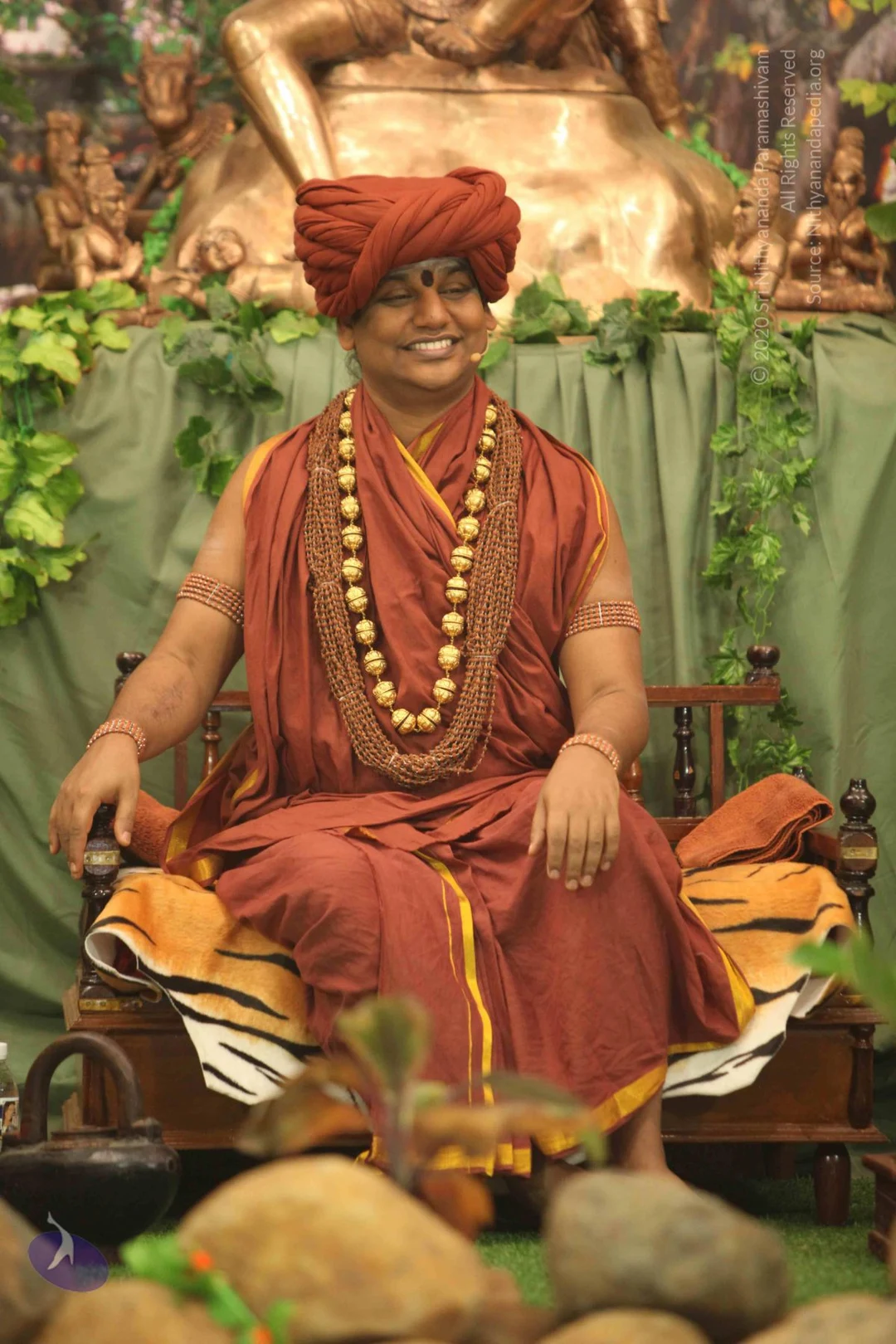
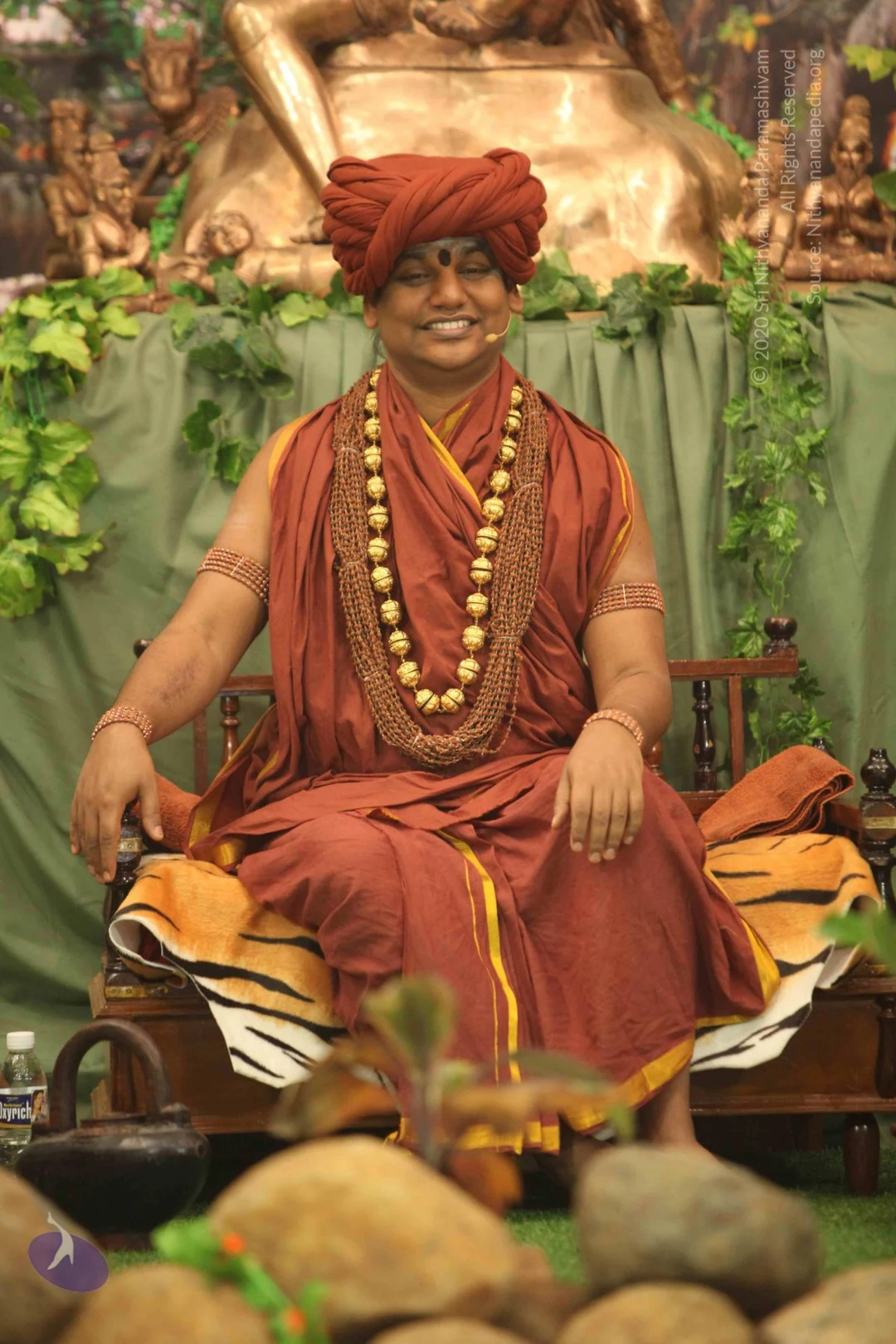
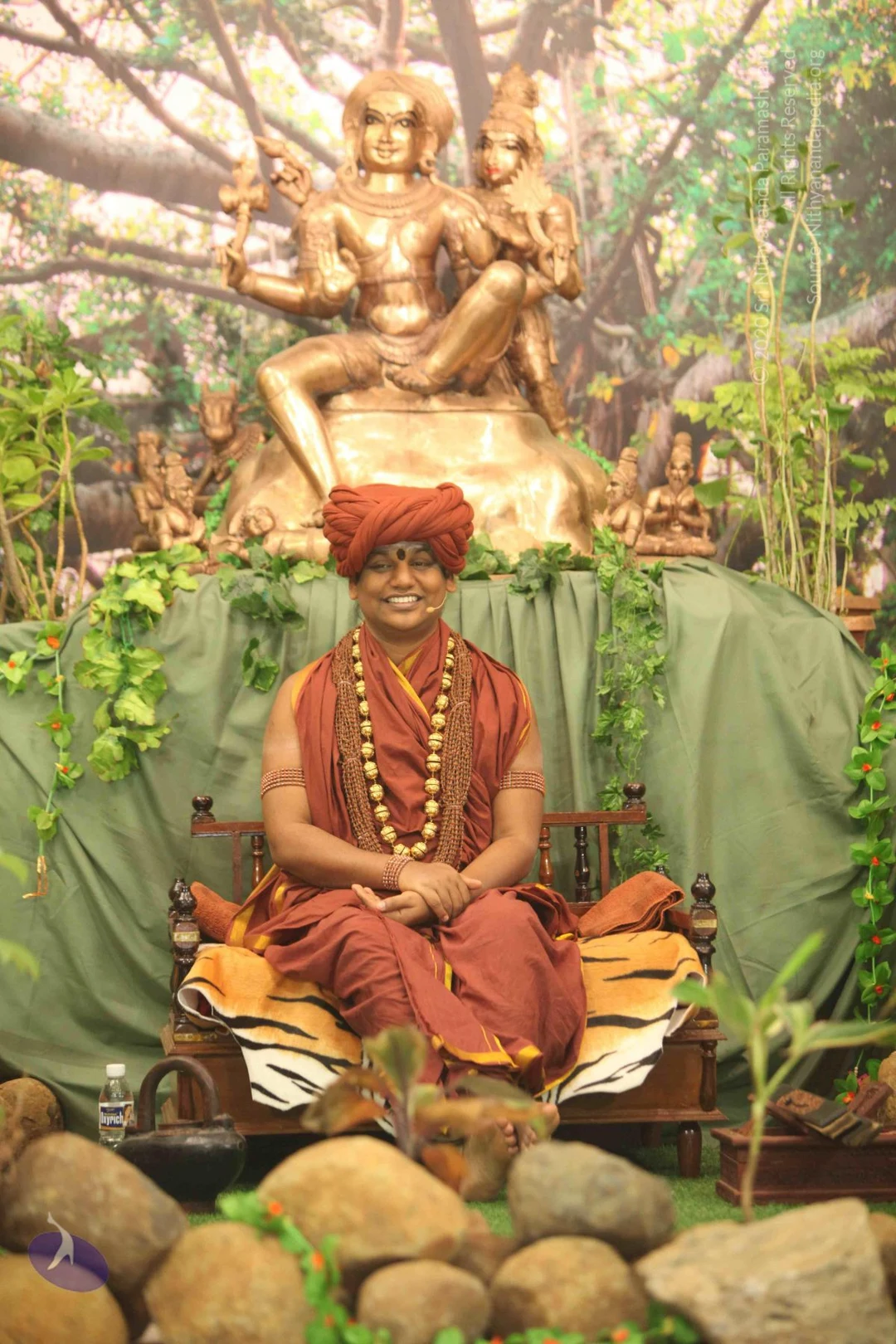
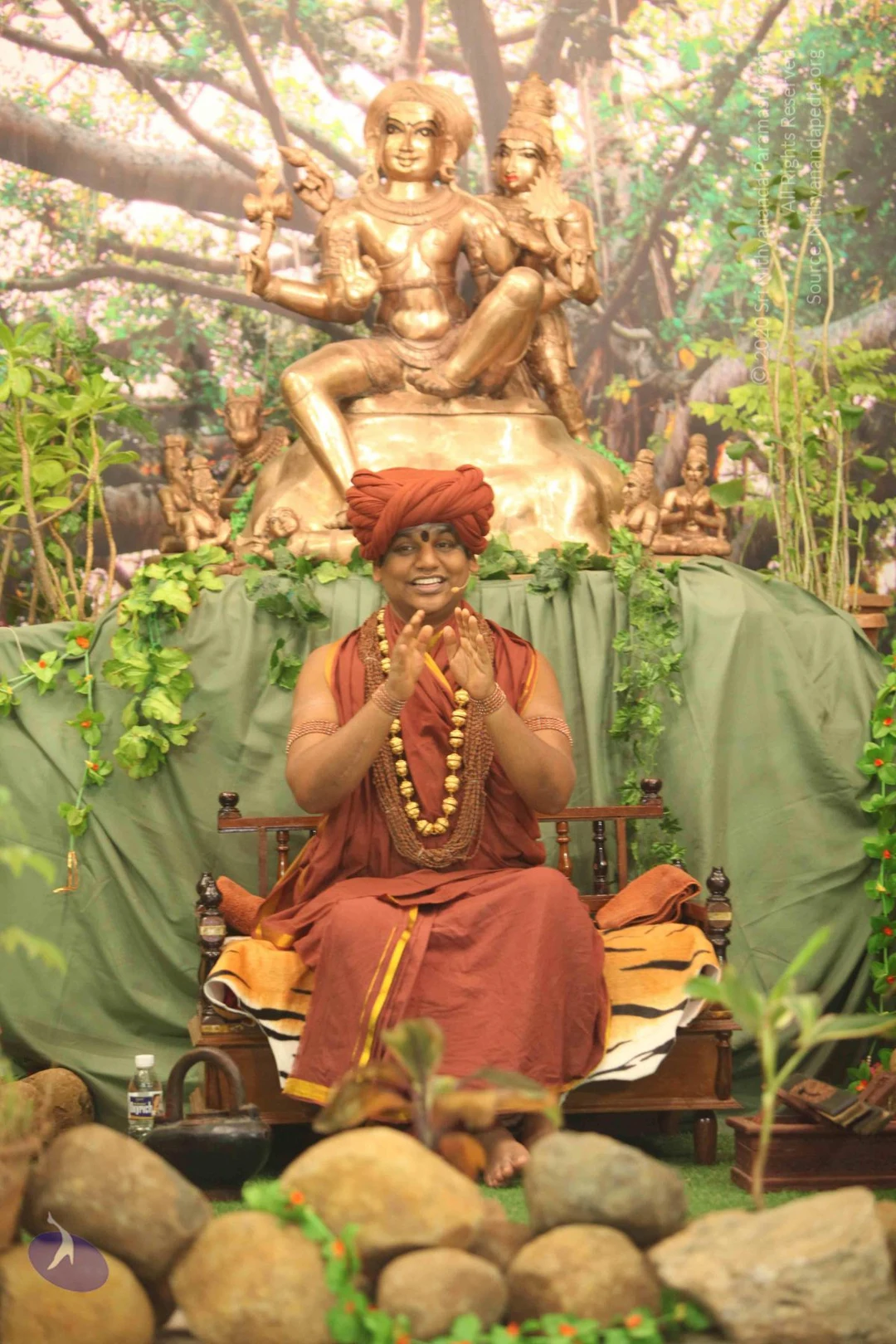
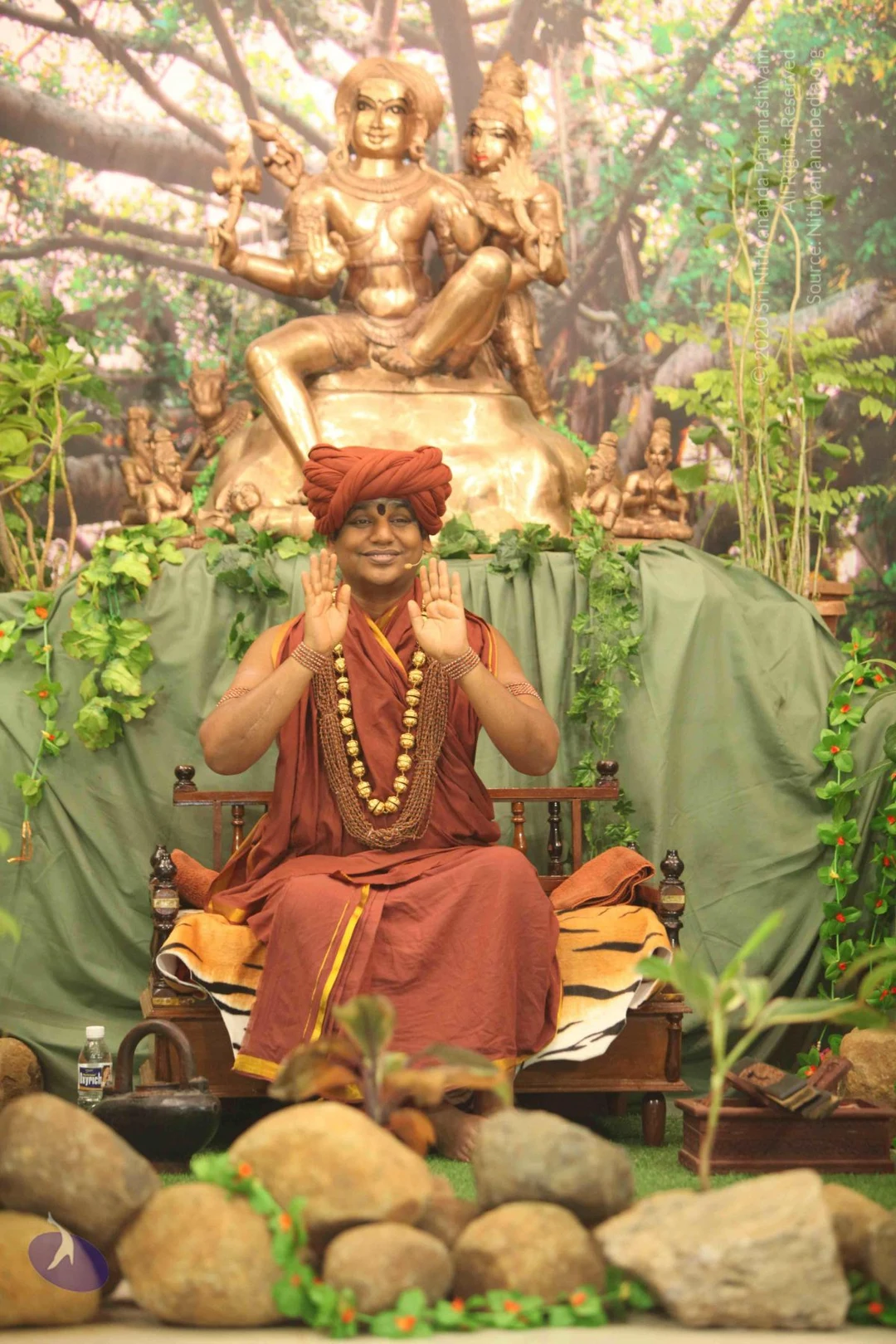
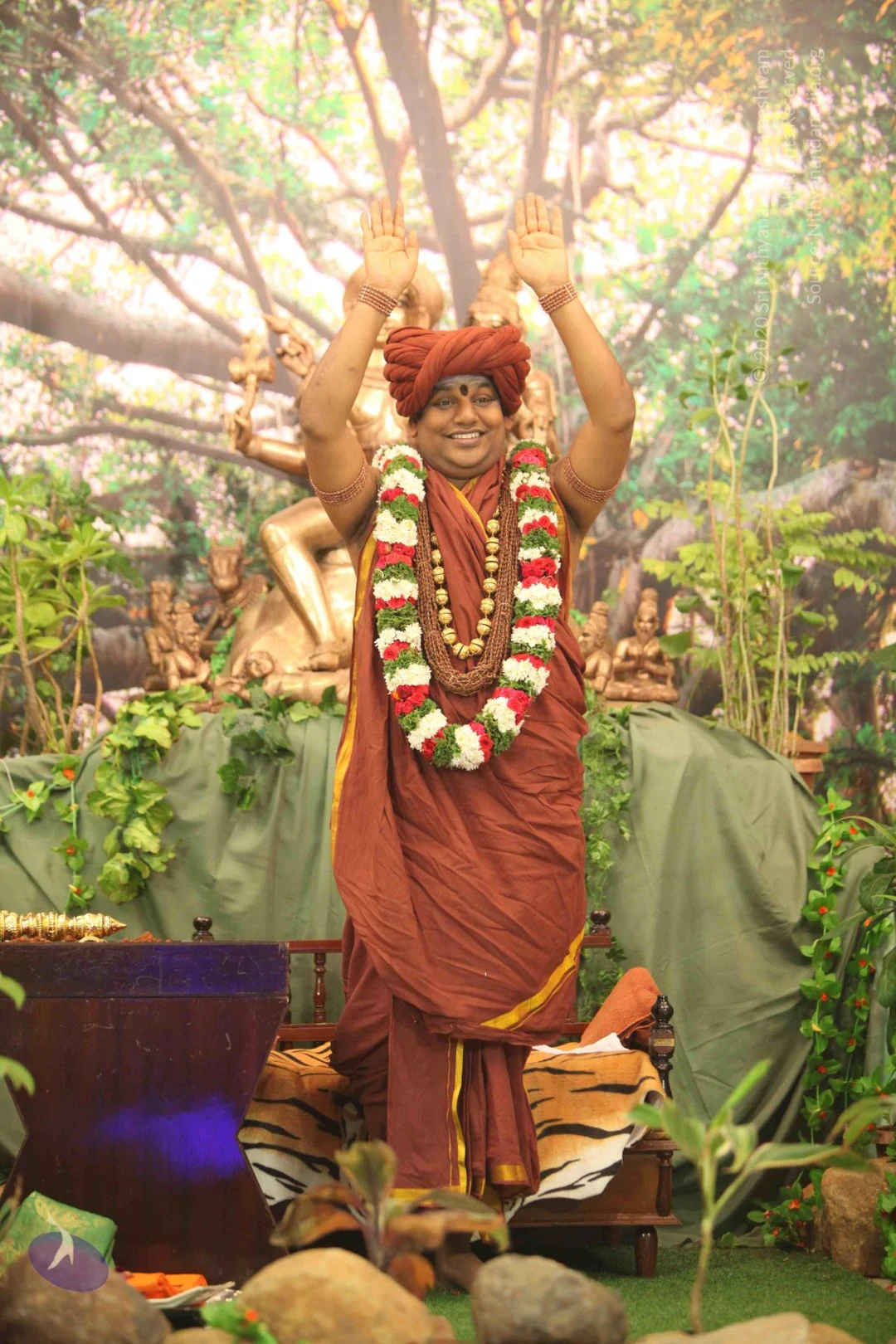
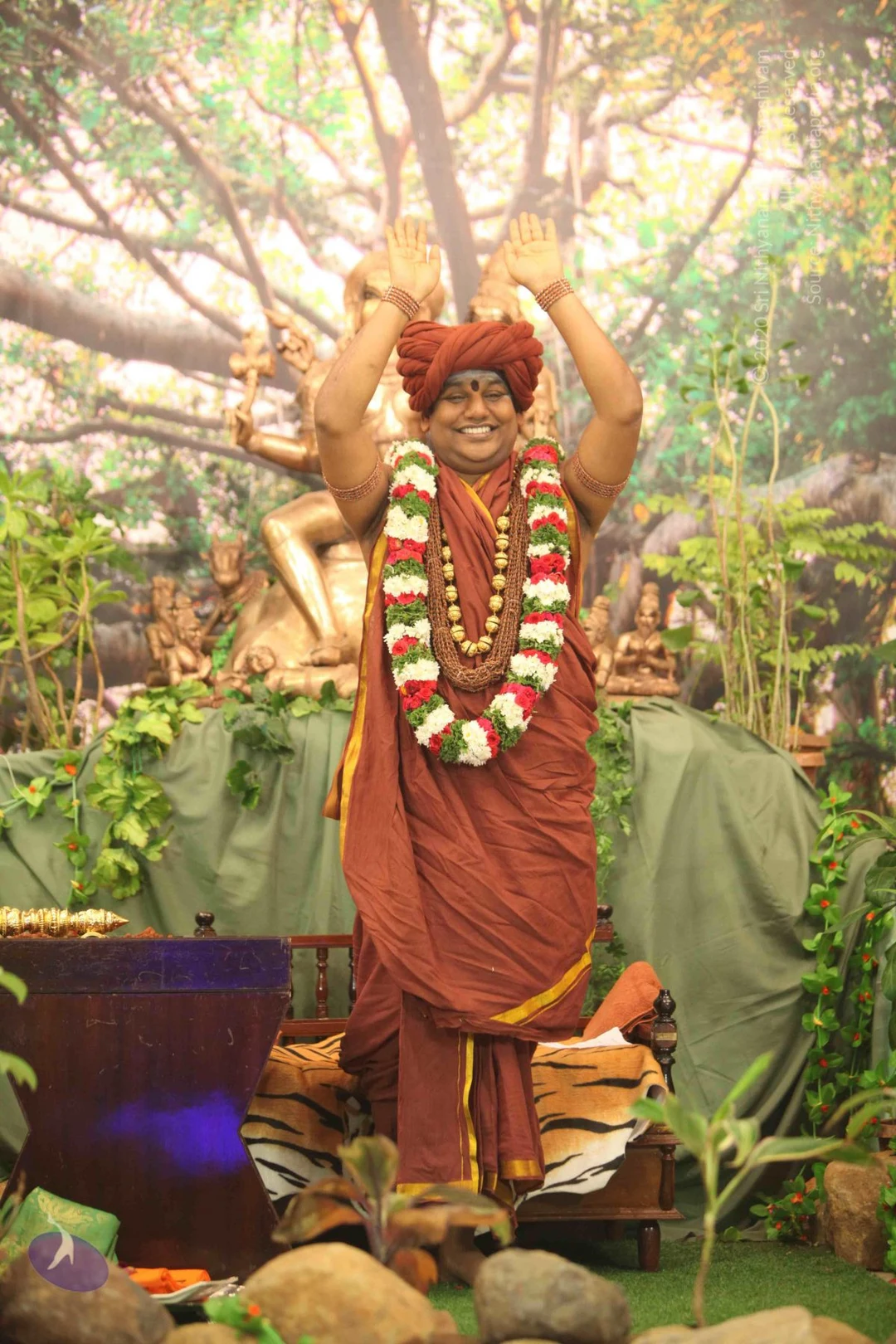
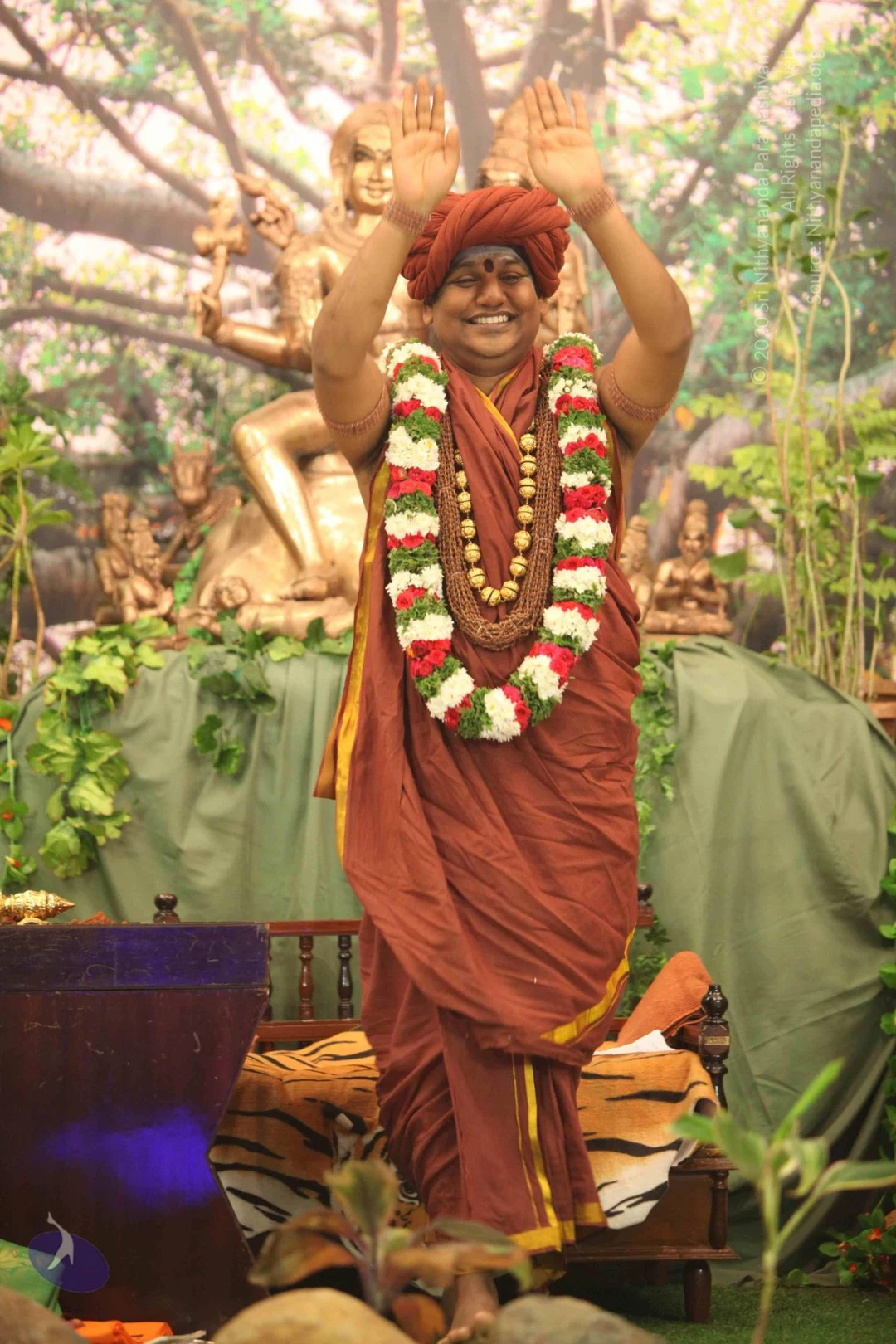
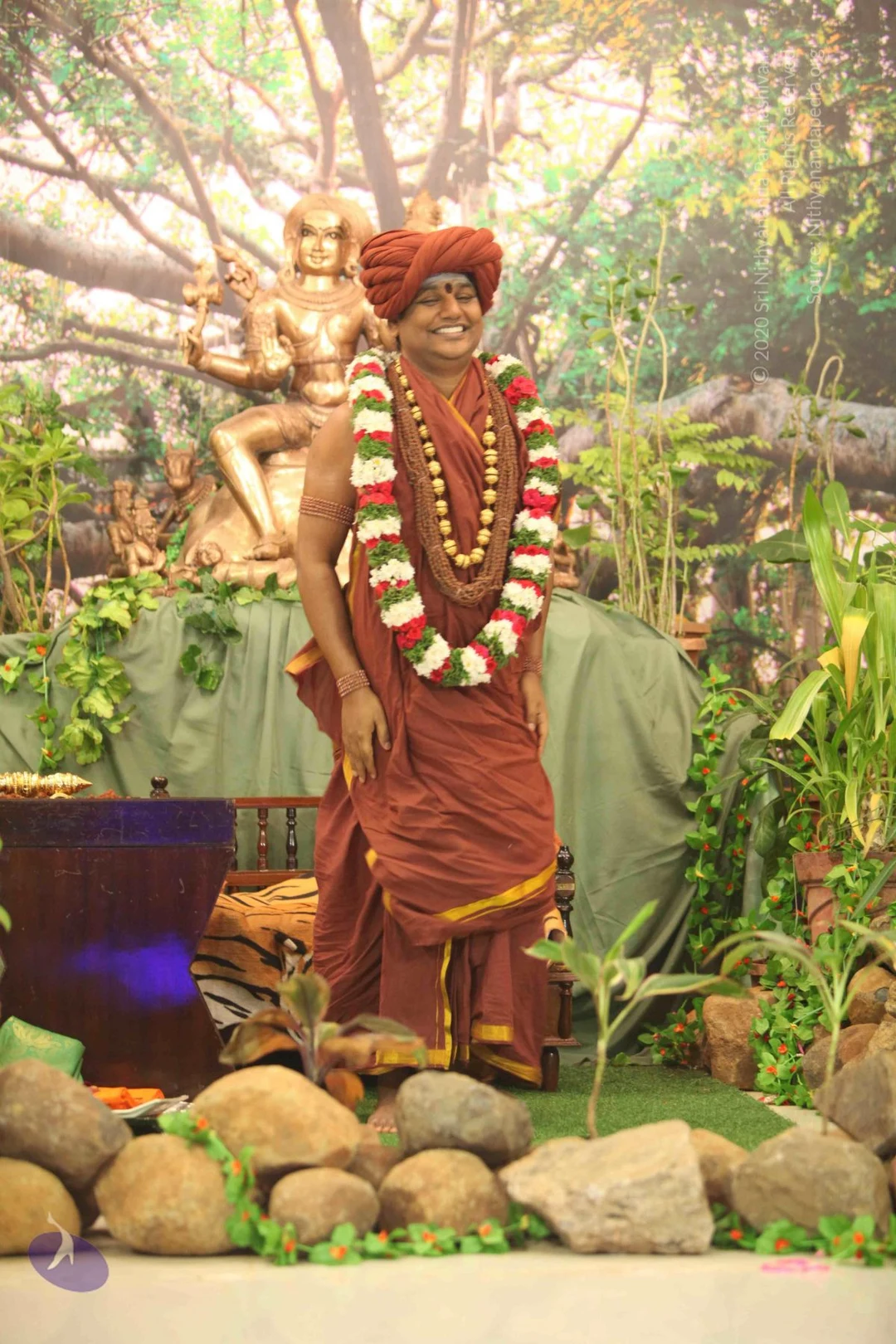
Photos from this day
View all 45 photosTemple Glimpses
2 photosSource gallery
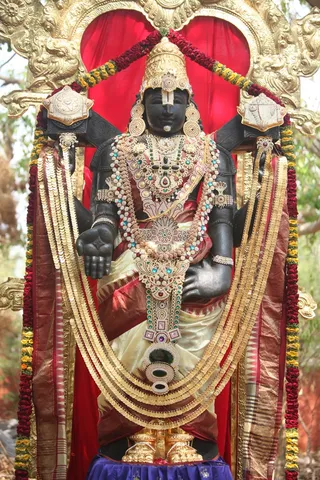
Nithya-Satsang
30 photosSource gallery
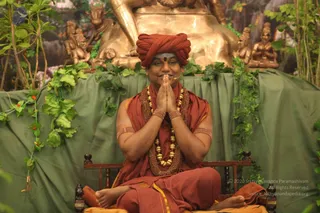
Nithyananda-Satsang
21 photosSource gallery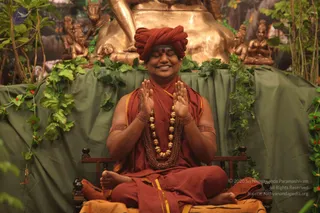
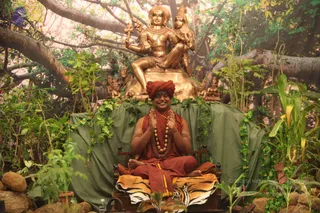
Nithyananda-Satsang
8 photosSource gallery