Saturday
2 April 2016
The Sights to be Seen in Kumbh Mela 2016
- Dated photos
- 143
- Source pages
- 1
- Media
- 2
April 02 2016
Original wiki pageTitle:
The Sights to be Seen in Kumbh Mela 2016
Title:
Hinduism lost a great Guru on August 13 , when Sri Pramukh Swami Maharaj ji , head of BAPS Swami Narayan Sanstha, entered Mahasamadhi. He was the fifth spiritual successor of Bhagawan Swami Narayan and a great visionary who envisioned and created over 1,100 temples. Renowned Cultural structures like Swaminarayan Akshardham in New Delhi and Gandhinagar are a showcase of his work.
Offering his Shraddhanjali to Sri Pramukh Swami Maharaj, HH Paramahamsa Nithyananda Swami said,” On behalf of me and Nithyananda sangha, we all offer shraddhanjali to Pujya Sri Pramukh Swami Maharaj. He returned to “Aksharadhama”. If the modern era has seen somebody standing with highest integrity to the principles they took up, I can name only Pramukh Swami Maharaj. If I see the whole BAPS Sanstha, taller than the great temples they built, larger than the great monuments they established, the character of Pramukh Swami Maharaj stands.
Nithya Atmapujananda Swami, carrying a personalised letter from his holiness met with Sri Munivashaldas, Head of Delhi Akshardham. Reminiscing his past meeting with Nithyananda Swamiji,Munivashaldas ji expressed his gratitude towards his holiness for sending his respects for their leader. He suggested the letter be presented to the new leader of BAPS, Sri Mahant Swami Keshavjivandas and took it upon himself to introduce Atmapuja Swami to Maharaj ji.
Mahant Swami Keshavjivandas accepted the letter gratefully and explained, “I’ve been following Swamiji and his work. I recognize all the work that he is doing for dharma. I send my blessings to Swamiji to continue this and keep expanding in his mission.”
By remembering the grace and integrity of Sri Pramukh Swami Maharaj, Atmapuja Swami left the meeting with these spiritual inspirations and carried the message back to his holiness Paramhamsa Nithyananda.
In the past week the Swaminarayan inspired organization transitioned into a new era led by Mahant Swami Keshavjivandas. This meeting showcased the unity between Hindu Organisations and the high regard held by their Leaders to expand Sanathana Hindu Dharma.
Link to Video:
| Video | Audio |
Transcript
So the important activity is Shahi Naan where we all go in a procession with all the paraphernalia and the grandeur. Imagine 5,000 people, five chariots and 10 saperam. 15 dieties and the flower palkey and the whole team with the umbrella, flag and all the paraphernalia going and taking snaan in the Shipra River, the most sacred tita which came from Mahadeva’s own body. So taking bath in that river and having darshan of Mahakaleshwar, Mahadeva. Syambu Linga is Mahadeva expressed himself in the form of Linga. Worshipping, having darshan of Mahakalisvara and Mahakaibharavai and Kali - Kali, Ujjani Kali is the one who blessed Kalidasa and Ujjaini Mahakala- the Kalabhairava, 1.25 I don’t know how many of you know from morning till night they give him, they feed him with alcohol. He is very fond of alcohol. whoever brings him alcohol he will give whatever boons they ask. So from morning till night he drinks litres and litres of village, foreign, all types of liquor. Please understand he literally drinks, how you know, there is an opening in the mouth. Priests go on pouring, pouring, pouring, pouring, where it goes nobody knows. It just disappears, it doesn’t come out, it doesn’t come out. You will not even smell, even the smell he takes away. From morning till night they pour all varieties. He enjoys and just gives blessings and gives whatever boon you ask. The Kalabhairava is very powerful. Siddhadevatta, Siddha Kalabhairav means awakened Kalabhairava. We are going to have a darshan of the Kalaibhairava, MahaKalisvara and Kali. The Kali she is the Adibedi(2.41), Pedaadibeda of the Vikram Adi Simha Asana. She only blessed Kalidasa with the tambula. That’s the tradition. A guru gives tambula to disciple when disciple is initiated into knowledge and enlightenment. So she gives her own tambola means the chewed betel leaf to Kalidasa and Kalidasa becomes a great enlightened poet, Siddha Kavi and writes all the Kavias and she was the owner of the, she was and is the owner of Vikramaditya Simhasana (3.22) which she herself gives to Vikramaditvidya (3.25) sitting in Ujjaini only Vikramaditya ruled the whole world for 2,000 years. 3.31 So Kali is Sita Devi and the Hindu Calender is from Vikram Aditya. From Vikram Aditya only Hindu calendar starts. That is why if you see the Hindu year, they will say Vikram Samvatsare means the Hindu calendar is based on Vikram Aditya. From Vikram Adiya the Hindu calendar starts. It means the Hindu calendar starts from Ujjain. So, we are going to have a darshan of all that, and hundreds and hundreds of different sampradayas. I should thousands. Already I heard 13,000 sampradayas have established their tents. The Gurus and masters and sampradayas from Hindu traditions. We are actually group of religions. Hinduism is group of religions. Each sampradaya is independently intelligent enough to give enlightenment. We are a group of sampradayas. All of us already there. Their tents, camps, everything you can see all types of yogis and sadhus. Sadhus who bury their heads publicly for 9 days and breathe through their leg. Sadhus who bury themselves completely. Sadhus who are lying down on thorns. Sadhus who are sitting on the fire. You can see all types of yogis and sadhus. Sadhus who are standing with one leg for last 25 years. Sadhus who are keeping their hands up for 40 years. You can see all of them in our own Maha Nirvani Akada. There are 10 sadhus who keep their hands up without dropping it for the last 20 year, 30 years, 40 years. You will see their hands are like, become almost bone. The nails have grown for maybe half a metre long, length. You can see all types of Yogis. You can see Yogis just by blowing, emitting fire. You can see all types of yogis. You can see yogis just by blowing, emitting fire. 5.30 You can see all types of Yogis and you are going to see all yogic demonstrations from our Gurukul Balasants and our Nithyananda Yogi teams and I also commit with you guys. I'll demonstrate any one power directly to all of you. Just to inspire you guys, just to inspire. demonstrably, like a play, that’s all. So, there is so much to see, so much to experience, so much to enjoy, so much to celebrate. Understand if you have not seen Kumbh Mela, you don’t know what is Hinduism. I am telling you, if you want to taste Hinduism come to Kumbh Mela. That’s the only way you will taste Hinduism. in its multiple dimensions, in its multi sampradayas, If you enter into one camp then they will say that will say Krishna is the God all other including Shiva, is Demi-God. If you go into the next camp they will say Oh Vishnu himself went searching for the feet of Shiva but no problem, both of them will have the next, next camp comfort. If one does not have water and electricity other will give. Now we don’t have a problem. And one will go to the other and eat and come, happily. 7.26 What we believe reach, make, take us to the ultimate, what you believe takes you to ultimate. Let both of us enjoy together. Our beliefs never affected our relationships. That beauty you can learn only from Hindu saints. Really I’m telling you. If you enter Shavite camp they will say, “ Oh Vishnu, he is a guardian for Shiva and he went in search of Mahadeva’s feet and he could not even find the feet and came back. See the bell in the calf muscle of Mahadeva’s leg that is tied by Vishnu because he went only that much. So they will tell you if you enter into a Vishavite camp Oh including Mahadeva here everyone is a Demi-God. Only Krishna is God. That’s how you see when poison came, Krishna said you drink, and Shiva drank, they will tell you, You can go to different camp and have different stories and sampradayas, but all of us exist together, ultimately bow down to Veda. Ultimately bow down to the Vedic tradition. Under that one banner all of the sects leading to people, leading the people to enlightenment. So Kumbh Mela is too much, Kumbh Mela is too much to be missed. If you have any thought current other than going, drop the thought current. Just kidnap yourself by yourself, come and drop yourself in the ghat, in the Kumbh ghat, in Nithyananda Peetam.
Photos From The Day:
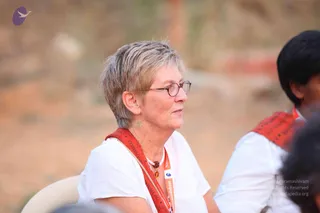
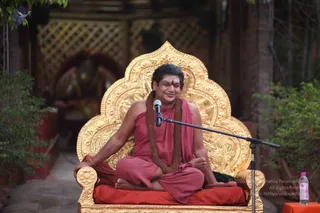
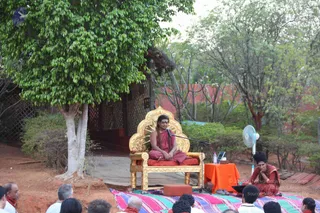
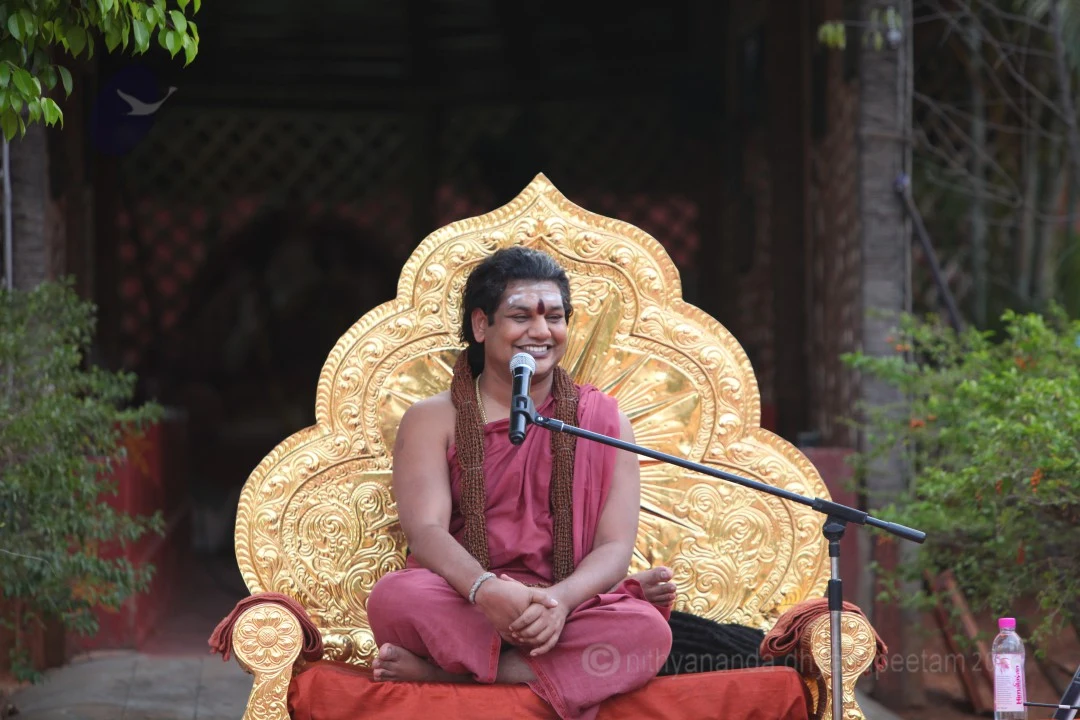
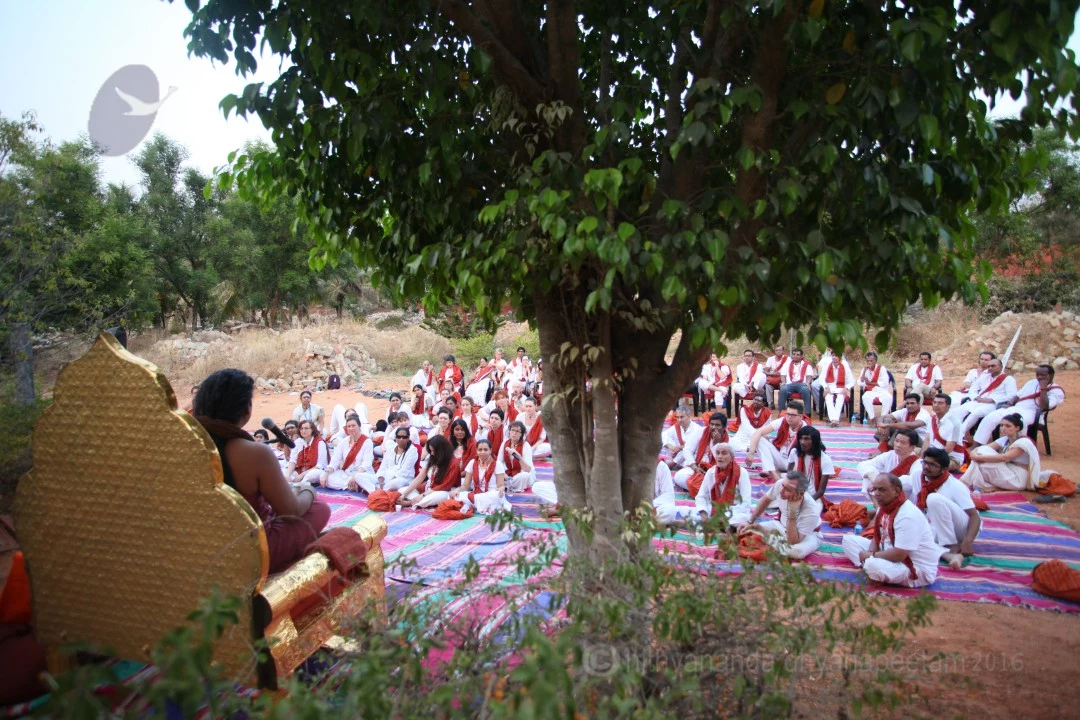
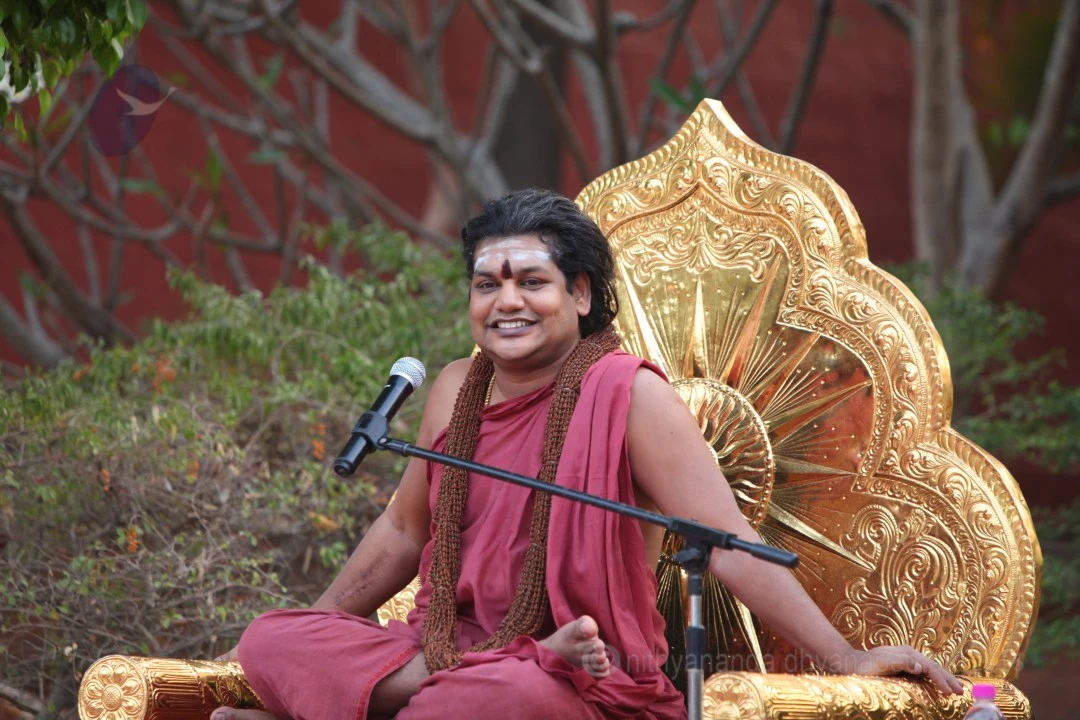
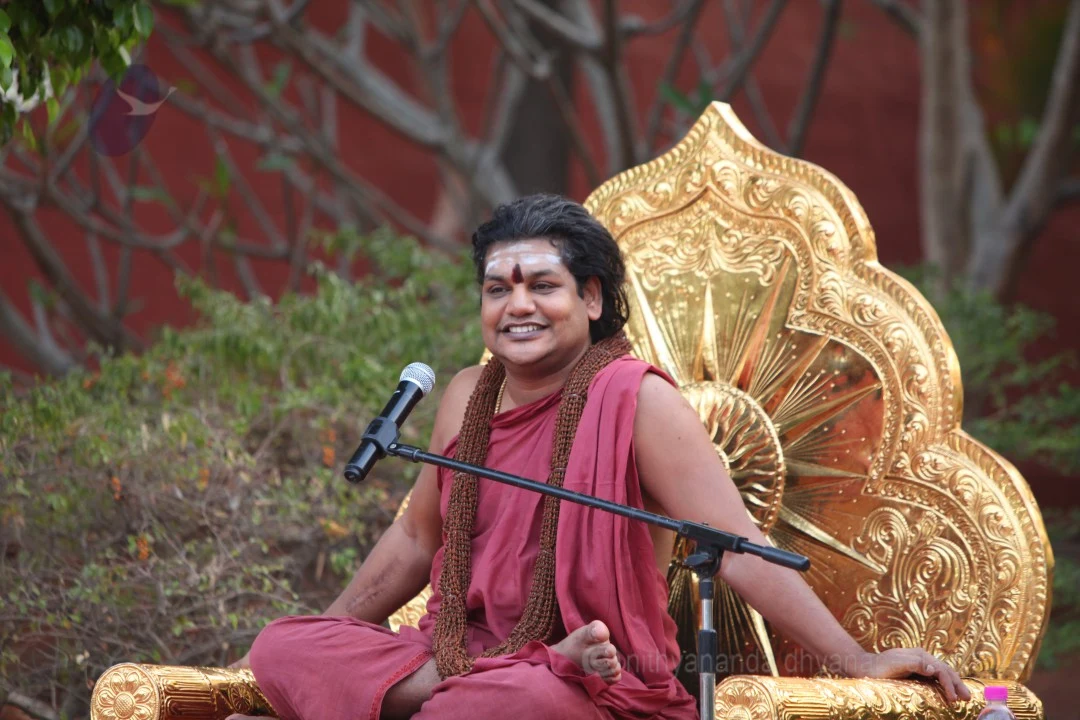
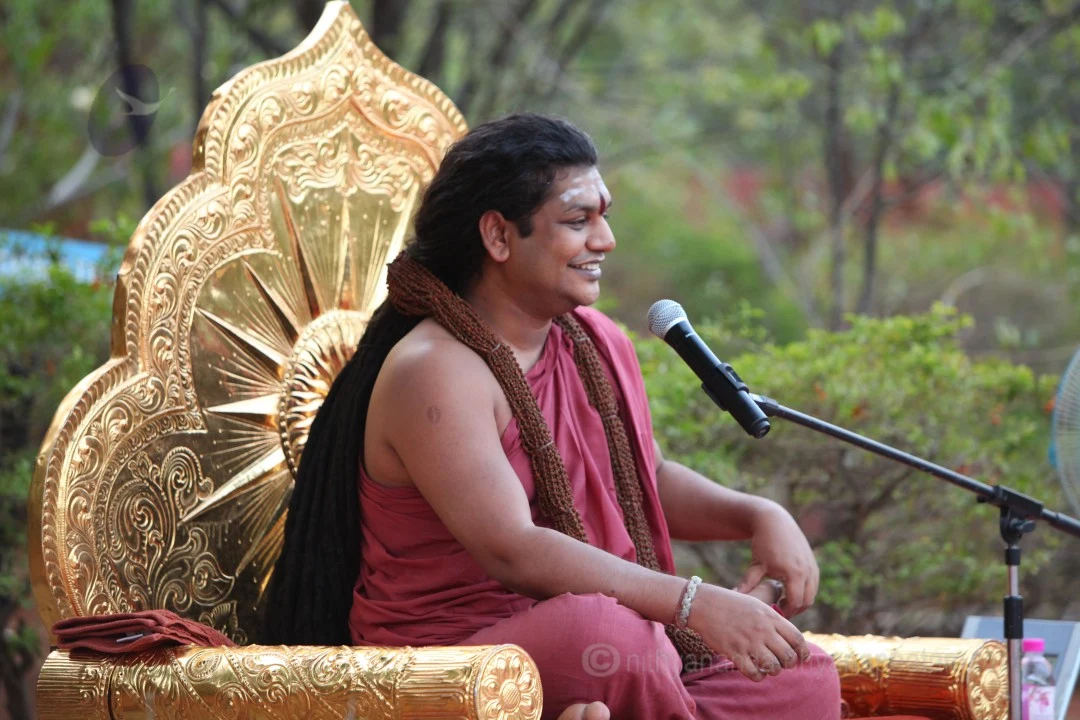
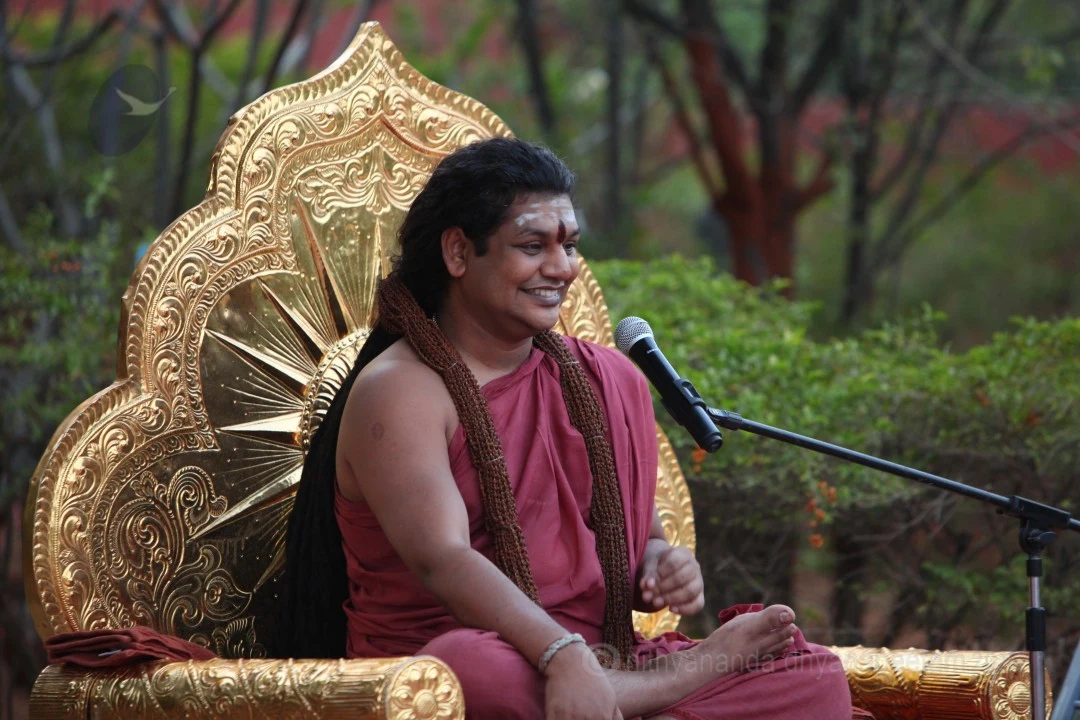
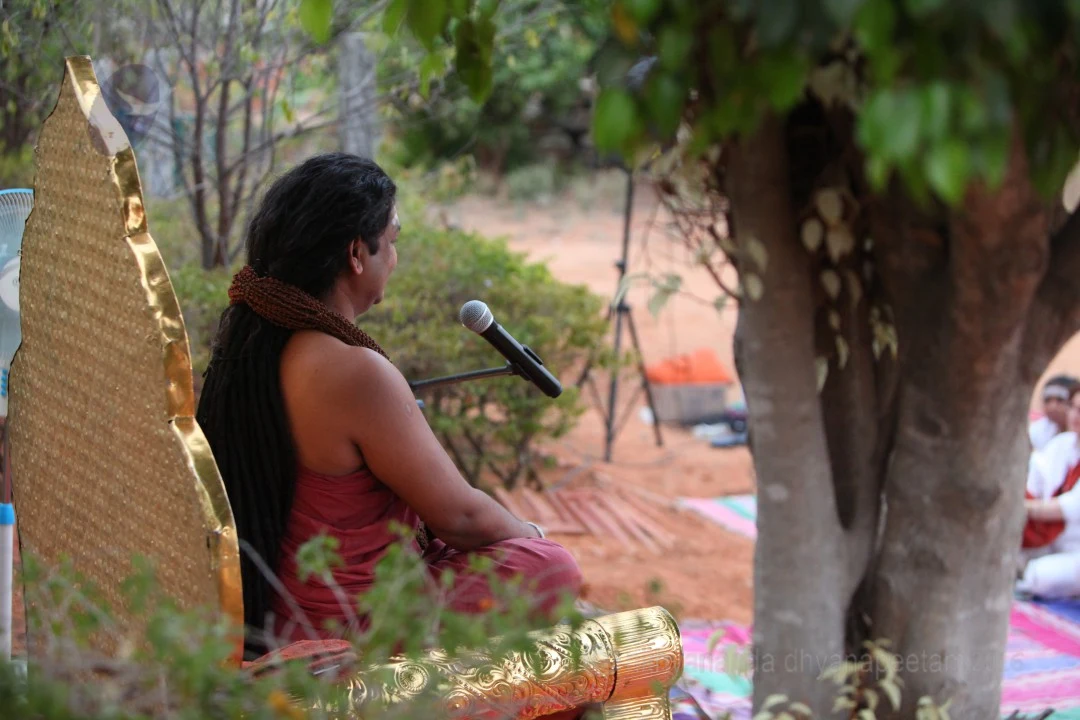
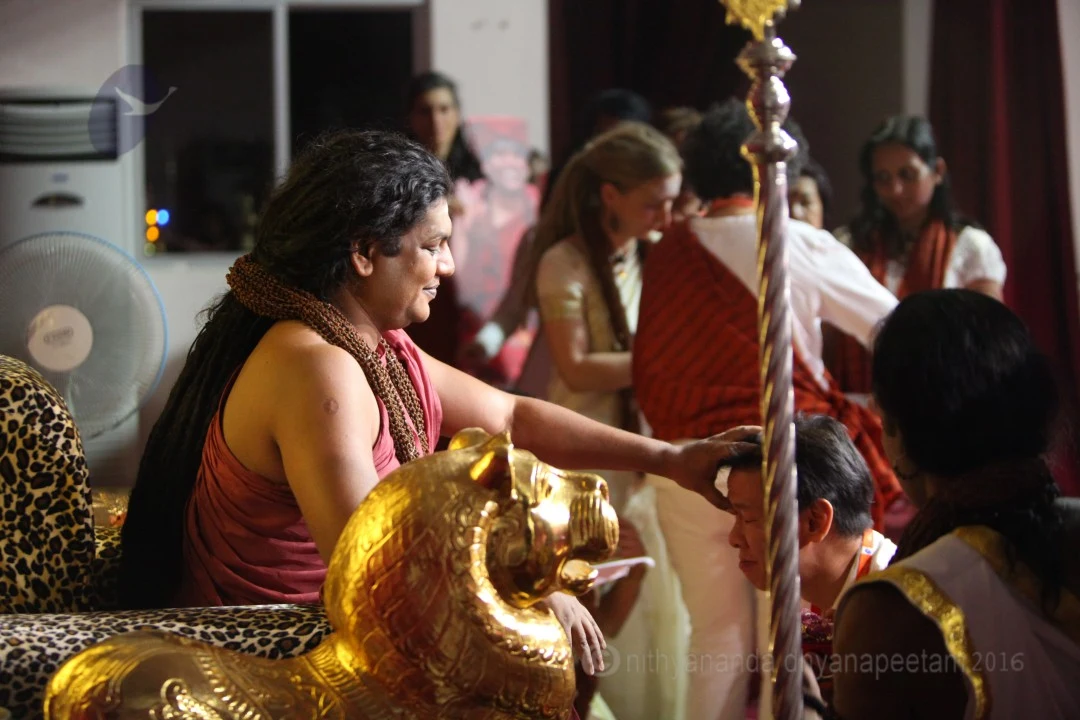
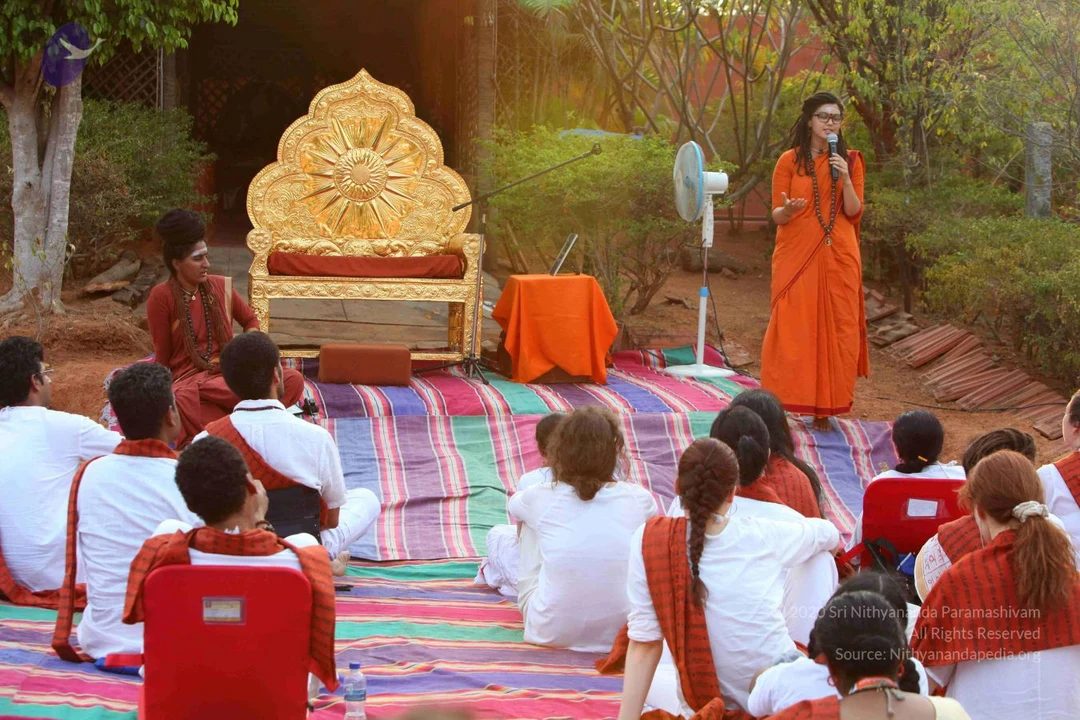
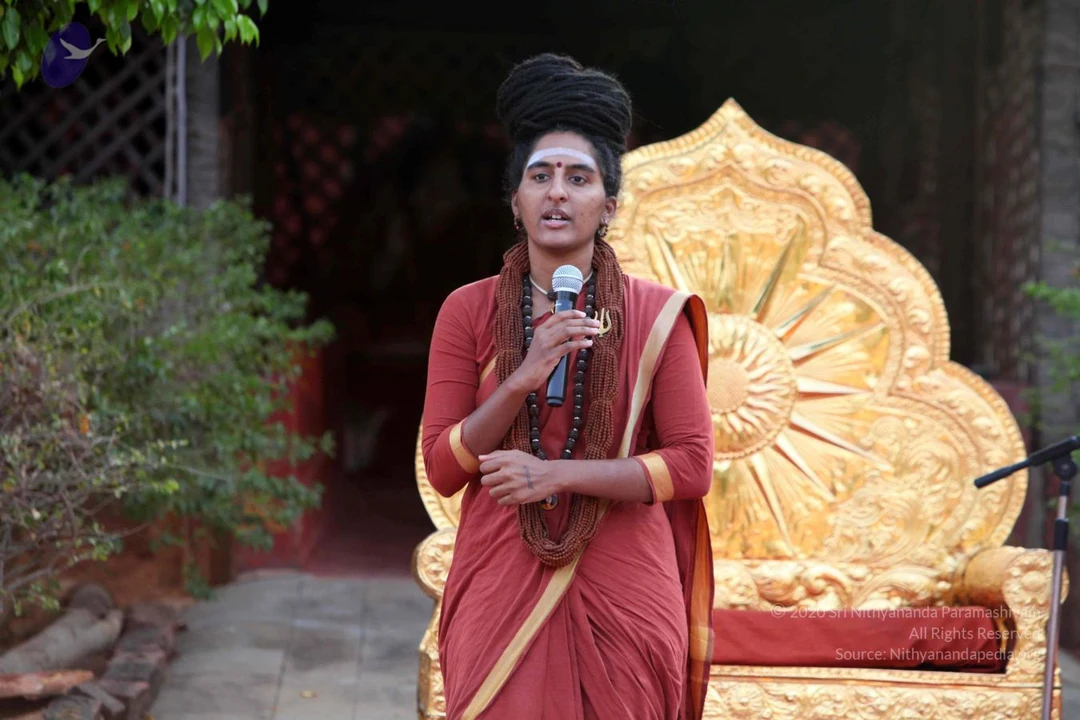
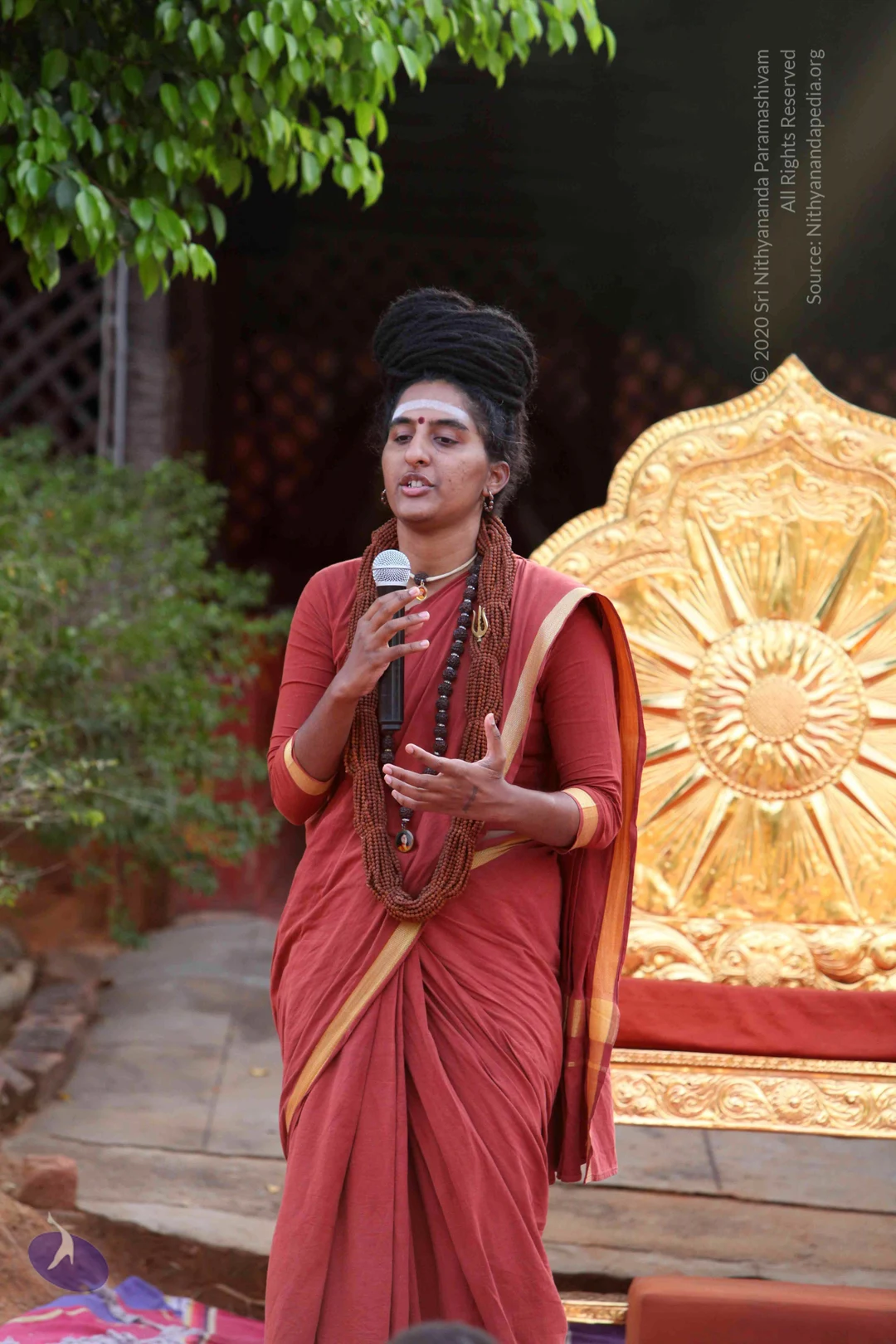
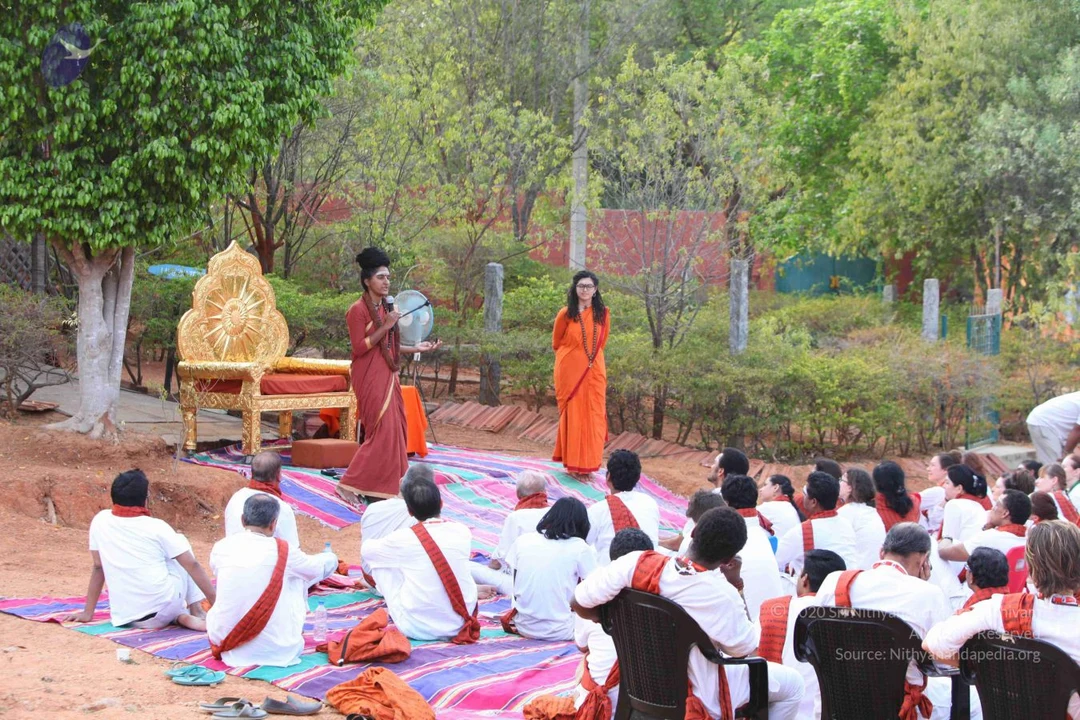
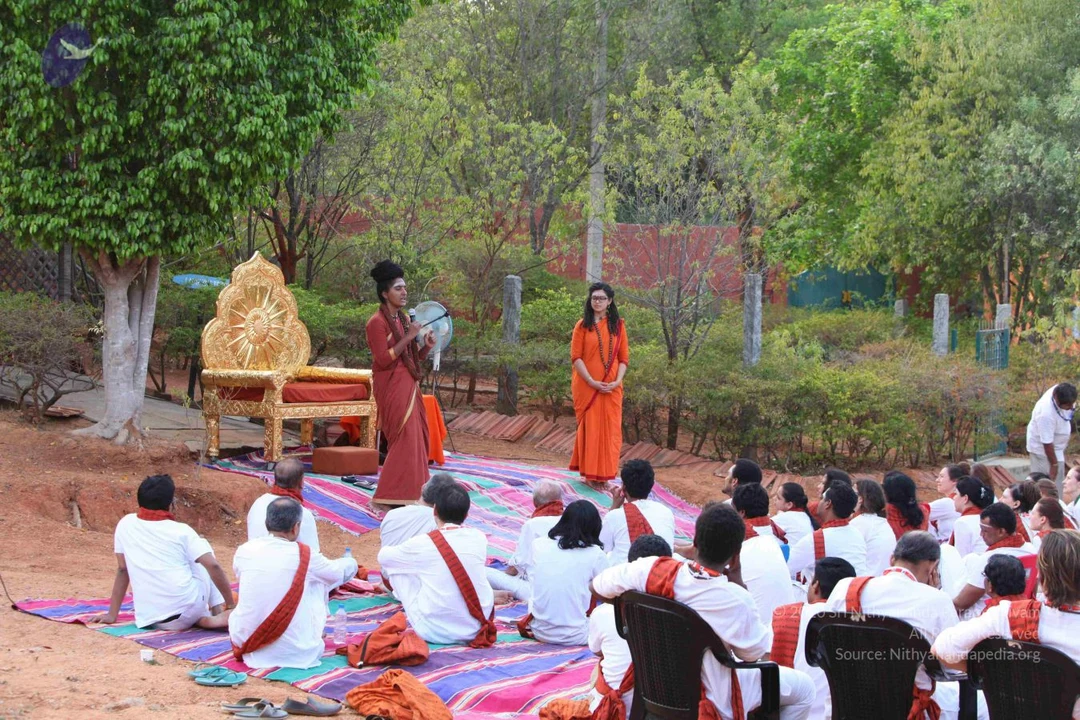
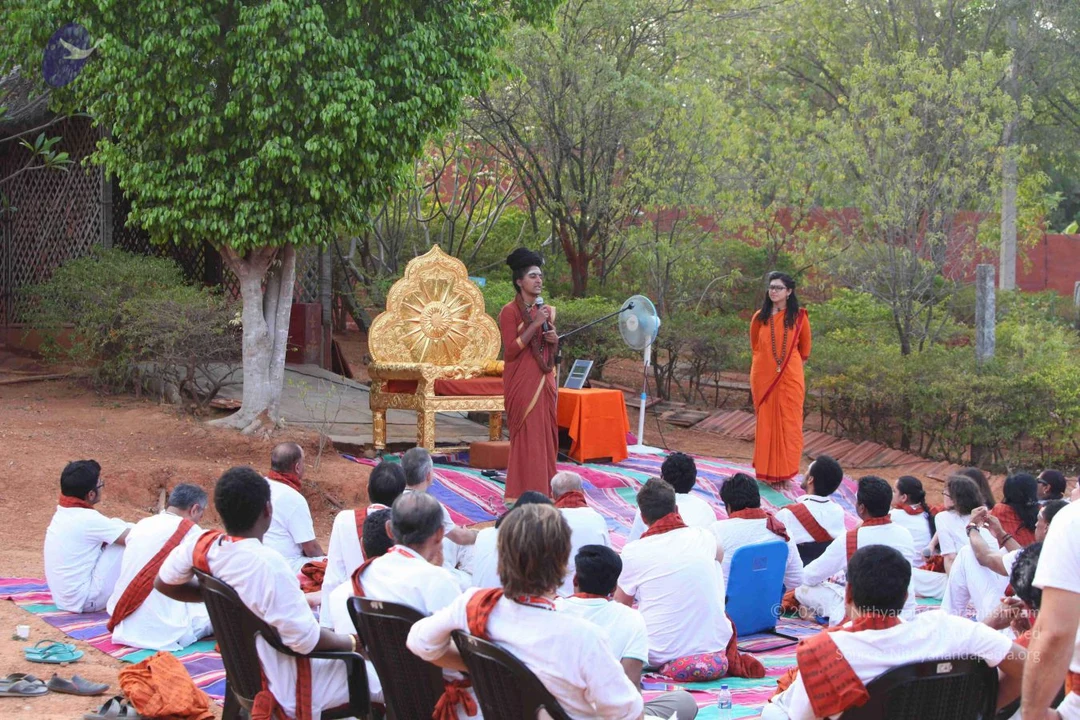
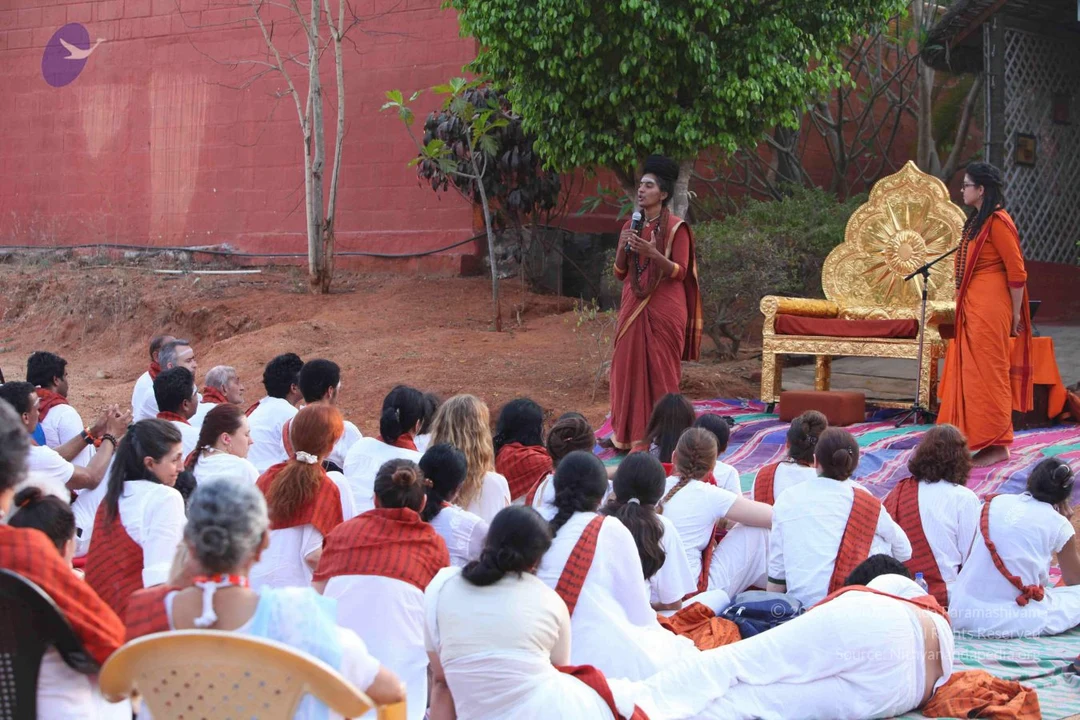
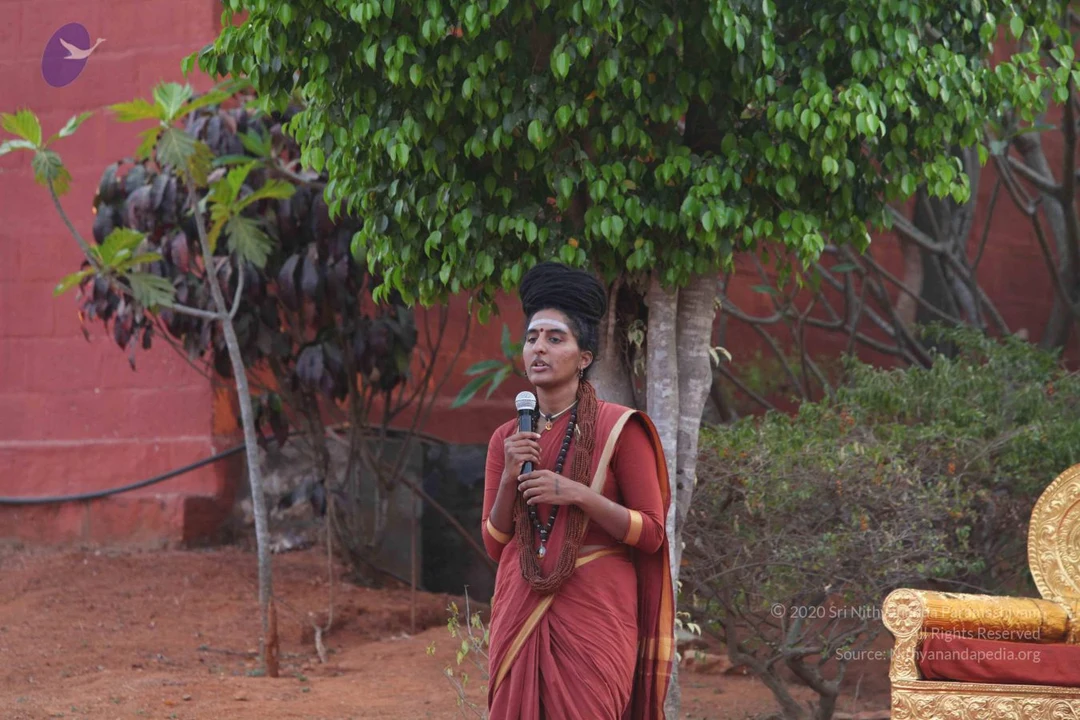
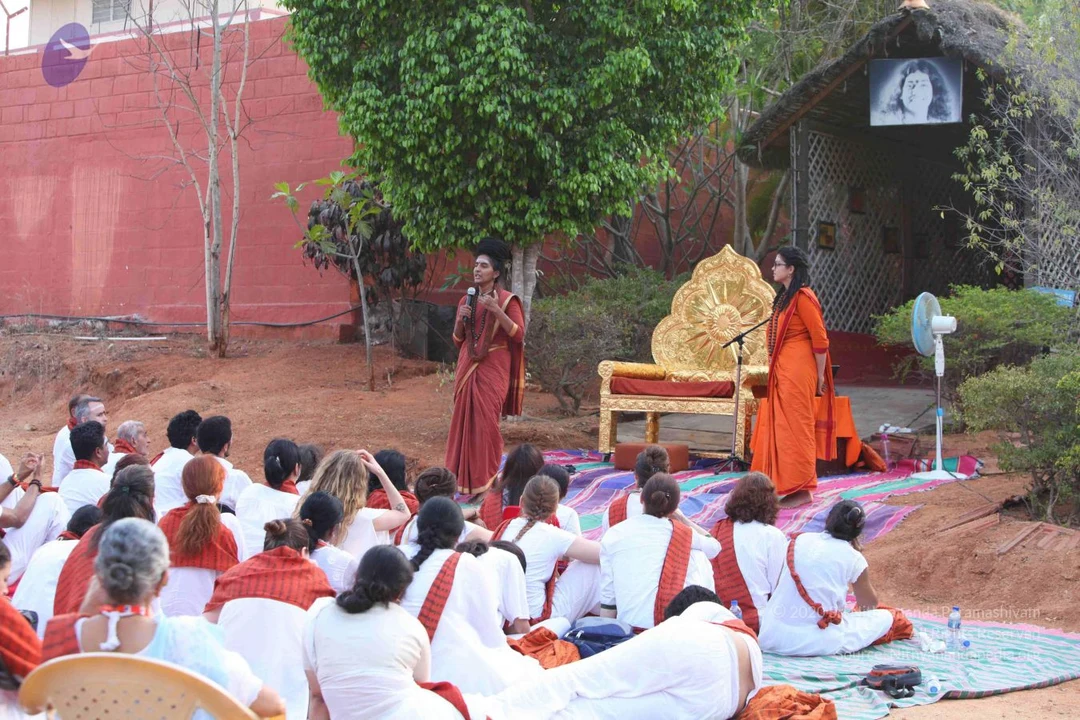
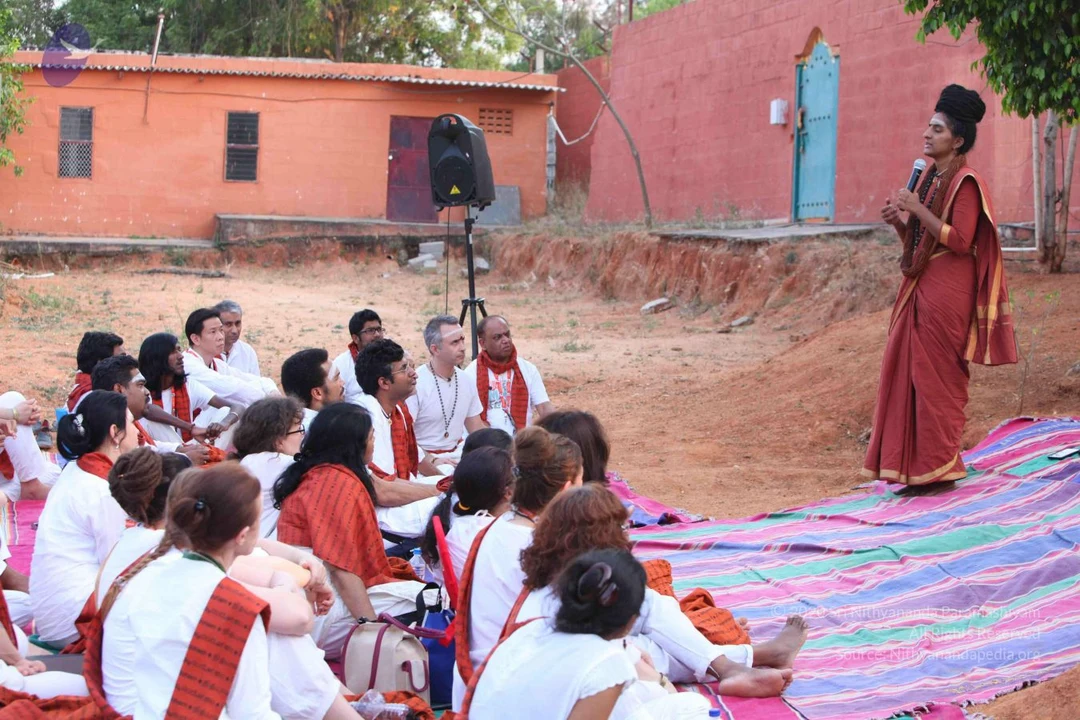
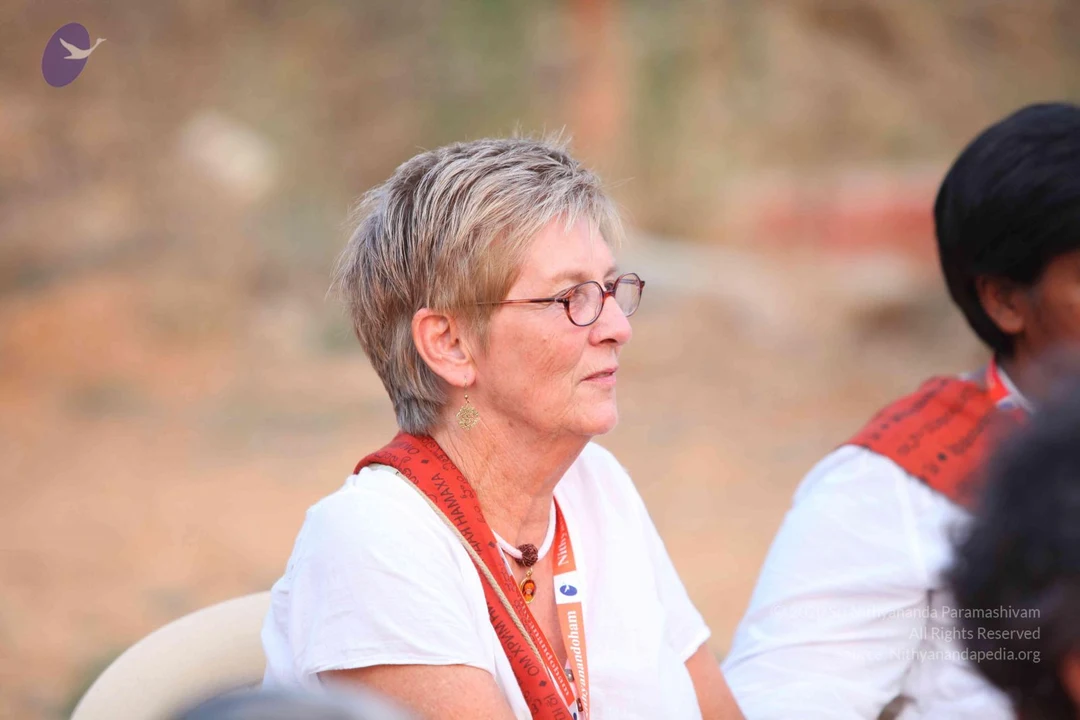
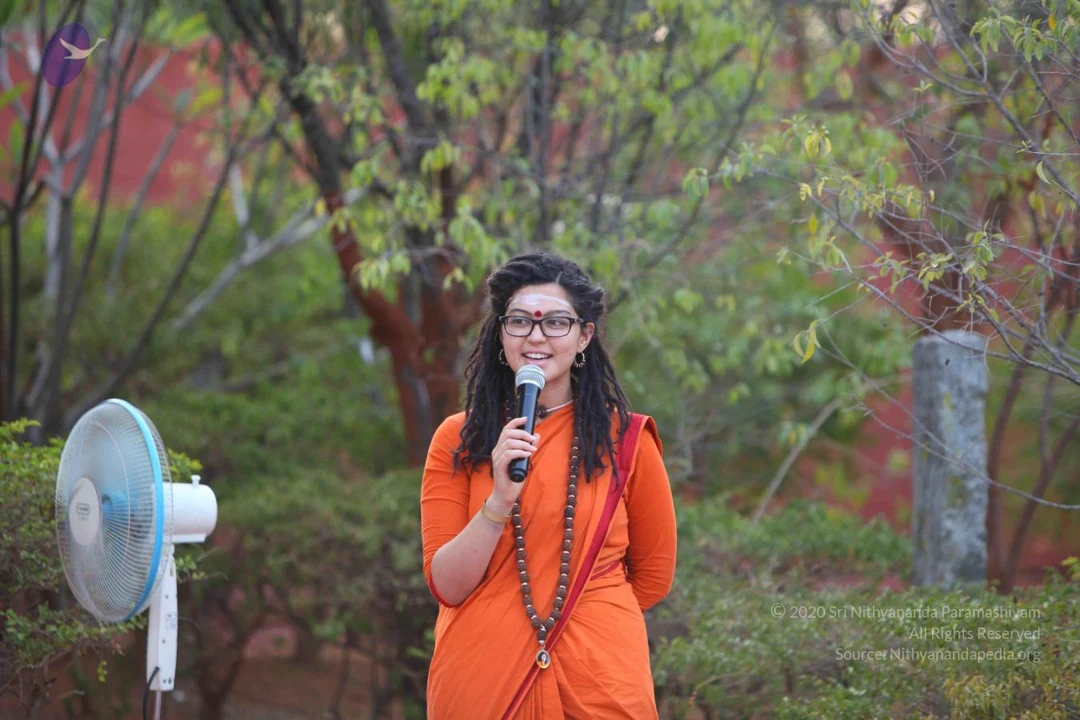
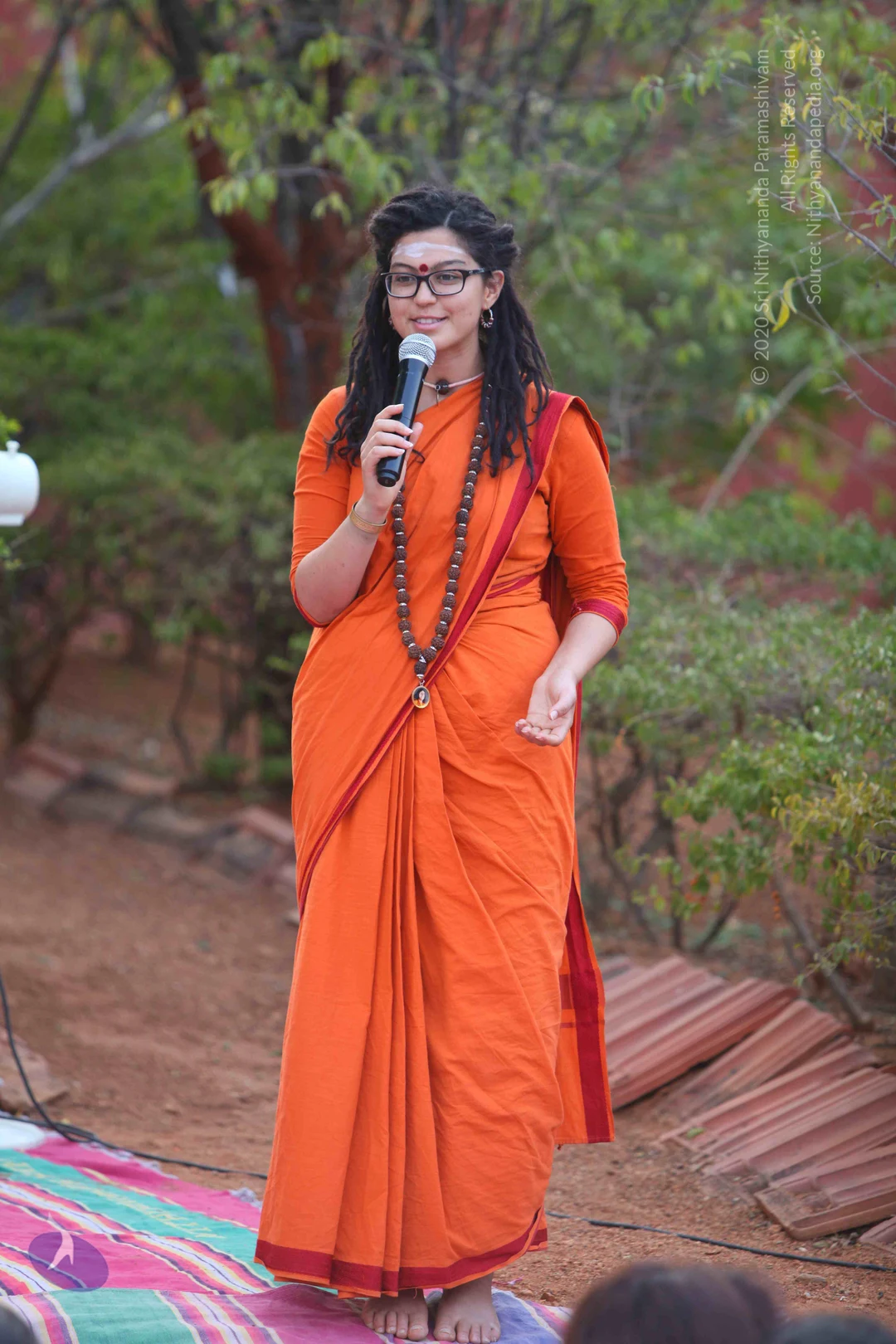
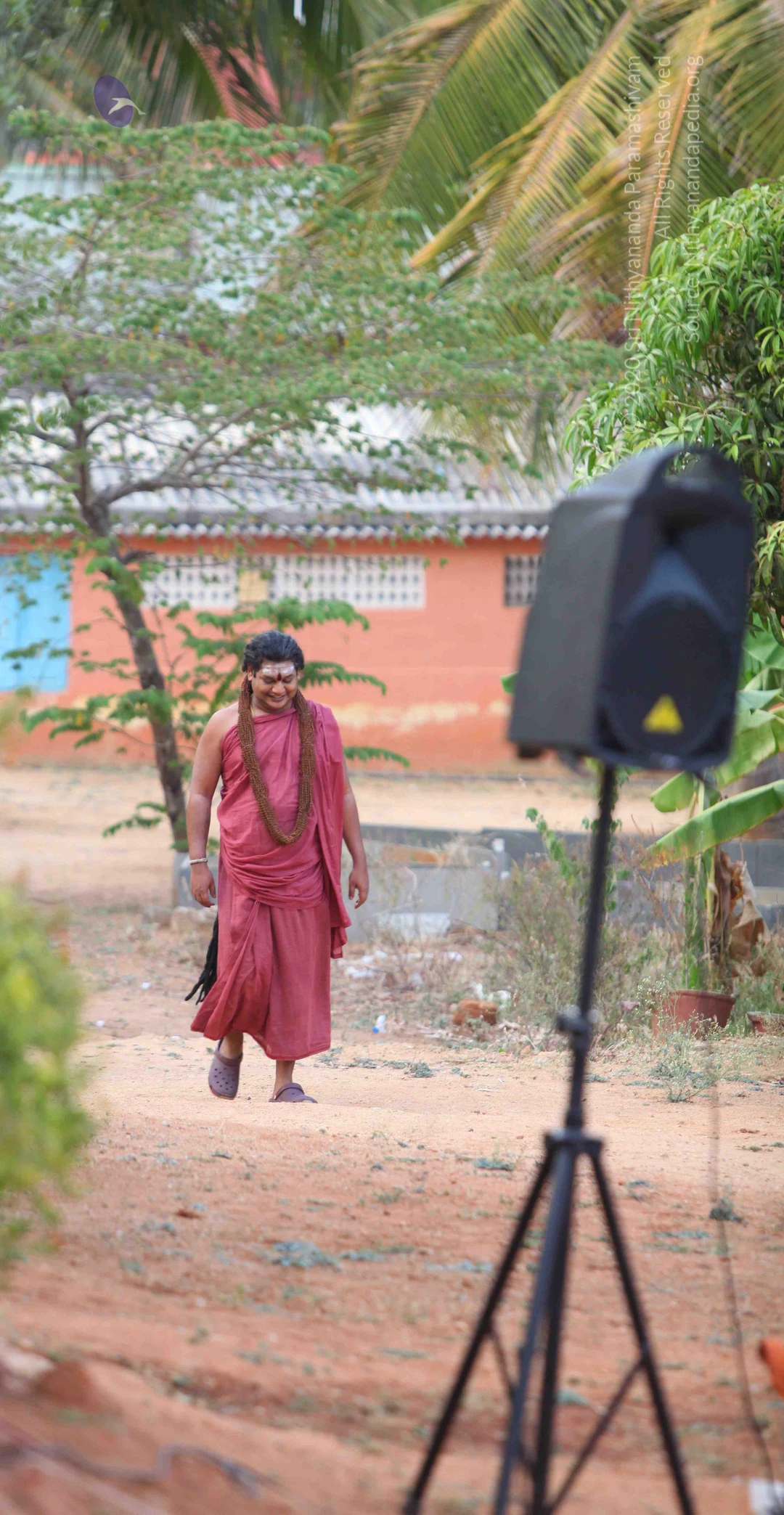
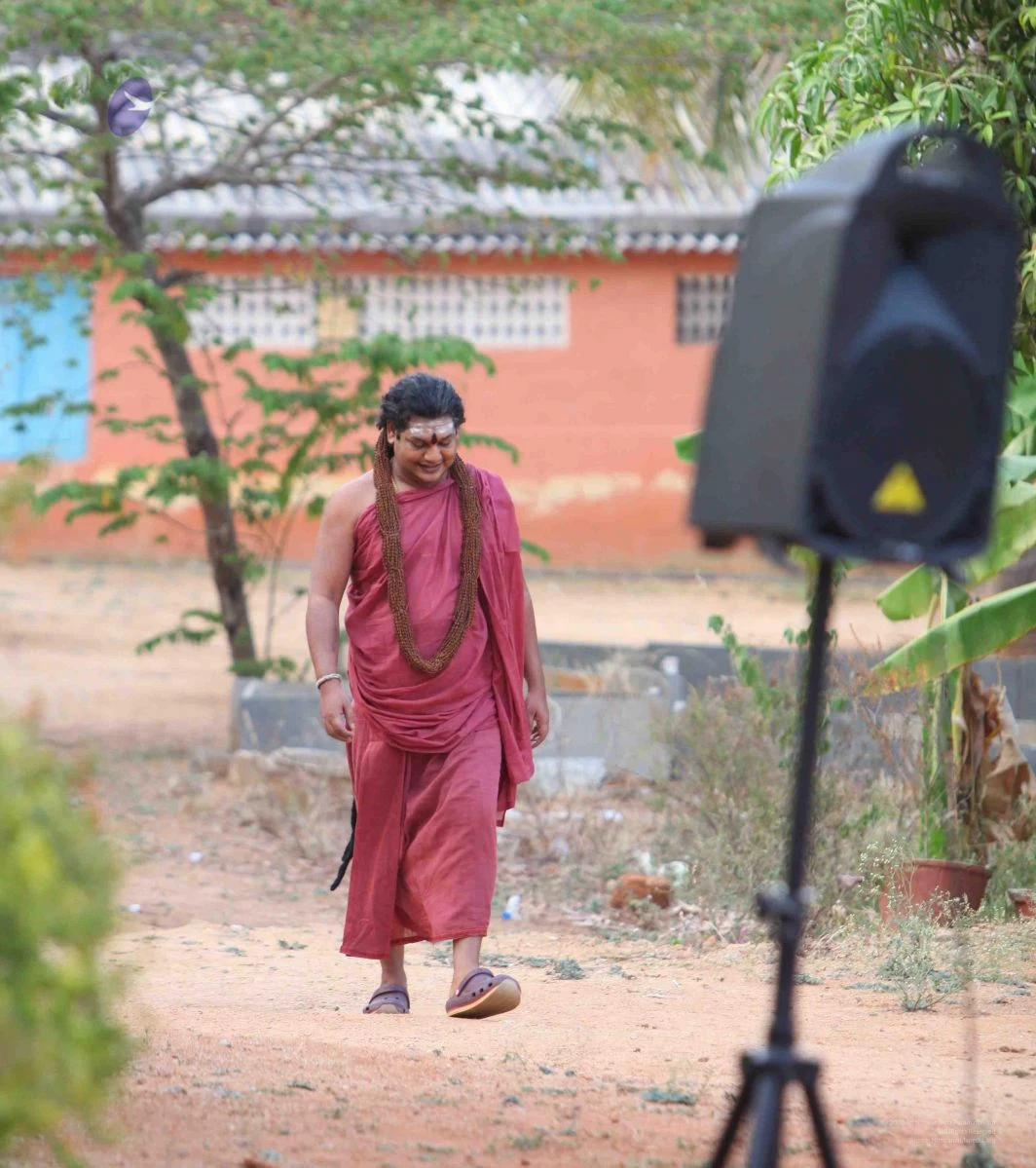
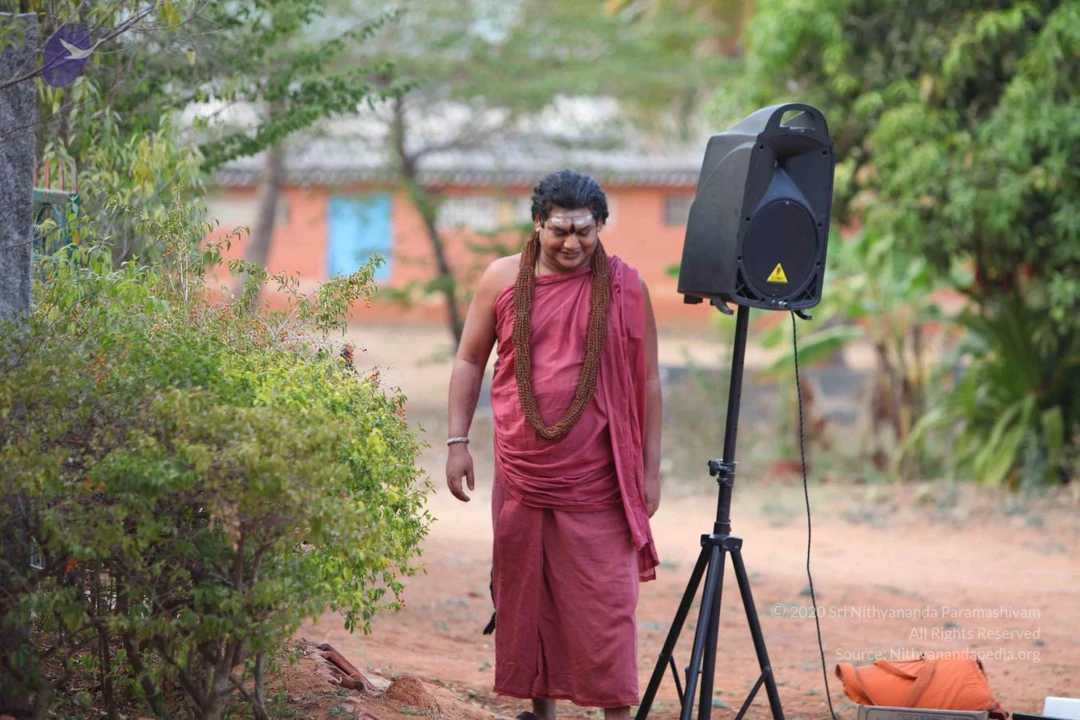
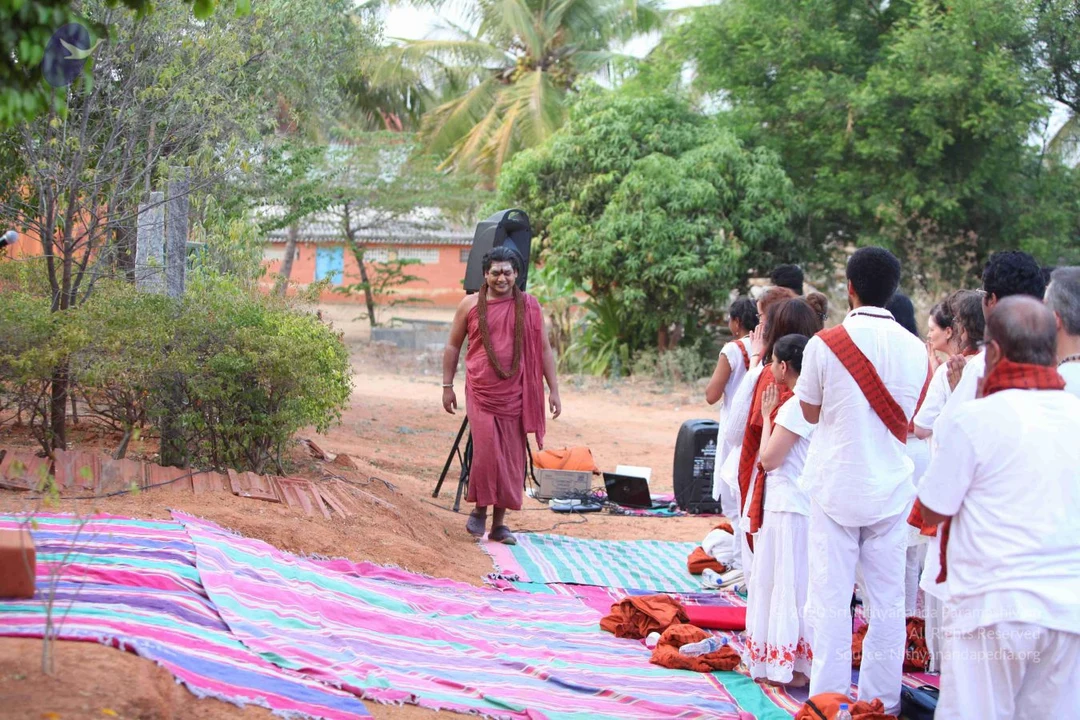
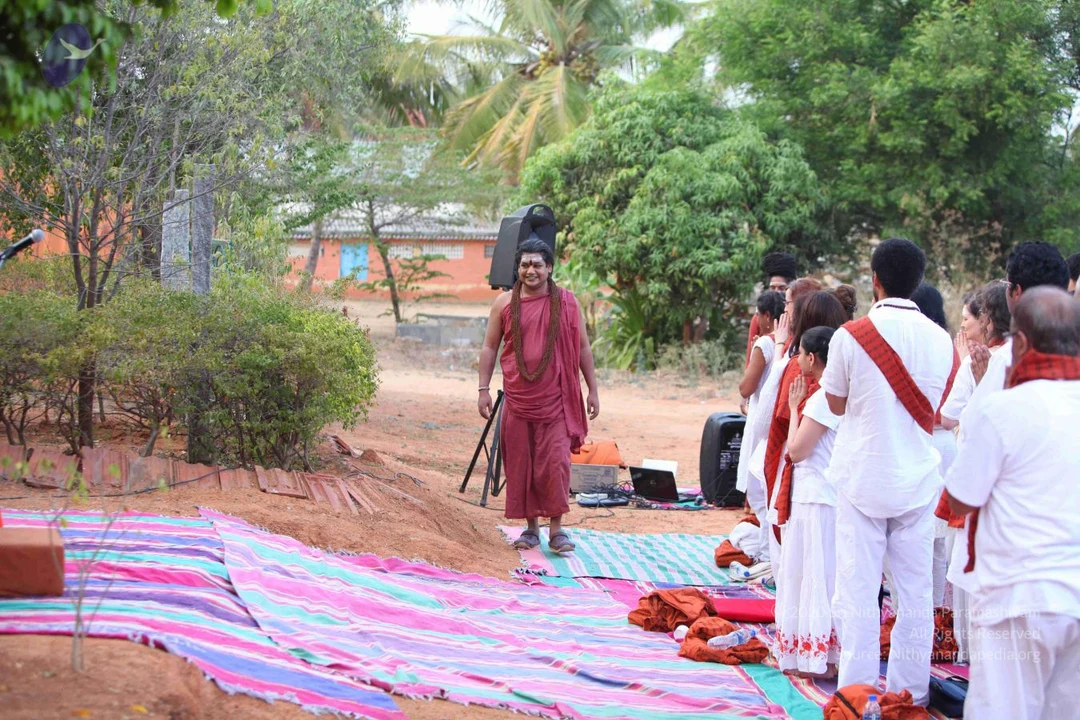
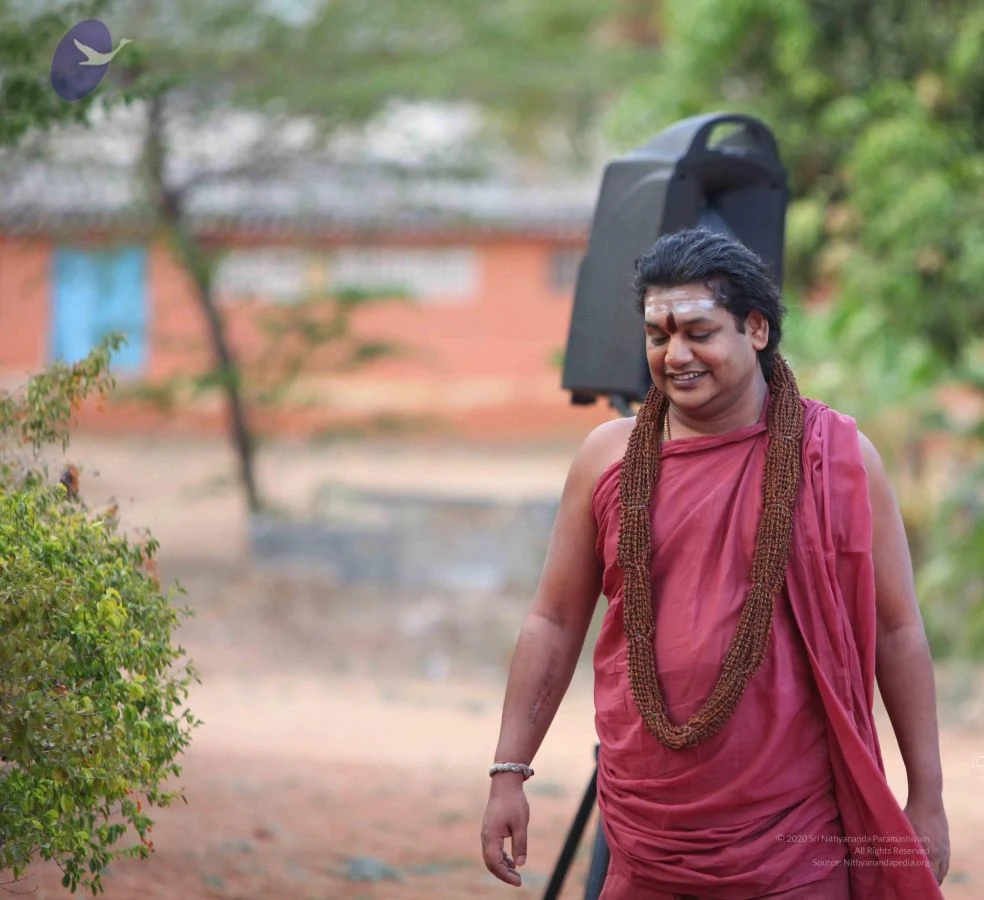
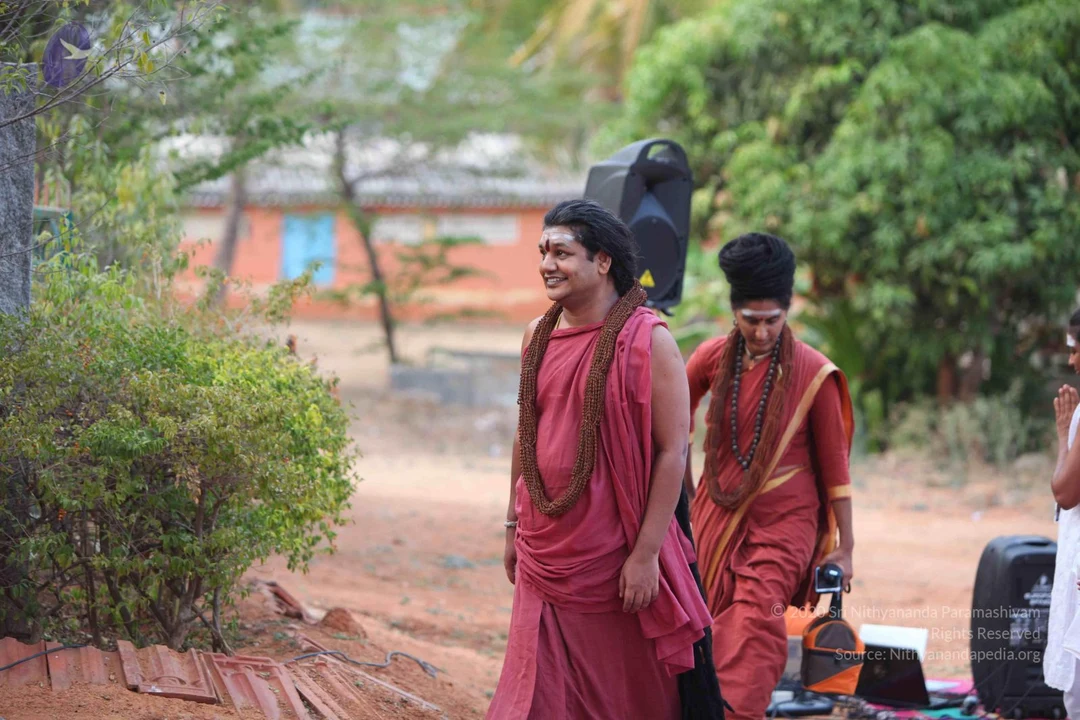
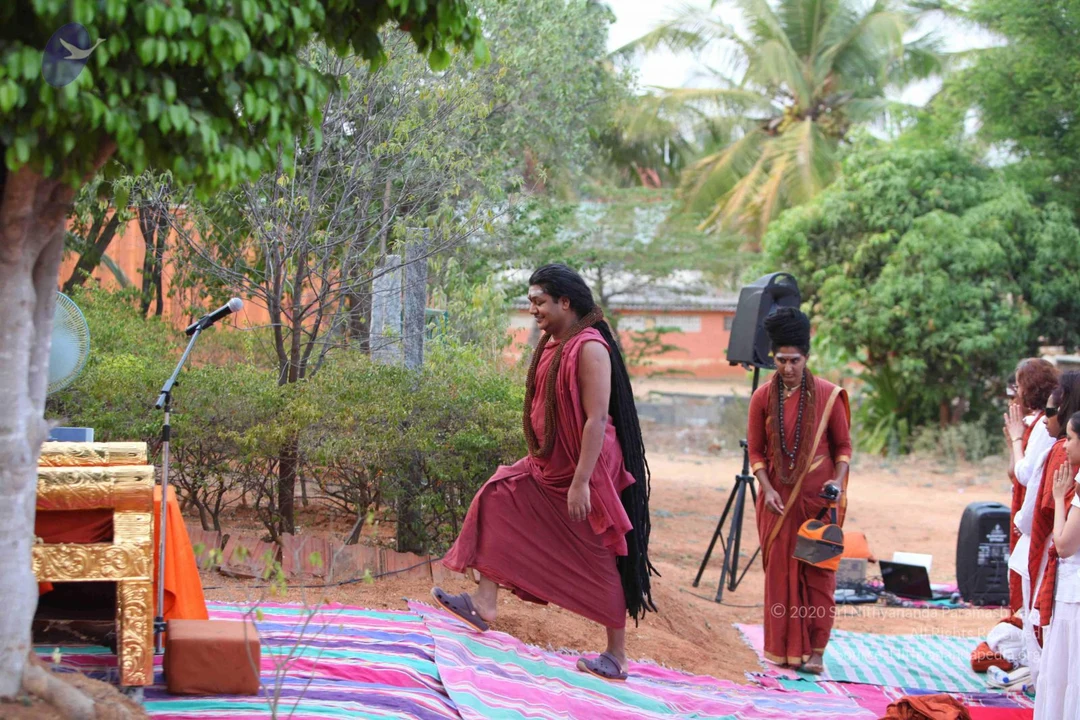
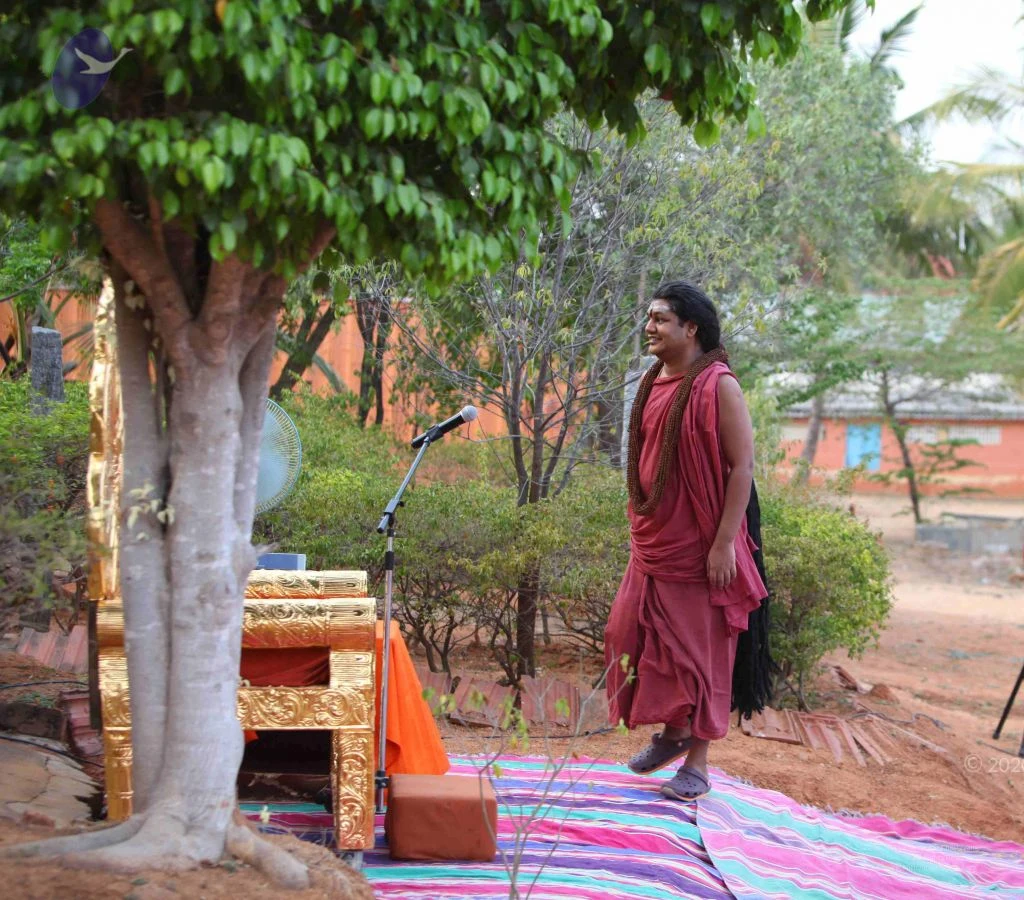
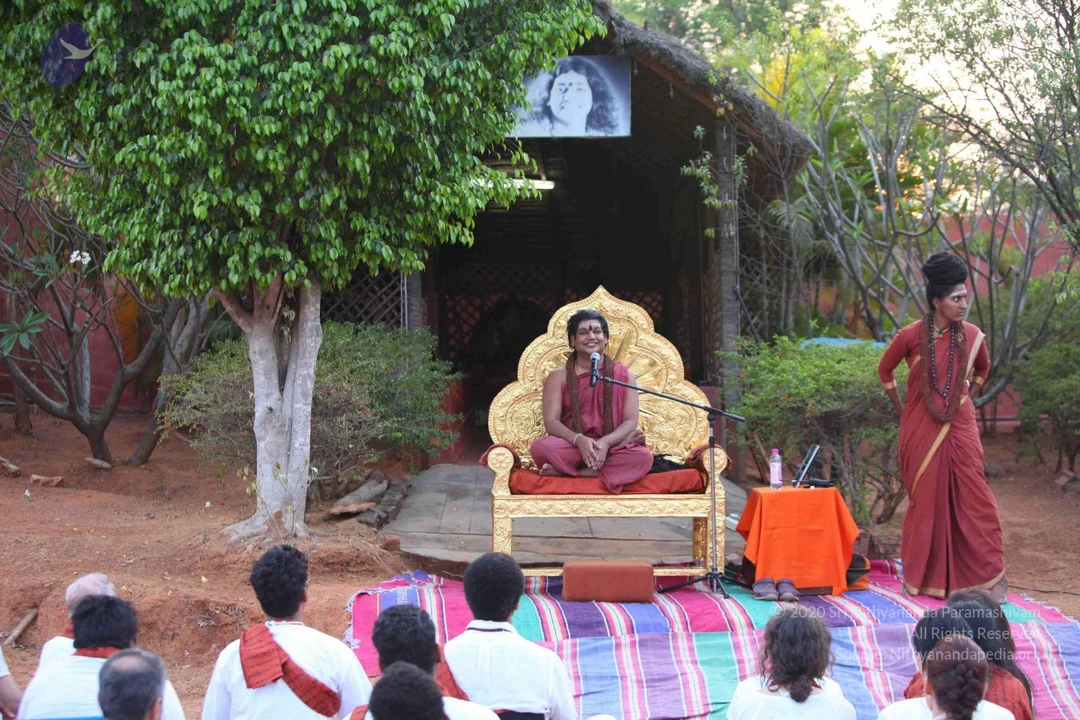
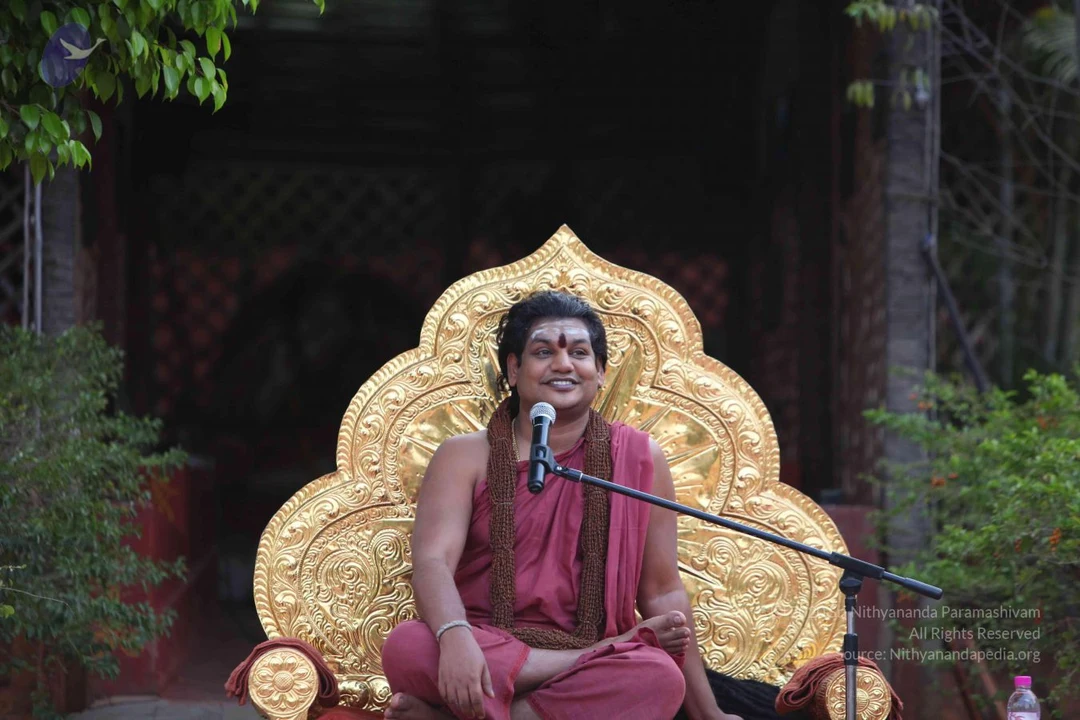
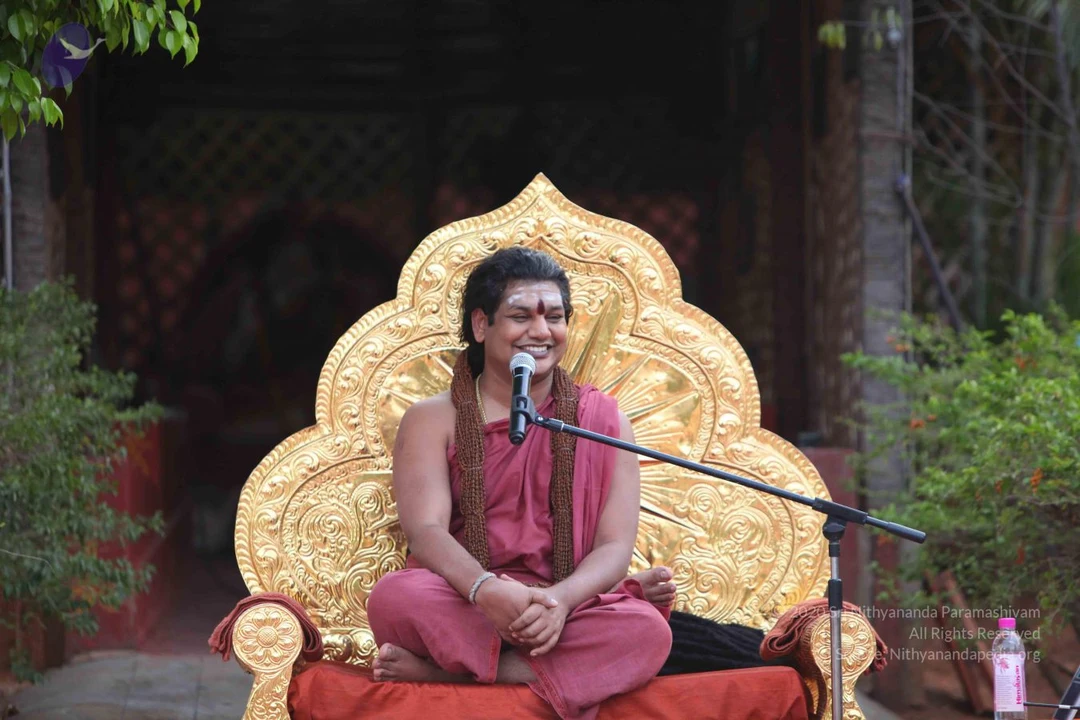
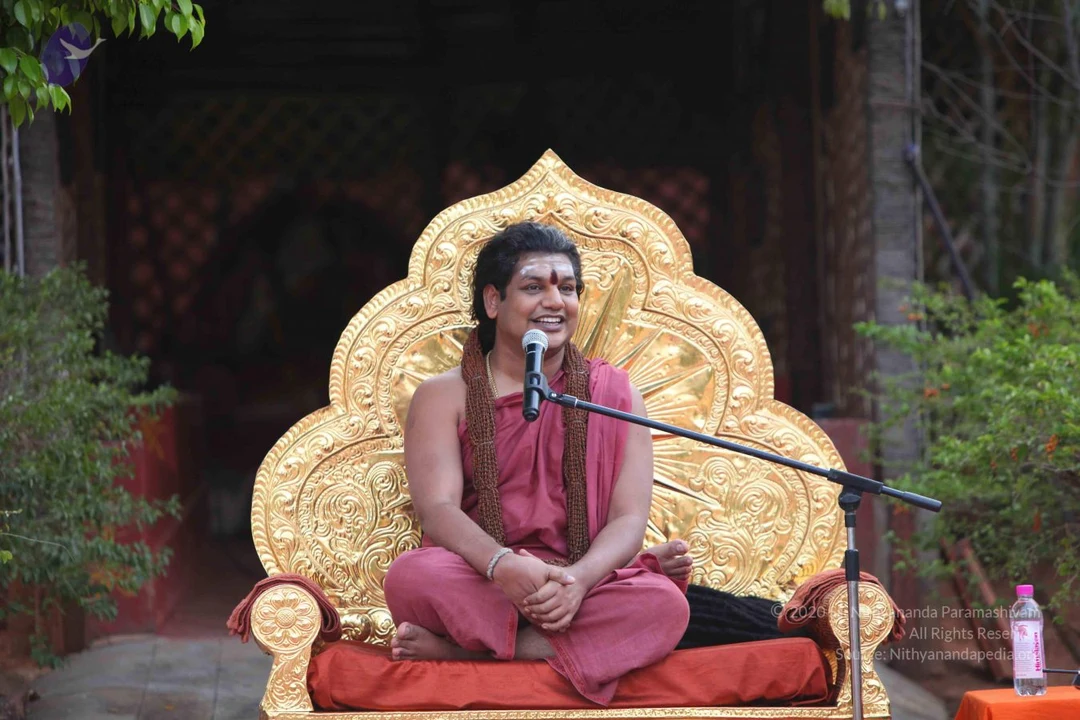
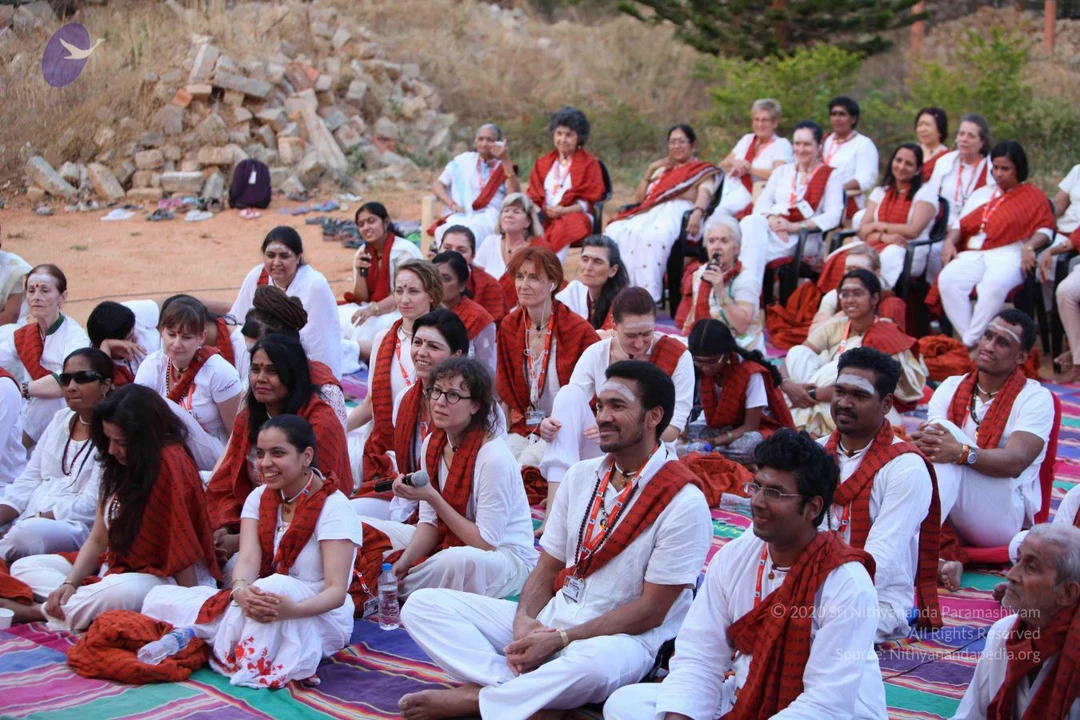
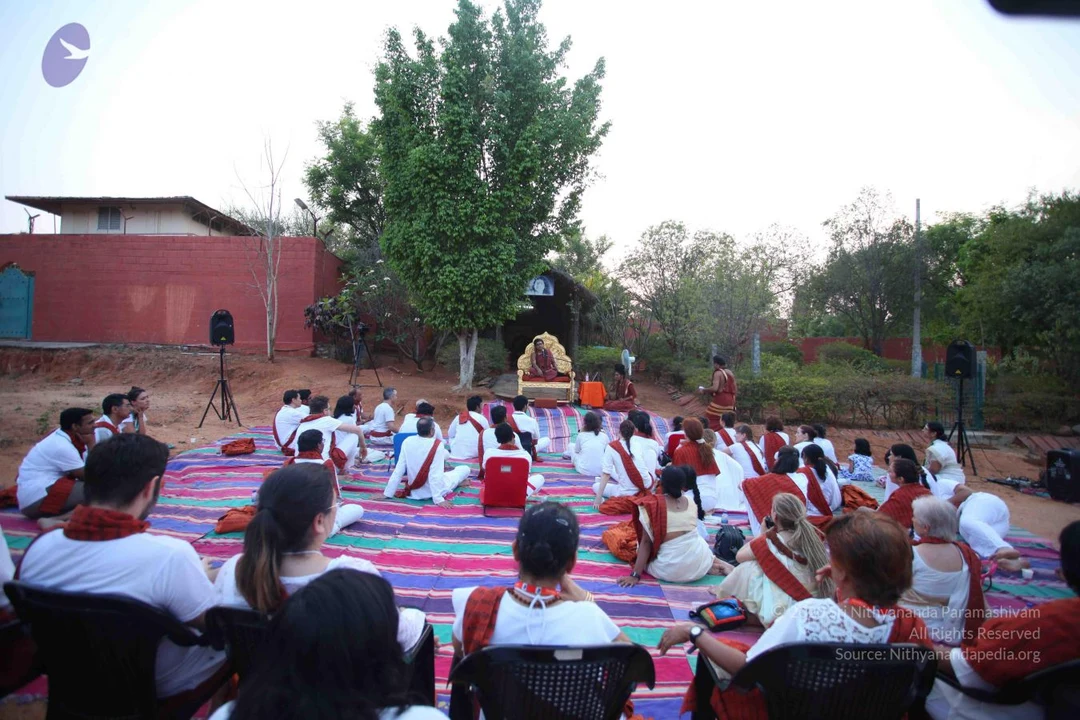
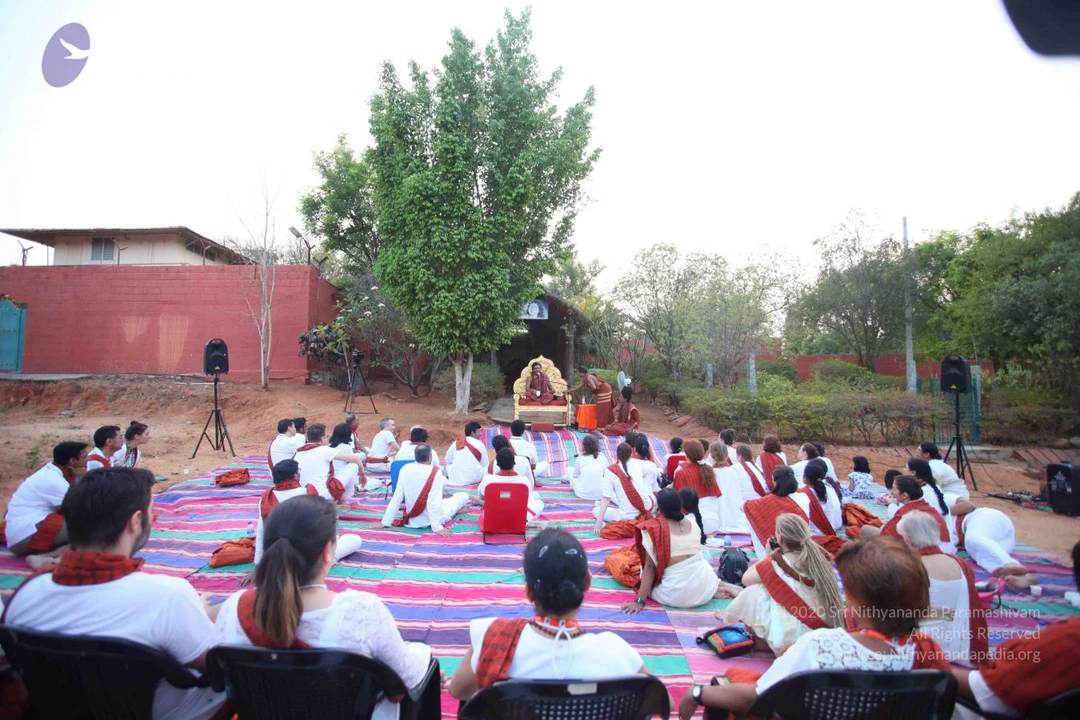
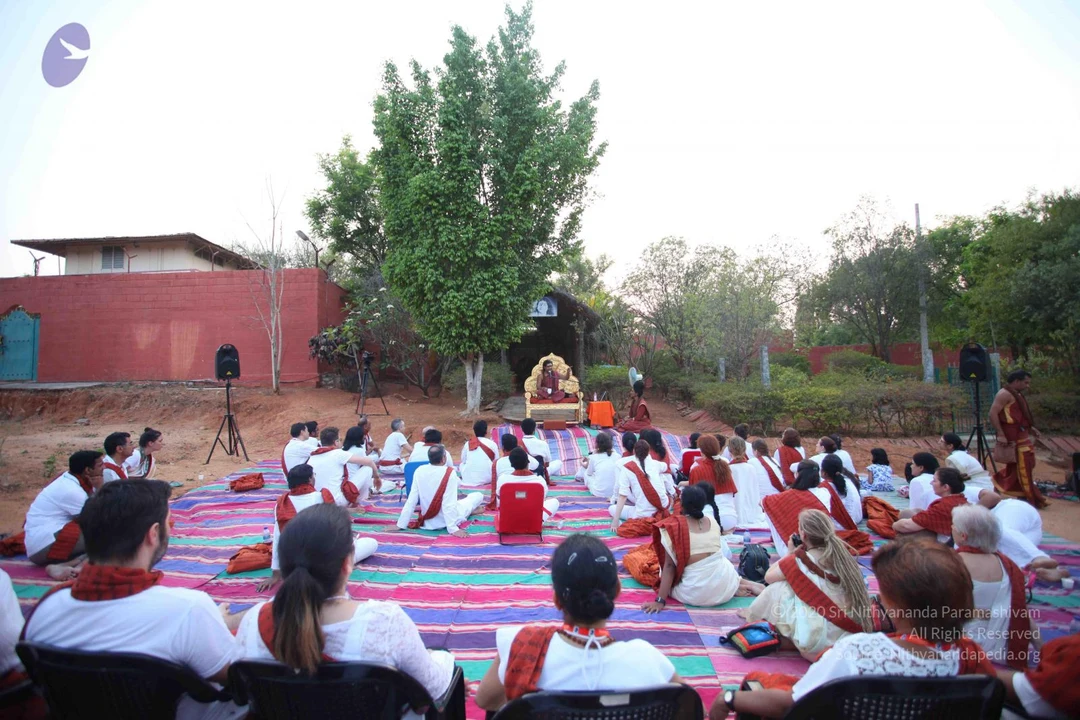
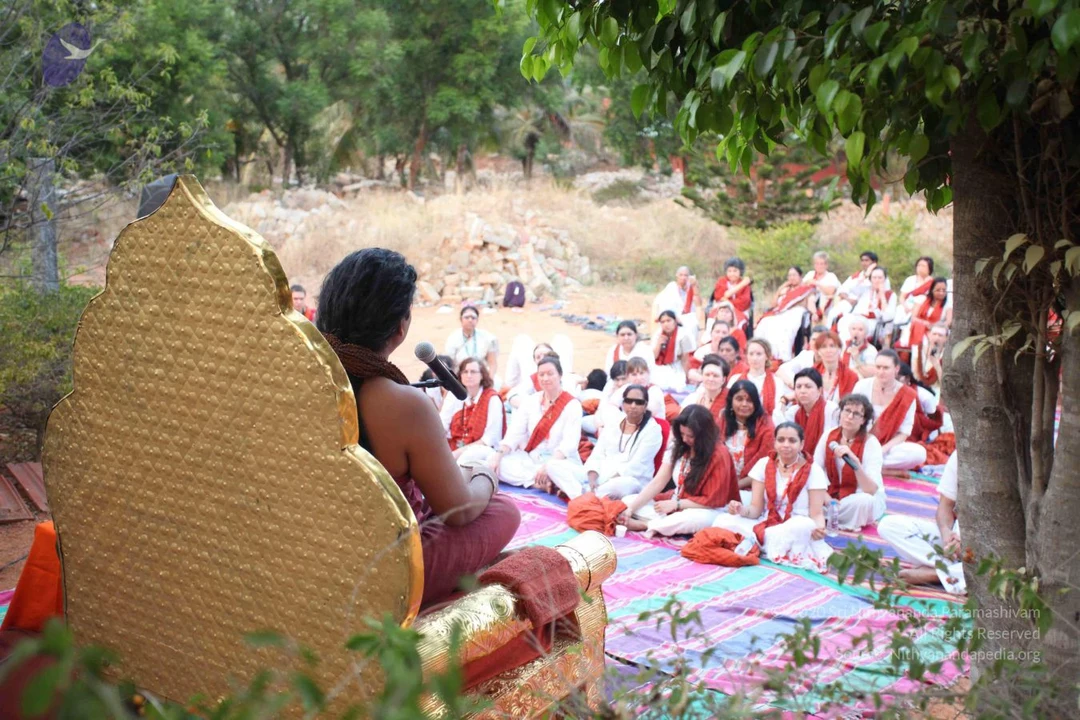
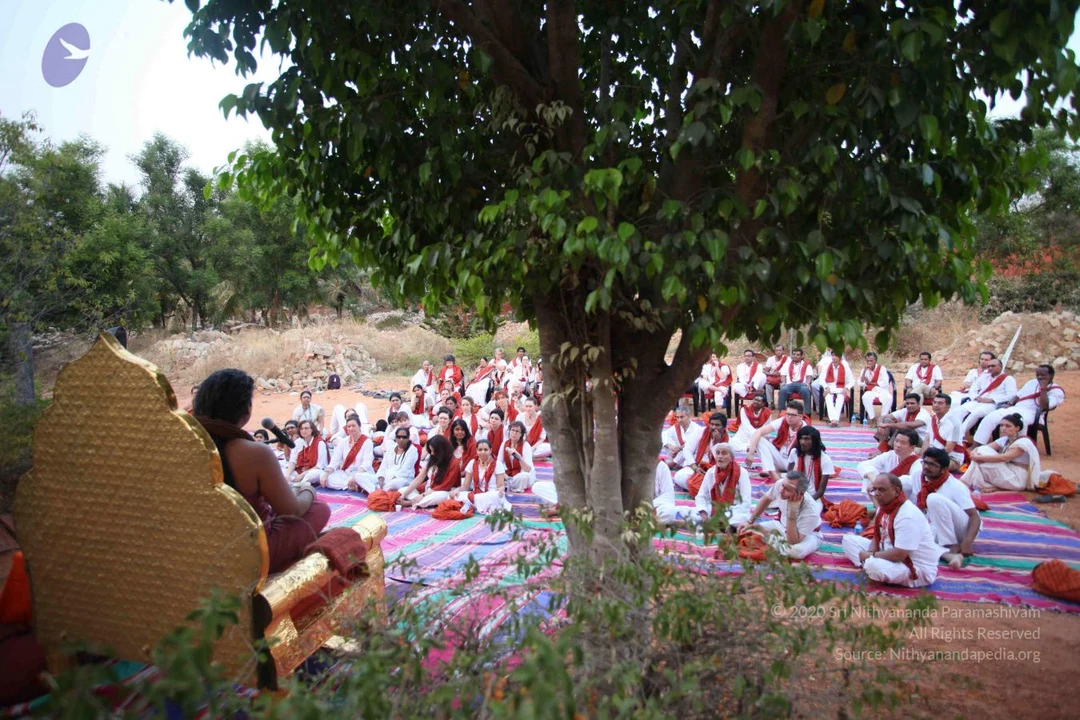
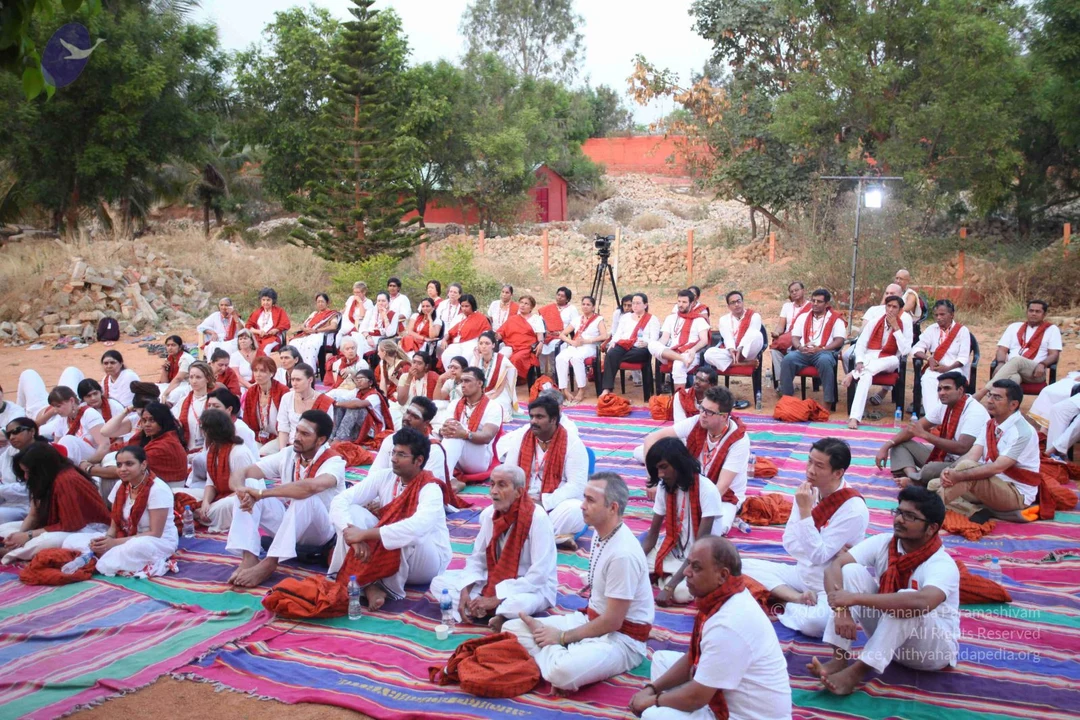
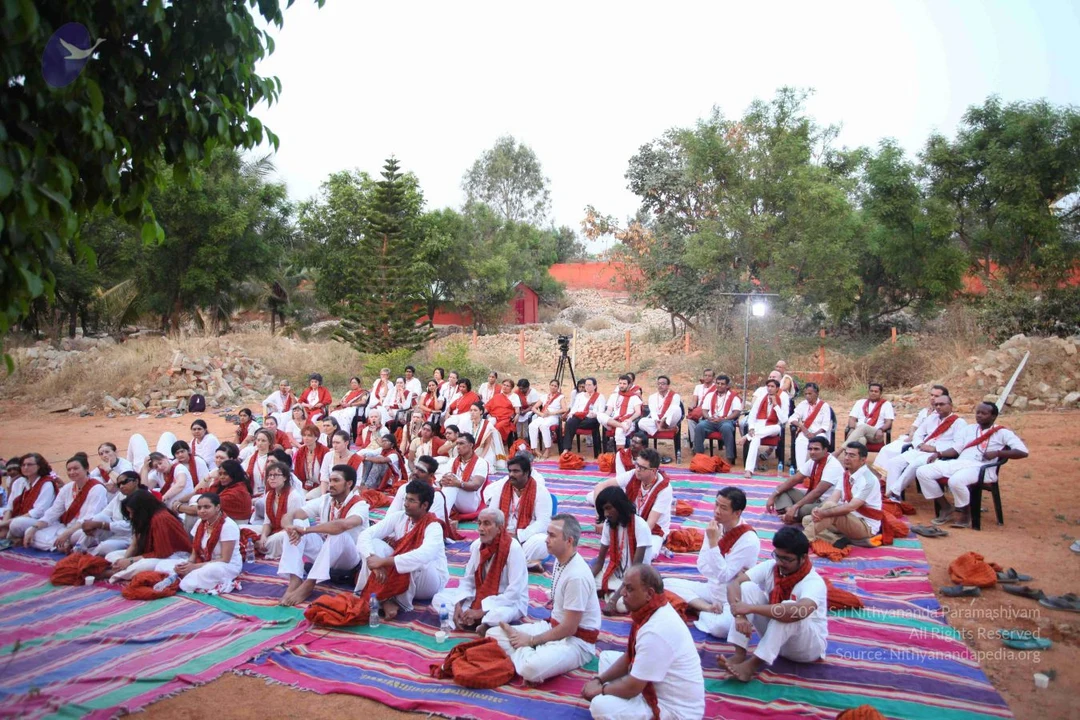
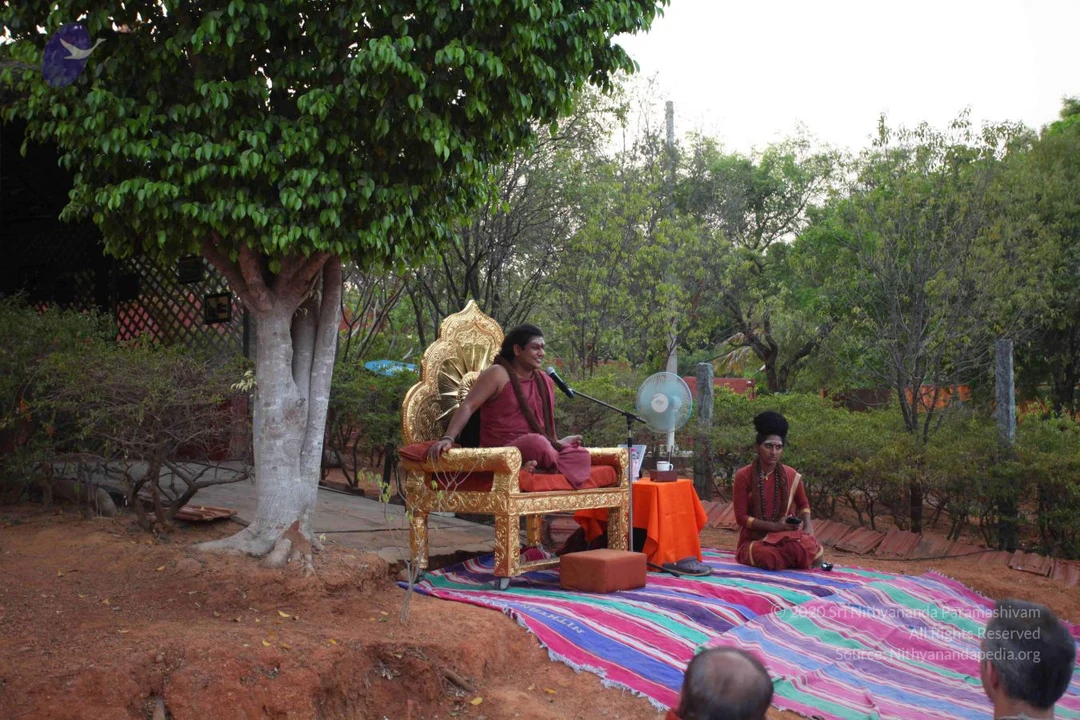
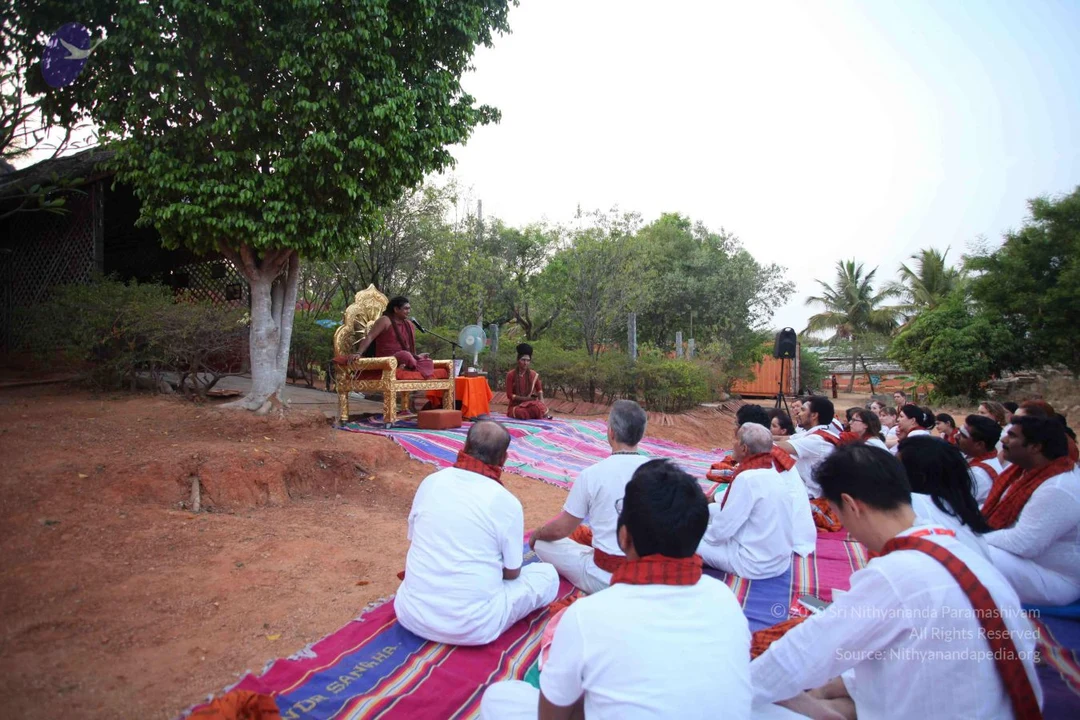
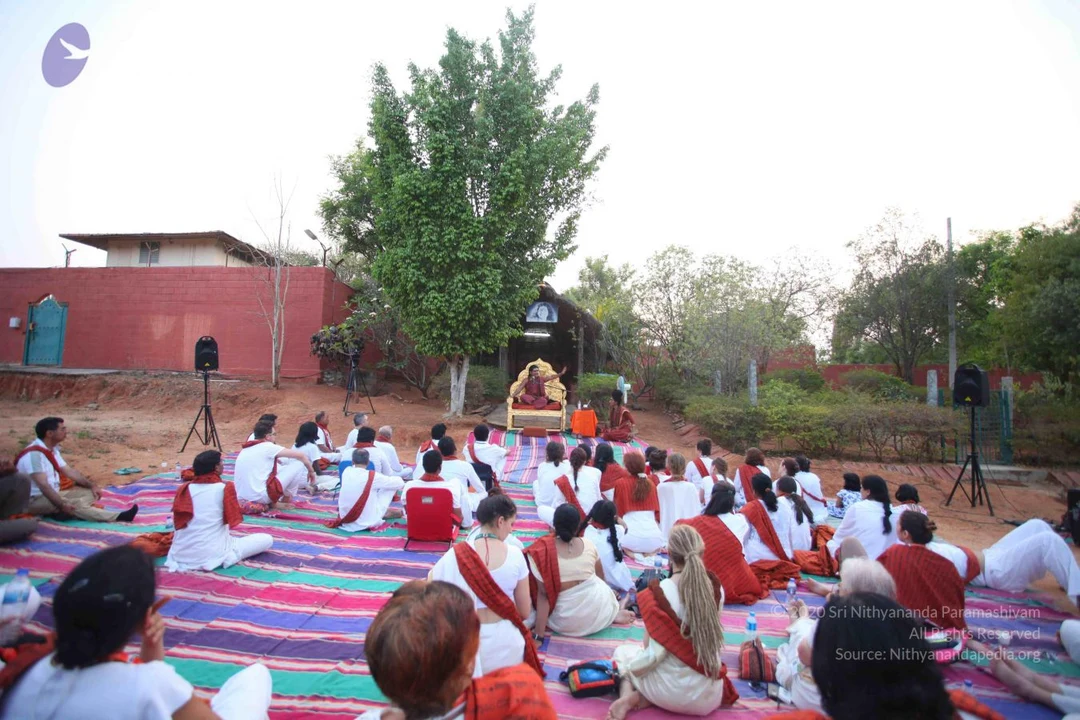
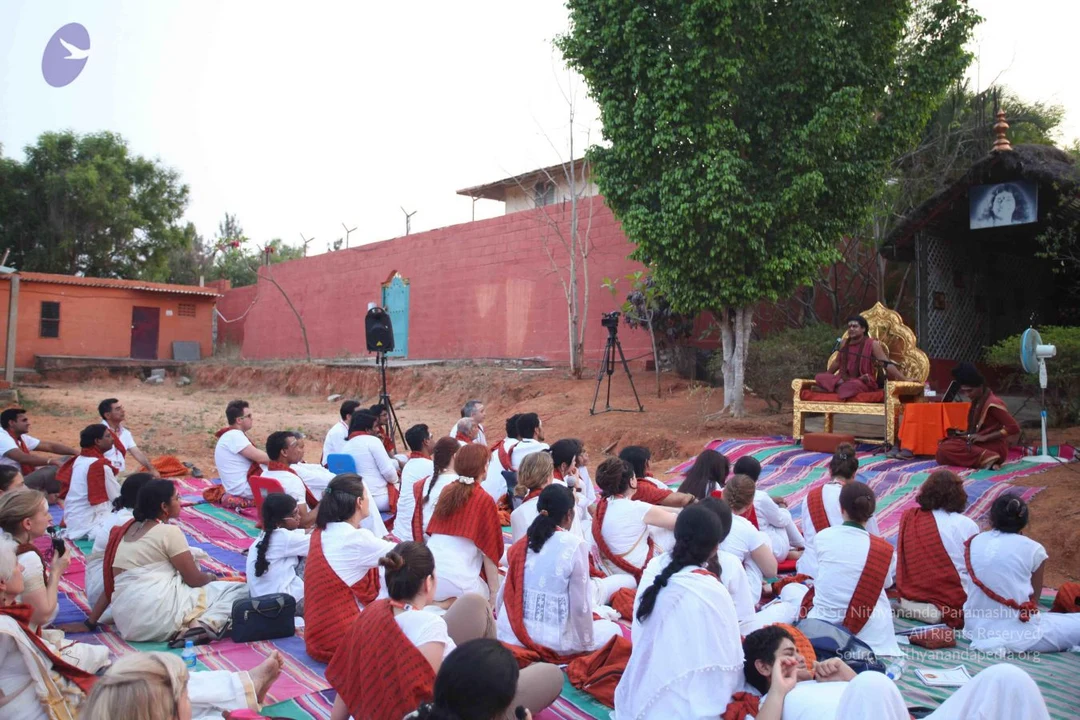
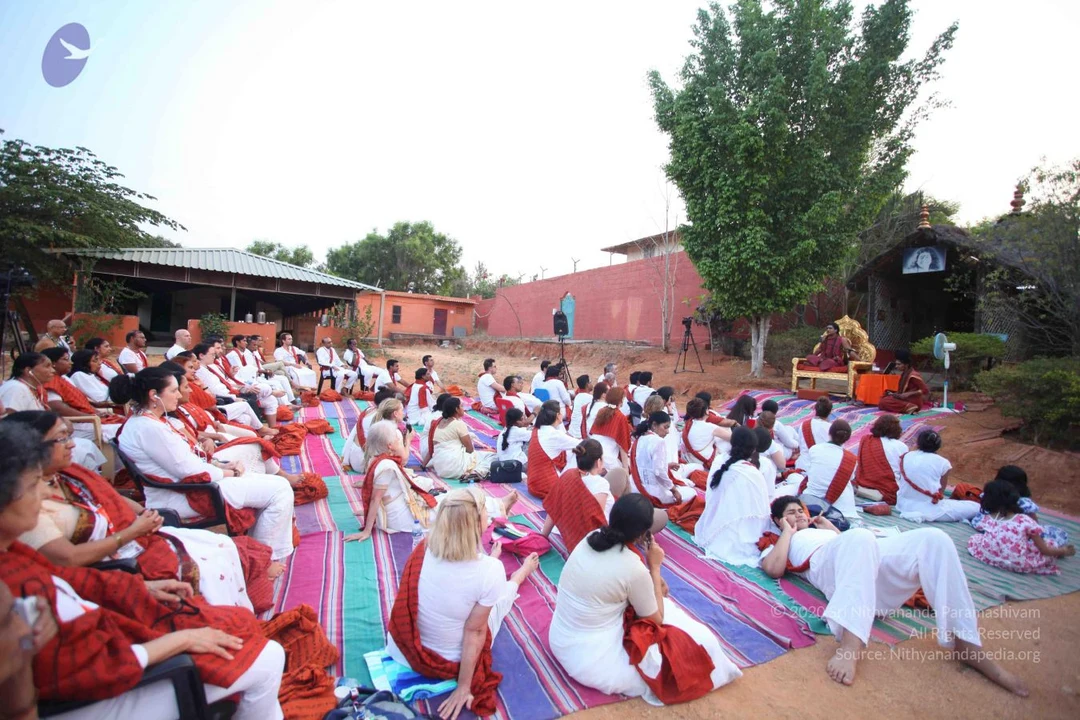
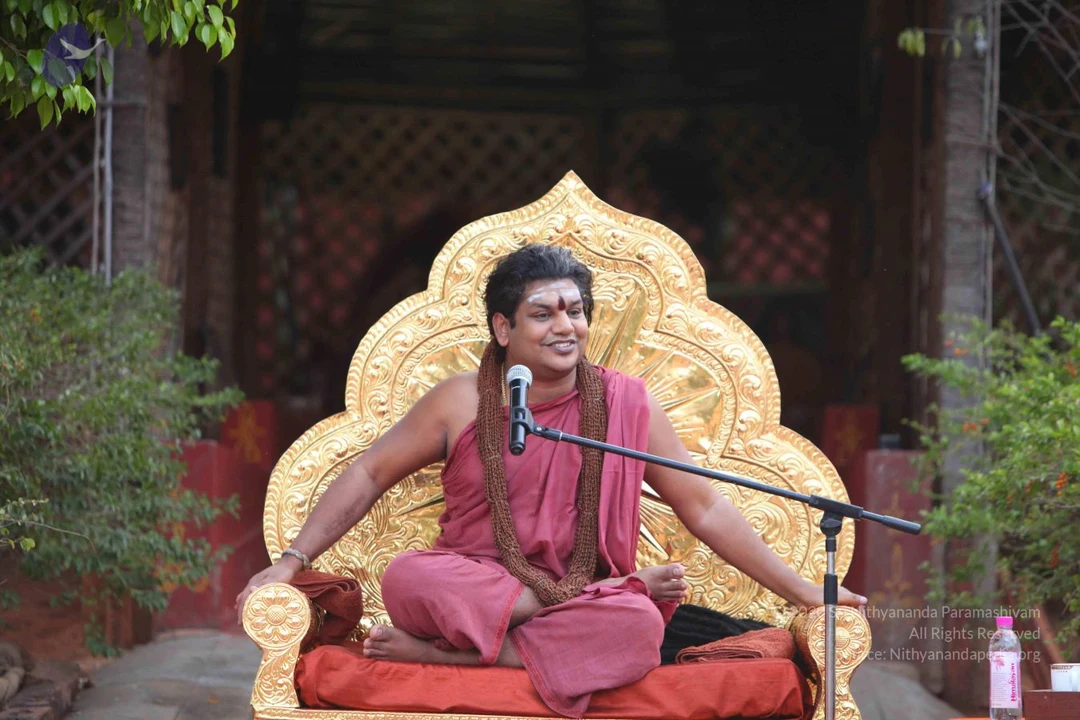
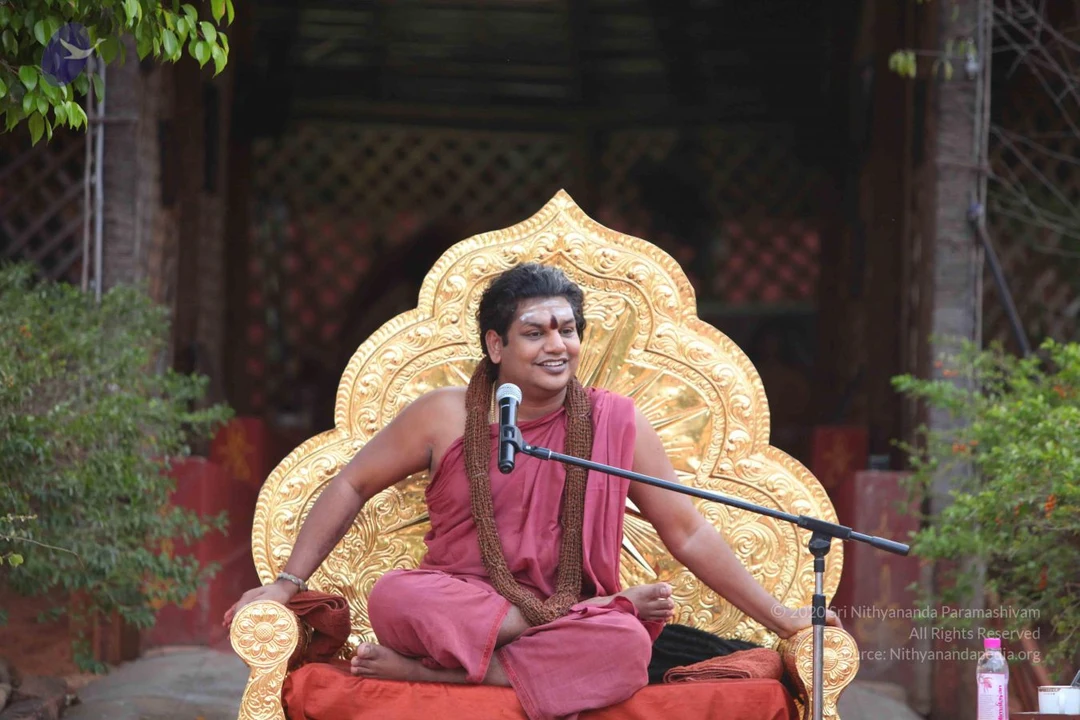
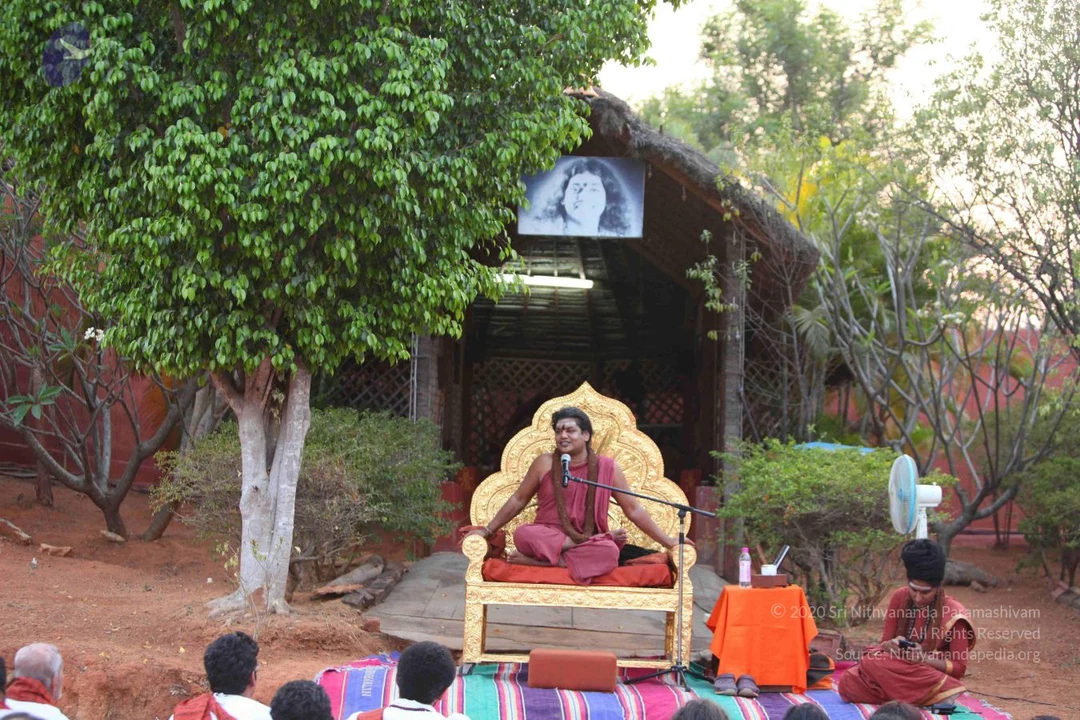
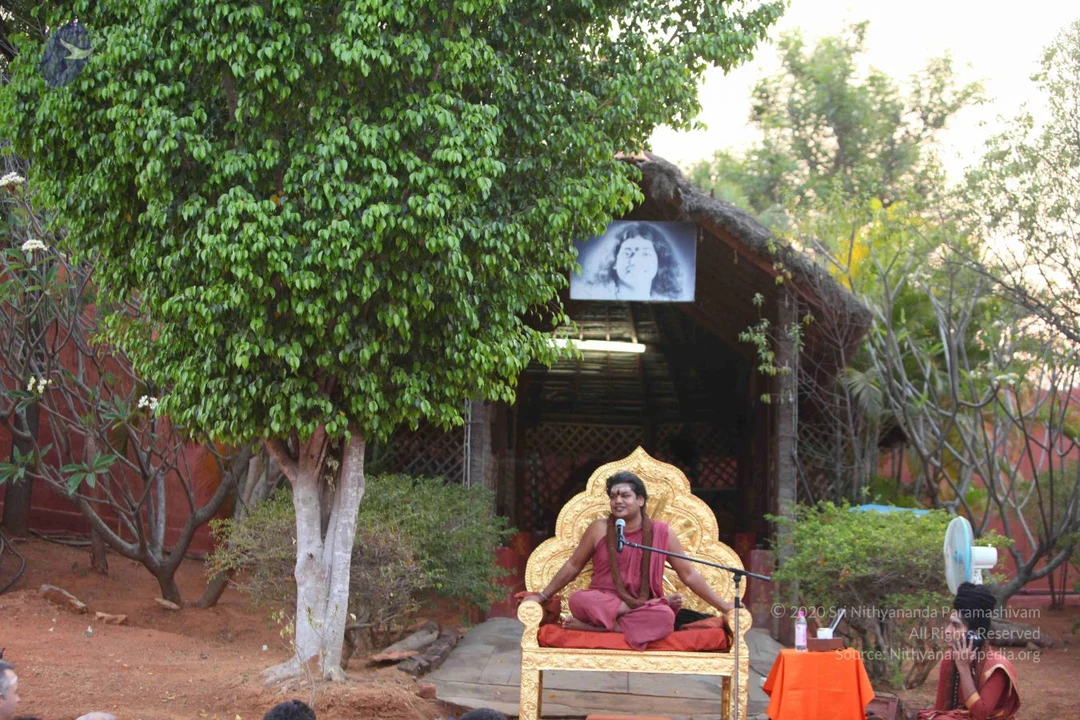
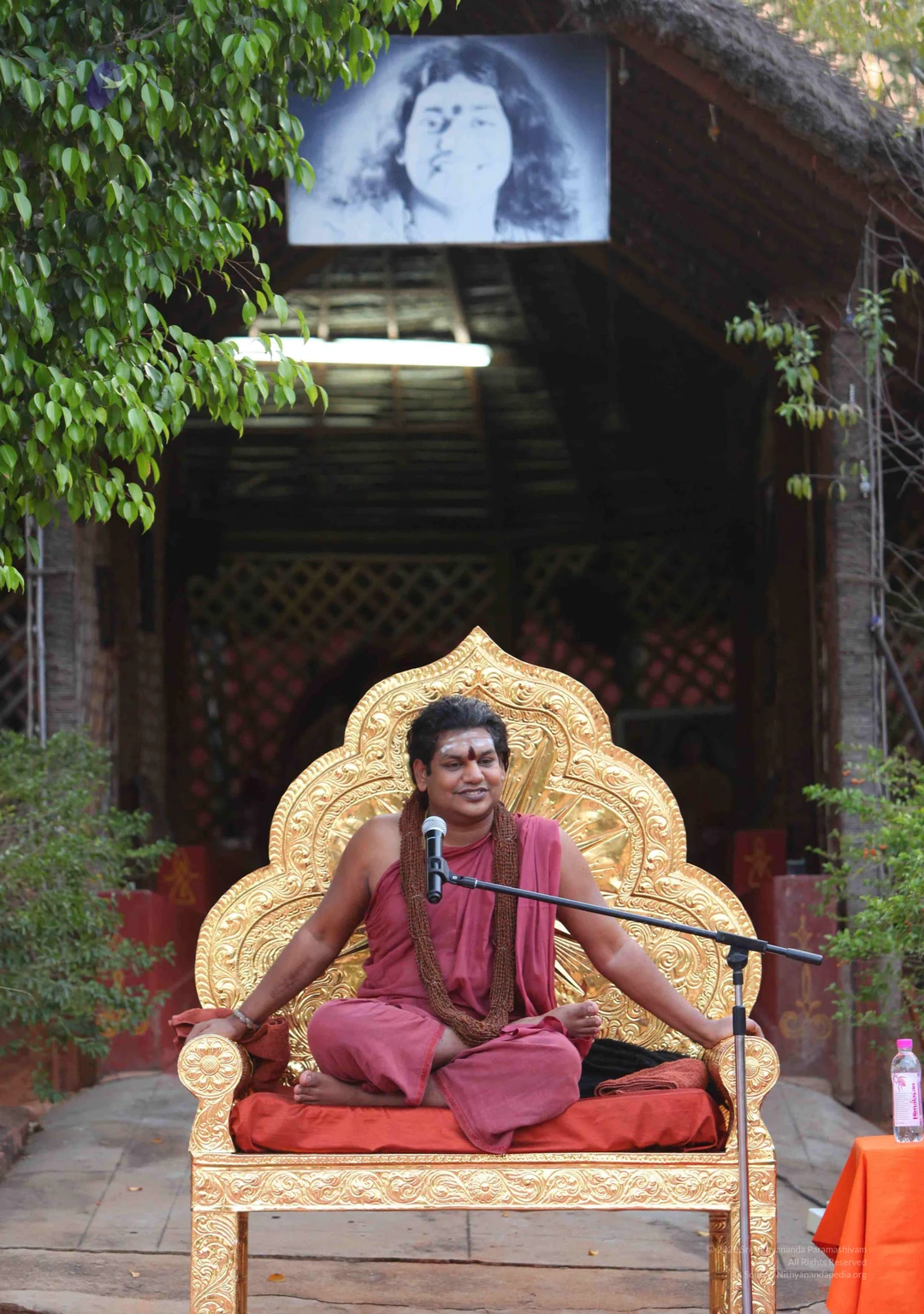
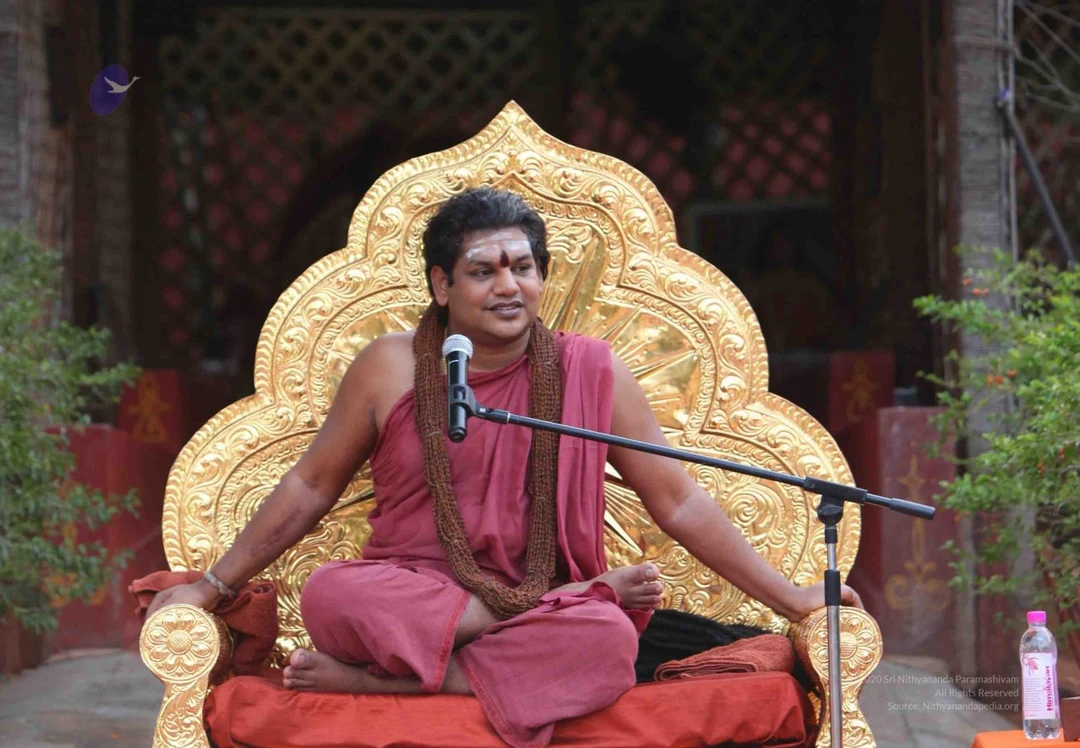
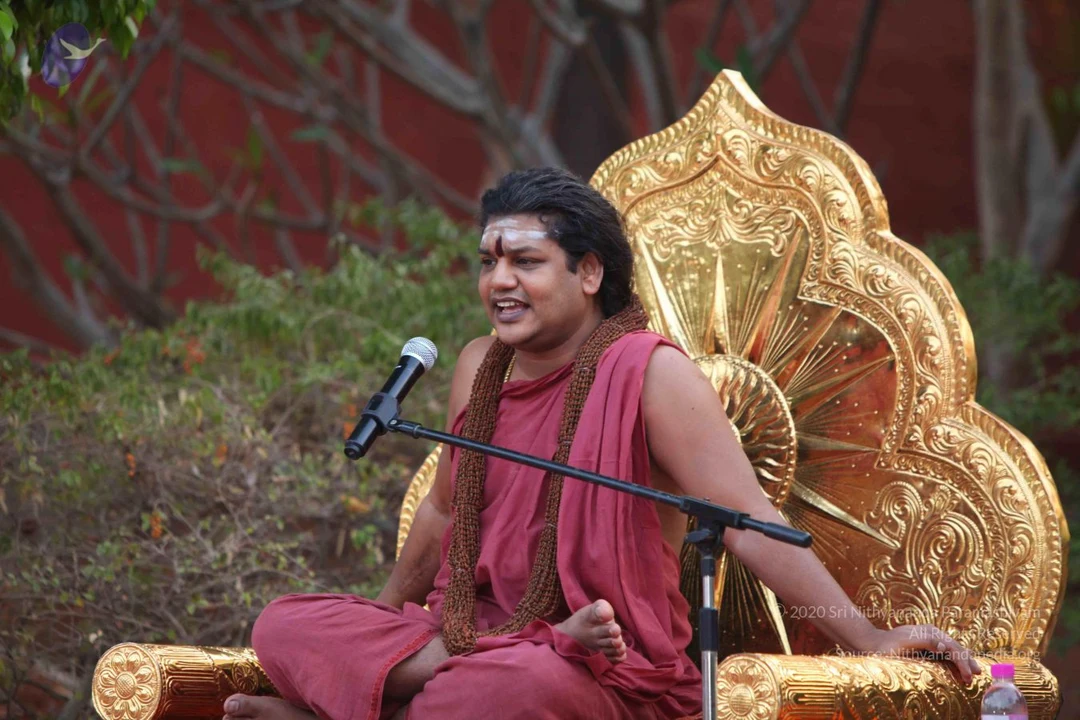
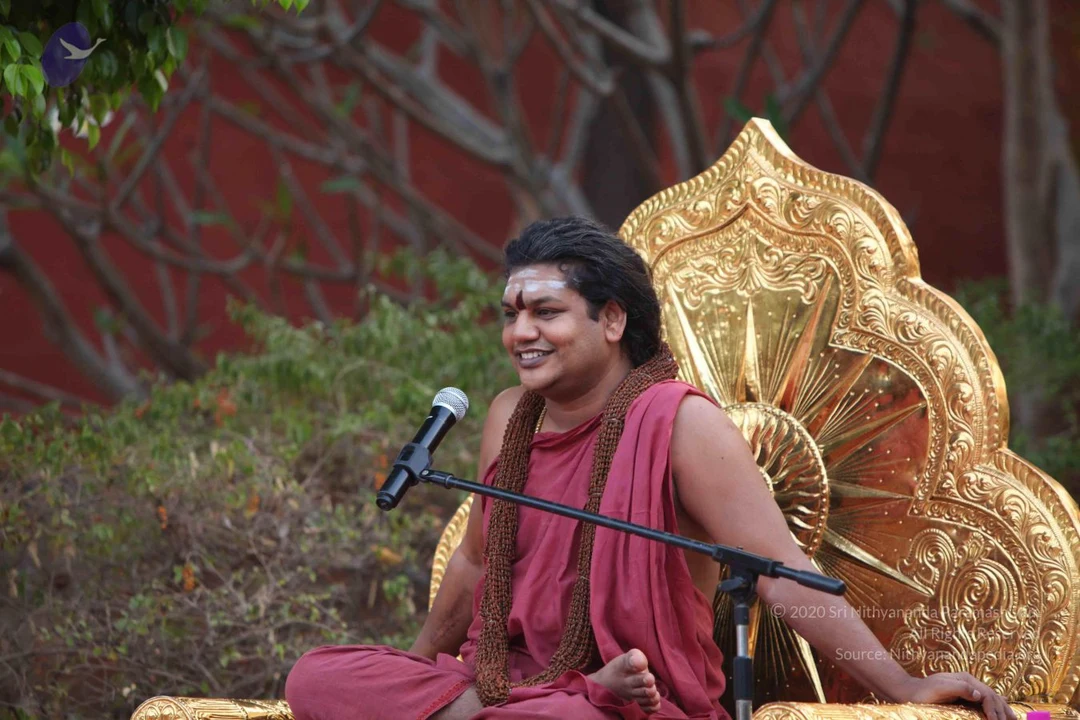
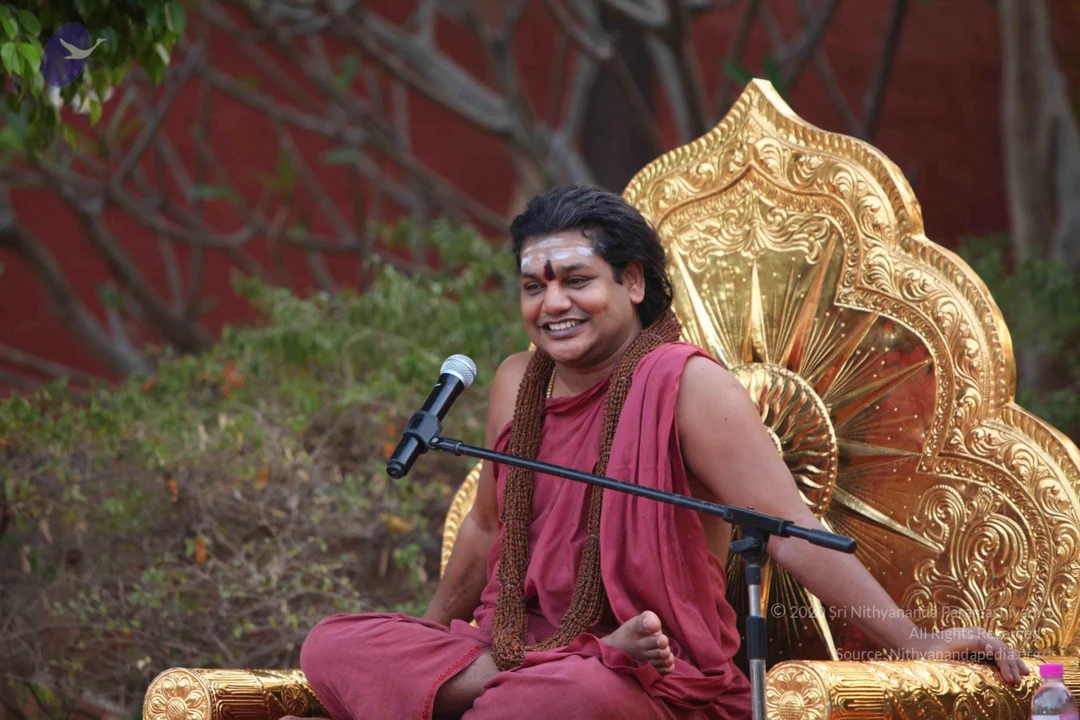
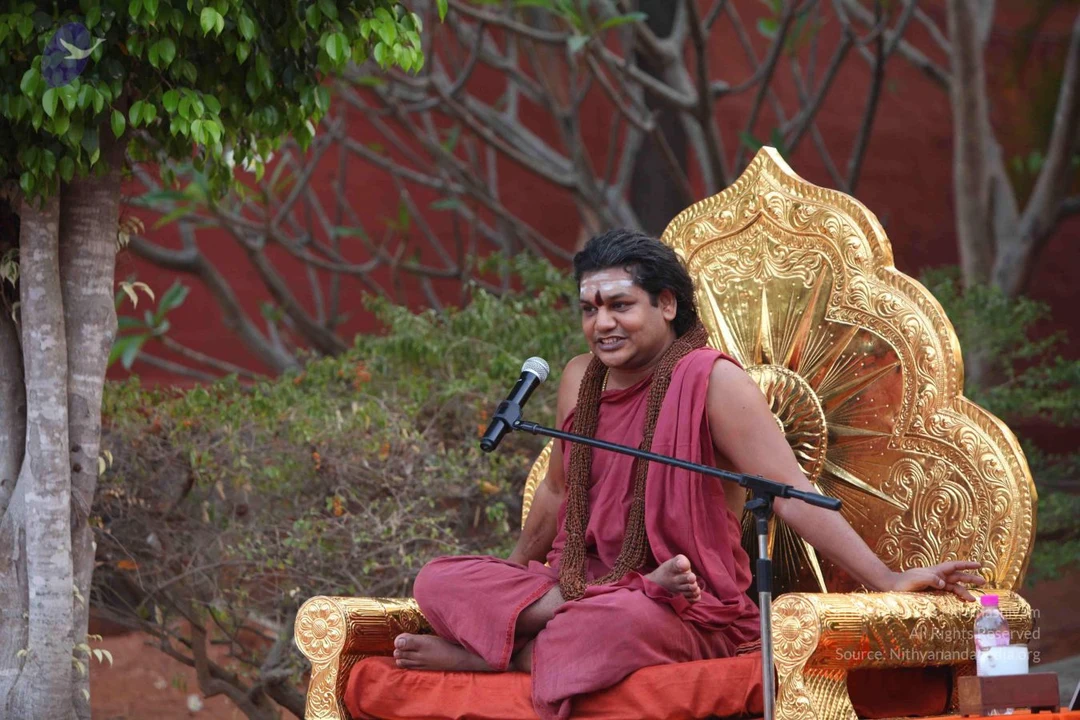
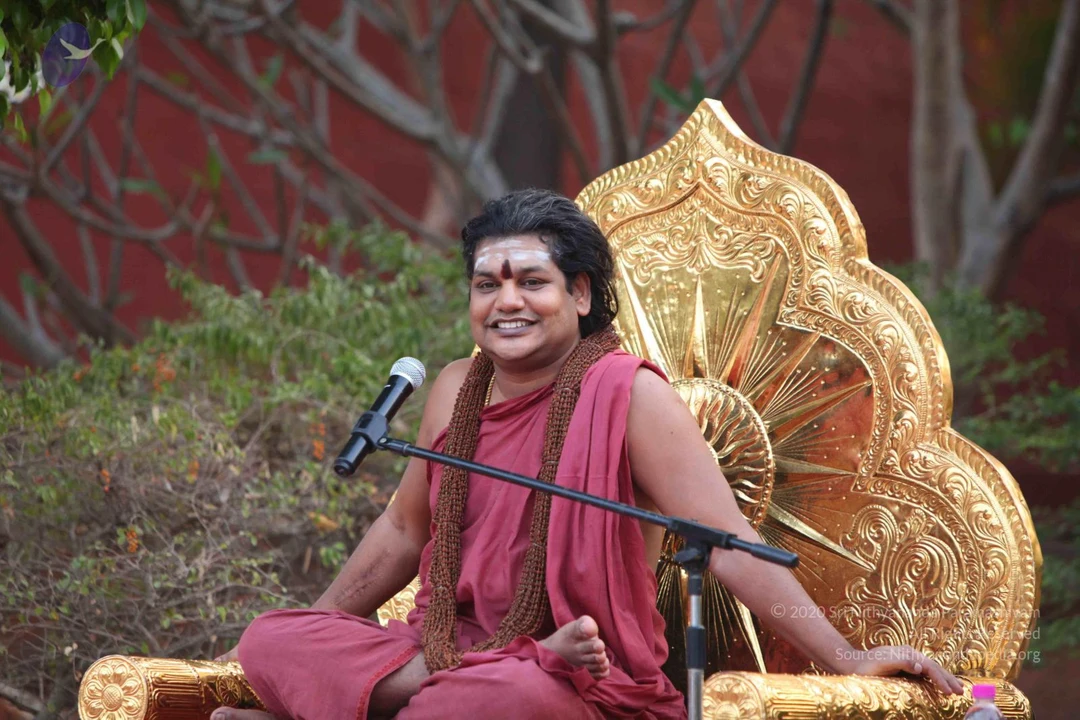
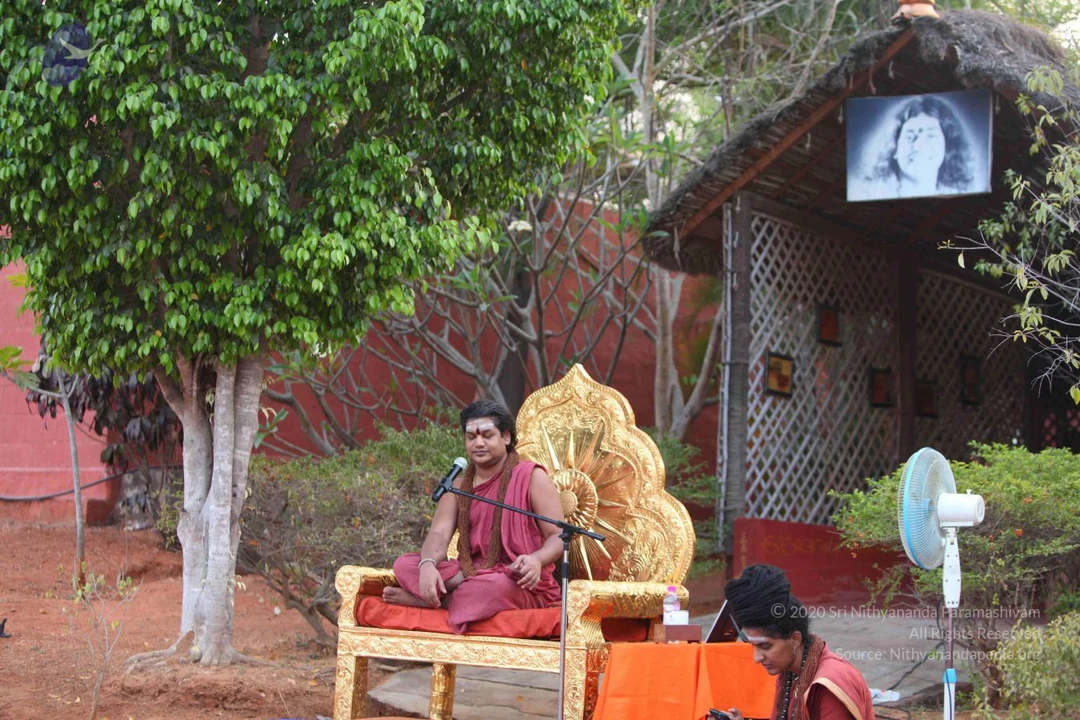
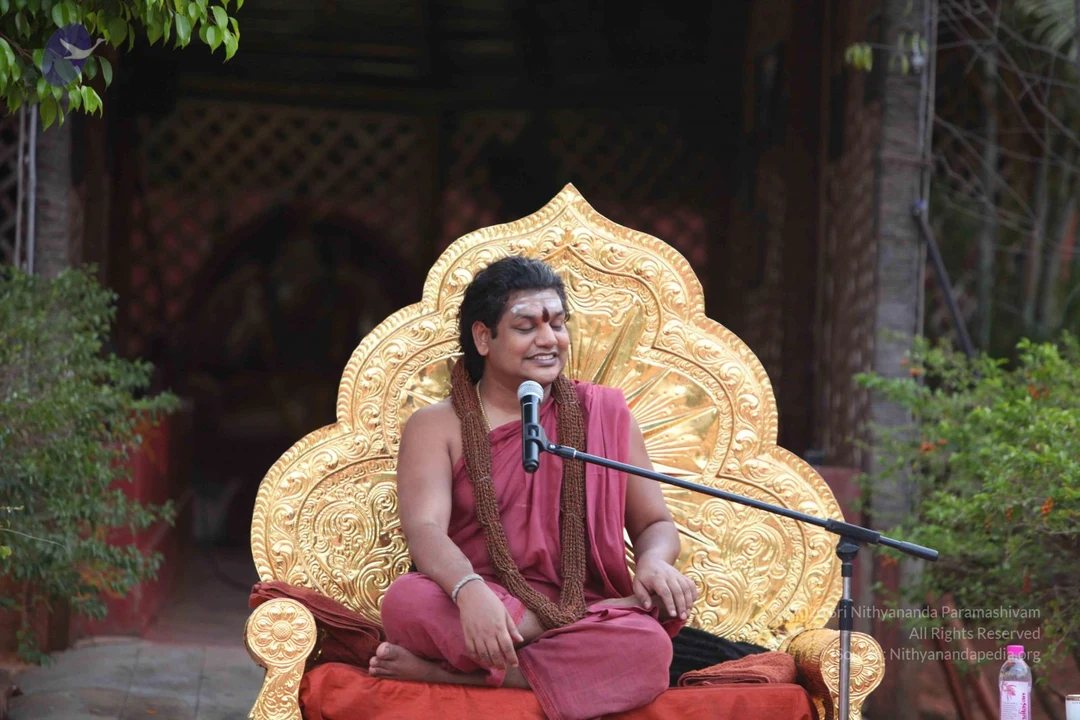
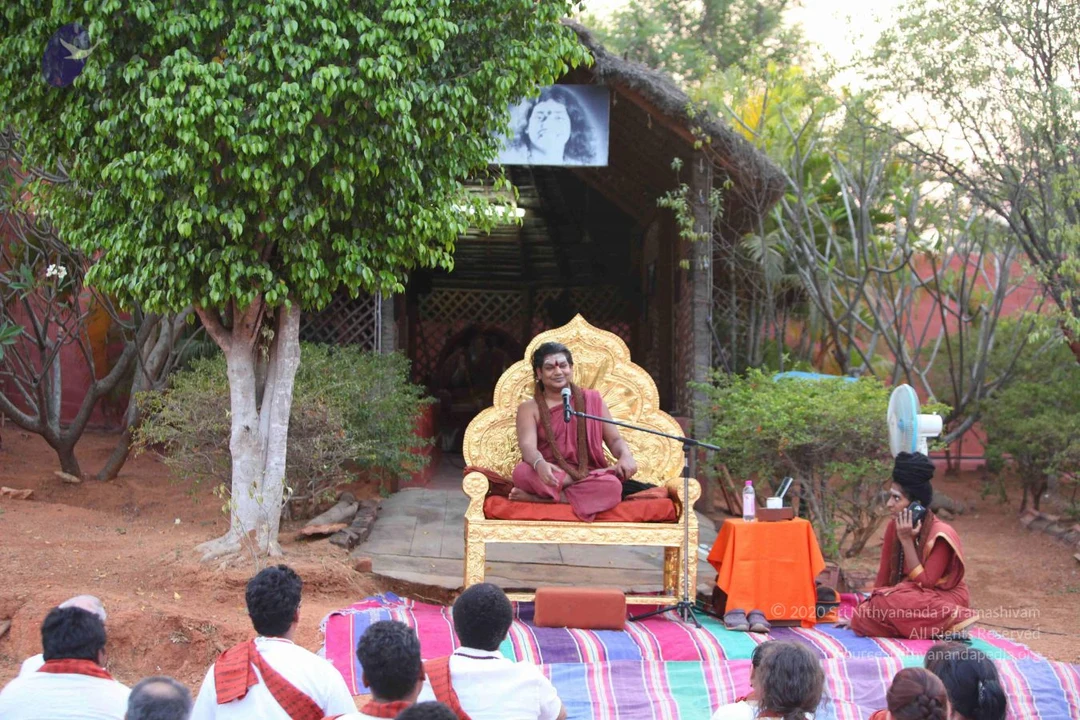
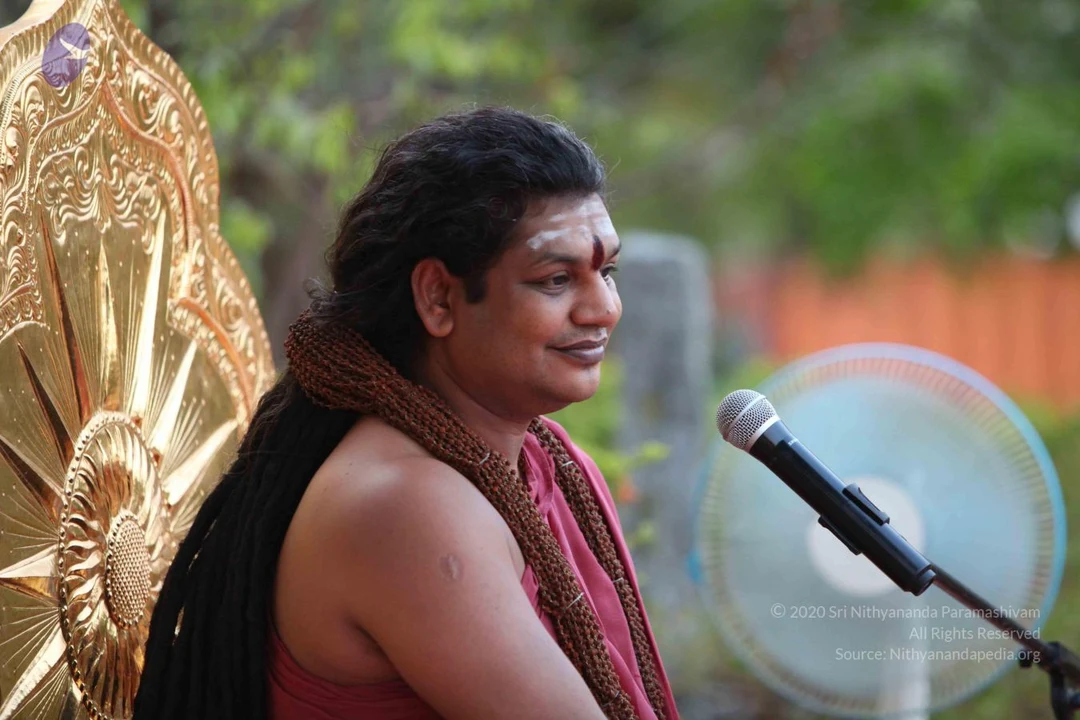
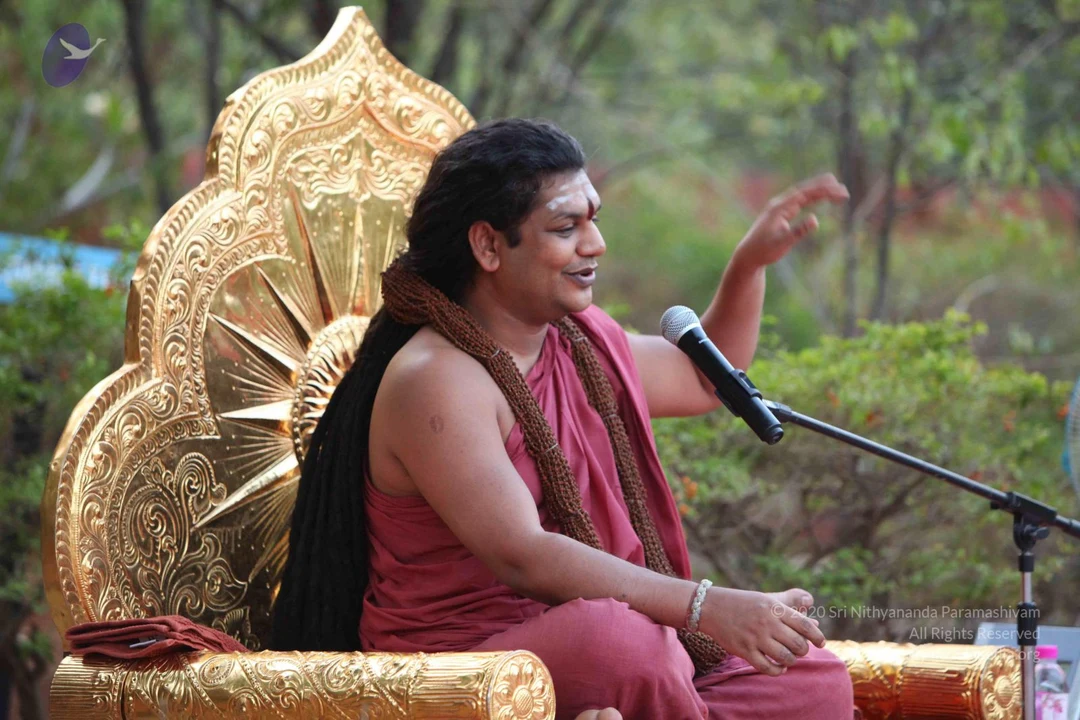
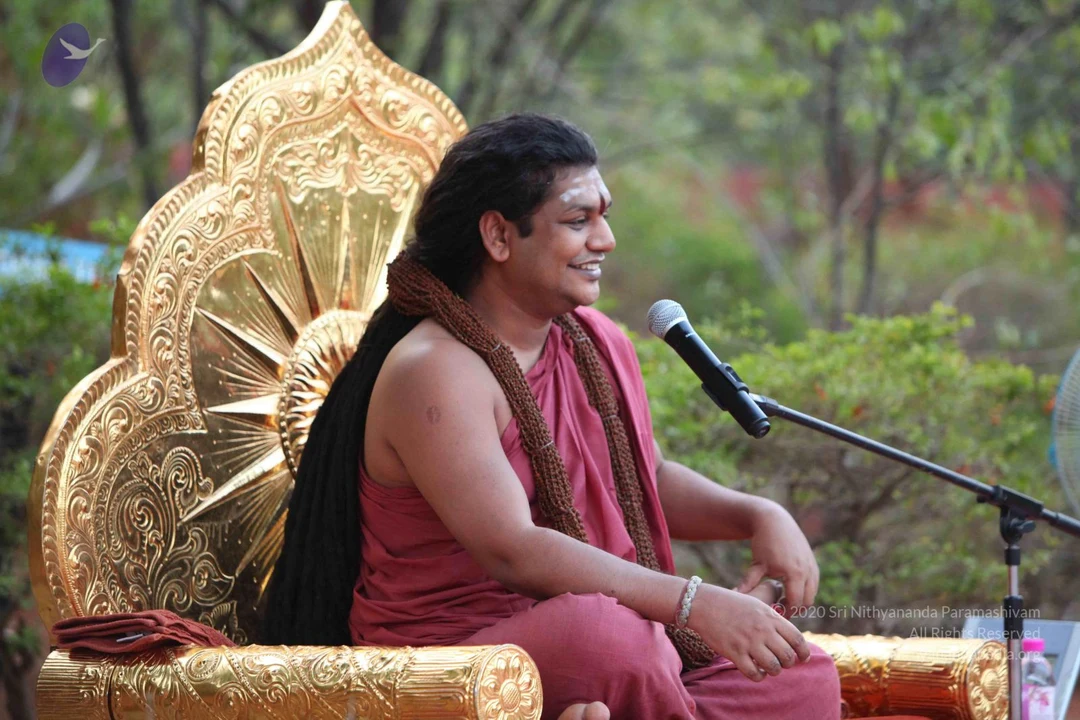
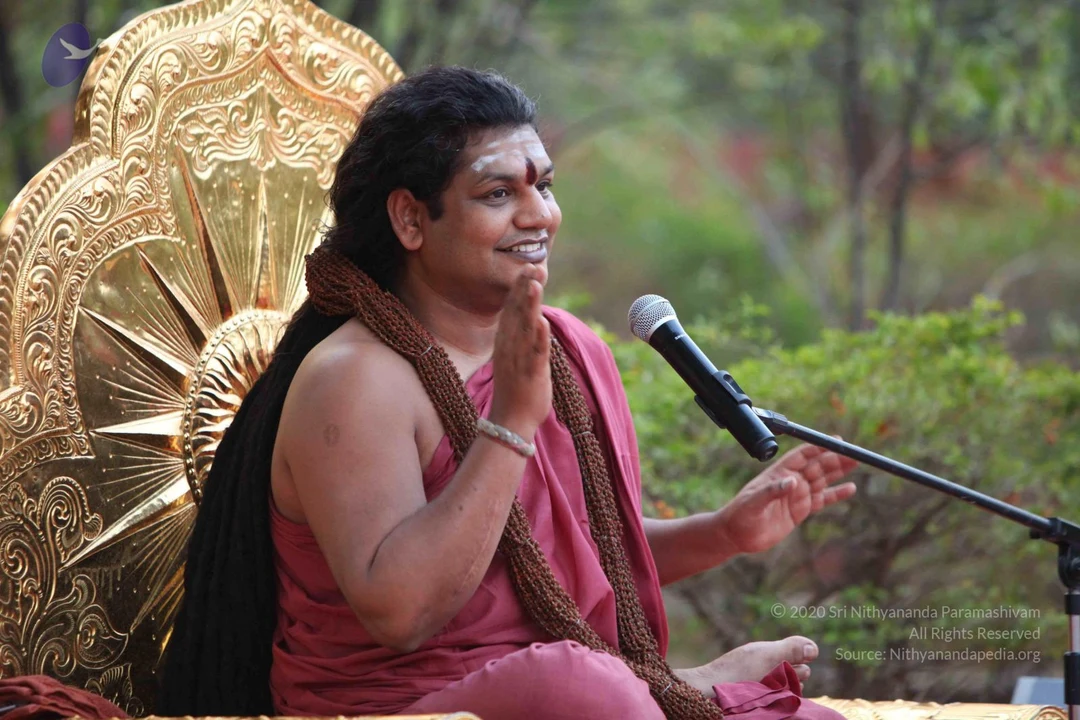
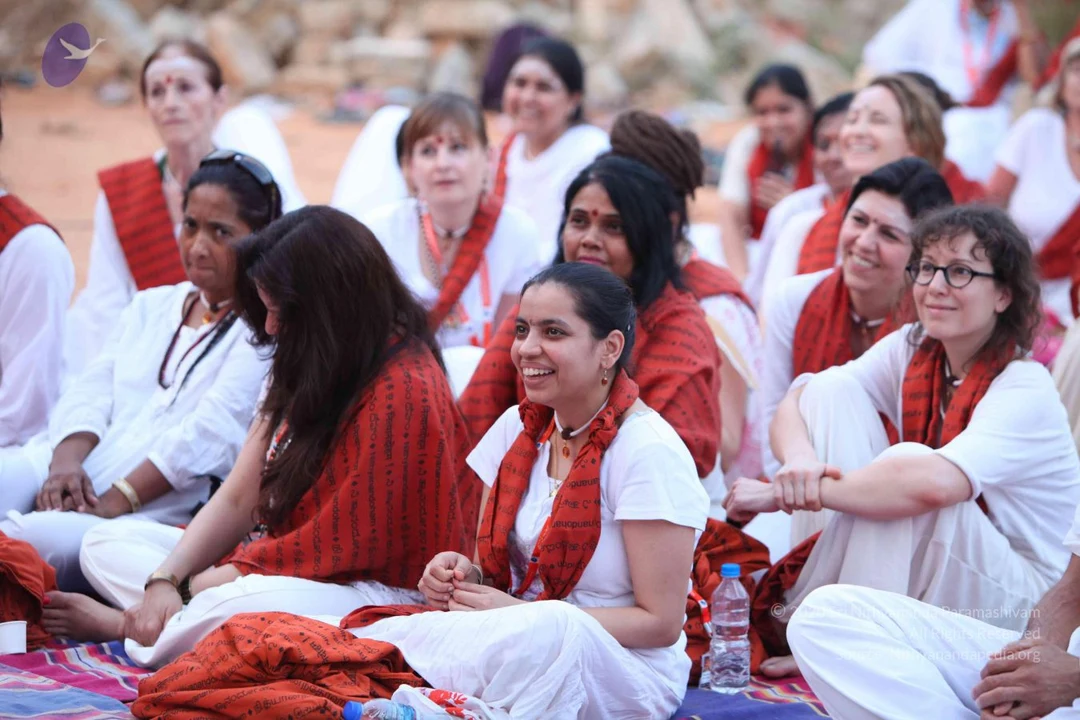
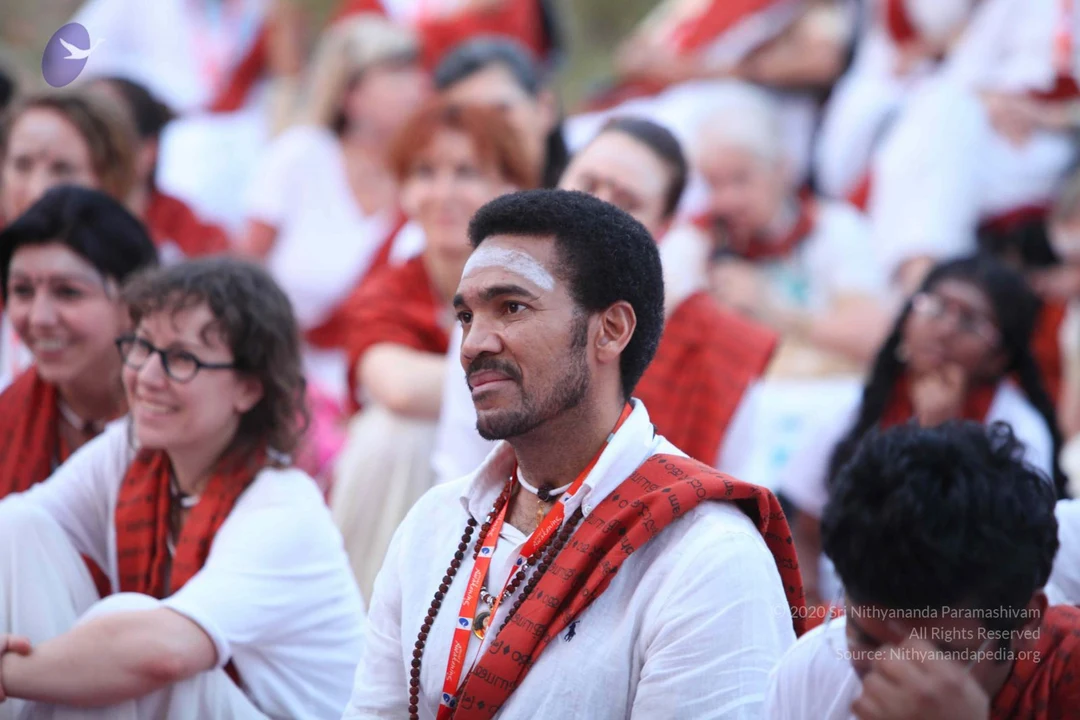
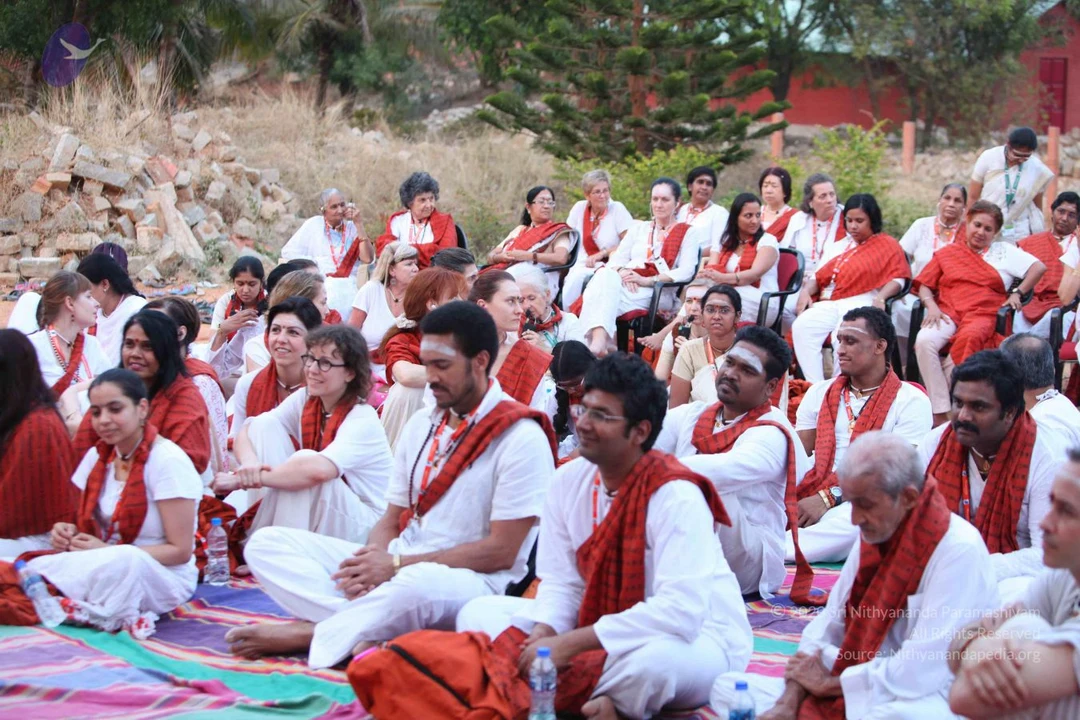
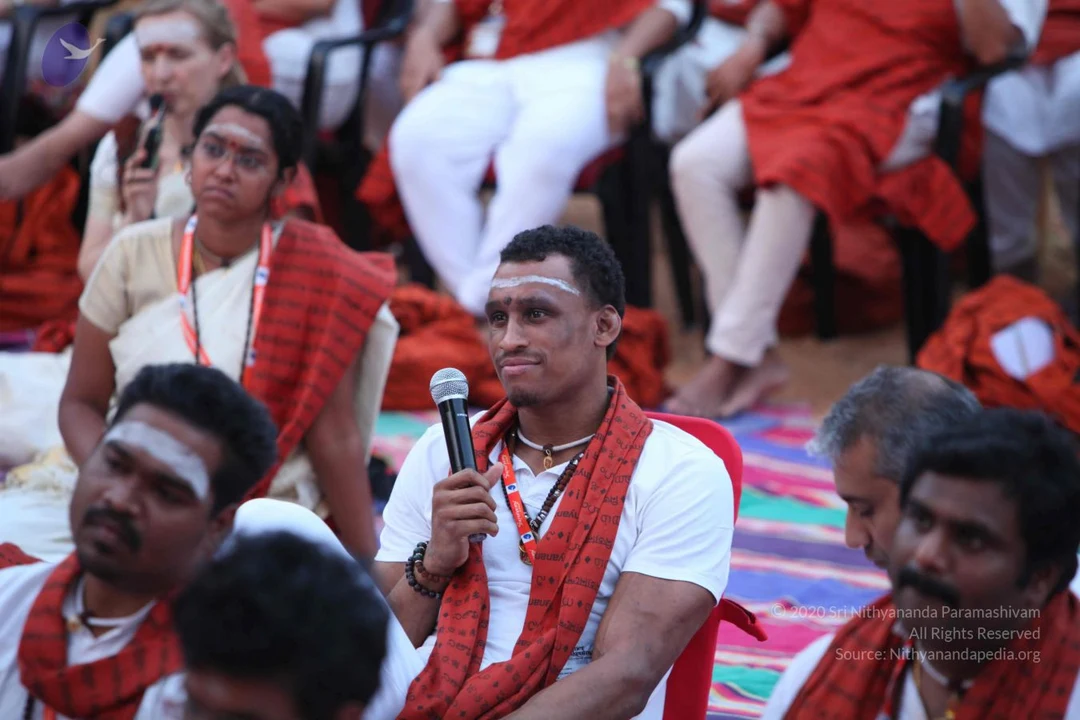
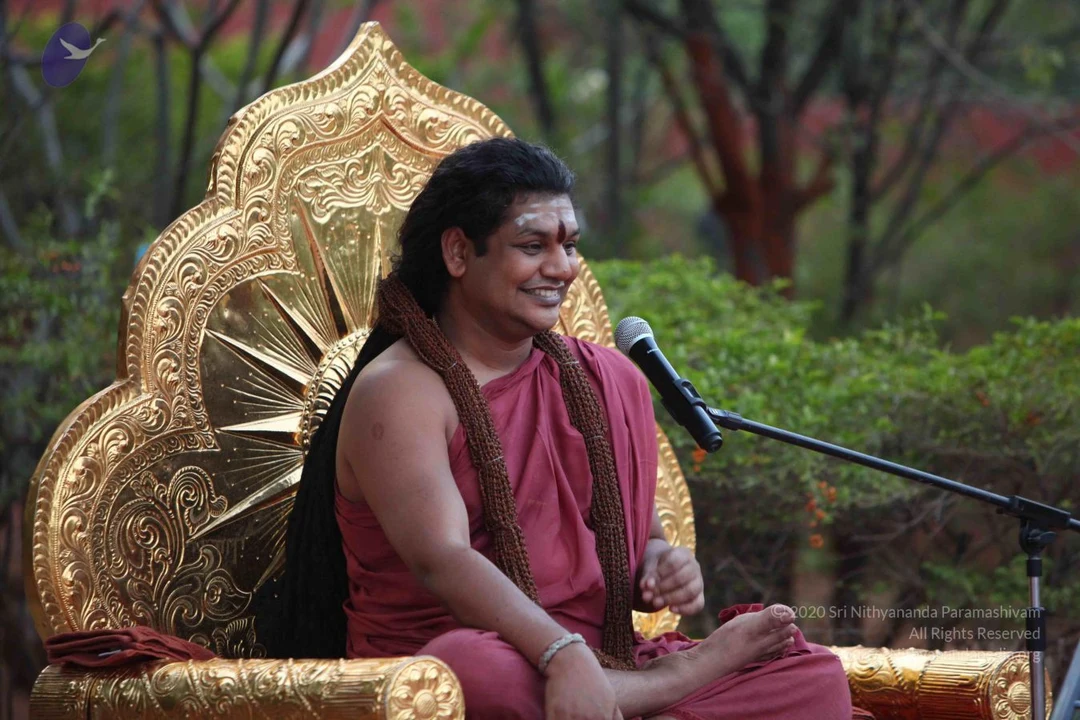
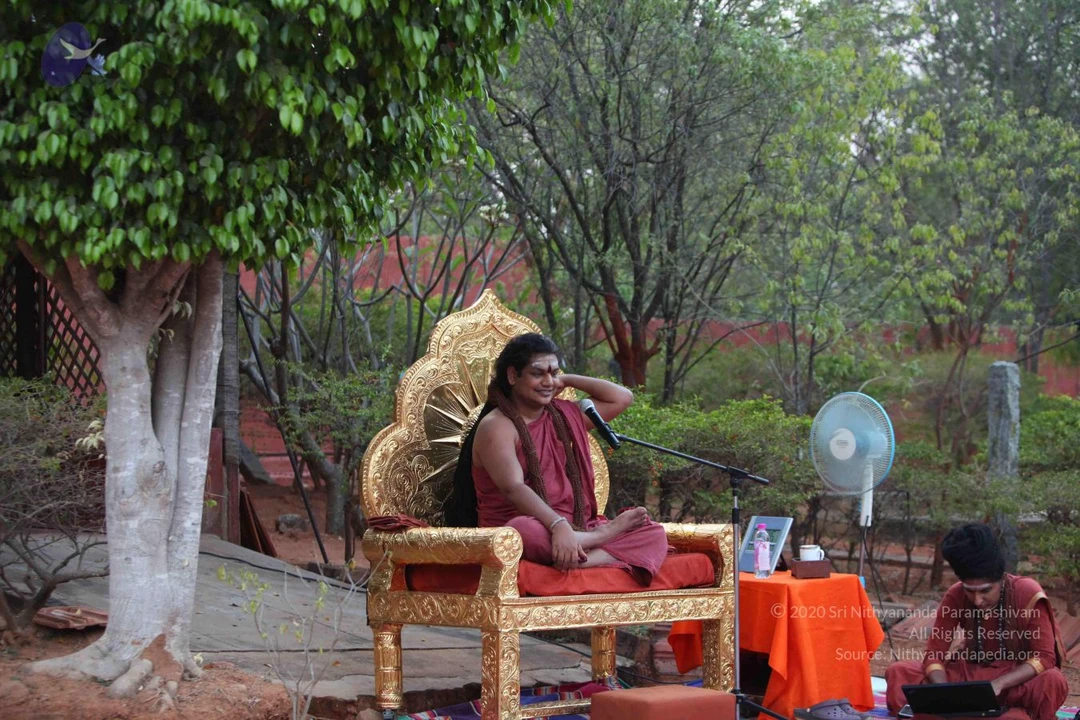
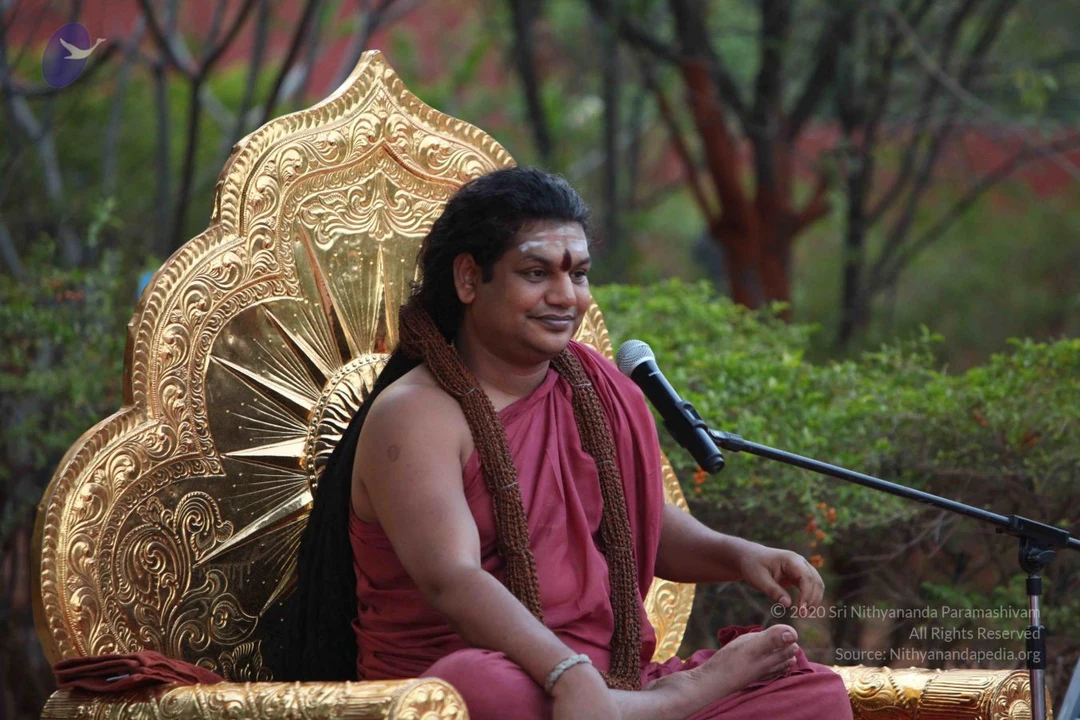
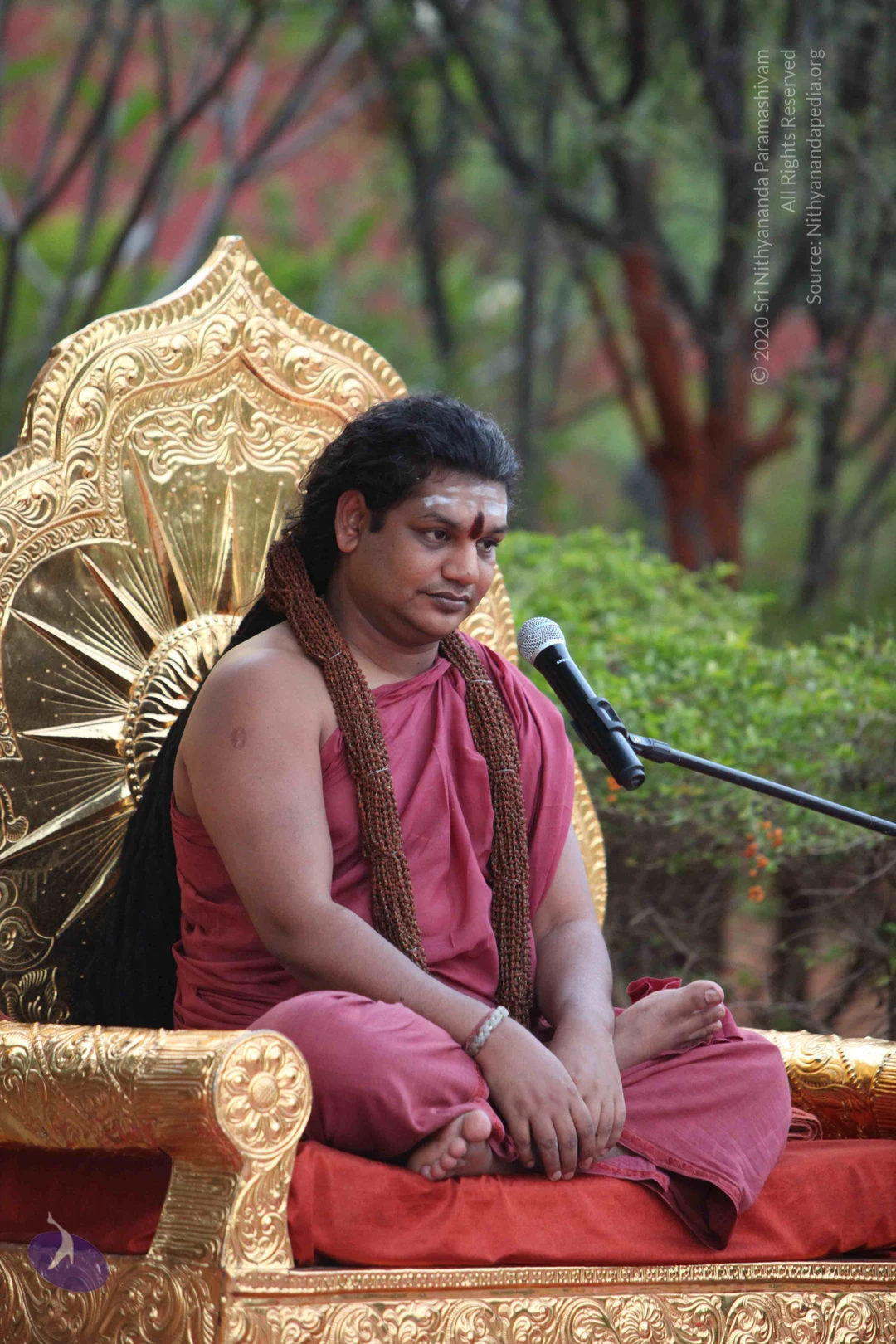
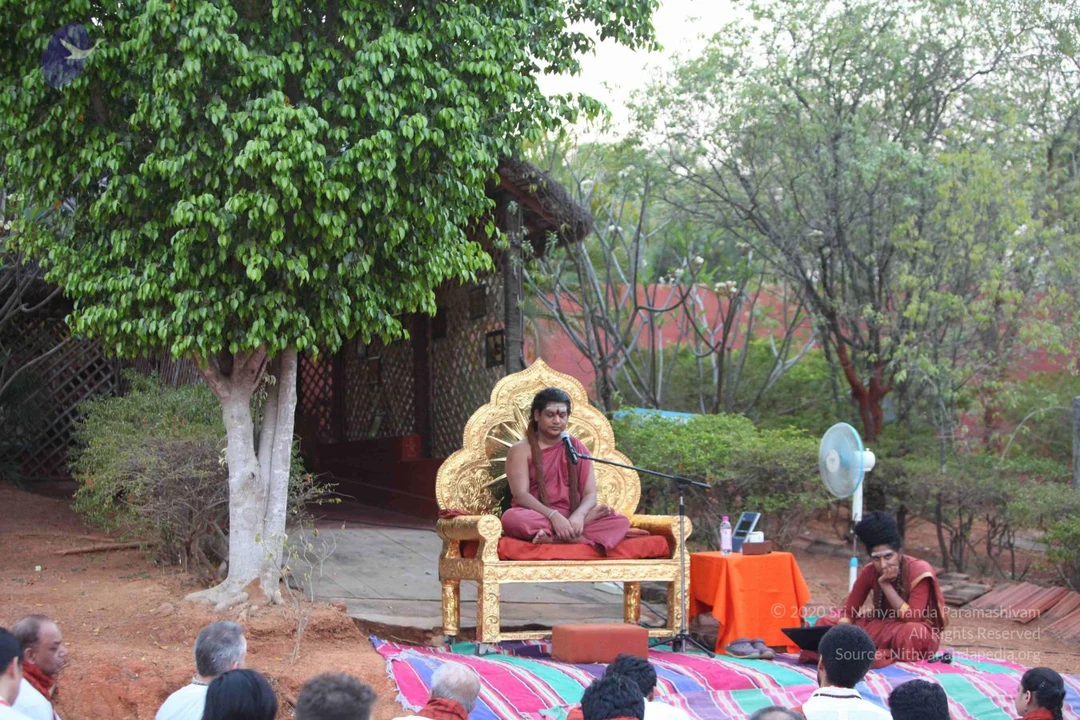
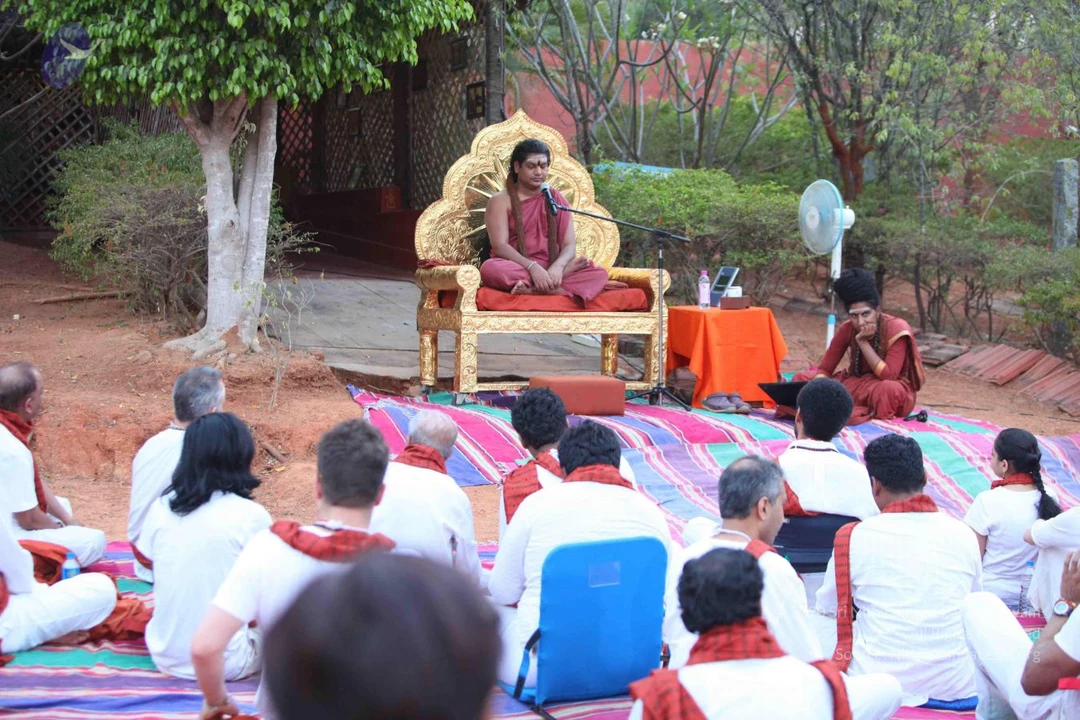
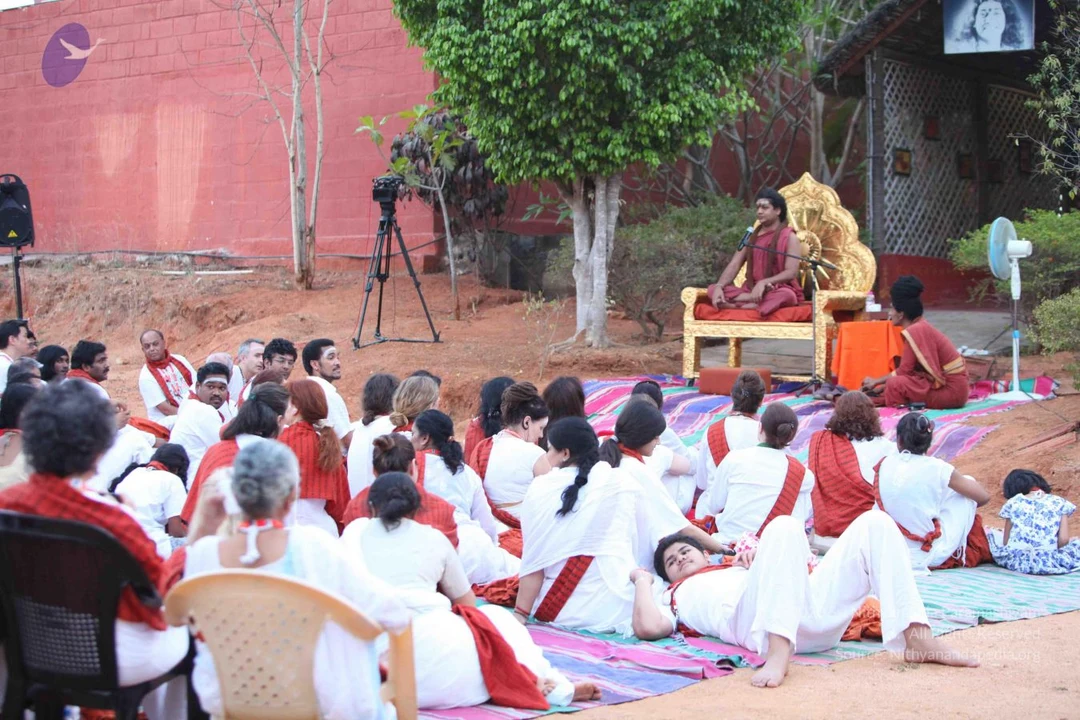
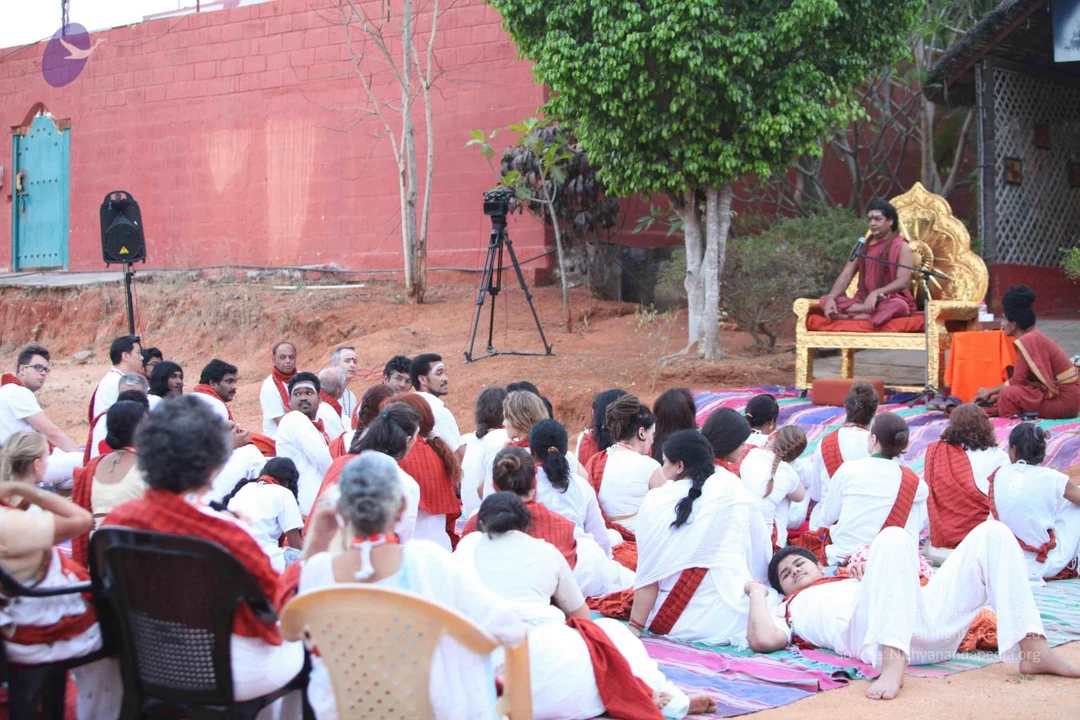
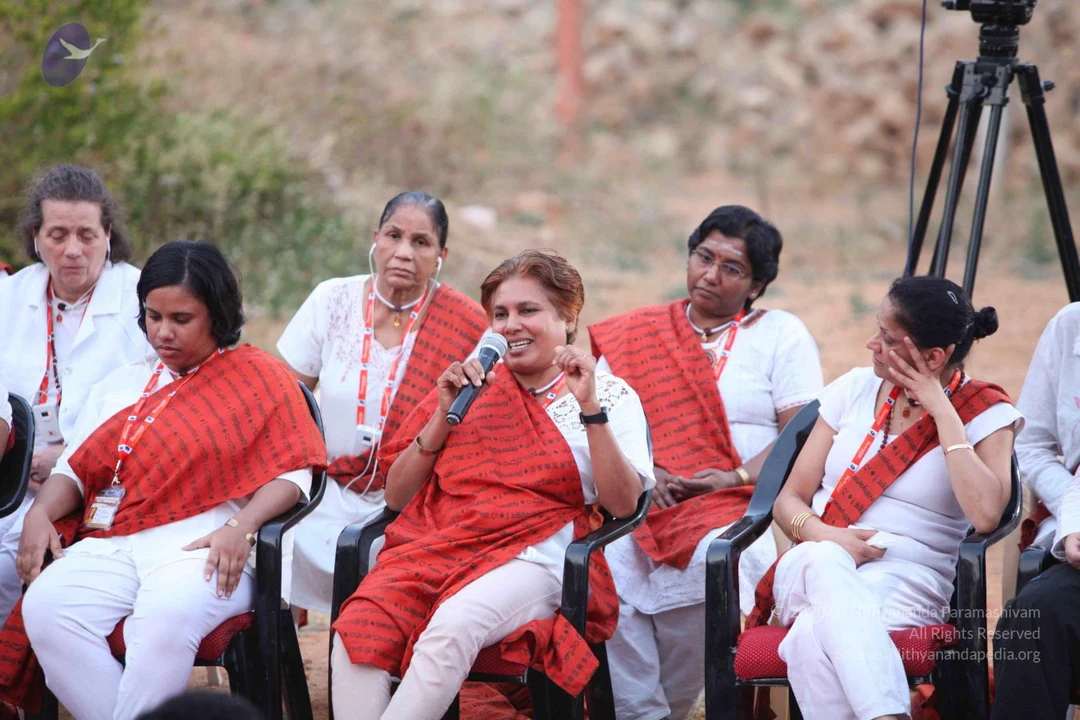
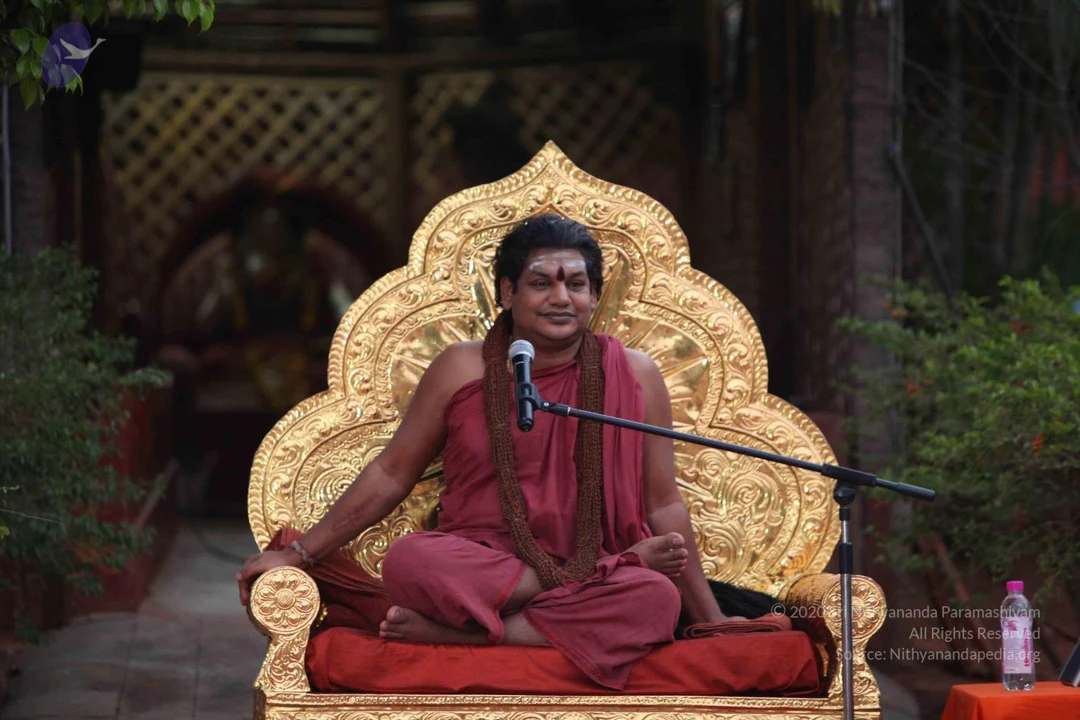
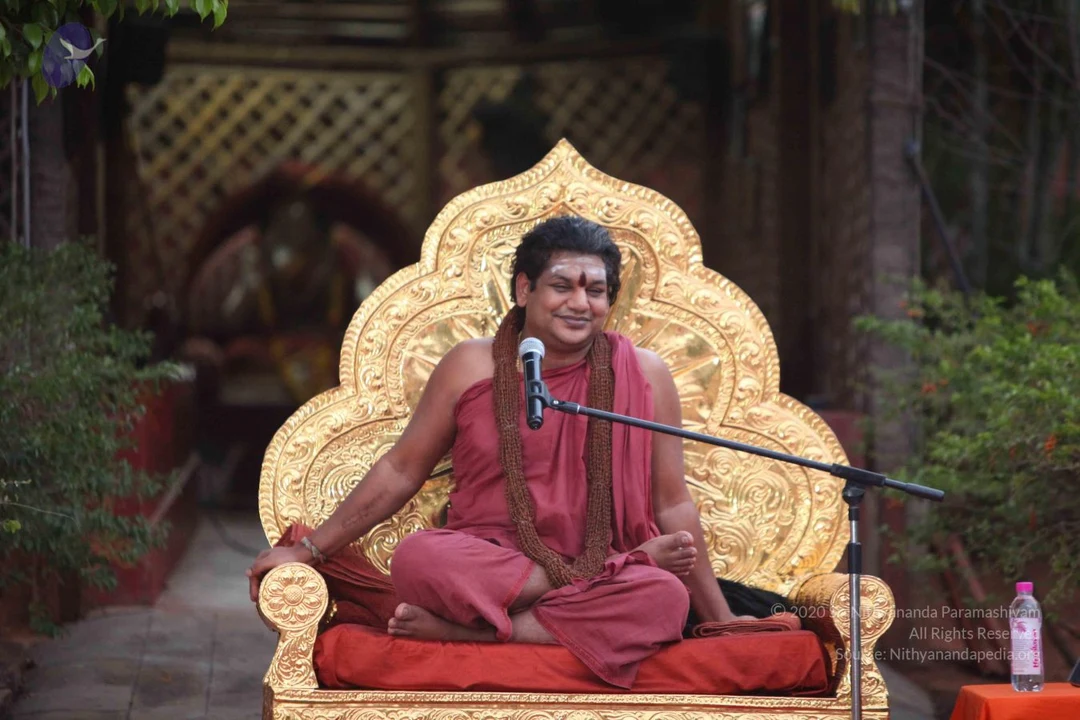
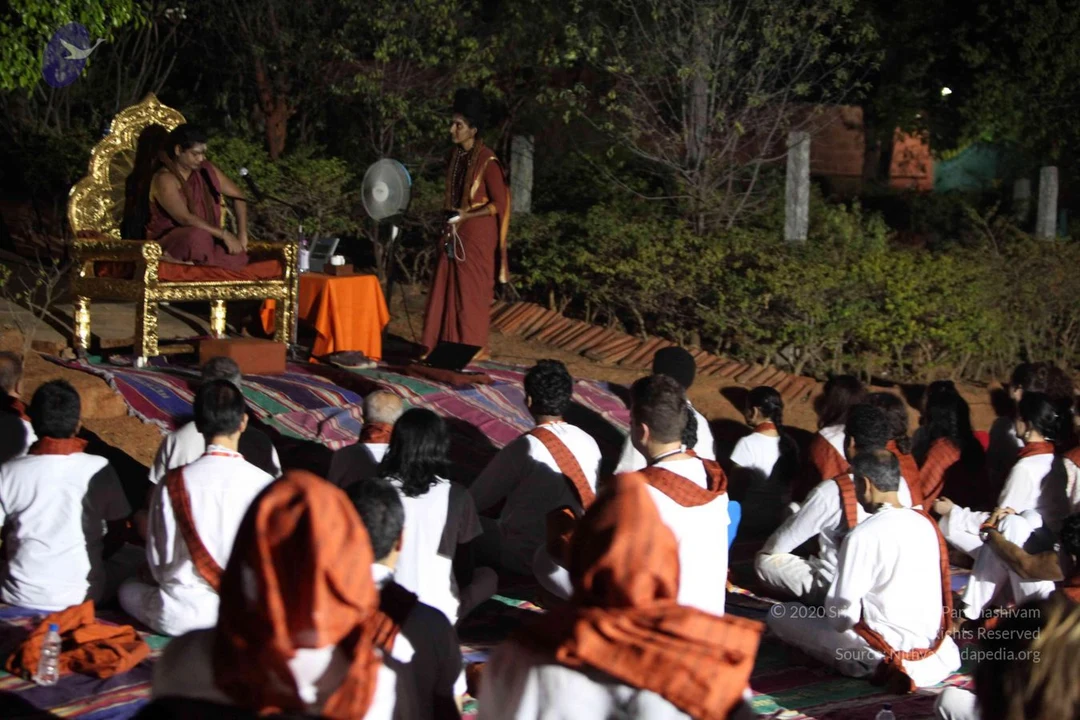
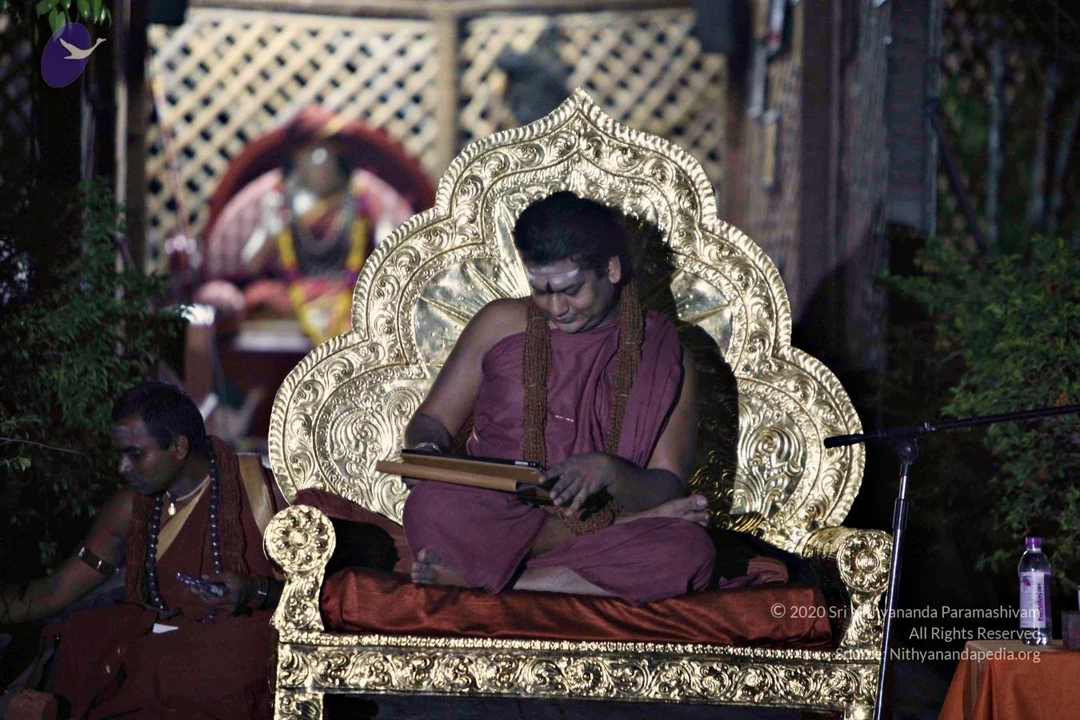
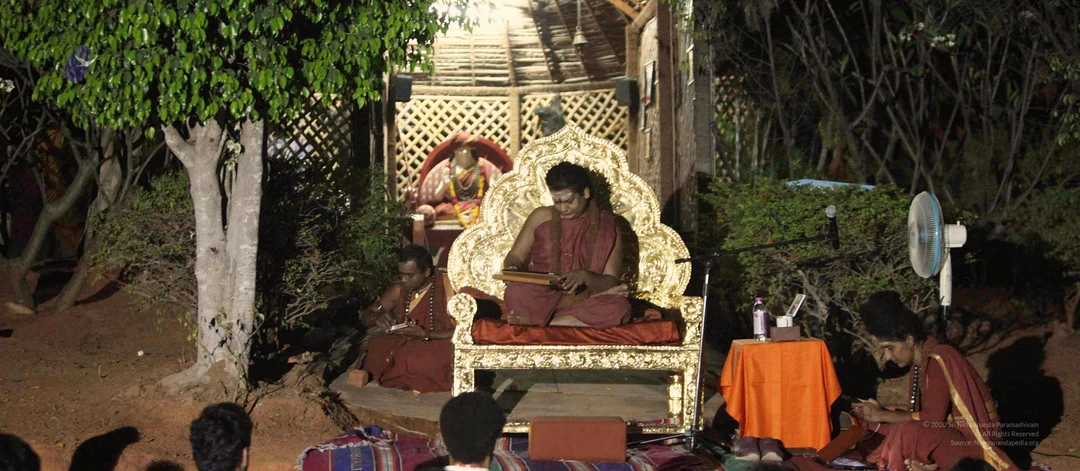
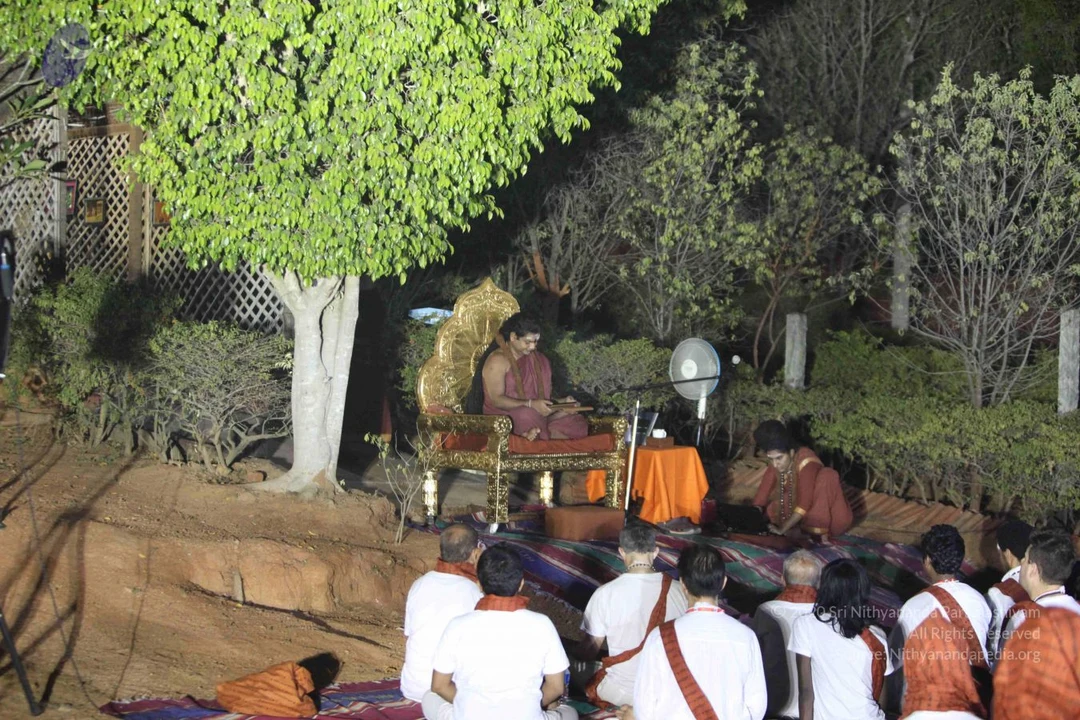
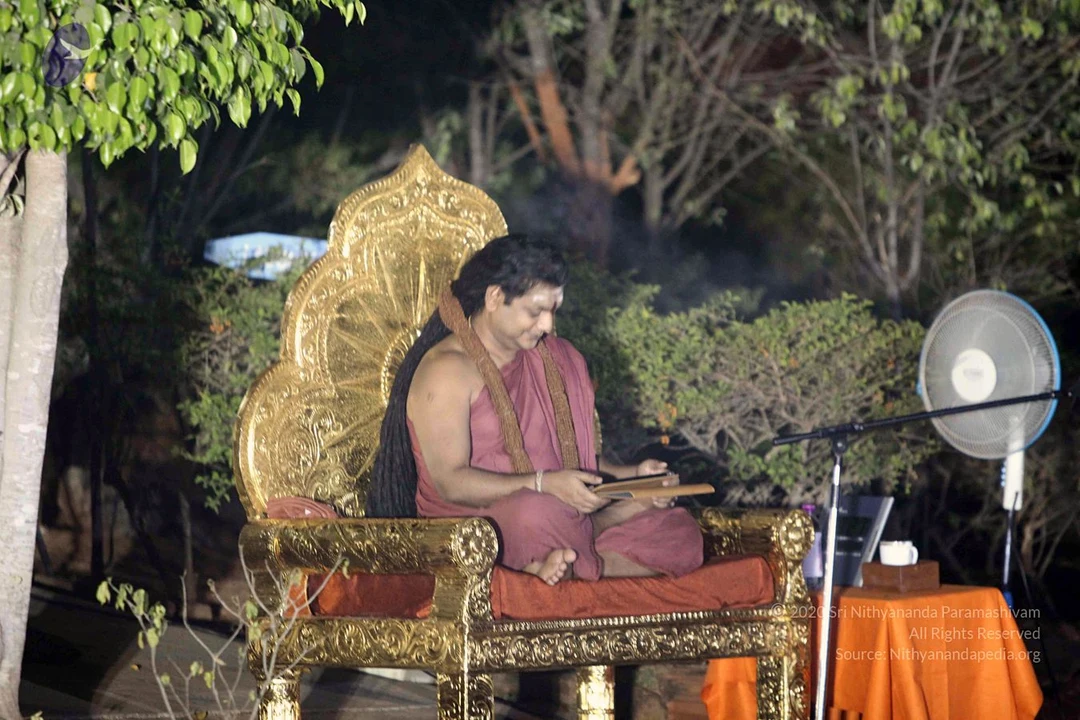
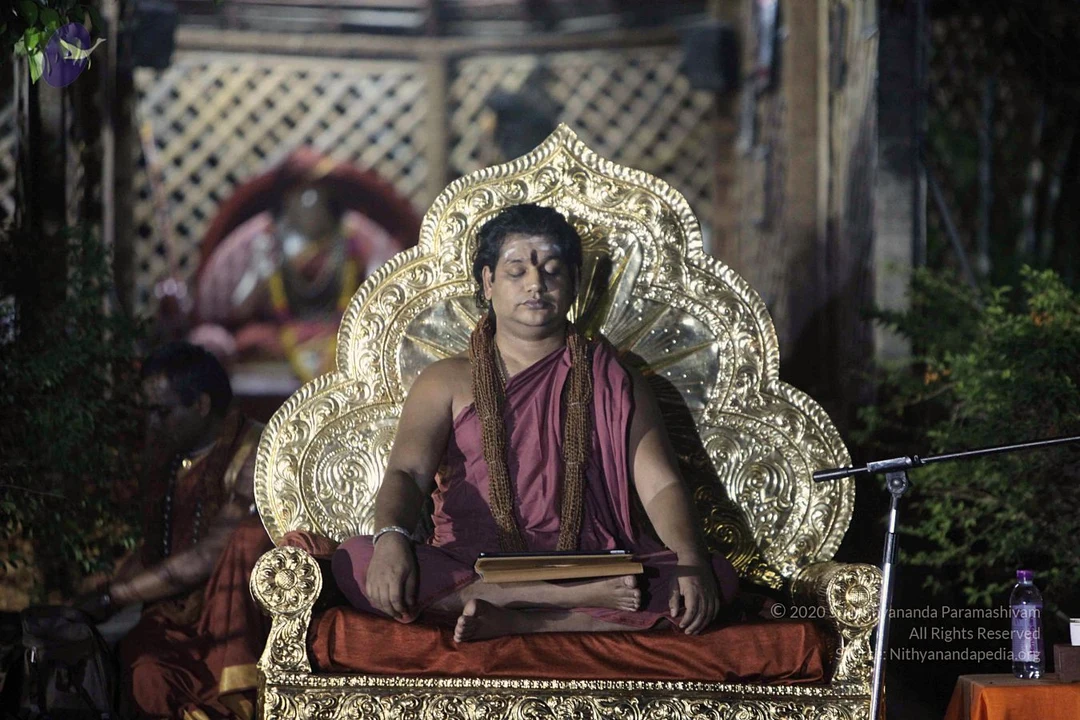
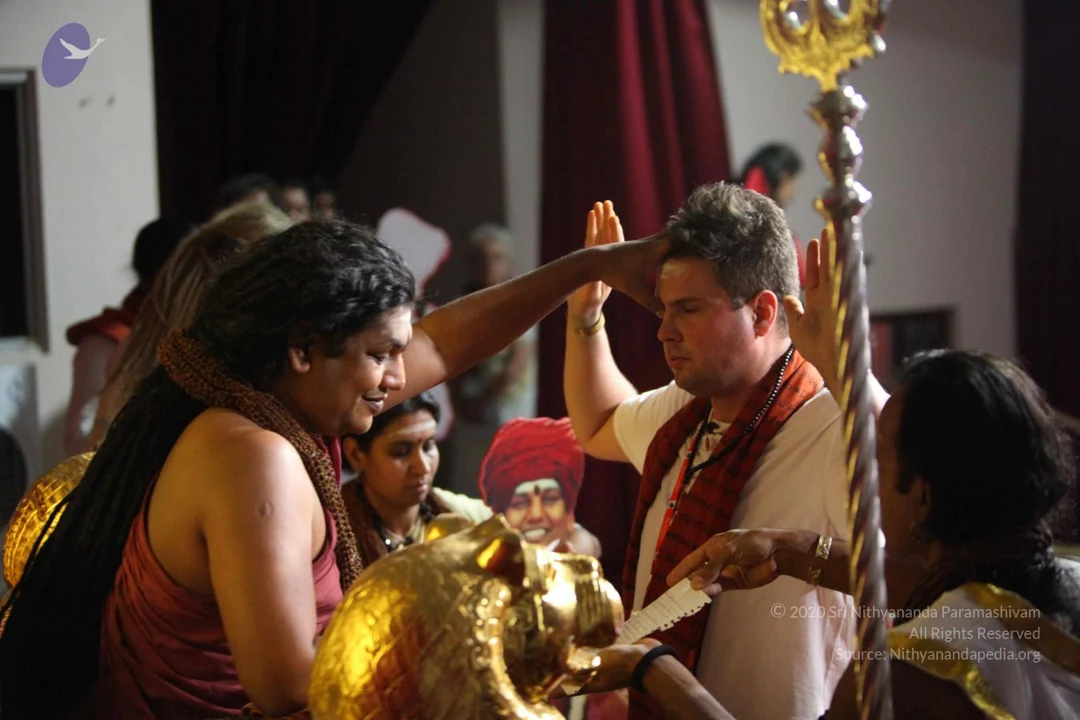
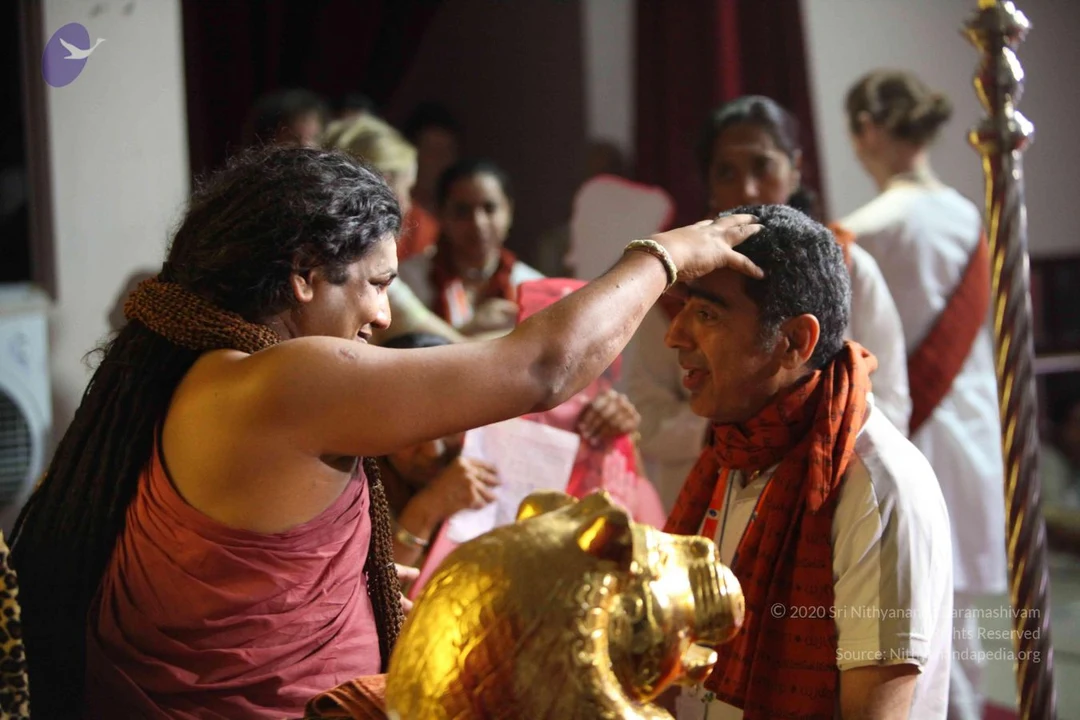
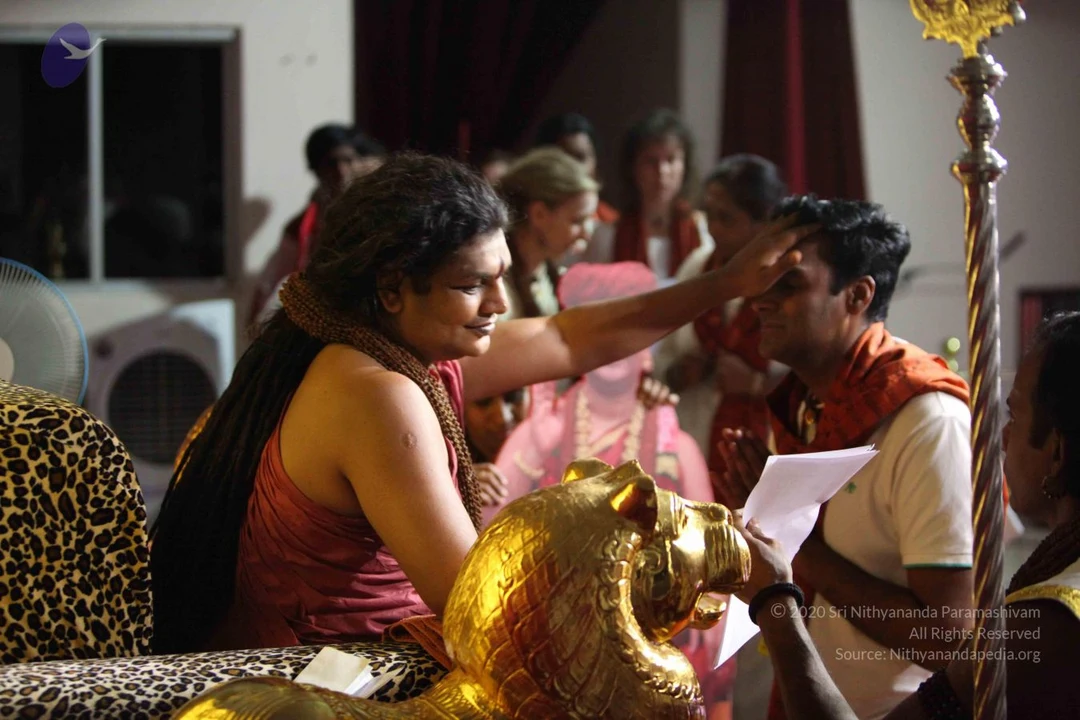
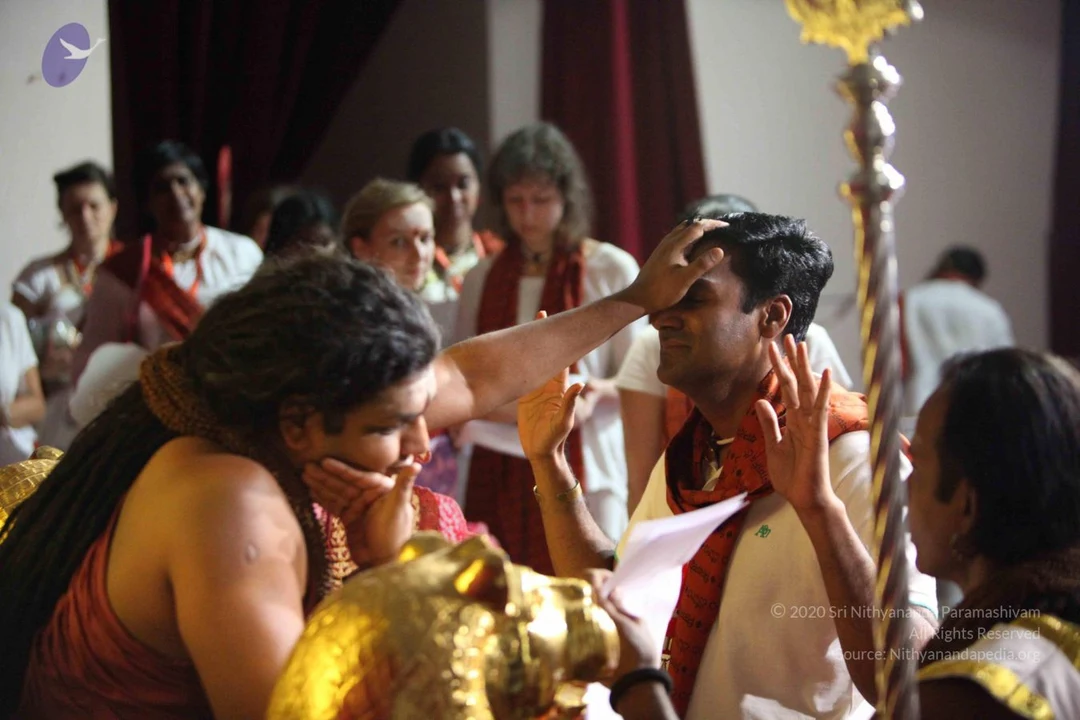
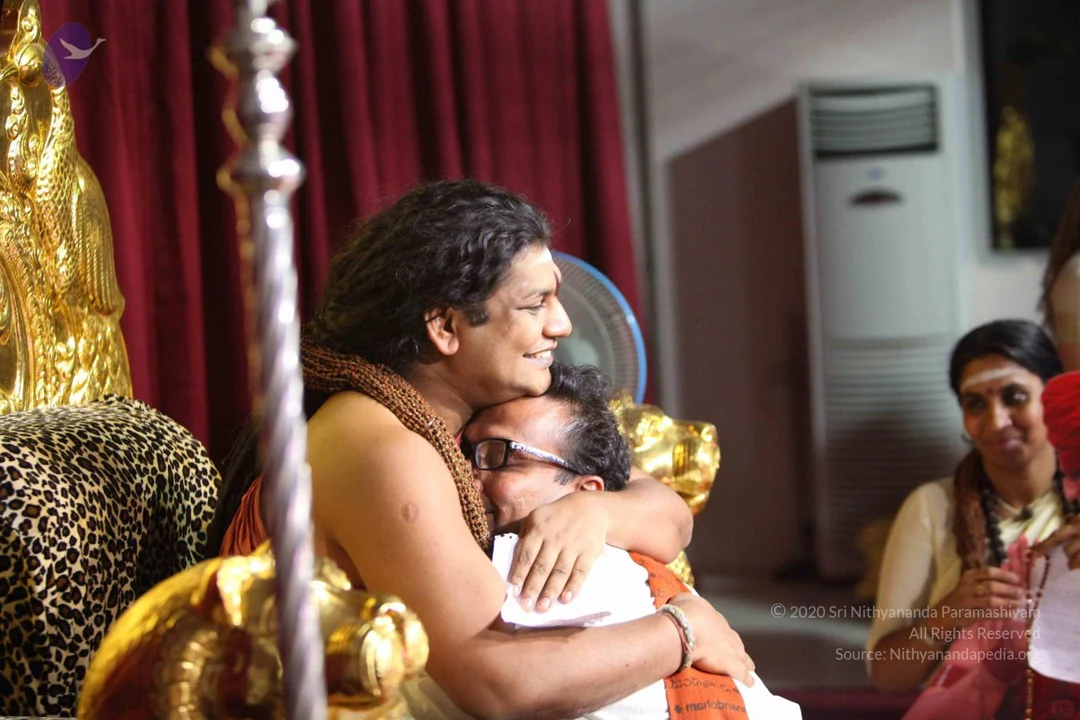
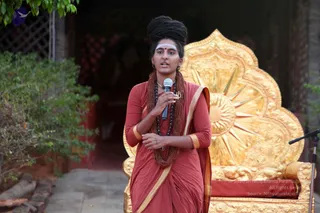
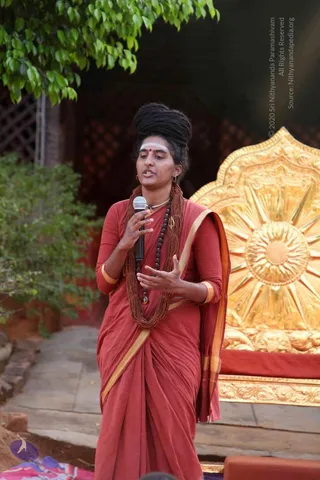
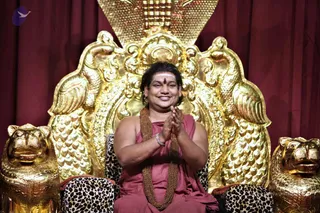
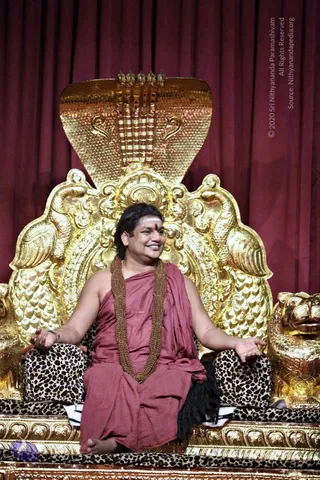
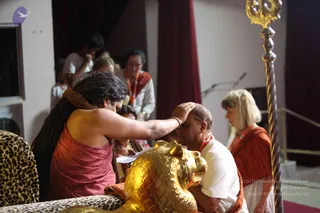
Swamiji at Laughing Temple with delegates





Photos Of The Day:
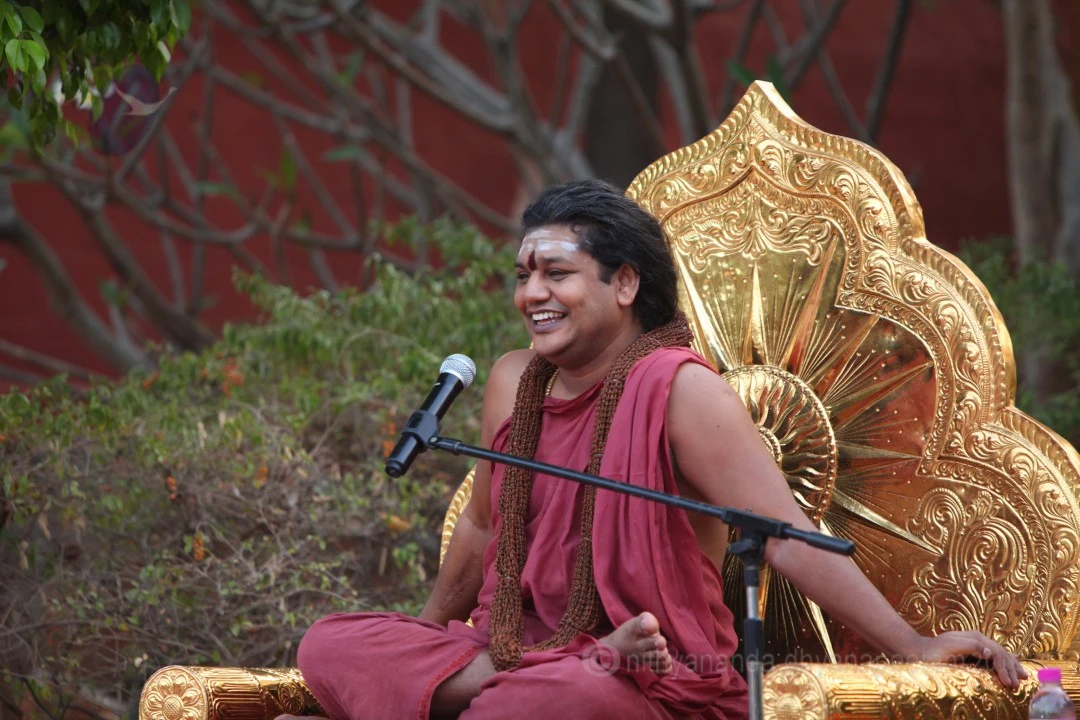
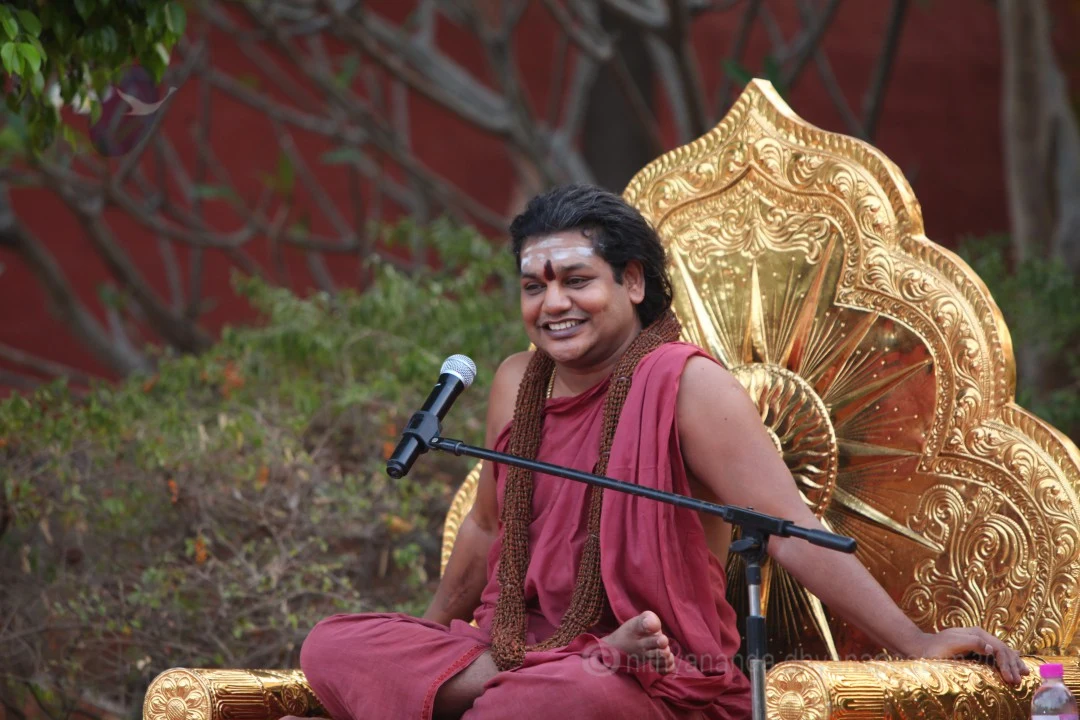
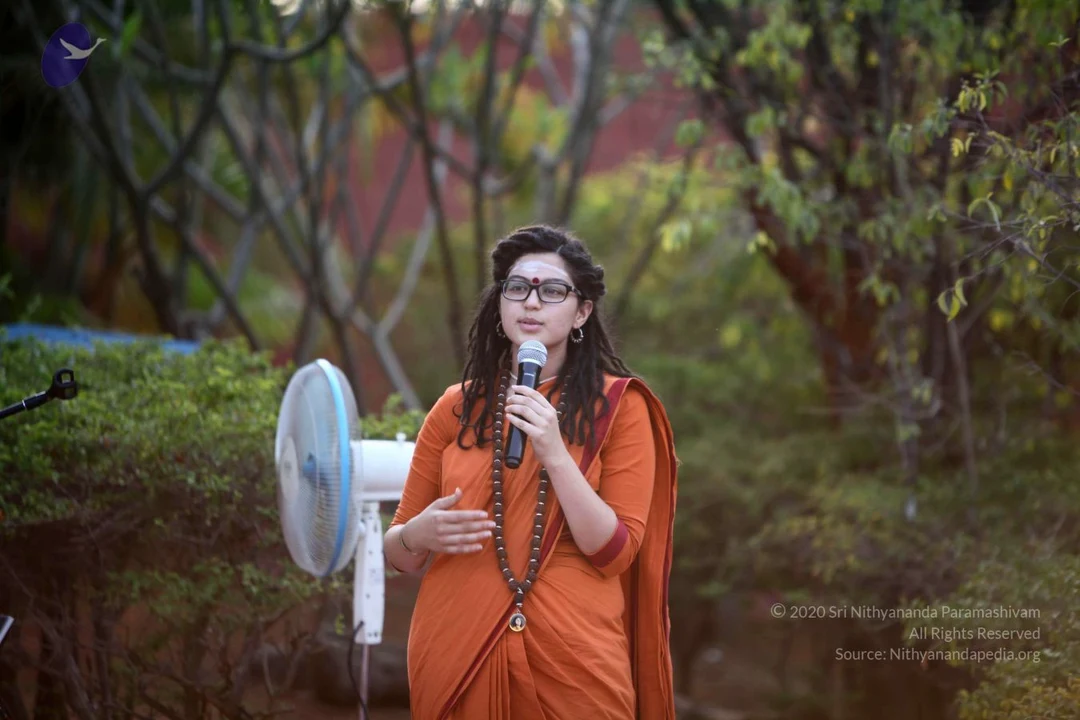
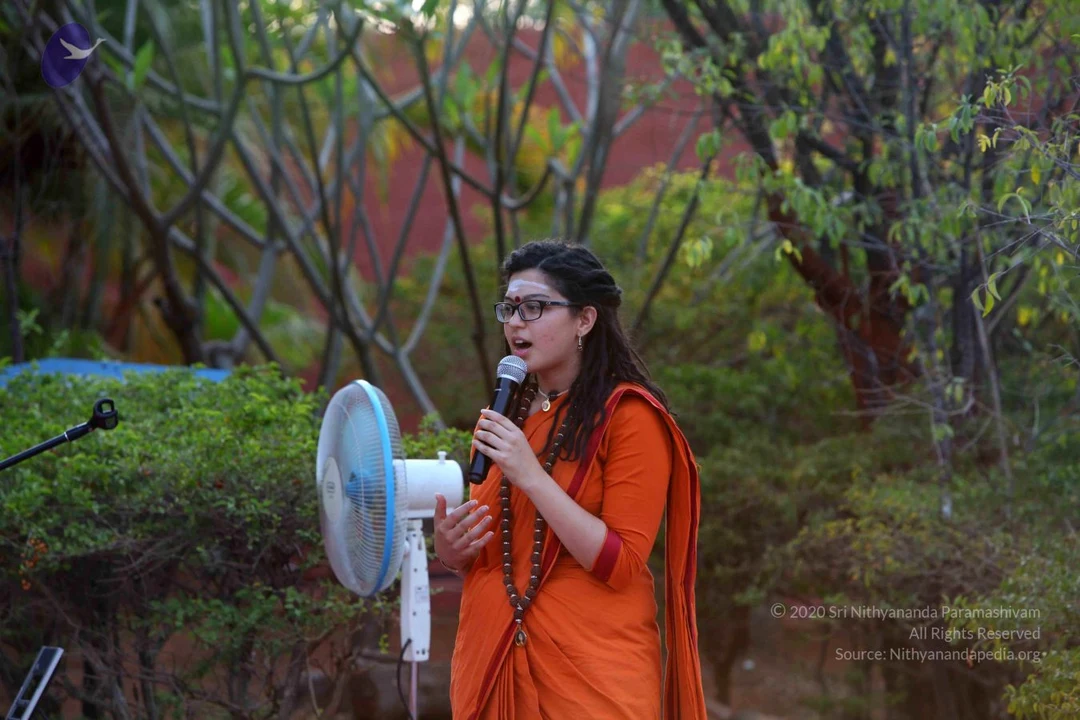
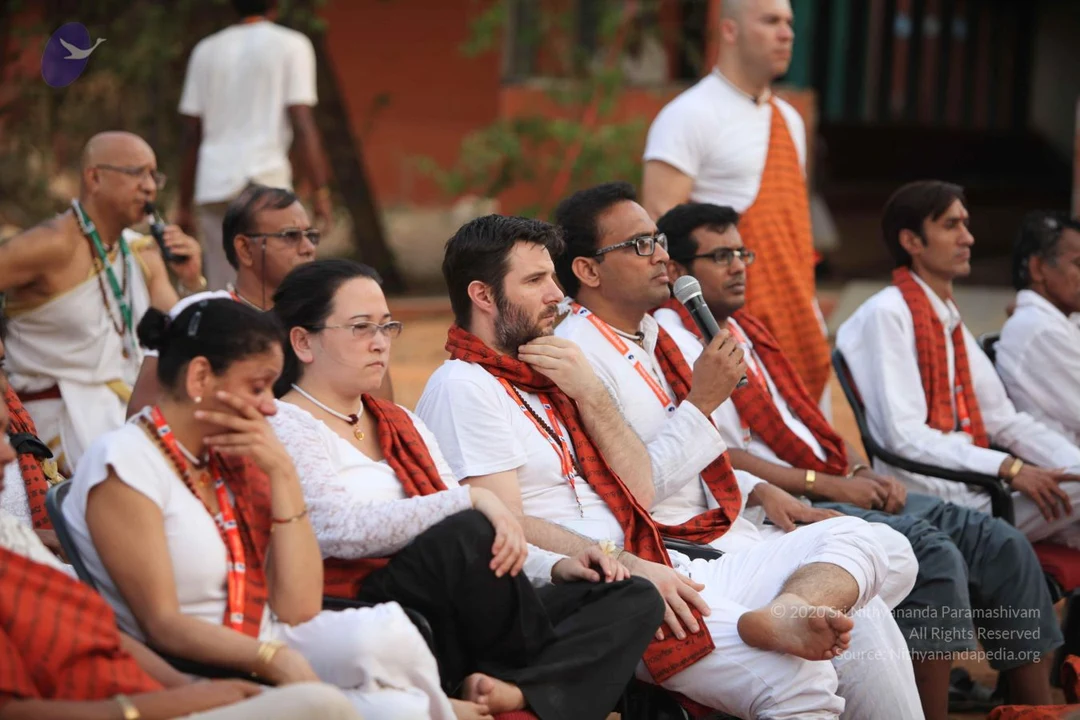
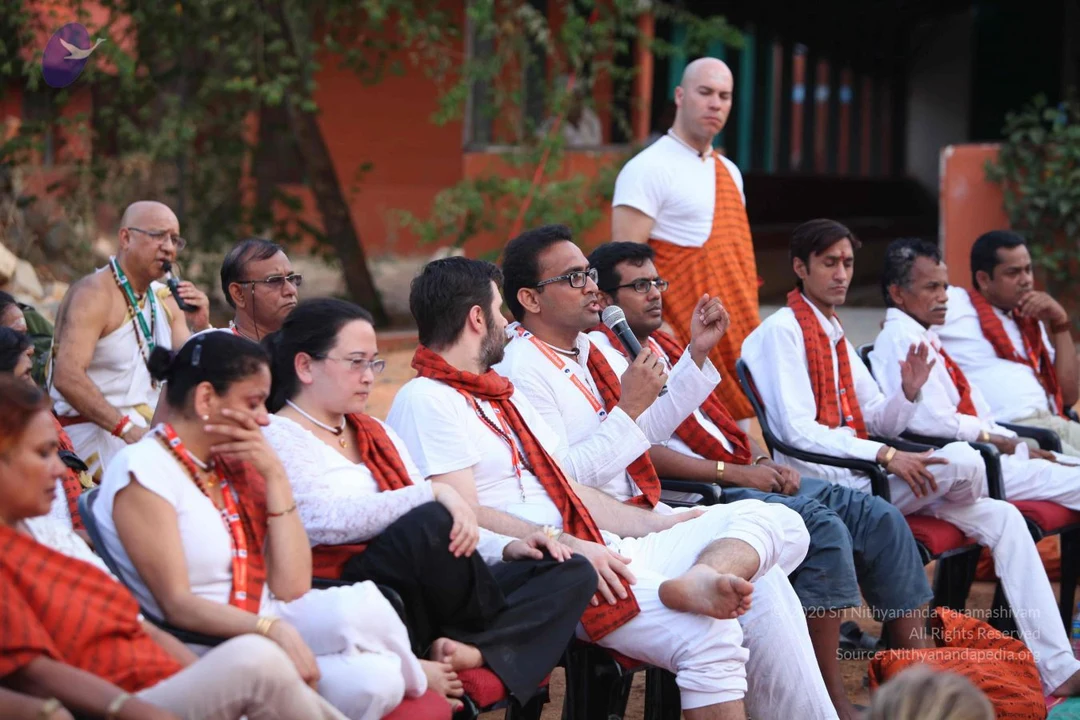
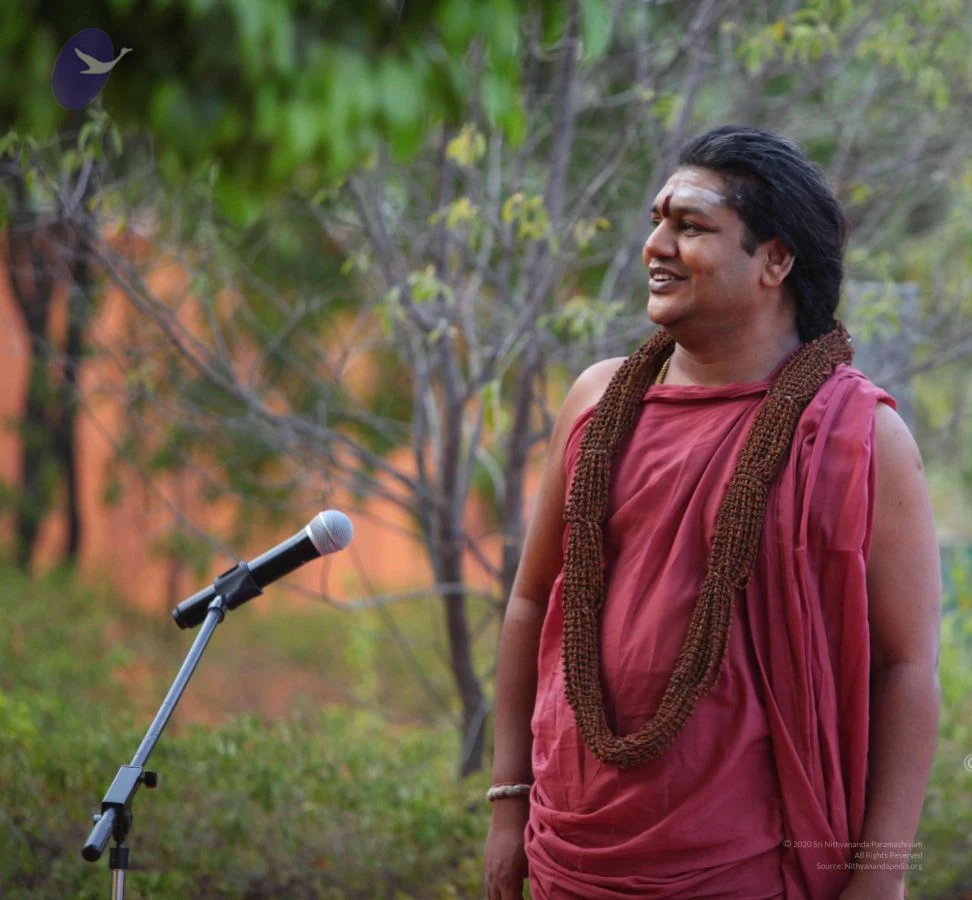
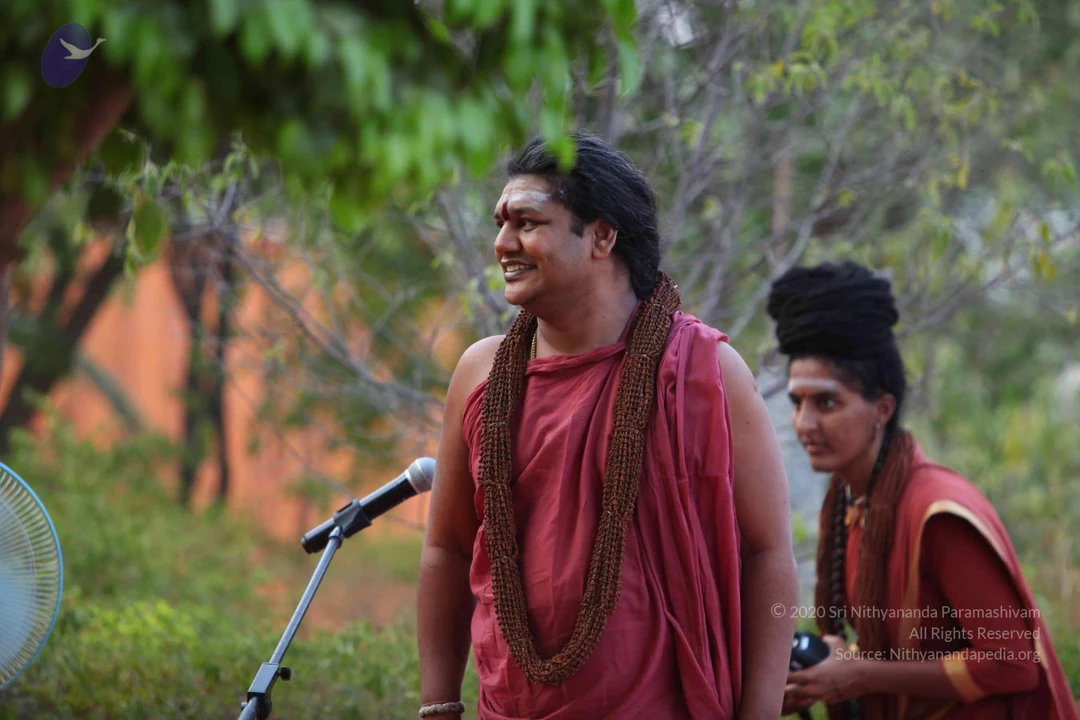
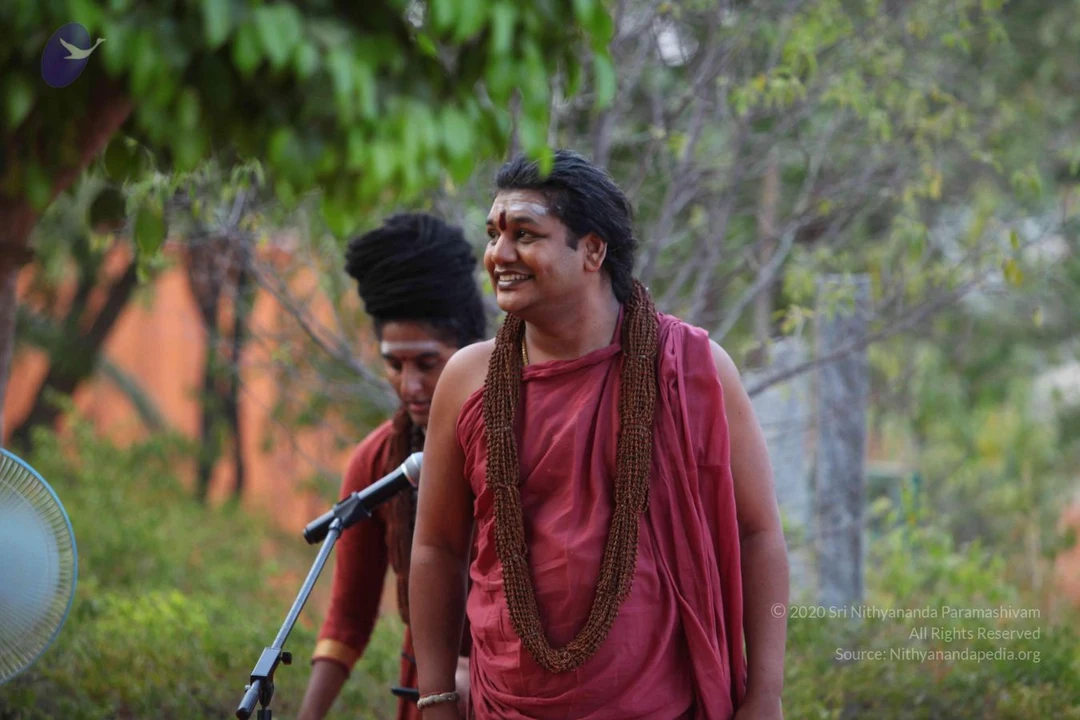
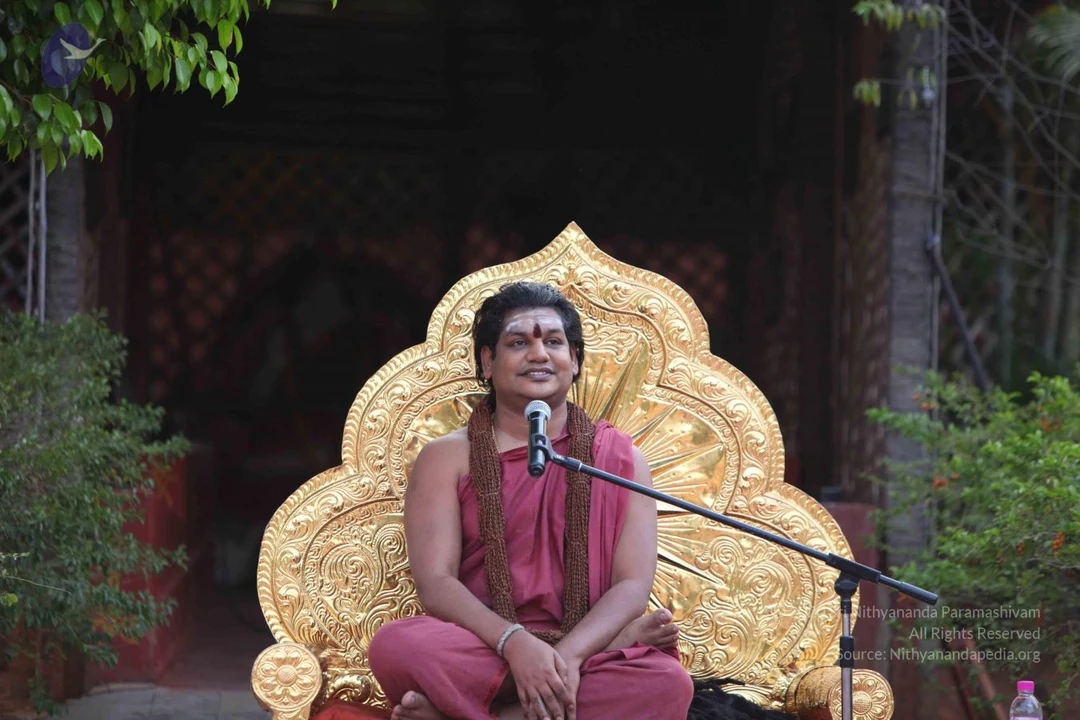
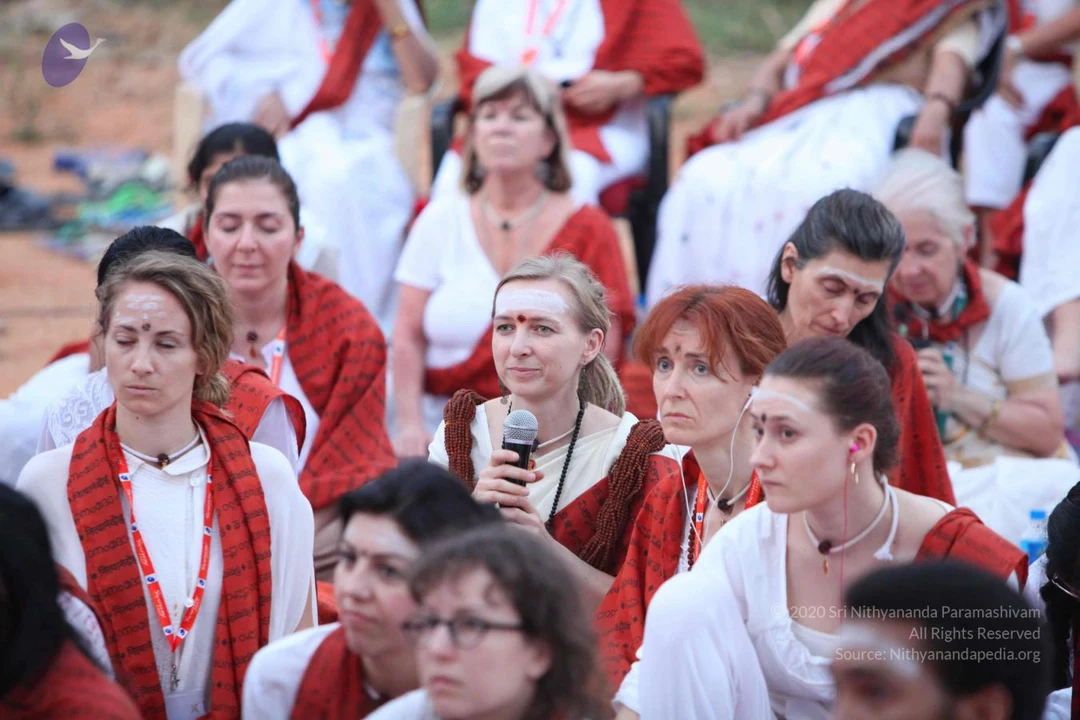
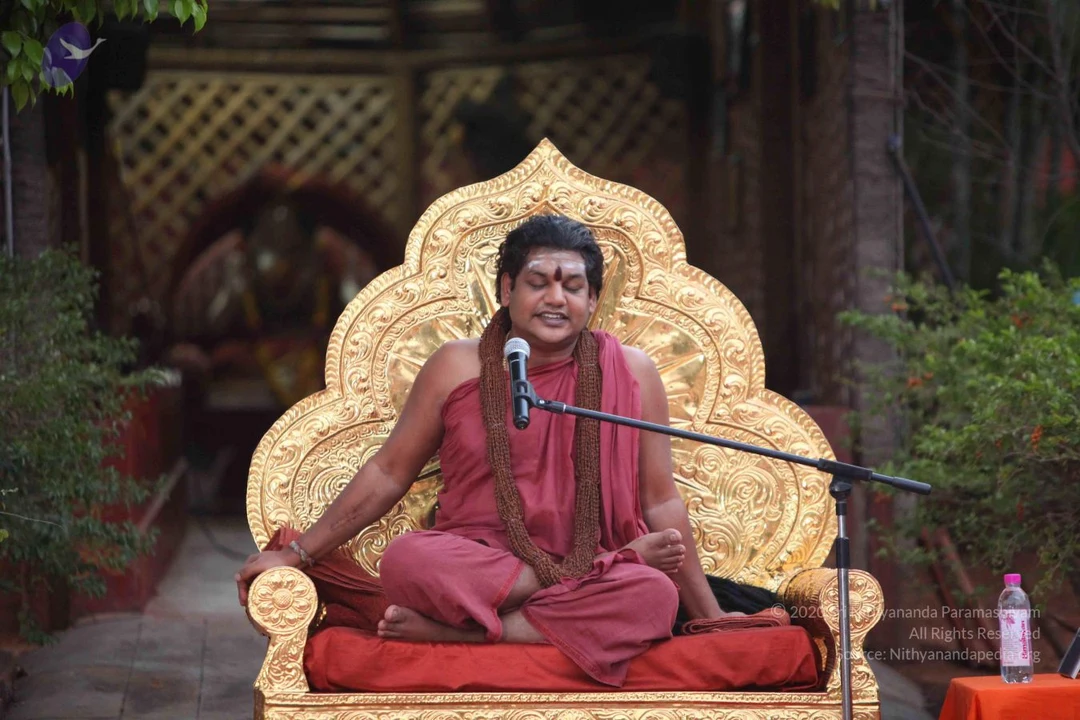
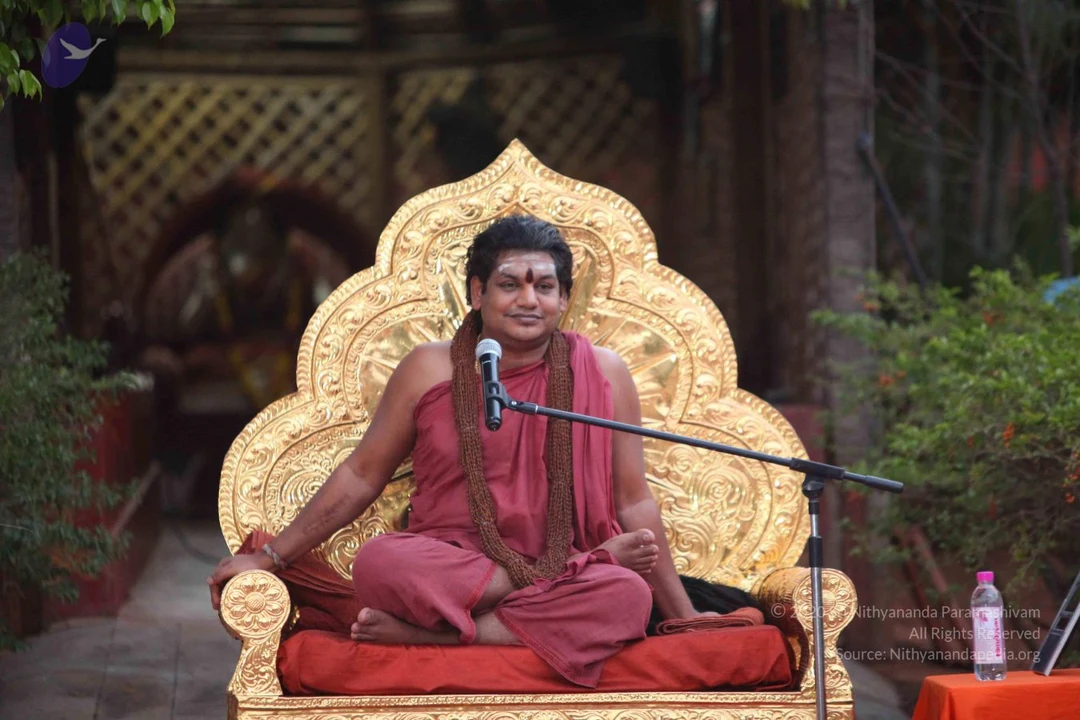
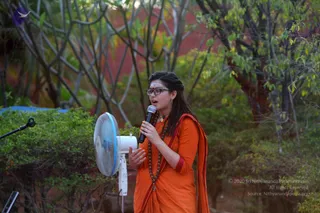
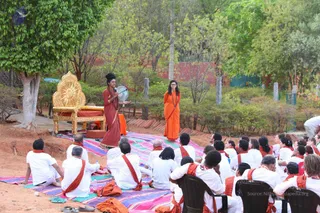
IA-Laughing-Temple-Session

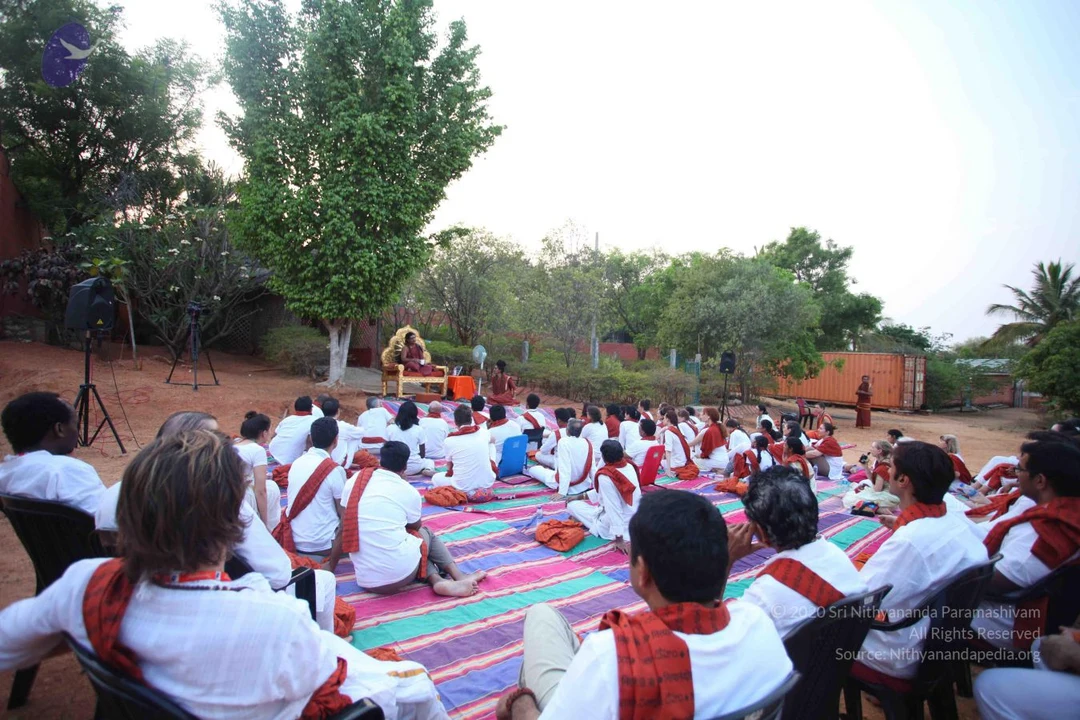
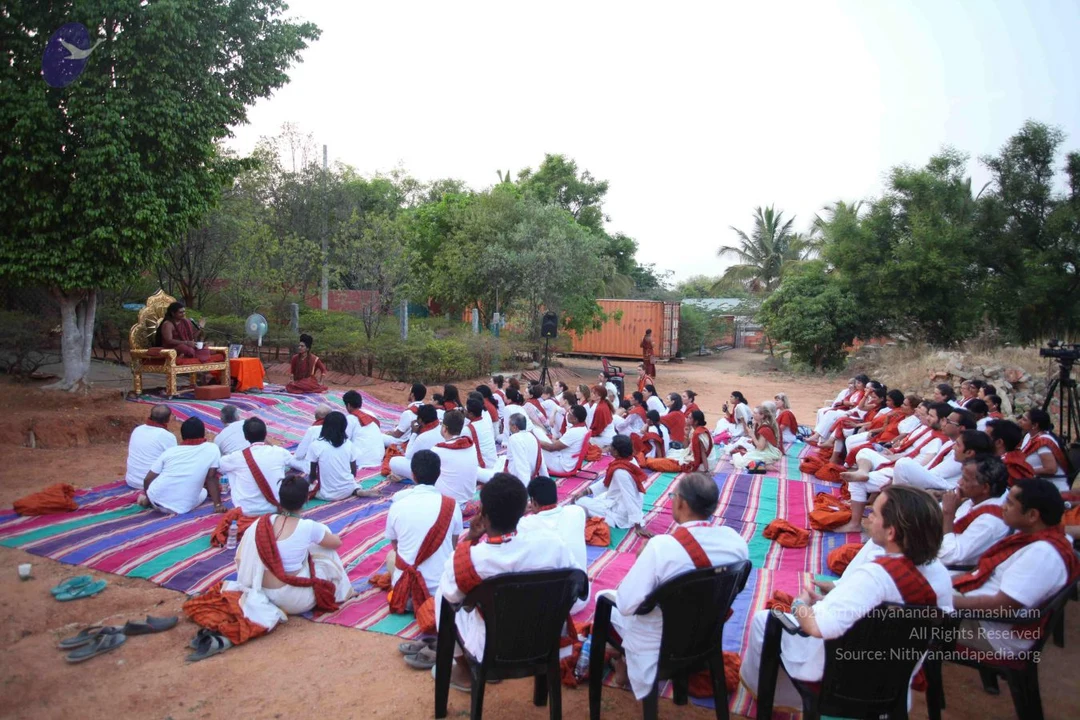
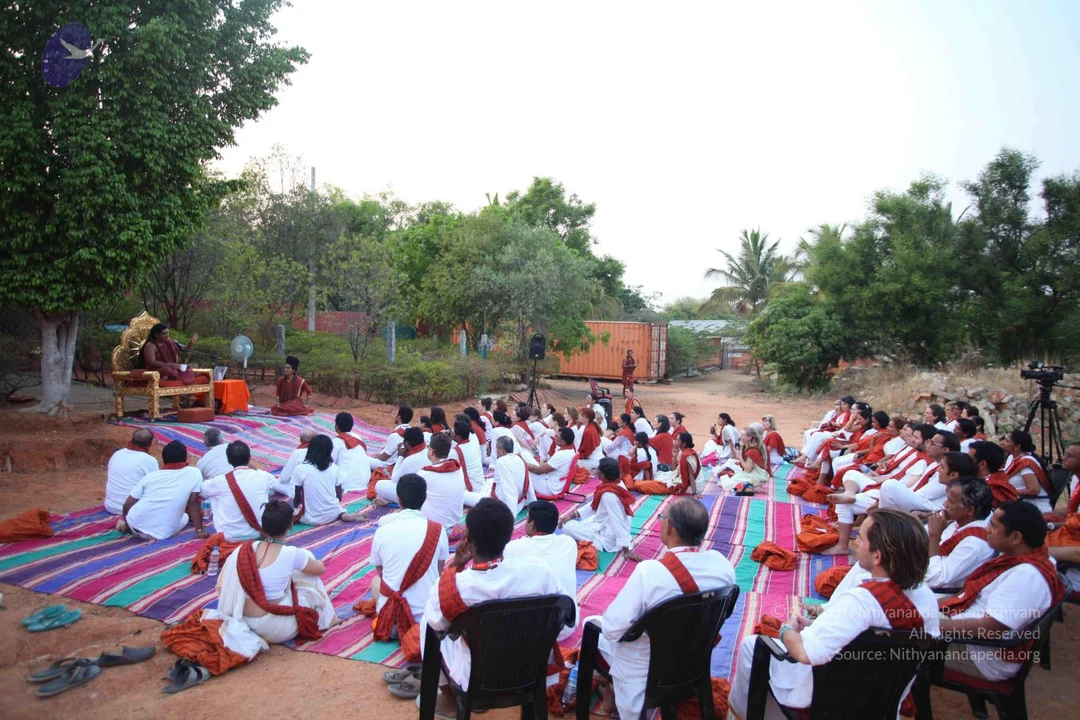
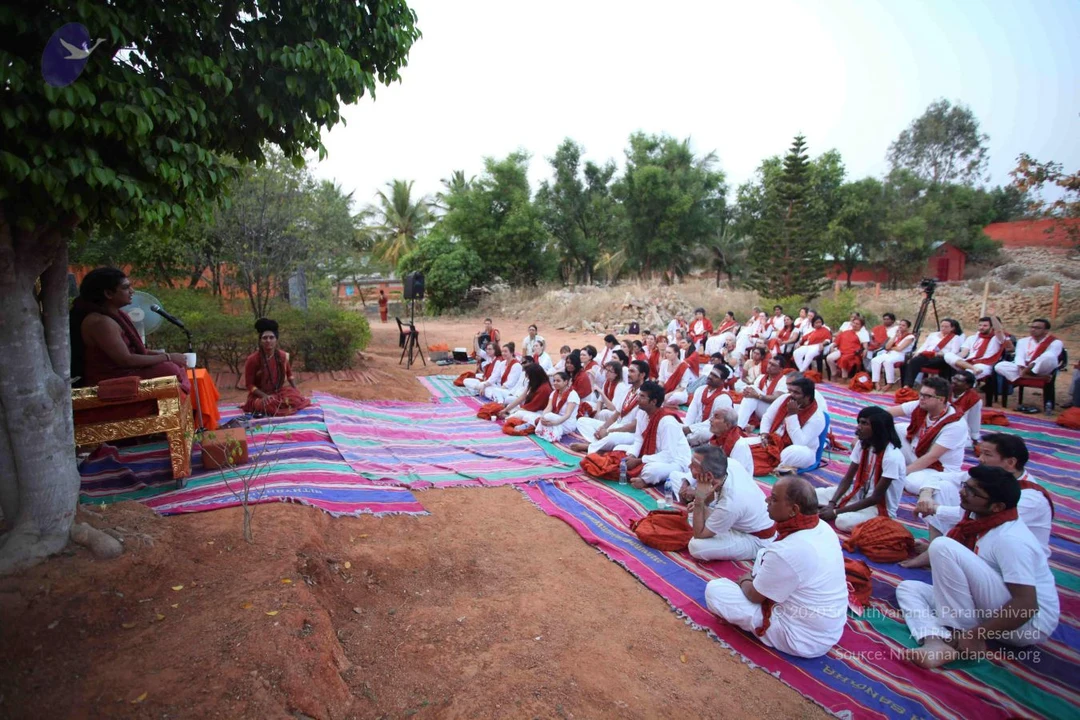


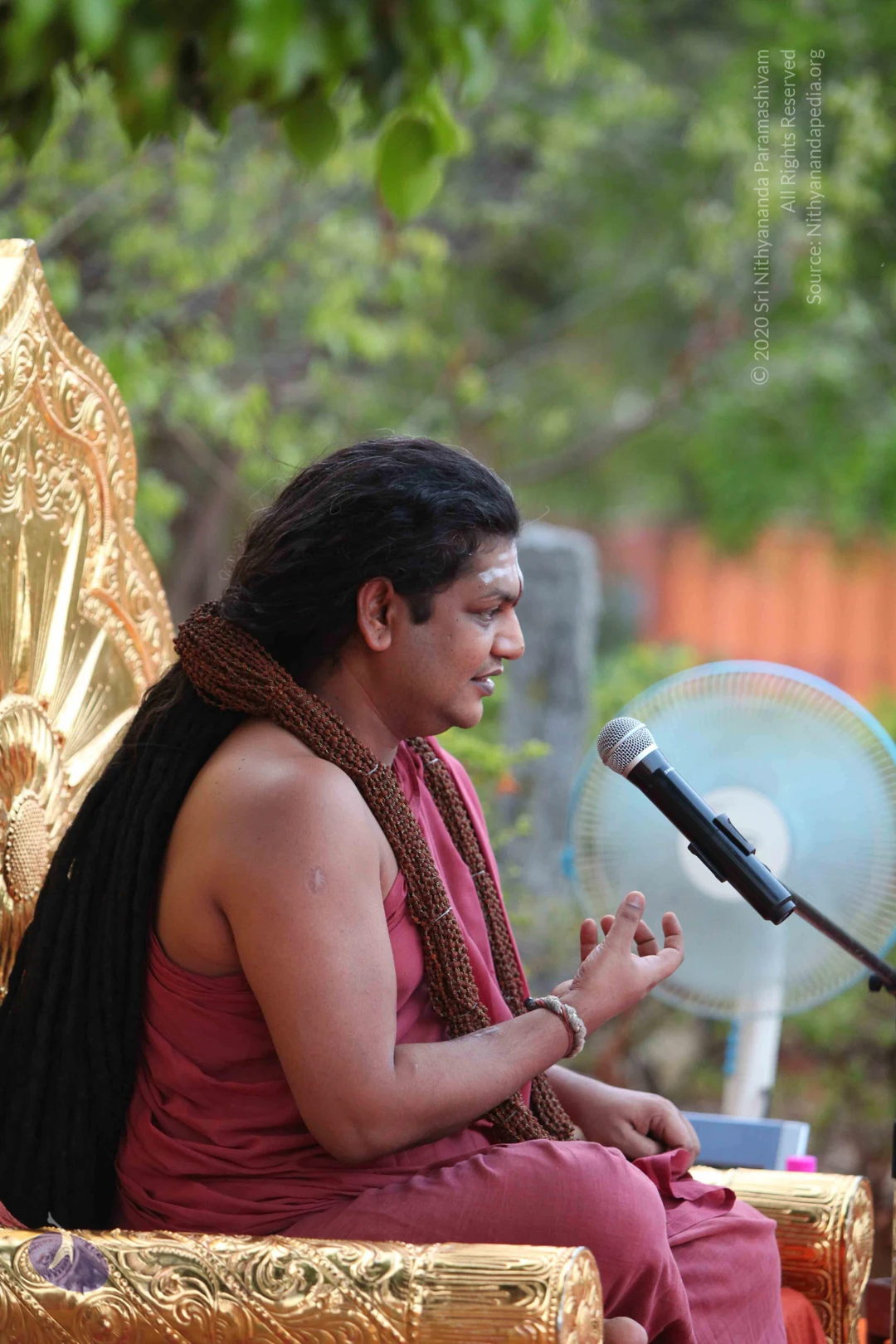
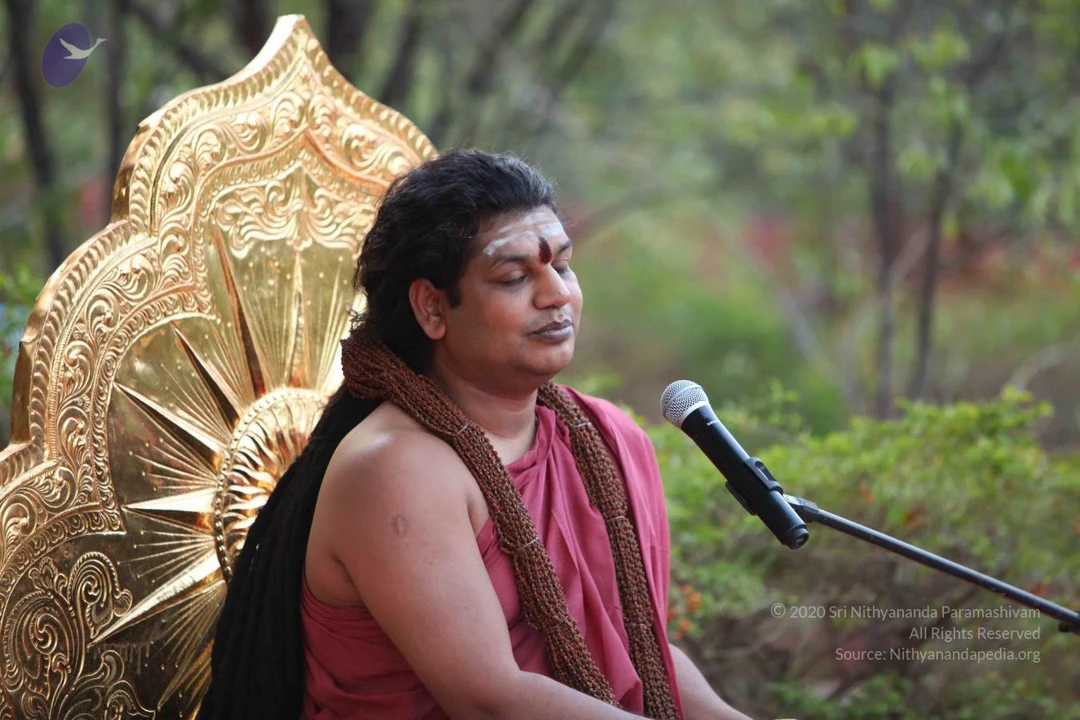
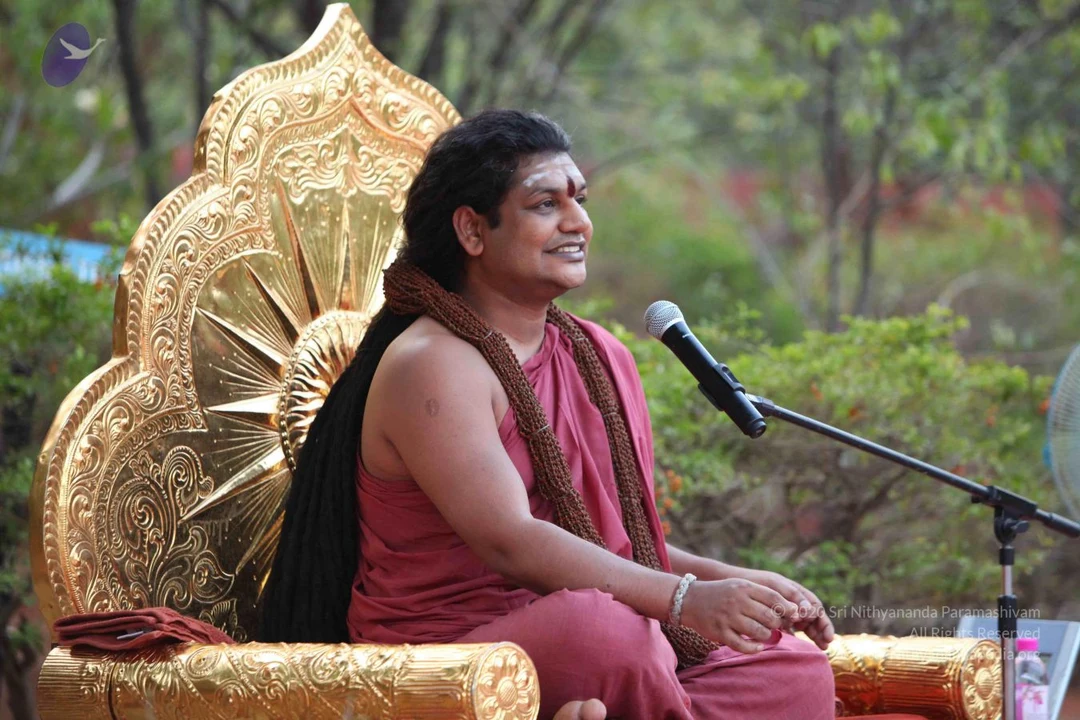
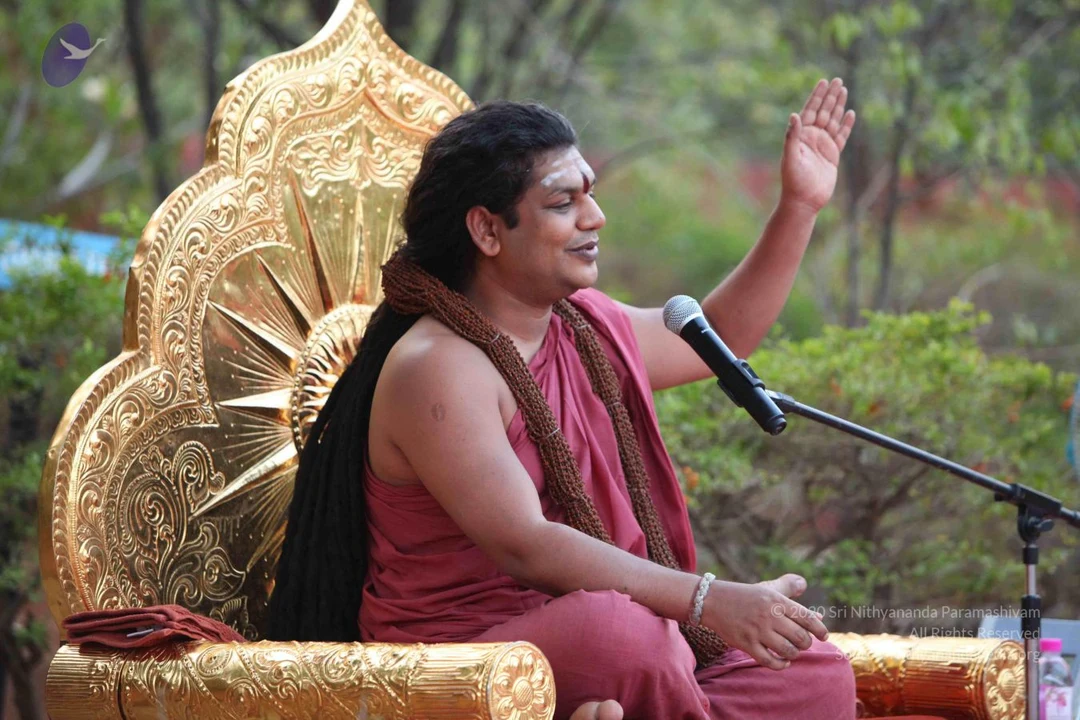



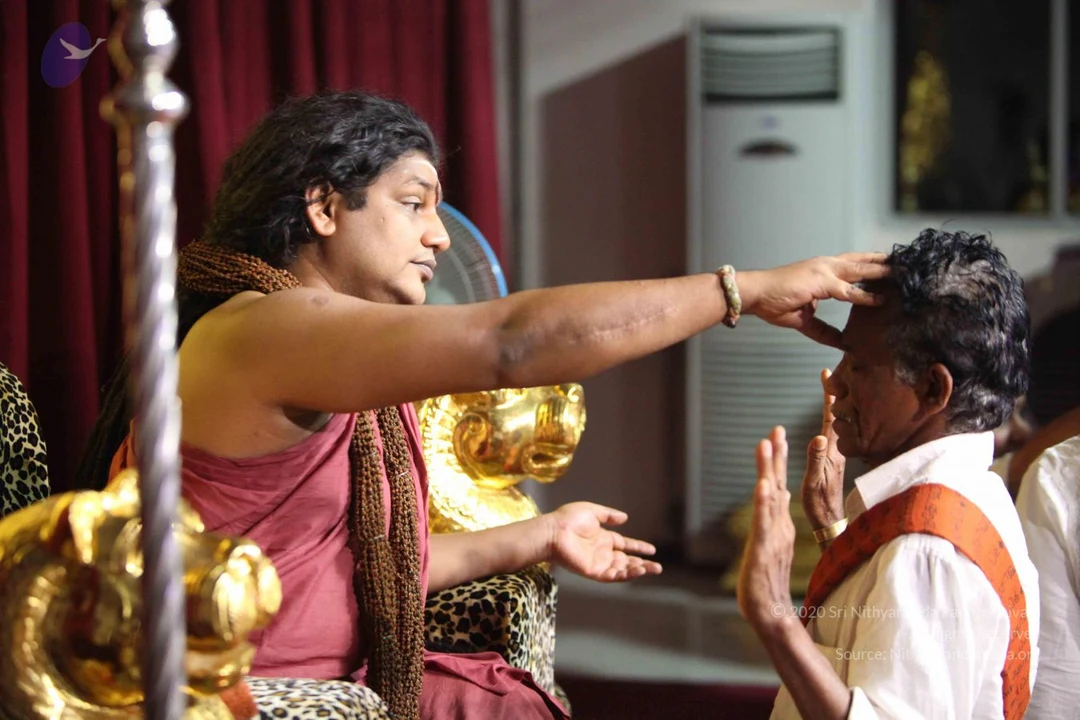
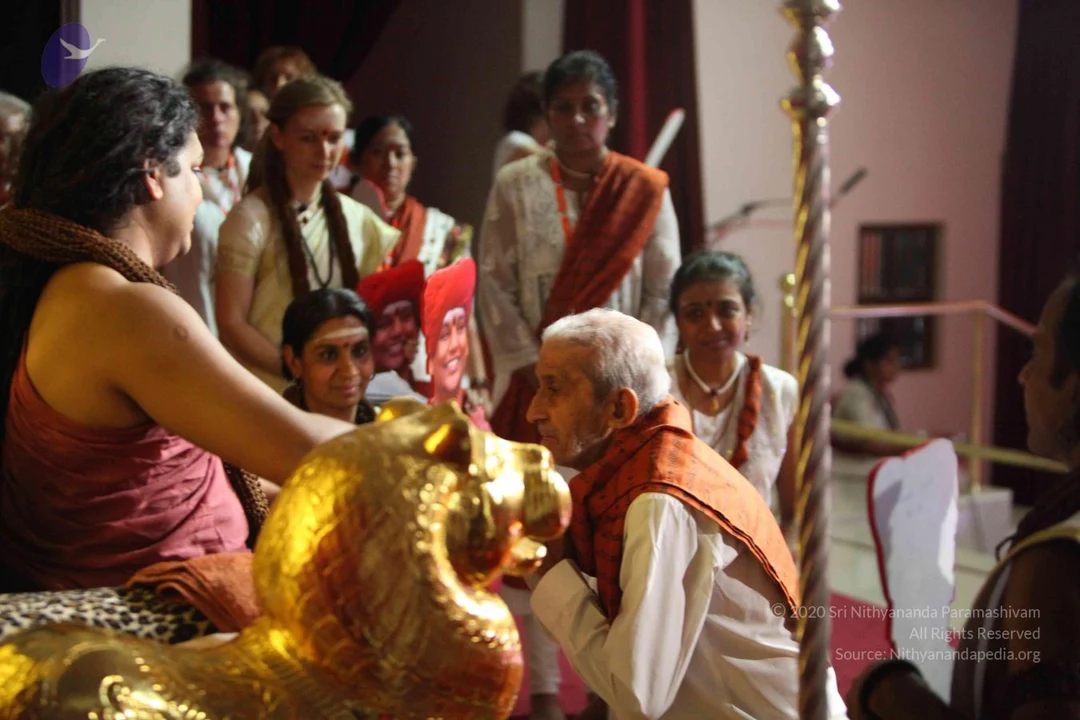
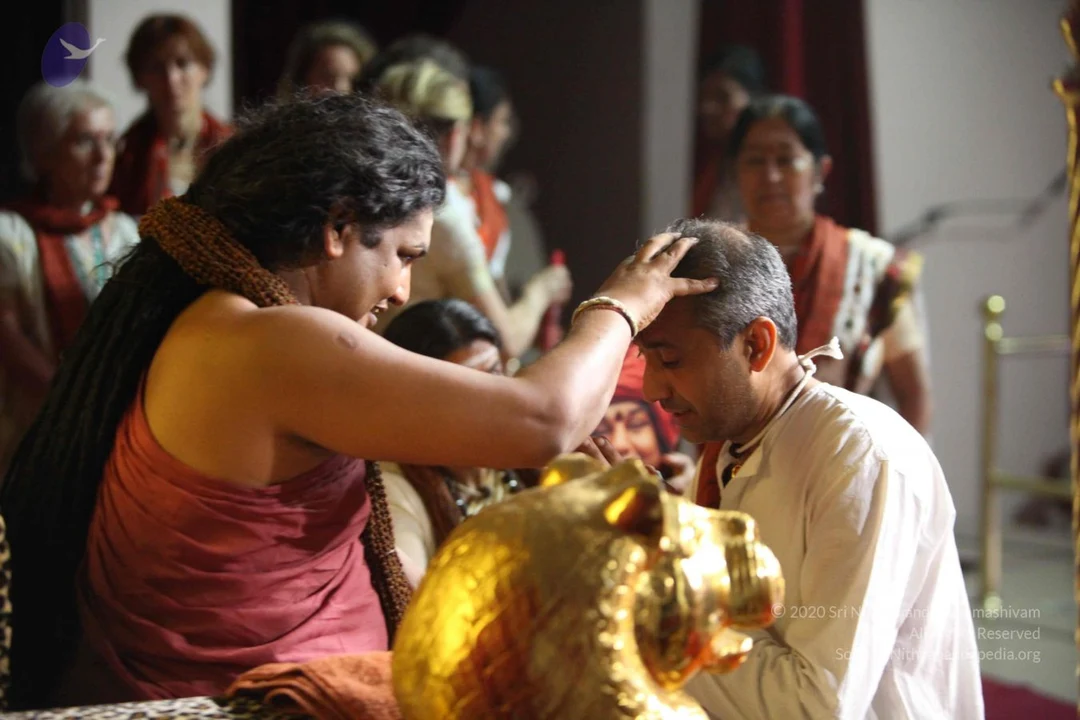
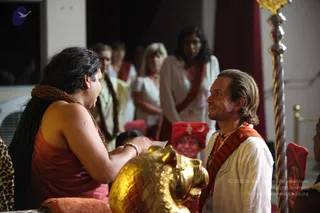
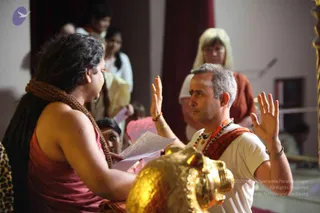
IA-Darshan
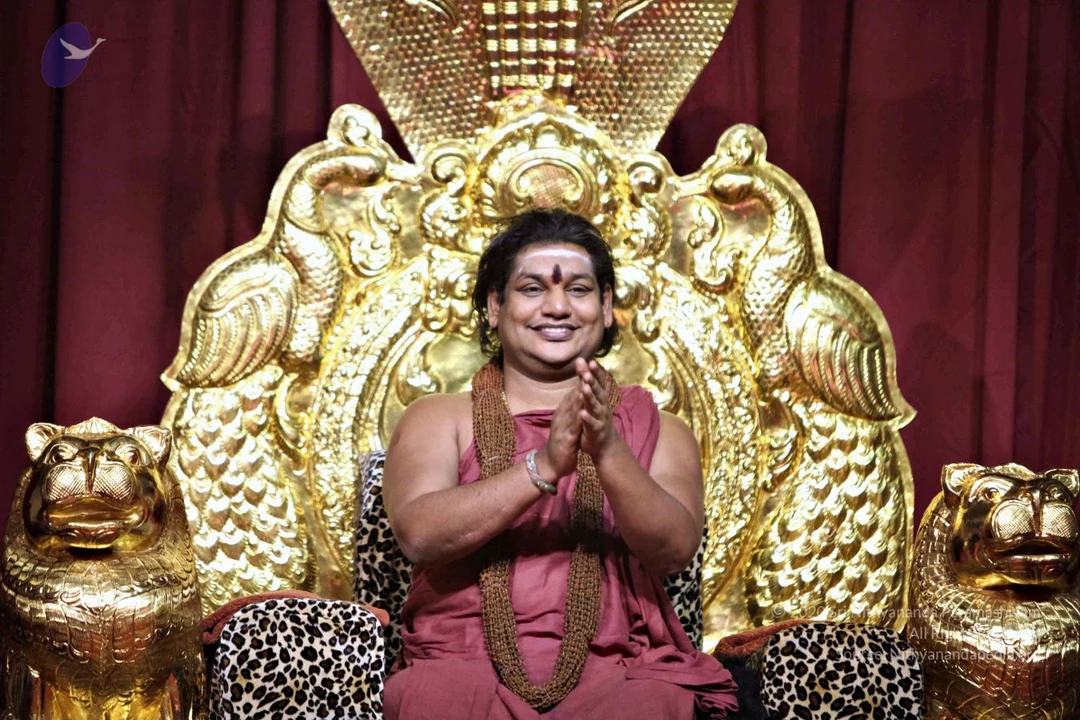
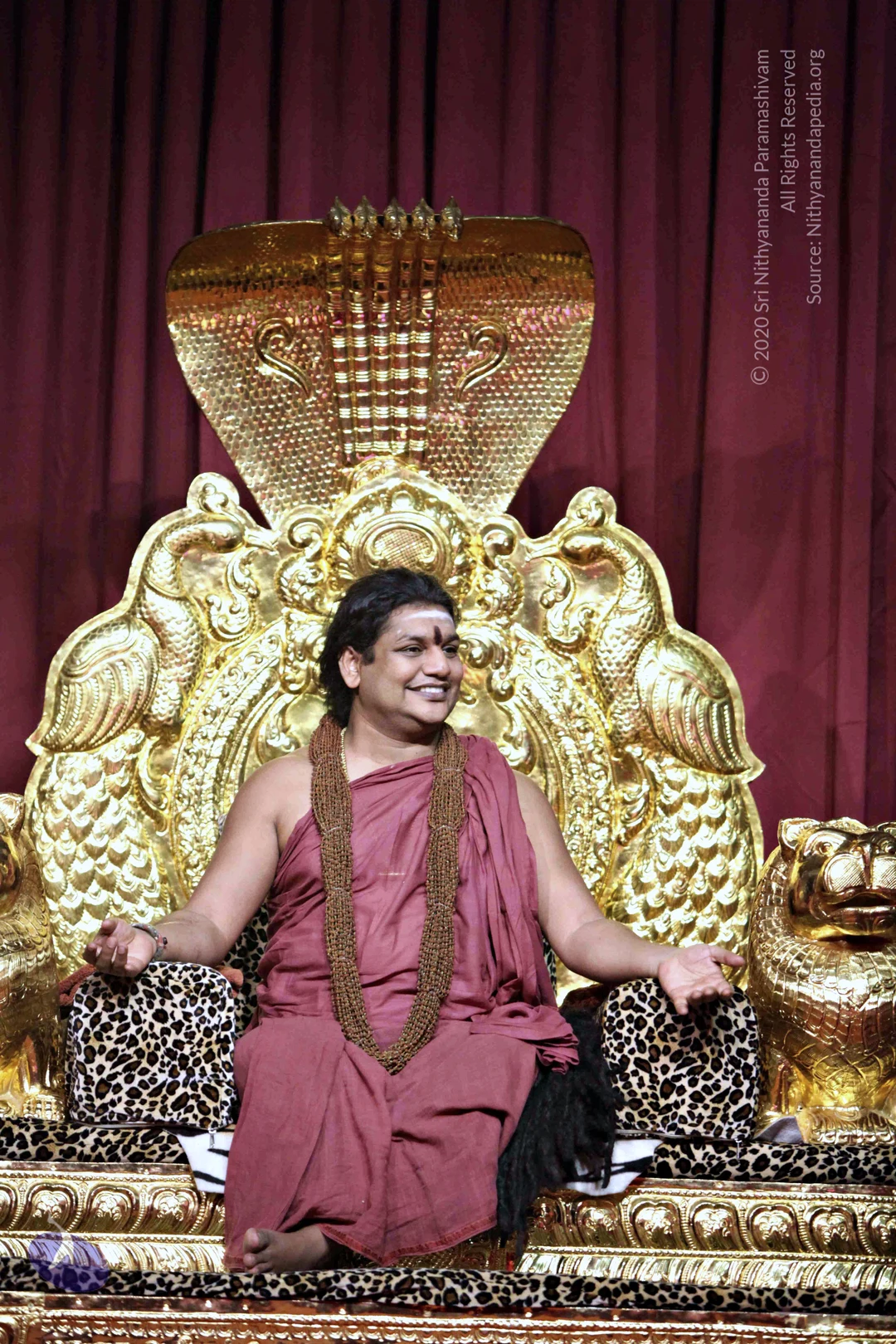
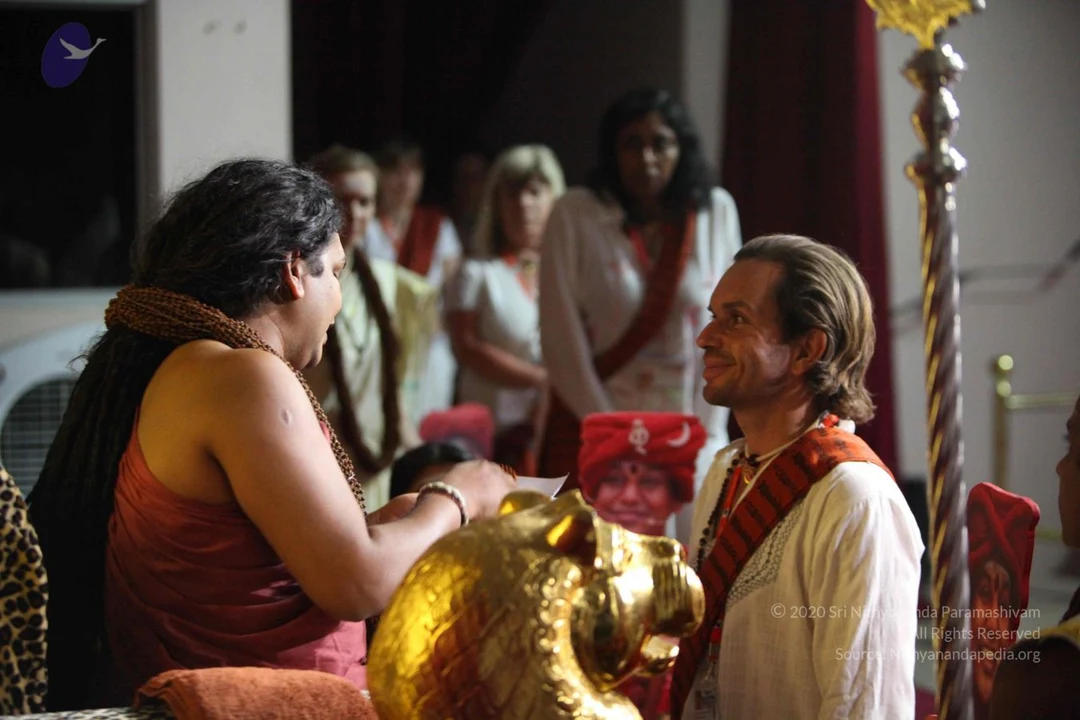
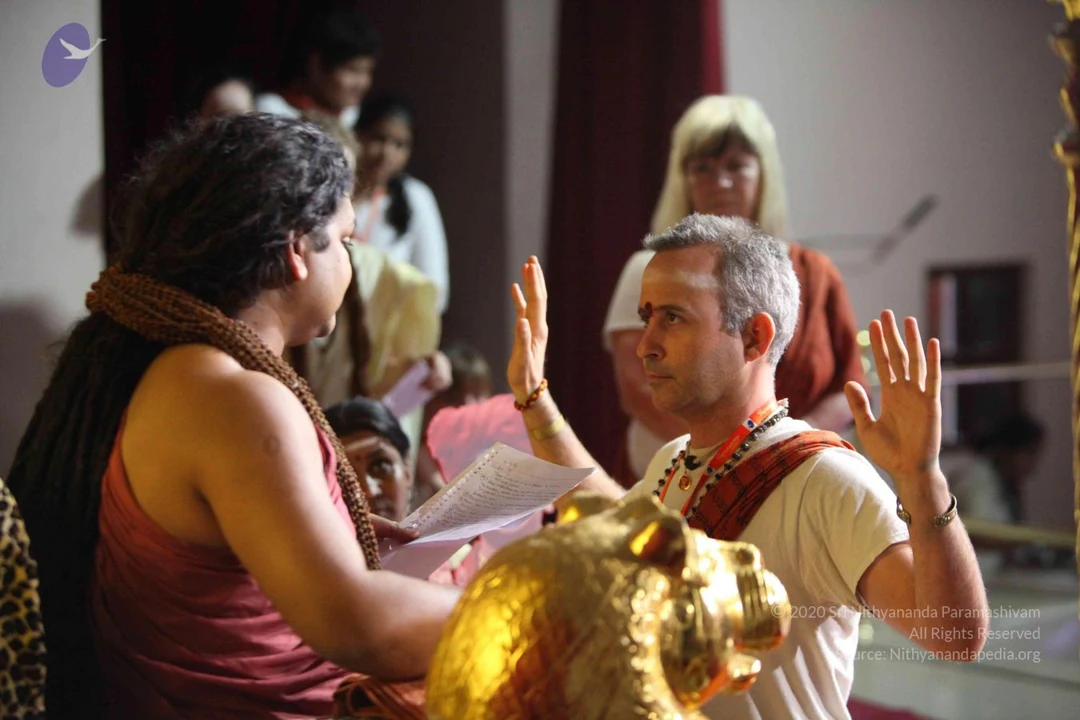
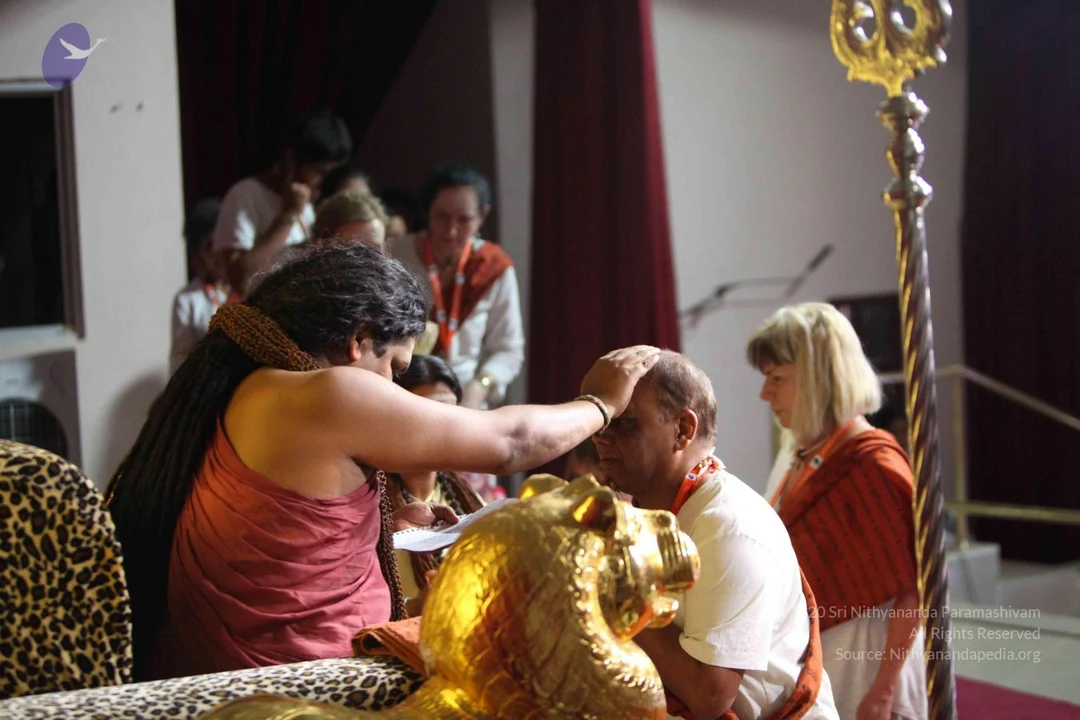
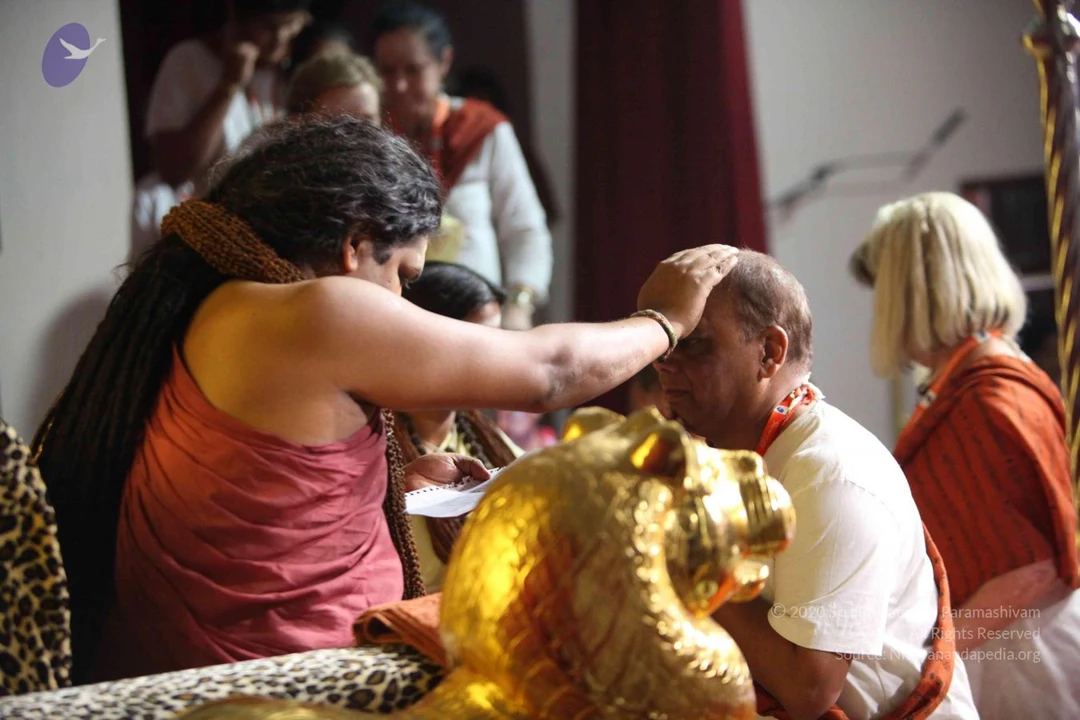
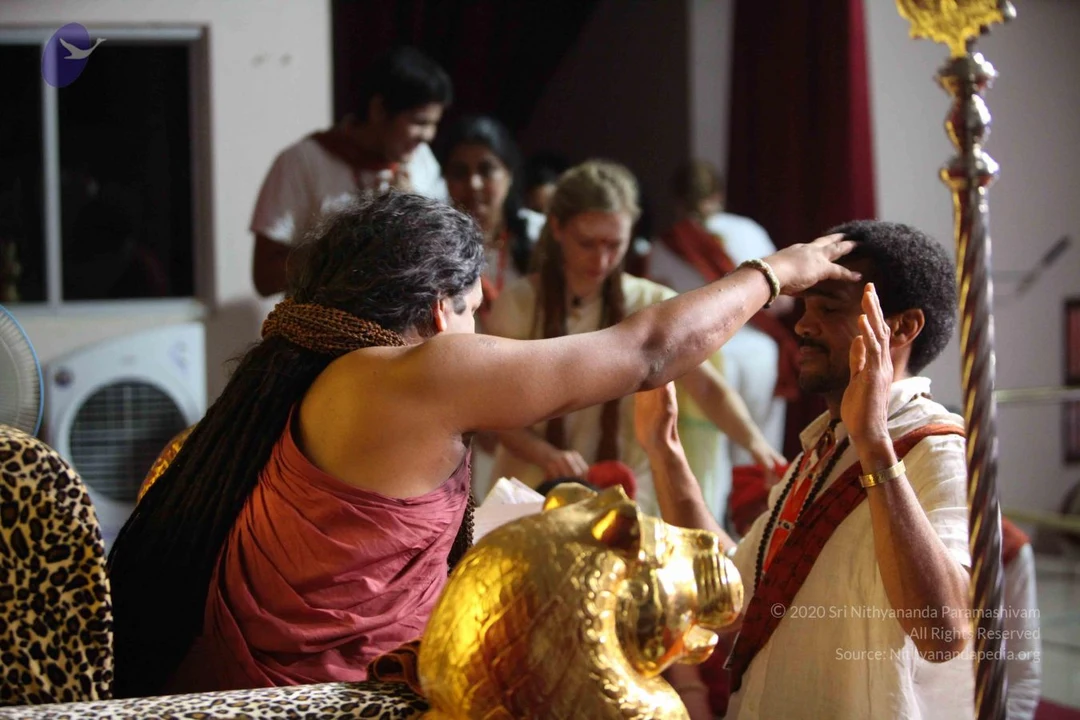

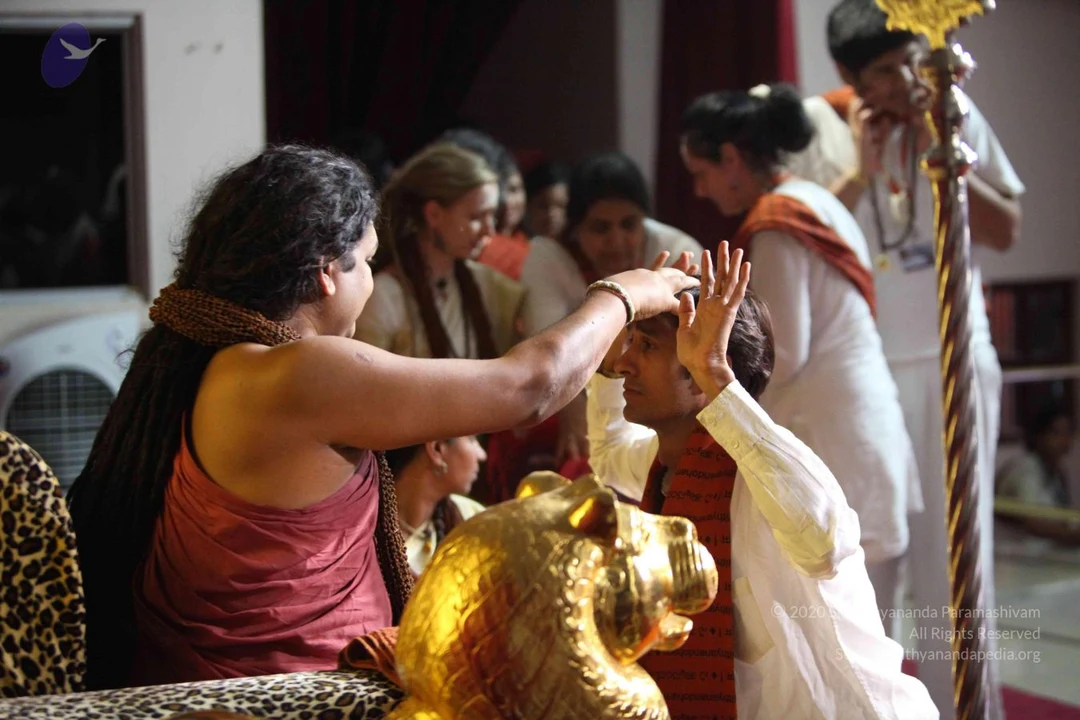
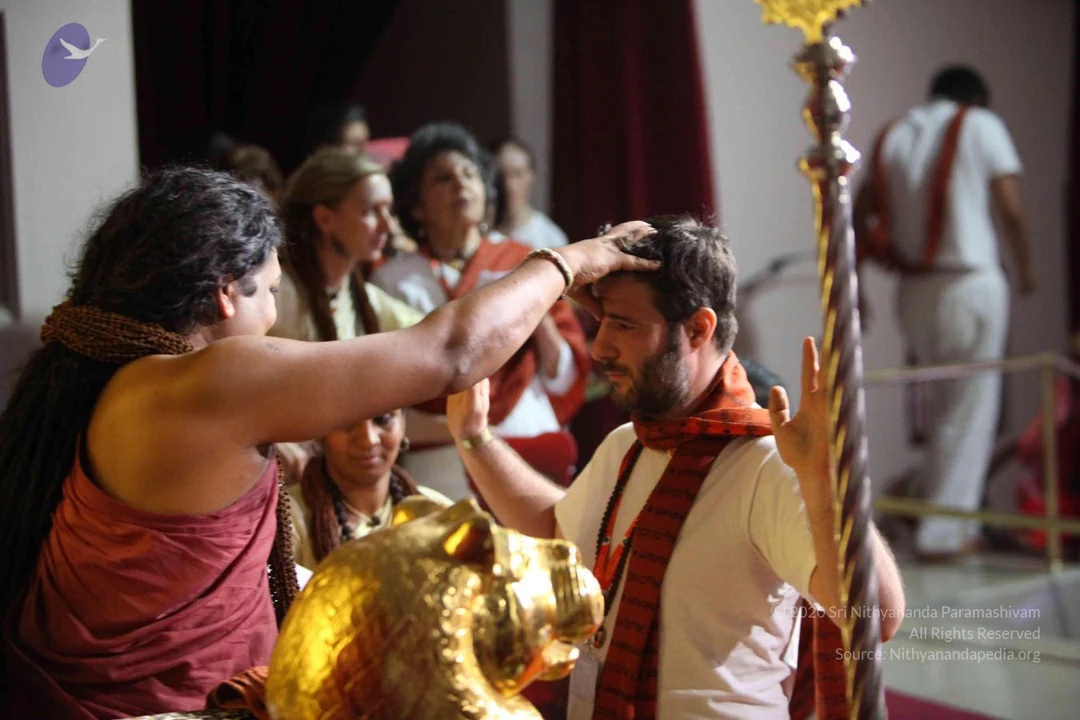
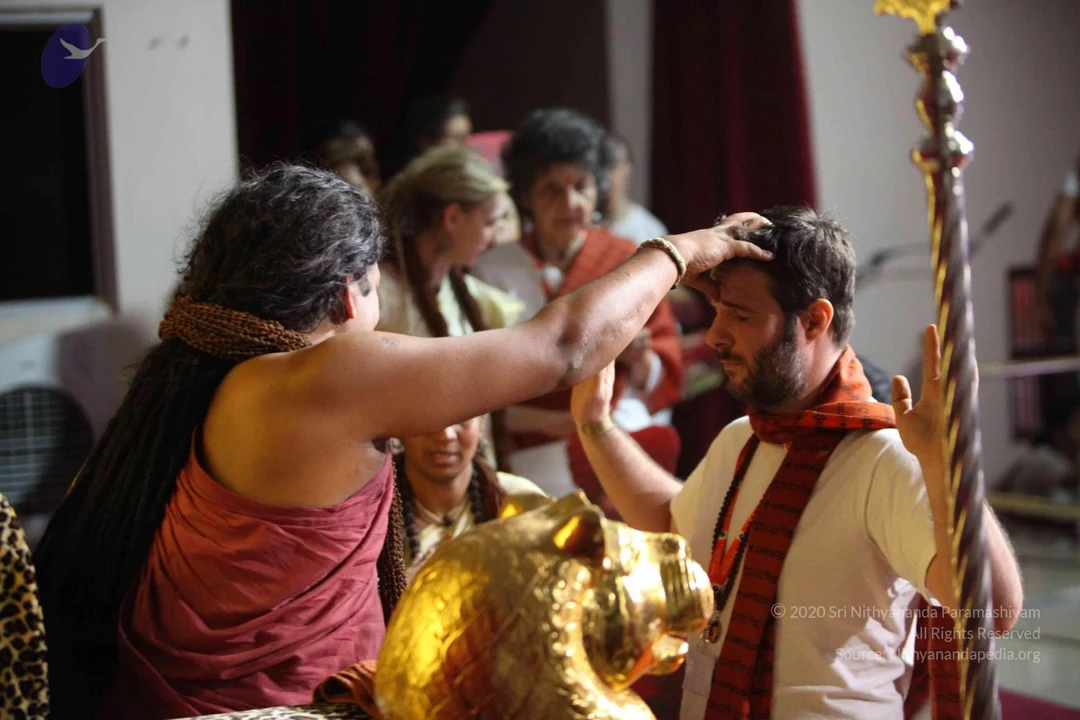
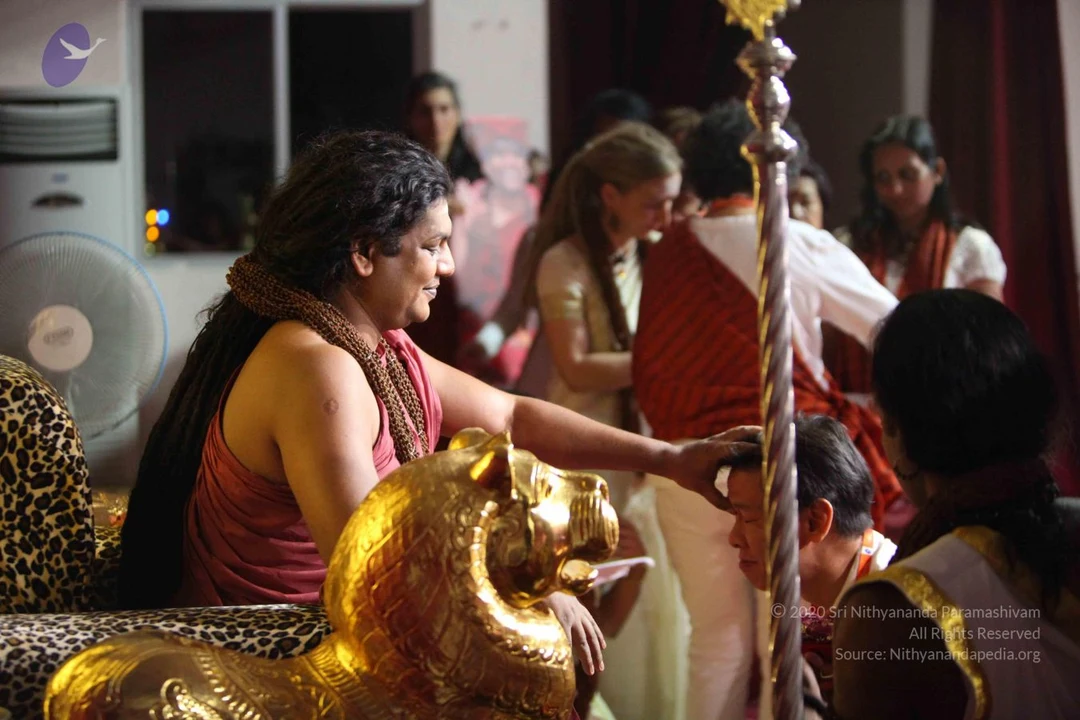
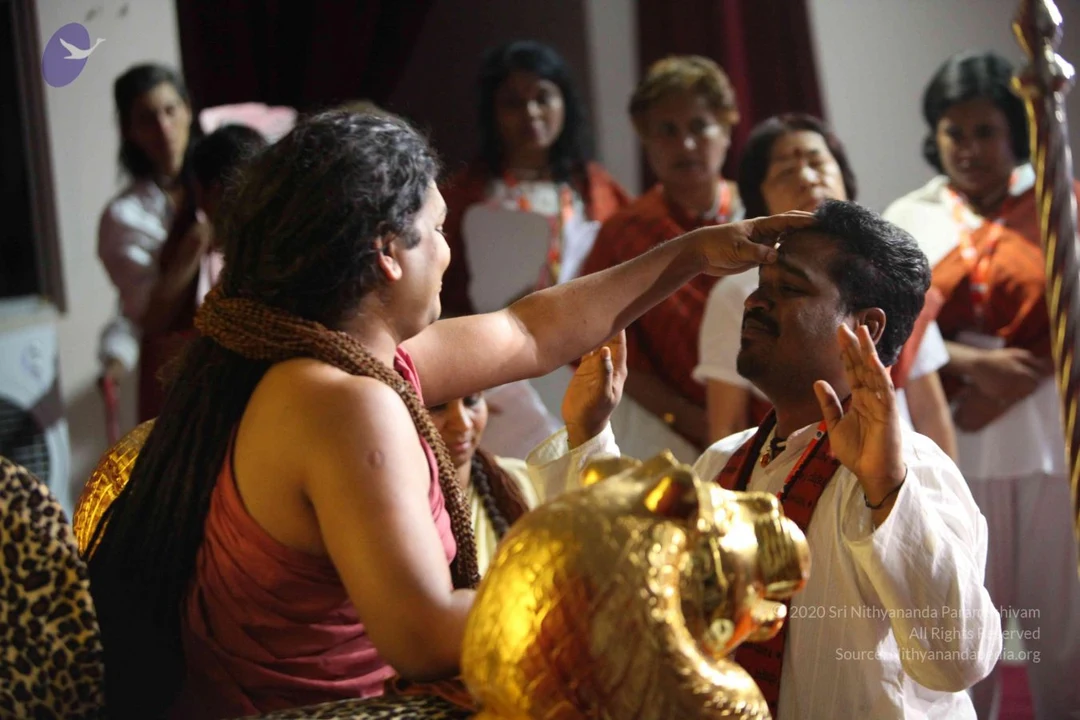
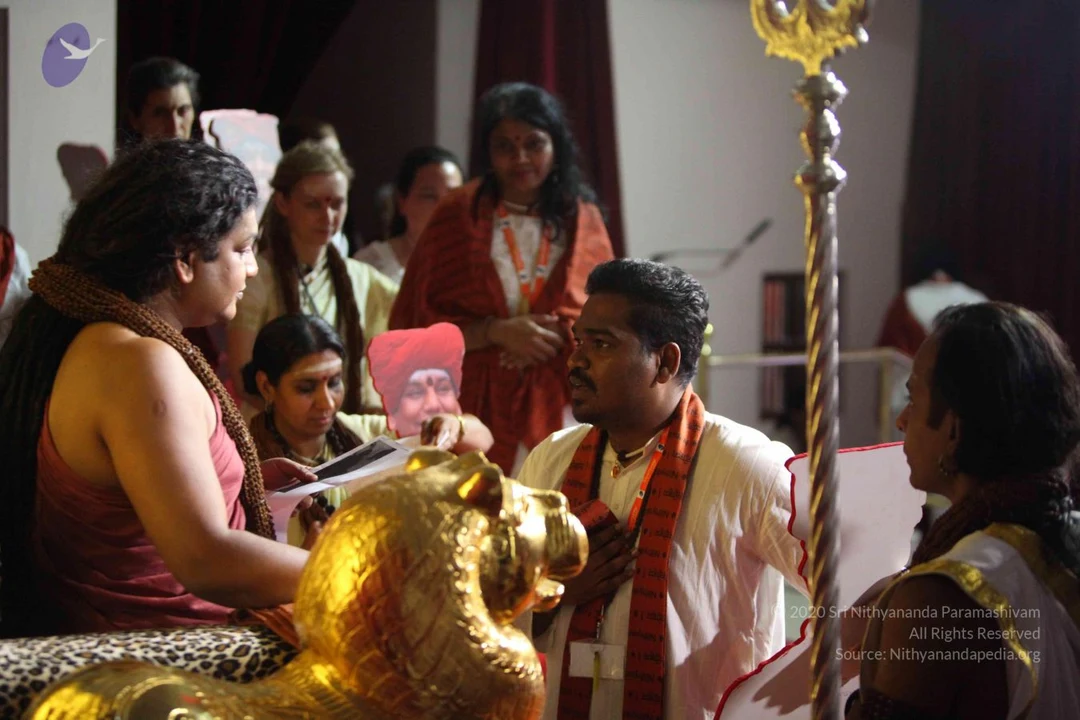
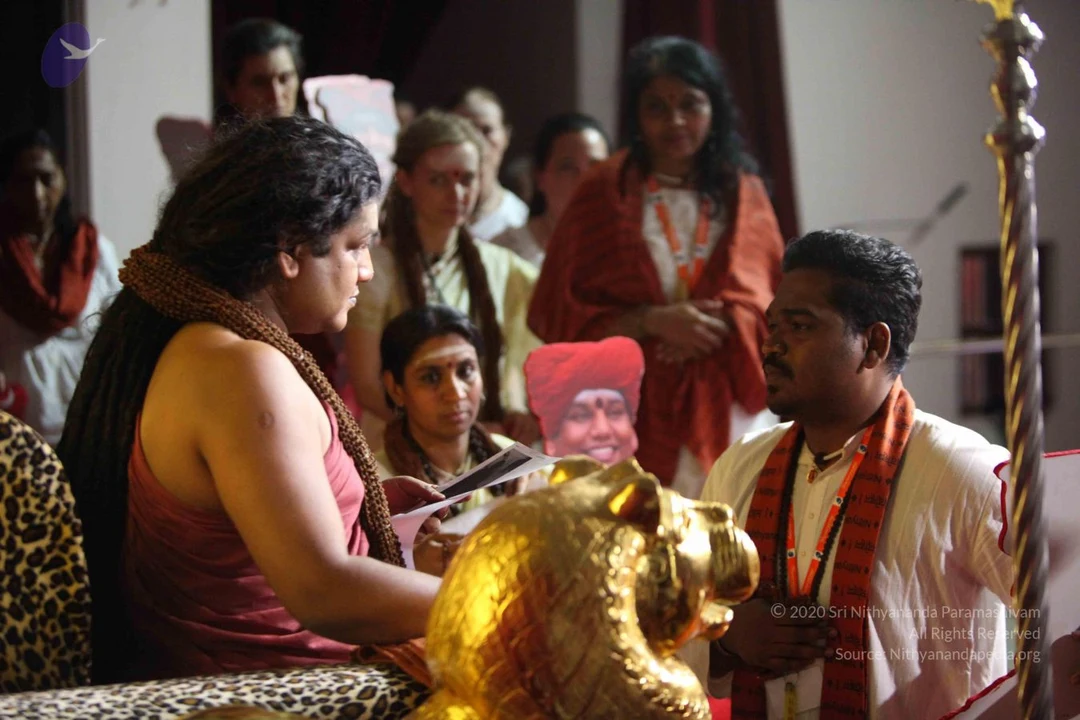
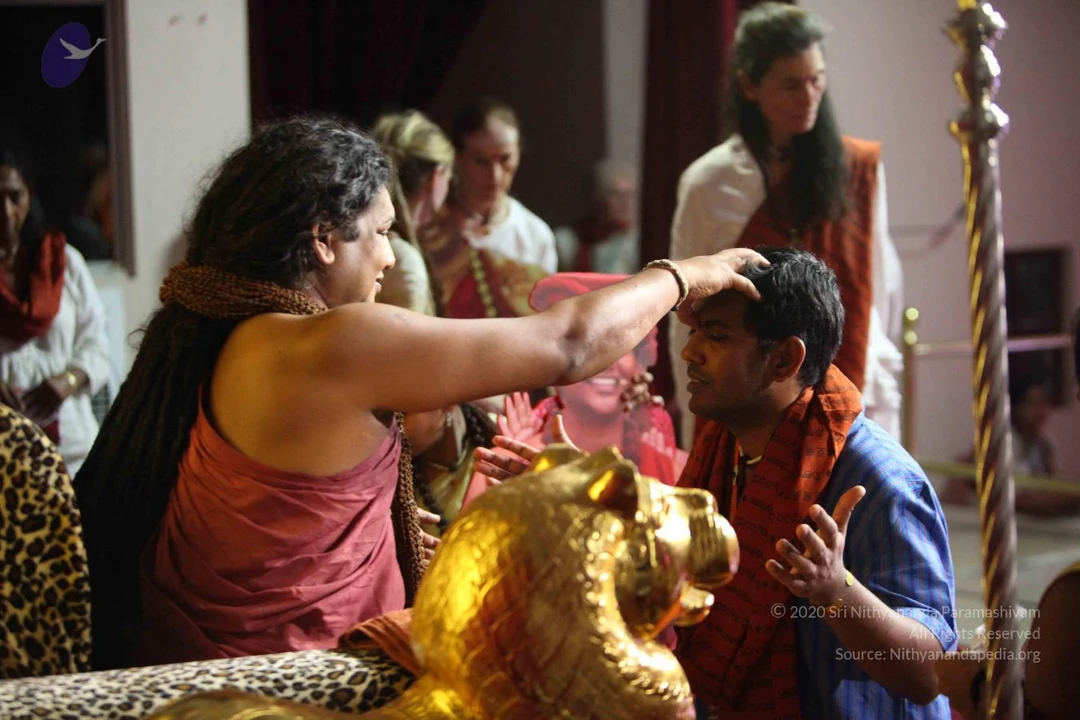
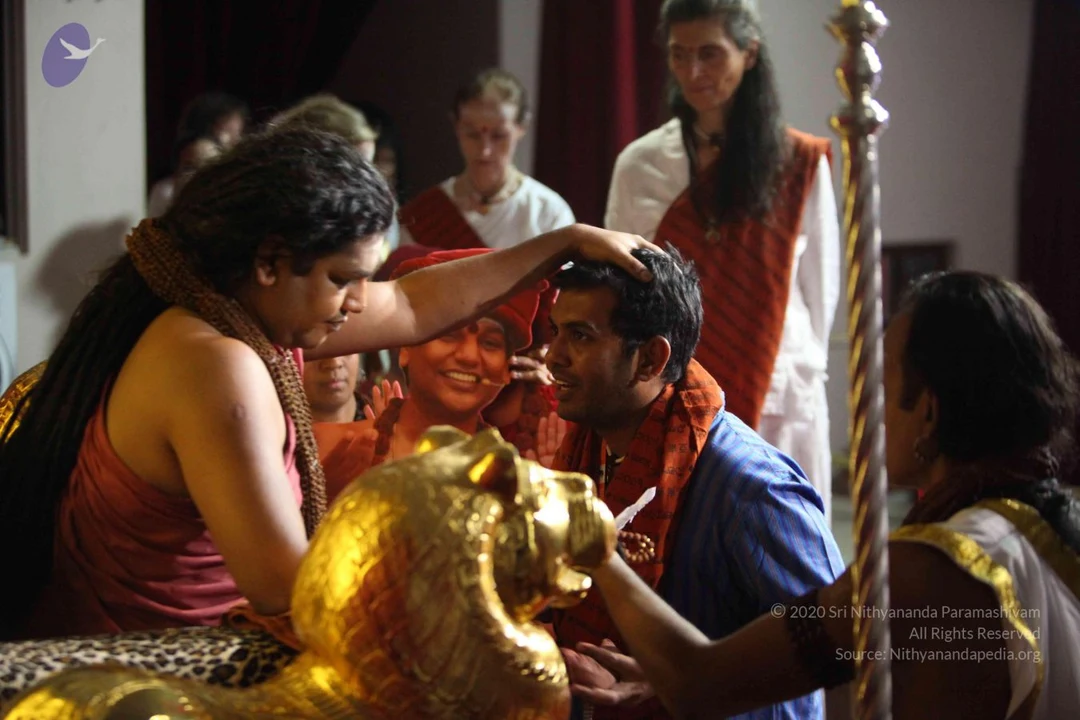

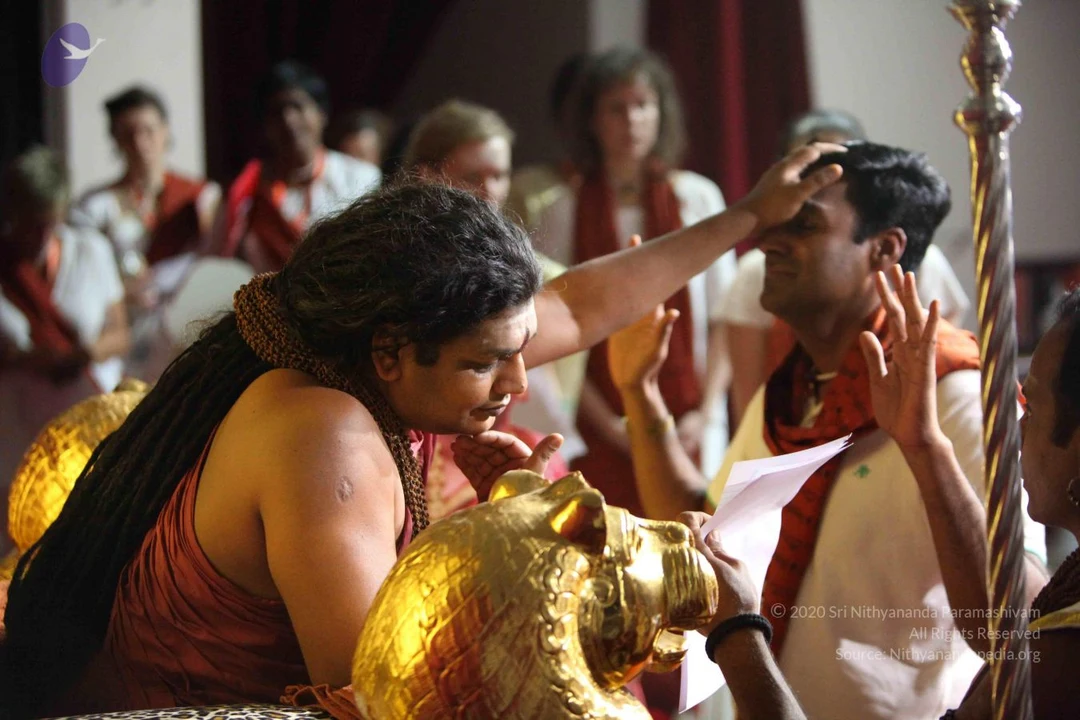
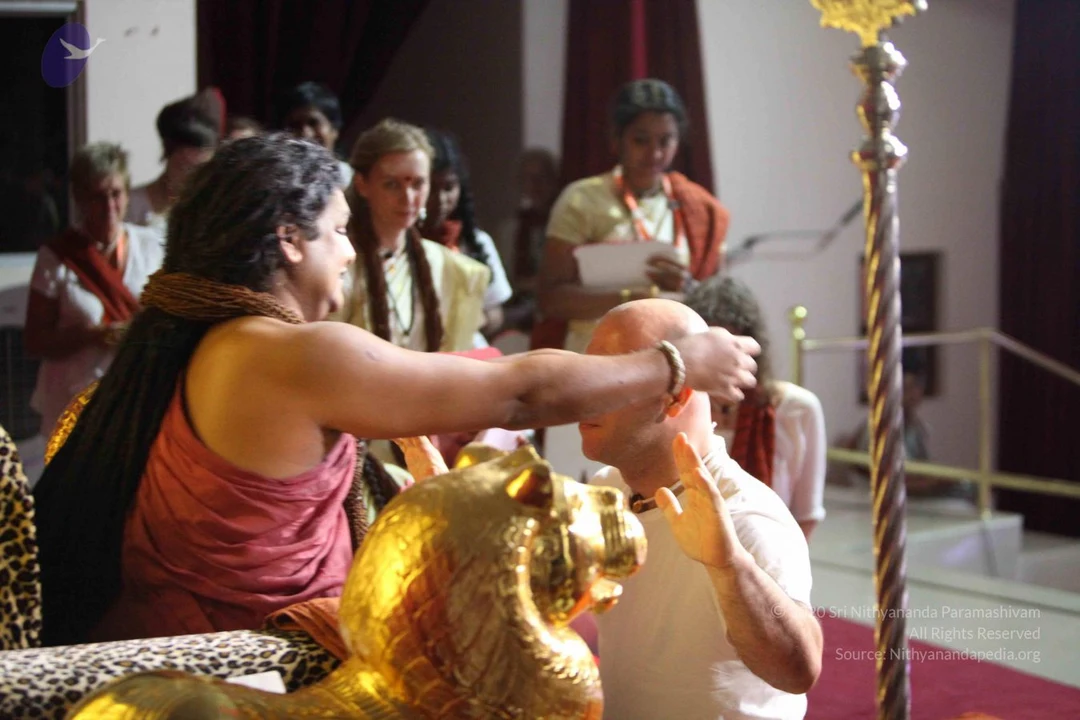
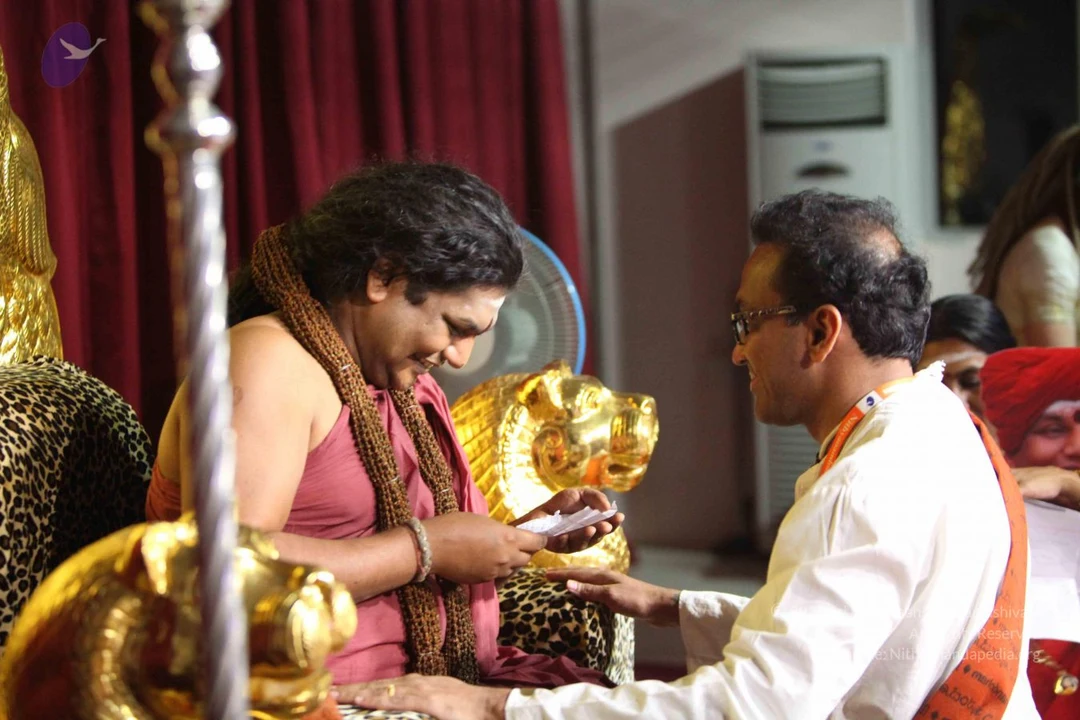
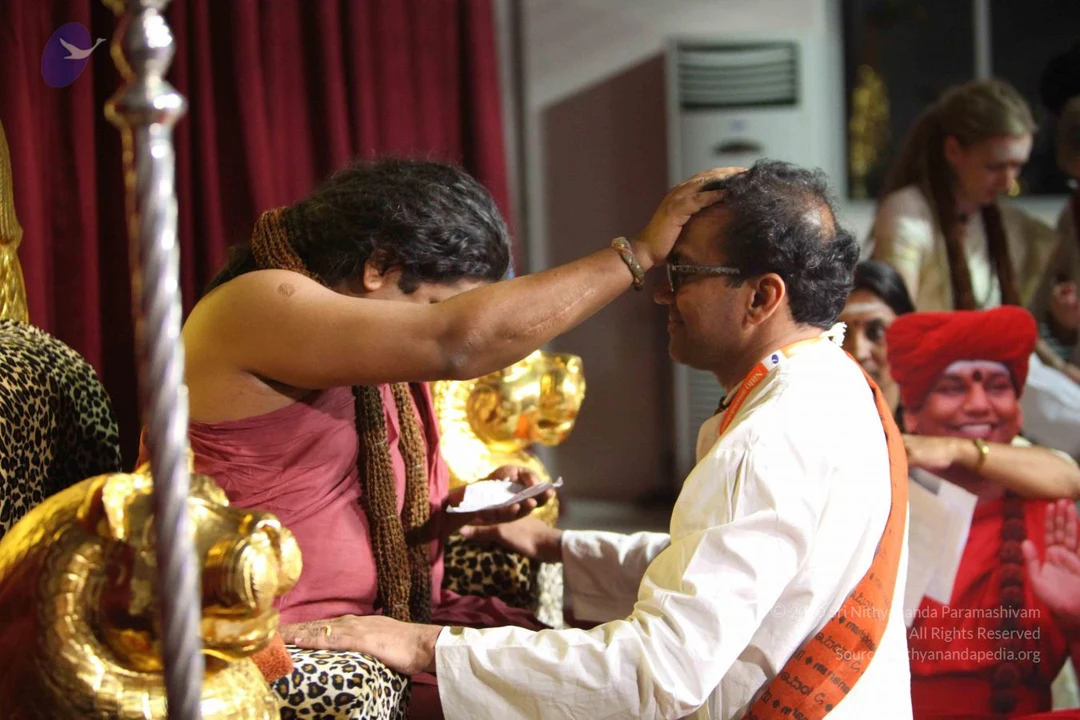


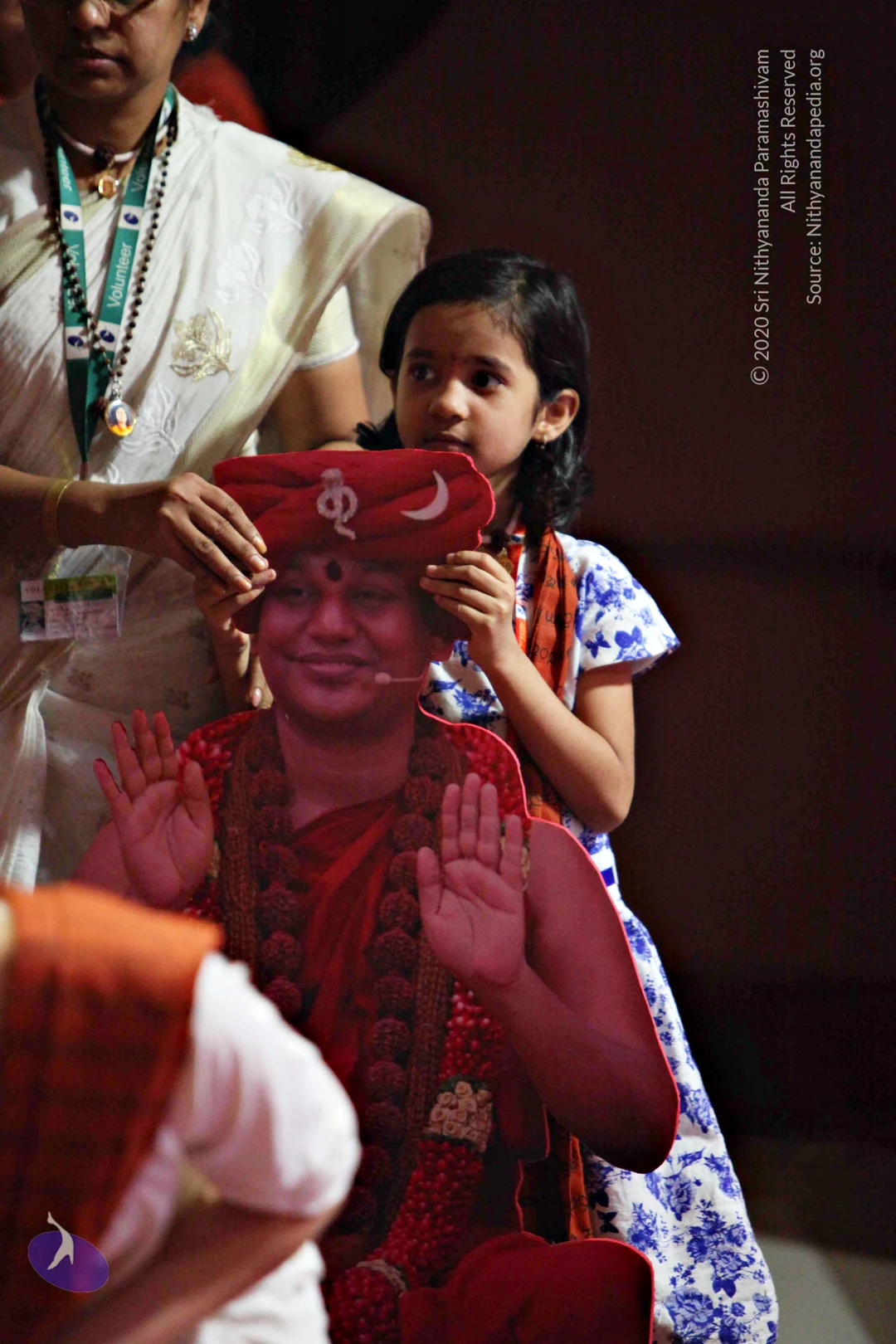
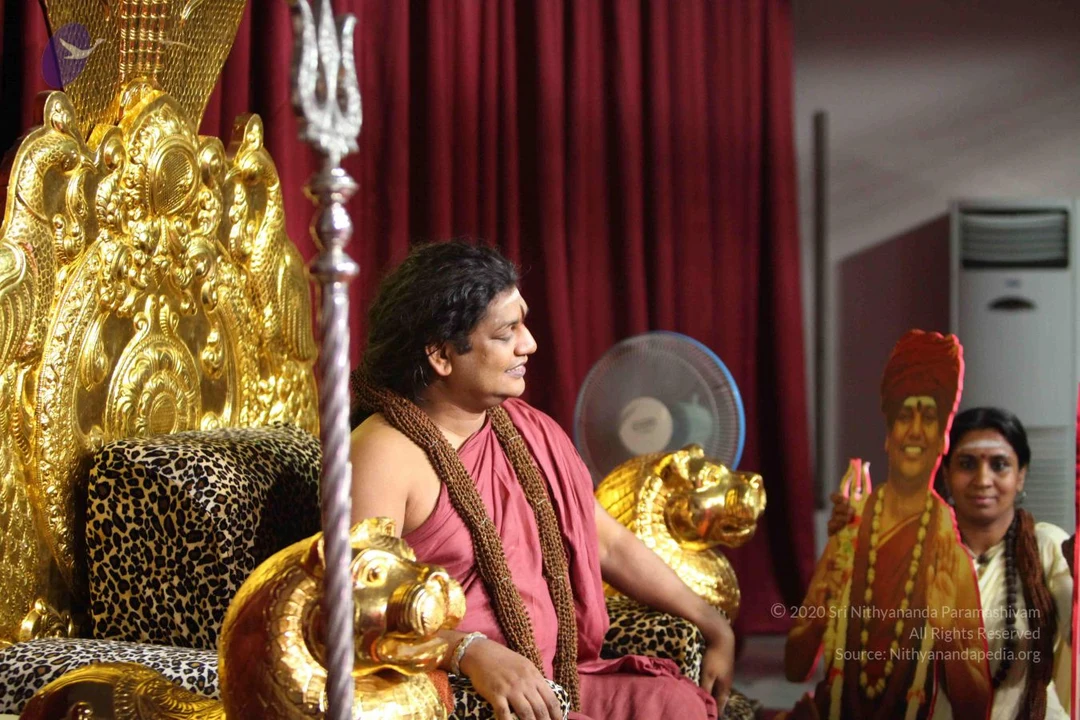
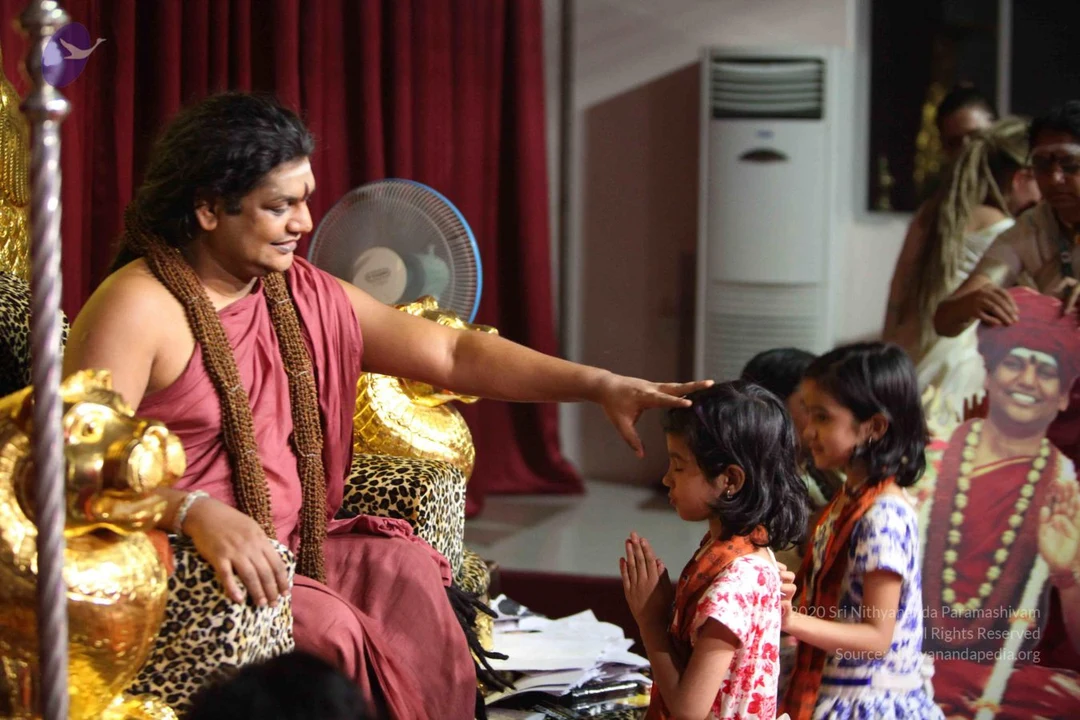
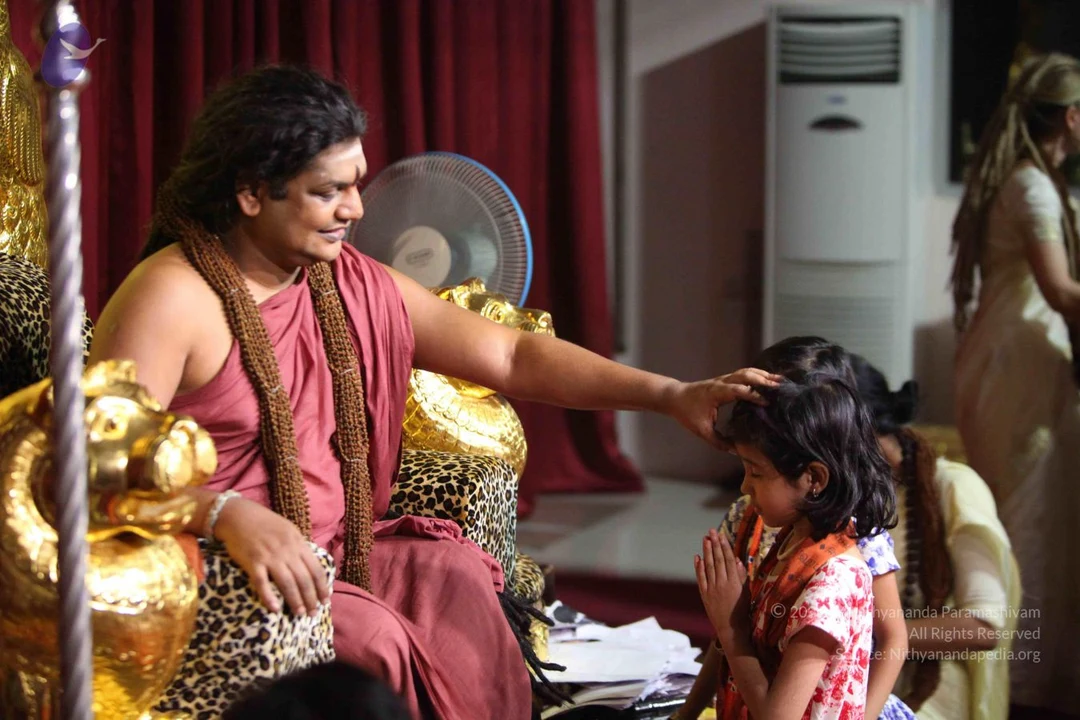
Photos from this day
View all 143 photosSwamiji at Laughing Temple with delegates
1 photoSource gallery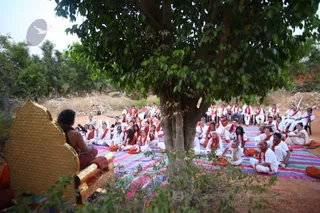
IA-Laughing-Temple-Session
106 photosSource gallery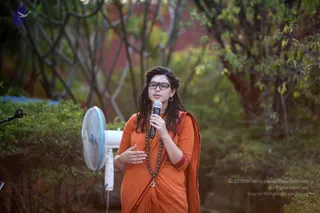
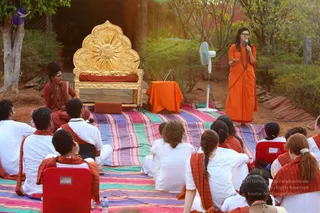
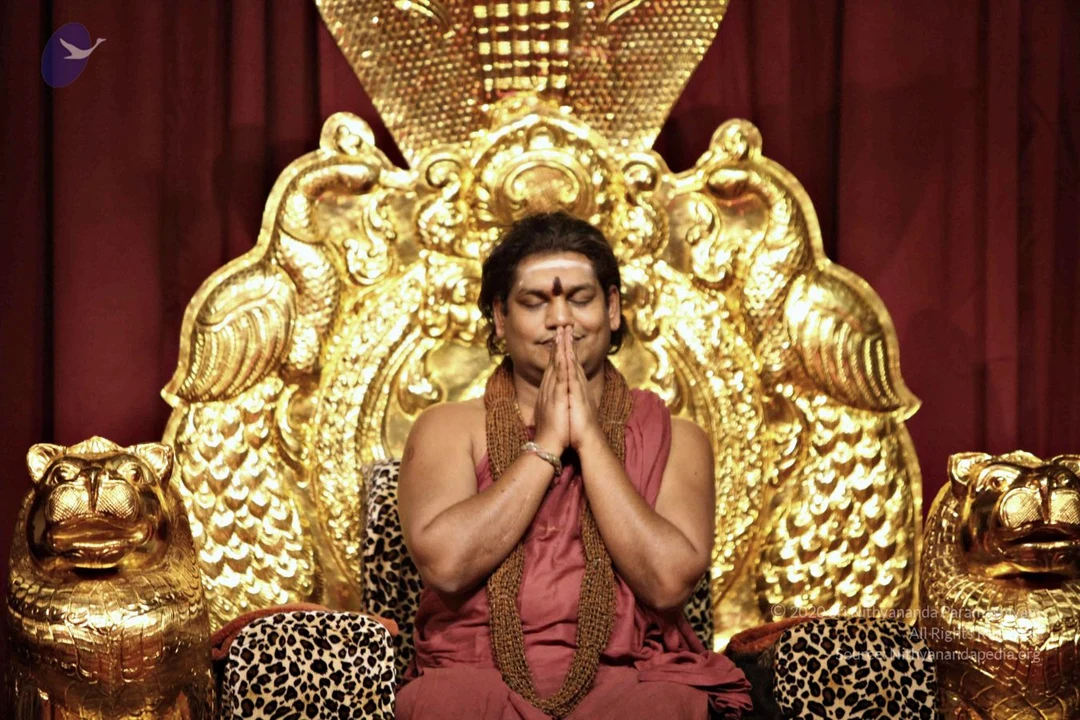
IA-Darshan
35 photosSource gallery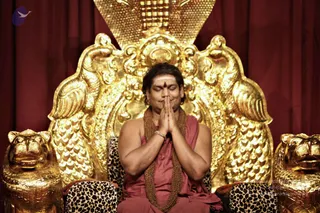
More photos
1 photoView all