Tuesday
11 March 2014
- Dated photos
- 115
- Source pages
- 1
- Media
- 2
March 11 2014
Original wiki pageDay's Event
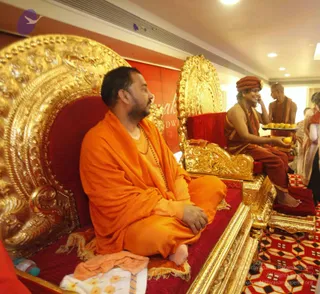
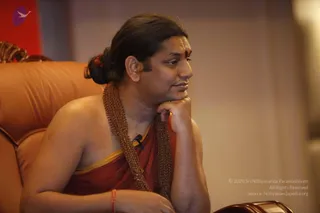
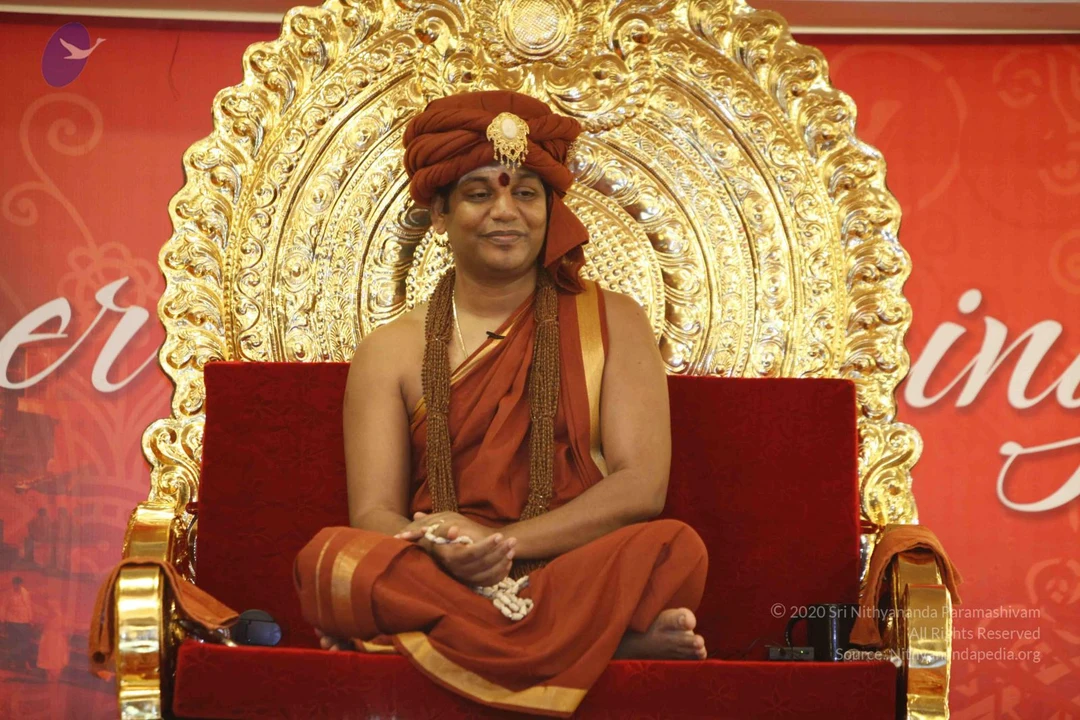
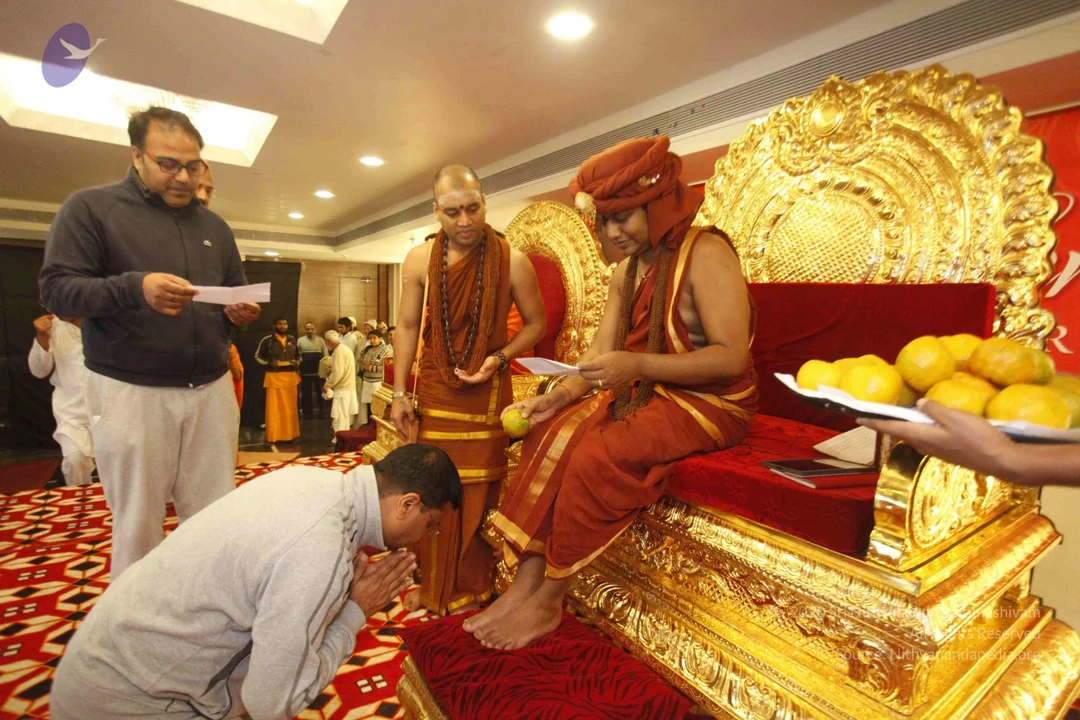
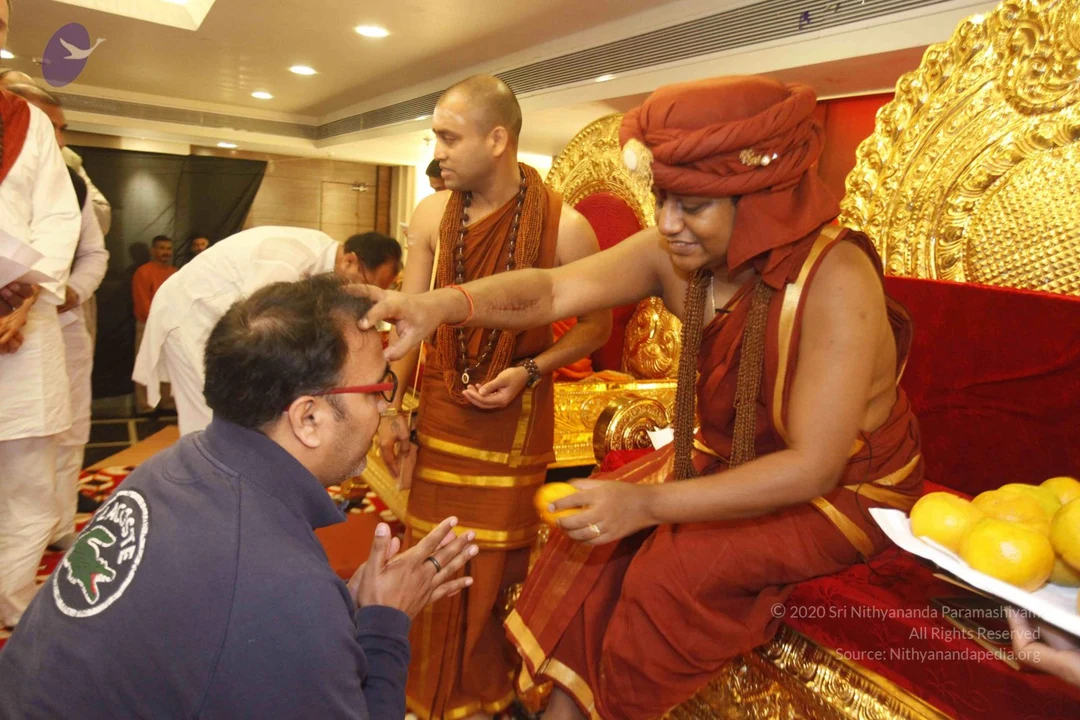
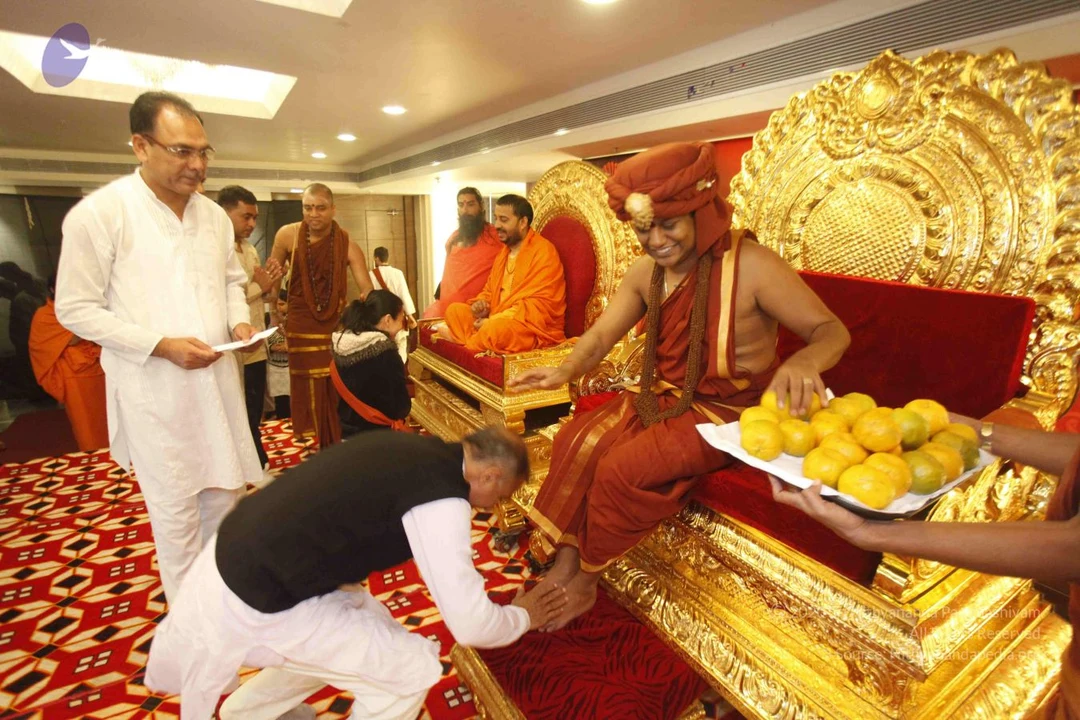
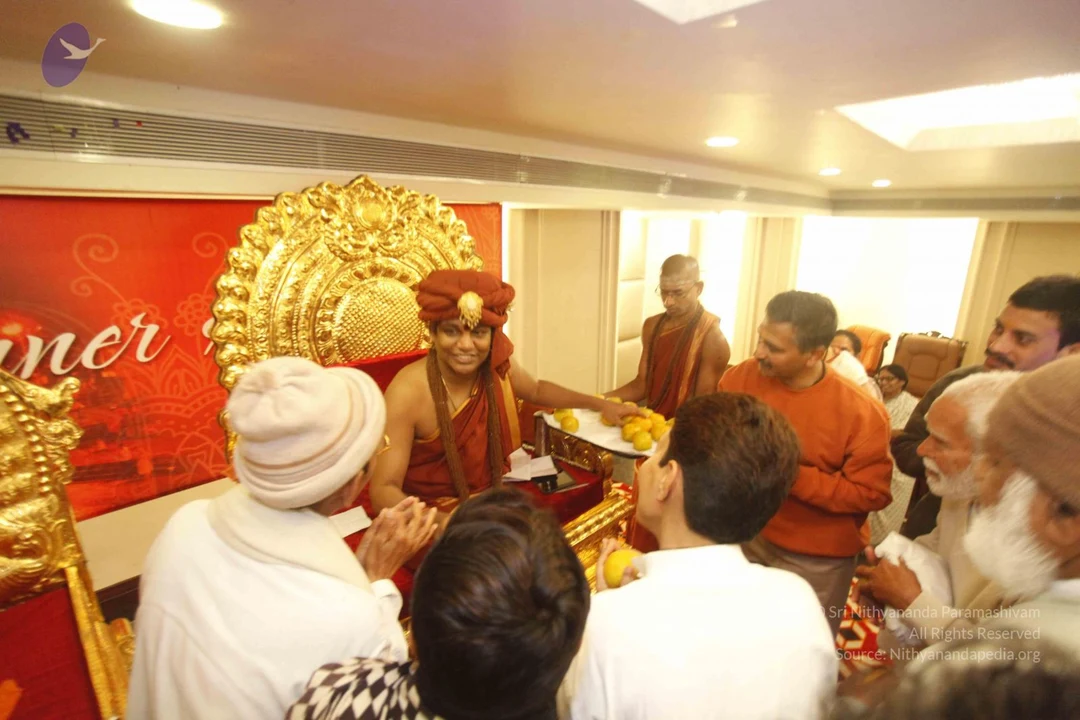
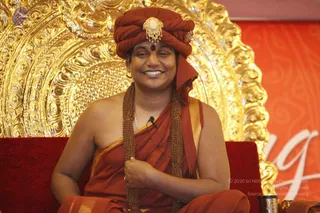
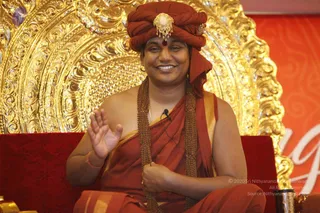
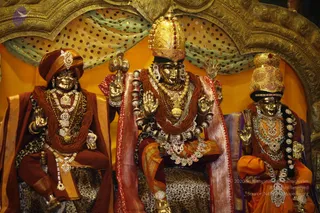
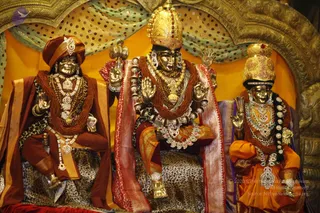
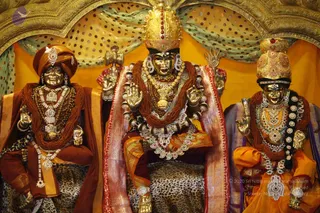
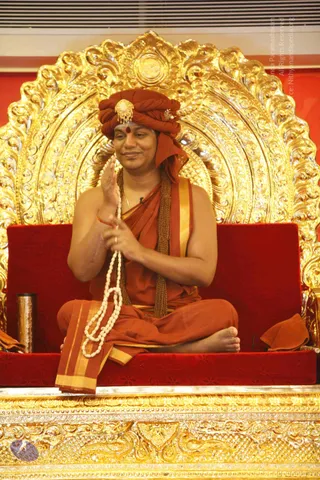
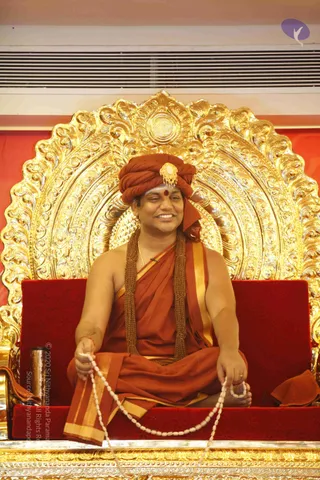
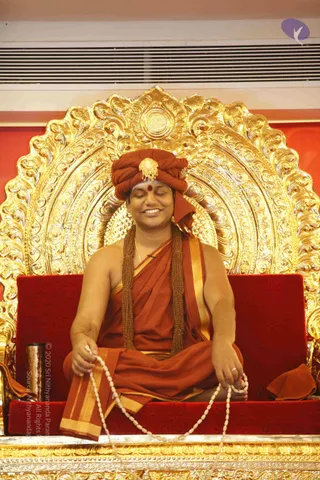
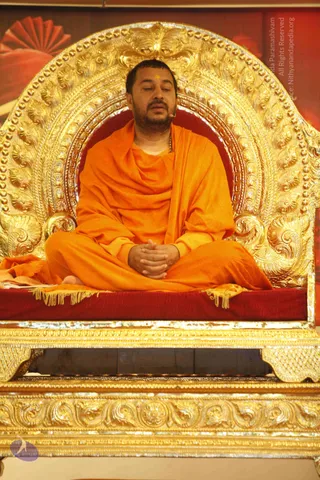
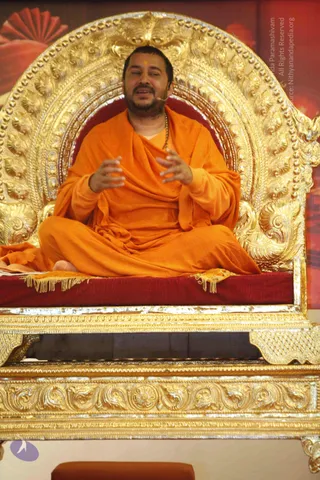
The day's routine started with PadukaPuja to Swamiji followed by morning Nithya Satsang and Kalpataru meditation process and Darshan.
And Inner Awakening at Haridwar successfully moves to day 6
Description:
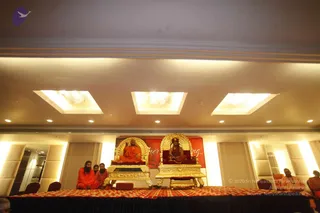
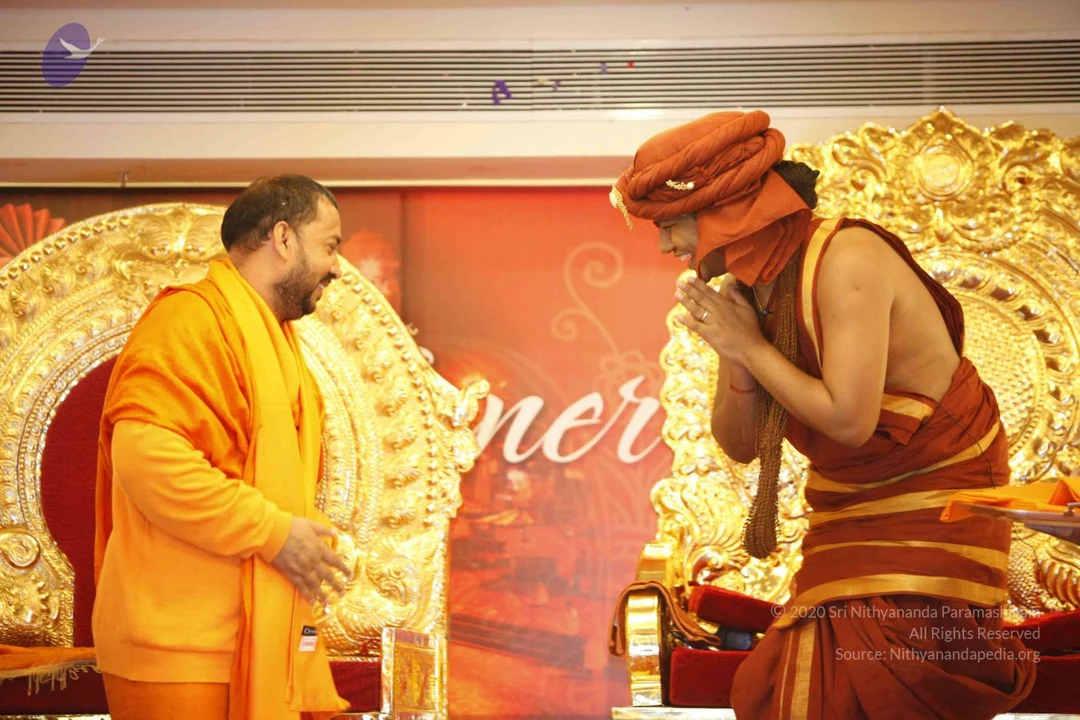
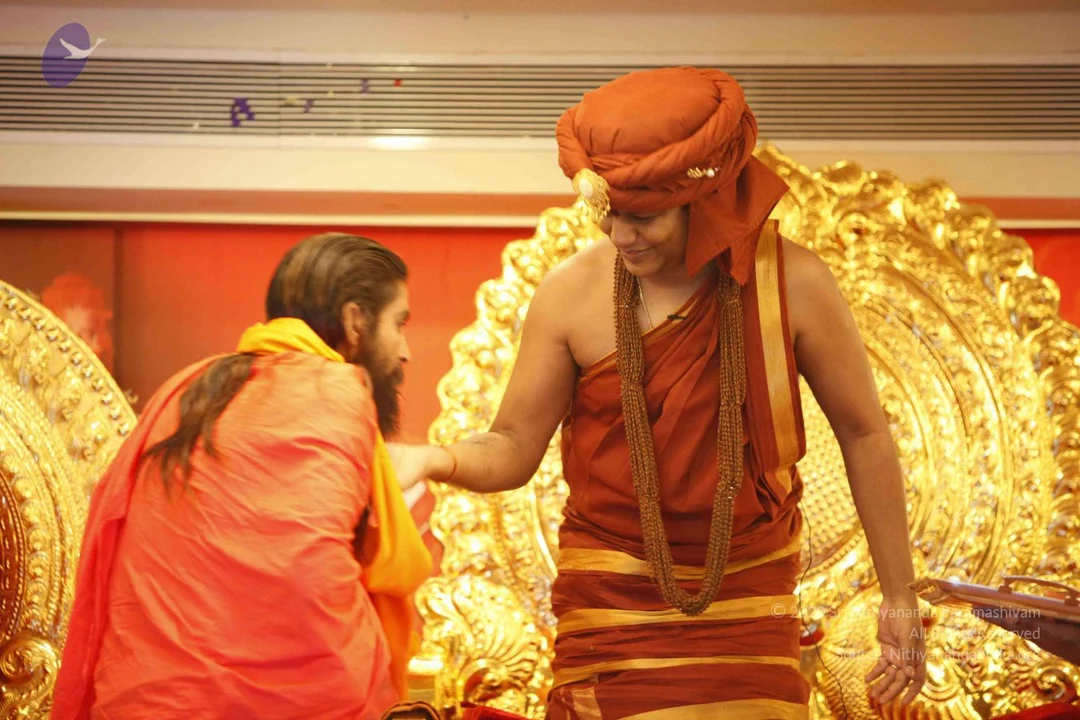
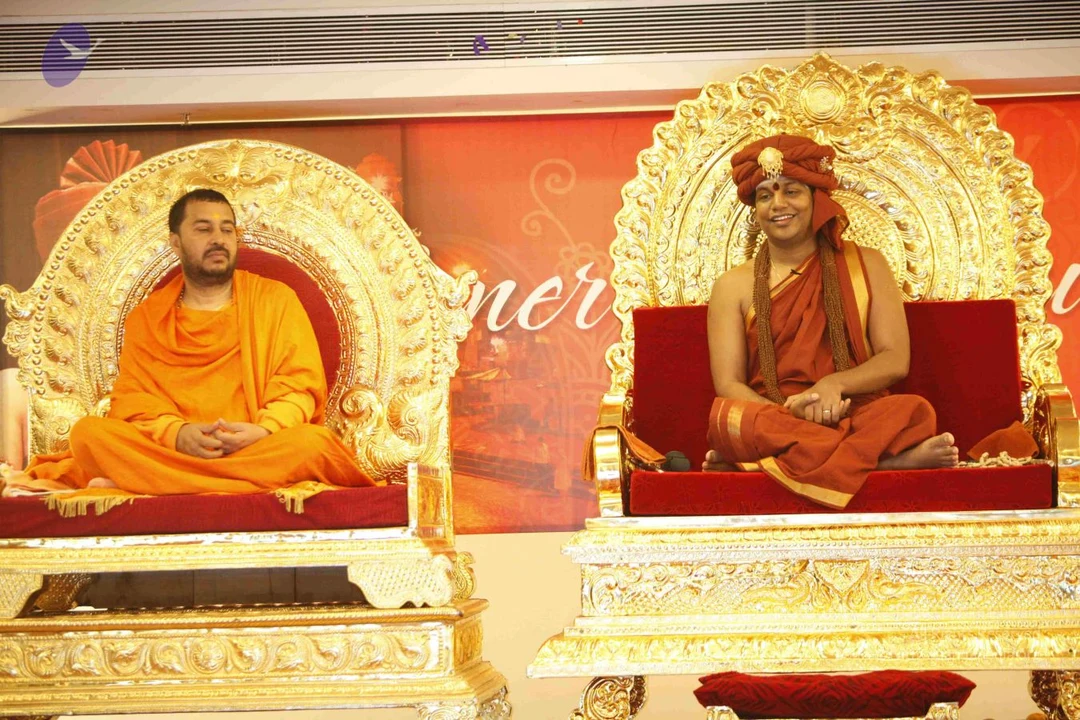
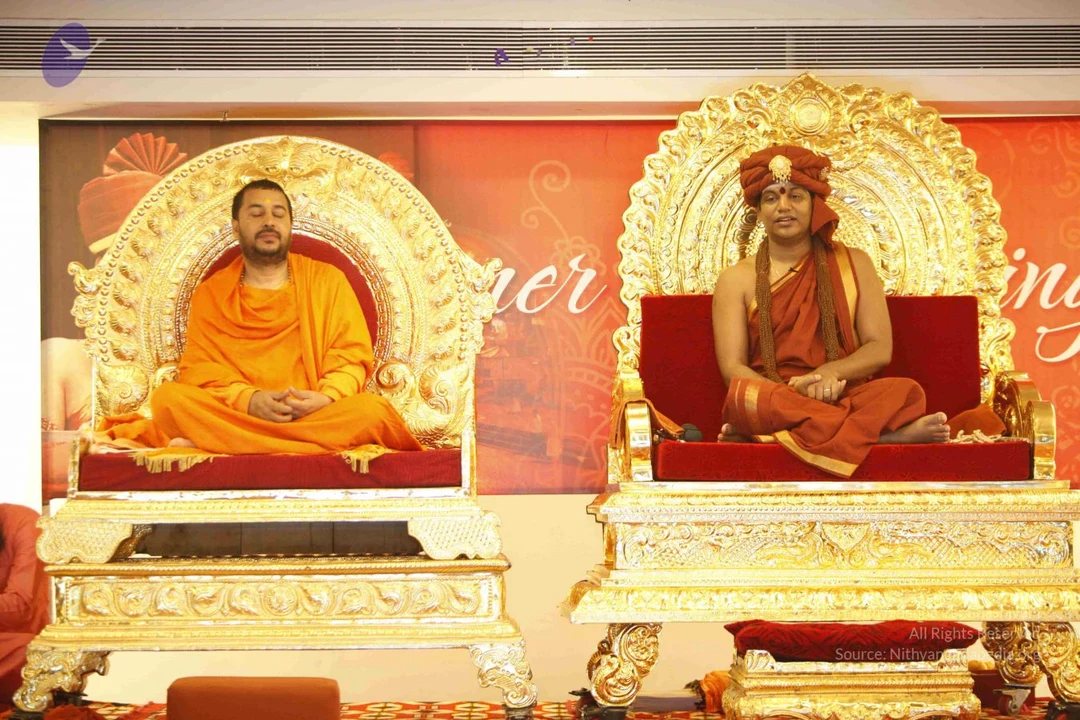
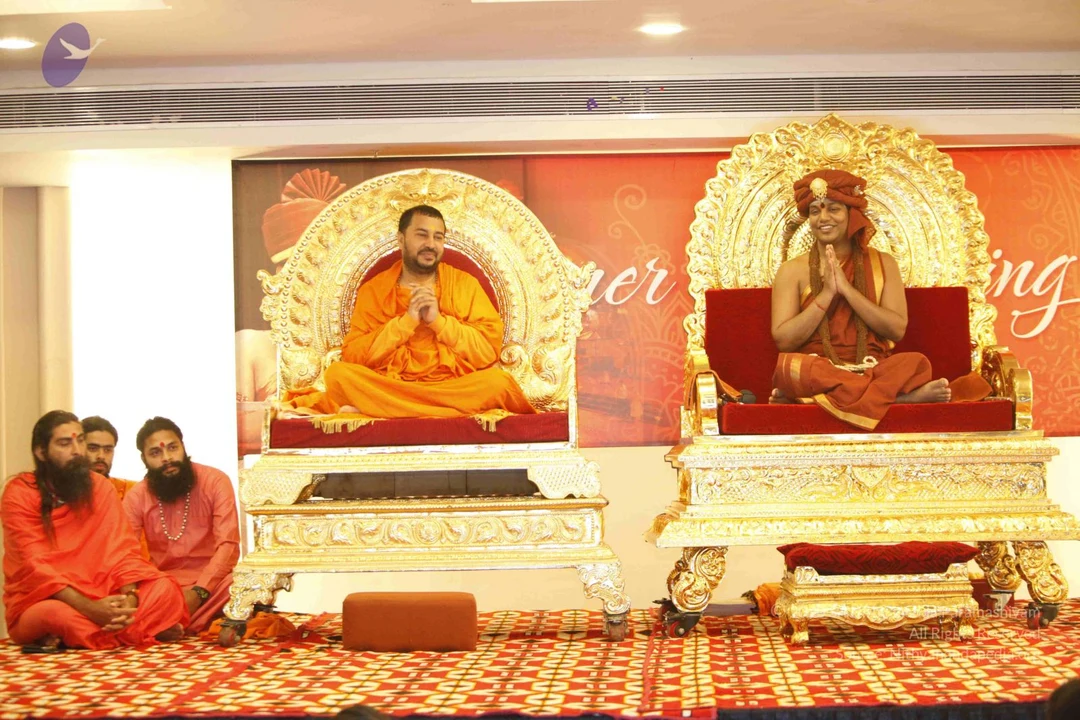
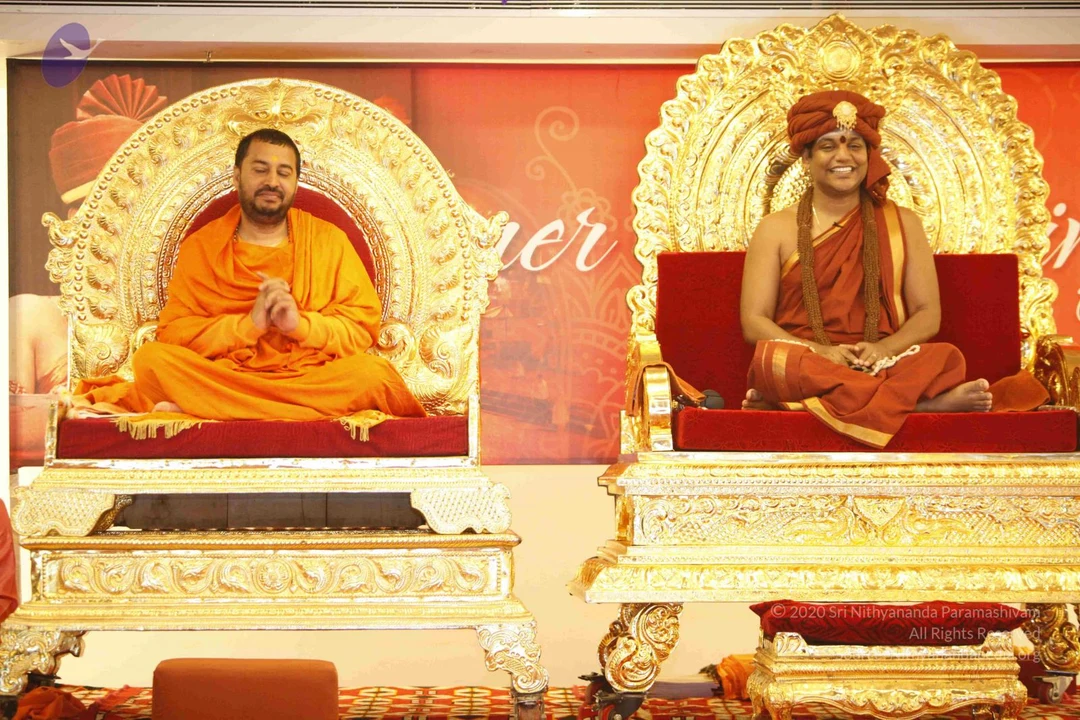
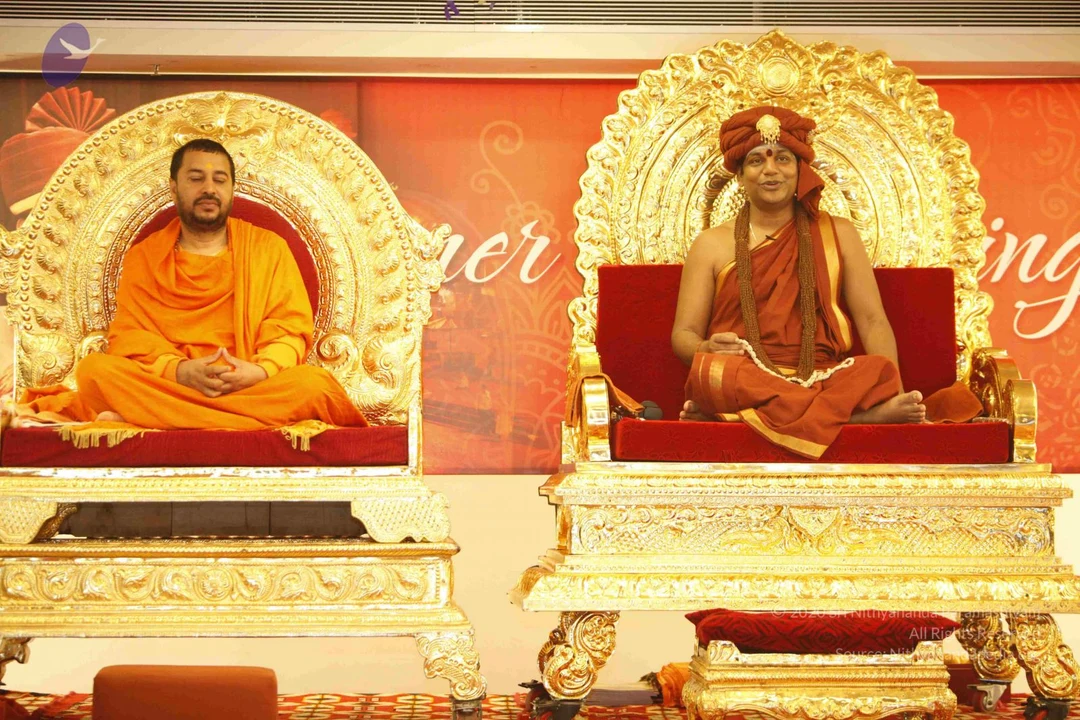
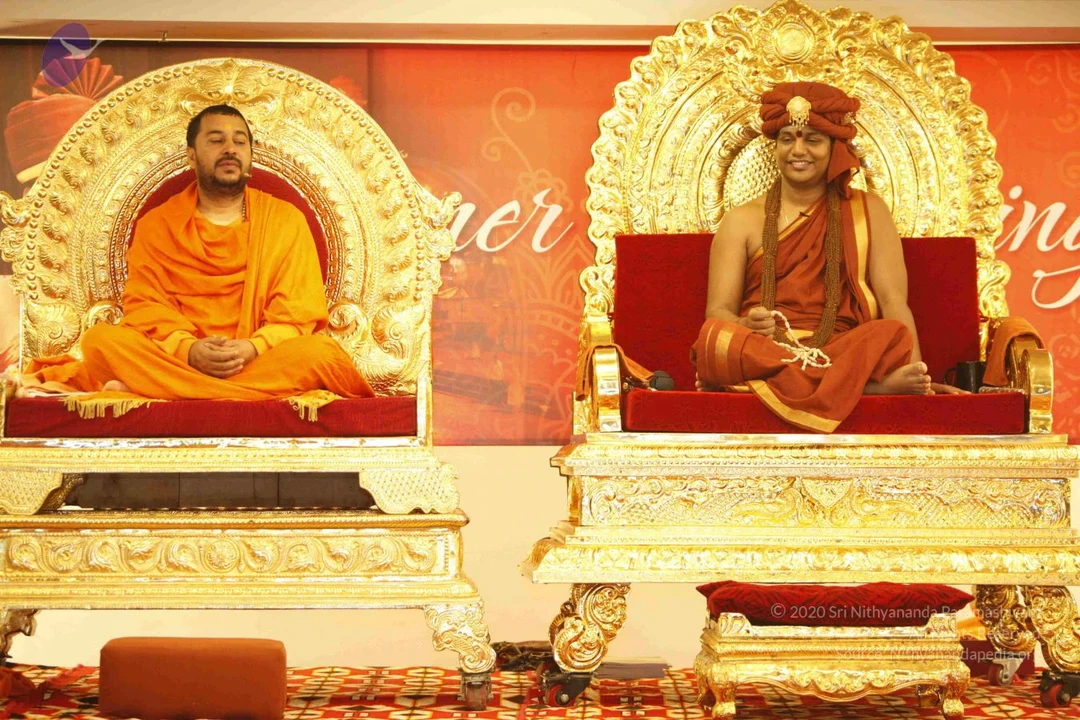
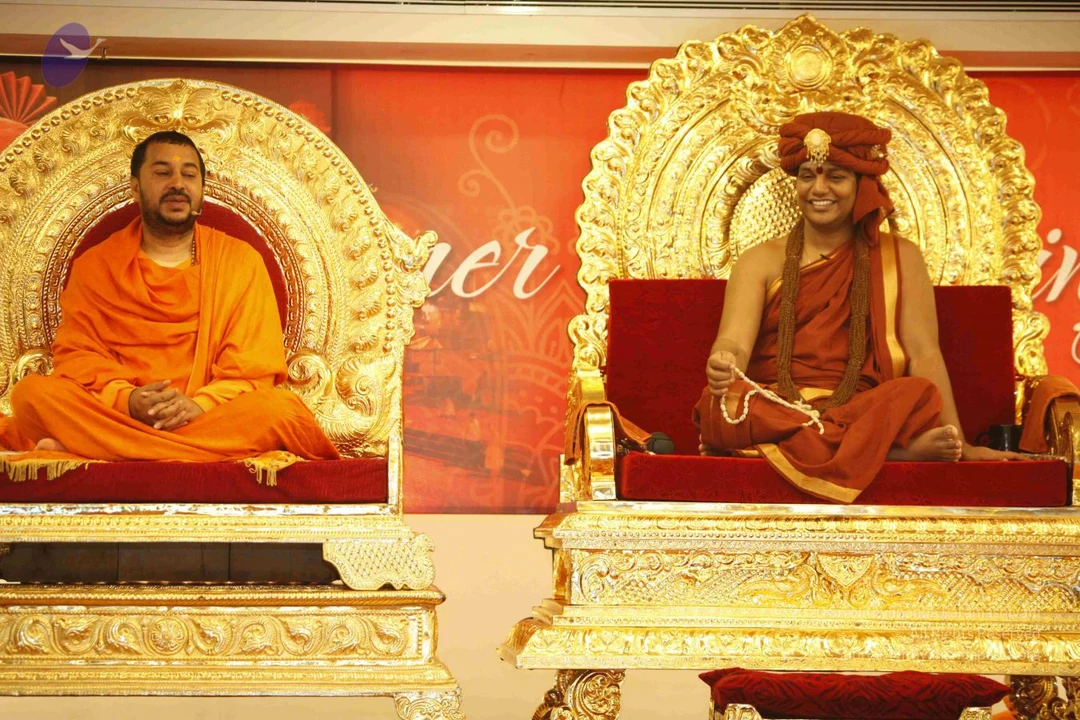
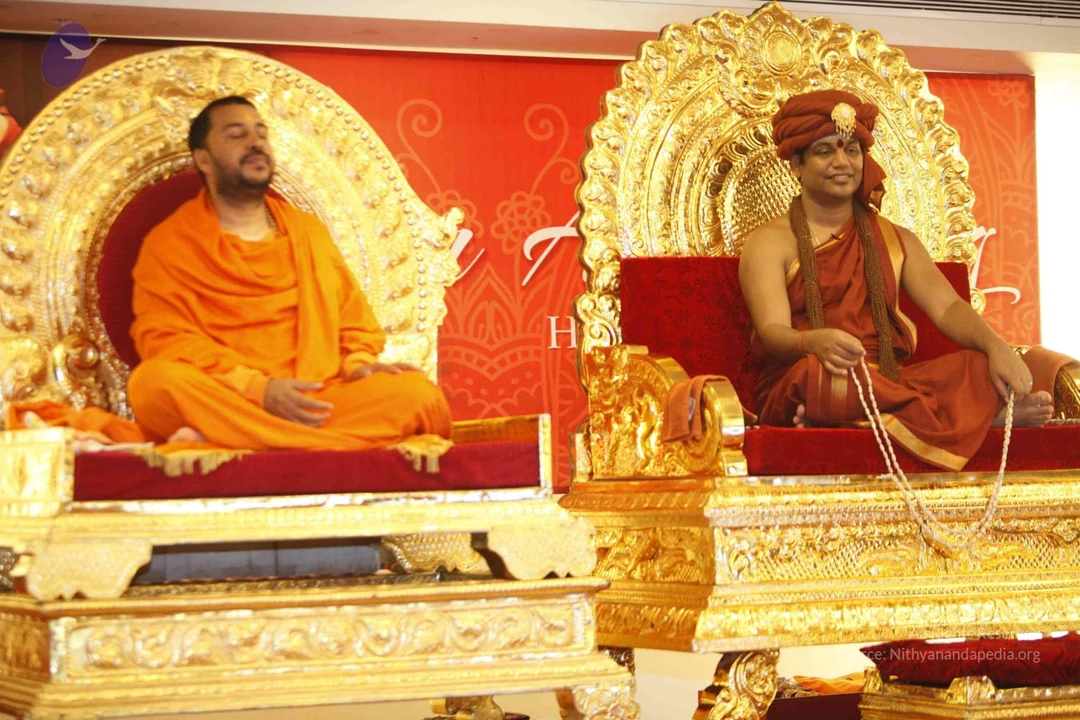
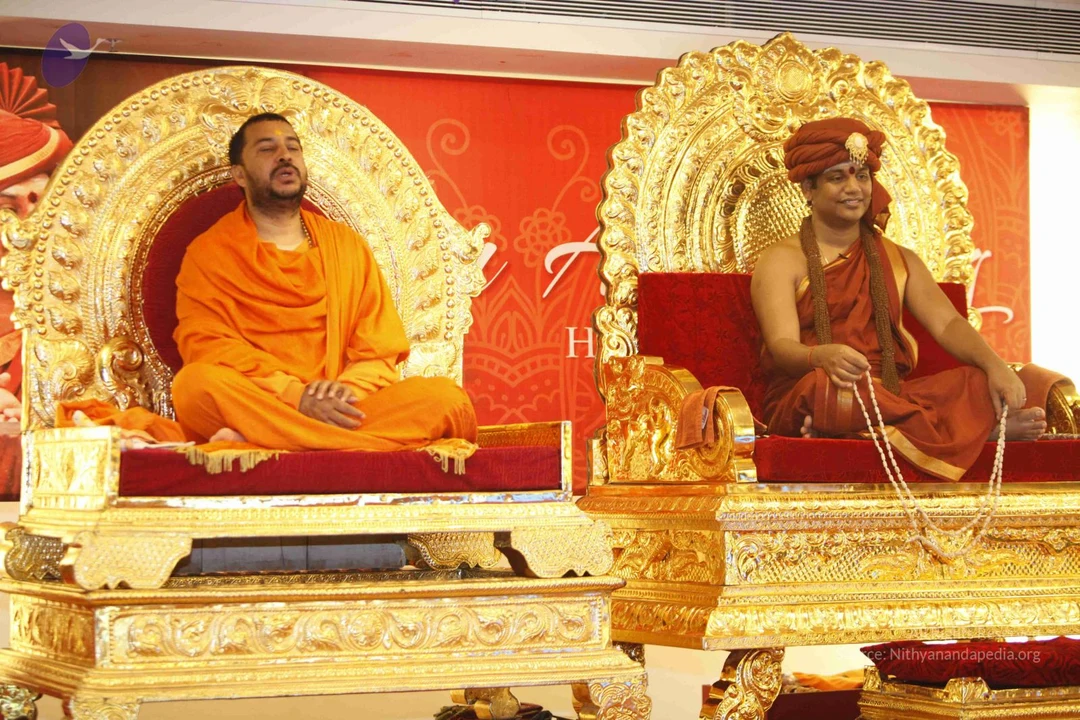
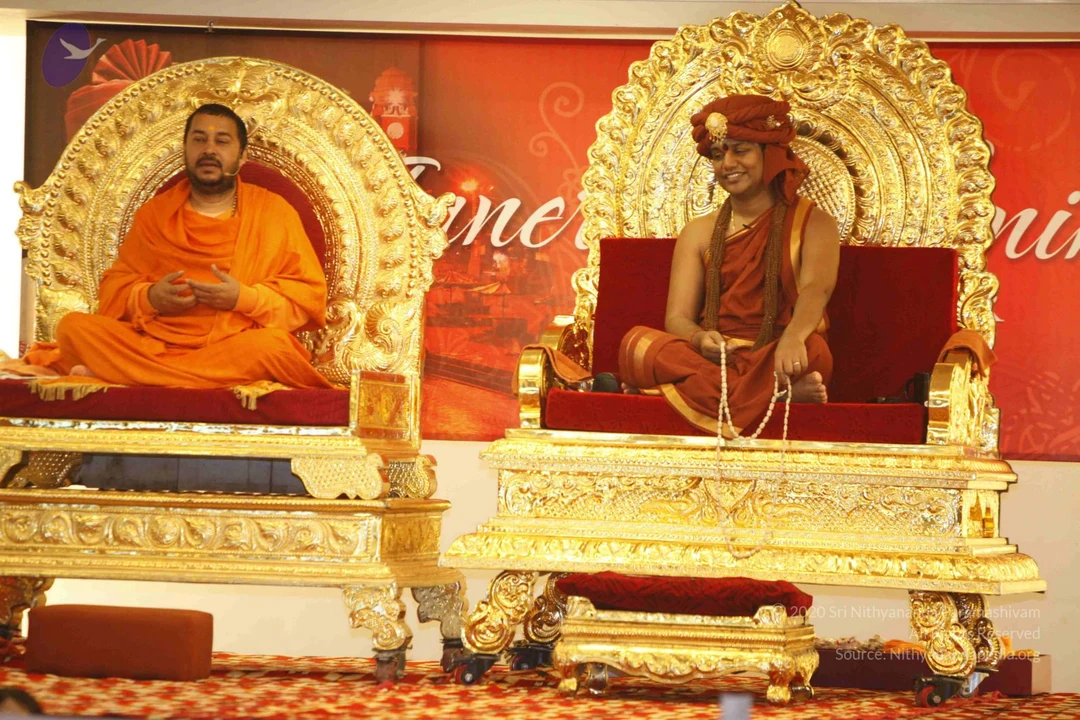
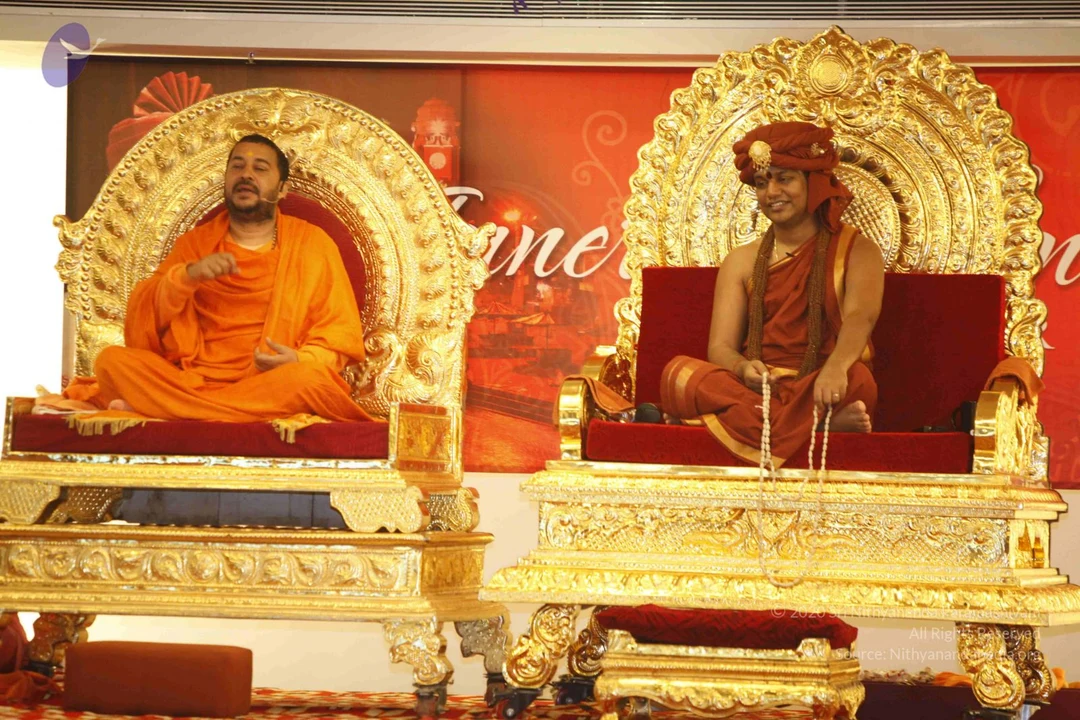
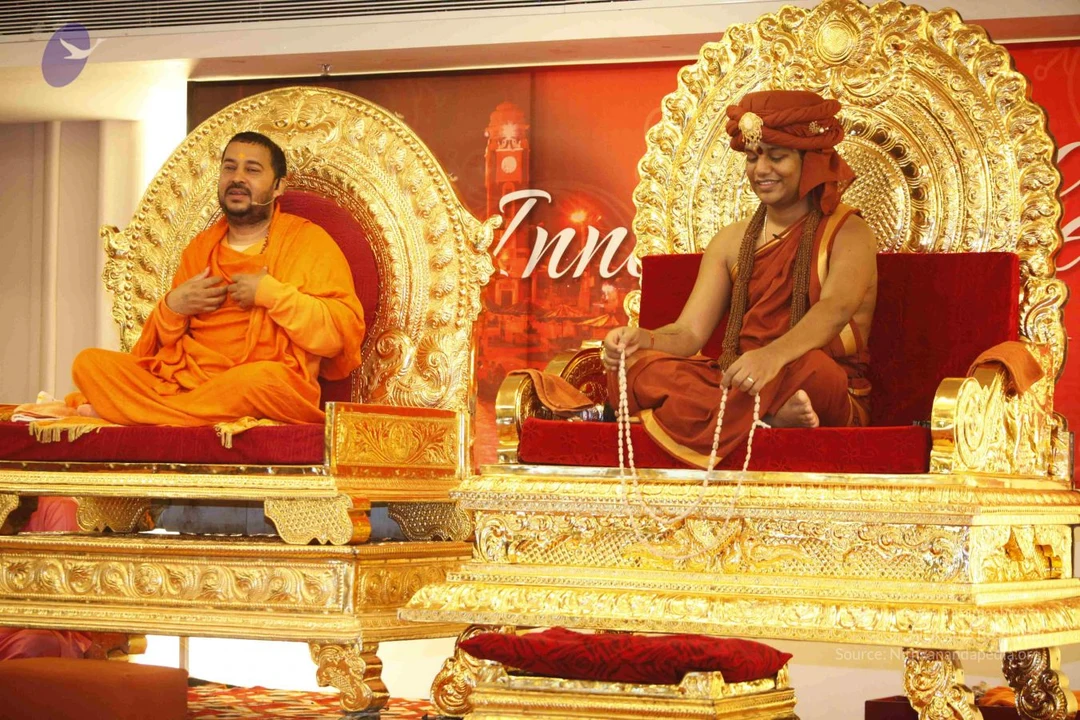
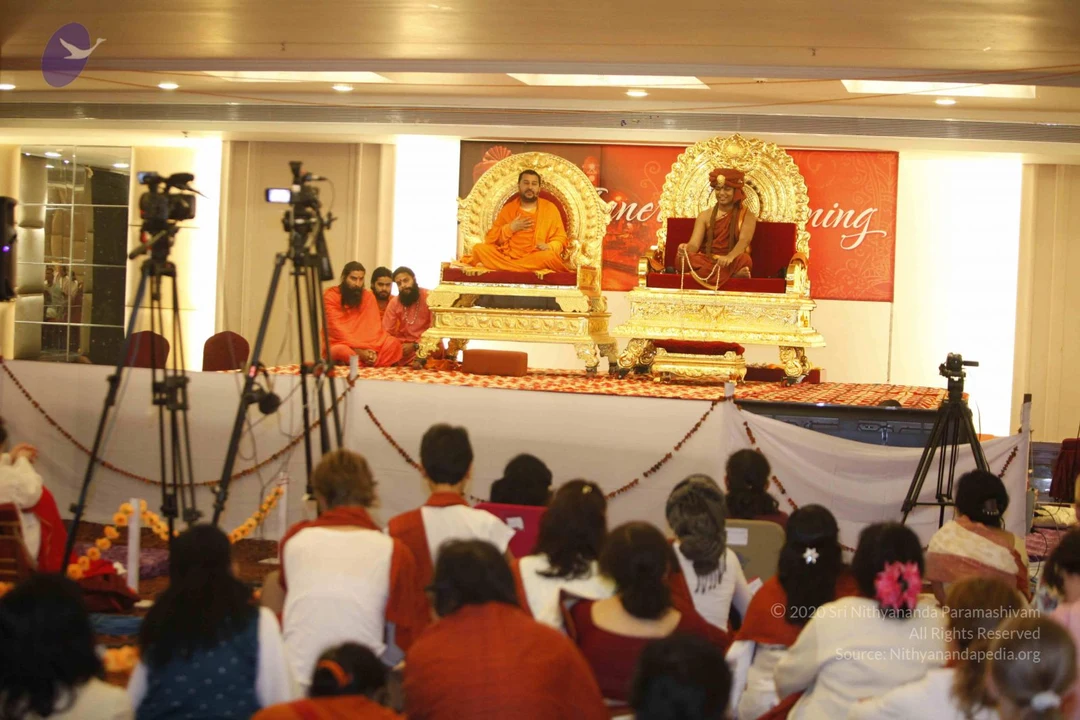
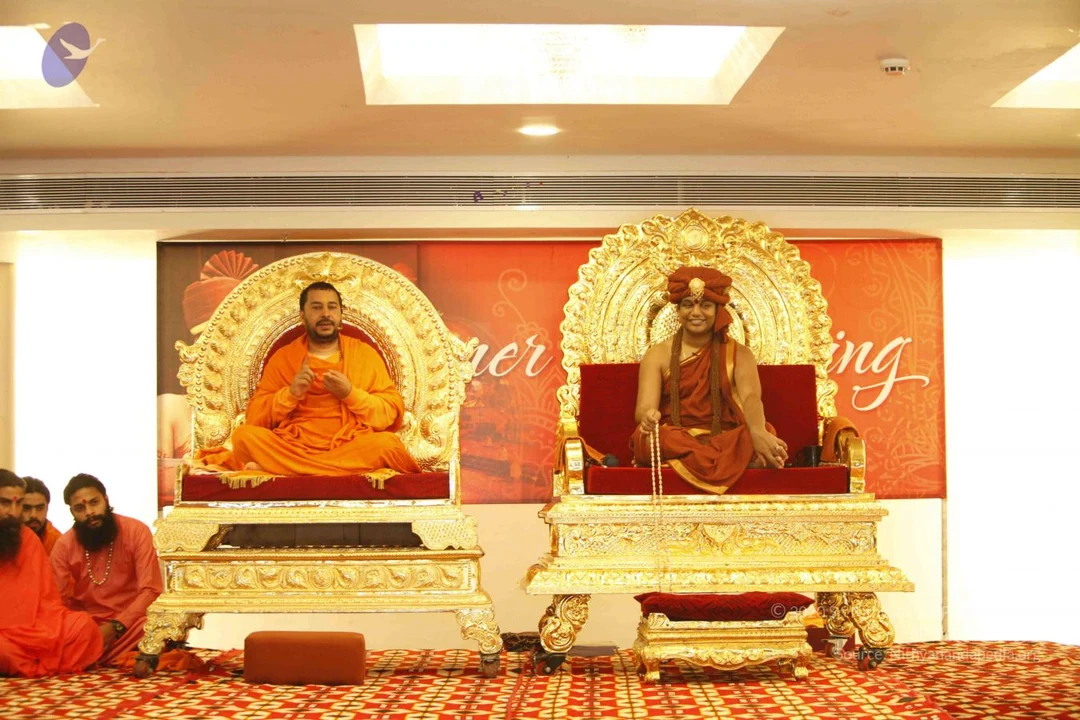
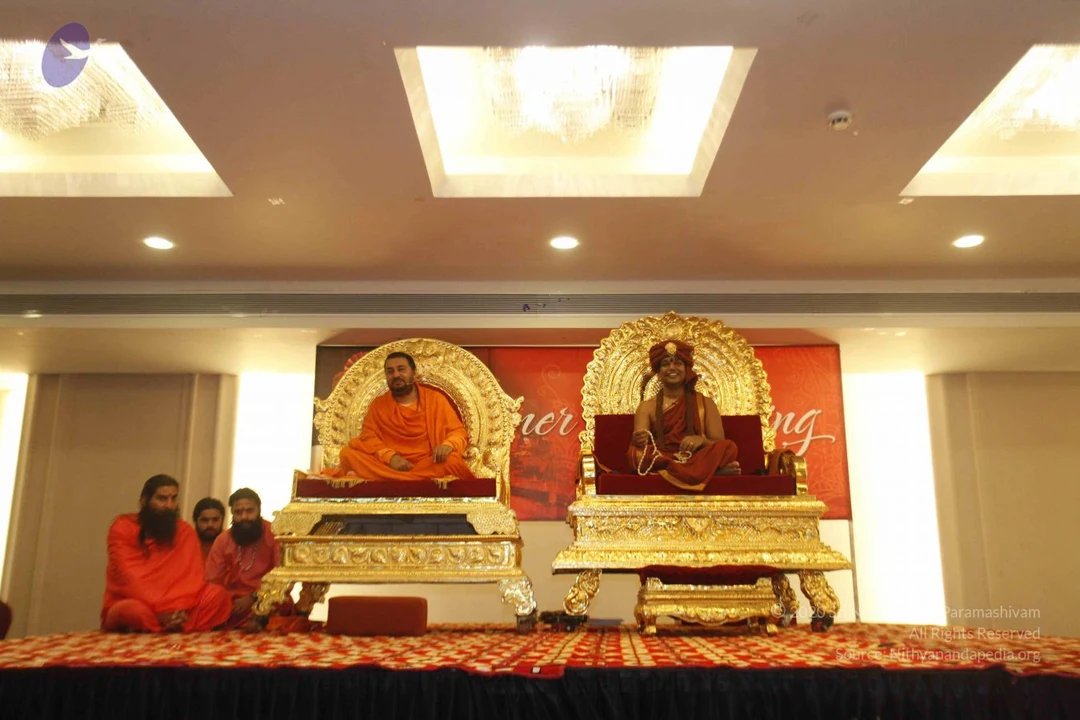
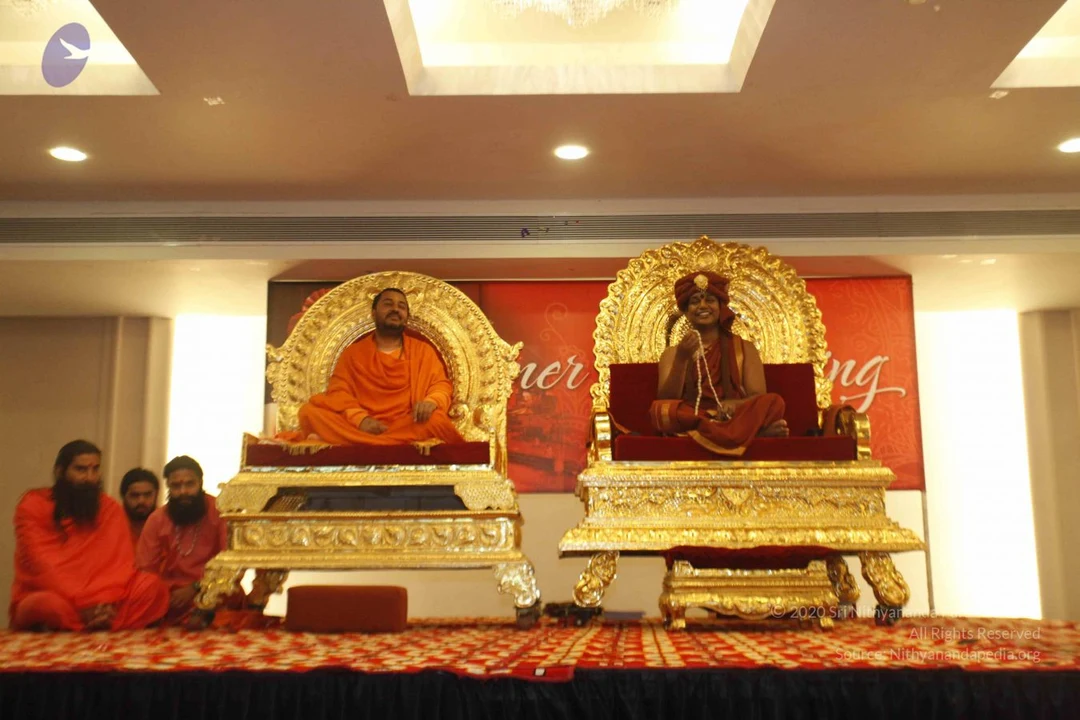
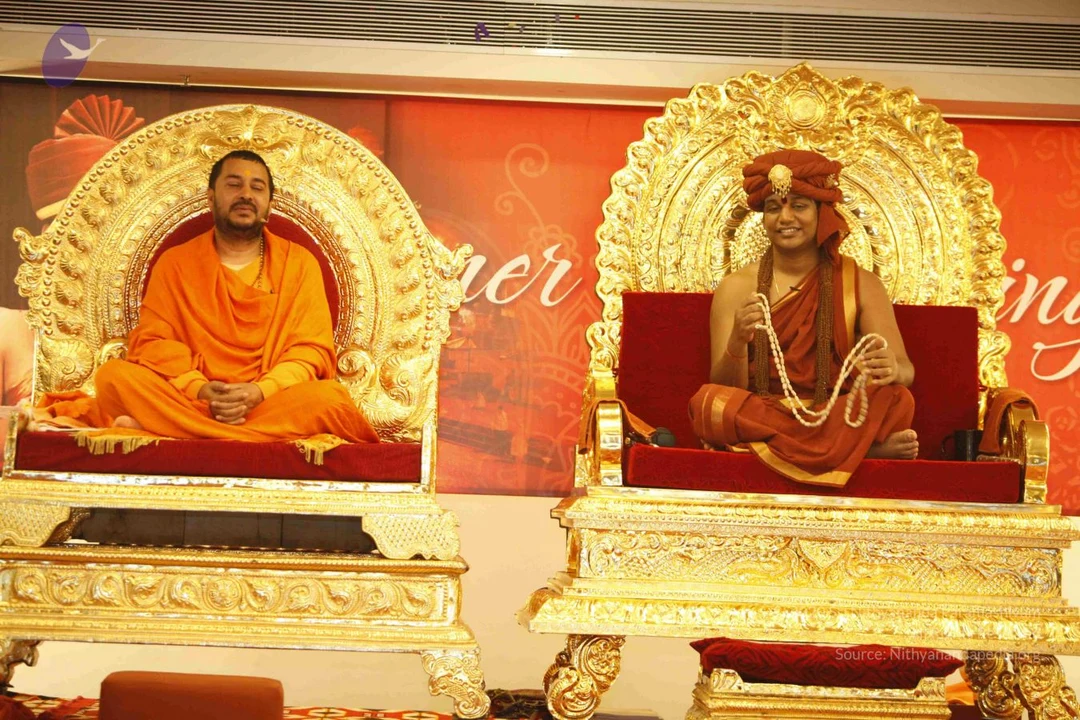
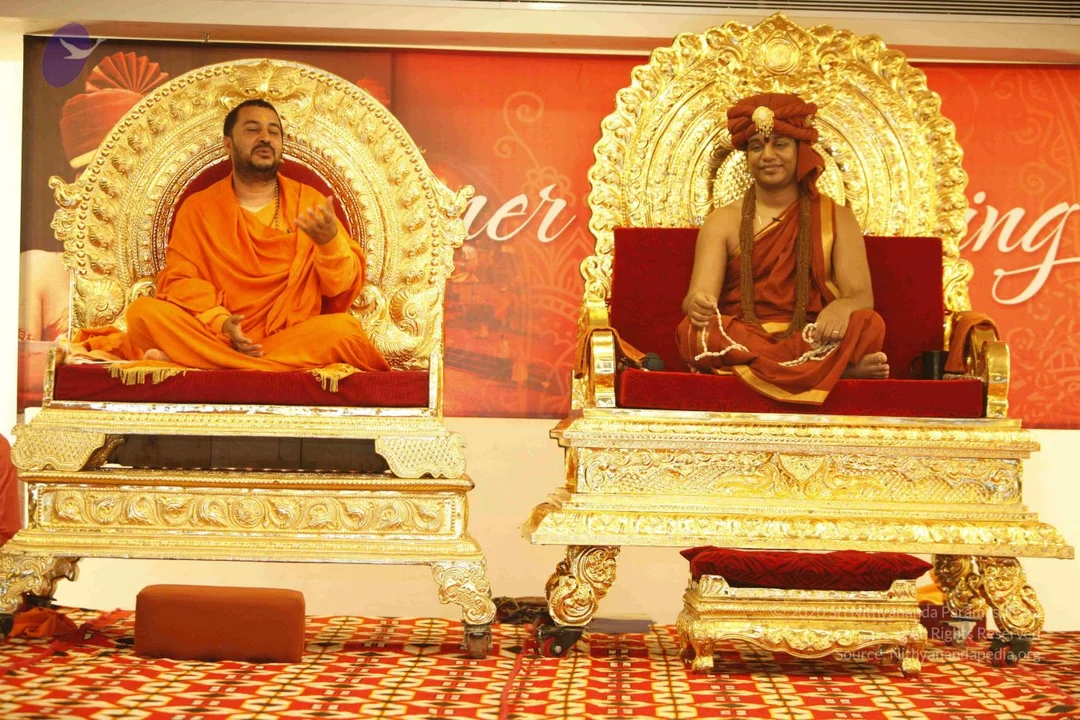
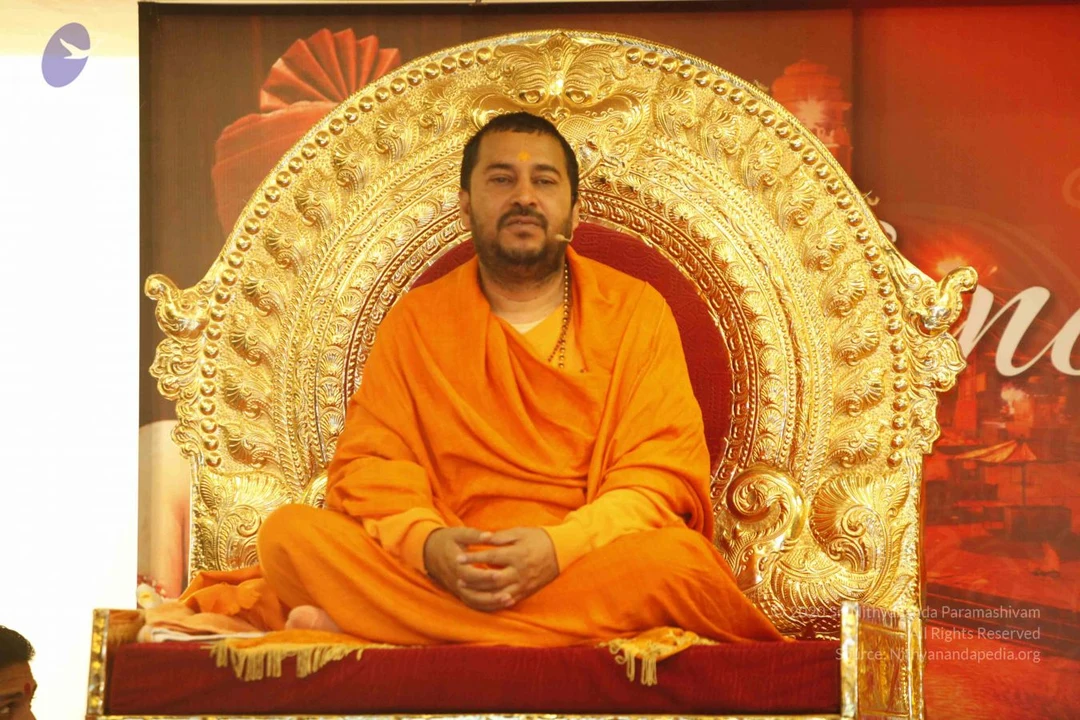
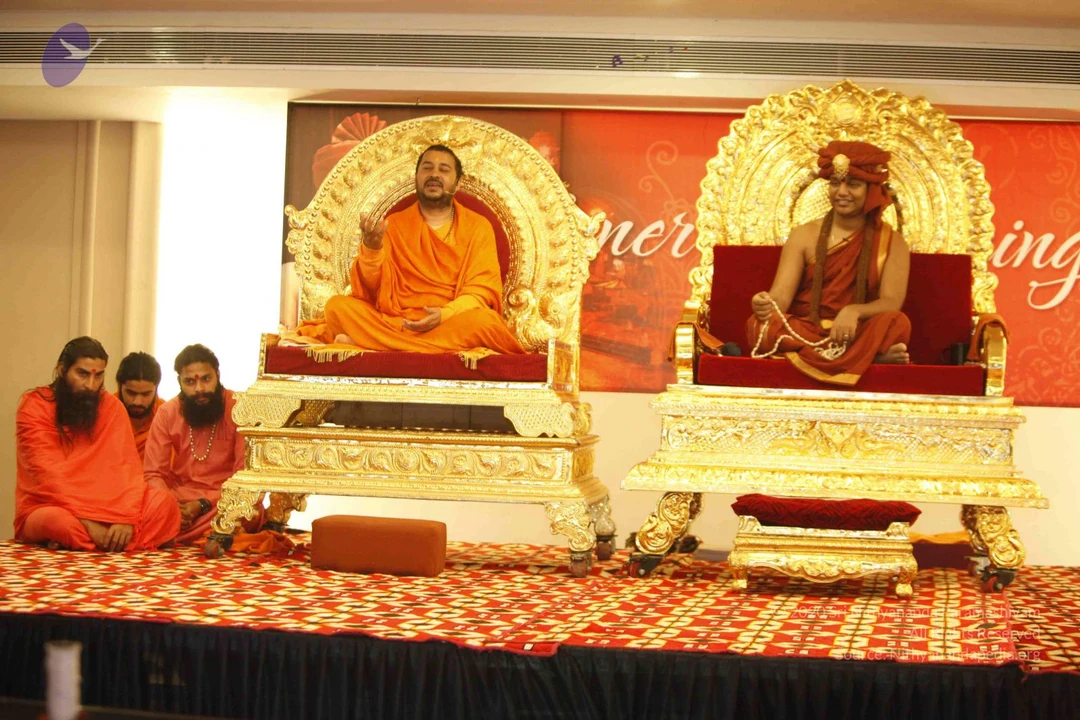
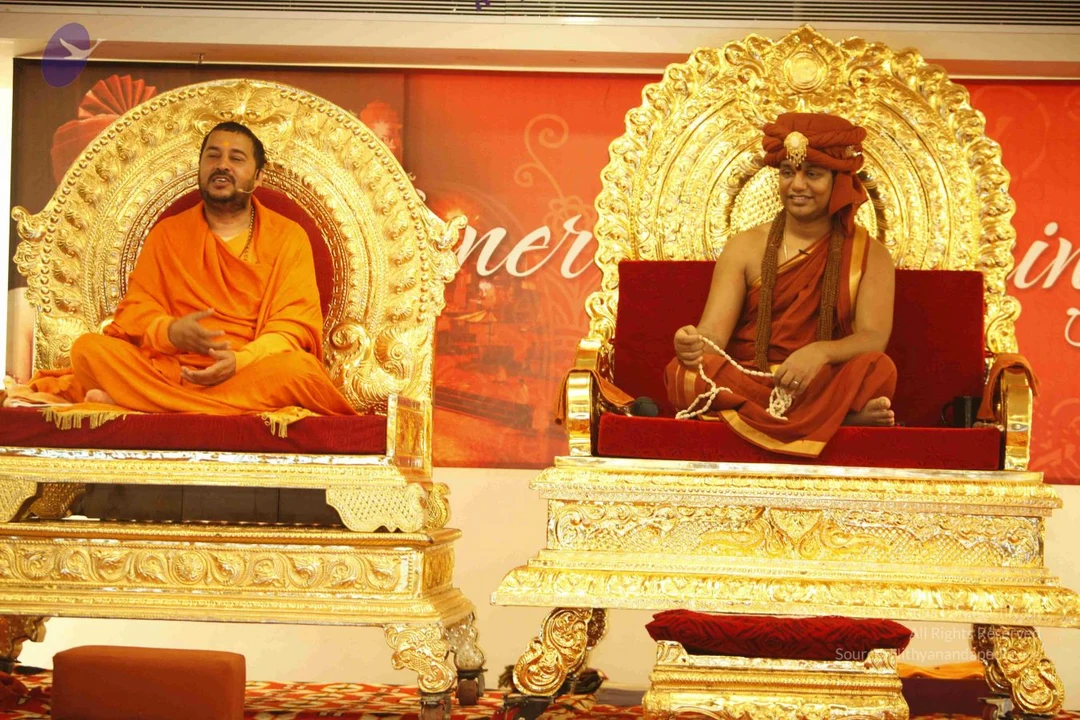
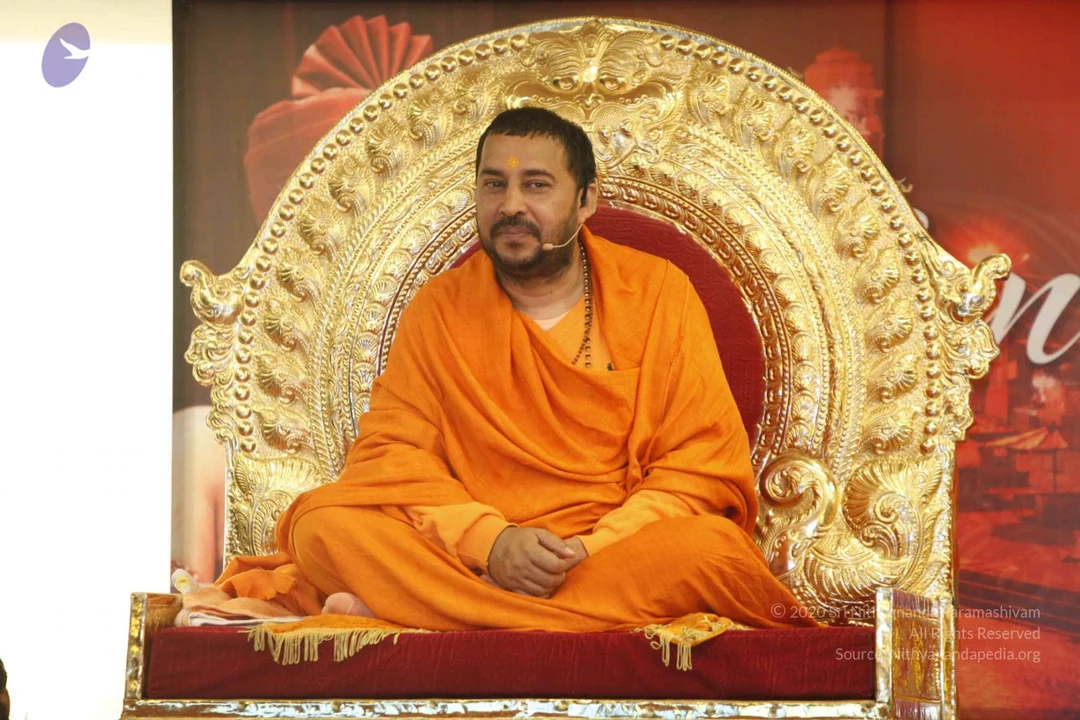
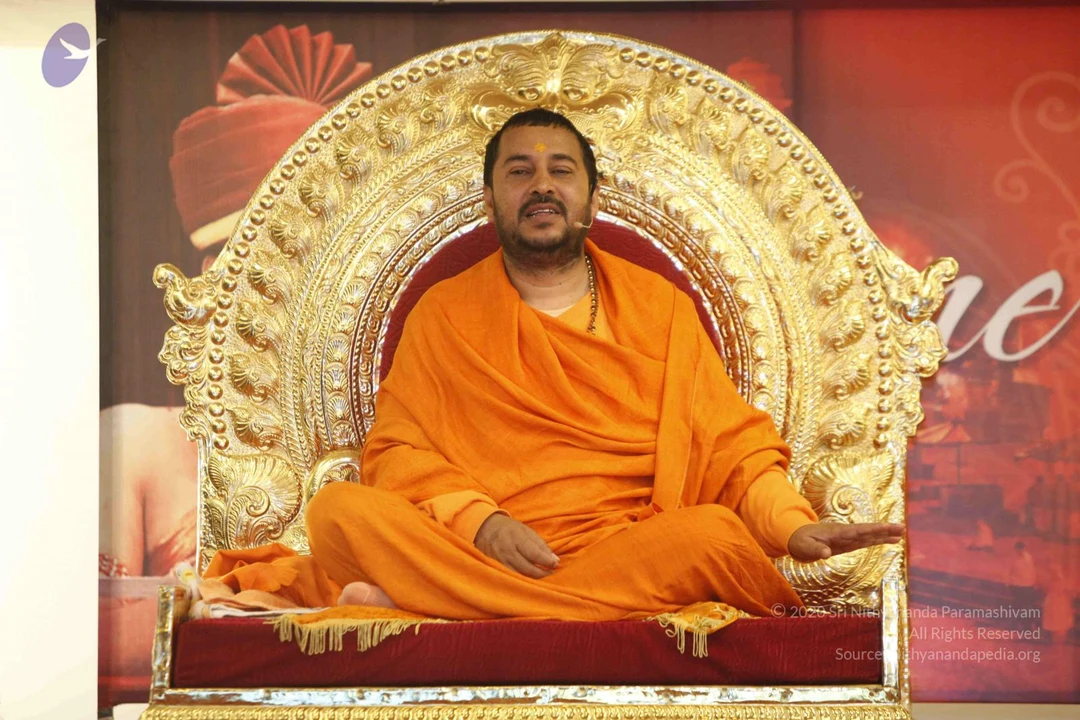
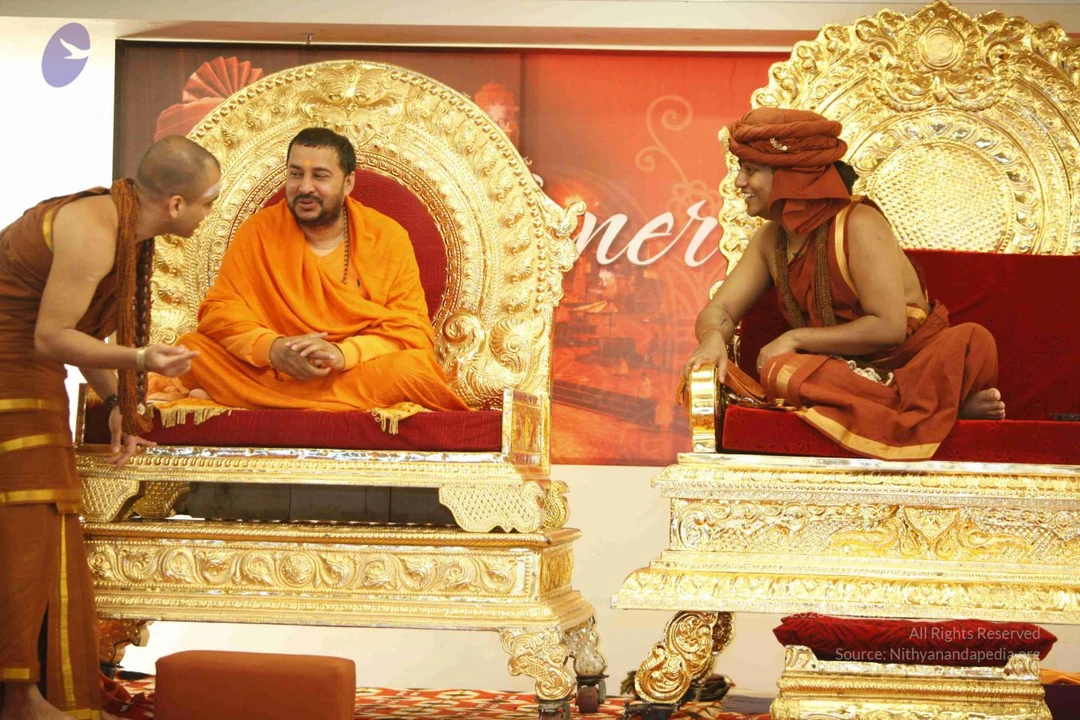
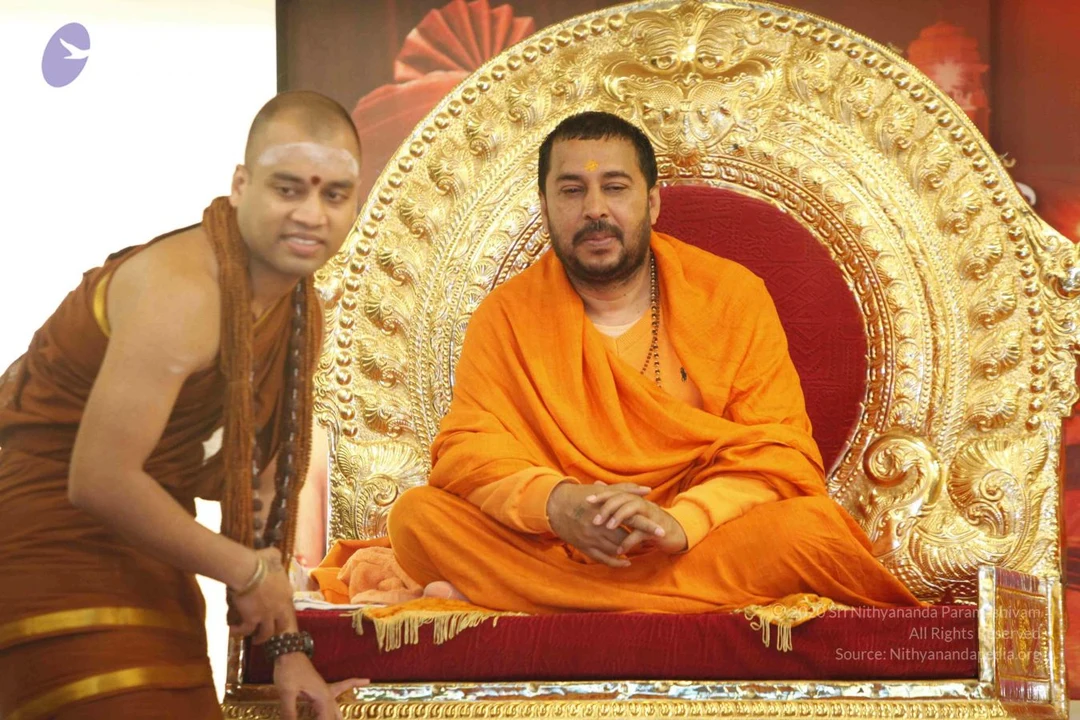
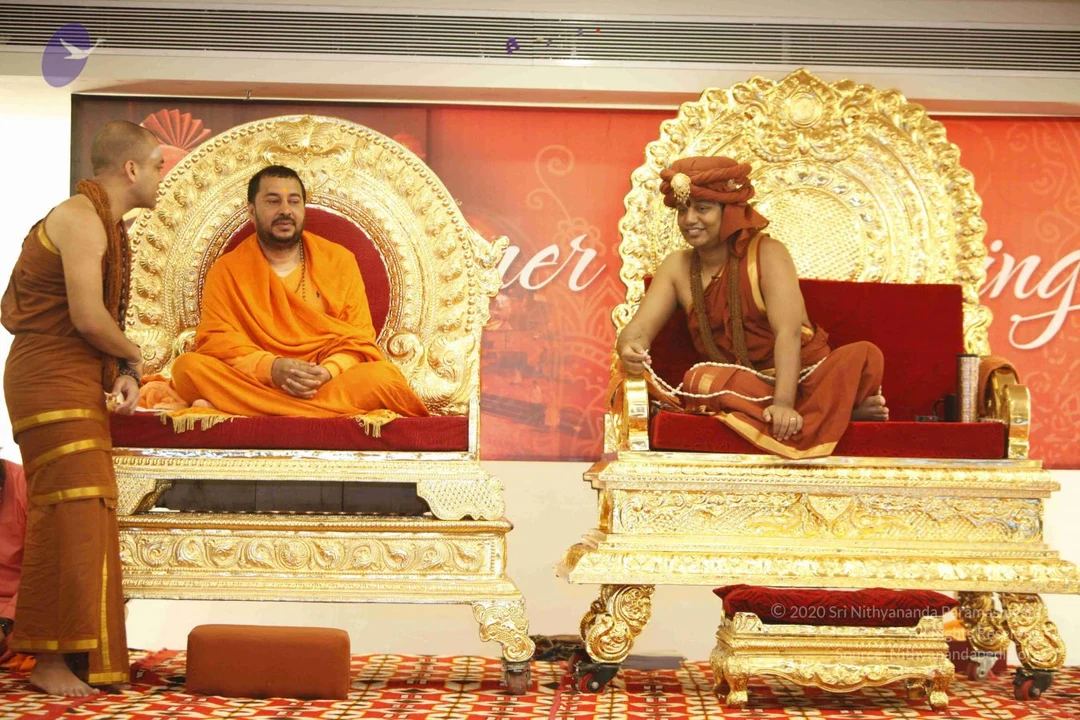
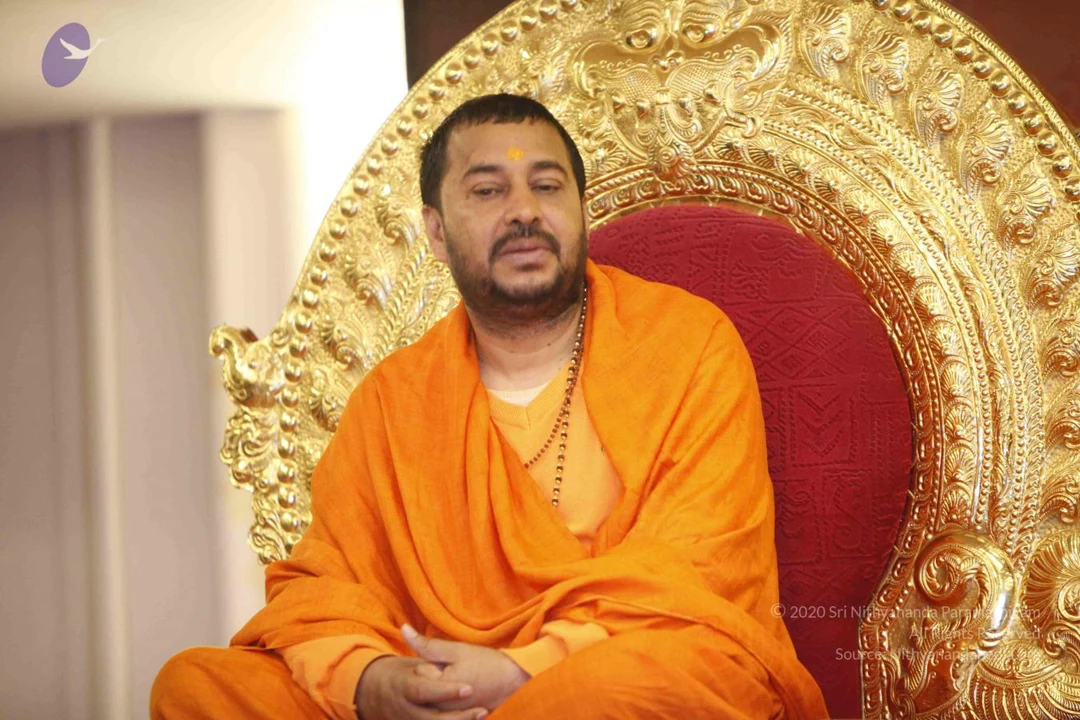
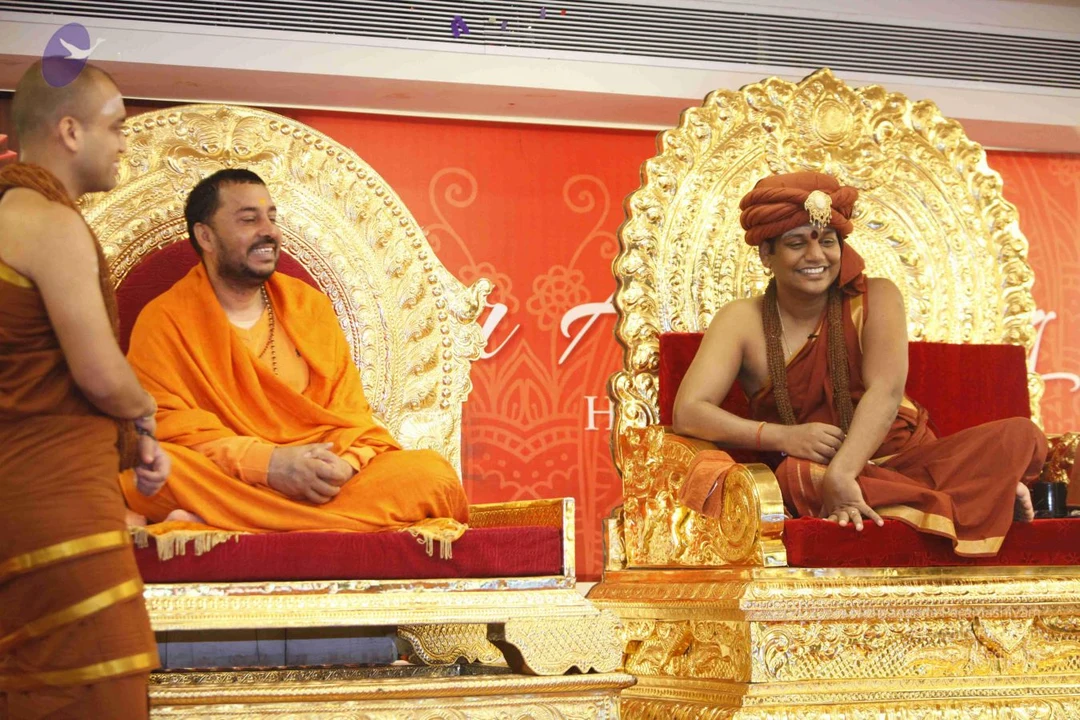
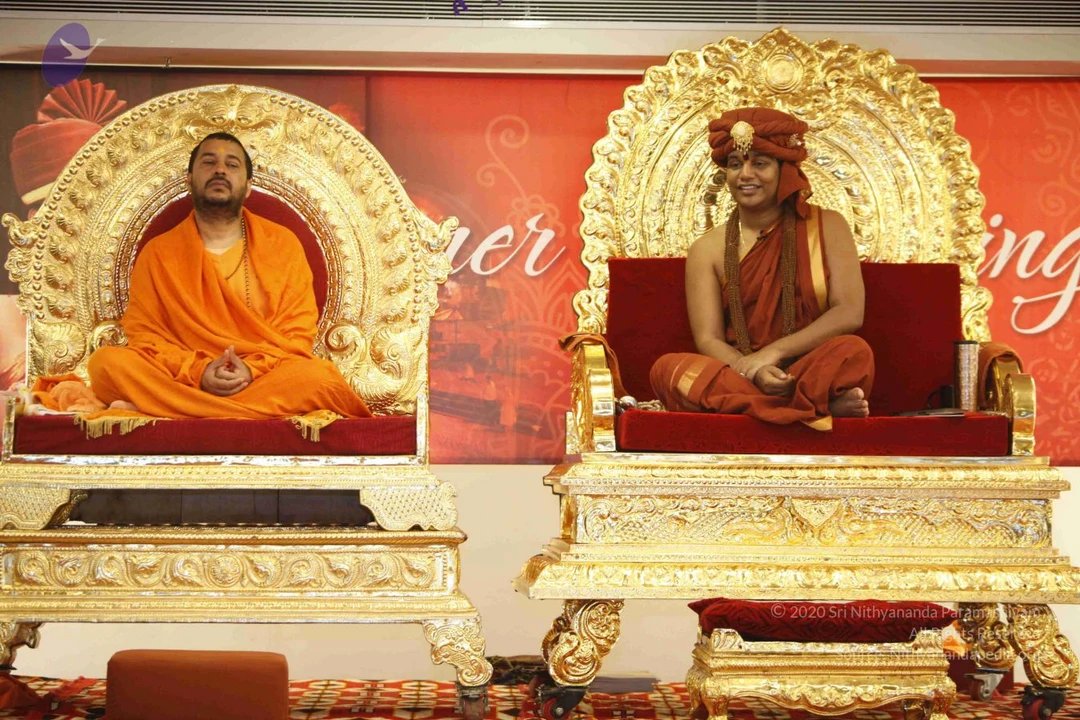
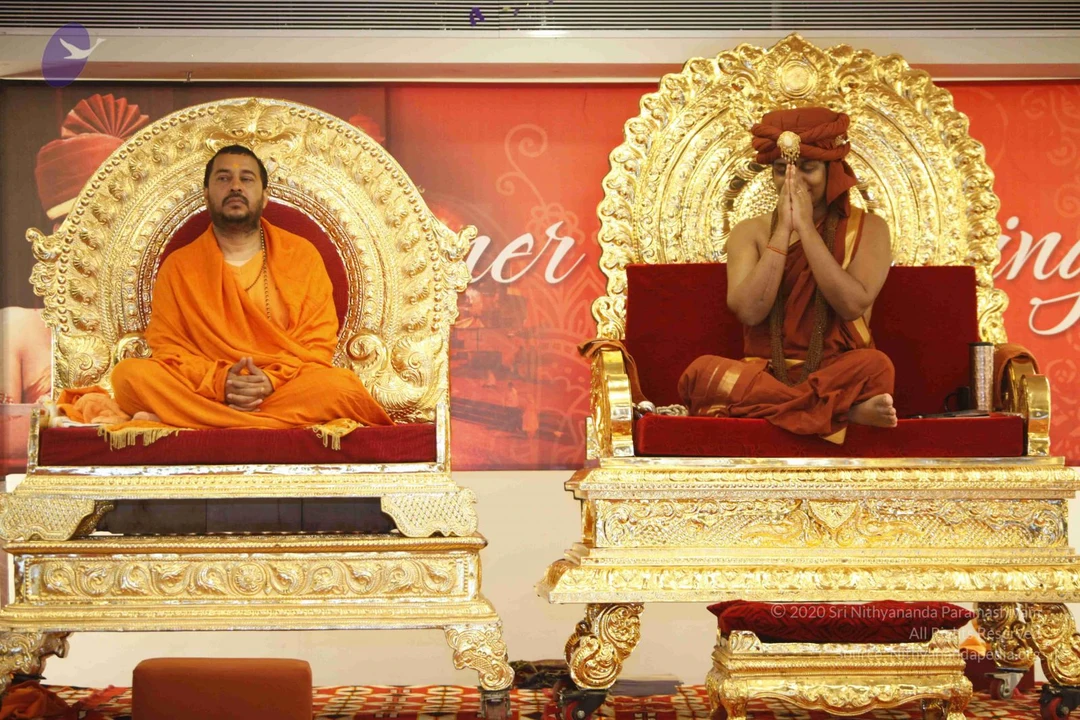
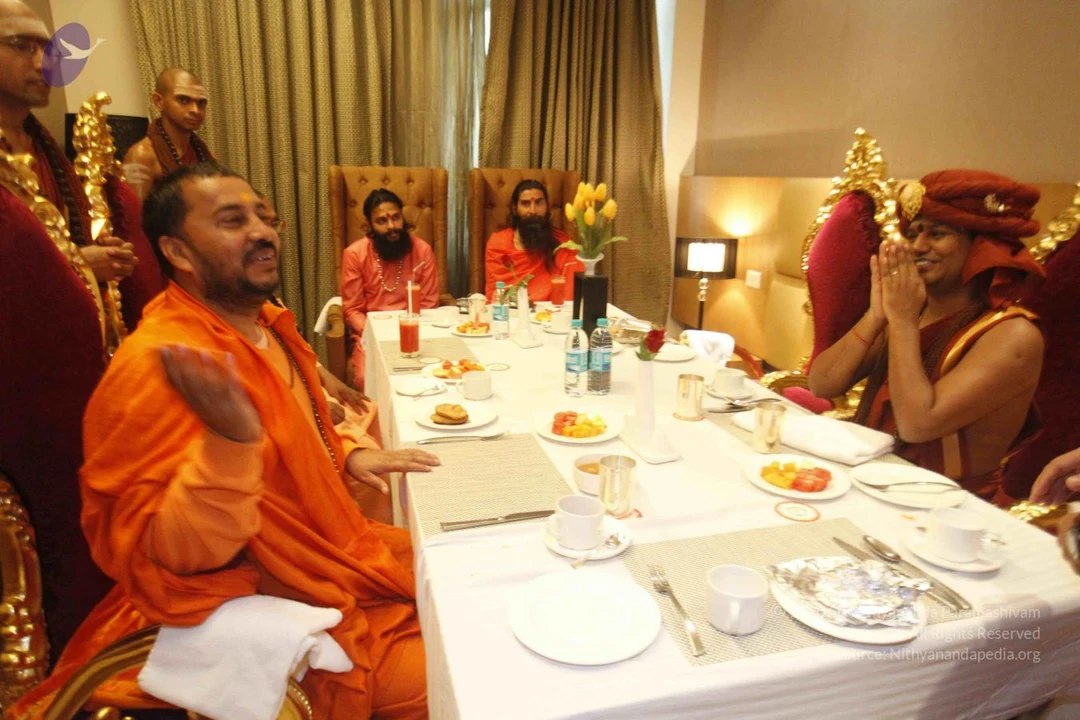
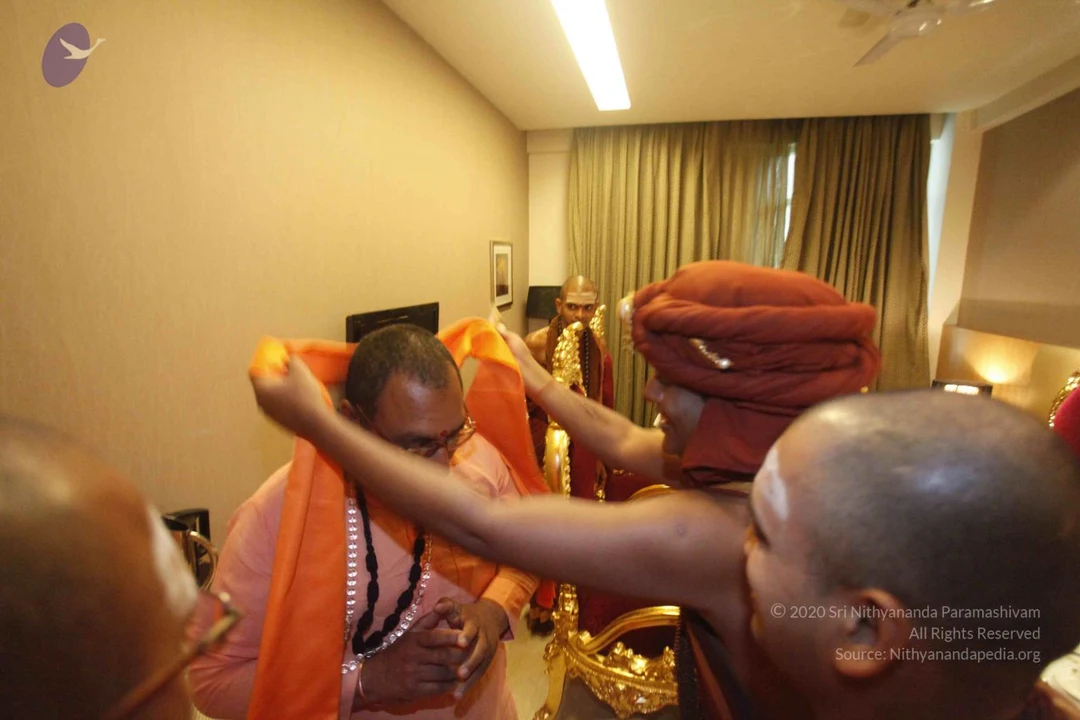
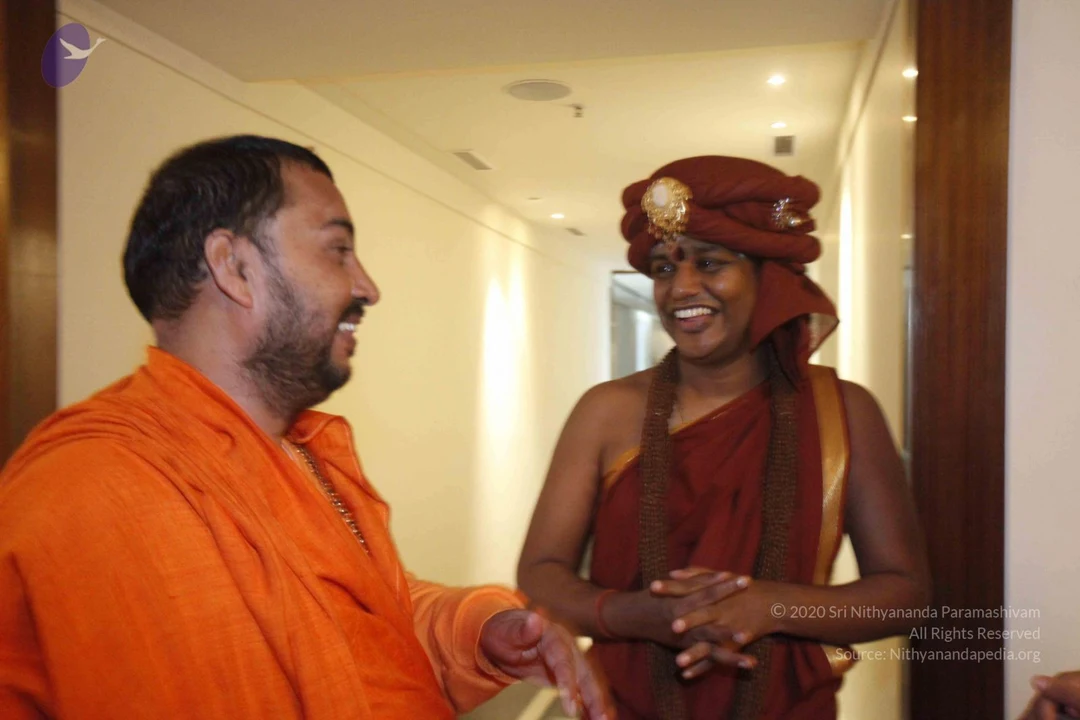
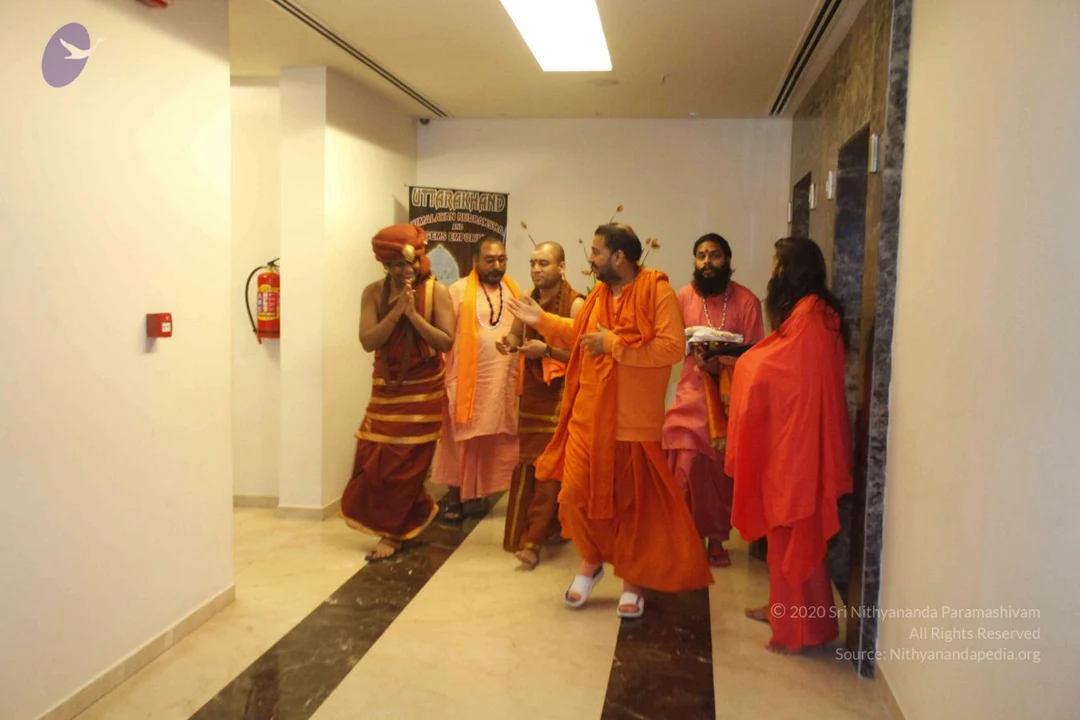
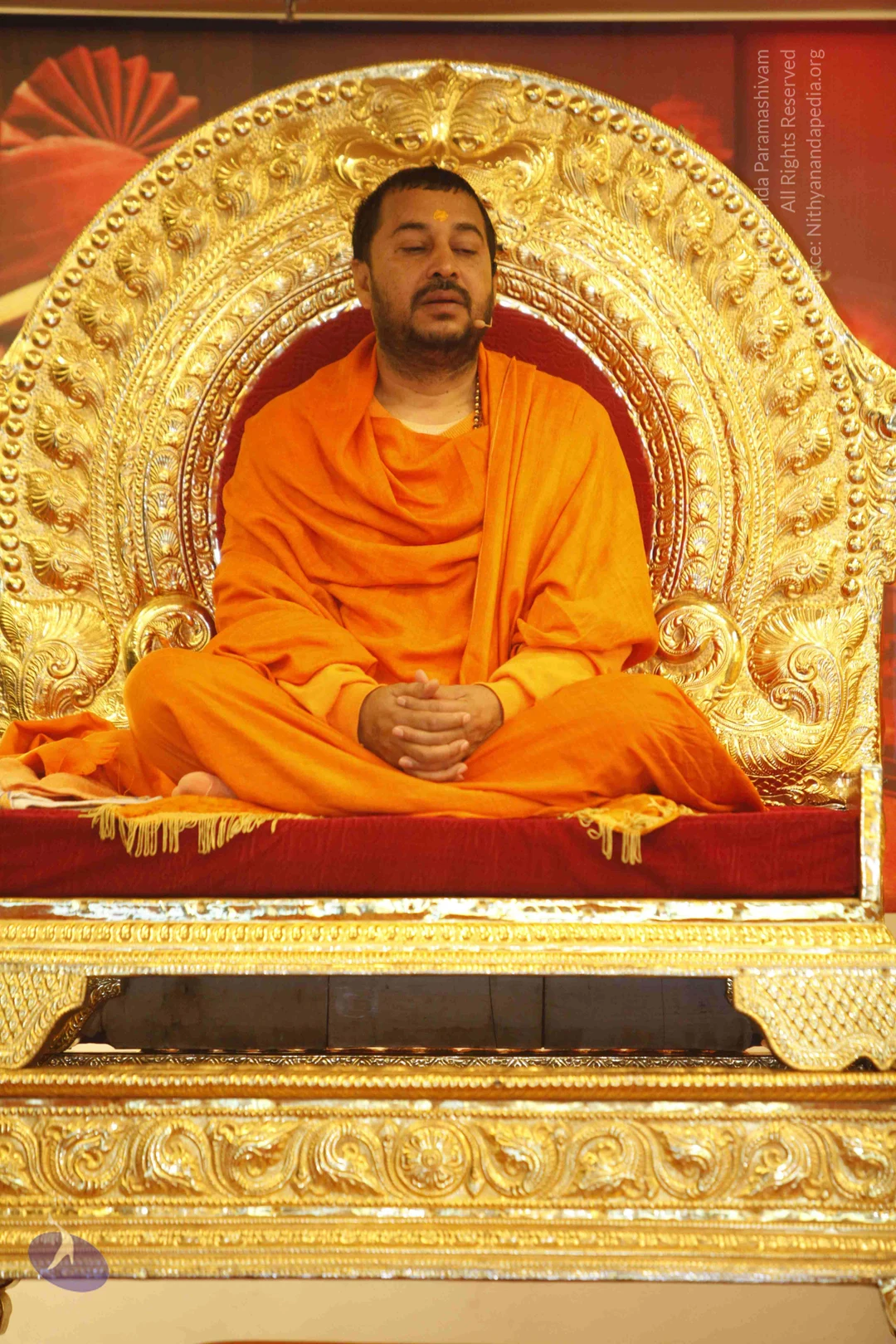
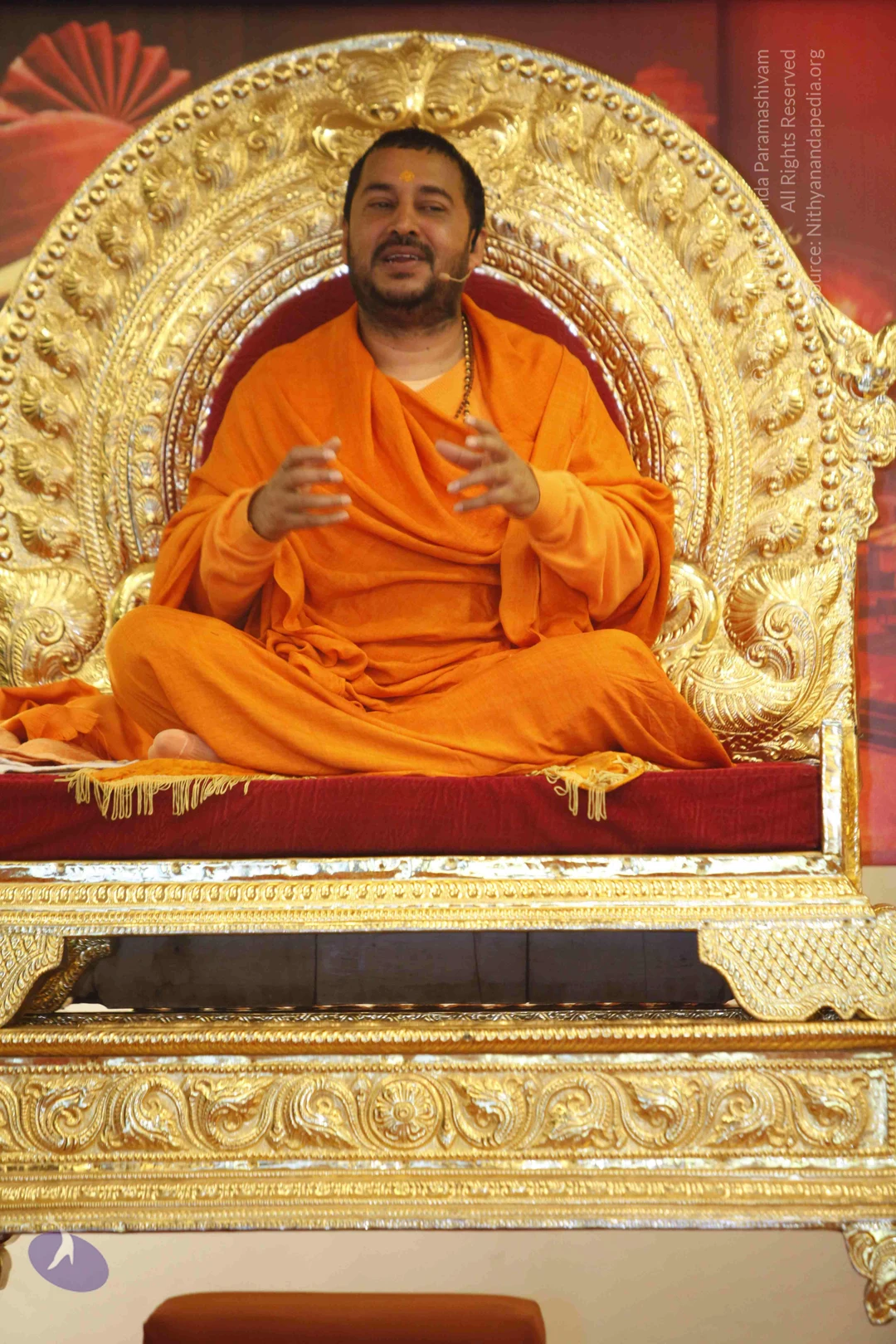
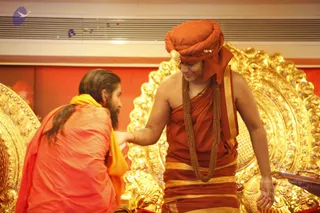
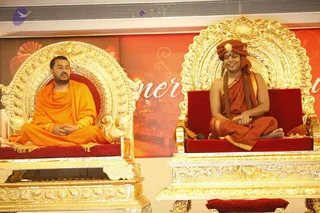
In today’s morning Satsang, Paramahamsa Nithyananda welcomes Mahamandaleshwar Swami Shri 1008 Atmanandaji Maharaj the Mahamandaleshwar of Mahanirvani Akhada. Swami Atmanandaji explains the importance of the work that Paramahamsa Nithyananda is doing for the world, striving to bring peace and making spiritual awakening available. He addresses the important life questions we carry and the desire for happiness which can’t be fulfilled by material pleasures. Peace and bliss can only be obtained by the inward search - seeking God.
Link to Video:
| Video | Audio |
Transcript:
[00:15}
Nithyānandeśvara samārambhām Nithyānandeśvari madhyamām | asmat āchārya paryantām vande guru paramparām ||
Is samay hamare sath upastith sabhi darshakon aur bhakton ka main prem evam aashirwad sahit swagat karta hun.
I welcome all the devotees, disciples, samajis, satsangis, Srimahants, Mahants, Kotharis, Thanedars who are sitting with us all over the world at this time through Nithyananda TV, Lotus News Channel, Sadhna TV, Janashree TV, Eshwar TV, and through two-way video-conferencing having Nayana Deeksha in thirty-six cities in many countries around the world.
[01:21]
Cities sitting with us in two-way video-conferencing: Nithyananda Gurukul-Bidadi, Kuala Lumpur-Palani, Hyderabad-Gupta Kashi, Dubai-Vaidyanatham, New York -Varanasi, Bangalore-Kasturi Nagar, Sun Prairie-Wisconsin, Guadeloupe- Rameshwaram, Toon Moon-Hong Kong, Hong- Kong, Ahmedabad-Gujarat, London- Kashi, Indrani-New Jersey, San Antonio-Texas, Coimbatore Dhyanapeetam, Ohio- Prayag, Nithyananda Nagaramu-Hyderabad, Toronto-Kailasam, San Jose-Madurai, Oklahoma-Somanatham, Nithyananda Nagara-Bidadi, Kalpataru Anna Nagar oh Annanagar- Chennai, Ohio-Ma Shivananda, Los Angeles-Arunachalam, Charlotte- Srisailam, Hollywood, Seattle-Chidambaram, Toronto-Kailasam, Oman-Sivagangai, Devon-UK, Hyderabad-Gupta Kashi, Dakota Dunes, Jorpati-Nepal, Coimbatore Dhyanapeetam, Miami, Dubai-Vaidhyanatham, Houston- Kalahasti...........I welcome all of you with My love and blessings.
[03:07]
Today I wanted to expand, continue to expand on some of the important tips about Completion with others. Please understand this Science of Completion with others. Yesterday I was expanding and I was explaining the necessity for Completion from the angle of social stability, from the angle of Hinduism, and as a spiritual truth. Today I wanted to explain step-by-step how the Completion helps your spiritual growth. Please understand,4 only when you understand how this Completion helps your spiritual growth step-by-step, inch-by-inch, you will be able to practice this as a spiritual practice. I wanted every gurukul kid… from now onwards I will not call my gurukul kids as gurukul kid, I will start calling them as ‘Bala Sants’, ‘The Bala Sannyasis’. So, from today, I give you guys the title of Bala Sannyasis, Bala Sants. So, all the students who are studying in our Gurukul, I’ll call you guys as Bala Sants and Bala Sannyasis.
[05:14]
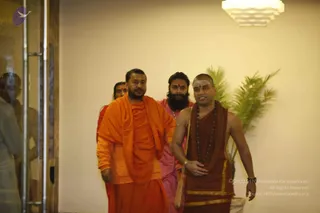
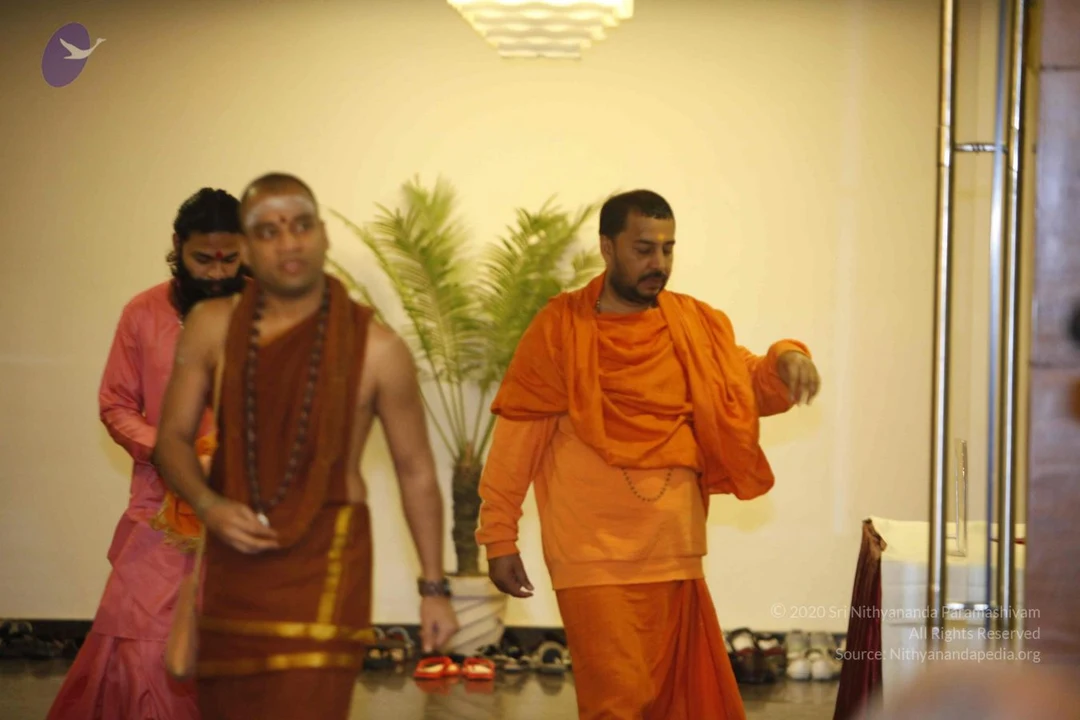
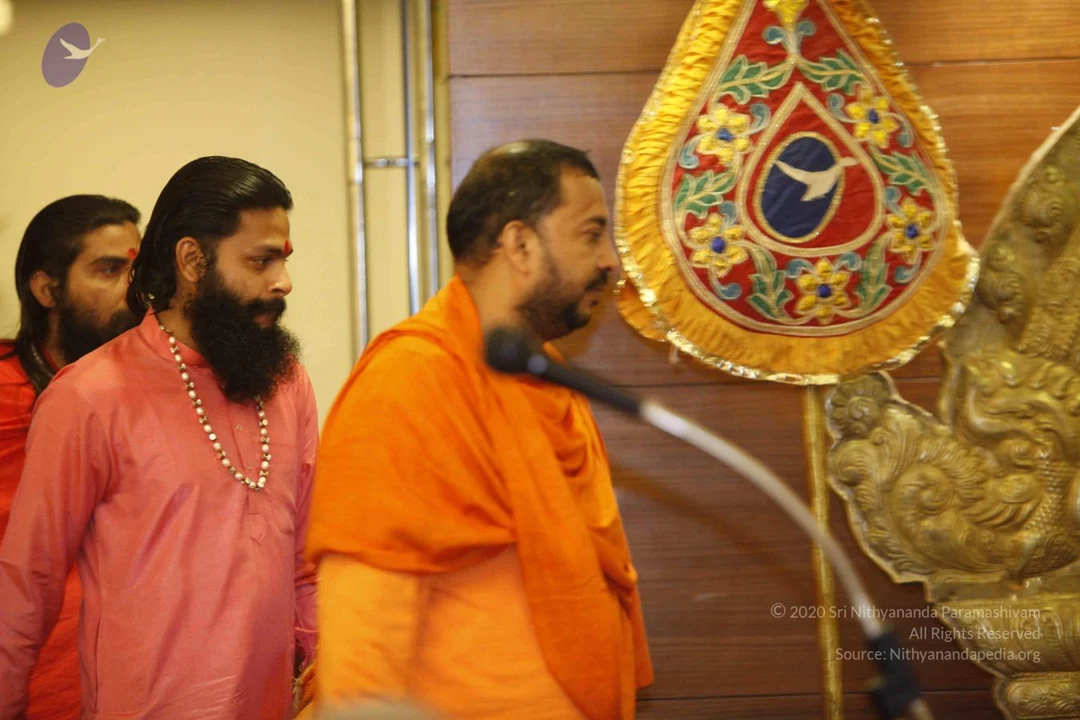
The Bala Sannyasis of our Gurukul and Krama Brahmacharis, Naishtika Brahmacharis, and Sannyasis, and devotees, disciples, please, please understand, listen step-by-step how this Completion helps you, how this Completion leads you to be more and more in the powerful space. One: how much ever I explain, if you do it you will understand the experience how the Completion makes you so joyful, powerful; you will understand that. That is first. Second: even philosophically you need to understand the power of Completion. Please listen! Anything in the outer world which makes you powerless – it can be as simple as Gulab Jamun (an Indian sweet delicacy), as simple as Gulab Jamun, or as complicated as extra-marital affair; it can be as simple as a Gulab Jamun or as complicated as a extra-marital affair, anything which makes you powerless brings Karma. (While Swamiji is talking, Swami Atmananda Maharaj ji, a Mahamandaleshwar of Mahanirvani Akhada, enters the hall.) And I wanted to welcome Swami Atmanandaji Maharaj who is a Mahamandaleshwar of Mahanirvani Akhada. Swamiji please be seated.
[07:30]
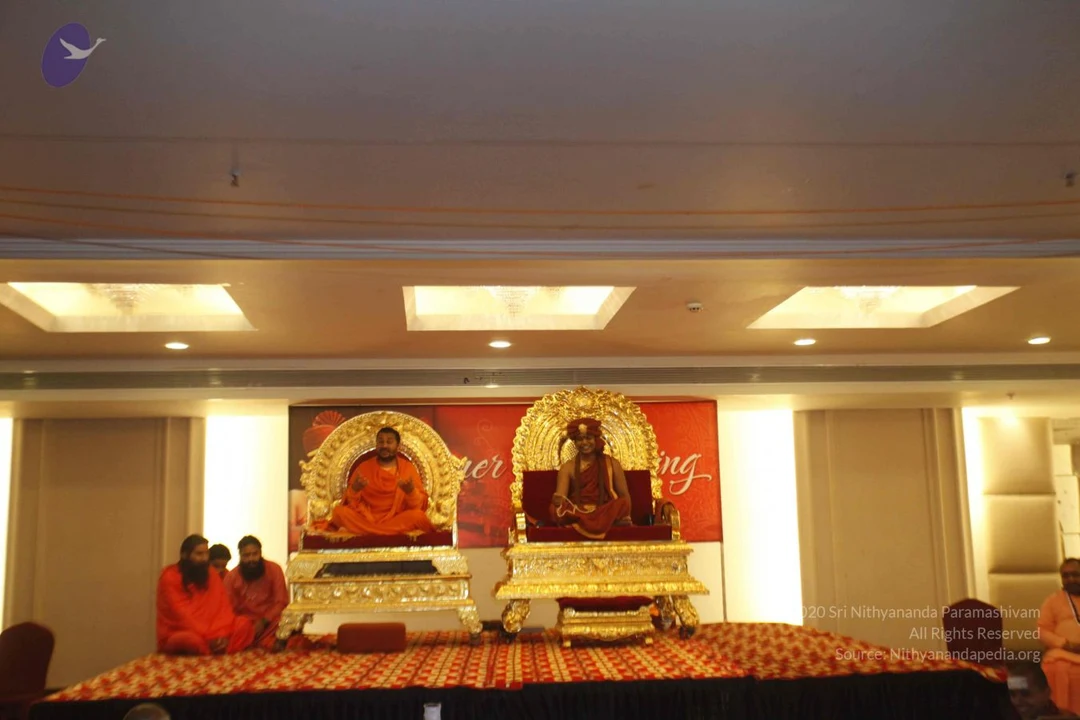
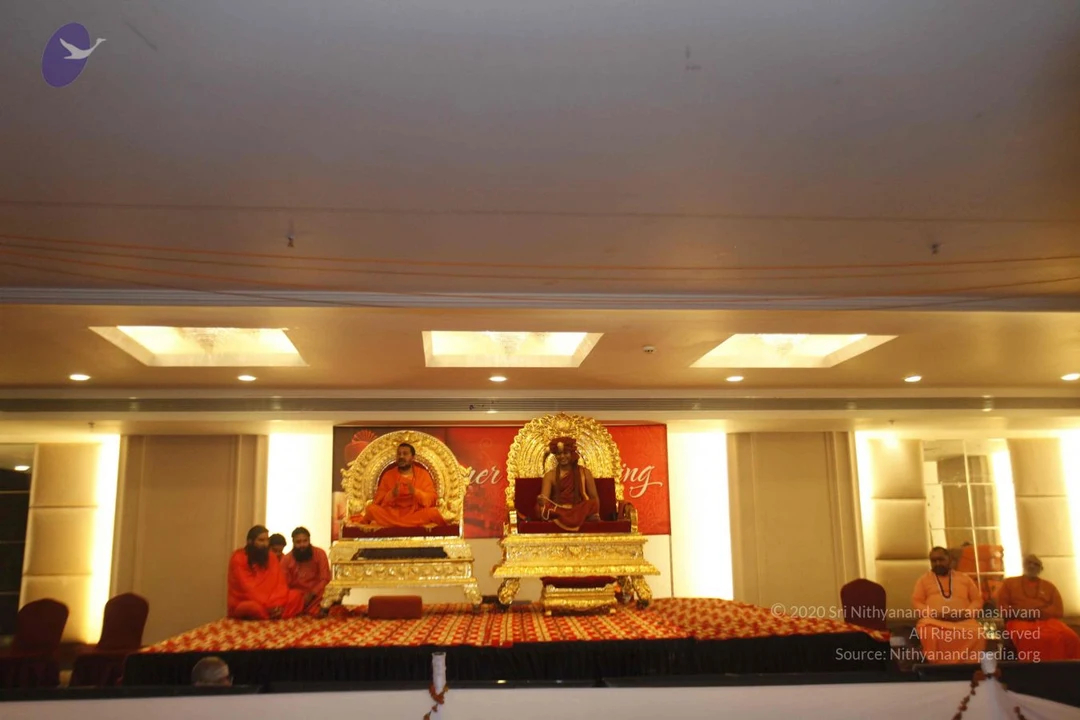
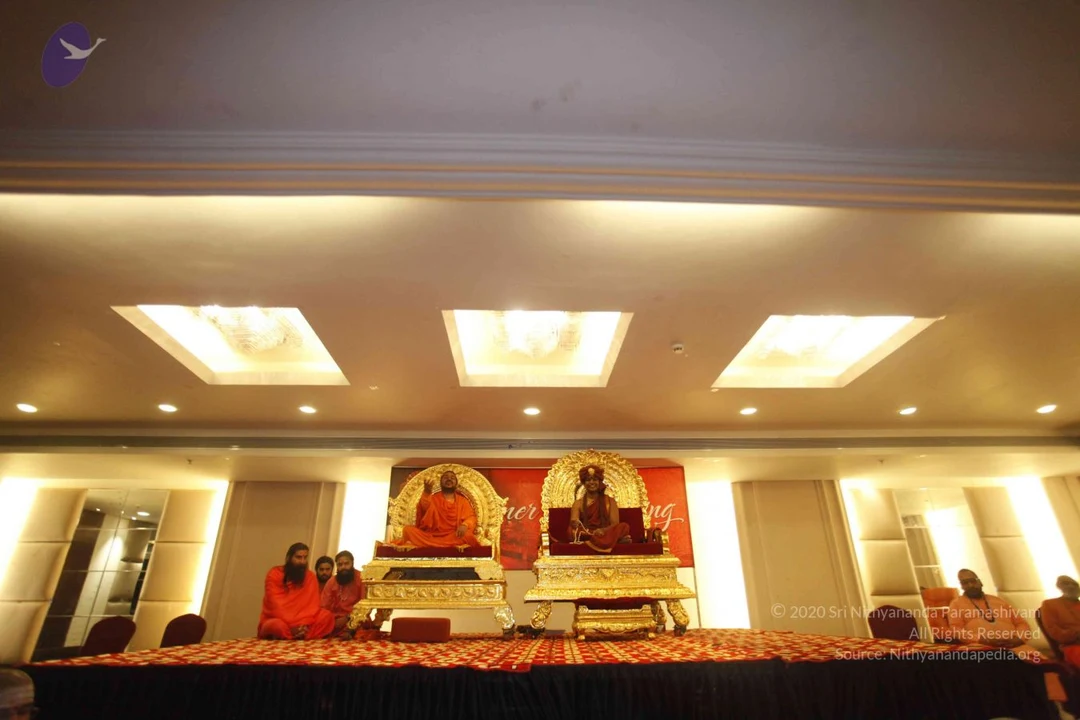
Welcome. We are honored and delighted to have amongst us today Mahamandaleshwar Swami Sri thousand and eight Atmanandaji Maharaj. He is the Mahamandaleshwar of Mahanirvani Akhada, and he is also Acharya. Very few Mahamandaleshwars are Acharya who has capability of teaching. He is also the Head of Swatha Prakash Ashram. Swamiji has Ashrams in Haridwar, Punjab, Gujarat and Madhya Pradesh, and he is continuously engaged in spiritual activities and teaching Hinduism and Sanatana Dharma and enrich people. Today we are honored to have Swamiji amongst us and we all welcome Swamiji for being here. On behalf of Me and on behalf of Dhyanapeetam, I welcome Swamiji for gracing us. And Swamiji is also, if I have to add one more line, the personal touch, Swamiji strongly stood by us and supported us during all the controversy, conflict anywhere happens about us. And I request Swamiji to bless us and grace us.
[09:20]
SWAMI ATMANANDAJI MAHARAJ ADDRESSES THE GATHERING: Hari Om vishwani deva savitar duritani parasuva Yad bhadram tanna asuva. Om shanti, shanti, shantihi OM
[10:20] Hindi
[Translation added by the transcriber] [I have seen many of Swami Nithyanandaji’s programs in Kumbh Mela and on TV. Today, in the whole world, there is a lot of disturbance, chaos, unrest. Every individual desires that he should have peace of mind. And Swami Nithyanandaji, for the welfare of the whole word, is striving to bring this peace. That is a wonderful work that Swamiji is doing. We are all from the tradition of Jagadguru Adi Shankaracharya. Shankaracharya, in the Viveka Choodamani, says that, in the world there are three things which are very rare, which are very scarce, almost inaccessible. The first is, Humanity. People say that there is a lot of humanity in the world. But that is not correct, because they are referring to the number of human-beings. Yes, in India, the population is too much. We are seeing a lot of humans, but not humanity. “Humans” is different, “humanity” is different. Humanity is obtained only in the presence of Mahapurushas (great souls), only at the feet of Mahapurushas. The second thing which is rare, which is scarce in this world along with humanity, which is almost inaccessible is getting Moksha, Liberation. It is said that in the world – whether it is as per Indian philosophy or as per Western philosophy – there are only three important questions: What is life? What is this world? Who created this world? These three questions. The first question is about us: Who are we? Adi Shankaracharya says that we should constantly contemplate on this – From where have I come? And why have I come? Why did I get this human birth? Listen, there is a reason for everything. Nothing happens without a reason. Any karma you do, any activity you do, is there a reason behind it or not? For instance, all of you have come here to get spiritual knowledge, spiritual awakening. That is the reason why you have come here to Swami Nithyanandaji. You have not come here without any reason. You have come here for one reason: spiritual knowledge or spiritual awakening. So, like that, behind every action there is some reason for doing that action. Without any reason there is nothing in the world. If you laugh without any reason, what will people think? They will think, ‘Hey, he has gone MAD!’ So, we have taken birth for some reason. So, we should contemplate on why have we taken birth and what is the goal of our taking birth. Every individual has only one basic desire. Not only human-beings, but also everything else in the world, the birds, animals, creatures, everything in the world desires only one basic thing: that it should get Happiness, Joy, Bliss - “Ananda”. Every individual wants to get Happiness, Peace, Joy, Bliss. Our gurus were so great; that is why in all our names they have put the suffix “Anand” (Bliss). For example: Swami Atamanand, Swami Nithyanand, Swami Turiyanand. All of you have come here to Swamiji Nithyananda for “ananda” only, is it not? So, the “ananda”, the bliss that you desire, are you getting it in the outside material world? Temporarily you may get from some objects of sense pleasure. When you eat Rasagulla (an Indian Bengali sweet delicacy) or Idli-Dosa (a South Indian delicious snack), you may say, ‘Maharaj, I got a lot of satisfaction, joy, from eating this.’ But, this joy is only temporary, not long-lasting. All of us are searching for happiness, joy, bliss, that is permanent, eternal, which remains forever with us. That happiness, that joy, that bliss is called “PARAMATMA”! That happiness, that joy, that bliss is called “ESHWAR” (God)! Sometime back, somebody asked me a question: ‘Maharaj, you are talking about God, but I don’t believe that there is somebody called God, I don’t believe that God exists! I don’t believe that God created this world. I believe that this world happened by itself, it happened naturally, that it is a natural phenomenon.’ I will narrate a story to answer this question: There was a very intelligent lawyer. His wife was a very pious lady, very devoted to God. Every day she used to worship God, pray to Him, do puja, etc. Her husband the intelligent lawyer, who was an atheist, used to ask her, “Why are you doing all this? What do you get from this”? She used to reply, “I get a lot of satisfaction, joy and peace of mind from doing this. And we all should worship God, Eshwar.” Her husband asks, “Who is this Eshwar? Who is this God”? She replies, “He is the one who created this world.” The husband asks her, “Have you seen God”? She says, “No, I have not seen Him. But I have experienced Him! When a baby is born, the mother’s blood is converted into milk to feed the baby. Who does this? It is God who does all this.” The husband says, “There is no God or anything!” The wife replies, “Okay. That may be your opinion; but this is my opinion.” This couple, the lawyer and his pious wife had a son. When he grew up he imbibed the qualities of his mother, the pious, devoted lady, who believed in God. Adi Shankaracharya says in the Brahmasutra, whatever qualities we have, some of it we bring from our previous birth; some qualities we get from our parents; but most of the qualities we get from our Sangha, the society in which we live. That is why our elders advice us to always have “Sat Sangha”, the company of Mahapurushas, of saints and sadhus. So, this boy got the qualities of his mother. And he wanted to convert his father, the lawyer, from an atheist to theist, a believer in God. So, with this goal in mind, the little boy painted a beautiful picture. When his father, the lawyer, saw the picture he was very happy. He told the boy, “Son, this is wonderful. This picture you have painted is so beautiful! Great job.” The son replied, “I didn’t do it.” The father asks him, “Then who made it”? The son replies, “It is natural. It happened by itself.” The lawyer-father argues, “How can it be natural? How can it happen by itself”? Quick as a flash the son replies, “Father, you say that everything in this world is natural. You say that the world was not created by anybody, it happened by itself, it happened naturally, as a natural phenomenon. Same way, this picture is also natural. It happened naturally by itself. The paper came from somewhere by itself naturally. The pen came from somewhere by itself naturally. And the picture got painted by itself naturally.” The father got angry and shouted, “Are you taking me for a fool? Without a painter, there can be no painting.” The son calmly replied, “Okay, father. If to create this small picture, somebody is required, then to create this great, vast picture the world is somebody not required, is a creator not required? Like mother says, to create this world, you need somebody called God.” The lawyer was thus taught a beautiful lesson by his son. See, this Ganga, the river Ganga is coming from Gomukh. But it finally rests in peace only when it reaches its destination, the ocean. Same way, our destination is God. Till we reach God, we will not experience peace. This Ganga, the river Ganga, it removes our sins. It has the power to remove our sins. People ask many times, “What will we get from the Ganga”? The answer is Ganga removes our sins. In London, there is a river called the Thames River. A child told me, “Don’t touch the water of this river. If you touch it, you will get infection.” I asked him, “Do you know in Haridwar there is a river called the Ganga”? The child said, “Yes, yes, I have gone there.” I asked, “Do you know what happens when you touch the waters of the Ganga, or have bath in the Ganga? All your infections will go away, will be removed.” This is the greatness of the Ganga. Just looking at the Ganga you get mukthi – liberation. Then imagine what will happen if you get into the Ganga and have a bath. All of you are fortunate that you are here now in Haridwar on the banks of the Ganga with your Sadguru, Swami Nithyanandaji. The third thing which is scarce in this world, which is difficult to obtain in this world is the company of great saints, the association of great saints, Mahapurushas. People say the most valuable thing in the world is Time. In English they say Time is Money. Once it goes away, it doesn’t come back. None of us knows how much time we have in this world. Whatever has gone has gone forever. Whether we use it or misuse it is in our hands. A knife in a dacoit’s hands takes away life. The same knife in a surgeon’s hands gives life. The knife can be misused, put to the wrong use like the dacoit does, or it can be used, put to the right use like the surgeon does. Same way, some people misuse time. But some people use time. They seek the association of saints and sadhus, they come to the feet of a Mahapurusha, Guru. So, all of you here are using time very well, for the right purpose (by coming to Swami Nithyanandaji and spending your time with him). Sometime back also, Swamiji Nithyanandaji came here to Haridwar. Swami Turiyananda had phoned me many times. But I was away in Gujarat then. The only way to overcome the disturbances, the fears, the chaos in this world is to be in the presence, in the company of a Mahapurusha like Swamiji Nithyananda. In the Shrimad Bhagavatham it says, Maharaja Yadu, the ancestor of Sri Krishna, he was roaming in the forest. He saw a great saint sitting under a tree. It was a very huge tree, like your banyan tree in Bidadi....like your Kalpataru in Bidadi. In heaven also there is a Kalpataru. It is said that if anybody goes to heaven with his good karmas, his good deeds, he gets to sit under that Kalpataru tree in heaven and all his wishes get fulfilled. Once a person got to sit under that Kalpataru tree. While sitting under that tree, he felt a desire for food, and immediately the food appeared in front of him. It was a wish-fulfilling tree, you see. After eating, he felt sleepy, and he felt the desire to have a bed to sleep. Immediately a bed appeared from nowhere and his wish was fulfilled. He then thought, “This is a very good place. There will be apsaras (beautiful heavenly damsels) also here. How nice if I can have their company.” Immediately, to his astonishment, a bevy of beauties appeared in front of him and started entertaining him. Suddenly a thought flashed in his mind, “Oh God, what if my wife sees me here? What will happen”? Poor fellow, to his shock, his wife immediately appeared there out of thin air and started beating him black and blue. While he was being thrashed by his wife, the sage Narada happened to pass by. Narada is a great saint. All saints guide people. Narada is also a saint. So, this guy, seeing Narada, rushed towards him and fell at his feet and cried, “Maharaj, please guide me, please save me from this situation.” Narada with a smile replied, “Son, remember, at least when you sit under the Kalpataru, have good thoughts only. Then only good things will happen to you.” Swami Nithyanandaji is also a Kalpataru. Saints and Mahapurushas are “marga darshis” (“marga darshi” means, one who shows the path). They show you the path. Swamiji Nithyanandaji has invited me here today. I thank him with all my heart for giving me this opportunity. A king once came to Dattatreya Maharaj and said, “You look so happy and blissful. I am a king and I have everything in the world; but still I don’t have peace of mind. But you don’t seem to have anything, you don’t seem to any possessions with you, but still you are so blissful.” Dattatreya Maharaj said, “Whatever I have is inside me. That is the real wealth. That is why I am always in bliss.” All of you are here today in Haridwar. Just like Delhi is the capital of India, Haridwar is the spiritual capital of the world. All the great Mahapurushas converge in Haridwar. This city is the spiritual city of the world, the spiritual capital of the world. You are all blessed that you are here in this spiritual capital of the world at the feet of a Mahapurusha, Swamiji Nithyananda!] Hari Om Tat Sat! Hari Om Tat Sat! Hari Om Tat Sat! END OF SWAMI ATMANANDAJI’S ADDRESS. SWAMIJI NITHYANANDA RESUMES THE SATSANG.
[34:16]
So, nice that Swamiji Atmanandaji came and really blessed us and graced us. And on behalf of Me and Dhyanapeetam, Nithyananda Sangha all over the world, we thank Swamiji Shrimat Swami Atmananda Maharaj, Mahamandaleshwar of Mahanirvani Peetha. We thank Swamiji. And I would like to request Turiyananda to give the translation. TURIYA SWAMI TRANSLATES SWAMI ATMANANDAJI’S SPEECH INTO ENGLISH.
[34:44]
We thank Swamiji Atmanandji for enlightening us with such rich knowledge. I would just like to share the essence of what Swamiji has told us today. Maharaj ji is saying that today the world is afraid… today the world is afraid because people don’t have peace of mind. People have everything. It is so much materialism but peace of mind is missing. So, need of the hour is welfare of the world. Now how to do the welfare of the world? So, only saints can cause the welfare of the world and that can be done by giving knowledge and peace to the world. Then Swamiji tells that Bashyakara Shankaracharyaji tells that three things are really, really rare in today’s world. Those three things are first manushyatvam means the birth in the human body. Second mumukshatvam means the seeking, the nature of the seeker, and third thing satgurus satsang means getting a satguru. These three things are really, really rare.
[35:51]
You can get everything else but getting these three things is really rare and should be the aim of everybody. Swamiji says that every person should have these questions that where have I come from and why I have come? This birth which I have got why have I got this birth? So, once person starts thinking on these lines then he can come to the next stage of seeking. Philosopher also says there is a reason behind everything. Whatever we do there has to be a reason behind that. So, everybody is doing something for getting bliss for getting Ananda. That is what is the purpose of manushya life or human life. The birth which we have taken, even if we laugh there is a reason. If you laugh without a reason people will think you are mad. So, we should think that why we have taken the birth and we should find out the reason for our birth. I want peace, I want bliss. The tradition we have after every Swami’s name there is a word ananda used. So, we have come here to receive Ananda and that is why all of us are here.
[37:02]
Swamiji also gives examples that how a god’s existence is proven when a mother when a lady becomes a mother how the blood in the body gets converted into milk - that is not something which can happen on its own. So, that clearly proves how the god is existing. So, people who don’t believe in the existence of god for them this is a very good example, scientific example. And that is how it is proven that god is there. So, everybody who has come here has come for seeking. Swamiji goes on to tell that all of us are like small rivers; like Ganga is a great river but it gets peace only when it merges with the sea in Gangasagar. Sameway all of us are a small, small streams of the divine and we get peace and liberation only once we reach the ultimate source. Swamiji goes on to thank Nithyananda Swamiji and telling devotees that all the devotees who are sitting in Haridwar are really blessed because at this time, in the city of Haridwar, in the presence of Ganga, people are getting all the three things. You have the human body, we have the seeking and we have the satsang of the satguru. Swami Nithyanandaji is present and who is a great incarnation and satguru who is sharing the satsanga and knowledge with the world and doing great service to divinity.
[38:23]
Atmanadaji Maharaj also goes on to share that how everybody’s wishes get fulfilled by the divine tree kalpataru in the divine loka, same way even in Swamiji’s ashram in Bangalore, Bidadi there is a Banyan tree, Kalpa vruksha. As Swamiji Himself is fulfilling people’s wishes. So, anybody who wants to fulfill his wishes should come to Swamiji’s satsang and like a kalpataru Swamiji is continuously radiating bliss and fulfilling everybody’s wishes. Swamiji then goes on and concludes the satsang by thanking Paramahamsa Nithyananada Swamiji by saying how Swamiji is guiding the whole world from Haridwar. Haridwar is the spiritual capital of the world. So, how the messages which Swamiji is giving from Haridwar should reach the entire world and enrich the entire world. It is his wish and also his desire that Swamiji’s message should be taken to the entire world and maximum number of people should be benefitted. Thank You.
[39:22]
Tags:
Paramahamsa Nithyananda, Mahamandaleshwar, Swami Atmanandaji, Atmanandaji Maharaj, Mahanirvani Akhada, world, peace, spiritual awakening, life, happiness, bliss, God.
Photos Of The Day:
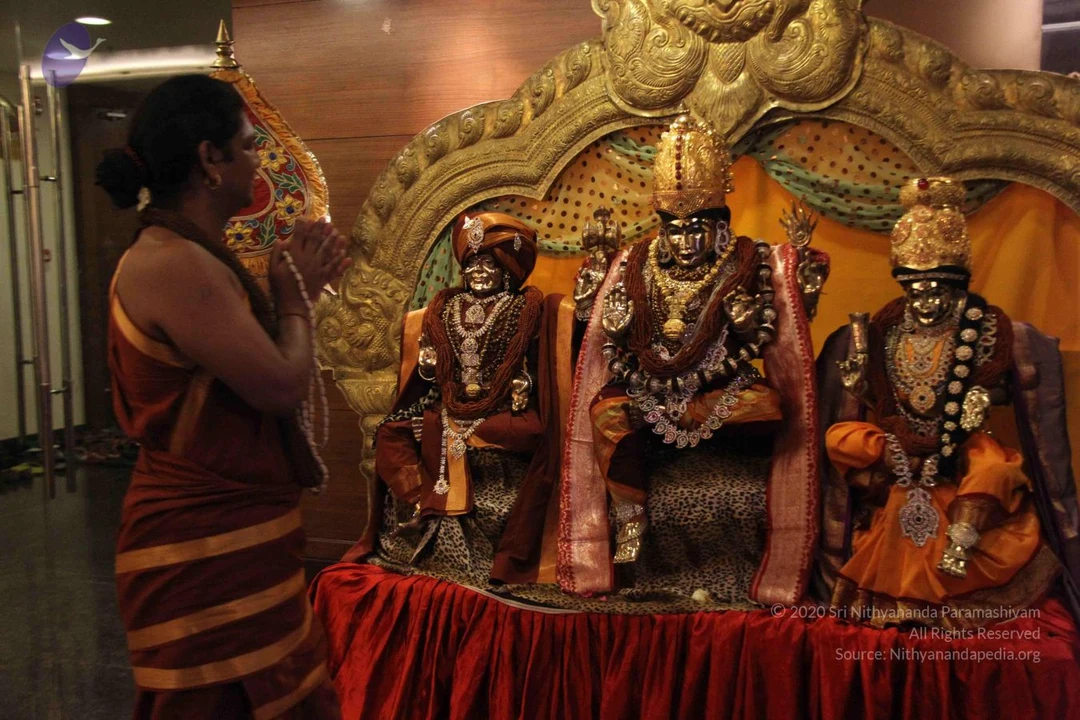
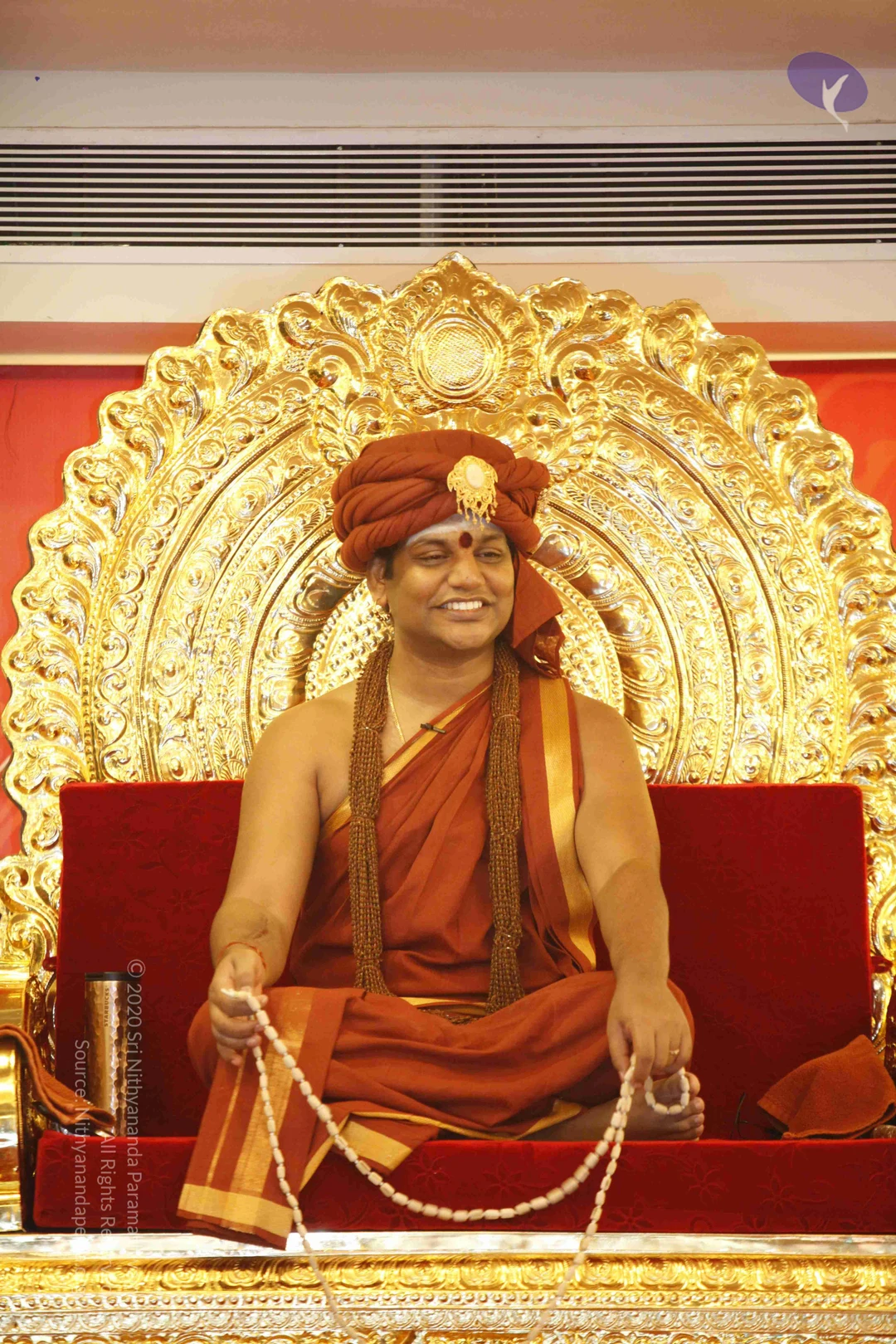
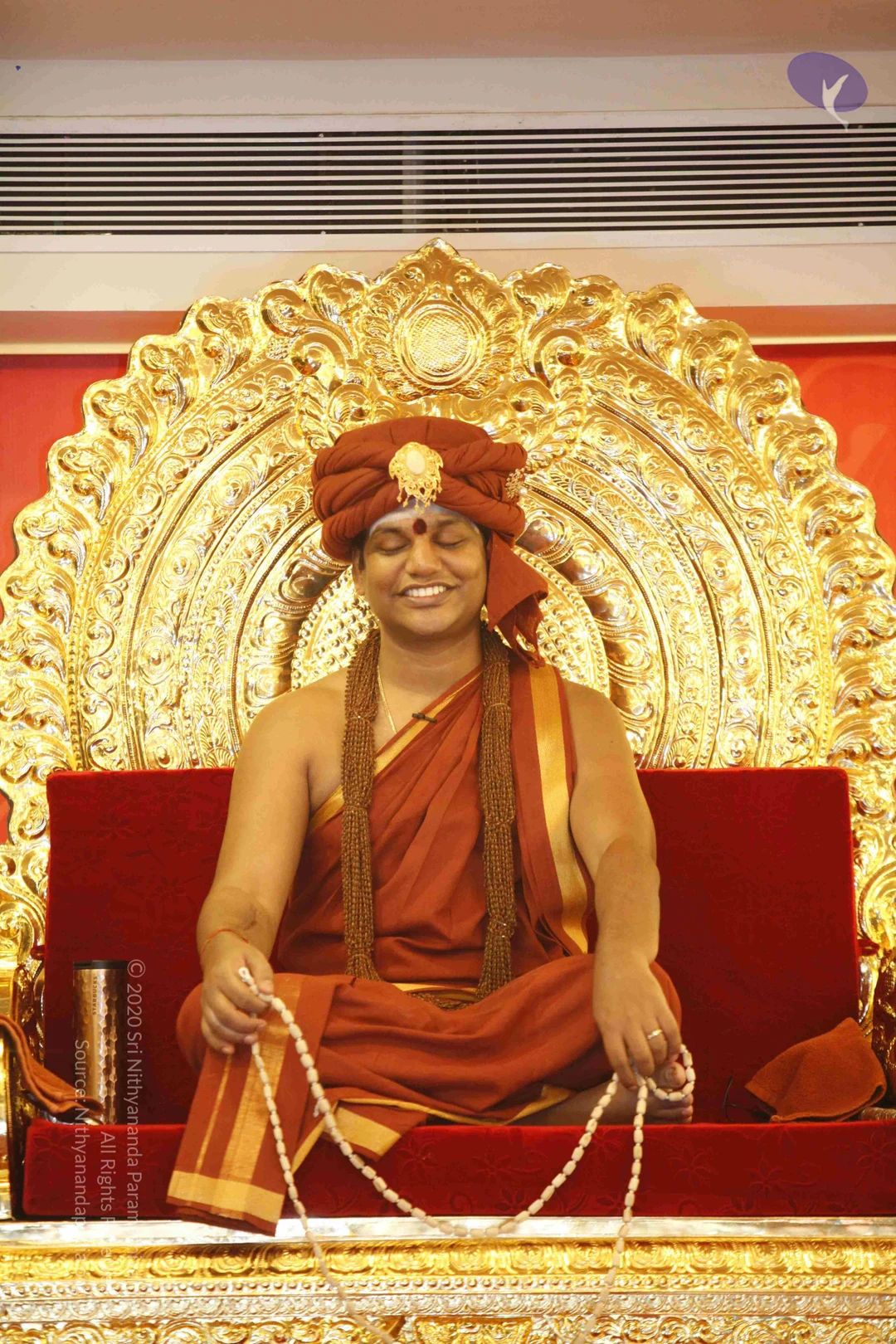
Inner Awakening DARSHAN
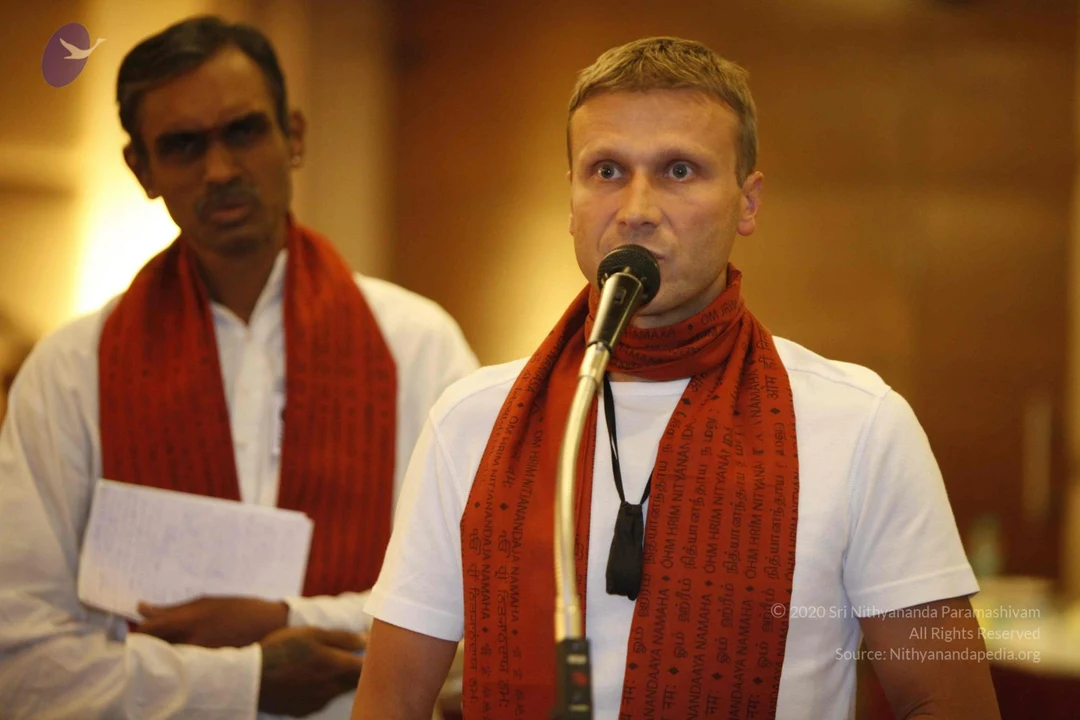
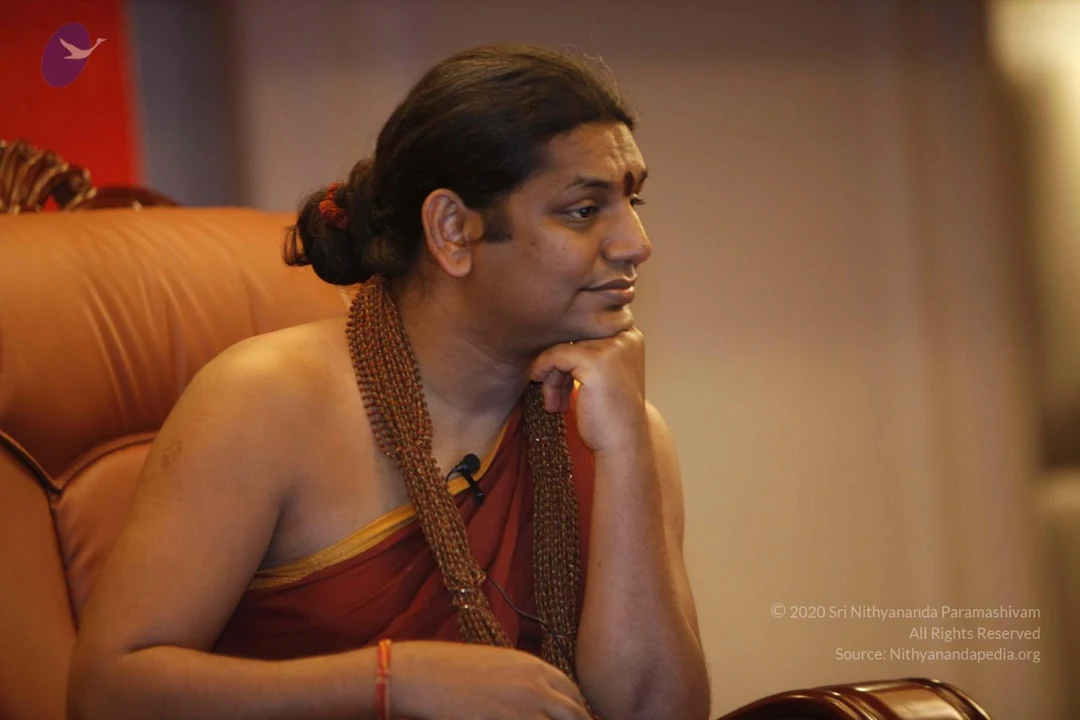

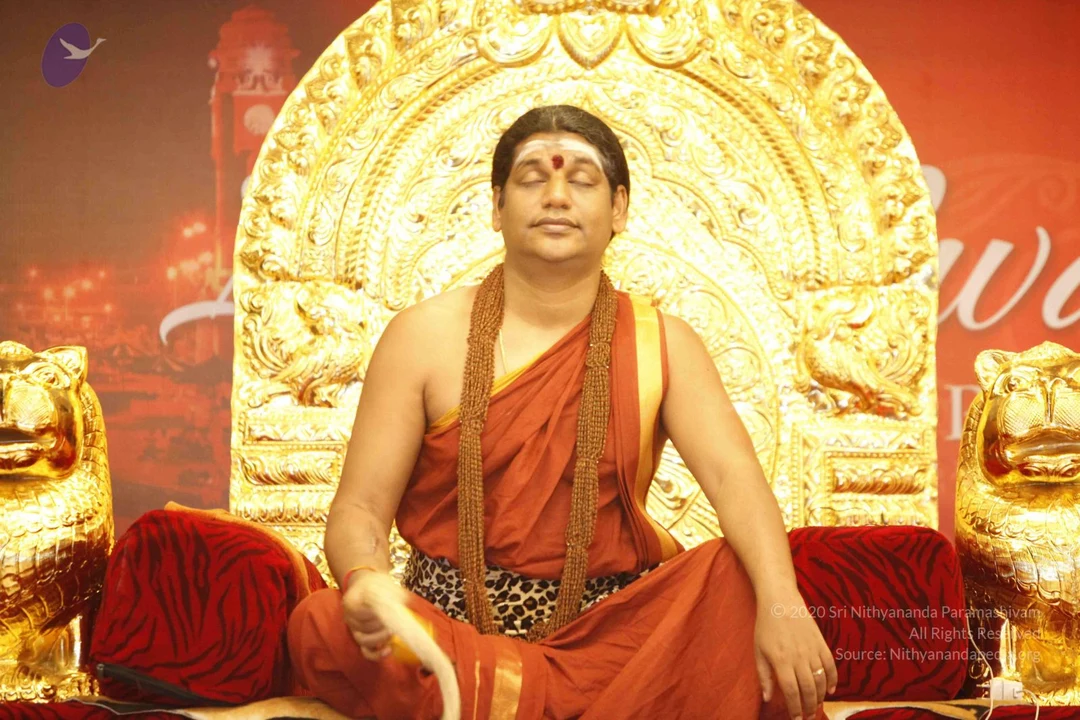
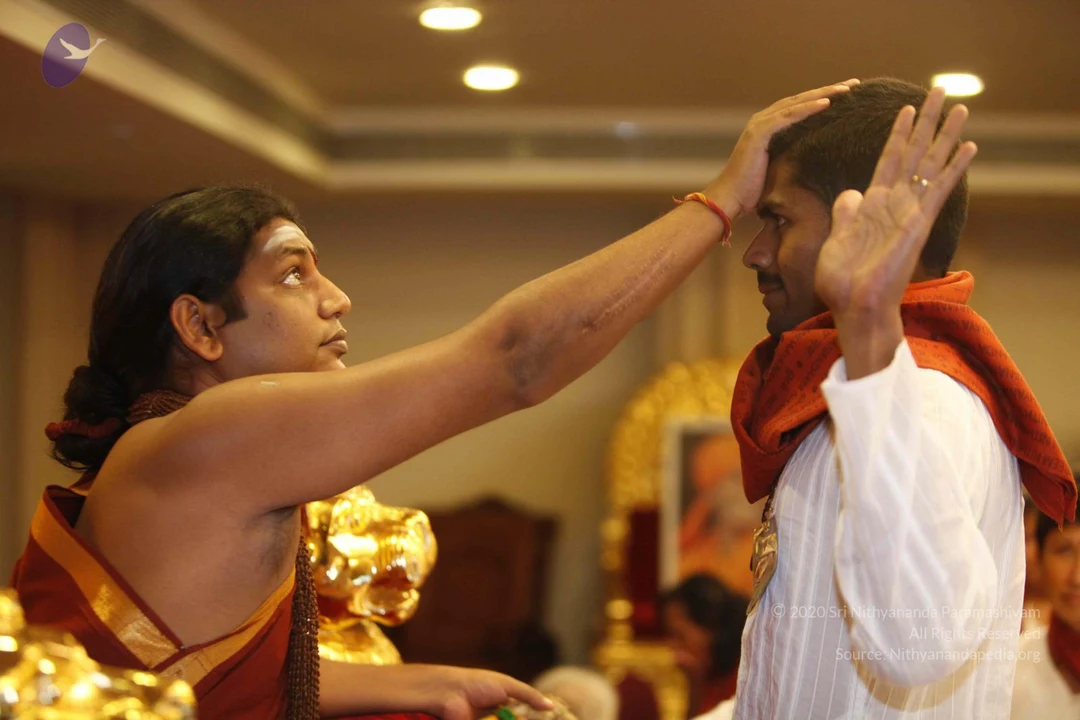
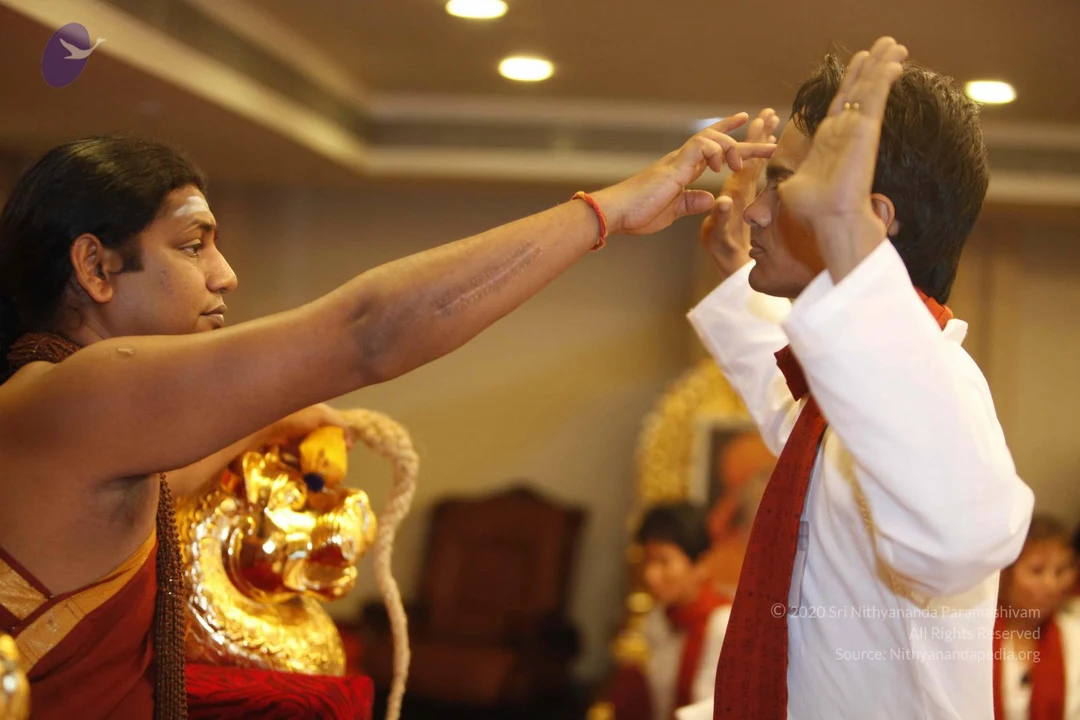
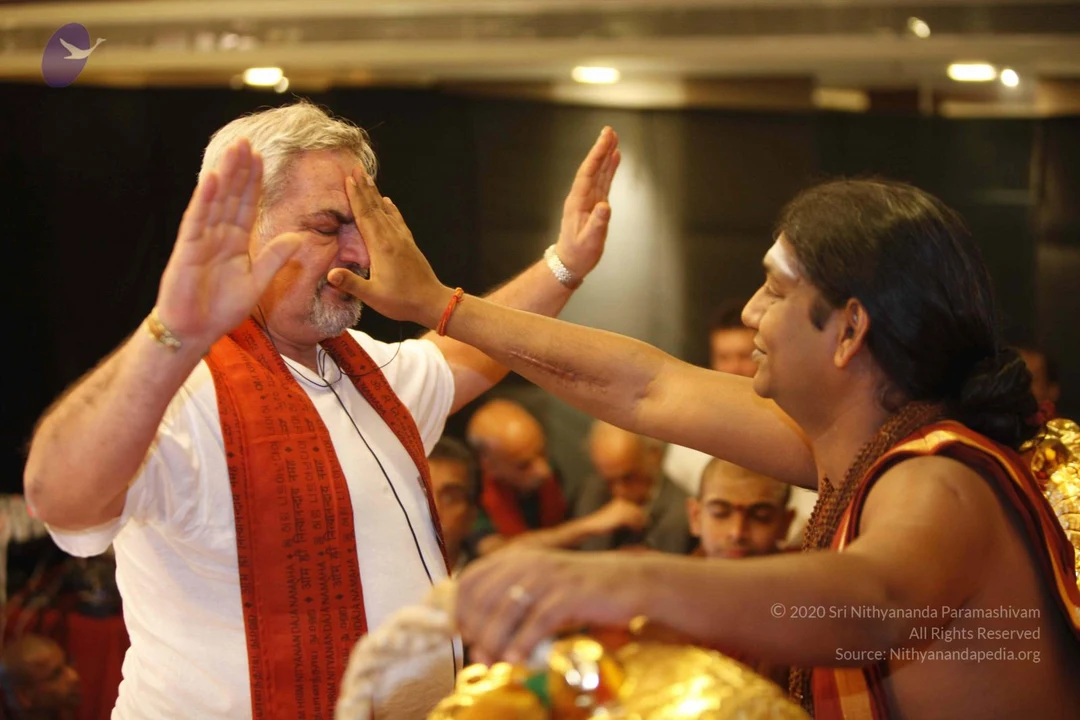
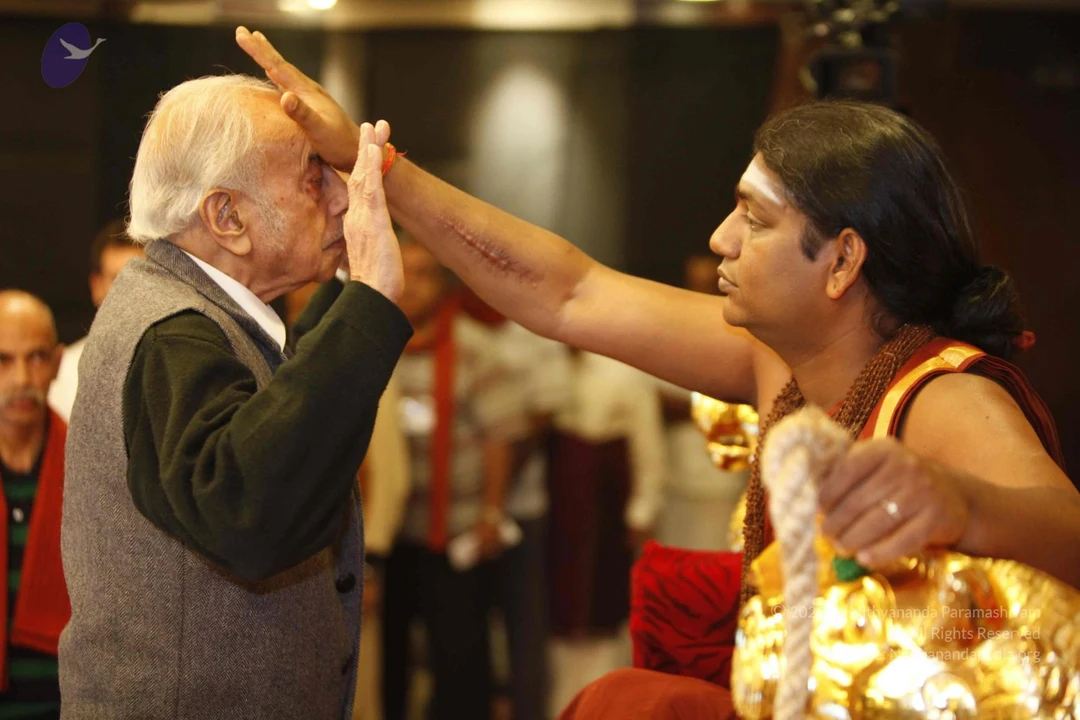
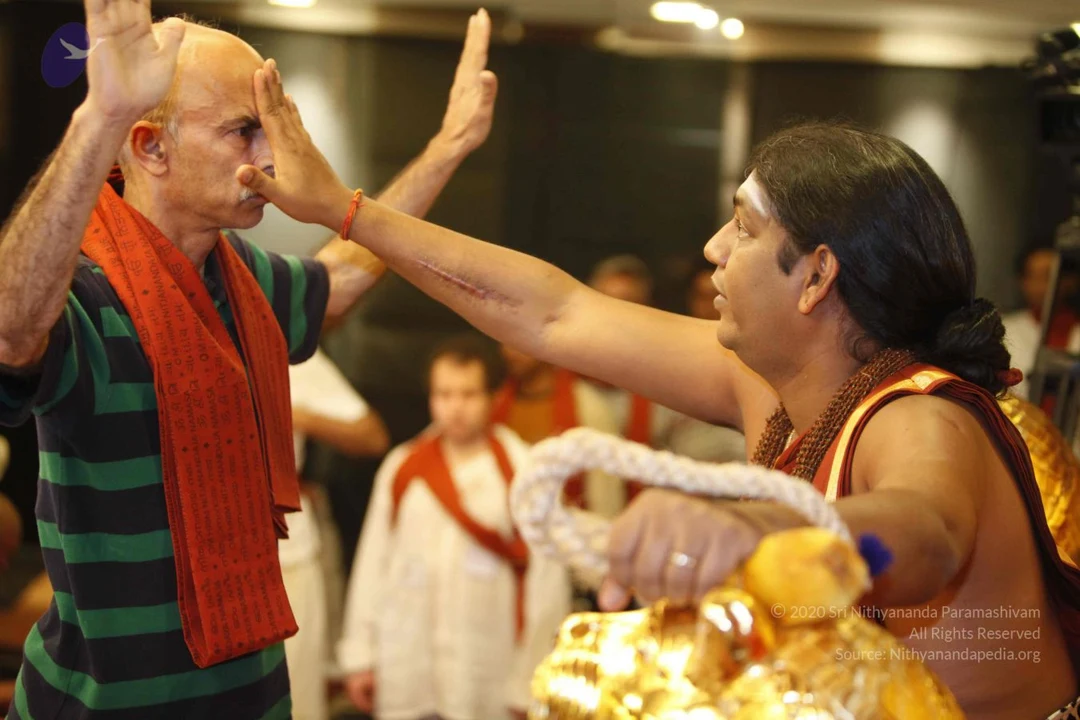
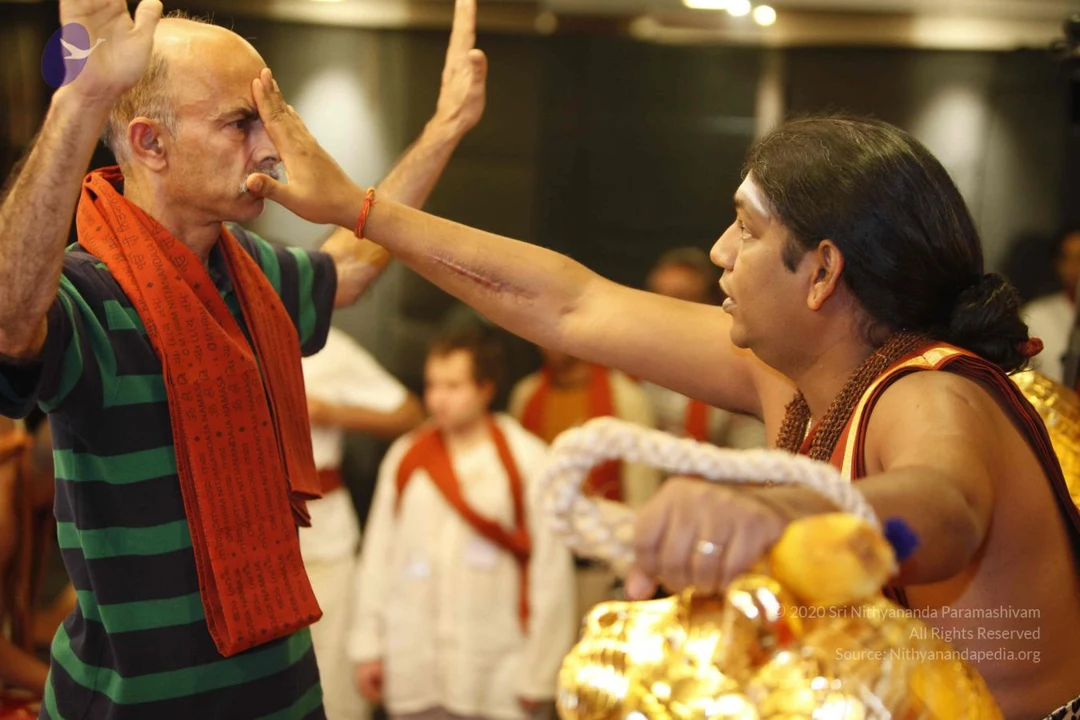
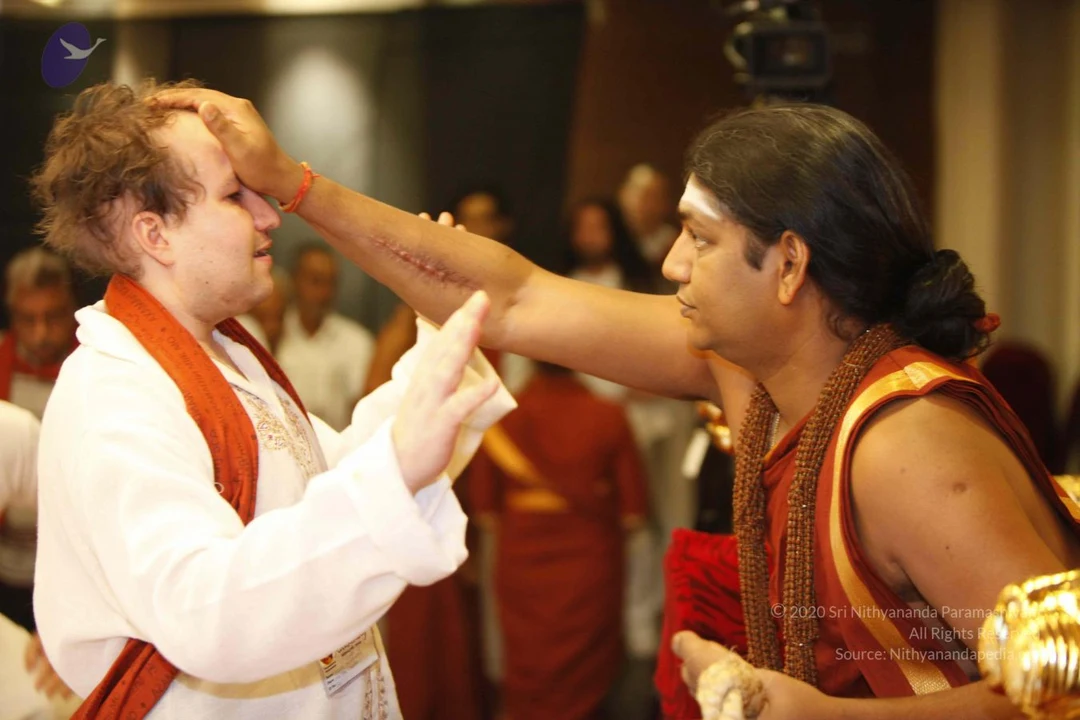
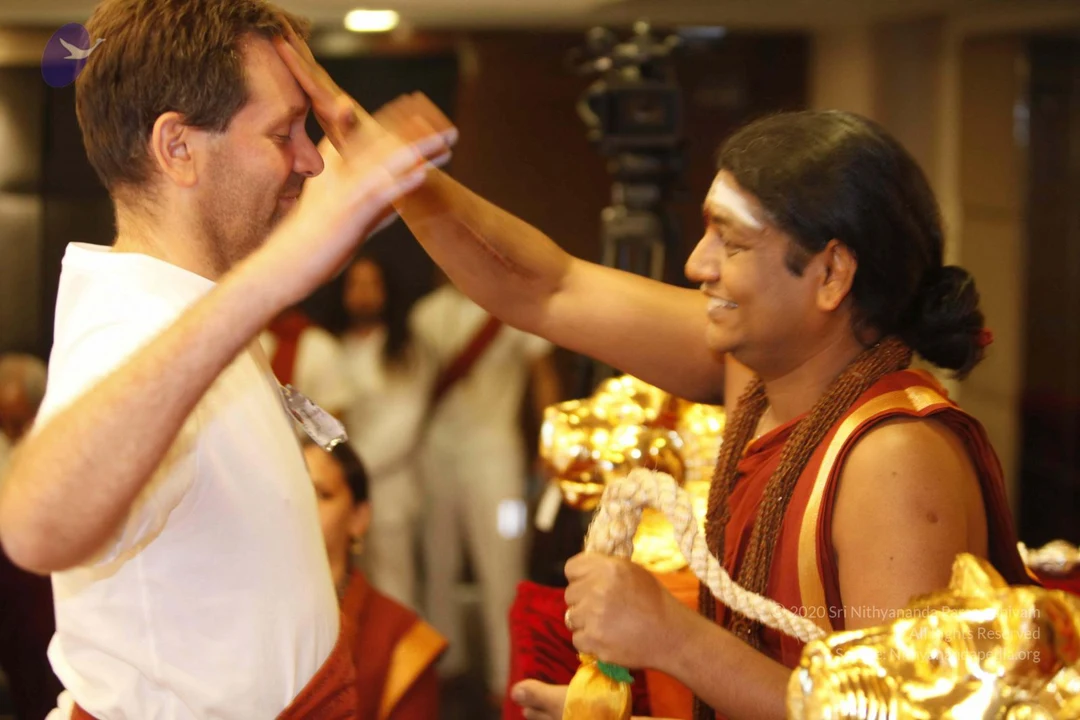
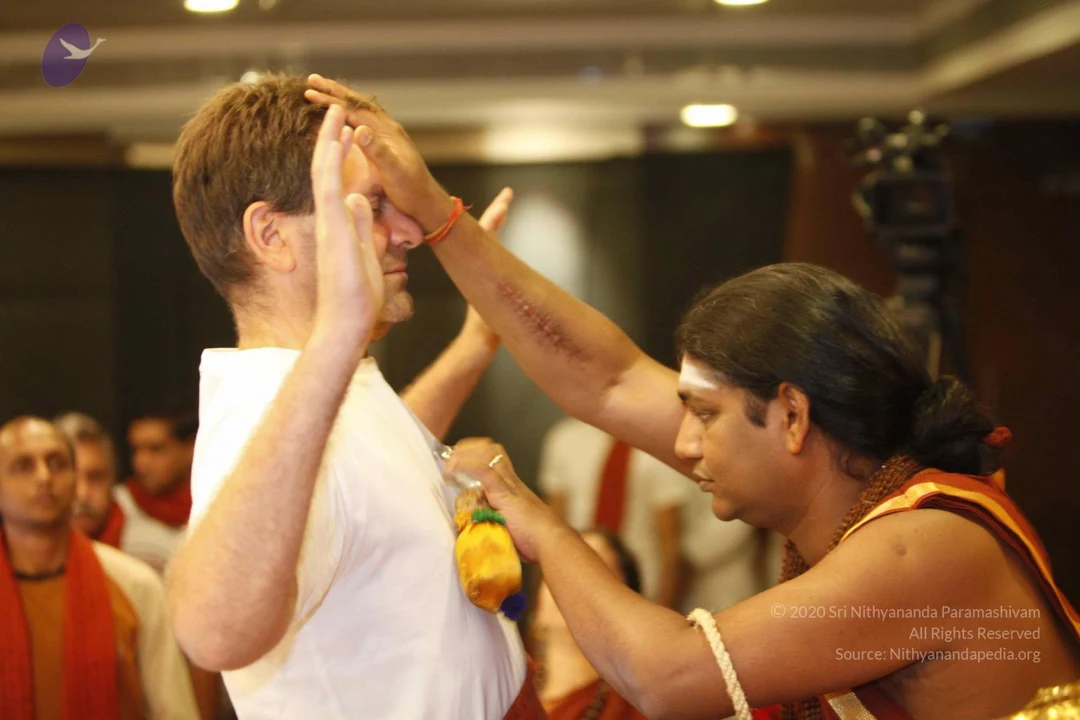
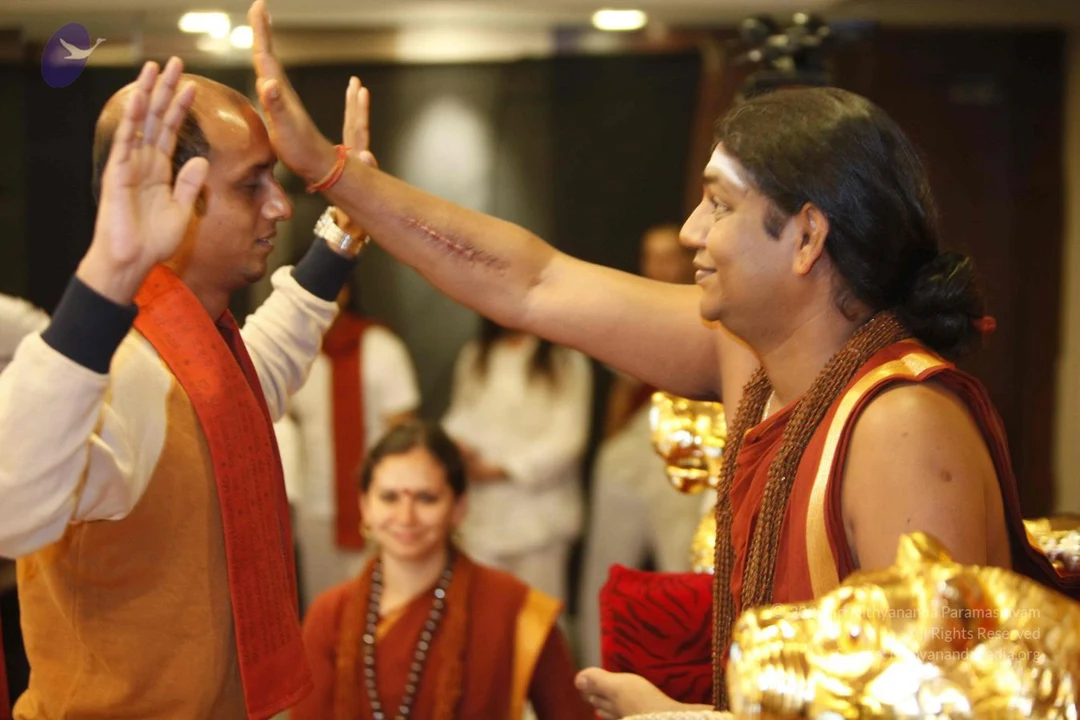

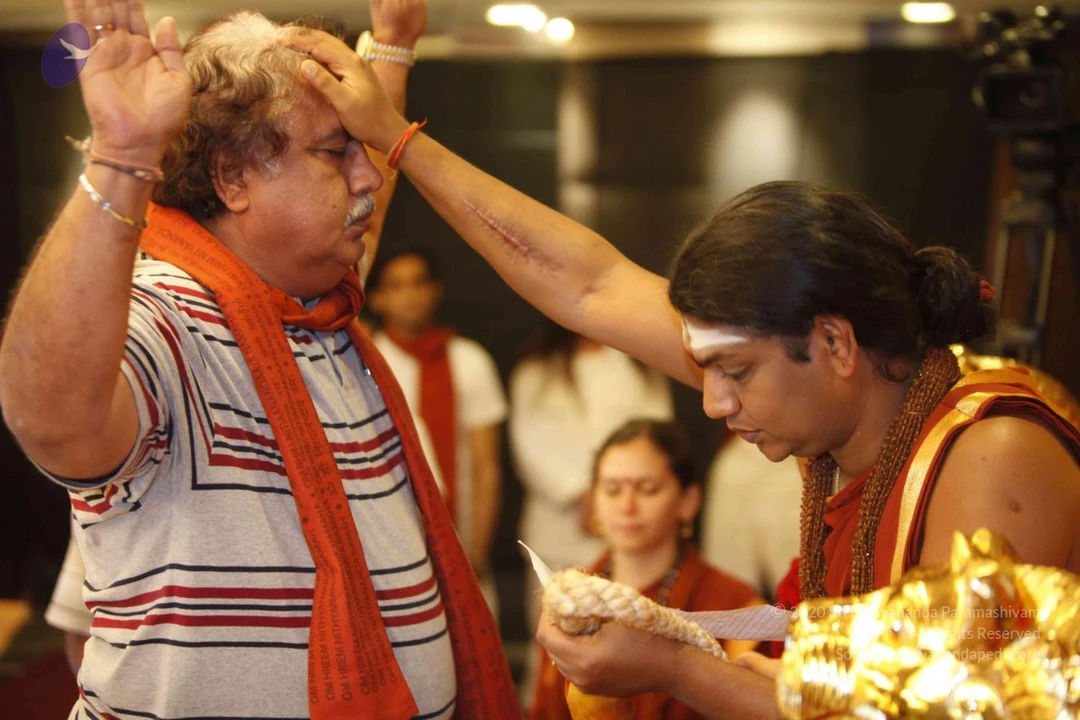
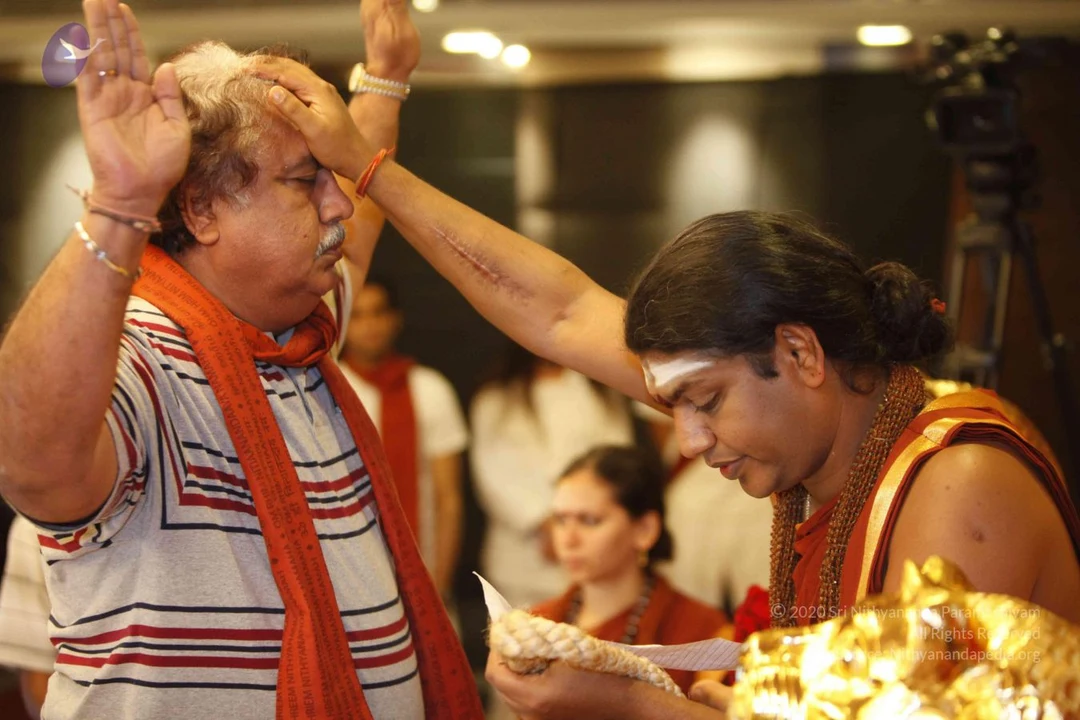
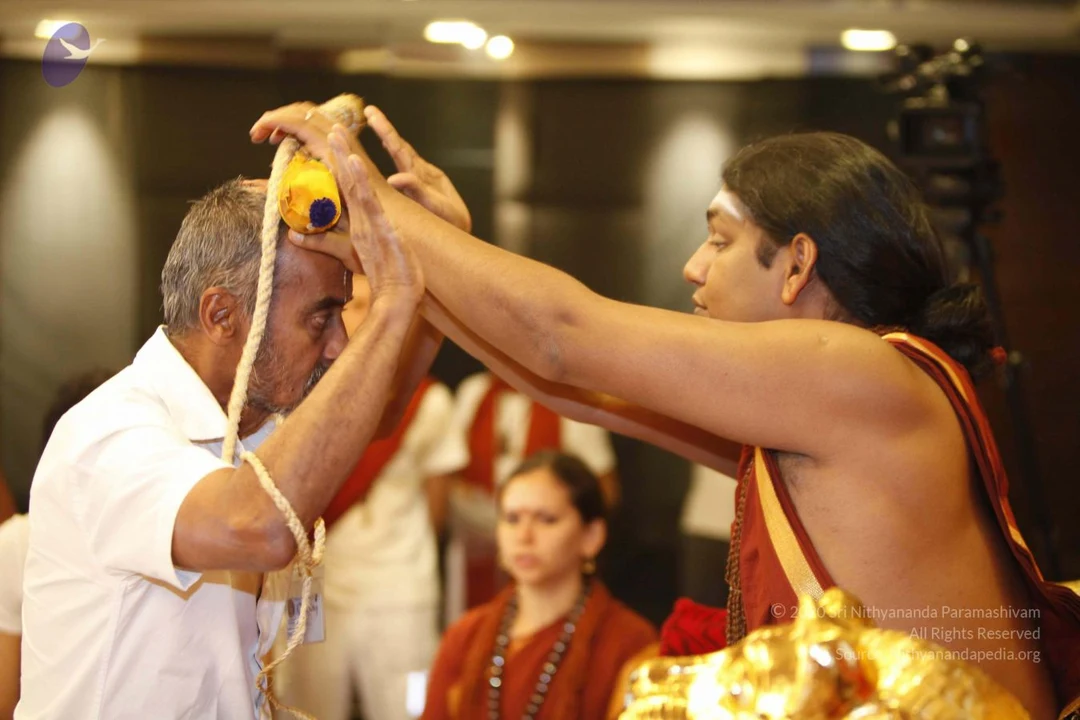
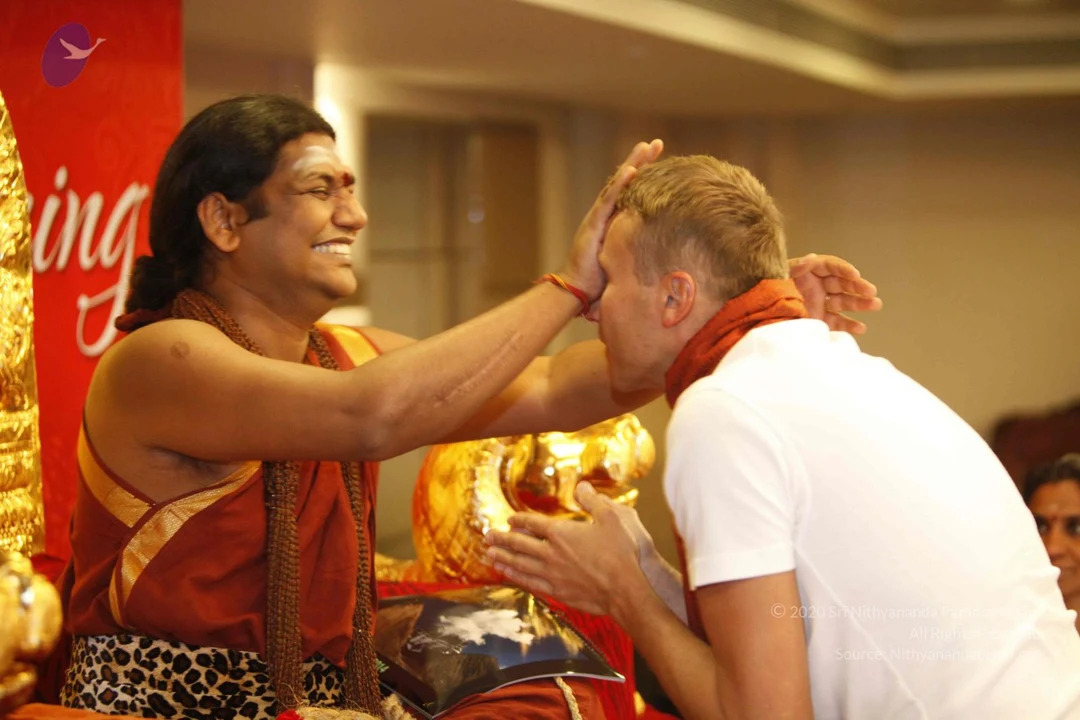
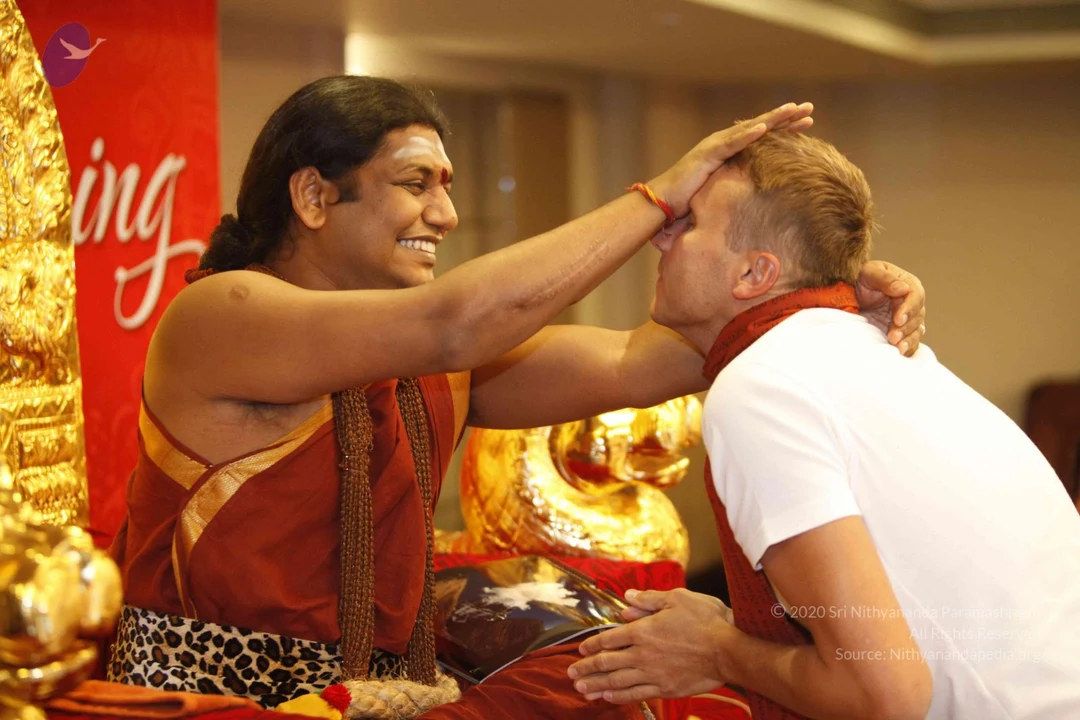
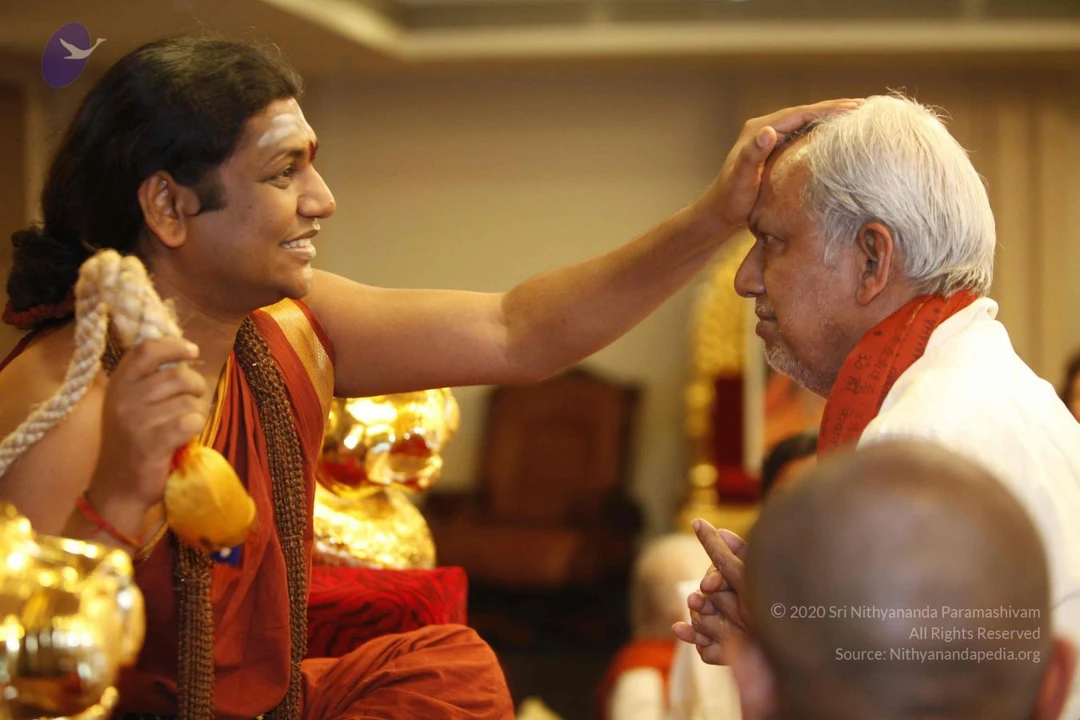
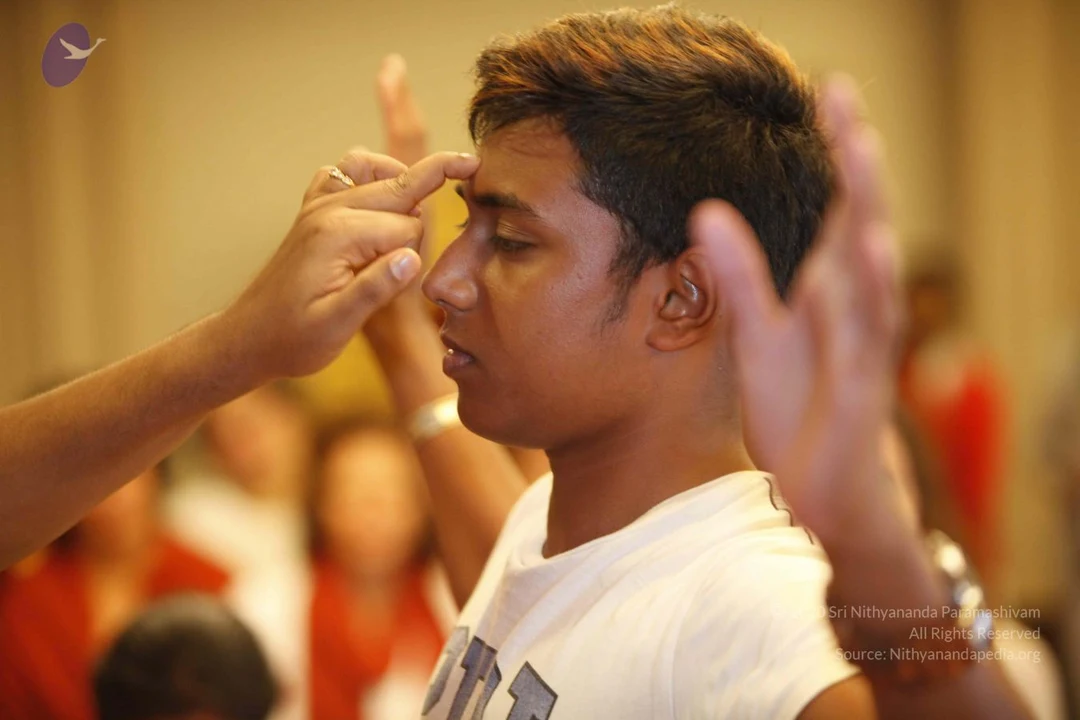
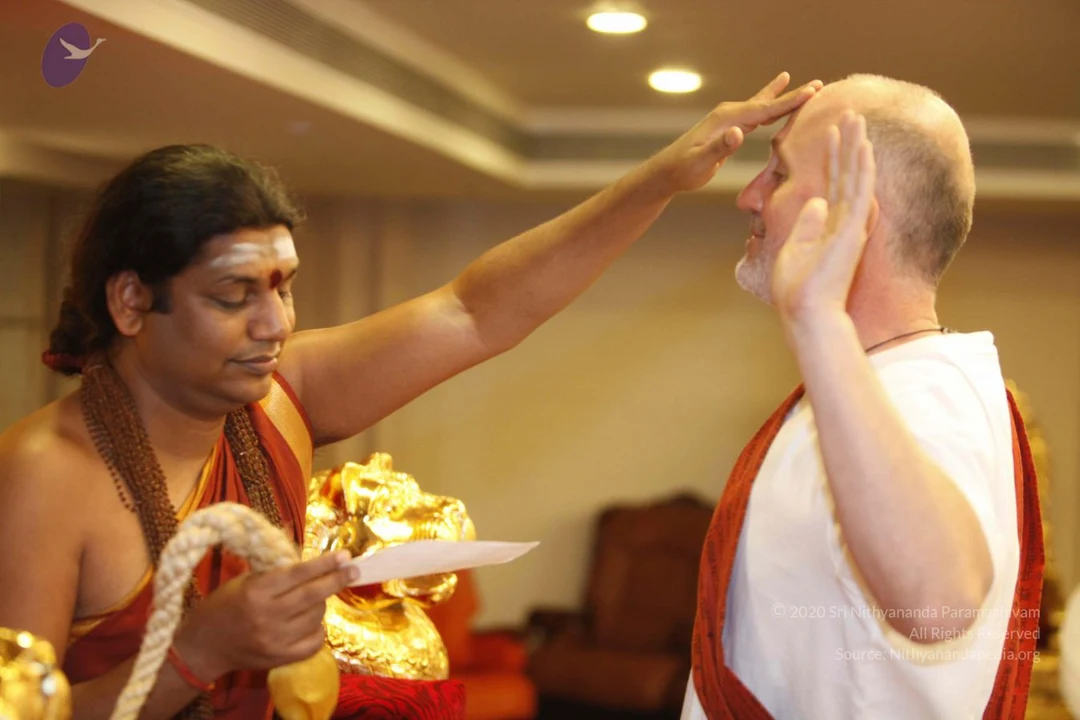
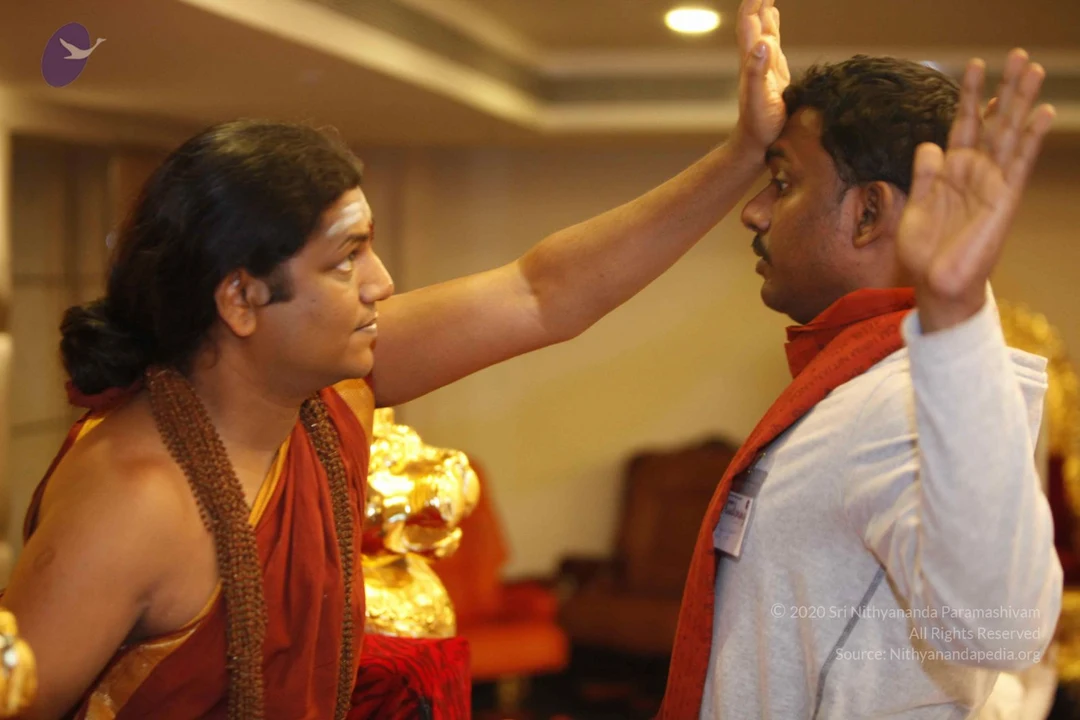
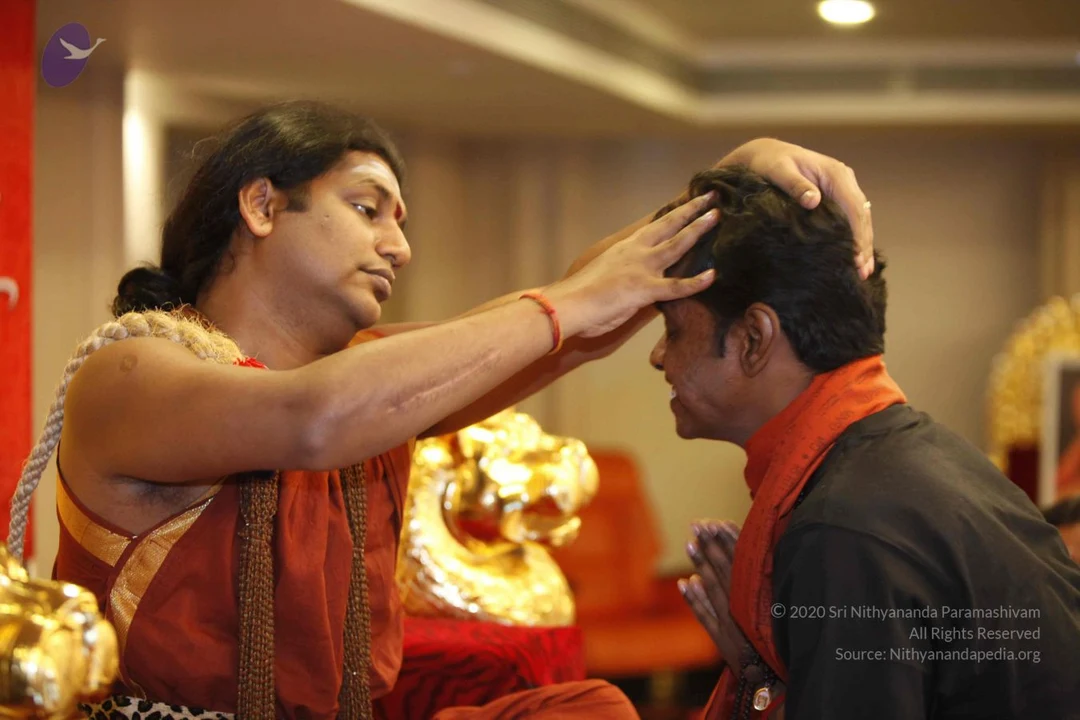
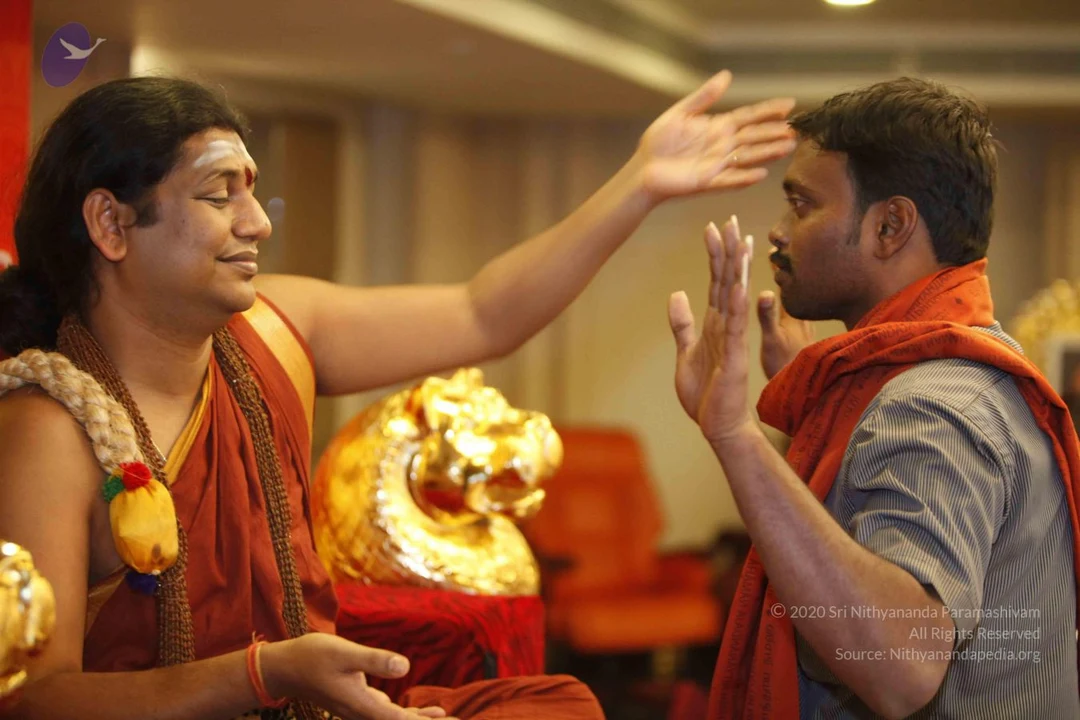
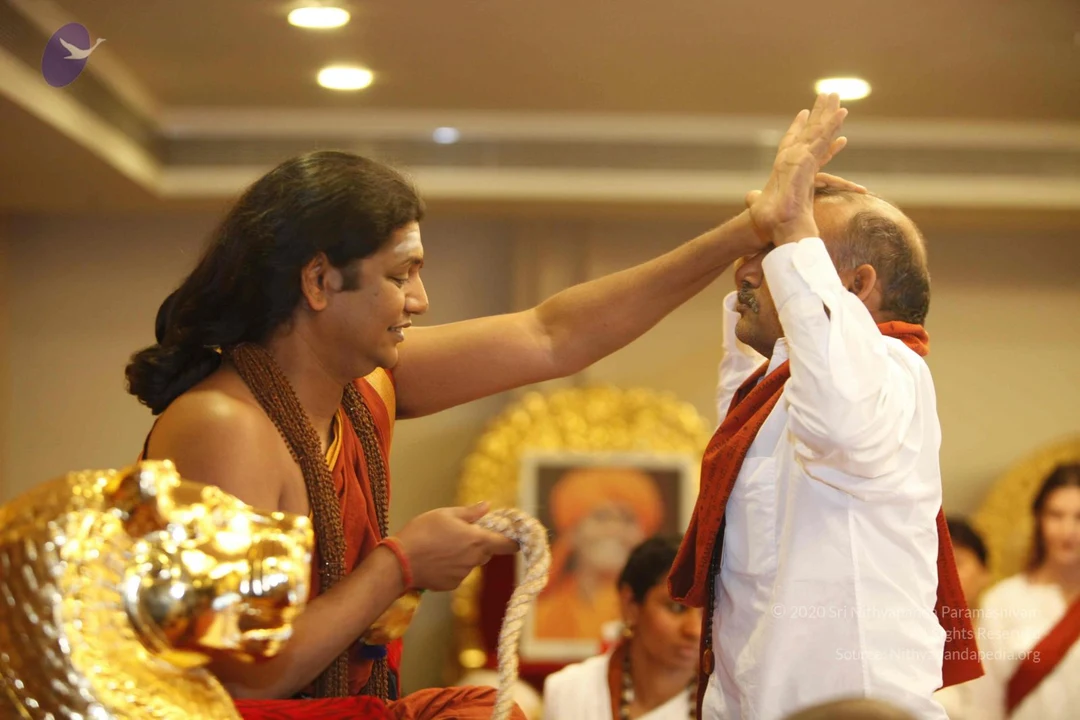
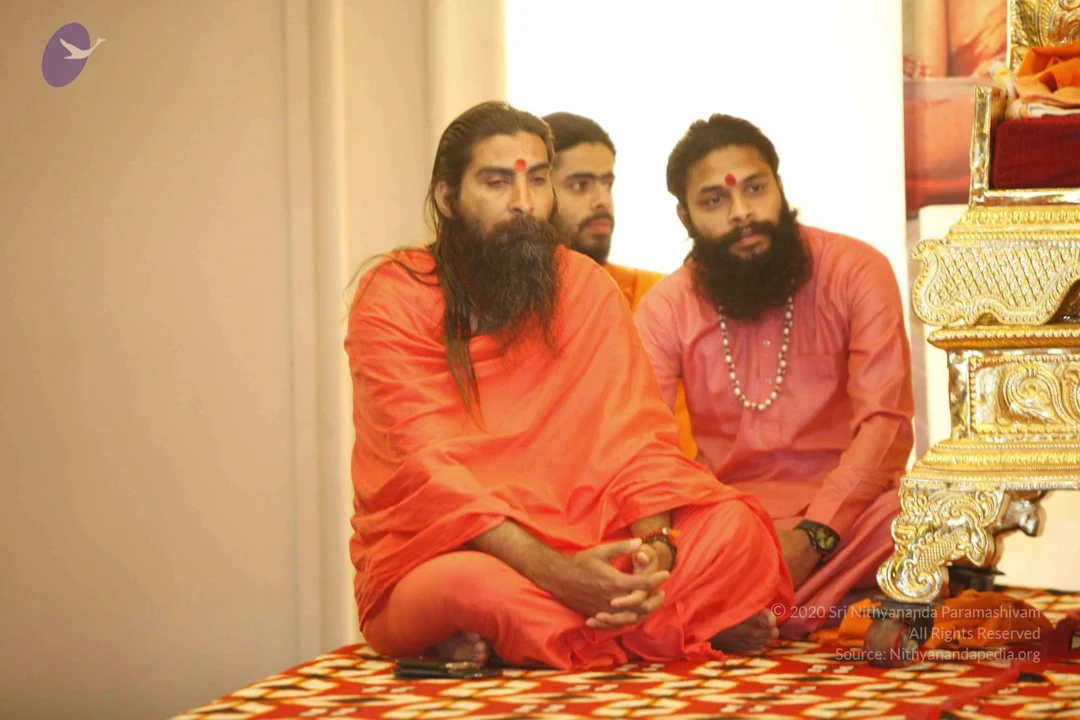
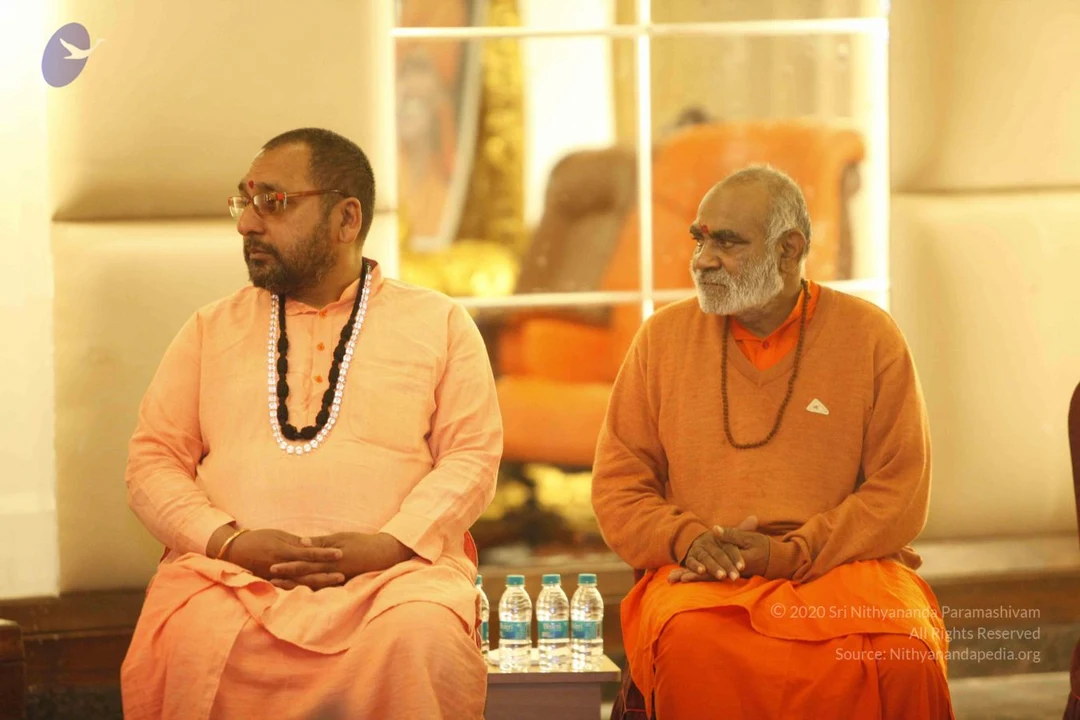
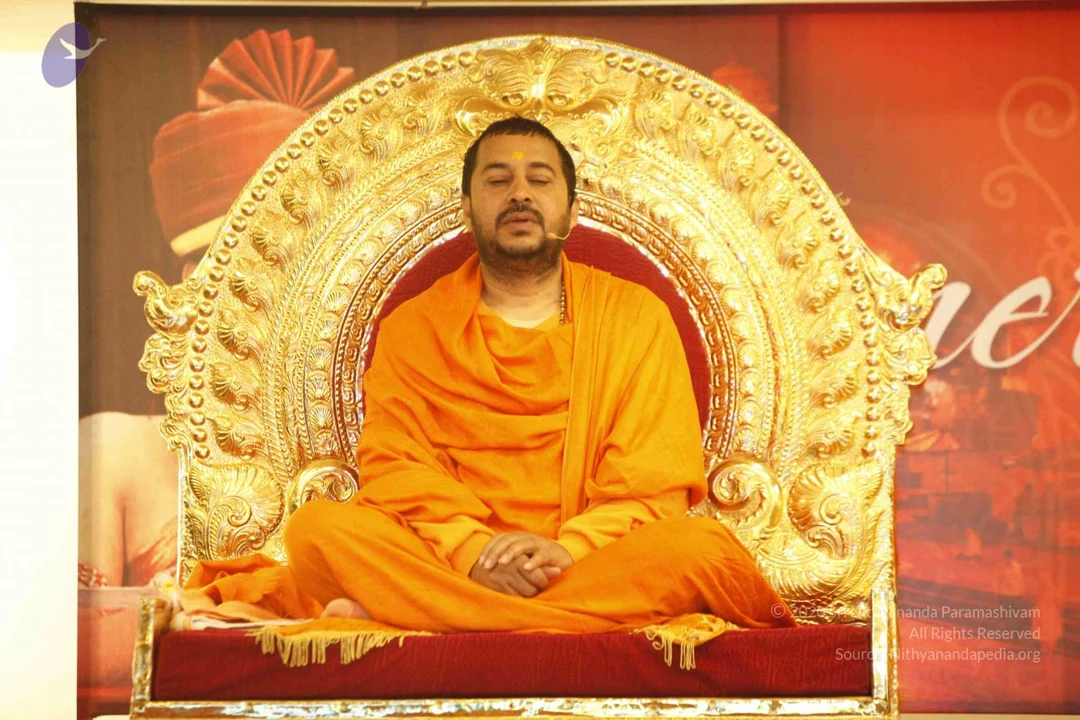
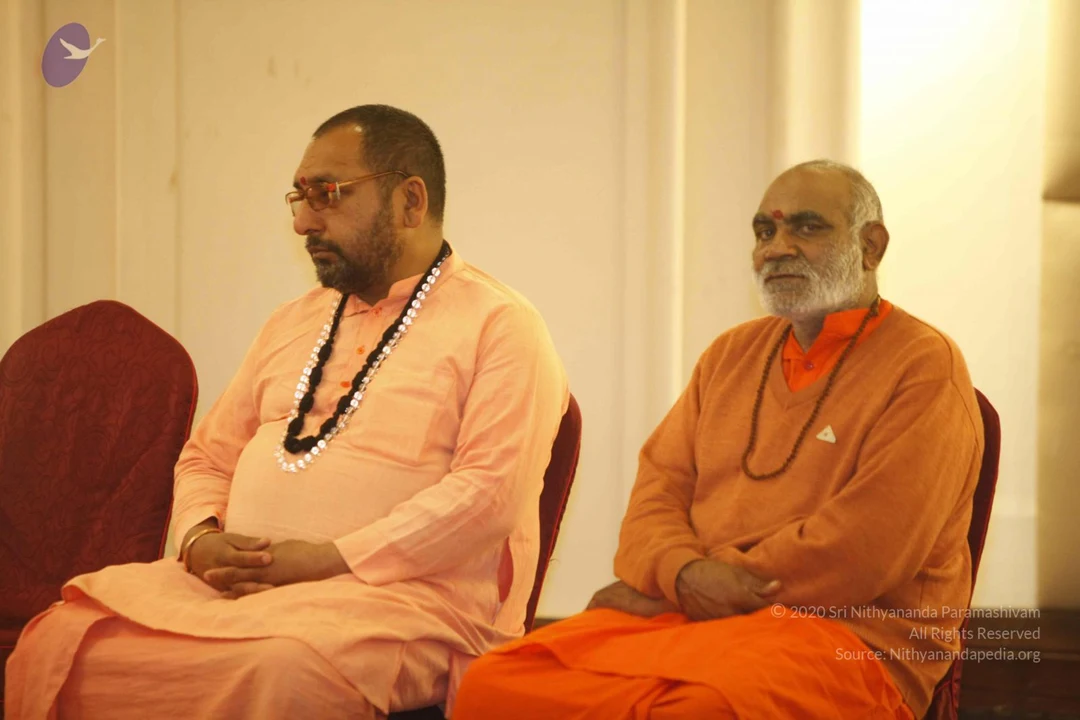
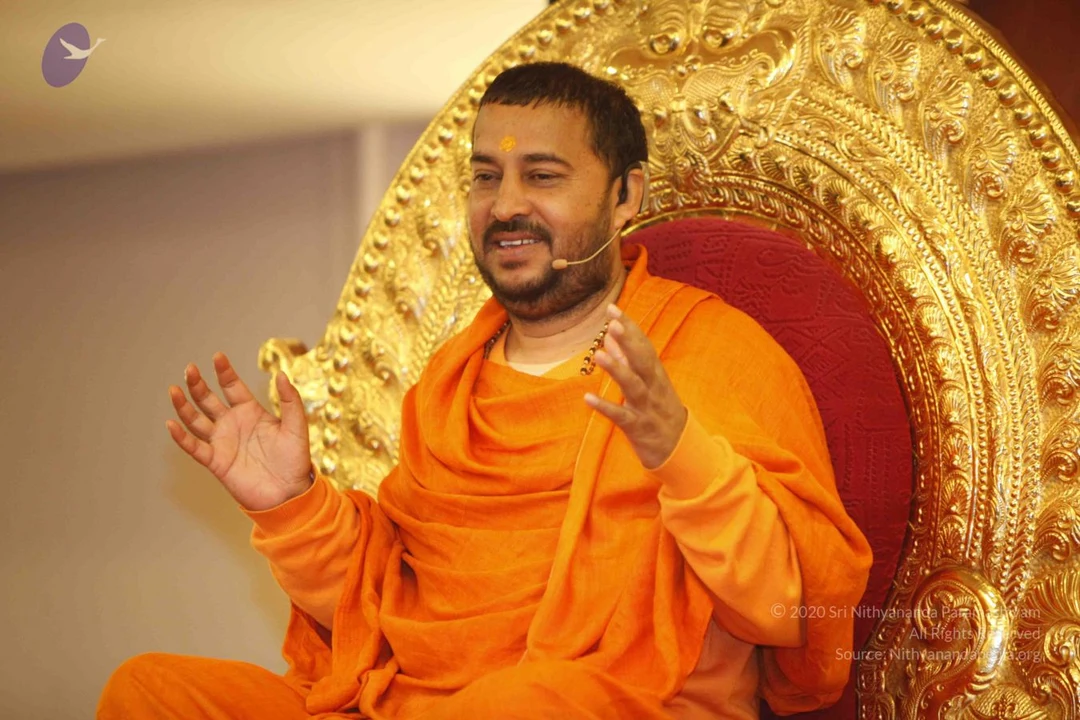
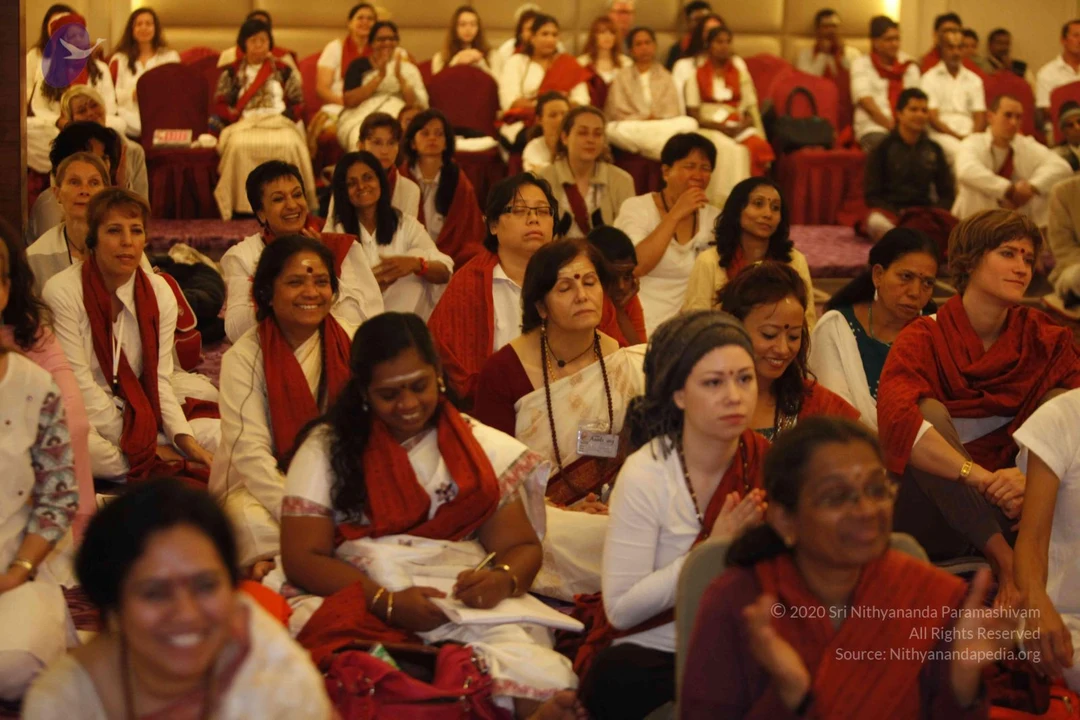
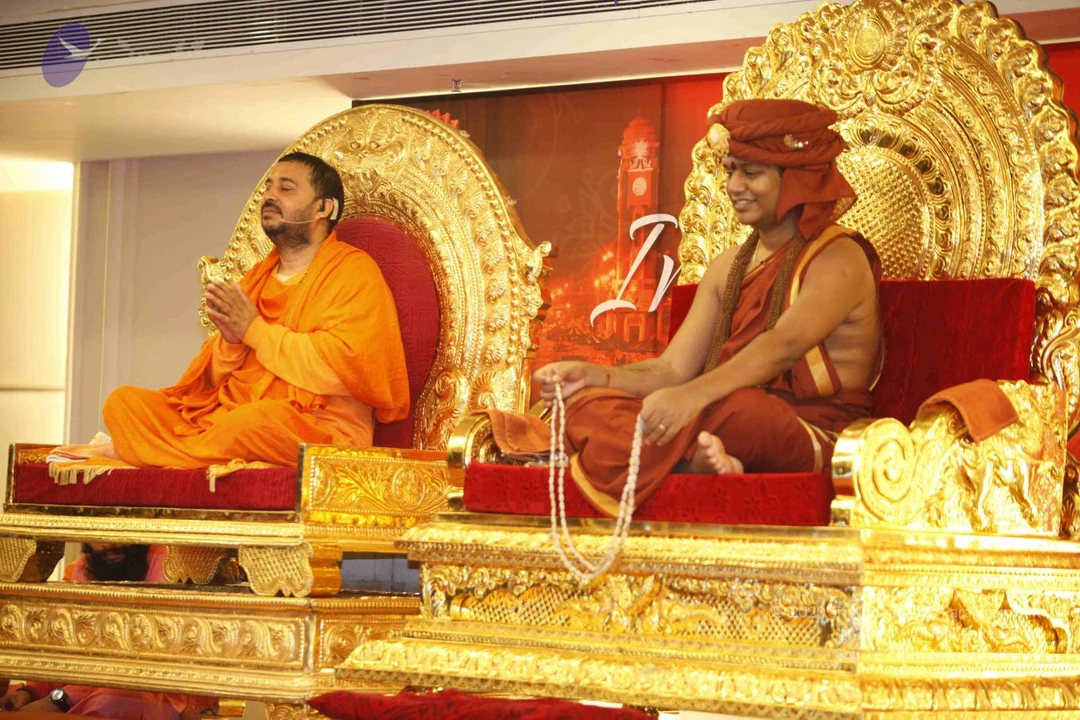
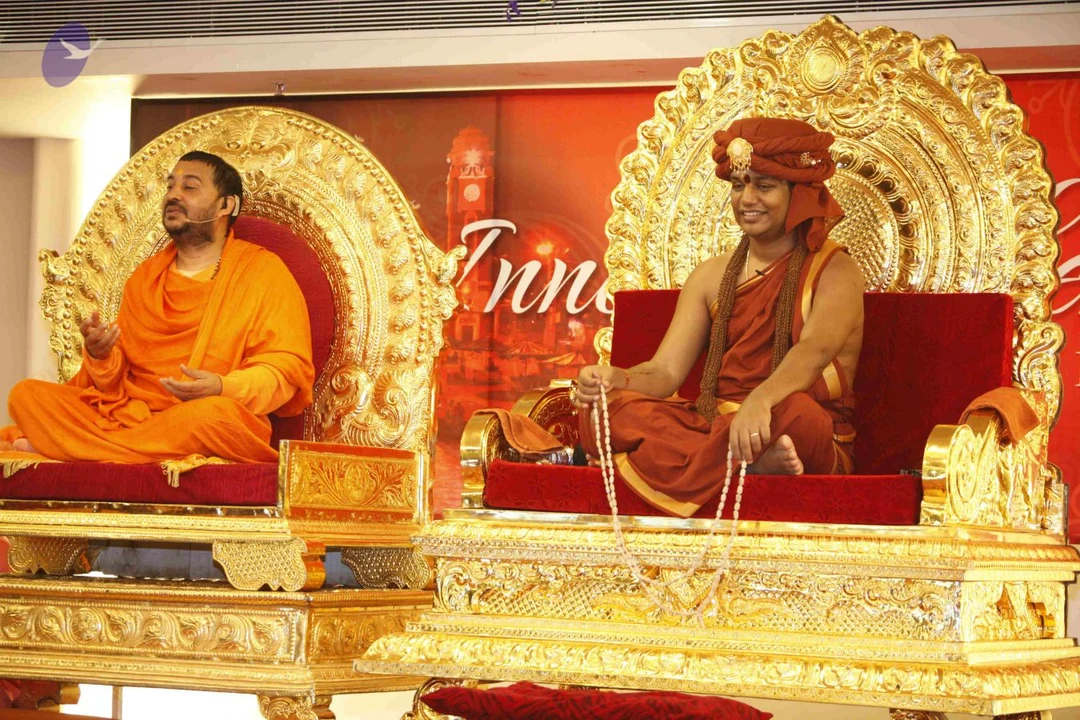
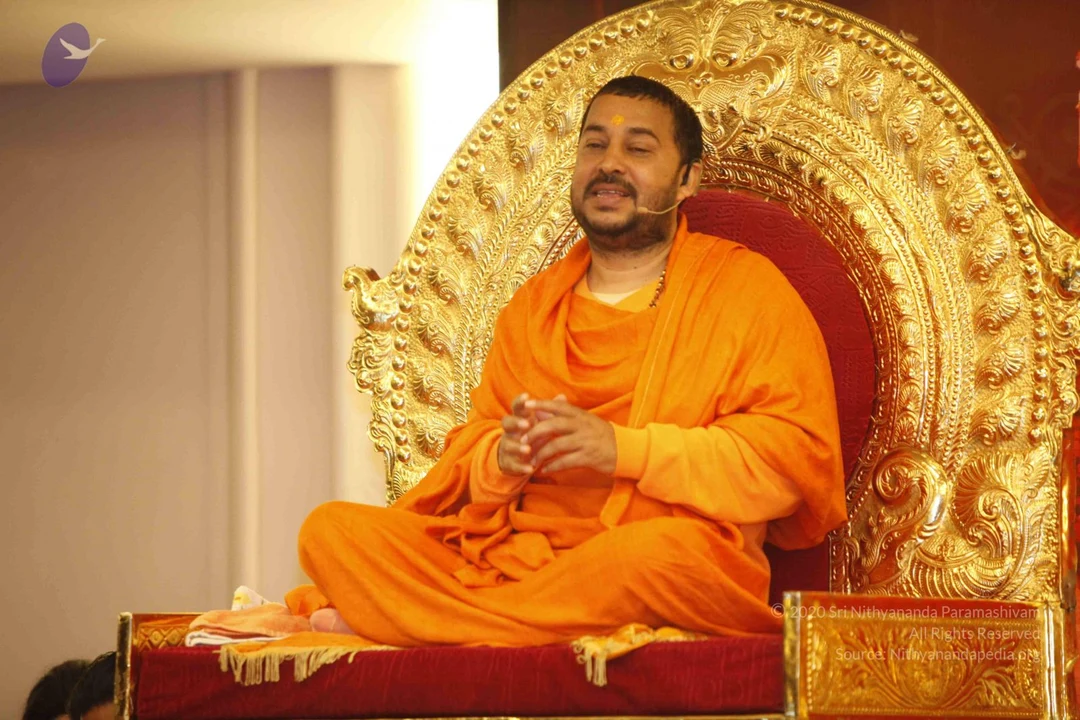
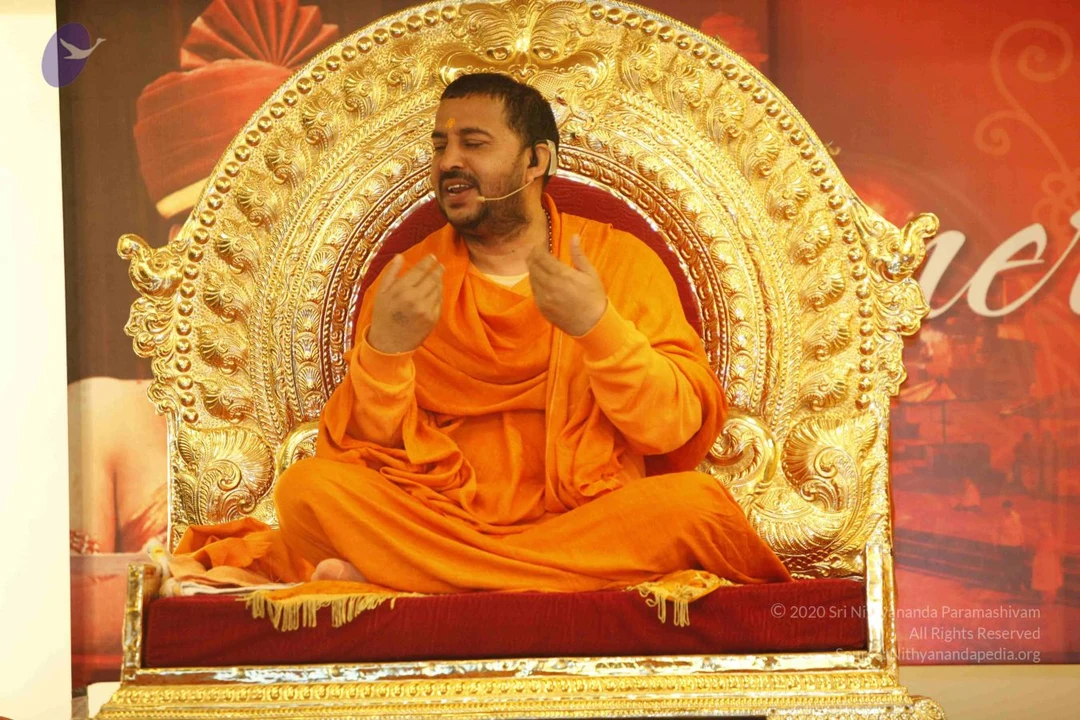
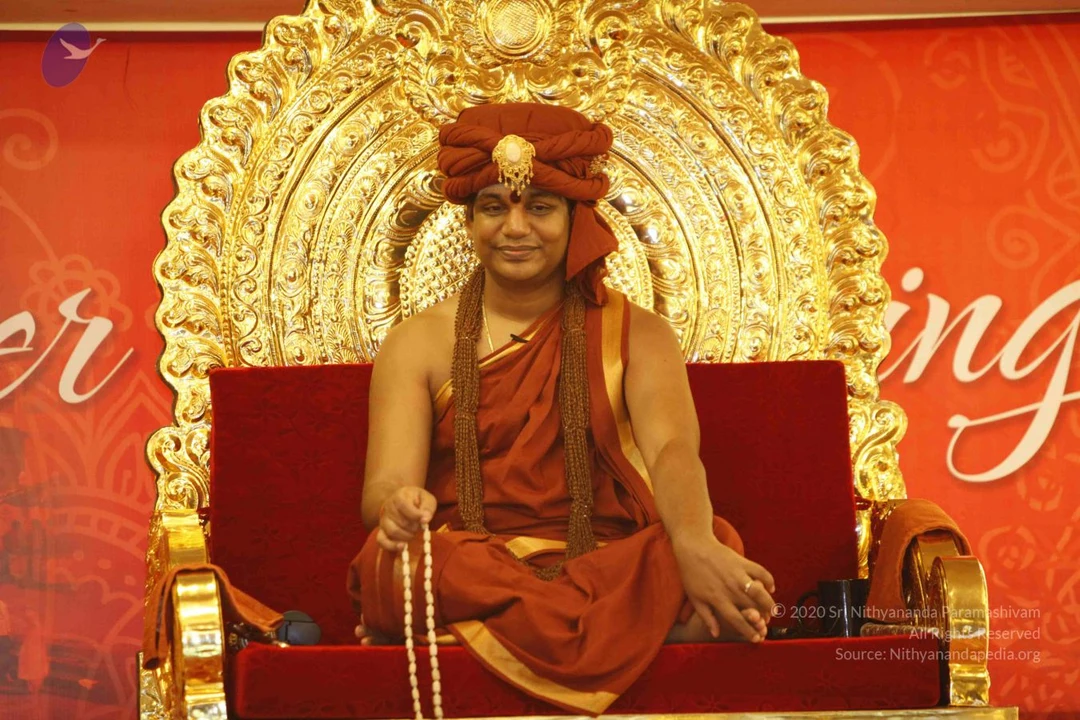
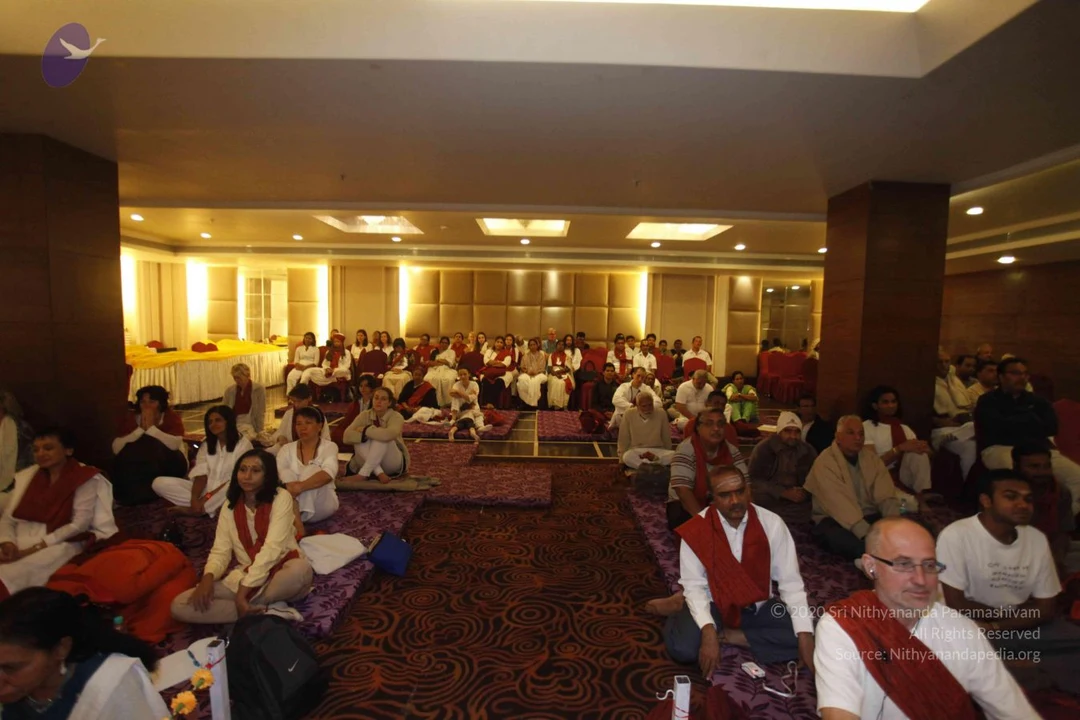
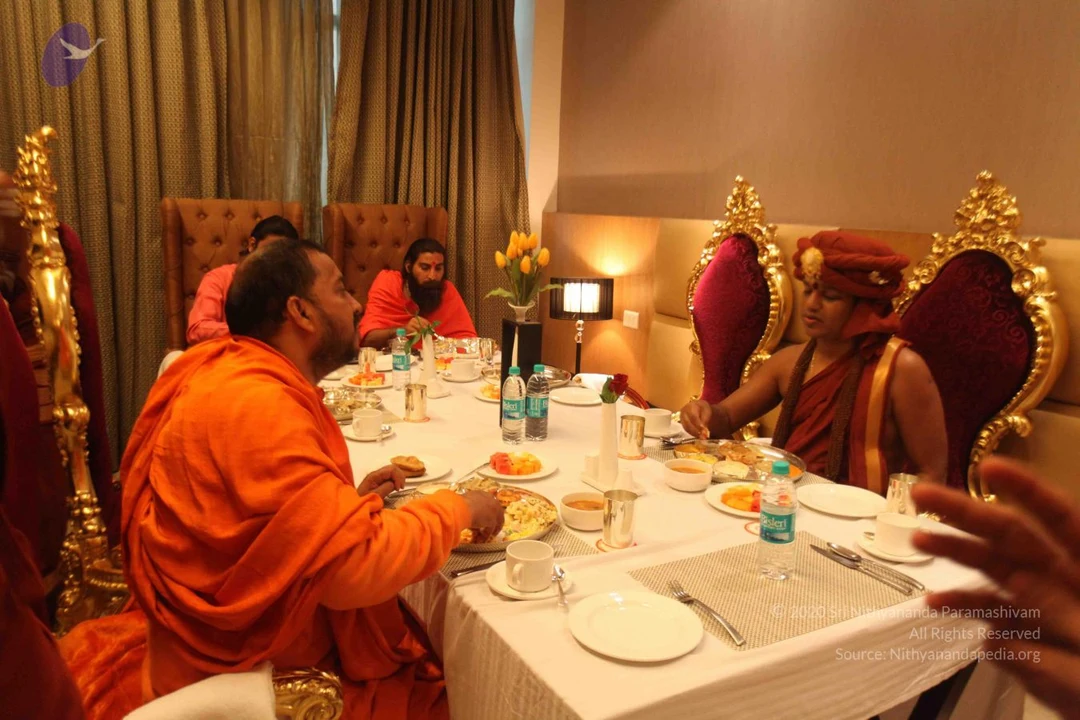
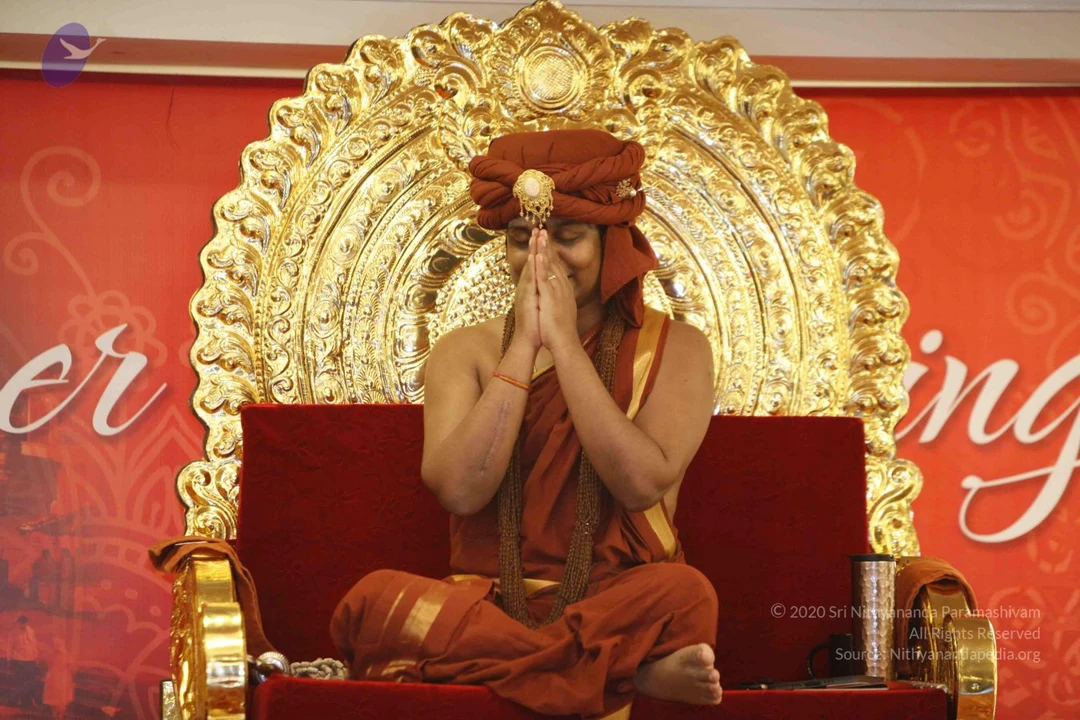
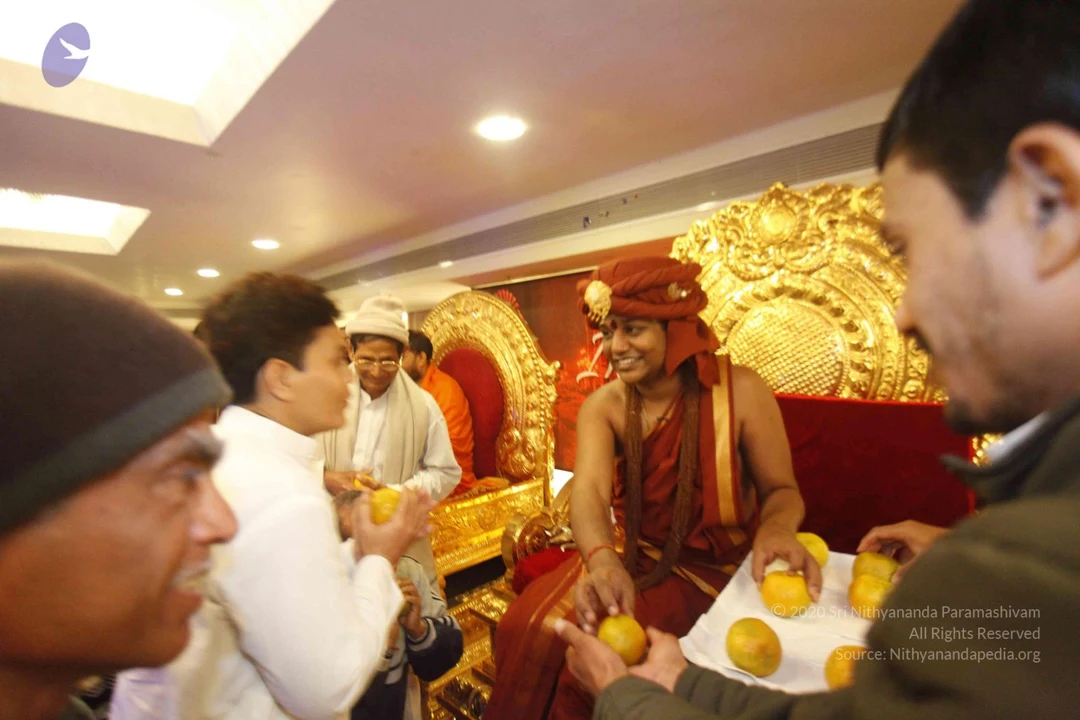
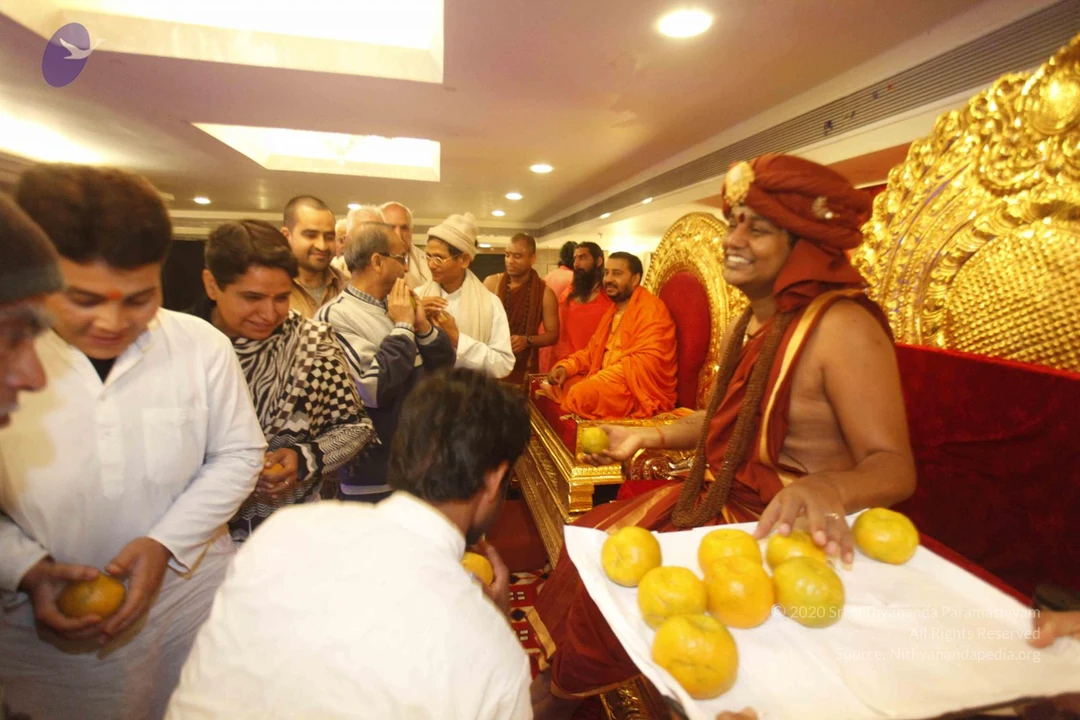
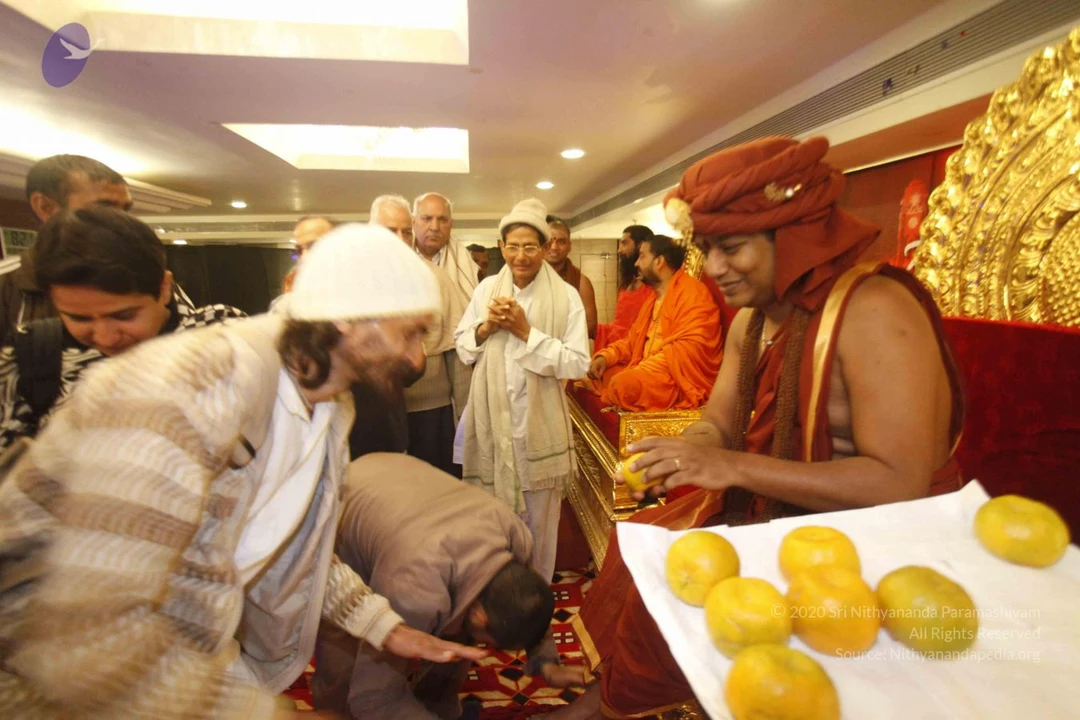
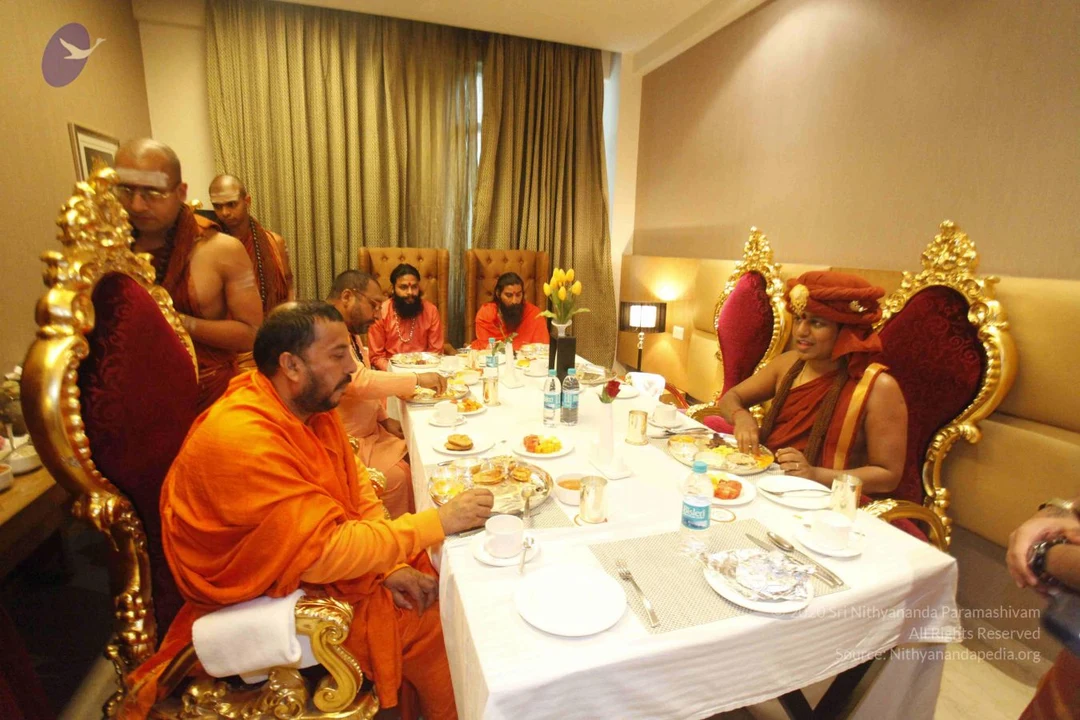
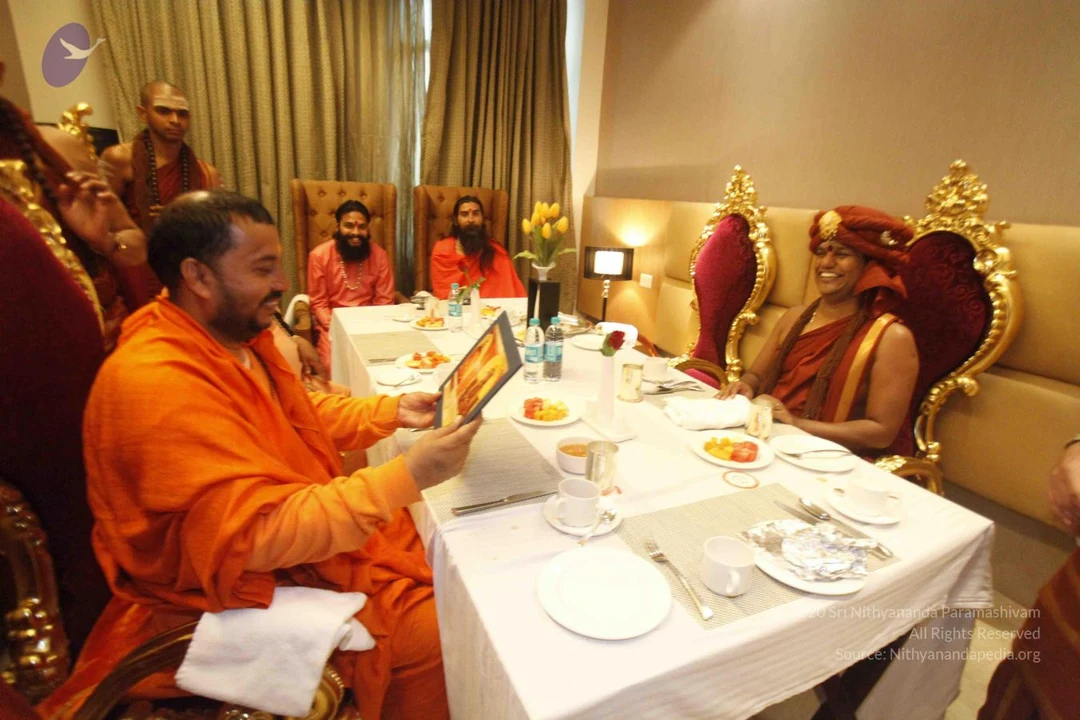
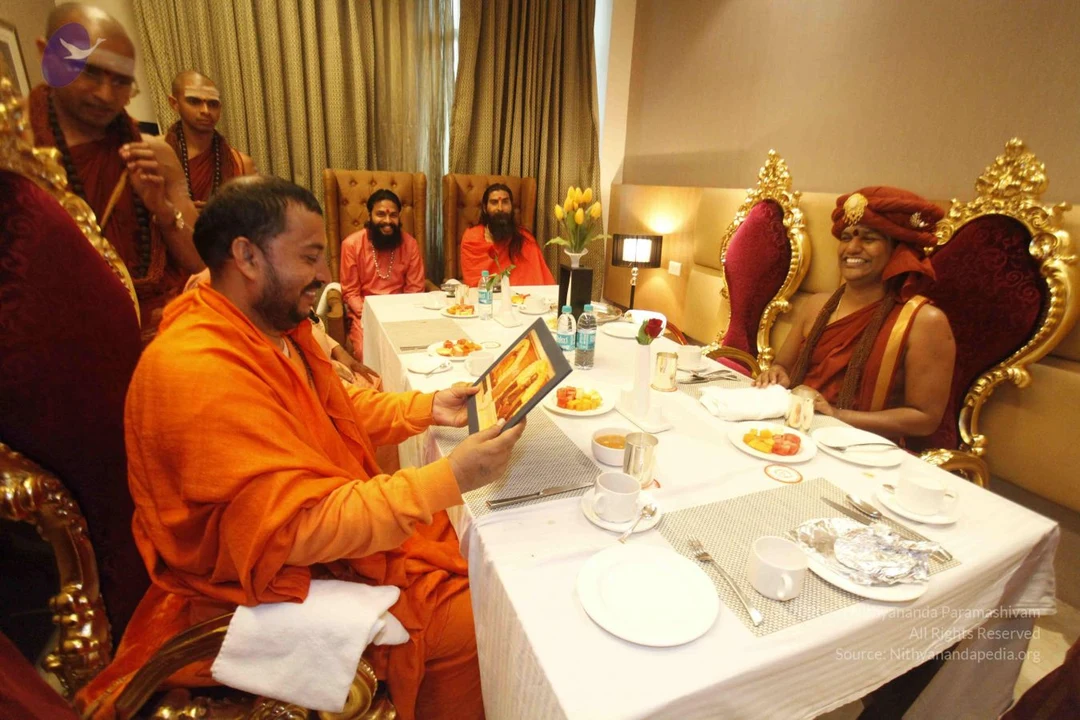
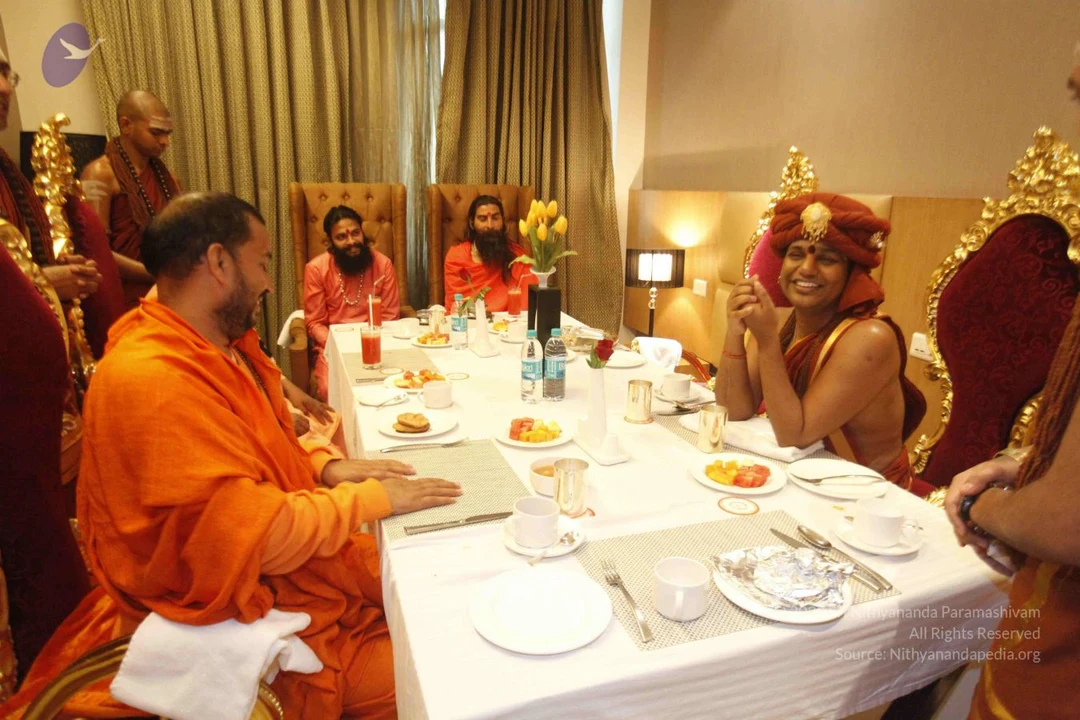
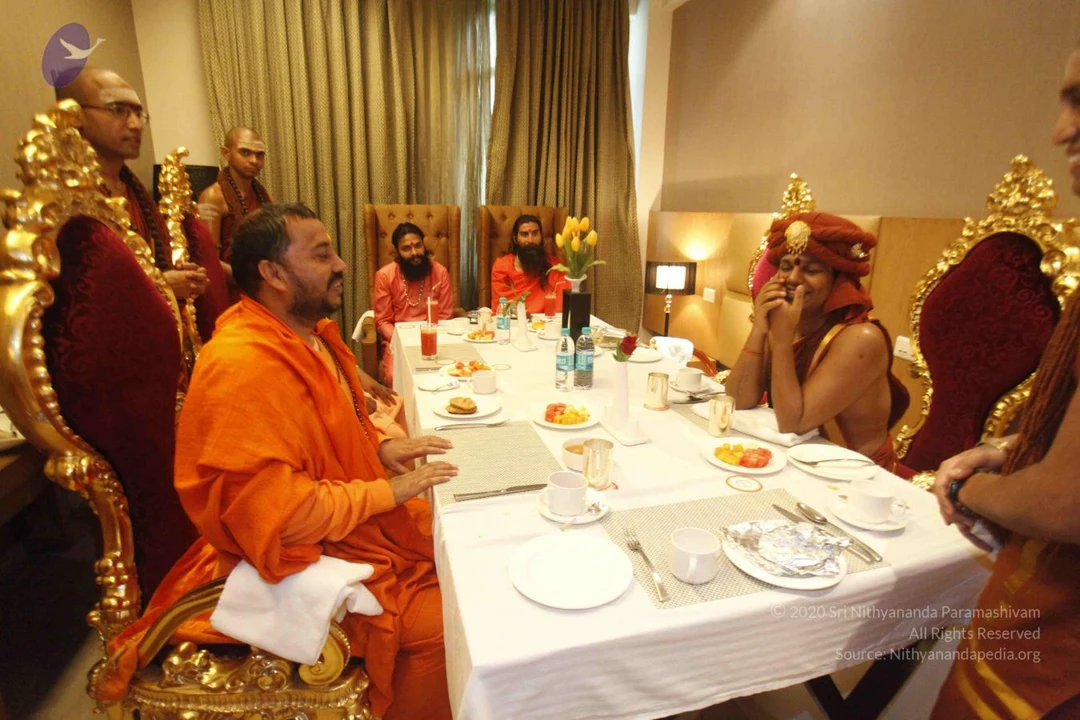
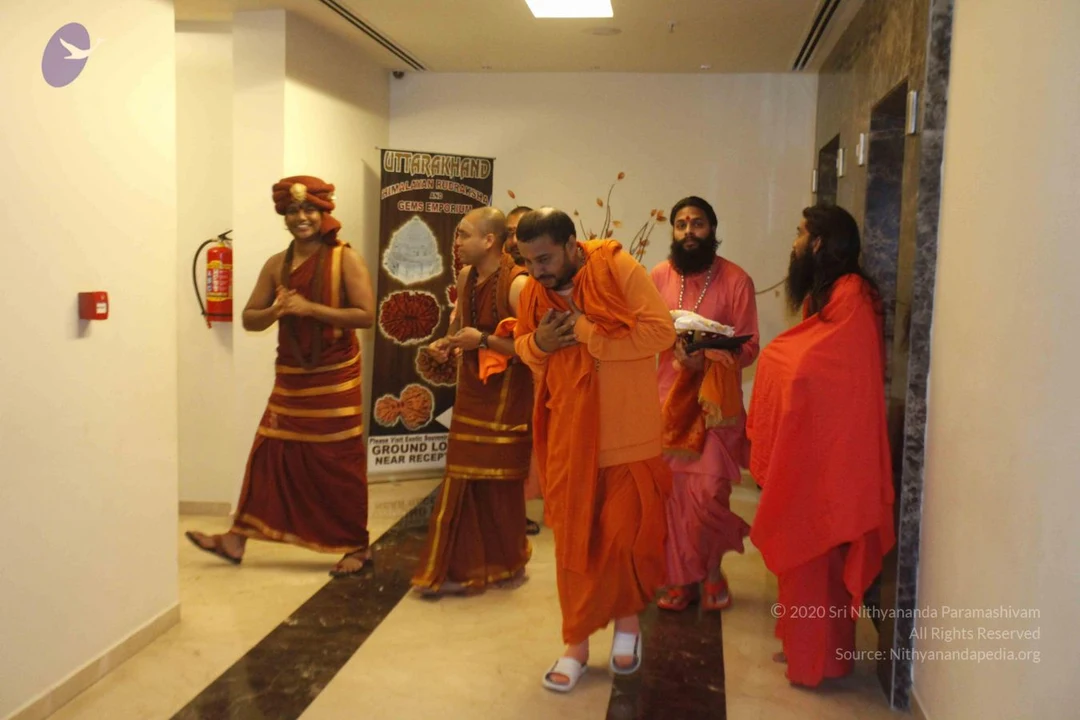
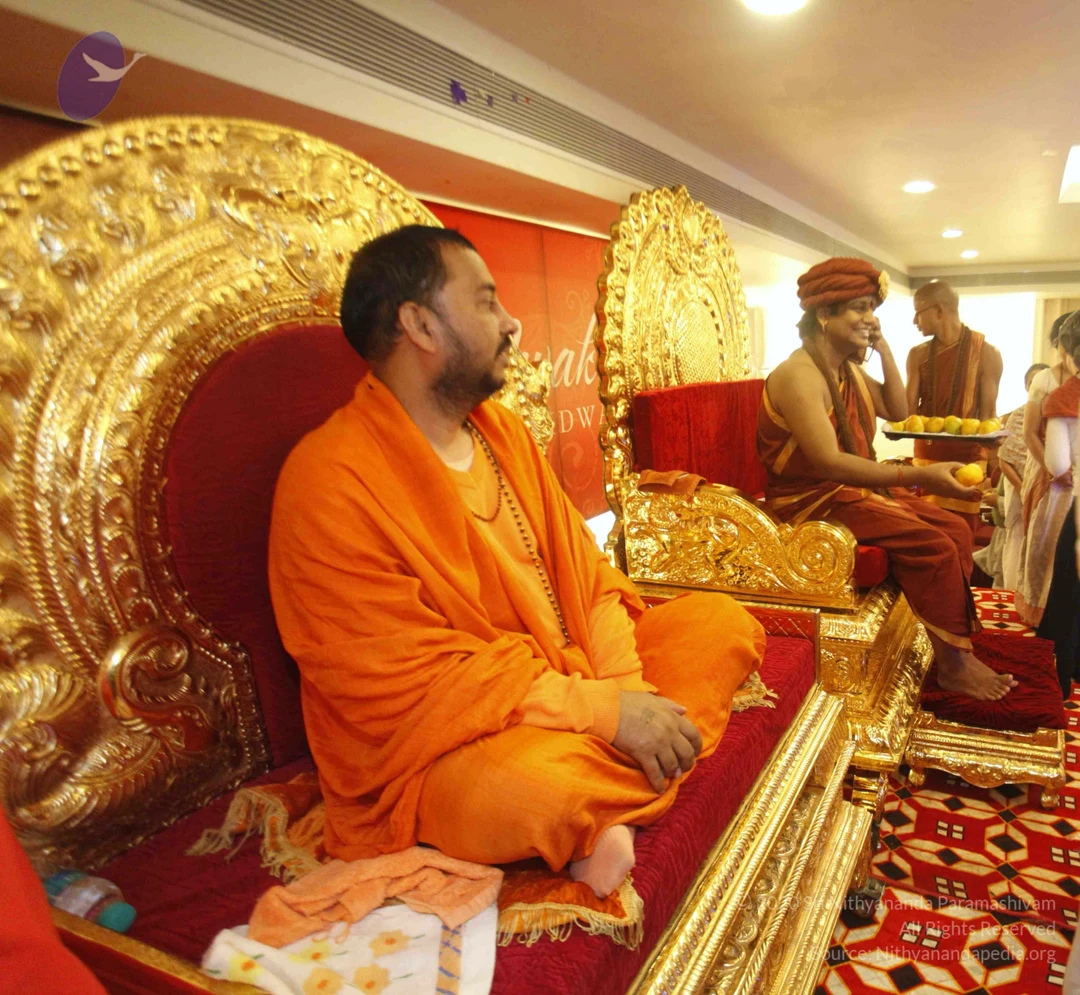
Mahamanaleswar Atmanandji visited Nithyananda Dhyanapeetam
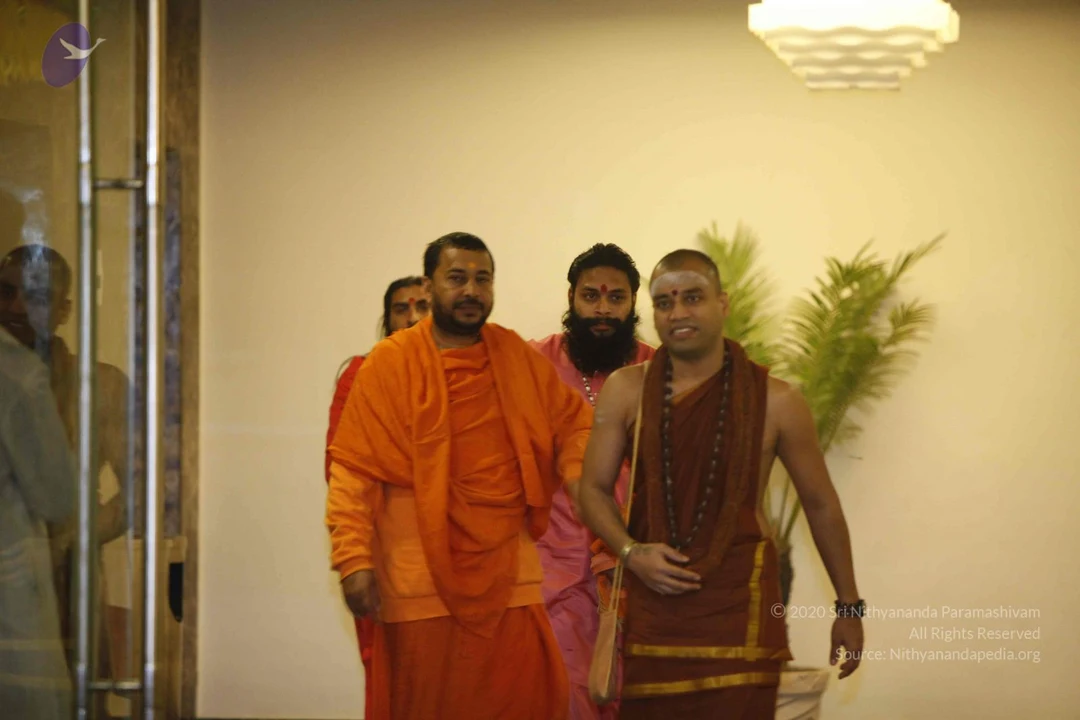

Nithya Satsang
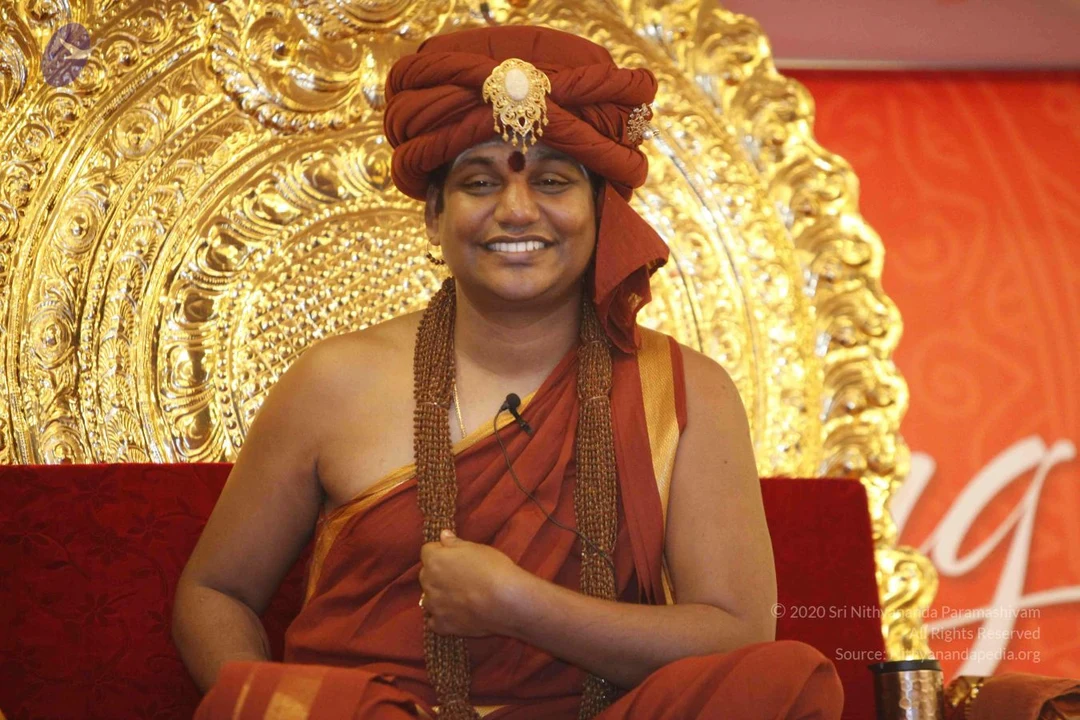
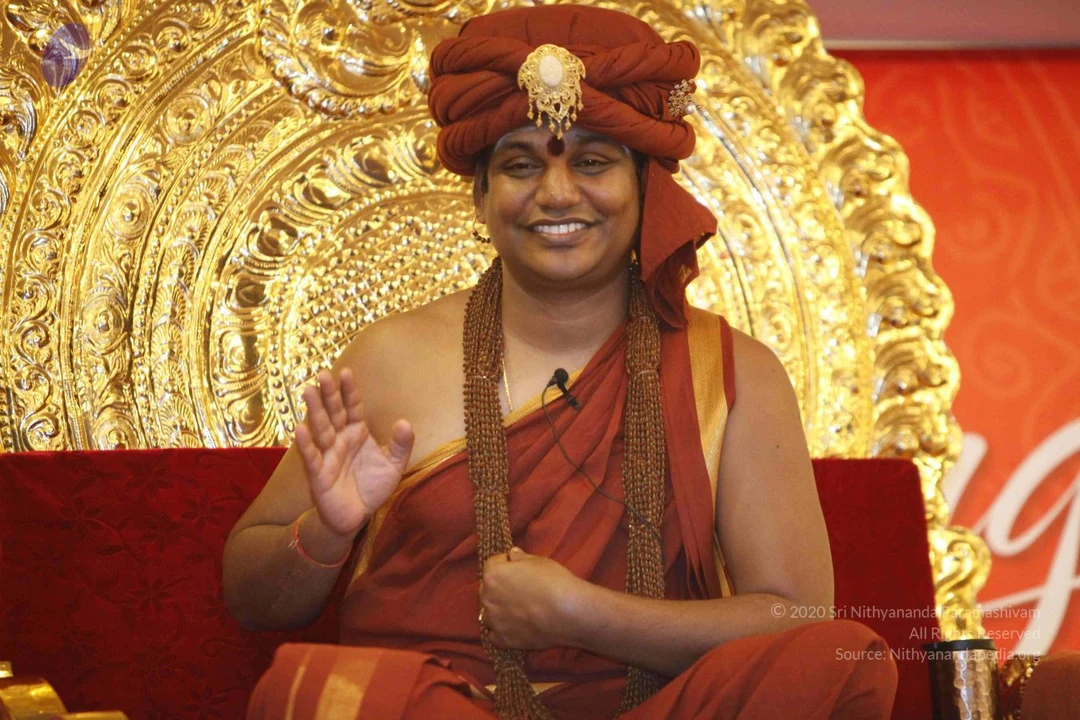
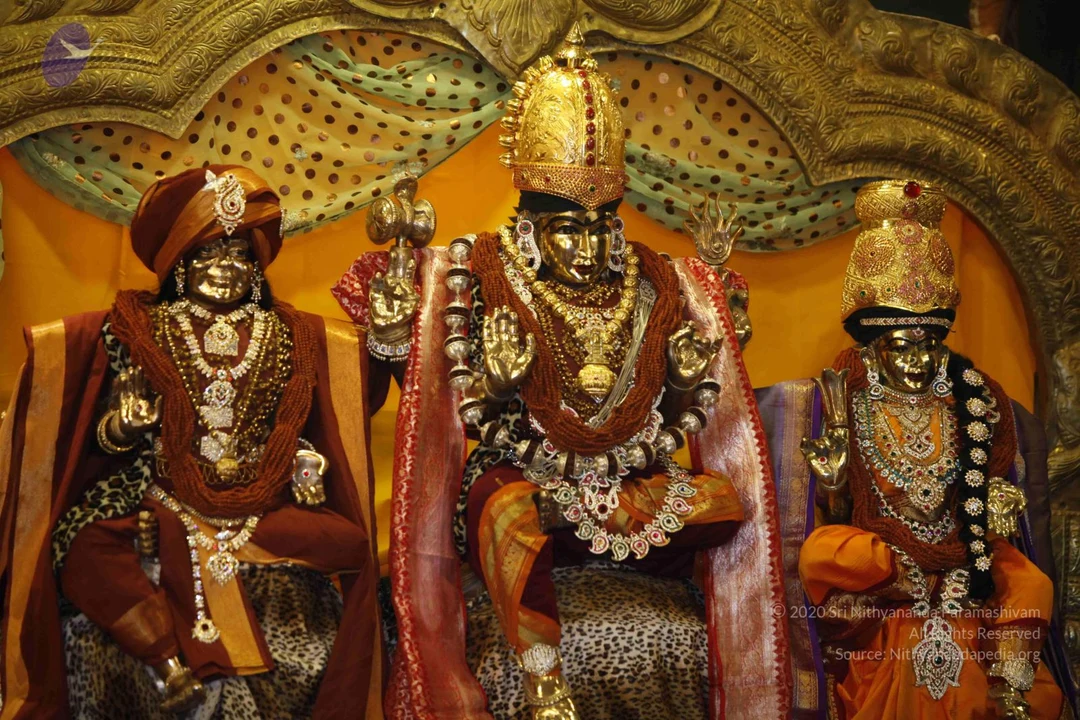
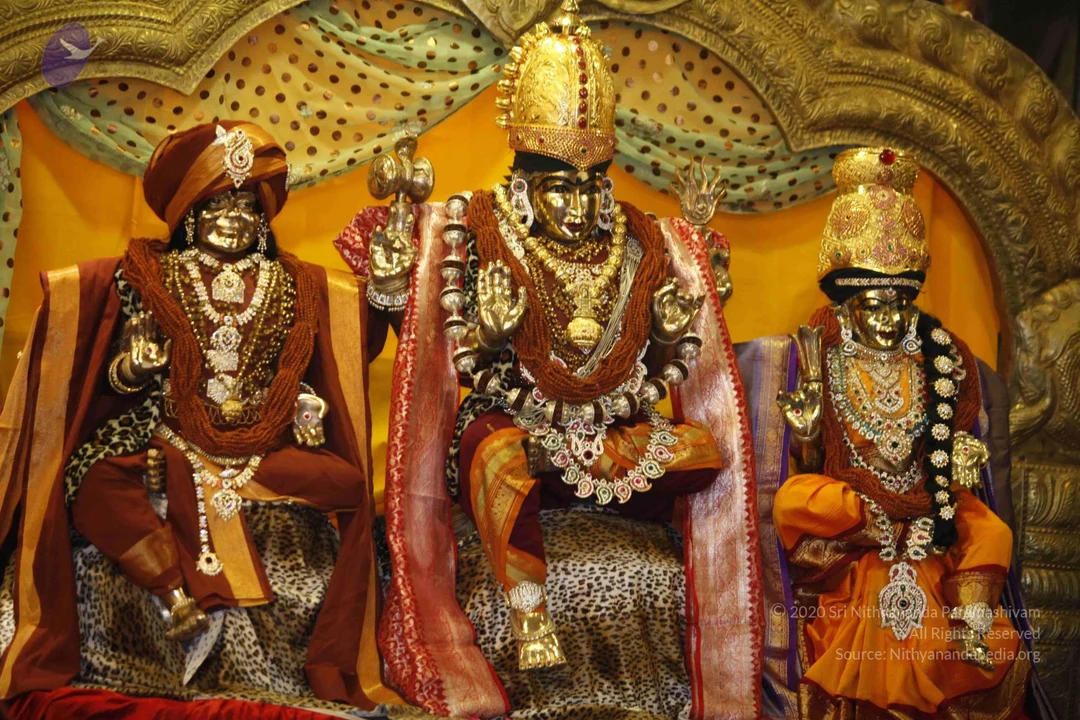
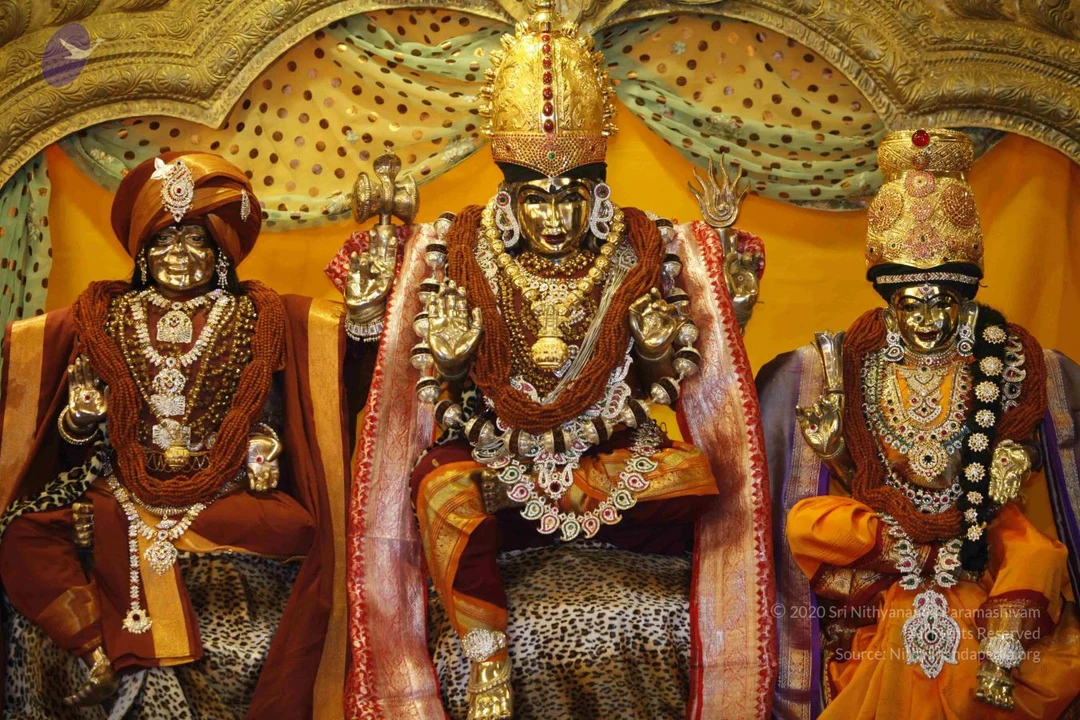
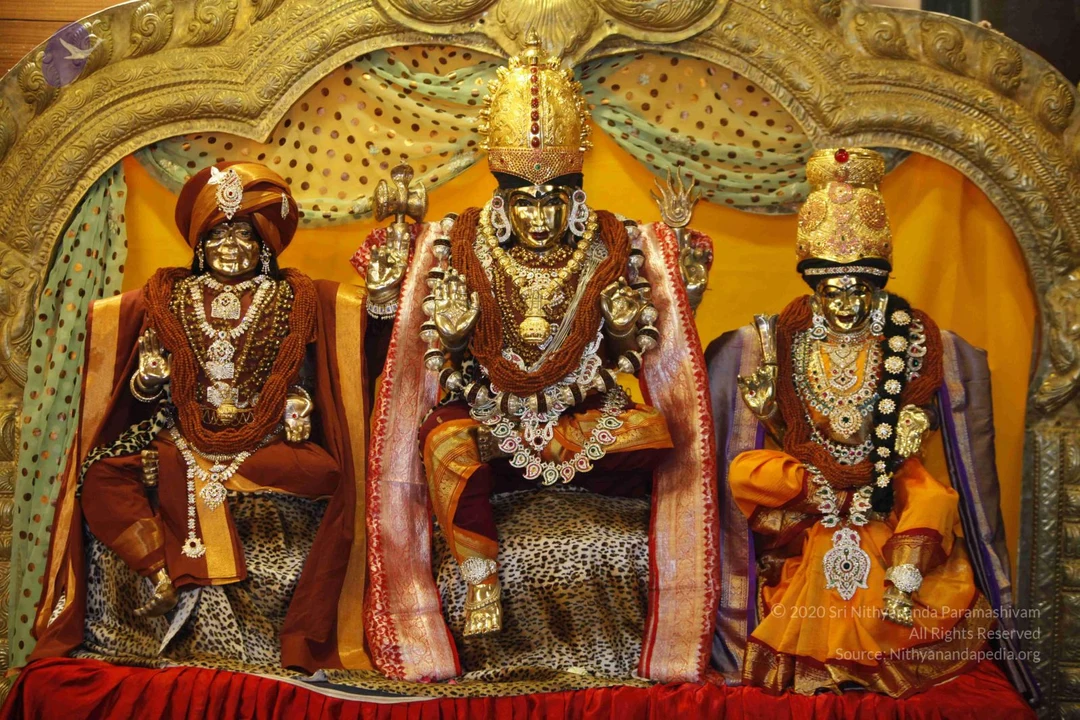

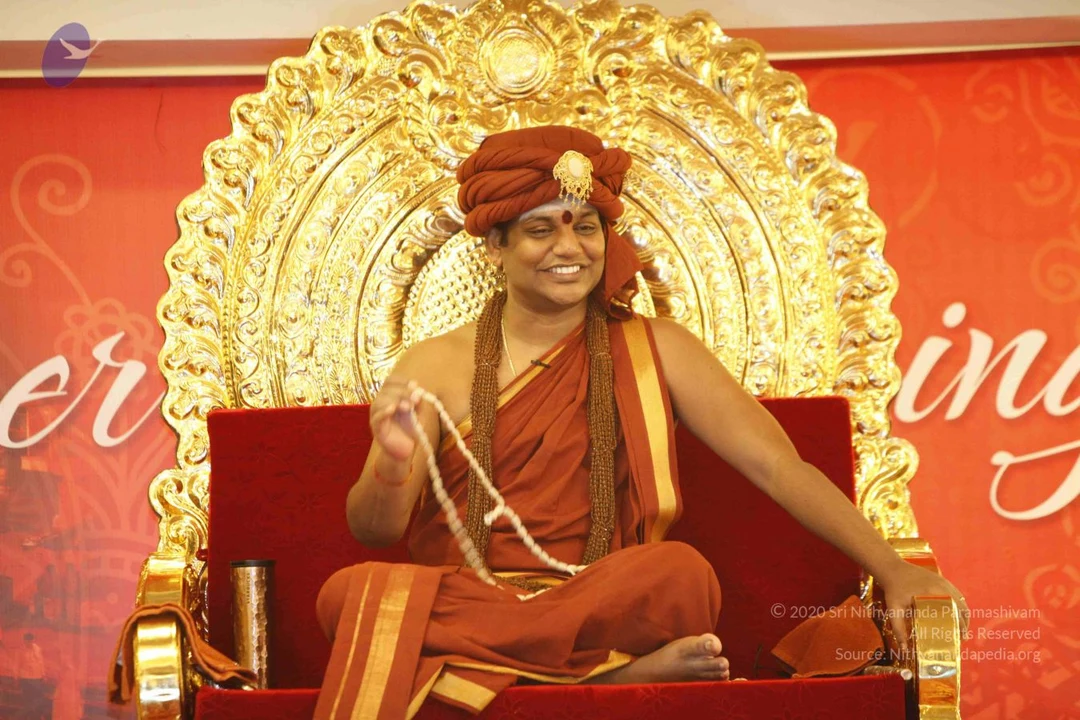
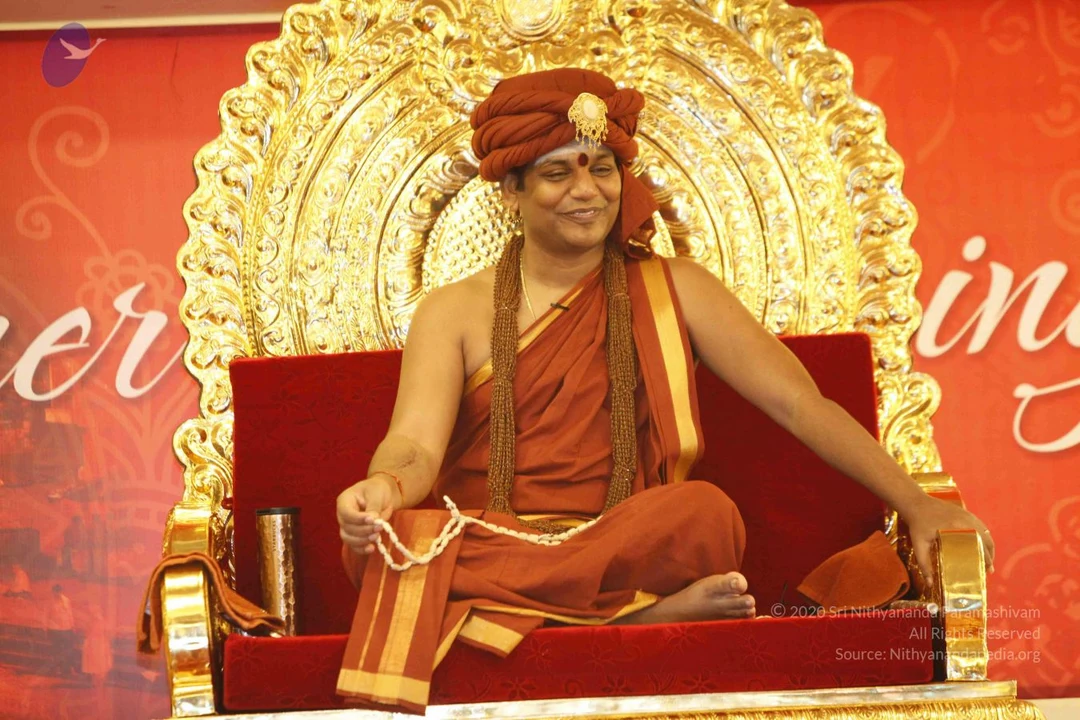
1-Satsang
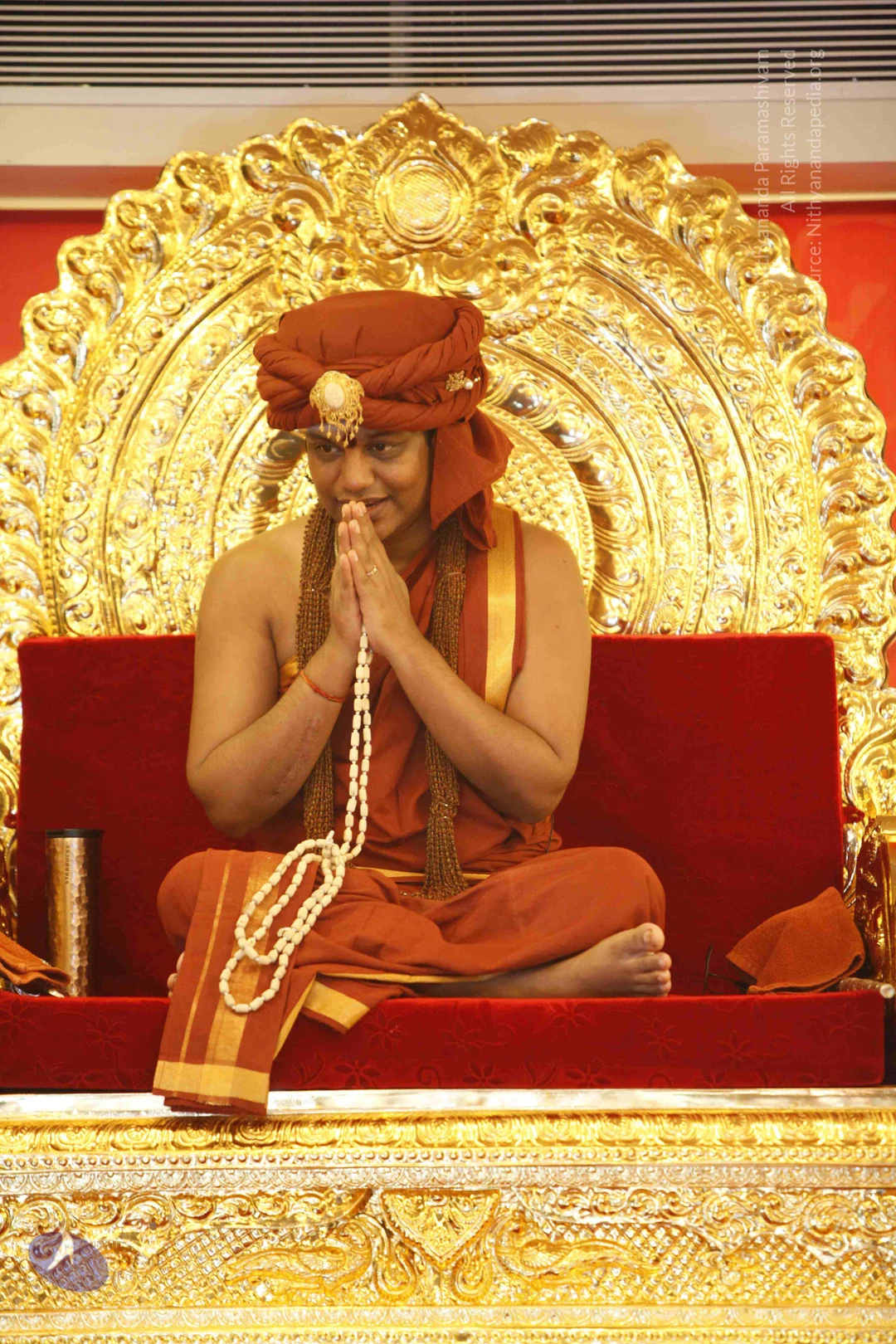
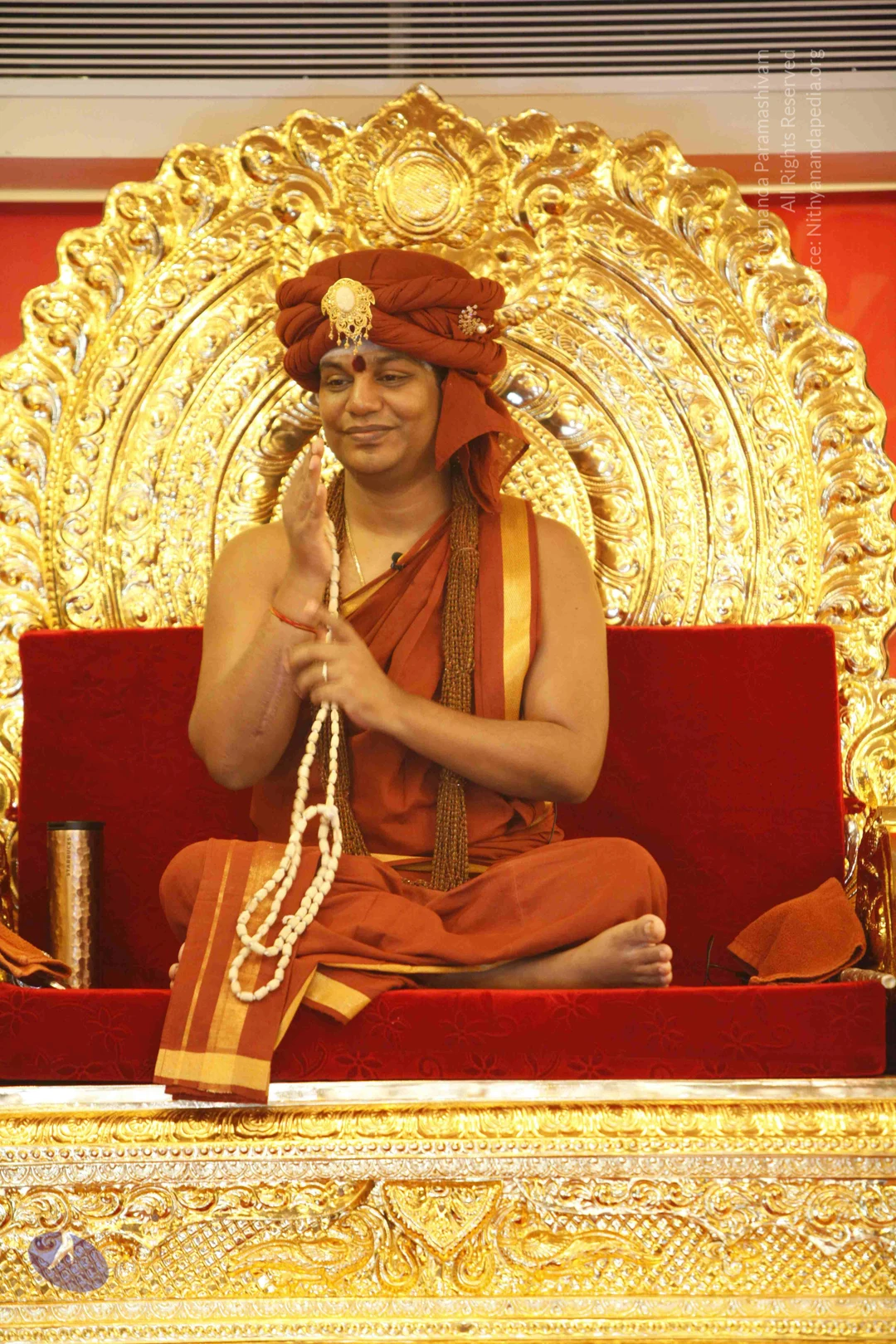
2-Kalpatharu-Darshan-and-Mahamandaleshwar-Atmnanandaji
Photos from this day
View all 115 photosInner Awakening DARSHAN
28 photosSource gallery
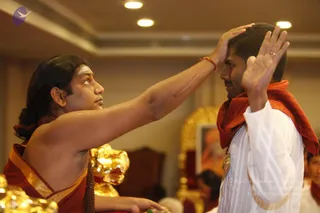
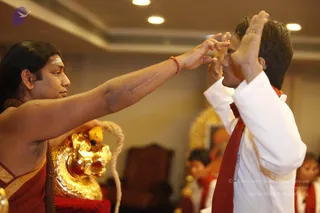
Mahamanaleswar Atmanandji visited Nithyananda Dhyanapeetam
71 photosSource gallery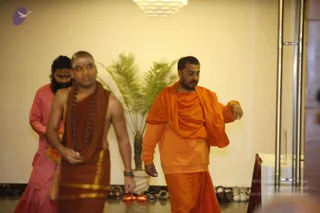
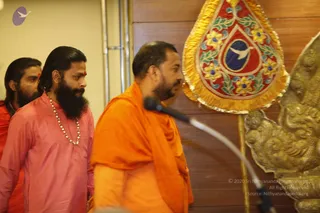

Nithya Satsang
9 photosSource gallery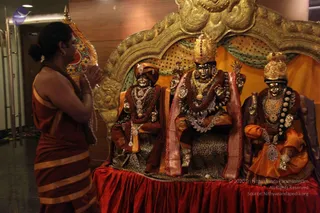
1-Satsang
6 photosSource gallery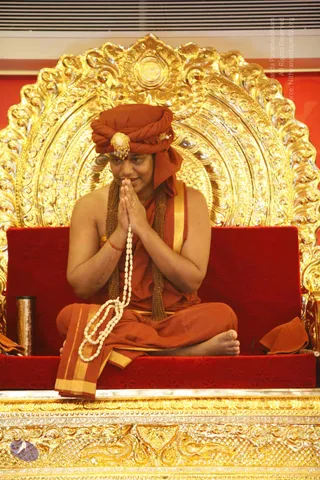
March 11 2014
1 photoView all