Monday
10 March 2014
Be blissful not just peaceful
- Dated photos
- 437
- Source pages
- 1
- Media
- 2
March 10 2014
Original wiki pageTitle:
Be blissful not just peaceful
Description:
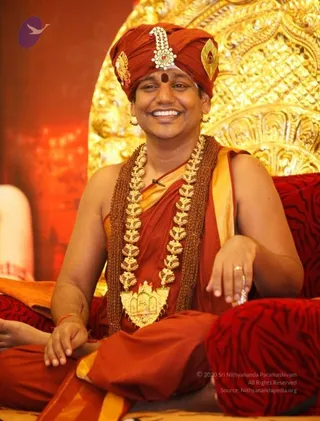
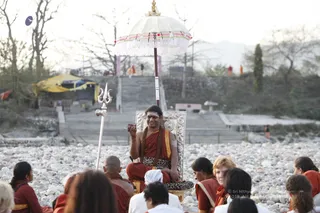
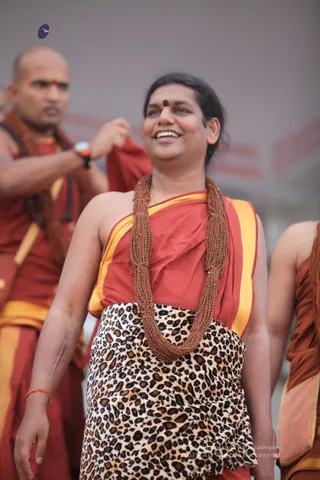
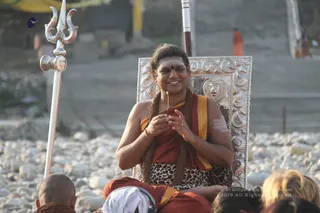
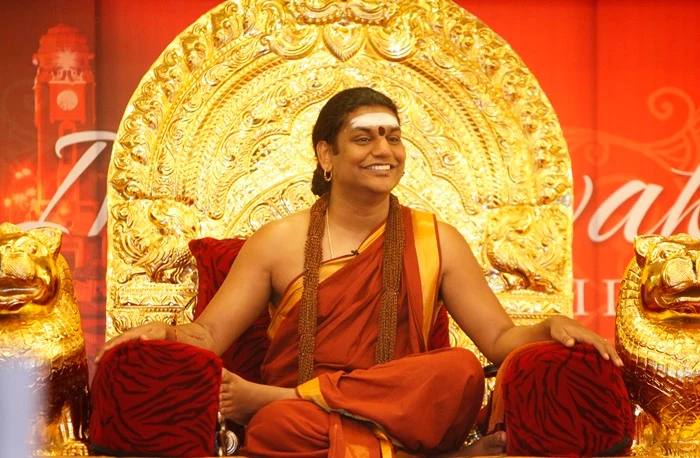
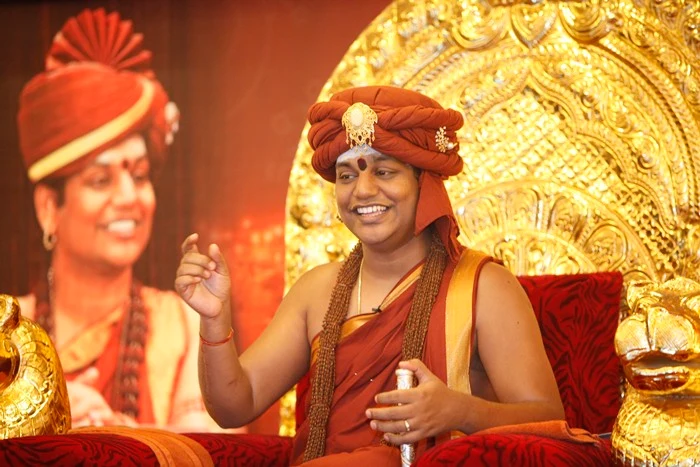
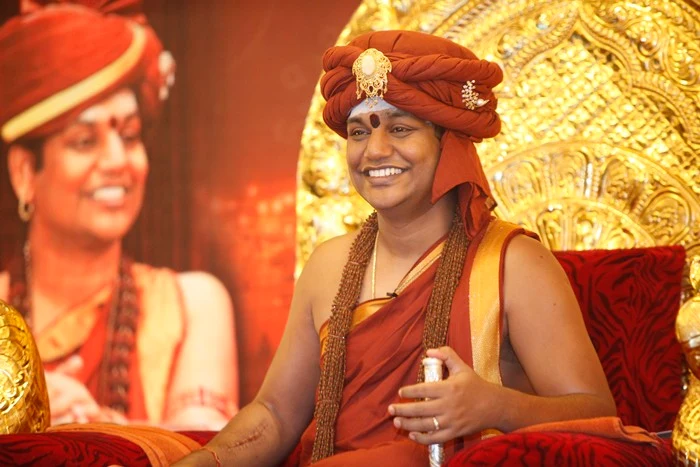
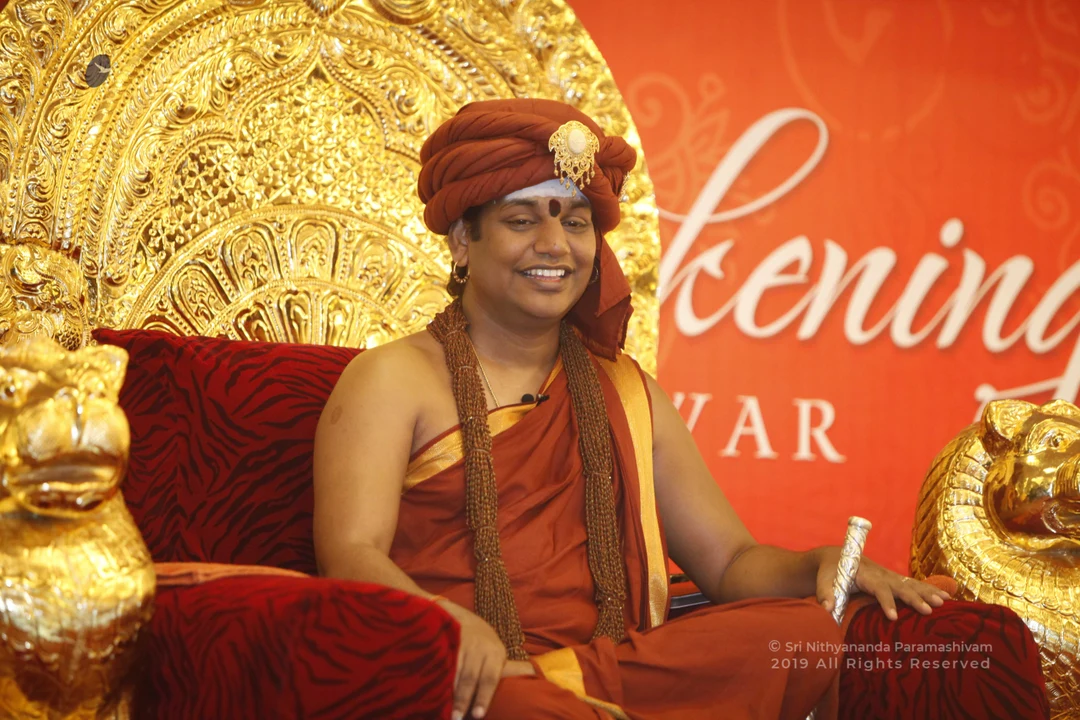
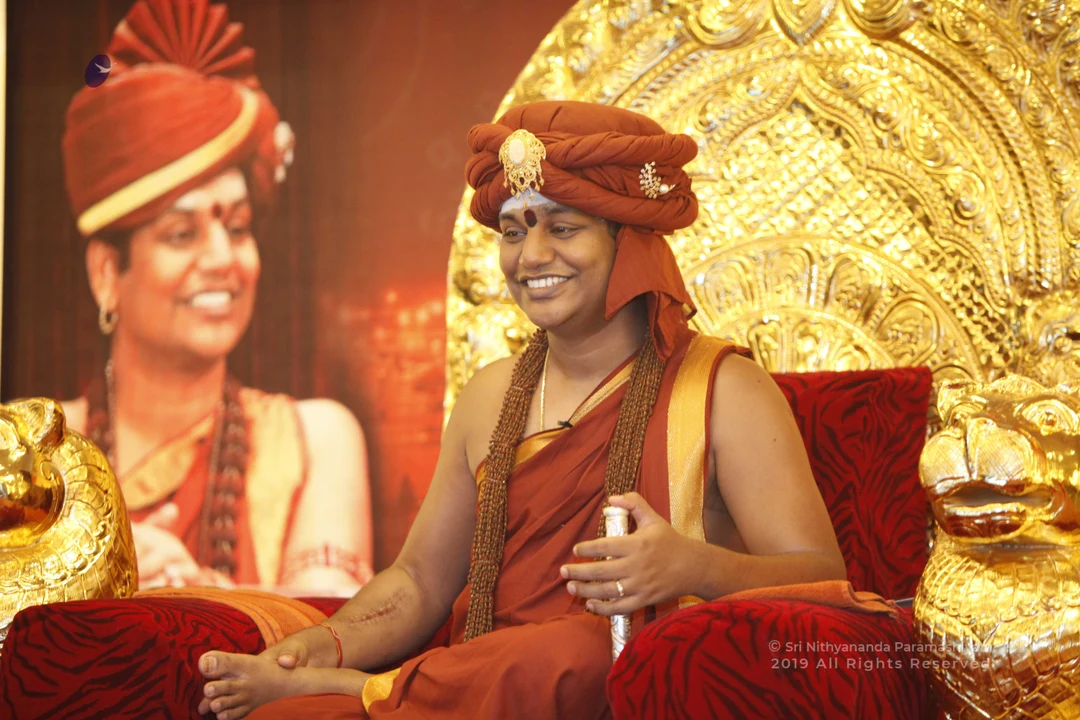
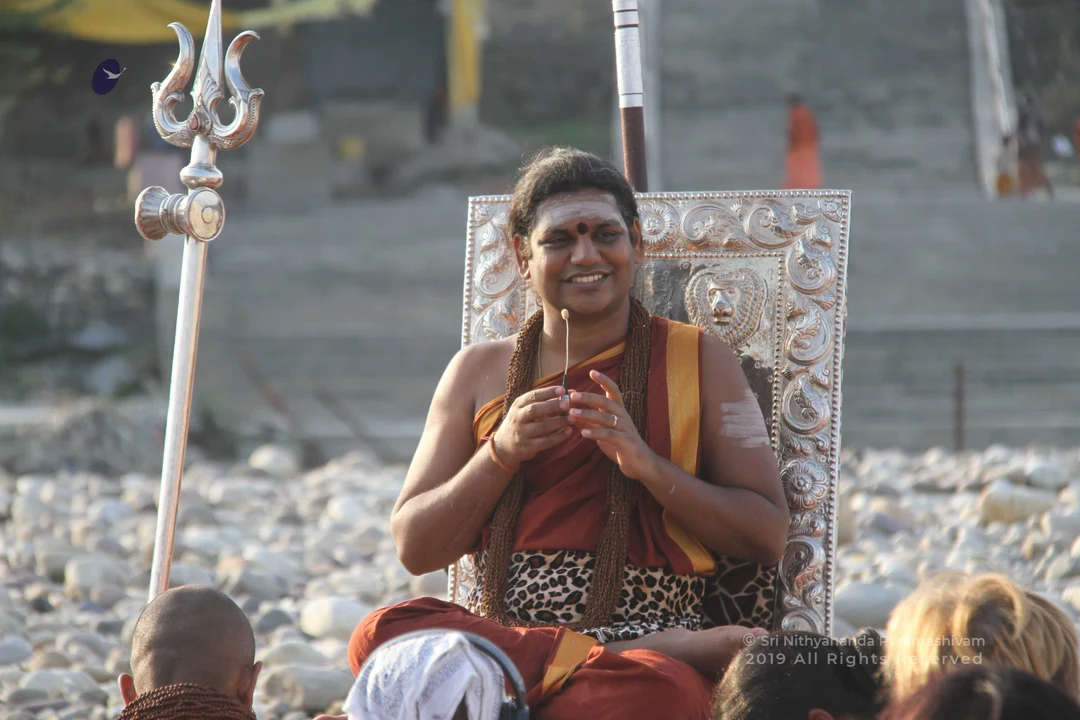
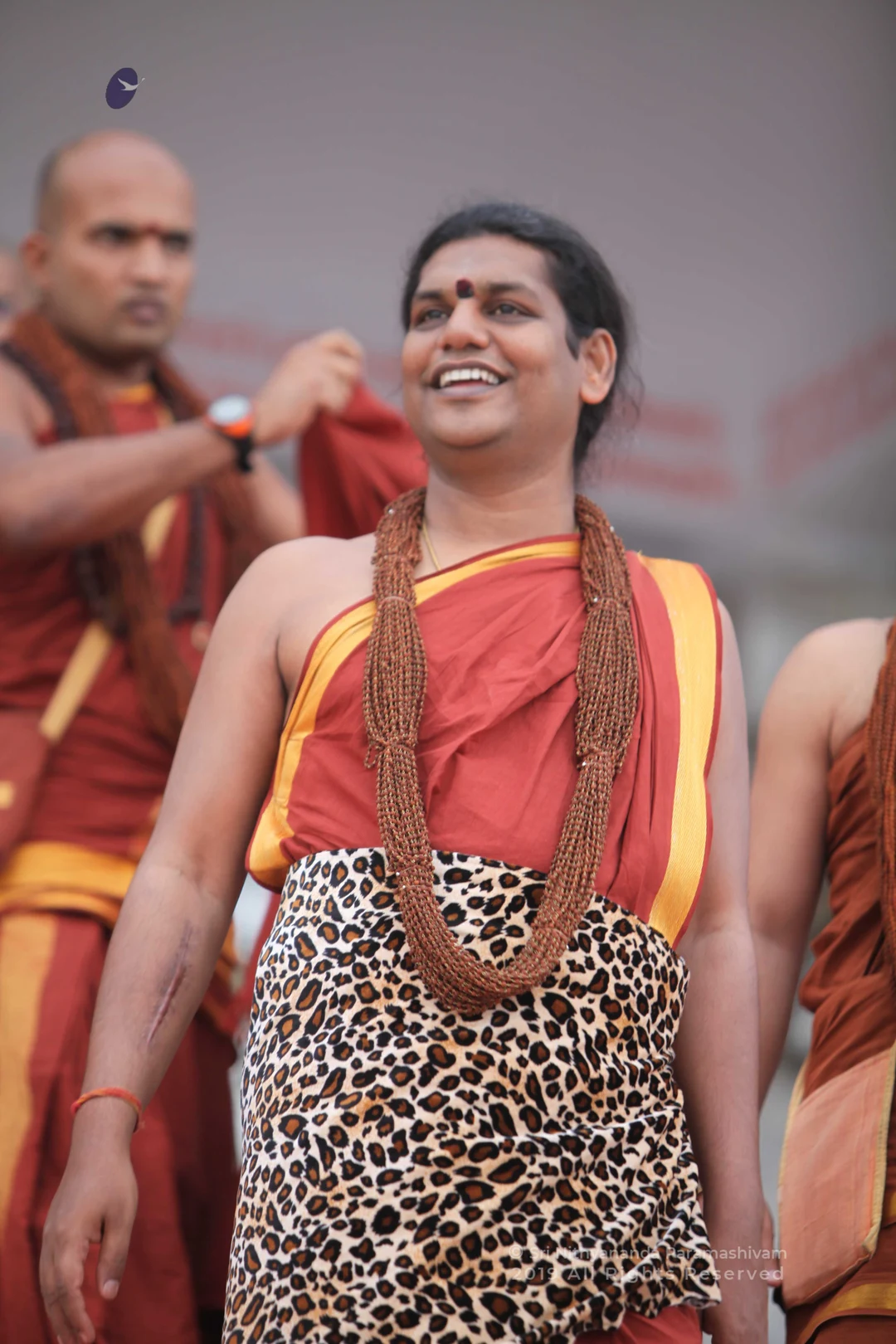
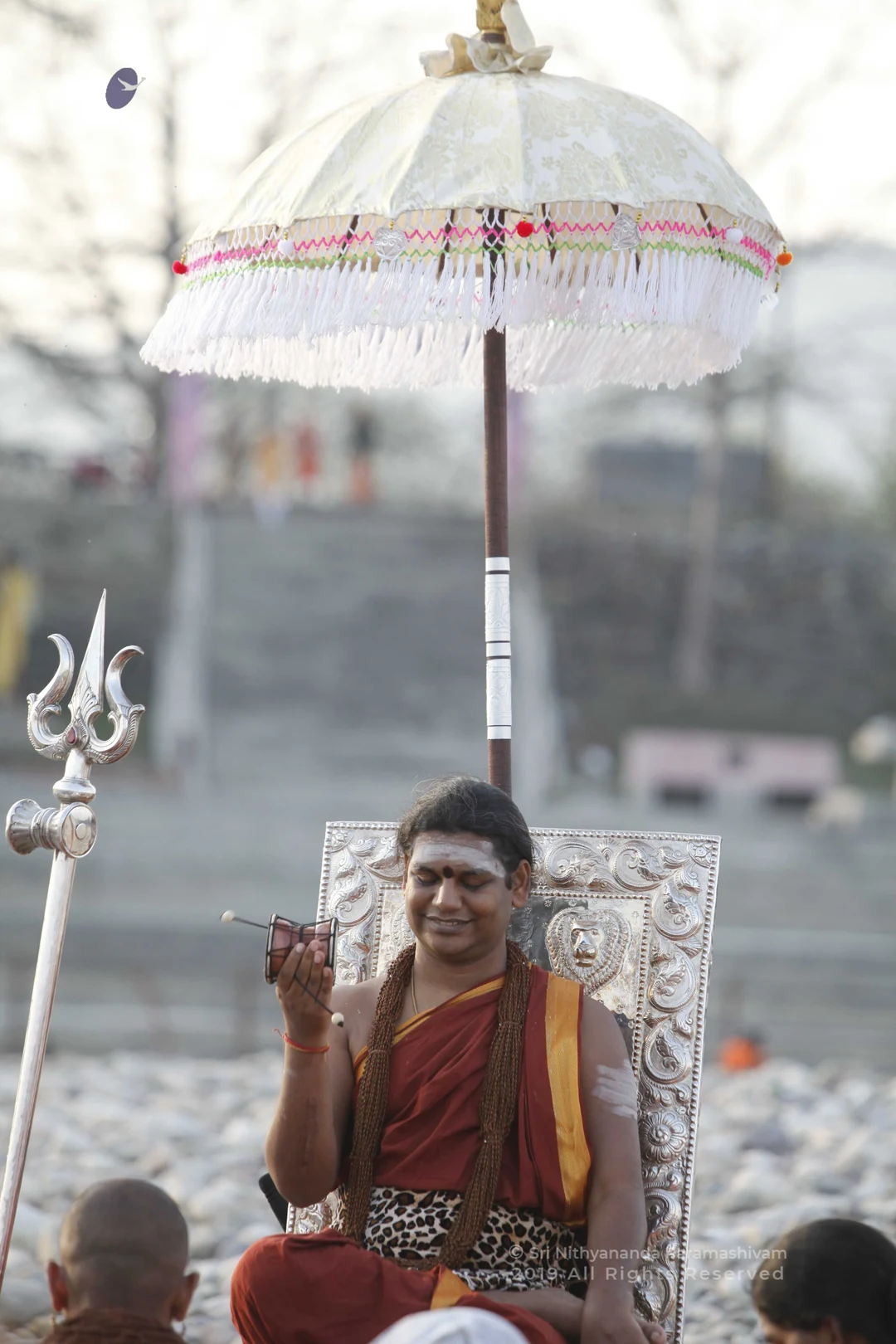
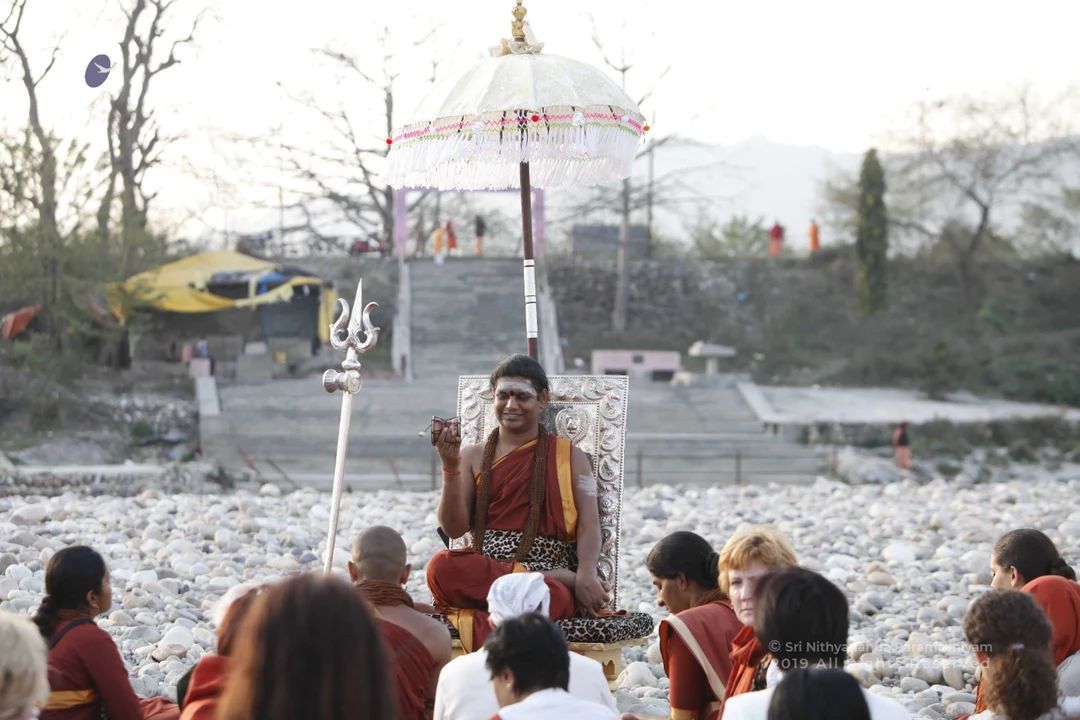
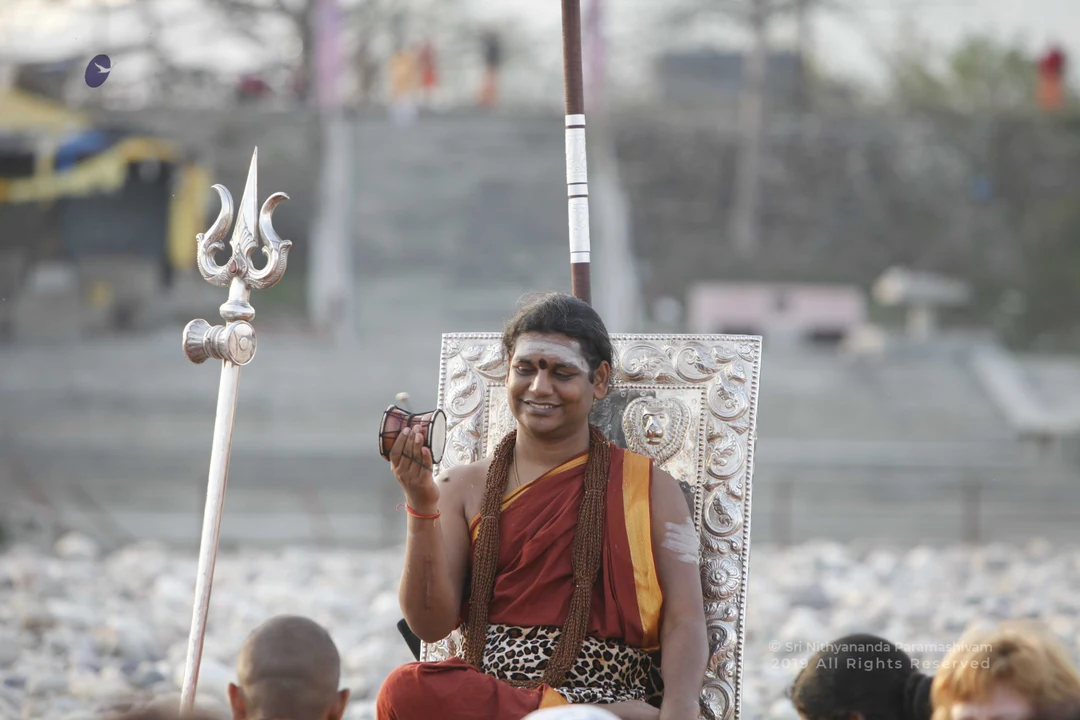
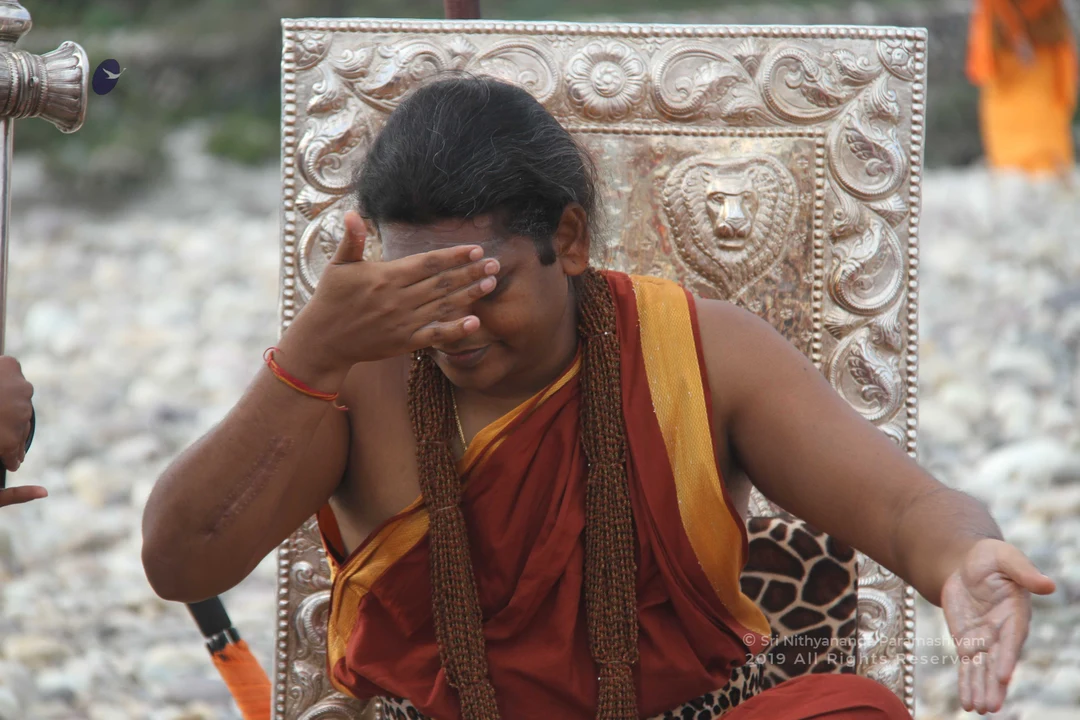
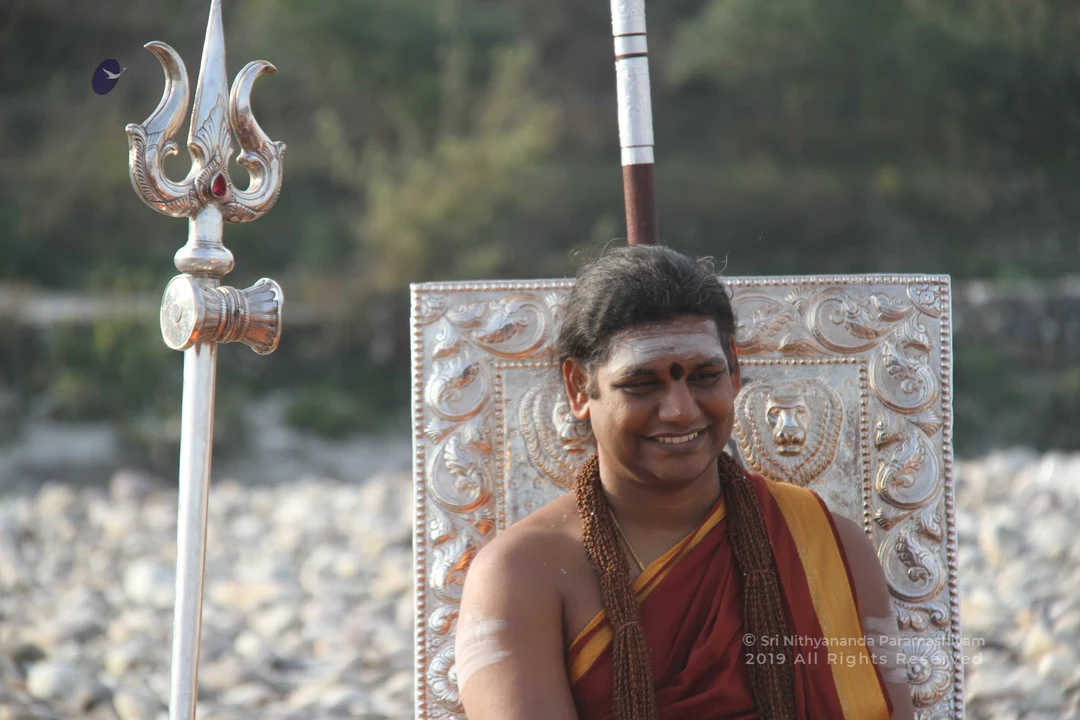
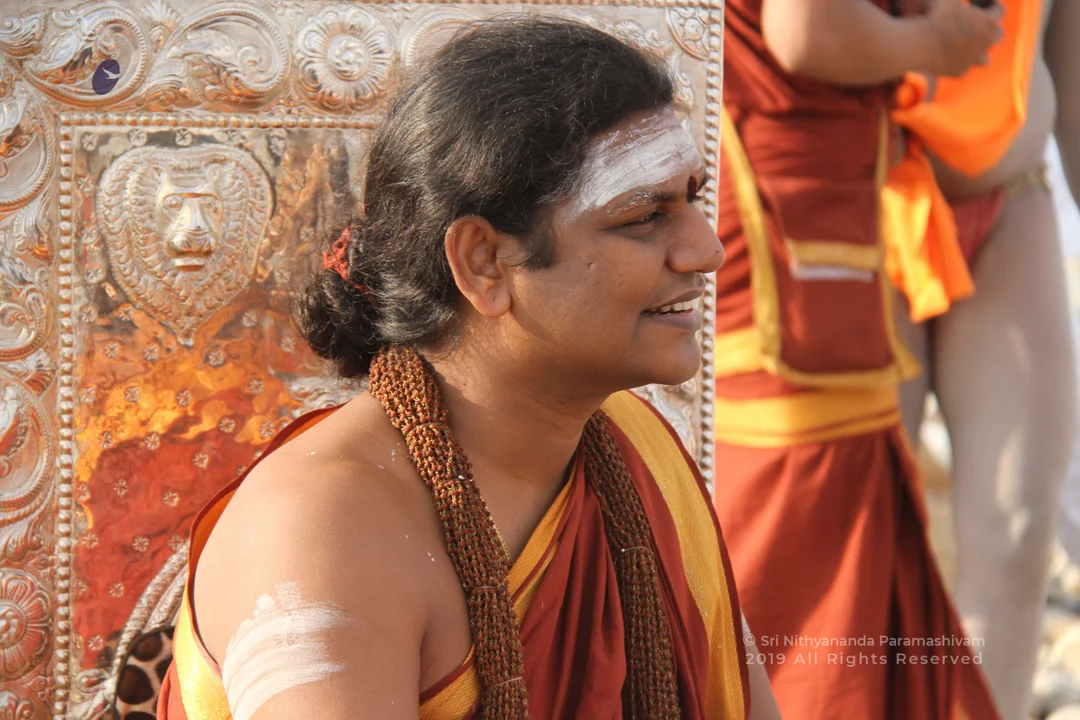
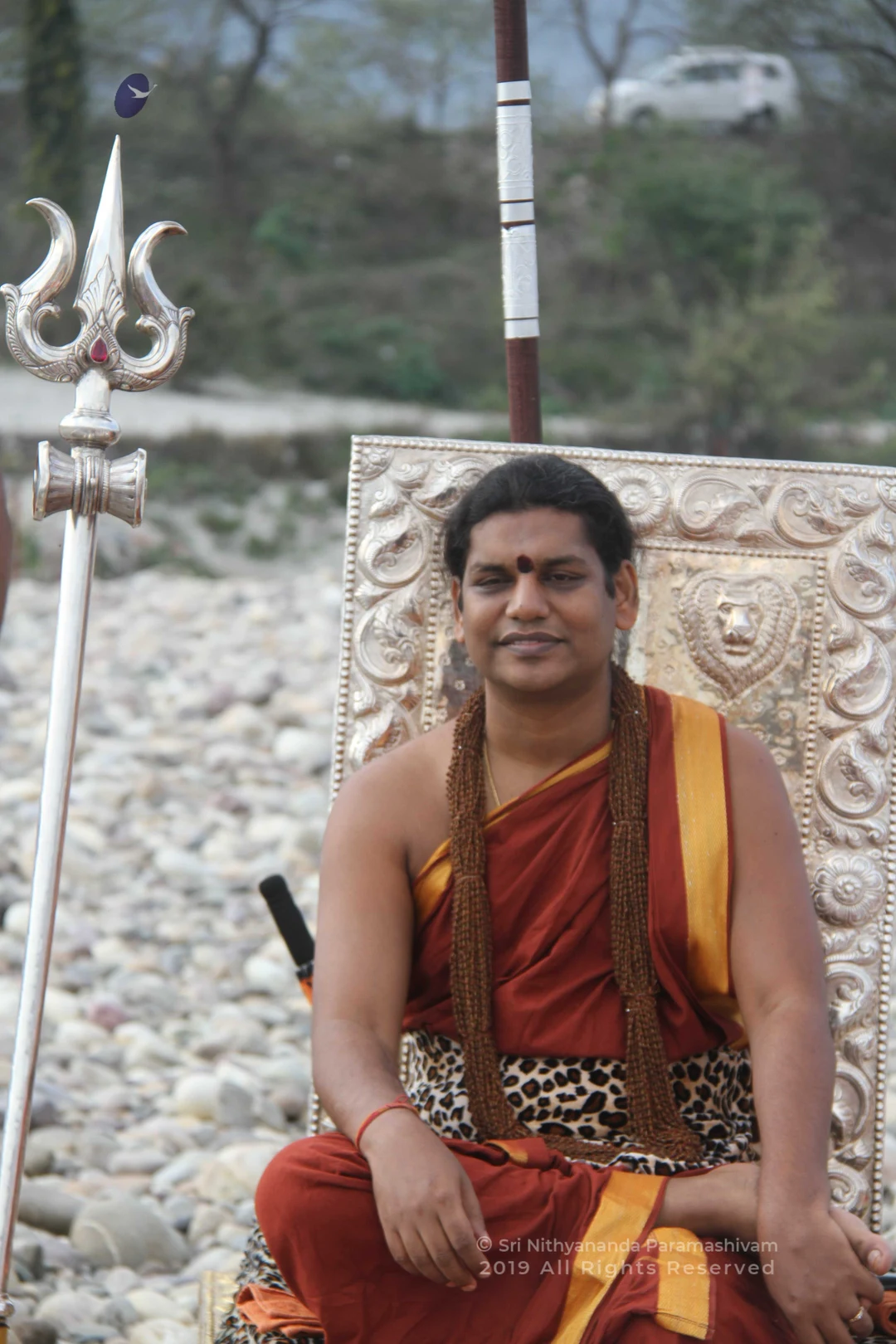
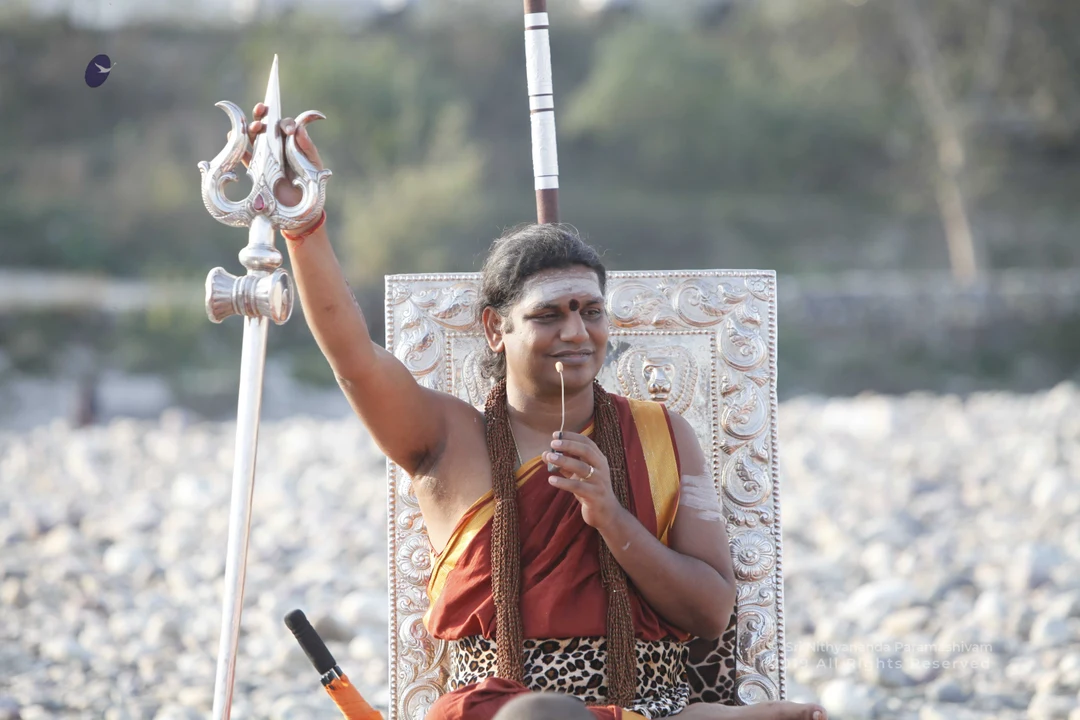
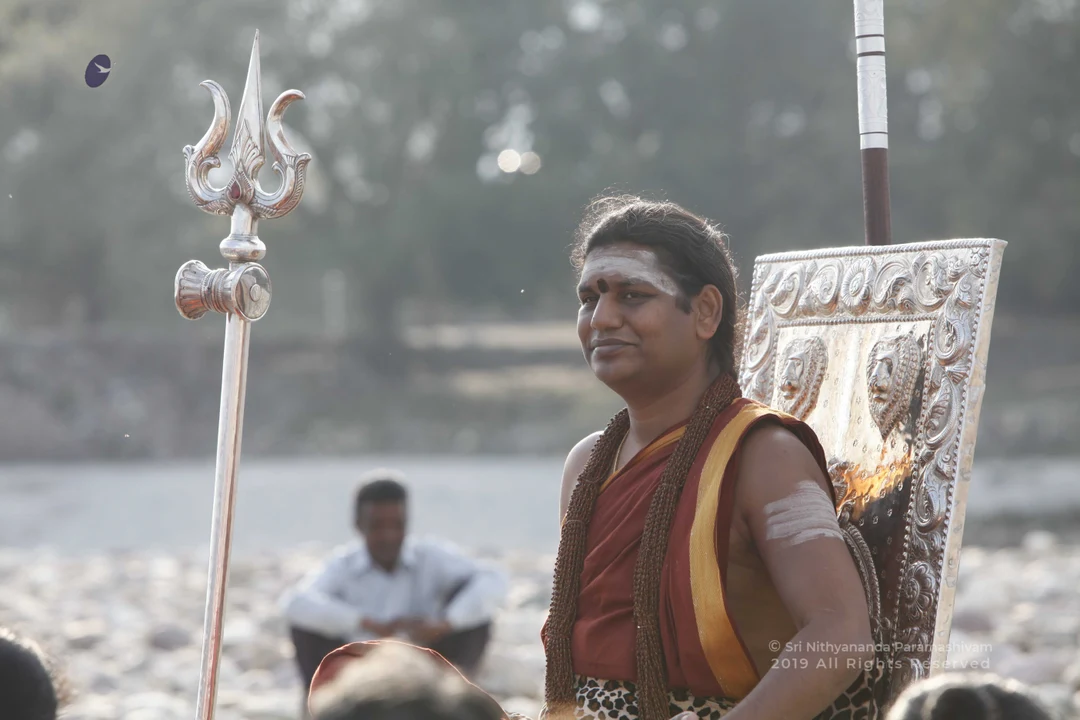
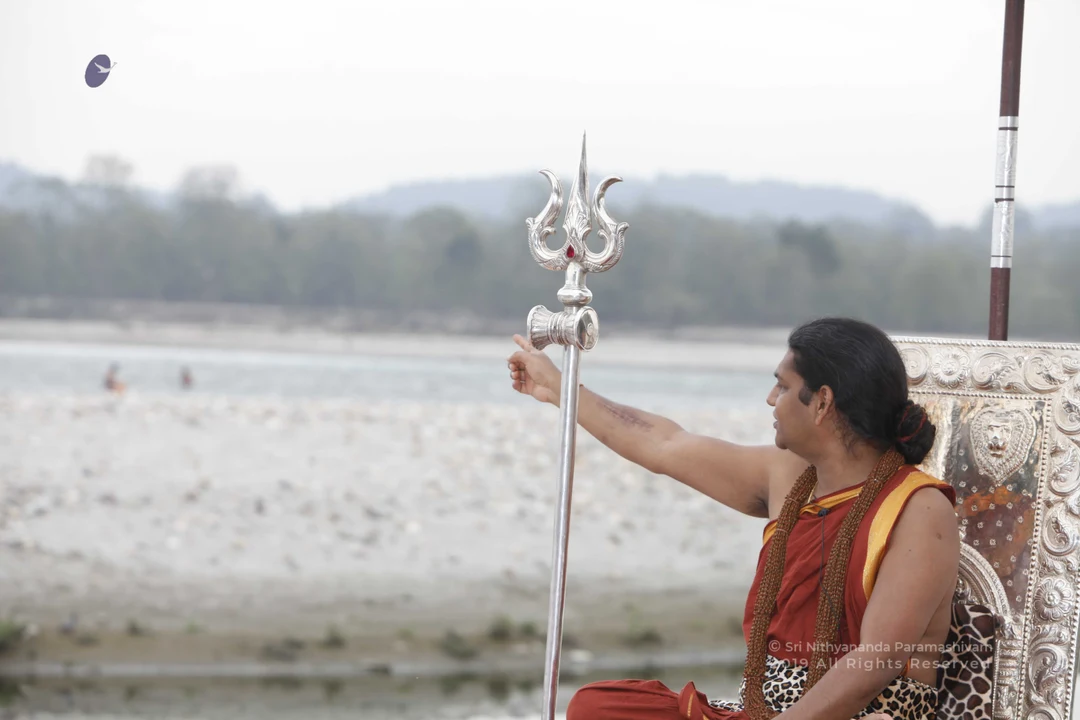
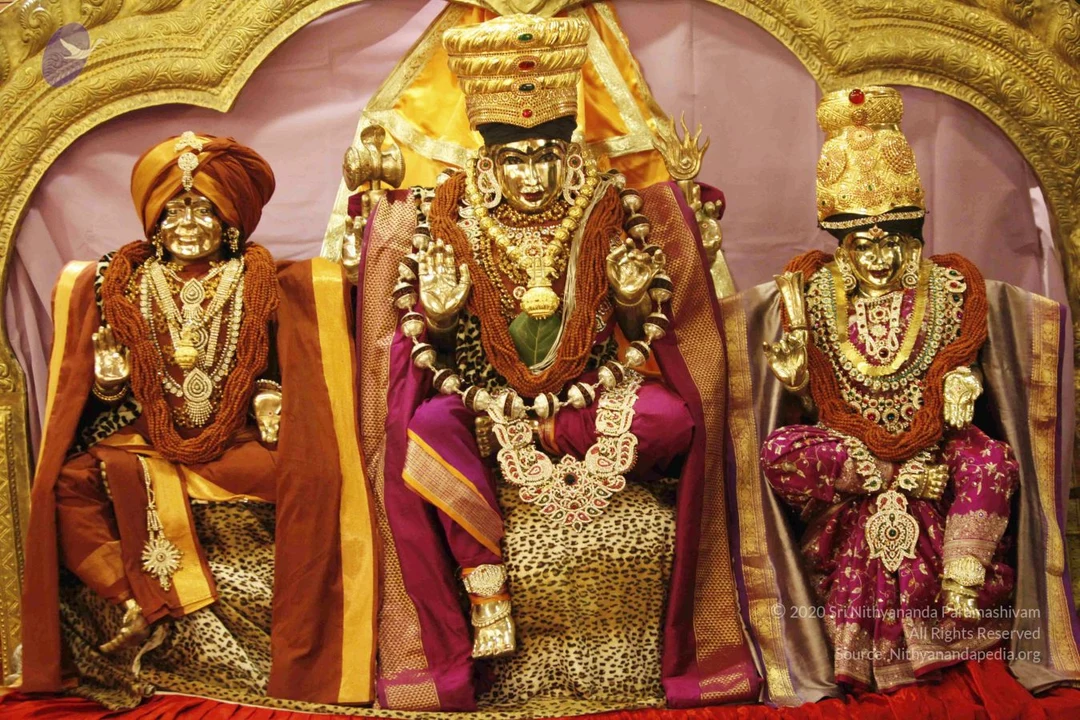
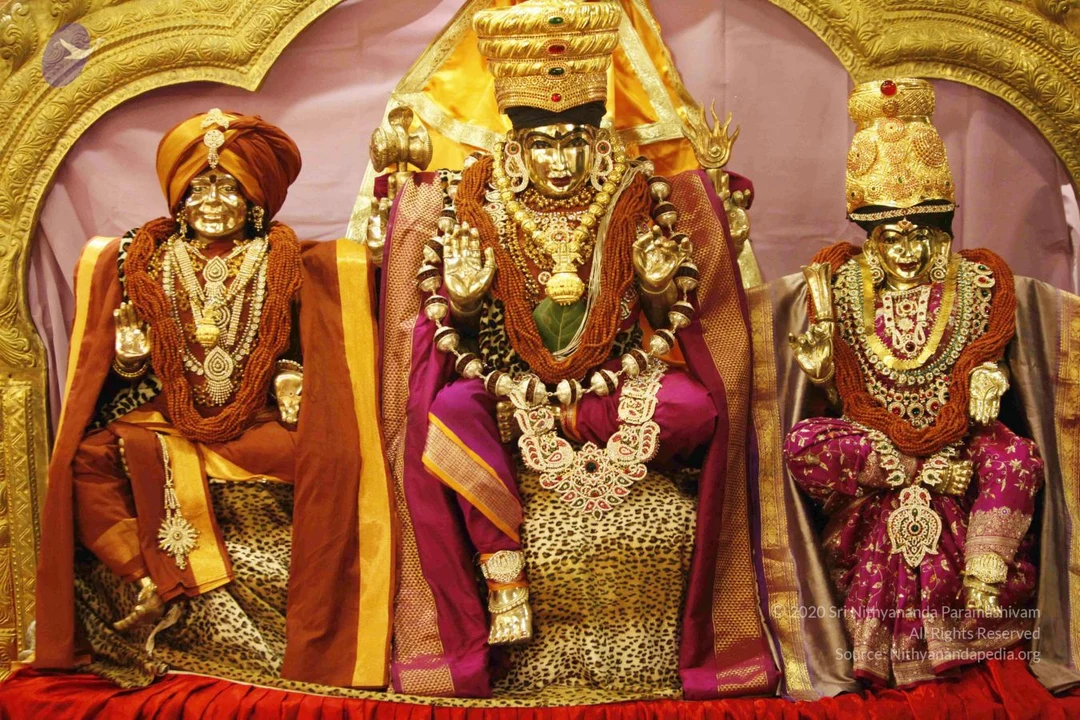
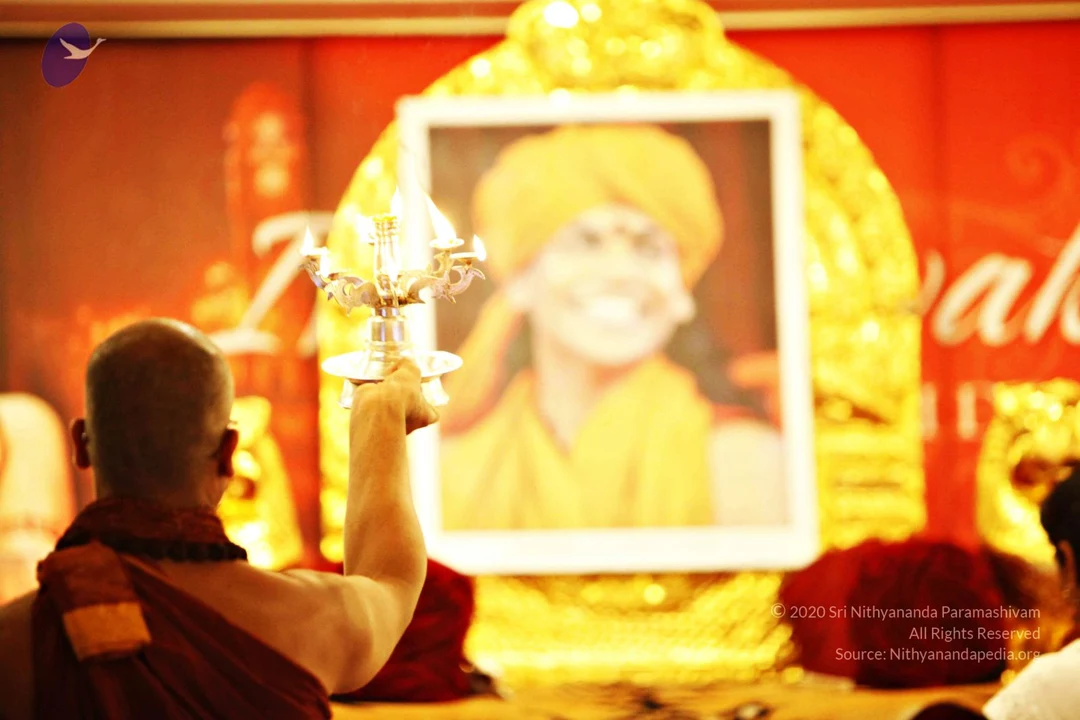
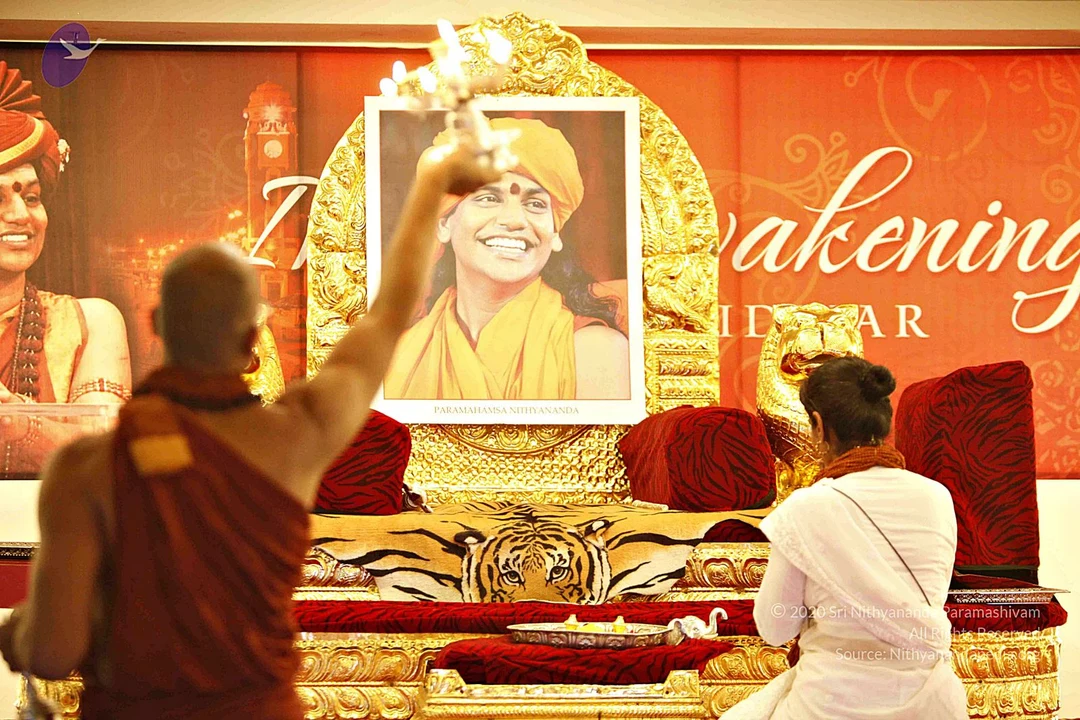
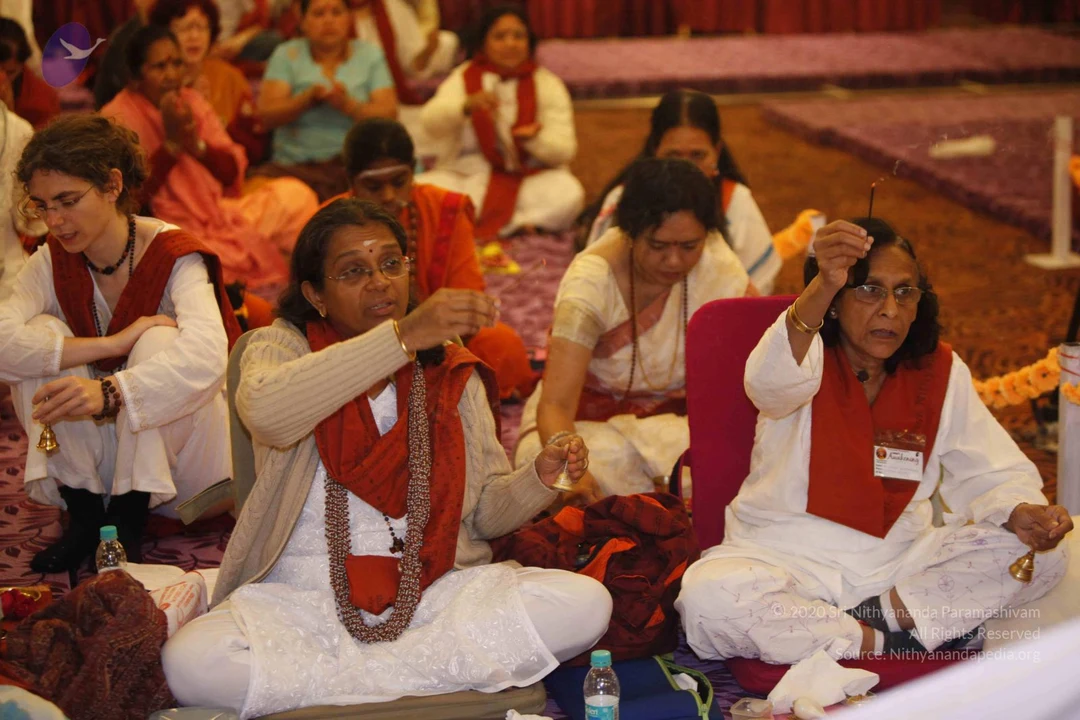
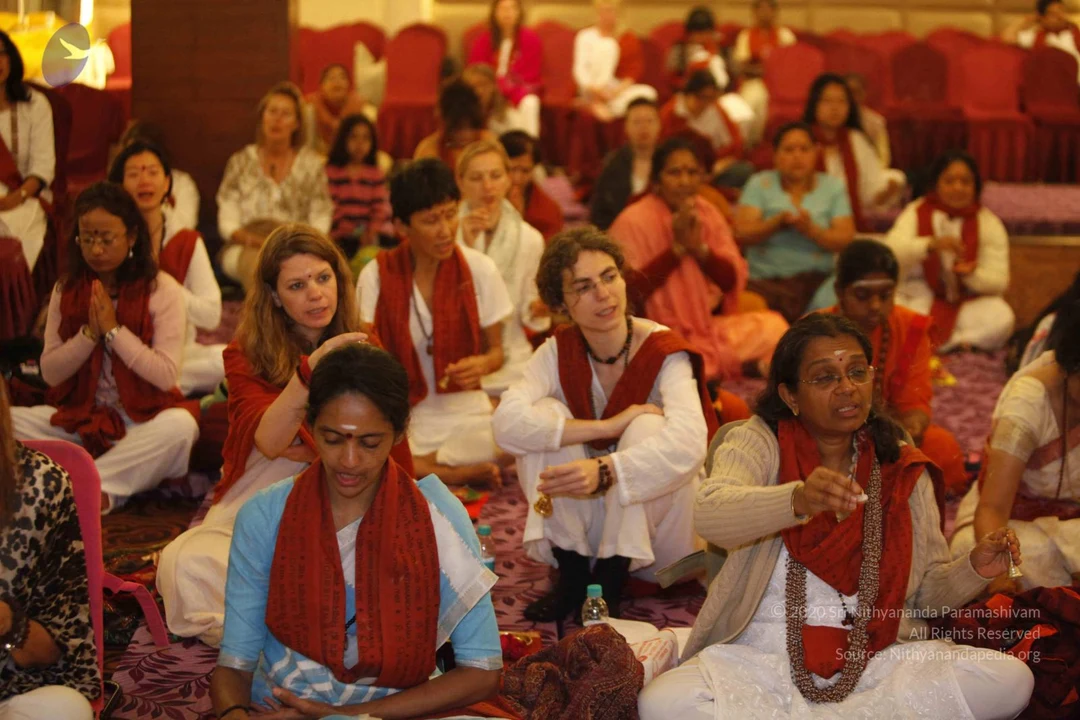
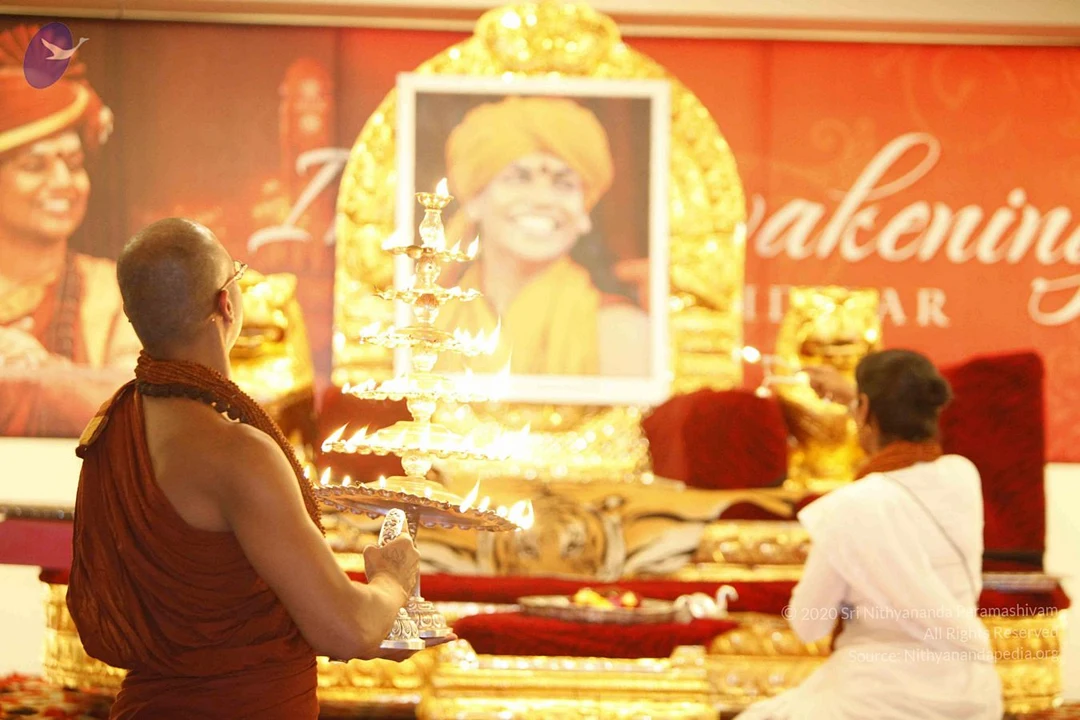
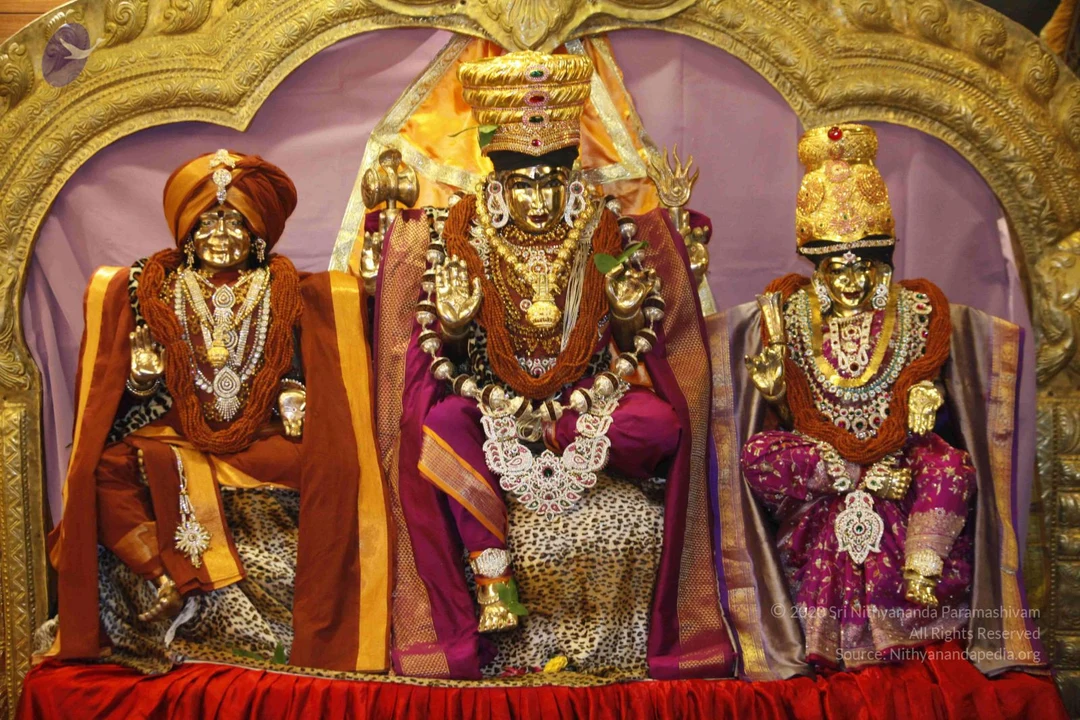
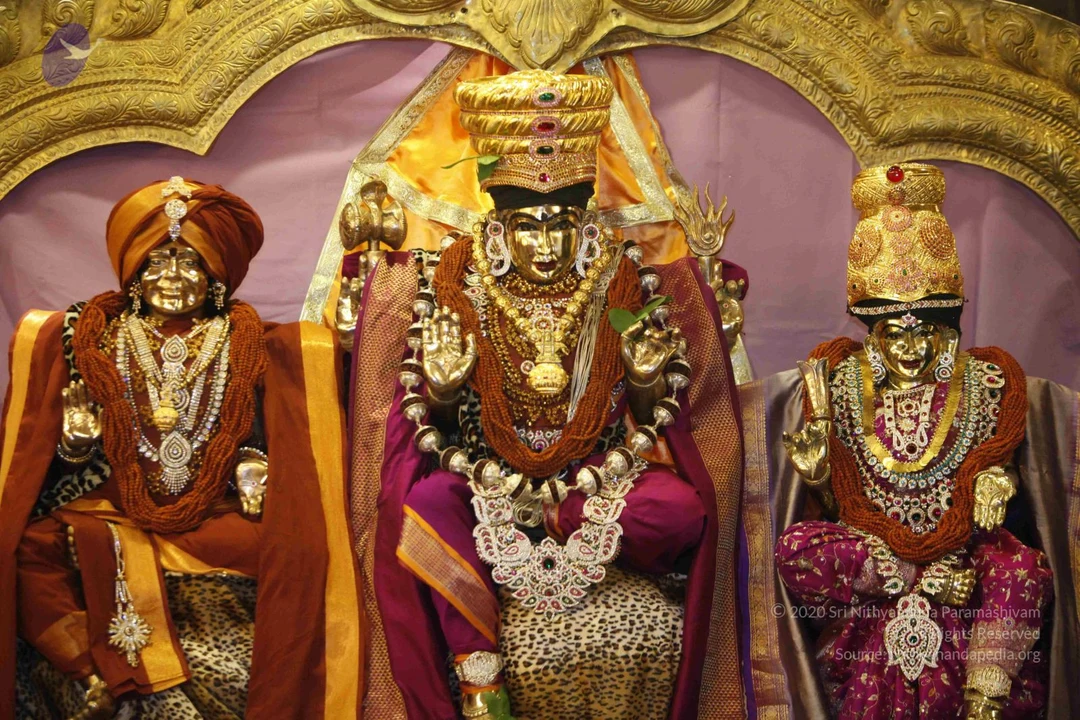
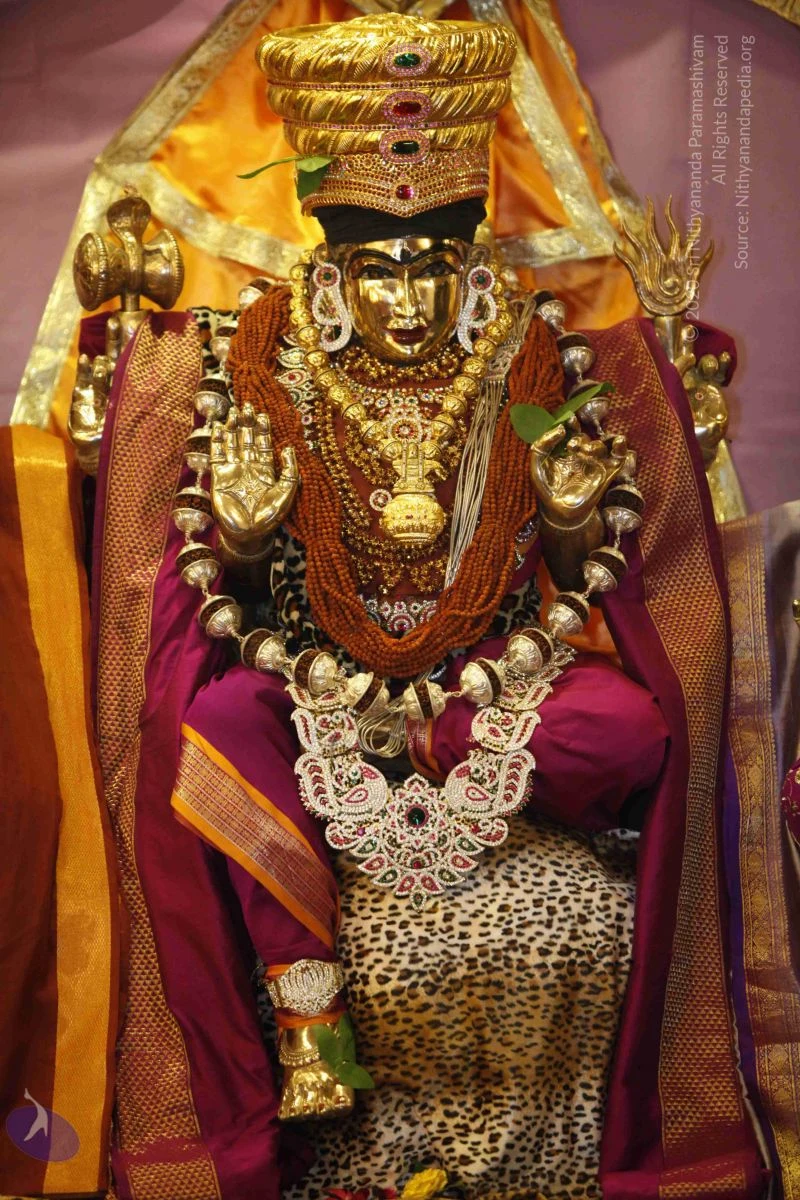
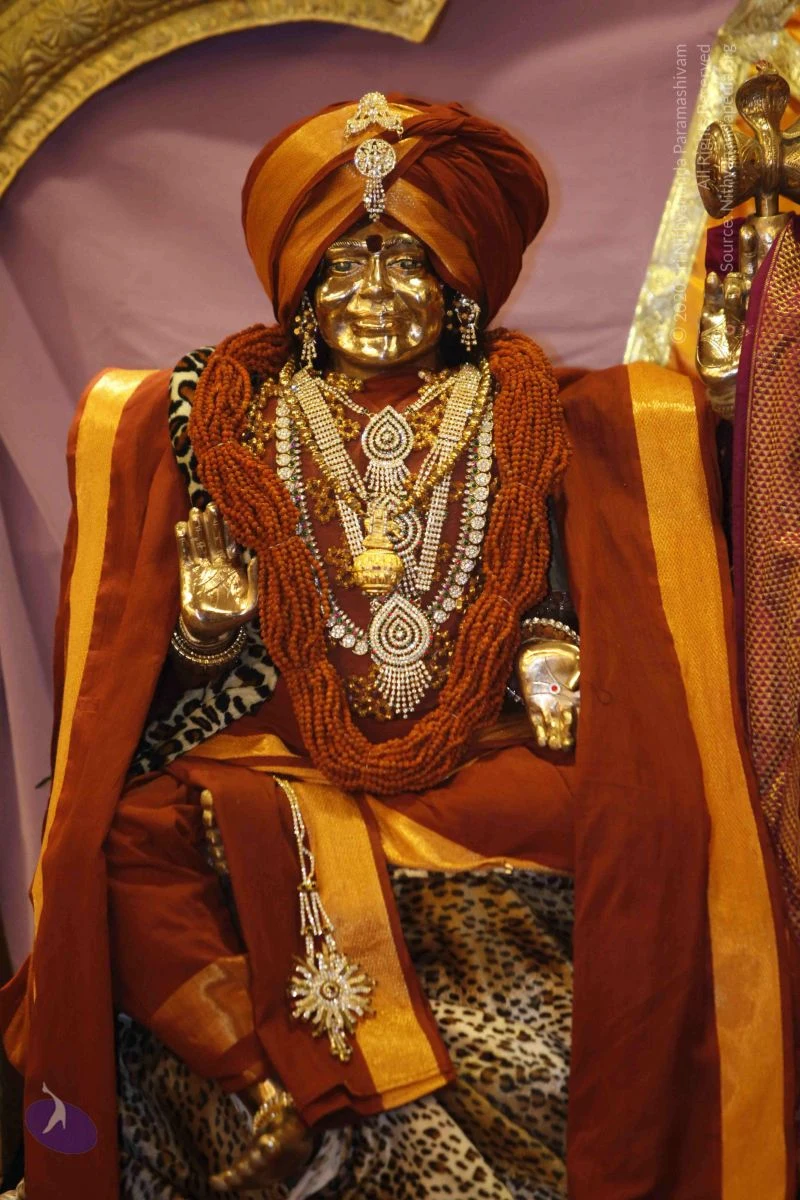
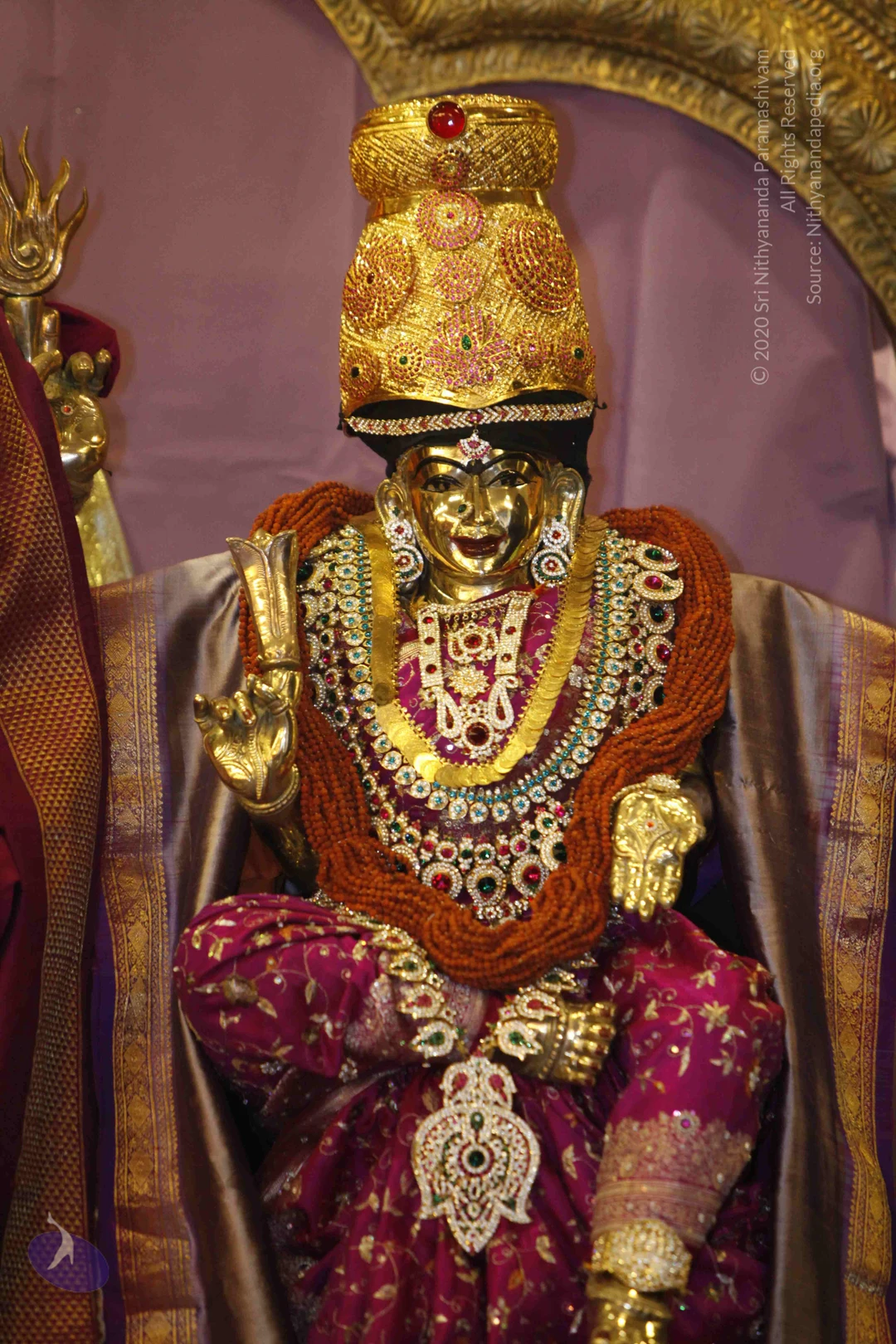
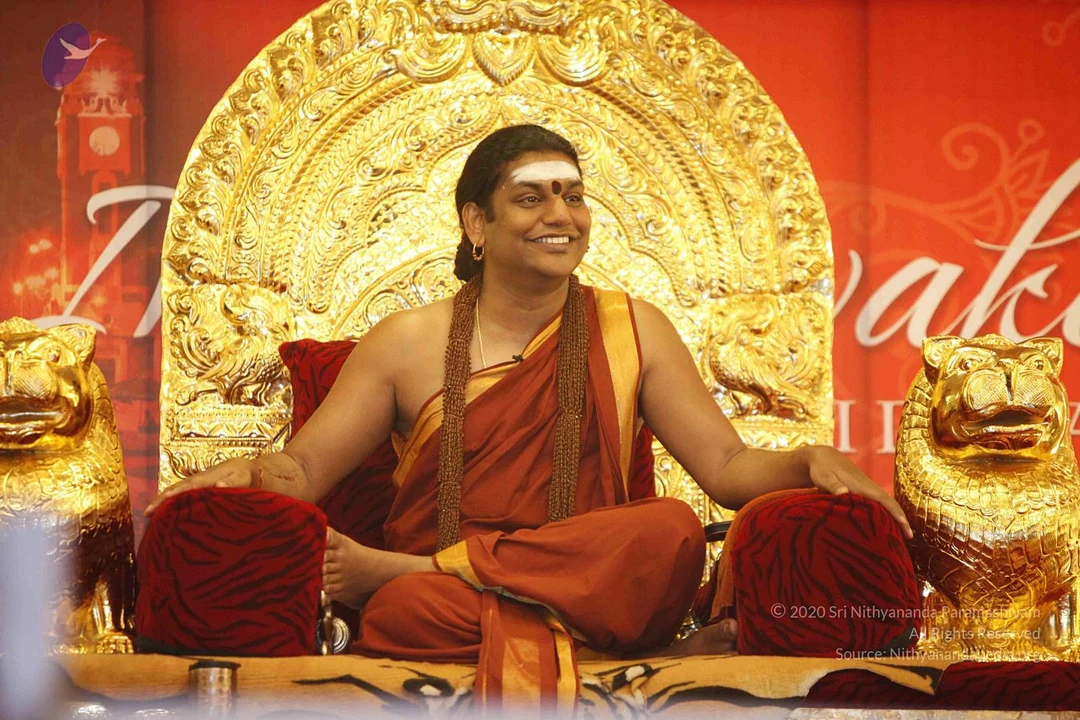
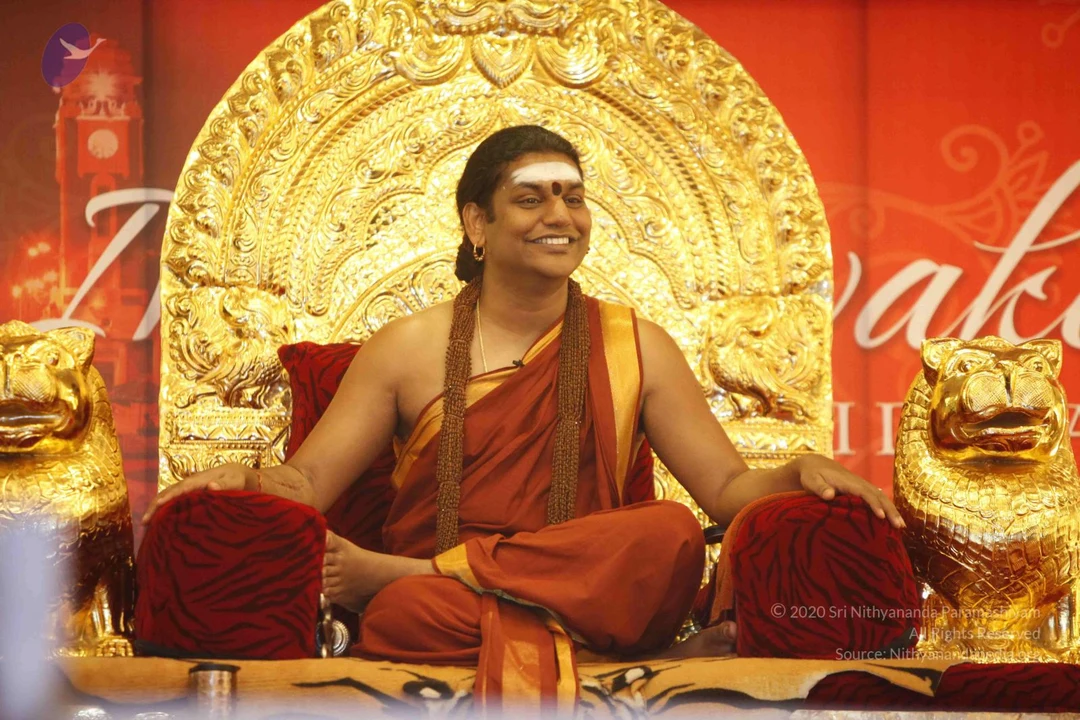
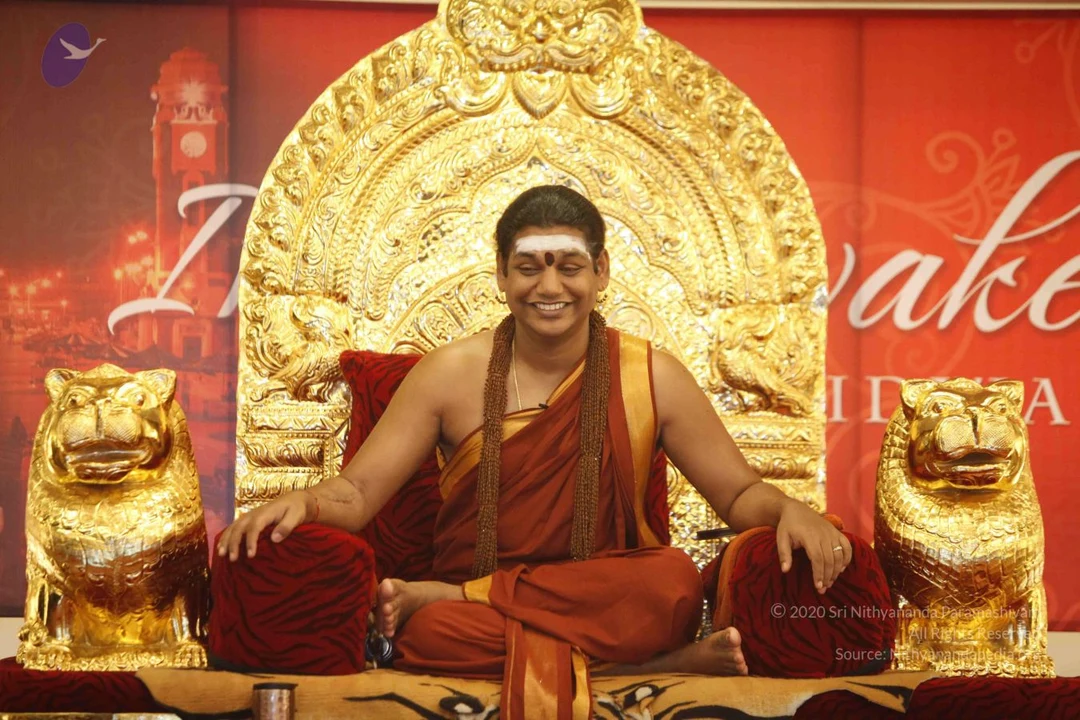
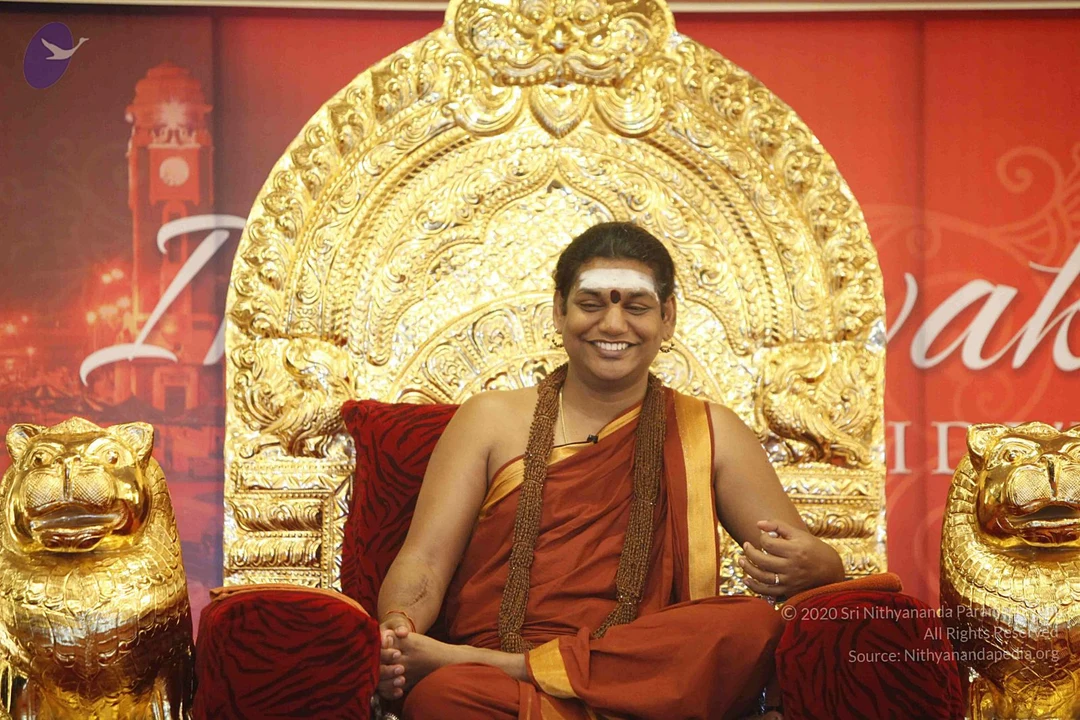
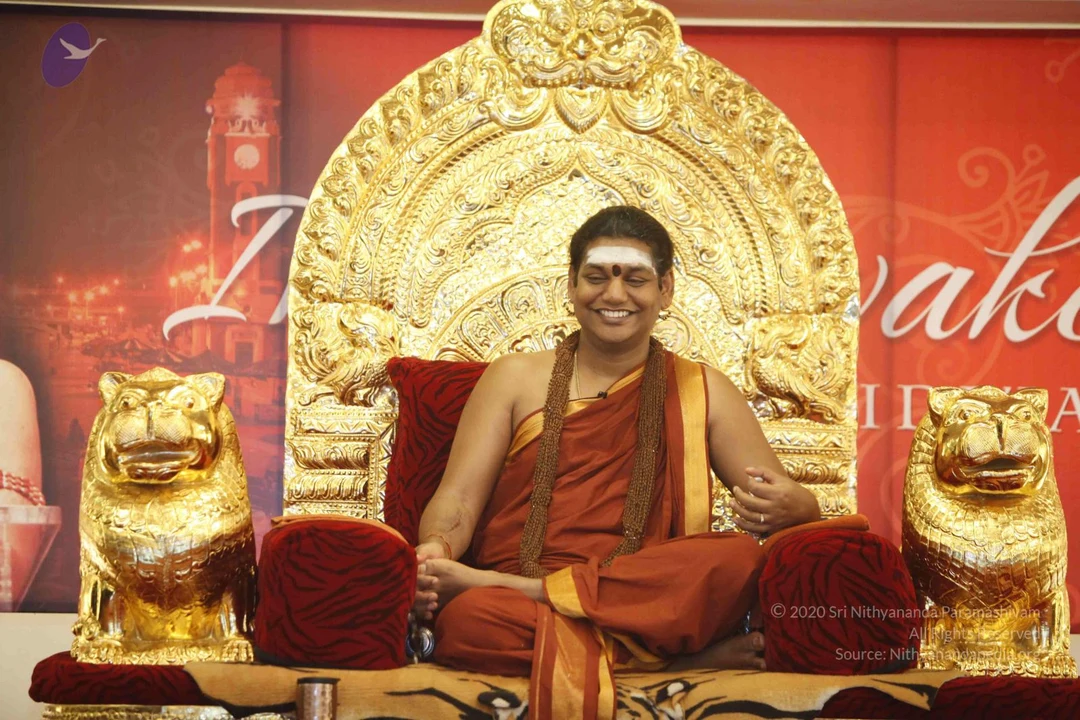
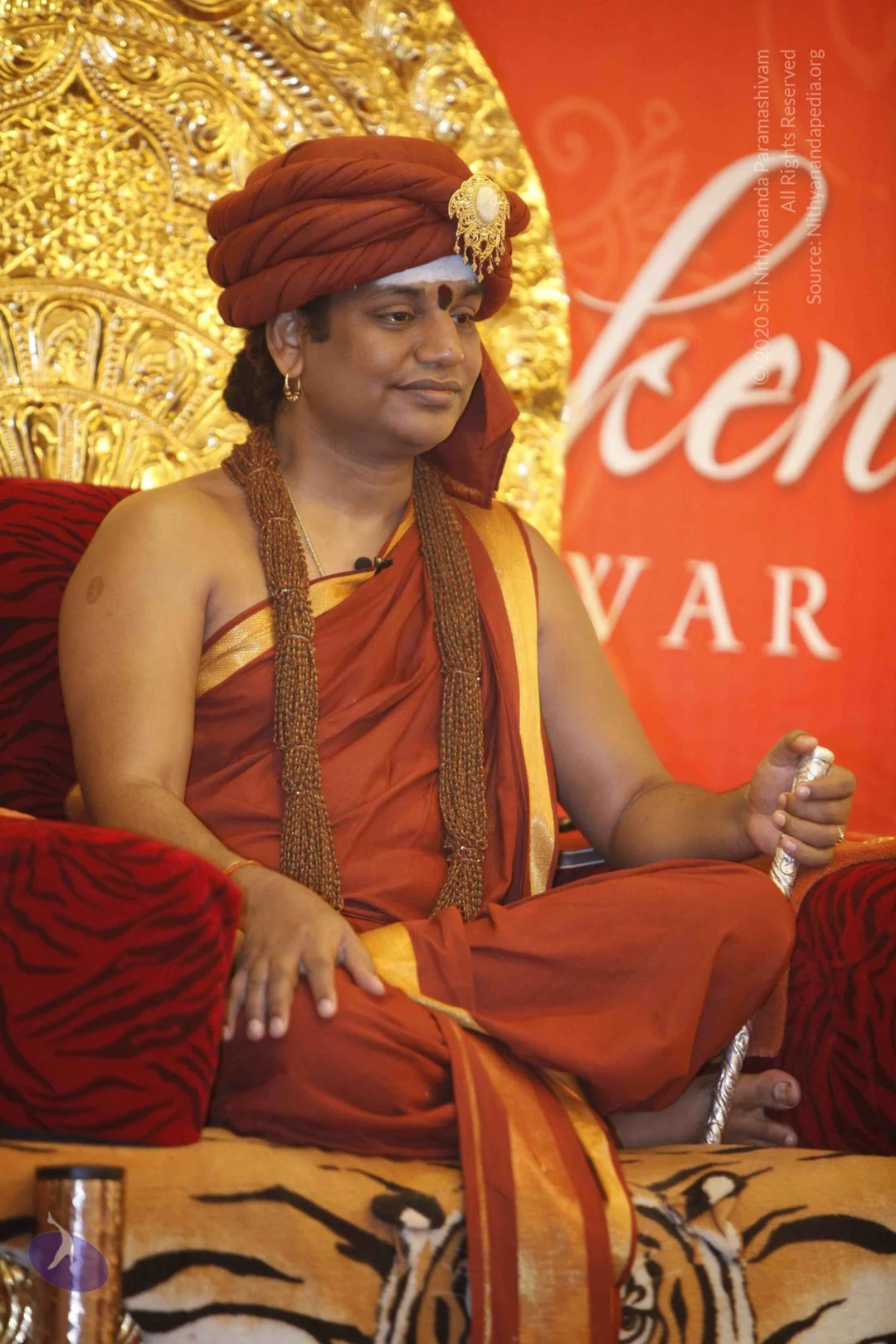
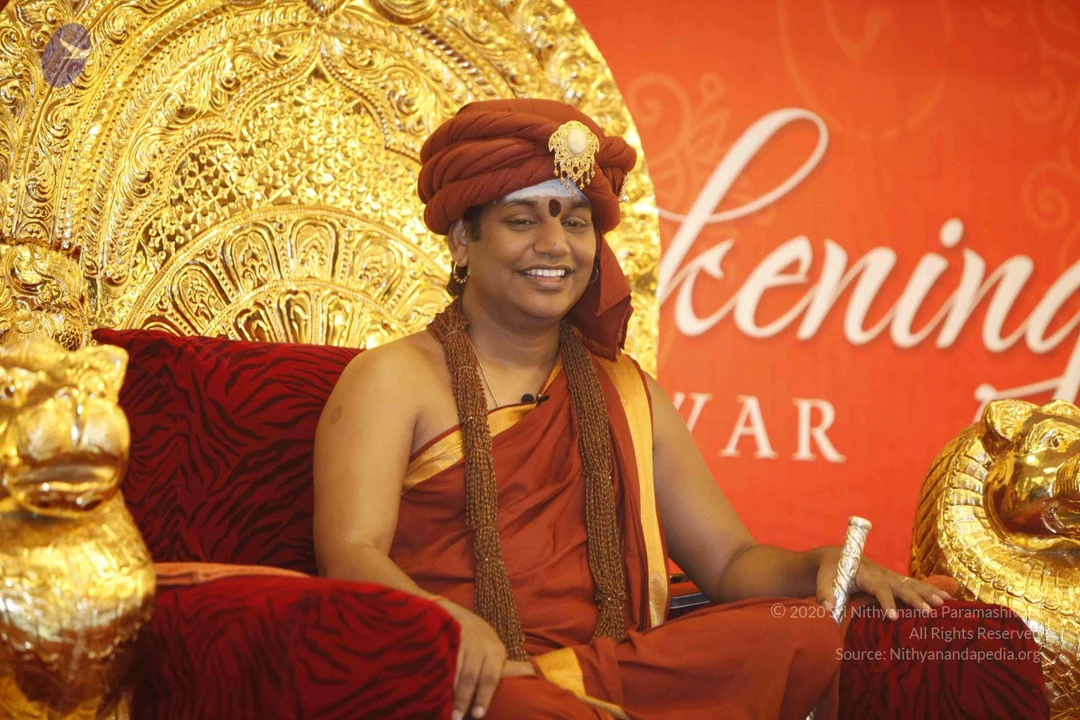
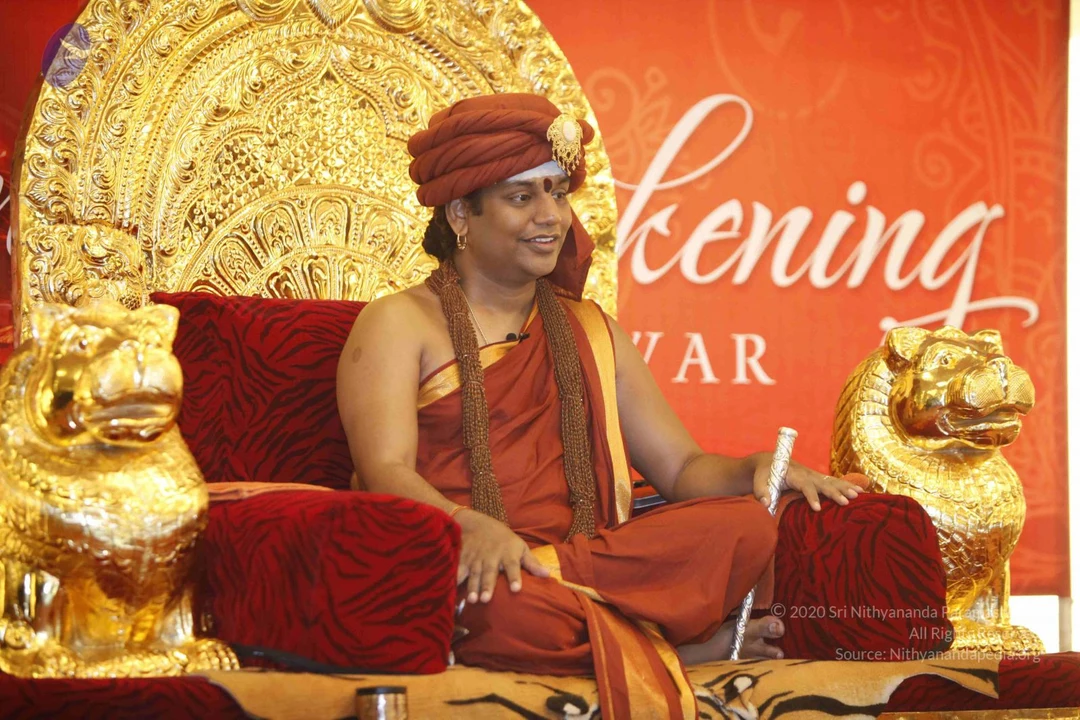
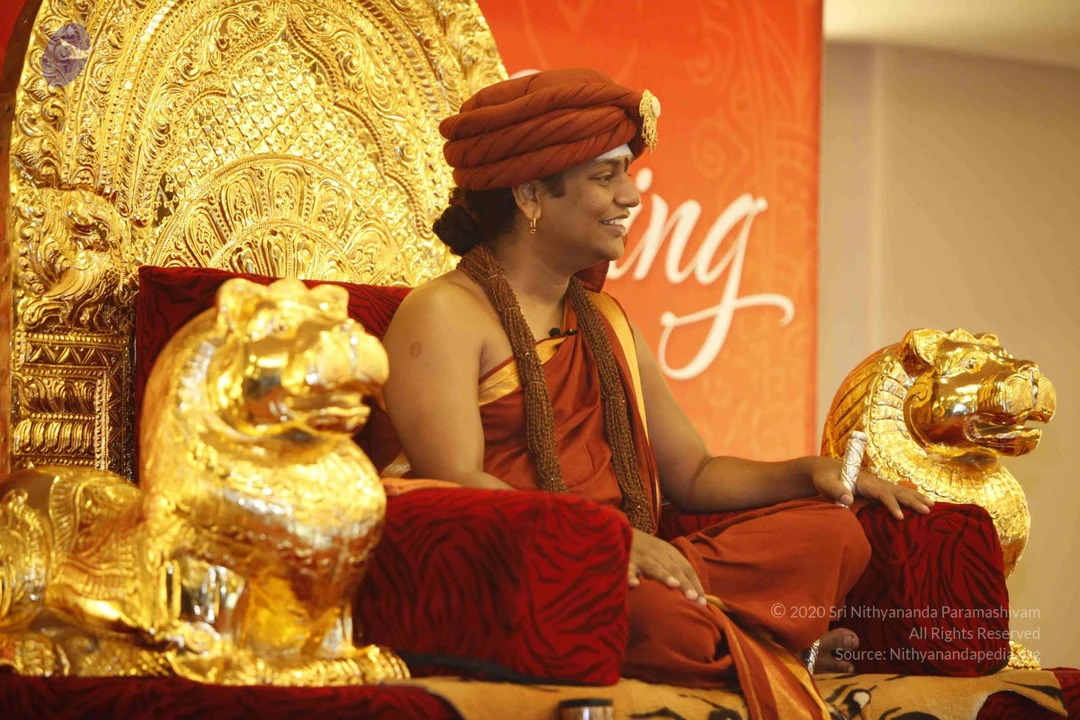
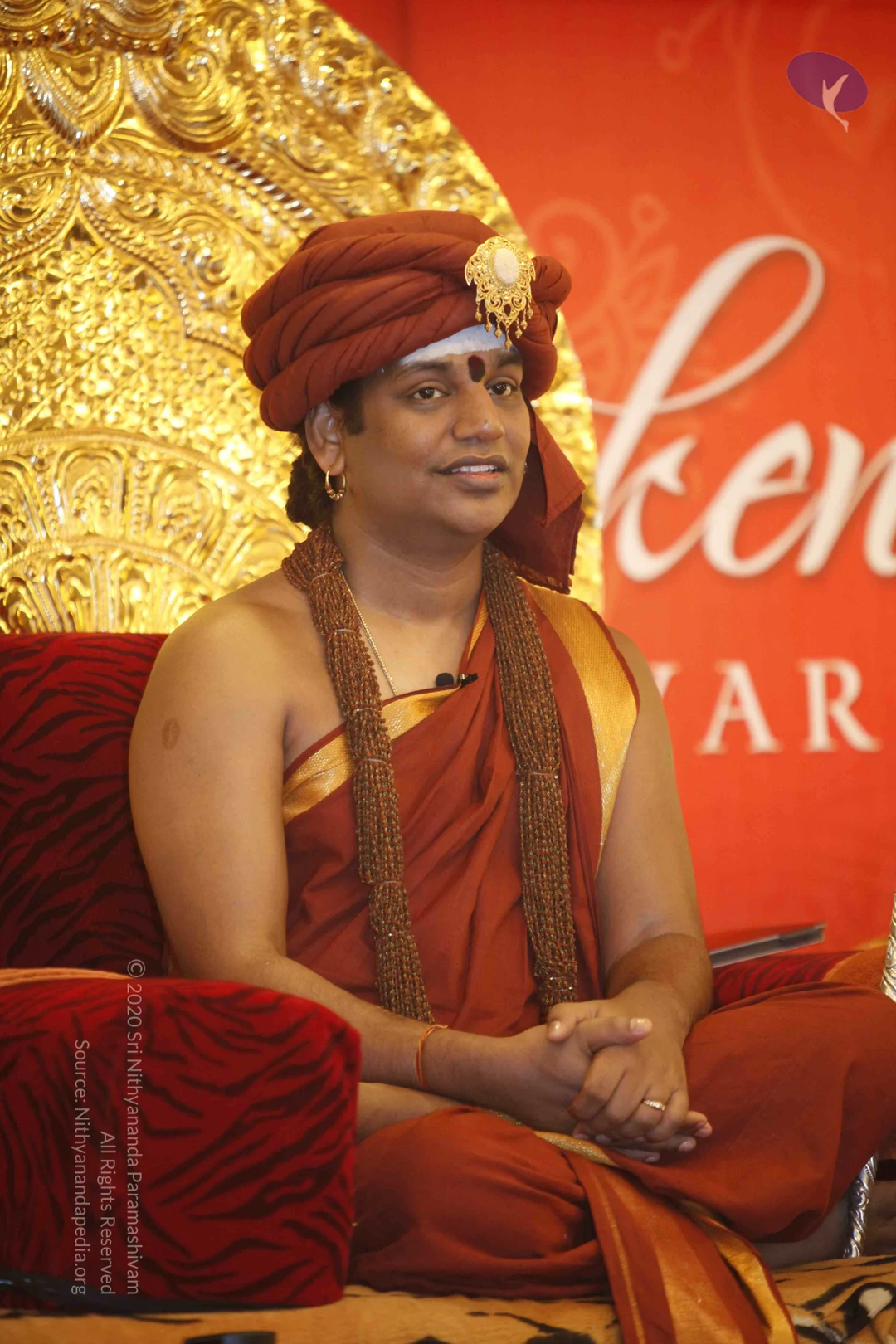
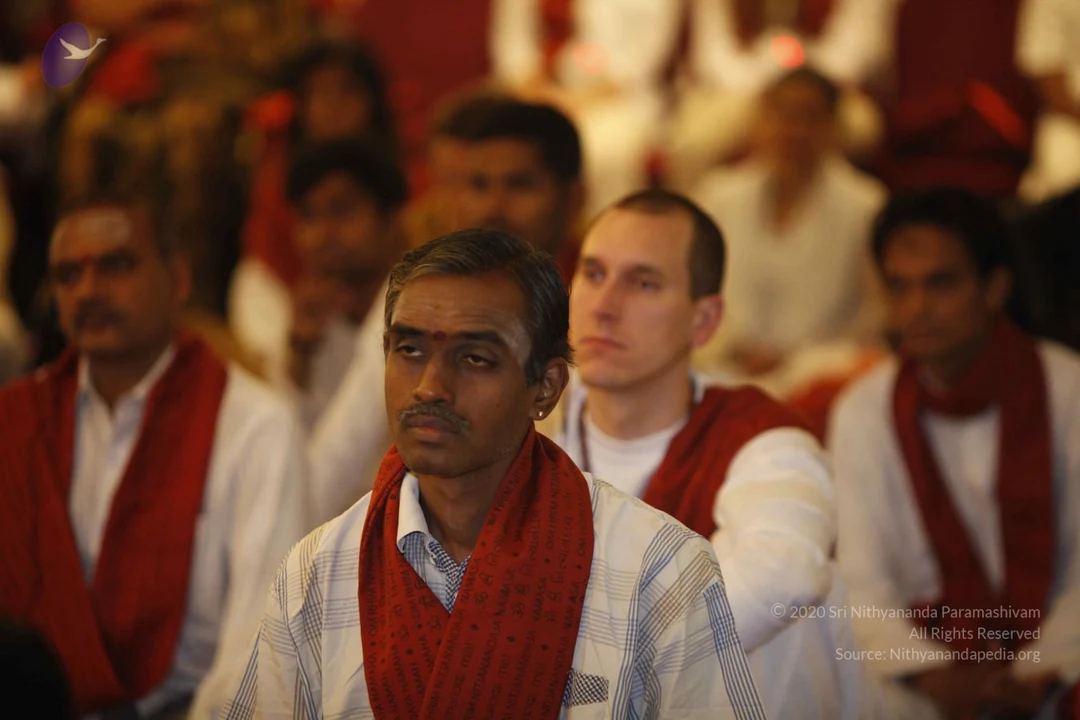
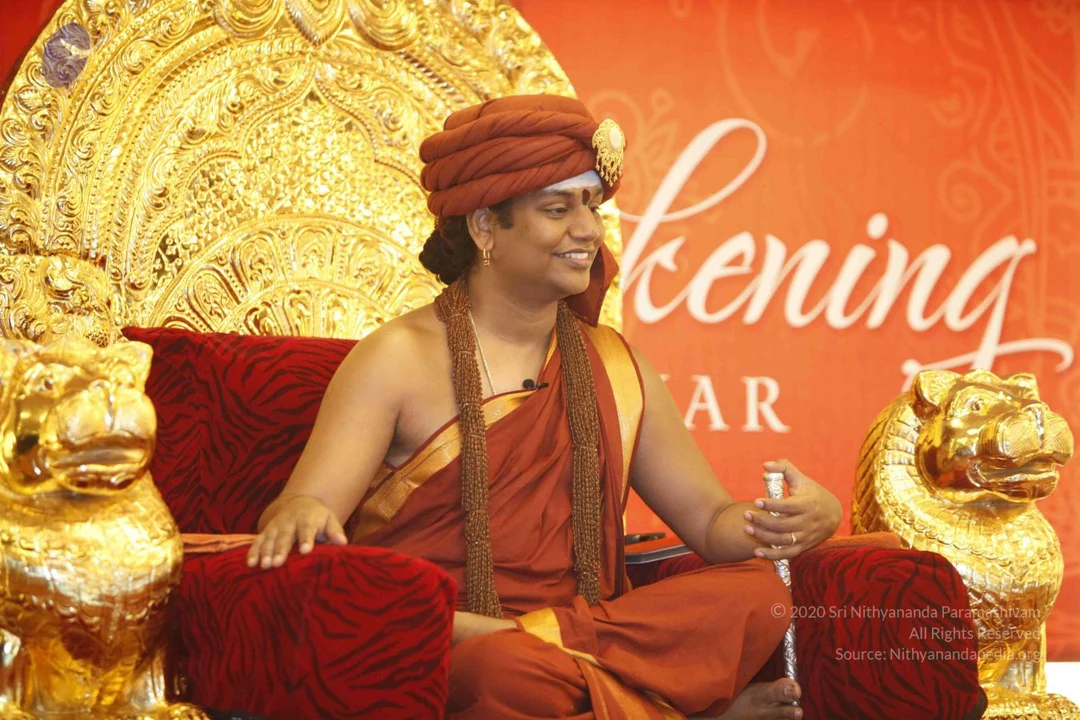
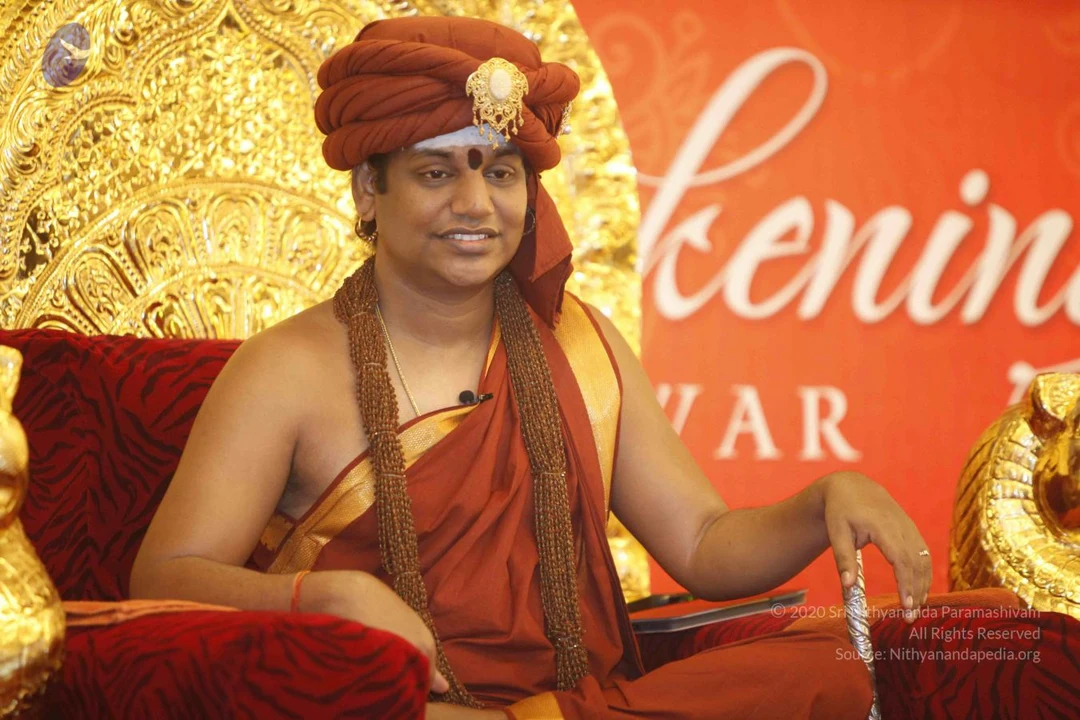
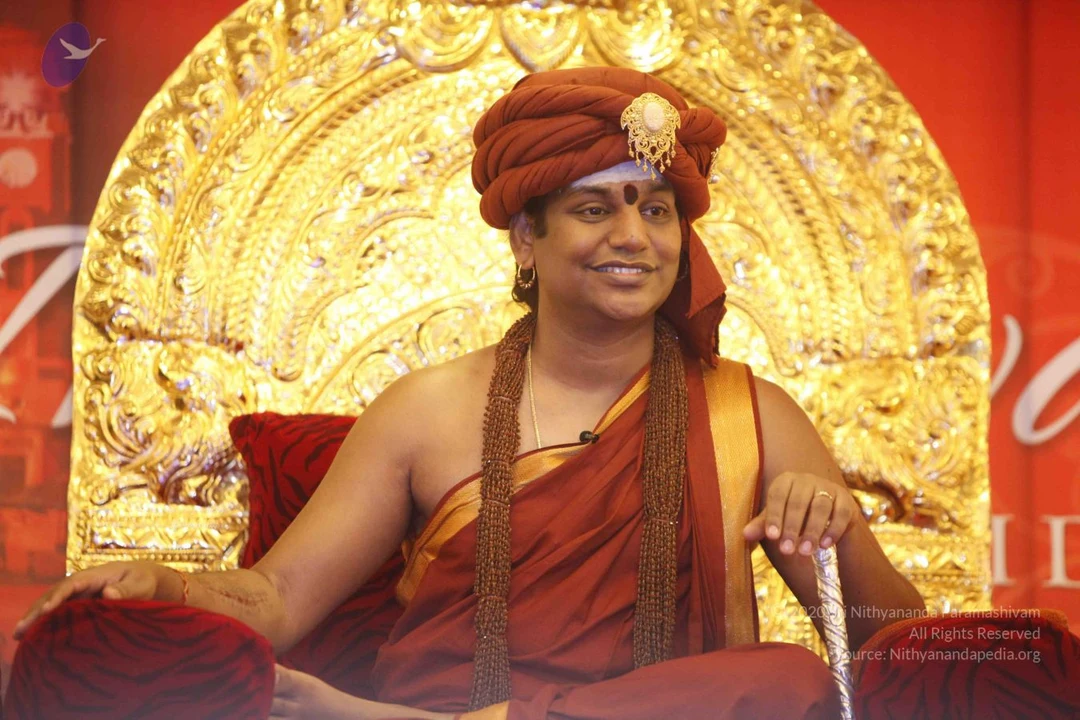
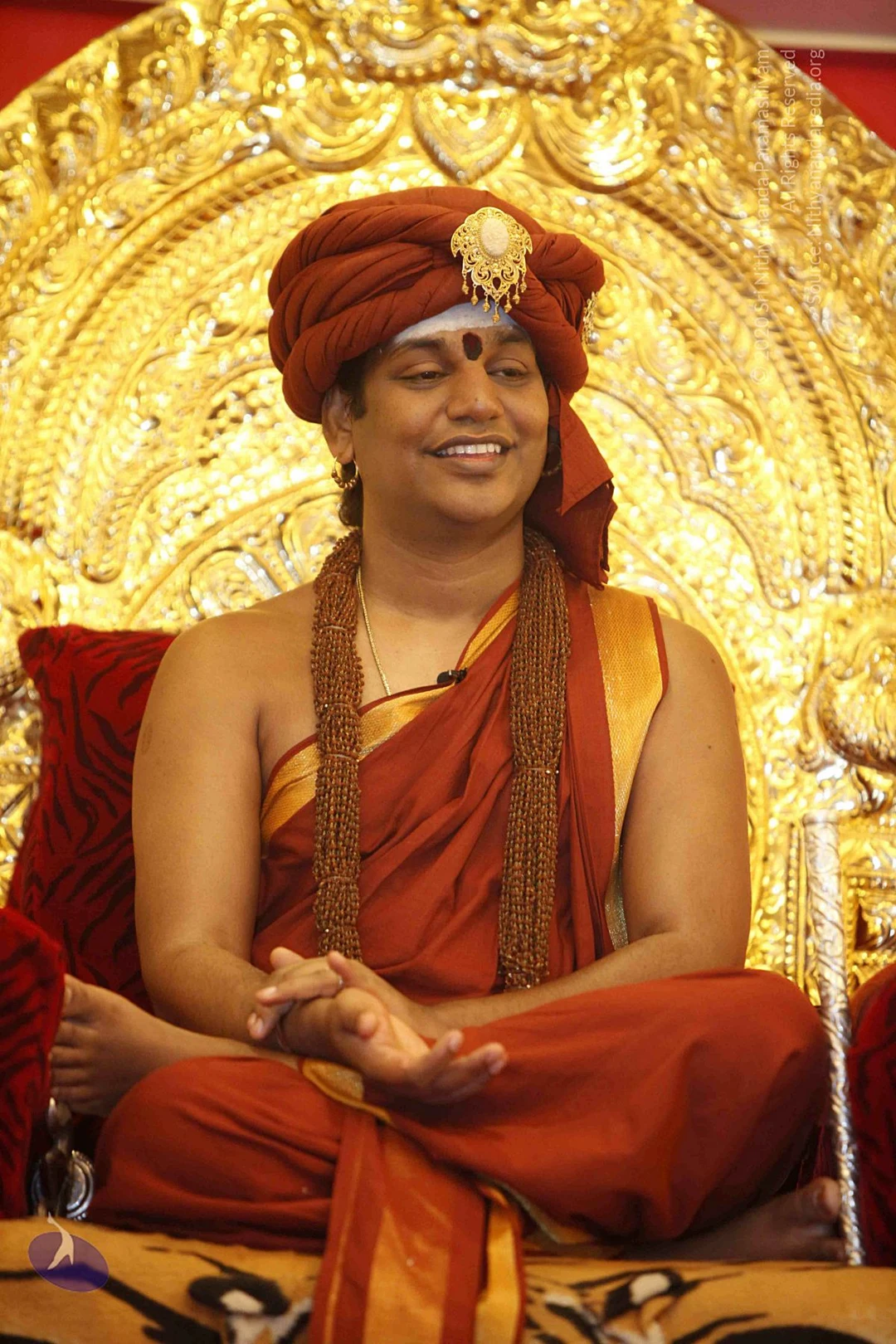
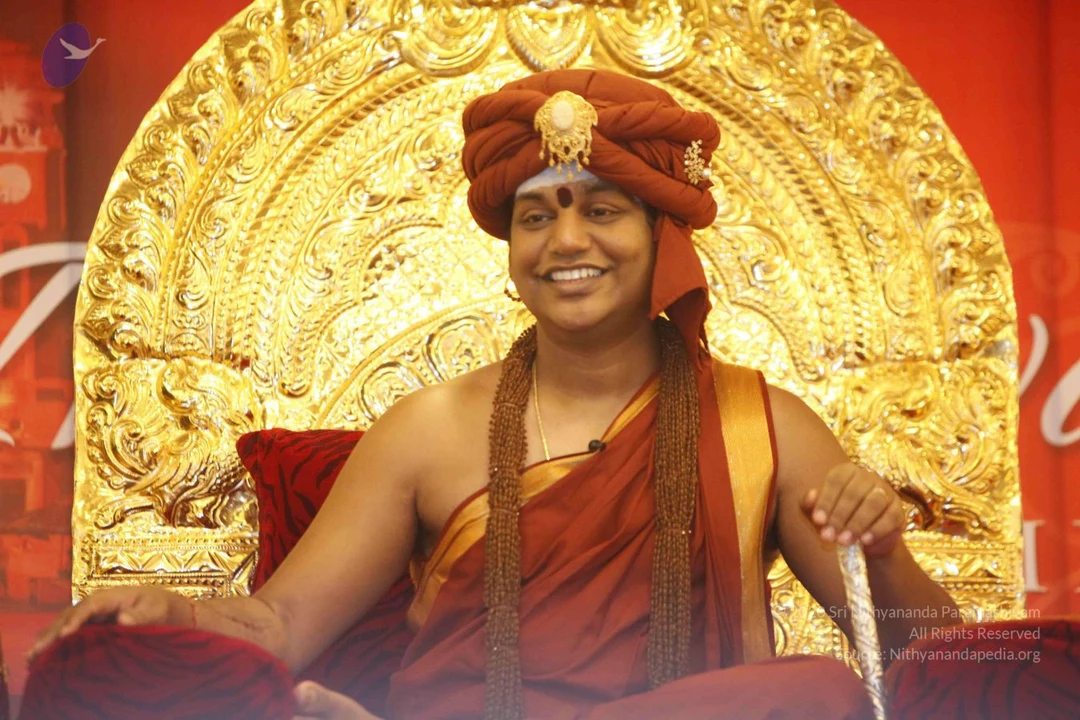
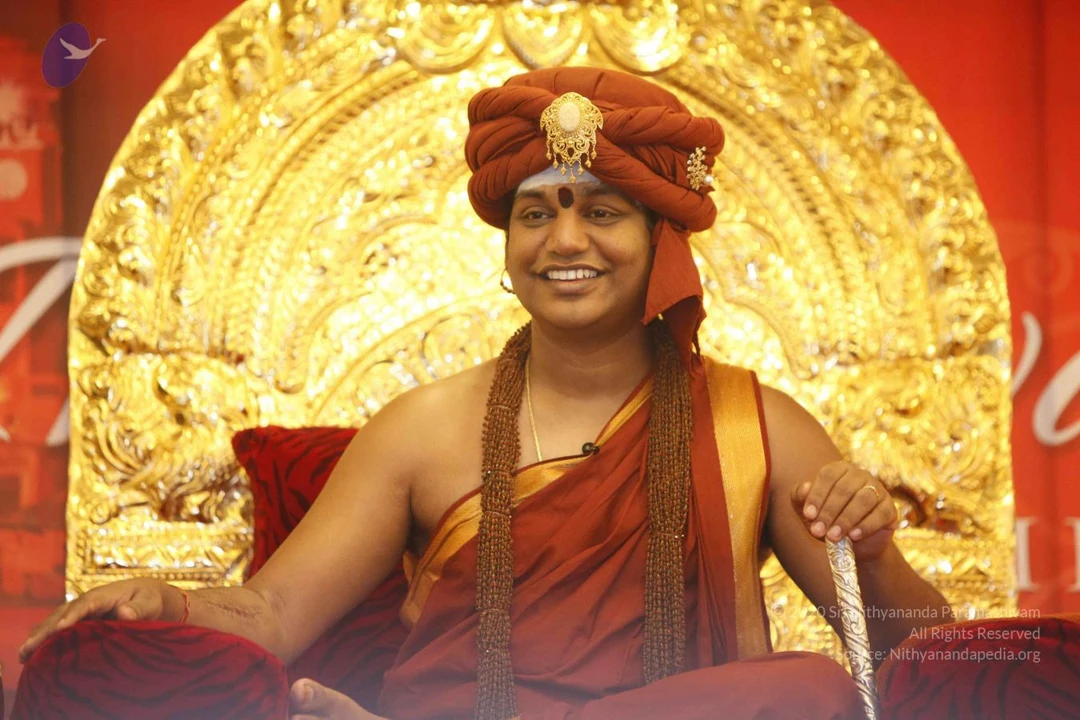
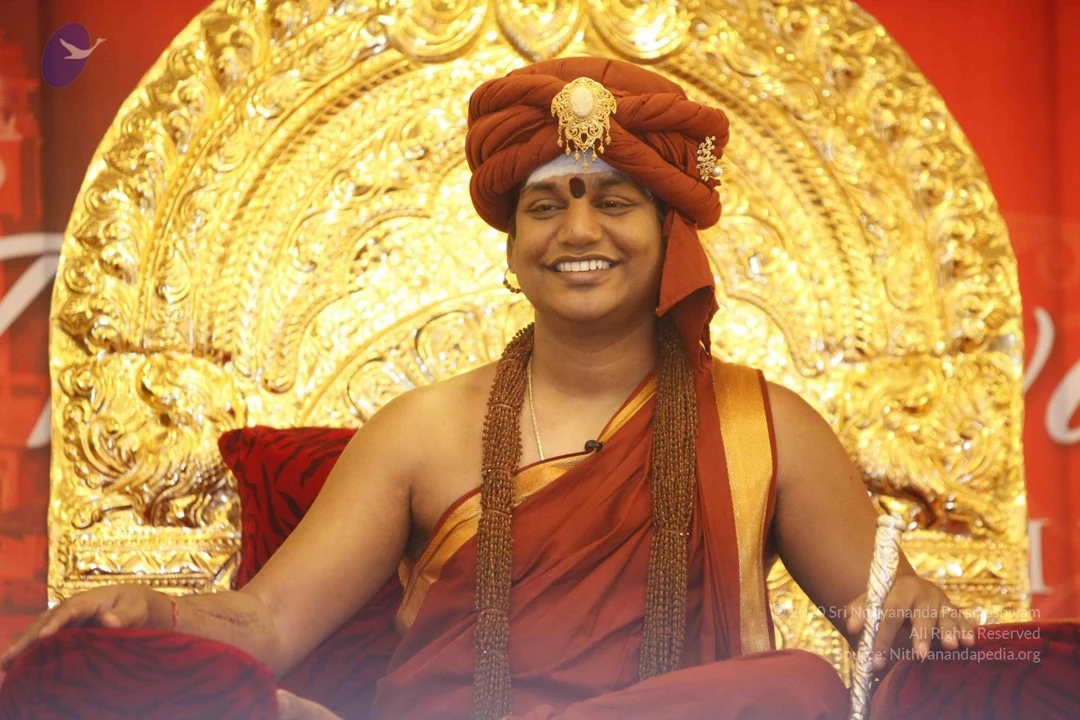
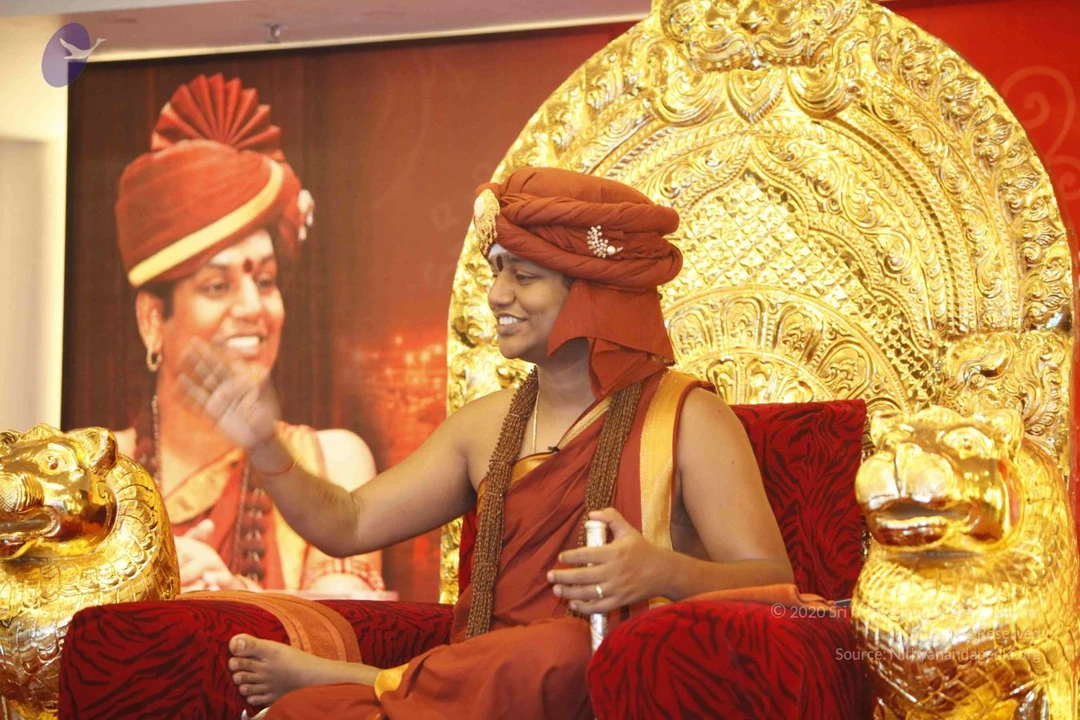
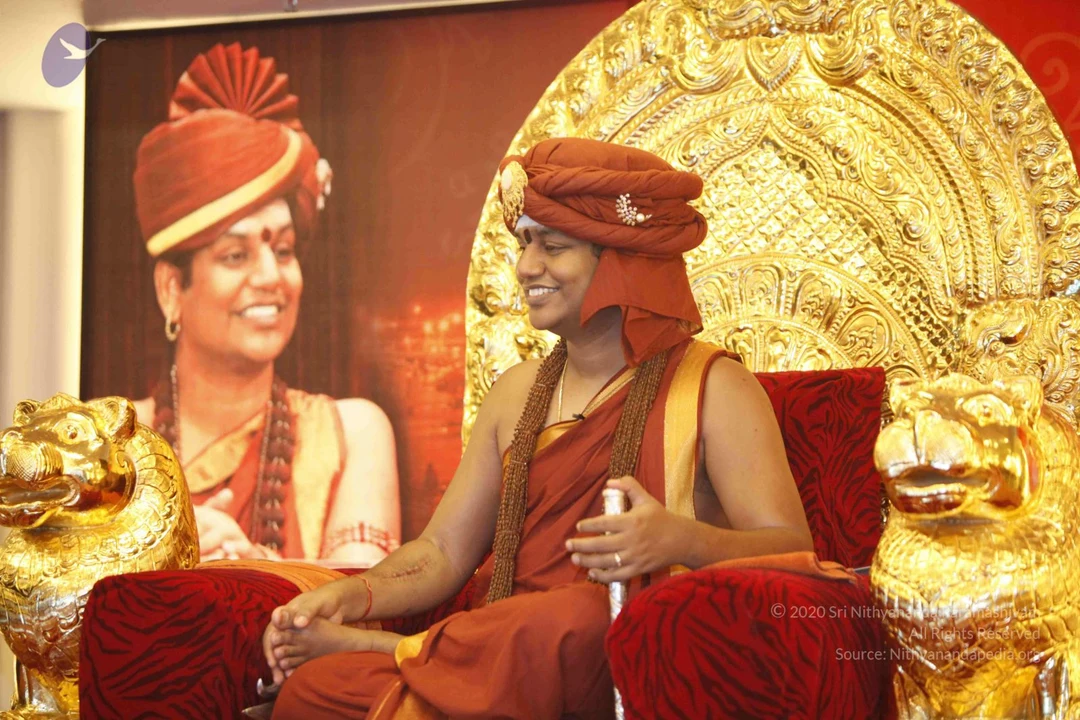
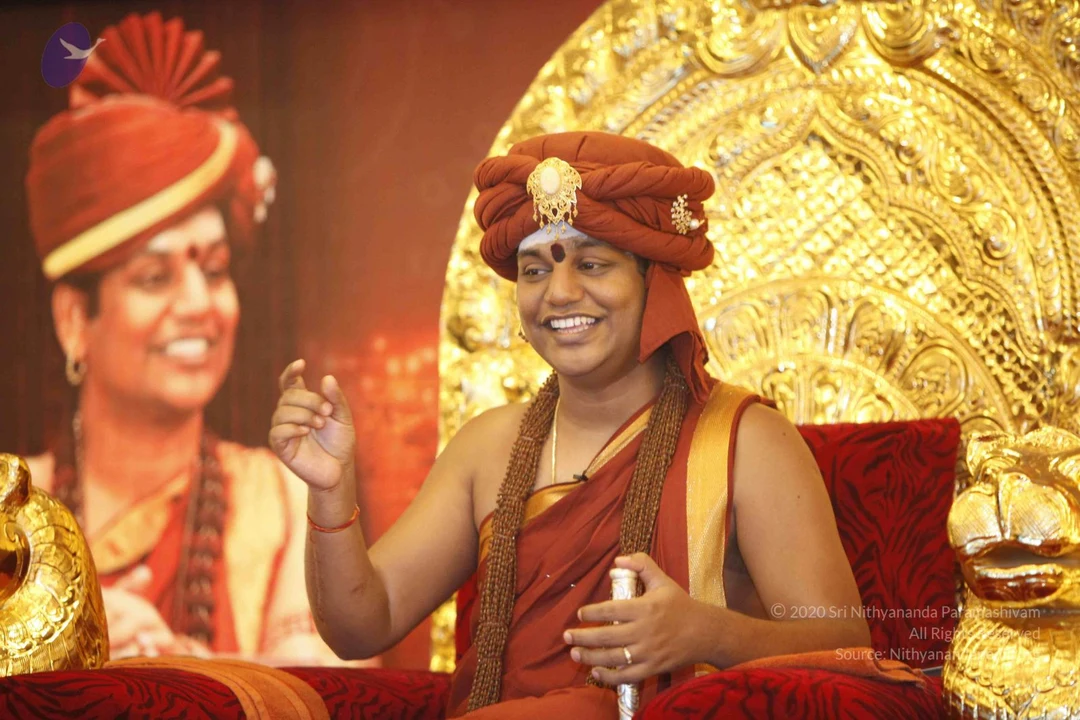
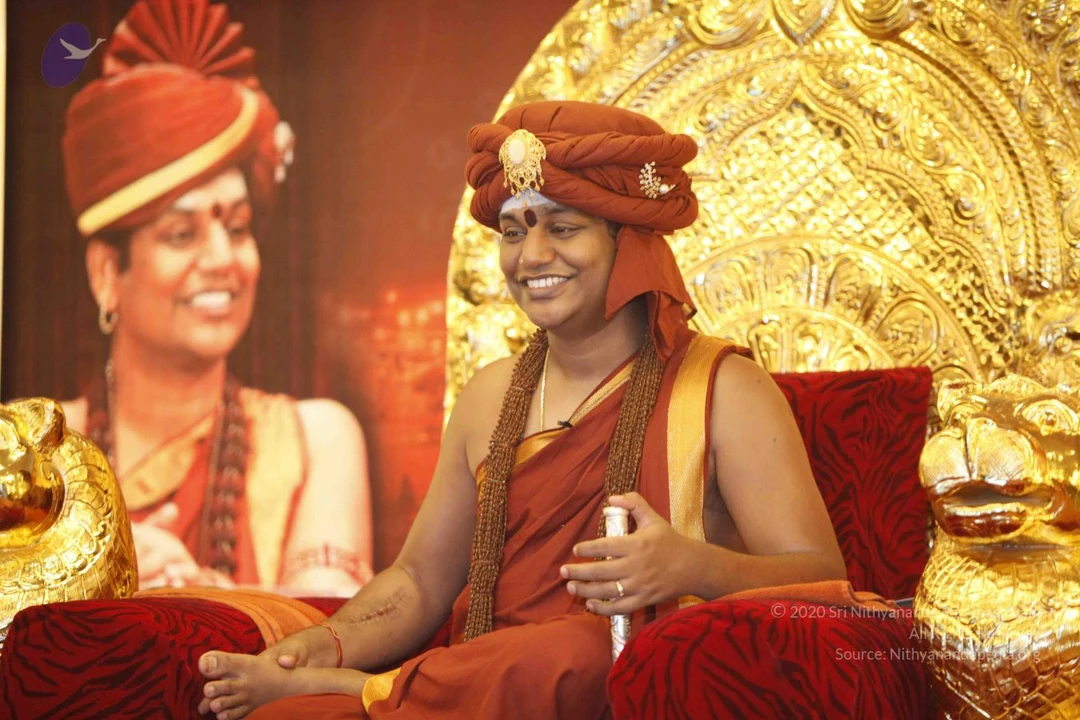
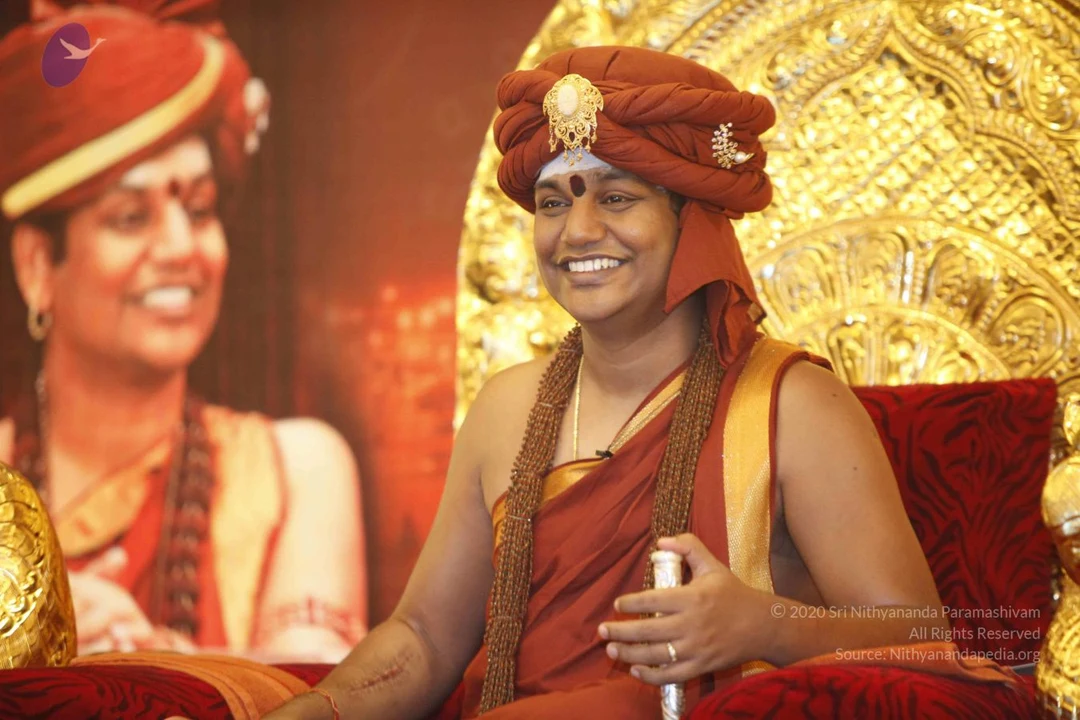
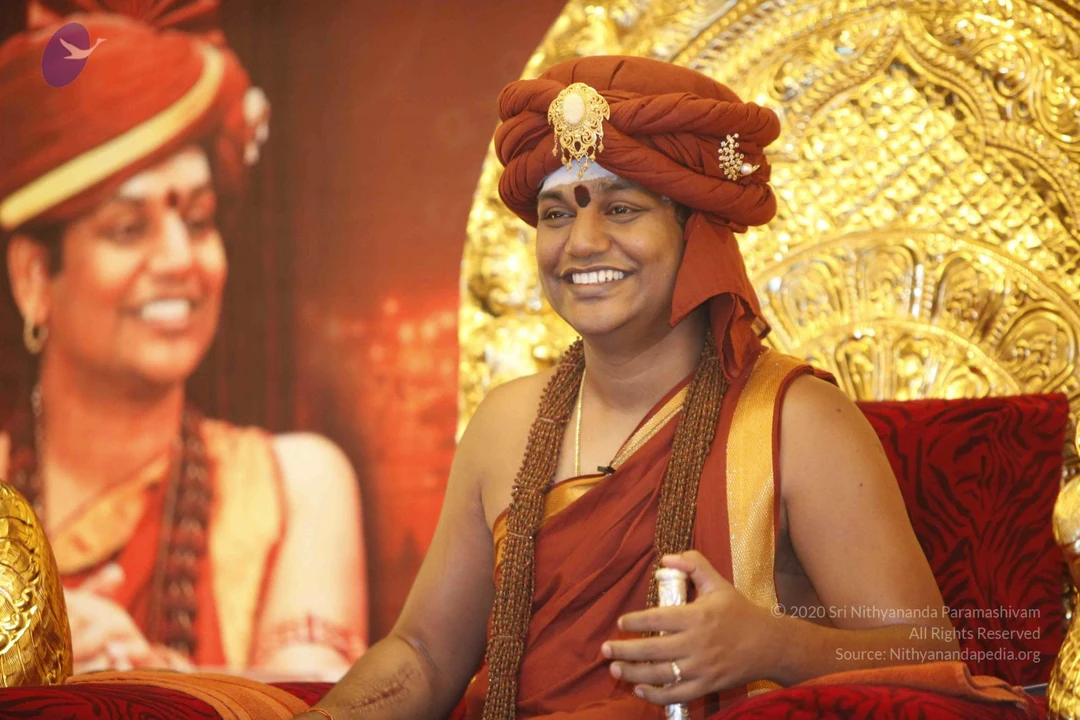
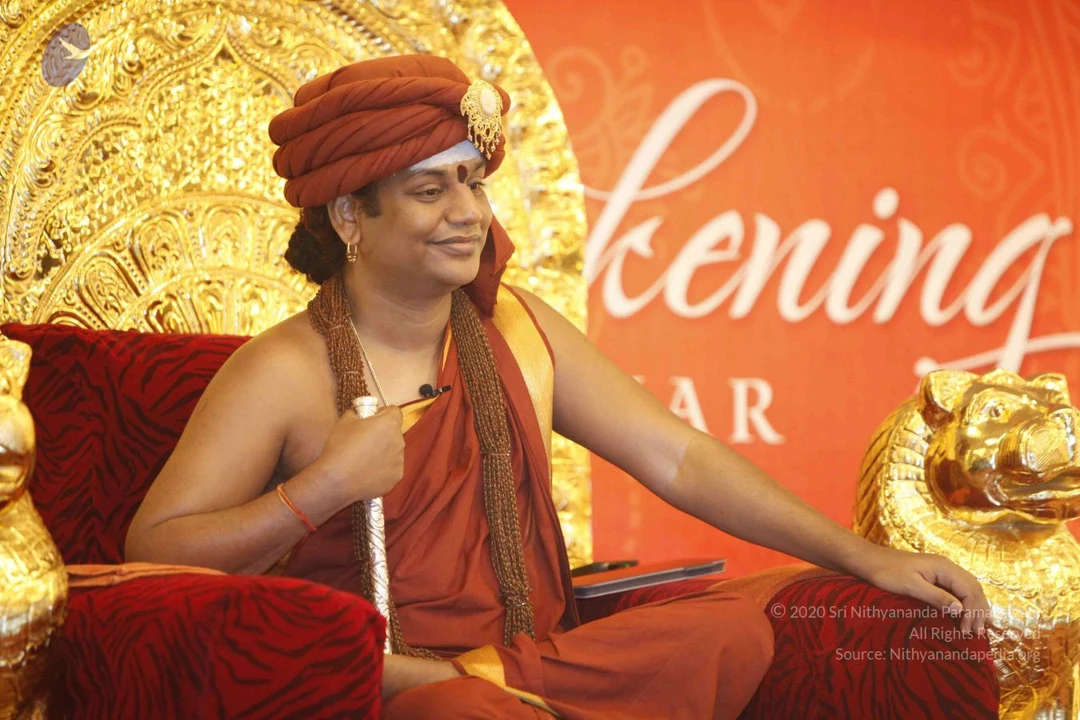
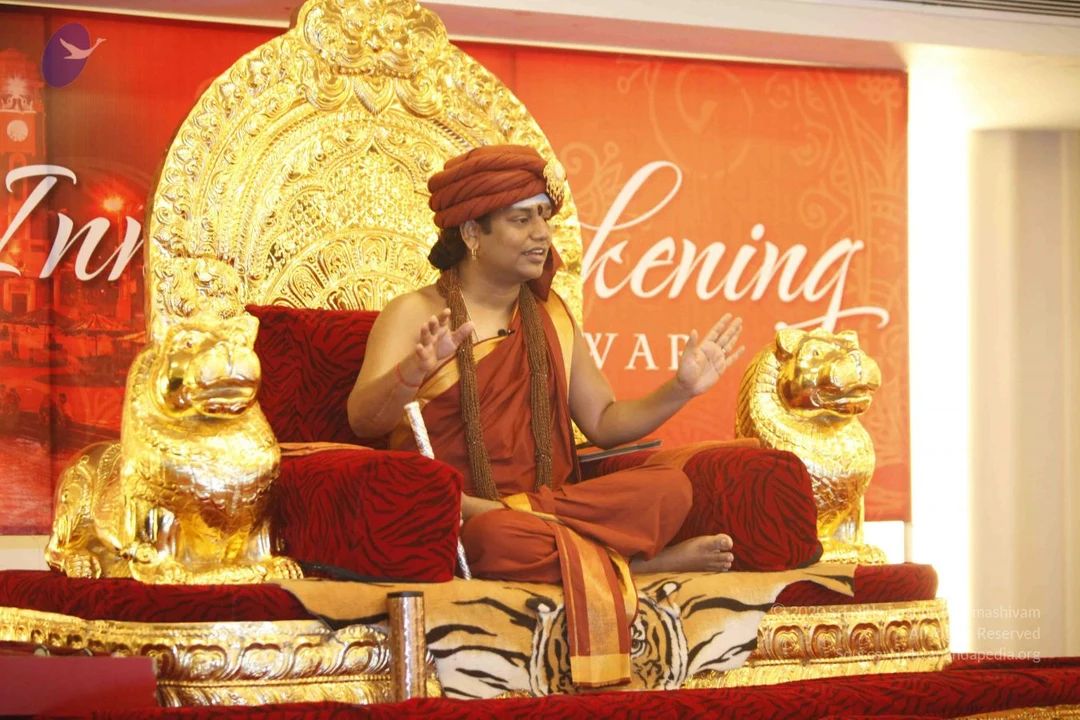
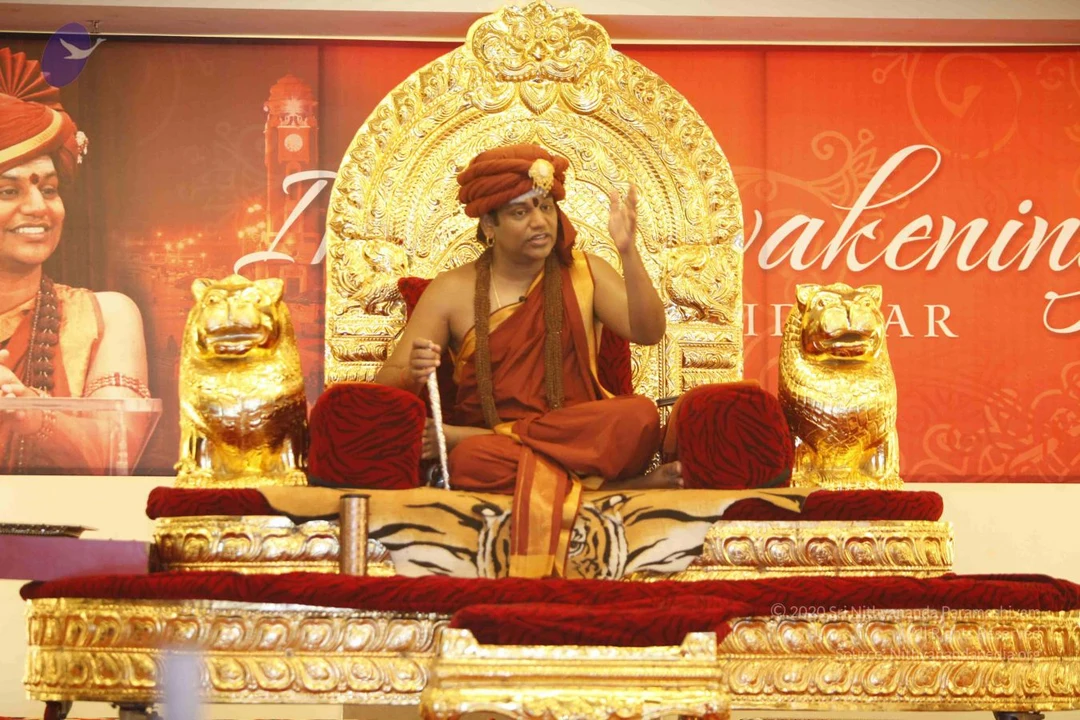
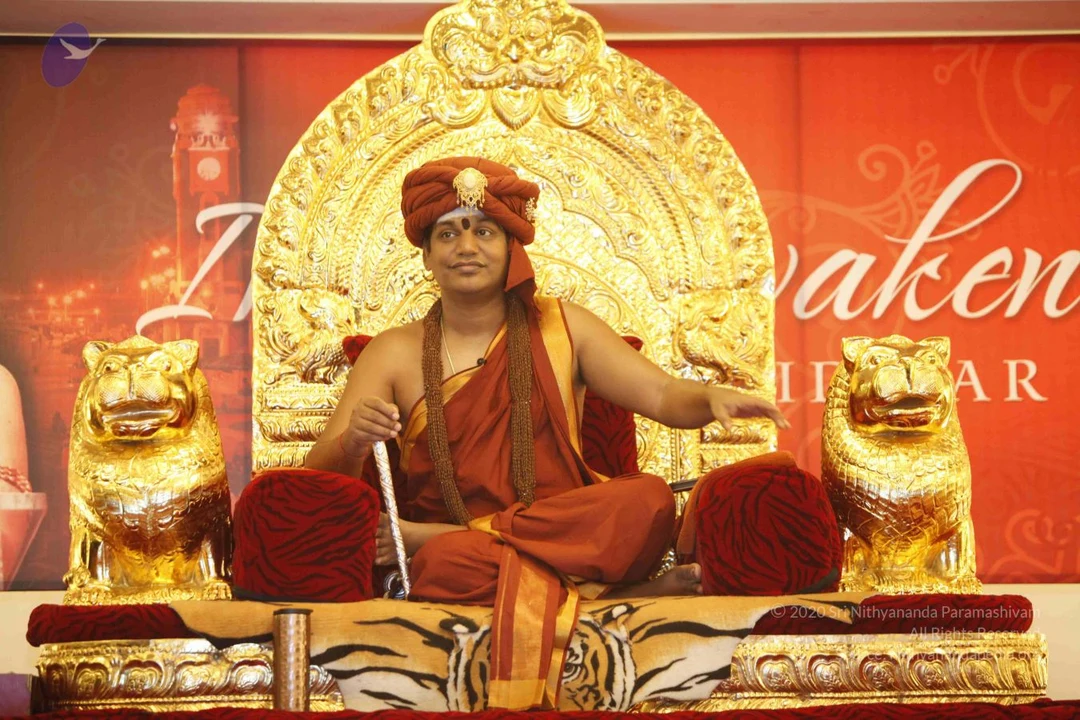
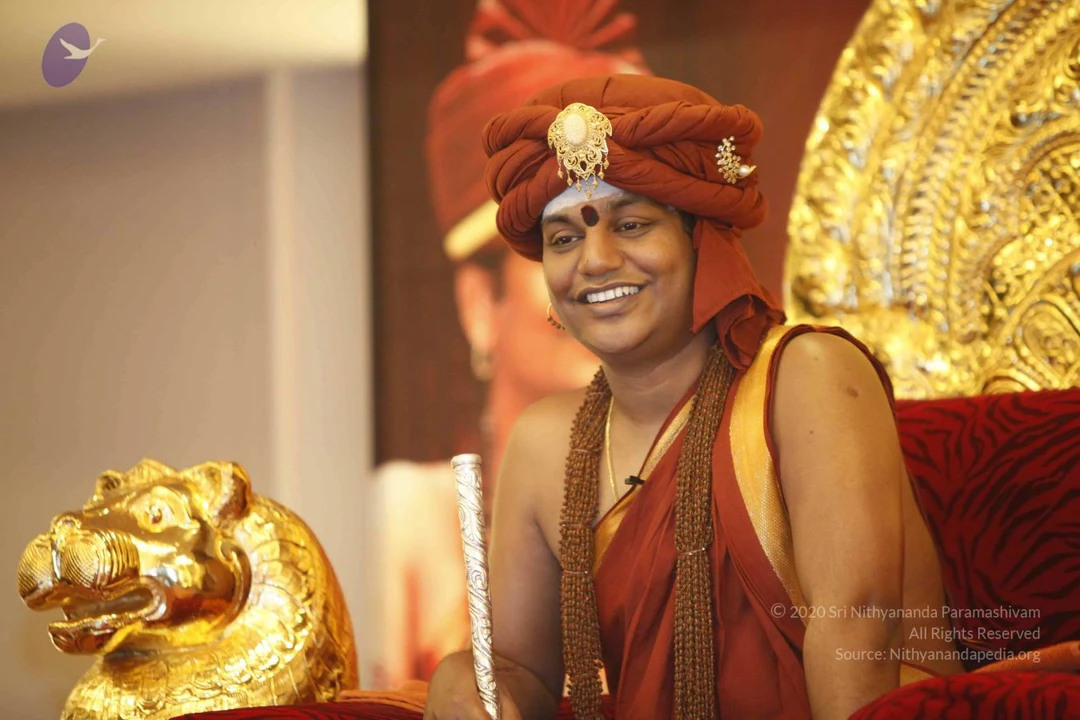
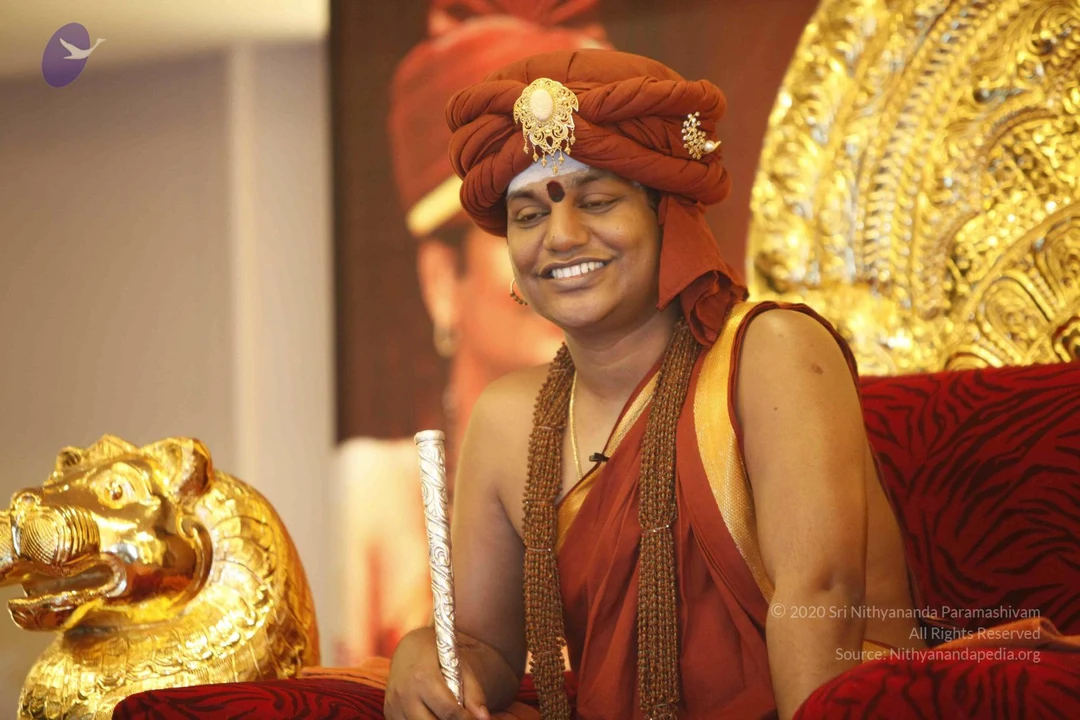
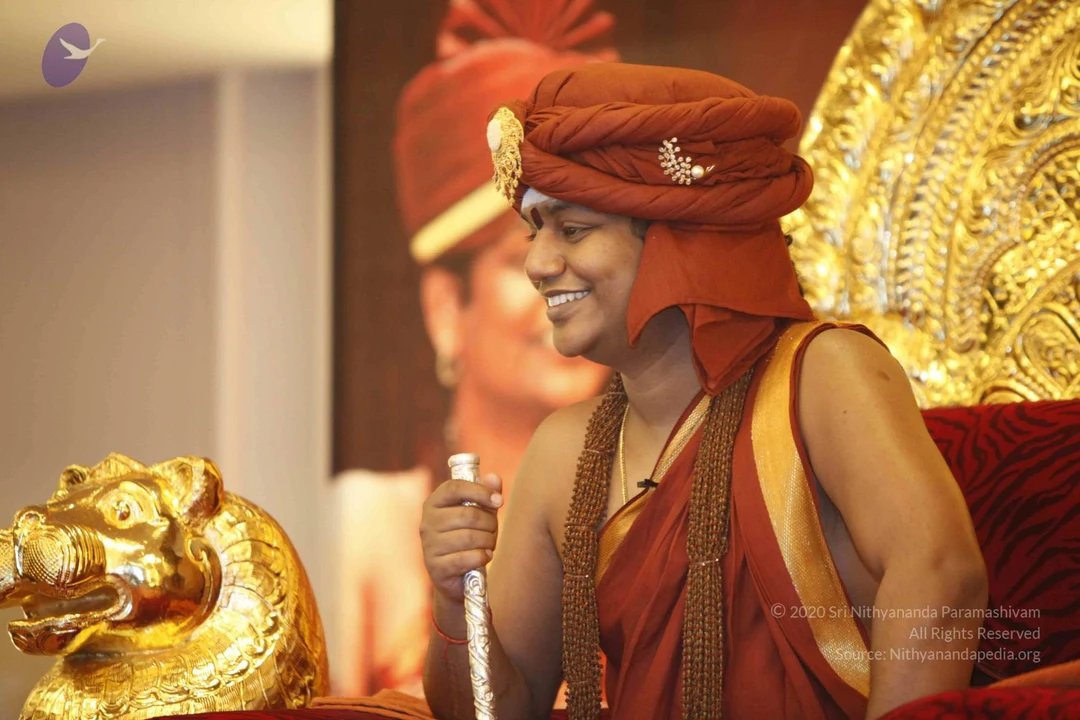
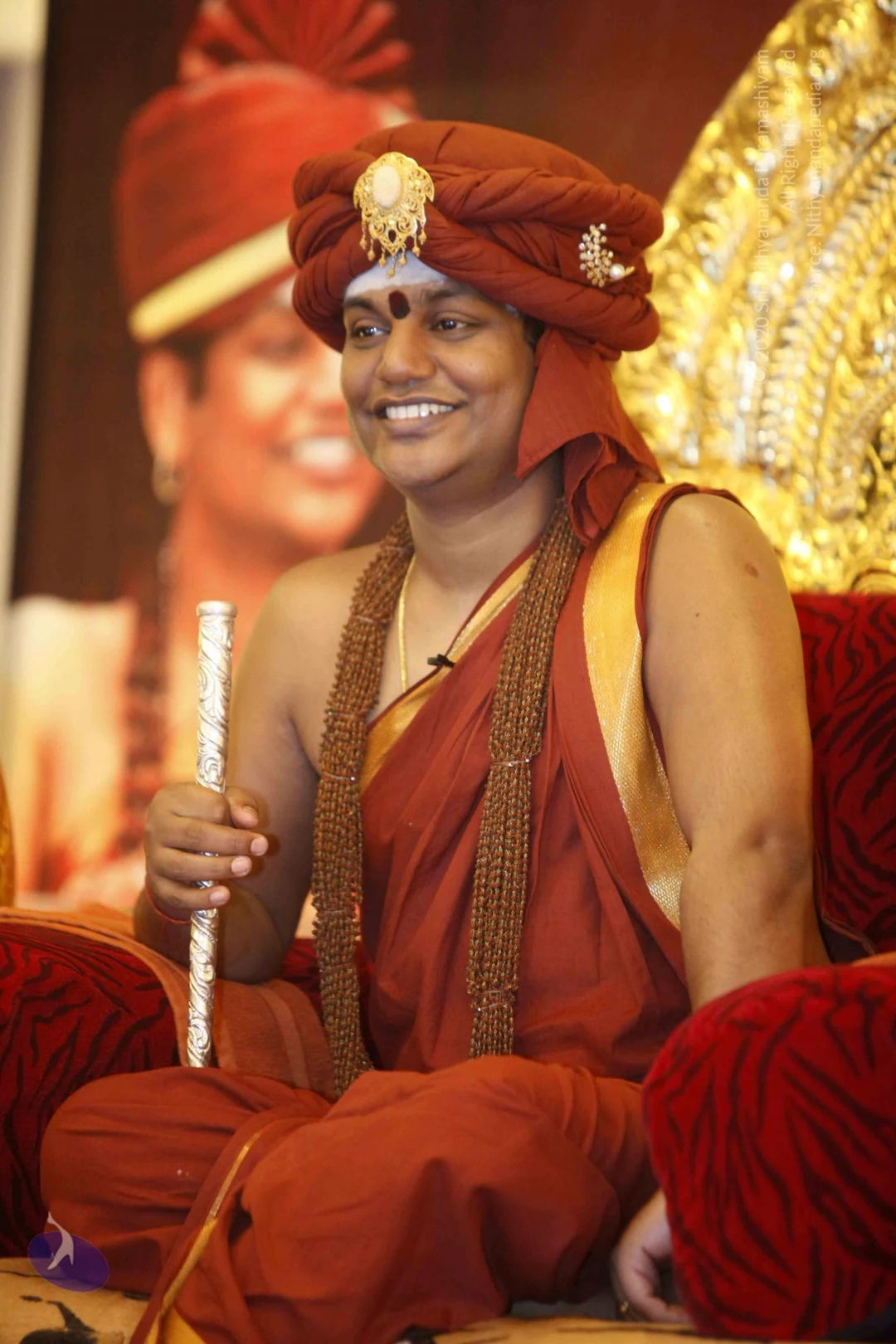
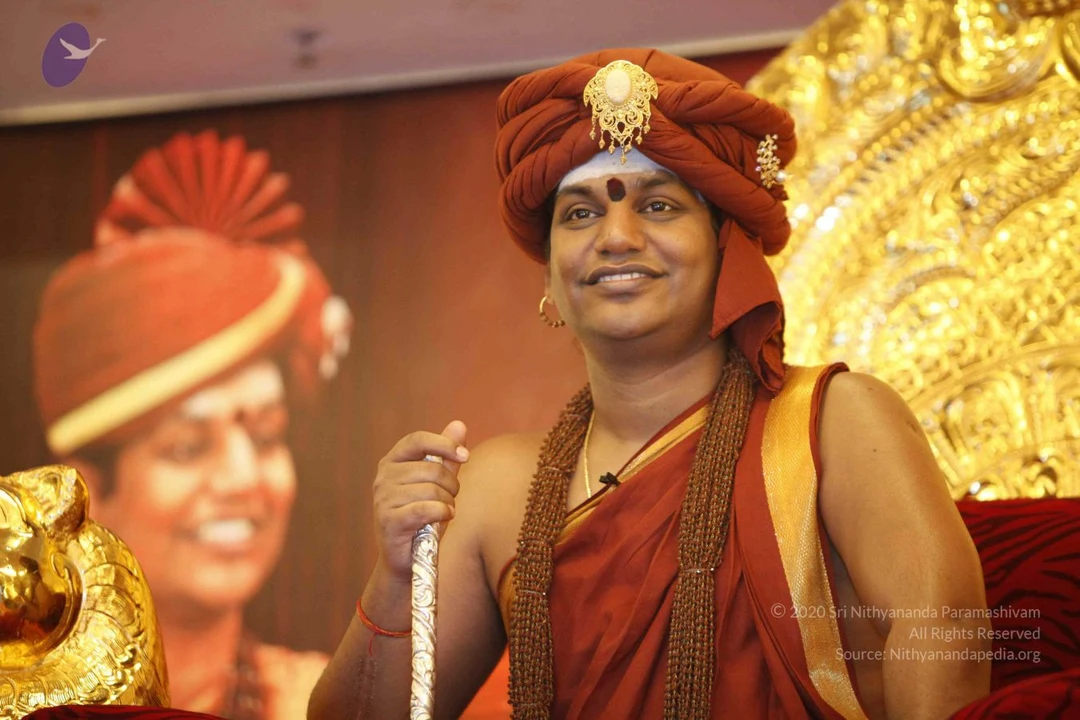
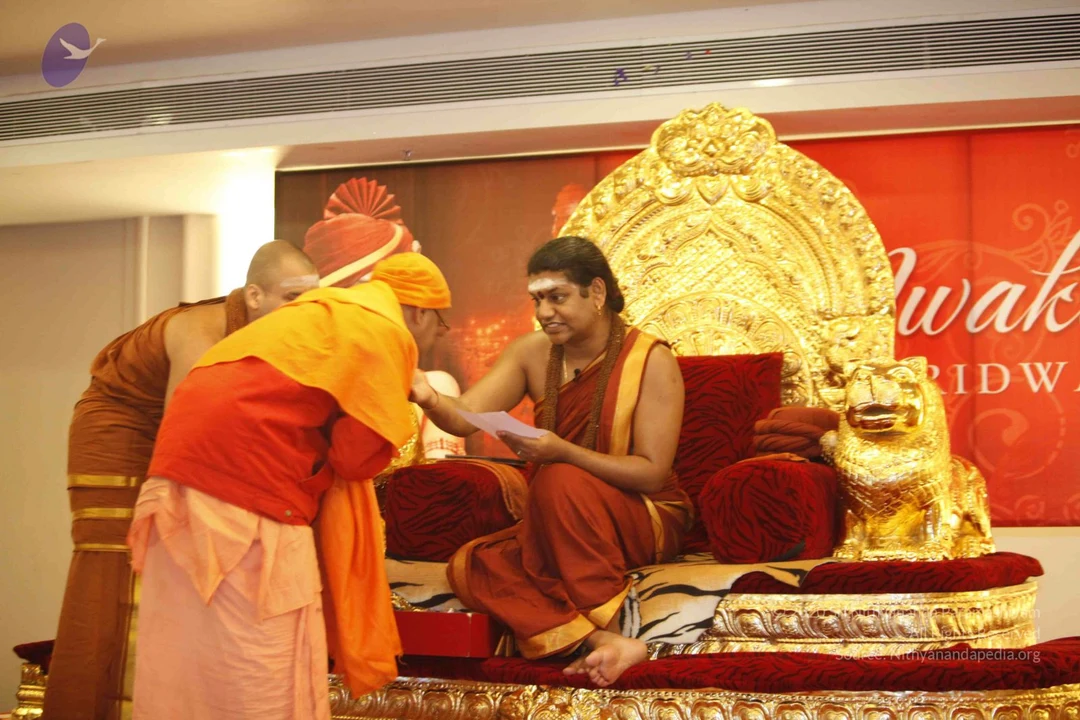
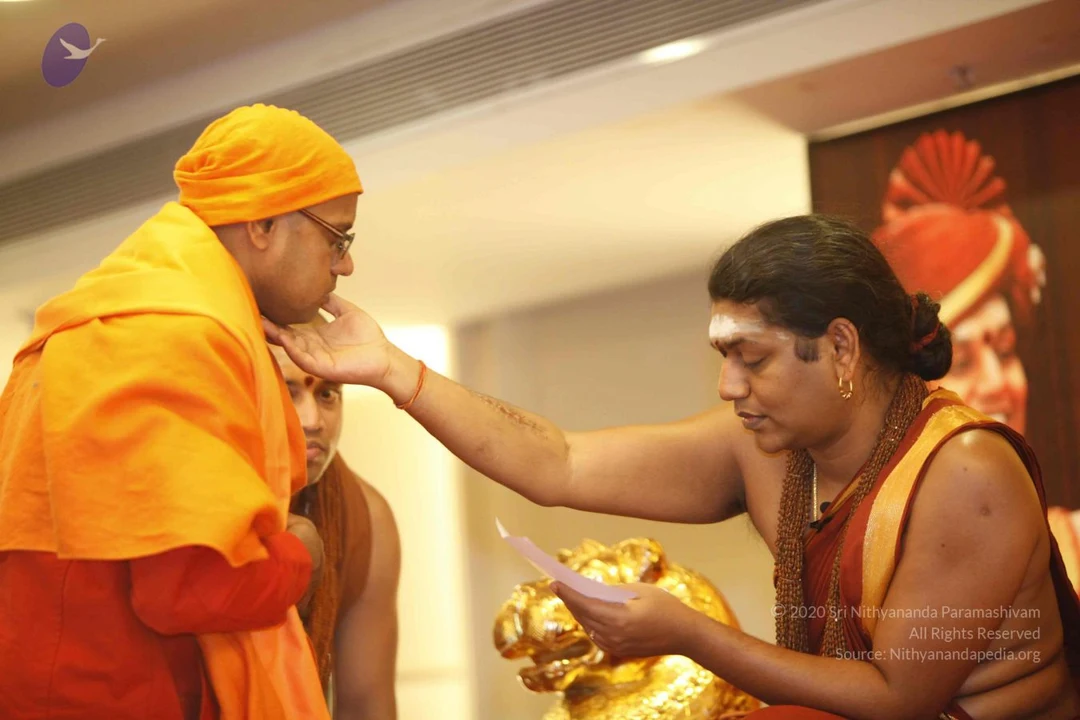
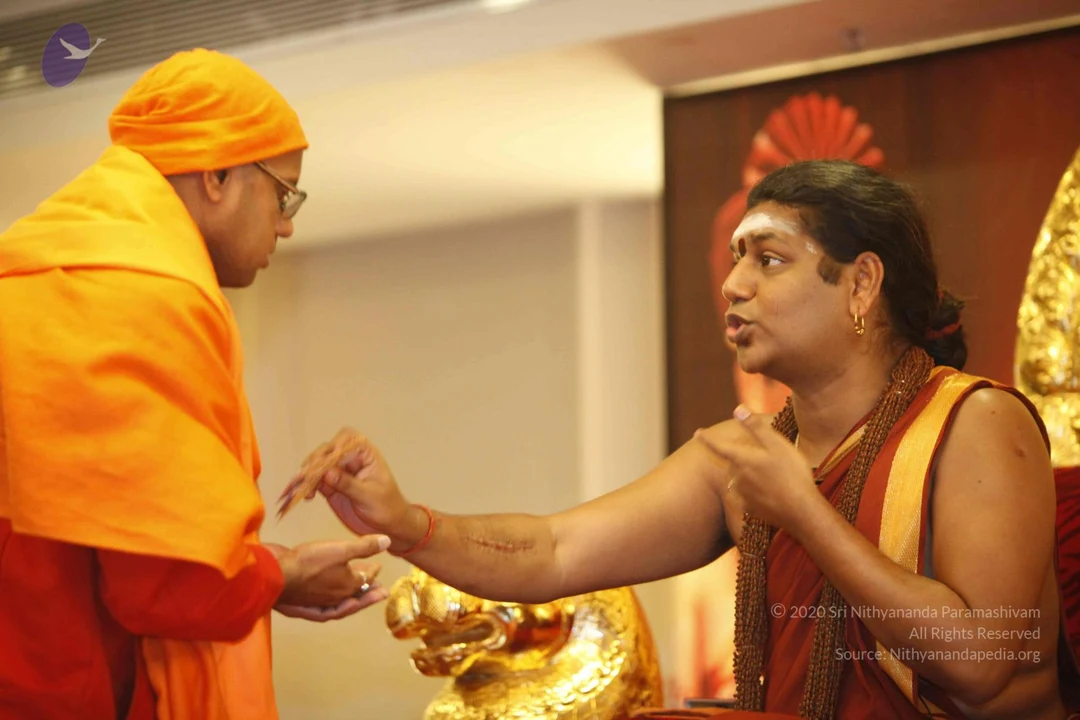
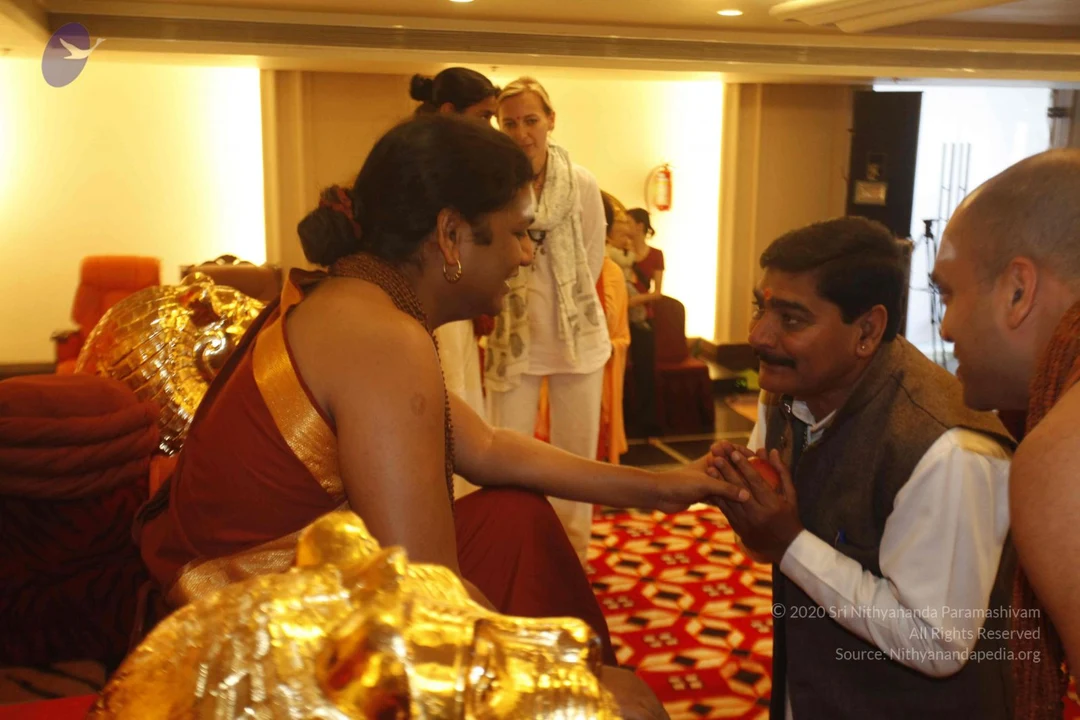
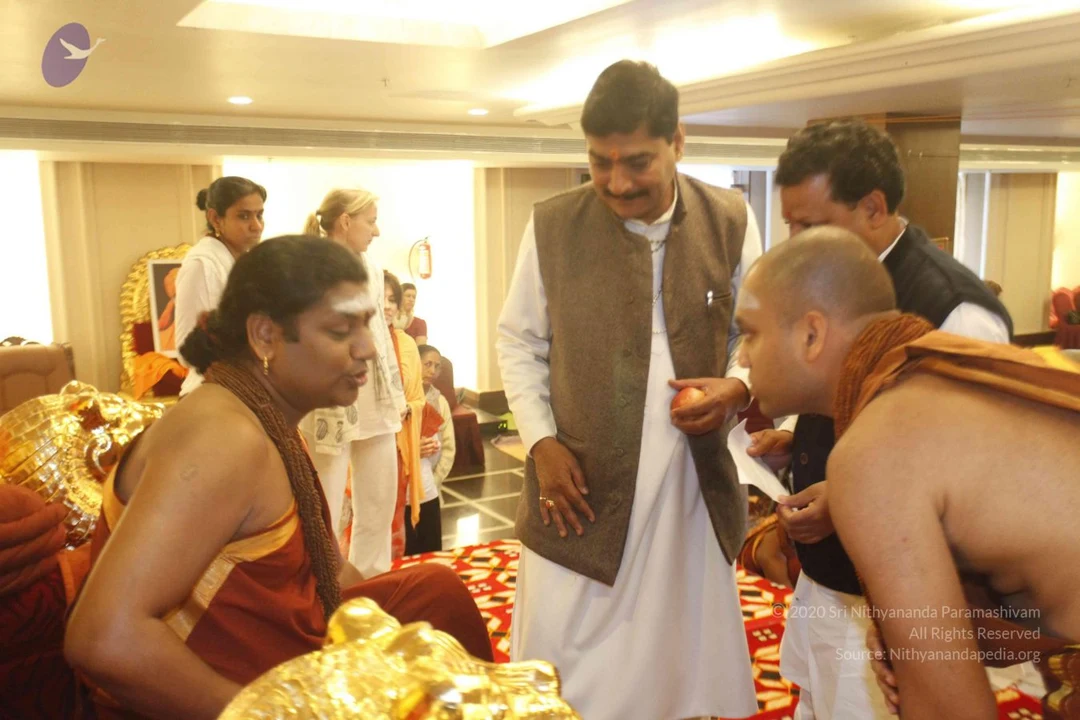
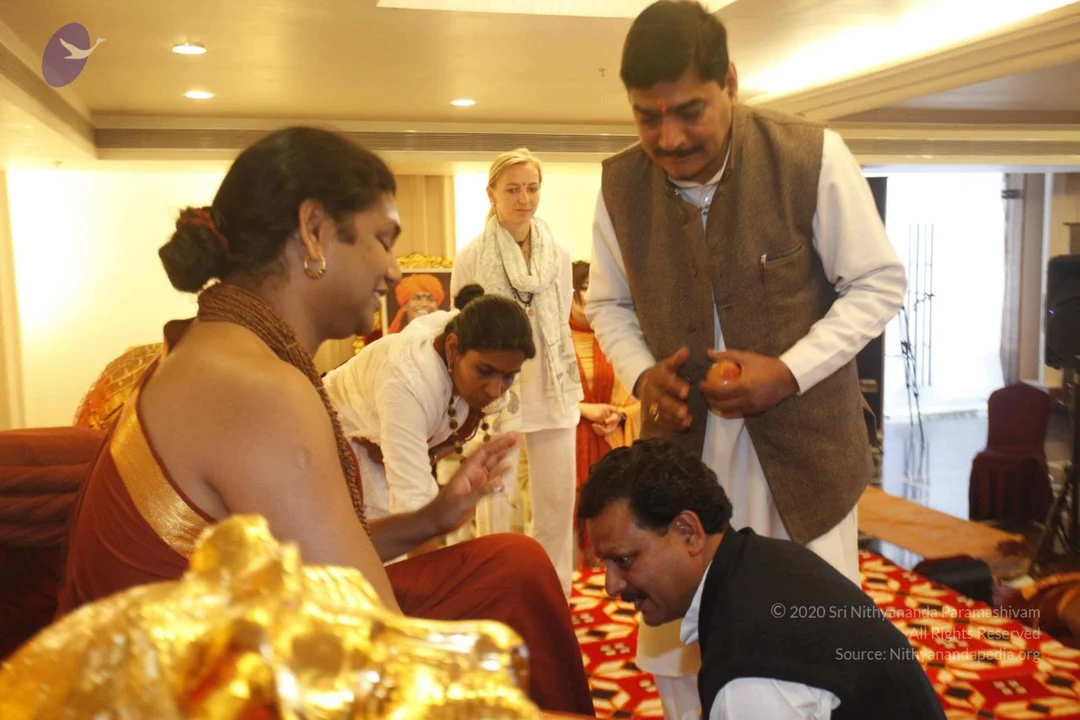
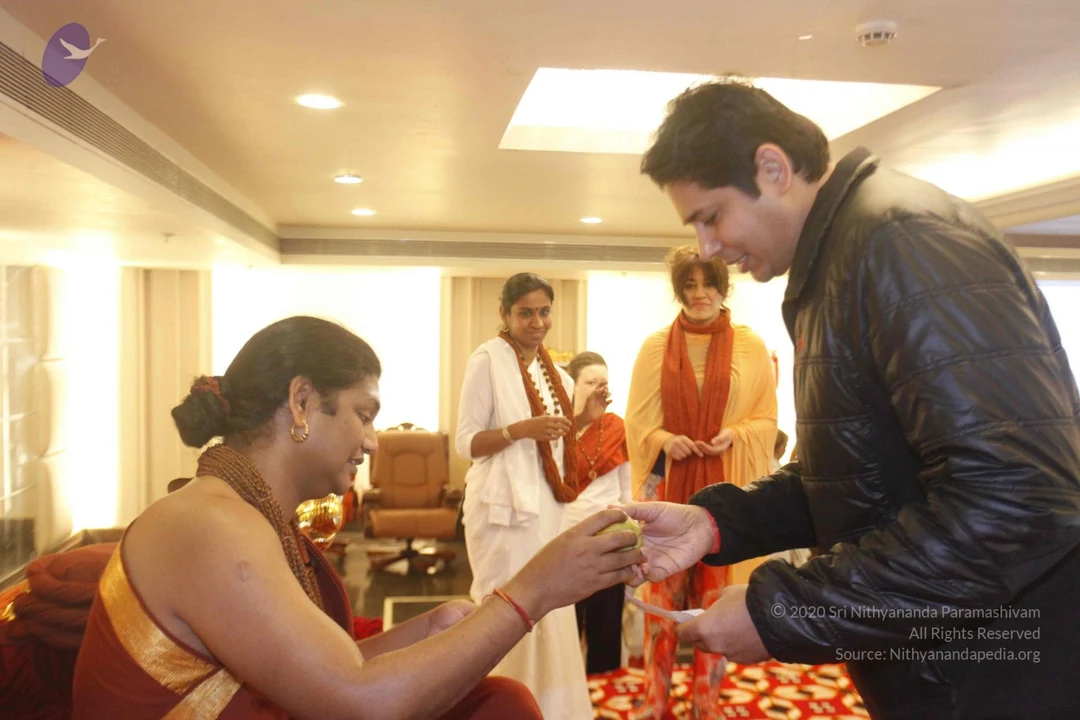
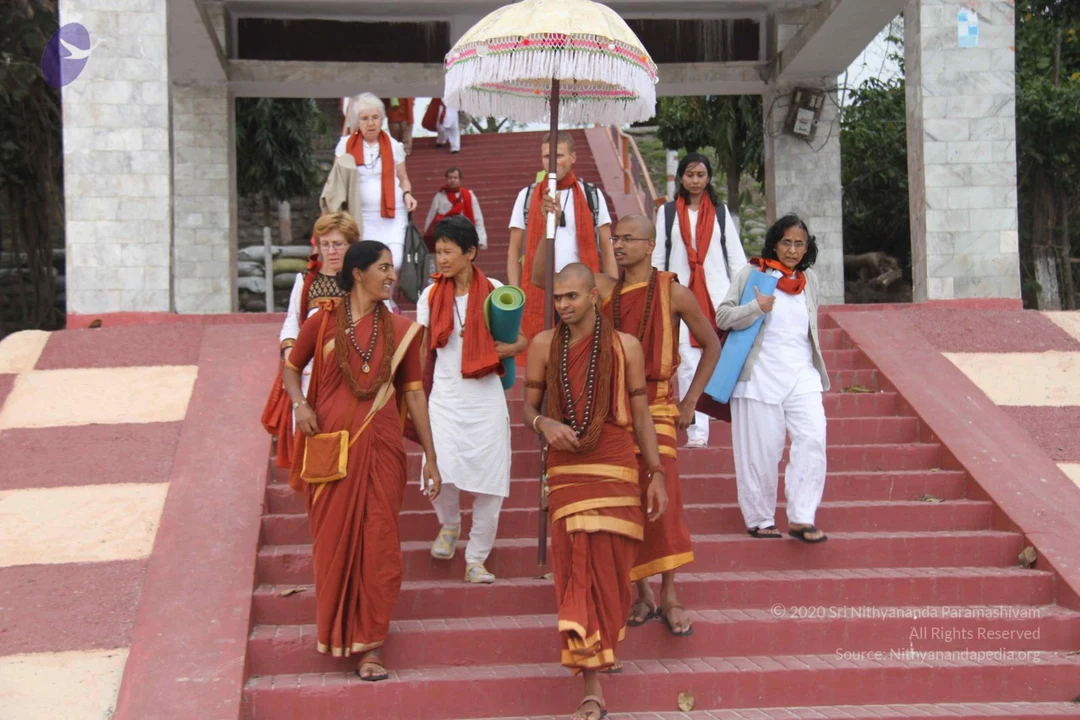
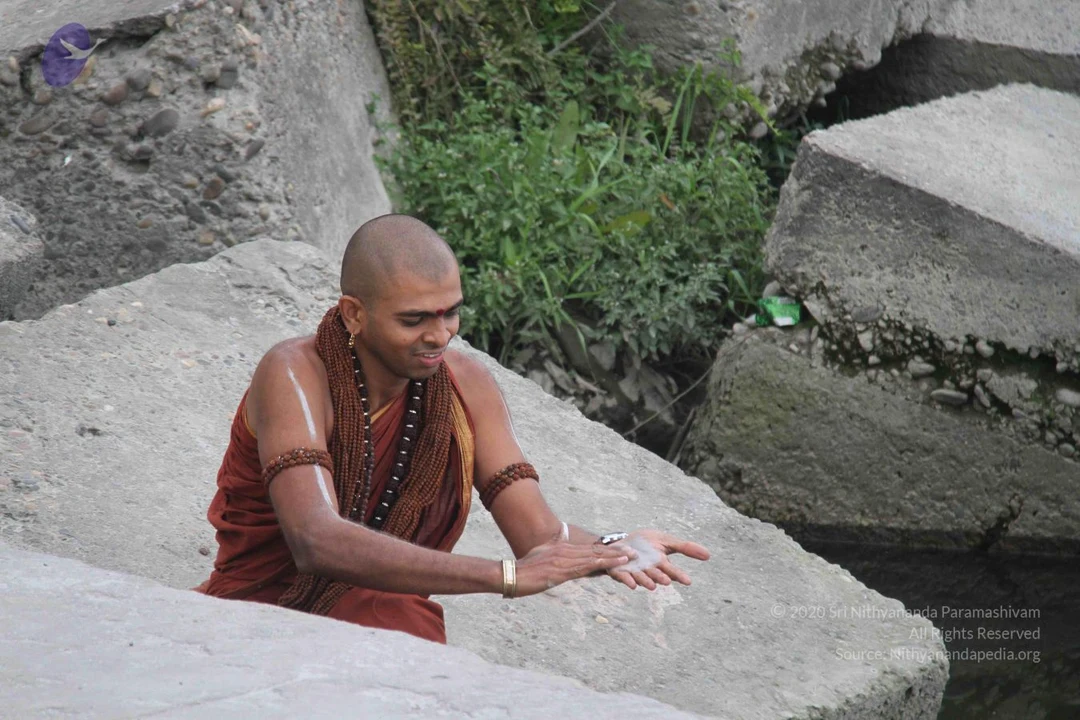
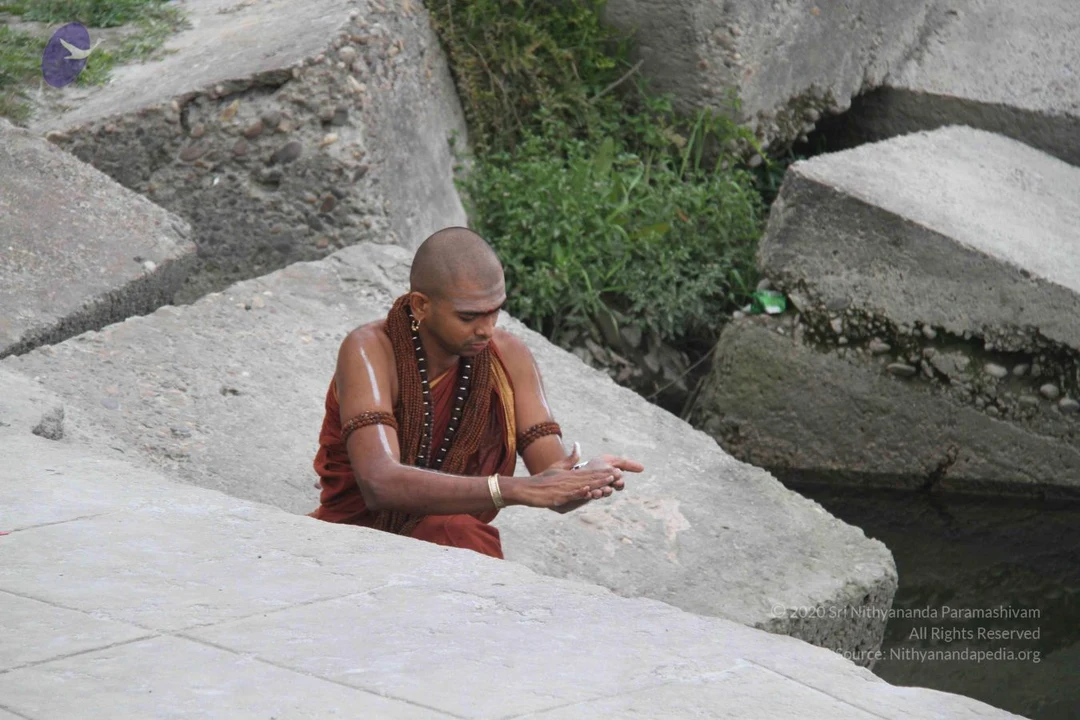
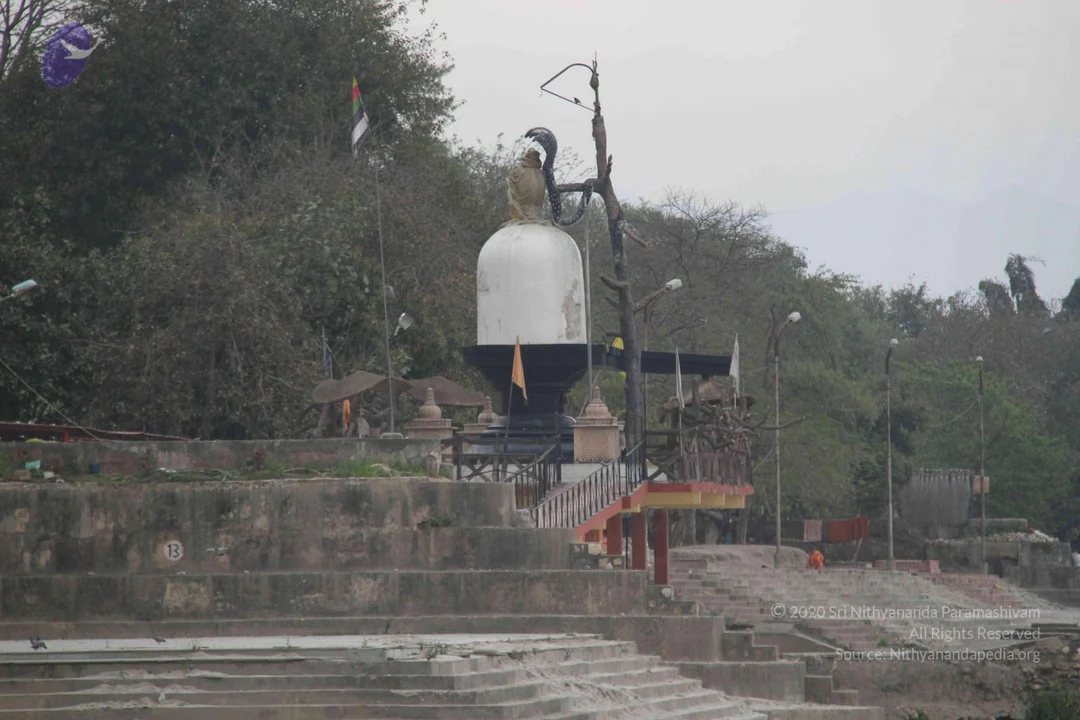
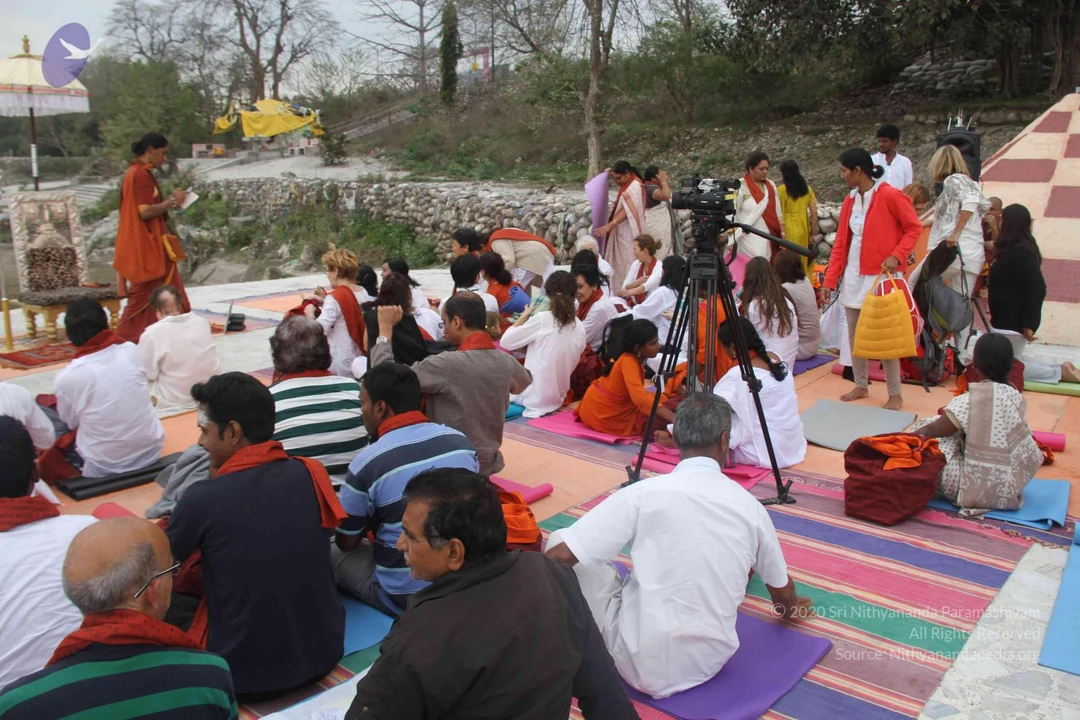
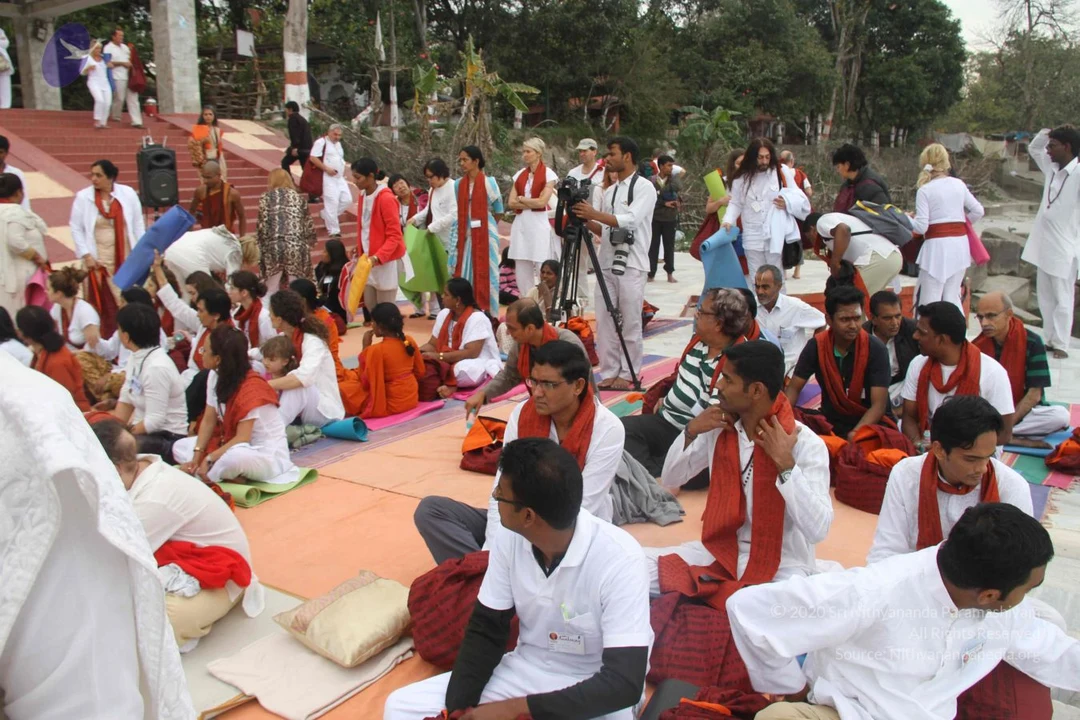
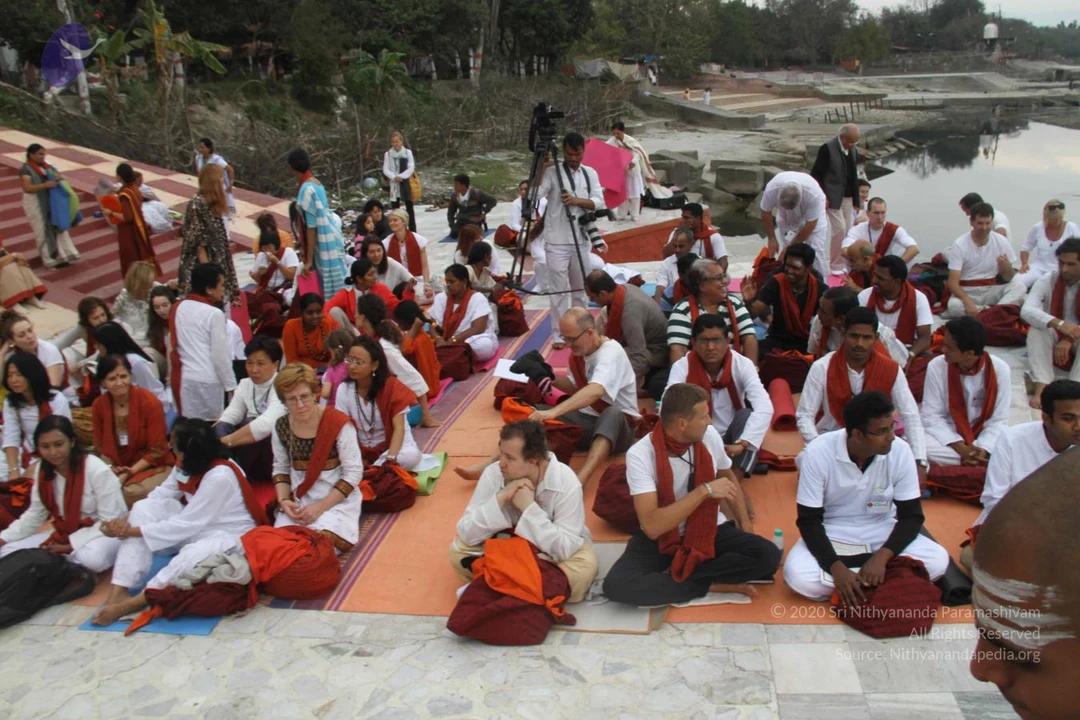
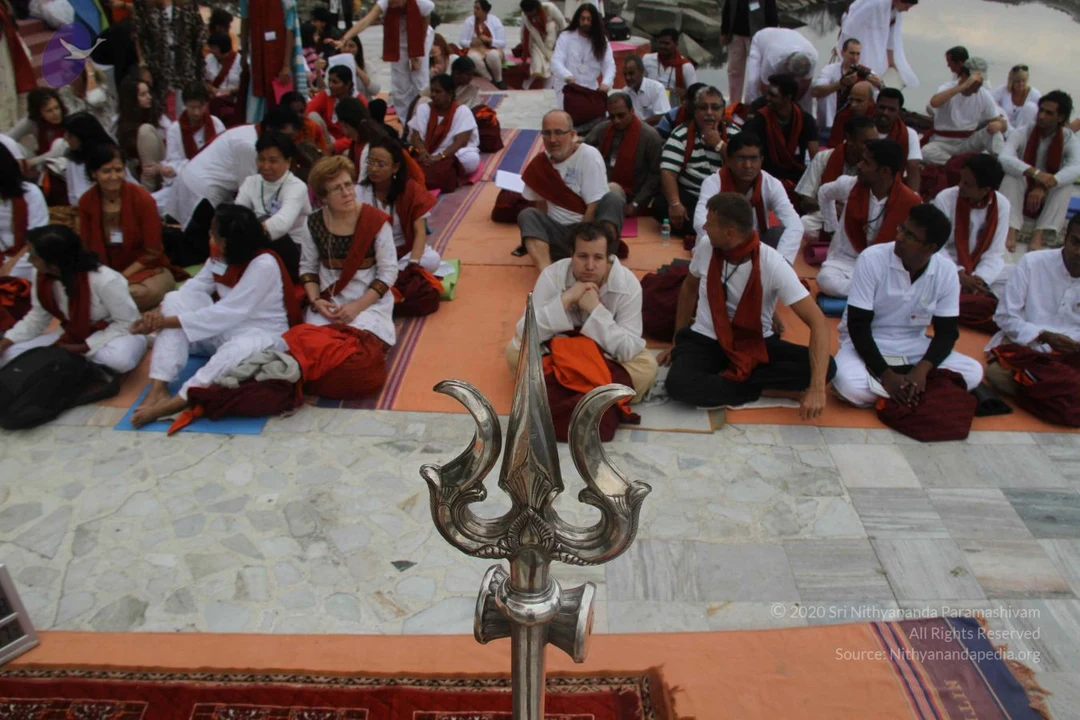
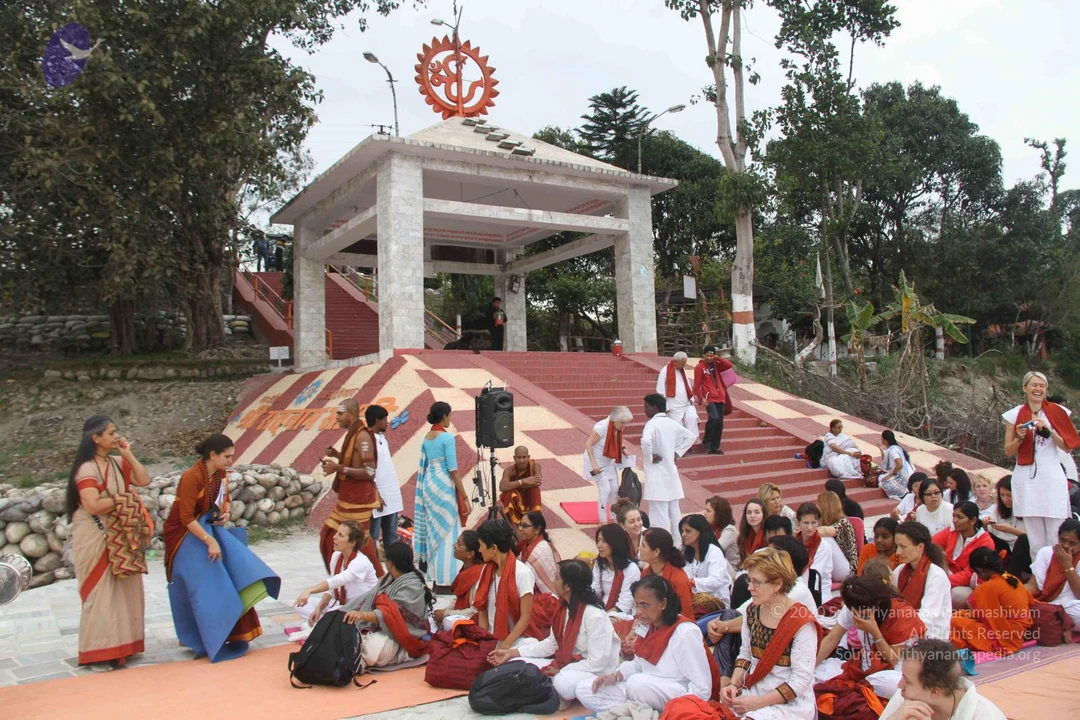
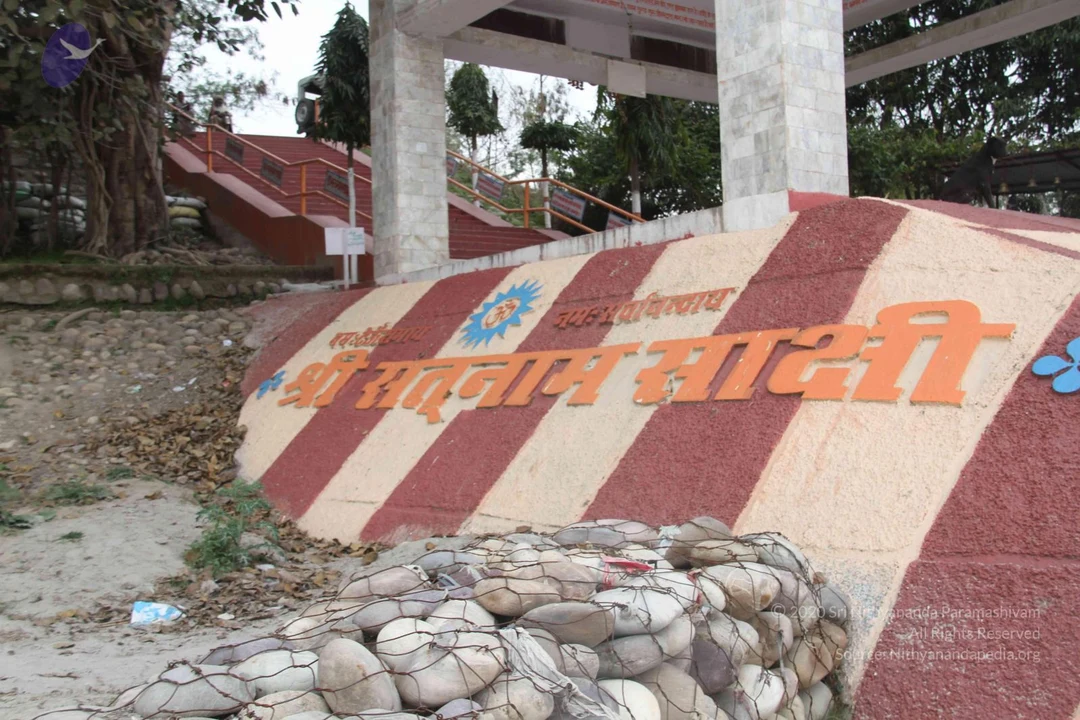
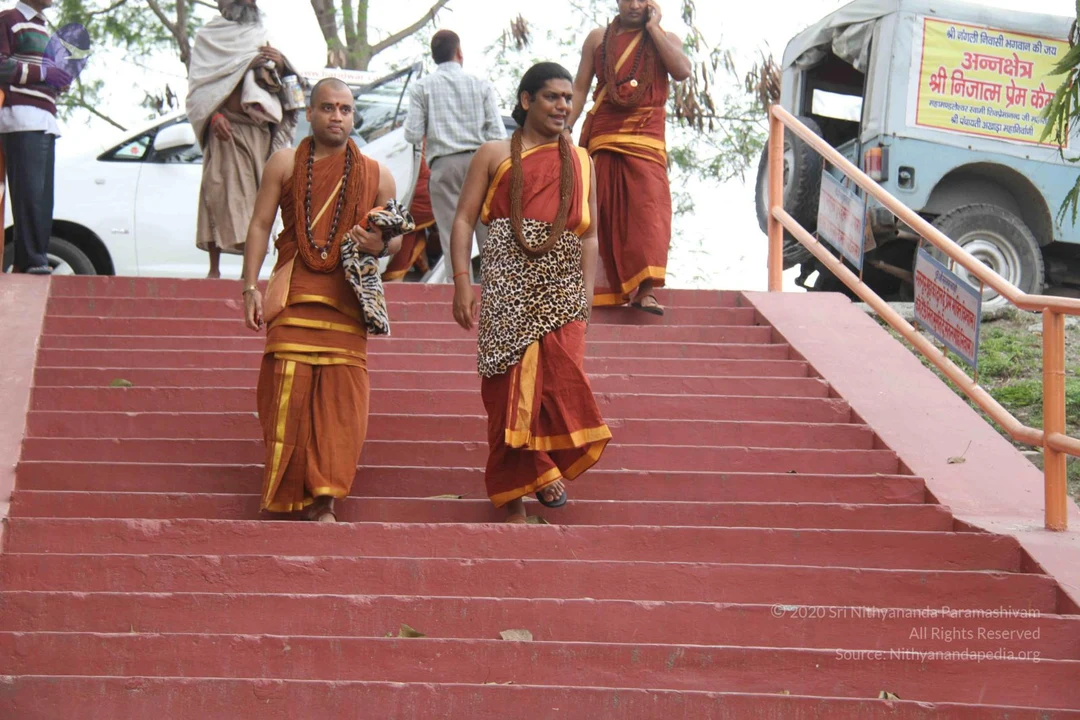
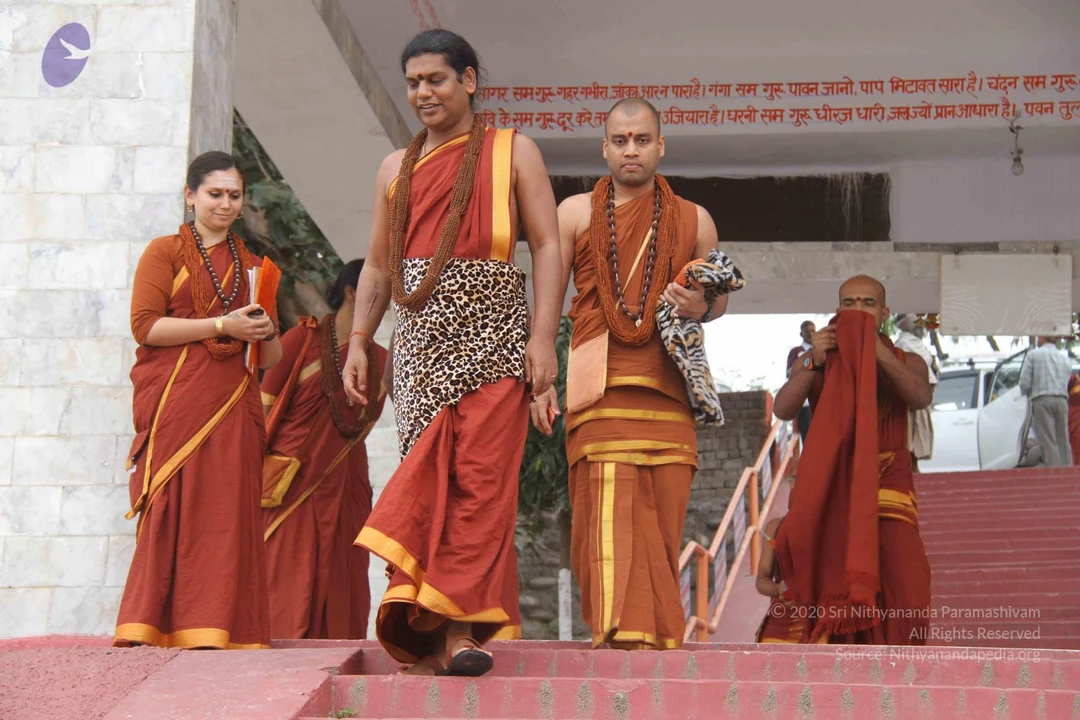
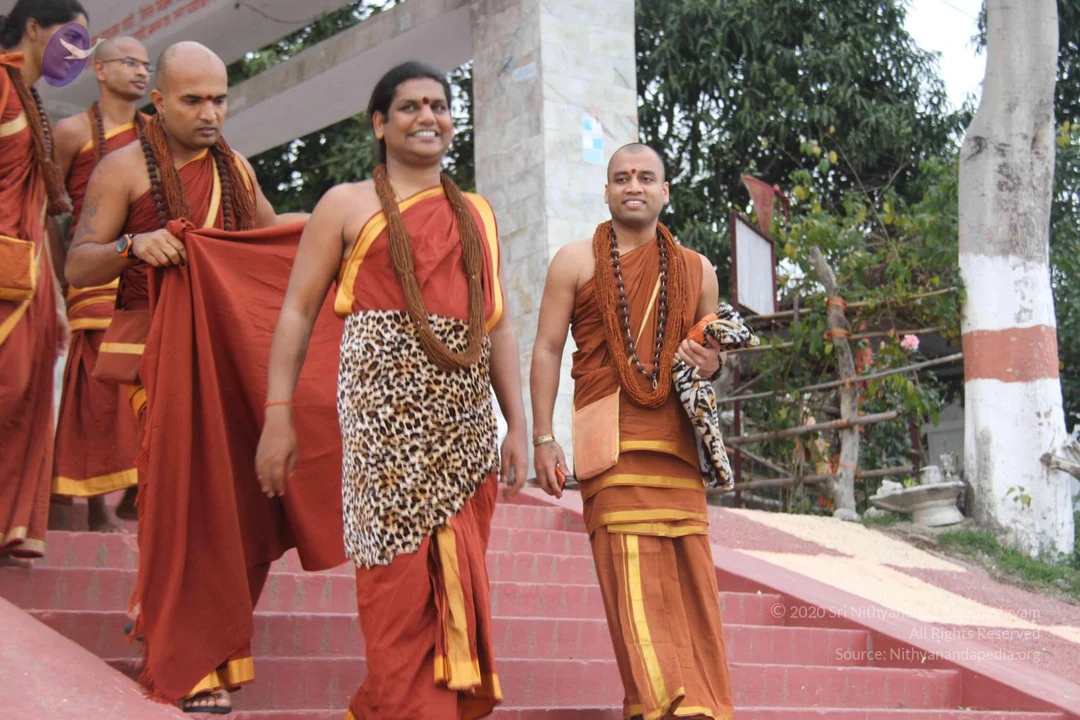
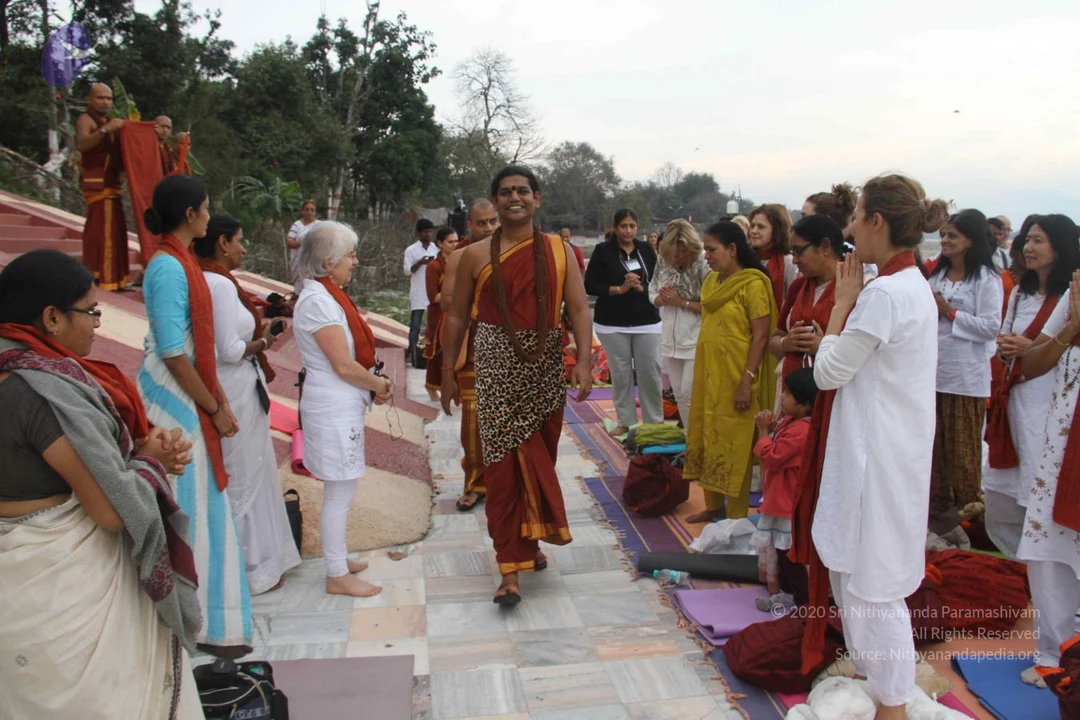
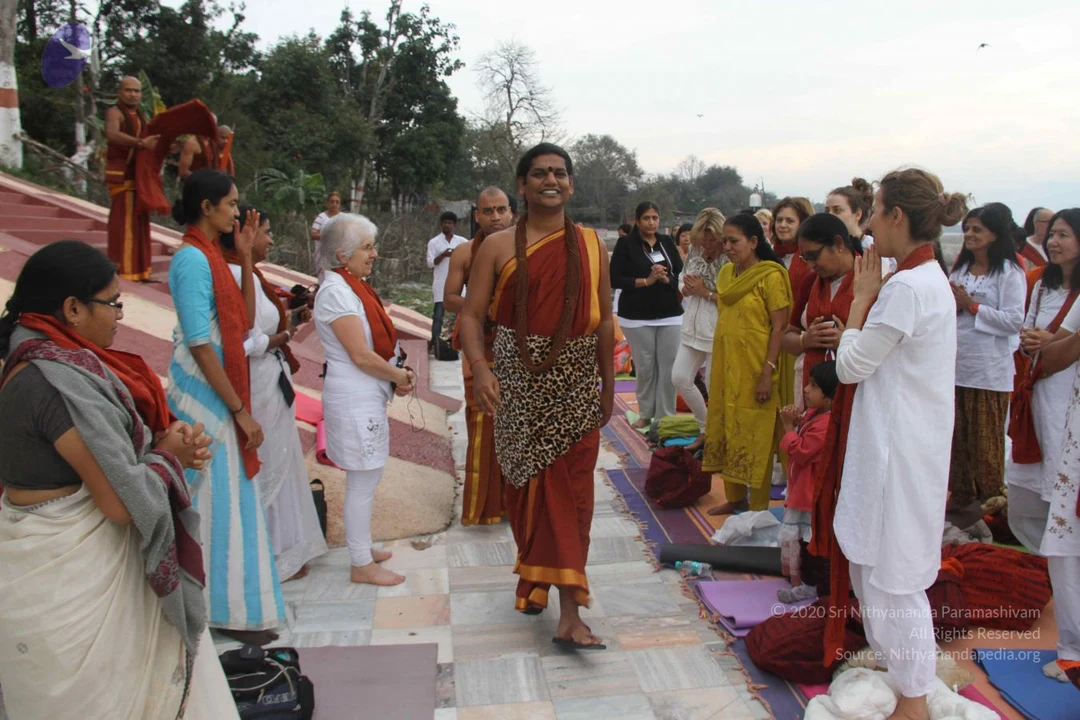
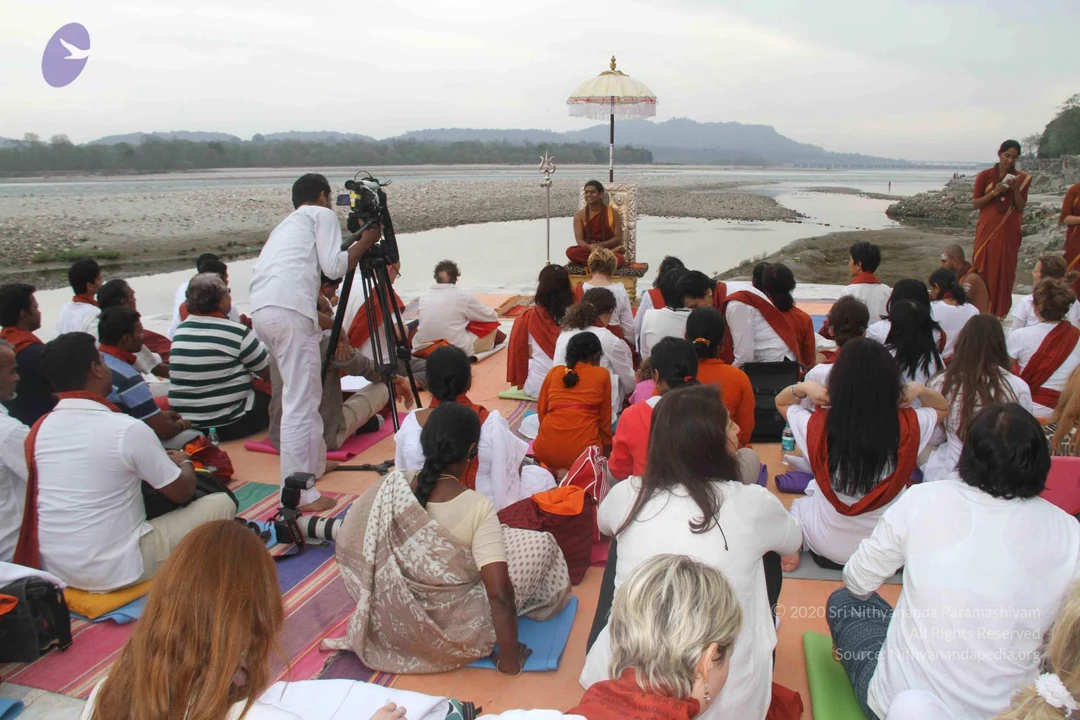
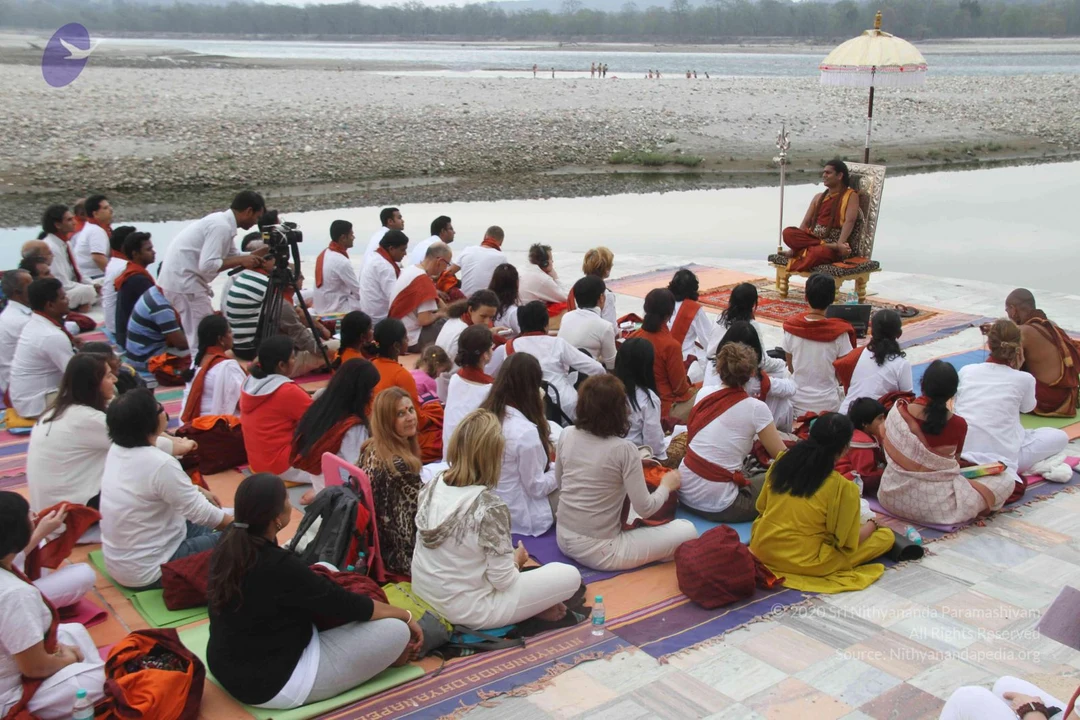
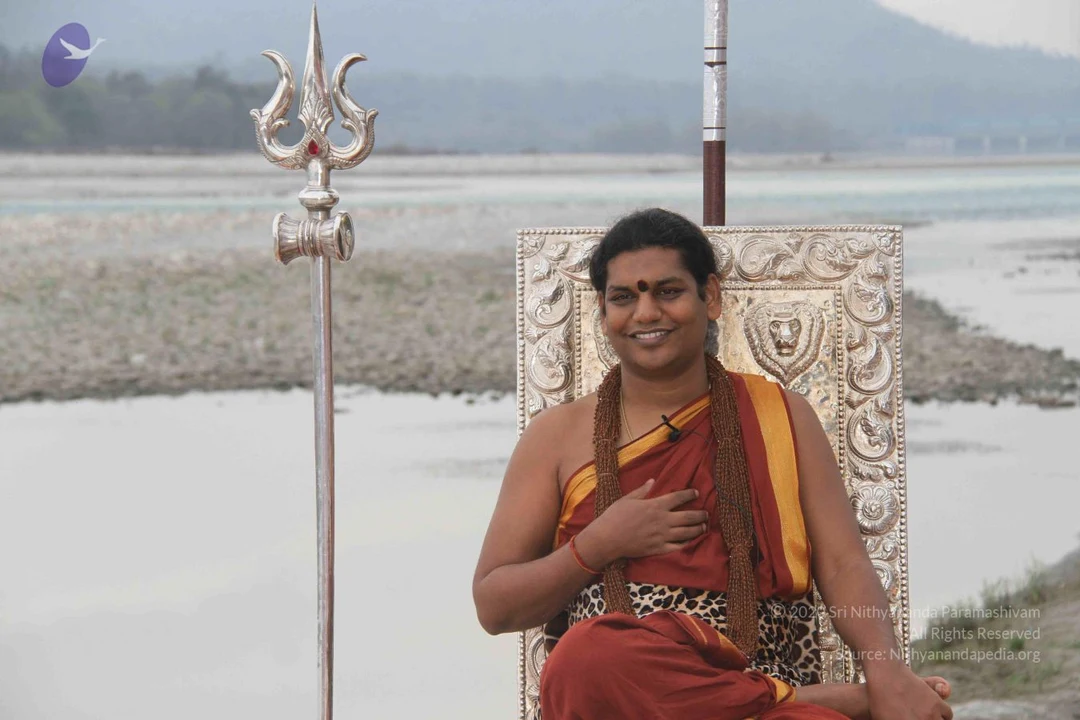
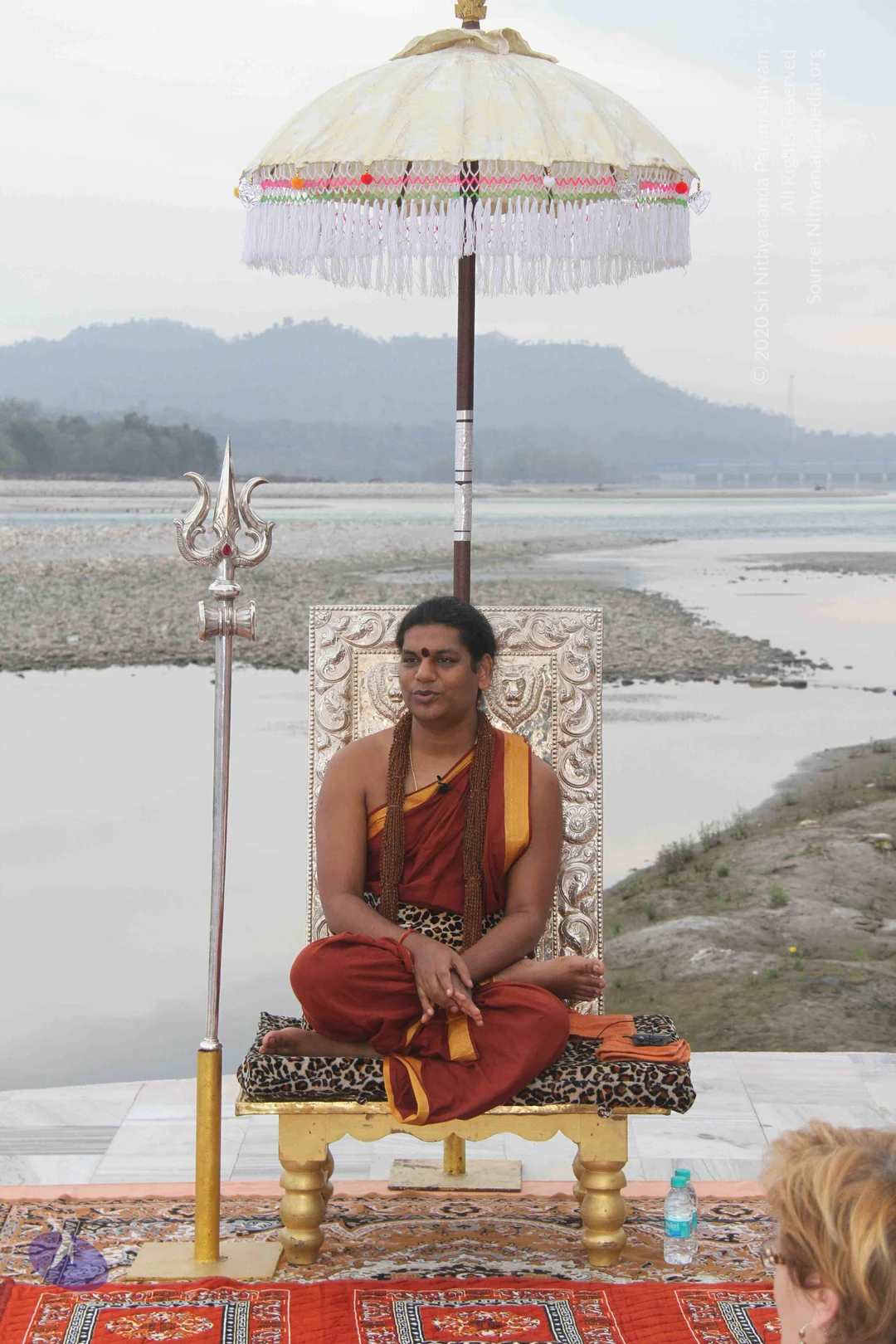
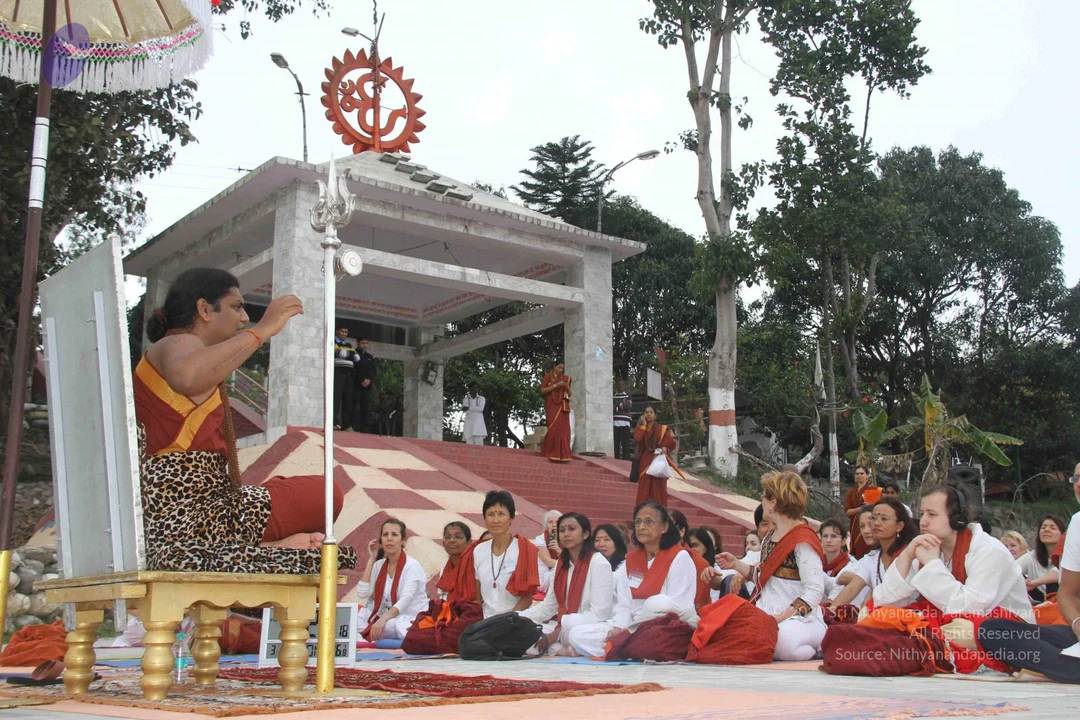
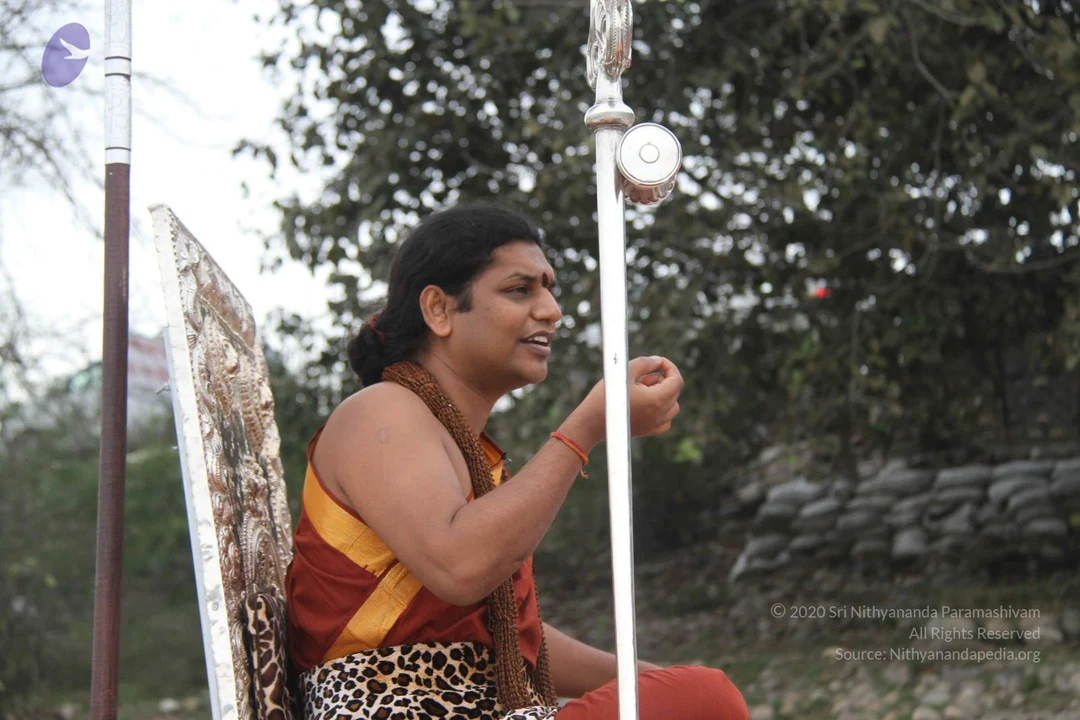
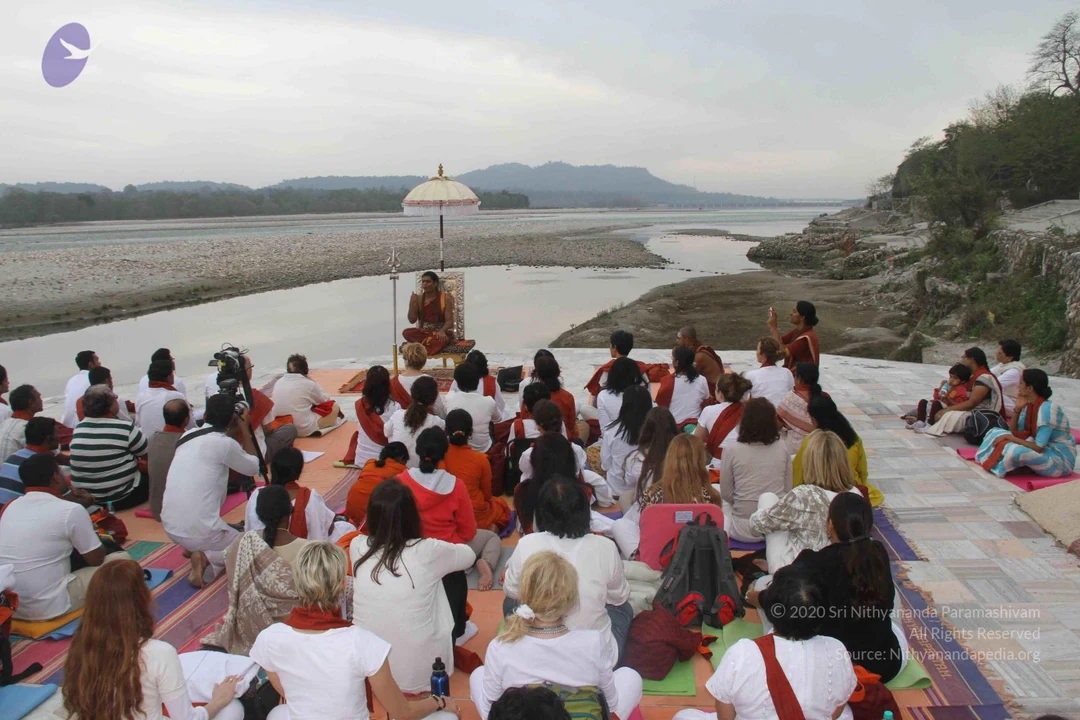
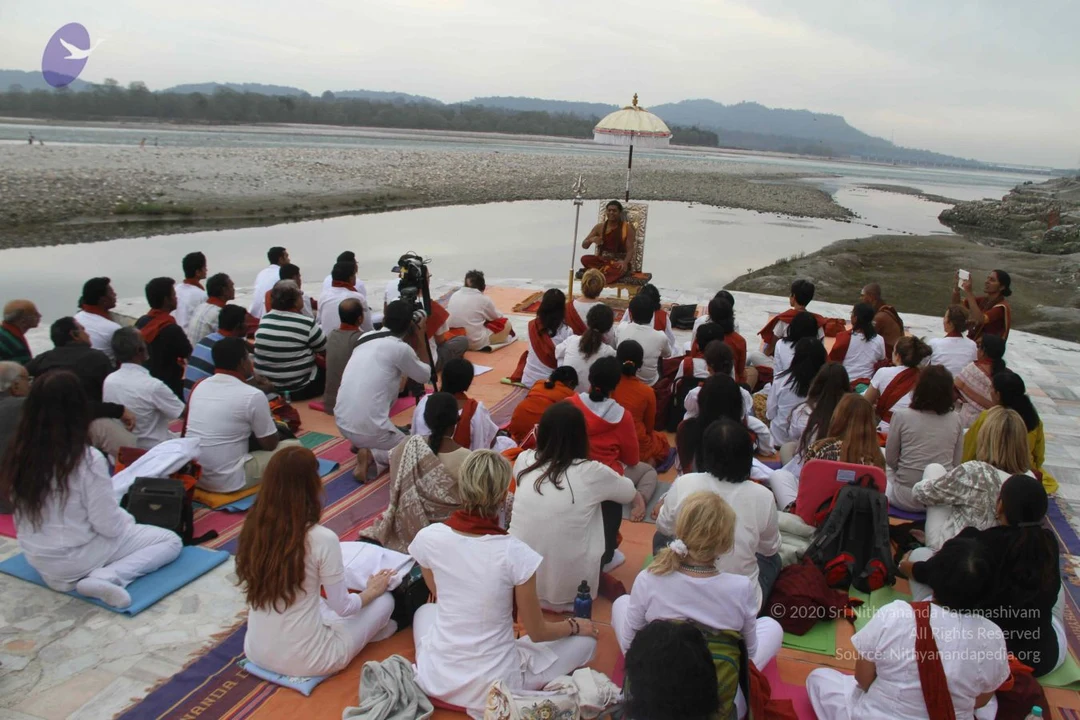
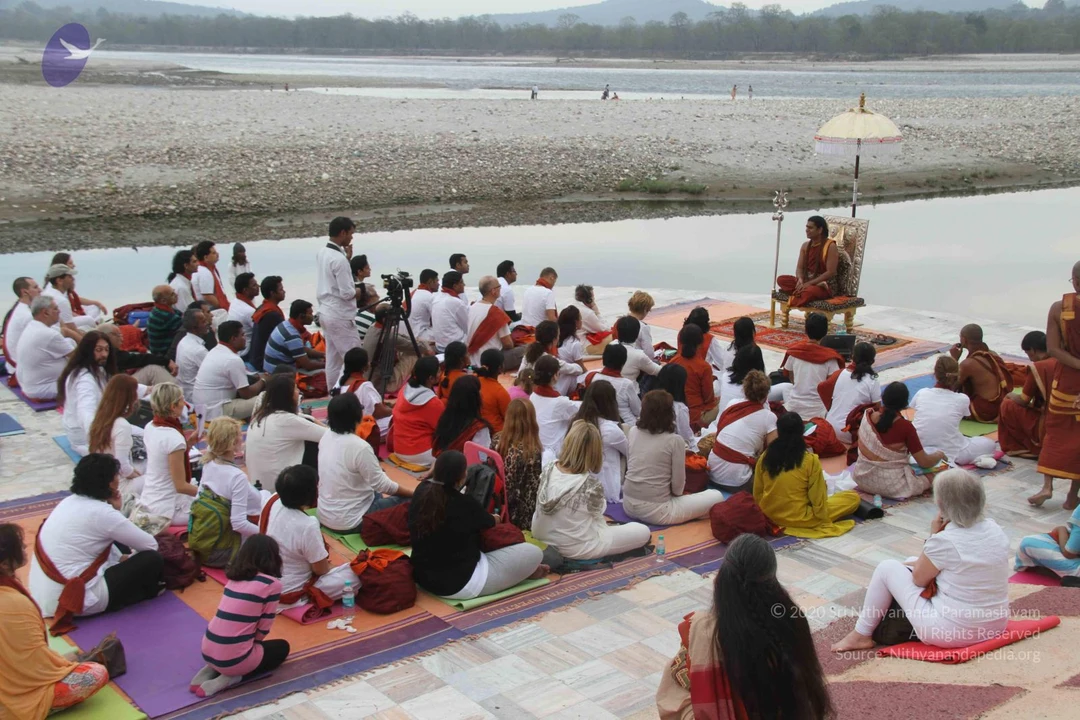
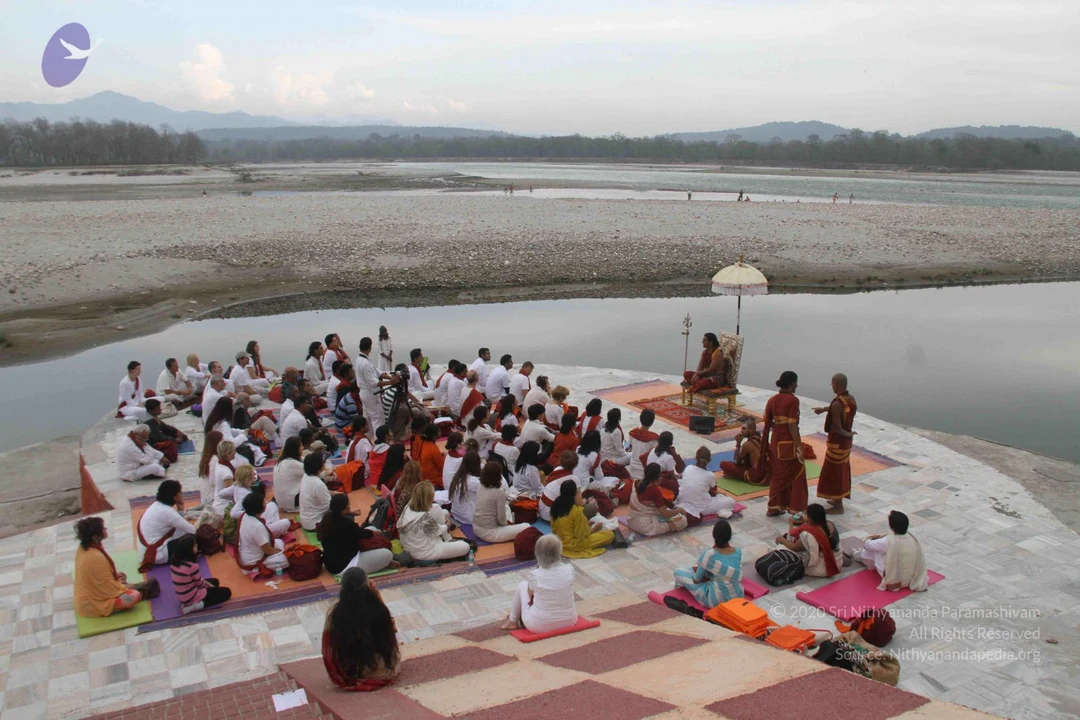
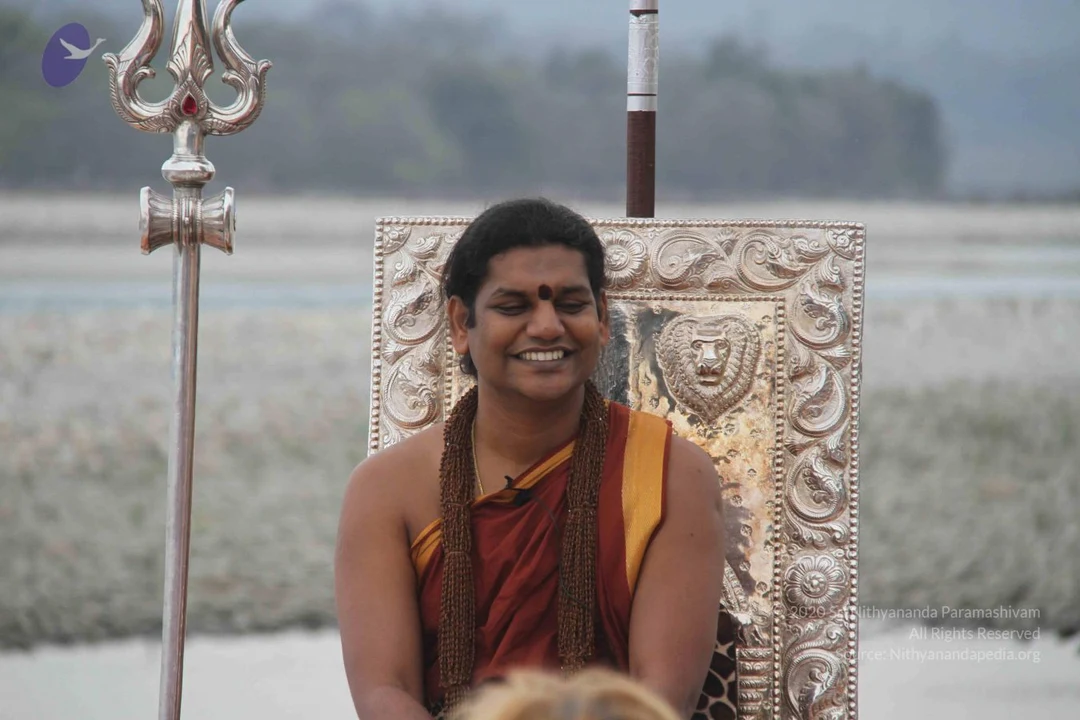
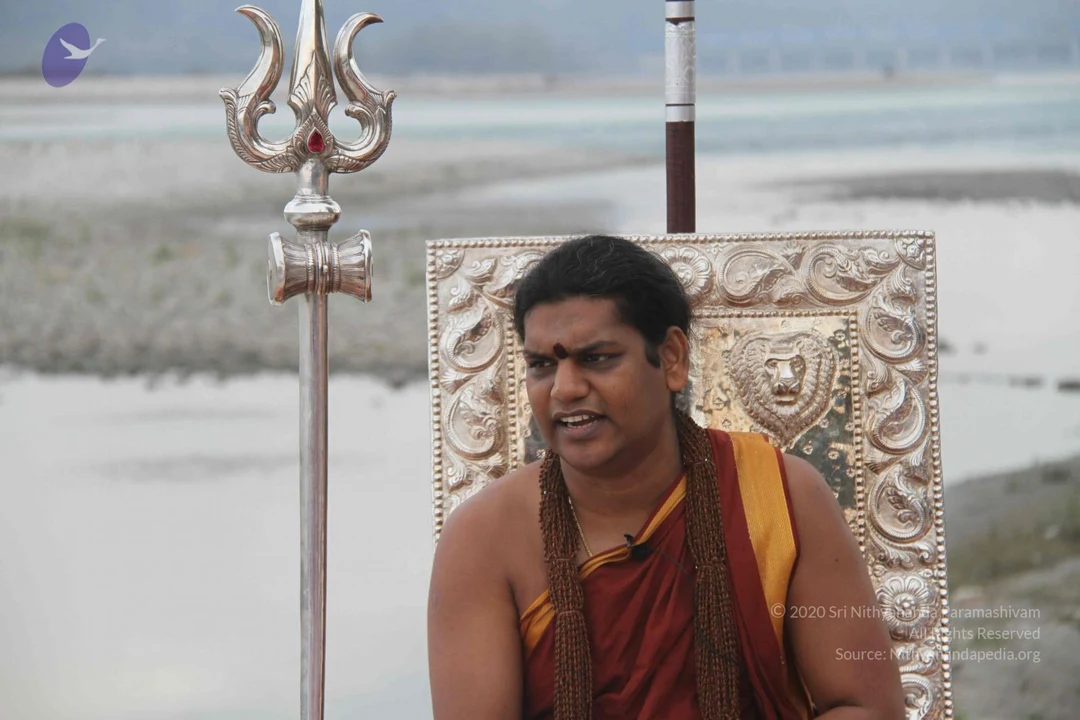
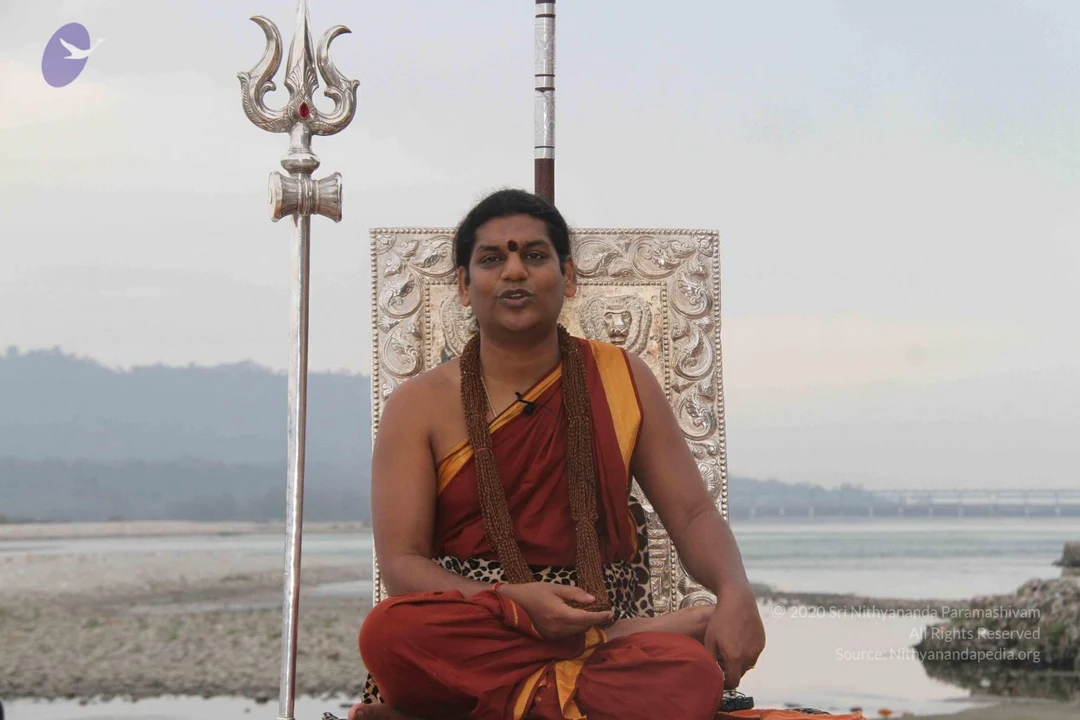
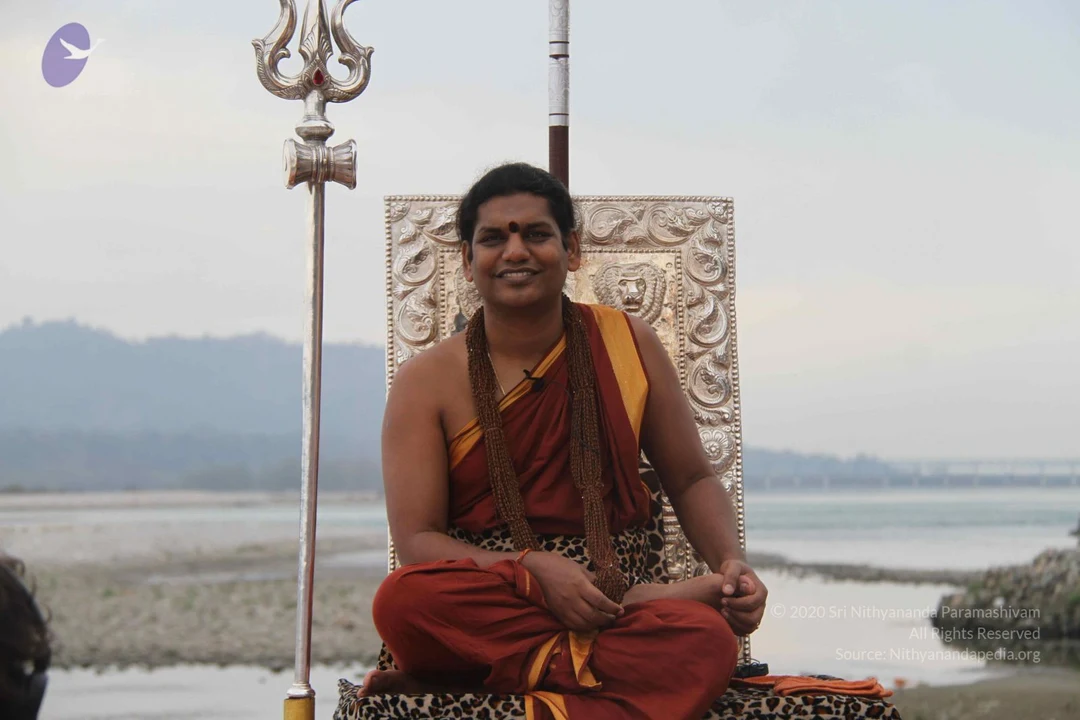
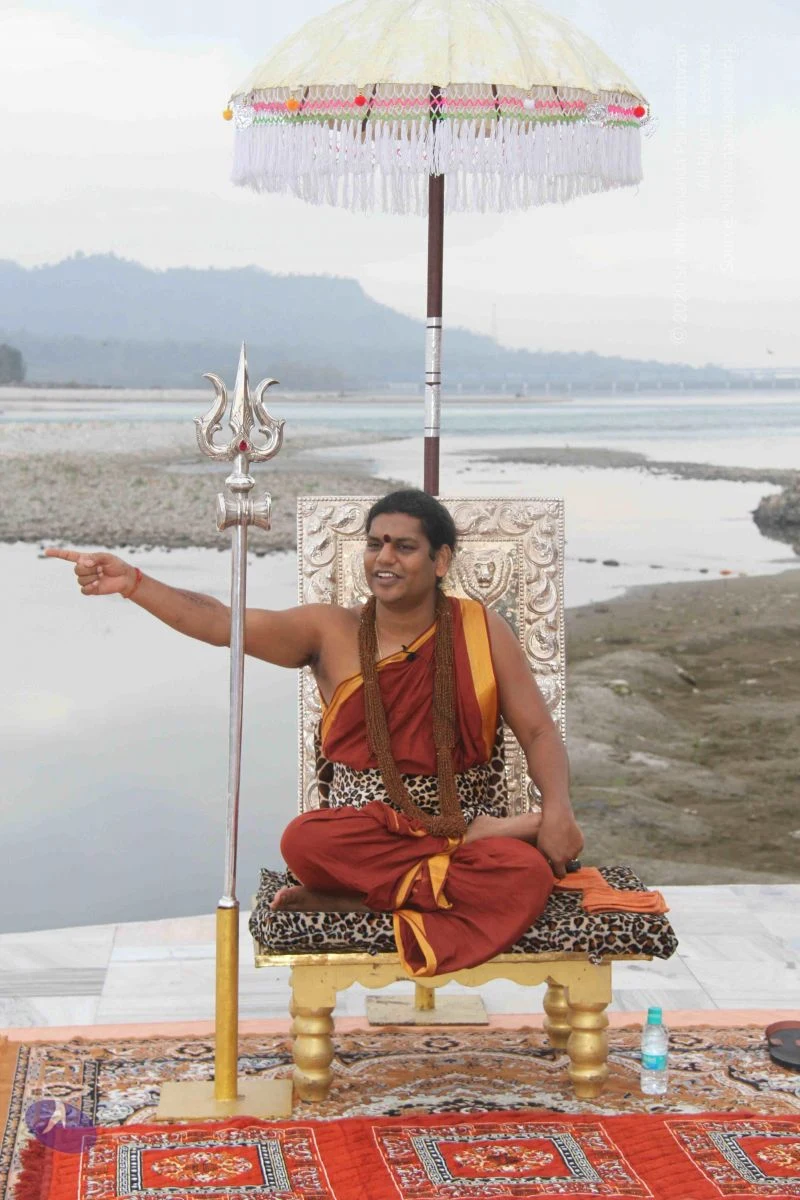
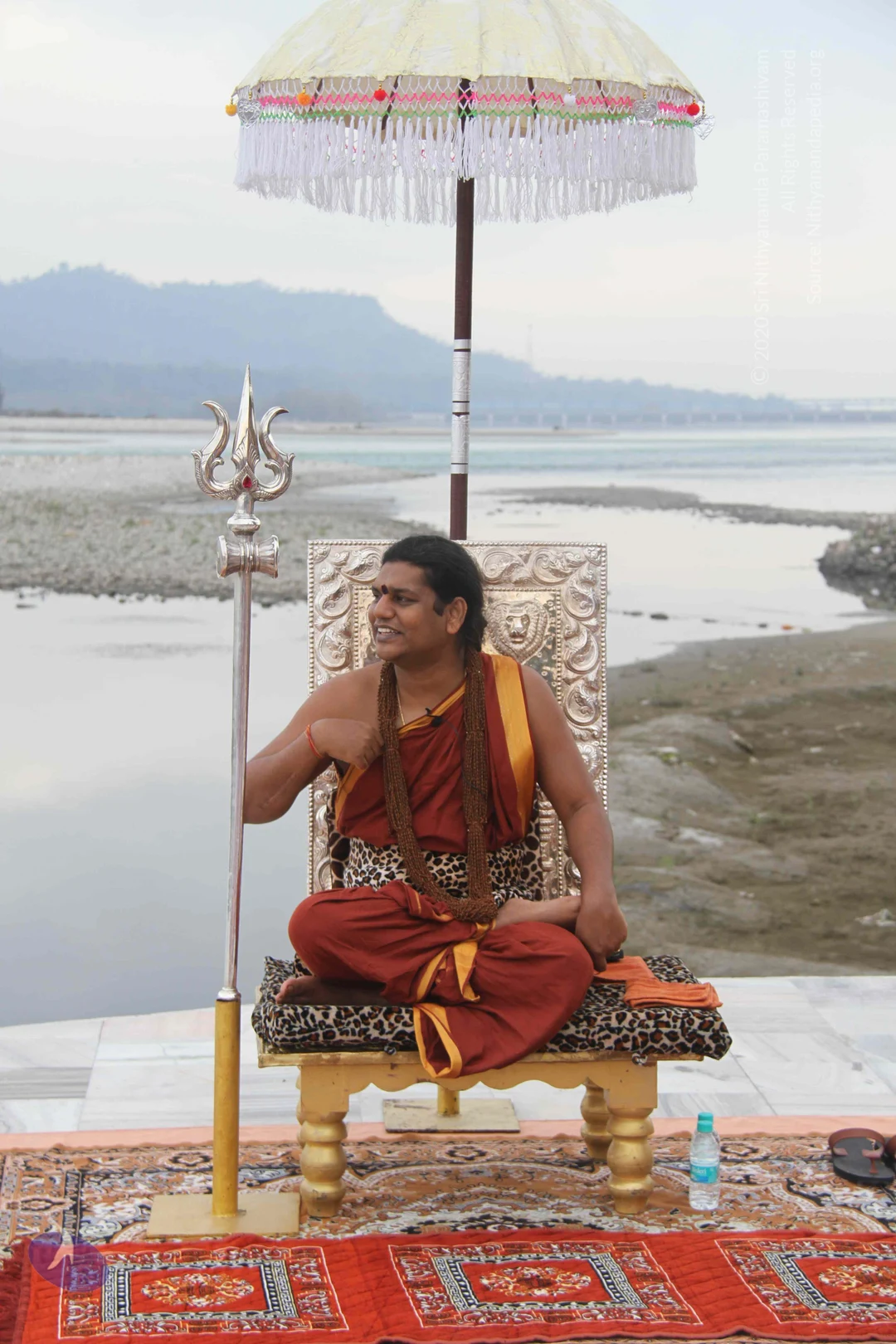
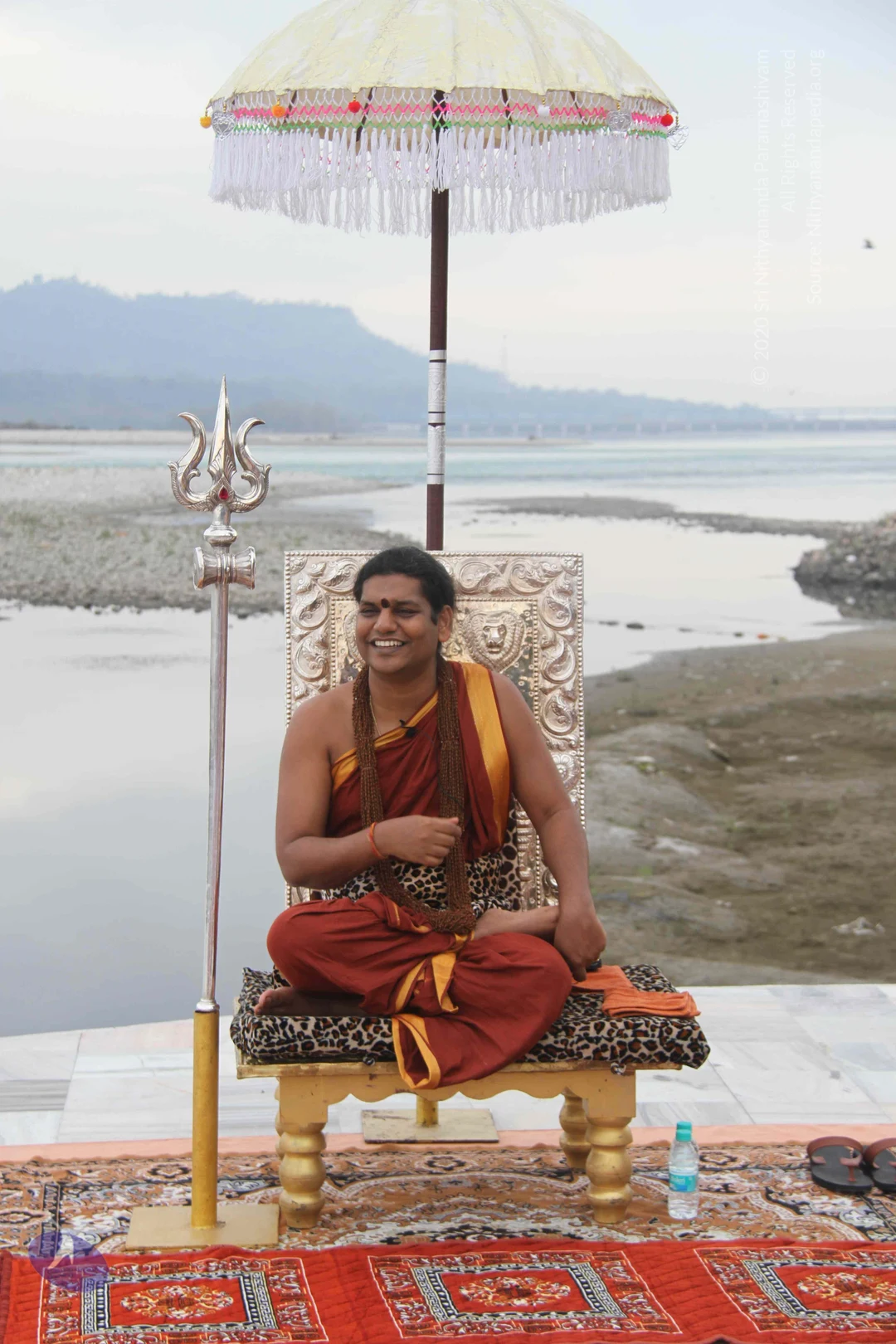
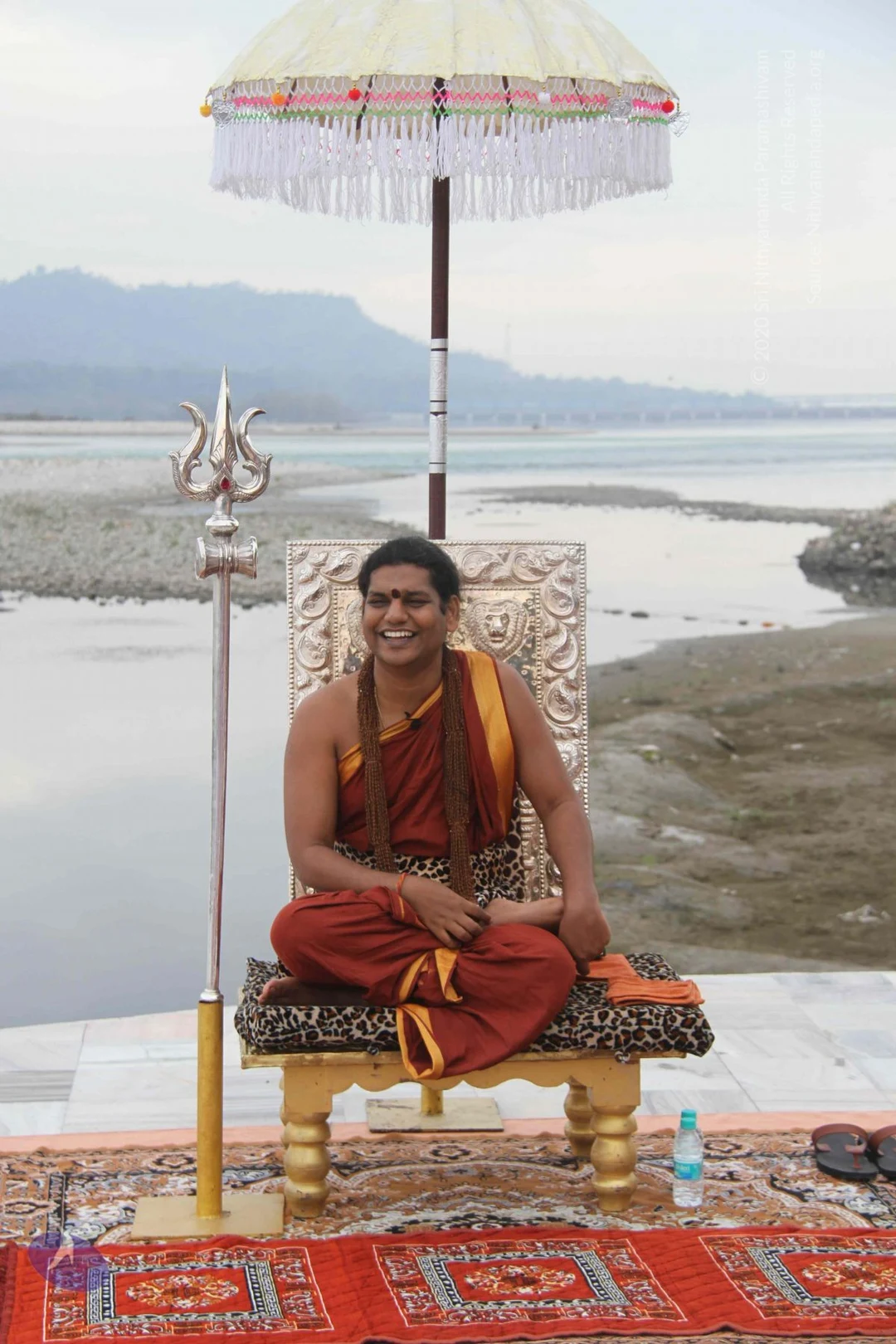
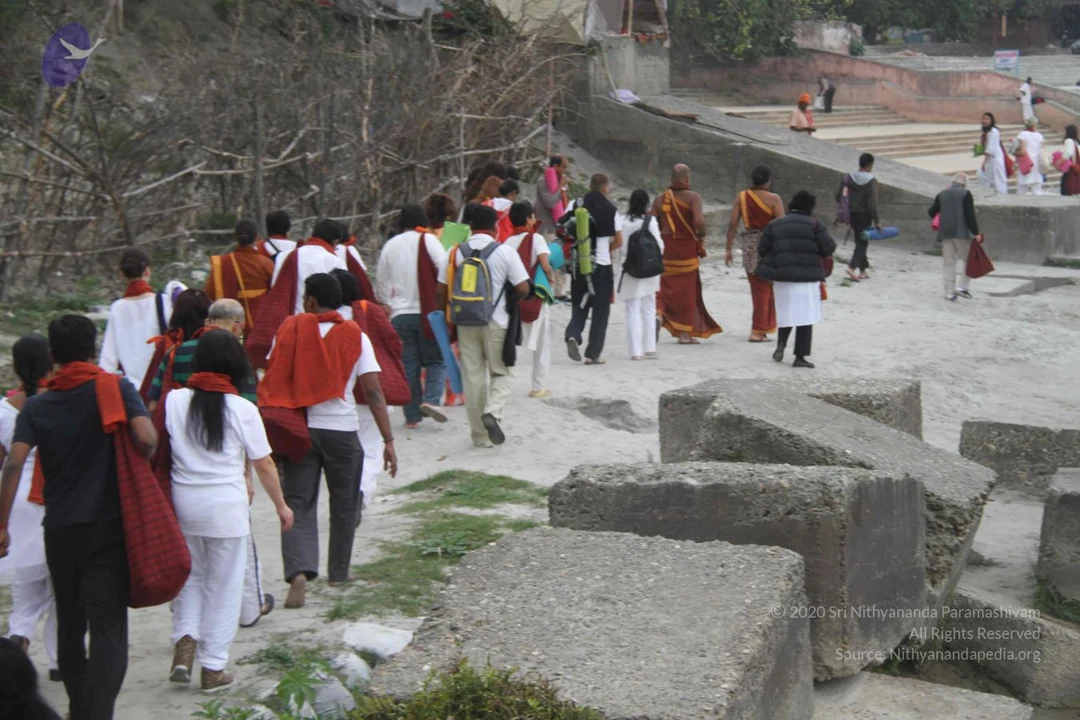
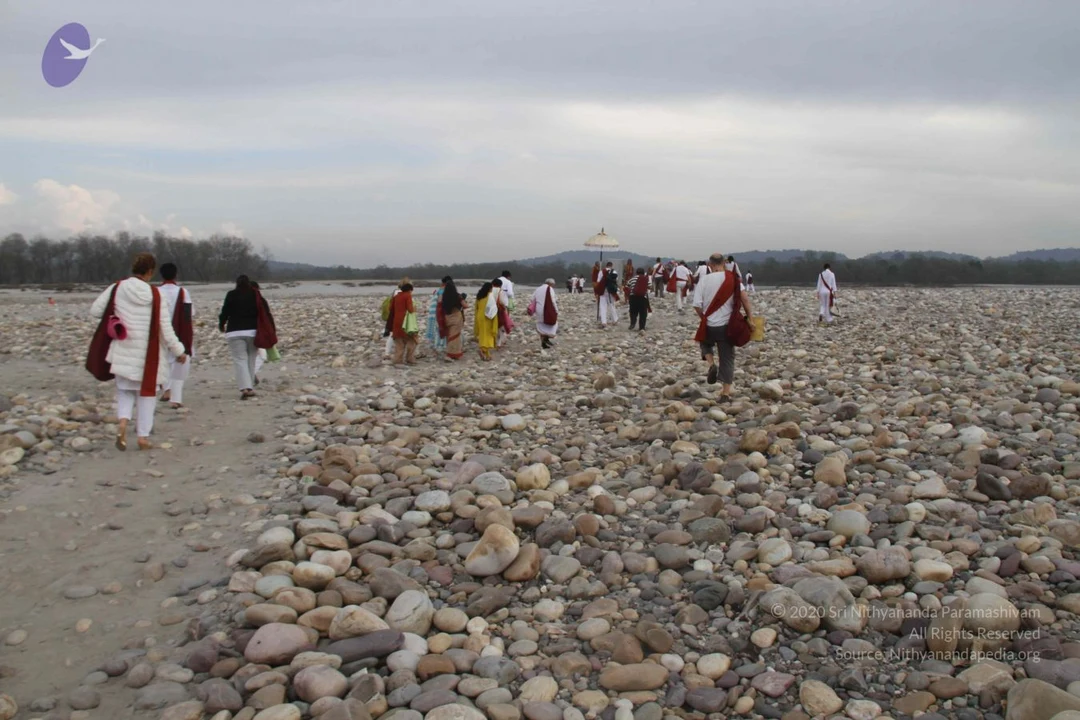
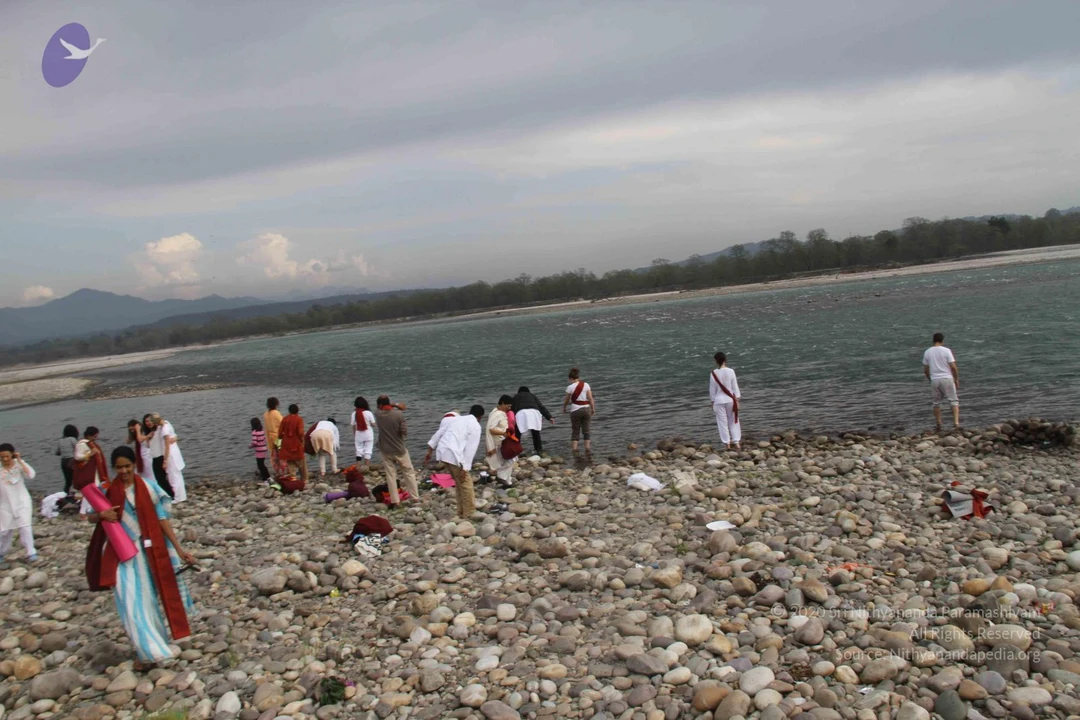
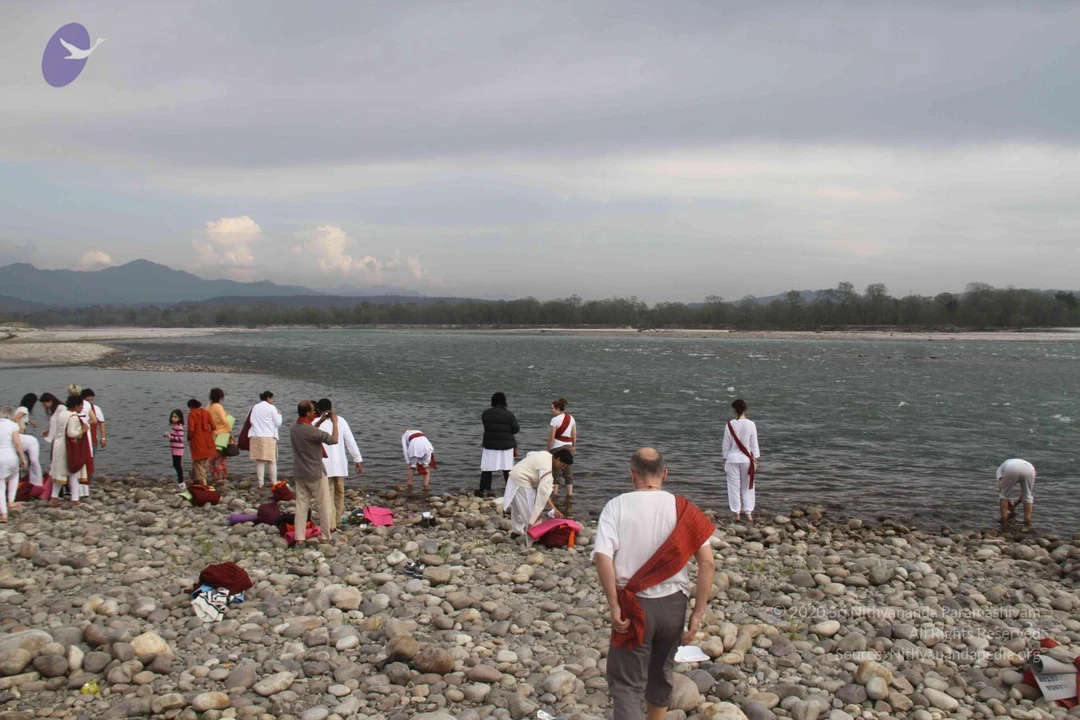
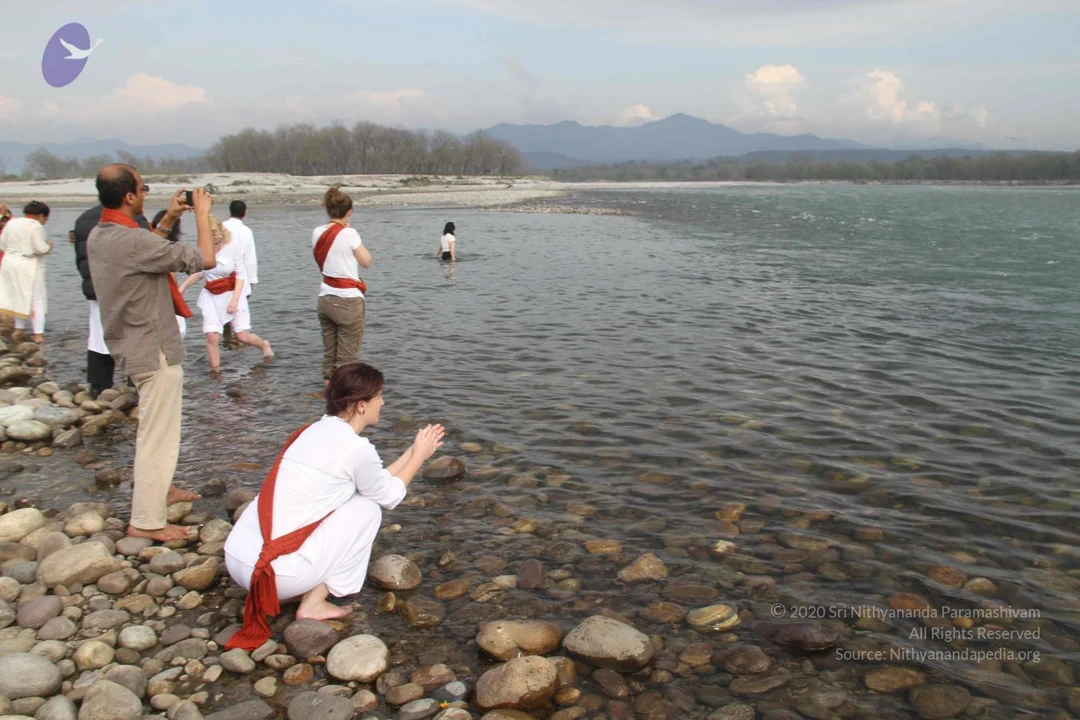
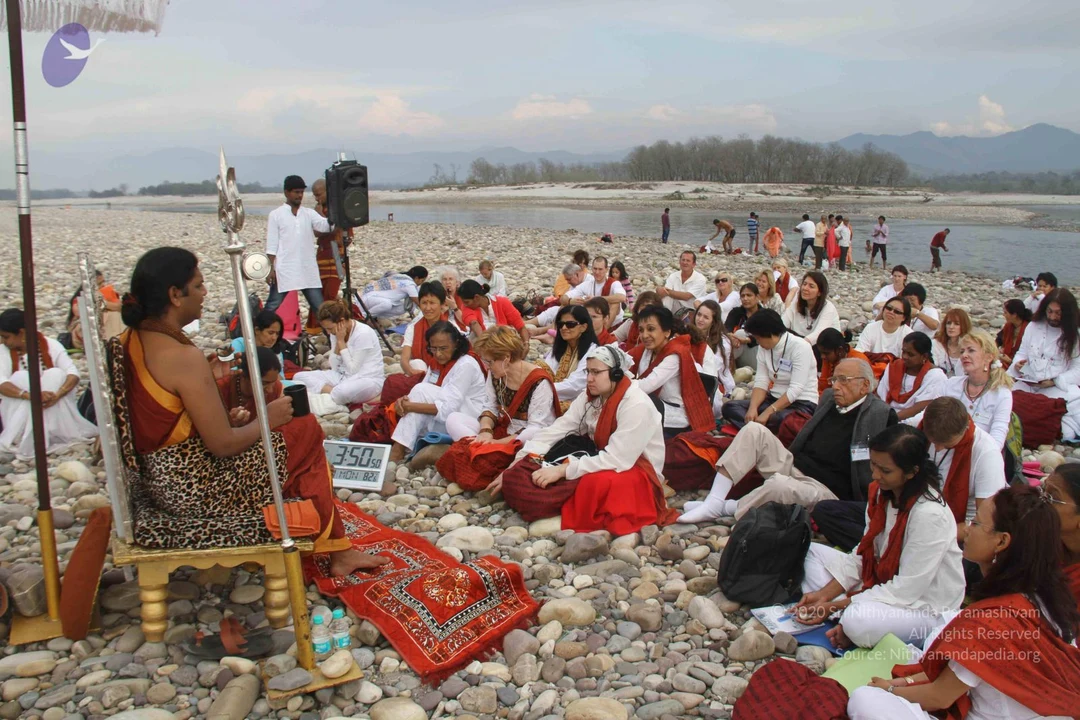
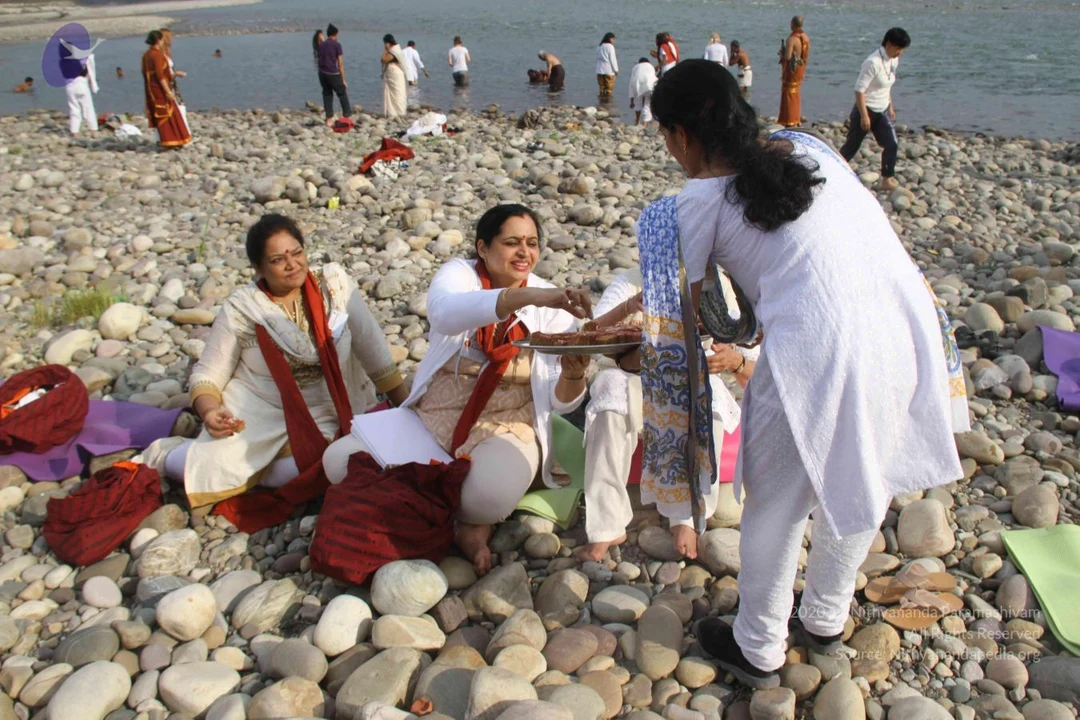
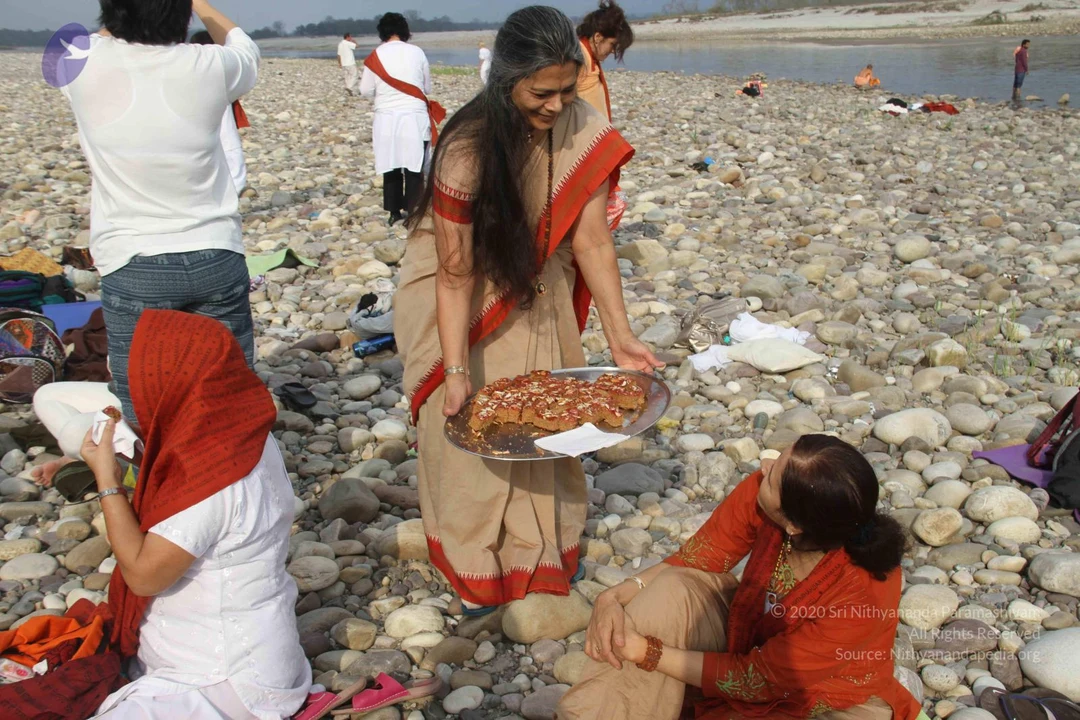
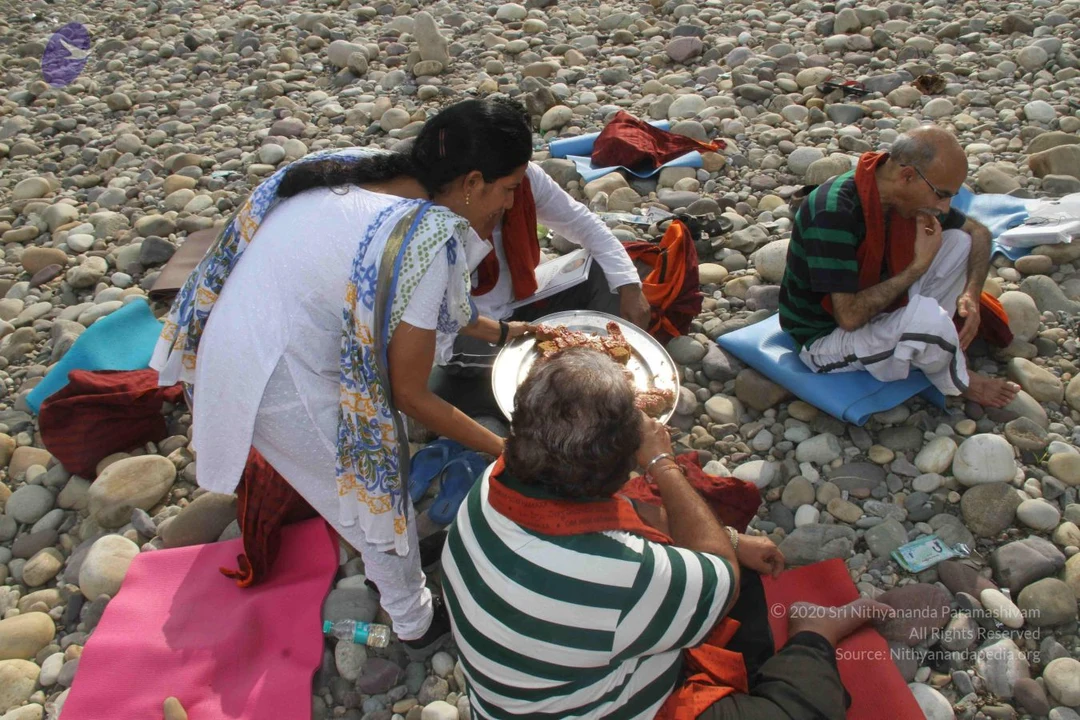
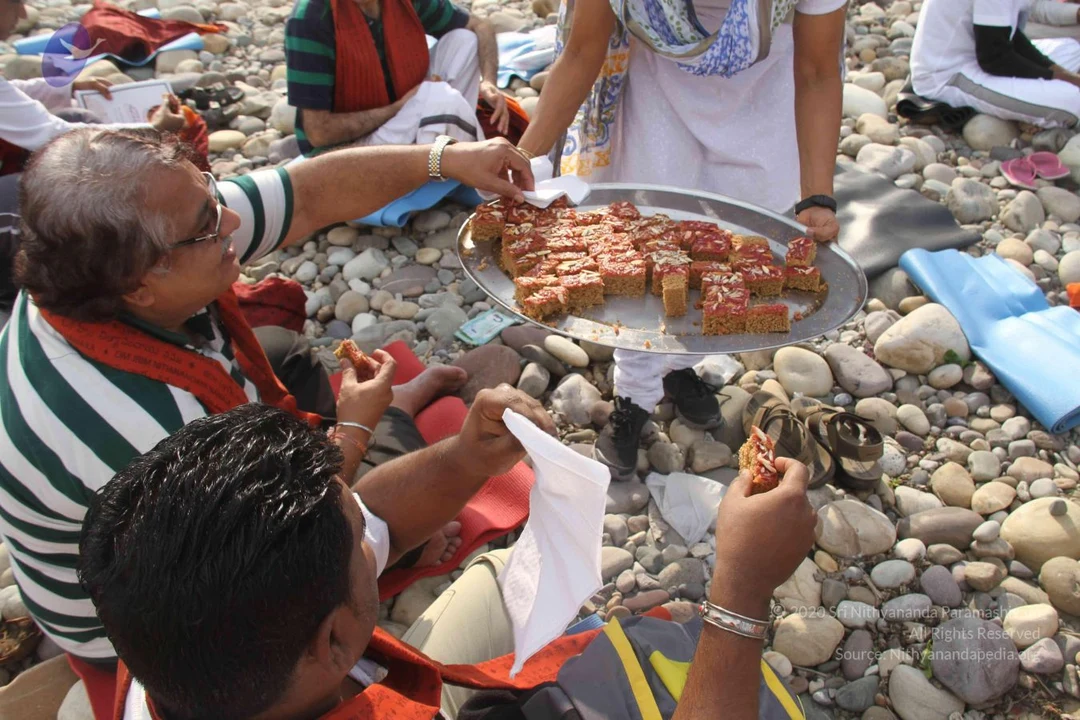
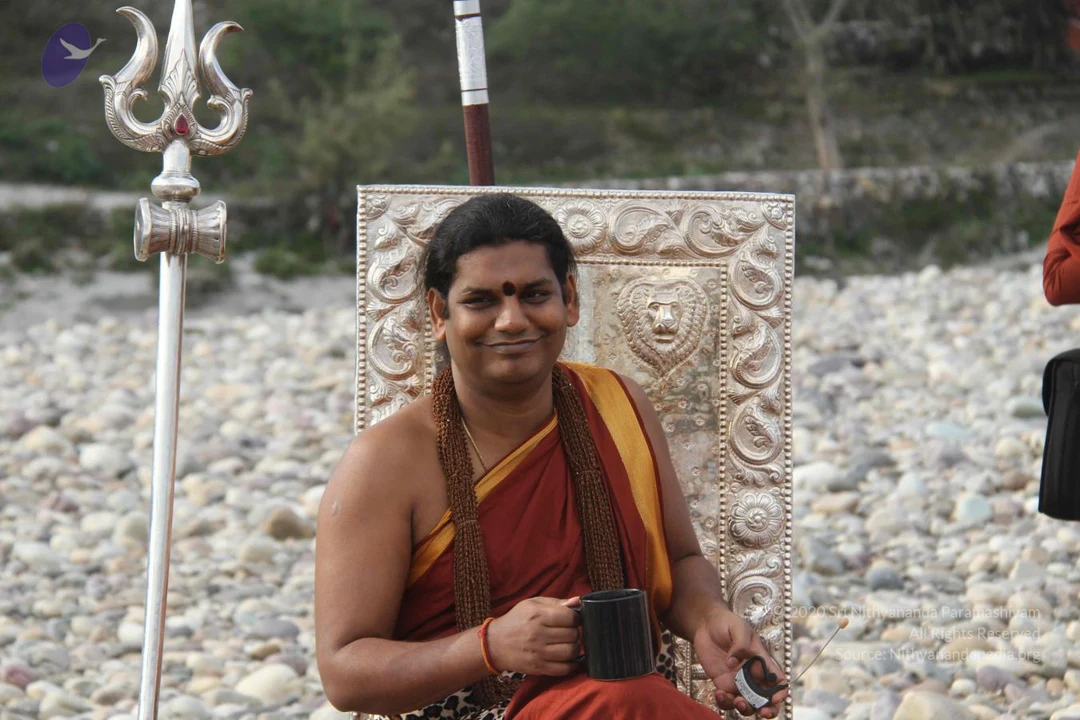
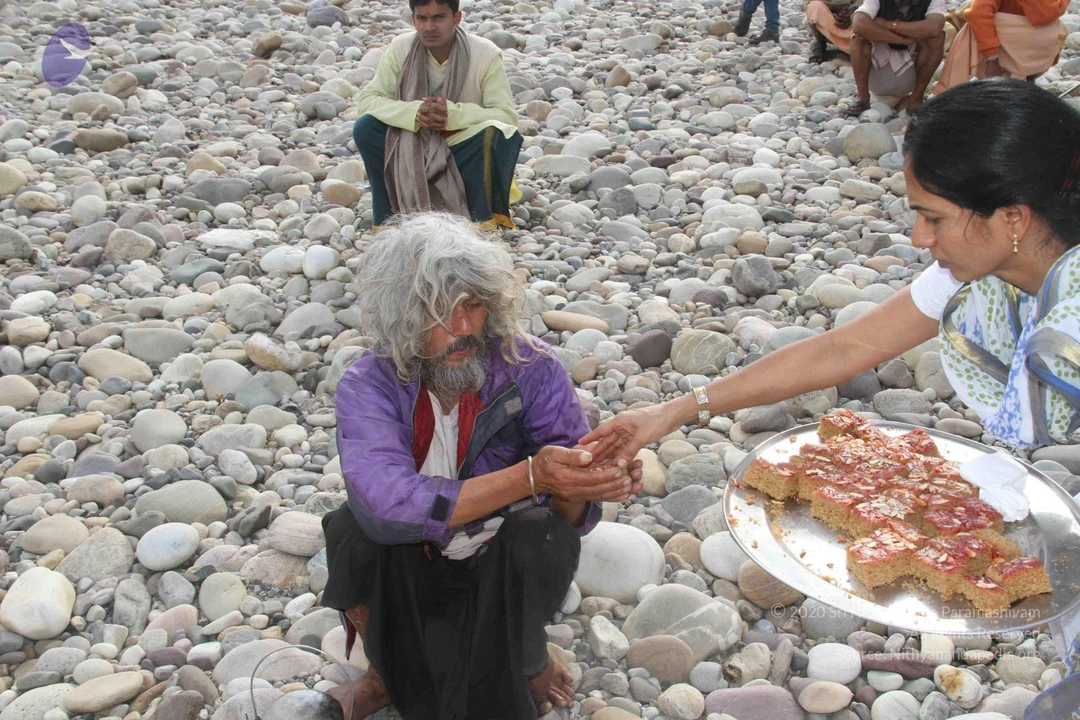
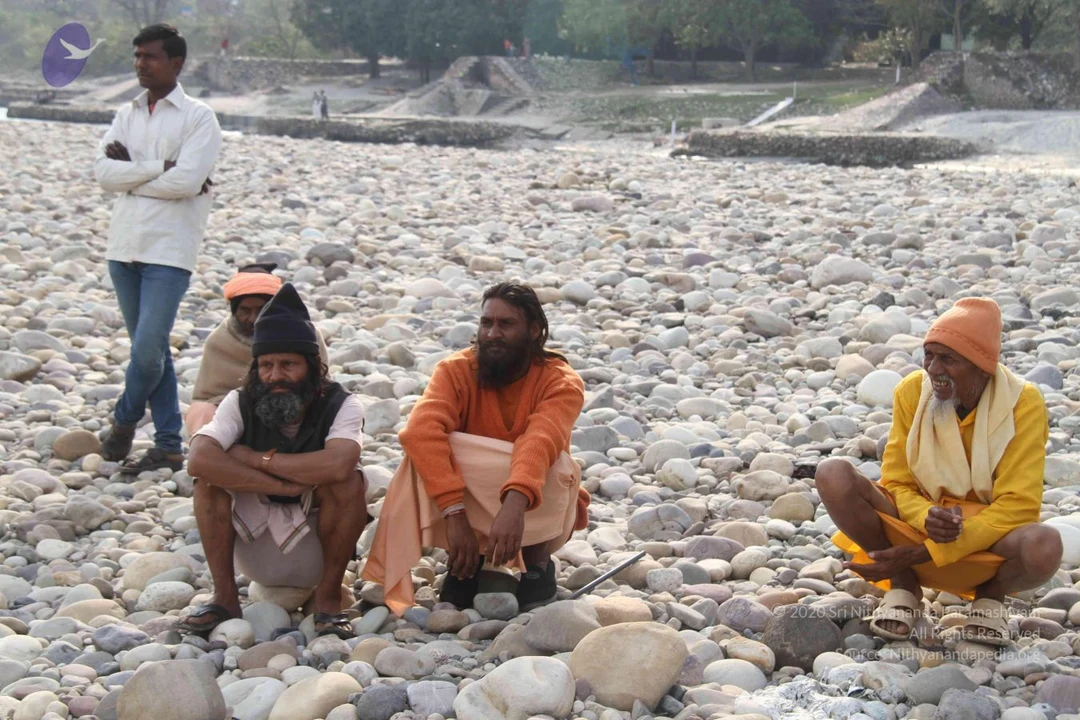
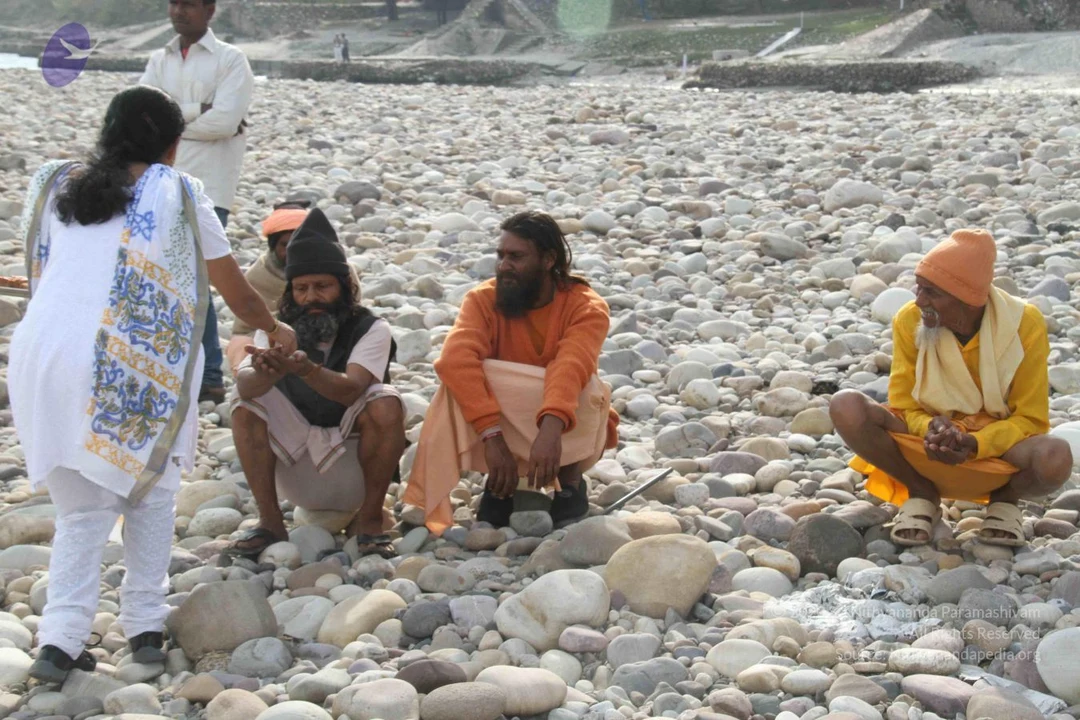
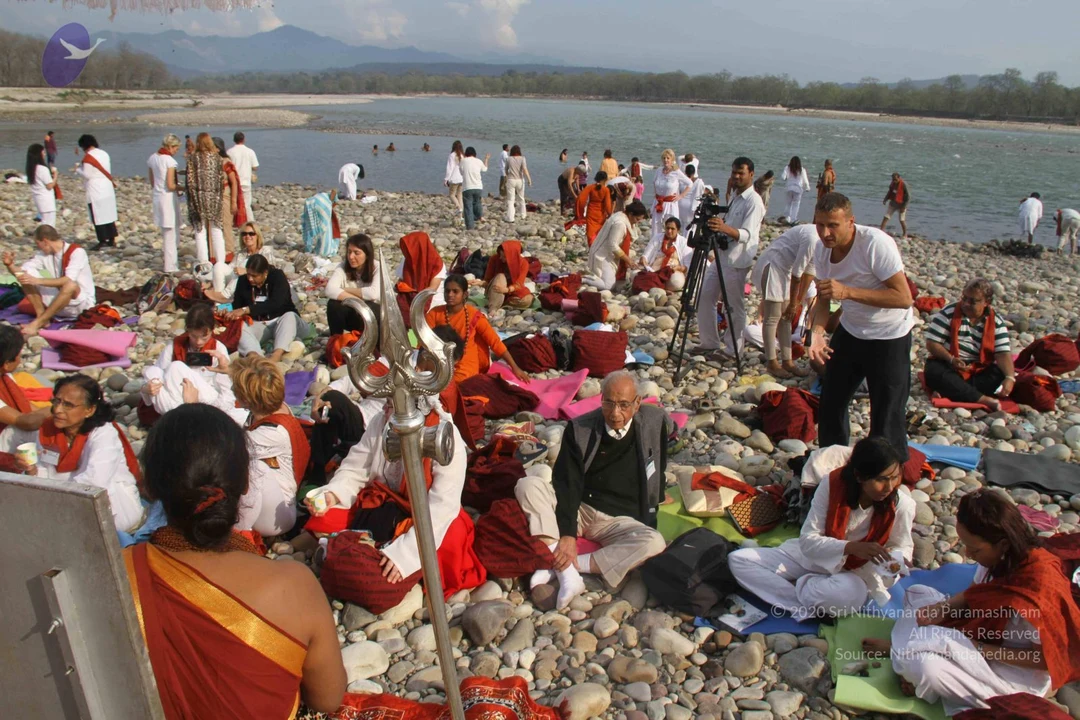
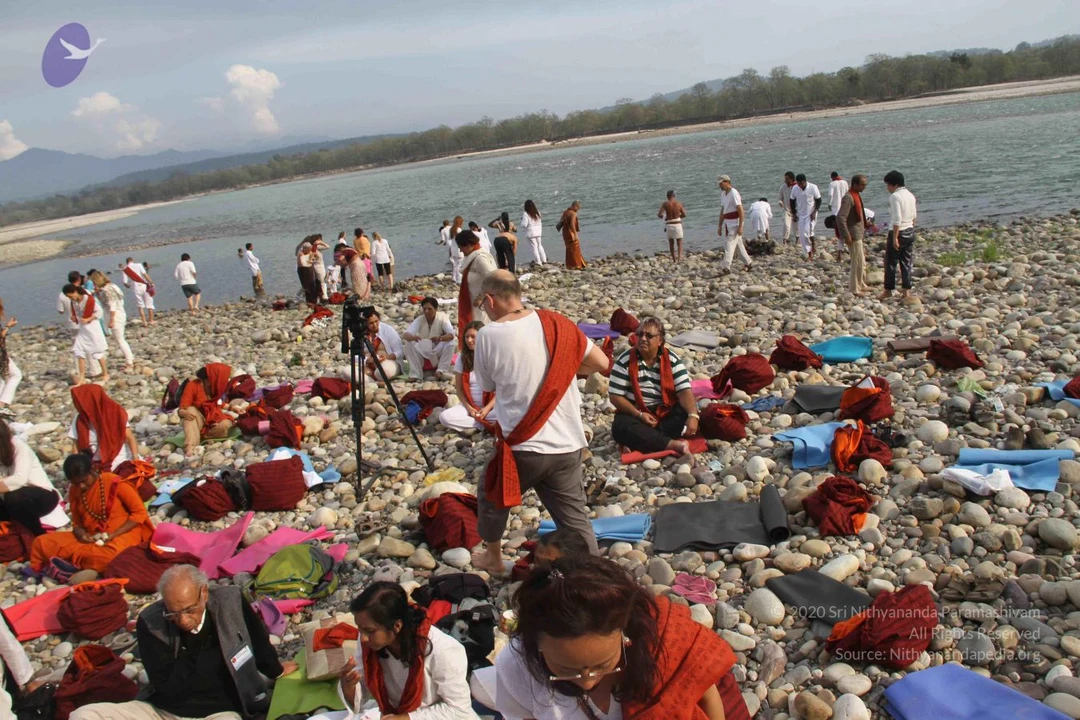
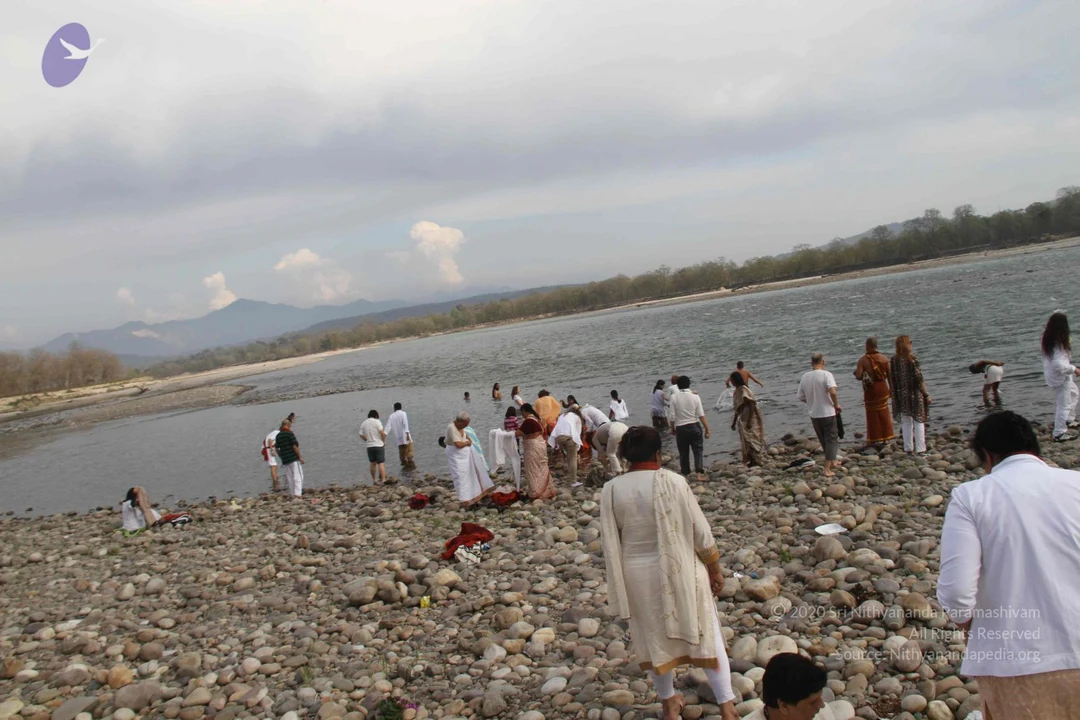
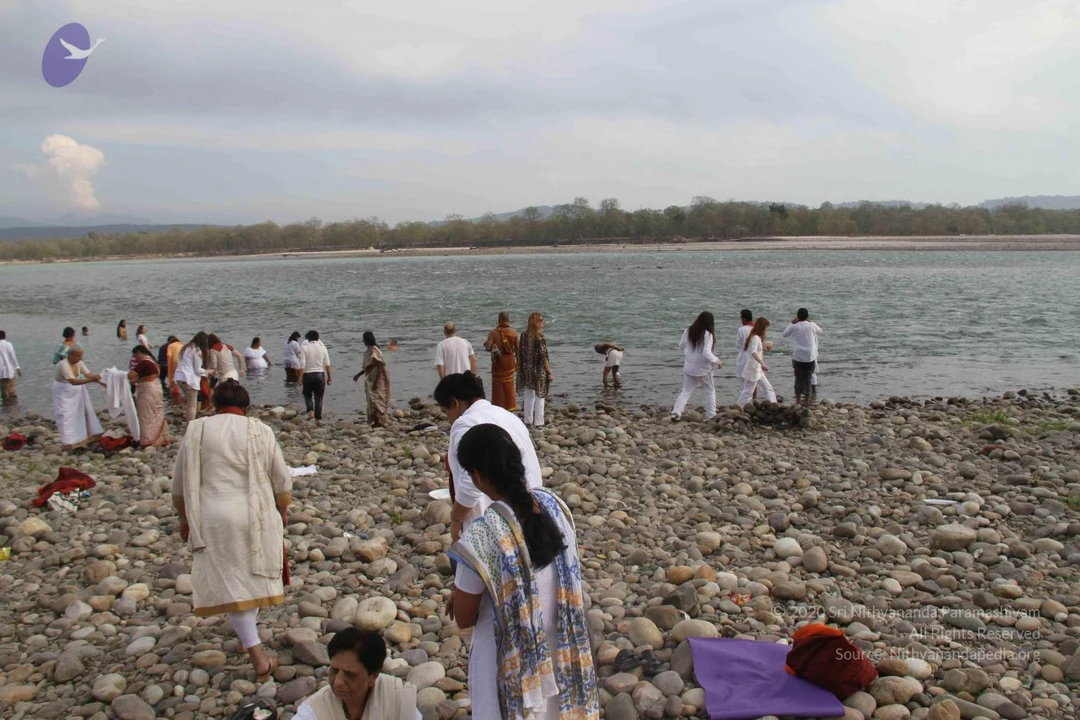
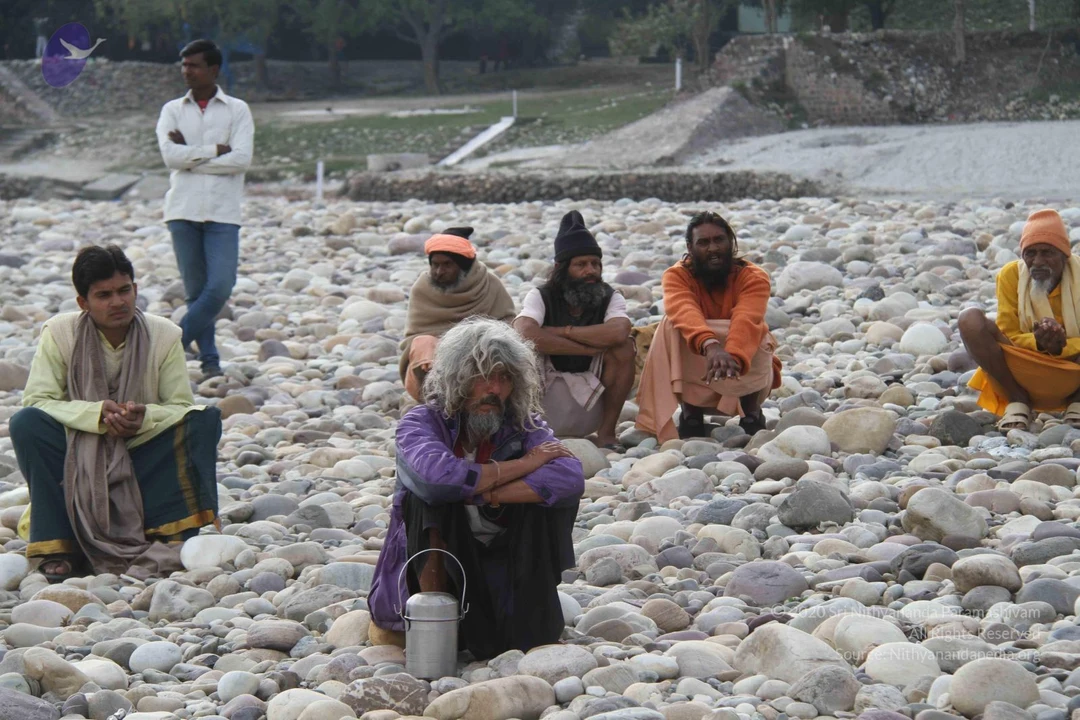
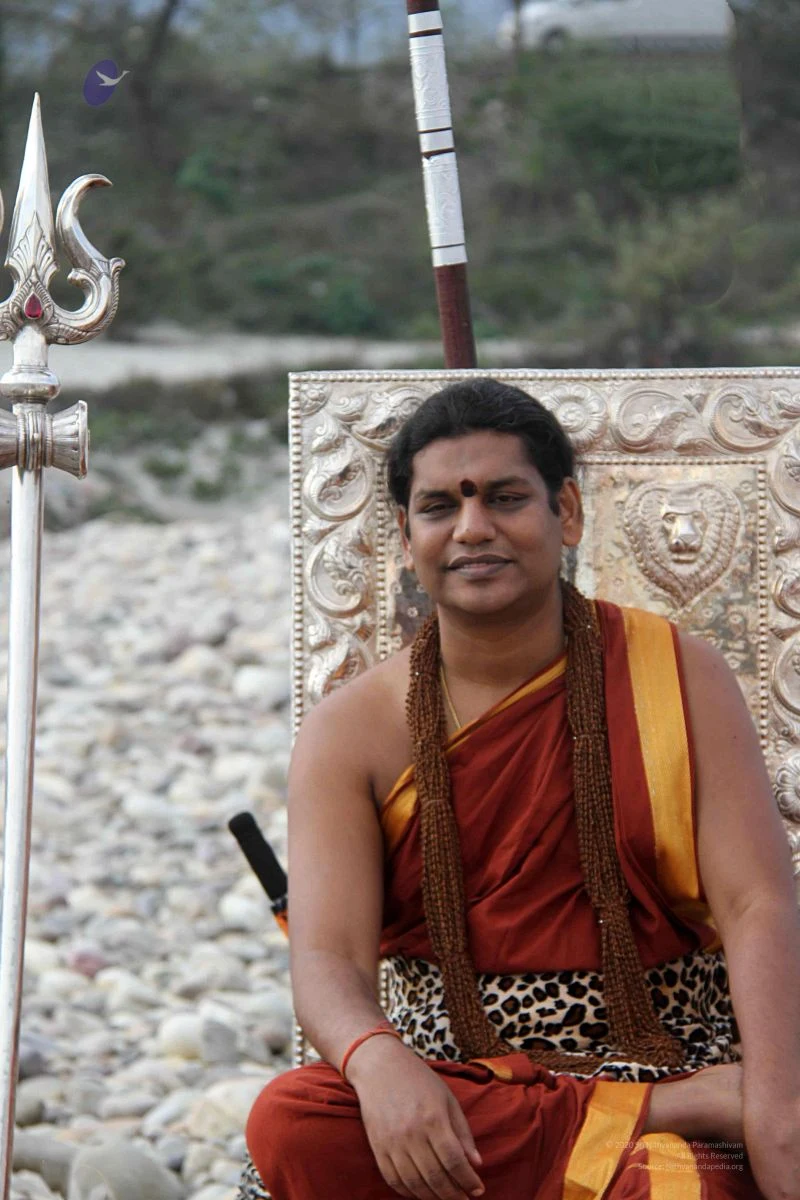
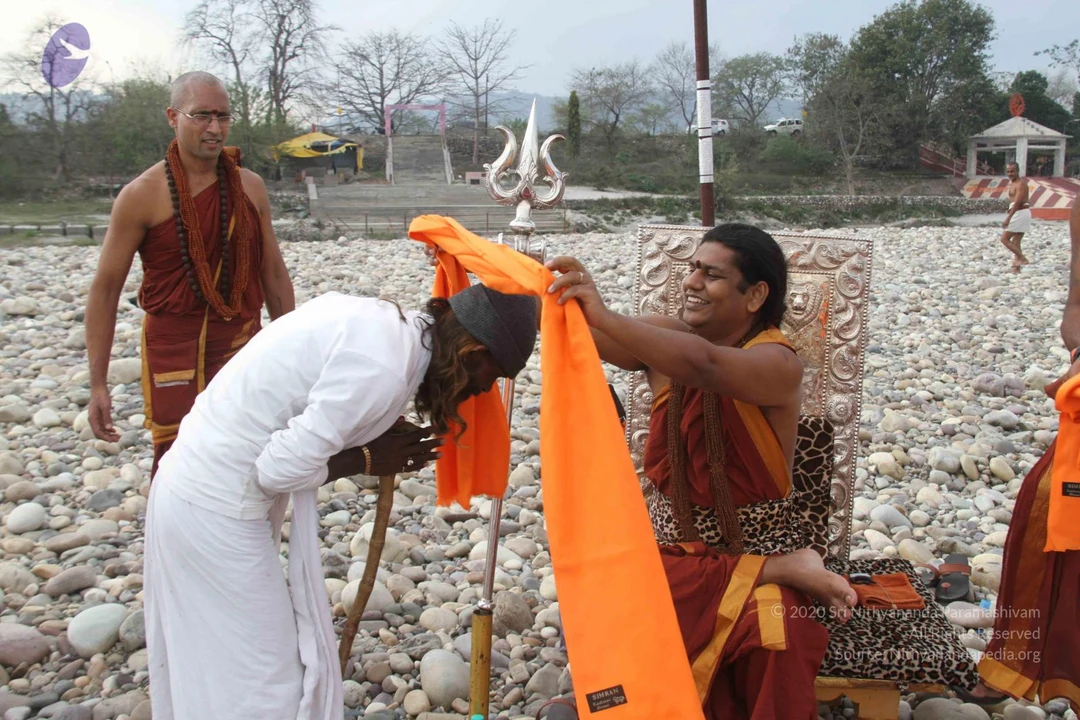
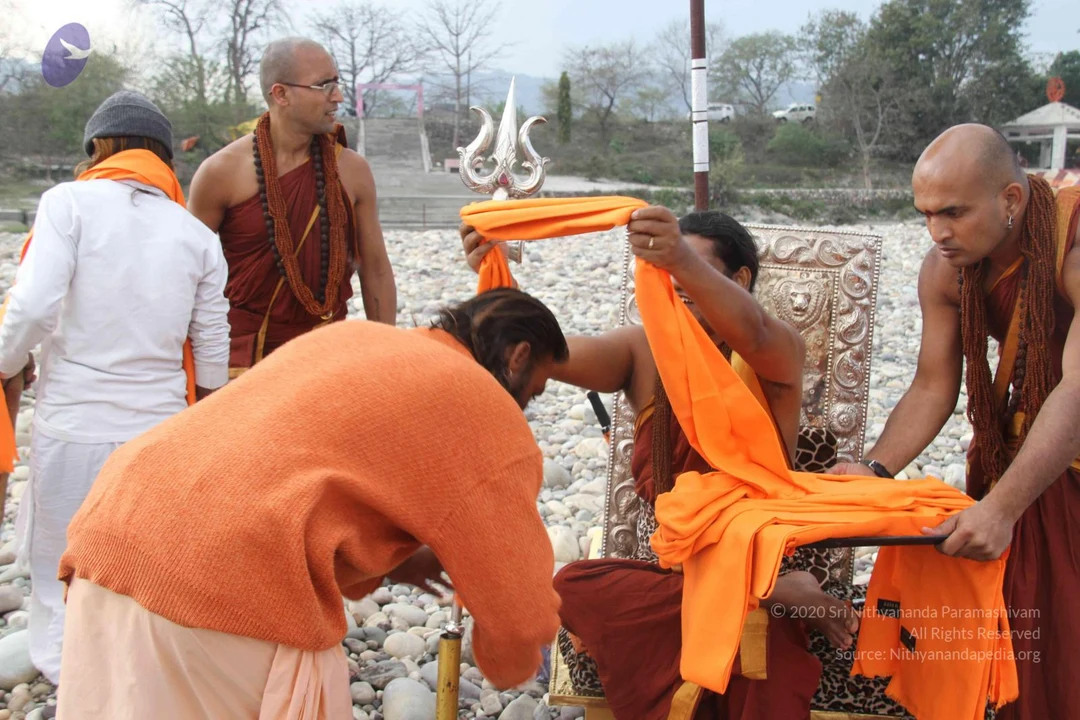
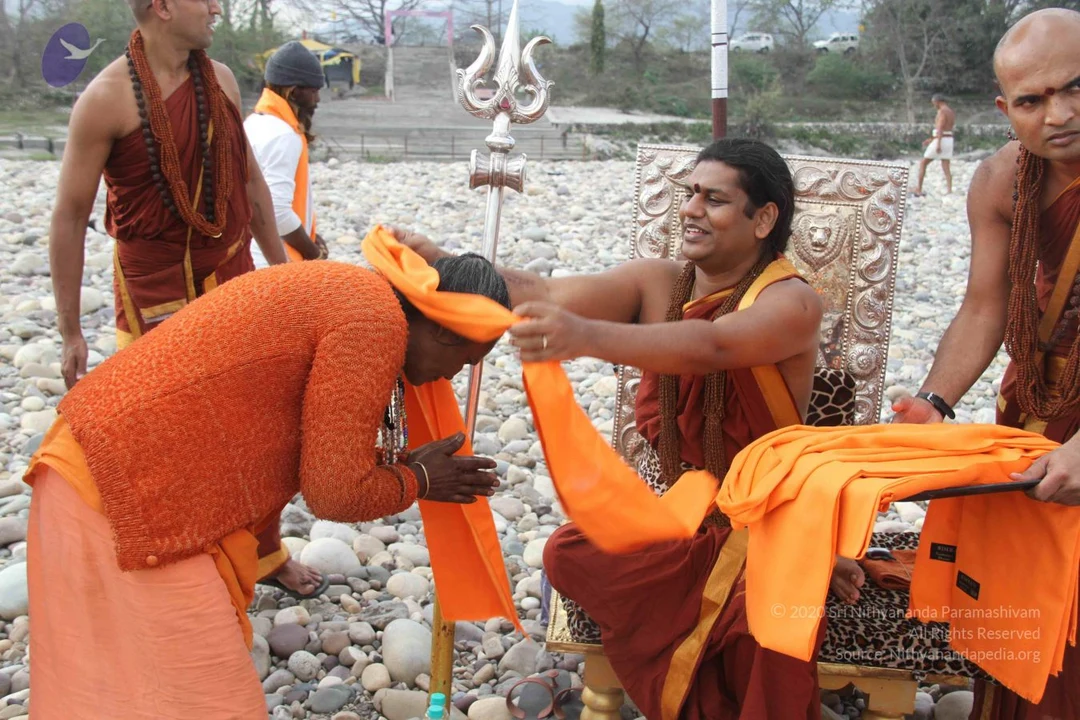
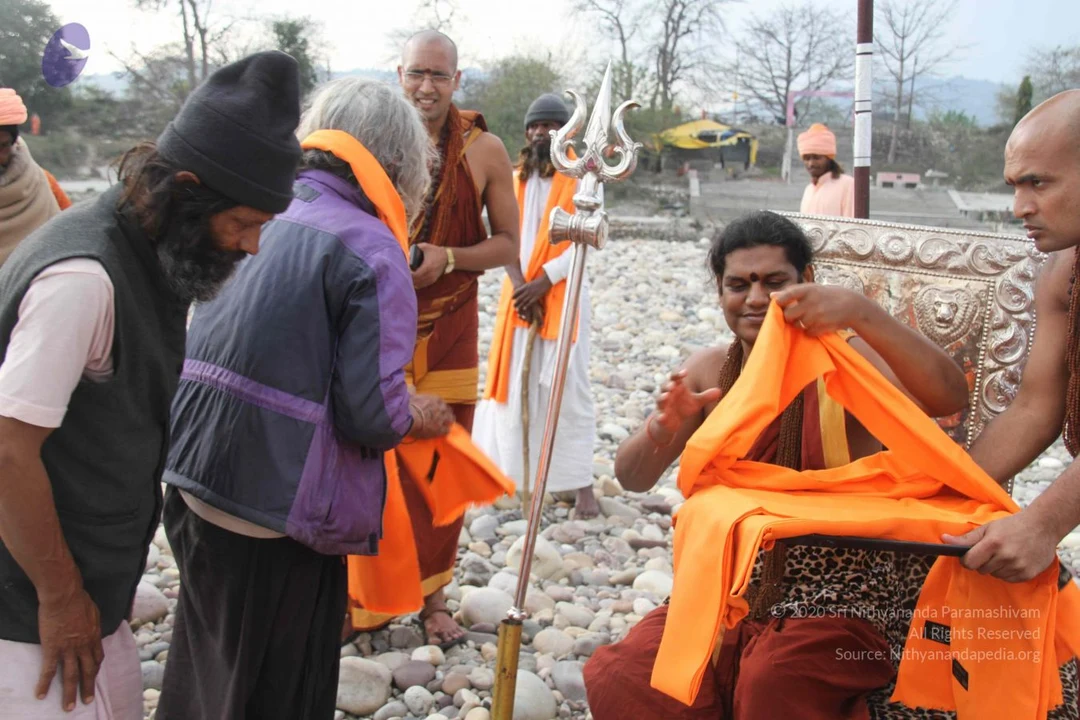
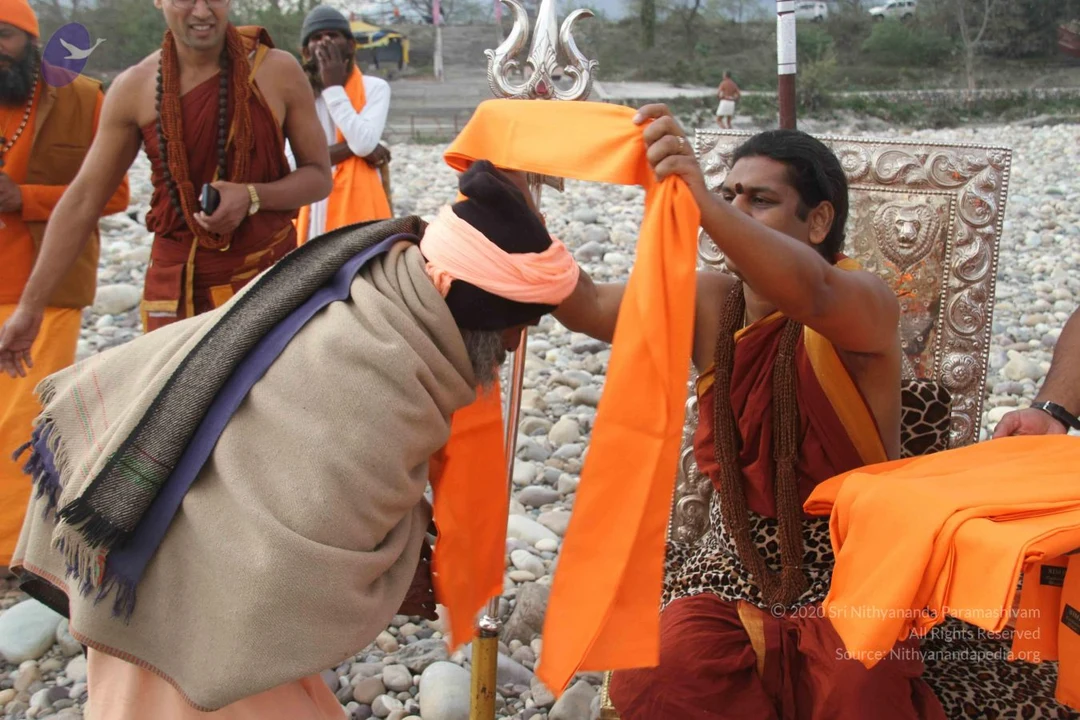
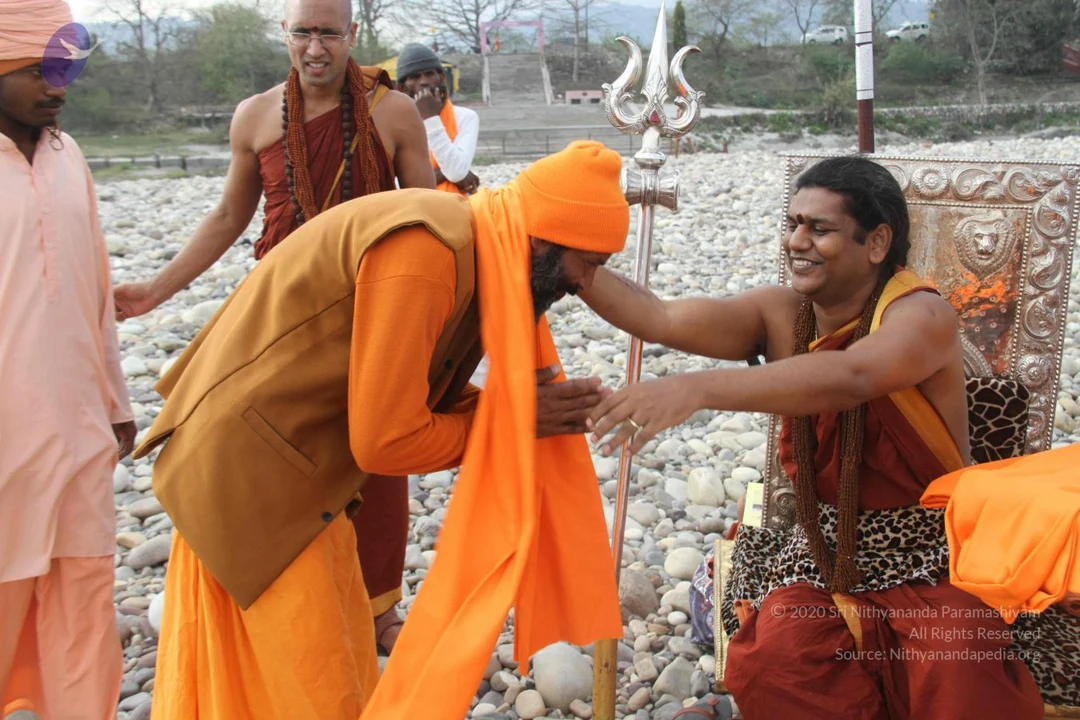
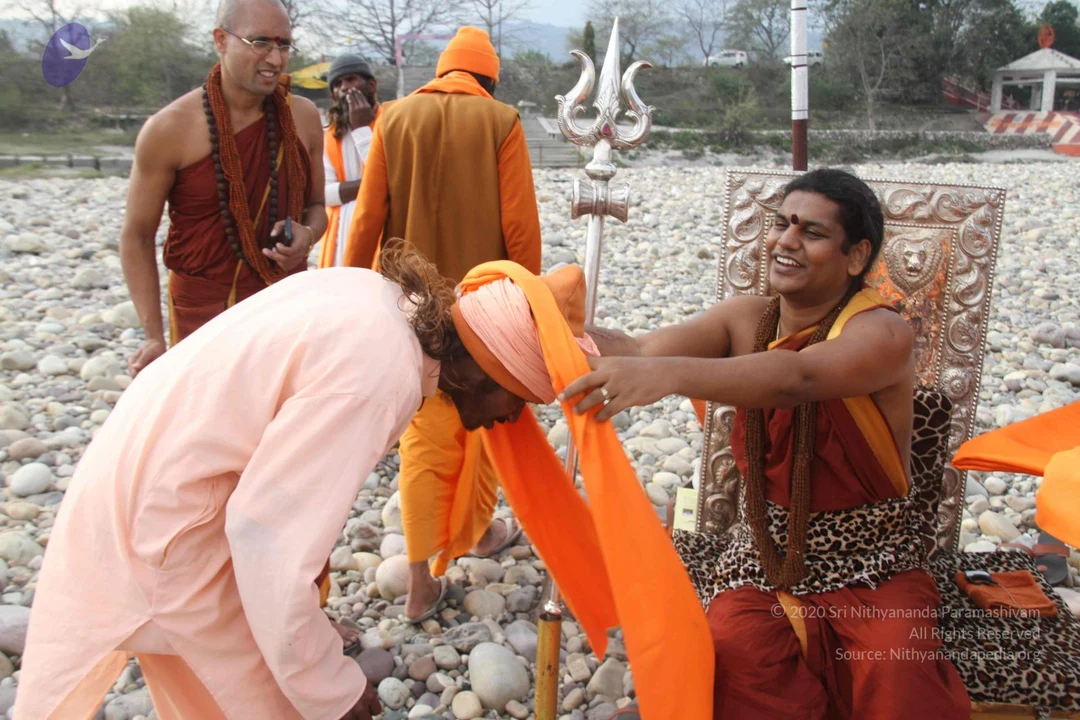
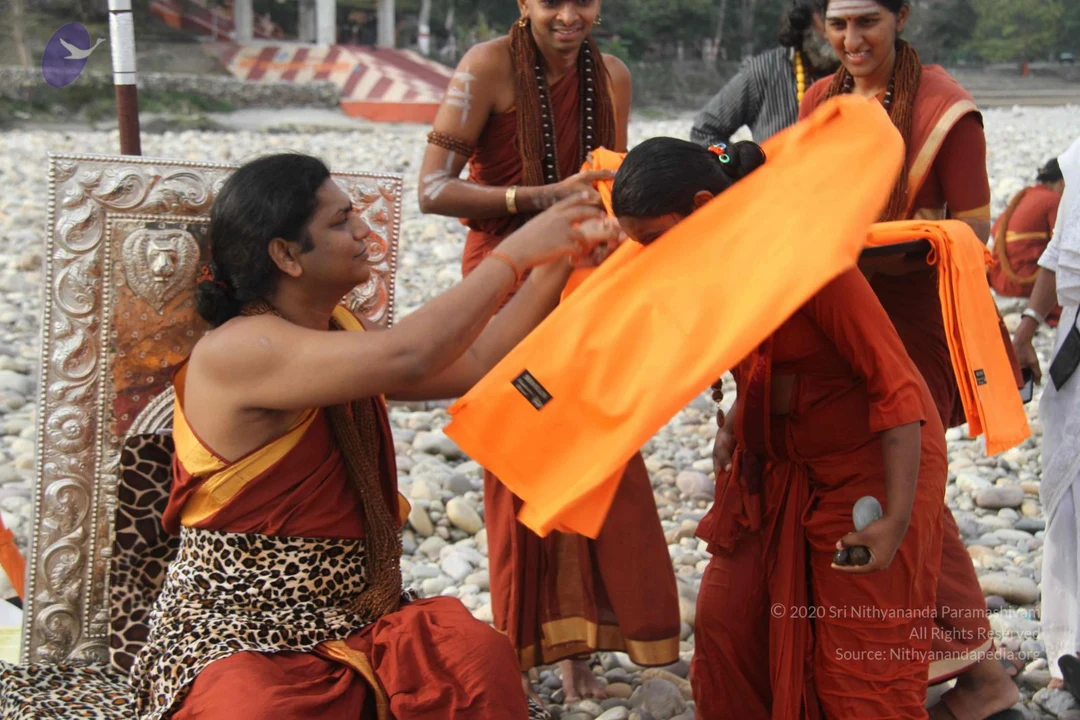
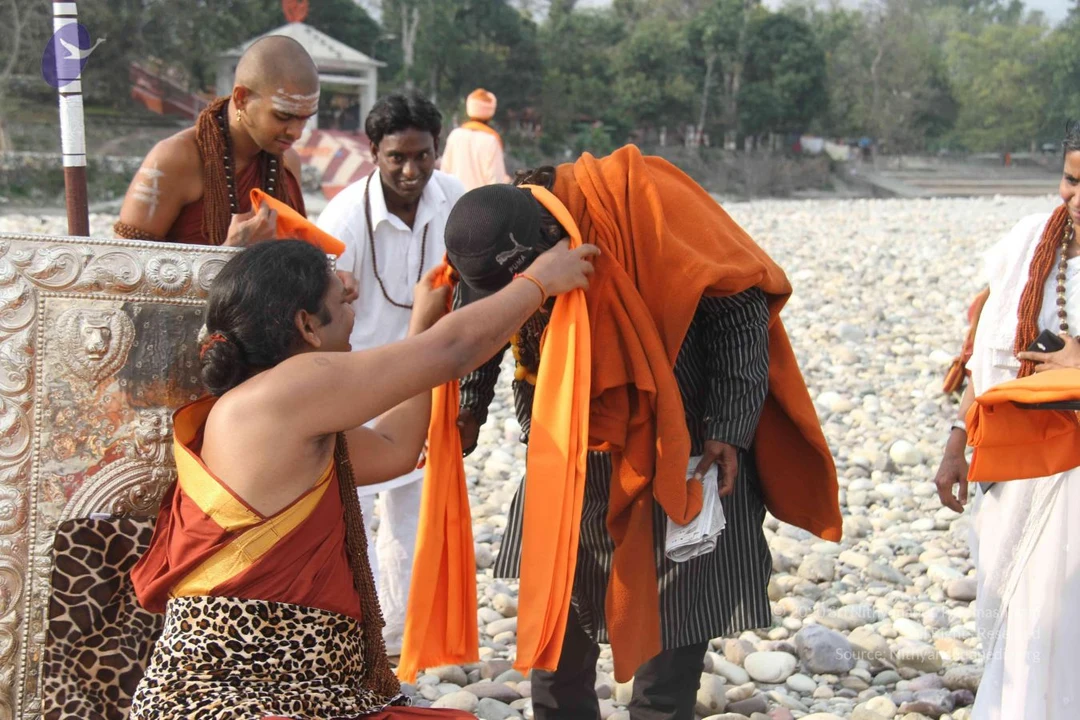
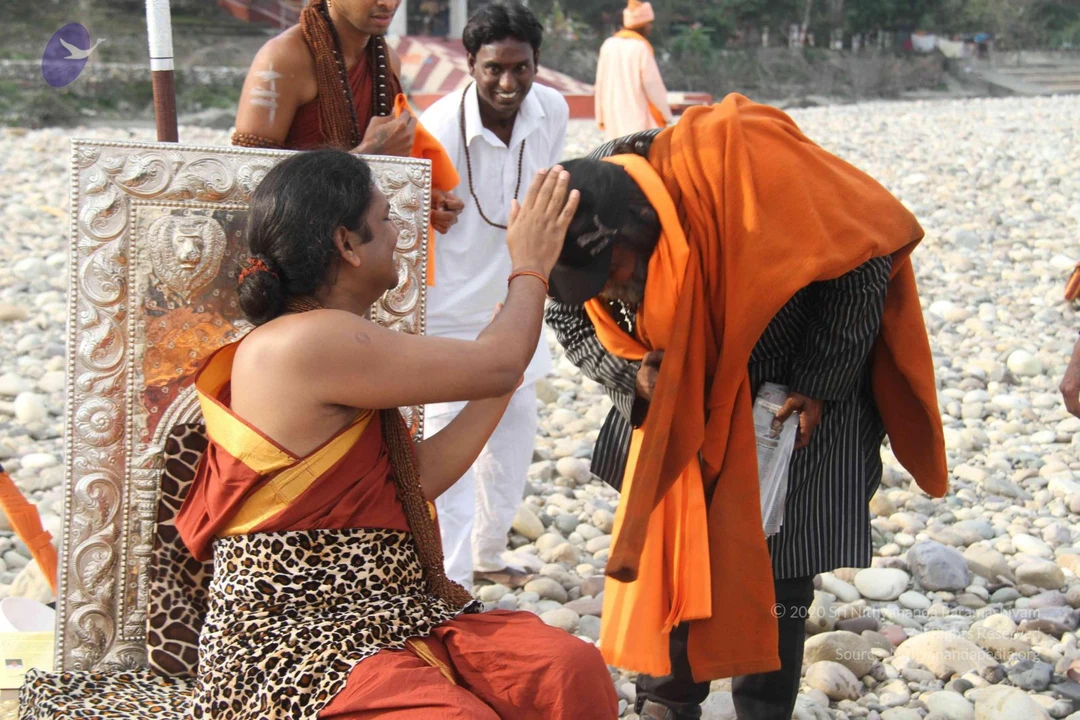
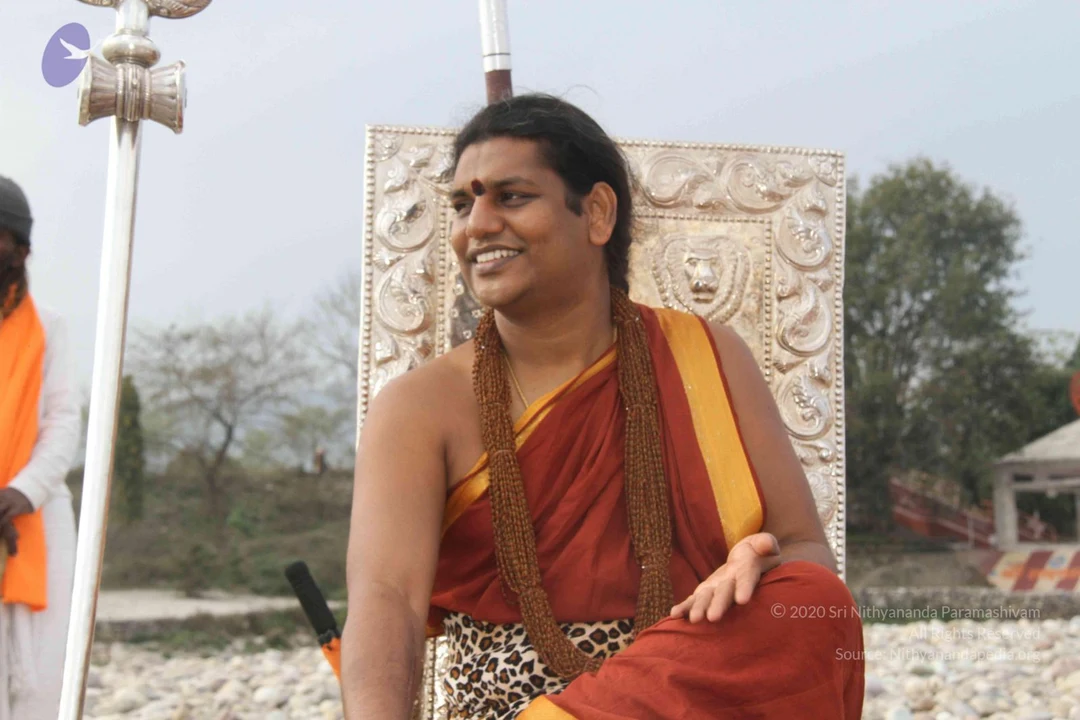
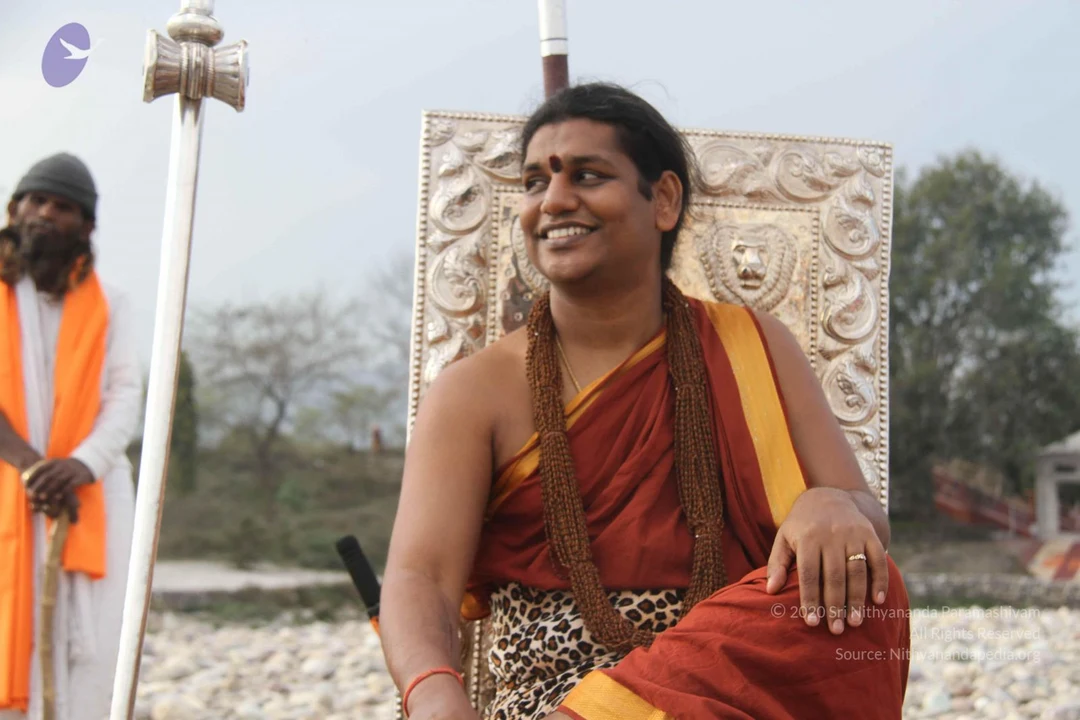
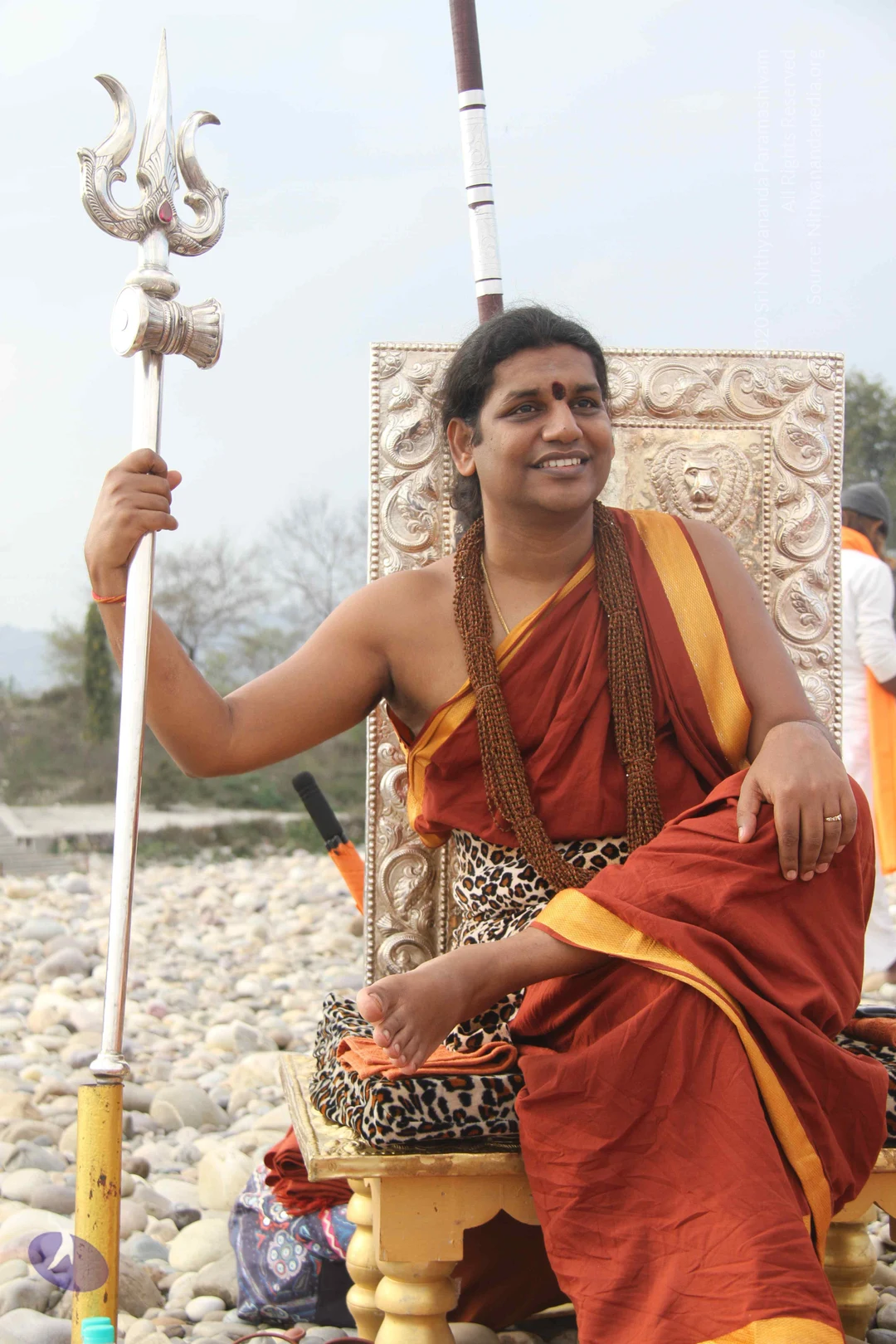
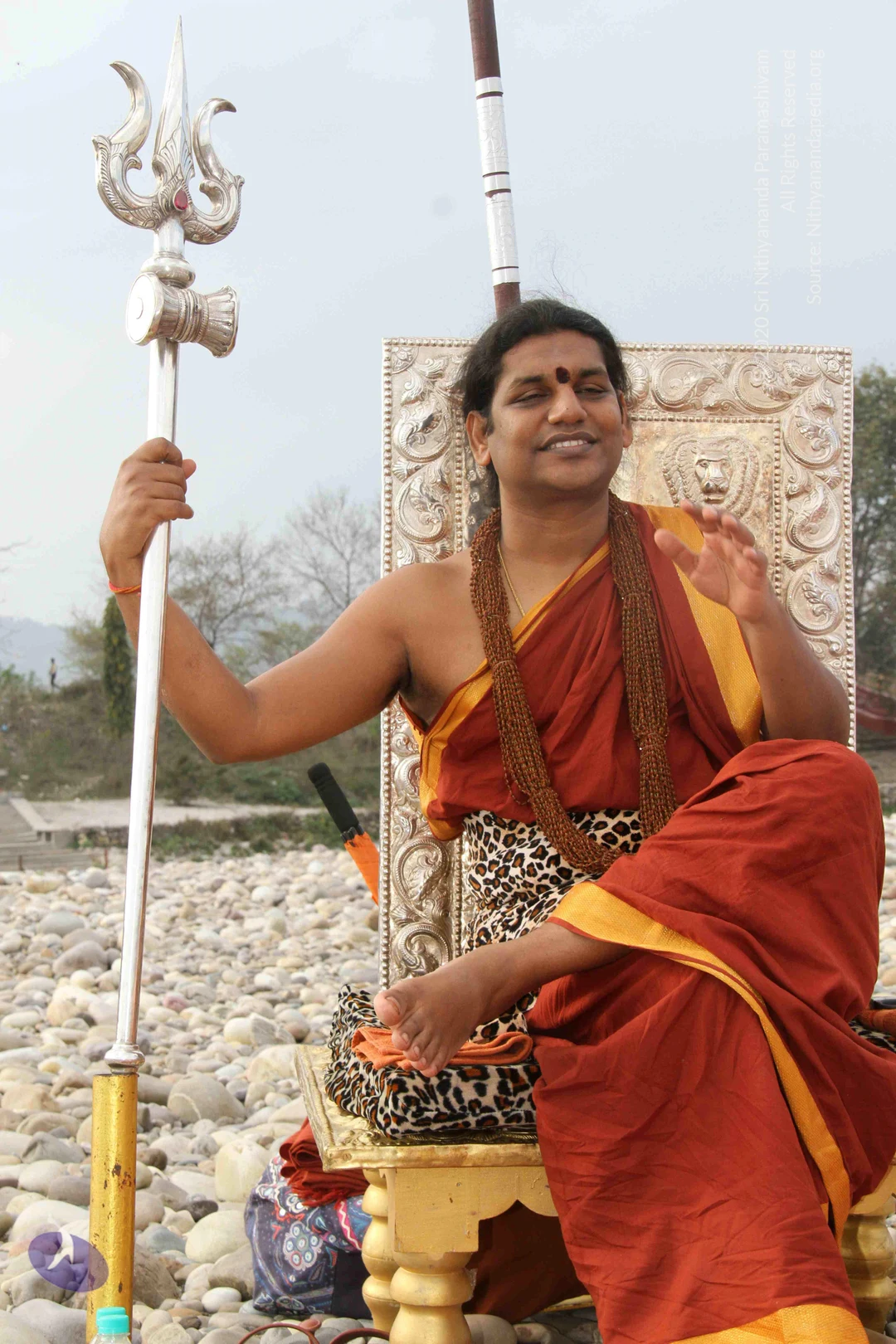
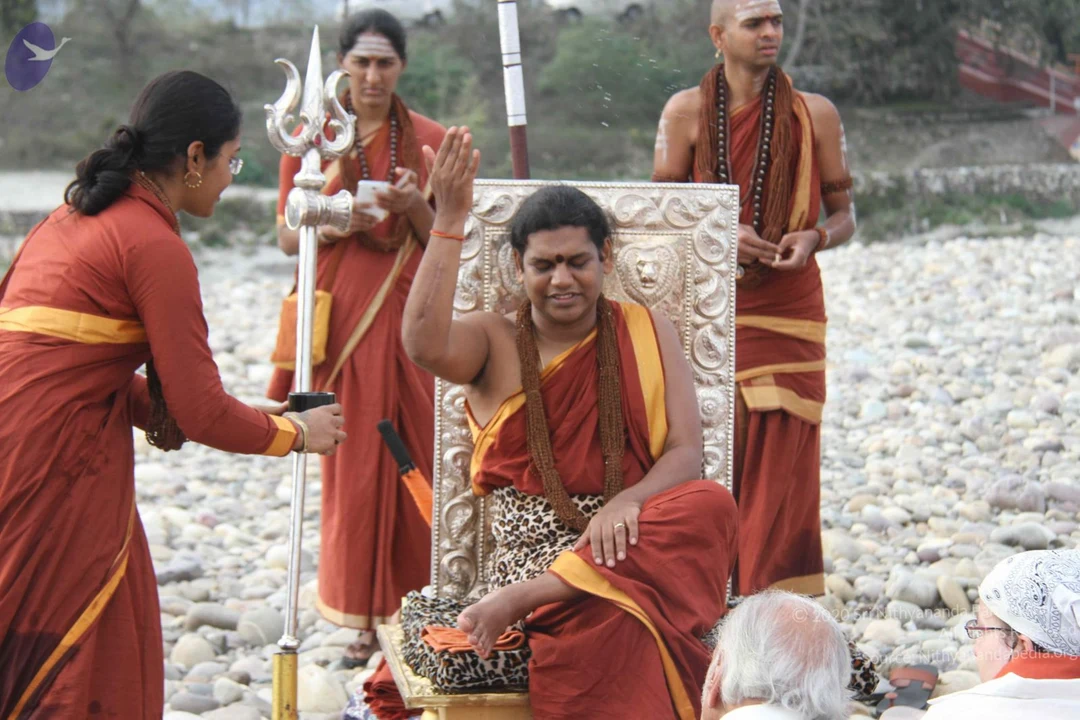
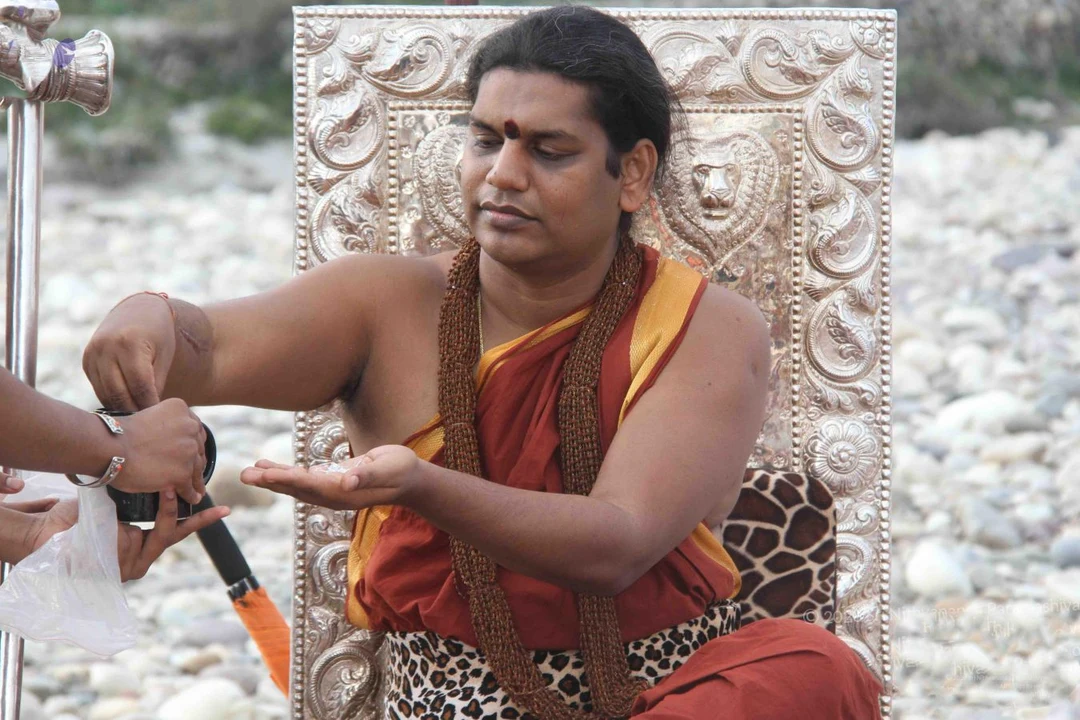
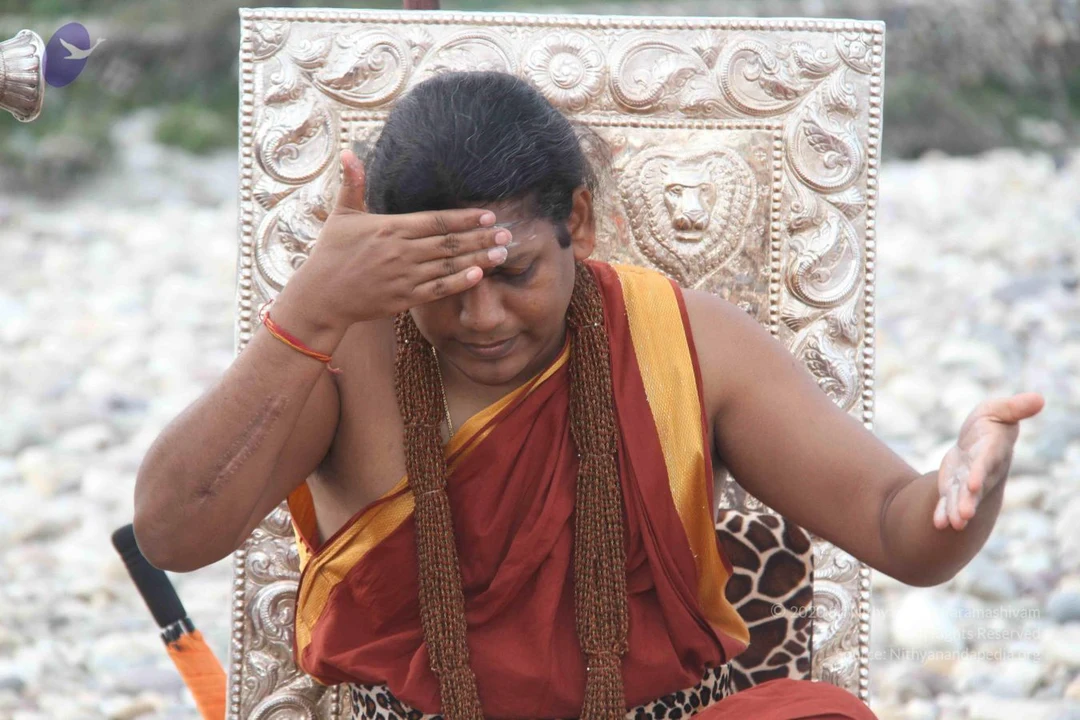
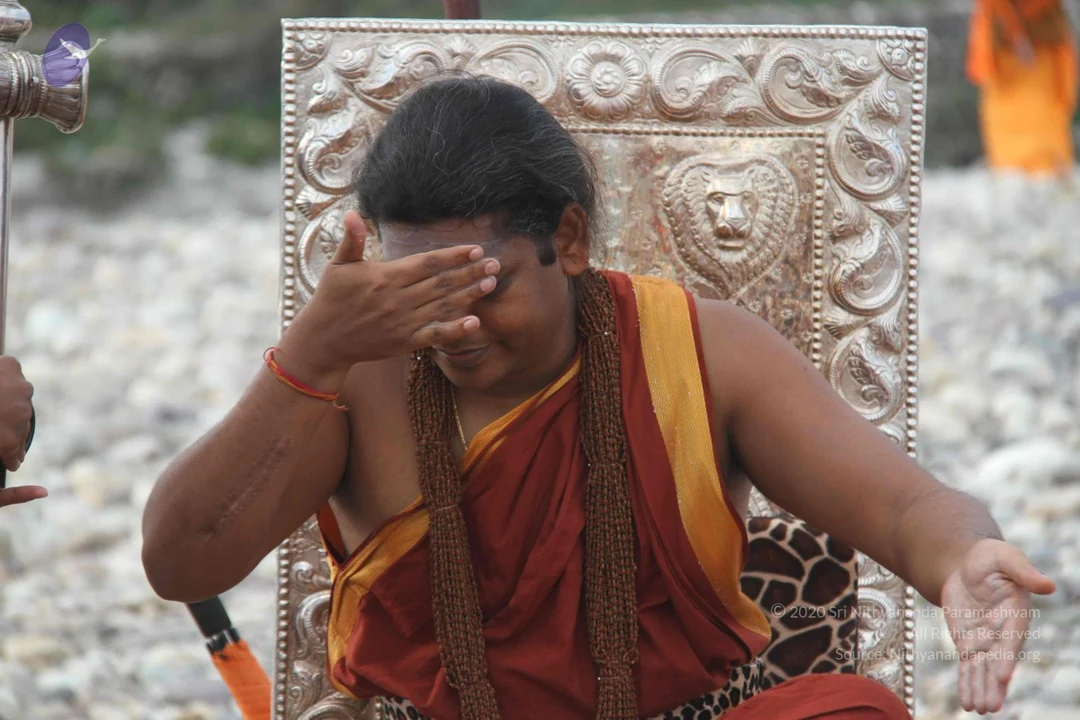
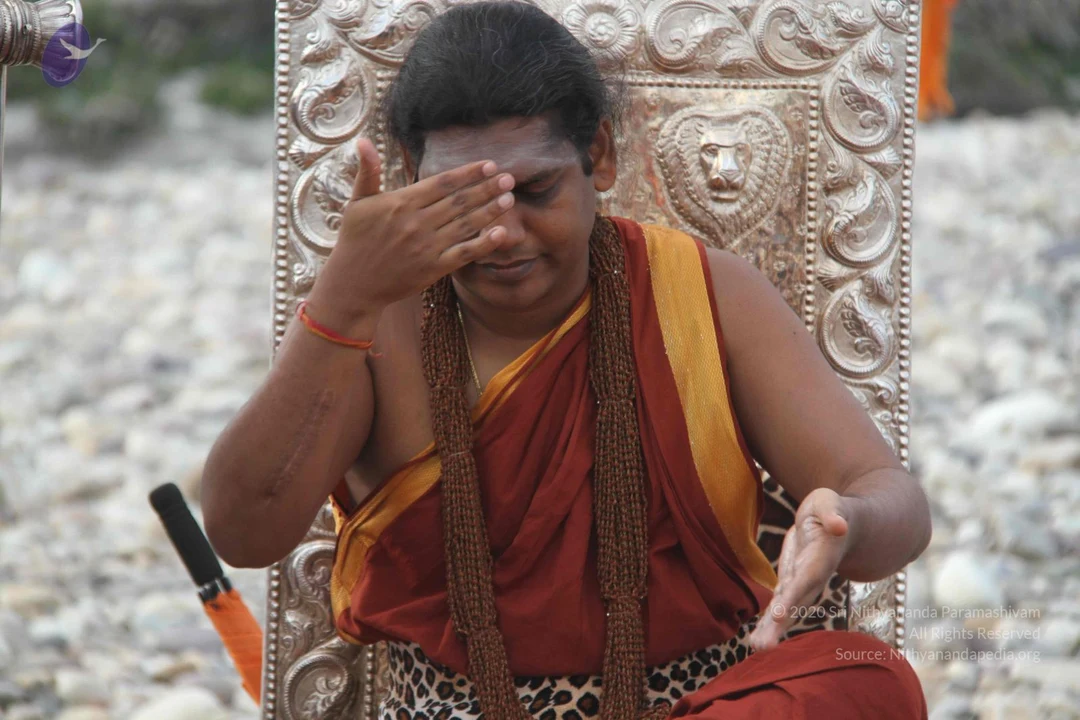
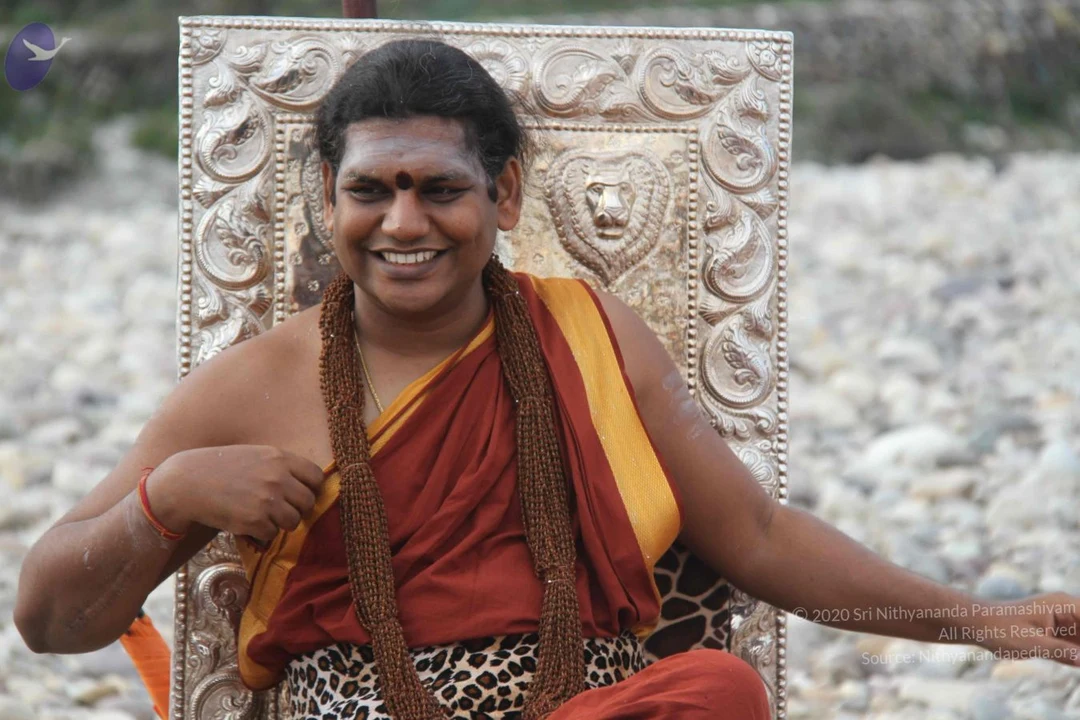
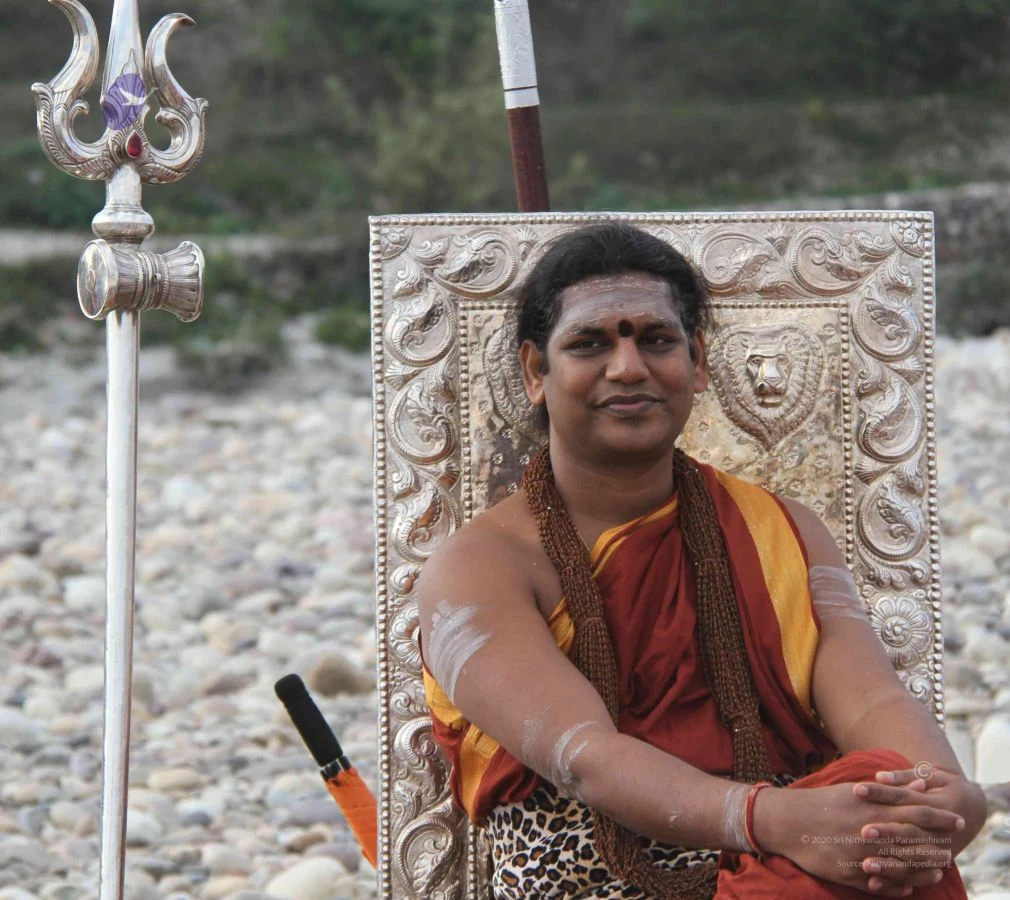
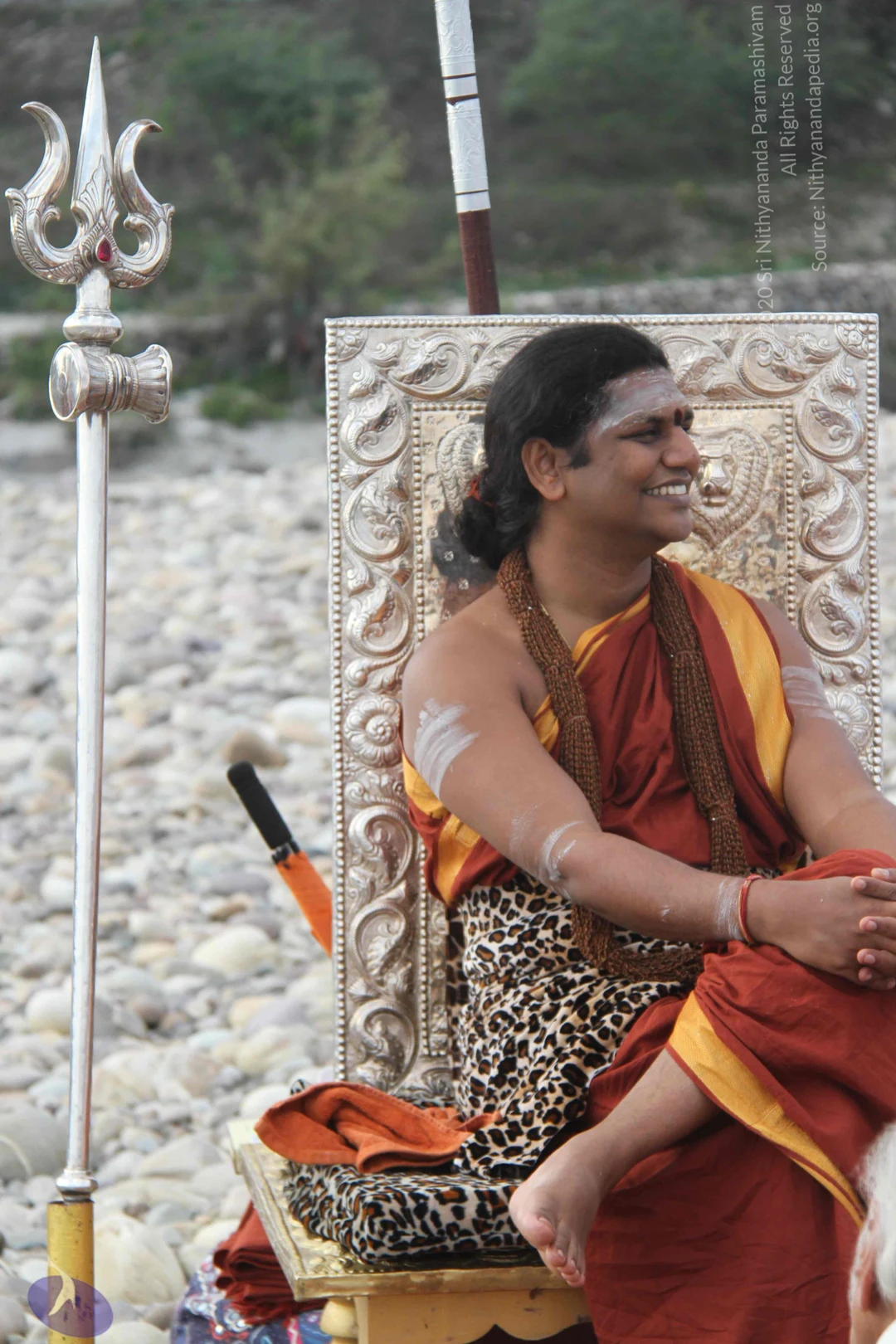
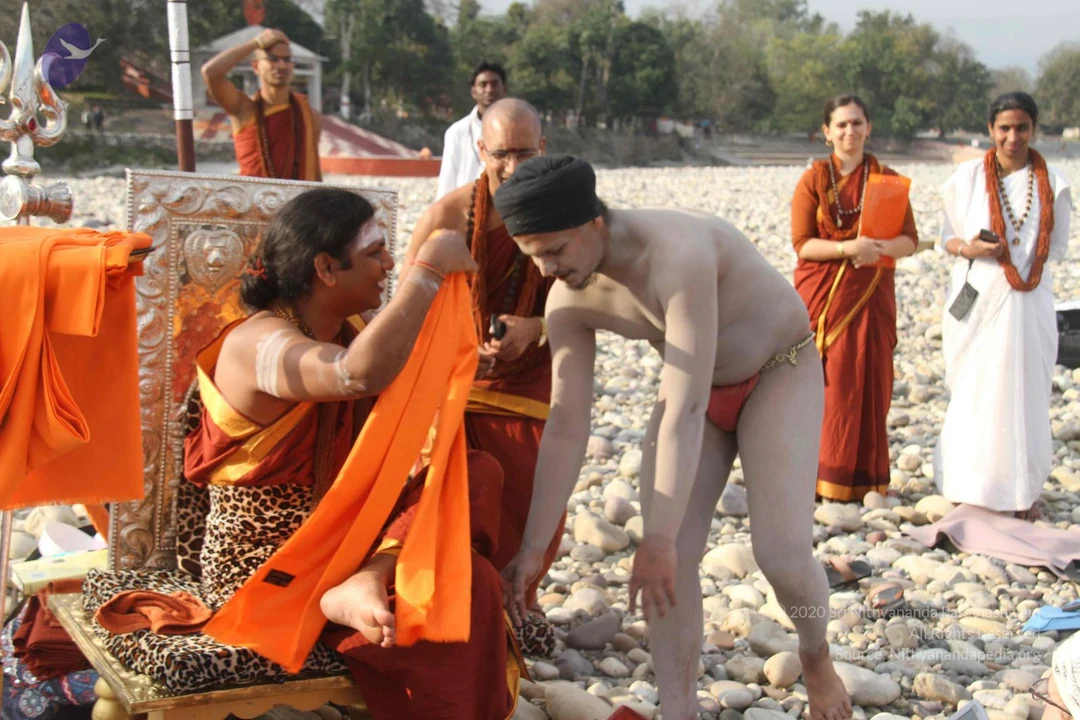
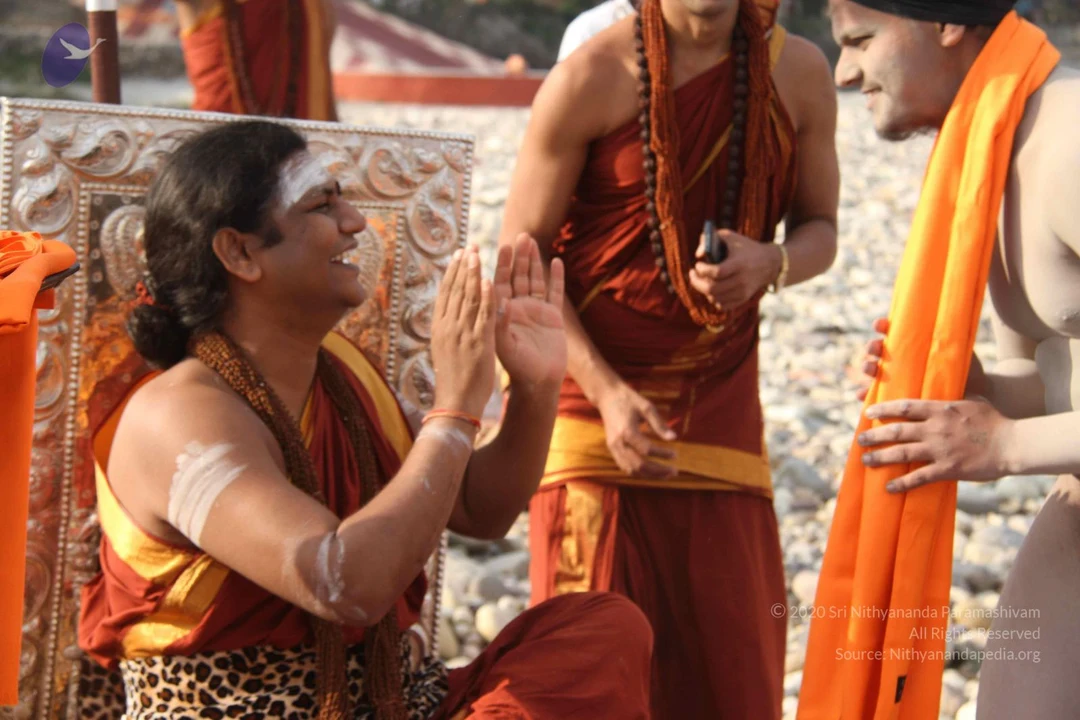
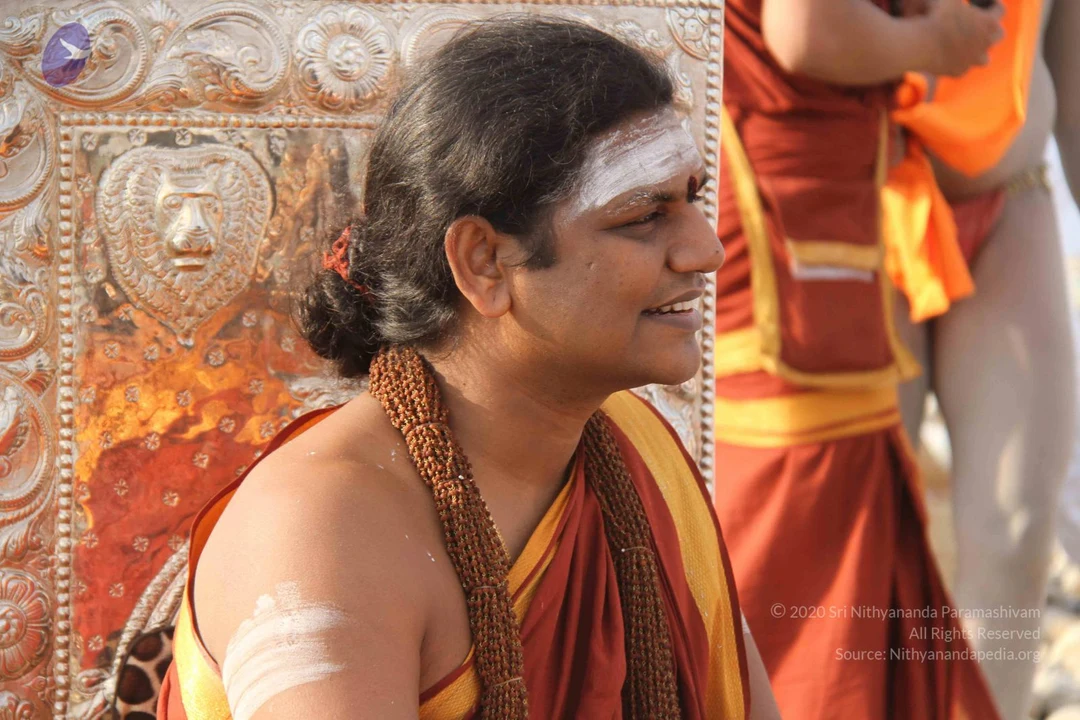
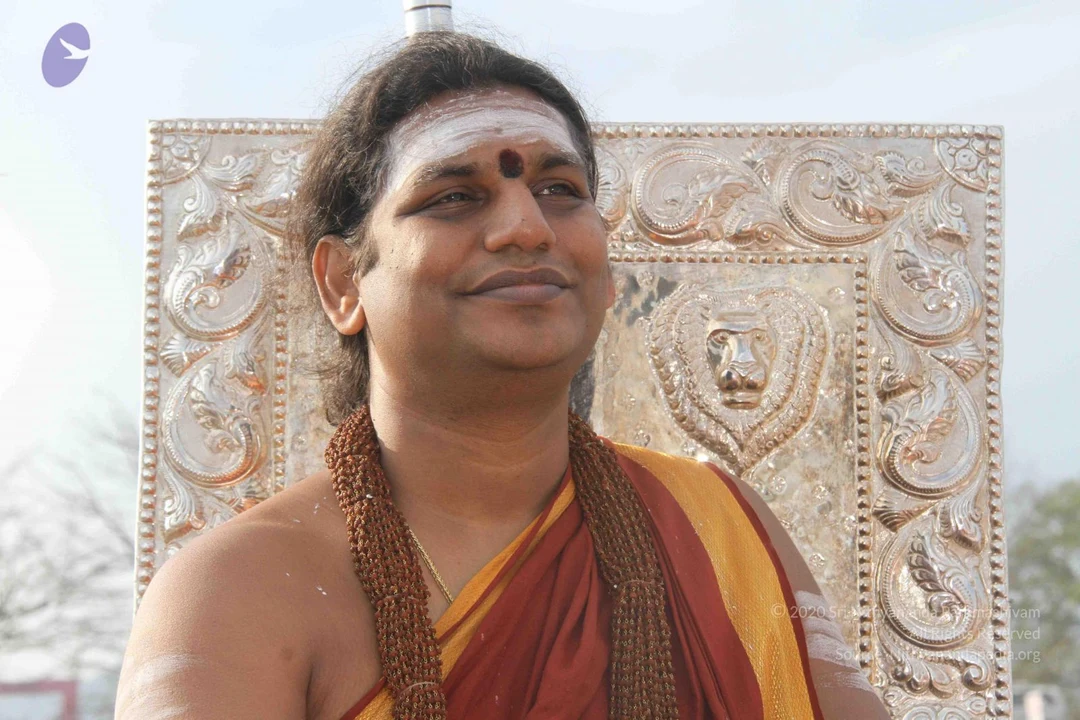
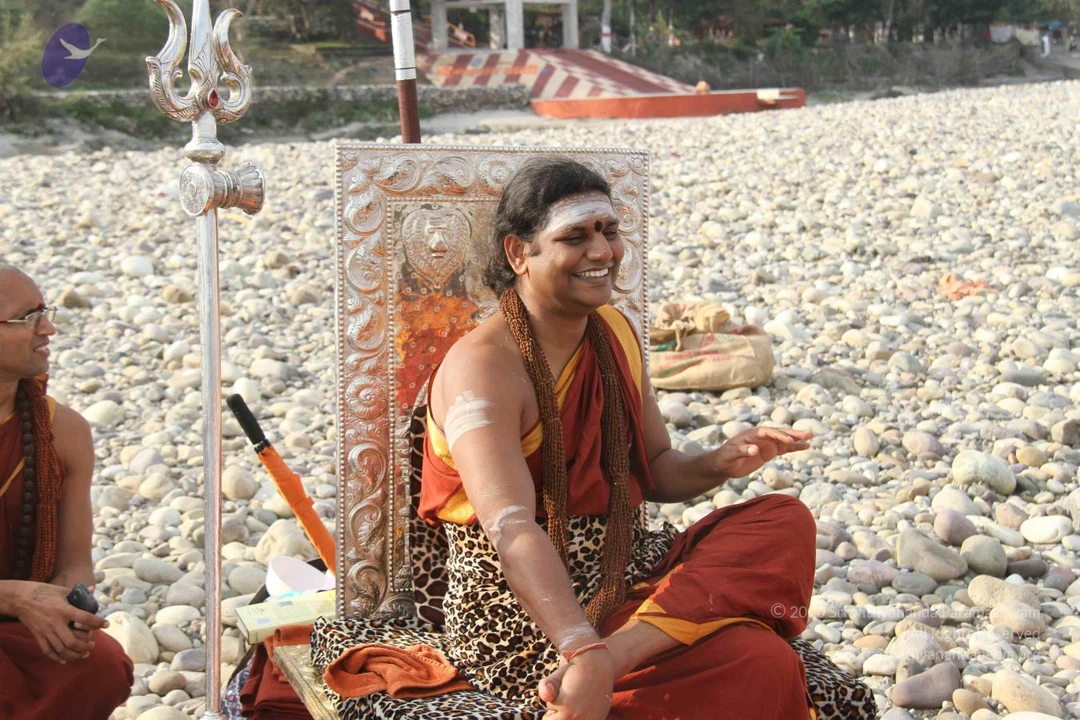
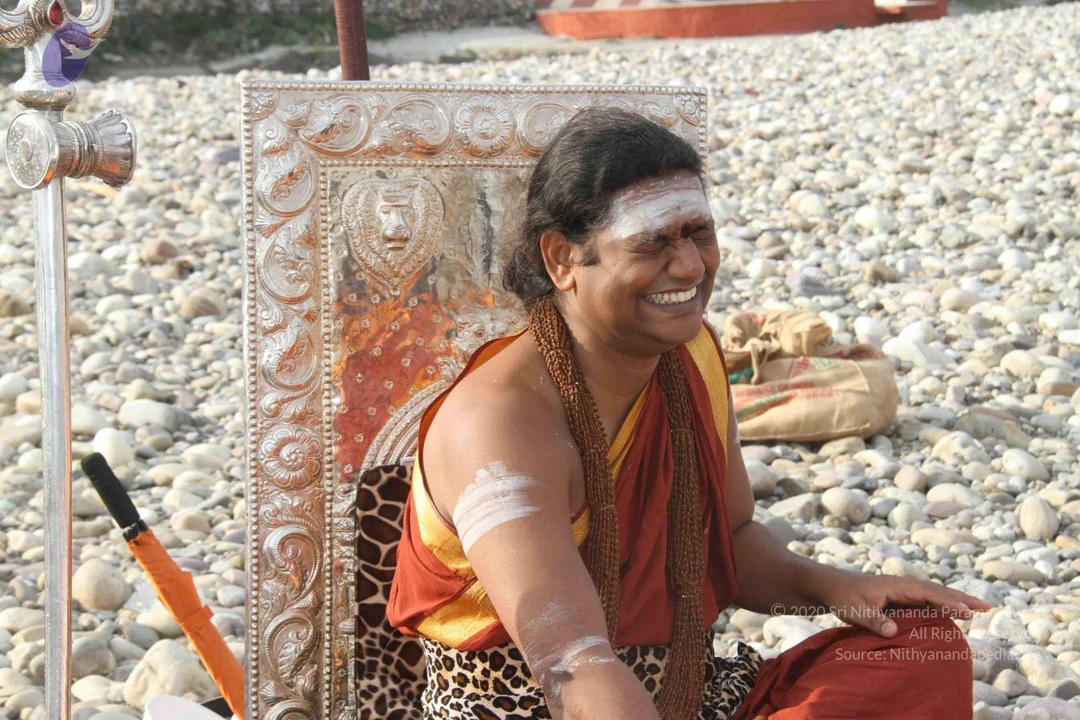
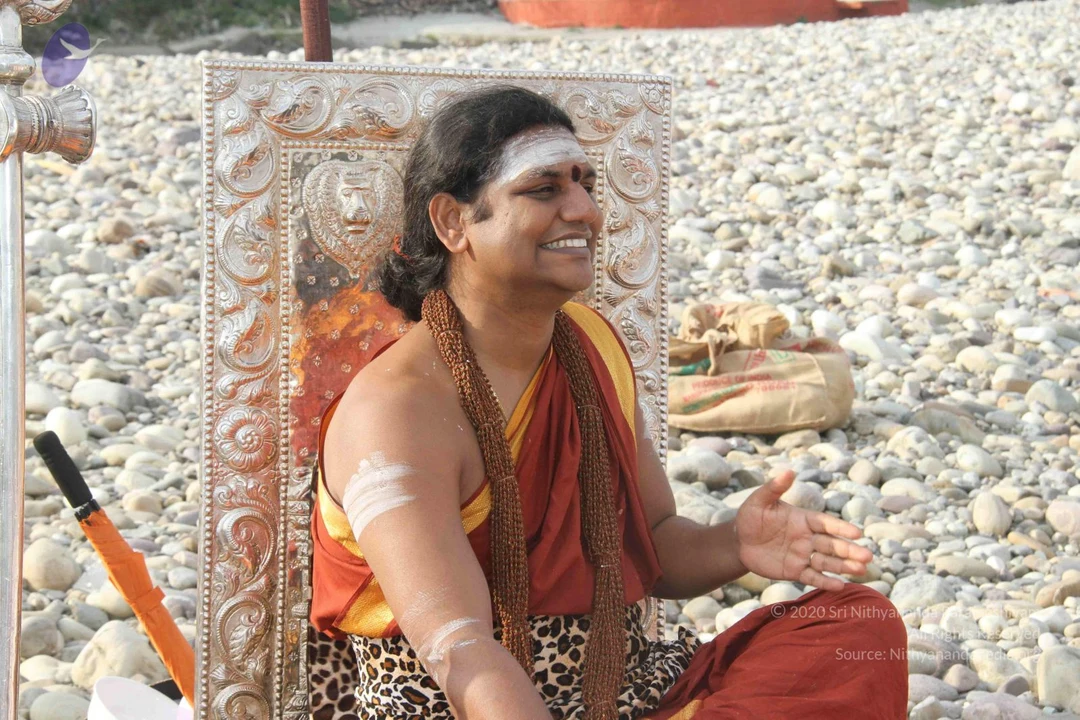
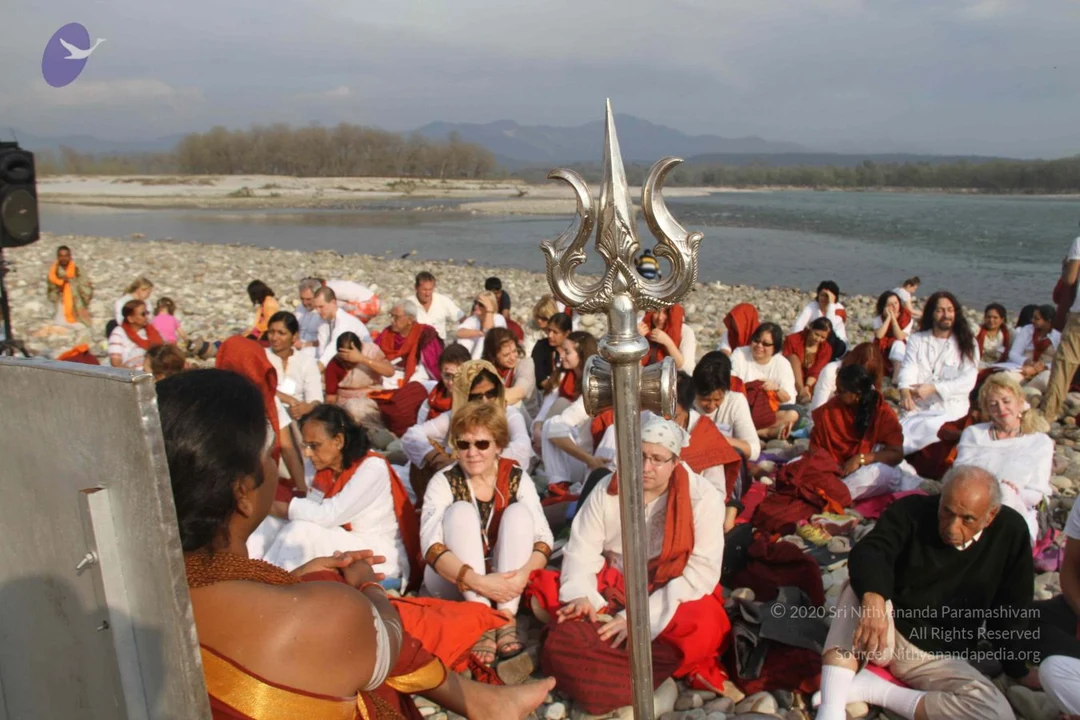
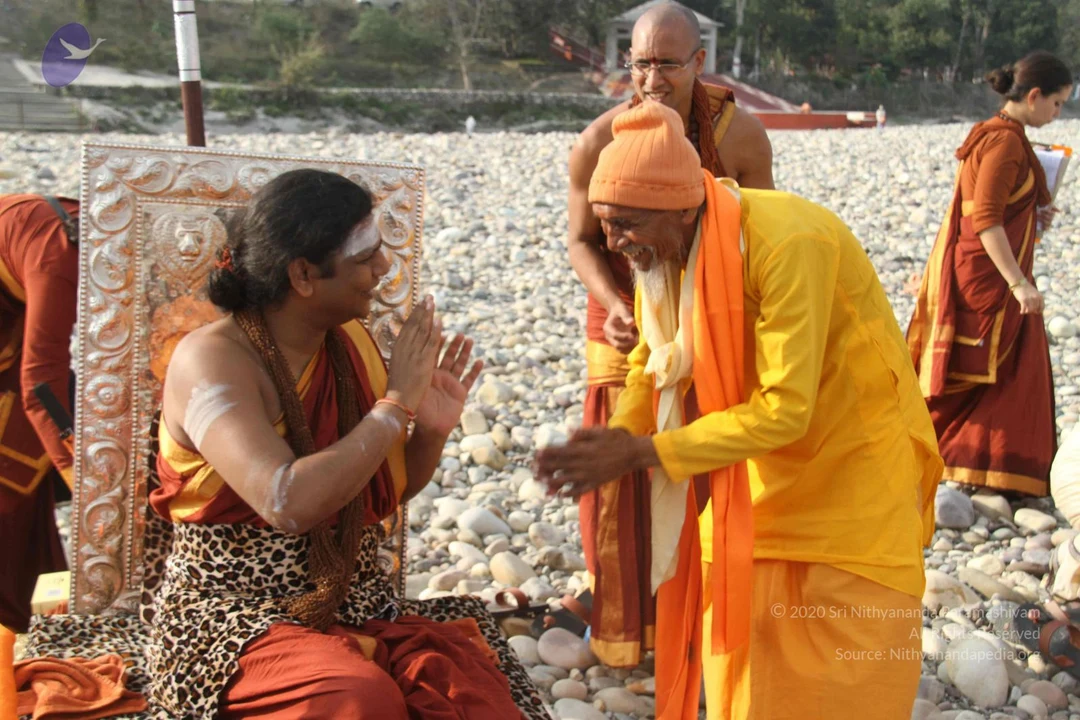
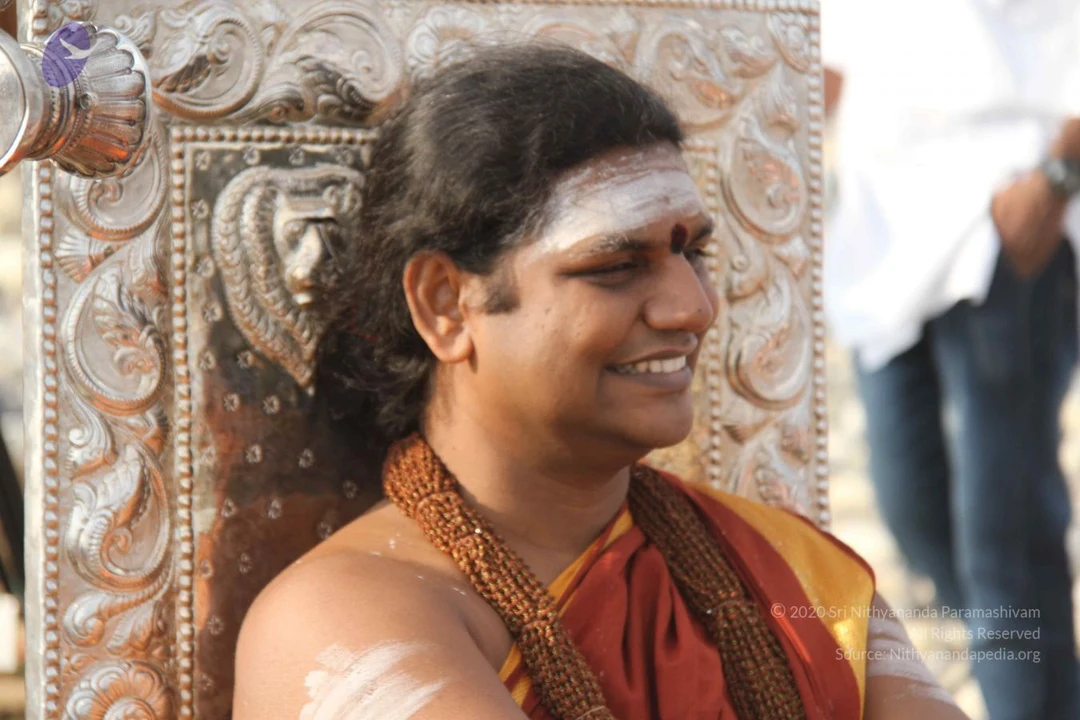
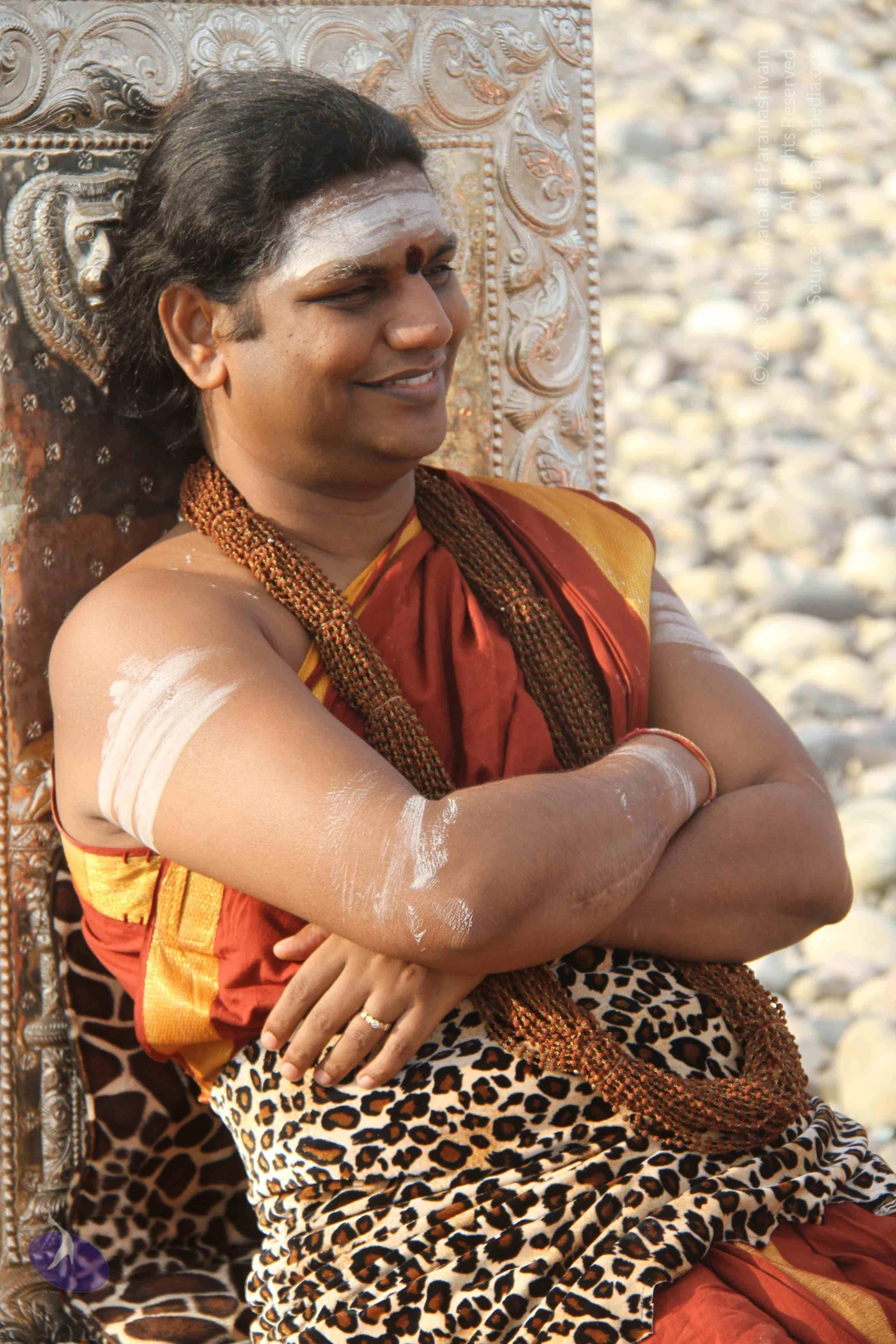
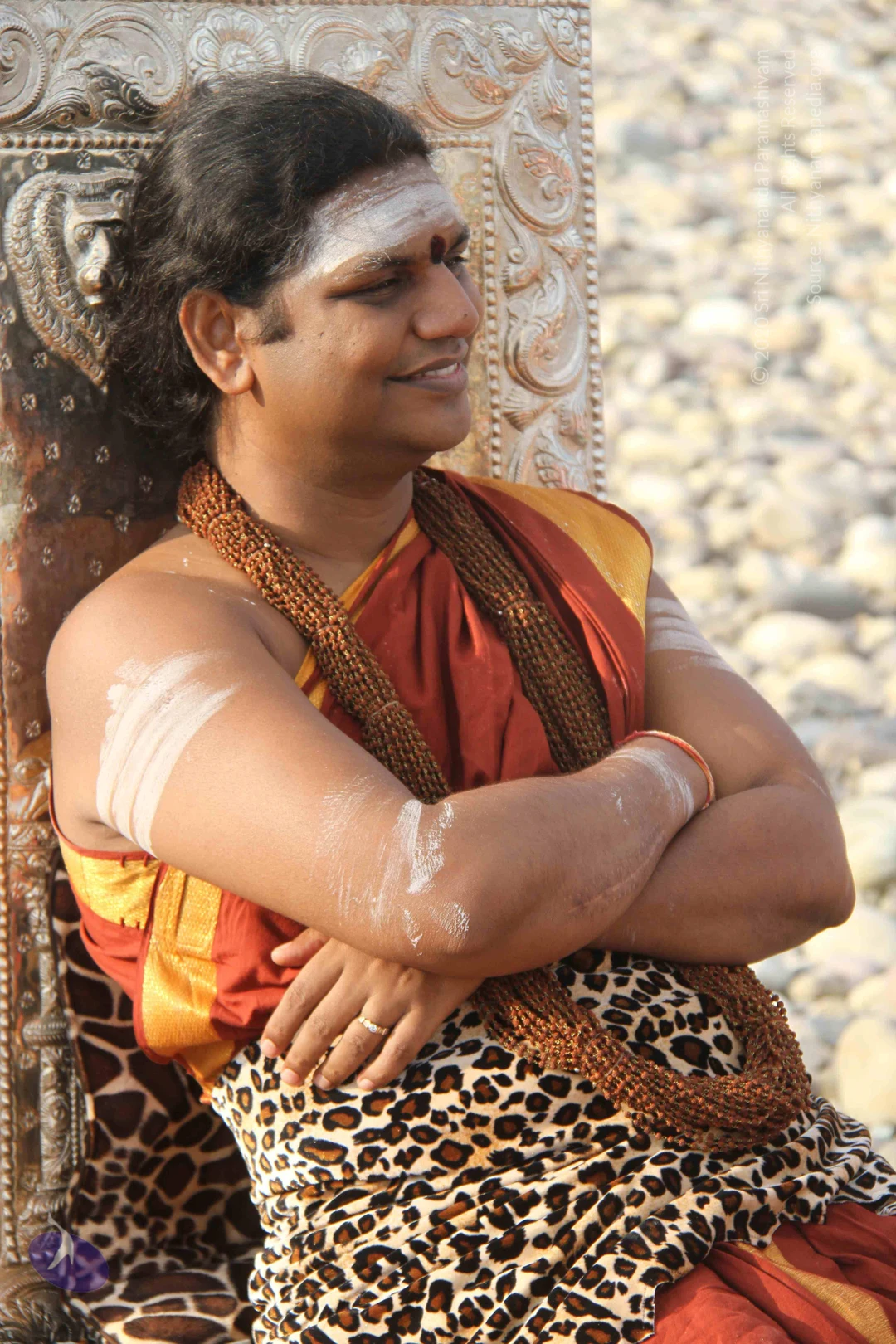
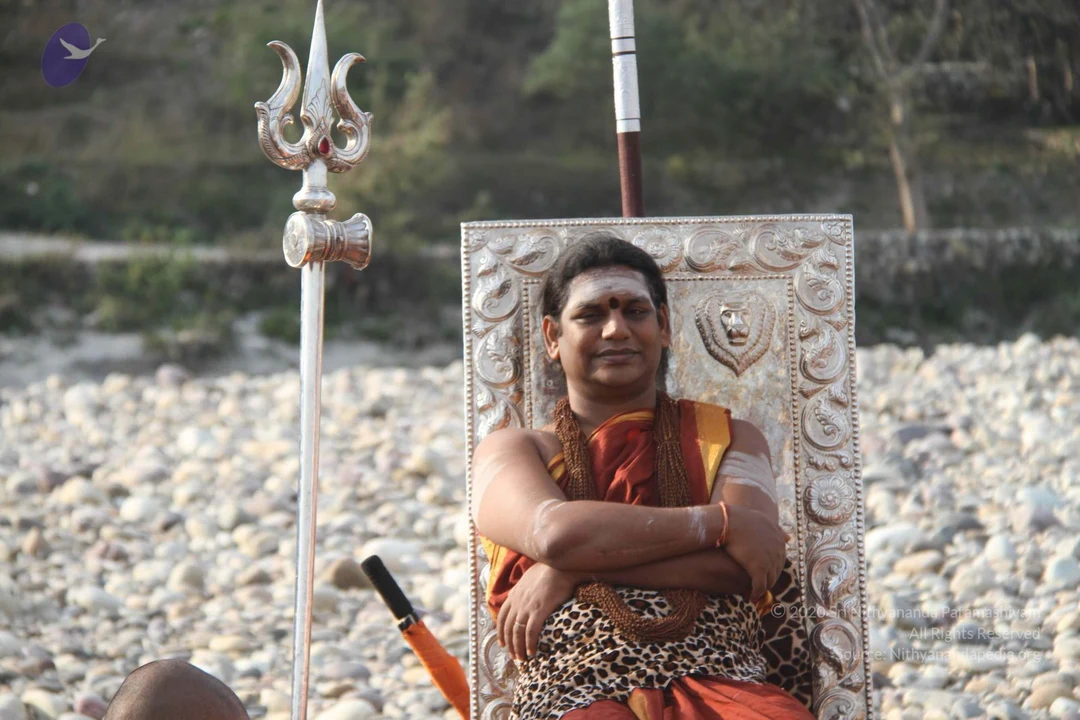
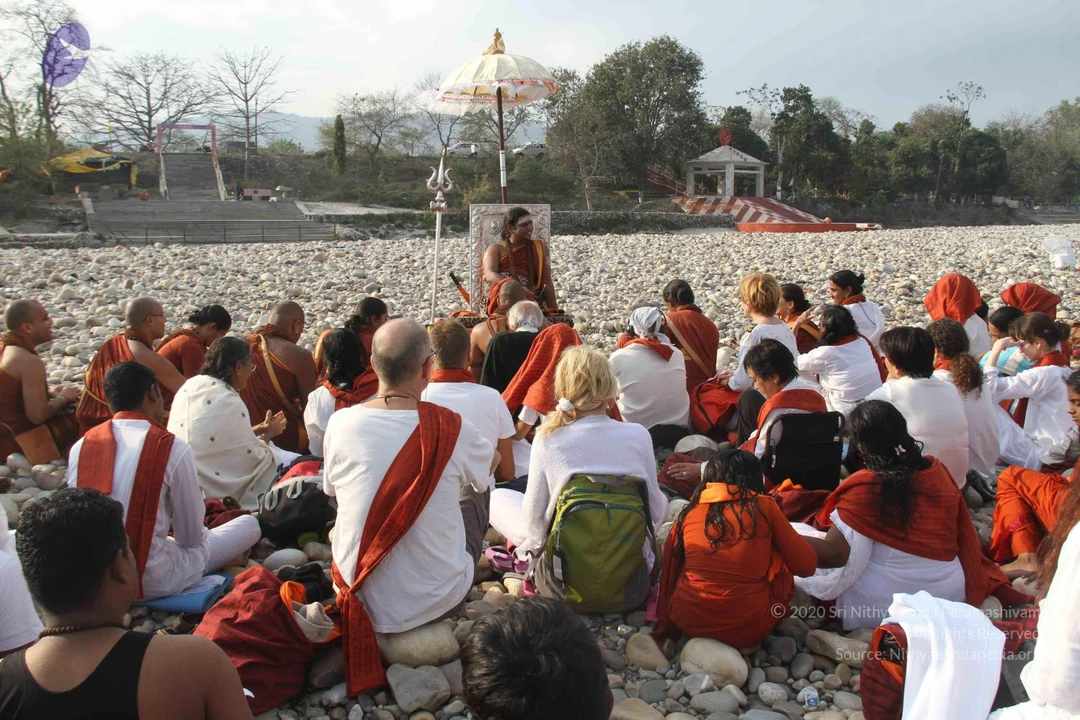
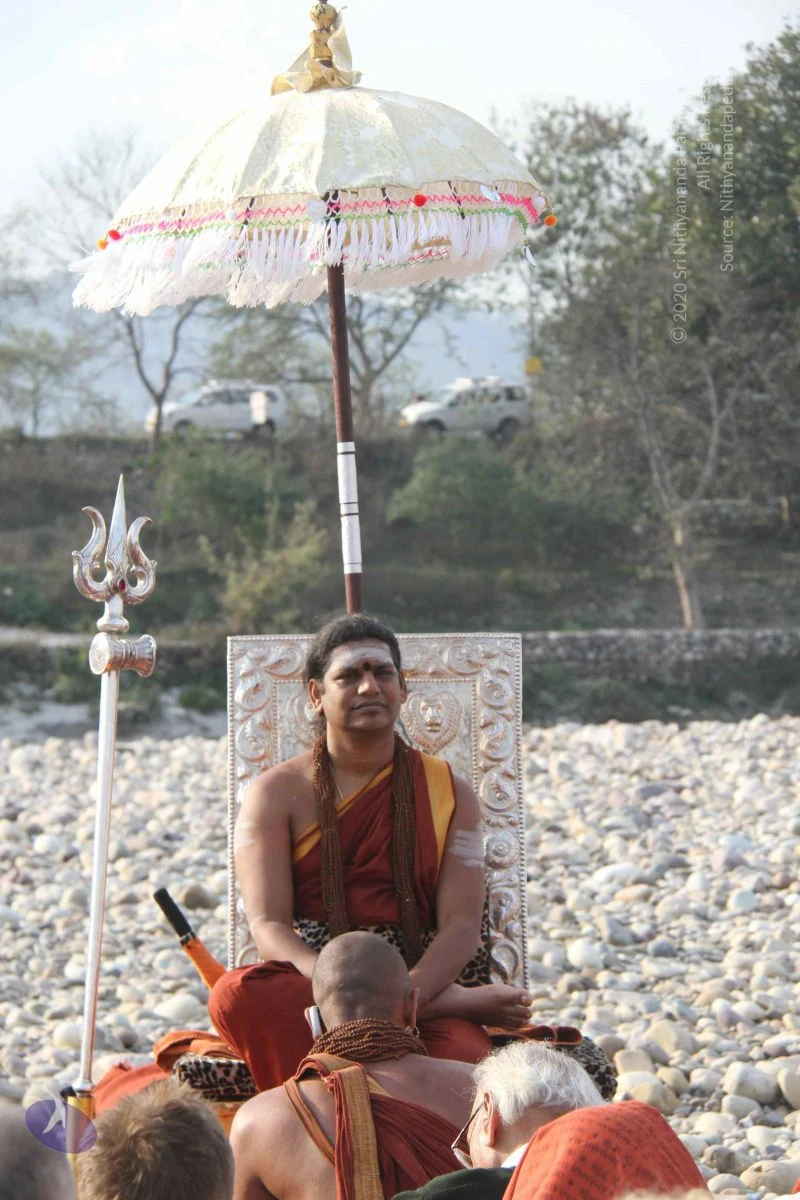
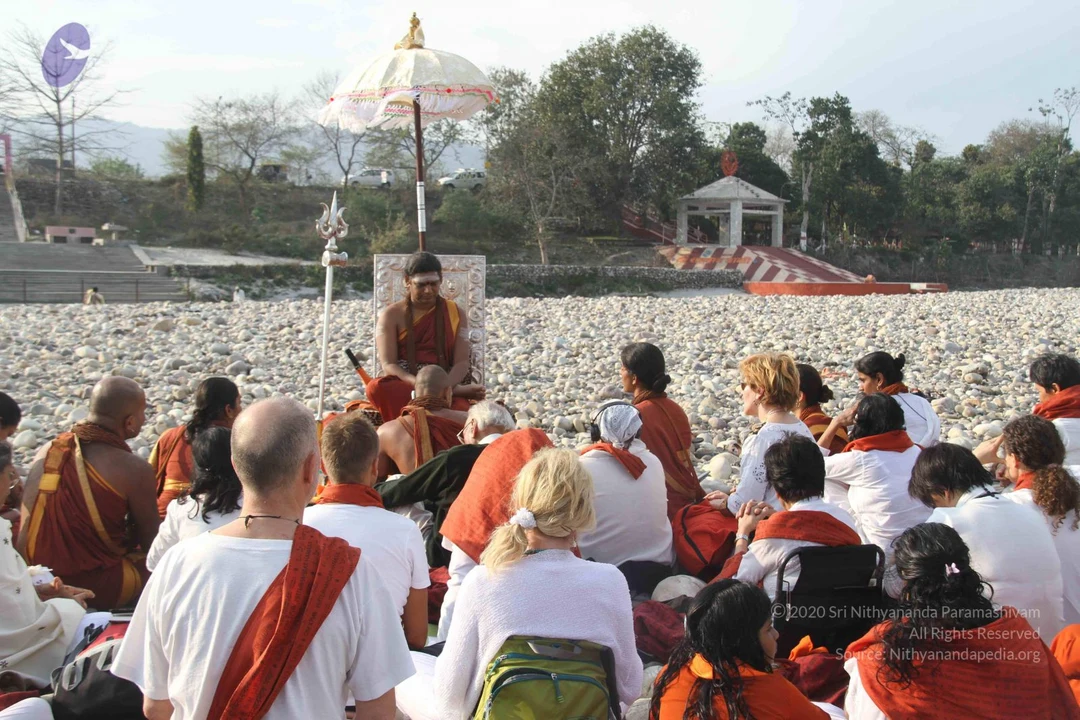
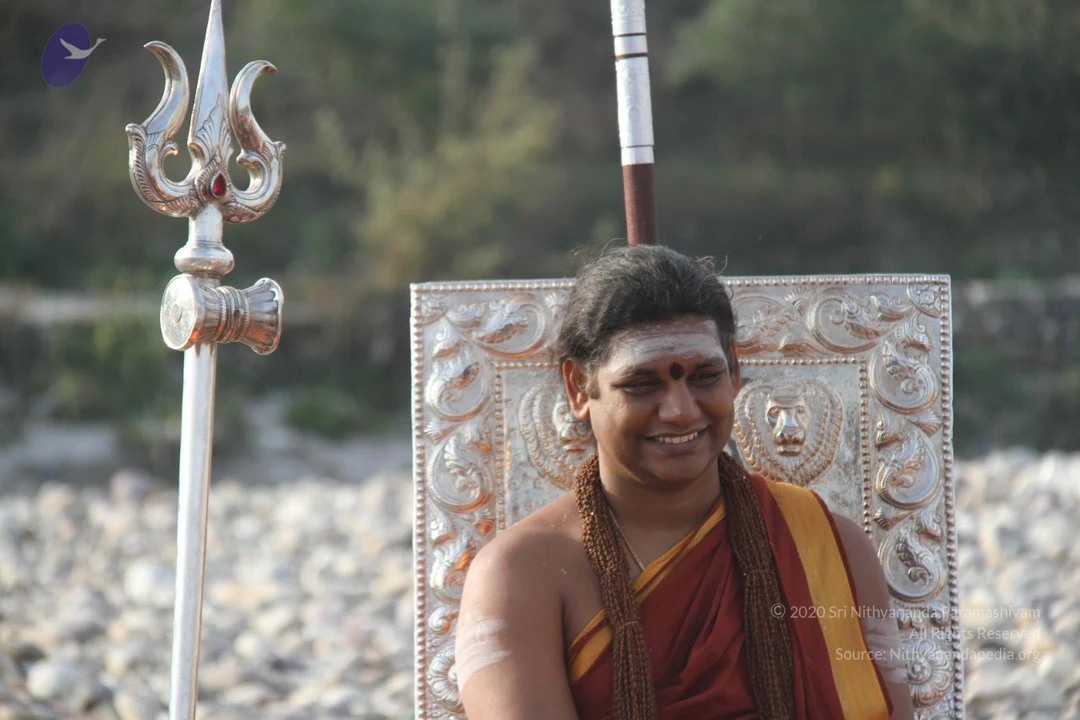
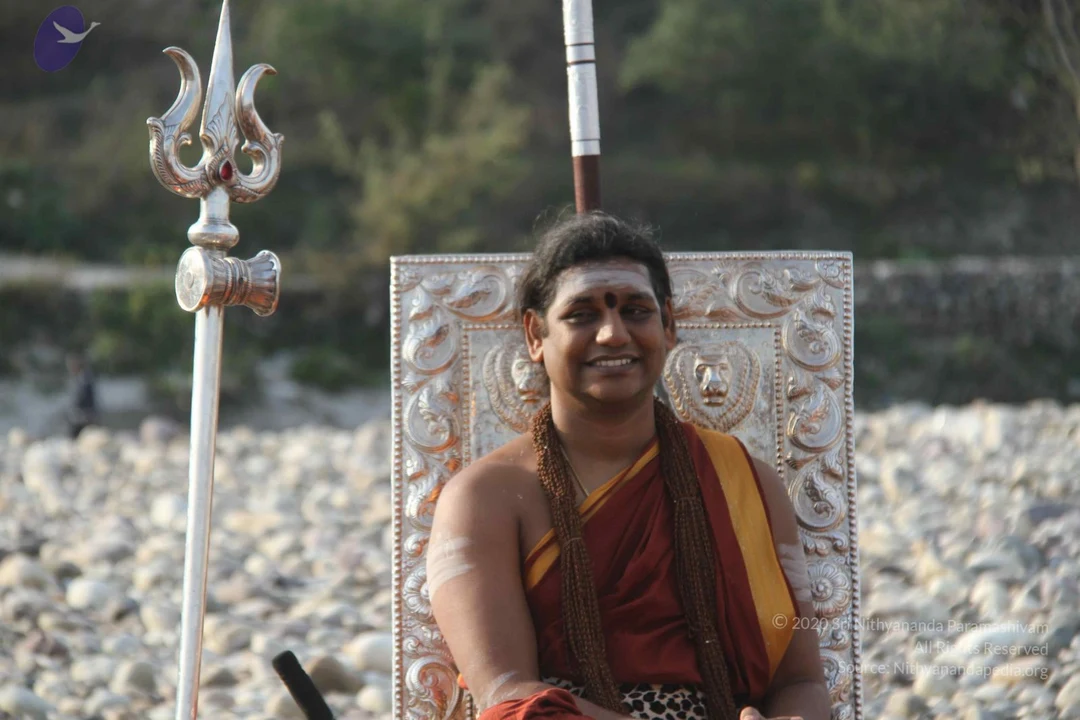
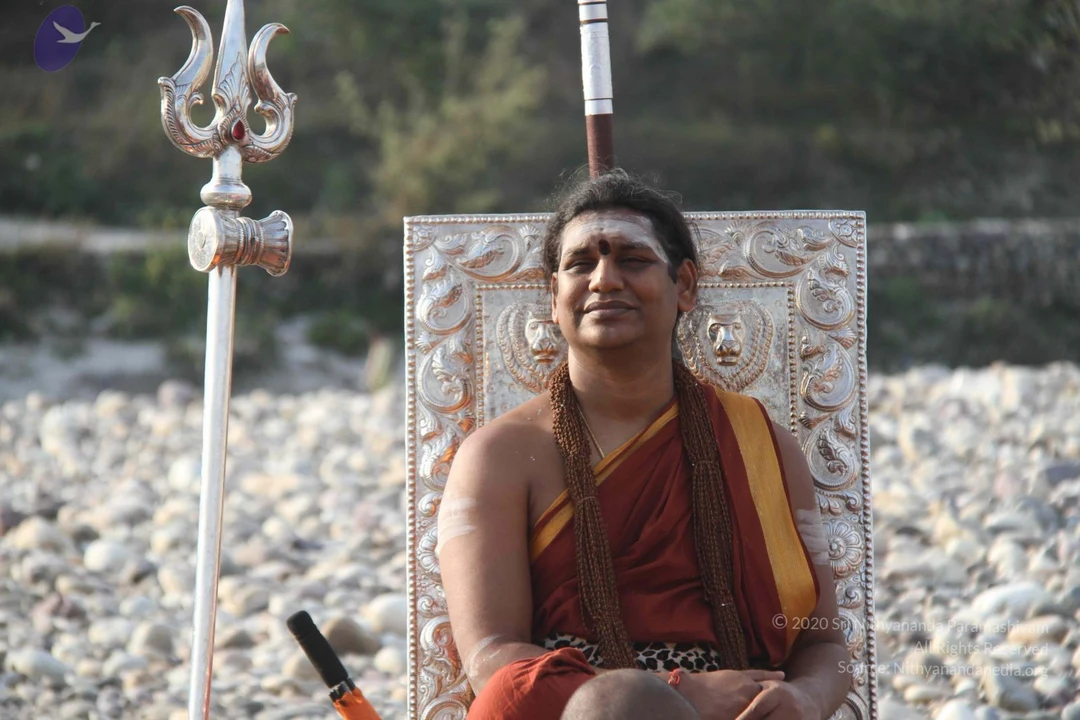
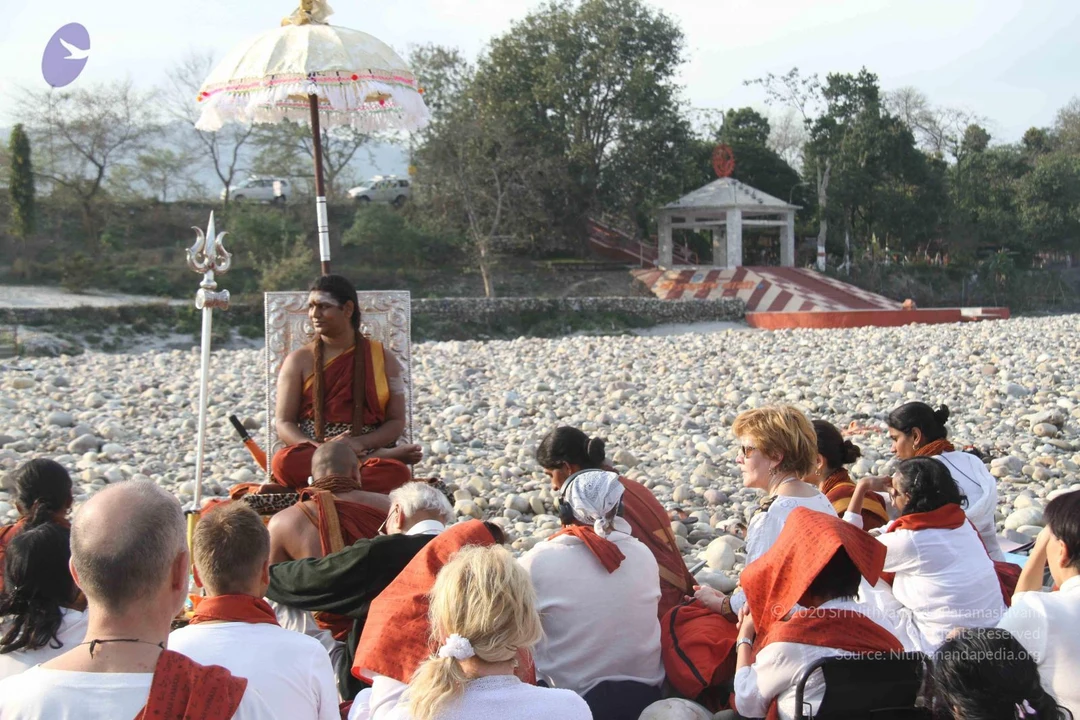
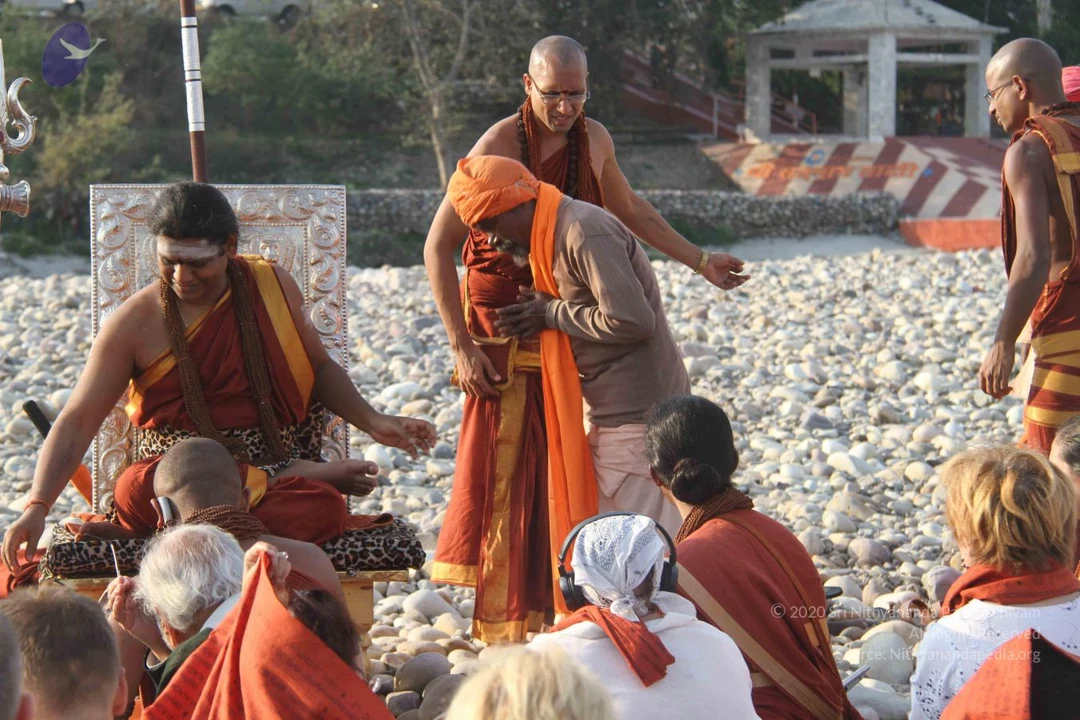
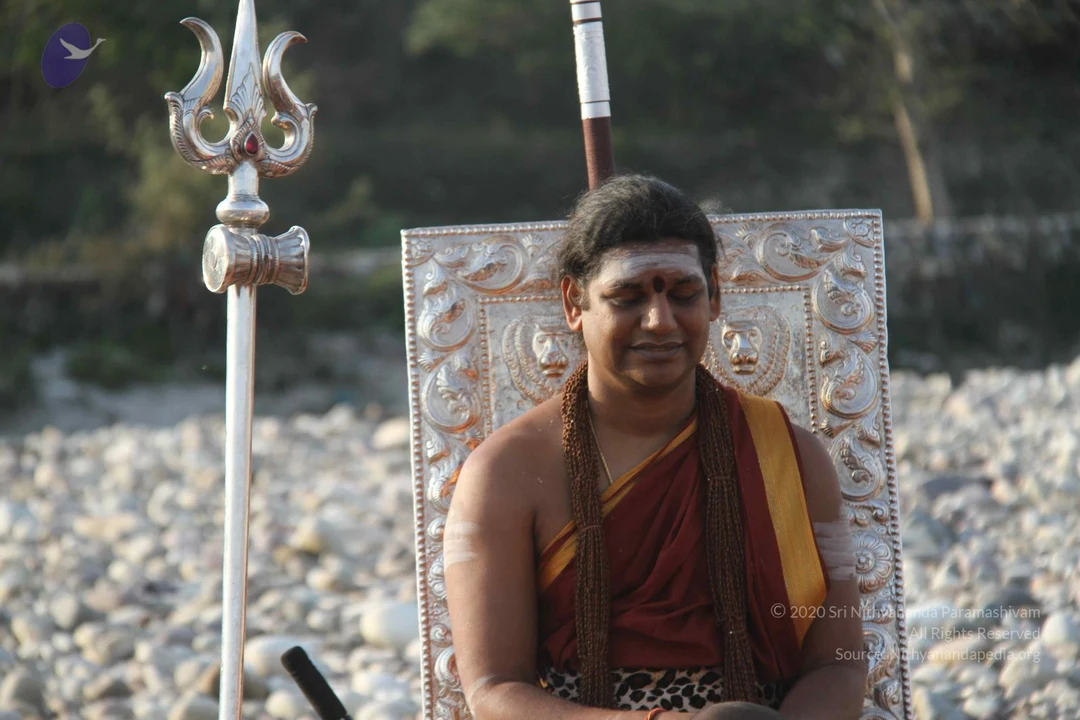
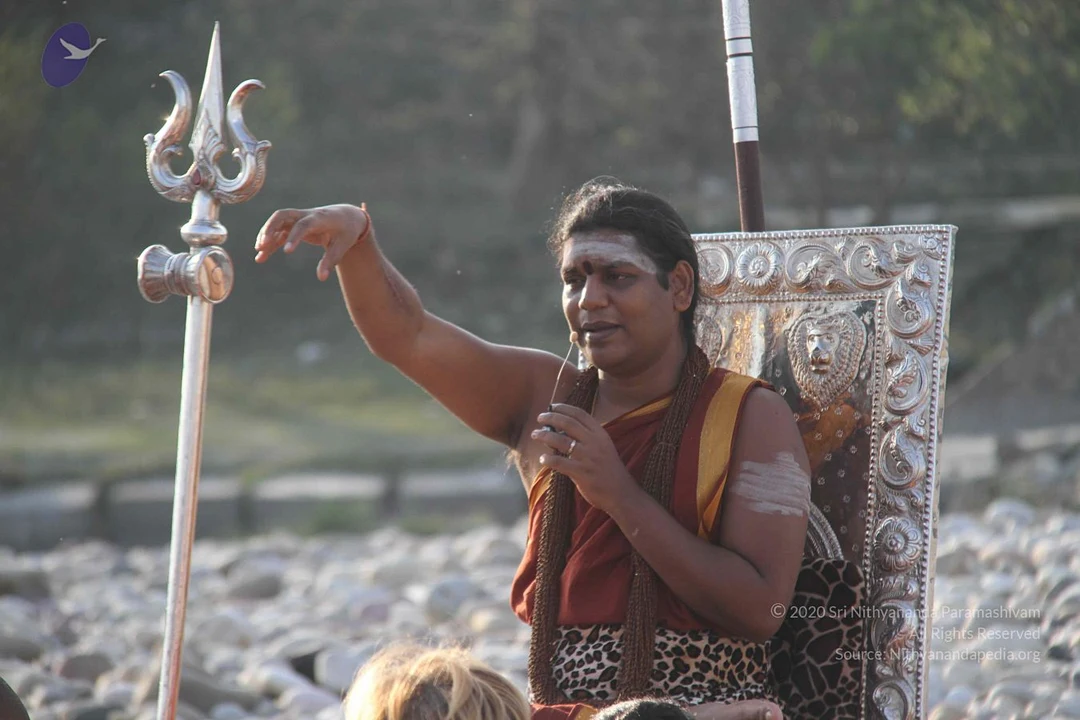
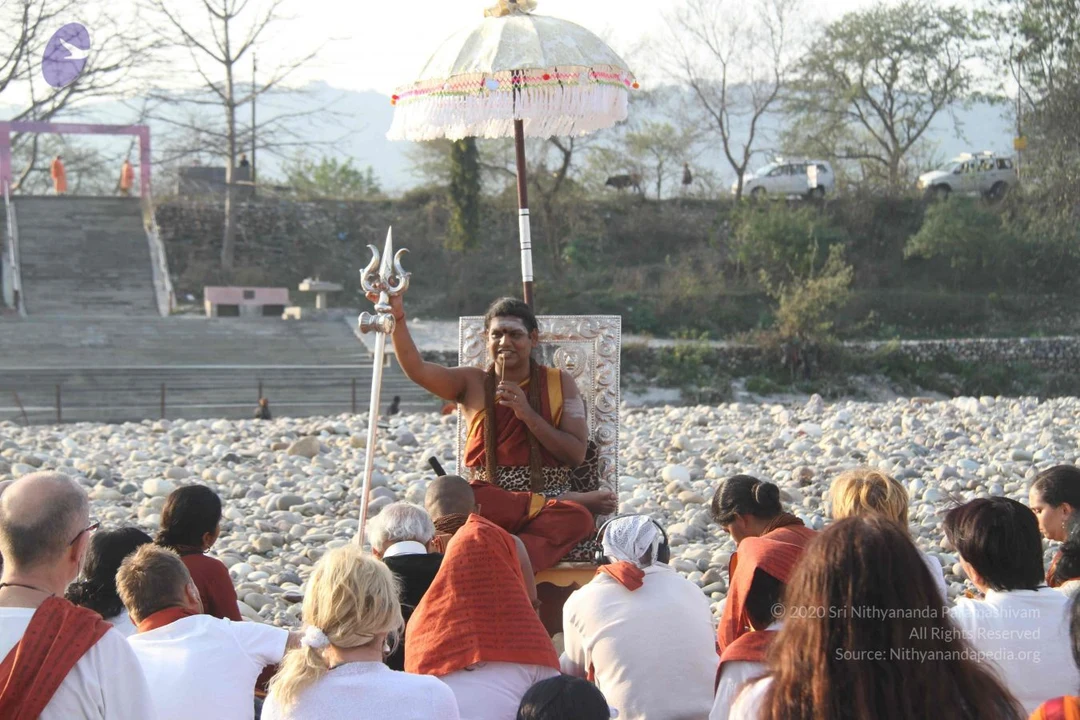
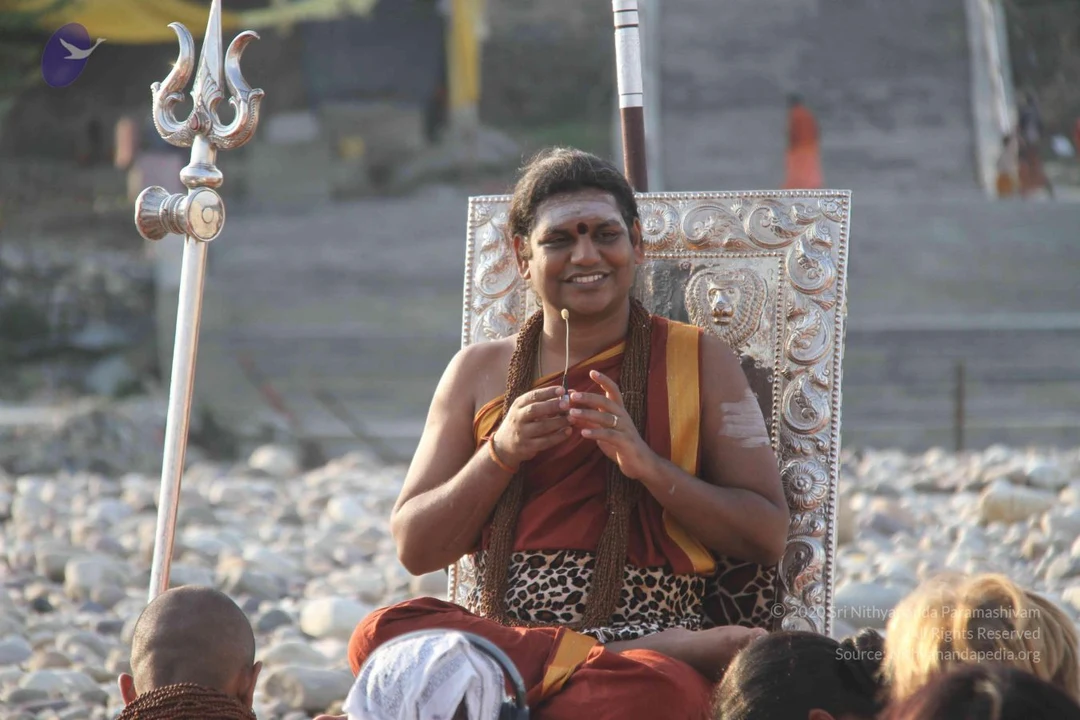
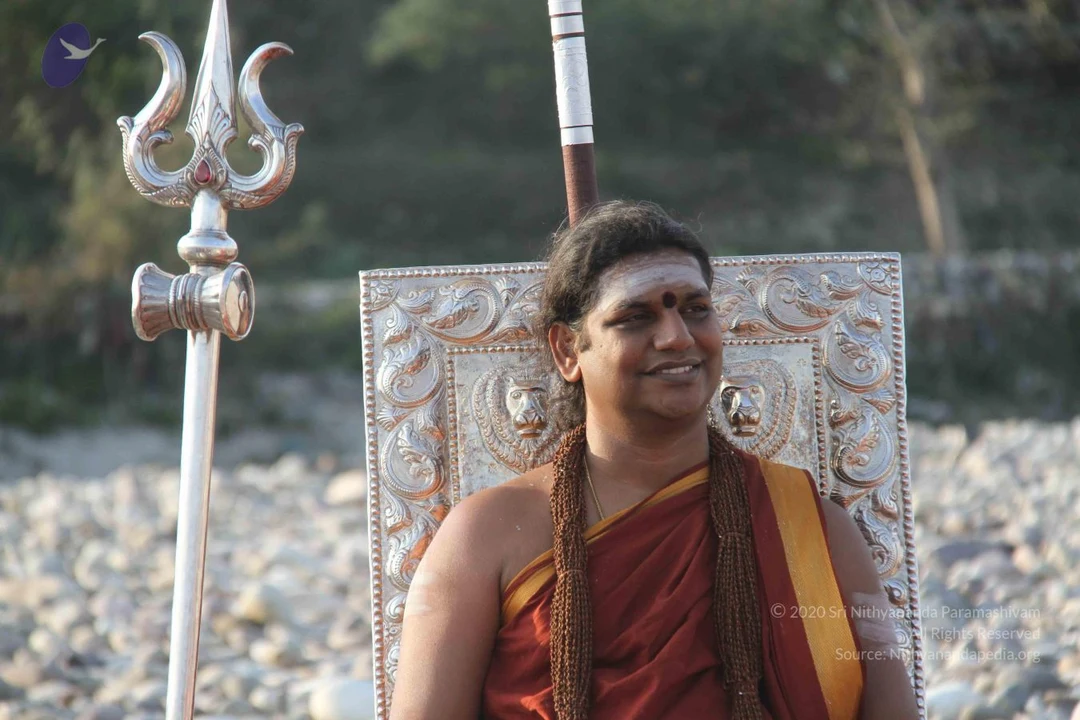
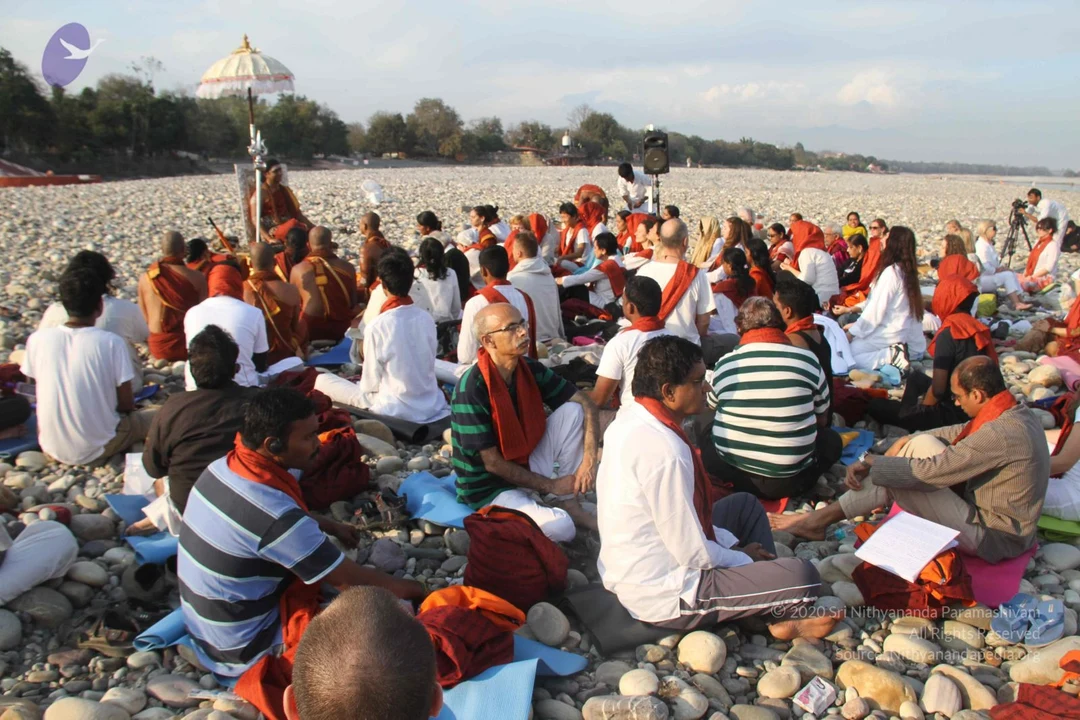
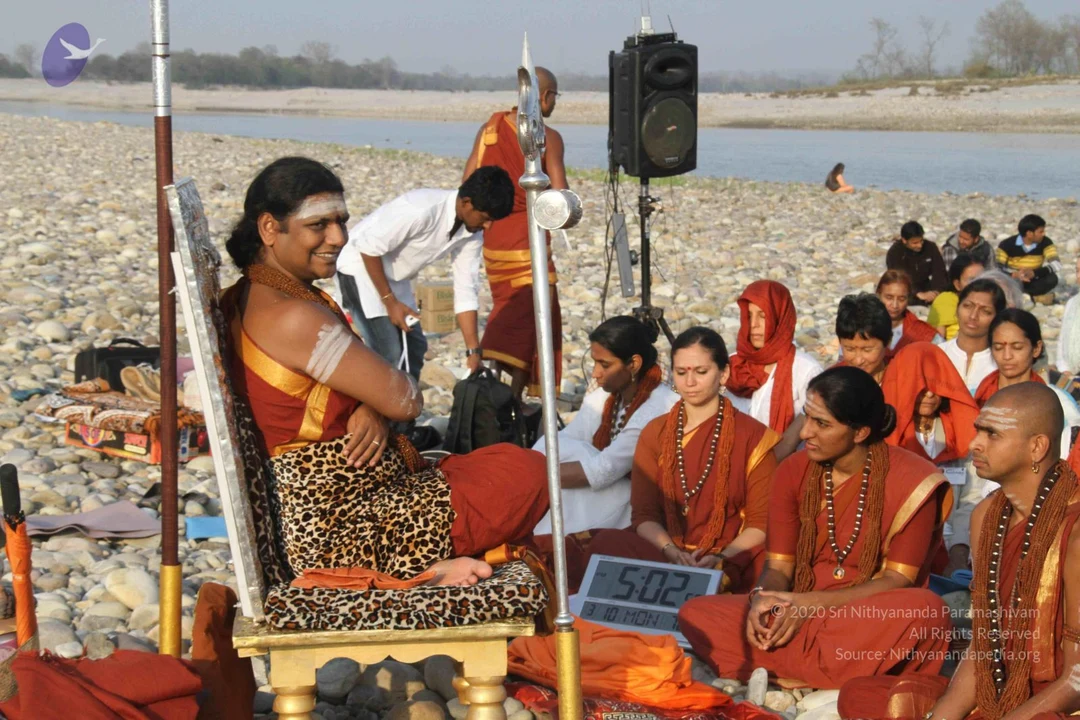
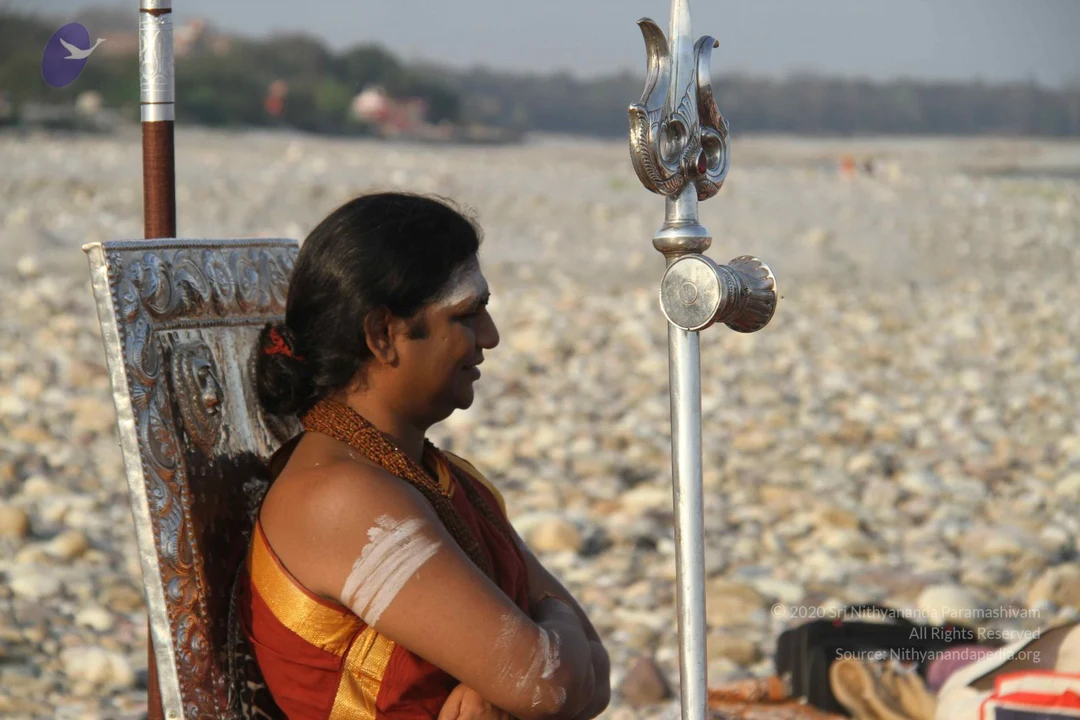
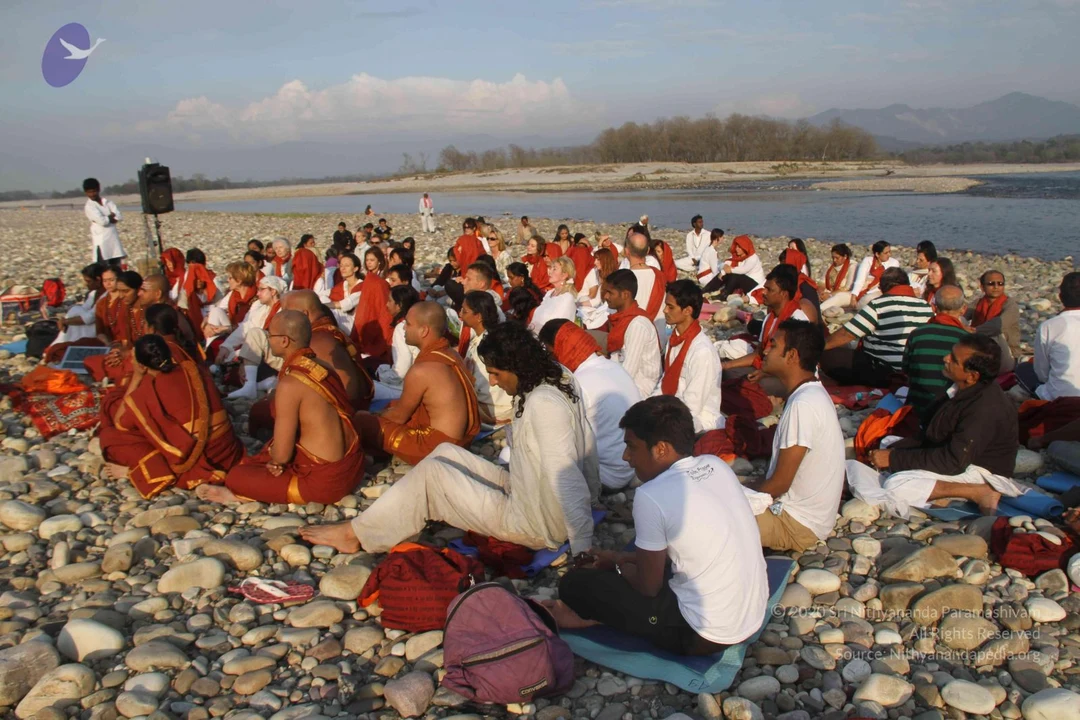
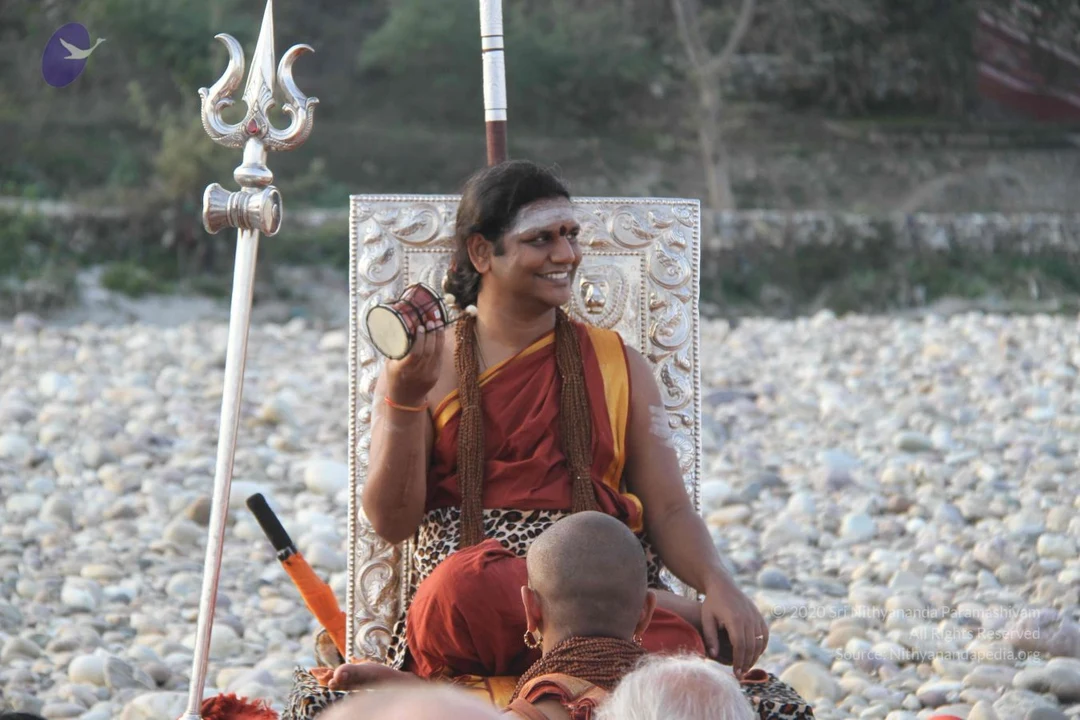
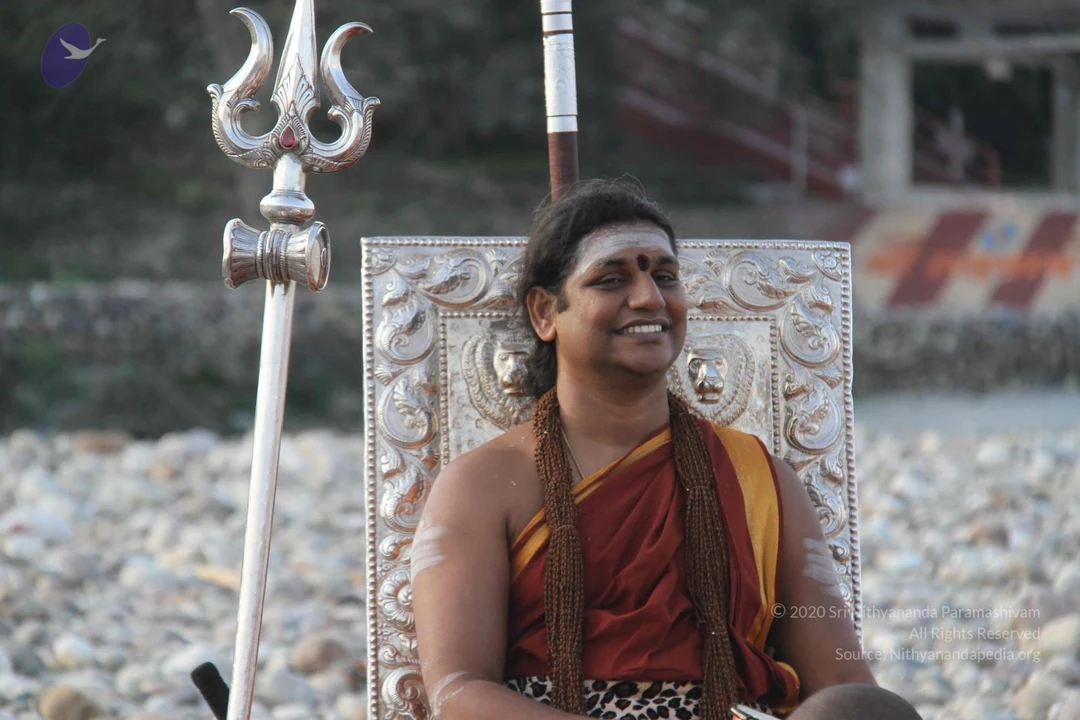
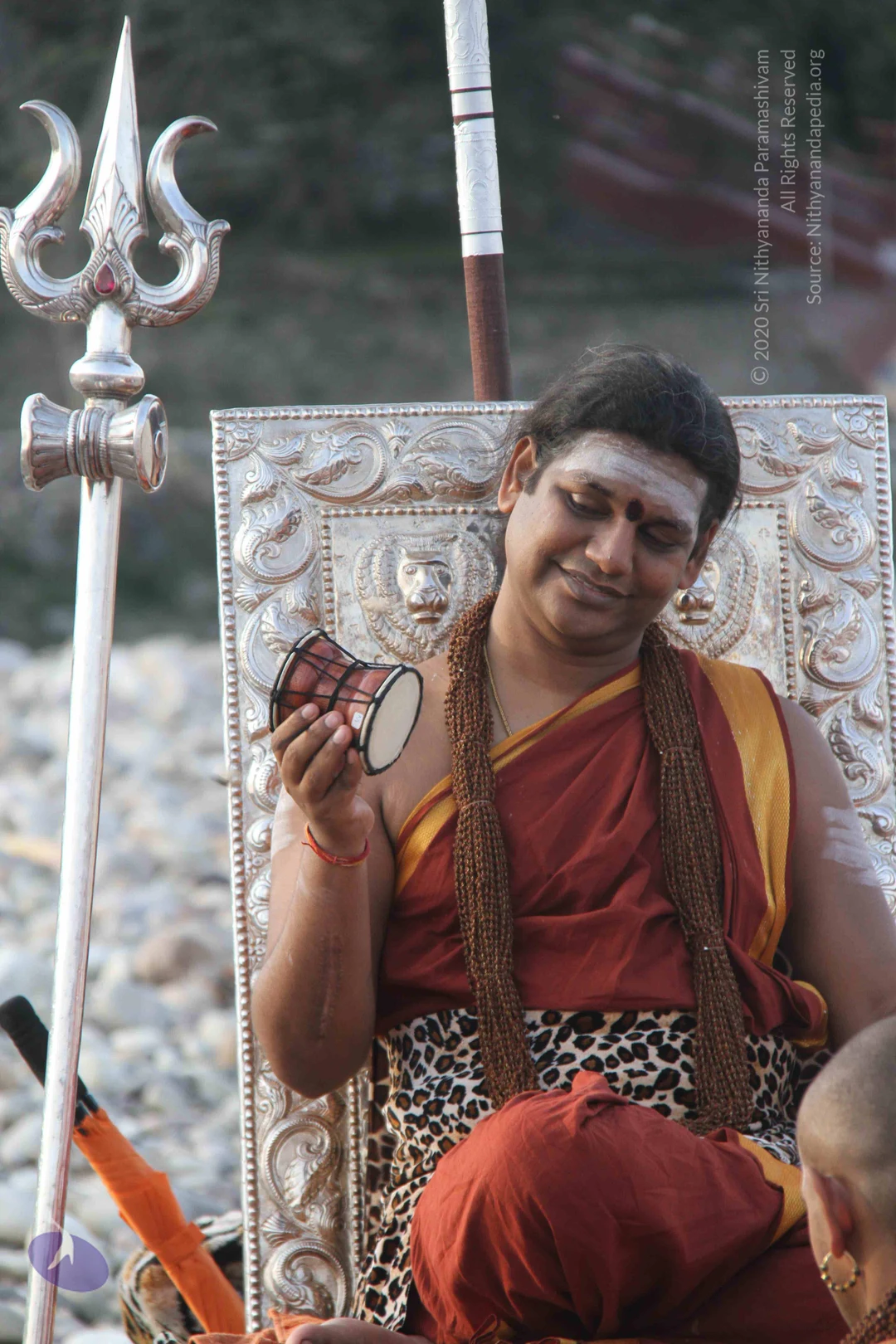
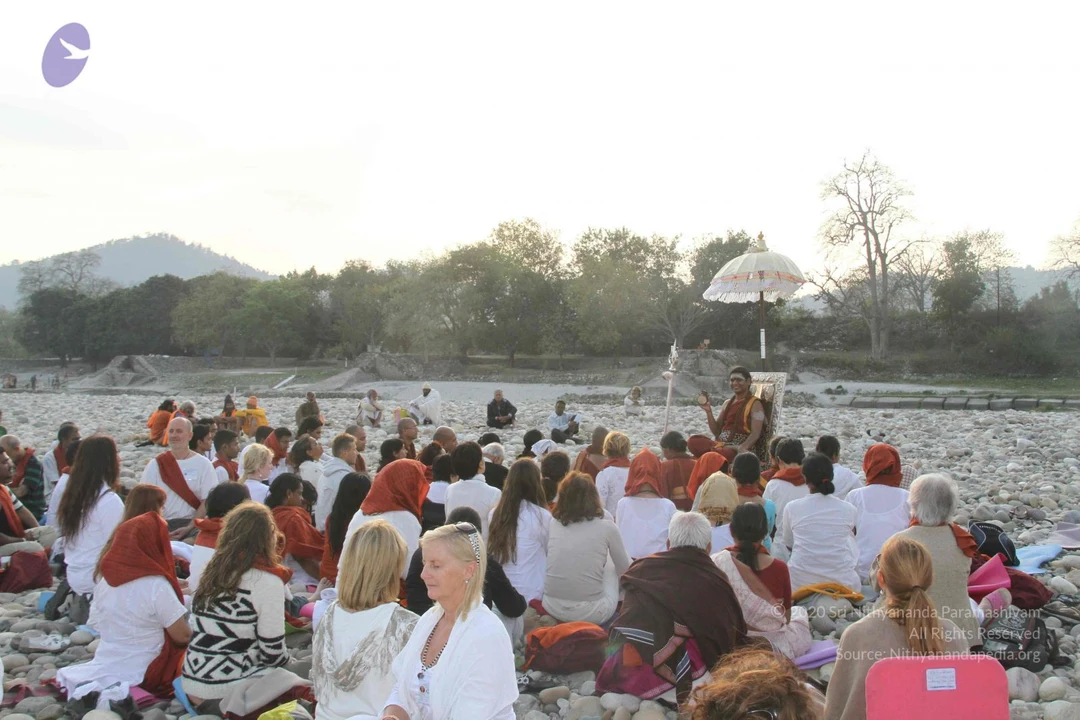
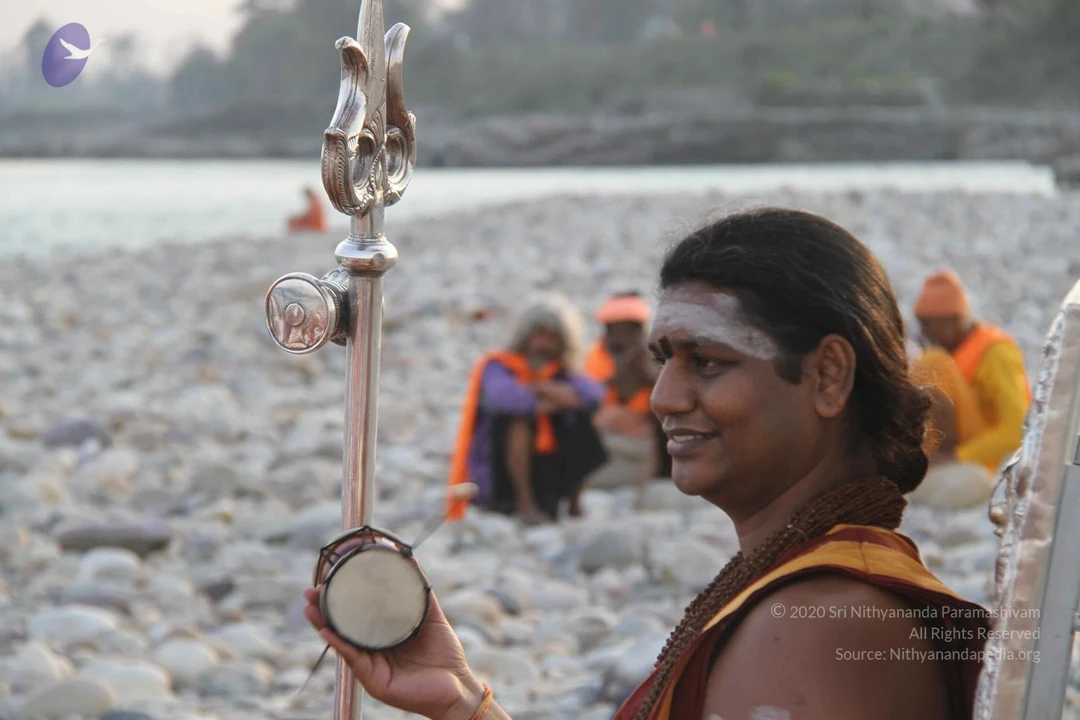
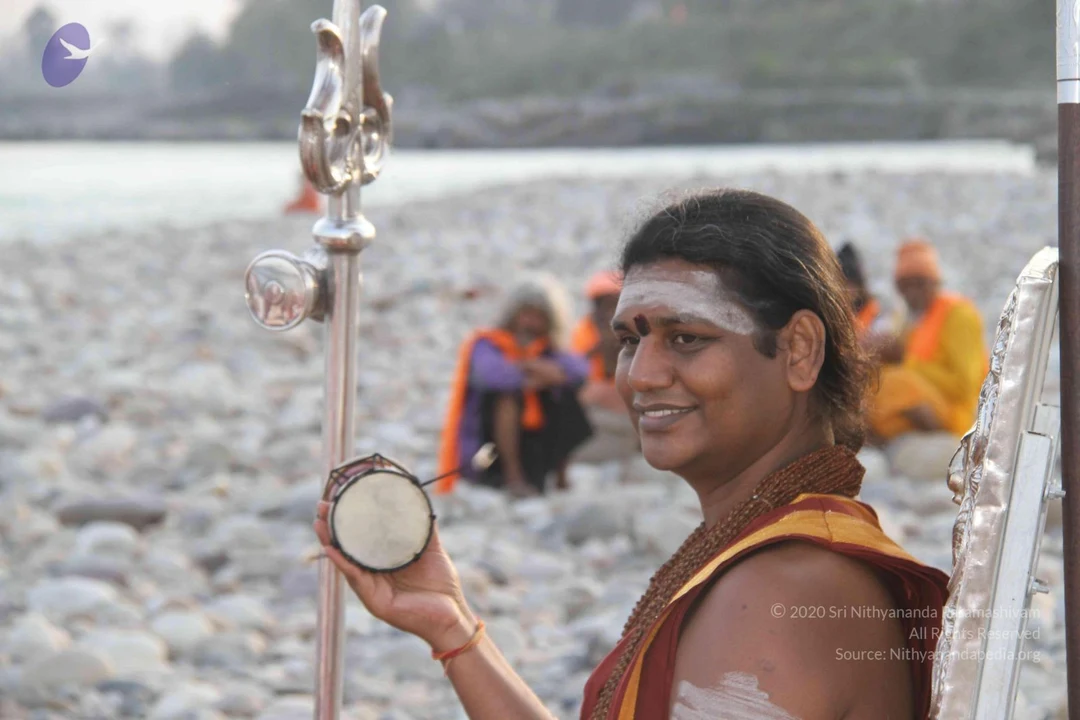
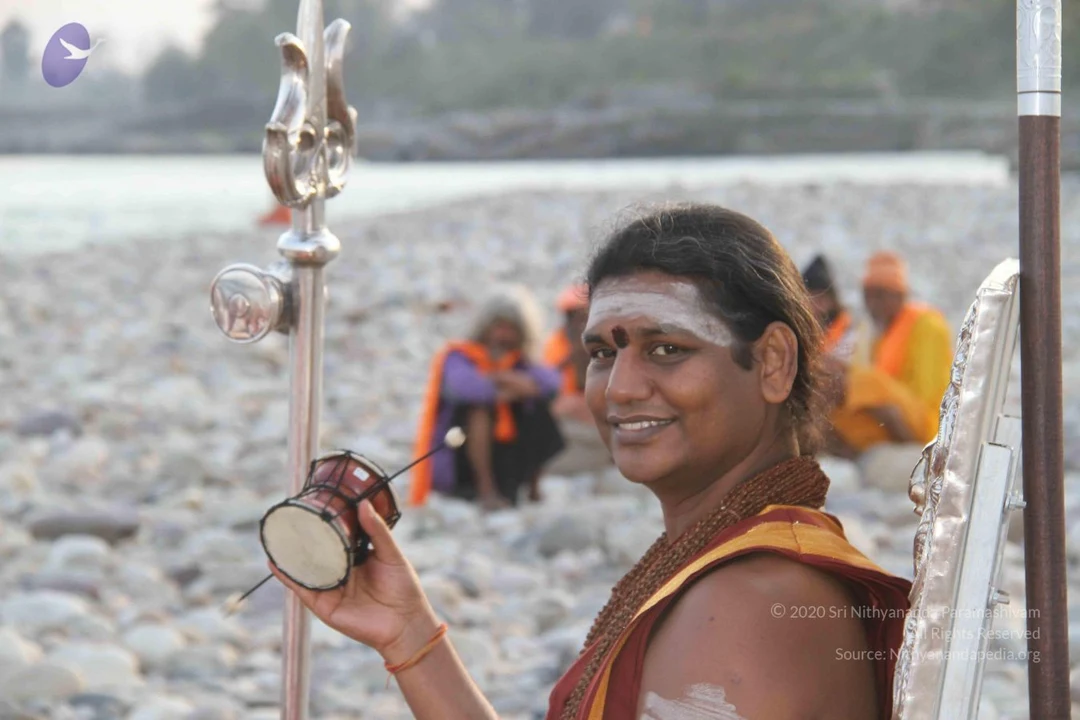
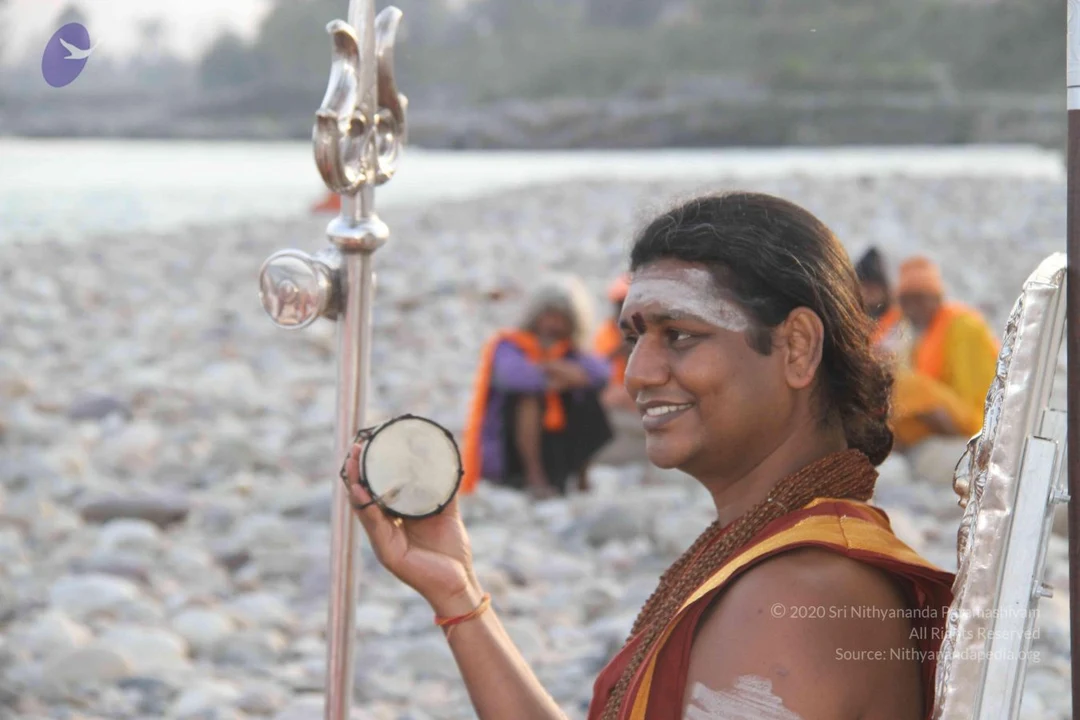
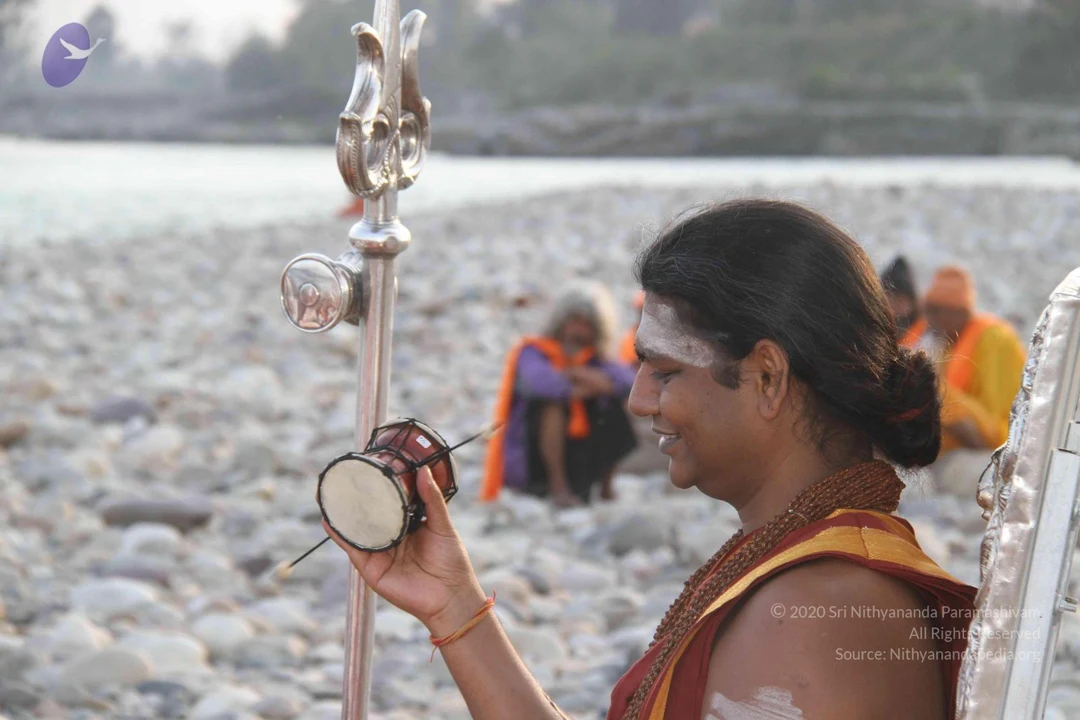
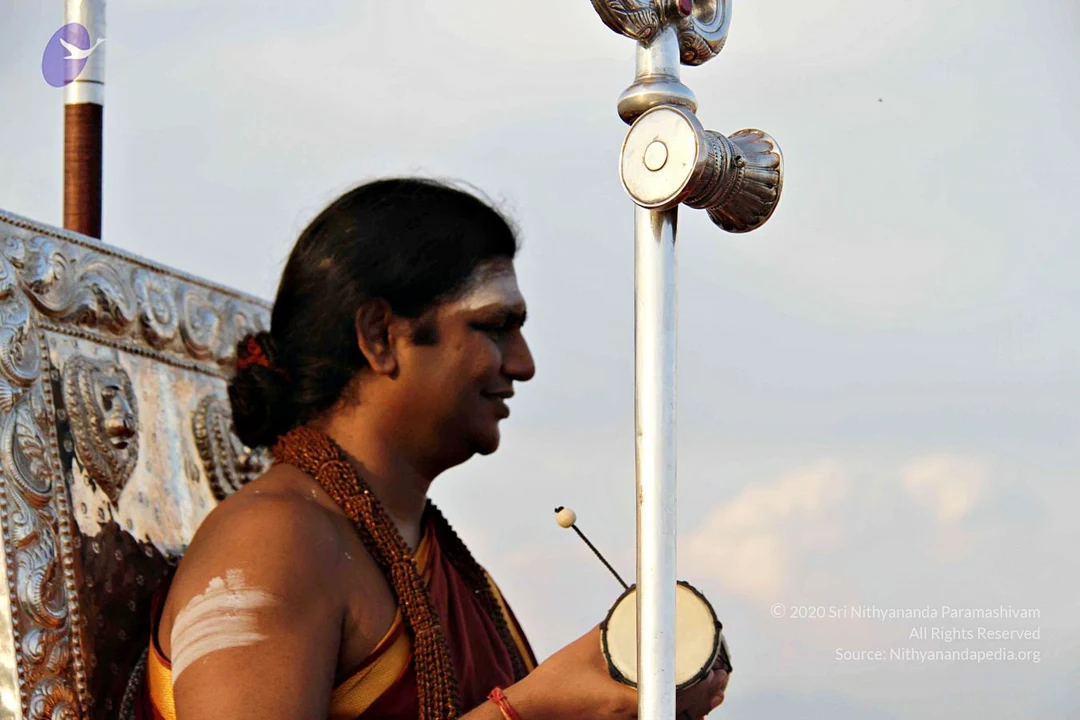
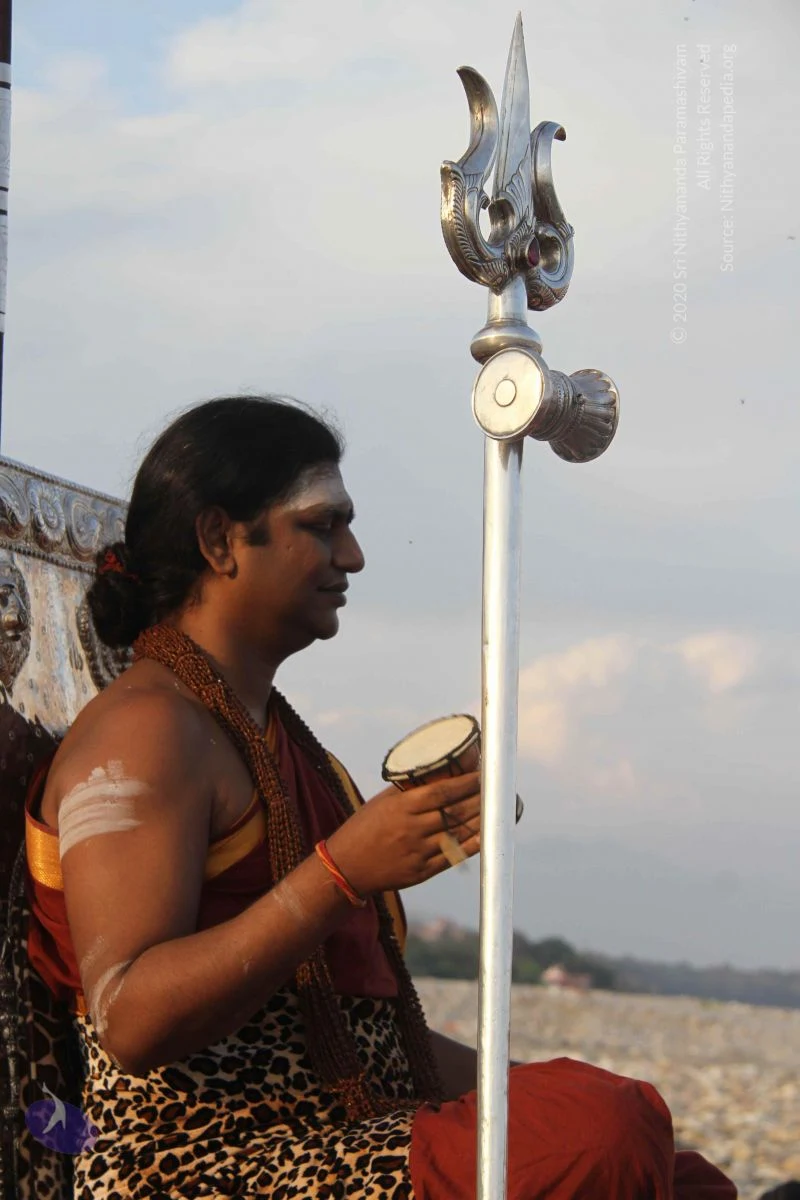
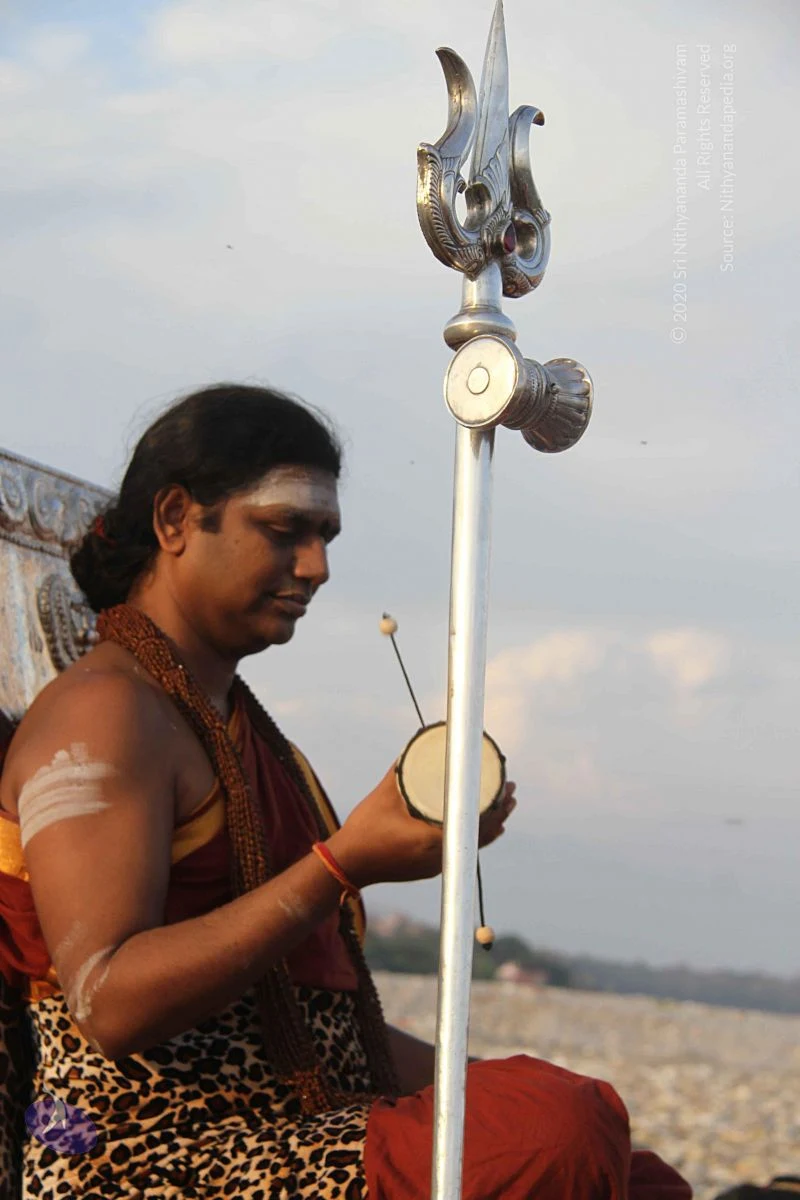
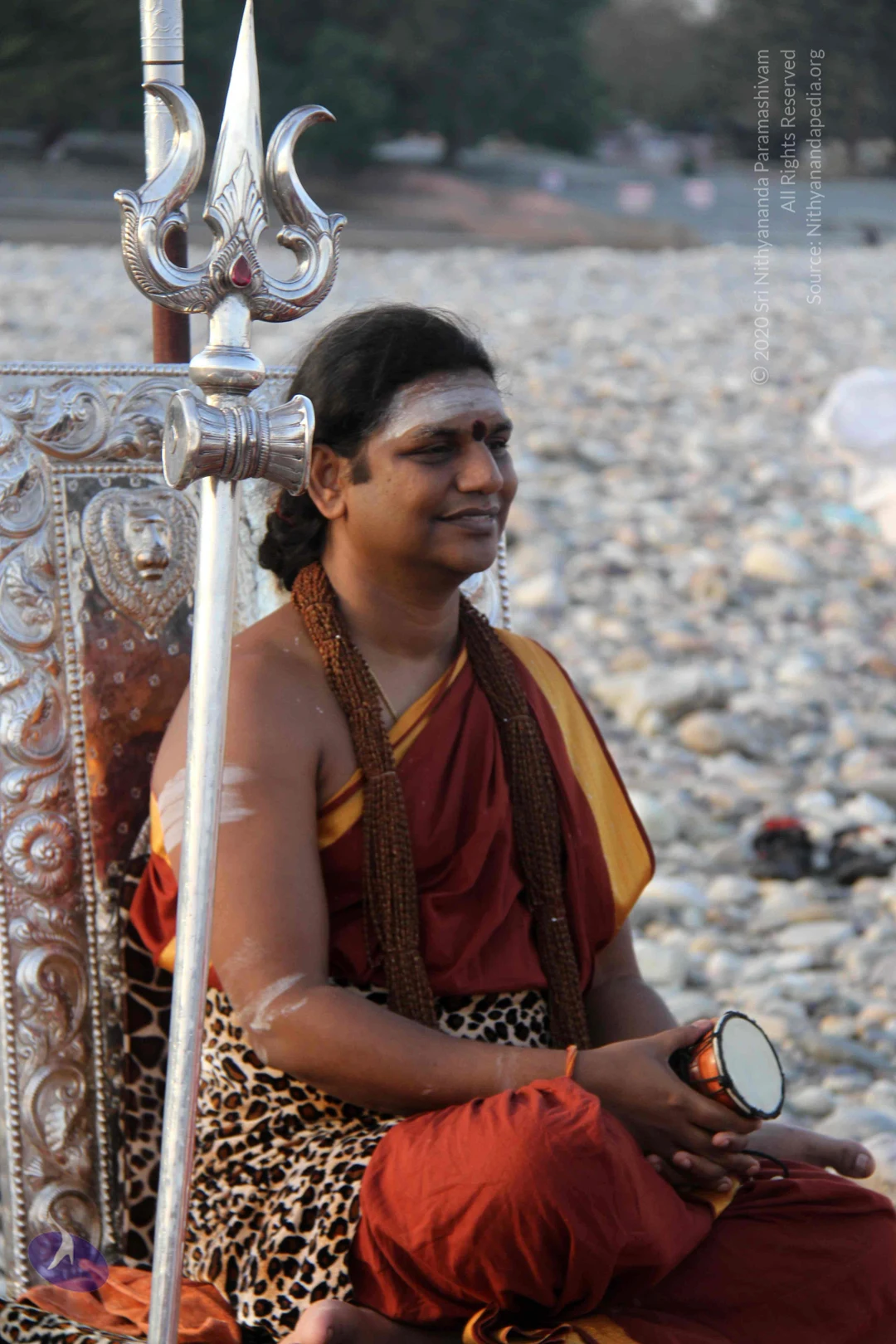
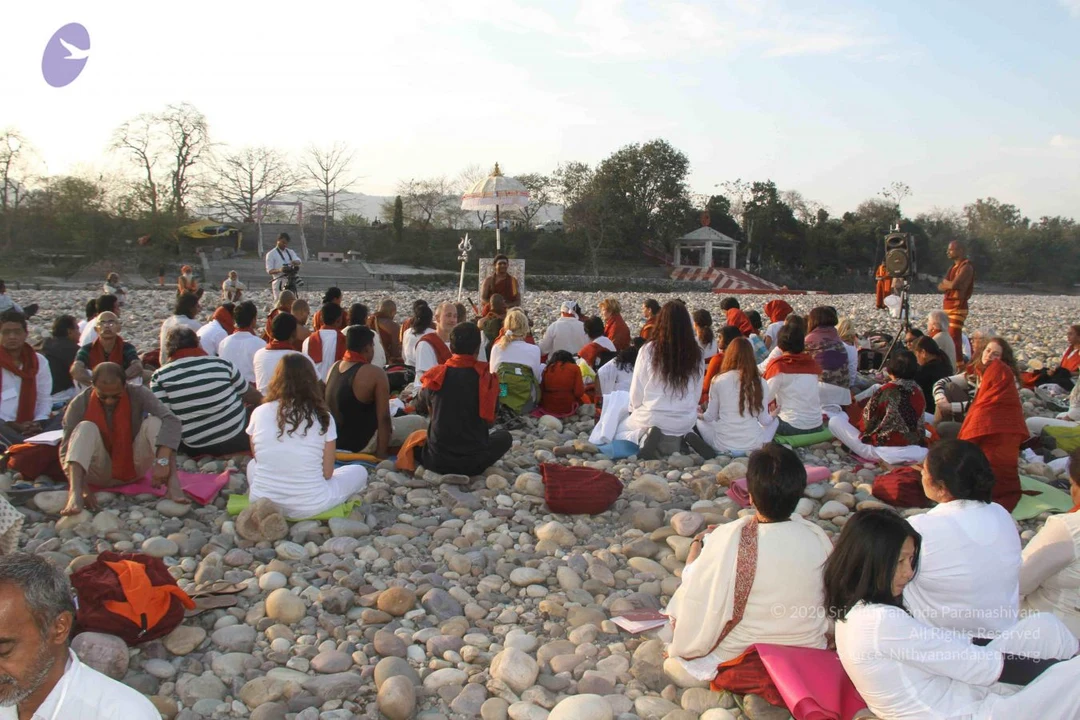
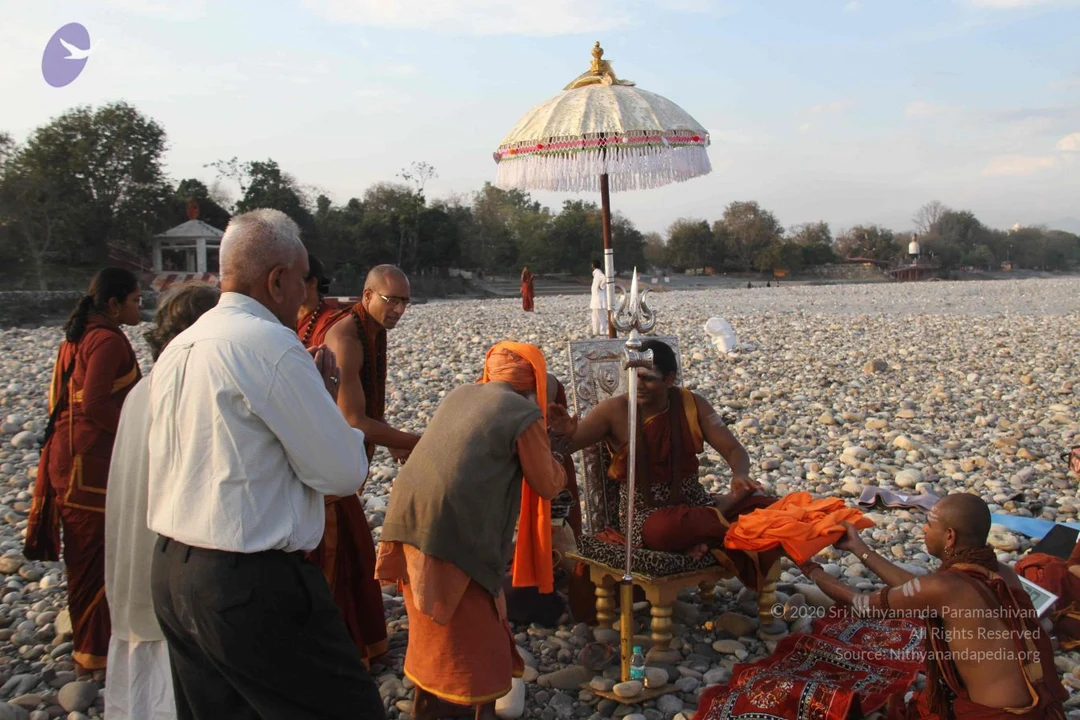
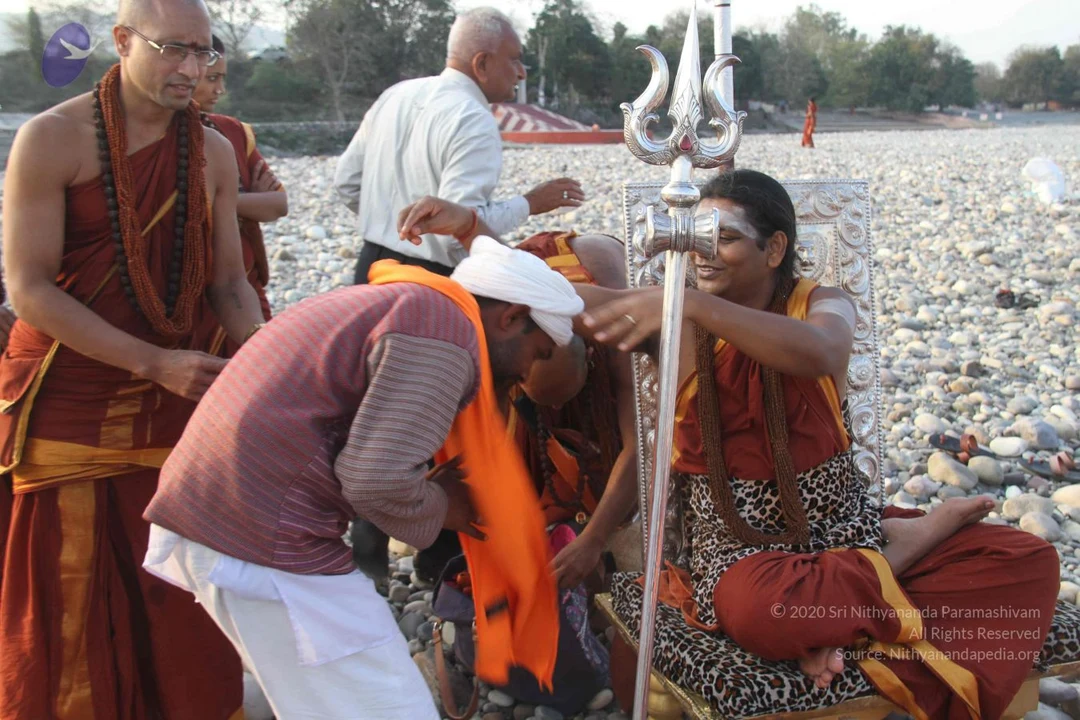
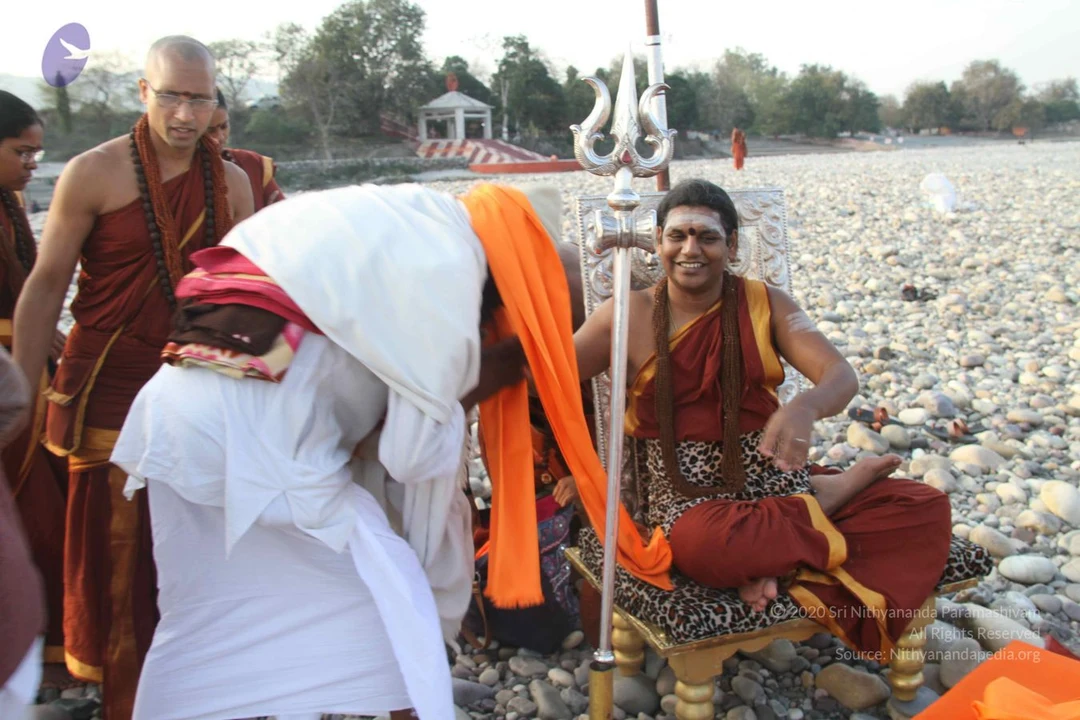
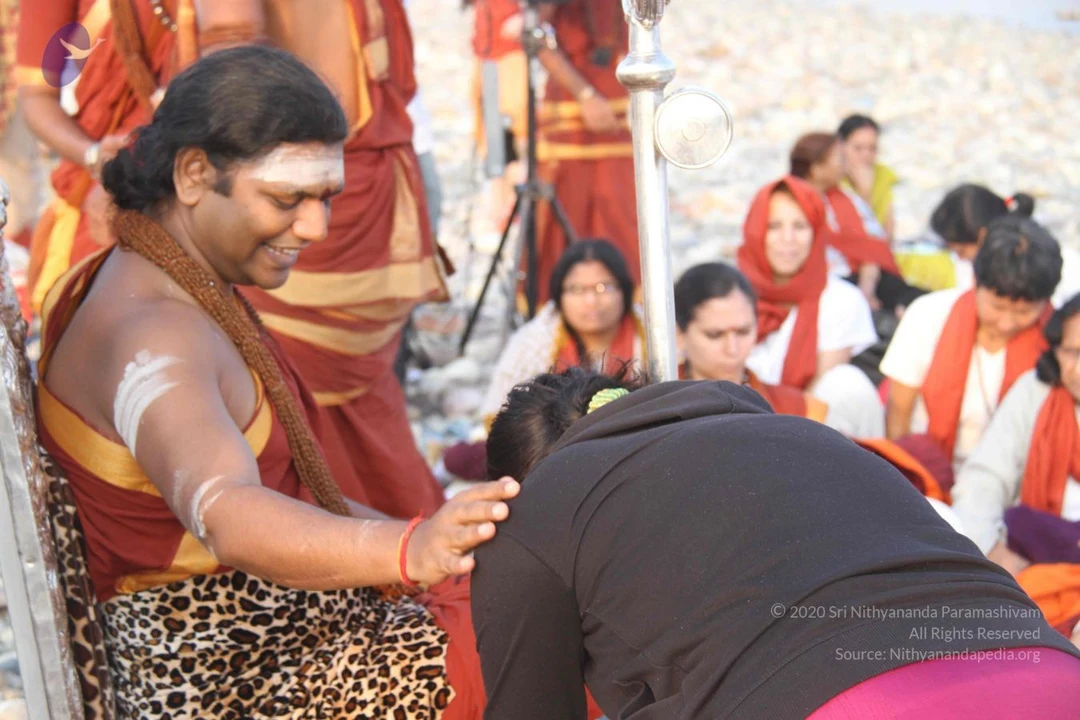
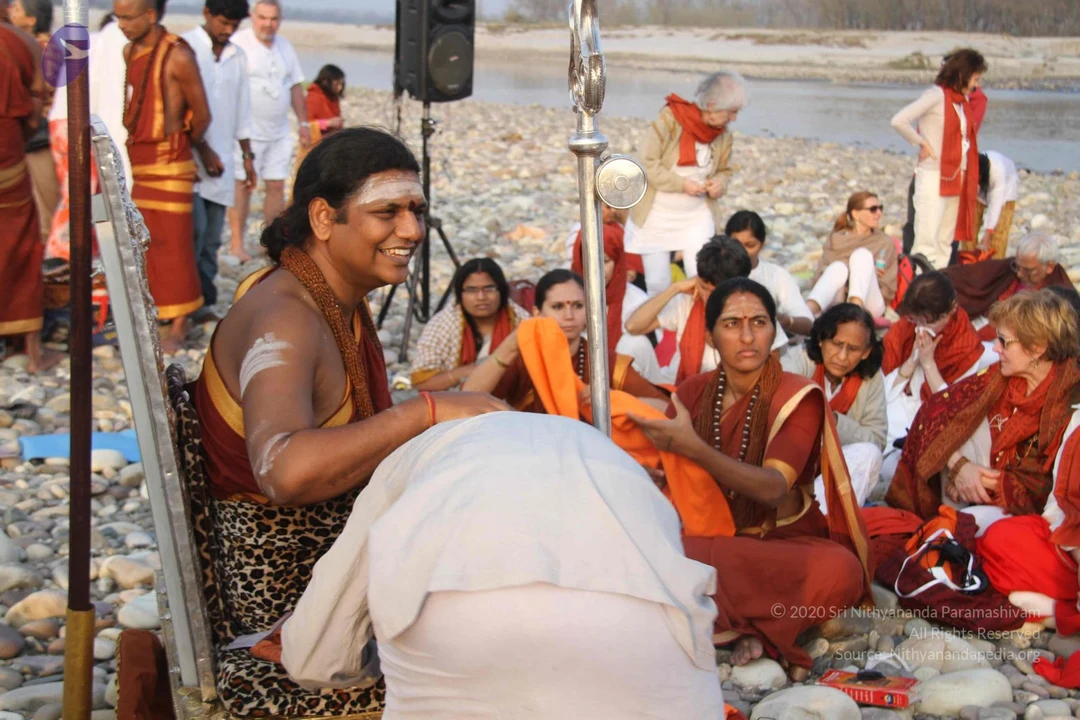
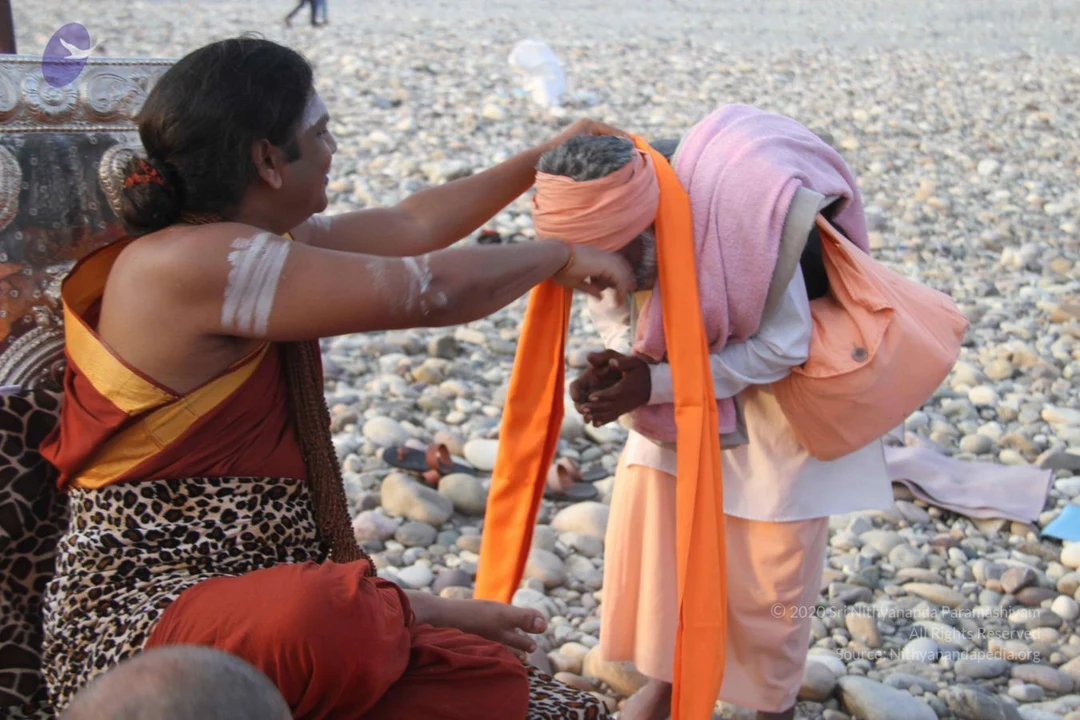
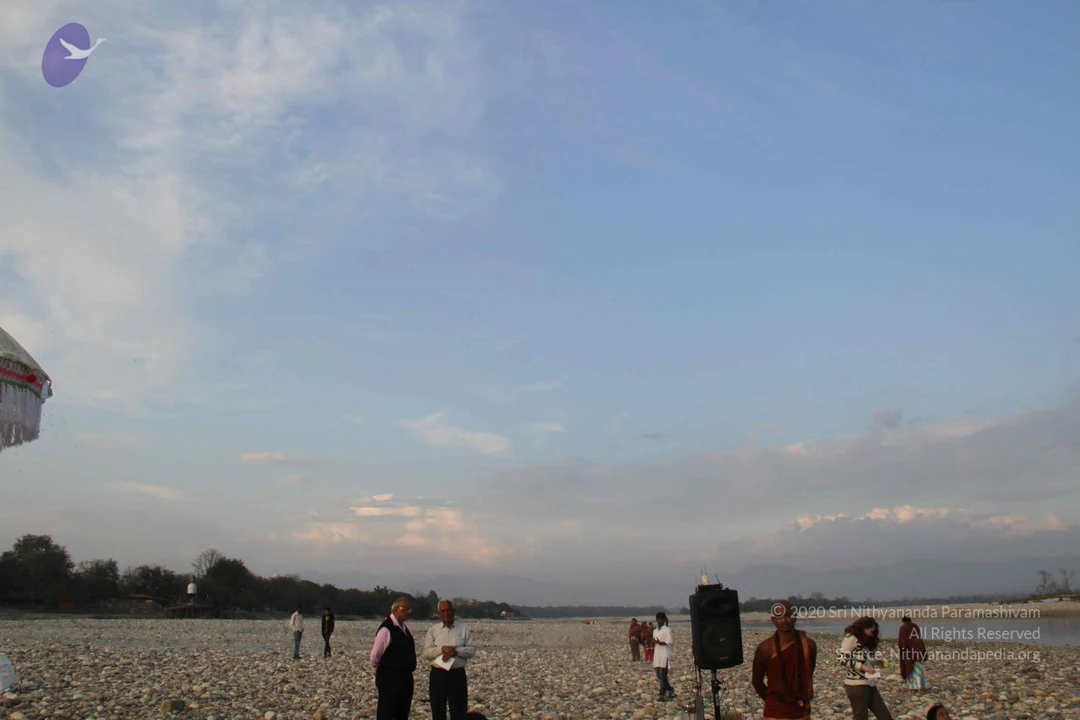
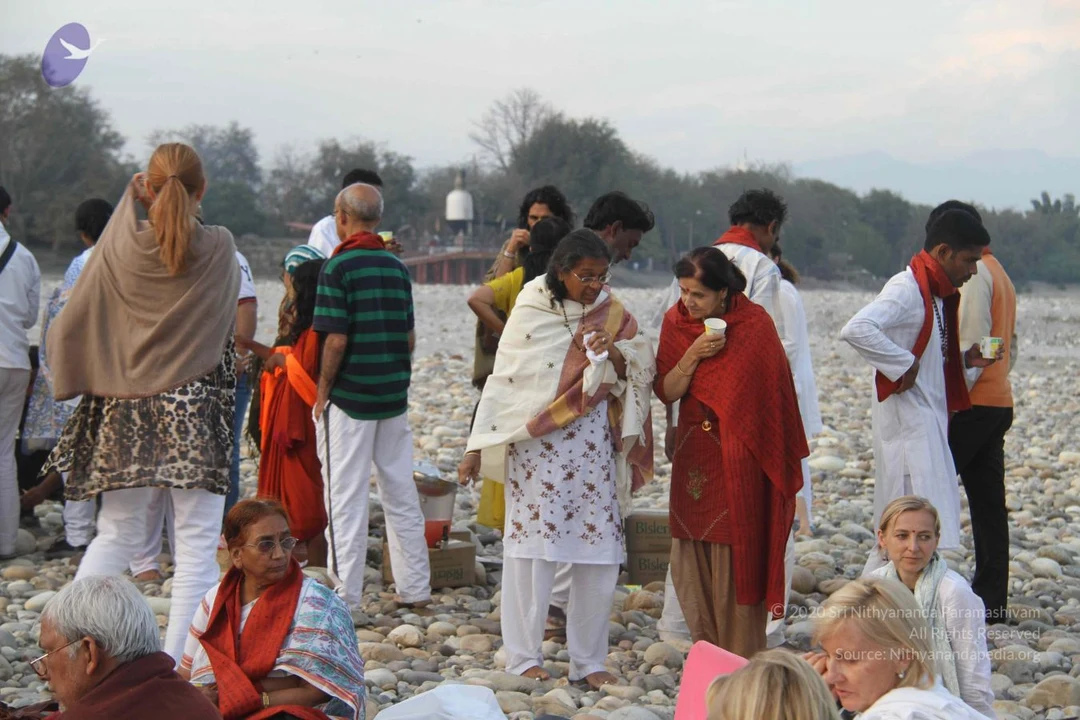
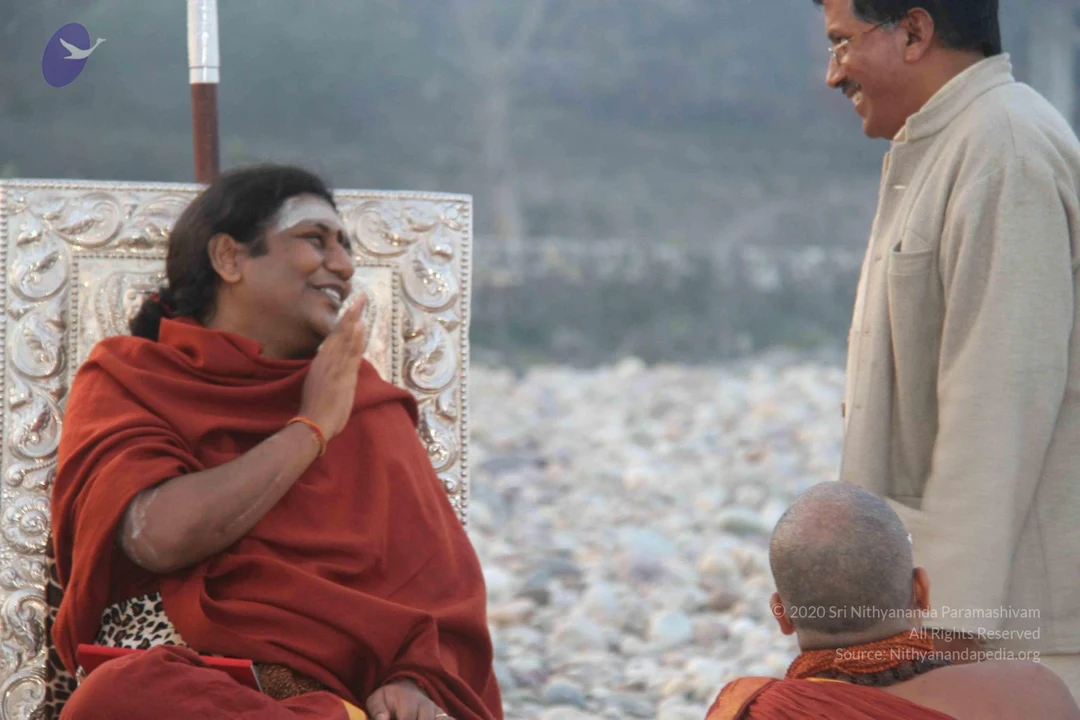
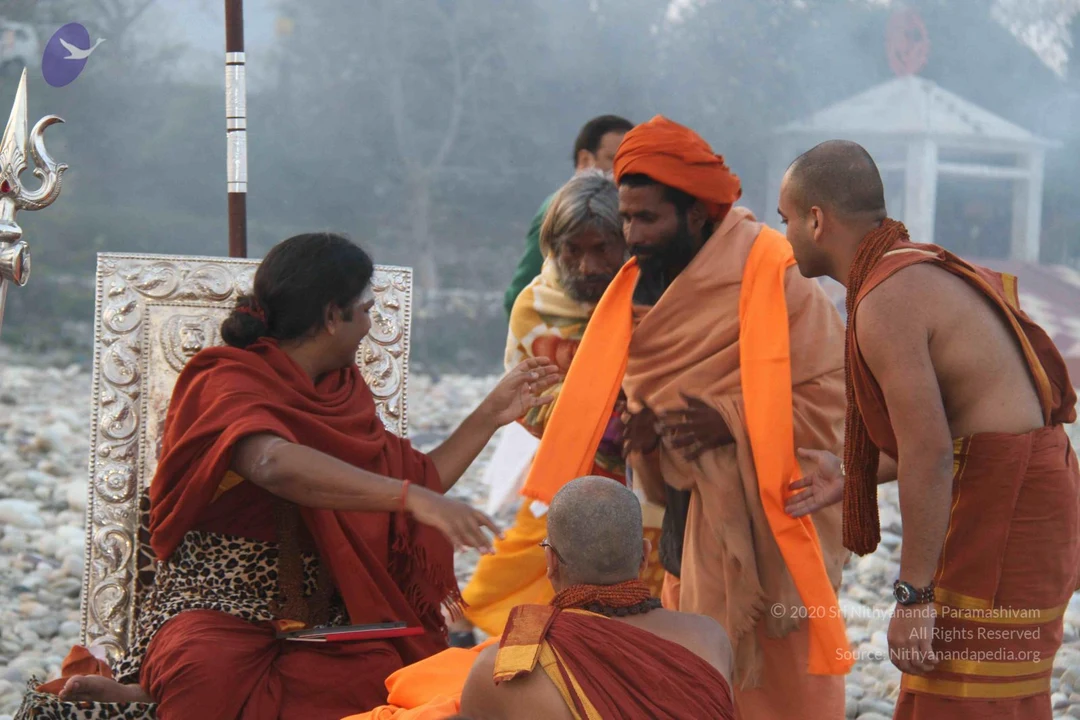
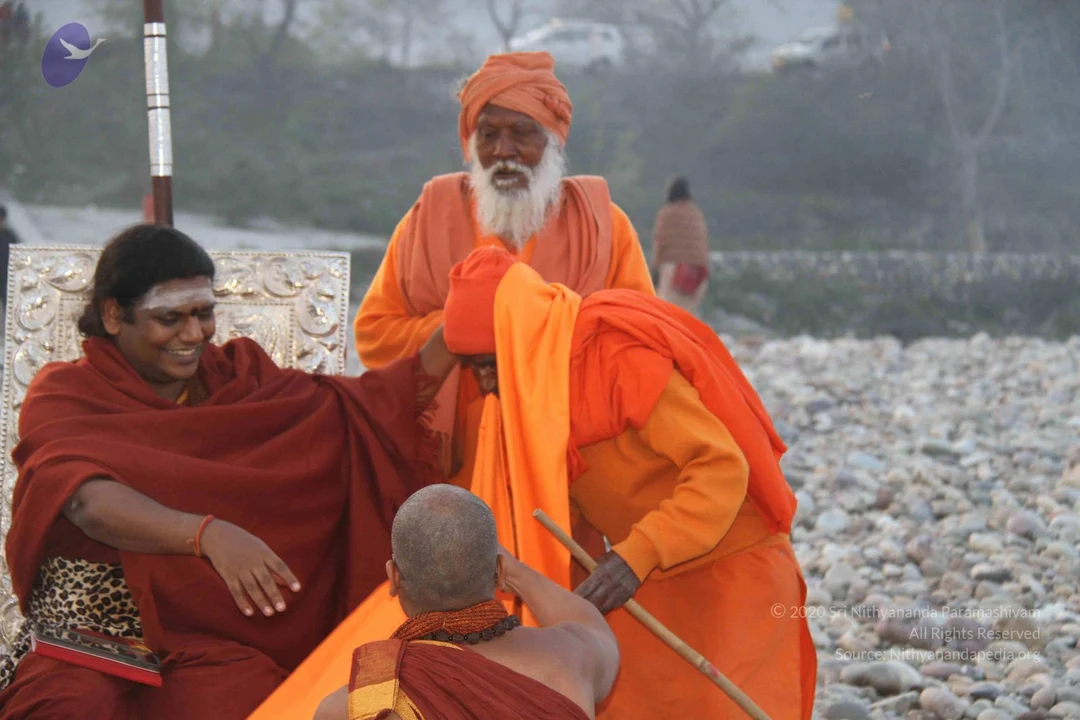
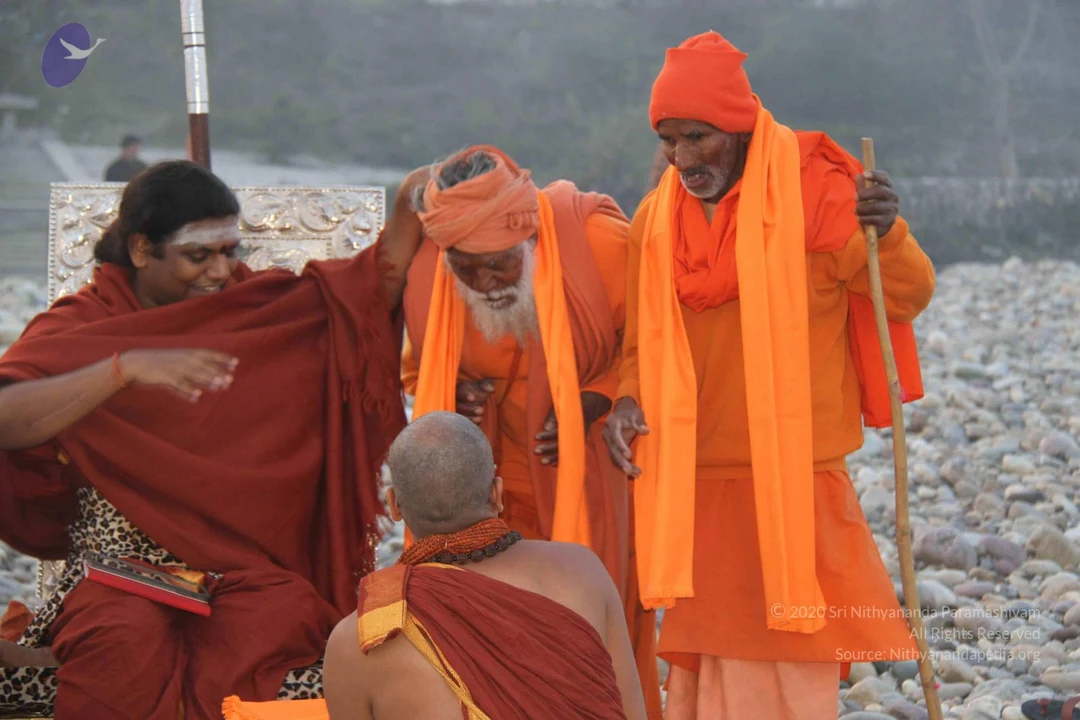
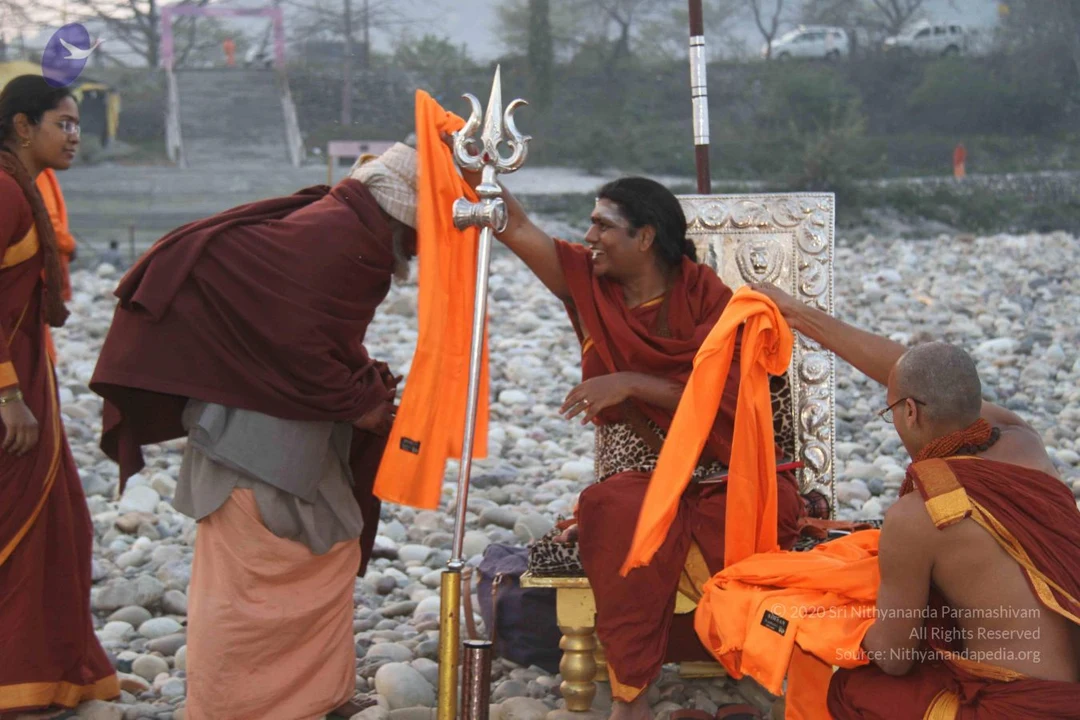
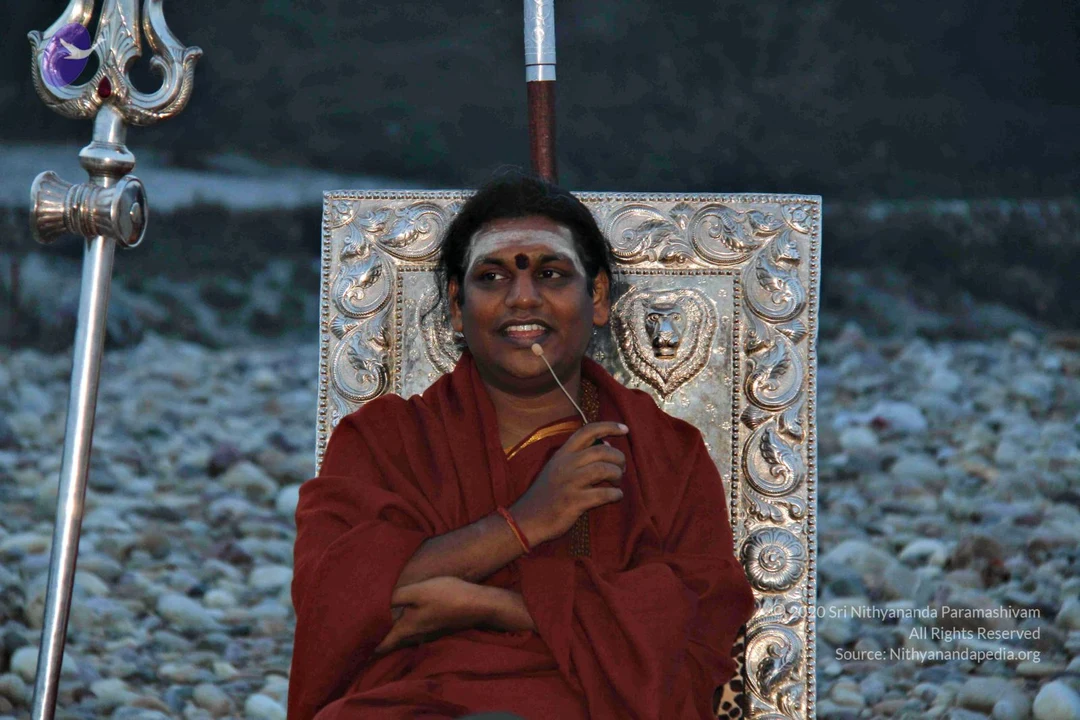
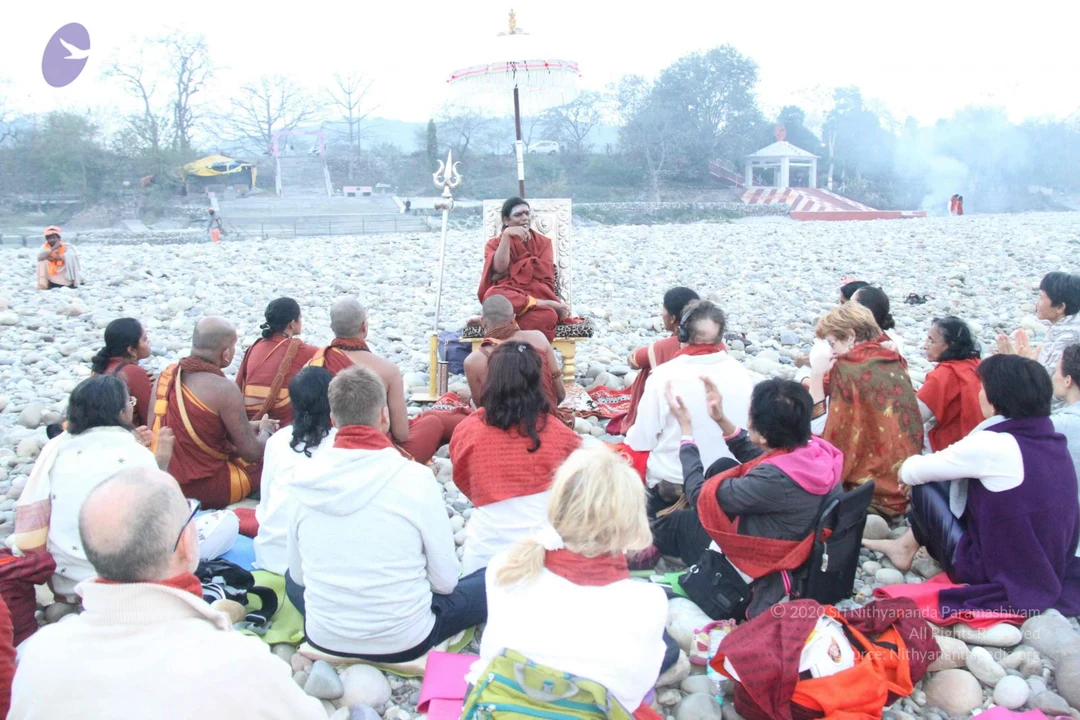
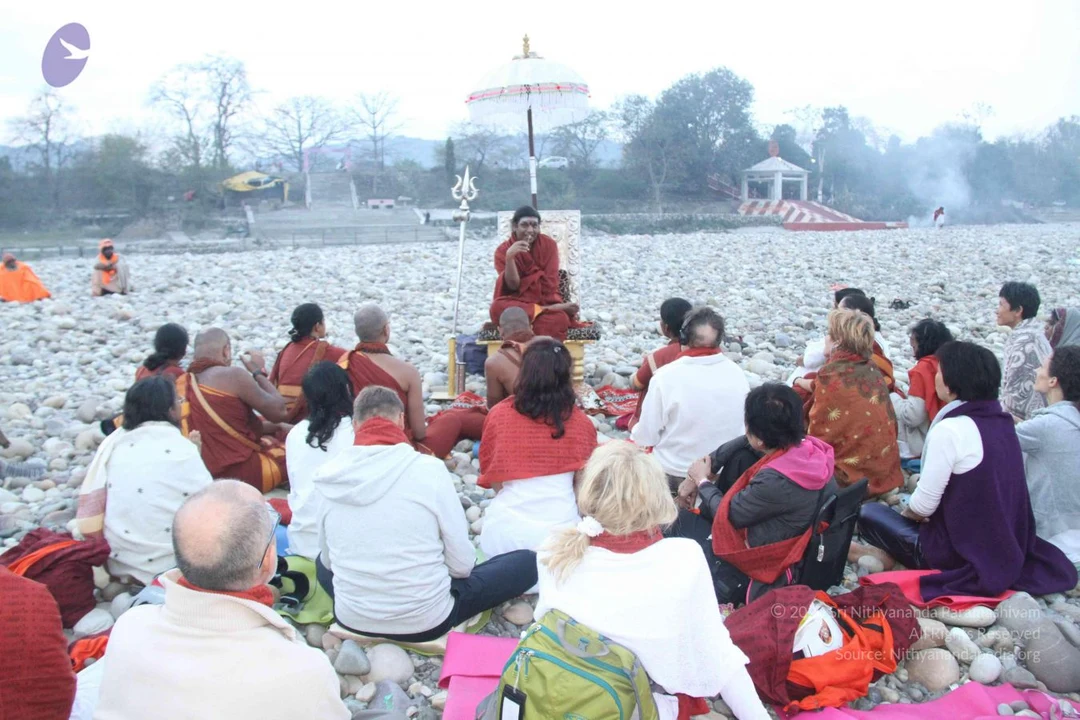
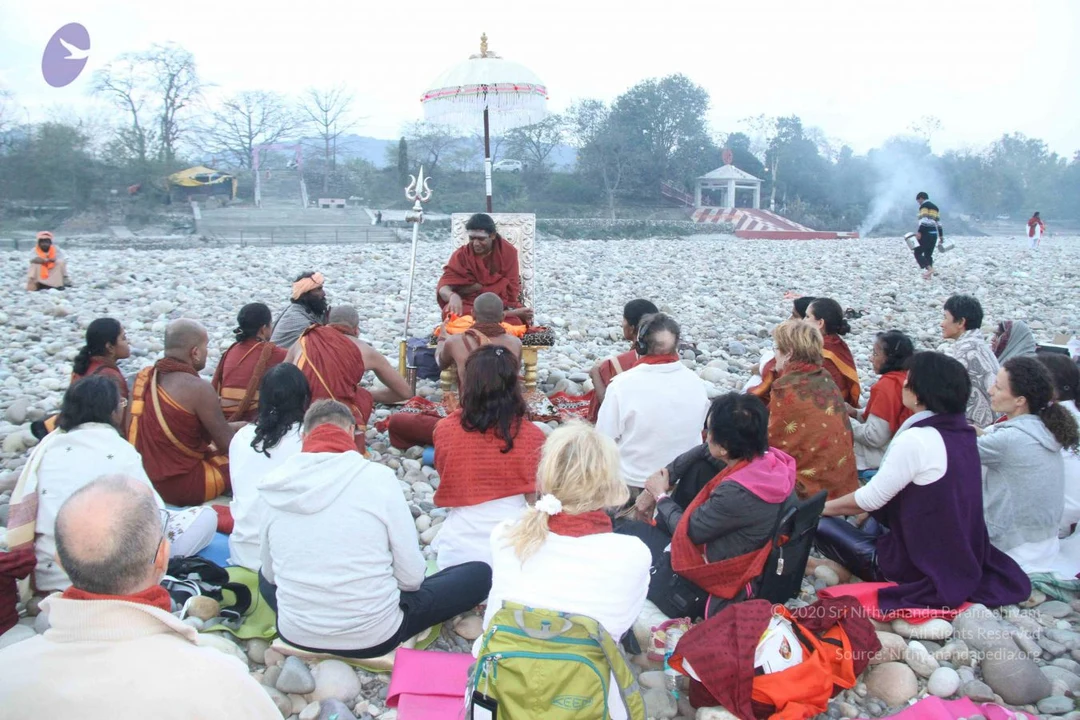
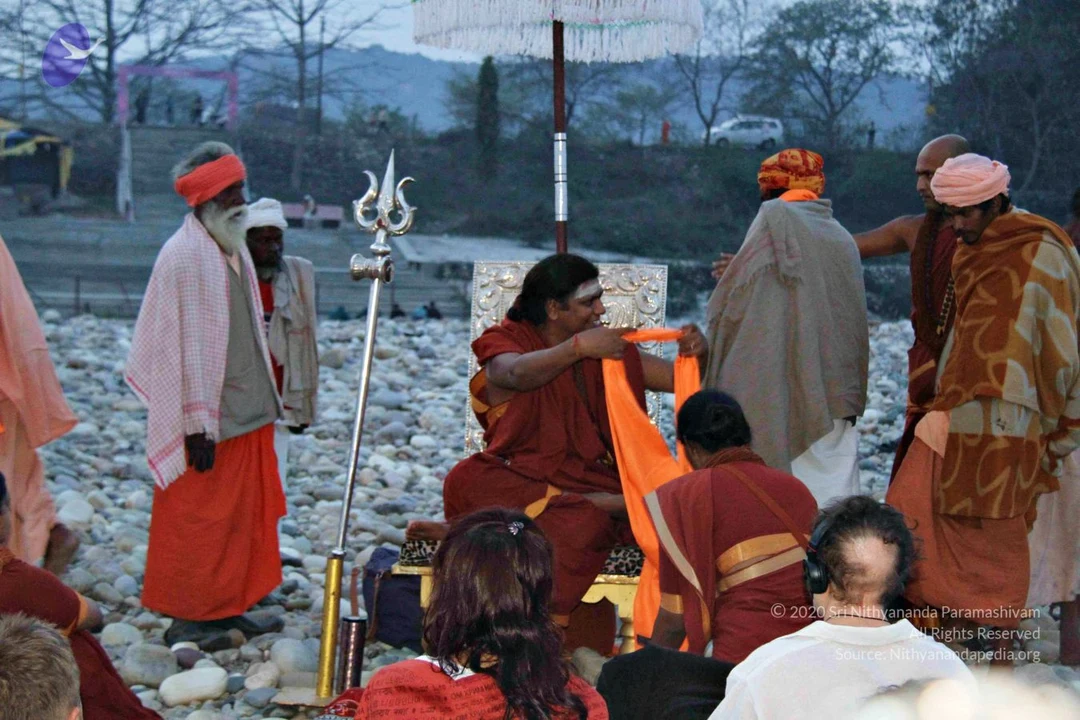
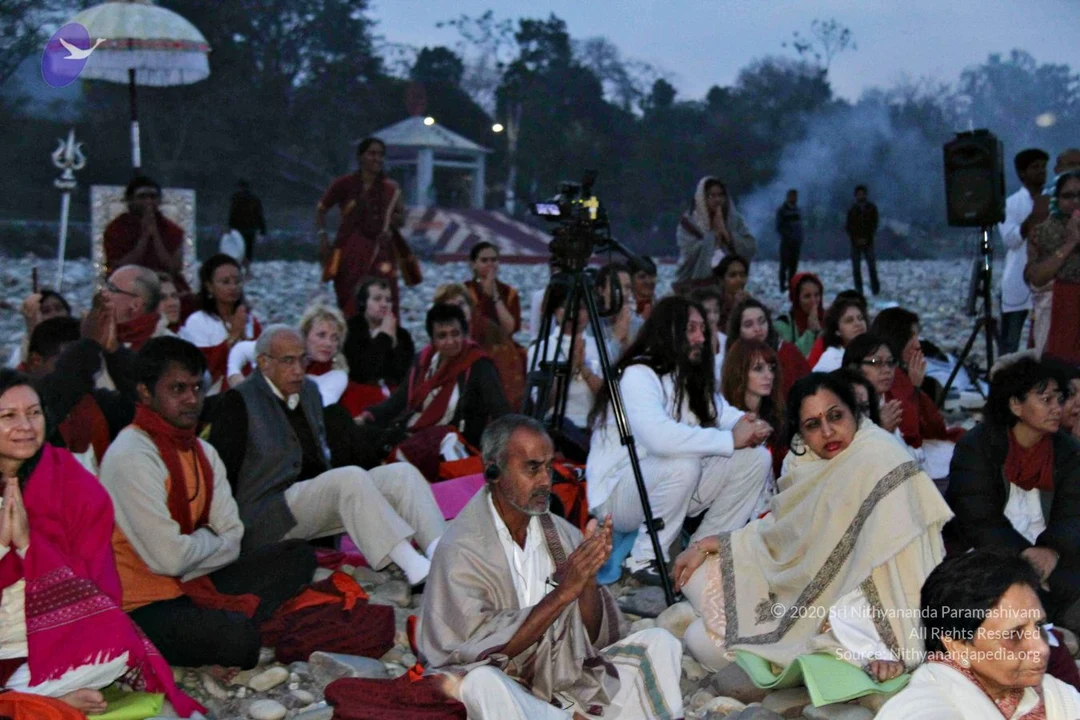
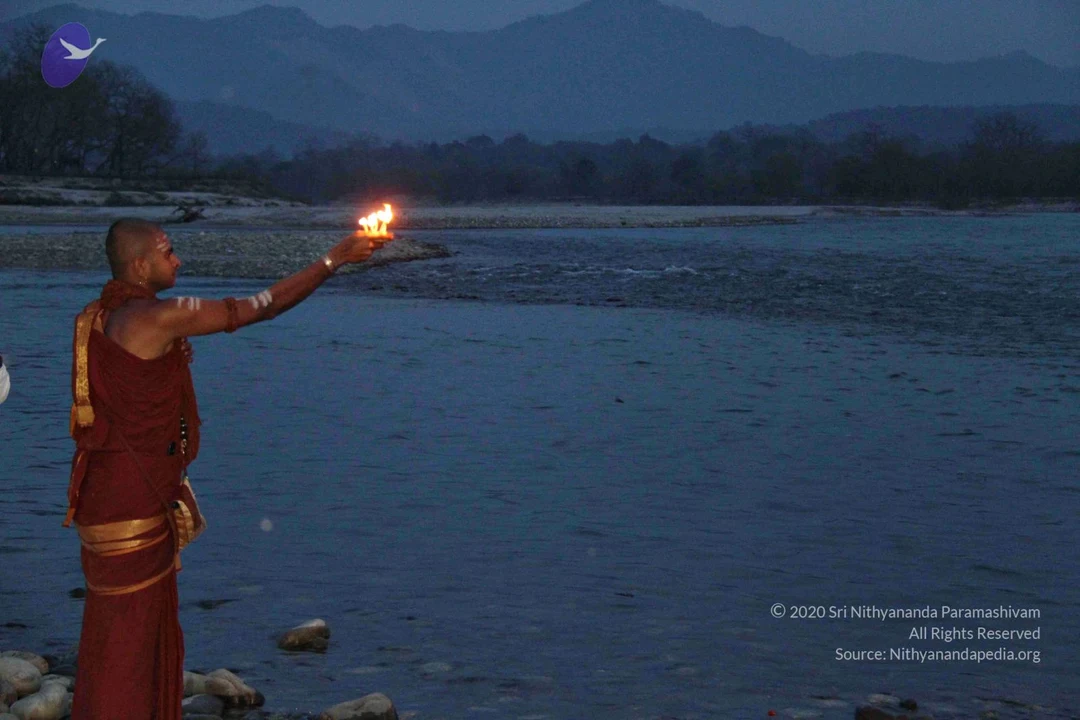
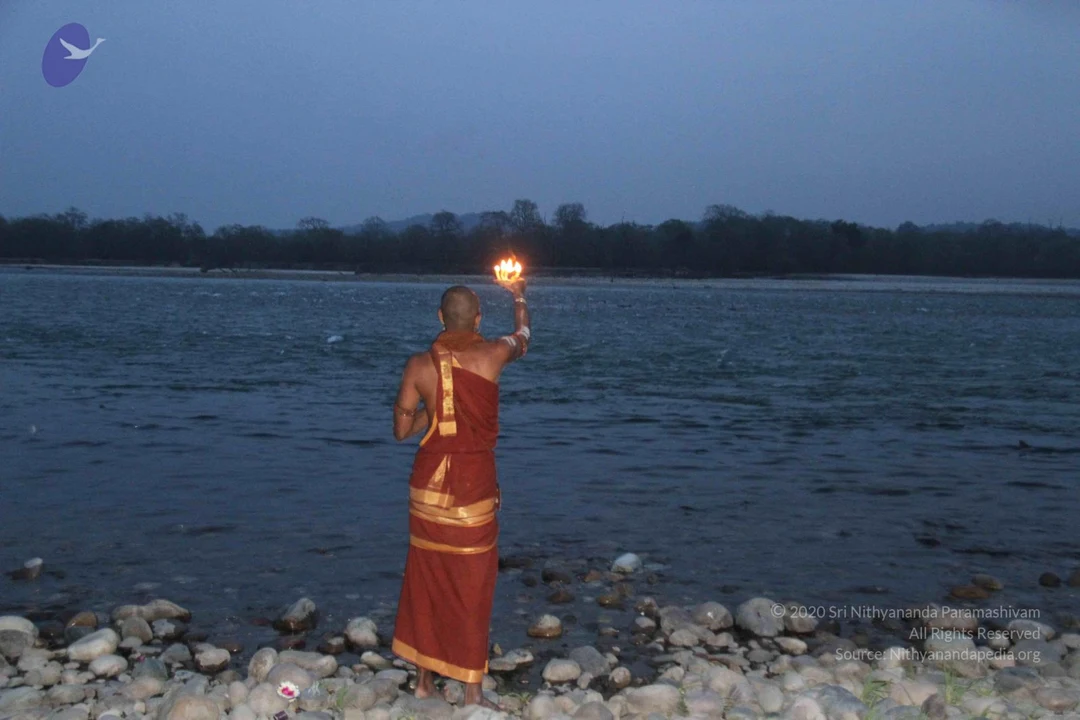
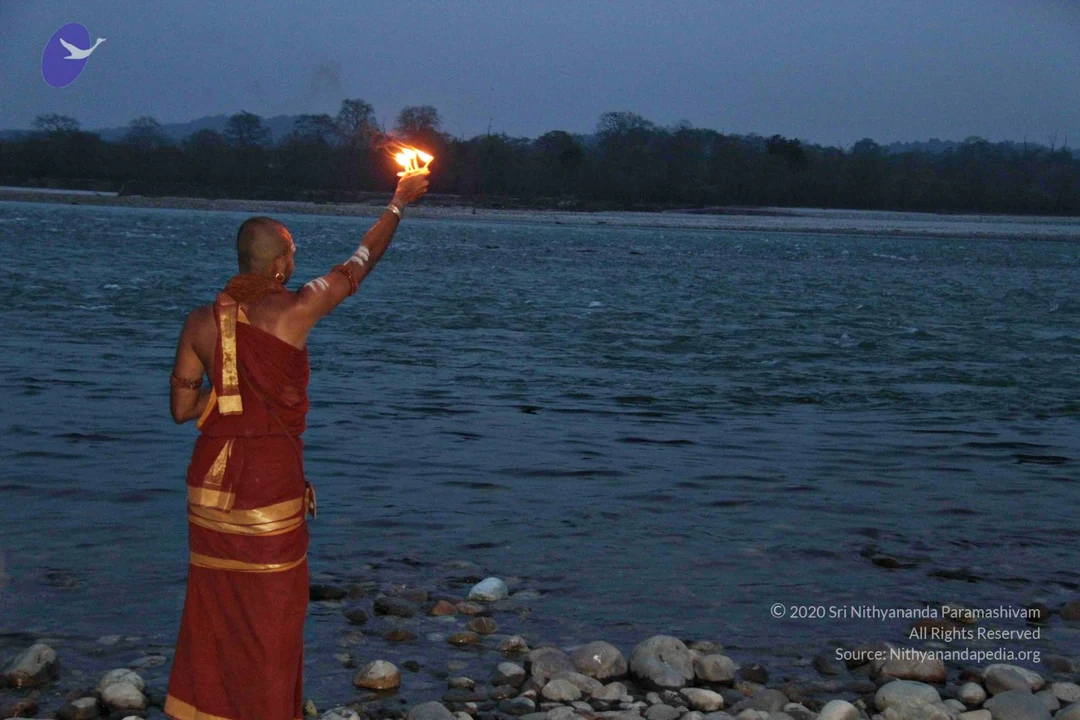
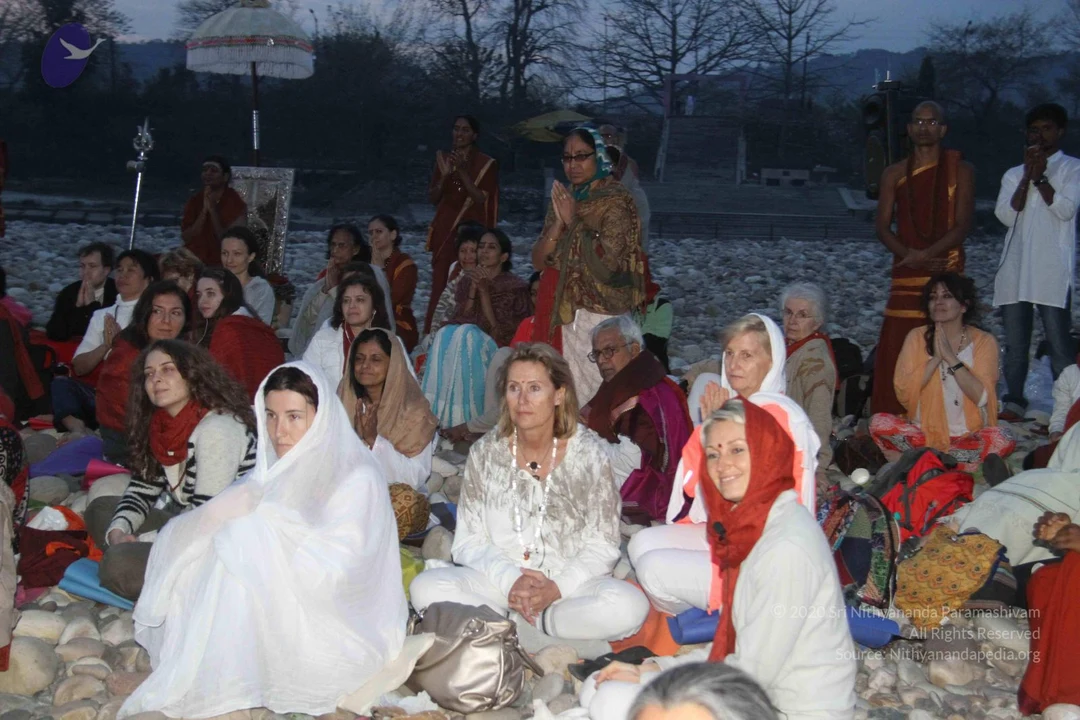
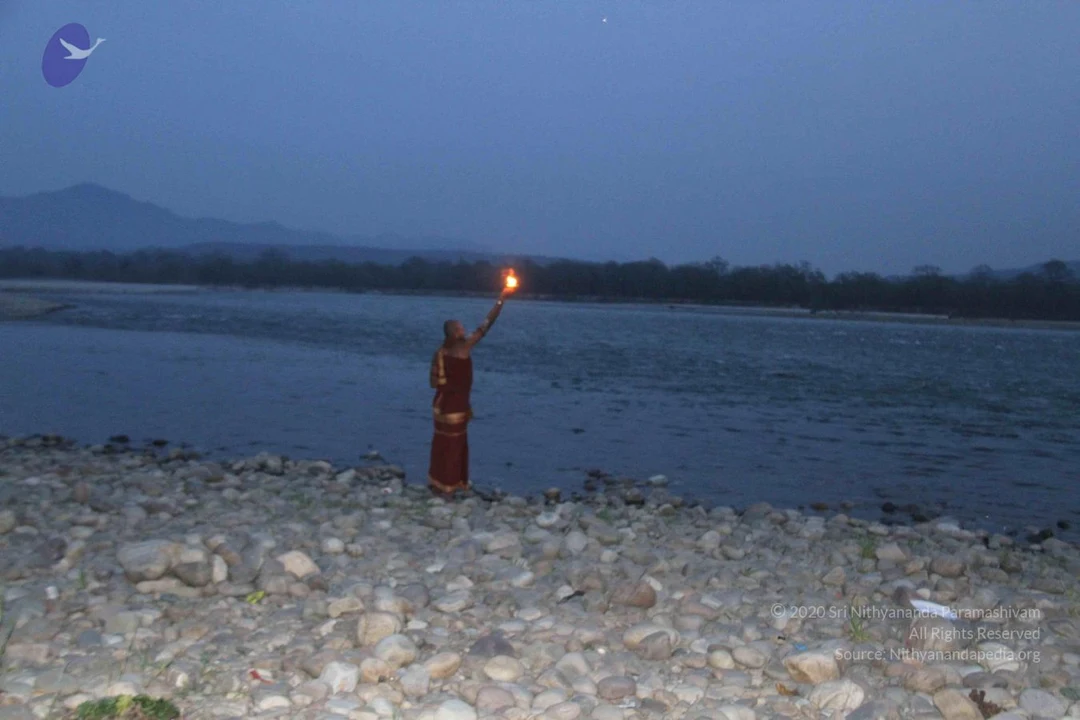
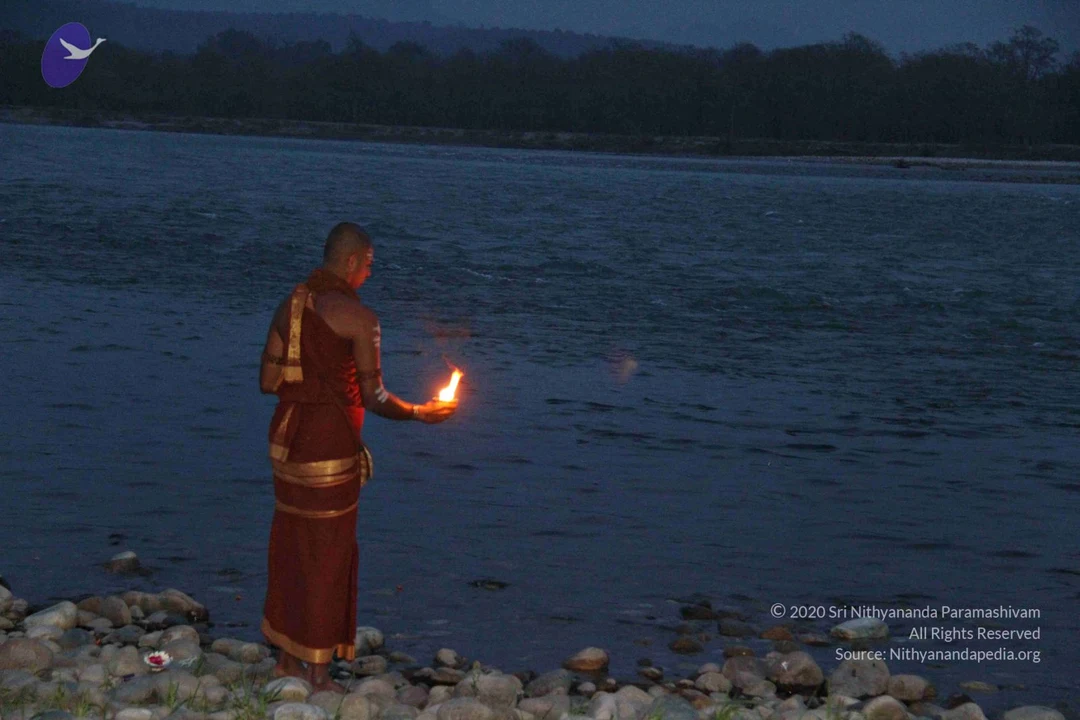
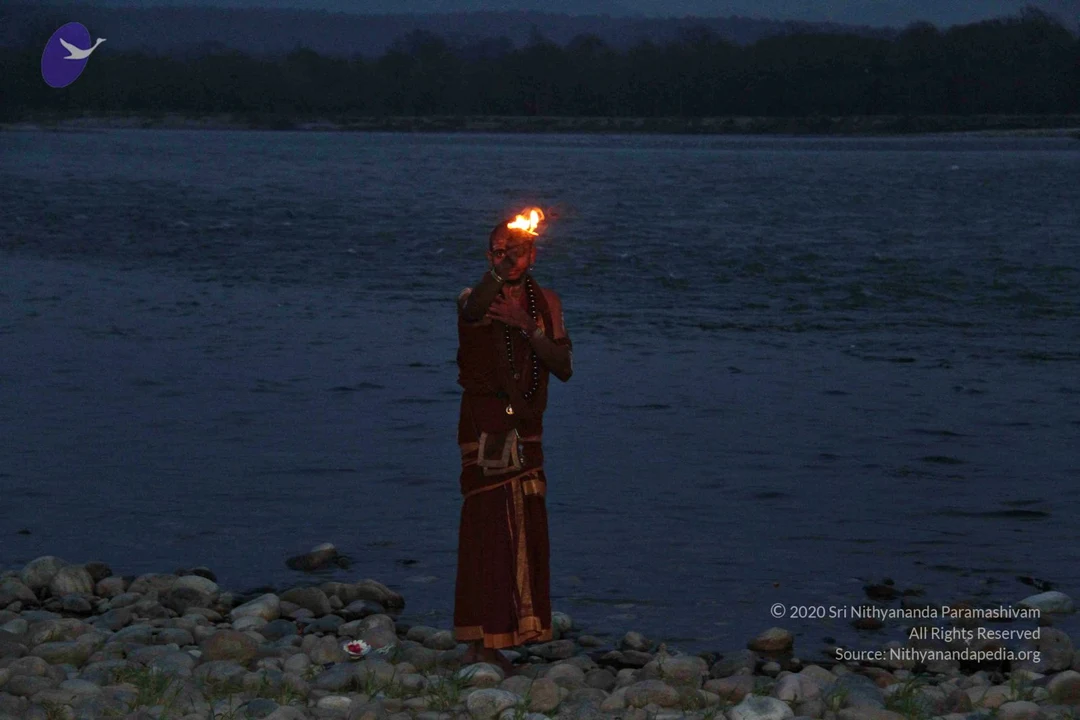
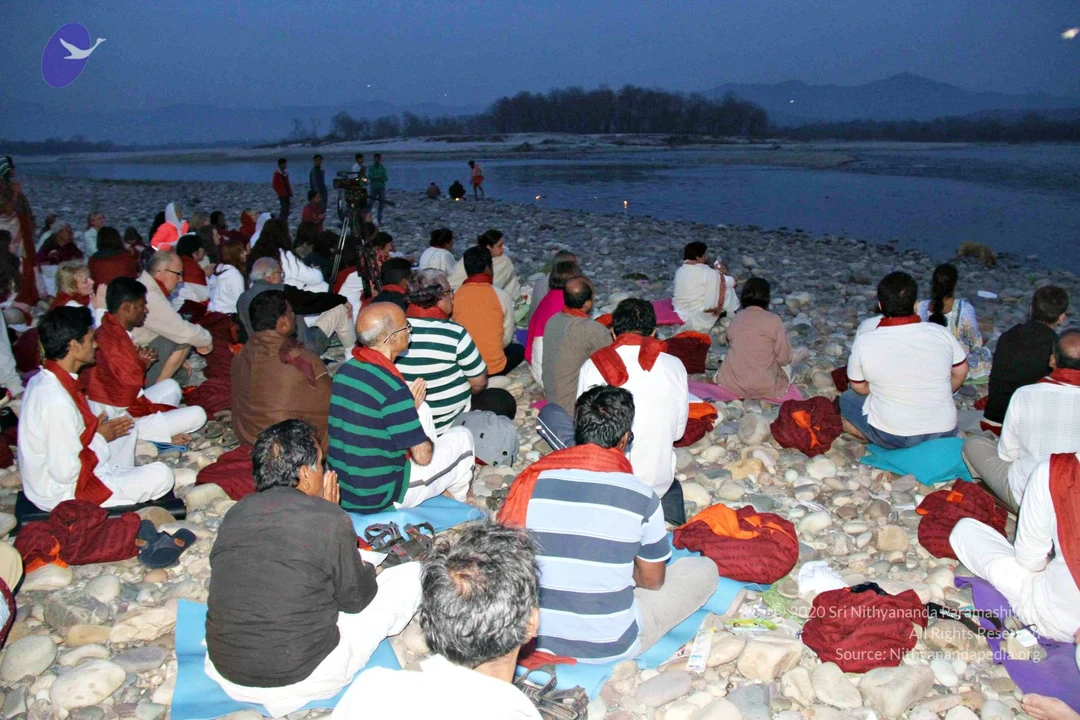
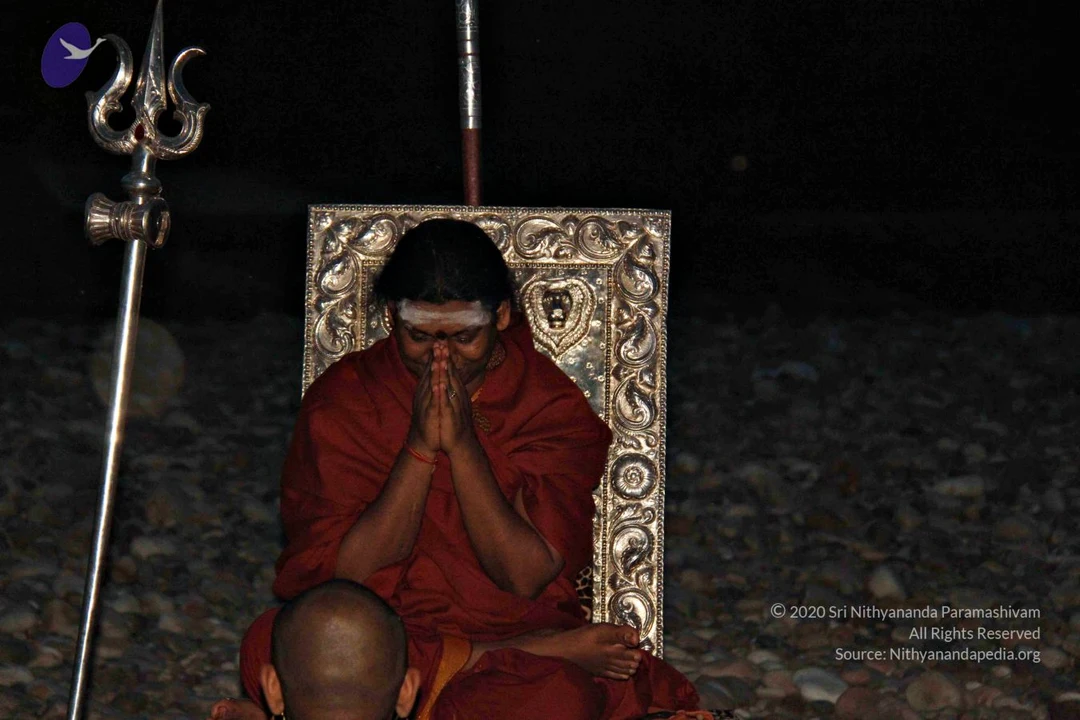
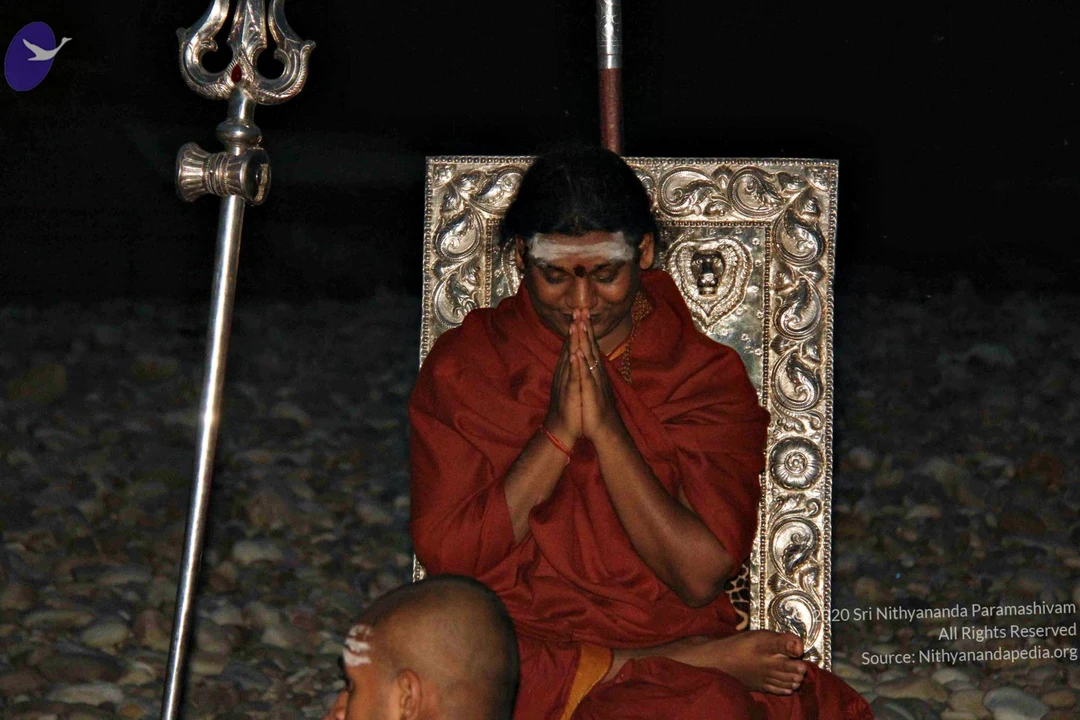
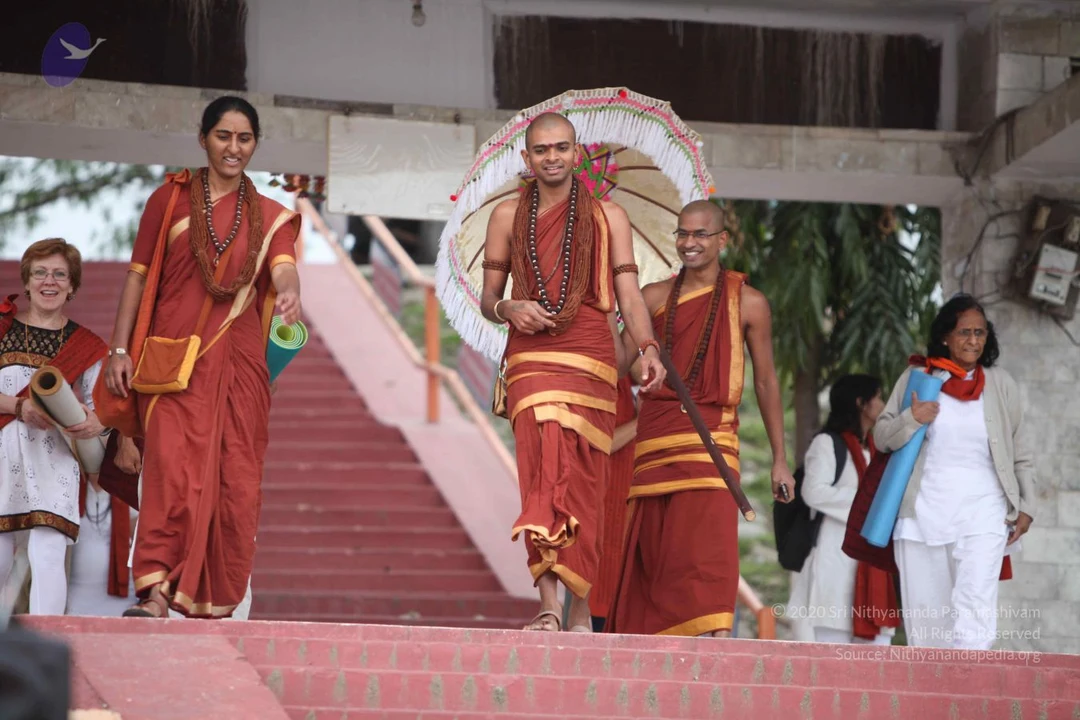
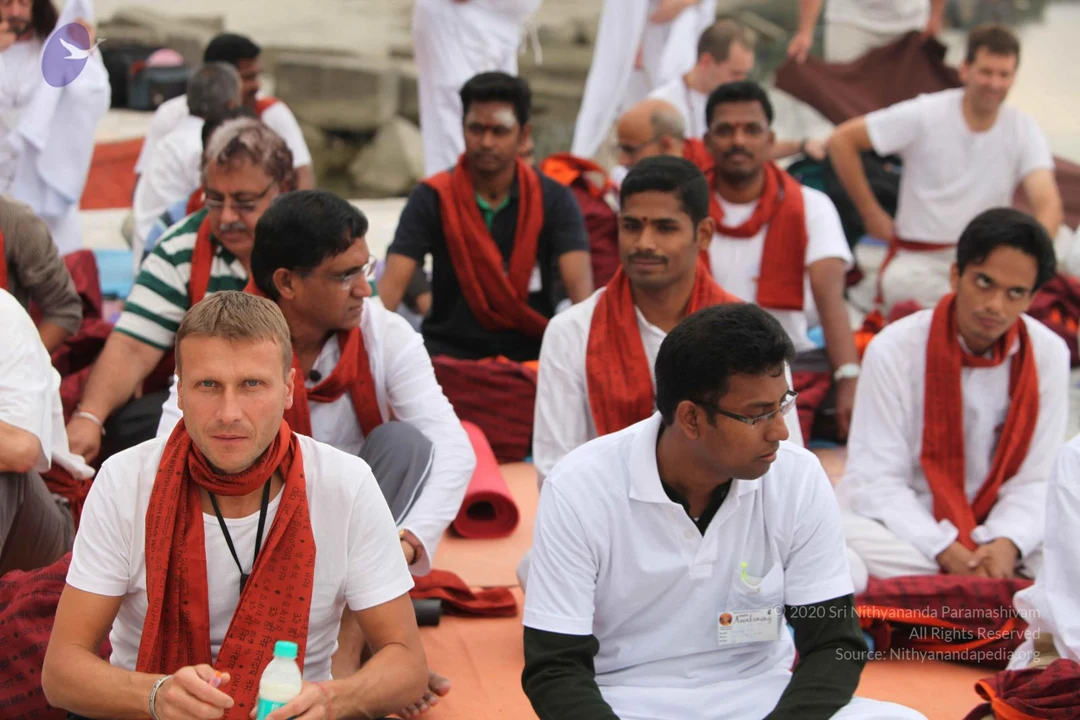
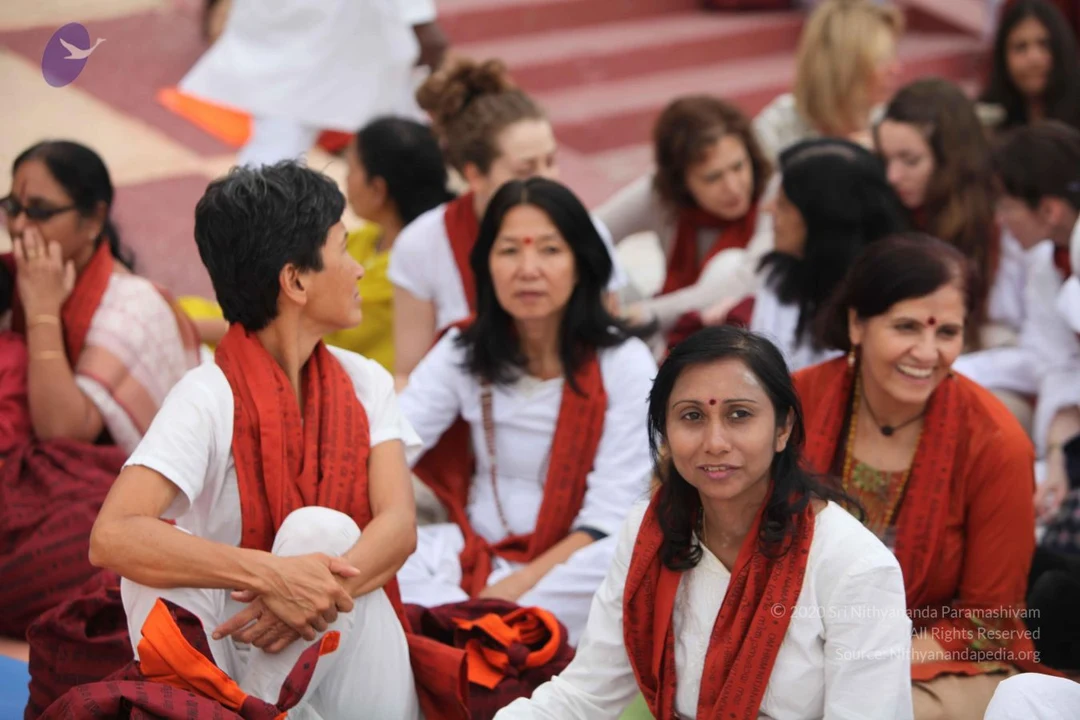
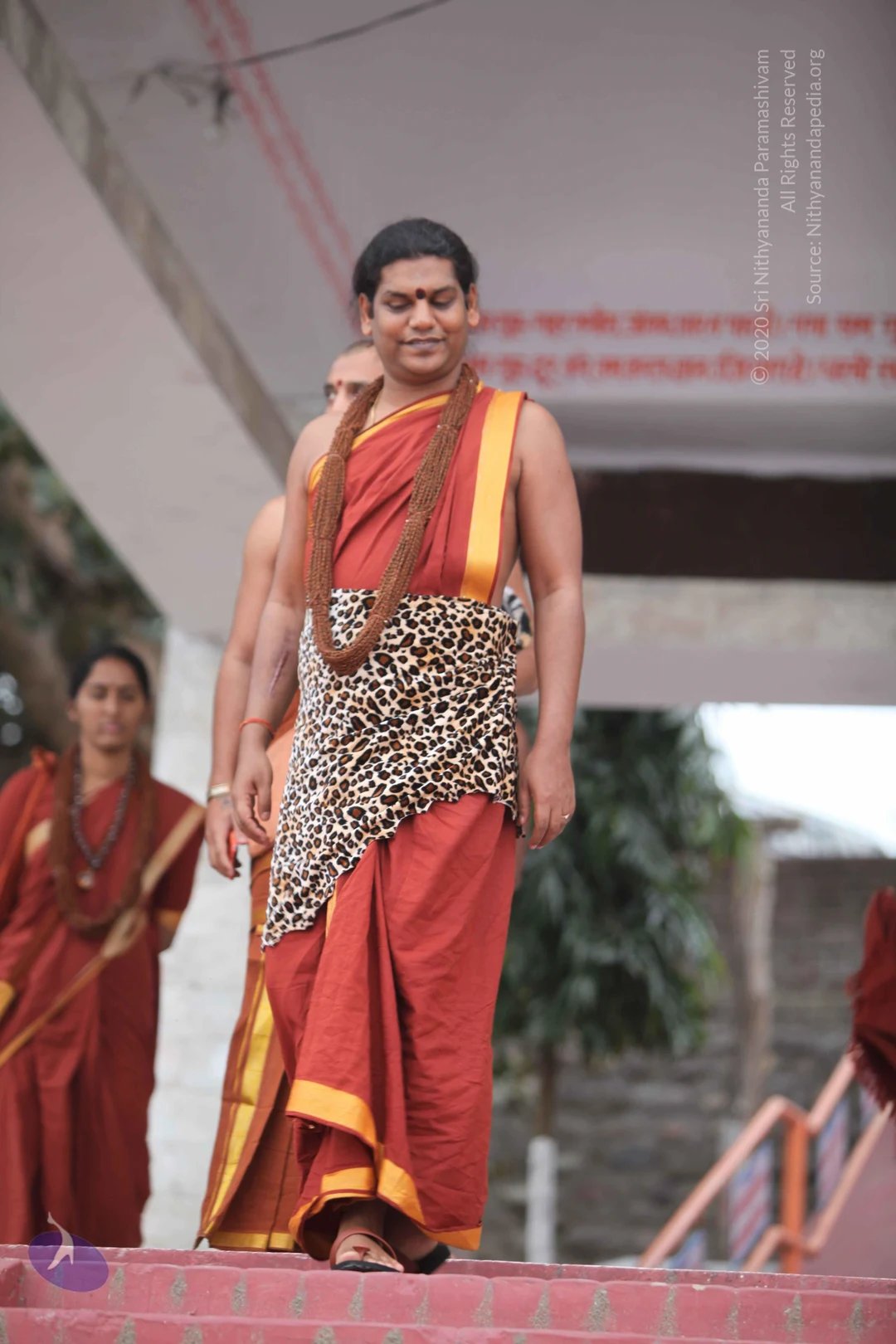
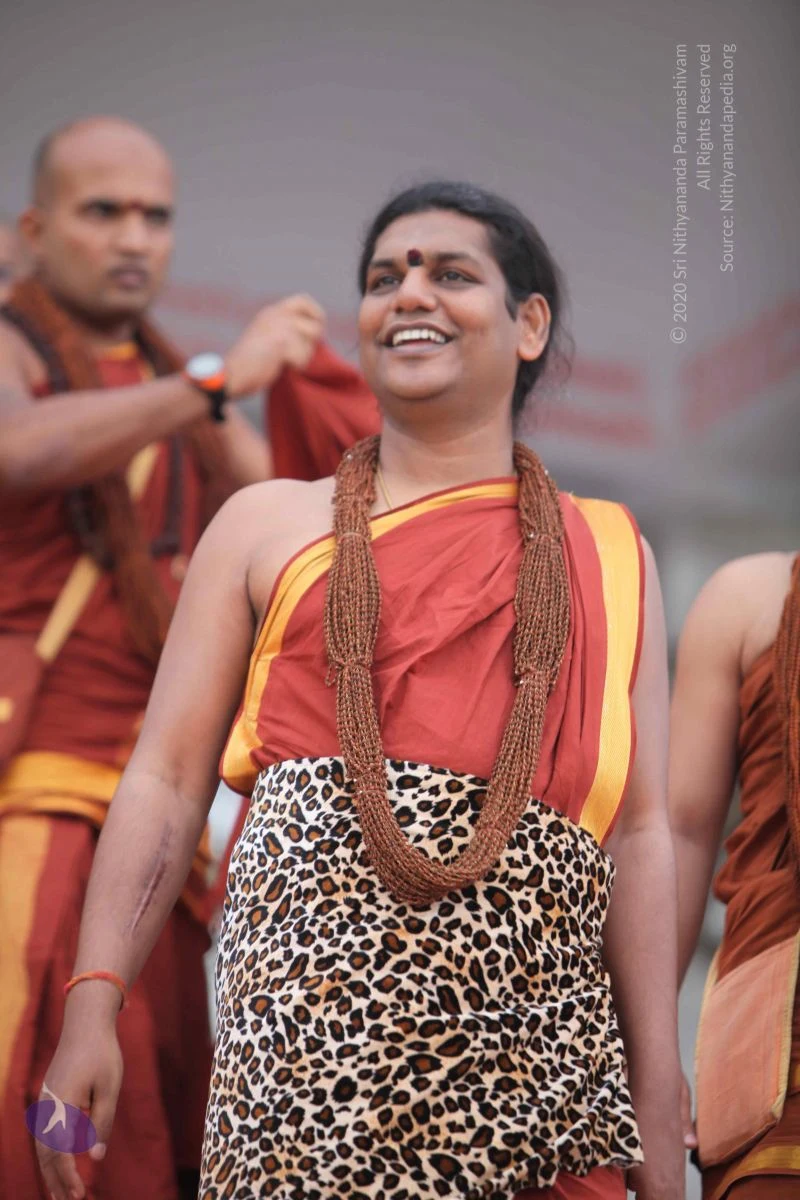
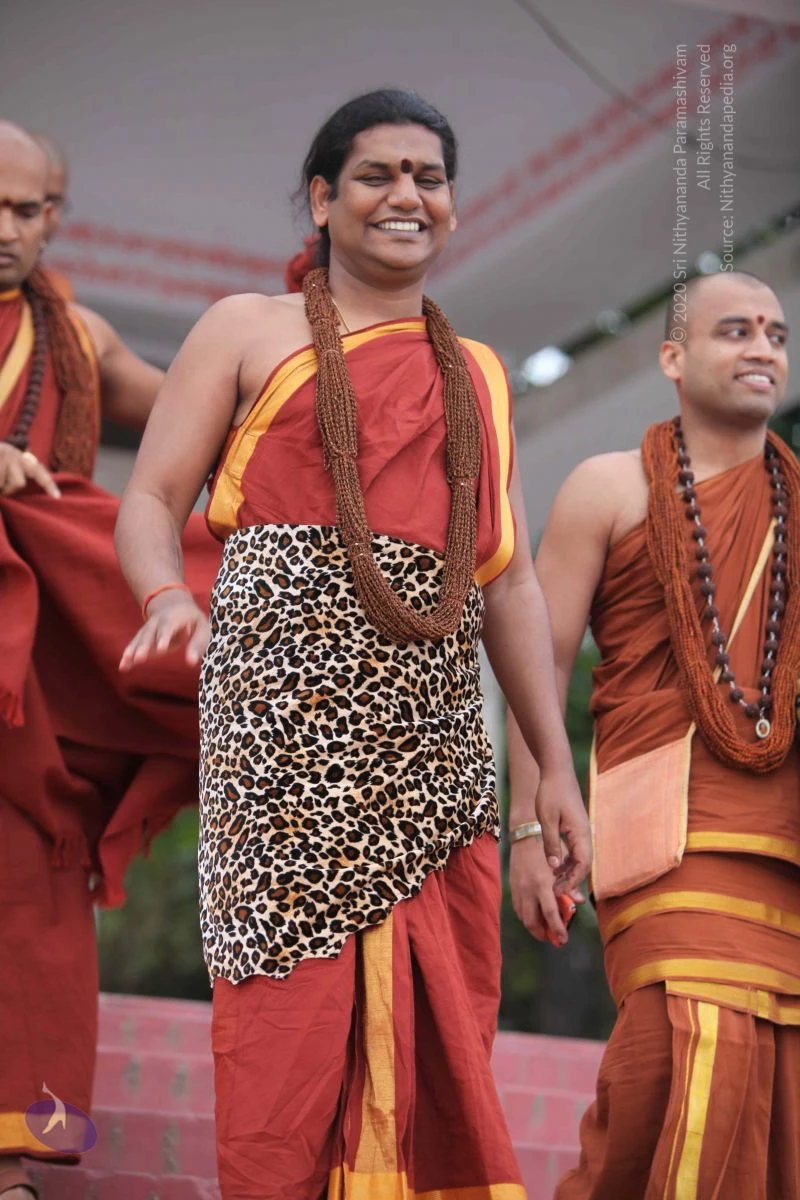
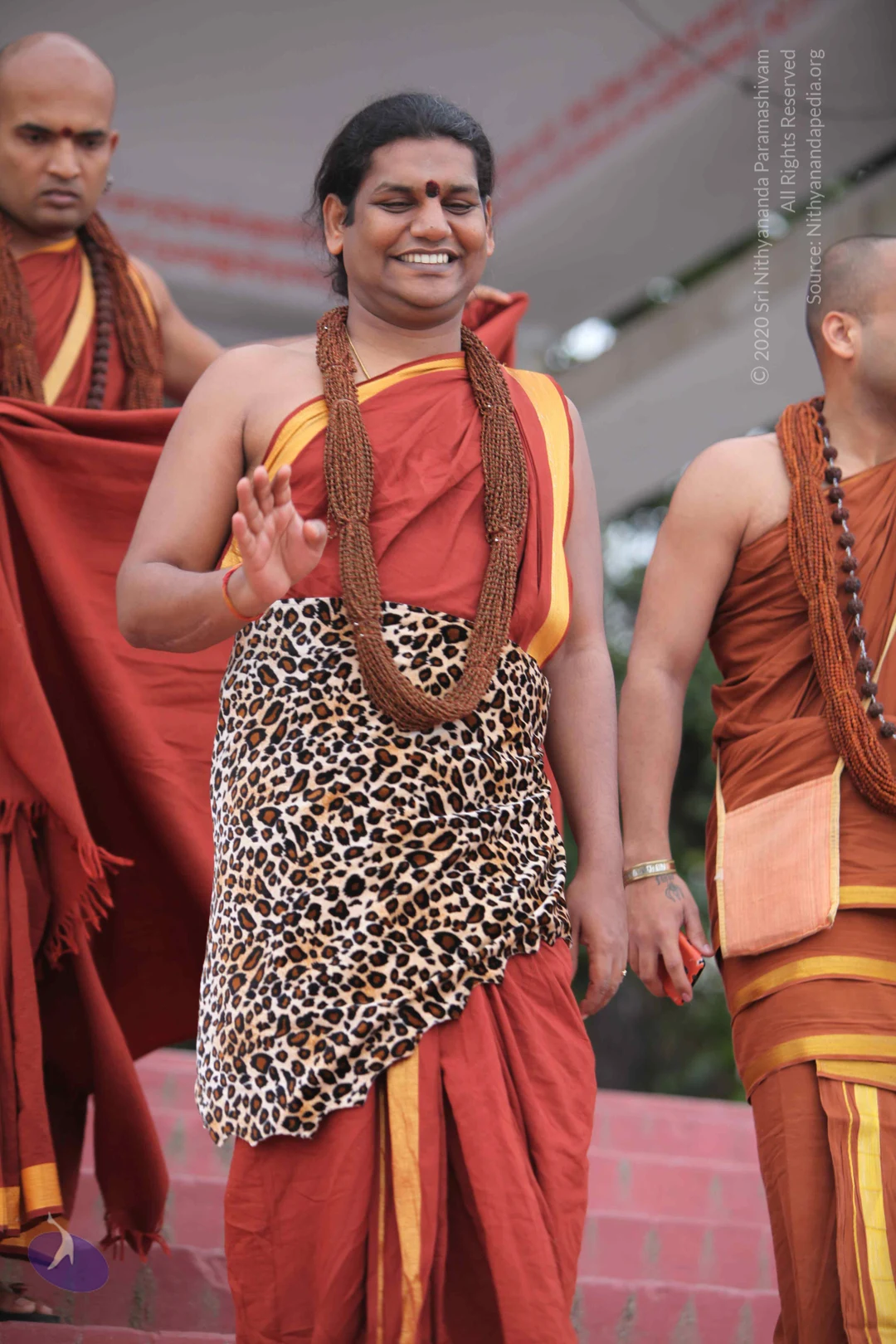
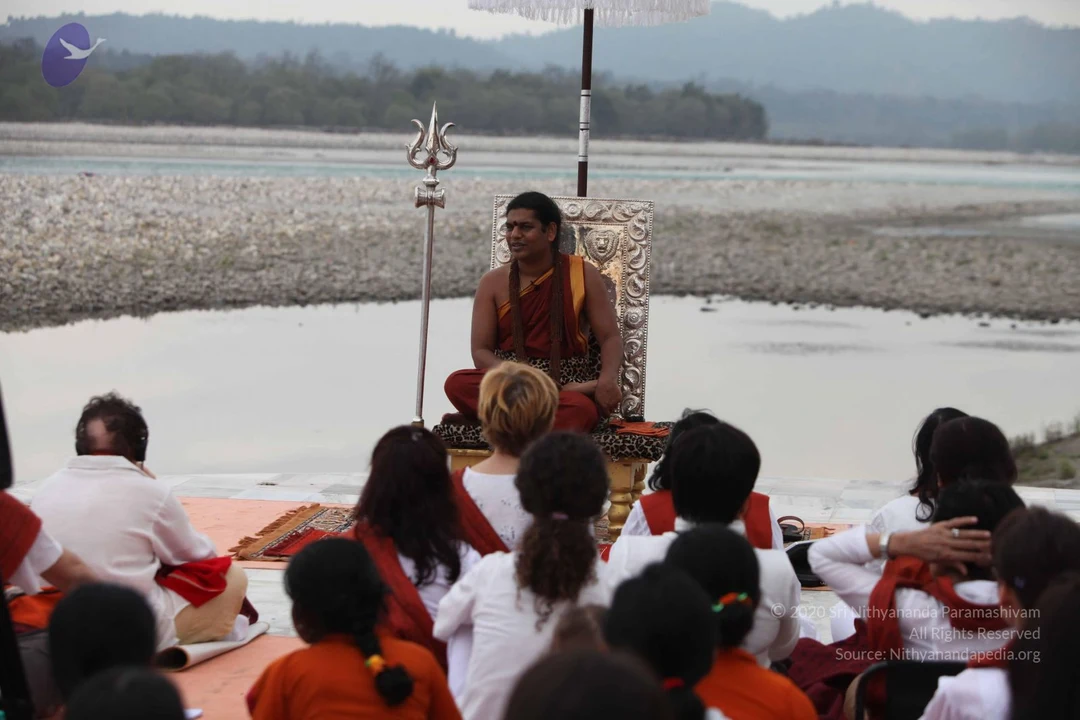
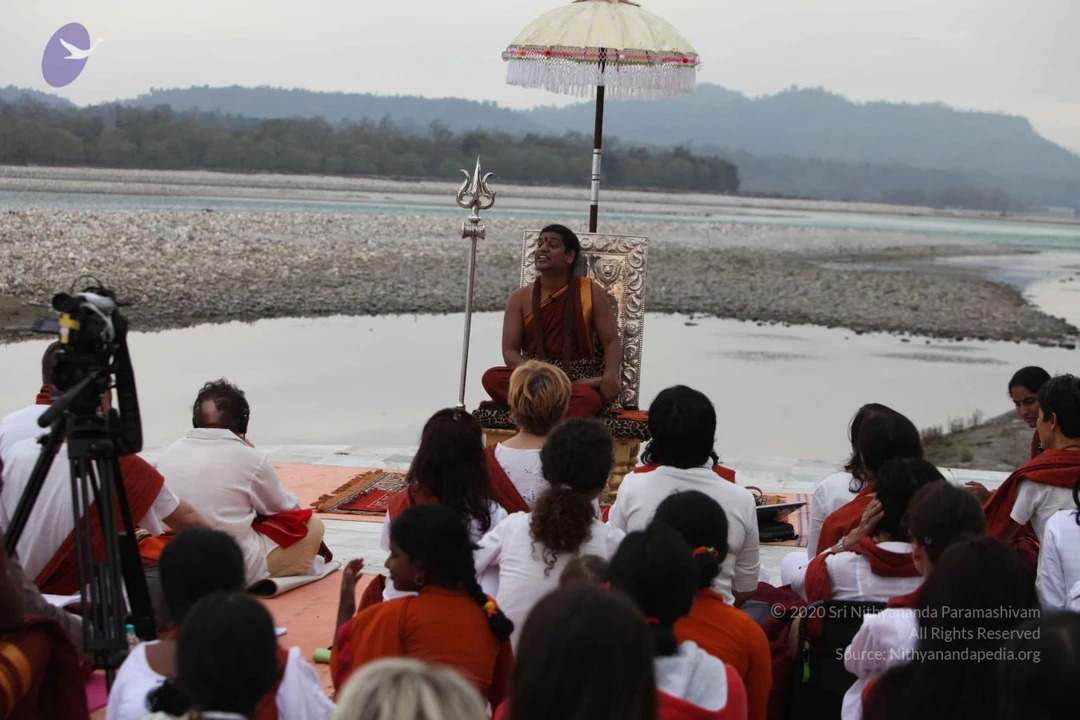
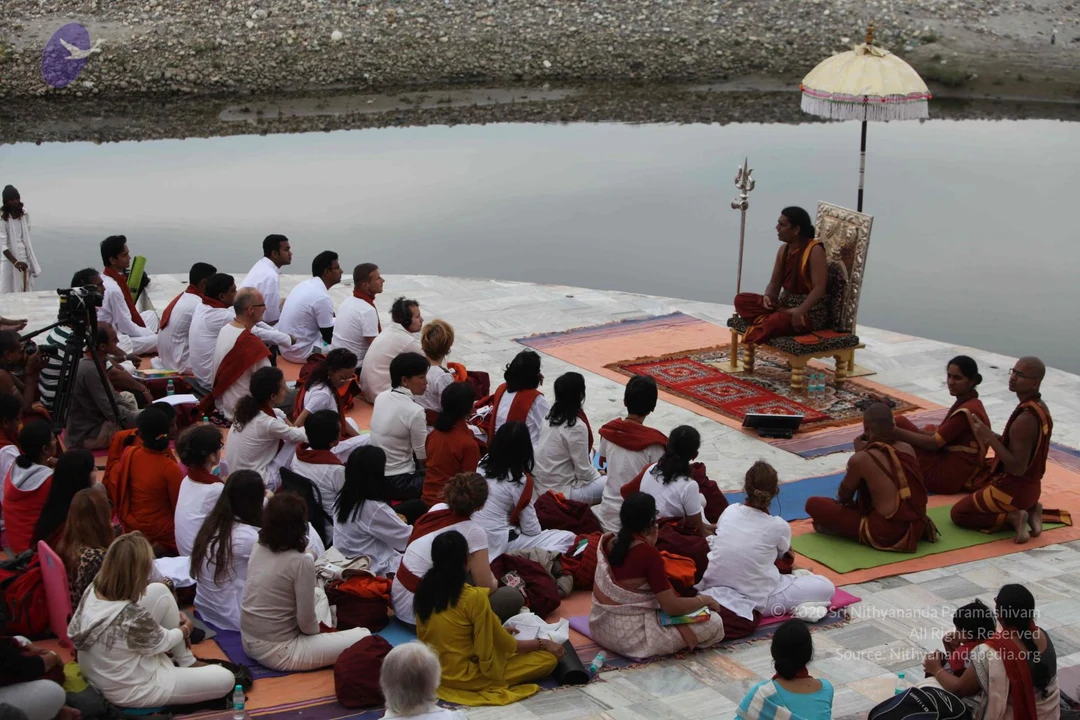
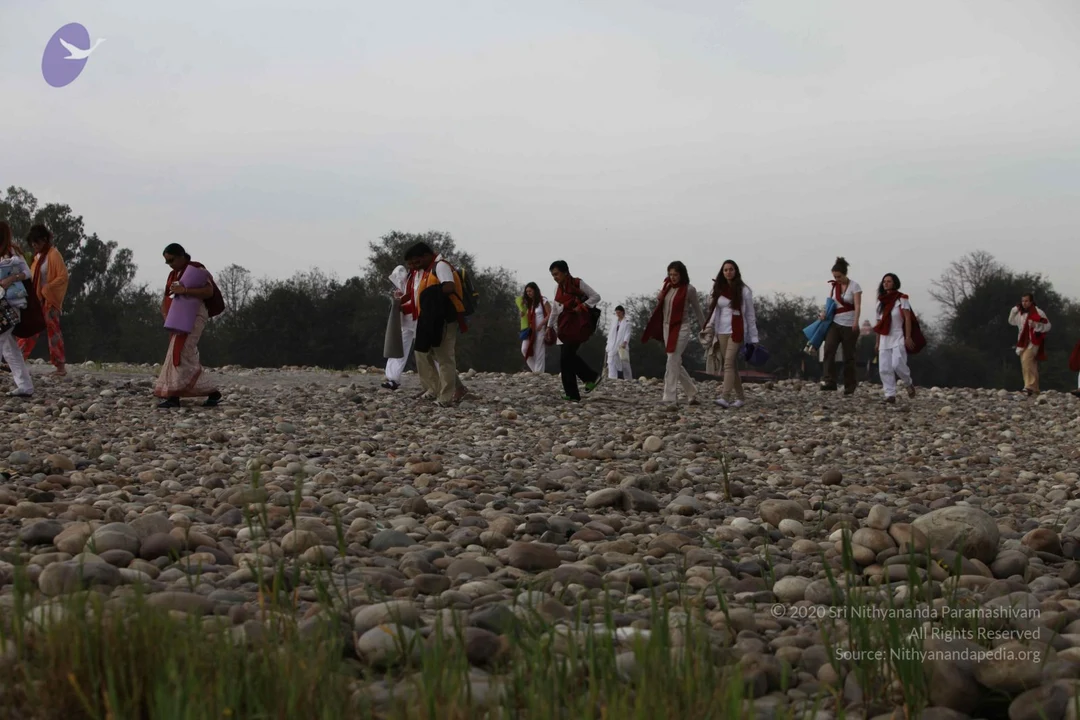
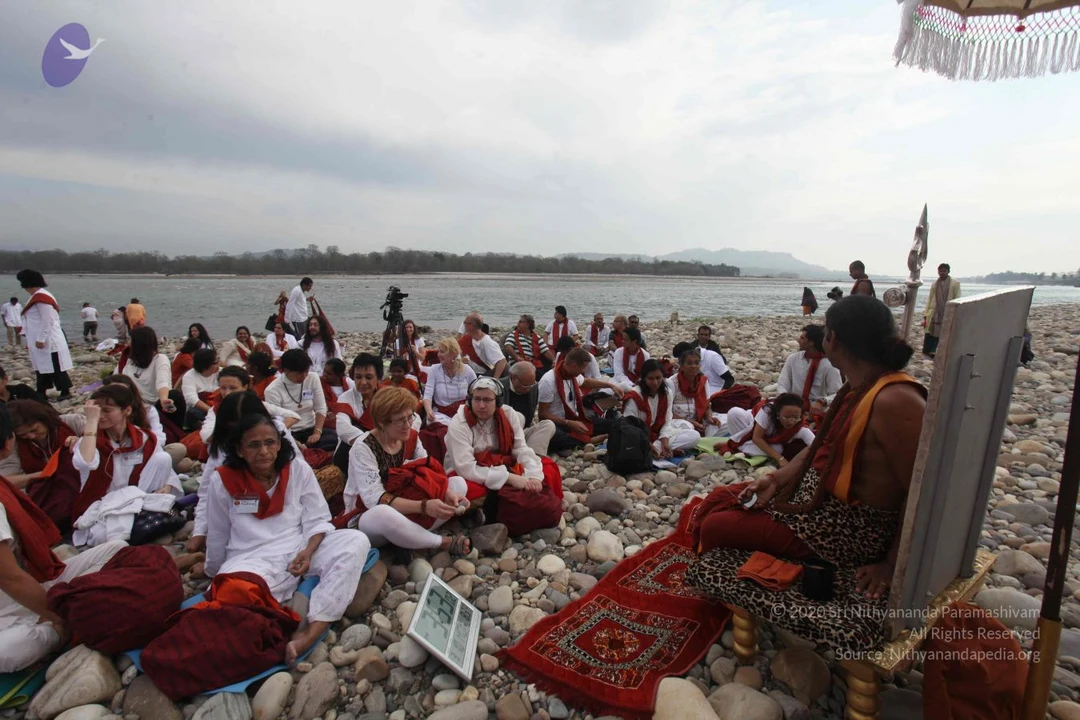
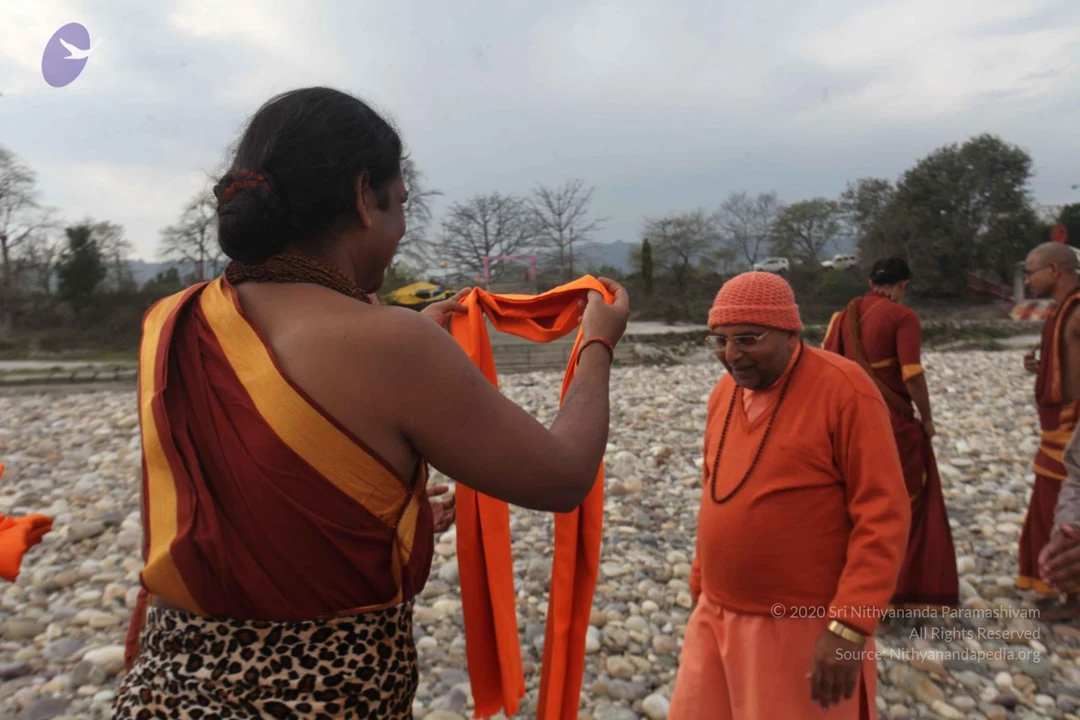
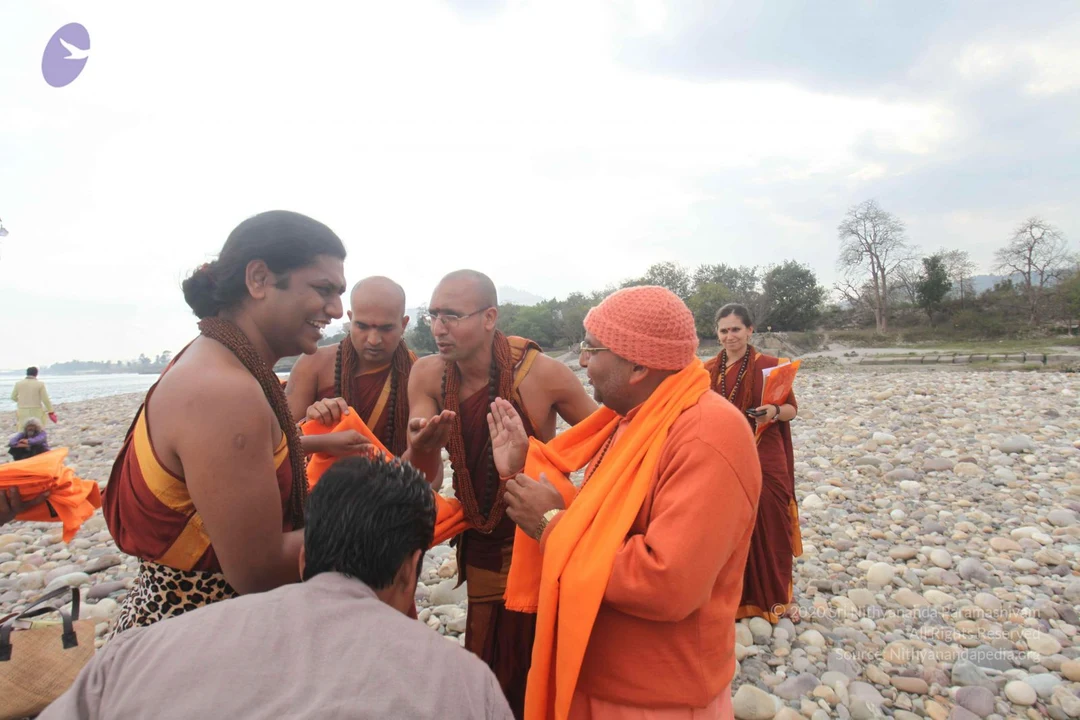
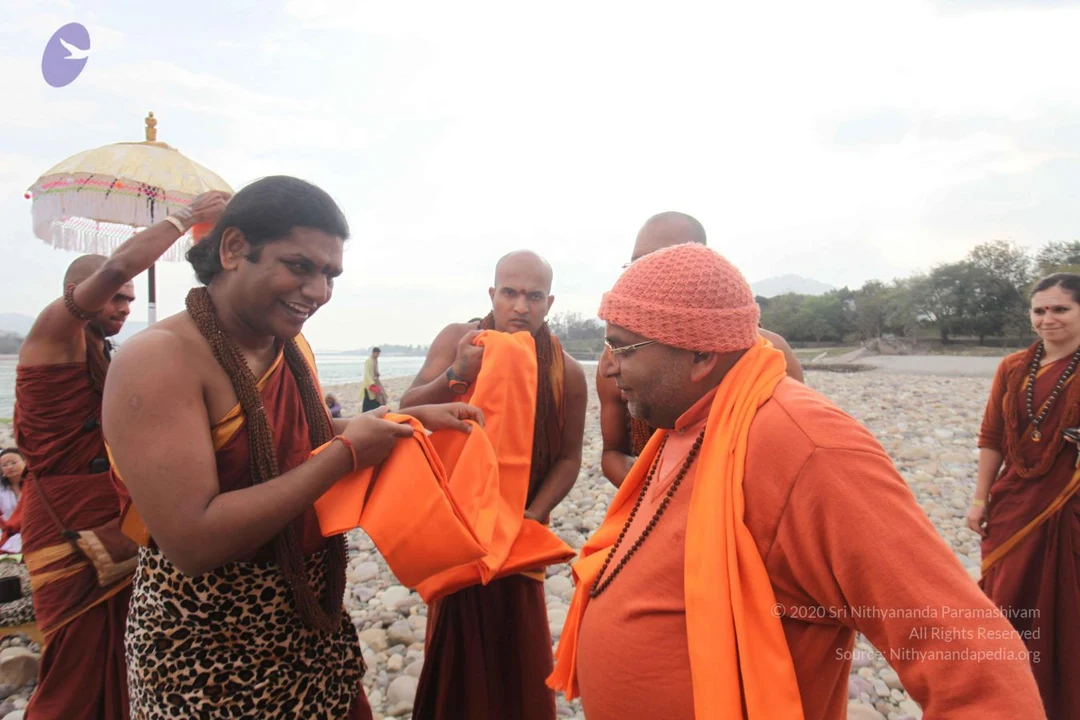
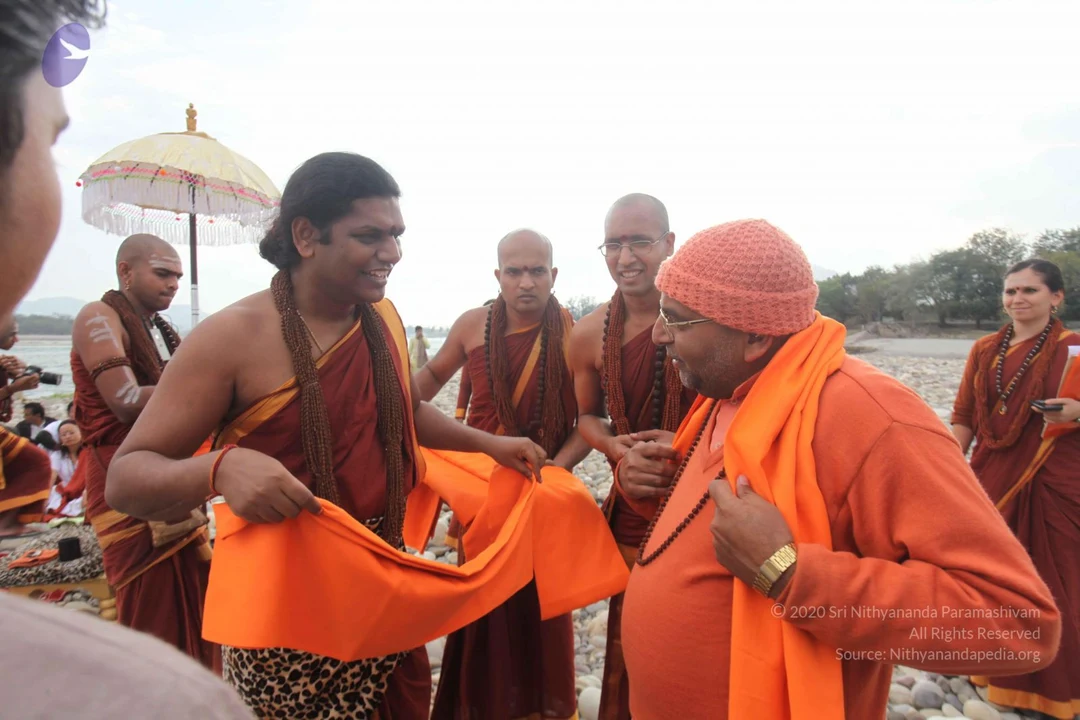
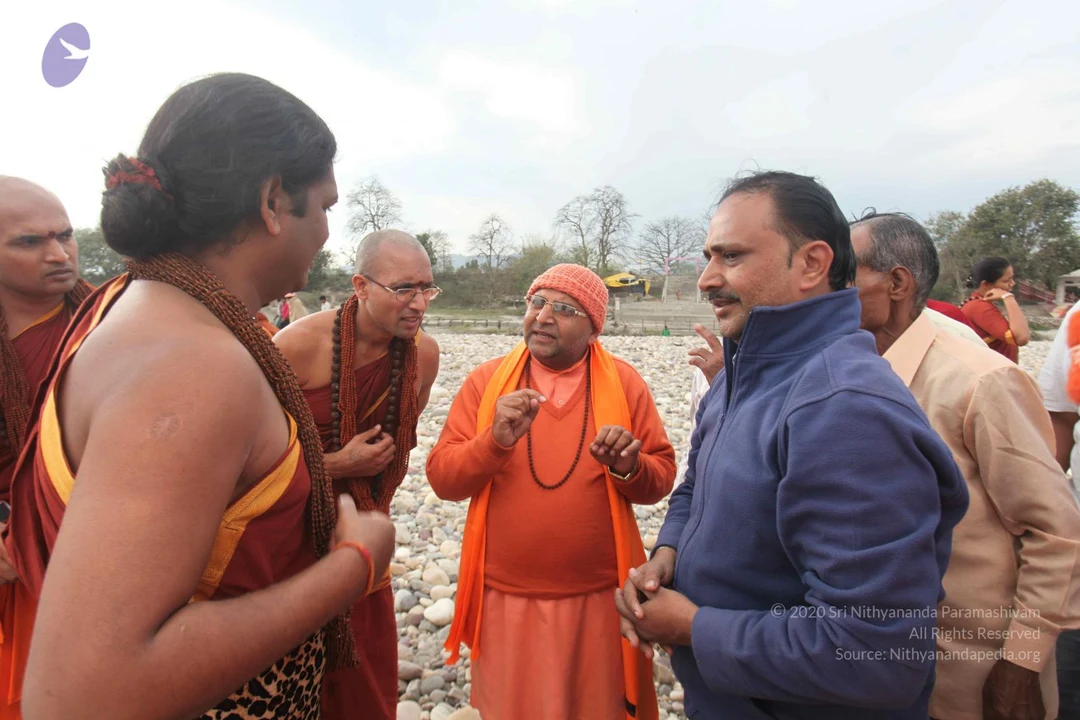
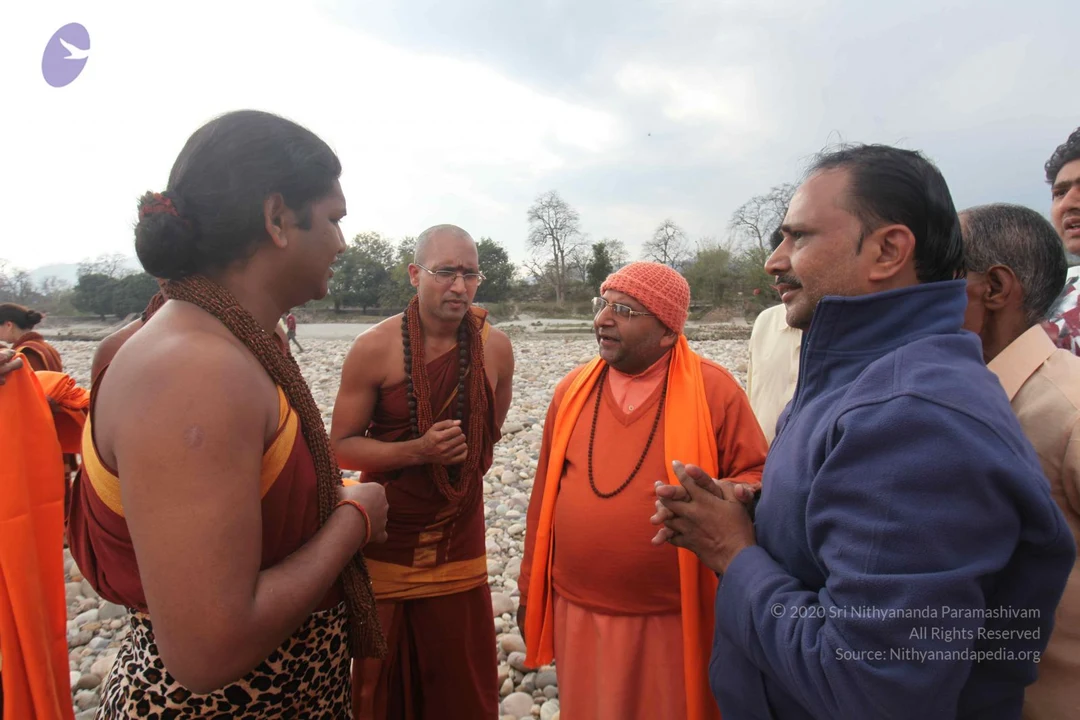
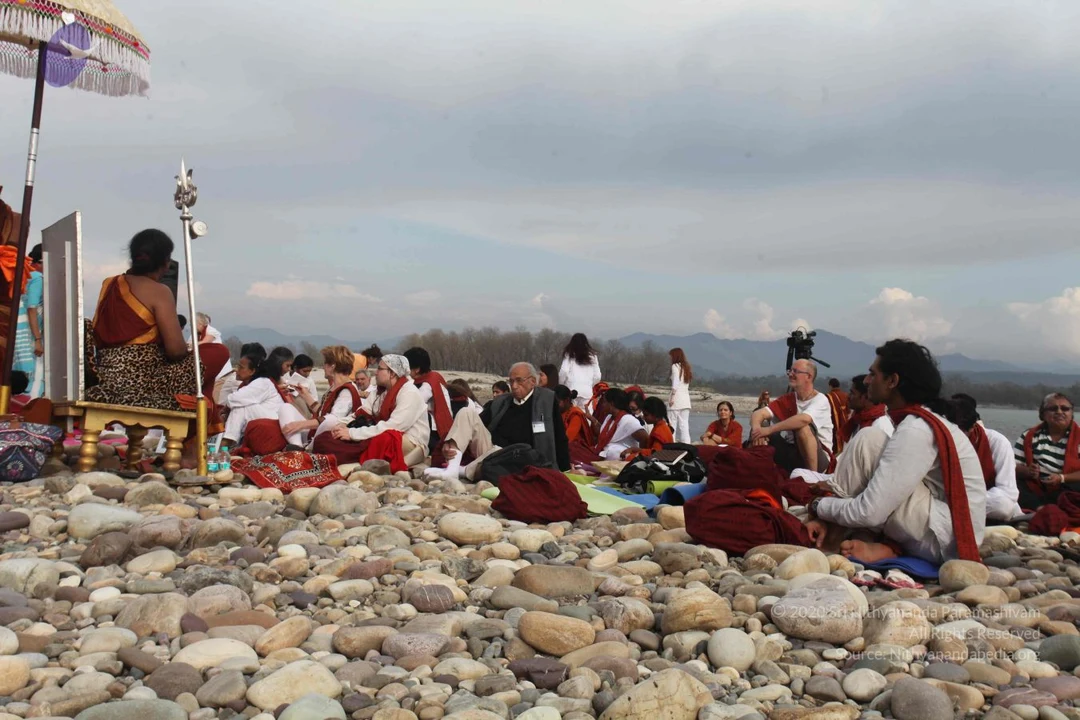
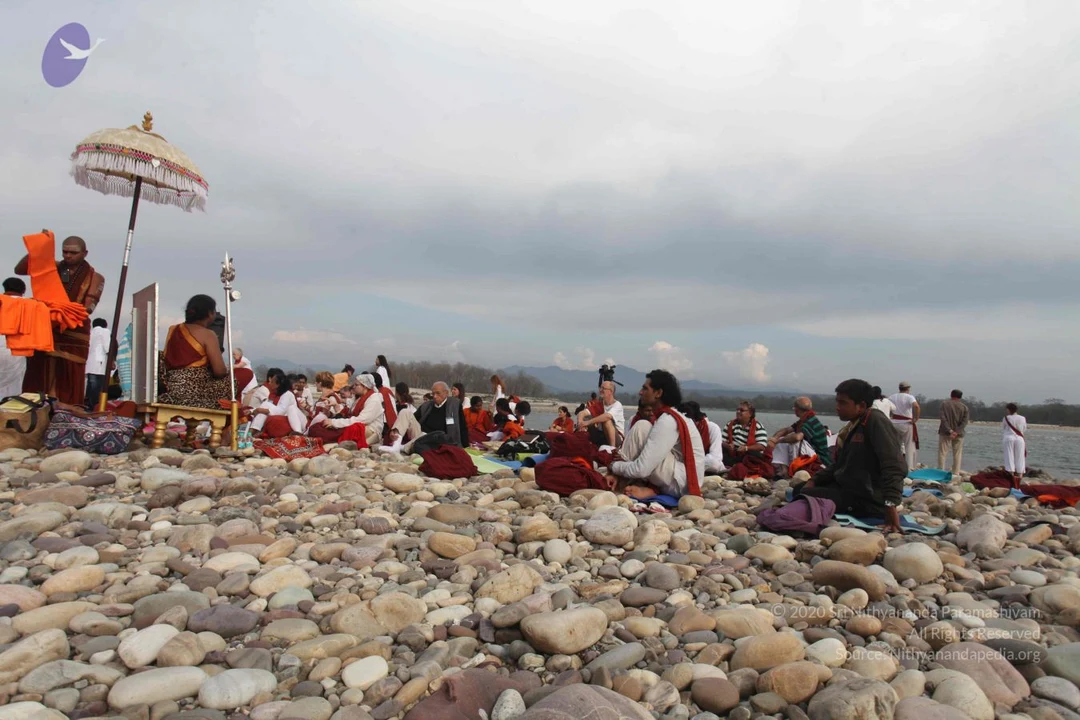
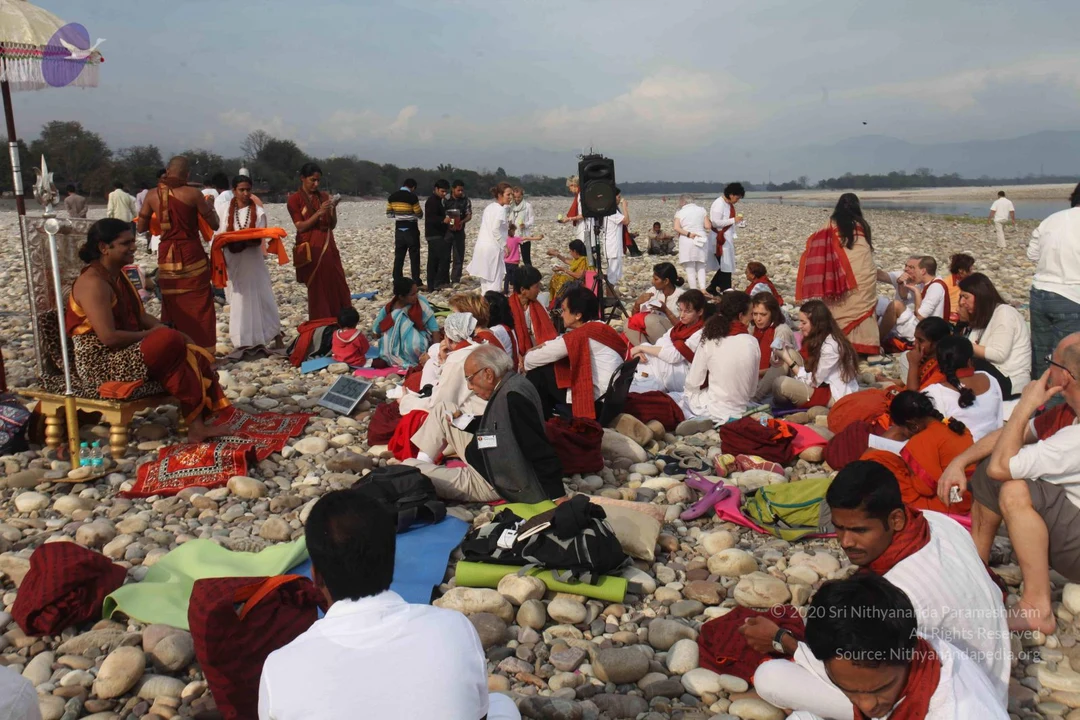
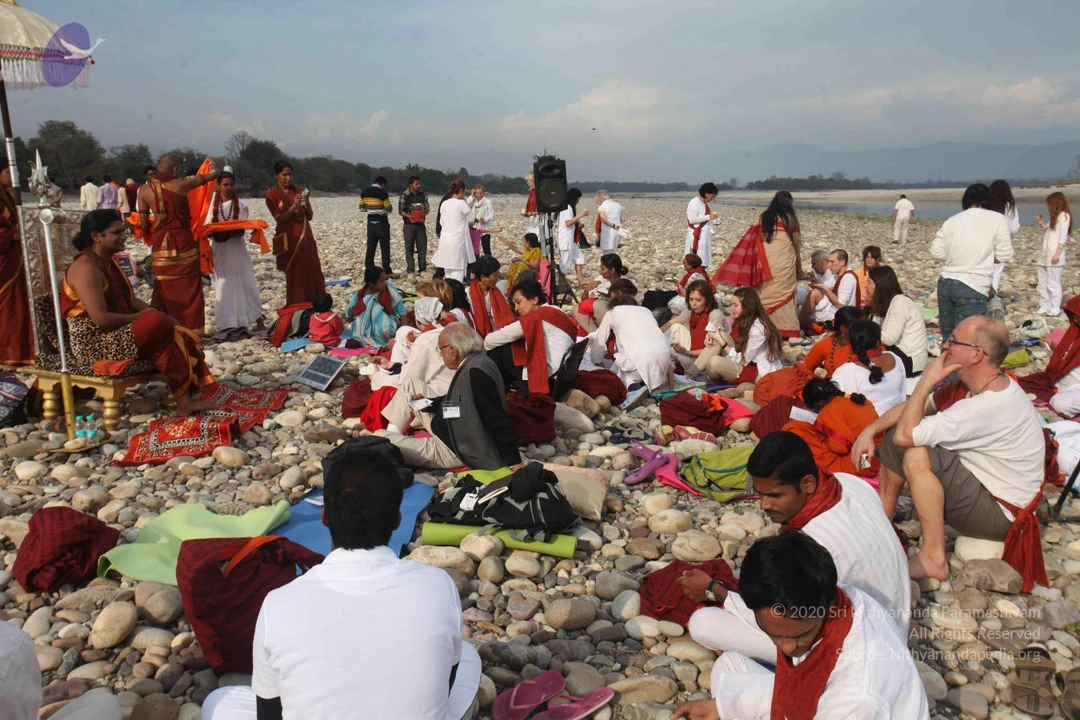
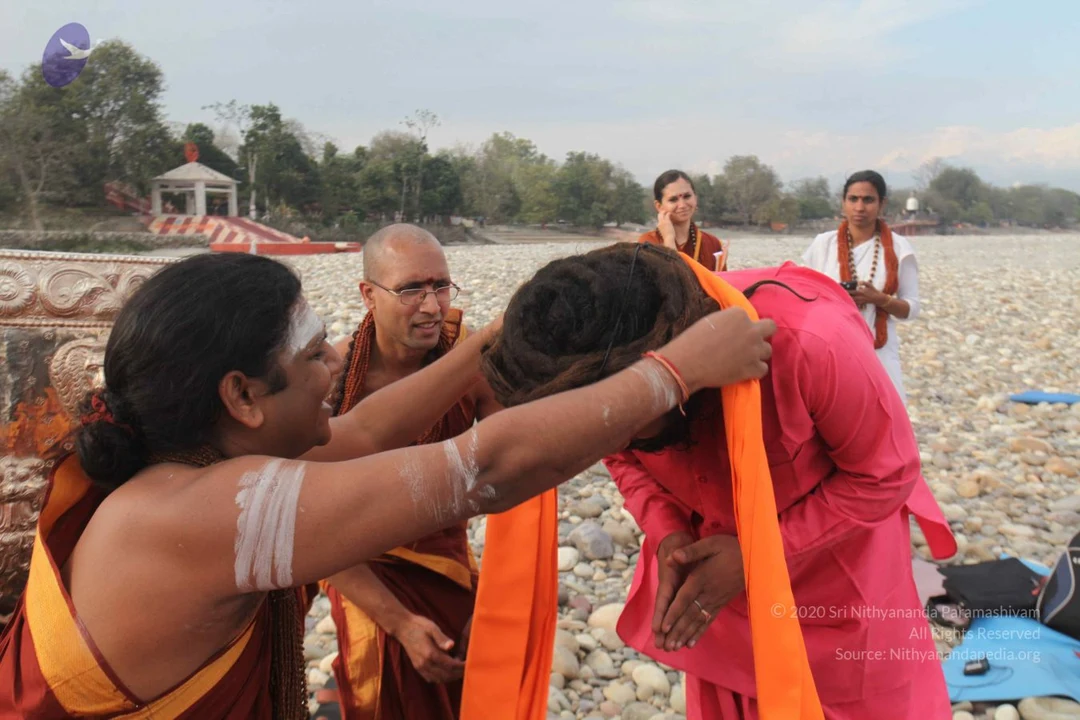
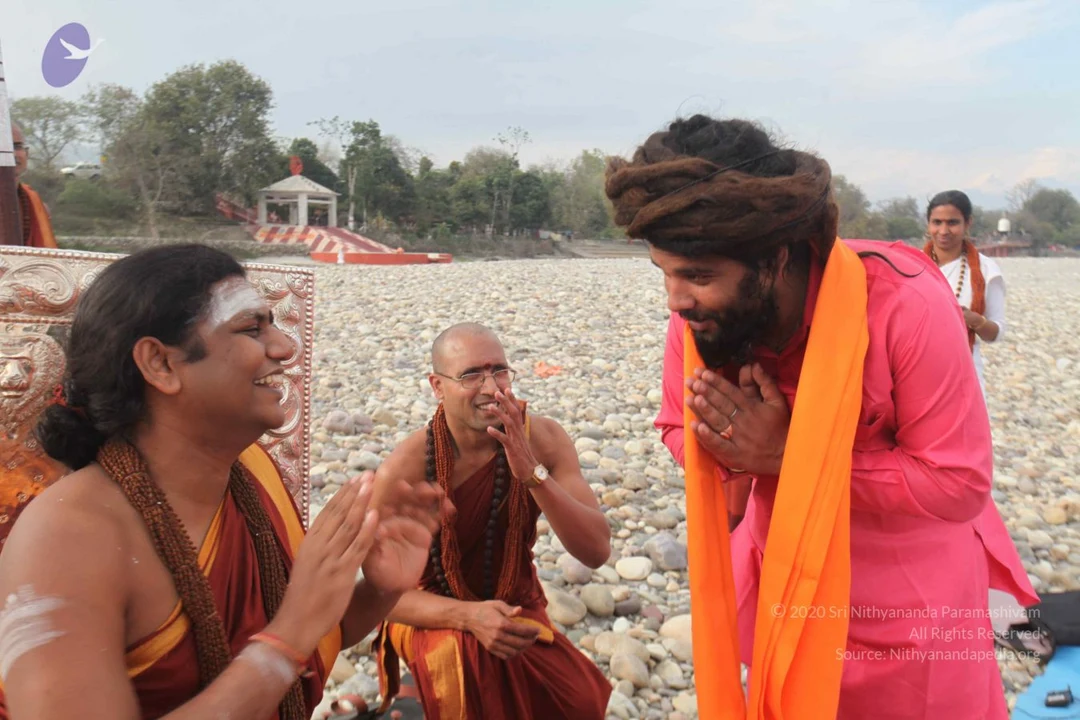
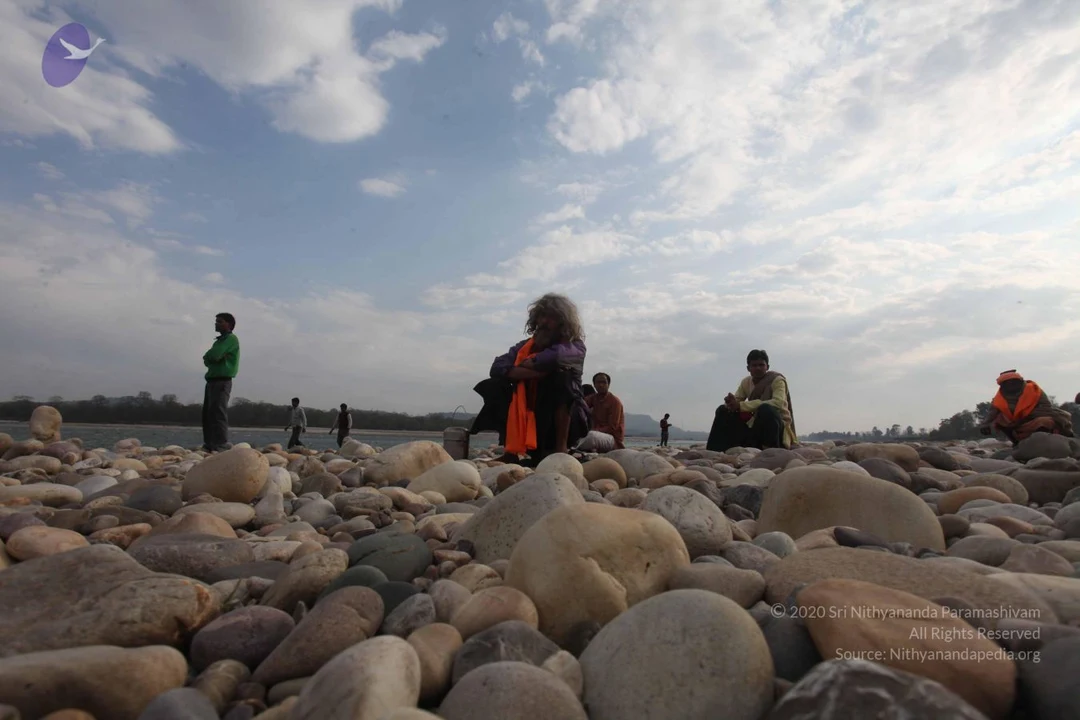
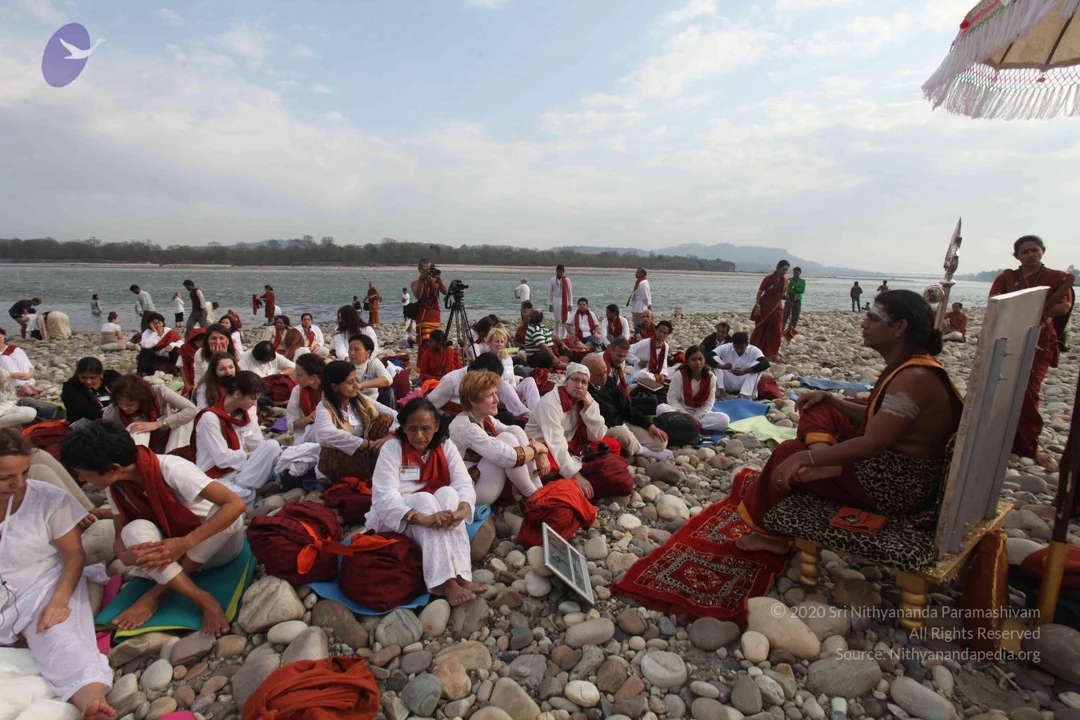
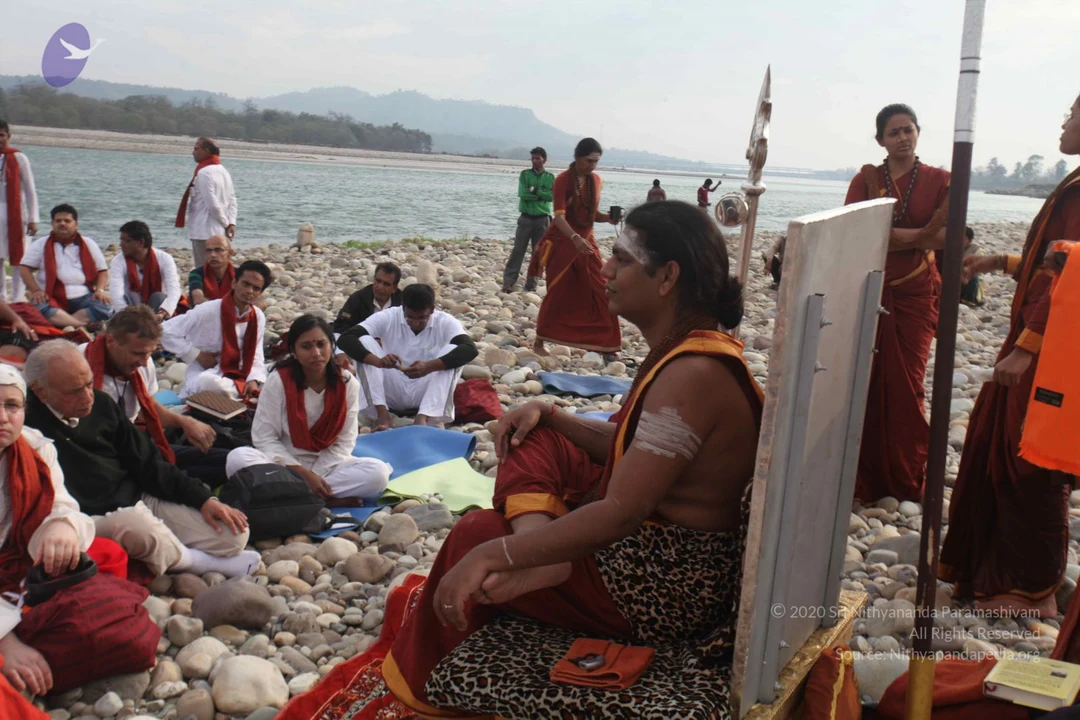
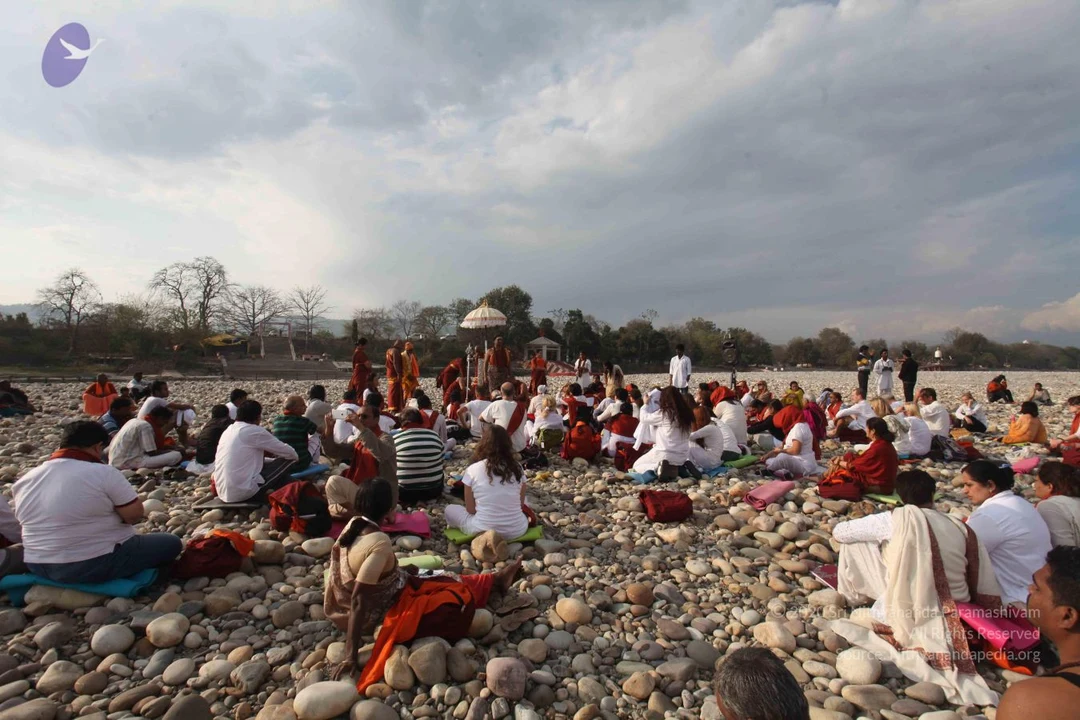
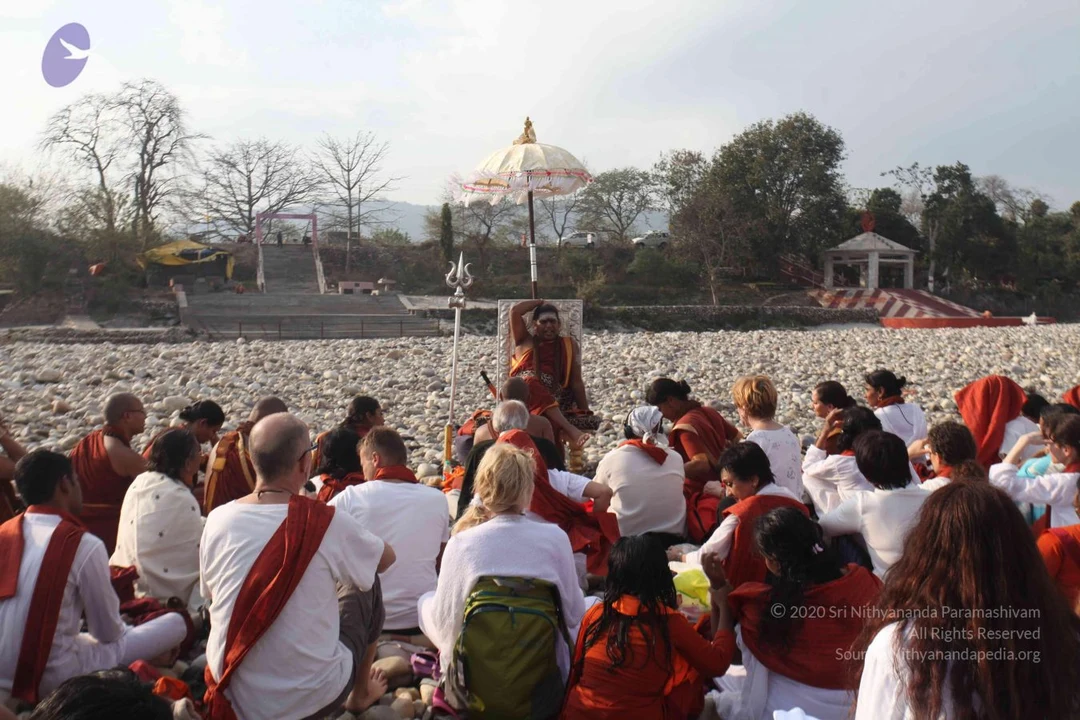
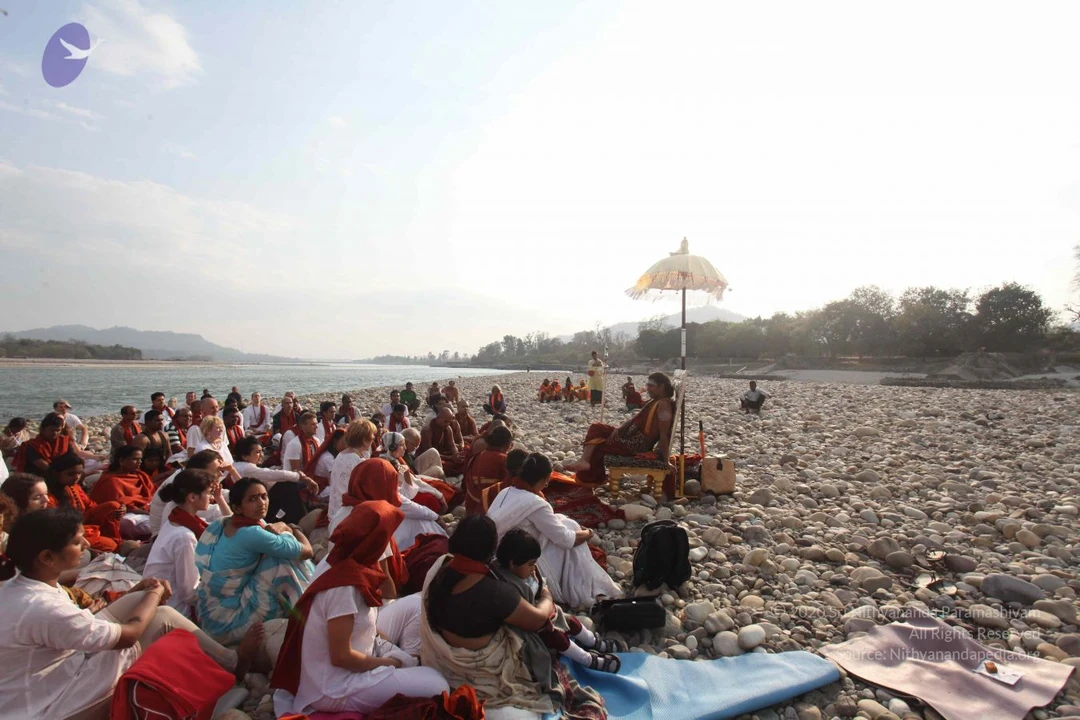
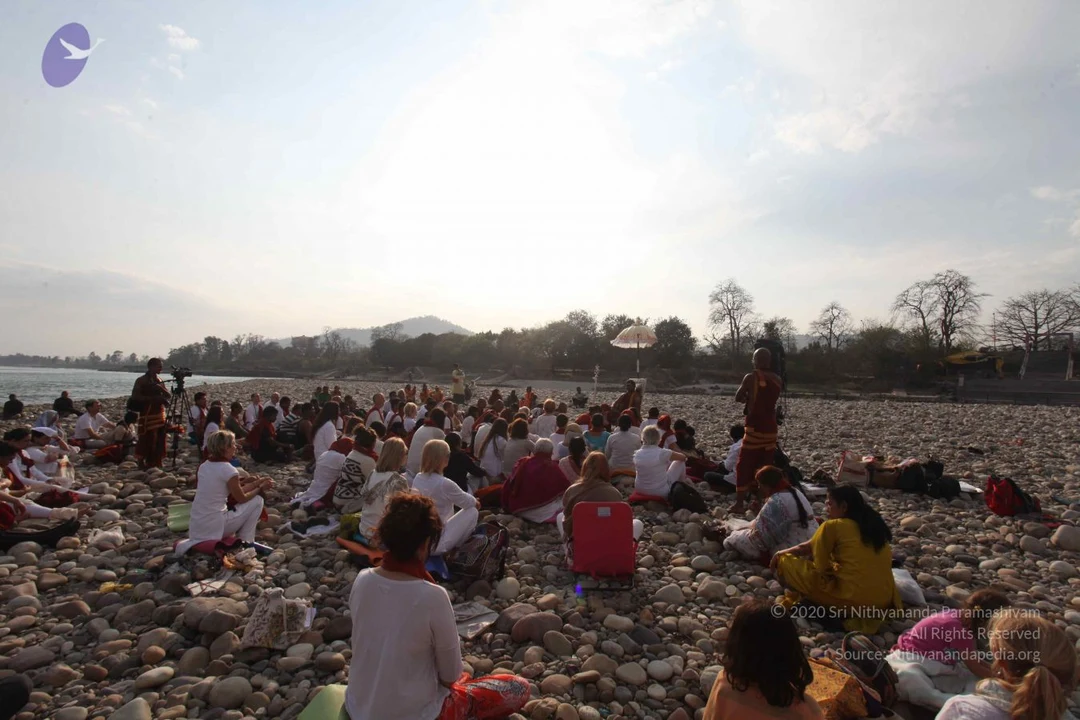
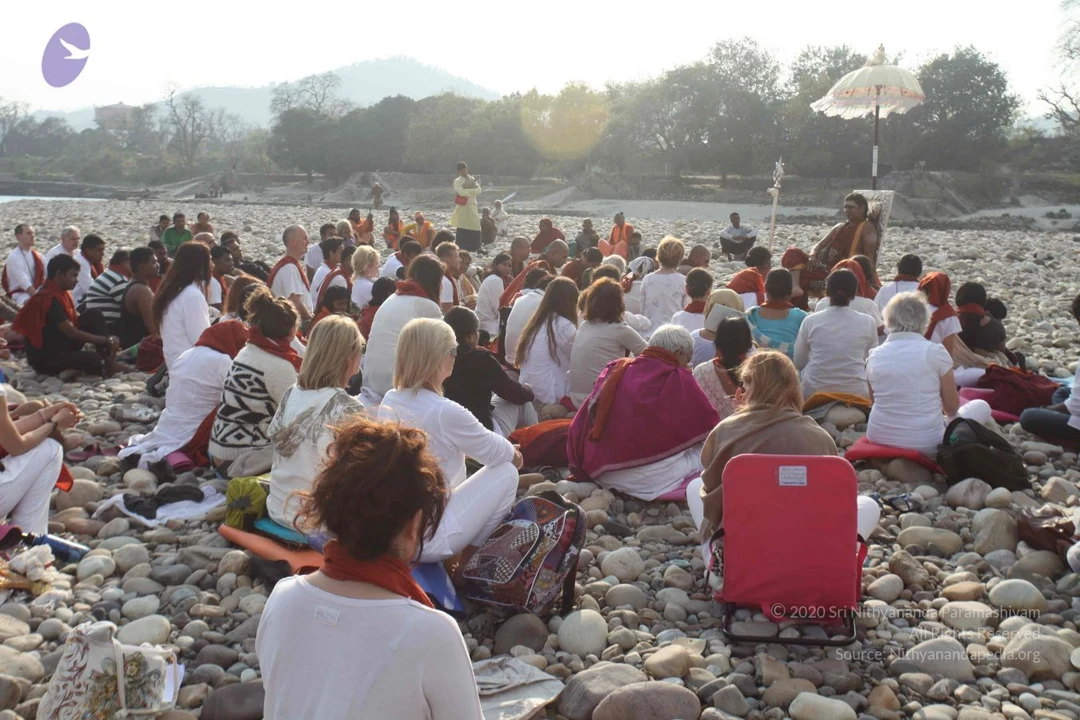
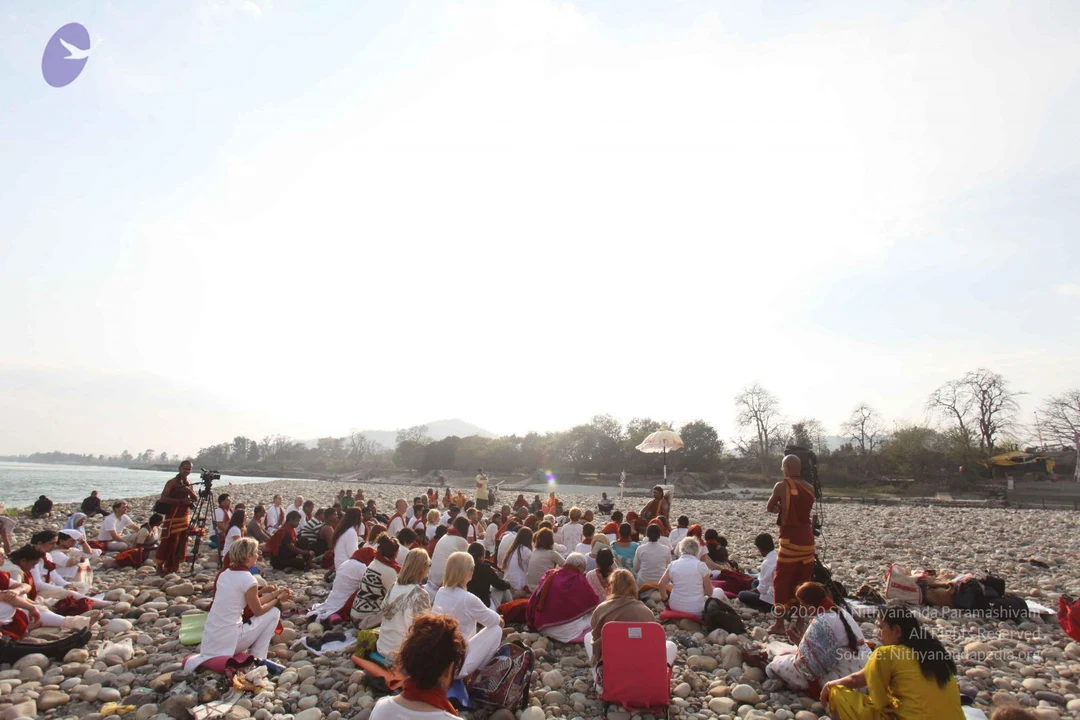
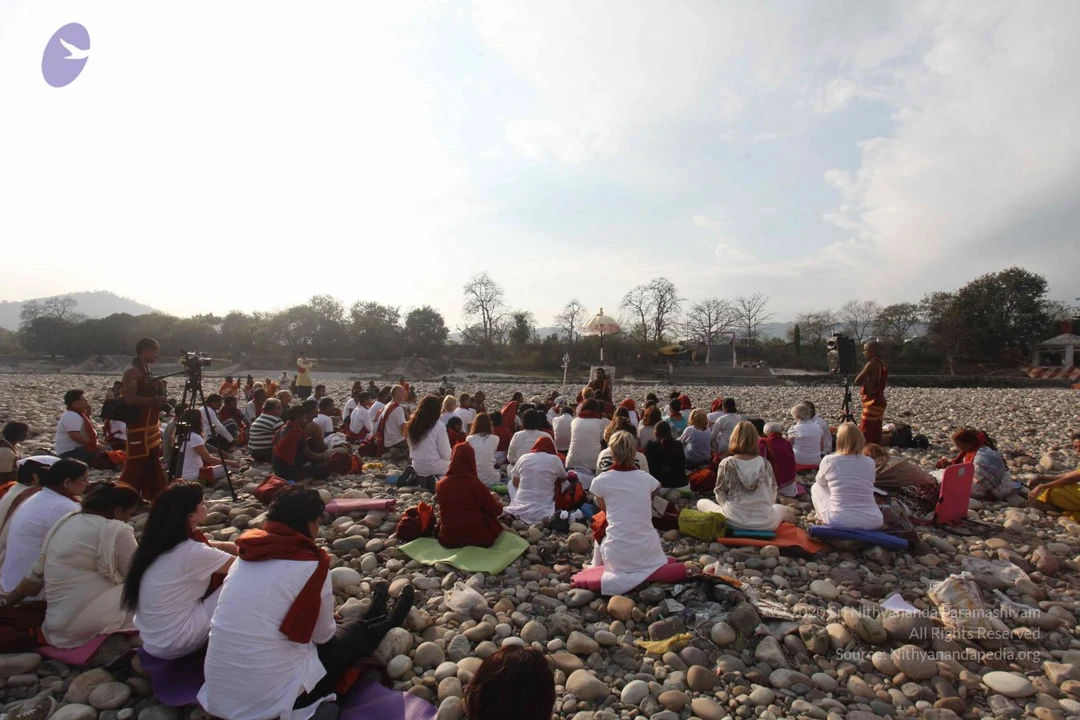
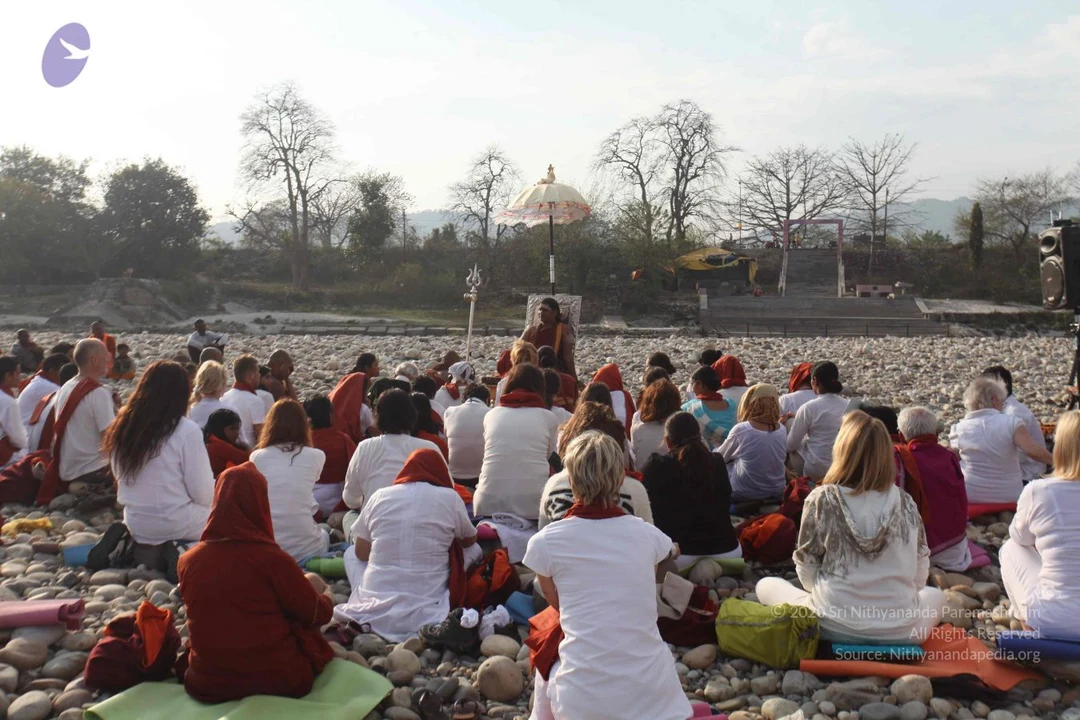
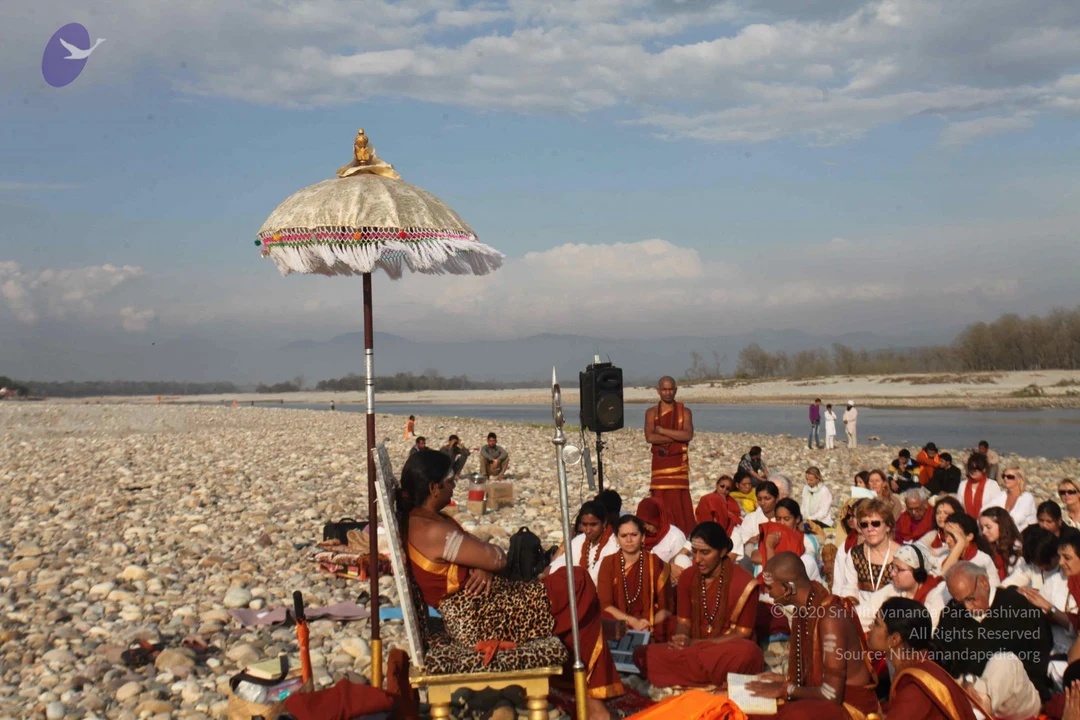
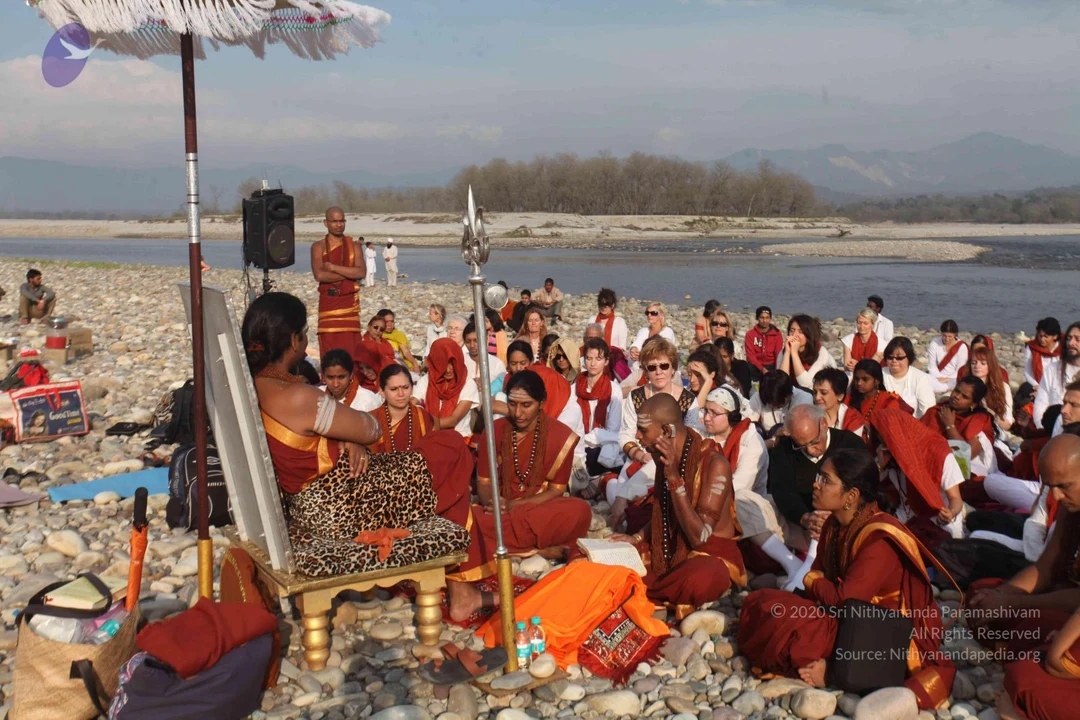
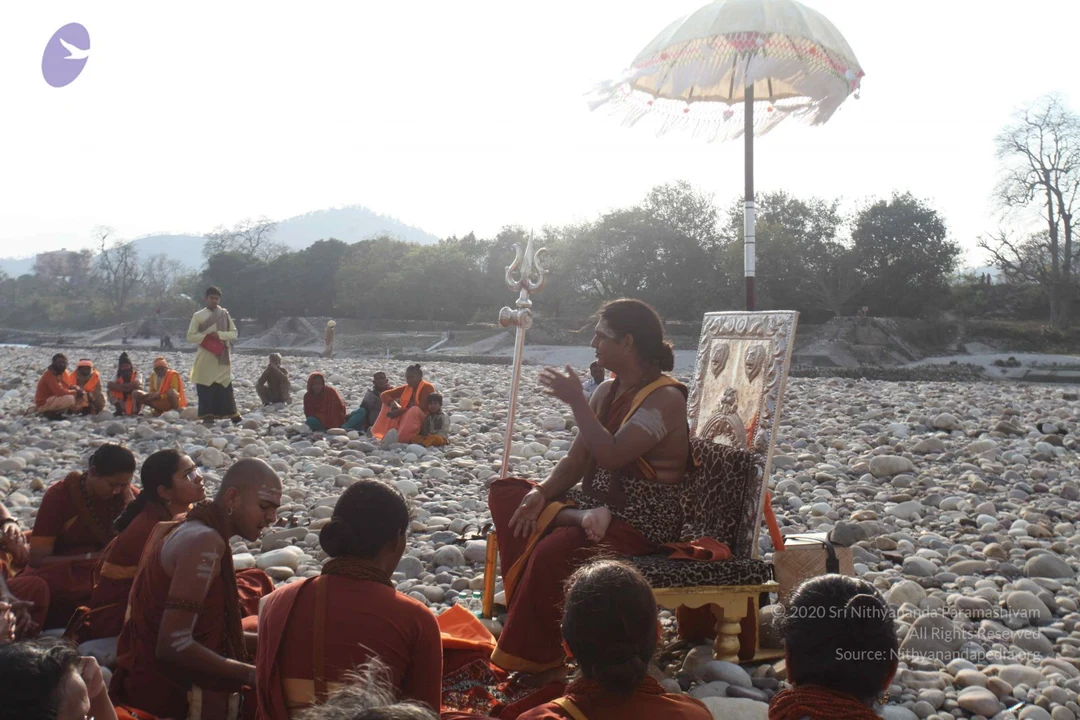
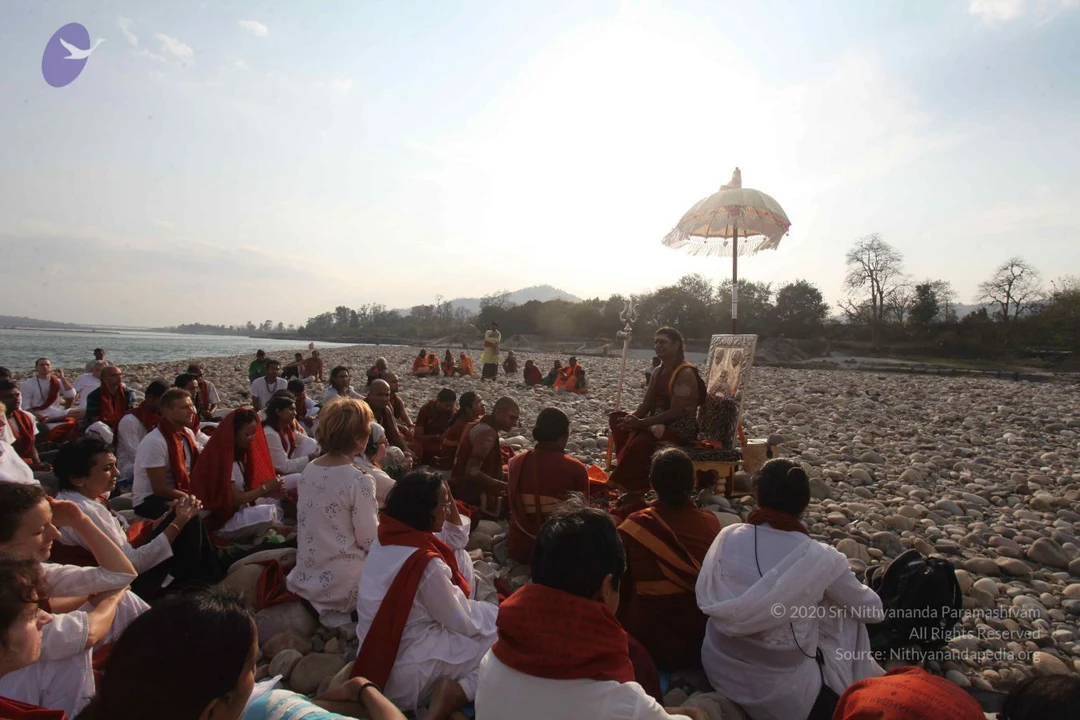
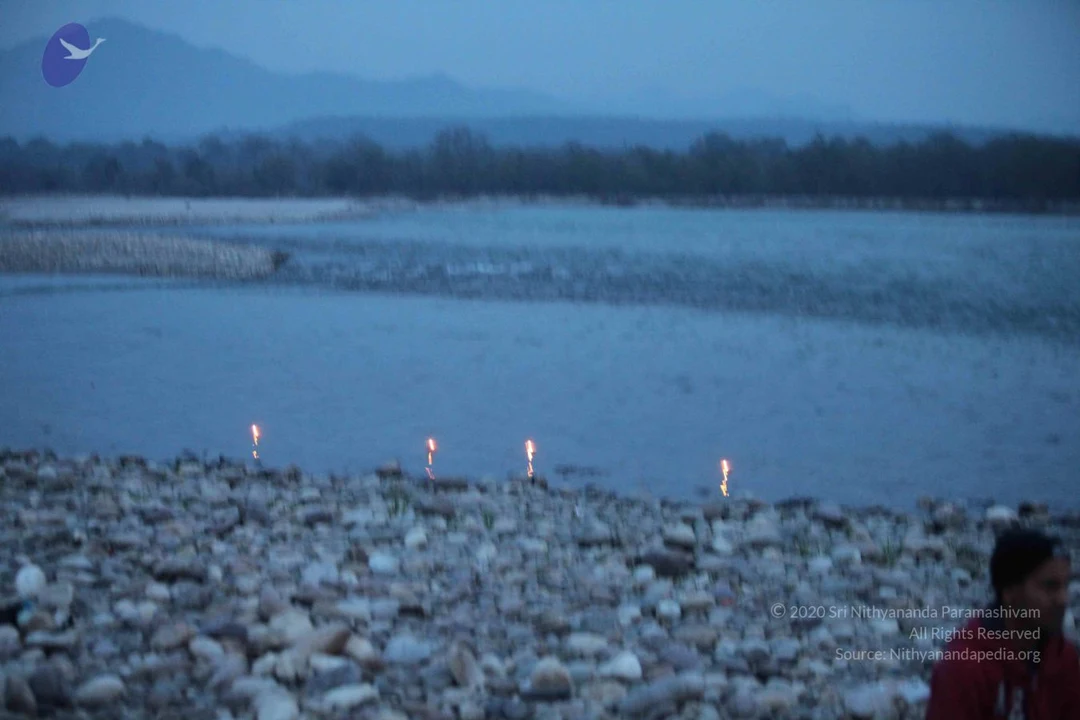
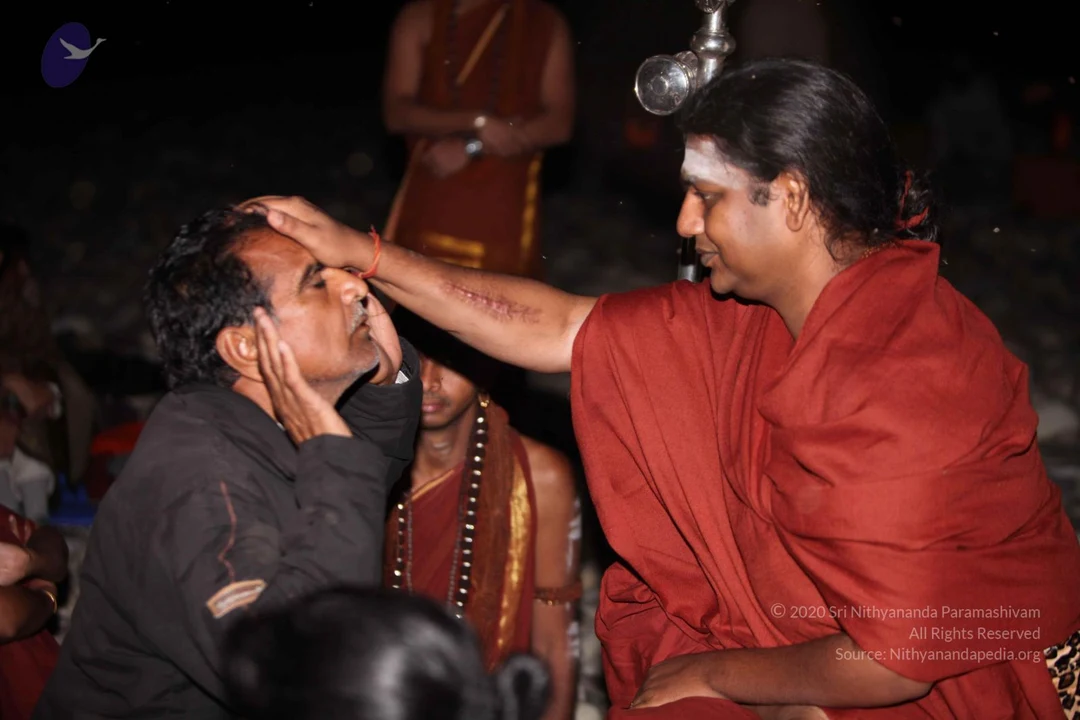
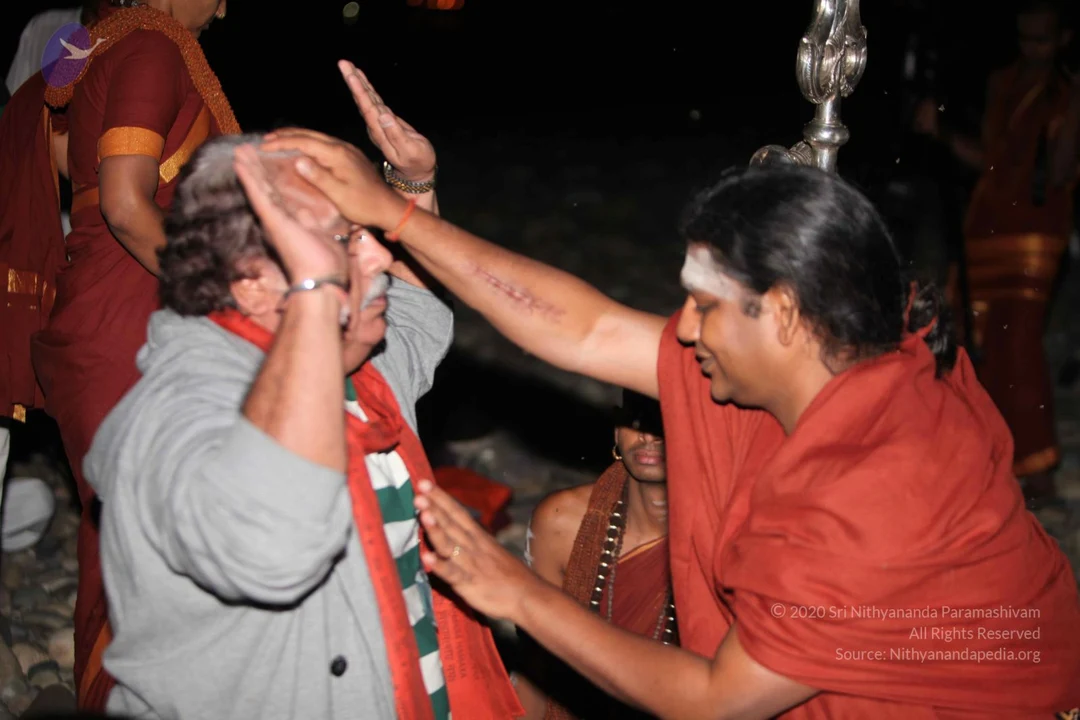
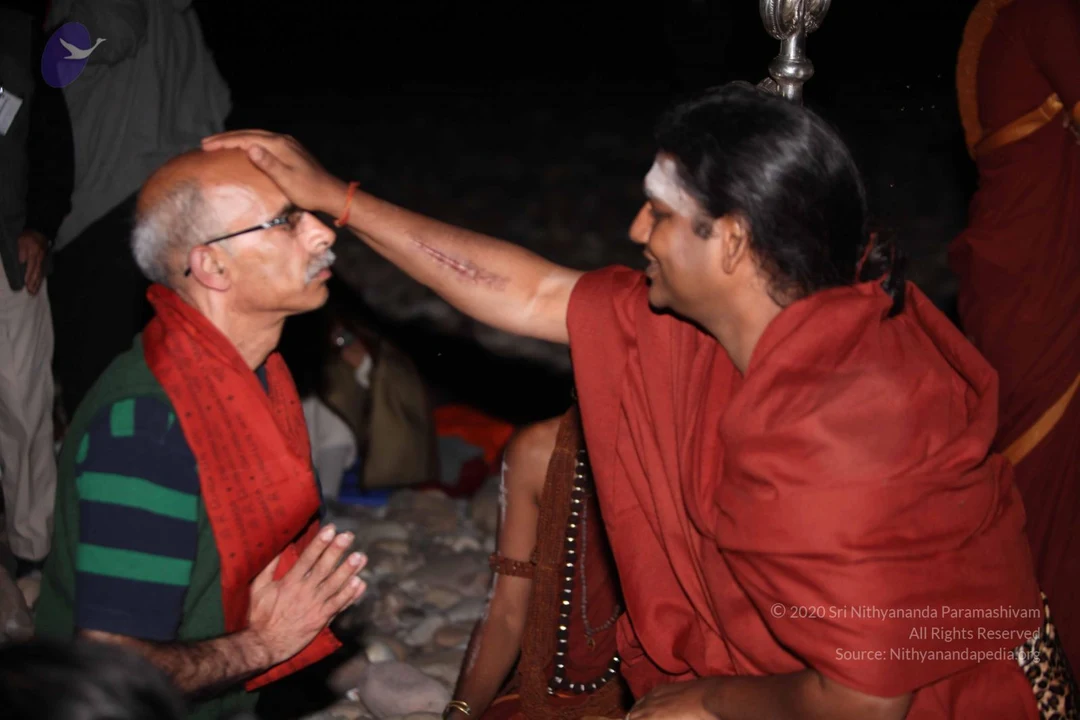
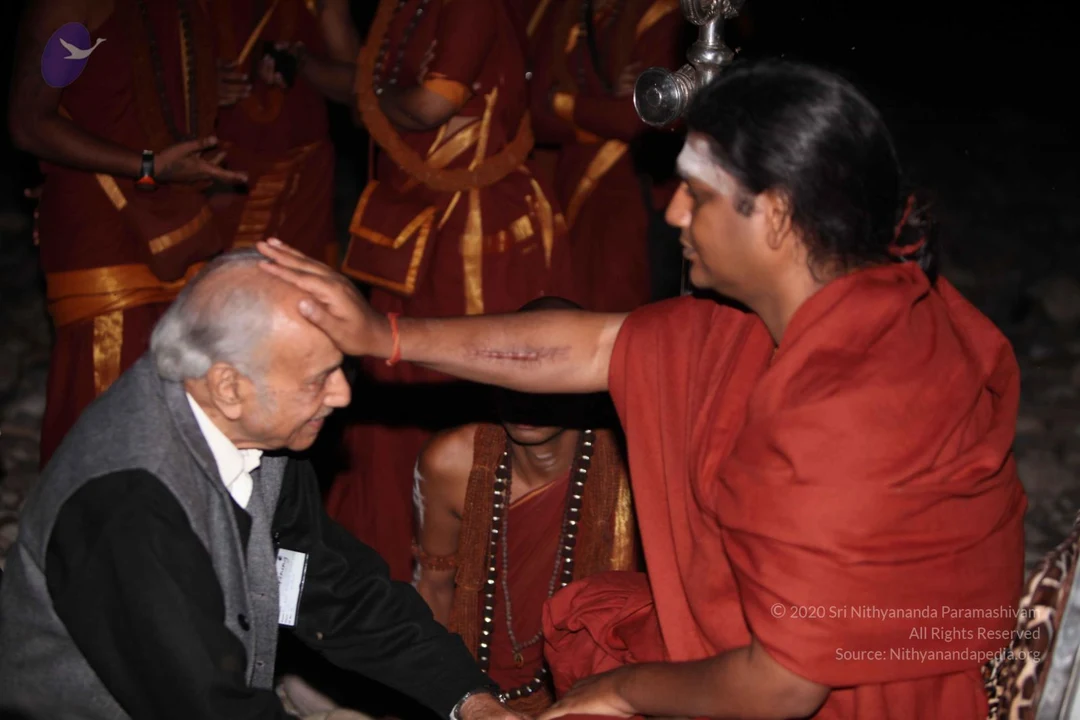
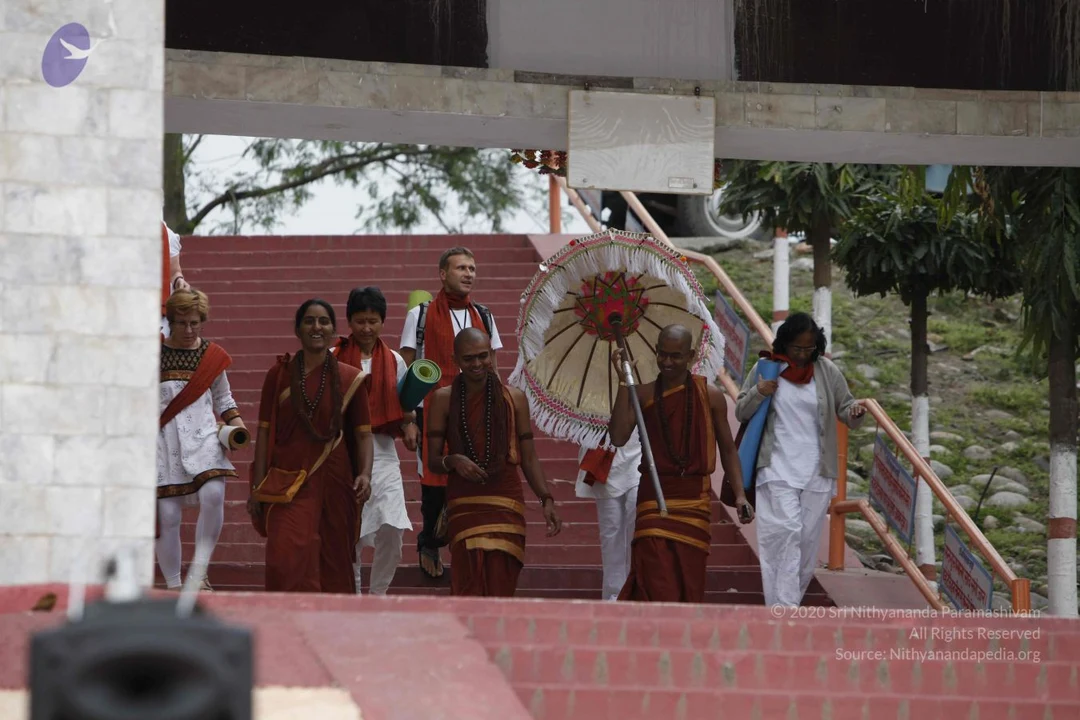
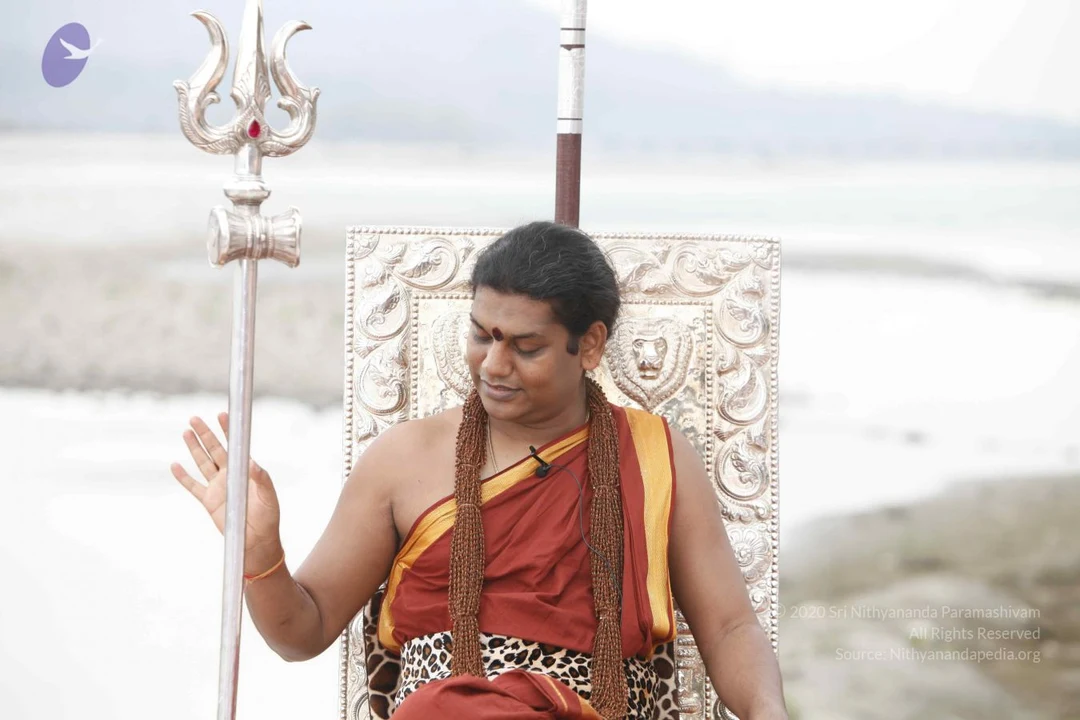
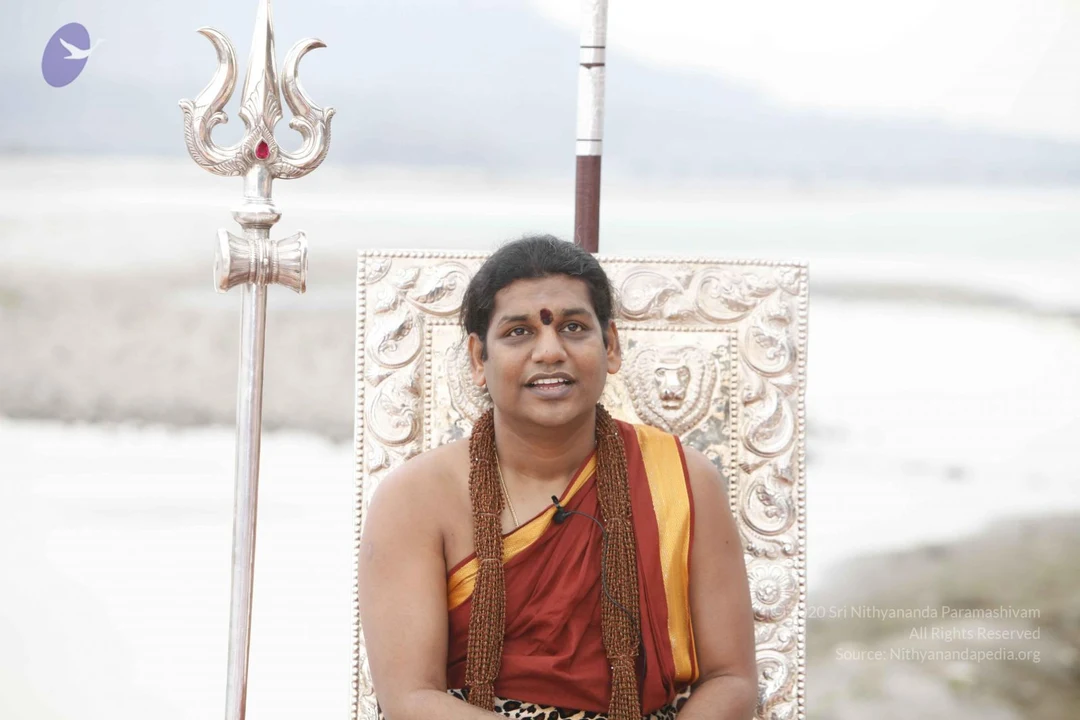
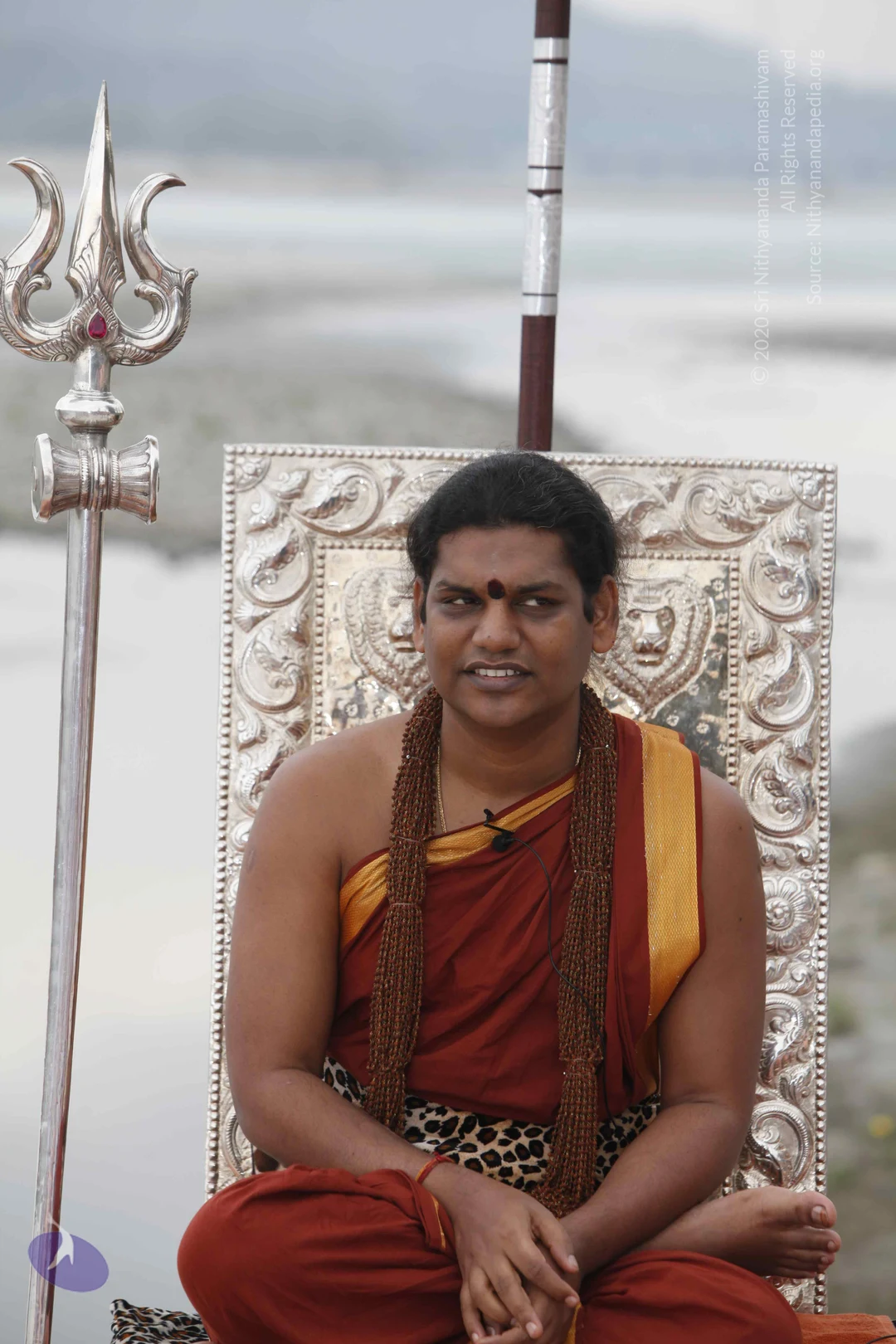
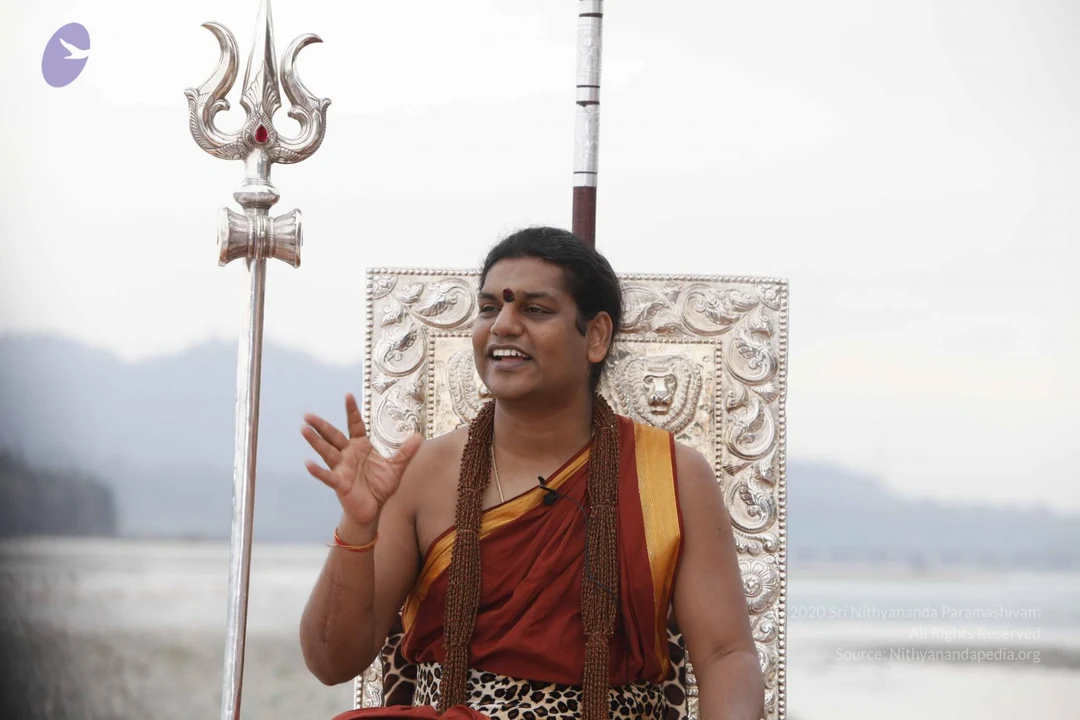
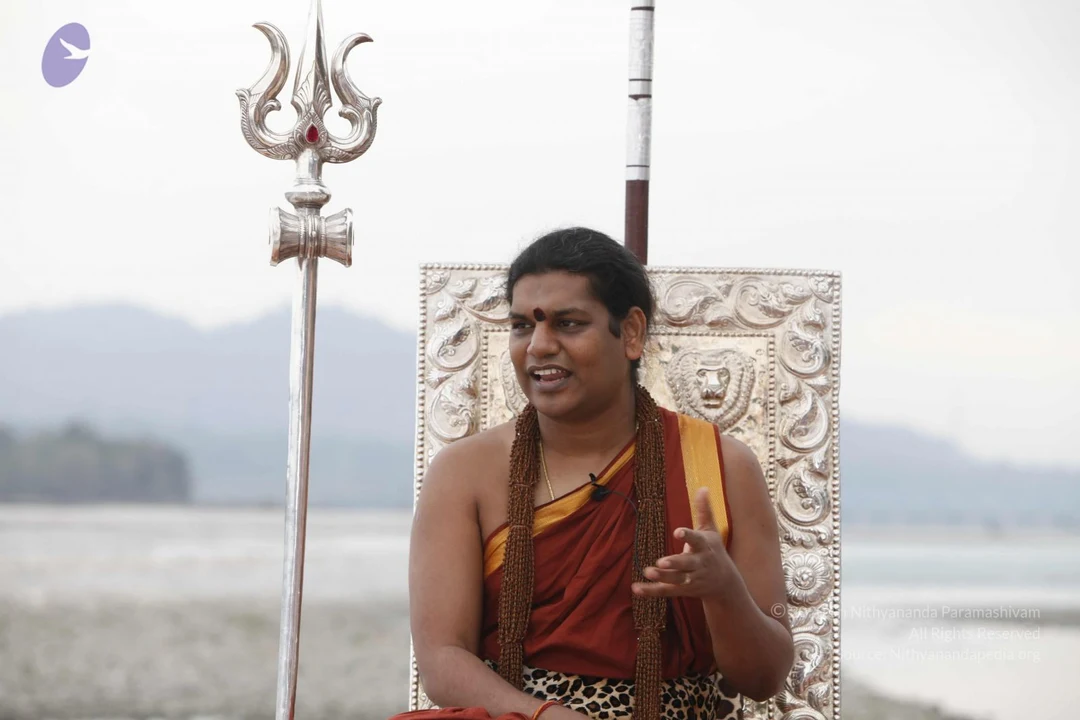
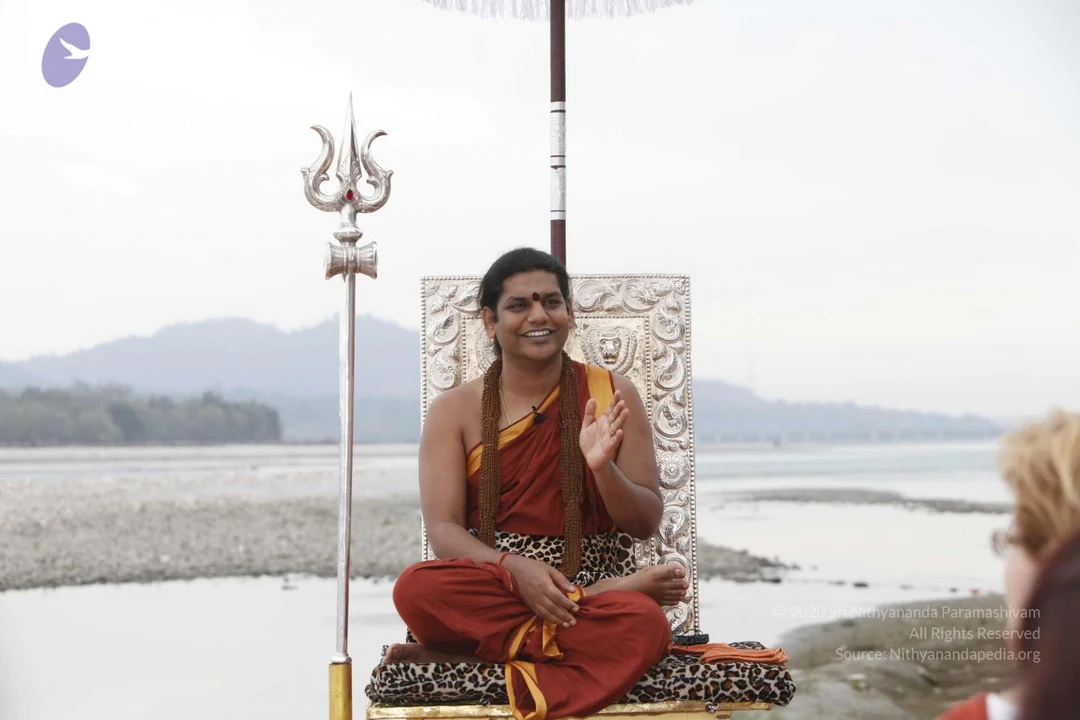
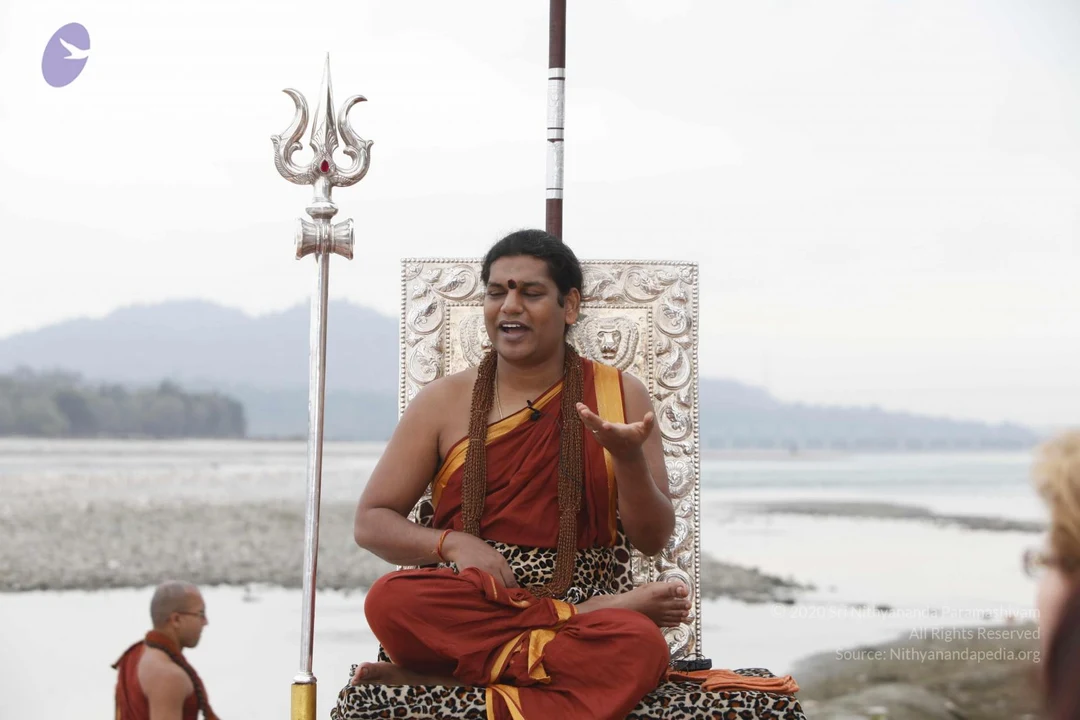
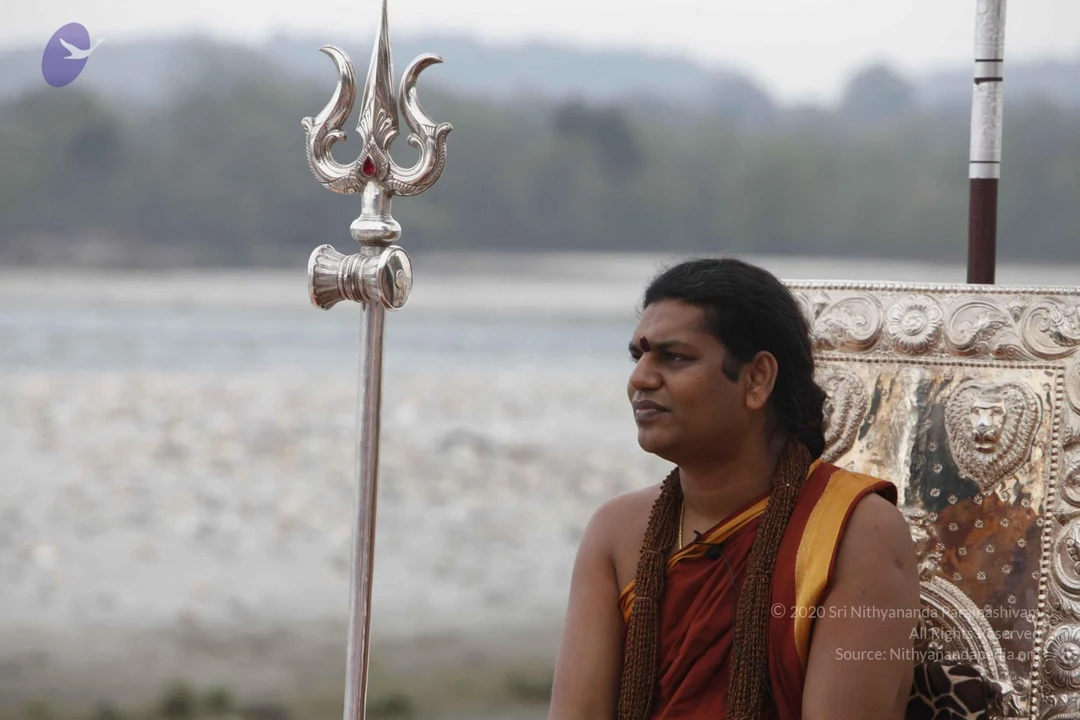
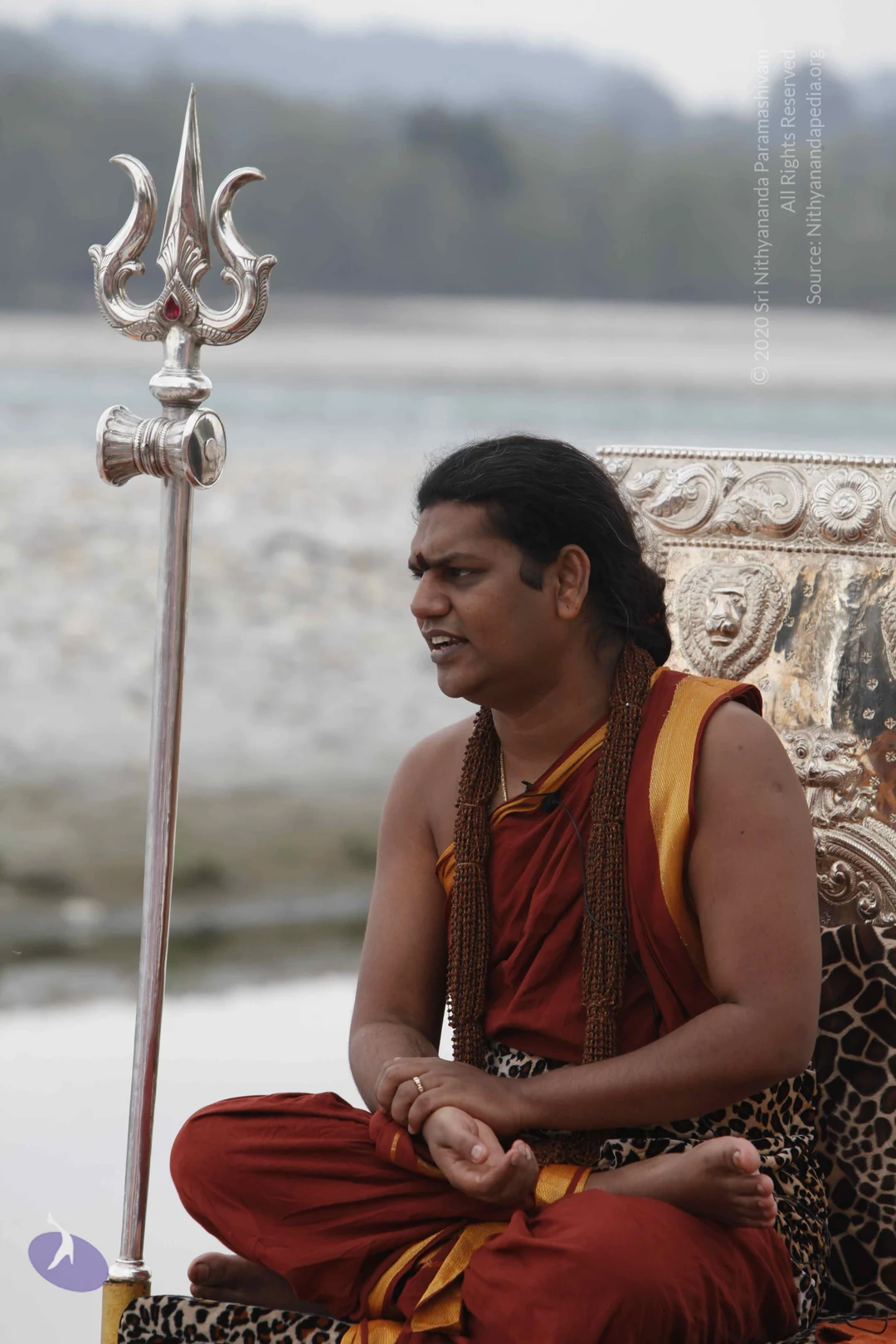
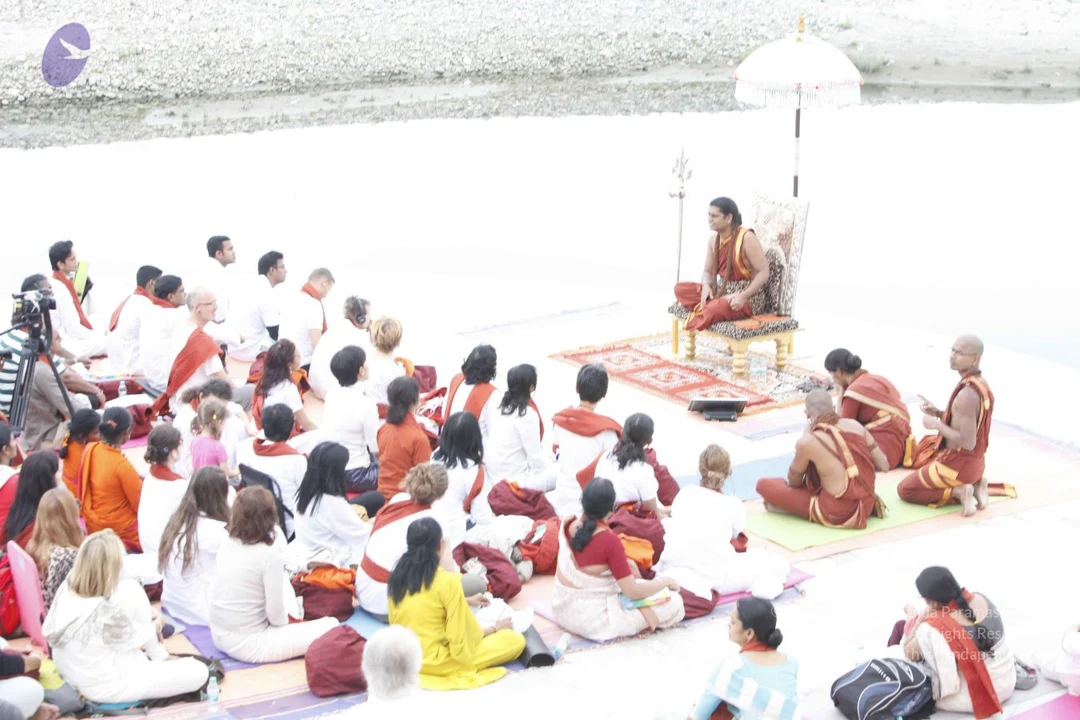
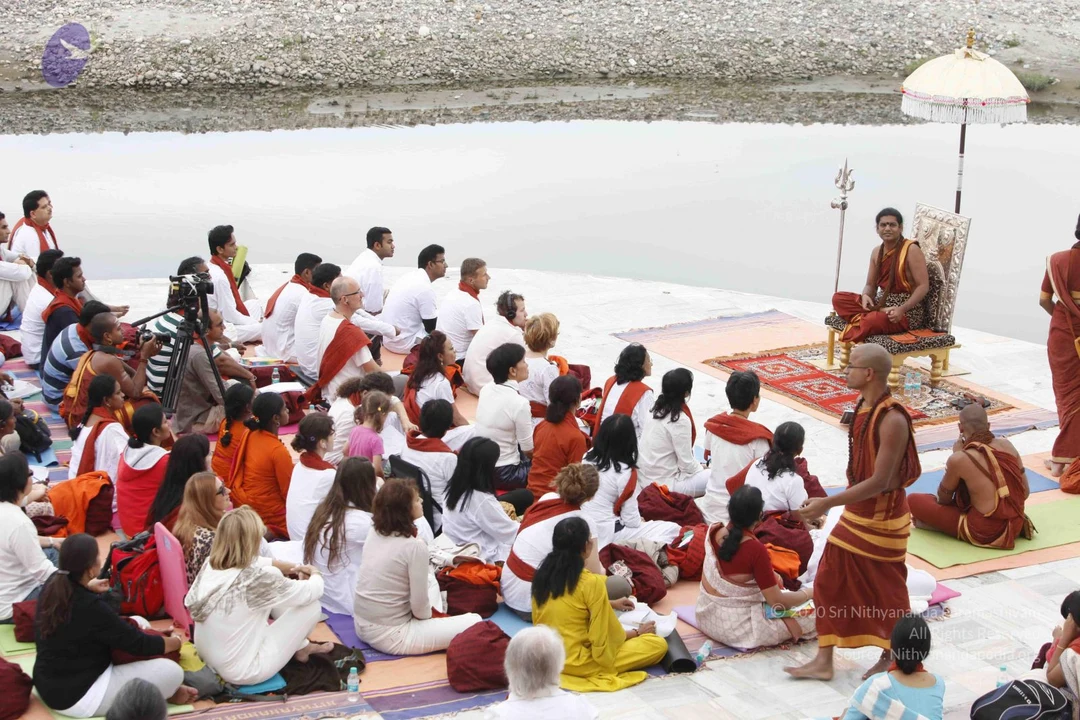
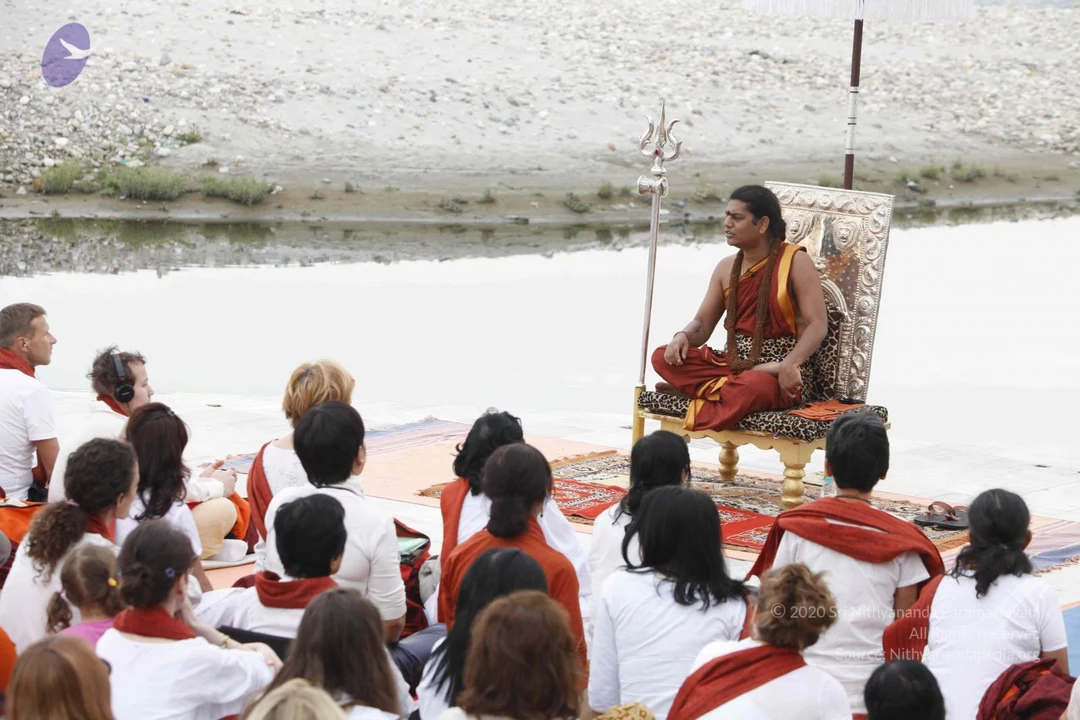
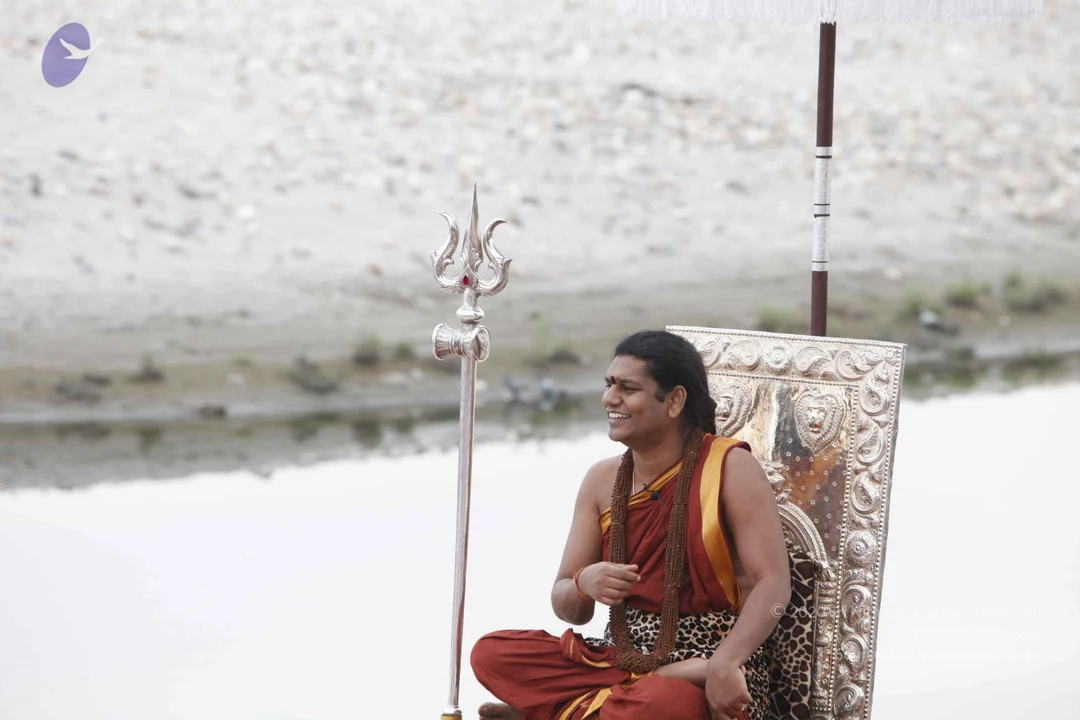
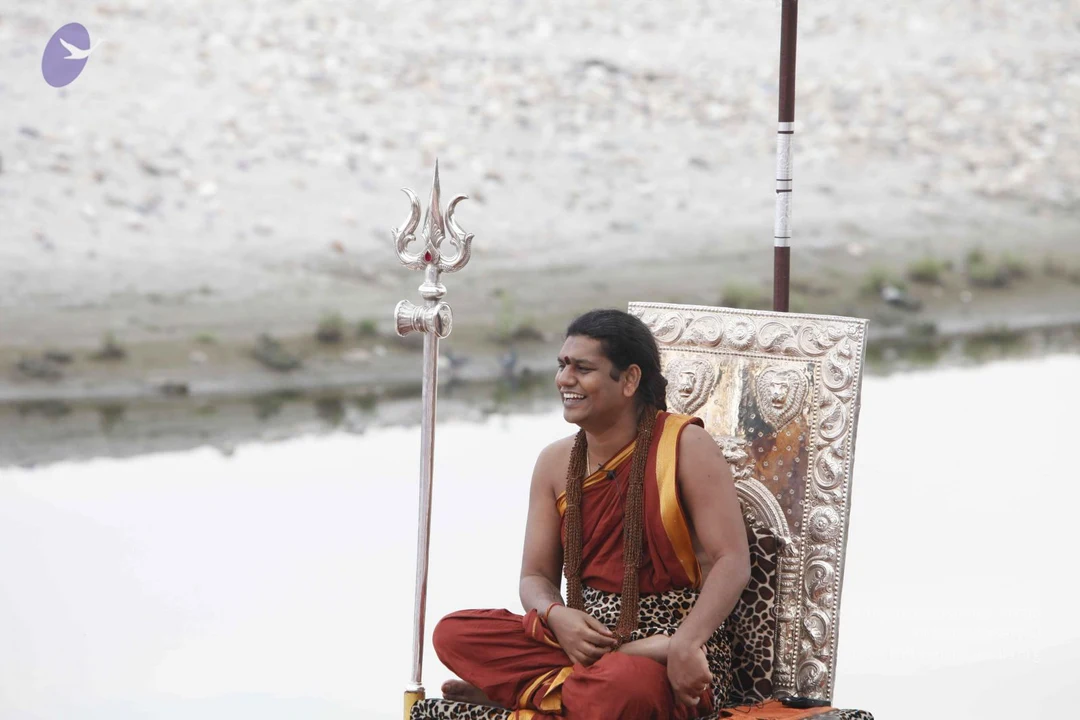
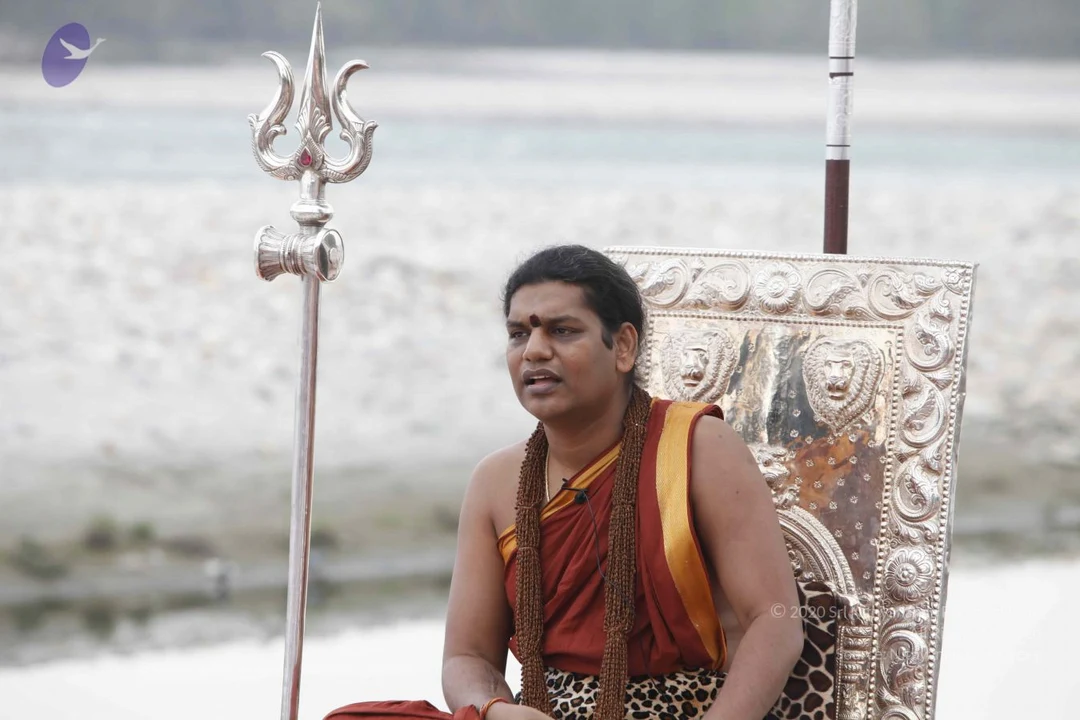
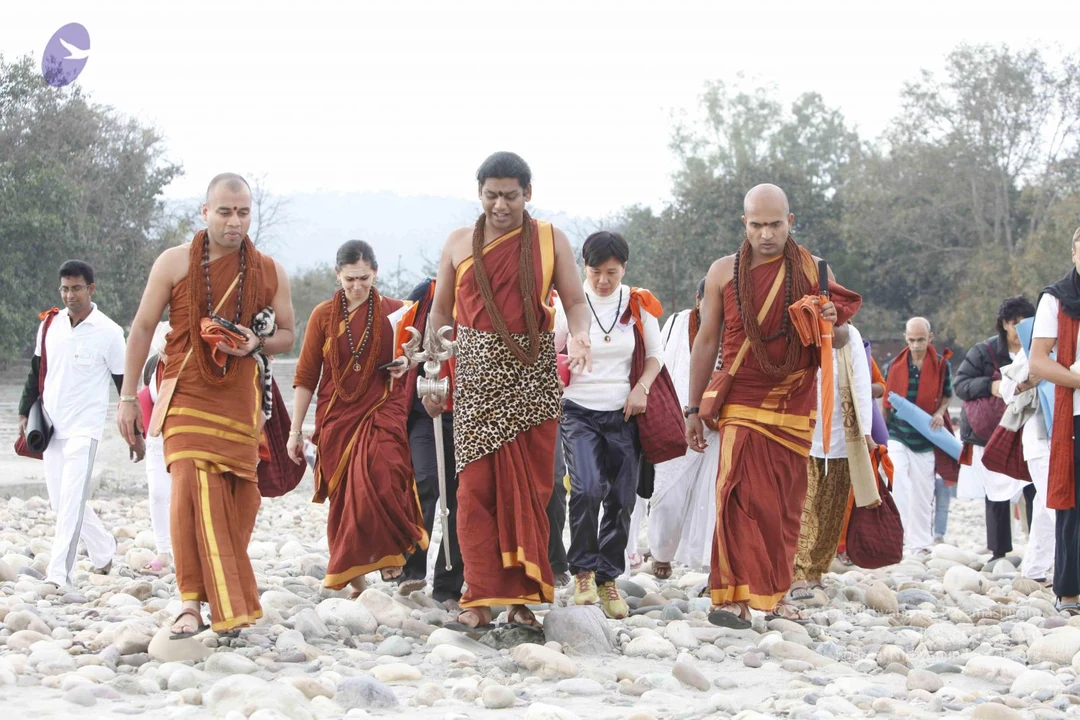
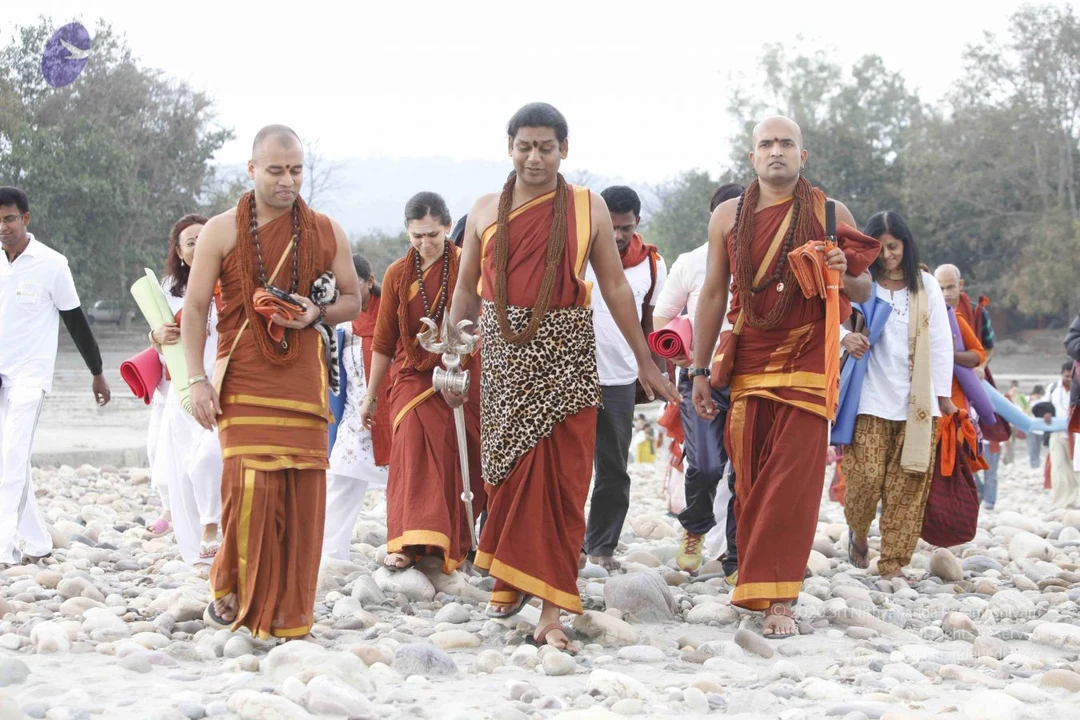
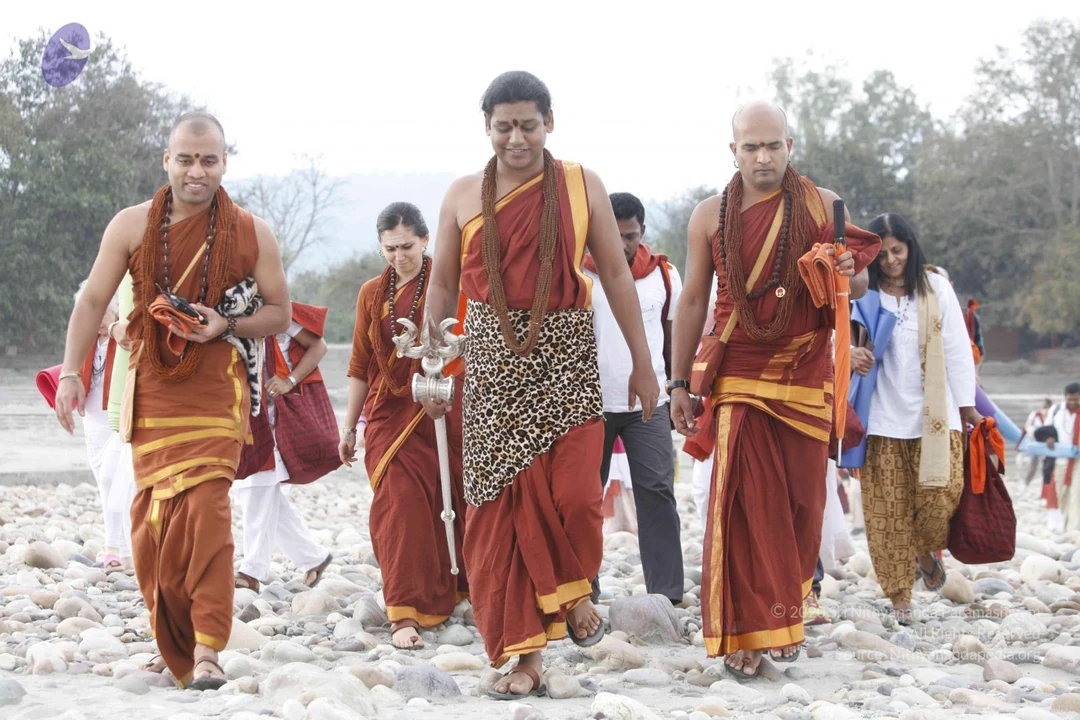
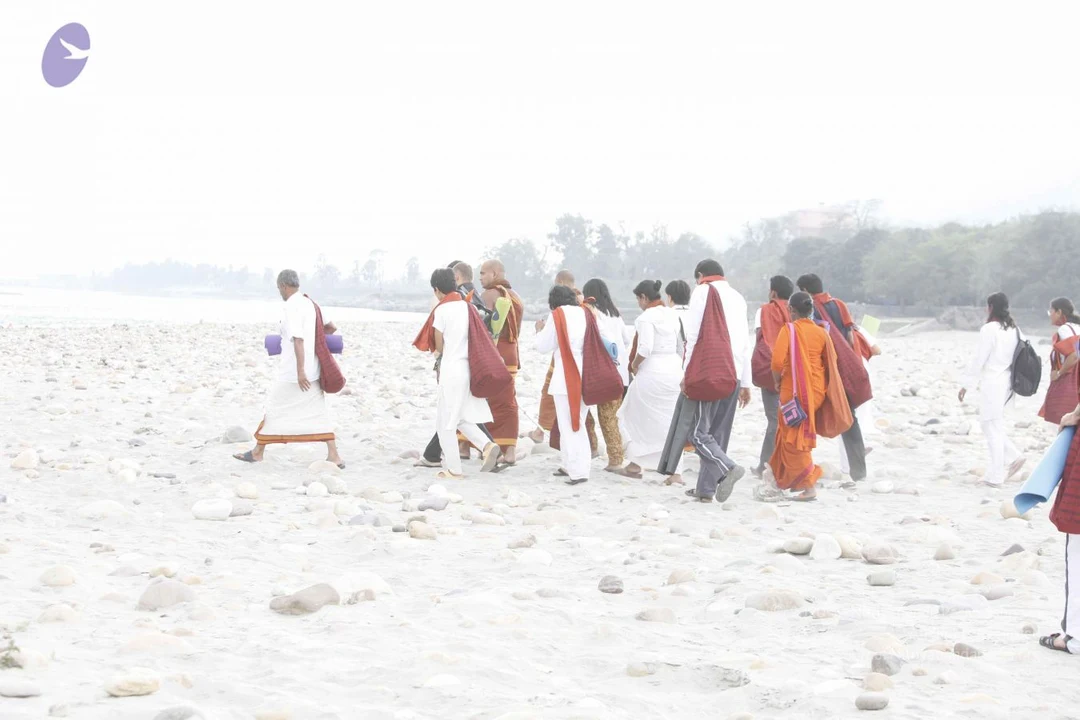
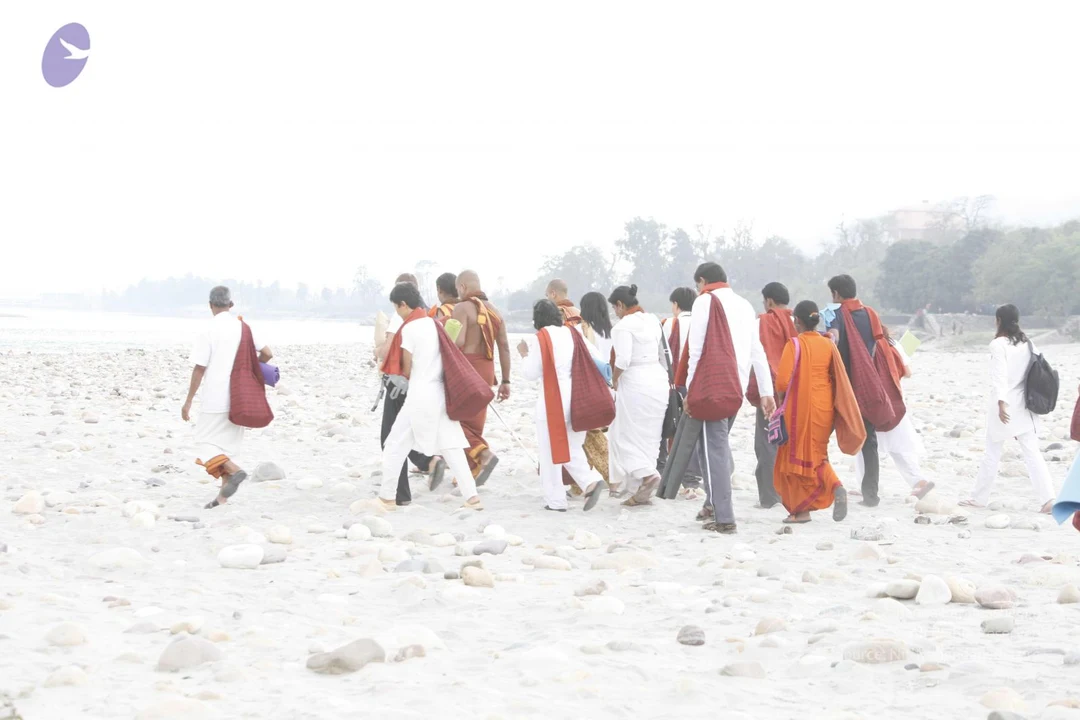
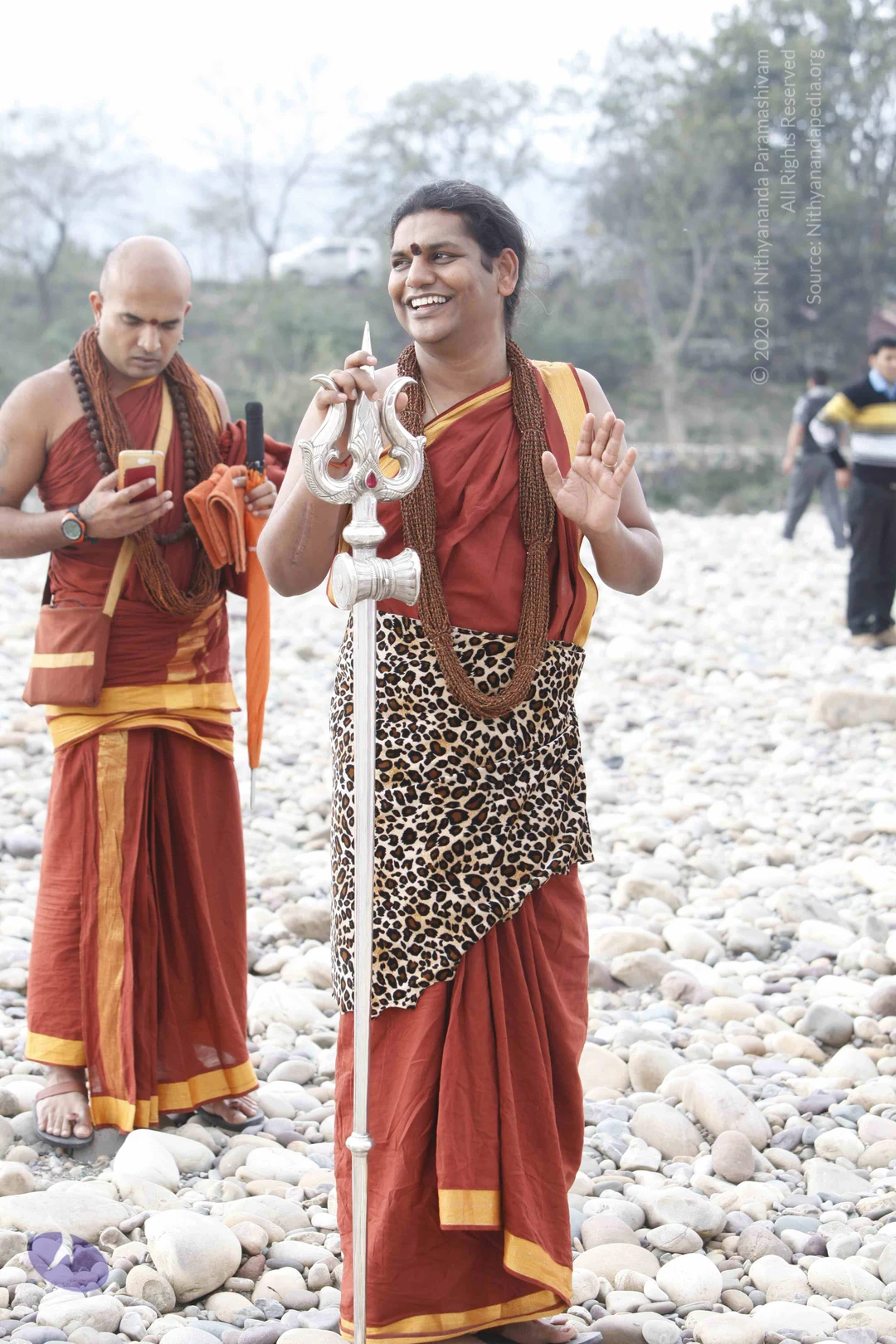
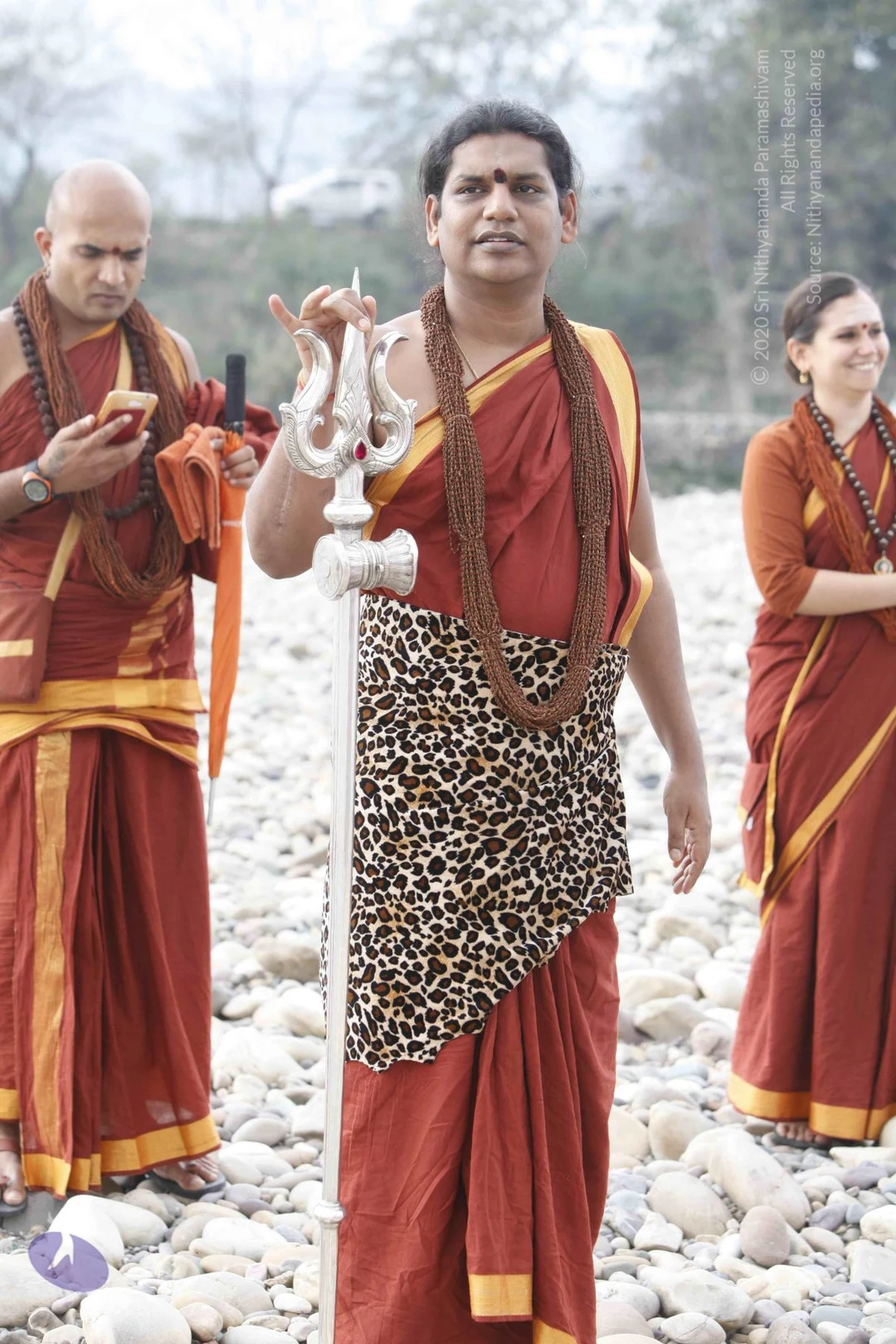
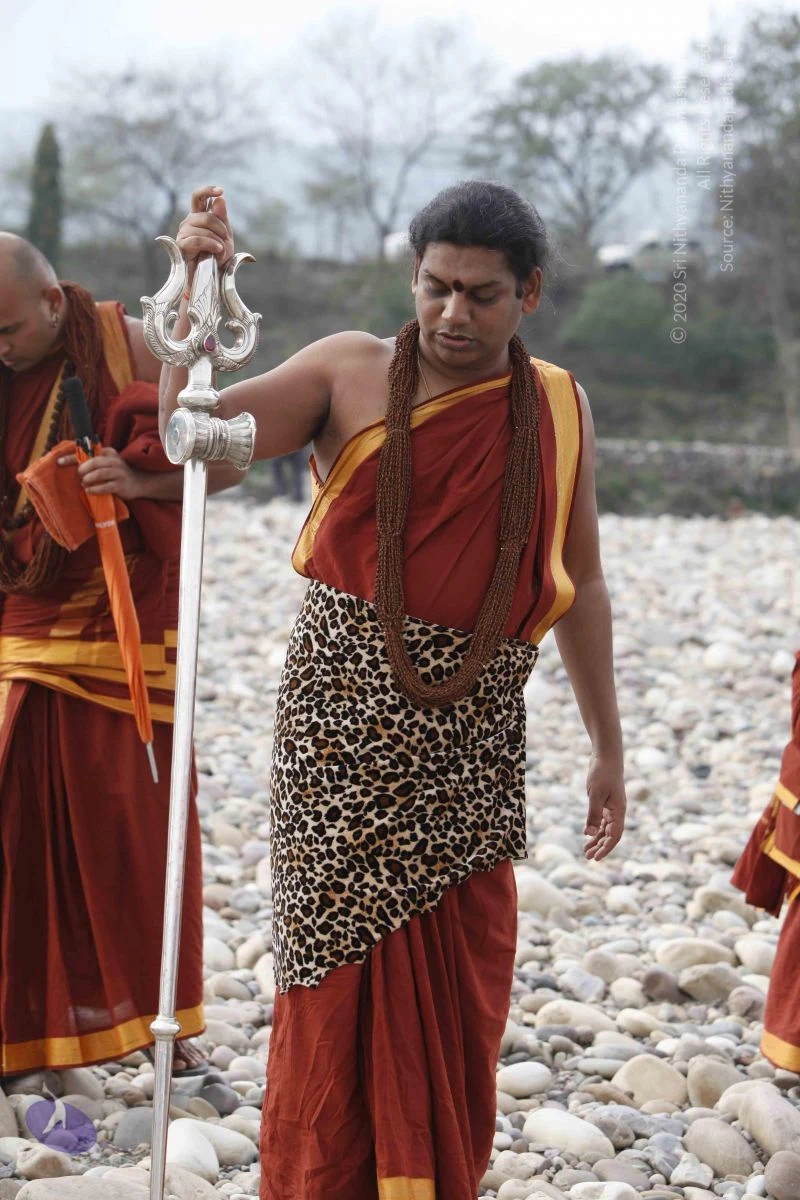
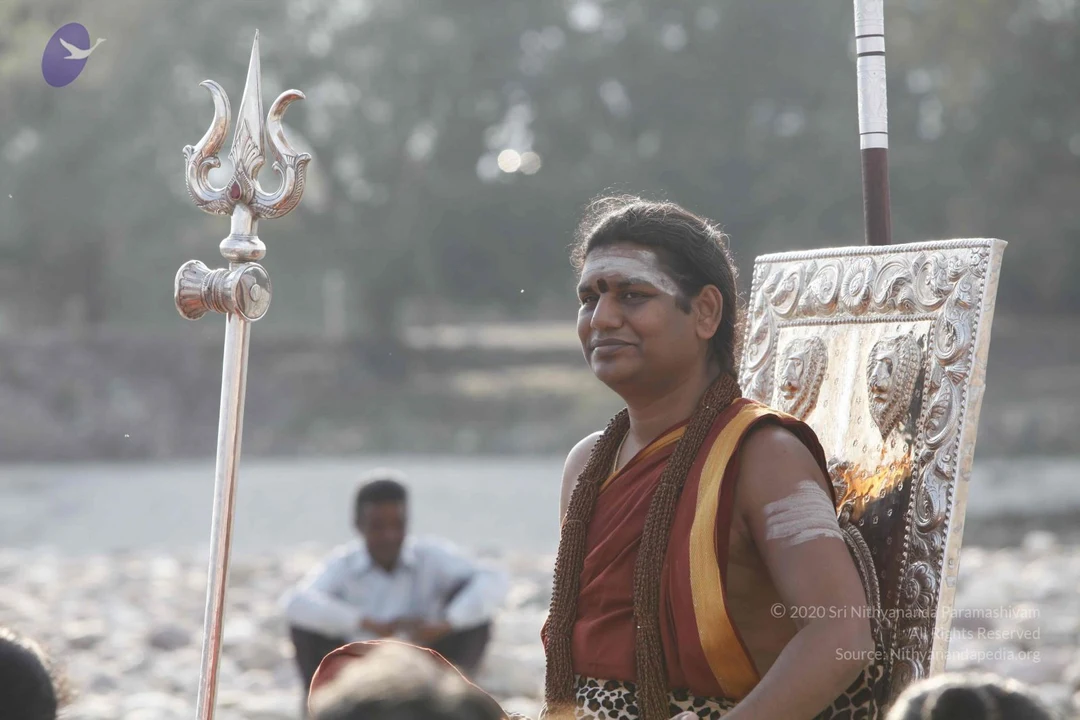
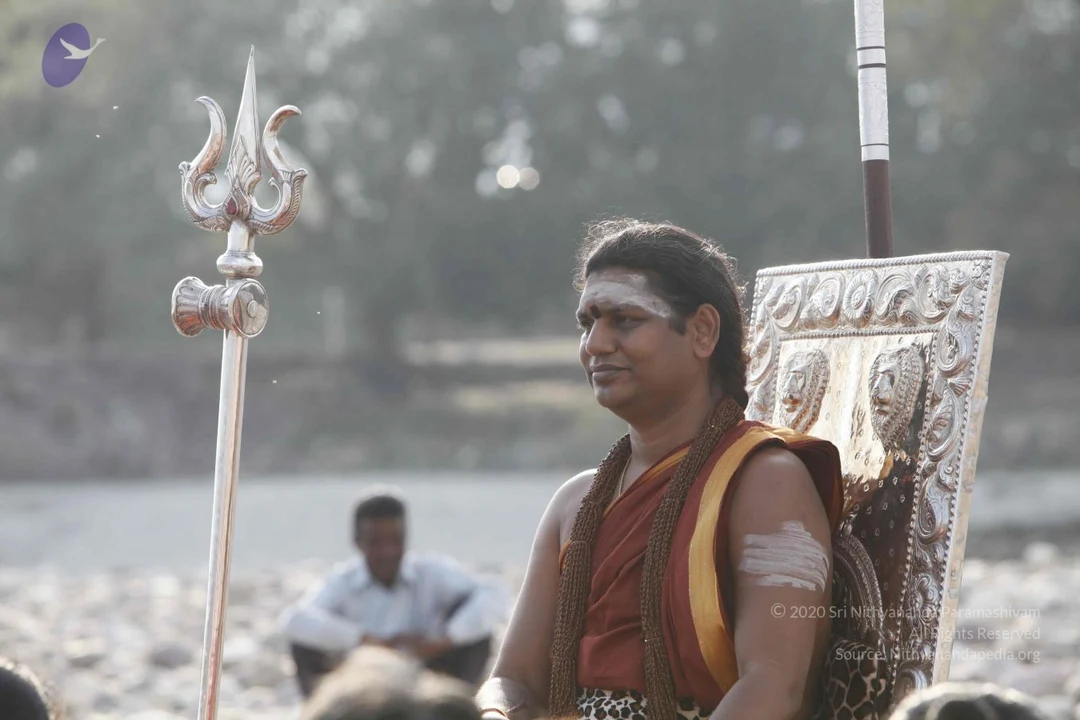
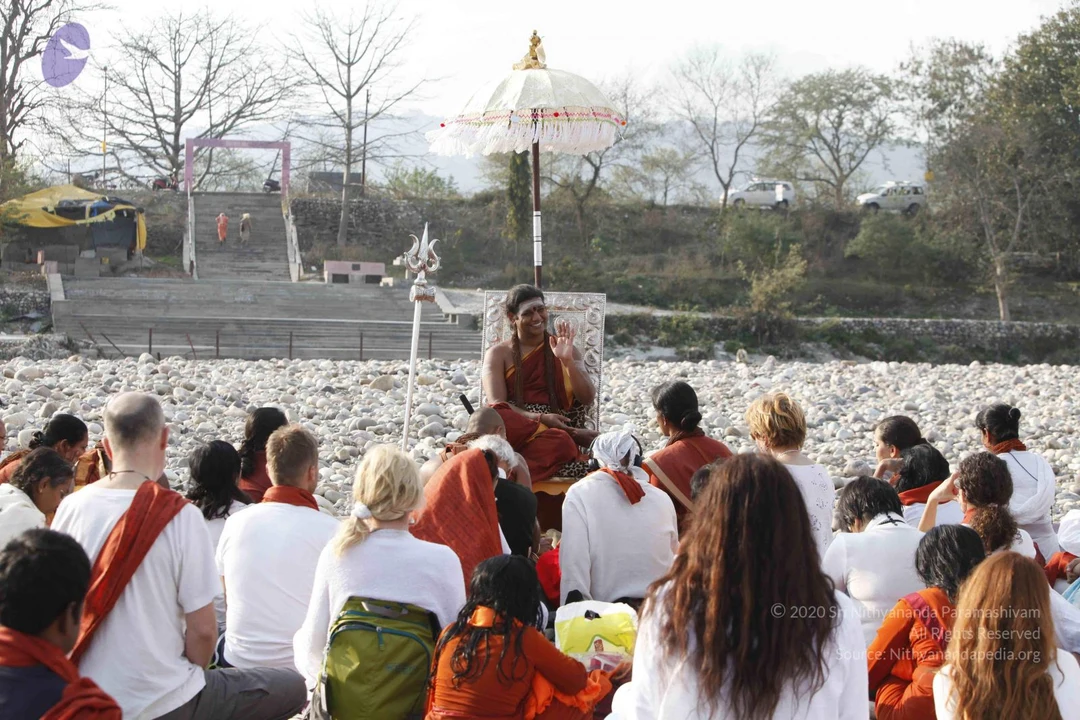
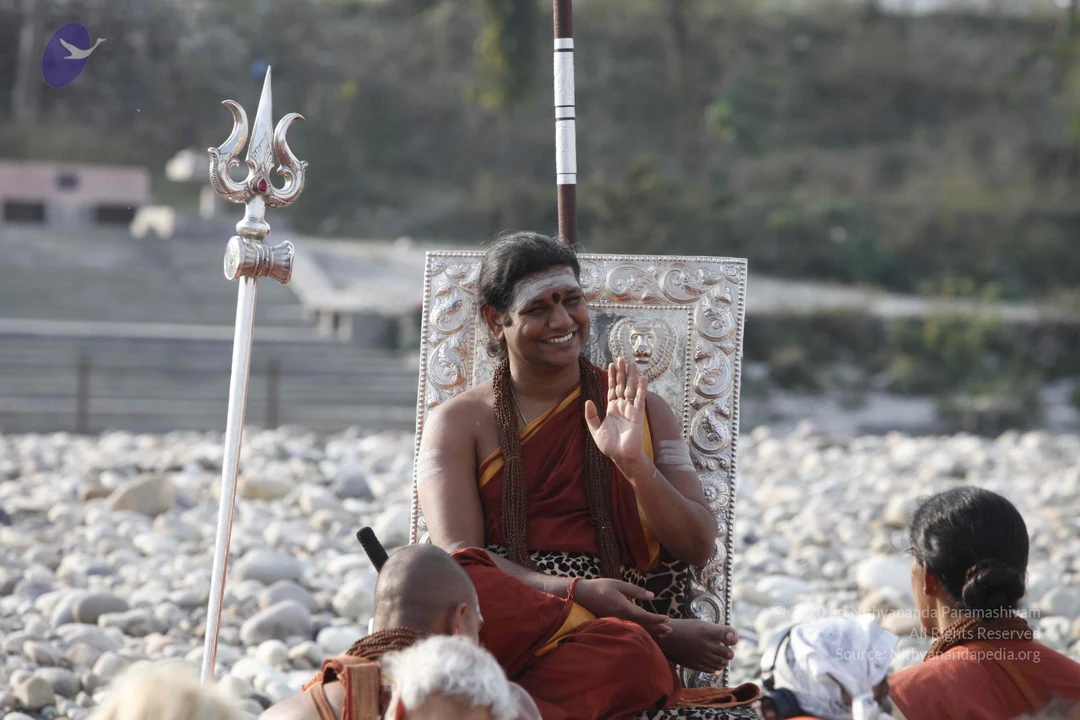
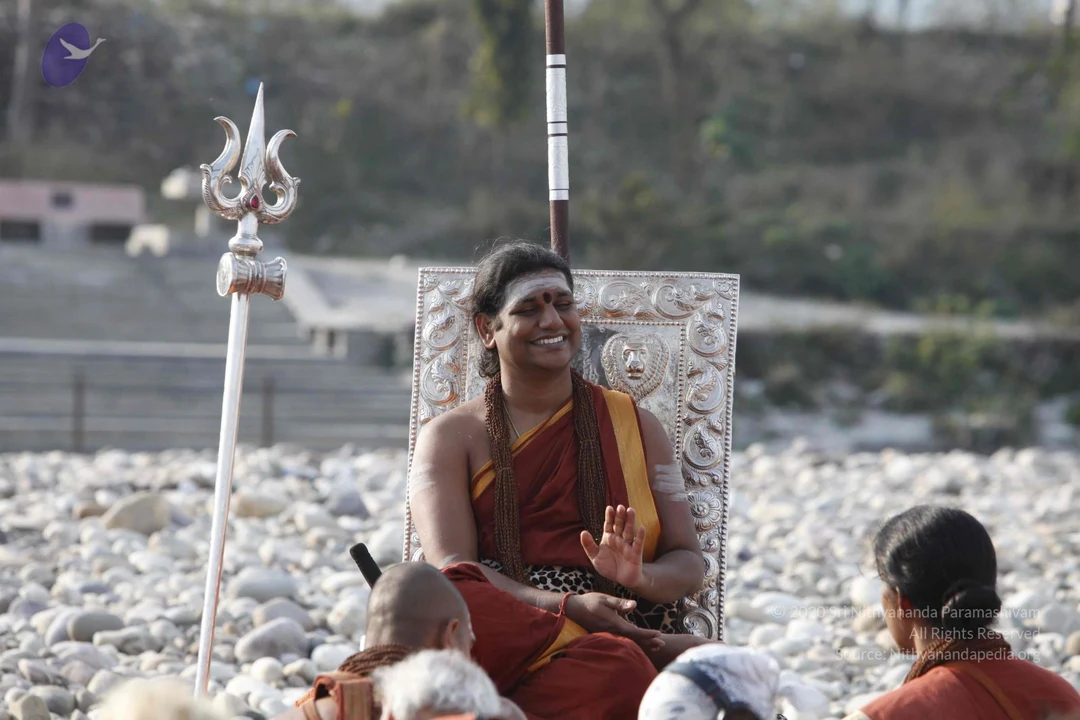
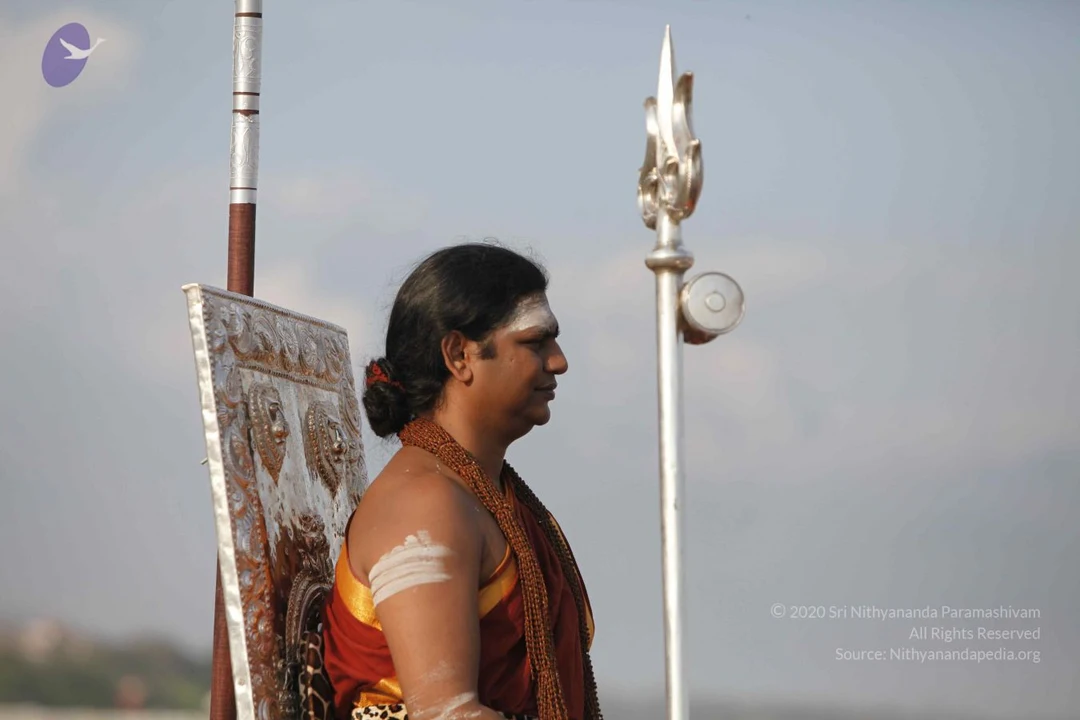
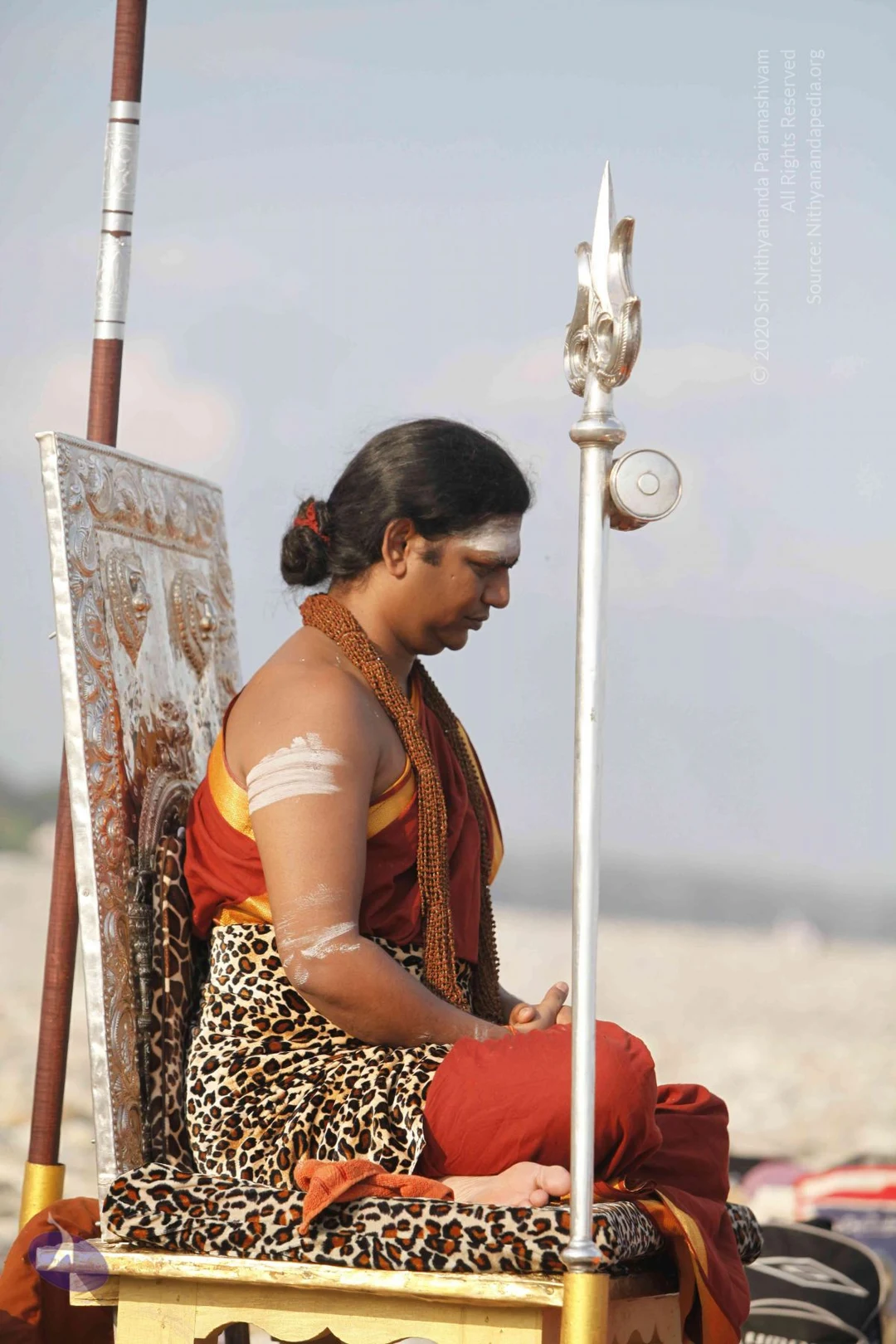
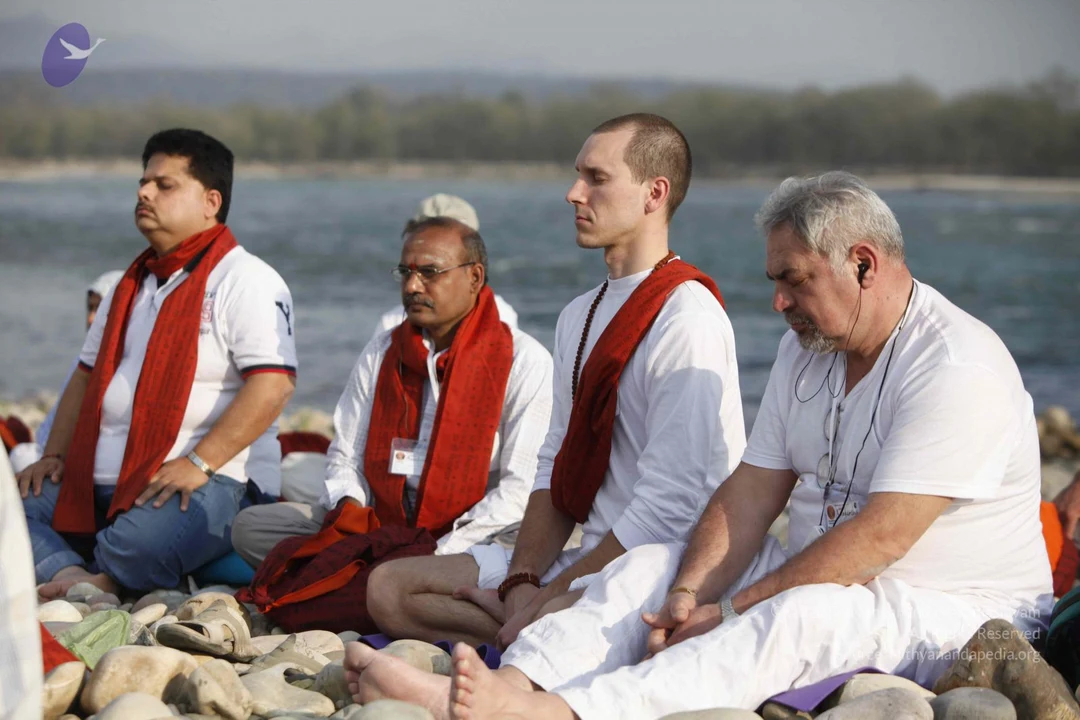
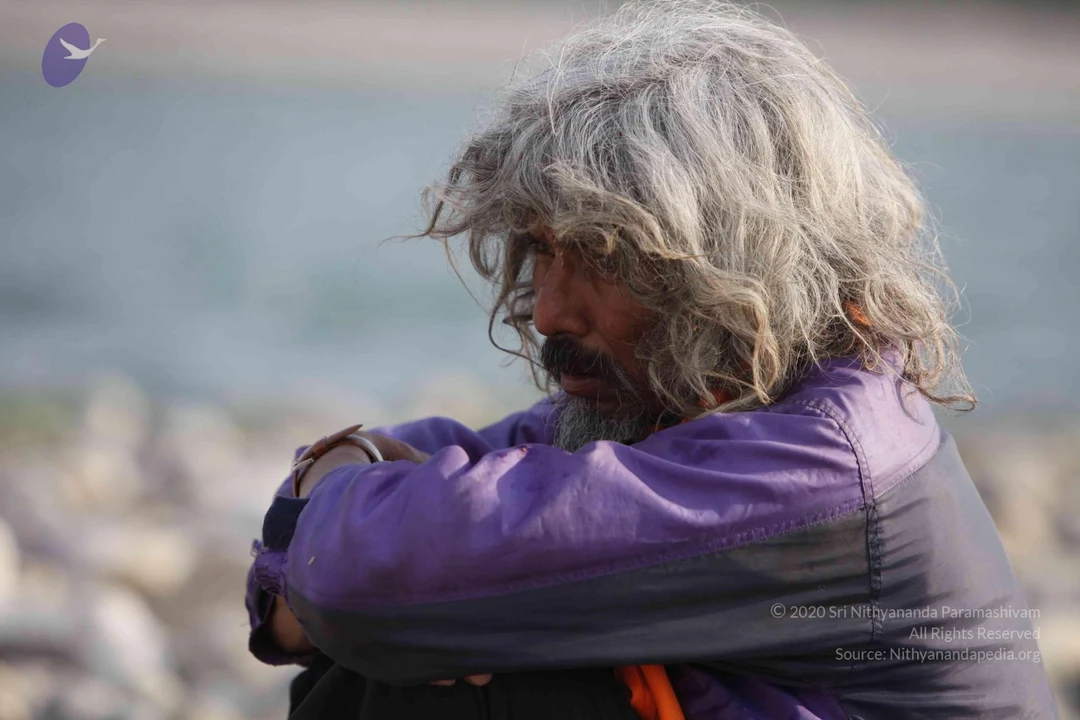
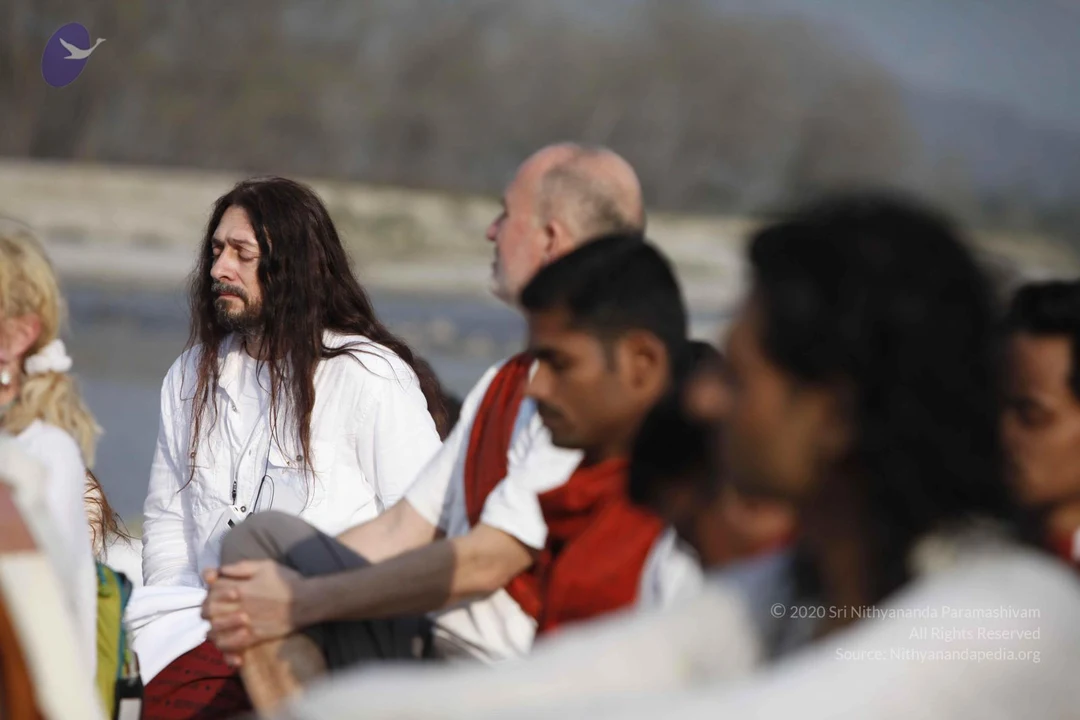
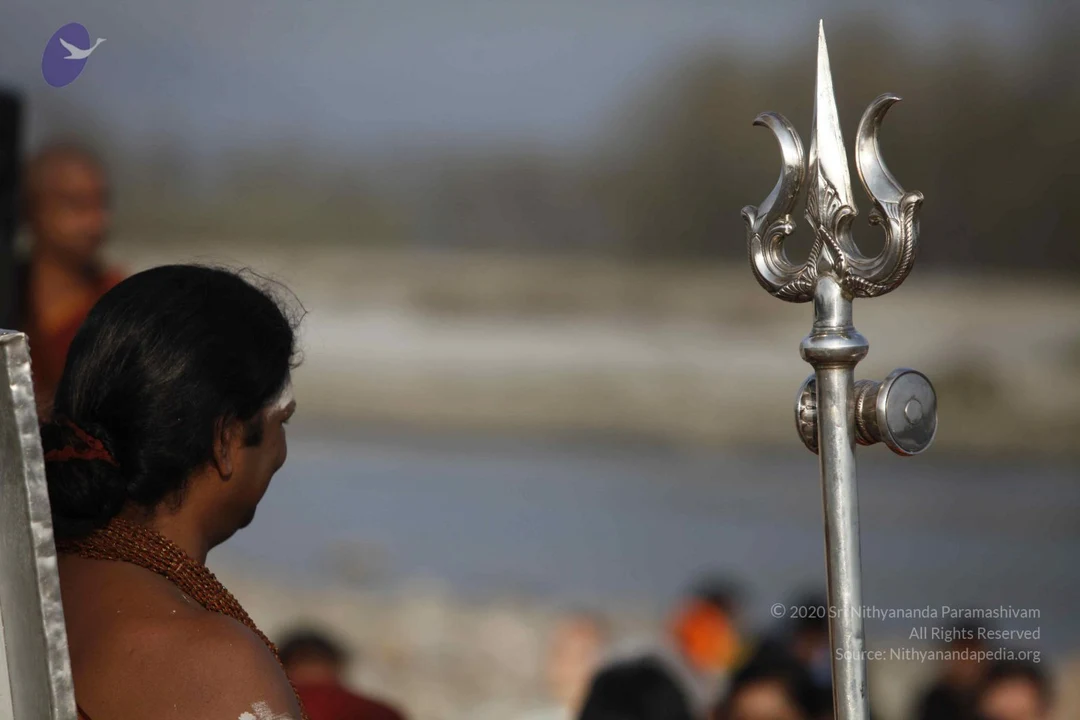
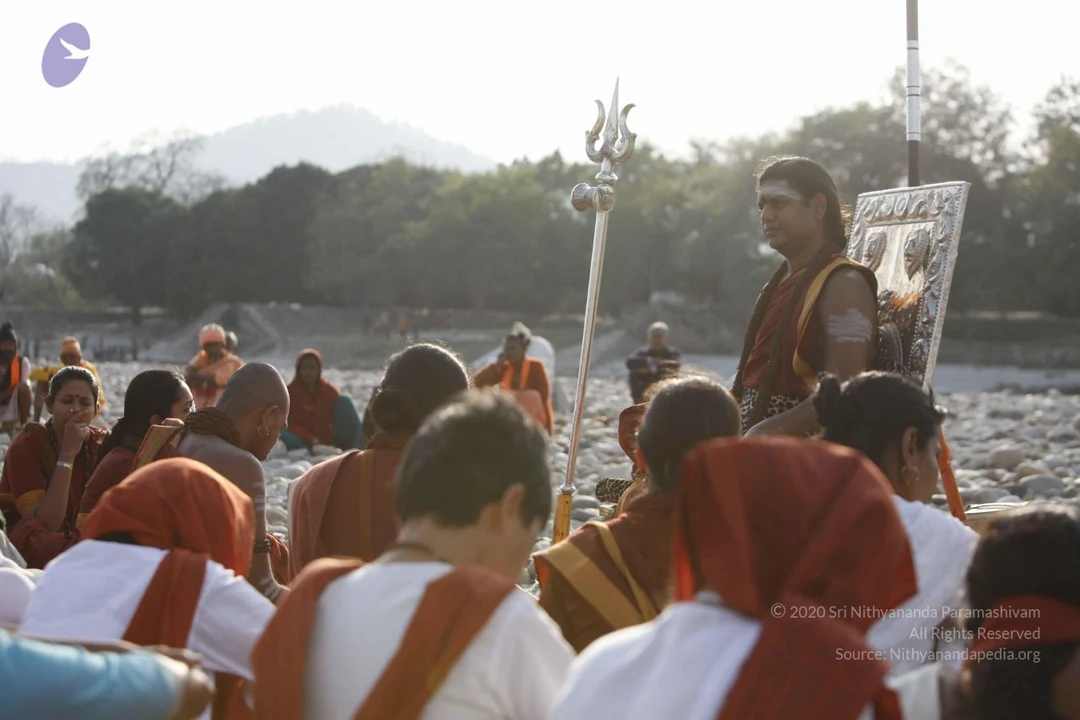
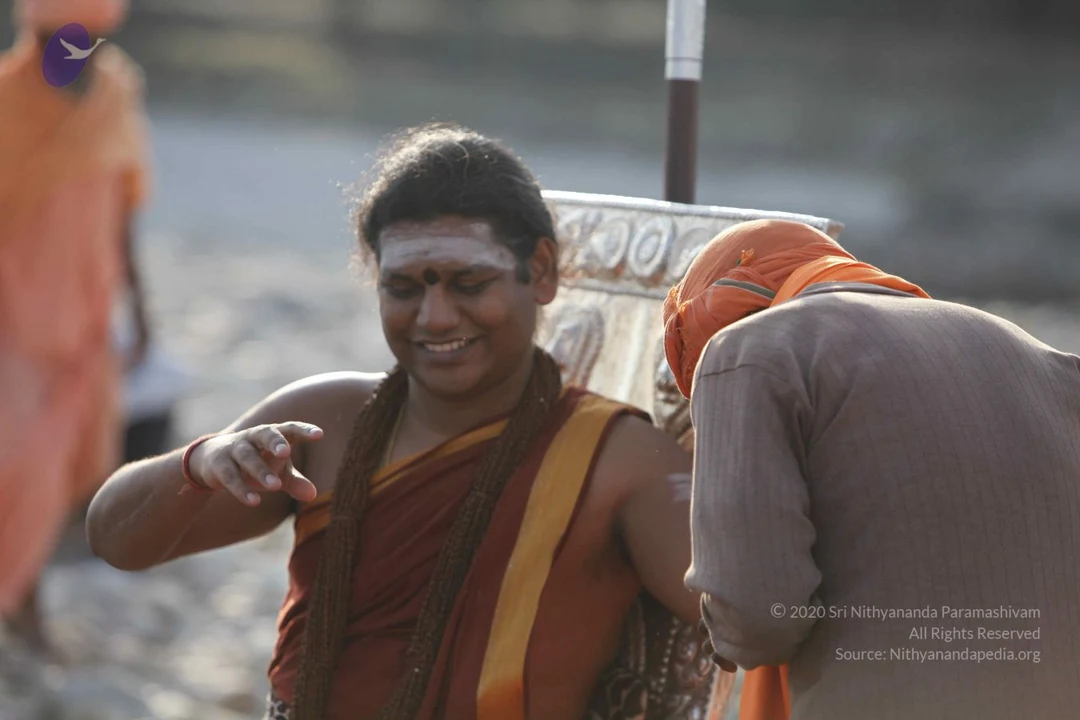
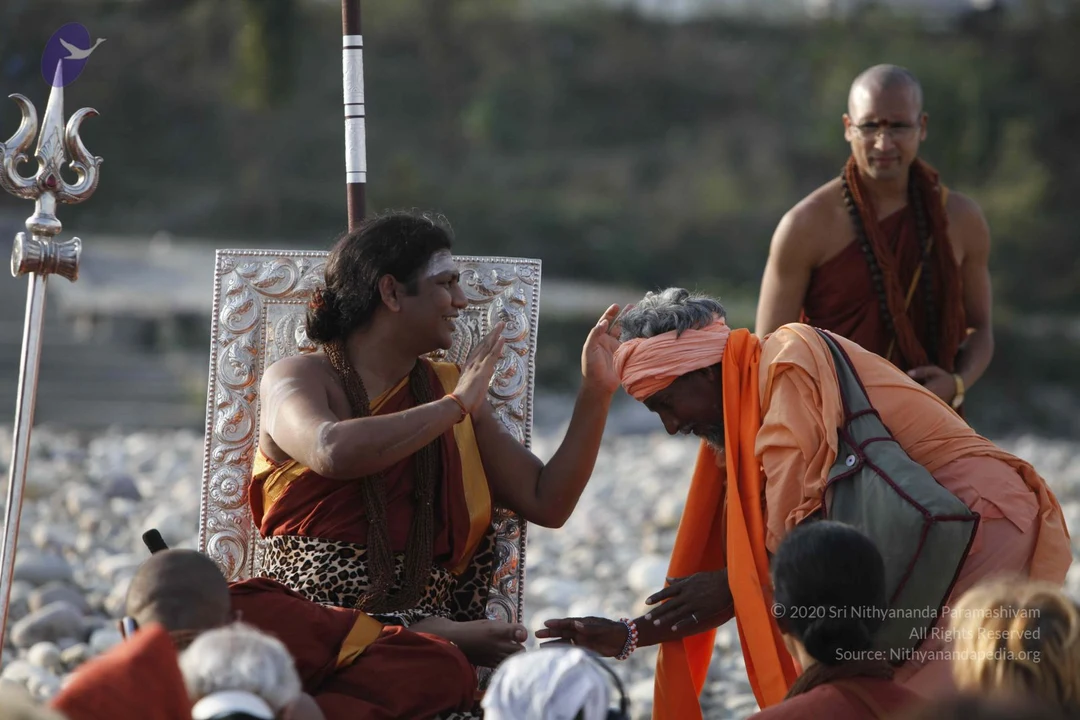
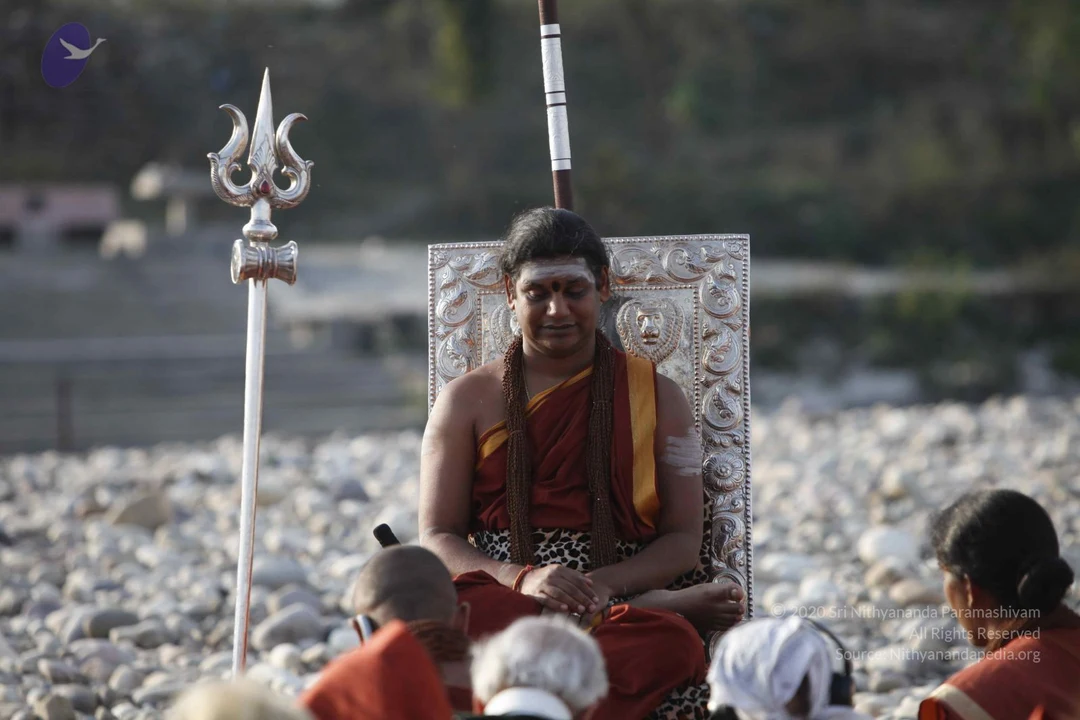
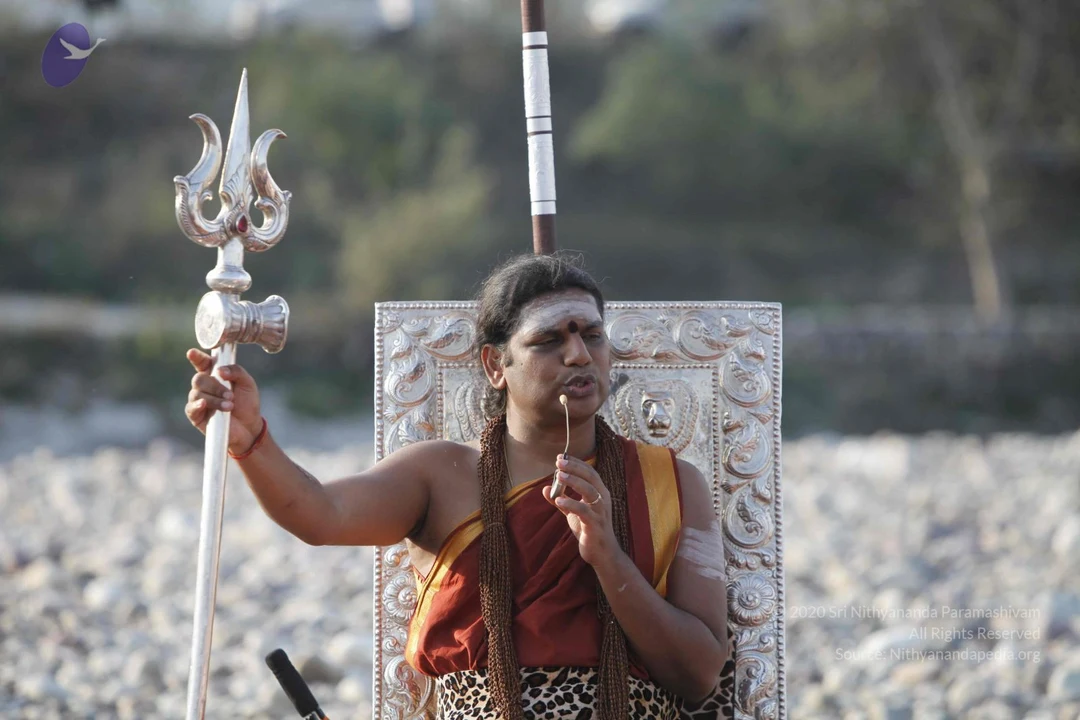
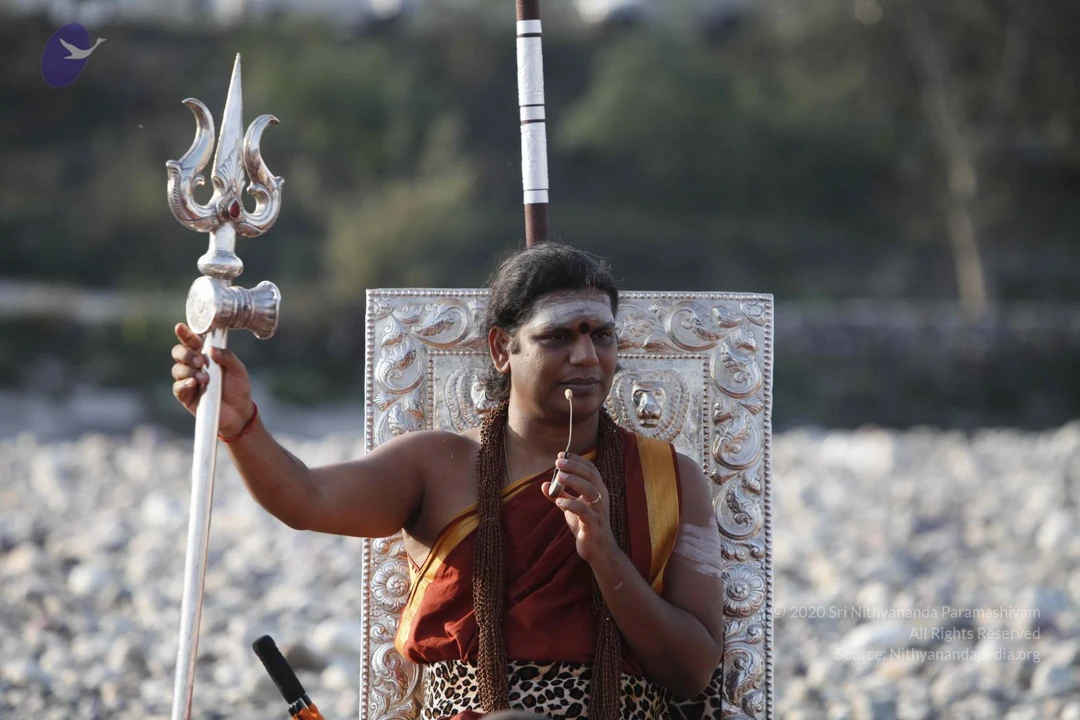
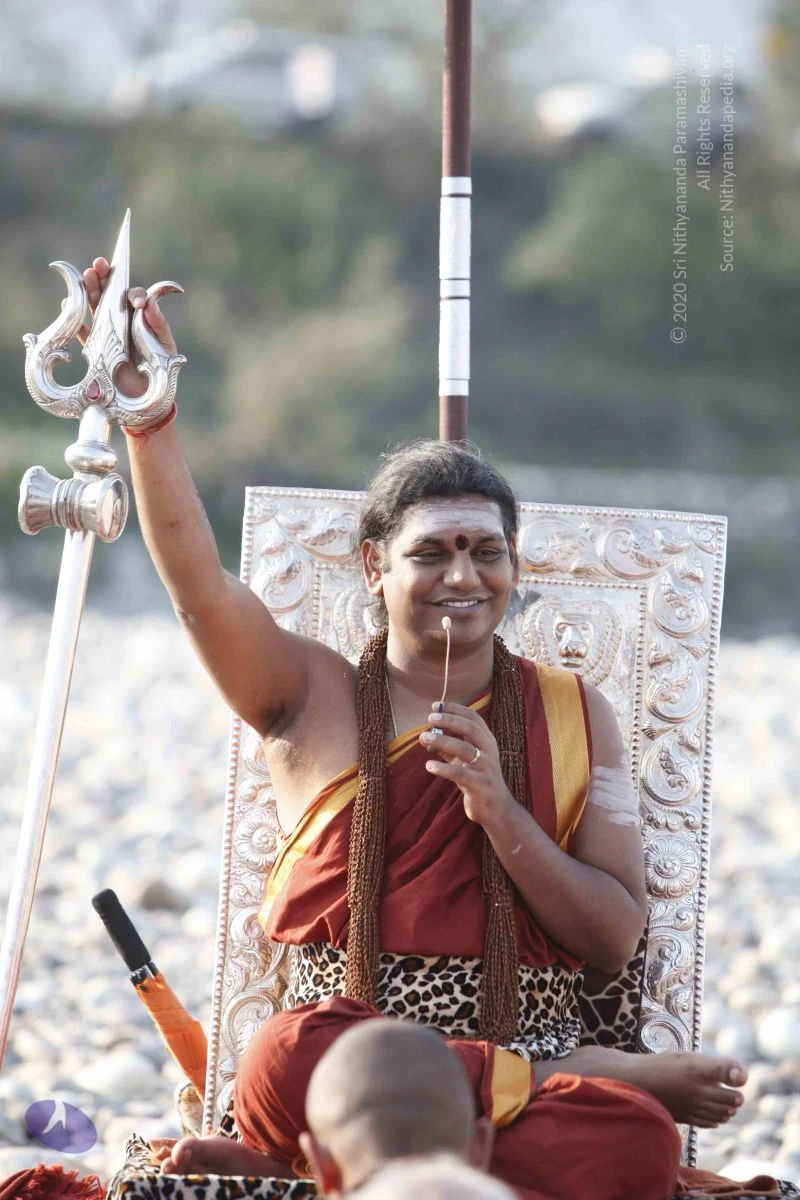
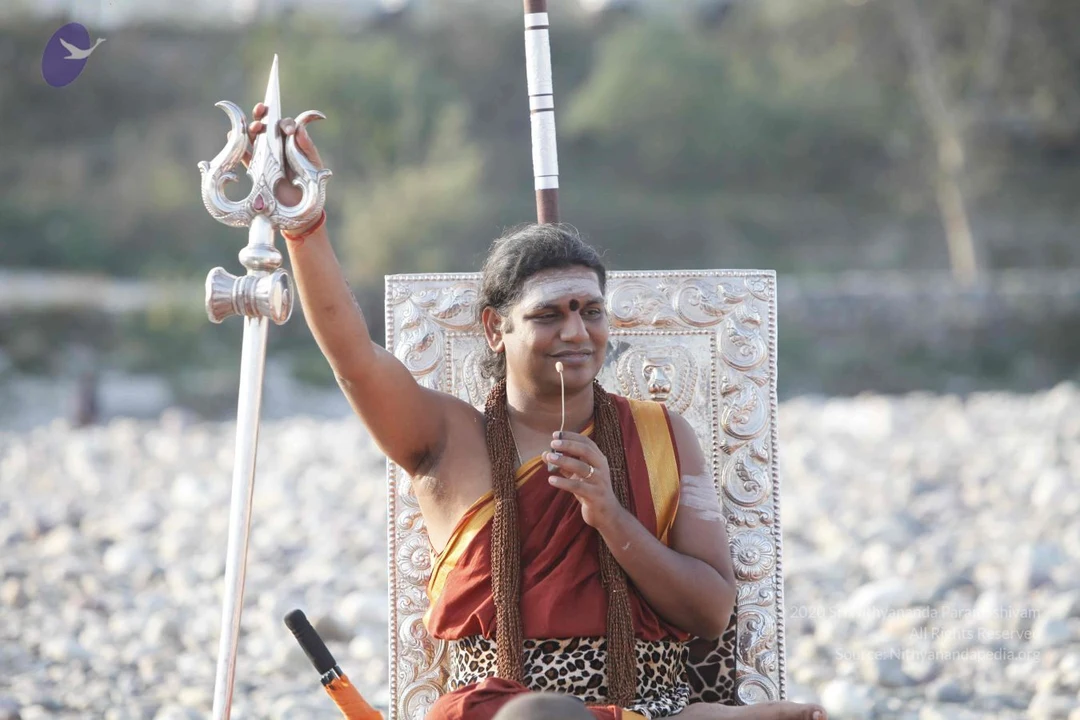
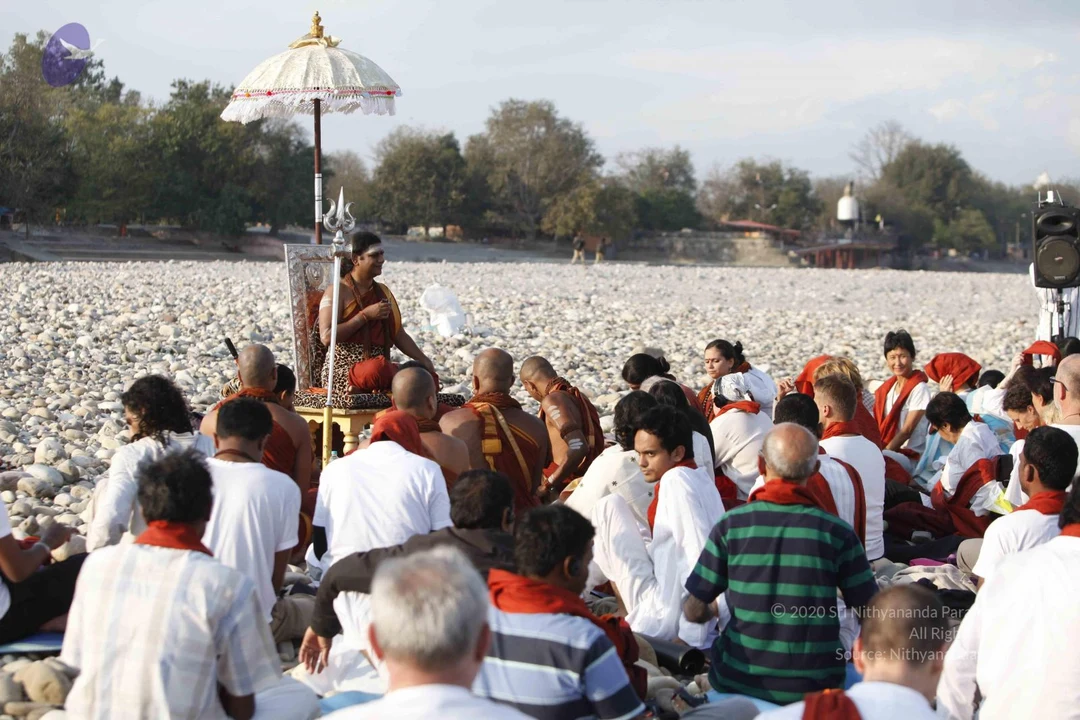
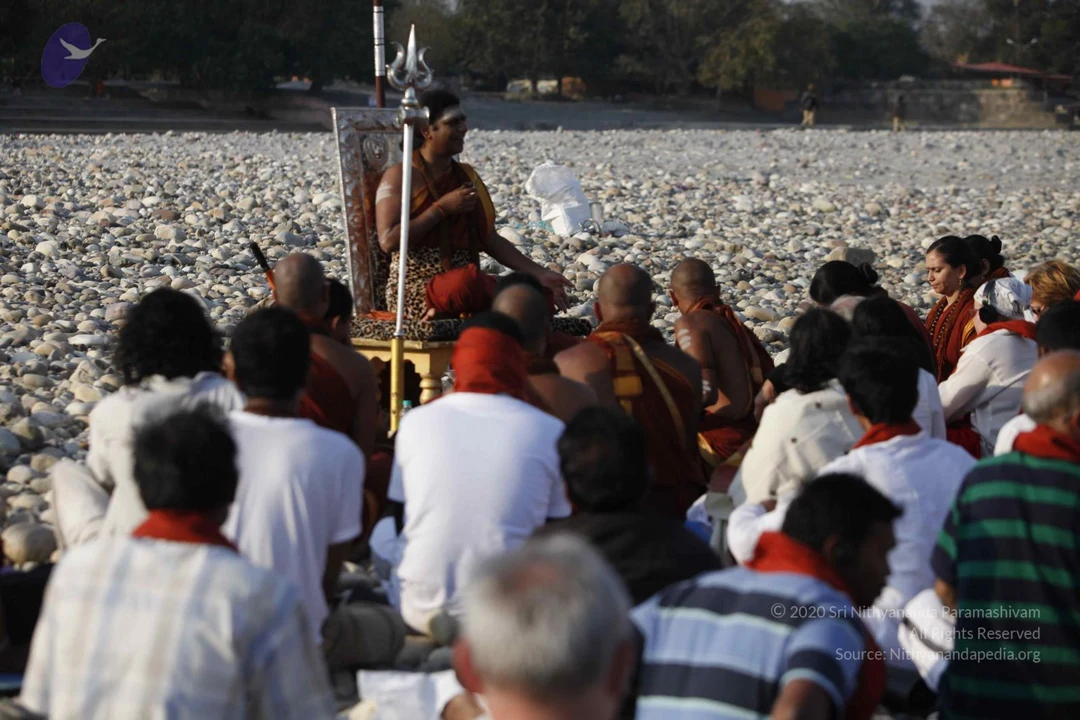
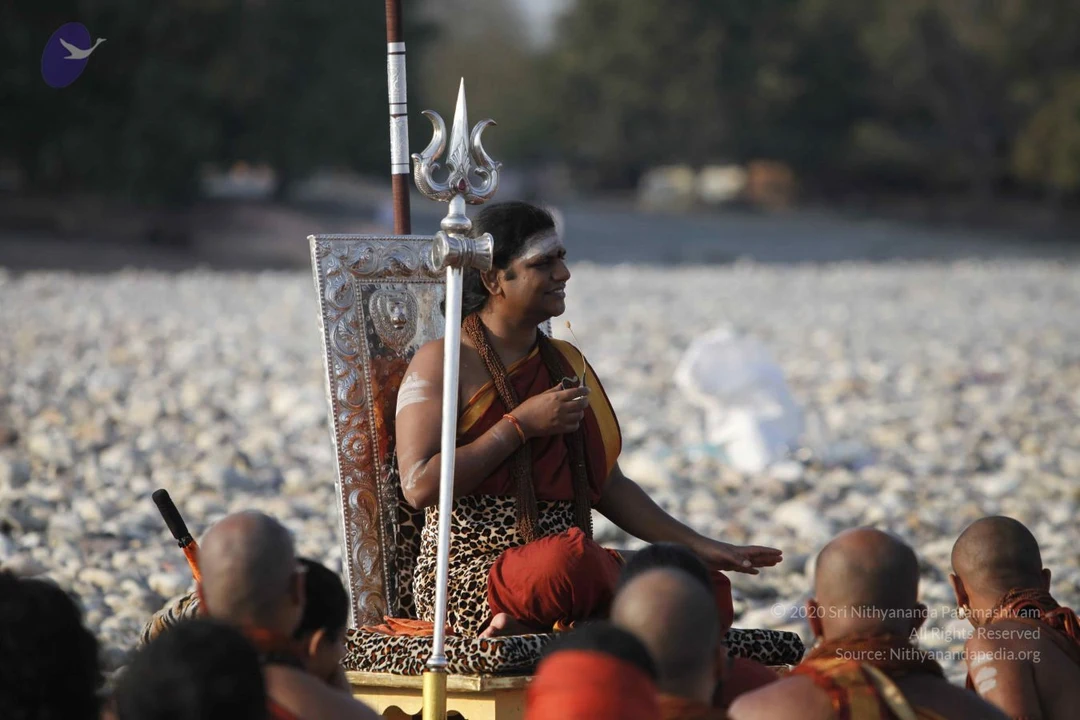
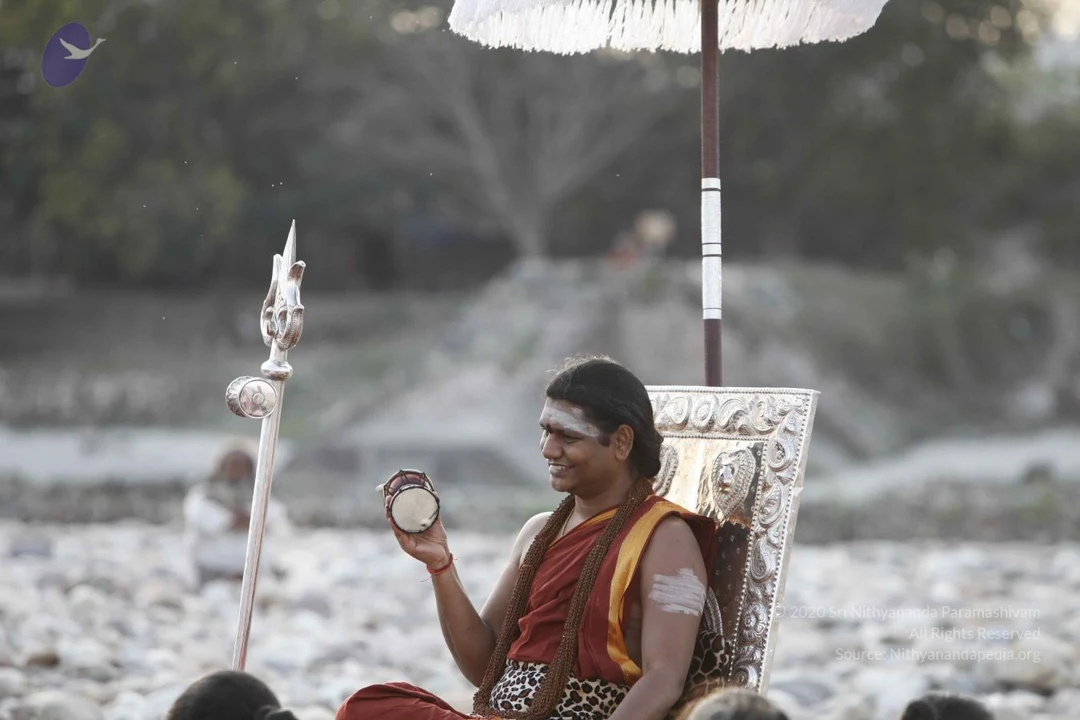
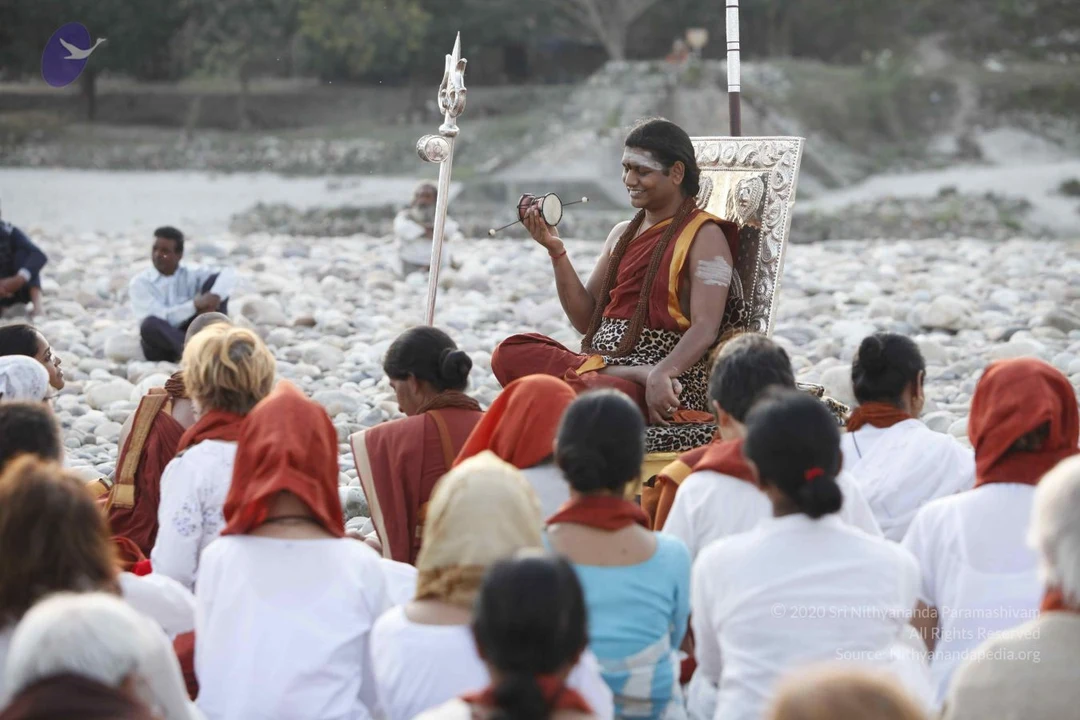
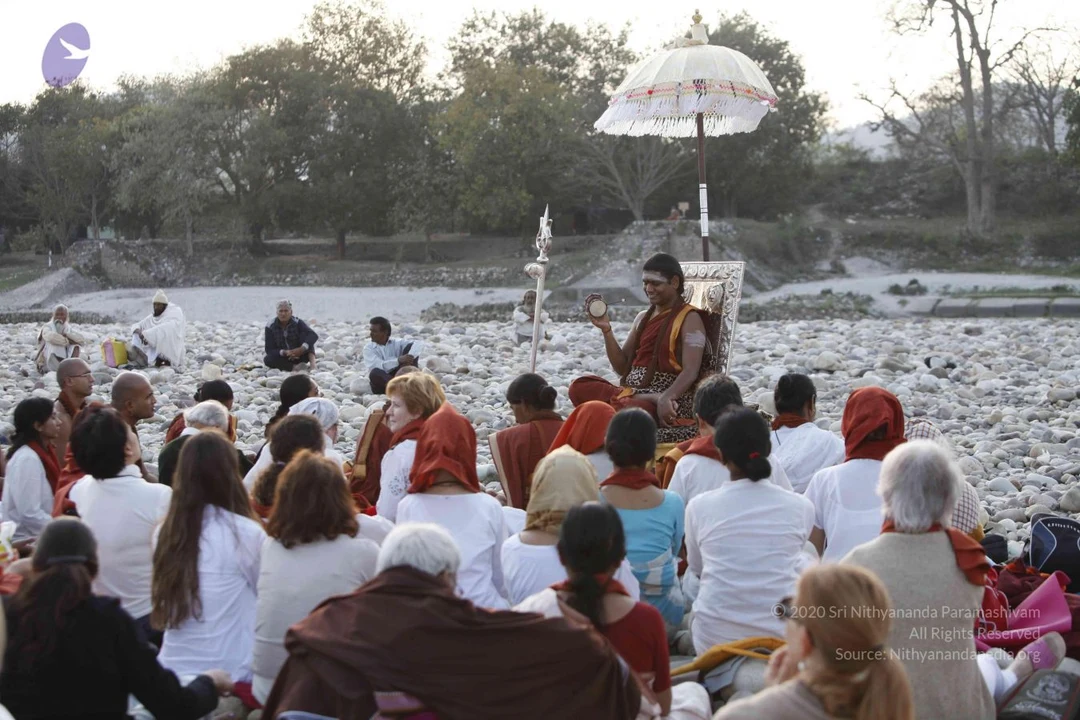
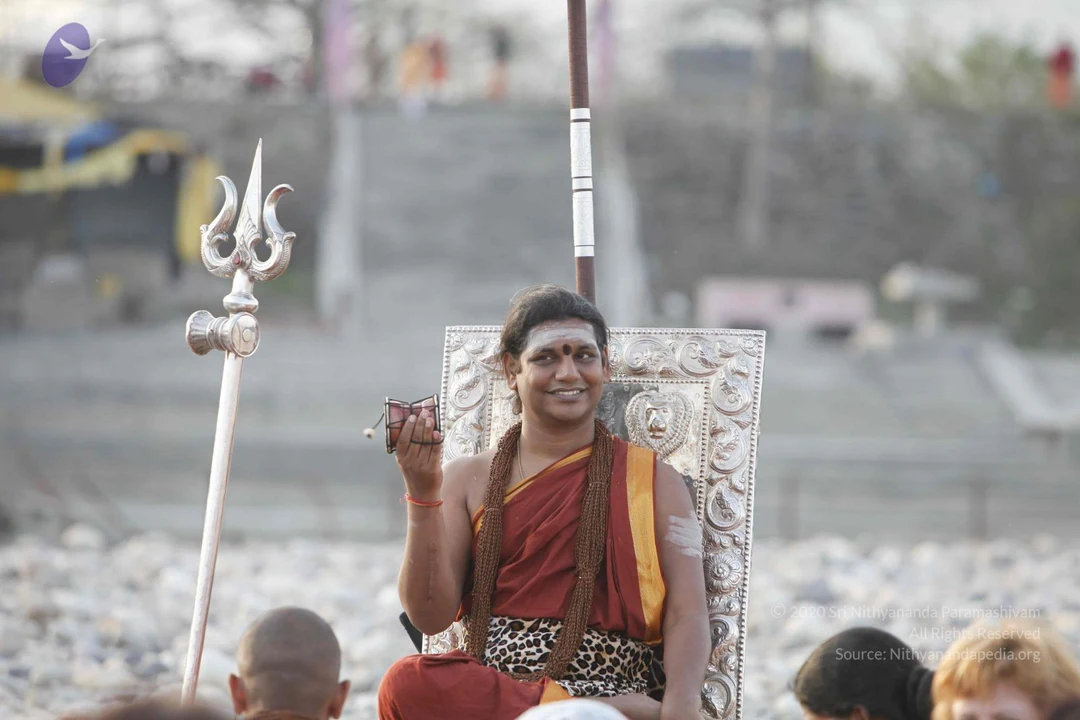
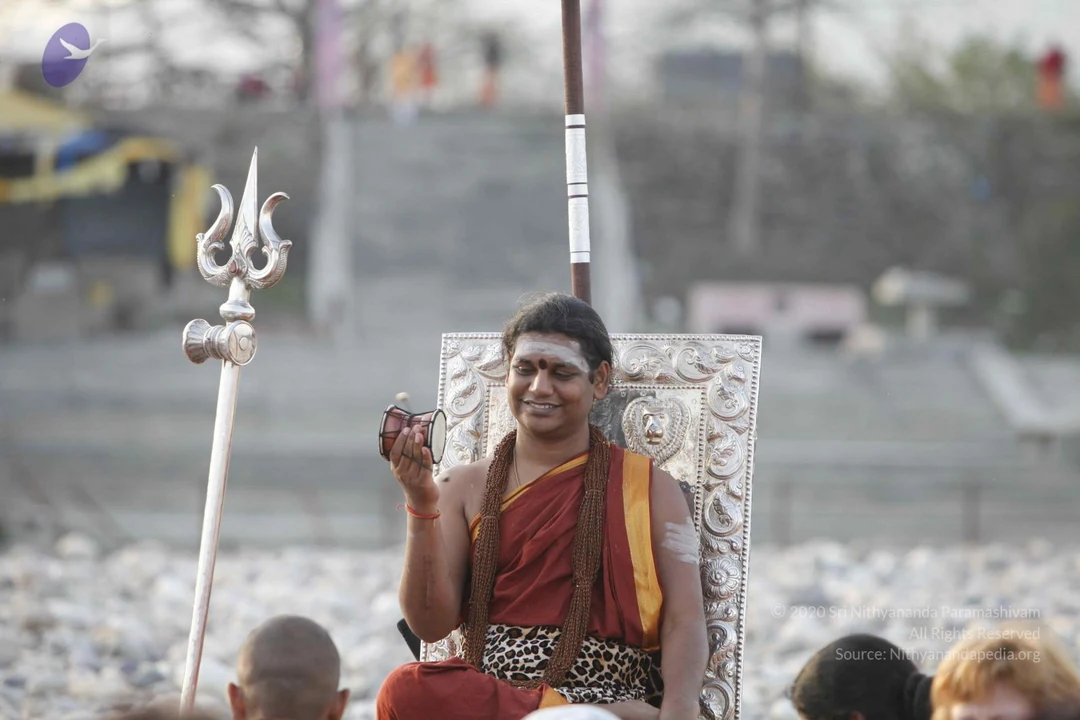
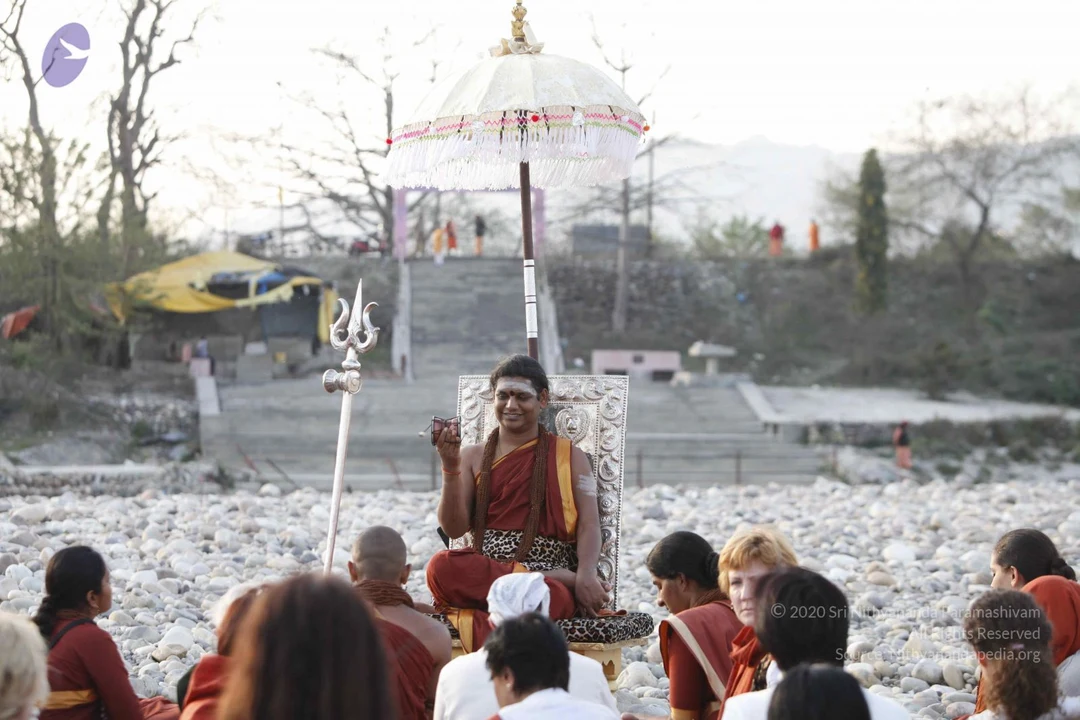
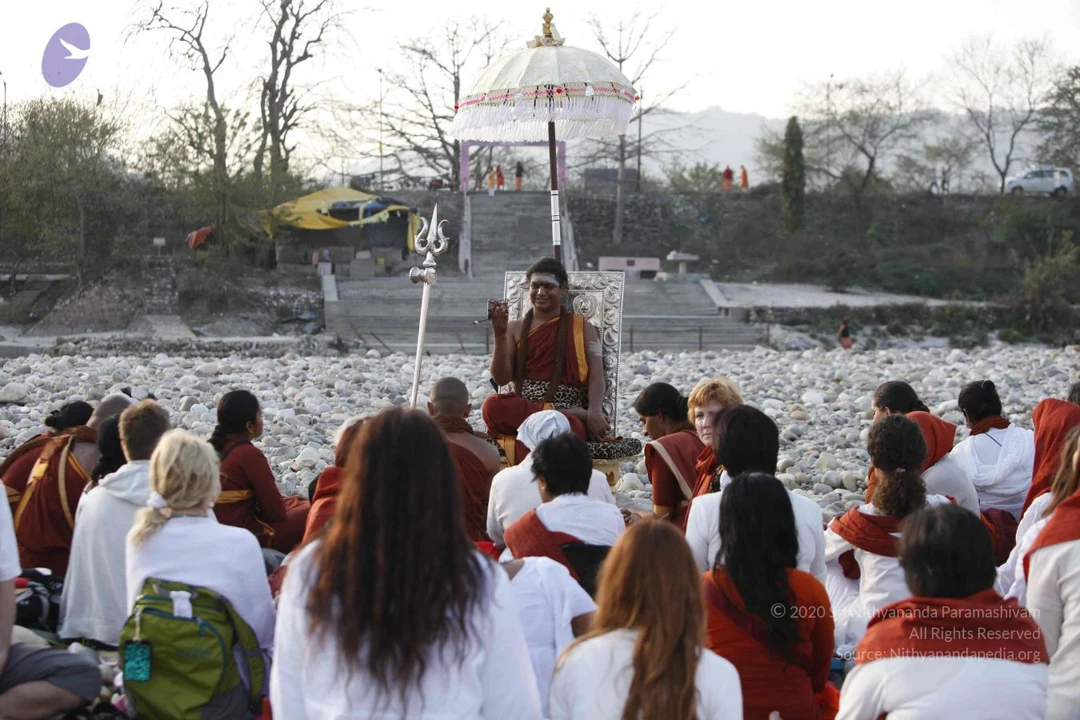
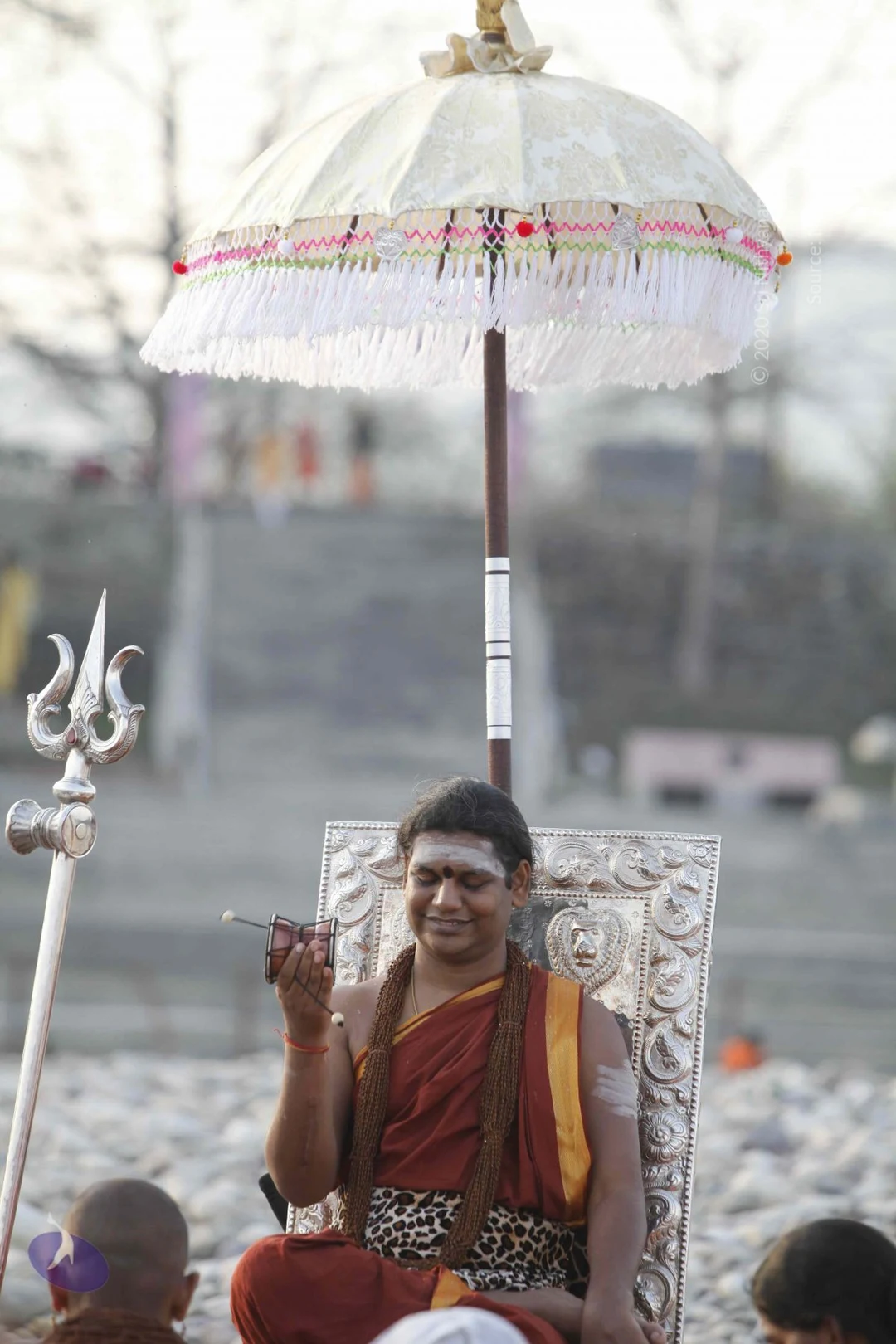
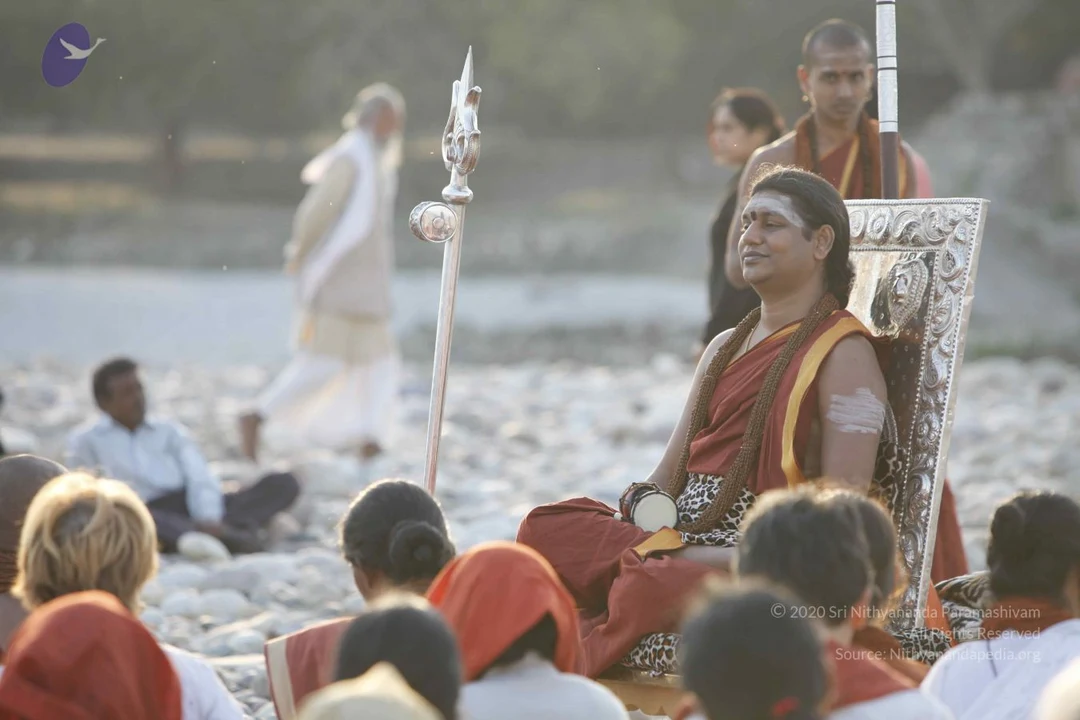
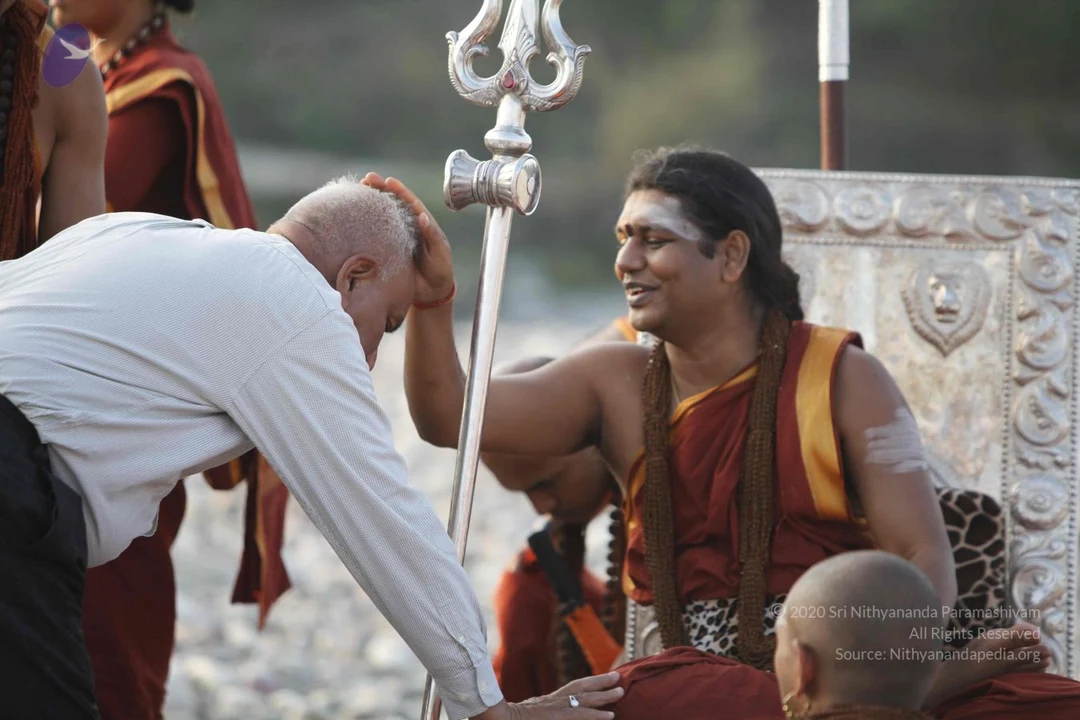
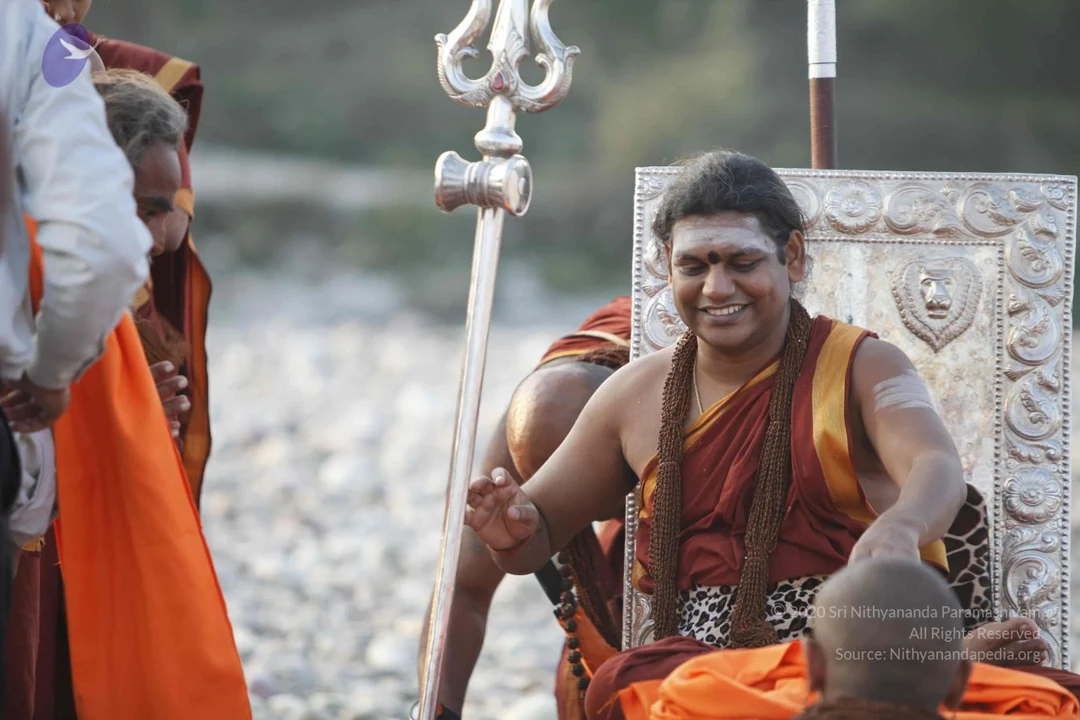
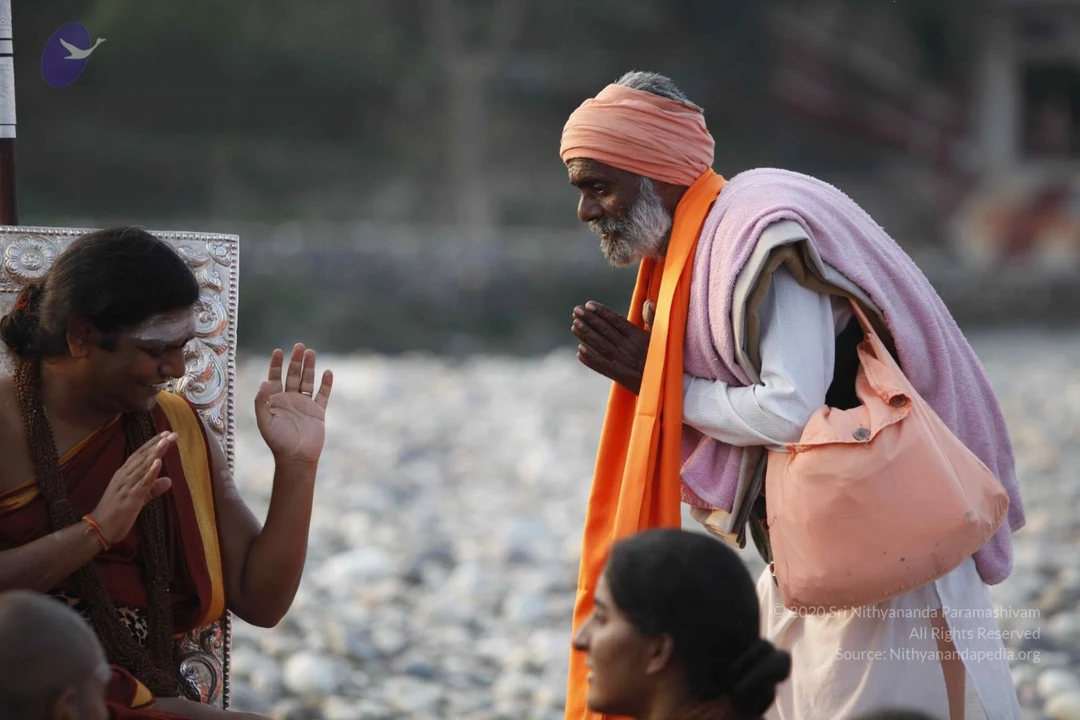
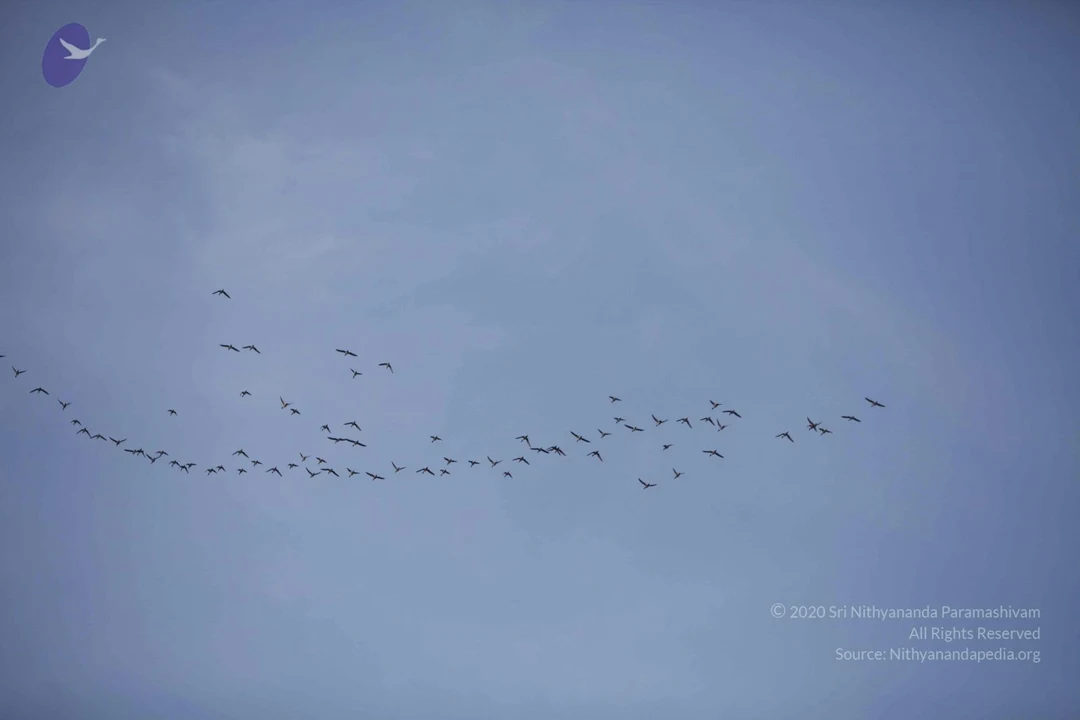
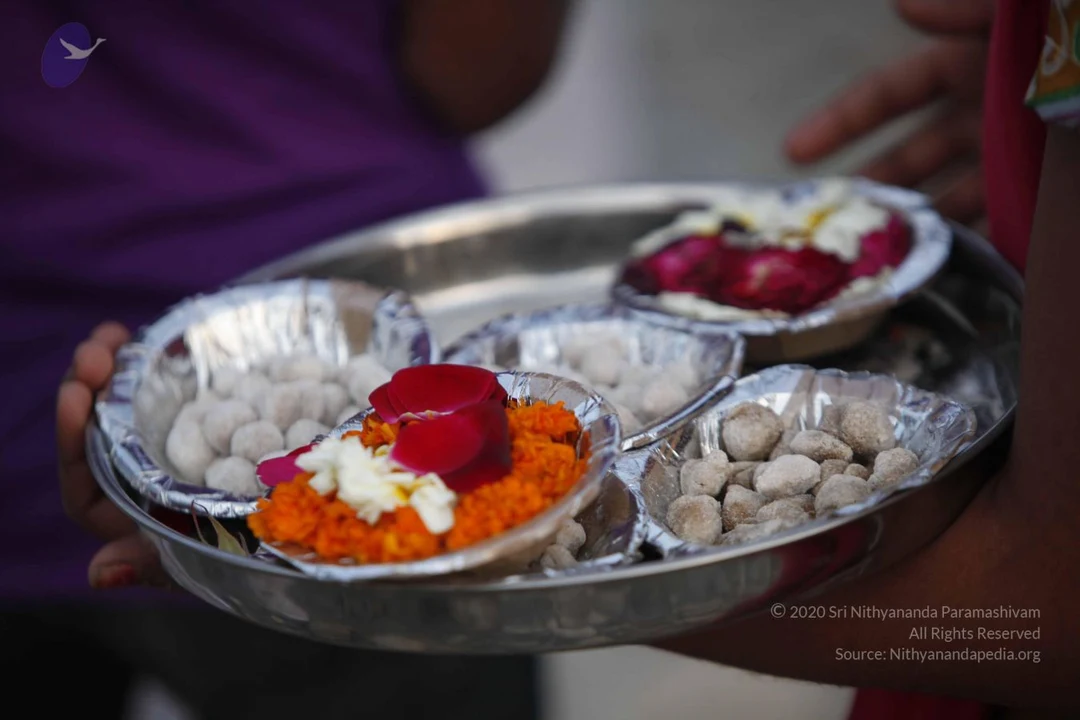
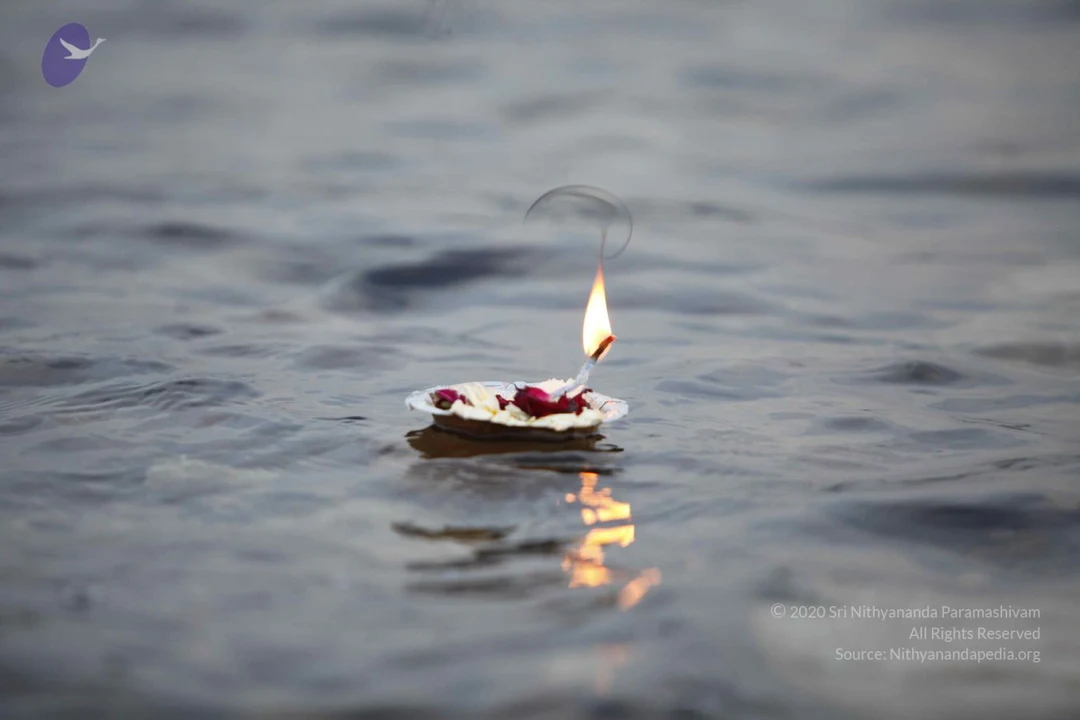
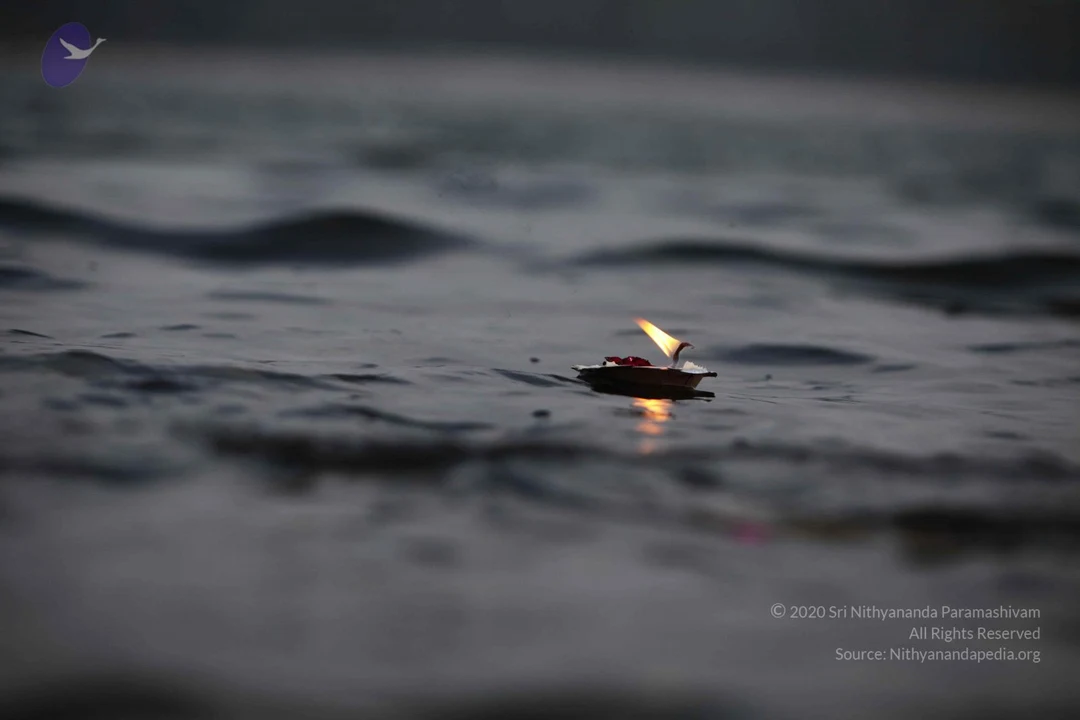
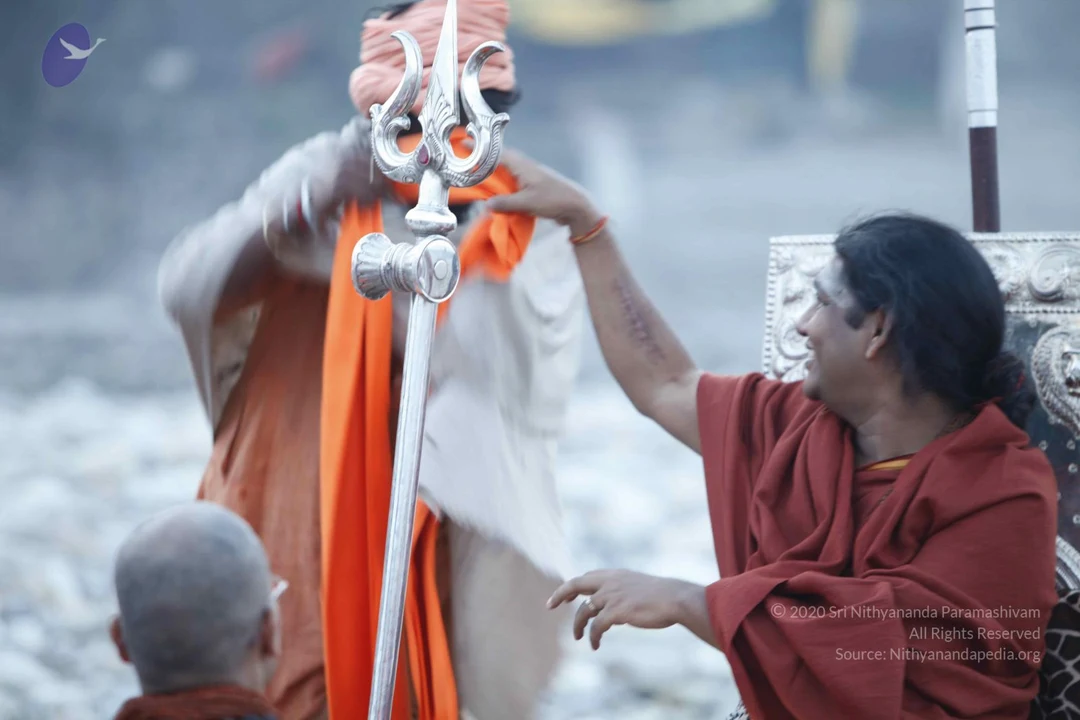
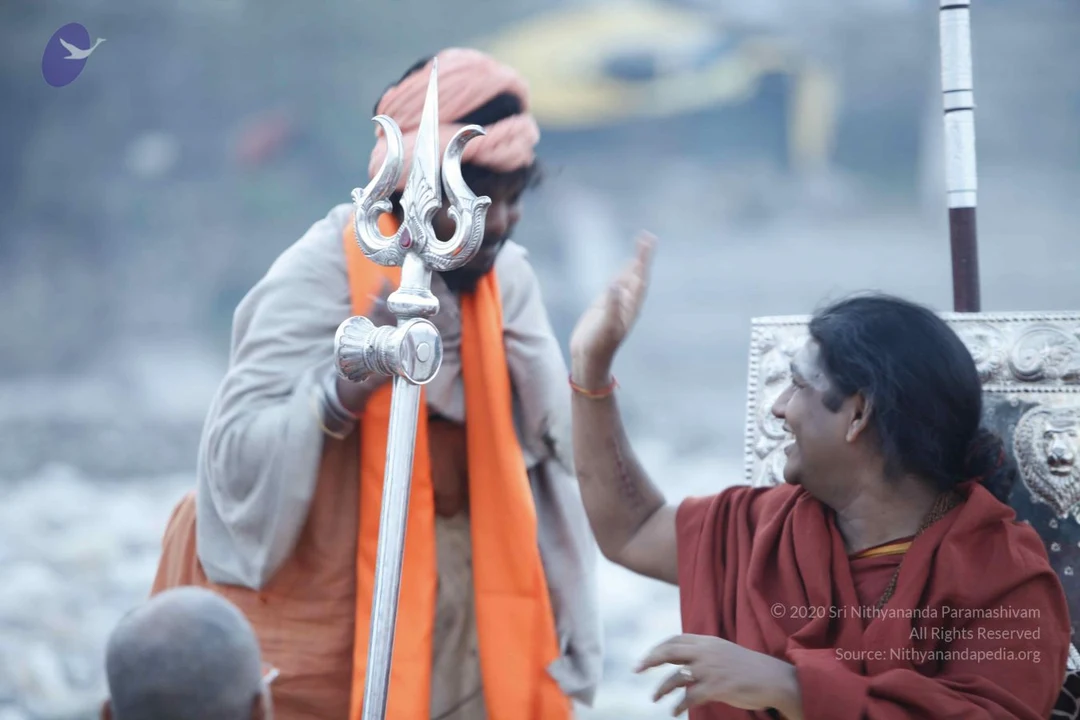
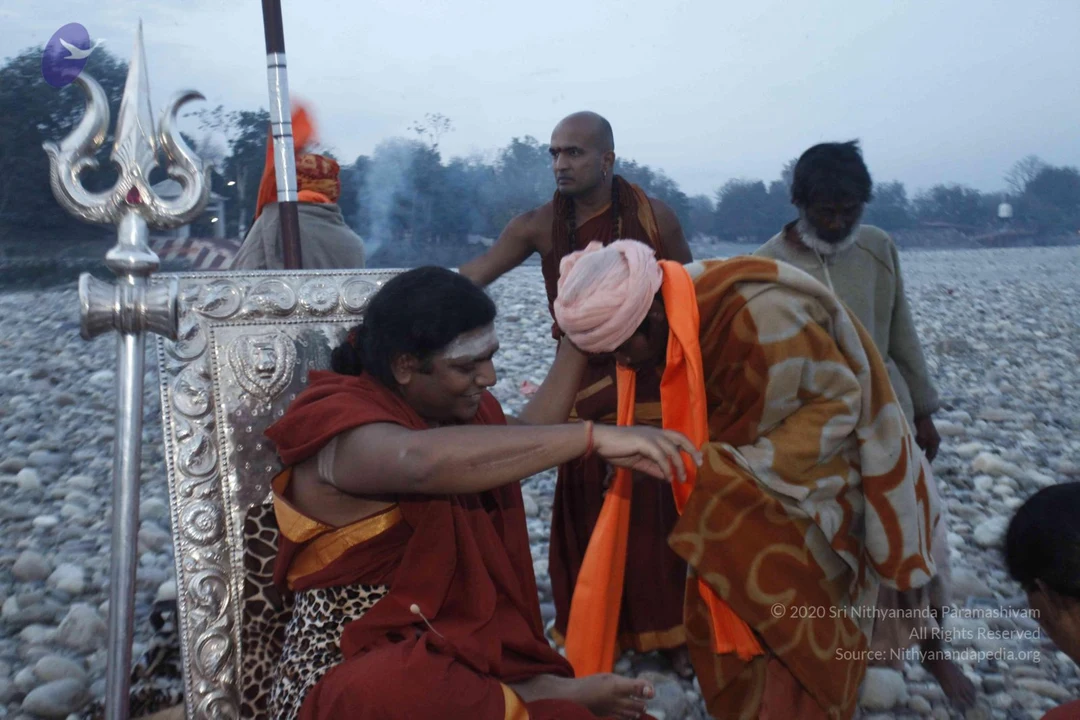
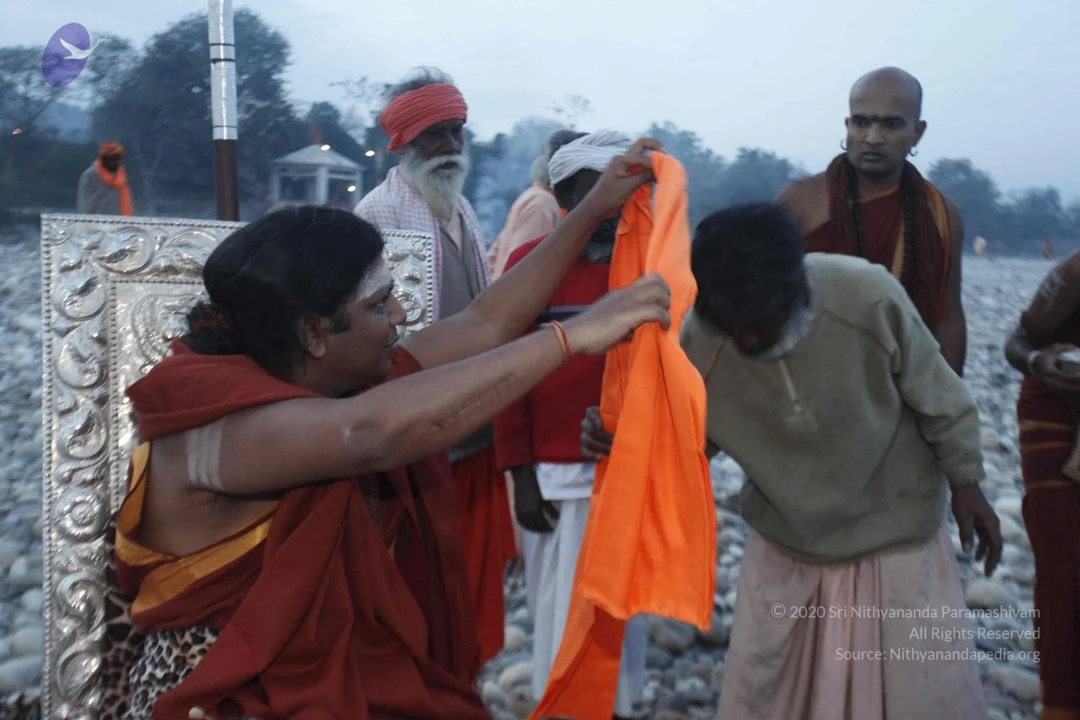
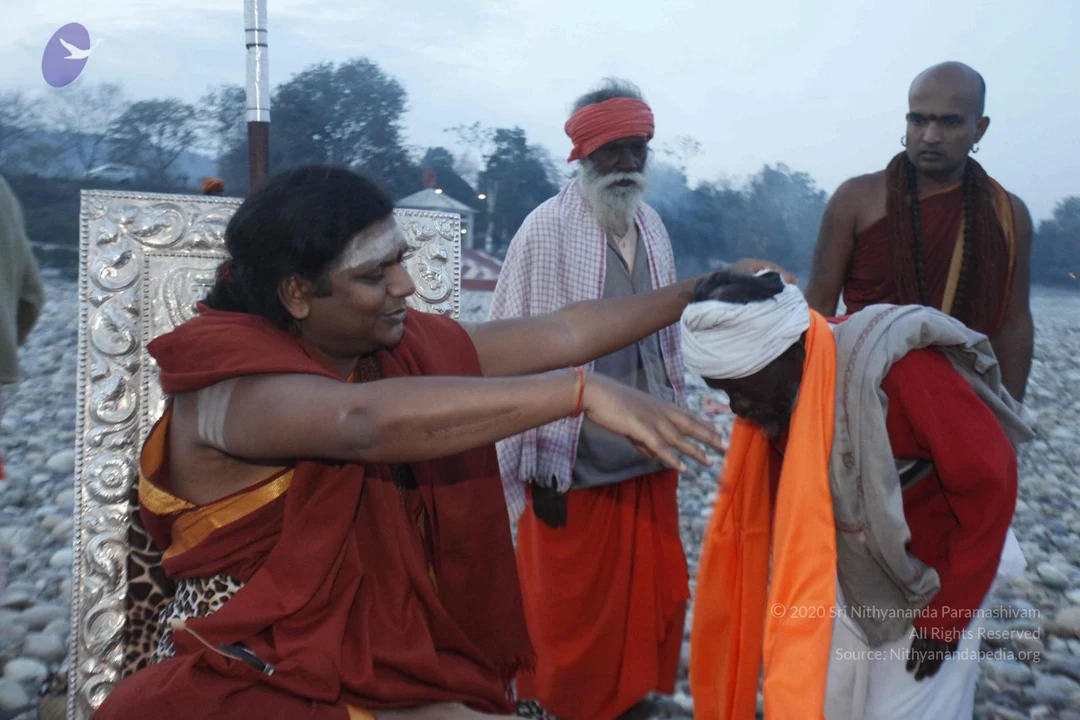
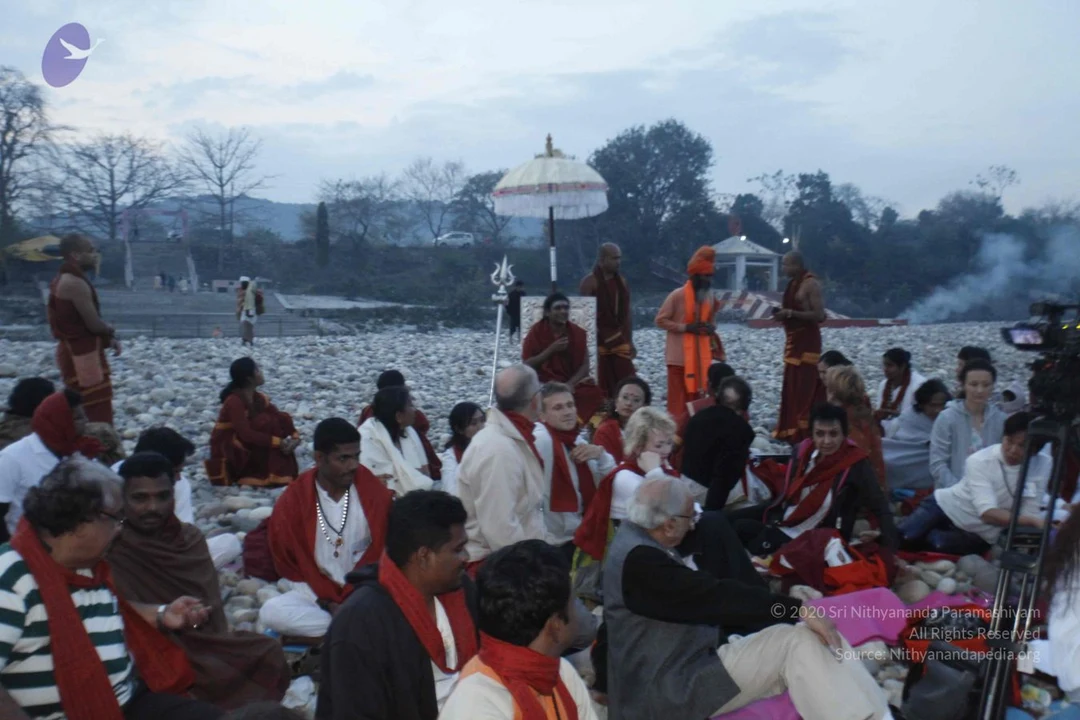
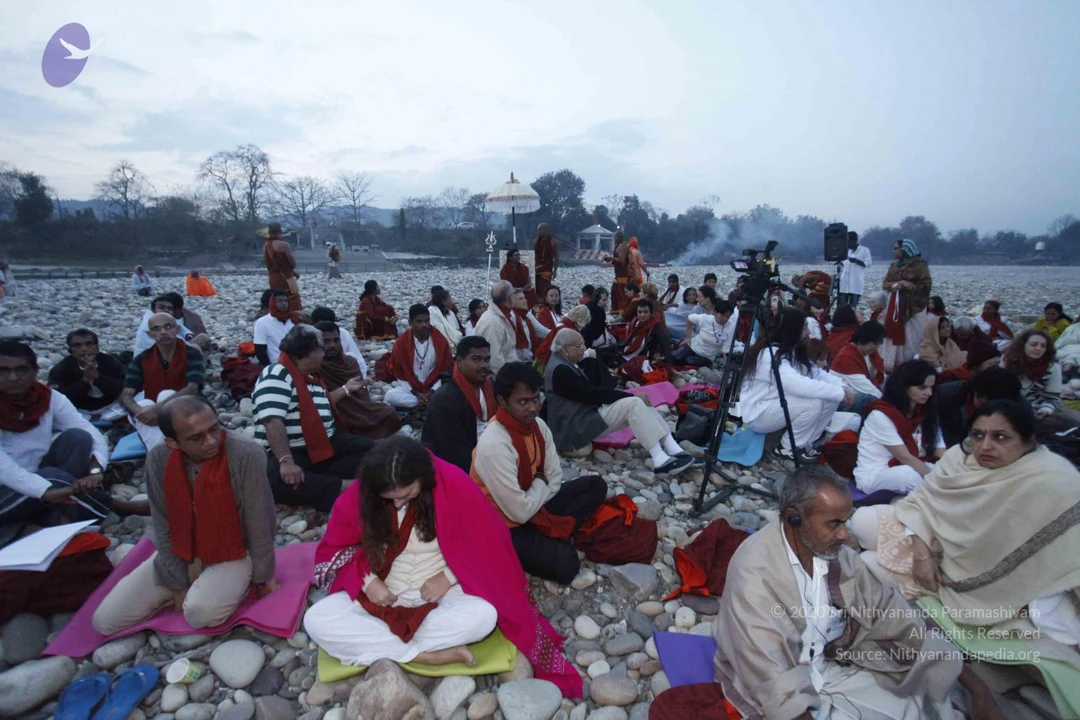
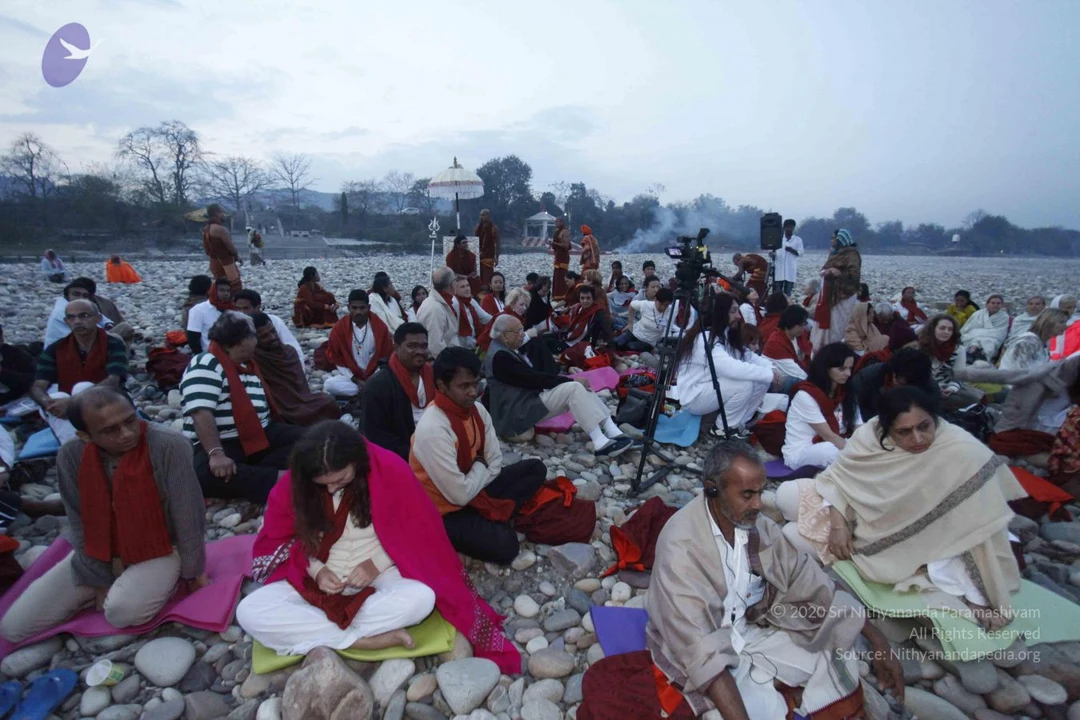
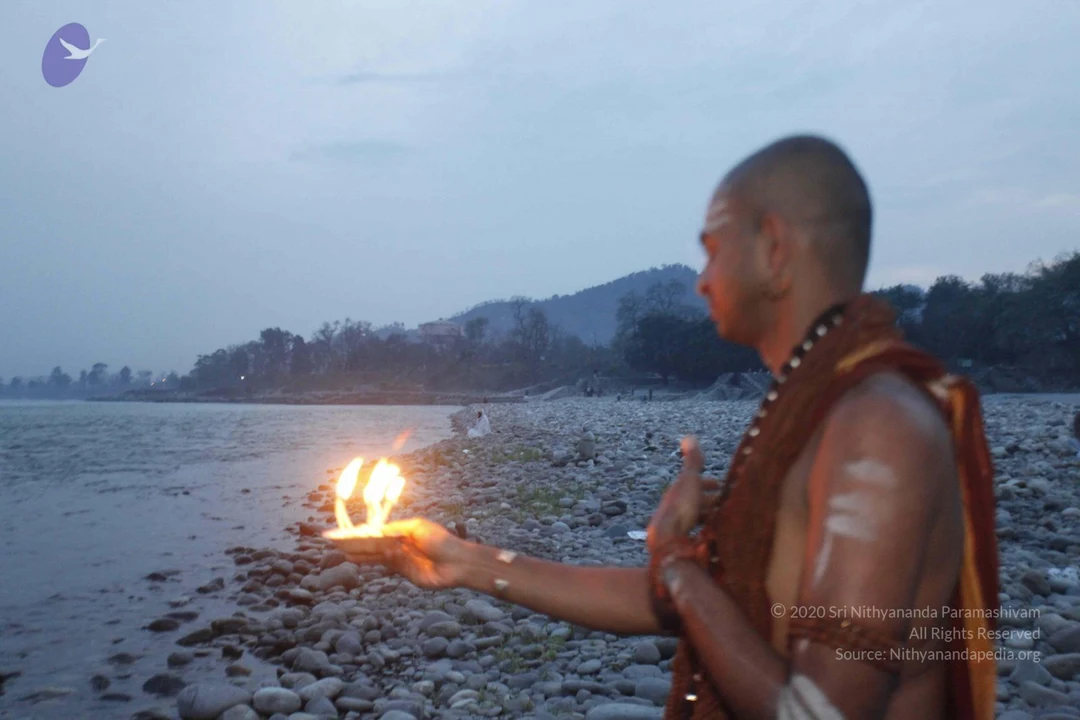
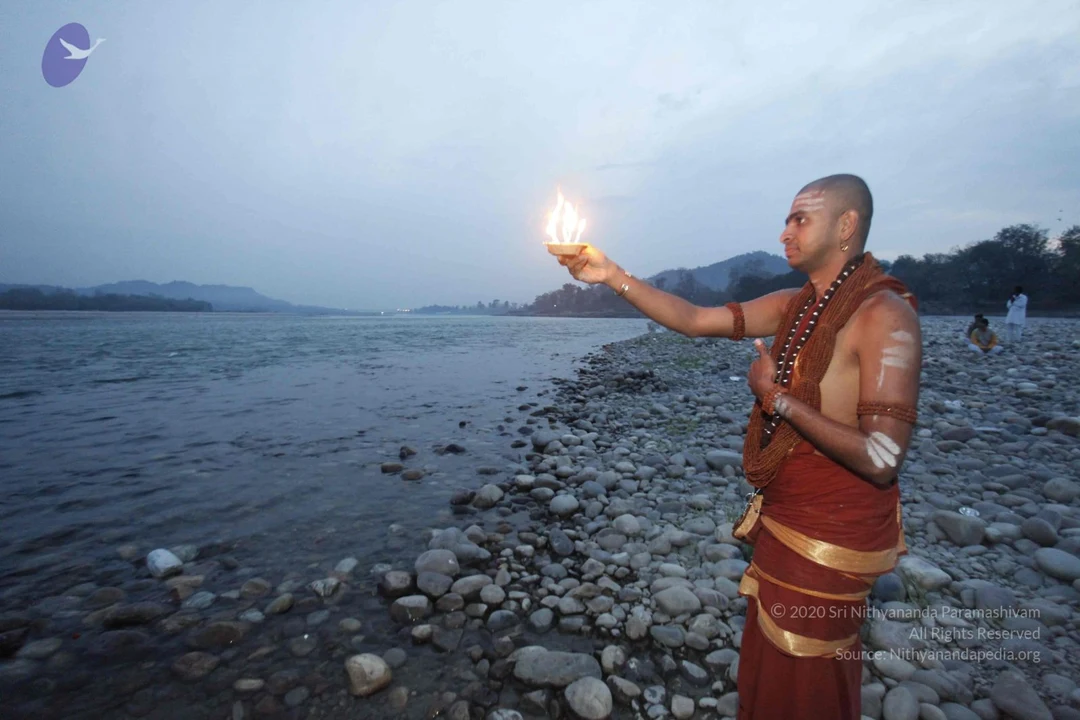
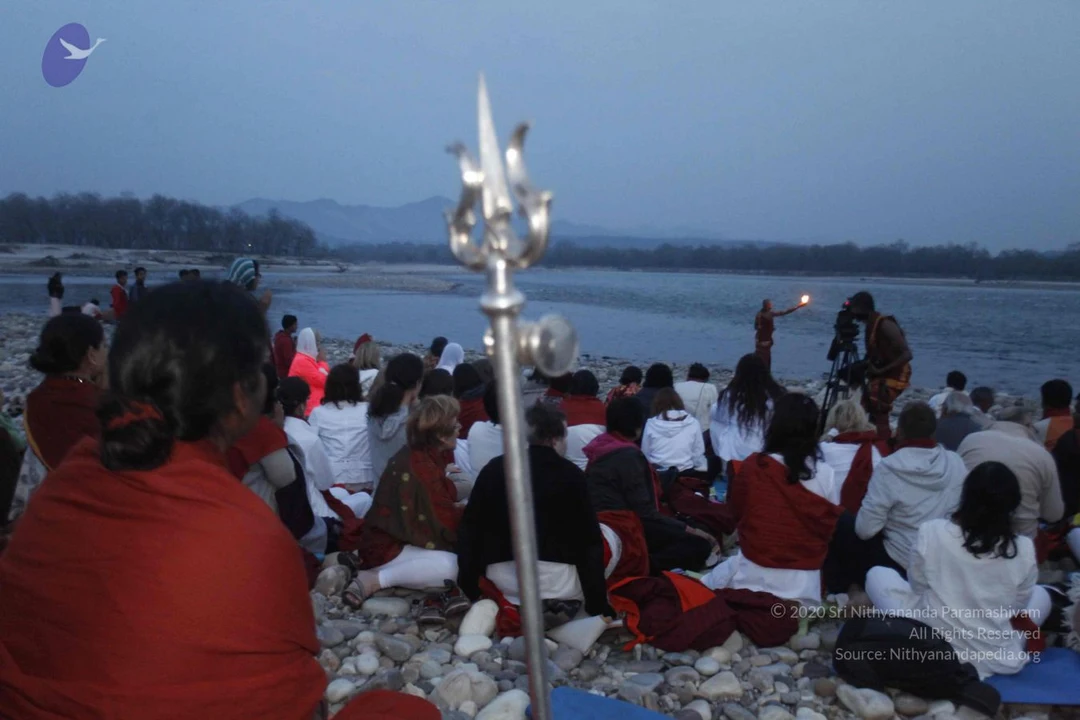
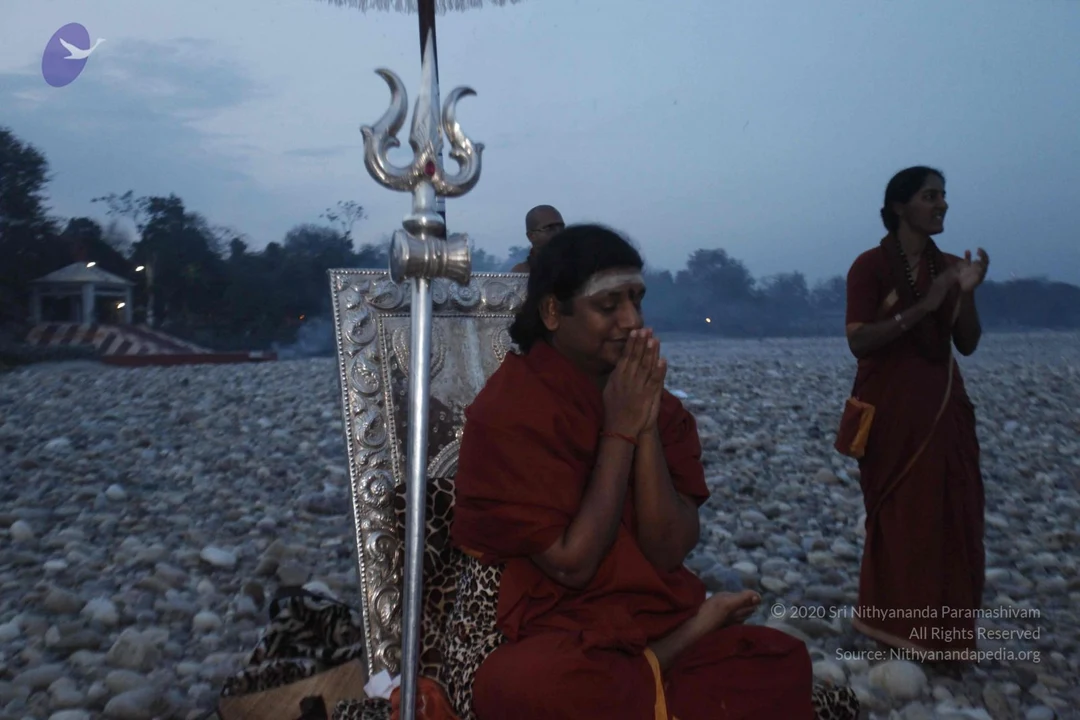
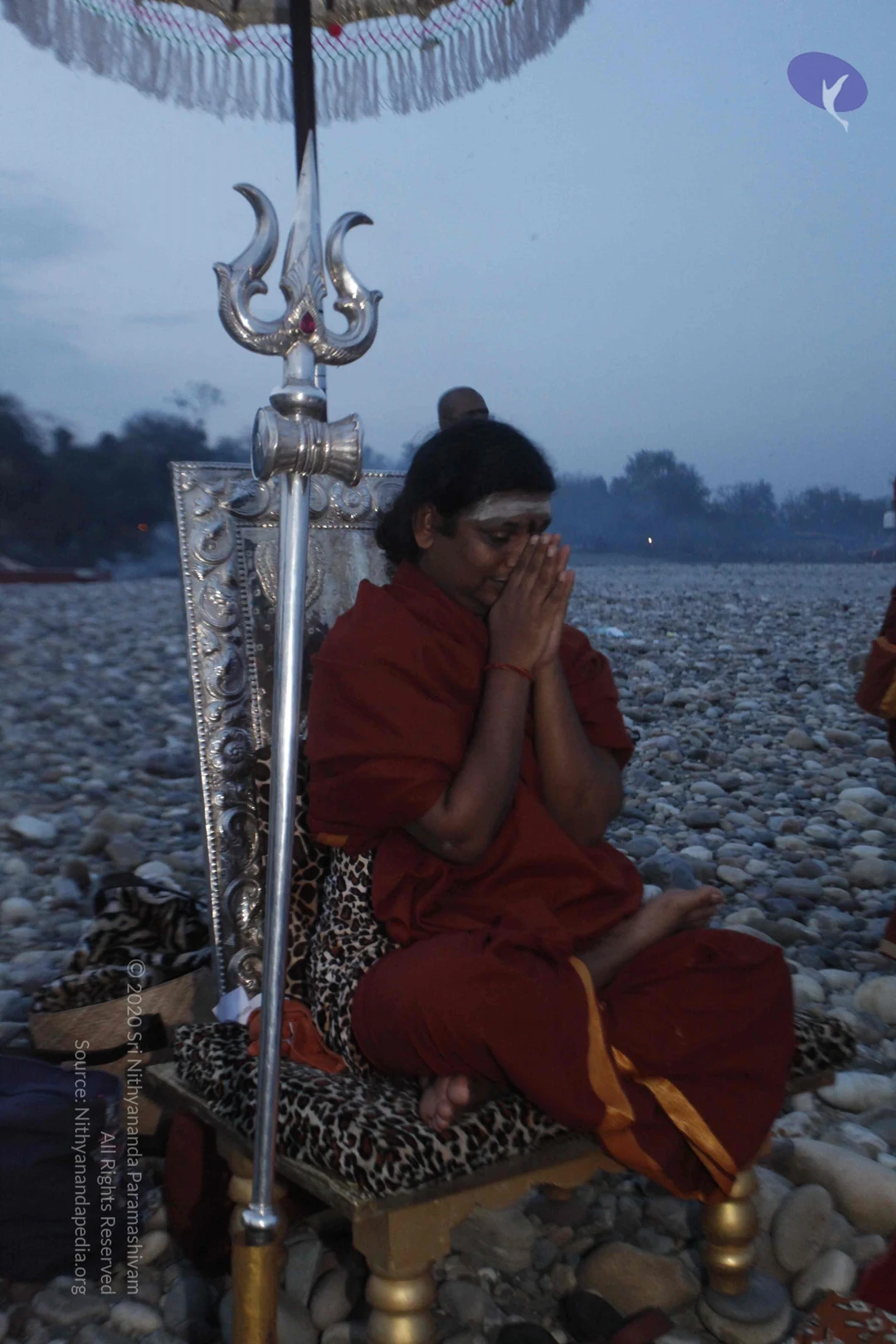
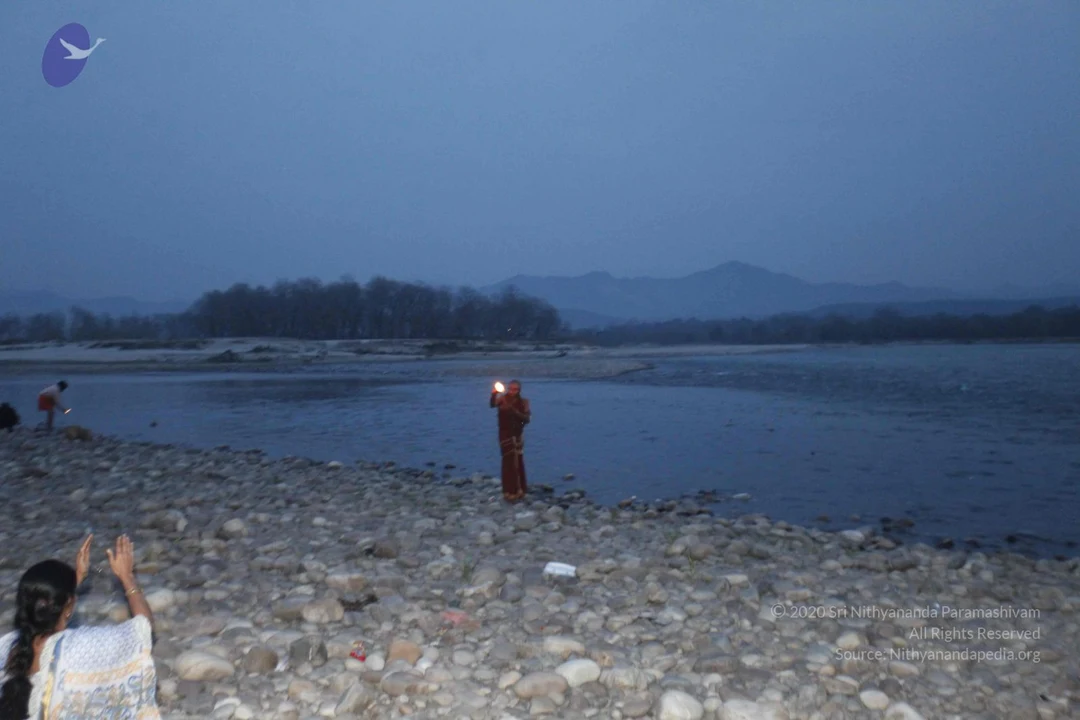
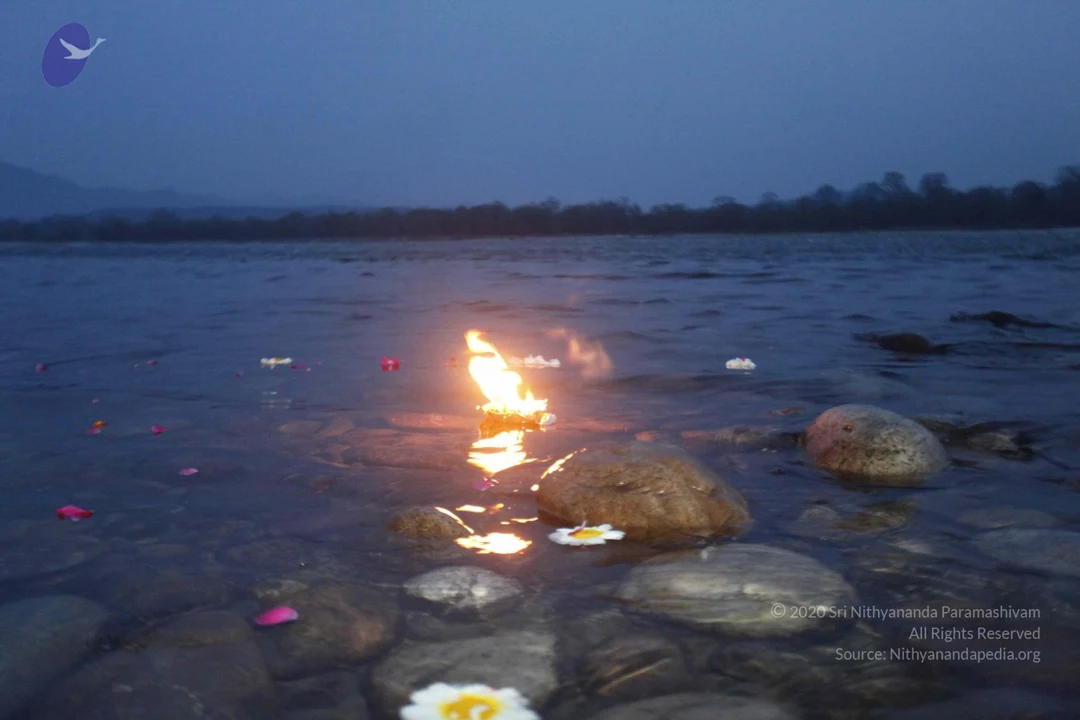
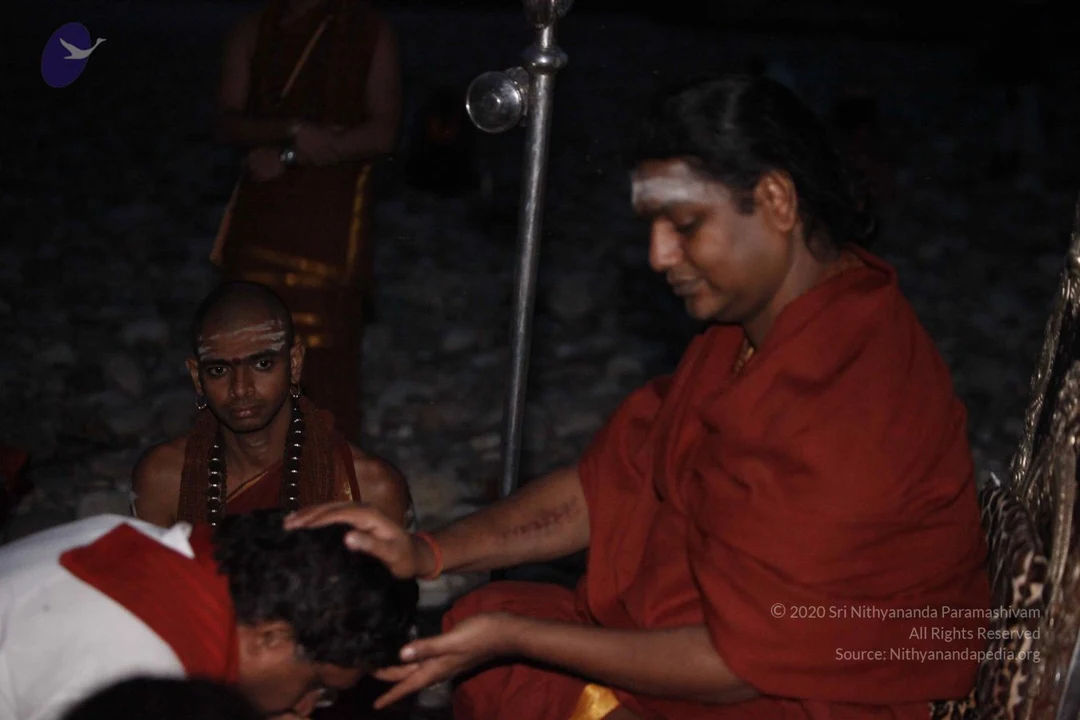
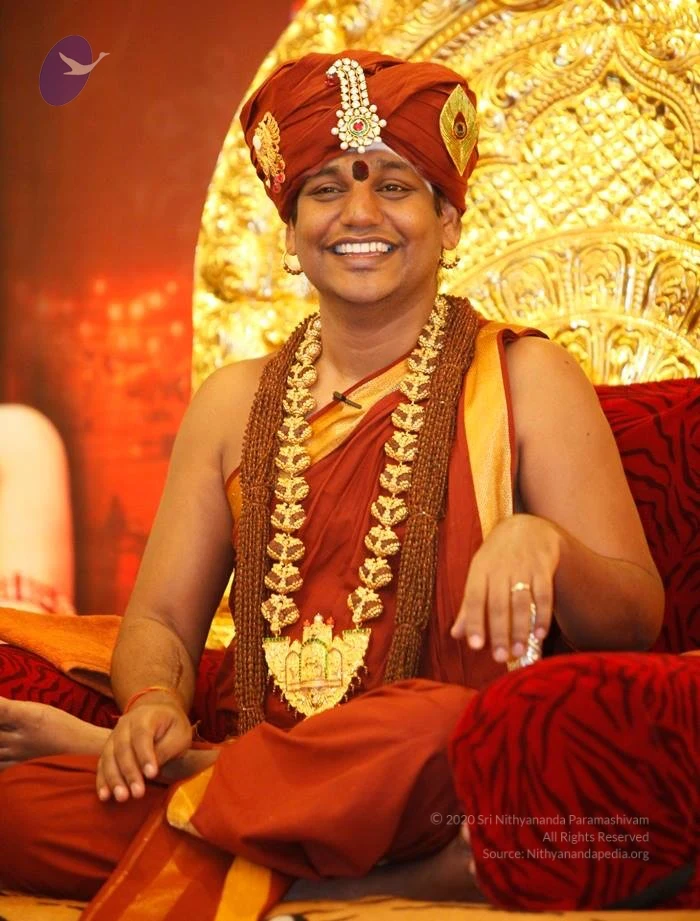
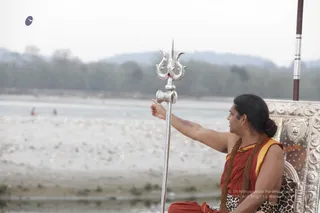
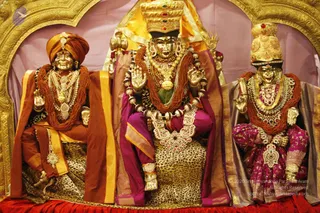
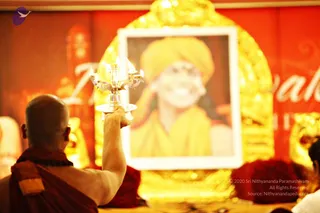
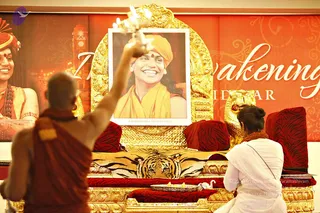
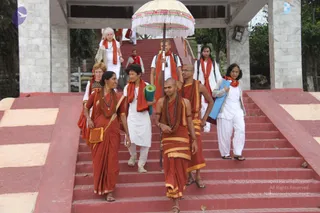
On this day, the Supreme Pontiff of Hinduism (SPH) Bhagavan Nithyananda Paramashivam conducted the Day-05 of the Inner Awakening at Haridwar in Uttarakhand, India.On that day’s Satsang SPH declared that Completion is the first priority in life and the basic truth required for enlightenment. Completion with the people in our lives is the number one component for blissful living. When we are complete with ourselves, we have peace, but when we are complete with others, bliss flowers in us. Life is more than being peaceful because we were born for the ultimate, the bliss of enlightenment itself. With the science of Completion, we can create a blissful world. SPH further shared that Completion with ‘’Yourself’’ is more like a spiritual practice, but It is with Completion with Others that life itself starts. Later that day SPH visited the Ganga Ghat along with the most blessed delegates of the IA Convention which had the rarest of the opportunities to be in the pressence of the greatest happening of our time, Paramavatara - the Ultimate Incarnation of Paramashiva, the Supreme Pontiff of Hinduism (SPH), Bhagavan Nithyananda Paramashivam in the banks of the Ganga Mata.
That day's Presidential Address-Nithyananda Satsang was conducted by the Supreme Pontiff of Hinduism Bhagavan Nithyananda Paramashivam on 10 March 2014 in Haridwar, Uttarakhand, India
Link to Video:
| Video | Audio |
Transcript:
[00:17] Nithyānandeśvara samārambhām Nithyānandeśvari madhyamām asmat āchārya paryantām vande guru paramparām
Iss samay hamare sath upasthit sabhi bhakton, sanyasiyon aur shisyon ka prem evam aashirwad sahit swagat karta hun.
[00:51]
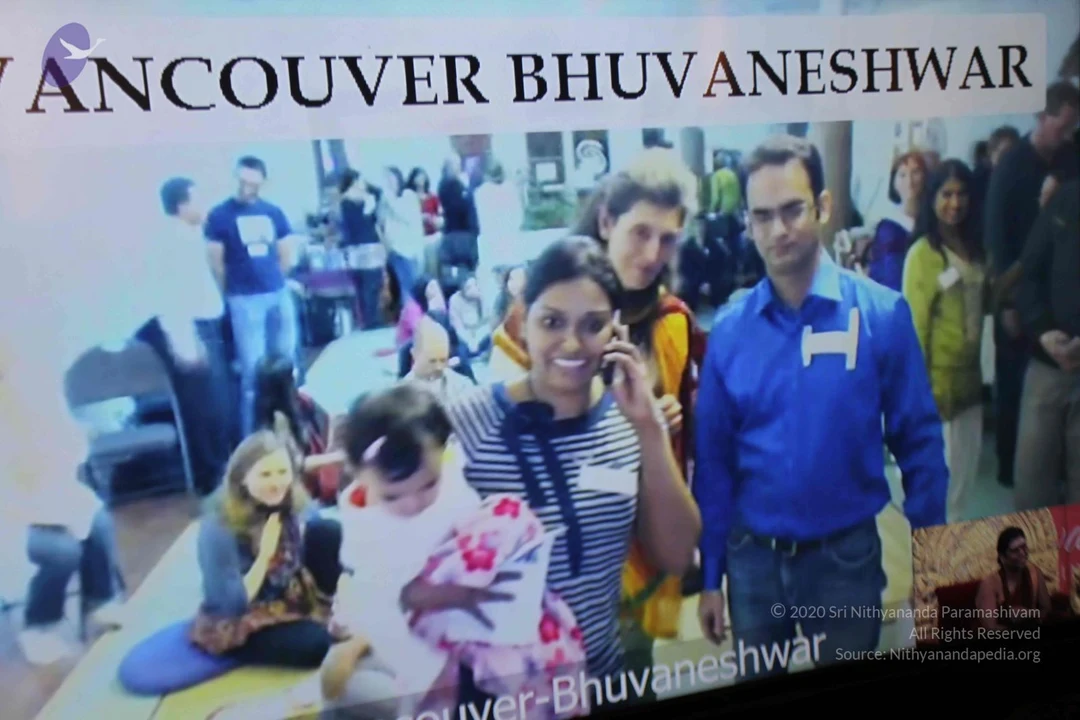
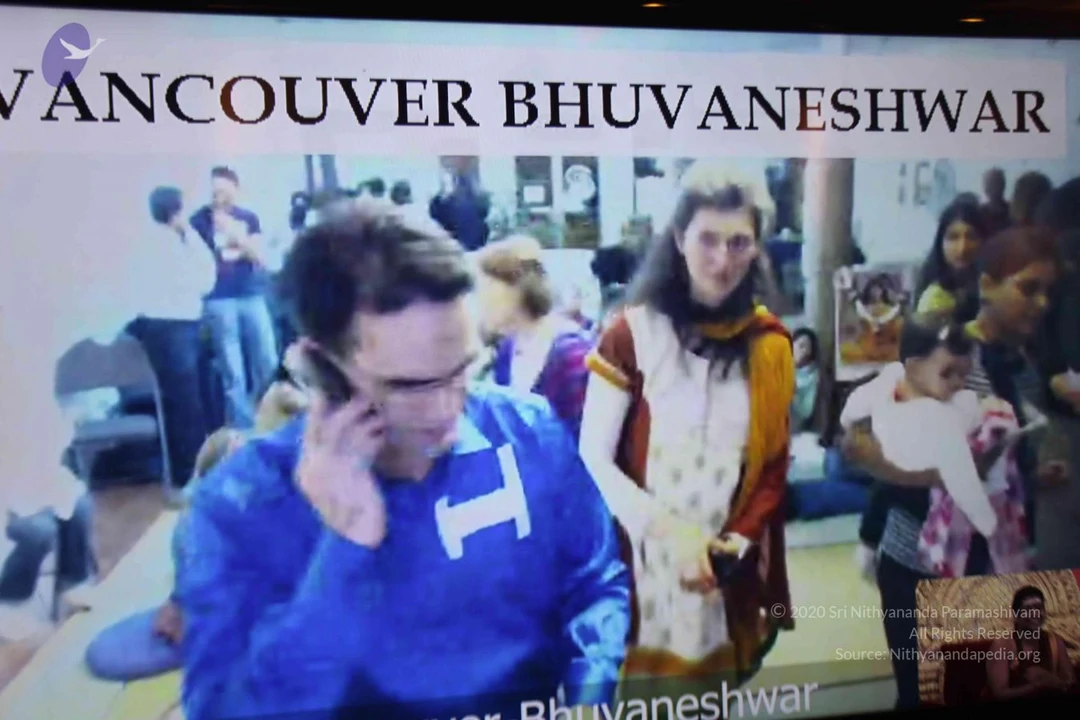
I welcome all the devotees, disciples, samajis, satsangis, Shrimahants, Mahants, Kotharis, Thanedars, who are sitting with us all over the world at this time through Nithyananda TV, Lotus News Channel, Sadhna TV, Janashree TV, Eshwar TV, and through two-way video-conferencing having Nayana deeksha in many cities in many countries around the world. Cities sitting with us through two-way video-conferencing having Nayana Deeksha: Calgary-Amarnath, Newfoundland-Canada, Jentown-Pennsylvania, Jorpati-Nepal, Dakota Dunes, San Antonio-Texas, Tallahassee-Florida.....Prettiness, Houston- Kalahasti, Hyderabad-Gupta Kashi, Nithyananda Gurukul-Bidadi, Warrington-UK, Bangalore-Malleshwaram, New York-Varanasi, Kuala Lumpur-Palani, Coimbatore Dhyanapeetam, Singapore-Singapuram, Nithyananda Nagaramu-Hyderabad, Scottsdale-Arizona, San Jose-Madurai, Los Angeles-Arunachalam, Ohio-Prayag, Vancouver-Bhubaneswar, Oklahoma-Somanatham, Guadeloupe-Rameshwaram, Washington DC-Sripuram, Toronto-Kailasam, Seattle-Chidambaram, Charlotte- Srisailam, Ohio-Shivananda, Nithyananda Nagara-Bidadi, Nithyananda Nagaramu -Hyderabad, Singapore-Singapuram, Jorpati-Nepal, New Foundland-Canada, Oman- Sivagangai. I welcome all of you with My love and blessings.
[02:50]
Today I will expand on this great truth completion with others. Completion with others. Today is the Inner Awakening Level-2 is starting. Twenty-fifth Inner Awakening, Inner Awakening Level-2 is starting. Listen. Completion with yourself is more like a spiritual practice. It is with completion with others the life itself starts. Listen. It is from the completion with others life starts. One of the biggest miss Hindus had, Hinduism had, is completion with others. Of course, we had the principles of Love, Care, Serve all that. It is not that without those principles Hinduism grew up. No. Hinduism had all those principles. But, unfortunately in course of time, they all have been portrayed as a secondary qualities, or may not be that important for enlightenment, that kind of qualities.
The eternity being brought to immediacy, the context of eternity is brought to everyday lifestyle was missing. I am going to repeat, repeat, listen. Because this whole one hour or one-and-half hours of satsang, three-four statements if you pick up, that is enough; just three-four statements, and that becomes your cognition, that's enough. So, listen to this statement. This completion with others was not promoted as a basic necessity to reach the ultimate experience.
[05:47]
Unfortunately, escaping has become the generally-promoted lifestyle: If you have incompletion with family and parents and society, just escape to Haridwar, Rishikesh, or go up to the Himalayas. If you have a incompletions when you are down South run away to Varanasi. After one year you will start having incompletion with people in Varanasi then run away to Haridwar. After six months, you will start having incompletions with people in Haridwar then run away to Rishikesh. There you will start getting incompletions then run away to Uttarkashi. There once the incompletions are built, then run away to Gangotri. There once incompletions are built with others then run away to Tapovan. Tapovan nobody else is there, only you are there; then you think you are complete.
Completion is complete when you can come down to the plains and remain complete. Completion is complete when I… when you can come down to the plains and remain complete. One thing I can tell you, I never have had any incompletion with any person or situation. Throughout this whole experience of My public life, after I came down to the plains, never ever I felt life is incomplete, never experienced any incompletion with people. Whether they experienced with Me or not, you have to ask them. I am very clear.
[08:00]
You need to know, escaping from the situations where the incompletions are there can never be the solution for incompletions. Actually, that will become one more pattern of incompletion; whenever you see a conflict, just take off. Whenever you see a conflict, the taking off becomes a pattern.
Yesterday I was reading a wonderful book, ‘Sadhus of India’. One nice thing about that author, he neither supports Hinduism nor opposes Hinduism. He is not a vested interest of four ‘M’. Marxist media in our national thought-trend, people are not understanding its dangers. I can say, it is the incompletion of the whole country. This guy who wrote this book, ‘The Sadhus of India’, is not influenced by any of these four ‘M’. And he is neither supporting Hinduism. He is just like a observer or a investigator. But finally, end of the book I saw, he is already in love with Hinduism. Understand anybody comes with a open mind… even if you come with a closed mind, we are capable enough to....😊 Anybody comes with a open mind - over; then you are here for a treat and a feast.
[10:09]
But, in this throughout that book, it was a thorough study; it goes to the depth of how many times sadhus have fell sick in their lifetime. You need to know, he has surveyed among huge number all over India. More than four times who fell sick and went to bed-rest, only one percent. Can you imagine? More than four in their.. in their lifetime, more than four times fell sick and had a bed-rest, only one percent. I was shocked, Oh God, and never fell sick - fifty two percent. Really, I wanted to call the author and honor him. But, unfortunately he passed away. He left the body. His name is Tripathi. He has done such an amazing research and thorough study. Including how they have money and I don’t know how he was able to get these details, he even went up to asking the personal questions of Sadhus – how is their celibacy life and all that. And he has documented all of that. That is very surprising.
[12:13]
Throughout the book I discovered one secret: It is unfortunate that we put the concept of completion with others in the back-burner. Please understand… the concept of Completion with others in the back-burner. We had, have, all the best things; because our Rishis were the best people. They have no vested interests. They neither have association with government, nor have association with army, or have association with the banks. They are neither Vaishyas nor Kshatriyas; I am saying by quality, not by birth. By quality, based on the karma and mental set-up, they are neither Vaishyas nor Kshatriyas or Shudras; they were pure, purest Brahmanas, the Jeevan Mukthas. Holding a high enlightened consciousness; they formed the nucleus of the Hindu civilization. Around them the layers and layers and layers we happened. They formed the nucleus. Haridwar, the door to Mahadeva – please understand Haridwar means Door to Mahadeva. This city was called as Gangadwar and Haridwar. Door to Mahadeva. This is exactly the space, place where the nucleus was getting created, formed.
[14:23]
We had all the best things. But in course of time we put some things in the back-burner: that is completion with others. I can say, all the suffering we are having, all the degradation we are facing, all the abusal others are causing and we ourself are causing to us, everything can be boiled down to - not completing with others.
The completion with others, I can say, this was the greatest contribution of Vivekananda. Swami Vivekananda’s greatest contribution to Hinduism, he brought this idea of completion with others to the front. Even though the mainstream Hinduism, the traditional orthodox Hinduism classified Vivekananda as a reformist, I’ll classify Swami Vivekananda as a revivalist, not reformist. Understand I wanted you to know very clearly, he revived, not reformed. There were some other organizations you can call them as reformers, like Brahma Kumaris, Brahmo Samaj, Arya Samaj. We can call all of them as reformers. But Vivekananda is a straight reviver. And there were some organizations, radical also - Ananda Marg. There were some orthodox, some reformists, some radical. Tripathi observes, the author of the book he observes, Shankaracharyas, Karpatri Maharaj - all of them as a orthodox, traditional, Brahma Kumaris, Osho - all of them as reformists, Ananda Marg - all of them as radicals. Maybe, I wanted to add the fourth category – revivers. I’ll classify Swami Vivekananda in that category: he revived it. At least, at the best, he tried. He lived just forty years on the Planet Earth.
[17:28]
Please understand the revival. I wanted to be very clearly known forever in the future only as a reviver. I am neither a reformer nor a radicalist. I am a reviver of orthodox Hinduism. I am a reviver of true orthodox catholicity of Hinduism. I am very clear about it. Seeing My activeness, don’t call Me as a reformer. Seeing My stern views, don’t call Me as a radicalist. I may have all the dimensions, but in the core I am a reviver of orthodox Hinduism. Maybe, I can say, the user-friendly version of Hinduism. I am very clear about it. I don’t want to be remembered, called as a reformer or radicalist. No. This revival is possible.
All My disciples, followers all over the world should know we are in the mission of reviving; not reforming or radical. So, you need to be very clear about what are we. We are in the line of reviving, making Hinduism user-friendly to people.
[19:31]
Listen. All the gurukul kids, remember very clearly, you are a reviver. And I also have a good news for gurukul kids. In Haridwar I am collecting all the legal opinions and the legal possibilities of giving Sannyas when you are a minor. In the Haridwar, there is a tradition of called ‘Bala Sant’ not just Krama Brahmacharya, you are given Sannyas itself with Viraja Homa. The moment we have a property and ashram in Haridwar, we don’t even need to go to Bali or Sri Lanka to give Sannyas; in India itself. Because, Haridwar is considered as the Headquarters of Hinduism, this is a Hindu city. Giving Sannyas initiation, making Bala Sants is not illegal. All akhadas have Bala Sants. And all, many major ashrams have Bala Sants. They don’t give Krama Brahmacharya or Naishtika Brahmacharya; they are given Sannyas straightaway.
[21:10]
And I was studying their psychology and the inner space, they don’t repent. I am studying some of the kids who received Sannyas at the age of five, six and now they are fifteen, sixteen, some eighteen; they are in the teenage, adolescence age, they are not repenting that they were made Sannyasi and all that. They are happy and joyful and enjoying. When I was studying their inner-space, I realized from the young age when you create a space that you are a Sannyasi, you become simply a successful Sannyasi. So, the next release of Nithyananda Dhyanapeetam is going to be a Bala Sannyasi Training Center in Haridwar. A Bala Sant Training Center in Haridwar. Very soon you can expect. I will study the horoscope and nadi reading, ask Kalabhairava - tak give Sannyas. I am going to produce some of the greatest Siddha Purushas. You understand. You will see.
[22:36]
All our gurukul kids you should remember we are reviving Vedic tradition. All My Sannyasis, you remember, position yourself properly in your thinking. We are not reformists, radicals; we are revivers. And I found it very interesting, the Bala Sants are given the equal place, equal seat in bhandara, respected as sadhus in the schools, colleges and the friends don’t tease them, call them as Swamis; even though they don’t touch their feet, but they do namaskar. It was very interesting to see the insider’s lifestyle. I was enchanted to spend little time with four of the Bala Sannyasis came yesterday and the amount of confidence they radiate. God! Because they know every name, big name you tell about Hinduism; they know everybody who is who, what is what, where is where. They know all good news, bad news, gossip, rumor - everything in the Sadhu community. Because of that they have a amazing confidence on this lifestyle.
[24:17]
Completion with others is a spiritual quality; that’s all. It is necessary for enlightenment. Unfortunately, we always got the idea ‘if you have incompletion with others, run away to the higher plains where less people are there.’ No, that is not a solution. That is not a solution. Completion with others is the basic necessity, the basic quality you need for enlightenment.
How to complete with others and how to maintain Completion with others is what we are going to see in the whole Inner Awakening Level-2. One of the biggest cancer came to Hinduism, happened to Hinduism, we have to do surgery and remove this cancer, remove this tumor. Don’t go on be foolishly believing that everything will be well by its default future. No. What has happened by default future? From Kandahar we have been reduced to Kashmir. These foolish fellows go on arguing with Me, “No, no, no! Sanatana Dharma it can never be erased. It can never be destroyed. It will be there forever. Somehow it’ll survive. Something will happen.” No. These are all the foolish ideas spread by missionaries to keep us lazy without doing anything to revive ourself, revitalize ourself. No.
[26:26]
If the default future is the truth, then what happened? We were there from Bali to Kandahar. In last five-hundred years, see the way we shrunk. We lost now in Pakistan also nobody is there. In Bangladesh also nobody is there. And slowly shrinking from all direction. Sri Lanka, nobody is there. Burma, all kicked out. The only way you can revive, the only way you can cure the cancer came to Sanatana Dharma is realizing the truth completion with others. Maintaining completion with others, living in the space of completion with others is a spiritual truth; that is required for a spiritual enlightenment. Because, as long as your body is moving and functioning, others are part of you, you are part of them. If you are not ready to be in the space of completion with others, you can’t be in completion with yourself. Understand, people sometimes ask Me, “How do I know whether I am suppressing or completing”?
[28:07]
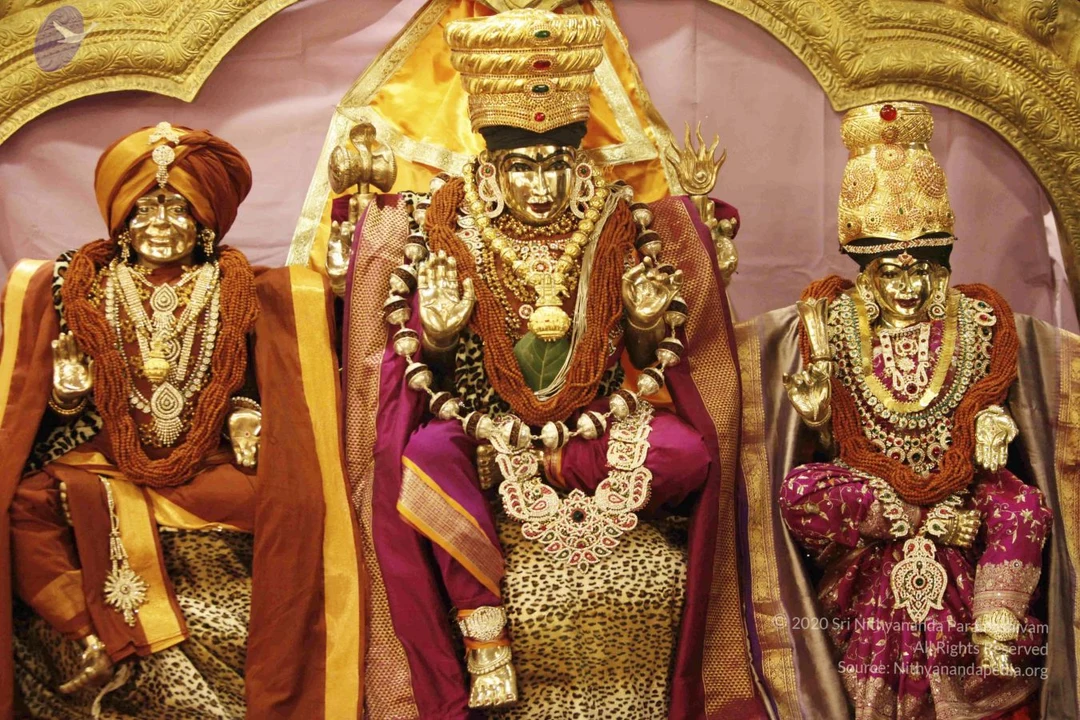
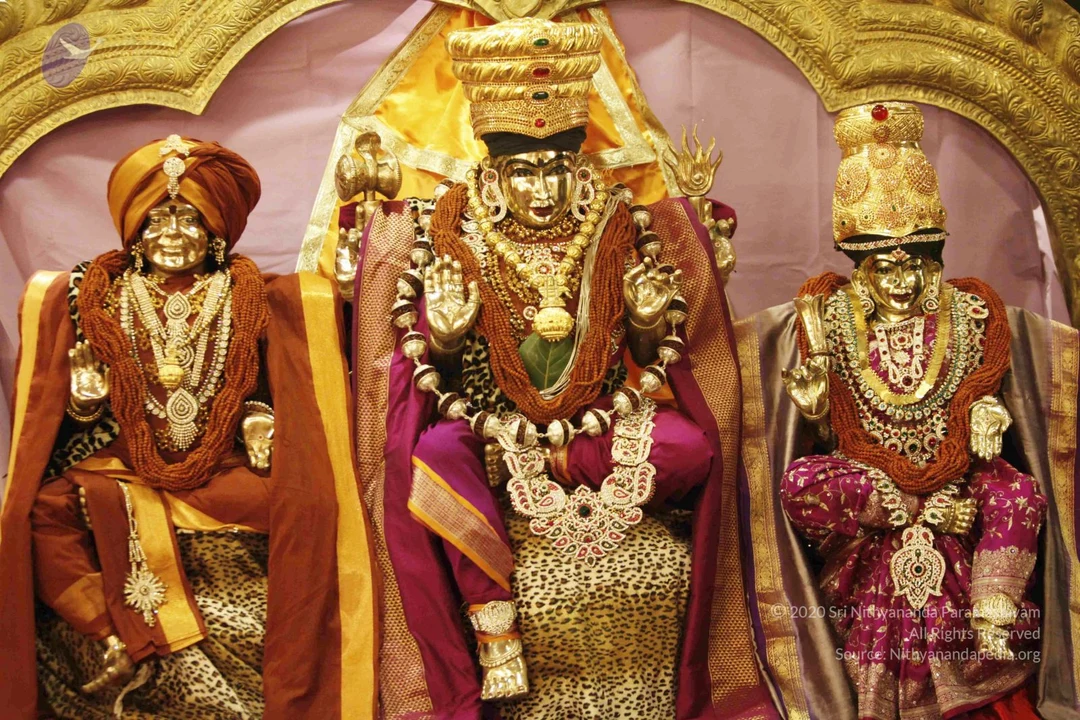
If you are able to be in the space of completion with others, you are completing inside you with you also. If you are not able to be in the space of completion with others, then inside you, you are not completing with yourself, you are only suppressing. So, the scale to find whether you are completing or suppressing, completing or brooding over, completing or waiting for a chance to take revenge. I have seen many people in the name of completion, “Now I am completing, but I am not going to keep quiet. I’ll wait for time. When my time comes, I’ll tell you what to do. I will do what needs to be done.” Completion with others is a spiritual practice. Completion with yourself is like Mahadeva. Completion with others is like Devi. Devi is required for the life to happen. That is why, in all our temples, I have put Devi along with Mahadeva. I have not put Devi as a separate deity.
Understand. Completion with others is the basic truth required for enlightenment. Maybe, even Completion with yourself can be put in the back-burner, but not the completion with others. If possible, both should be in the front-burner. But the way the gas prices are going, you may not be able to do it. 😄 At least put the completion with others as the front-burner.
[30:04]
Understand. This Science of completion with others, that should be given the first priority for Hinduism next hundred years. Next hundred years we should take this up as a mission - Completion with others. Everyone should be taught the Science of completion with others, because Hinduism itself is a religion of Sangha. And when the concept of Sangha is getting broken, disintegrated, the religion is also disintegrated. Whether our Varna concept or Ashrama concept, Varnashrama Dharma is based on the concept of Sangha. As a Brahmachari, all Brahmacharis are expected to live as a Sangha which is University. As a Grihastha, all Grihasthas are expected to live as a Sangha which is called a Nagara. As a Vanaprasthis, all Vanaprasthis are expected to live as a Sangha which is called Rishikuls, Tapovanas. As a Sannyasis, all of us are expected to live as a Sangha which is a Monastery, Matha, Ashrama. Even as communities, we are all expected to live as a Sangha. Hinduism is based on Sangha. Because, the whole Hinduism is built on the concept of Sangha. The word Dhyana is more understood as a completion with yourself. But the word Sangha is the complete word: here you need to have a completion with yourself and others and everything; only then you can be a Sangha.
[32:25]
The most important, first priority, top mission of our Sangha is constantly helping people to complete with others. Constantly be in the space of completion with others, and teach completion with others to everyone. That is where the Sangha starts. It is with completion with others life starts in you. Completion with yourself, peace starts in you. With Completion with others, bliss starts in you. Just with peace you can’t live your life. When you are completing with yourself, peace starts in you. When you are completing with others, bliss starts in you. So, O’Humanity, be blissful, not just peaceful. You happened to be blissful, not to be just peaceful.
[33:45]
aaj ke satsang mein hum dusron ke saath purnatva karne par baat karenge. jab aap dusro ke saath purnatva karte hai, tabhi jeevan ka aarambh hota hai. sanatan hindu dharma ke sabse mahatvapurn siddhant mein se ye ek hai. dhyan suniye dusron ke sath purnatva ko ek mool avashyakta ki tarah nahi dekha gaya. durbhagyavash jeevan se bhag jane ko jeevan shaili bana liya gaya. agar aap ko apurnatva ka abhas hota hai to aap sthan parivartit kar dete hai. kintu aapko samajhna chahiye ki aapko purnatva logon ke saath karna hoga. paristithi se bhaag jaane se apurnatva ka samadhan kabhi nahi hoga.
kal mein ek pustak padh raha tha- Sadhus of India. pustak mein aata hai ki baavan pratishat sadhu apne jeevan mein kabhi rogi nahi hua. poori pustak se maine ek baat dekhi hum dusron ke saath purnatva ke siddhant ko prathamiktha nahi dete hai. bharat ke rishi vishwa ke sarvottam log hai. unhone hi hindu sanskriti ki neev rakhi. unhone sabse uttam baaton ki khoj ki aur hame pradan ki. kintu hamari sabhi samasya ka mool karan yahi hai ki hum dusron se purnatva karna bhul gaye.
vivekananda ne yahi karya bahut acche se kiya. unhone dusron ke saath purnatva ko punah mukhya dhara mein pravisht kar diya. pustak mein kai saare sanghatan aur unke kaaryon ka vivaran hai. Brahma kumaris, Ananda marg, Osho, Swami Vivekananda, adi. krupaya samjhiye Swami vivekananda ne hindu dharm ka punah jaagran kiya hai, naaki usme sudhar. mein bhi aapko batana chahtha hun, mein hindu dharm ke punah jagran ke liye karya karta hun. bhavishya mein mujhe sudharak naam se naa jaane. mein hindu dharm ke punah jagran ke liye hun.
haridwar mein balasant ki parampara hai. yahan par bal ayu mein sannyas dena sambhav hain. bahut sheeghra hi haridwar mein hum balasant ashram shuru karenge. aap dekhenge ke main mahan siddha purush banane waa hun. hamare sabhi sannyasi samajh le ki hum log hindu dharm ke punah jagran ke liye hain
[37:12]
Essence of today’s satsang: Completion with others, that is a basic truth you need, basic principle you need for your enlightenment.
[37:28]
Photos
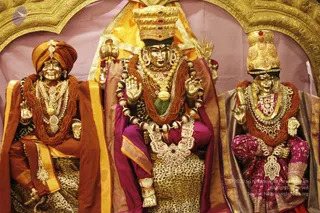
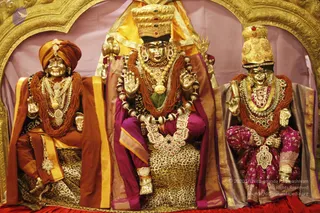
Nithya Satsang
img src="http://drive.google.com/uc?export=view&id=1nQo7RFQplRg5dbj01LFk_-MS2quLVryJ" alt="Nithyasatsang - _MG_4678.jpg" height = "400">
Ganga Ghat Visit
<
Tags:
Paramahamsa Nithyananda, completion, life, truth, enlightenment, blissful living, peace, ultimate, bliss, science of completion, blissful world.
Photos Of The Day:
Nithya-Satsang



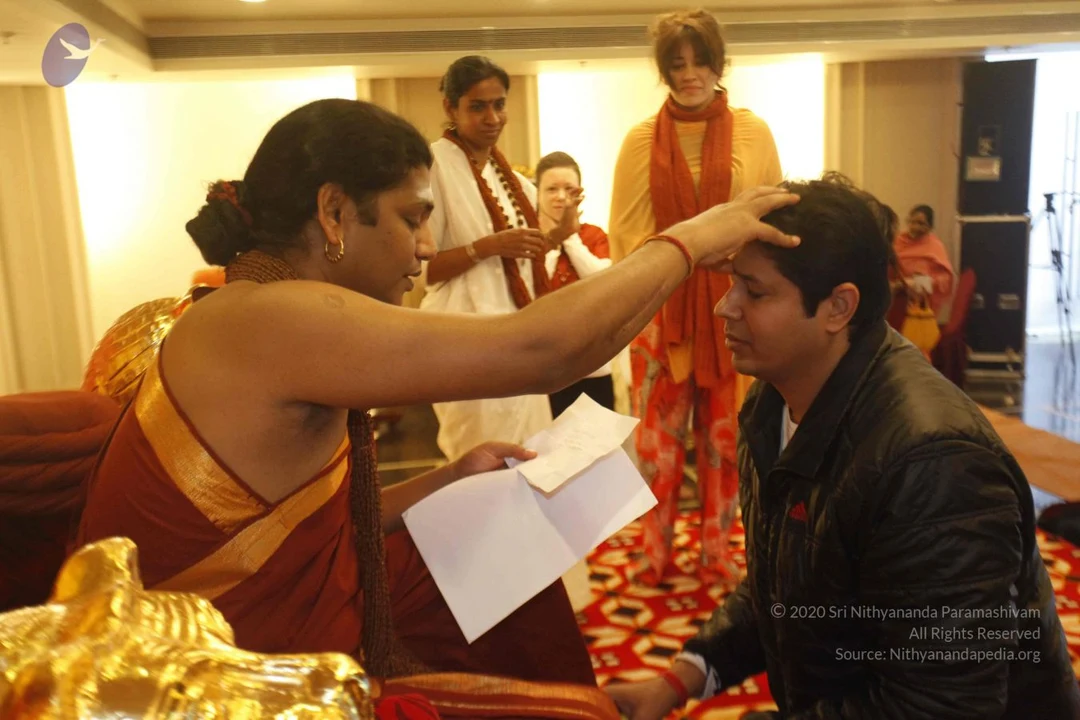
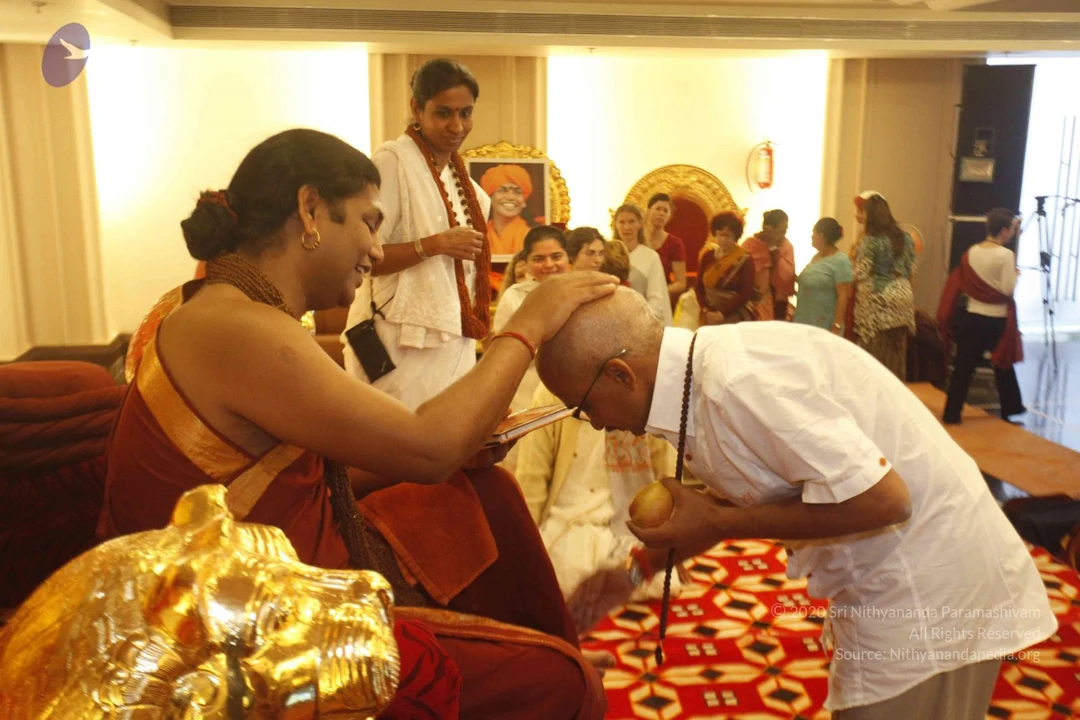
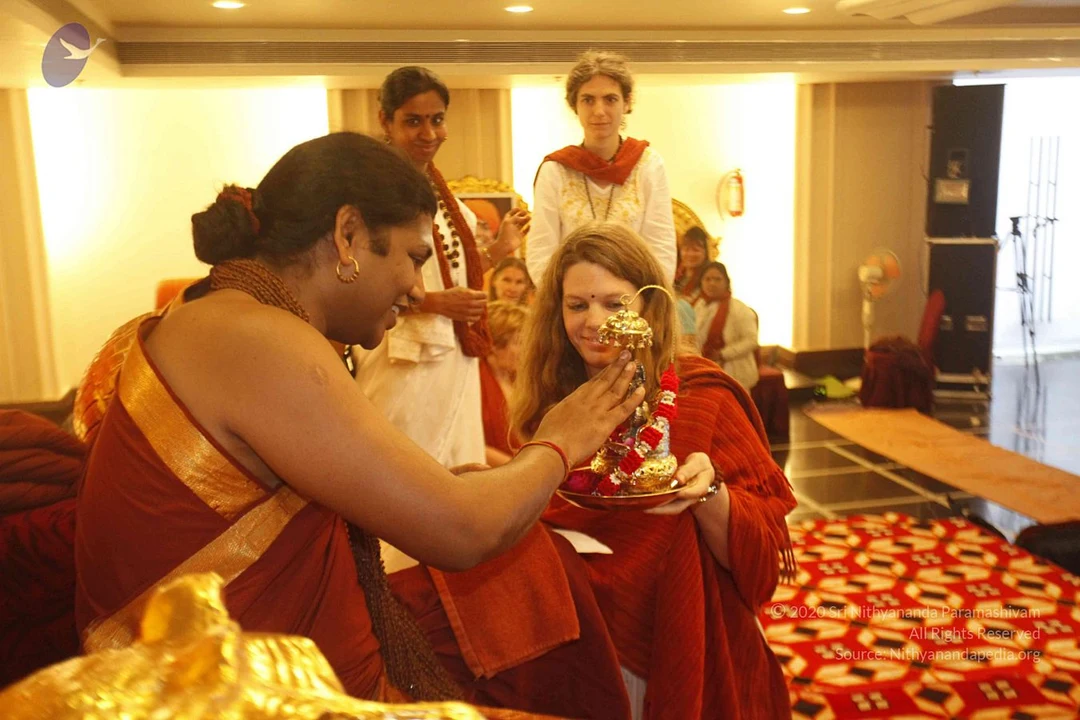
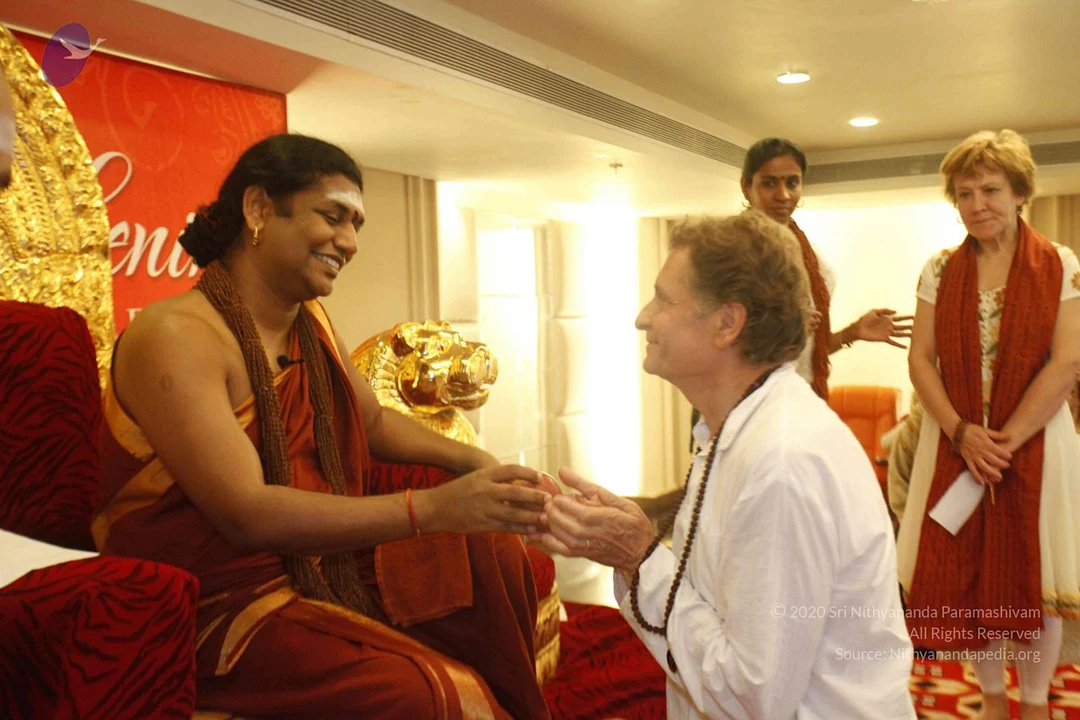
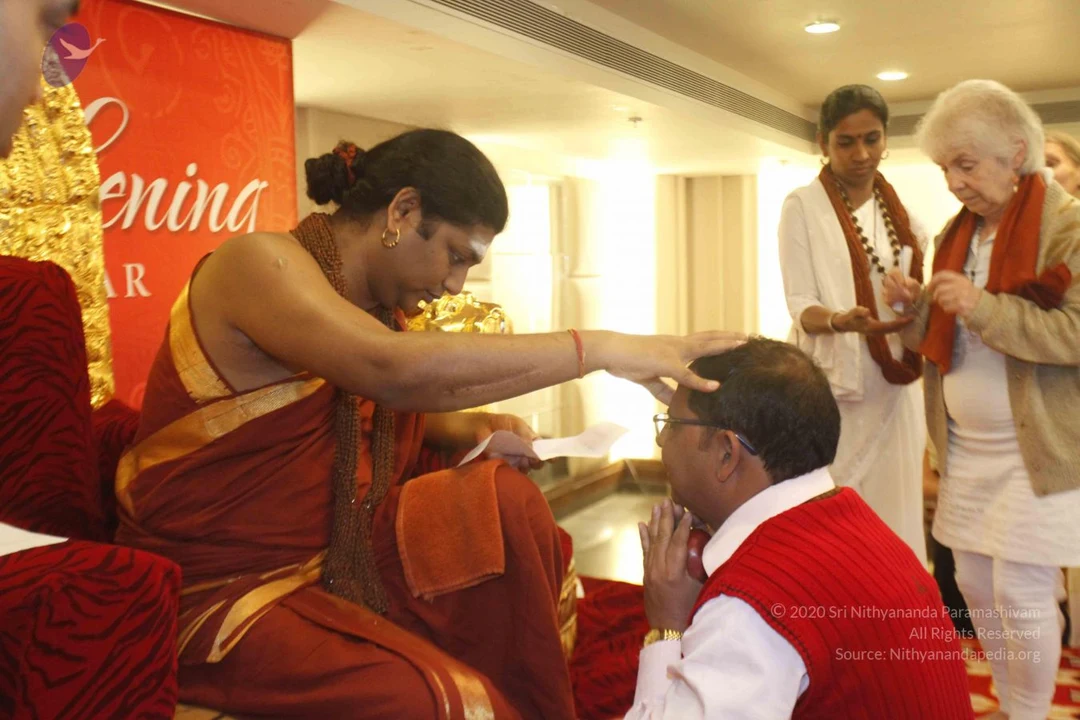
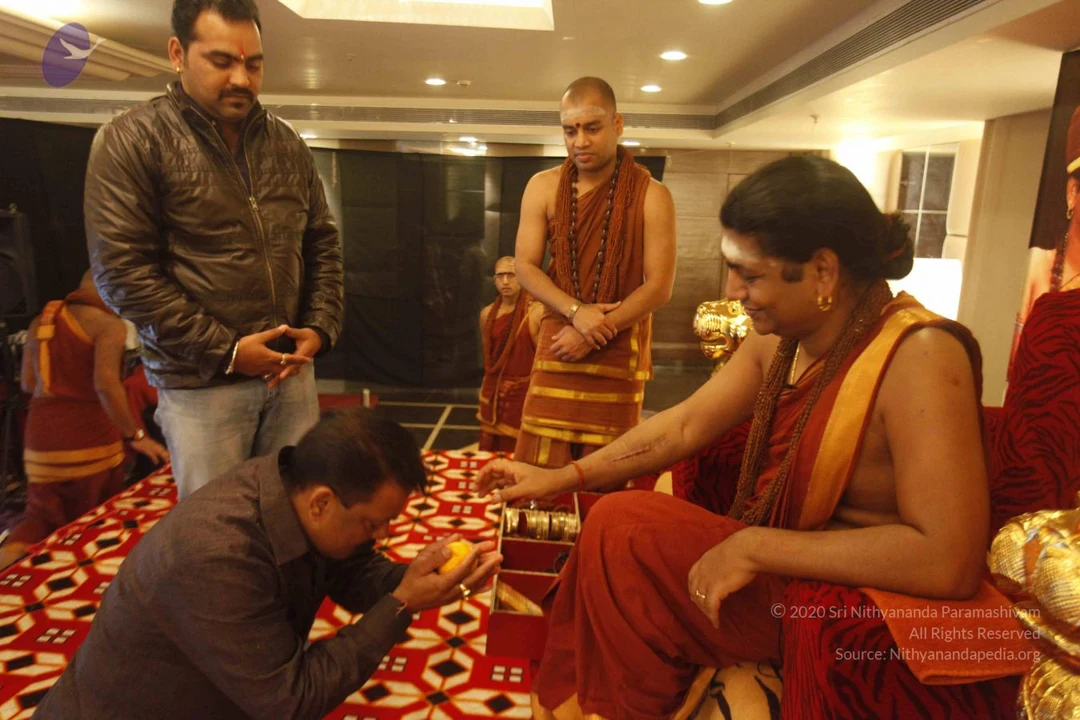
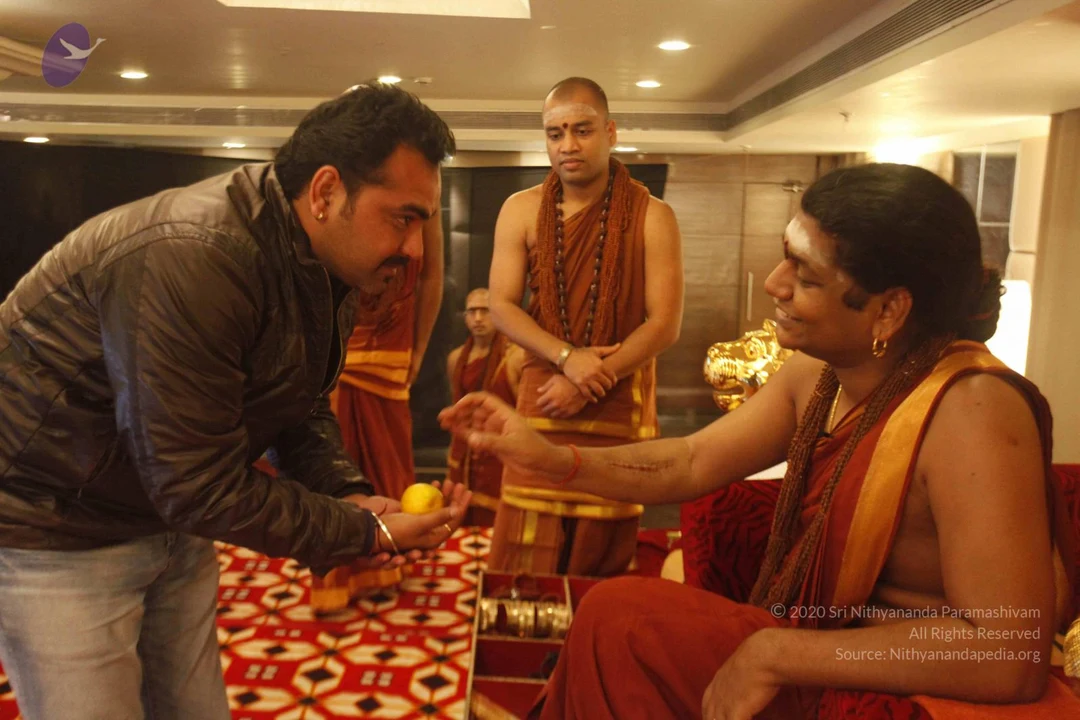
Gangaghat-Visit














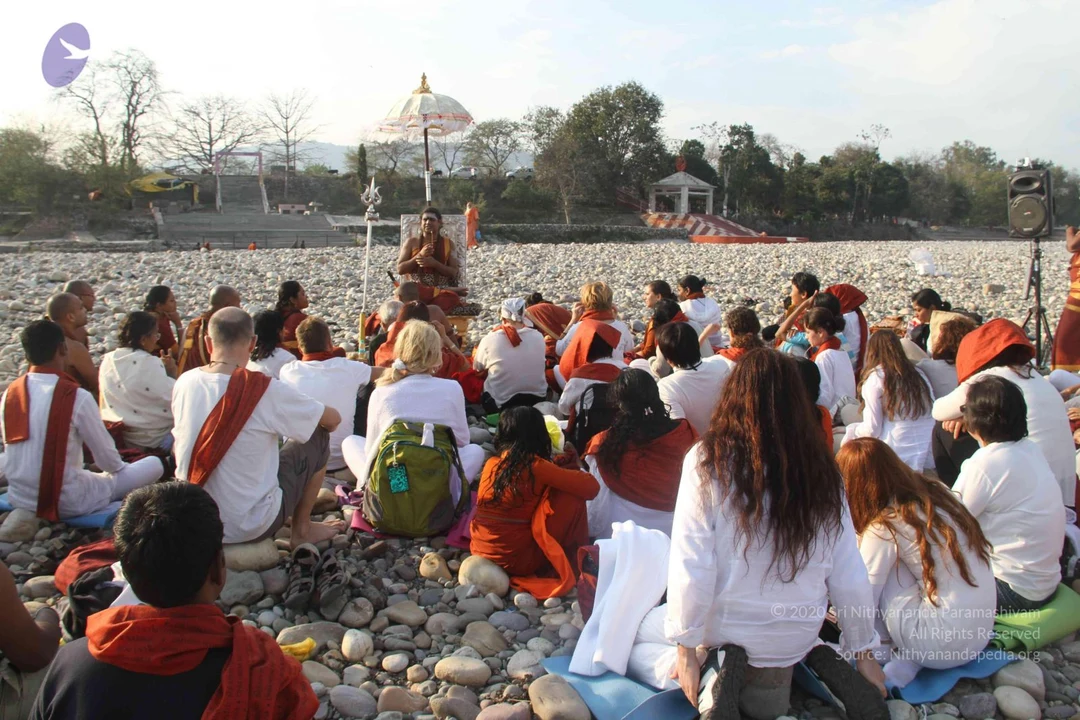
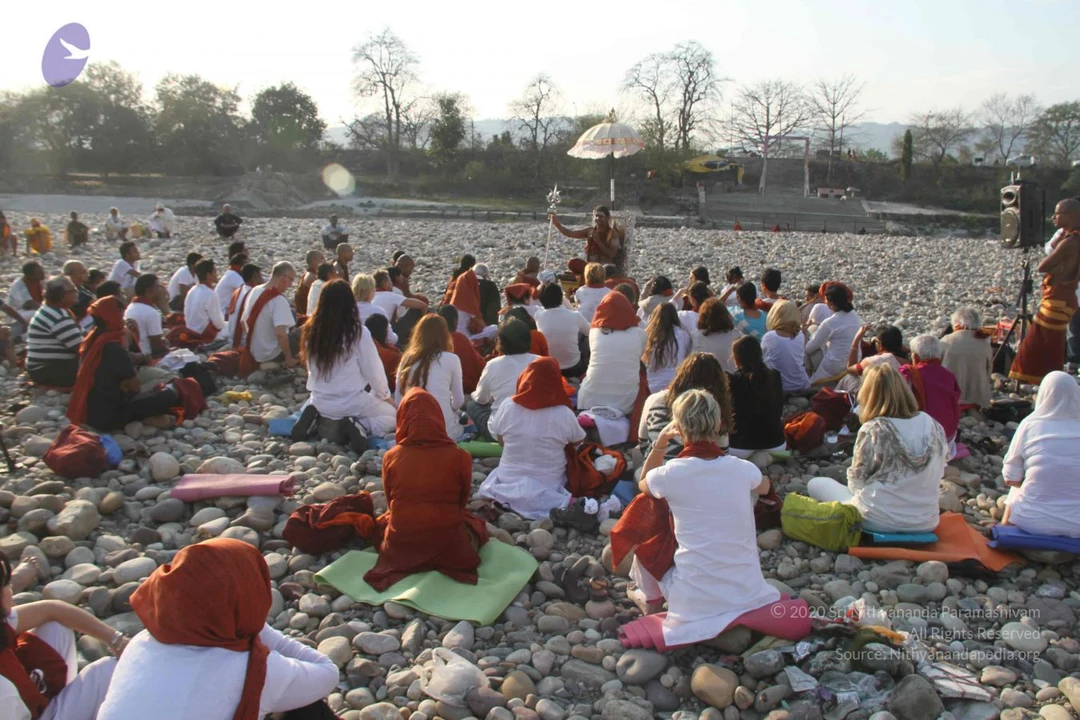
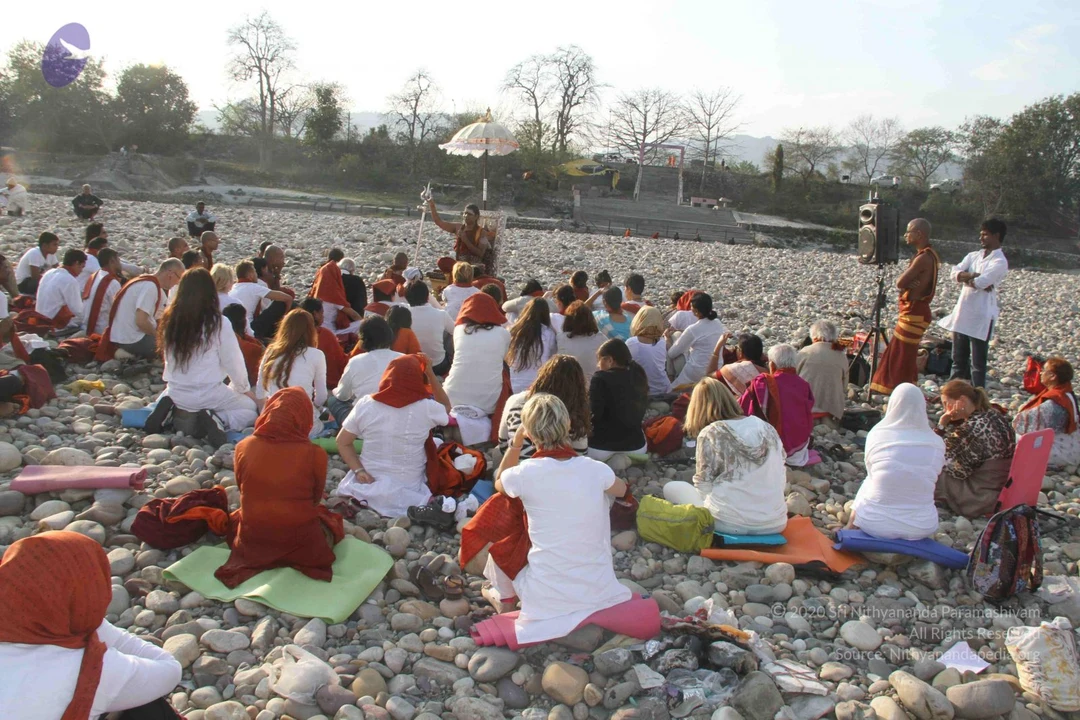
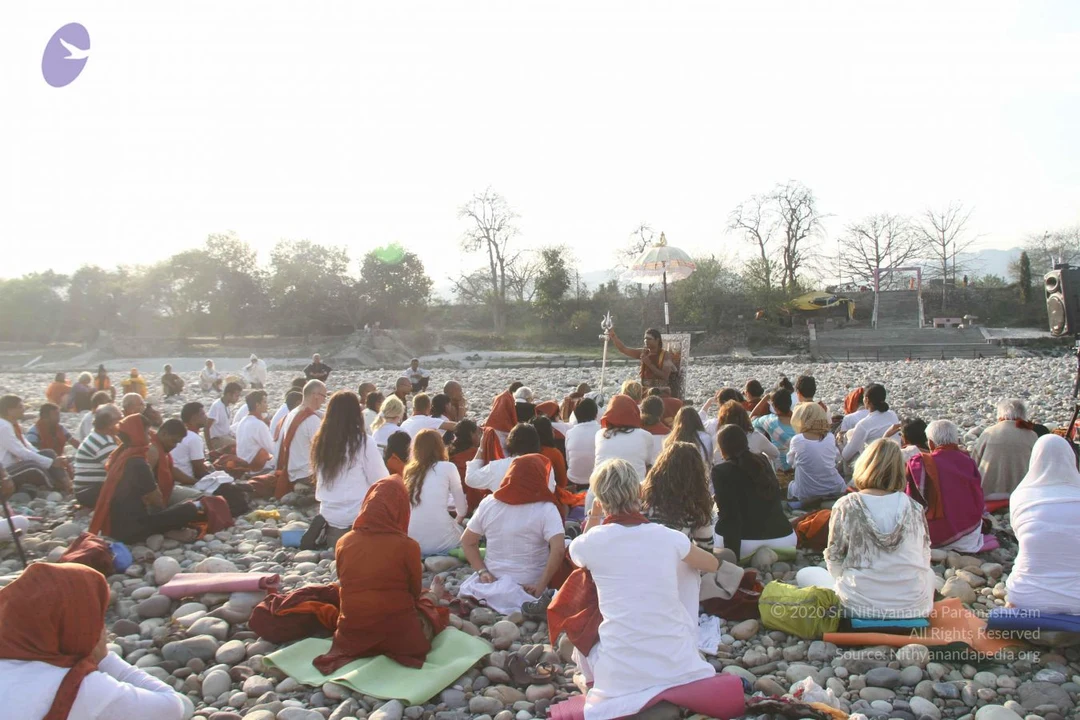


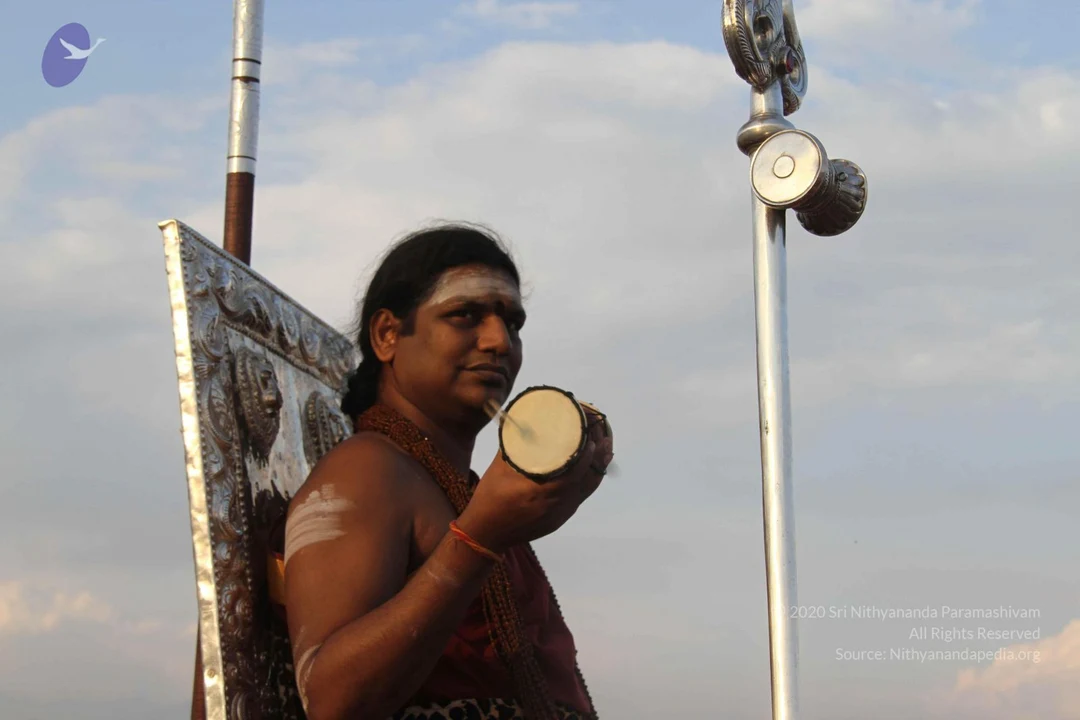
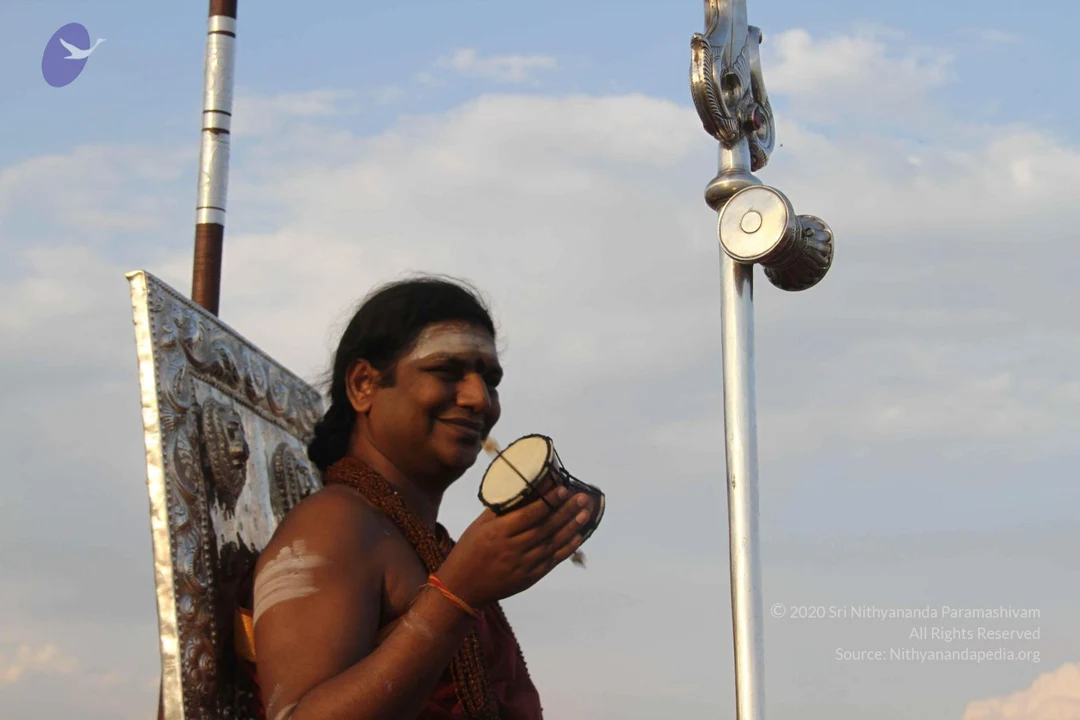
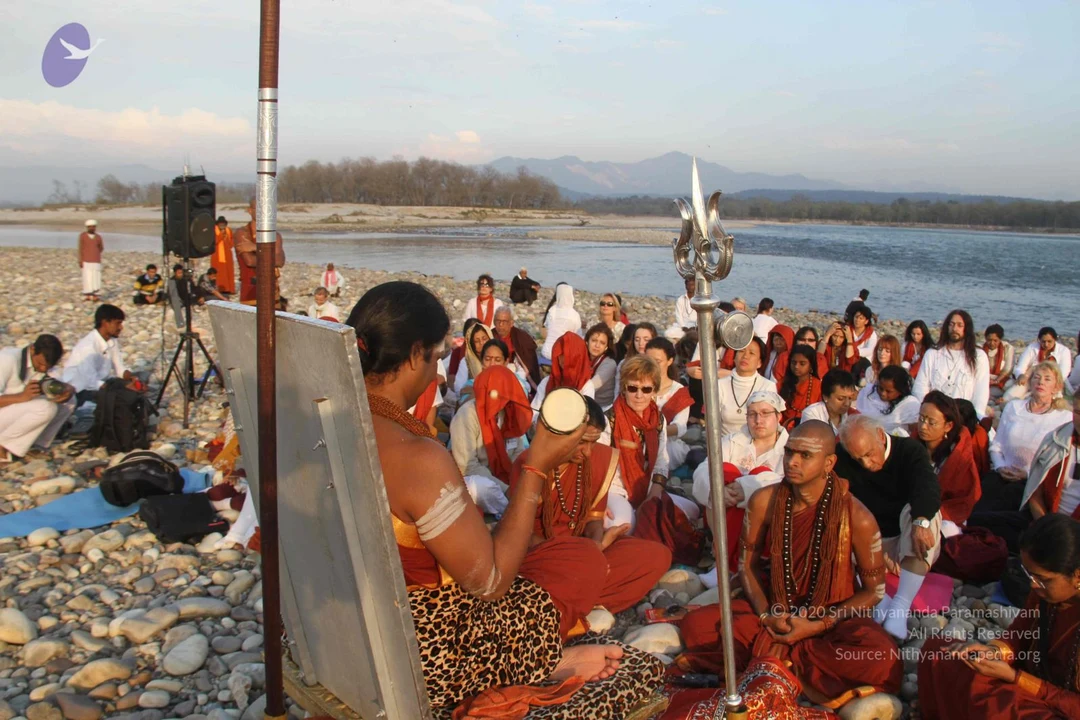
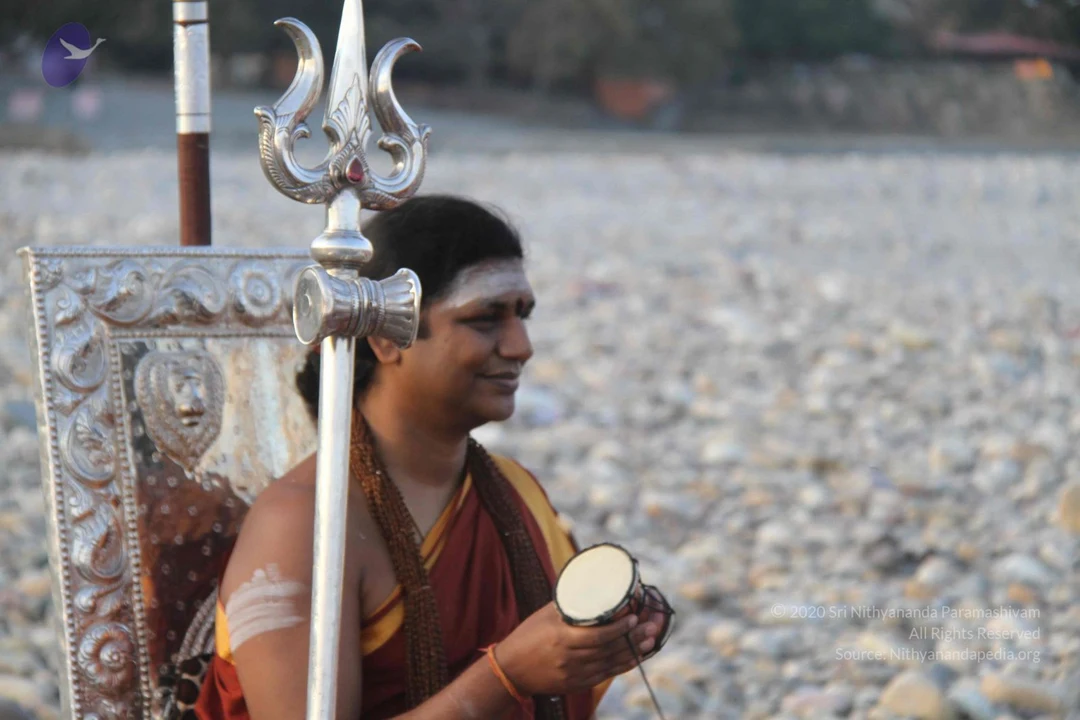















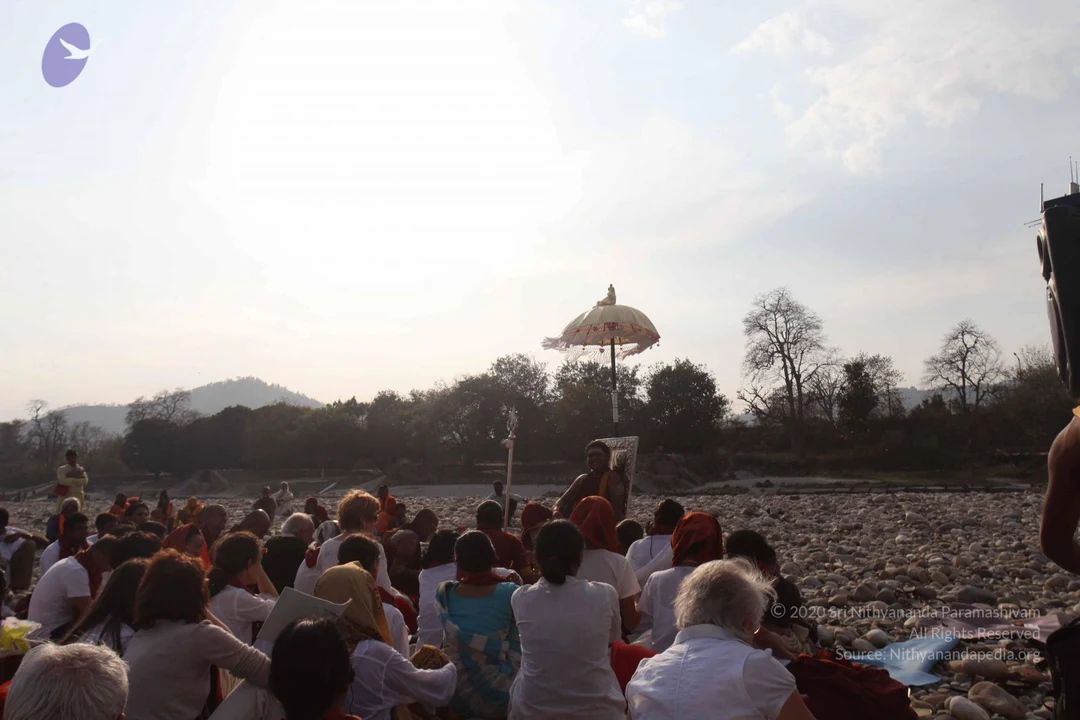
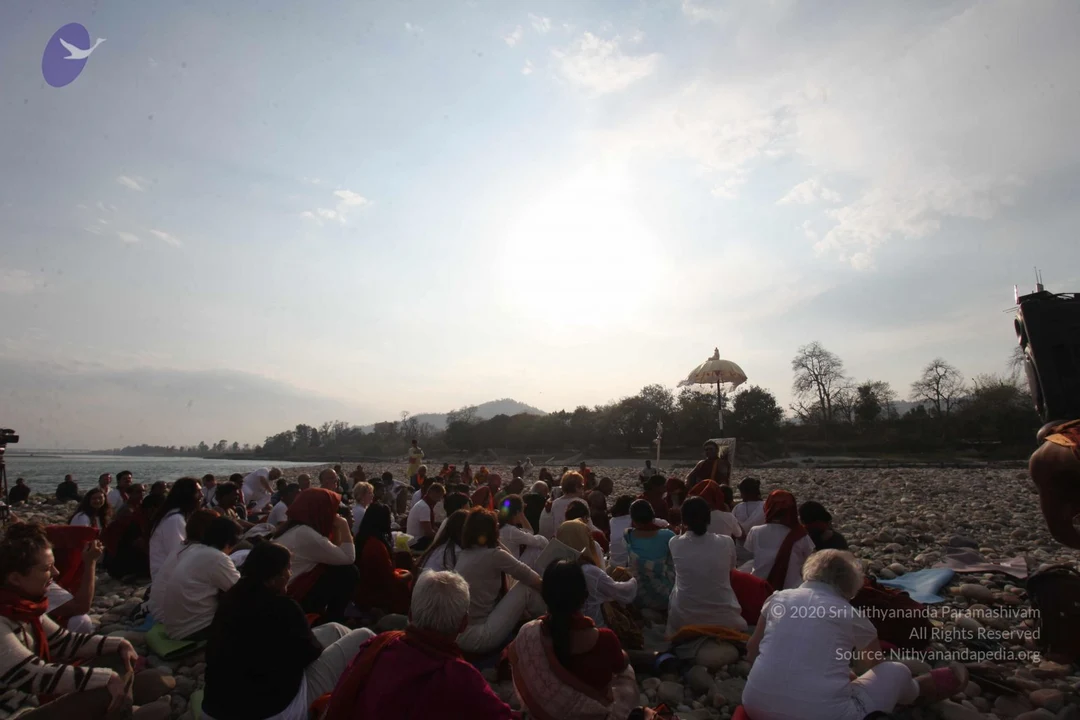
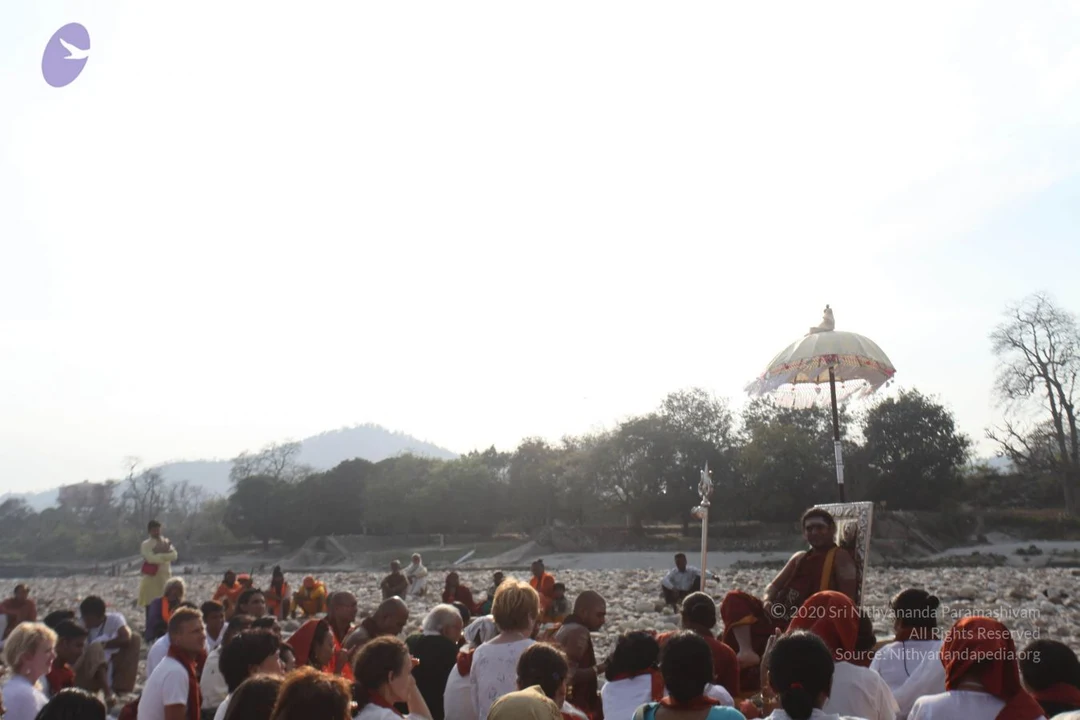
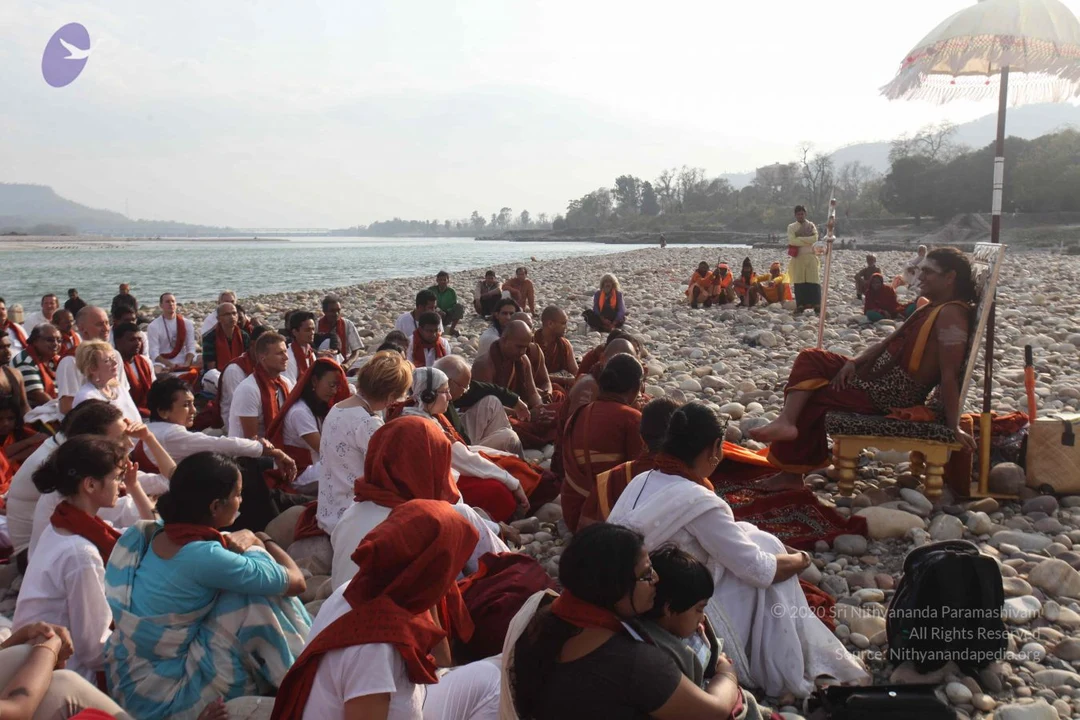




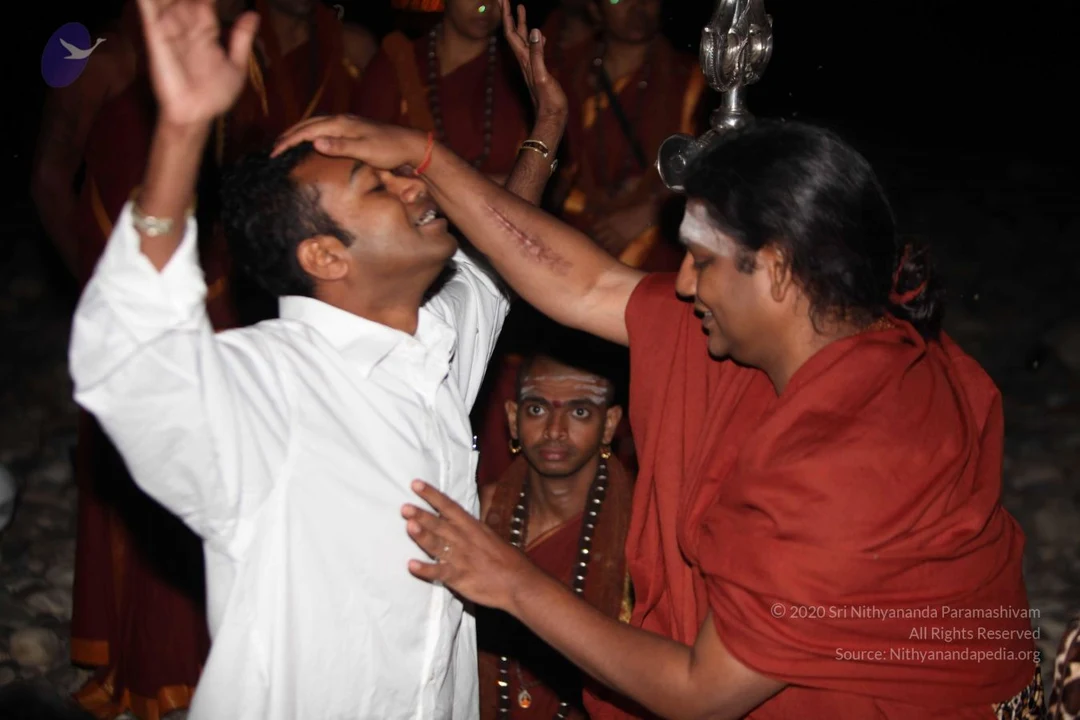
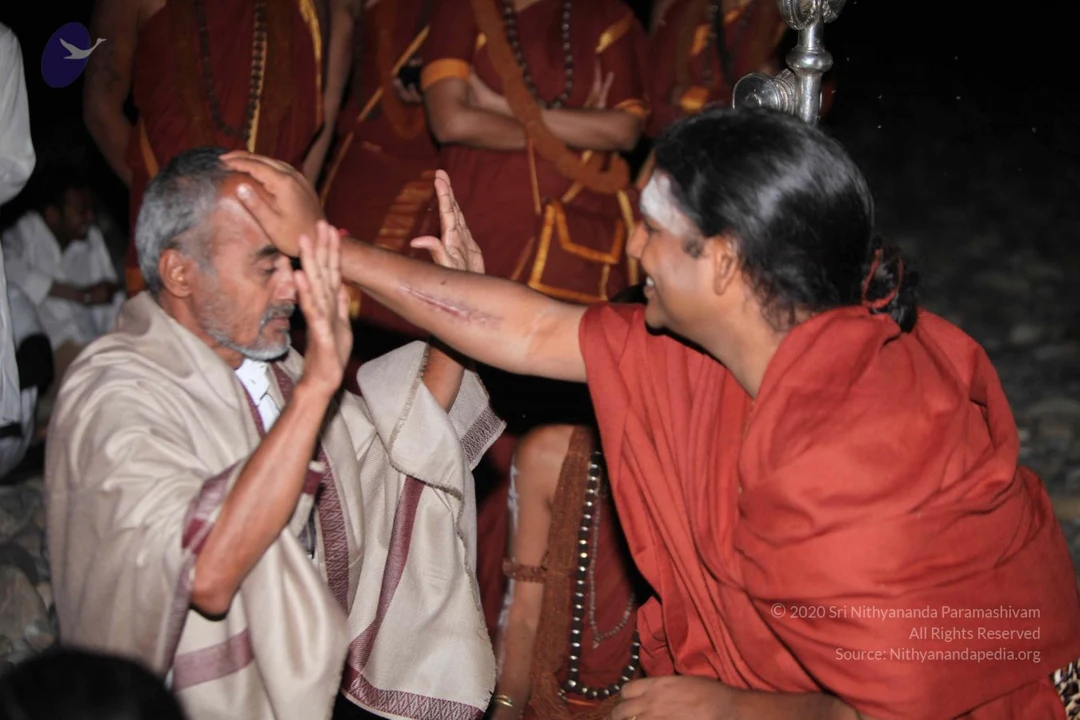
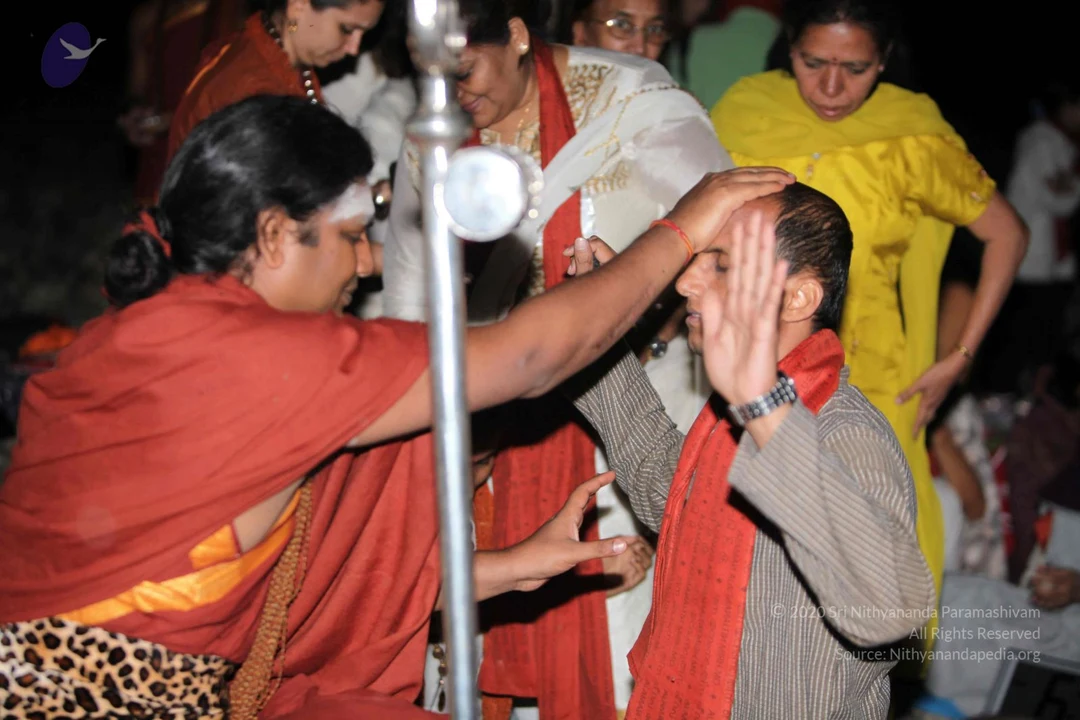
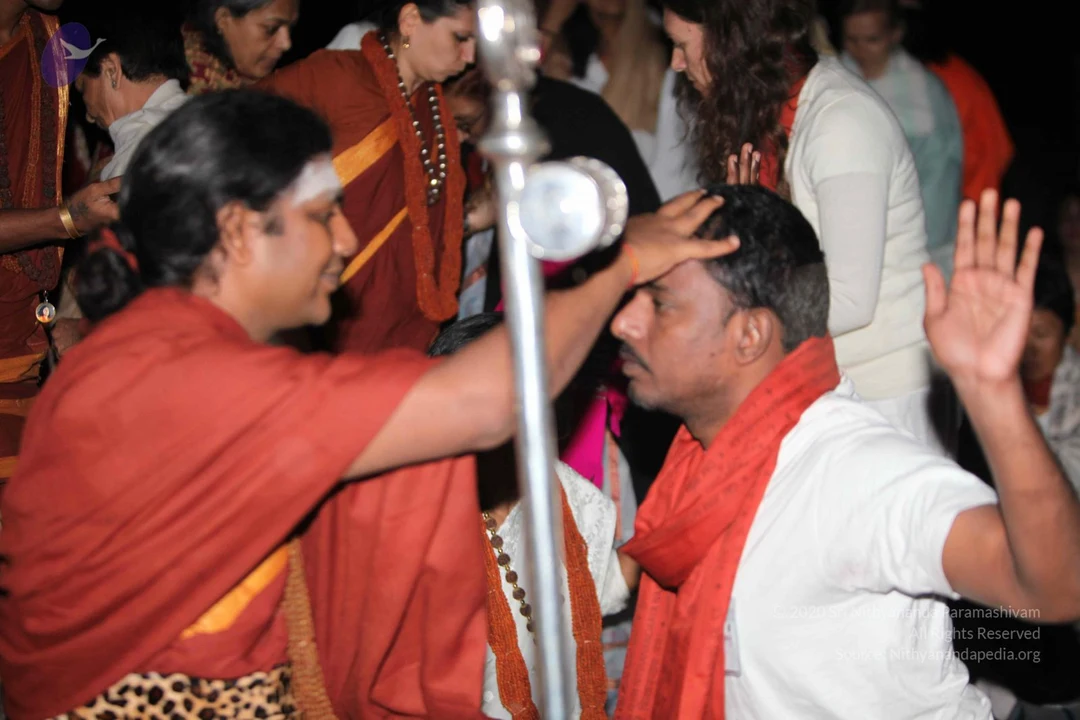




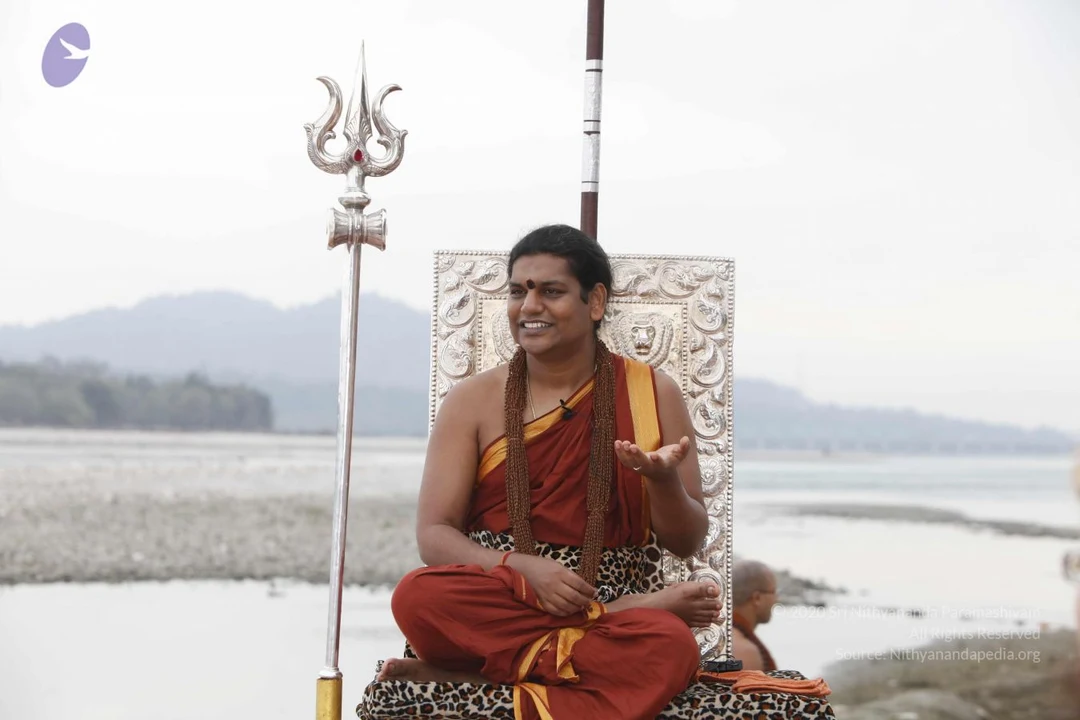
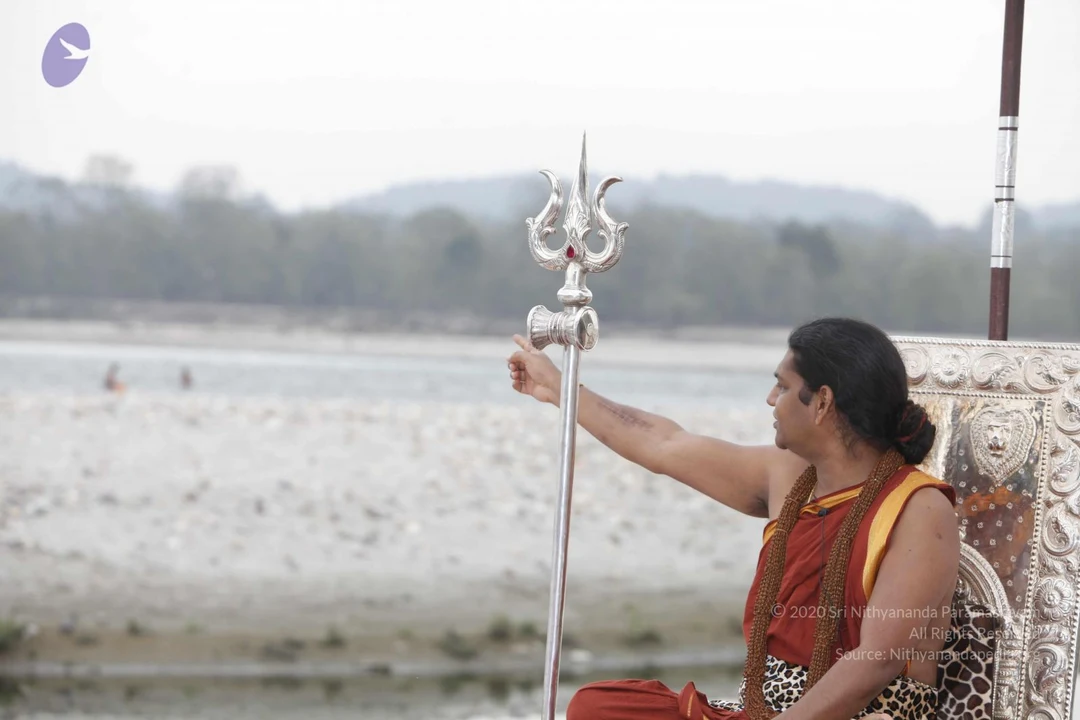

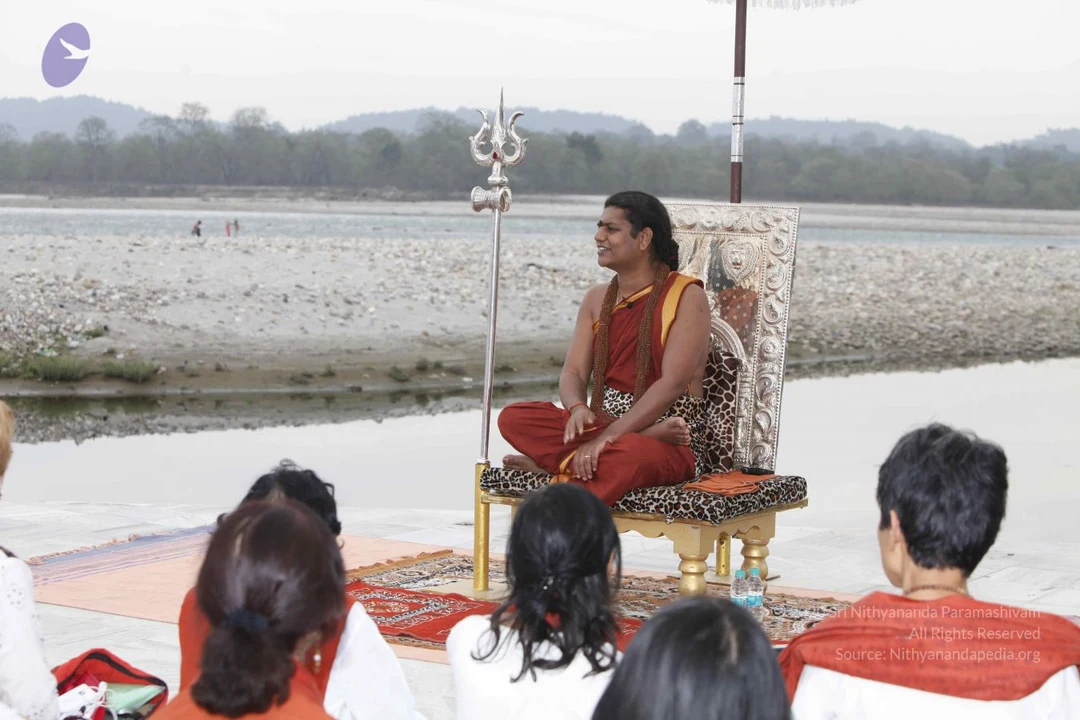
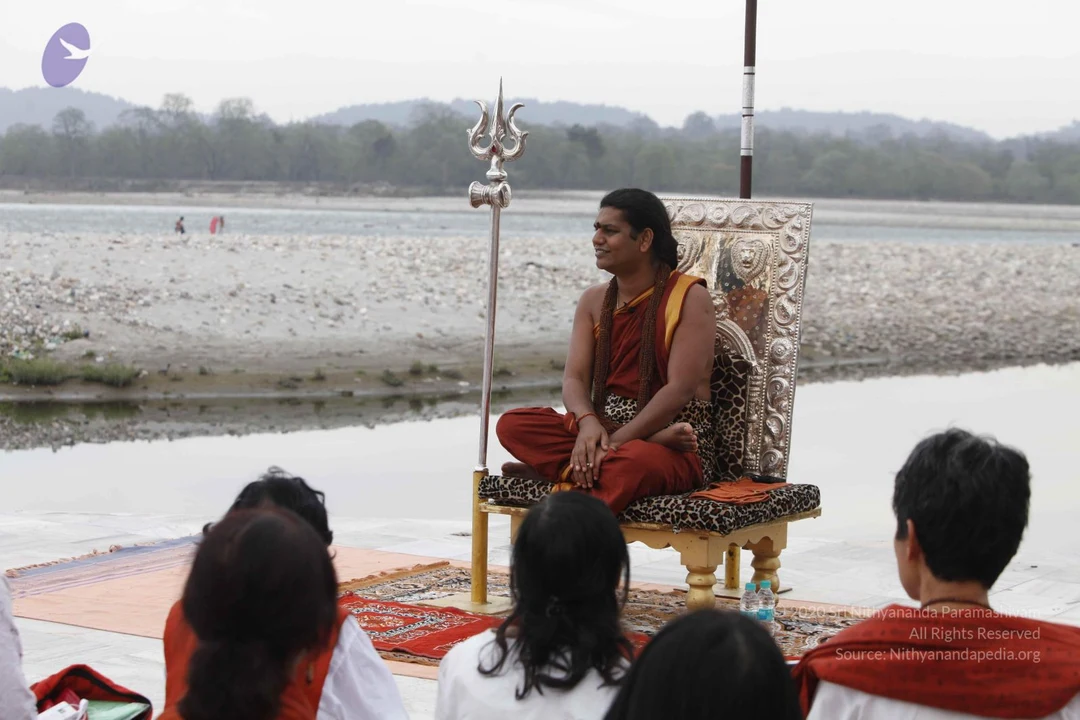














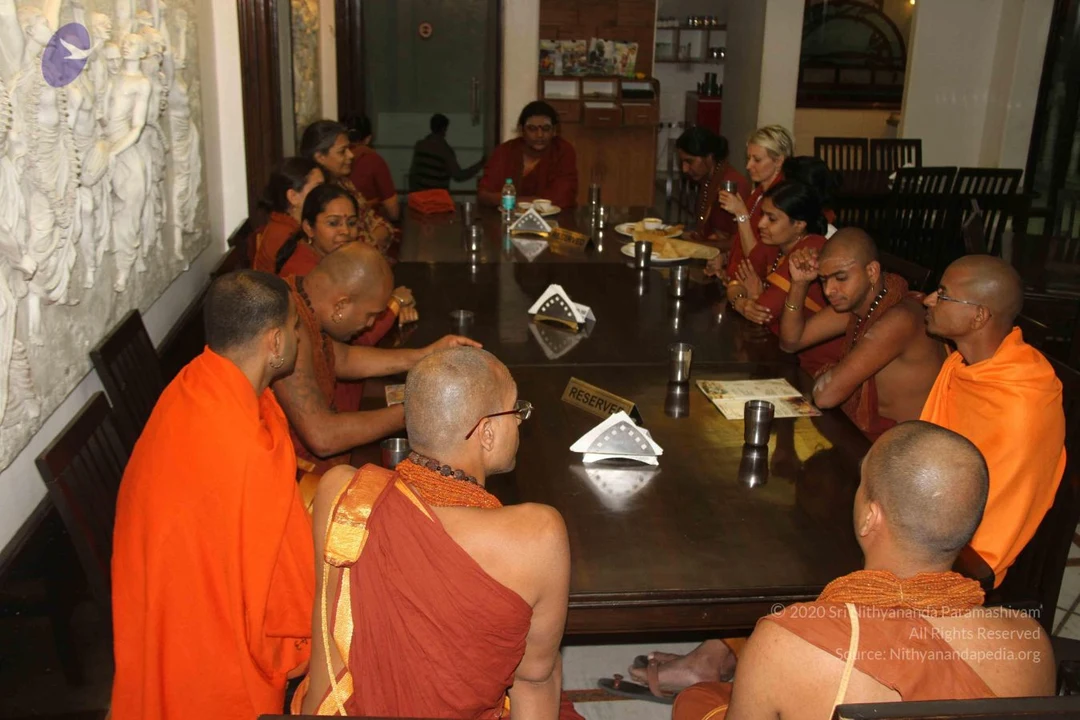
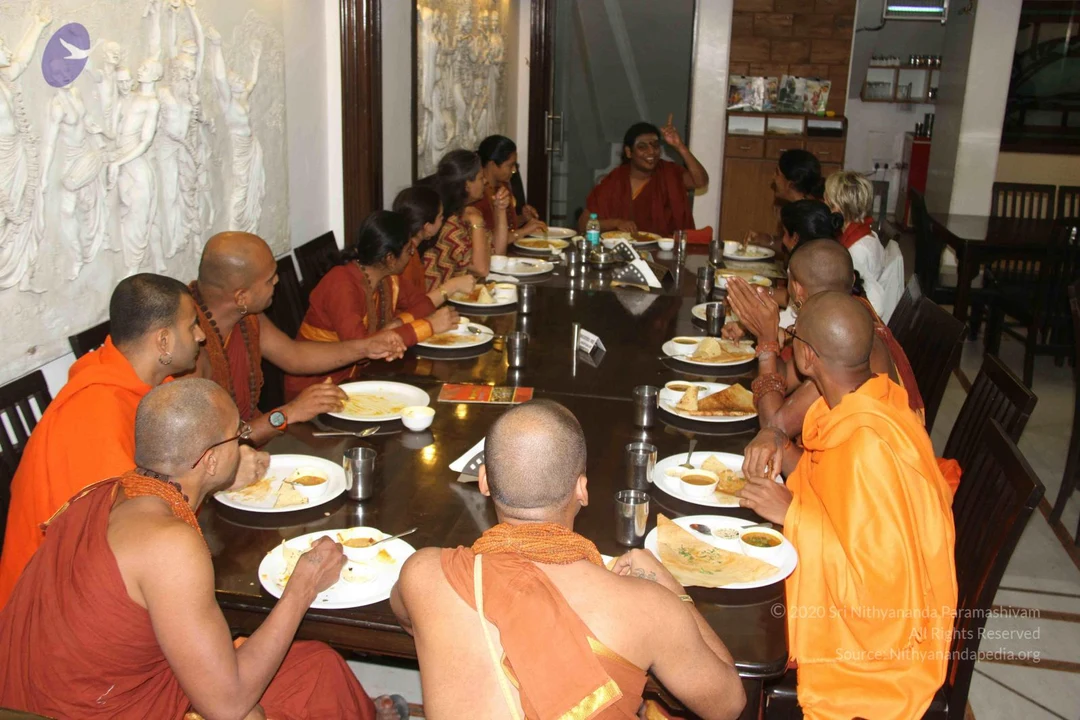
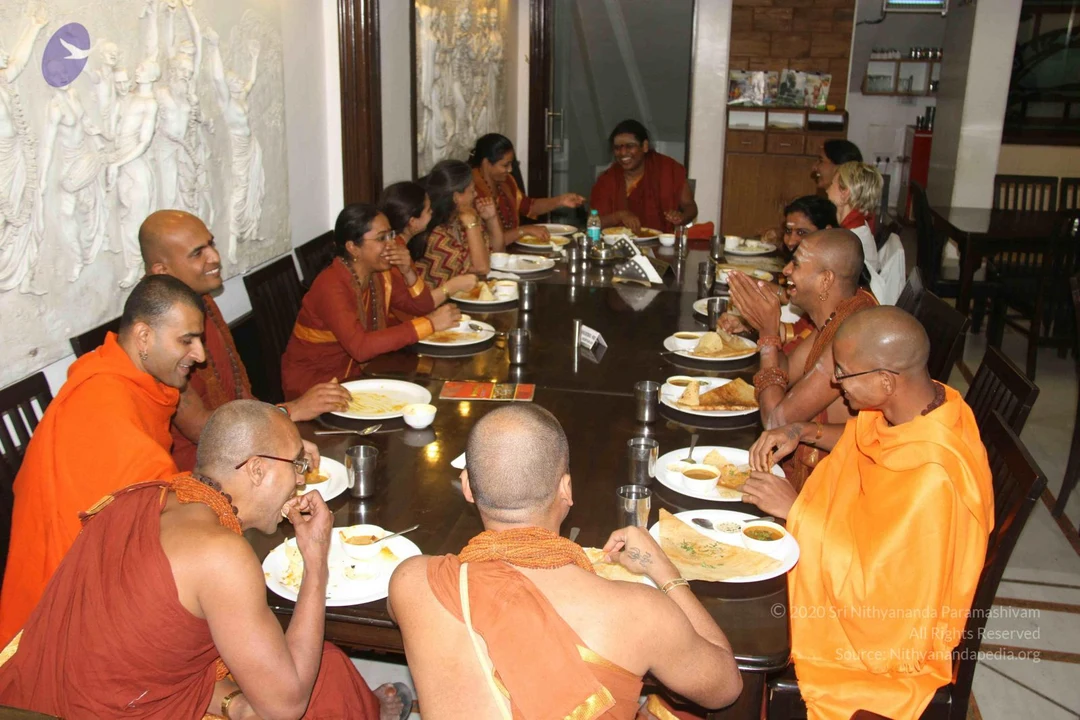
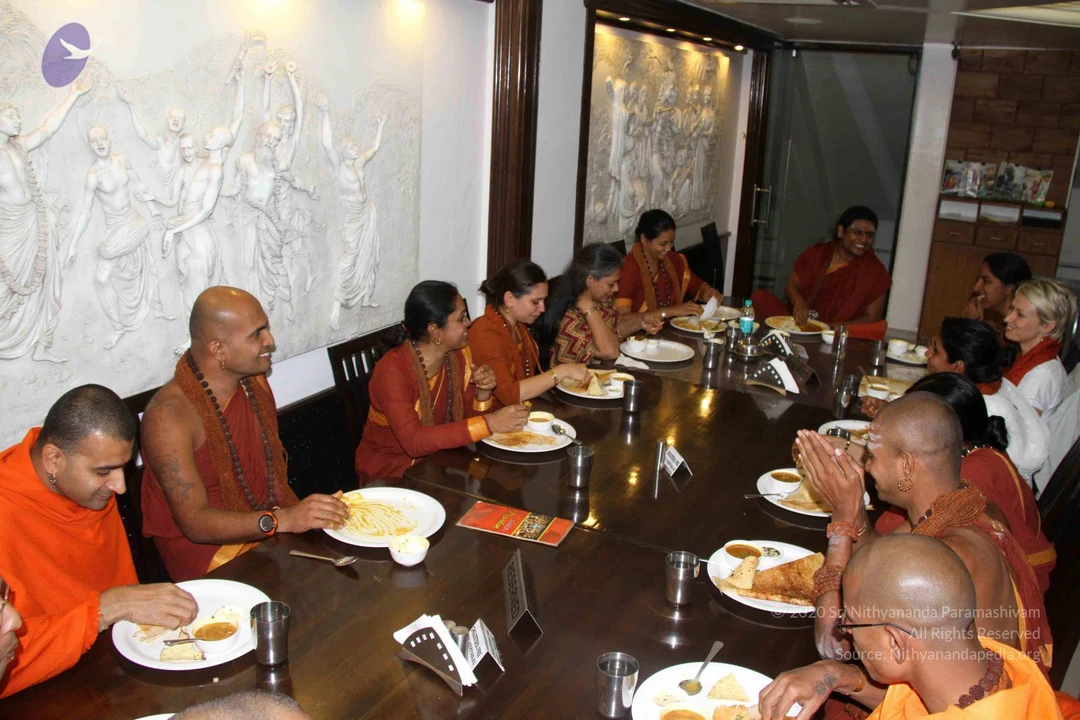
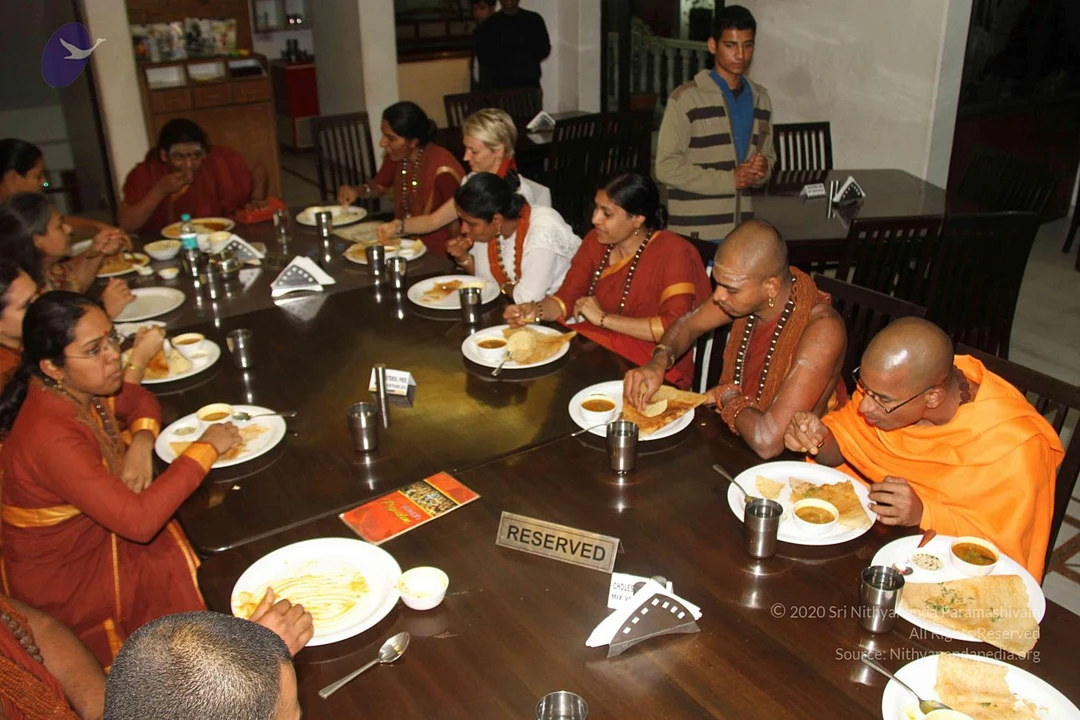
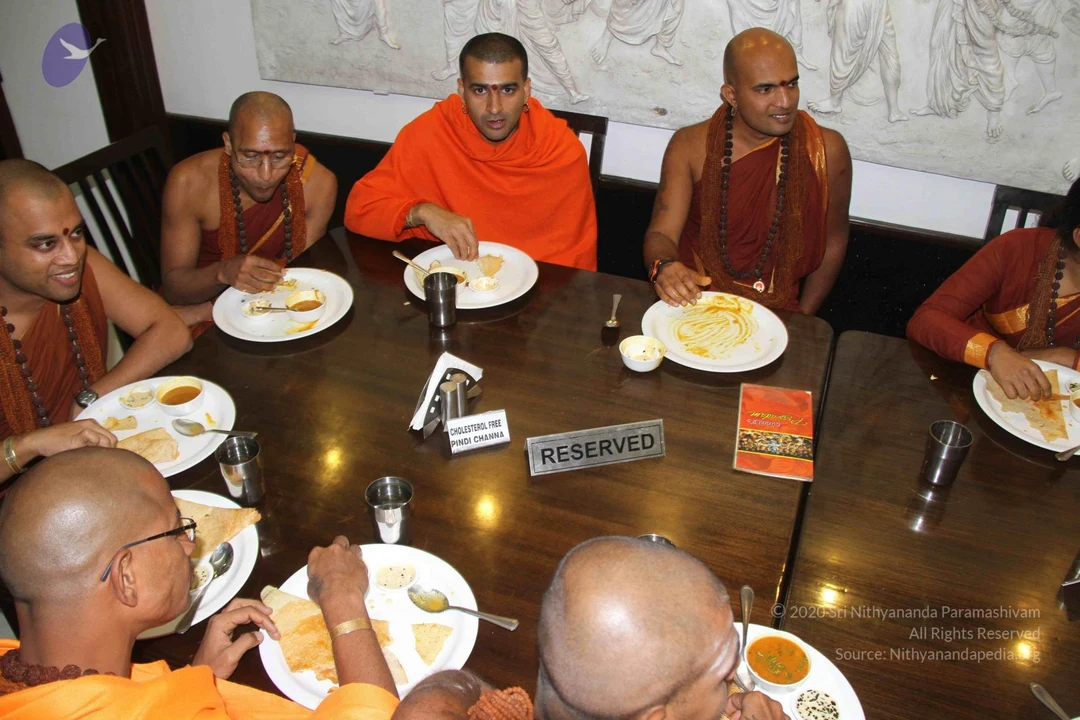
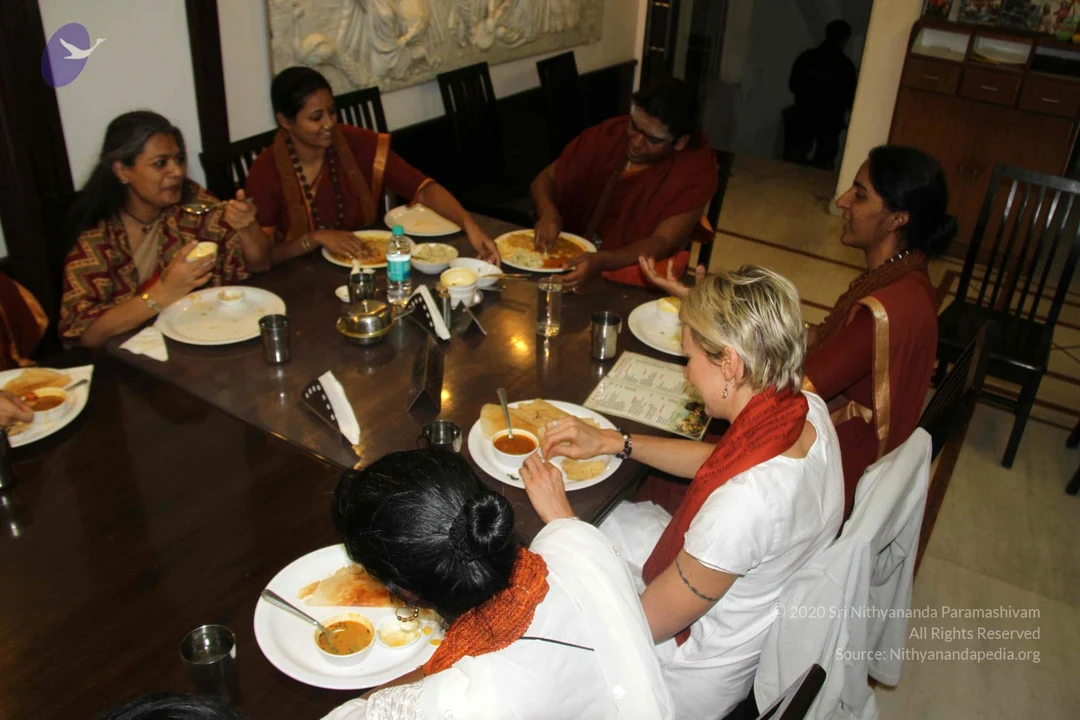
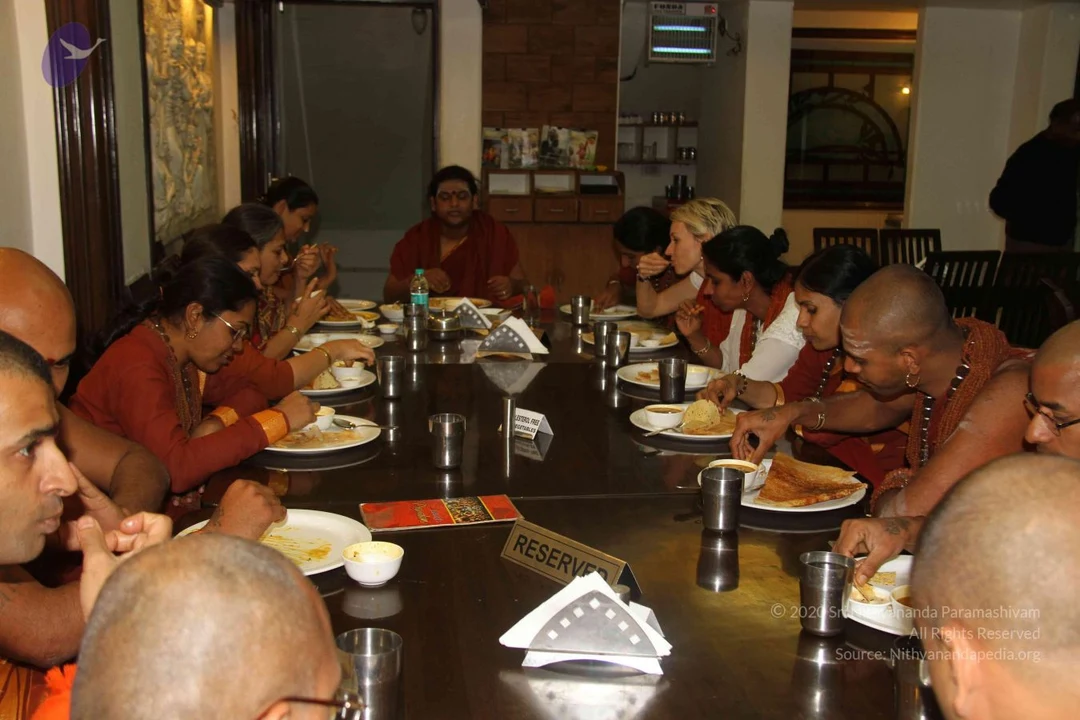
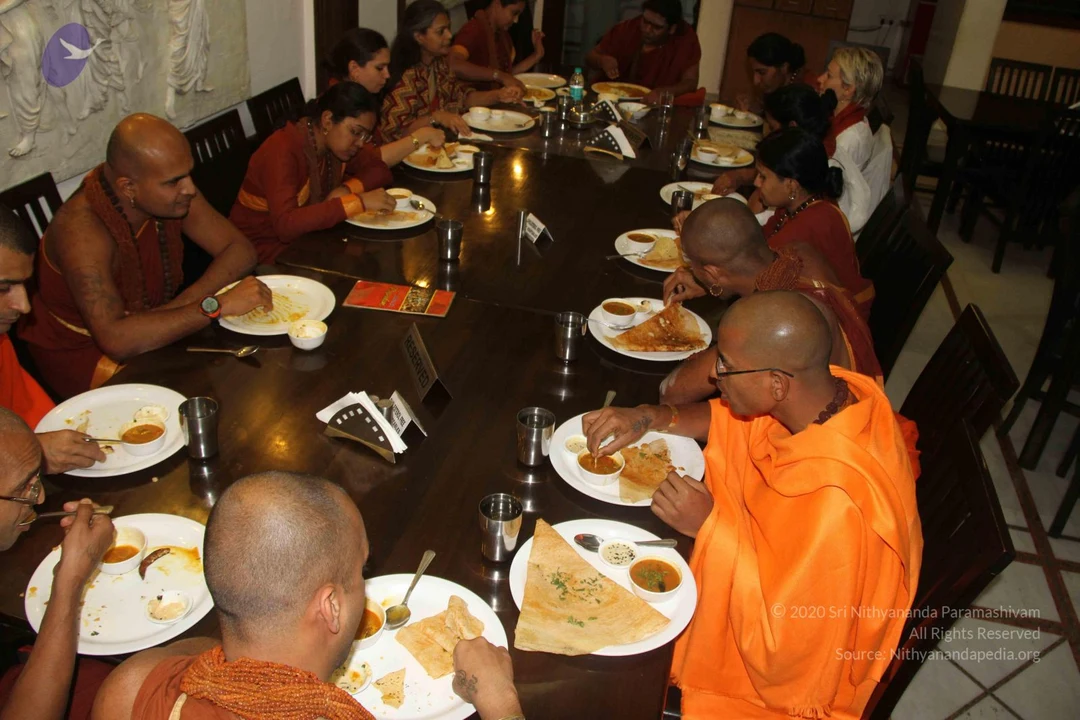
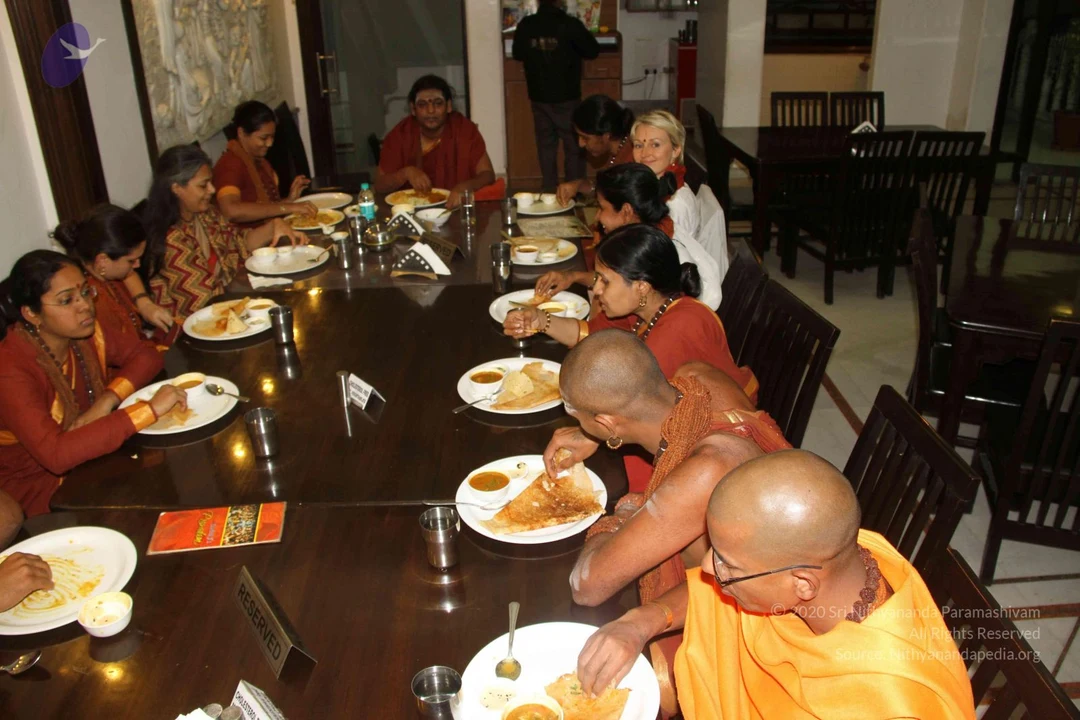
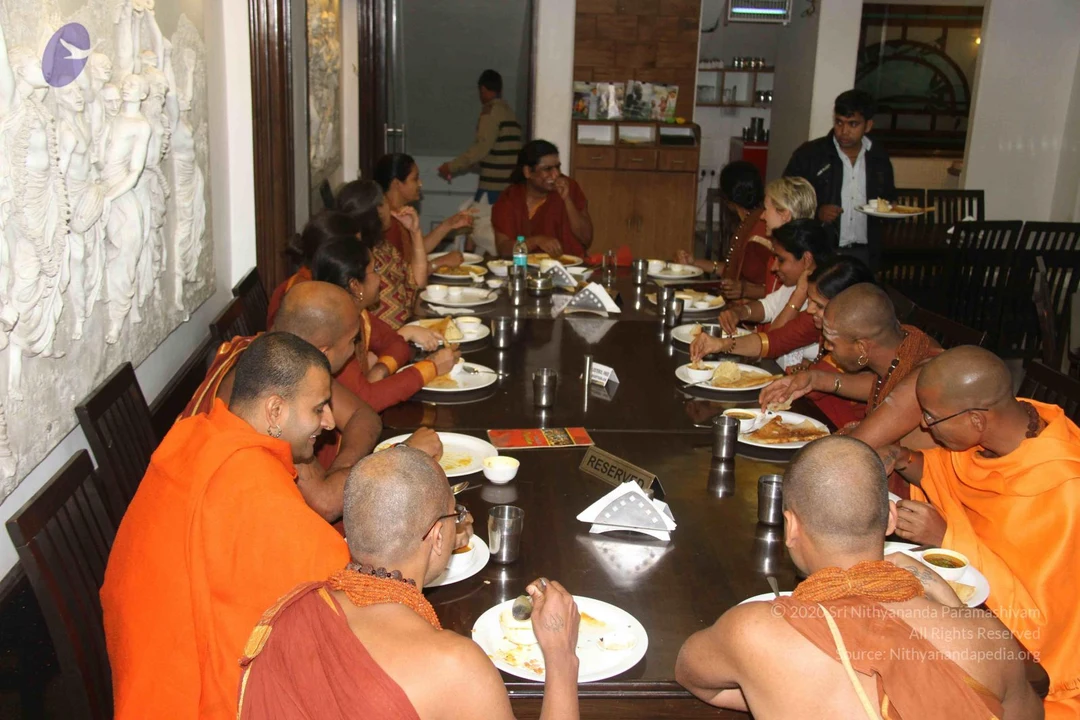
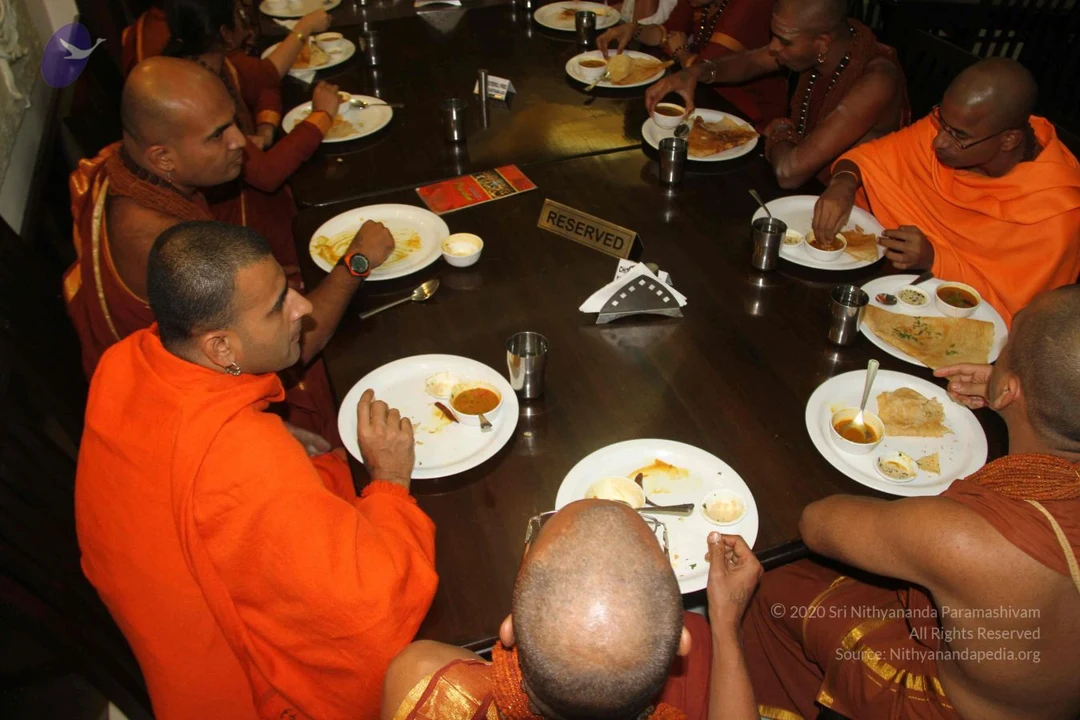
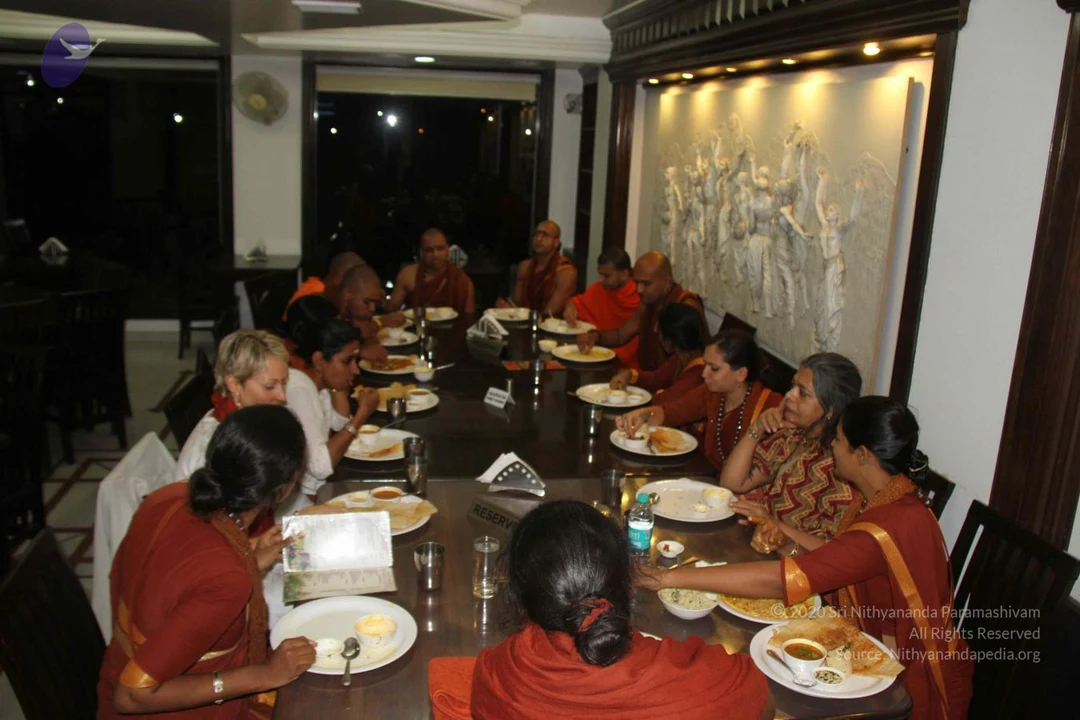
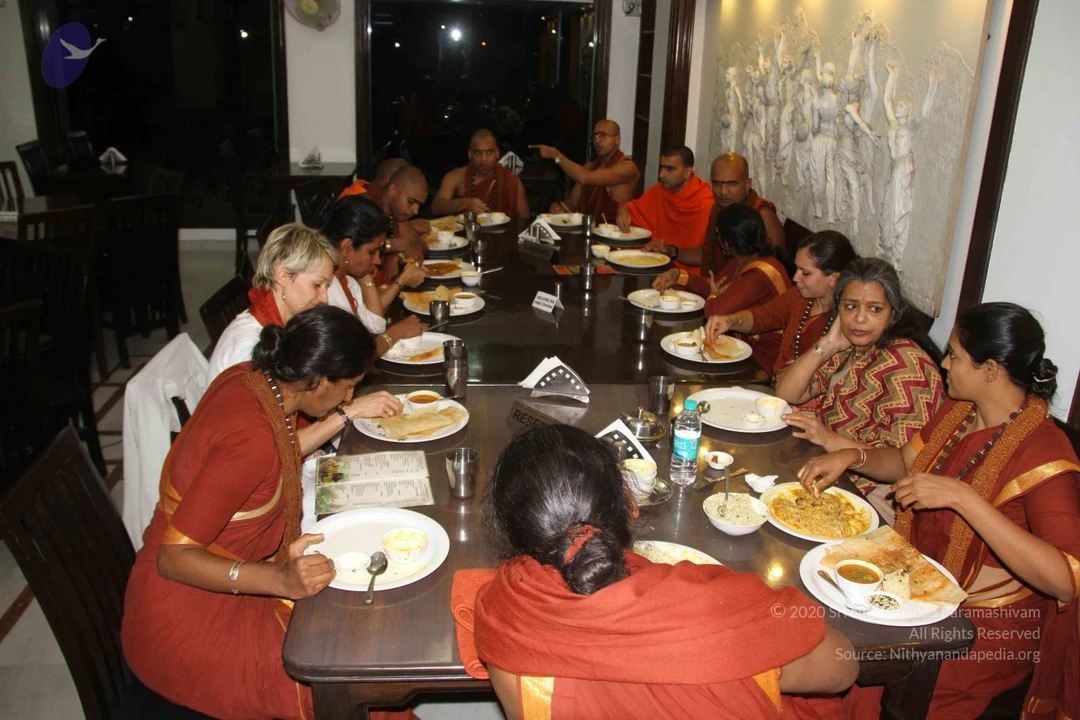
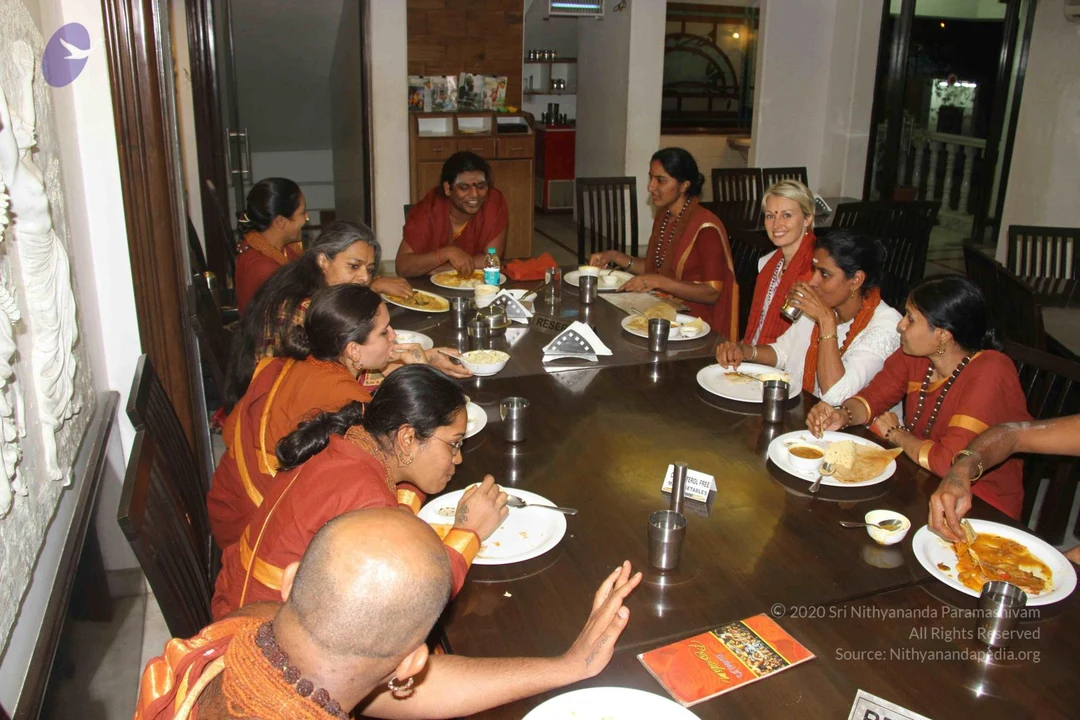
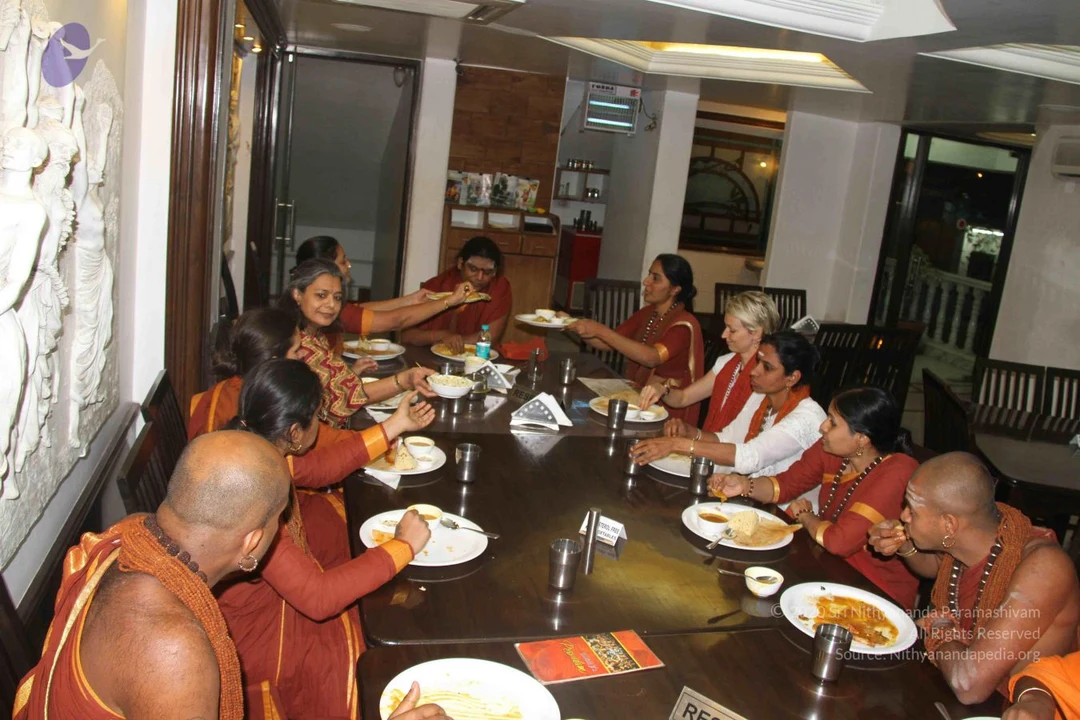
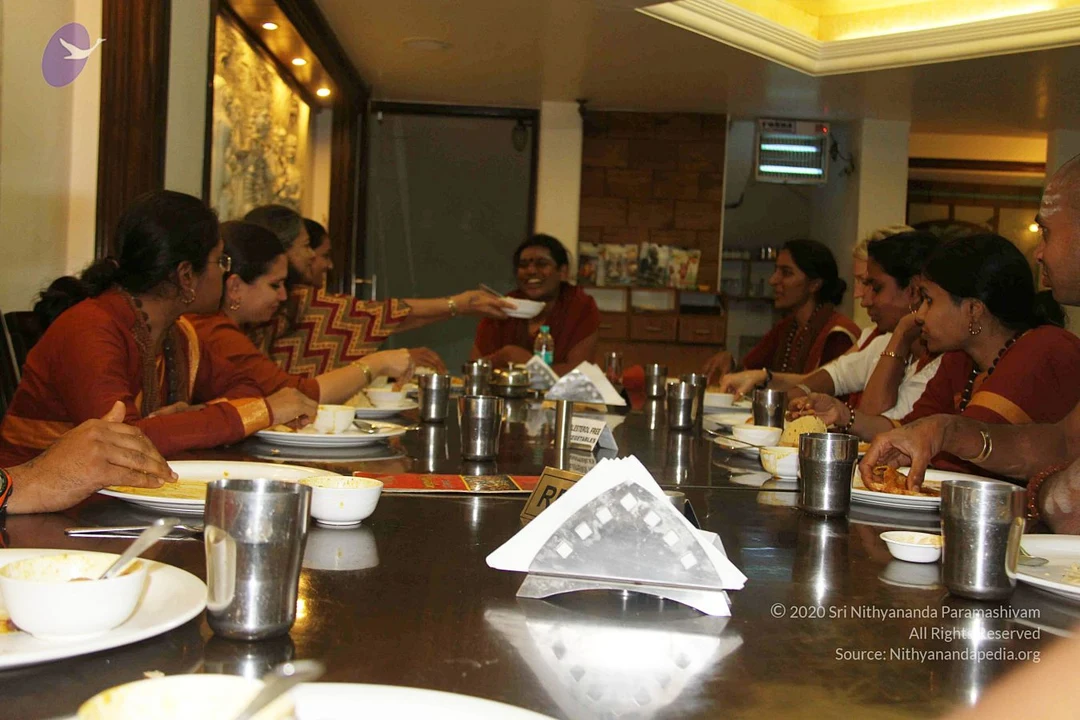
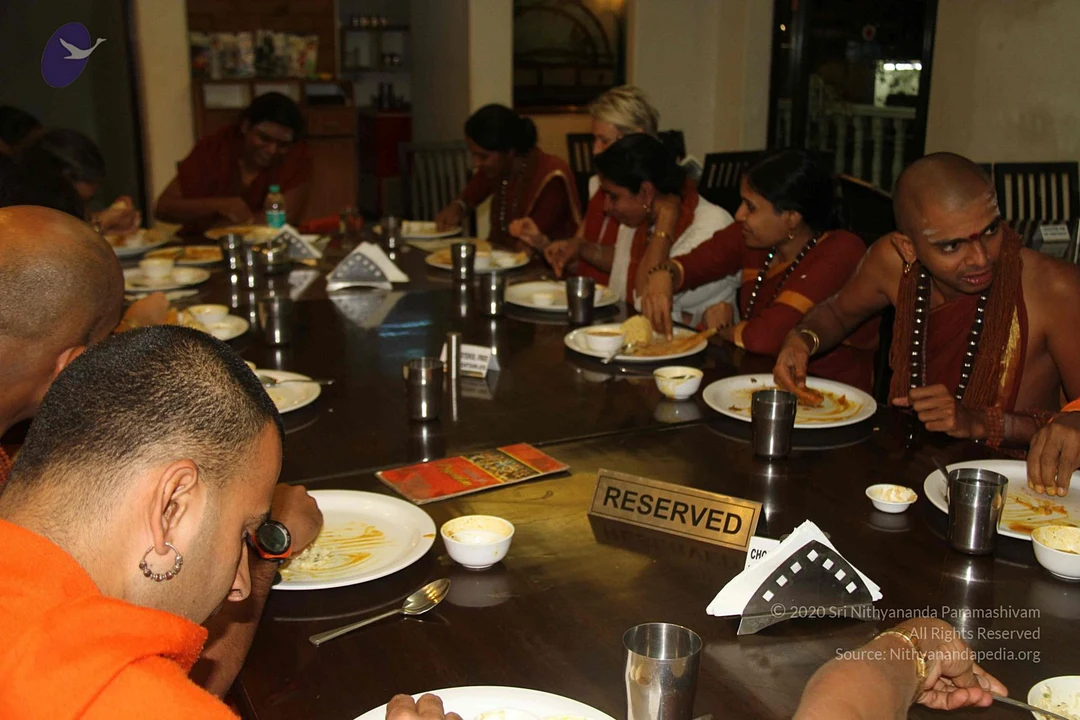
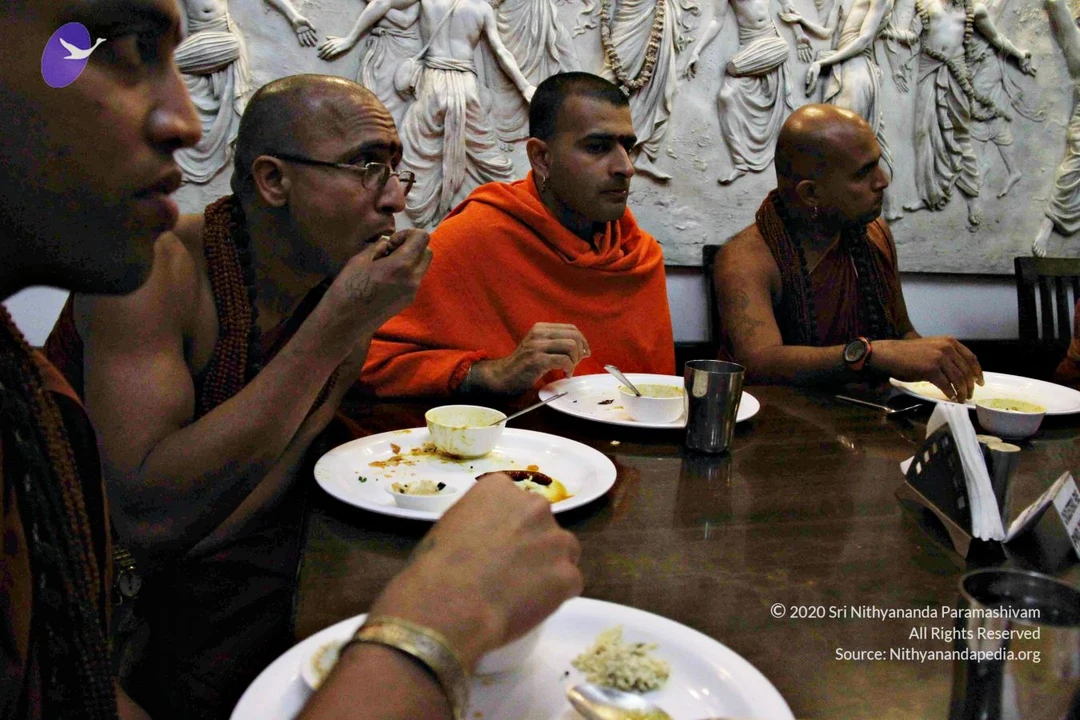
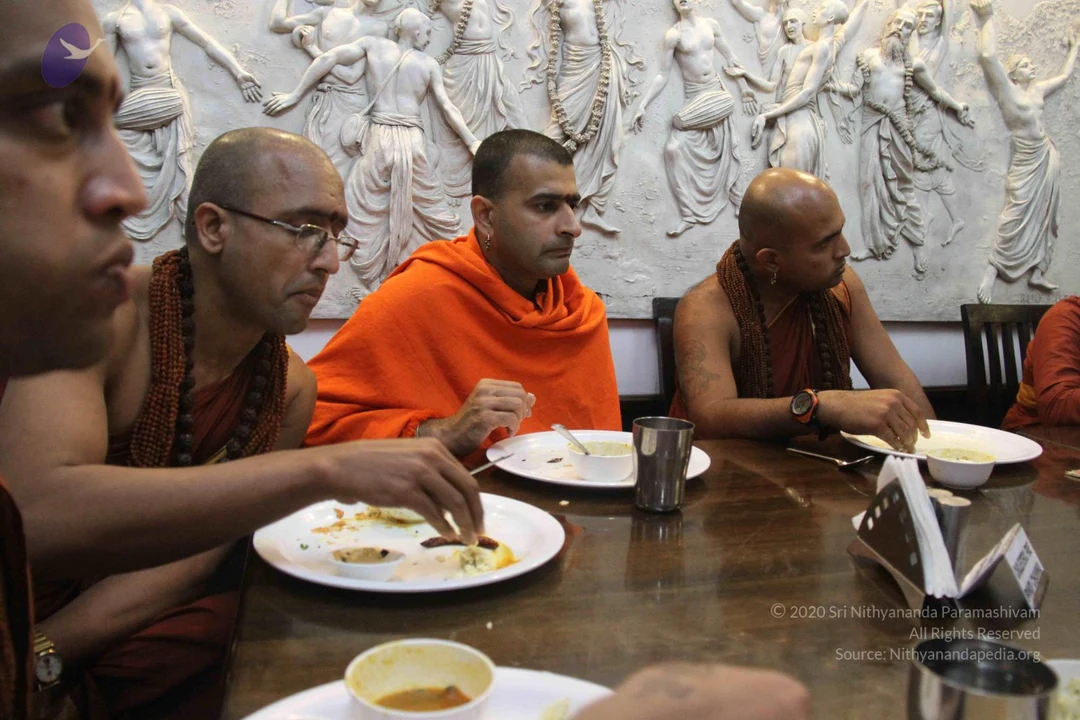
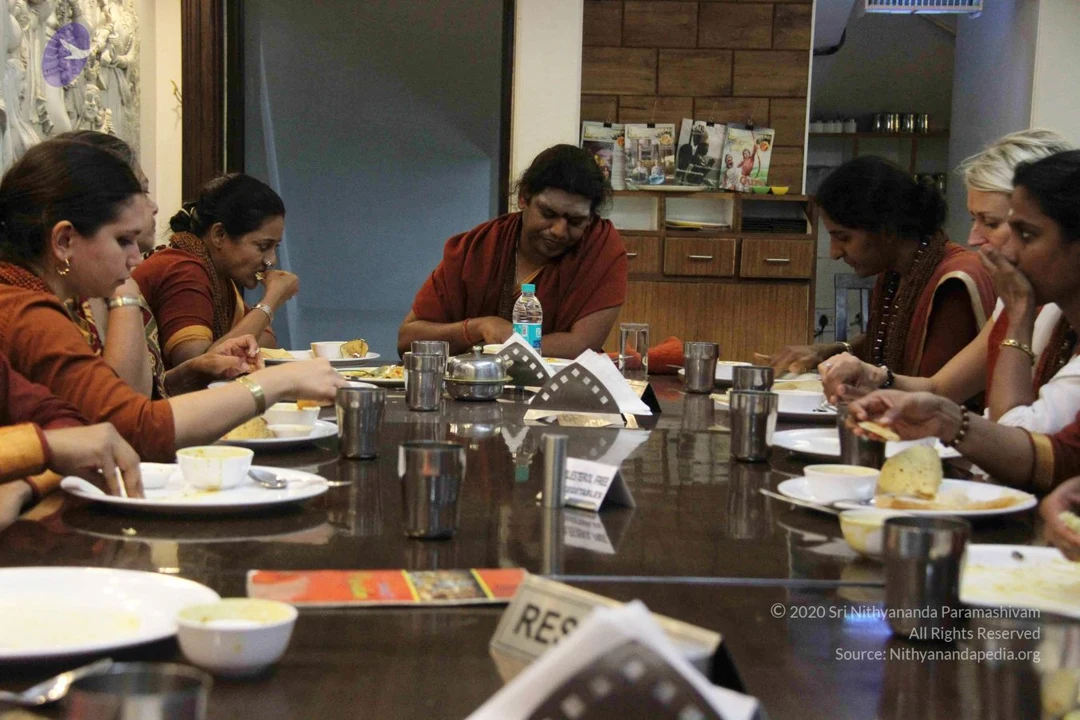
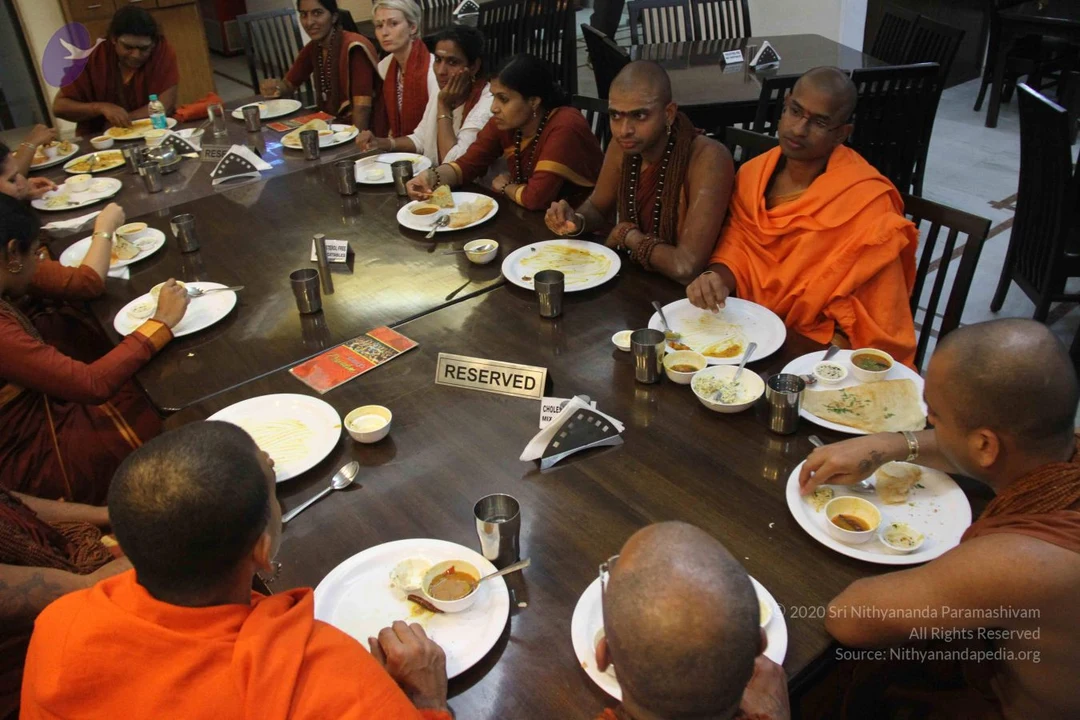
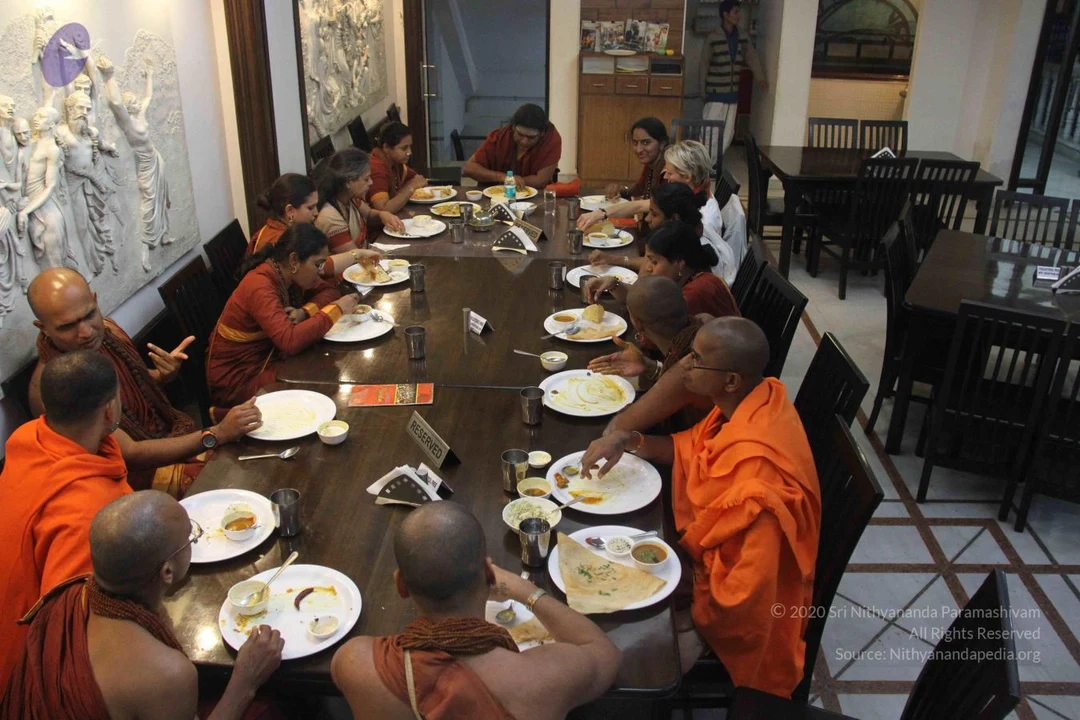
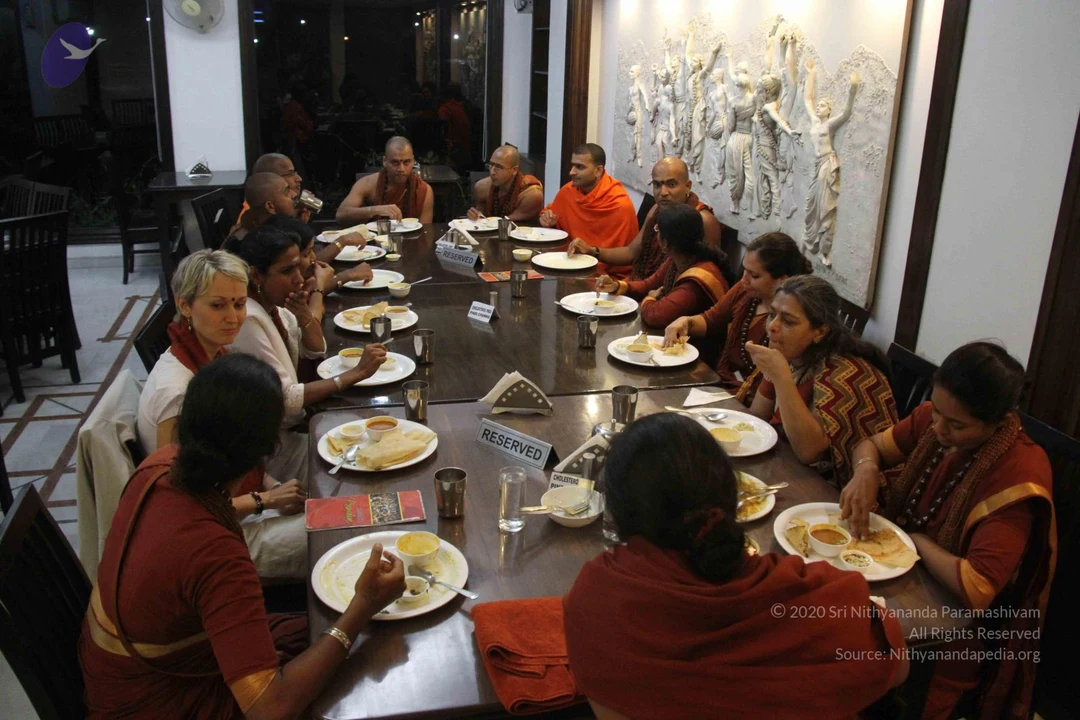
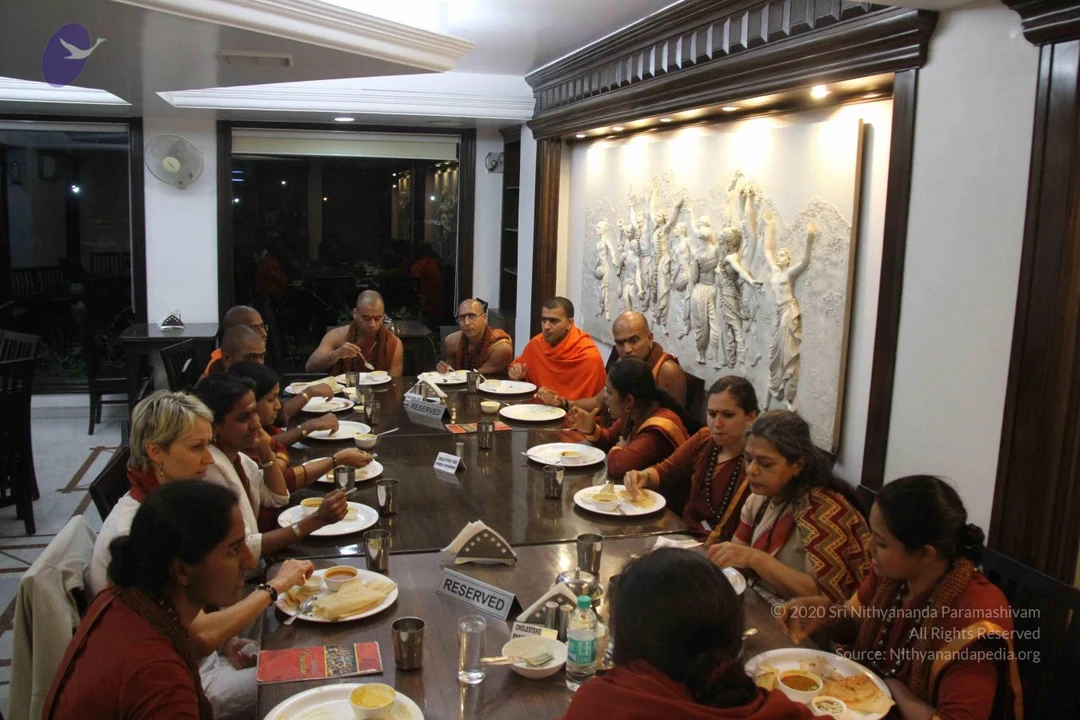
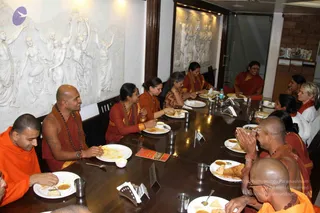
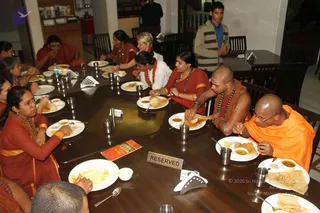
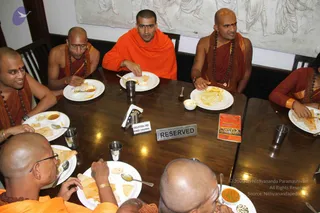
Ashramtes-Dinner-At-ISKON-Restaurant


Photos Of The Day:
FB-Photos-of-the-Day
Photos from this day
View all 437 photosNithya Satsang
2 photosSource gallery

Ganga Ghat Visit
5 photosSource gallery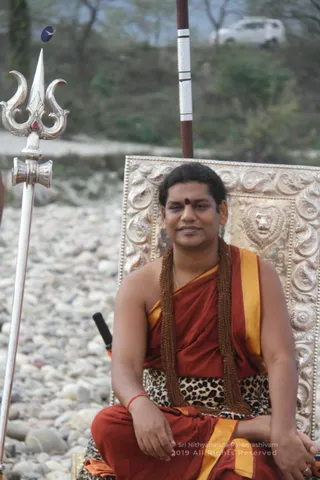
Nithya-Satsang
63 photosSource gallery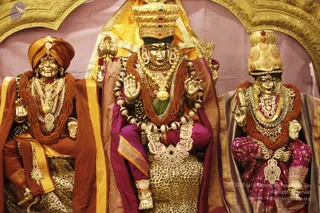
Gangaghat-Visit
340 photosSource gallery



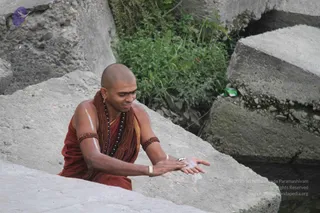
Ashramtes-Dinner-At-ISKON-Restaurant
26 photosSource gallery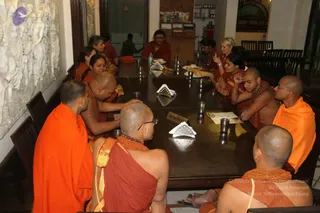
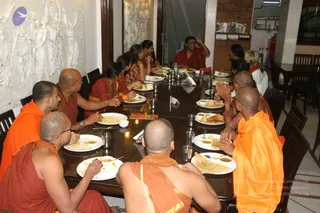
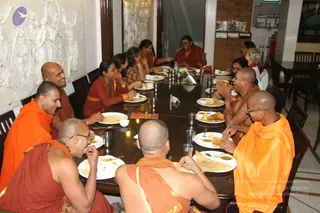
FB-Photos-of-the-Day
1 photoSource gallery