Thursday
4 April 2013
- Dated photos
- 414
- Source pages
- 1
- Media
- 2
April 04 2013
Original wiki pageTitle
The DNA of Leadership
Description:
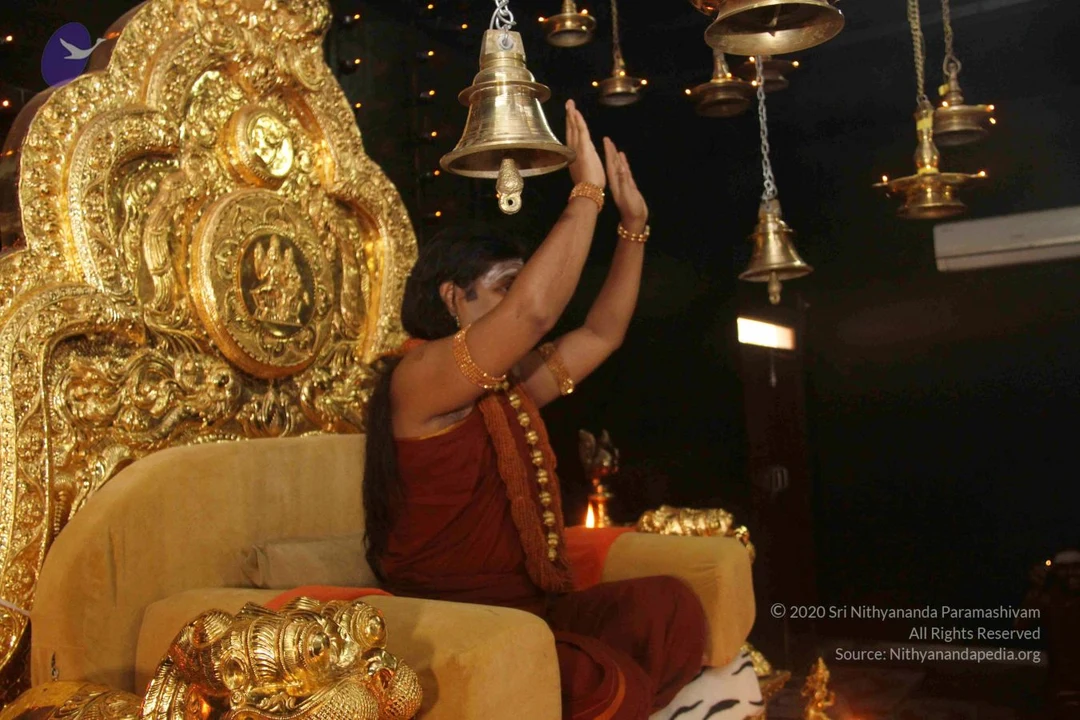
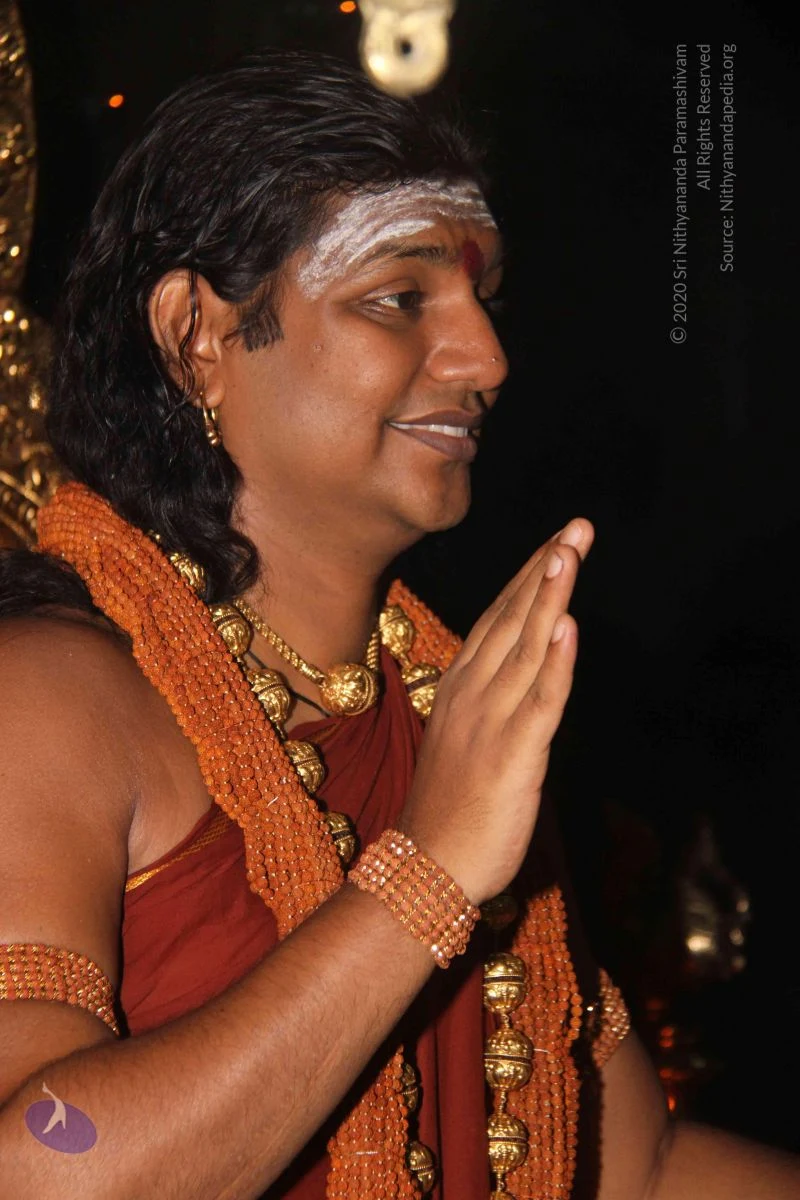
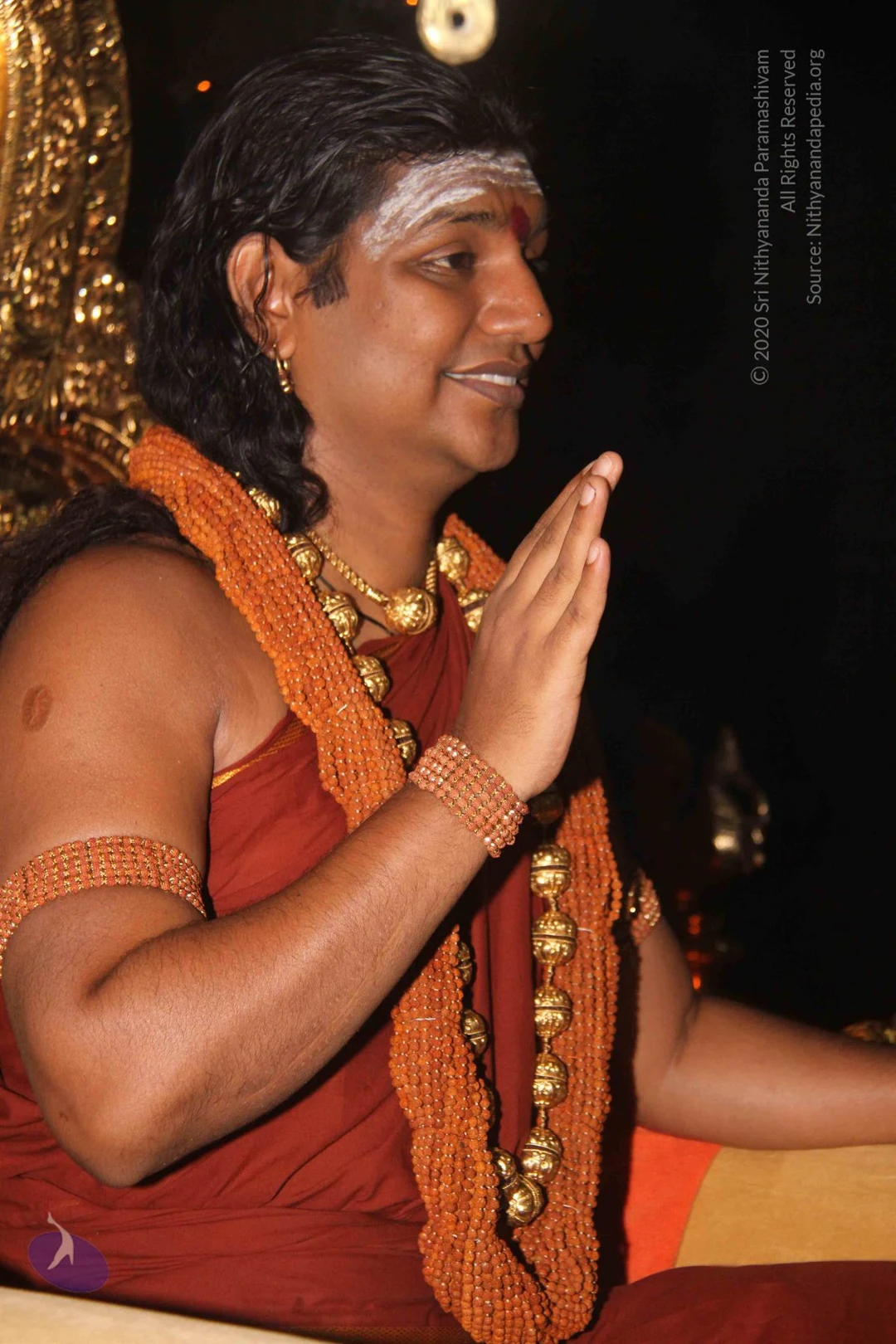
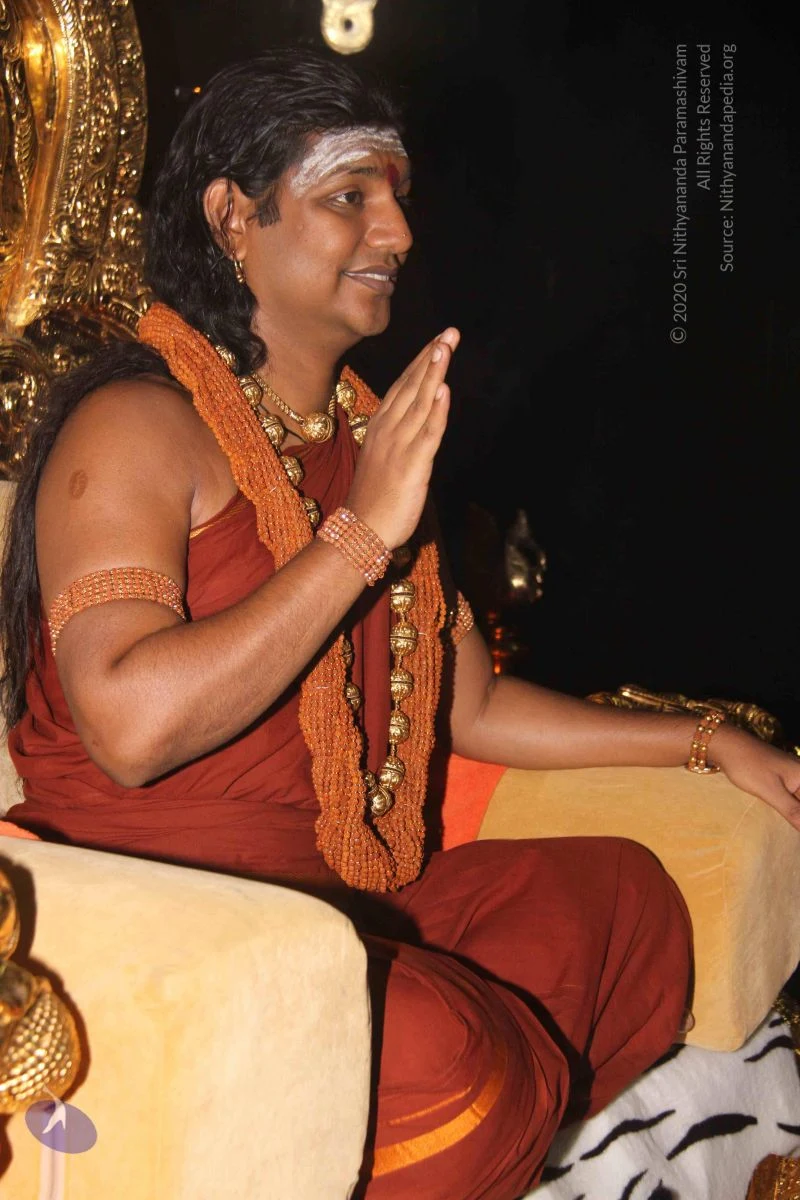
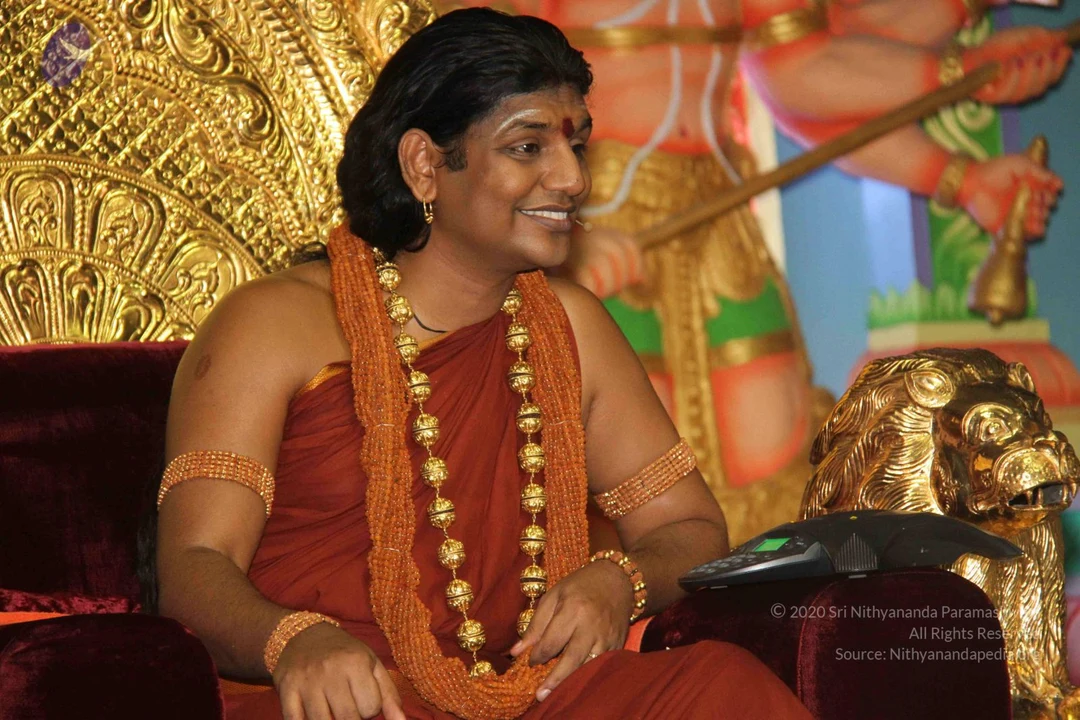
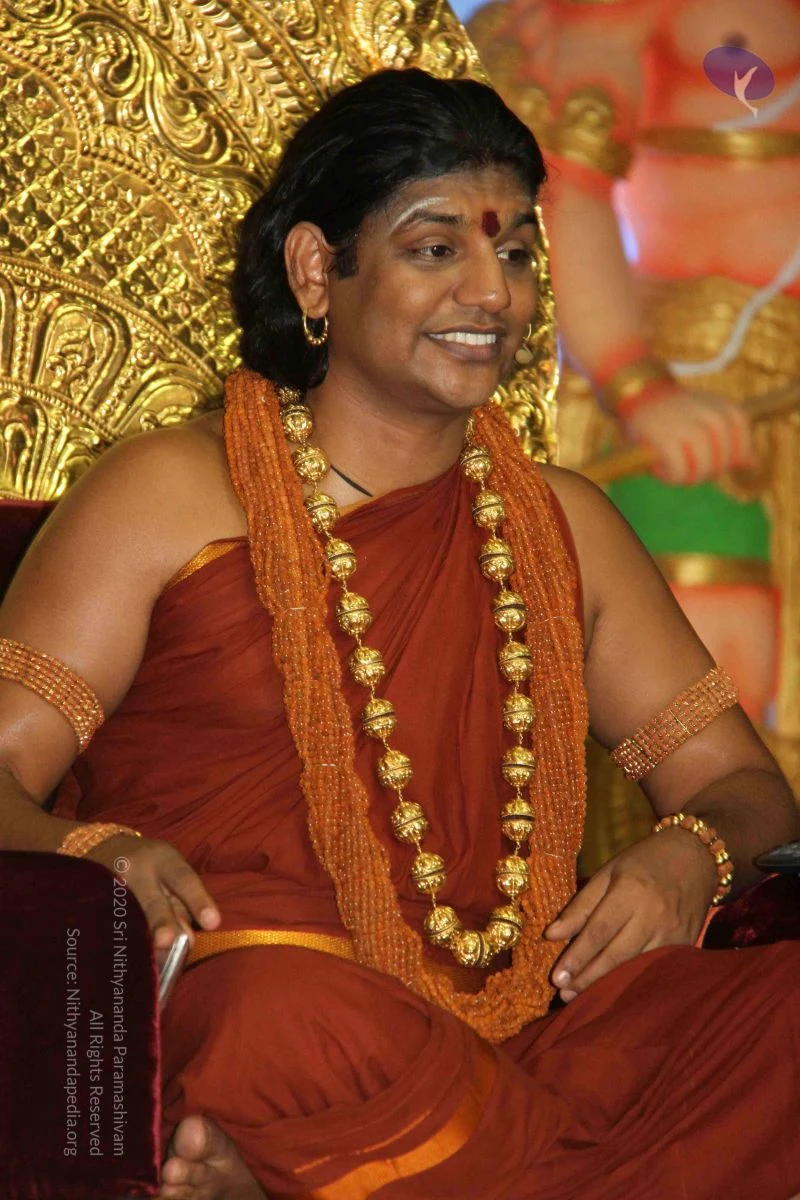
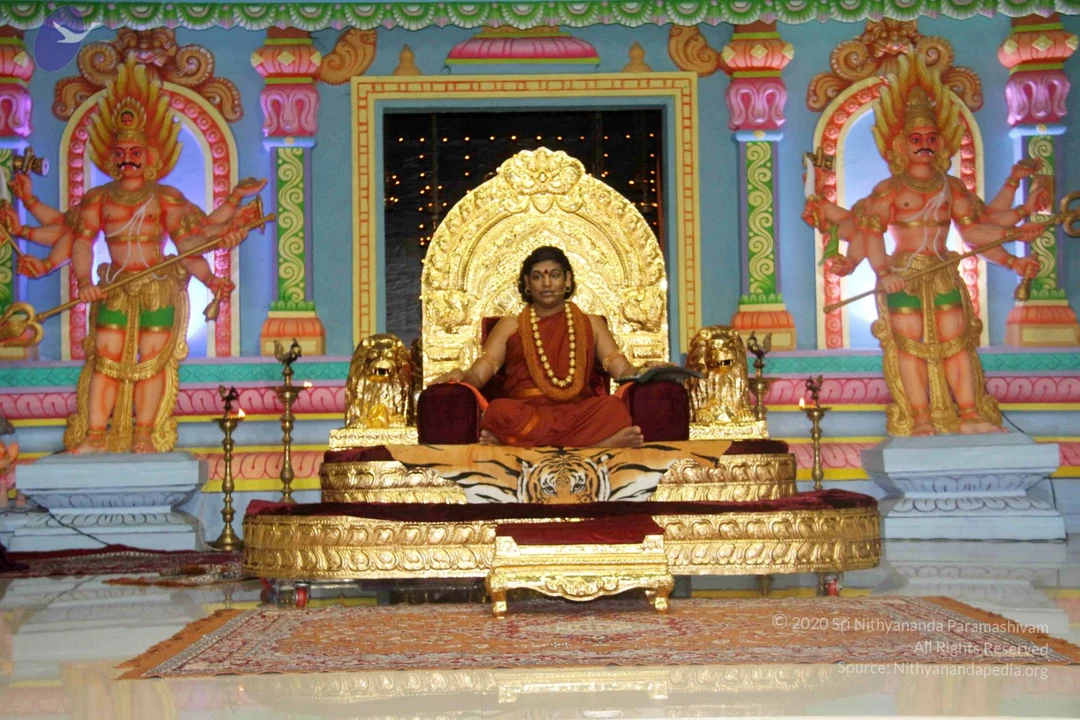
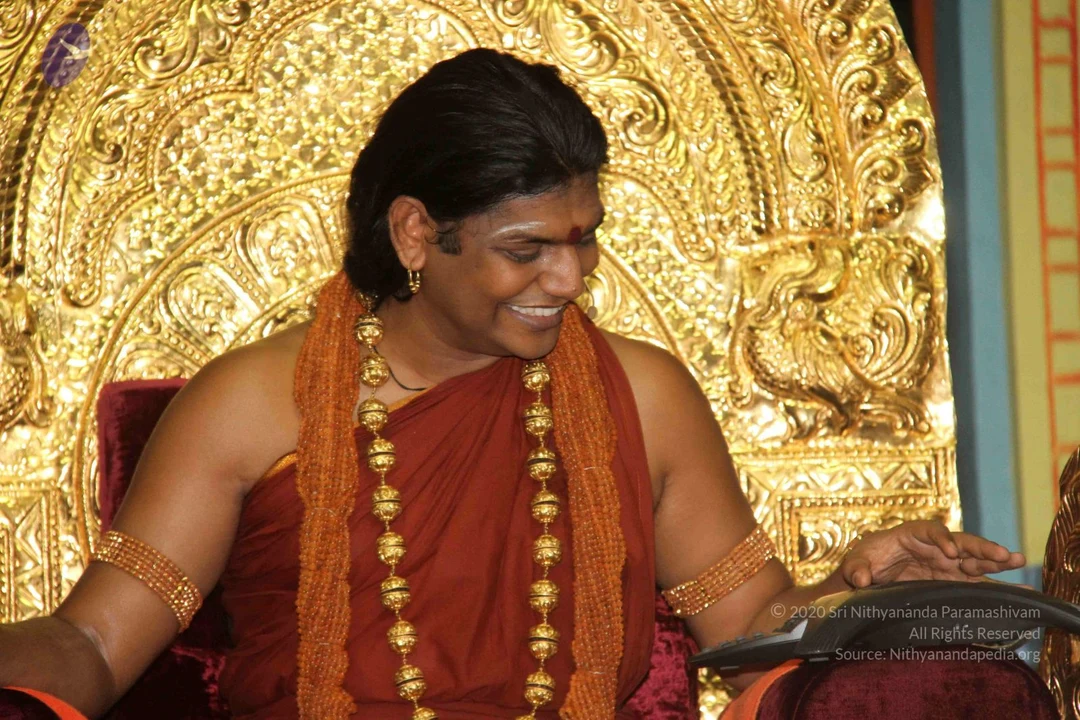
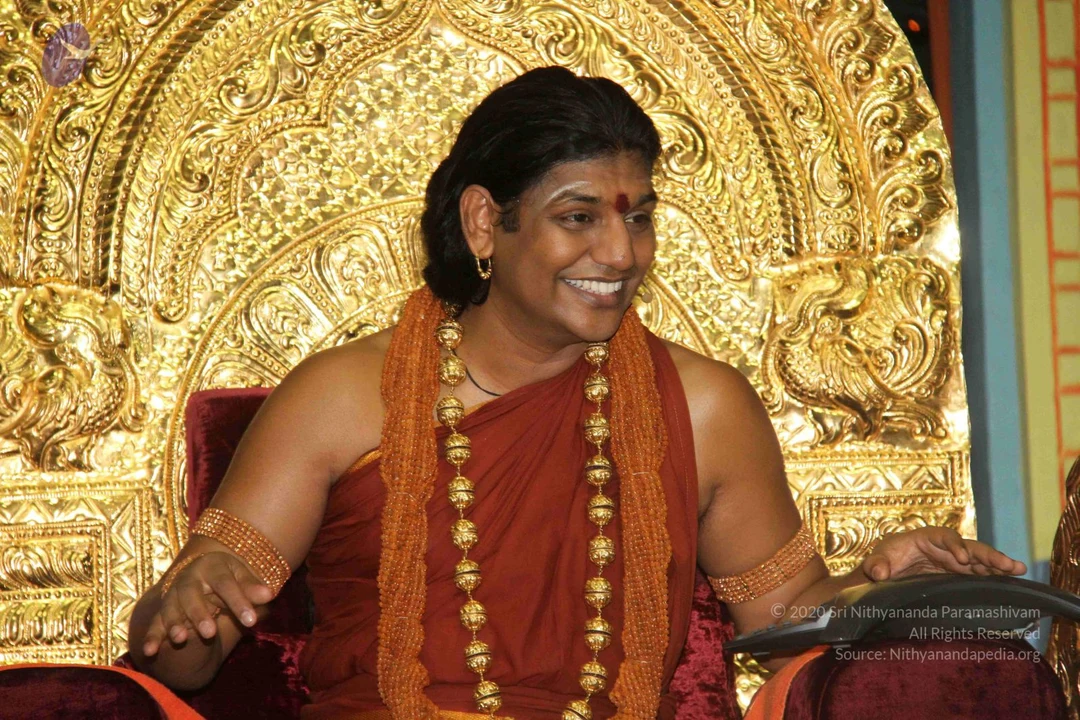
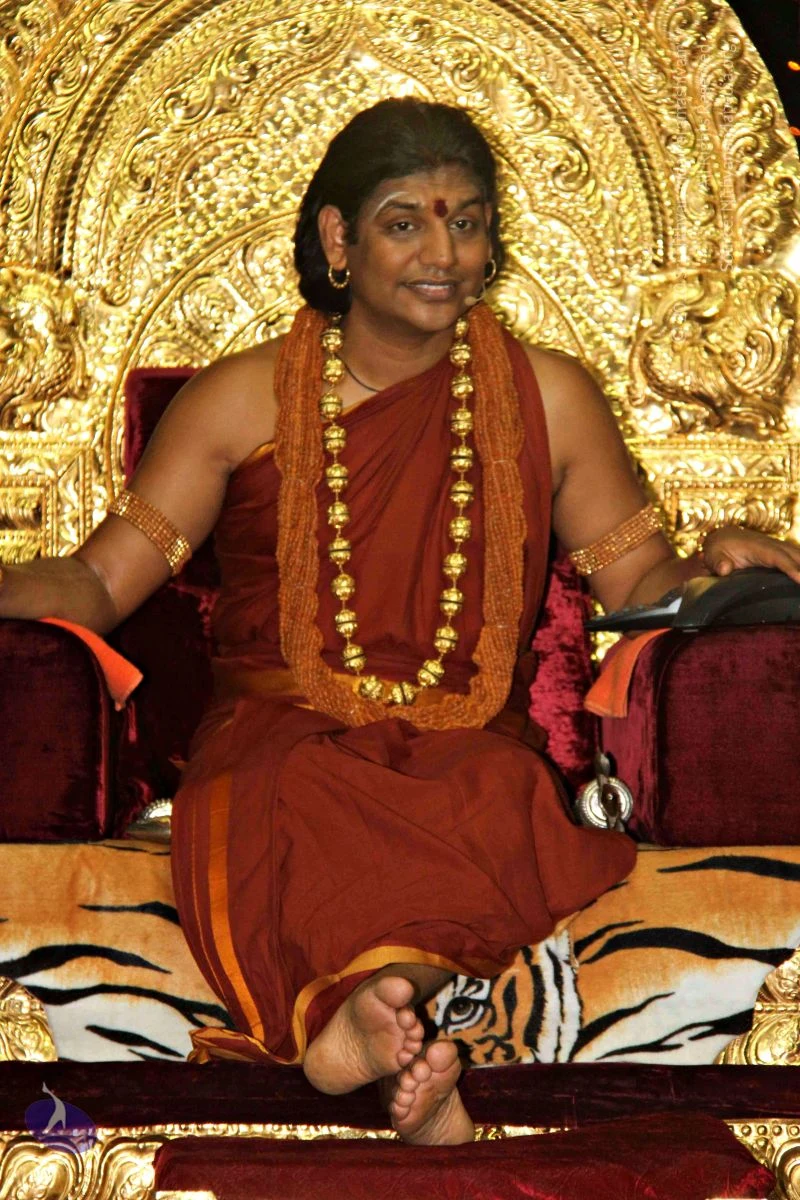
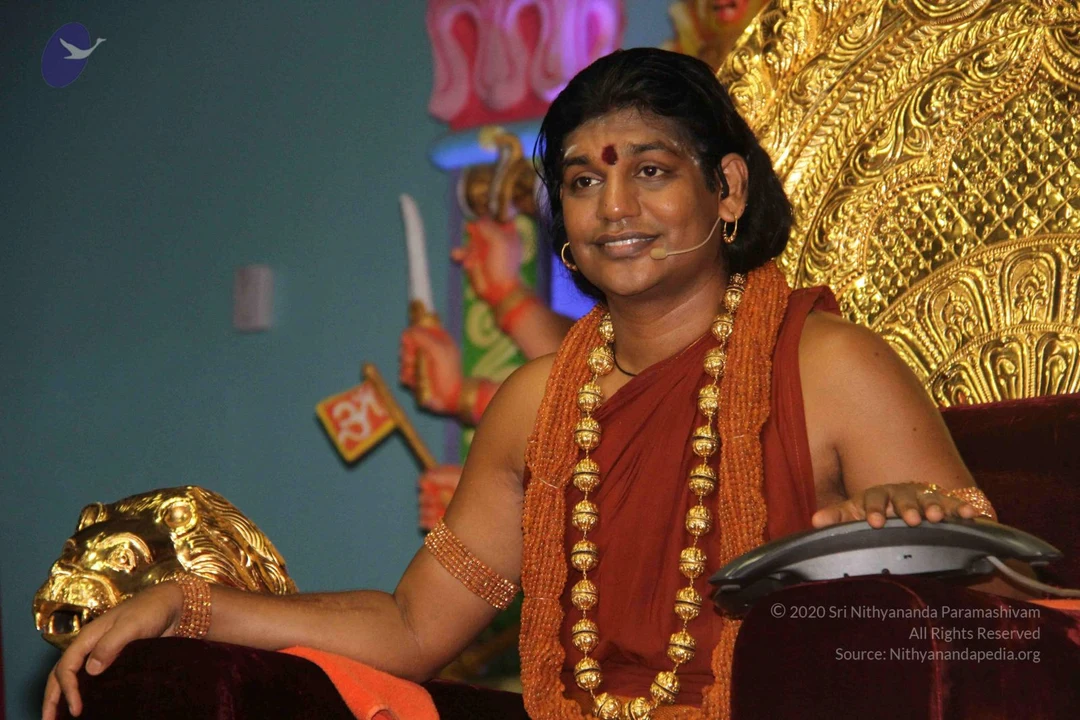
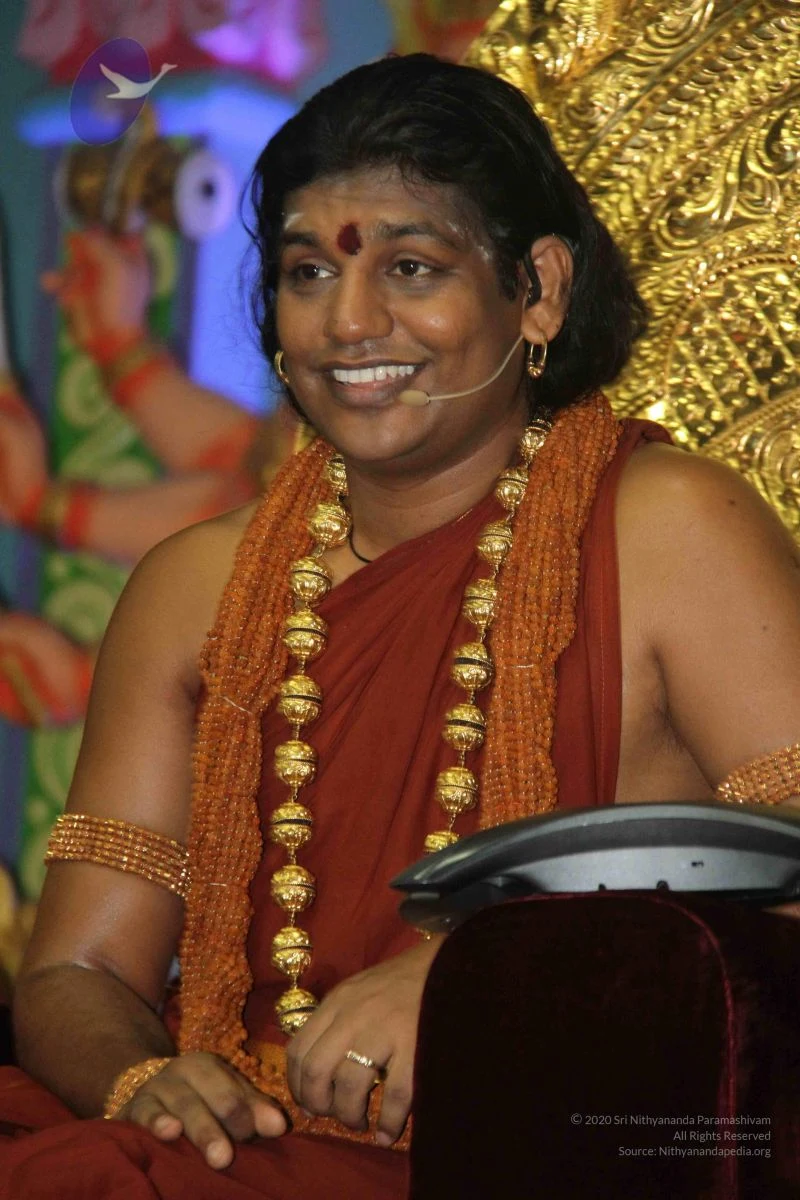
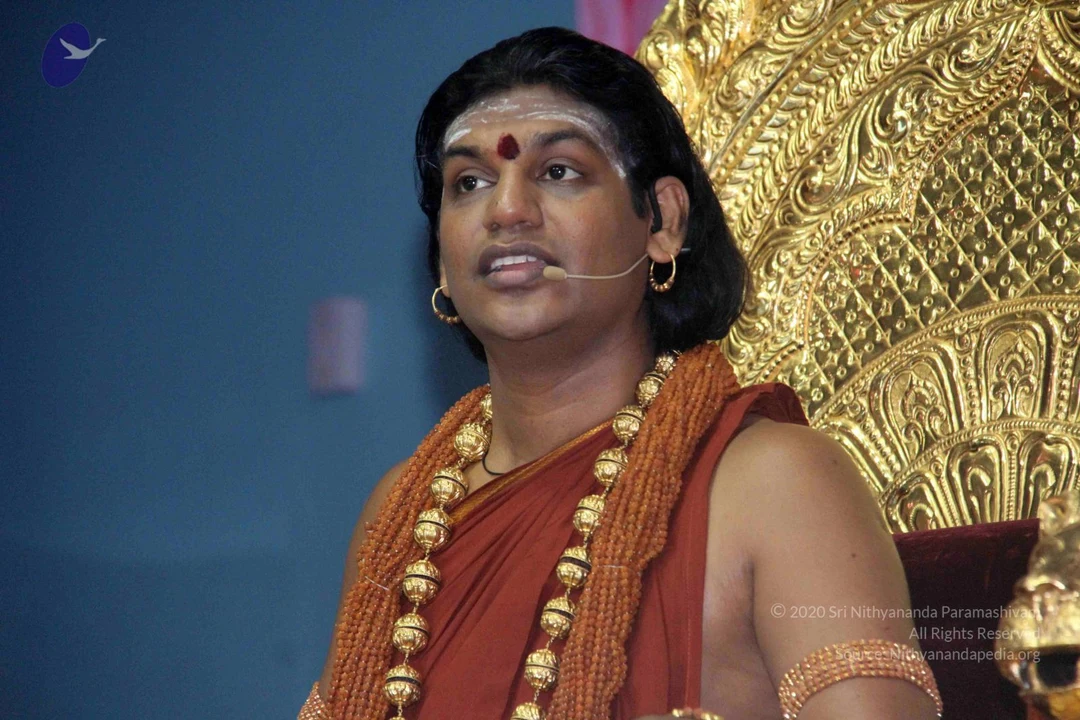
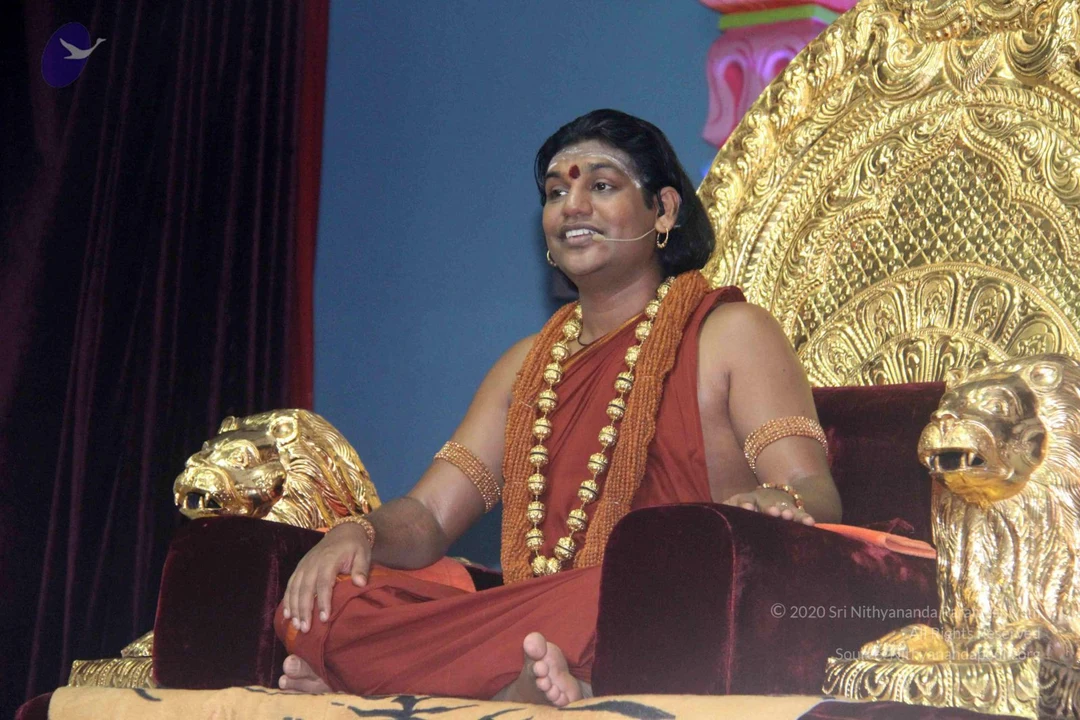
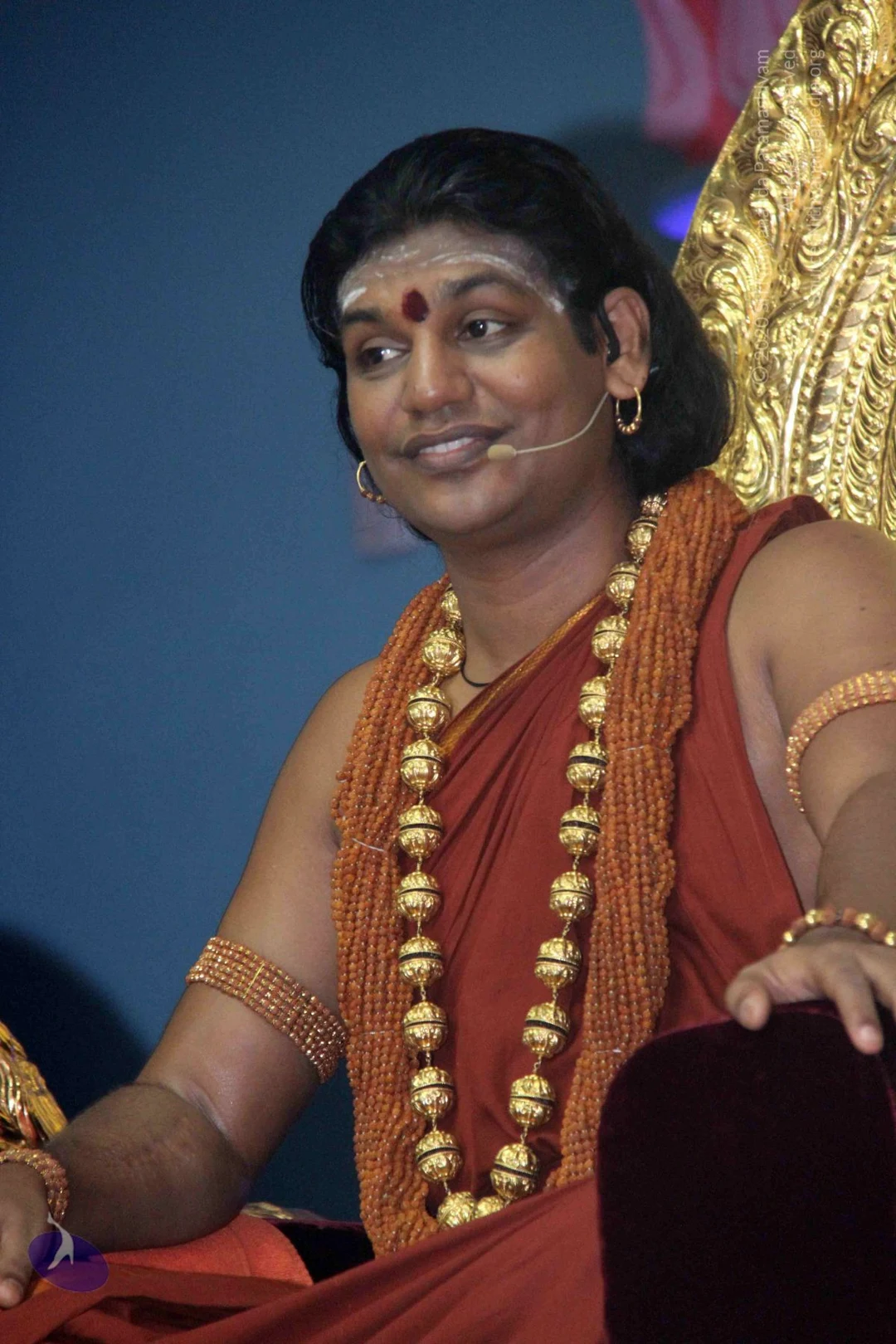
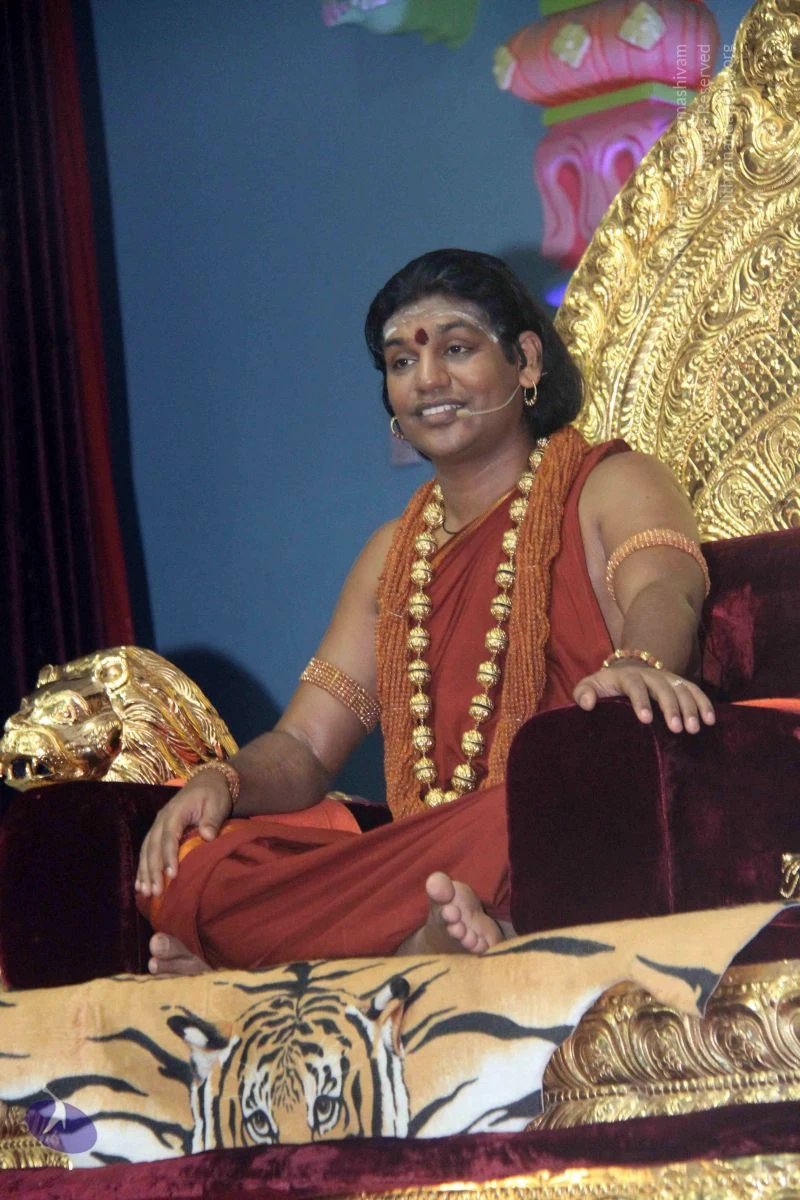
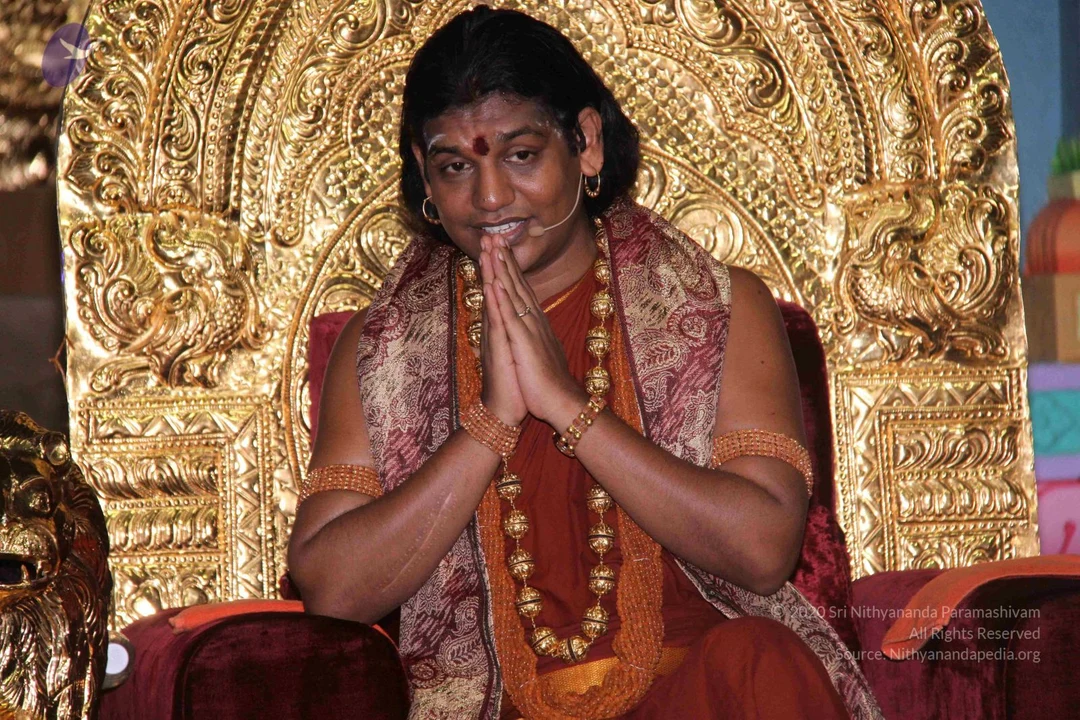
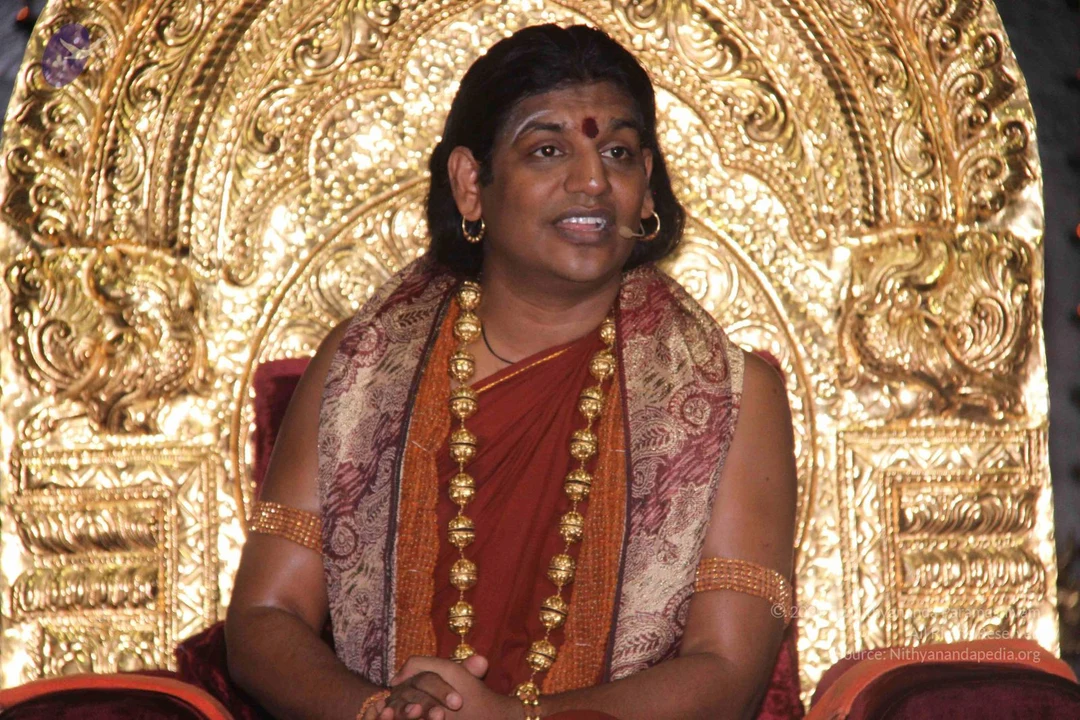
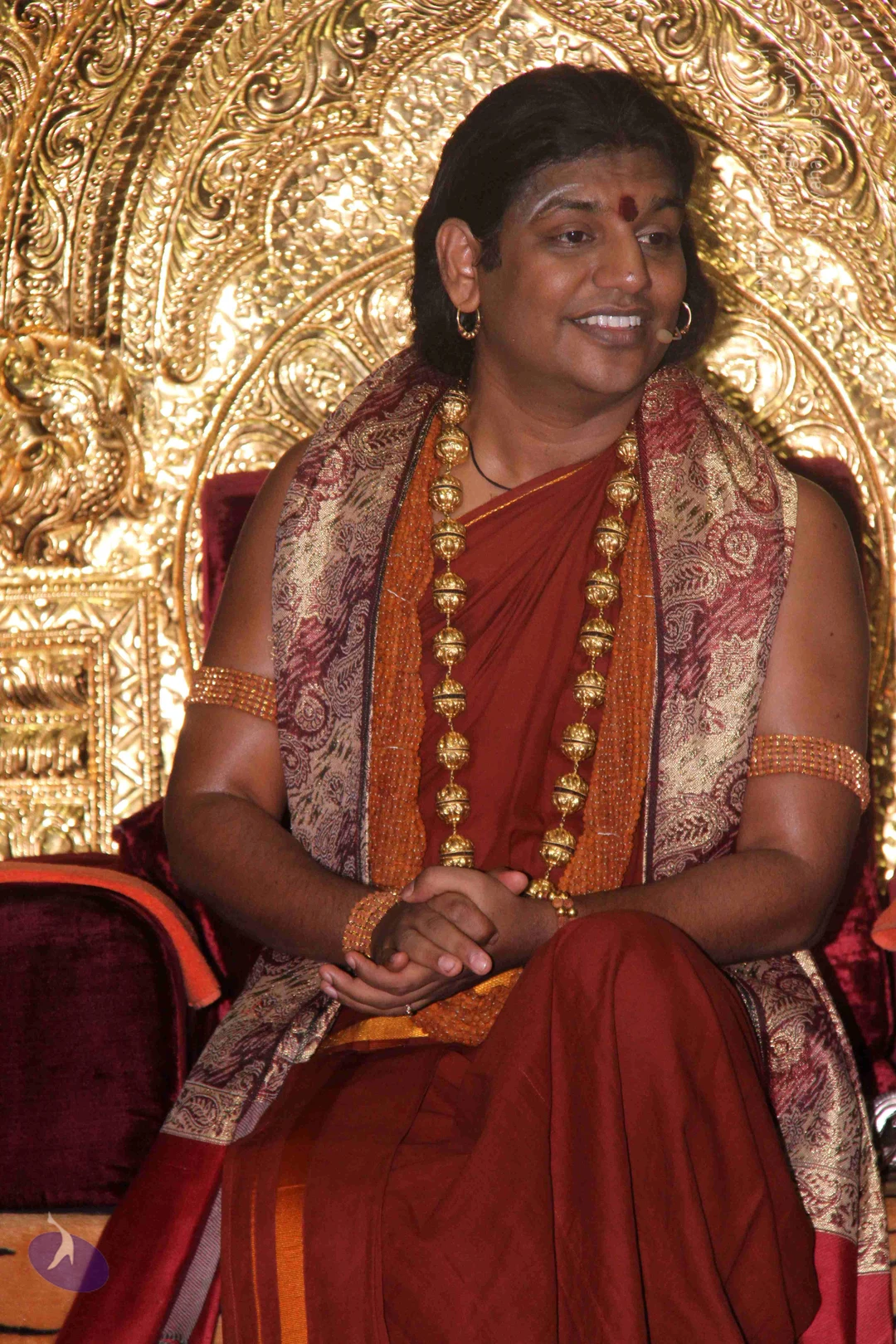
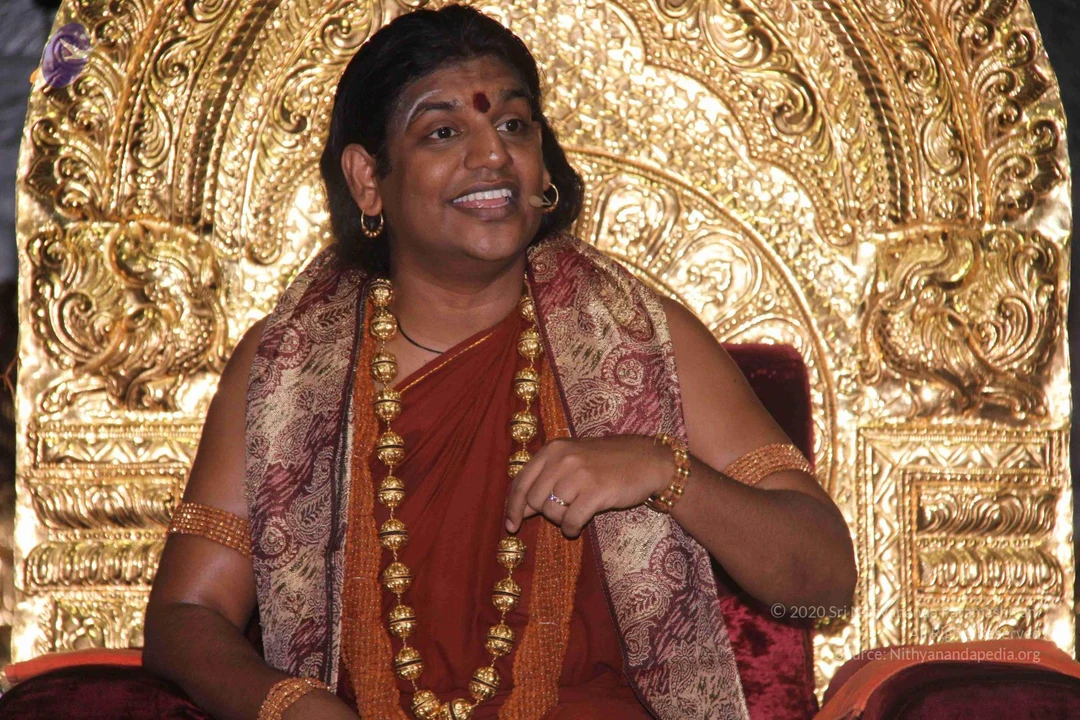
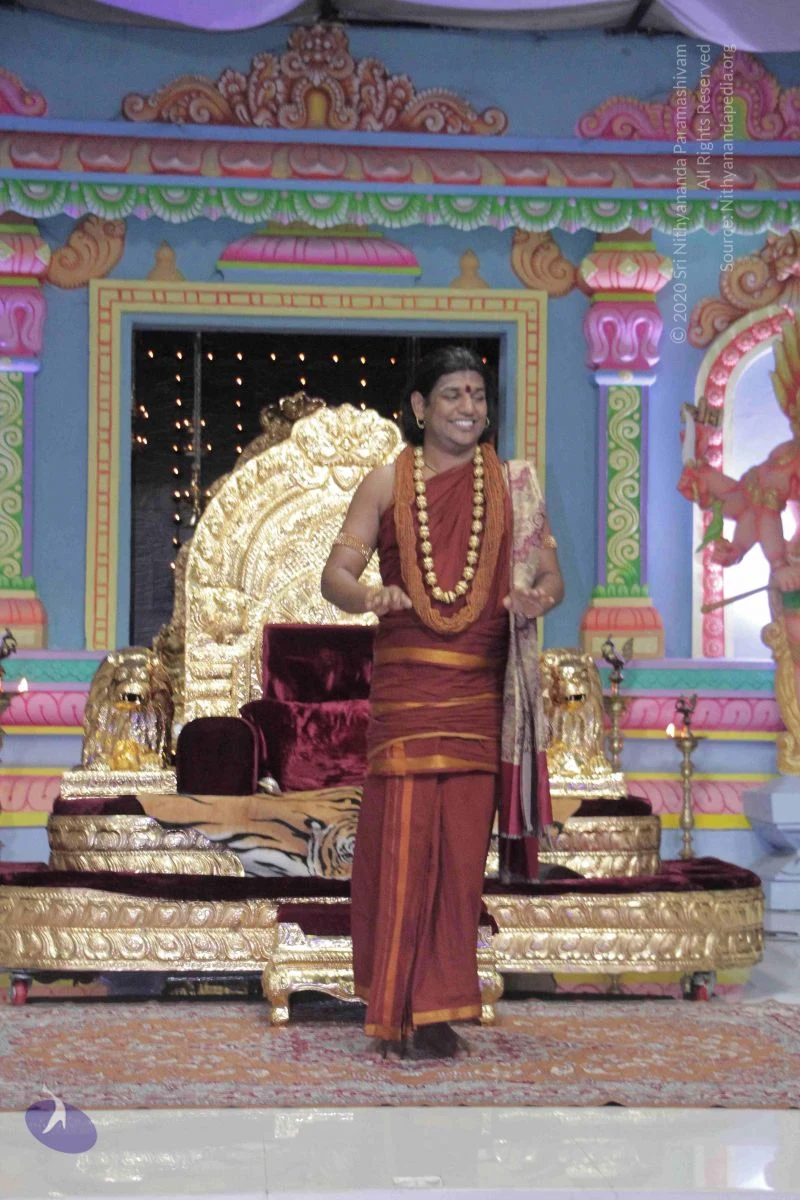
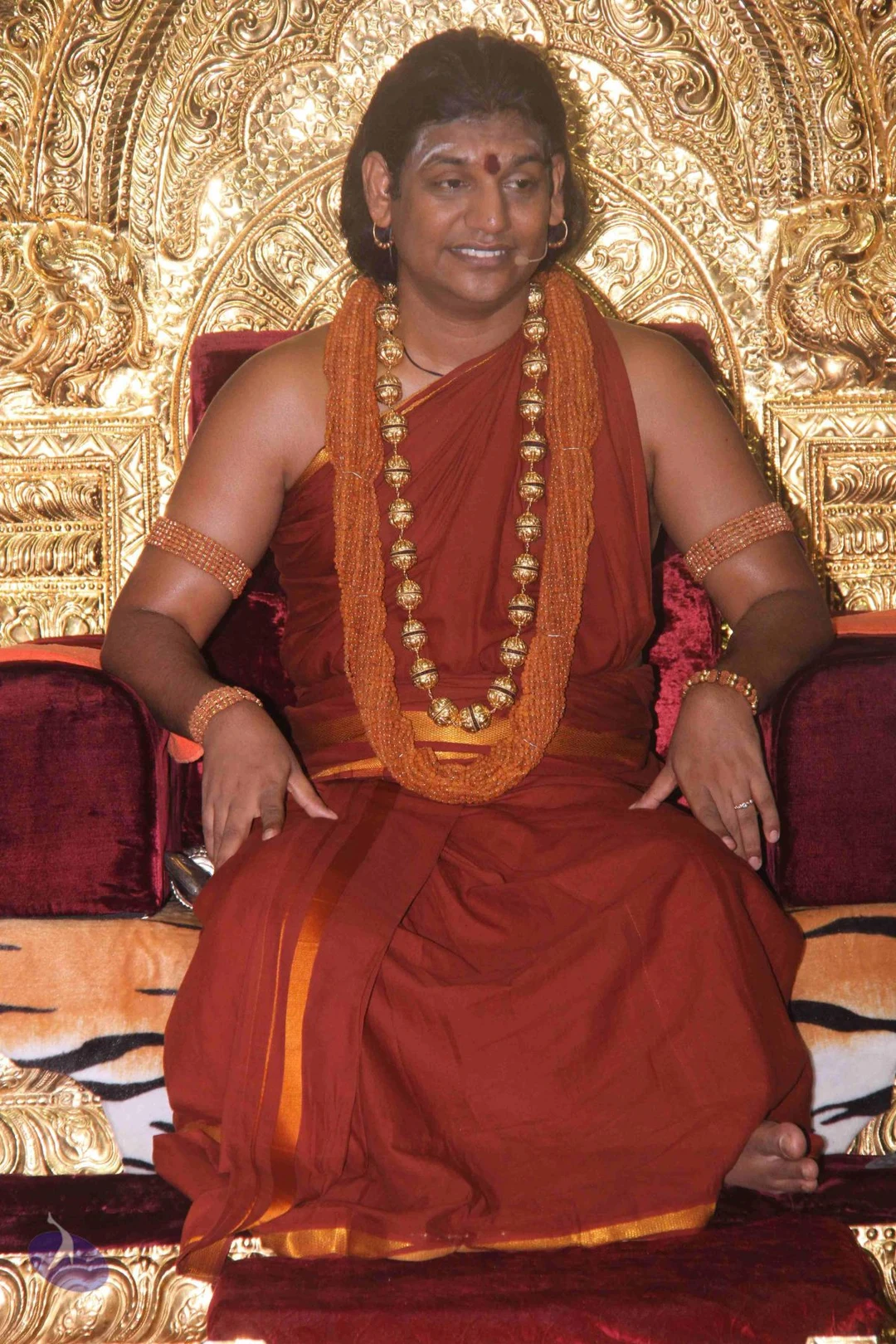
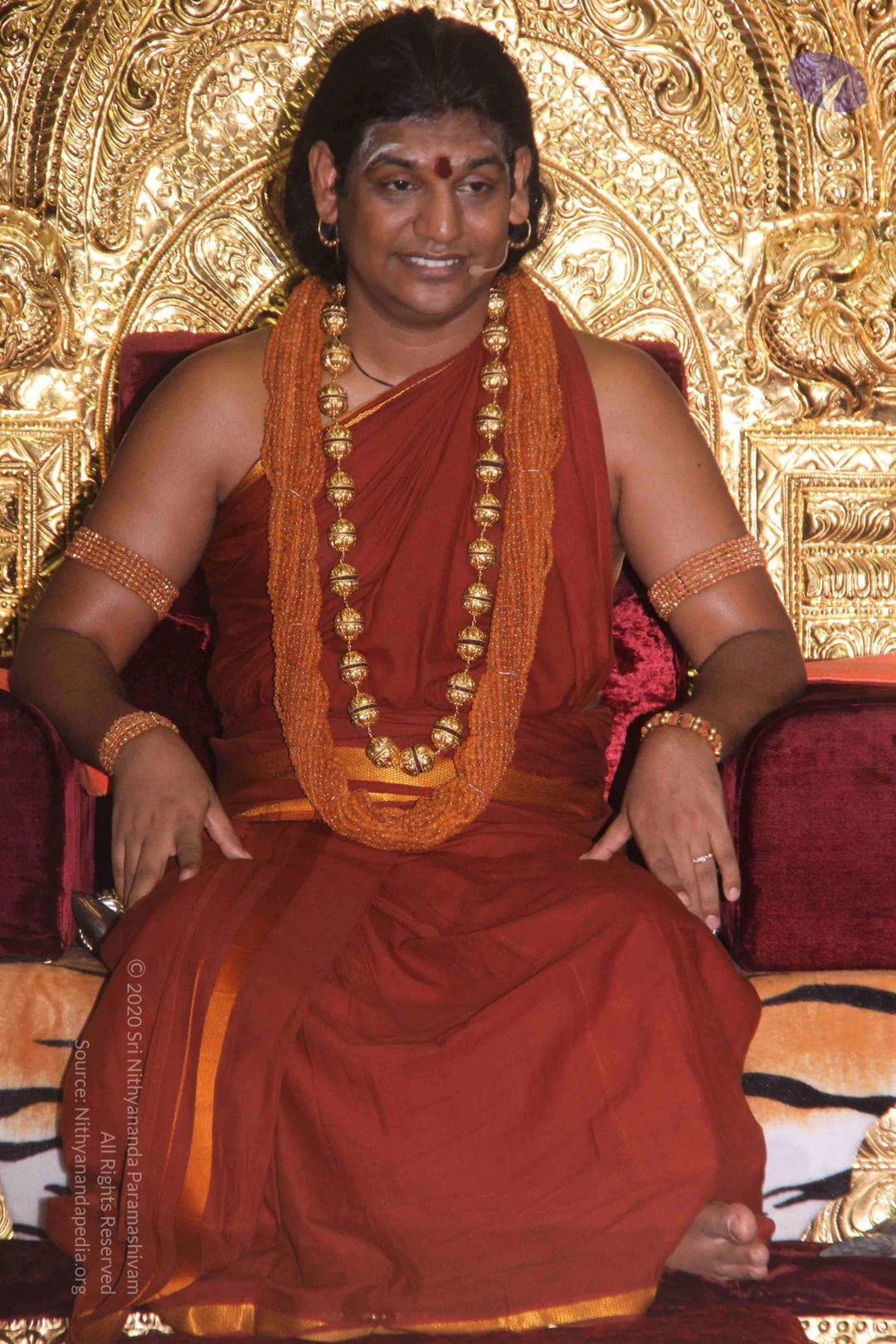
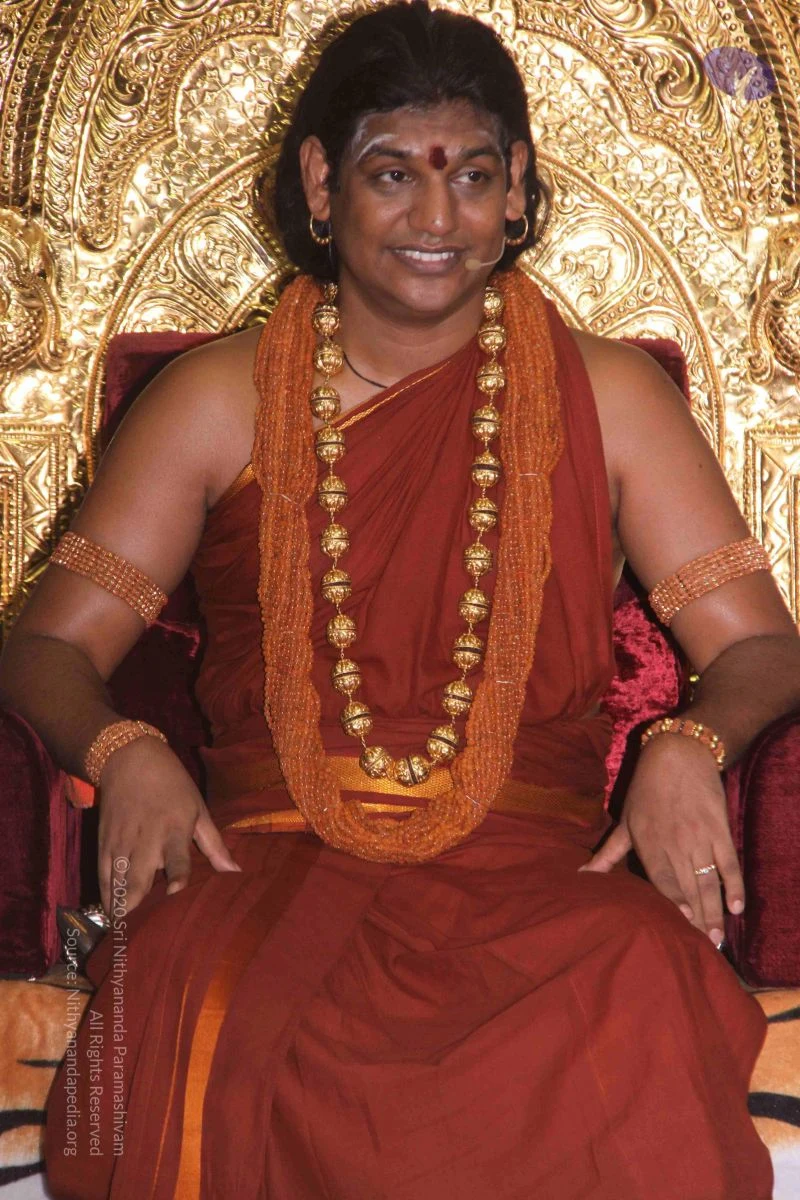
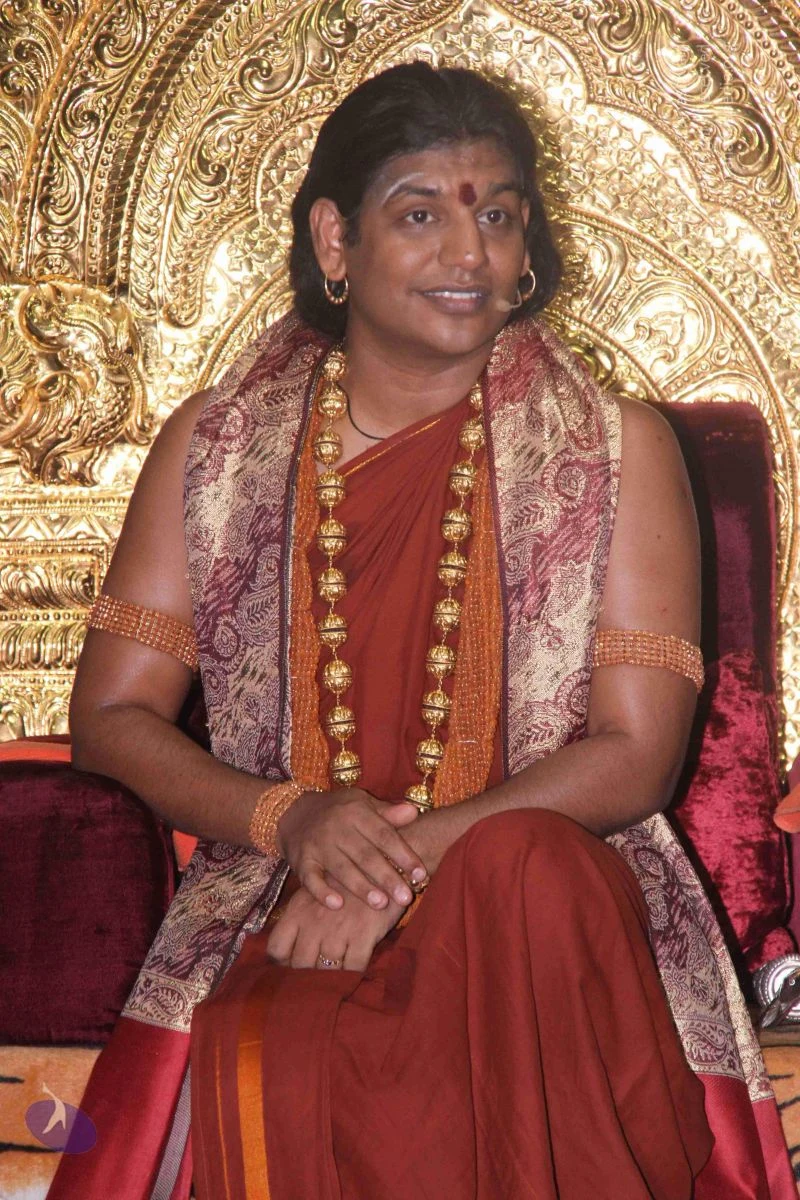
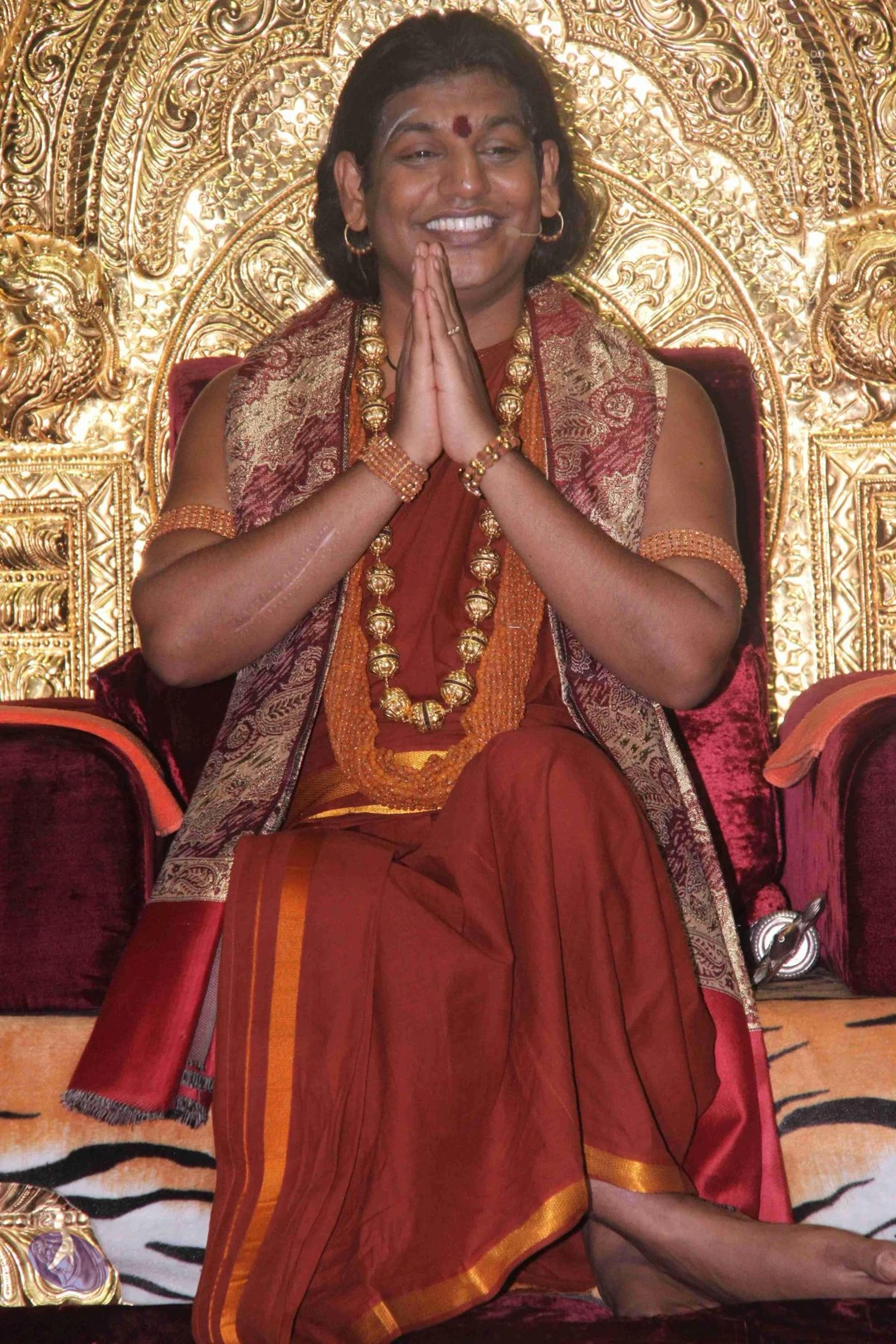
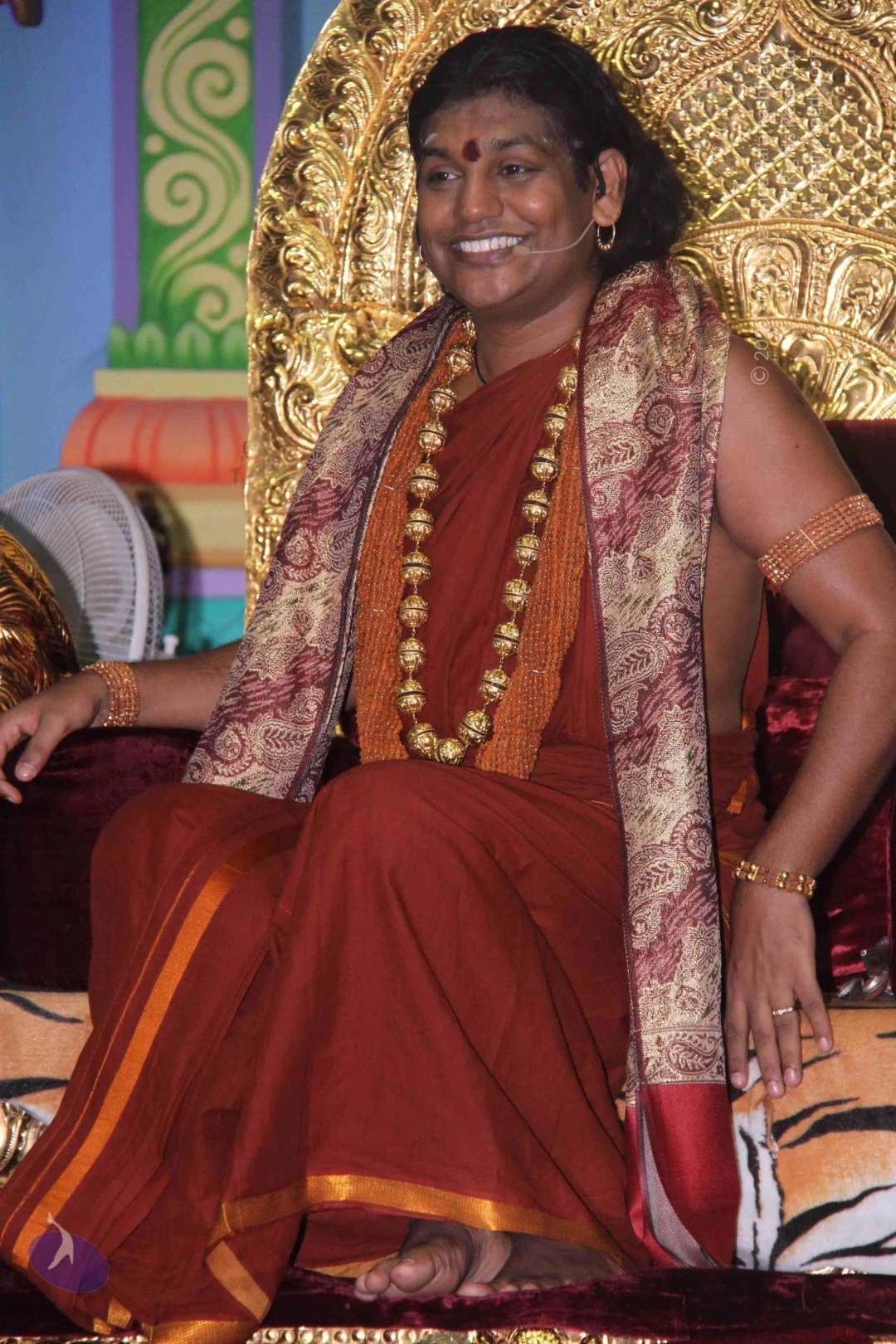
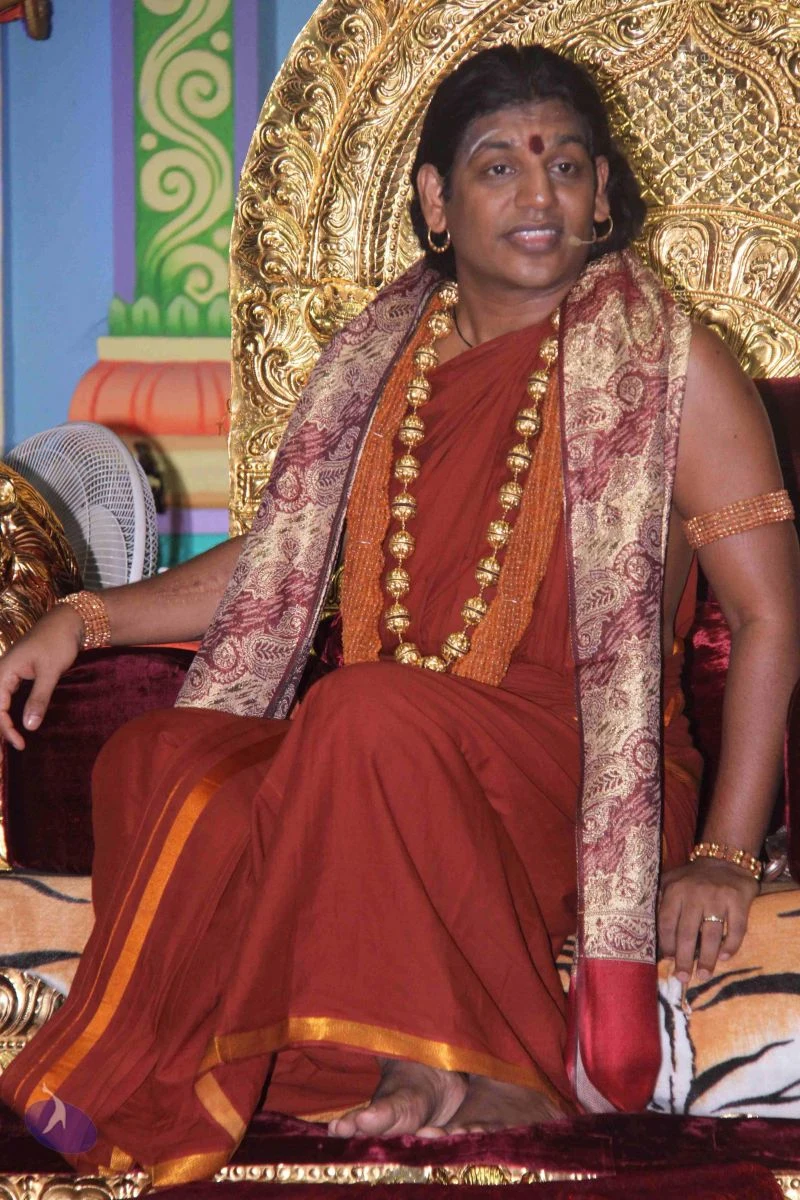
In today’s morning satsang, Paramahamsa Nithyananda gives a new definition of Responsibility. When we realize that we are the source of everything -- each of us is God --, we understand that we are responsible for everything. Whatever is going on in the world, if it has any effect on us we are responsible for it, even events over which we may think we have no control. The concept of blaming others, or of finding an excuse for not accomplishing our goals, ceases to exist. We discover how to be leaders. Responsibility is the spiritual DNA for leadership, gifting us with the understanding to resolve problems far beyond what we felt we could cope with before.
Transcript:
(00:19)
Nithyānandeśvara samārambhām Nithyānandeśvari madhyamām | asmat āchārya paryantām vande guru paramparām ||
(00:49)
Iss samay hamare saath upastith sabhi darshakon aur bhakton ka main prem evam aashirvad sahith swagath kartha hoon. Aaj hum jeevan ka teesra tattva uttardaayitva lena kaise aapke mann chaahe vaastaviktha kaa nirmaan kar saktha hain uske baare mein baat karenge.
इस समय हमारे साथ उपस्थित सभी दर्शन और भक्तों का मैं प्रेम एवं आशीर्वाद सहित स्वागत करता हूं। आज हम जीवन का तीसरा तत्व उत्तरदायित्व लेना कैसे आपके मन चाहे वास्तव का निर्माण कर सकते हैं उसके बारे में बात करेंगे।
(01:18)
Today I will expand on the third principle – RESPONSIBILITY – and the unique relationship Responsibility carries, the unique equation it carries to construct the reality of your choice. Let Me define Responsibility once more. Please listen! Define.. I am defining Responsibility. Living and responding, means, thinking, feeling, acting, cognizing to life from the truth that you are the source of everything, therefore you are responsible for all happenings inside you and around you.
(02:25)
Dhyan se suniye, ध्यान से सुनिए। Please listen! Uttardaayitva ki paribhasha punah suniye. Uttardaayitva ka arth hain jeevan ko iss satya ke saath jeena aur pratikriya vyakth karna ki aapke andar aur baahar honewale sabhi paristithiyon ka mool kaaran evam uttardaayi aap swayam hain. Uttardaayitva ka arth hain jeevan ko iss satya ke saath jeena aur pratikriya vyakth karna ki aapke andar aur baahar honewale sabhi paristithiyon ka mool kaaran evam uttardaayi aap swayam hain. उत्तरदायित्व कि परिभाषा पुन: सुनिए। उत्तरदायित्व का अर्थ है जीवन को इस सत्य के साथ जीना और अभिव्यक्ति व्यक्त करना कि आपके अंदर और बाहर होने वाले सभी परिस्थितयों का मूल कारण एवं उत्तरदायित्व आप स्वयं हैं। उत्तरदायित्व का अर्थ है जीवन को इस सत्य के साथ जीना और अभिव्यक्ति व्यक्त करना कि आपके अंदर और बाहर होने वाले सभी परिस्थितयों का मूल कारण एवं उत्तरदायित्व आप स्वयं हैं।
(03:19)
Thinking, feeling, acting, responding, cognizing from the truth you are the source of everything. Listen! I am neither talking to you some corporate values and principles, nor talking to you what some Rishis have uttered in some Upanishads. I am talking to you directly which I experienced, which you have to experience. I am talking from the context of being responsible for making you responsible. Please be very clear, the person who talks has only one reason of making you responsible. I am responsible to make you experience Responsibility as I experienced. Person with eye is responsible to give vision to a blind person. Person with wealth is responsible to guide poor man to wealth. Person with power is responsible to make powerless people to become powerful. Person with energy is responsible to make energyless people with energy. Person with knowledge is responsible to make ignorant people knowledgeable.
If you have knowledge, the moment you have knowledge, you become responsible to make ignorant knowledgeable. If you are powerful, you become responsible to make powerless powerful. If you are wealthy, you become responsible to make poor wealthy.
(05:32)
Listen! I am not saying distribute your wealth! If you are having ten poor people, and you distribute all your wealth to the ten poor people, we will have eleven poor people. That's all! With you we will have eleven poor people; one more poor person! NO! I am not asking you to distribute your wealth; but take responsibility of educating them and making them rich. Anything you own, you become responsible to share it; make it grow. Vedic tradition beautifully says - Annam Bahu Kurveetha. Let us create and share. This is the vision statement I have given for all the Annalayas getting started all over the world. All the satsangis should know I have initiated a project of sharing food all over the world, because sharing food is Vedic culture. We are agriculture society. Vedic tradition is grain-based society, grain-based civilization. So, sharing was our lifestyle. That is why, no ritual, no festival, no celebration is complete in Indian tradition without sharing food. Annam Bahu Kurveetha! When you own, you become responsible to make everyone own. Because I own Responsibility, I own the responsibility of making everyone own the Responsibility.
(07:44)
Main koi corporate siddhant ke baare mein nahi baath kar raha hoon, naaki koi rishi muni ke kahe huve vaakya ko punah keh raha hoon. Main apni swayam ki anubhav ke saath iss satya ke baare mein aapko bathaa raha hoon.
मैं कोई कॉरपोरेट सिद्धांत के बारे में बात नहीं कर रहा हूं, नकी कोई ऋषि मुनि के कहे हुवे वाक्य को पुन: कह रहा हूं। मैं अपने स्वयं के अनुभव के साथ इस सत्य के बारे में आपको बता रहा हूं।
There are only two types of human-beings on the Planet Earth • Who feel responsible for everything • Who don’t feel responsible for anything.
There are only two types of human-beings. Listen! People who feel responsible become Leaders. People who don’t feel responsible continue to be slaves. There are some people don’t feel responsible even for their own actions because they forgot their action is going to bring this result. Many time even when they plan for business, they only plan if it fails whom they will hold responsible. They don’t plan to make it successful. Holding somebody responsible is not going to solve your problem. Plan for success. Don’t do, when you plan itself if you get an idea, “If this fails what to do?” immediately you think, “I will hold him responsible.” But you holding him responsible is not going to bring you success. While the thought comes ‘I will hold him responsible’ cut it. Holding anybody responsible is not going to solve the issue. See to it is educated to make things successful.
(09:52)
Listen! How many of you cognize, listen! How many of you cognize, what I am saying, that when you plan, many time in your mind if you think you can hold somebody responsible, you think you have planned perfectly? Raise your hand. You are wrong! Holding somebody responsible is not going to make the work happen. Listen! Work not done + valid reason is not equivalent to work done. Work not done + valid reason is not equivalent to work done. Work done is ONLY equivalent to work done. Anything else is not equivalent to work done.
There are some people who work. The only thing they know - how to manipulate the boss! That’s all! How to answer the boss! How to manipulate the boss! How to stop the boss pushing him! That’s all! With that only one thing, they spend their whole life and retire also! Of course, the day they join the work and the day they learn this art of not allowing anybody to make them feel responsible, they are retired! Retirement does not happen. It is not decided based on the day you stop going to the office. It is based on the day you stop taking responsibility.
(11:48)
Shaktishaali vyakthi zimedar hain shakthi heen logon ko shakthishaali banaane ke liye. Dhanvaan vyakthi zimmedaar hain nirdhan ko dhanvaan stithi mein lane ke liye. Vaise hi gnani ka uttardaayitva hain agyan logon ko gyan ka maarg dikhana. Aap jo bhi cheez ke maalik hain uss cheez ko sabke saath baatna aapka uttardaayitva hain.
शक्तिशाली व्यक्ति जिम्मेदर हैं शक्ति हीन लोगों को शक्तिशाली बनाने के लिए। धनवान व्यक्ति जिम्मेदार हैं निर्धन को धनवान स्थिति में लाने के लिए। वैसे ही ज्ञानी का उत्तरदायित्व है अज्ञान लोगों को ज्ञान का मार्ग दिखाना। आप जो भी चीज़ के मालिक हैं, उस चीज़ को सबके साथ बाटना आपका उत्तरदायित्व है।
(12:32)
You become responsible to make everyone responsible. Listen! There are some category who don’t take responsibility even for the actions they do or they are supposed to do, even for their own existence! Because, the actions they did, they did not visualize the results are going to come this way. They don’t take responsibility even for their own actions. Second, there are few people who take responsibility for their action. People who don’t take responsibility even for their own action, remain as slave forever. People who take responsibility for their action, live as human-beings, a middle-class life: one house, one car, one wife, two kids, maybe one affair somewhere. A middle-class life. What I call neo-middle-class, happening in India. Life lived as mediocre, middle level, is not going to be fulfilling. There is another one class: People who take responsibility even for others actions. When you take responsibility even for others actions, others’ irresponsibility you become Leader.
(14:28)
Even if you are not reason for certain happening, if it is affecting you, only if you take the responsibility you will solve it. I will tell you from My own experience. All the attack, persecution done on Me is done by the group of atheists. I am not responsible for the atheism spreading. Thirty years before My birth, it has started spreading in Tamil Nadu. I am not directly reason, but I am going to take the responsibility to eradicate it, because it is affecting My life. Listen! I am not reason for atheism spreading. But because it is affecting My life and My mission, now I am responsible to eradicate it. Only when I take responsibility even for others actions, I will be able to solve the problem from the root, at the root level. Whatever may be disturbing you and your life’s mission, dhyan se suniye, whatever may be disturbing you and your life’s mission, even if you are not reason, you are responsible. Listen! Being a reason is different. Being responsible is different. Many time, even if you are not directly reason, only when you take the responsibility, it is solved. Leaders are created with a DNA of Responsibility. Responsibility is the software for leader's inner space.
(16:49)
Kaarya ka sampann na hona aur uske liye …vaid… kaaran hona kaarya ke sampann hone ke barabar nahi hain. Dharthi par keval do tarah ke prani hai – ek jo har cheez ke liye swayam ko zimmedaar maanthe aur doosre vah log jo swayam ko kisi cheez ke liye bhi zimmedaari nahi maanthe hain. jab aap apne jeevan ke paristithiyon ke liye uttardaayitva nahi lethe hain tab aap ek ghulam bankar jeethe hain jab aap swayam ke paristithiyon ke liye uttardayitva lethe hain tab aap ek saadhaaran maanav ki tarah jeethe hain aur jab aap swayam ke saath anya logon ki paristithiyon bunnthe hain aur eeshwaratva ki stithi ka anubhav kar sakthe hain. Dhyan se suniye, anya logon ki paristithiyon ka bhi uttardayitva lethe hain tab aap neta banthe hain aur eeshwaratva ki stithi ka anubhav kar sakthe hain.
कार्य का समापन न होना और उसके लिए...वे कारण होना कार्य के संपन्न होने के बराबर नहीं हैं। धरती पर केवल दो तरह के प्राणी हैं - एक जो हर चीज़ के लिए स्वयं को ज़िम्मेदार मानता है और दूसरे वह लोग जो स्वयं को किसी चीज़ के लिए भी ज़िम्मेदार नहीं मानते हैं। जब आप अपने जीवन के परिस्तिथियों के लिए उत्तरदायित्व नहीं लेते हैं तब आप एक गुलाम बनकर जीते हैं जब आप स्वयं के परिस्थियों के लिए उत्तरदायित्व लेते हैं तब आप एक साधारण मानव की तरह जीते हैं और जब आप स्वयं के साथ अन्य लोगों की परिस्थितयां बुनते हैं है और ईश्वरत्व की स्थिति का अनुभव कर सकते हैं। ध्यान से सुनिए, अन्य लोगों की स्थिति का भी उत्तरदायित्व लेते हैं तब आप नेता बनते हैं और ईश्वरत्व की स्थिति का अनुभव कर सकते हैं।
(18:20)
Again I wanted to remind you, if a egg is broken from outside, a life is destroyed; it is end of the life; life is killed. If a egg is broken from inside, life is happening; a life starts. If the egg is broken from outside, life ends. If the egg is broken from inside life starts…. If your cognition is broken from outside, you shrink, demolish yourself, destroy, fall into depression. It happens if you are irresponsible. If you stand with responsibility, egg breaks from inside life starts.
(19:20)
Ek netha ka sruujan keval zimmedaari ke saath hi hotha hain.
एक नेता का सृजन केवल जिम्मेदारी के साथ ही होता है।
Not only take responsibility for your actions, take responsibility for everything which affects your life, even if it is others actions. Only when you feel, when you decide you are responsible, you will even look into the direction of solving the problem. Only then you will solve the problem. Till then you will be just blaming: ‘He is responsible!’ ‘He is responsible!’ ‘He is responsible!’ ‘He is responsible!’ All right! Blaming each one is responsible is not going to get you successful…. Maybe you can manage your boss saying, ‘He is responsible!’ ‘He is responsible!’ ‘He is responsible!’
Why we don’t take responsibility? First step in our life, if you are receiving ten thousand rupees salary from your office, you think, “Oh, for the ten thousand I am taking already enough responsibility! Why should I take more responsibility when they are paying only ten thousand to me?” Don’t be foolish! Taking responsibility is first going to help you to live expanded life. It is not the favor you are doing for your boss. Listen! First thing you need to understand, the ten thousand which is paid is not equivalent to you and your service. Second, you need to understand, by you not taking the responsibility, you are not destroying your boss’s possibility, you are destroying your possibility. It is like you destroy your possibility and you think your boss will be suffering. You drink poison you expect your boss to die! When you don’t take responsibility, you destroy your possibility.
(21:56)
First decide you are going to be in your peak possibility by constantly taking responsibility. Taking responsibility is the right mental set-up. It is not that you are doing some favor to somebody by taking responsibility. By taking responsibility, you are doing favor to yourself. It is the greatest favor you do to you. When you break that pattern ‘why should I take the responsibility’ your life starts. When you build the pattern ‘why should I take the responsibility’ your death starts. When you stop taking responsibility, even if you are alive you are not living. You are waiting to be buried.
(22:05)
Punah suniye agar anda baahar se toottha hai vah mruthyu prapth kar letha hain. Aur jab vah anda andar se toottha hai tab vah jeevan ko prapth kar letha hain. Keval jab murgi uttardayitva letha hain tab vah anaa jeevan kaa roop letha hain. keval uttardaayitva lene se hi aap aapke mann chaahe vaastaviktha ko jeevan ke roop mein anubhav kar sakthe hain. Jo kuch bhi aapke jeevan aur jeevan ke uddeshya ki safaltha mein badha daaltha hain, bhale hi aap usske liye kaaran roop nahi hain fir bhi aap swayam uske liye zimedar hain.
पुन: सुनिए अगर अंडा बाहर से टूटता है तो वह मृत्यु प्राप्त कर लेता है। और जब वह अंदर से टूटता है तब वह जीवन को प्राप्त कर लेता है। केवल जब मुर्गी उत्तरदायित्व लेता है तब वह अंडा जीवन का रूप लेता है। केवल उत्तरदायित्व लेने से ही आप अपने मन चाहे वास्तविकता को जीवन के रूप में अनुभव कर सकते हैं। जो कुछ भी आपके जीवन और जीवन के उद्देश्य की सफलता में बाधा डालता है, भले ही आप उसके लिए कारण रूप नहीं हैं फिर भी आप स्वयं उसके लिए जिम्मेदार हैं।
(24:10)
Unless you feel you are responsible, you will never look into solving any issue. Cognitive shift, unless the cognitive shift happens in you, “I am responsible for everything!” nothing, nothing is possible. Listen. Let the cognitive shift happen in you. Let you understand I am responsible for everything. Person who does not feel he is responsible for anything, lives as slave. Person who feels responsible for money, becomes Vaishya. Person who feels responsible for weapon, becomes Kshatriya. Person who feels responsible for knowledge, becomes Braahmana. Person who feels responsible for the whole world, becomes Sannyasi.
Sannyasi is not a person who does not feel responsible. He is not ‘out-fit’ of the society; He is the ‘over fit’ of the society.
(25:29)
Aapko koi bhi samasya ka samadhan tabhi praapth ho sakthi hai jab aap iss manobhaavana ke saath jiye ki aapke jeevan mein ho rahe har sangharsh ke liye aap swayam uttardayi hai. आपका कोई भी समस्या का समाधान तभी प्राप्त कर सकता है जब आप इस मनोभावना के साथ जिए कि आपके जीवन में हो रहे हर संघर्ष के लिए आप स्वयं उत्तरदायि हैं।
(25:48)
When you feel you are responsible, I tell you, even your body will be ready to be healed, not just mind! When you feel responsible, your mind will be already healed, body will be ready to be healed; even the society will change its attitude towards you. The people with whom you live, they will change their attitude towards you. Listen! Whole world is a hologramic structure. Universe is a hologramic structure. What is there in the macrocosm is there in the microcosm. If you have seen hologram, what is the largest picture? For example, if there is a 10 meter by 10 meter hologram, if there is a picture, photograph, even if you cut that into 10 millimeter by 10 millimeter, that same picture will be there inside that. That is what I call hologram. That is hologram.
(27:09)
The universe functions with the principle of hologram. Means, whatever is in the macrocosm, the whole universe, is there just inside your body, microcosm. If you dissect, dissect, dissect, go into a small atom, the Brahmanda will be there in that Pindanda. Whatever is there in the Pindanda, is there in the Brahmanda. Cosmos functions with the principle of hologram. Responsibility is the DNA which awakens the cosmic hologram in you, macrocosmic hologram in microcosmic body. If you want to experience the macrocosmic hologram in the microcosm, awaken Responsibility. When you feel responsible, your whole life changes.
(26:27)
Poora brahmanD ek hologram CHaya hai. Aap uss chaya ki koi bhi bhaag ko nikaal kar dekhe toh aap dekhenge ki vah bhaag uss poorN chaaya ki pratibimb hai. पूरा ब्रह्माण्ड एक होलोग्राम छाया है। आप उस छाया की कोई भी भाग को निकाल कर देखें तो आप देखेंगे कि वह भाग उस छाया की प्रतिबिम्ब है। Macrocosm and microcosm is just mirroring each other’s possibility.
(28:54)
Isi tarah aap bhi poore brahmaanD ki ek anokha chaya hai. Keval zimmedaari se hi aapko yeh anubhav hoga.
इसी तरह आप भी पूरे ब्रह्माण्ड की एक अनोखी छाया है। केवल ज़िम्मेदारी से ही आपको ये अनुभव होगा।
When you feel the responsibility for Existence, you become Existence and Existence feels responsible for you.
(29:25)
Keval zimmedaari lene se hi aapko yeh anubhav hoga ki aap poore brahmaanD ka ek pratibimb hai. Tabhi, listen, dhyan se suniye, tabhi aapko yeh anubhav hoga ki aap poore brahmaand ke liye uttardayi hai aur poora brahmaanD aapke liye uttardayi hai.
केवल जिम्मेदारी लेने से ही आपको ये अनुभव होगा कि आप पूरे ब्रह्माण्ड का एक प्रतिबिम्ब हैं। तभी, सुनिए, ध्यान से सुनिए, तभी आपको ये अनुभव होगा कि आप पूरे ब्रह्माण्ड के लिए उत्तरदायित्वी हैं और पूर्ण ब्रह्माण्ड आपके लिए उत्तरदाययी हैं।
Pehle yeh taii ki jiye ki aap apne kshamatha ke charanseema mein rahenge. Zimmedaari lene se aap swayam par sabse bada ehsaan karte hain. jab aap zimmedaari na lene ki manovridhdhii ko tod dethe hain aapka jeevan aarambh hotha hai. Jab aap ye manovruddhi ko banaathe hain aapki mrityu aarambh hoti hain.
पहले ये तय है कि आप अपनी क्षमा के चरणसीमा में रहेंगे। ज़िम्मेदारी लेने से आप स्वयं पर सबसे बड़ा एहसान करते हैं। जब आप जिम्मेदारी न लें कि मनोवृद्धि को तोड़ दिया जाए तो आपका जीवन आरंभ हो जाता है। जब आप ये मनोवृद्धि को बनाते हैं तो आपकी मृत्यु आरंभ होती है।
Jab tak aap swayam ko zimmedaar hone ka anubhav nahi karenge aap kabhi bhi koi bhi masle ko suljhaane ke liye prayatna nahi karenge, masle ko suljhane ke liye prayatna nahi karenge. Keval zimmedari lene se hi aapko yeh anubhav hoga ke aap poore brahmaand ka ek pratibimb hain. Tabhi aapko yeh anubhav hoga ki aap poore brahmaand ke liye uttardayi hai aur poora brahmaand aapke liye uttardayi hai.
जब तक आप स्वयं को ज़िम्मेदार होने का अनुभव नहीं करेंगे, आप कभी-कभी किसी भी मसले को सुलझाने के लिए प्रयास नहीं करेंगे। केवल जिम्मेदारी लेने से ही आपको ये अनुभव होगा कि आप पूरे ब्रह्माण्ड का एक प्रतिबिम्ब हैं। तभी आपको ये अनुभव होगा कि आप पूरे ब्रह्माण्ड के लिए उत्तरदाययी हैं और पूरा ब्रह्माण्ड आपके लिए उत्तरदाययी हैं।
(31:29)
If you feel you are poor, take responsibility to it. If you feel you are sick, take responsibility to it. If you feel you are not having right relationship in the life, take responsibility for it. If you feel you are not in the right space, take responsibility for it. If you feel you are not in the right place, take responsibility for it. Take responsibility for everything continuously.
(323:02)
Keval zimmedari lene se hi aapko yeh anubhav hoga ke aap poore brahmand ka ek pratibimb hain. Tabhi aapko yeh anubhav hoga ki aap poore brahmaand ke liye uttardayi hai aur poora brahmaand aapke liye uttardayi hai.
केवल जिम्मेदारी लेने से ही आपको ये अनुभव होगा कि आप पूरे ब्रह्माण्ड का एक प्रतिबिम्ब हैं। तभी आपको ये अनुभव होगा कि आप पूरे ब्रह्माण्ड के लिए उत्तरदाययी हैं और पूरा ब्रह्माण्ड आपके लिए उत्तरदाययी हैं।
I have seen some people shivering in front of responsibility. Responsibility is not death which has come to take away your life. He is Yama to come to make you enlightened! Be authentic like Nachiketa. Death will be Yama to make you enlightened. Constantly feeling, go on feeling responsible, responsible, responsible, responsible! Go on feeling responsible, responsible, responsible for everything. When you feel responsible, your inner space will find solution for it; find solution for it. When you feel responsible, your inner space will find responsible for it.
(33:33)
Agar aapko lagtha hai ki aap sahi jagah ya stithi mein nahi hai toh uss jagah ko parivartith karne ke liye aap uttardayitva lijiye. Tab aap yeh dekhenge ki aapke saamne koi bhi sangharsh ya samasya zyaada samay tak jeevith reh nahi payega.
अगर आपको लगता है कि आप सही जगह या स्थिति में नहीं हैं तो उस जगह को परिवर्तन करने के लिए आप उत्तरदायित्व लीजिए। तब आप ये देखेंगे कि आपके सामने कोई भी संघर्ष करेगा या समय ज्यादा समय तक जीवित नहीं रहेगा।
(34:05)
Responsibility makes your ordinary desire to the ultimate space of desirelessness as reality in your life. Your ordinary desire to have a good meal tomorrow to your desire to be in desireless space of enlightenment forever. Everything becomes reality is realized when you take responsibility. Responsibility is not cognitive shift. Daya sit up. It is just new cognition itself. With responsibility the new life, new possibility happens to you. New being happens to you. With everything, you become new person. So, naturally, everything responds to you as new person. Responsibility is a universal value - as an individual for you to flourish in your life or as a family to be a stable family or as a team to deliver what you have to deliver or as a community to be supporting each other - in every level Responsibility. I tell you, when you serve teaching responsibility, you become Leader. I have seen many people serve their whole life, but never become Leader. (36:24)
Lagatar swayam ko zimmedaar zimmedaar zimmedar mehsoos keejiye. Jab aap swayam ko zimmedaar anubhav karthe hain aapka antaraakash samaadhaan khoj letha hain. Aapka antharaakash iske liye zimmedaar ho jaate hai, jaata hai.
लगतार स्वयं को जिम्मेदार जिम्मेदार महसूस कीजिए। जब आप स्वयं को ज़िम्मेदार अनुभव कहते हैं तो आपका अंतरिक्ष समाधान खोज लेते हैं। आपका अंतराकाश इसके लिए ज़िम्मेदार हो जाता है, जाता है।
(36:49)
I started feeling responsible at the age of eleven. There was a religious riot in Thiruvannamalai much before My birth. One day, one cricket match was happening of course, when I was eleven year old boy. Those days radio was very popular. So, in one match I was never interested in cricket from the beginning. In one cricket match, India lost, Pakistan won. One of My classmate Muslim boy, he was jumping and enjoying, celebrating it. So, My math teacher told that boy, “Hey, India is your country. You should not celebrate the loss of India.” But that boy was telling, “No! My people taught me Pakistan is our country.” So, he was celebrating. I was seeing this conversation. I could not understand. As a eleven year old boy, I do not know what is Pakistan, what is India, first of all. And what is cricket also I do not know. But this Math’s teacher is kind of a close friend to Me. I asked him, “What is happening? Why are you telling that boy what you are telling?” He was My friend. We used to play together.
(38:35)
In those days, the Indian villages never had this problem of different religion and all that. It was like a one family, one society. So I was asking the teacher, why you are telling what you are telling, then the teacher was explaining to Me that, “This is India. That is Pakistan and our country lost in the cricket and he should not be celebrating for it, but he is celebrating, because enemy country won.”
I was only bothered about only one thing. I asked him immediately, “If our country lost means will they take away our temple?” That is all is the first thing I asked. He said, “No, no, no! It is only cricket match! We will not lose Arunachaleshwara temple!” Because that was My life! I did not bother about what is India, what is Pakistan, what is cricket. I only know one thing - in My life, very important is the Arunachaleshwara Temple where whole day I play and where I live. “Will they take away our temple?” That’s all I asked. He said, ‘No, no, no! Don’t worry! The temple will not be taken away. The temple will be continue to be with us. Then I was not interested in anything. I left it. Then I said, ‘Alright, then I don’t care!’ You go, and I went away.
(39:58)
After a few days, in some other situation, he was explaining that to few of us who go to his house for tuition and all that. So, he was explaining. That time he said there was a riot in our place long before. Two religions, religious people attacked each other and killed each other. It was a Ganesh Chaturthi festival. Then first time I was budding in responsibility. I asked him, “What can we do that this should never happen again?”
He said, “We should organize programs, festivals, functions and we should invite them and we should go to their function.”
I said, “Yes I will do,” and first time in My life I organized one Ganesh Chaturthi and called some of my Muslim friends and celebrated. And then I went to the local mosque. After they finish their chanting they will come and blow the through the mouth and bless the visitors. In villages still it is there. Once they finish their Quran chanting they will come out and blow the air by chanting Quran. So, I went to attend that ritual.
I tell you, after I decided to take the responsibility, even idea about Me changed for Myself. What I was feeling about Me to Me itself has changed. I was a different person. I tell you, this incident I’ll say as more important for My happening than My spending time with Arunagiri Yogishwara. LISTEN! Listen, the statement I am making. I will say, this incident is more responsible for My happening, because Arunagiri Yogishwara anyhow it would have happened. To realize who I am it is not a big thing. But to take the responsibility for who I am is the real thing. Realizing who I am is not the real thing. Taking responsibility for who I am is the real thing.
(43:06)
Uttardaayitva aapki saadhaaran vaastaviktha jaisi koi mann chaaha khaane ko prapth karna uss stithi se lekar aapki sarvashreshtha vaastaviktha jo har ichcha se pare rehna ka stithi hain uss stithi mein aapko parivartit karta hai.
उत्तरदायित्व आपकी साधारण वास्तुविक्तi जैसी कोई मन चाहता है खाने को उस स्थिति से लेकर आपकी सर्वश्रेष्ठ वास्तव में जो हर इच्छा से परे रहने की स्थिति है उस स्थिति में आपका परिवर्तन होता है।
My experience with Arunagiri Yogishwara was only the realization of who I am. But this incident is ‘taking responsibility for who I am.’ That was the first function I organized. I went round and collected money from all My pre-monastic family, friends, even in the street. Went and called the local VIPs as a guest, the temple evo, officers and organized pandal, garlands, decoration items. I Myself decorated with a few disciples and all the music instruments, aarti vessels. I think almost all department I started that day. Publication department, spreading department, temple, sacred Arts, almost all departments I started at the age of eleven. What we are doing as sangha now, I started doing at the age of eleven. I tell you, from that time I was just continuously expanding, expanding, expanding. Life was just expanding, expanding and expanding! Nothing but expanding!
(45:20)
Keval uttardaayitva hi aapko aapke uchchatham kshamata mein sthapit karta hai. keval uttardayitva hi aapke jeevan ko lagaathaar vistaarith karta hai.
केवल उत्तरदायित्व ही आपको उच्चथम् क्षमाता में स्थापित करता है। केवल उत्तरदायित्व ही आपके जीवन को विस्तार देता है।
(45:37)
If you are a housewife, take responsibility of that. If you are working, take responsibility for that. If you are a father, take responsibility for that. If you are a student, take responsibility for that. If you are a son, take responsibility for that. Whatever dimensions you have in your life, take responsibility for everything.
(46:06)
Jab aap zimmedaari lene ka faisla karte hai, swayam ke baare mein aapki dharna badal jaati hai. Keval uttardaayitva hi aapko aapke uchchatham kshamata mein stapith kartha hai. Keval uttardaayitva hi aapke jeevan ko lagaathaar vistaarit karta hai. Isiliye aapke andar evam baahar honewale har cheez ke liye uttardayitva lijiye. Agar aap ek pita hai tab uske liye uttardayitva lijiye. Agar aap ek patni hai tab uske liye uttardayitva lijiye. Har cheez ke liye lagaathaar uttardaayitva leejiye. Jab aap zimmedaari lene ka nirnay karte hai swayam ke baare mein aapki dharna parivartit ho jaati hai, aapki dhaarana parivartit ho jaati hai.
जब आप जिम्मेदारी लेने का फैसला करते हैं, तो स्वयं के बारे में आपकी धरना बदल जाती है। केवल उत्तरदायित्व ही आपको उच्चथम् क्षमाता में स्थिर करता है। केवल उत्तरदायित्व ही आपके जीवन को विस्तार देता है। इसीलिये आपके अंदर और बाहर होनेवाले हर चीज़ के लिए उत्तरदायित्व लीजिये। अगर आप एक पिता हैं तब उसके लिए उत्तरदायित्व लीजिए। अगर आप एक पत्नी हैं तब उसके लिए उत्तरदायित्व लीजिए। हर चीज के लिए लगाथर उत्तरदायित्व लीजिए। जब आप जिम्मेदारी लेने का निर्णय करते हैं तो स्वयं के बारे में आपकी धारणा परिवर्तनशील हो जाती है।
(47:30)
Unless you experience the ultimate, you experience the reality, your life is not going to end, you are not going to feel the fulfillment, you are not going to experience completion. Ultimate will happen only when you take responsibility, only when you become responsible. Only when you become responsible, the ultimate happens. Let you know very clearly, let you know very clearly, unless you take responsibility, nothing in your life will be solved. When you take responsibility, everything in your life will start happening as you want. You will create the reality of your choice.
(48:51)
Keval jab uttardayitva ke saath aap apni uchchtham stithi mein rehkar jeethe hain tabhi aap apni jeevan ka asli vaastaviktha se aapki parichay hothi hai. Apne jeevan ka asli vaastaviktha se aapki parichay hothi hai. Dhyan se suniye, keval jab uttardayitva ke saath aap apni uchchtham stithi mein rehkar jeethe hain tabhi aap apni jeevan ka asli vaastaviktha se aapki parichay hothi hai.
केवल जब उत्तरदायित्व के साथ आप अपनी उच्चतर स्थिति में रहकर जीते हैं तभी आप अपने जीवन की असली वास्तविकता से आपका परिचय होता है। अपने जीवन की असली वास्तविकता से आपका परिचय होता है। ध्यान से सुनें, केवल जब उत्तरदायित्व के साथ आप अपनी उच्च स्थिति में रहकर जीते हैं तब भी आप अपने जीवन की असली वास्तविकता से आपका परिचय हो जाता है।
It is responsibility which makes you experience you are a Being. Only responsibility makes you experience you are possibility. Responsibility makes you experience everything you want in your life. Responsibility makes you experience the choice of your reality.
Aaj ke satsang ka saransh hai: आज के सत्संग का सारांश है: The essence of today’s satsang:
Responsibility only can make you experience your choice of reality. Responsibility makes you experience the highest possibility. Responsibility makes you experience highest reality.
Keval uttardaayitva se hi aap apne uchchtham kshamatha mein jee sakthe hai aur apni ichcha anusaar vaastaviktha ka srujan evam anubhav kar sakthe hai. Isliye lagataar apne andar evam baahar honewale har cheez ke liye uttardayitva lijiye.
केवल उत्तरदायित्व से ही आप अपने उच्चम् क्षमाथ में जी सकते हैं और अपनी इच्छा अनुसर वास्तुविथा का सृजन एवं अनुभव कर सकते हैं। इसलिए लगता है अपने अंदर और बाहर होनेवाले हर चीज के लिए उत्तरदायित्व लीजिए।
(51:24)
Oneness Capsule
Photos
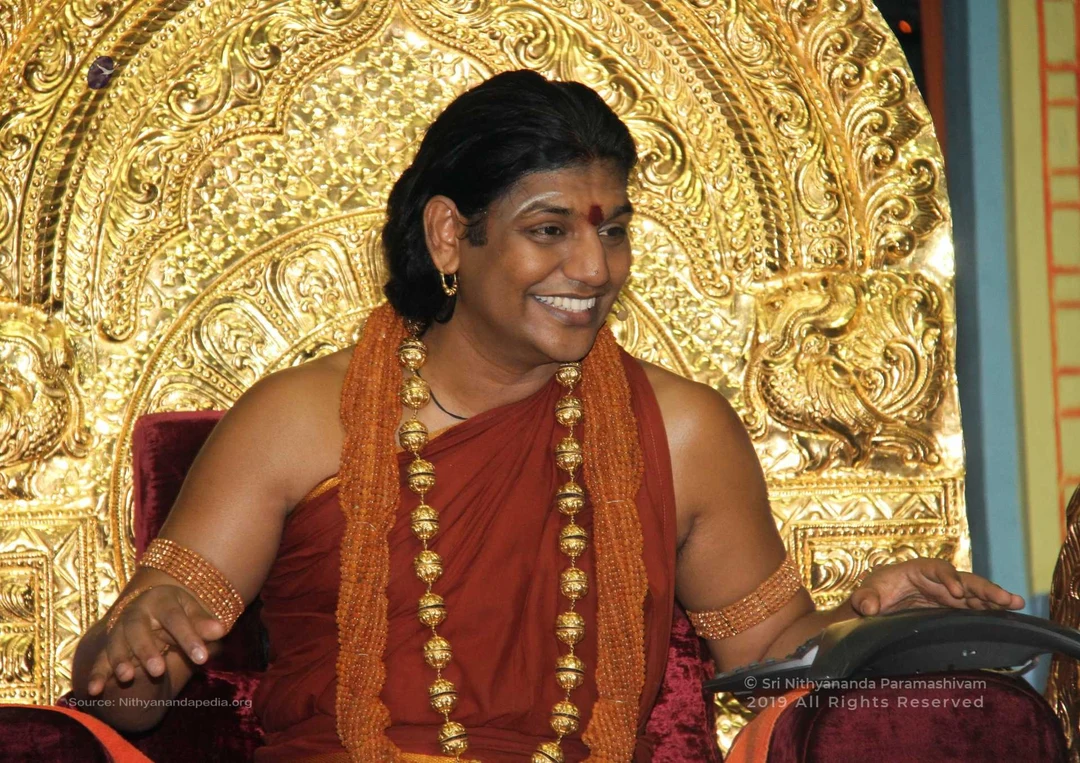
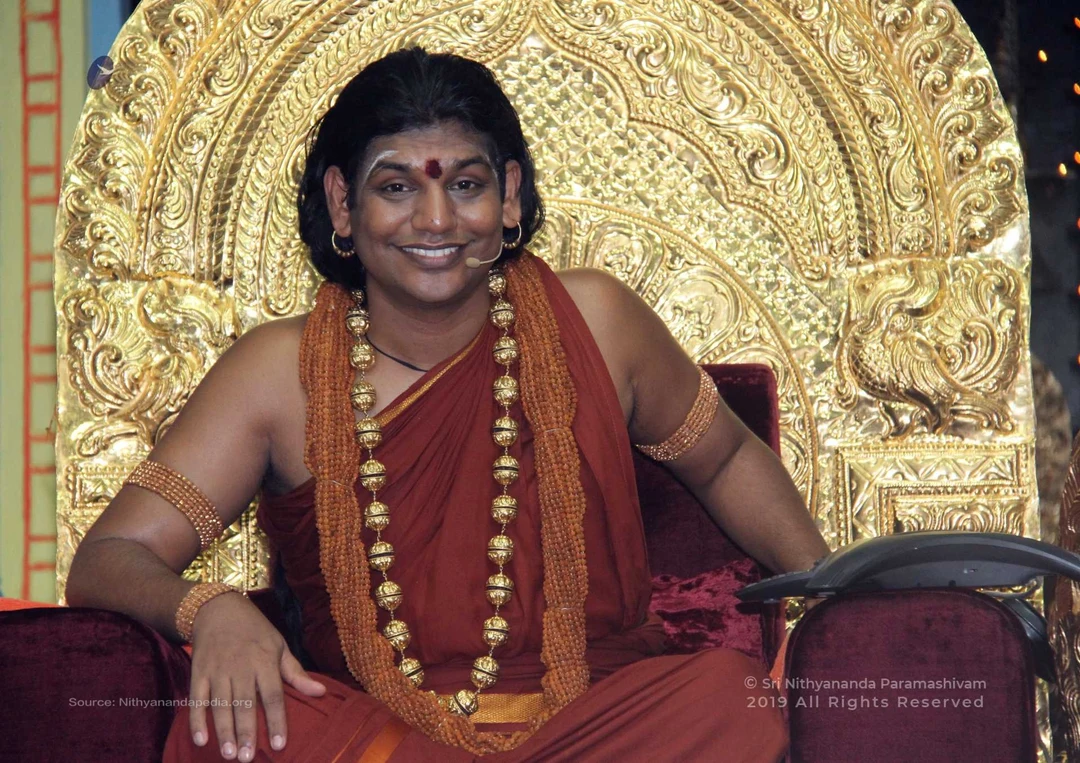
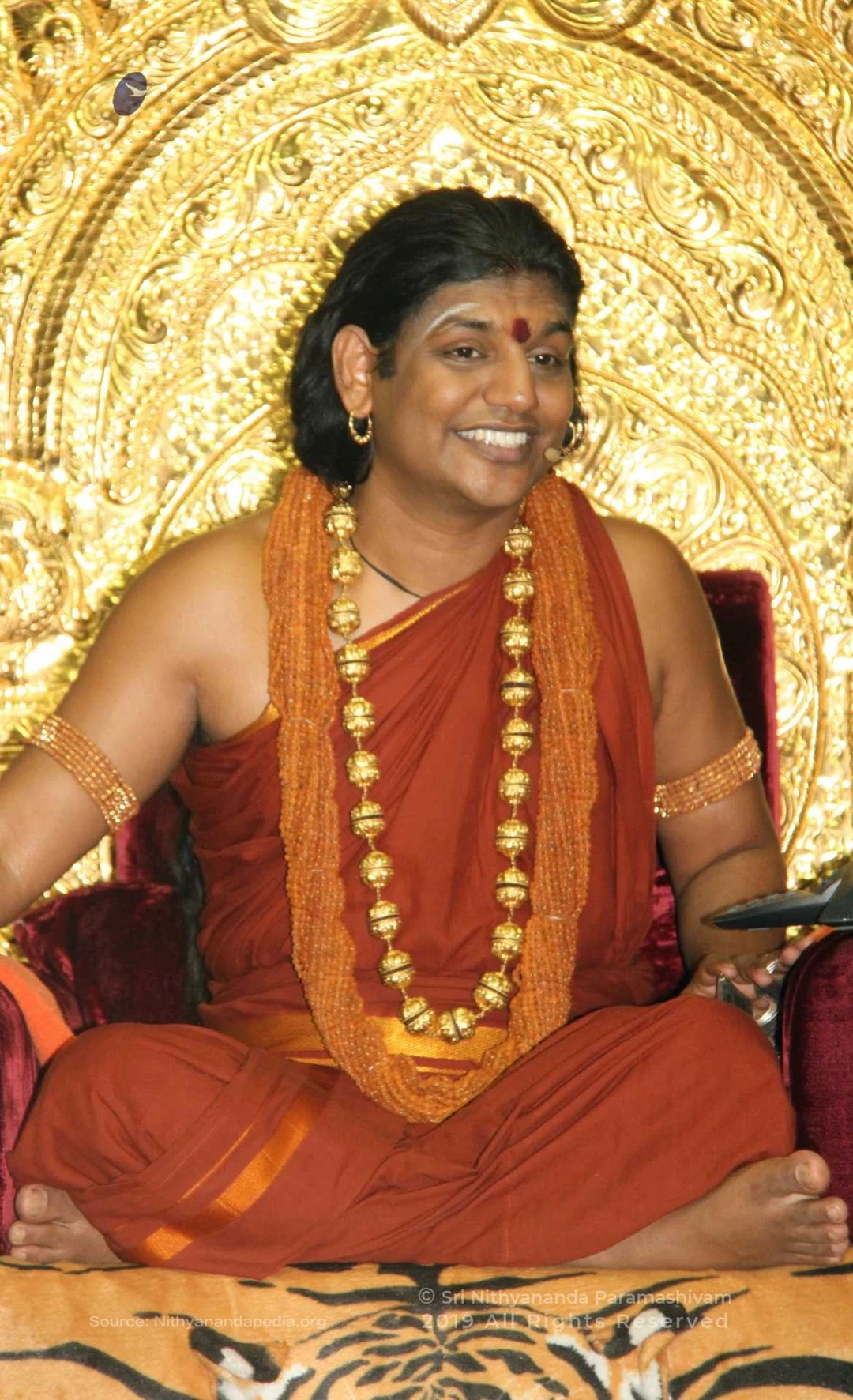
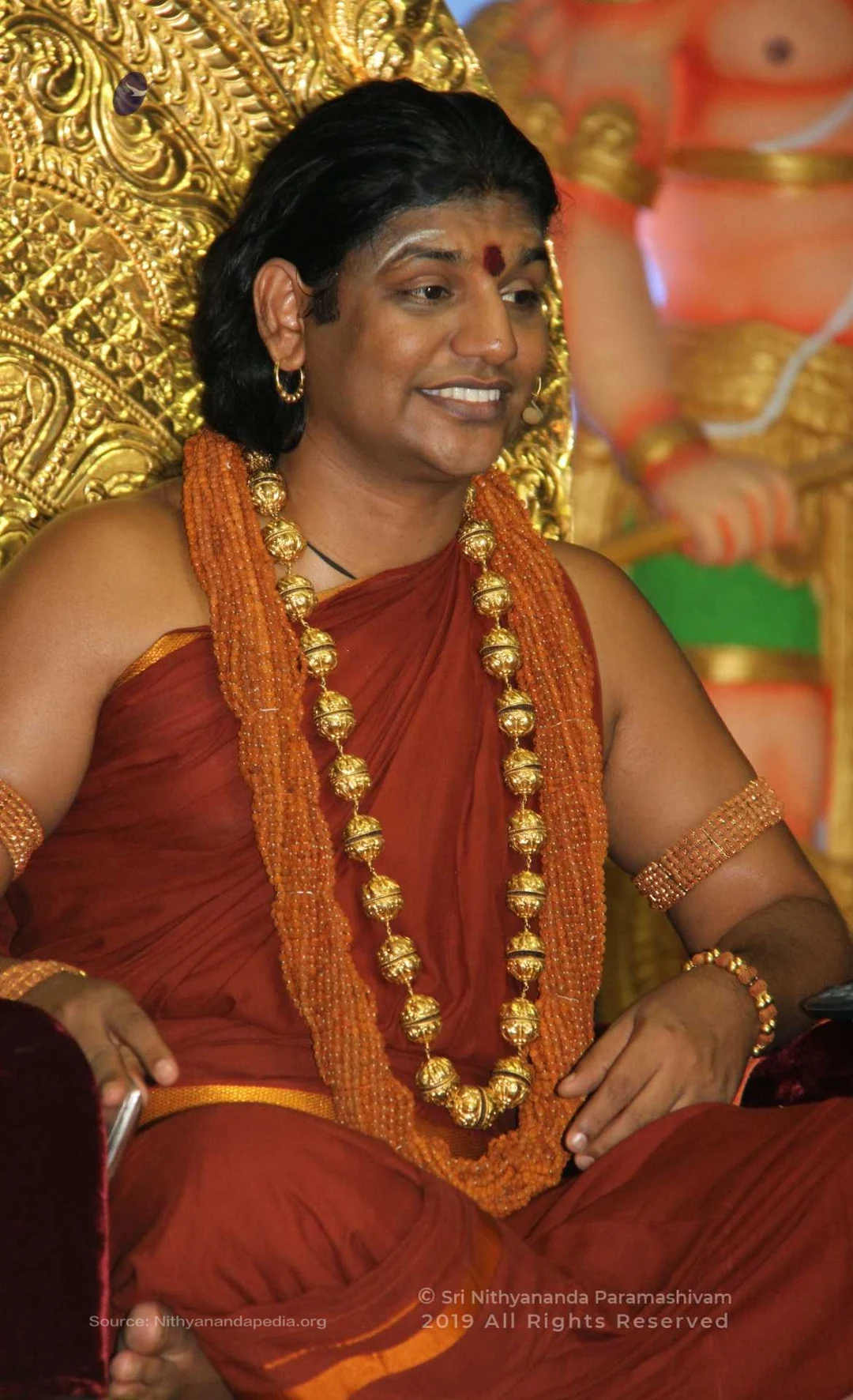
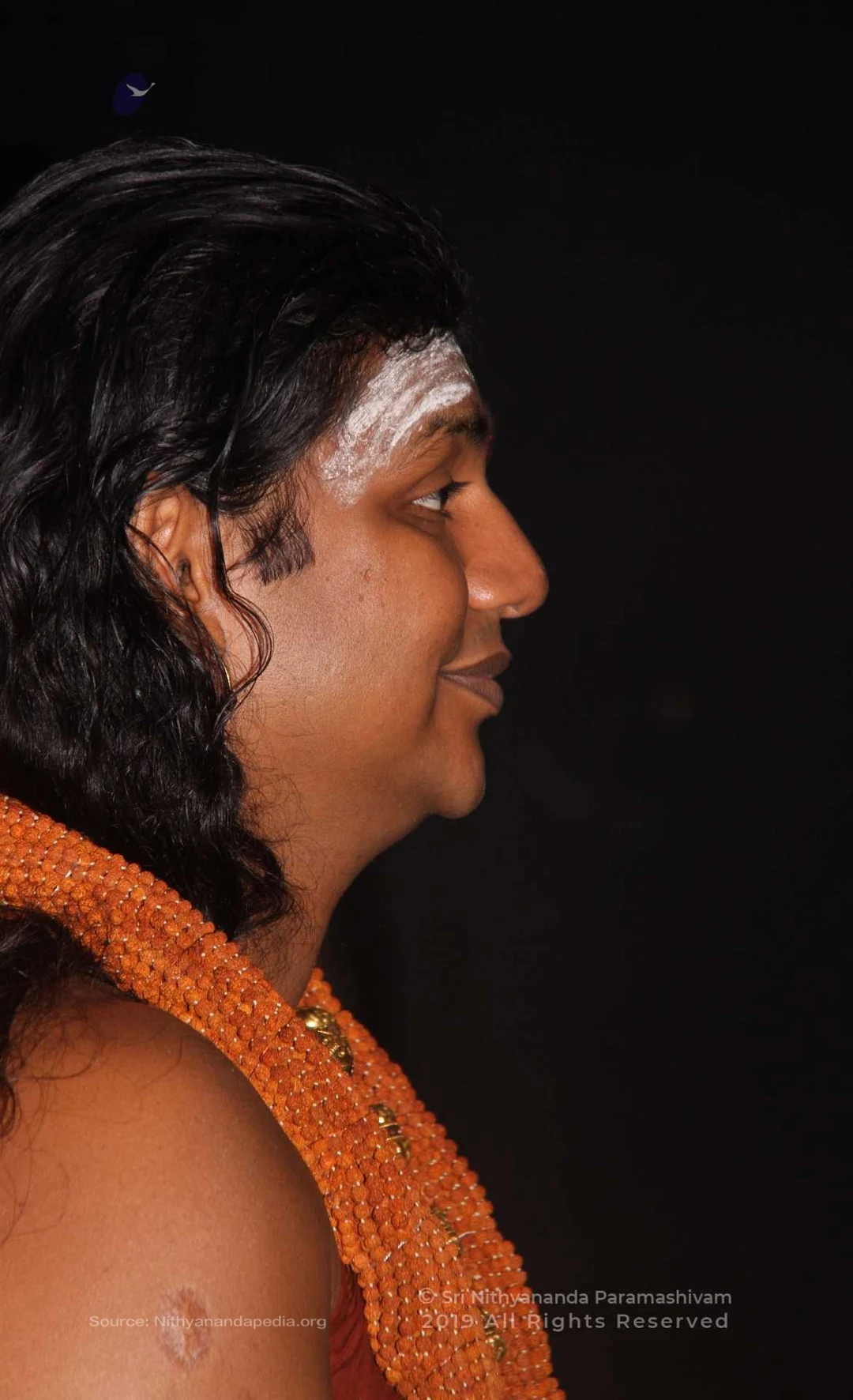
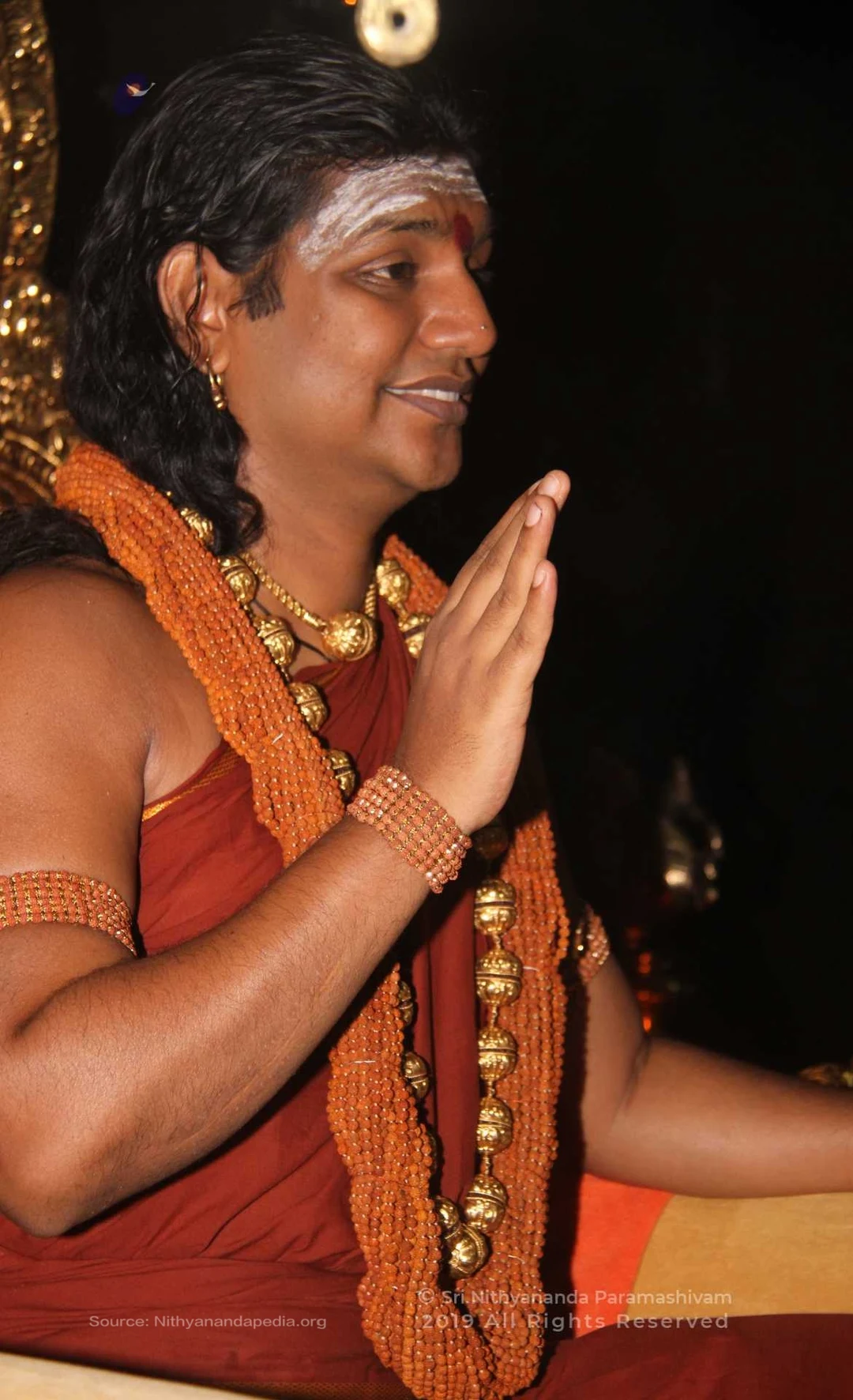
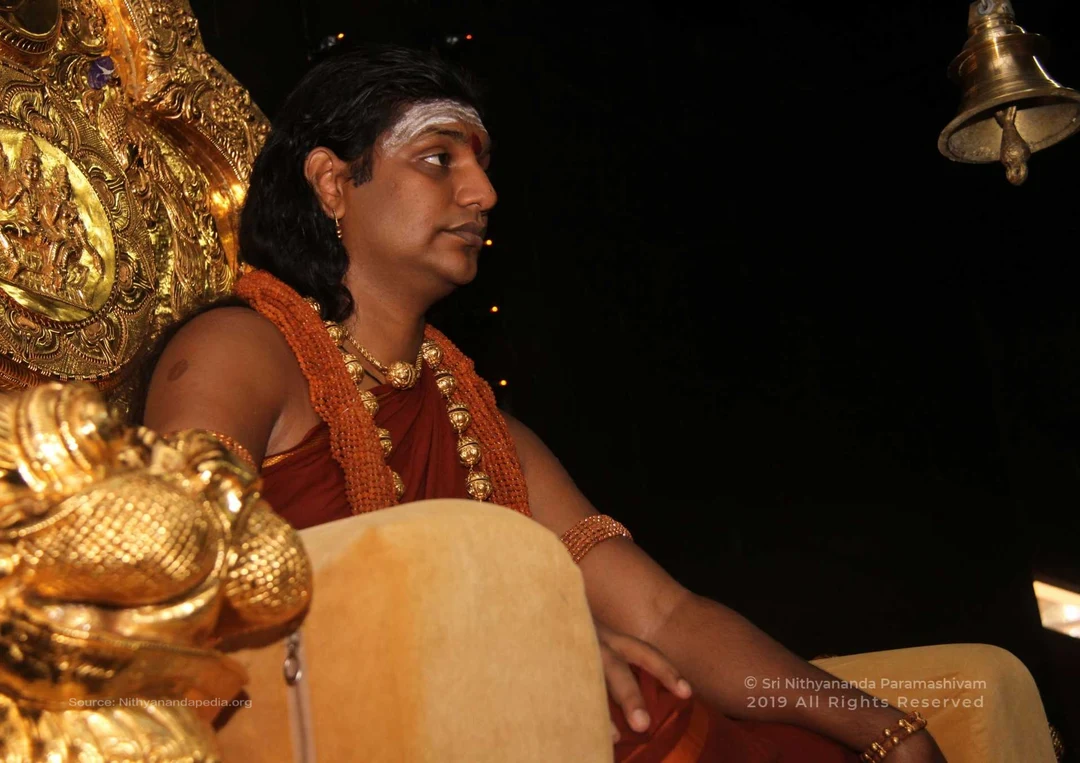
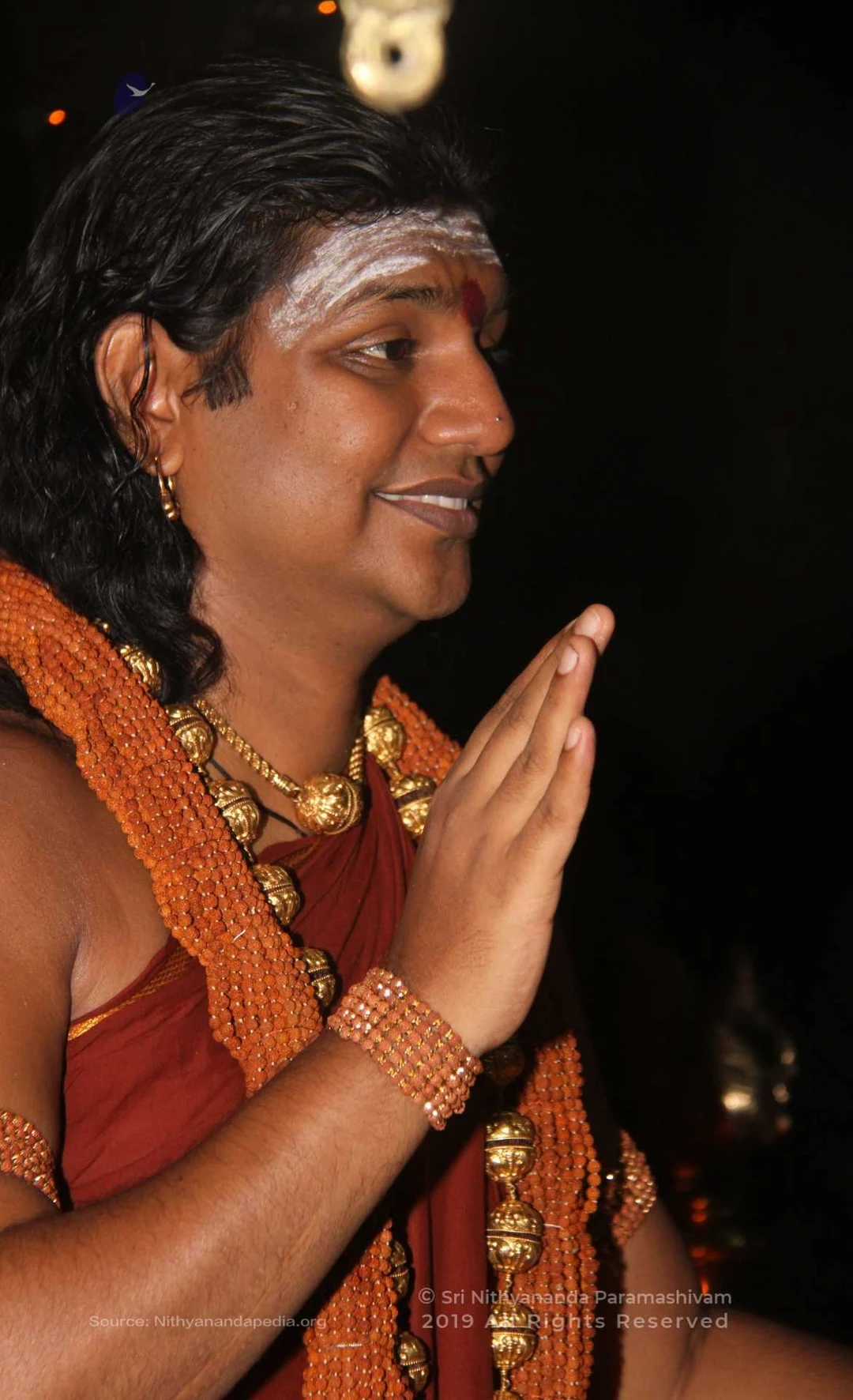
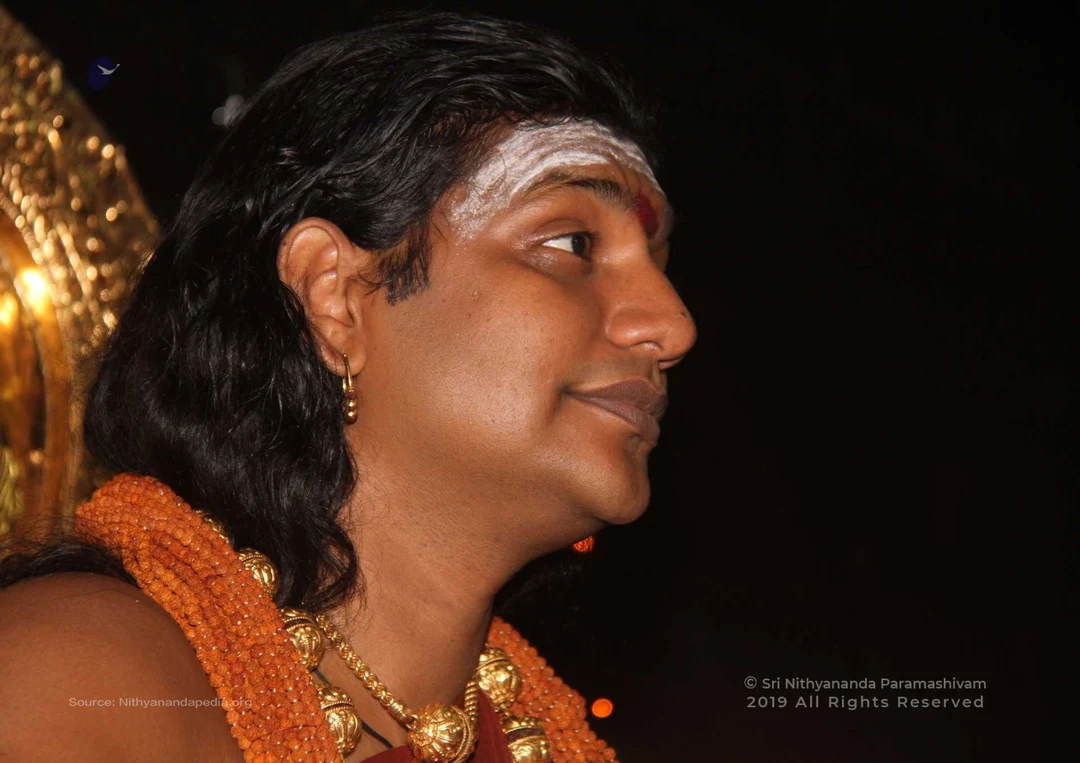
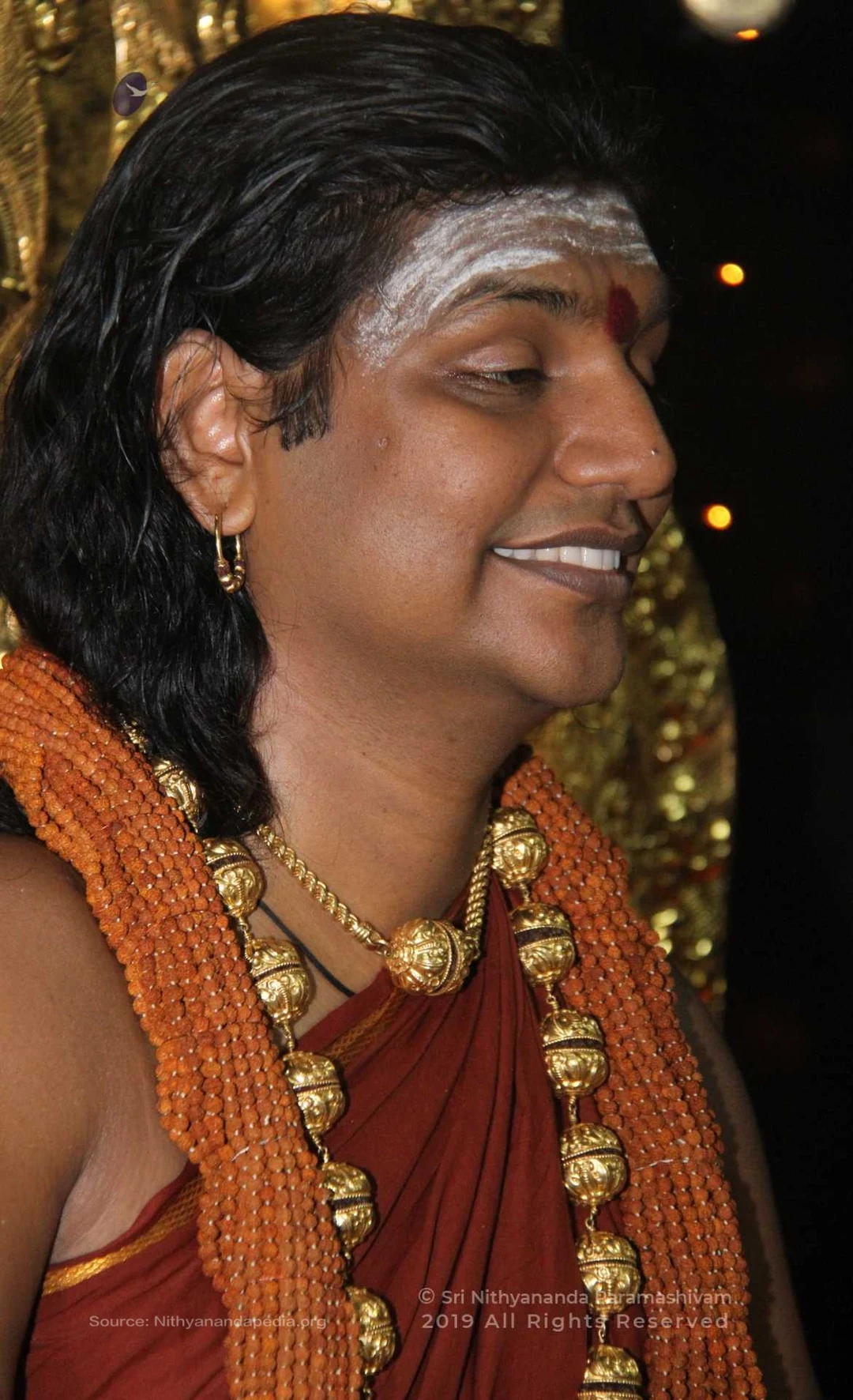
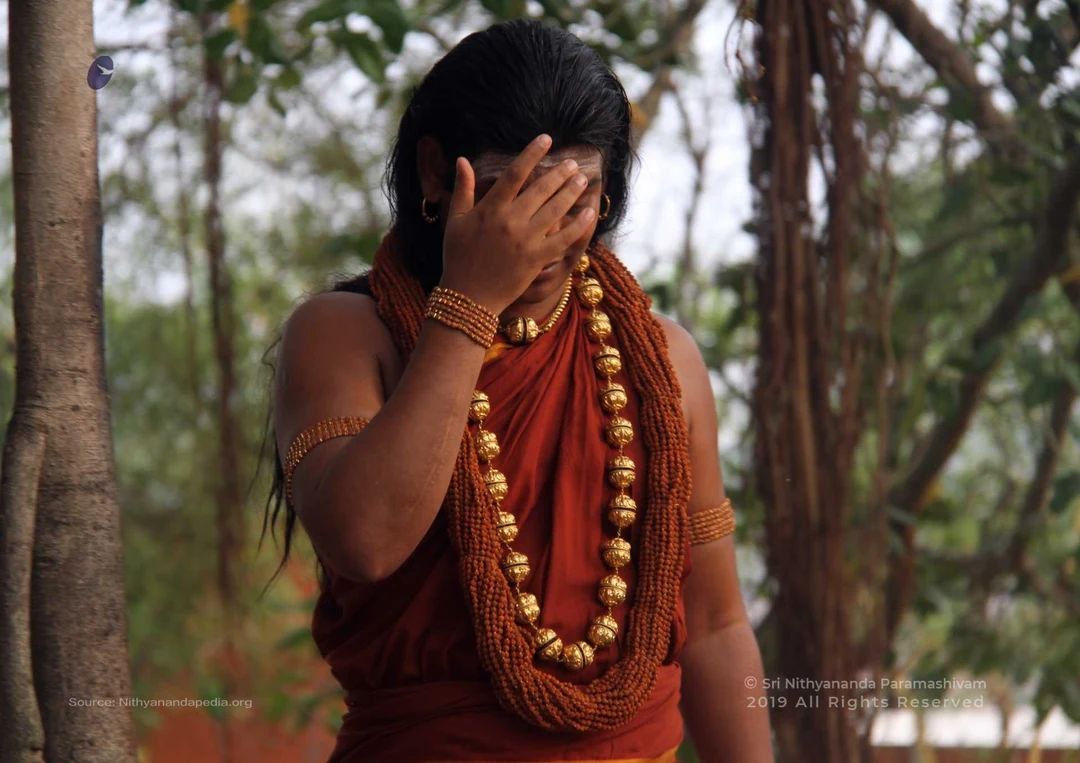
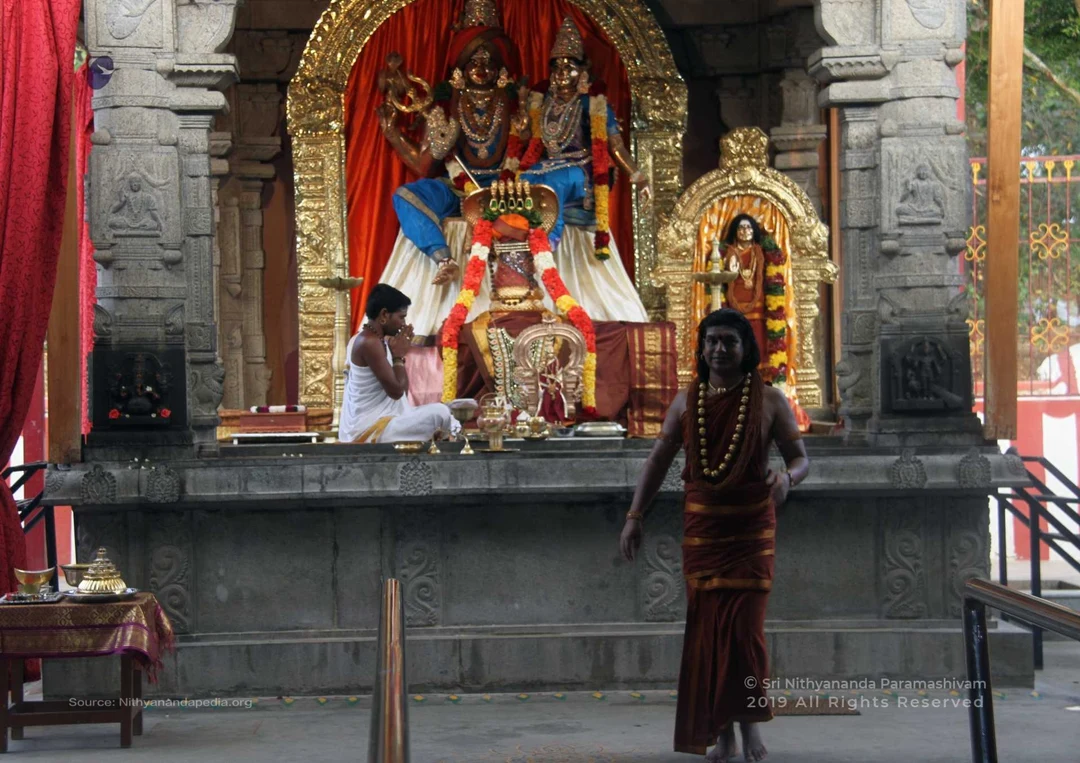
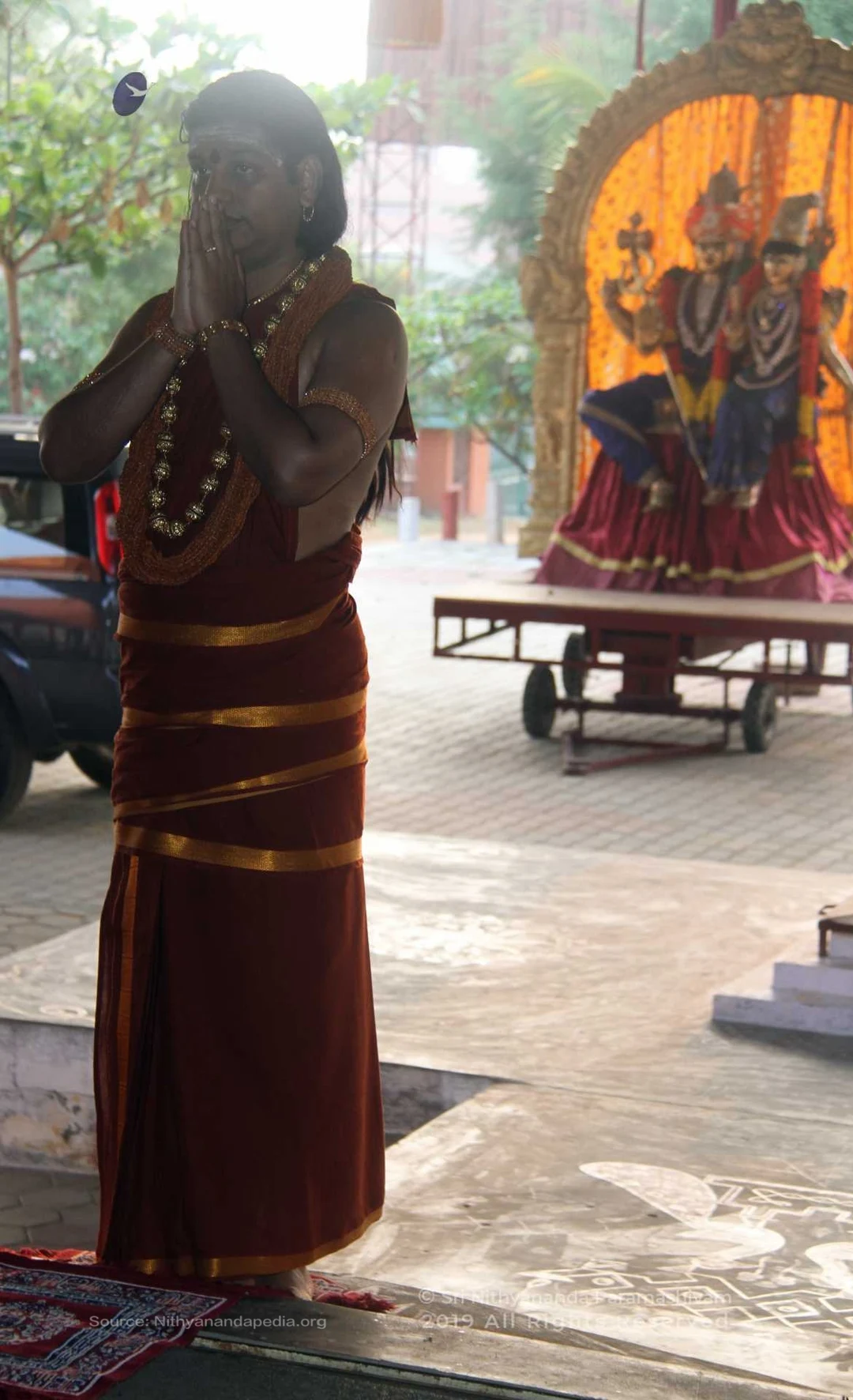
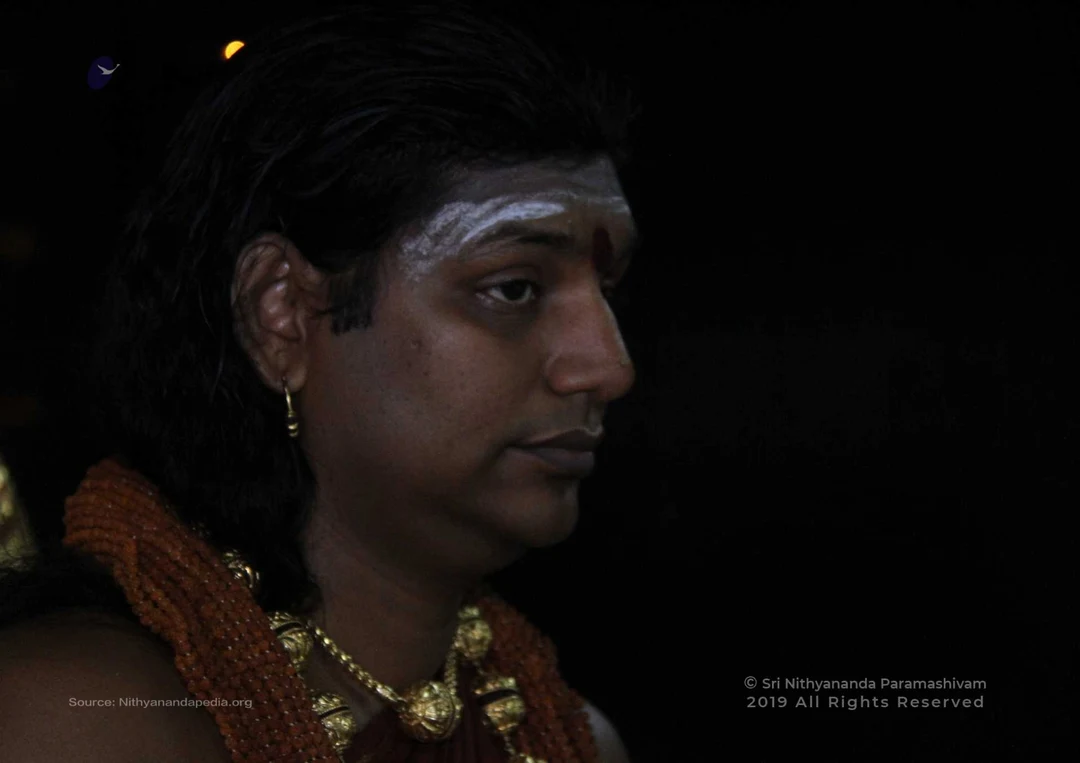
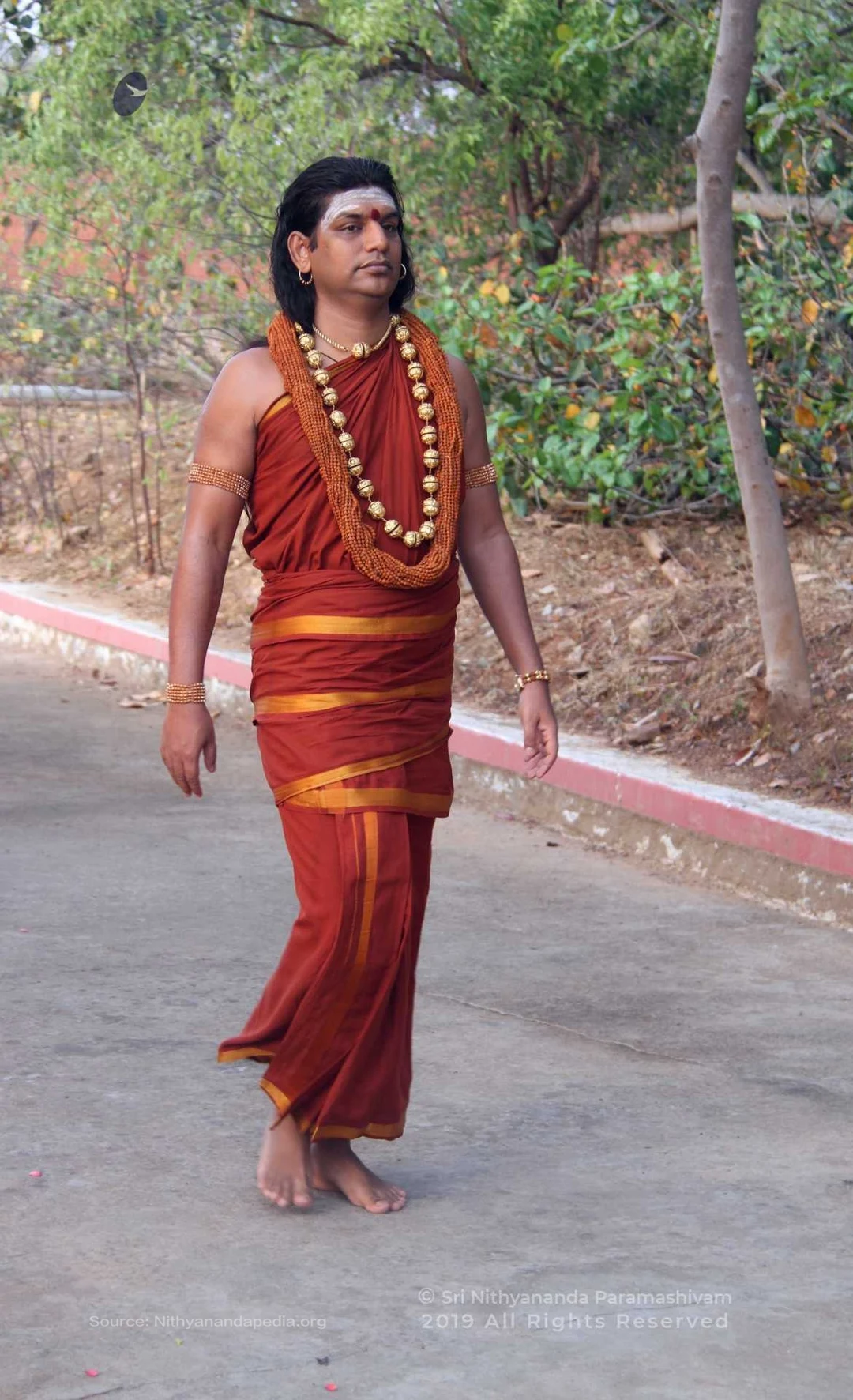
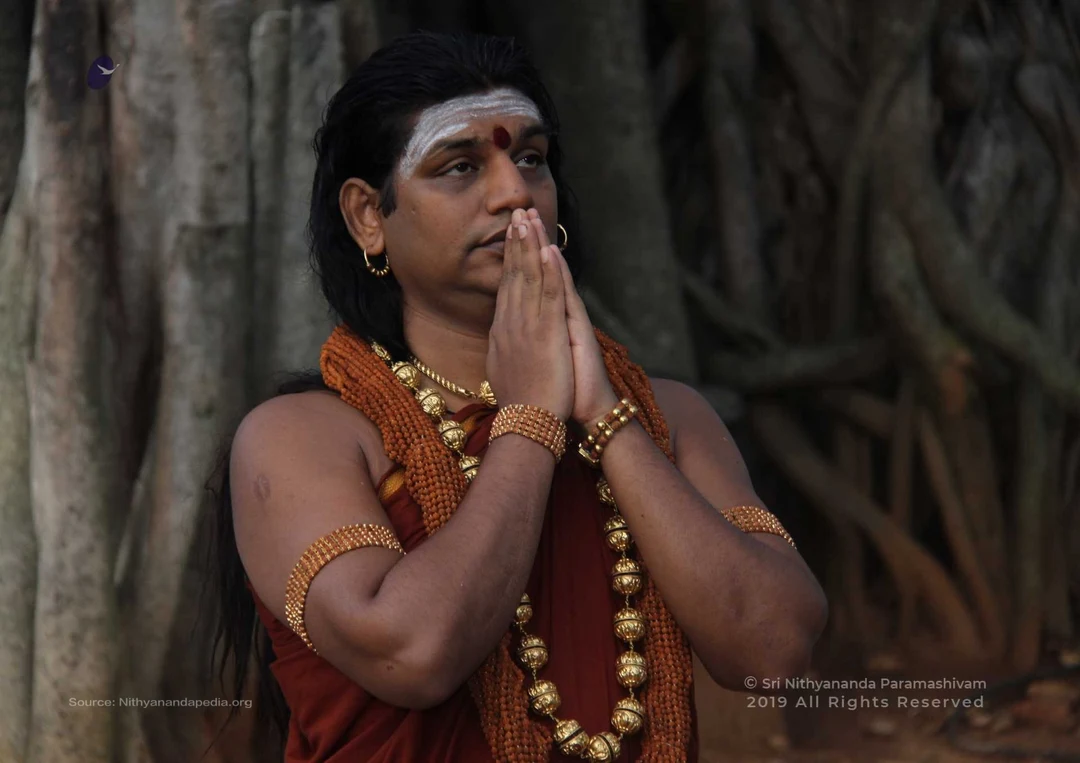
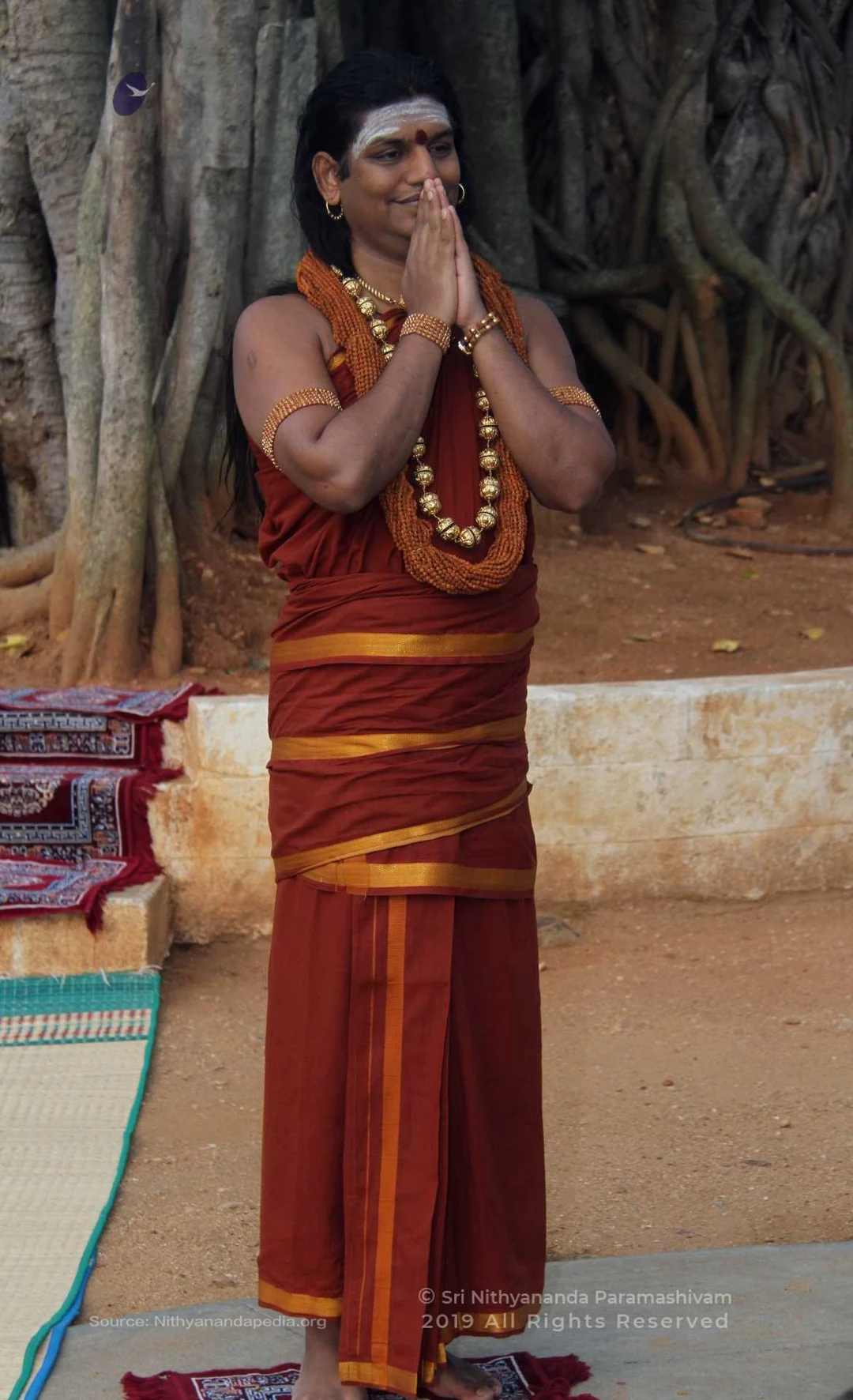
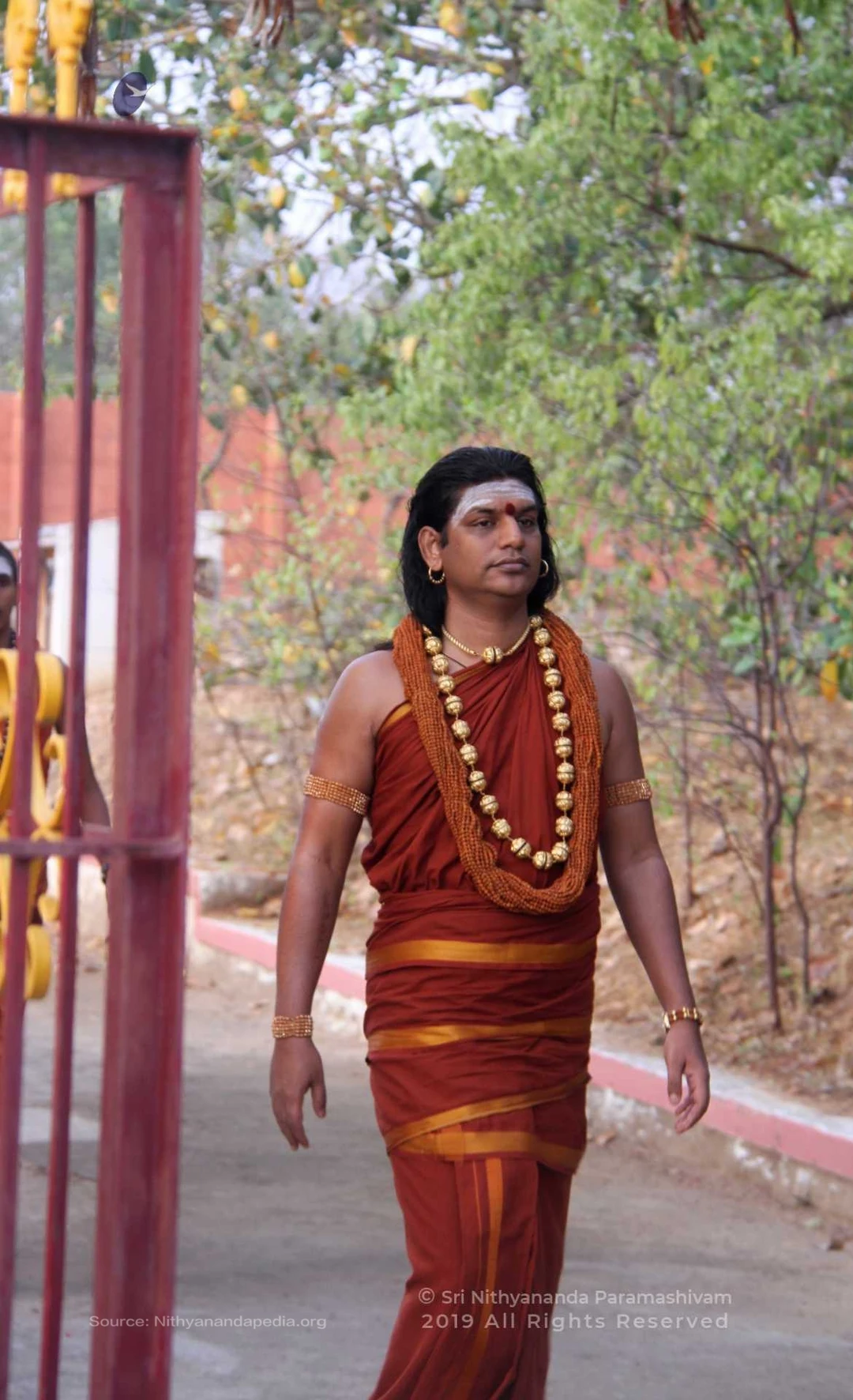
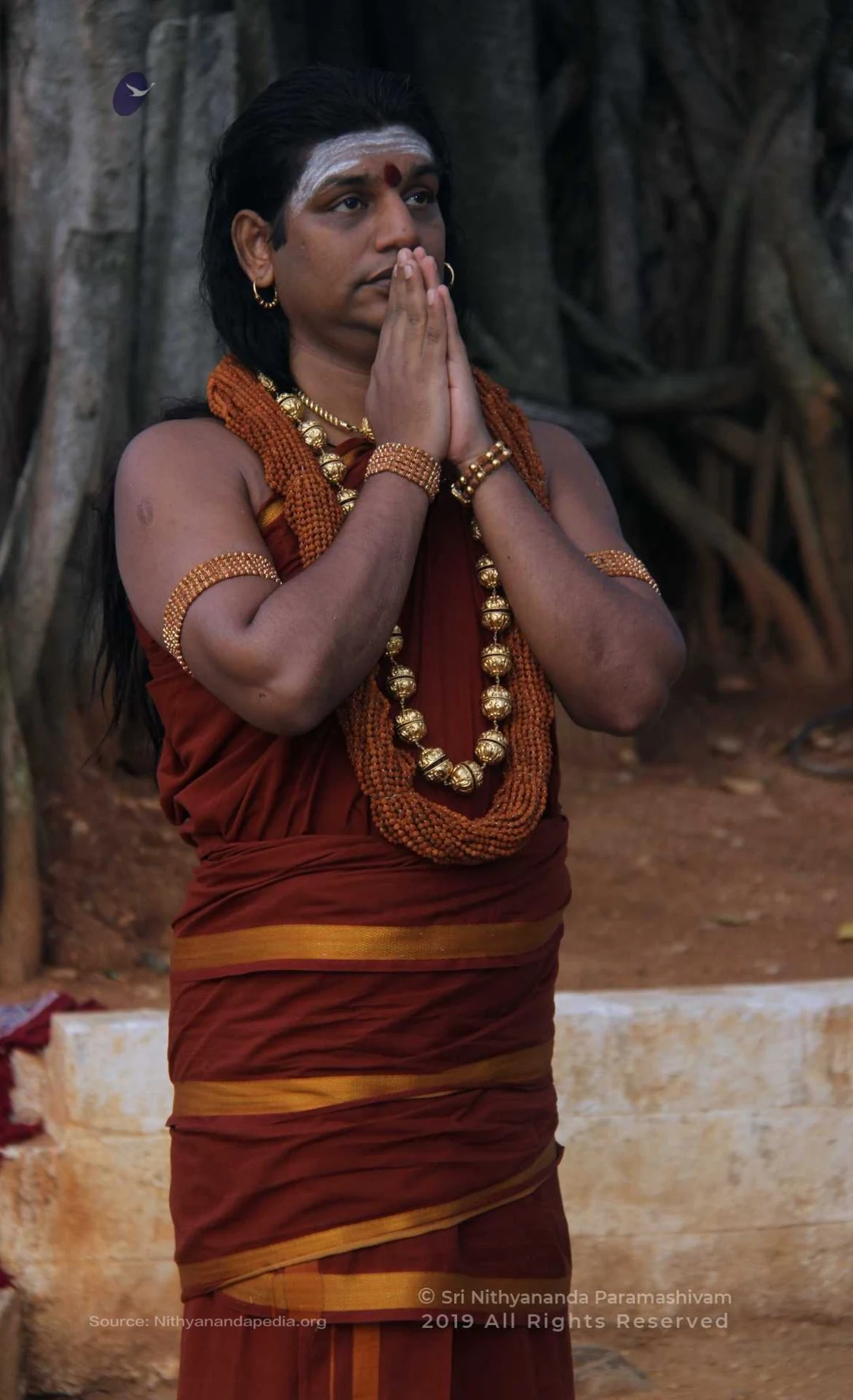
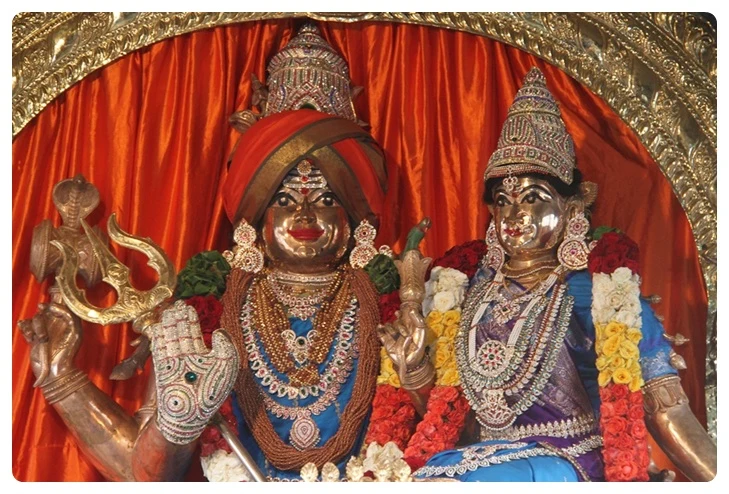
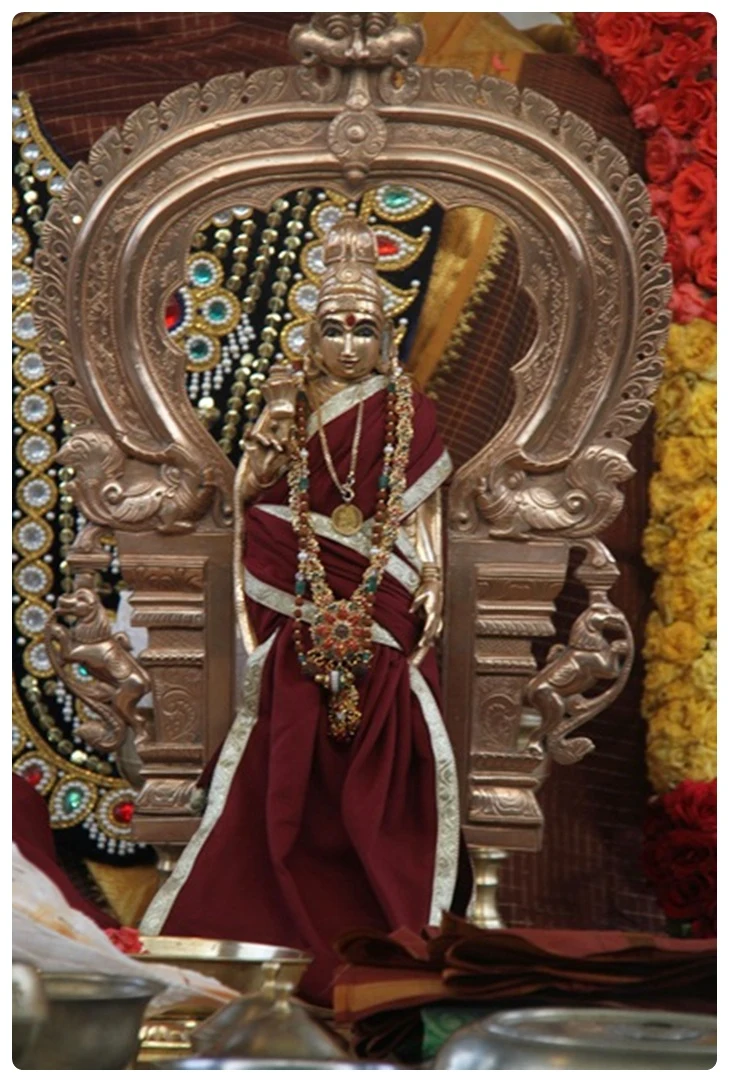
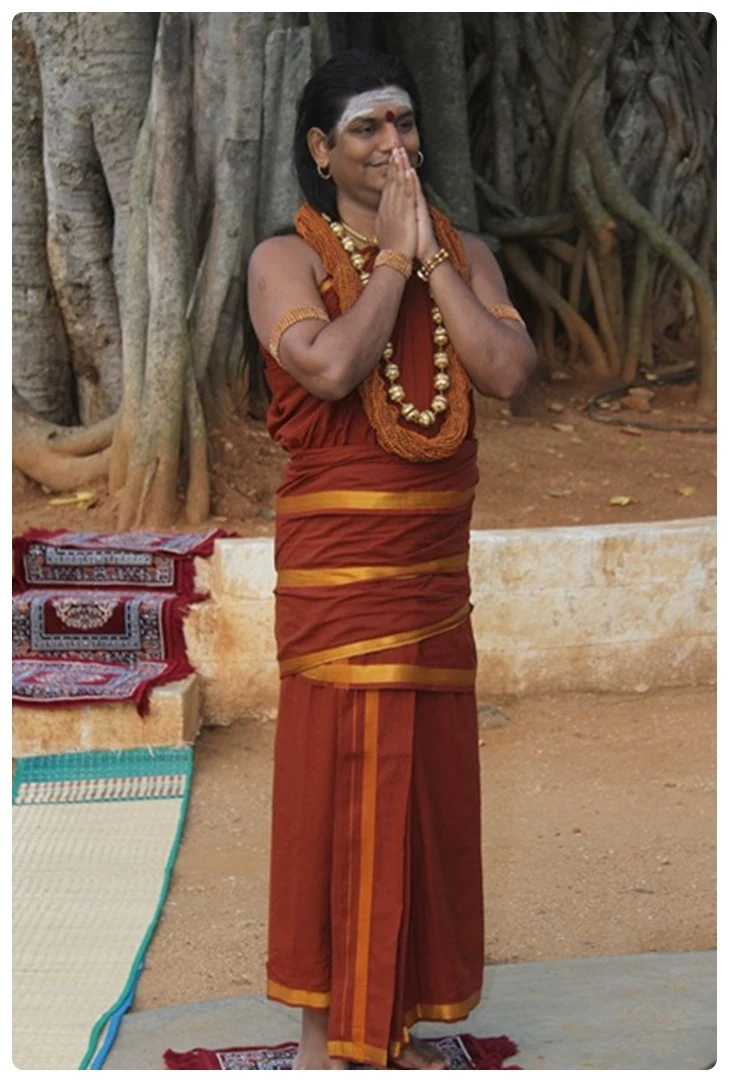
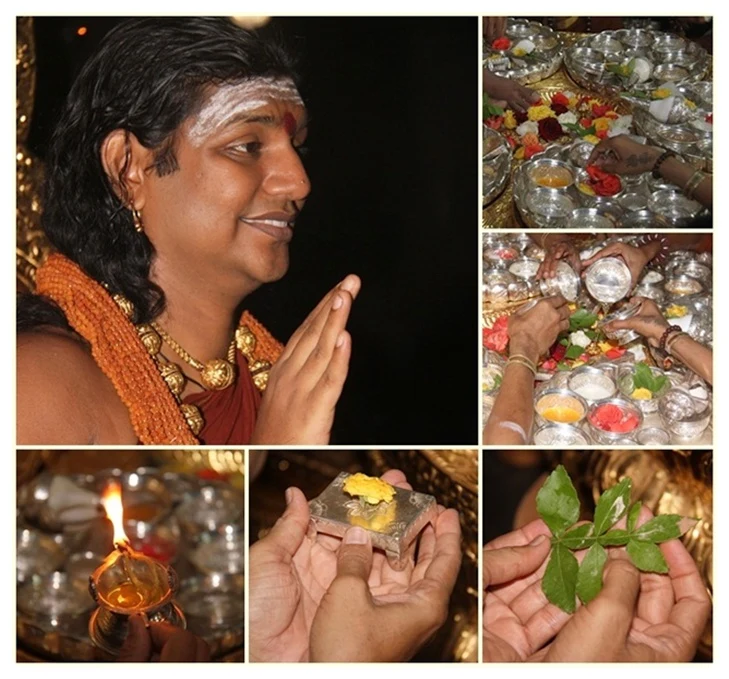
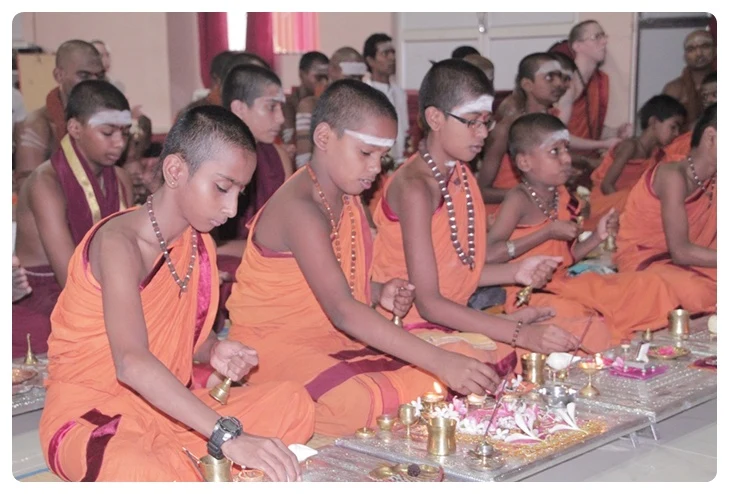
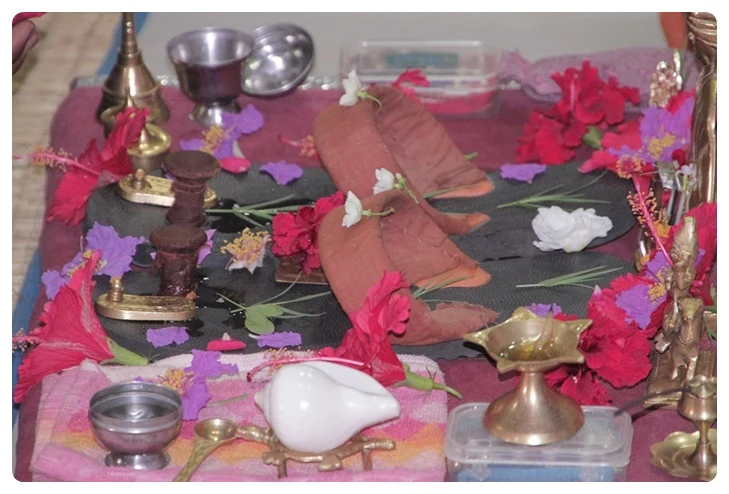
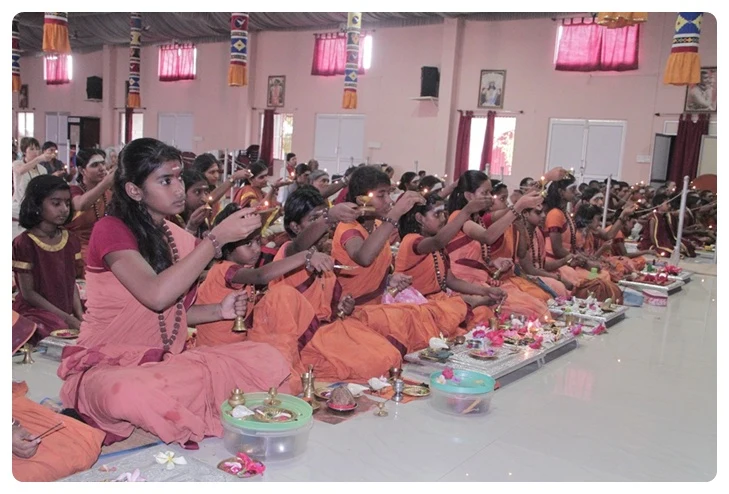
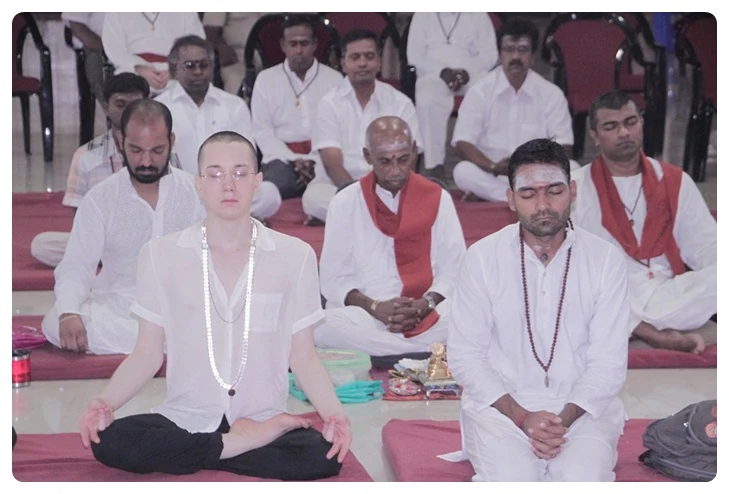
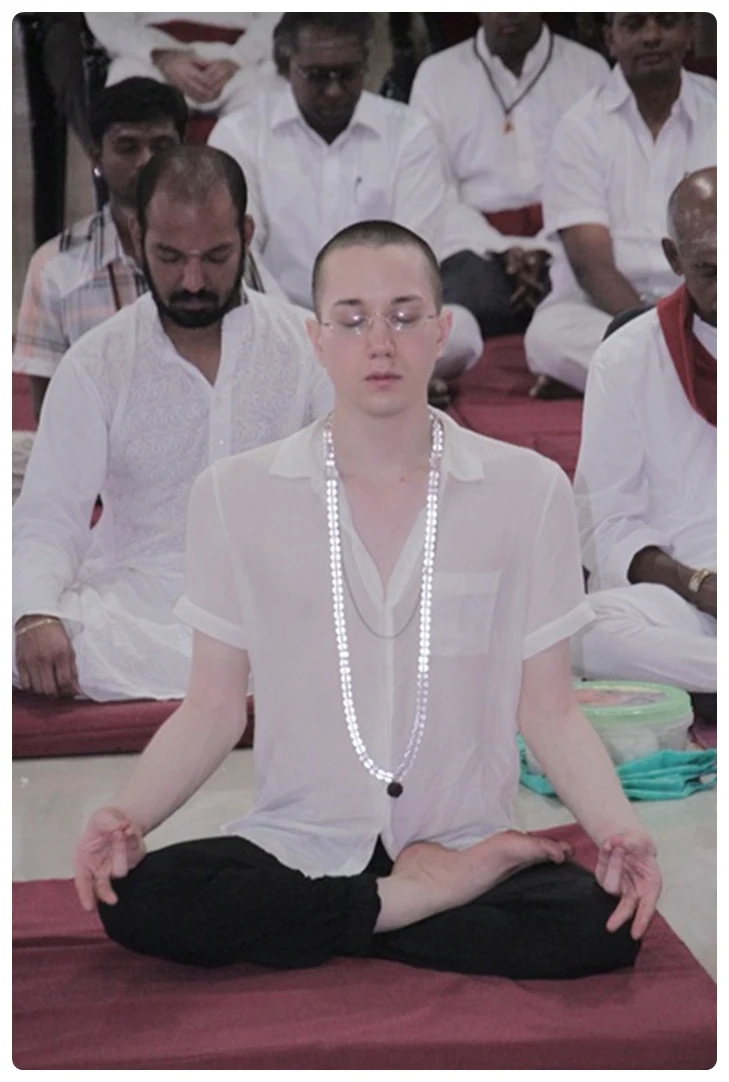
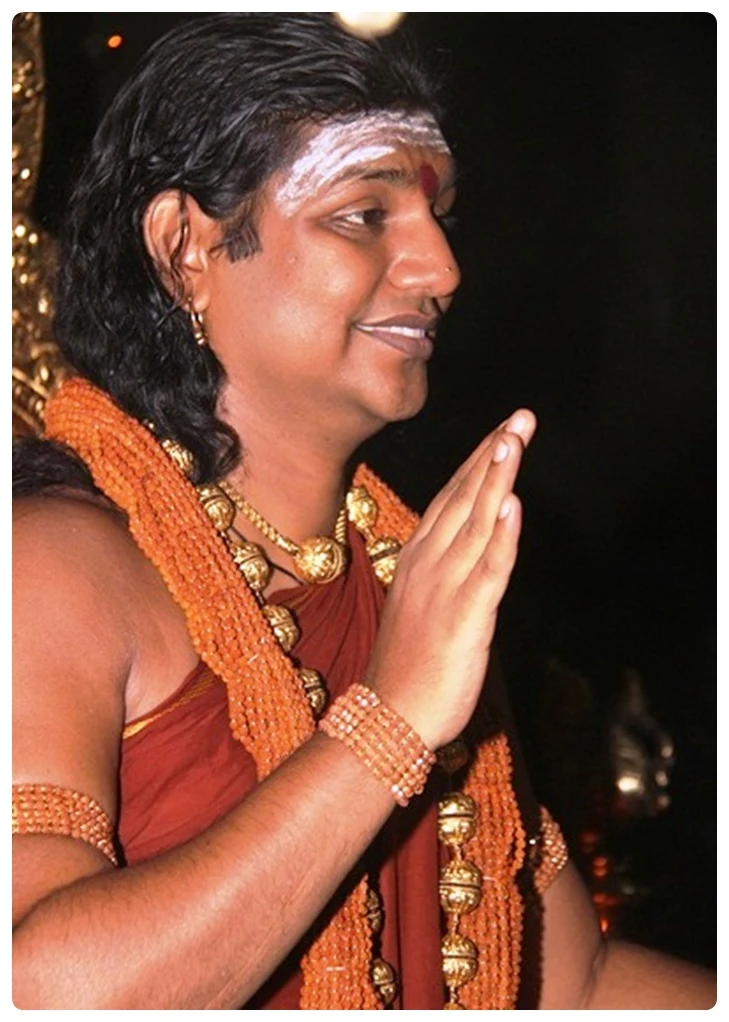
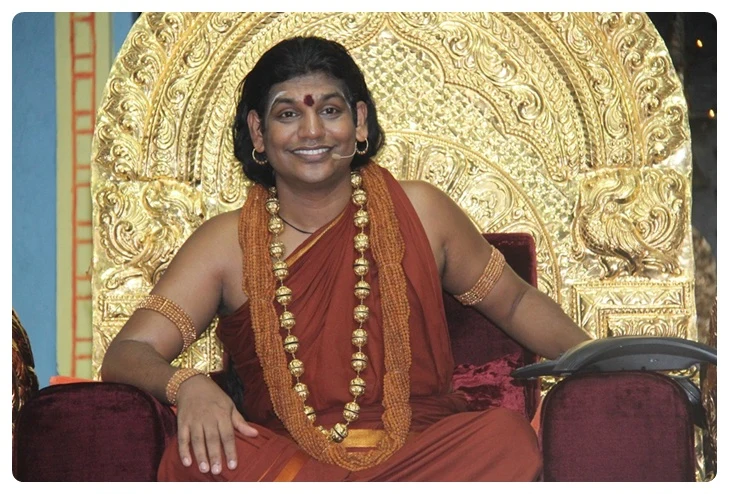
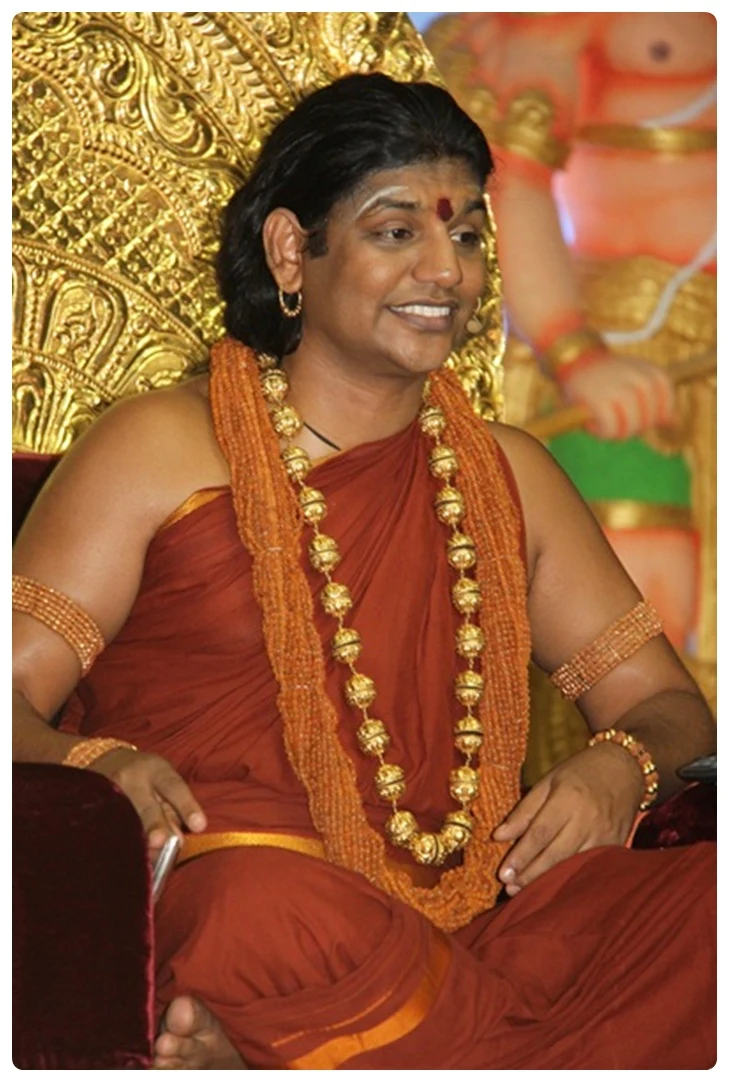
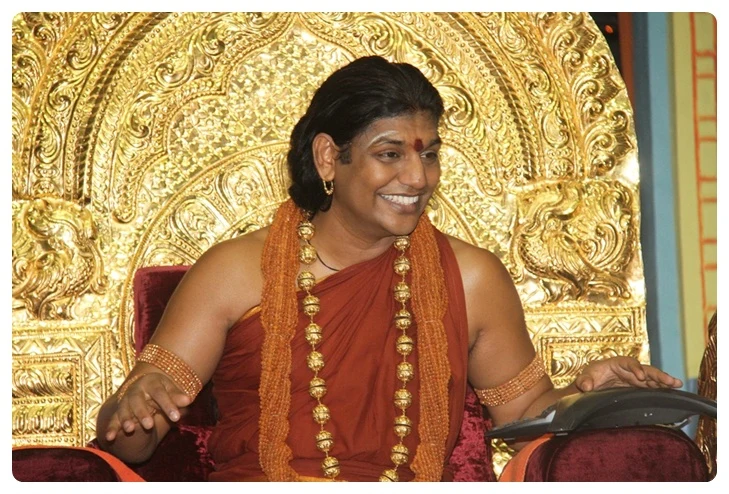
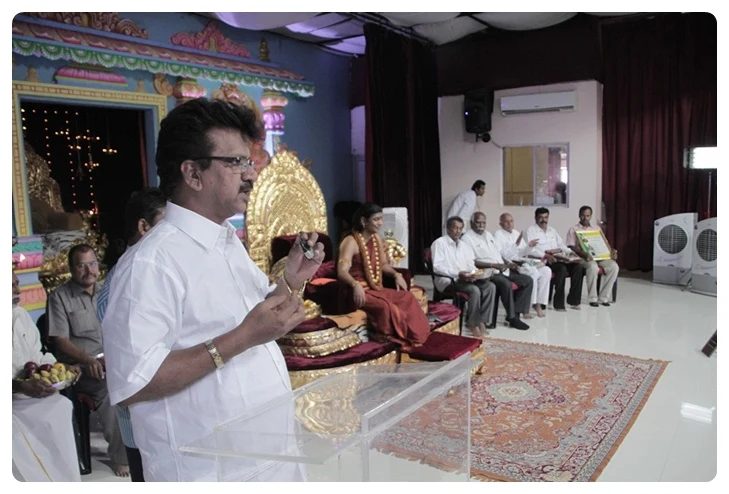
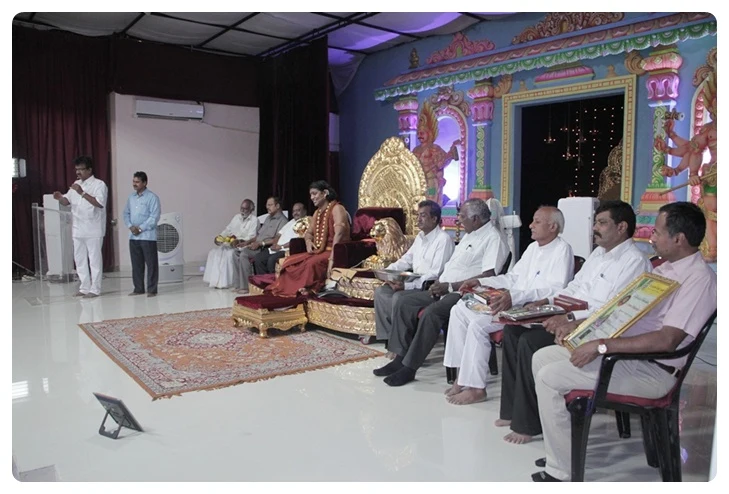
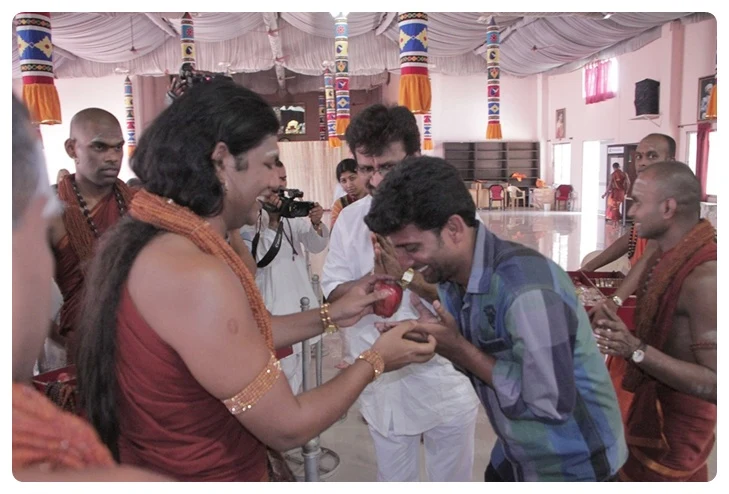
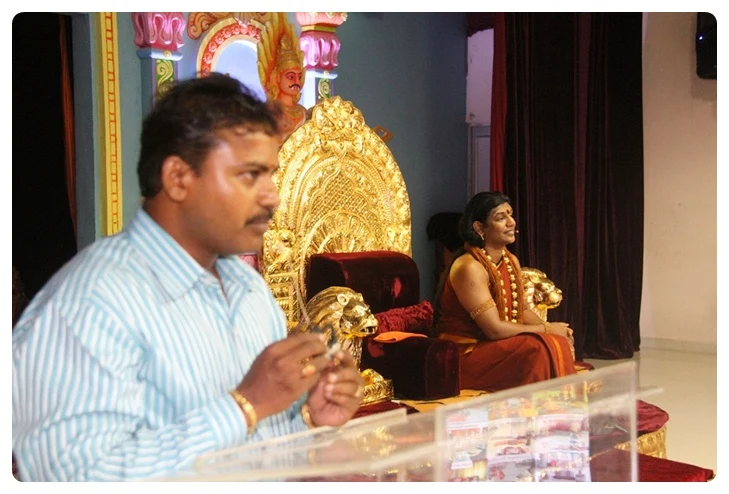
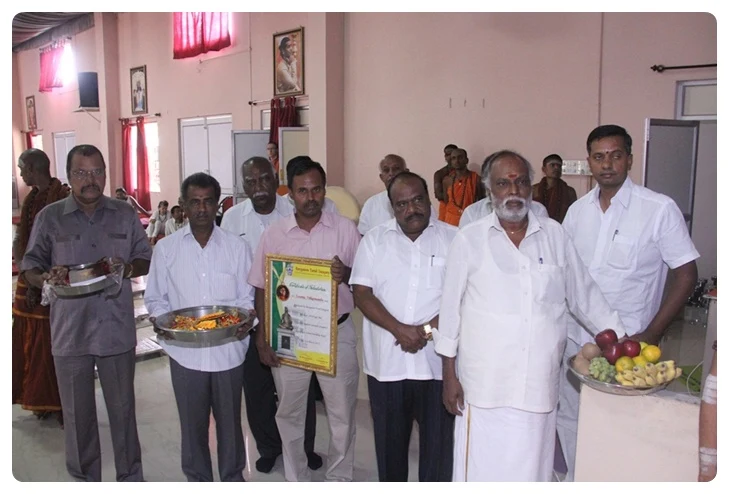
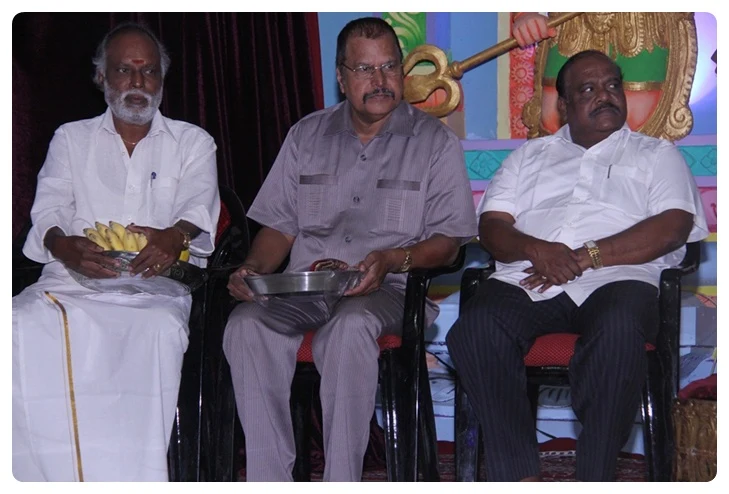
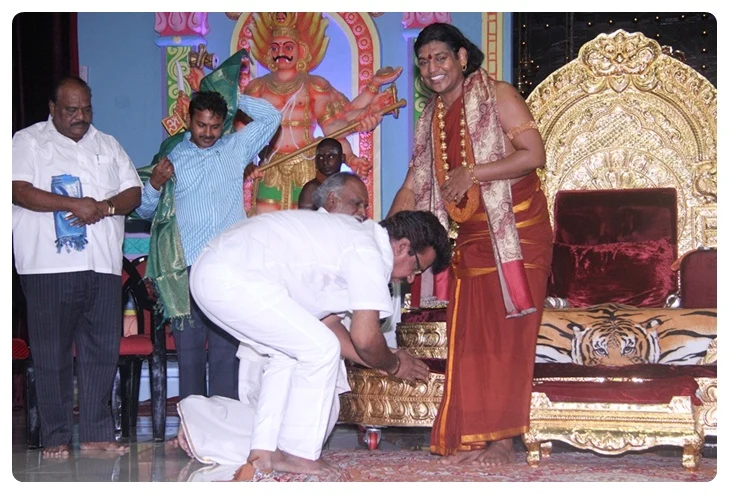
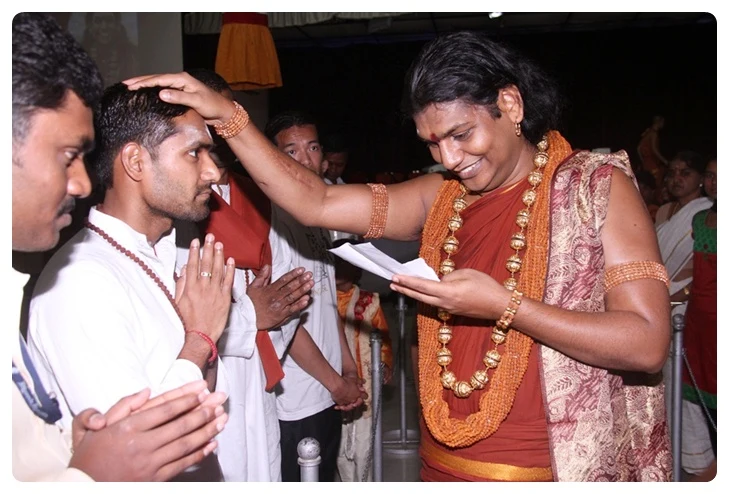
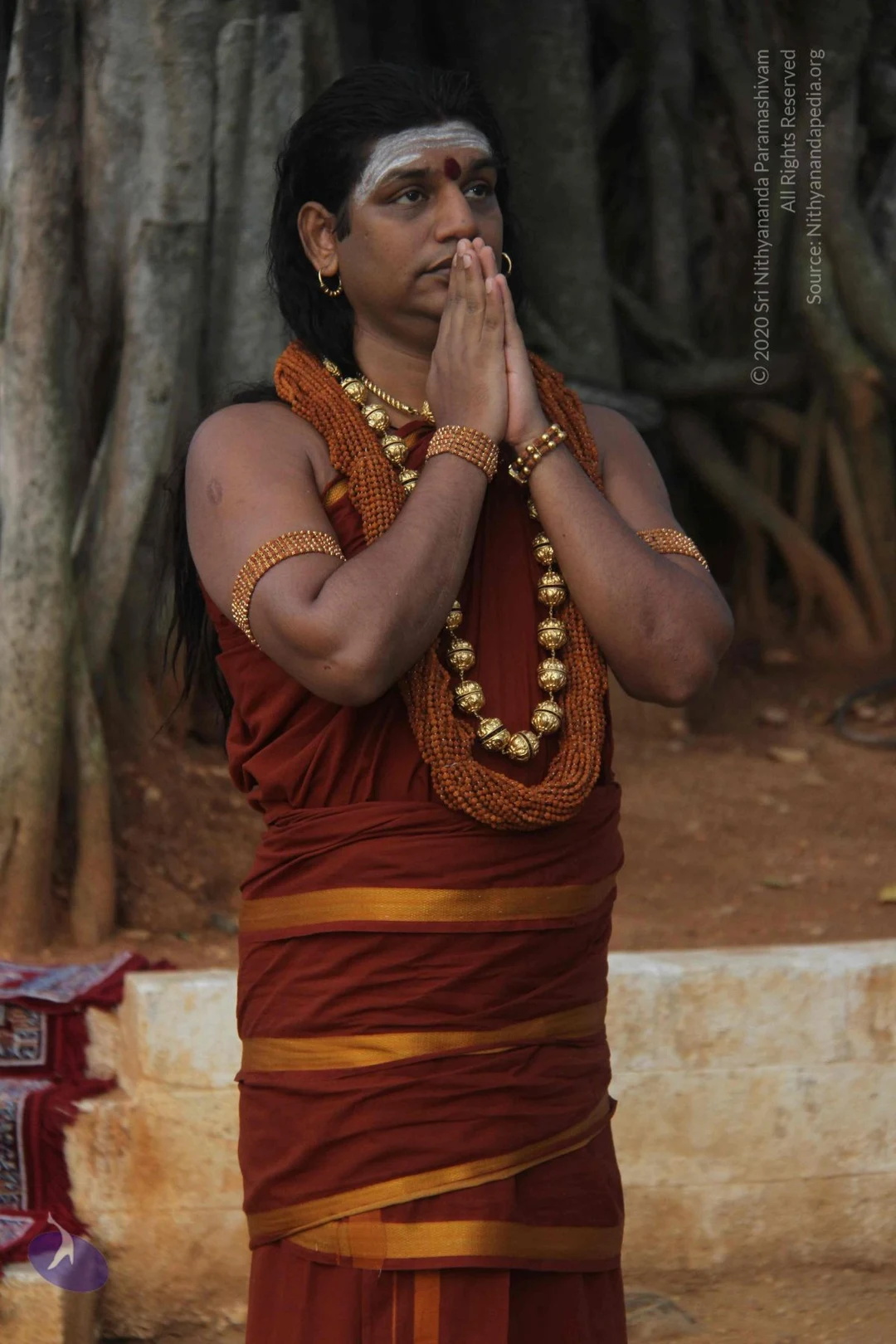
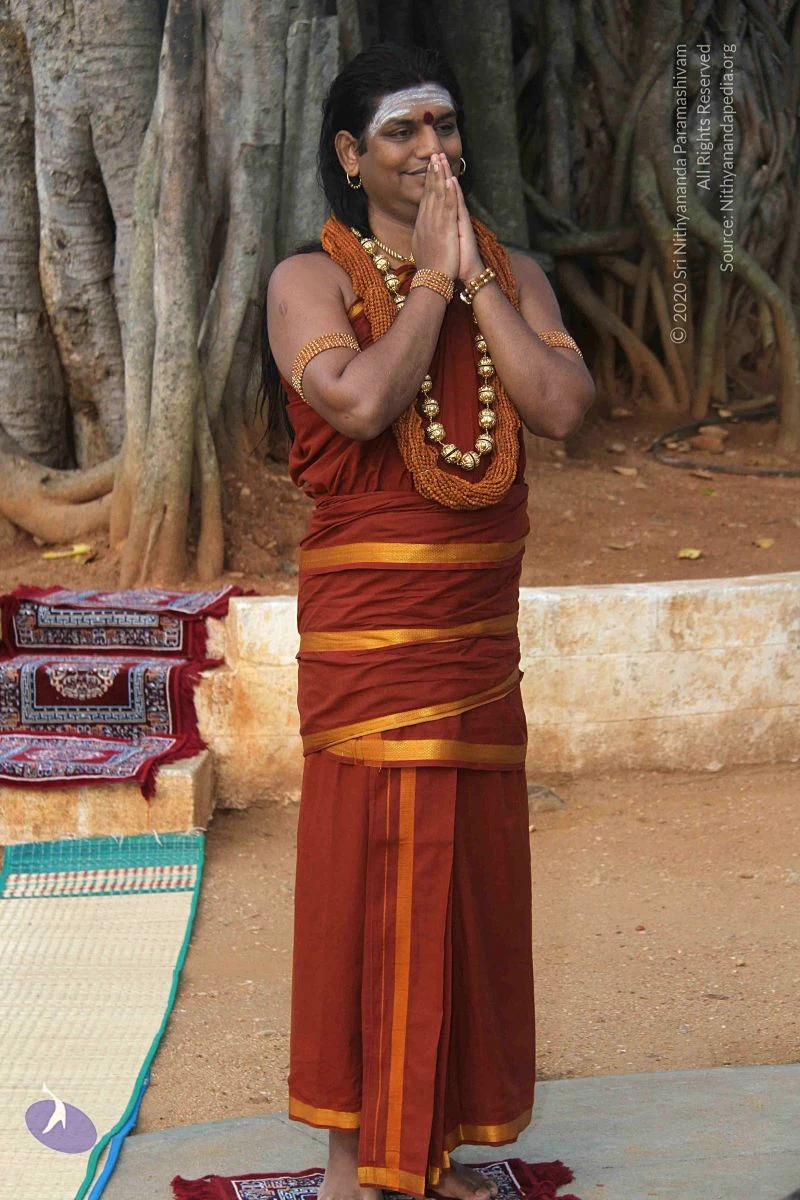
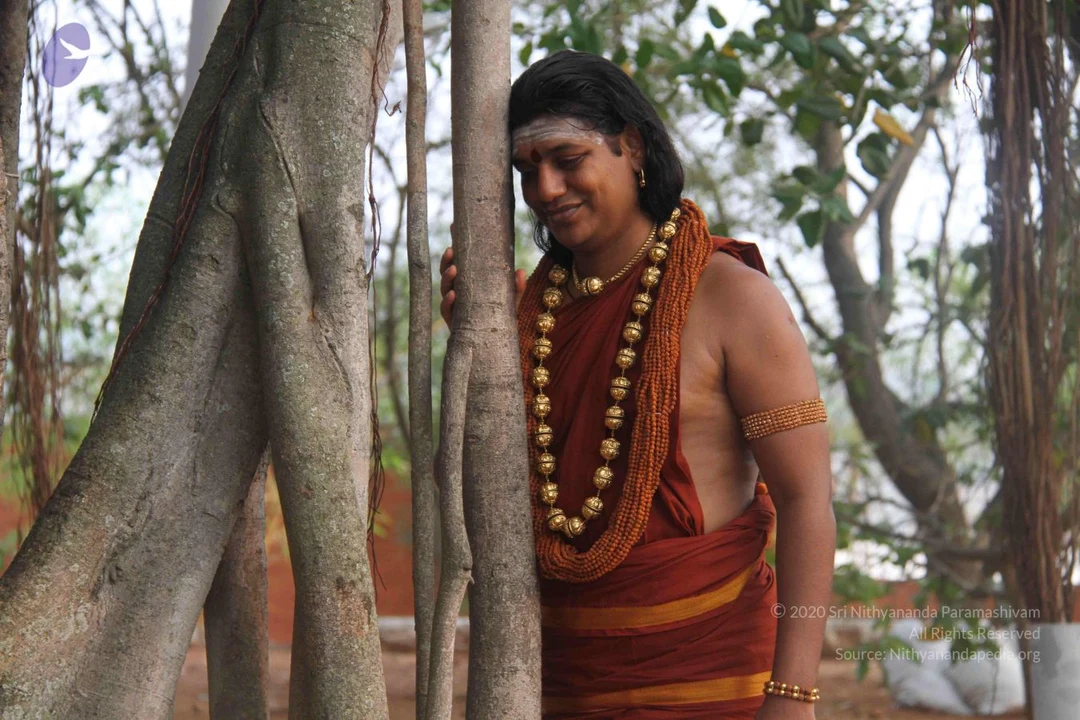
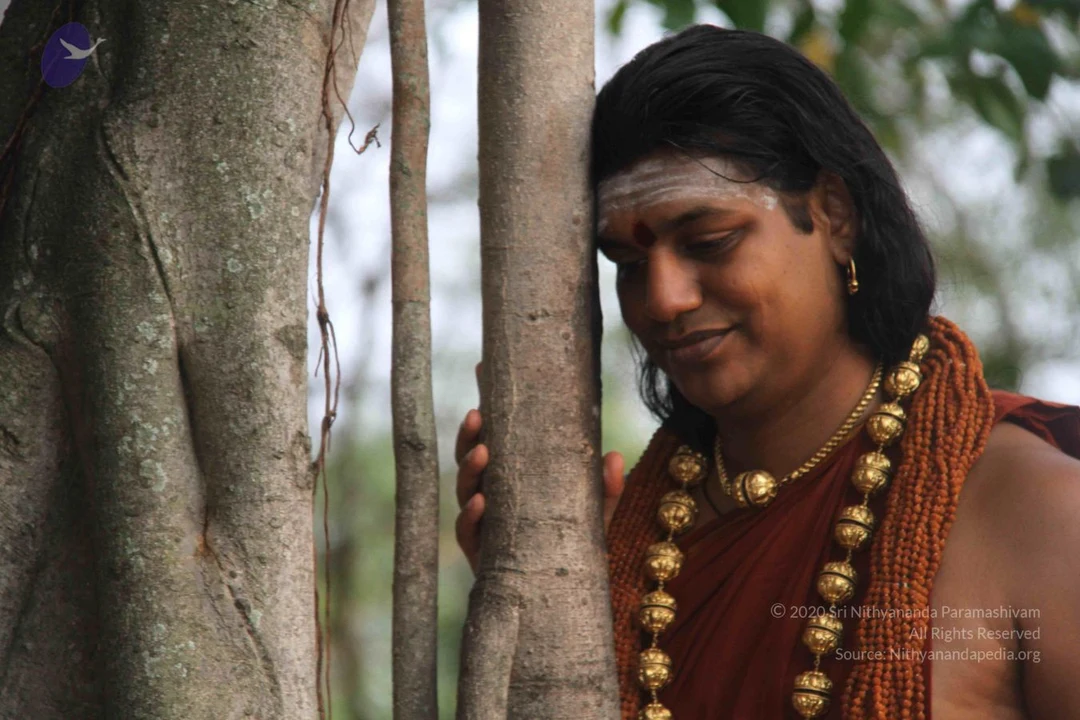
Photos Of The Day:
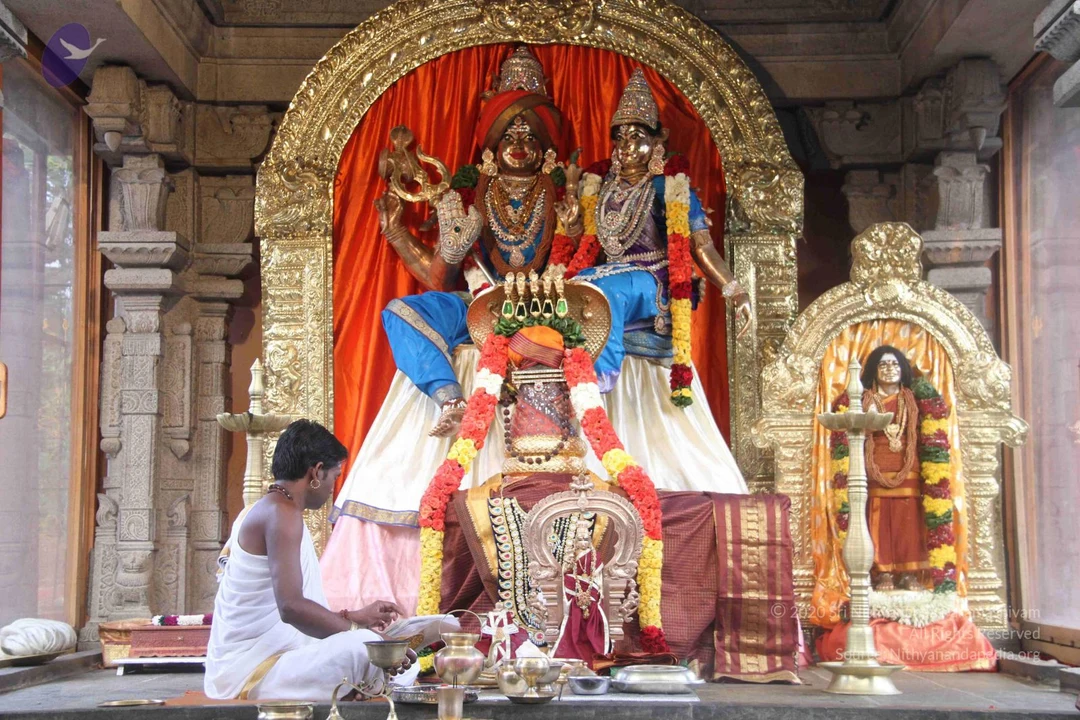
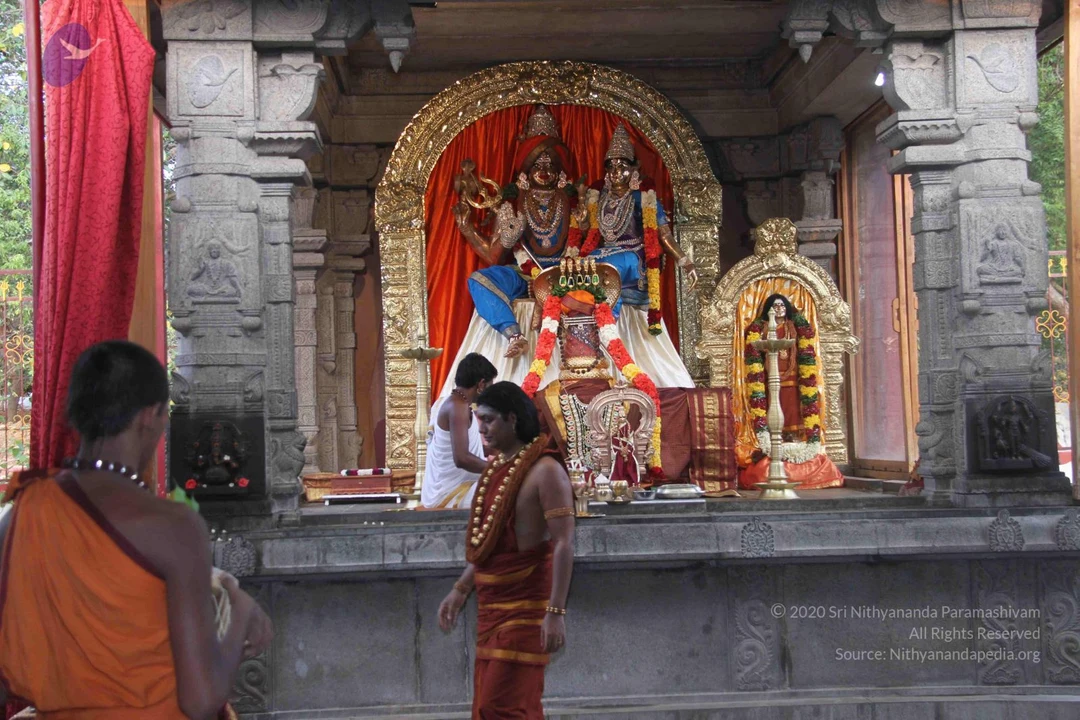
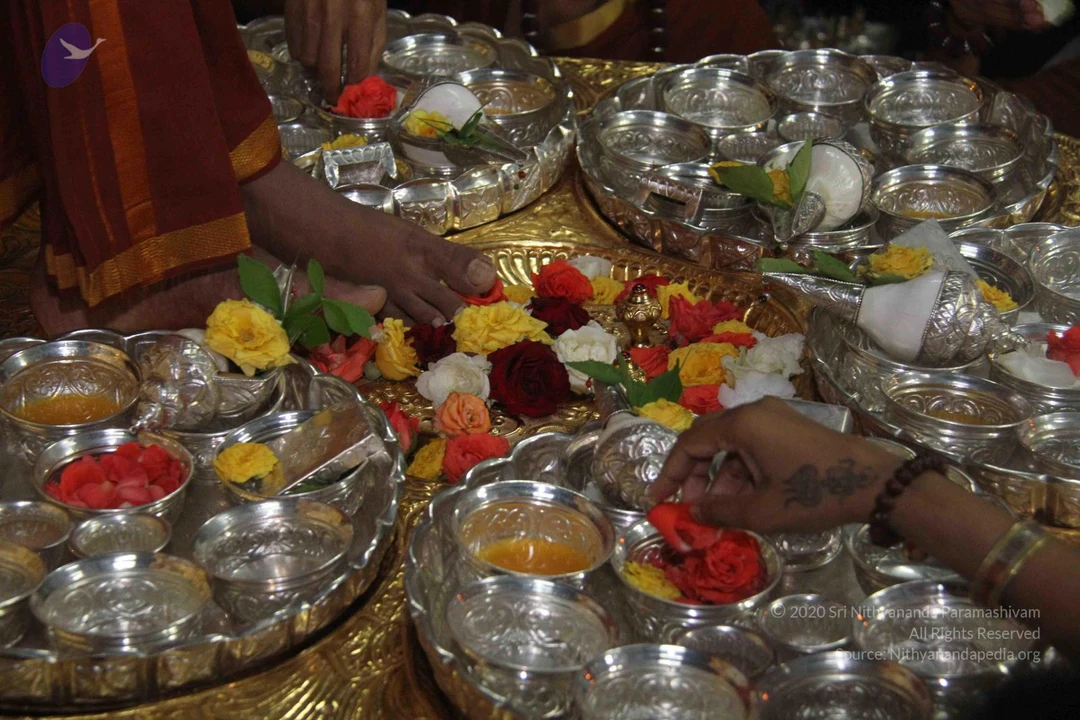
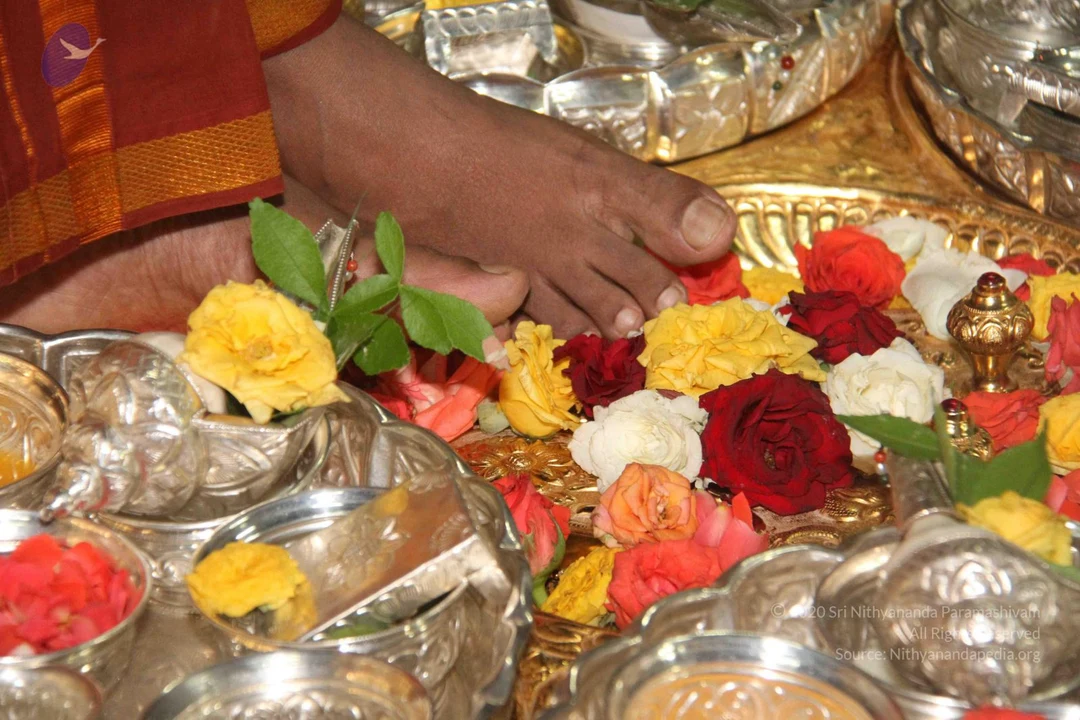
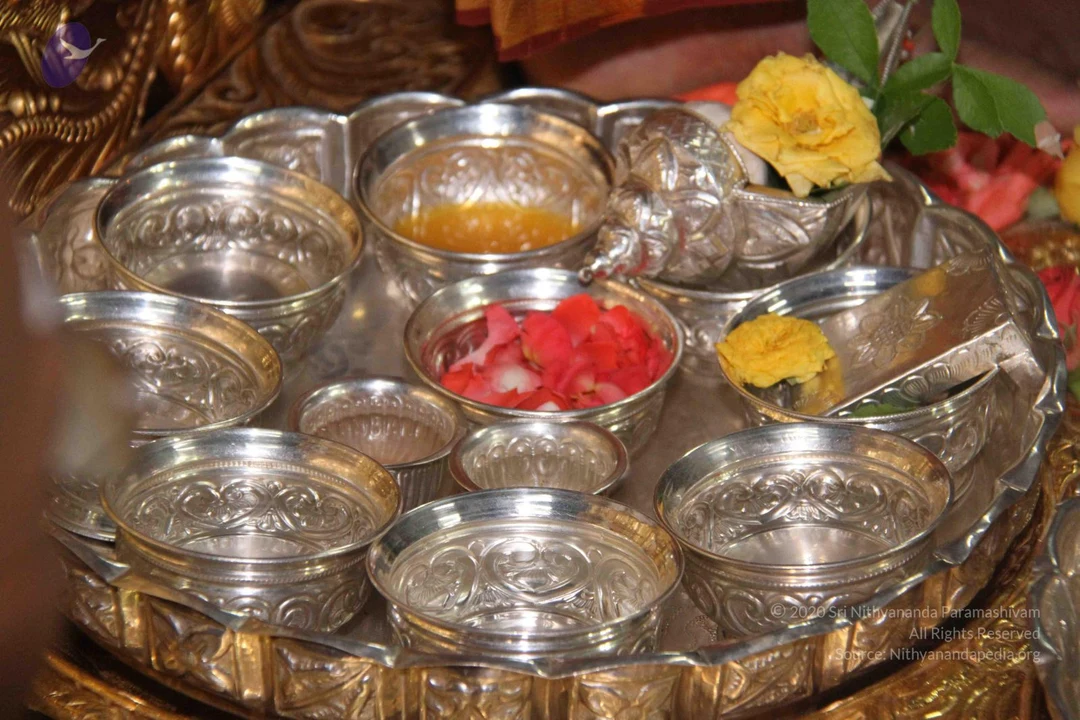
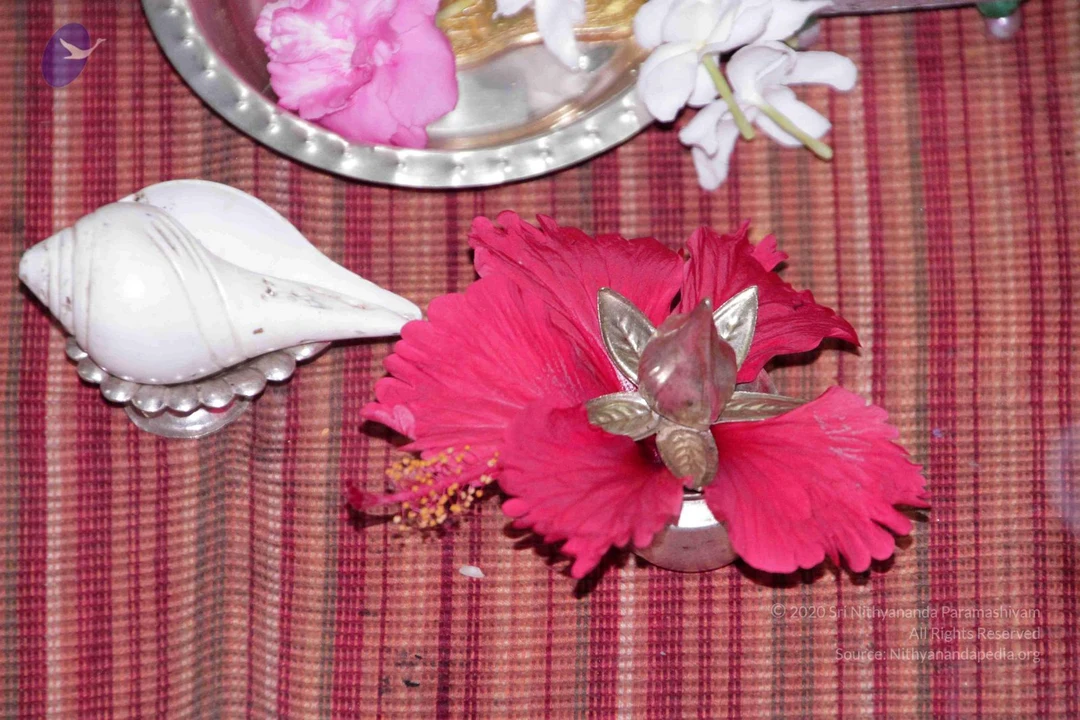
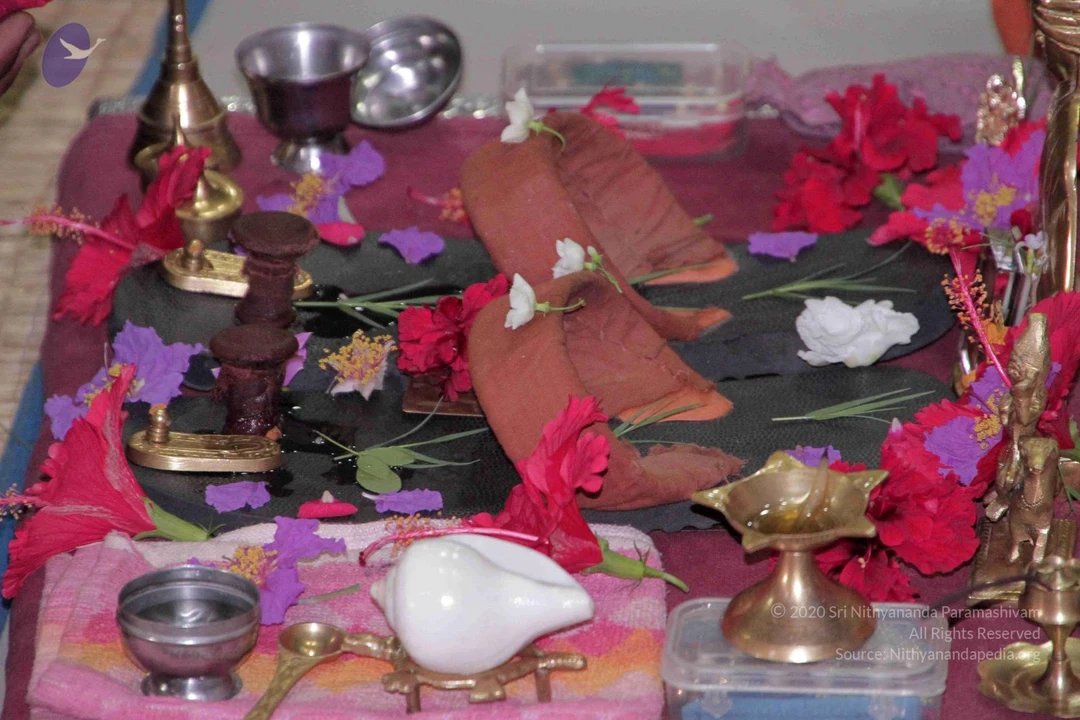
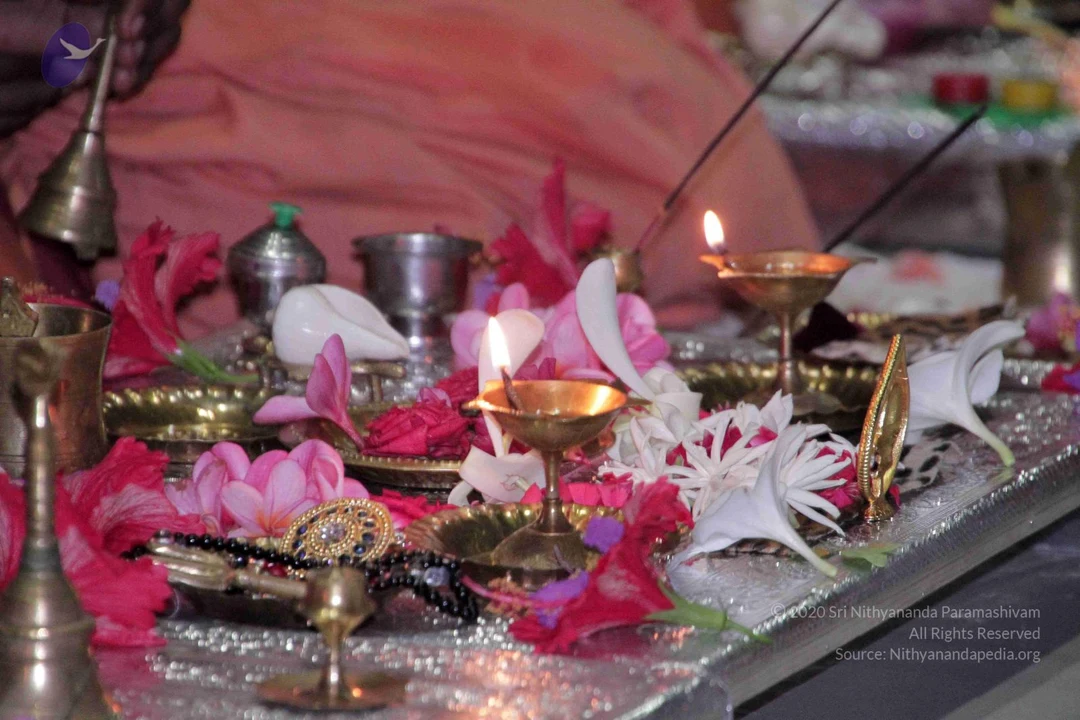
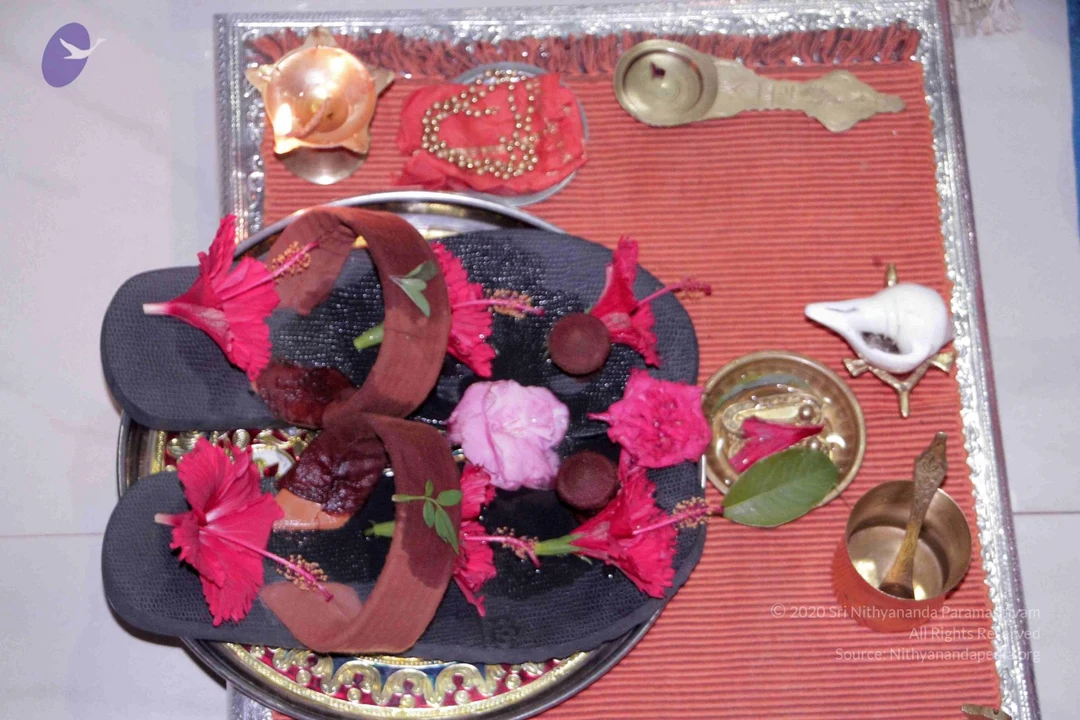
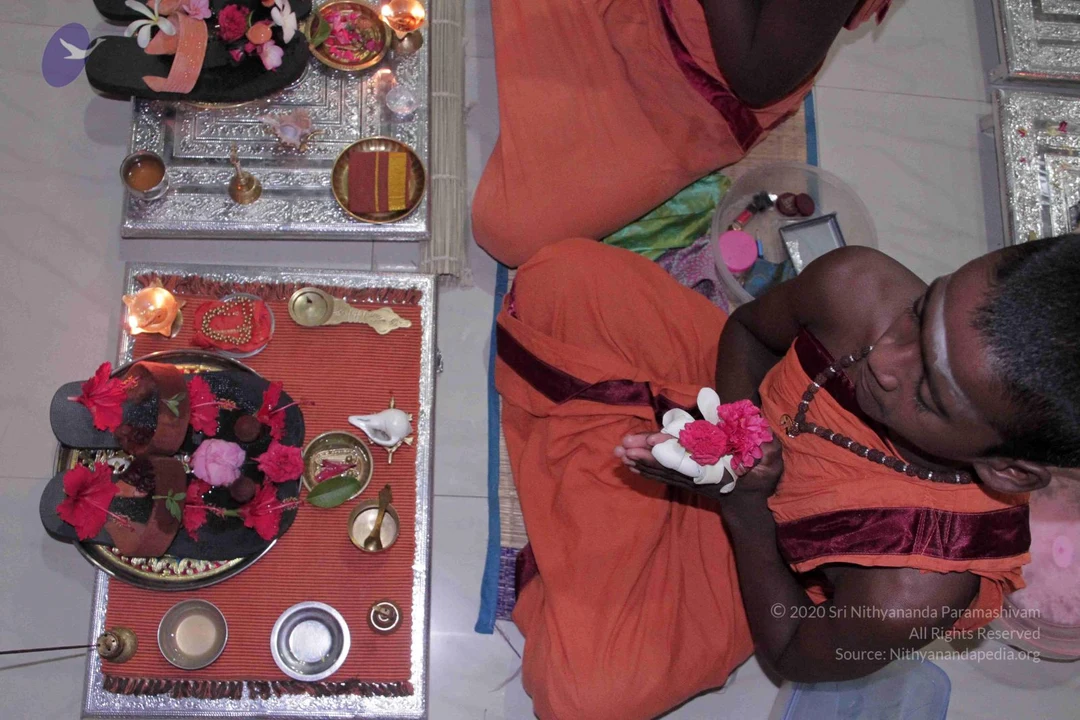
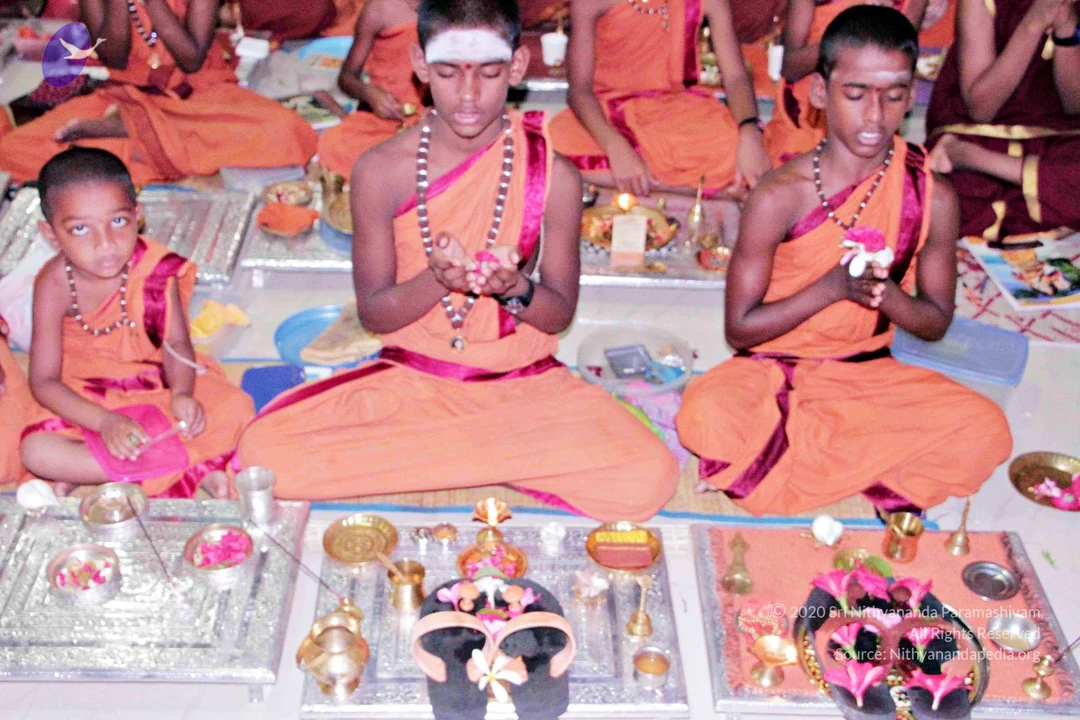
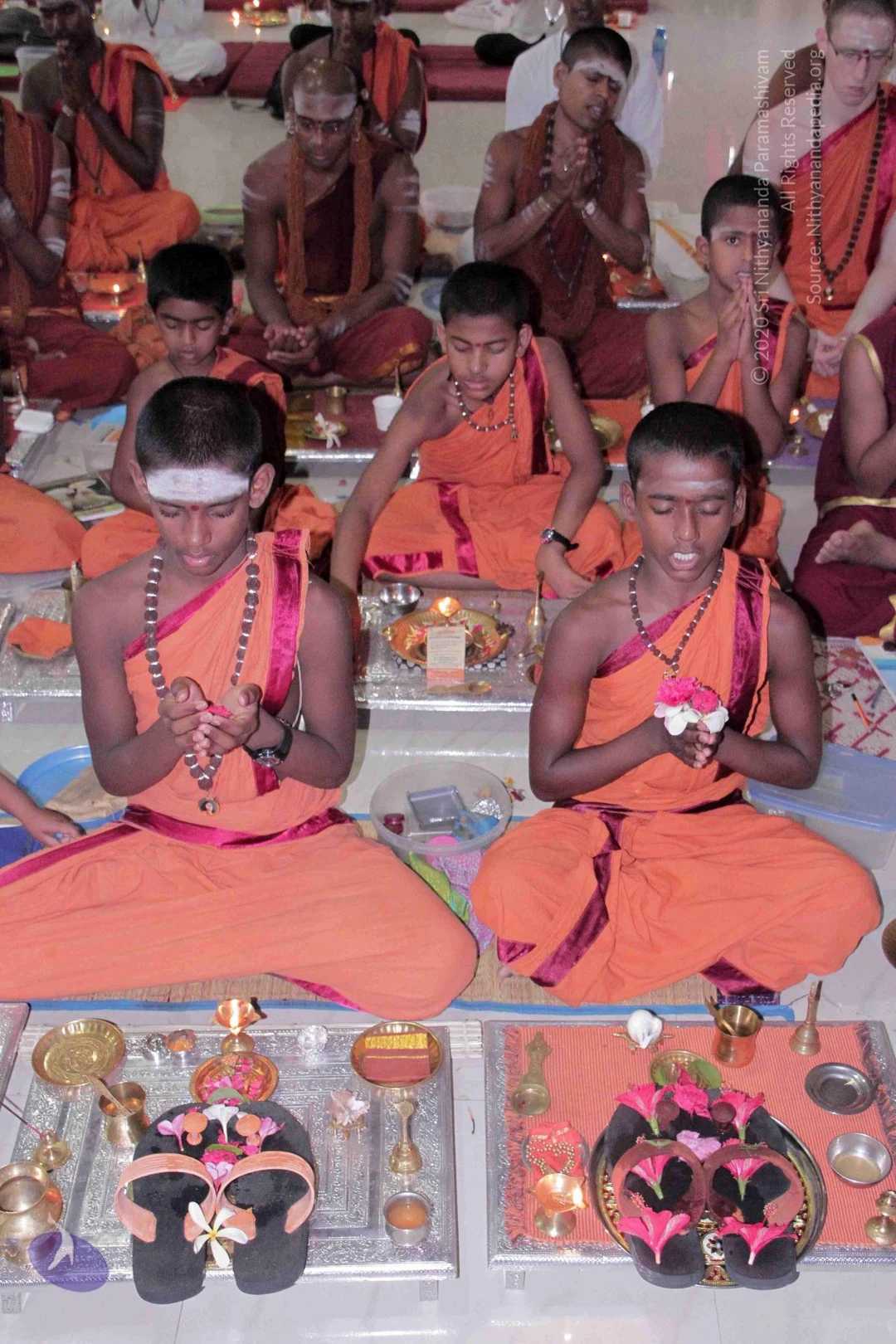
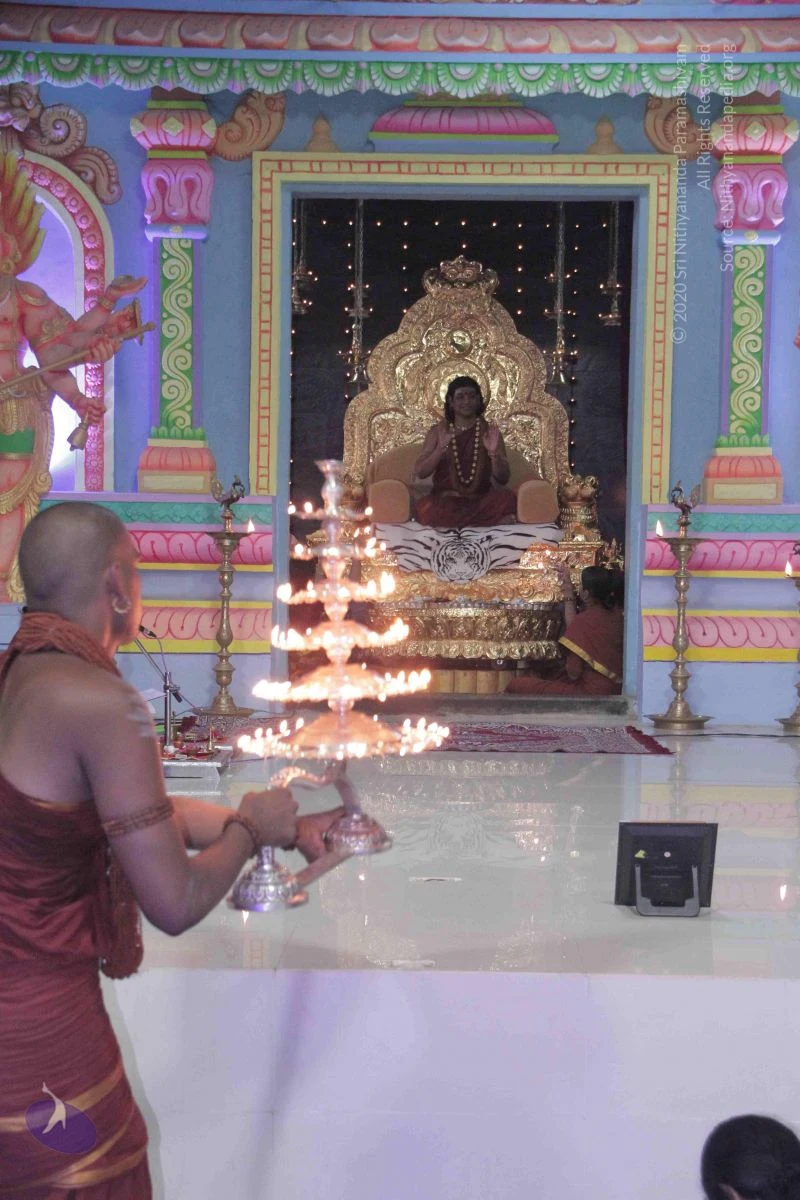
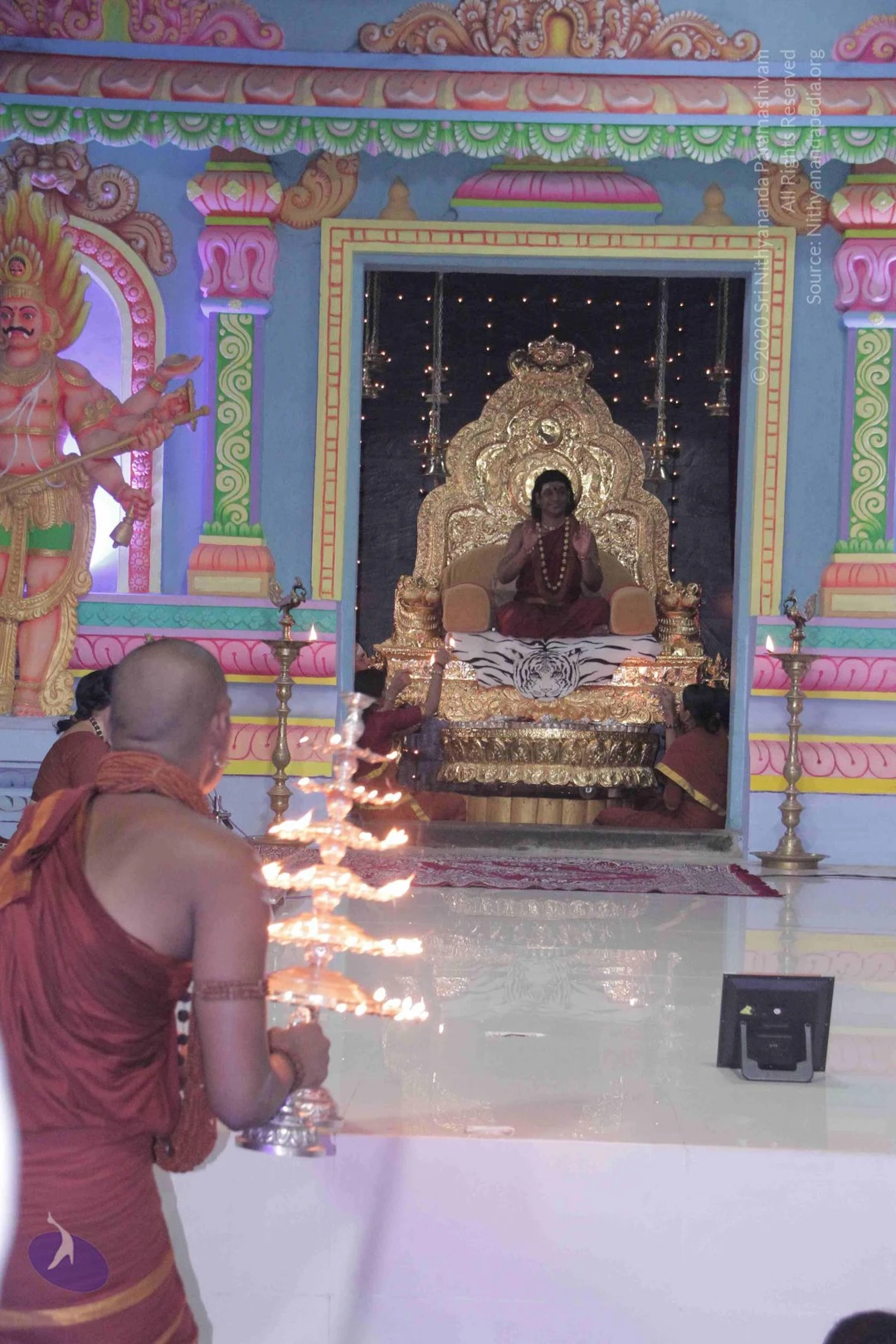
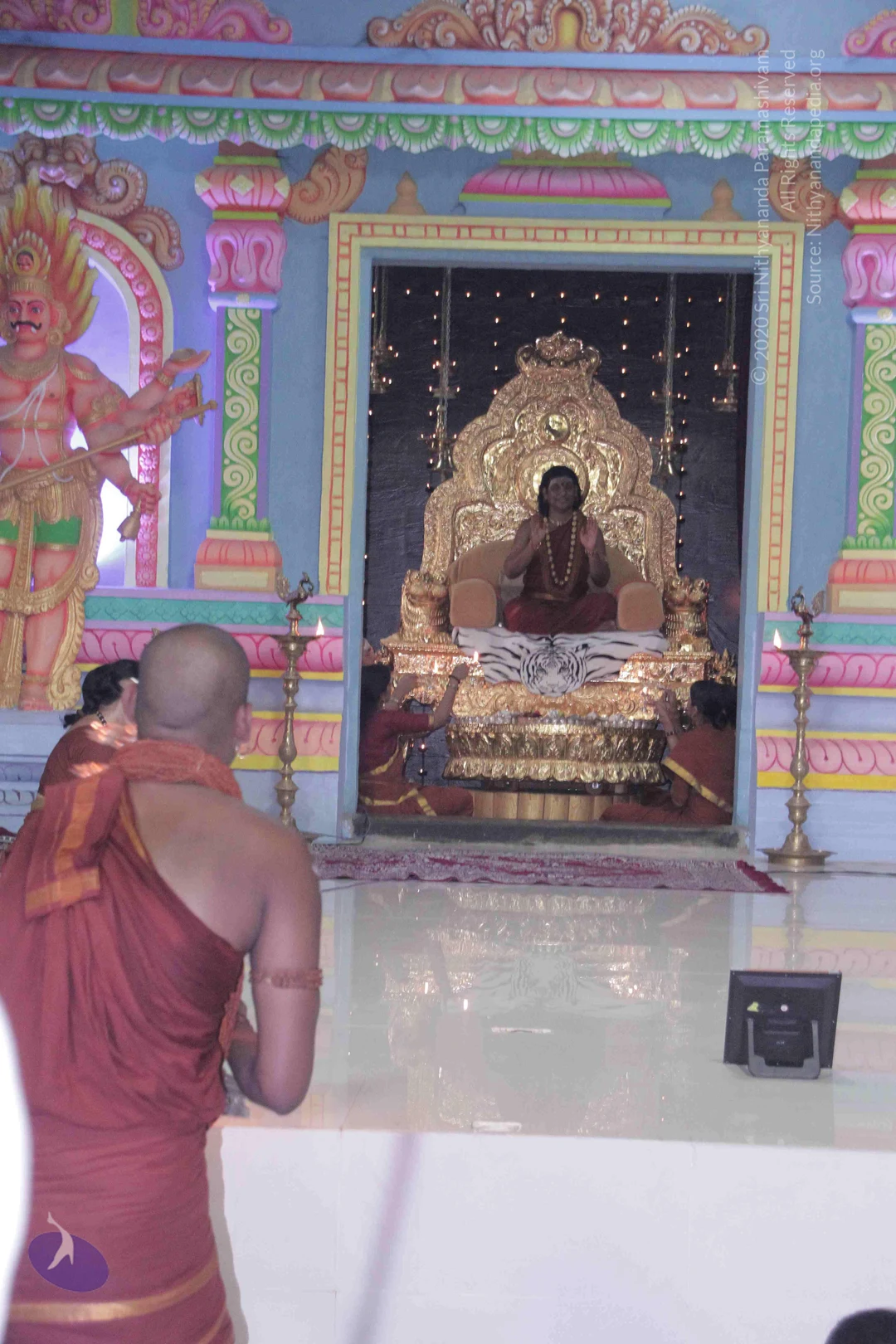
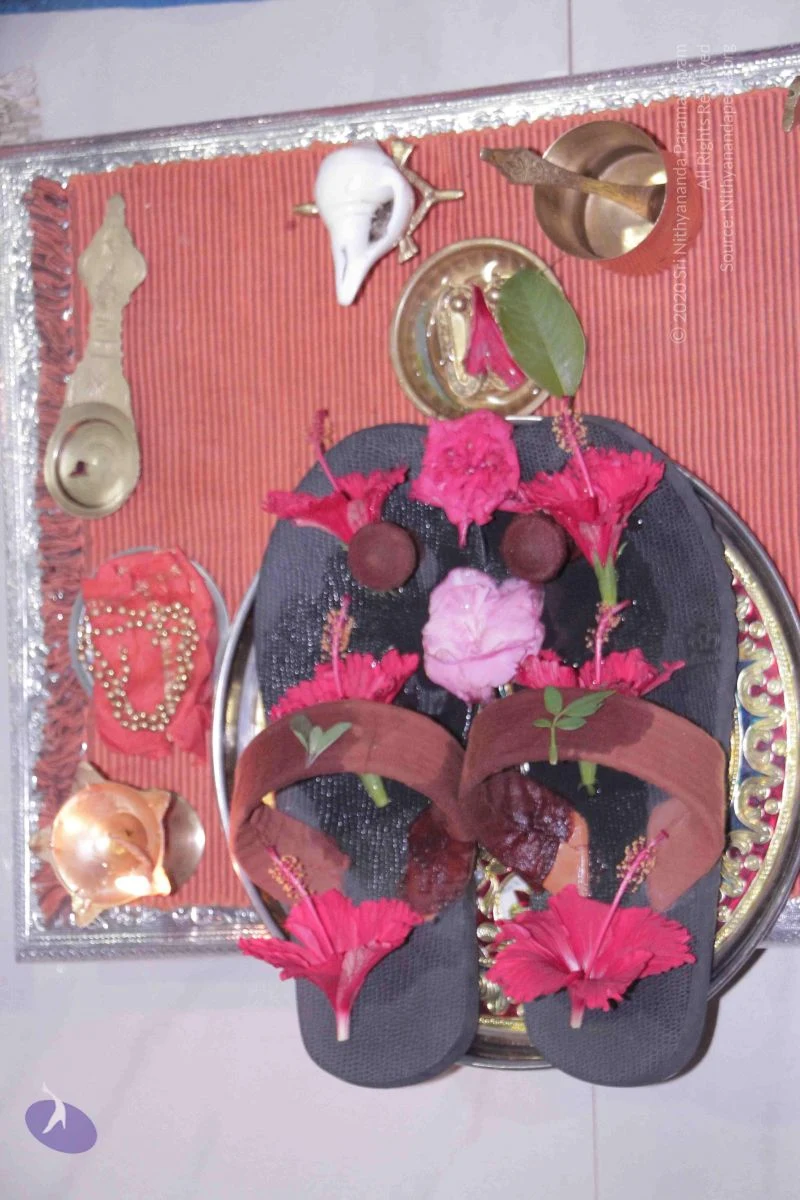
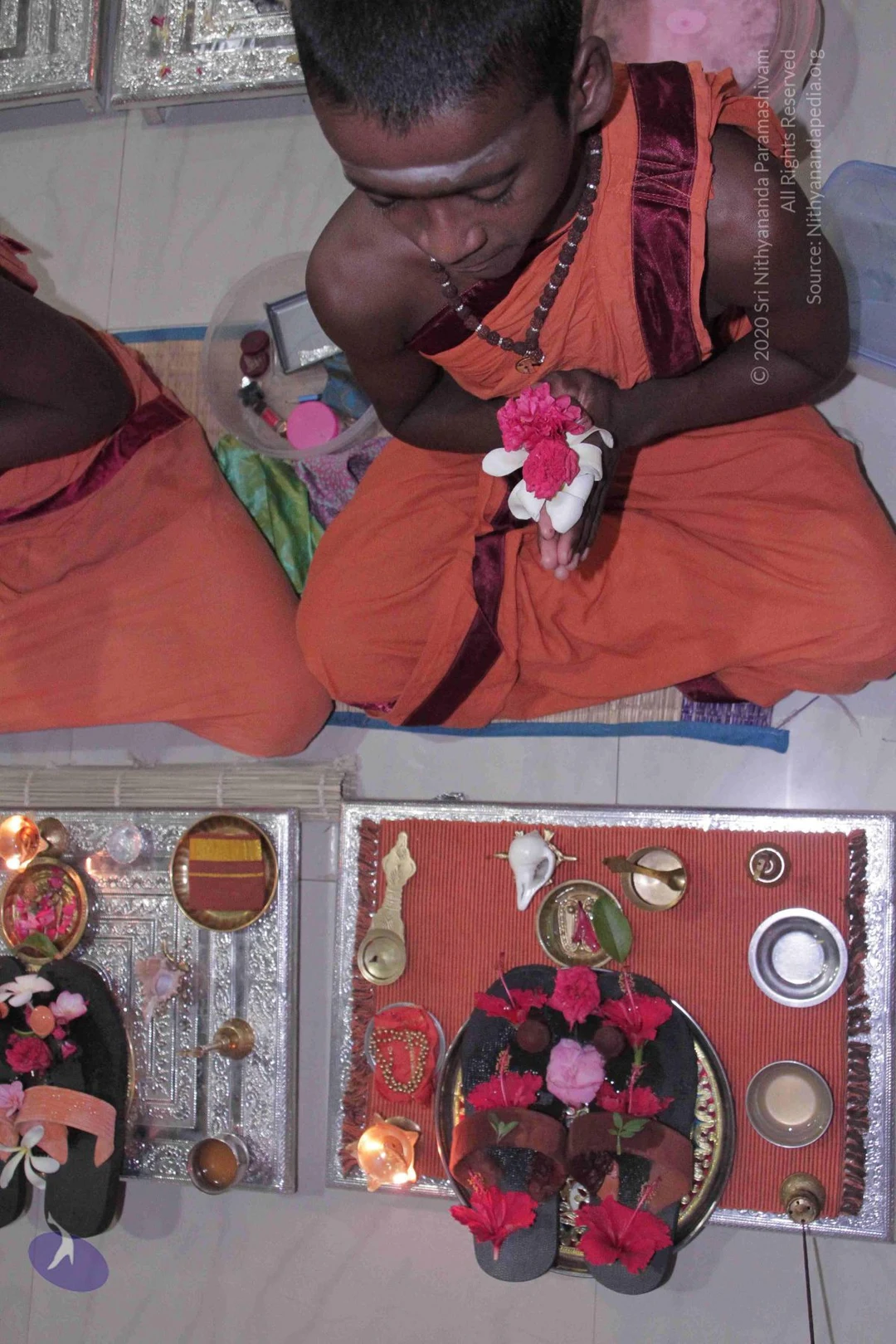
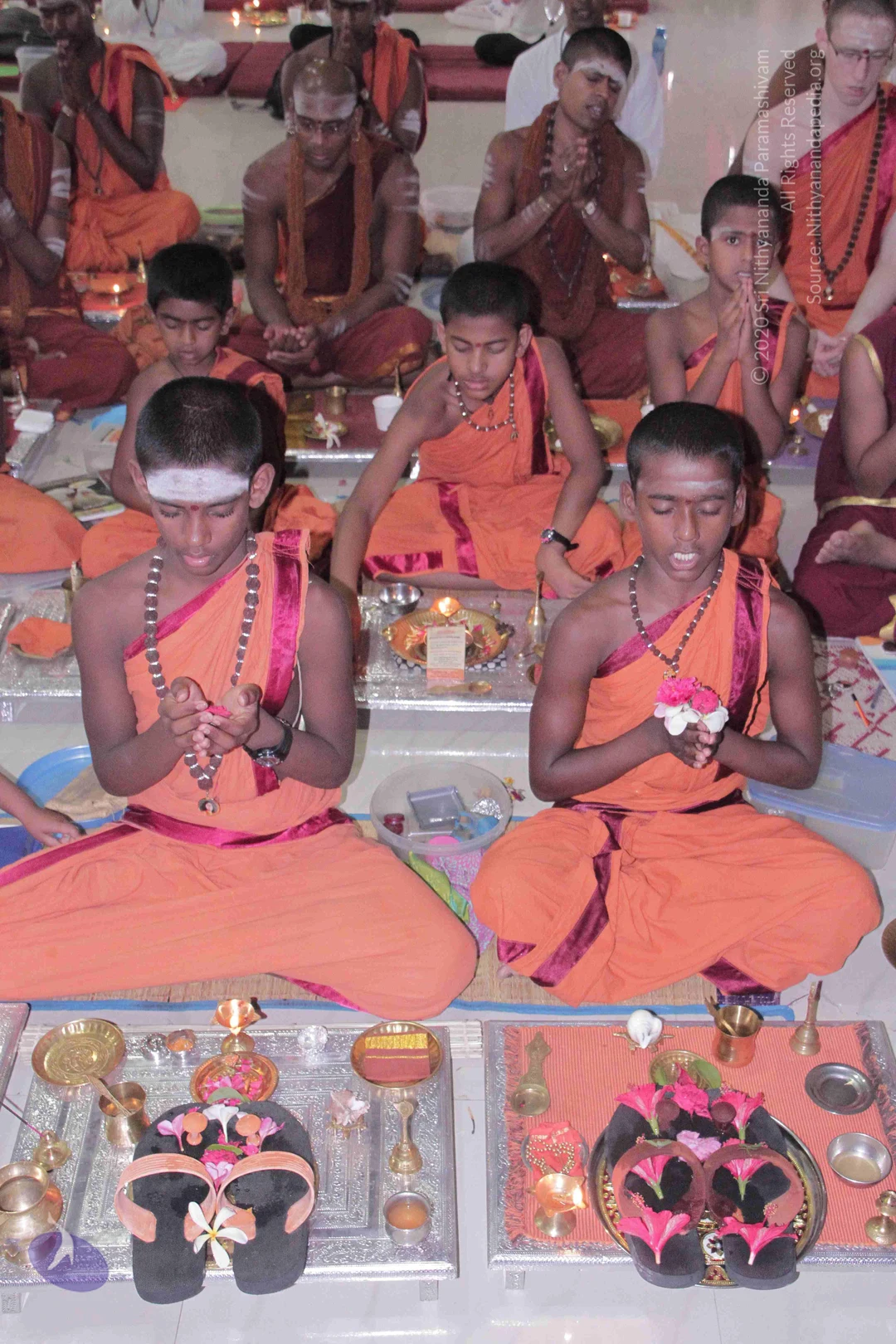
Pada Puja
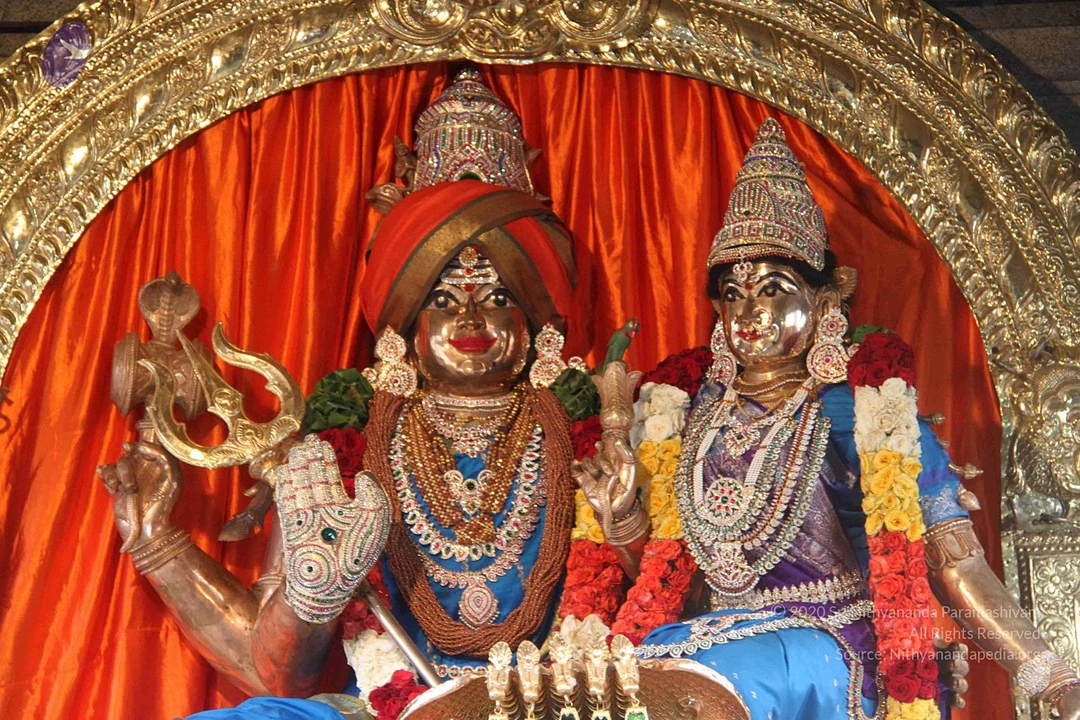


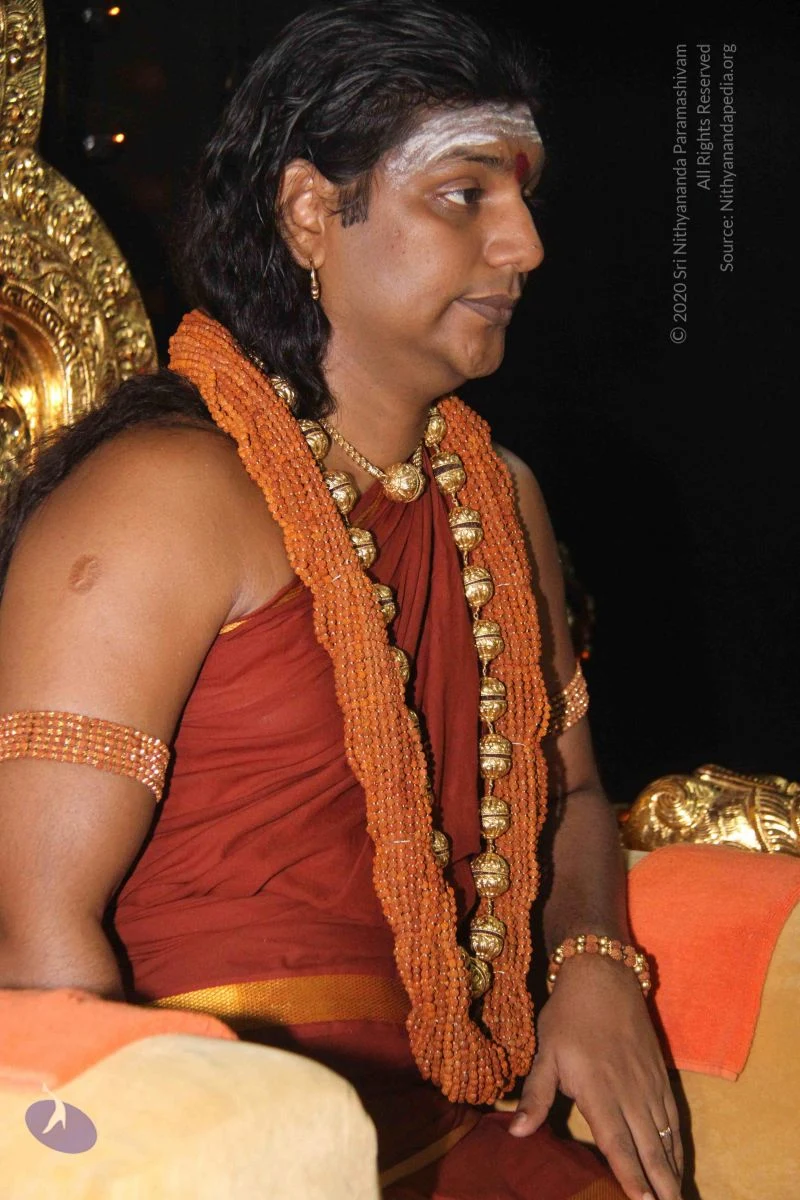

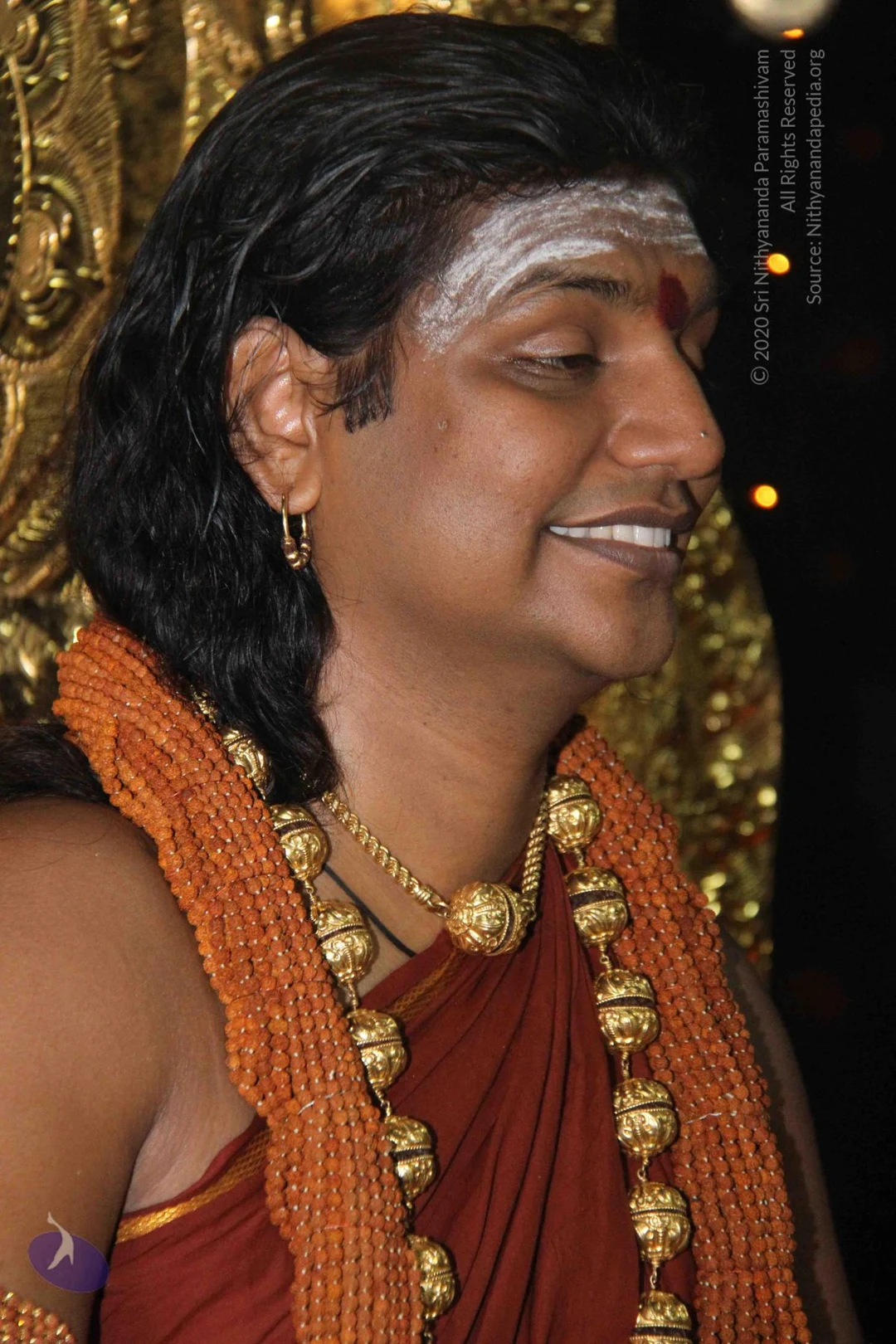
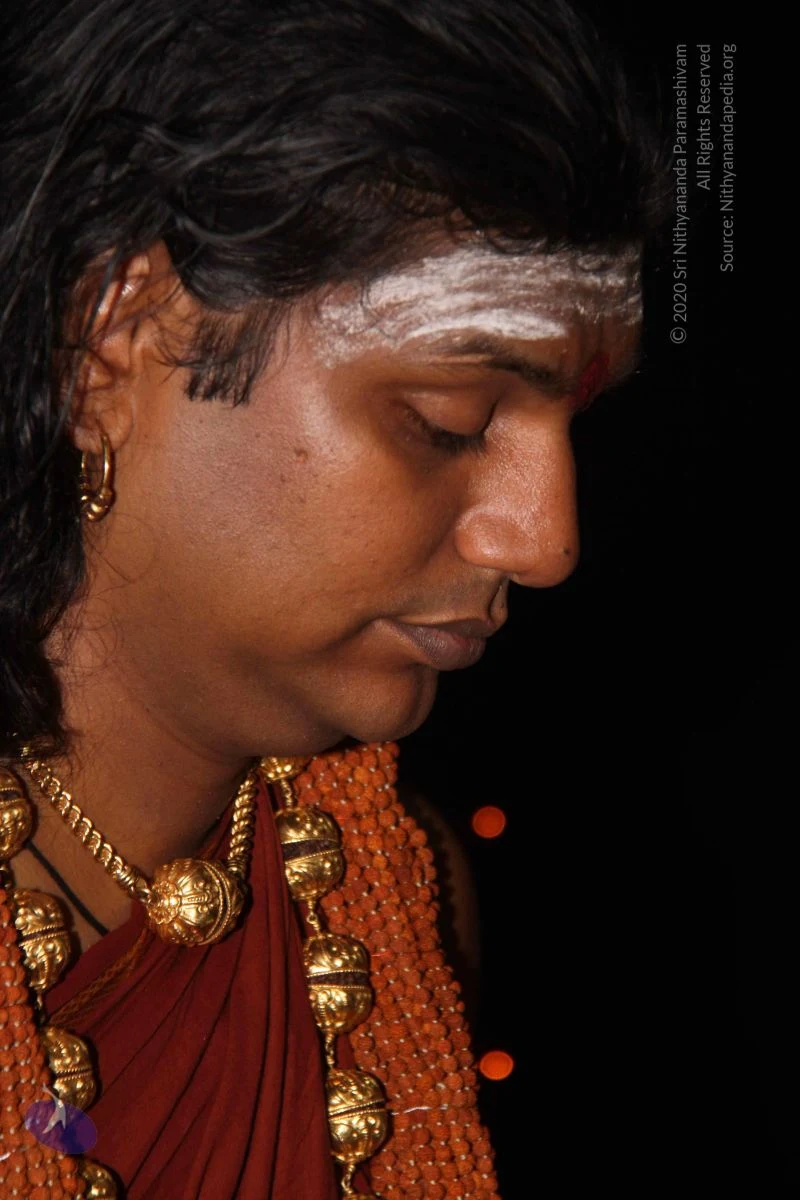
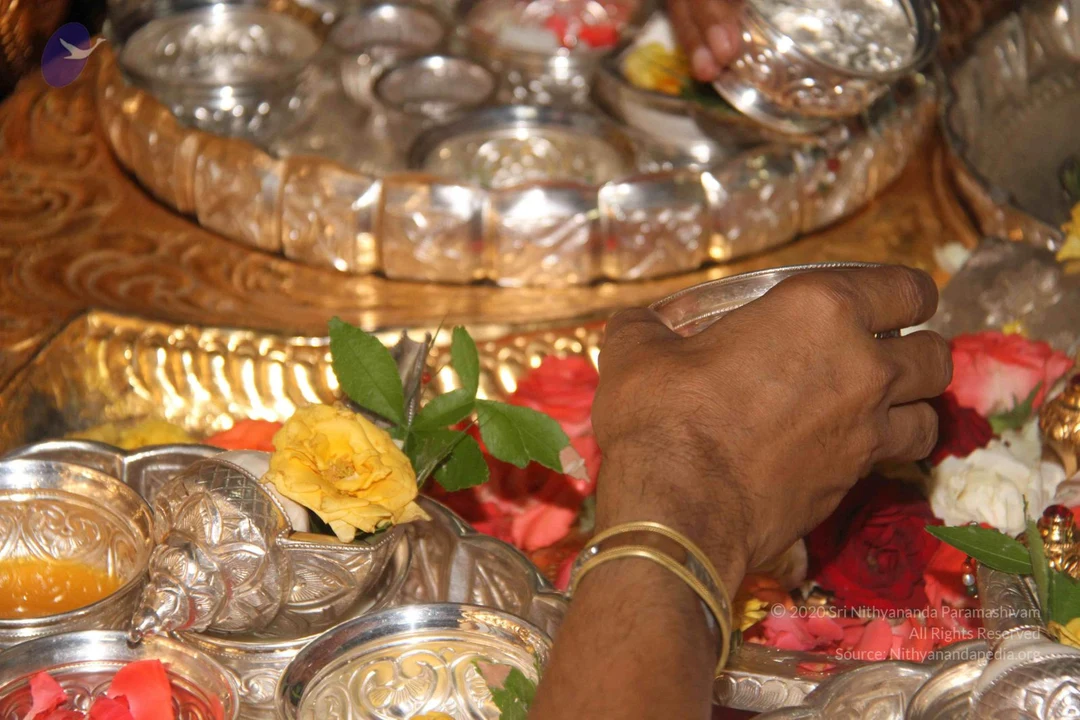
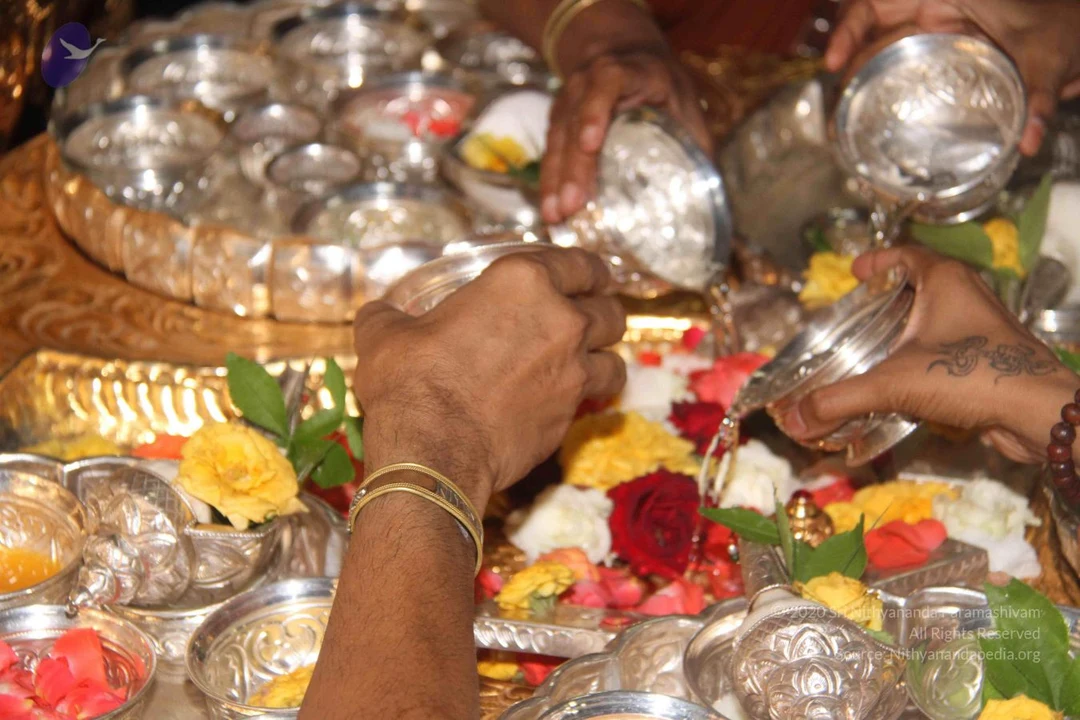
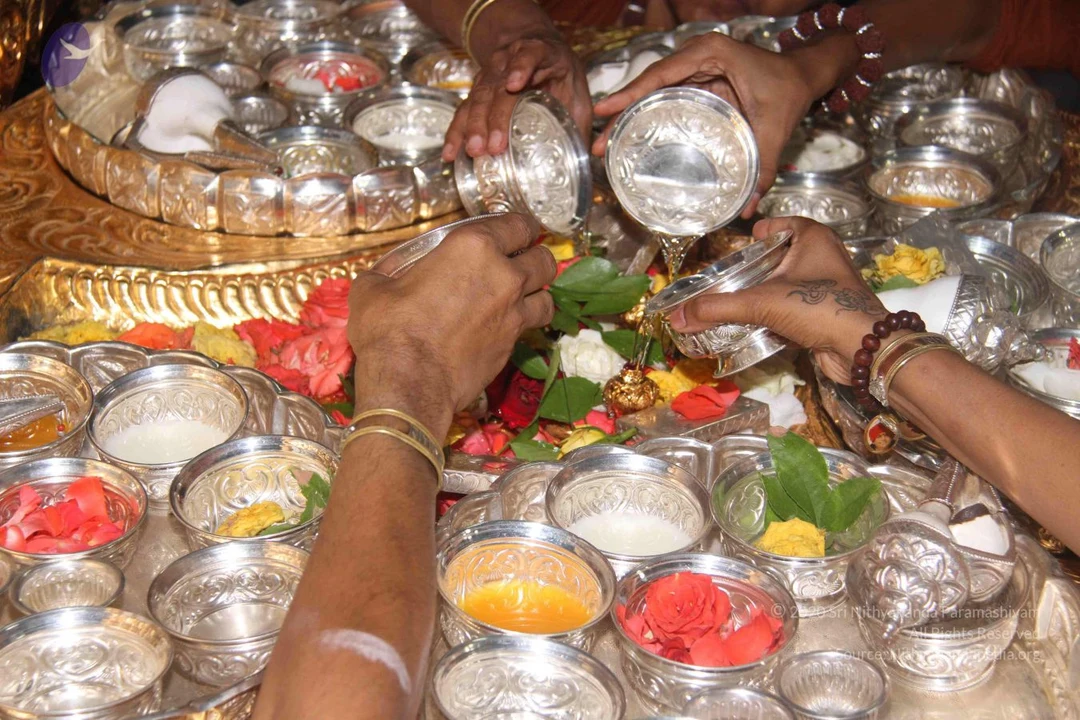
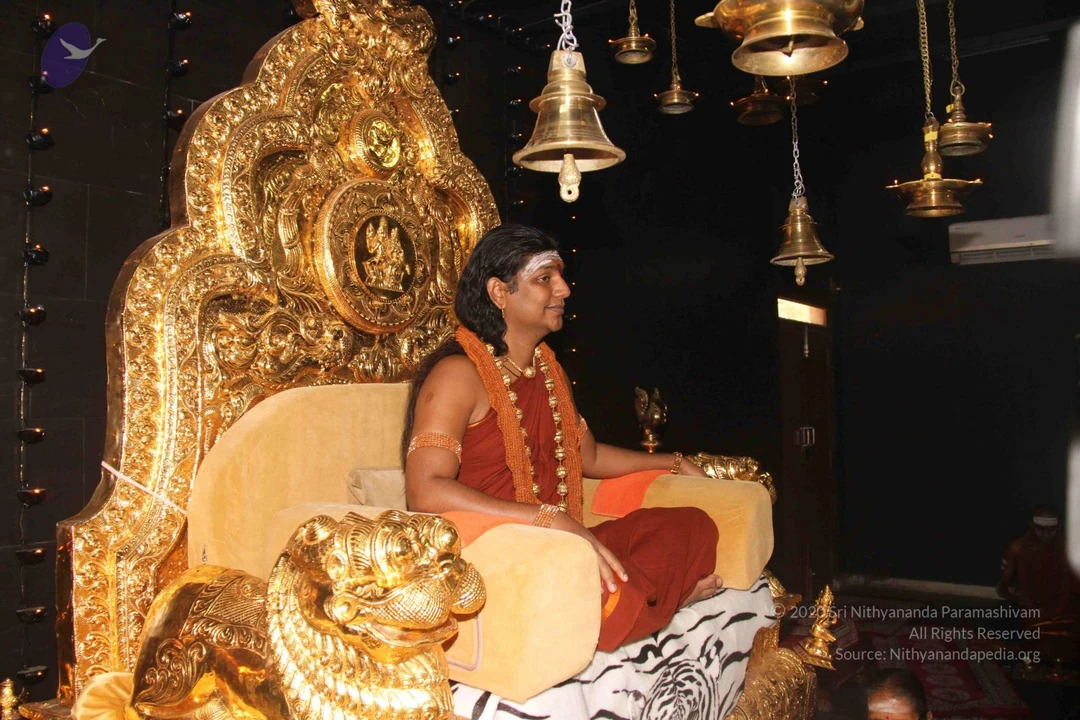
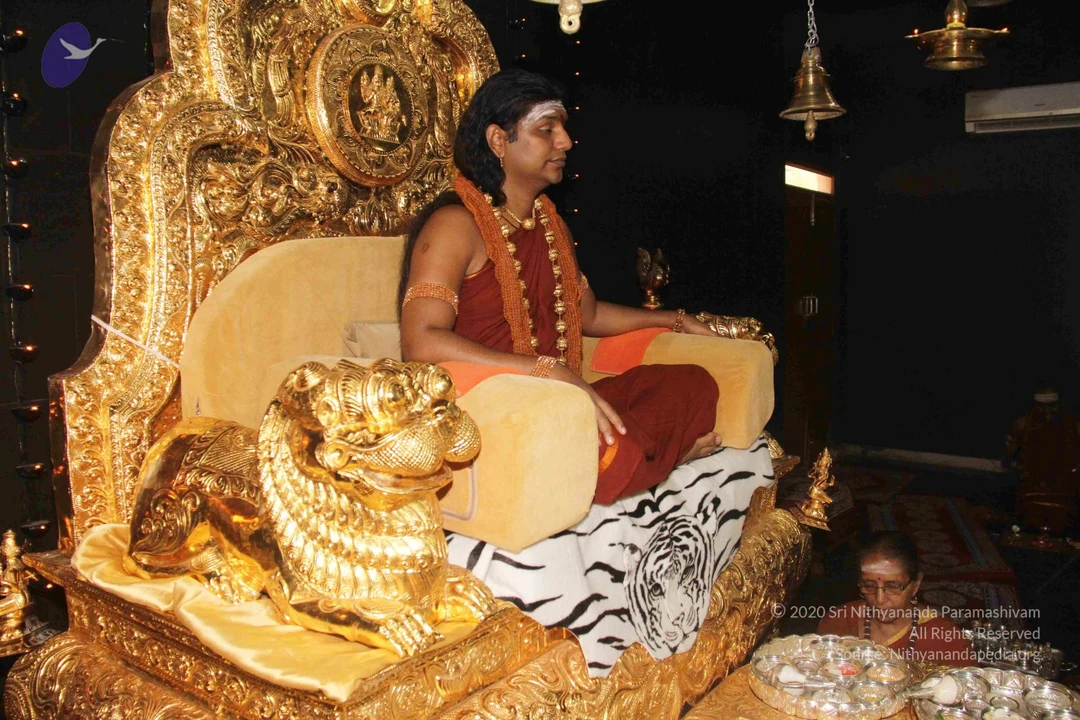
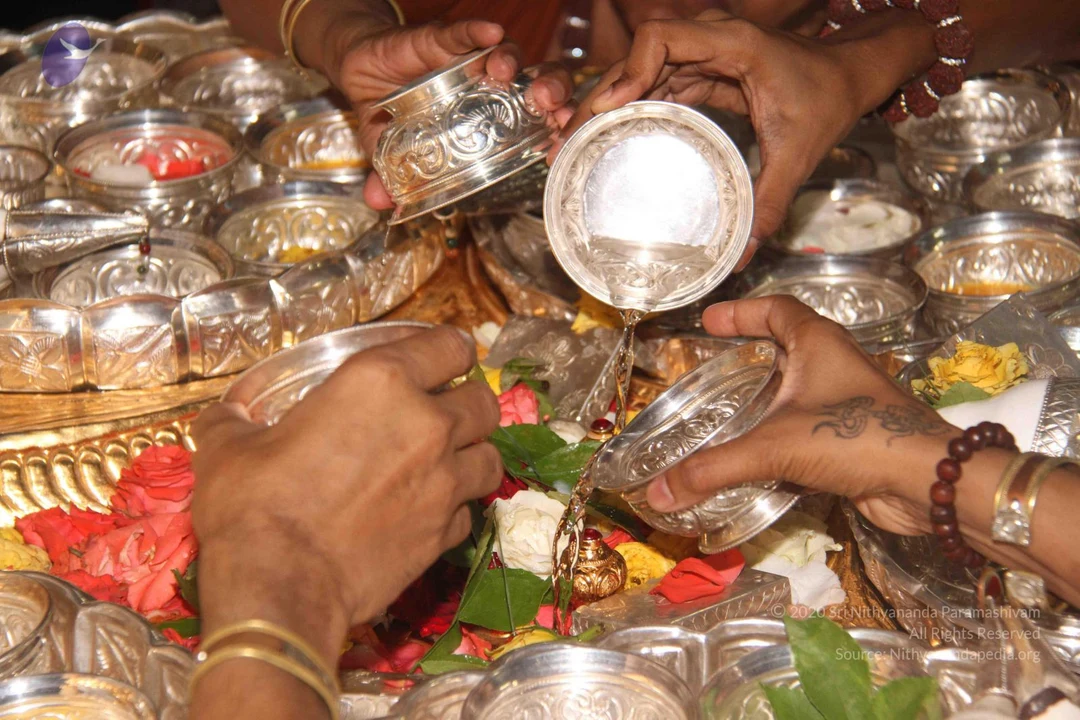

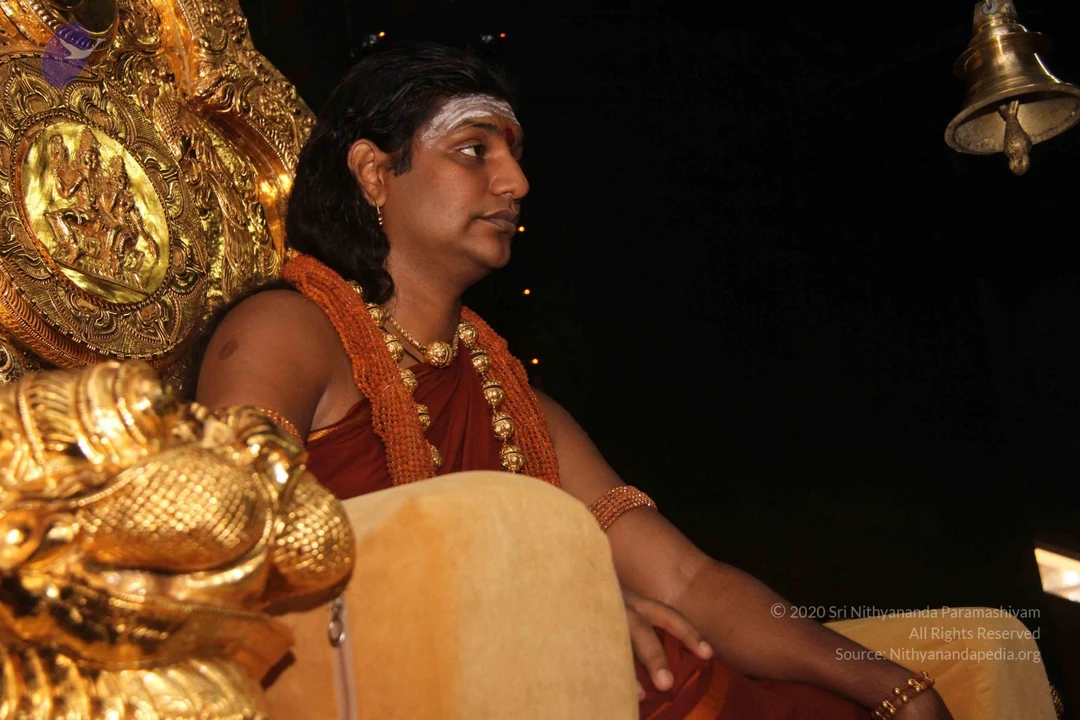
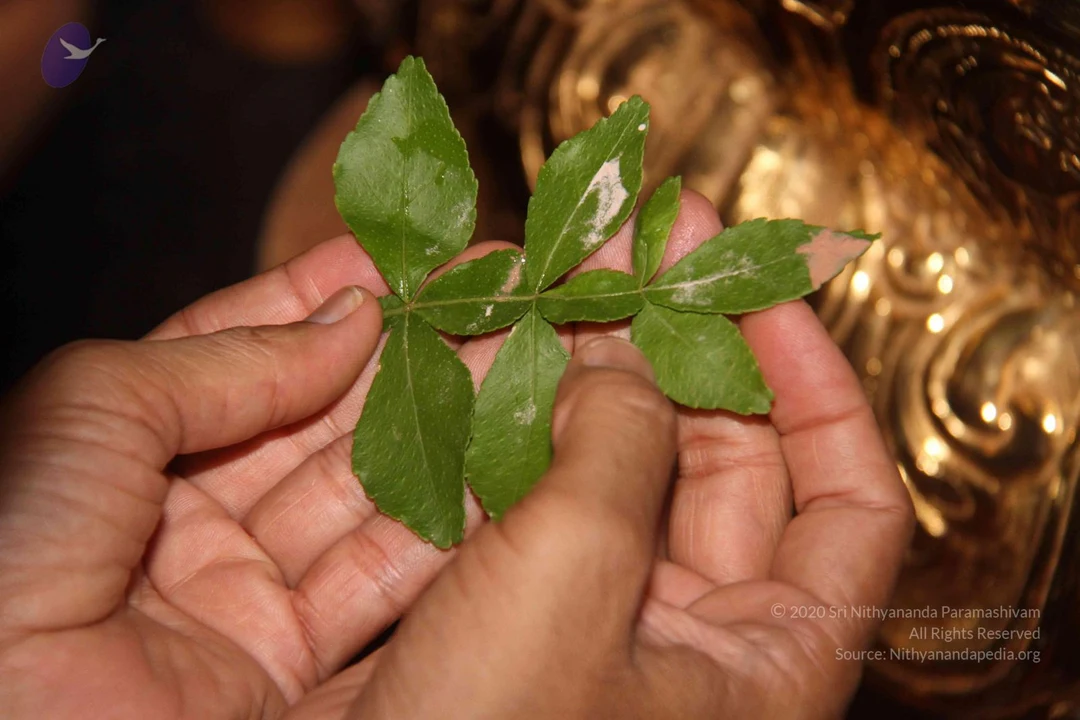
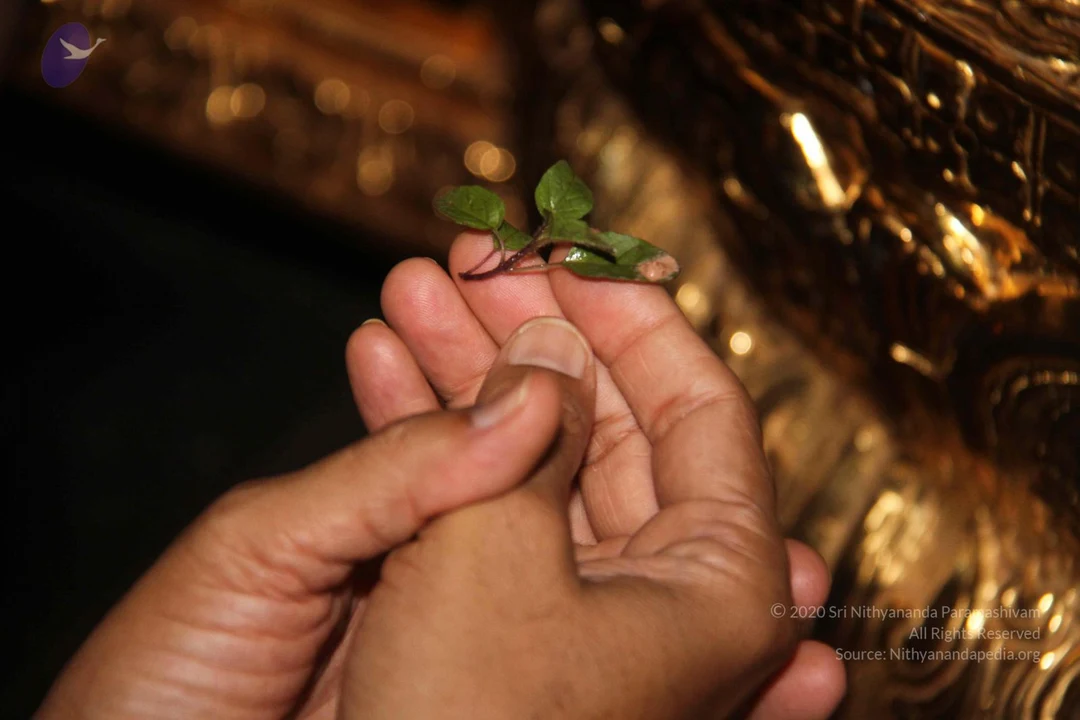
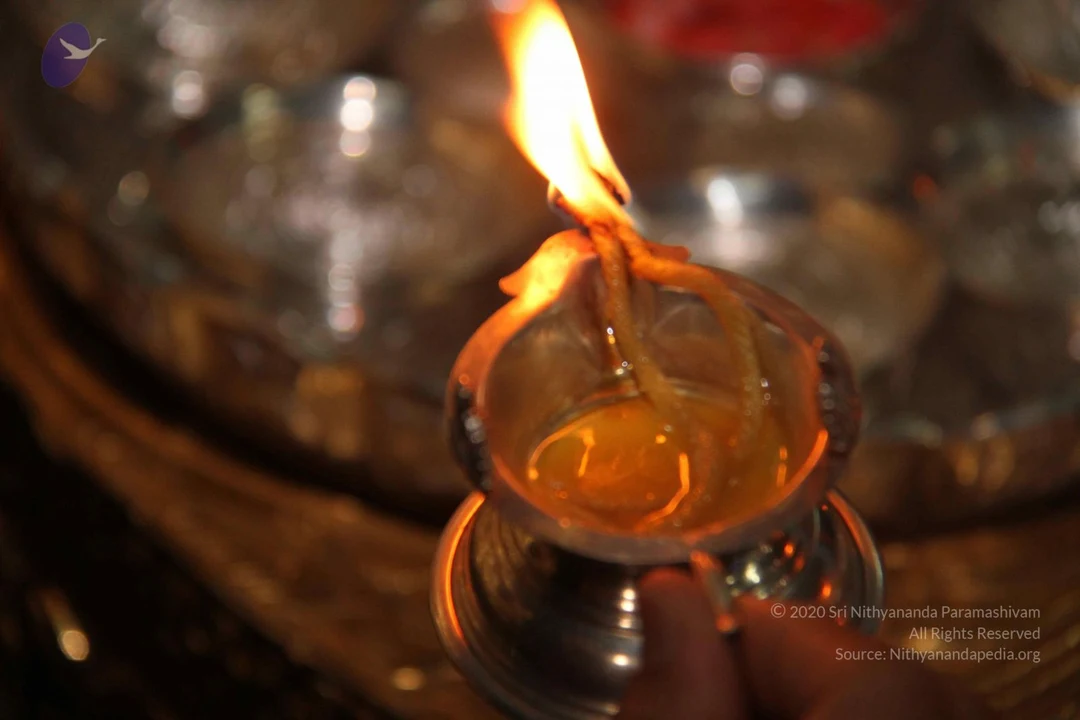

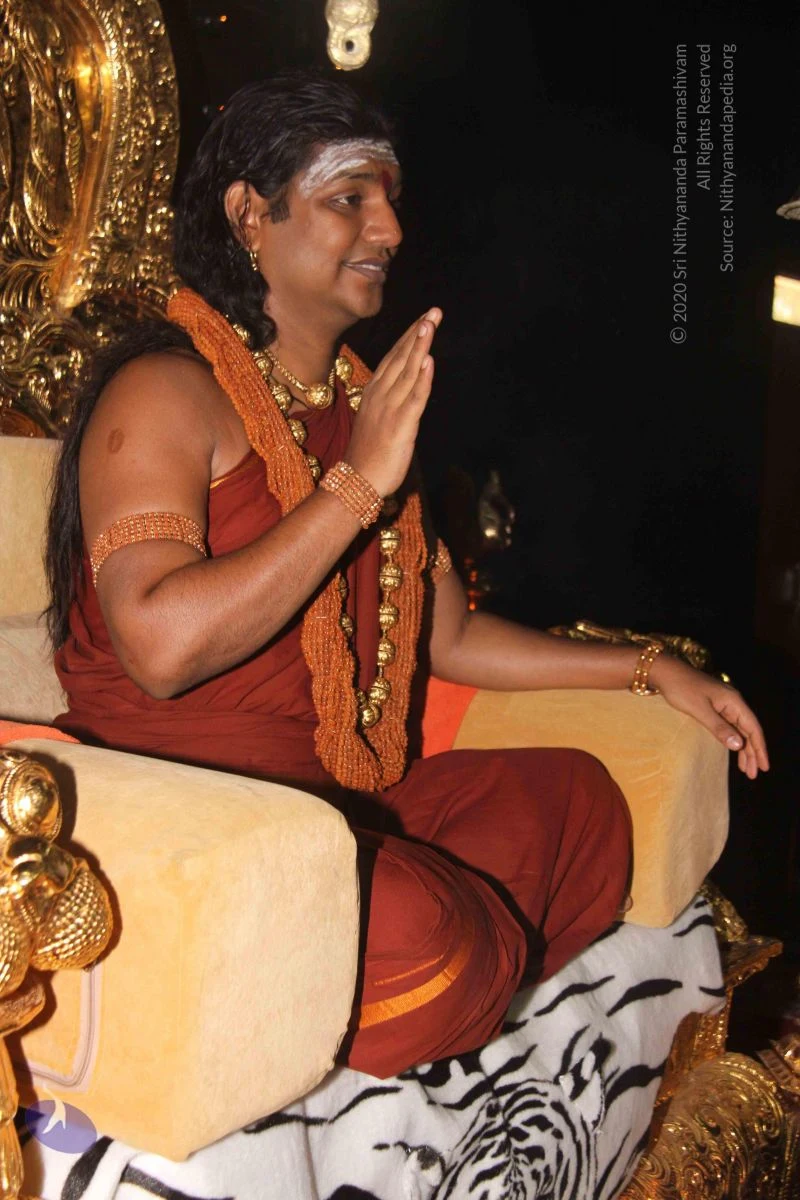
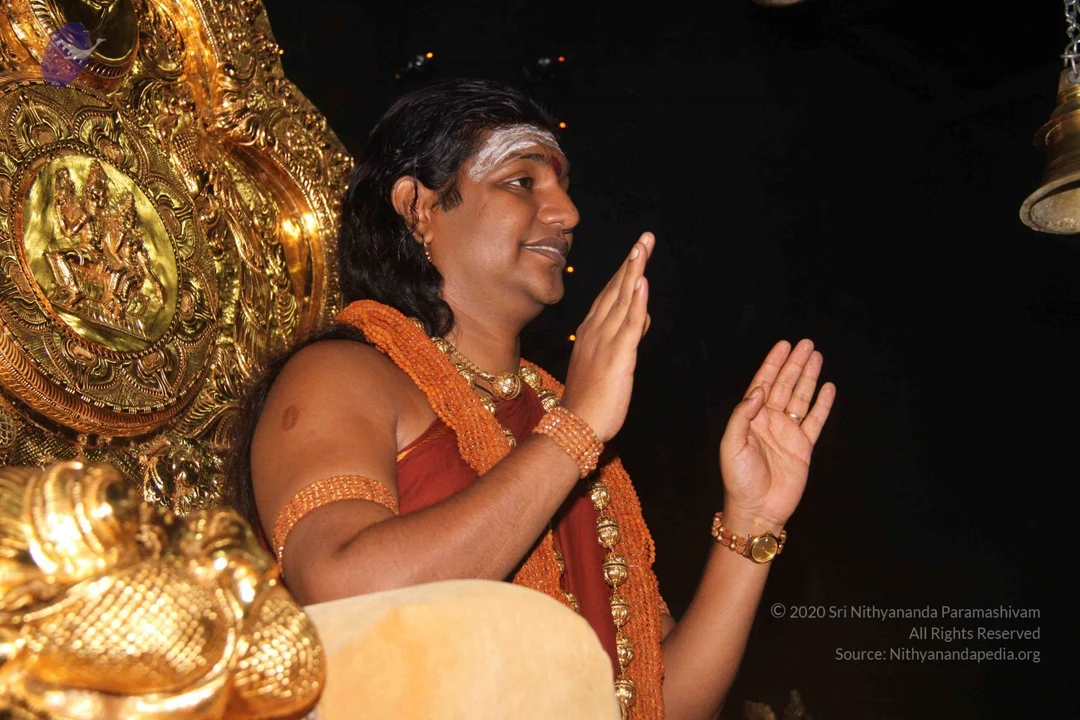
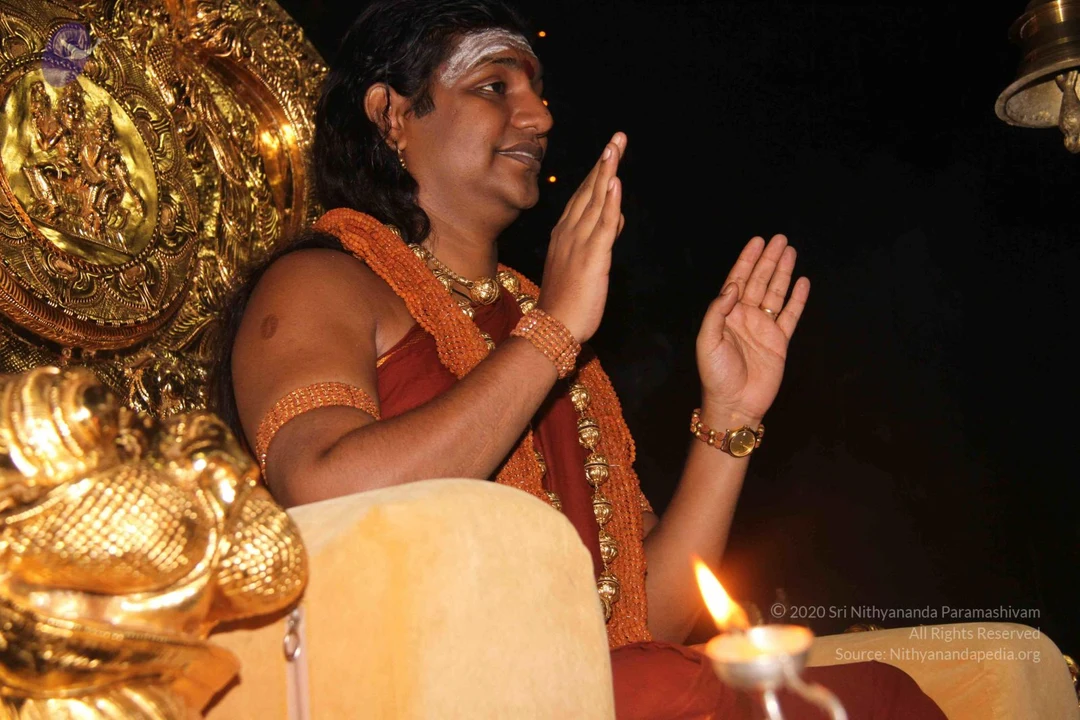


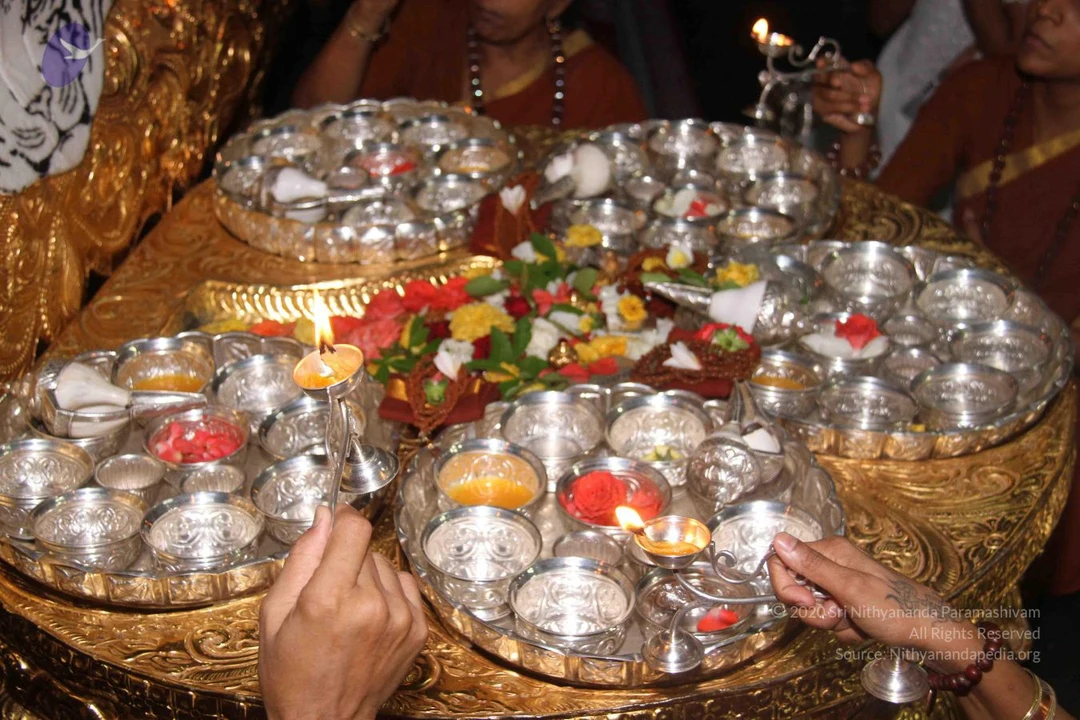

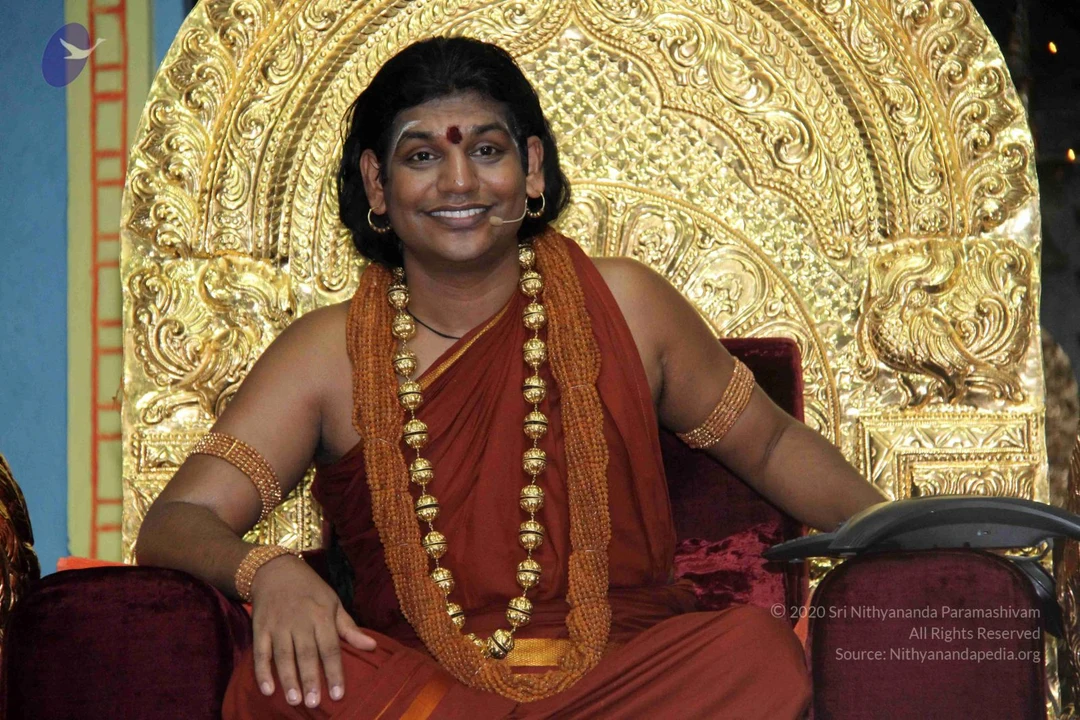
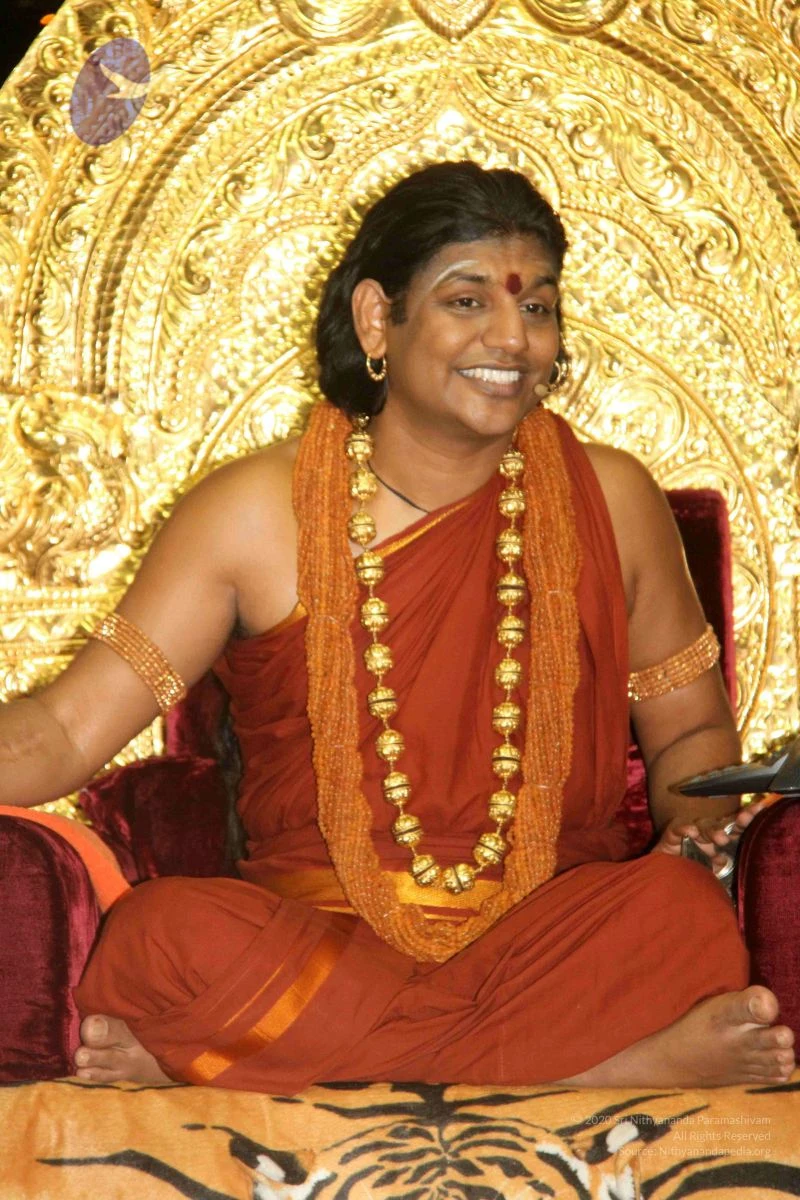
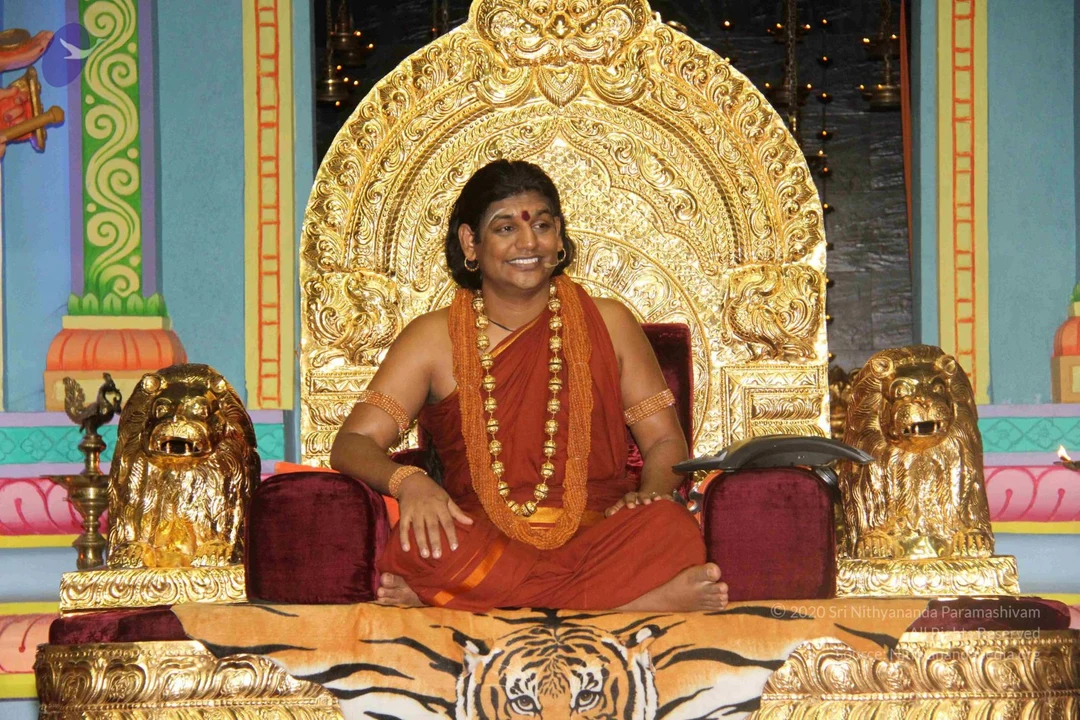
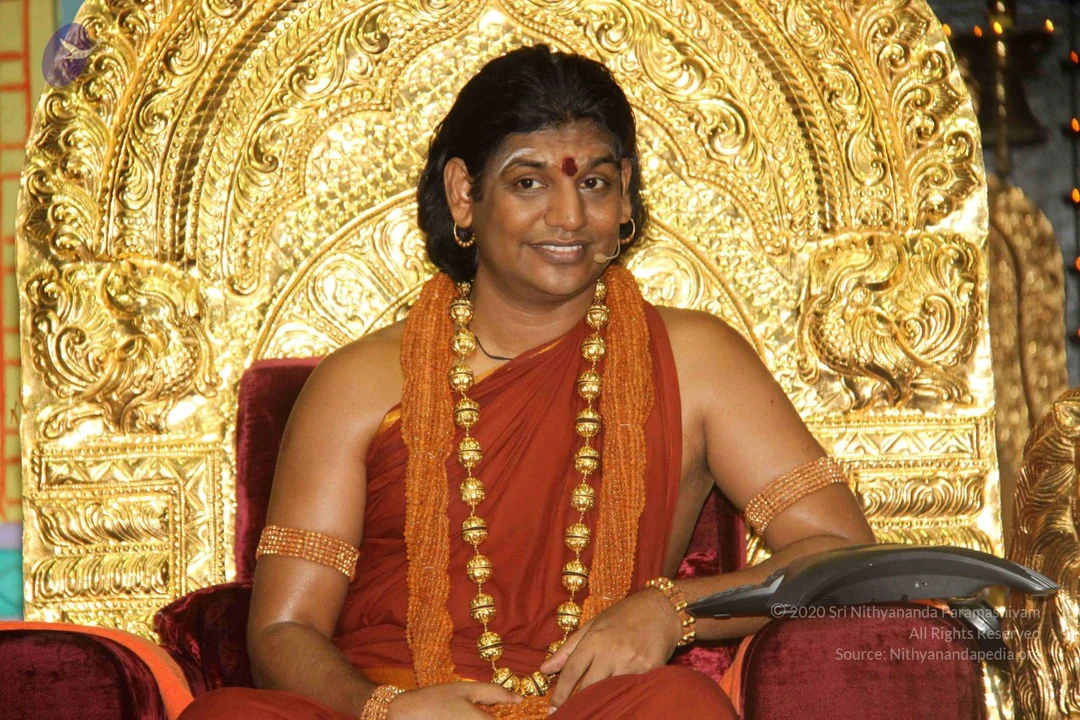
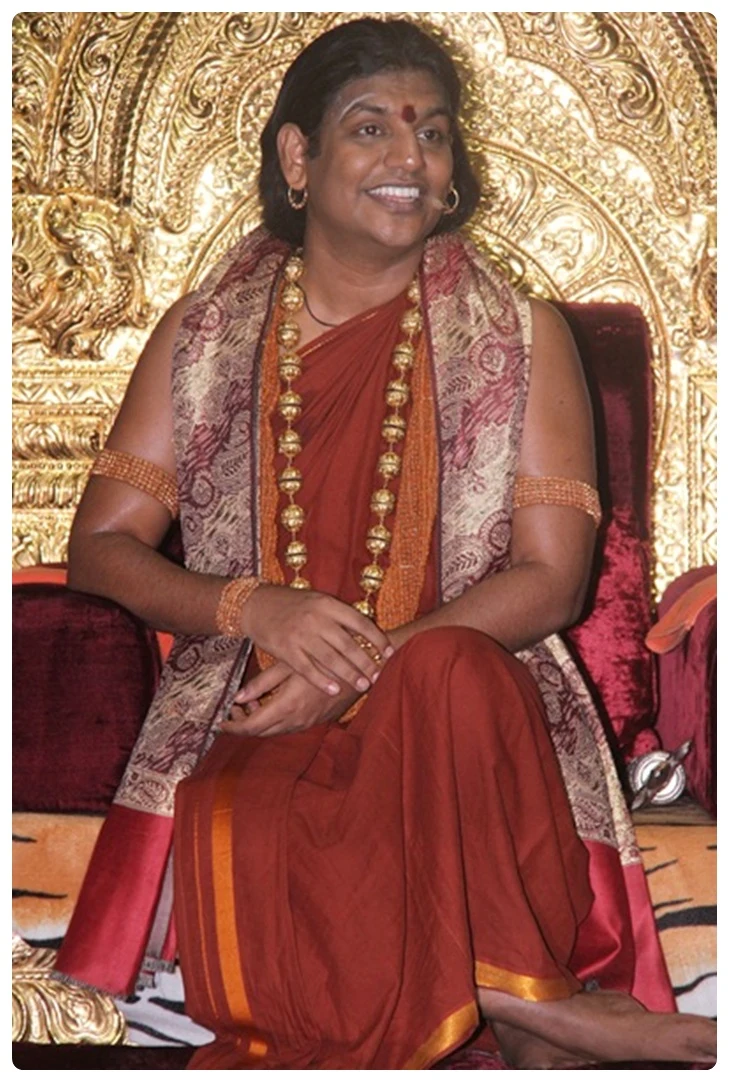
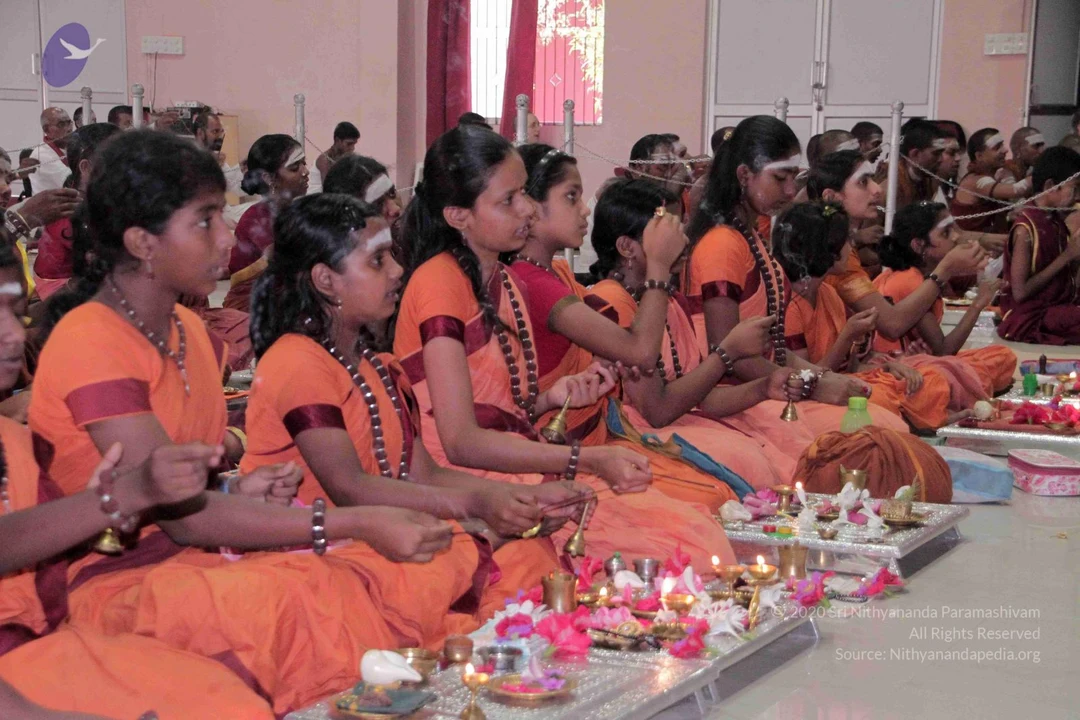
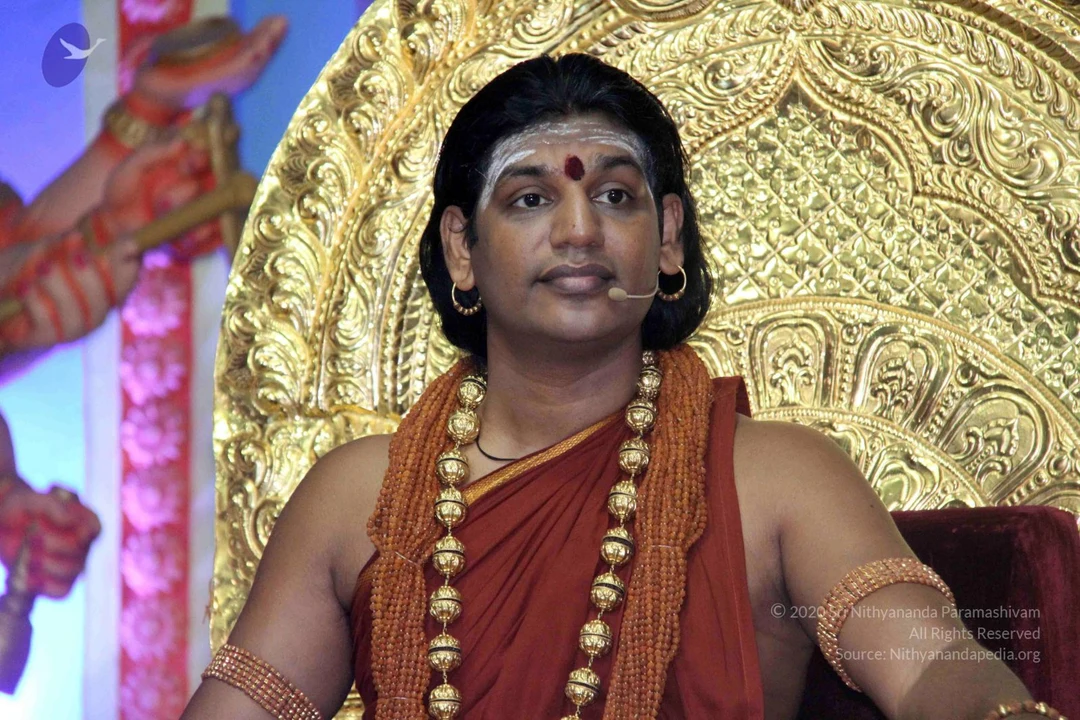
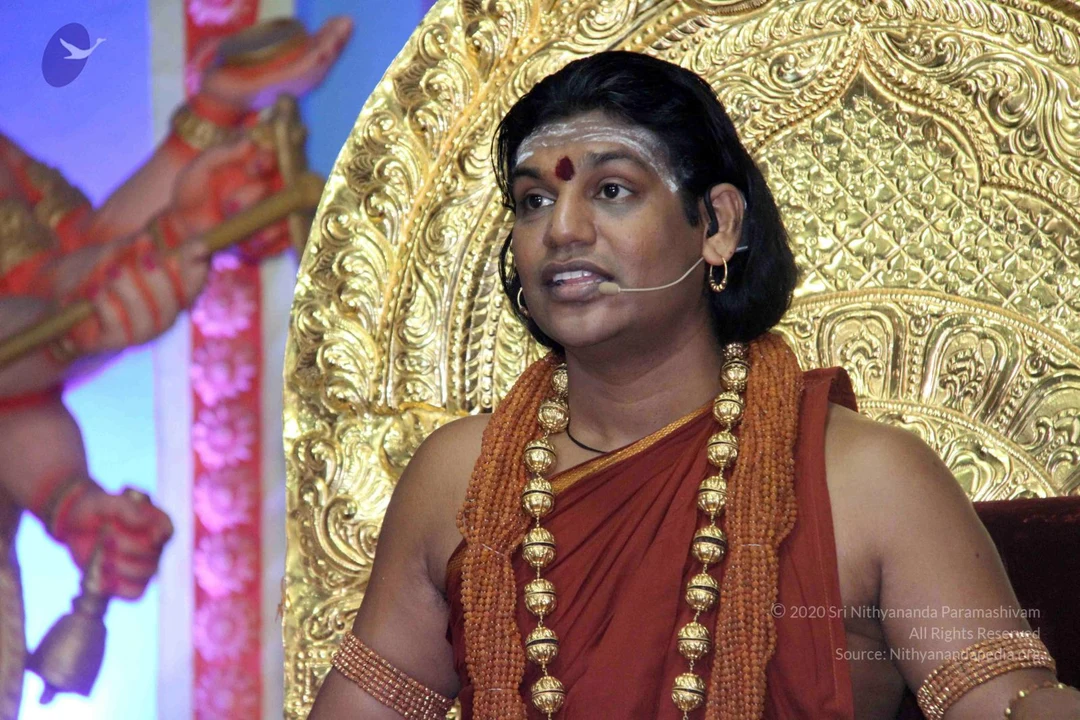
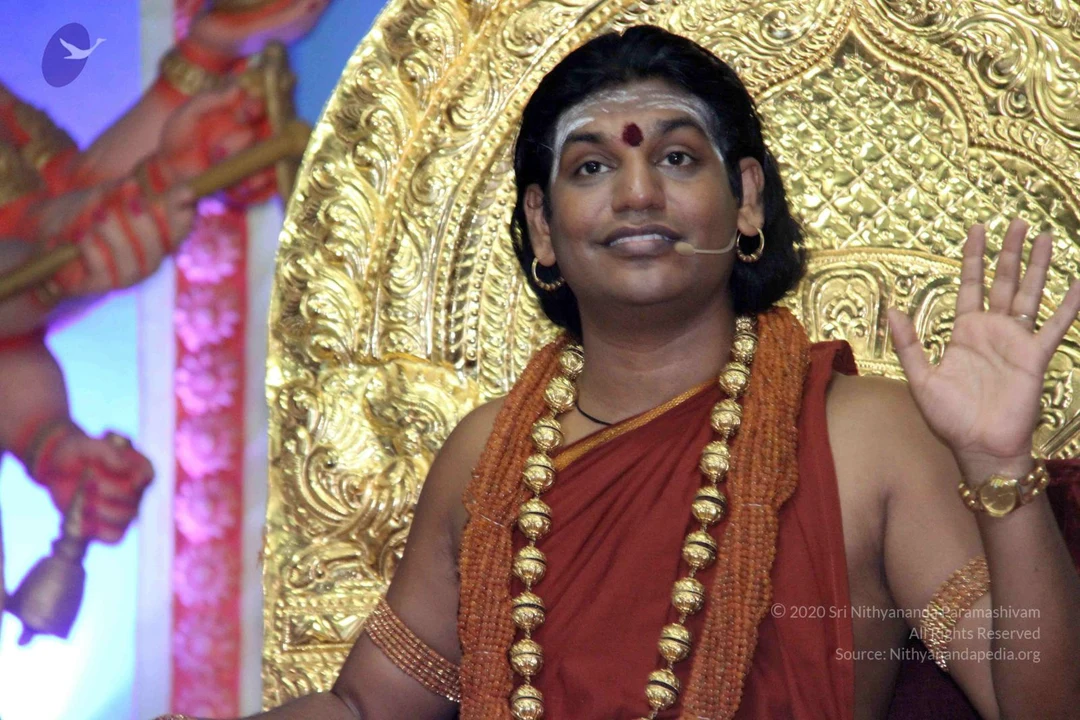
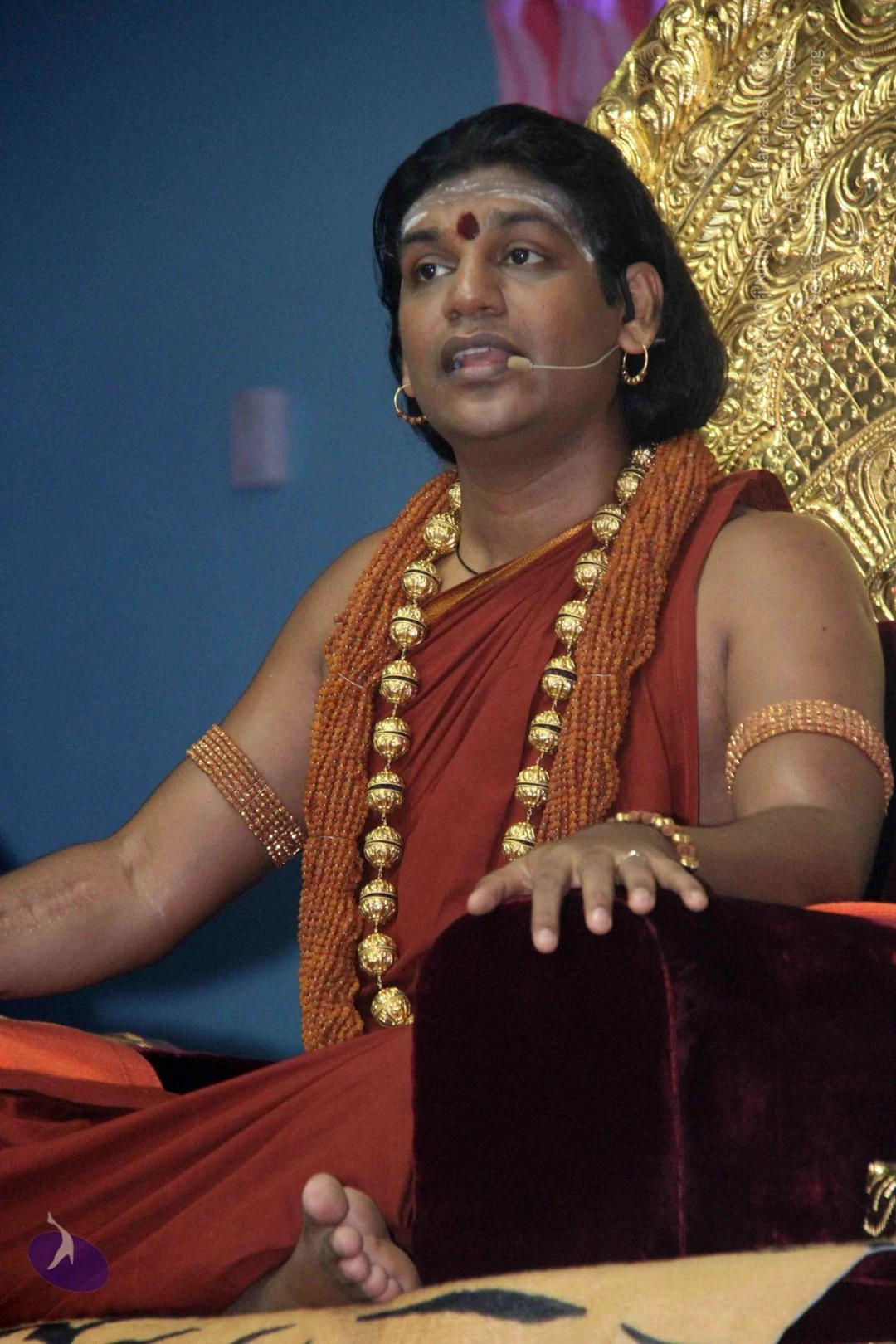
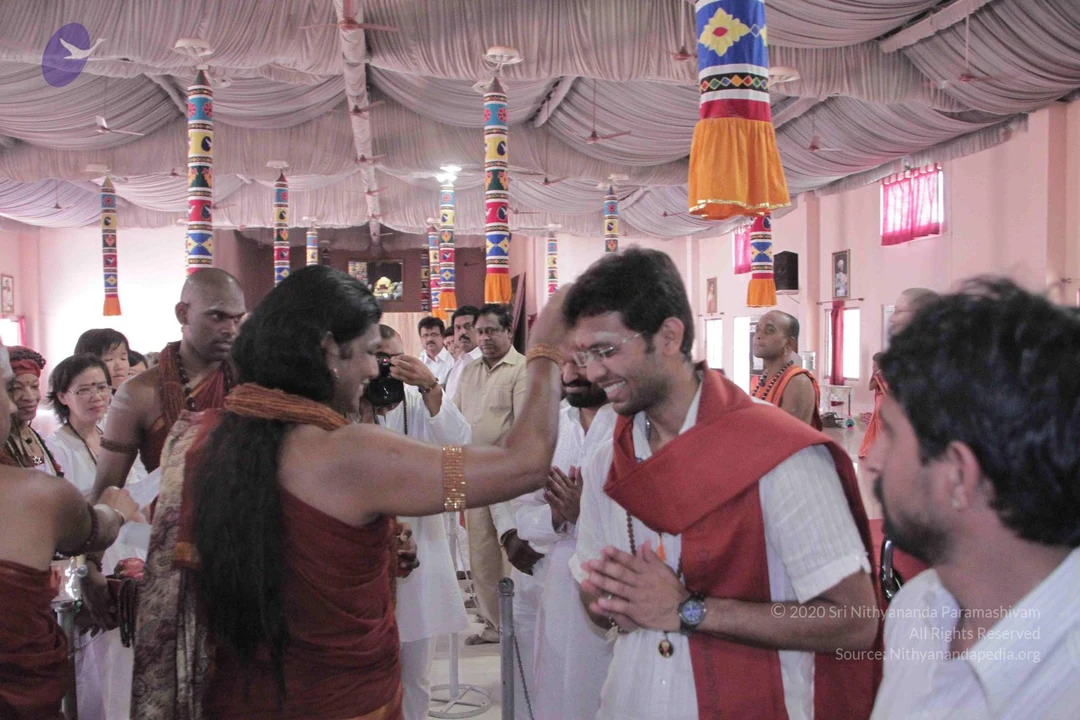
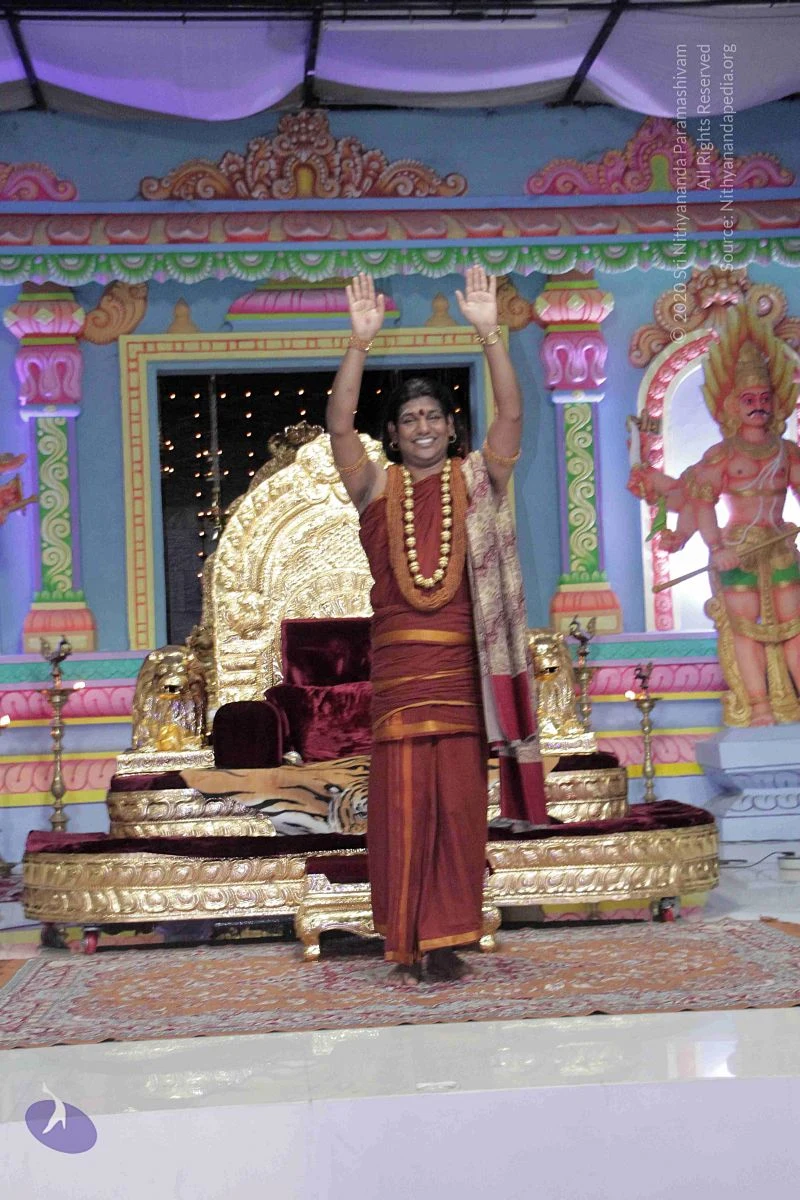
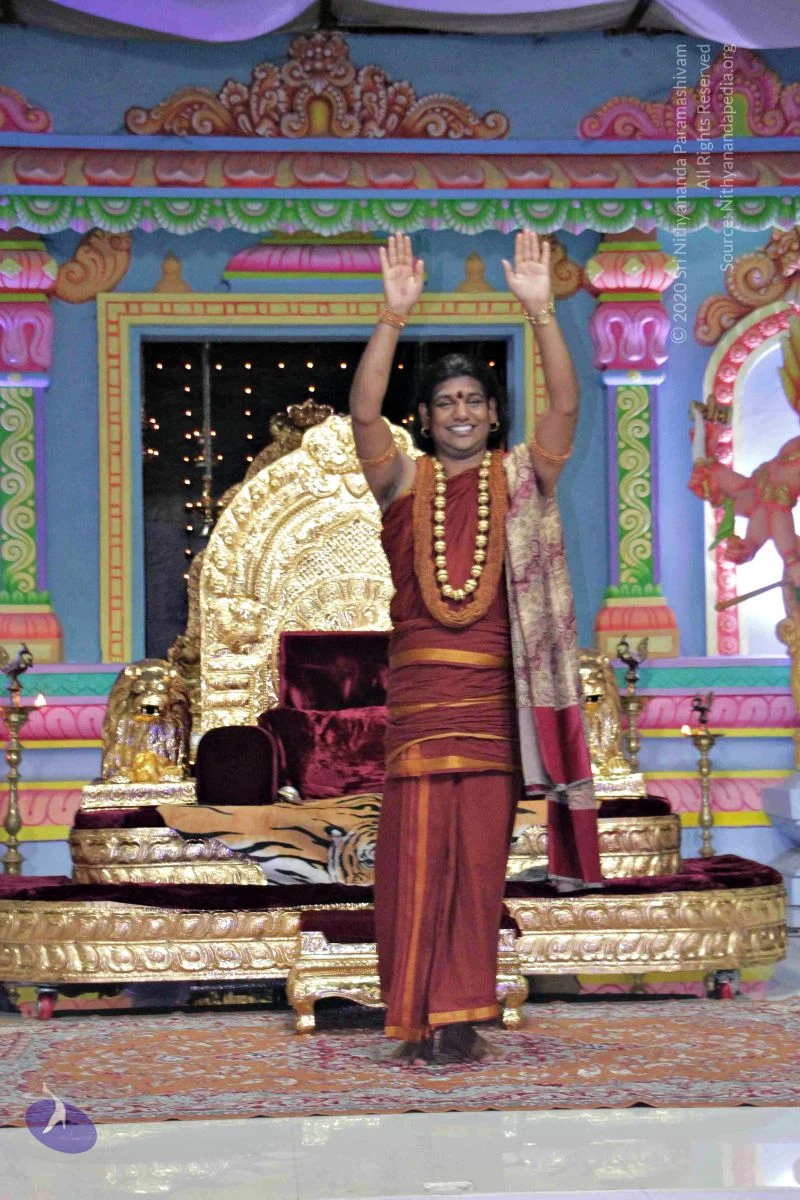
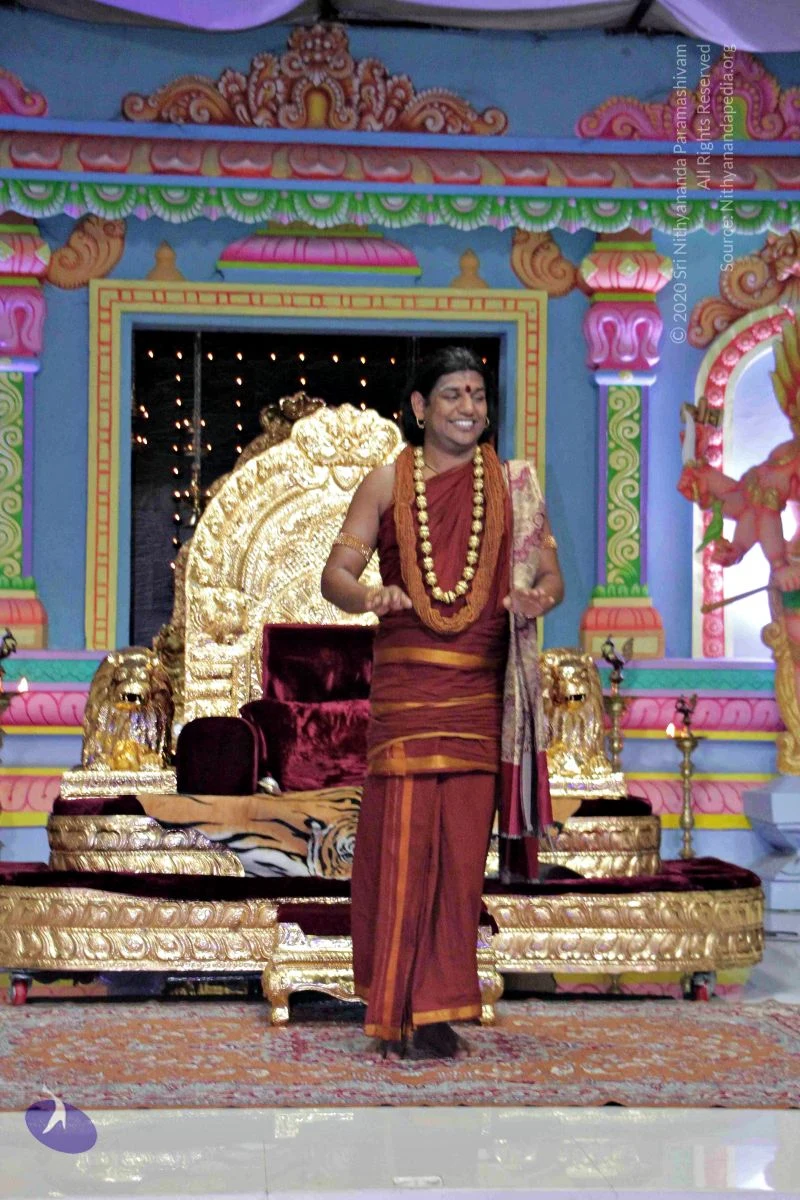
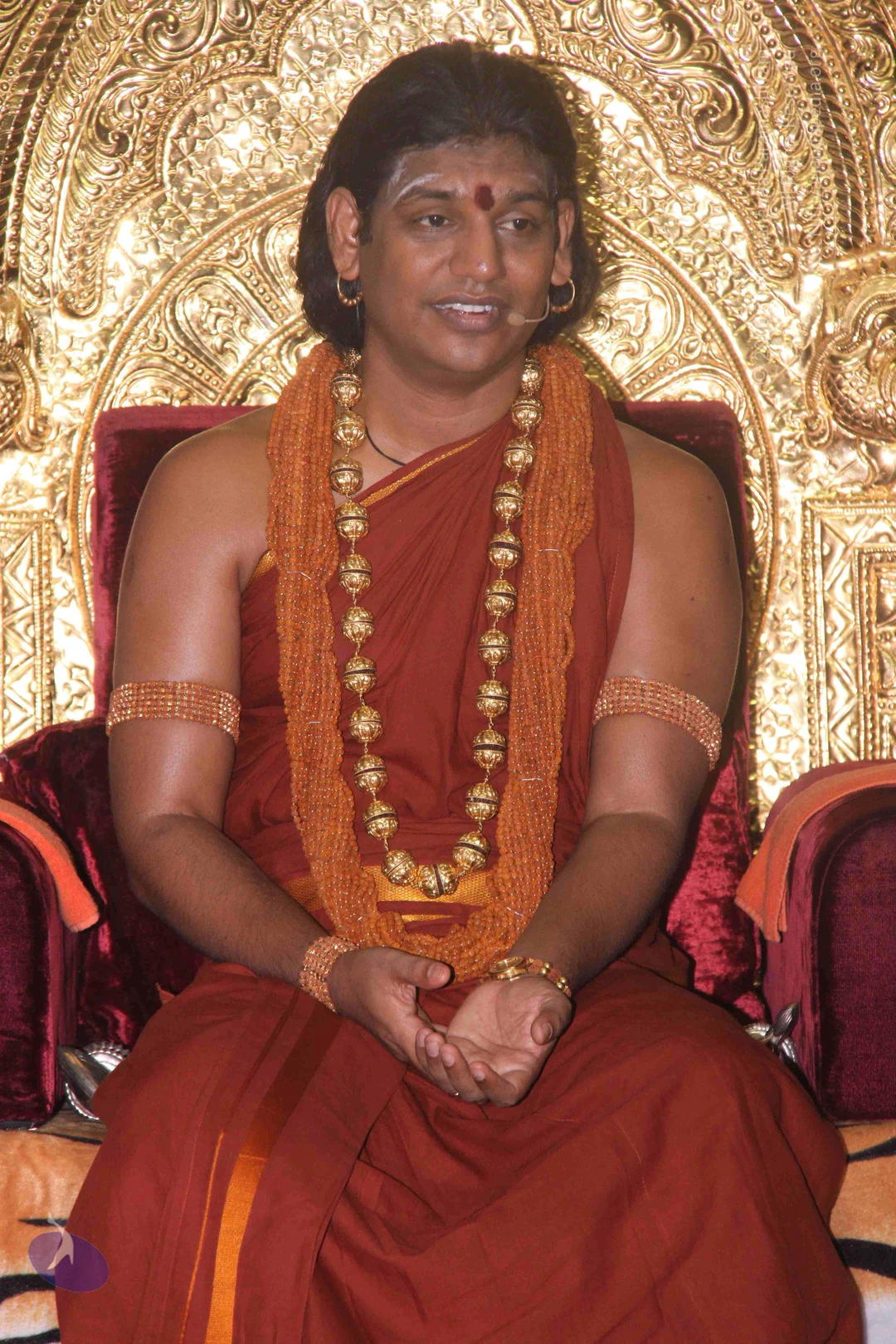
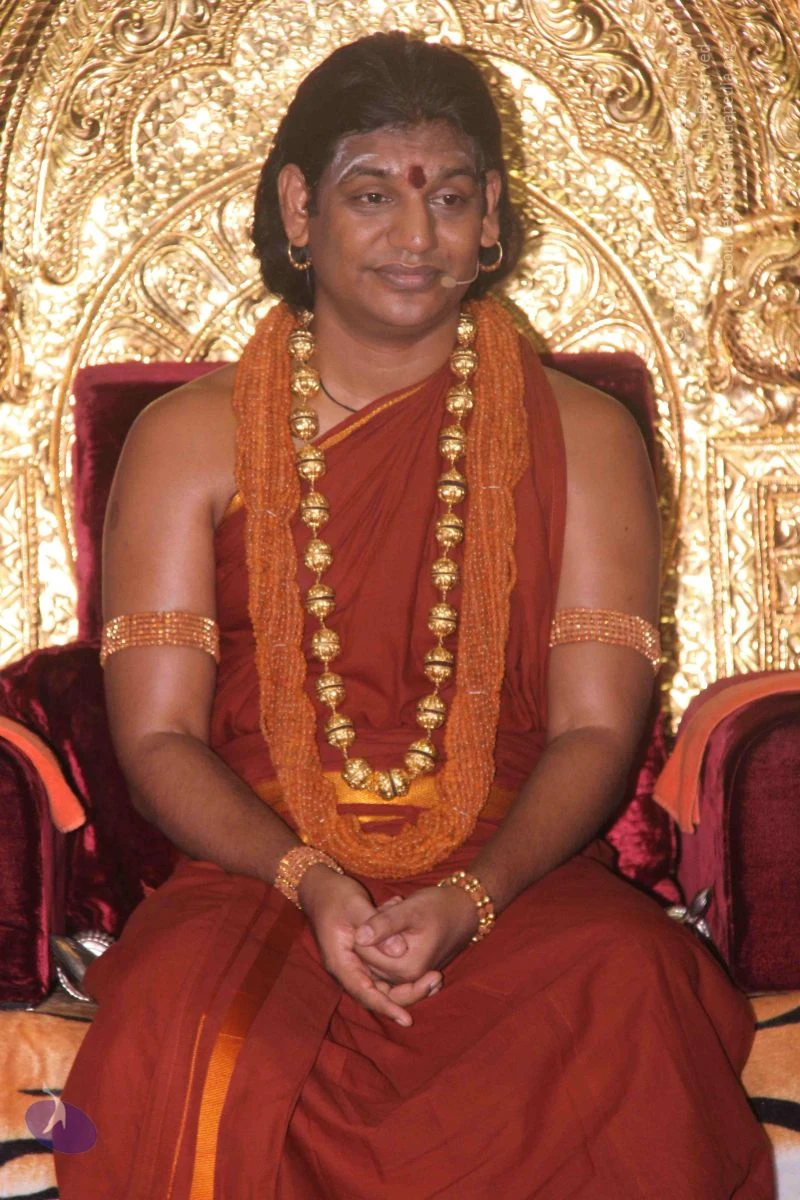
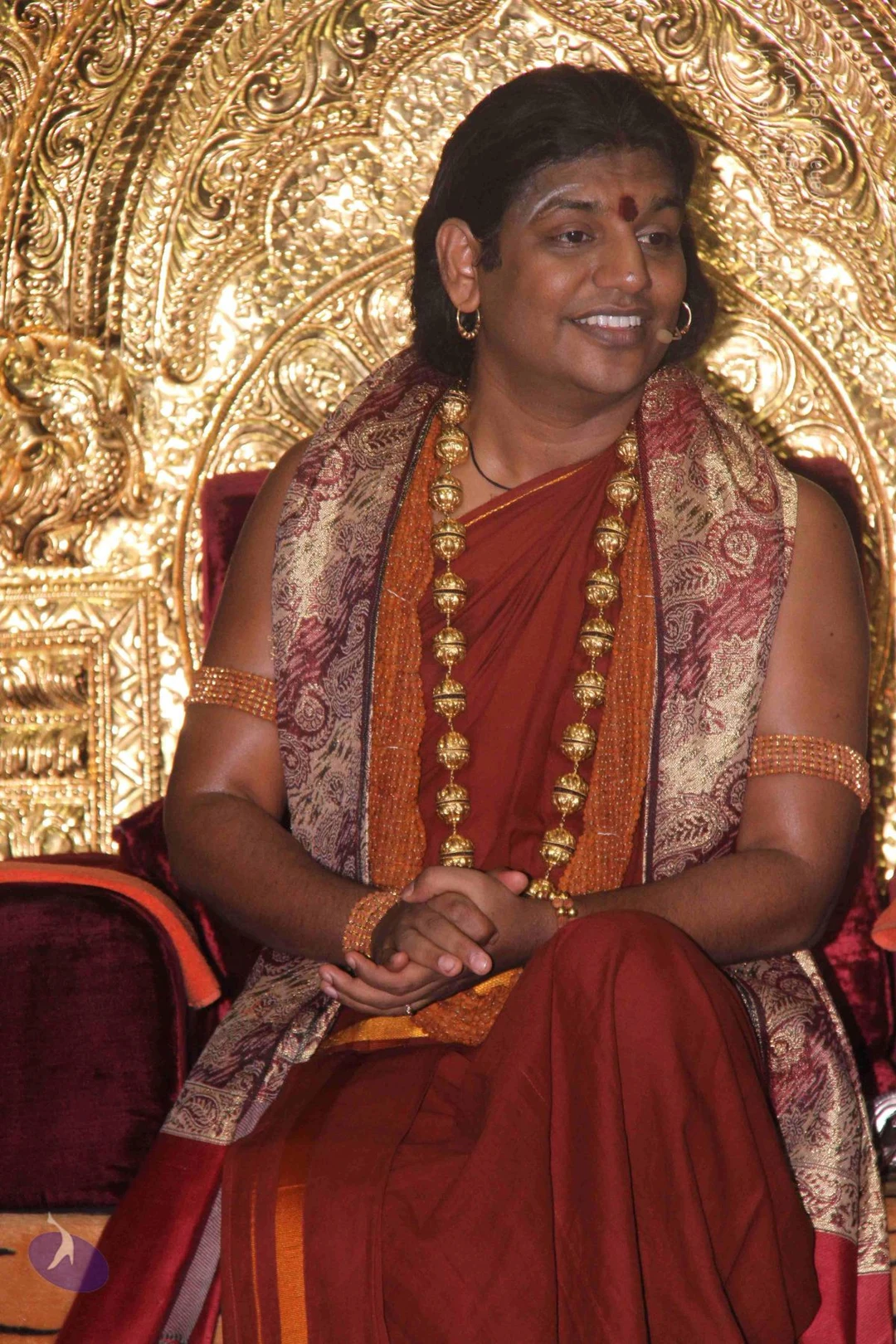
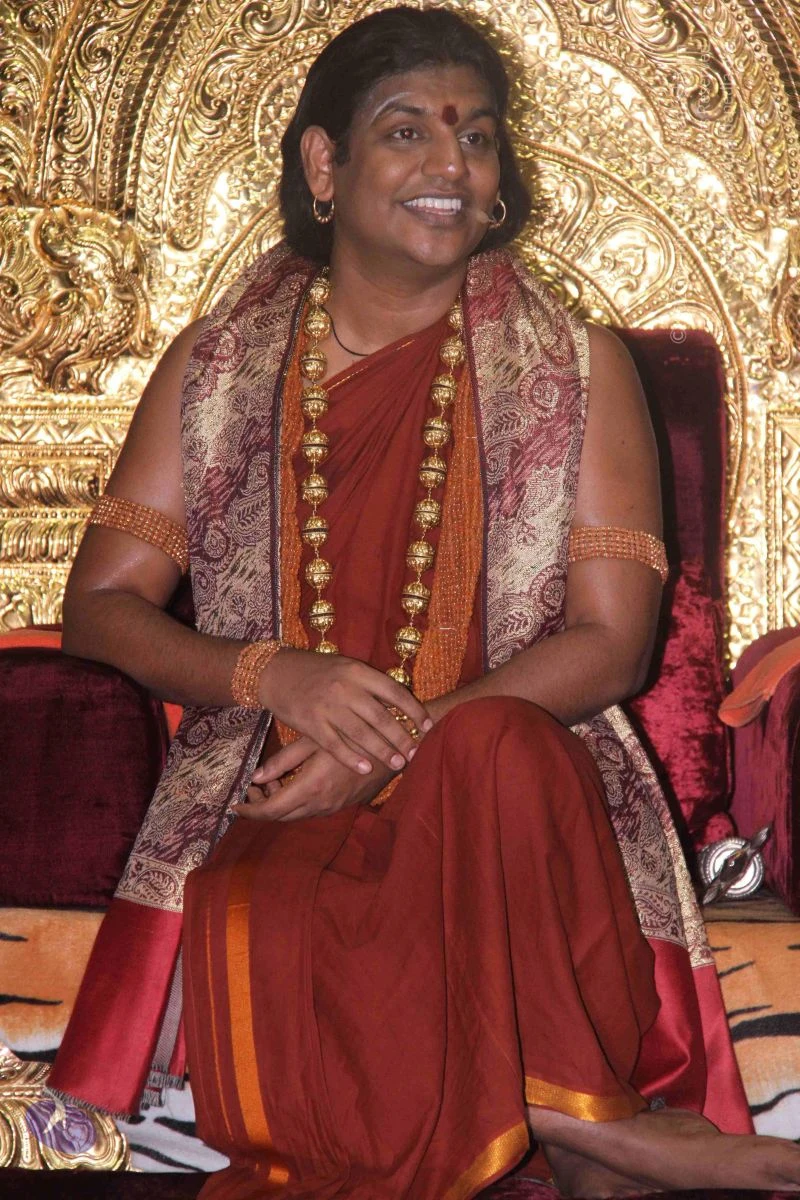
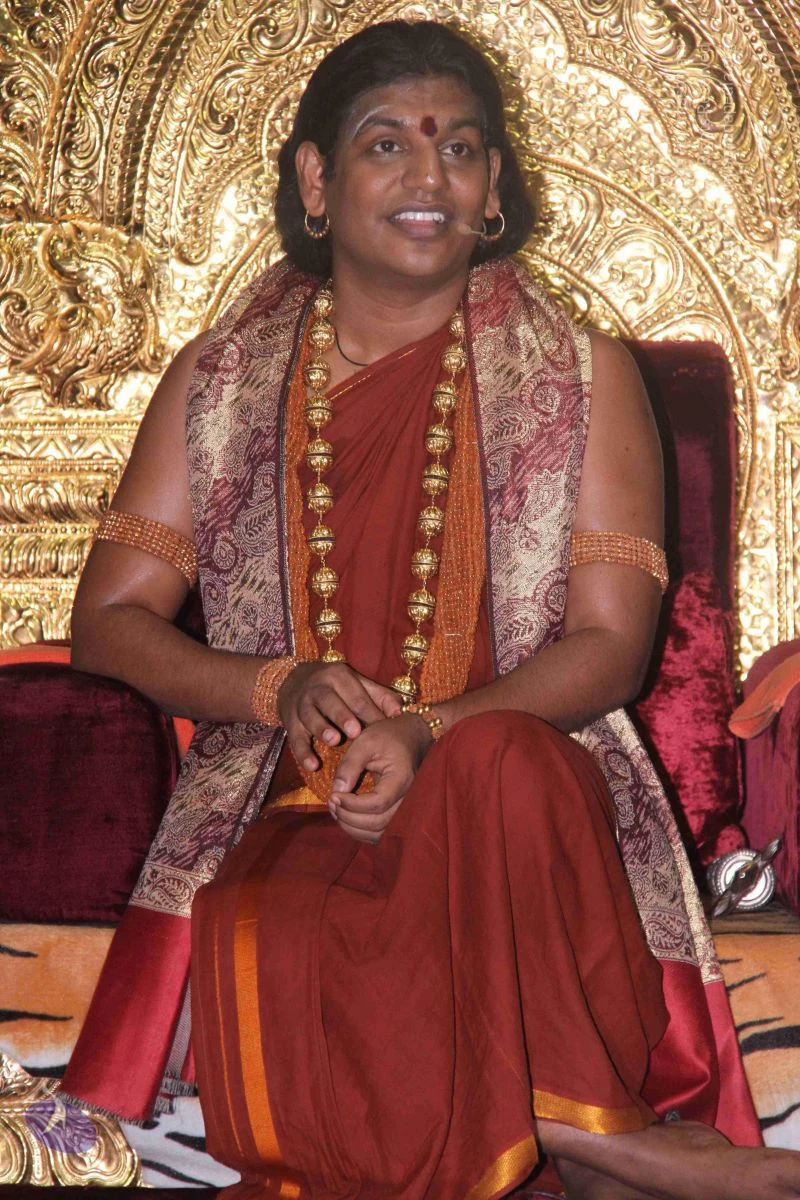
Nithya Satsang
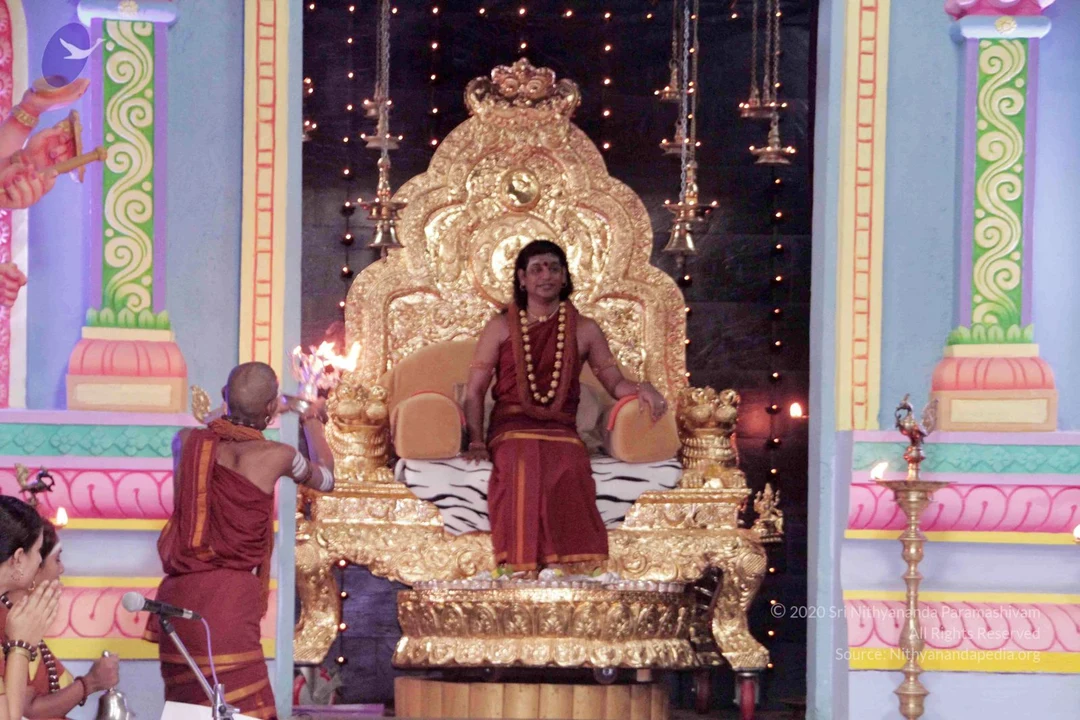
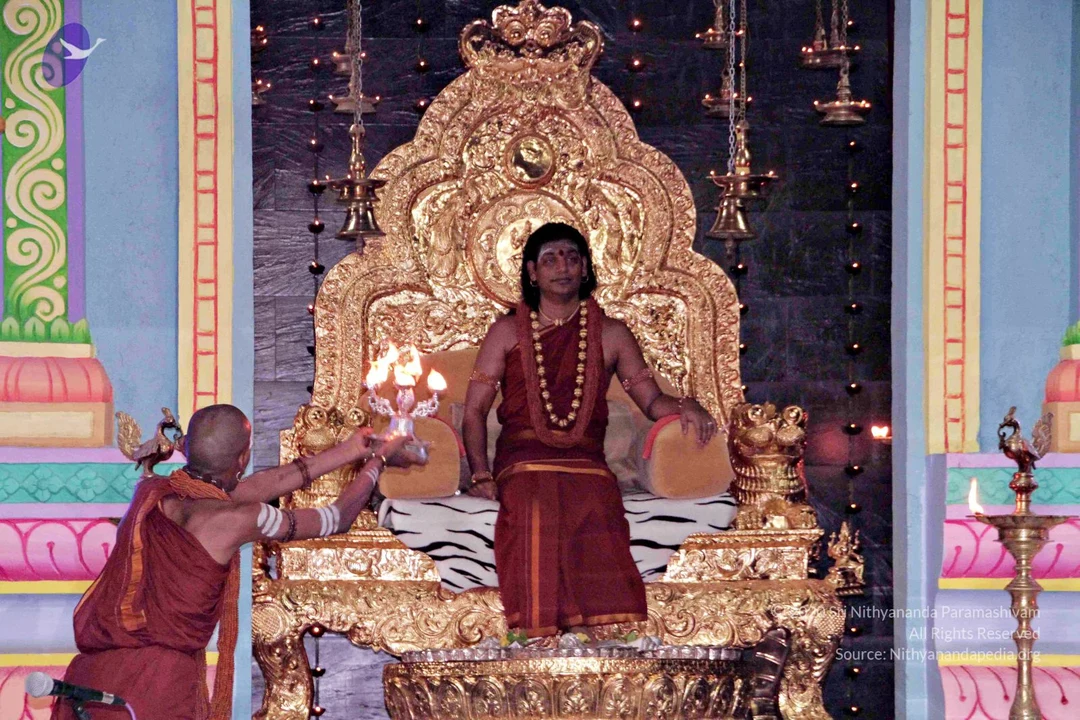
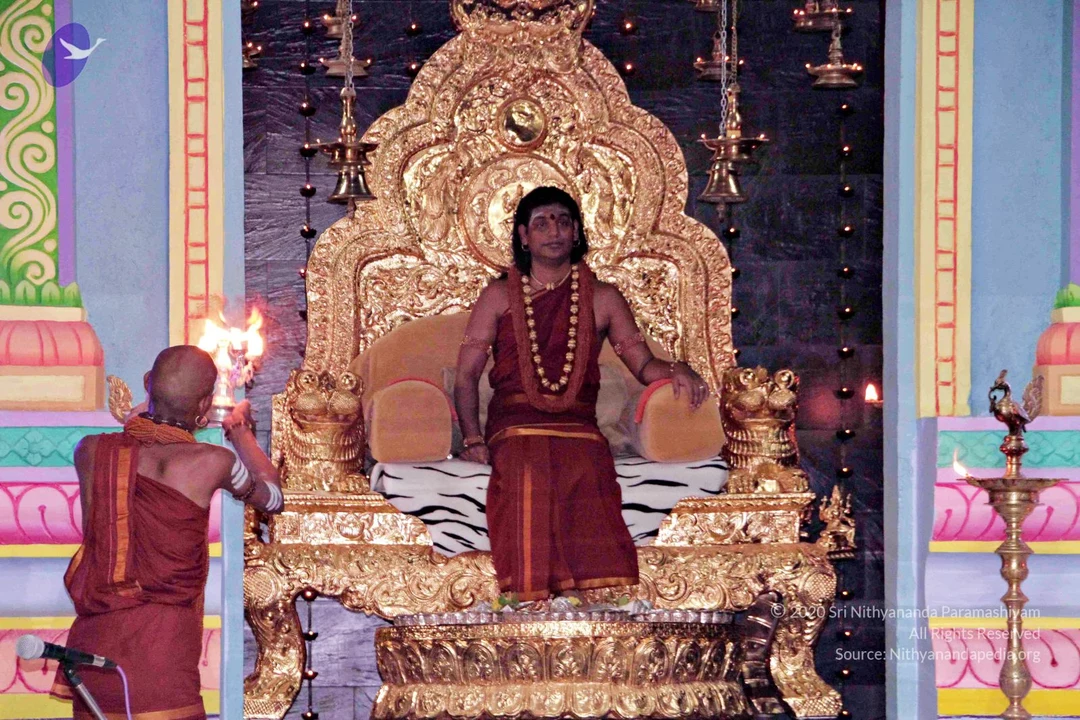
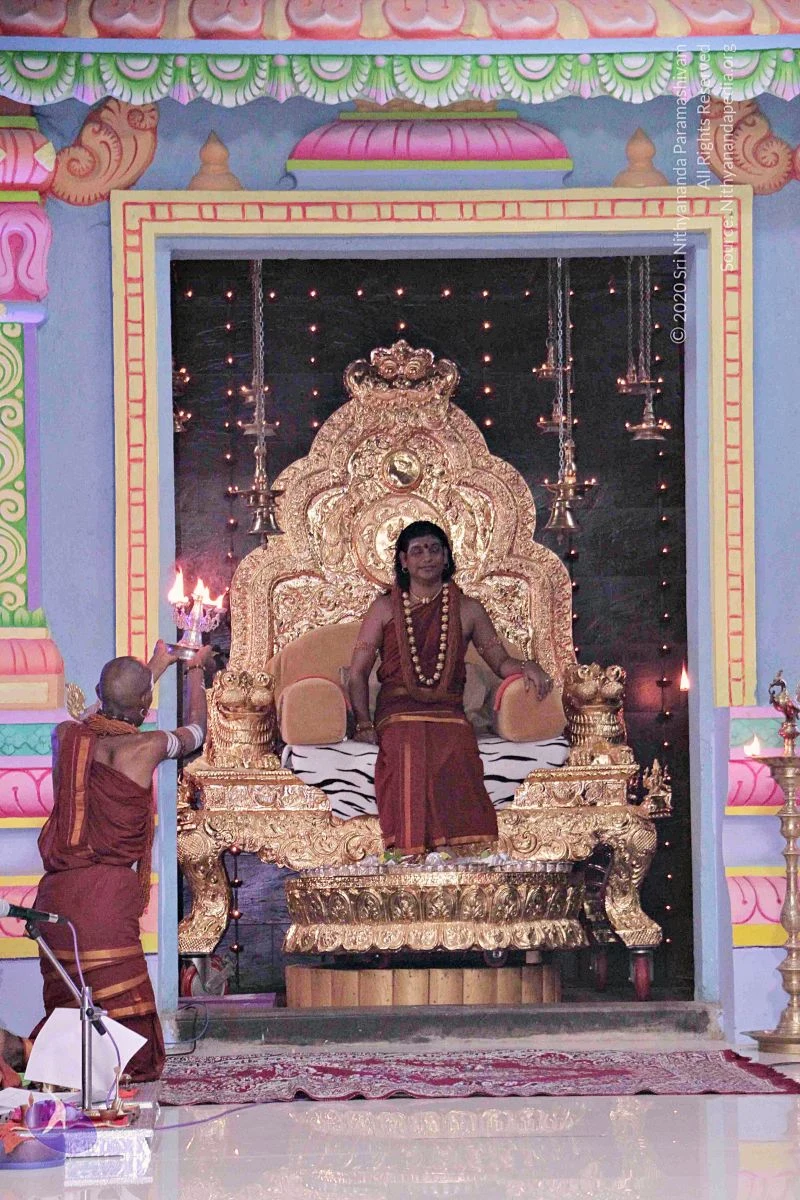
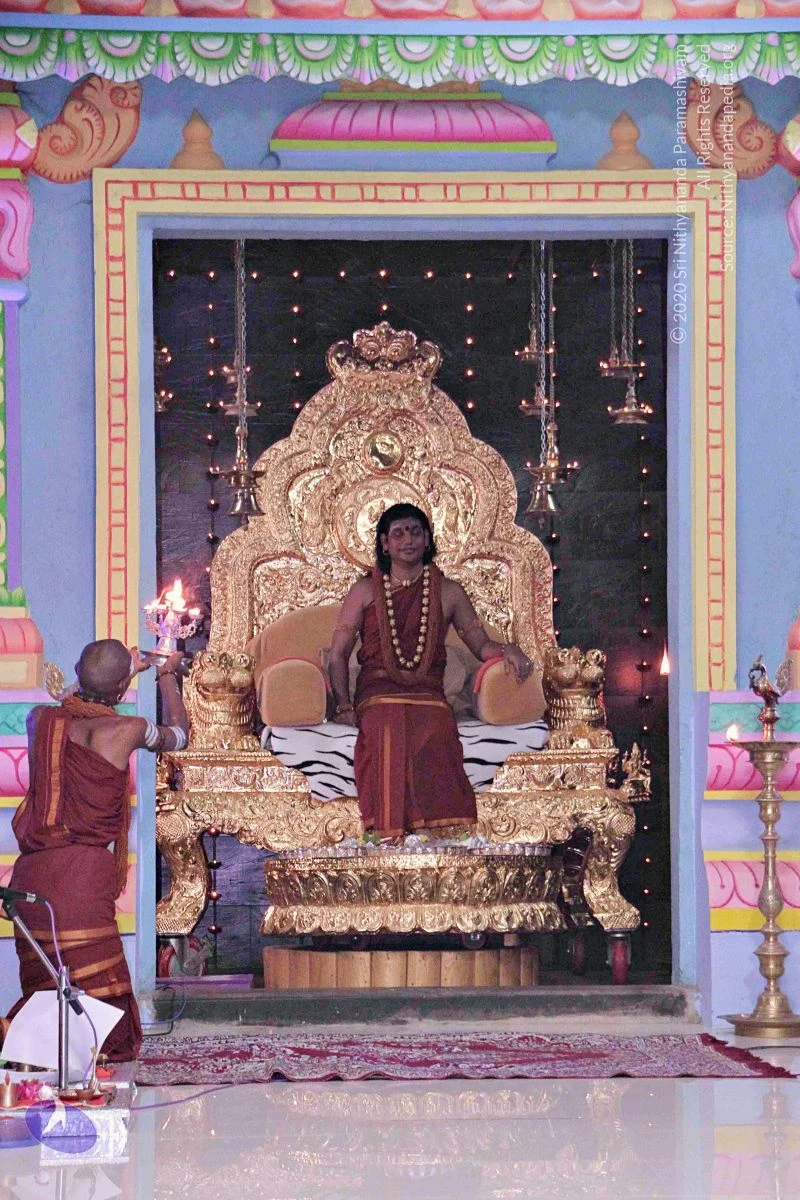
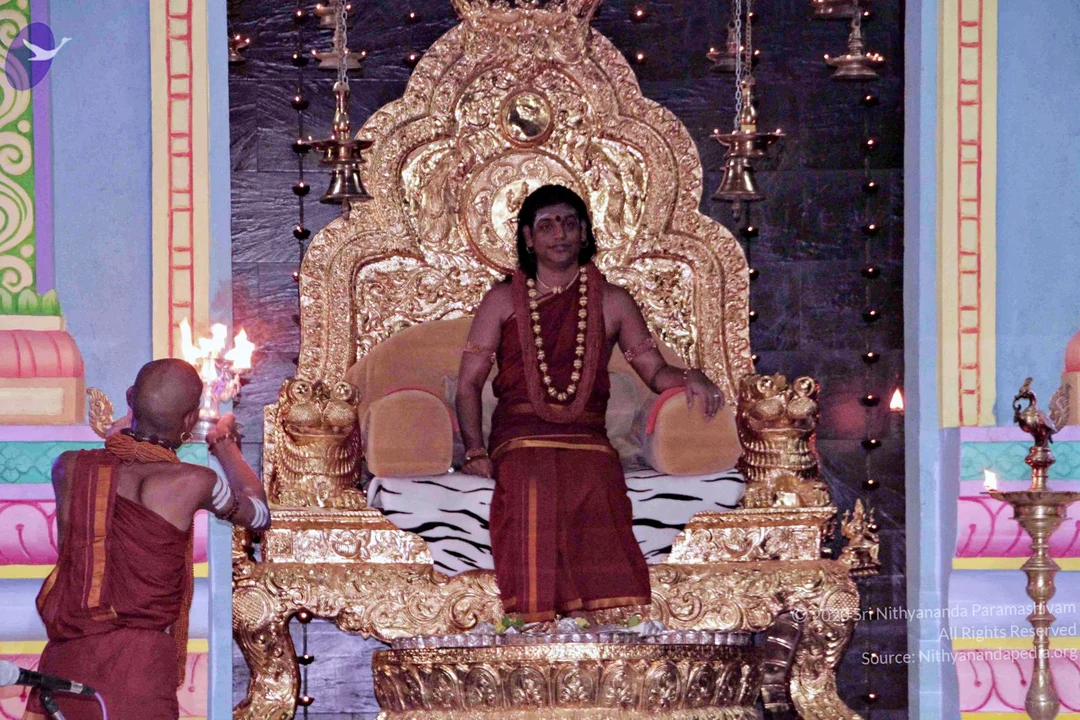
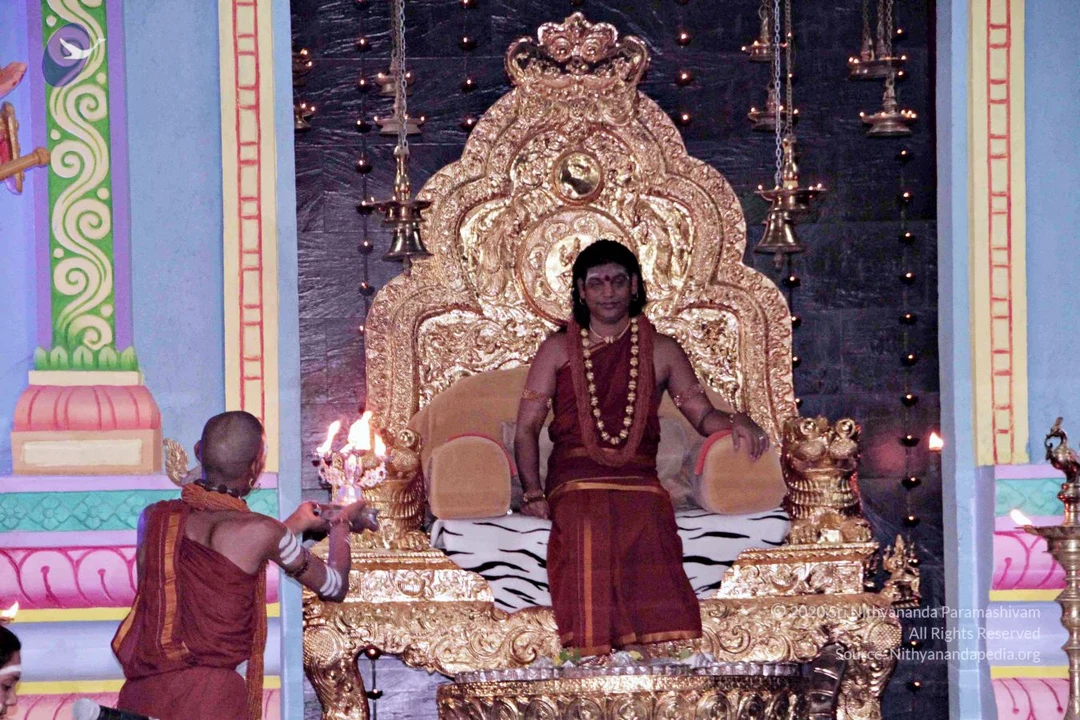
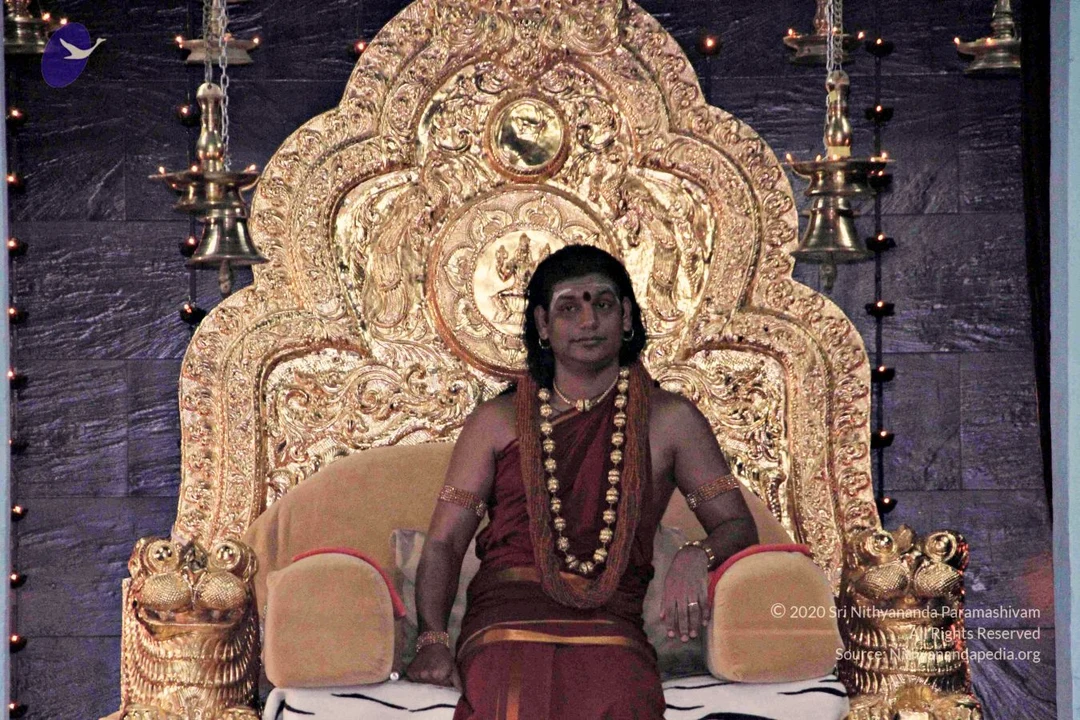
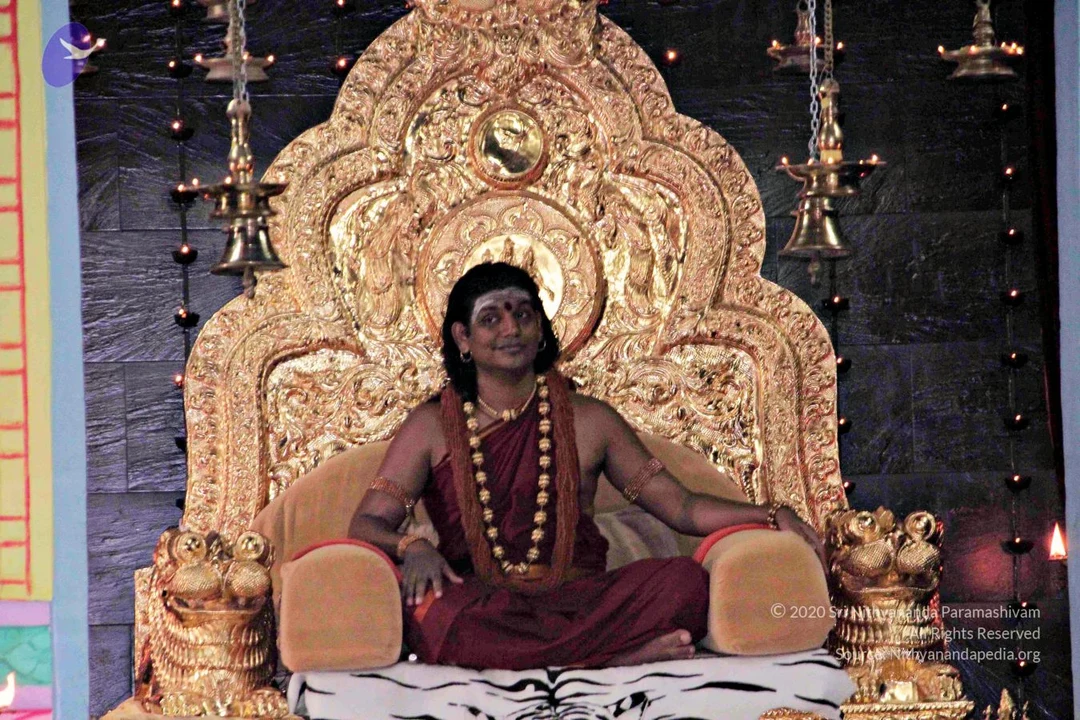
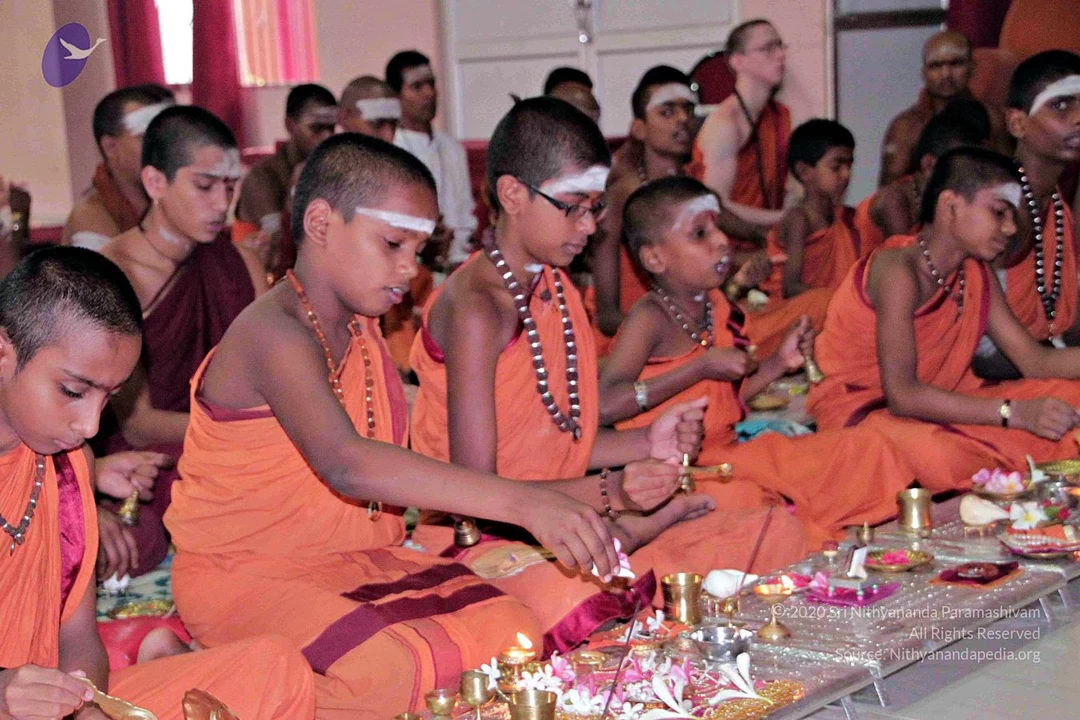
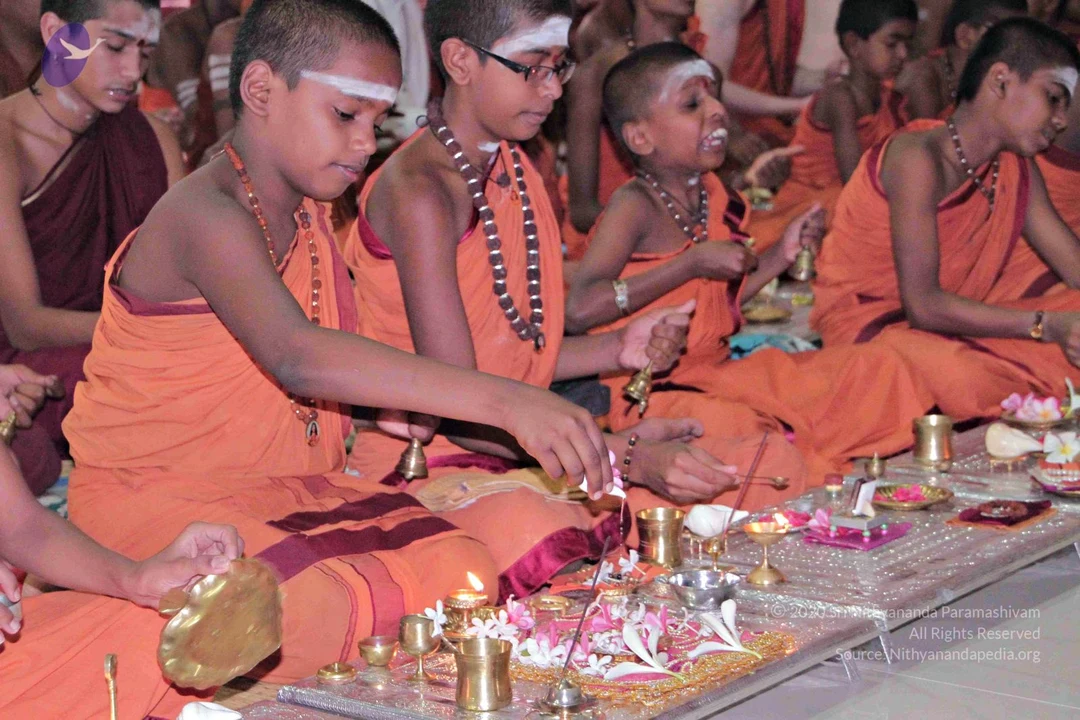

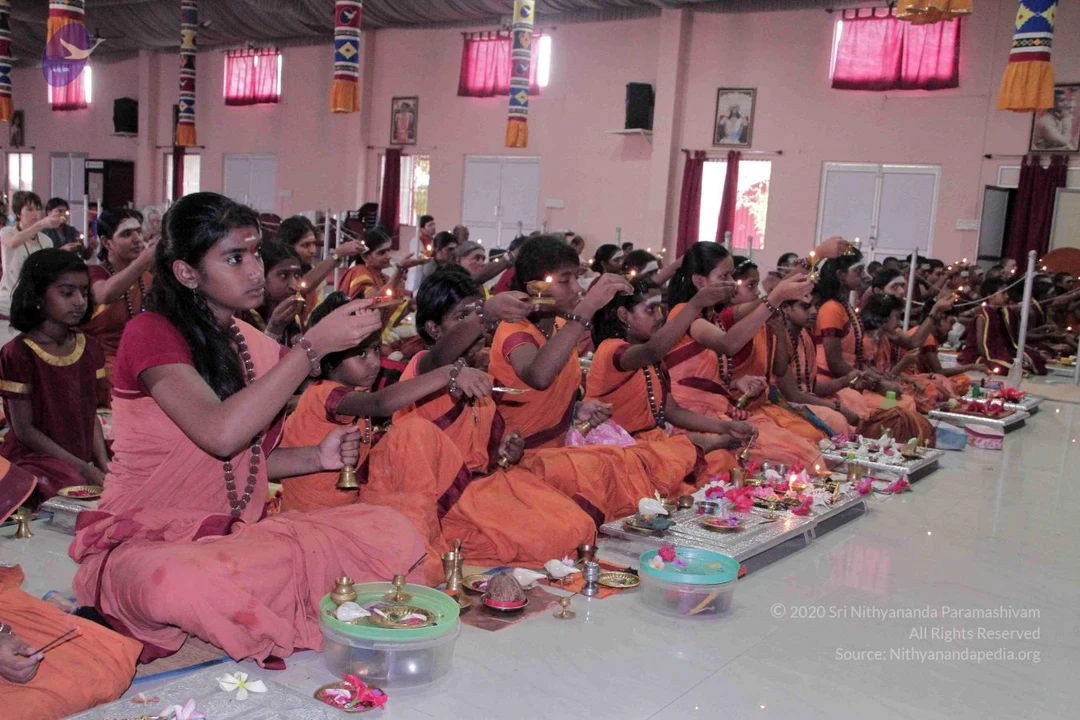
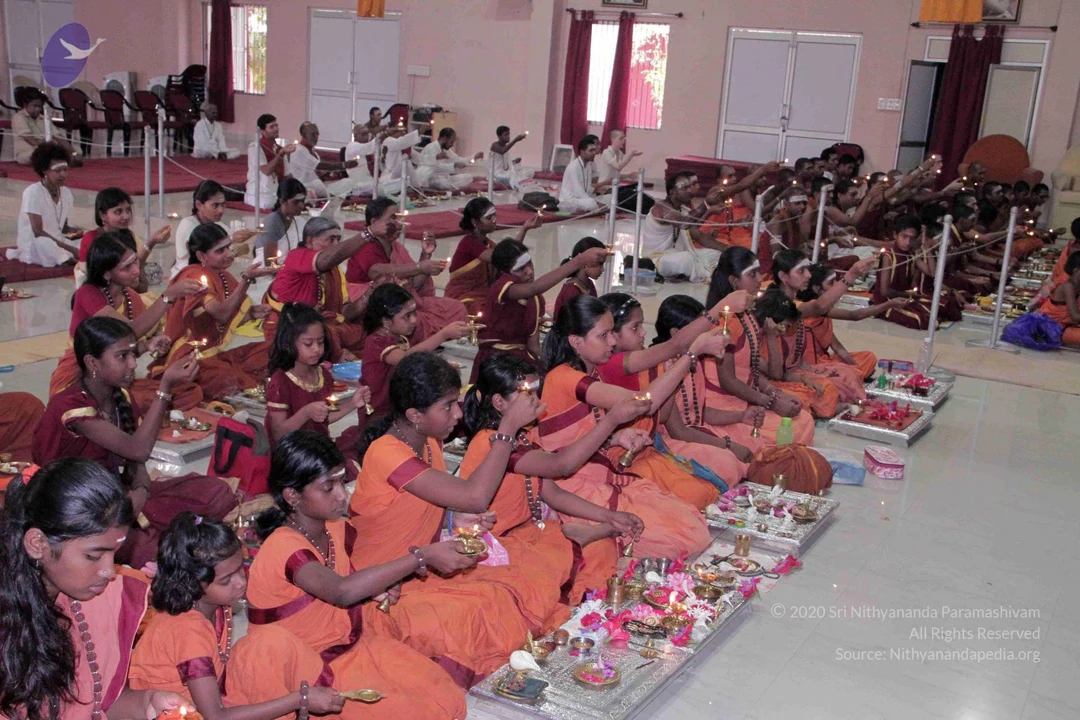
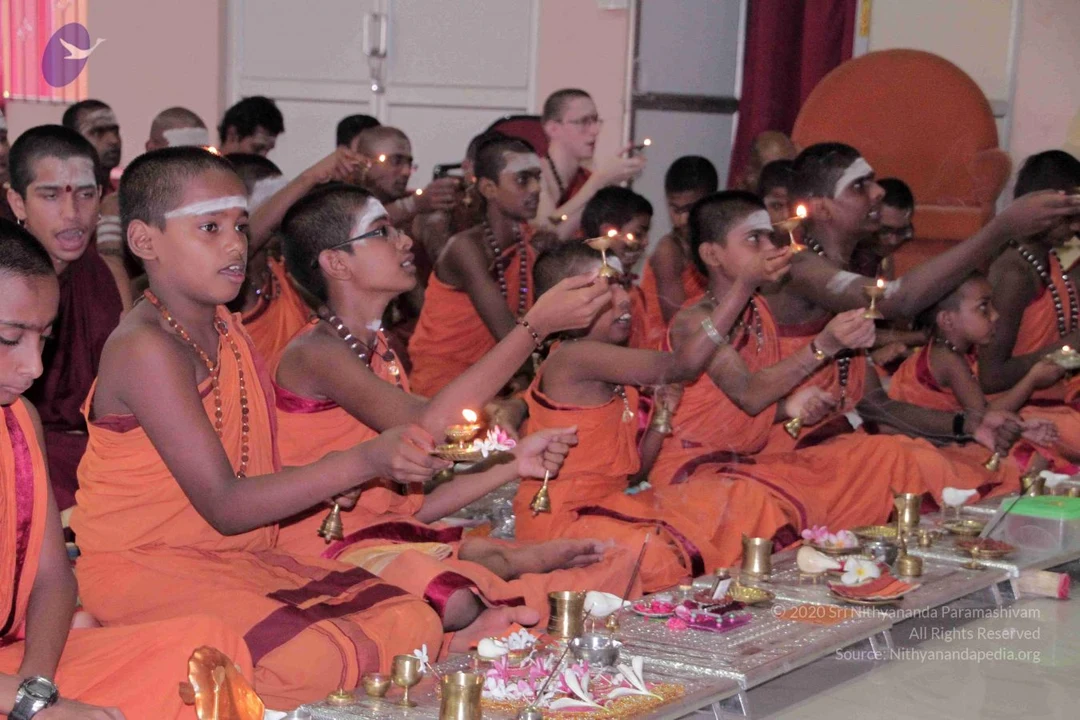
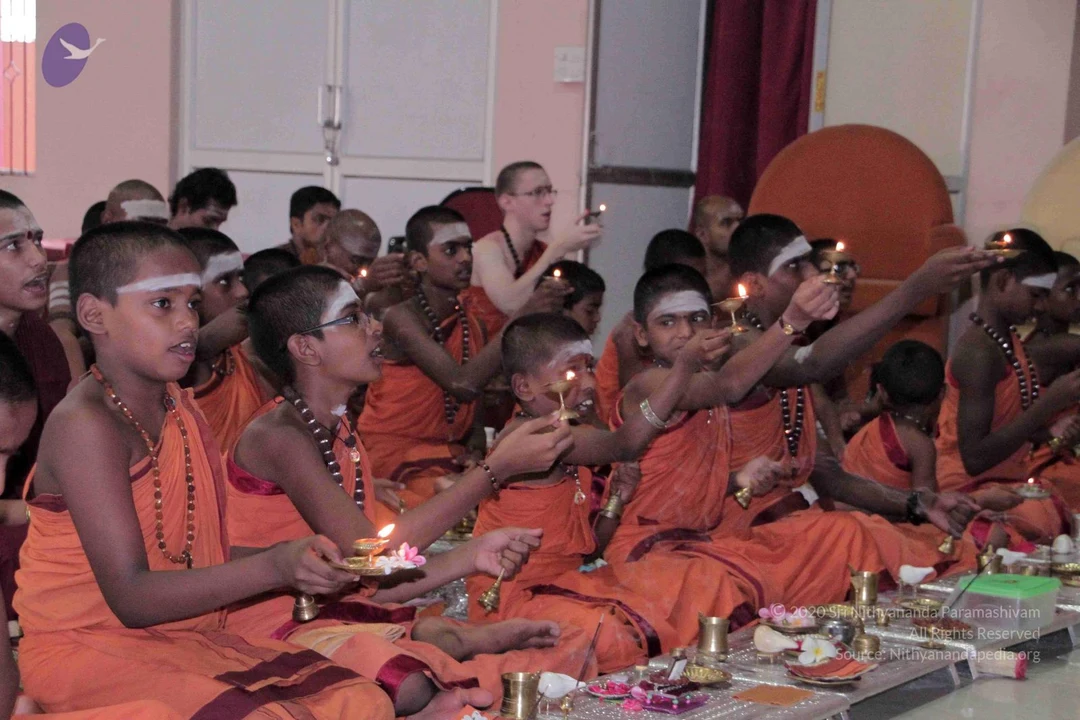
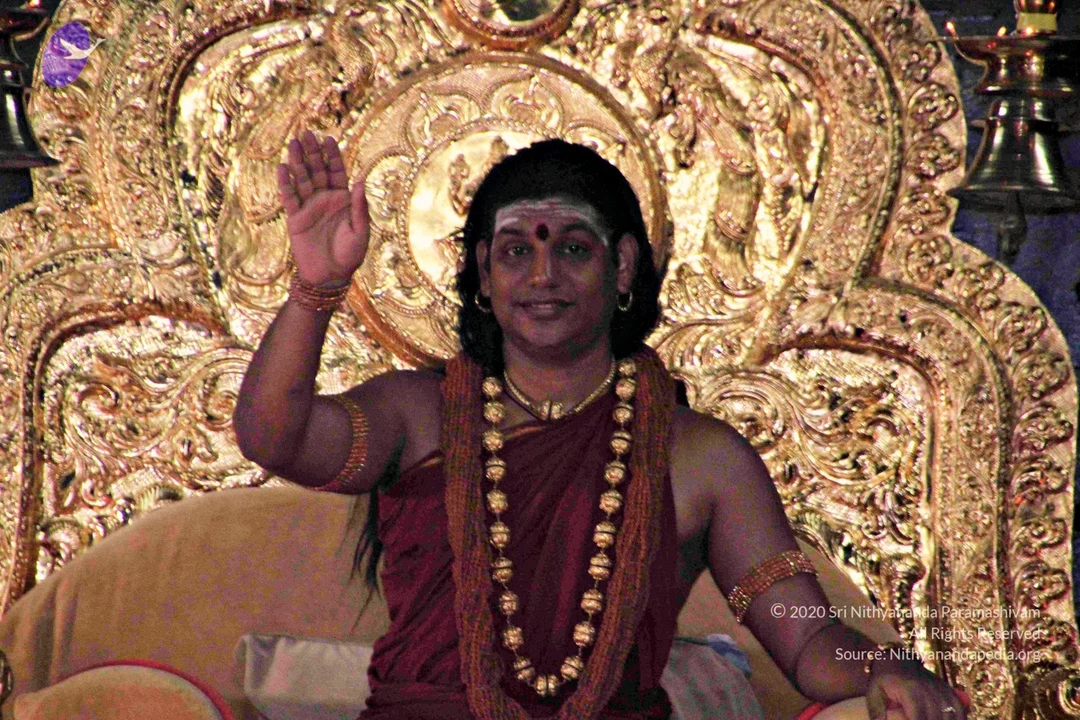
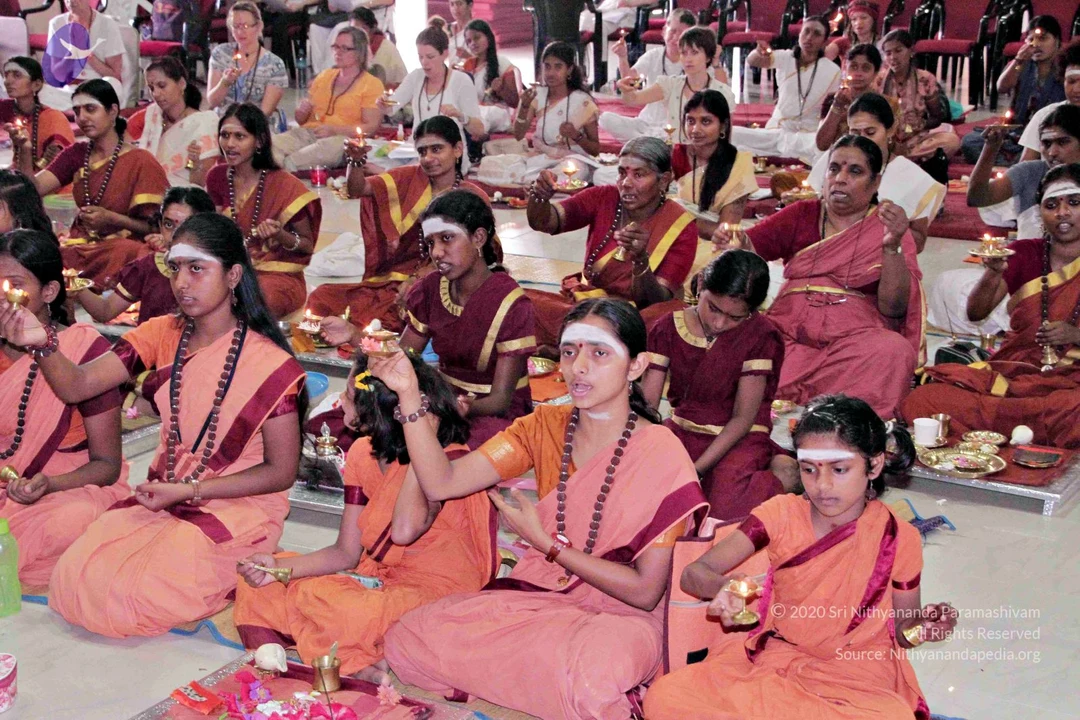
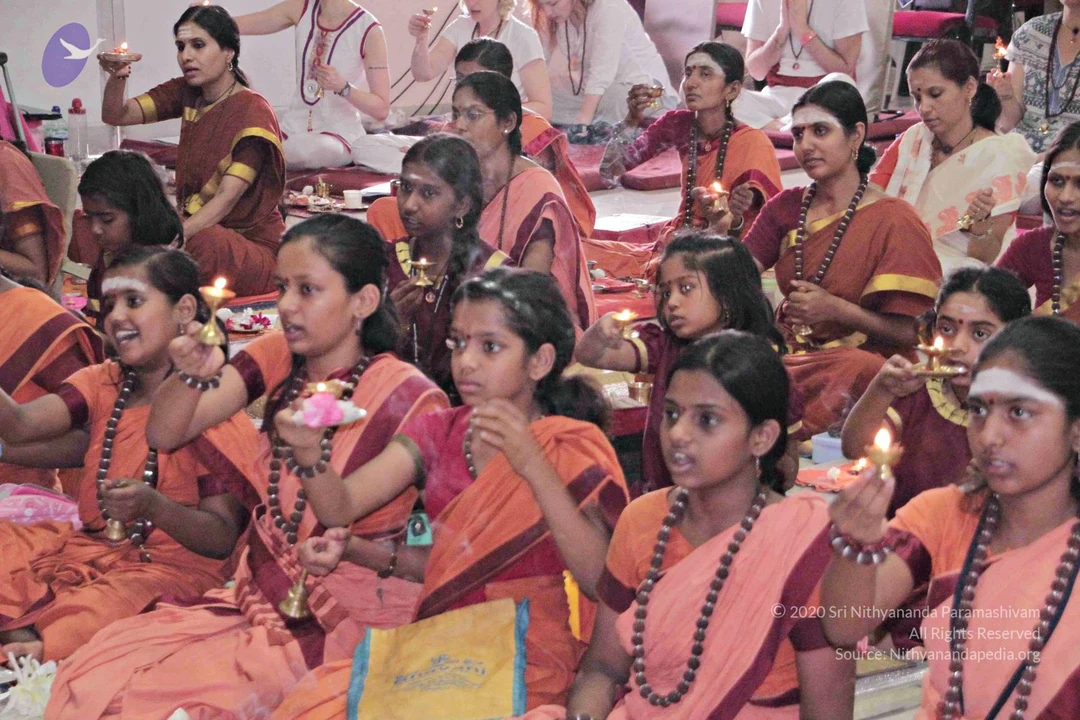
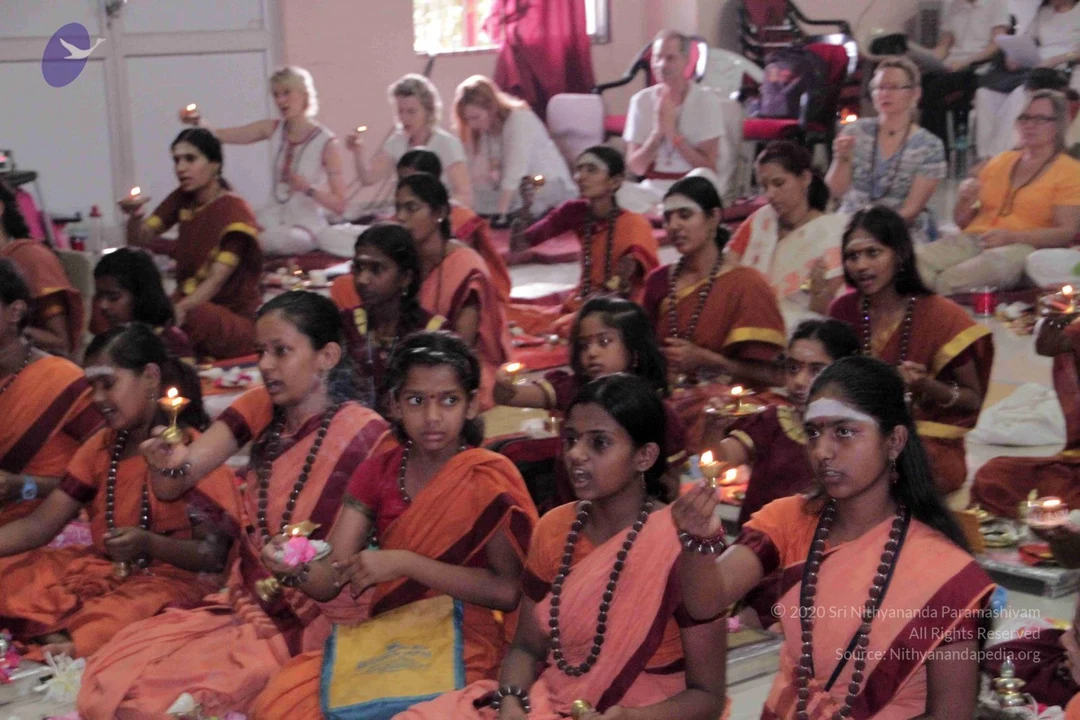
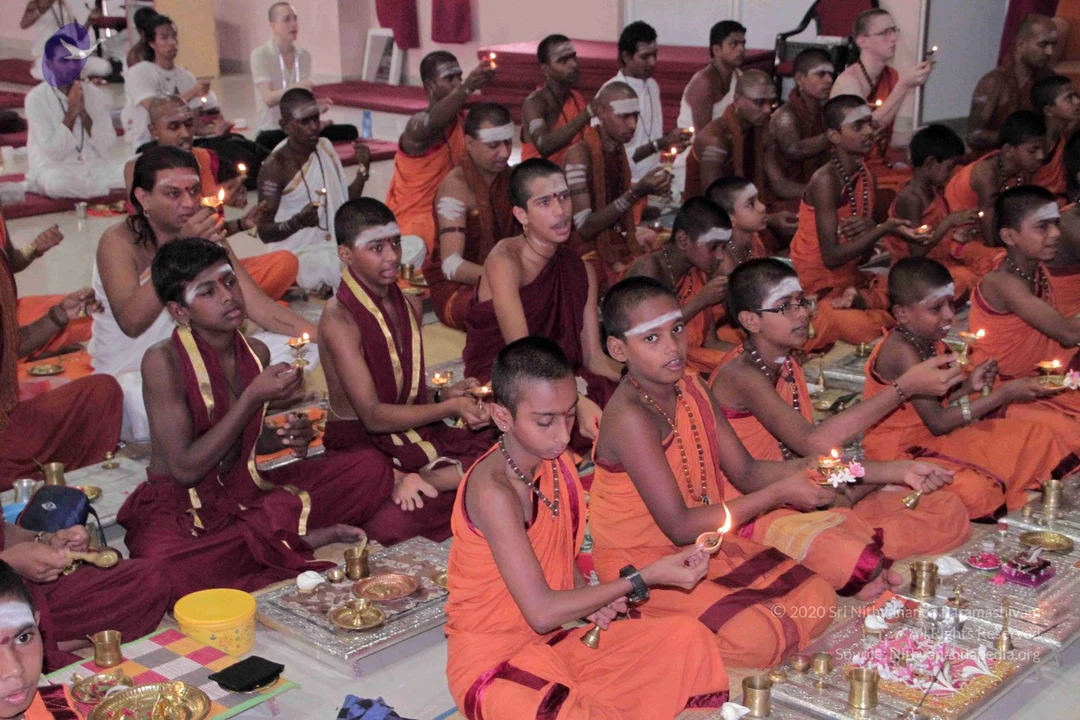
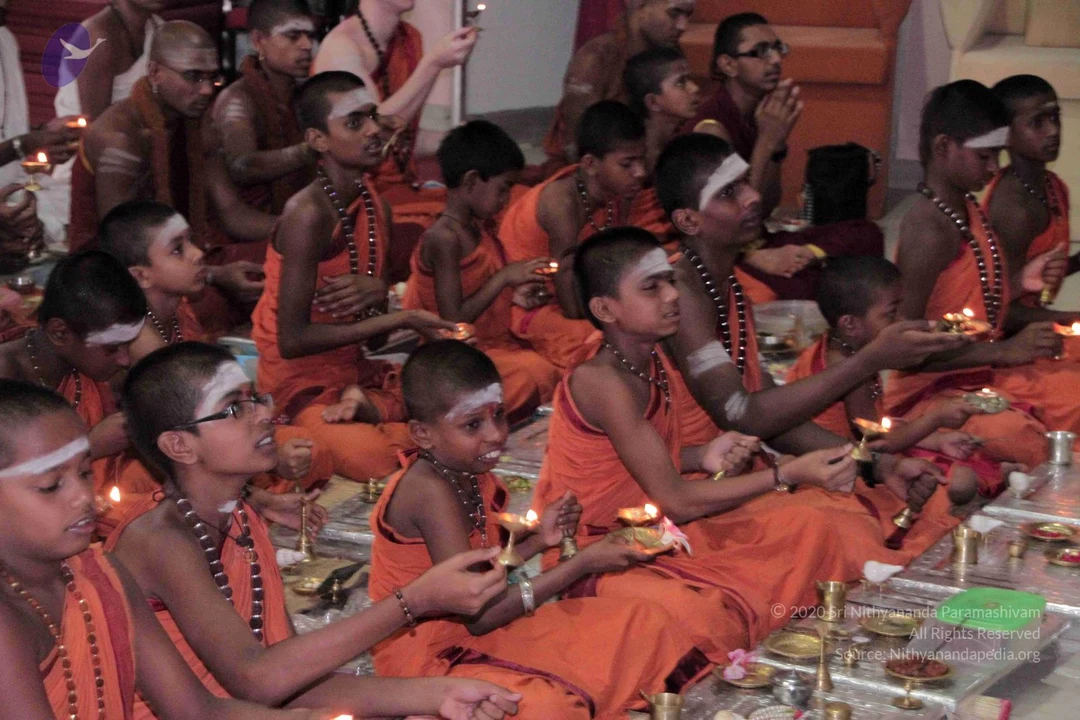
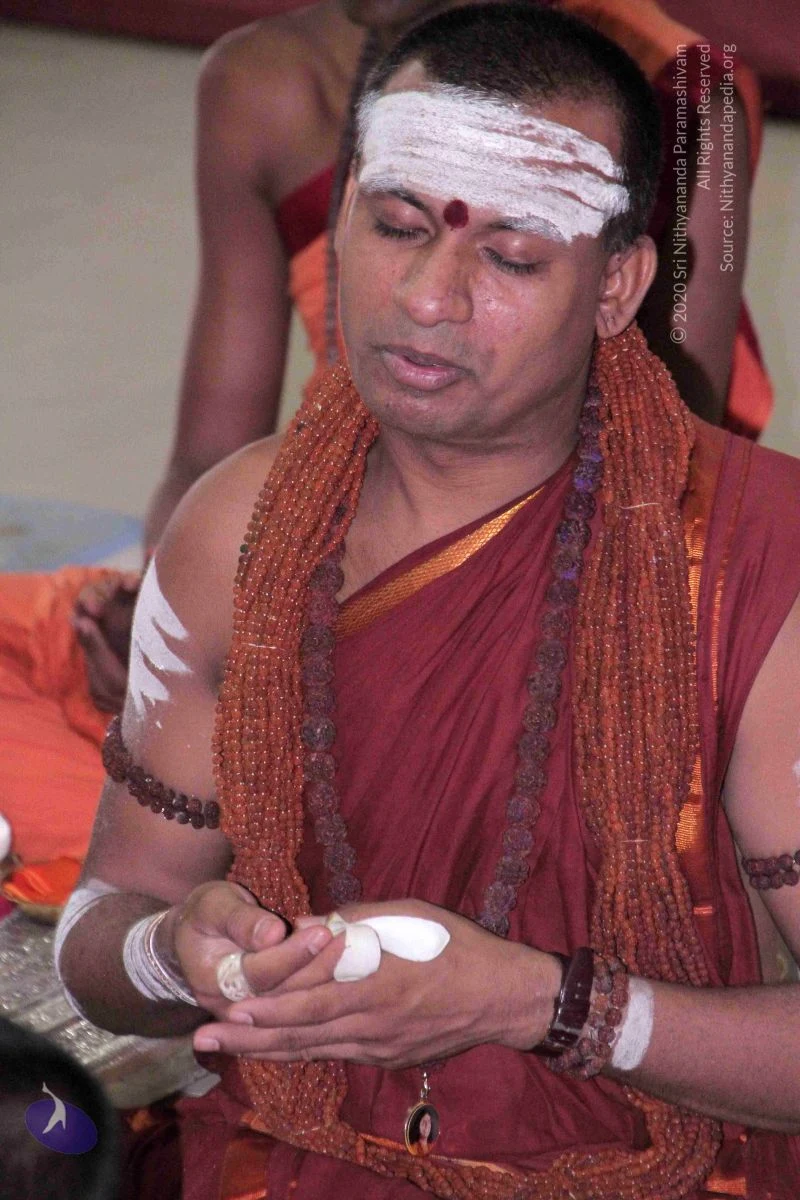
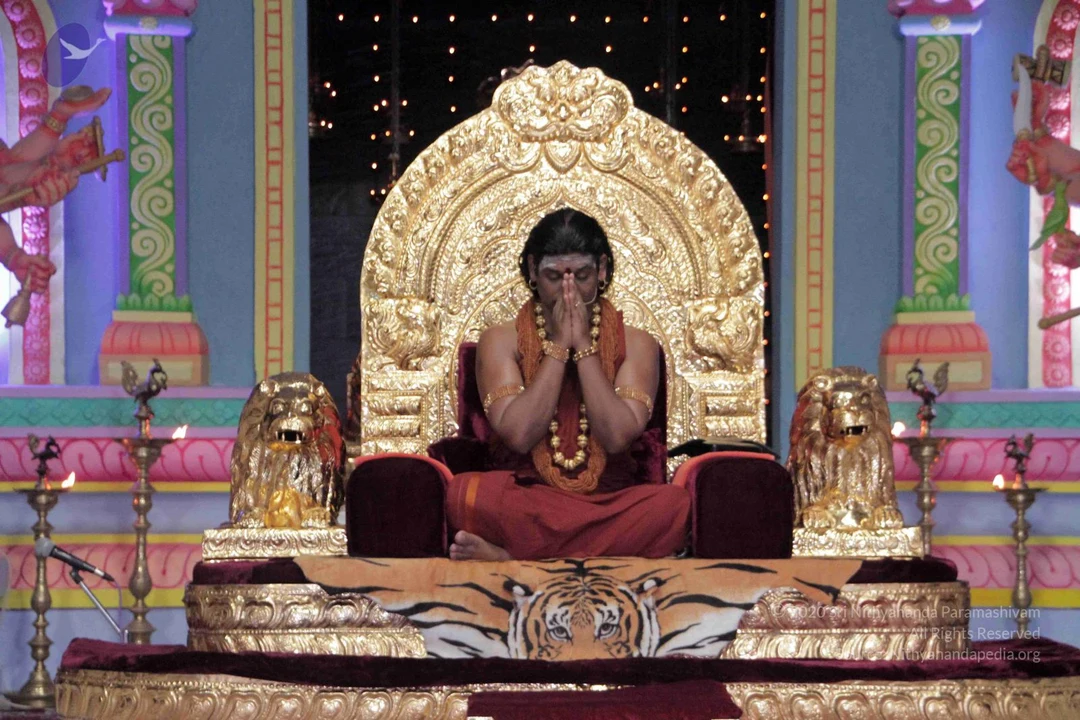
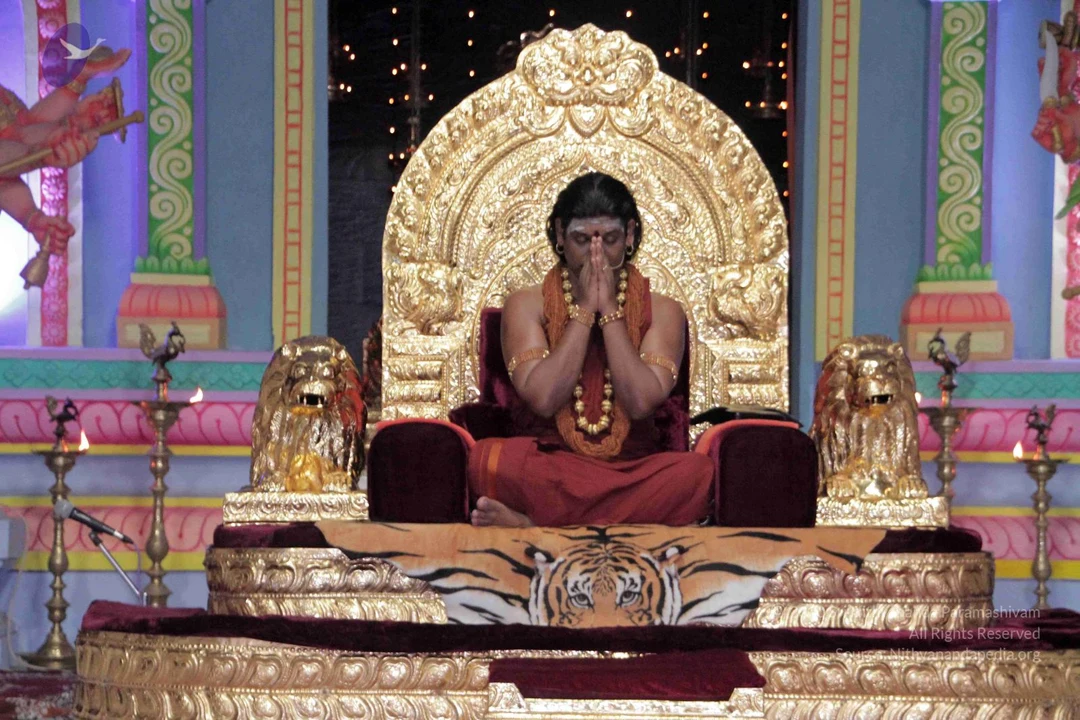
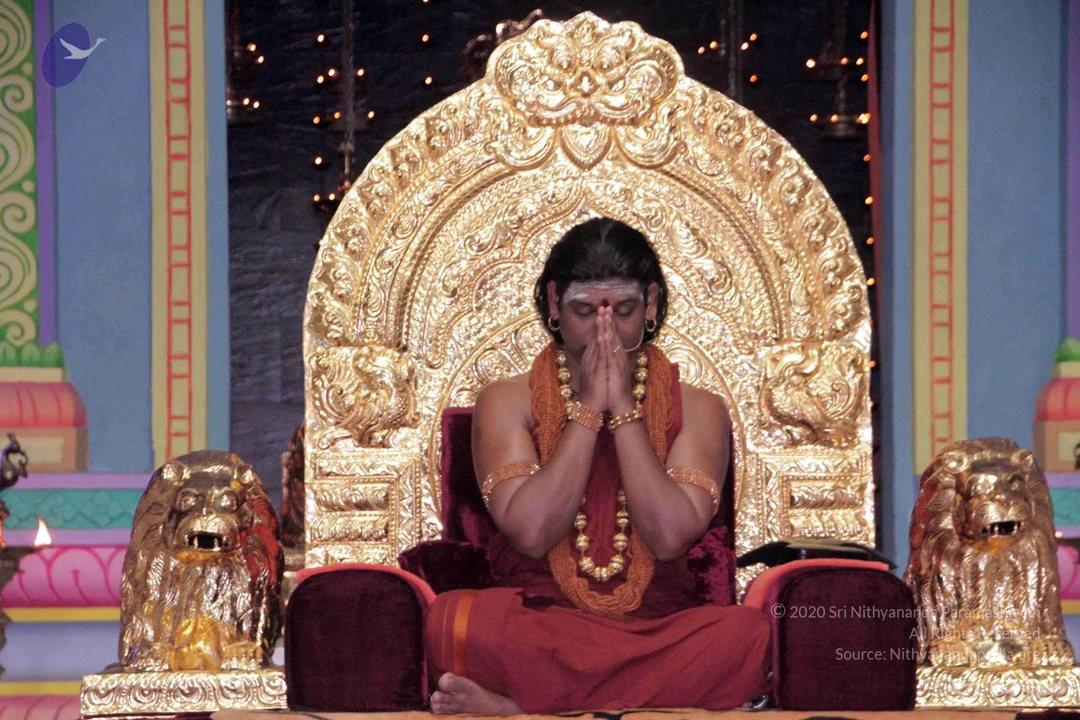
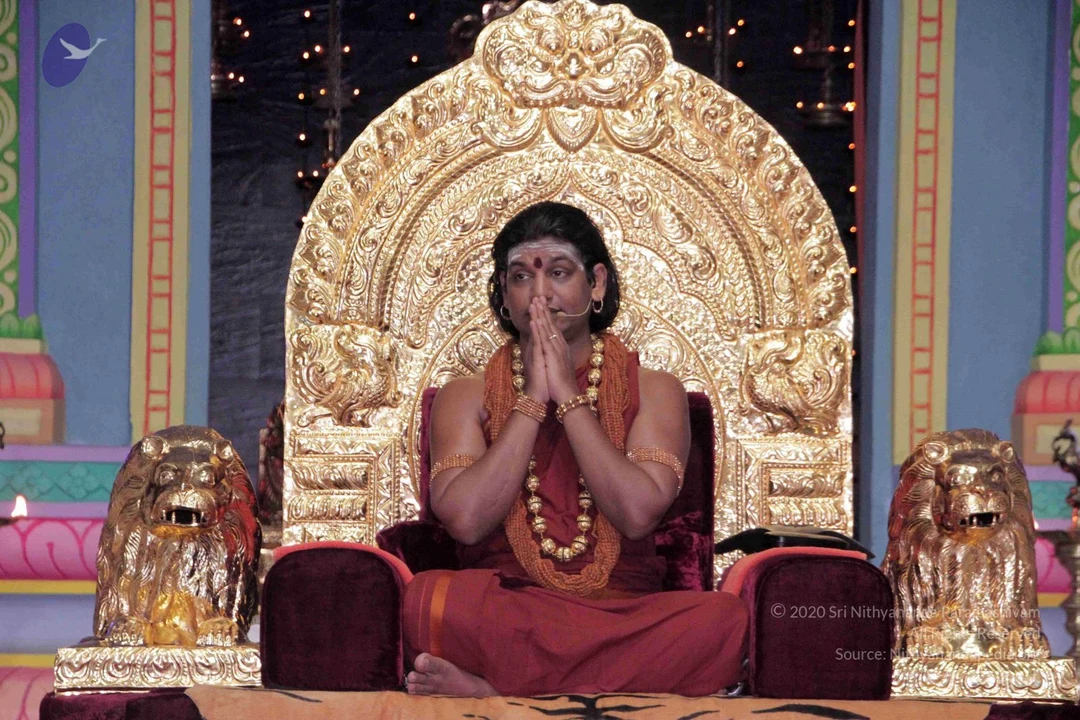
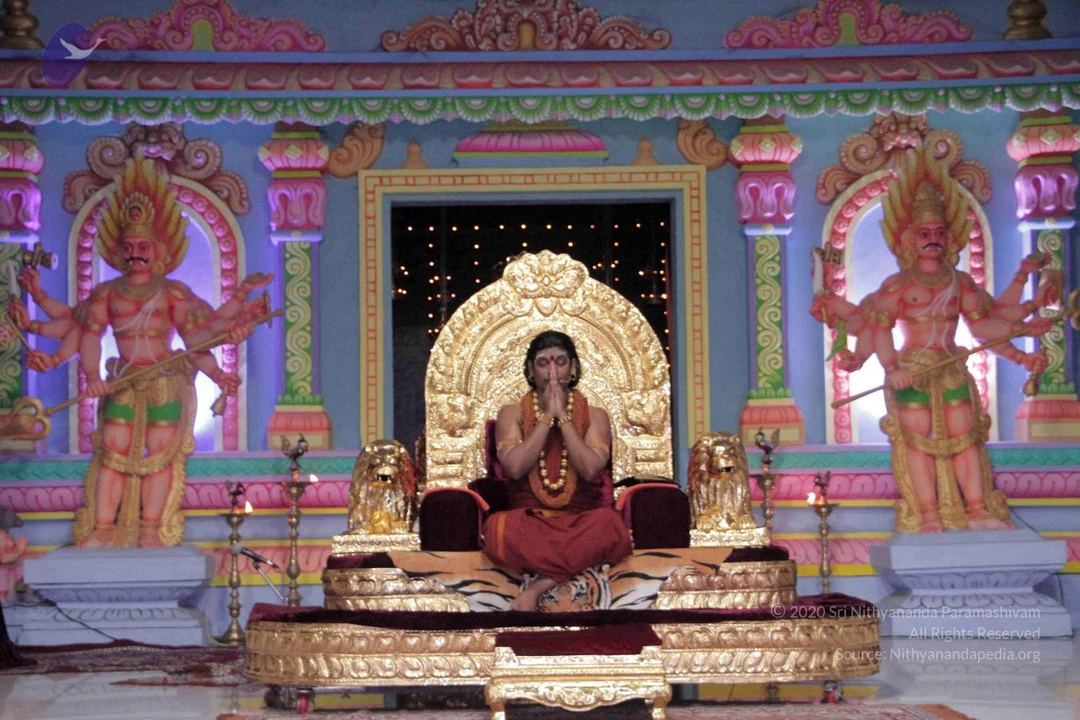

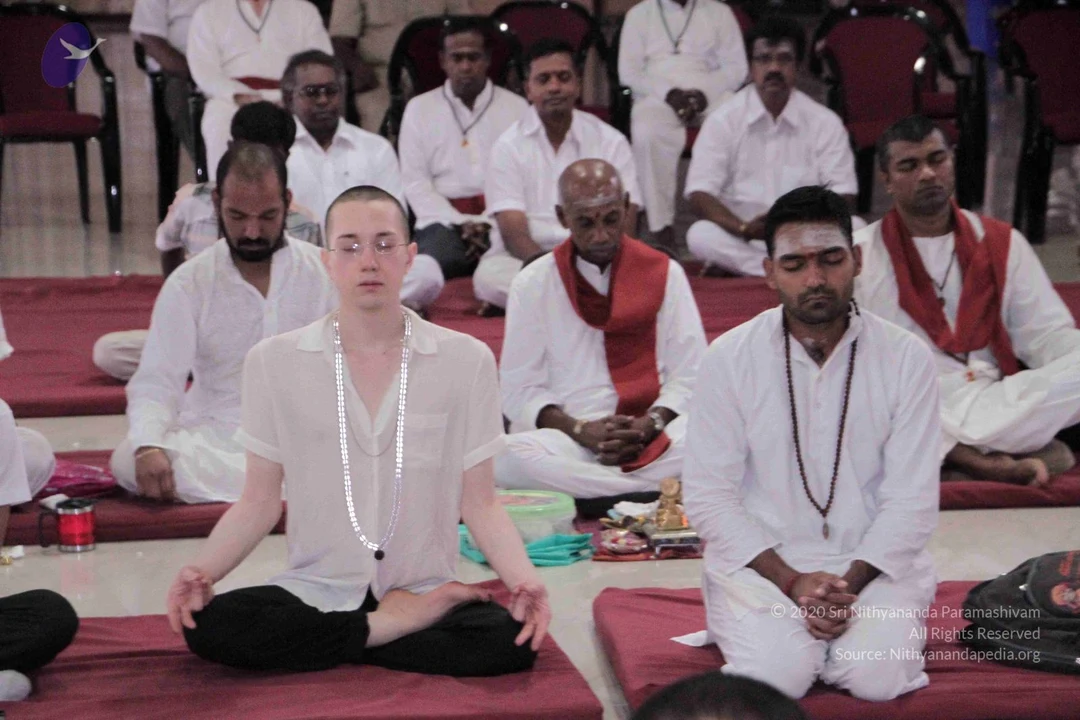
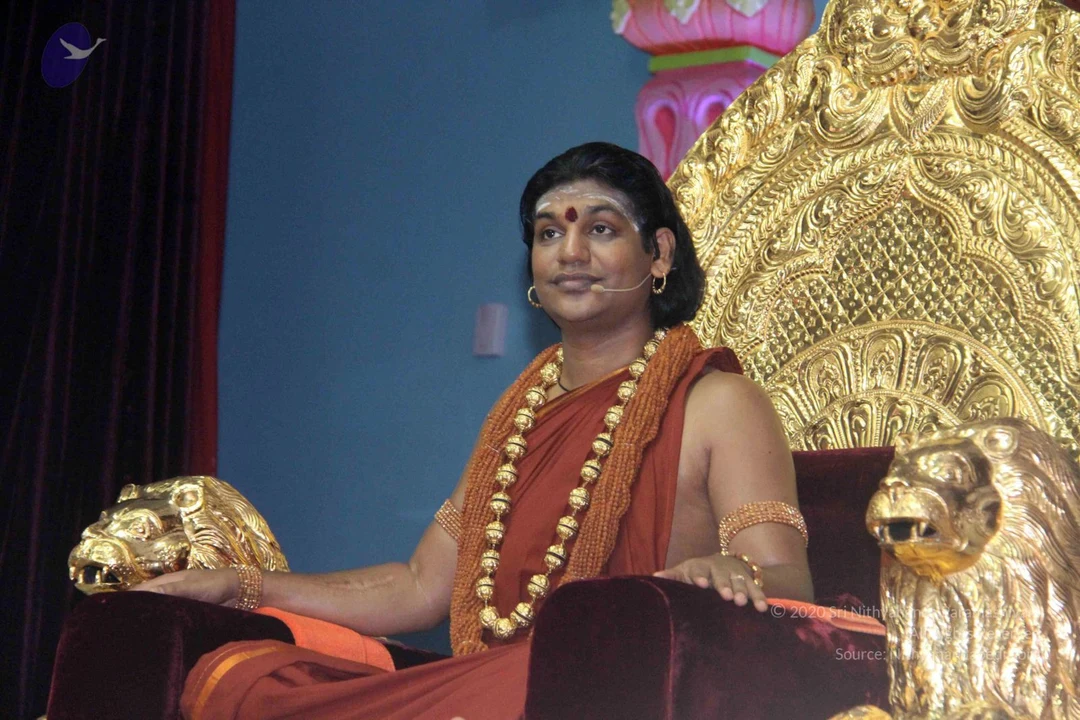
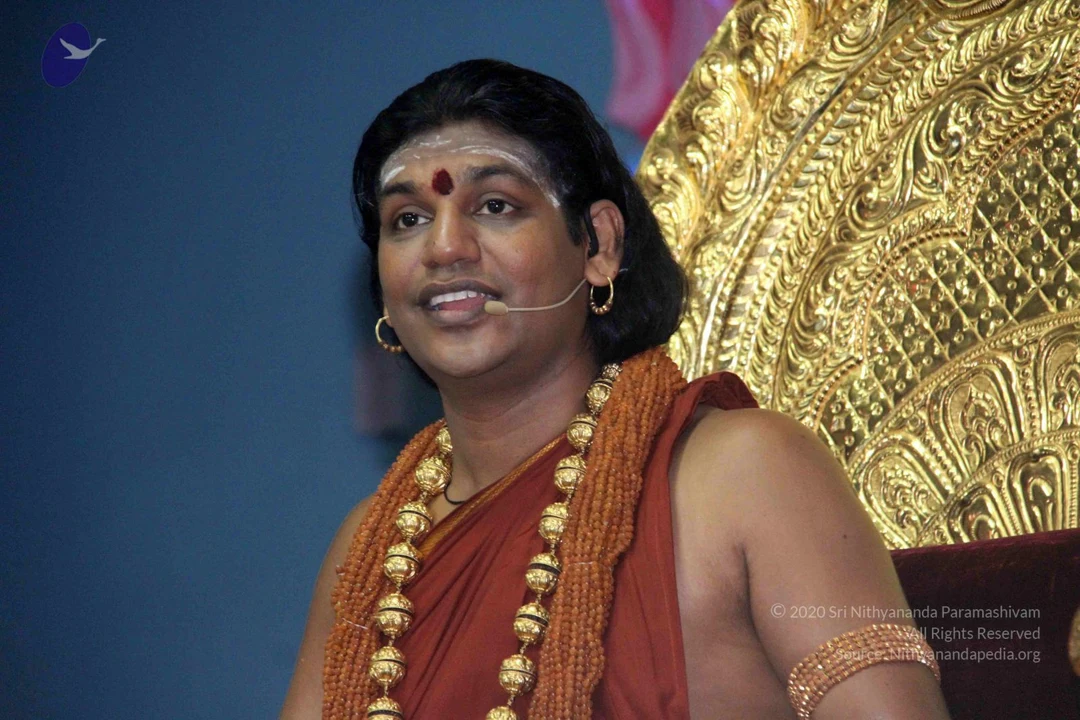
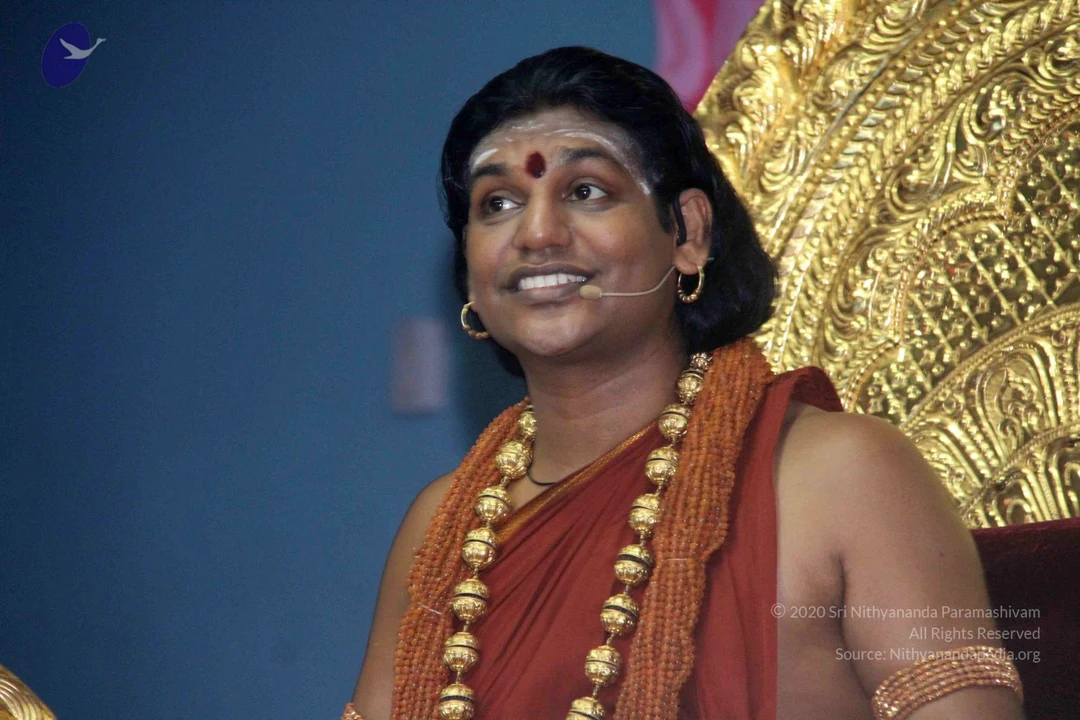
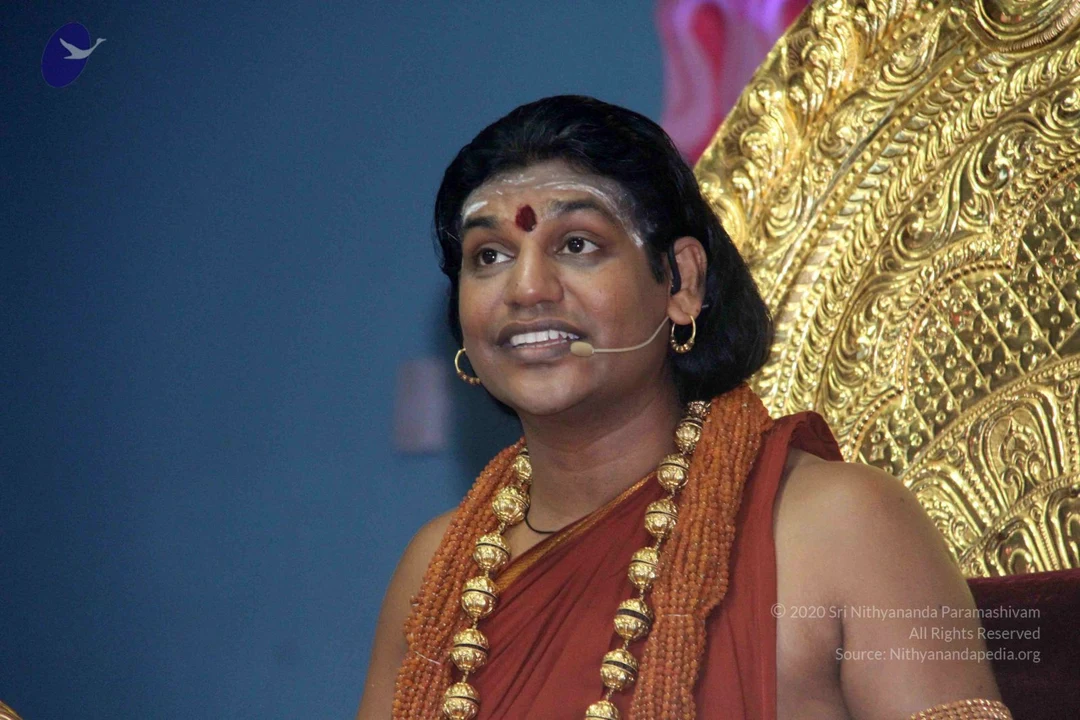
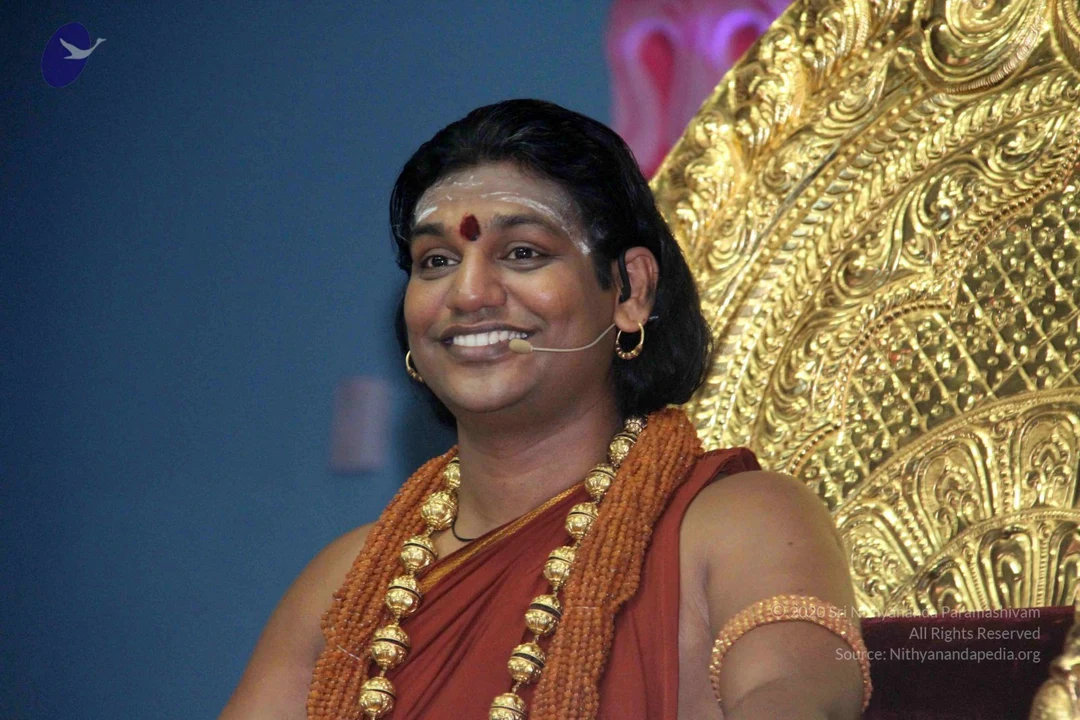
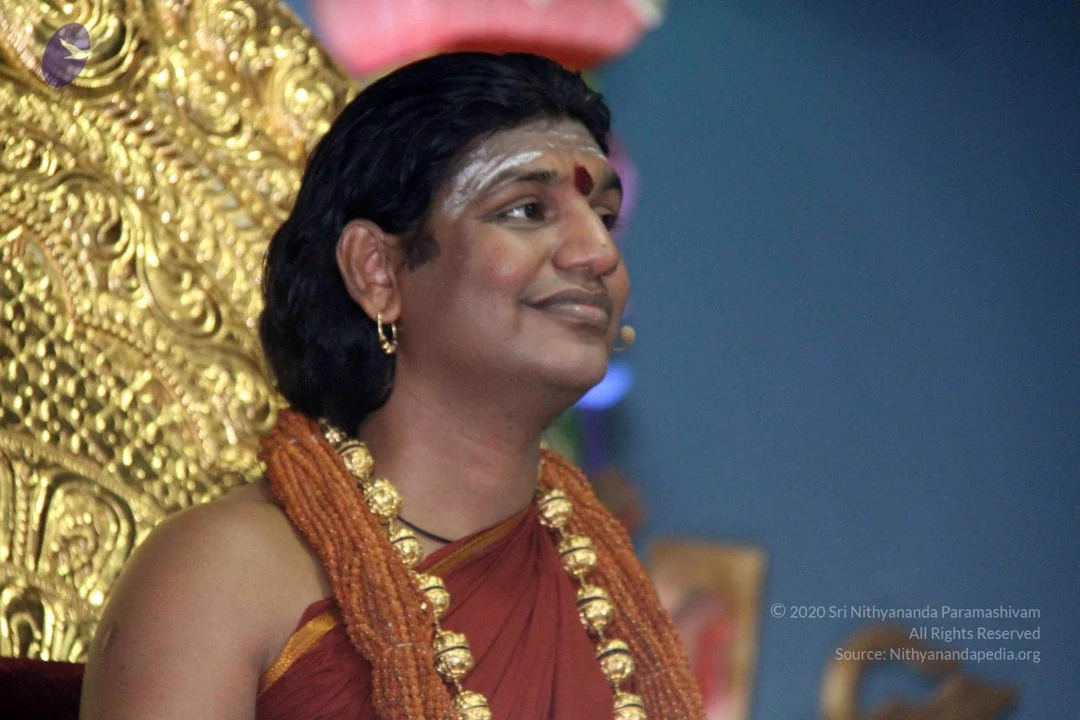
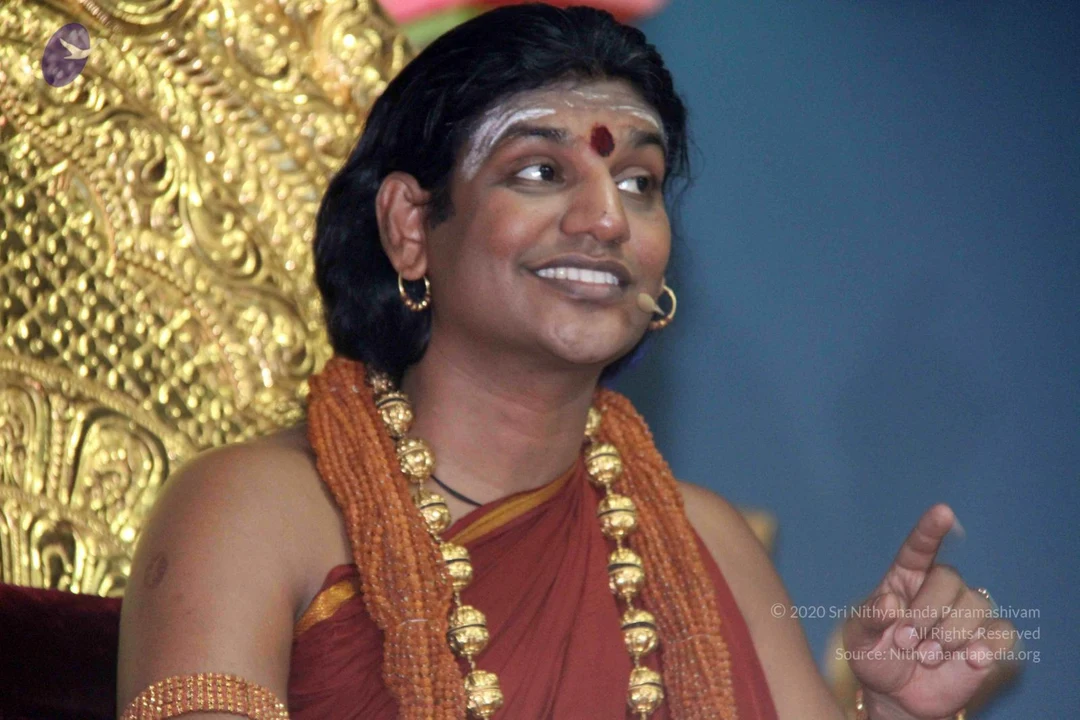
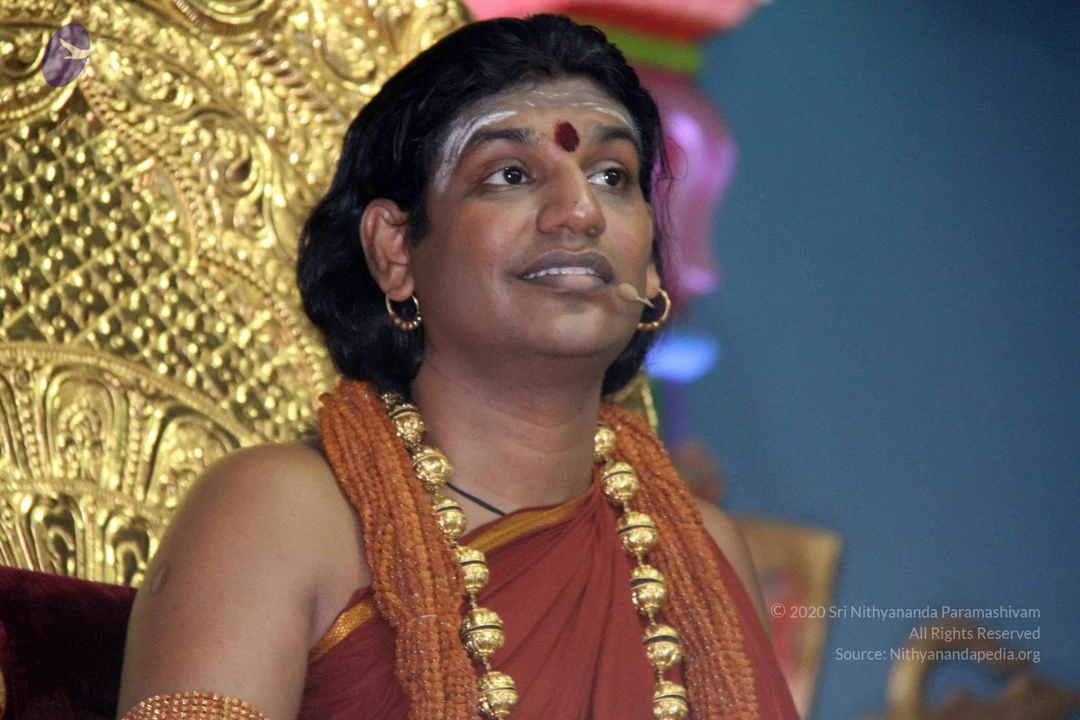
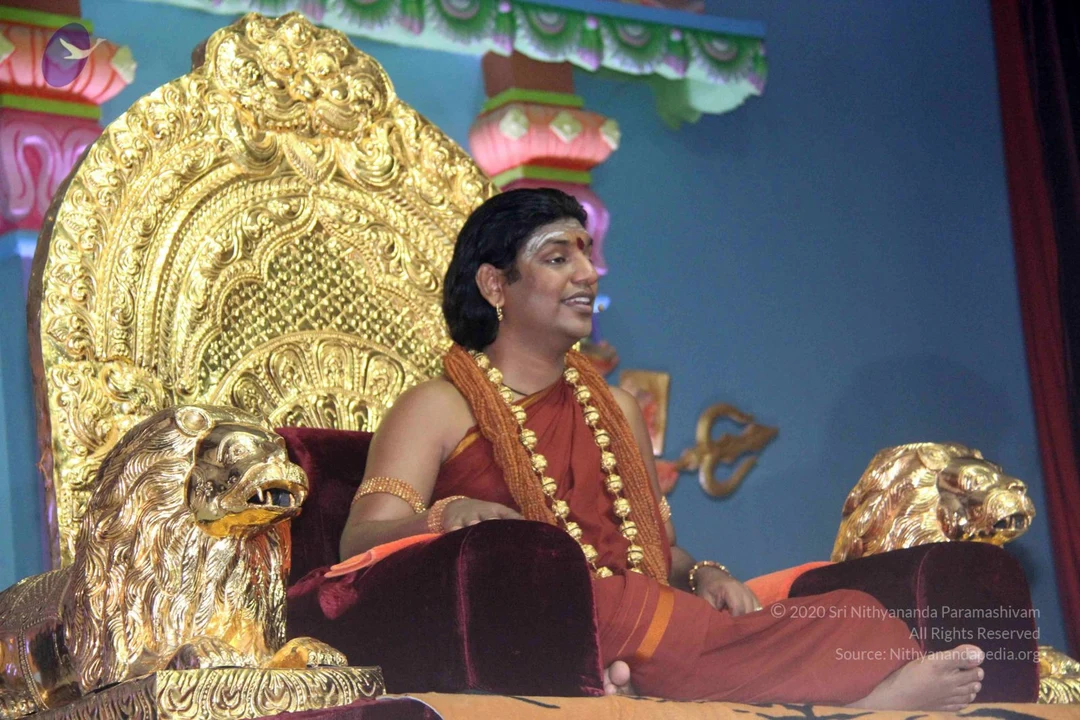
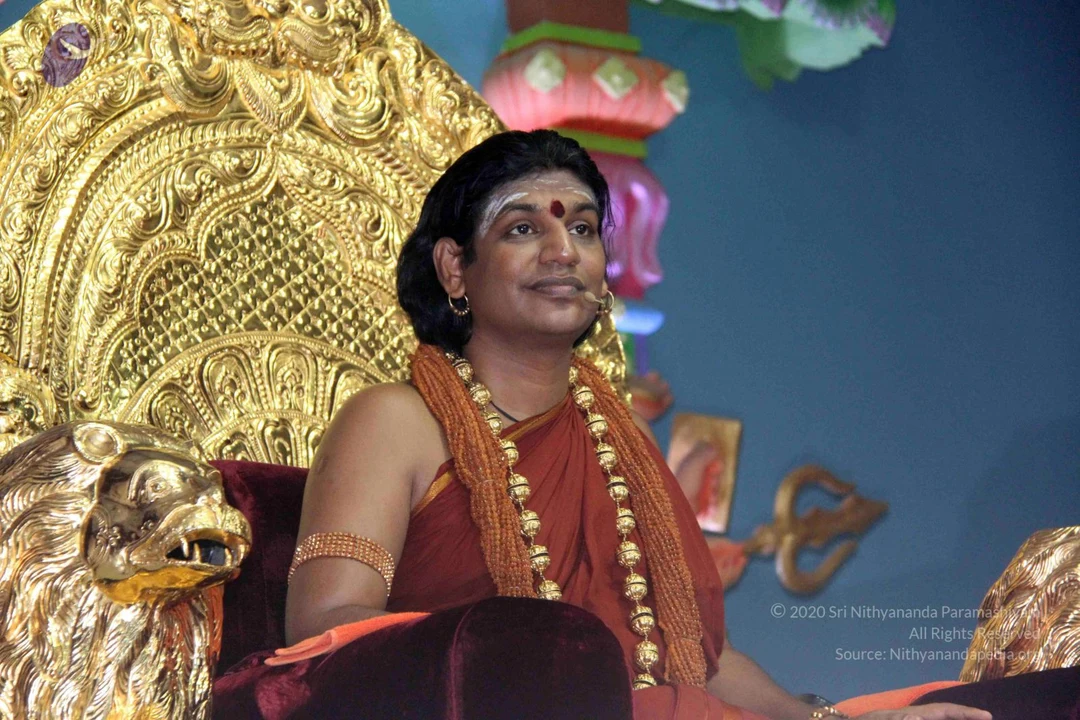
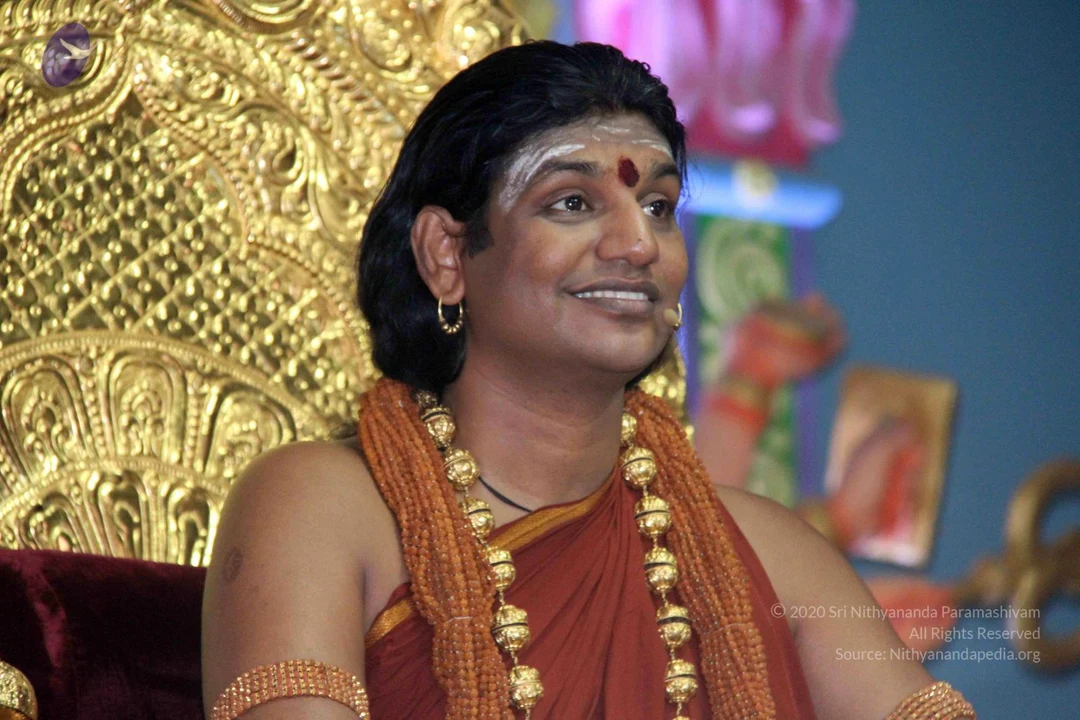
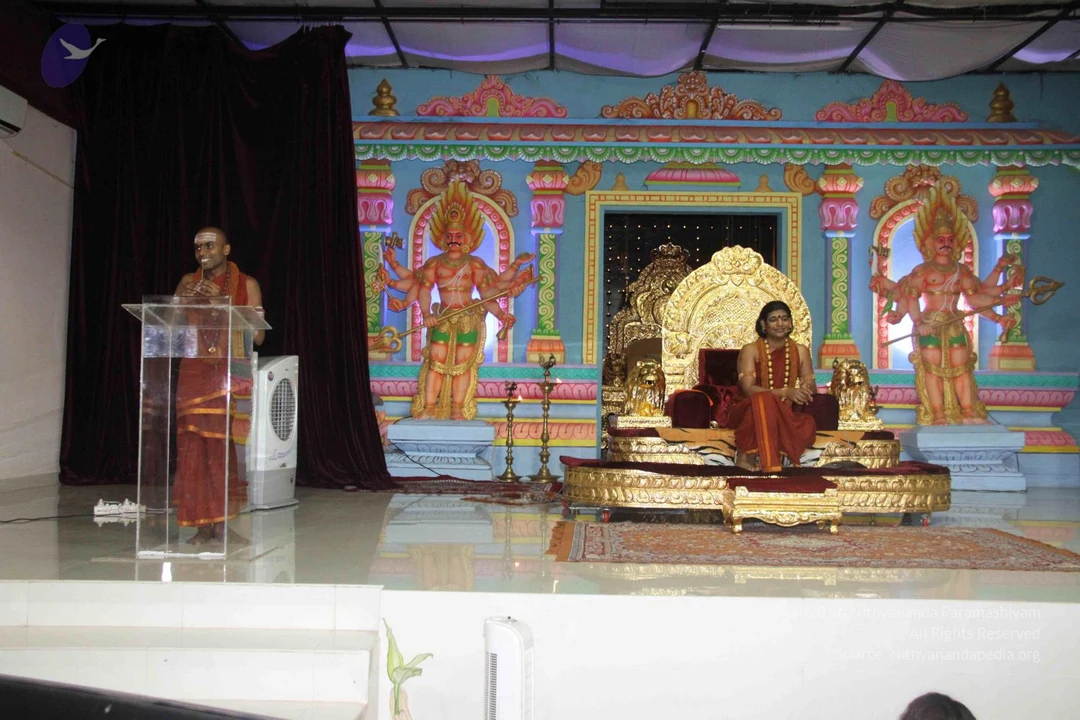
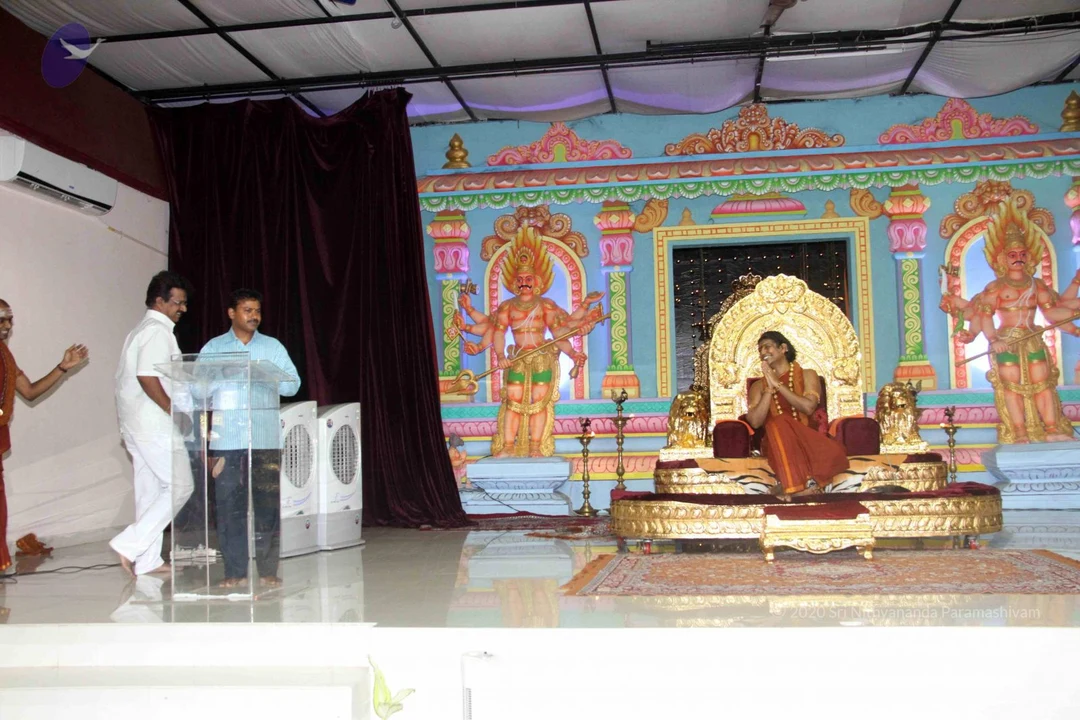
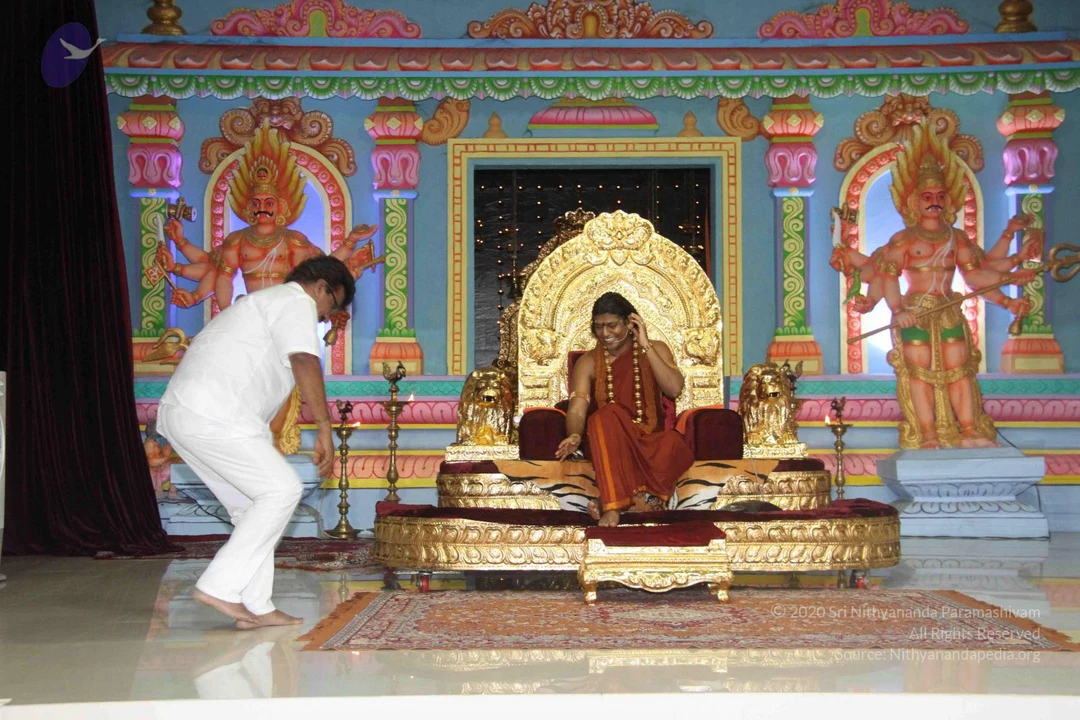
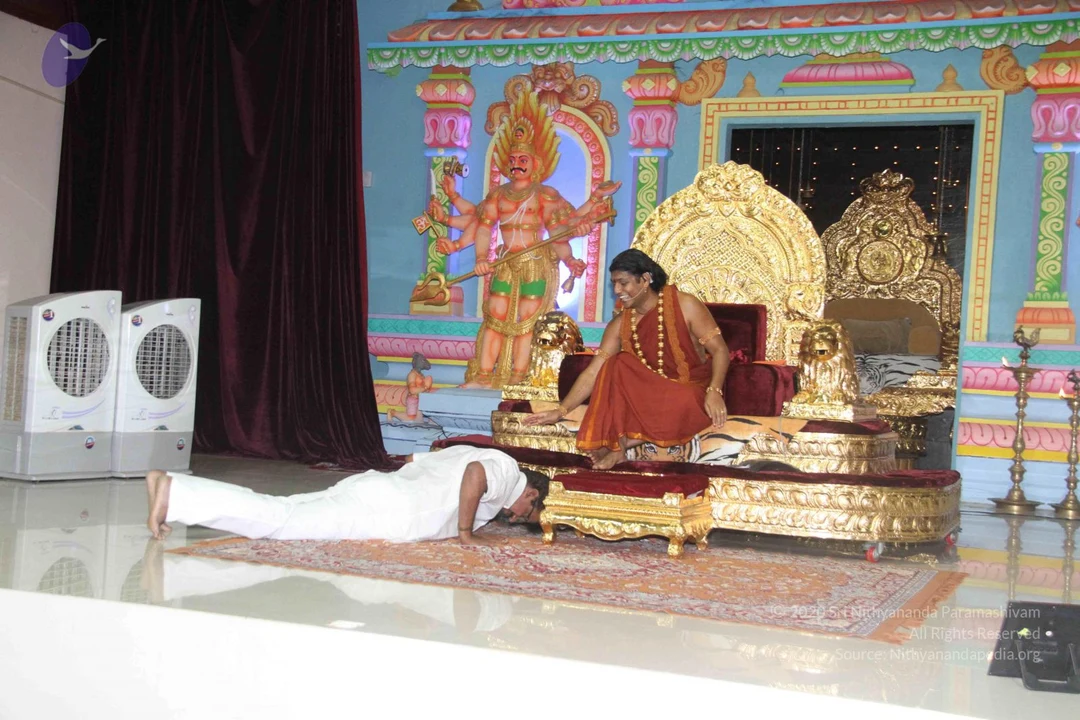
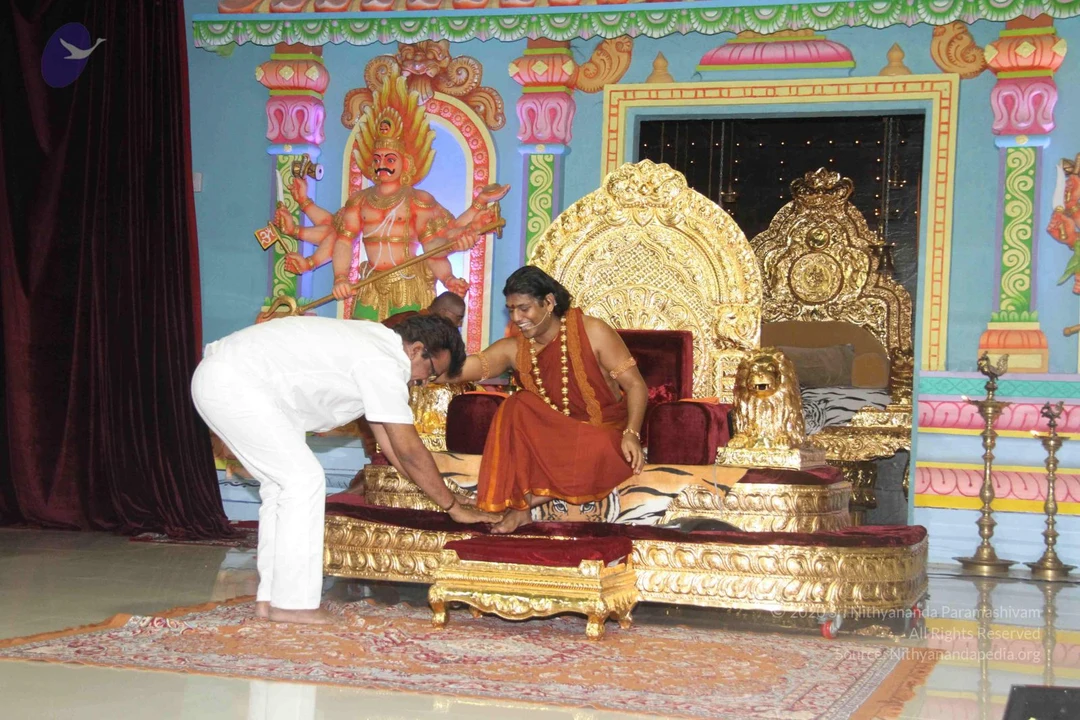
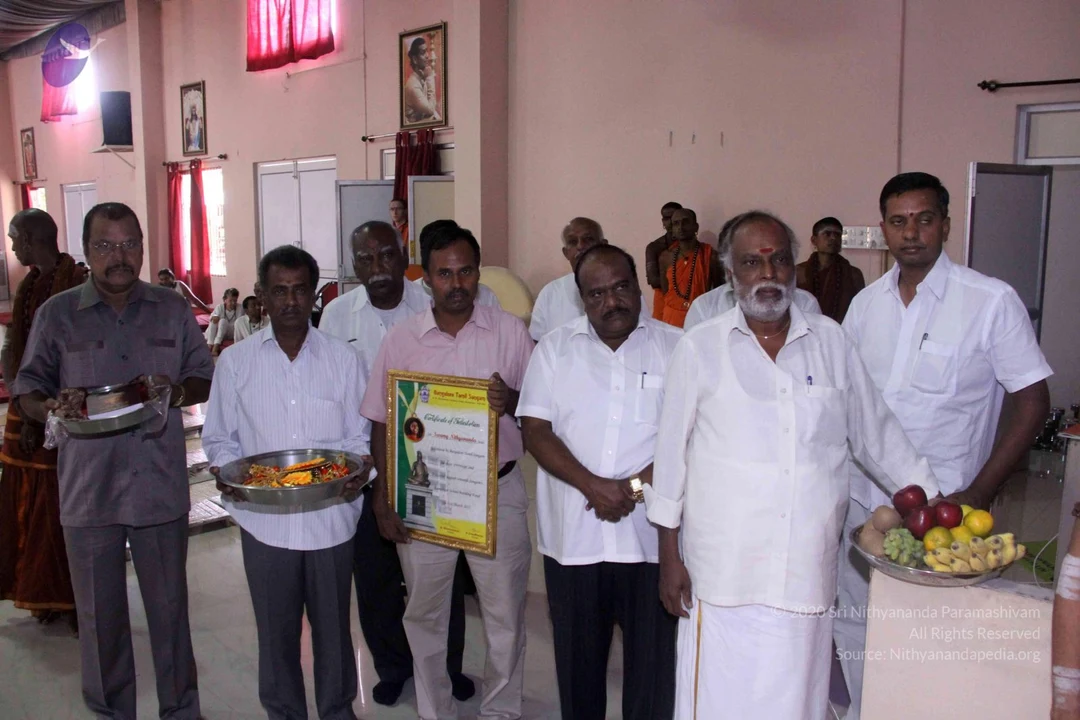
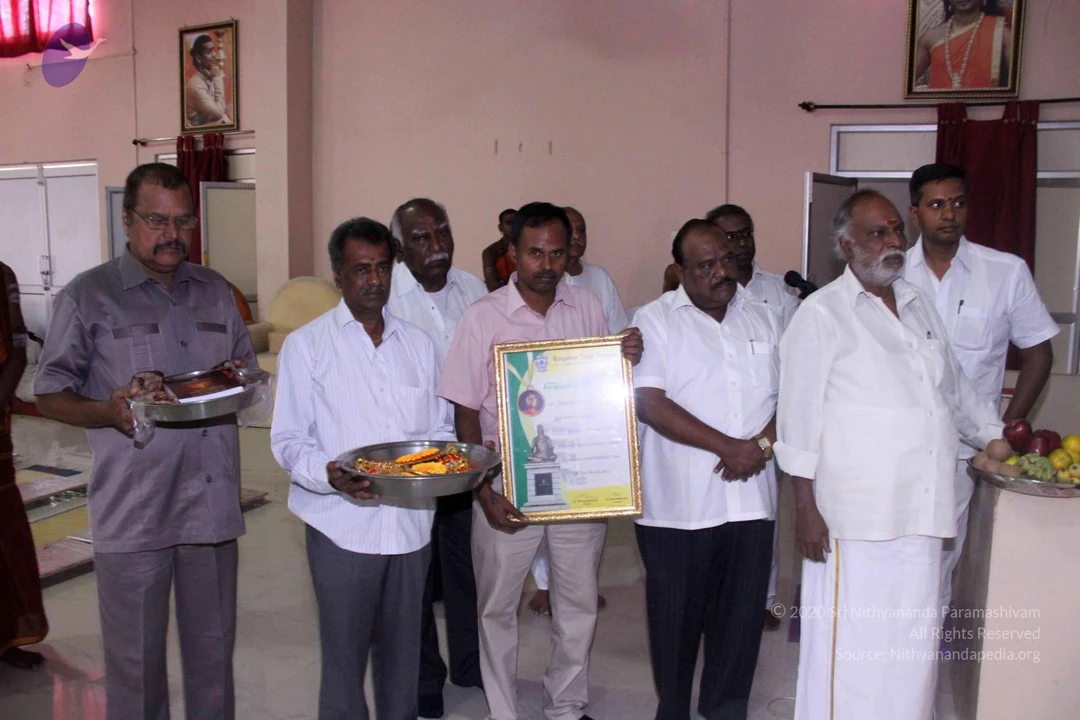
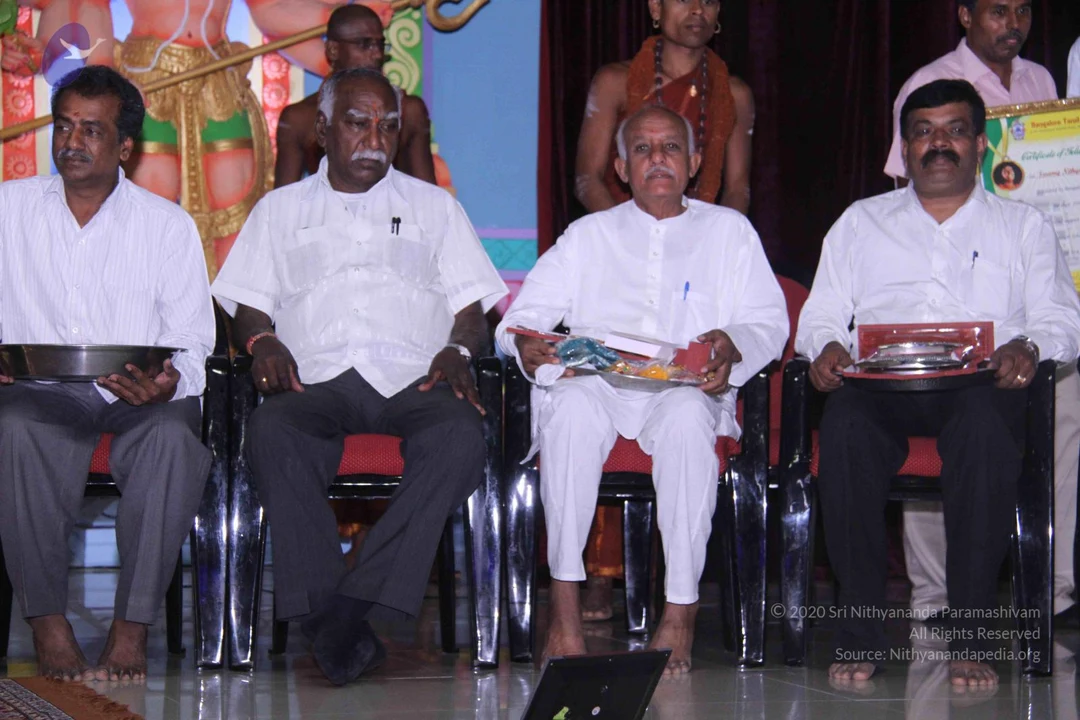
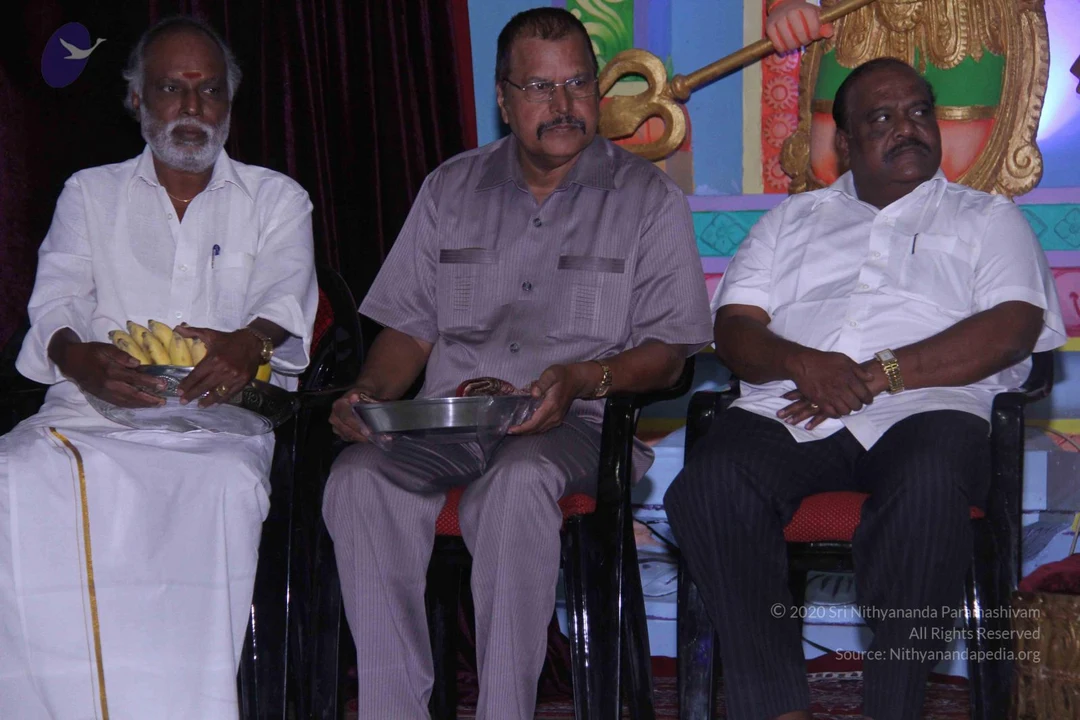
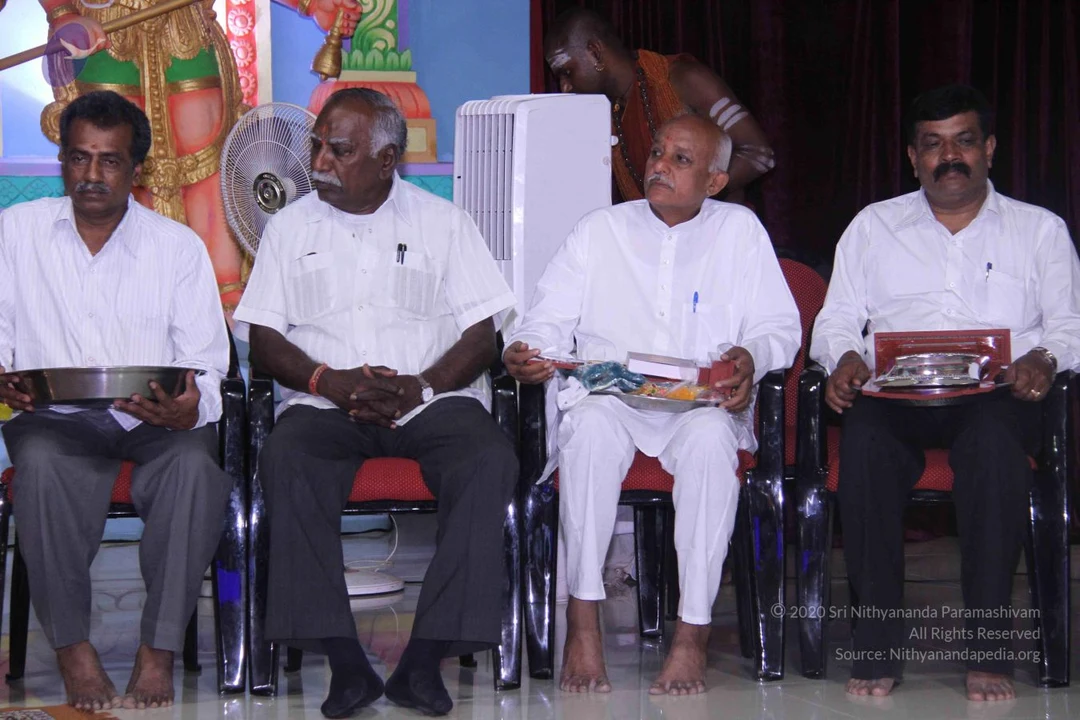
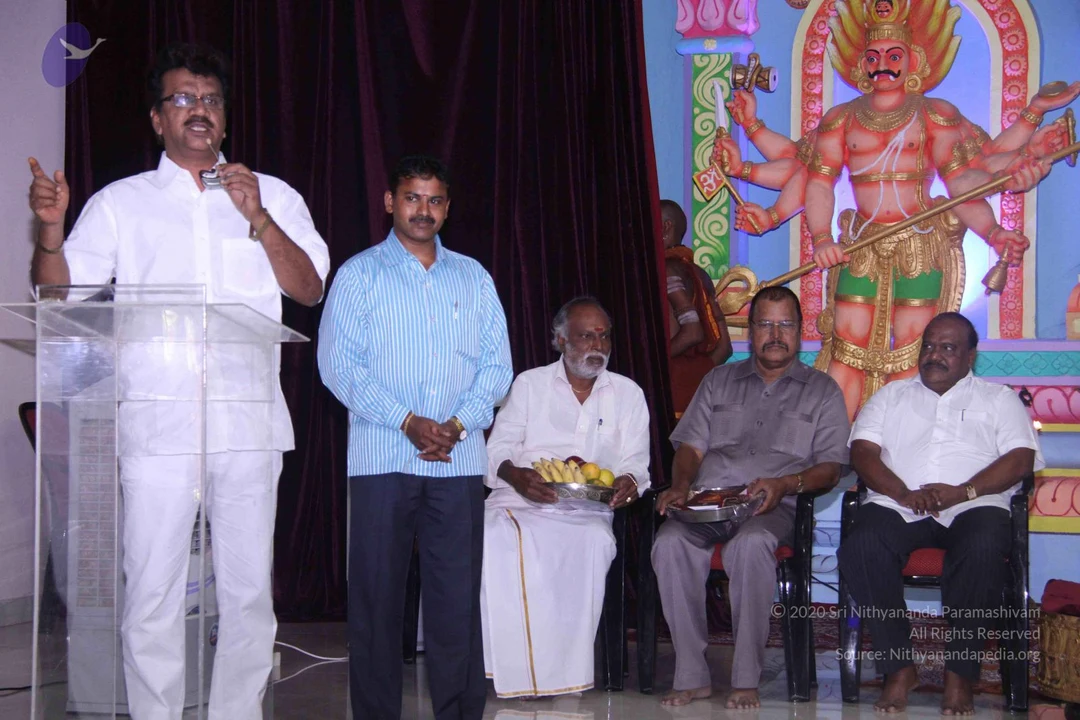
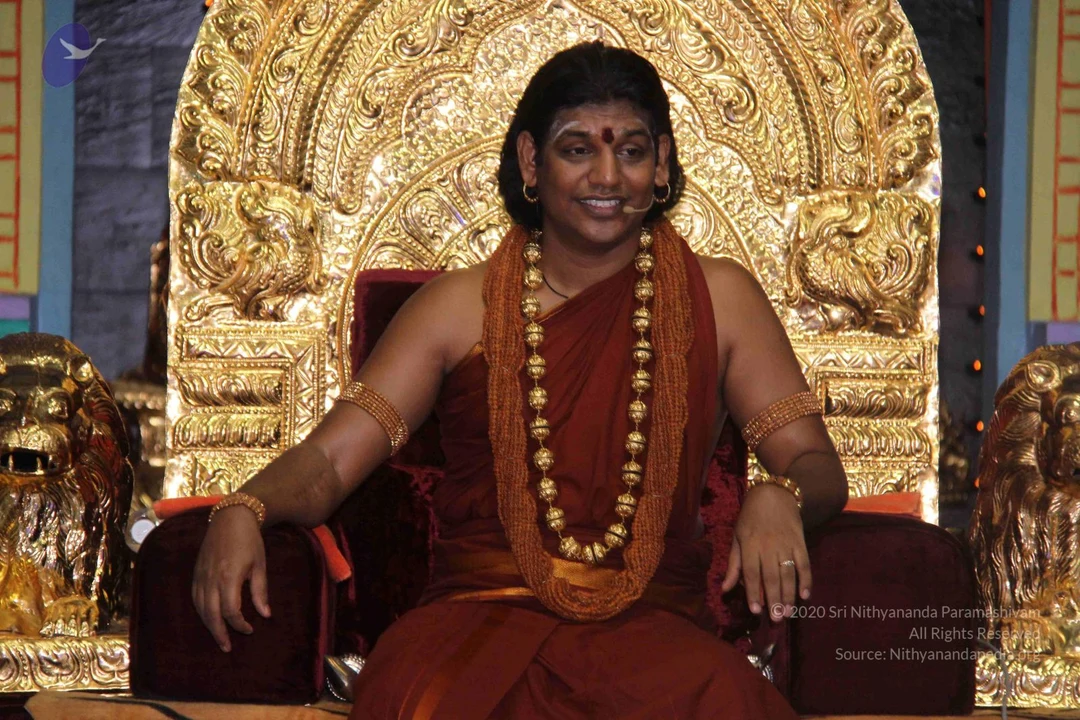
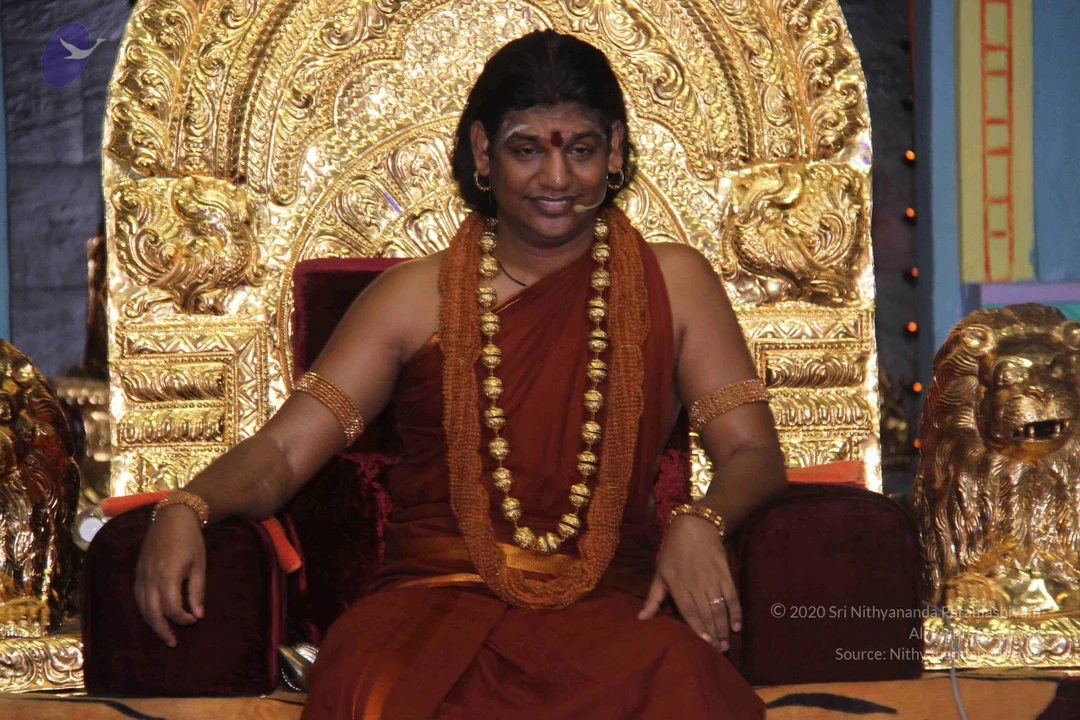
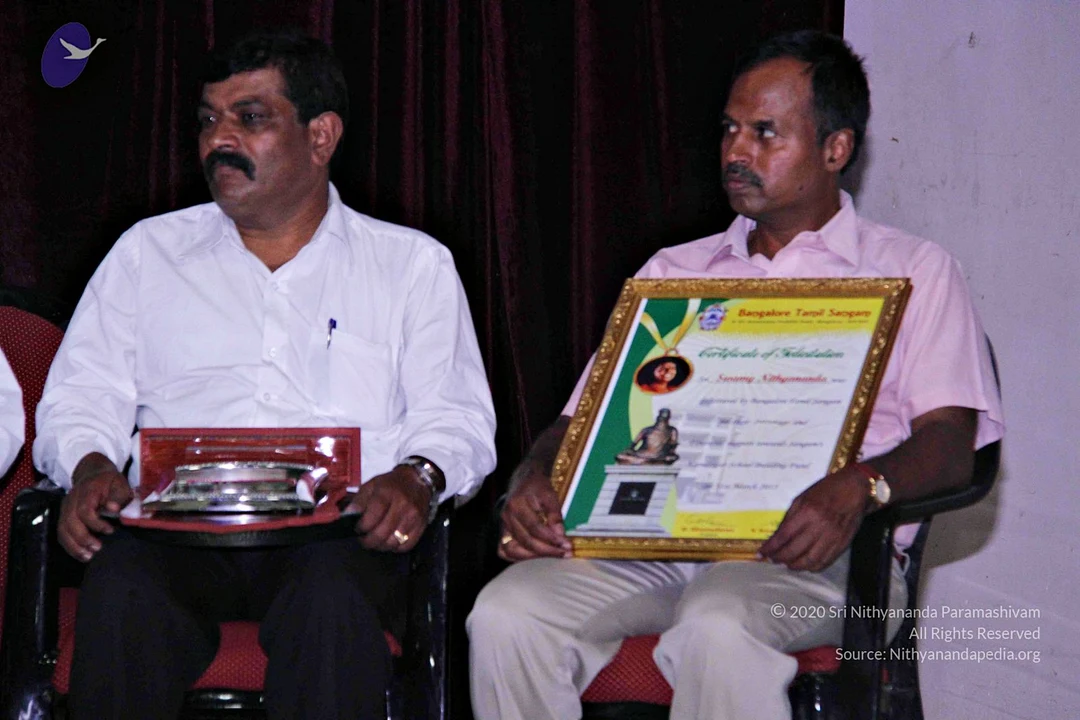
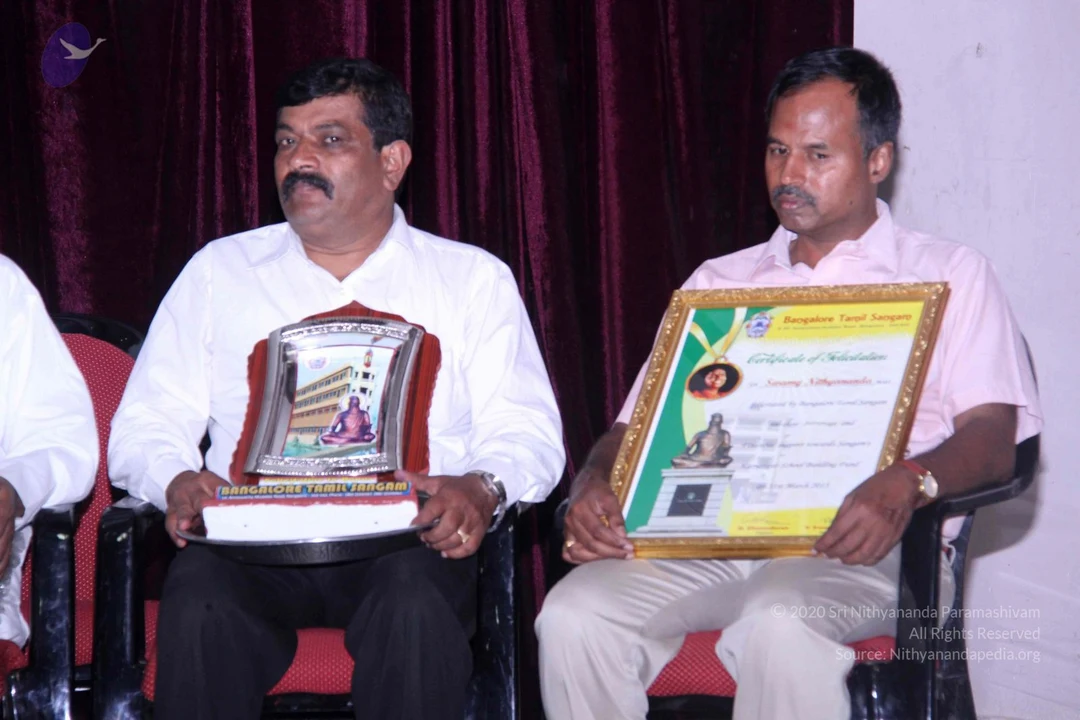
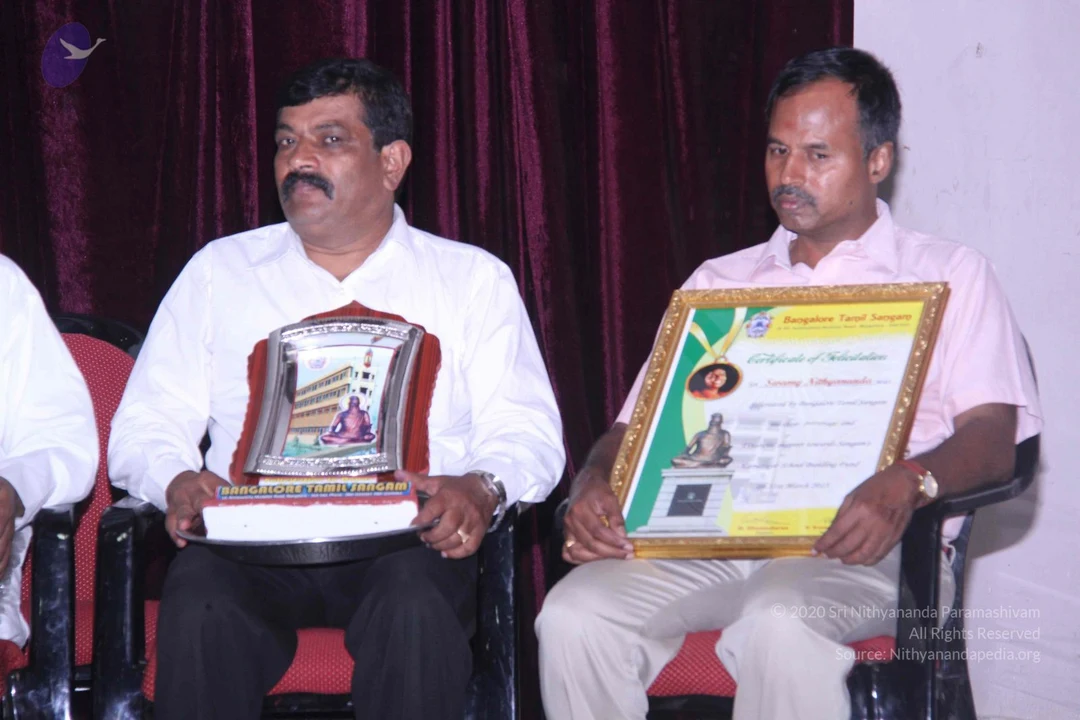
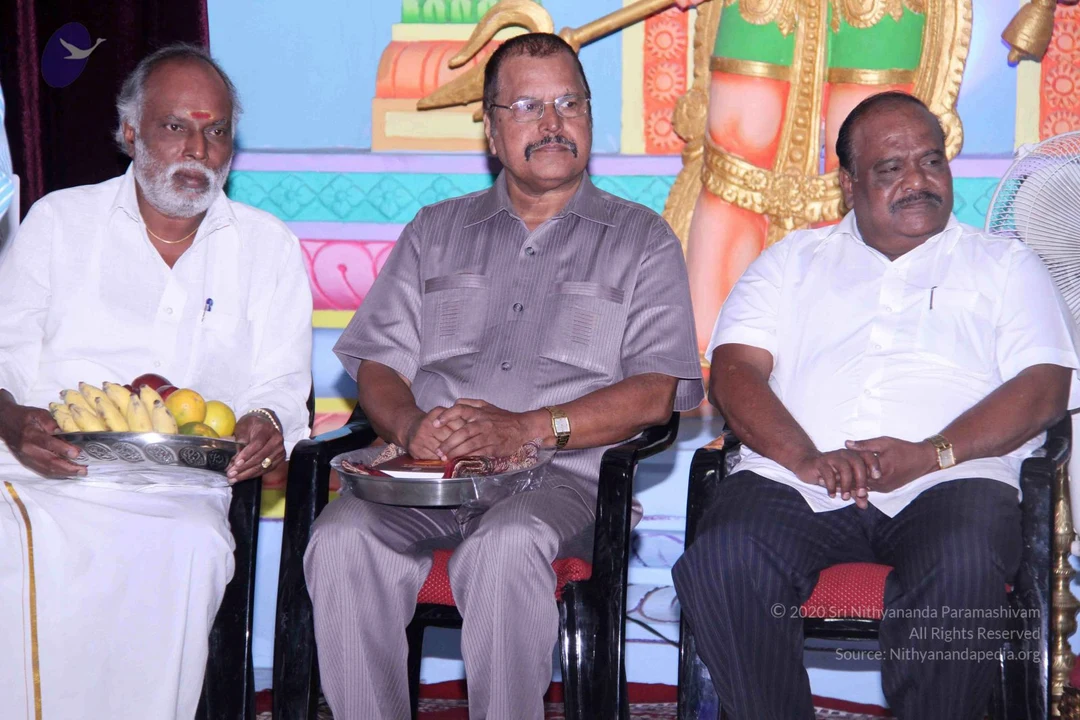
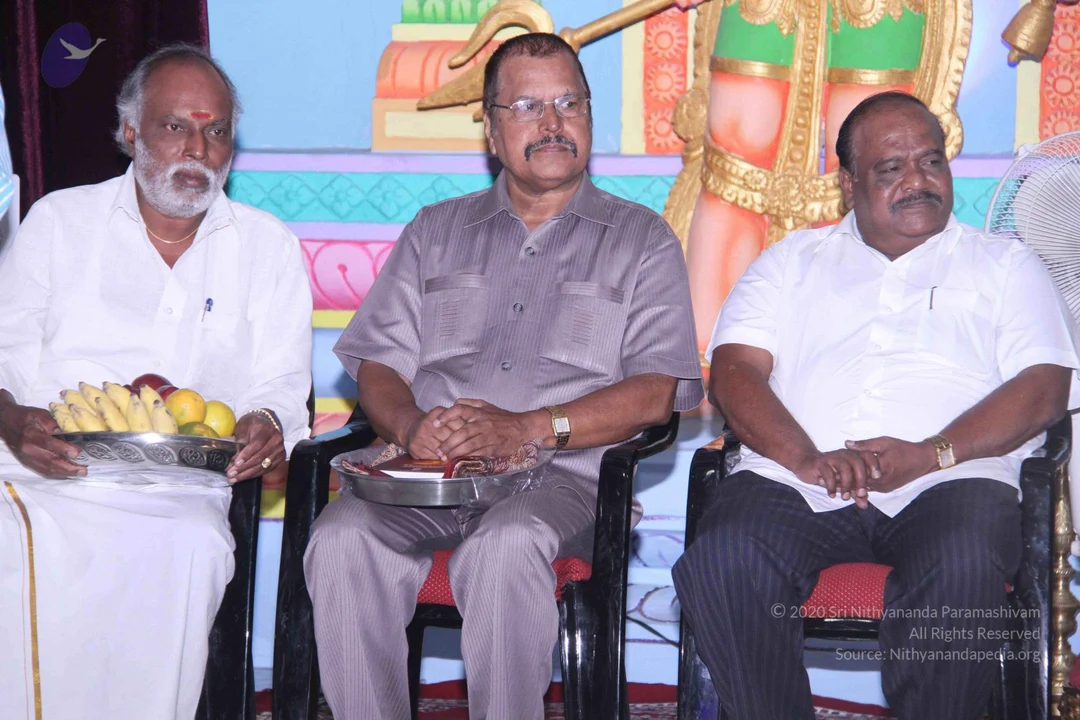
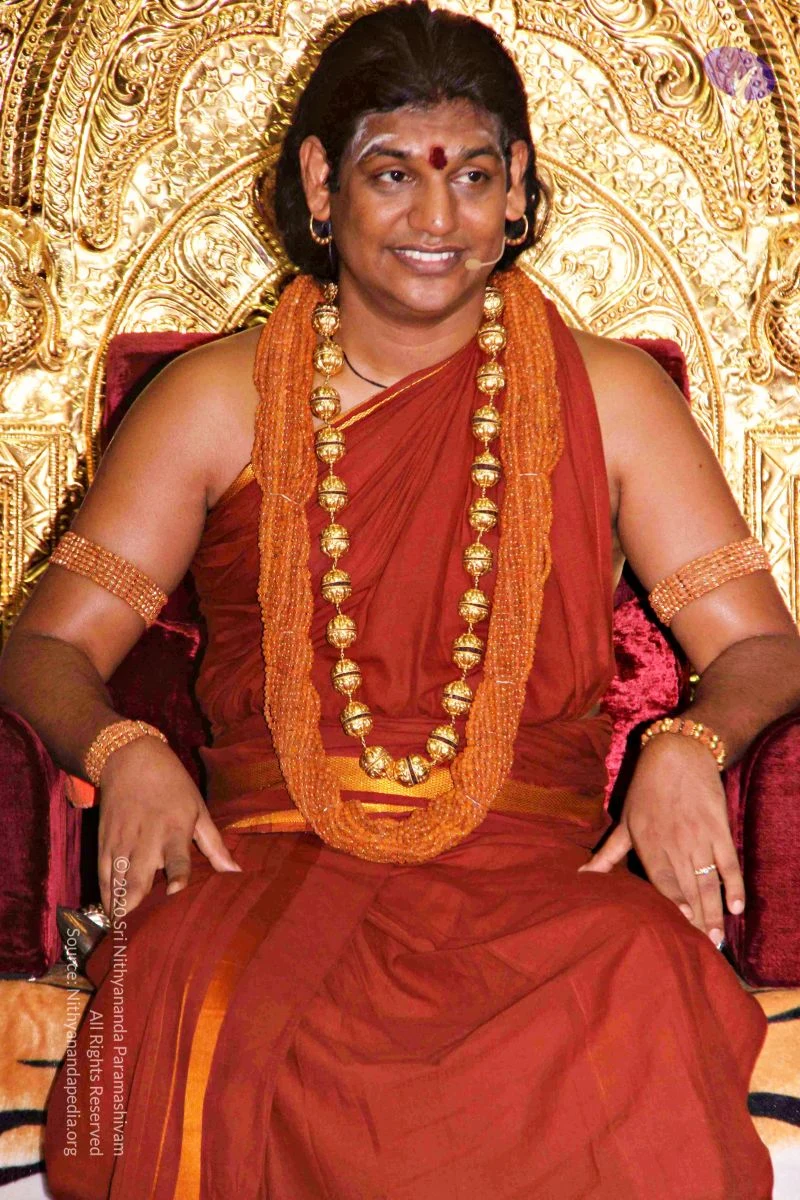
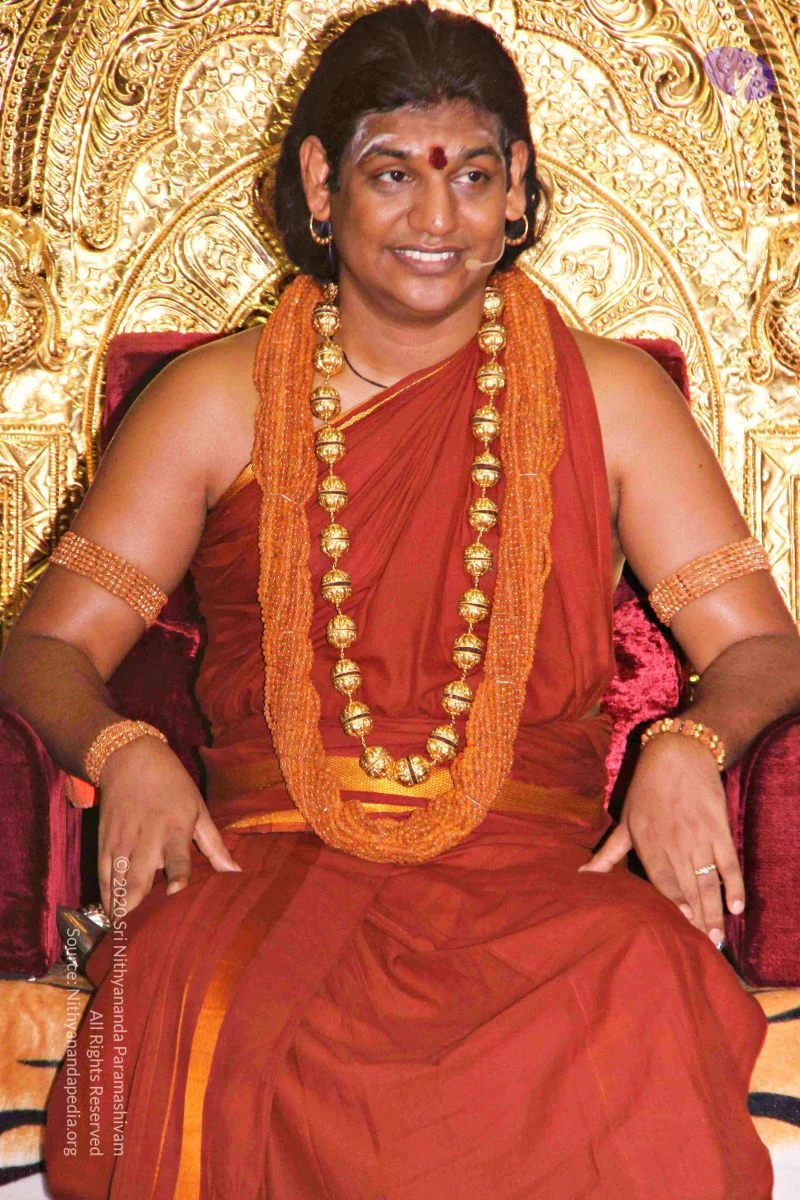
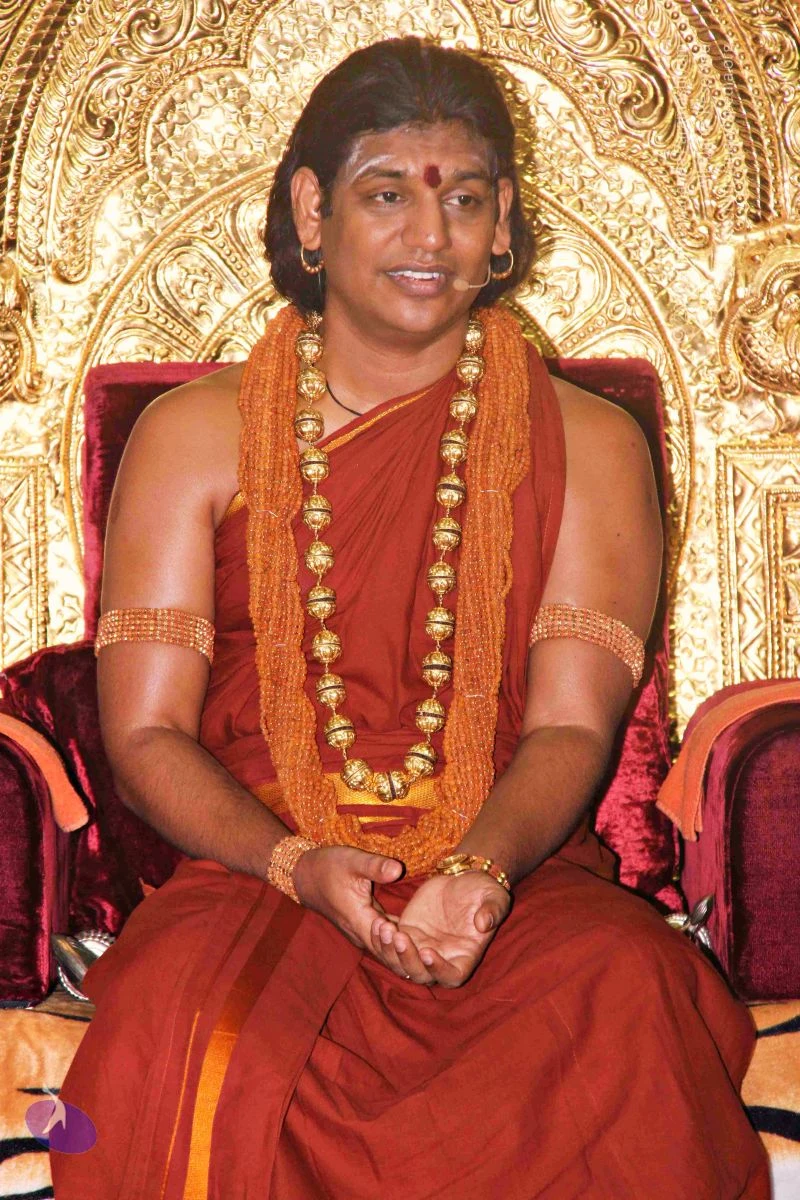
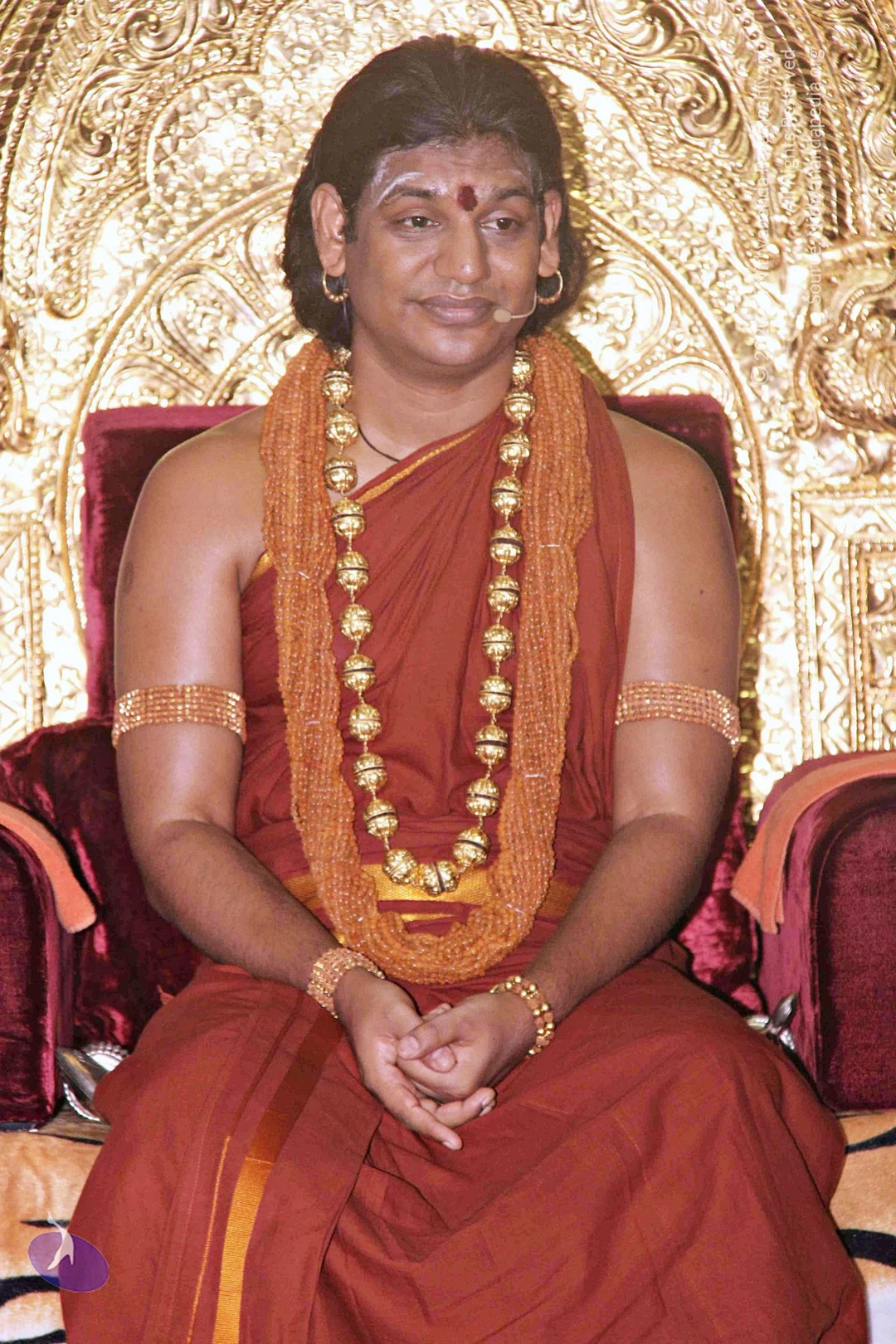
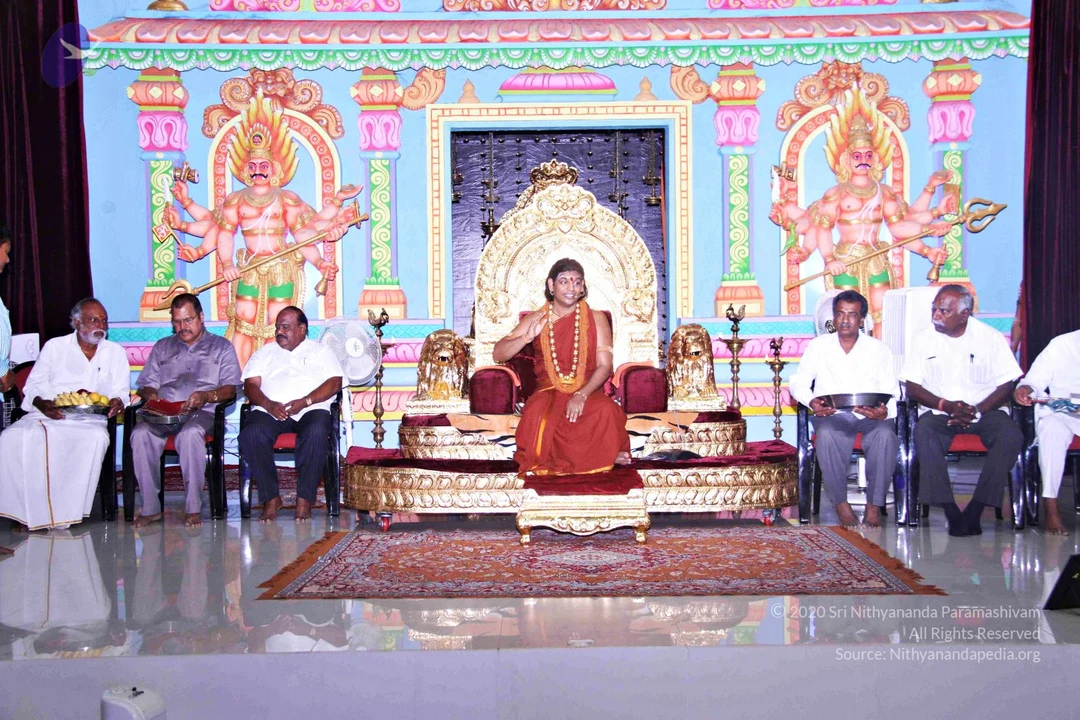
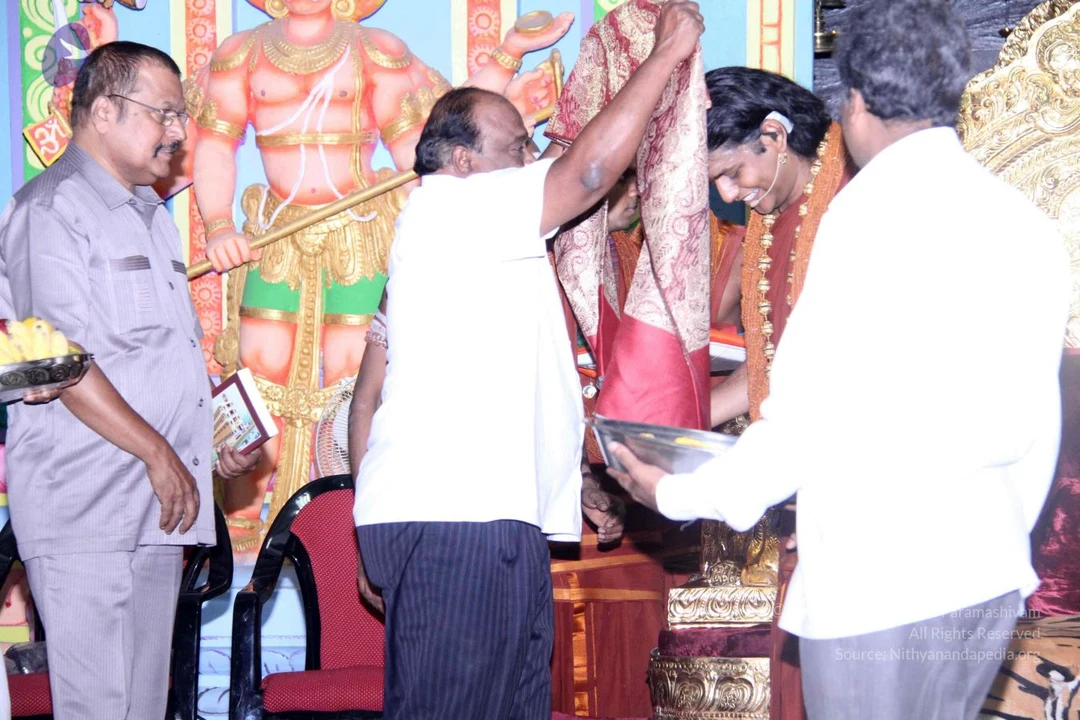
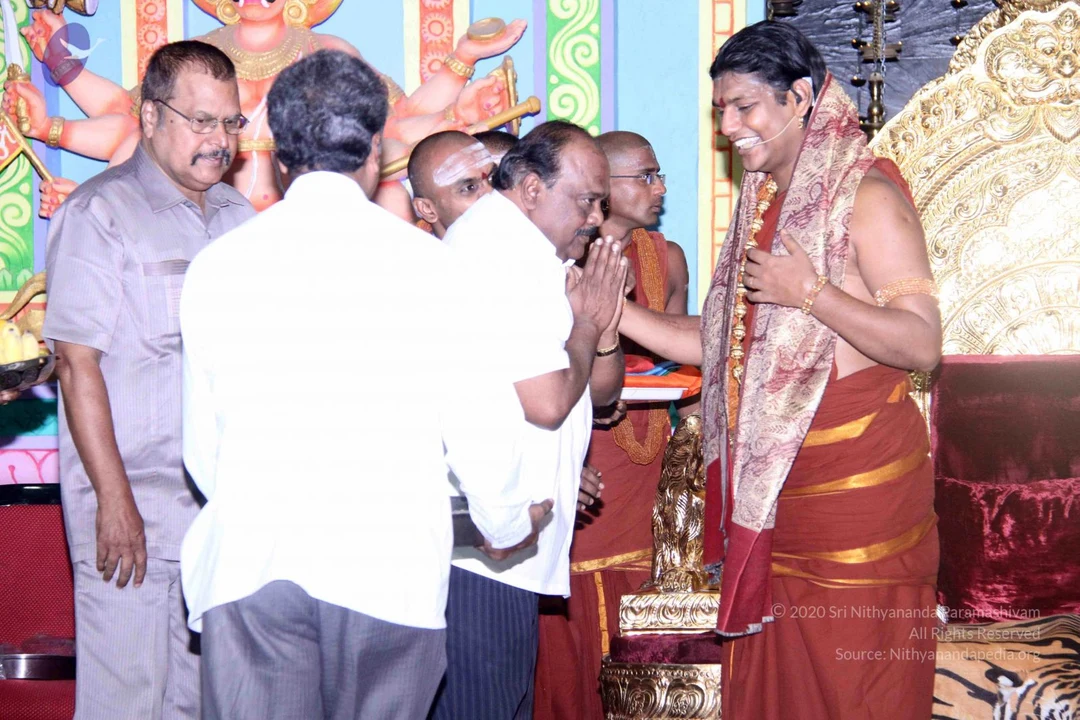

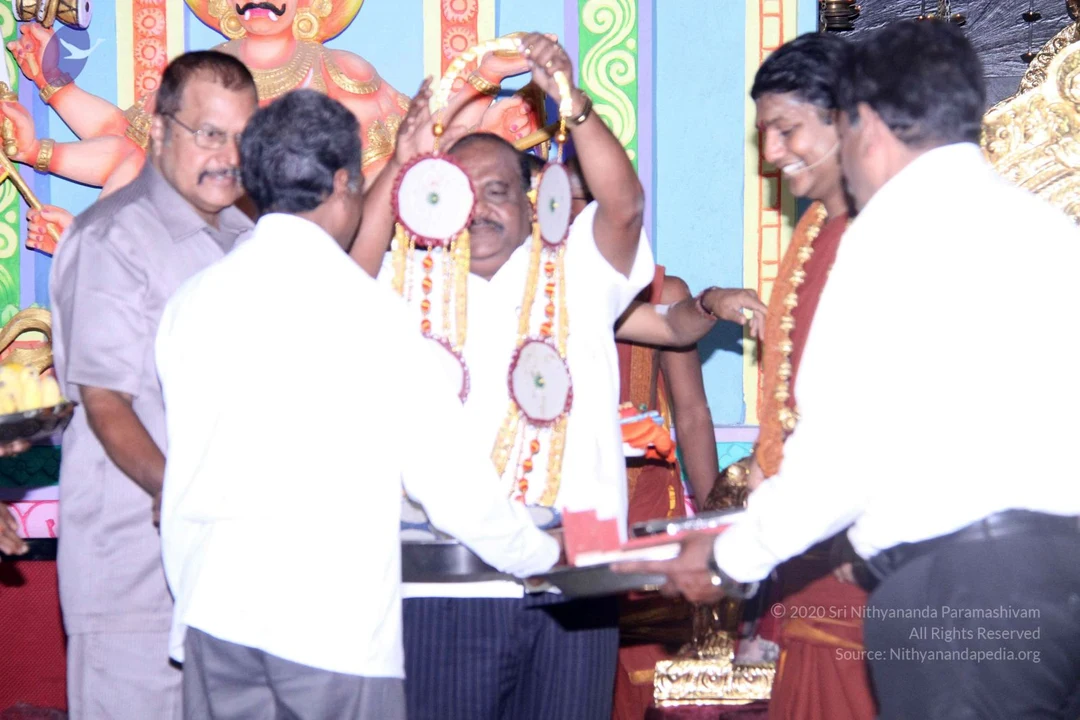
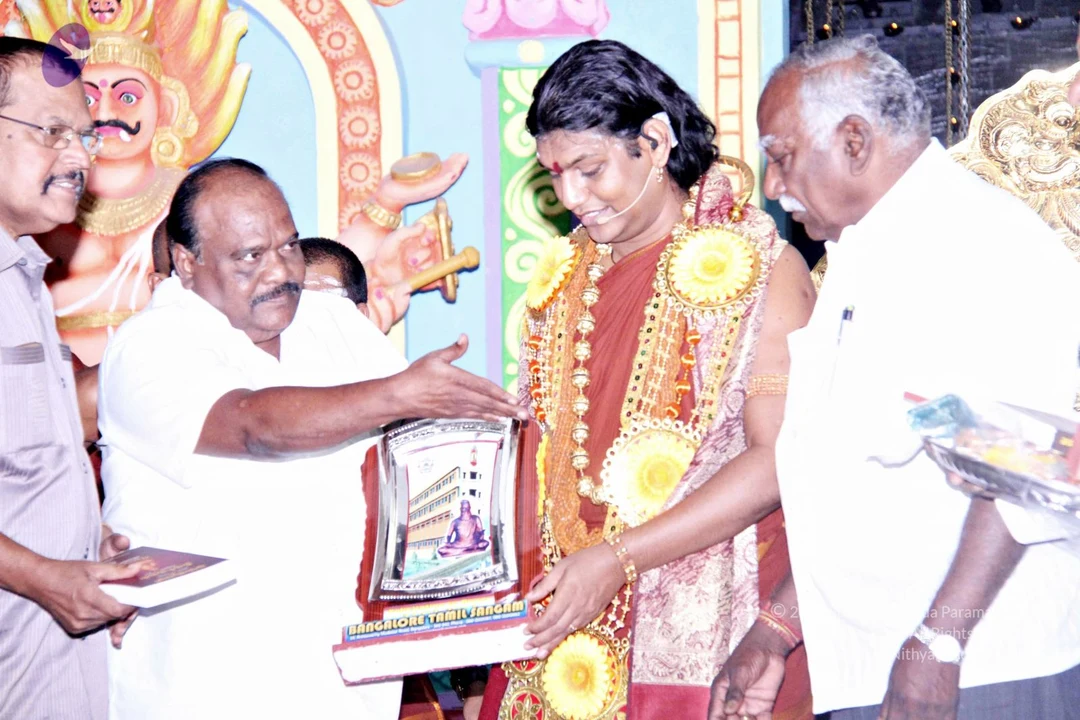
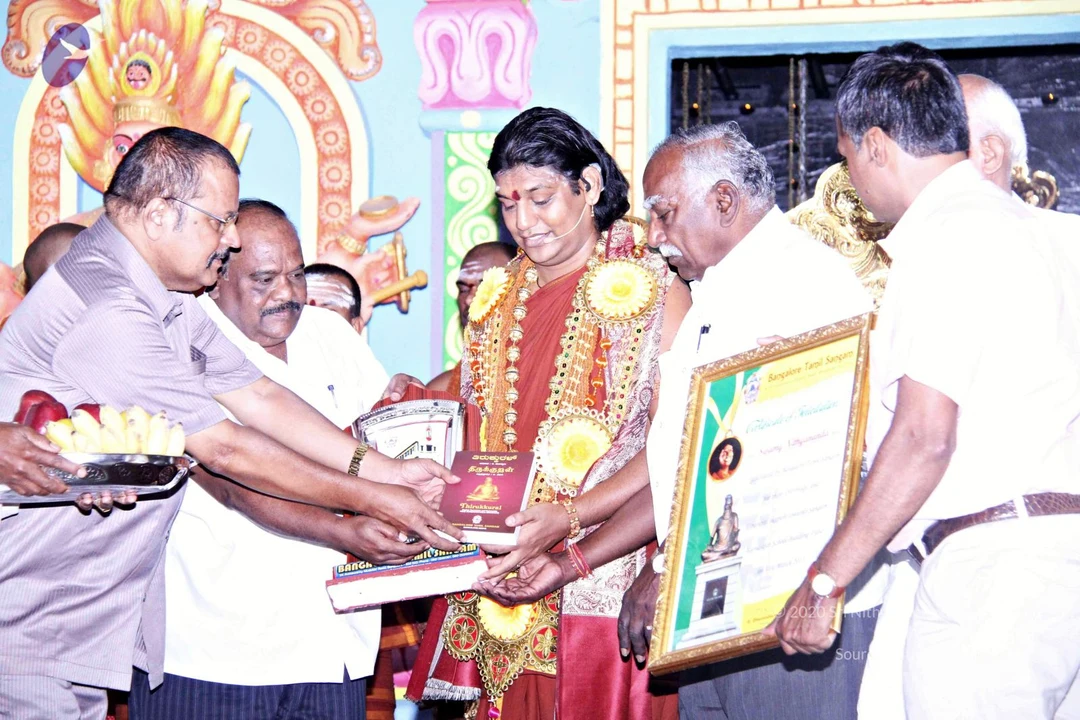
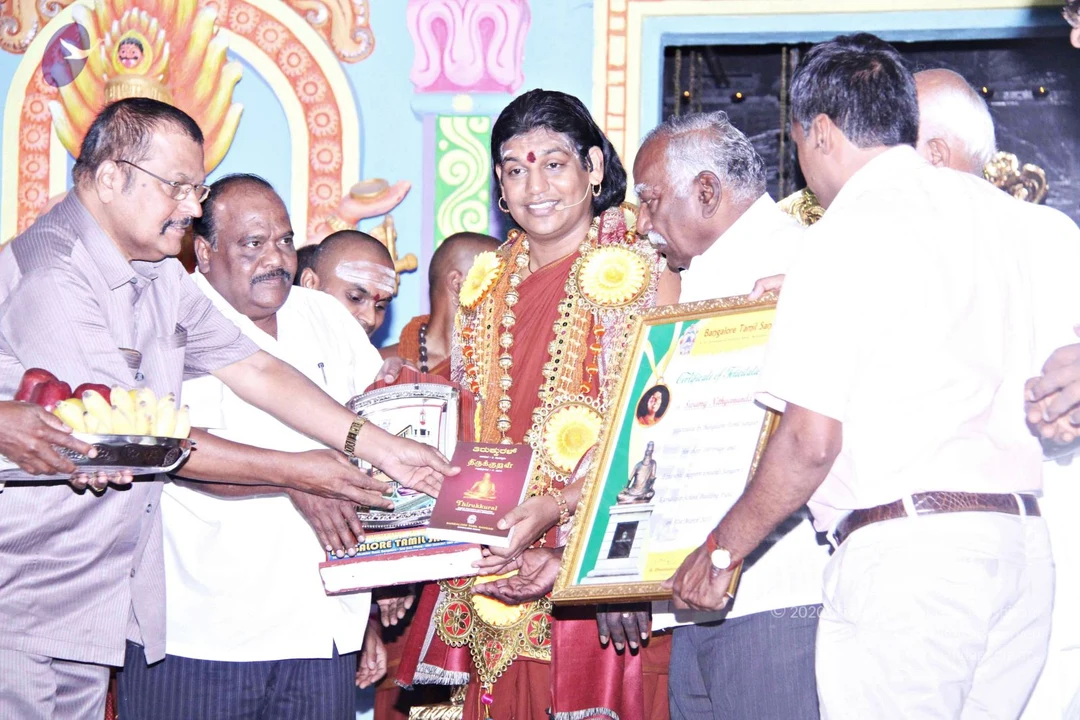
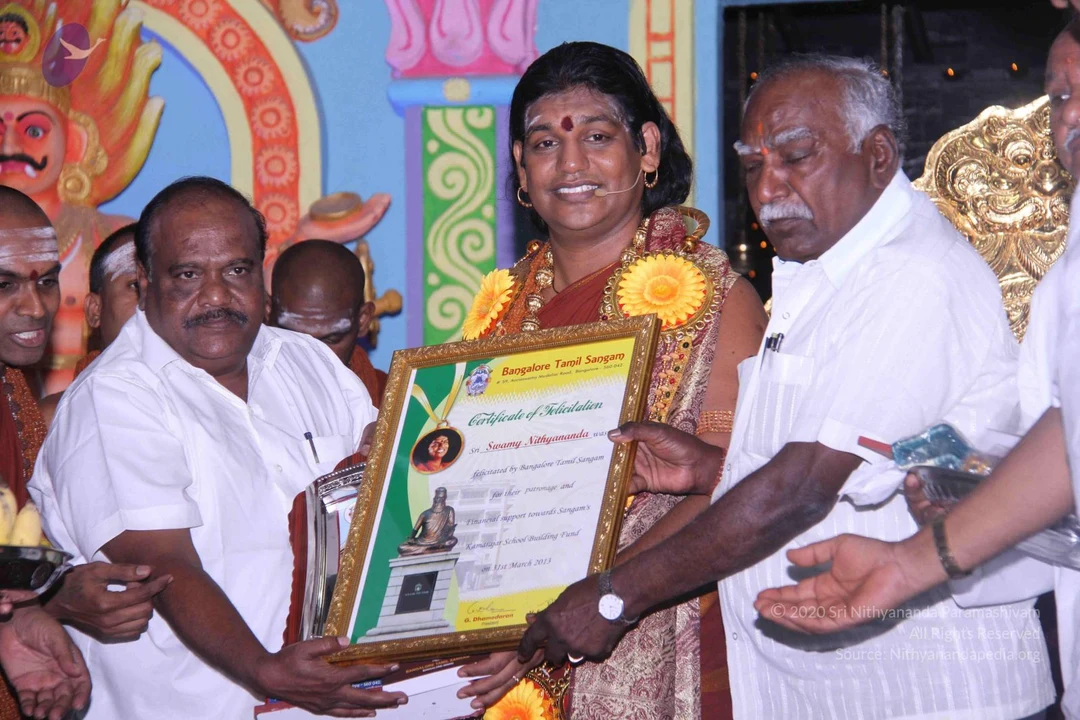
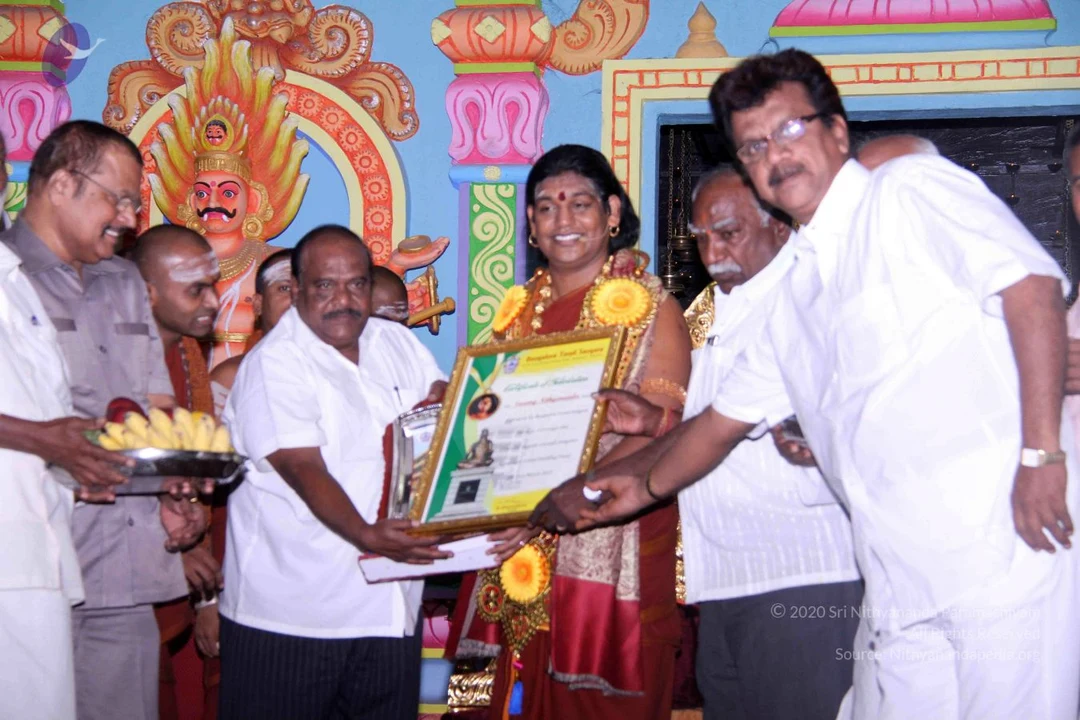
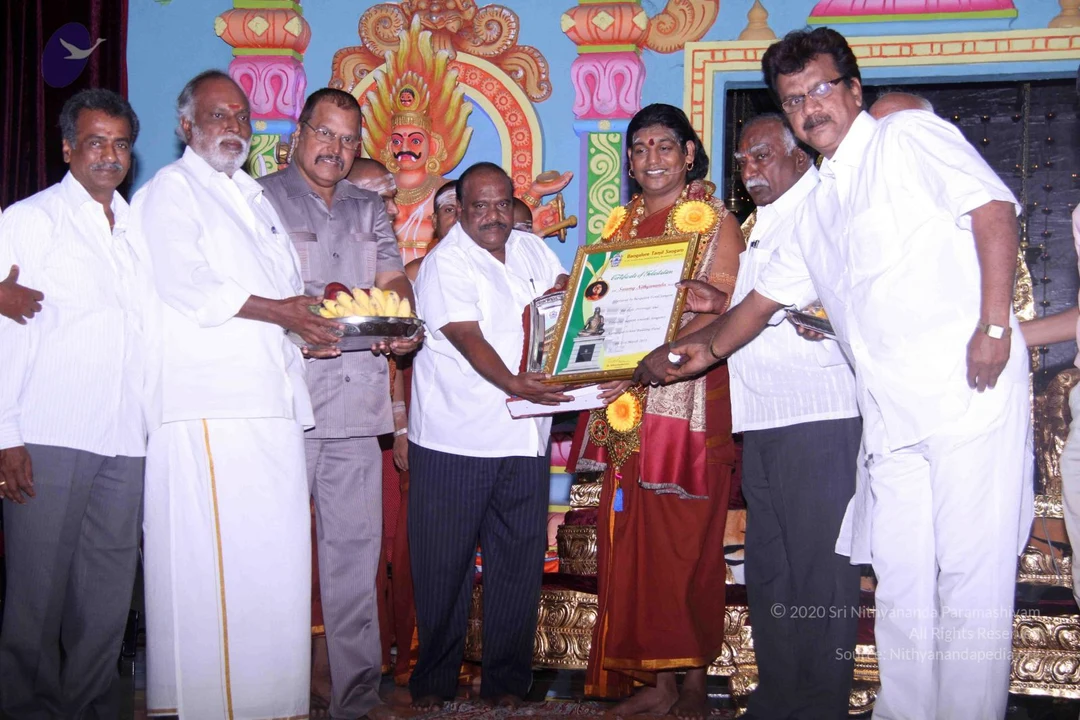
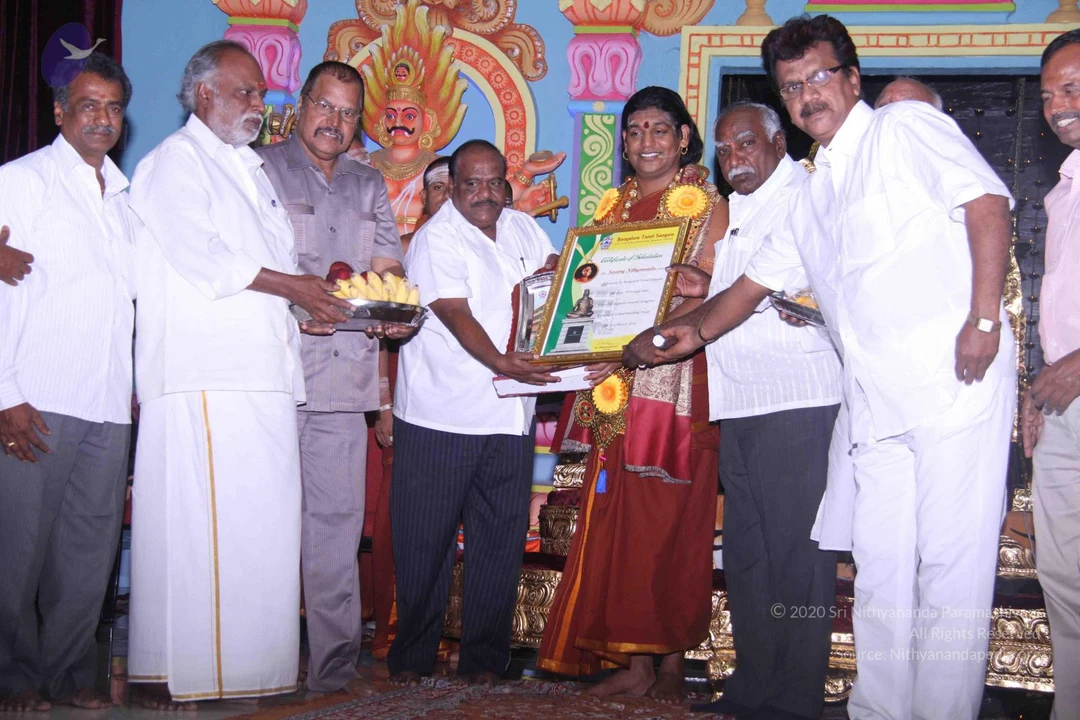
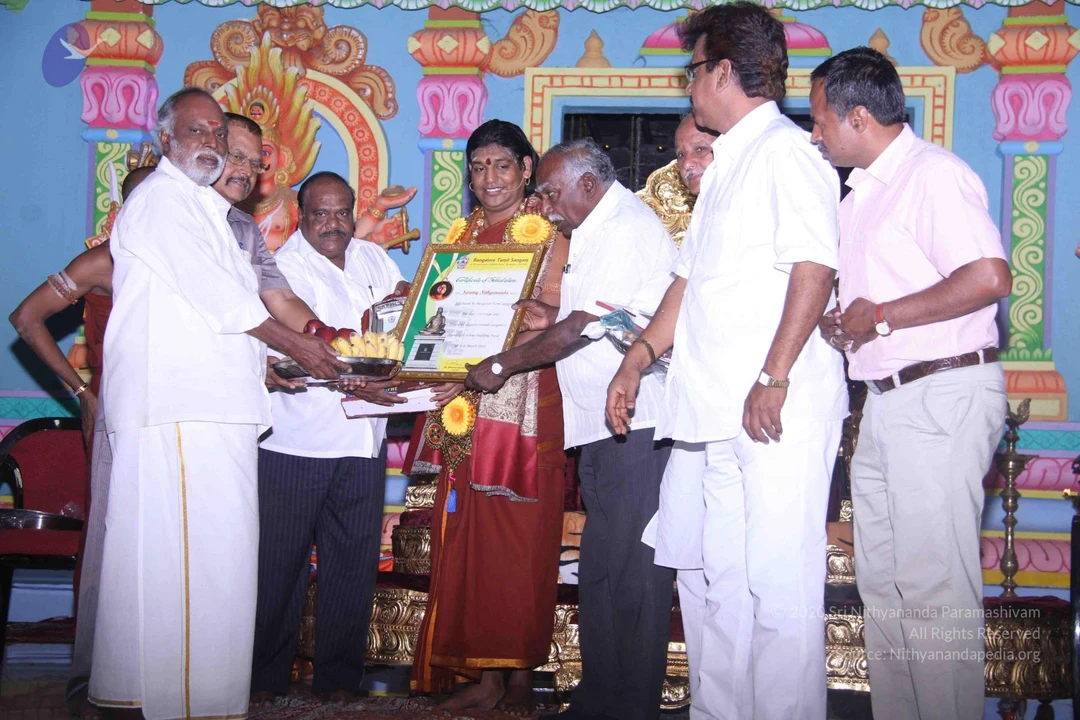
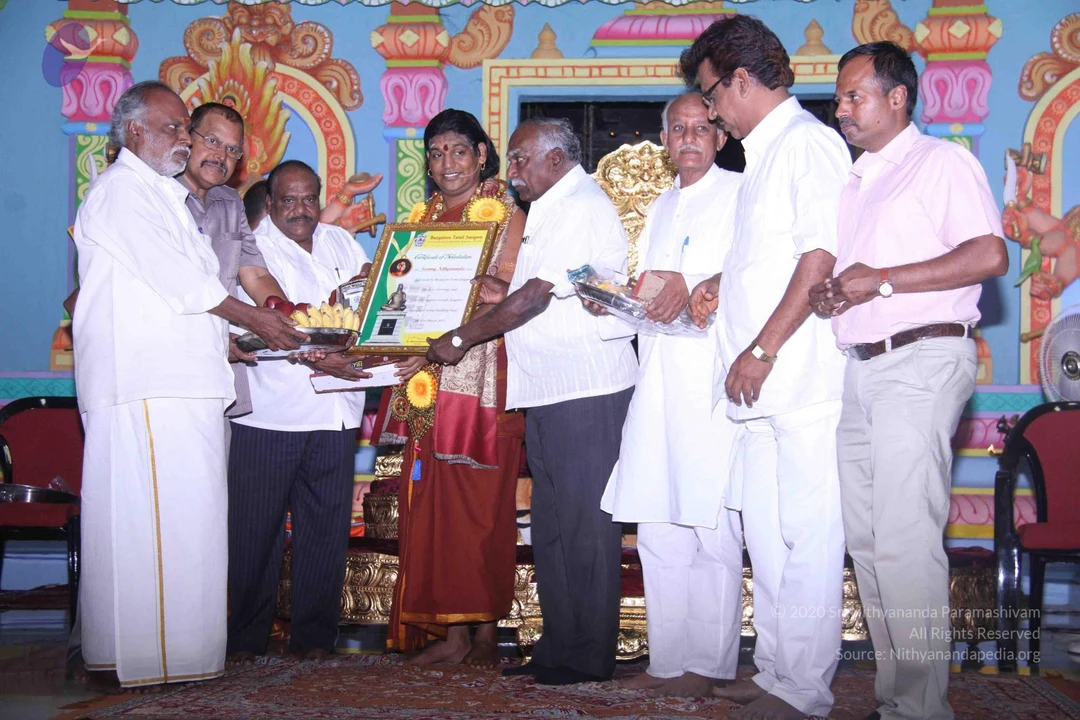
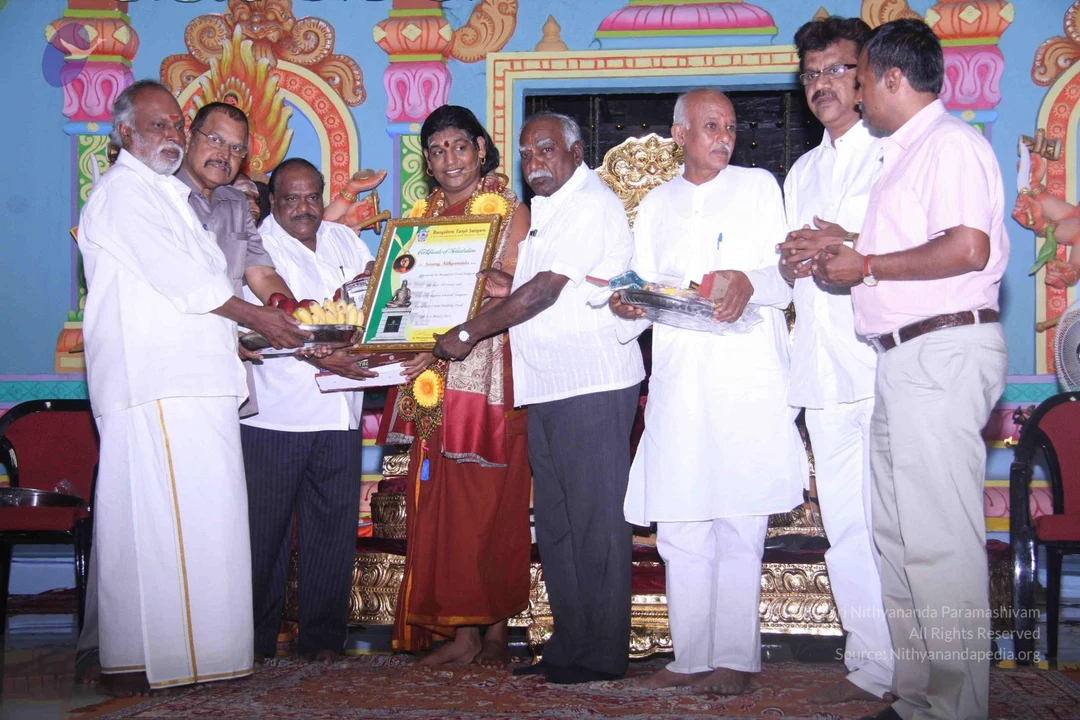
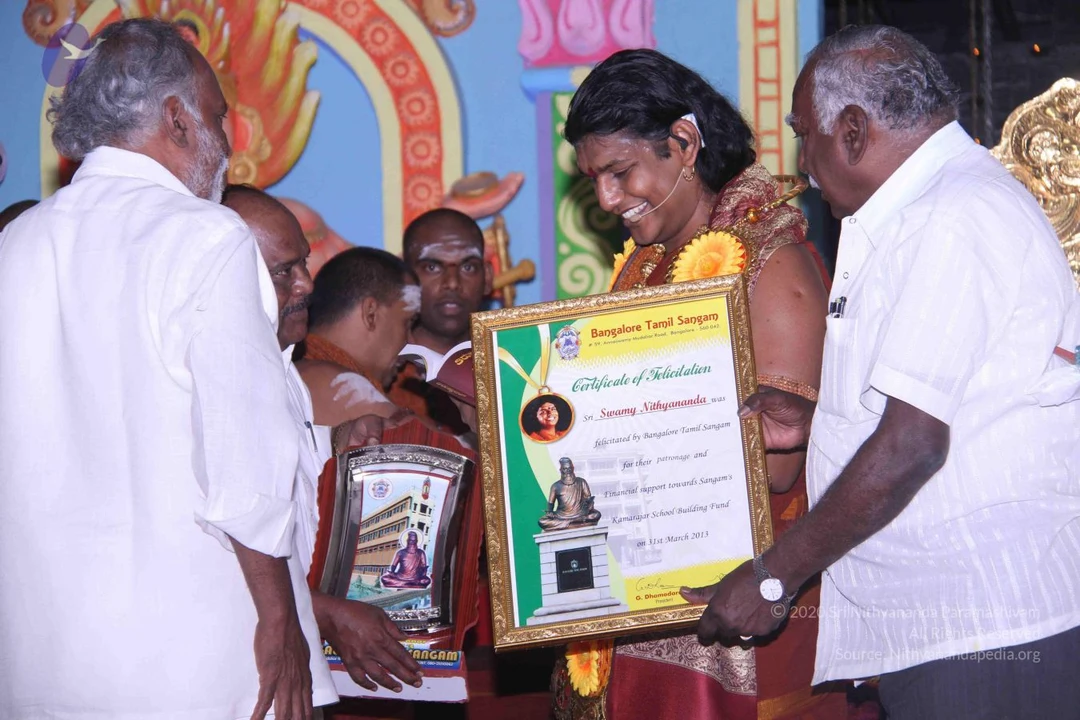
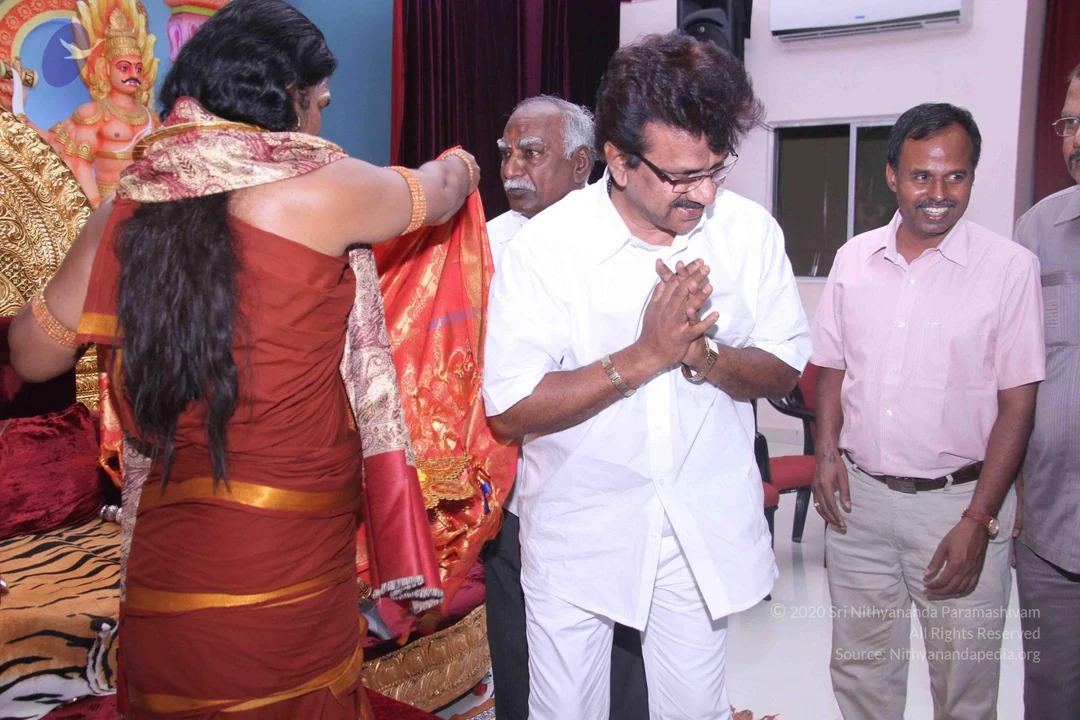
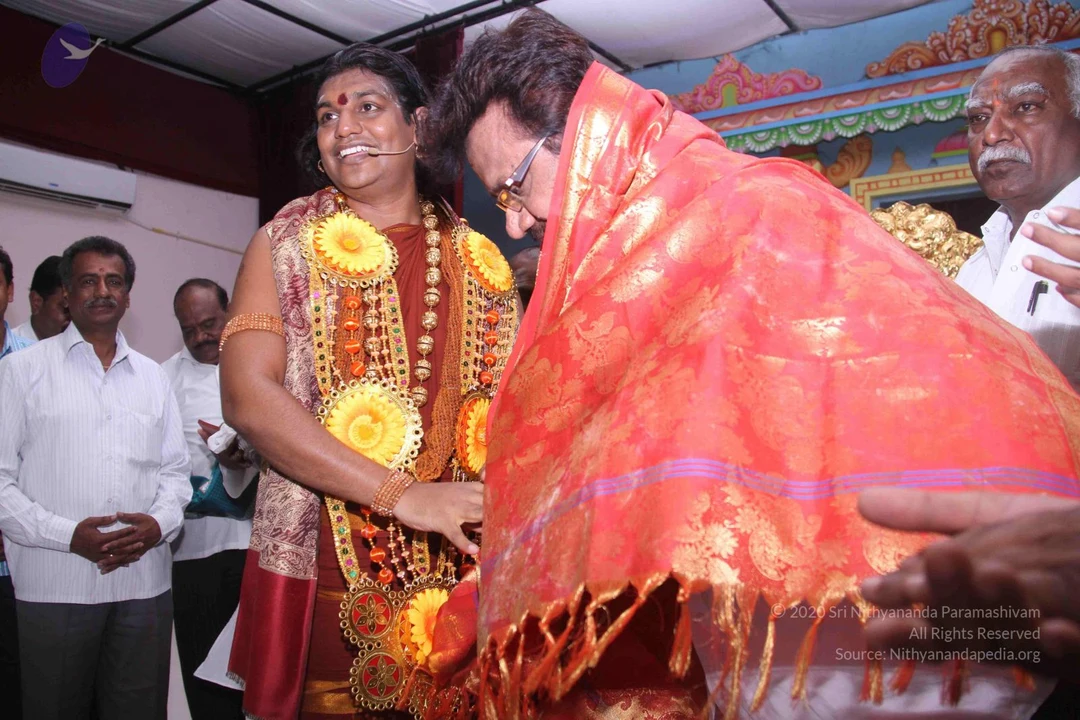
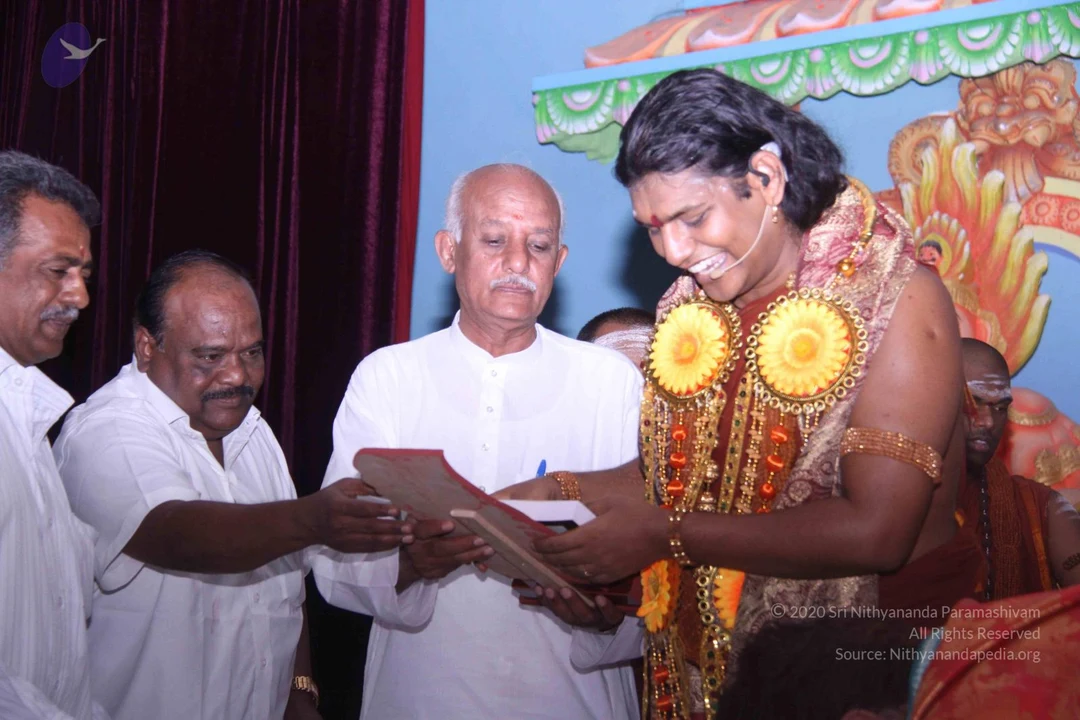
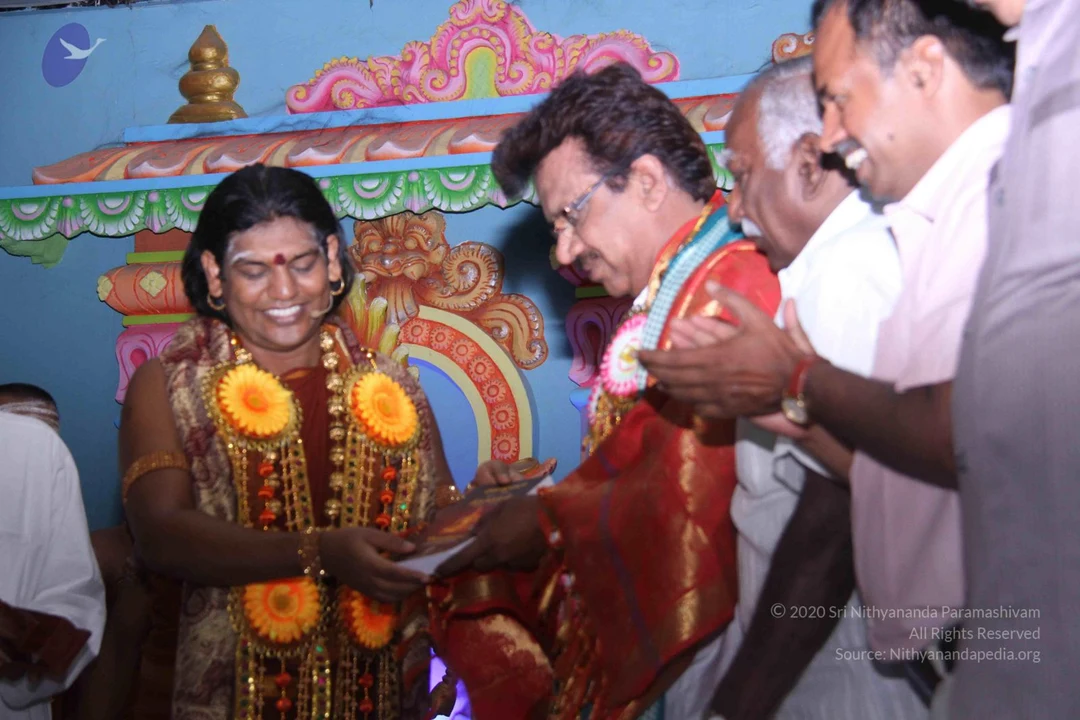
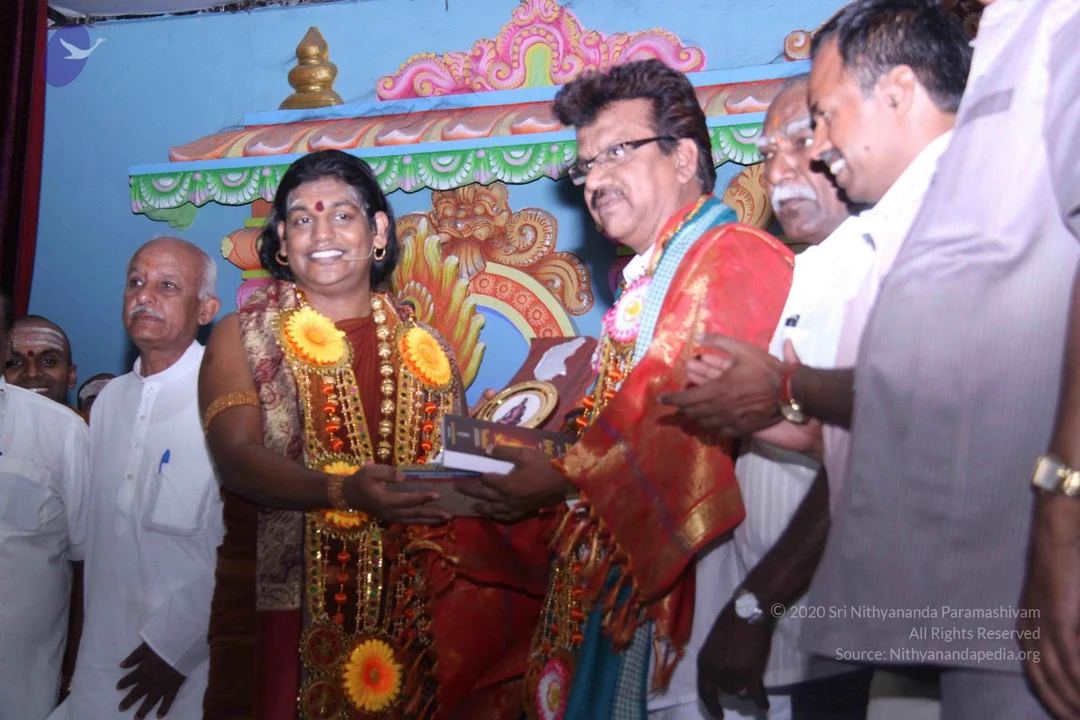
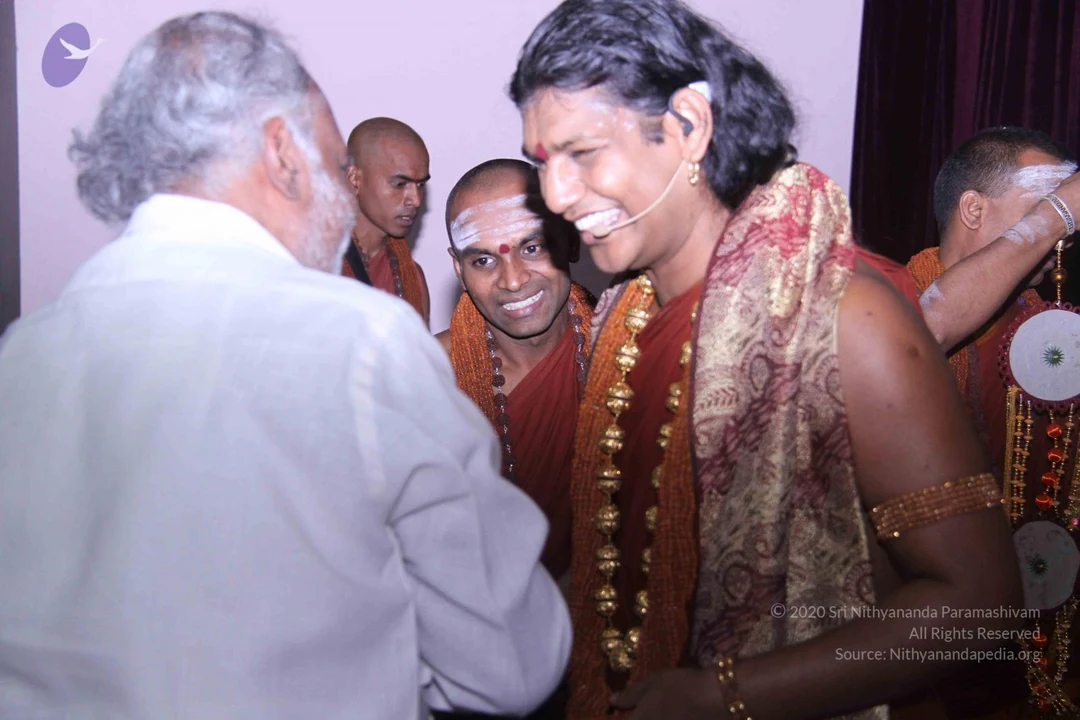
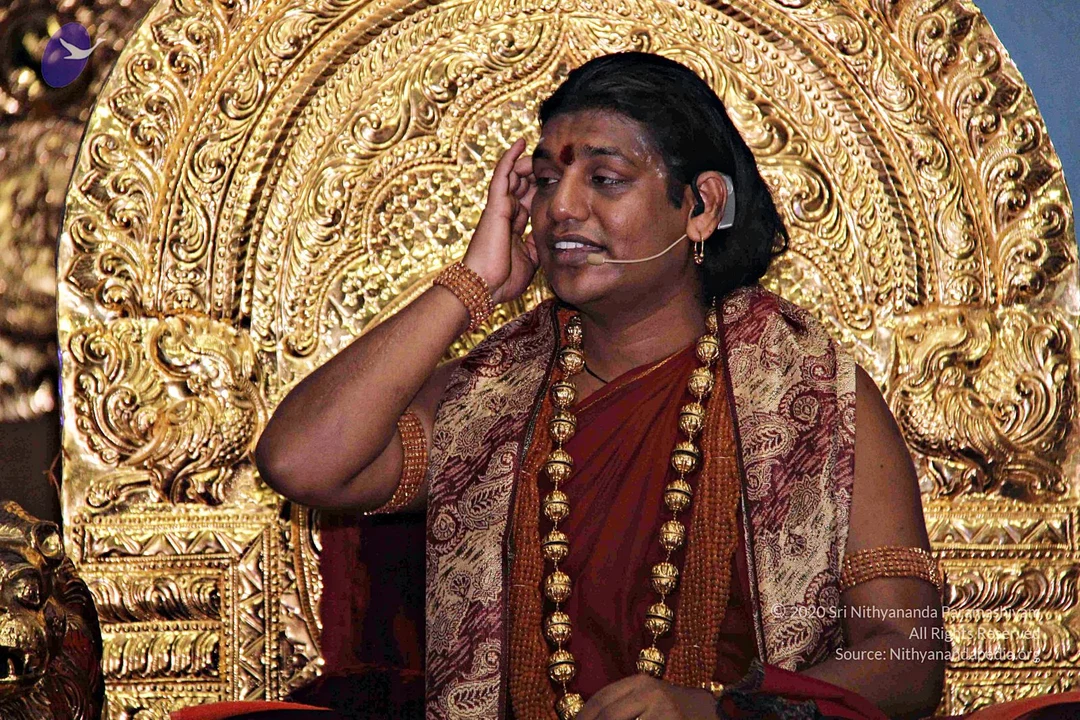
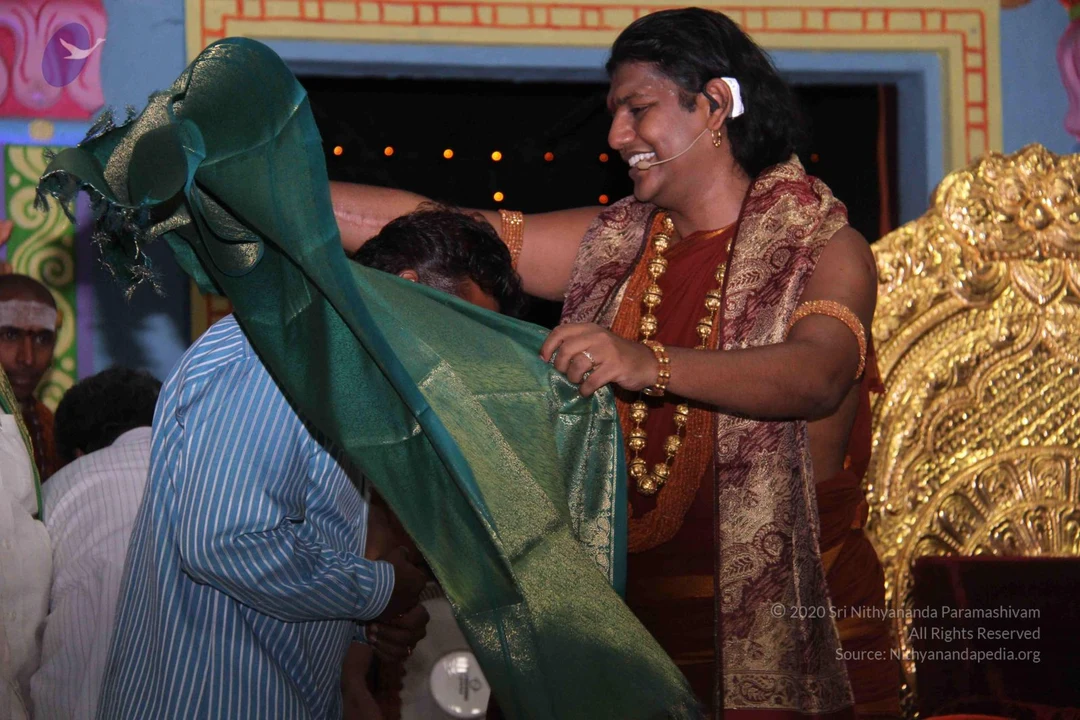
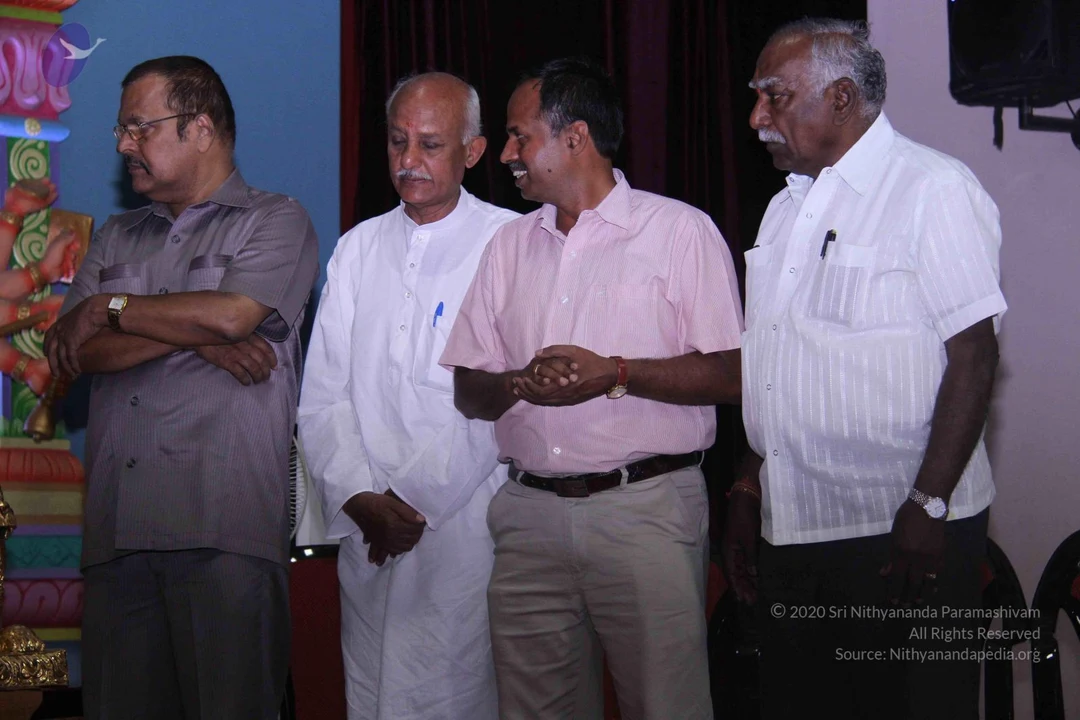
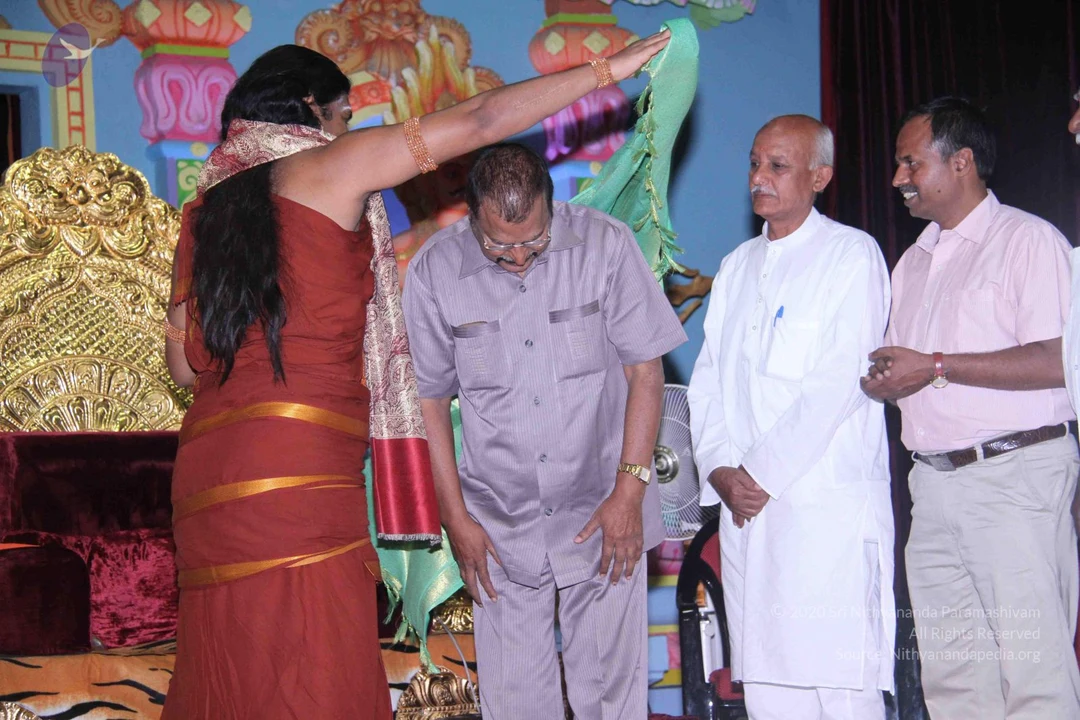
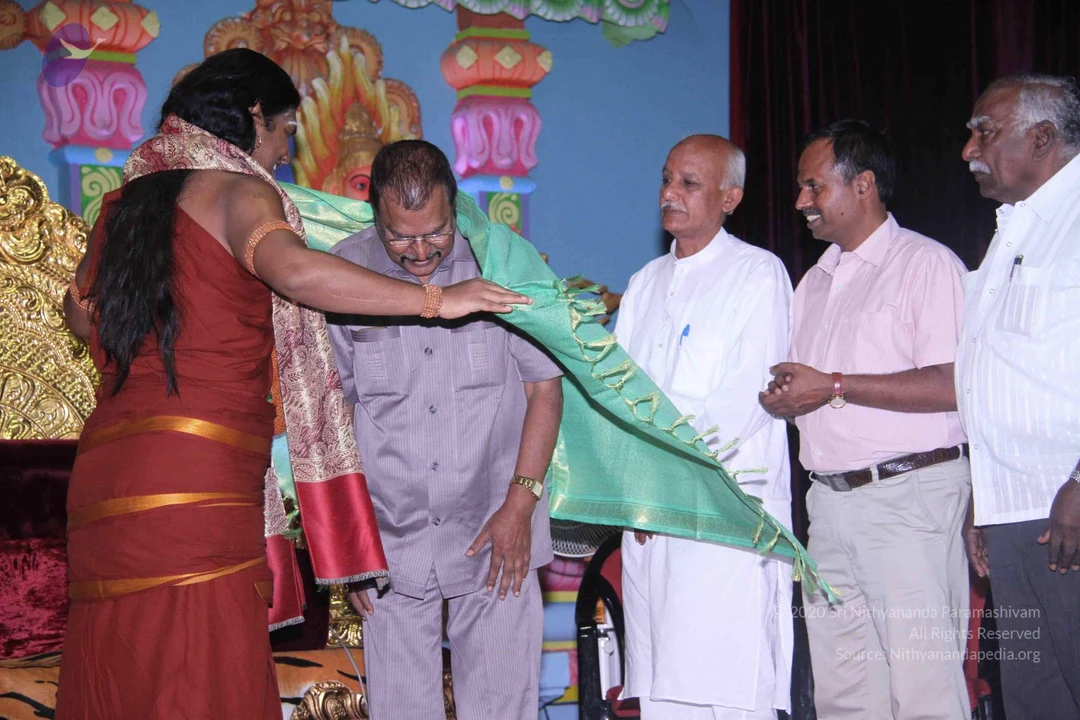
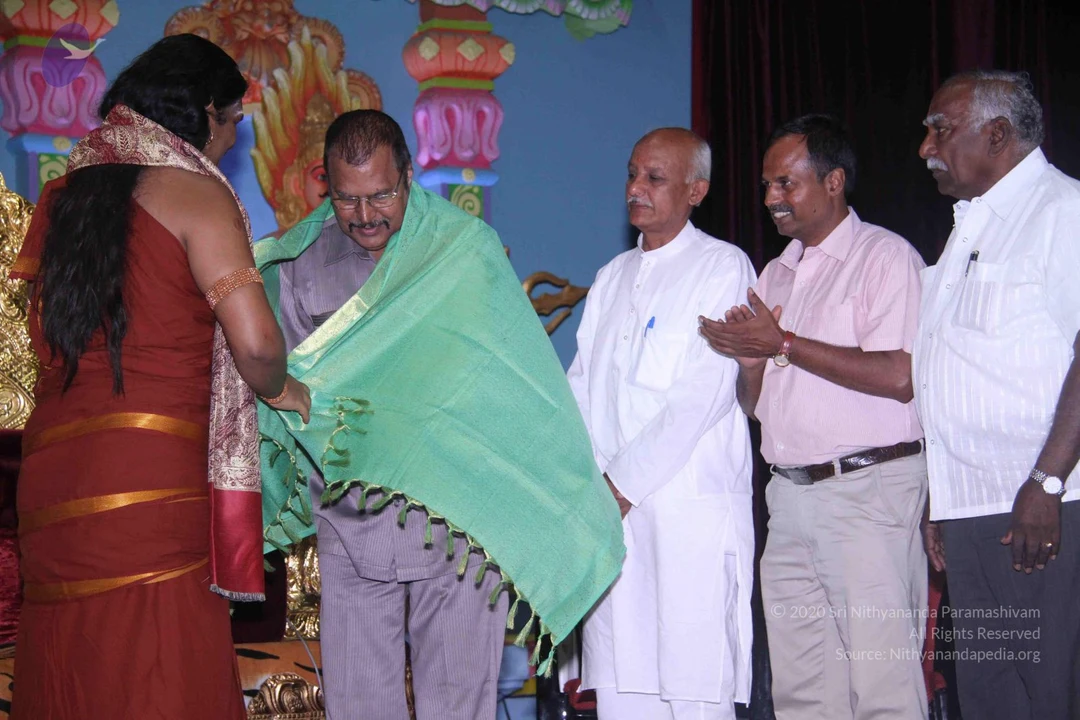
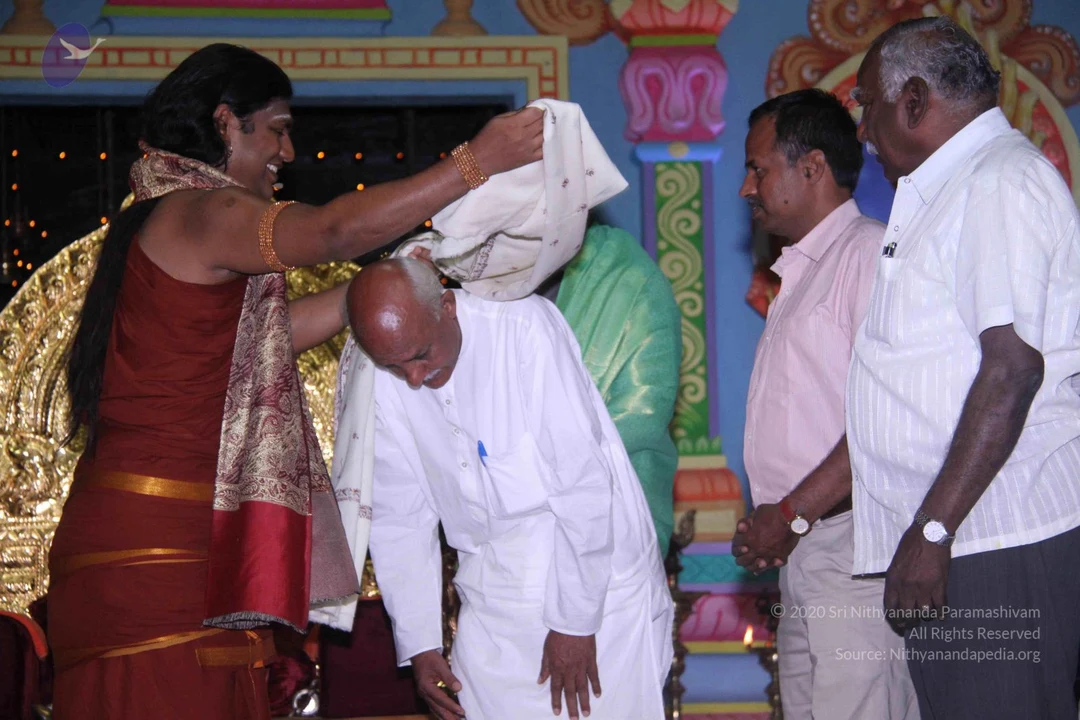
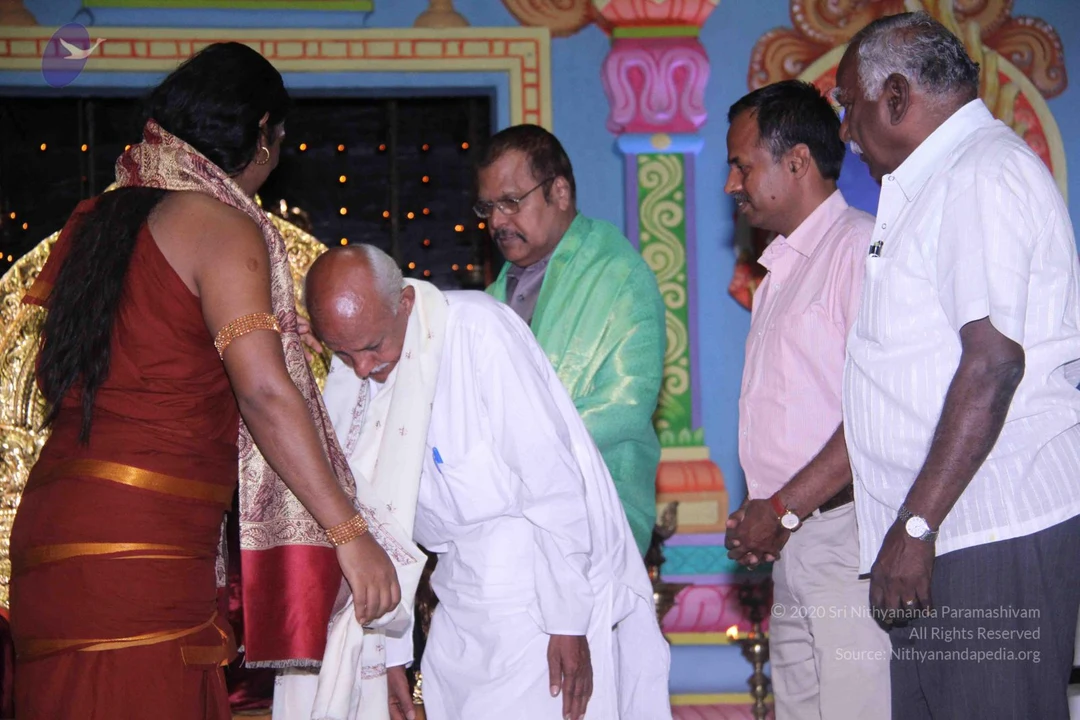
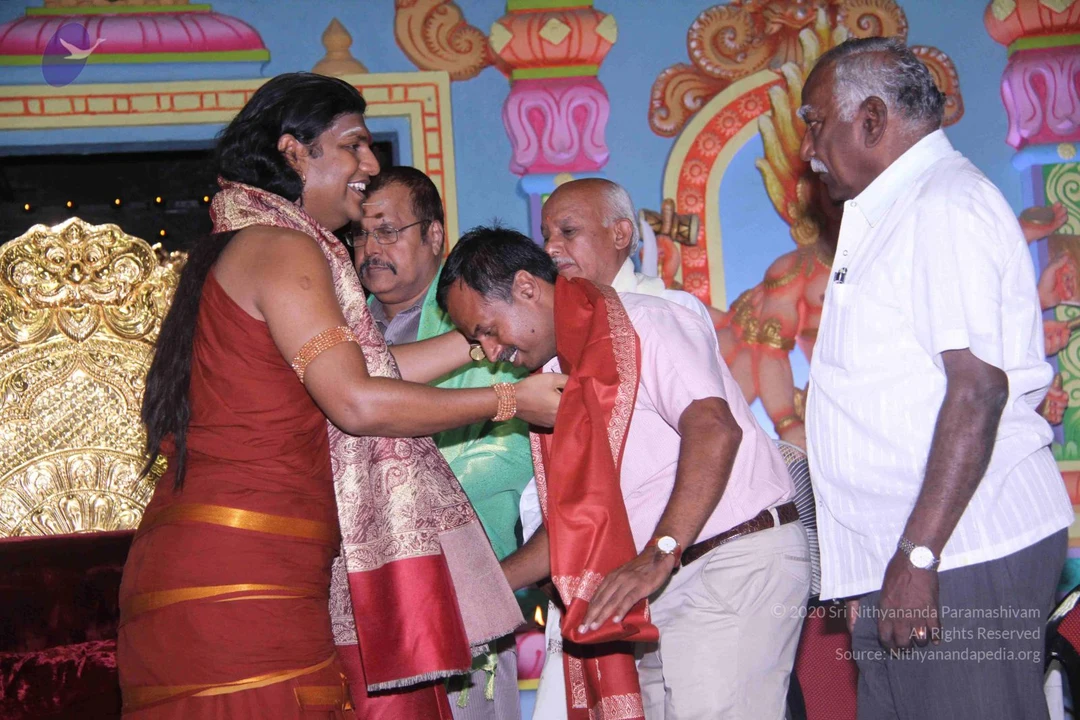
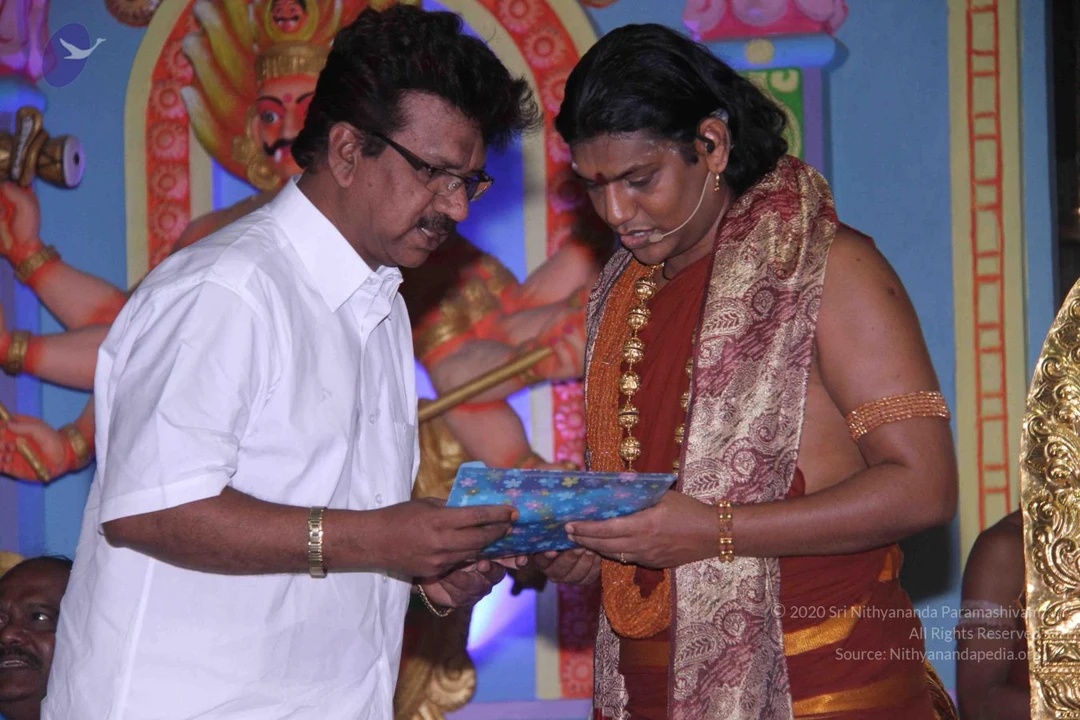
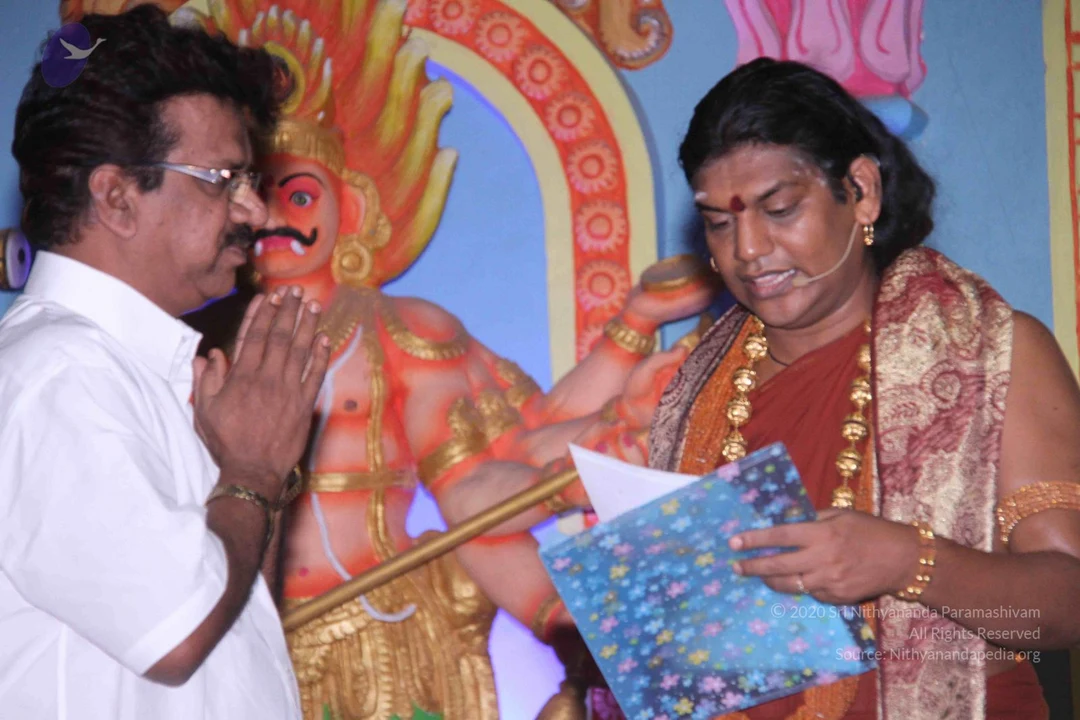
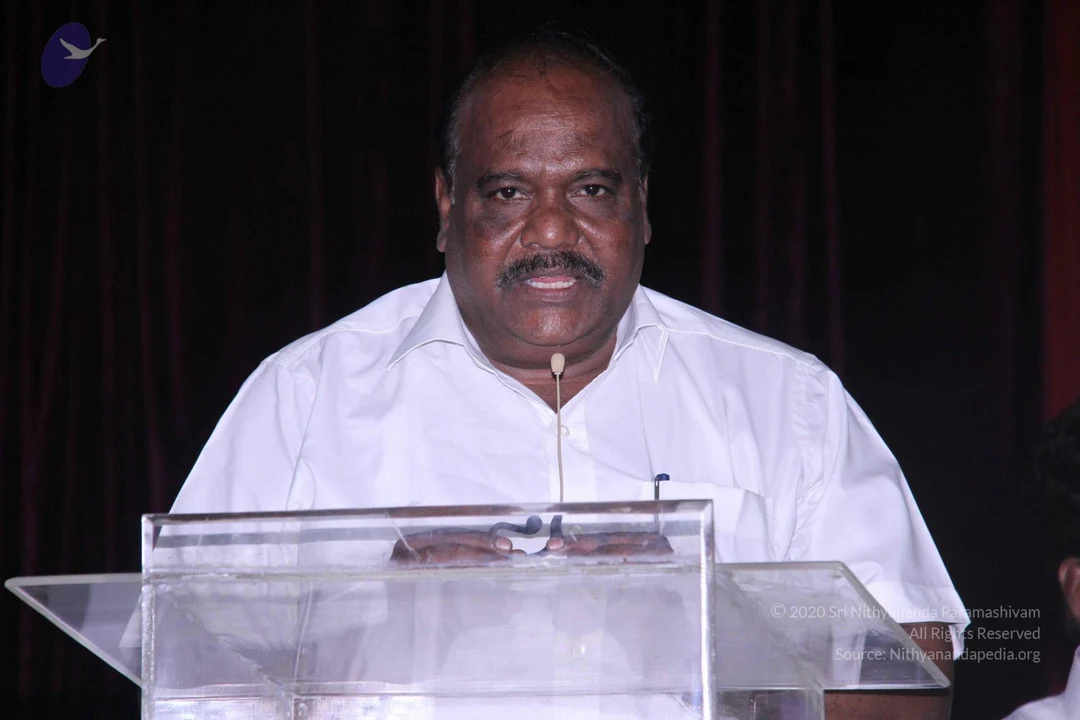
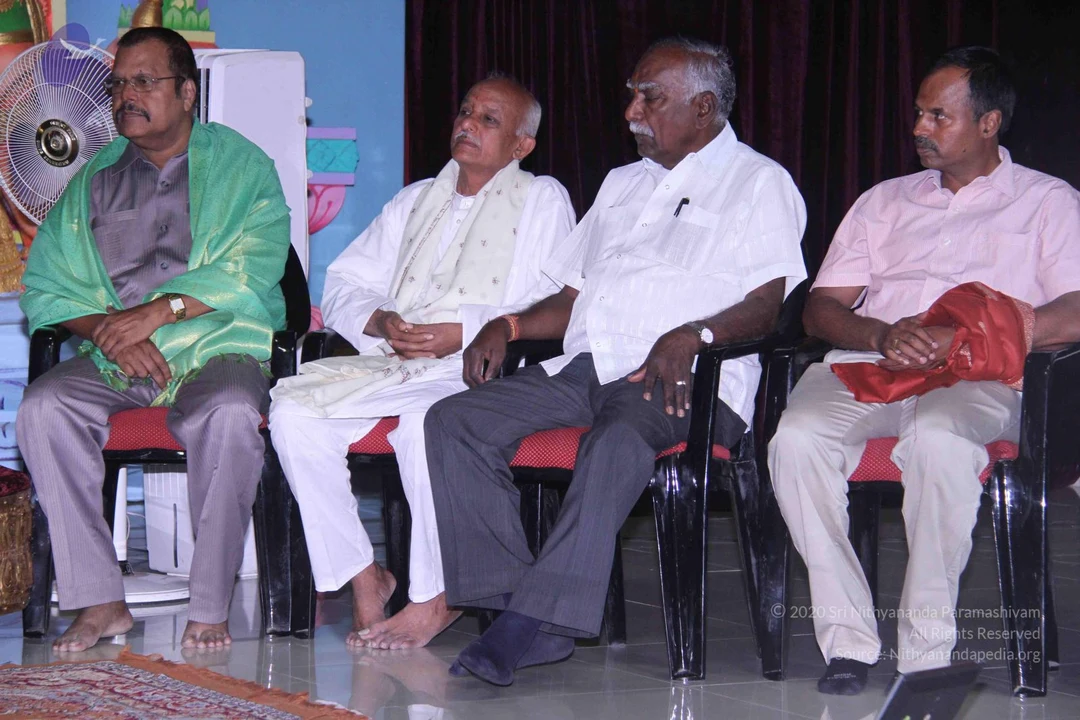
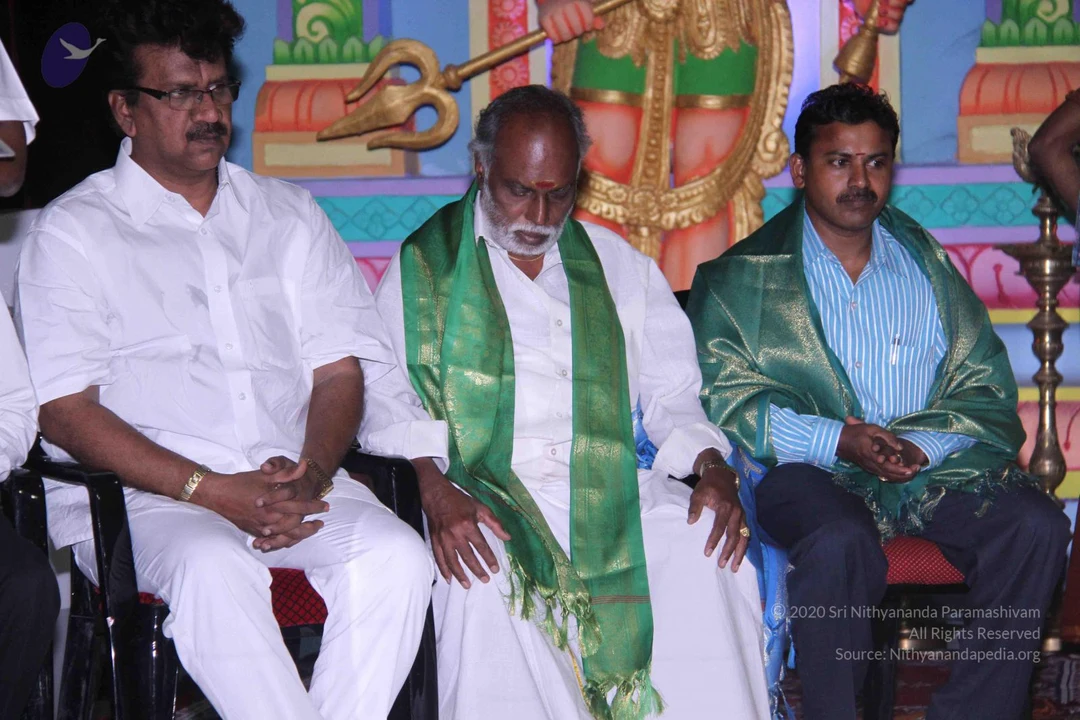
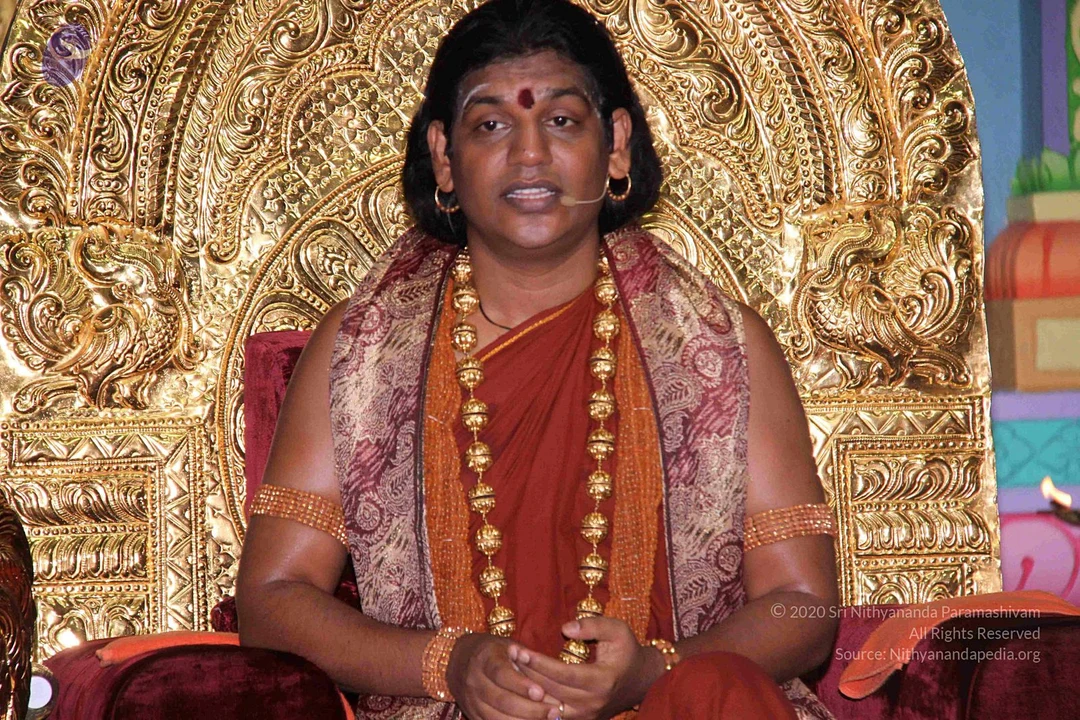
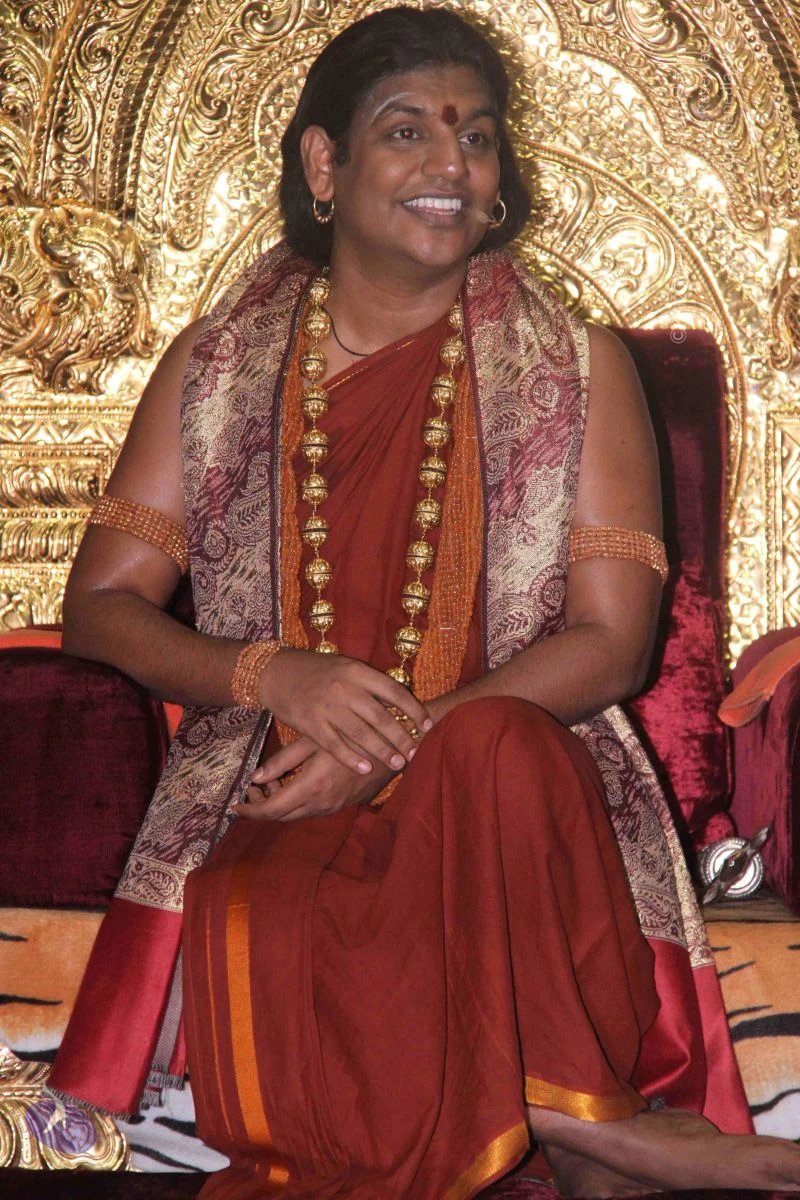
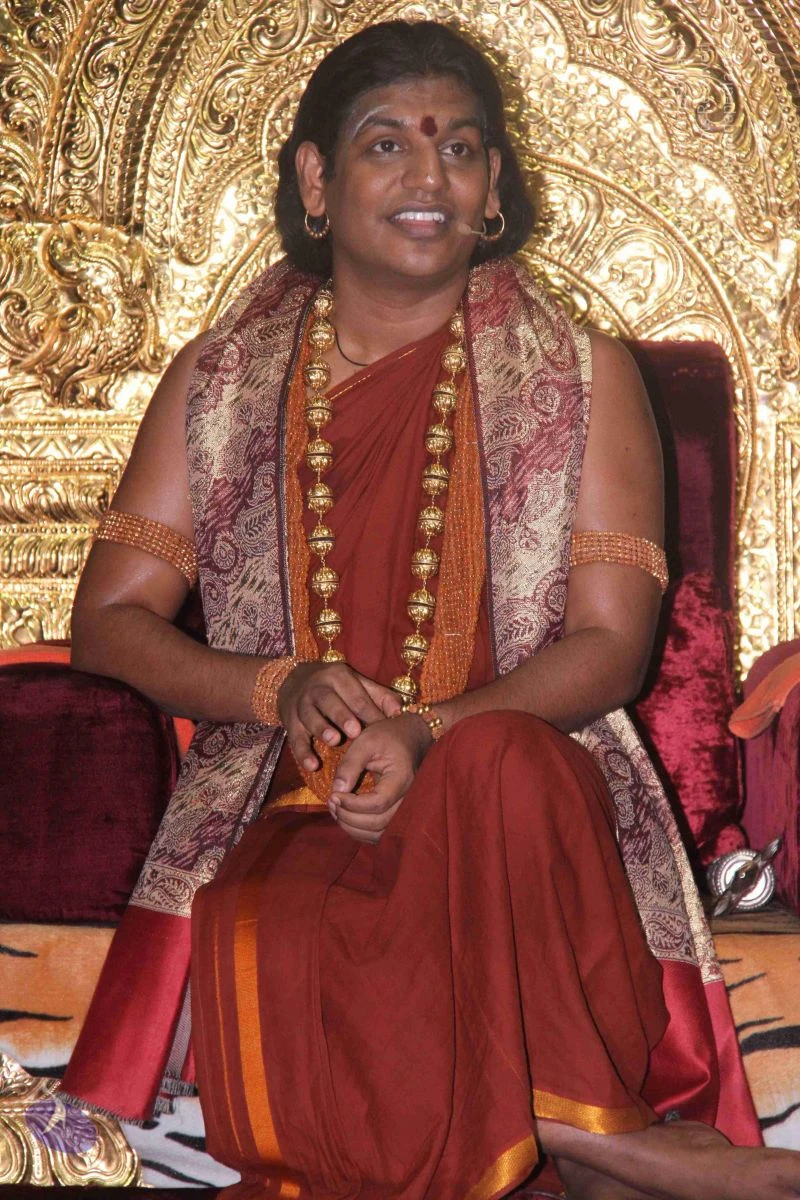
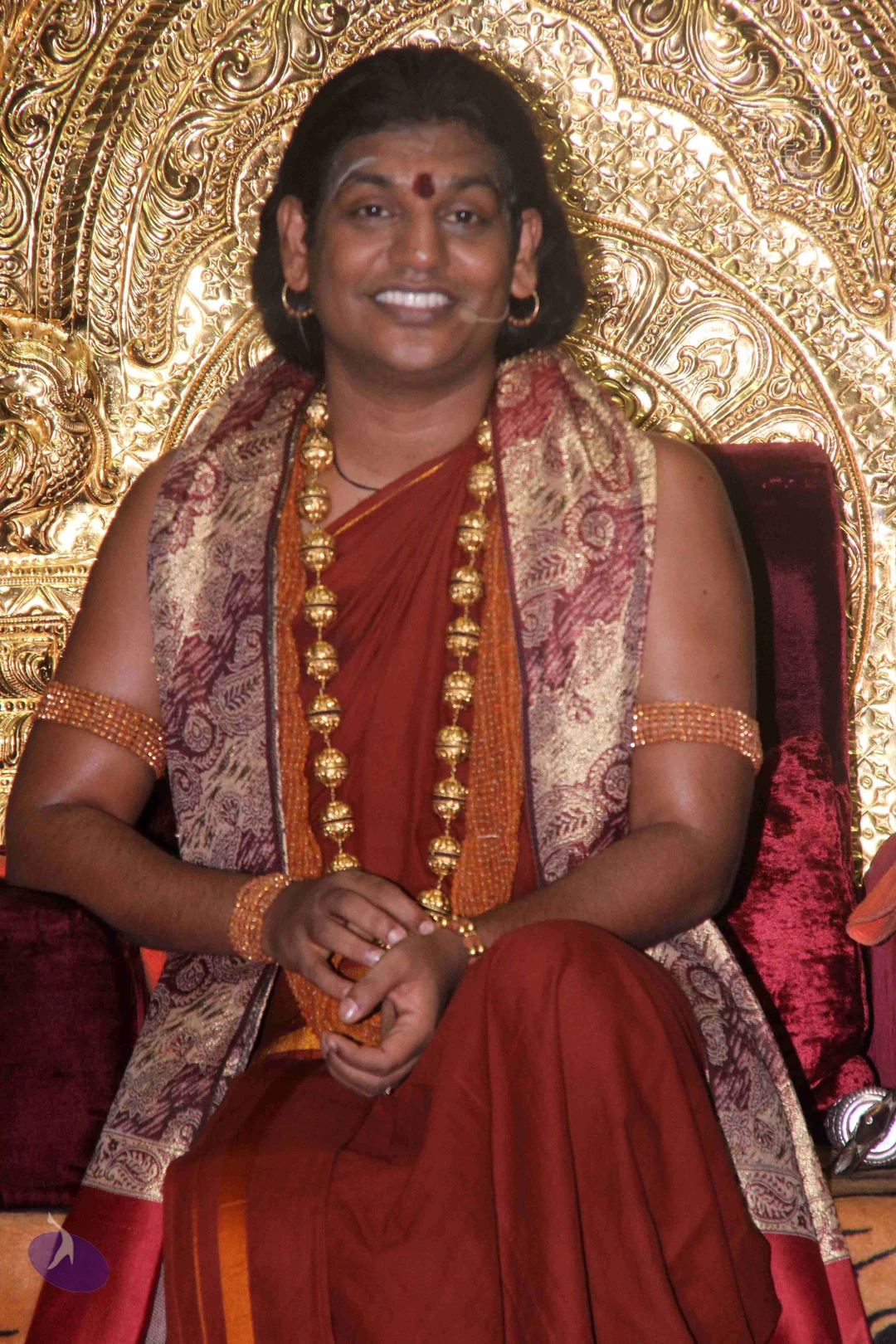
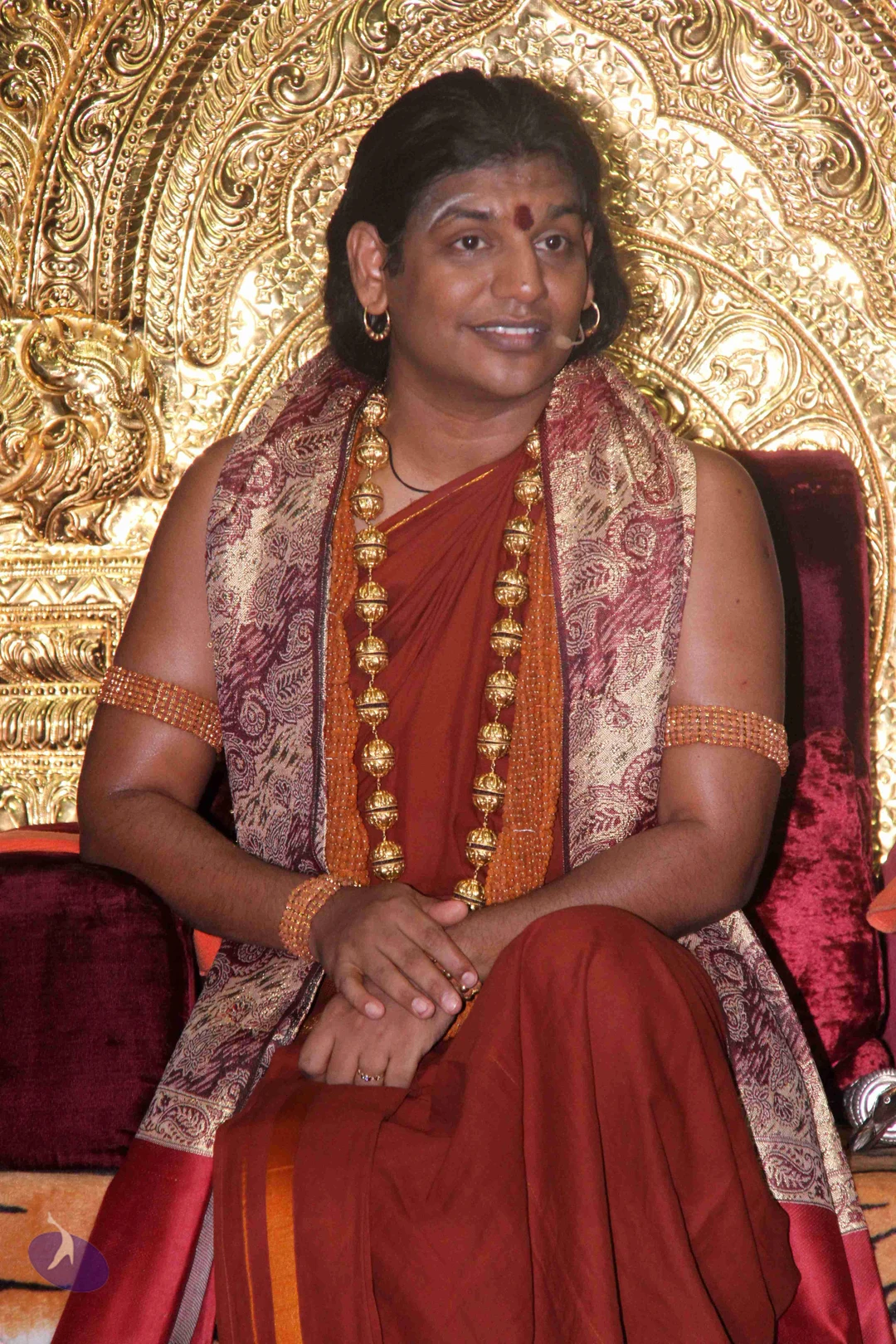
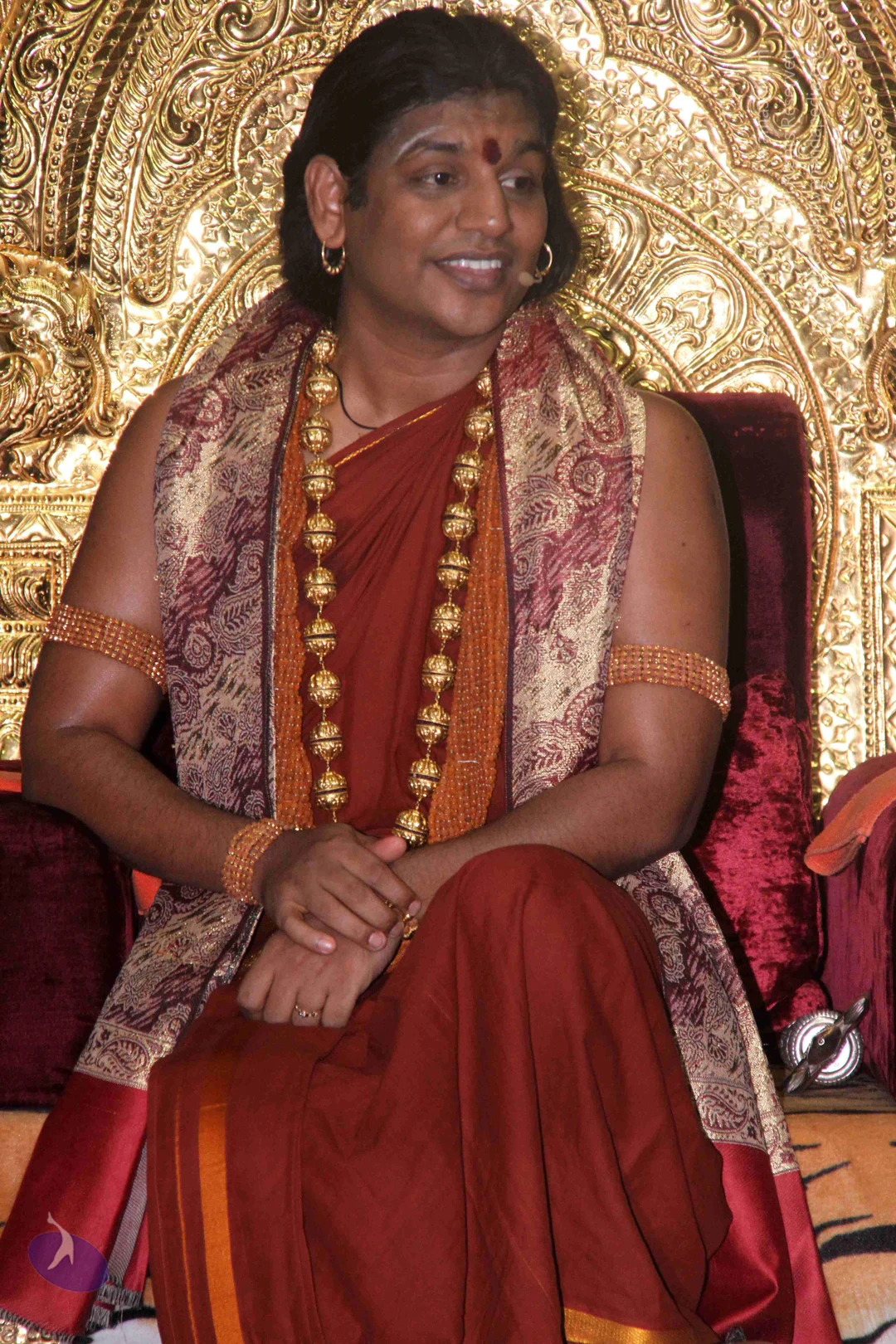
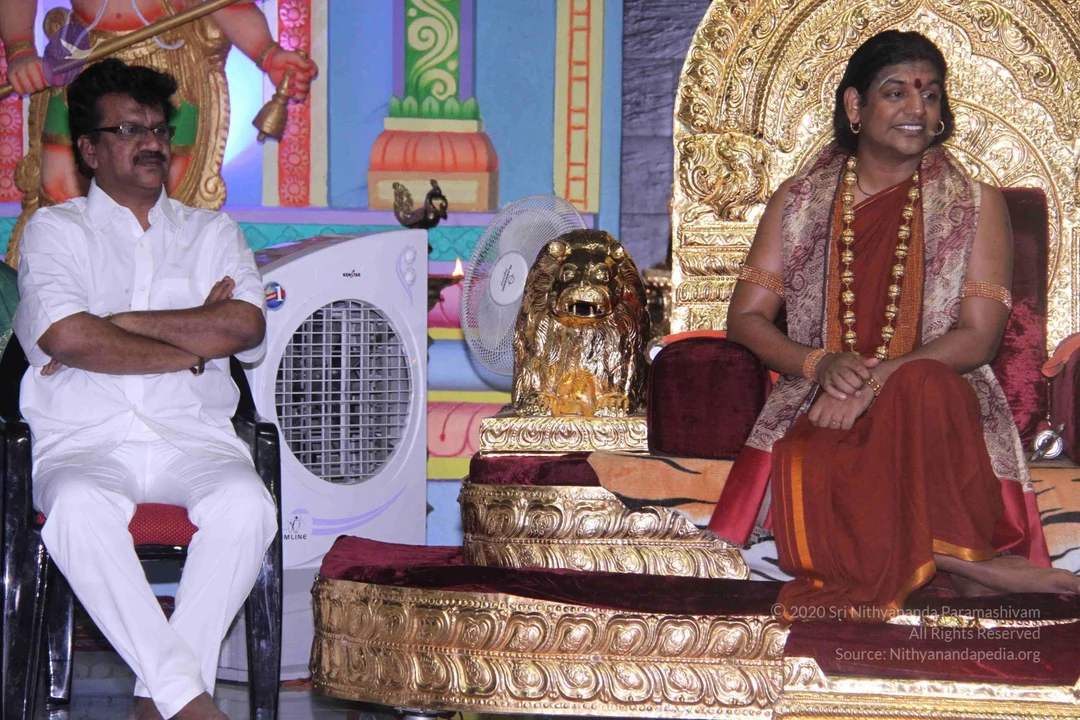
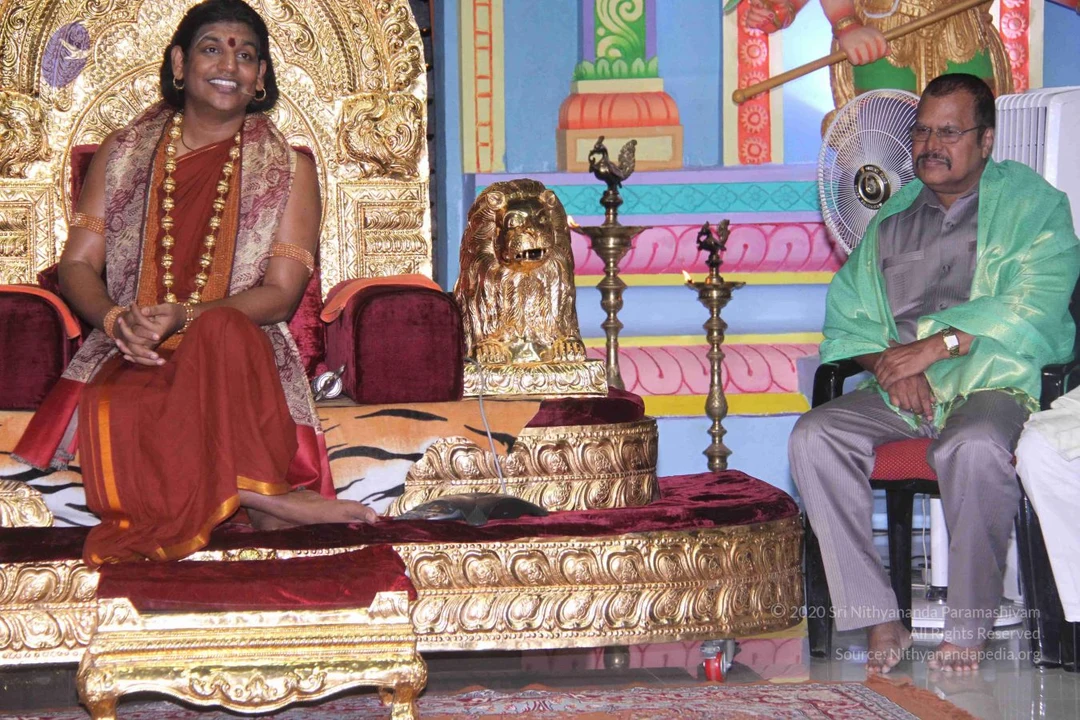
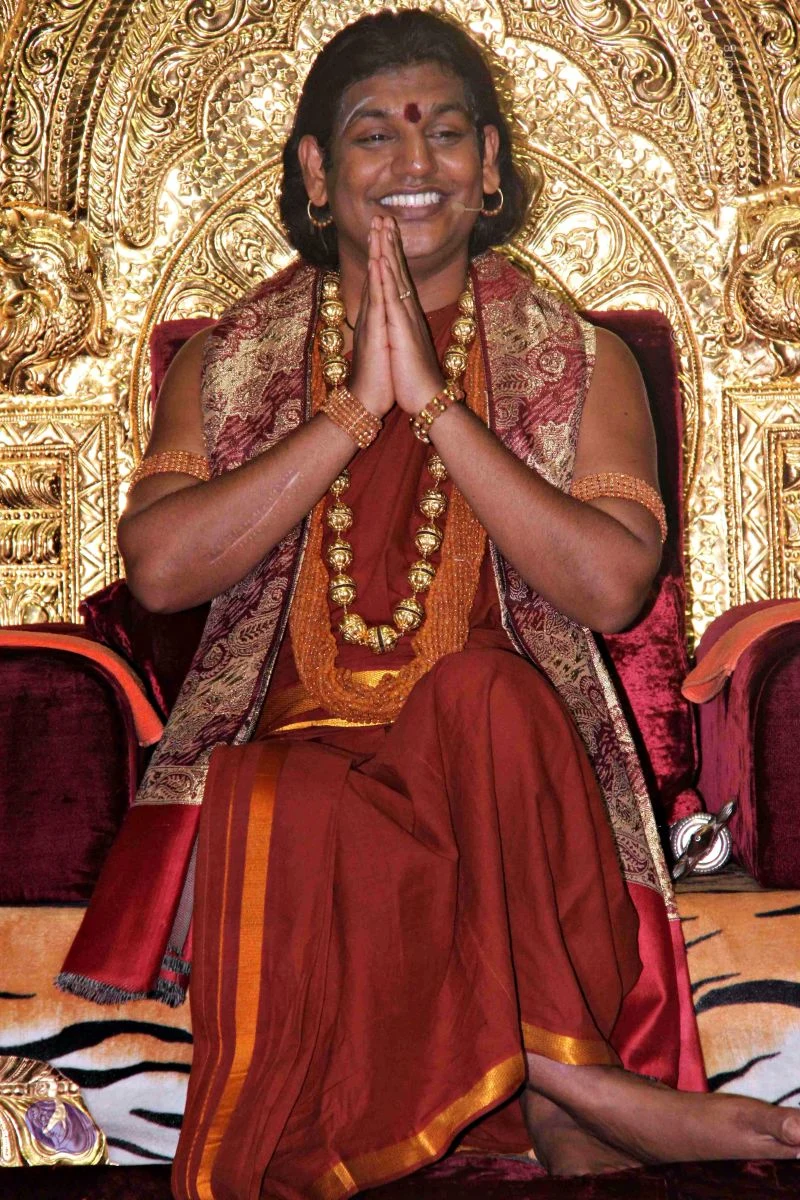
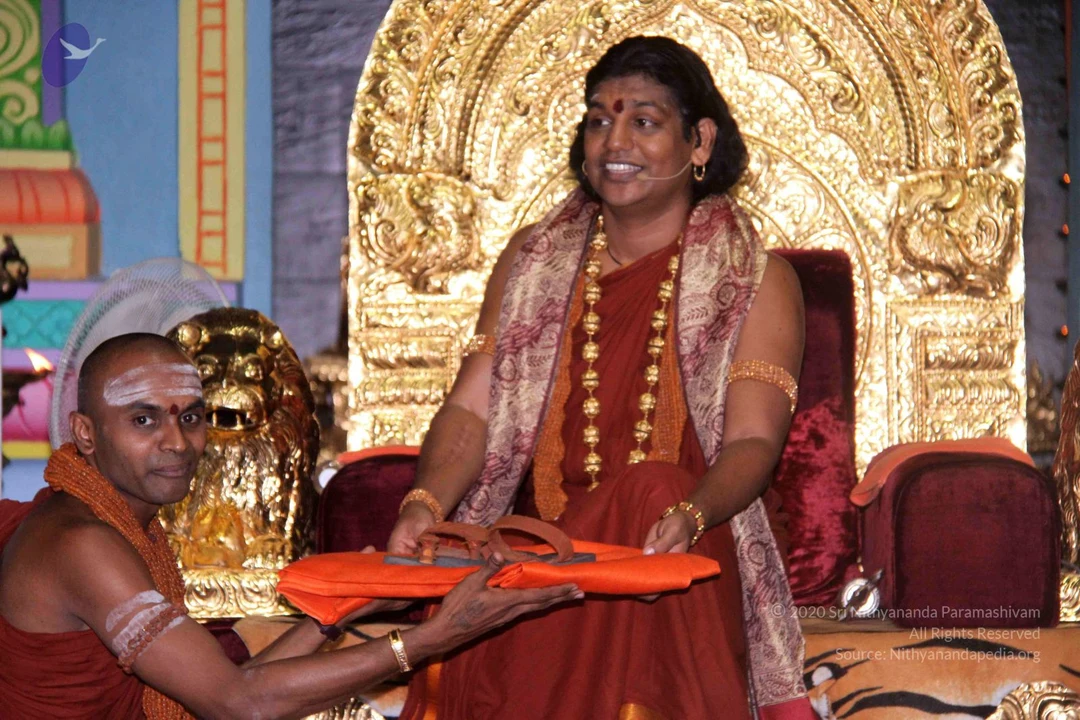
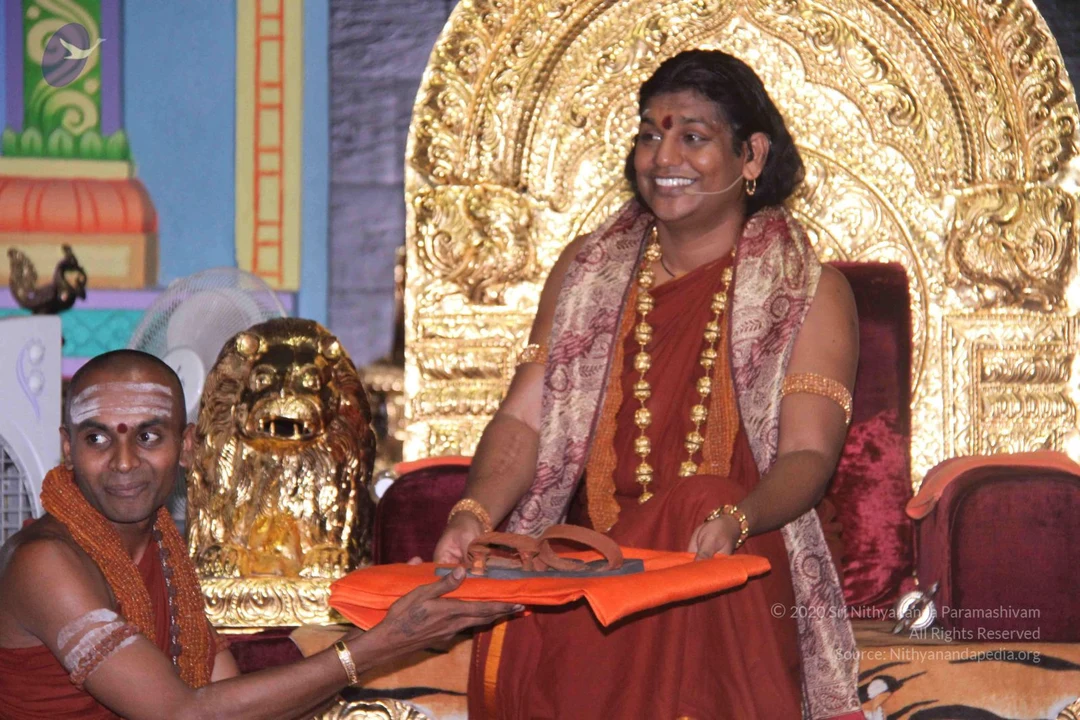
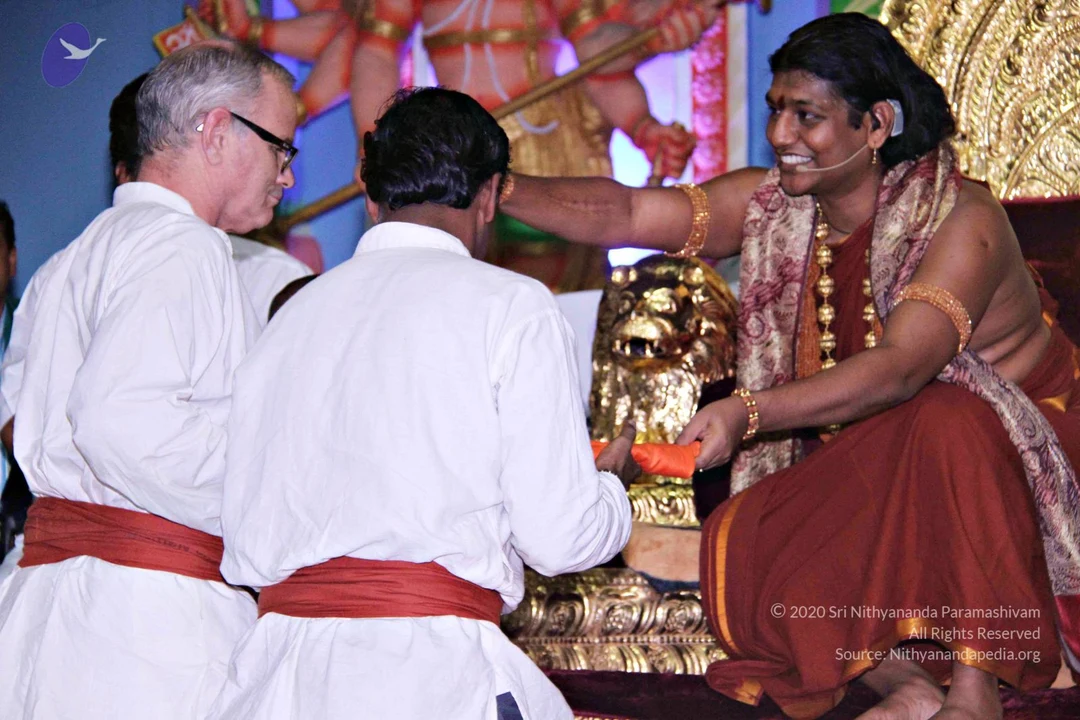
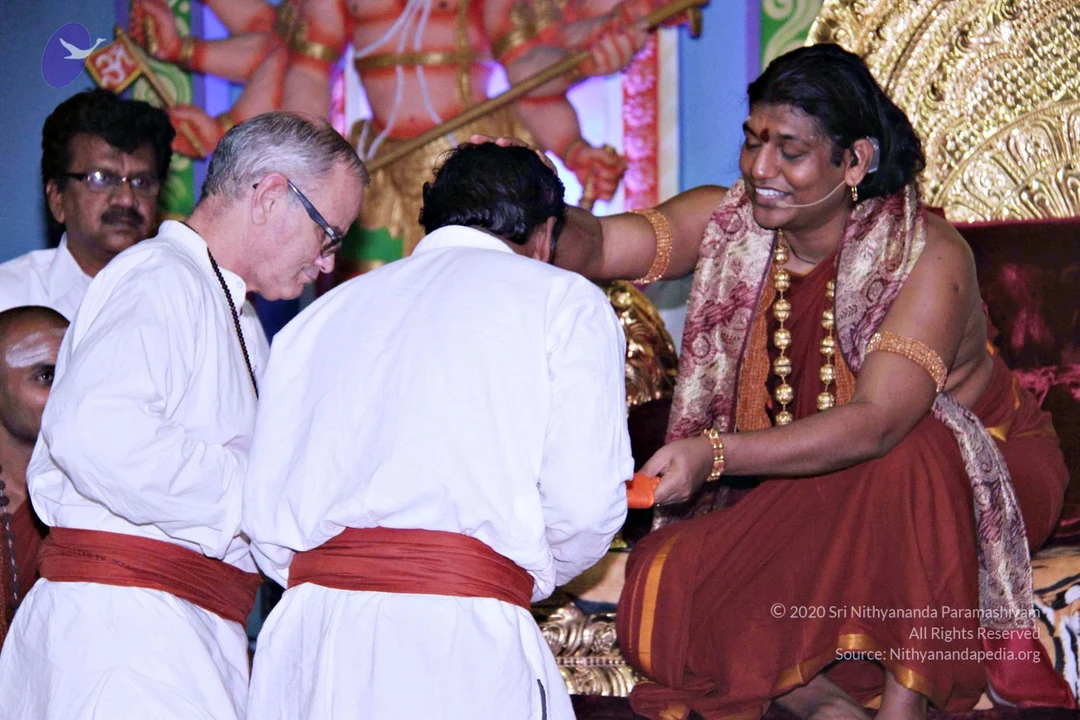
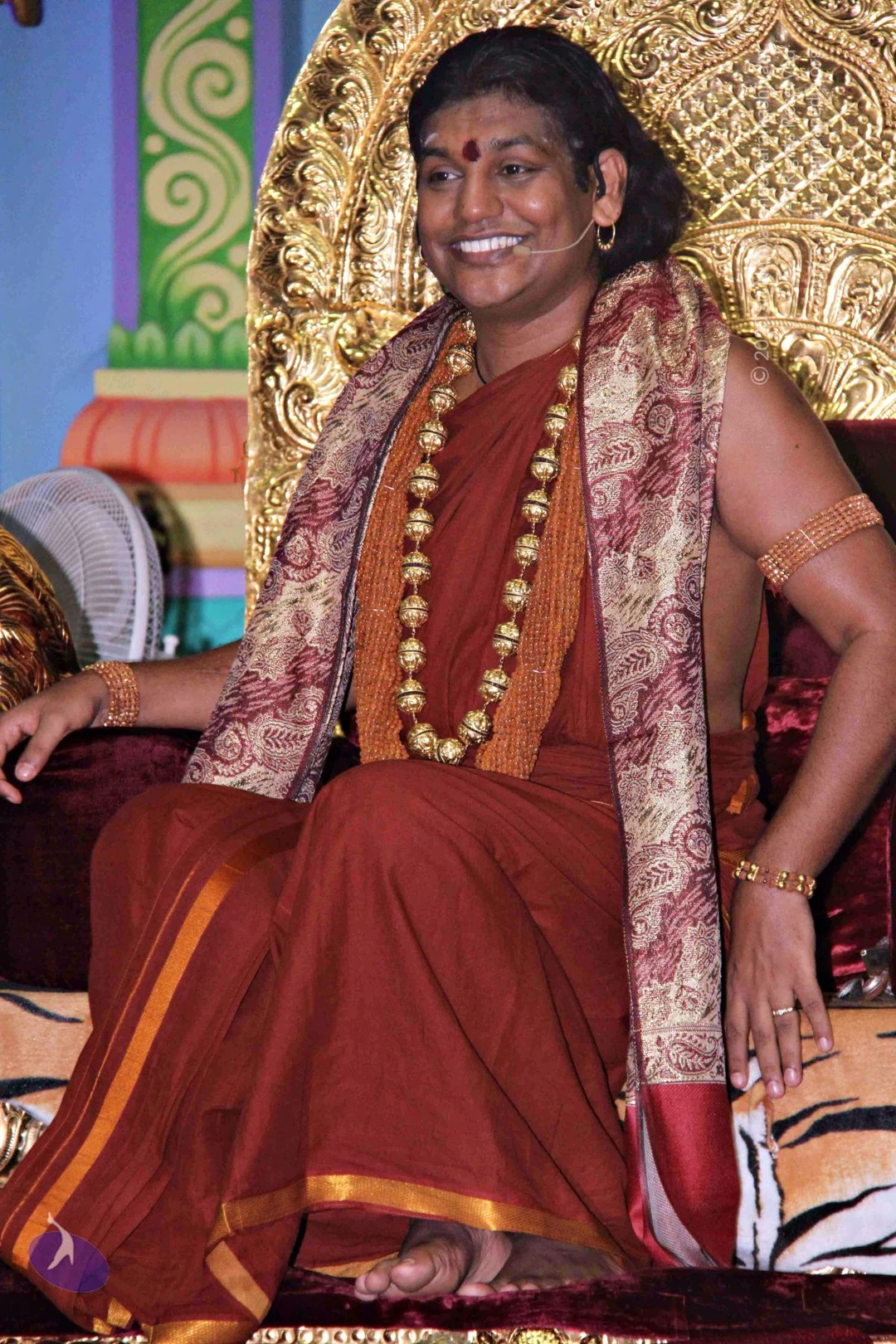
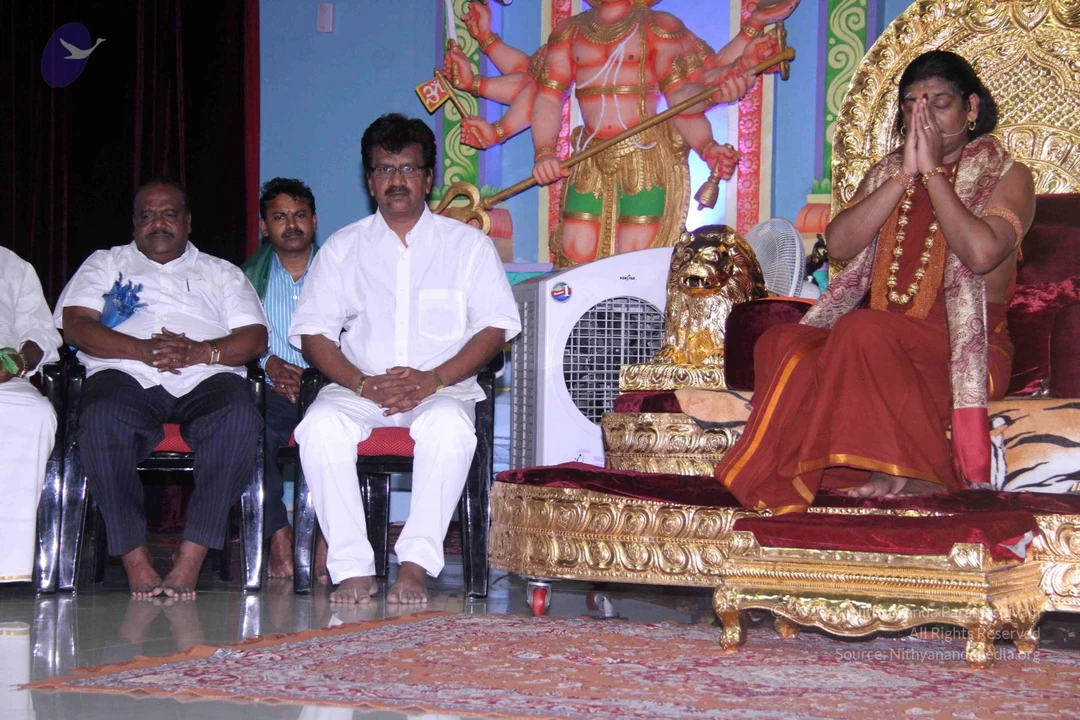
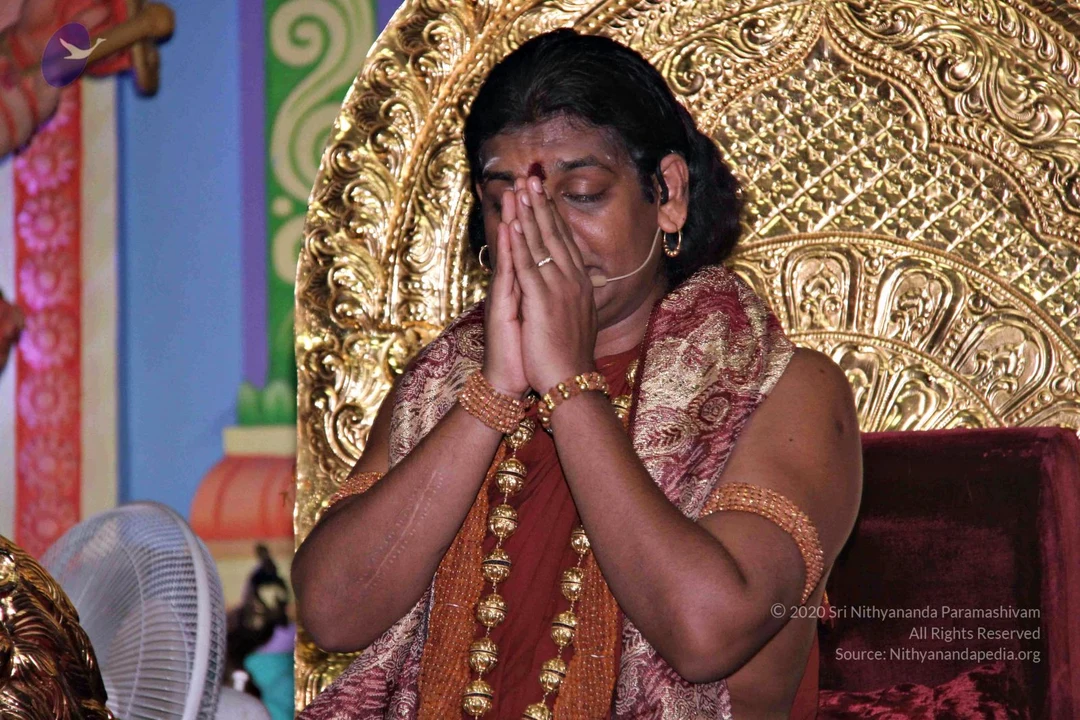
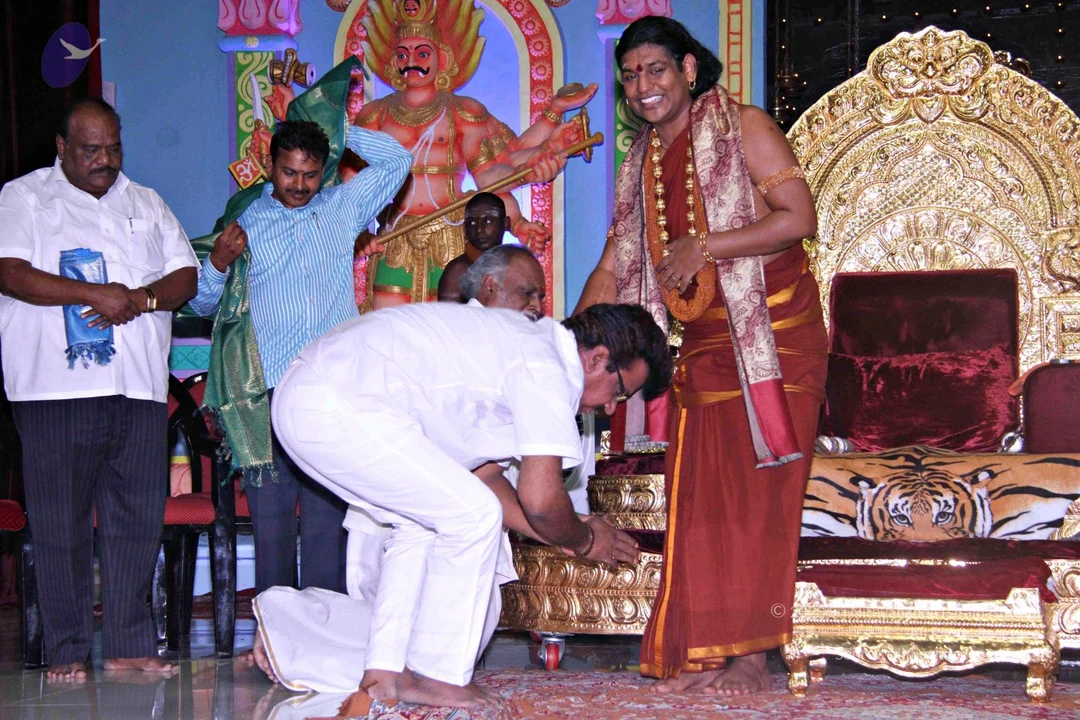
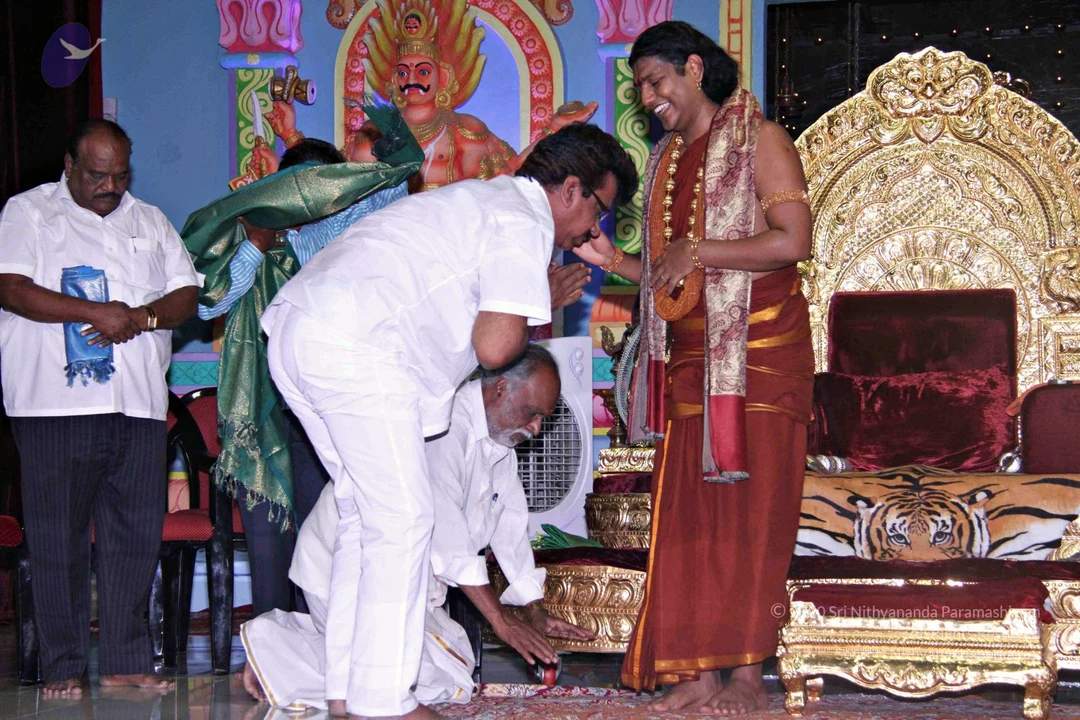
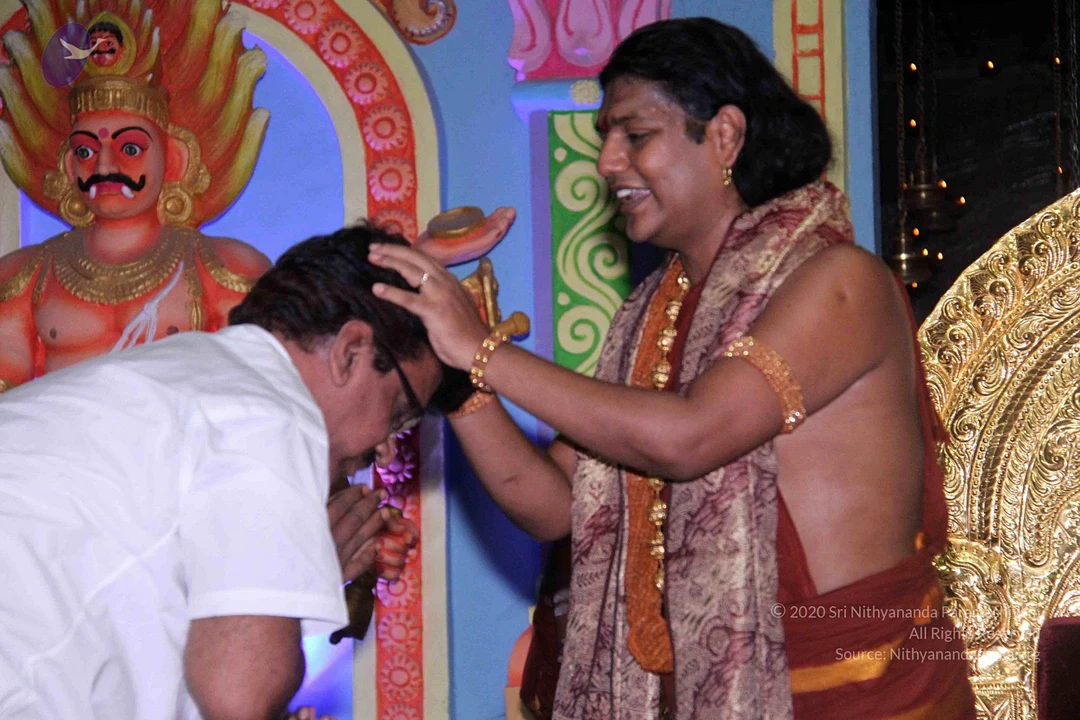
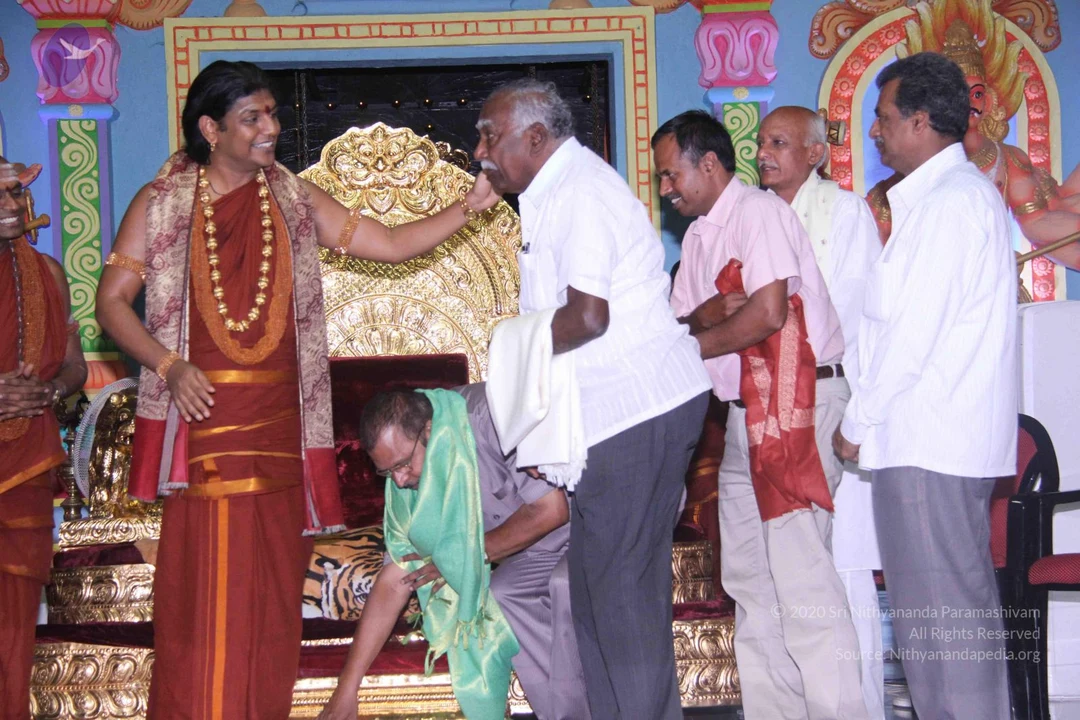
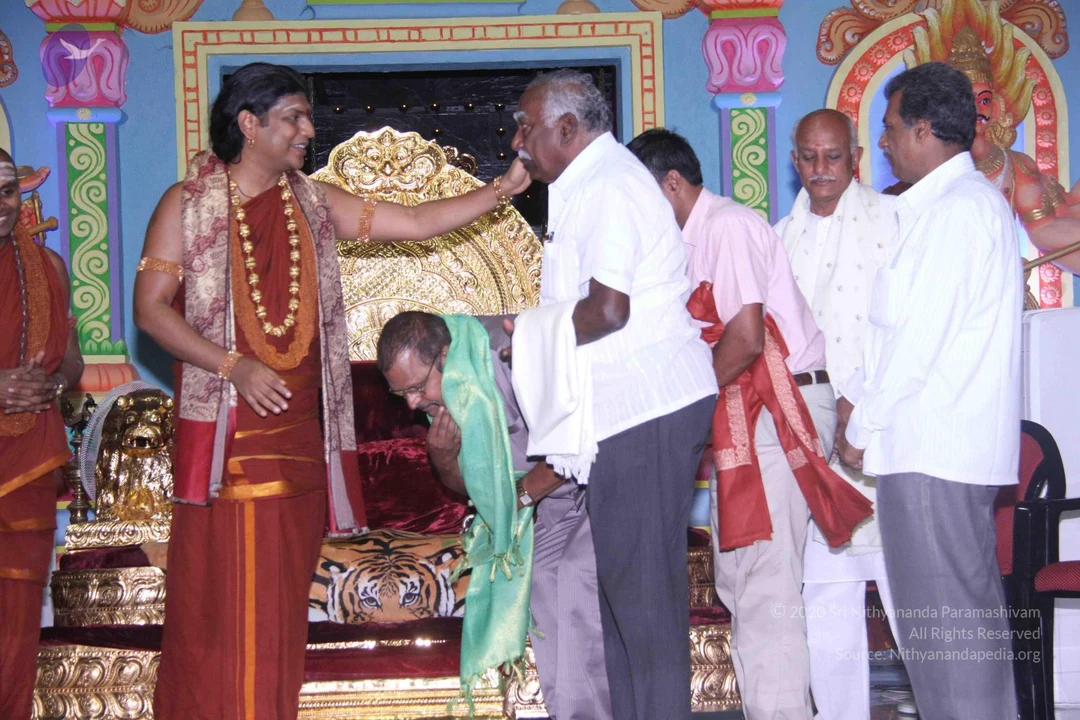
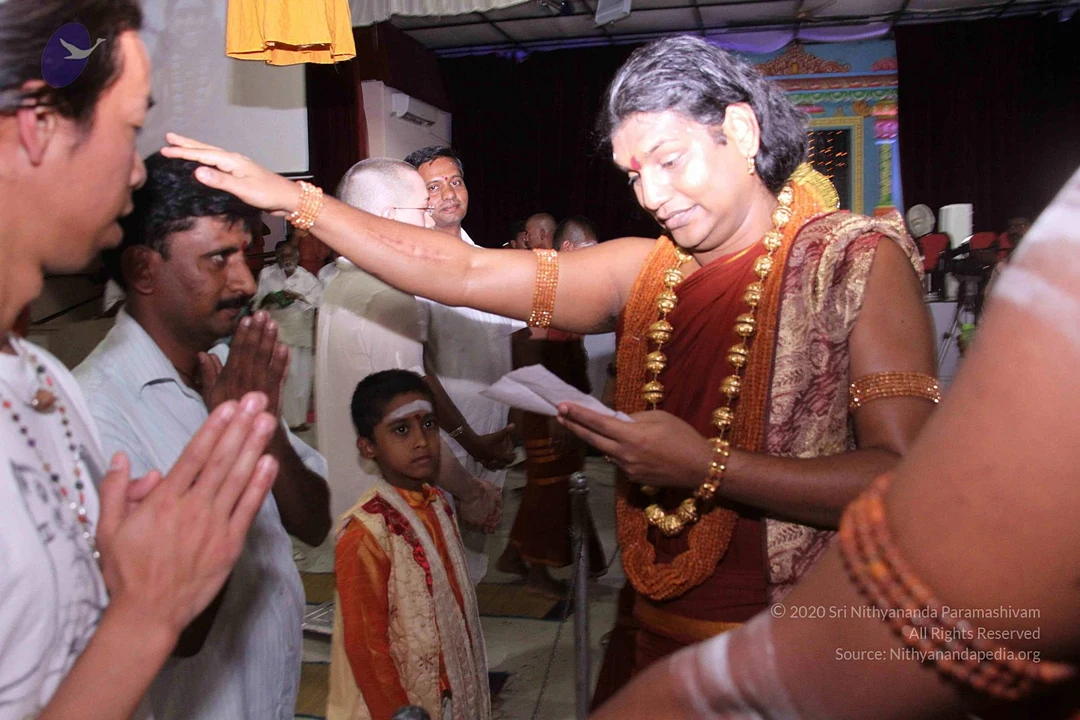
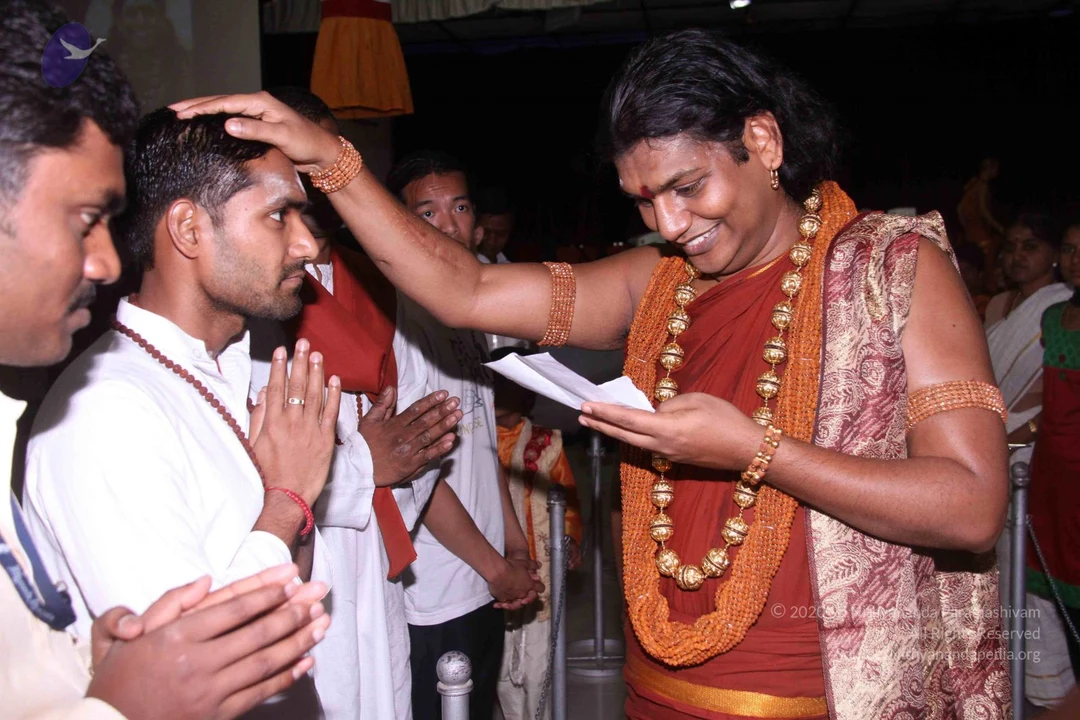

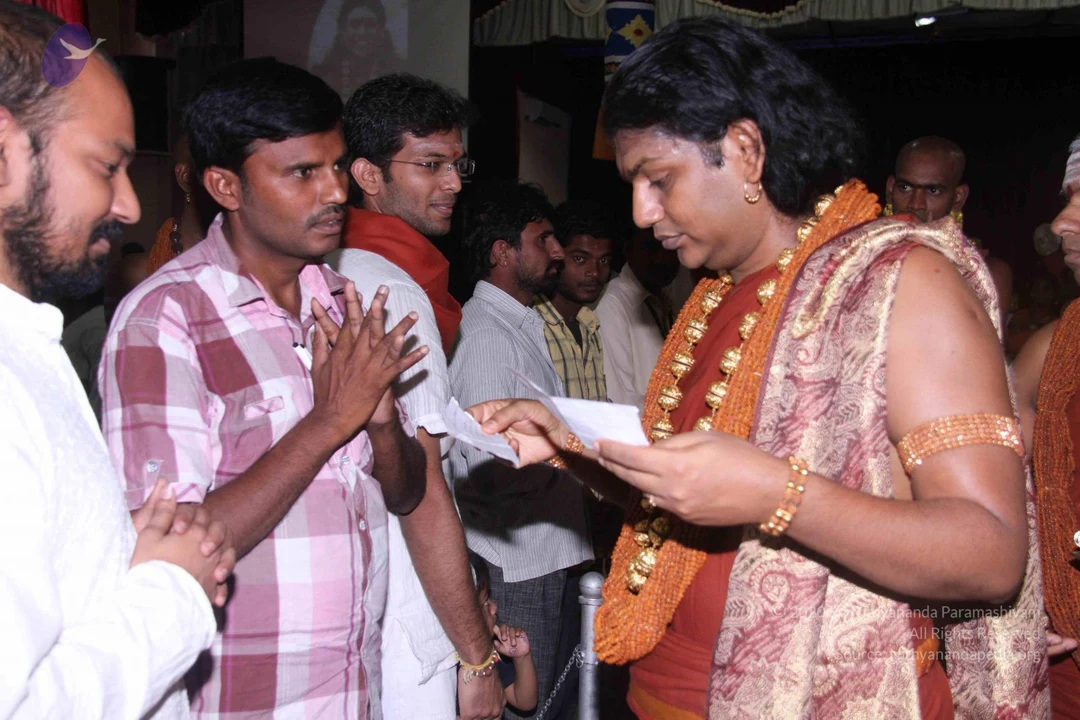
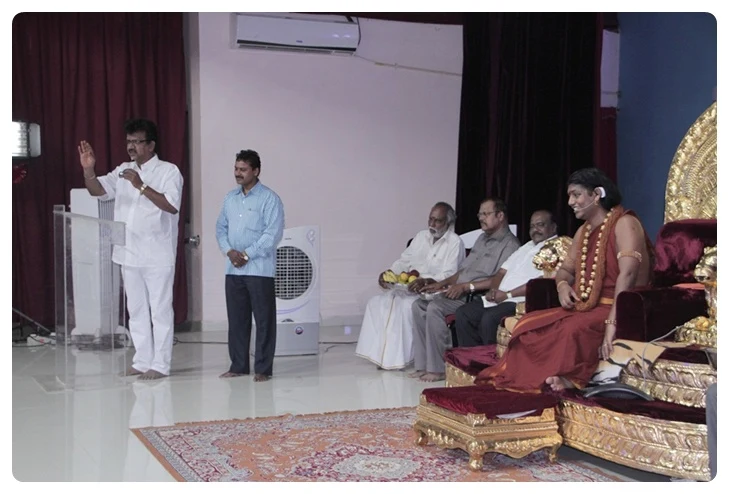
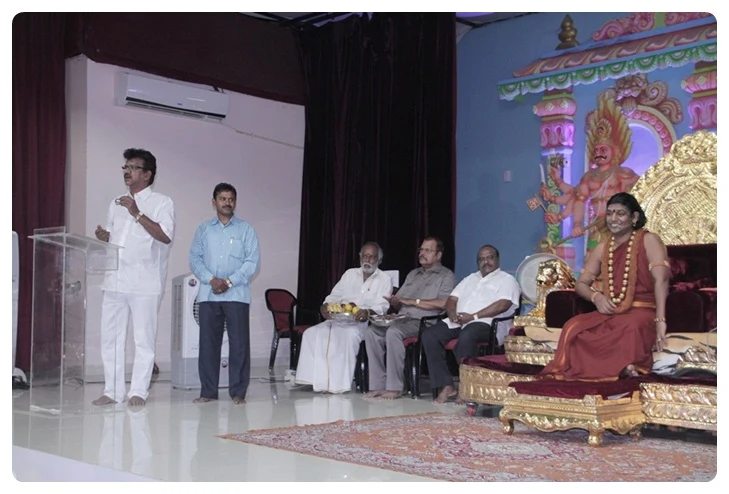
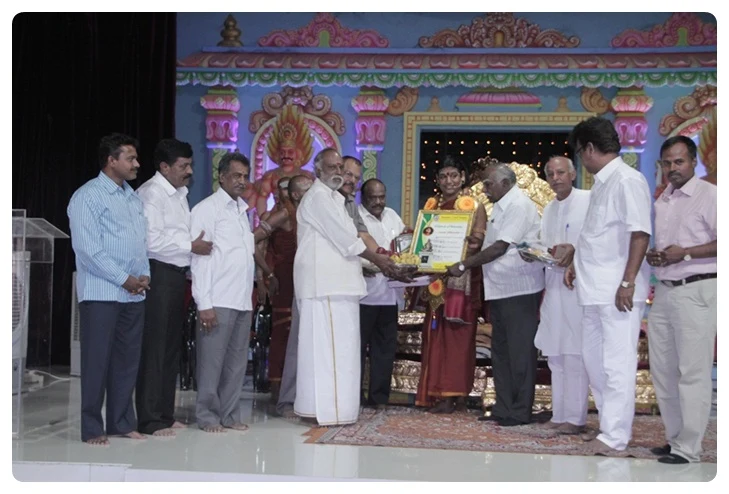
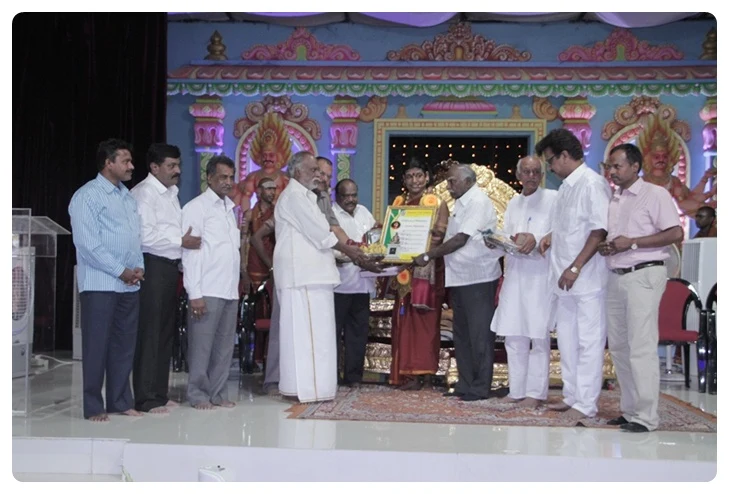
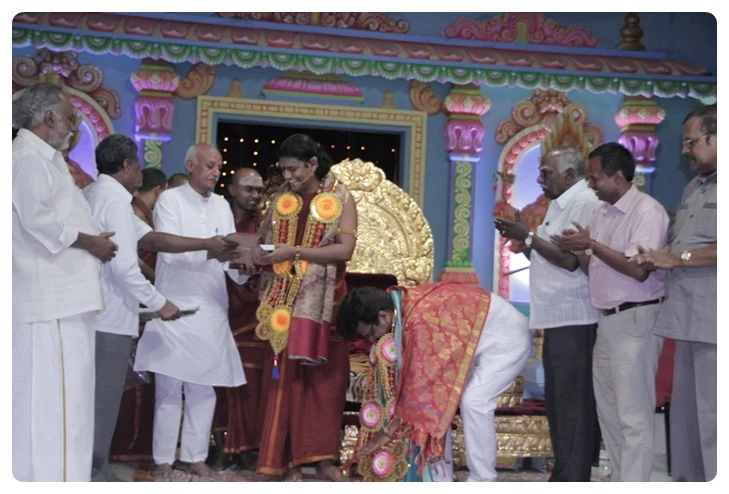
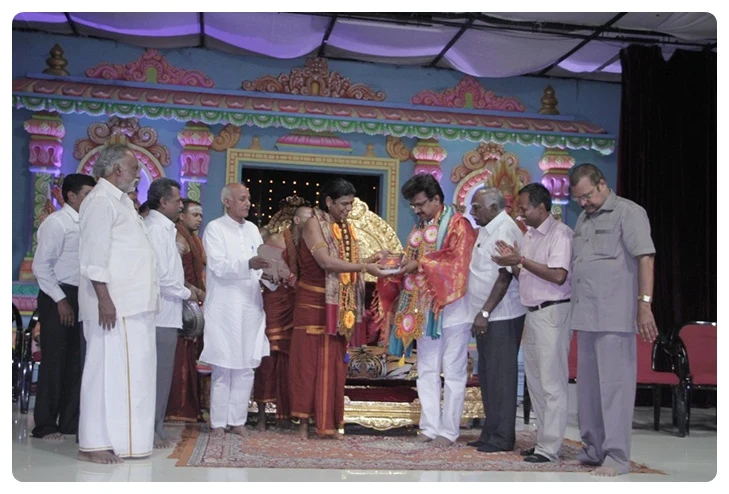
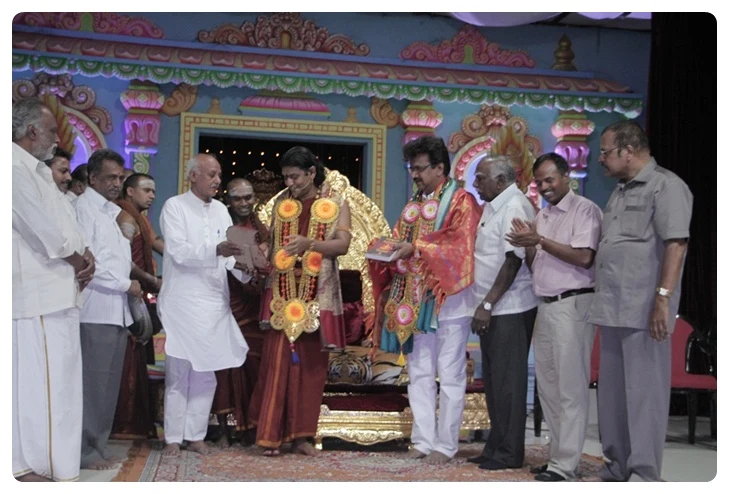
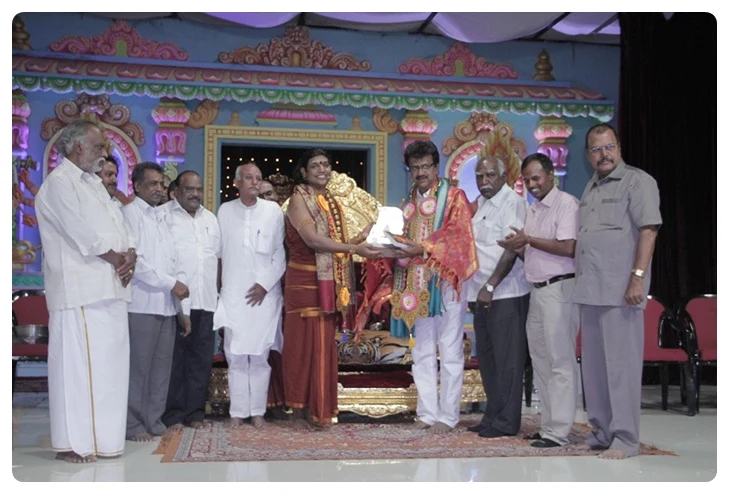
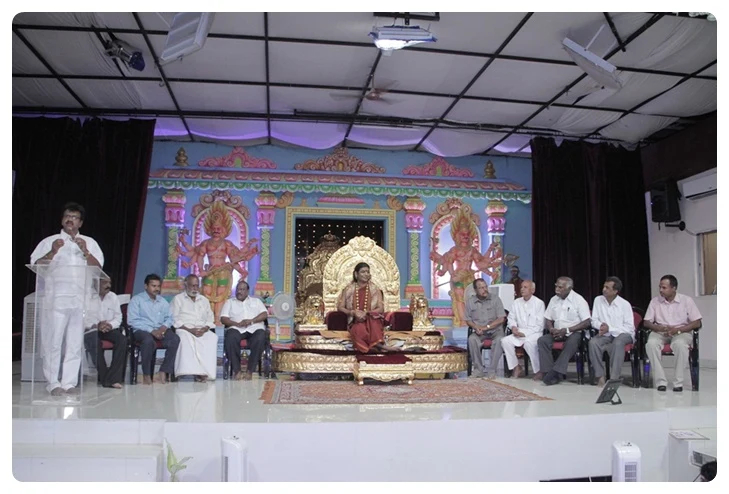
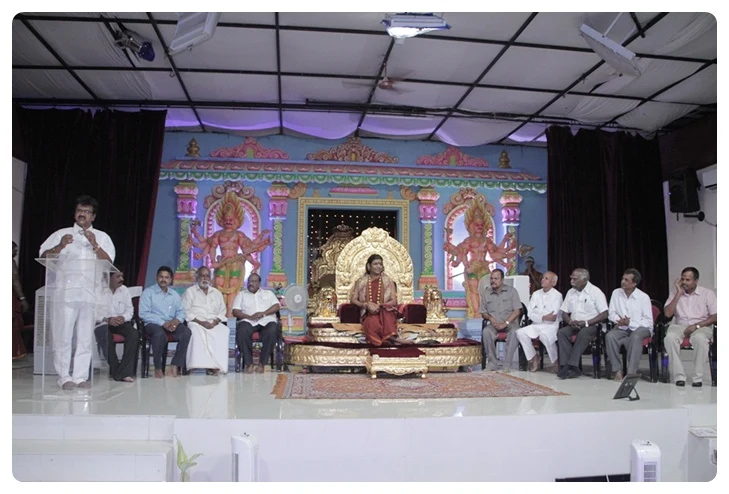
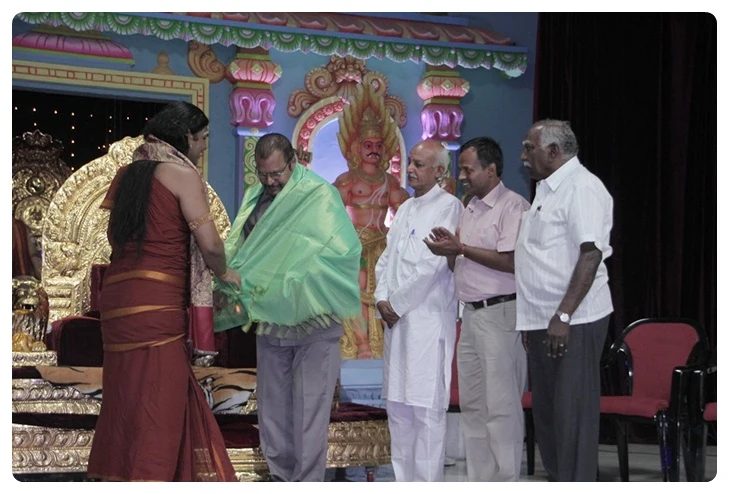
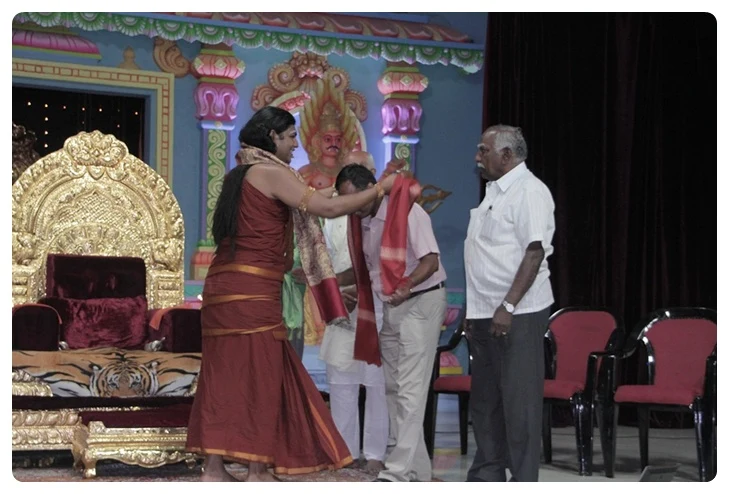
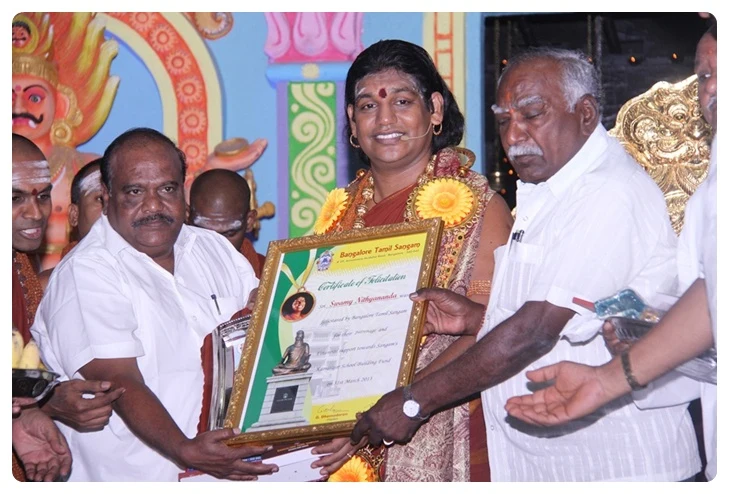
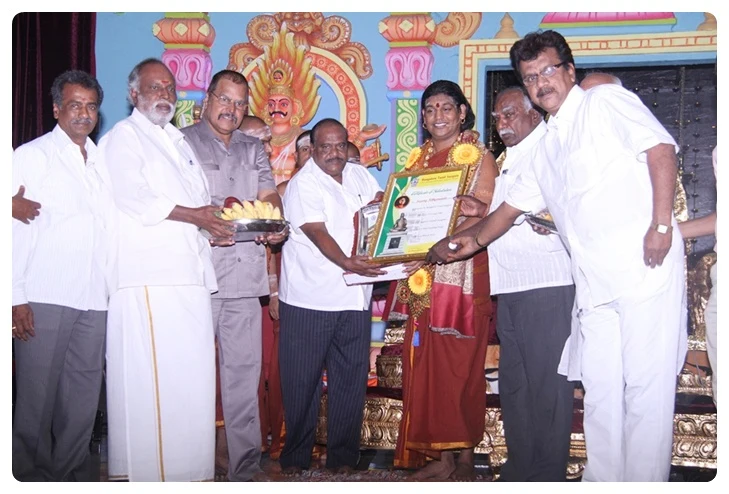
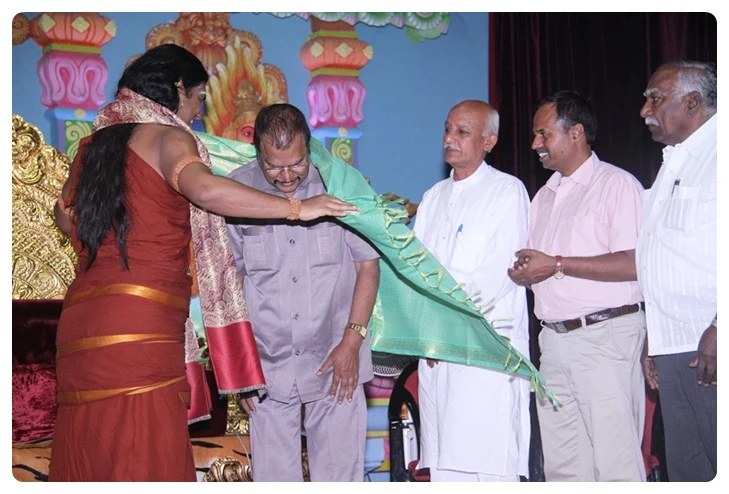
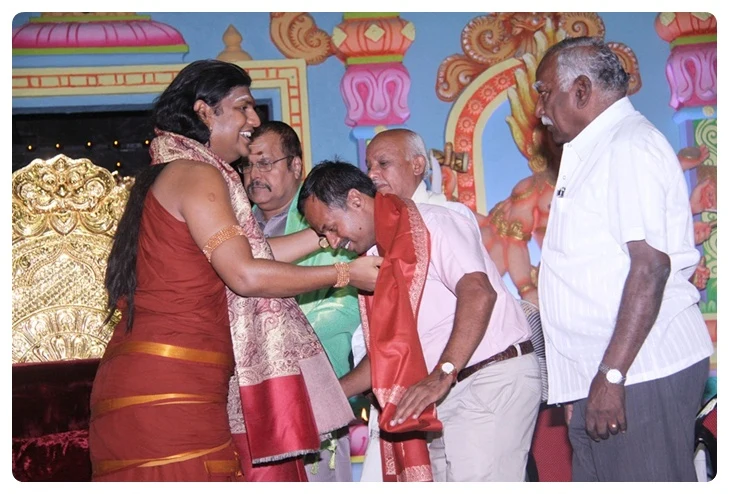
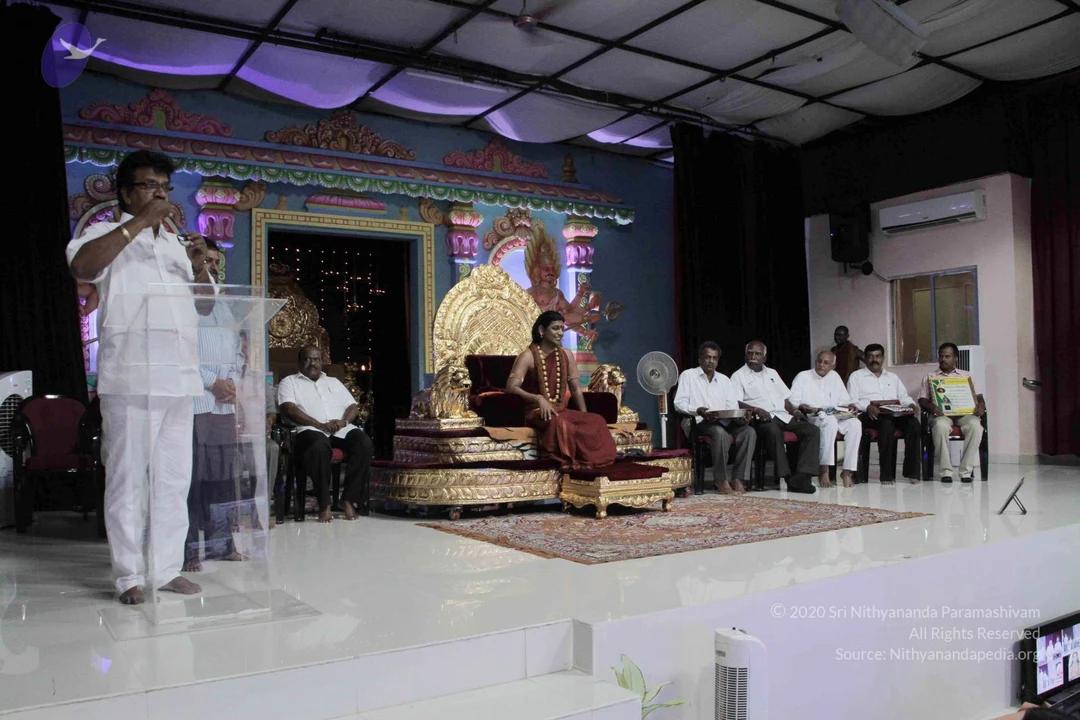
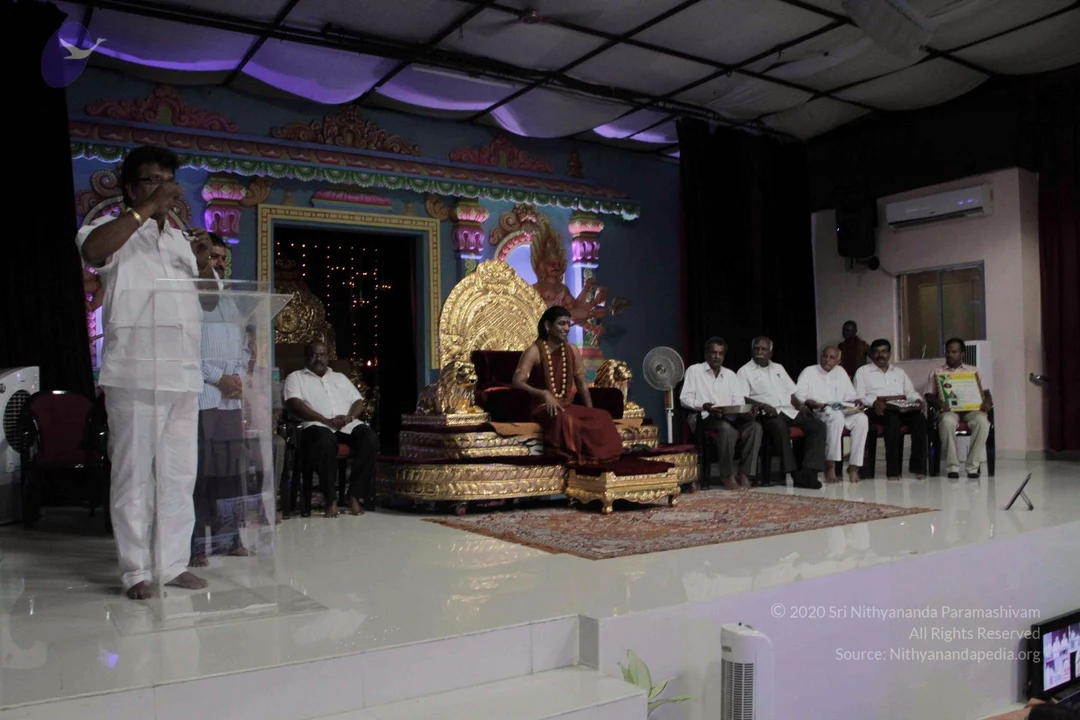
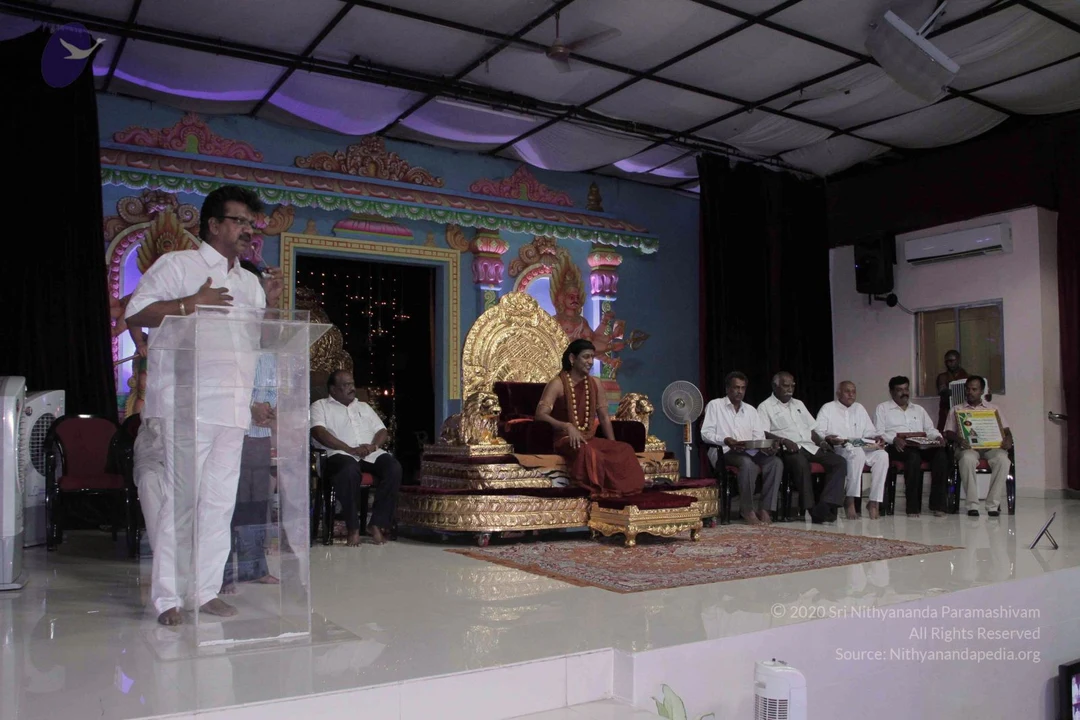
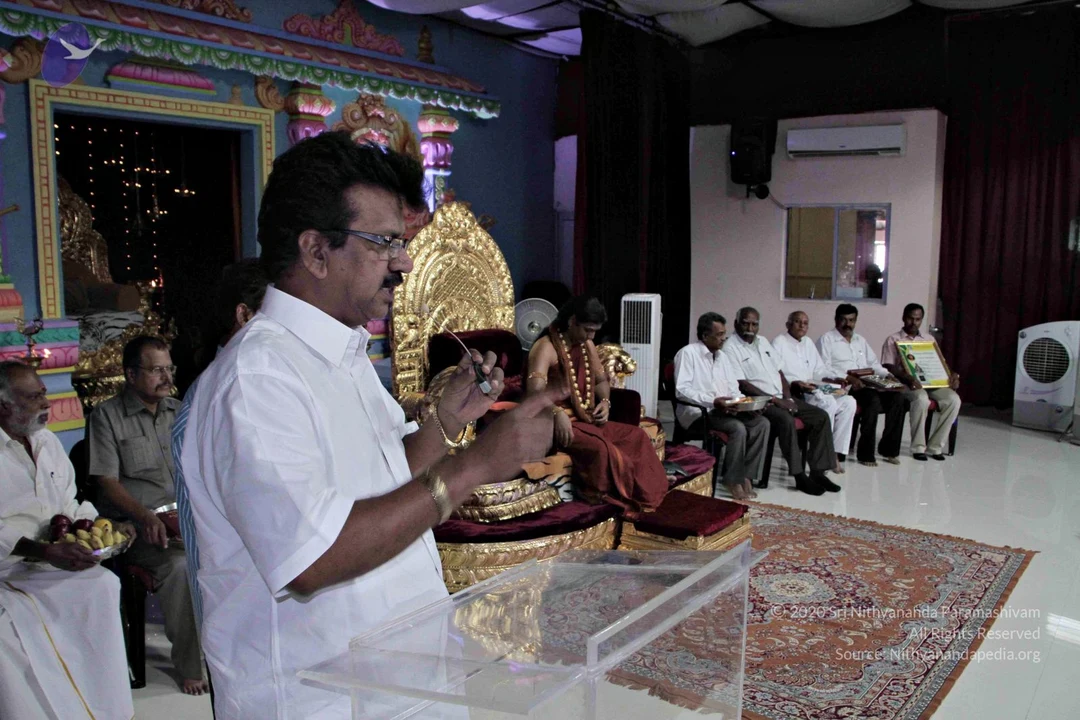
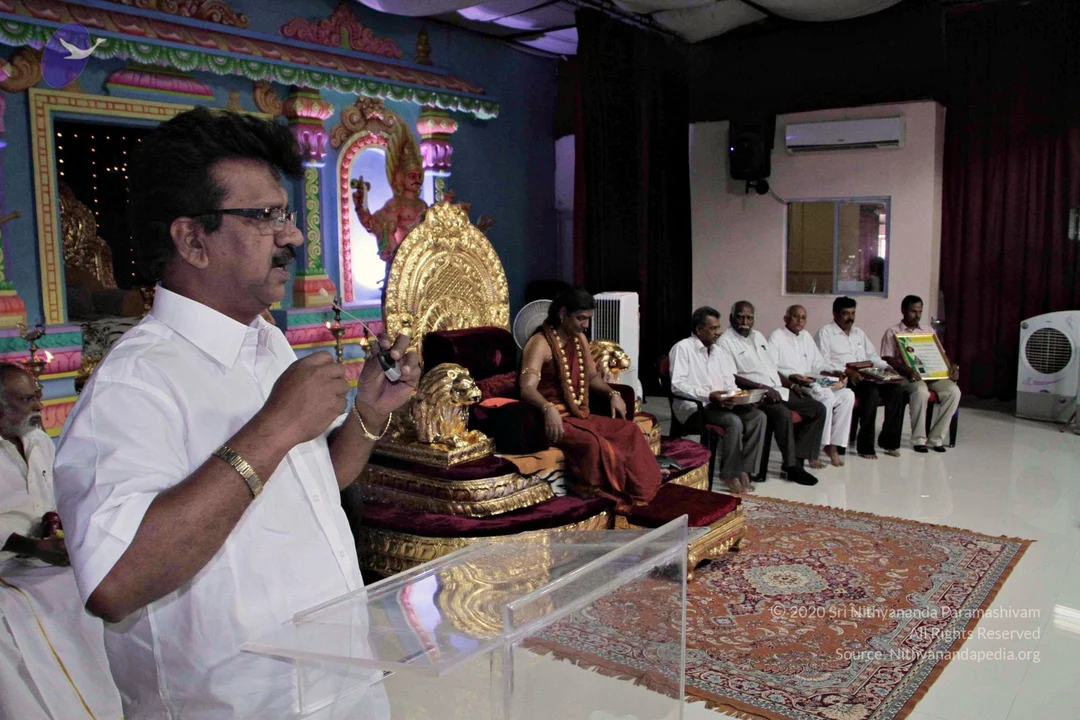
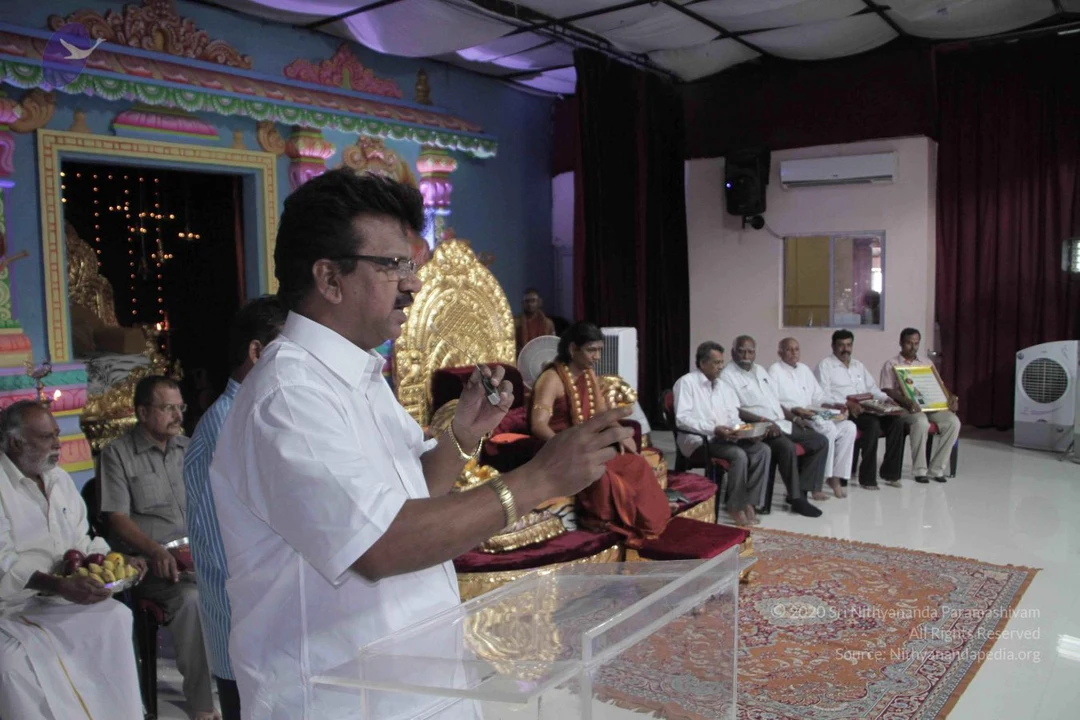
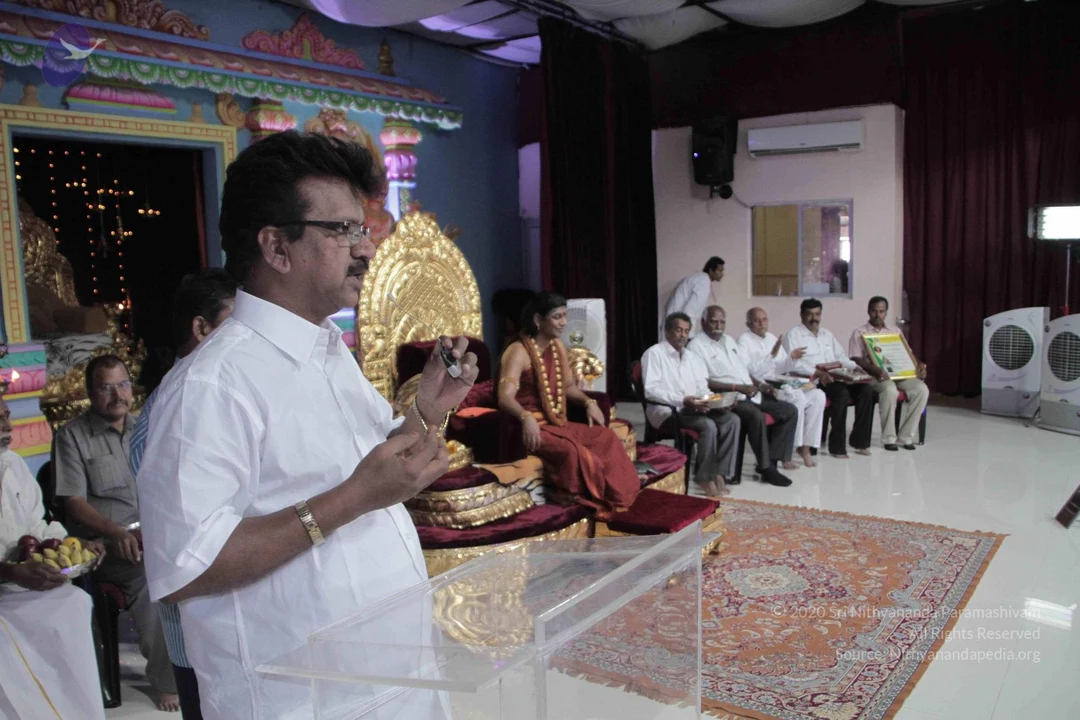
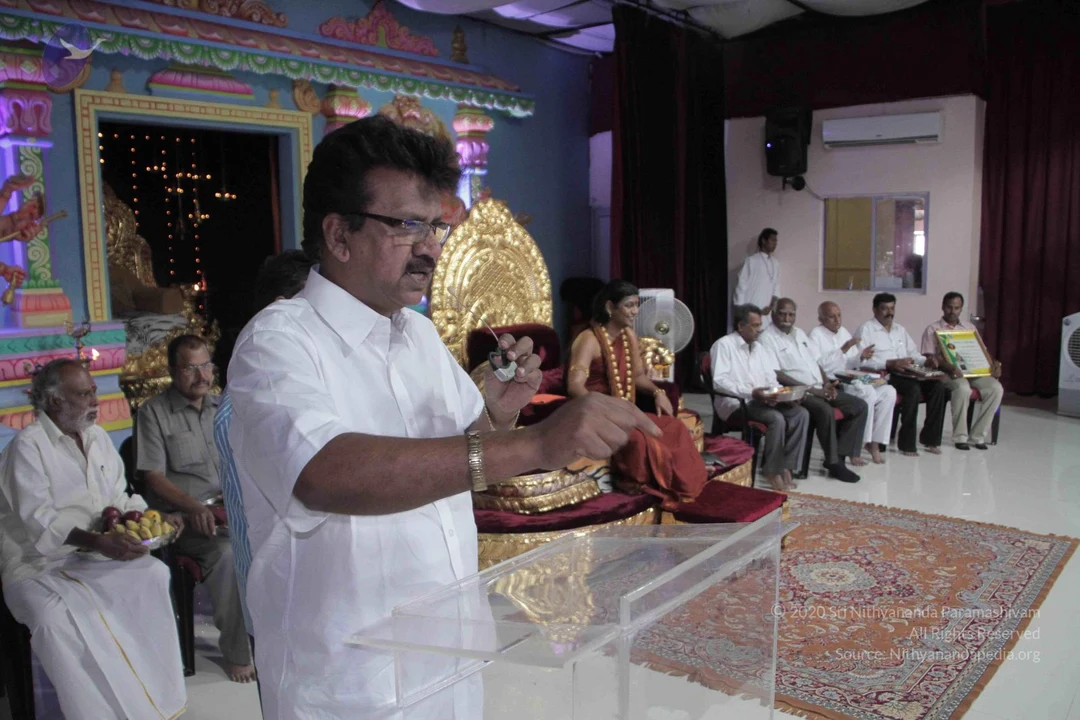
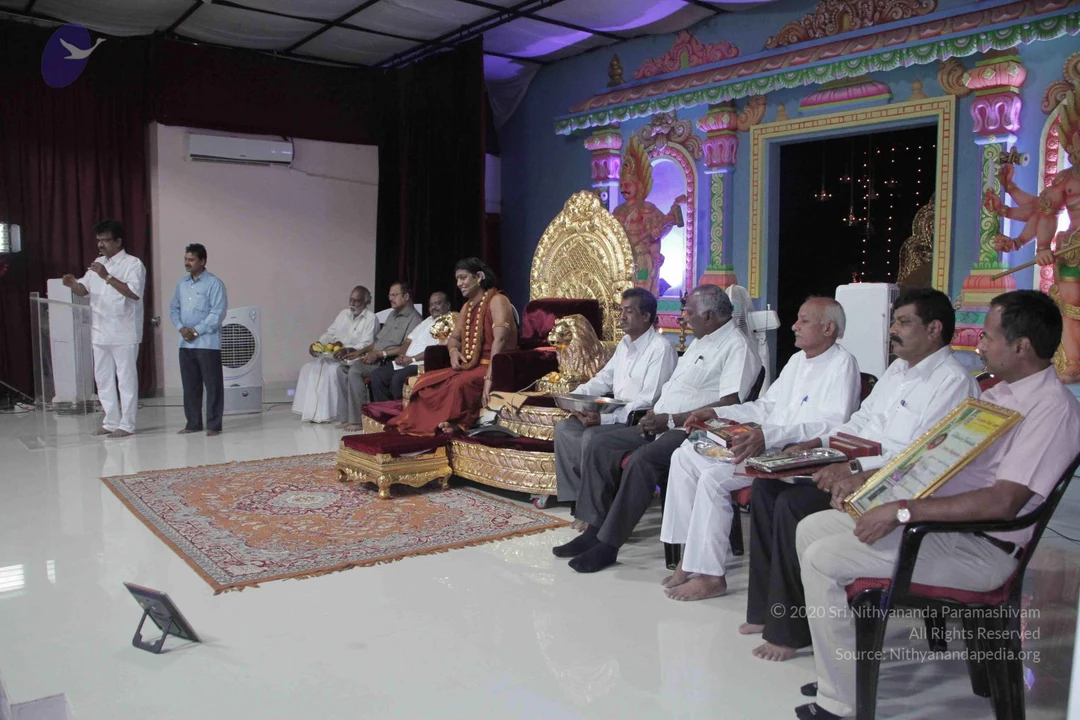
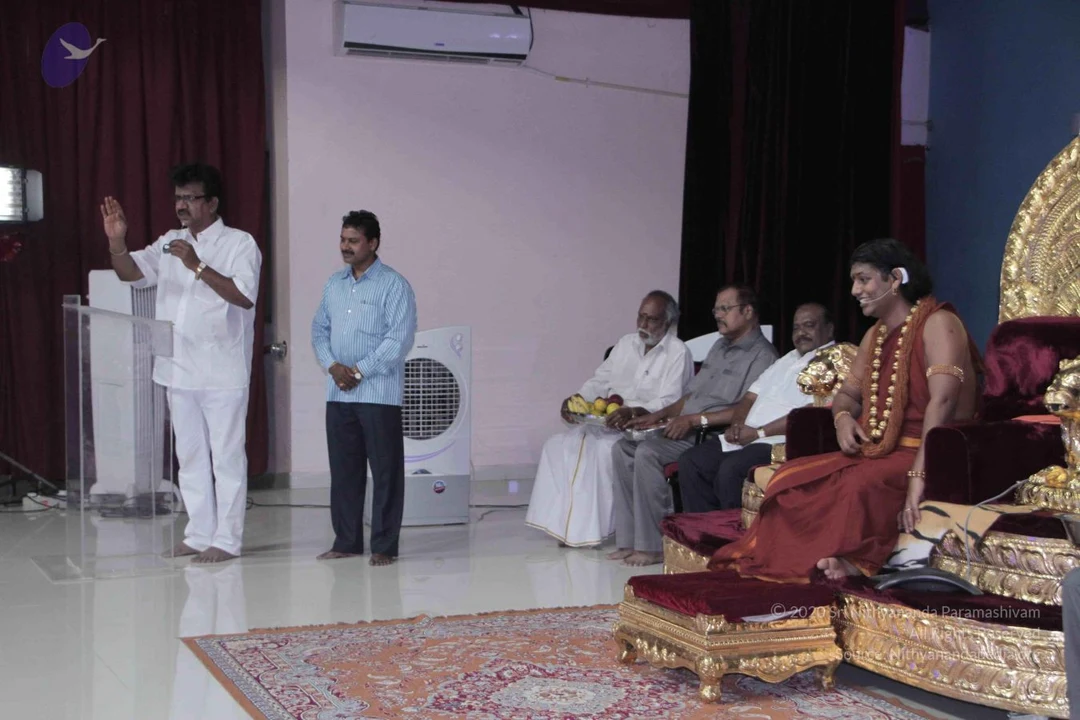
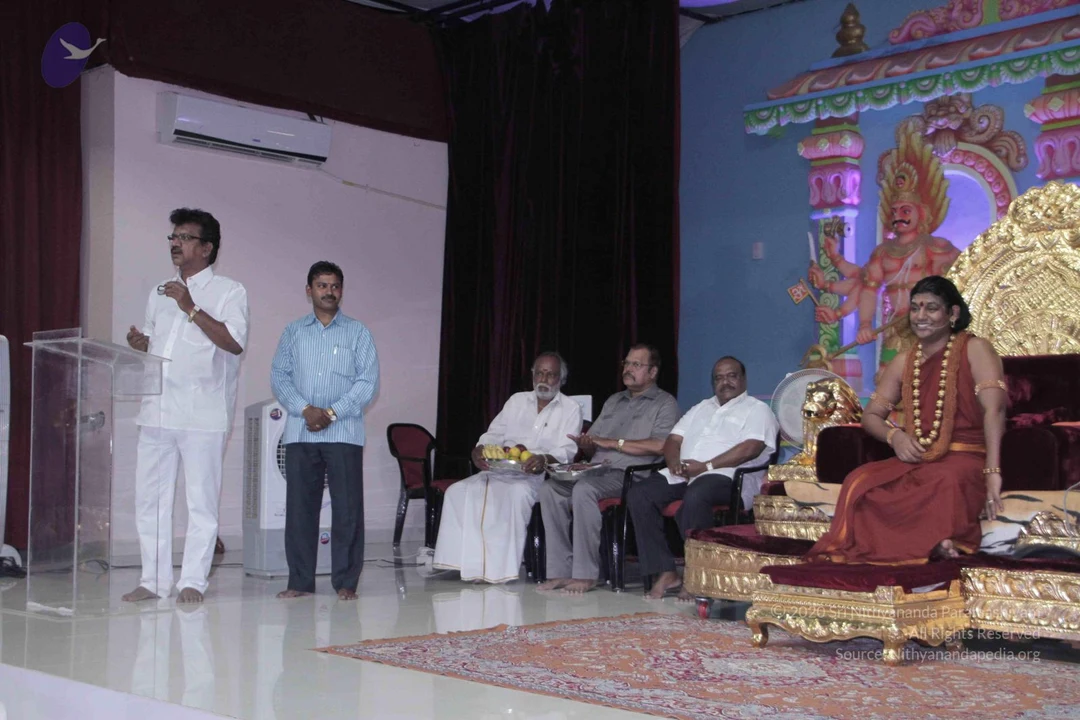
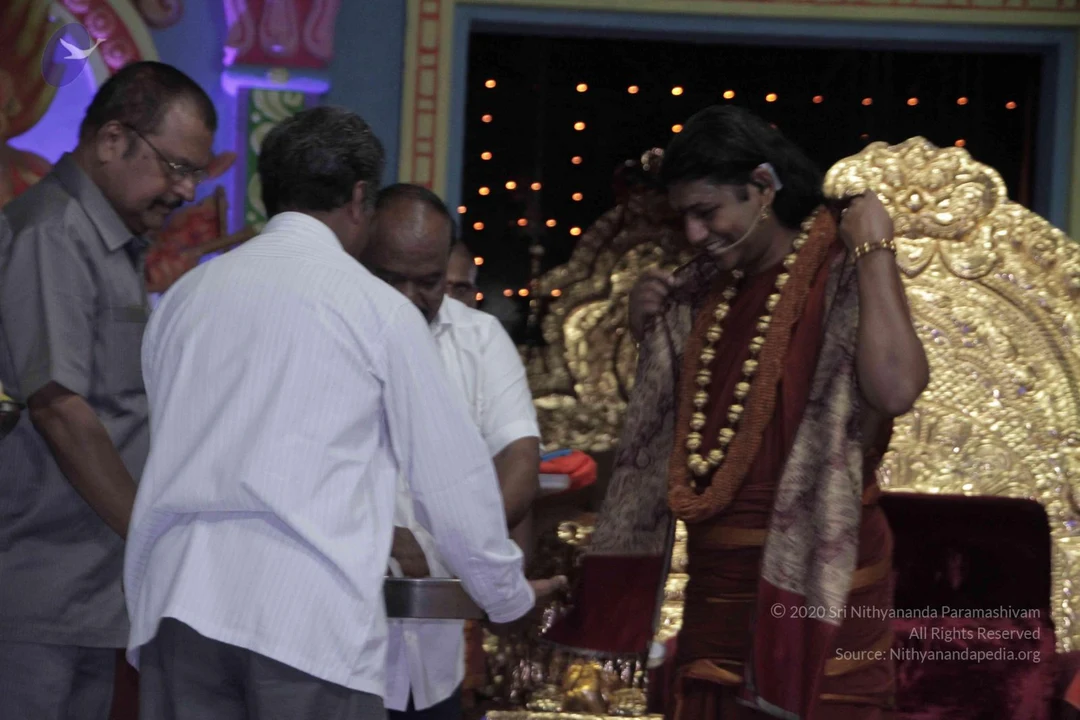
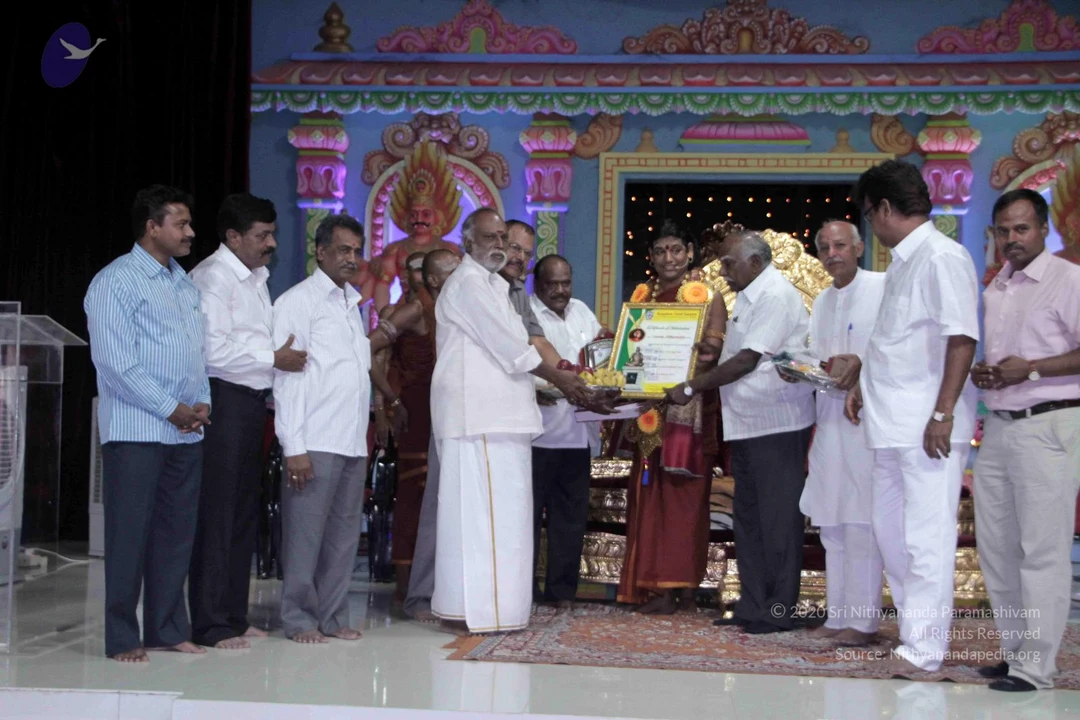
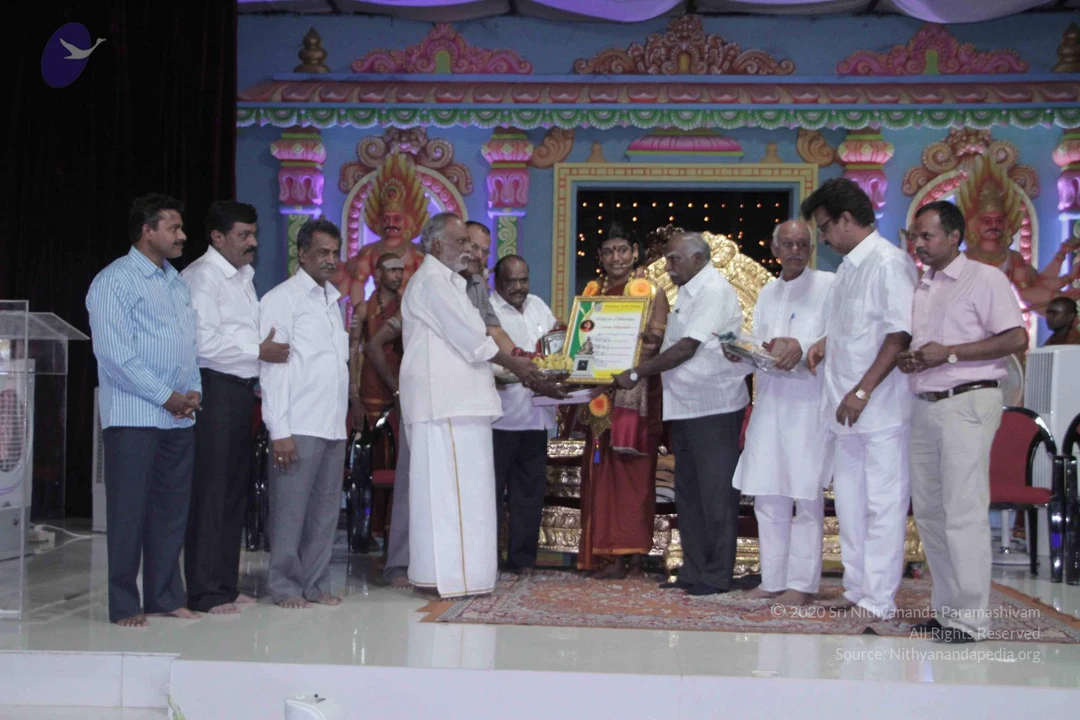
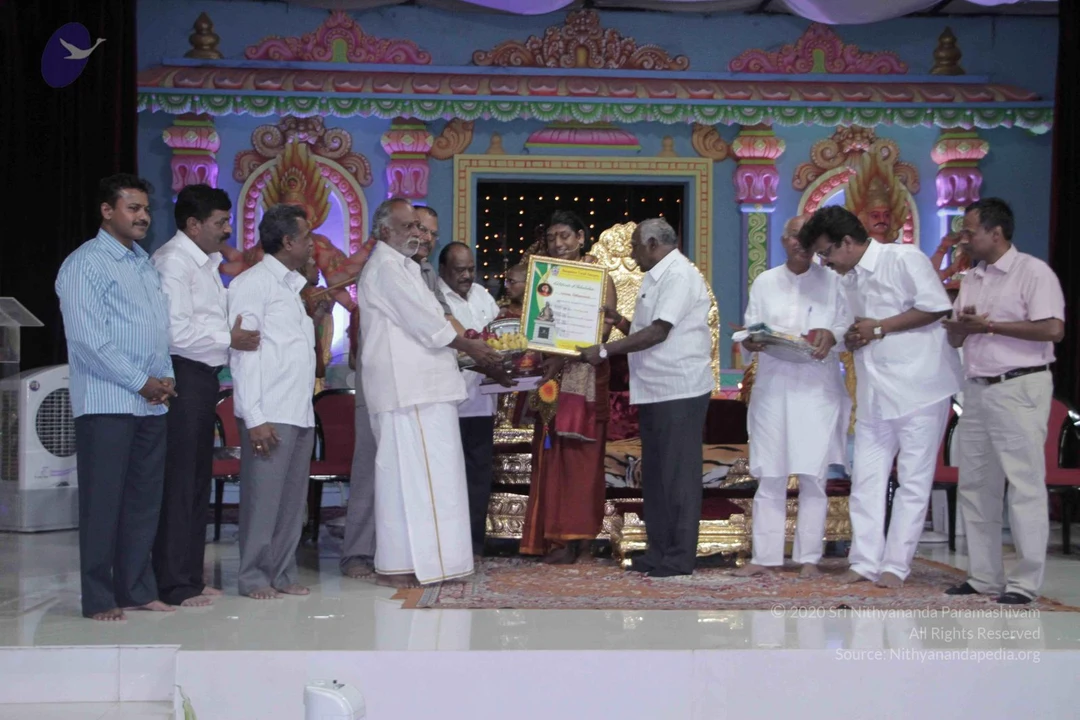
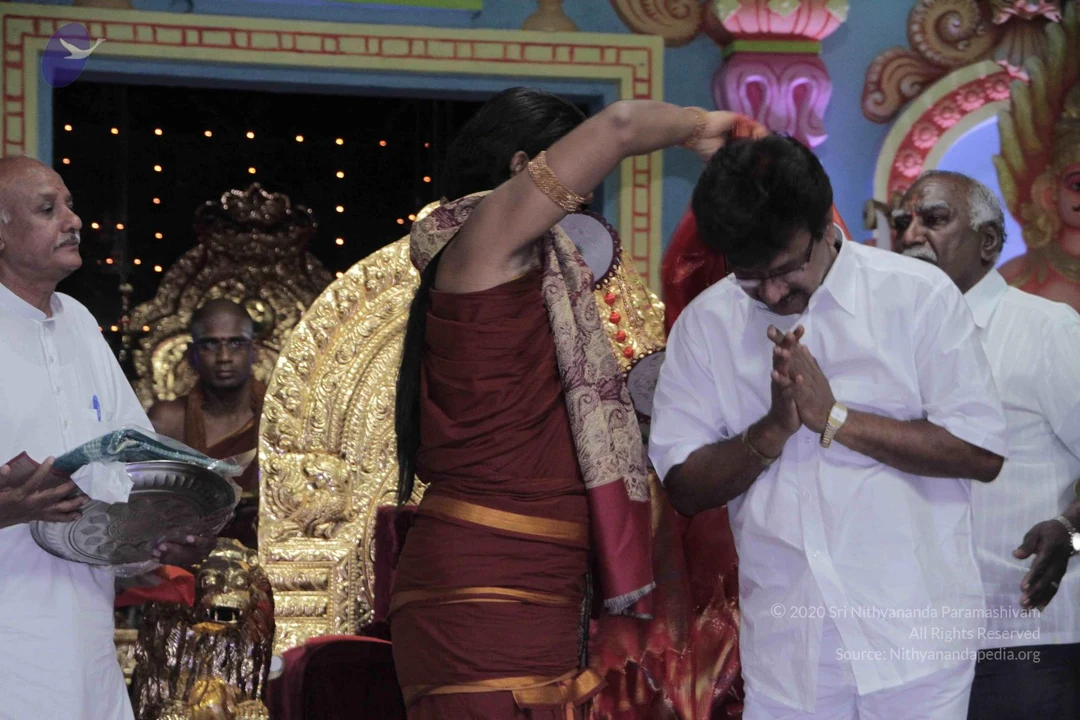
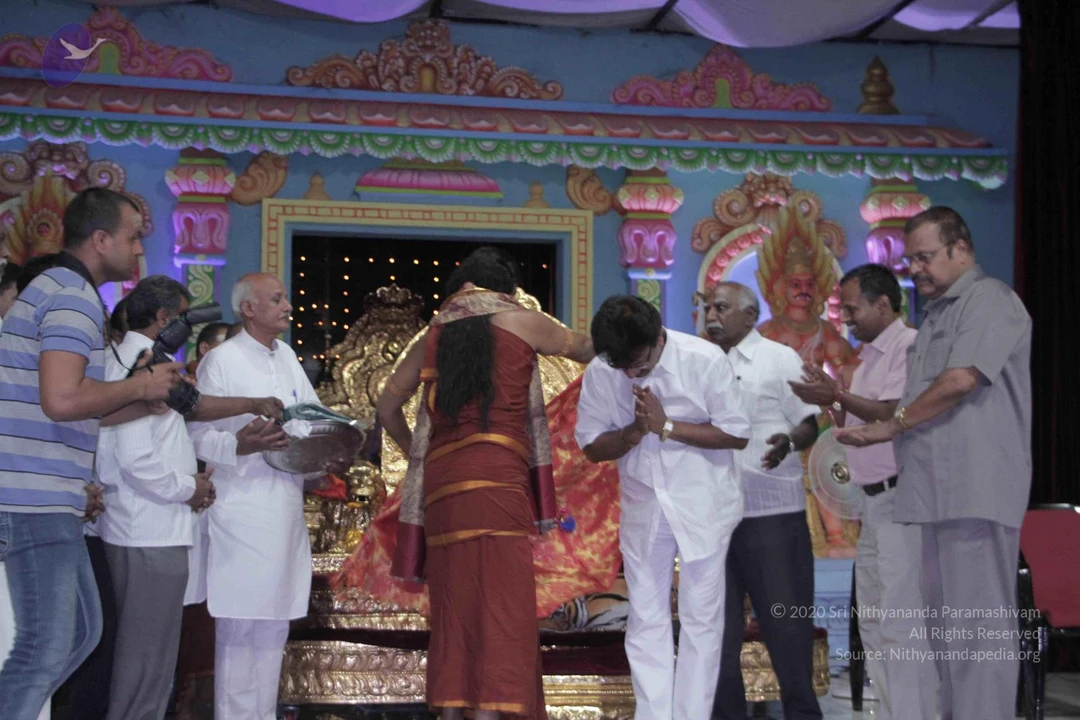
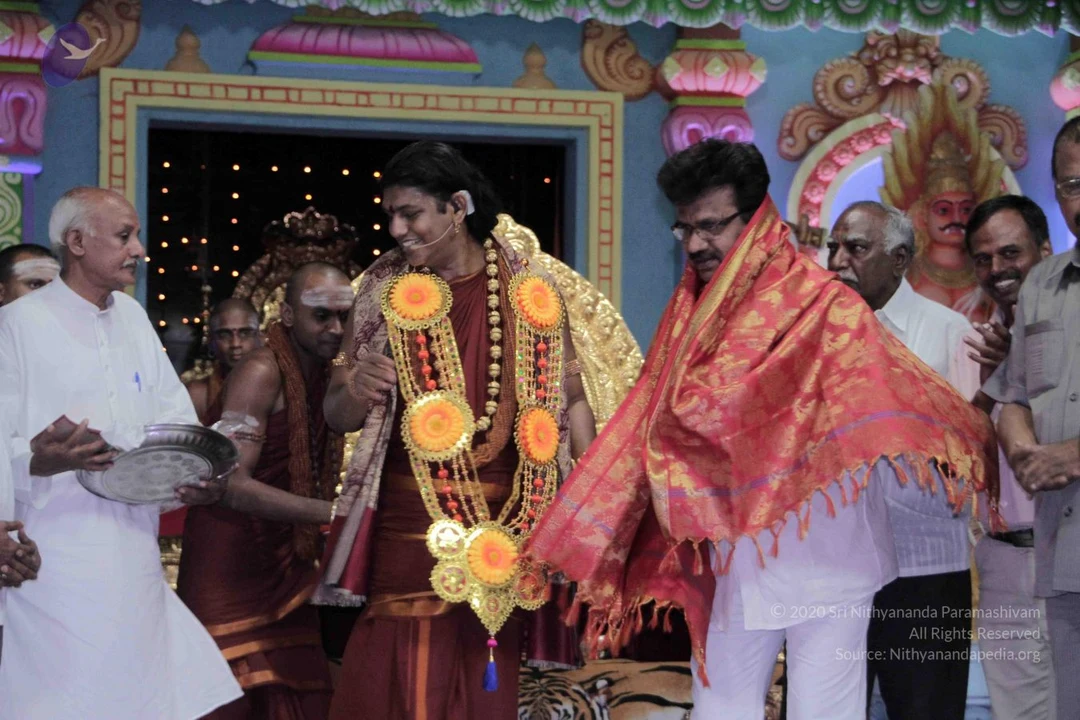
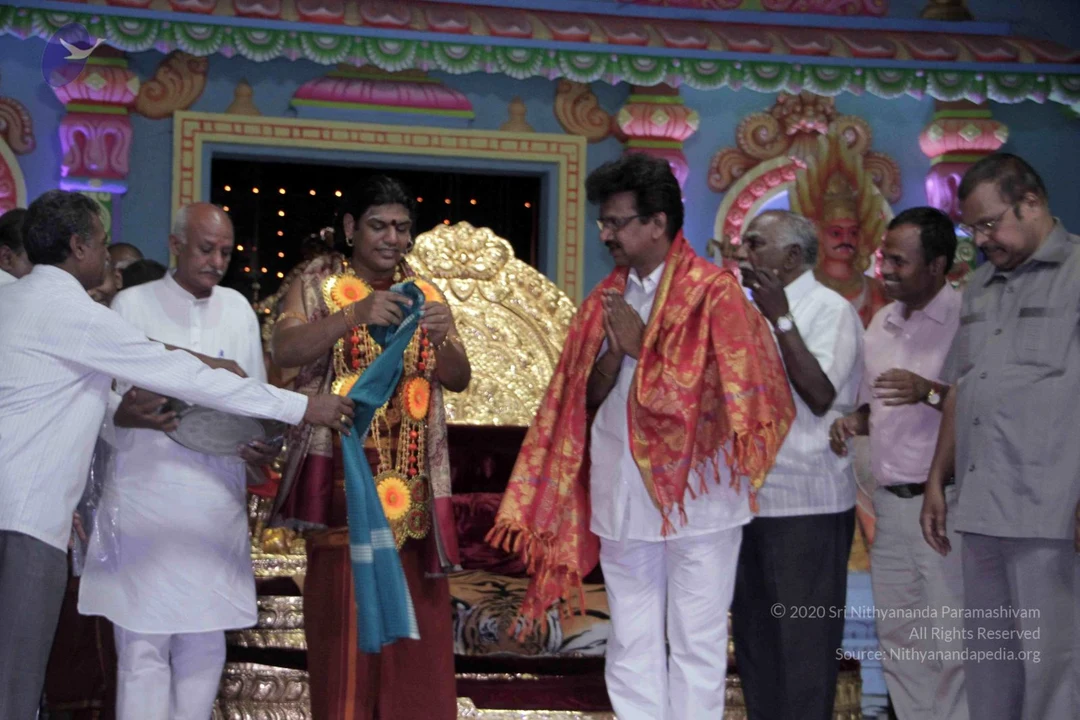
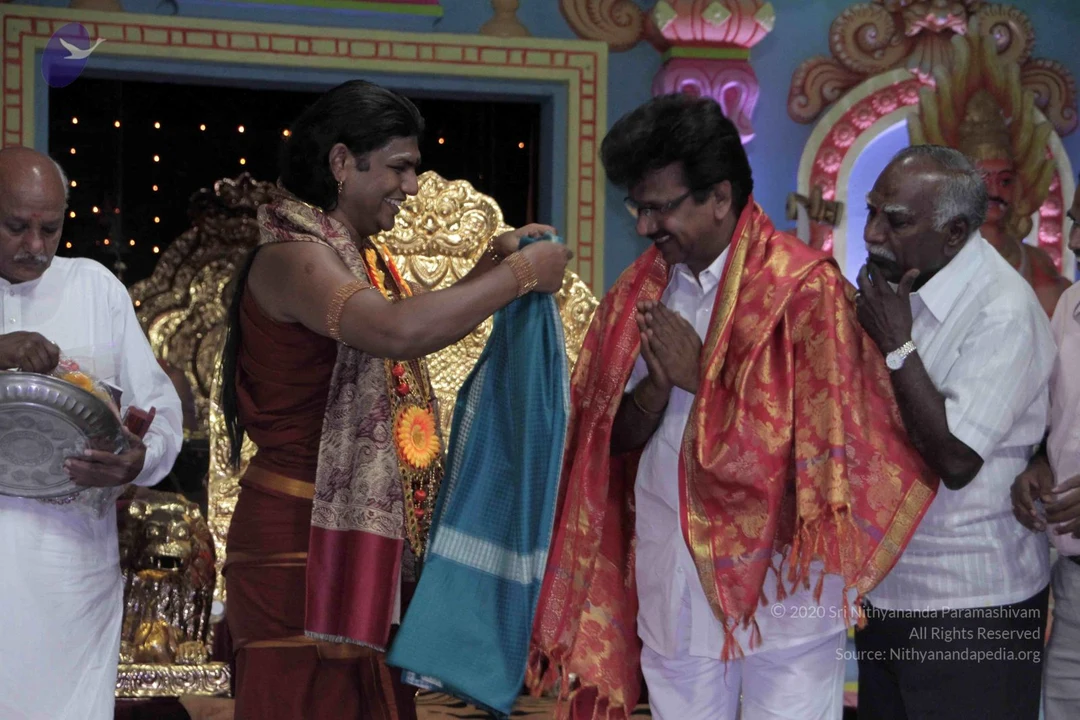
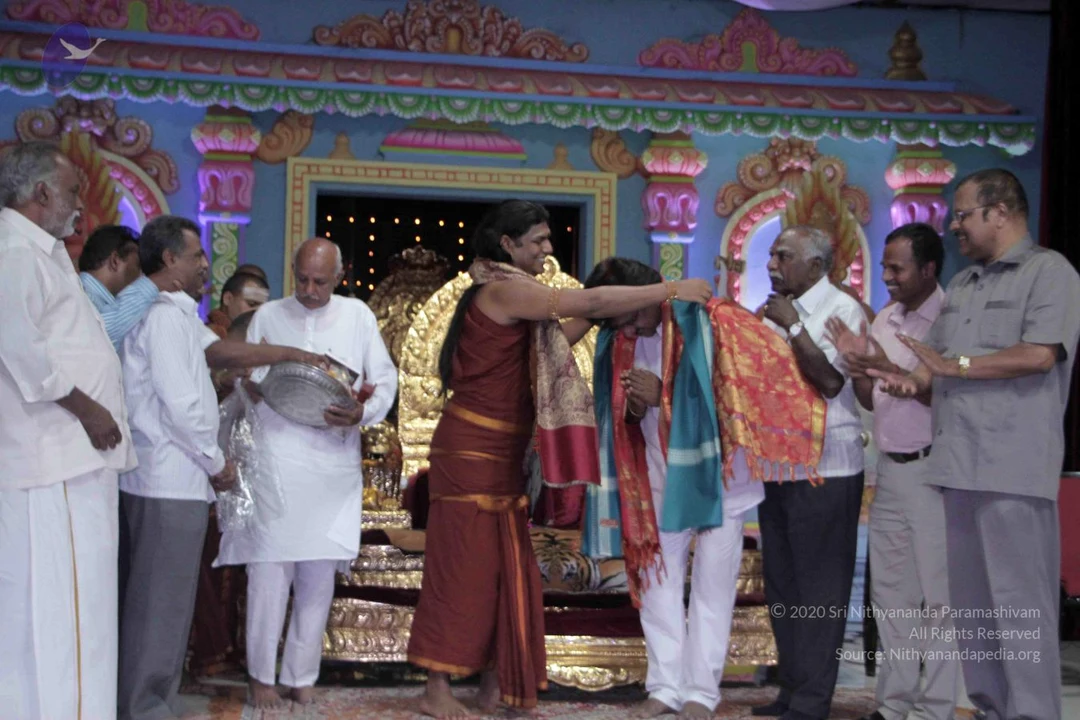
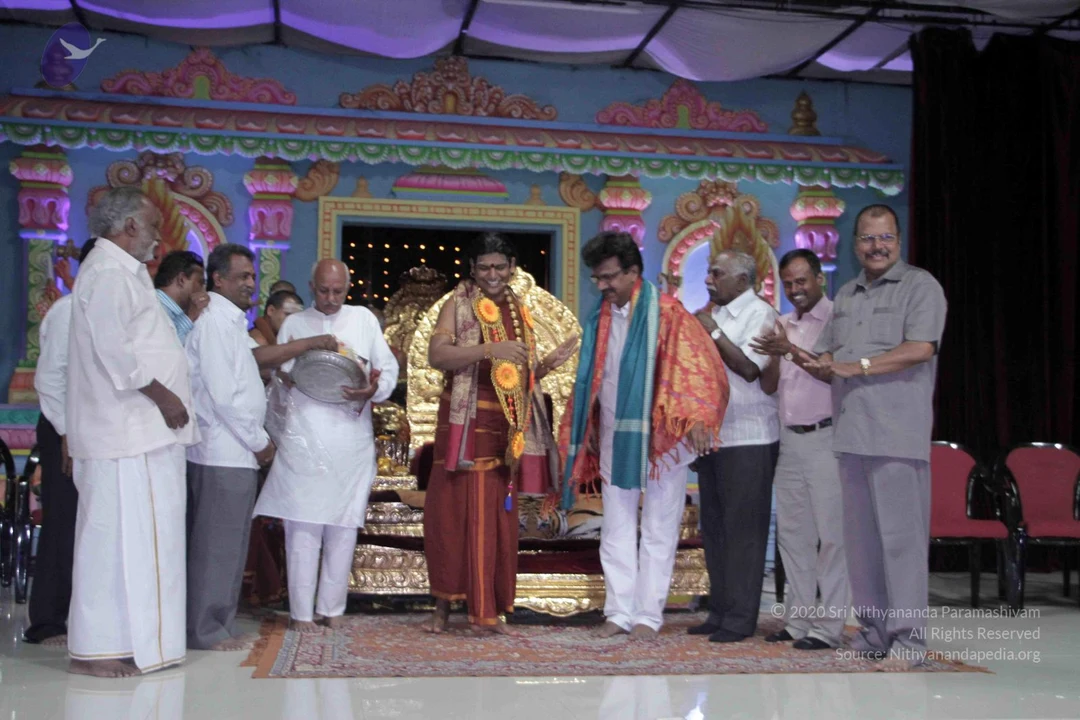
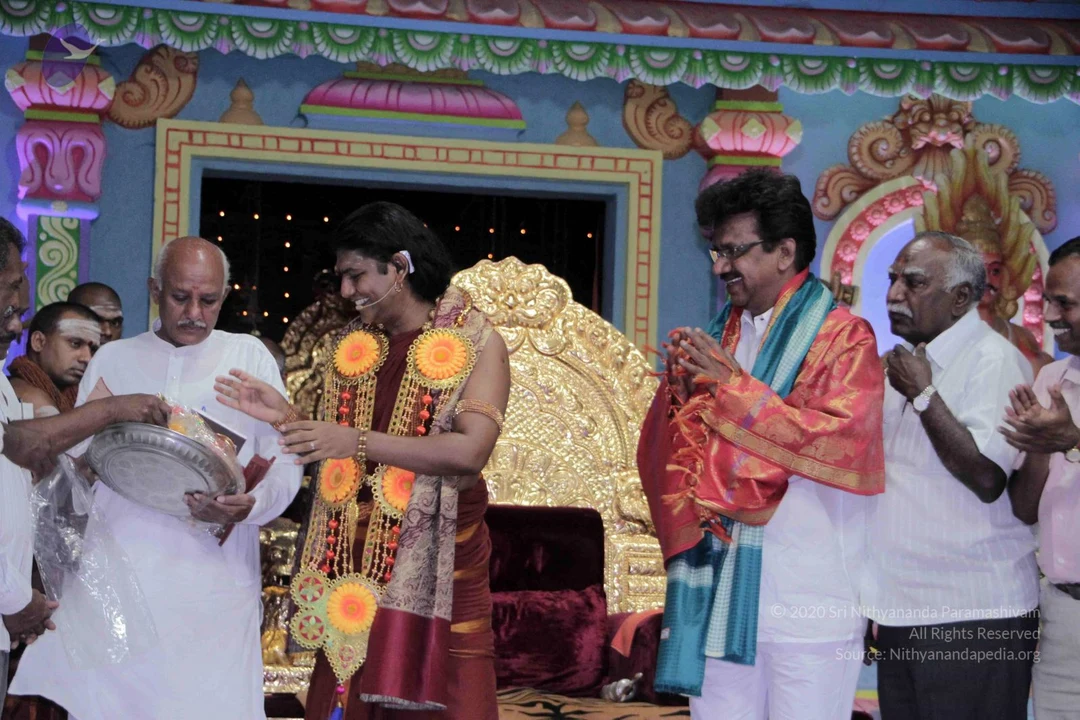
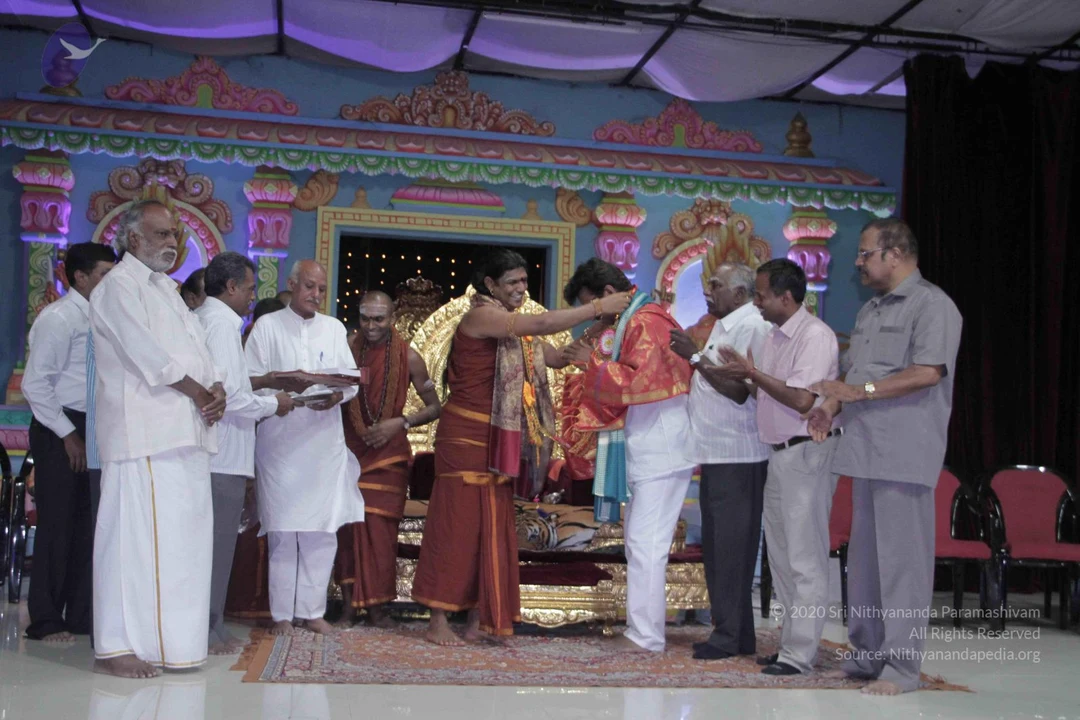
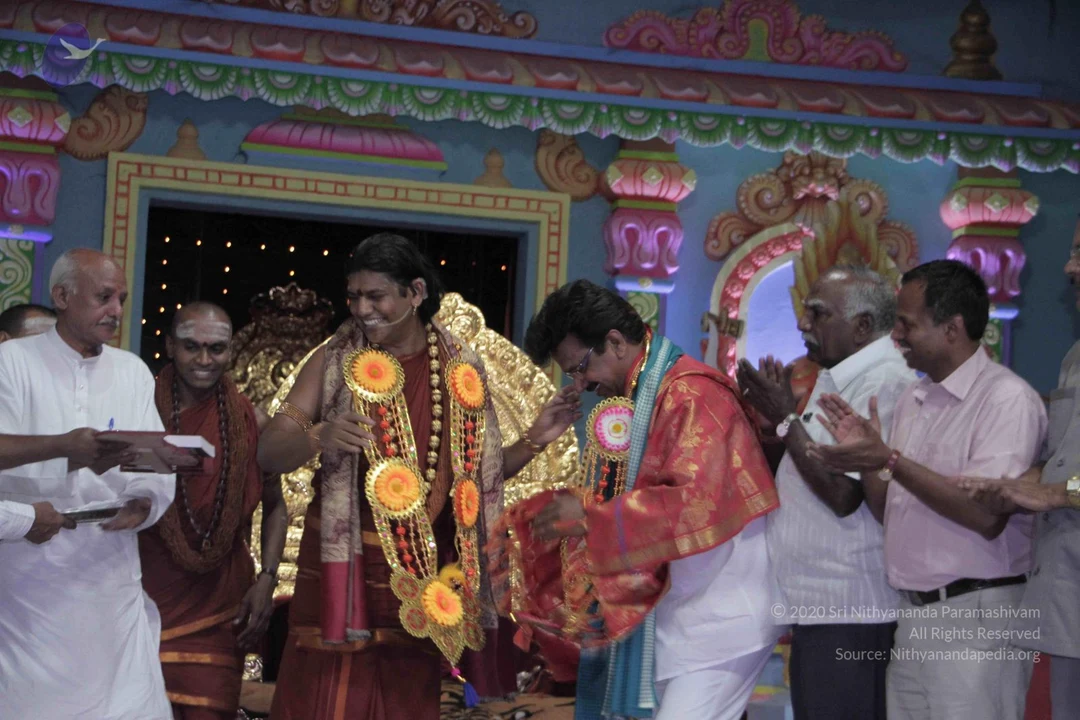
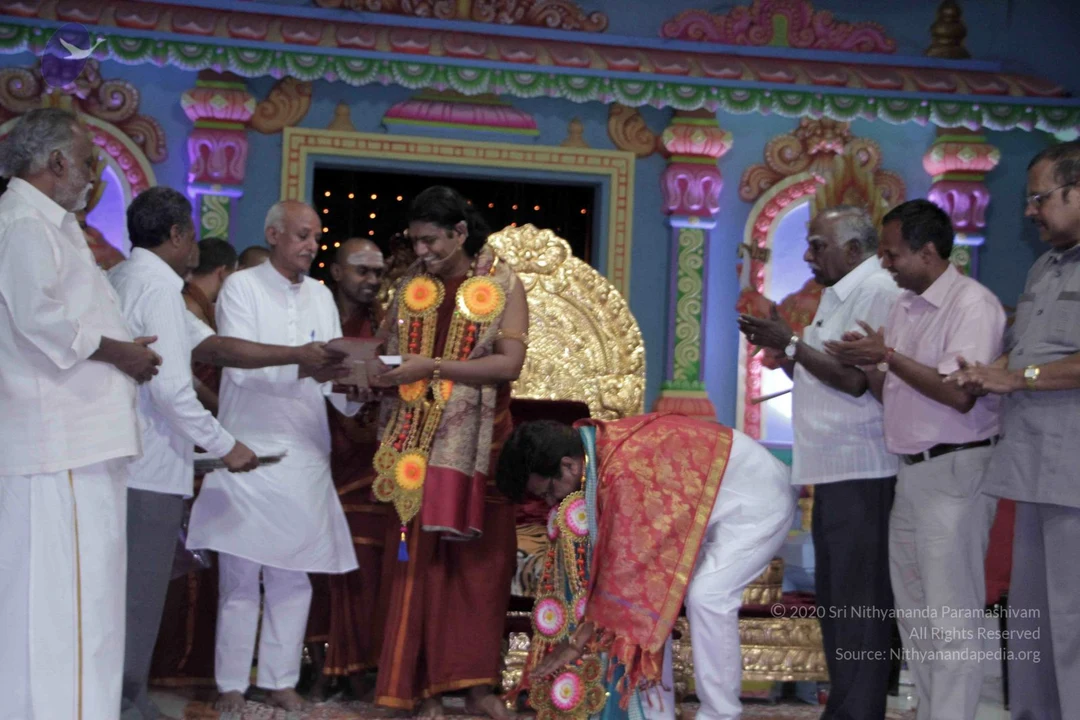
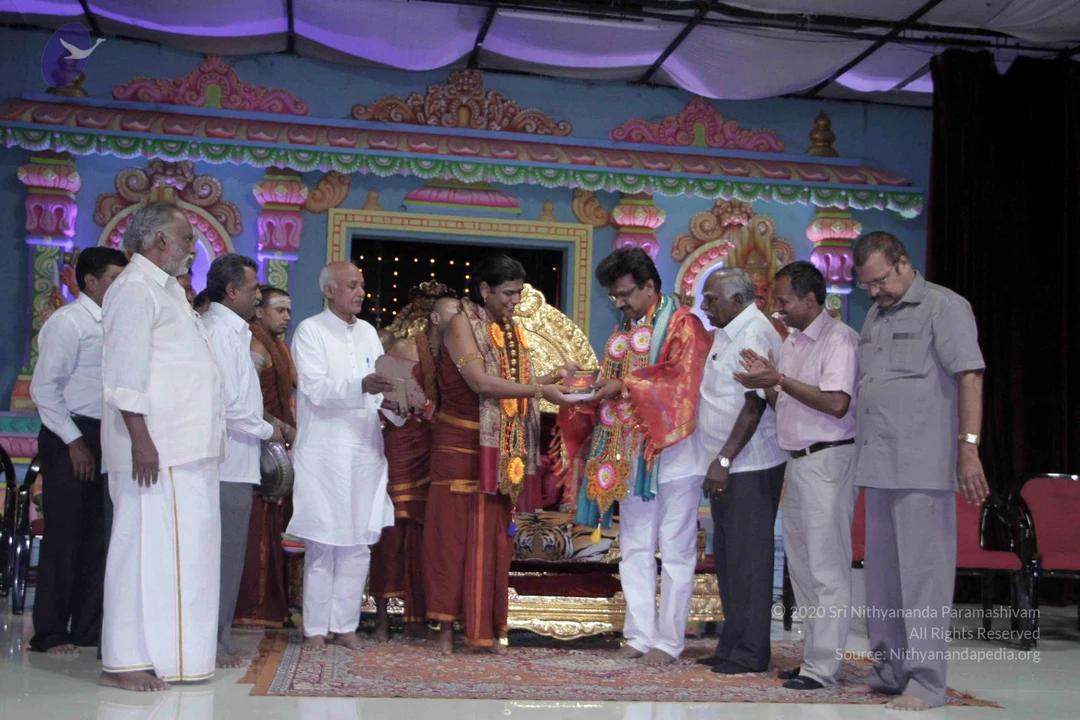
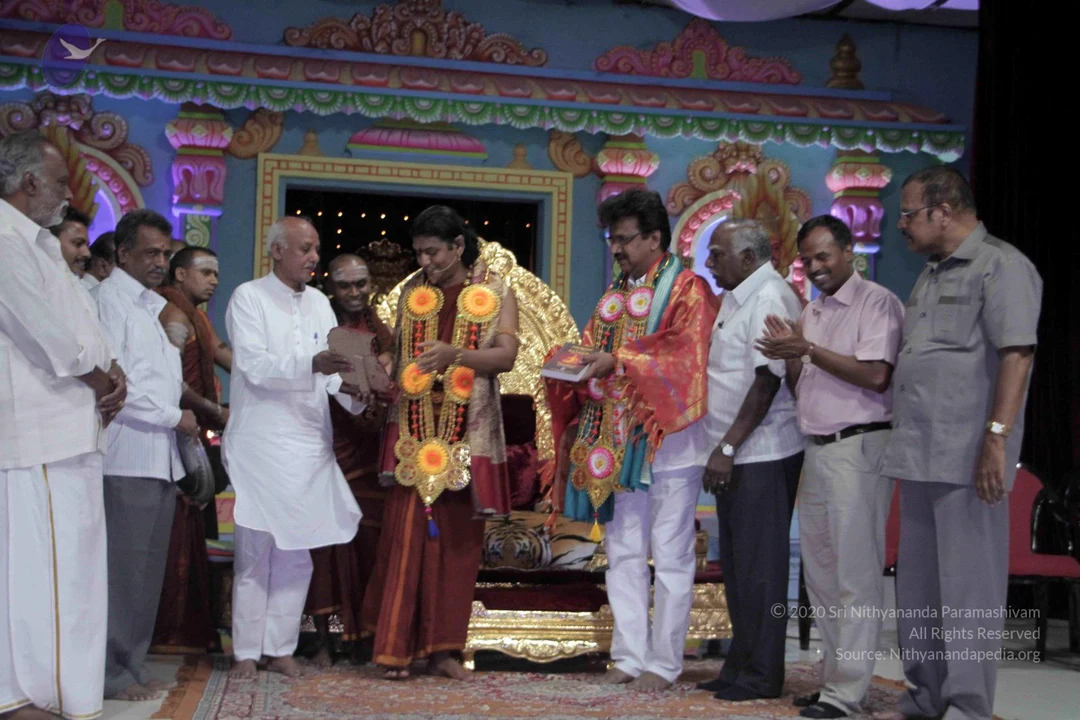
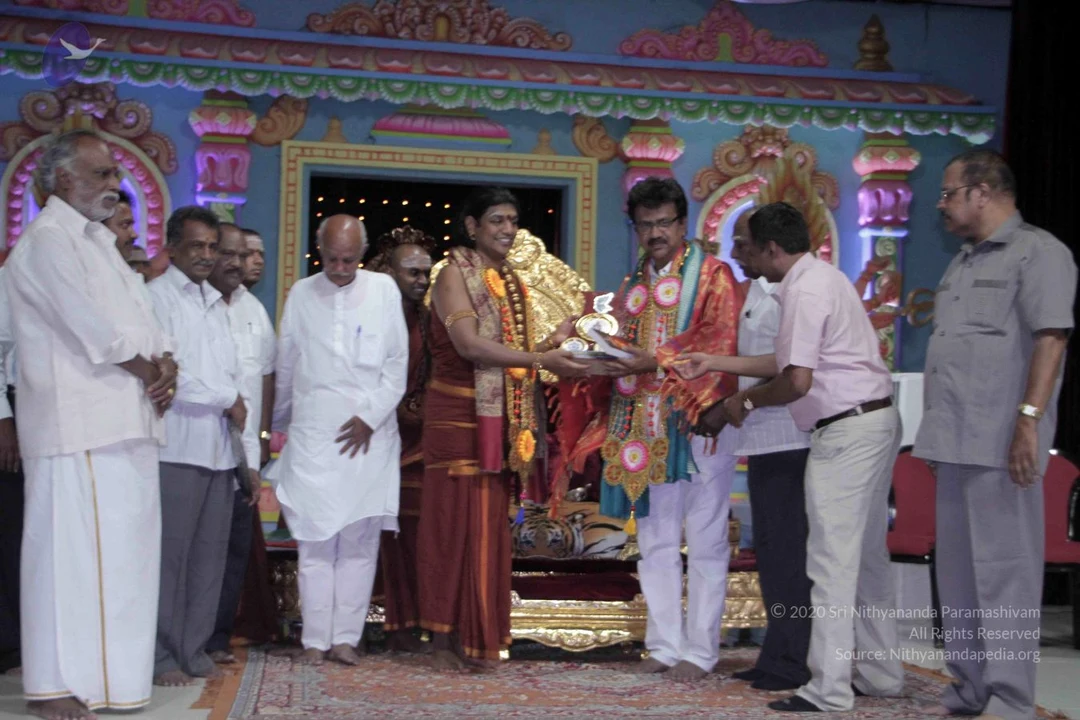
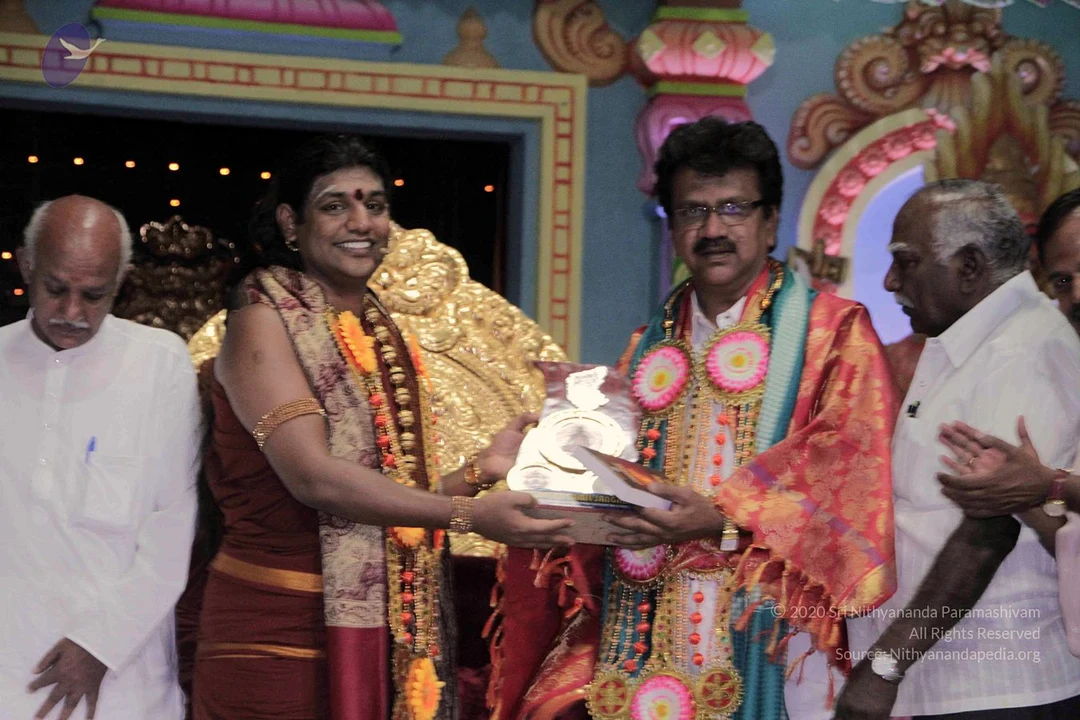
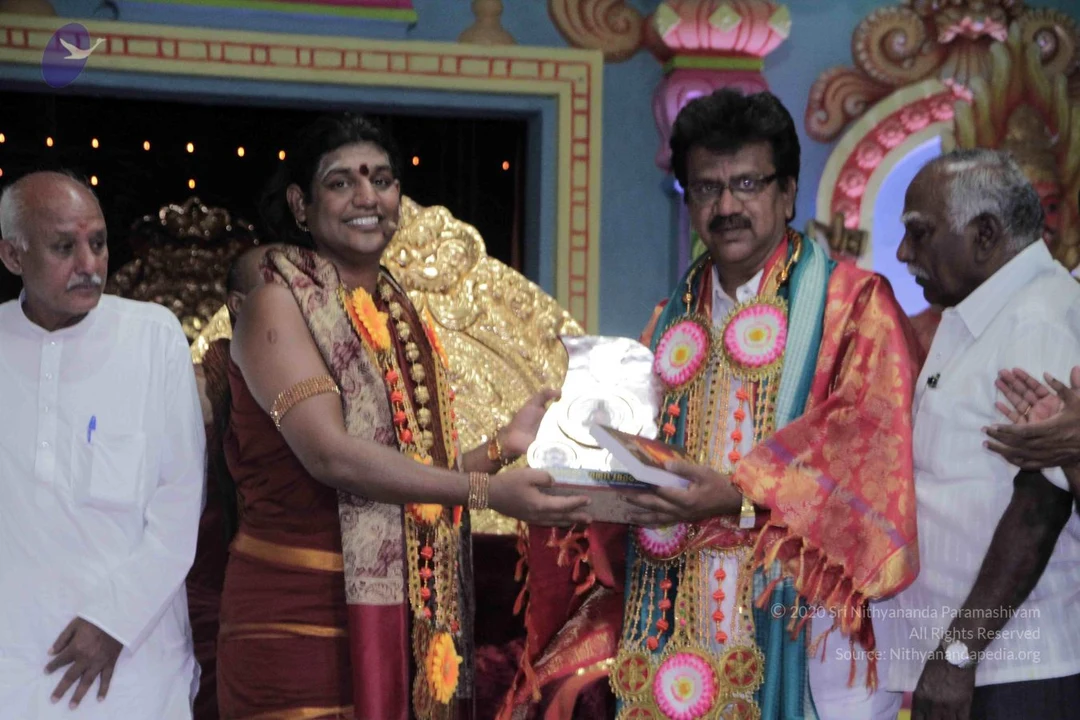
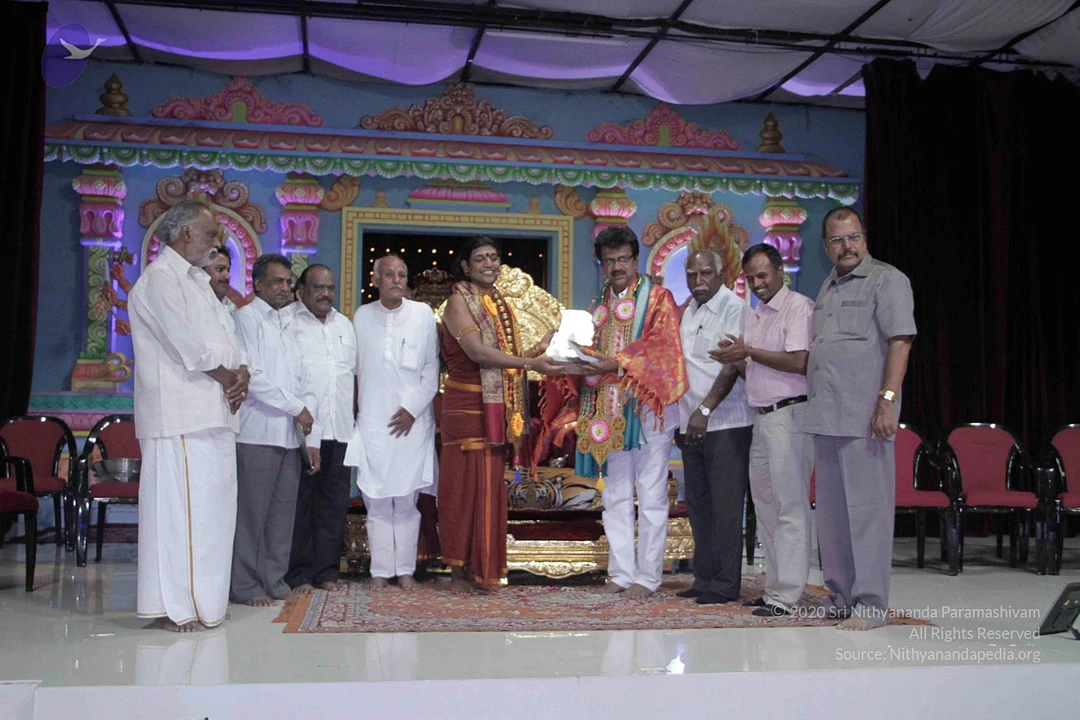
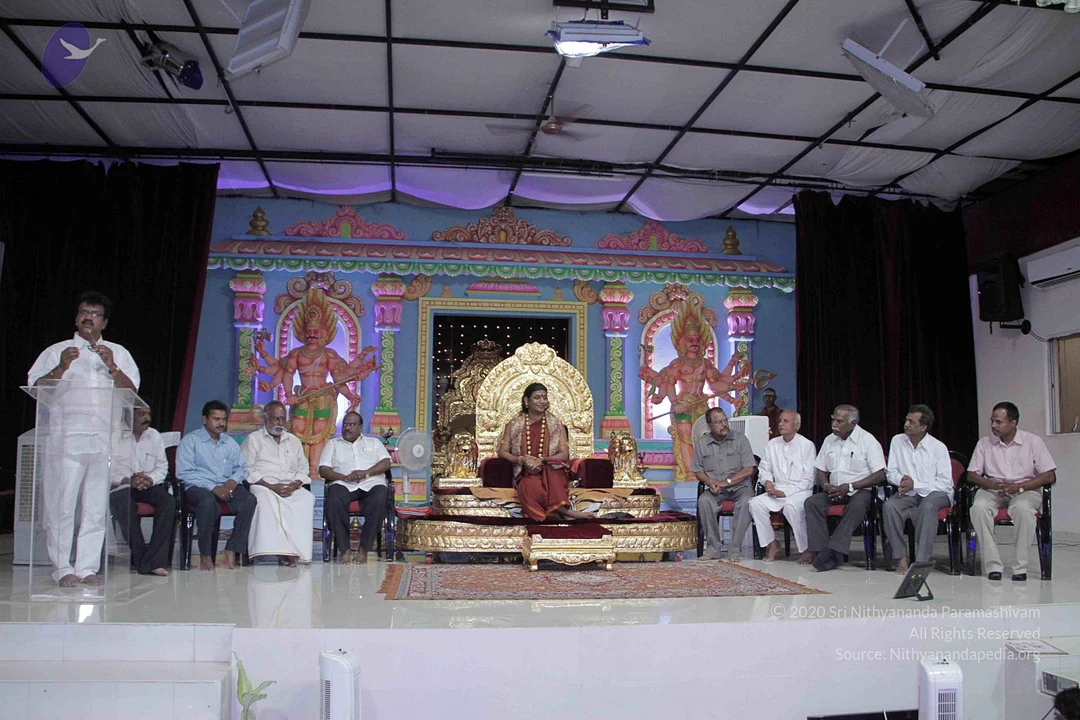
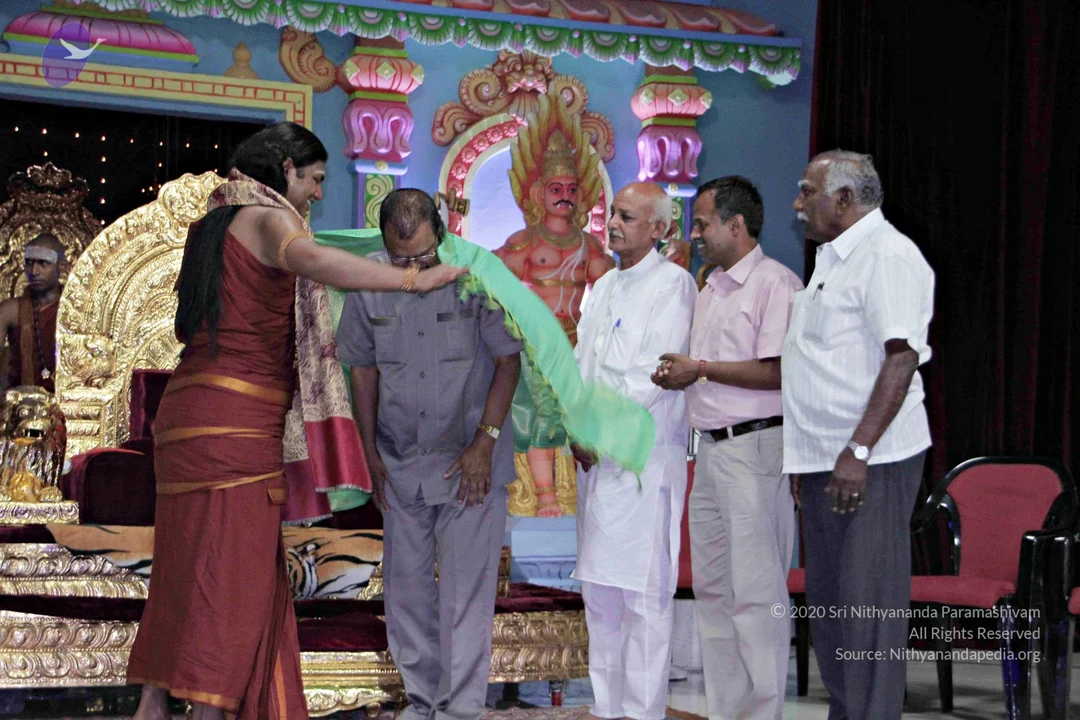
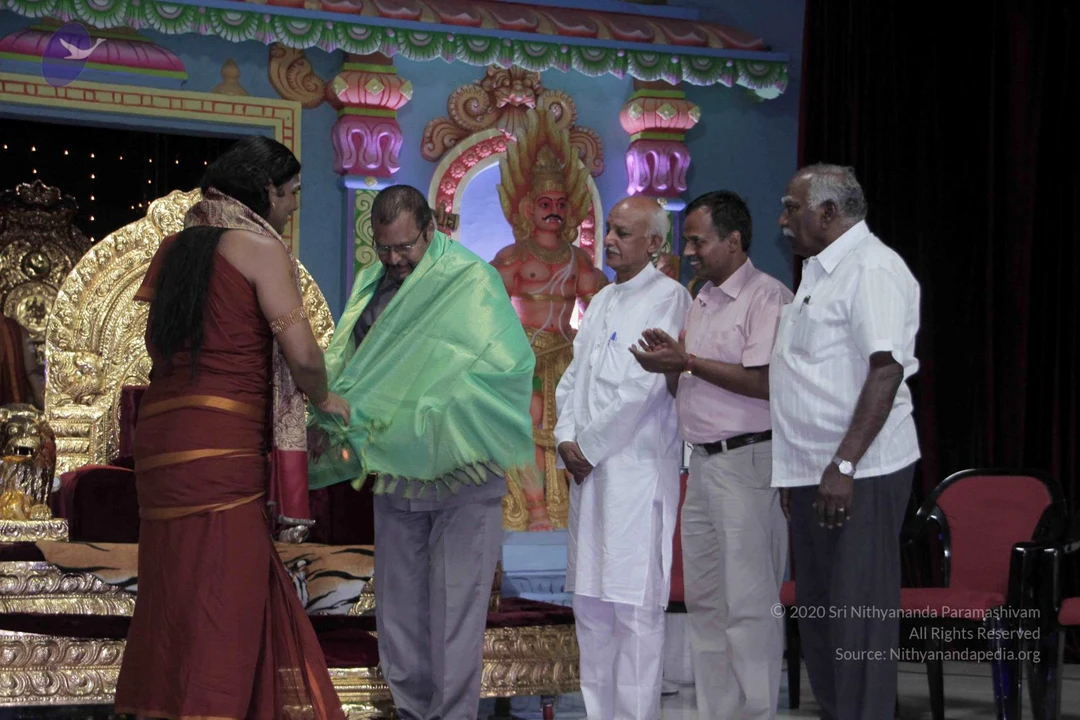
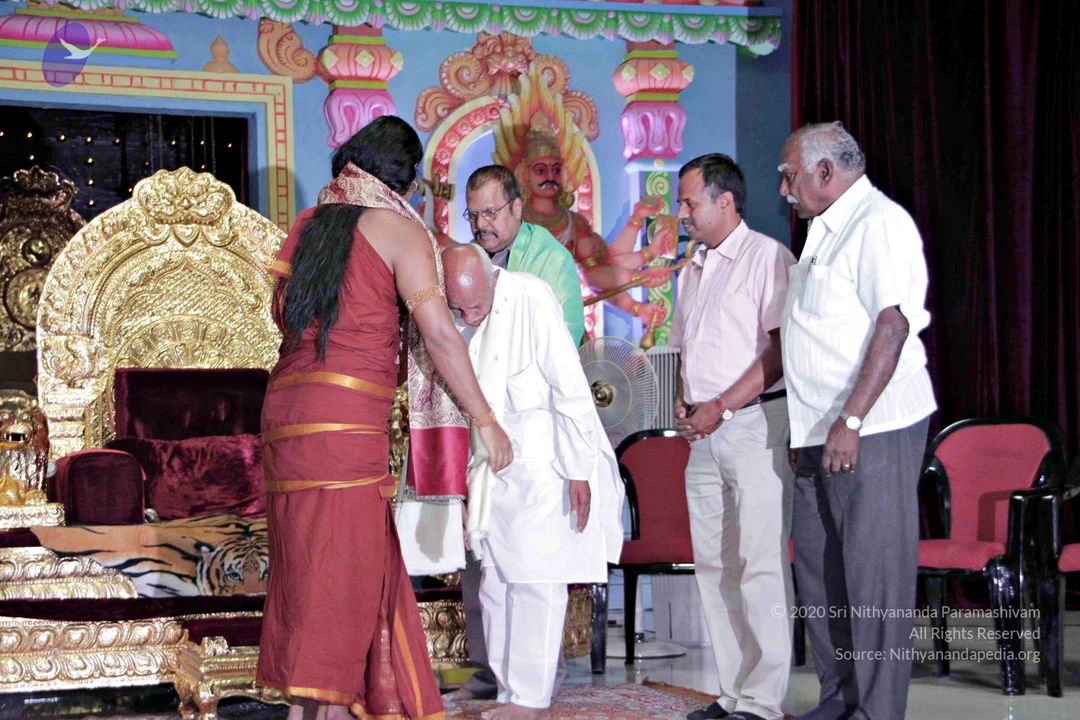
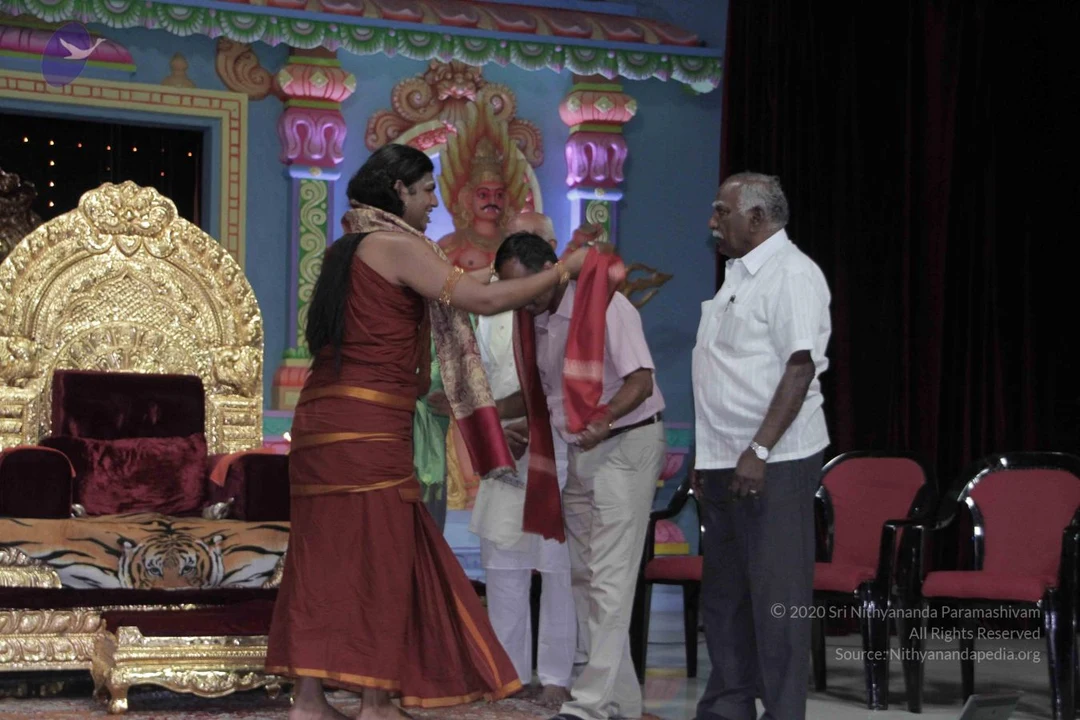
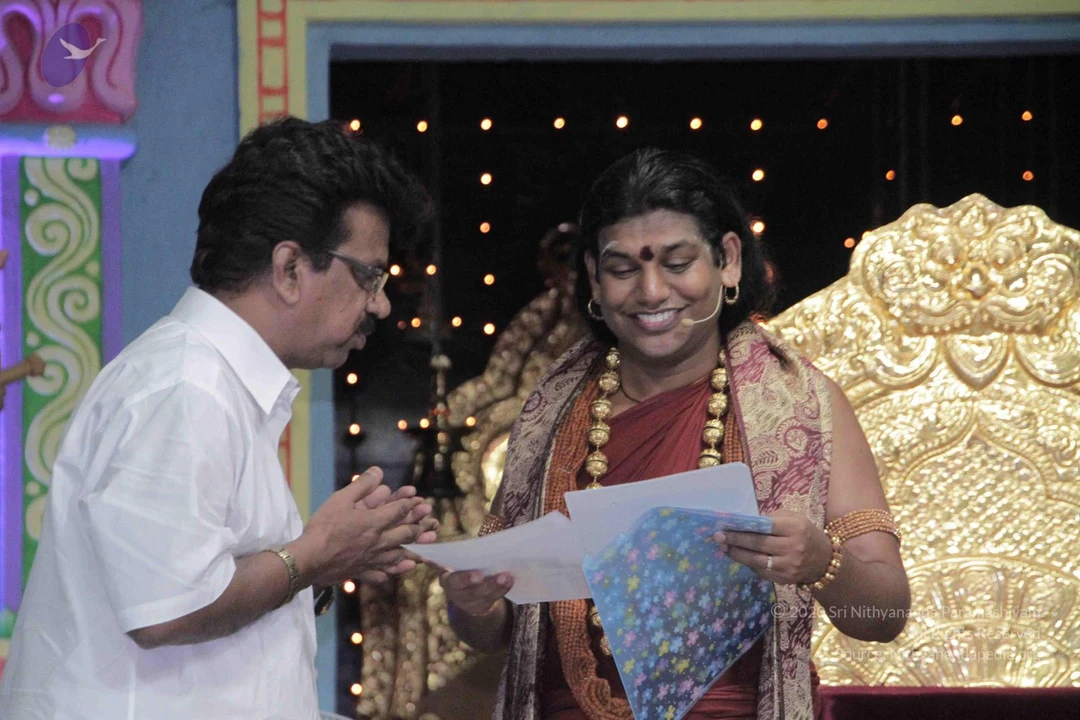
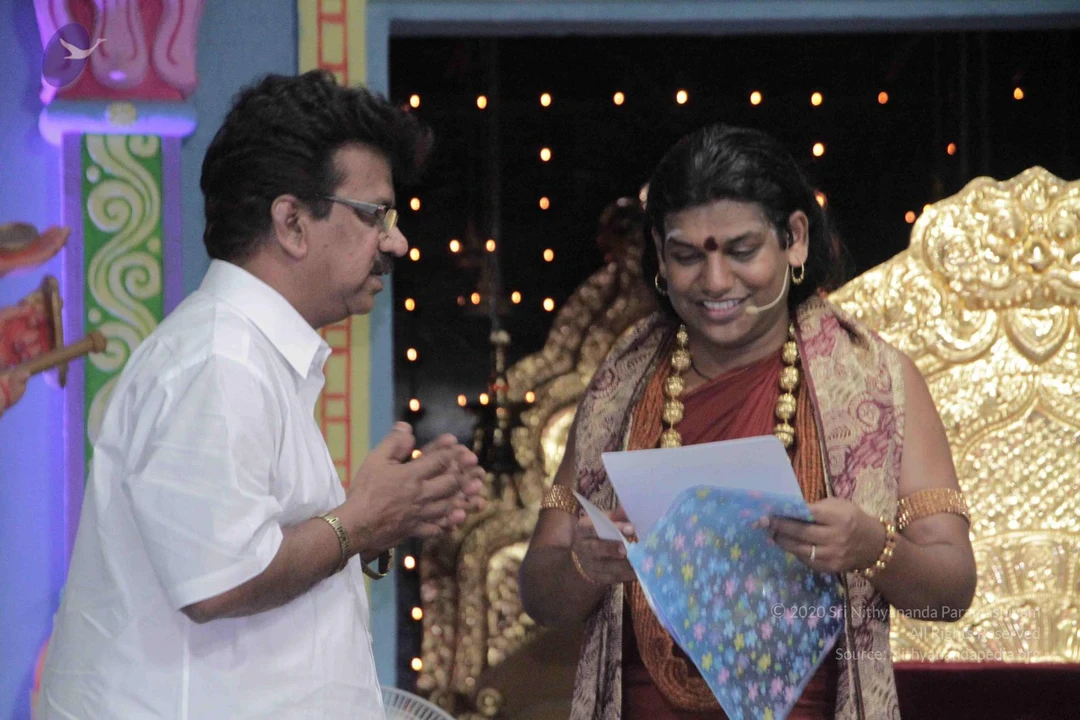
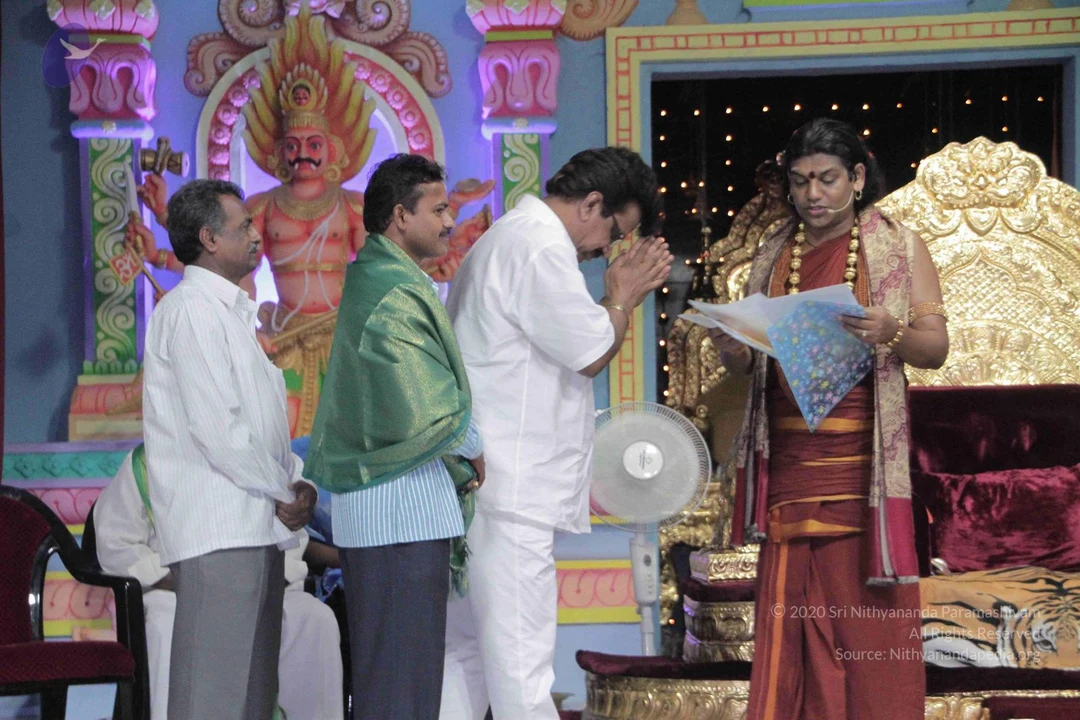
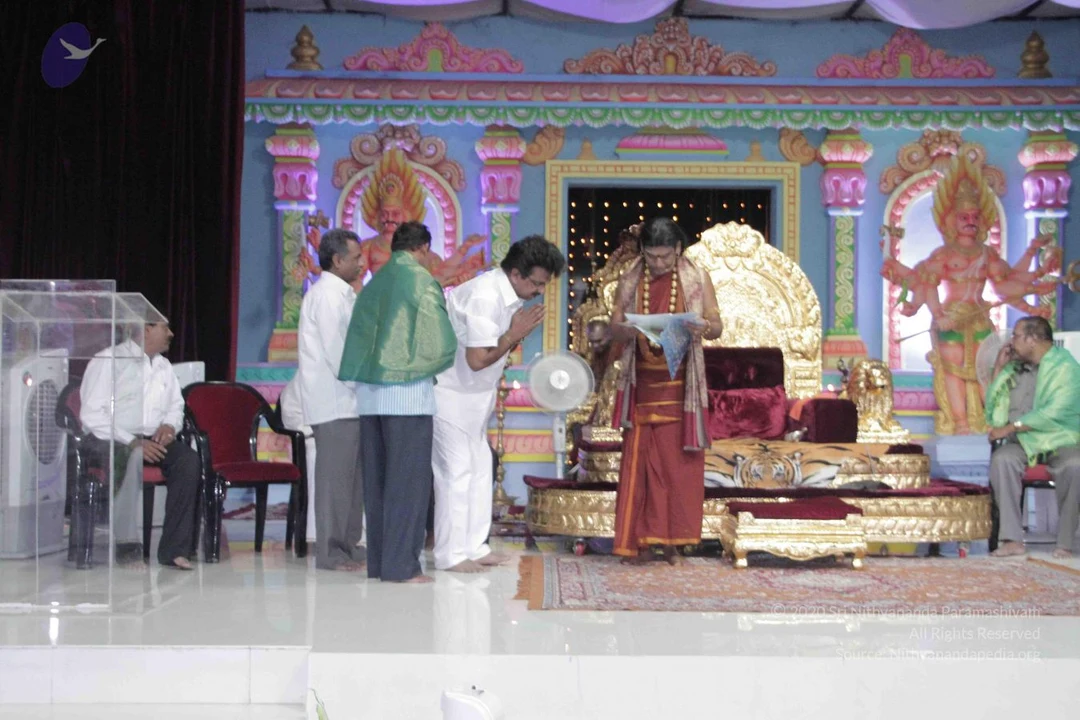
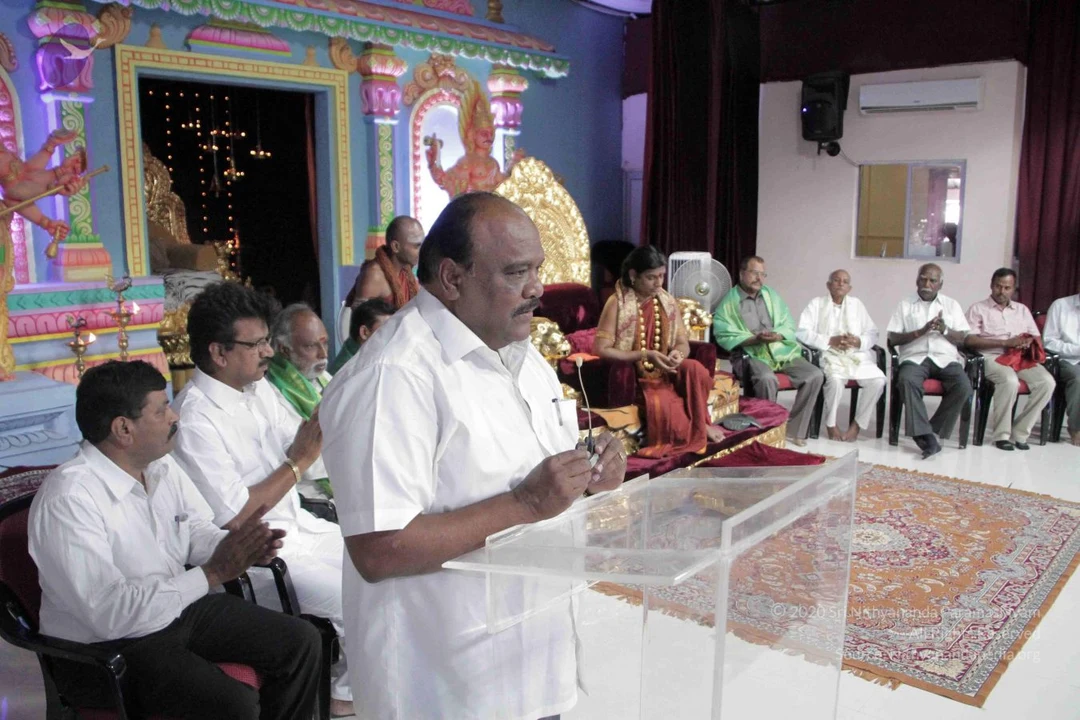
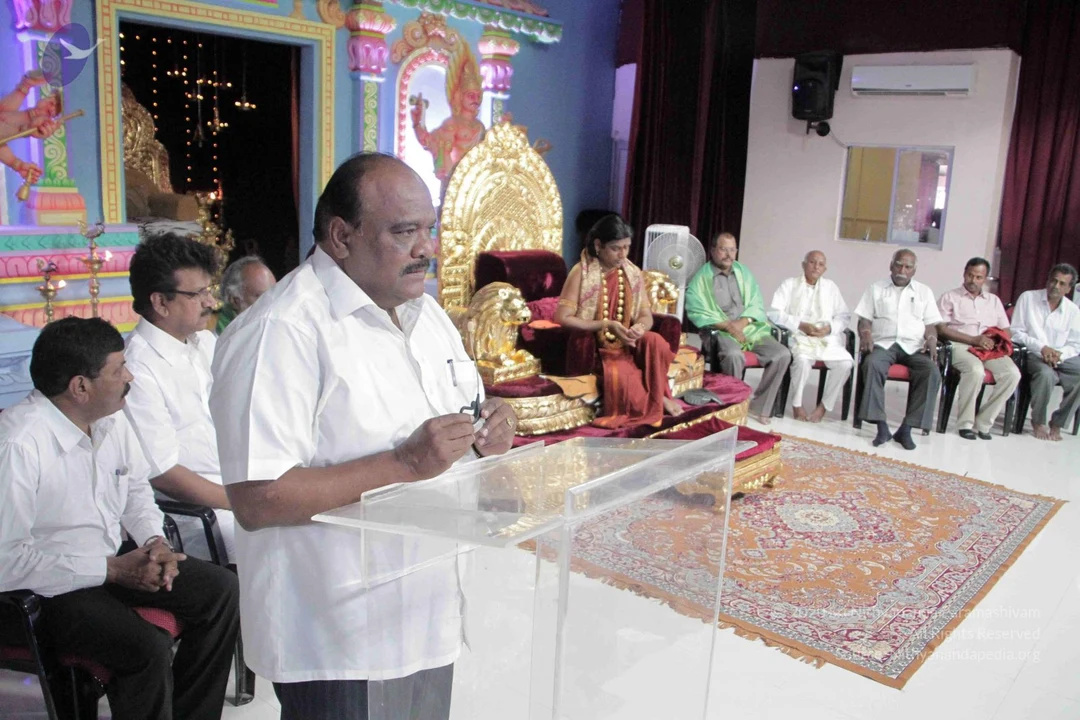
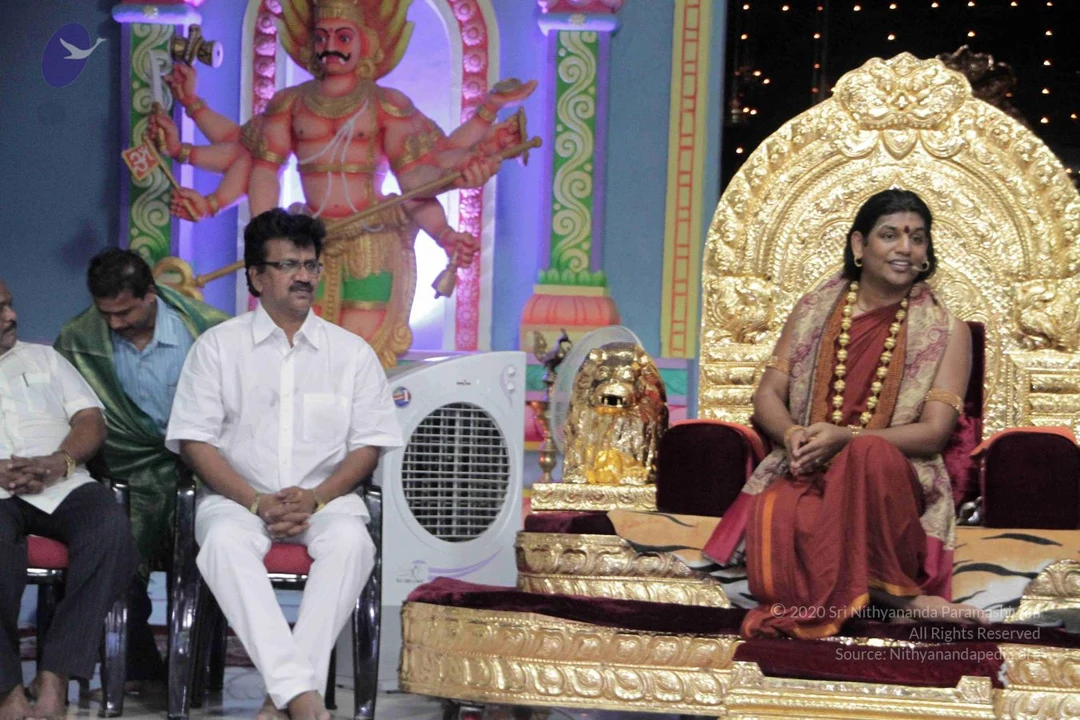
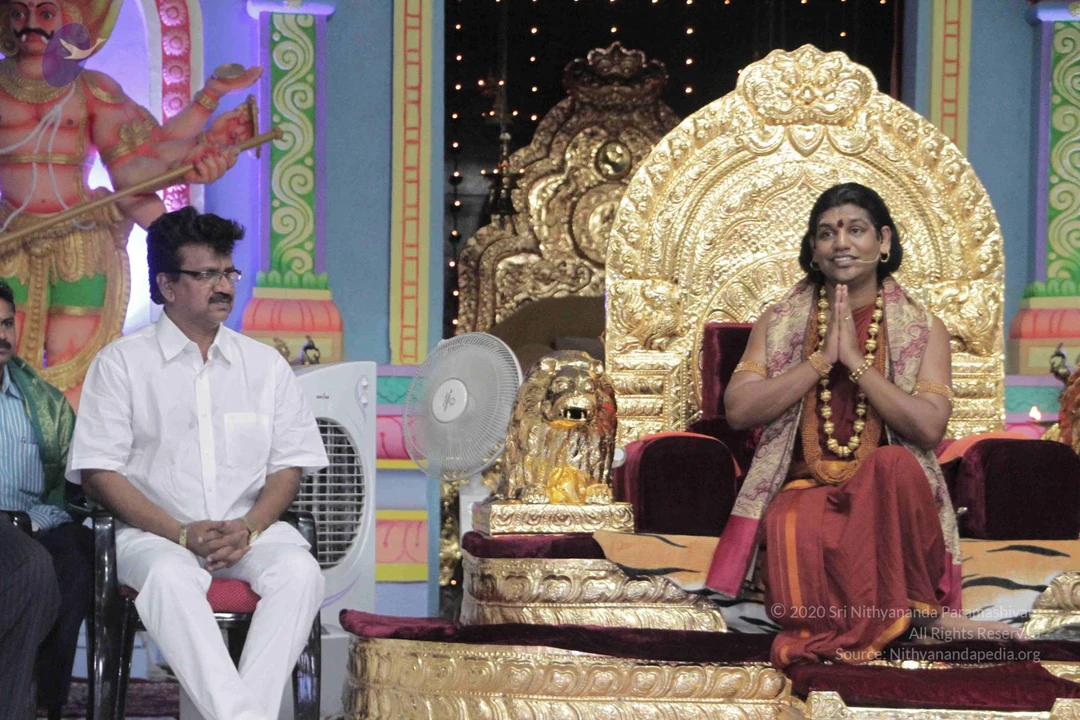
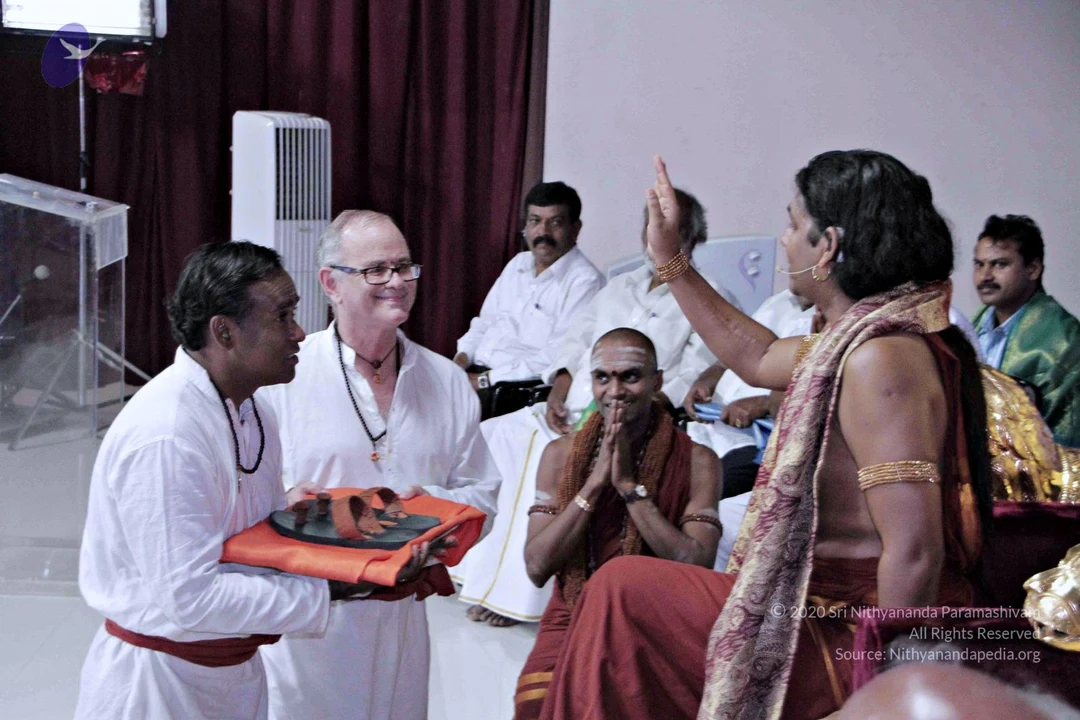
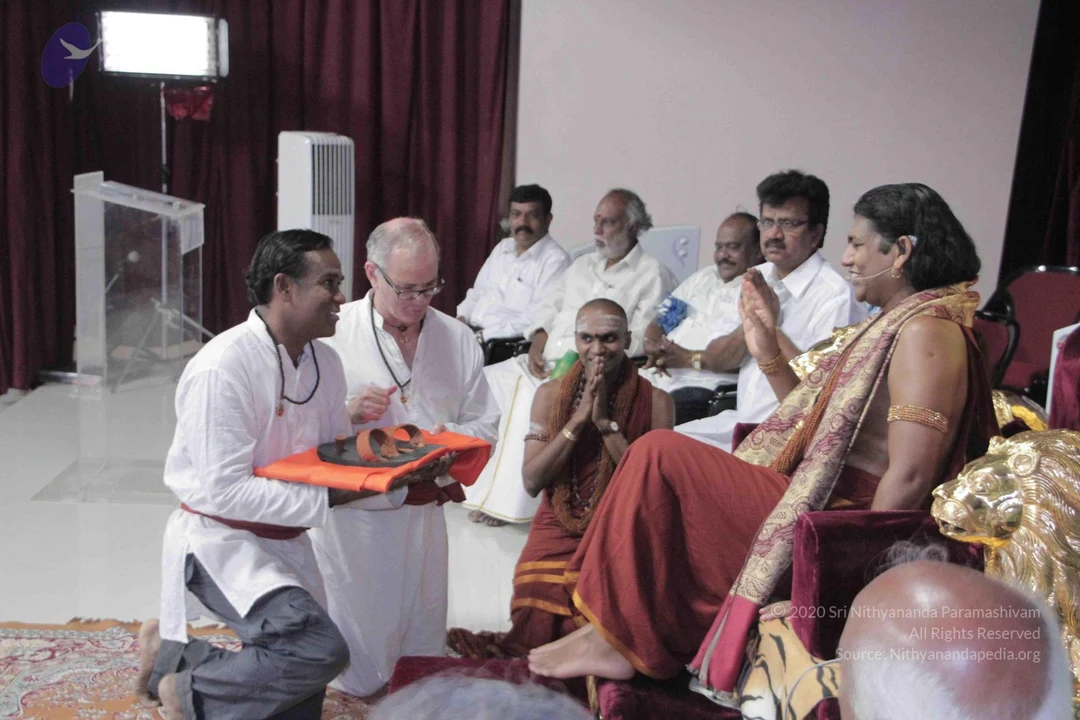
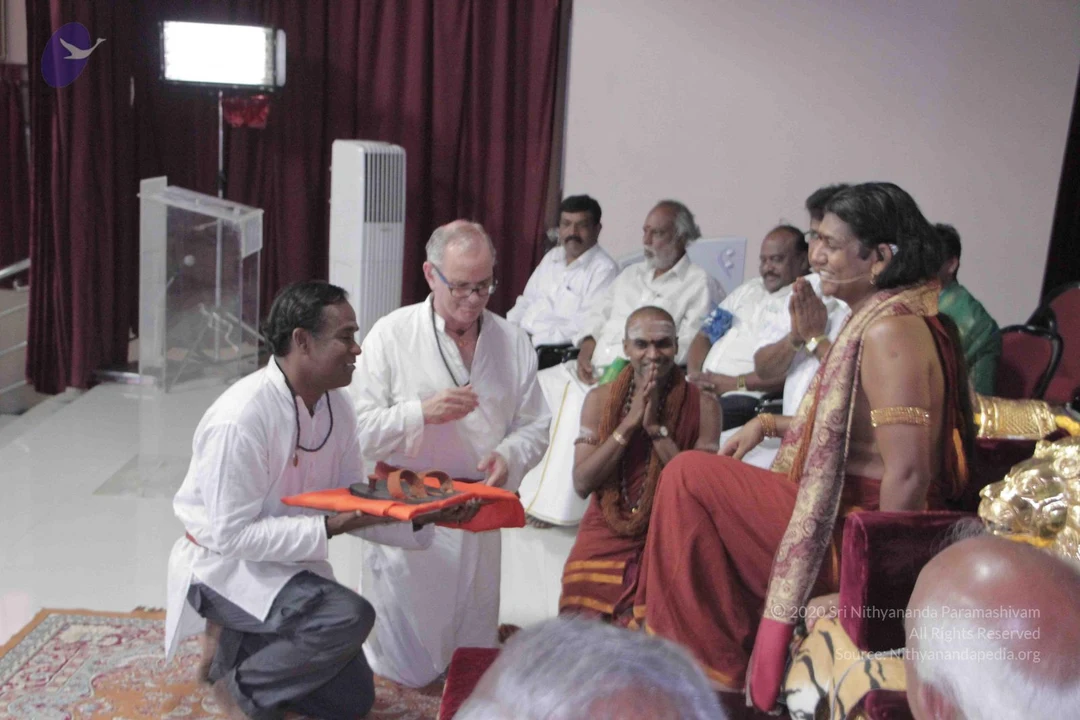
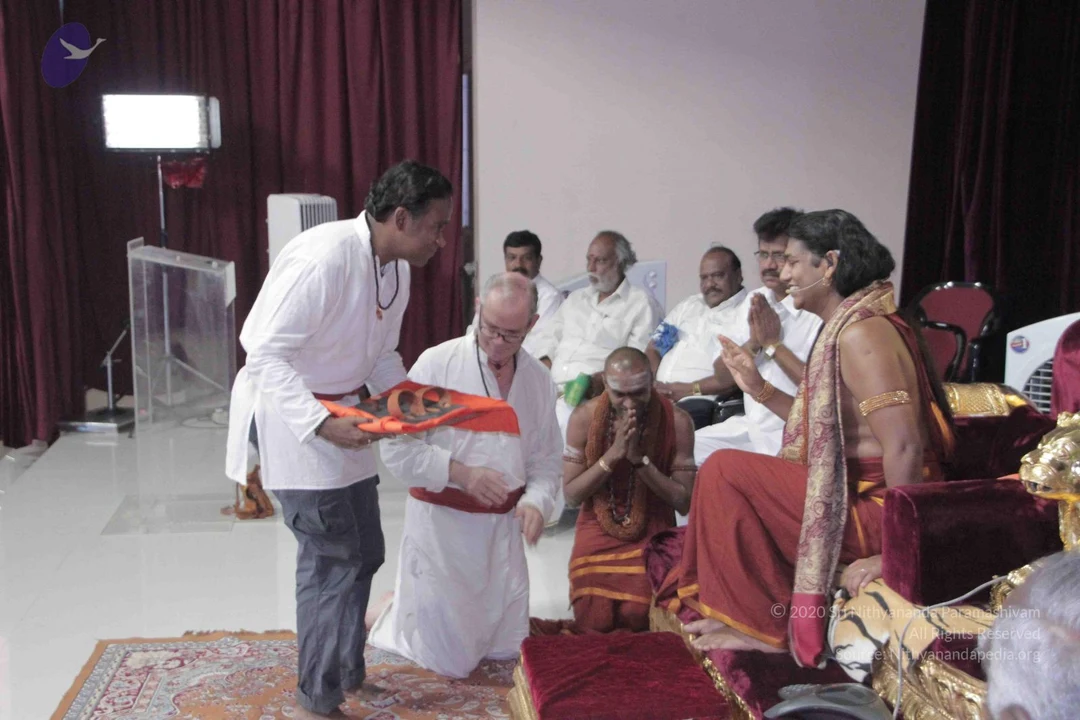
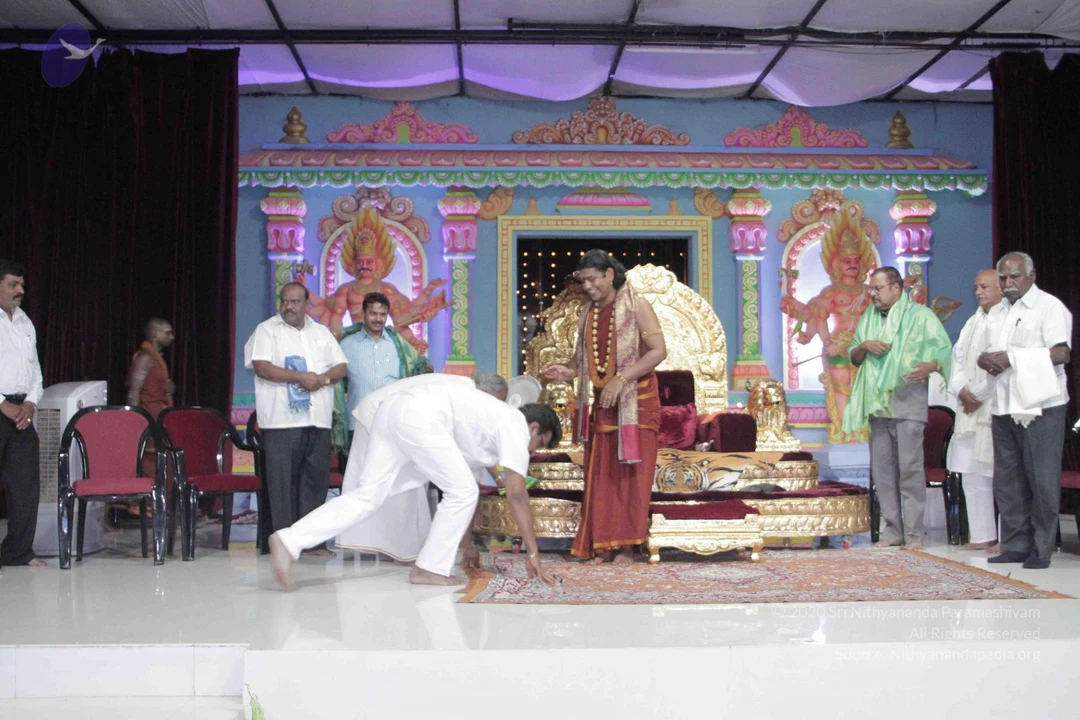
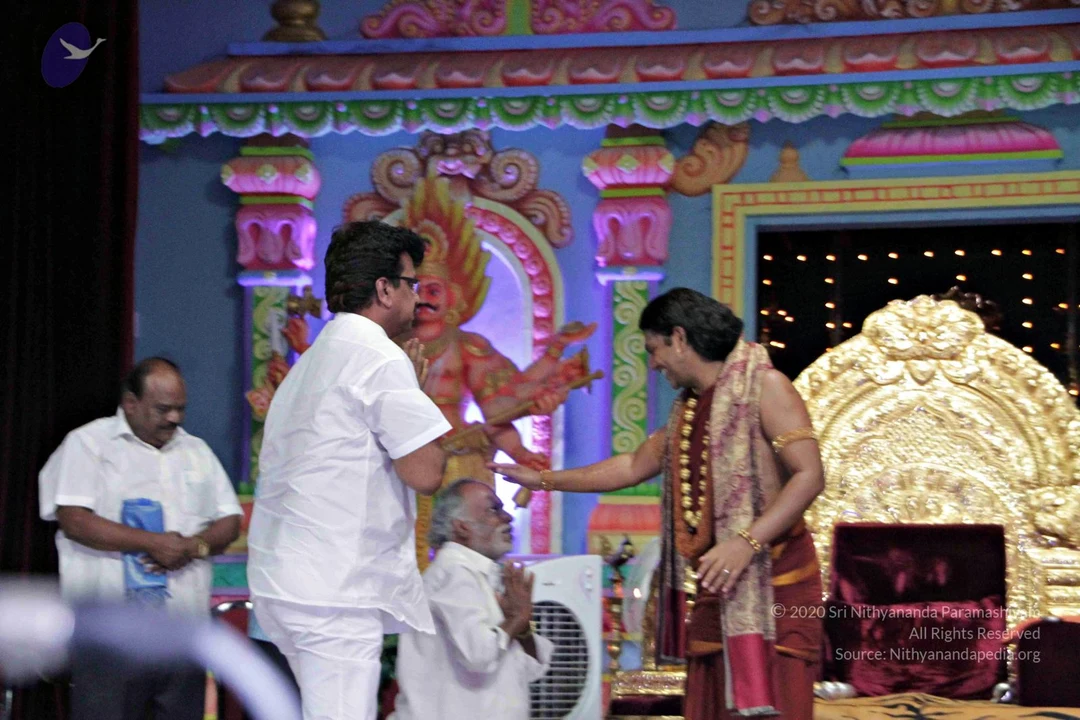
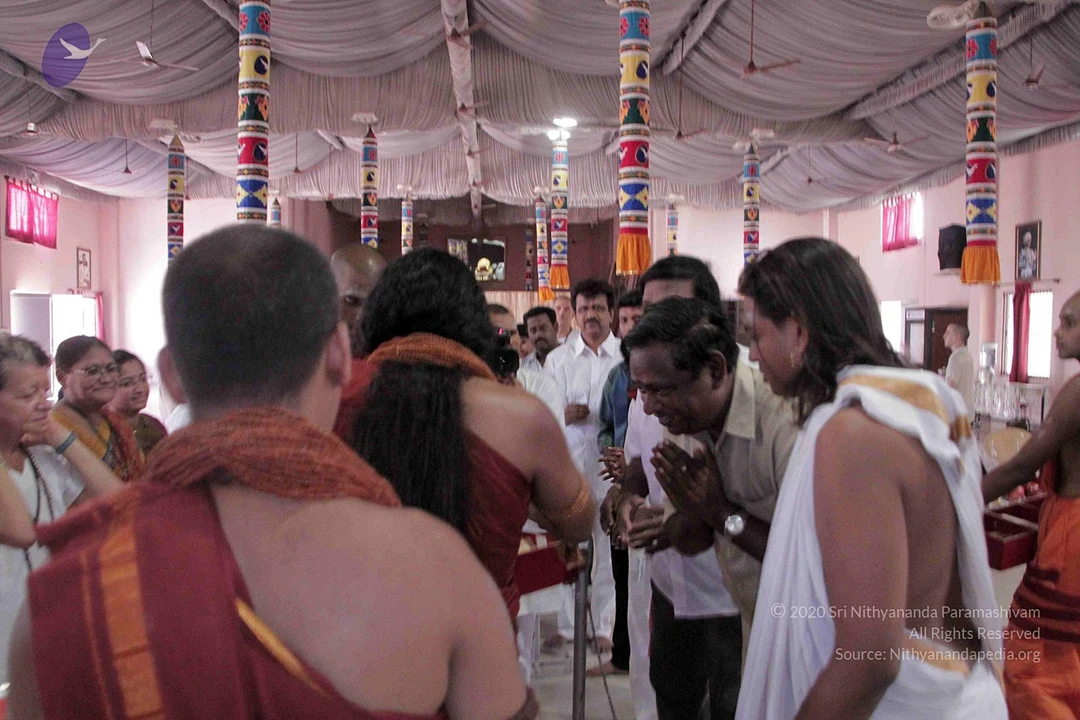
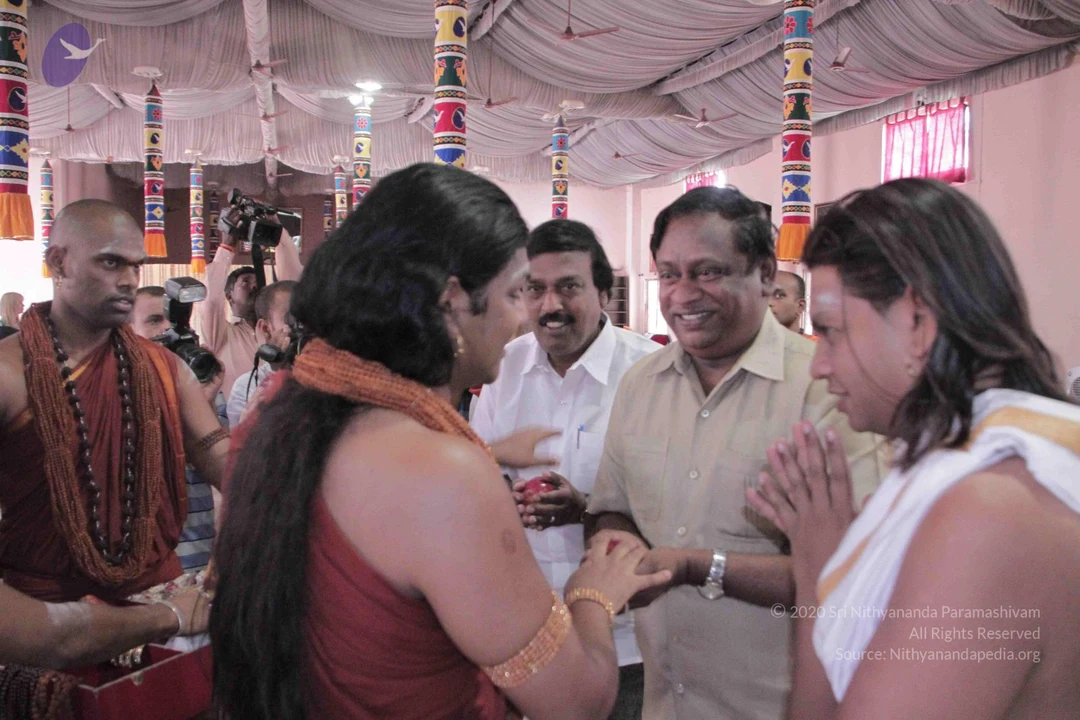
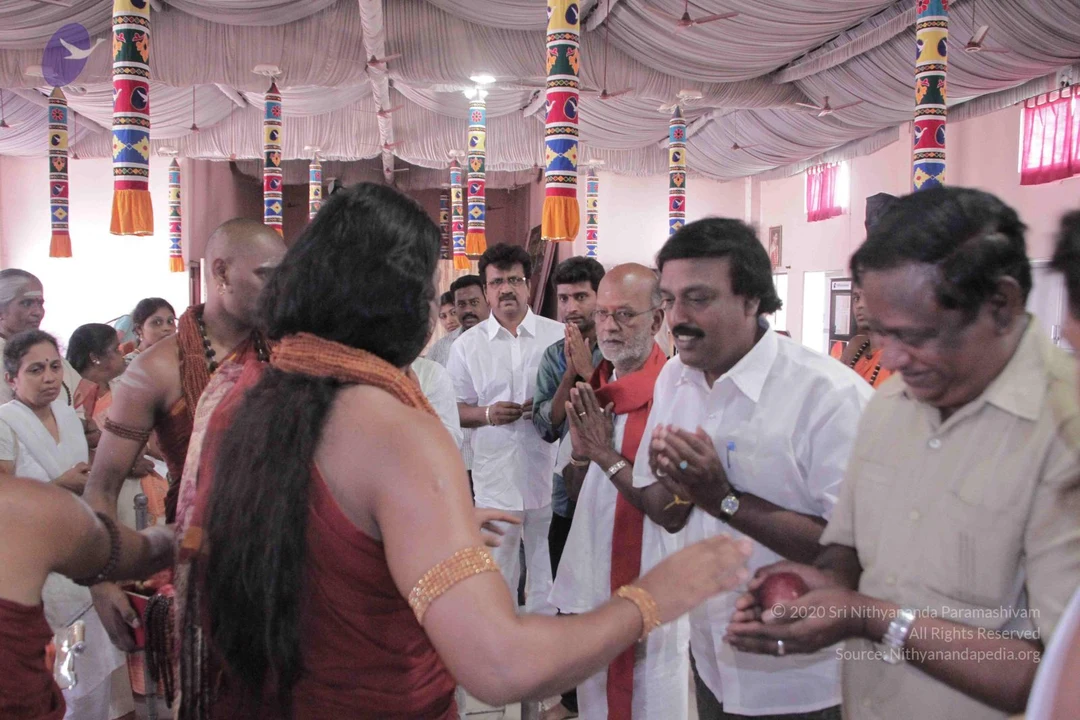
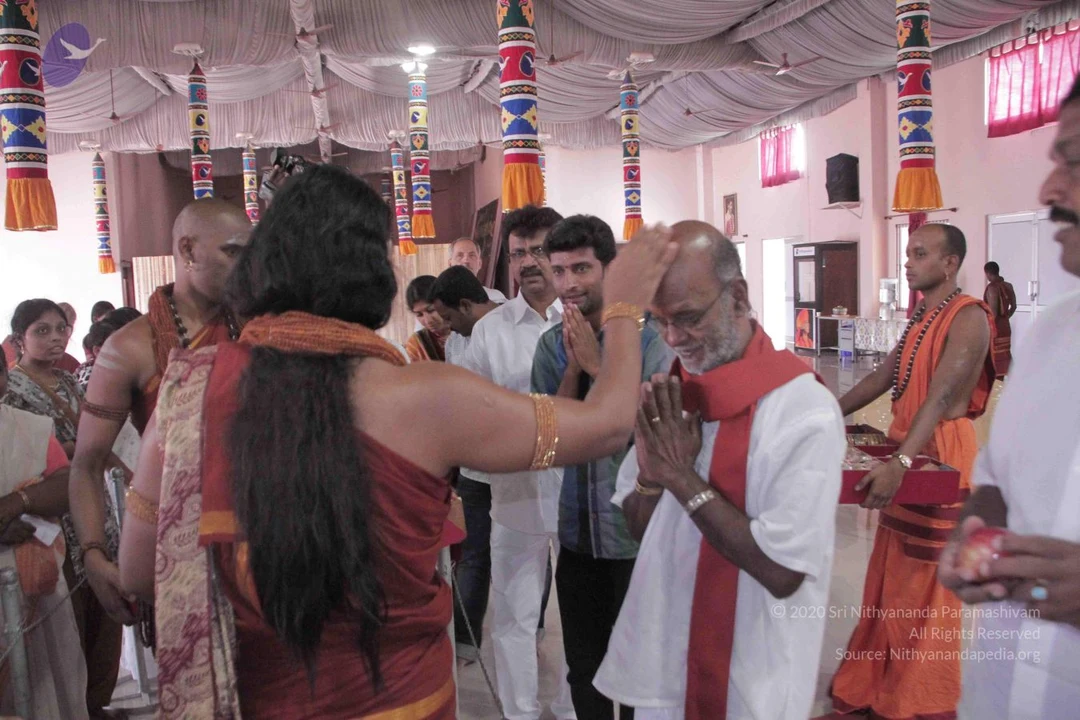
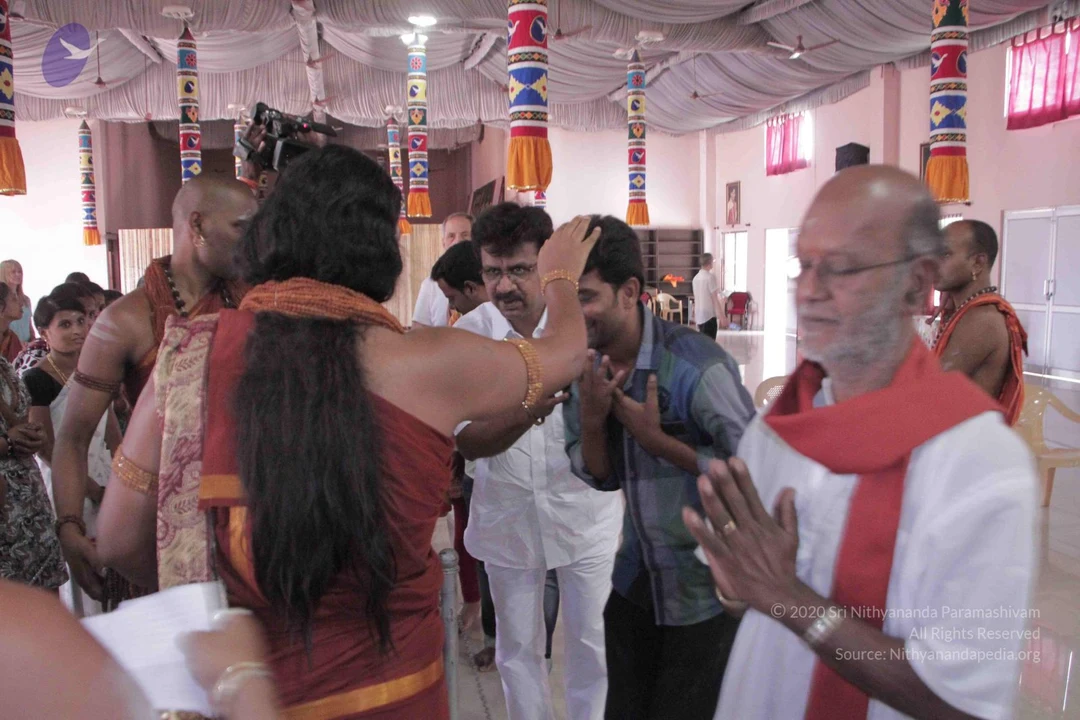
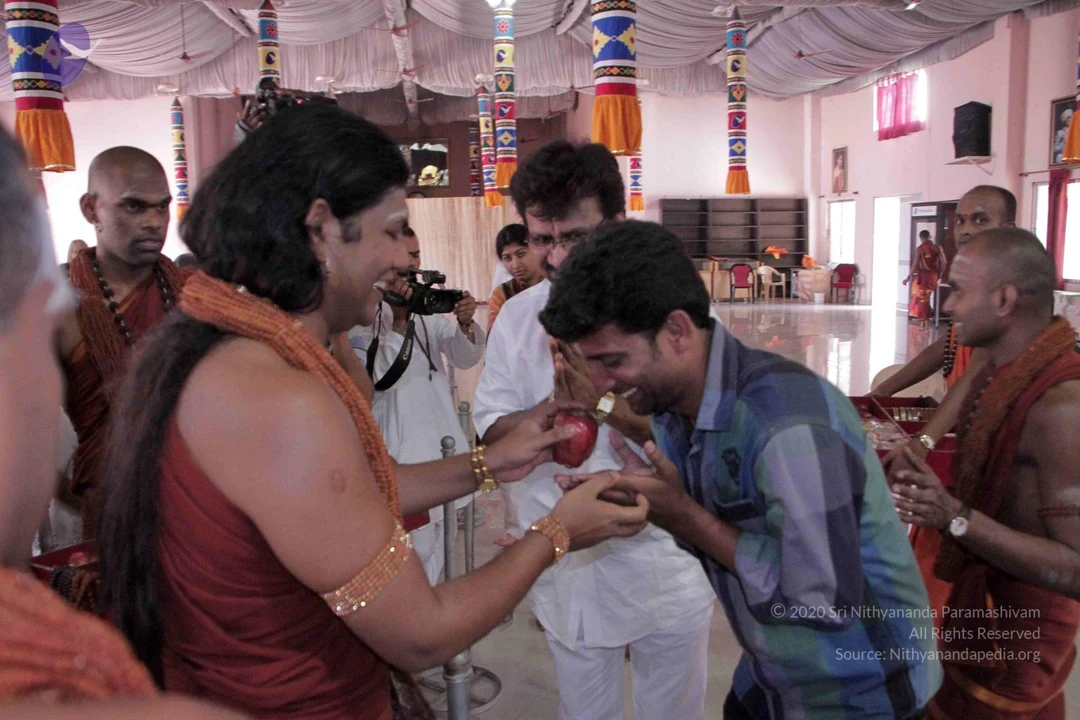
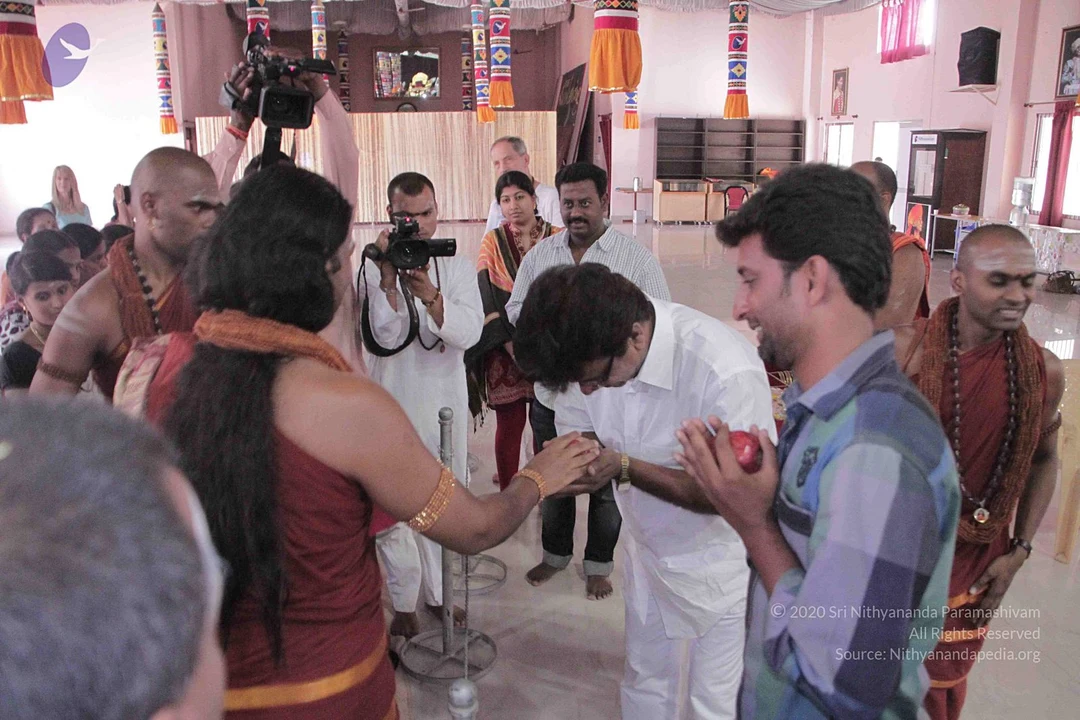
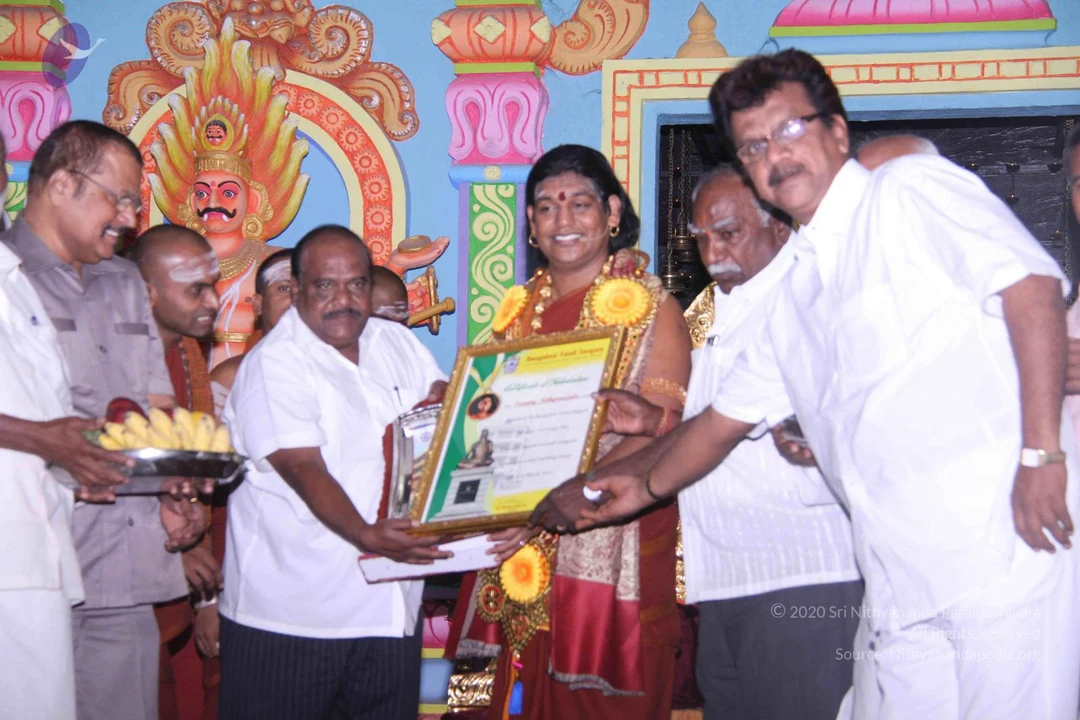
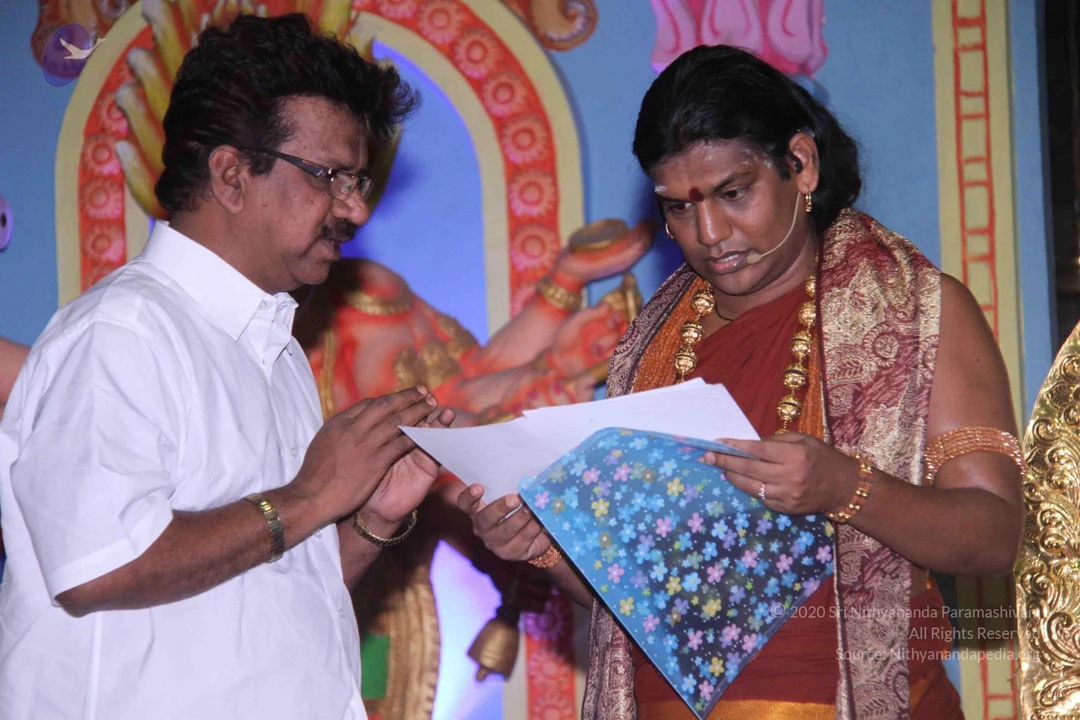
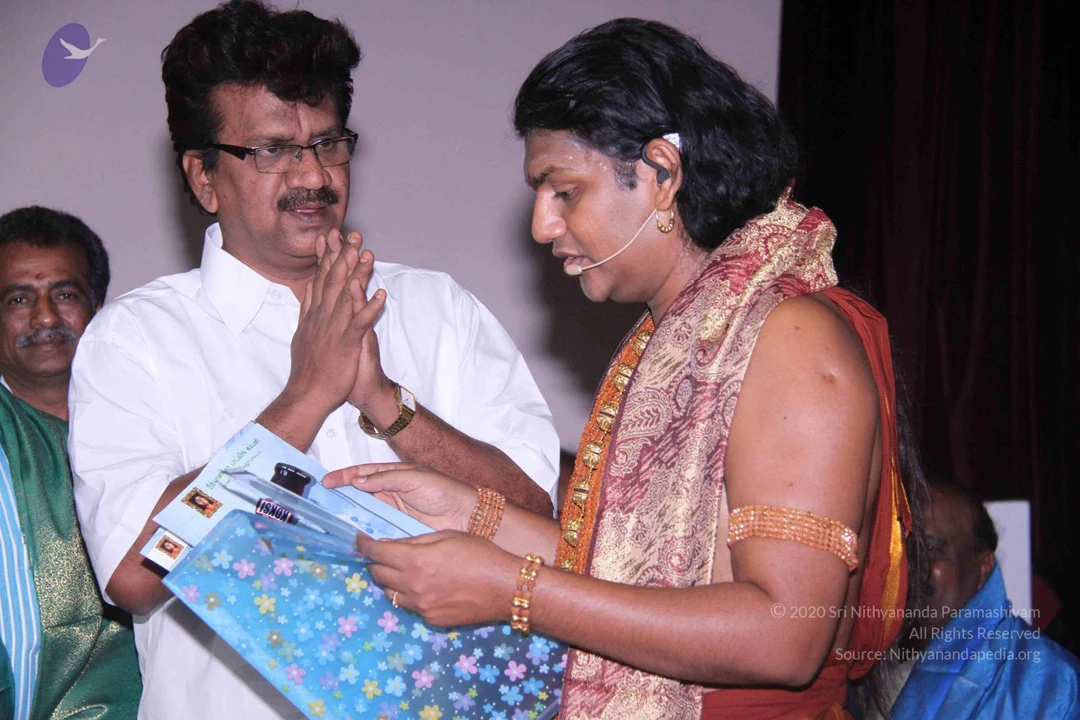
RajTV Felicitation Nirguna Less Paduka Mandir


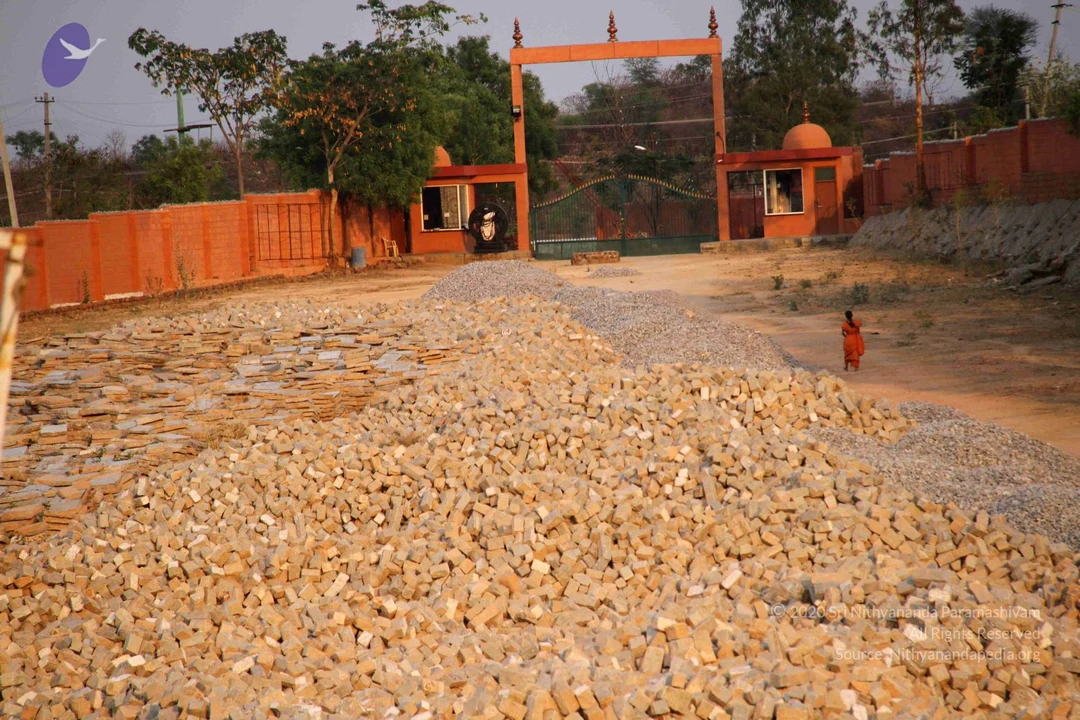
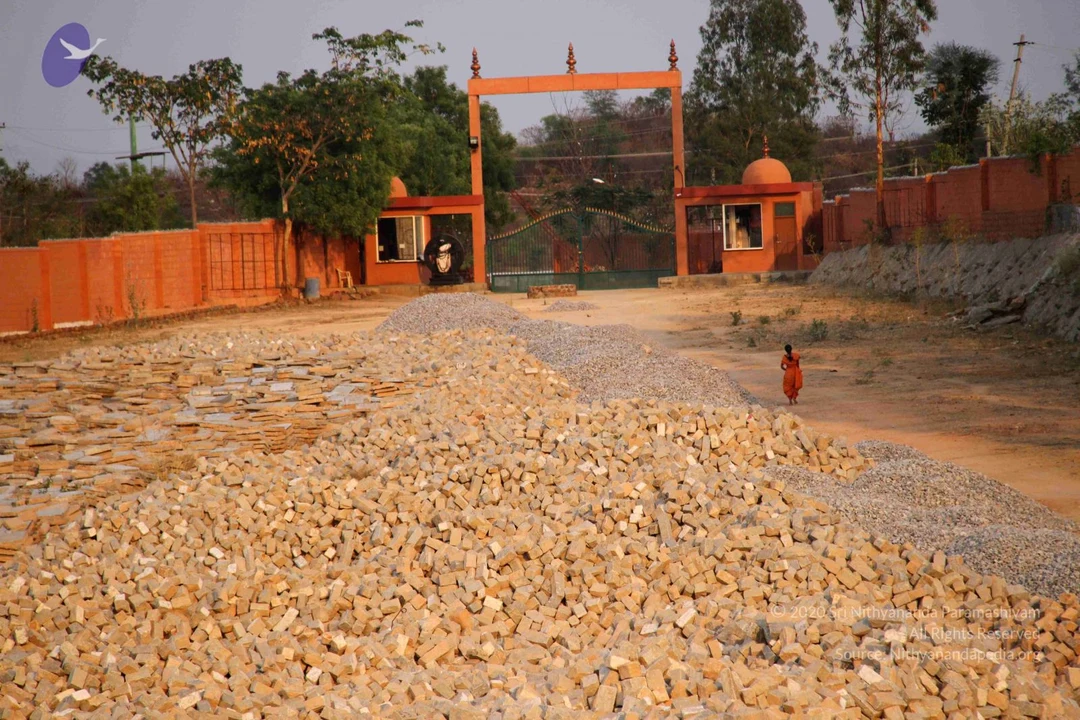
Construction

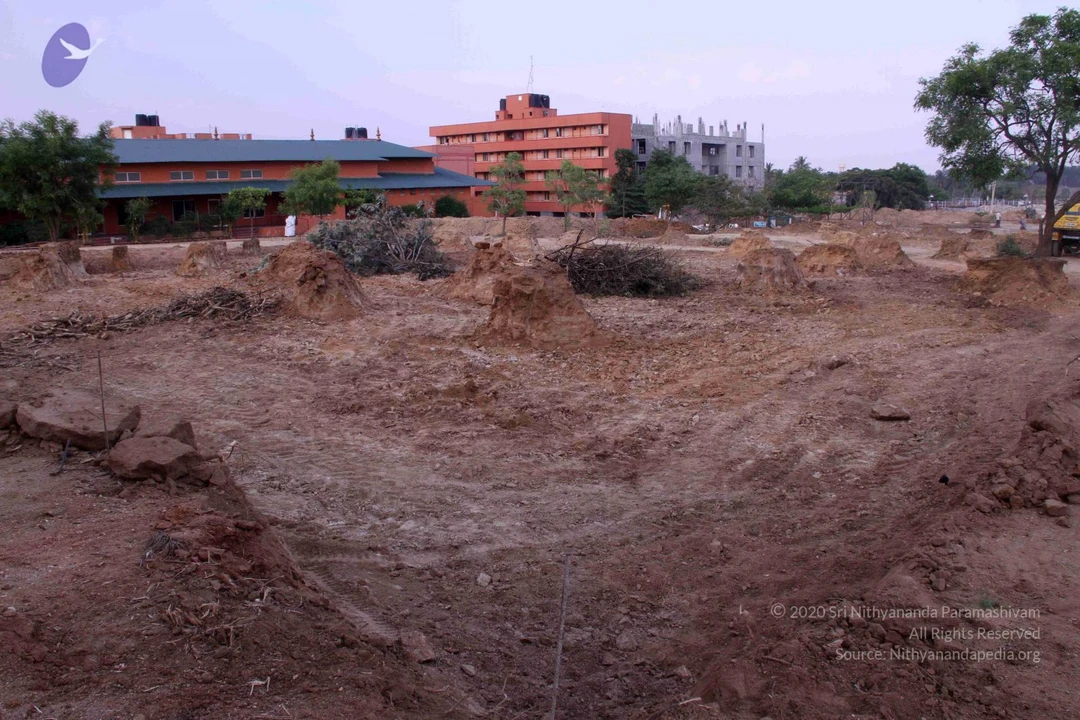
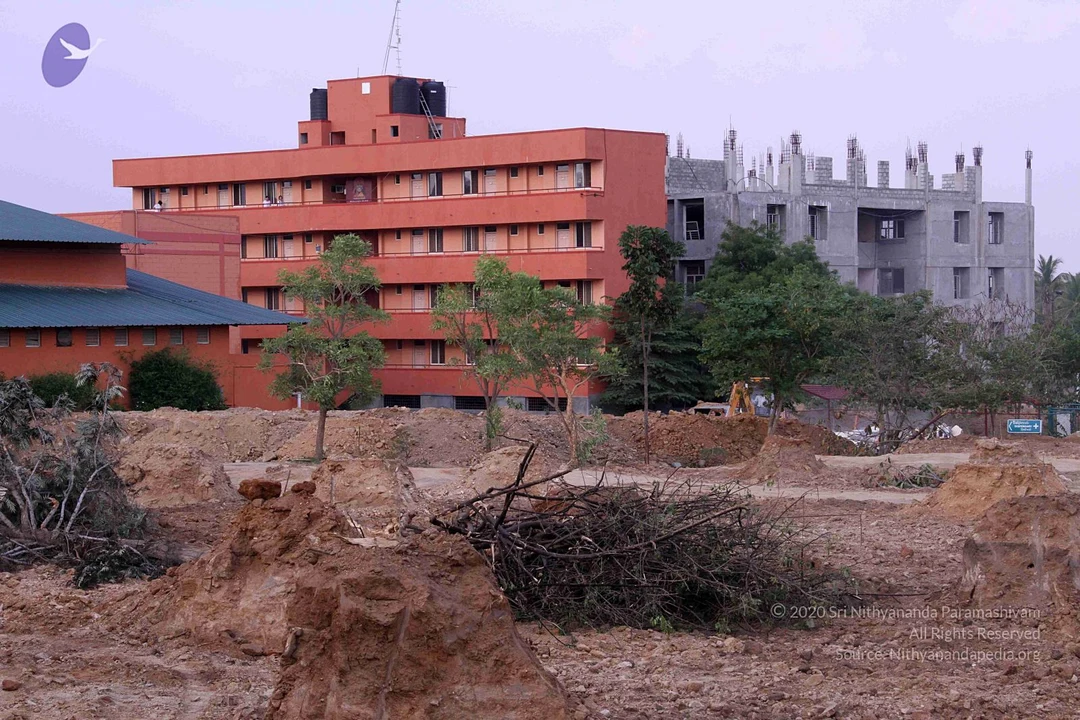
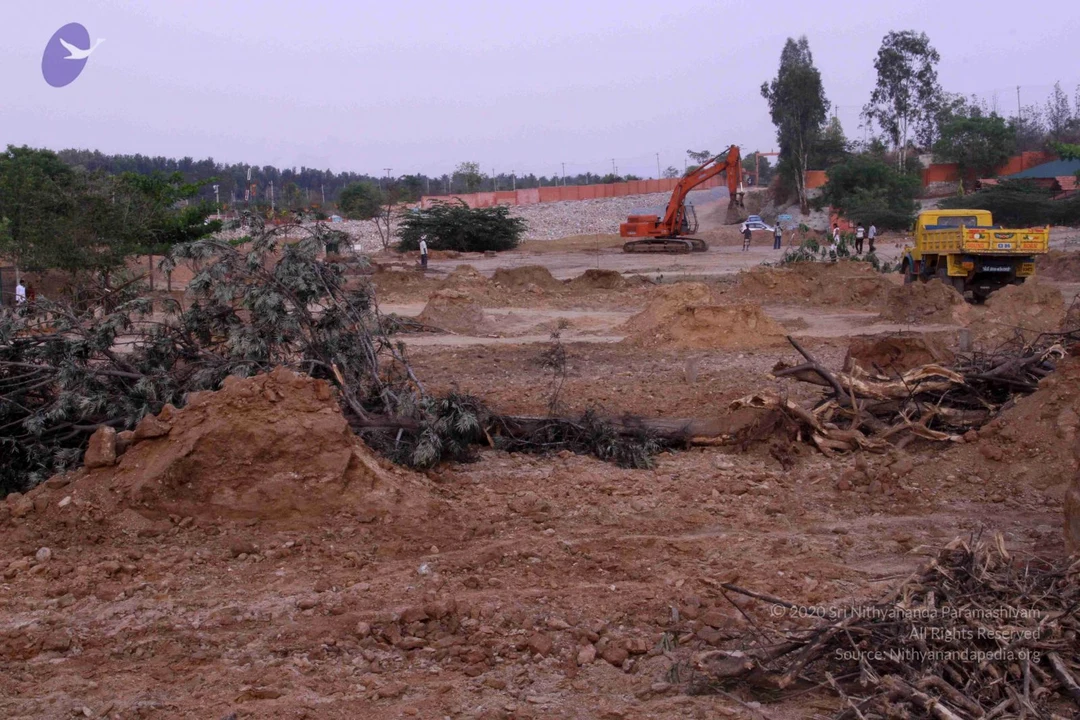
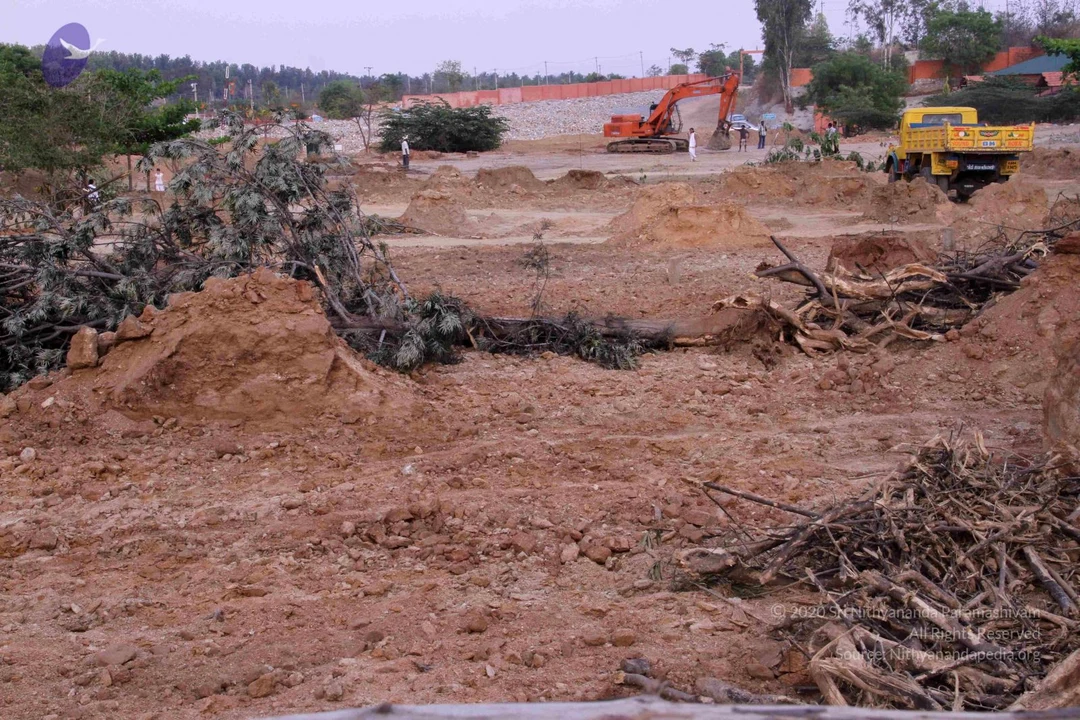
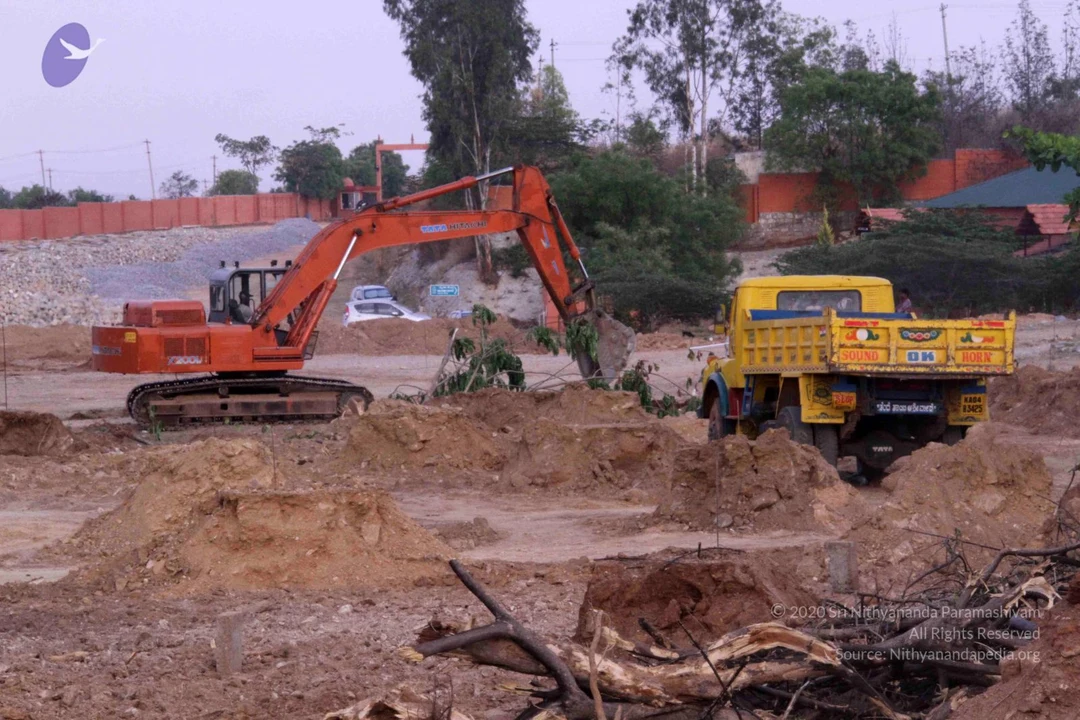
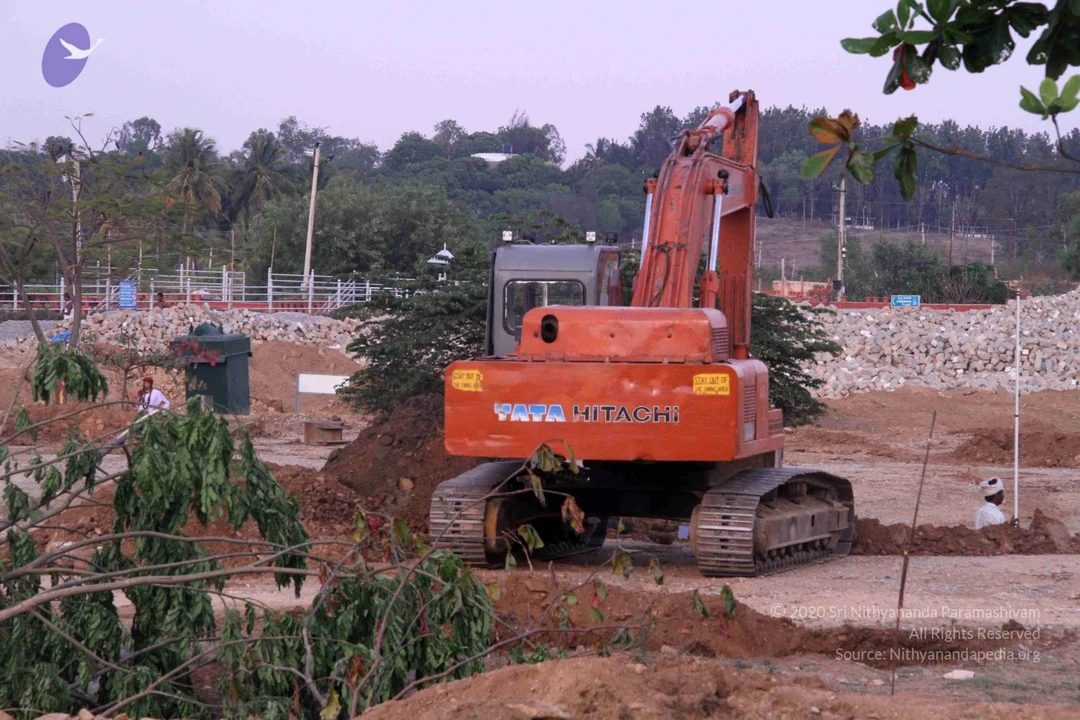


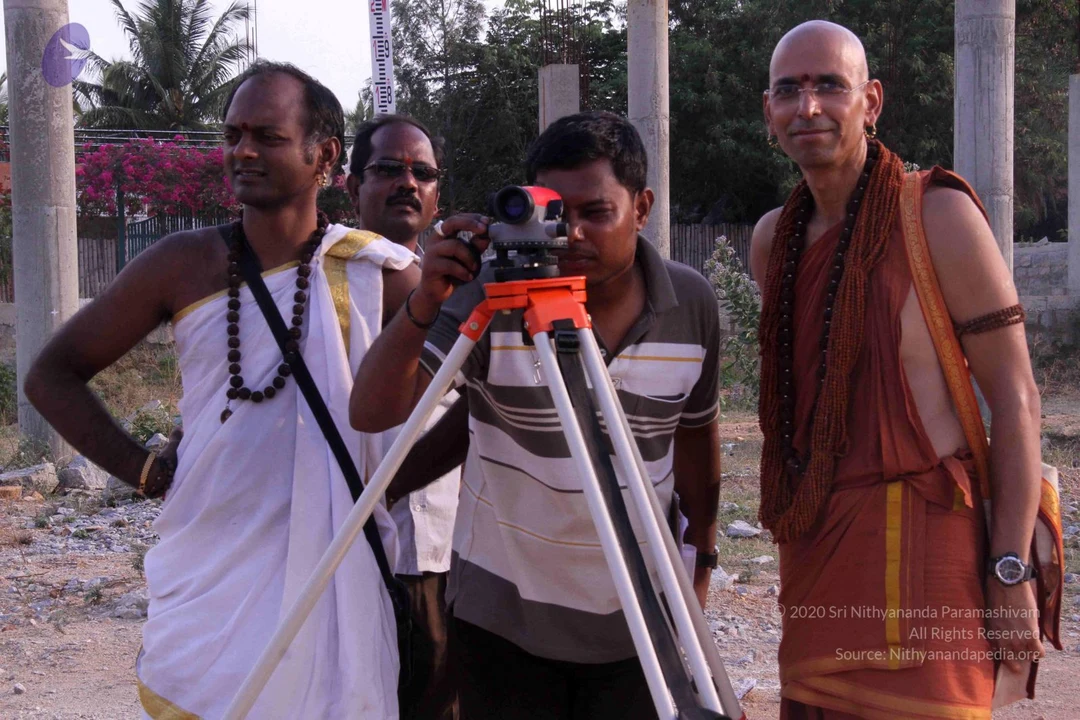
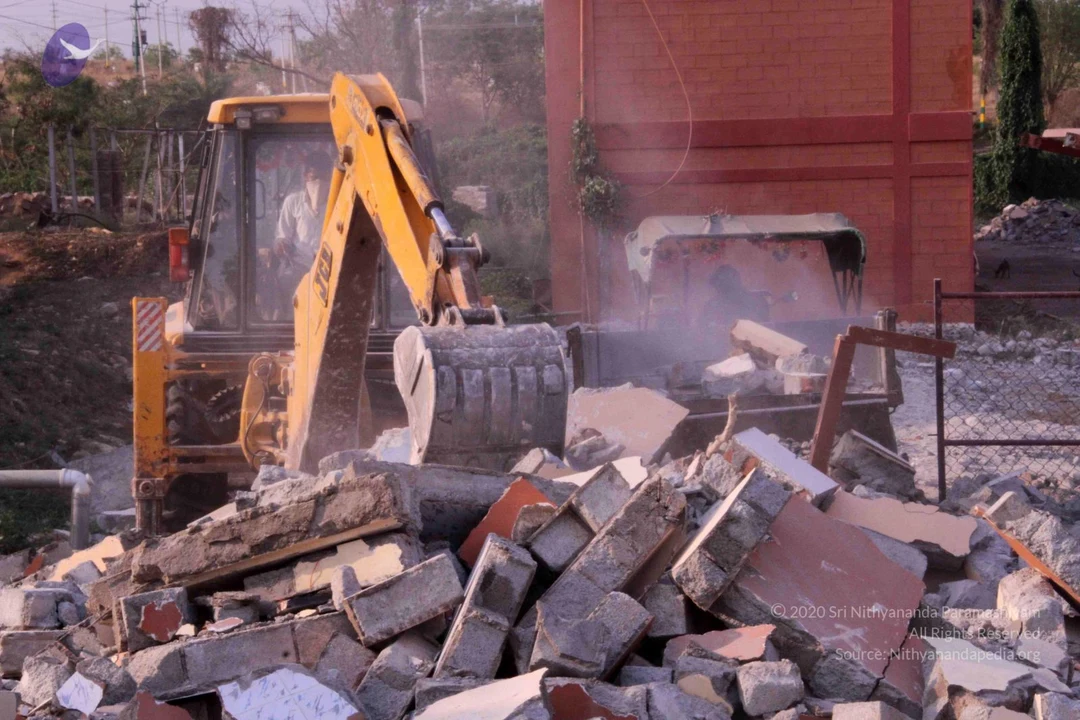


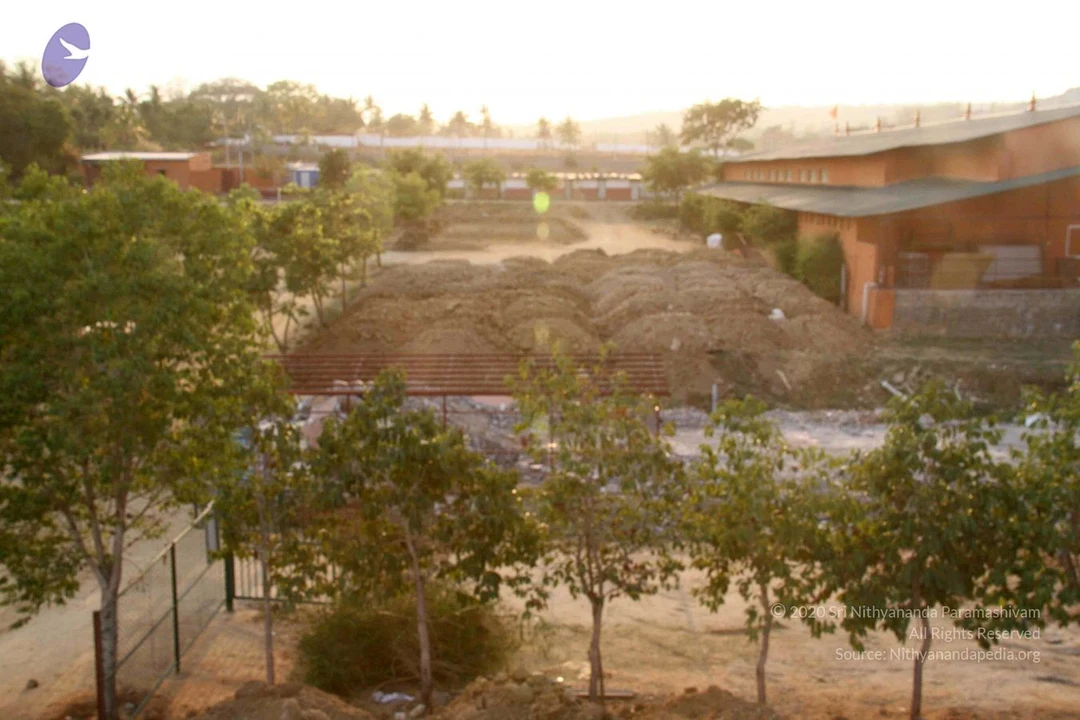
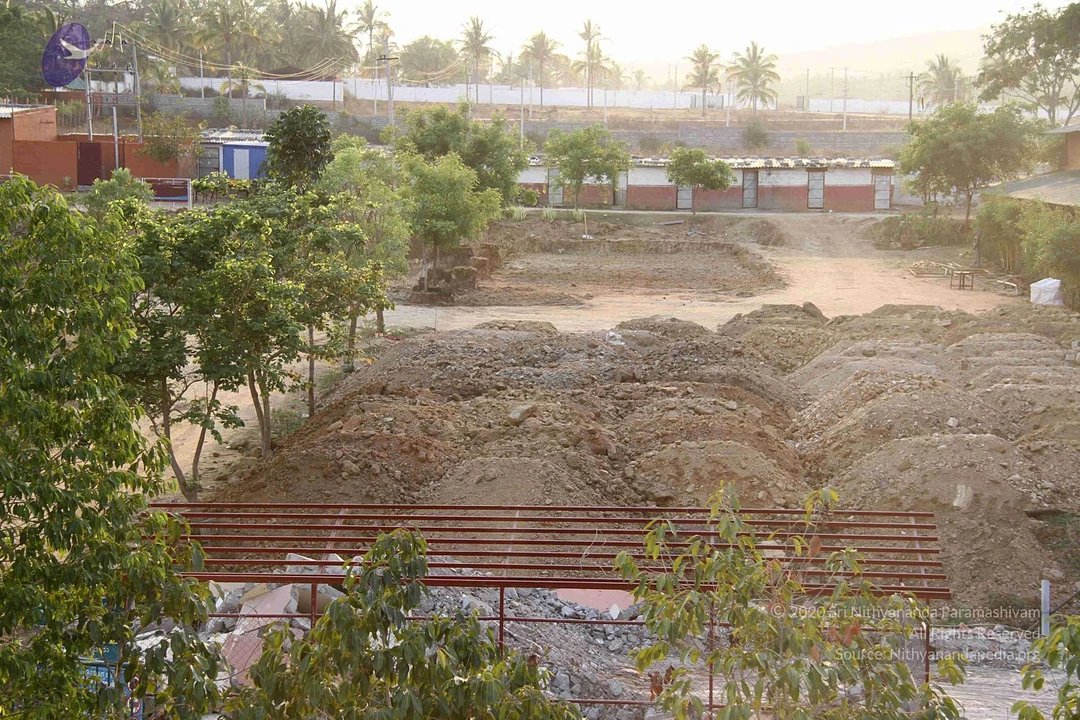
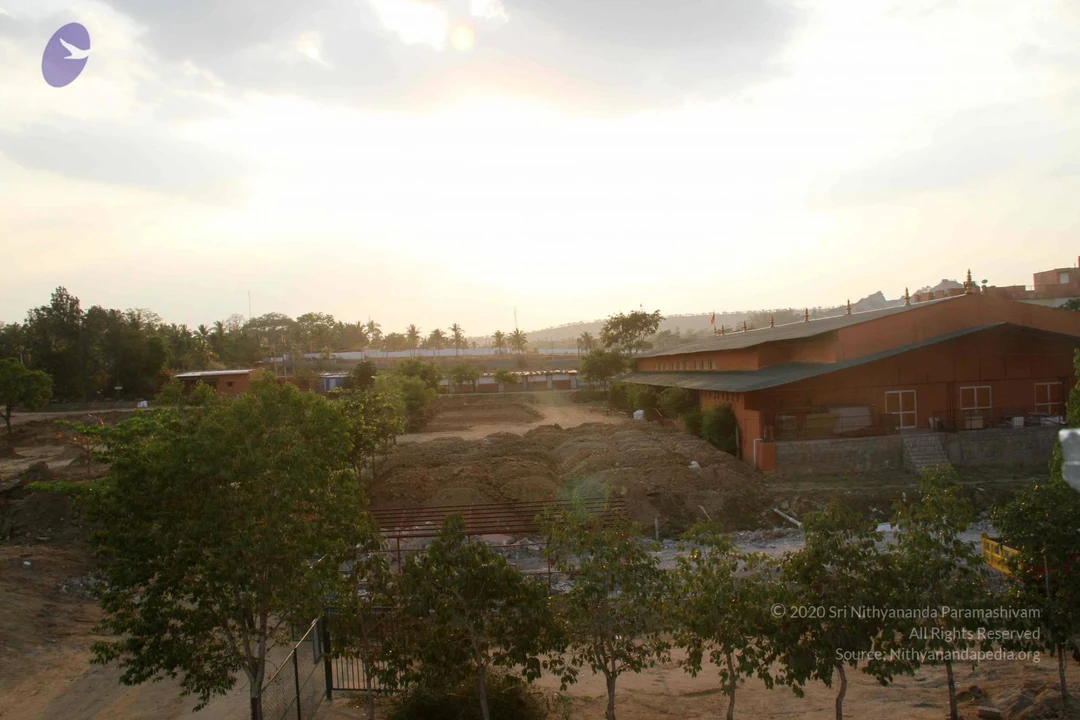
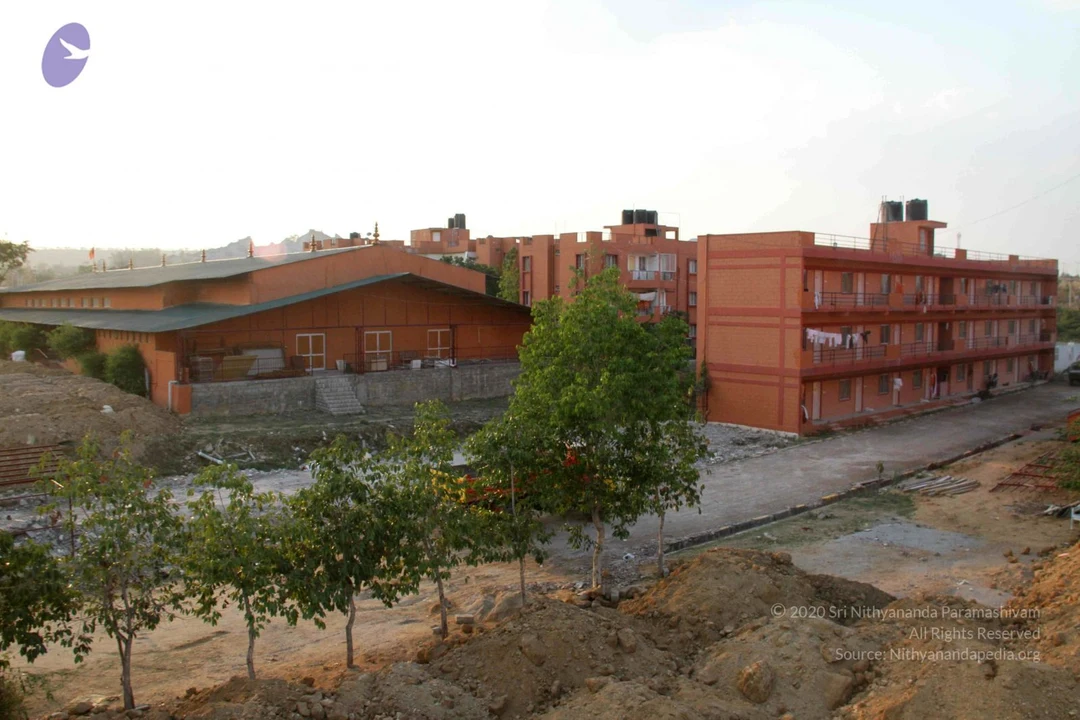
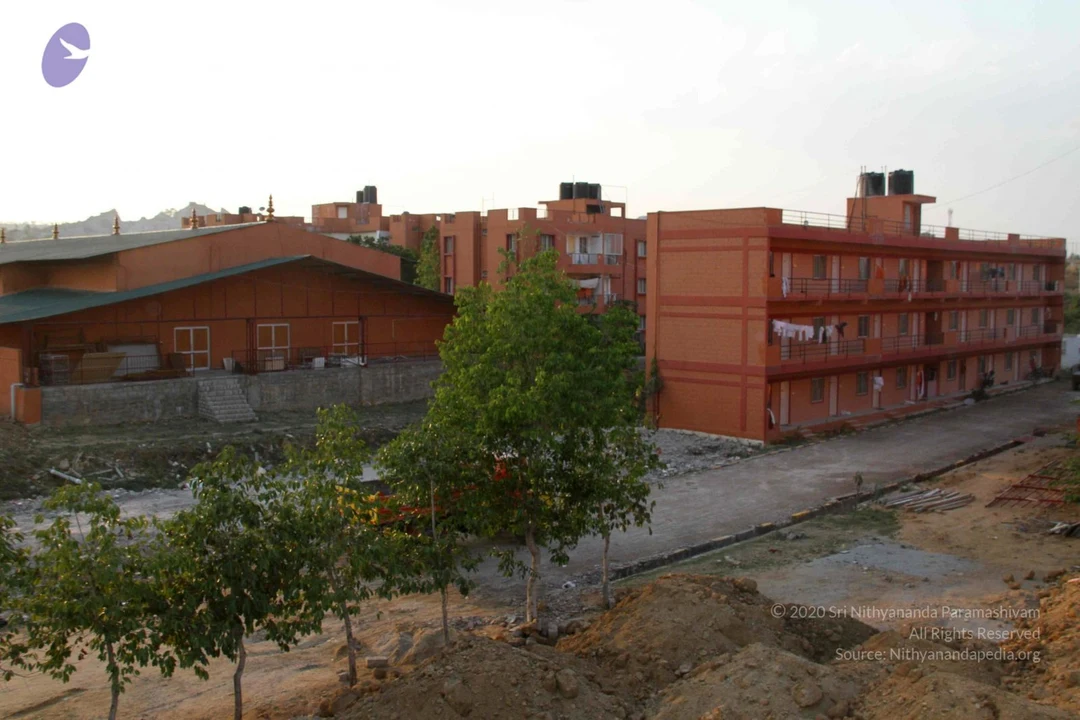
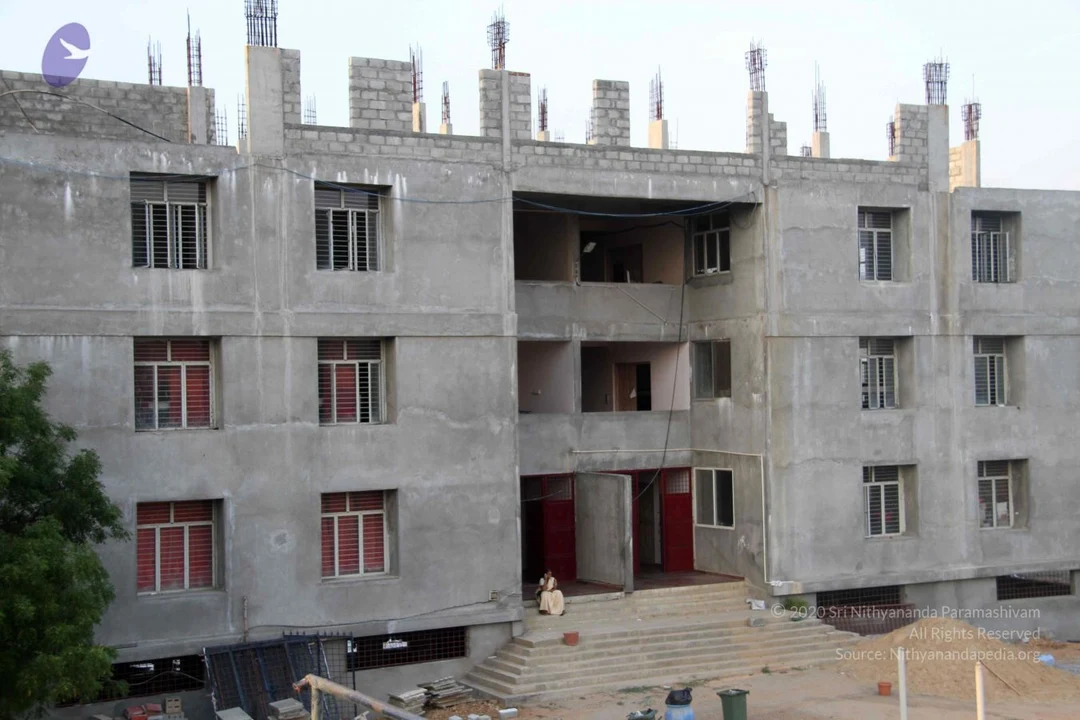
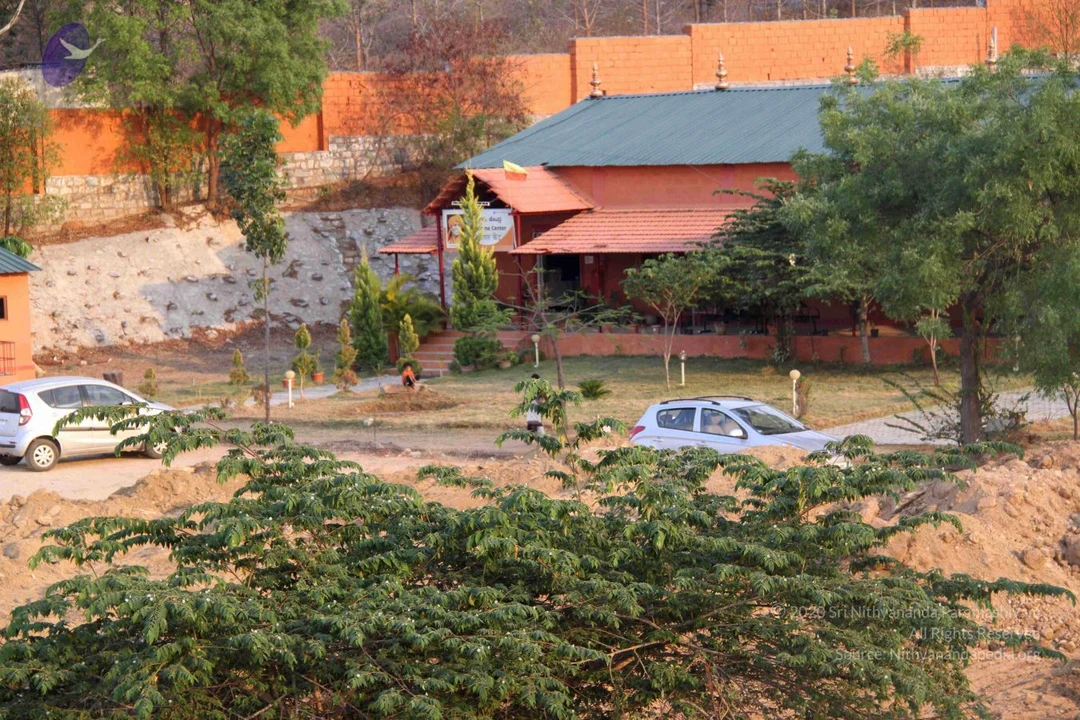
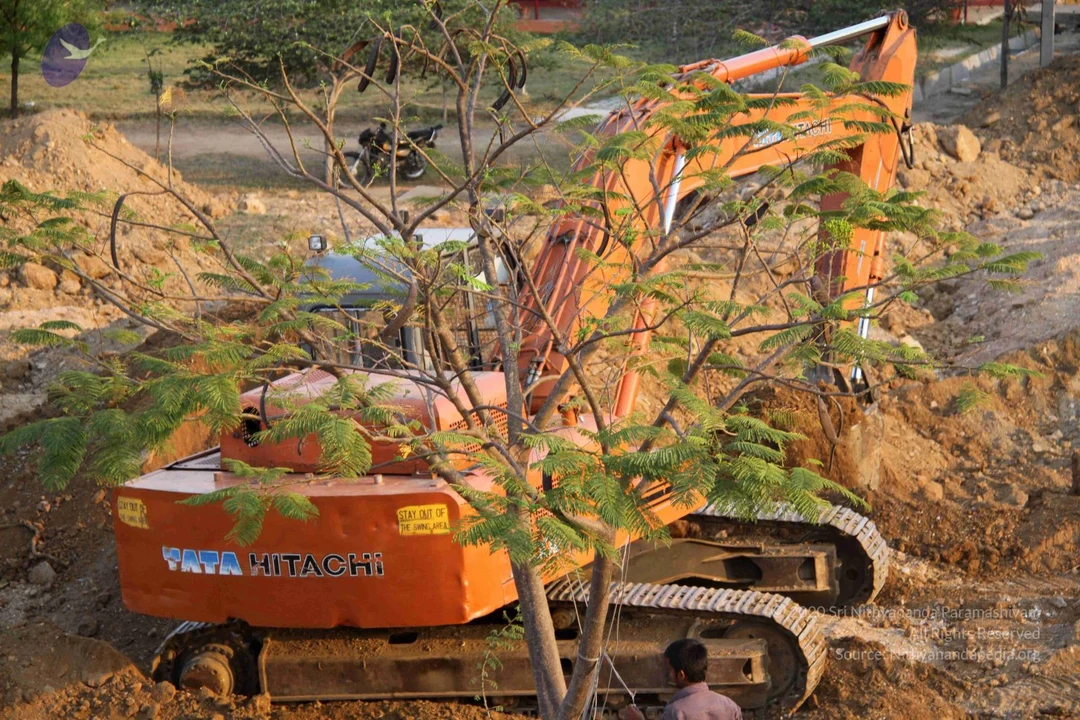
Photos Of The Day:
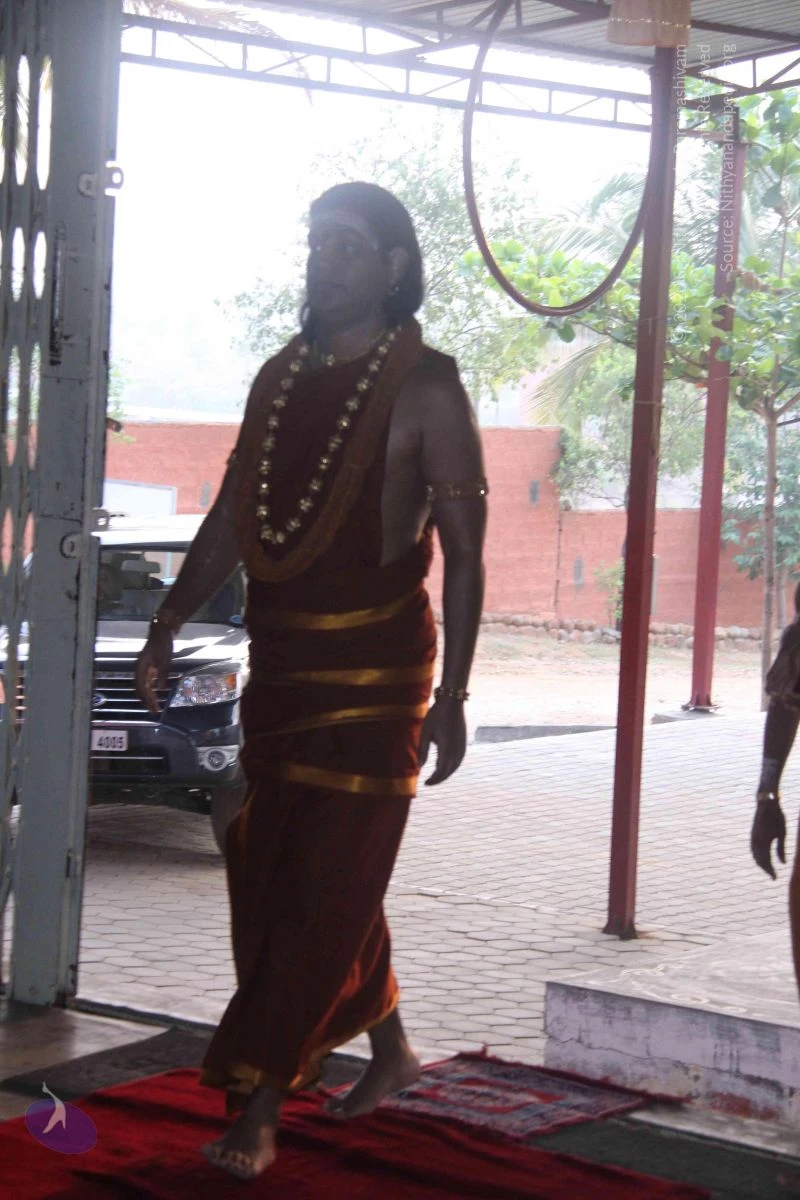
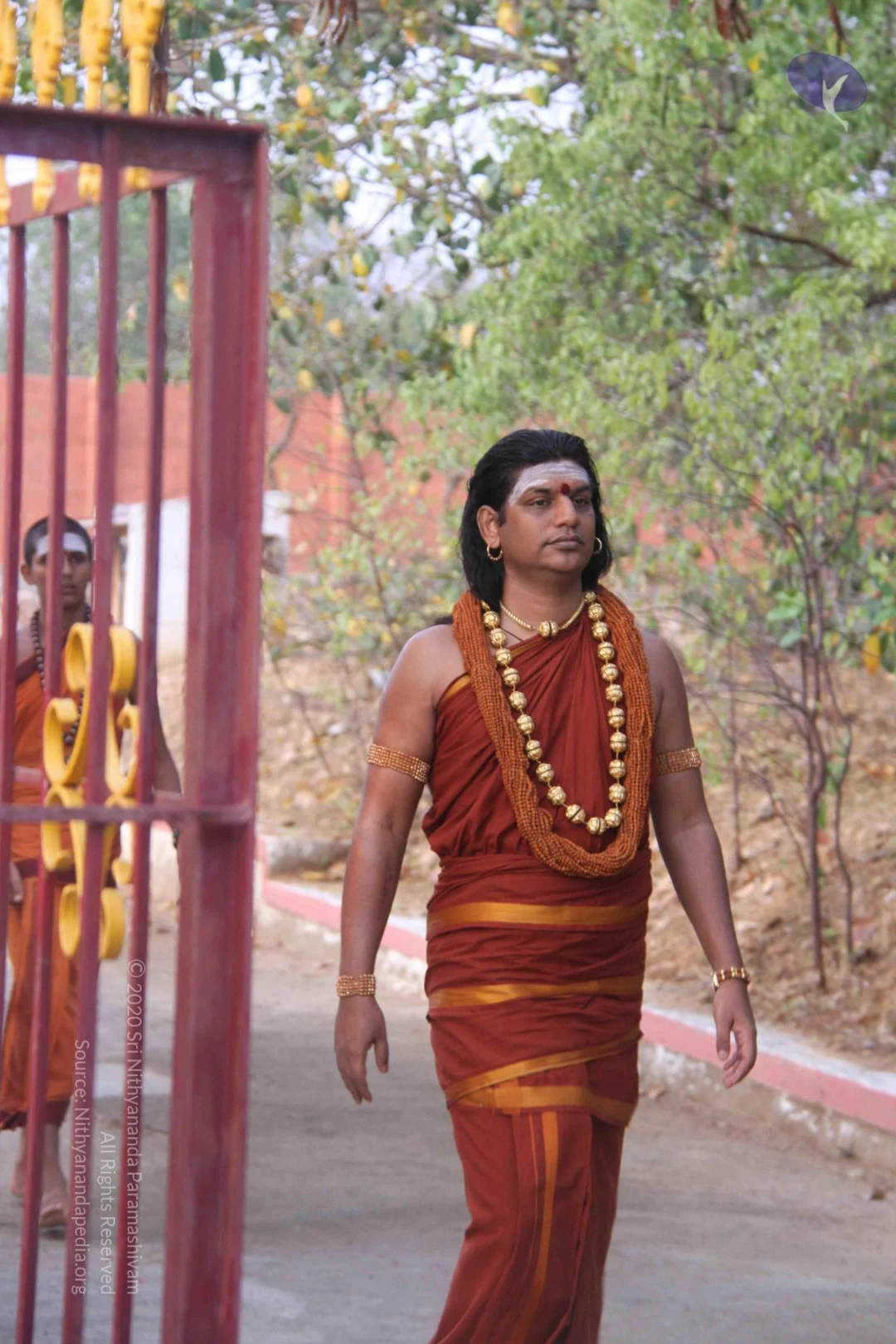
TempleTour
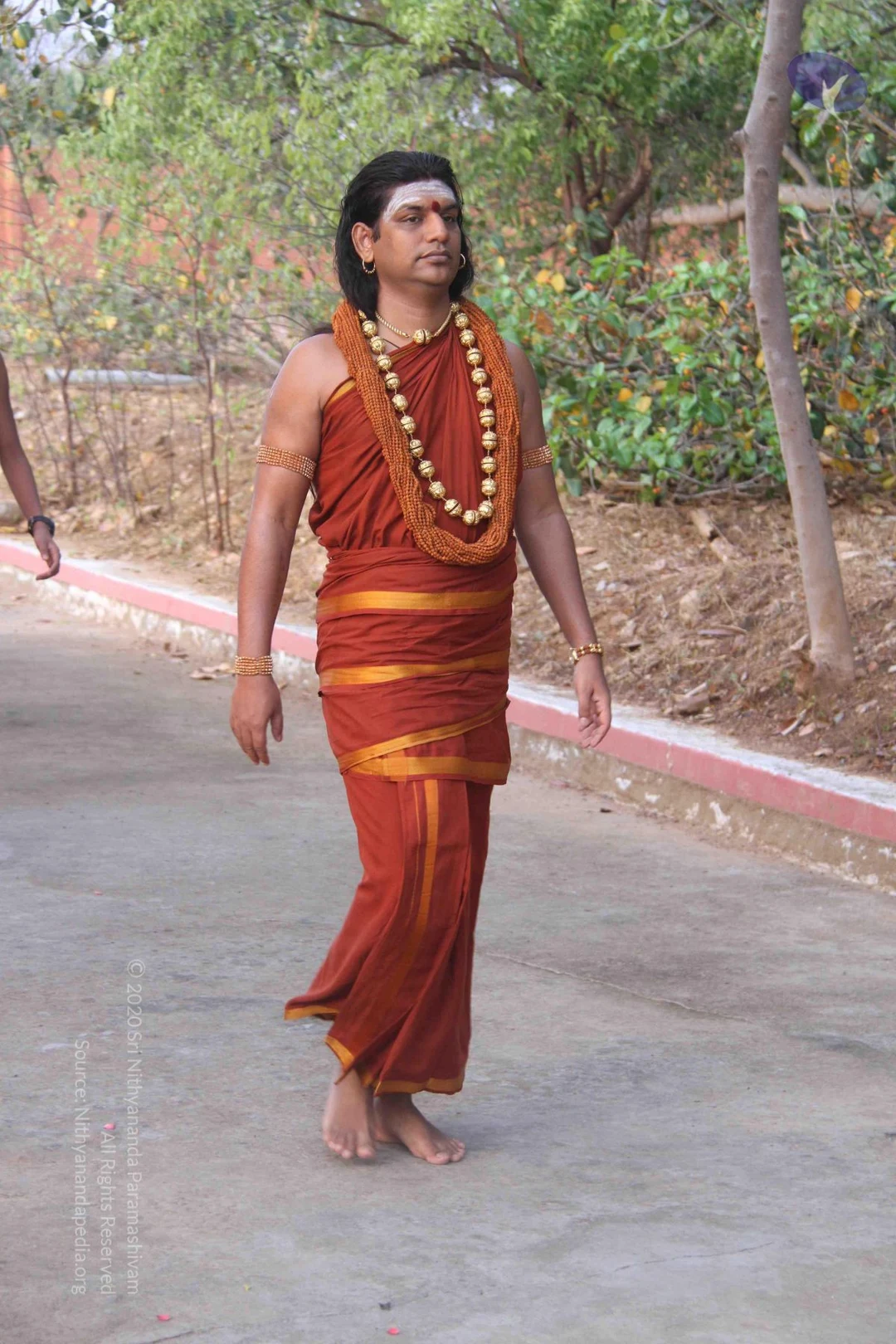
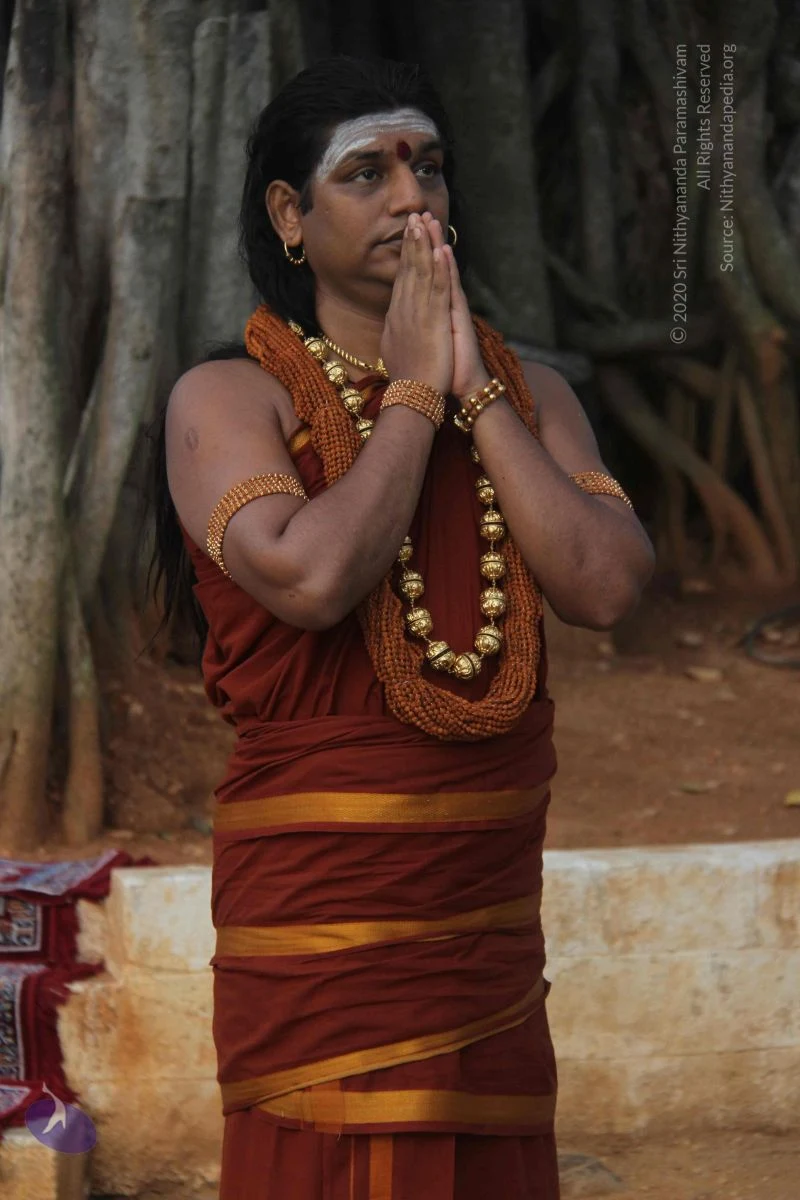
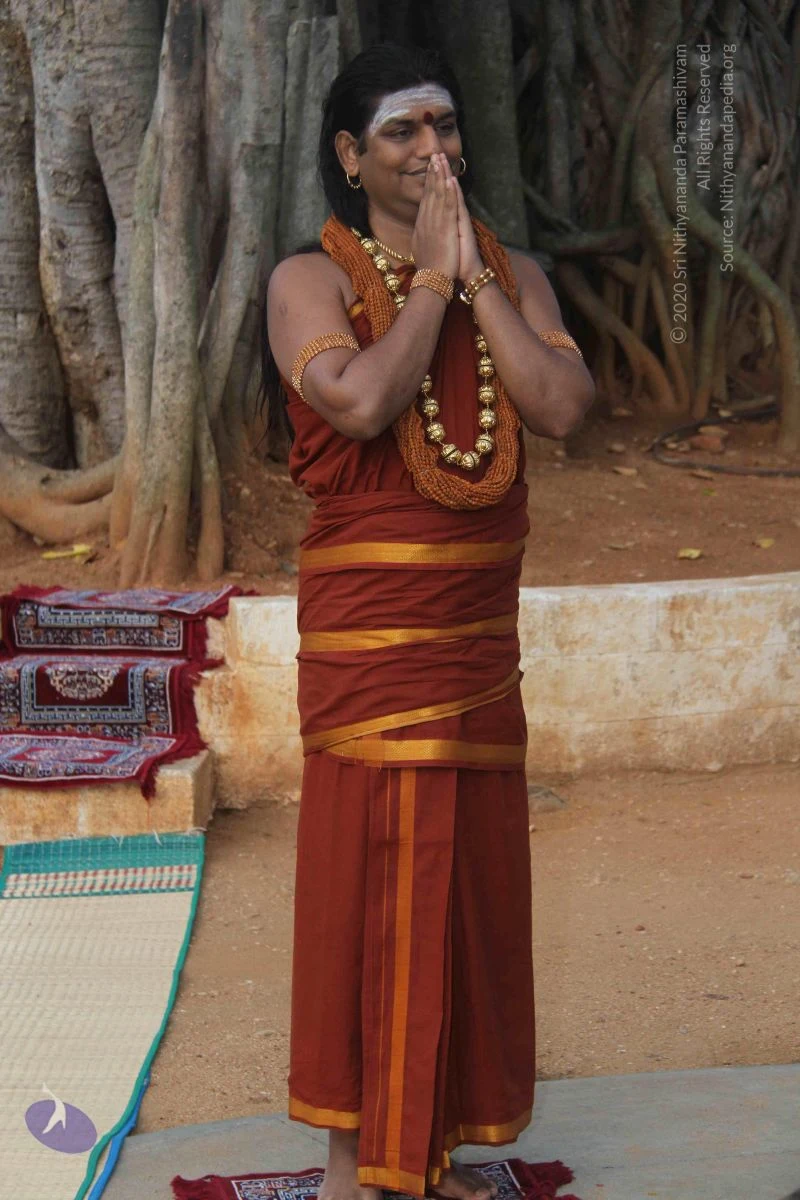
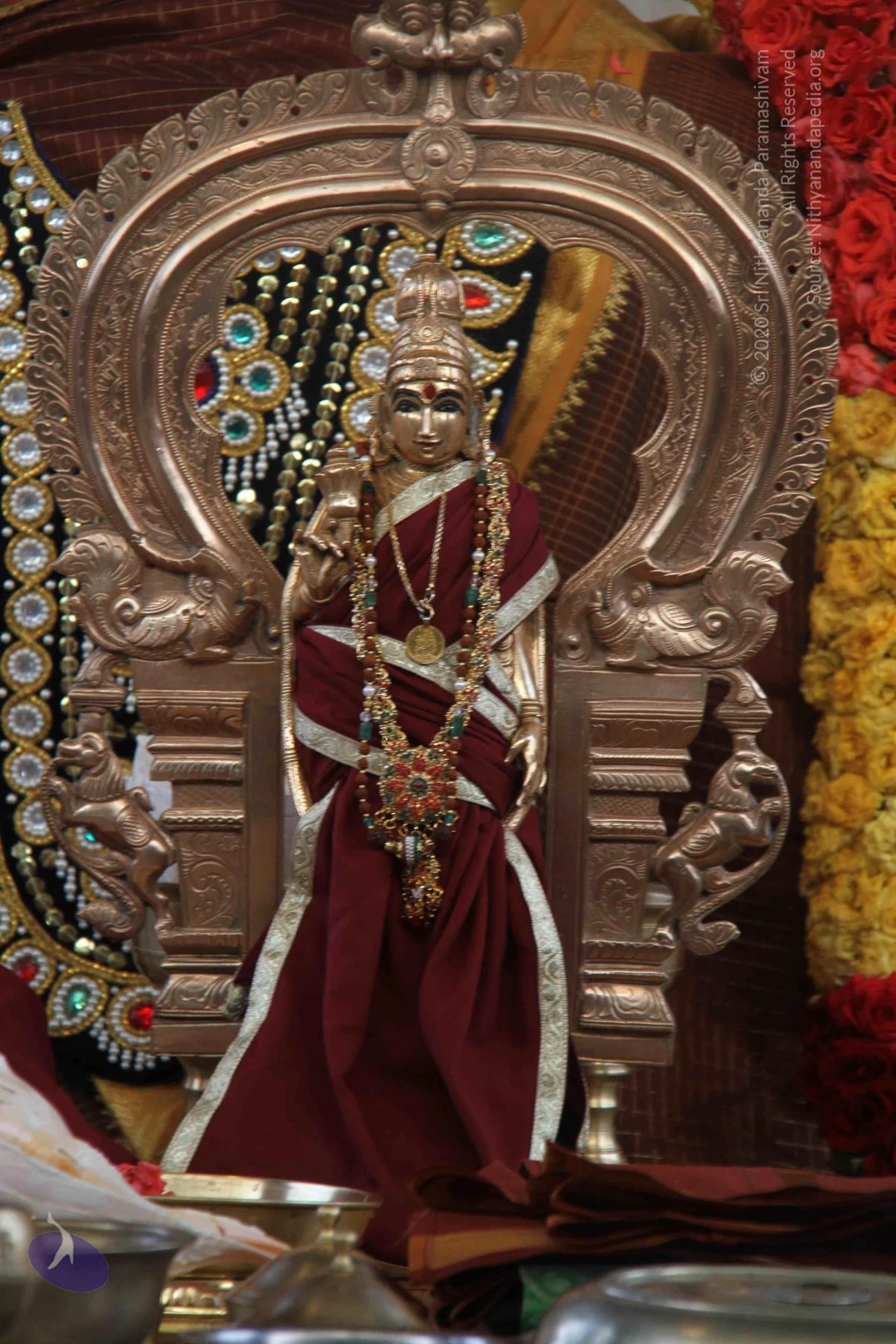
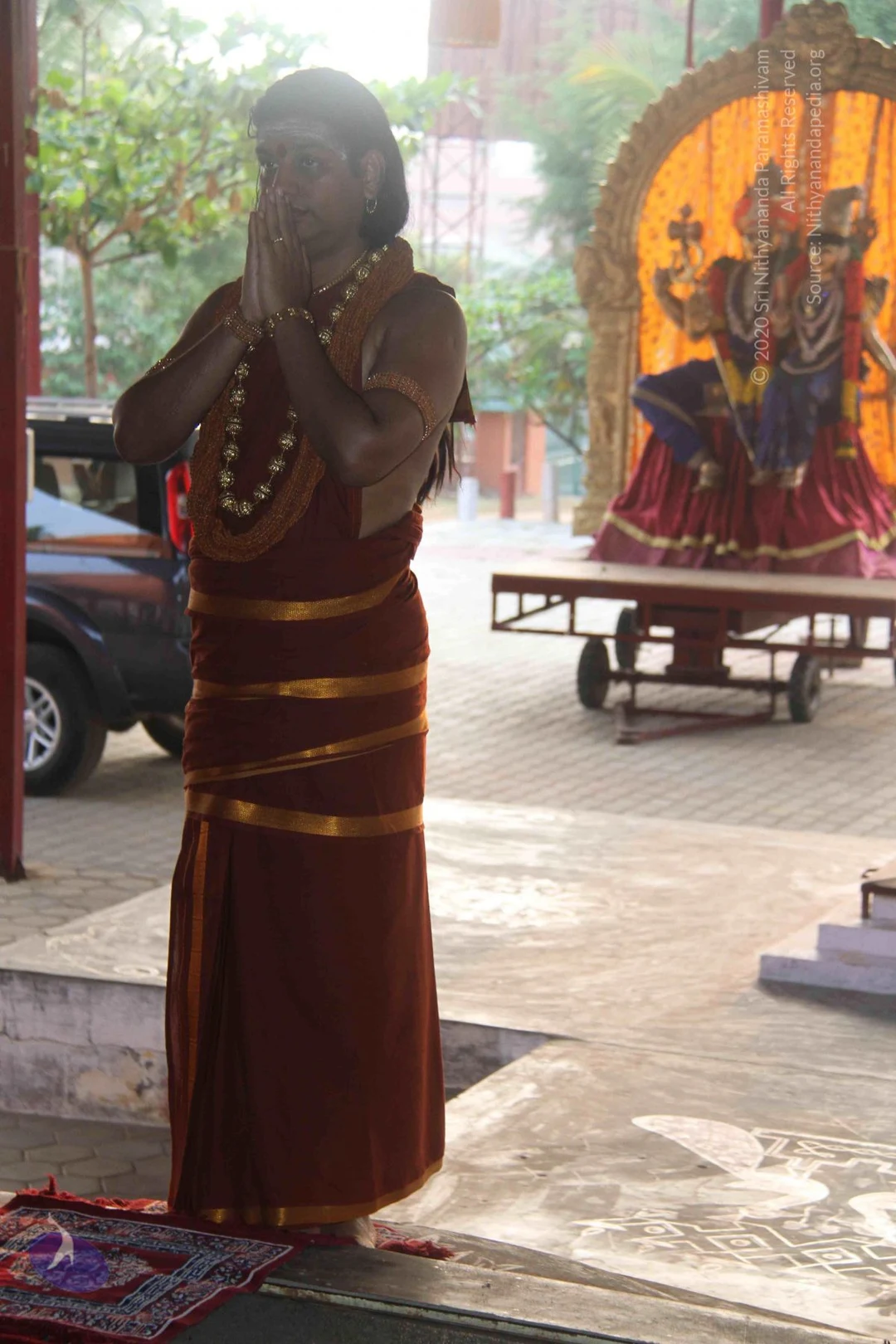
PadaPuja
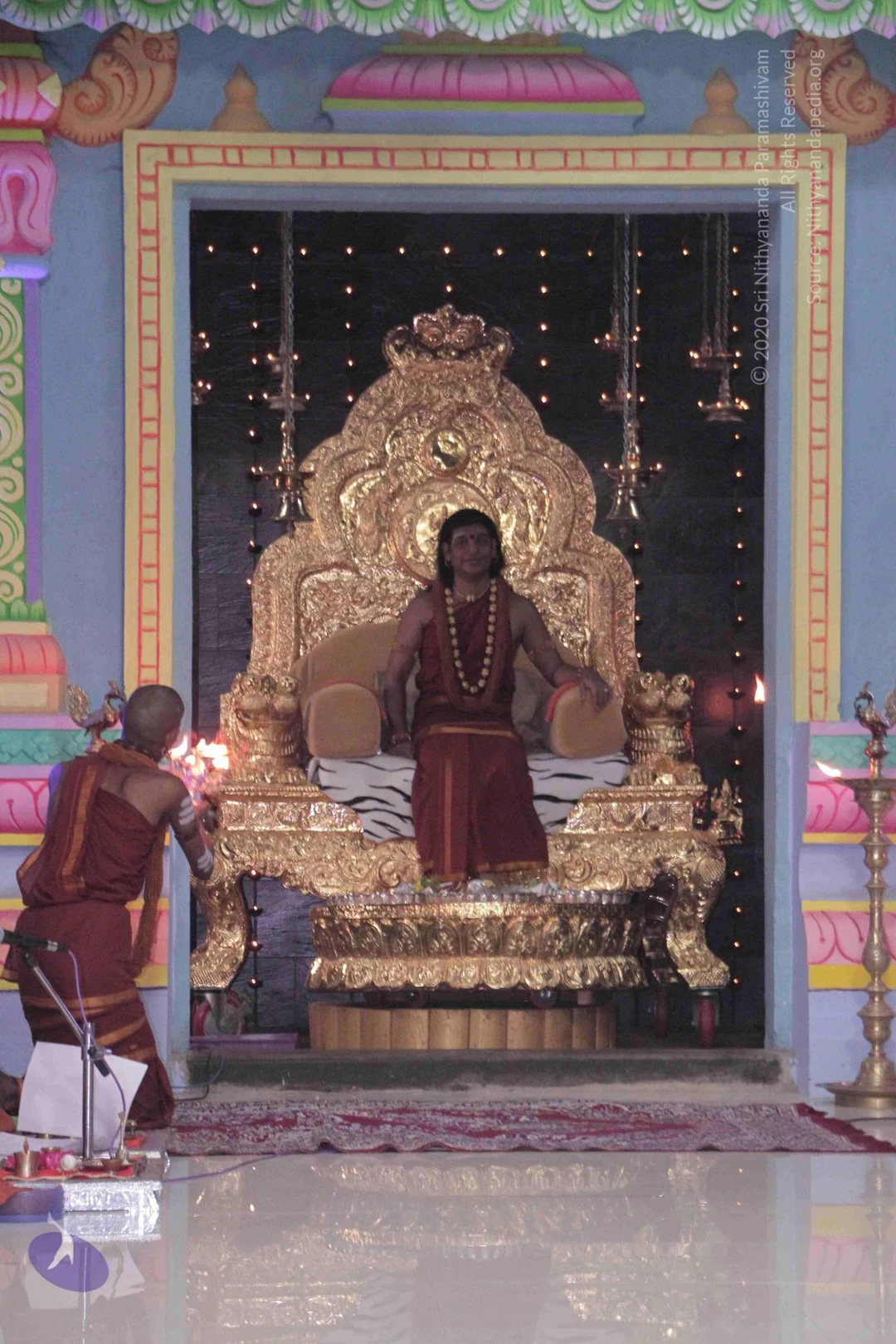
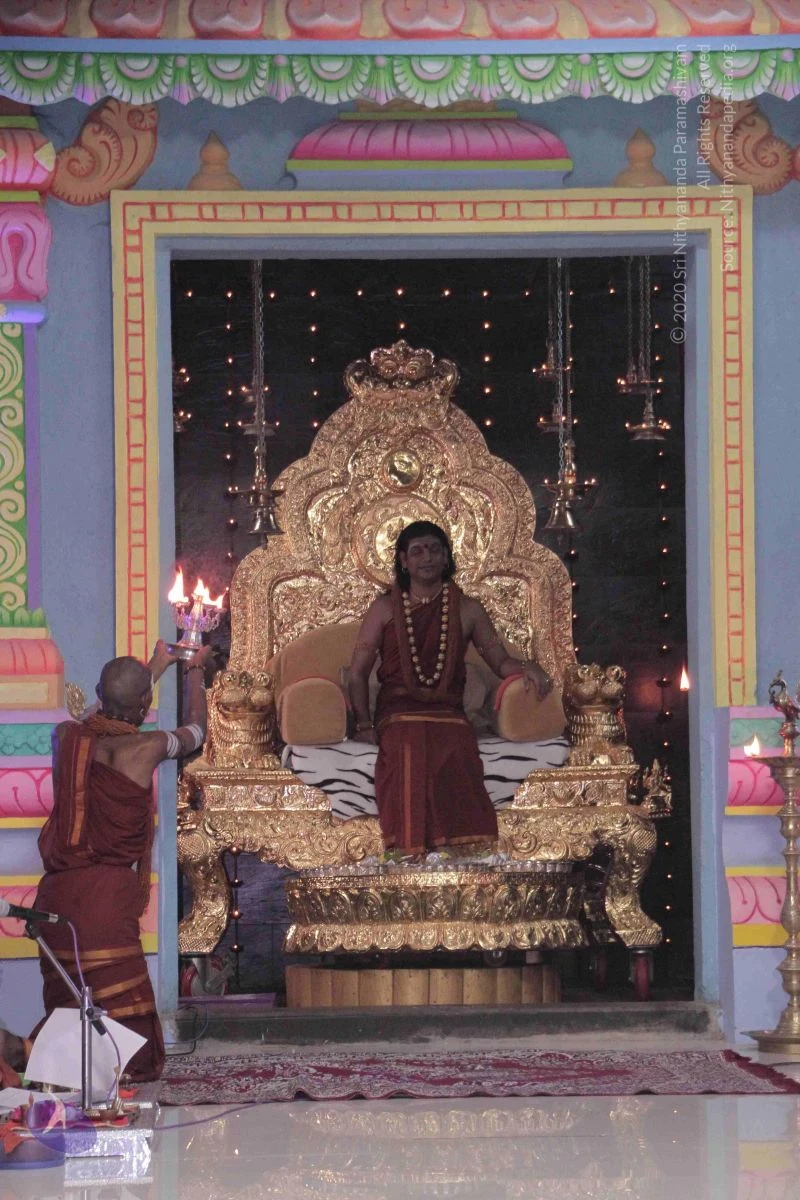
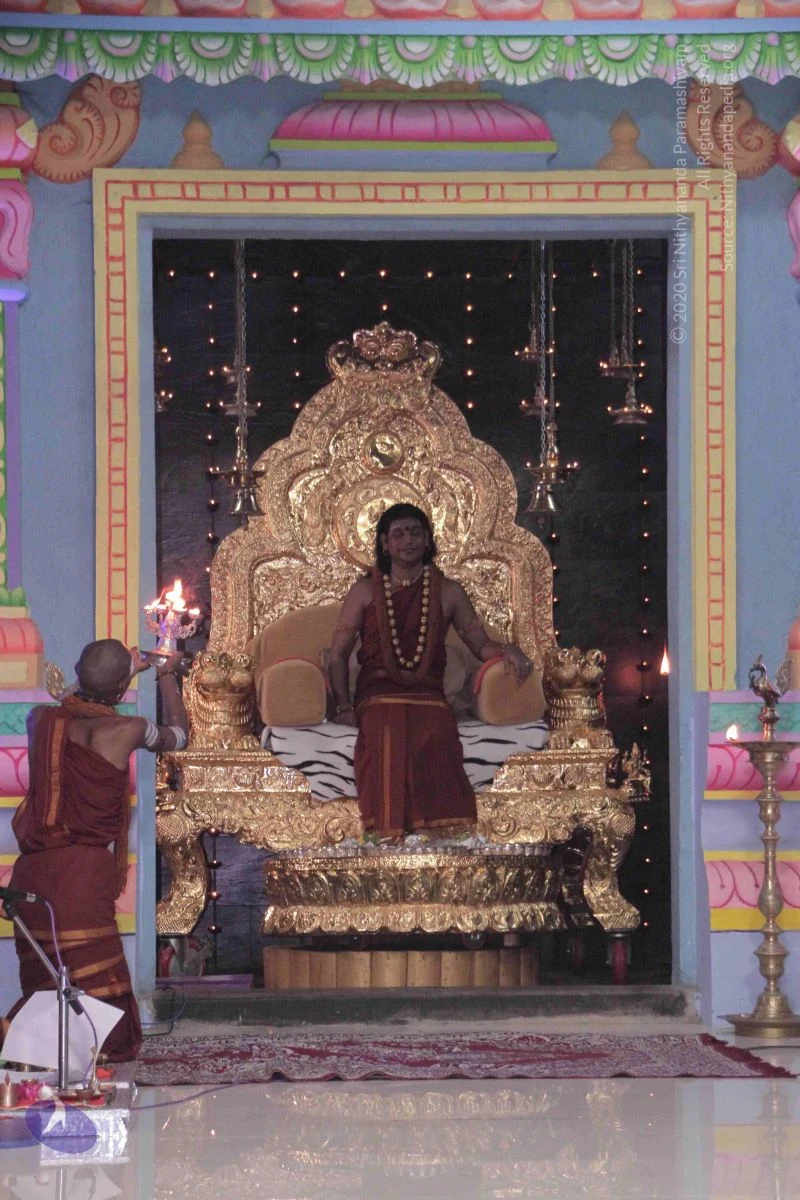
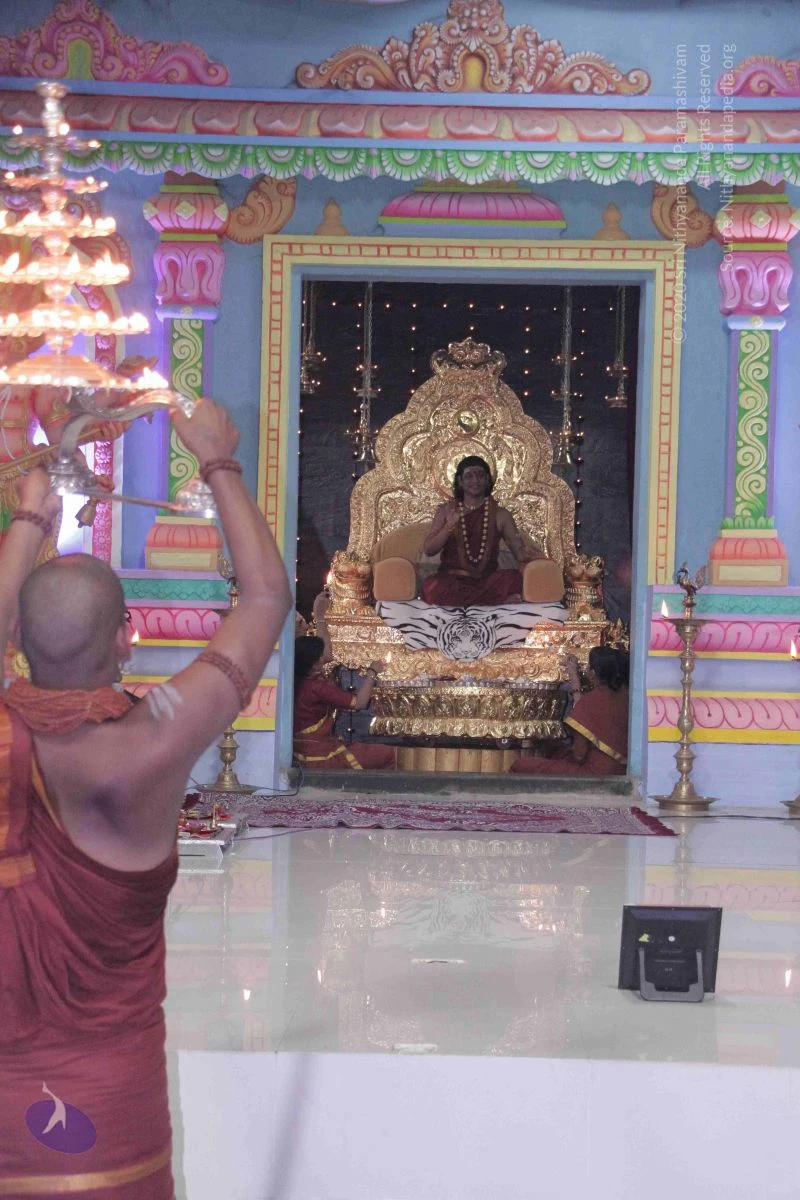
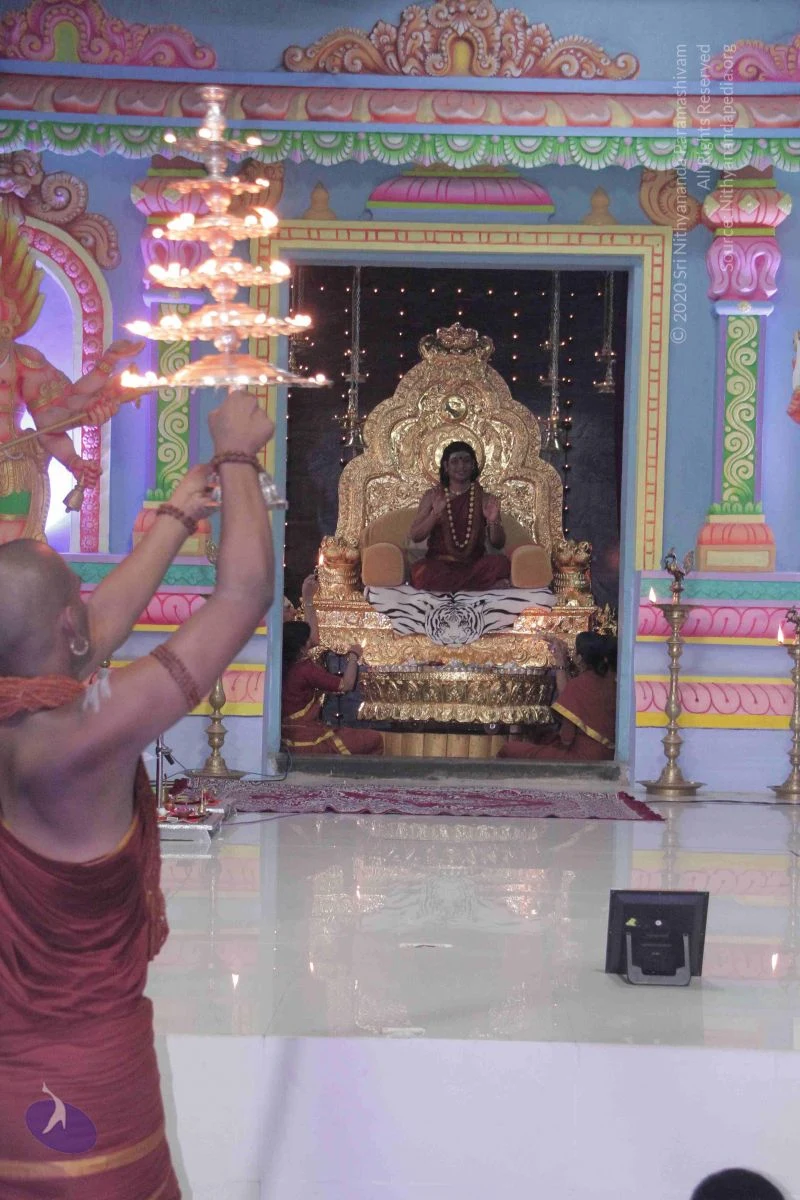
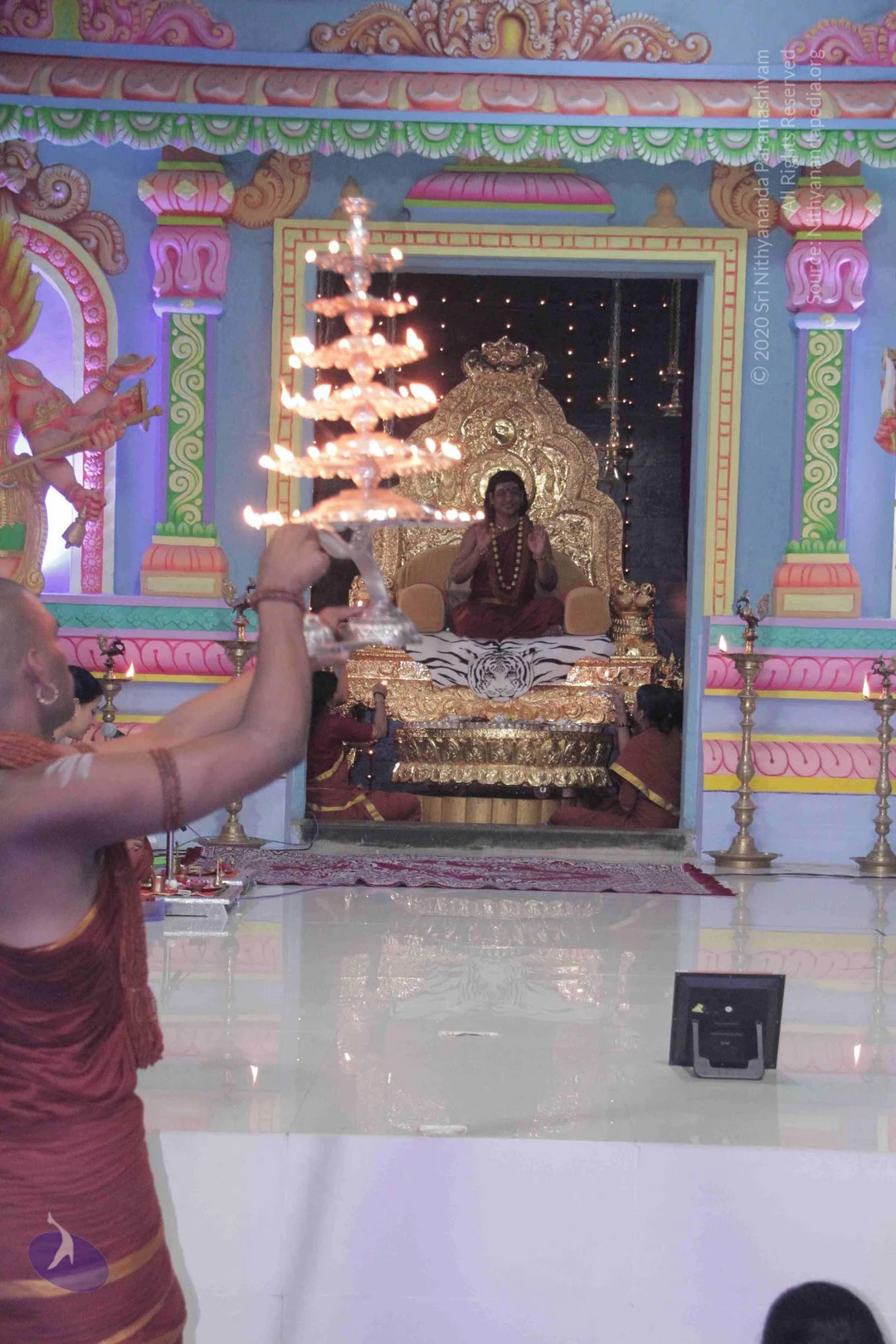
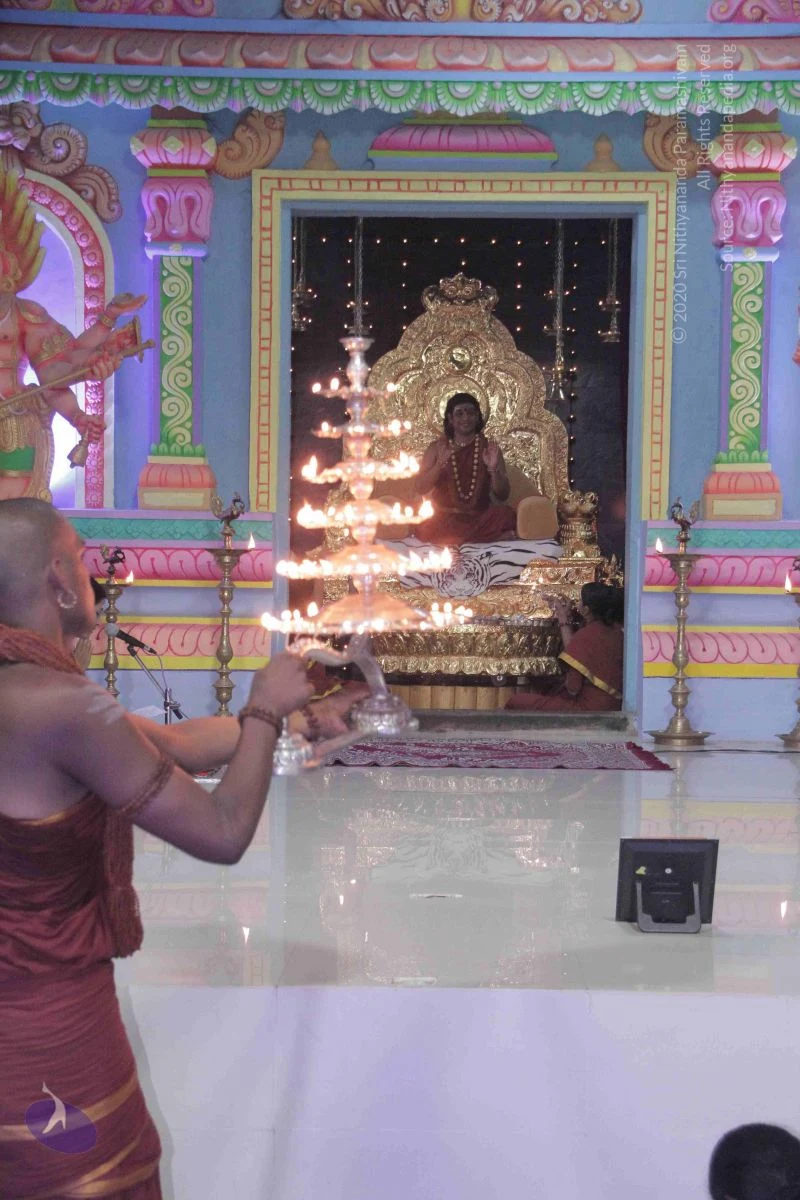
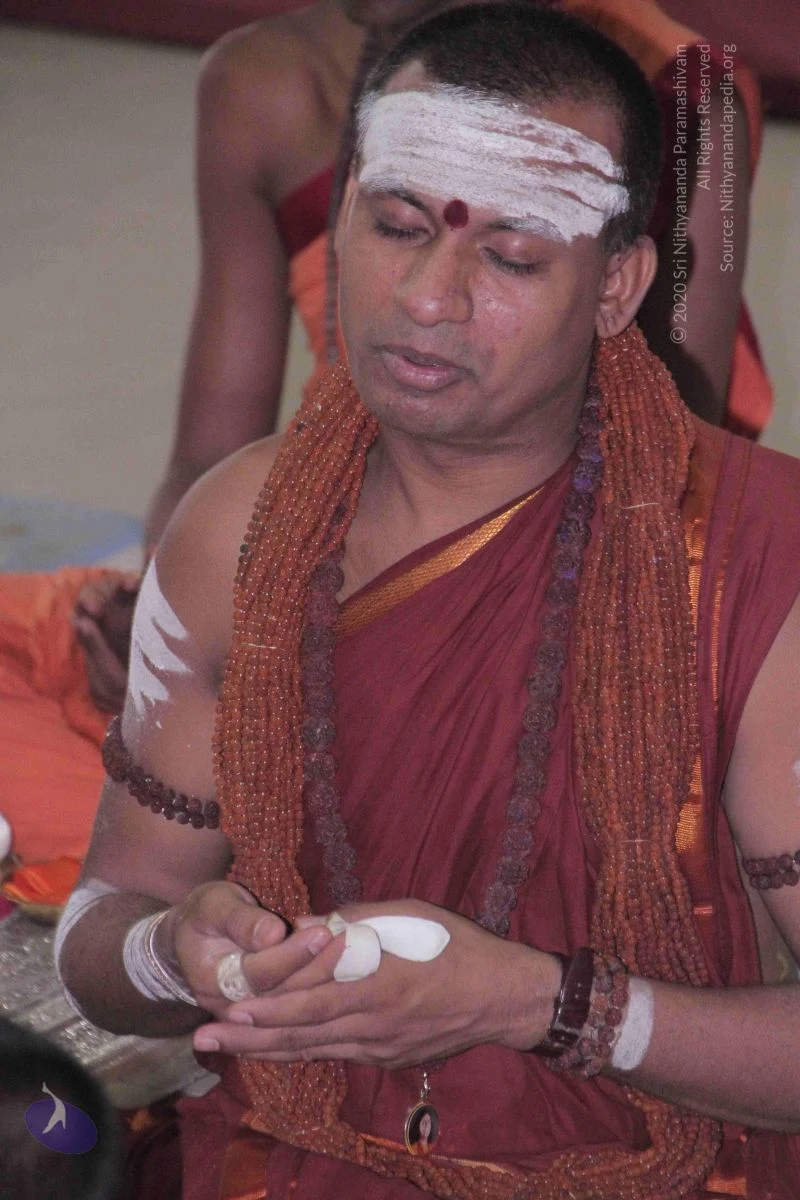
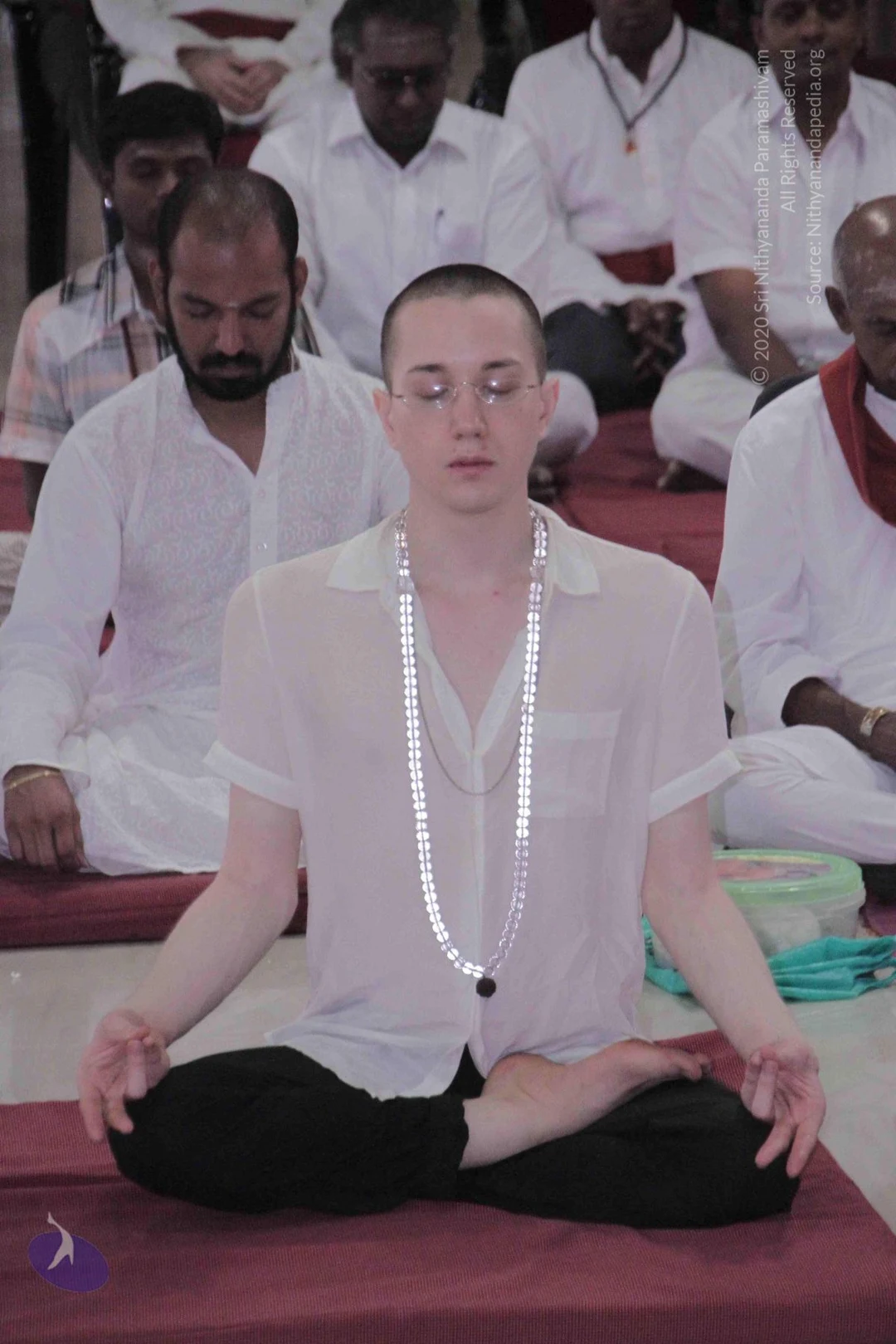
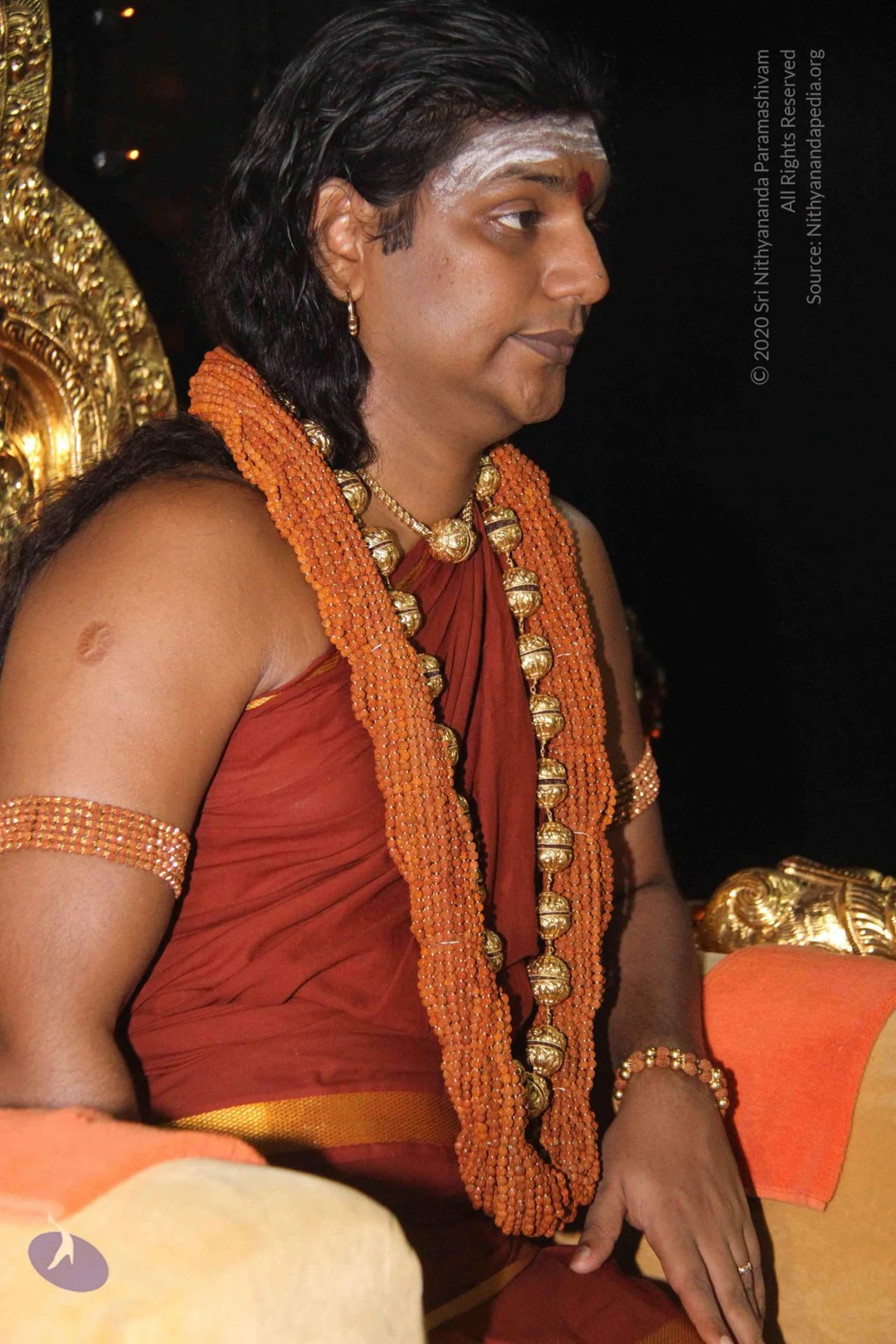
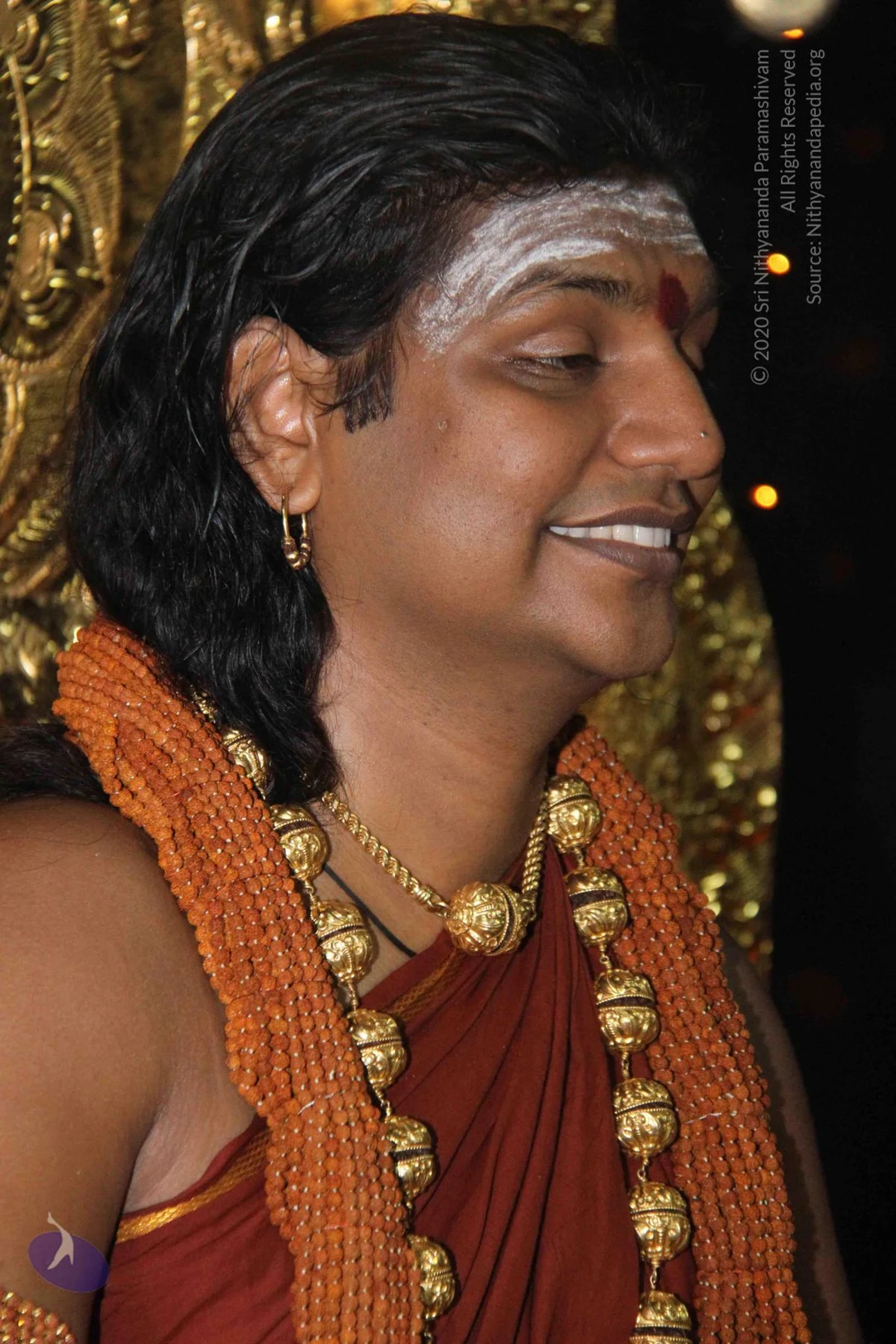

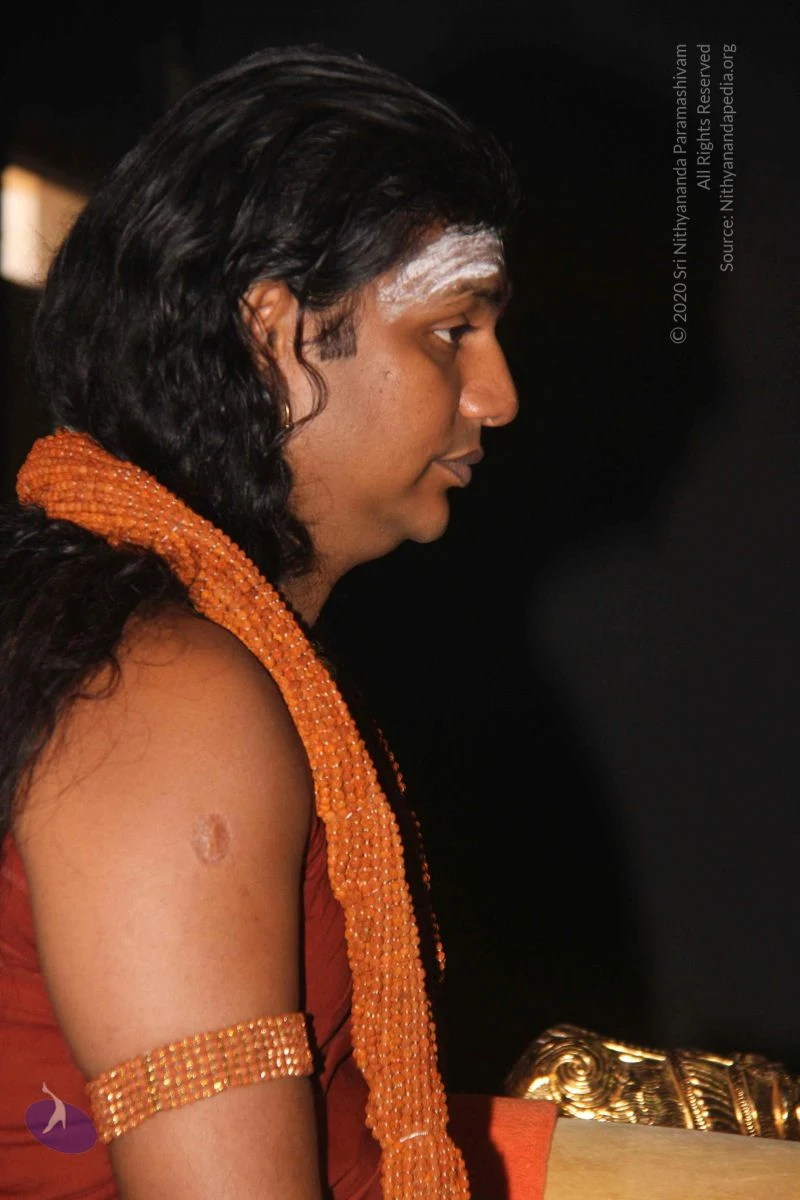
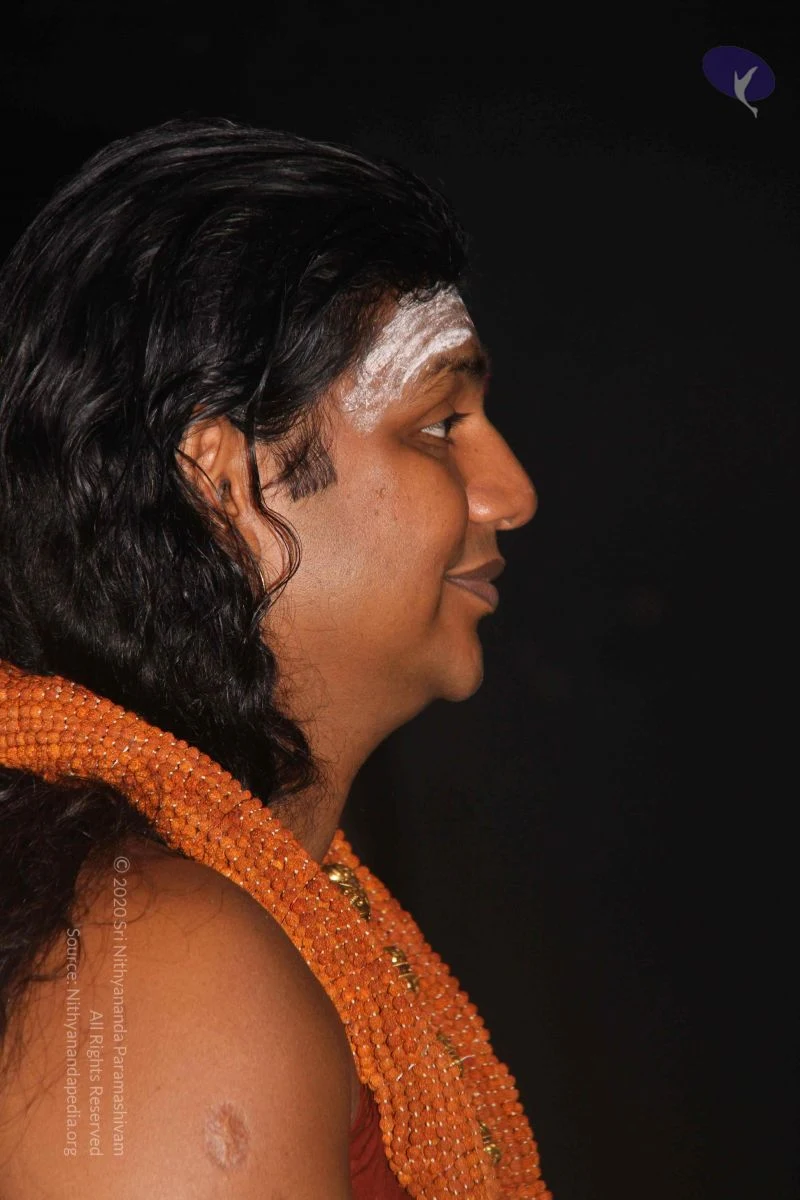
Dial-the-Avatar
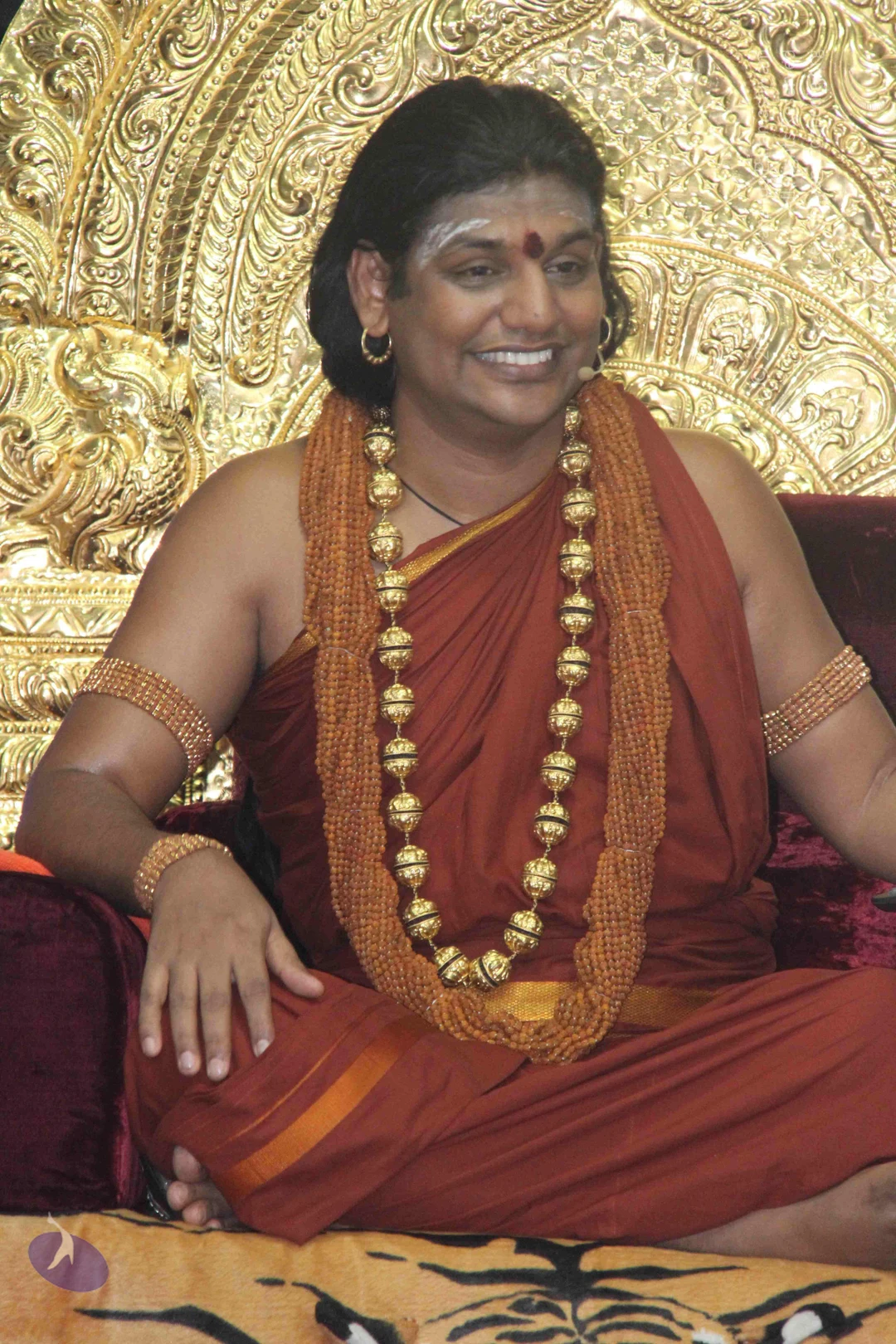
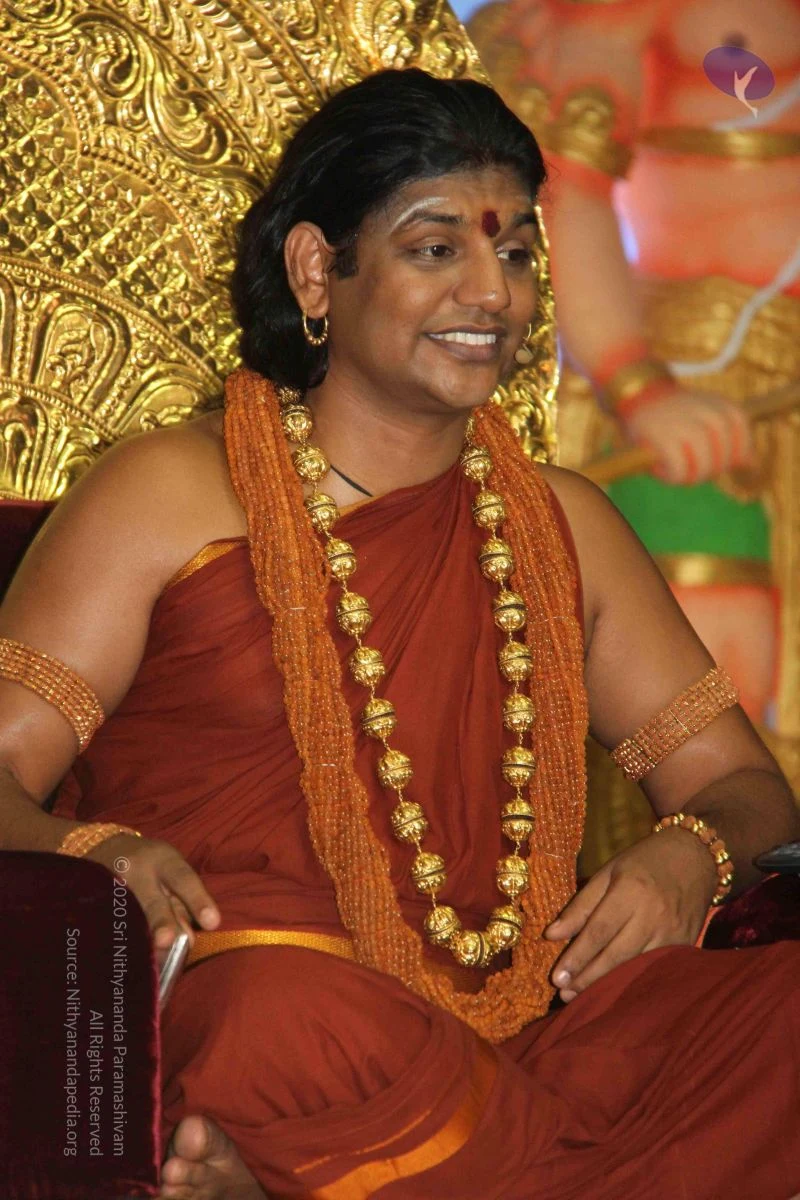
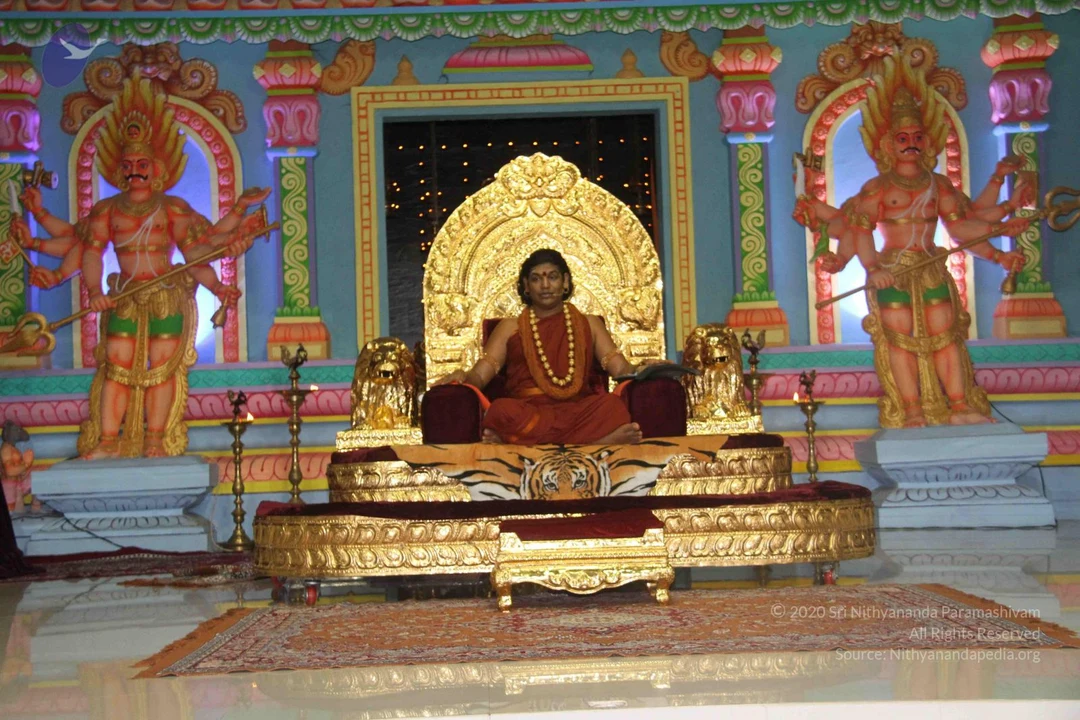
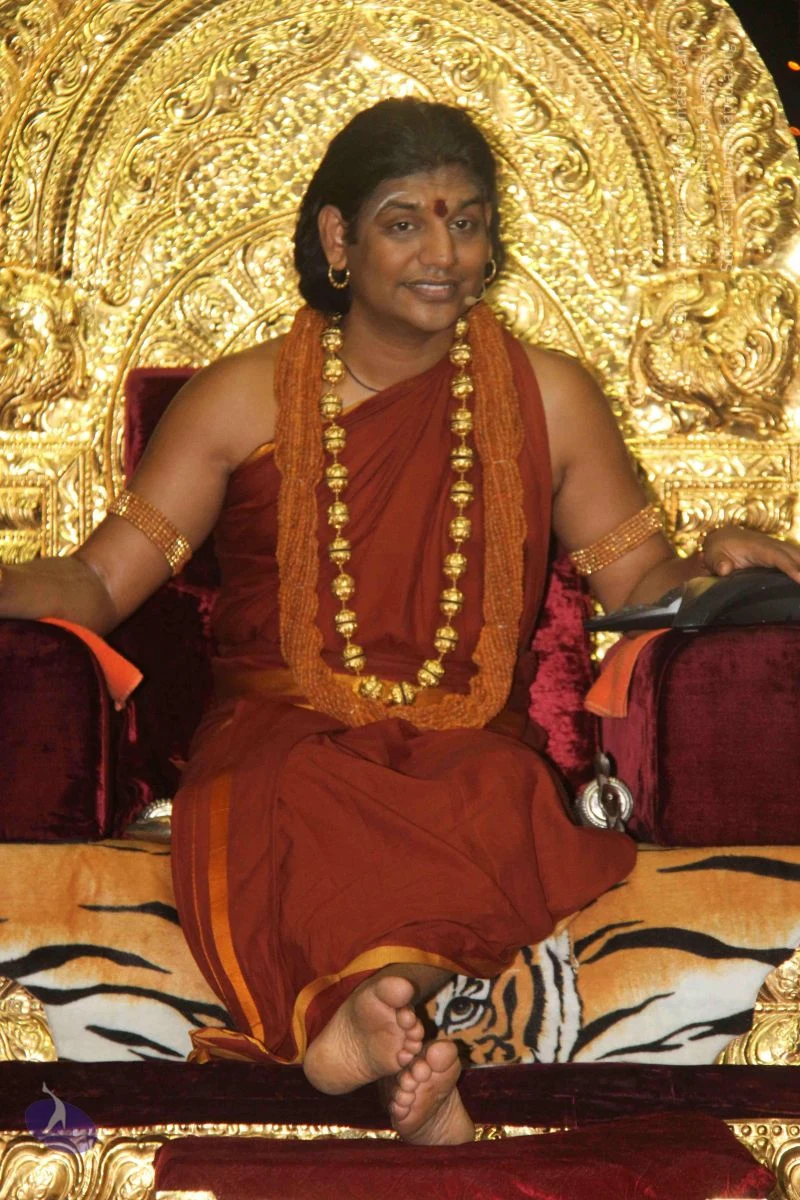
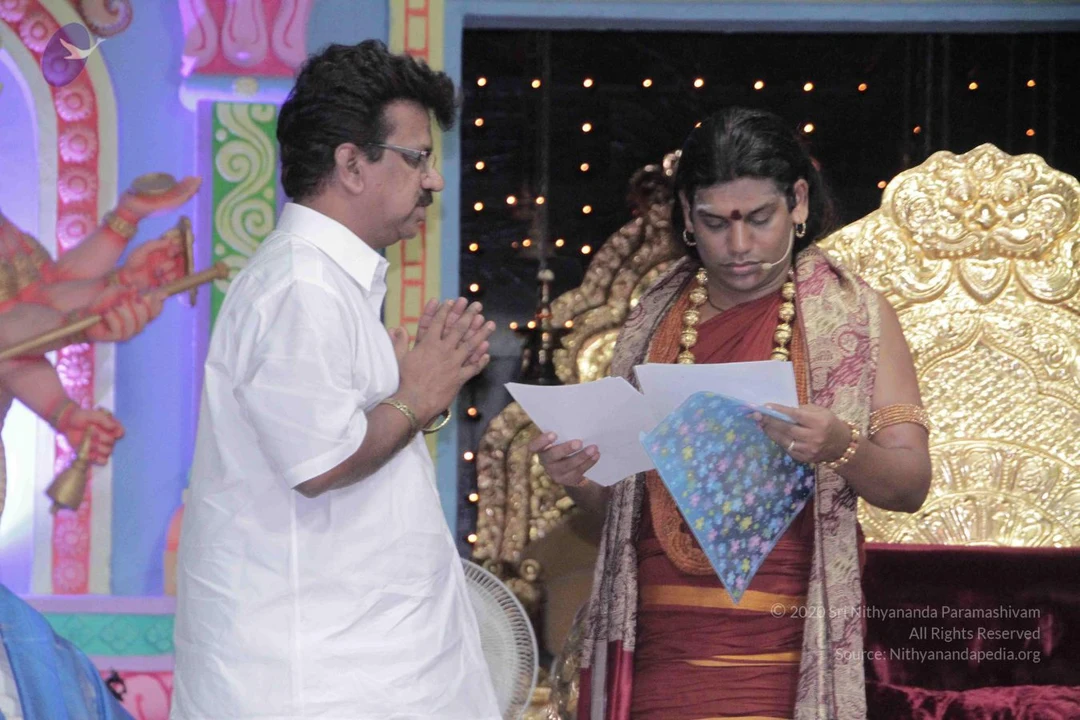
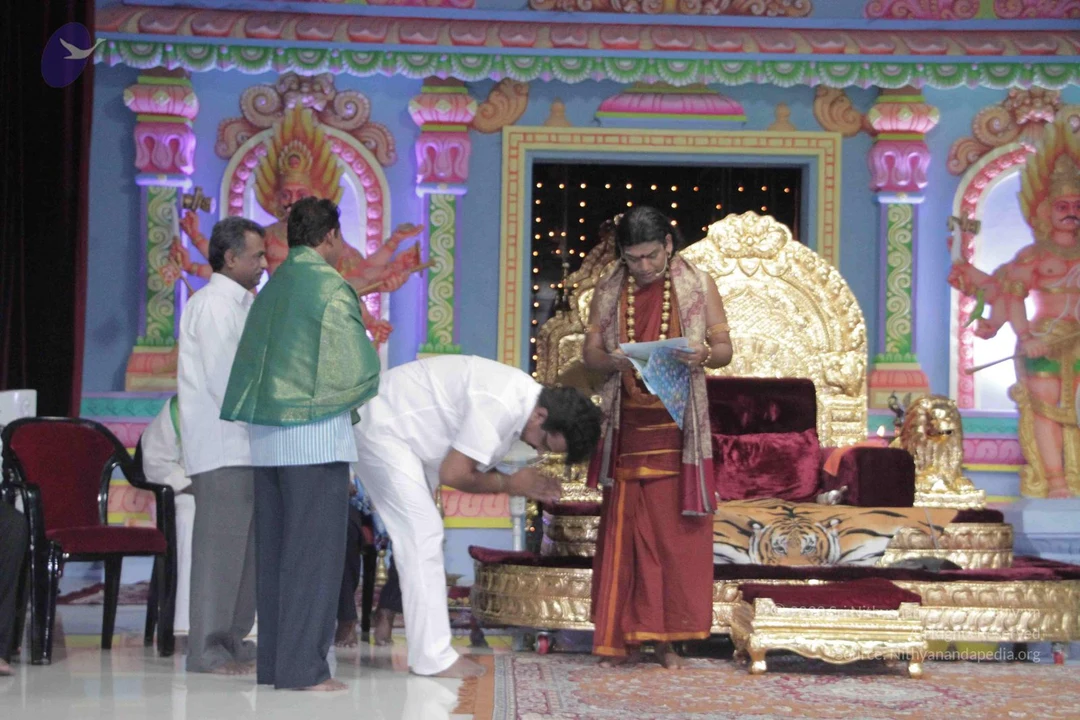
RajTV-Felicitation-NirgunaLessPadukaMandir
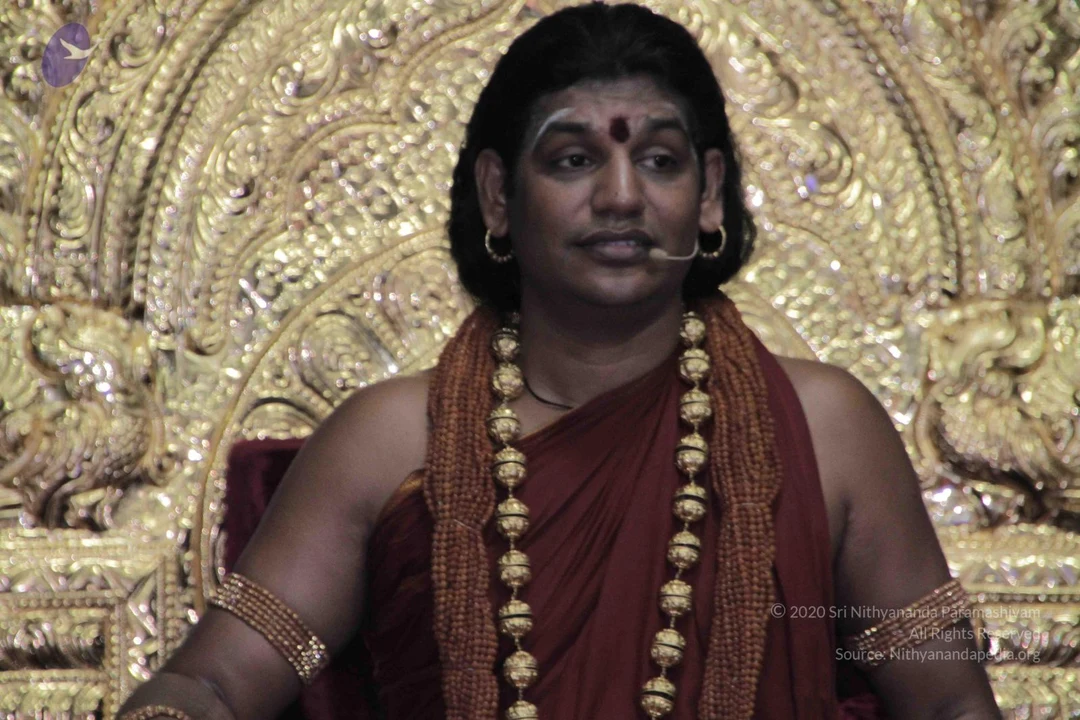
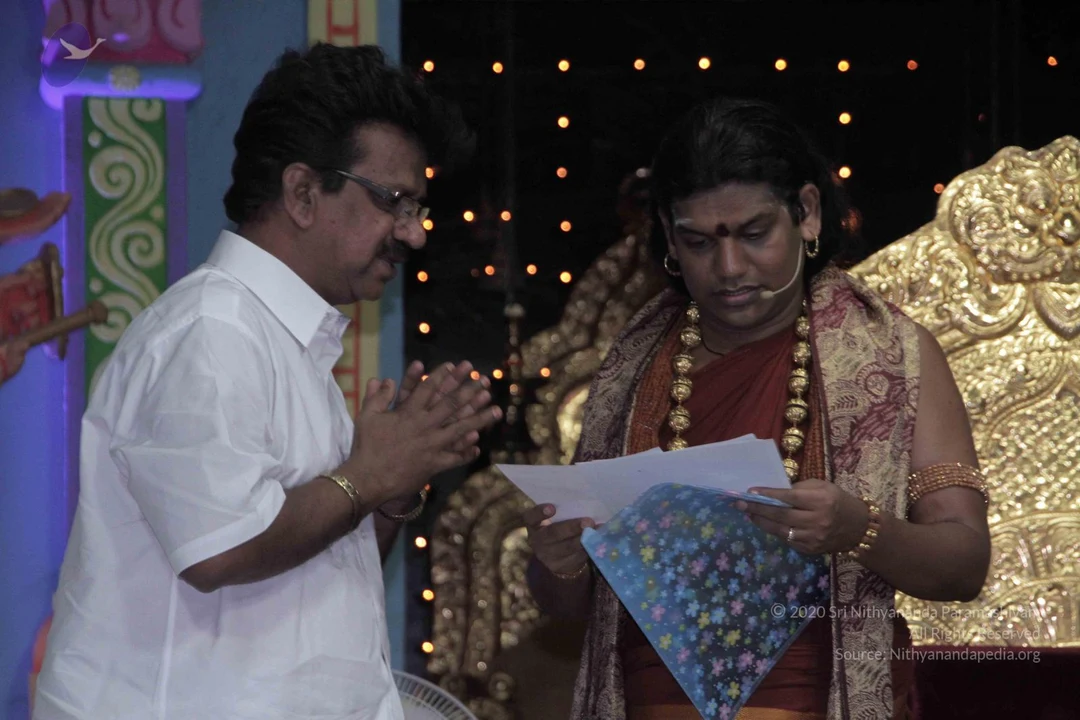


SarvaDarshan
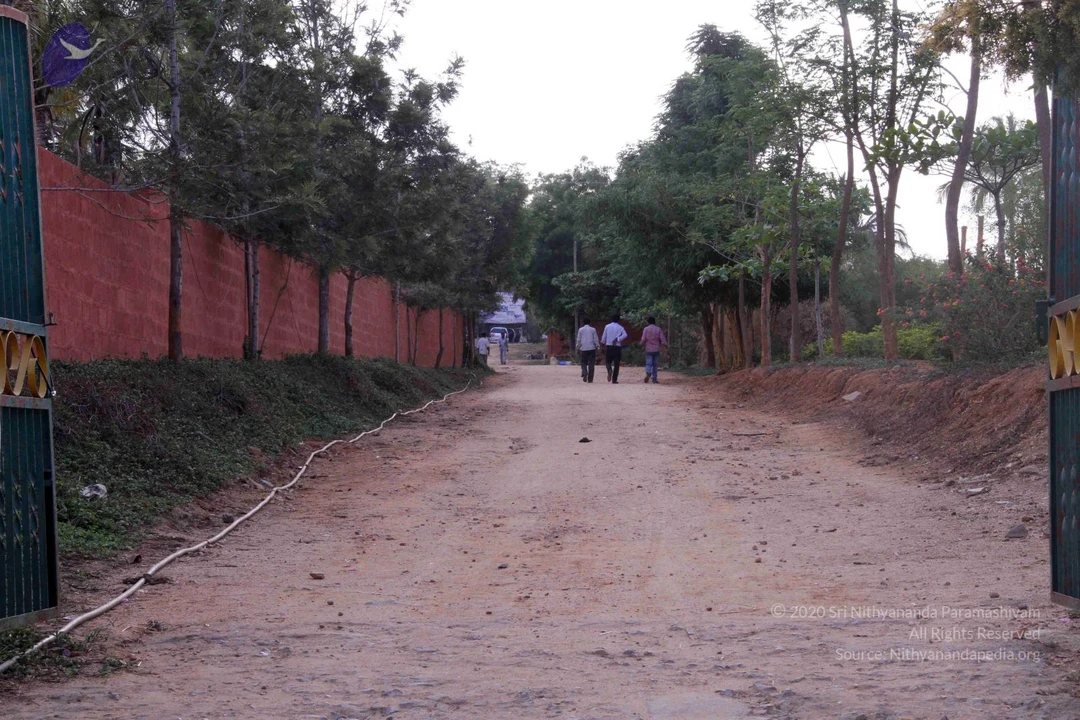
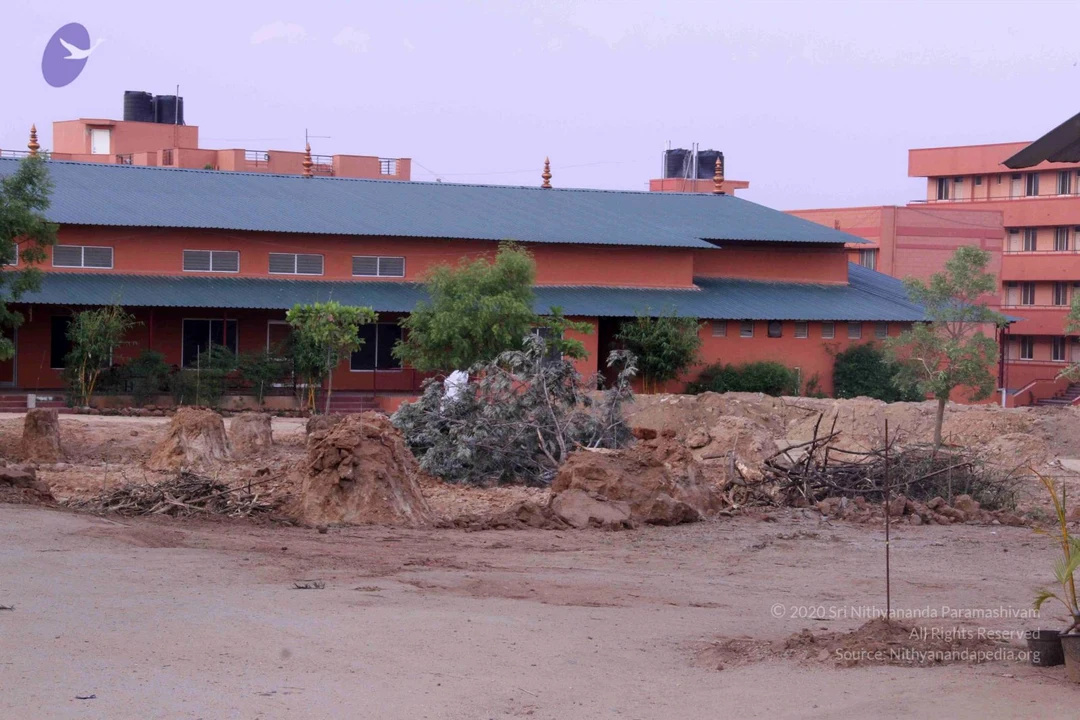
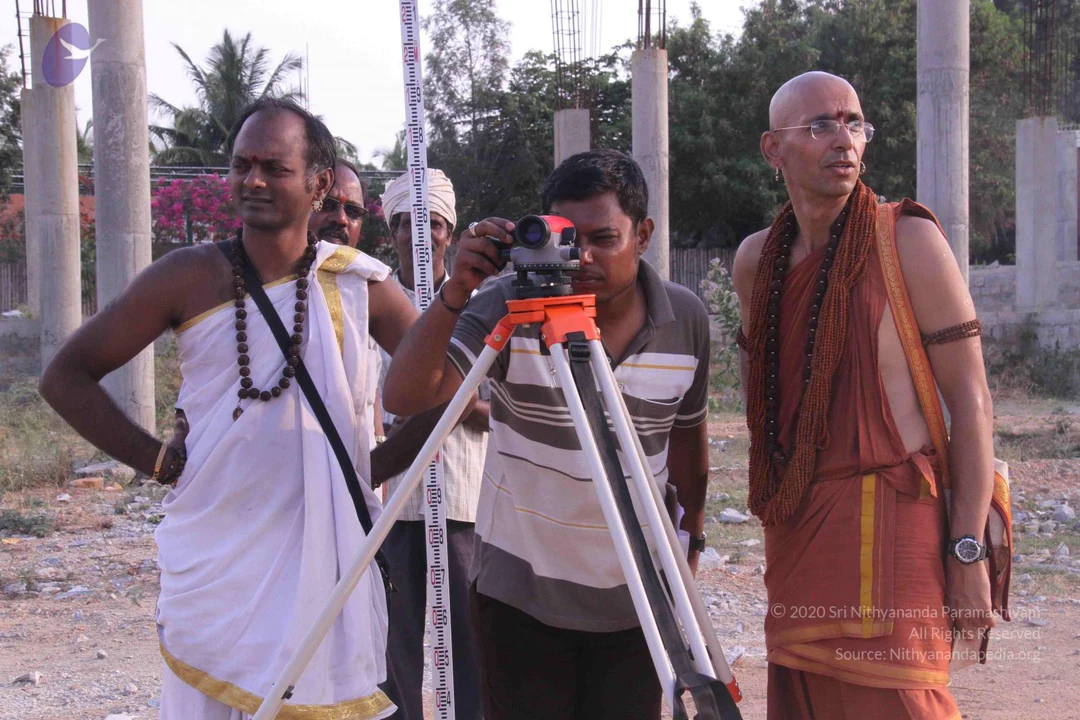
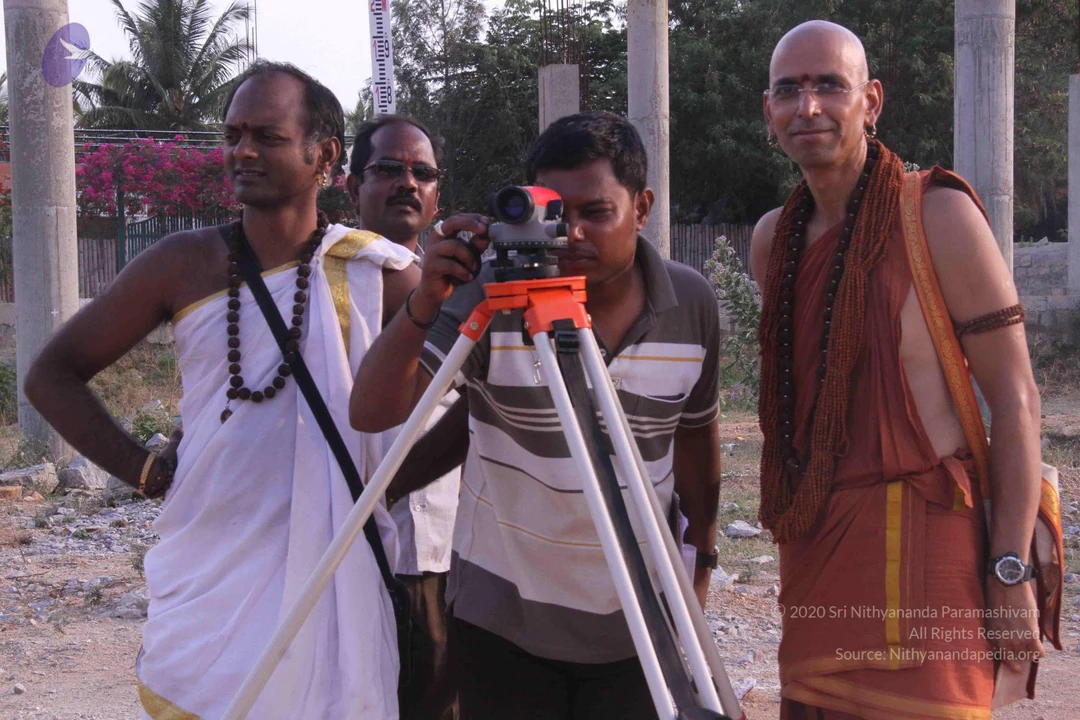
Construction
Photos from this day
View all 414 photosPhotos
62 photosSource gallery
Photos
5 photosSource gallery
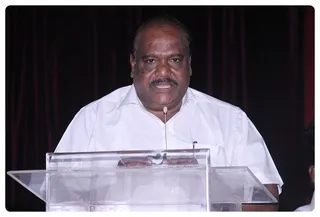
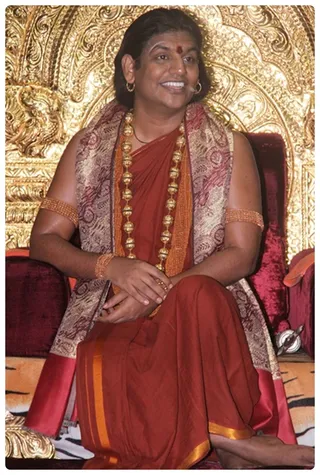
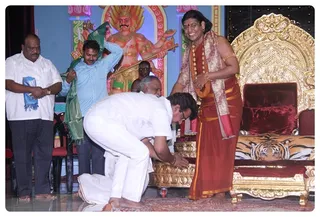
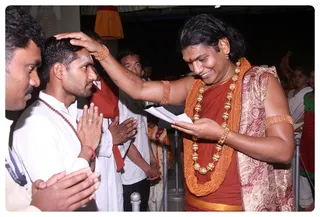
Pada Puja
57 photosSource gallery
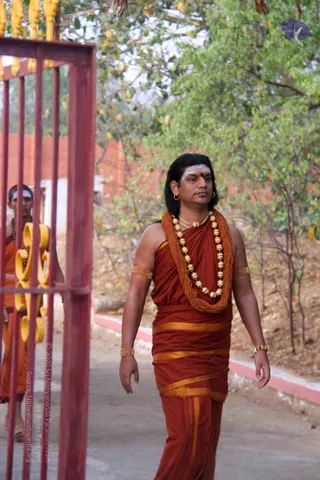
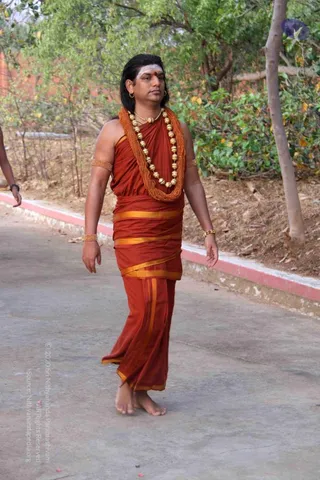
Nithya Satsang
154 photosSource gallery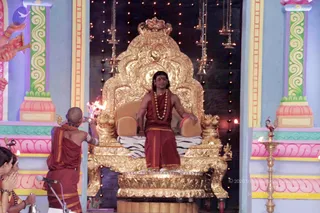
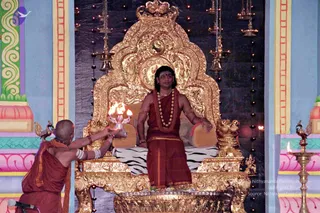
RajTV Felicitation Nirguna Less Paduka Mandir
67 photosSource gallery
Construction
24 photosSource gallery
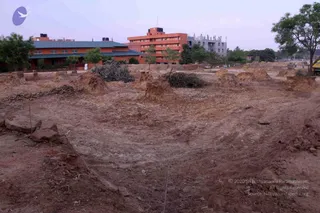



TempleTour
3 photosSource gallery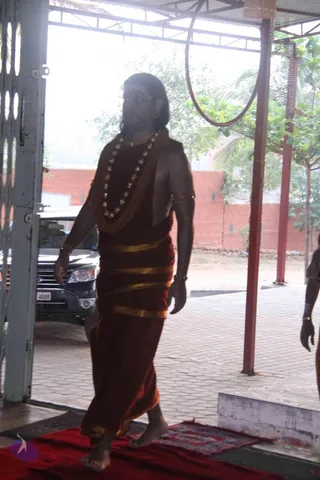
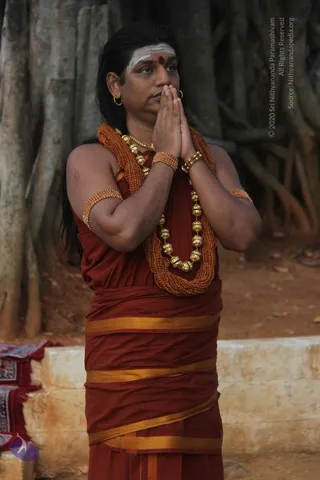
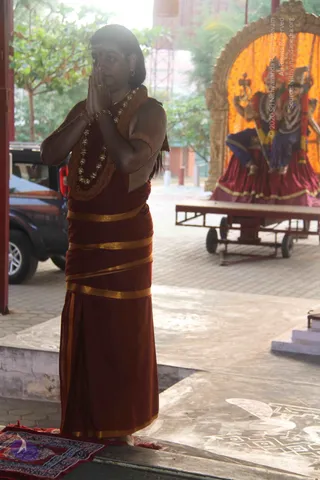
PadaPuja
21 photosSource gallery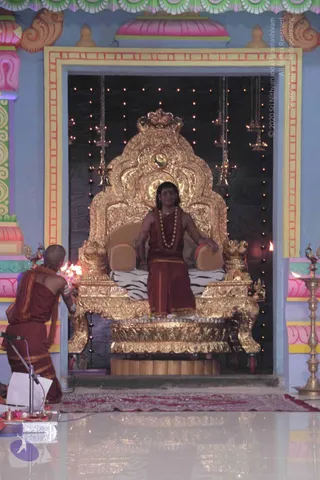
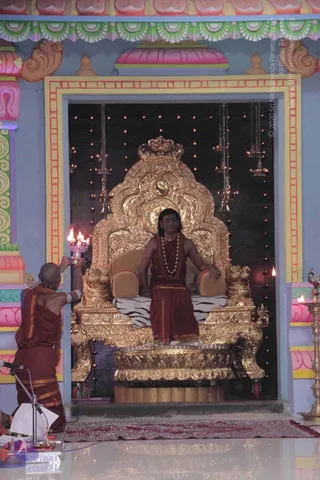
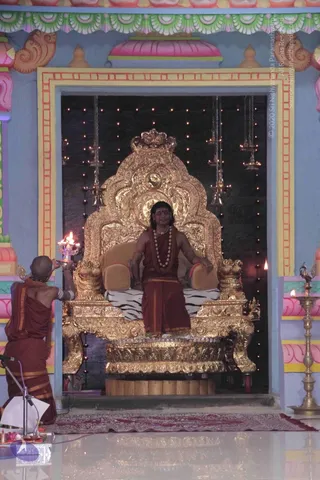
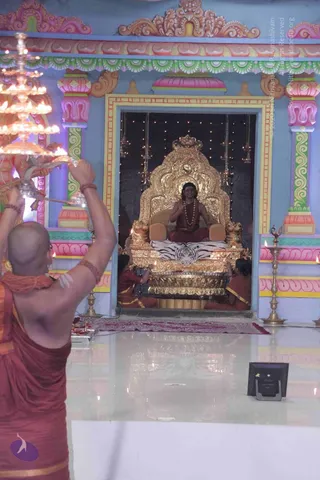
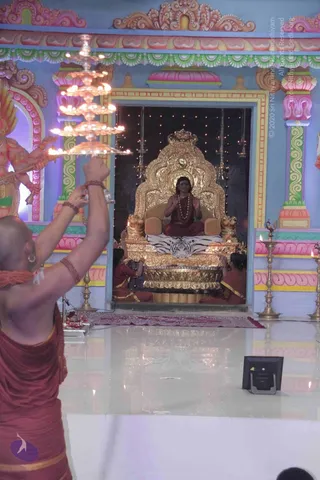
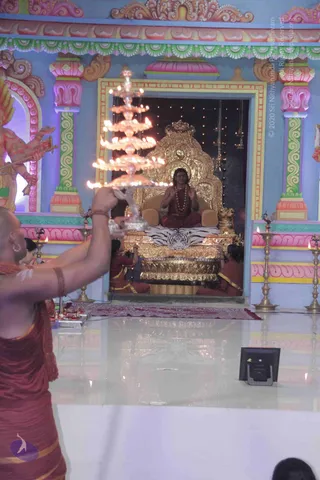
Dial-the-Avatar
2 photosSource gallery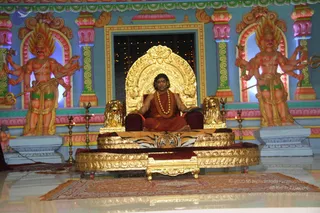
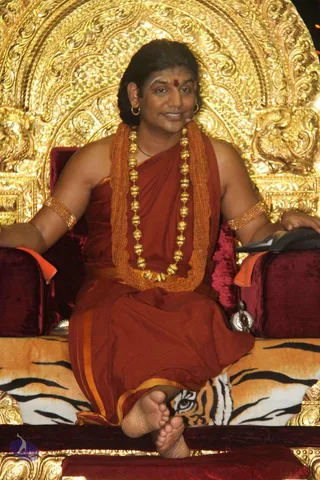
RajTV-Felicitation-NirgunaLessPadukaMandir
19 photosSource gallery
SarvaDarshan
2 photosSource gallery
April 04 2013
2 photosView all