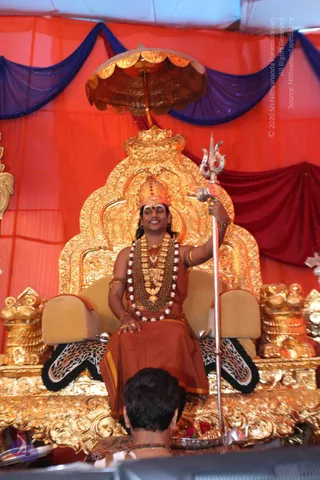
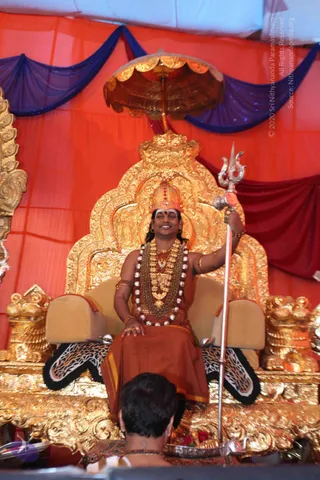
Saturday
9 February 2013
Story of Kumbh Mela by Nithyananda
- Dated photos
- 572
- Source pages
- 1
- Media
- 2
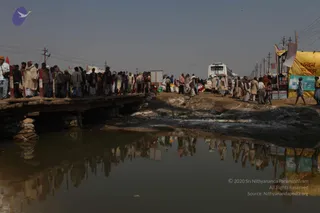
February 09 2013
Original wiki pageTitle
Story of Kumbh Mela by Nithyananda
Description:
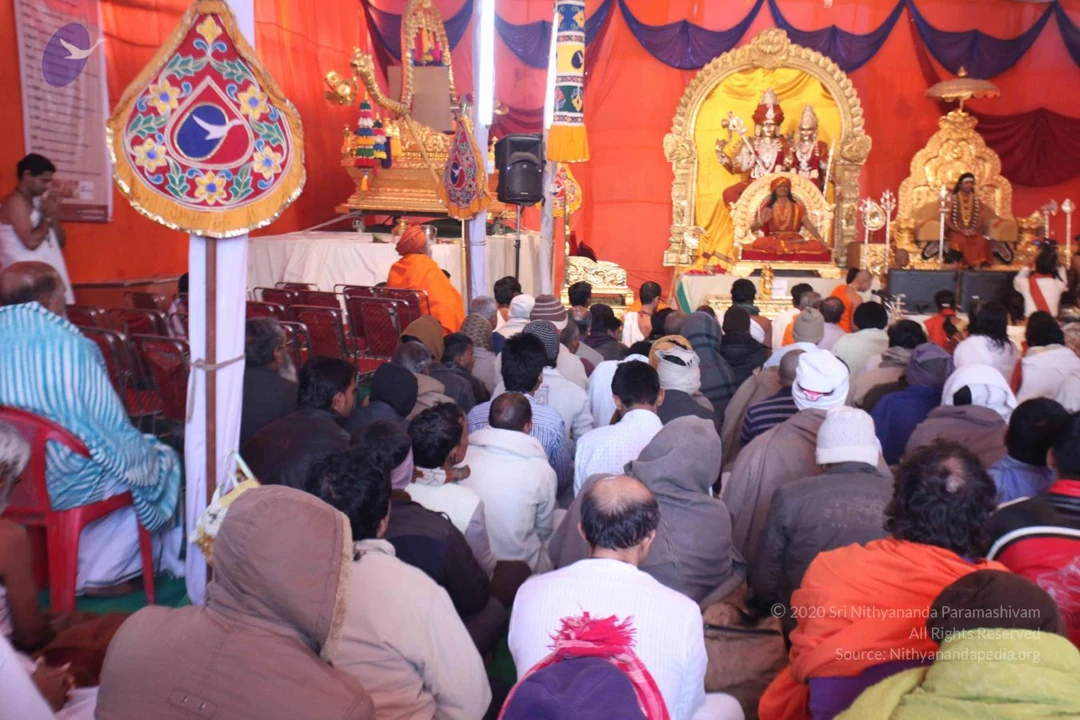
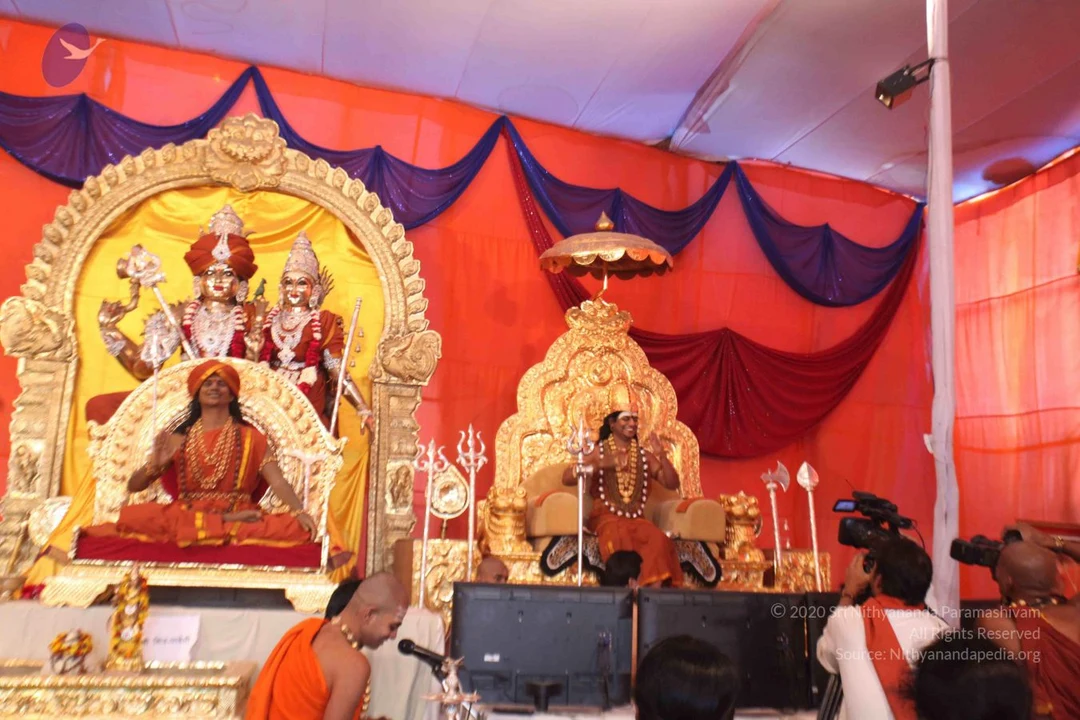
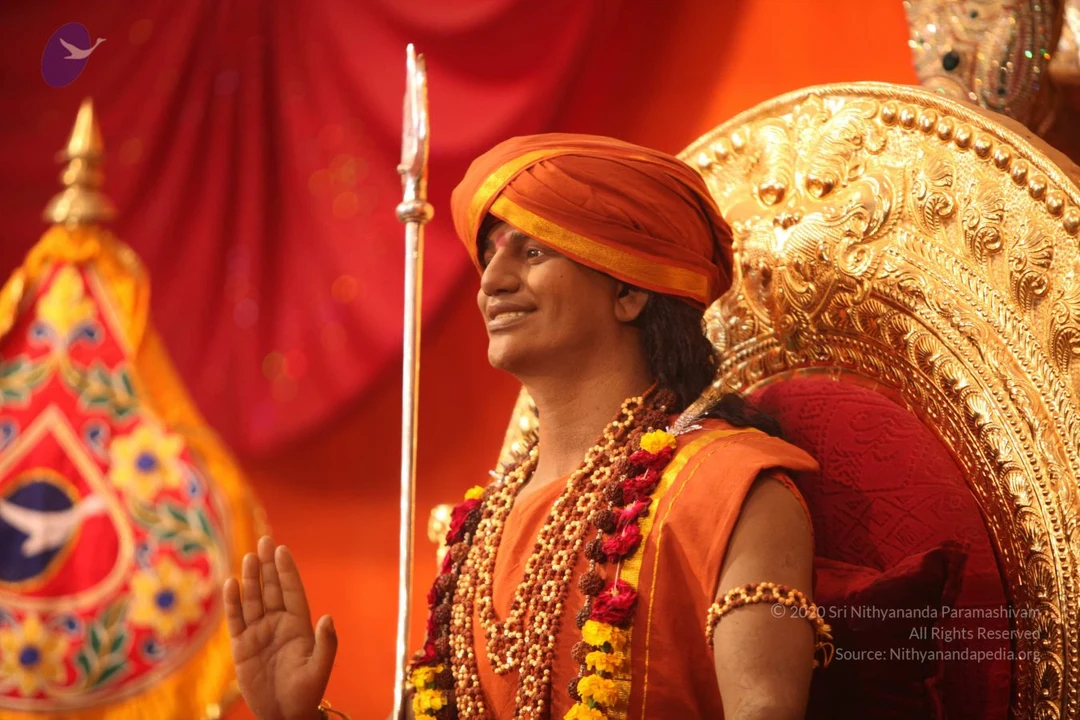
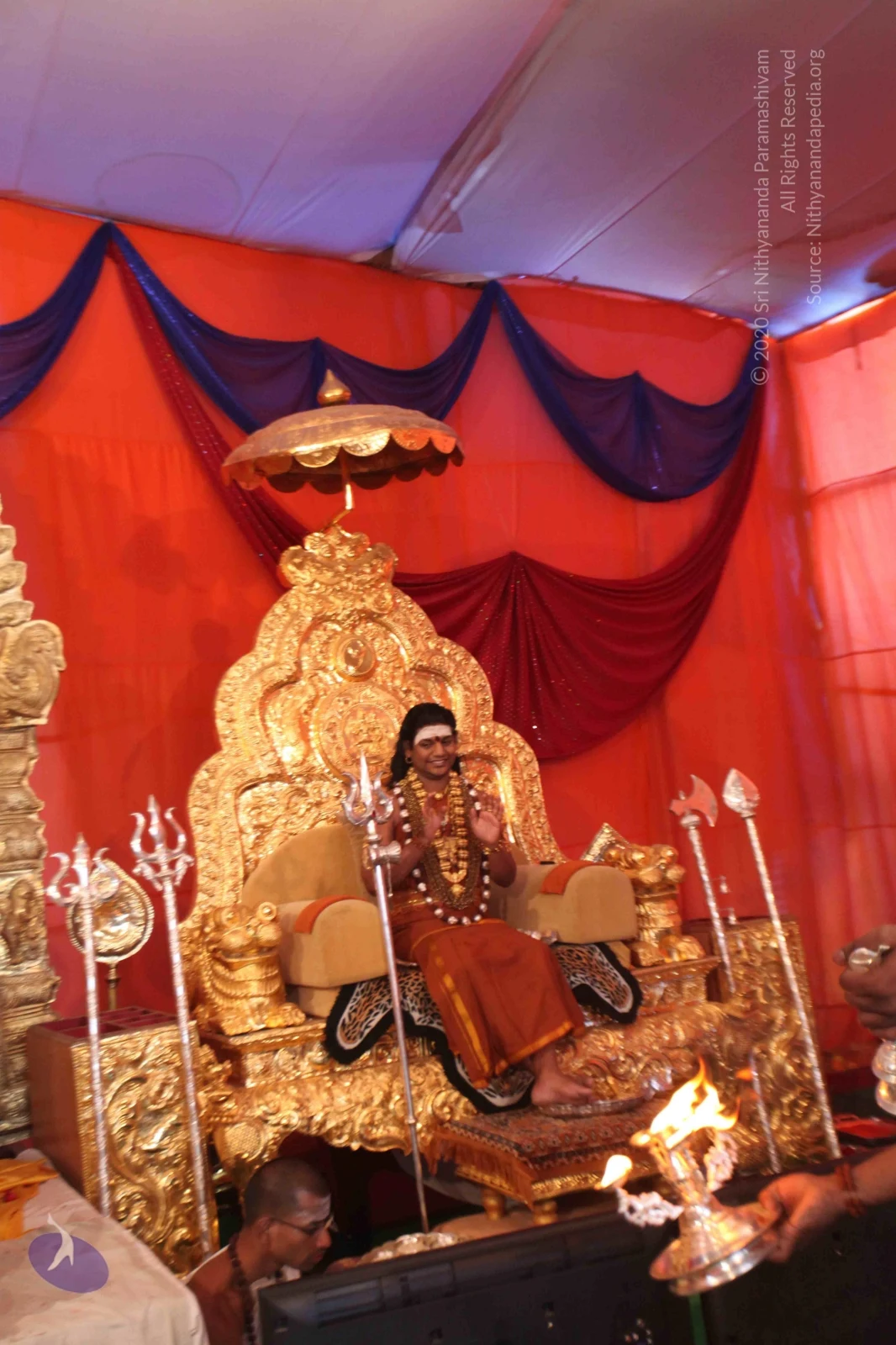
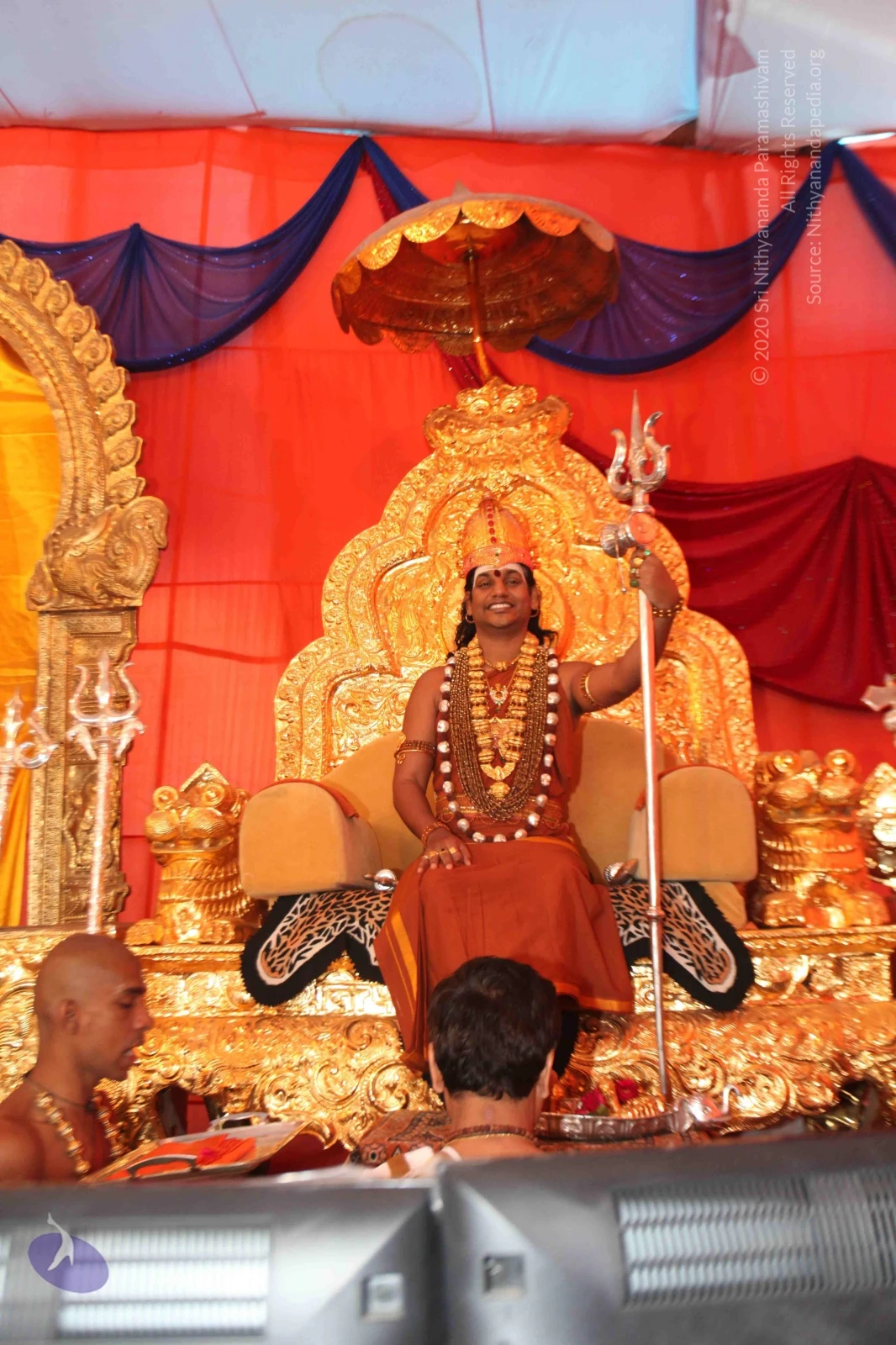
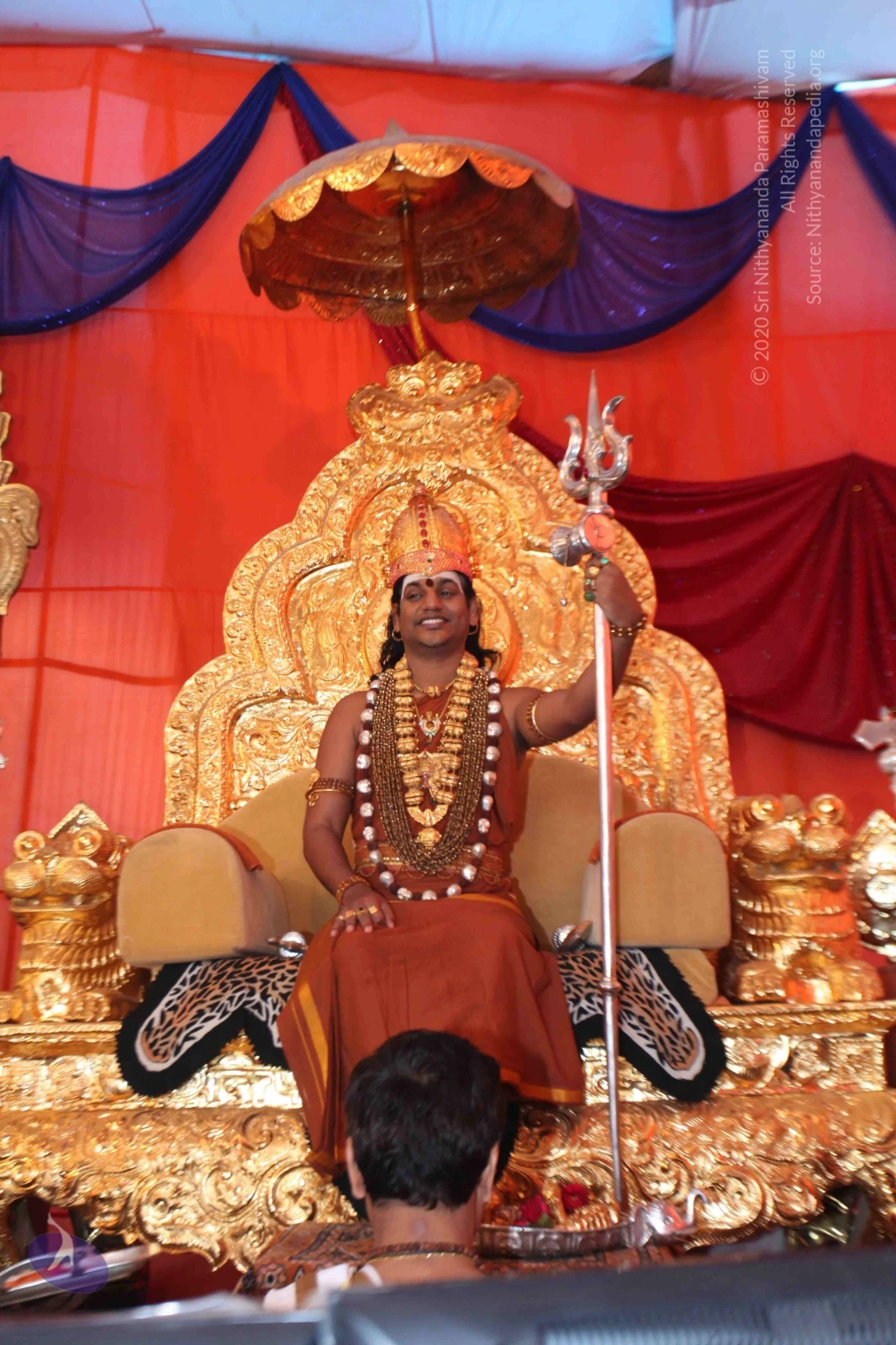
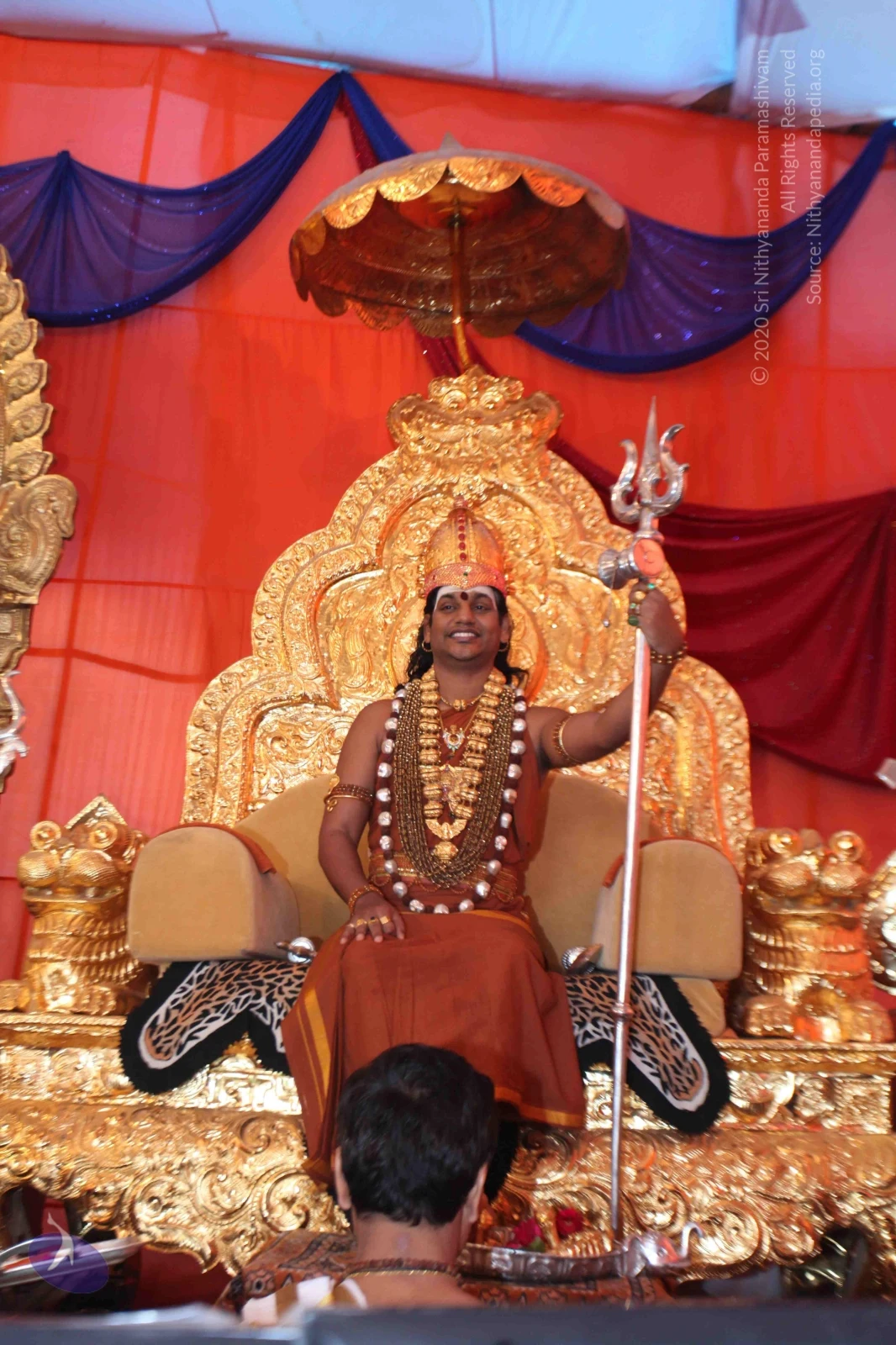
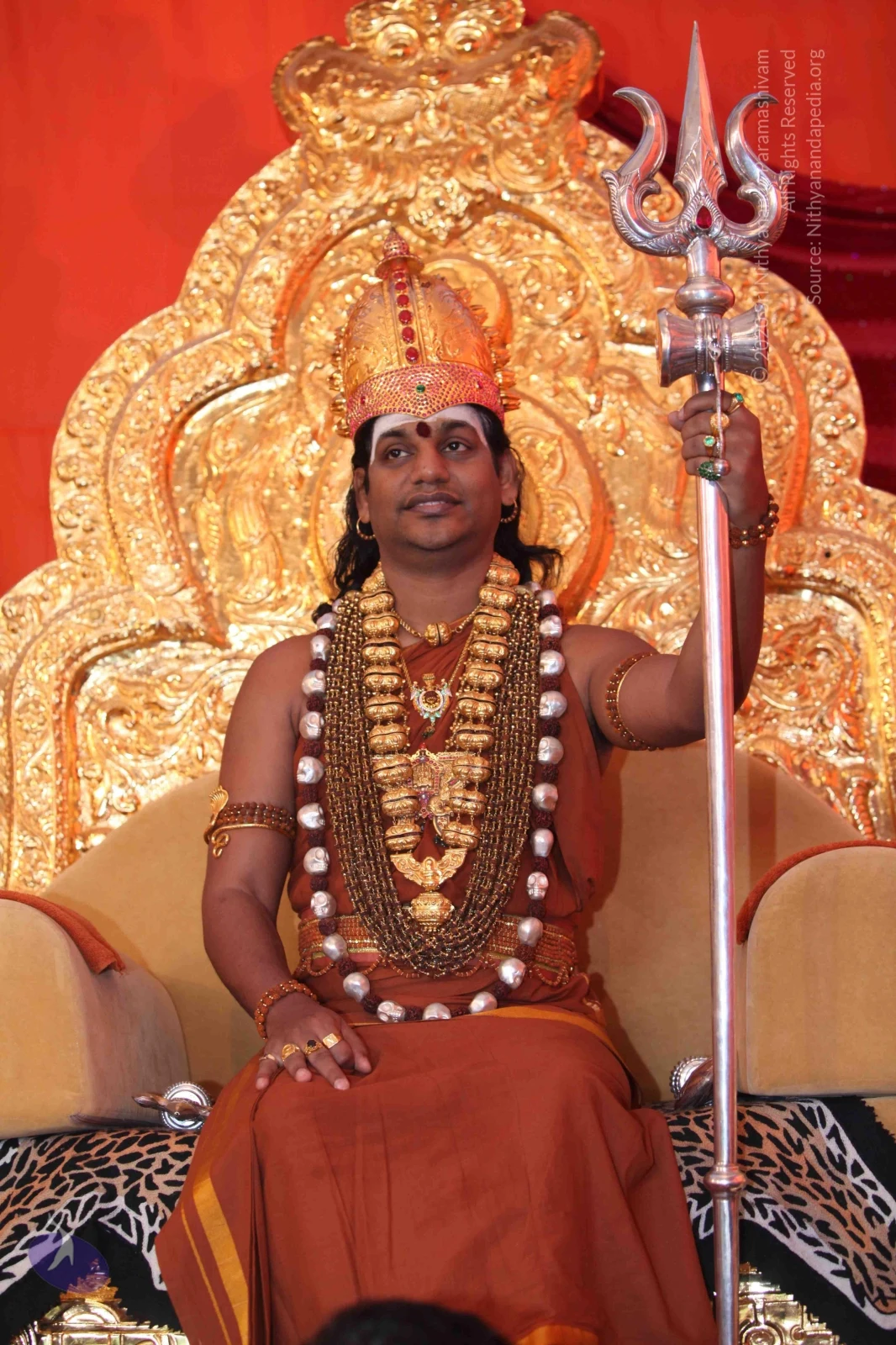
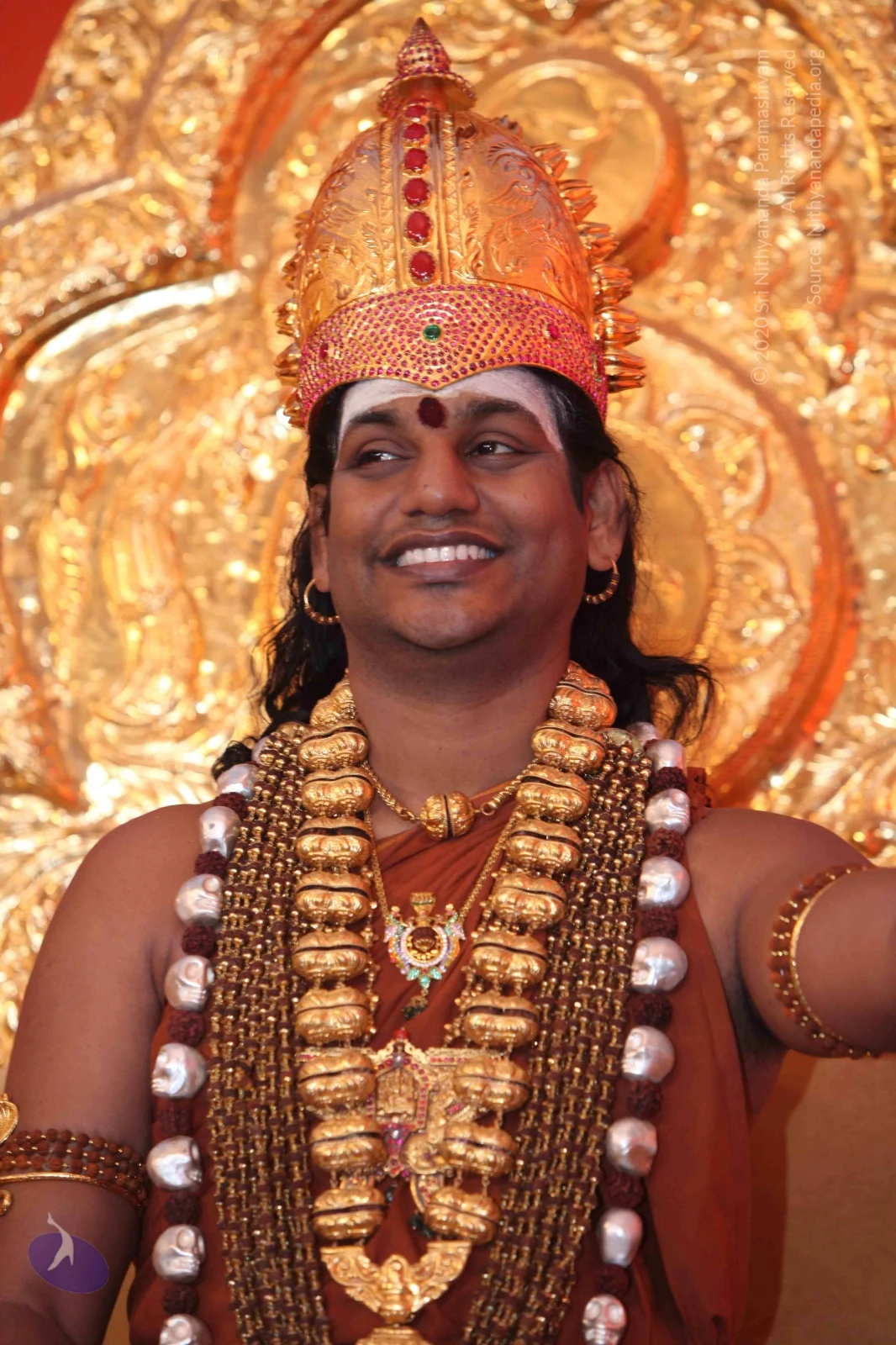
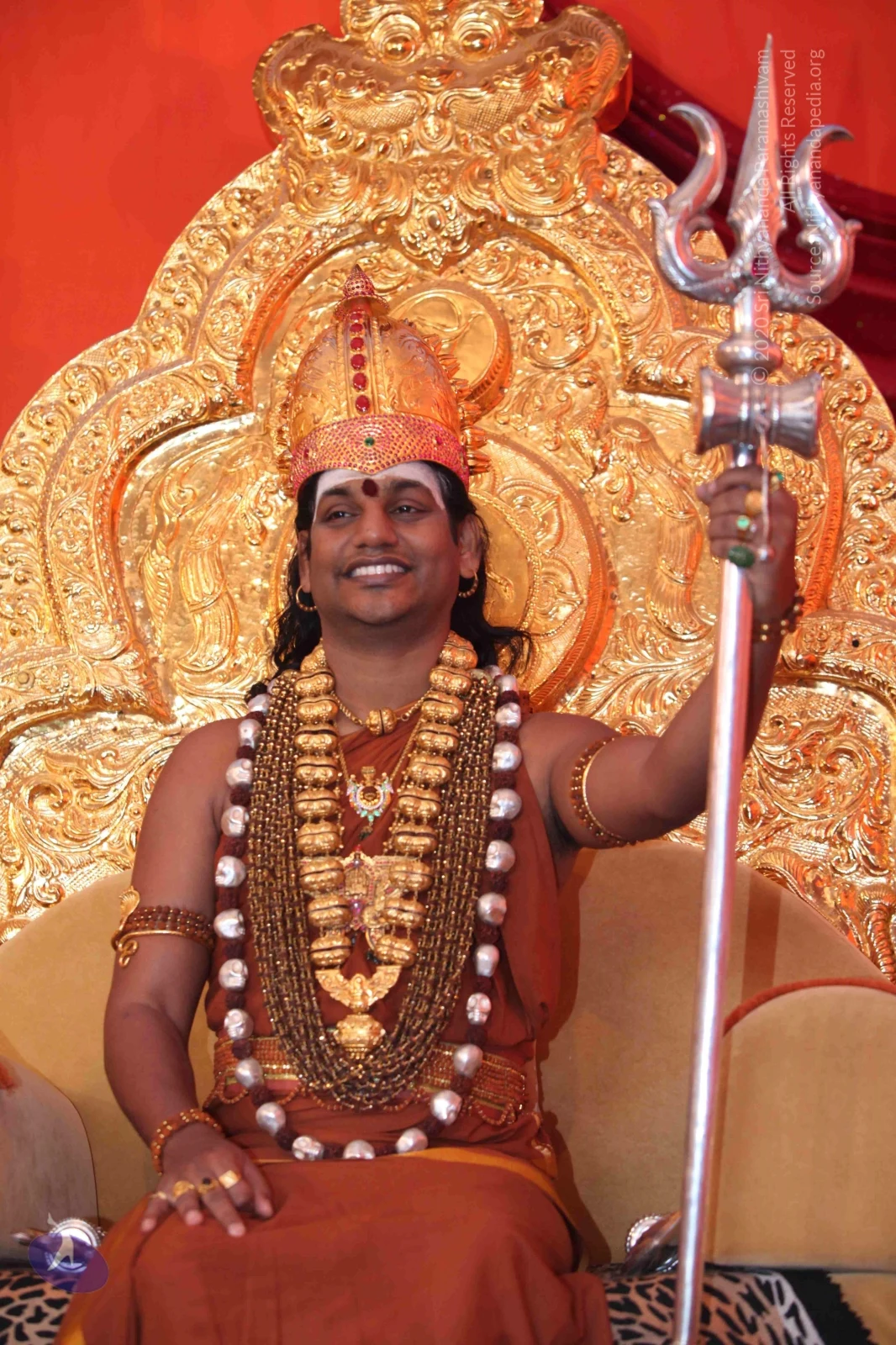
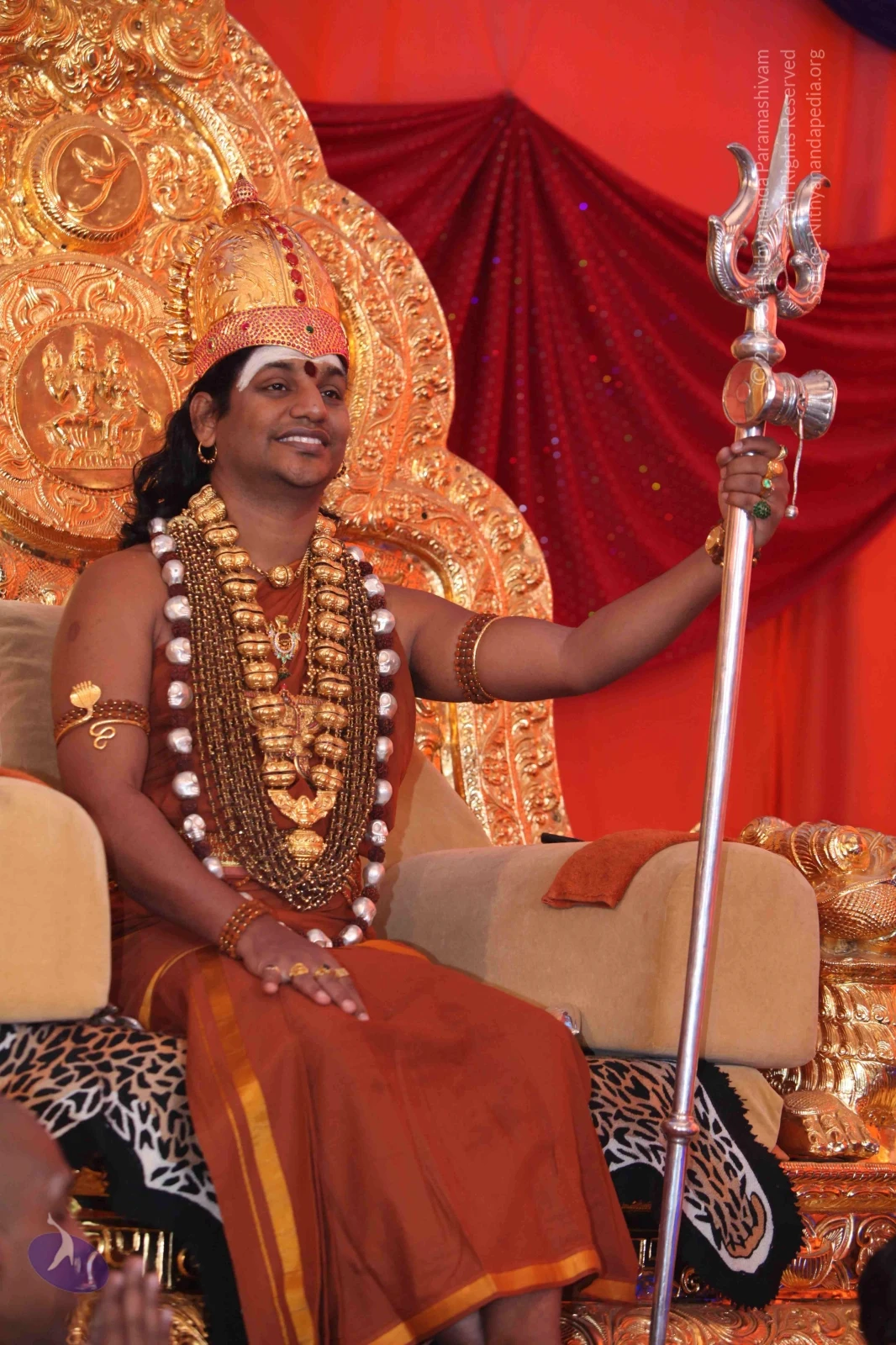
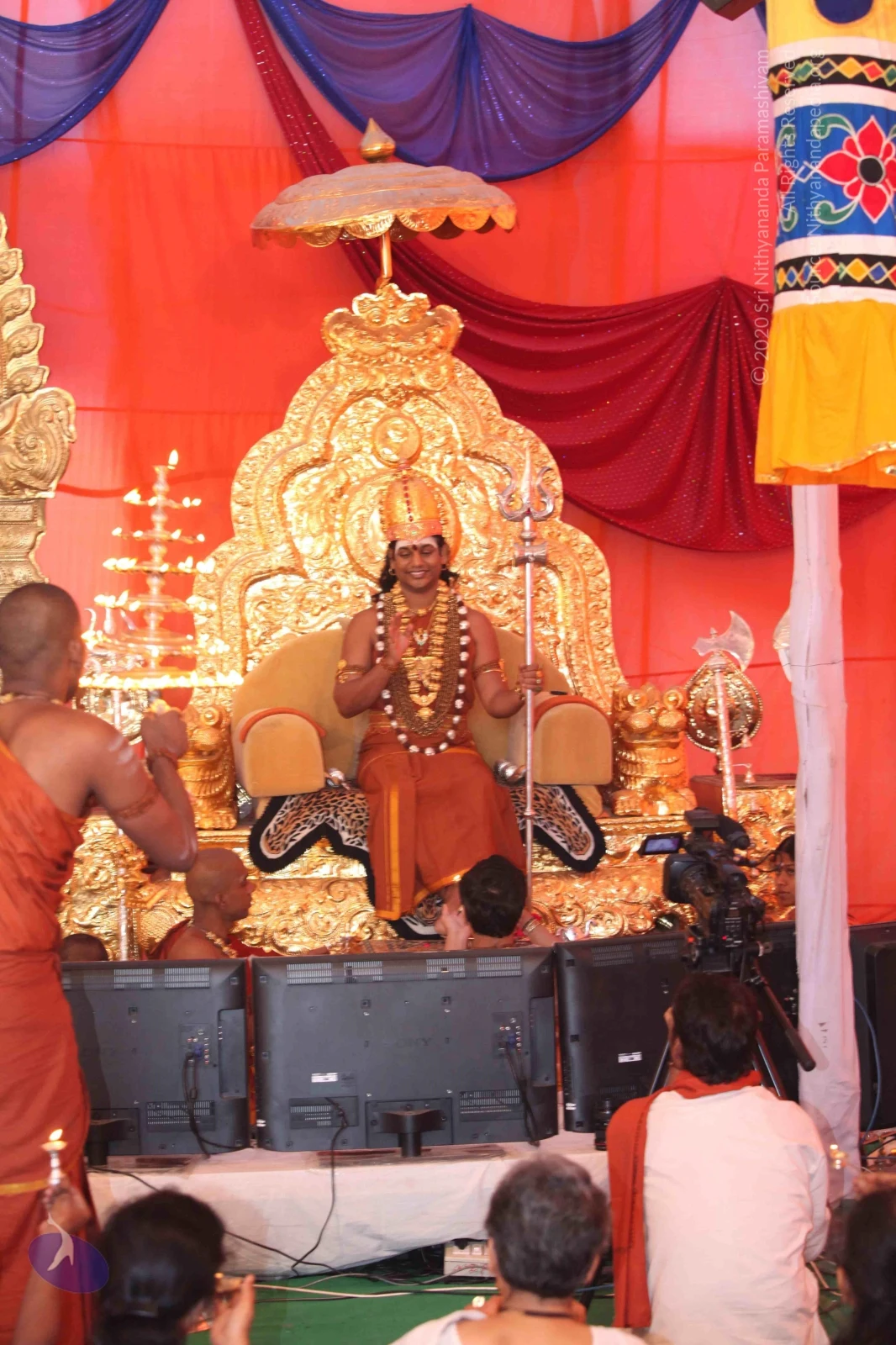
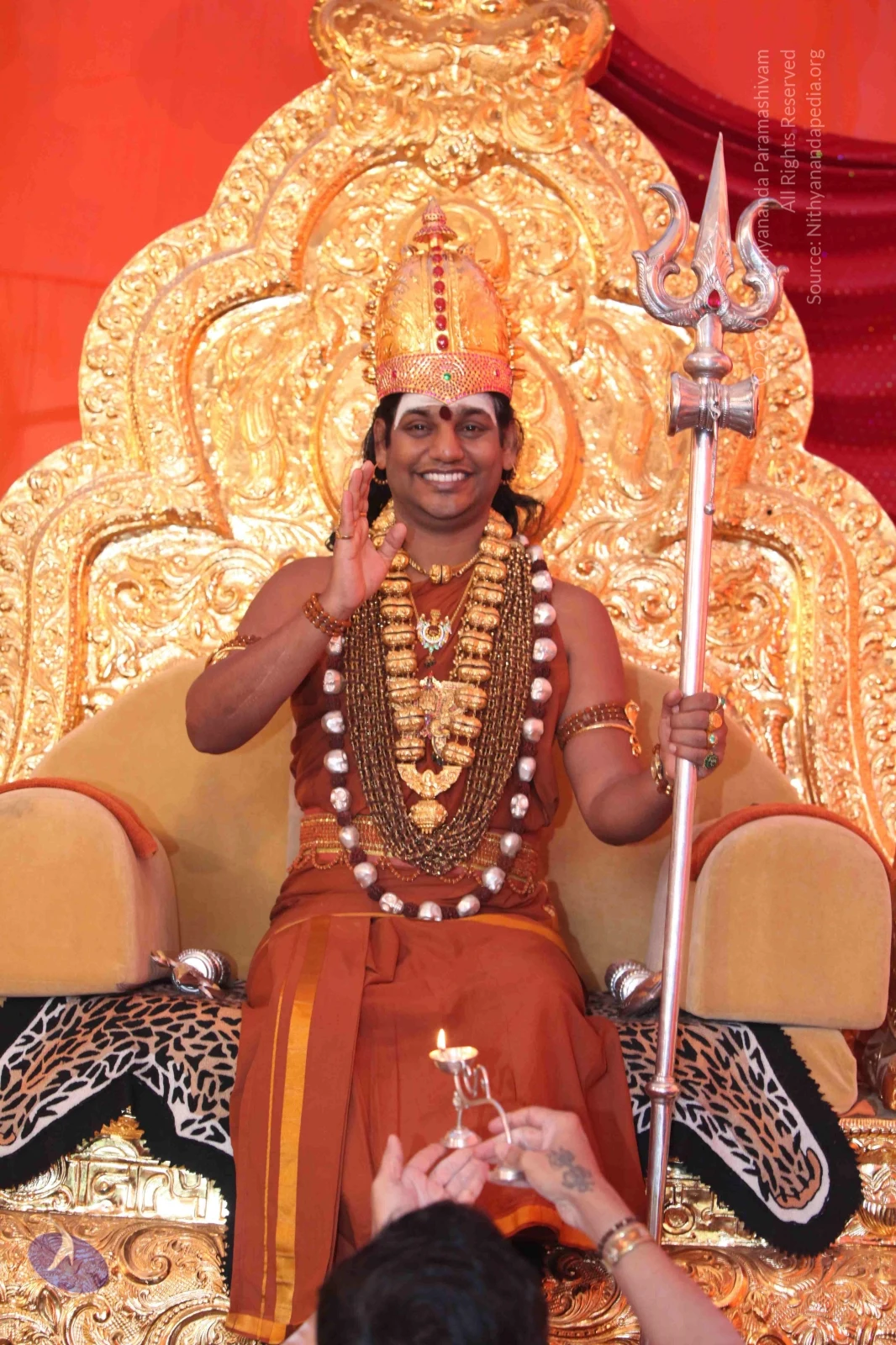
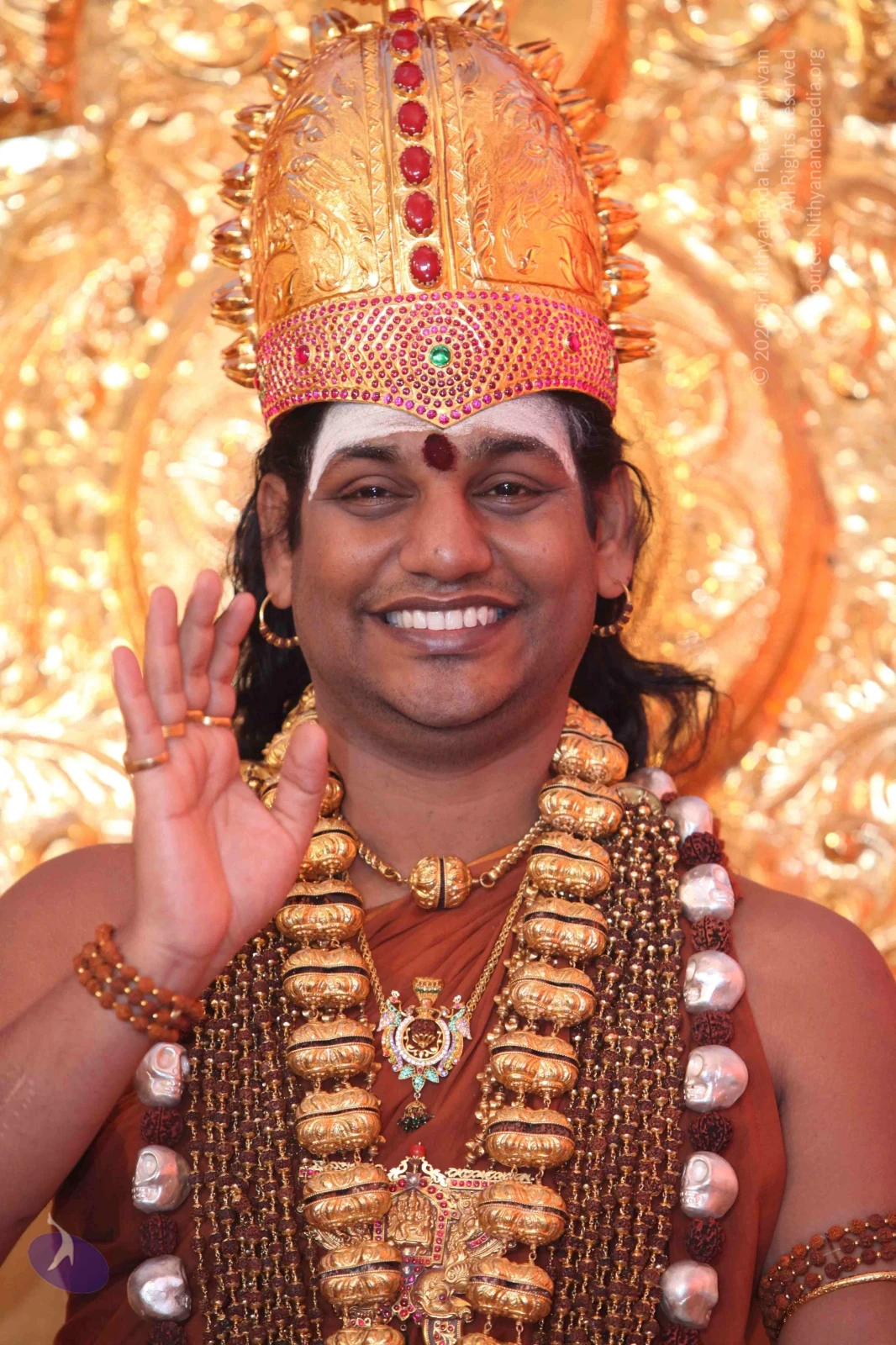
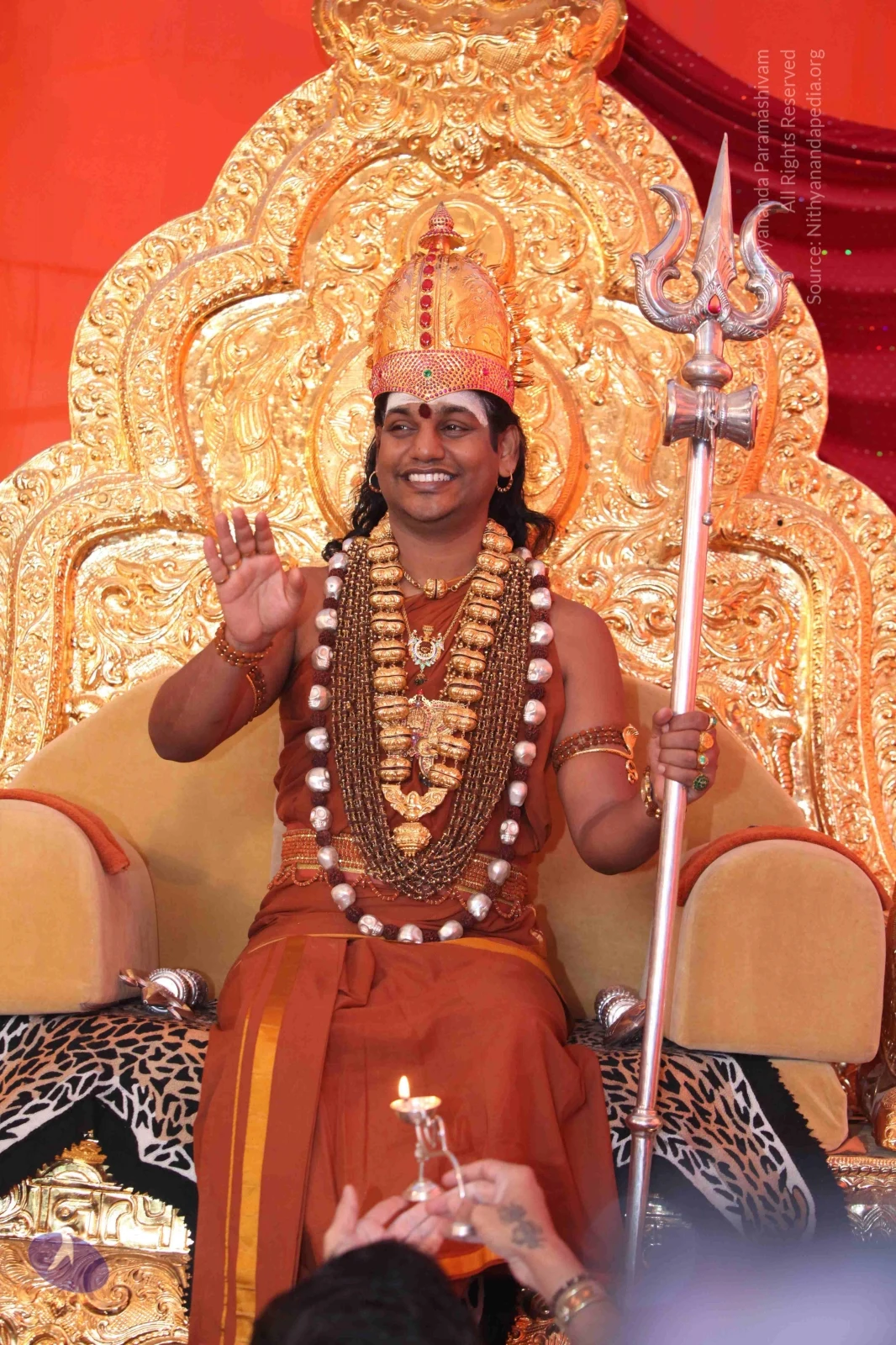
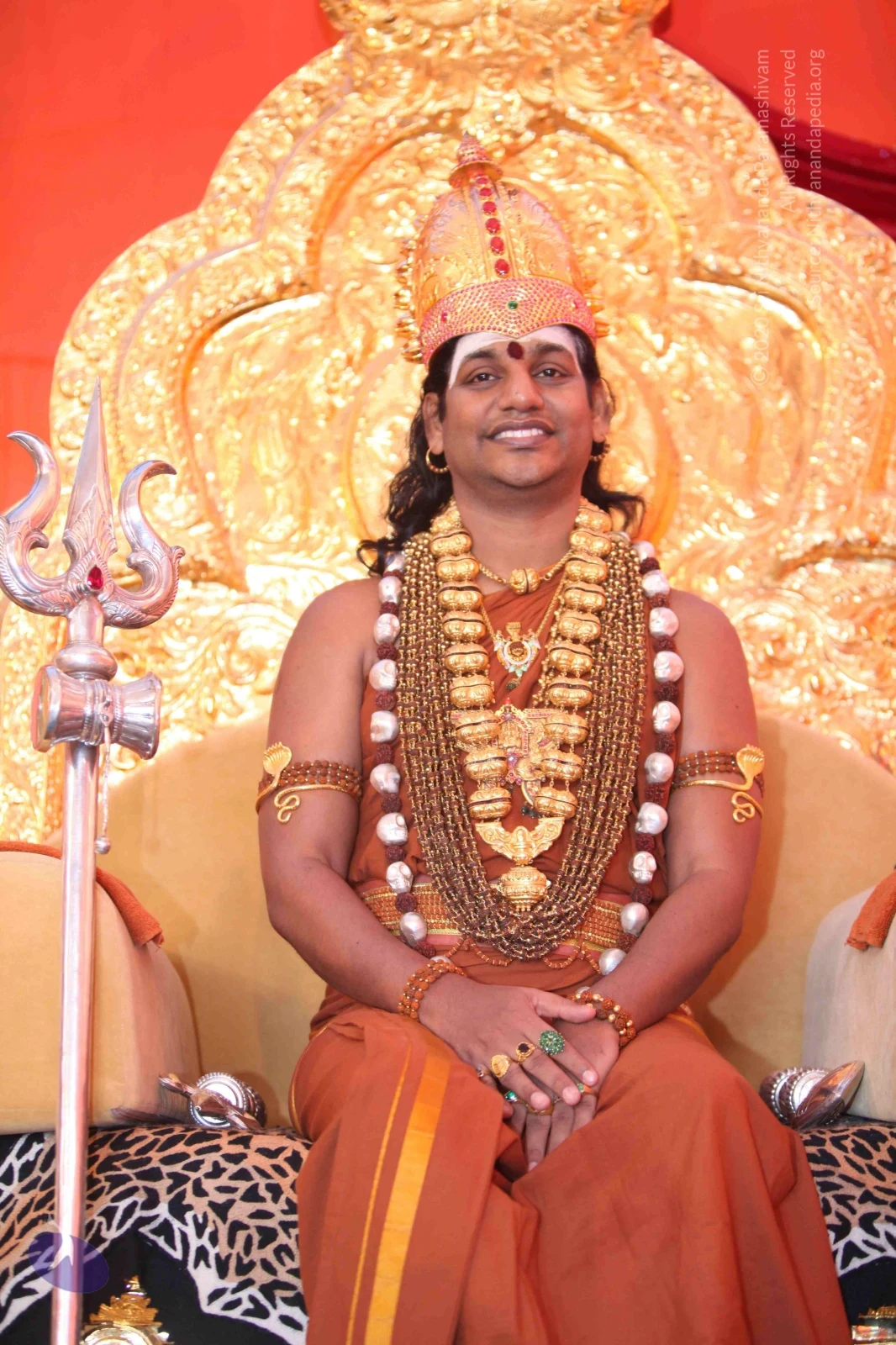
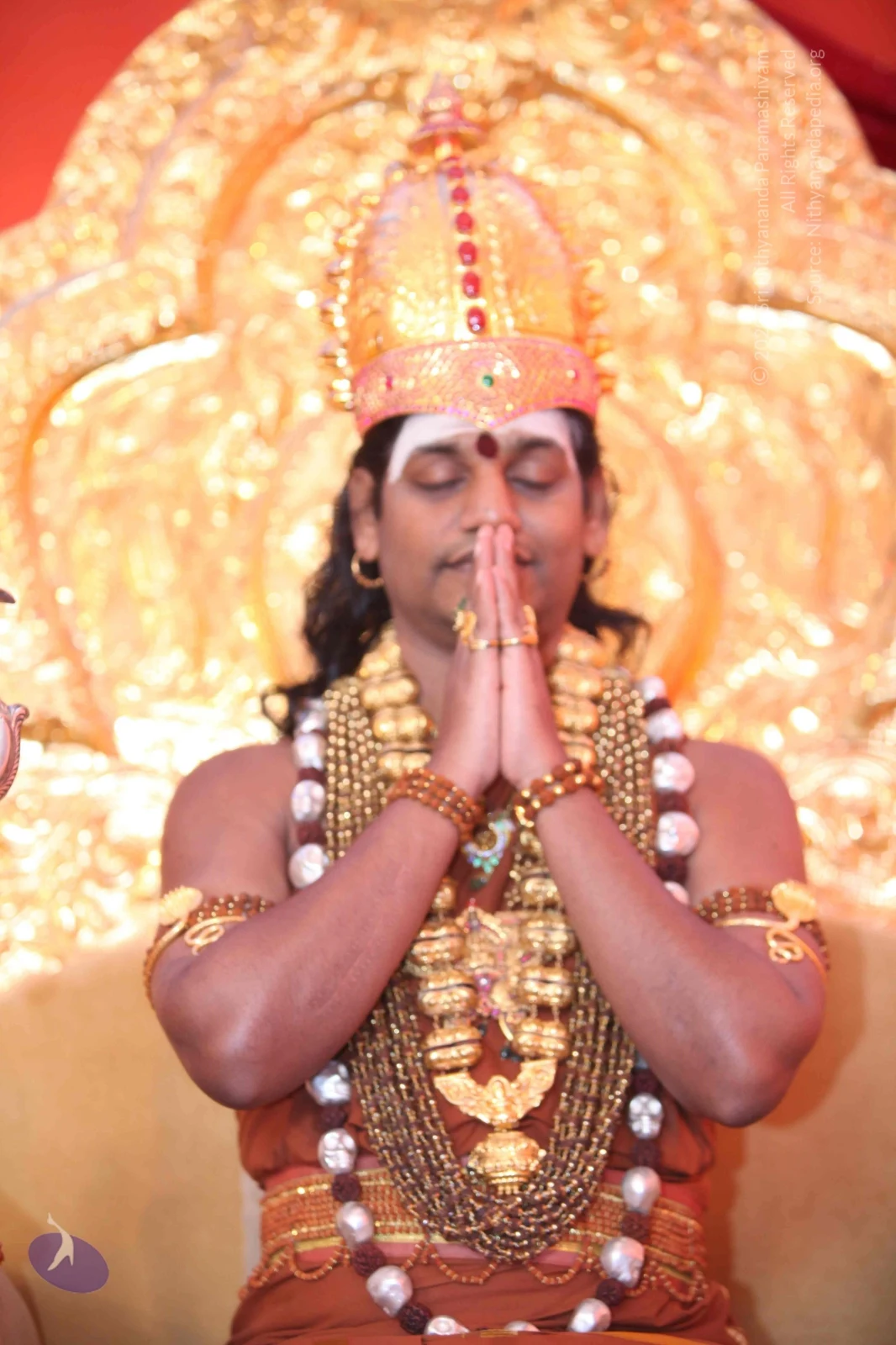
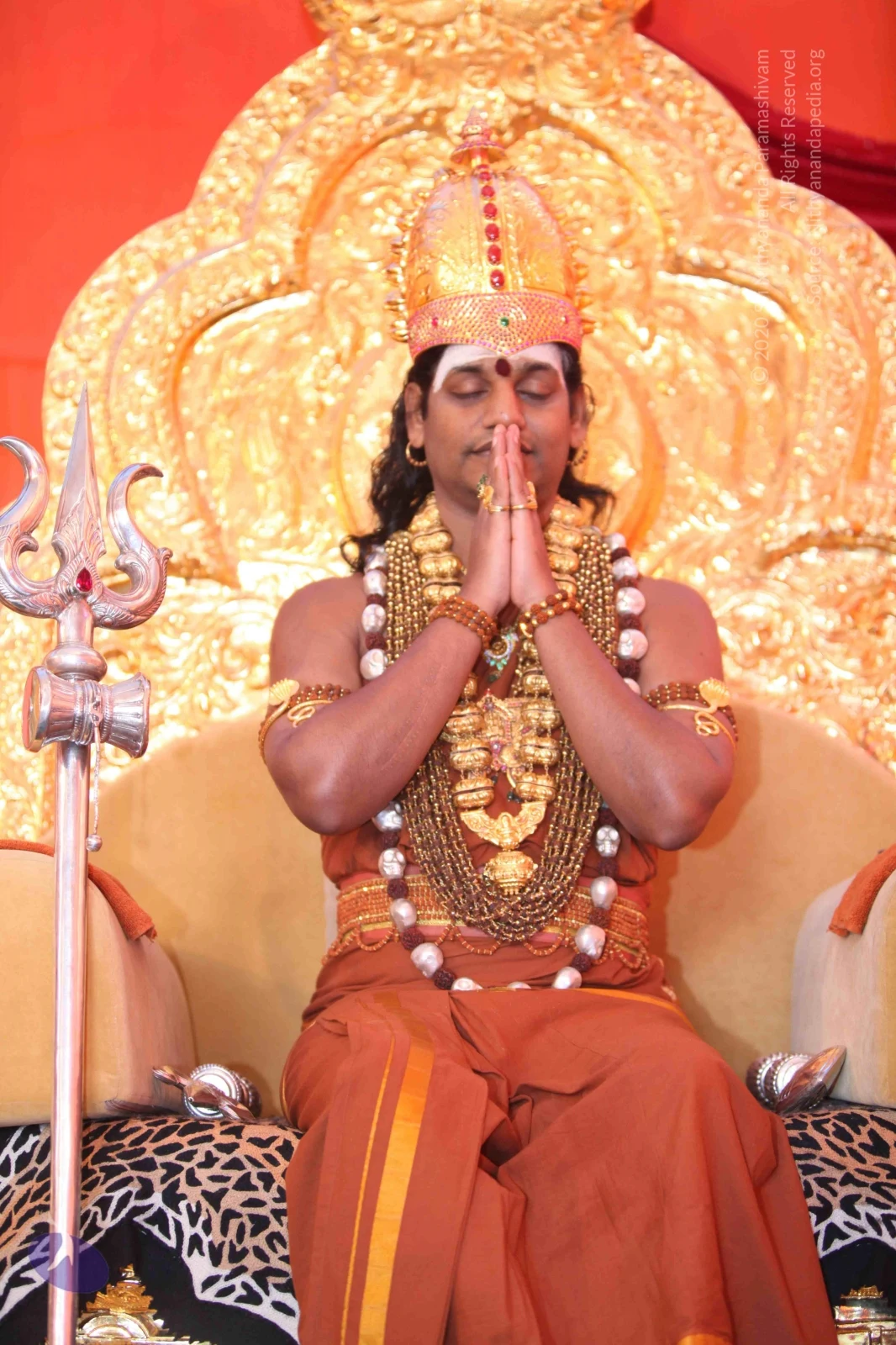
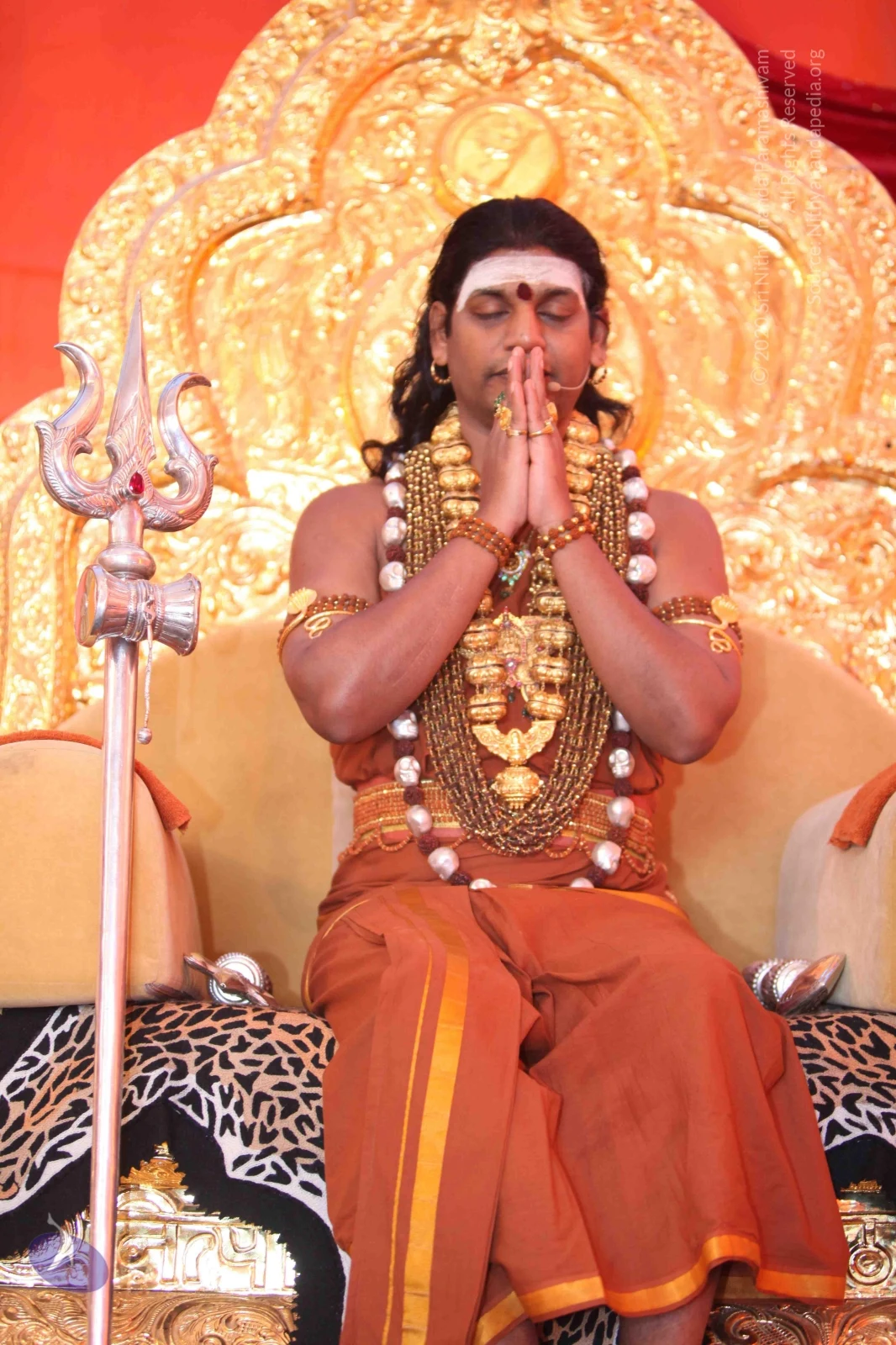
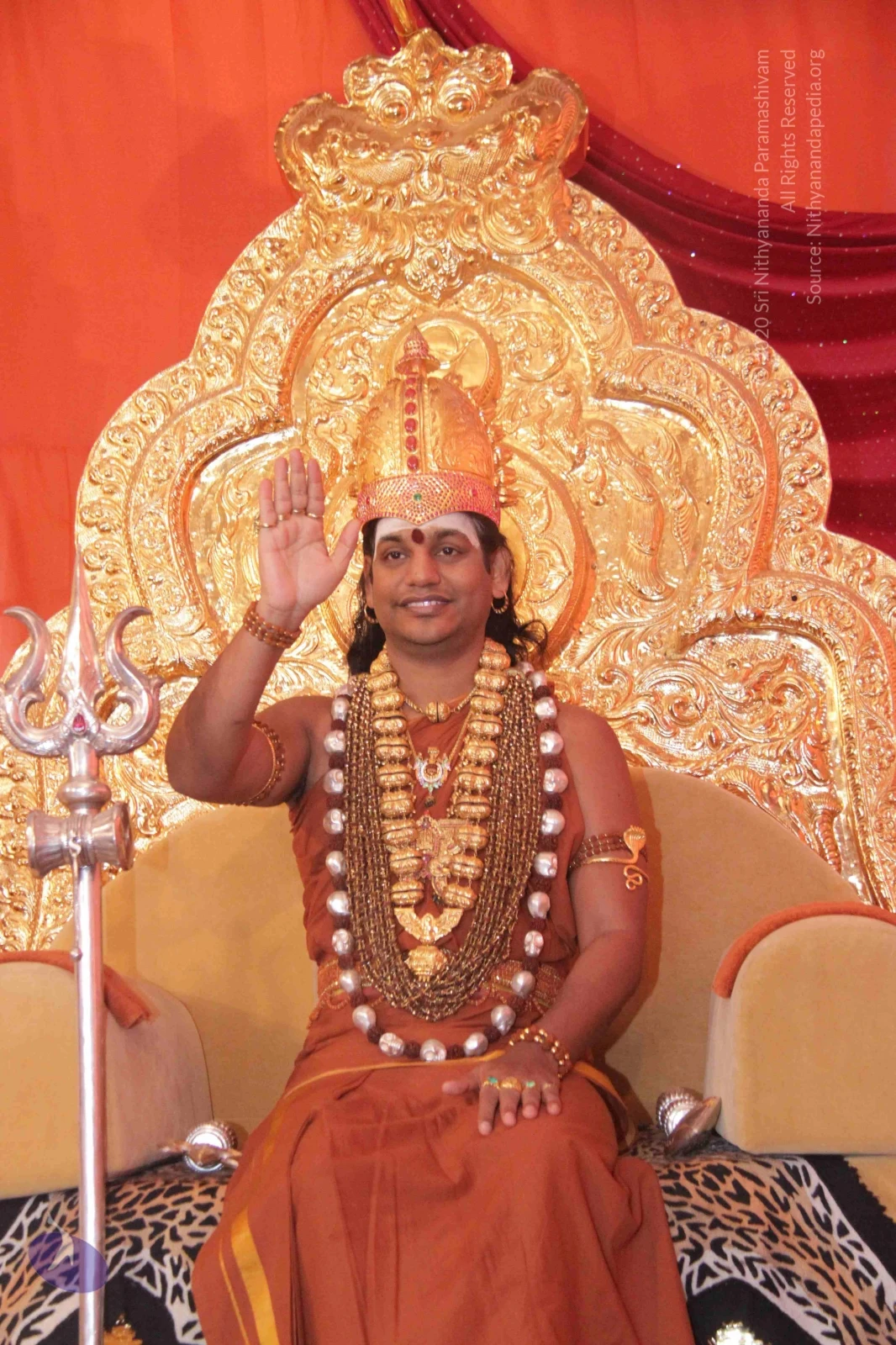
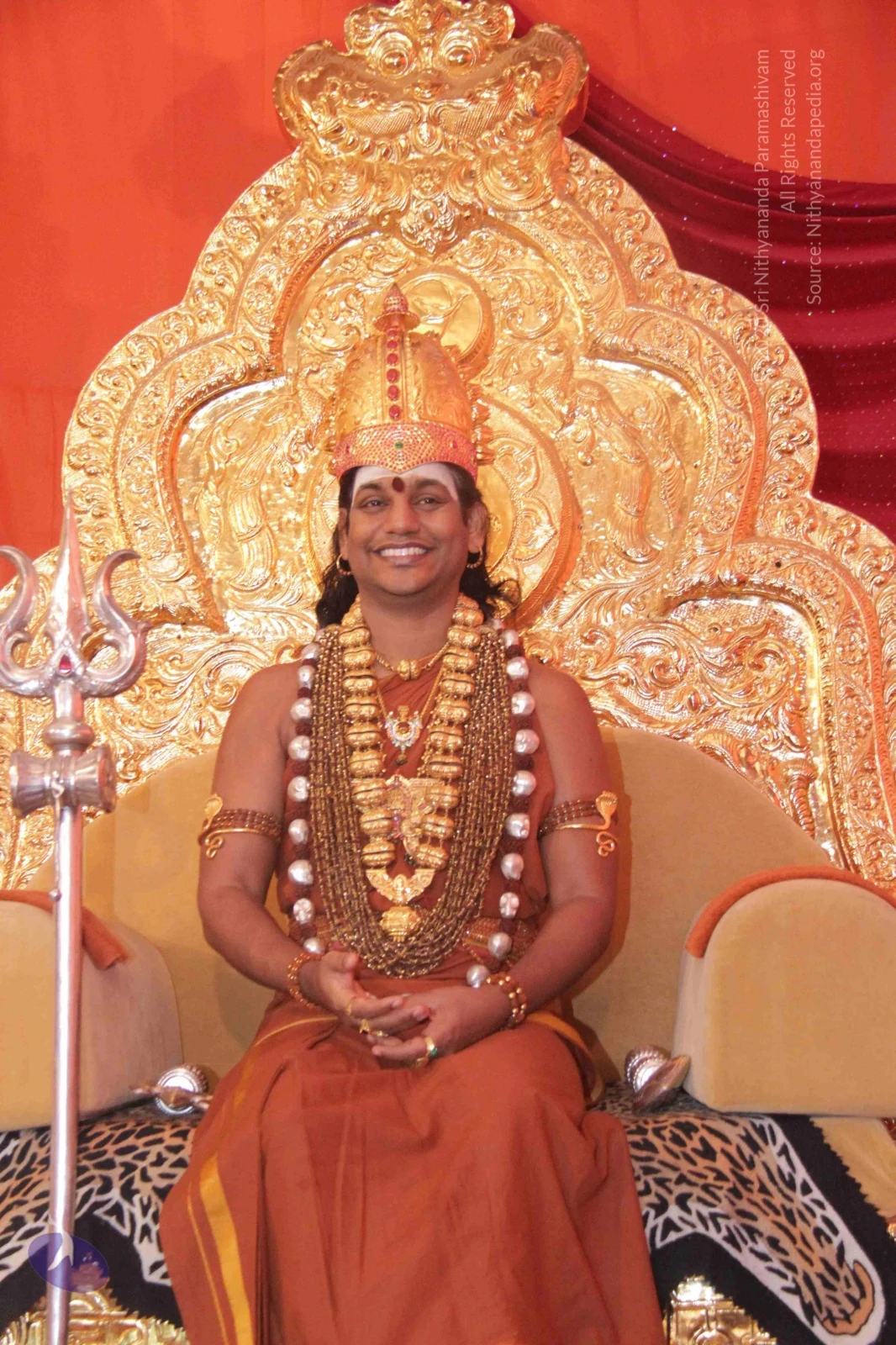
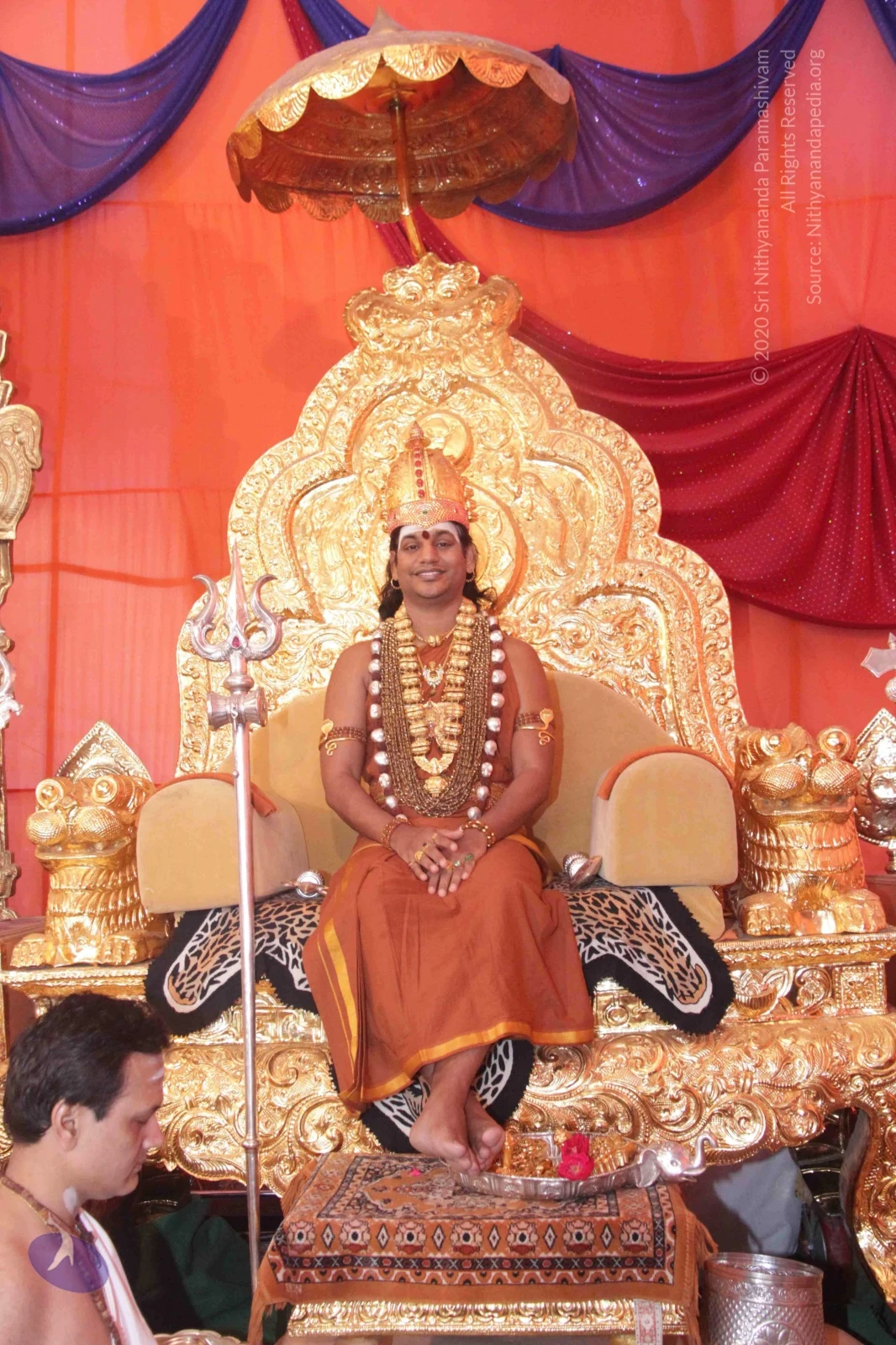
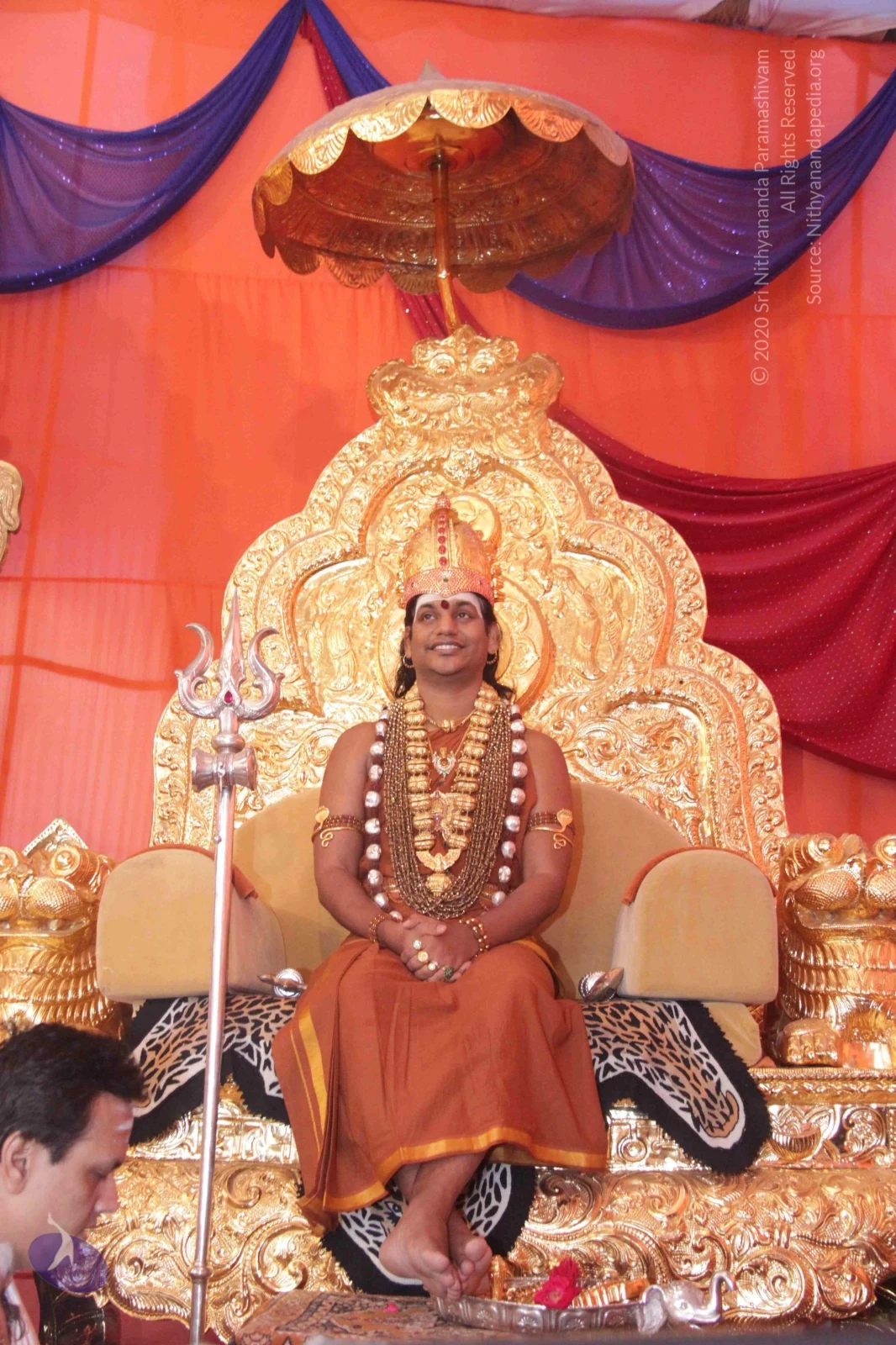
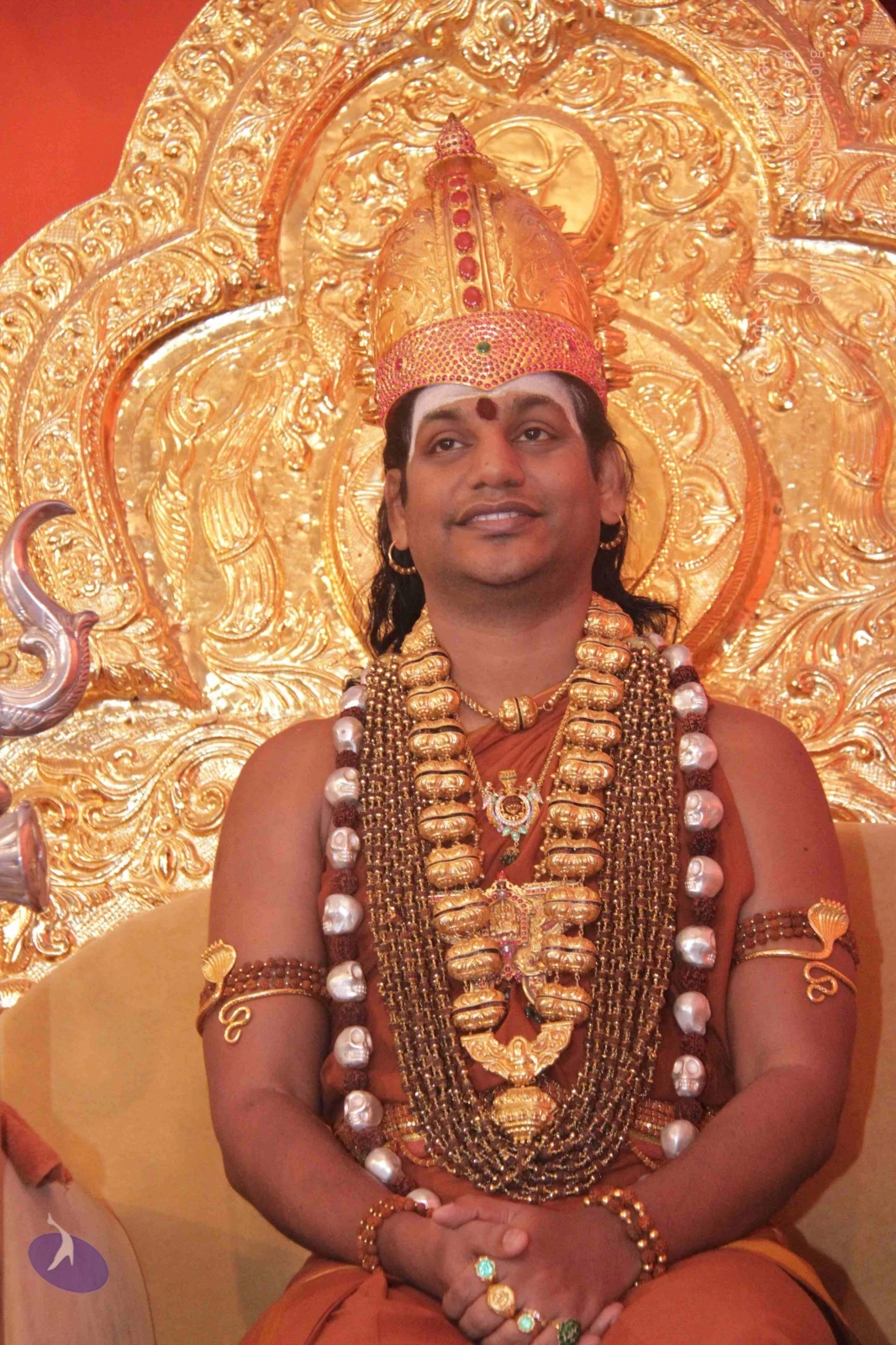
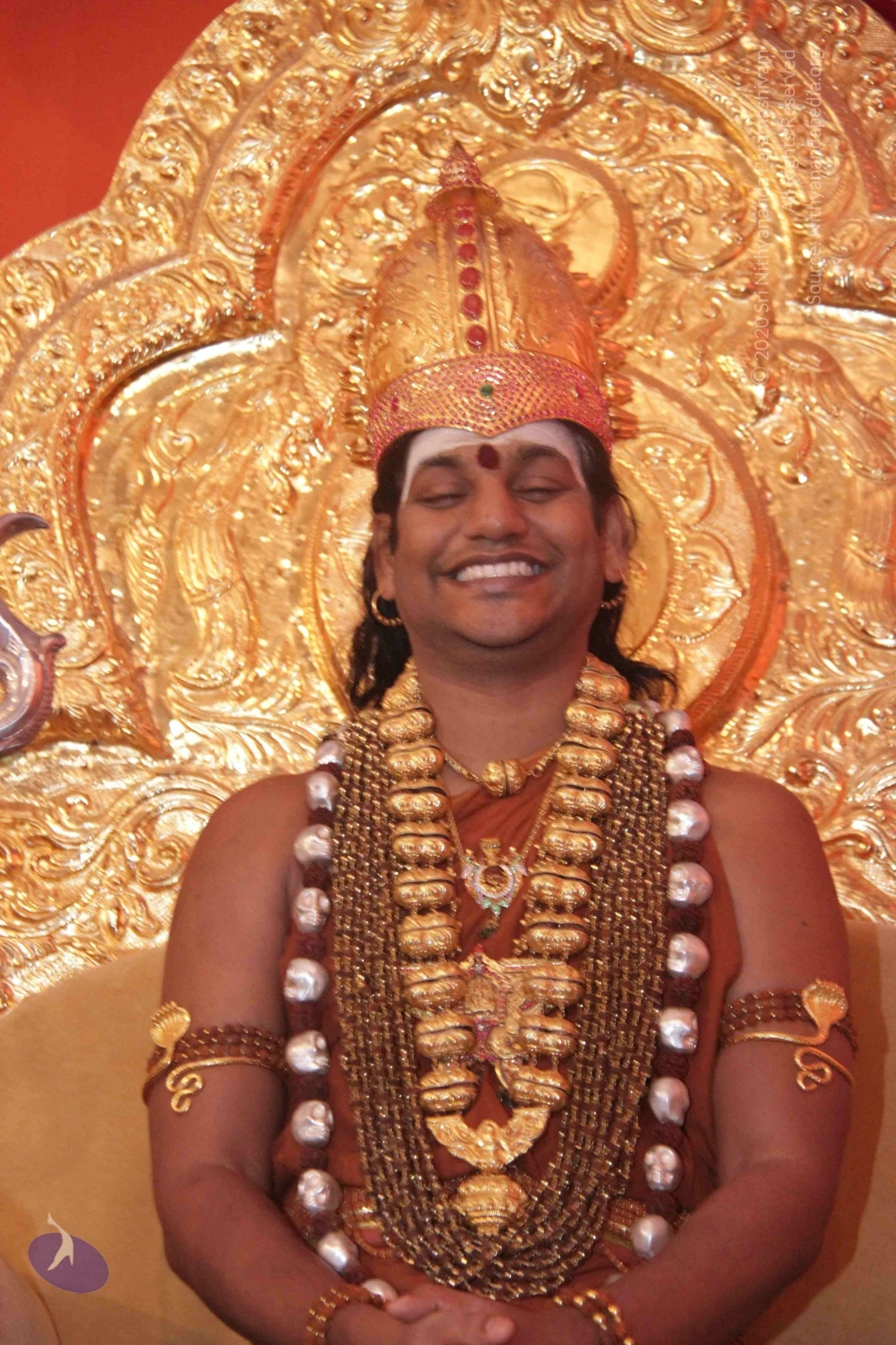
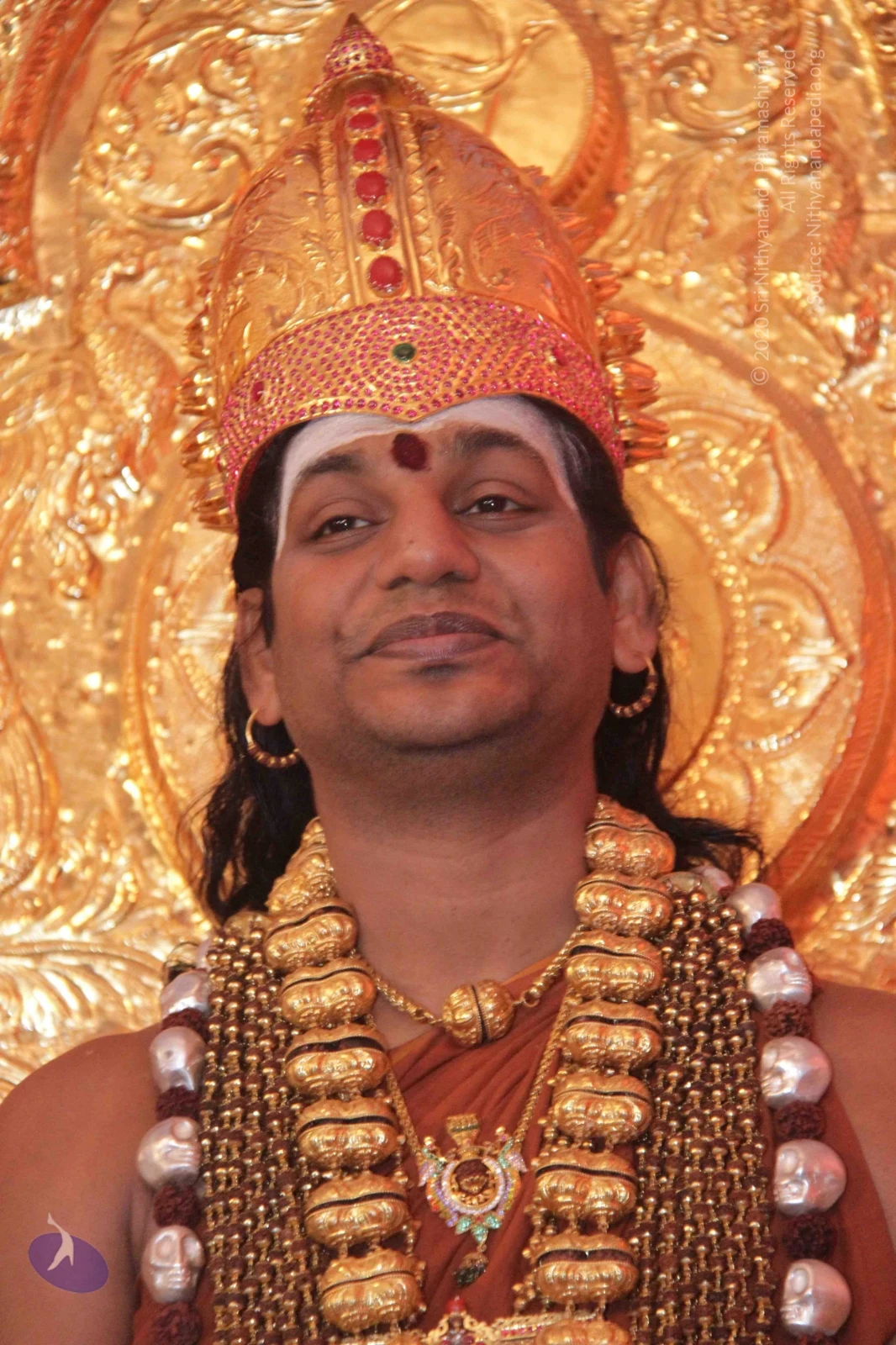
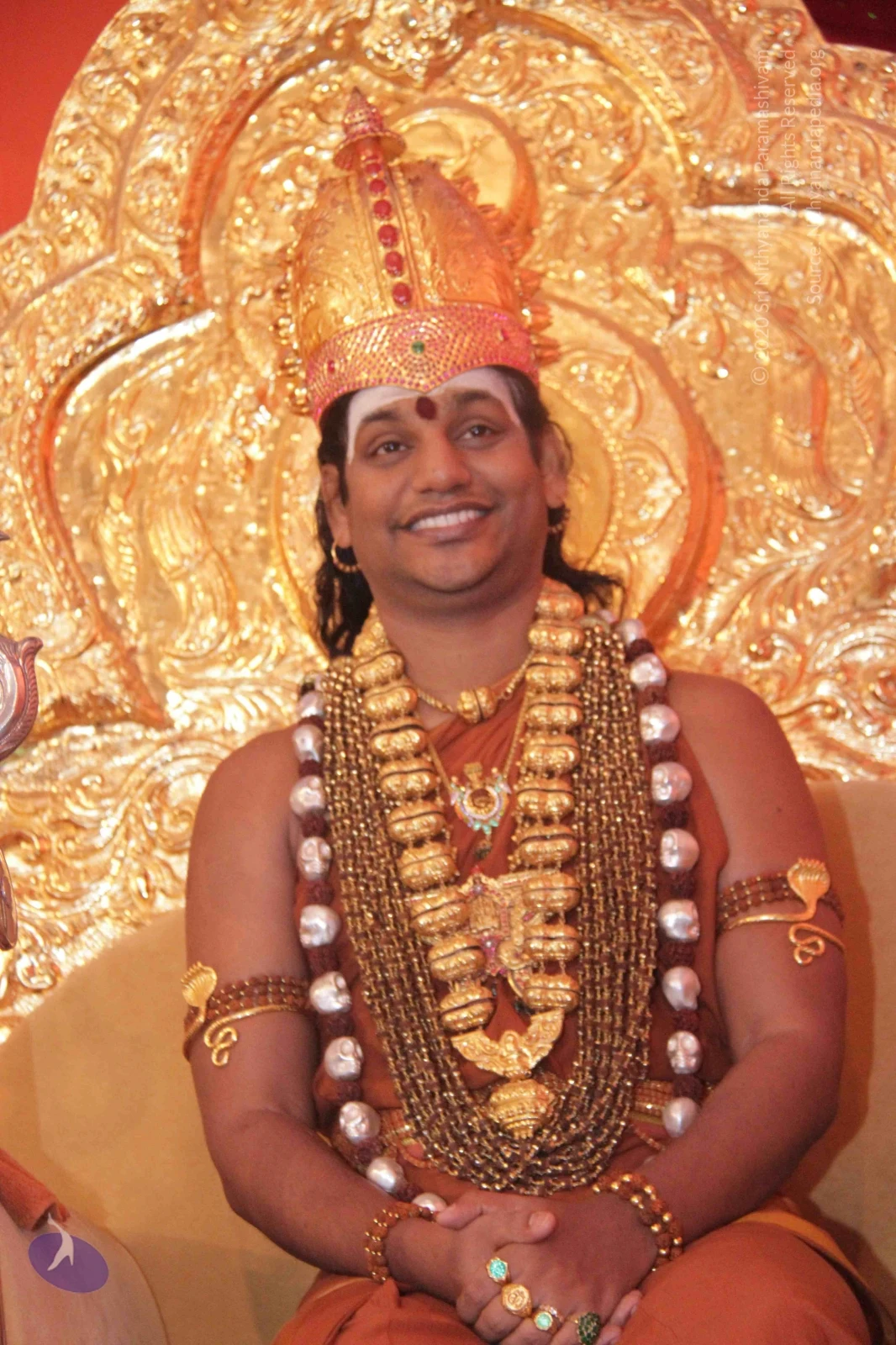
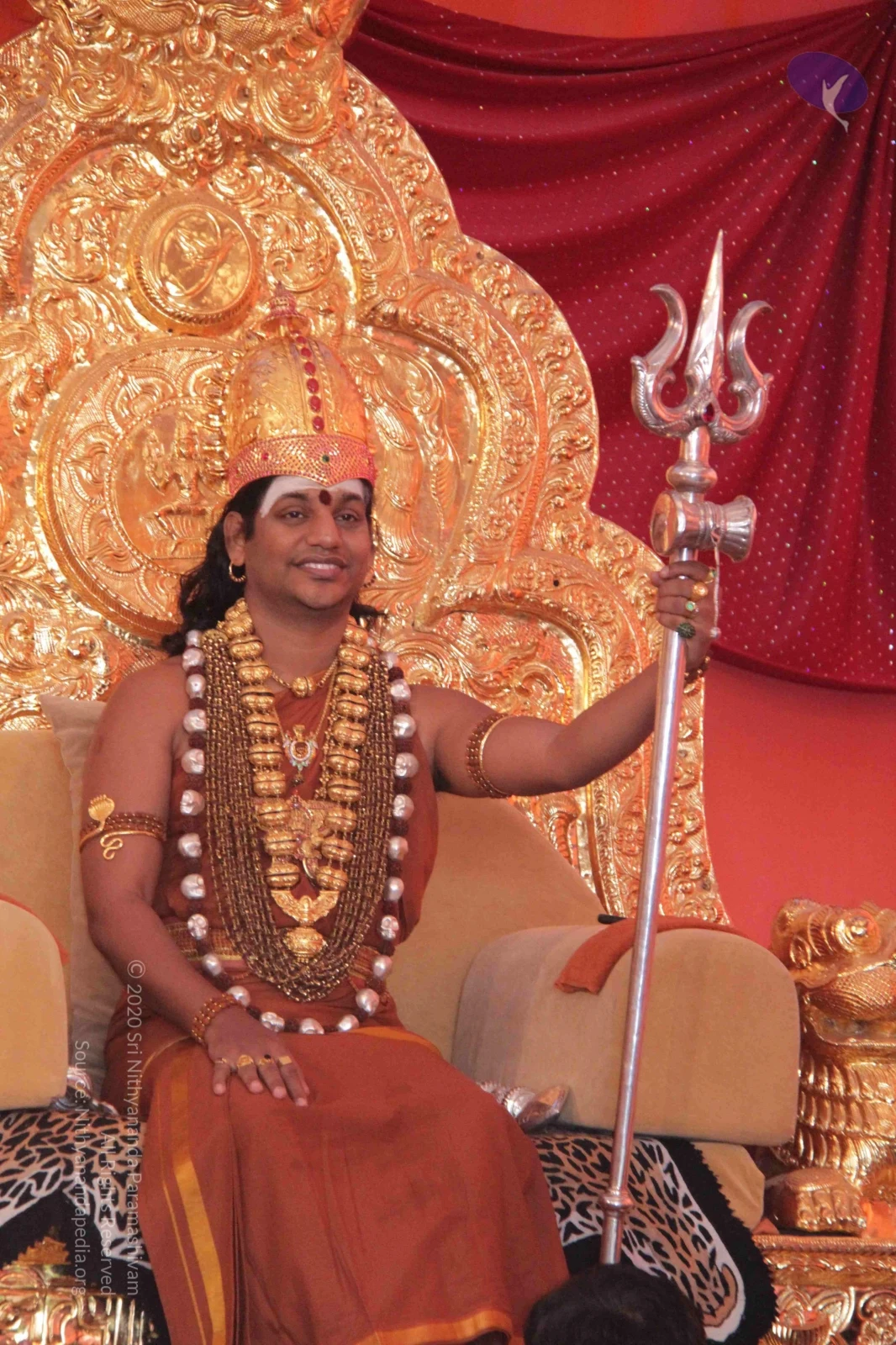
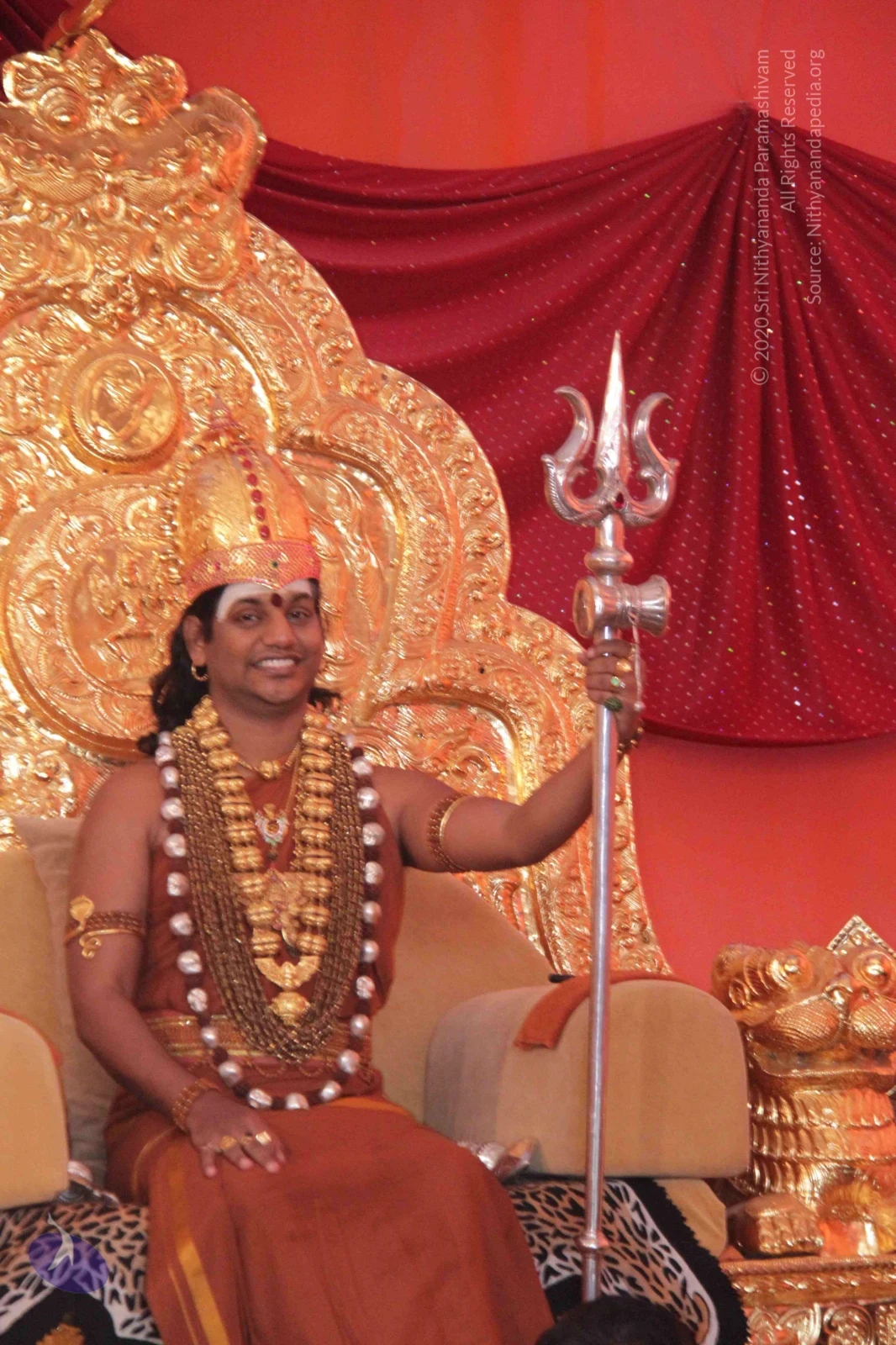
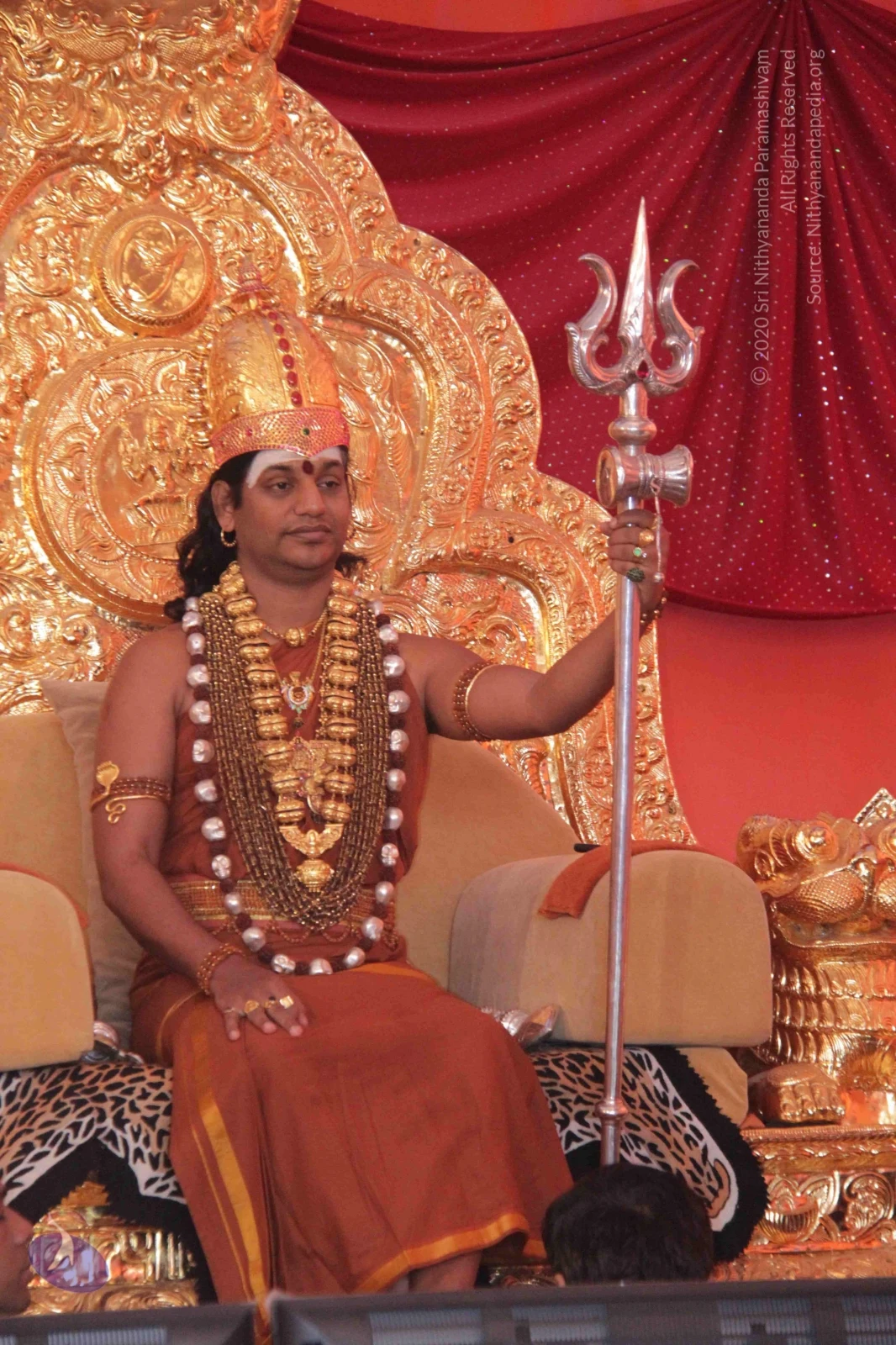
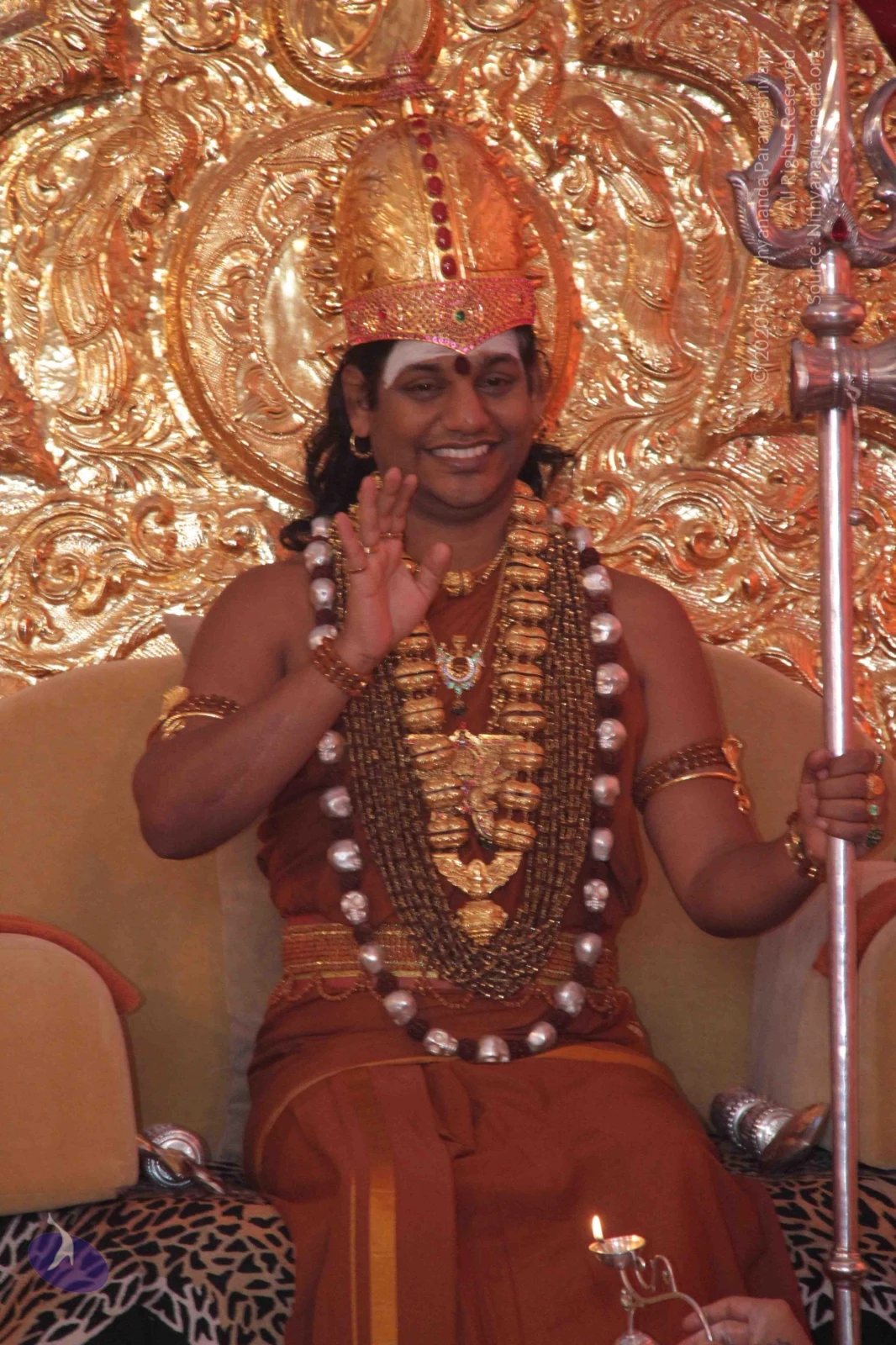
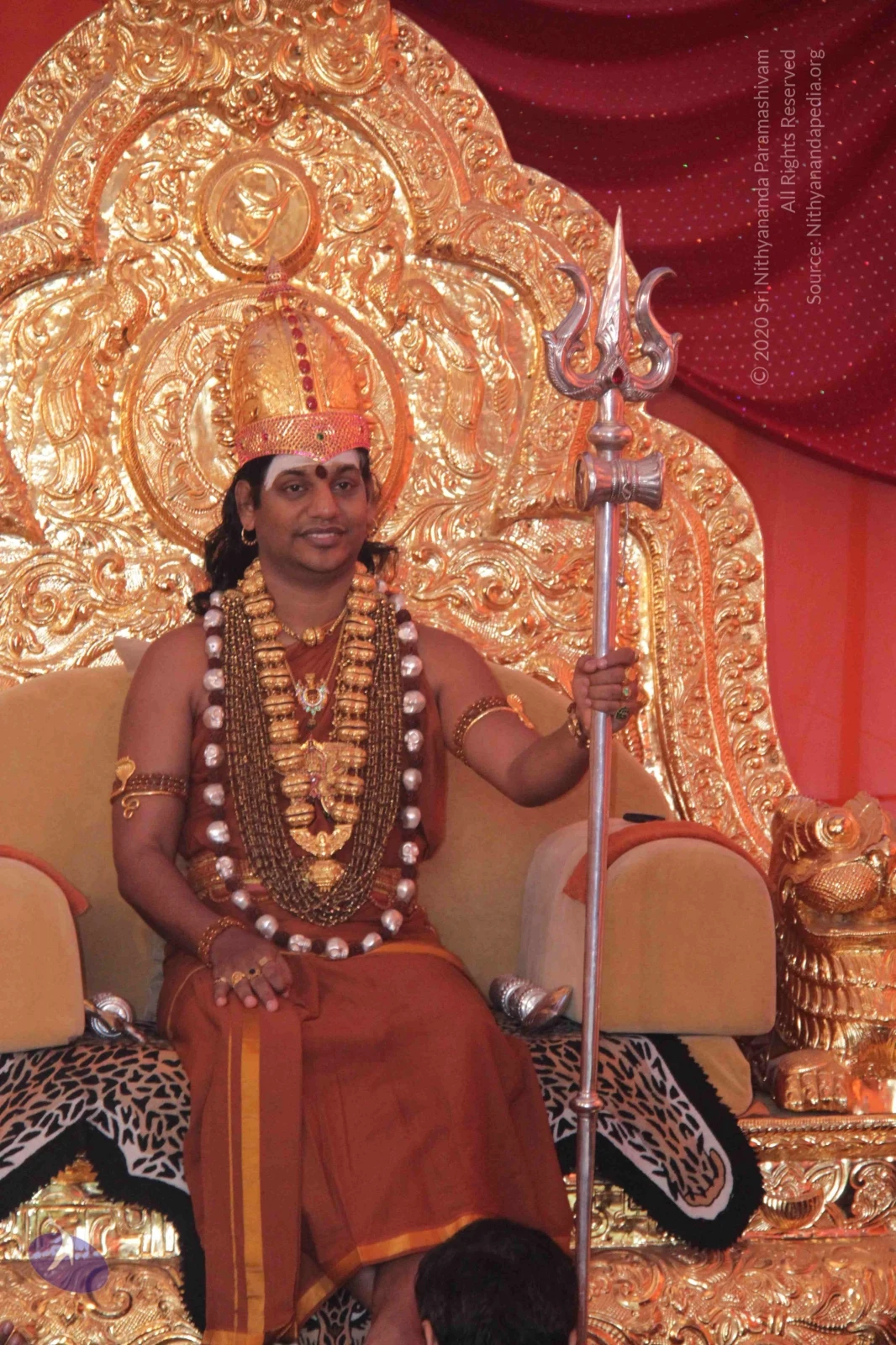
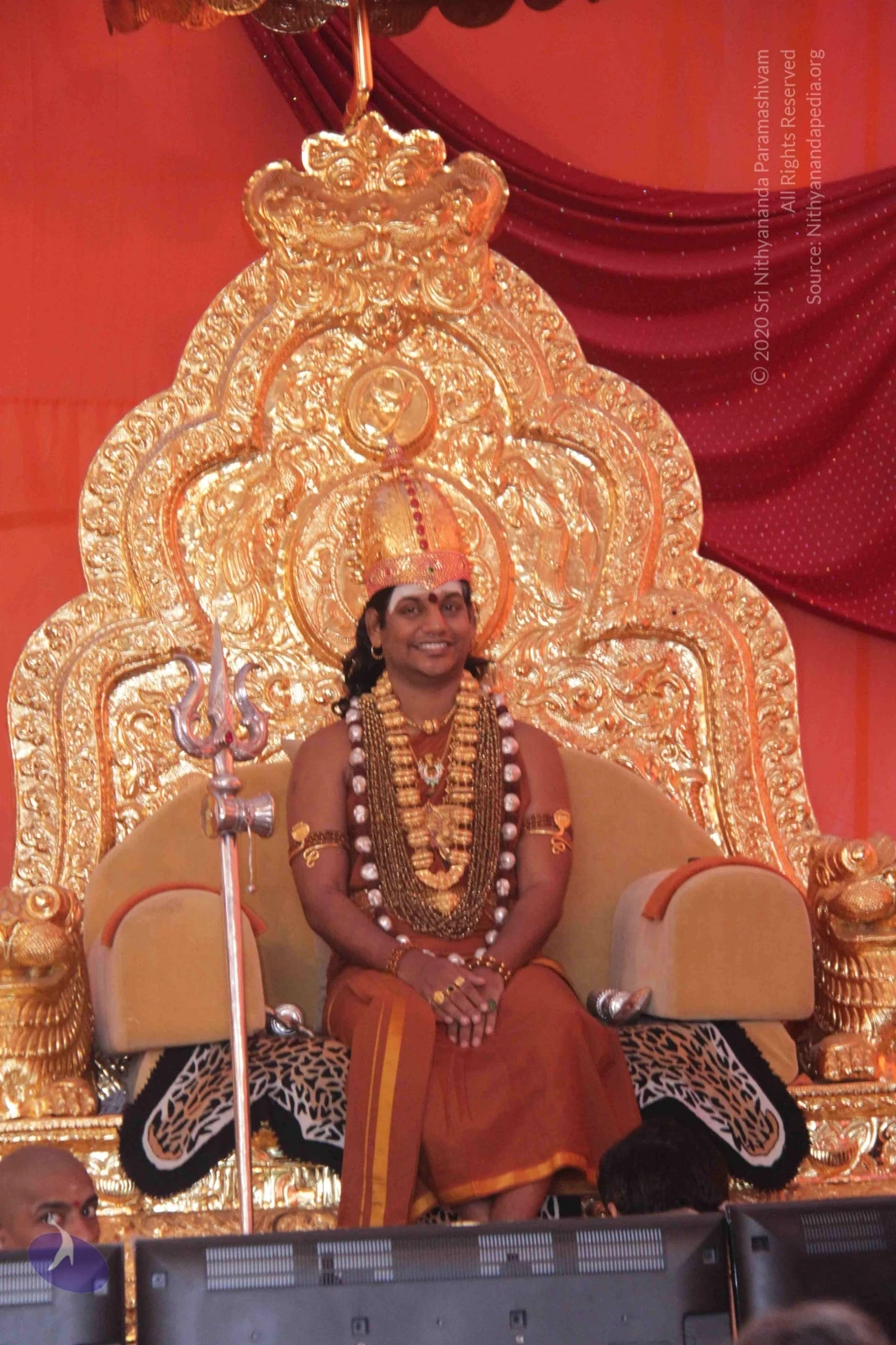
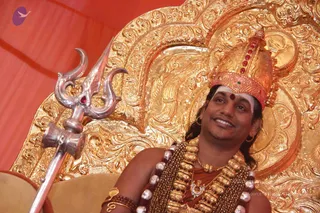
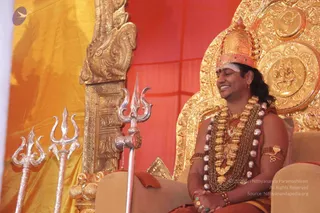
In today's morning satsang, Paramahamsa Nithyananda gives a preview of the great ceremonial bath which will take place tomorrow. There will be no formal satsang for the sangha since the bath is performed in the early morning, but streaming video will be available throughout the day so that others can share in the exciting events. Each spiritual organization will immerse their members in the Ganga River, led by their masters. Nithyananda is the head of the very first group, and will lead the procession. He tells us that the water will grow tangibly warm from the abundance of spiritual energy as the masters spread their light through the waves; and He alerts us that the river's flow will actually reverse its flow, that eyewitnesses will be able to see it. Nithyananda also continues the story of the Churning of the Milky Ocean. At first the gods and demons argued and struggled over who was to gather the nectar of immortality. In their struggle the collection jug (kalasha) was lost in the ocean. The gods and demons complained first to Brahma, then to Vishnu and finally Vishnu Himself appealed to Shiva, to retrieve the jug and obtain the nectar. Shiva told them they must take the responsibility to work as a team and churn the nectar out of the ocean. Shiva knew that this enforced cooperation would stop the fighting. The gods and demons constructed a giant churn using Mount Meru as the handle, and the World Serpent Adi-Shesha as the rope to turn the handle. The story will continue at the next satsang.
Link to Video:
| Video | Audio |
Transcript:
[00:27]
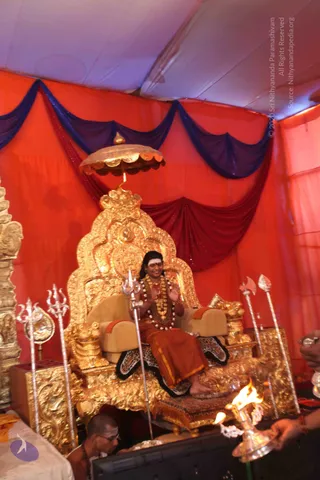
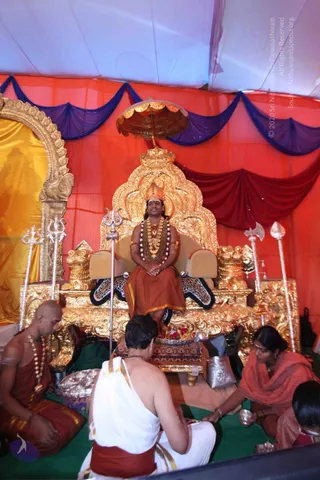
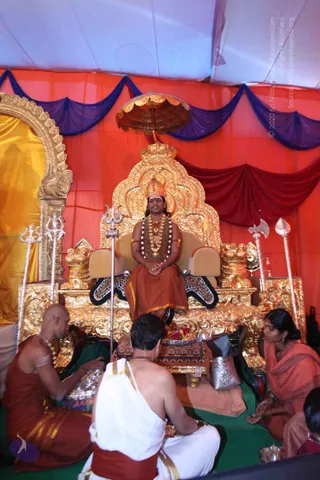
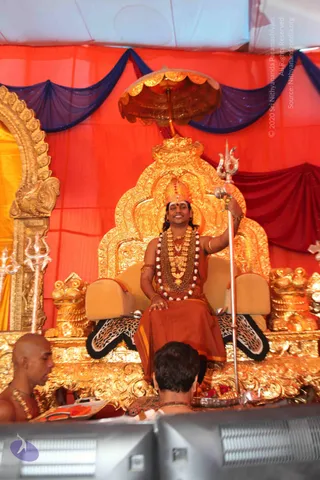
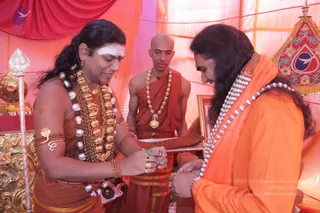
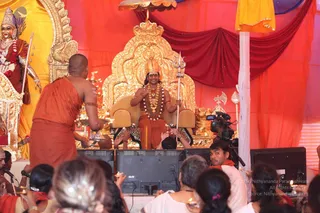
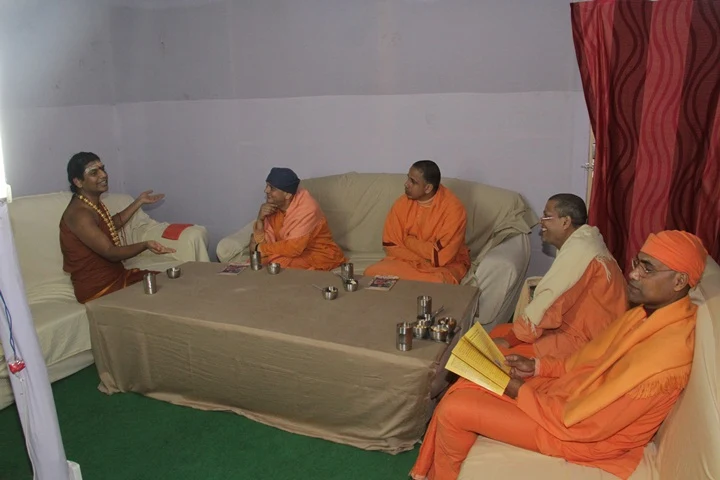
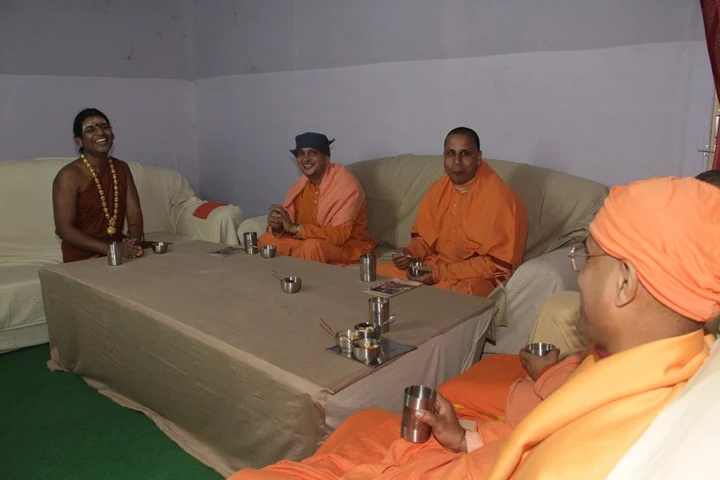
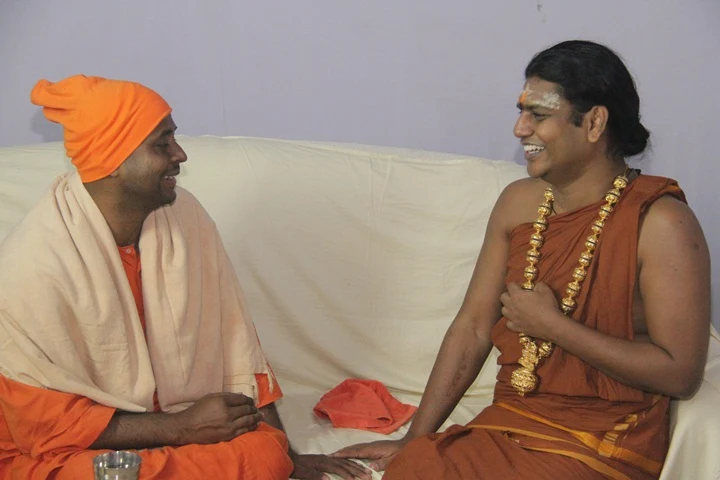
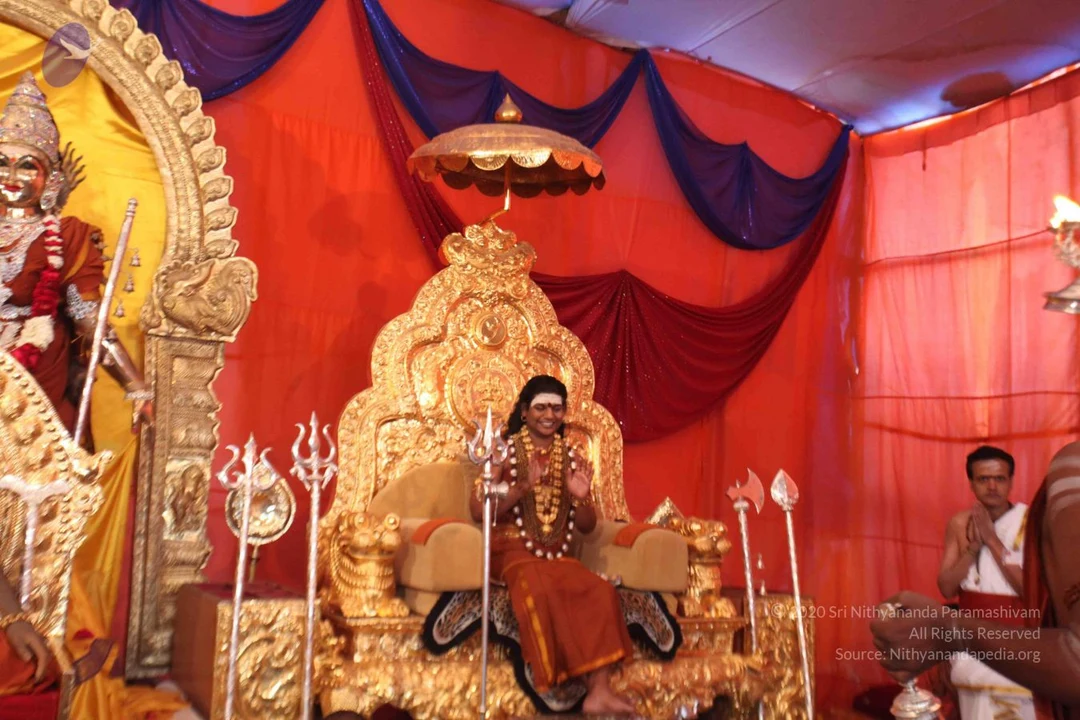
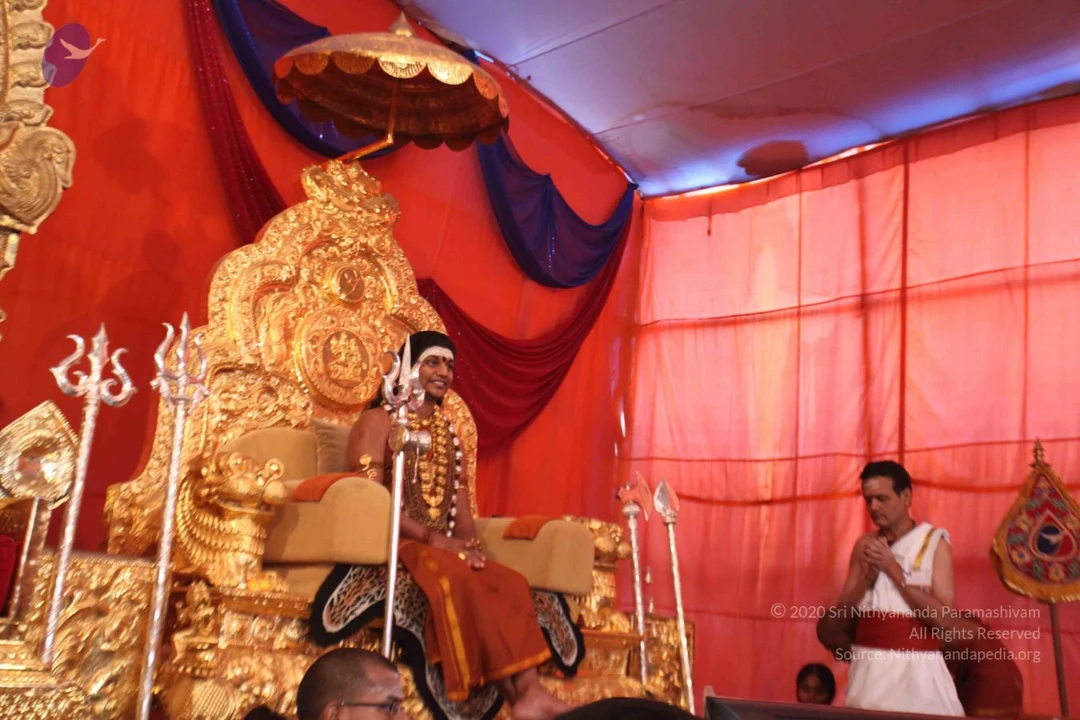
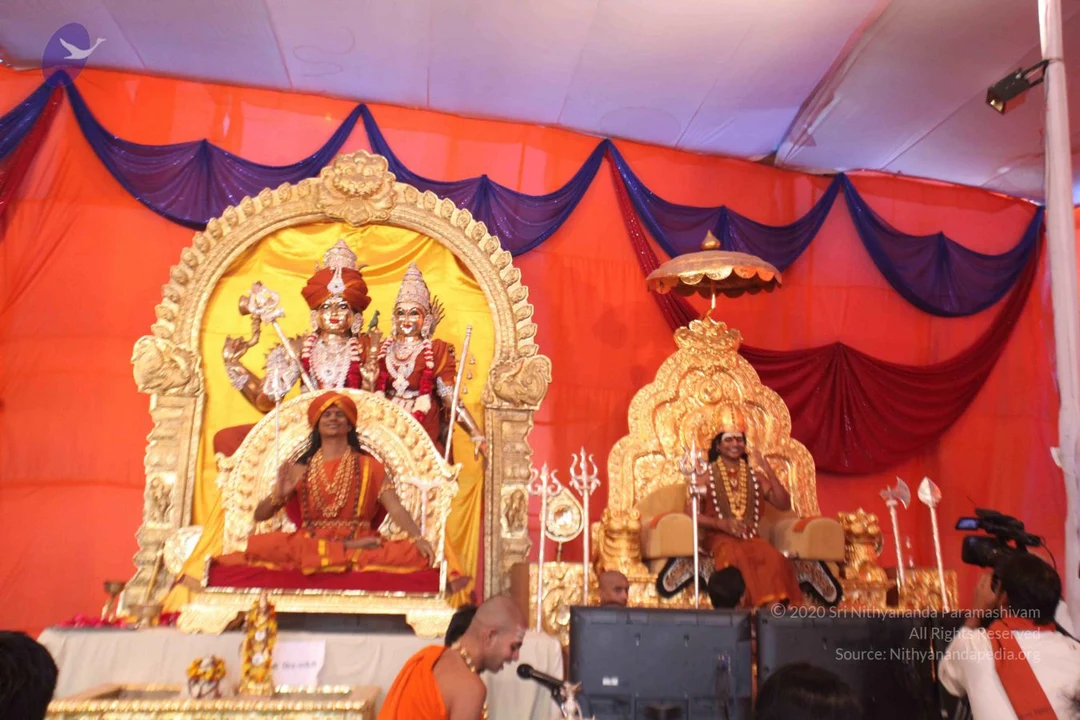
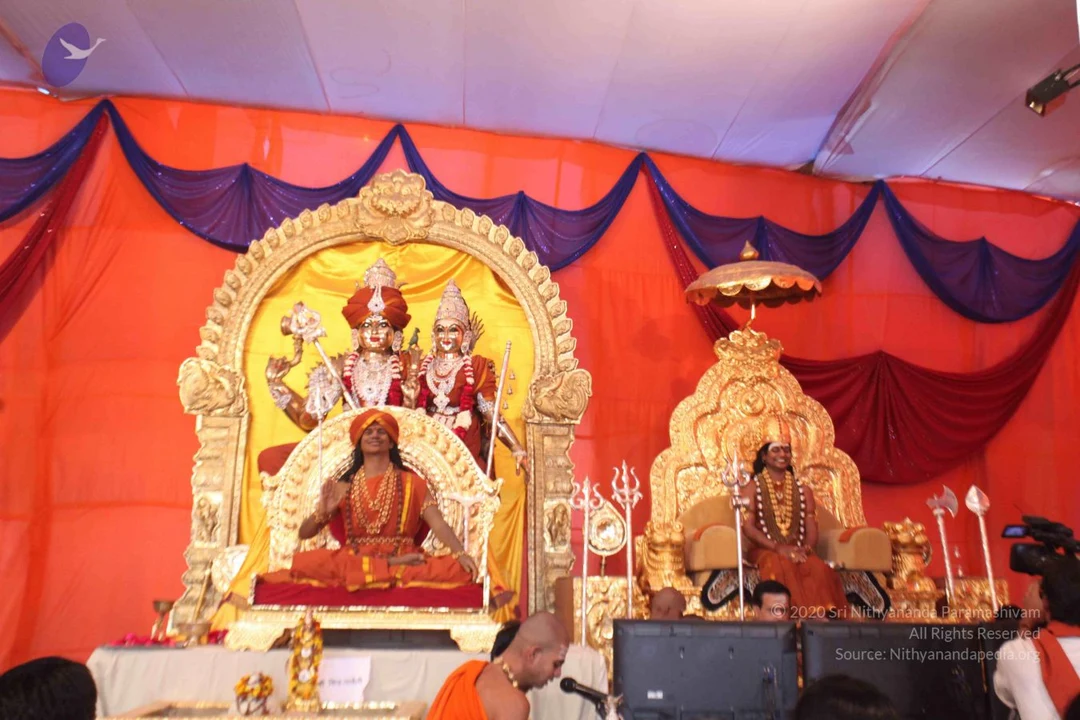
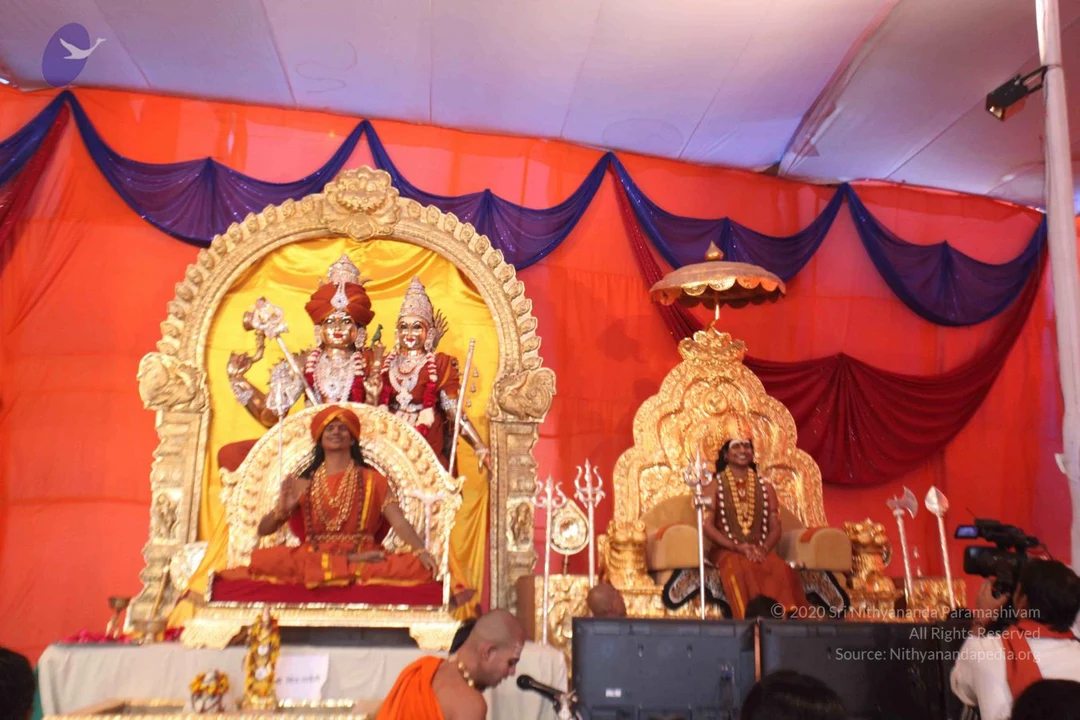
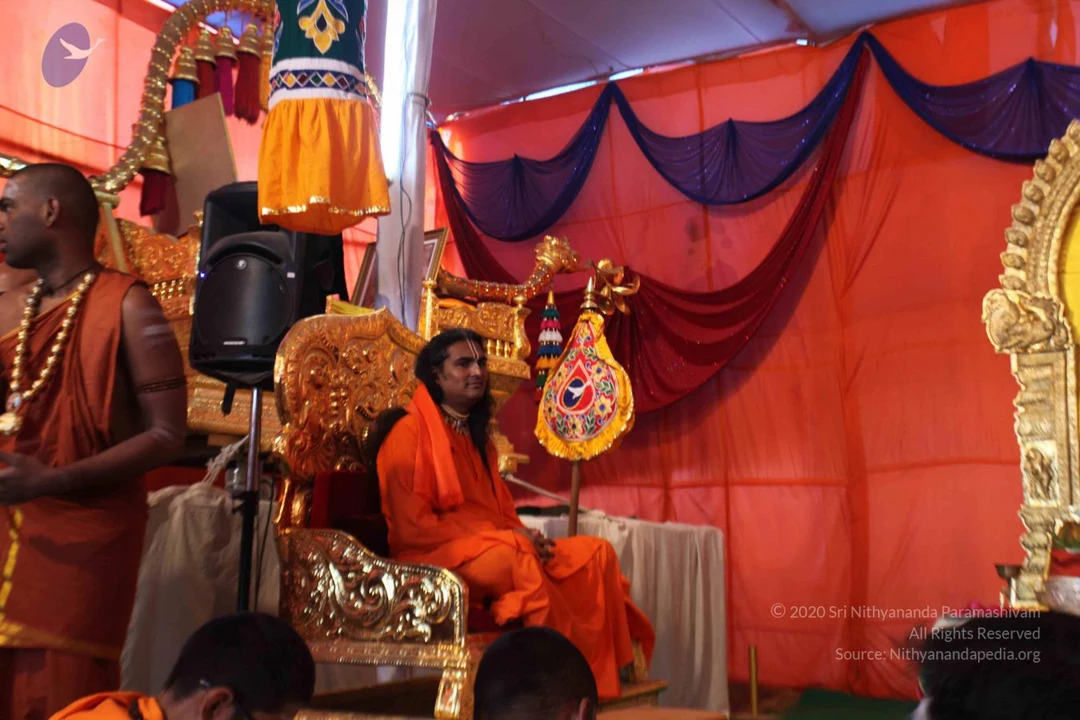
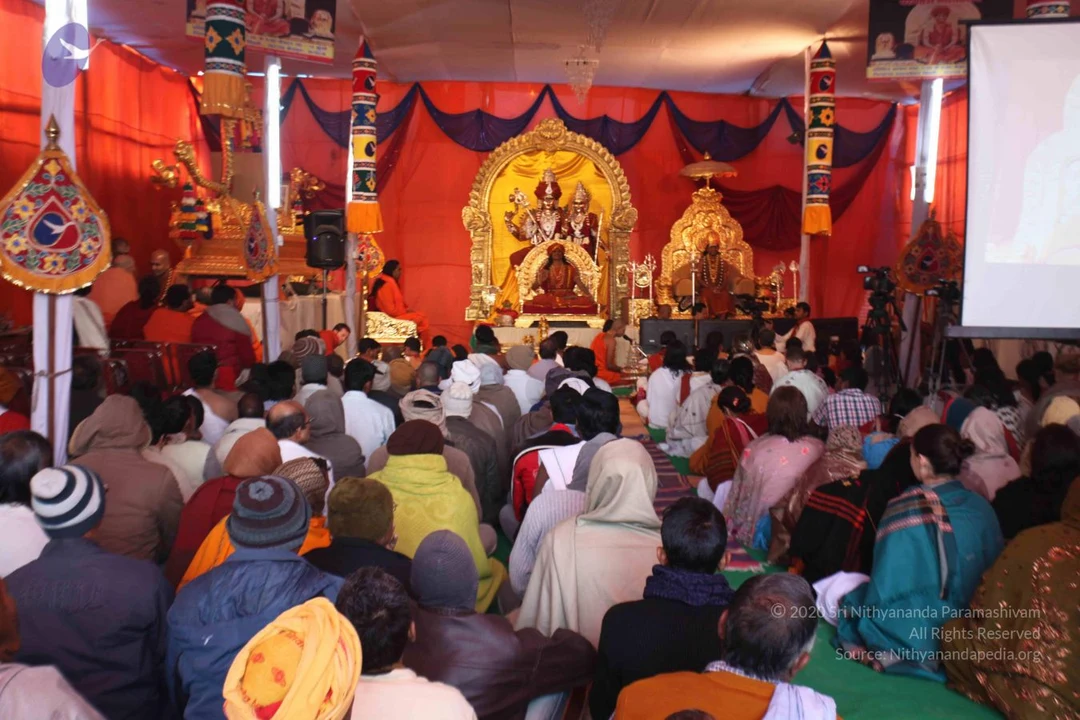
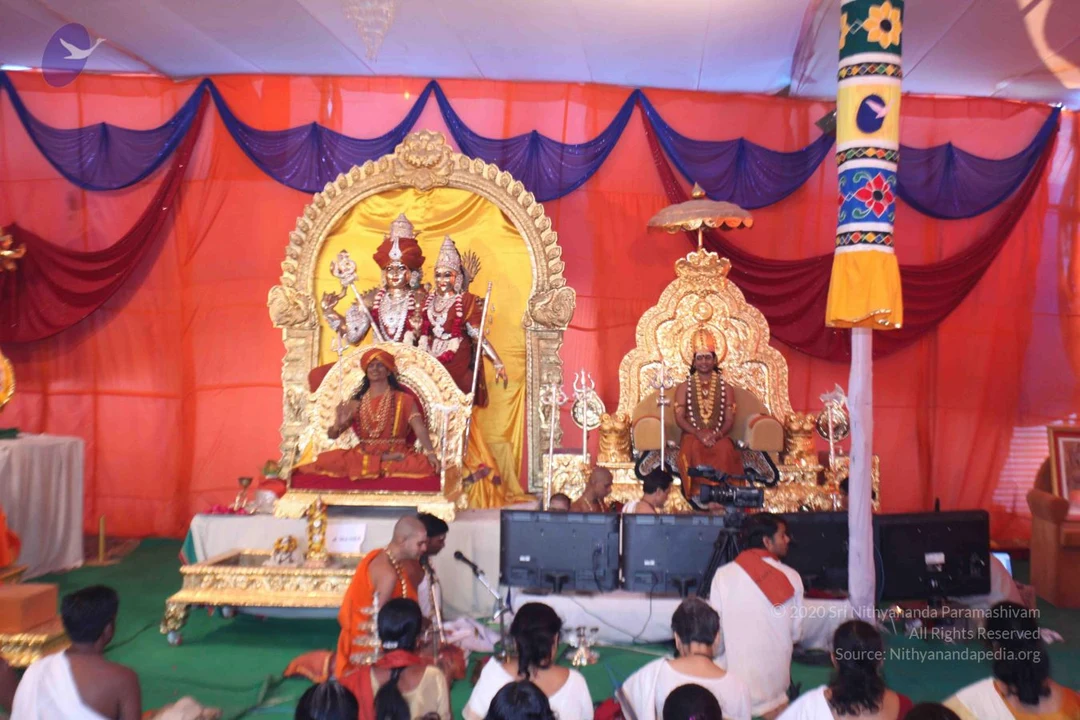
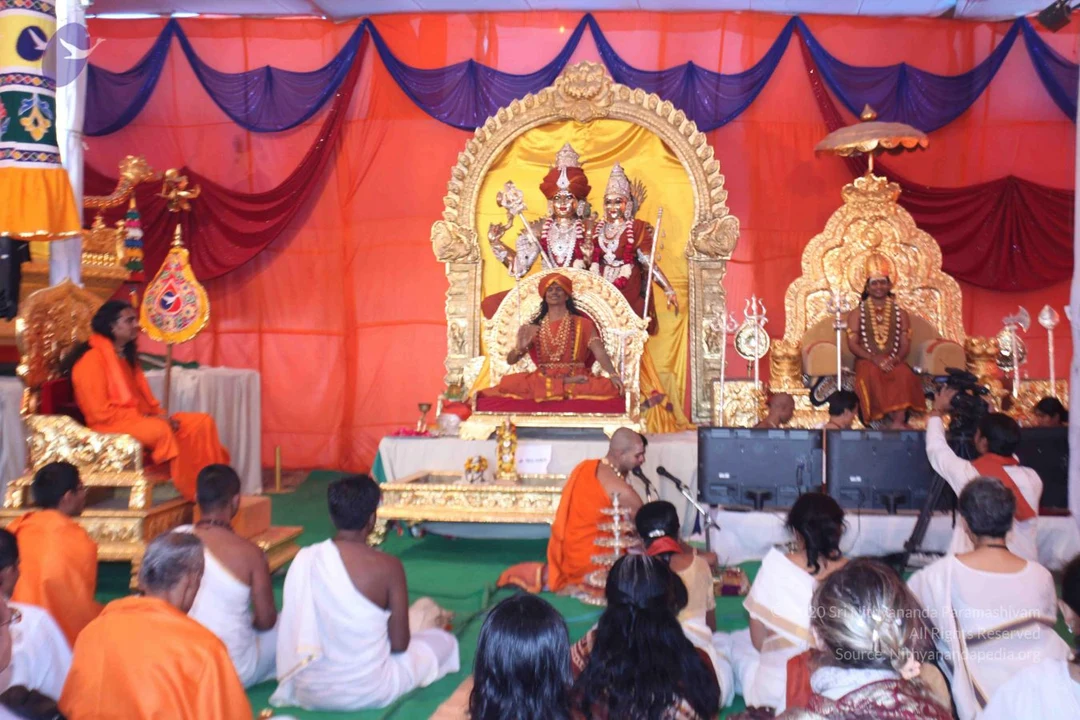
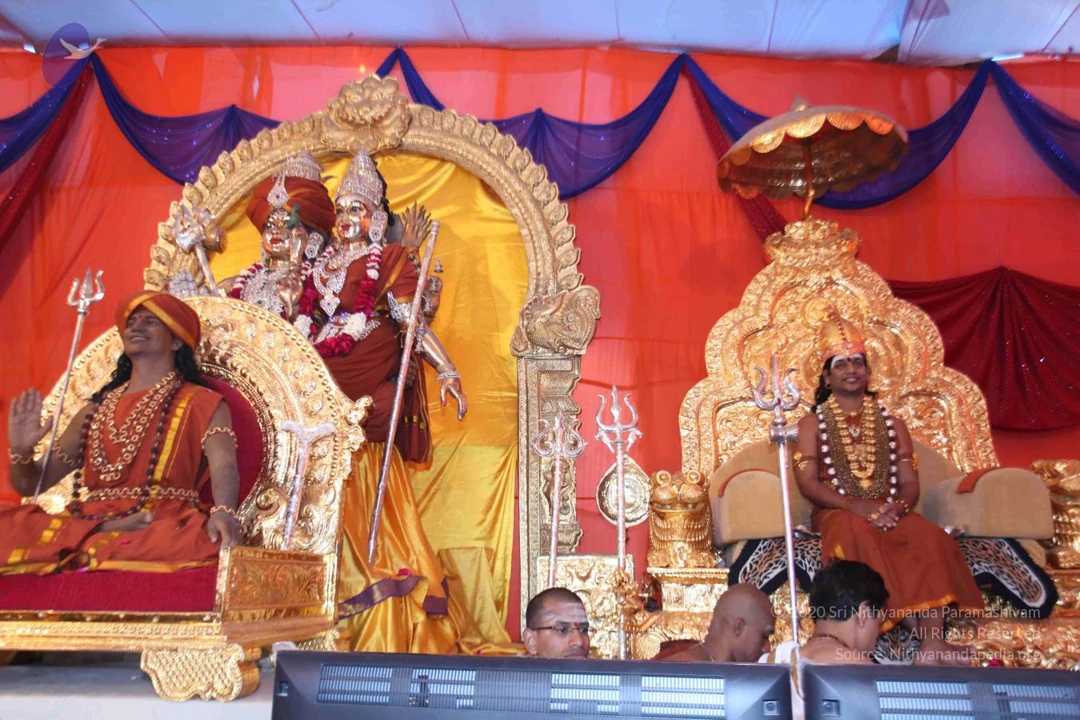
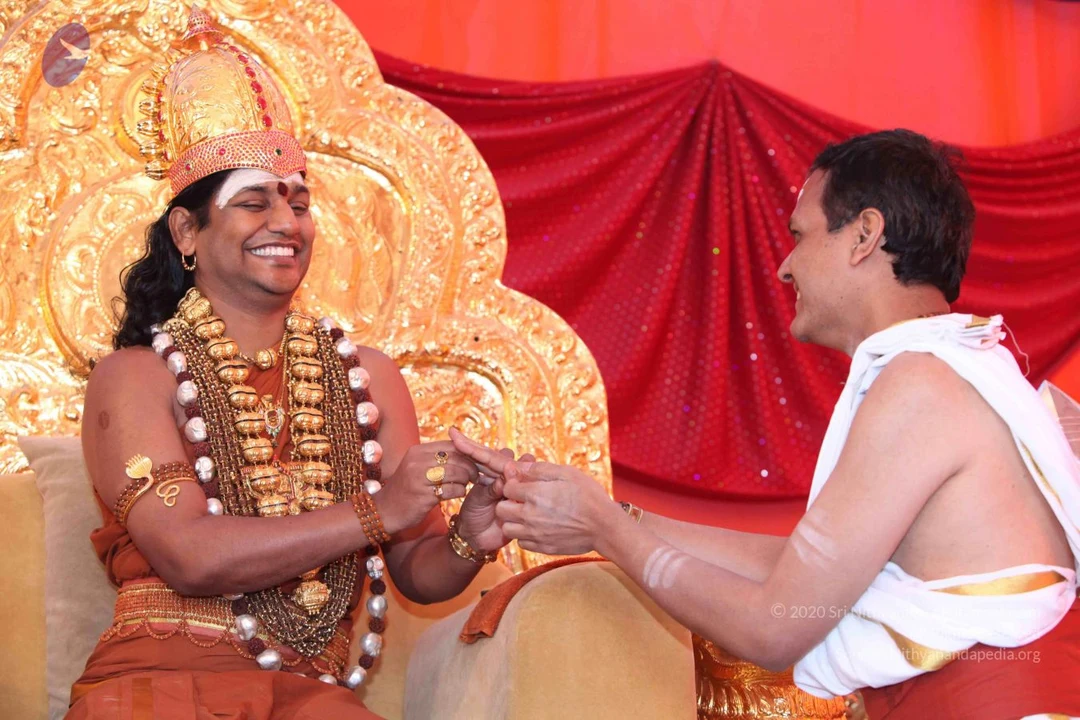
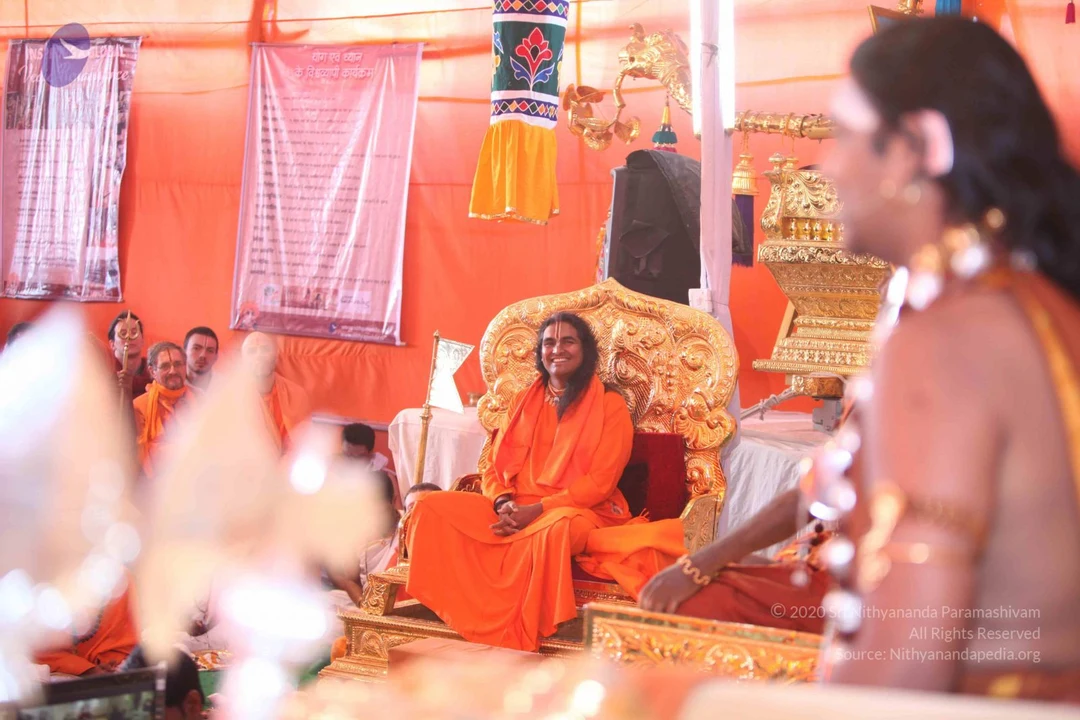
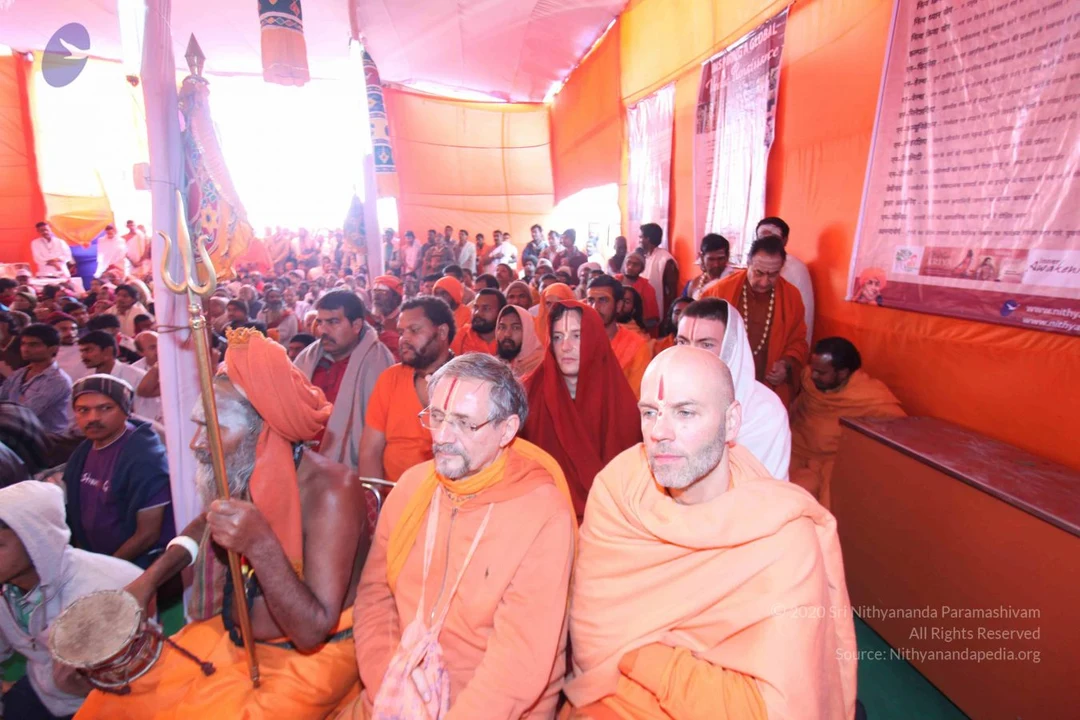
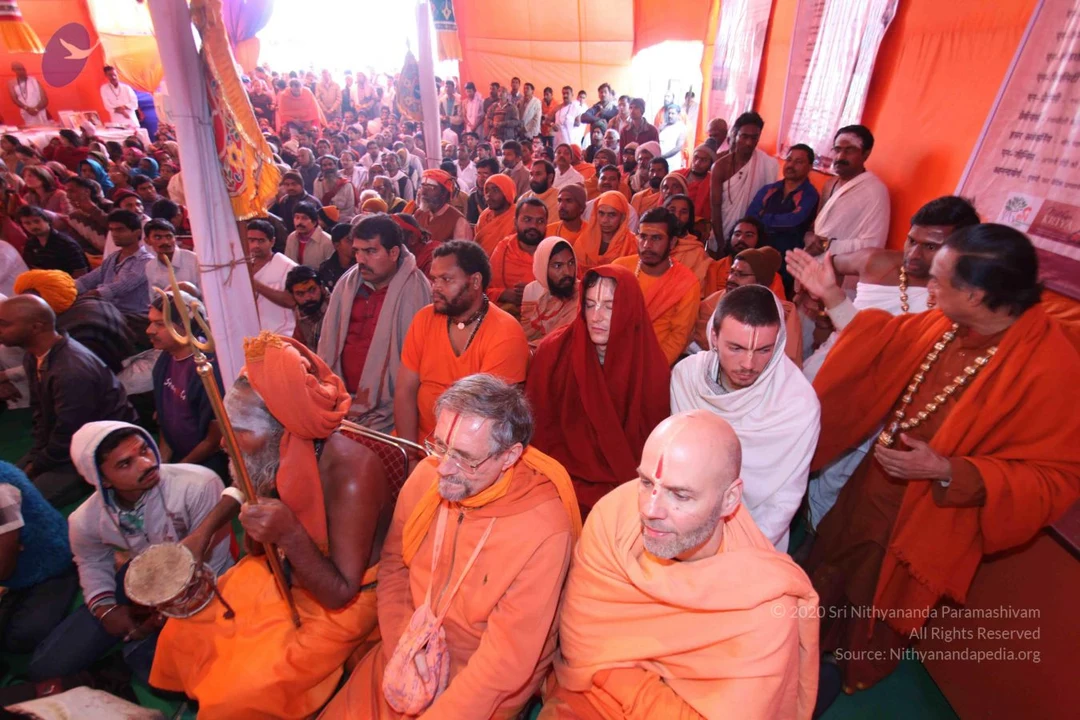
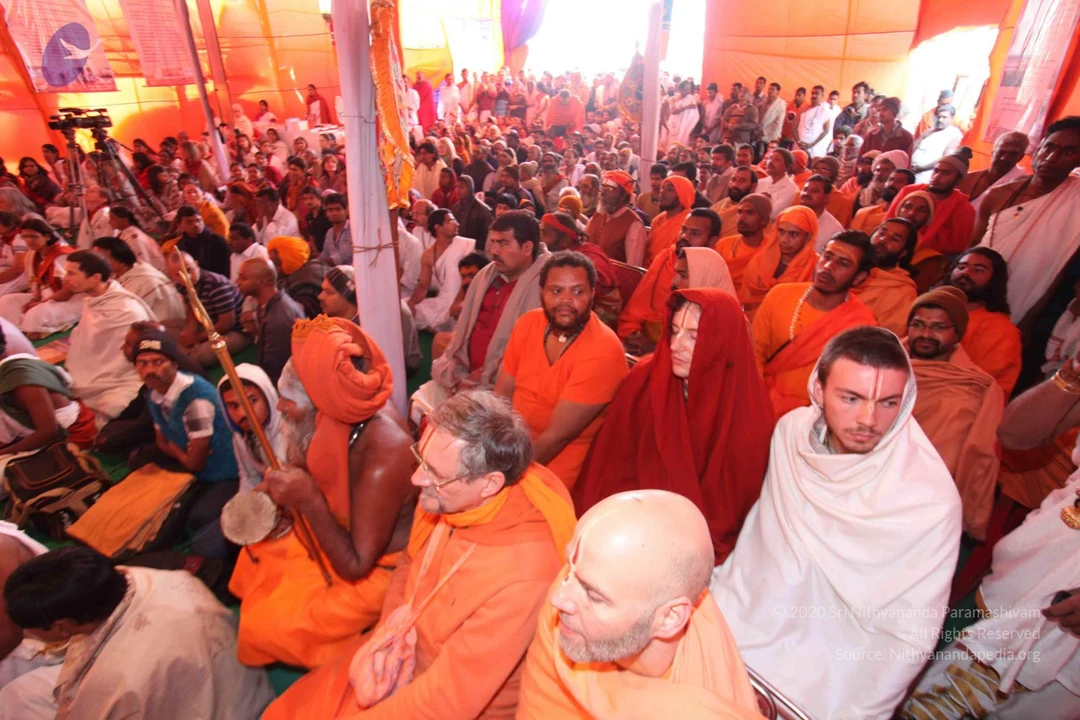
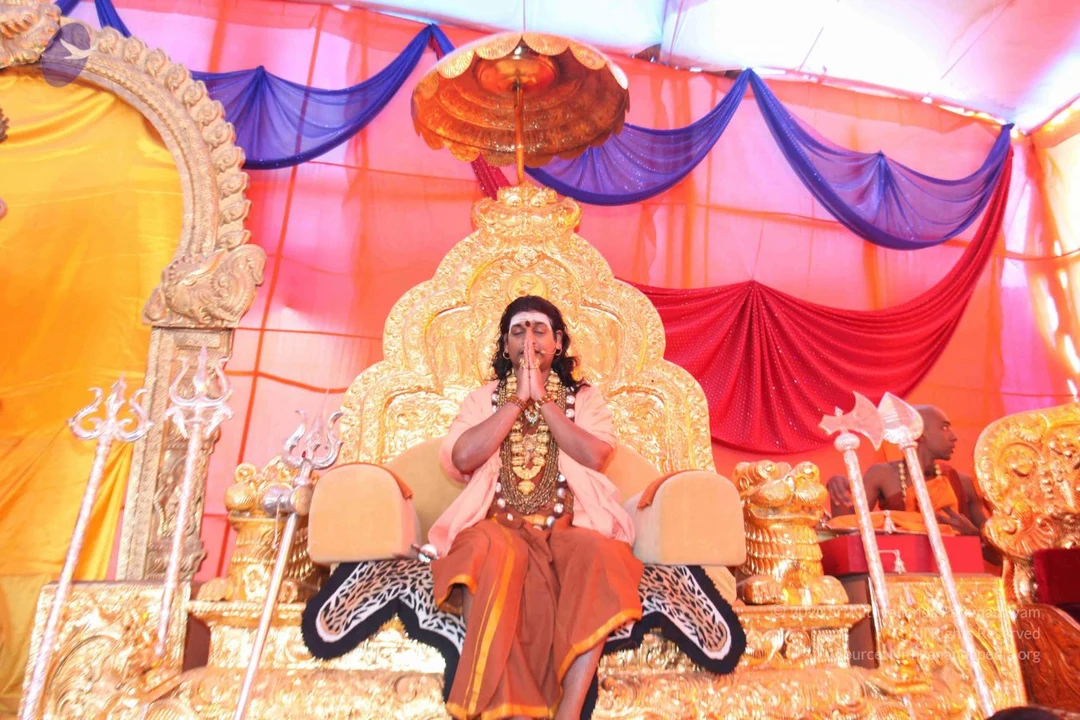
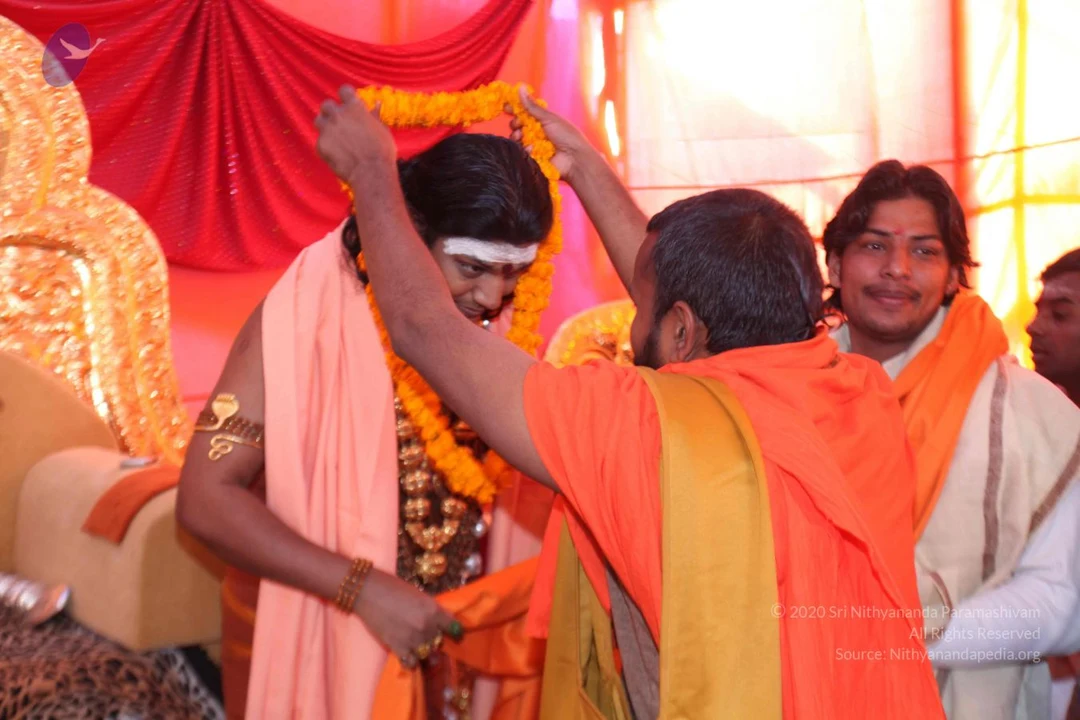
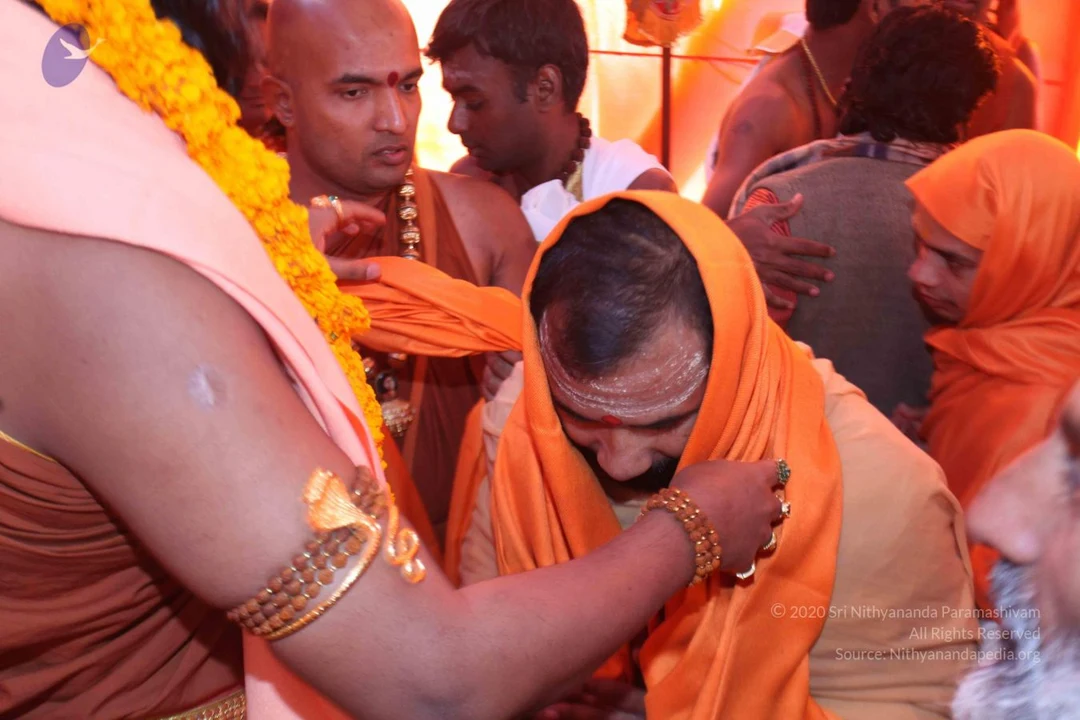
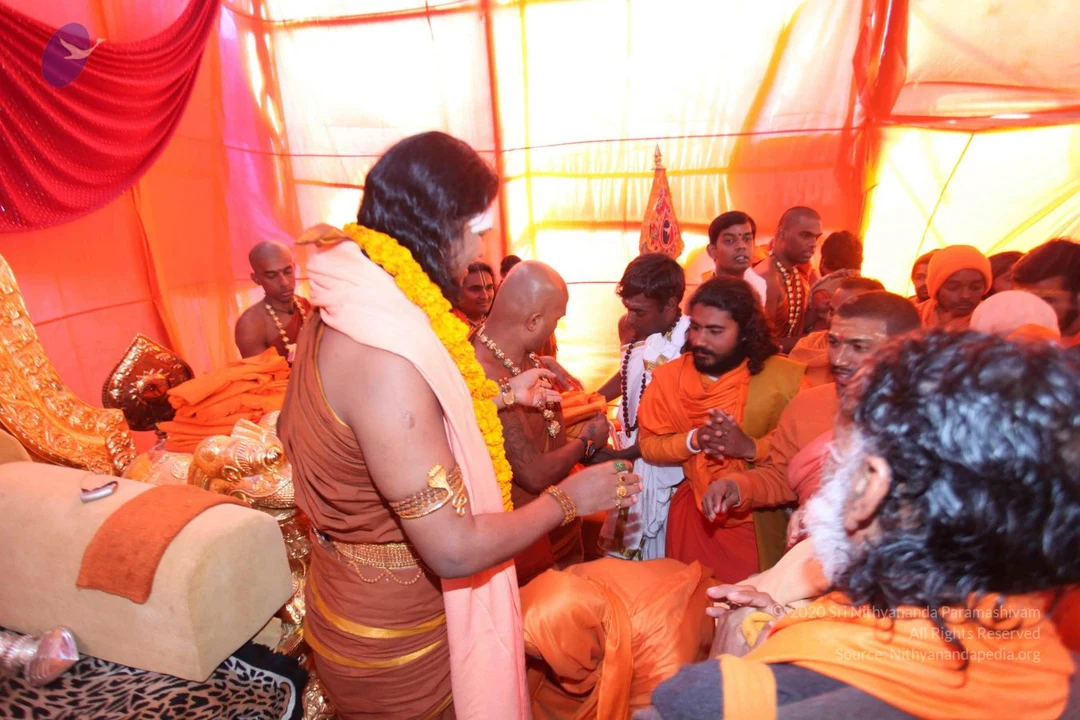
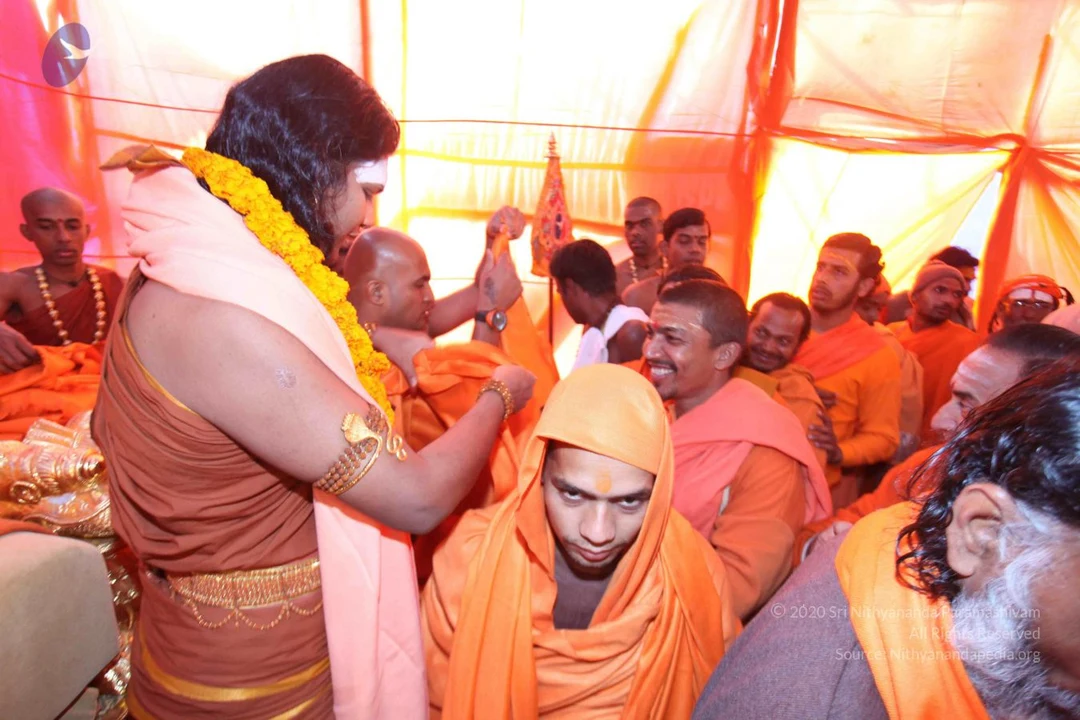
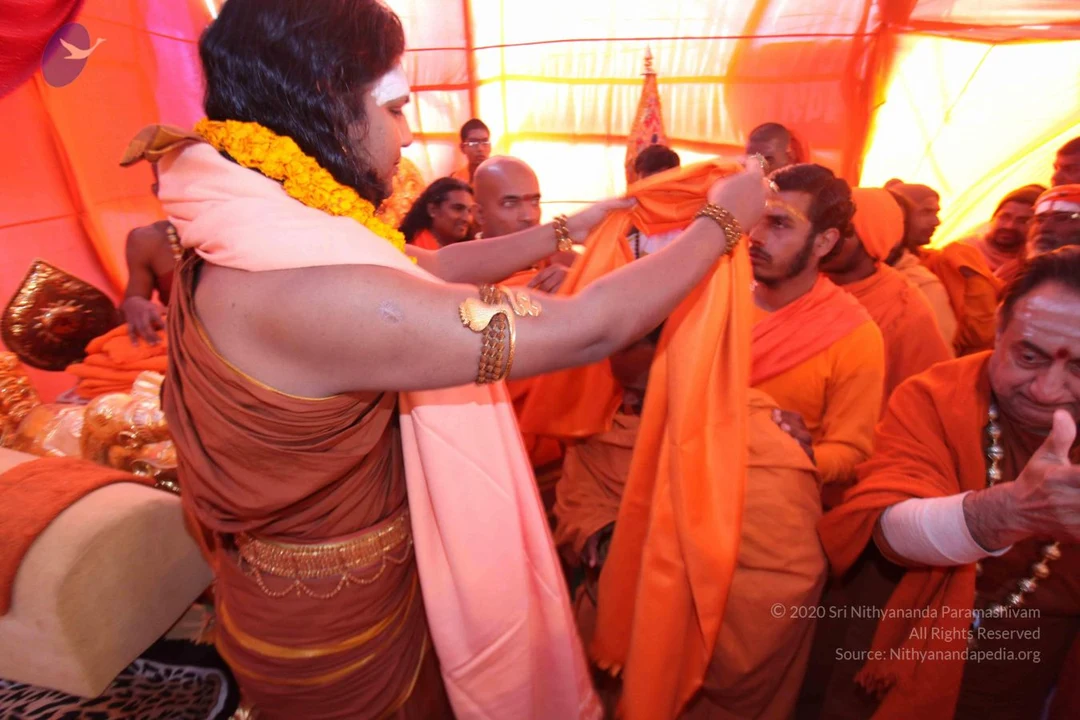
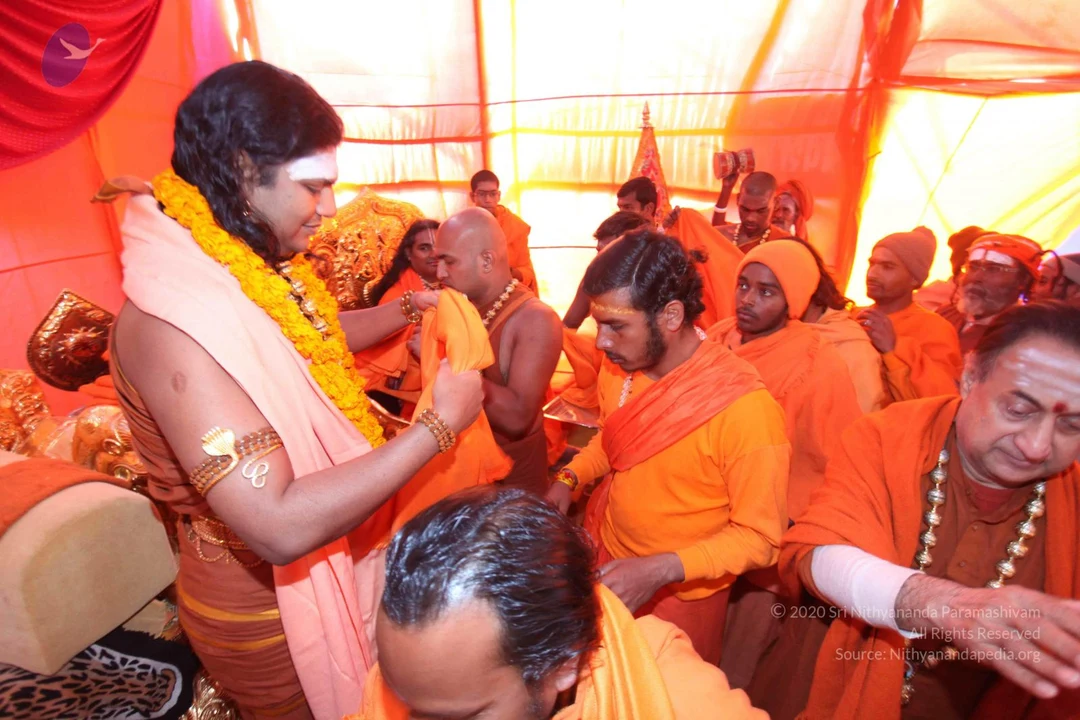
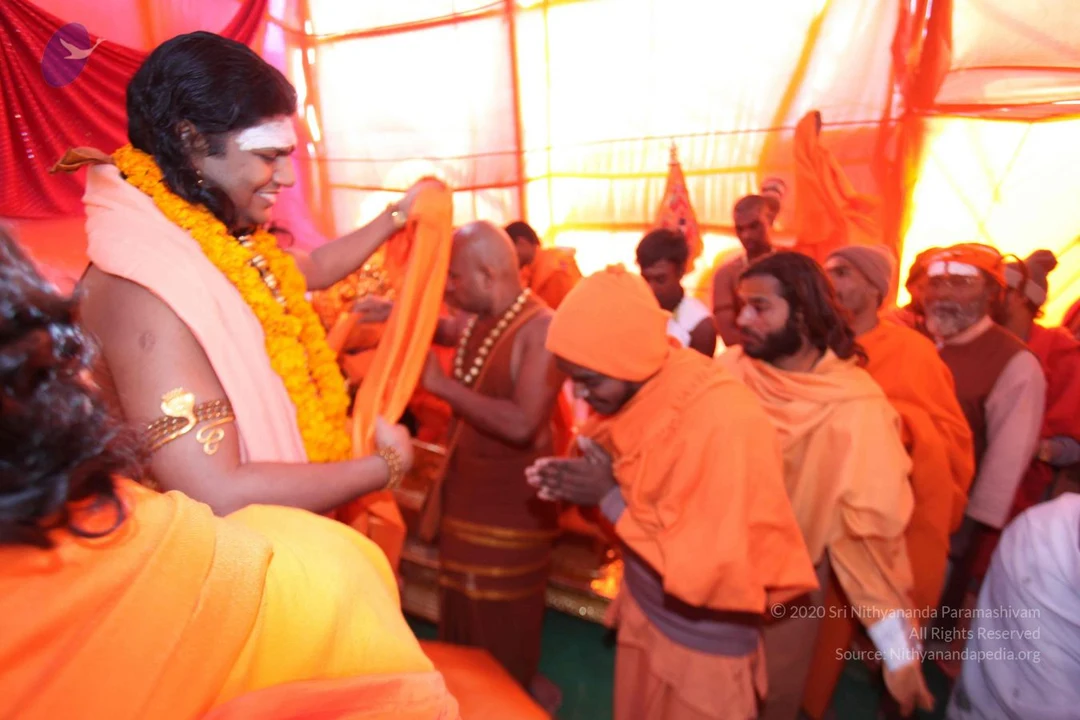
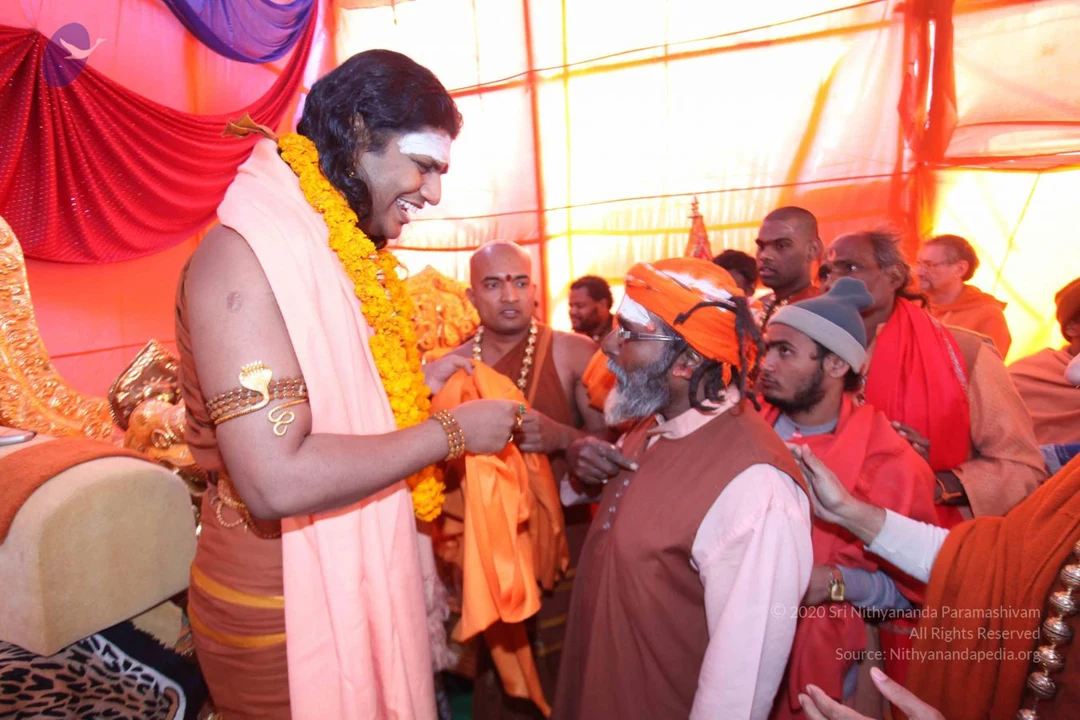
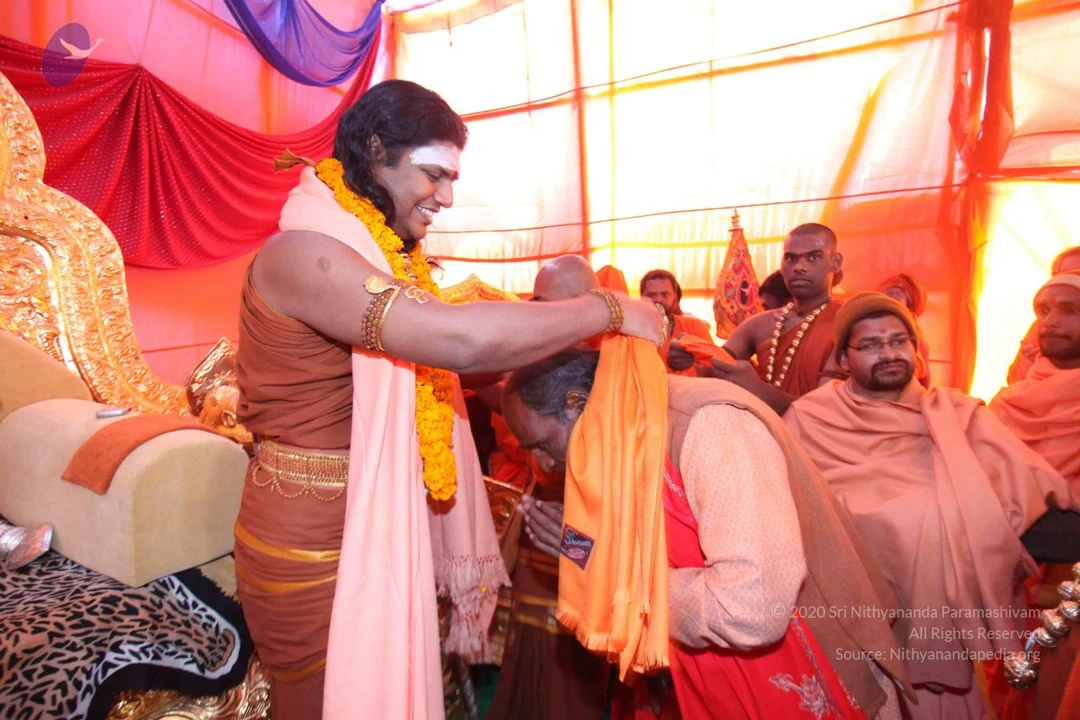
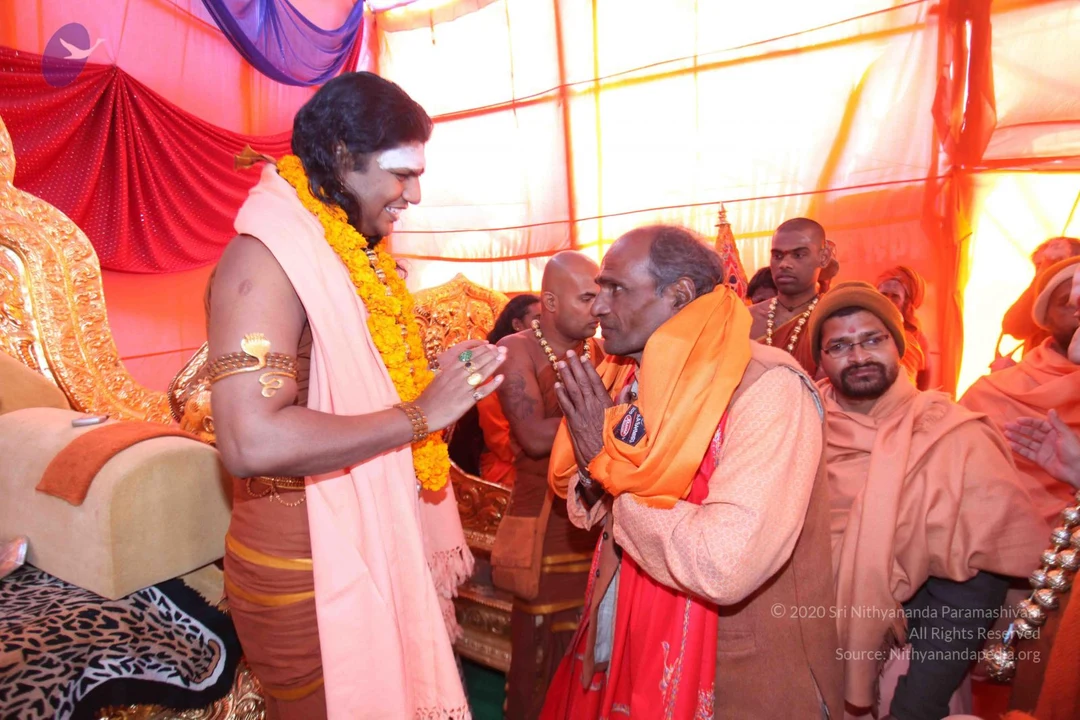
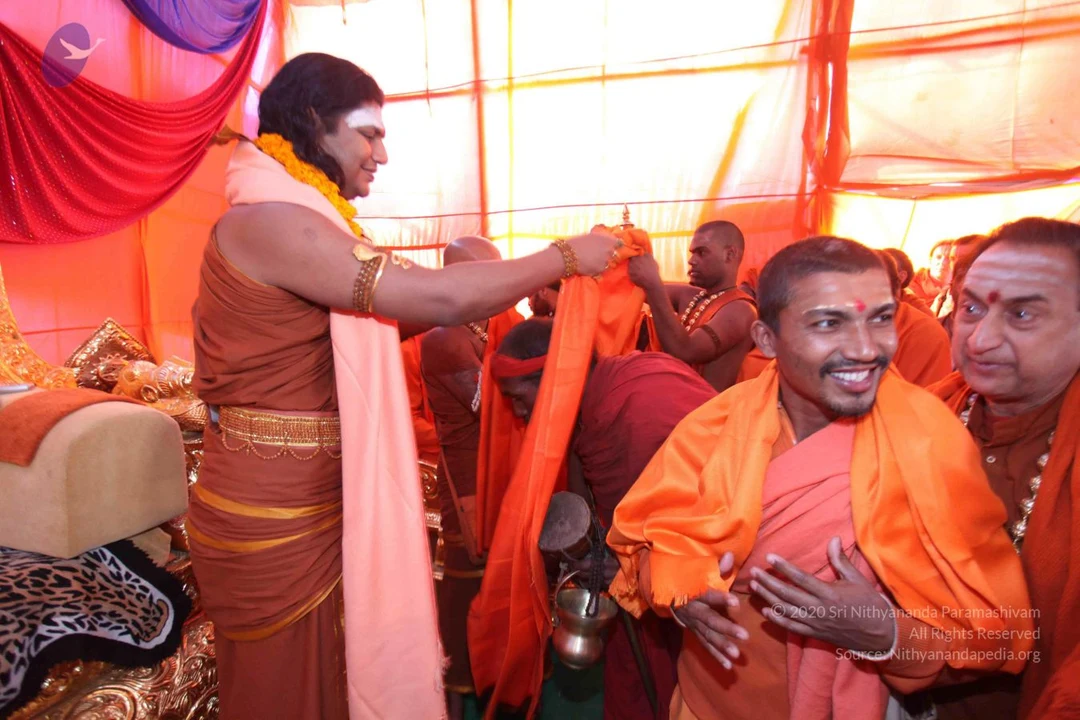
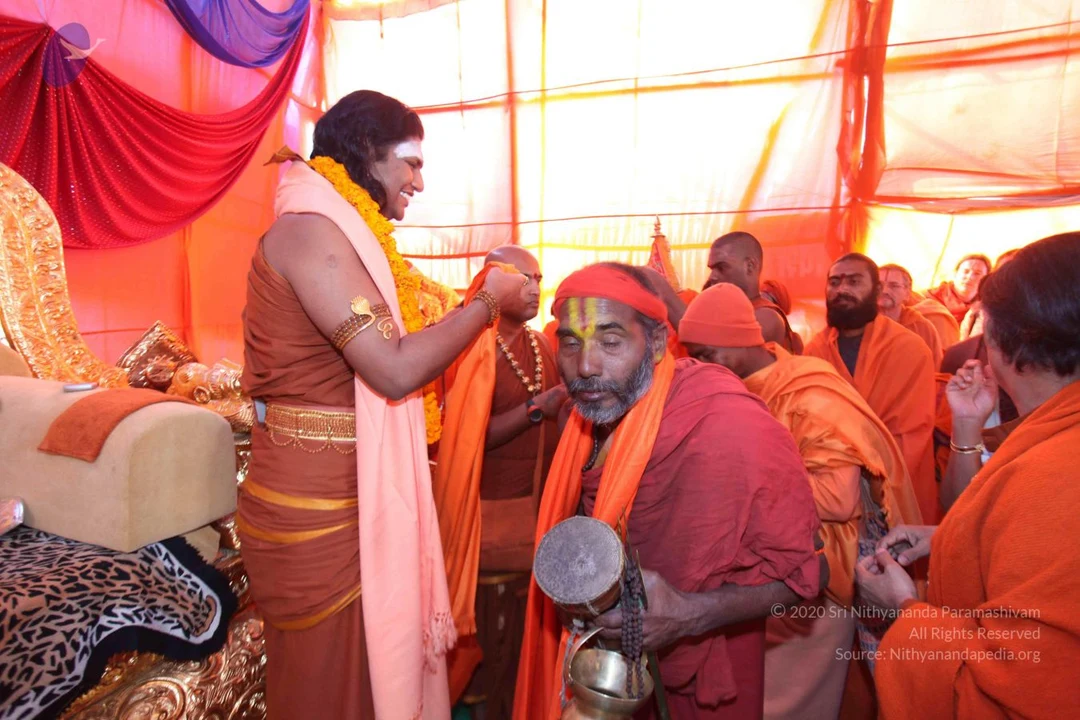
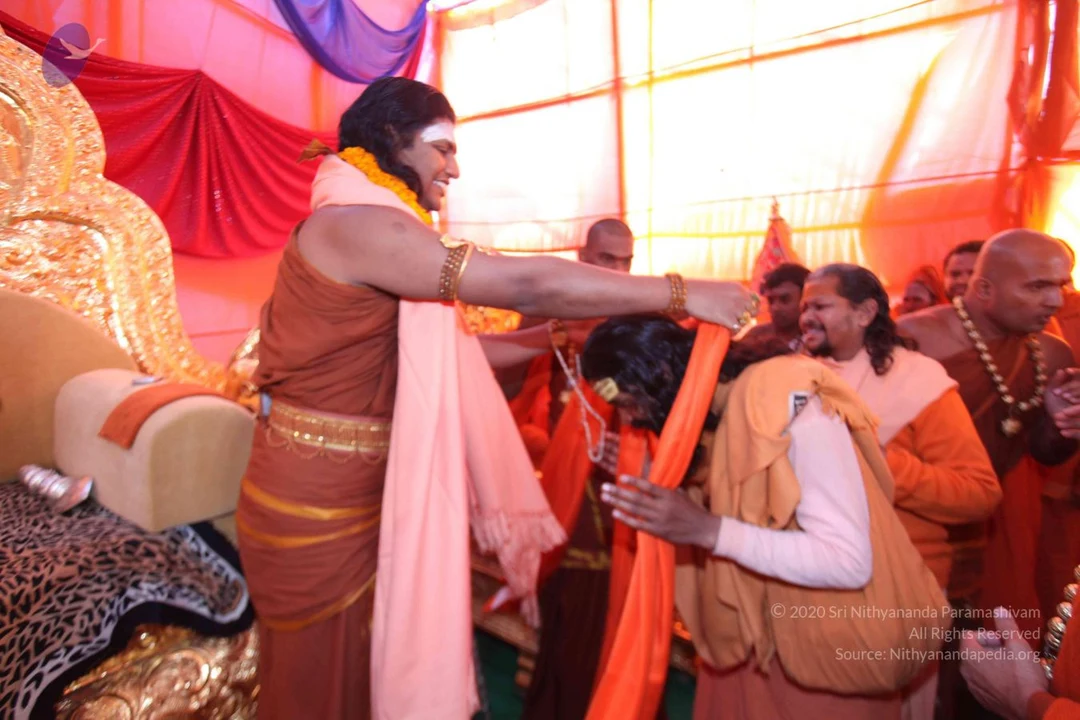
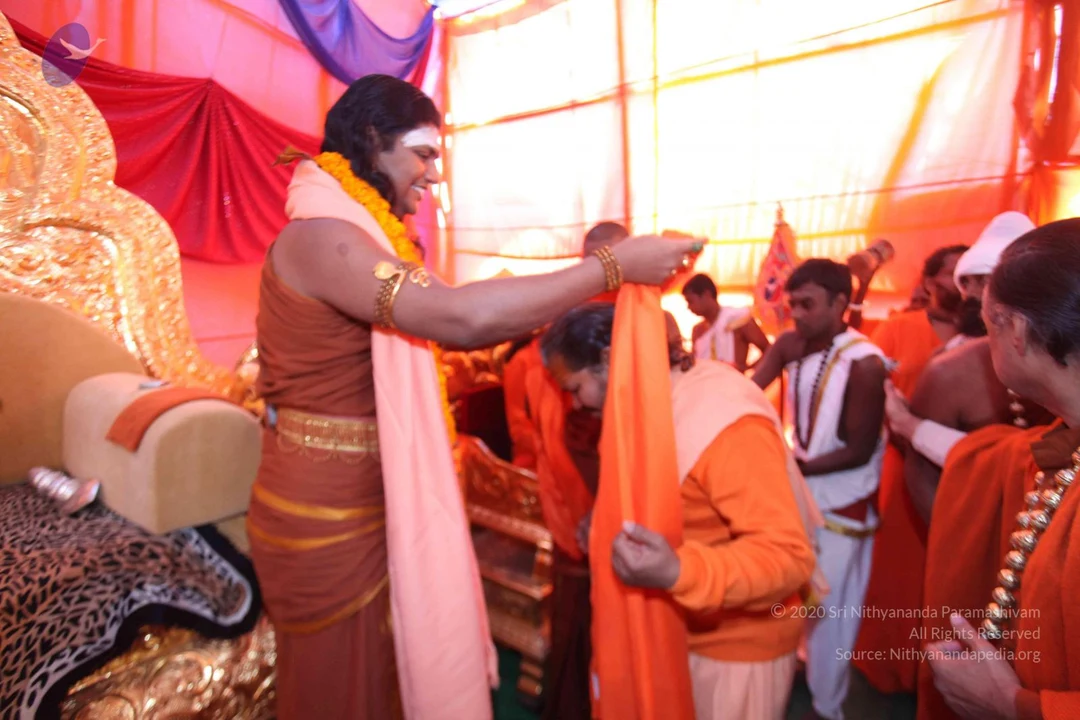
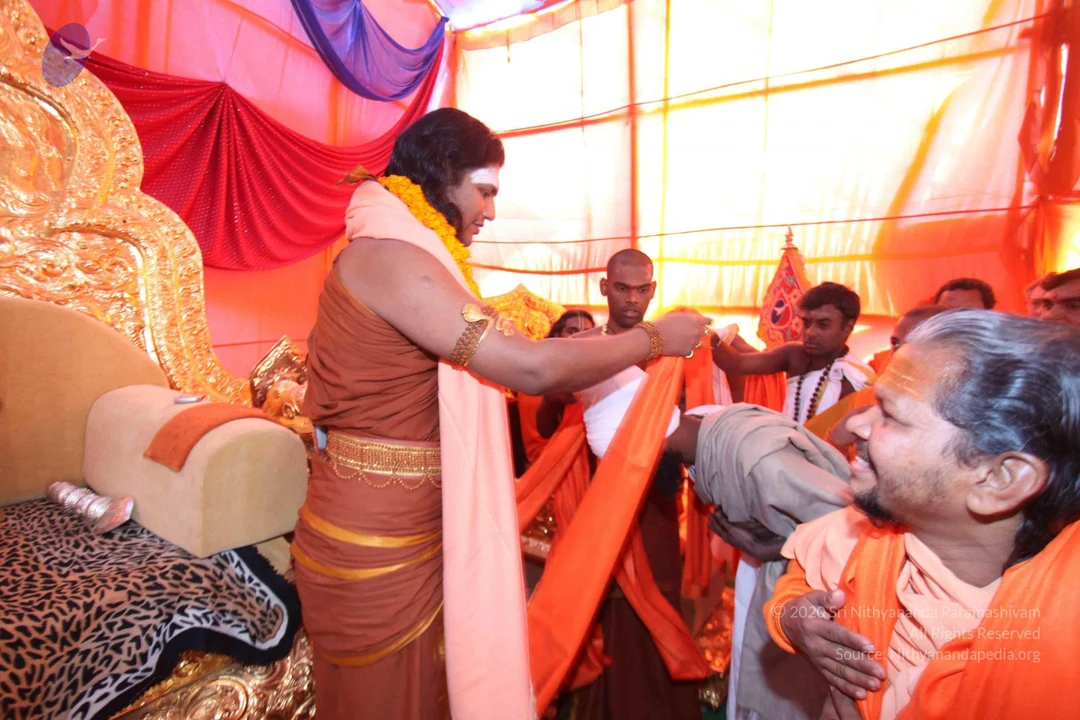
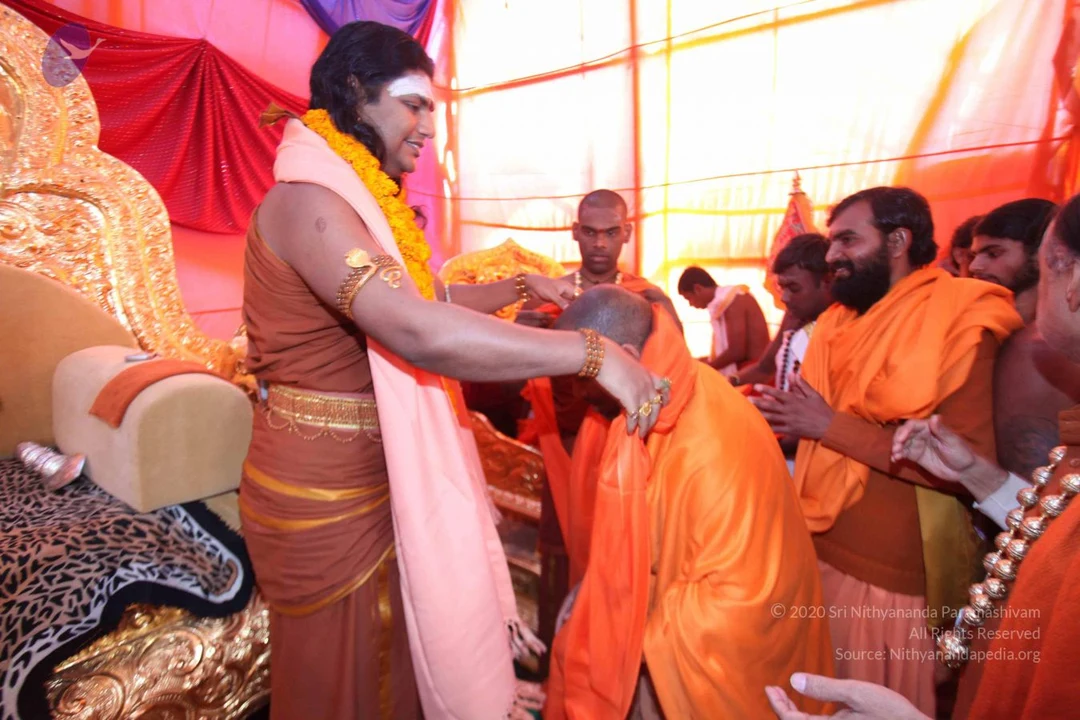
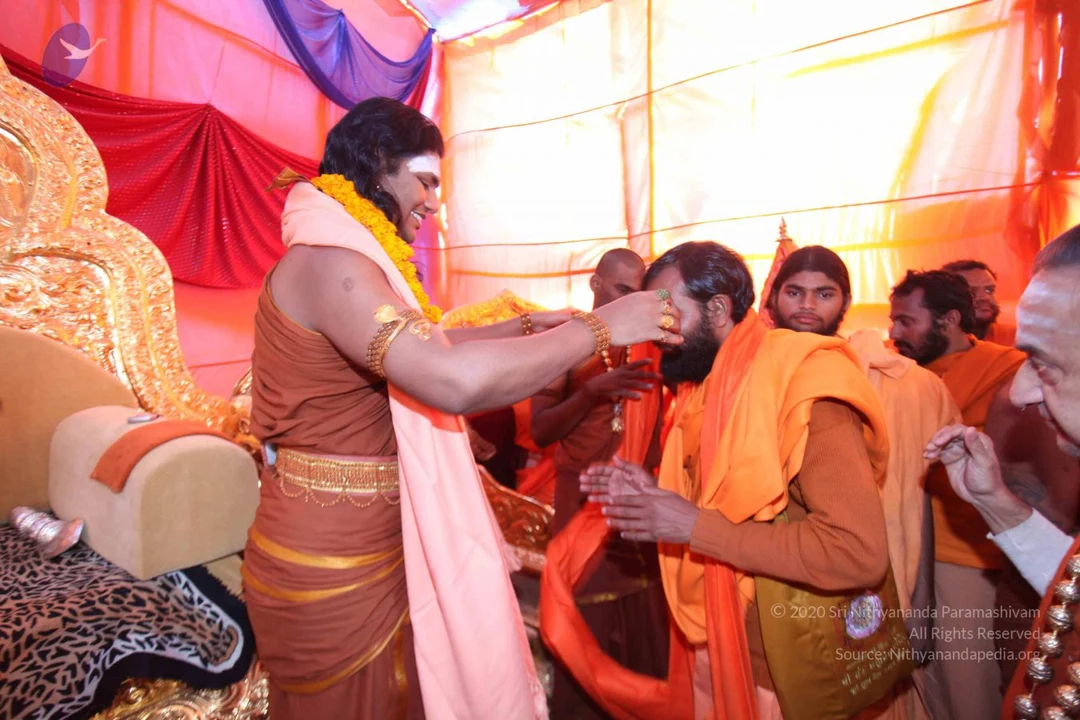
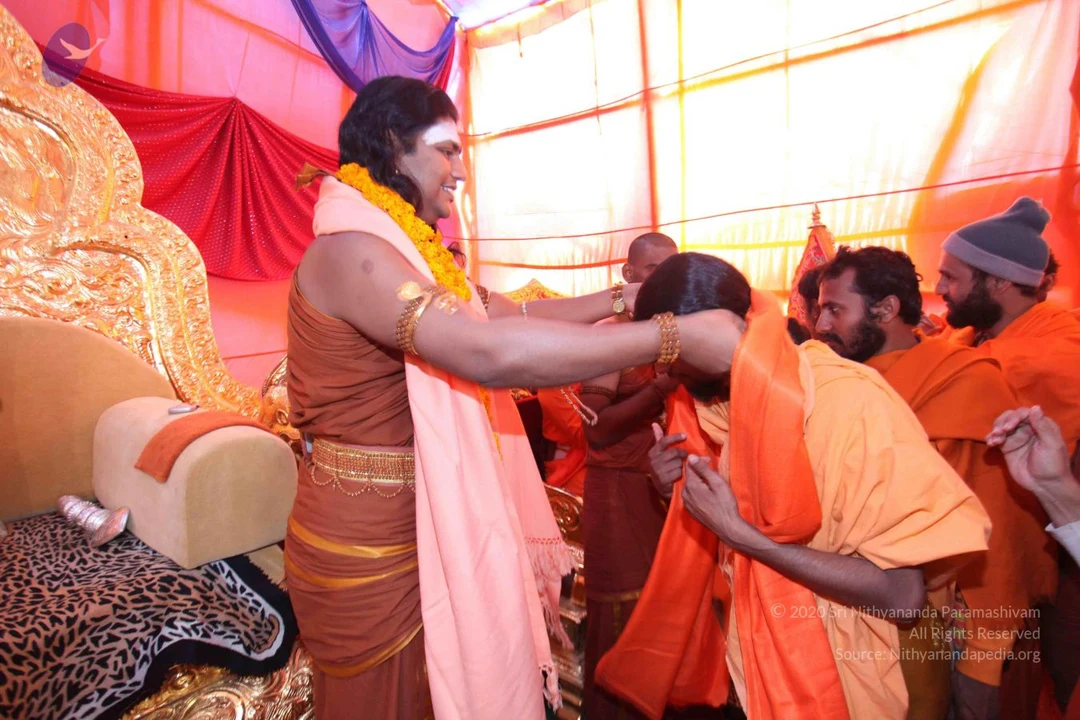
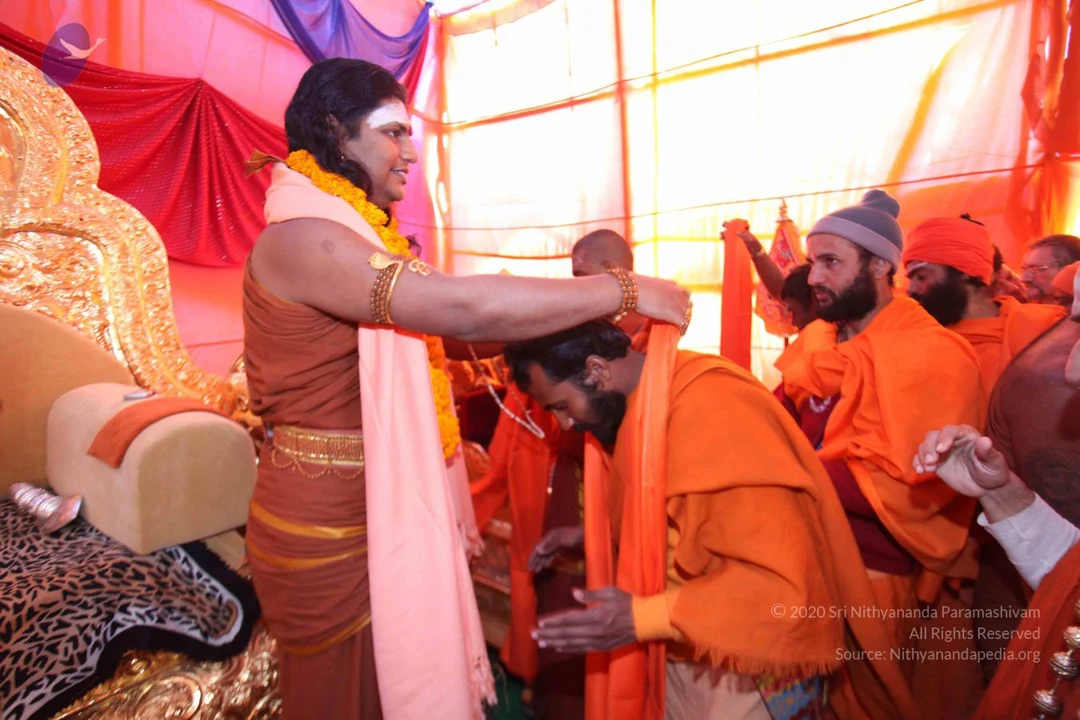
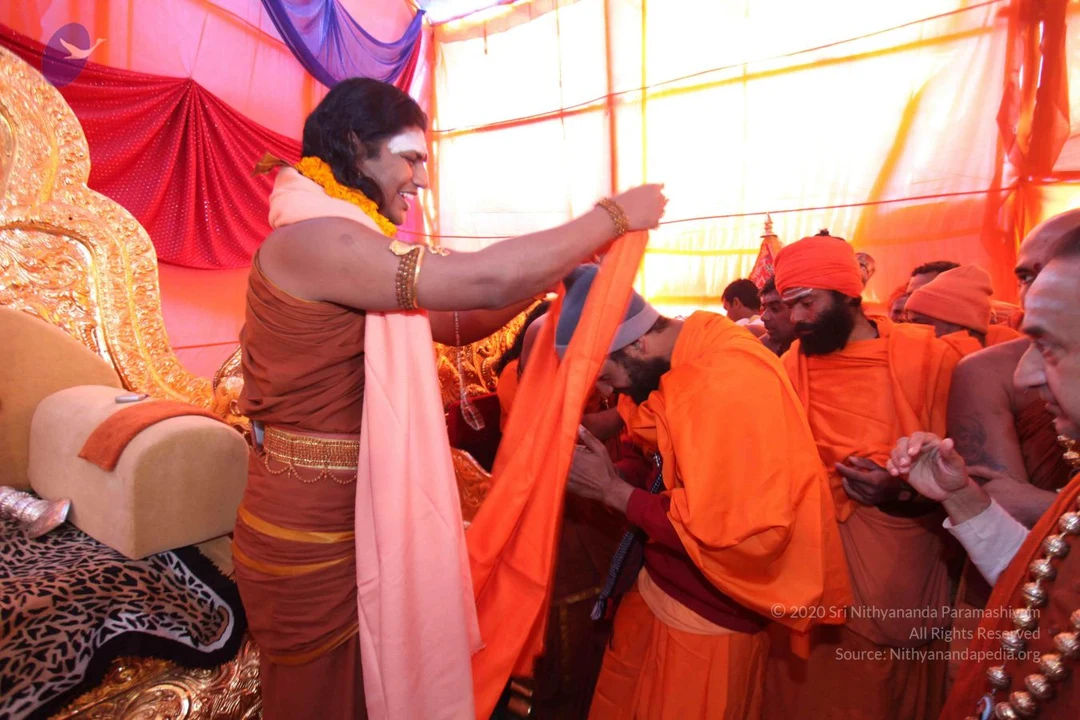
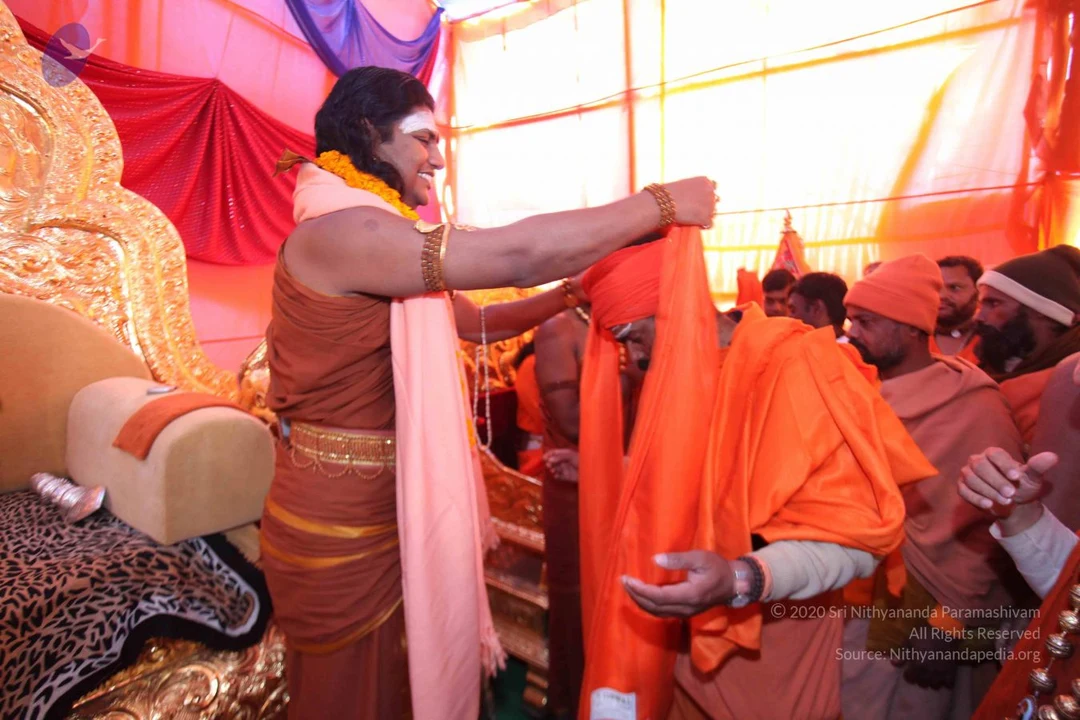
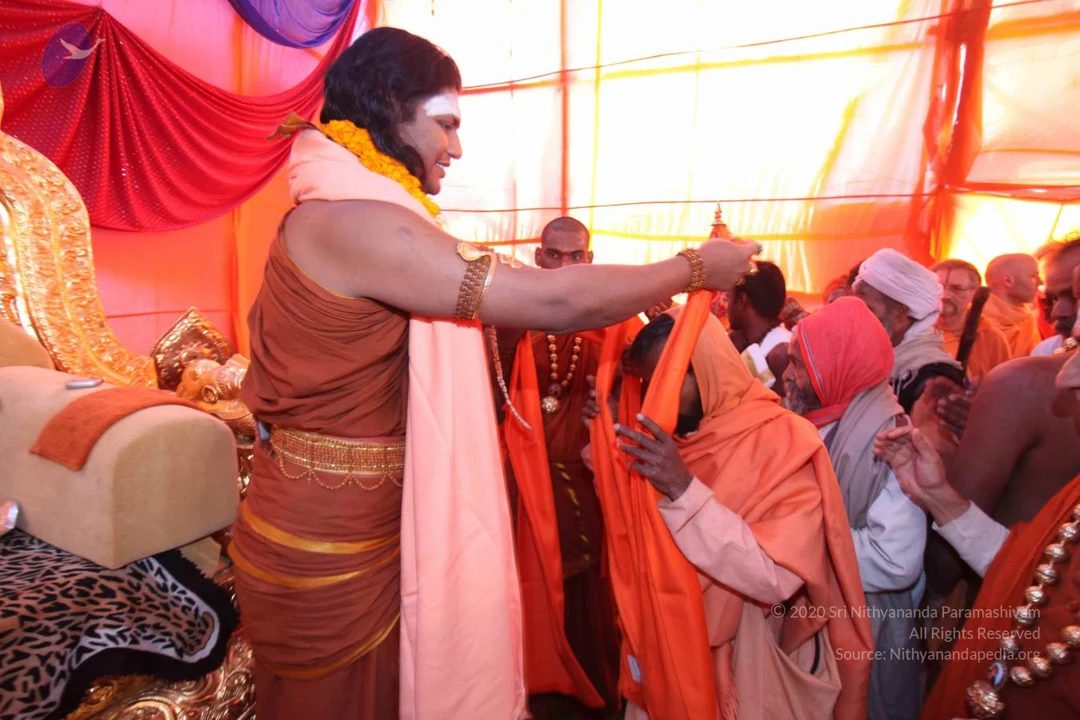
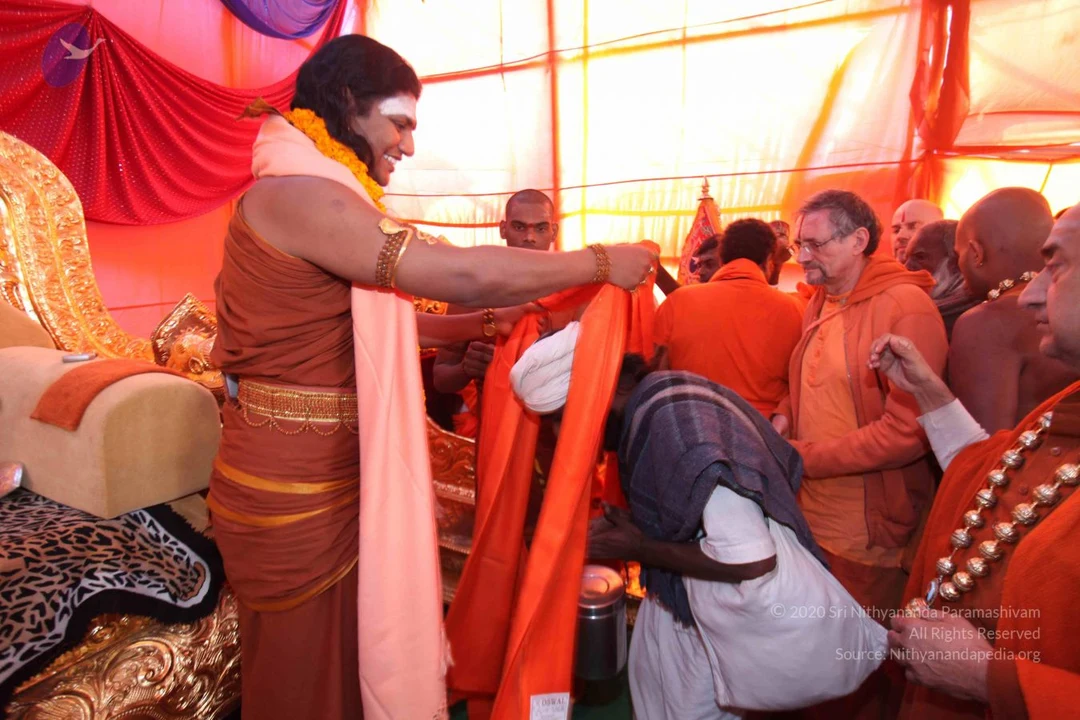
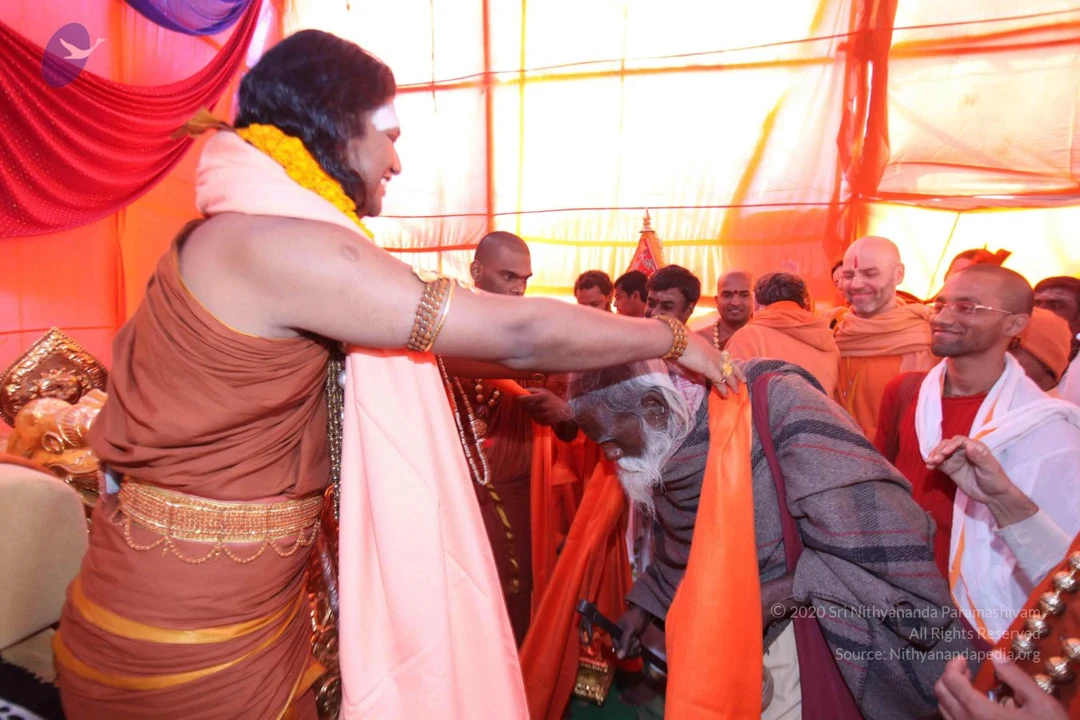
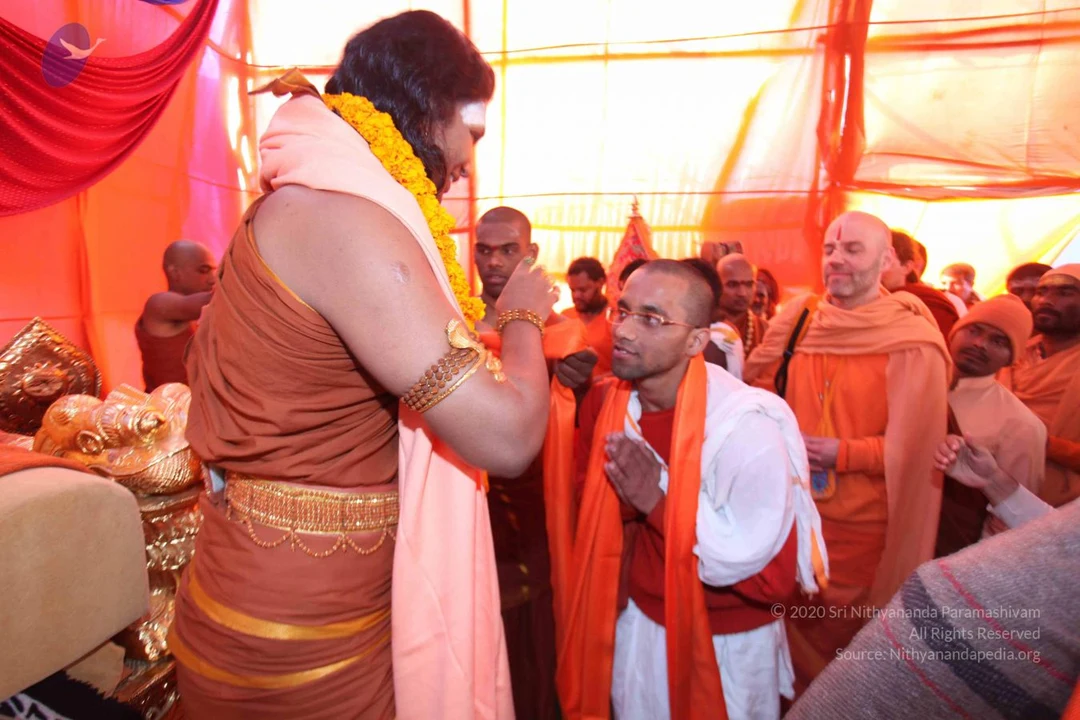
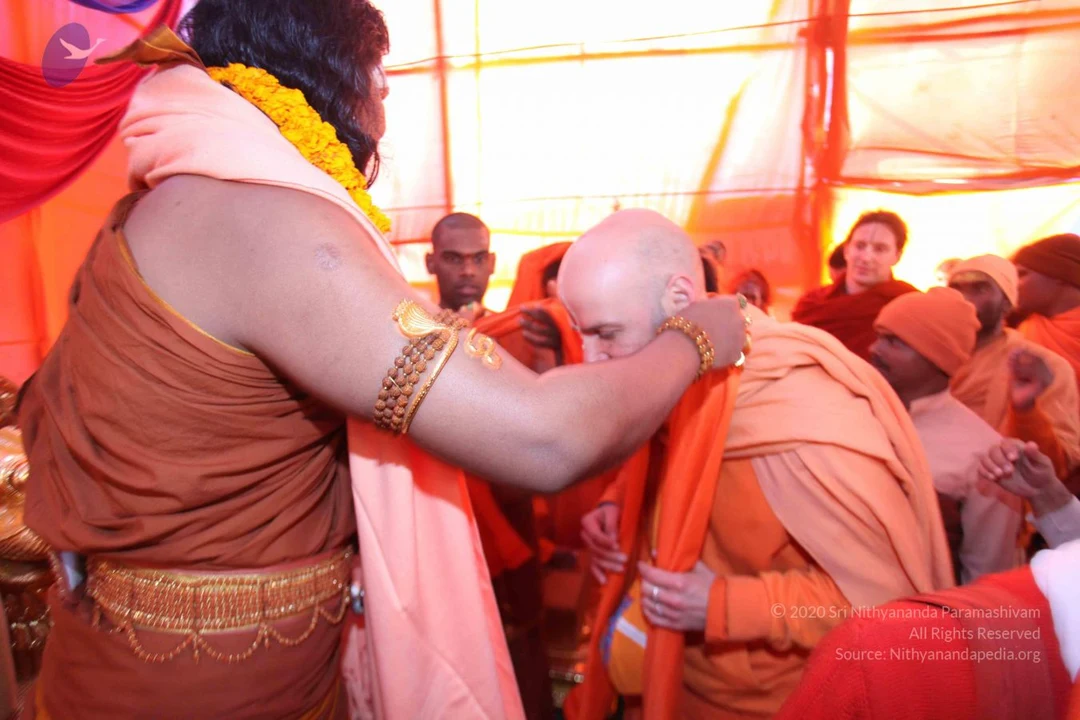
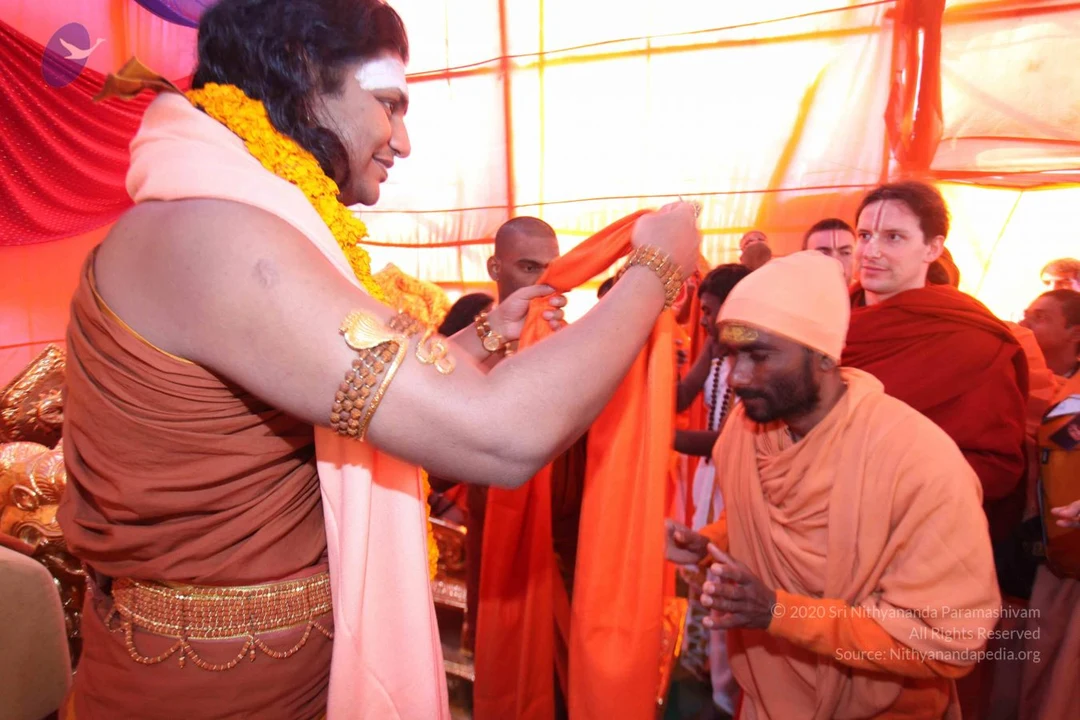
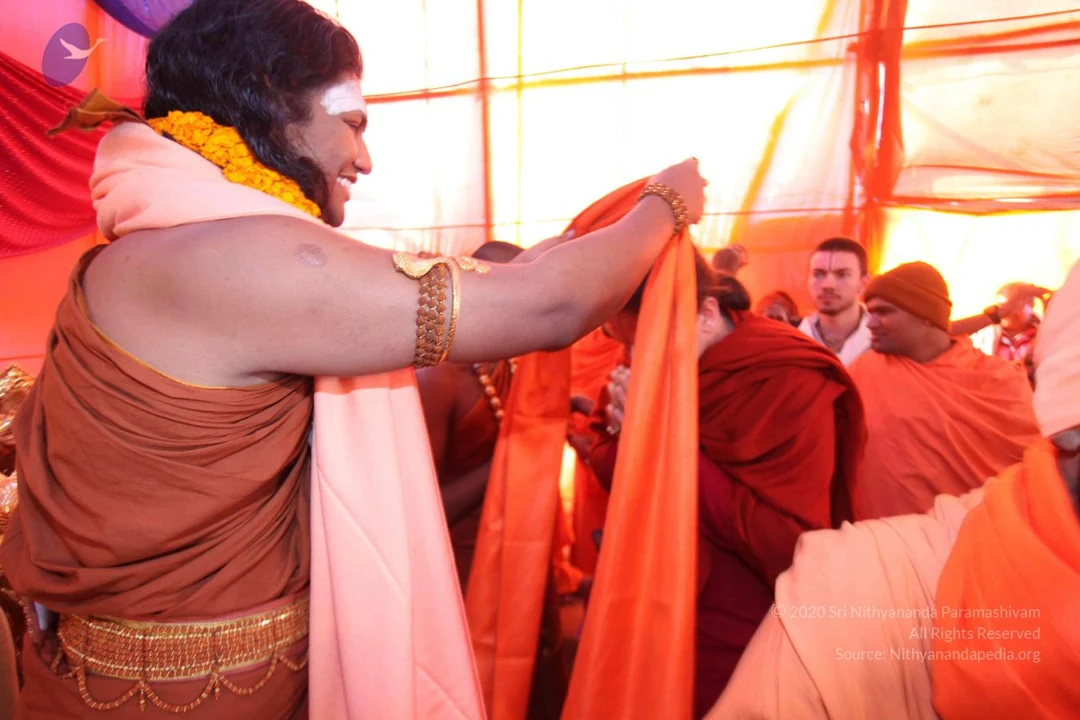
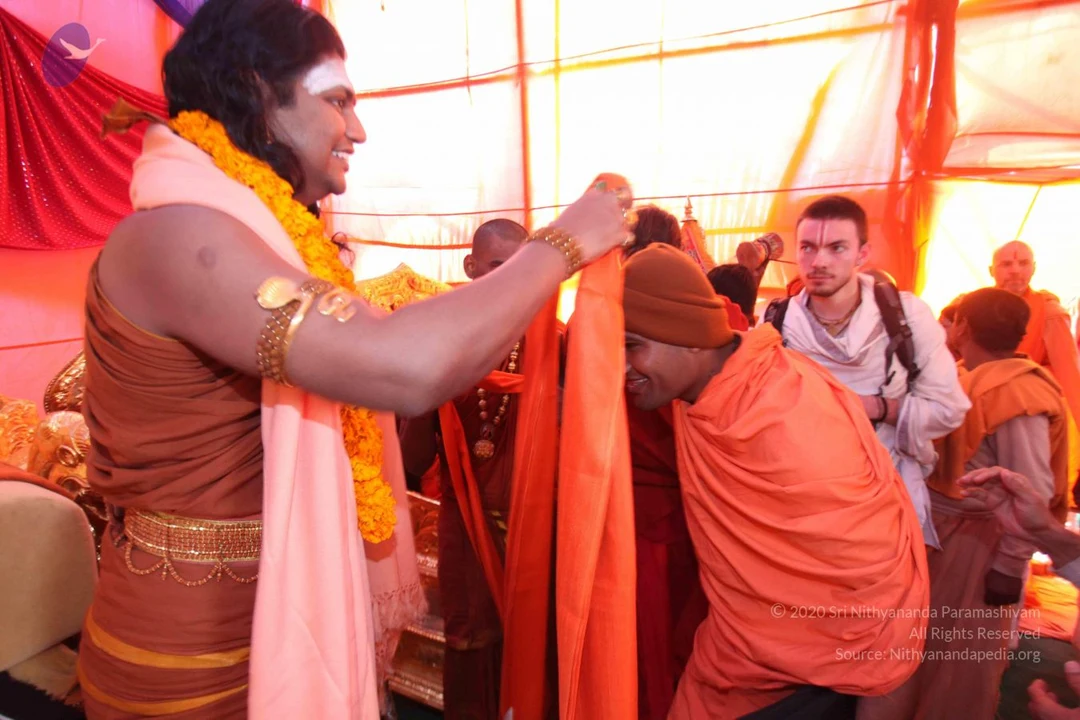
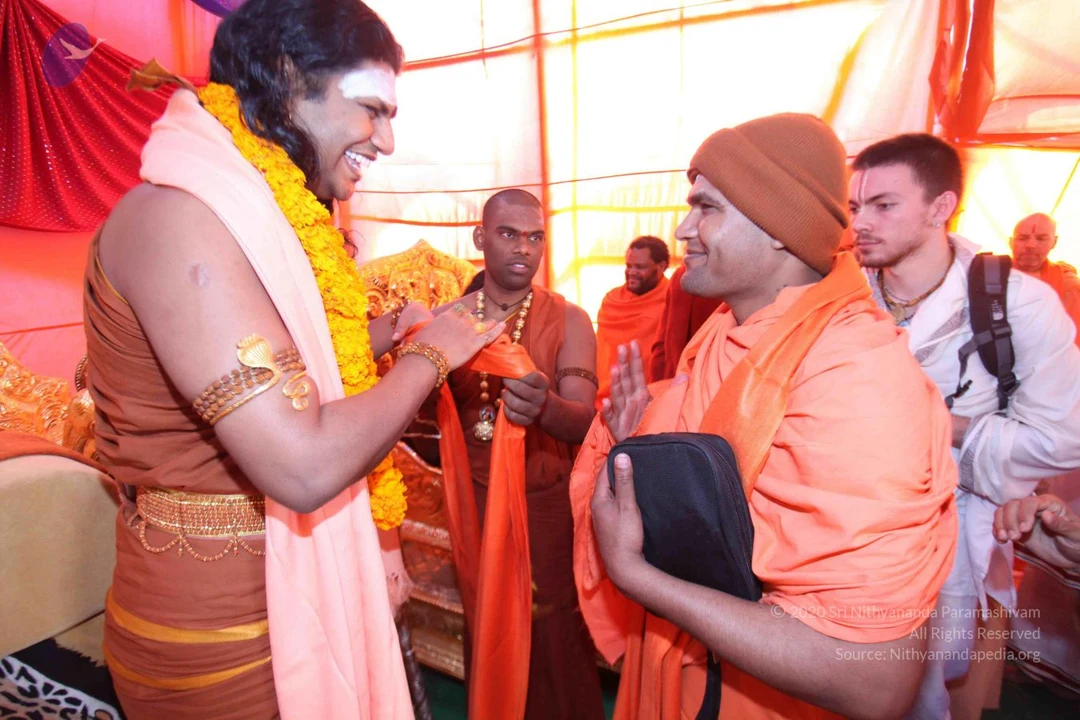
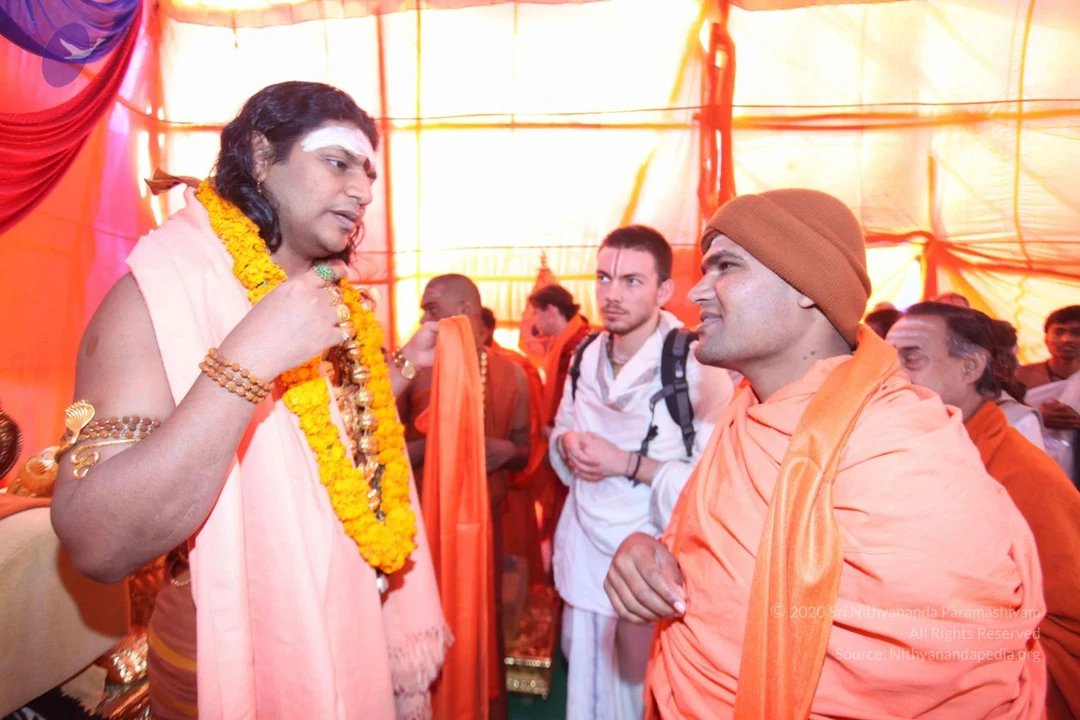
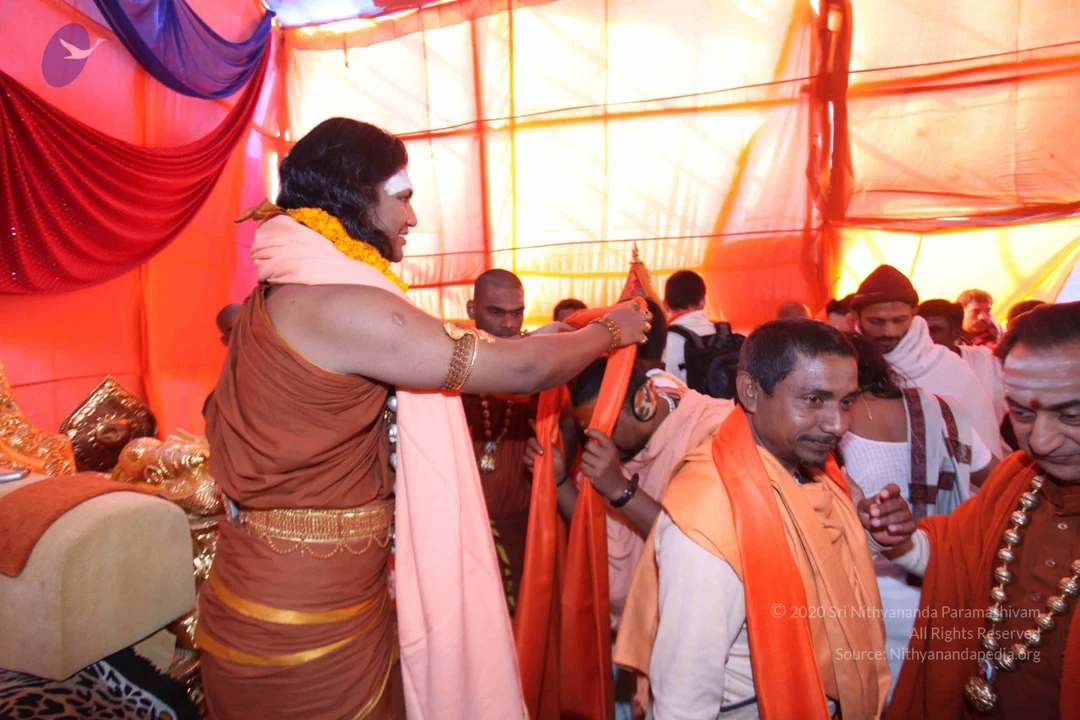
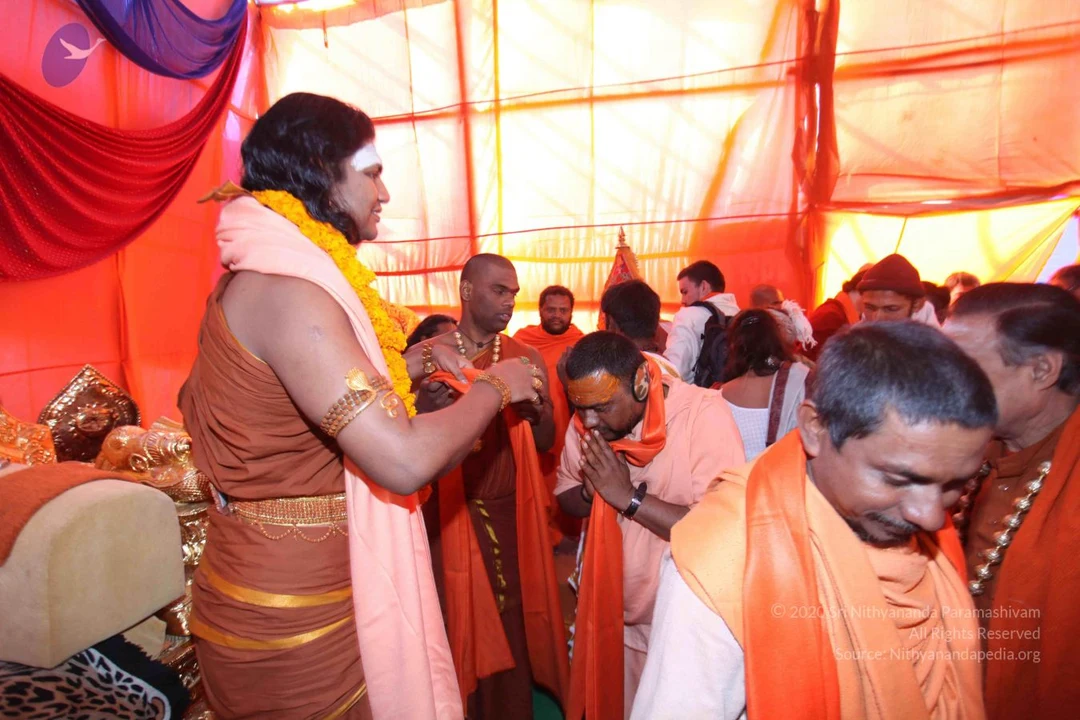
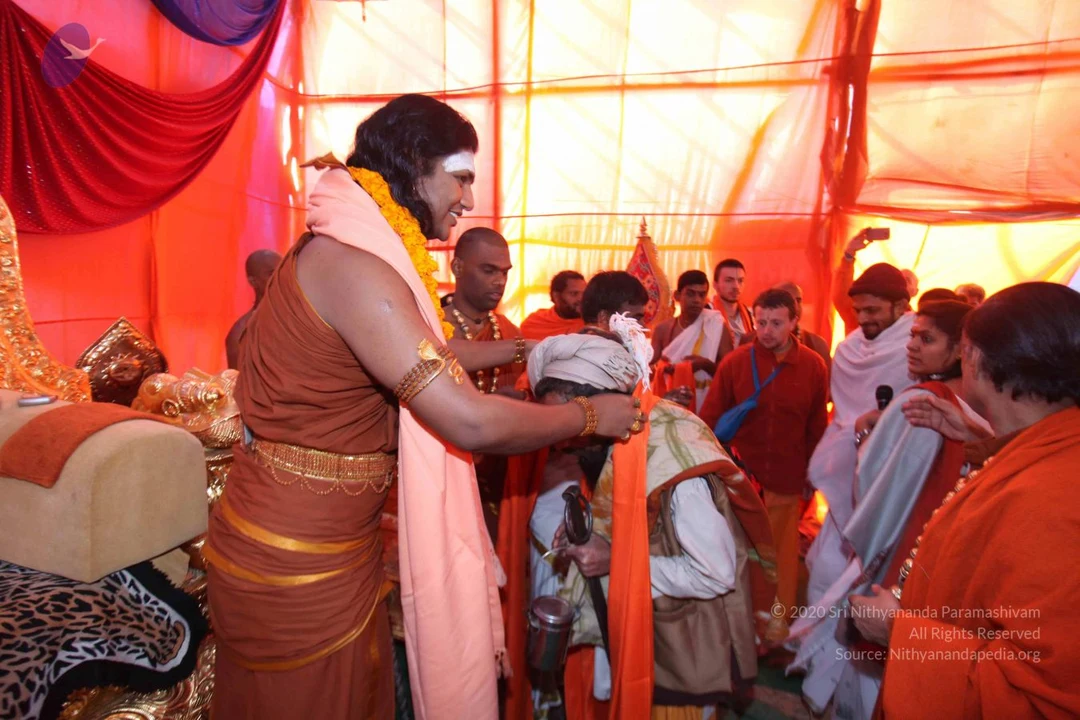
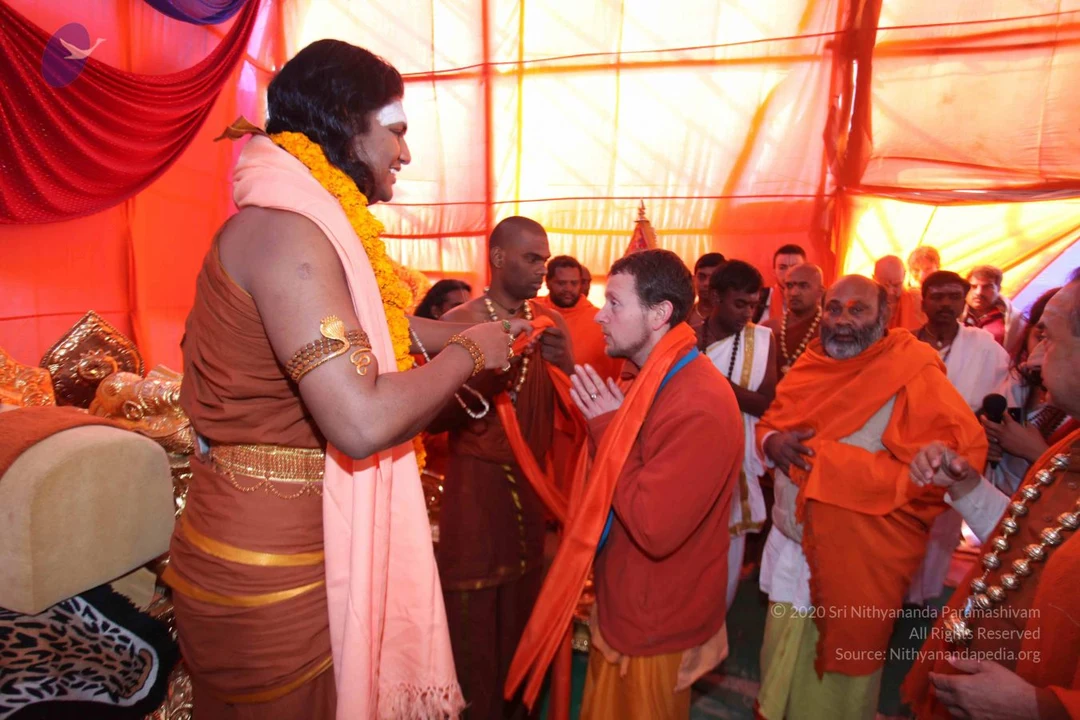
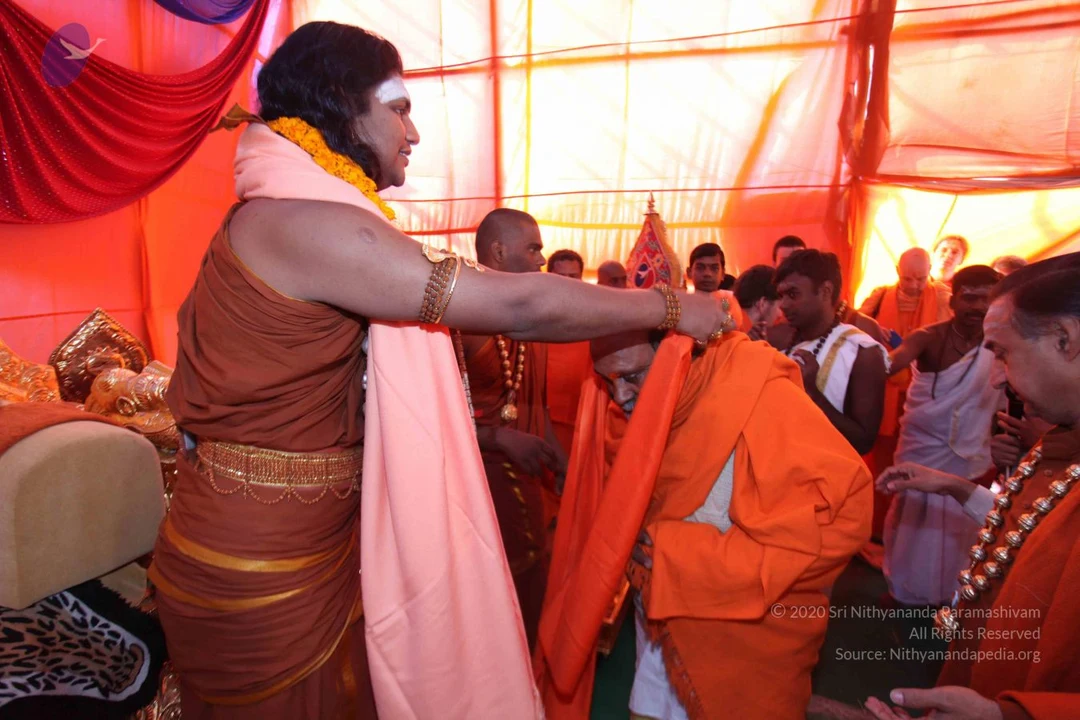
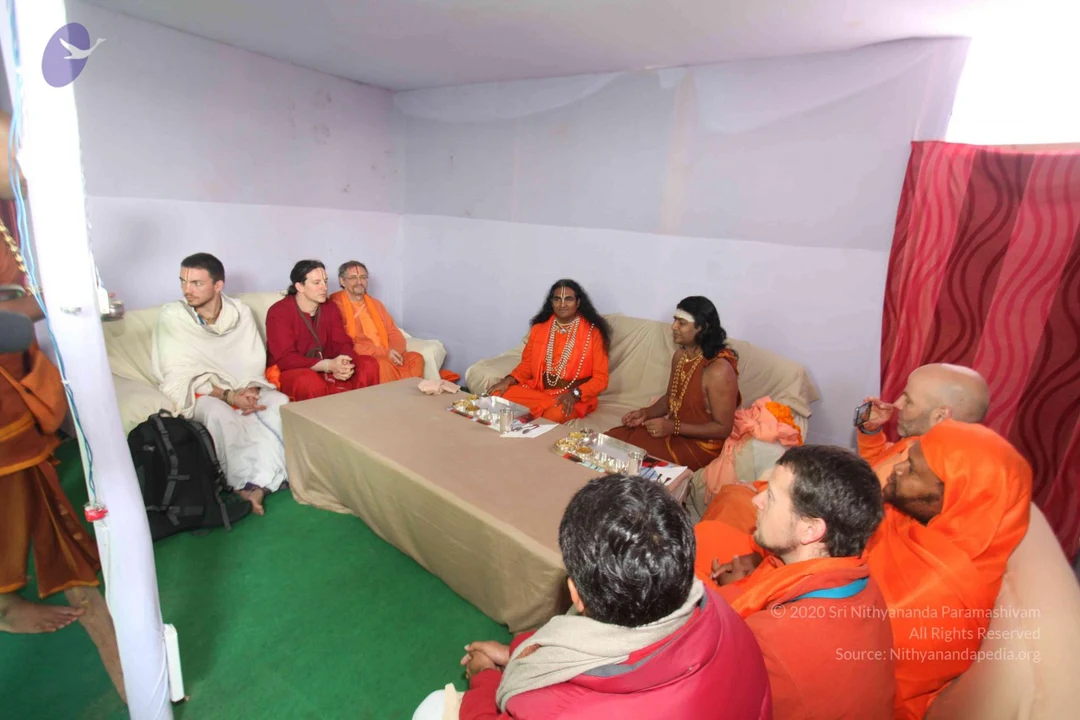
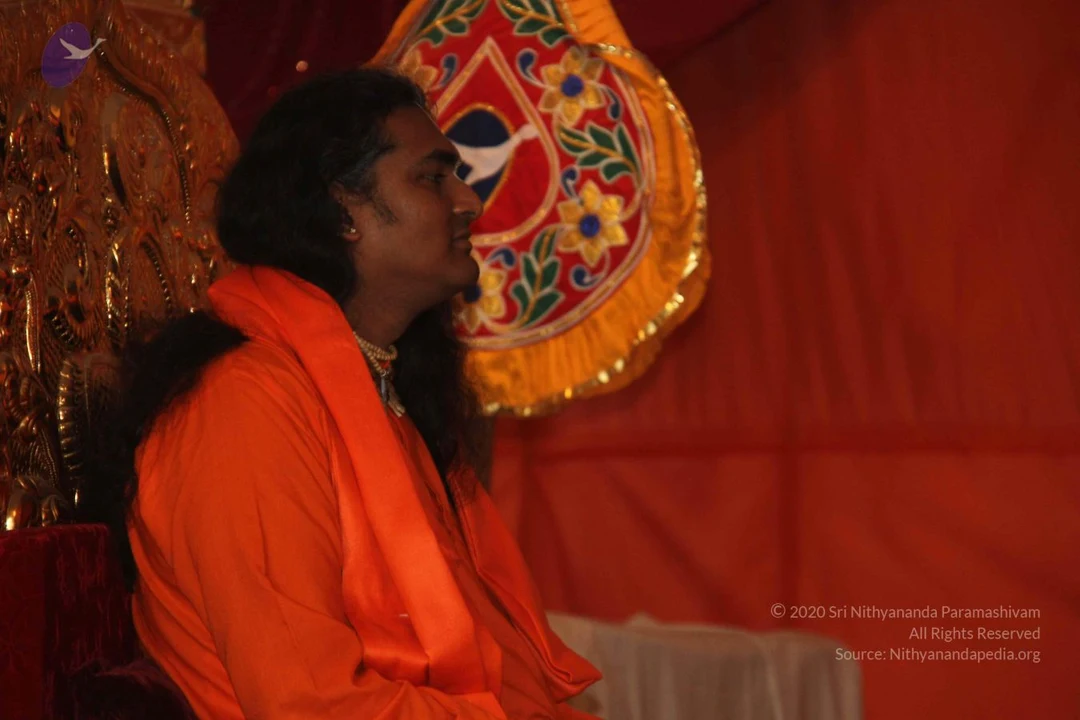
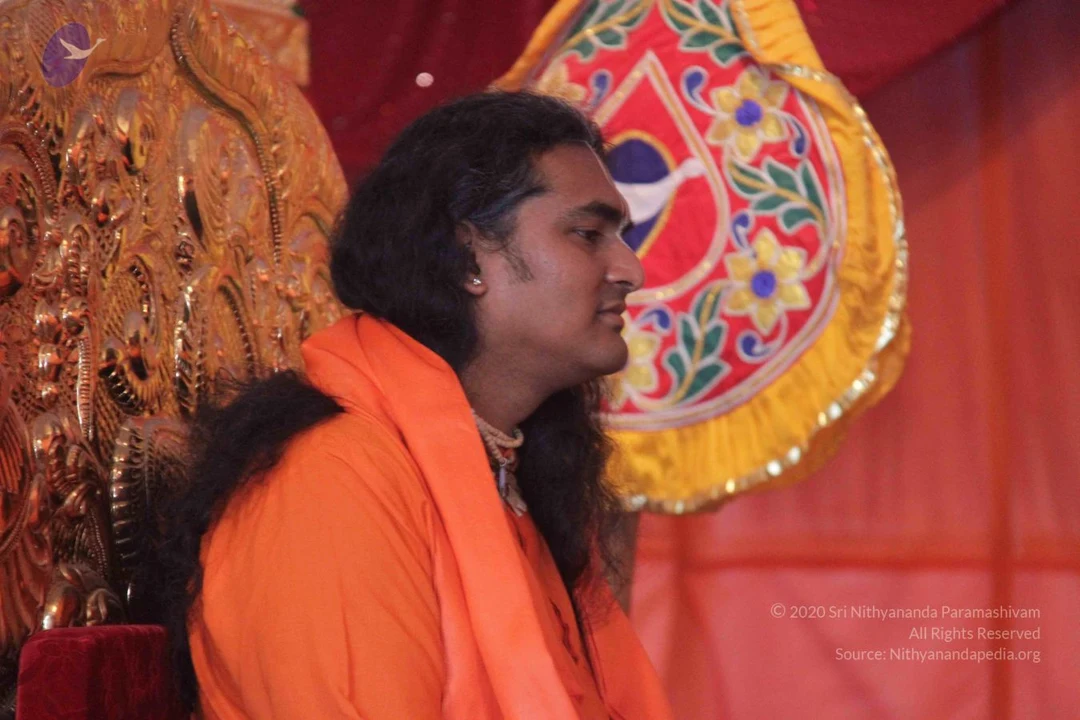
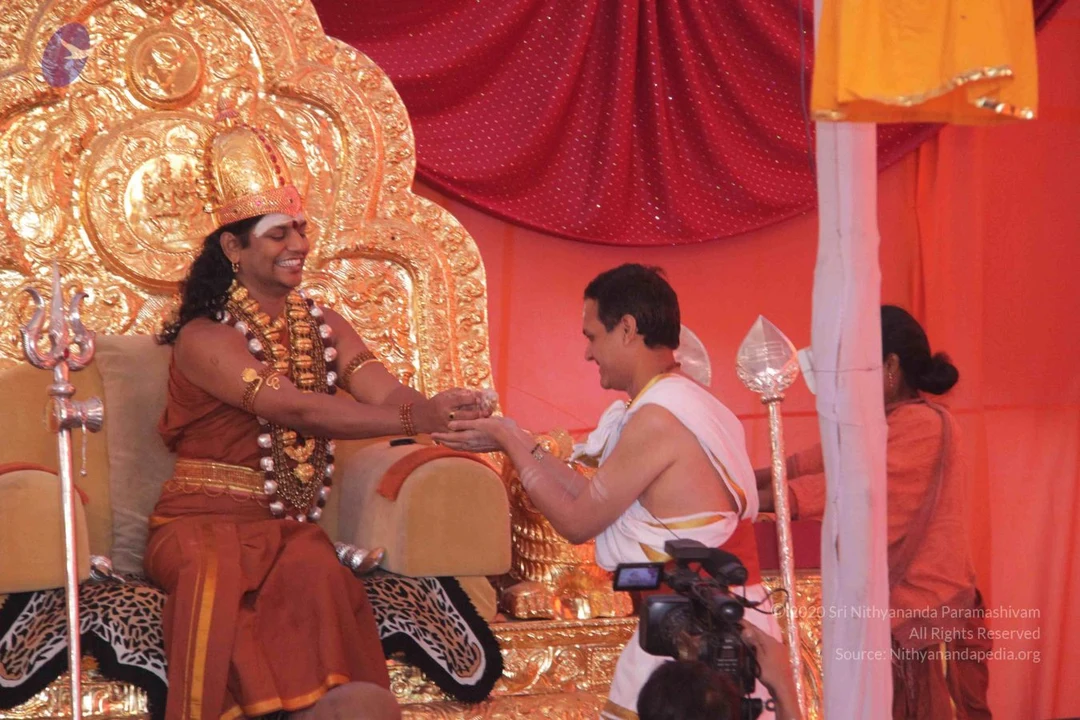
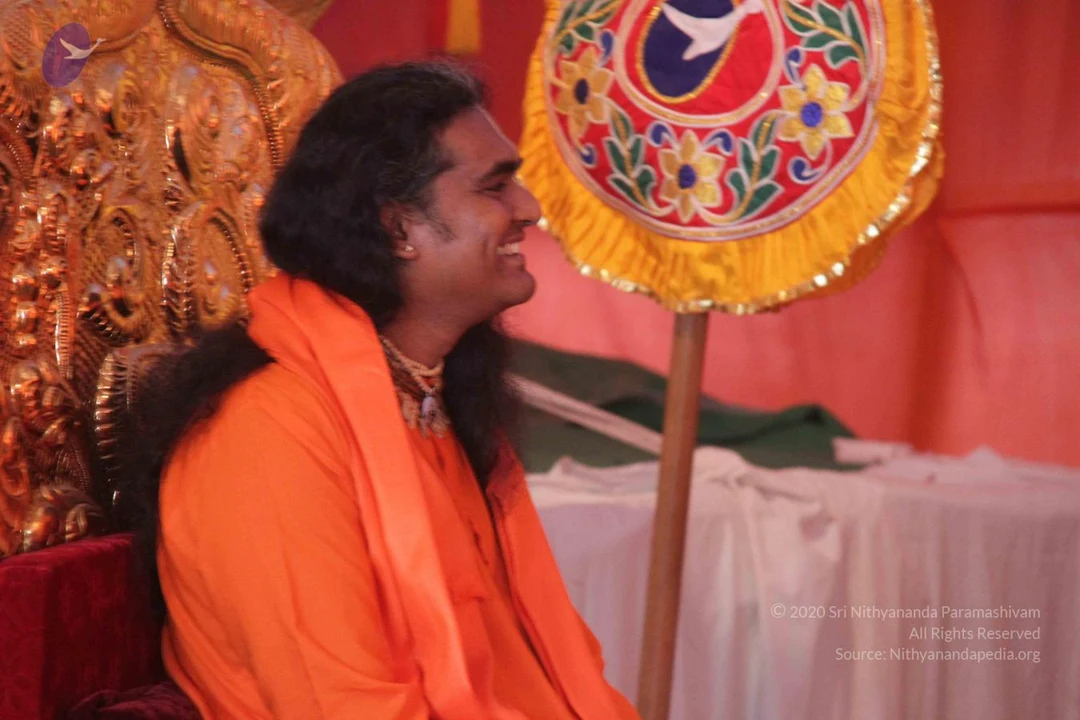
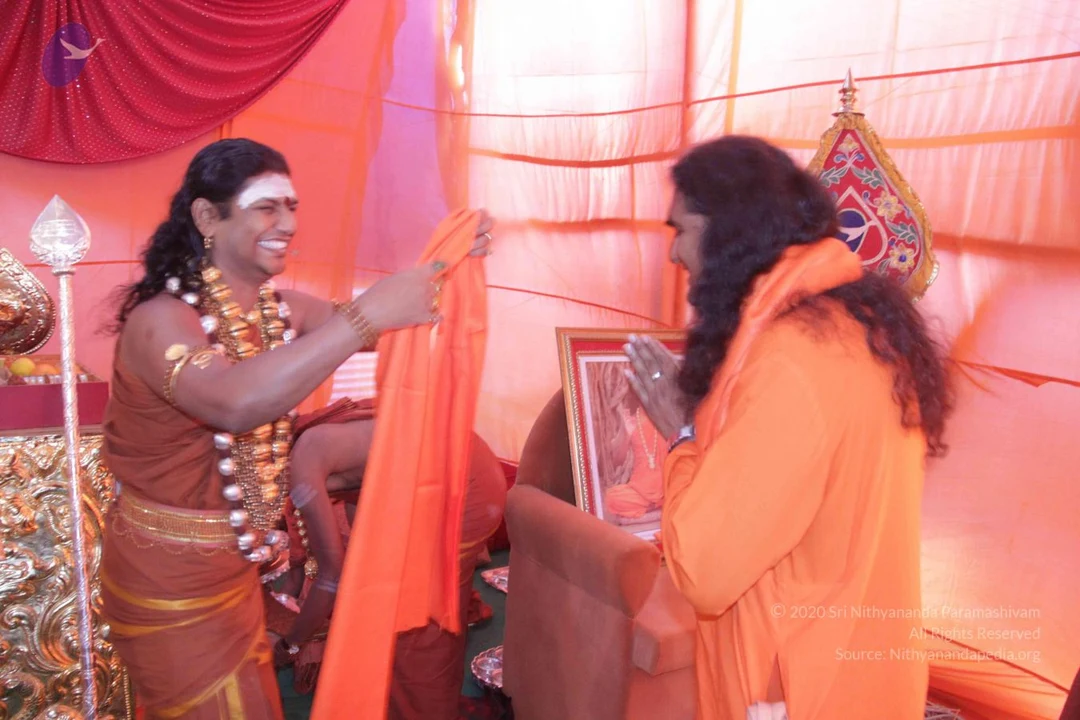
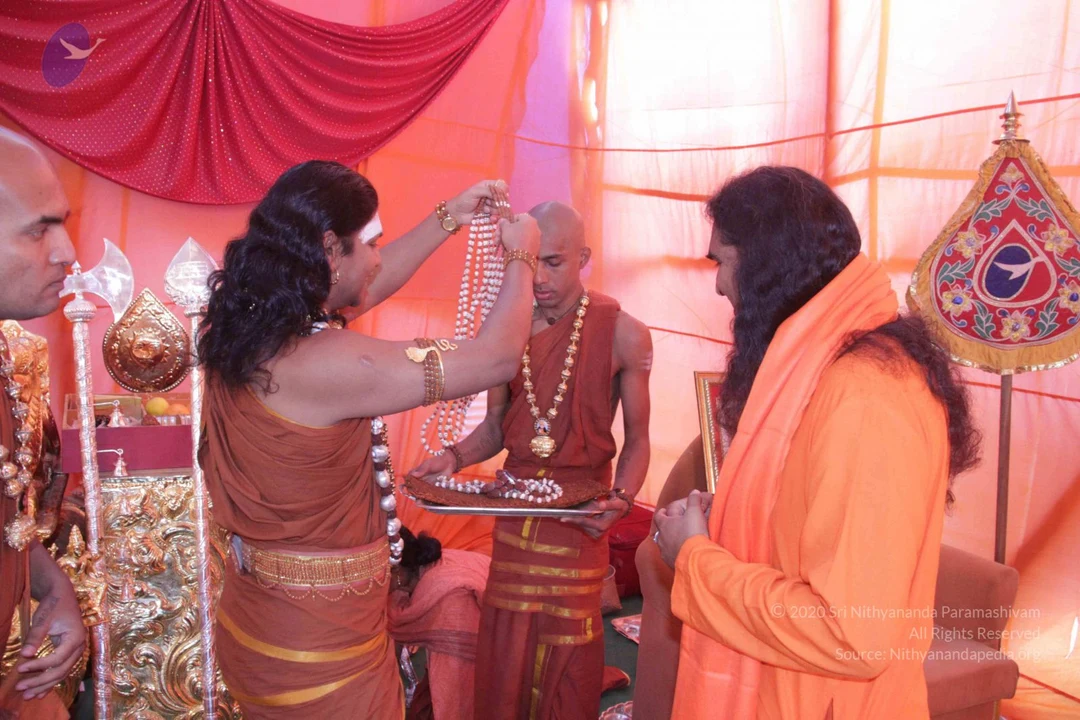
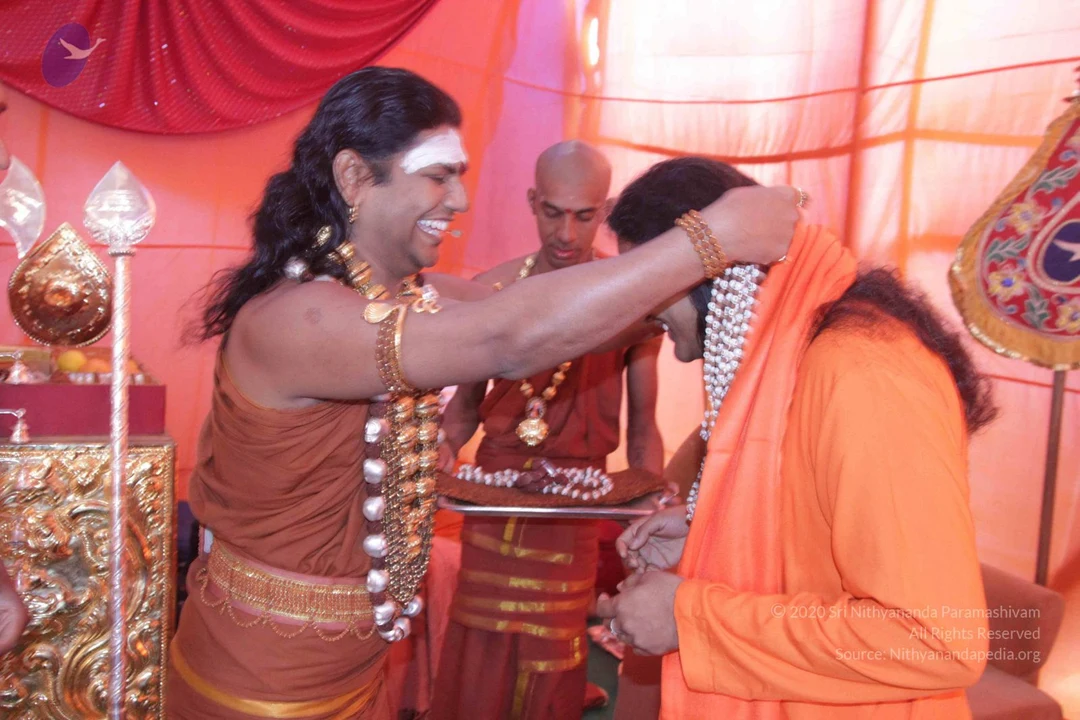
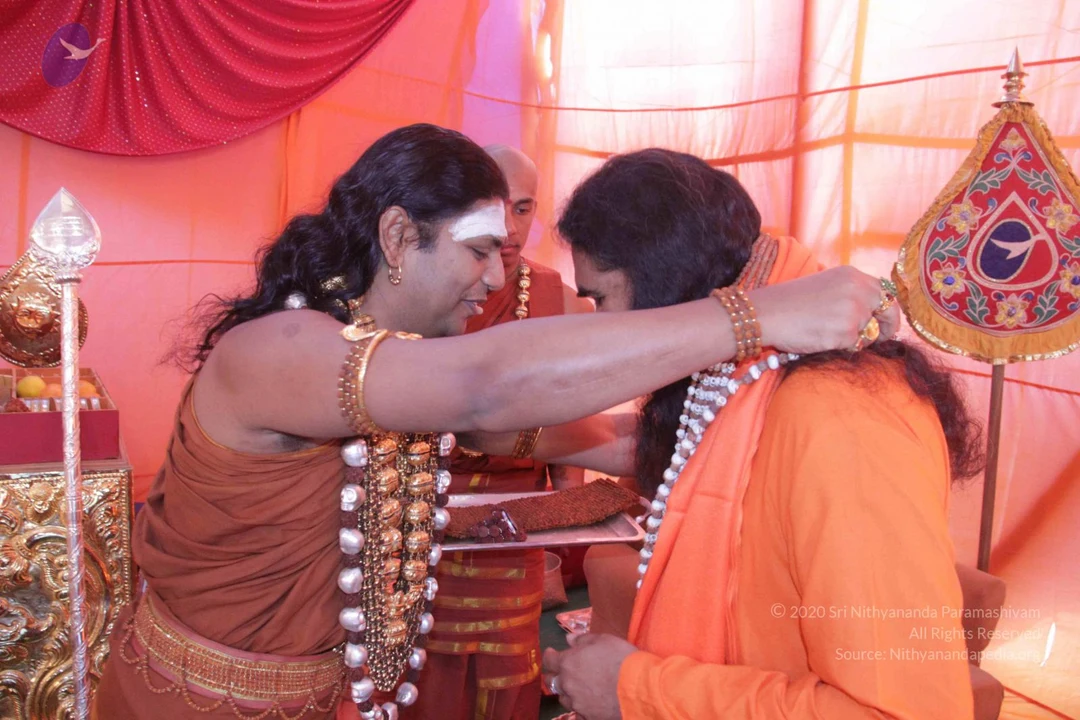
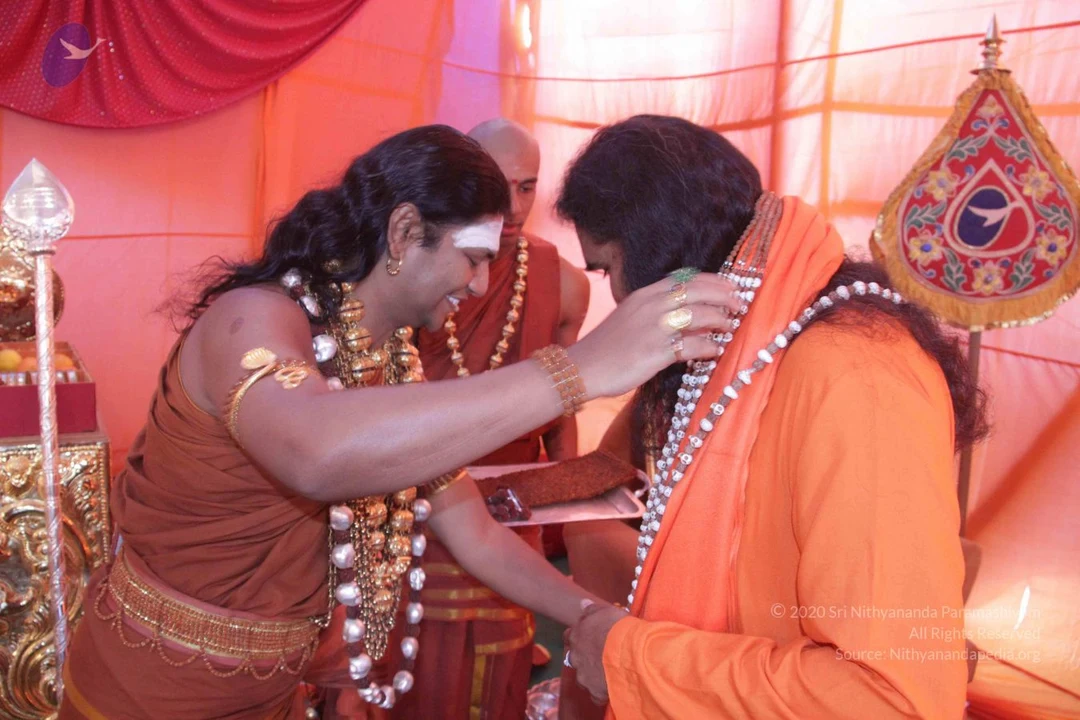
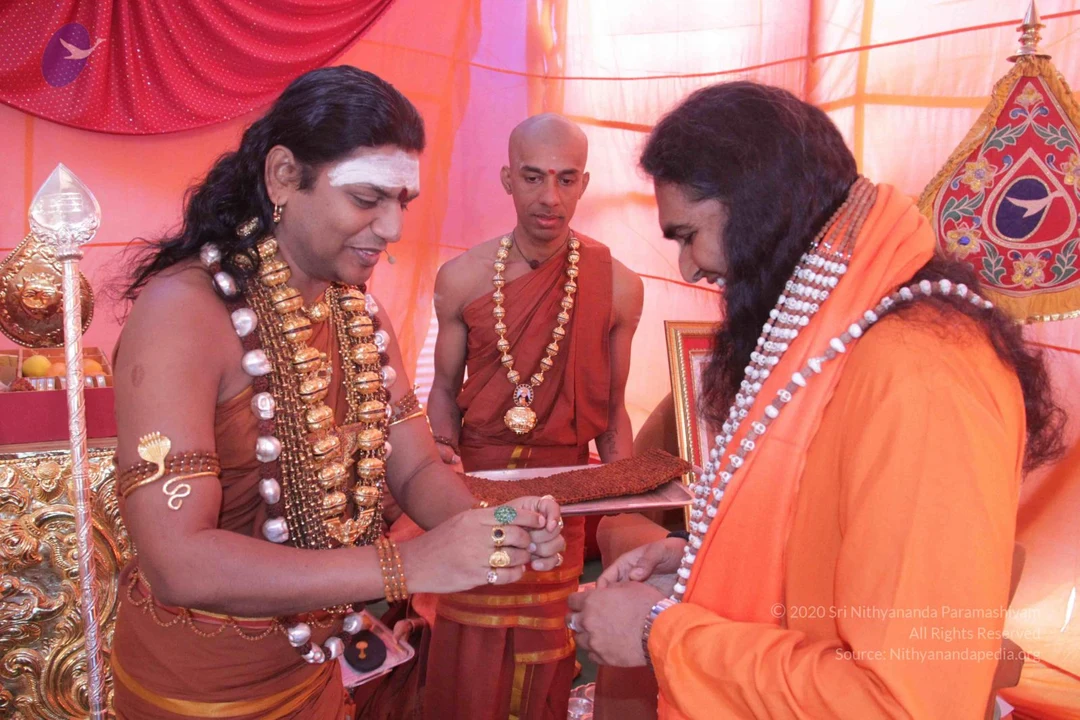
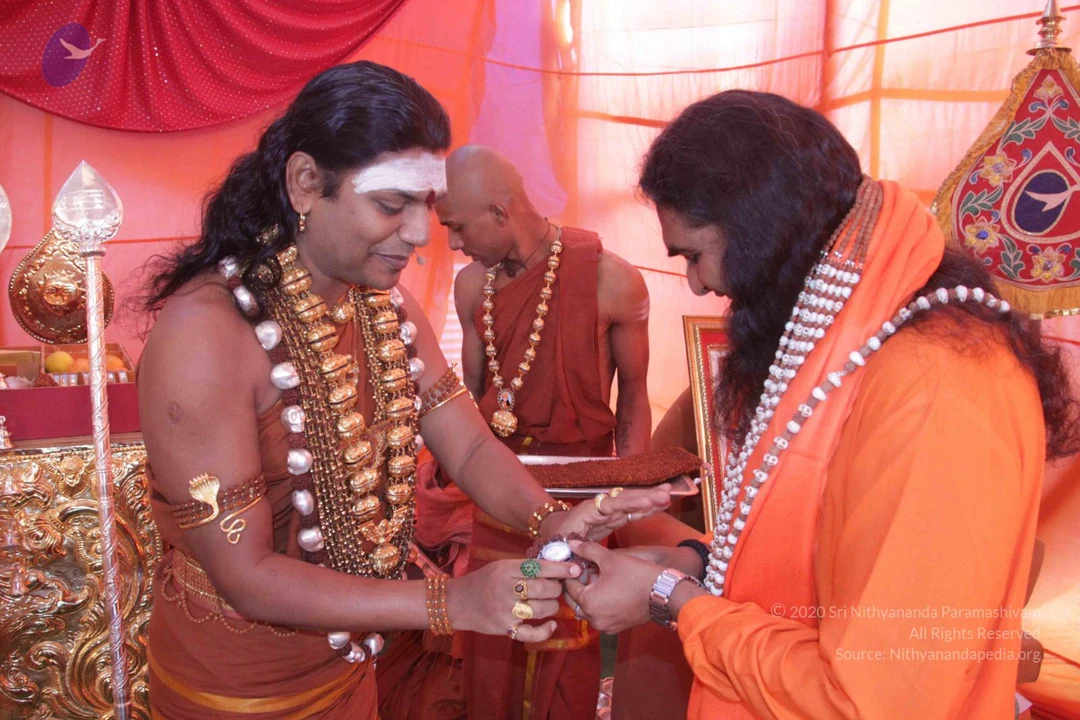
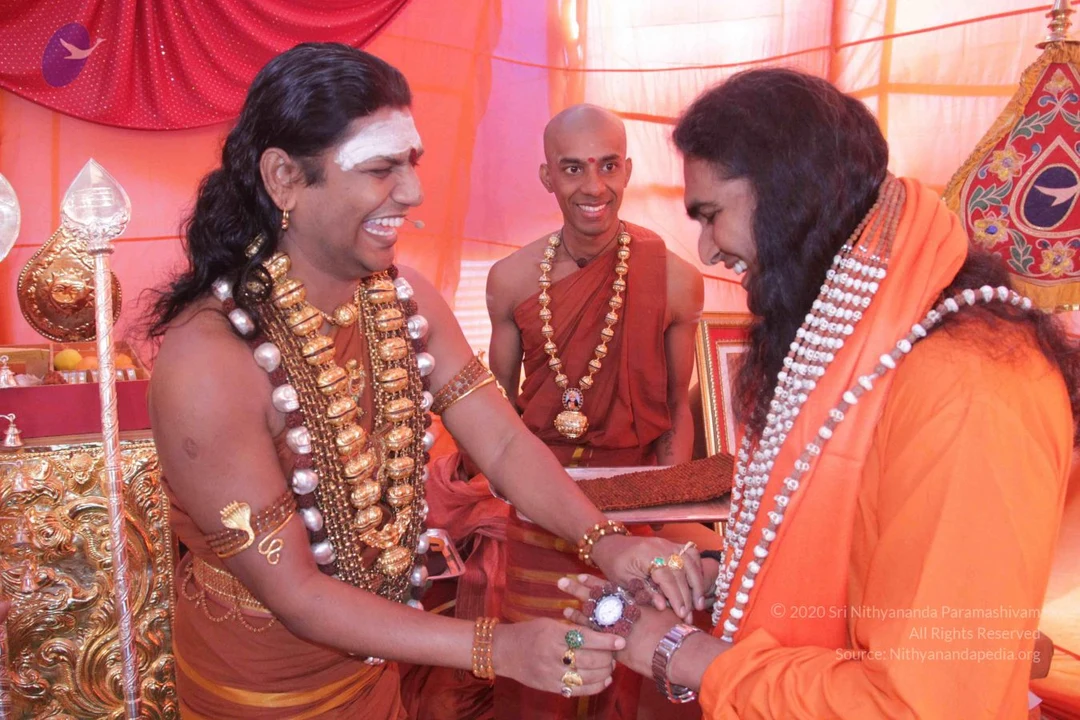
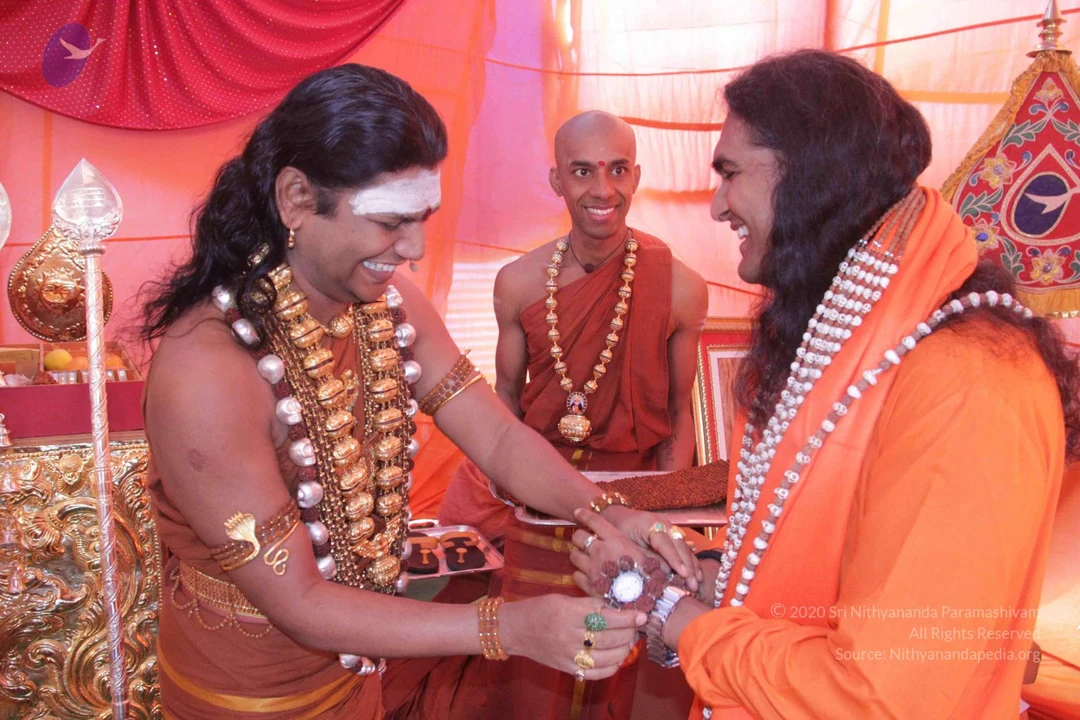
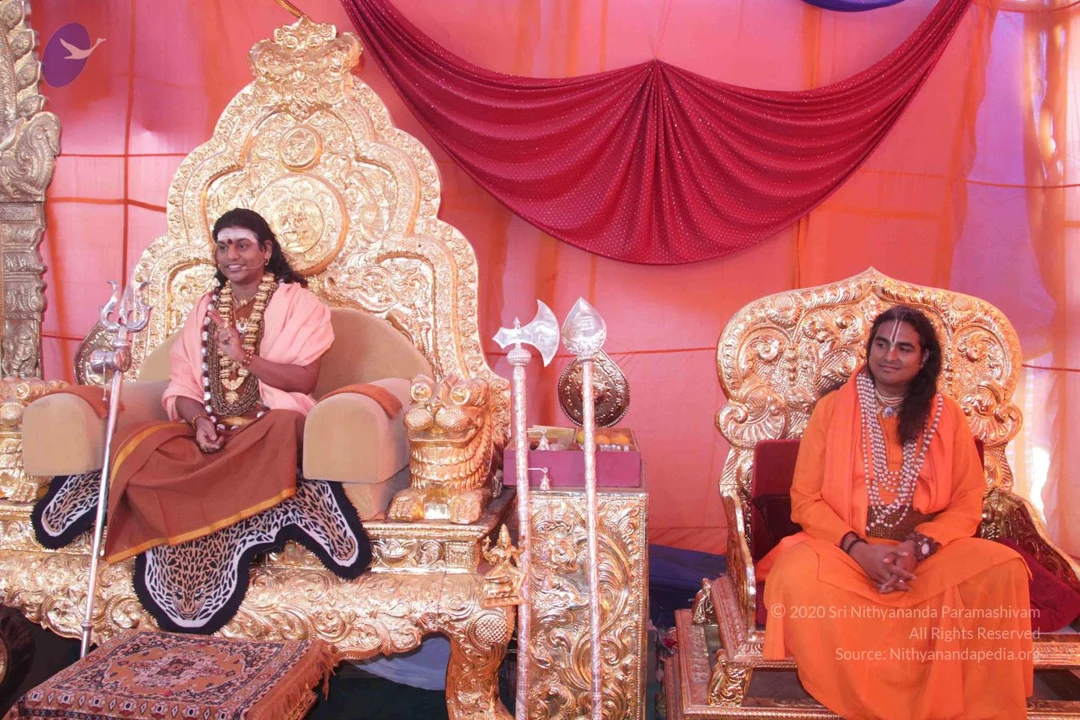
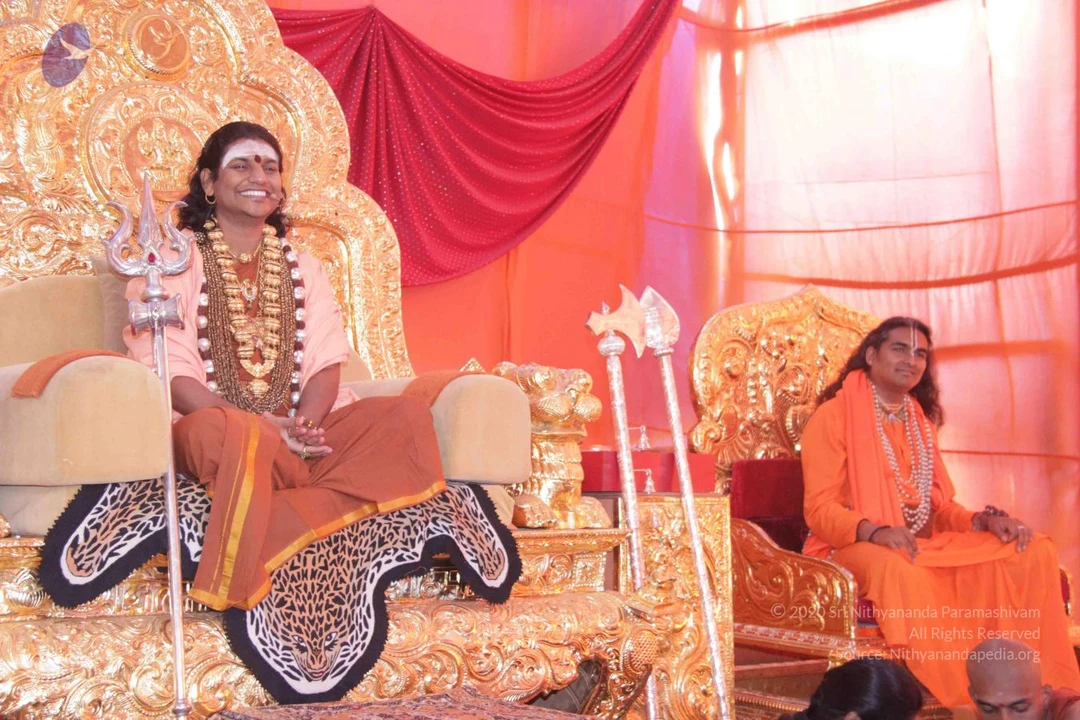
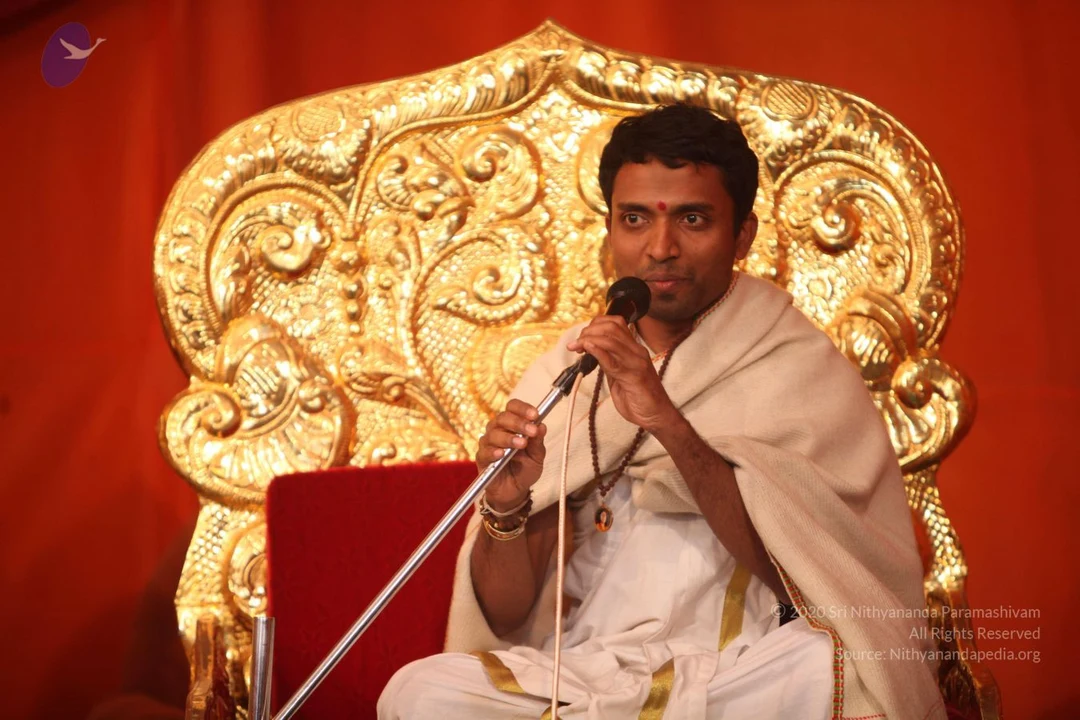
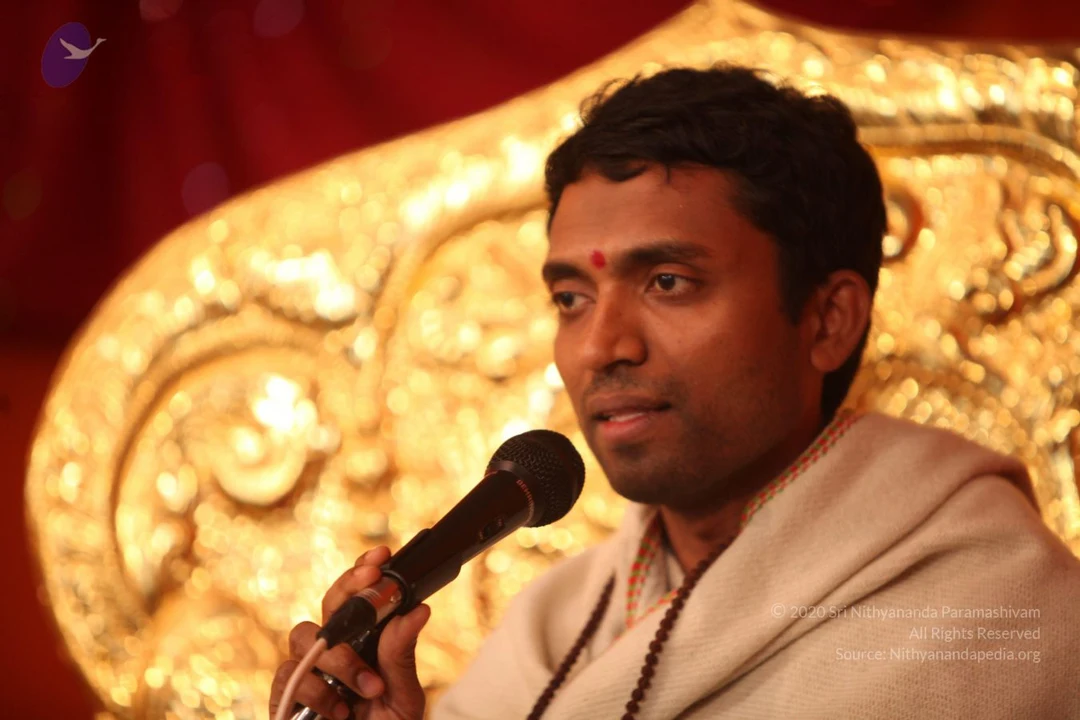
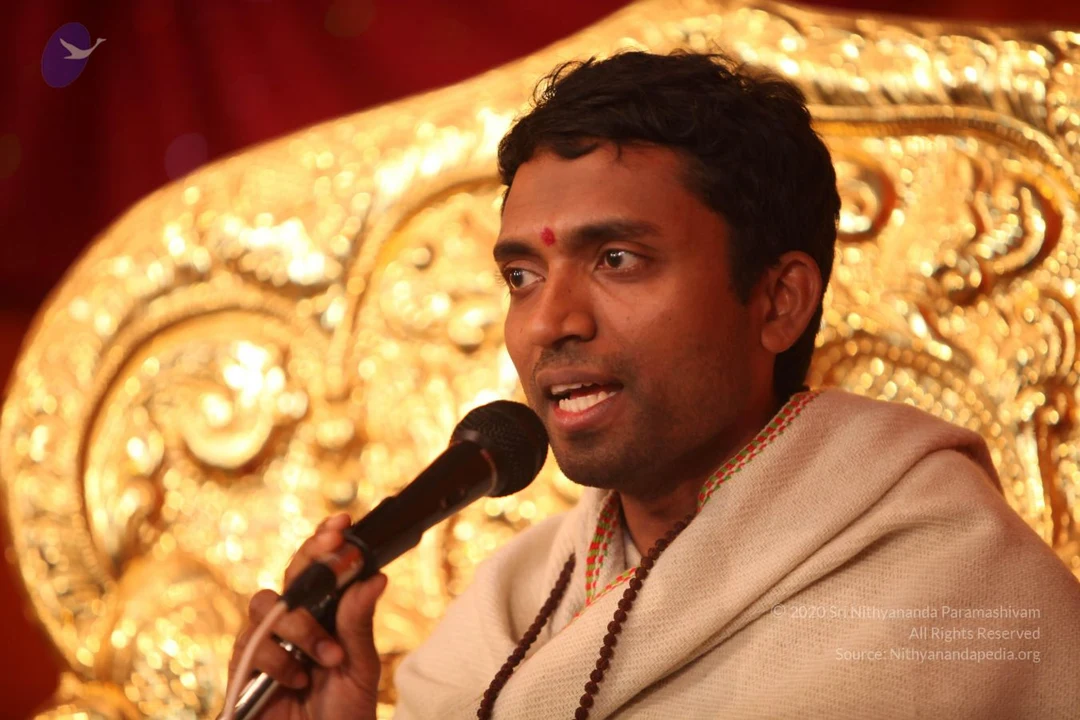
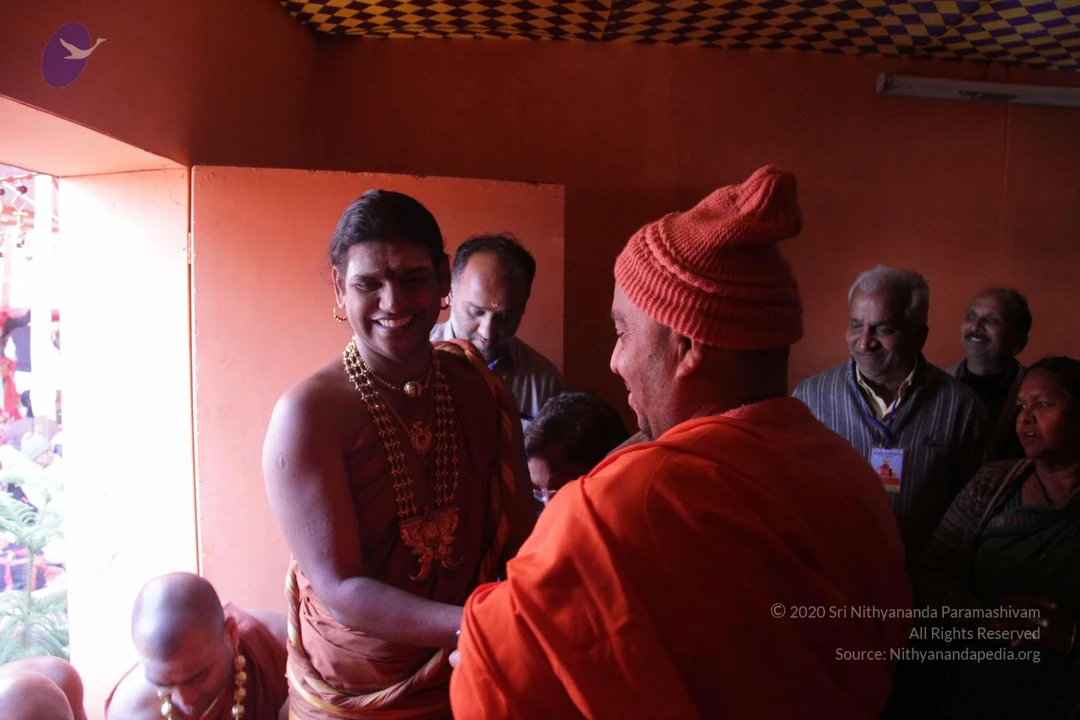
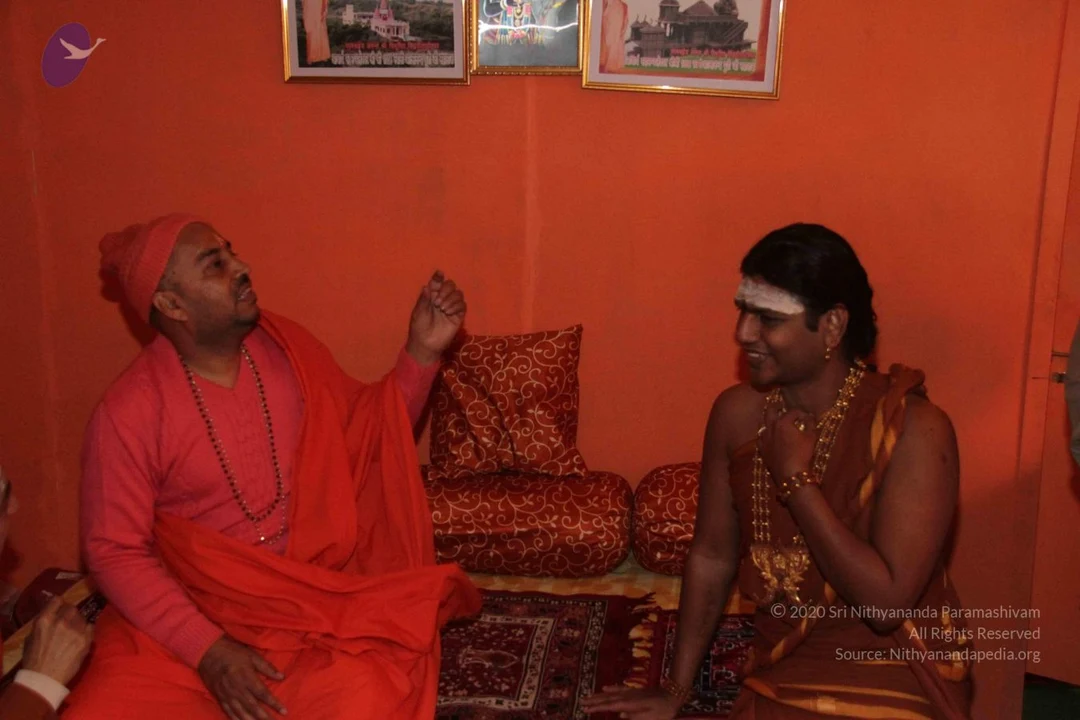
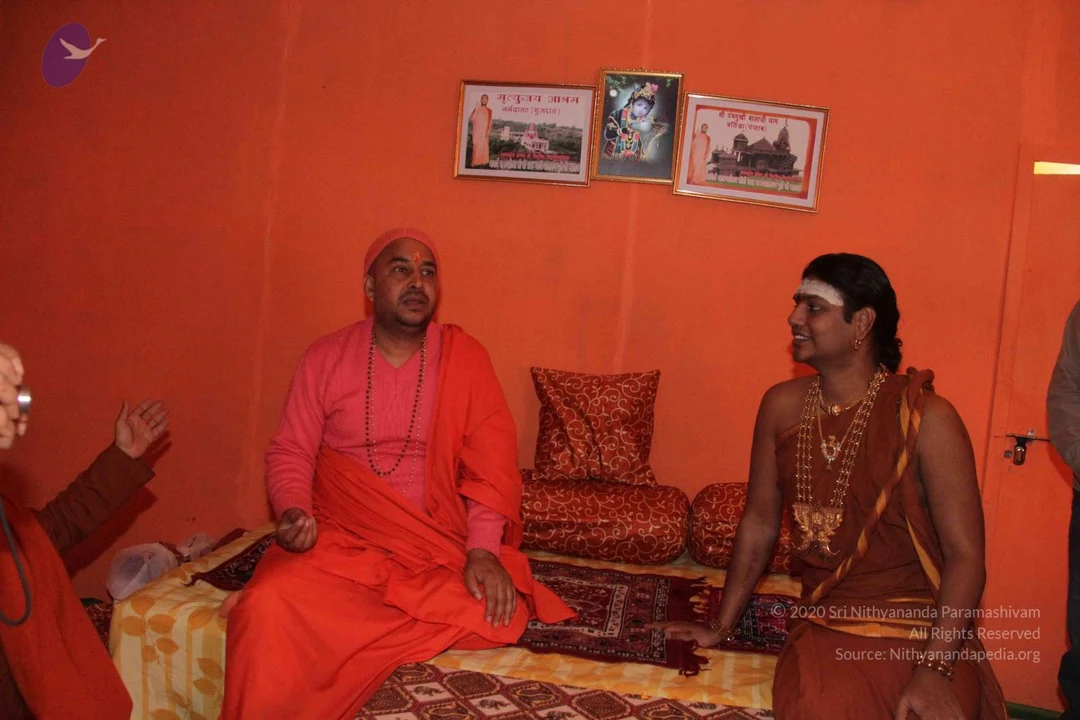
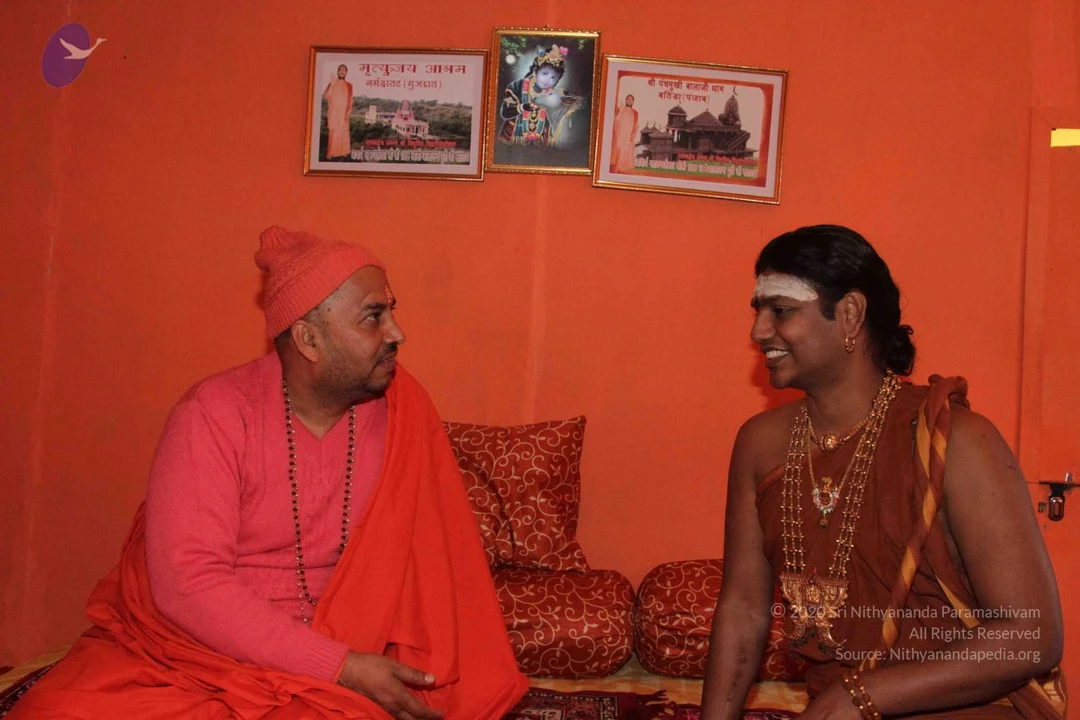
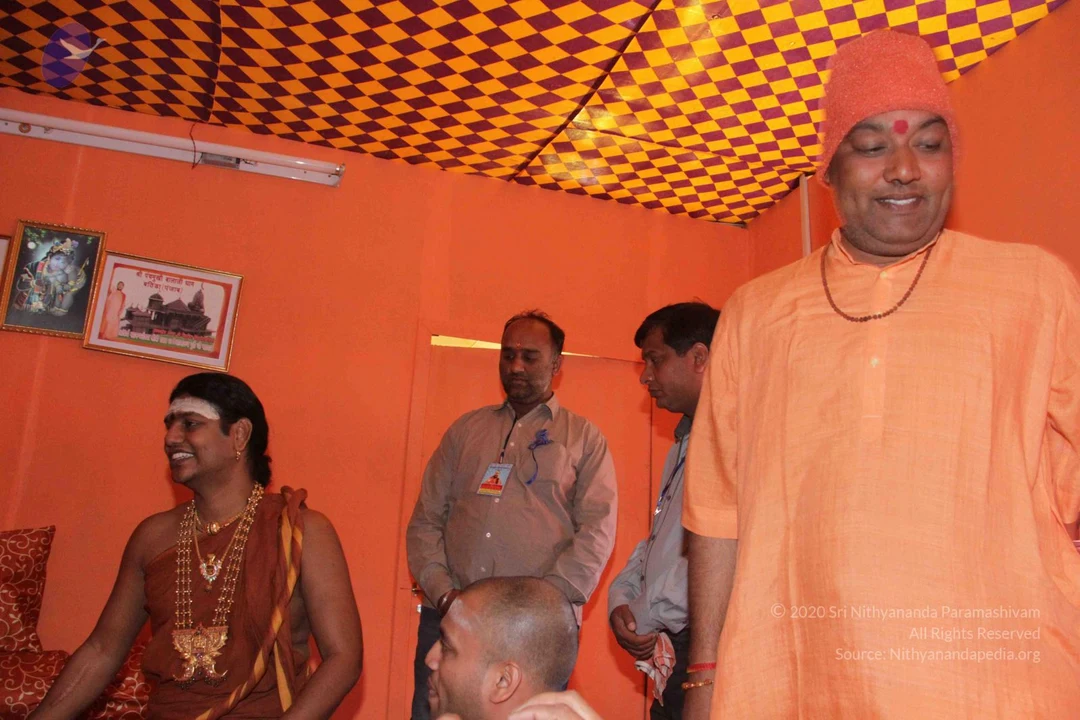
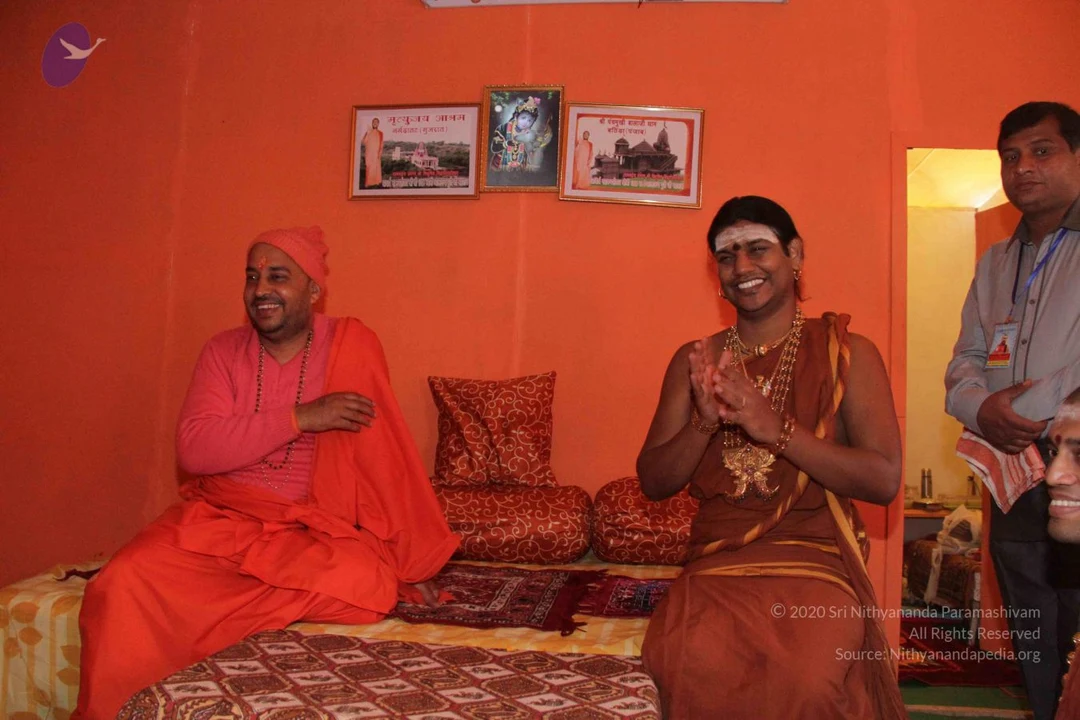
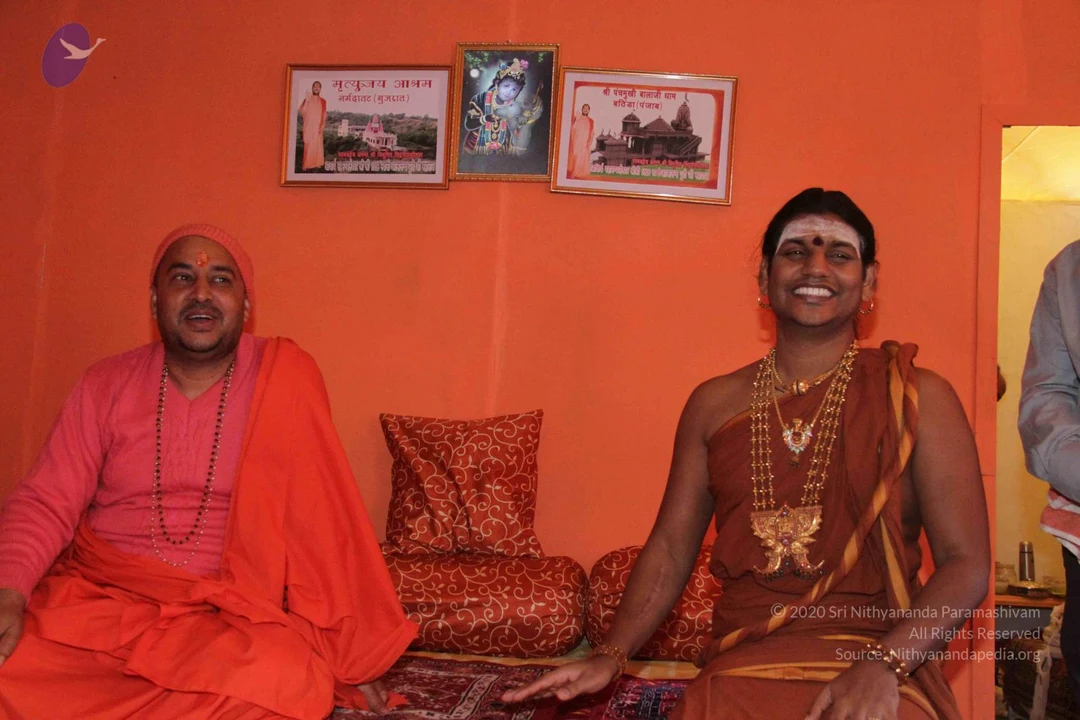
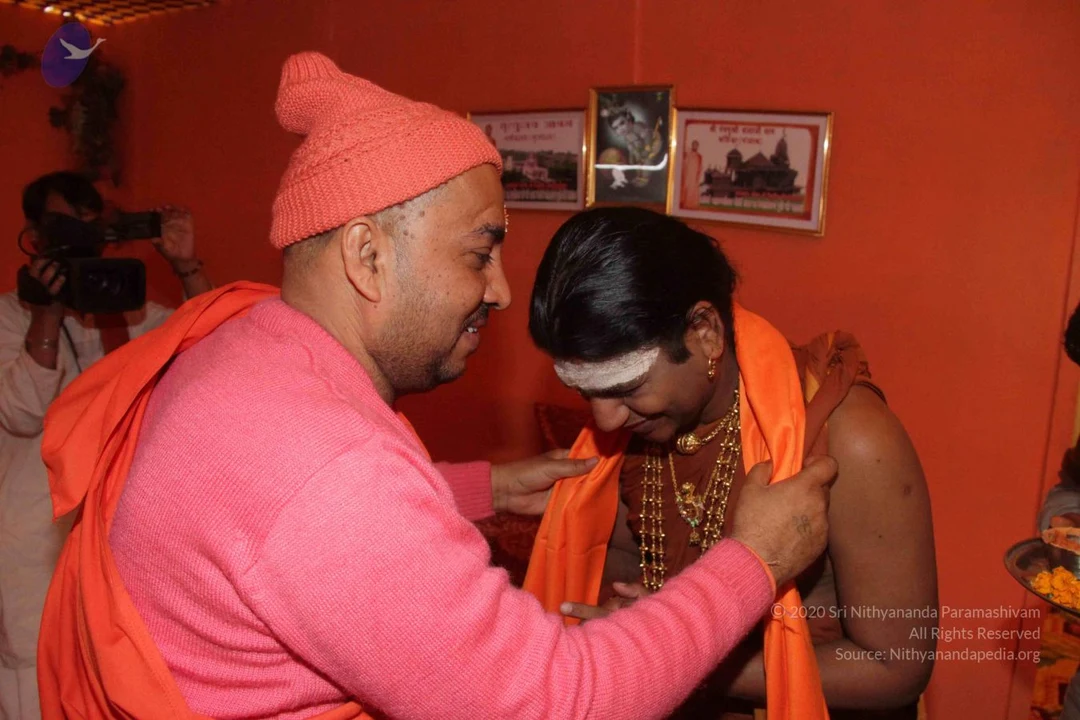
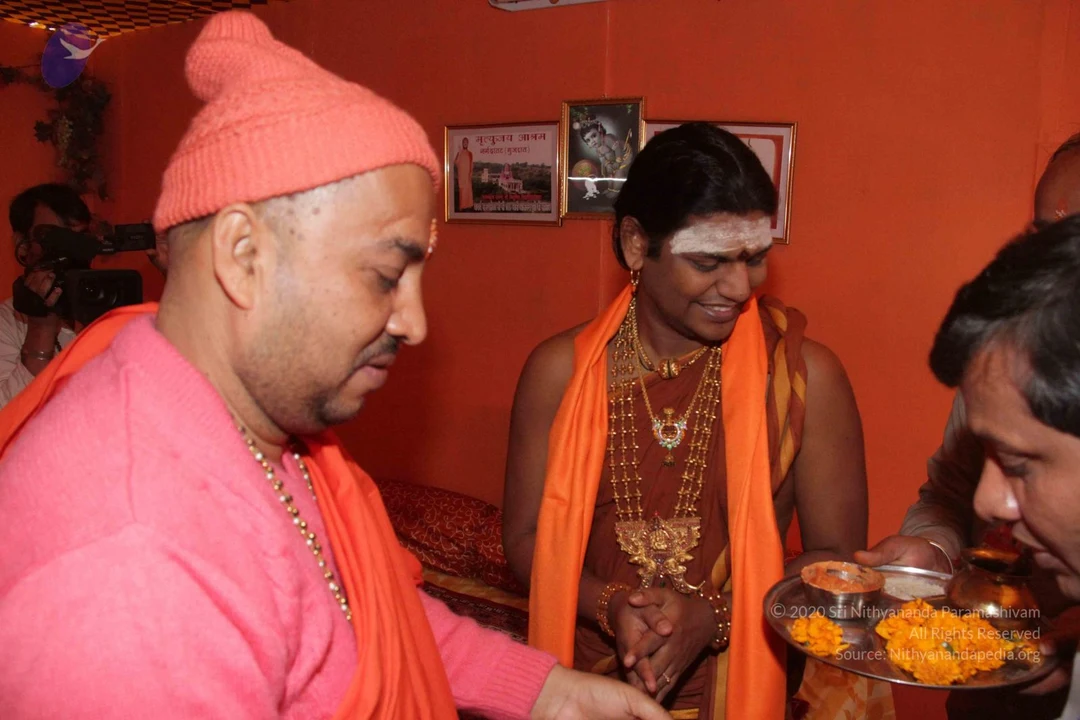
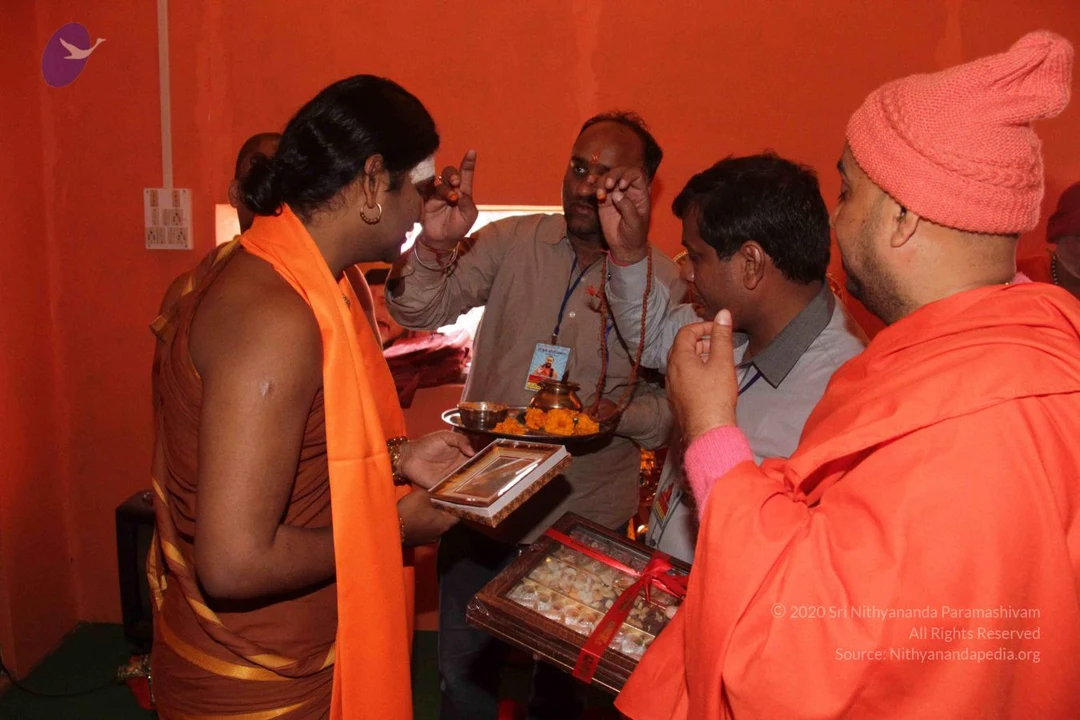
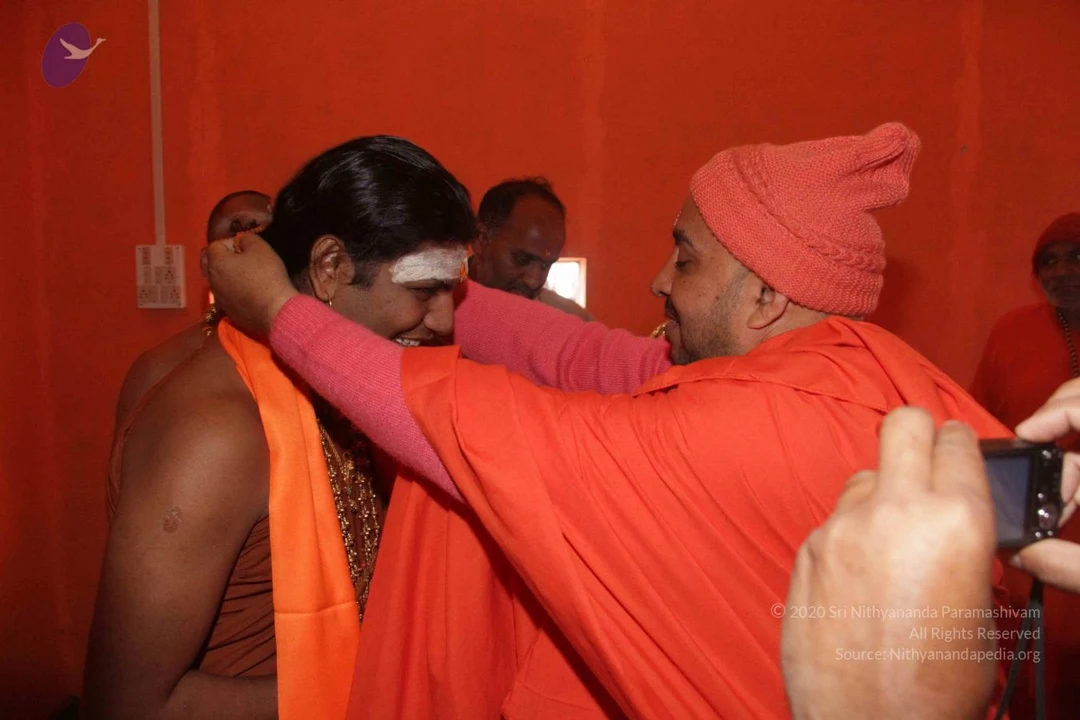
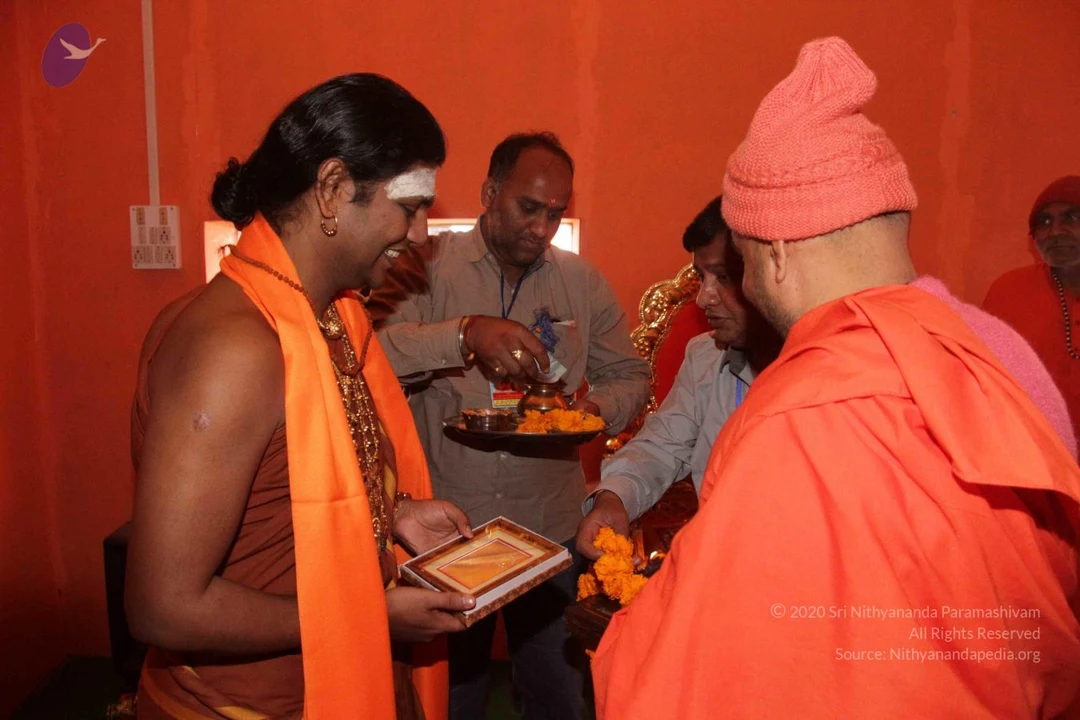
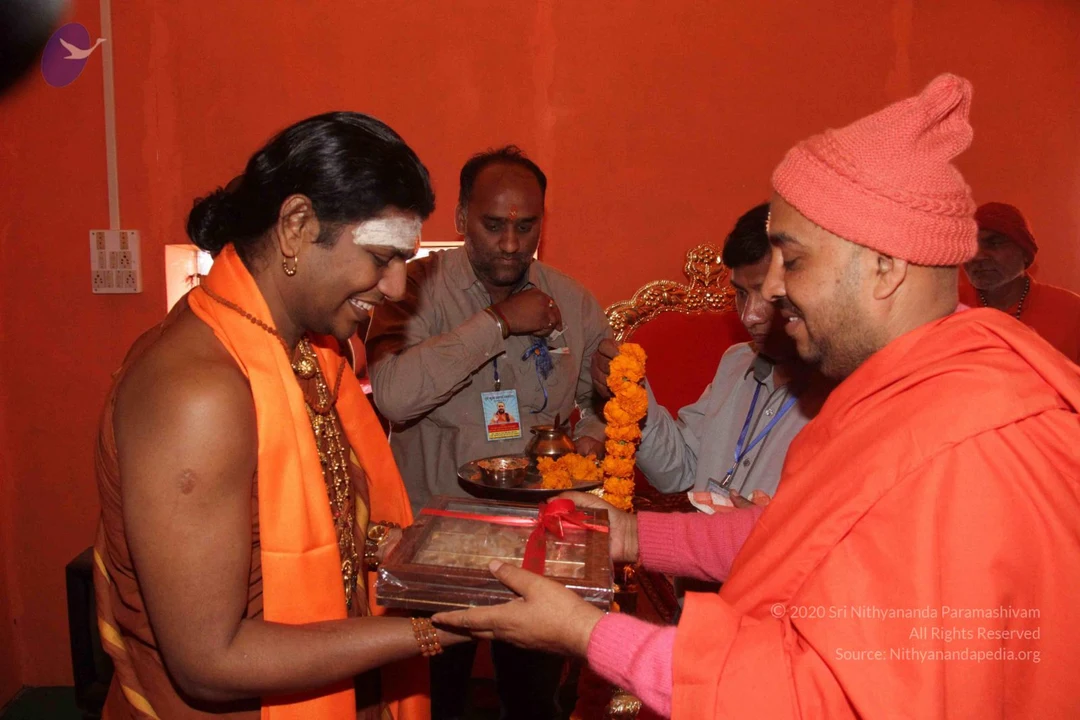
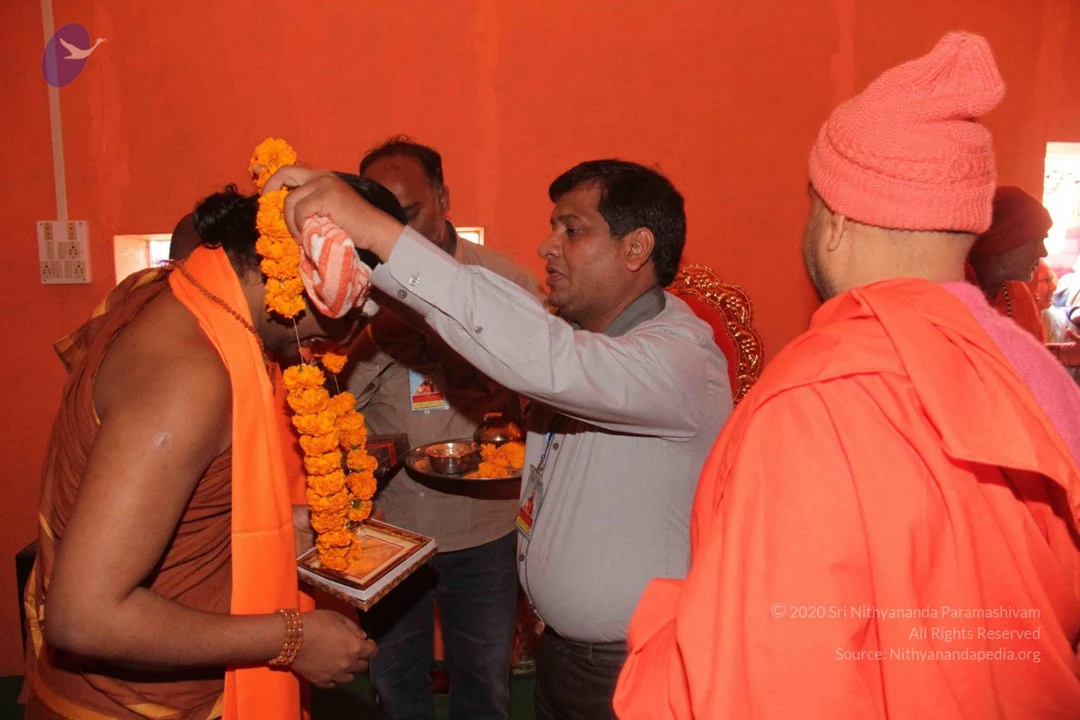
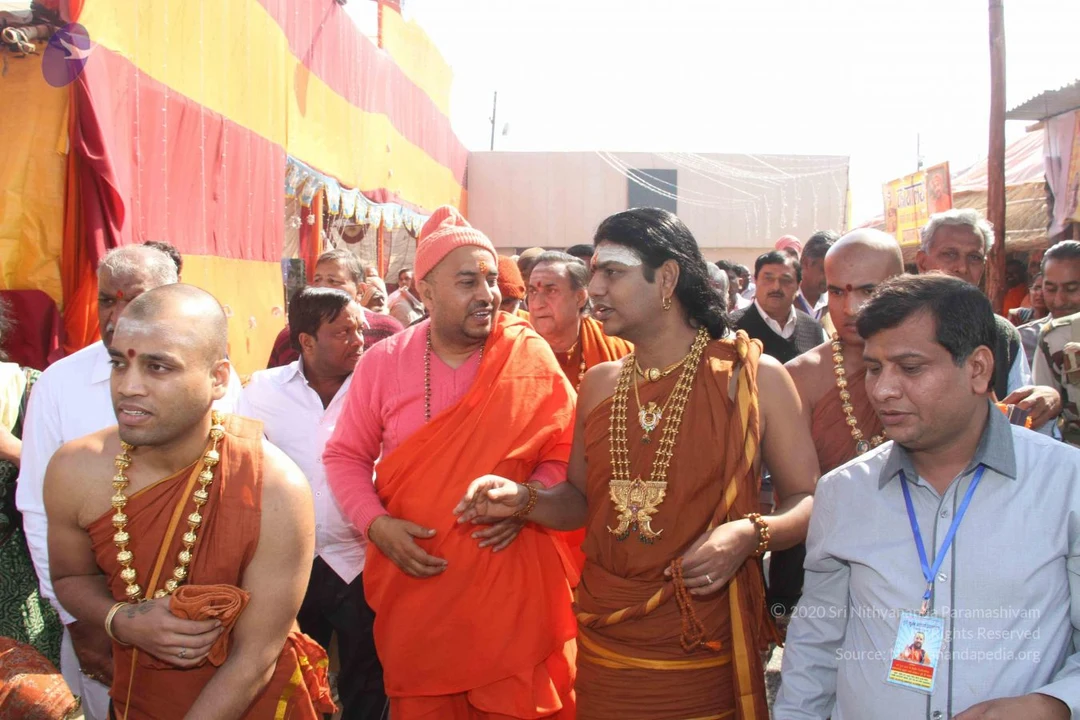
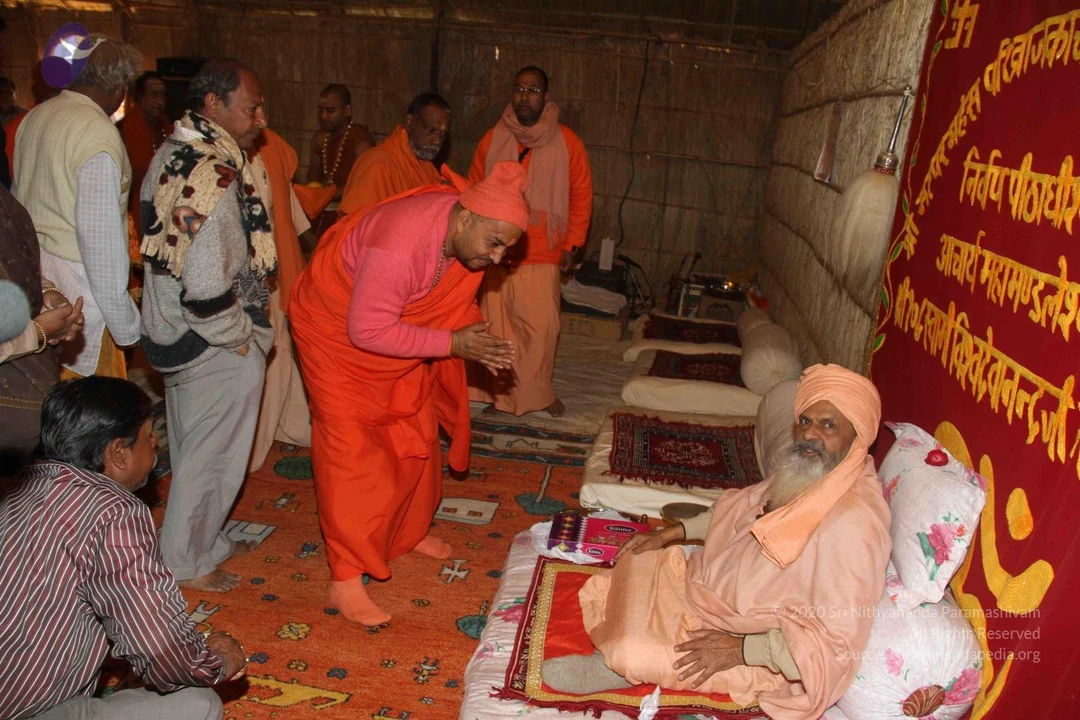
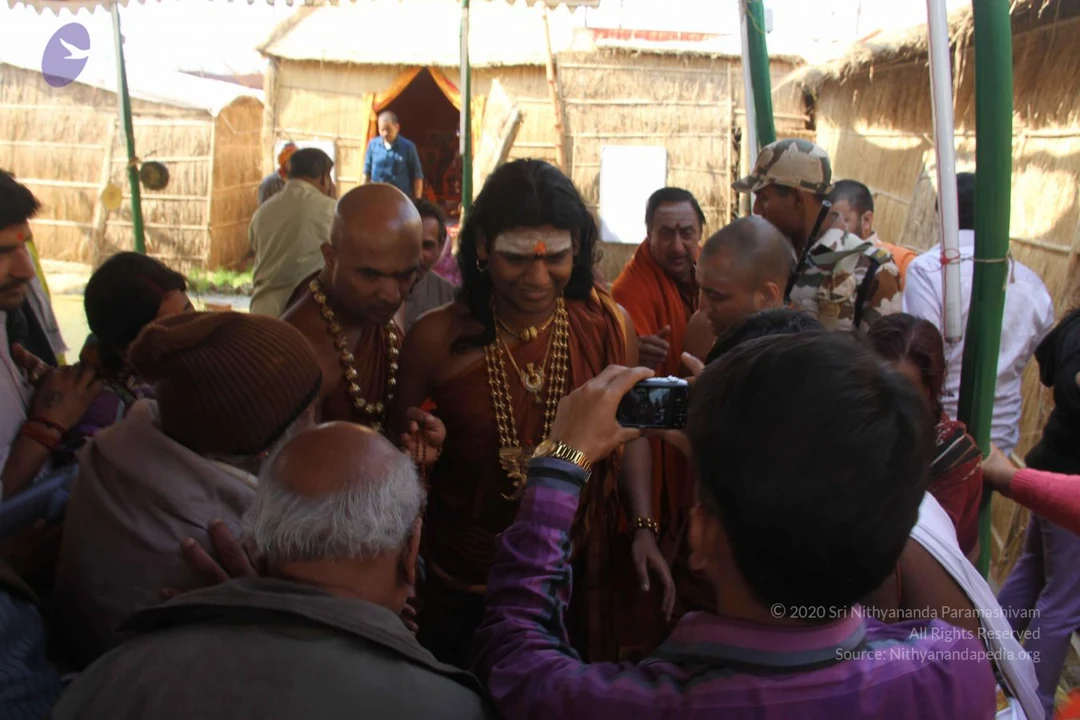
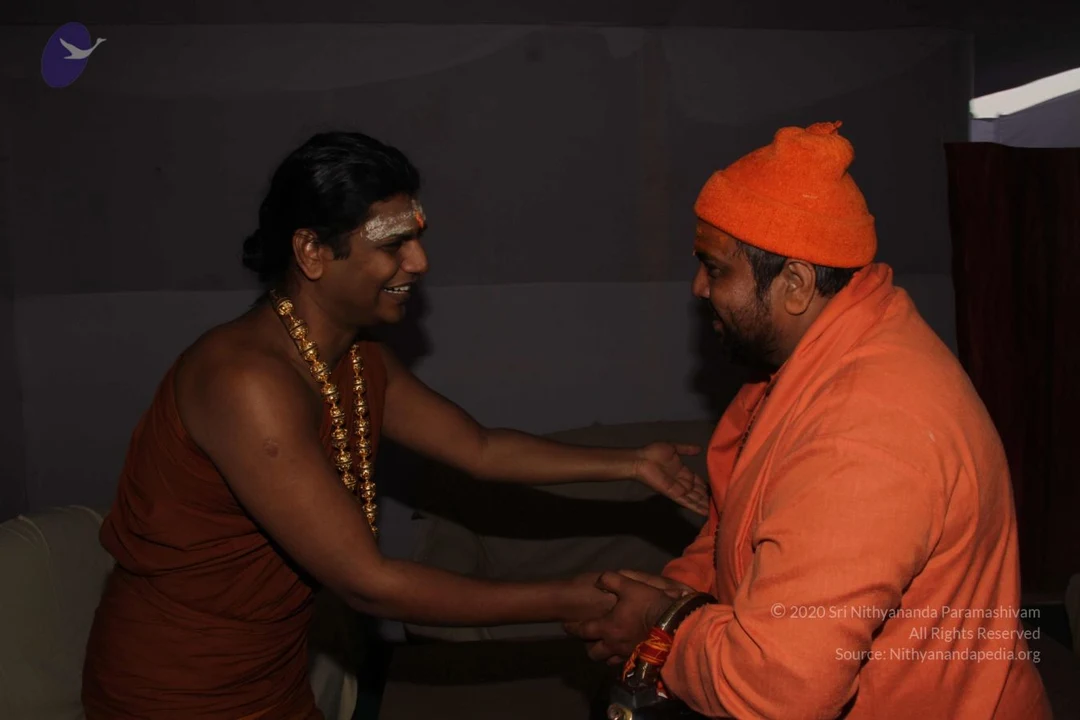
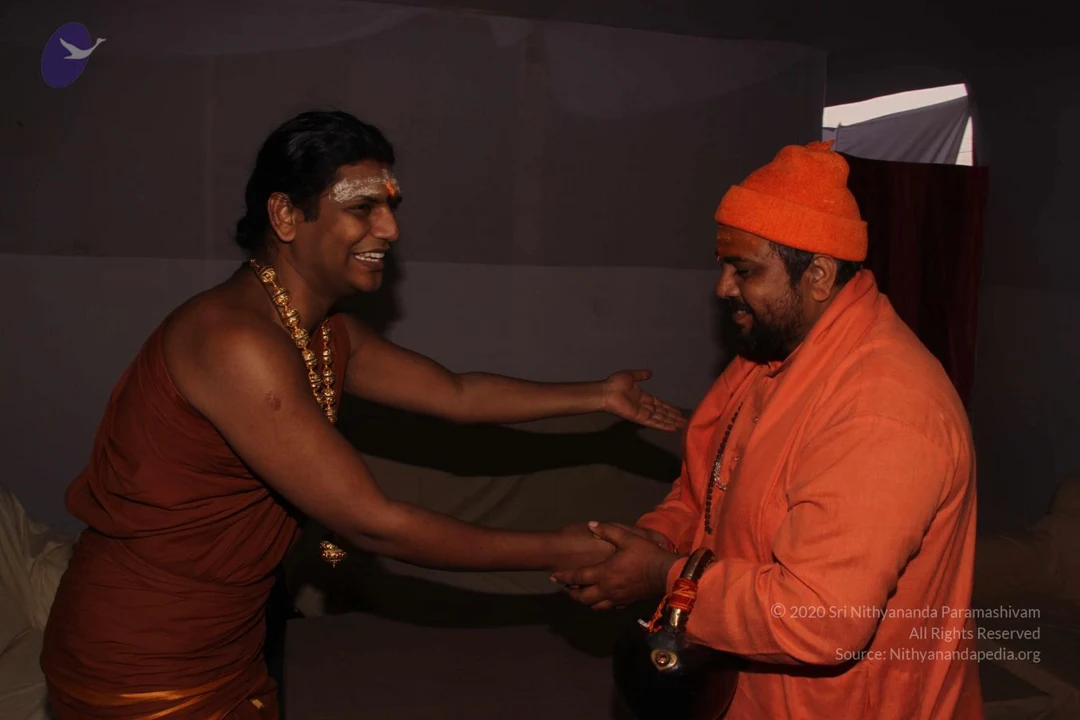
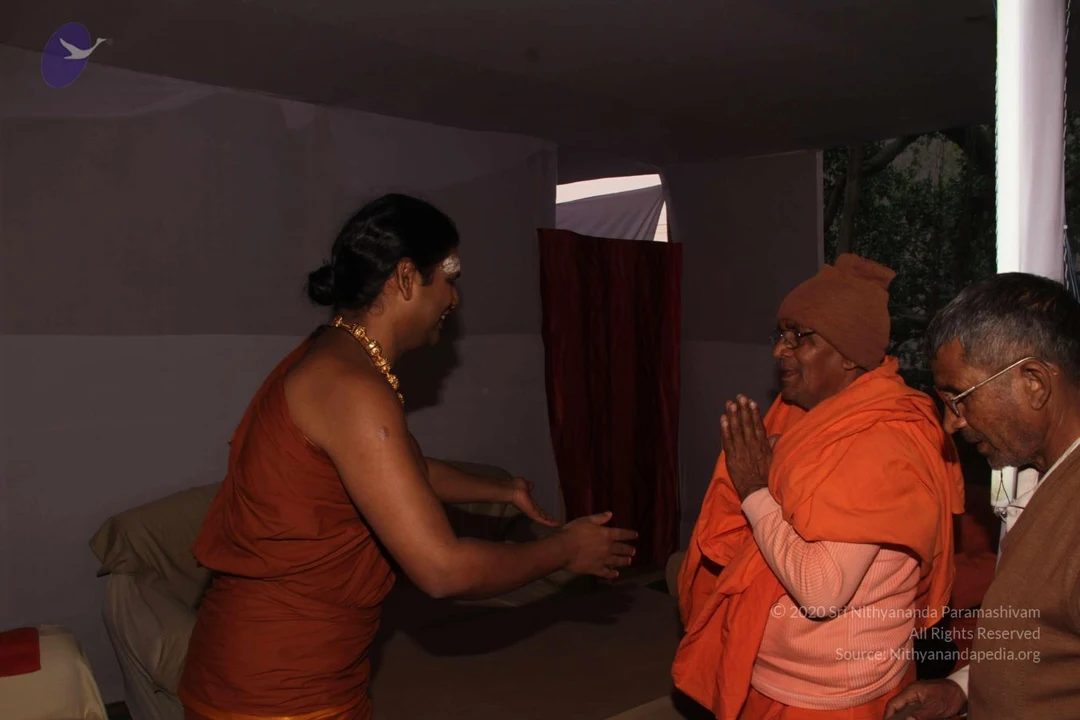
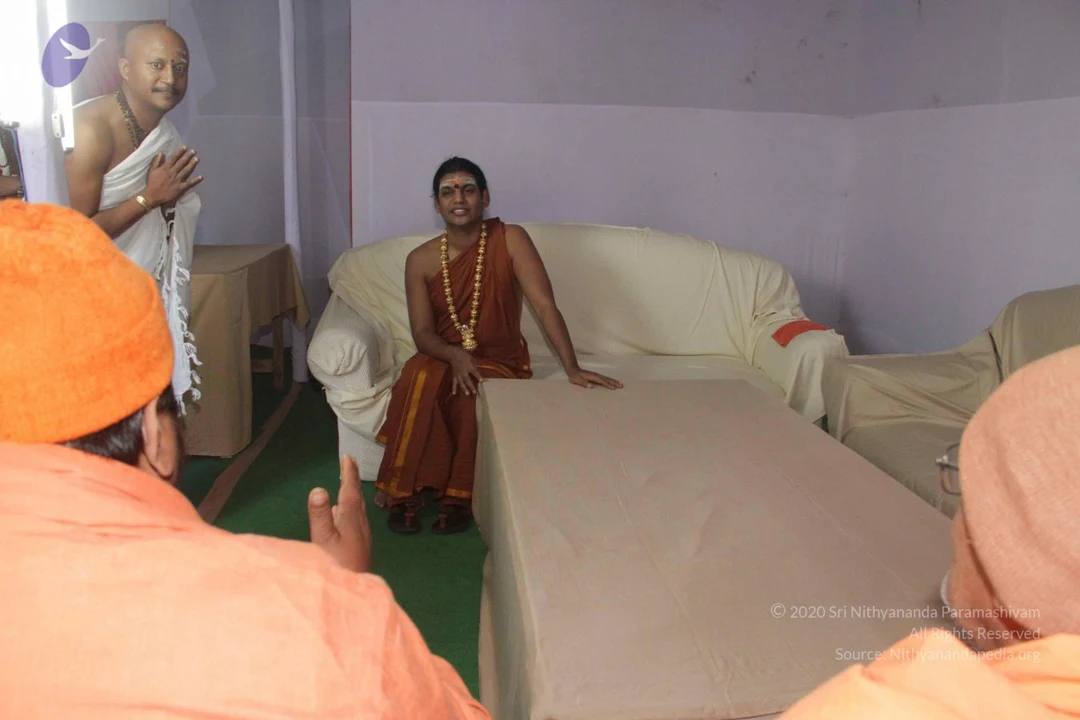
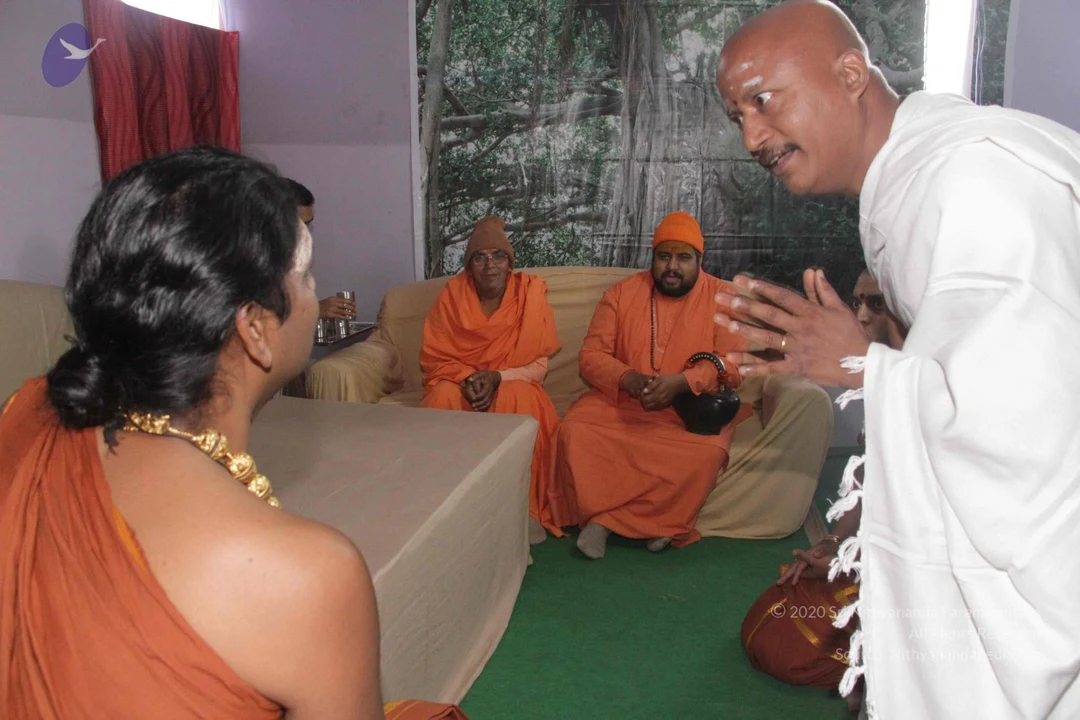
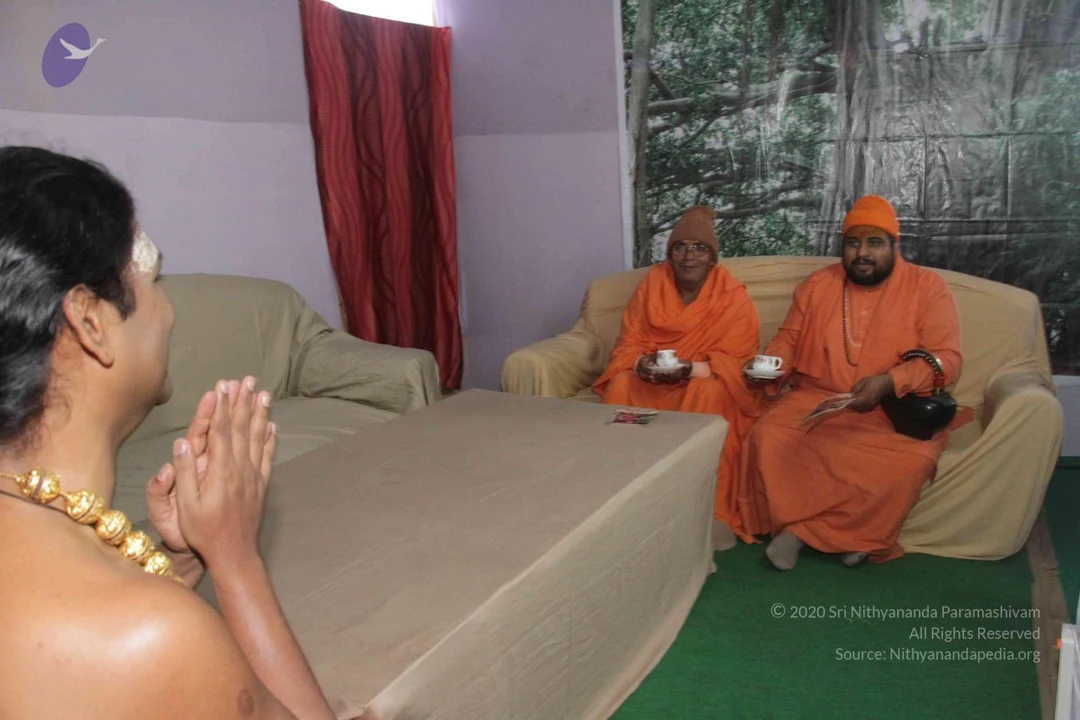
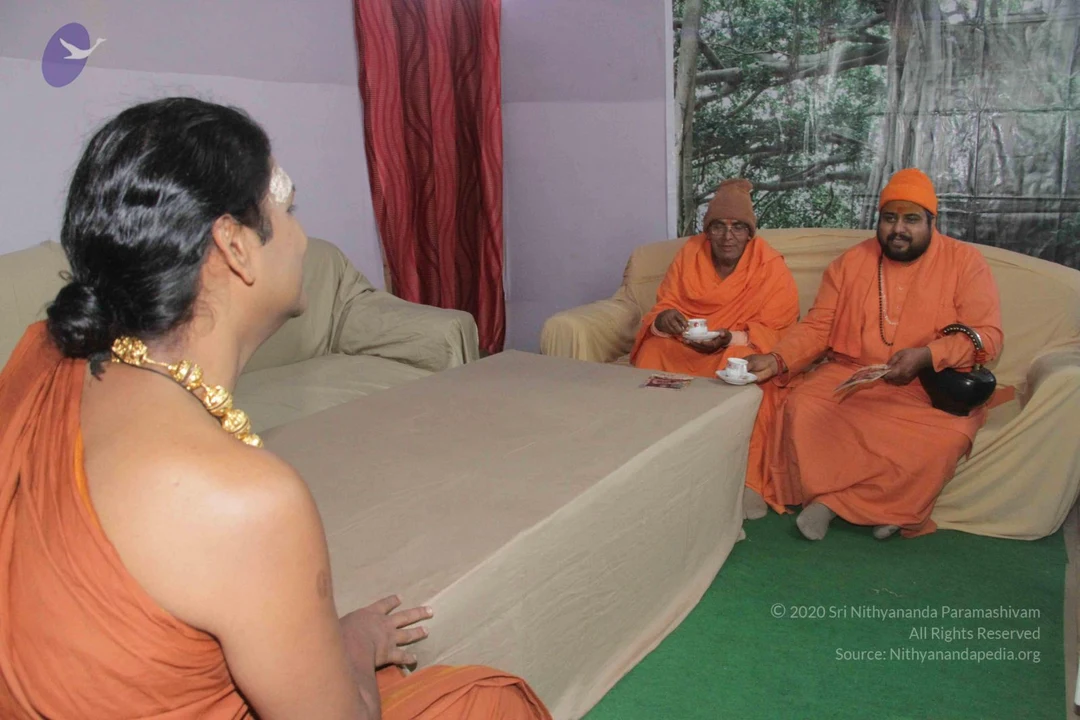
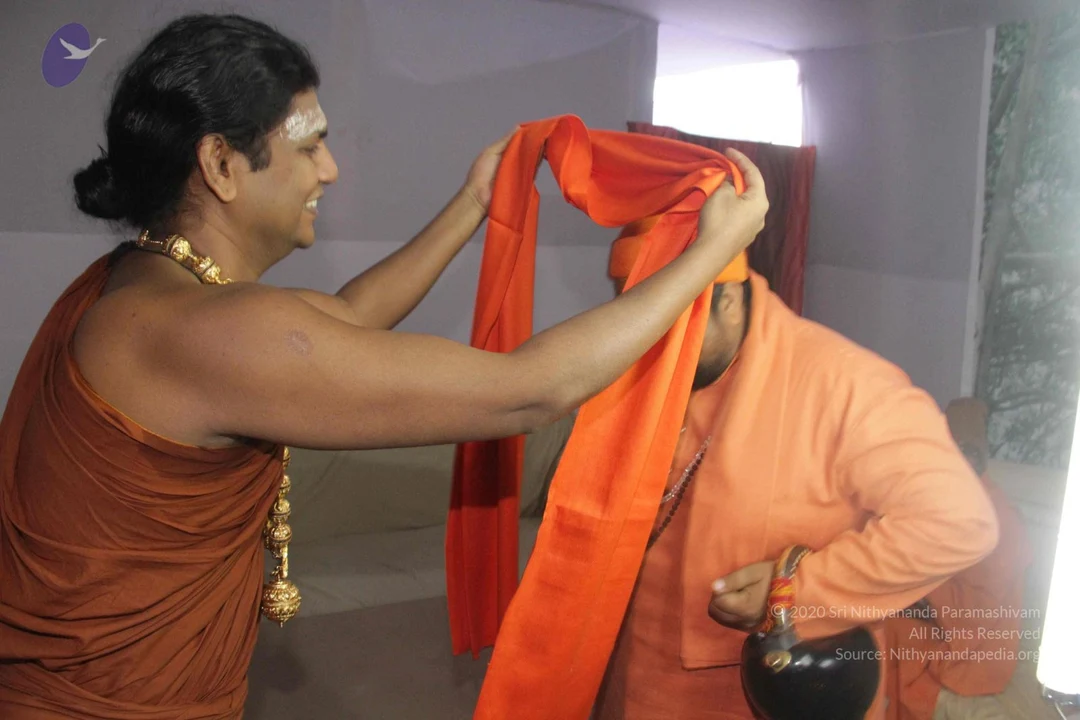
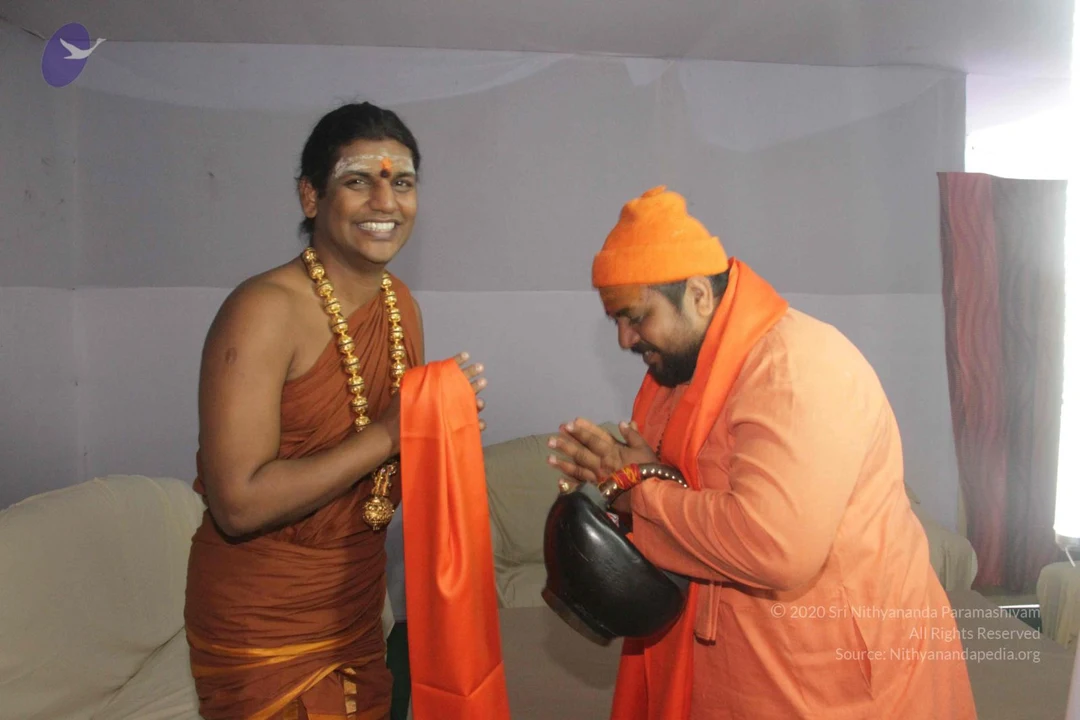
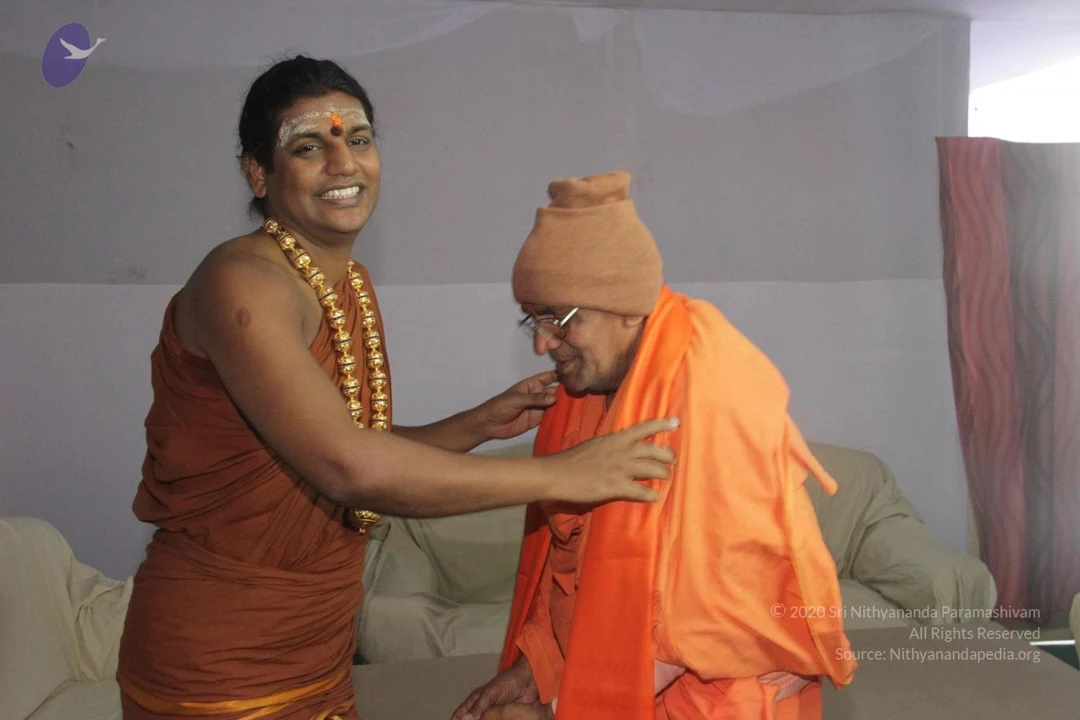
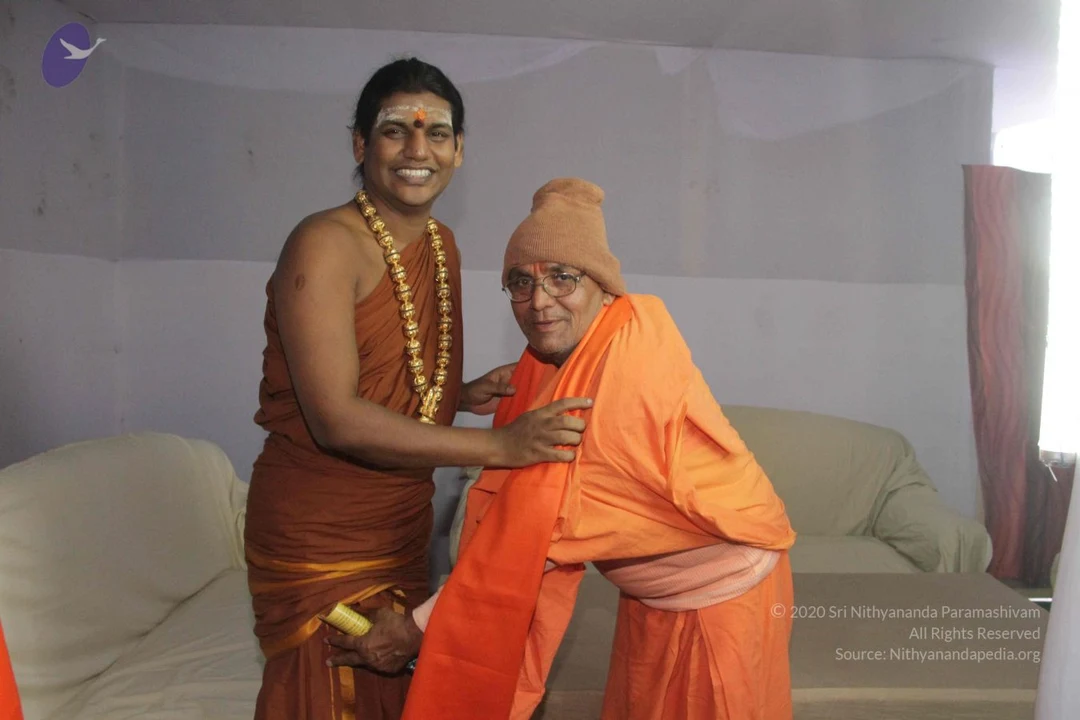
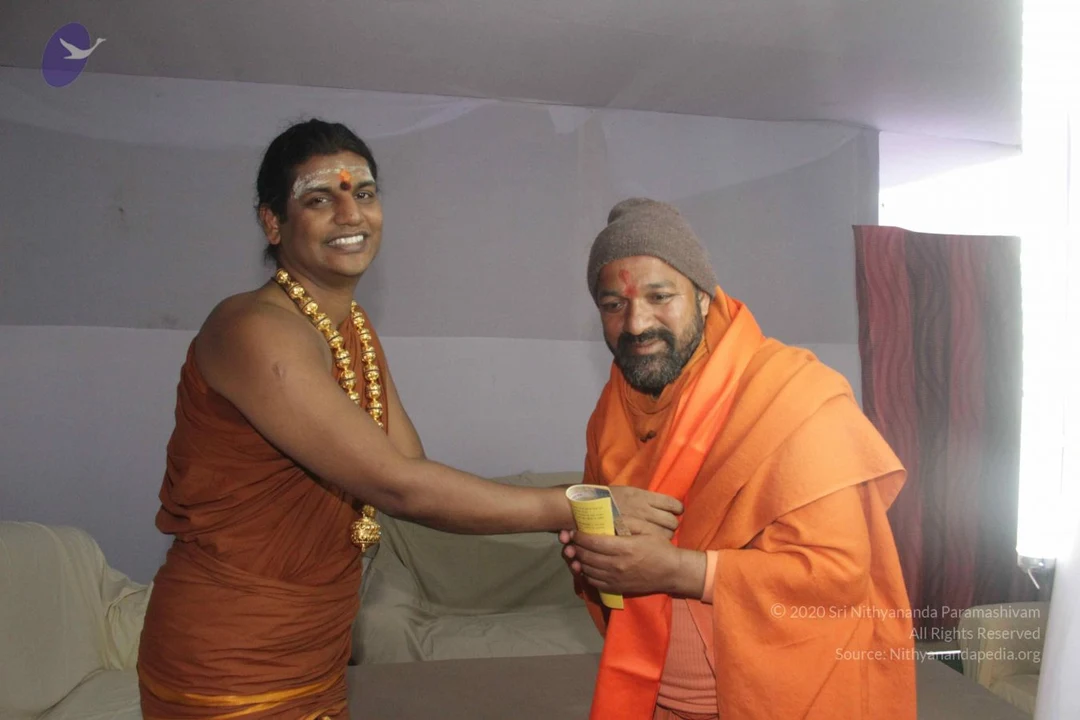
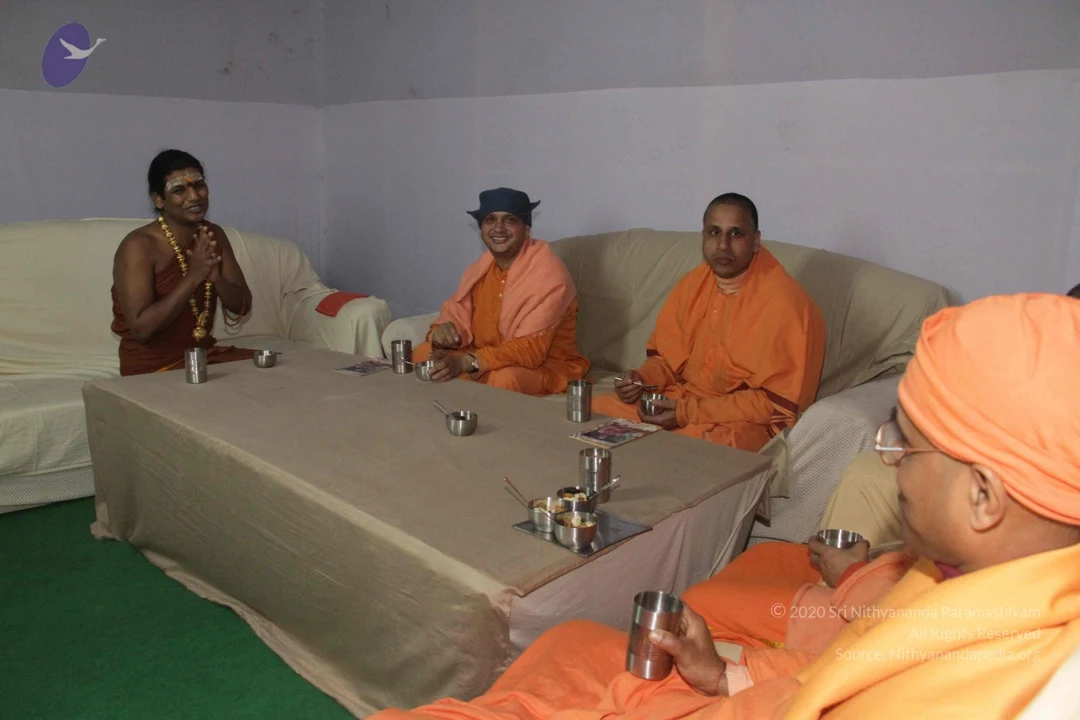
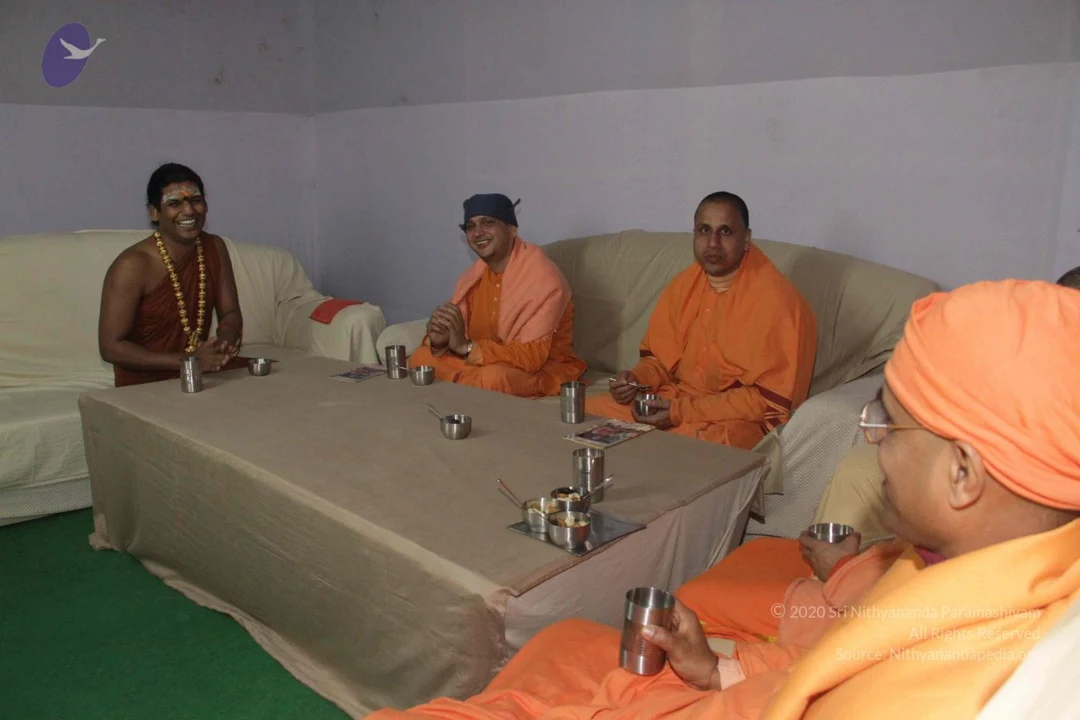
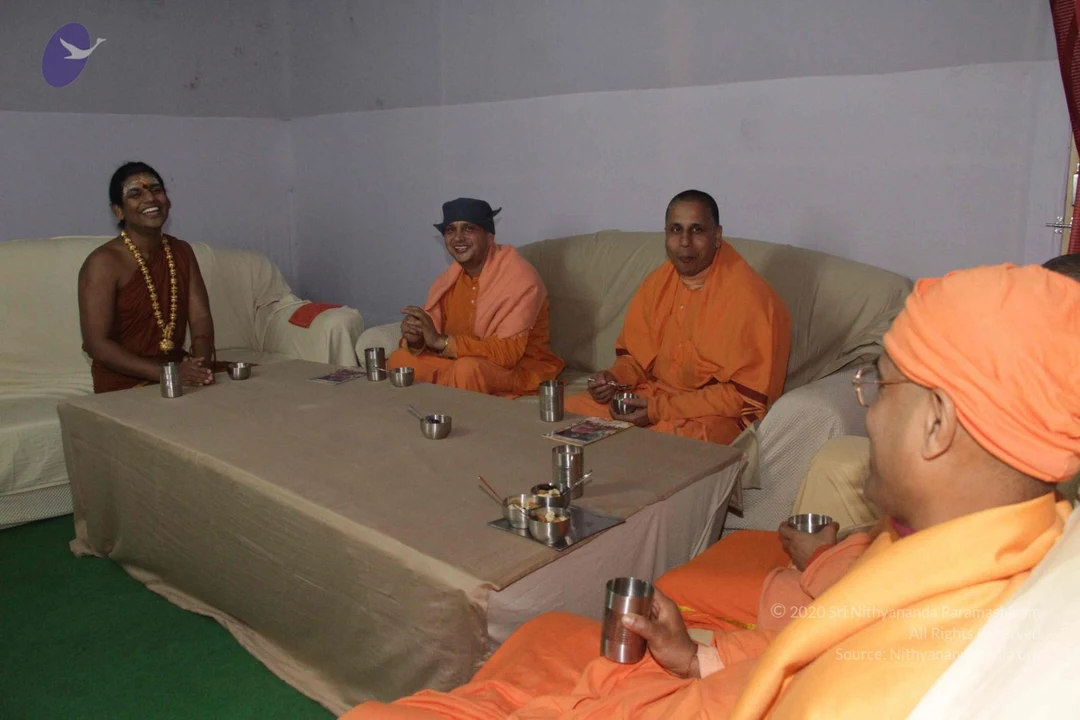
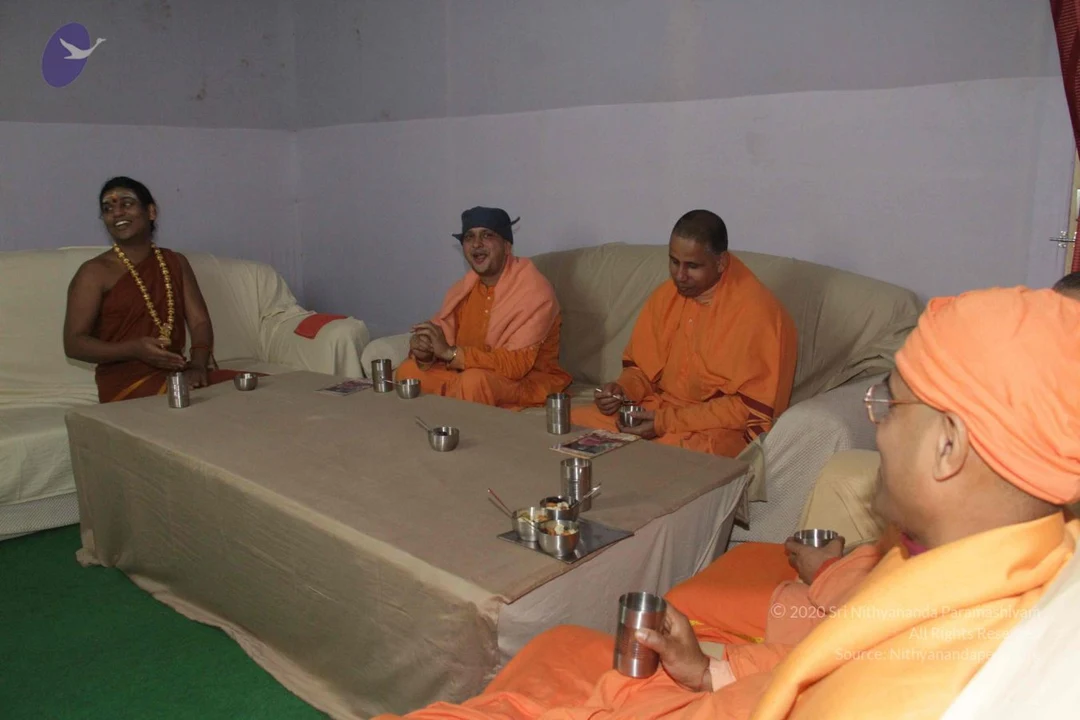
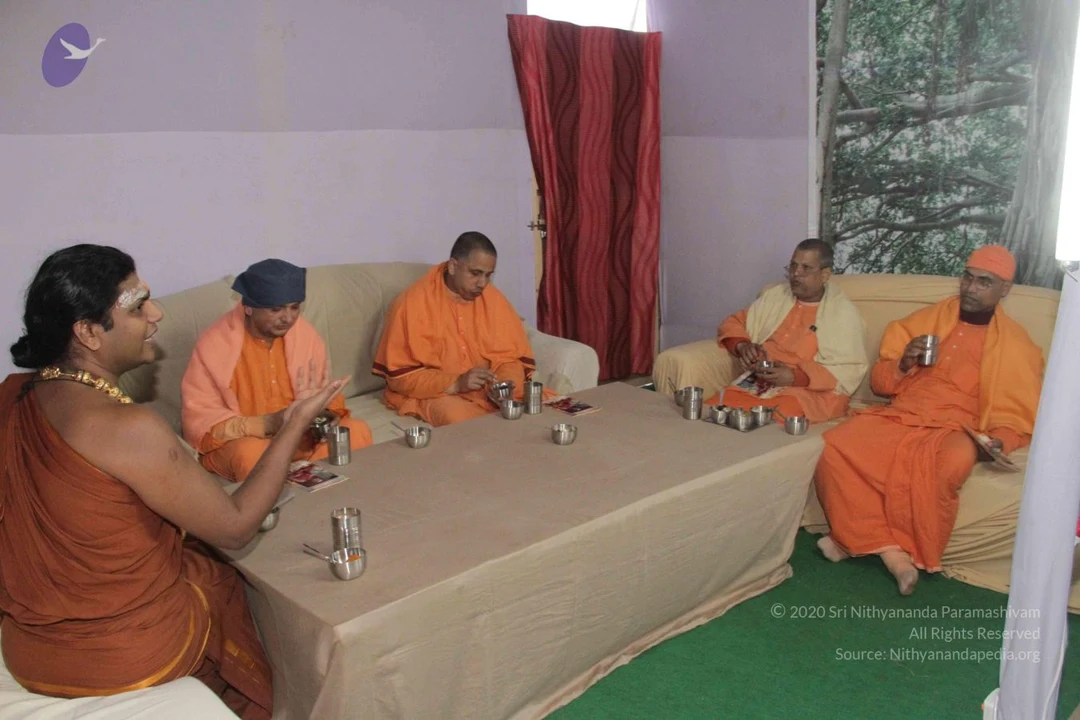
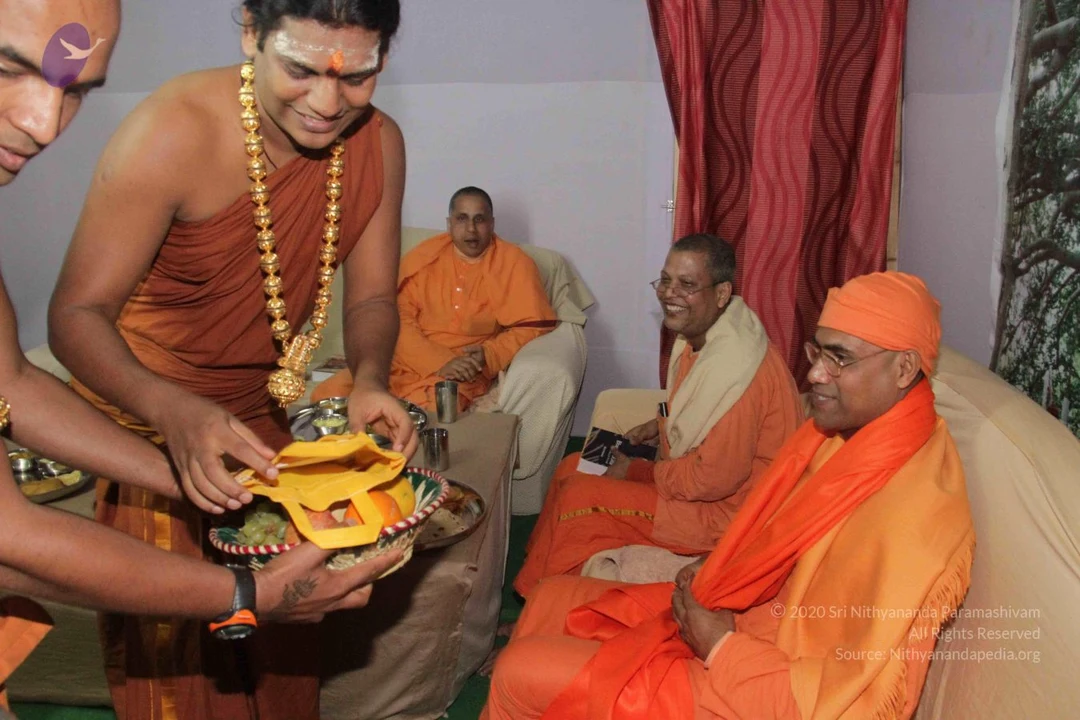
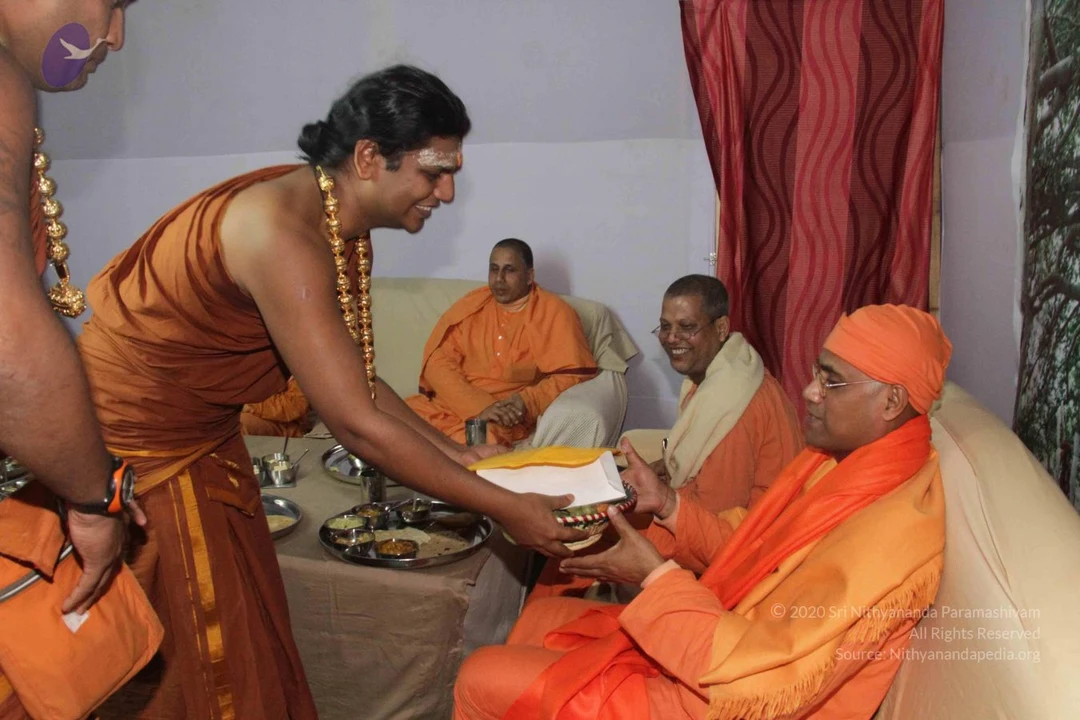
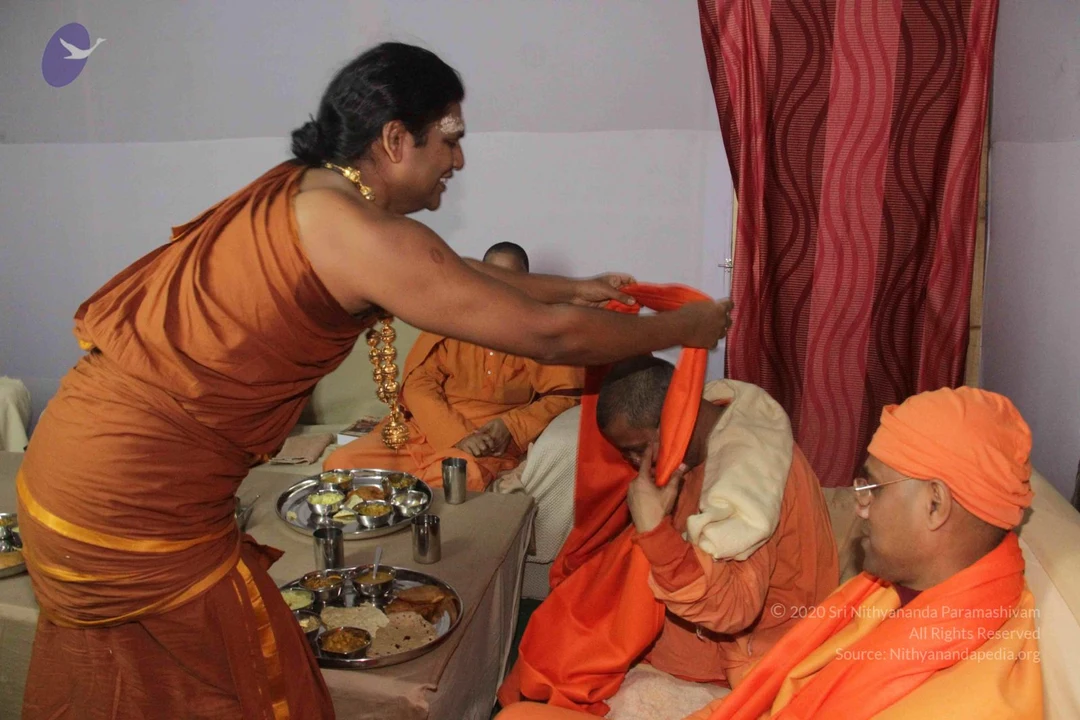
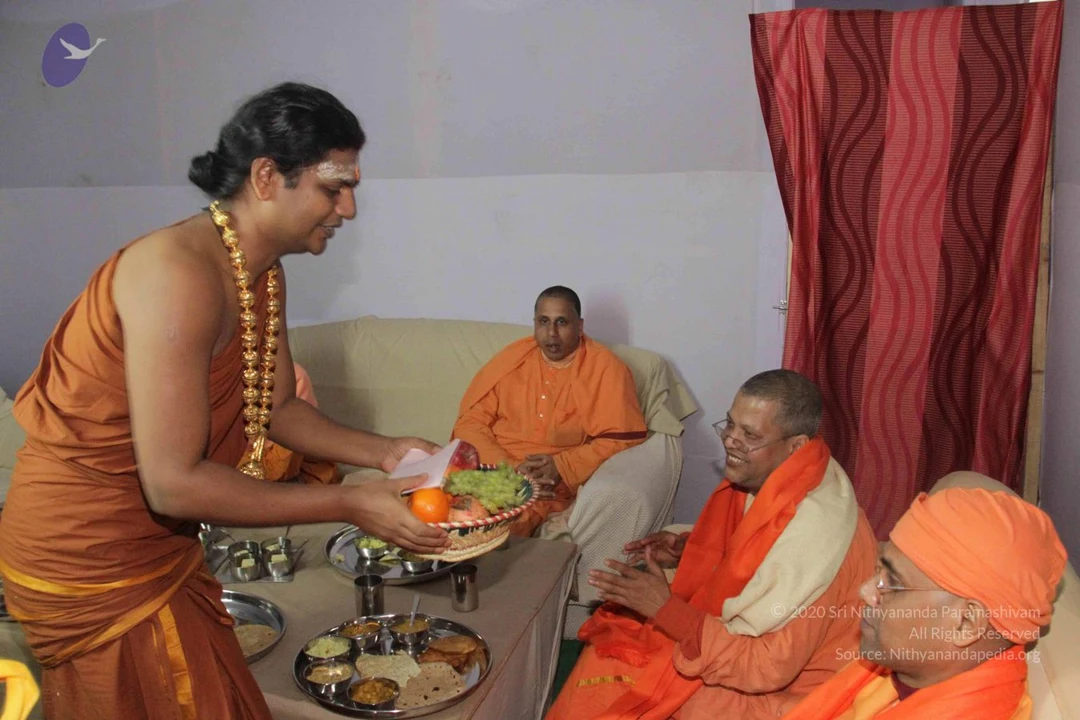
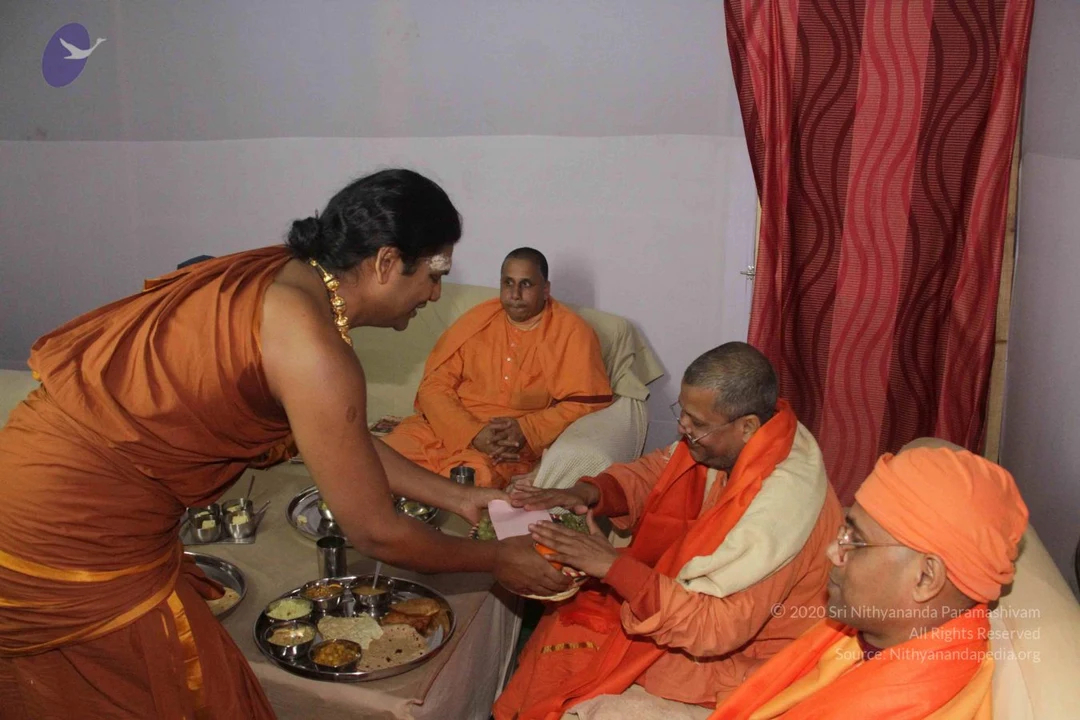
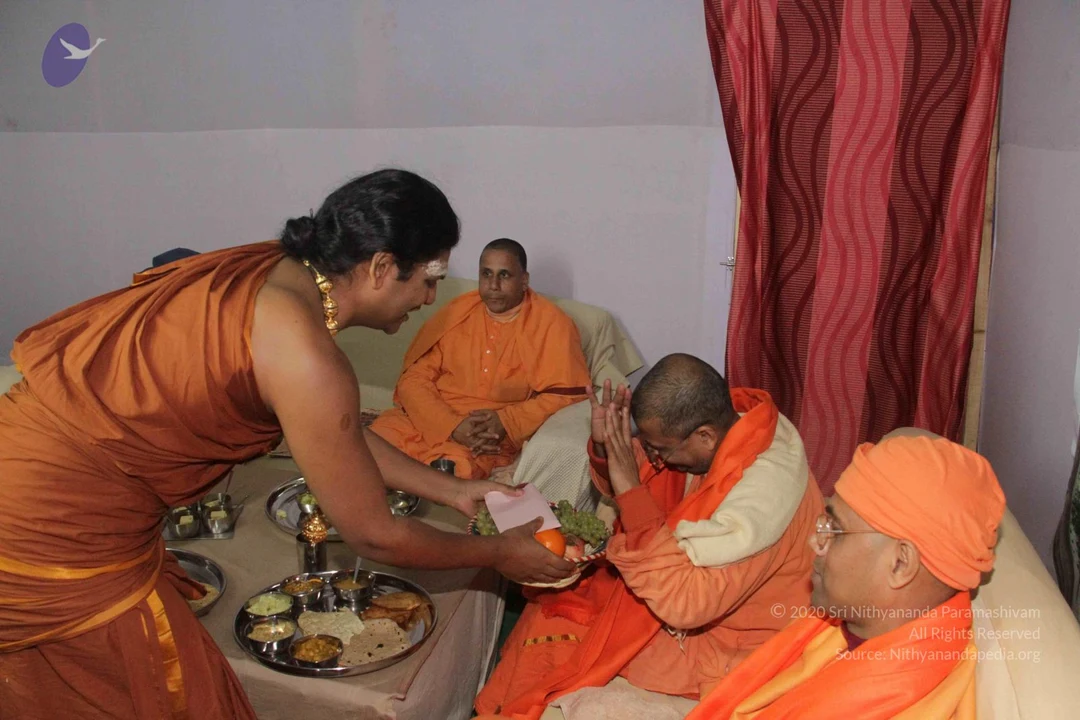
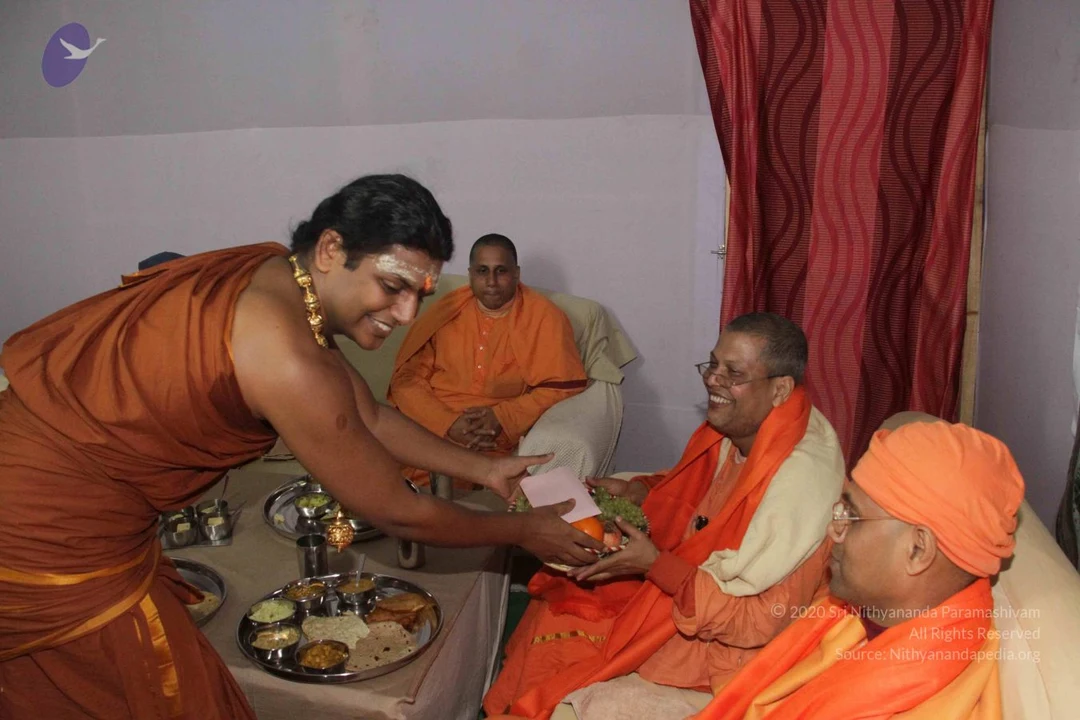
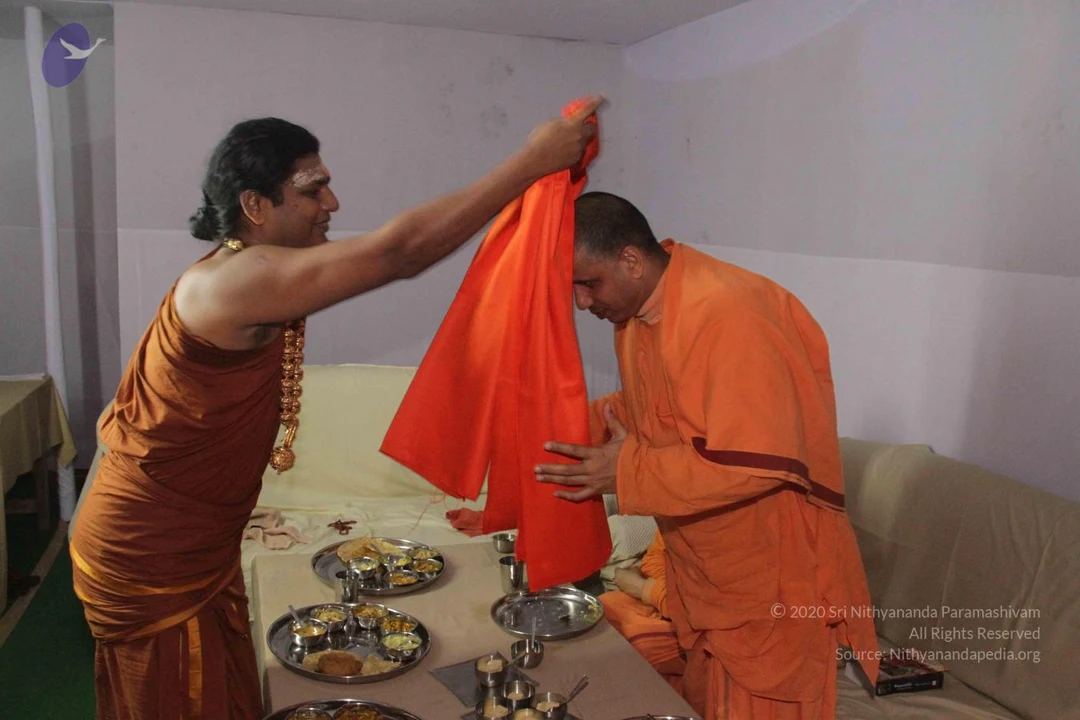
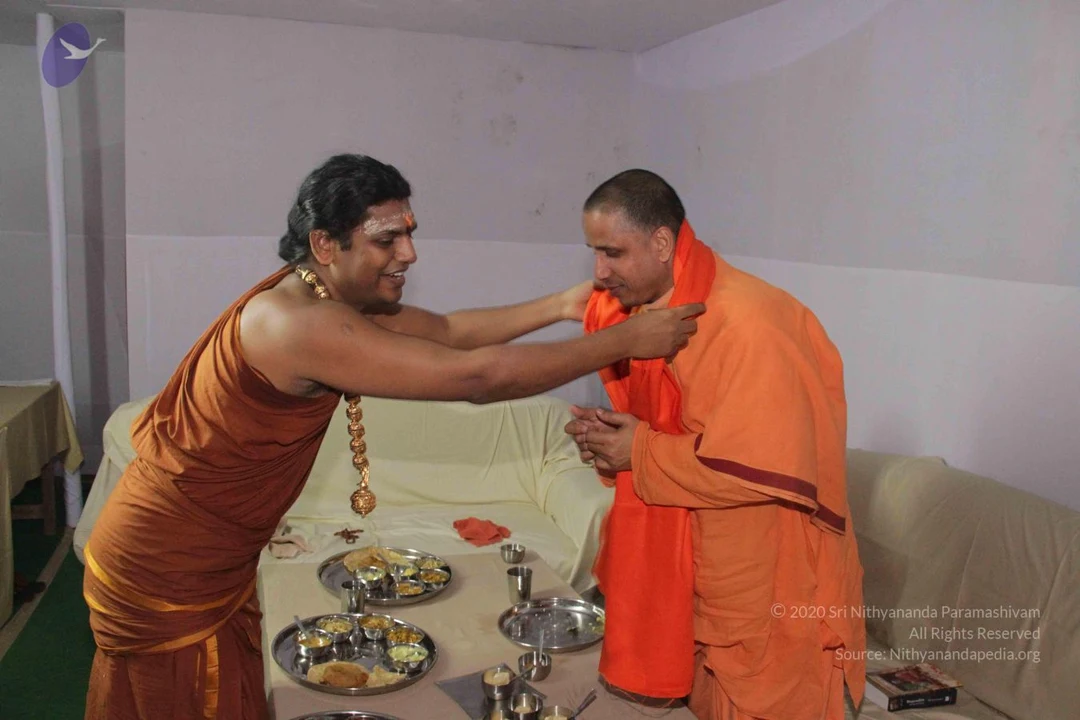
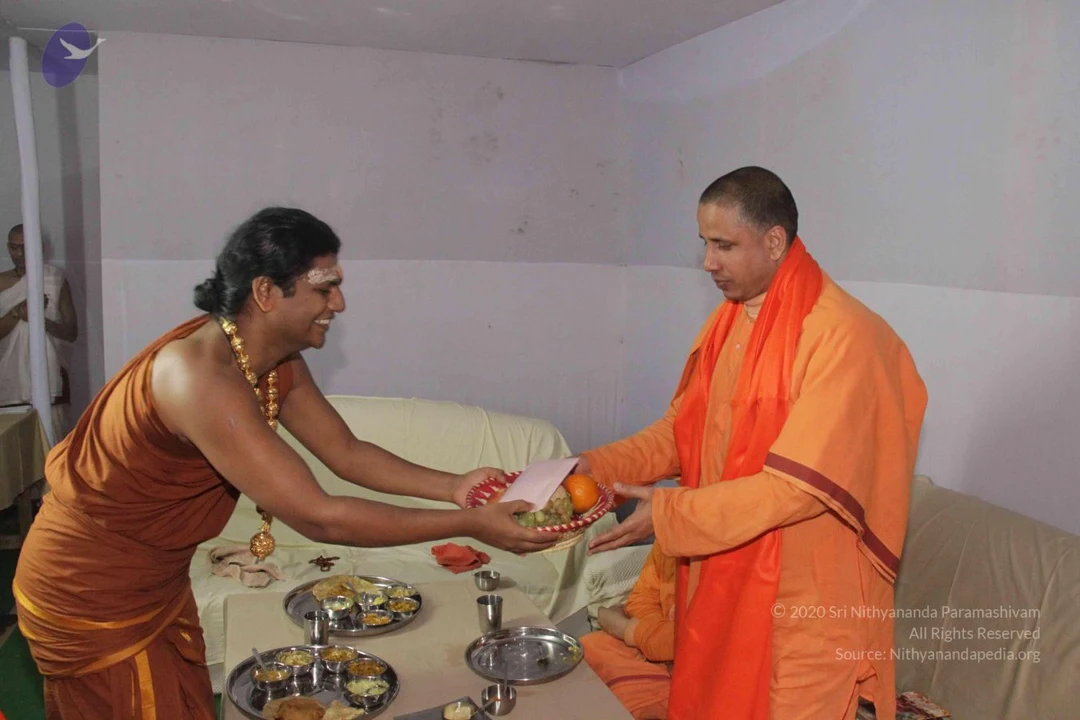
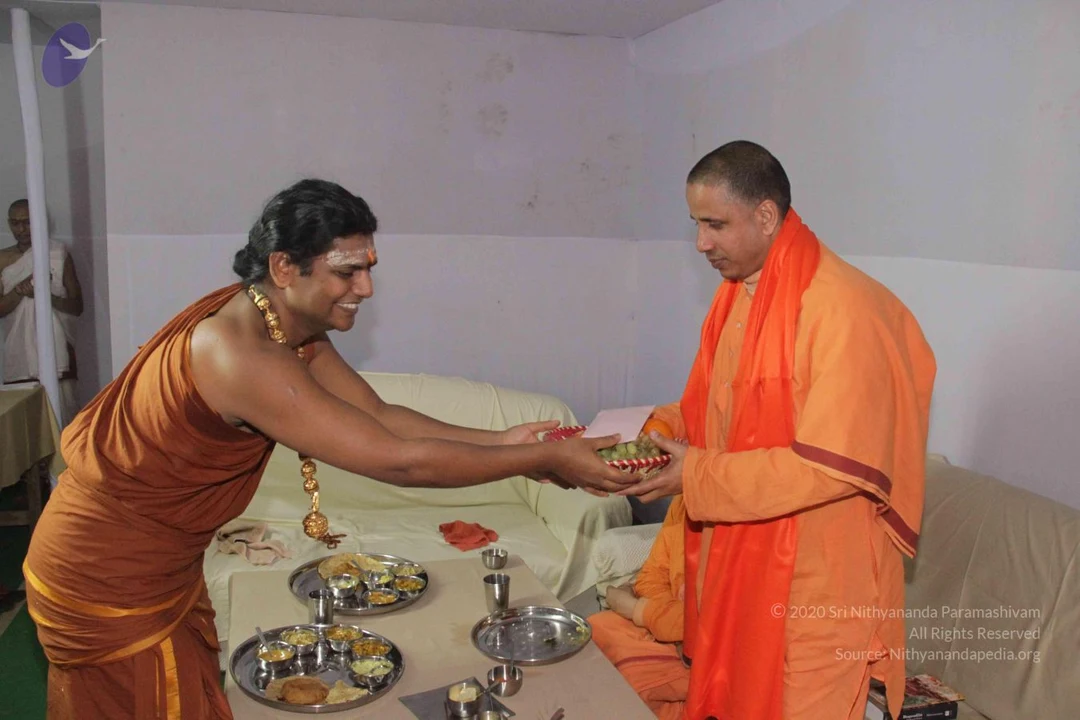
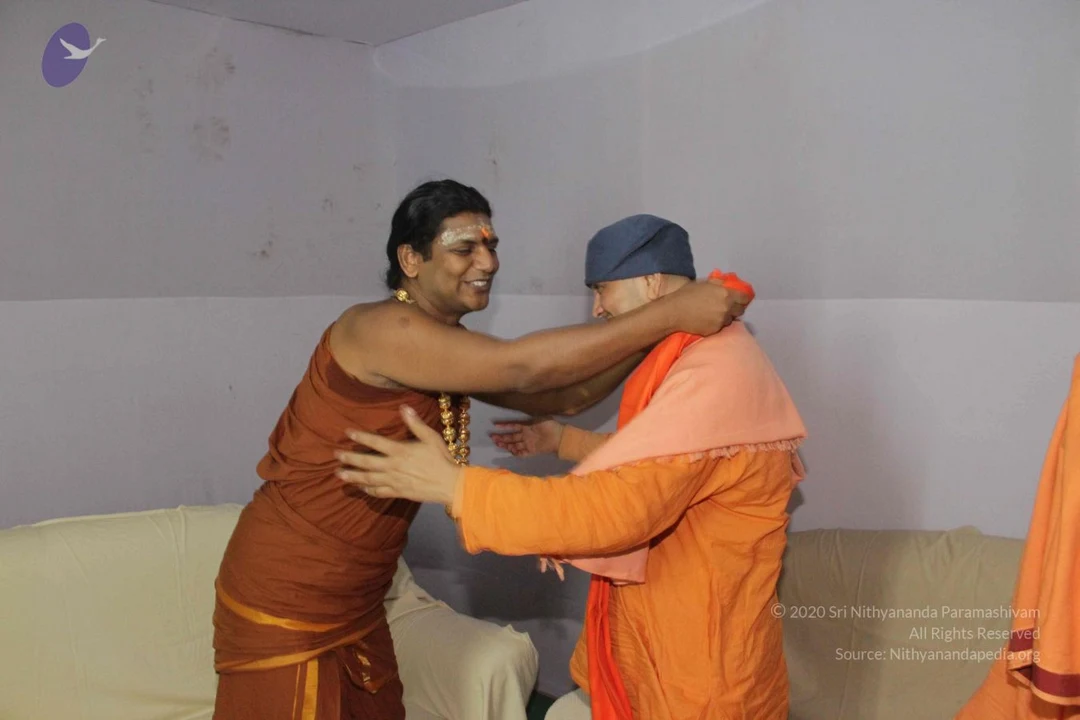
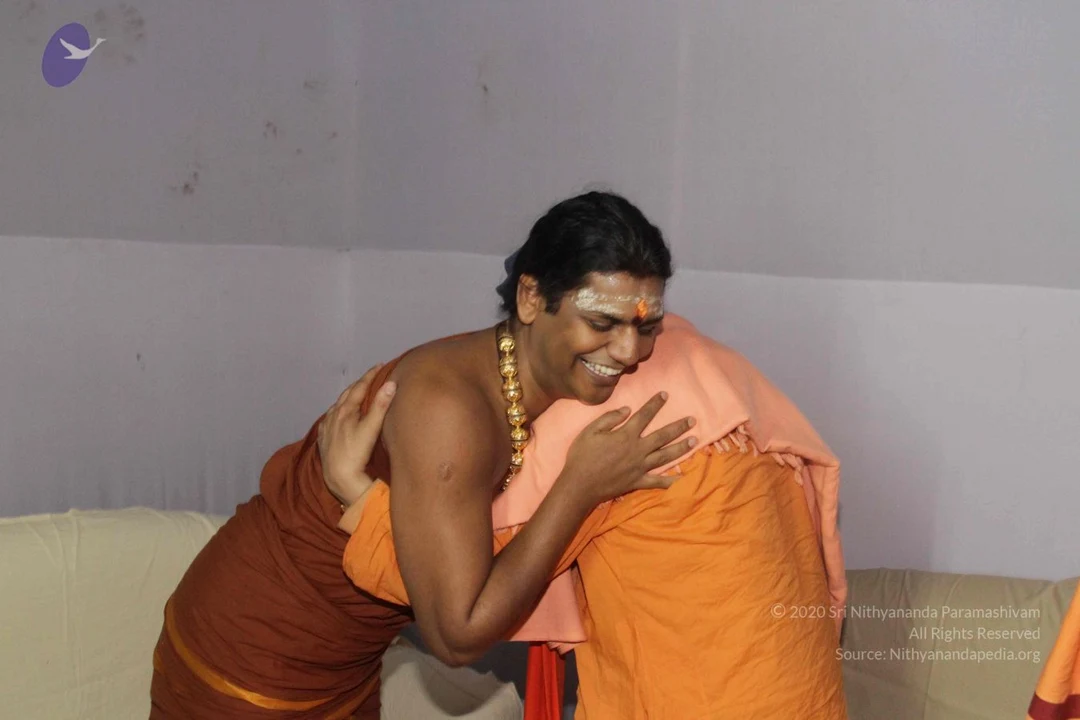
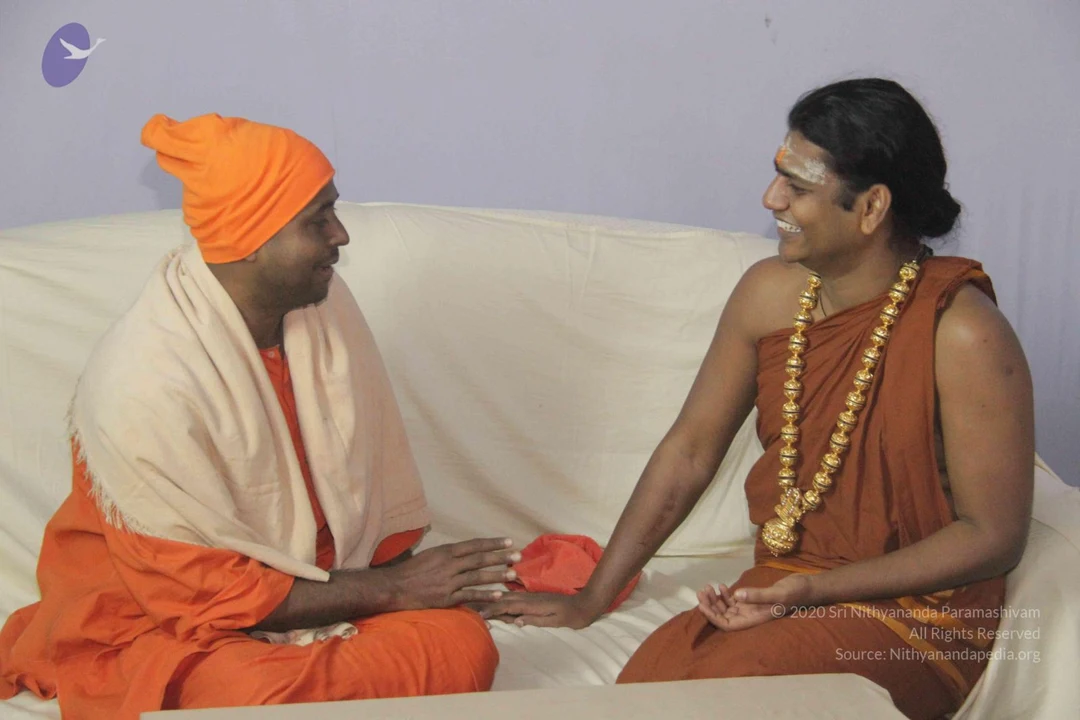
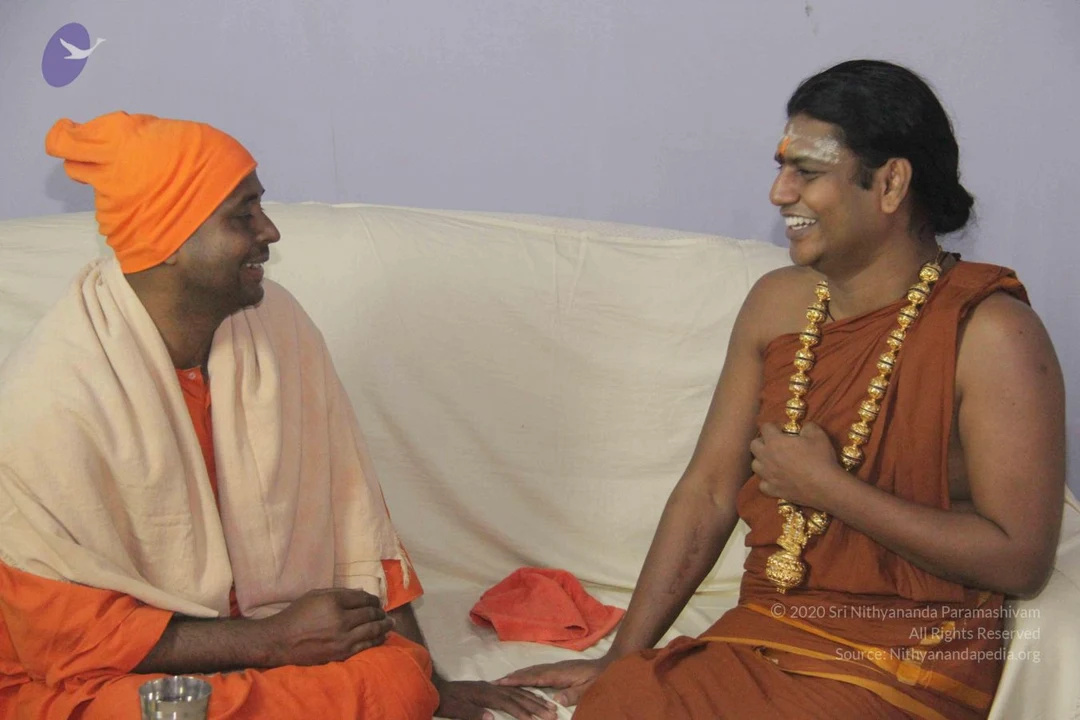
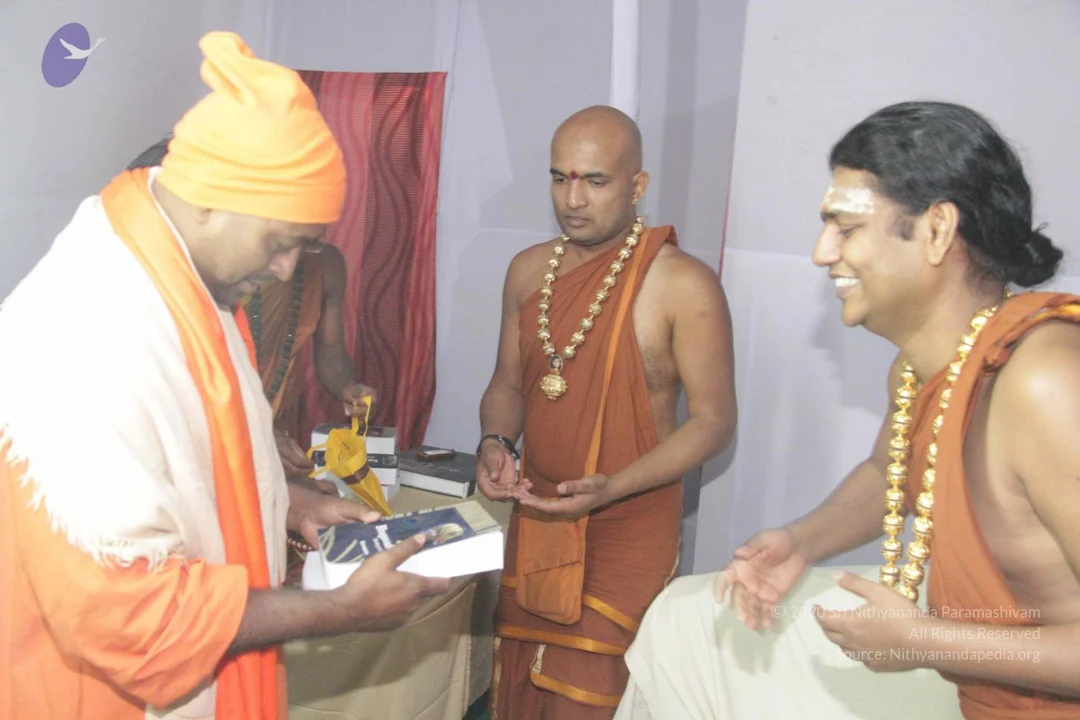
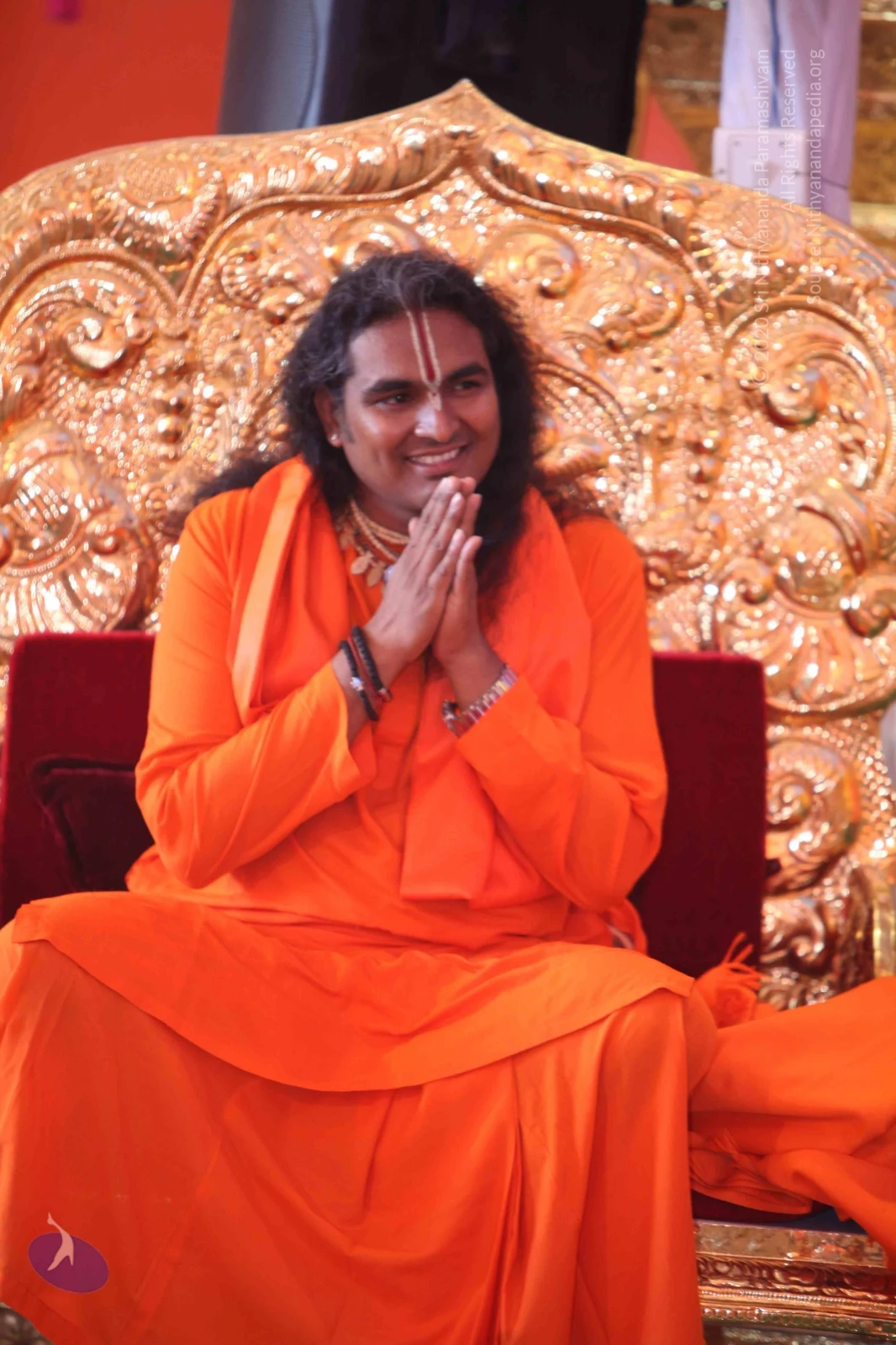
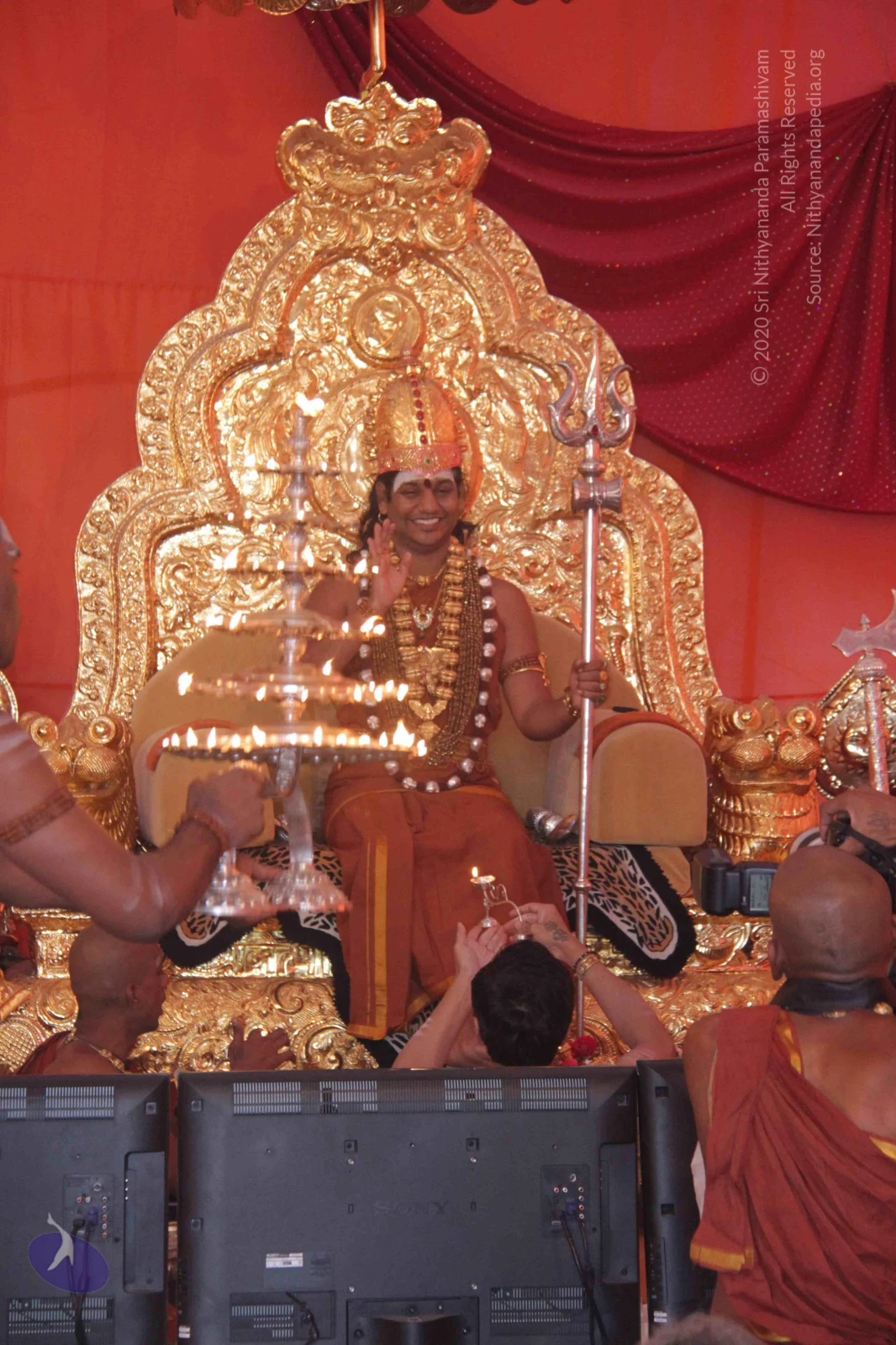
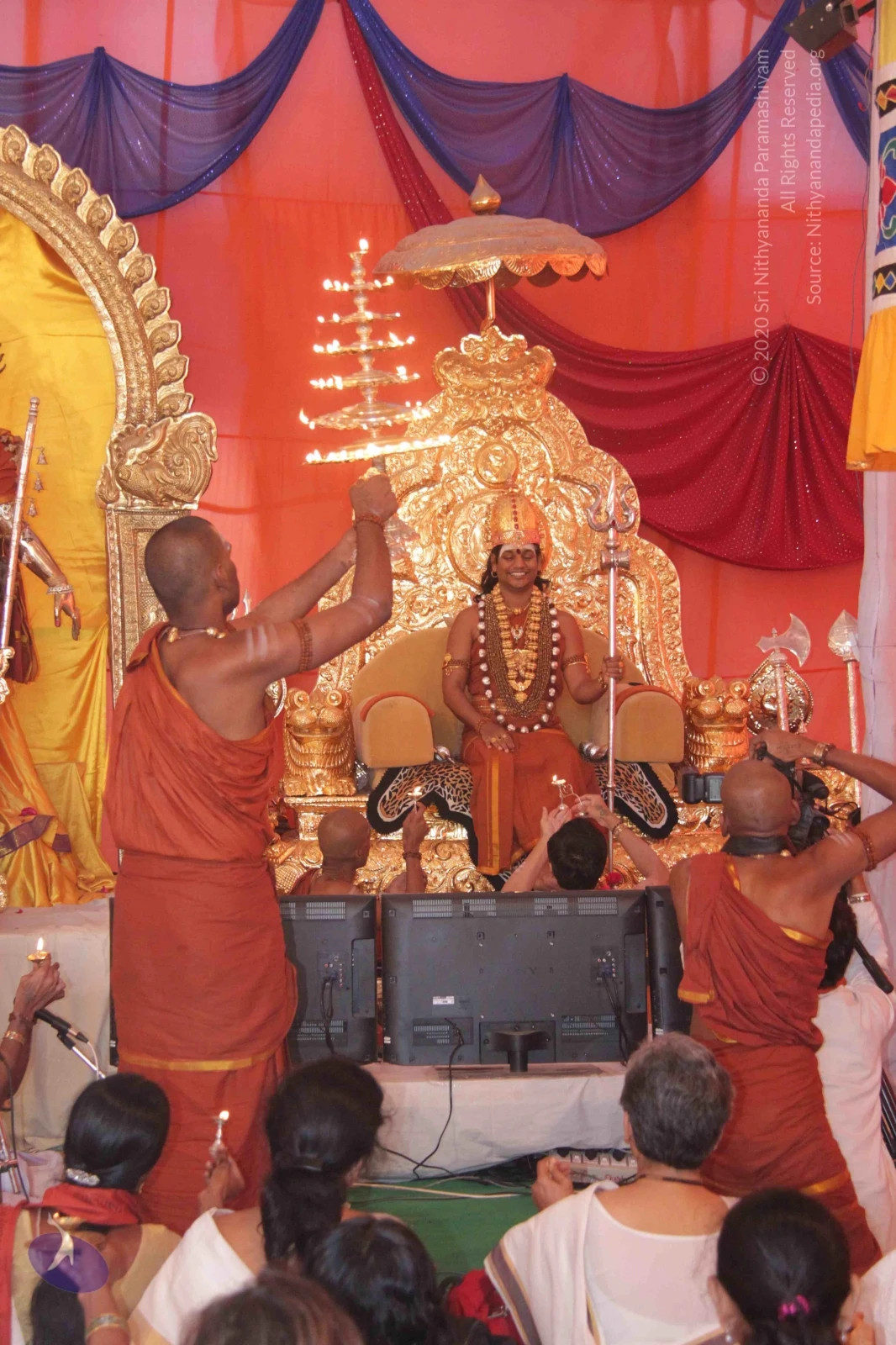
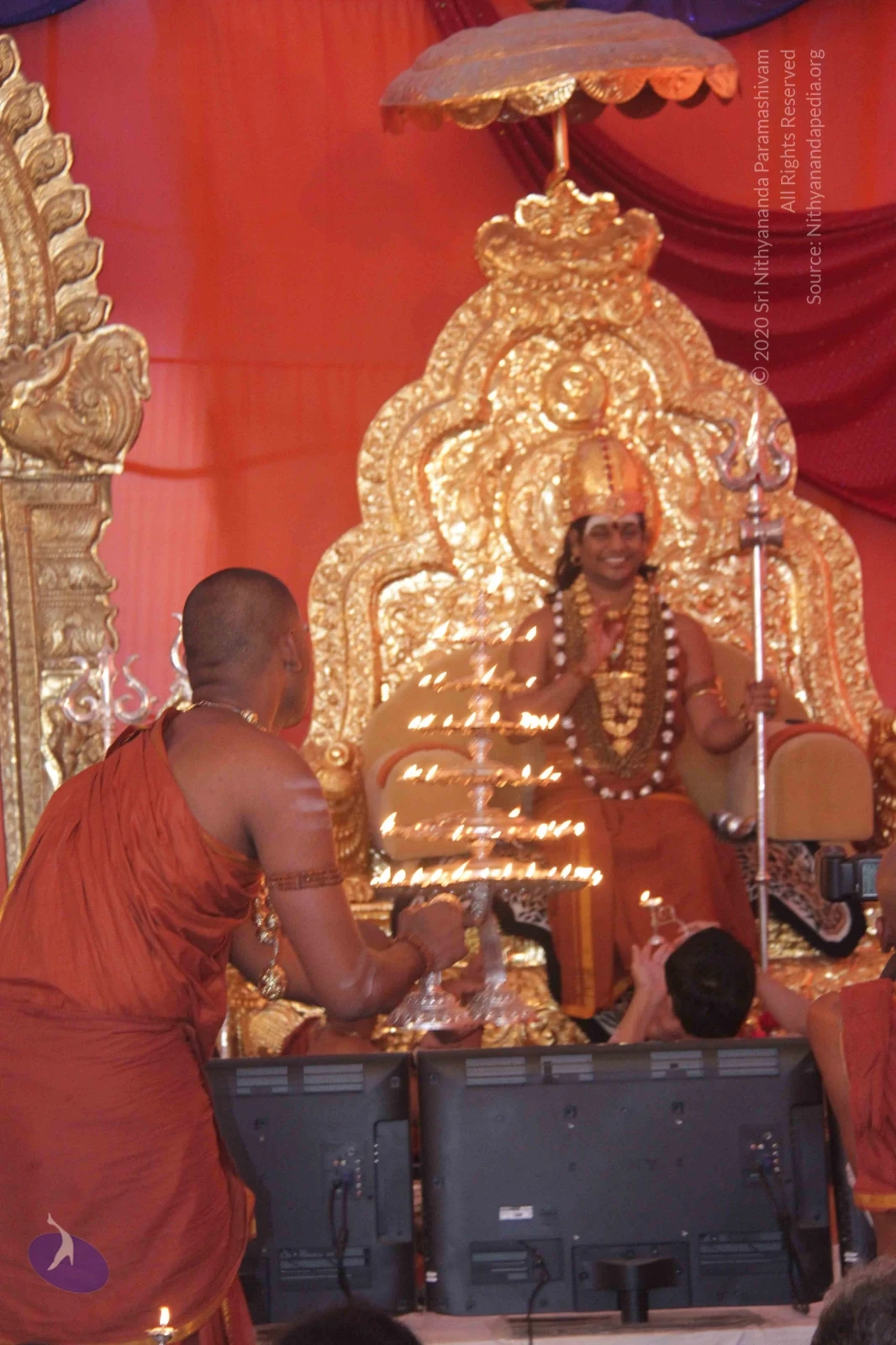
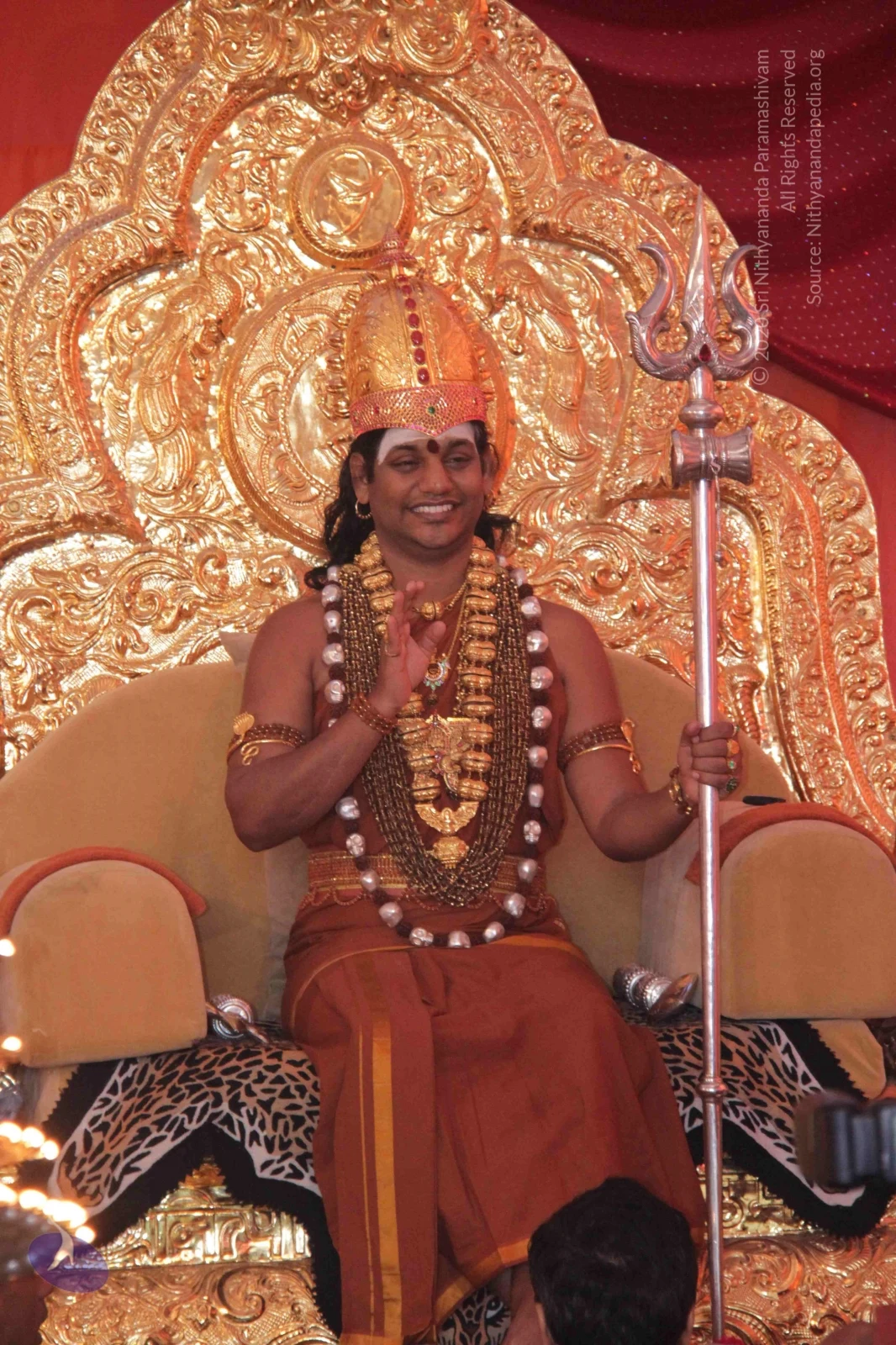
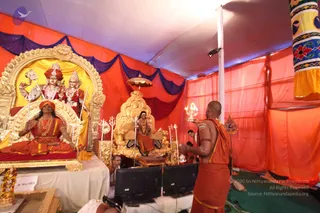
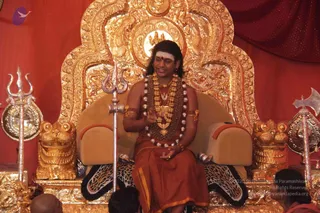
I welcome all the devotees, disciples, Samajis, Satsangis sitting with us around the world at this moment in 360 places through Nithyananda TV and 45 places two way video conferencing having Nayana Deeksha, in 199 cities, in 28 countries around the world. And today, “Main aap sabka prem va aashirvaad sahit swagat karta hoon.” And today I have the pleasure of welcoming Premavtaar Sri Sri Vishwananda Swamiji amidst us. Swamiji was actually supposed to come at 6:45, I was waiting to receive Swamiji but I think traffic got delayed and so we have to start Pada-pooja; I came back to start Pada Pooja on time. Now I will first receive Swamiji and offer our honors. Dhayanapeetam welcomes him with humble respects, and we are honored by he being here and gracing the occasion. I request Swamiji to accept our honors and humble respects. Then we will...I will start the Satsang.
[02:02]
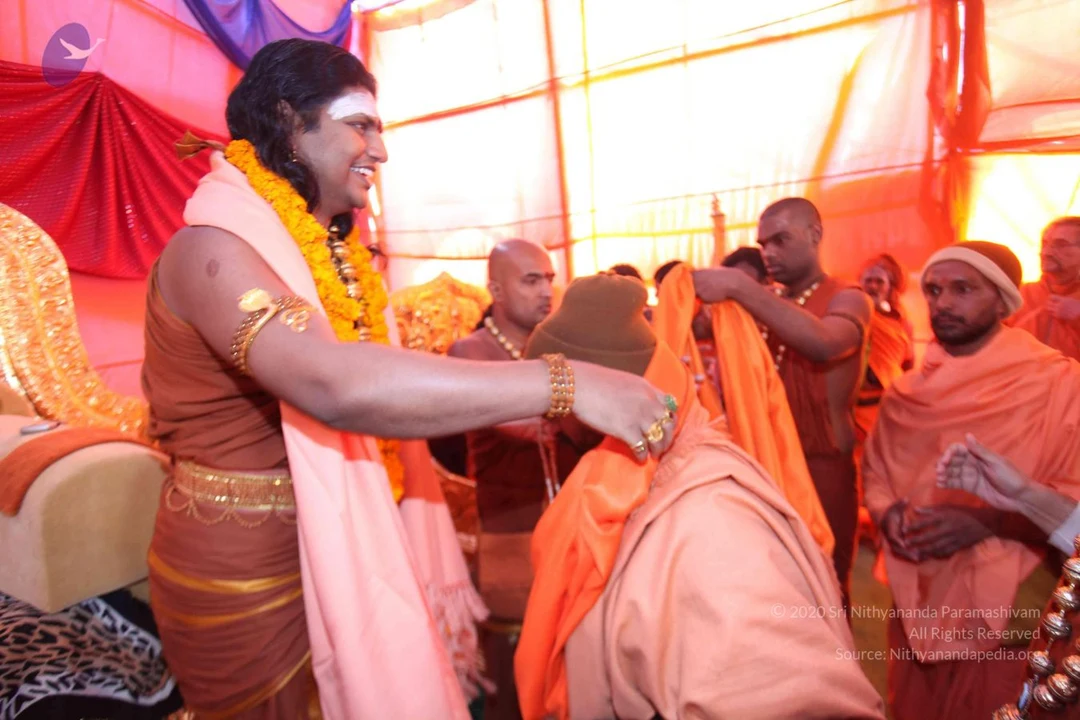
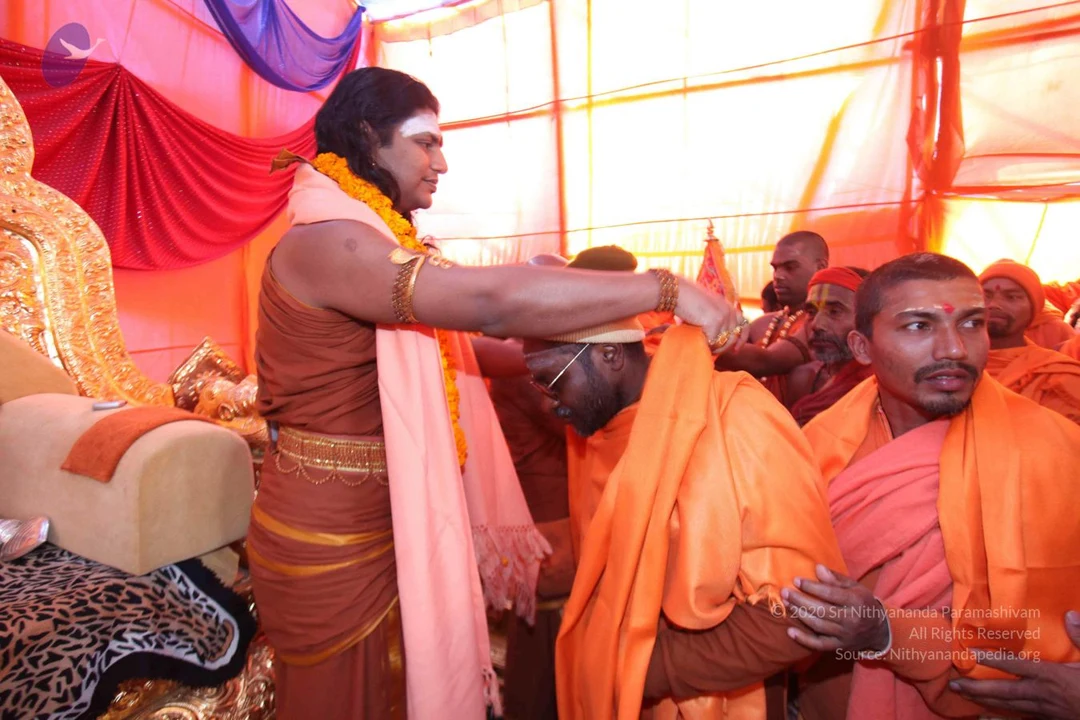
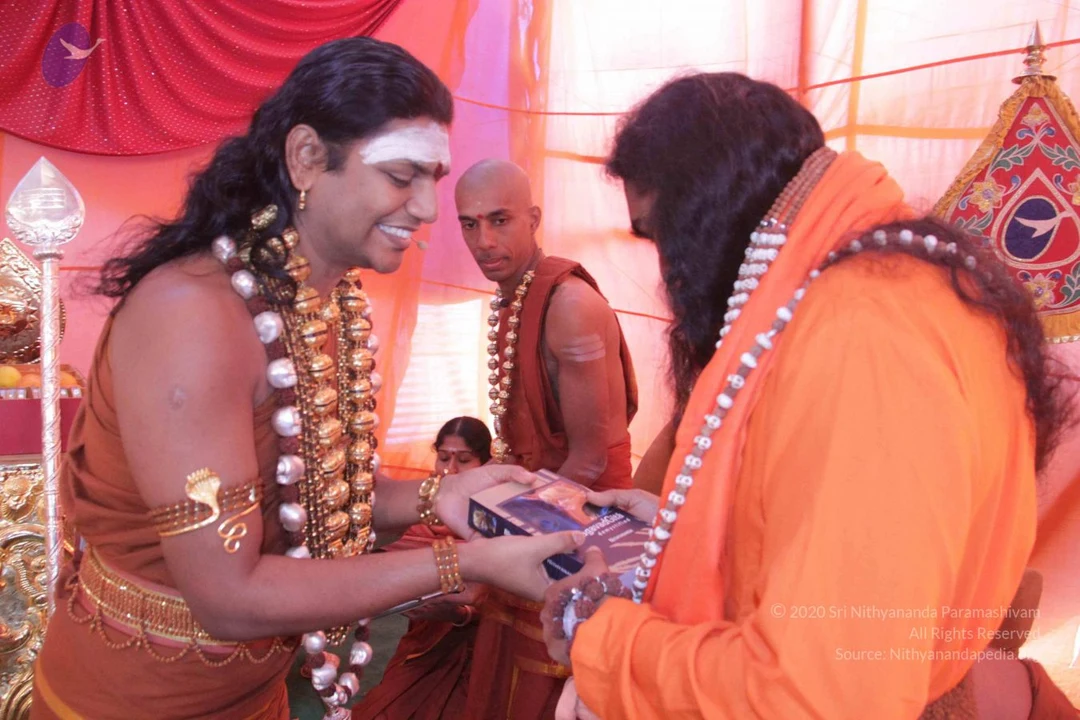
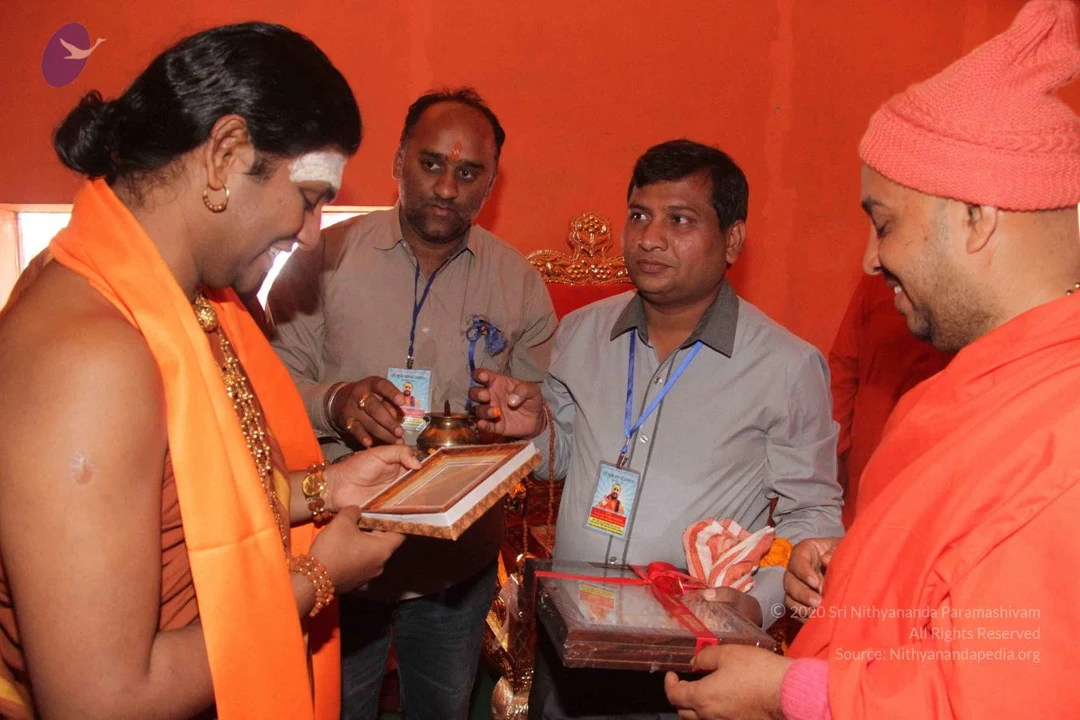
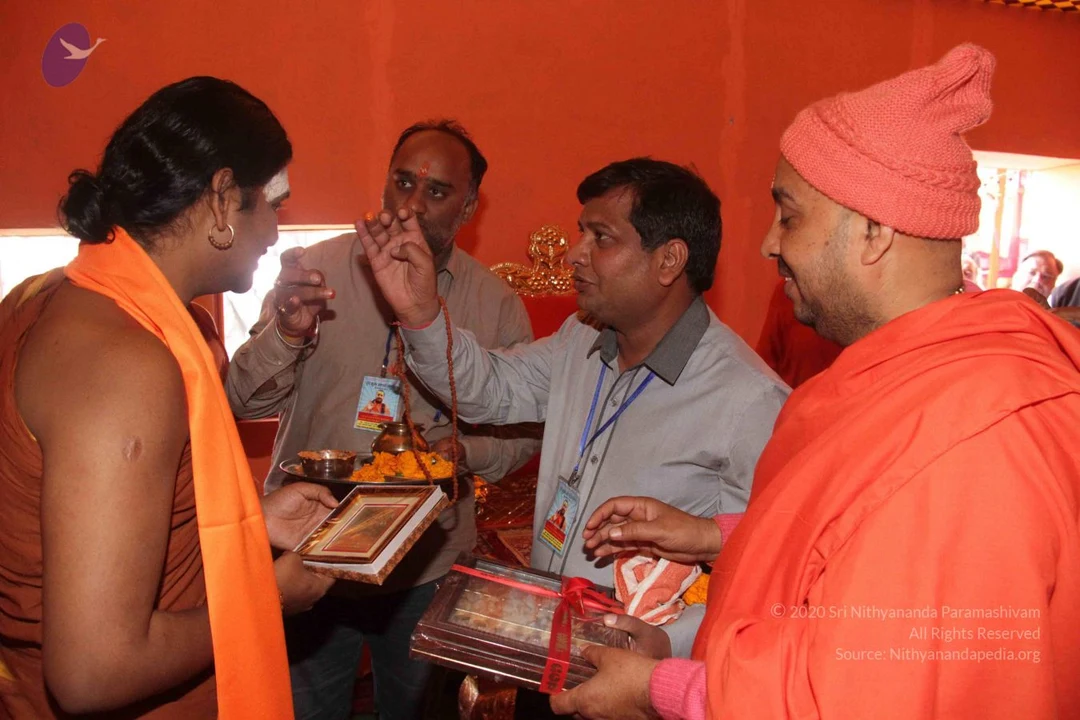
Swamiji honoring the Guest. Music.
[03:43]
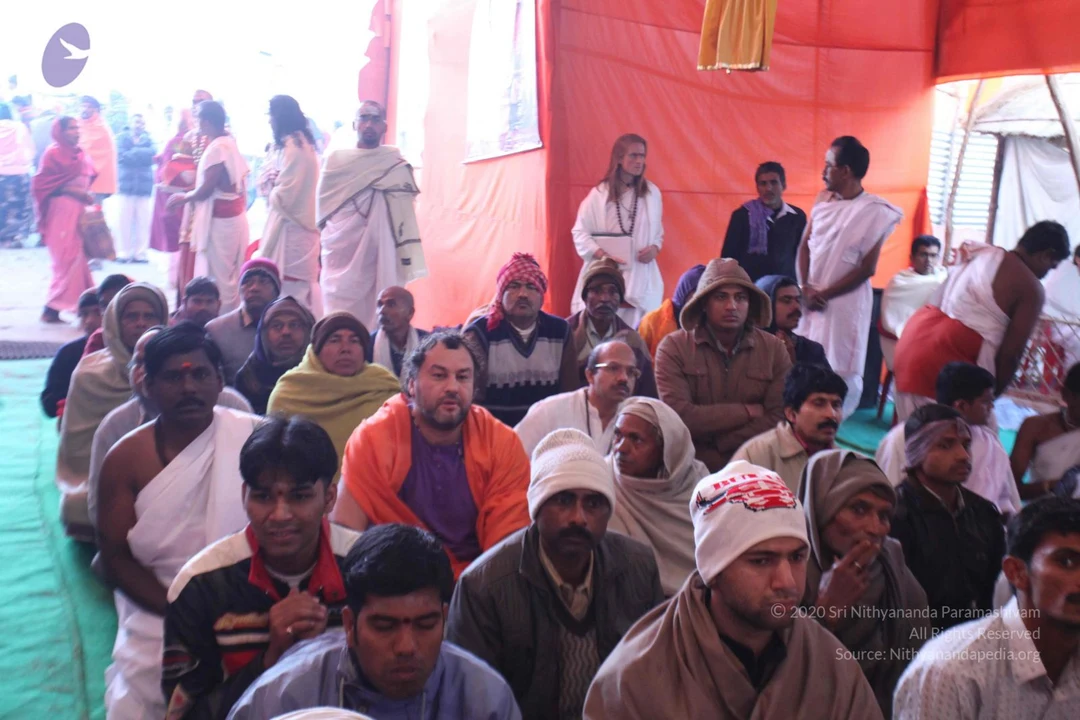
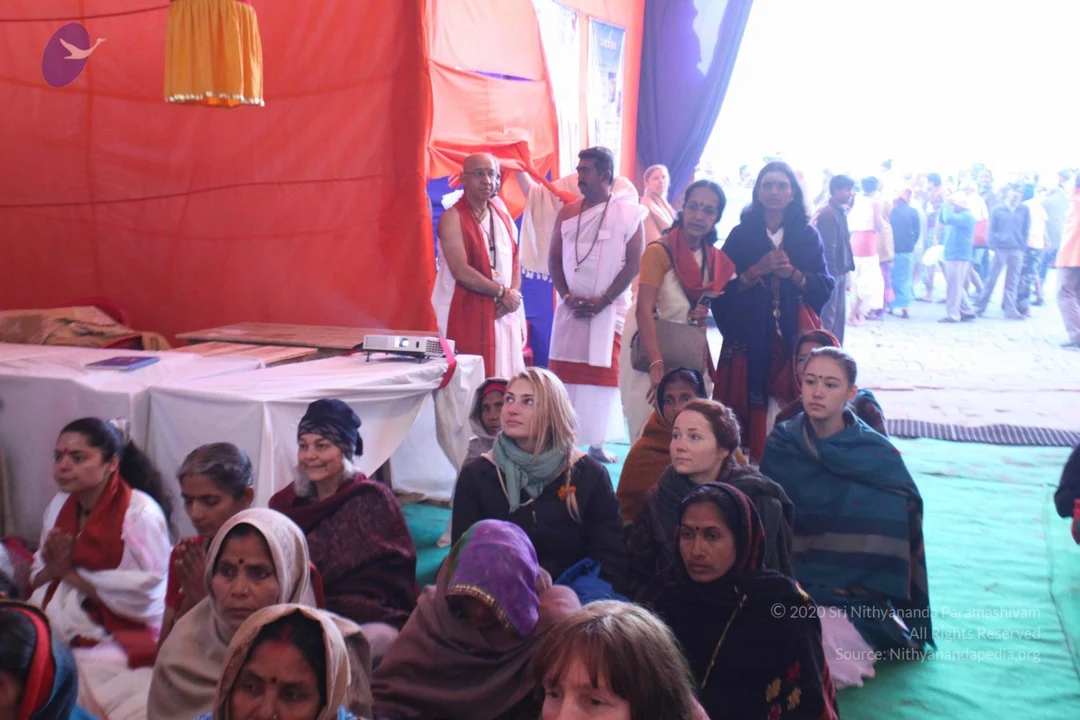
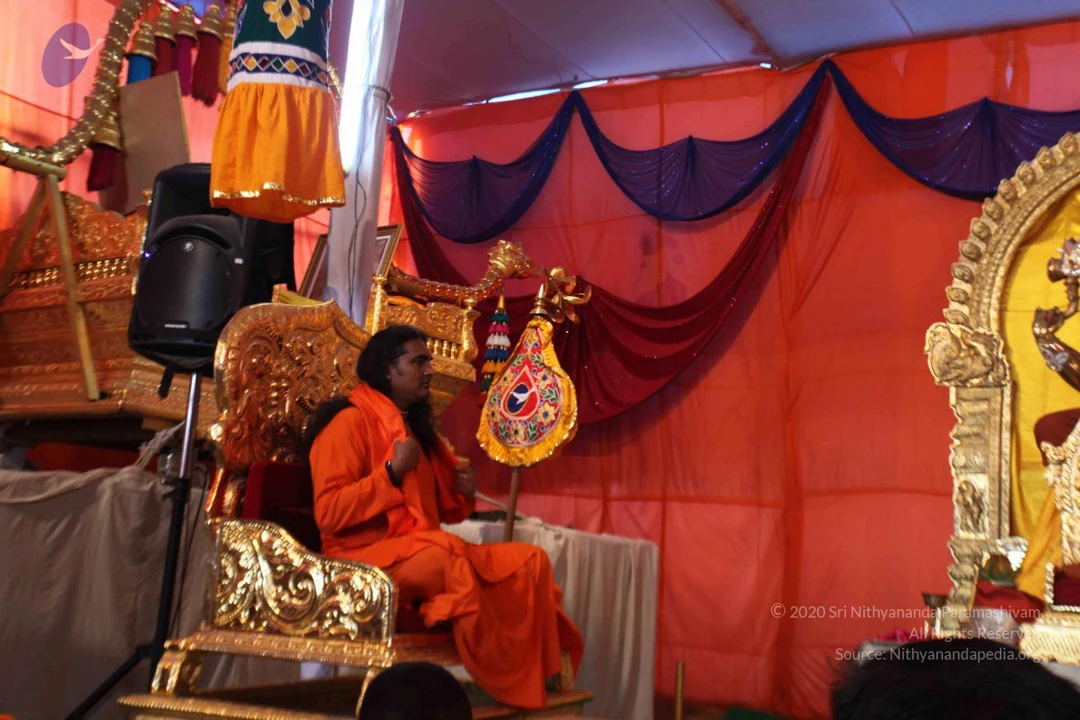
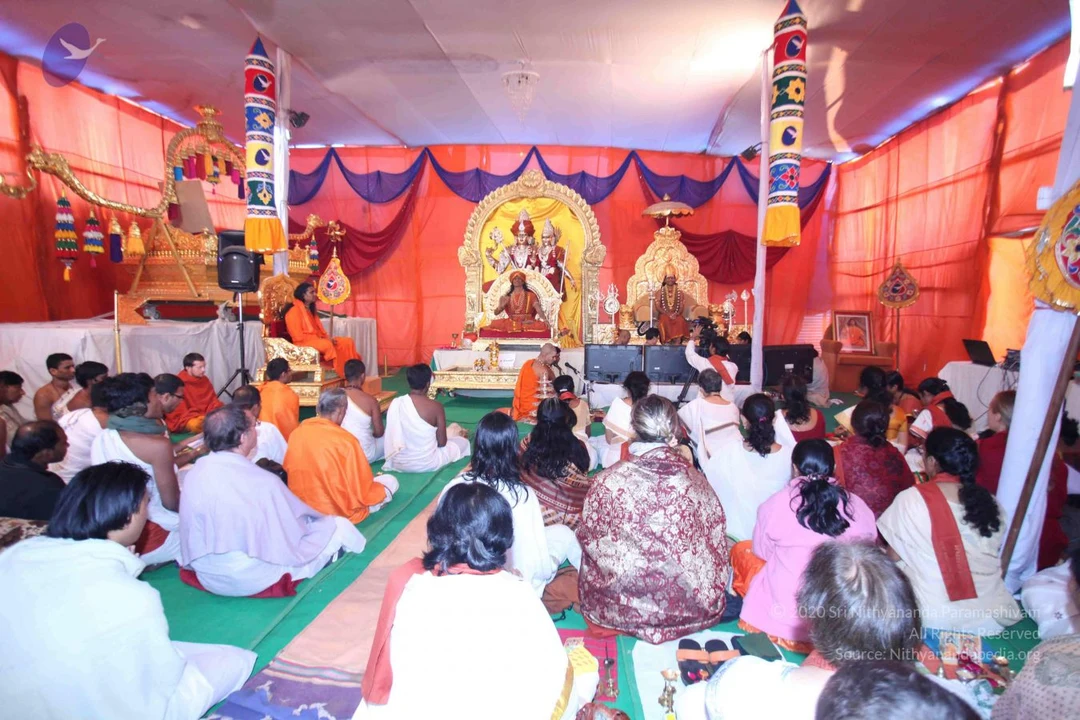
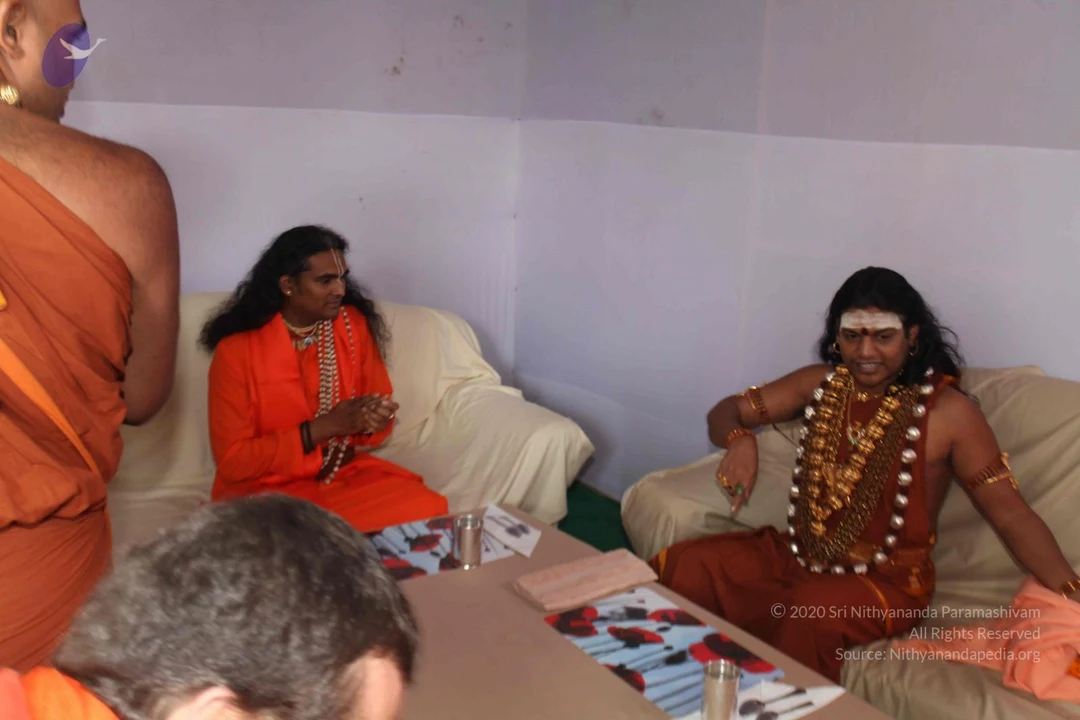
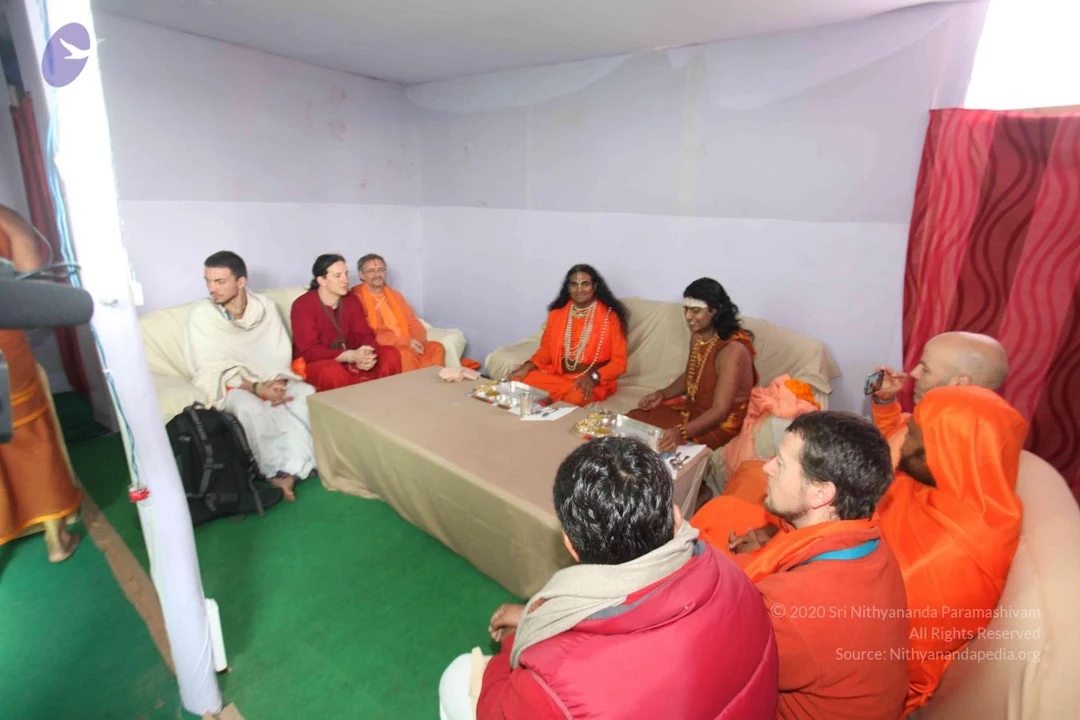
Swamiji, maybe all the devotees also would like to see you; if your seat is moved here. They are…. they are all sitting with our different Ashram Swamiji. Hey move that seat. Sorry for the disturbance, Swamiji. Hey, get the seat; it can be pulled. Can you guys just pull it? Yes. Swamiji, sorry for the disturbance Swamiji 😊. They are on the two way video conferencing Swamiji. Hope all of you are able to see Swamiji also. Hey project Swamiji also. Yes, now all of you are able to see the Swamiji also.
[05:52]
Yes and cities sitting with us in two way video conferencing having Nayan Deeksha. Hey if you project in one screen you can show, you see. Yes. Toronto Kailasam, Los Angeles Arunachalam, Nithyananda Nagara - Bidadi, Malaysia - Palani, Hyderabad Bhagyanagaram, Seattle-Chidambaram, Tiruvannamalai - Arunachalam, Chennai alwarpet, Adyar Chennai, San Jose-Madurai, Phoenix- Kanchipuram, Ohio - Prayag, Oklahama- Somanatahm, and Madrid Spain, Sharjah, San Diego - Tiru Alavai, Saint Louis - Thirumala, Dakota Dunes, Chicago- Srirangam, Monterrey Mexico, Devon UK, Marthahalli, Guadalupe- Rameshwaram, Atlanta- Ujjaini, Vancover- Puri, then any other cities. Singapore- Singapuram, Charlotte -Srisailam, Brookley London, Worksop UK, Thiruvotriyur, Dubai - Thirukovilur, Black diamond-Canada, Kulim Malaysia, Bridgetown Barbados, Chennai Nungambakkam, East London UK, LA Pomona, Abu Dhabi, Paris- Kalighat, Hyderabad Shree, Priyankananda Malaysia, and what is that city? Scottsdale Arizona, Tallahassee Florida, Richmond BC Canada, Lawspet Pondicherry, Slovakia Sivaloka, Durango, Hongkong Seerkazhi. So, I welcome all of you with My love and blessings.
[08:27]
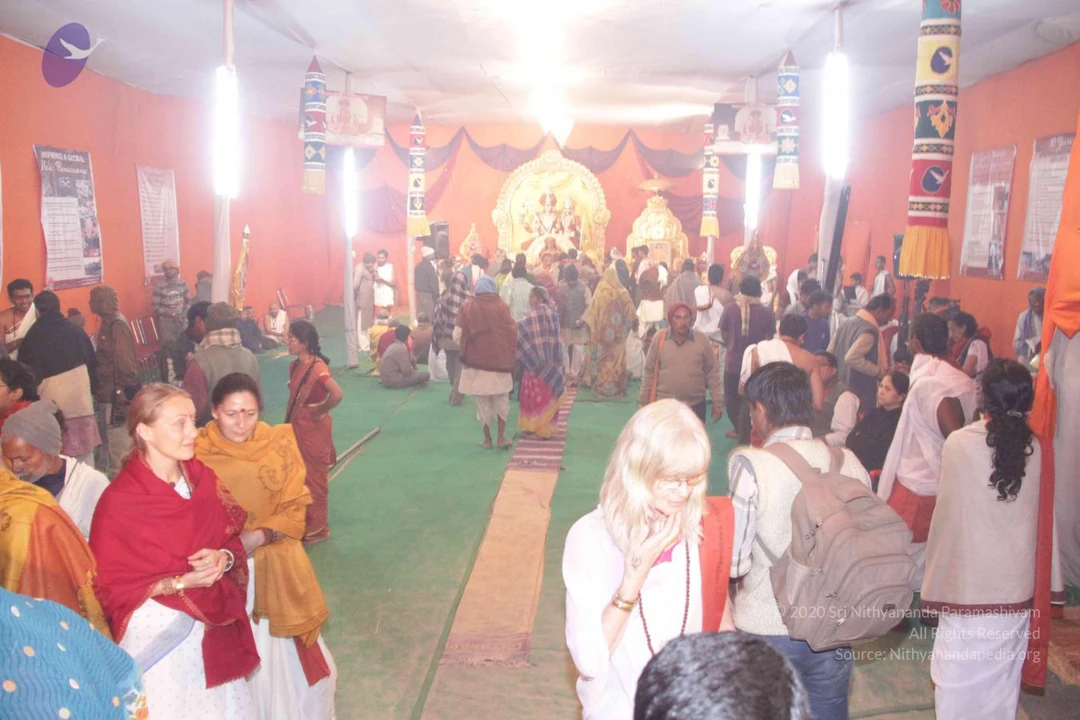
Today Nirahara samyama, second level, sixth day, happened successfully. And Kalpa Vaas in Maha Kumbh Puri Prayag, fourth day. Tomorrow is Mauni amavasya, main important snan day. Morning, Ma two thirty they will all have to be ready? Maneeshananda? Tomorrow morning we will not be having morning yoga and pada puja and satsang because morning two thirty… what time? Yes two thirty all have to be... all of you have to be ready here in the hall, Raja sabha. Sharp three Palki will start with all the Brahmacharis, Brahmacharinis and with all the Ratha, Gaja, Sena with eight horse and one elephant, camel 😊. As per the tradition with all the four sena we have to go, Maha Nirvani akhada. And all the brahmachari’s and brahmacharini and devotees morning three o’ clock we have to leave here sharp. Only then we can join the Maha Nirvani akhada procession.
[10:15]
We will be going from here to Maha Nirvani akhada and joining the Maha Nirvani akhada...our akhada procession and we will be taking bath around… six o’clock we will be taking bath. Understand, almost three hours the procession will take because hundreds of Maha Mandaleshwars will be coming. Maha Nirvani akhada, our akhada alone has about 42 Maha Mandaleshwars and many other akhadas have, Juna Akhada has 120 Maha Mandaleshwar and Niranjani has 70 Maha Mandaleshwar. But fortunately our akhada takes bath first. Our akhada goes first. So, even if we are going first we will be reaching the Sangam only six o’clock. We will have bath in six o'clock. By the time we reach here it will be around eight o’clock. Then we can have pada puja na? Yes, after … oh nine thirty to come back? God! Six o …..Please listen. Six o’clock you will get a ...get to dip in Sangam. It will be only seven minute. Understand. Total time our time allotted for Nirvani akhada is ten minutes. We will get only seven minutes. You will have to jump into the Ganga and just take tak, tak, tak three dip and get back to the palki. Understand. And we have one fortunate thing among our 42 Maha Mandleshwar I am the only Mandaleshwar, Maha Mandaleshwar who can get down from palki and walk back to palki by Myself without help. 😊 Our all other, Maha Nirvani akhada, all other Mandaleshwars, Maha Mandaleshwars can’t walk by themselves. They will have to be lifted and lifted back. So, naturally they will take little more time. So, we can…. we are all young. Average age of Dhyanapeetam is thirty. We can just jump in, and 😊….. but within ten minutes you have to come out. You have to come out, you can’t….
[12:27]
Please understand. It is a protocol. It is a protocol because the Muhurtha, within that Muhurtha all seven akhadas have to be given time. Please listen. In earlier Kumbh Mela’s there were murders, riots, if the early akhada does not come out. So, don’t create trouble. 😊 Don’t create trouble. You have to come out within ten minutes. That’s the time allotted for our akhada and if there is indiscipline akhada will hold Me responsible. So, don’t do that. Maneeshananda, Ma Maneesha today you will have to sit and brief all of them. And take a clear commitment, only those devotees will be allowed in the procession with us. No, no, no we cannot take the risk. We cannot take the responsibility. Only people who are staying in the Kalpa vaas and that also you will train them clearly. Maneeshananda you will also be here and give them instruction. Sharp two thirty you have to be here and you will not have time to change dress and all. You should be mentally ready, including Me, nobody will be changing dress. We will just jump in and let Me clearly describe the scene. Three o’clock from here we will be starting with a loud music and the kirtan and it will be like a Nagara sankirtan.
[13:57]
You can wear all your warm clothing's and shawl and everything but get ready. It will become wet when you jump into the river and when you come out you will not have time to change. It has to just dry in the sun. Maybe we will request the sun to come little early and dry us. That’s all can be done, nothing else can be done and as we are going to be taking bath first, we may have to wait till all other akhadas cross. We will not be able to immediately come back from Sangam. We will be stuck in Sangam. How much time you expect? Oh, six o’clock we will take bath but four hours we will be stuck in Sangam. See, the muhurtha is actually two and half hours? Ah okay...no, no, no what I am saying, see six o’clock we will take bath and ten minutes for us then Juna….Niranjani will go? Then Juna will go? Ah, okay. So, for that itself it will take ten o’clock. God.
[15:10]
See, let Me give you the clear picture. So, that you are ready mentally. Six o’clock we will have the dip in Sangam. Ten minutes only you will be able to be inside the Ganga and I… after ten minutes you will have to jump back to Palki and others will be around the Palki. We will reach Nirvani akhada only ten o’clock. Means four hours it will take for us from Sangam to Nirvani akhada because of the traffic. Because after us immediately Niranjani will get in and after Niranjani, Juna will get in. All of them also have ten-ten minutes only. And then after that Juna will get in. After Juna gets in only we will even have the possibility of coming out. Till then we will not be able to come out of Sangam. So, ten o’clock we will reach Nirvani akhada. From Nirvani akhada to this place it will take two more hours. Around 12 o’clock only we will reach here. So we will not be able to have Pada puja and morning satsang tomorrow. So all of you be ready. And, there is no question of change of clothes, they will not be able to change or in Nirvani akhada they will be able to change?
[16:29]
In Nirvani akhada you will be able to change, if you want you can have a spare. There won't be place and all. So women can’t even think of changing and all. Men no problem we are Nagas. We are Nagas, we just change wherever…😊 we will change simply we have no problem. 😊 And…. and we have no problem. So, this is going to be the scene tomorrow. Please be prepared and you have to have your Kalpa vaas vastra and the mala, so that you are clearly identified and so if the somebody stops you or questions you, especially westerners devotees if some body stops you or questions you, answers you are supposed to give; when you come in akhada you are considered as Hindu. Please listen. Because only the people who are Hindus will go along with Akhada, other people will not be able to go with Akhada. You will have to explain. Only whoever is considers themselves as Hindu can come with us in the procession, others can go later on. Maybe in the evening four o’clock there will be a snan where everyone can go. You can go otherwise that time.
[17:55]
I think how many of our… Yes how many of our devotees considered, means the westerners, who are not born in Hinduism consider yourself as Hindus, please raise your hand. This group can join. Please raise your hand so that we are very clear. Later on Ma Maneesha you will have to. Because the akhada there should not be any question or discrepancy. Yes. Please understand. You can drop your hands, and one more thing after two thirty you cannot join. You have to be here with integrity sharp two thirty and I will not be waiting and nobody will be waiting. So, this is the exact scene going to be happening tomorrow. Already akhada people have told us, please bring only Hindus. They already informed us. No, no you should not take bath. Listen, you should not take bath here, you can use only restroom. You should take bath in Sangam. That is the reason whole thing. 😊 No, no, no snan. You will not take bath here.
[19:14]
Listen, tomorrow morning you will not take bath here. Tomorrow morning that mauni amavasya, that early morning is the time where all the auspicious energies of the planet is concentrated on this Sangam. Concentrated on this Sangam and tomorrow you will see a miracle of Sangam flowing in the opposite direction, towards the, it's called Urdhvaretas. It will flow upward direction and the water will be very warm. Almost hot. Not because of different reasons😊 , not because of different reasons, purely natural reasons, 😊 not any unnatural reasons. So, that’s auspicious time where the Kapila Muni’s skull… there is a Kumbha pot, the golden pot which has Kapila Muni’s relics, which is called Amrita Kalash, which is owned by Maha Nirvani akhada. That will be dipped inside the river till the whole auspicious time. Morning around five o’clock they will start the ritualistic way of dipping it into the sangam as long as that auspicious time is there that pot will be inside the river. That is the time you have to take bath.
[20:37]
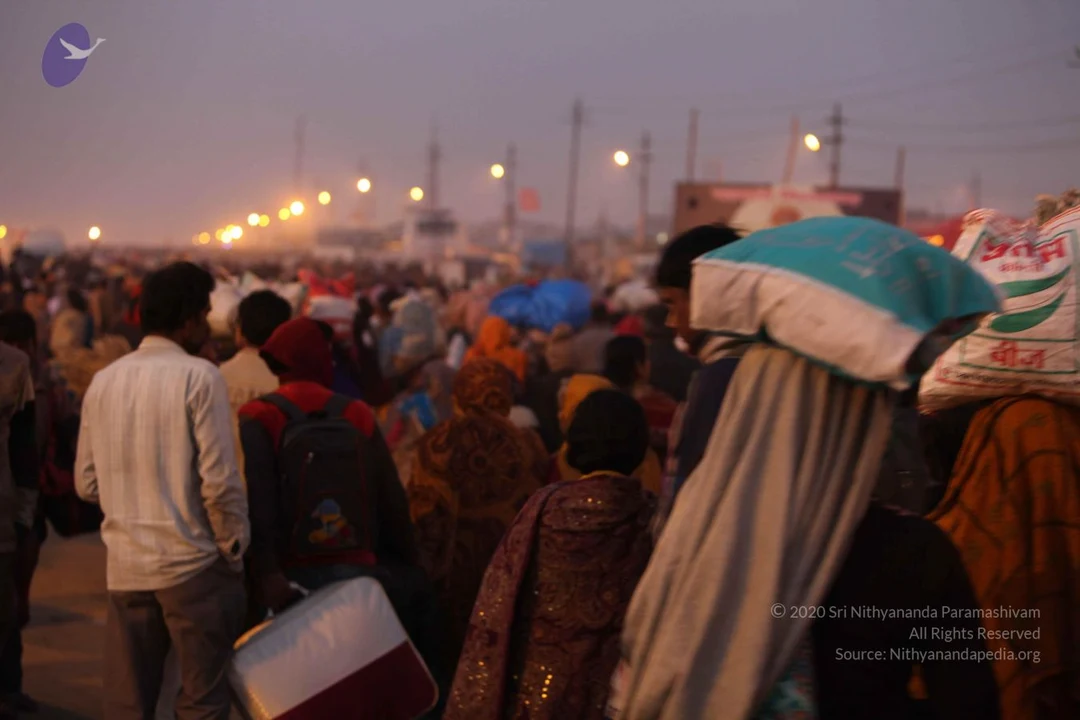
So, you guys are blessed. You are coming in the first akhada, Maha nirvani akhada. And, so we will gather here maybe around twelve o’clock. All of you will have the bhasma from Me after the snan…. Because we may not be able to have the bhasma from, yes, twelve noon tomorrow, means after– Ma it will not be time, after the snan, after going to Nirvani akhada, from Nirvani akhada they will be giving us all respects in Nirvana akhada. And after the respects, we will be coming here. Here I will be giving you all the bhasma, that Naga bhasma which you have to apply on the whole body traditionally and you will be receiving the bhasma. And you will be able to have your khichdi and the traditional food tomorrow we will have. Tomorrow I will be giving bhandara to all of you, feast to all of you and to the Dhyanapeeta Sannyasis. It is a tradition, the Peetadeeshwar gives bhandara to all his Sannyasis on the main snan days. So, all of you will be receiving bhandara, having Bhandara. Then 14th also, we have one more main snan. 15th, sorry 15th we have one more main snan and 12th we have….we are giving bhandara to all the akhadas, all Maha Mandaleshwars.
[22:17]
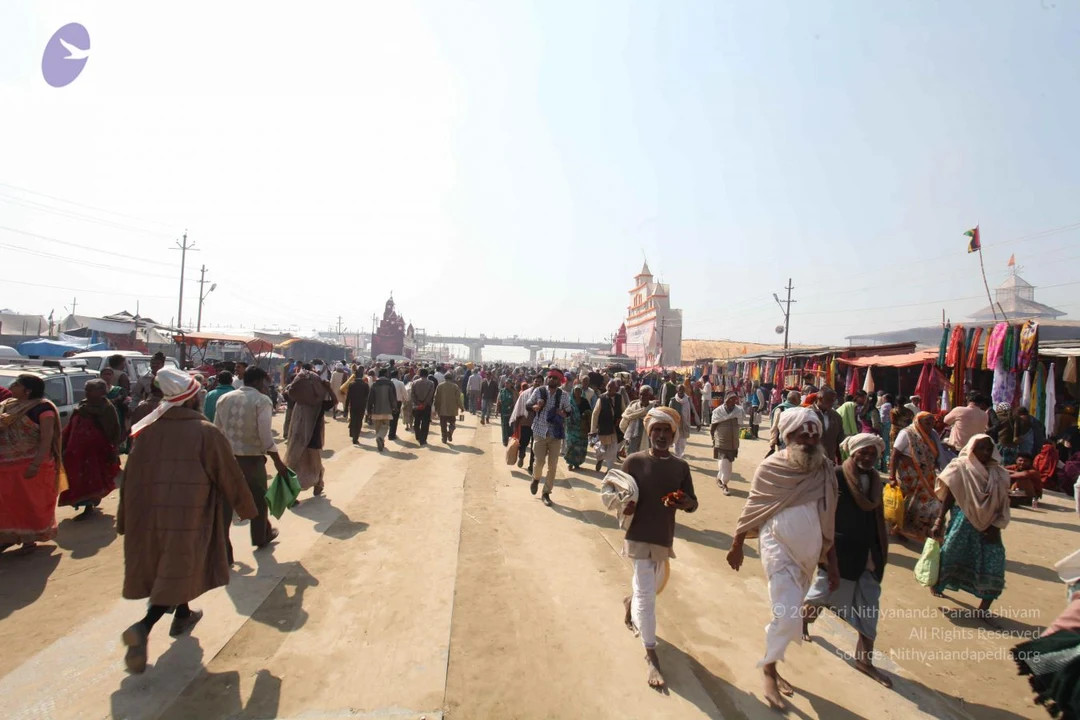
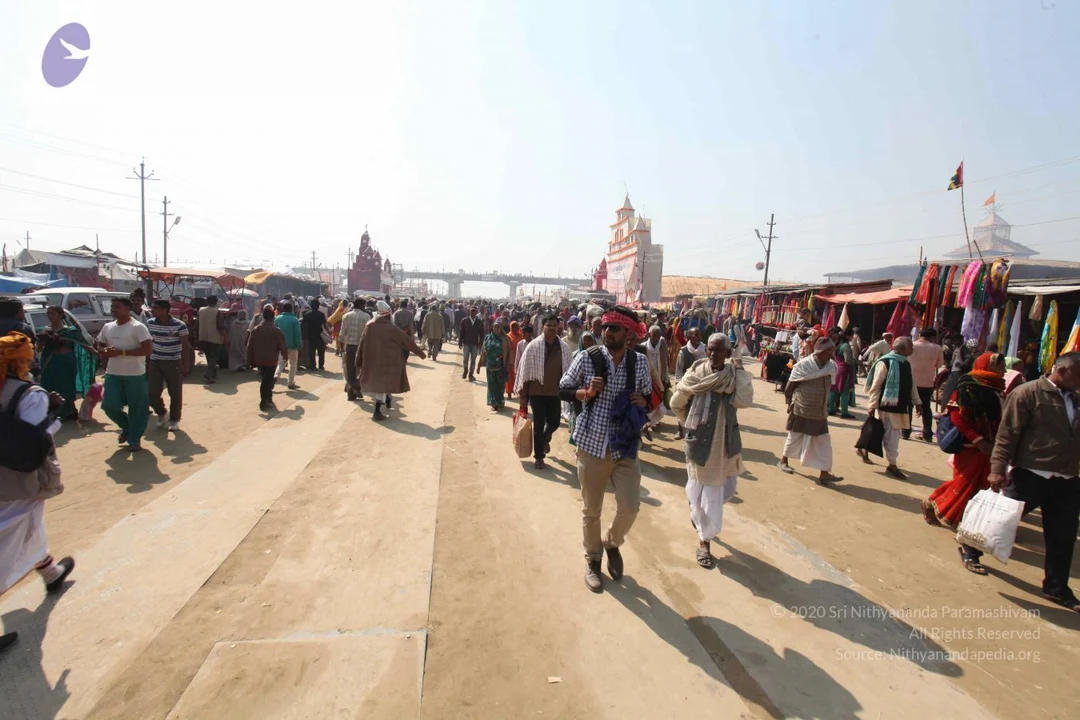
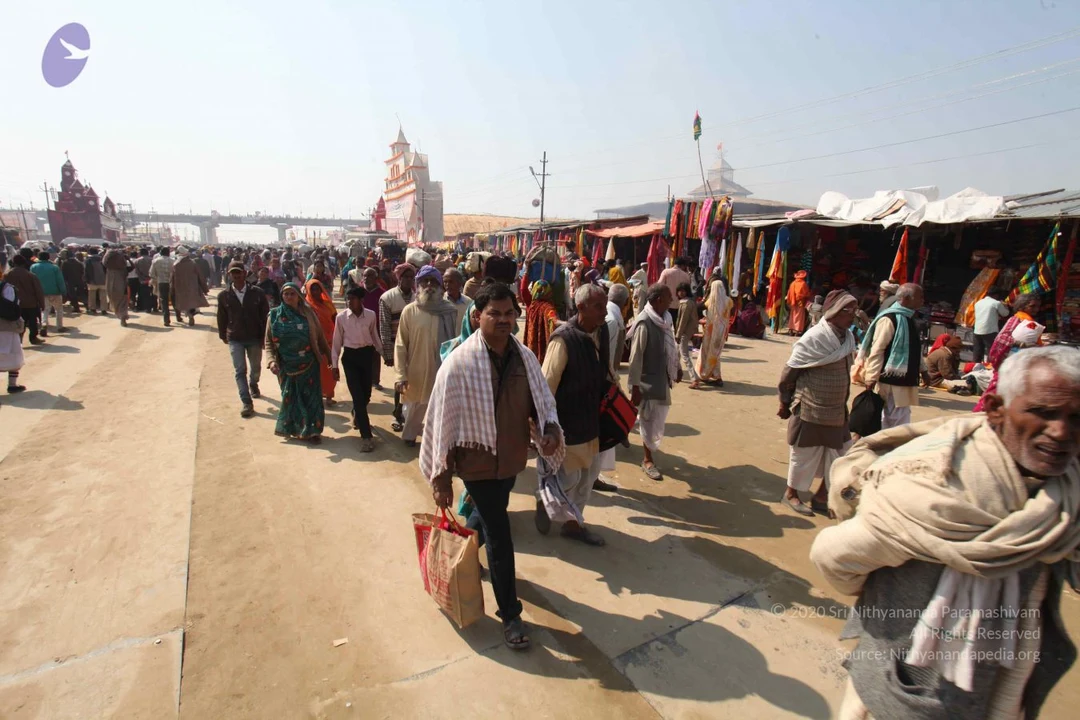
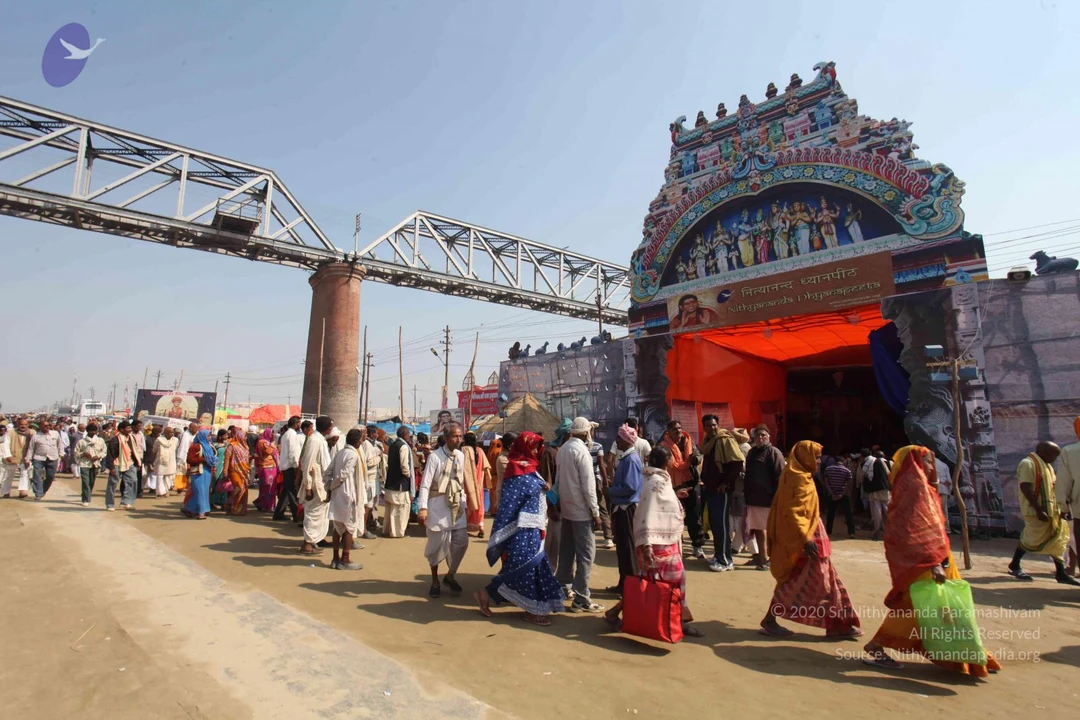
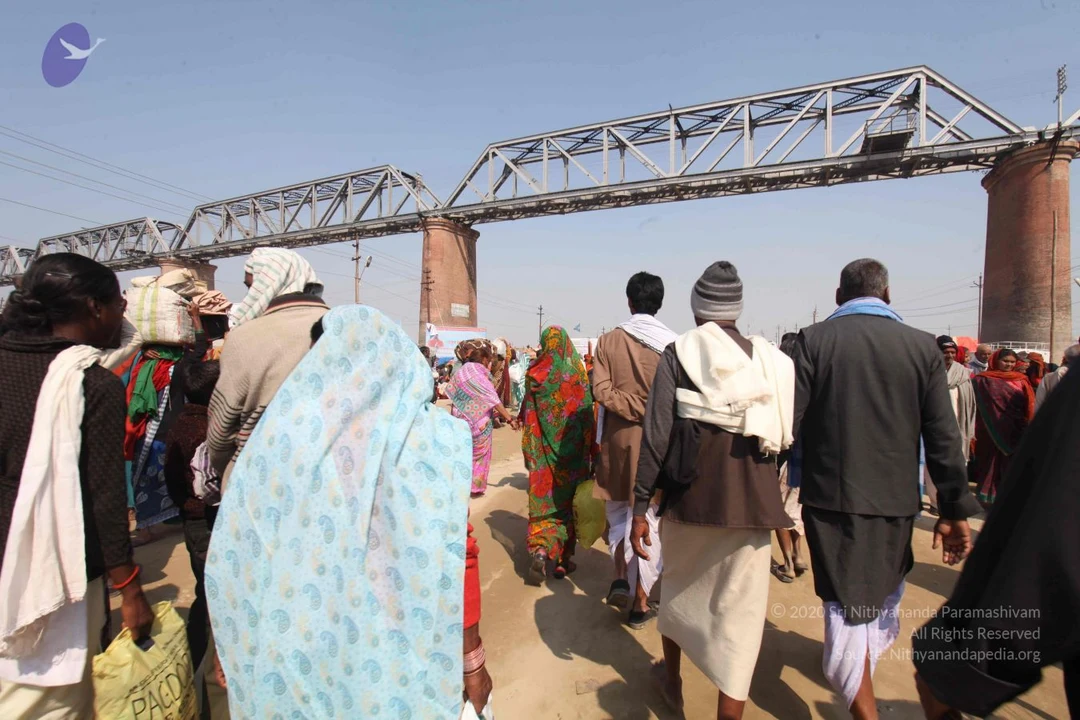
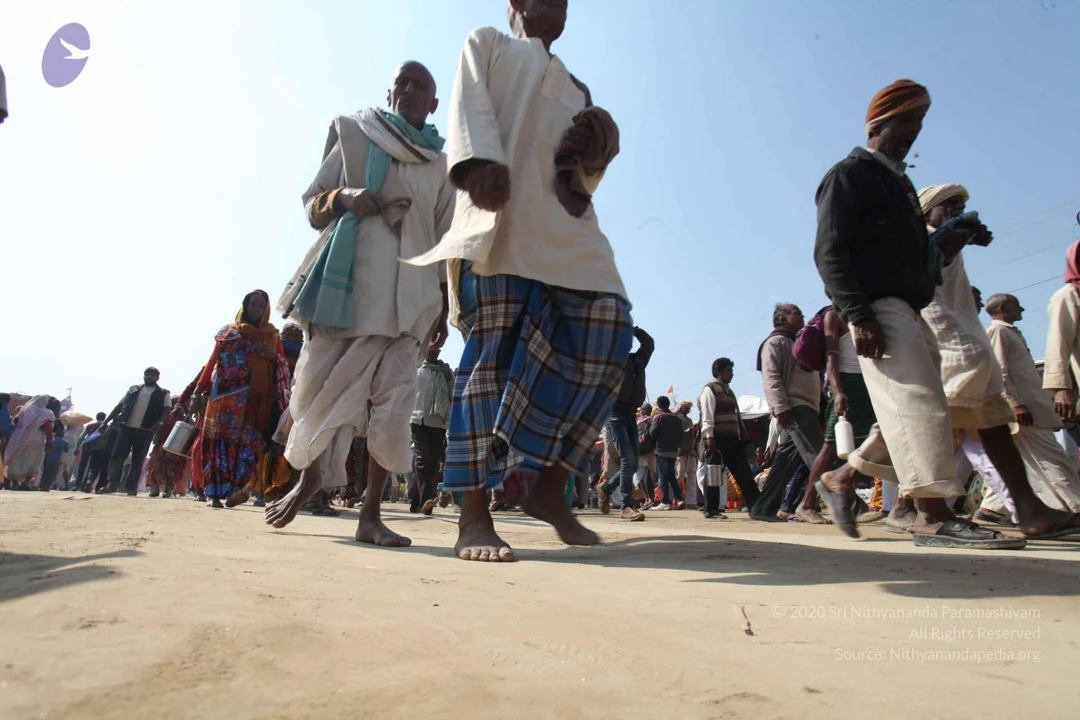
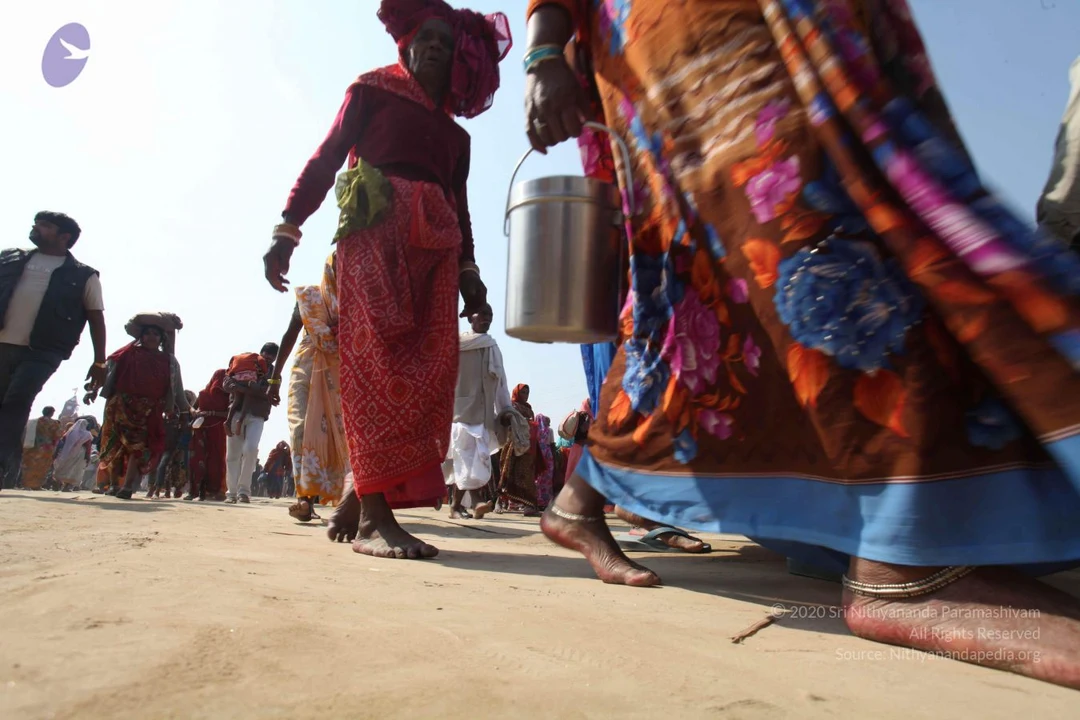
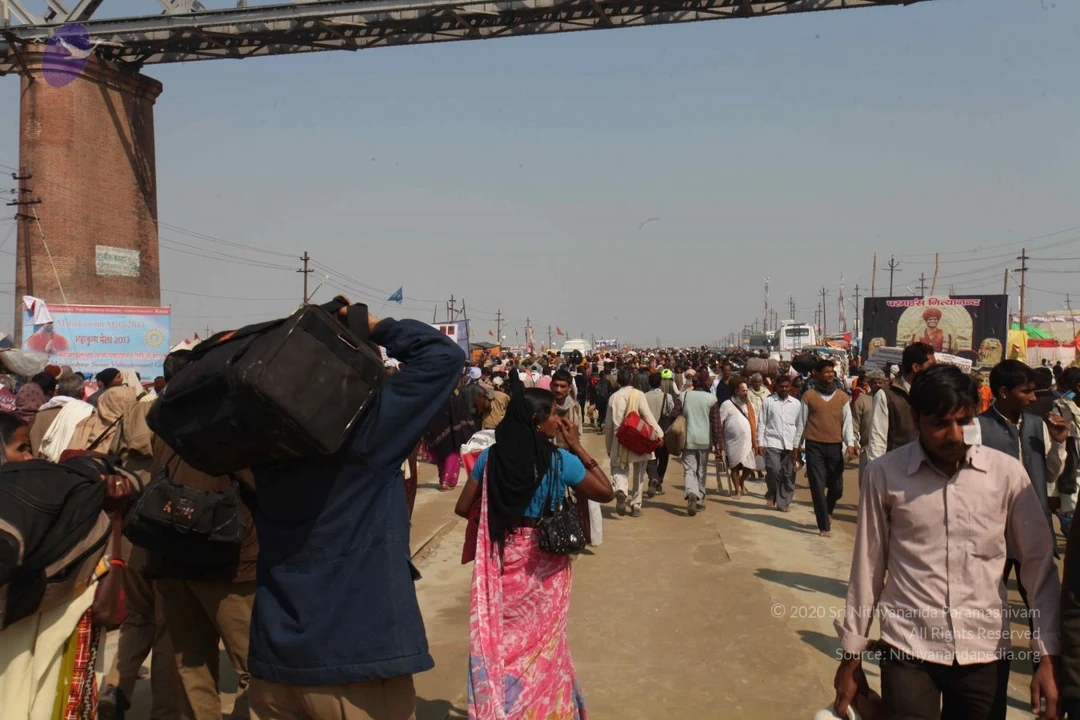
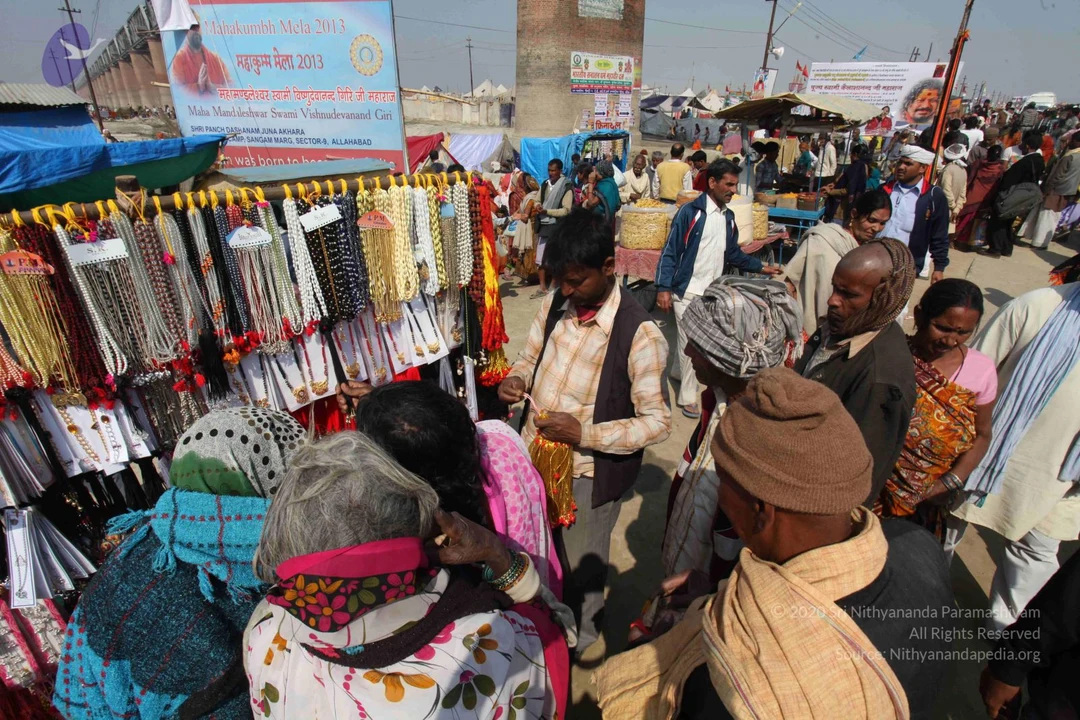
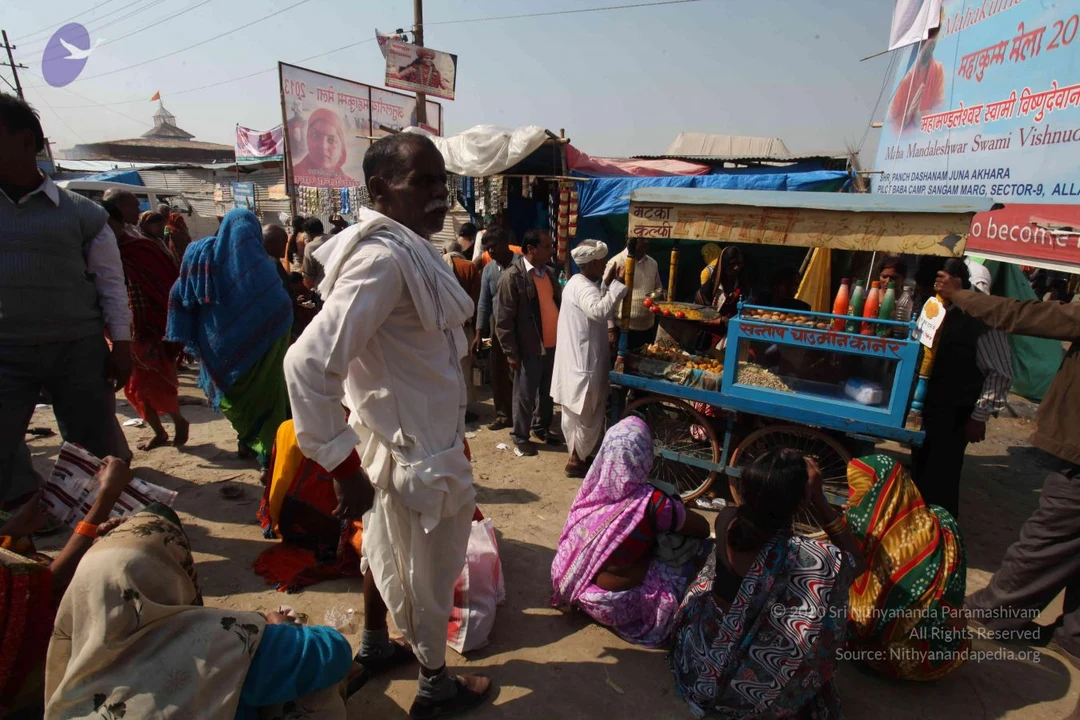
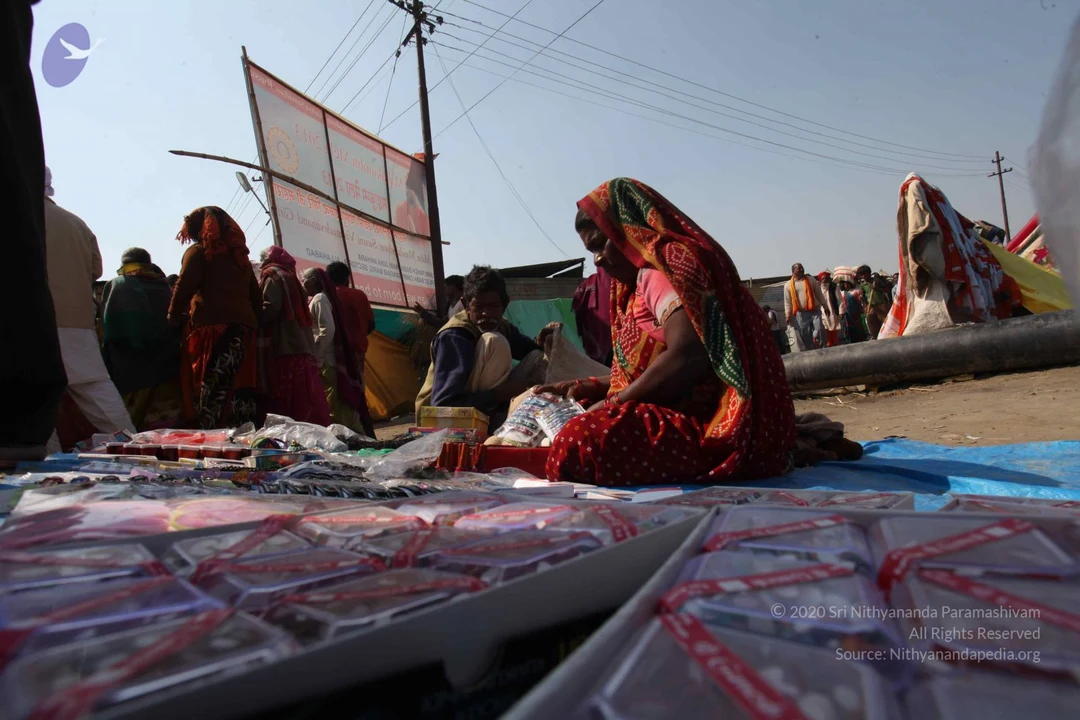
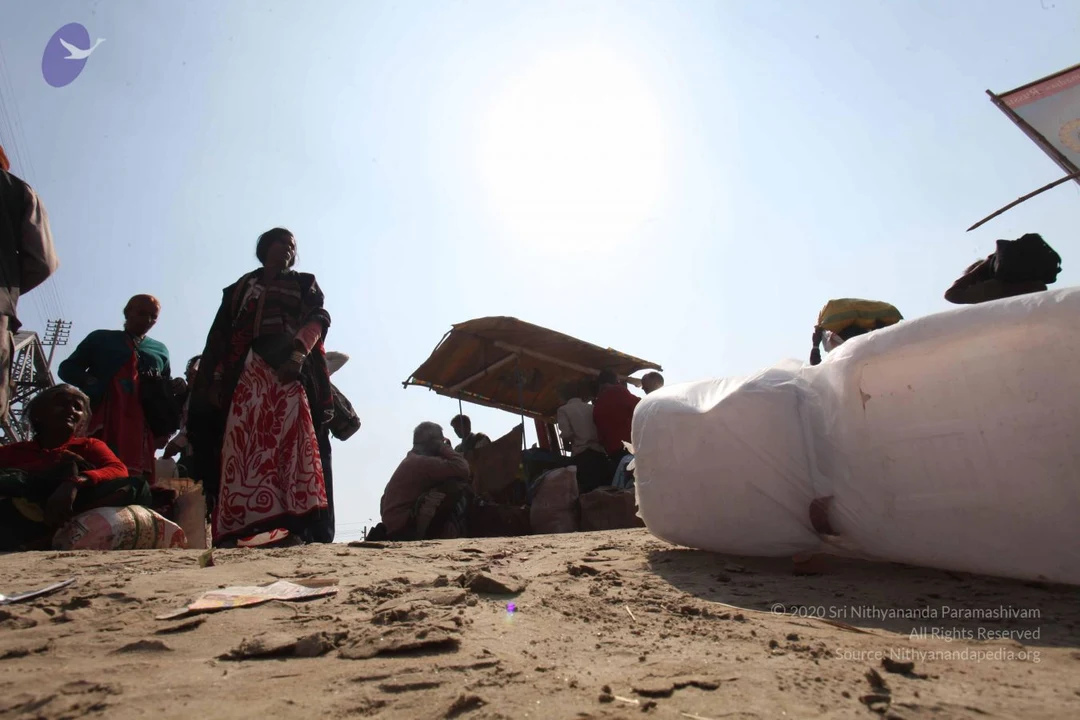
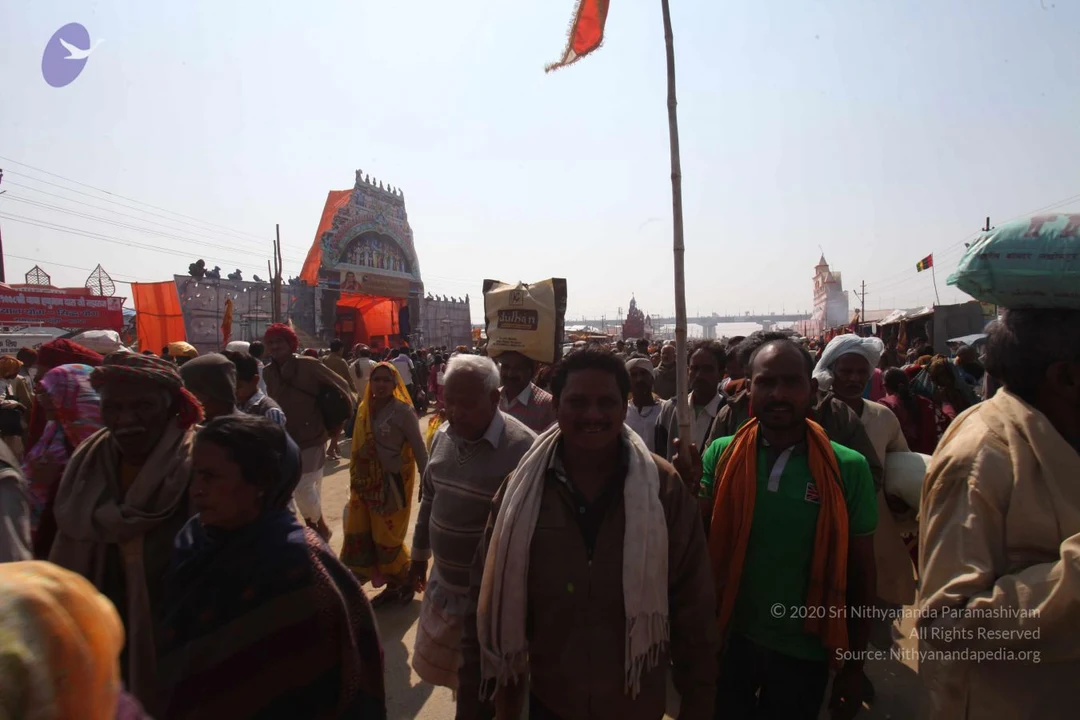
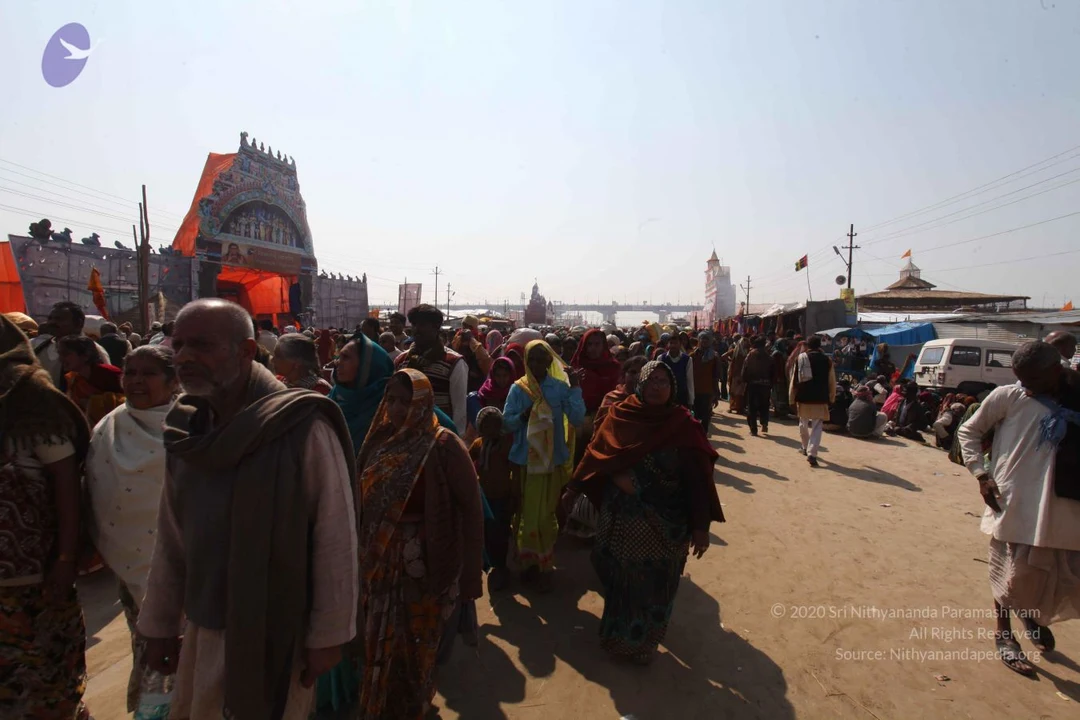
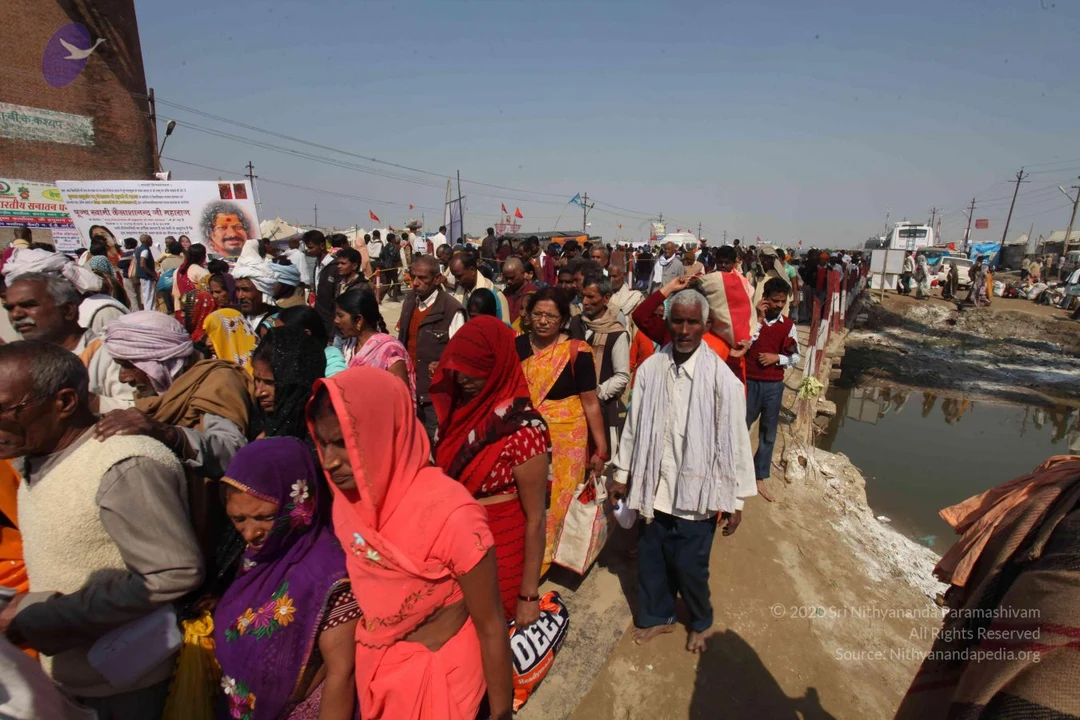
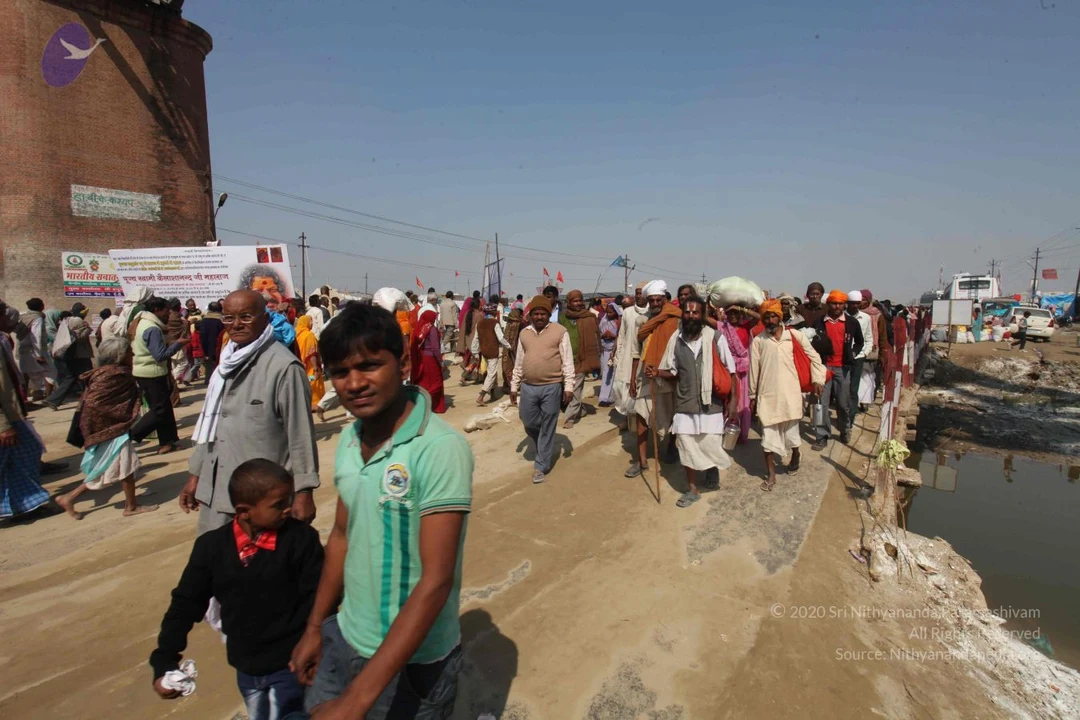
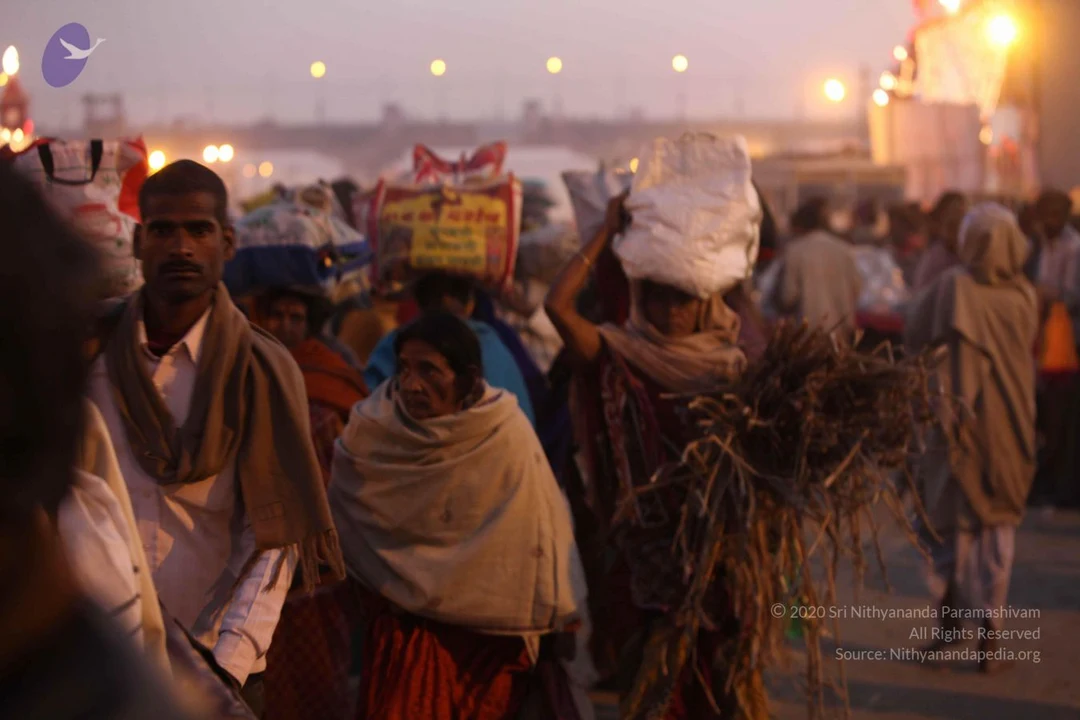
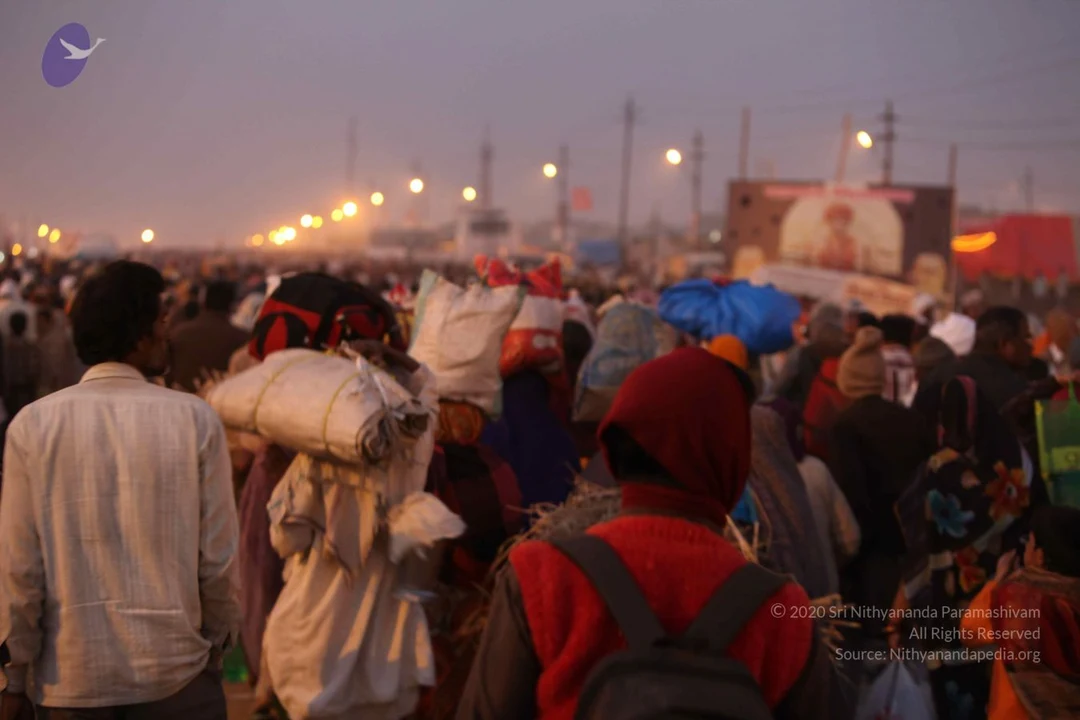
I think yesterday I told you, it will be real fun. You can see in one place ten thousand sadhus eating, you can have darshan of ten thousand sadhus in one place on 12th. And one important announcement, everything will be live in Nithyananda TV, everything will be live in Nithyananda TV. All devotees all over the world, you are all requested to be continuously hooked on to Nithyananda TV from morning two thirty you will see everything live till tomorrow bhandara everything will be seen. And the next few days we are having lot of programs; I think I can say that most happening city on the planet earth is Maha Kumbh puri. And this is the official estimate - the government is expecting tomorrow four crore - forty million people here. Sorry, Am I right forty million? Hmm. Forty million people here. Four crore people here tomorrow, government is expecting. Usually it always triples government expectation, because government prepares infrastructure for four crore and always twelve crore people will be here. That’s the usual thing, that’s the usual thing. But government is creating infrastructure tomorrow for four crore. All of you just go around the Kumbha puri and see, all these crores of people, no food is sold. Did you observe? Only food is given freely, that is the strength of Vedic tradition. Understand. Four crore people gather and no crime. Nowadays even the akhadas don’t have fight. The fight which I said and all happened hundred years before, last at least five, six Kumbh Mela no fight. We...they all settle, the right timing, one by one by one as per the seniority.
[24:52]
Maha Nirvani akhada is considered to be very choosy to initiate Maha Mandaleshwars and Maha Nirvani akhada is the only akhada, all Maha Mandaleshwars have their own independent organizations, just like I have Nithyananda Dhyanapeetam. So, no Maha Mandaleshwar is dependent on akhada. We only give it to akhada, nothing is taken from akhada. Means it’s like a…. we give it to the mother, mother root and it is just there and that’s the richest akhada. That’s the richest akhada. Our akhada is the richest akhada, goes without saying. And largest live branches in Hindu tradition - they have almost … what’s the number yesterday Maneesha? No. The number of branches they have, yesterday I asked the live.. live temples and ashrams, mutts? Eh...appa, over 75000. Hmmm? No, no, no I am asking, how many temples, ashrams affiliated to Maha Nirvani akhada? More than a lakh. eh...as per the reliable information, at least one lakh, at least one lakh live temples, ashrams means where people come everyday and worship happens, the religious activity happens are affiliated to our akhada – Maha Nirvani akhada. Of course, ours itself is more than 1000 😊 and more than one lakh is affiliated to our akhada. akhada is… akhada celebrates Kapila Muni as the founder, much much ahead of Shankara and all. And Shiva’s incarnation Kapilamuni is revered as the founder. 12th we will be having bhandara.
[27:09]
And today I will give you some more announcements. Asaram Bapu is coming and this is the main thing, today ninth? Am I right? Today I am being given, I am…. Dhyanapeetam is given bhandara by the Maha Nirvani akhada. Maha Nirvani akhada gives bhandara to us. Morning nine thirty we are going. It’s already eight thirty? Ten thirty… ten thirty okay. Ten thirty I am going there to receive bhandara from them and tomorrow evening our Acharya Maha Mandaleshwar is coming here. The Maha Nirvani akhada’s head, head of Maha Nirvani akhada is coming here tomorrow evening for bhandara. We are giving bhandara to him and the one important thing is this whole akhada system is democratic, there is no hierarchy. Hierarchy is only utility, but it is democratic, election system and people elect. All the sadhus elect the…. their Mahanth or Maha Mandaleshwar. Maha Mandaleshwars elect the panch - the five people and the panch elect the Acharya Maha Mandaleshwars, it’s a complete democratic system created by Shankara thousands of years ago.
[28:33]
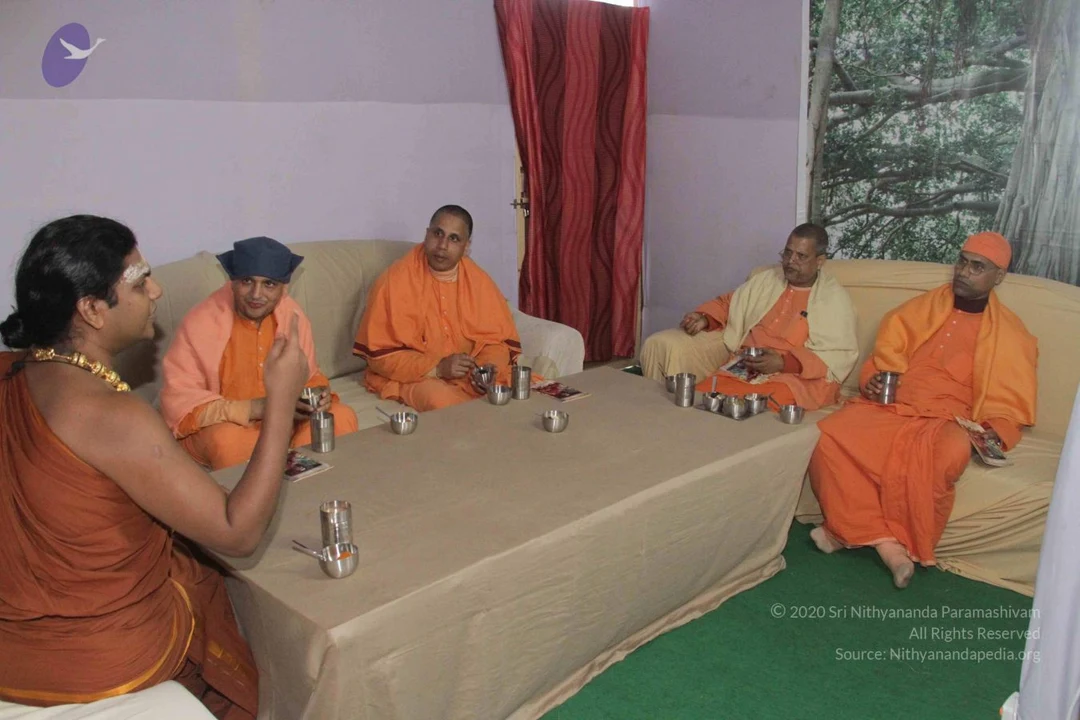
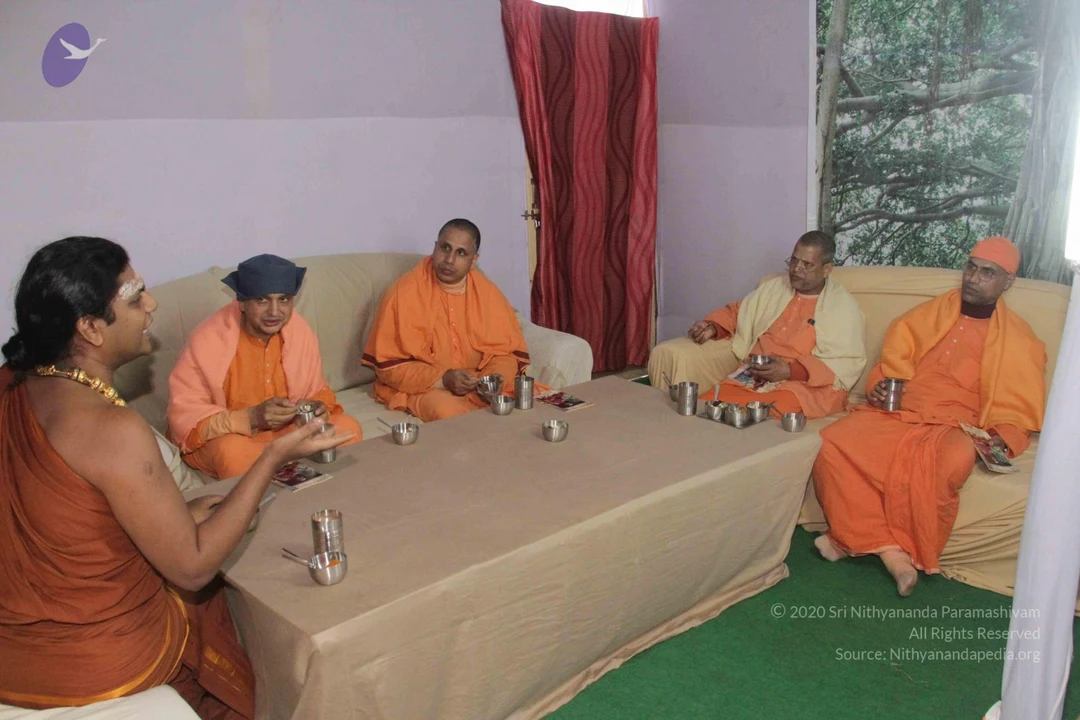
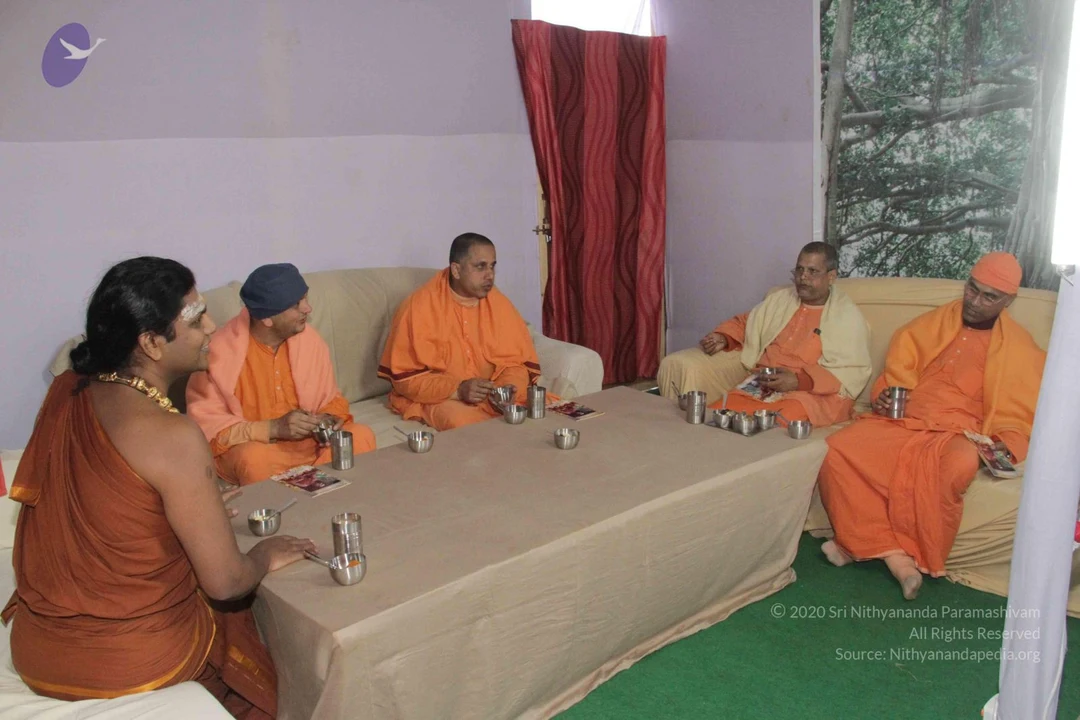
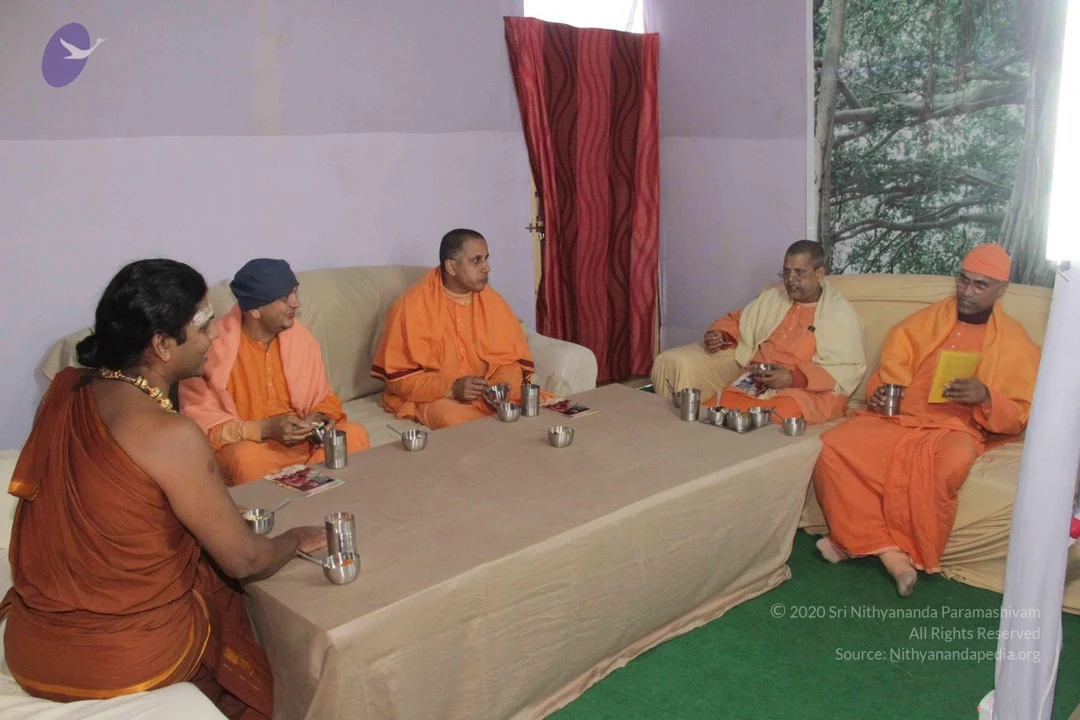
Kapila established the spiritual tradition, but Shankara established this democratic setup and still it is alive. This is the oldest democracy. Please understand. Oldest democracy in the world is akhada system. Akhada’s are the oldest democracy and we also have voting rights and… And I also offered to give a bhandara to Ramakrishna mission sadhus in their official tent. They have official tent here and 350 sadhus are there. I offered My respects and offered …. I requested them to accept our bhandara. Today we will be getting the …… they accepted the bhandara, but the time is – they are confirming the time today. Today or tomorrow they will confirm the time. So, it will be a very nice, nostalgical moment for Me 😊 and we also have one more good news. The UP Government has used our procession photos from previous Kumbha mela 2007 in their flexes. Wow. In the Government flexes they have used our procession photographs. You can see, No with our emblem you can see. You can see our emblem in the umbrella. Yes. All of you can ….. Ma can you project? Project.
[30:32]
Video projected.
[31:19]
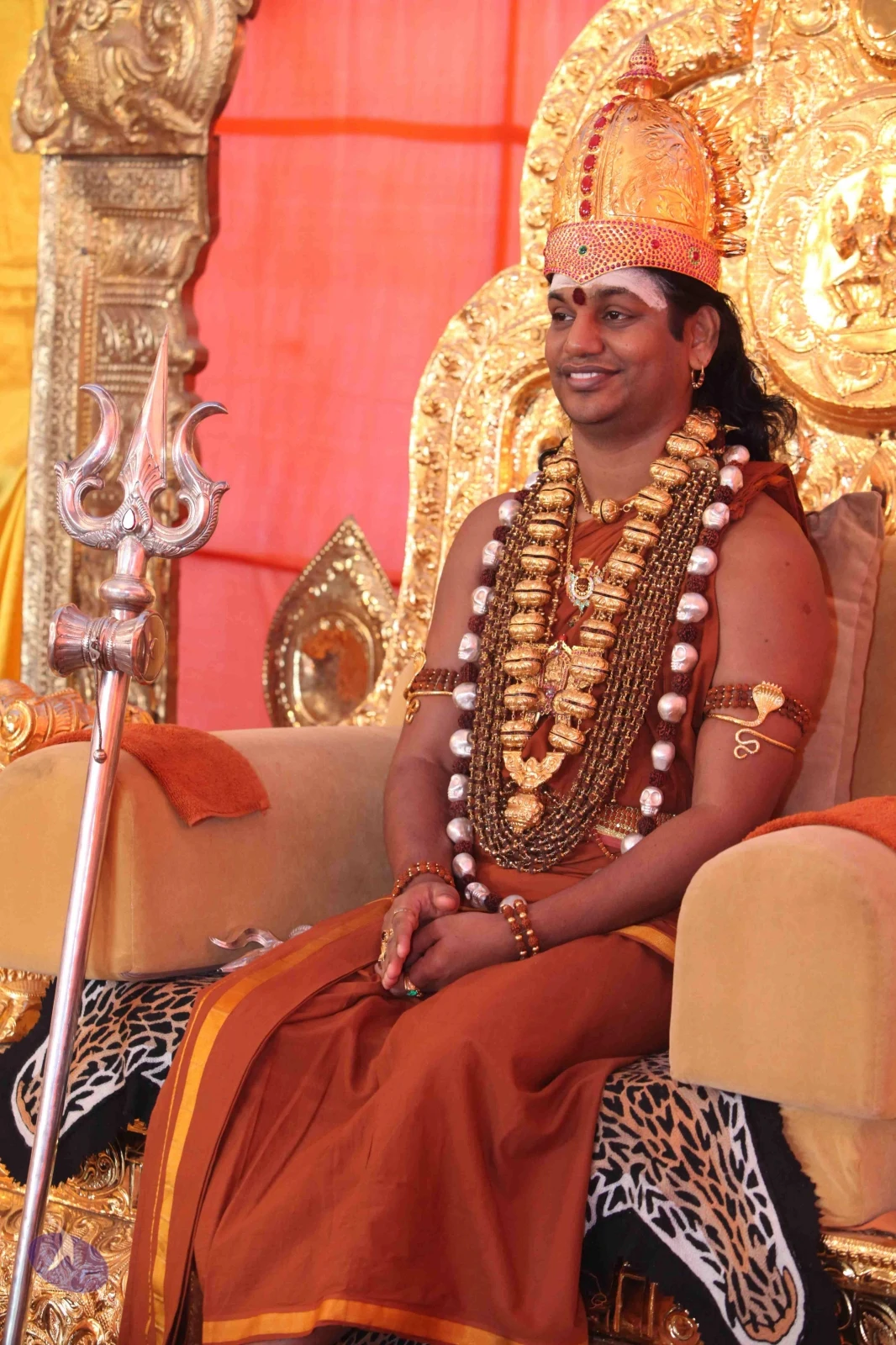
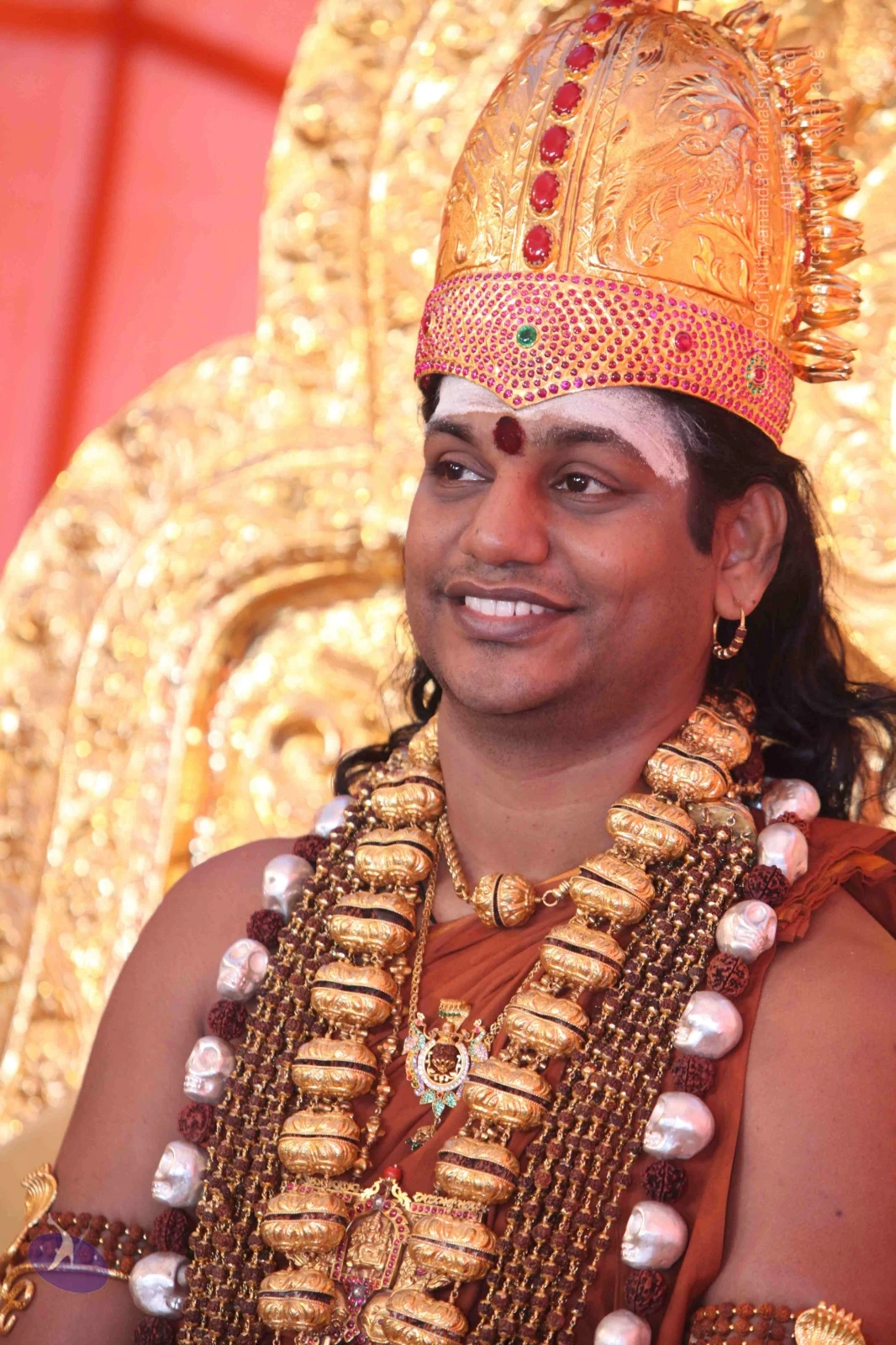
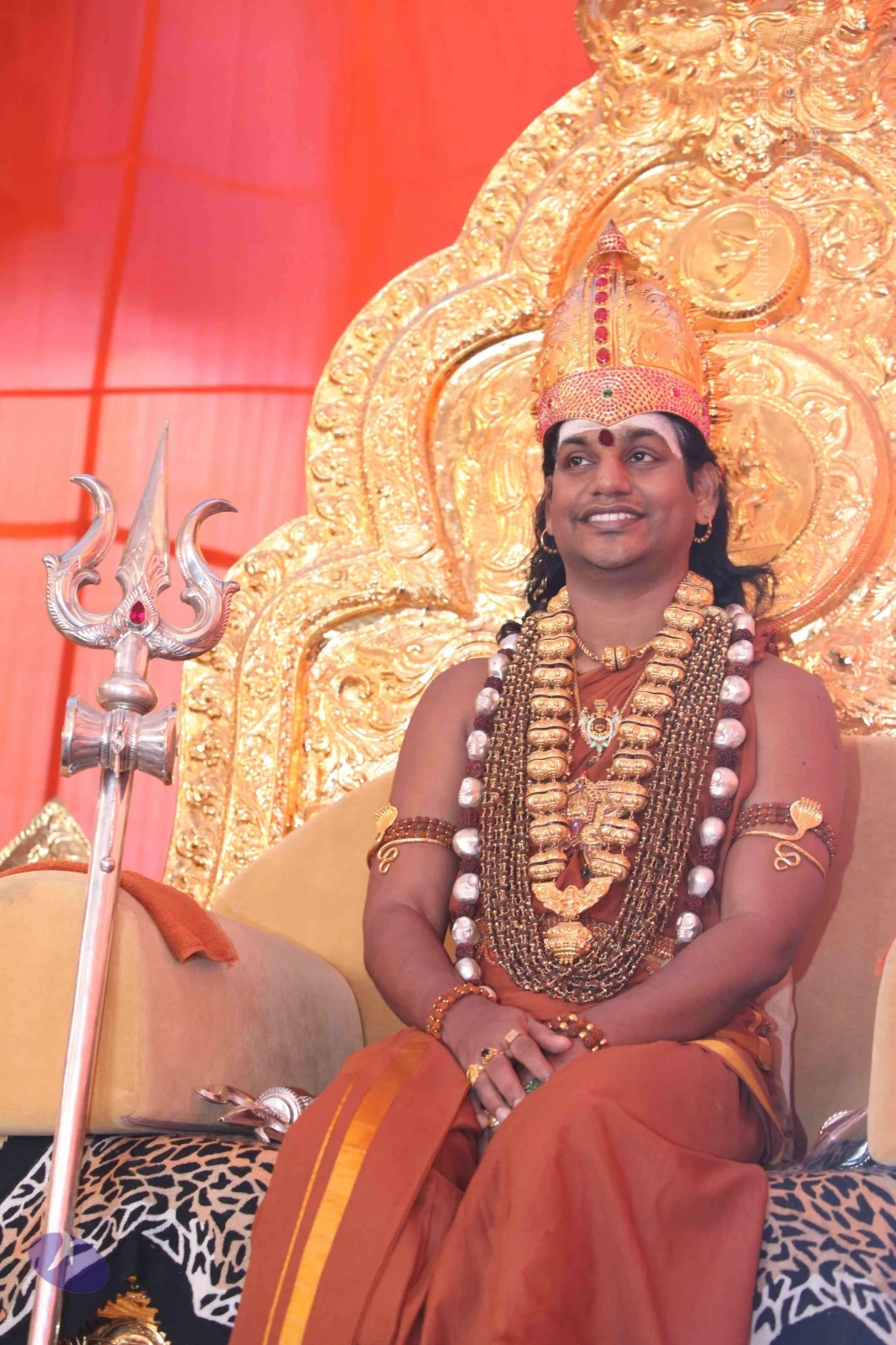
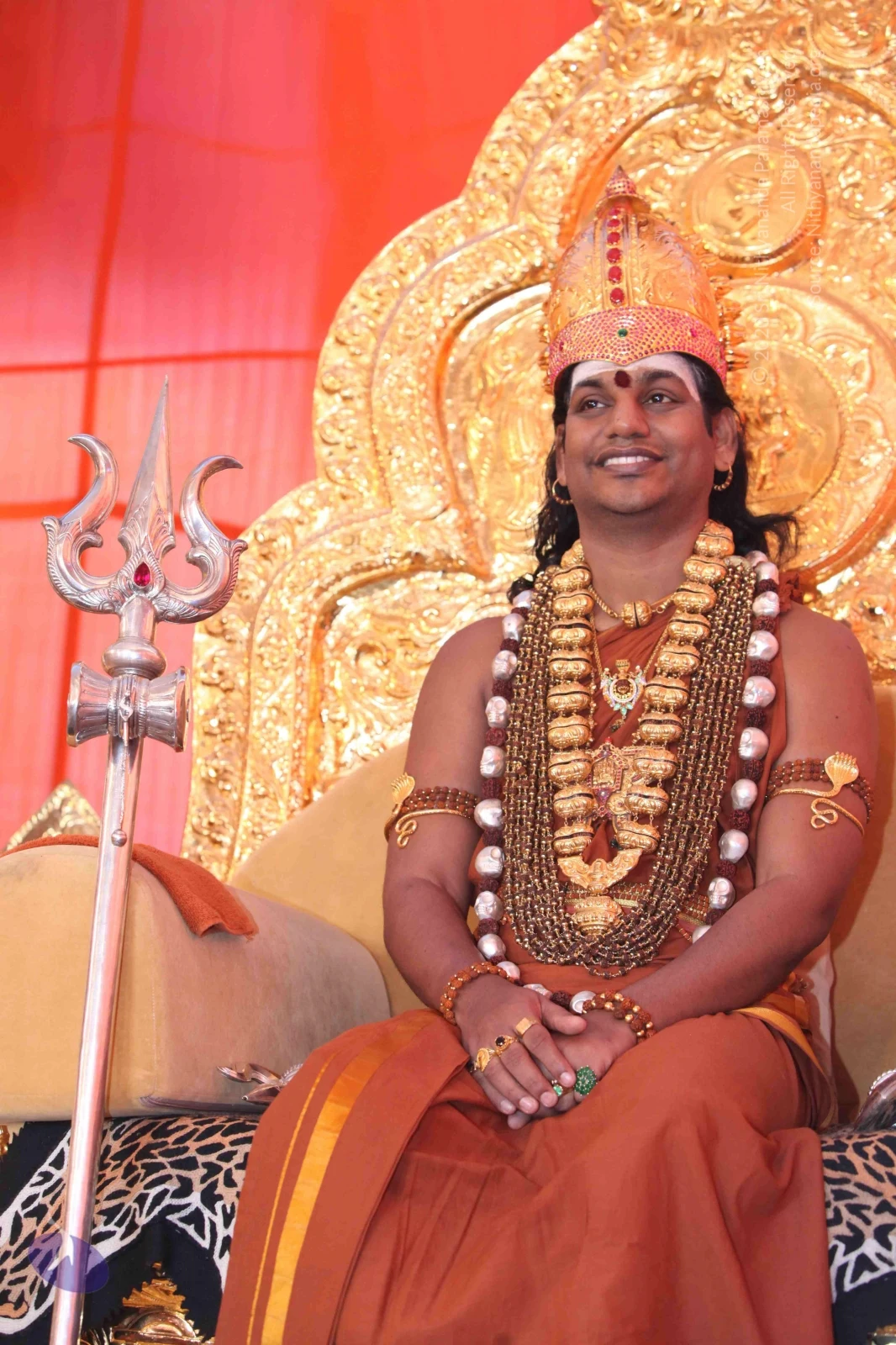
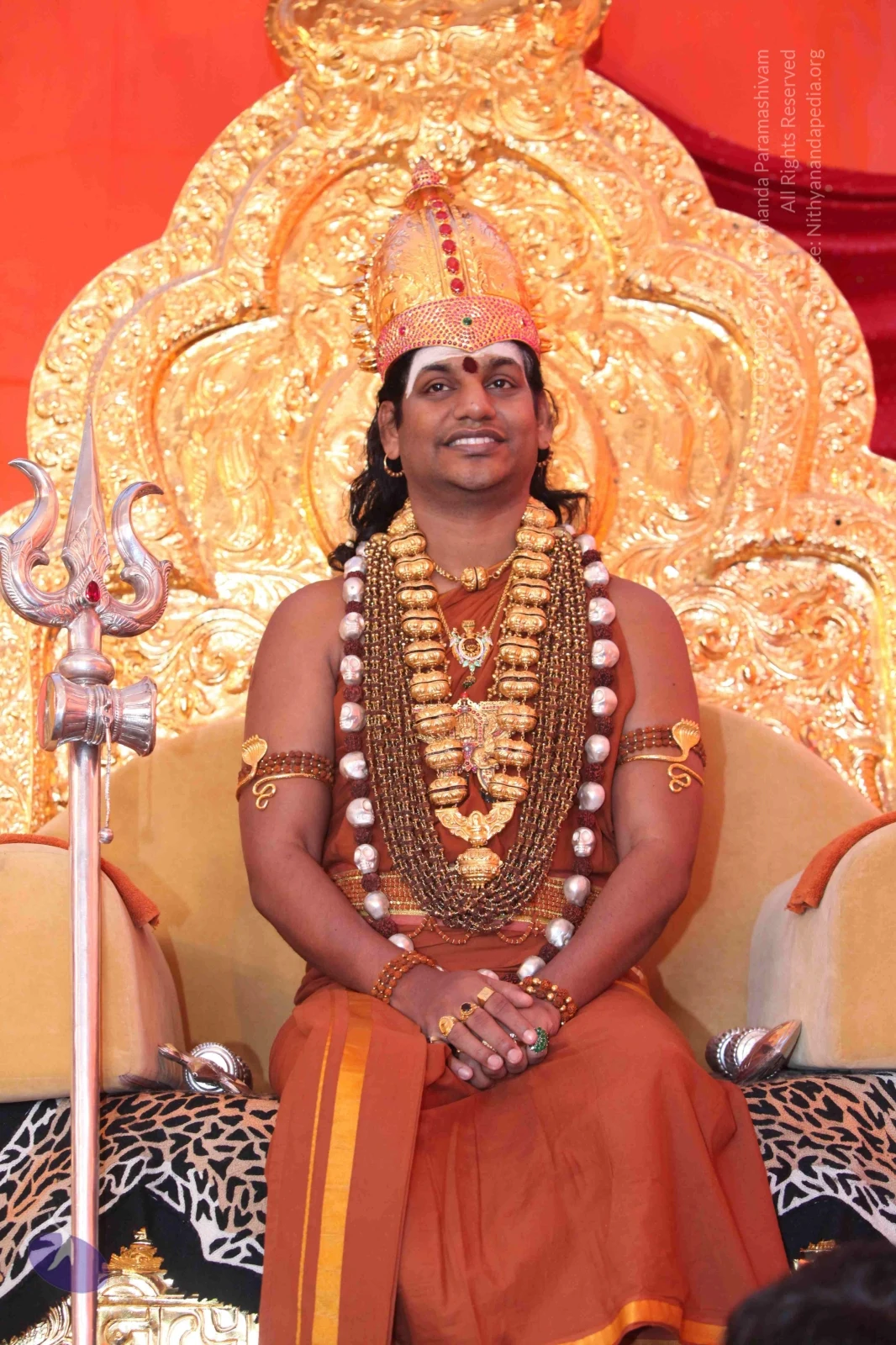
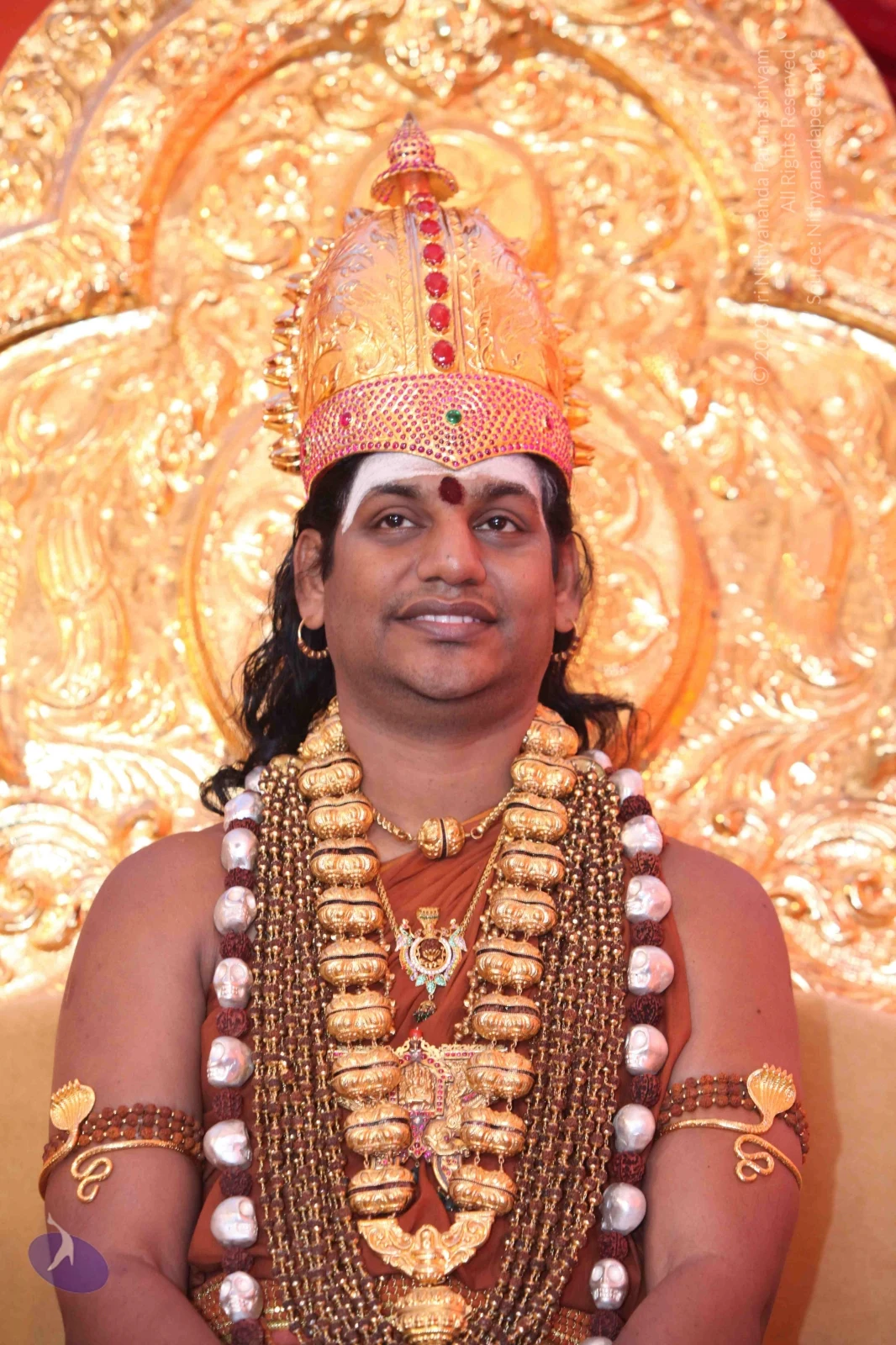
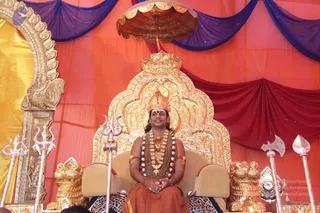
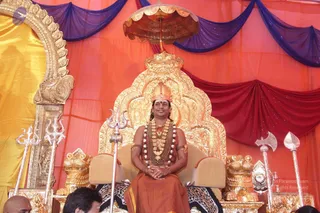
Now you can see the government has used our photographs of our Kumbh mela in their flex and billboard. Great! Because ours was so colorful, the whole procession. Tomorrow also it will be very colorful. All the brahmacharis will be holding all the weapons including the gadha and Mahamandaleshwar will be sitting with the crown in the 😊. Even if you are not here, don’t miss to see through Nithyananda TV. I know all you guys will be getting continuous information. Girish, do you get from Chiranthana all the updates? Oh… oh. Priyatma do you get from Kailashananda all the updates. Hm great. So, next few days continuously busy with so many beautiful thing. Alright. I will move to the next announcement. Arun Shivaji and Dr. Nirmala Shivaji Toronto, I accepted your E-Pada pooja, I will bless you during dial the Avatar. But today, no dial the Avatar na ma? I will send you My blessings through mail. And Chennai Organiser, Thiruvotriyur Siva Subramanyam and Thayal Nayagi wedding Anniversary blessings, with all the auspiciousness you will be with Me, I will be with you. Blessings.
[33:12]
And Ohio temple blessings. You can get your home temple deities energized tomorrow; blessings. And Ohio Prayag, you should also celebrate the Kumbha mela tomorrow.You may not be able to take bath in the river, I know. Our river is frozen. But hey in our Prayag ashram, Ohio ashram we have three rivers; Ganga, Yamuna and Saraswati happening. Actually Ganga, Yamuna, was two rivers only were merging. I blessed then… then Saraswati also started happening. The underground stream, so we have the, that is why the Ohio ashram I gave the name Prayag. You can at least take little ice and break it into water and sprinkle on our deities and do abhishekam on our deities. 😊 Blessings Ohio, do it. And you will not do one, two inside Ganga, this is an important instruction. Listen. You will not dirty Ganga, okay. Finish everything here itself. And, no, it’s a strict instruction, Ganga is our mother, we worship her as God and Goddess. And if you want to energize any of your deities, padukas, those things you can take. But you will not dirty Ganga, be very clear.
[35:00]
Yes, great. Washington DC- Sripuram gets all the Kumbha mela updates from Facebook 3D divya darshan dhyan team. Okay, great. Can you… someone of you take the responsibility for uploading continuously. Nithyananda TV team can take the responsibility of uploading in the Facebook also, the photograph. Upload in the Facebook also continuously. All of you maybe aware, yesterday Kanchi Shankaracharya Jayendra Saraswathy came to the … our ashram and graced all of us. And today we are expecting … today and tomorrow we are expecting our Acharya Mahamandaleshwar and Juna akhada Acharya Mahamandaleshwar, and Niranjani akhada Acharya Maha Mandaleshwar – Baalakanandji, and Asaram Babu, and Ram Dev Baba, and …. and today also we are also having Rishi Prabhakar’s mother Rishi Prabhakar guruji from Bangalore, his mother will be coming ten thirty. Otherwise all of you know ten thirty I have to be in Nirvani akhada and I have to have breakfast with Swamiji.
[36:55]
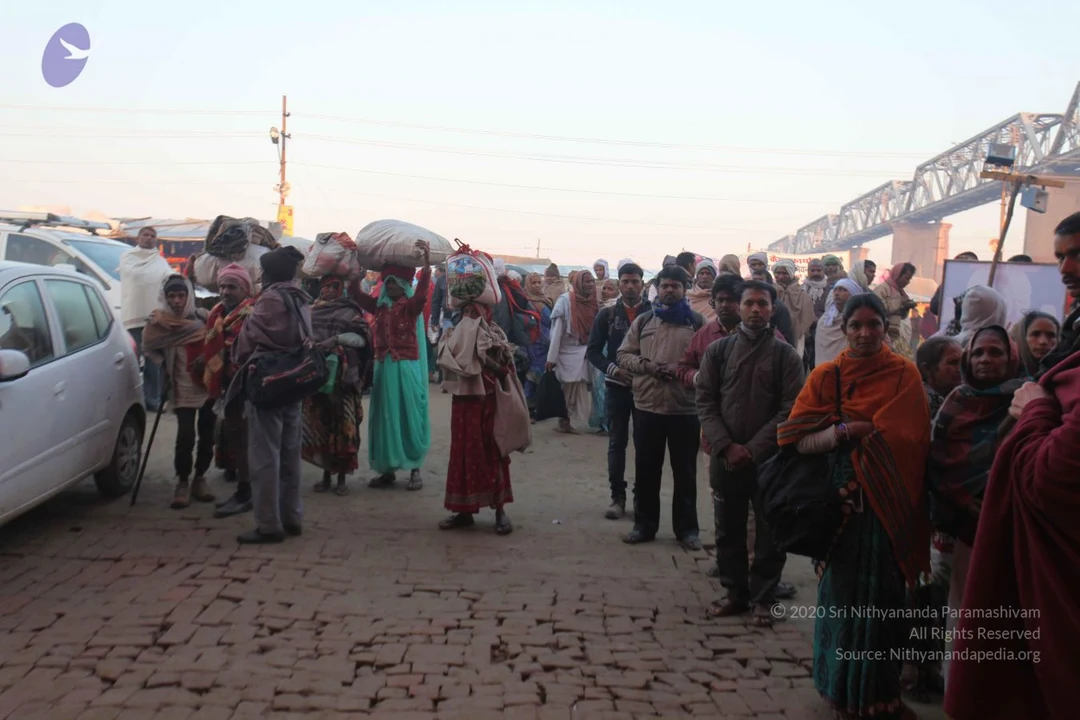
Alright, I will talk to them. I will… I will surely talk to them. I will… Nirmala Shivaji, I will talk to you through phone. I will talk to you through phone end of the satsang, so don’t worry. I read your letter, I will talk to you. Ma, the next team of sadhus, some more our Brahmmacharis and sanyasis coming, when they are reaching here. 12th they will be reaching for the bhandara, maha bhandara, sadhu bhandara. Because I wanted all of them to see the tradition happening here. See, only when you come here and see, look around you understand the power of vedic tradition. You understand the strength of vedic tradition. Can you imagine four crore people in this weather, just sleeping under the tents? See, if there is an infrastructure and people come and go, you can say there is a comfort infrastructure and everything. There is no infrastructure. Only spiritual strength. Four crore people gather; totally the… in this 55 days 250 million - 25 crore people are expected to take dip in Ganga. In Sangam tomorrow alone four crore people are taking dip. Can you imagine the..? And do you know the population of this city, it is just 25 lakh maximum. City…. 25 lakh city is catering to 25 crore people. That’s the whole organization structure. You can see everywhere the mantras ringing.
[39:09]
Alright. I will enter into today’s subject, the satsang subject is the story of Kumbha mela, history of Kumbha mela. I was talking about the pot of nectar – amruta kalash fell into the ocean. The moment it fell into the ocean, demons were enjoying, Gods were suffering. What is the first solution, the moment you have the suffering what do you do first thing? Run to the Guru. All these fellows ran to the Guru. They first ran to Brahma. Brahma said ….Brahma is actually the father. Father of Gods. Brahma said, “The big problem is both of you guys don’t get along.” Means the demons and gods, “and even if you guys get the pot back you are going to lose it. Till you stop fighting you are going to lose it. And I cannot find solution for this. Let’s go to Vishnu.” When you rush to the father what else...parents what else they will tell? “Even if I buy and give tomorrow again both you kids are going to fight and lose it.” Let's go to the Vishnu. Vishnu says, Vishnu tells Indra, “Let you guys sort out the fight” means He is asking both the team to take responsibility for each other. Again he is meaning, he says the same thing. We can get the pot back, but again demons and gods are going to fight and it is going to fall into the ocean.
[41:22]
So, only when the demons take the responsibility to become authentic and gods take the responsibility of making demons authentic; Gods should take the responsibility for demons inauthenticity. Only when you are ready to enrich yourself and others you are worthy of nectar. Vishnu says, “Both of you take the responsibility.” Then because Vishnu says, they try. Indra goes to the king of demons Bali, Bali Chakravarthi, but the meeting becomes very bitter. Finally it ends up in fight. Because of the Vishnu's advice Indra is trying, he himself is not feeling. Then the whole idea is failure. Vishnu alone goes to Shiva to discuss. Vishnu says, “Mahadeva, if you order I can just go in a minute as a tortoise and pick up the kalash from the ocean and bring it and give it to gods.” Mahadeva says, “No, don’t do. We will have to do something so that these fellows take the responsibility for each other. We are free. Otherwise constantly we have to be interfering.”
[42:55]
It is like… in our sangha also there are some demons, there are devatas, gods. When the gods and demons fight, more work for Me. I have to constantly interfere and patch up. So, Mahadeva wants to have little peace and rest, time with Himself, He says, “No, let us ask them to churn the ocean on their own and get the nectar pot out on their own, so that by the time they do all these process they become a team work, they become team and the team work happens, they take responsibility for each other and once for all the problem is solved. They will not fight after the nectar comes out.” Even Mahadeva's plan fails sometime. You guys are more powerful than Mahadeva. 😊 He does all His plans to bring authenticity, integrity. Yesterday I asked one brahmachari, he is in the ashram for how many years? Ten years? Five years he is in the ashram. And I asked him, “See, so many brahmacharis are declaring their commitment and taking sanyas. Don't you have little desire - Five years I...afterall I am here. I should also declare and commit. And ask for sanyas, request Swamiji for sanyas.” And there was not a single ripple in his ananda gandha, in his heart, there was not a single disturbance of desire, fear, greed, jealousy. He is out of all those lower emotions and he is very coolly responding to Me, “Even if I take it, in three months I am going to lose.” 😊. And he is not even having a doubt, in tamil he said, எடுத்தால் மூணு மாசத்துல போயிற போது, அதுக்கு போய் என்ன இருக்கு (“Eduthal munu masatjilay poyida pokuthu. Athuku prague enna irukku”) He is very clear, even if he takes sanyas, within three months he will commit some mistakes, something and he will not stand by it and he will not be having it. I said, “You don’t even have a doubt that you may…” And he says maximum three months is the time he can retain My initiation 😊 or 😊My…. My process or My…
[45:40]
Sometime you are settled with inauthenticity, Please understand. This is the most dangerous thing, tolerating inauthenticity. You become insensitive to your inauthenticity. I laughed at him when he said, that is different; but I am not happy about what he said. See it is like giving up on yourself. Giving up on you is not the solution, giving up on you is not the solution. Mahadeva wants to give the amrita kalash, nectar pot back to gods and demons and solve the issue once for all. He wants to solve the issue once for all, so that he doesn’t need to constantly be used only as a judge. God does the job of judging also but he is not a judge alone. He has so many other beautiful work, beautiful things to do. So, Mahadeva gives the plan. “Come on, let us tell them to churn the ocean on their own.” So, the information is given to Indra, ”You please go and befriend the demons also and then both of you have to churn the ocean.” Finally now no other way, it is a survival threat, Indra and Mahabali they come to terms. The demons and gods will churn the ocean. The moment they both came to terms, they don’t want to respect the parents any more now. That’s the most funny thing. The brother...elder brother and younger brother both of them constantly fight, parents try to patch up and make them friends, once they both settle together they don’t bother about father, and steal the money from the house together. They don’t respect the parents. They say, “hey, now we both are together. Why do we need them? You know where the money is. I know how to take it out. You tell me the information, I will take it out. And sometime these mischievous brothers… brothers, better if they are kept separately.
[48:49]
The moment these both the fellows gathered they are asking what is needed for the churning of the ocean? The spindle has to be Shiva’s mahameru, the kailash, the rope has to be Vishnu’s Adisesha. Both the fellows, the demons and gods have decided to use kailasa and Vasu… the adisesha without even having the permission of Vishnu and Shiva. They have not taken permission from Vishnu to use your snake... your bed as a rope or they have not taken permission from Mahadeva to use His residence as a spindle. They both...they..they..they put the checklist what all is required and they have not bothered to procure it with permission. They said come on, done. And simply they sent Mahabali to bring Kailasa and the Garuda to bring… they asked Garuda to bring the Vasuki. At least the Garuda should have had a sense, “how can I take the Vasuki, how can I take the adishesha without the Vishnu’s permission?” And Vishnu and Shiva were smiling, “Okay. This is… at least you fellows are together, we are happy about it.” I am telling you the story then I will give you the tattva behind the story. Then without the permission of Mahadeva, without the permission of Adi… Vishnu, the Vasuki and Kailaya, the Meru both were brought. And you know how the kids try to play. They make their own infrastructure and it sinks, then parents have to rush and save them, save them. So, they made their own spindle and the rope…only the moment they started churning, they realized, the spindle is sinking and that Vasuki rope is saying, “No, no, no it is too heavy on my stomach, I am going to vomit poison, I am feeling like vomiting” When vasuki vomits it will be only poison. The spindle is sinking. And the rope is saying, “No, no, I am tired leave me. If you pull me once more I am going to vomit poison.“
[51:30]
And now the fight starts. The Indra is blaming the Bali, “You demons you did not tell us we should take permission from Vishnu and Shiva.” And Mahabali curses, “You fellows, you are all the time living with Vishnu and Shiva you should have known we should have taken permission from them. We demons, we always just goes and pick up things and bring. We don’t bother to take permission, that is our dharma. You guys should have taken the permission.” And Brihaspathi comes to rescue, Devaguru. He says, “You fellows, I told you guys…”. Brihaspathi actually told Indra “Please do Shiva puja and Vishnu Puja and take permission from both of them and do Ganesh puja not to have any vighnas. Then start the churning.” But these fellows are too… they thought “Eehh! When we have all the infrastructure ready, why the puja unnecessarily? Why waste time in unnecessarily worshiping God and Goddesses? If we ask Mahadeva, he may tell “No, no, Meru is not required, take Vindhya. Vindhya is not required, take Western Ghats.” He may give some other spindle. And why unnecessarily when we ask Vishnu about Adishesha, he may say “ No, no, no, you take Vasuki, or take Kalinga, take somebody else. Now I cannot get up from My bed.” He may tell something. They don’t want to take any risk. They don’t want to go and stand in front of Gods, Vishnu or Shiva. They decided we both can do. After all, both of them are cousins, brothers. So they did not obey; got into the mess. But now if Vasuki vomits Halahala or the Kailasa spindle gets into the ocean, the disaster is going to hit the whole Universe; to the whole Earth and the whole Universe. It is not going to be just for gods and demons. All the innocent people also will die. Naturally Vishnu and Shiva has to come for the rescue. With that courage only these demons and gods do all mistakes; because end of the day they know Shiva and Vishnu will not allow the cosmos to disappear, get destroyed, the Srishti to get destroyed. They will always save.
[54:10]
The same courage our Brahmacharis and Ashramites have. End of the day somehow he will come and repair all the mess we create, so do anything you want. Few days before, they uploaded everything, they uploaded the news in the website, they have brought it to Me and they have not even done a spellcheck. I asked them “Why did you guys not even. No, the senior is telling the junior “Take it to Swamiji. He will find all the mistakes straightaway. You don’t need to waste your time on it. 😊” They have a complete courage - Swamiji, the moment he sees, he will find all the mistakes and you don’t need to spend separately time on spellcheck 😊. So, Shiva and Vishnu comes for the rescue, what they do we will see in the next satsang. Sorry I have to end the satsang little early today as I have lot of guests to attend and I have to rush to Mahanirvani akhada to receive bhandara from there. Today I am going to eat six times because I have to give bhandara and receive bhandara. 😊Yesterday after long time, maybe after six years, I ate three times; because I have reduced it to either once or maximum twice. Yesterday three times, today I have to eat six times,😊 because in so many akhada. See, in the Vedic tradition sharing food is considered to be the sharing respect and love. If you don’t eat in any akhada it means you are not respecting them. That is why the… in that there is a subtle thing, the Brahmin Mutts, they don’t eat in our bhandara and it’s all there. Yesterday you would have observed 😊. It is like a…. food is the connecting bridge. Anyhow, so I have to today accept bhandara from many akhadas and organizations.
[56:44]
So, we will move to the next segment of the morning satsang – Dial the avatar. Please can you connect? Nirmala Shivaji, can you call? Today we will have a quick Nirahara samyama because I have to have aahara samyama today. I am going for aahara samyama.😊 You should know 25 thousand ton food grains come inside the Kumbha puri everyday. 25 thousand ton, everyday Mahakumbh Puri receives for feeding the pilgrims. Tomorrow I don’t know how many tons are required. I think tomorrow nobody will be able to eat here in the Kumbha puri. They will just take bath and bhandaras will be there. You should know there are some Sadhus giving bhandaras, spending ten cores. Ten crores just for one bhandara. Because so many thousands of sadhus are there. All the Mahamandaleshwar and akhadas when you give, it becomes ten crore. Oh, Okay. And whole network is blocked in…
[58:23]
Photos Of The Day:
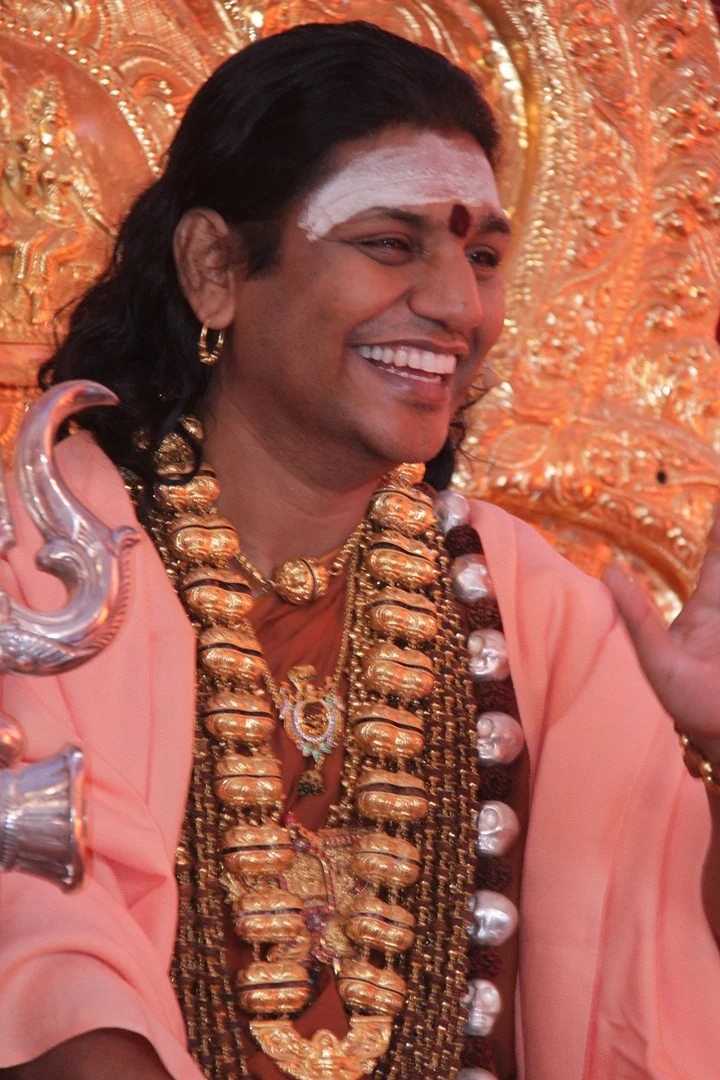
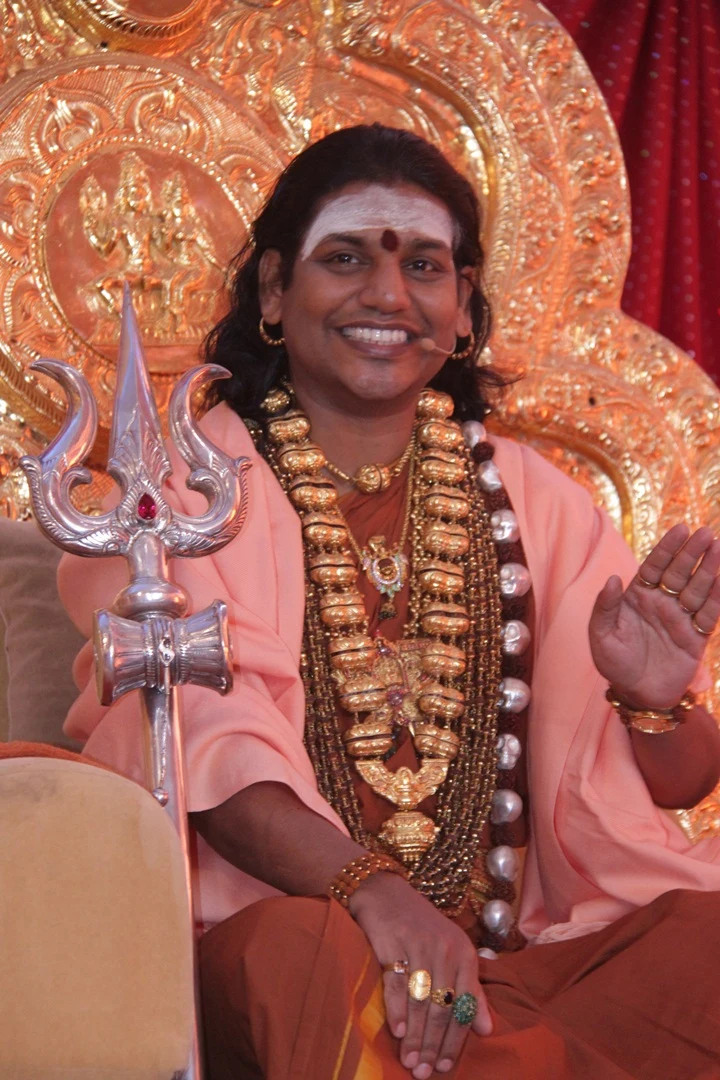
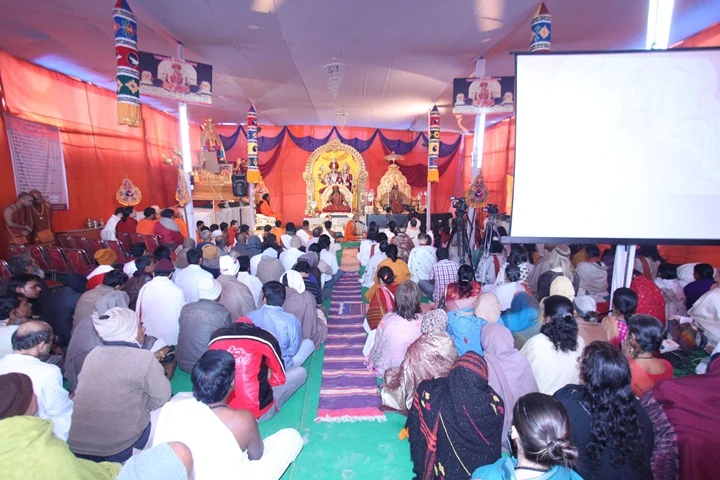
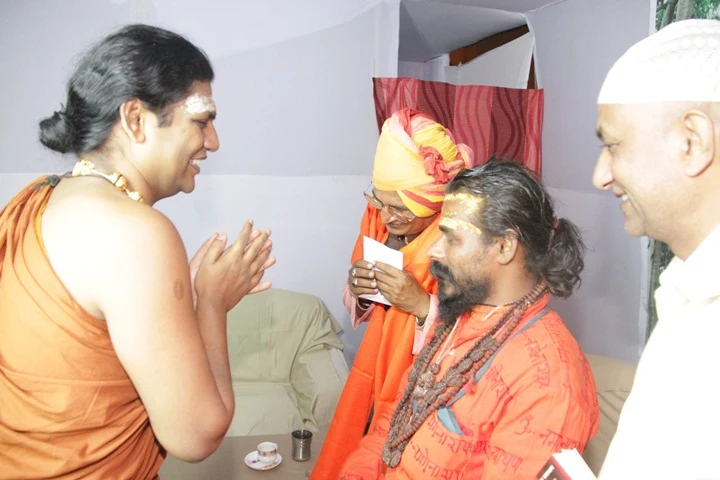
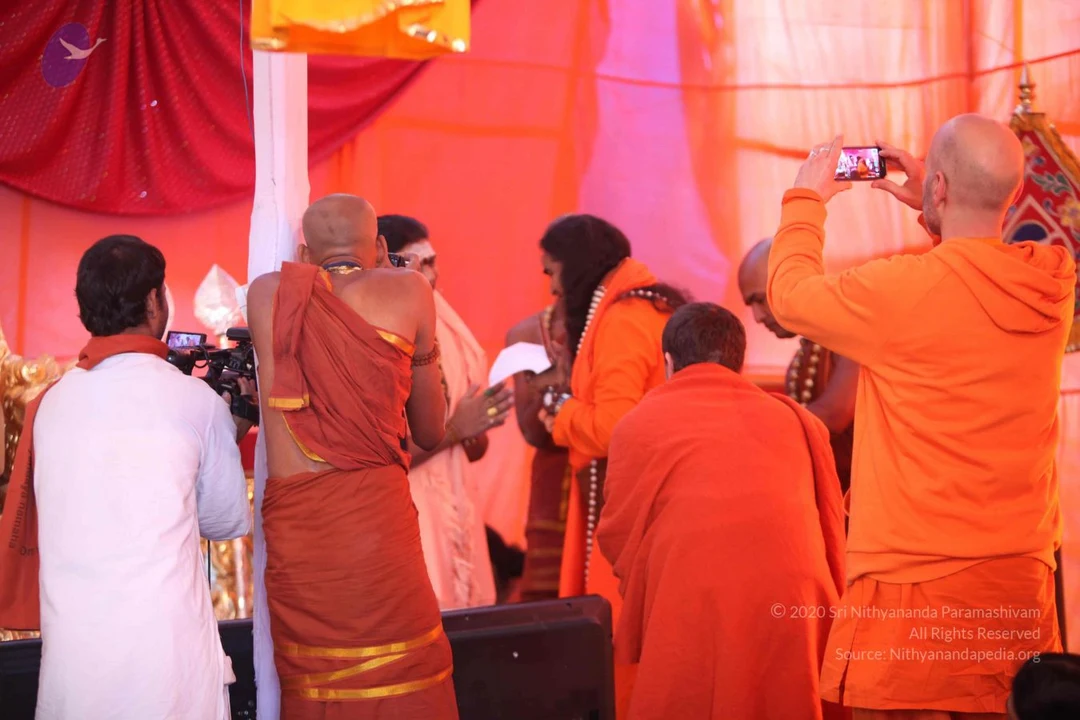
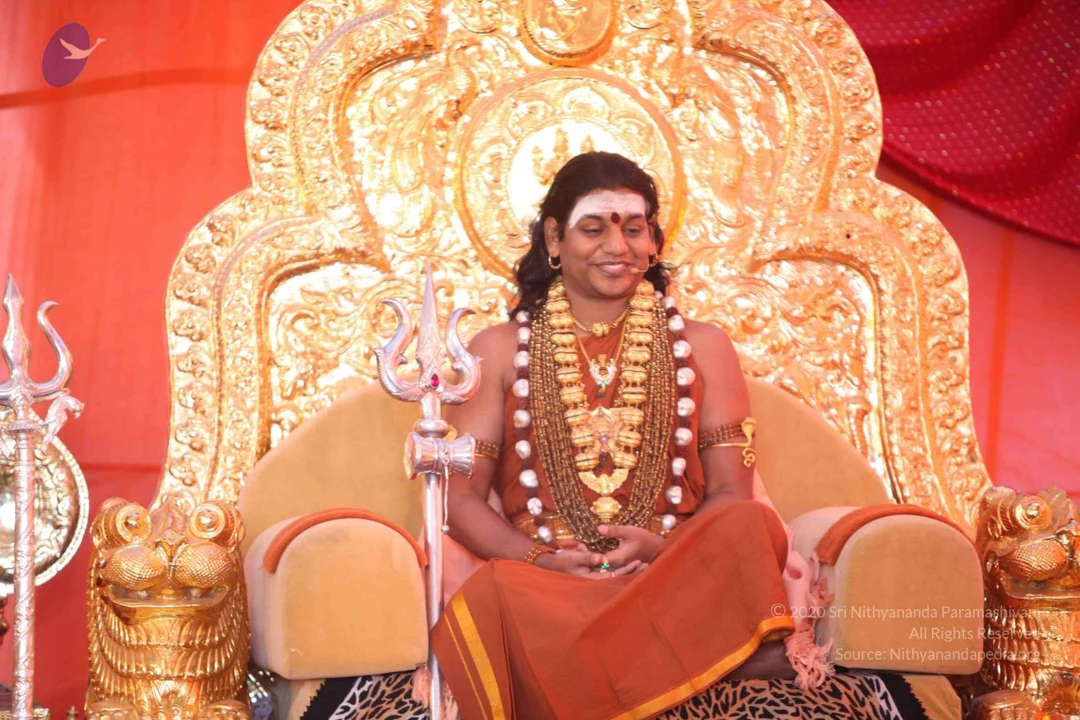
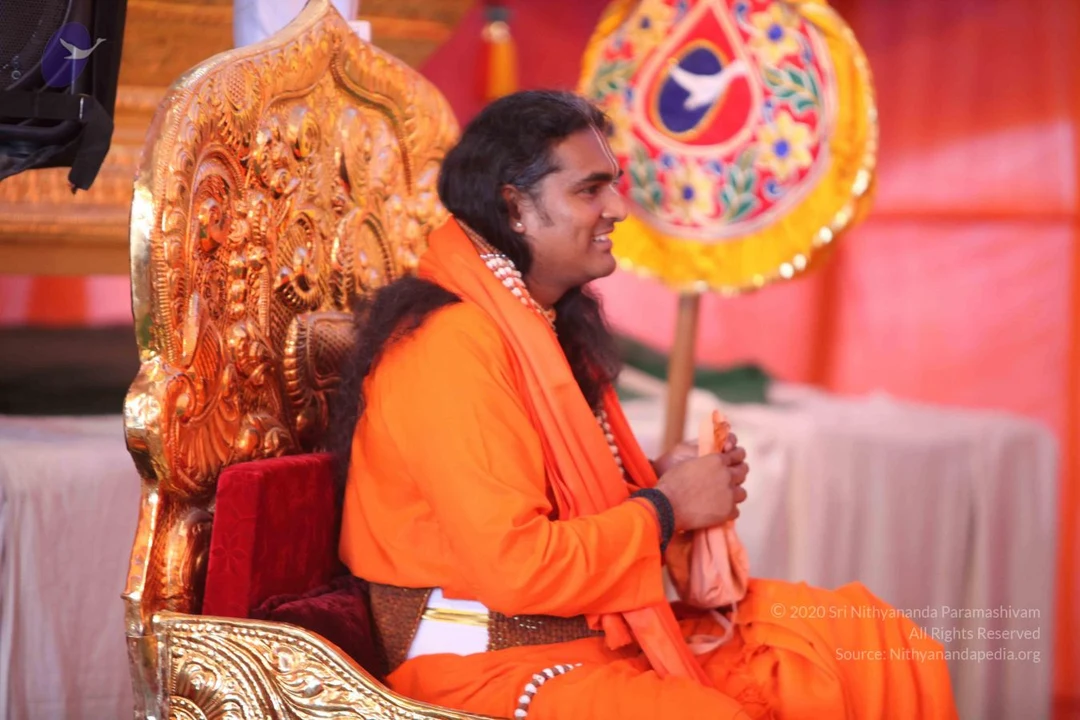
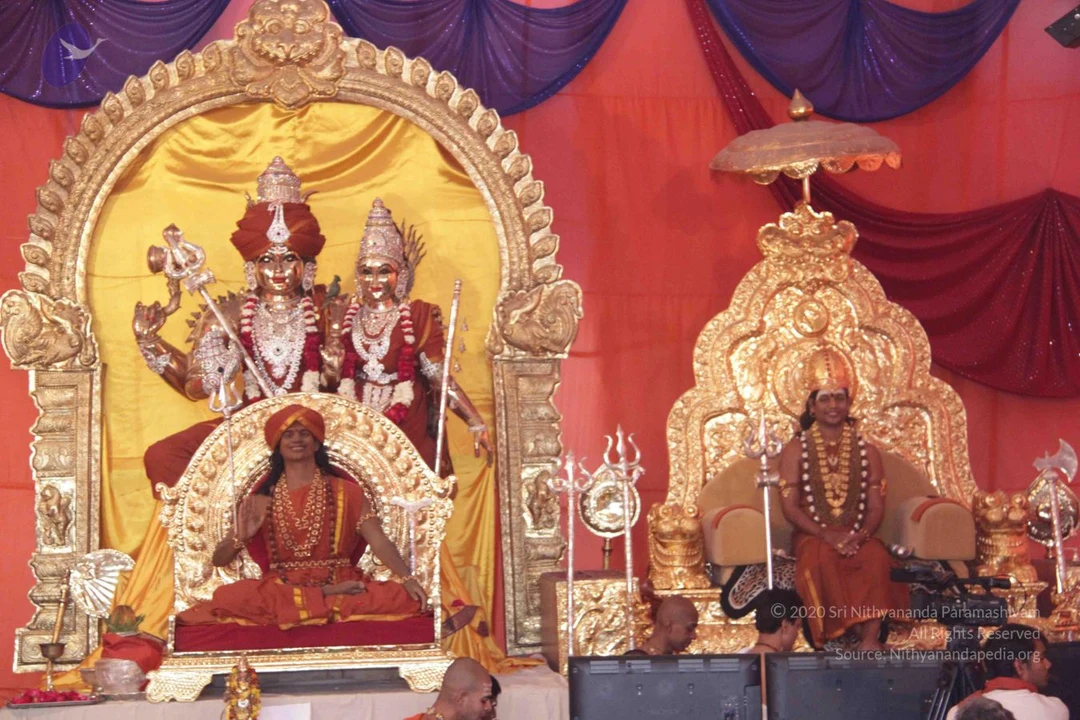
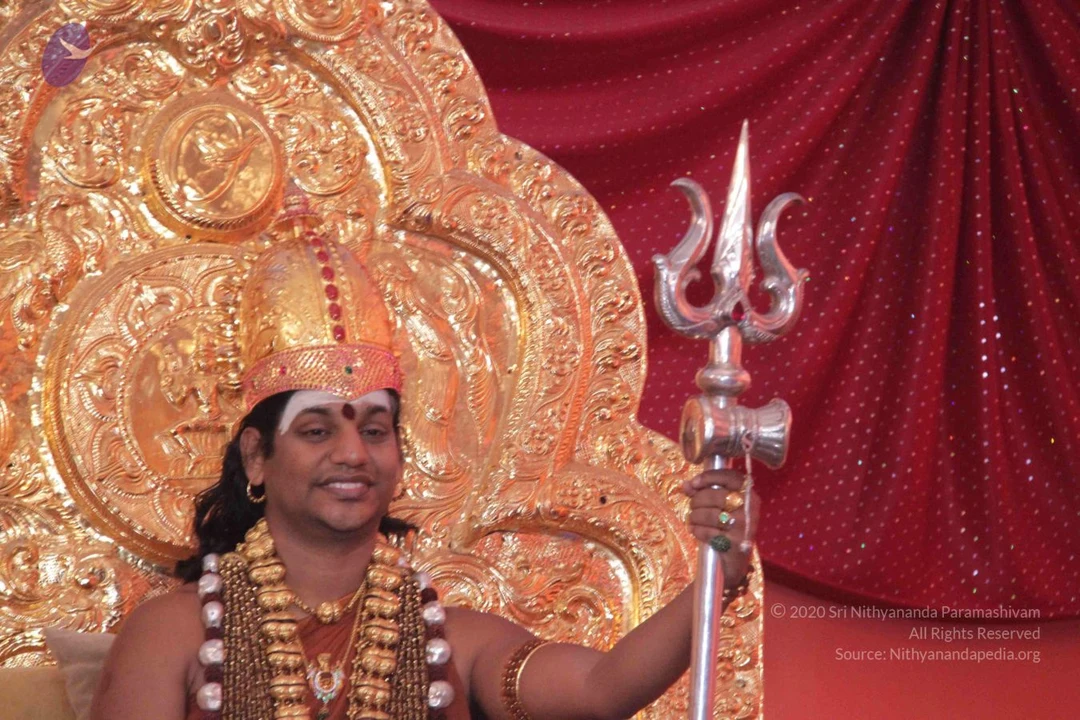
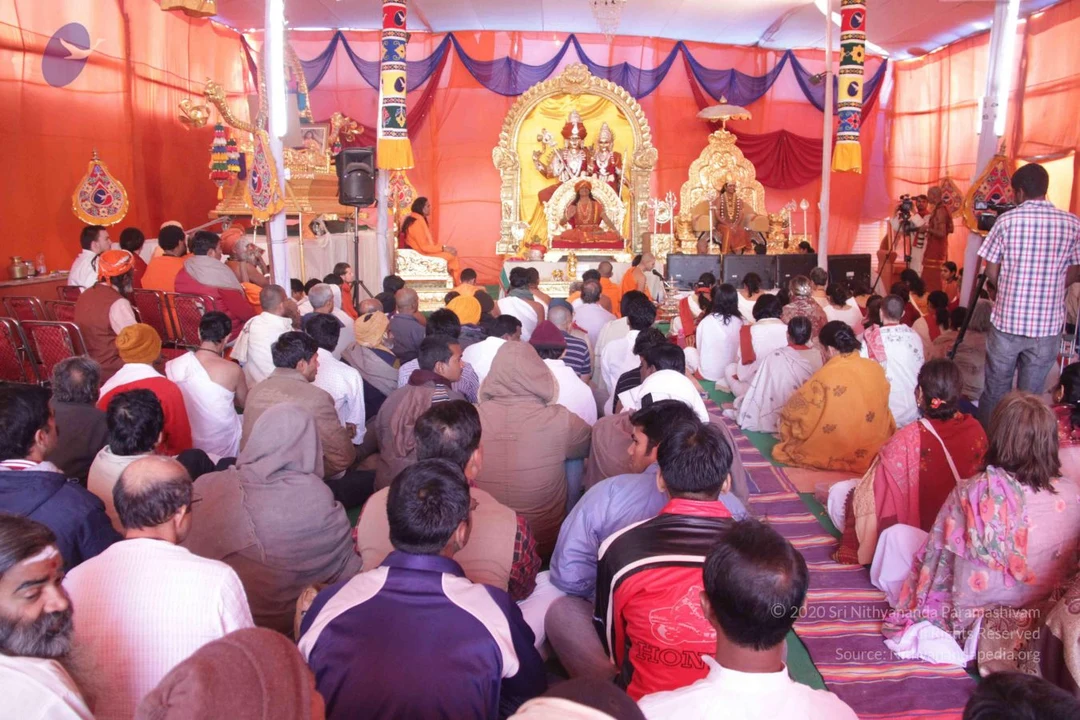
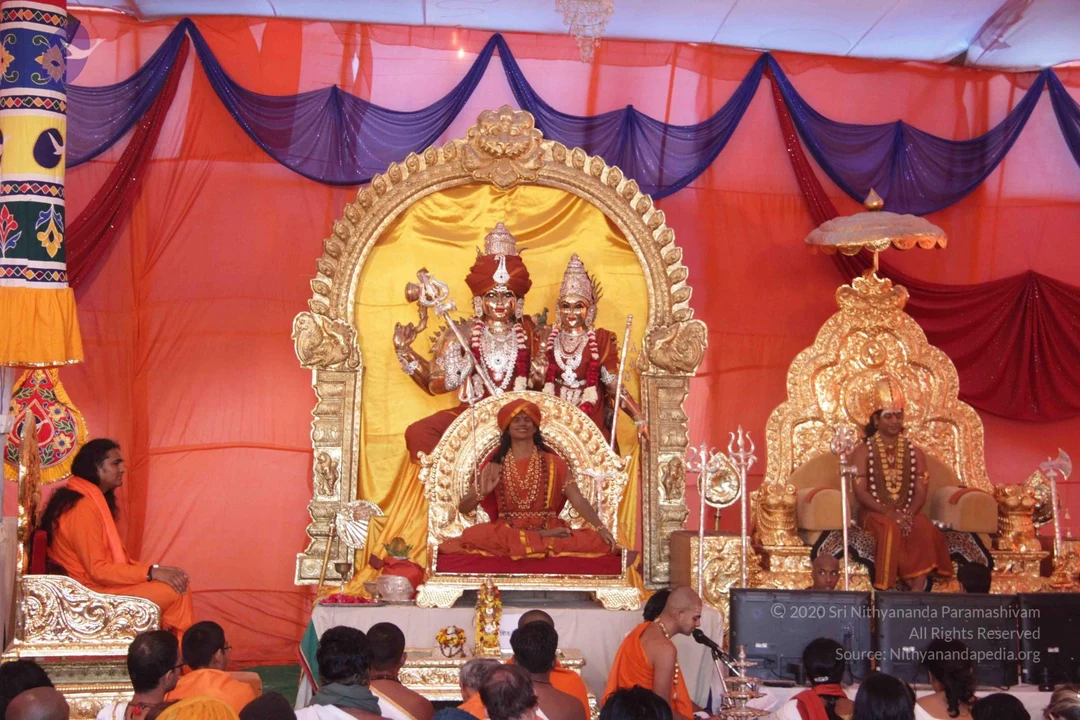
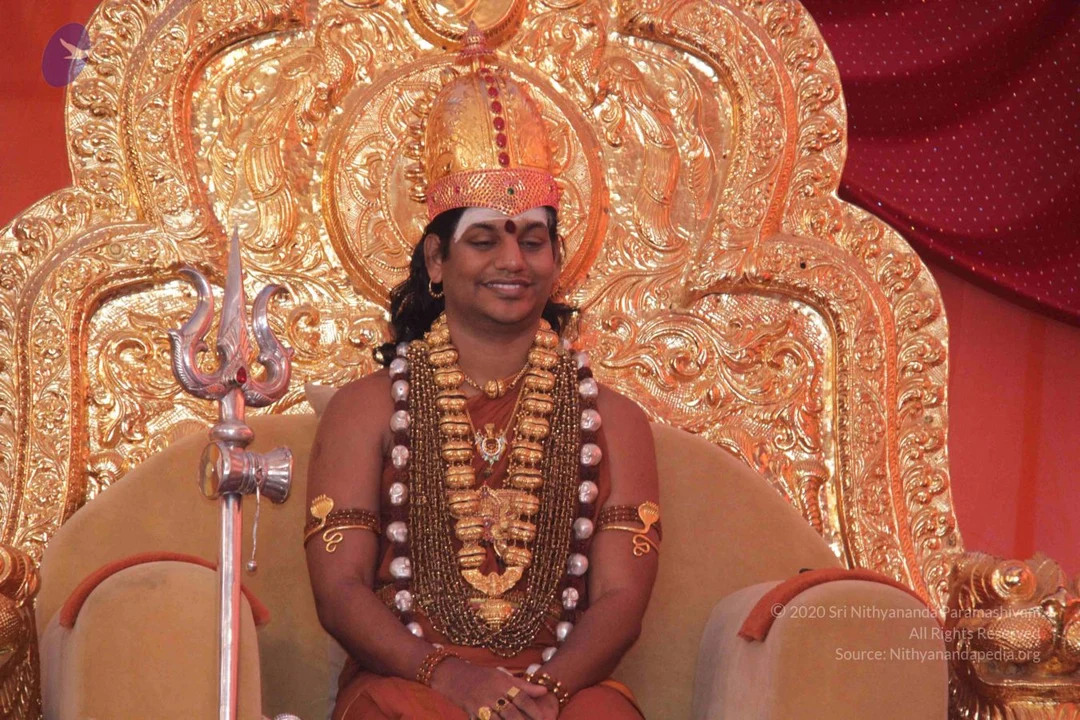
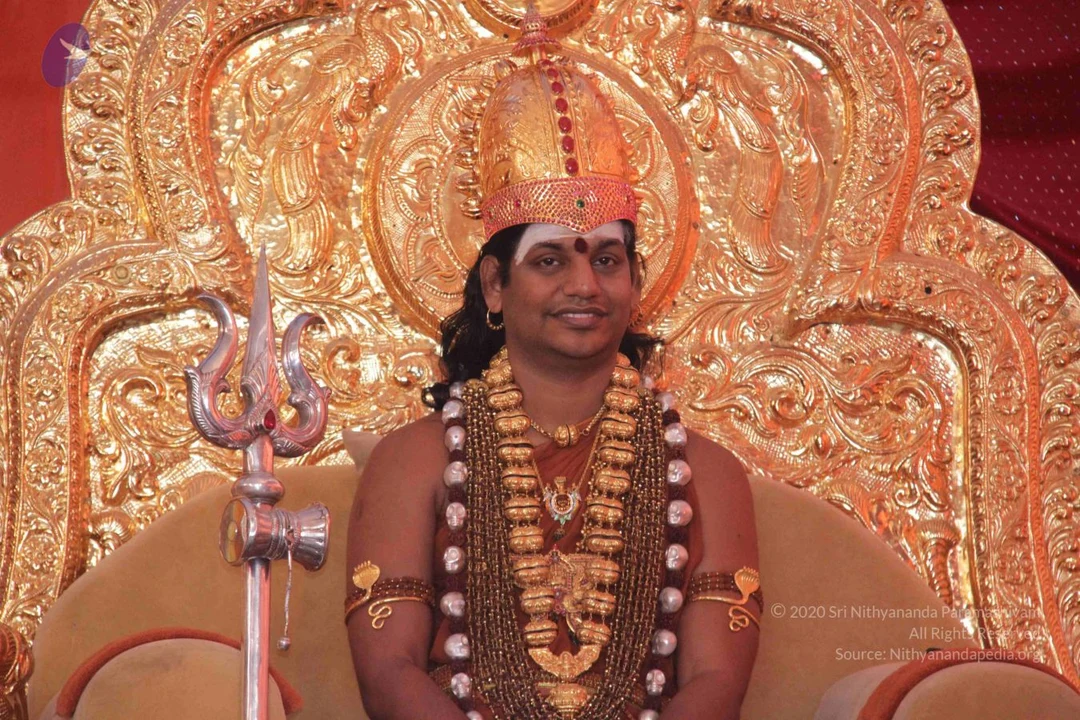
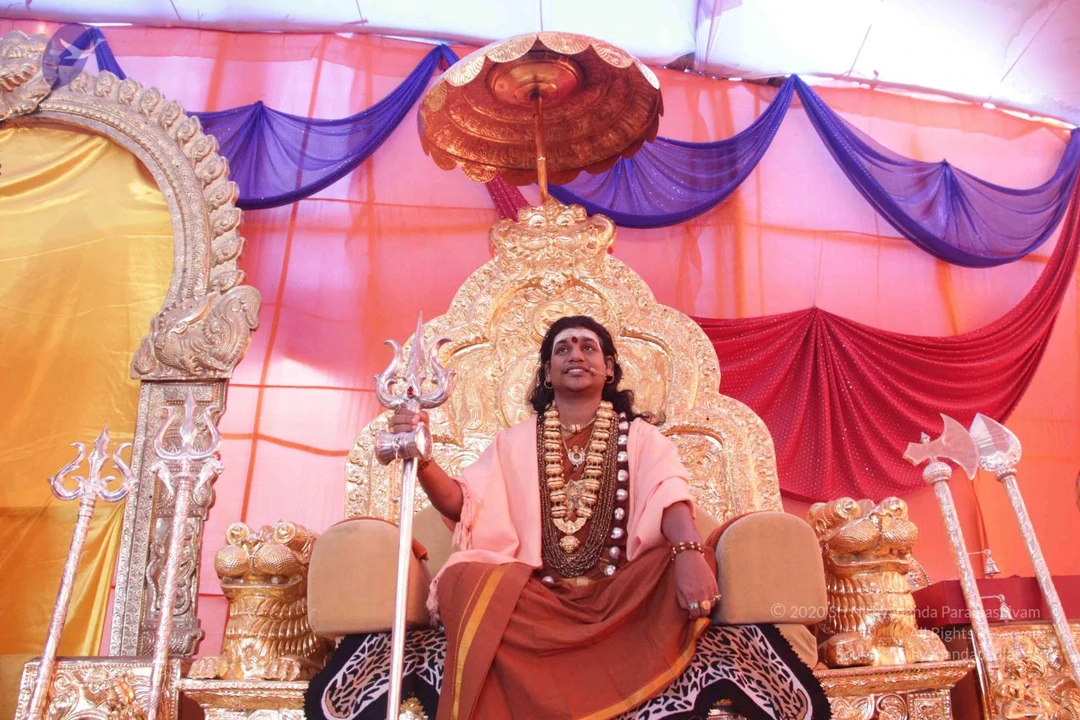
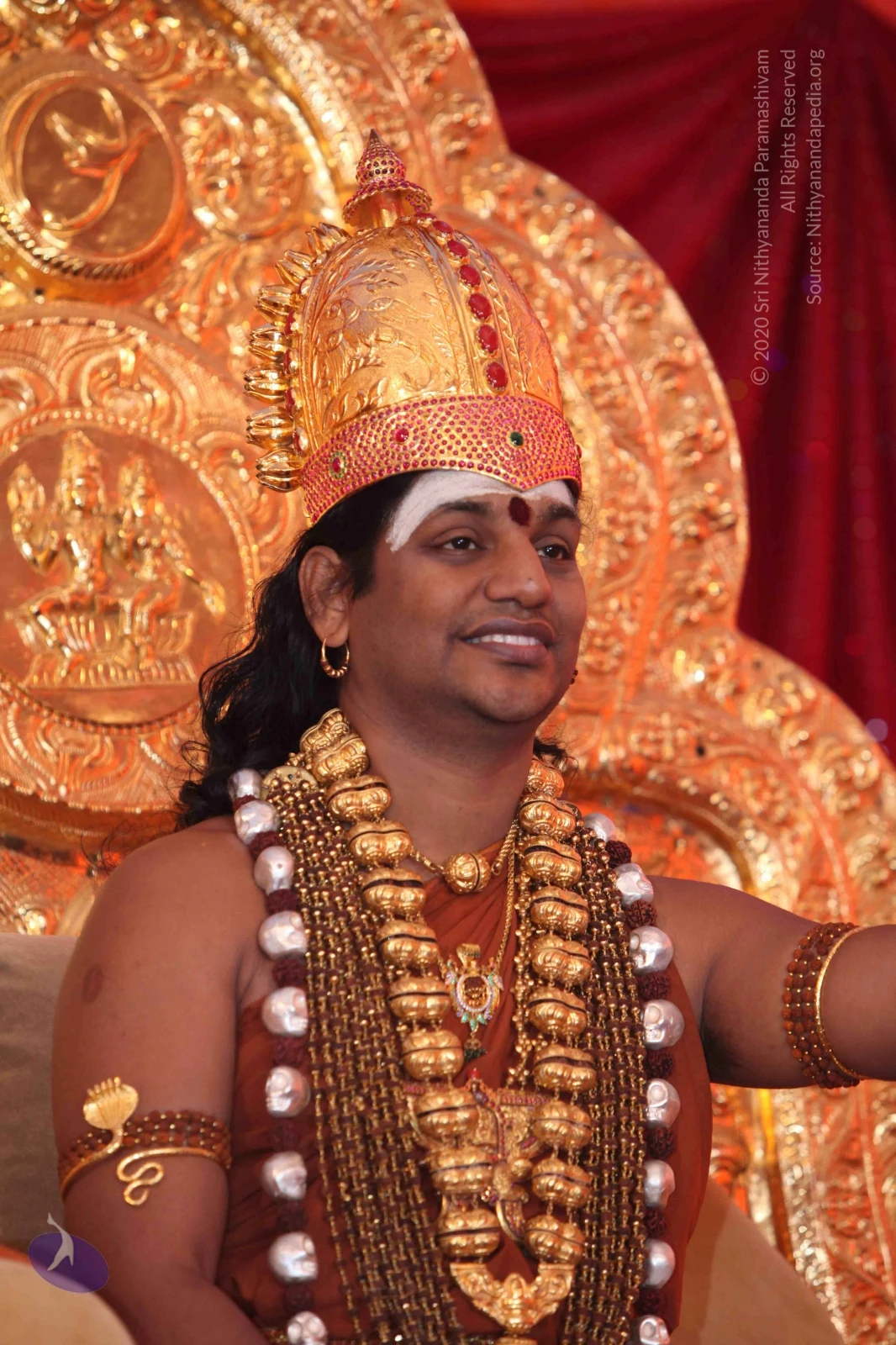
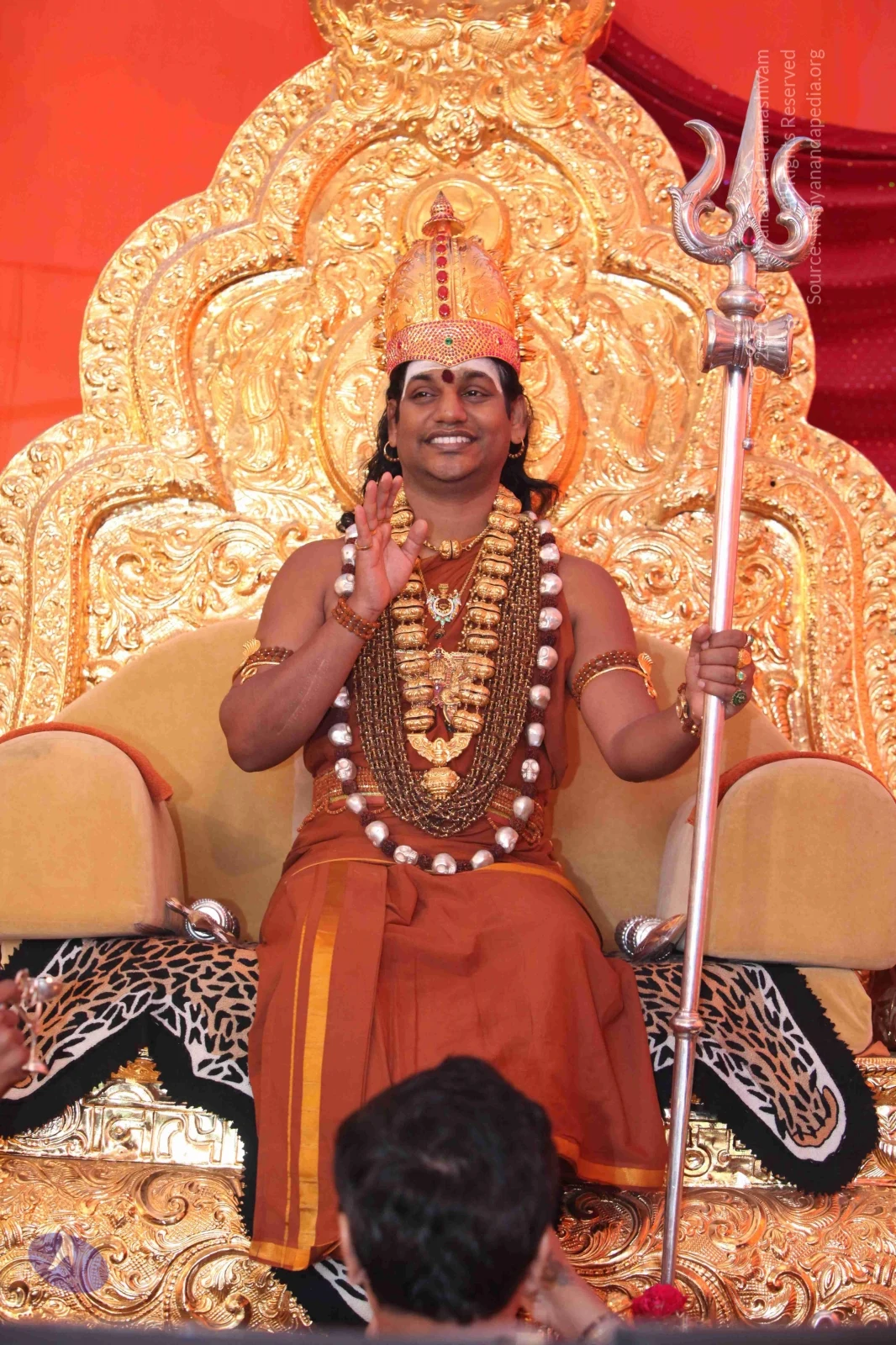
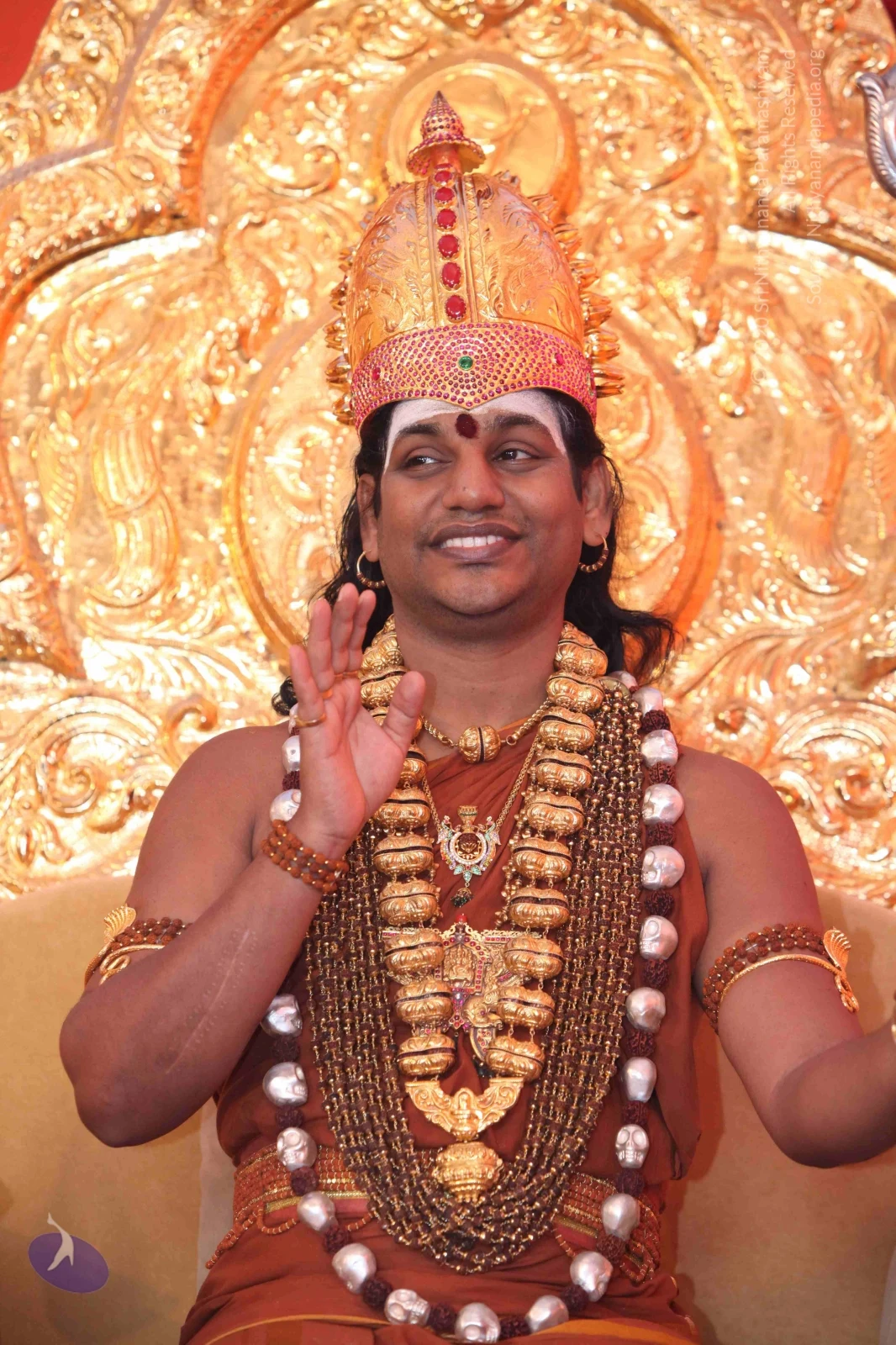
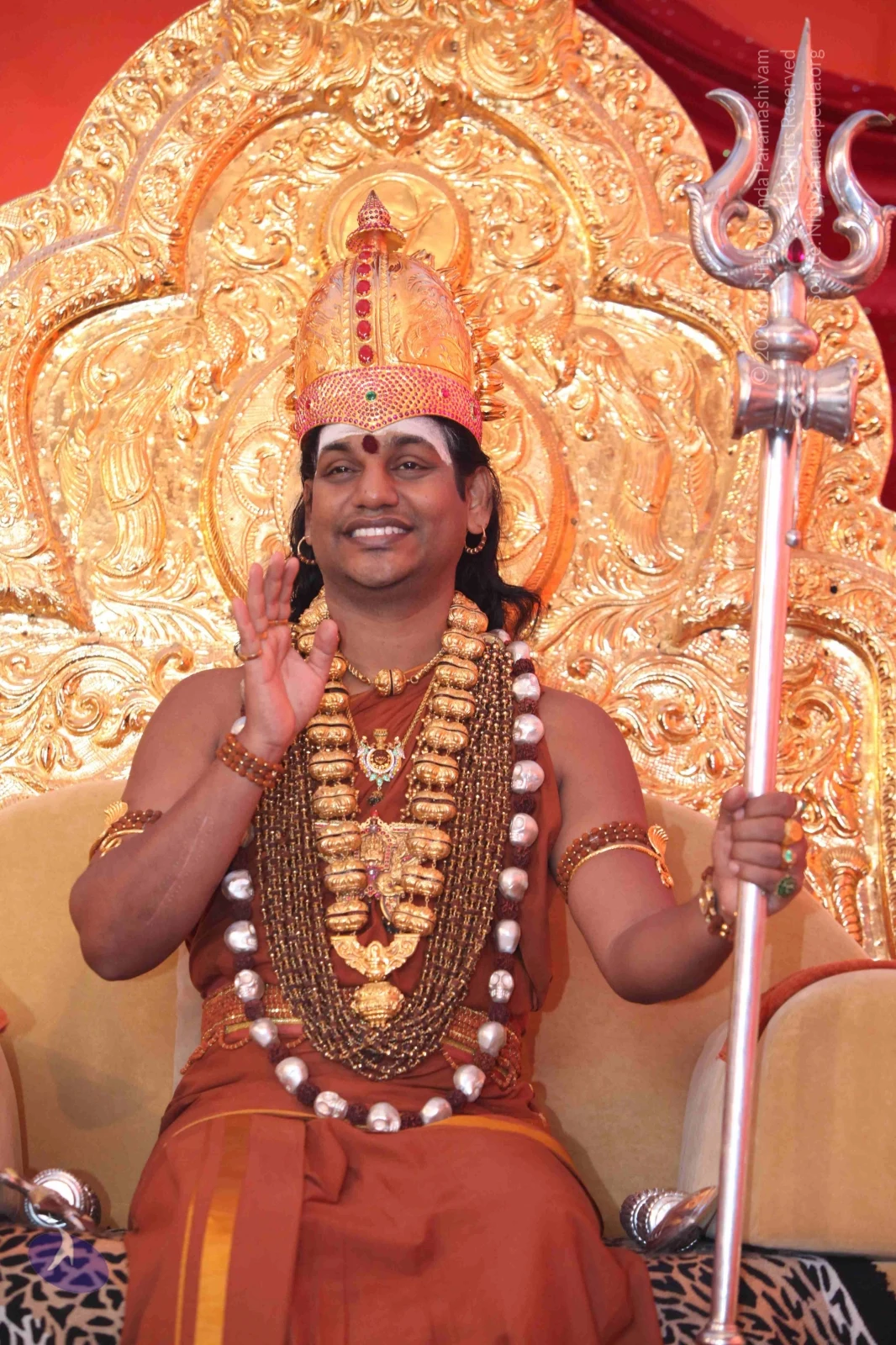
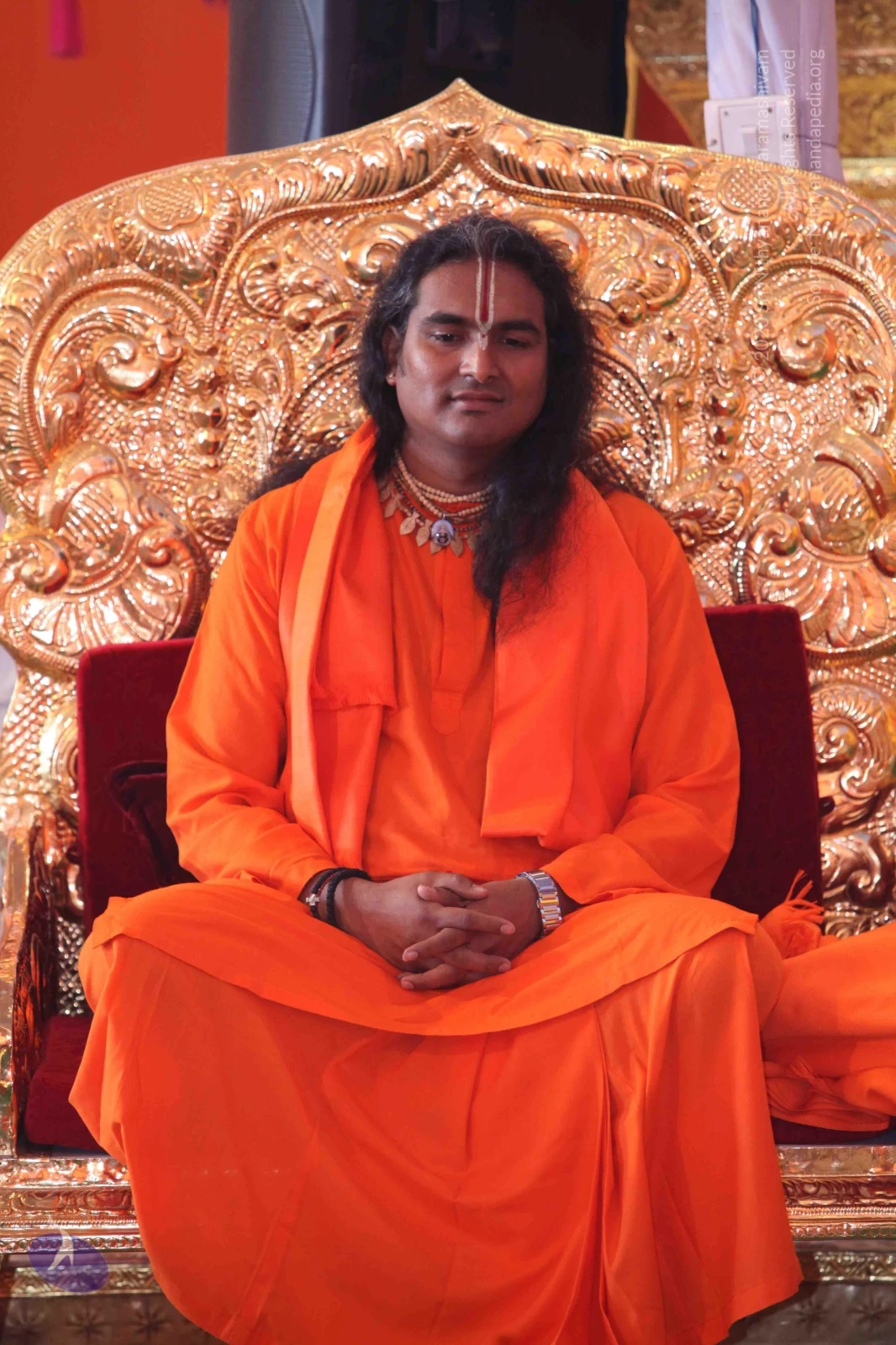
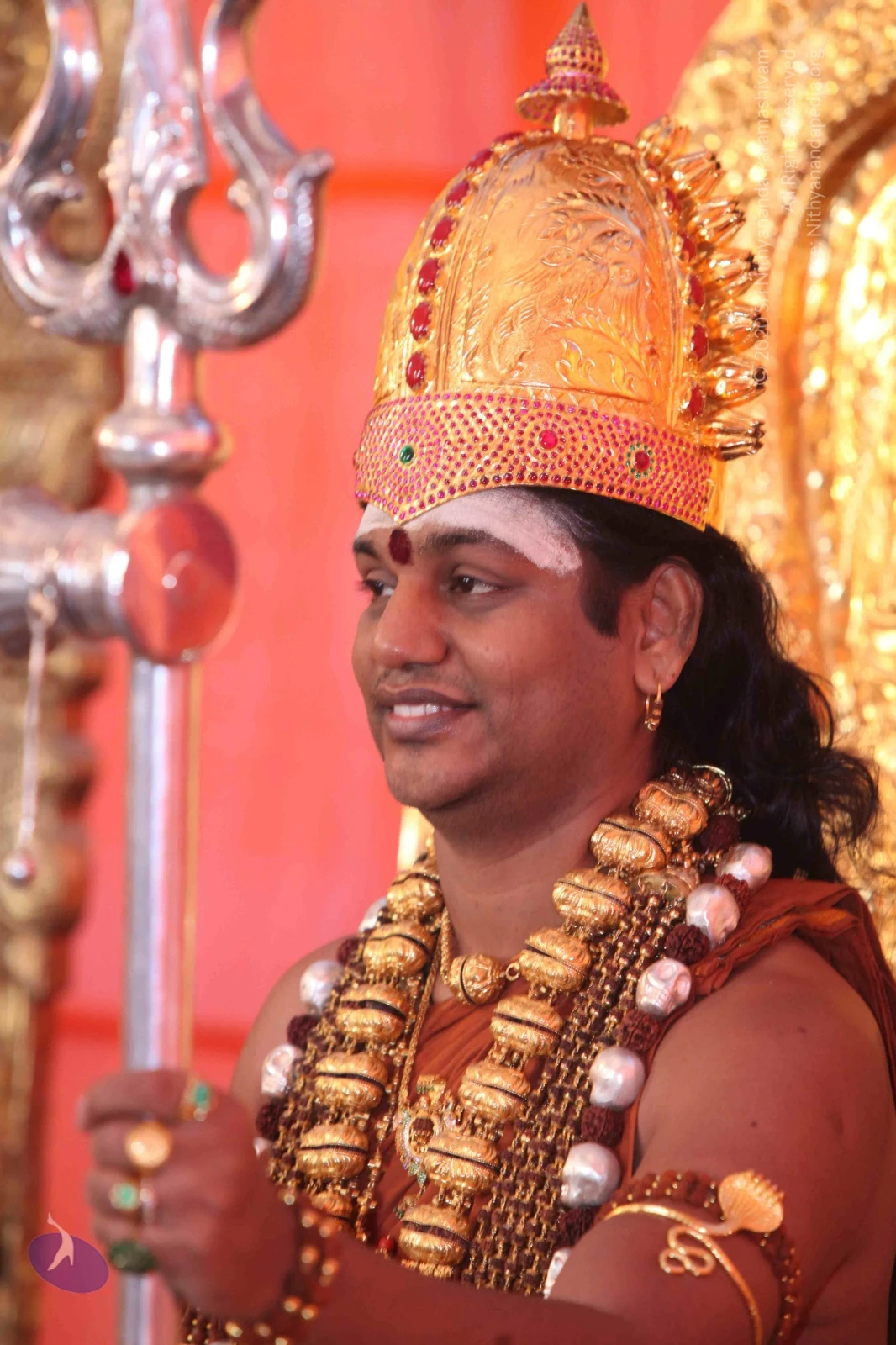
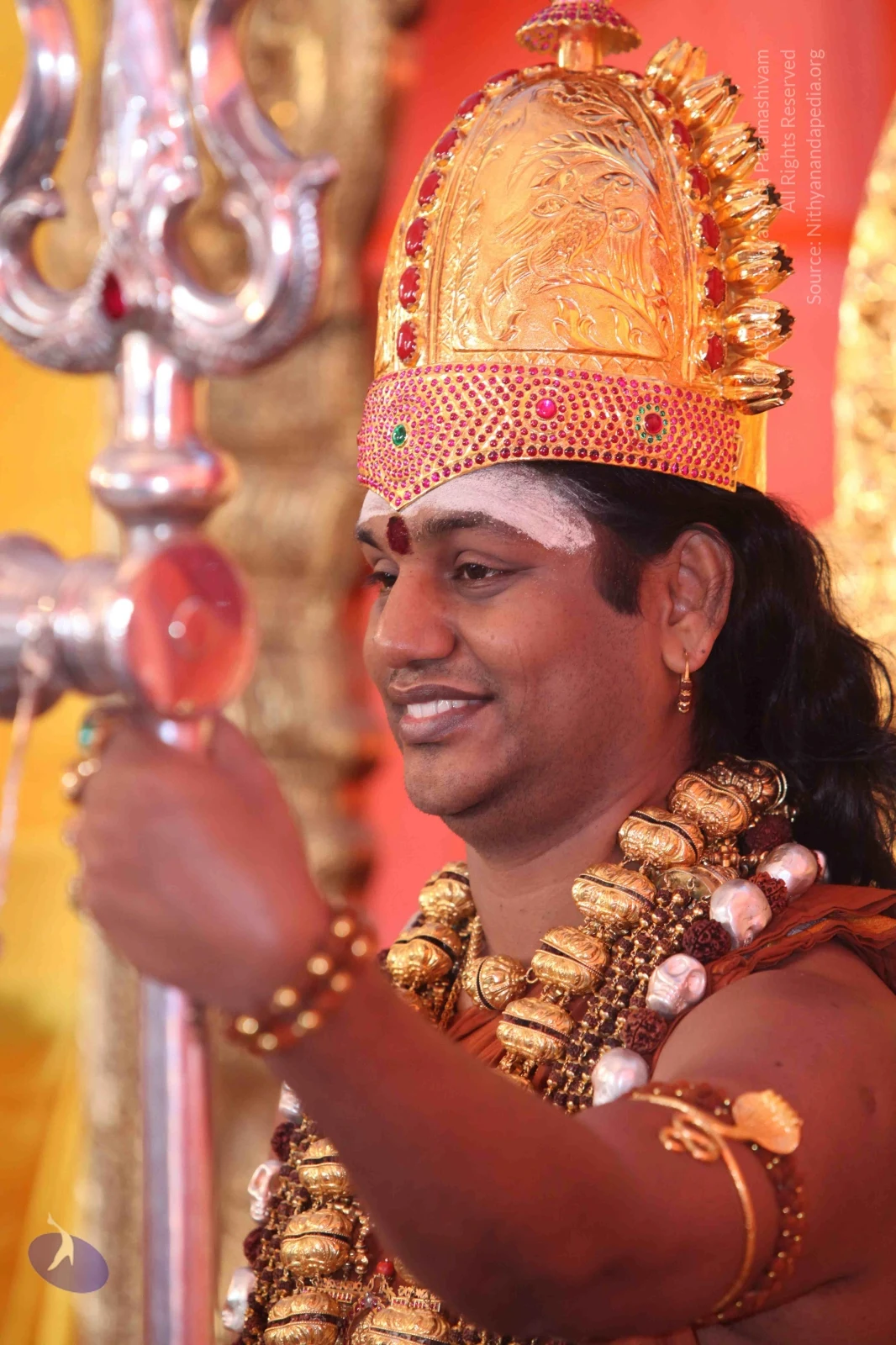
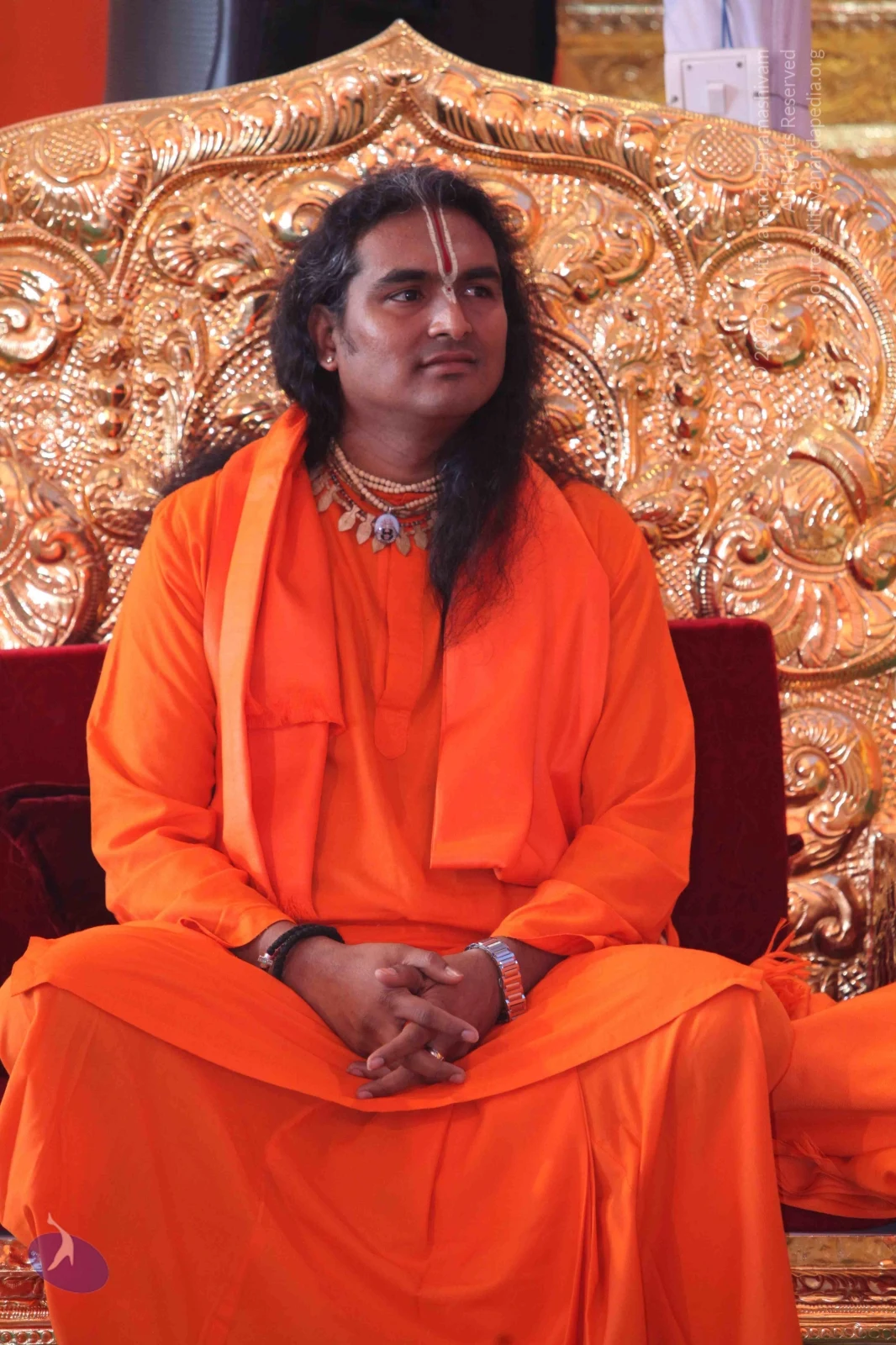
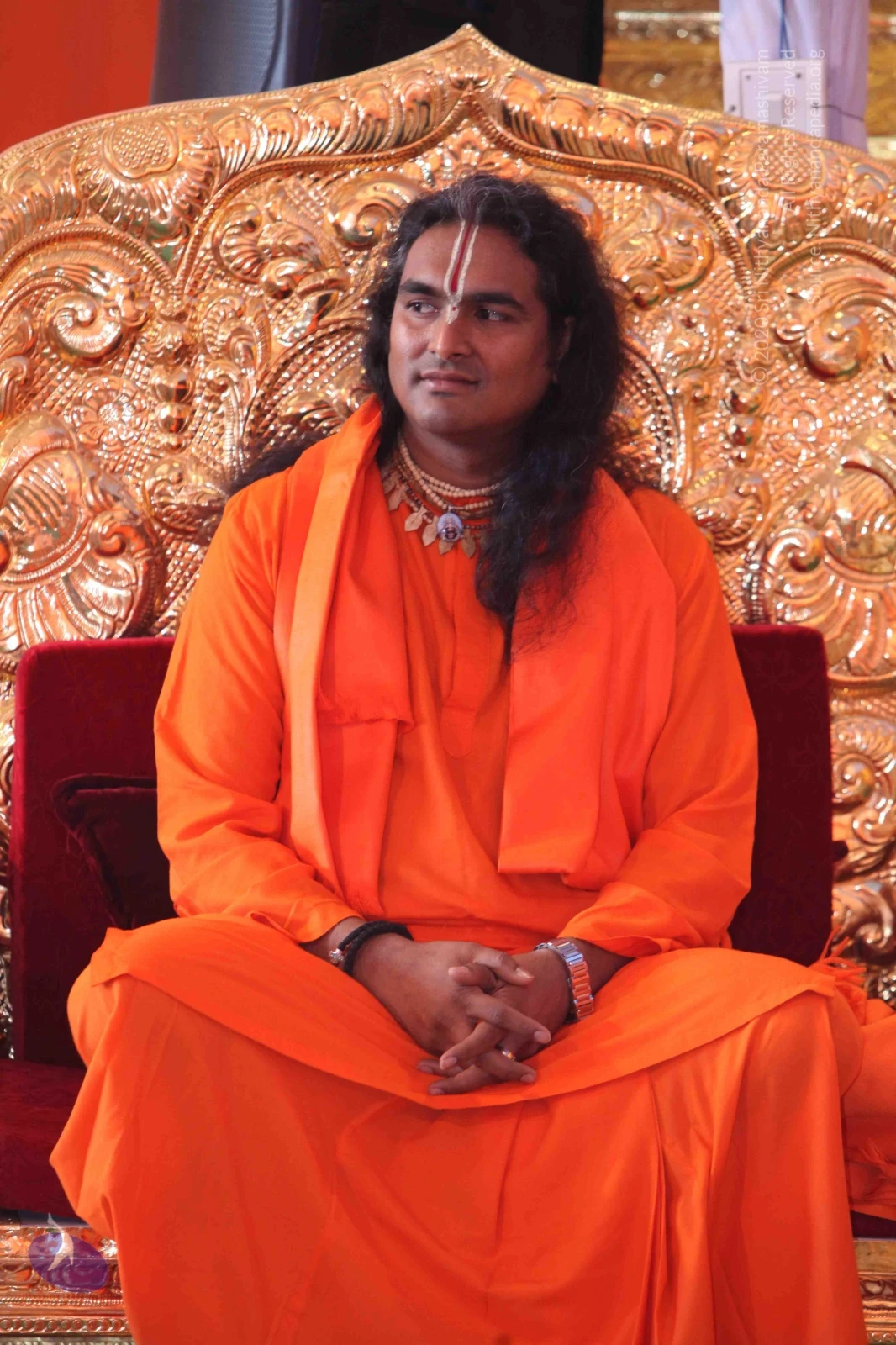
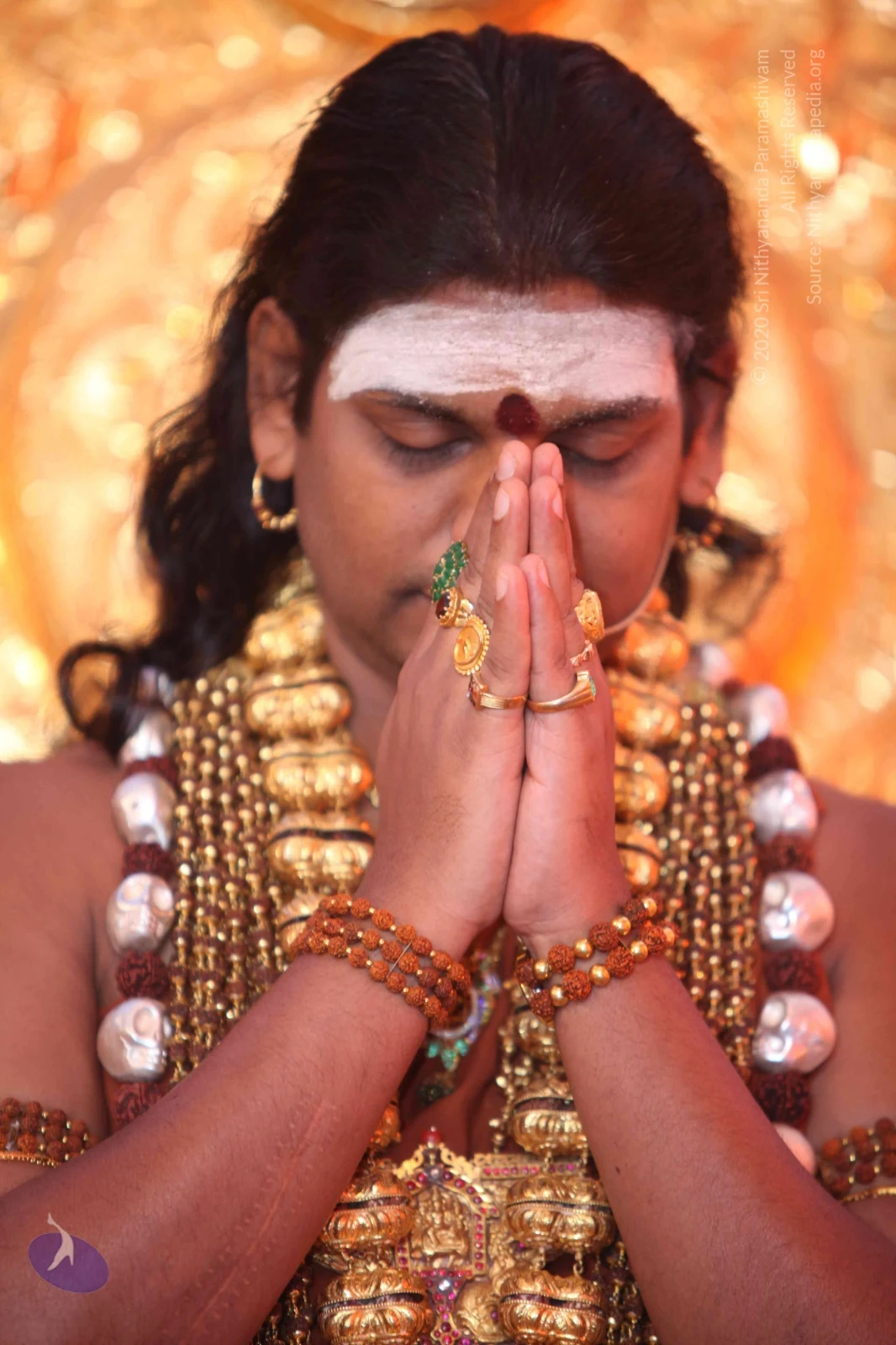
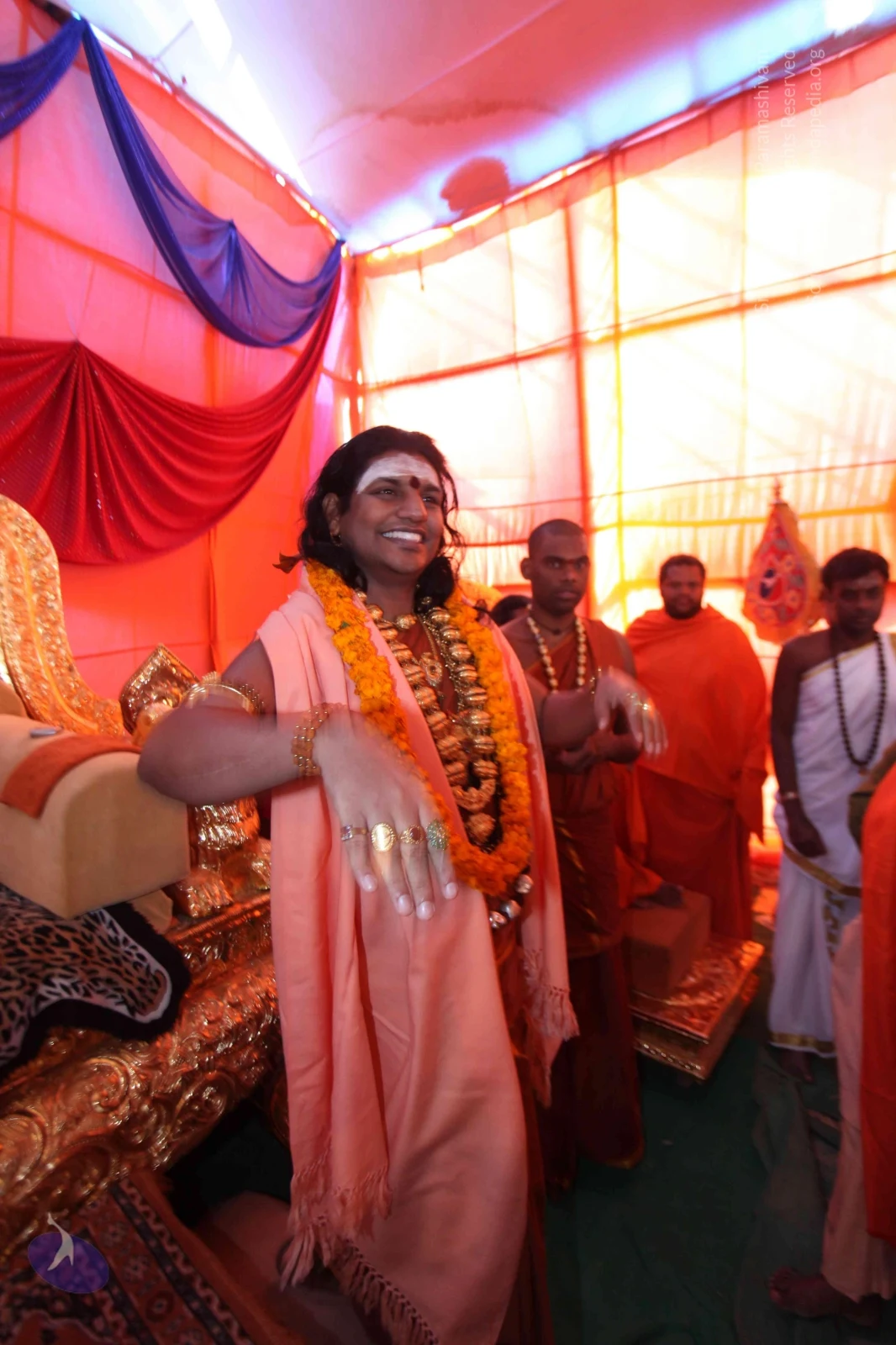
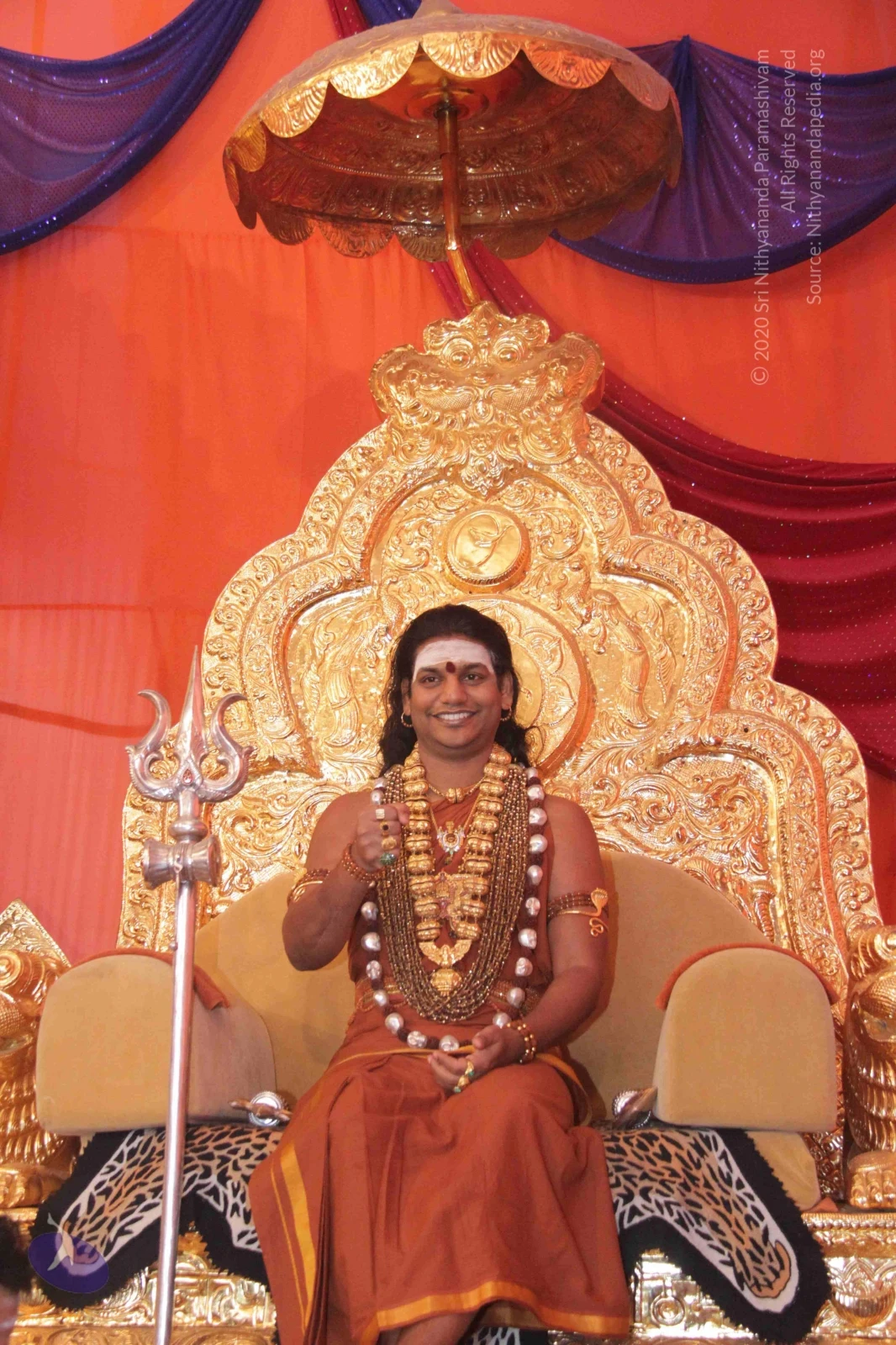
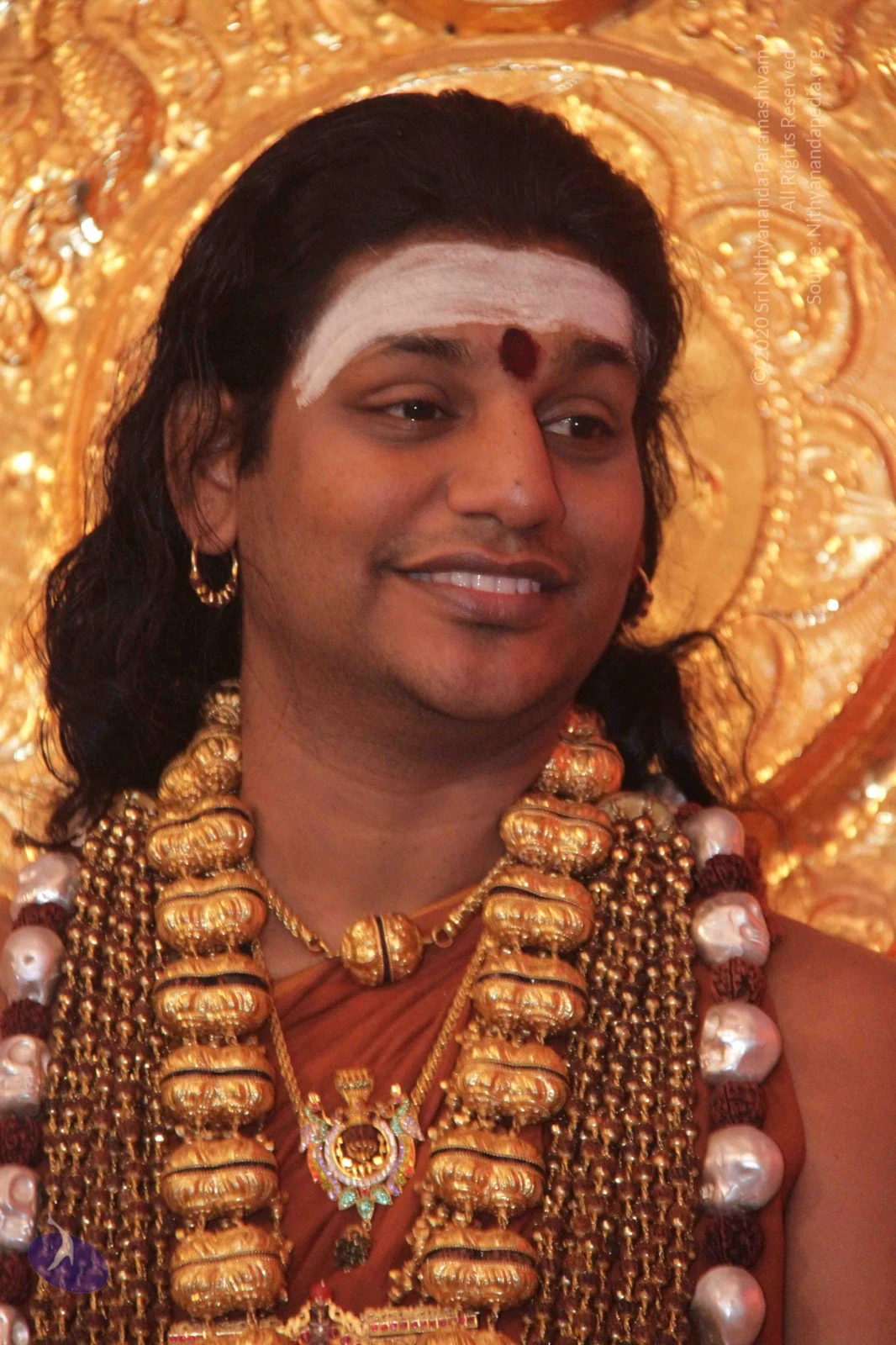
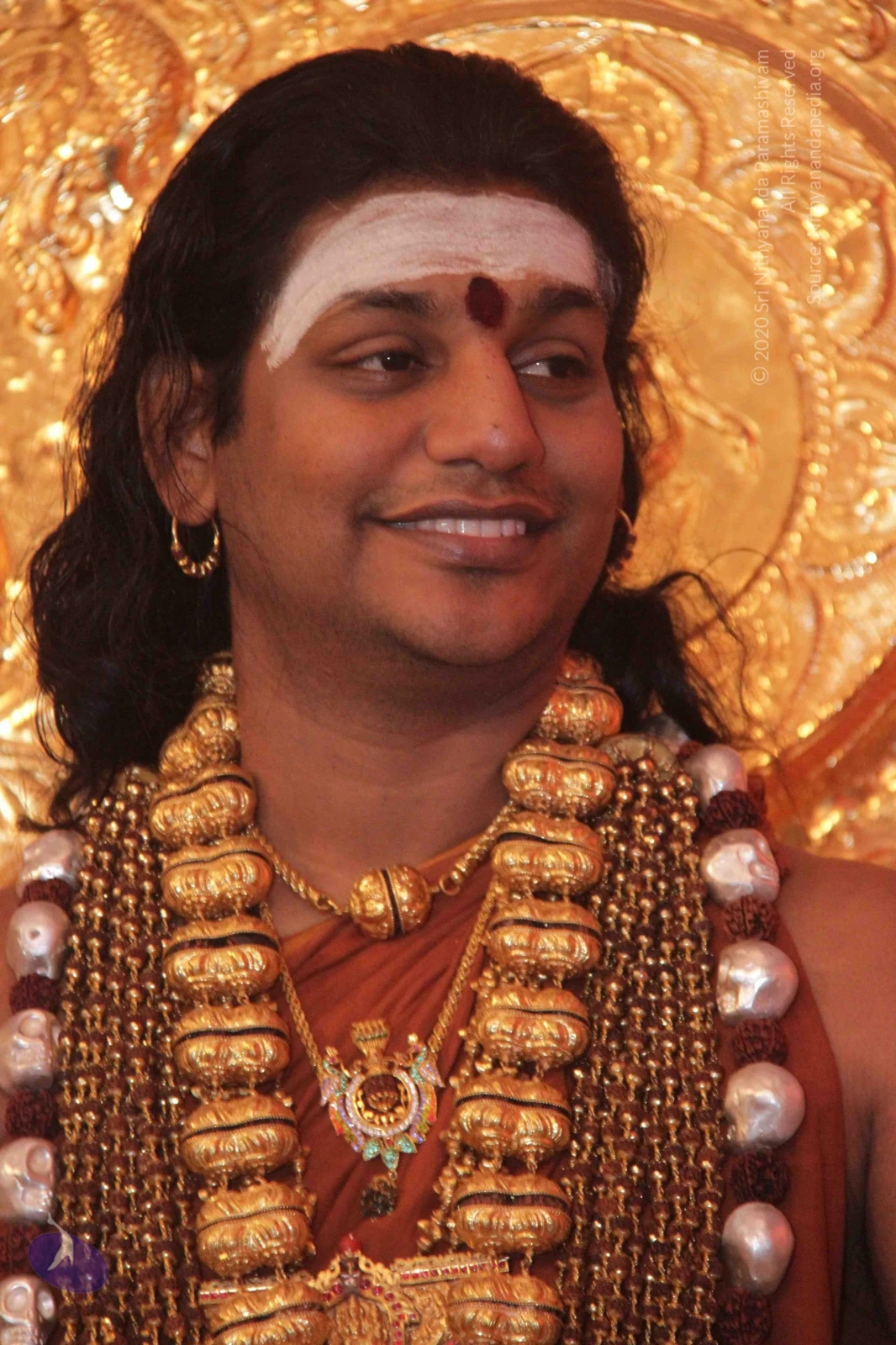
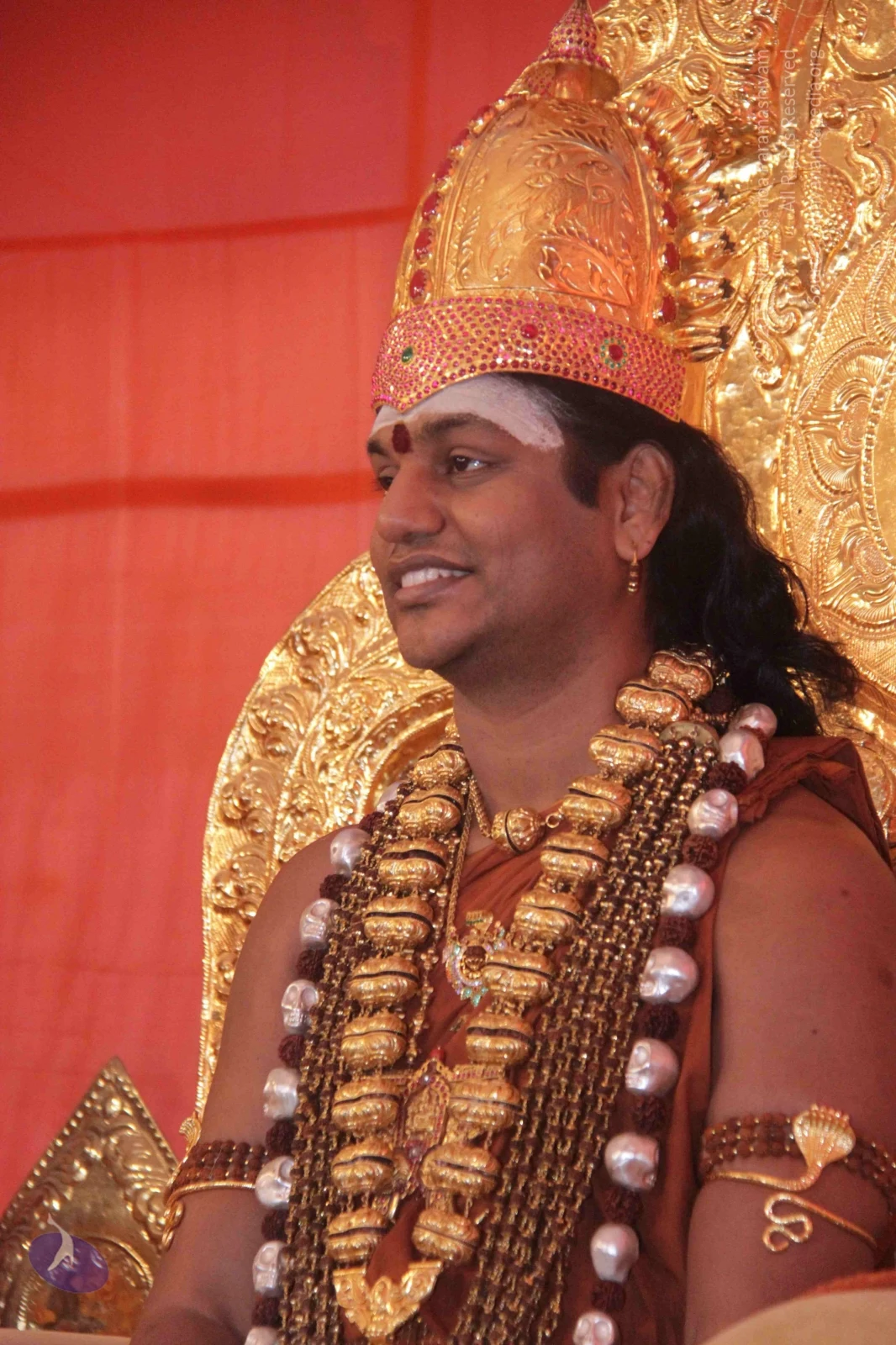
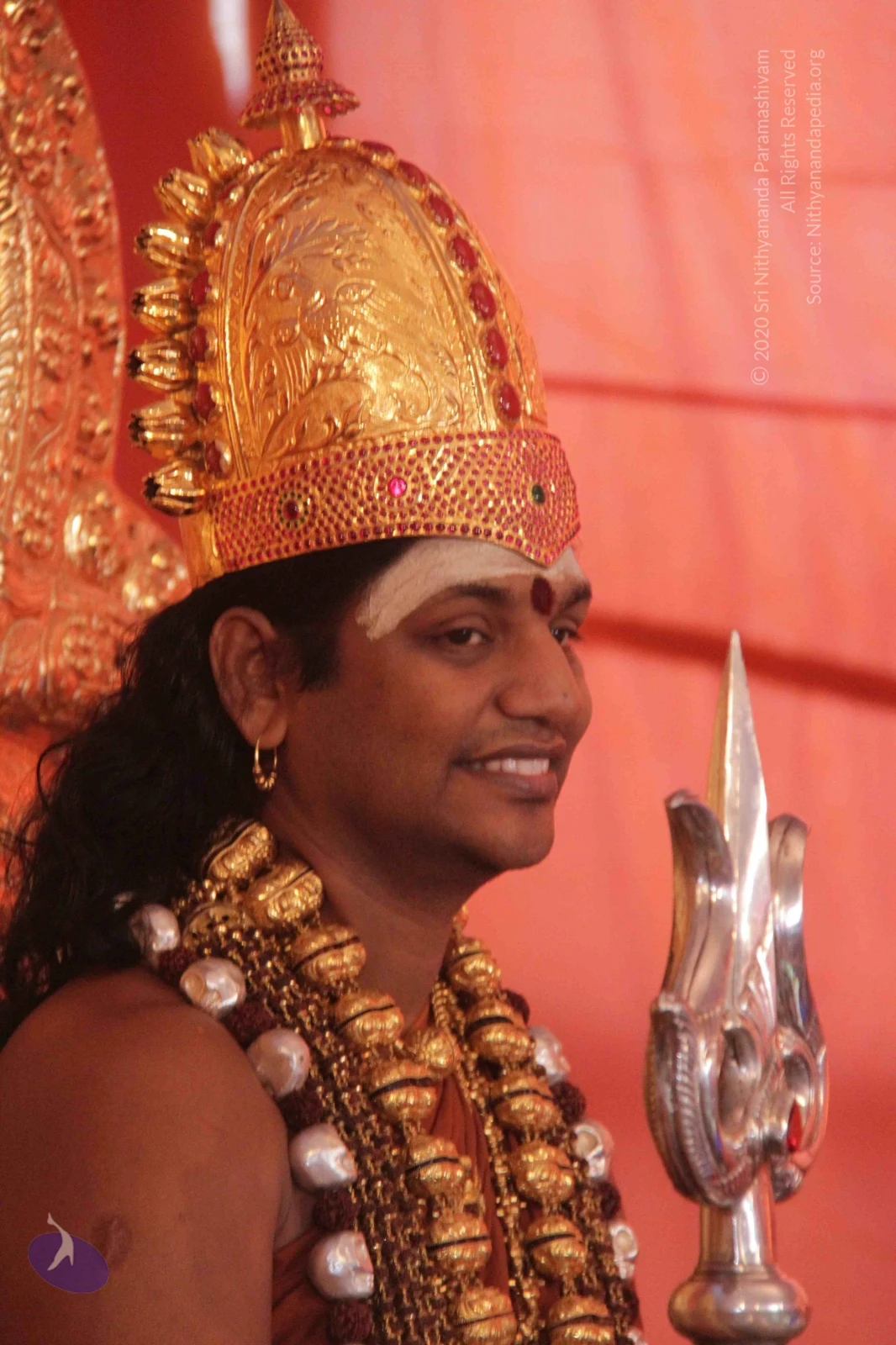
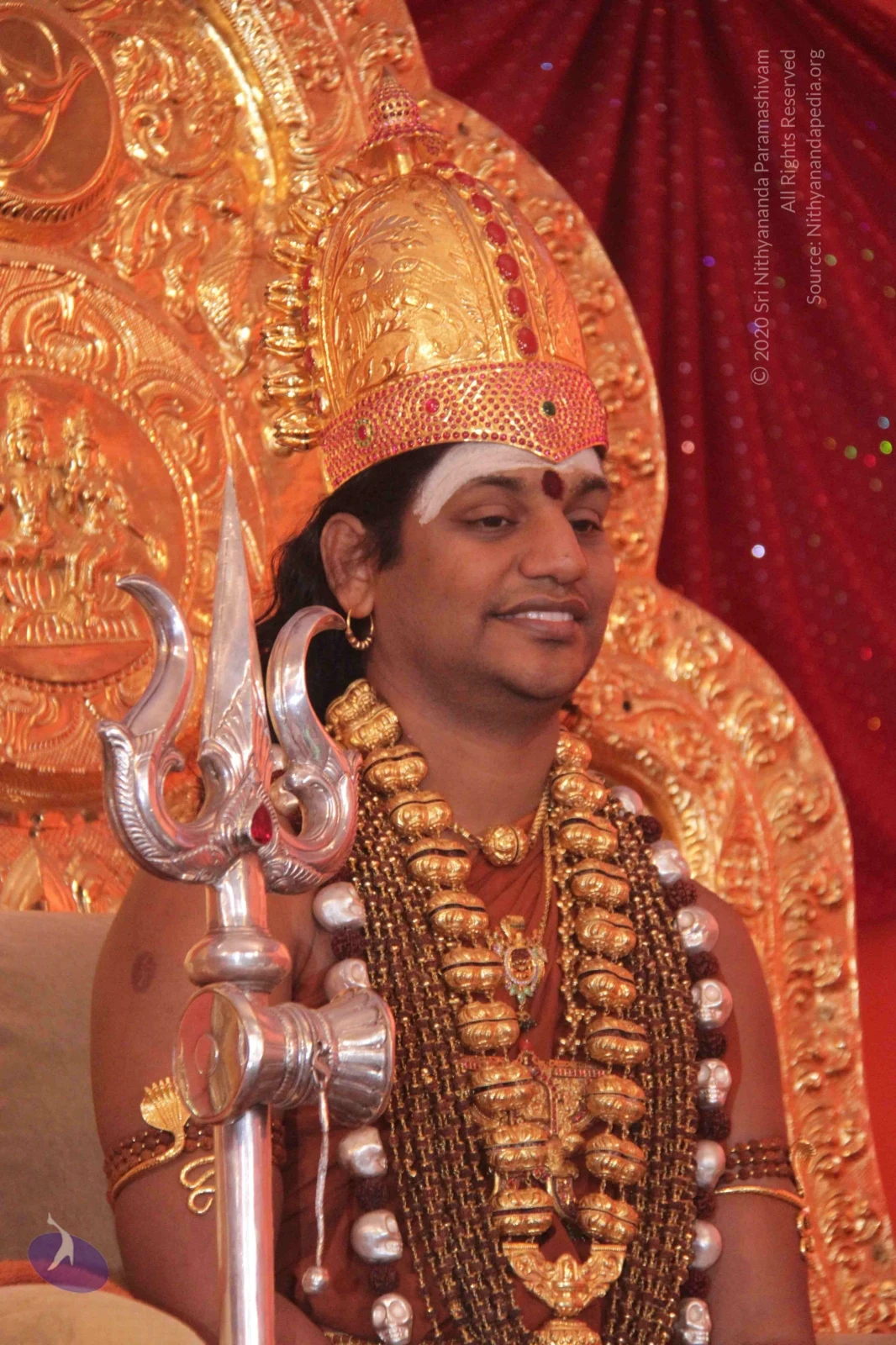
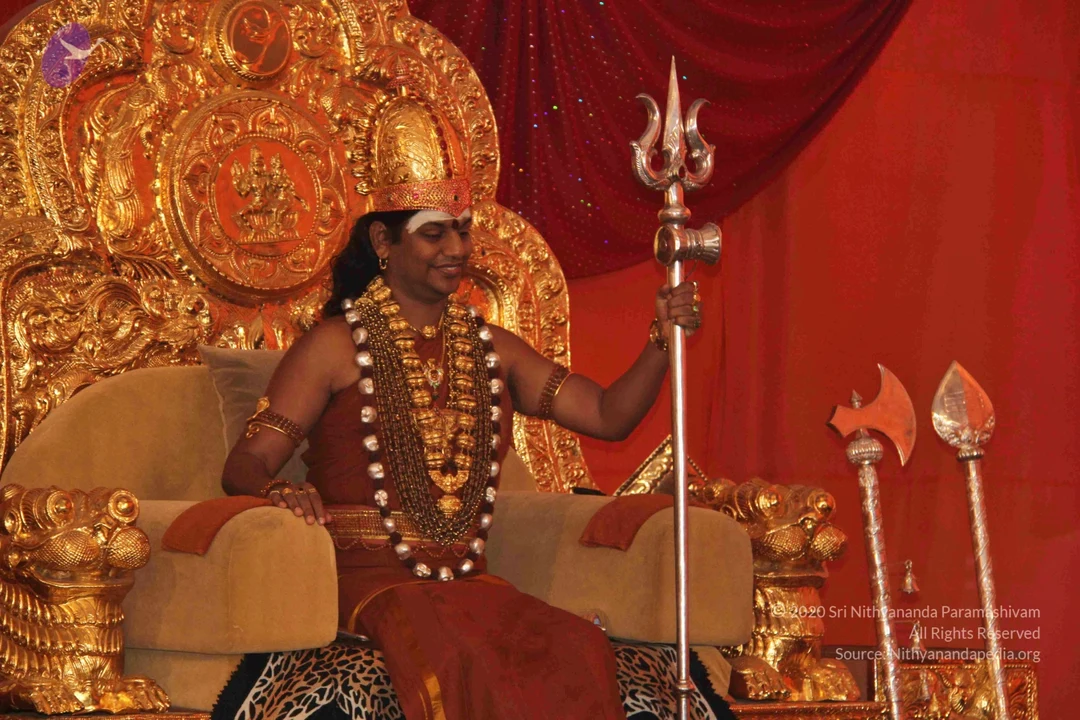
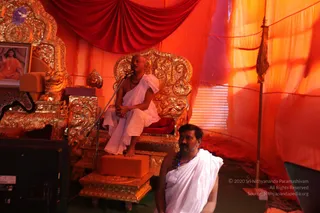
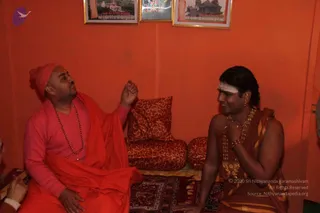
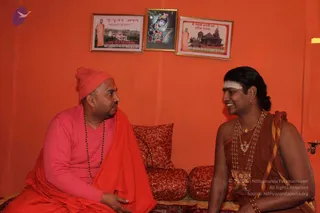
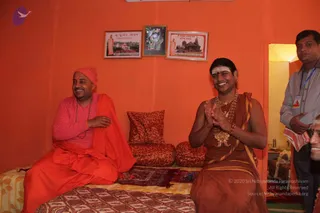
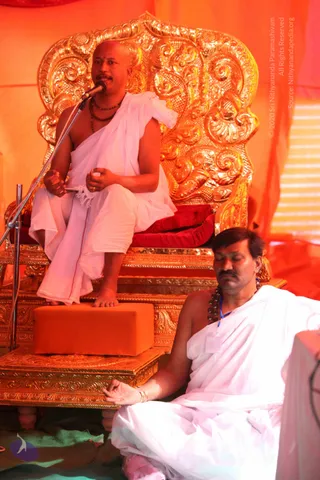
Swamiji Greeting Vishwananda Swamiji
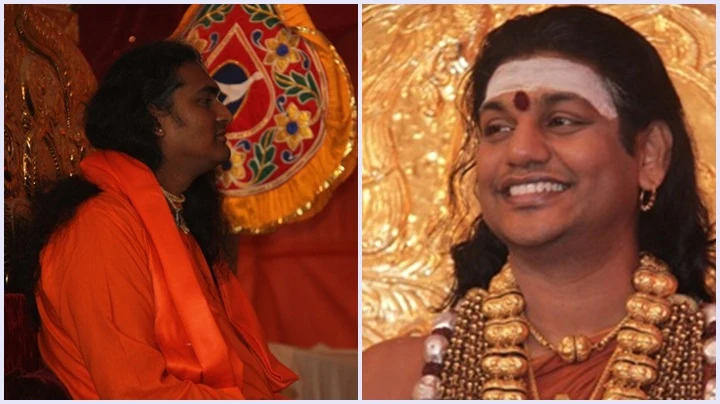
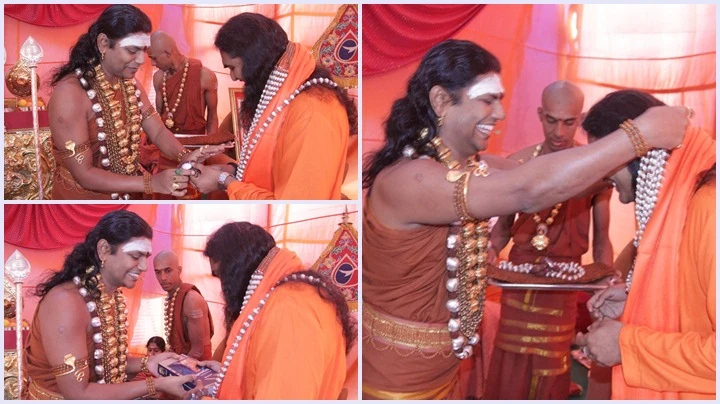
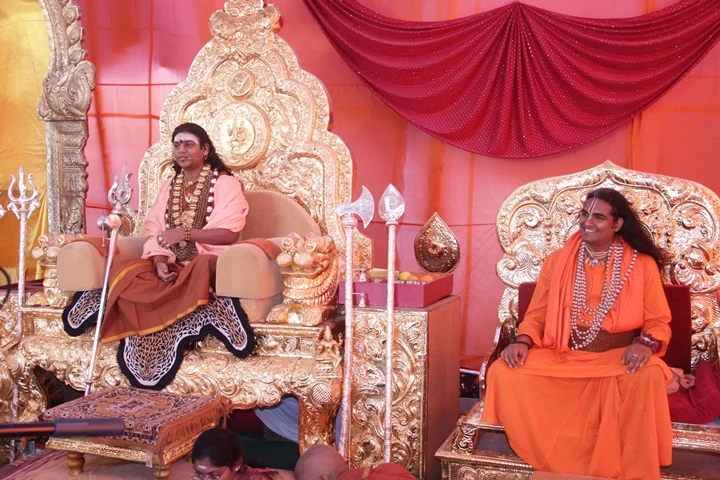
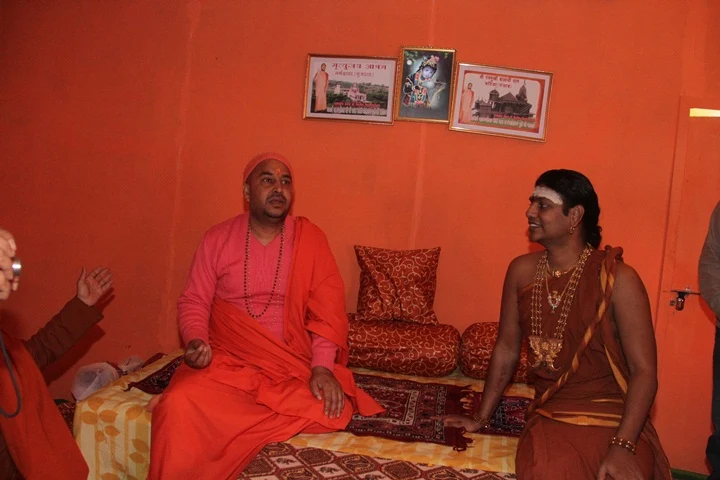
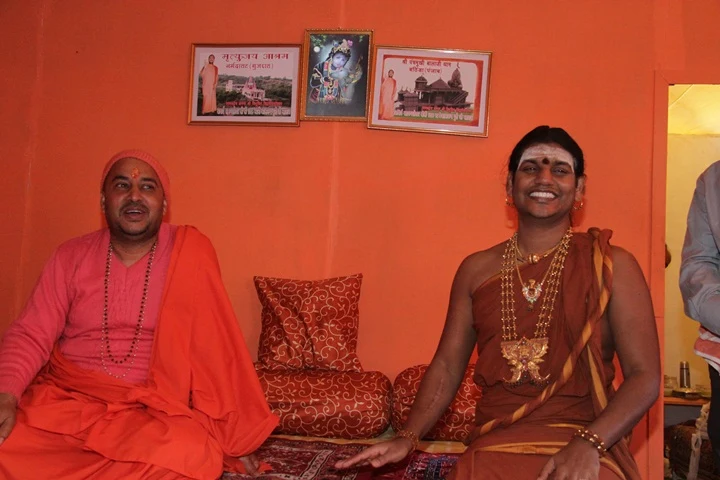
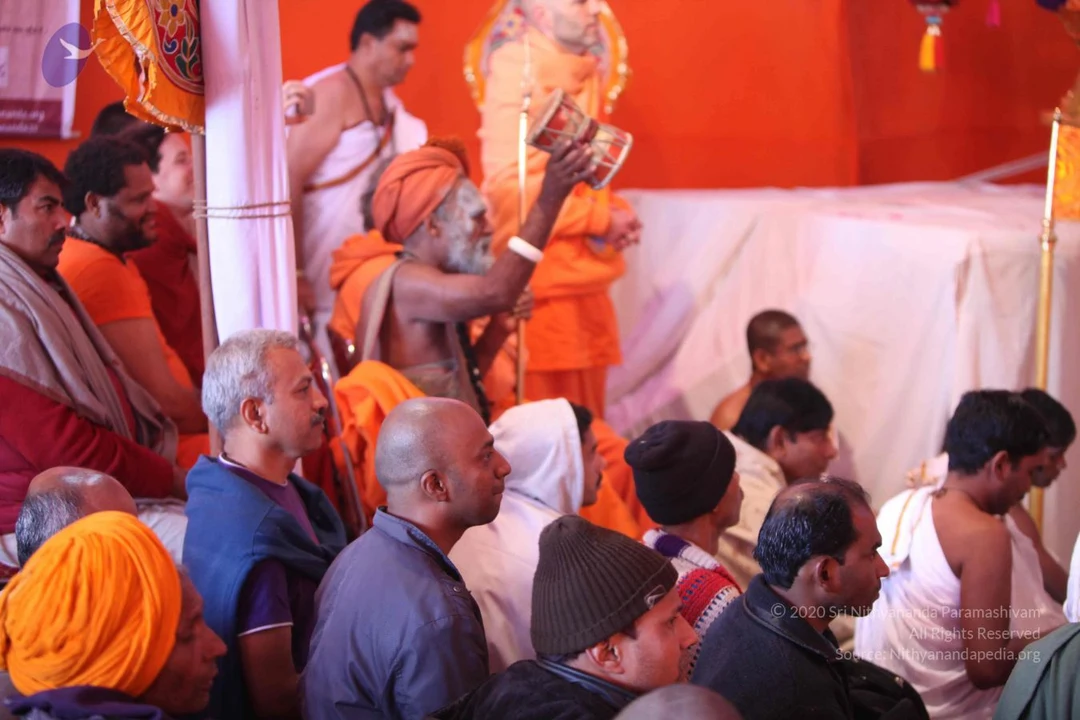
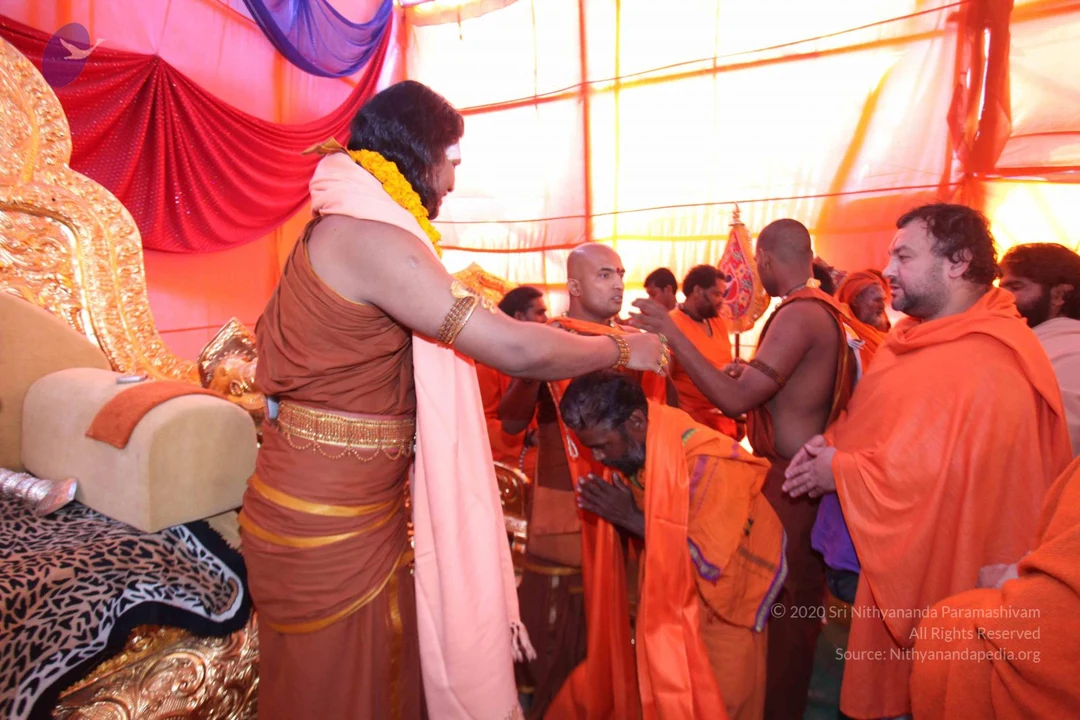
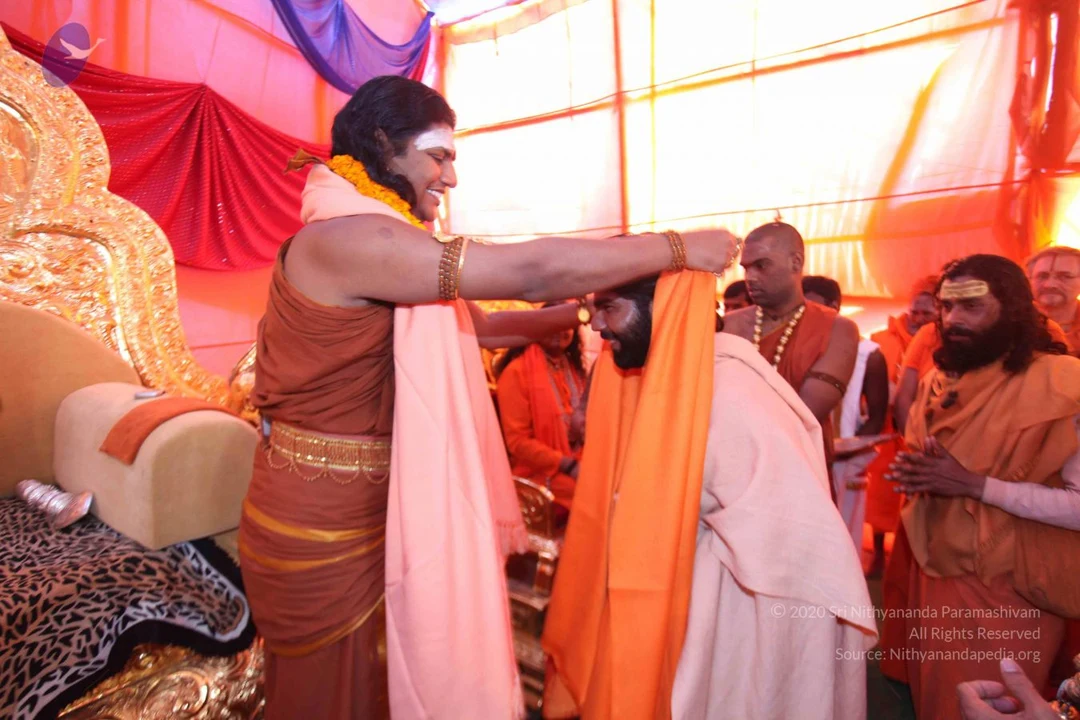
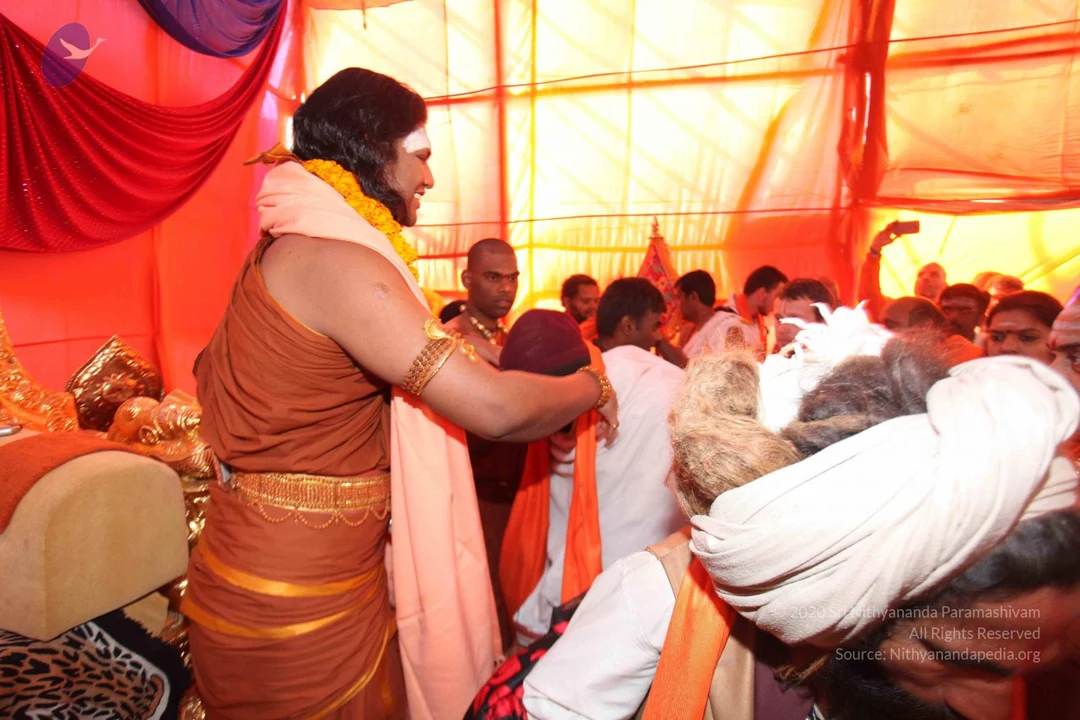
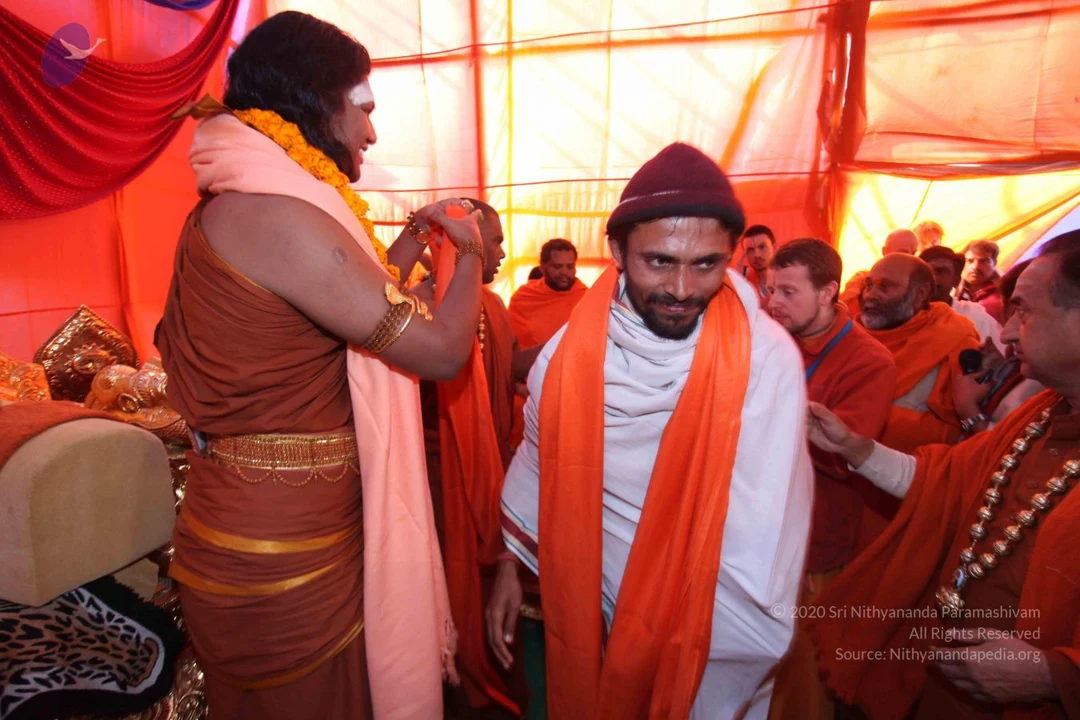
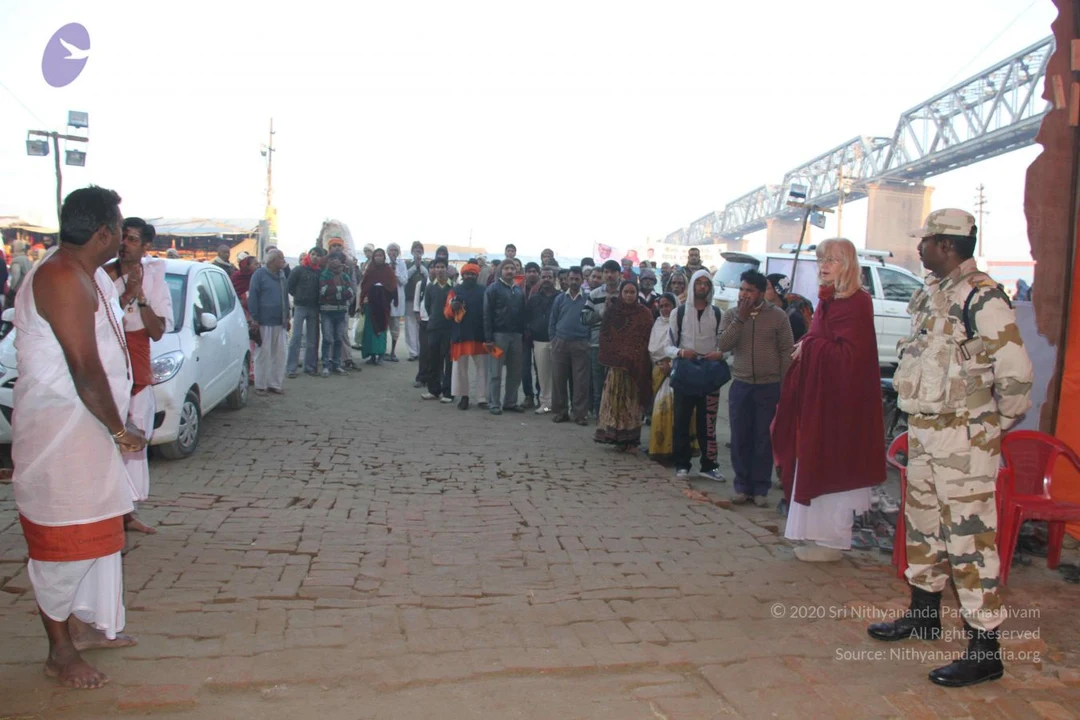
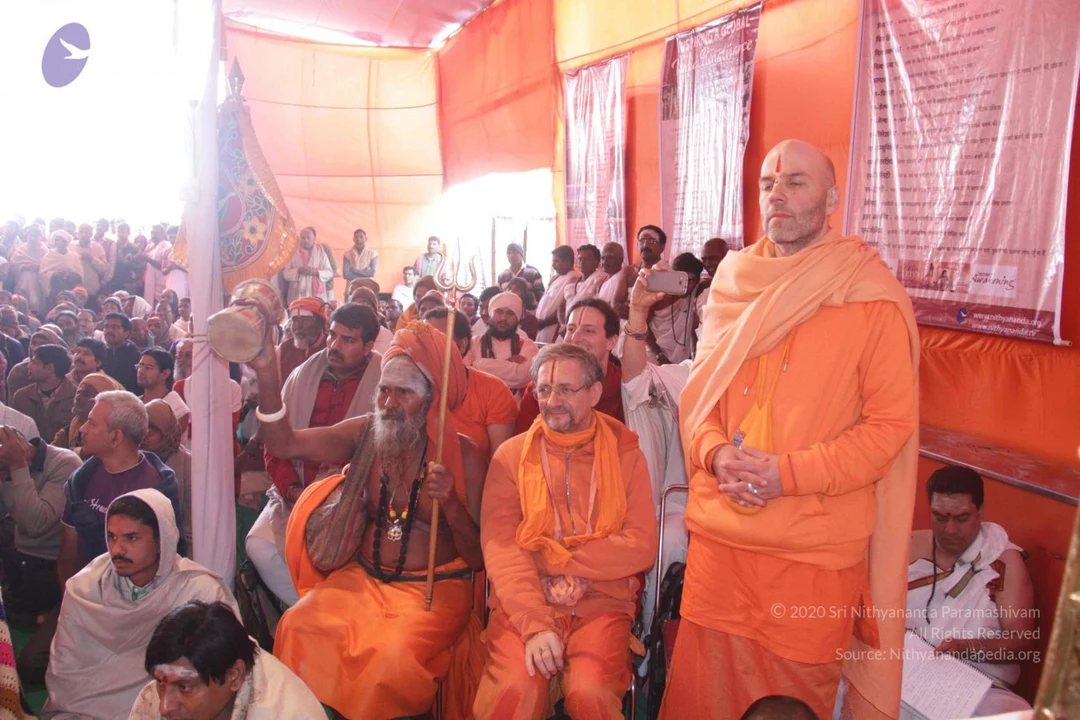
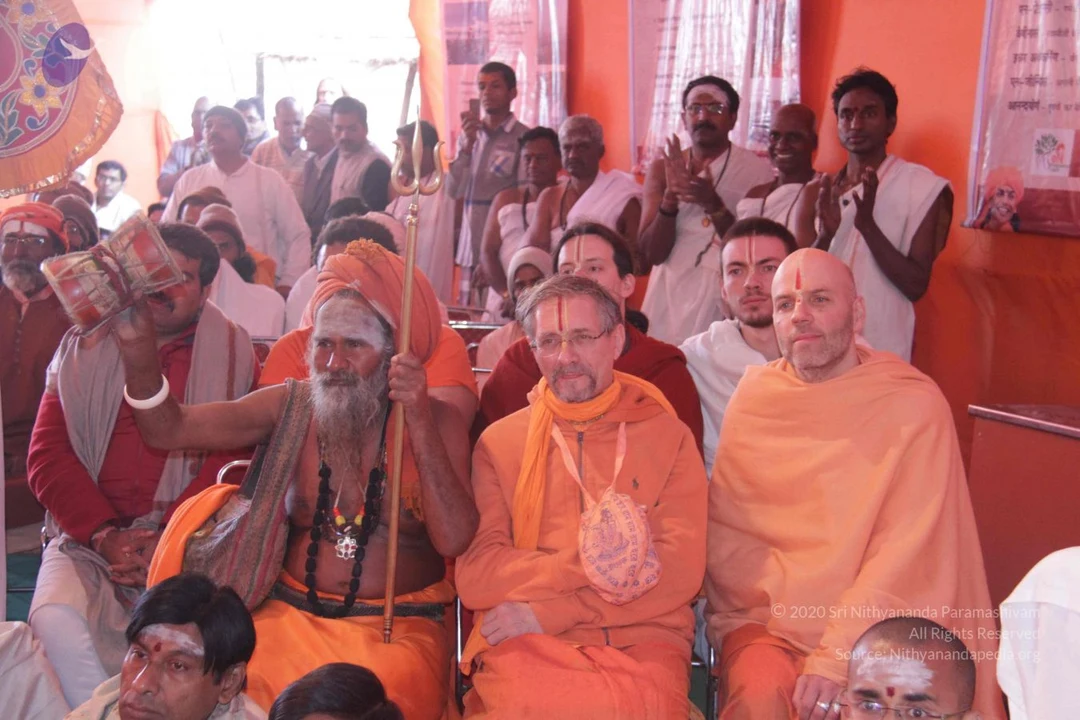
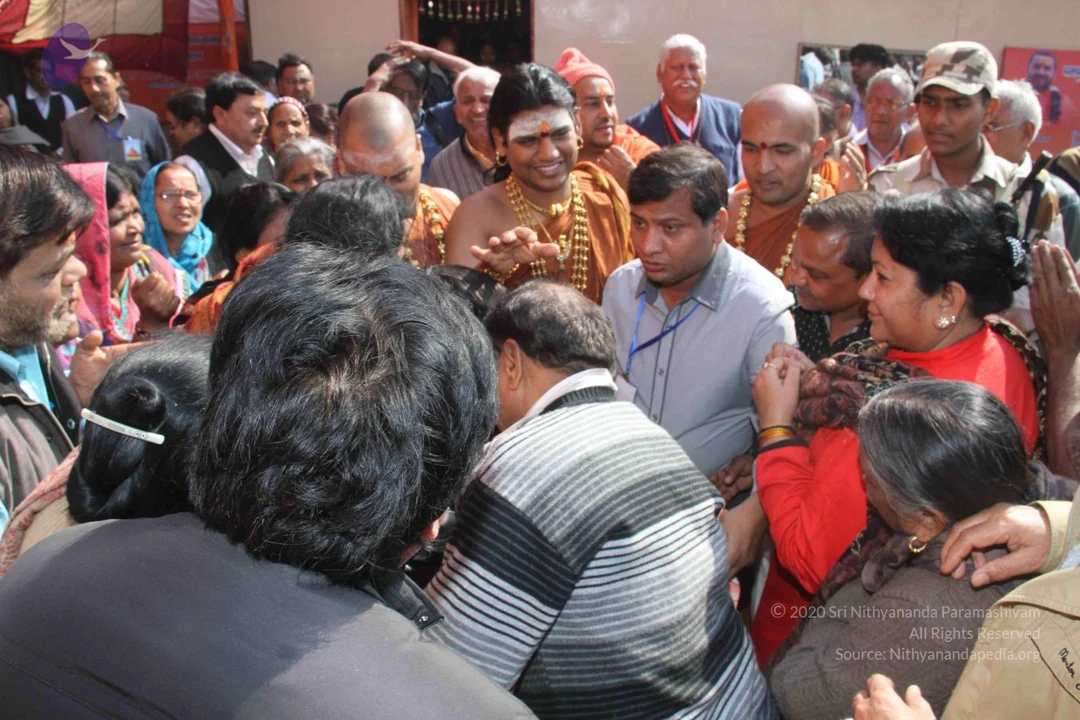
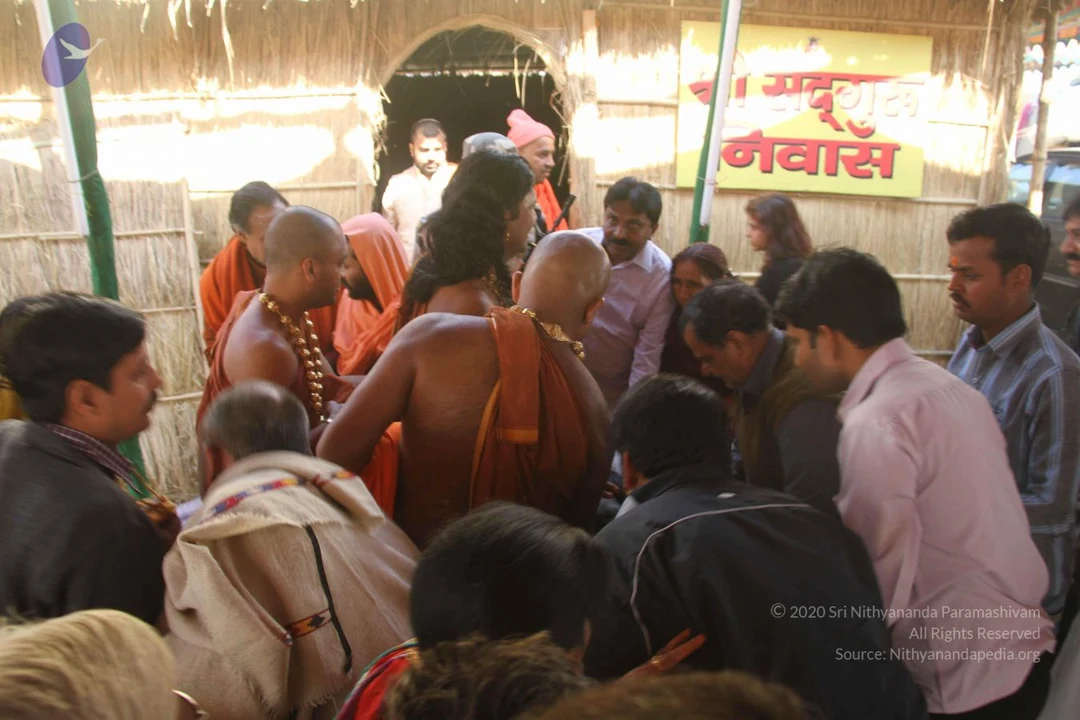
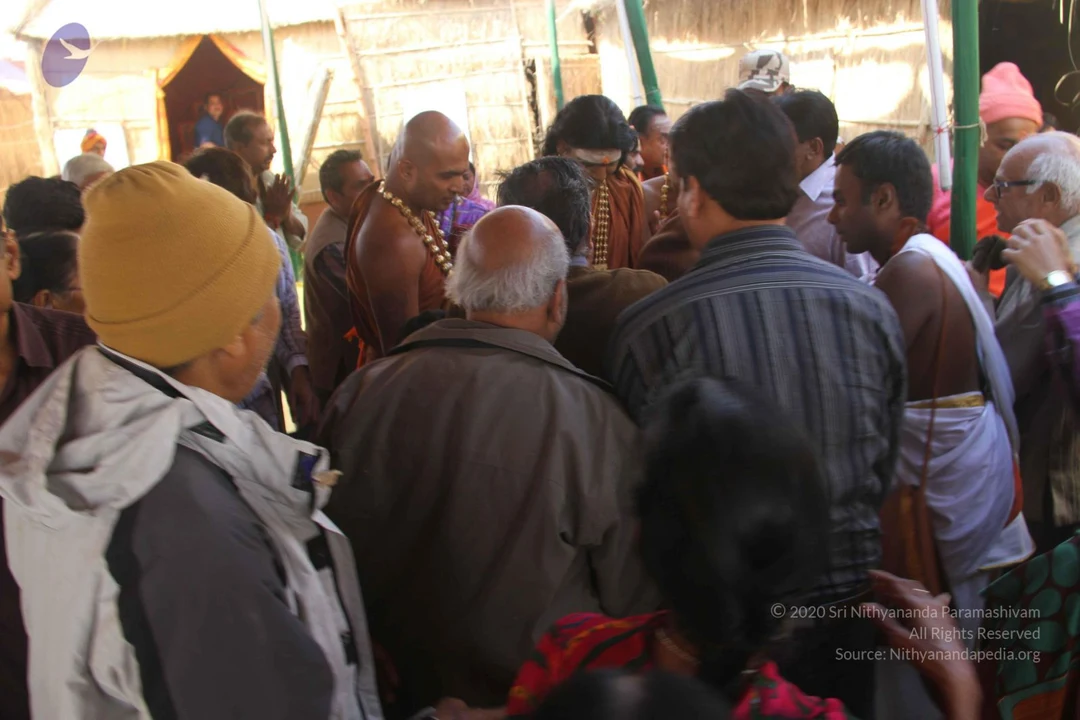
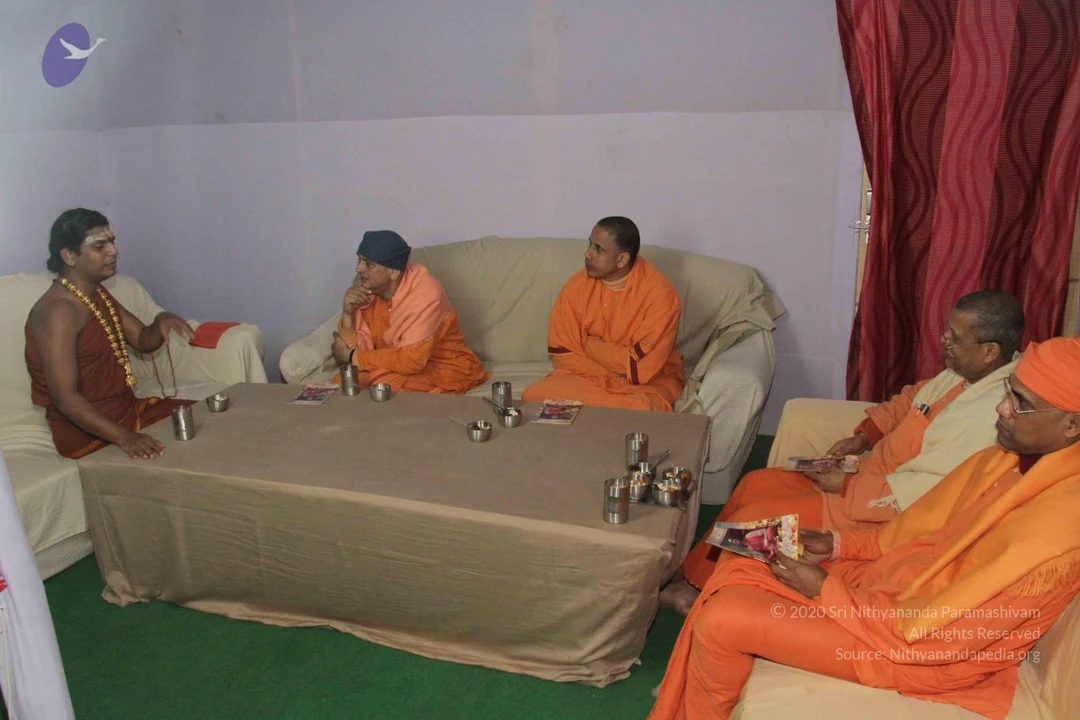
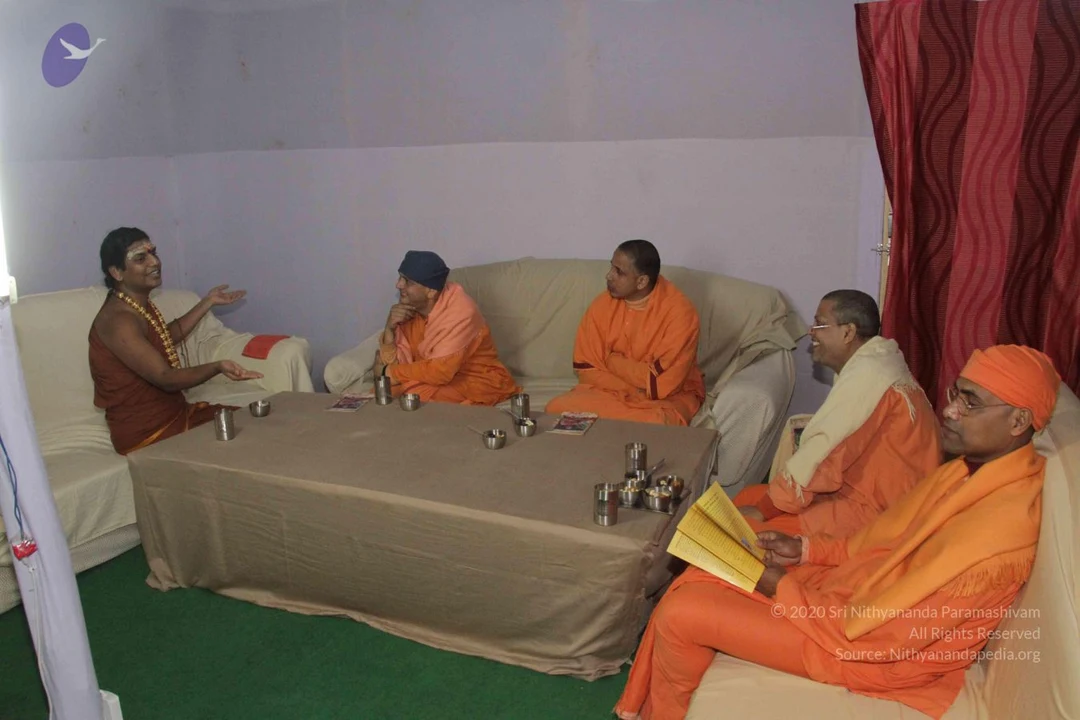
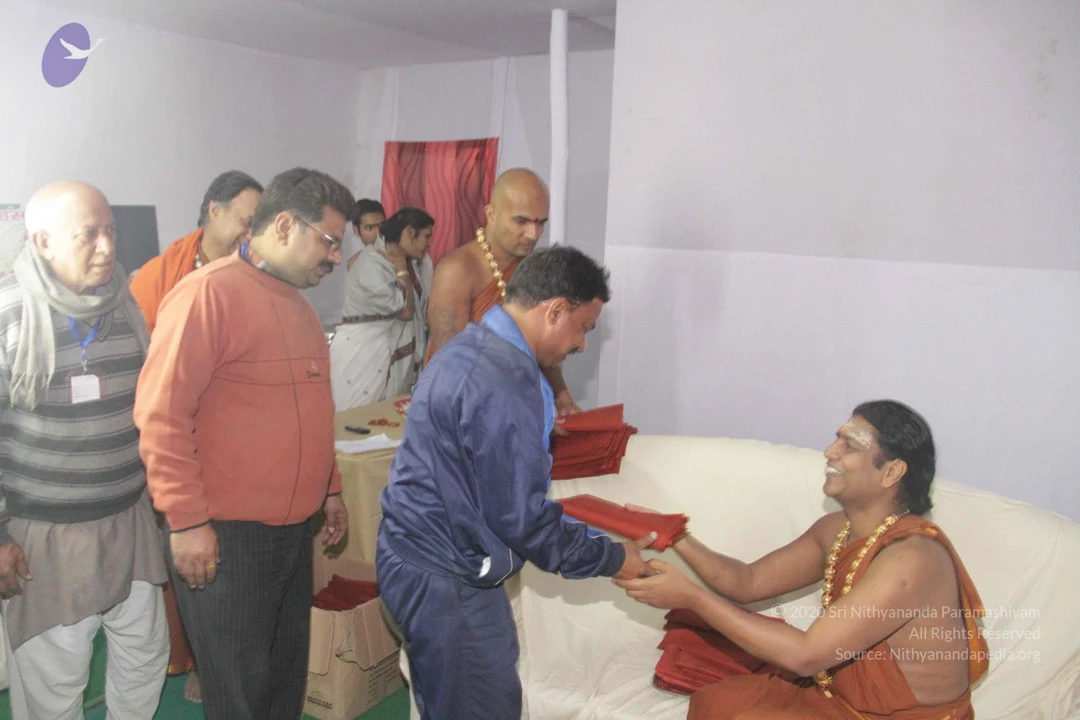
Meeting with Akada Members
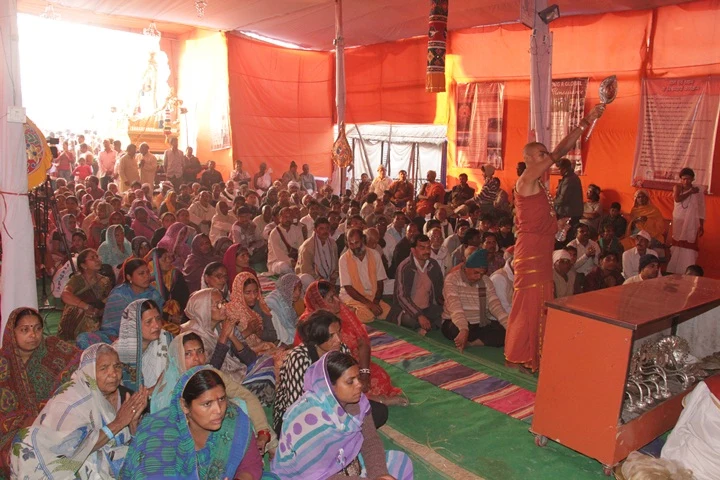
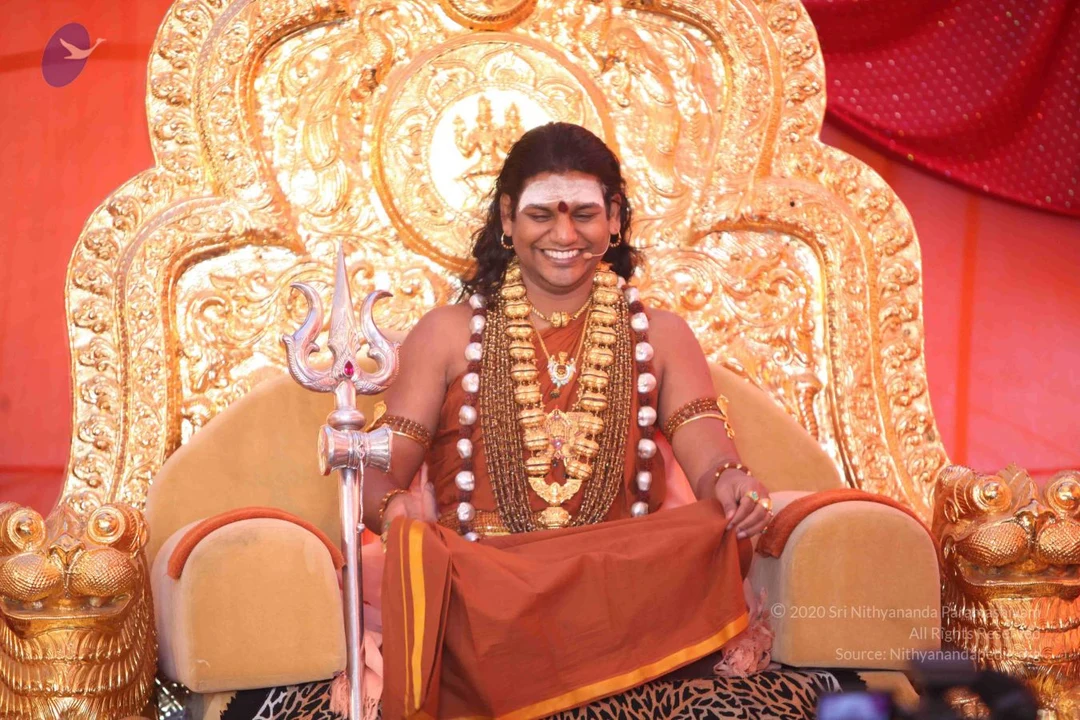
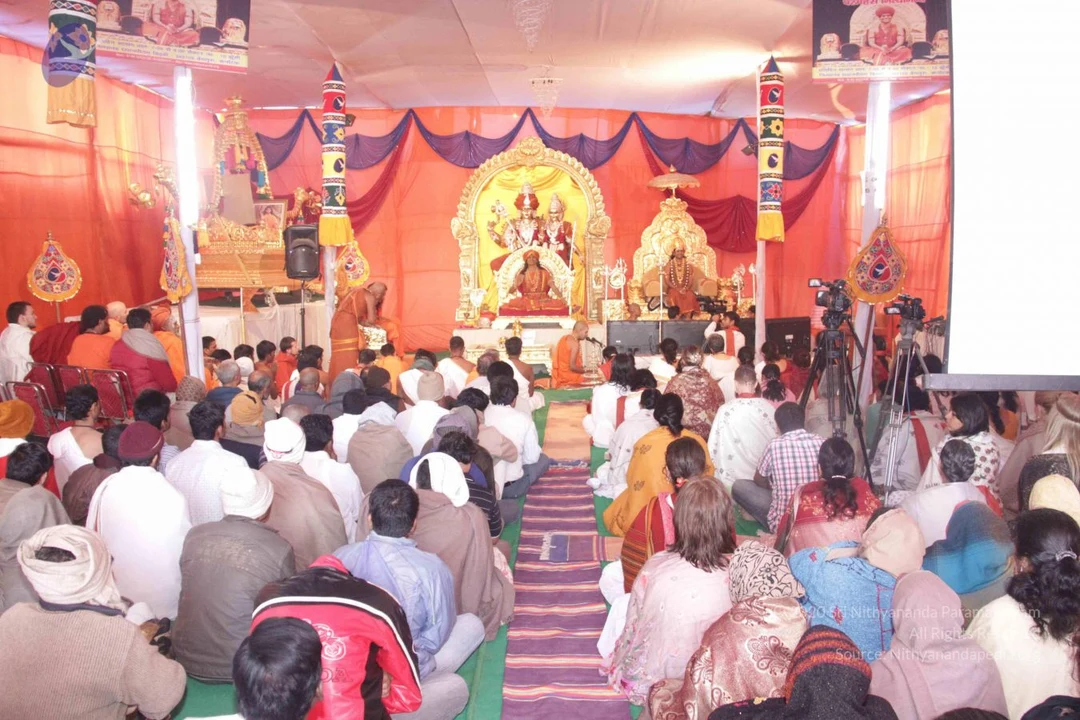
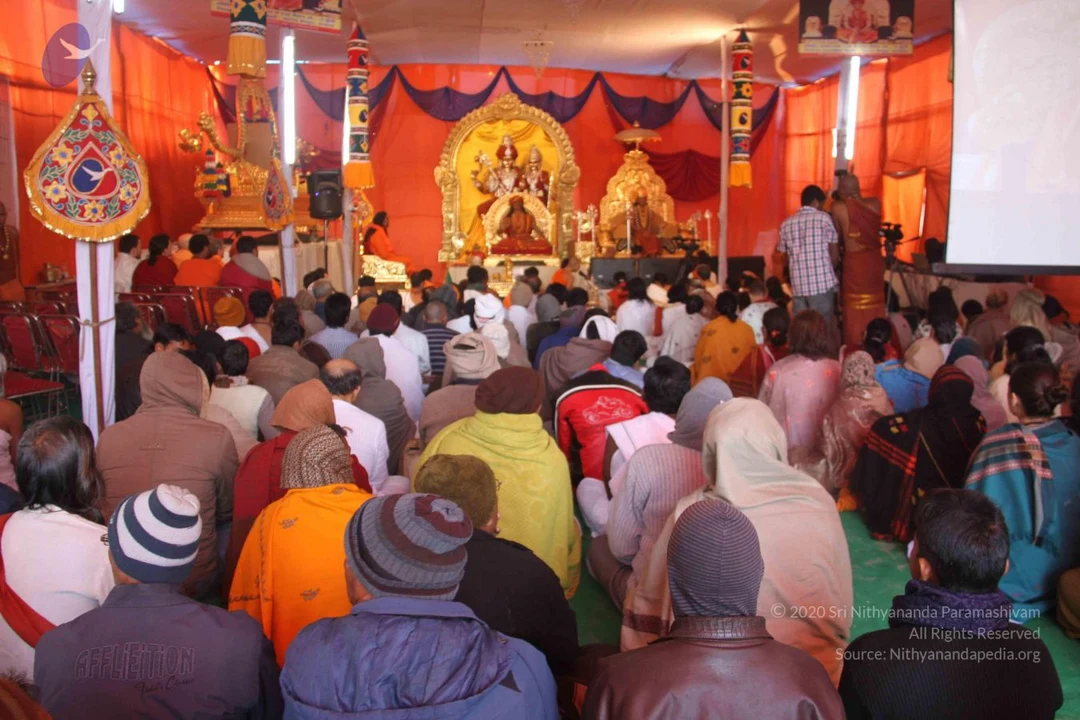
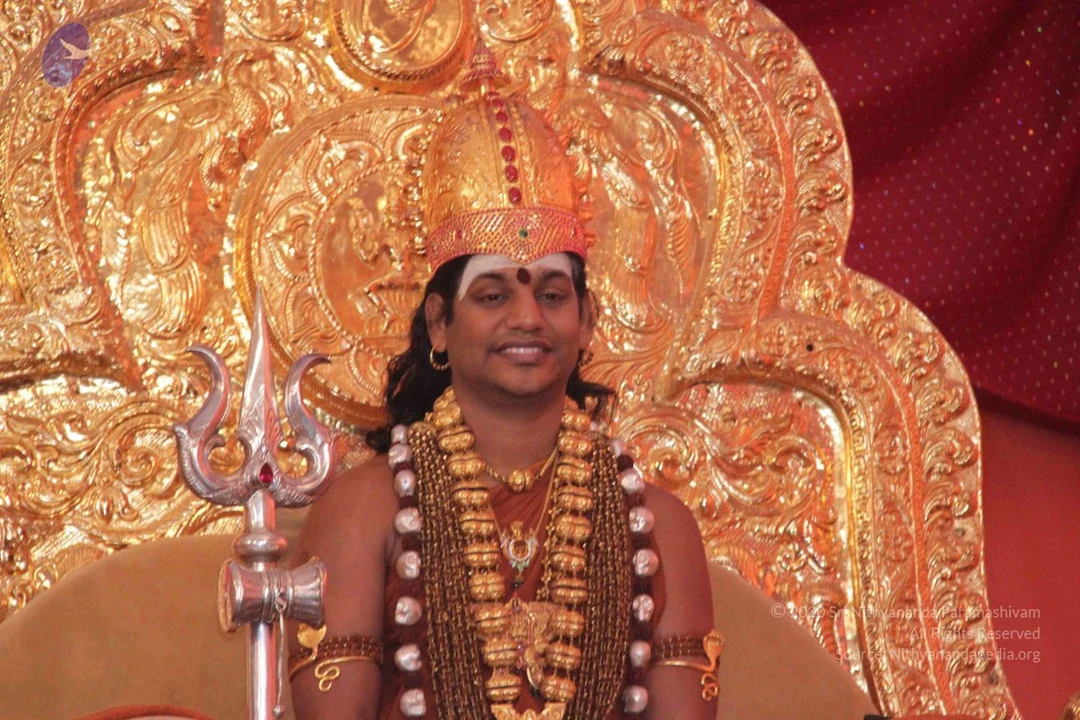
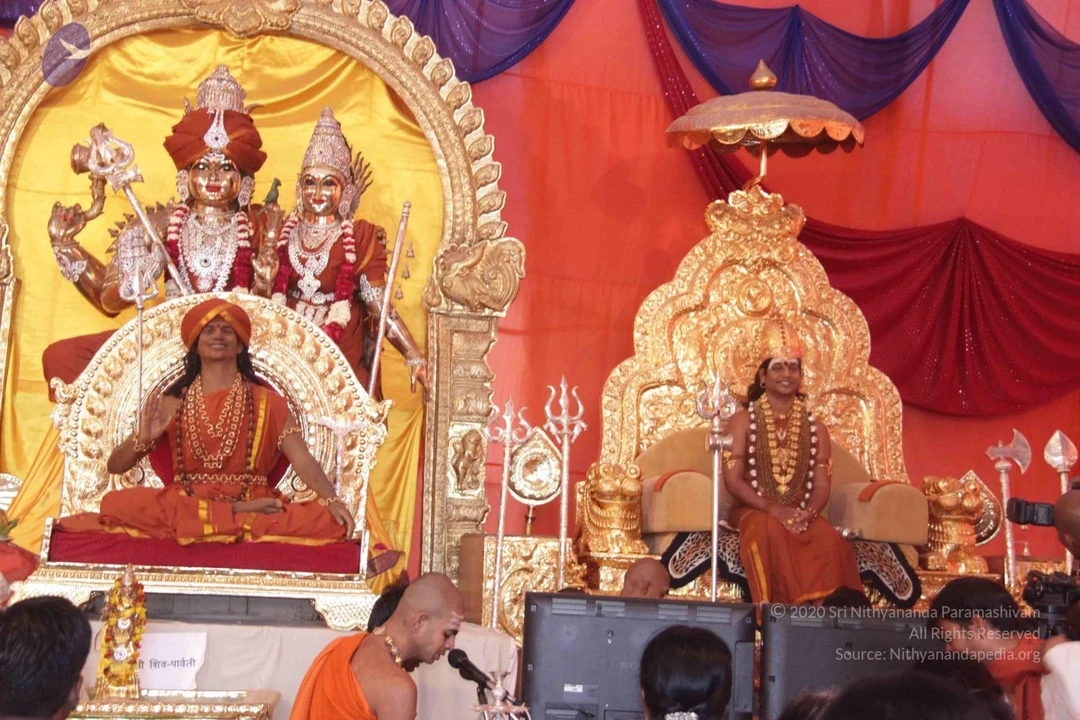
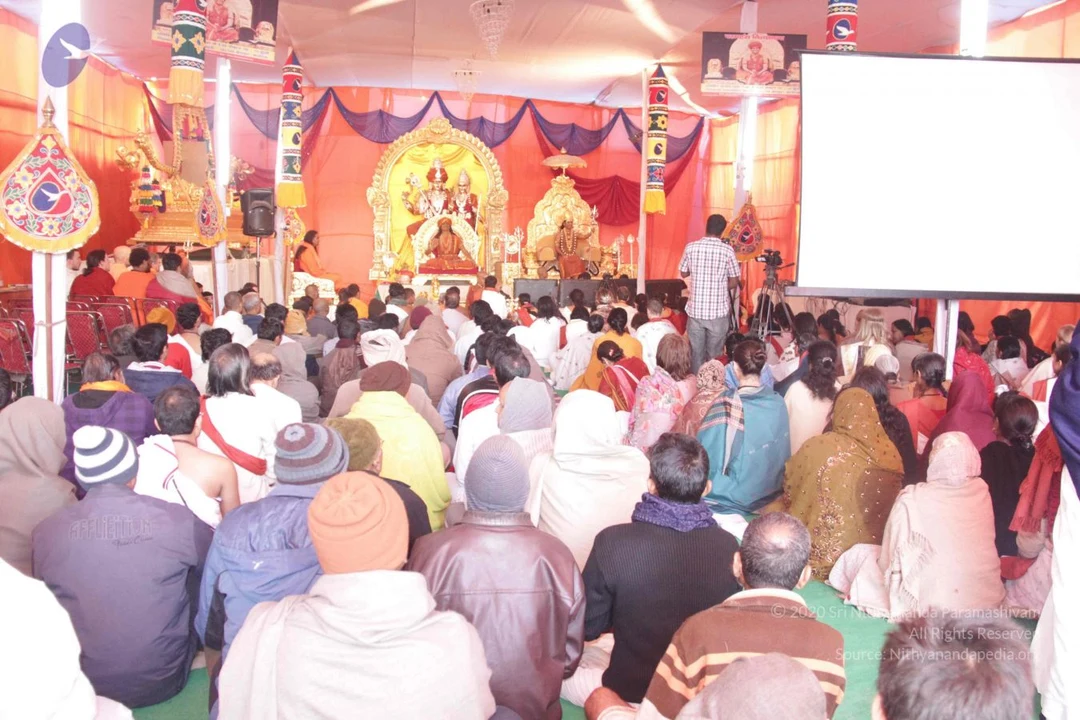
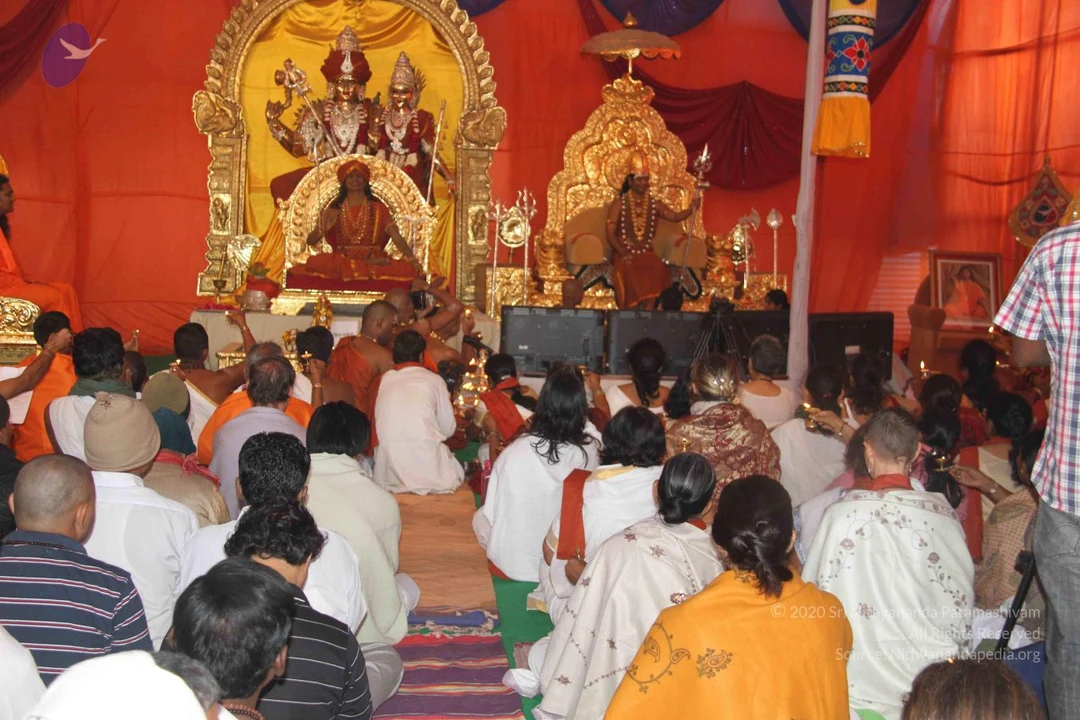
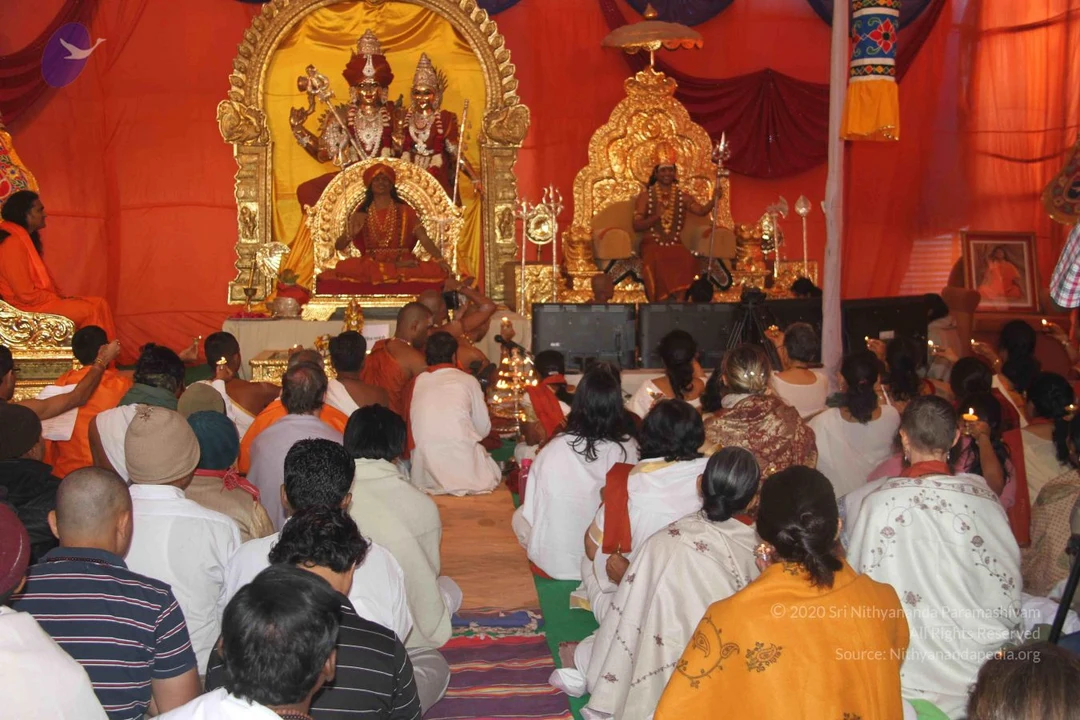
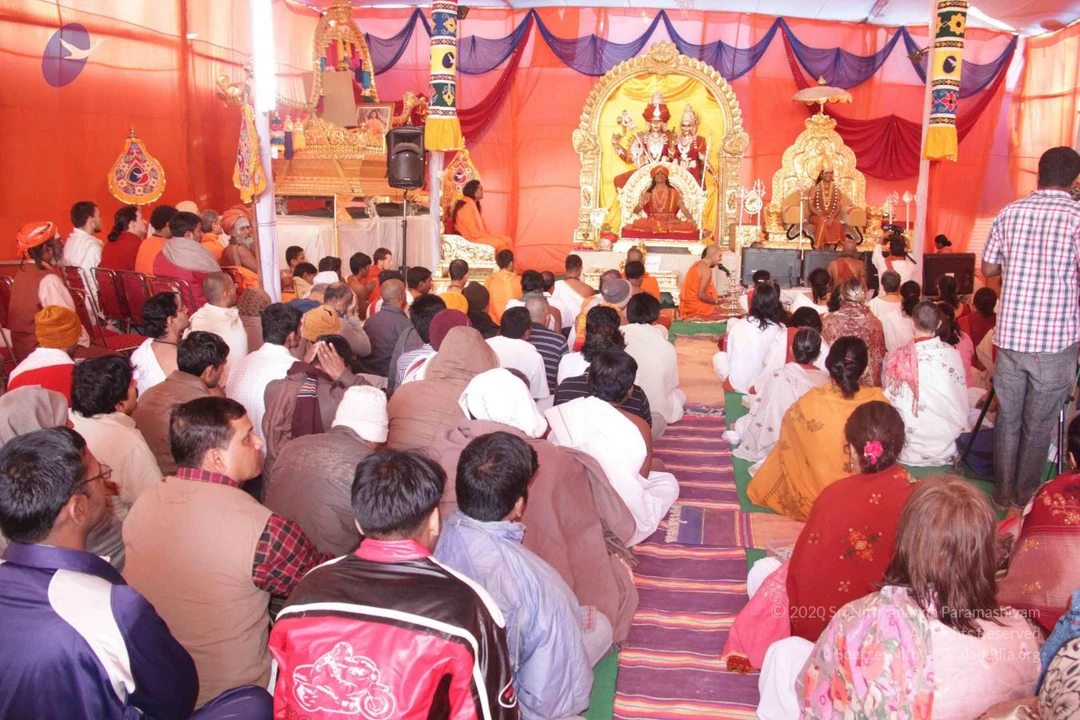
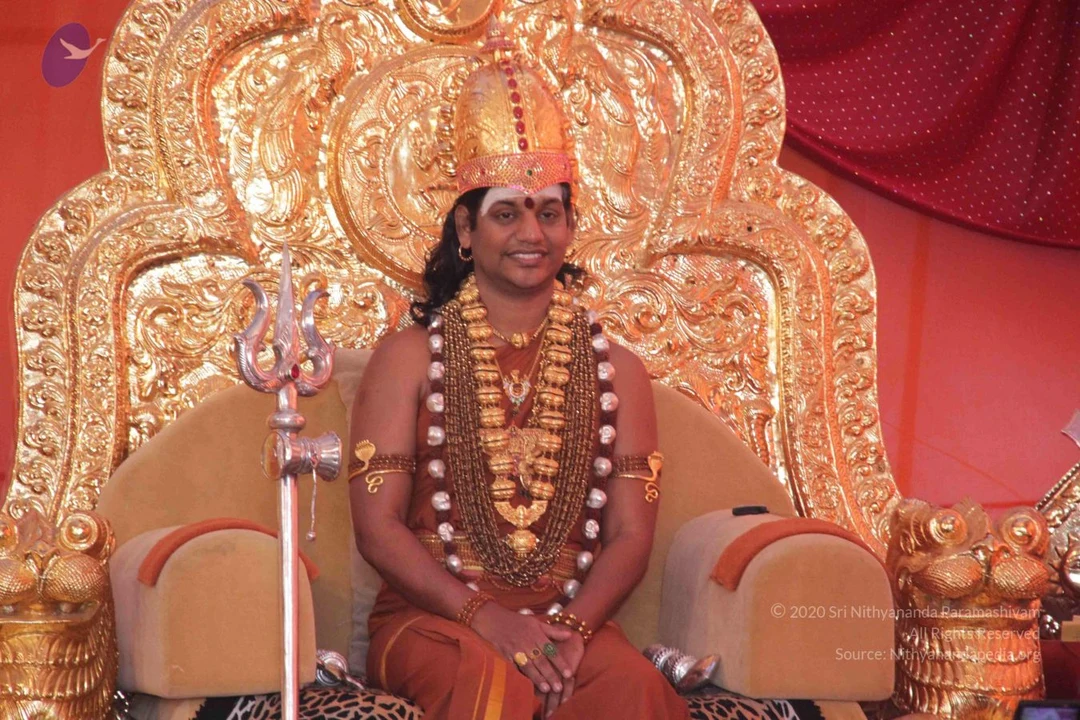
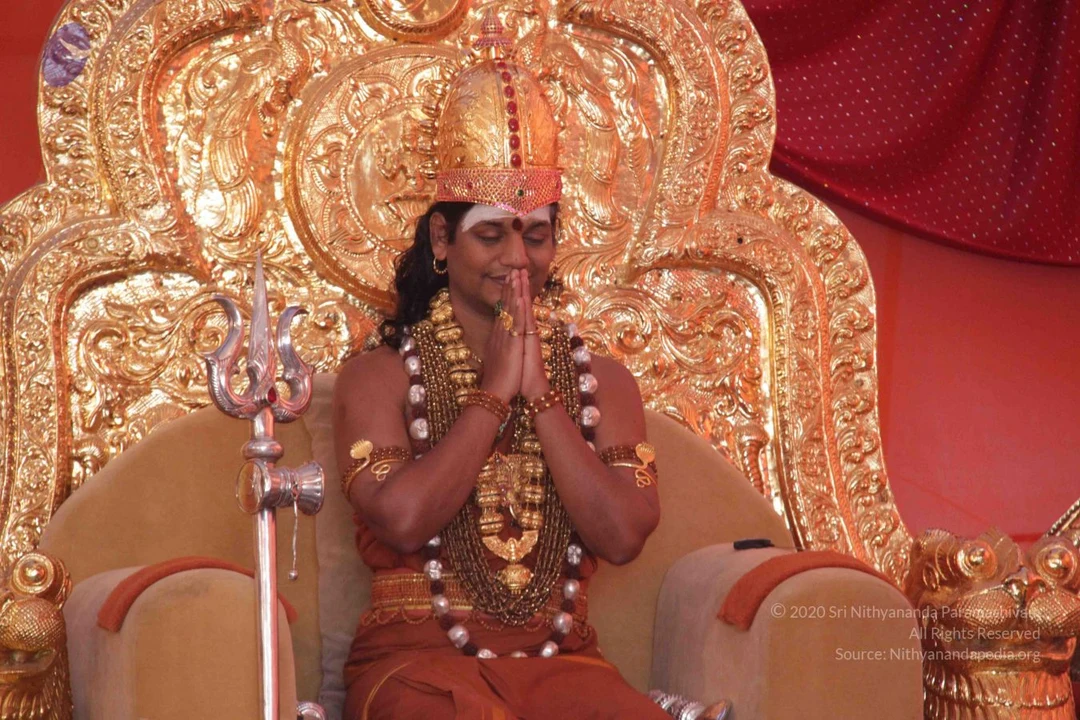
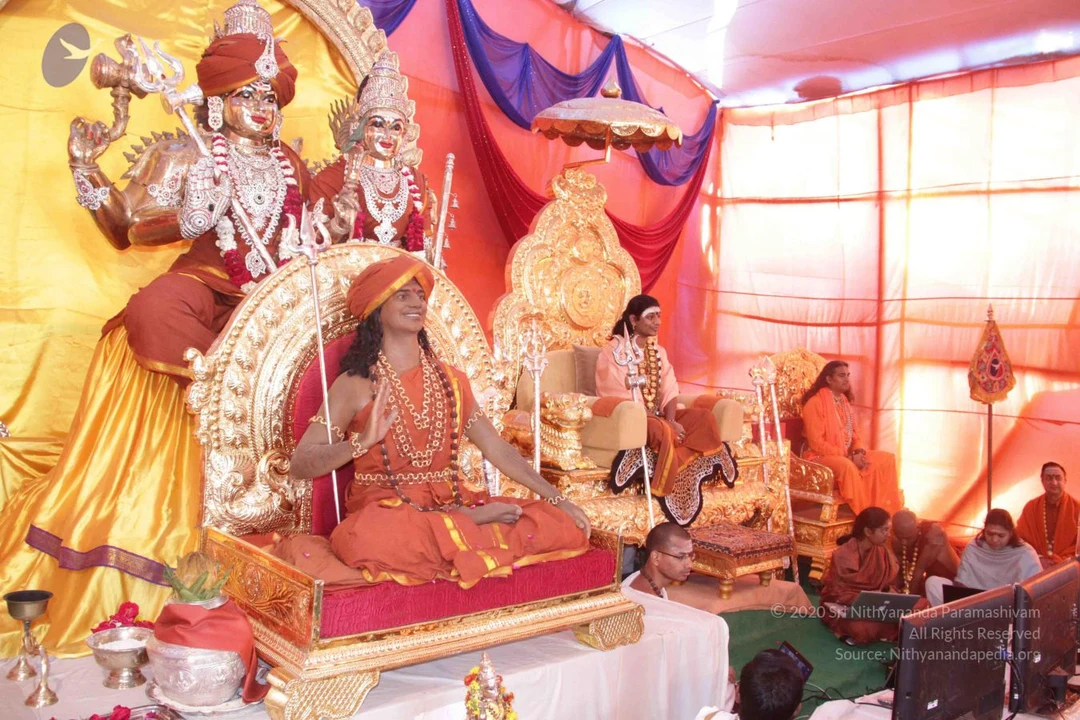
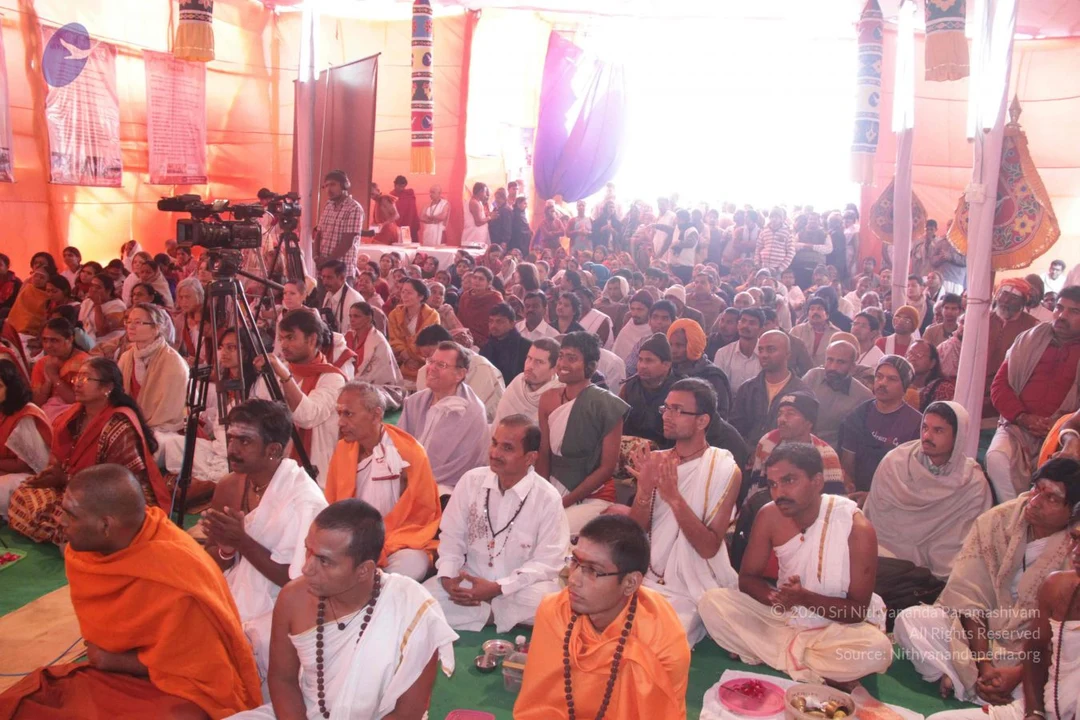
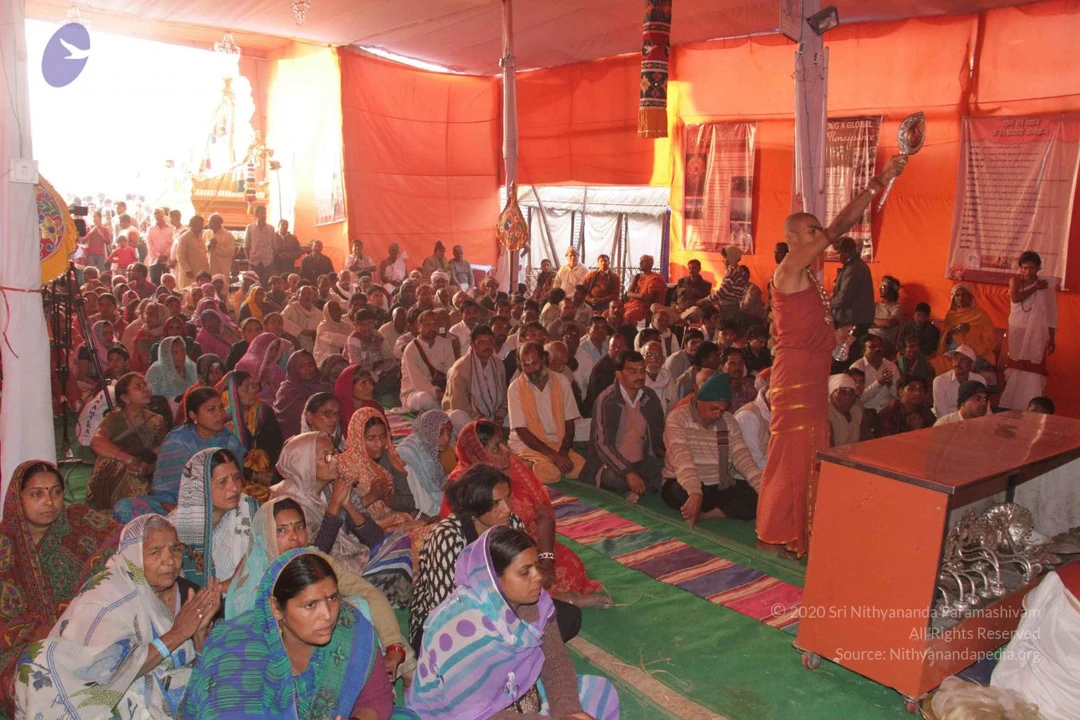
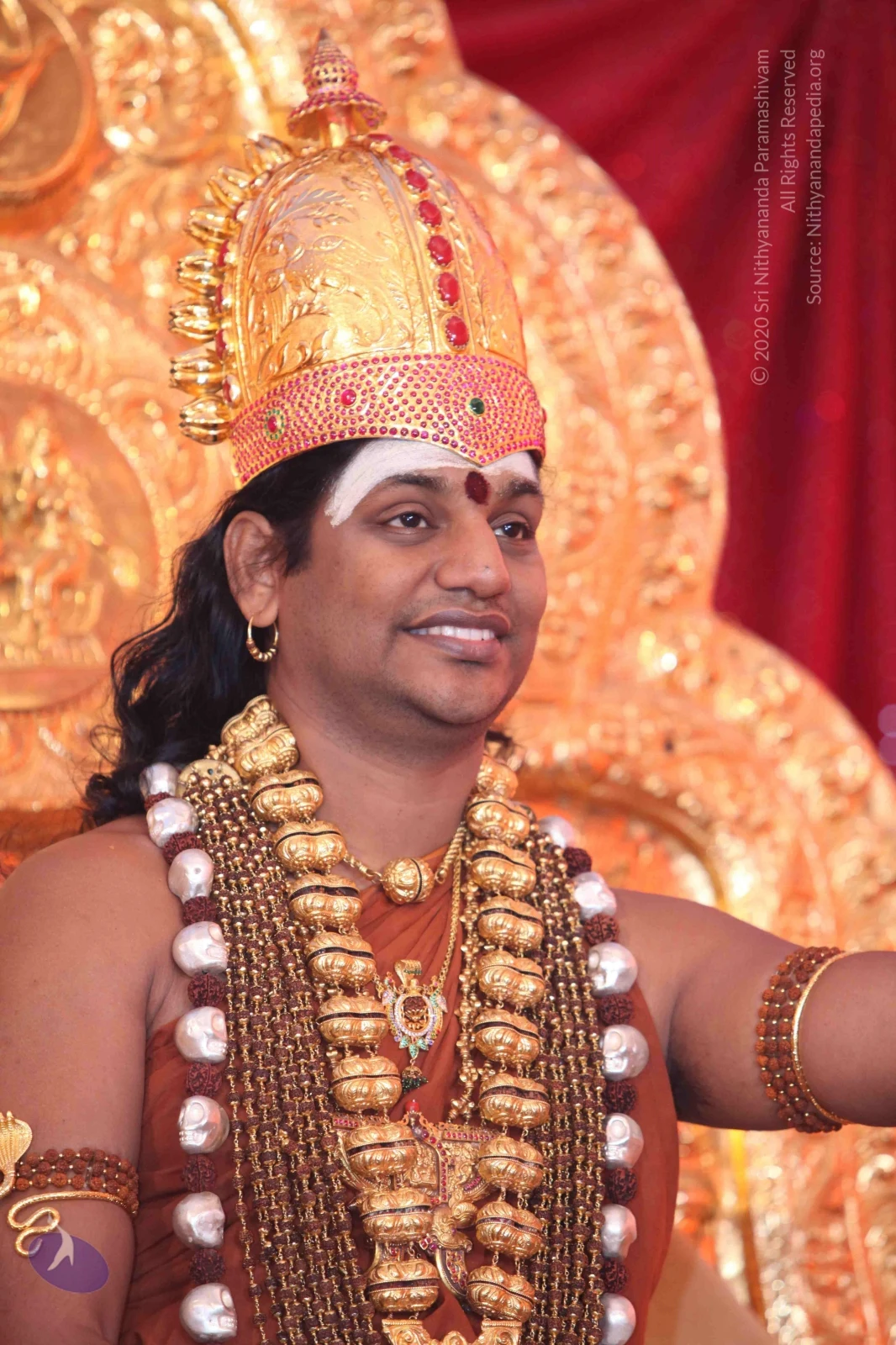
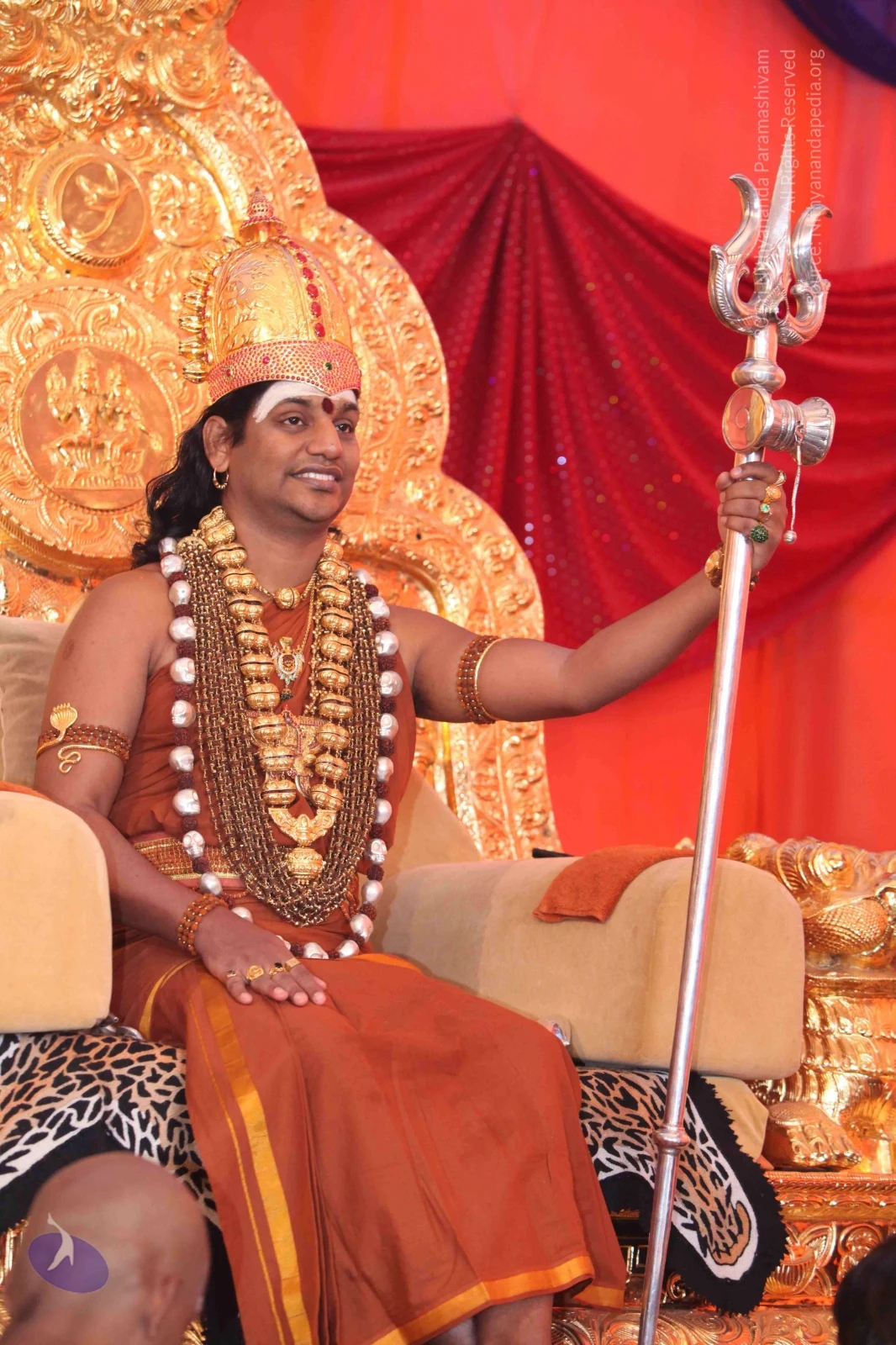
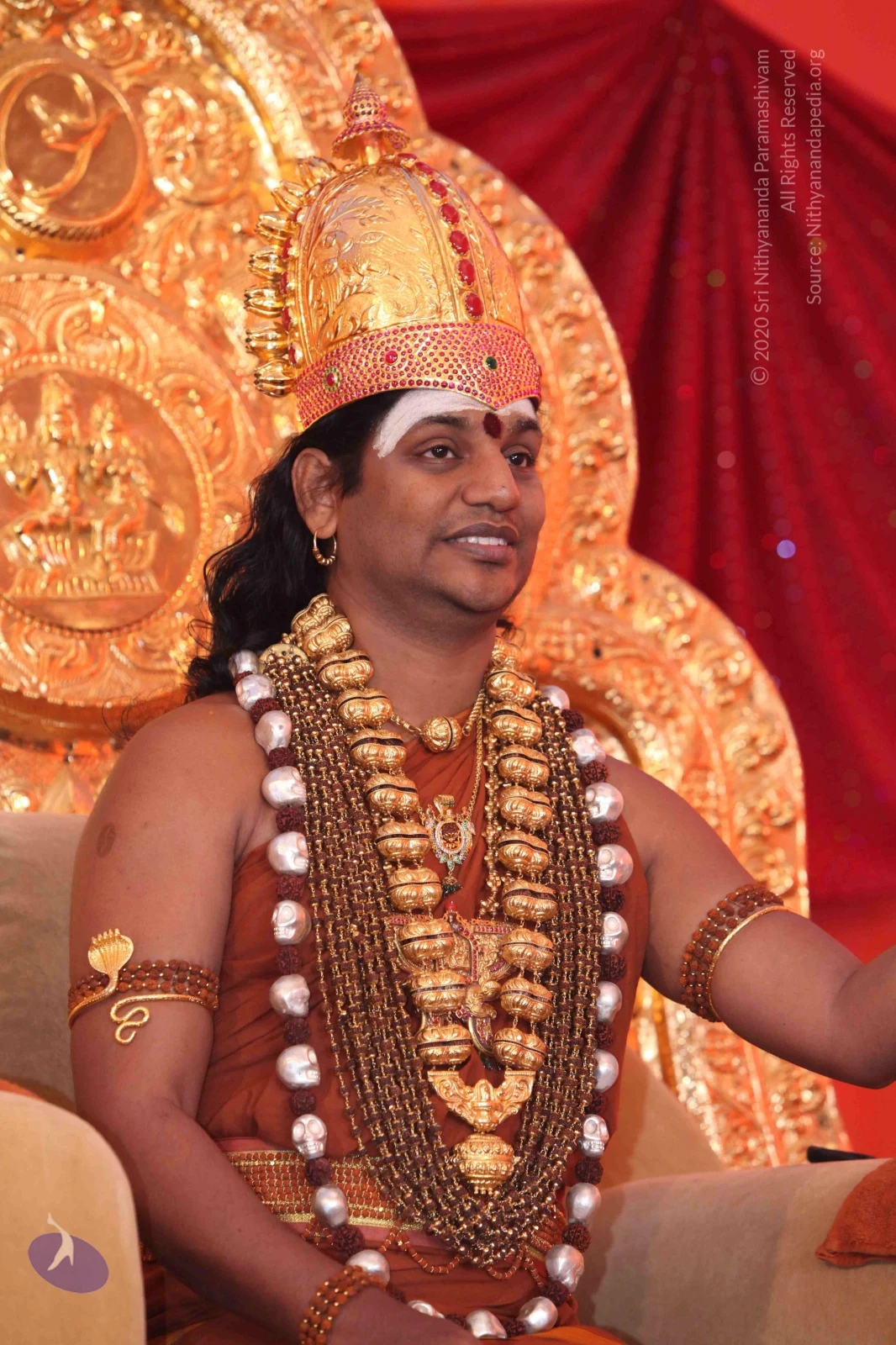
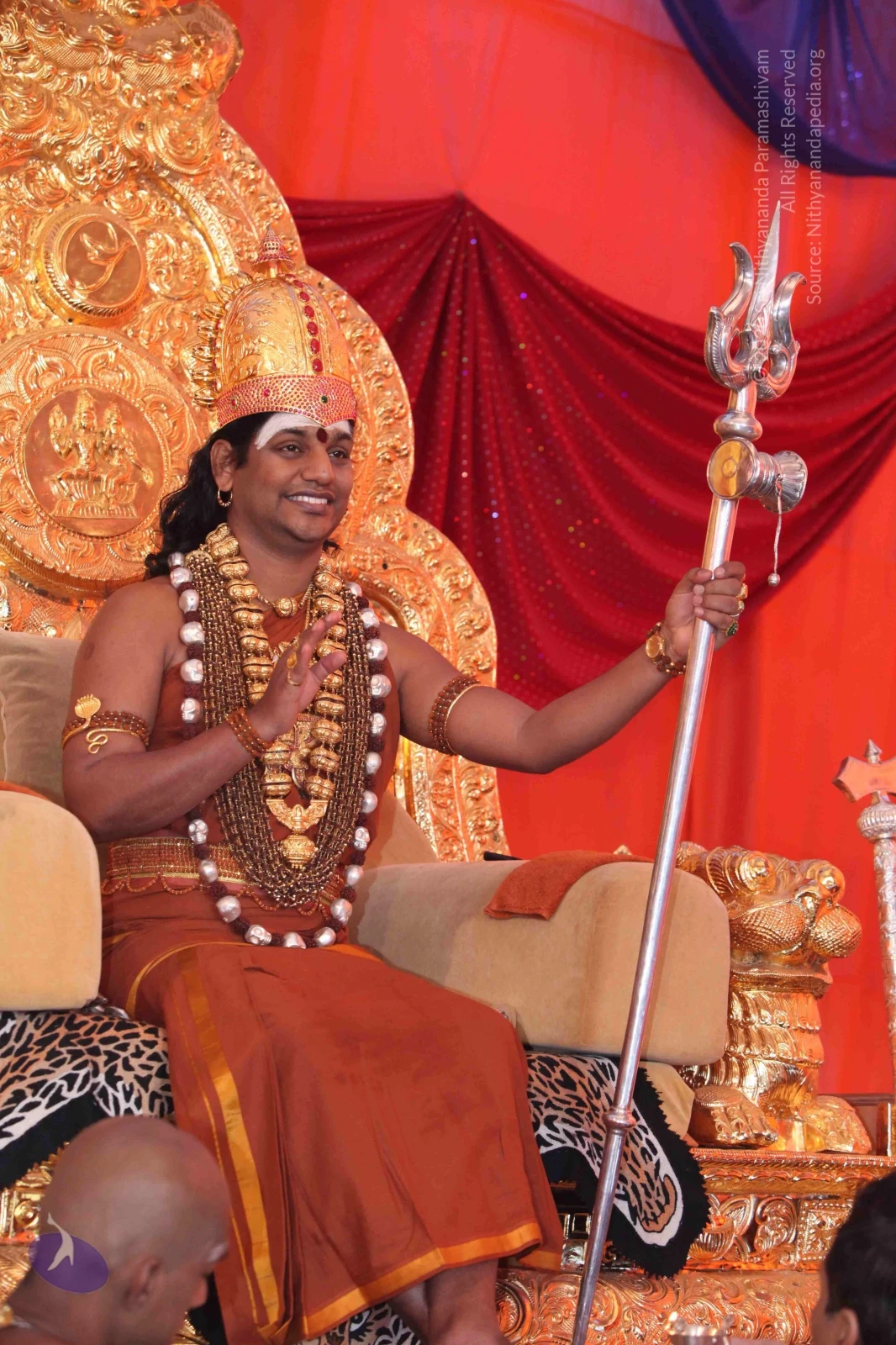
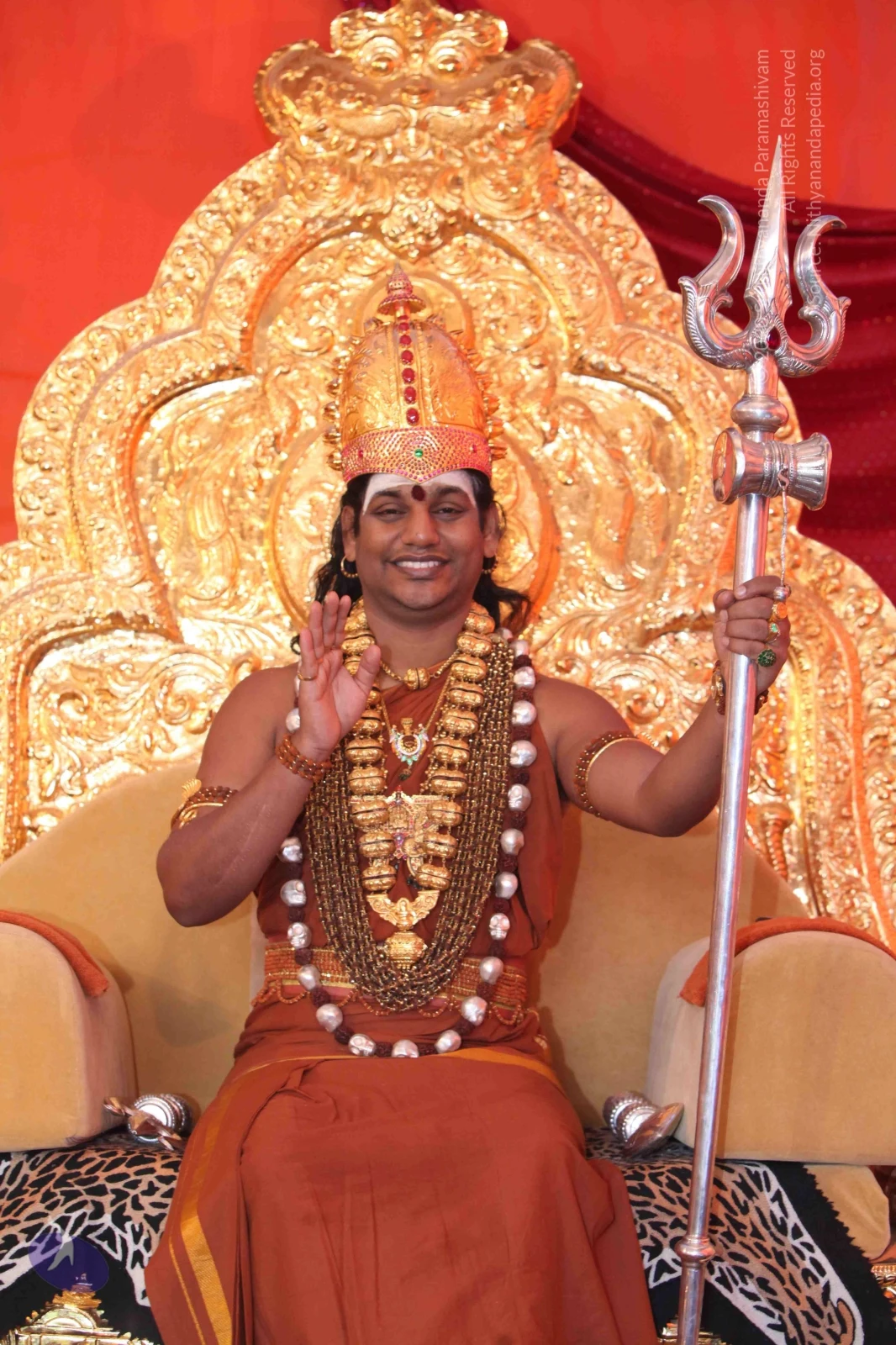
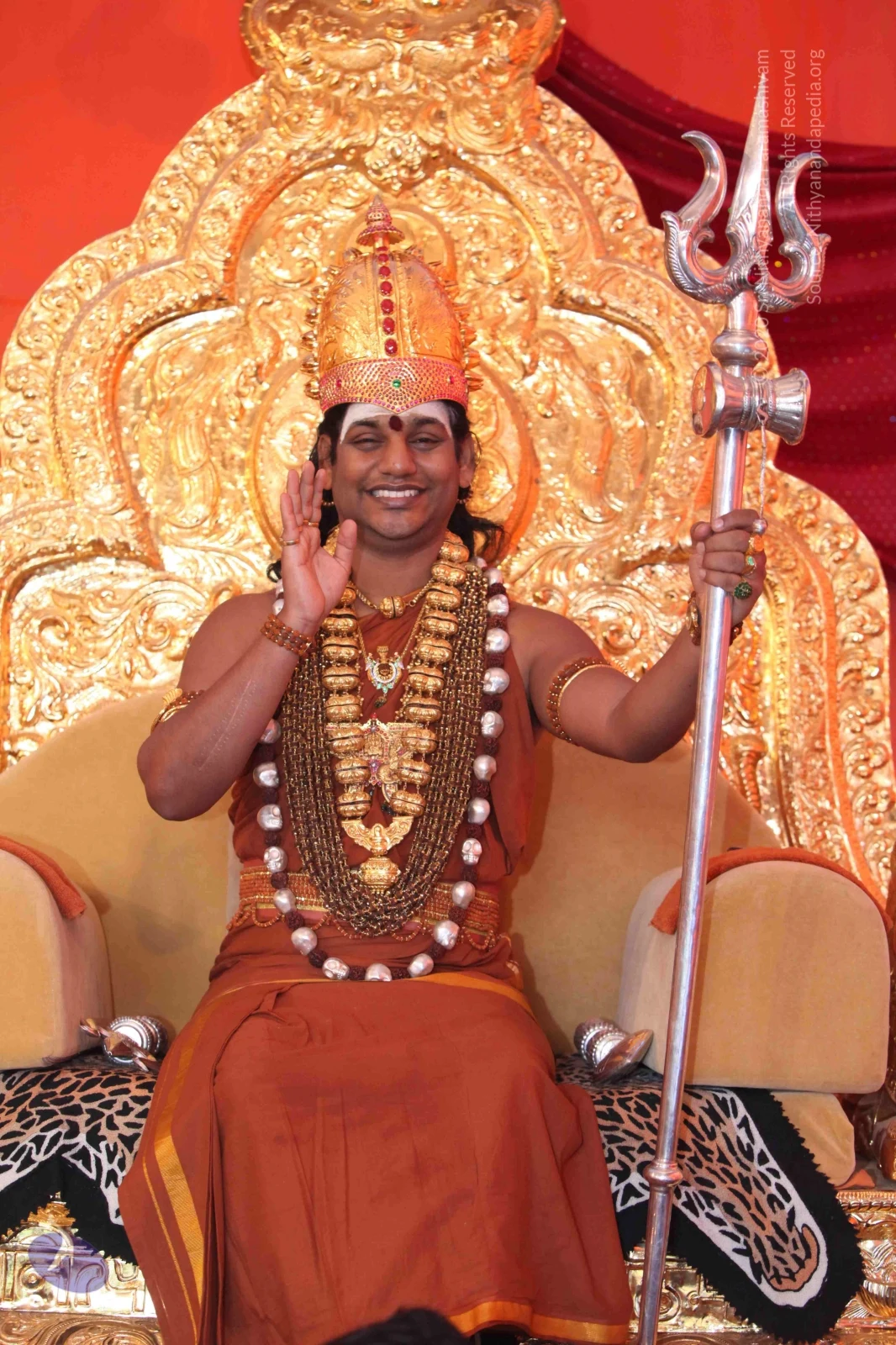
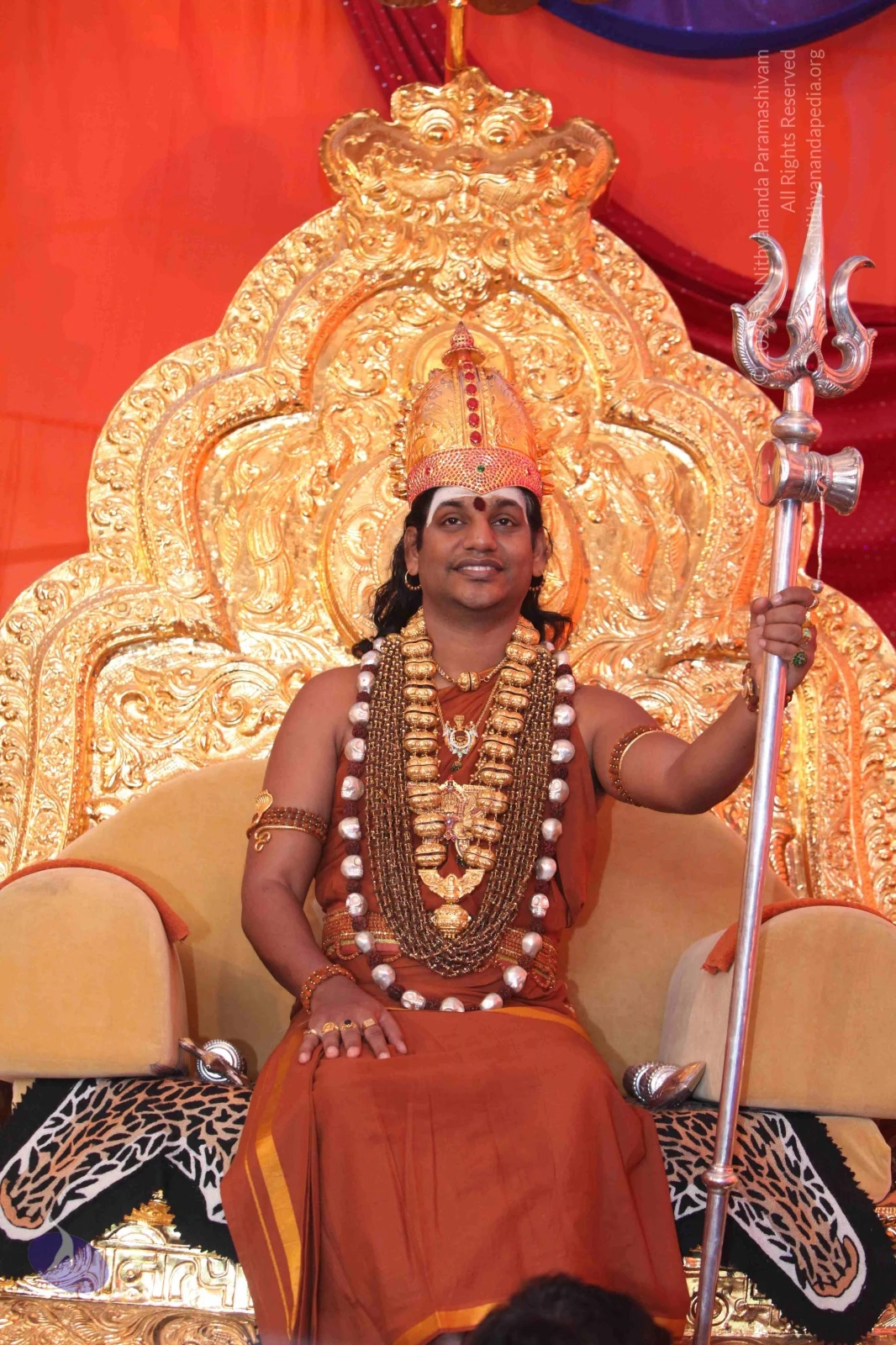
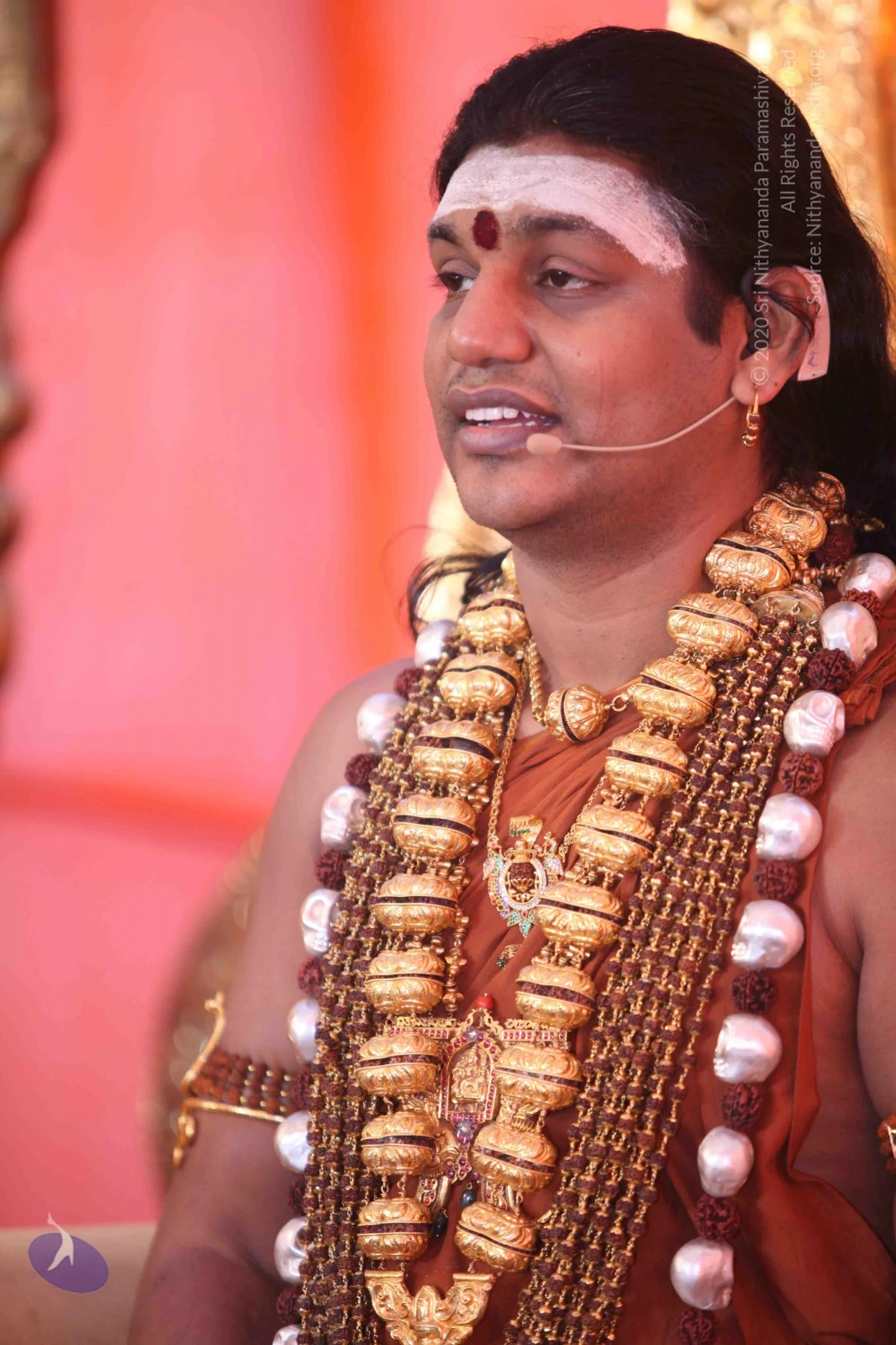
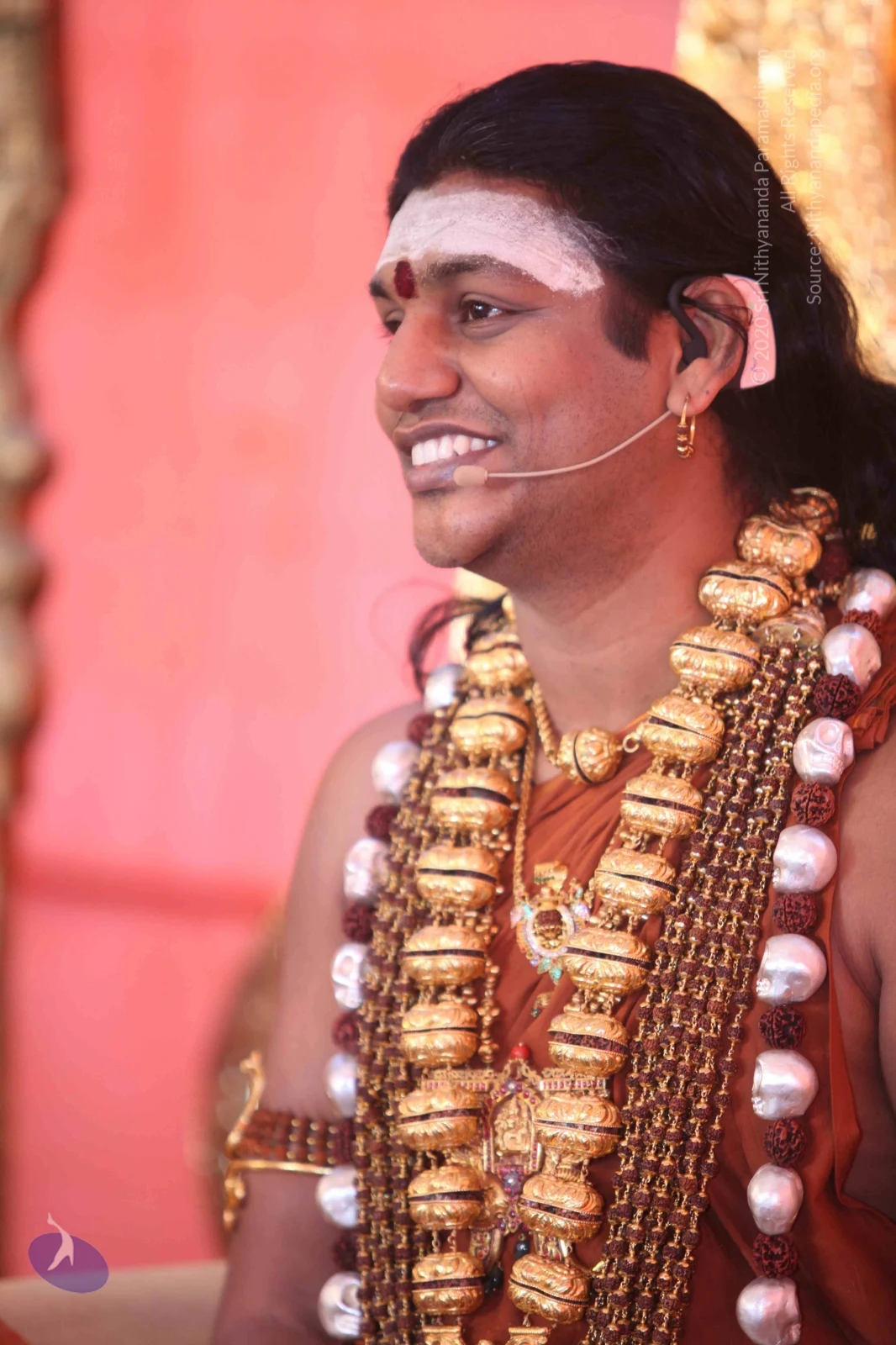
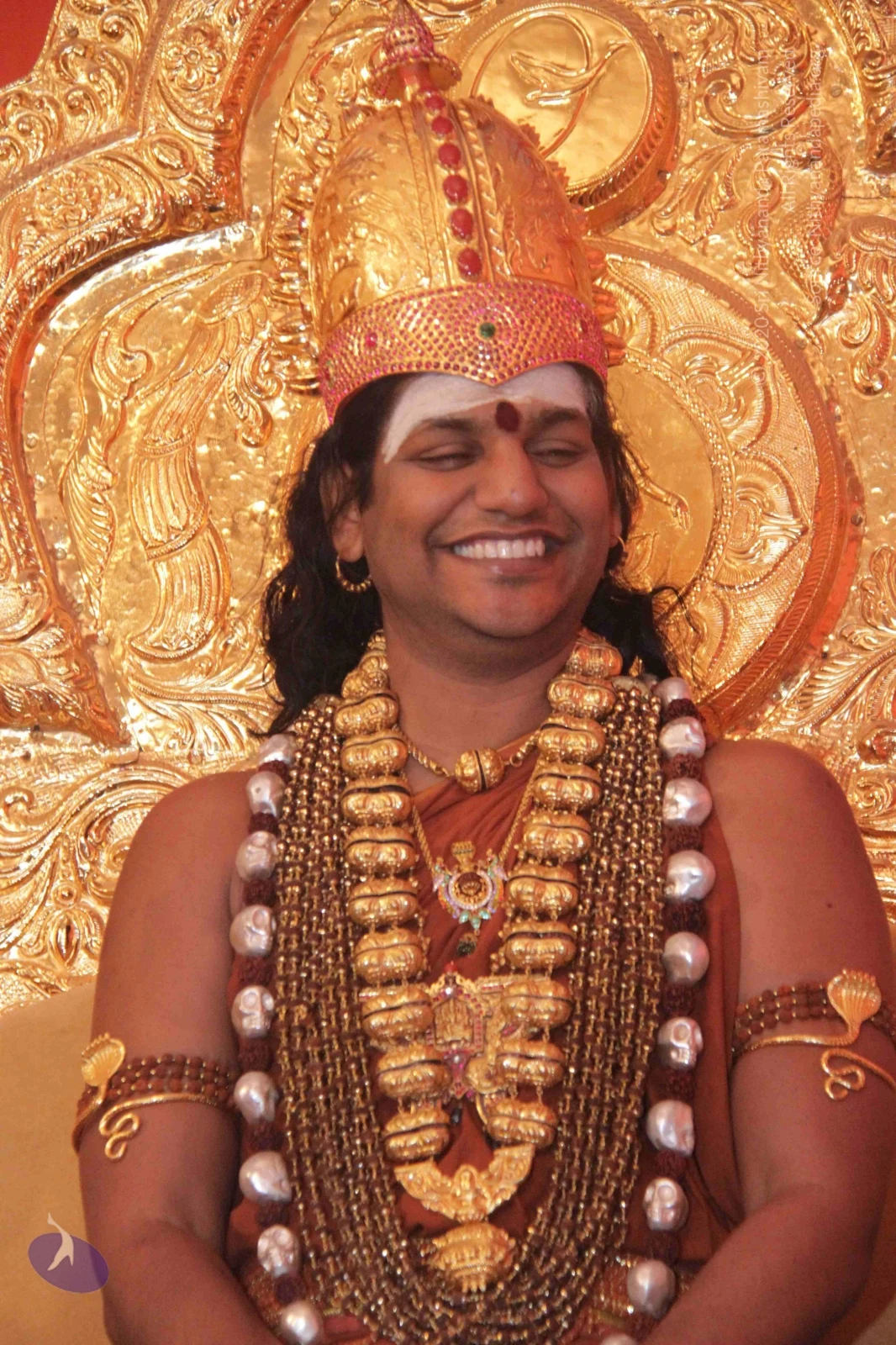
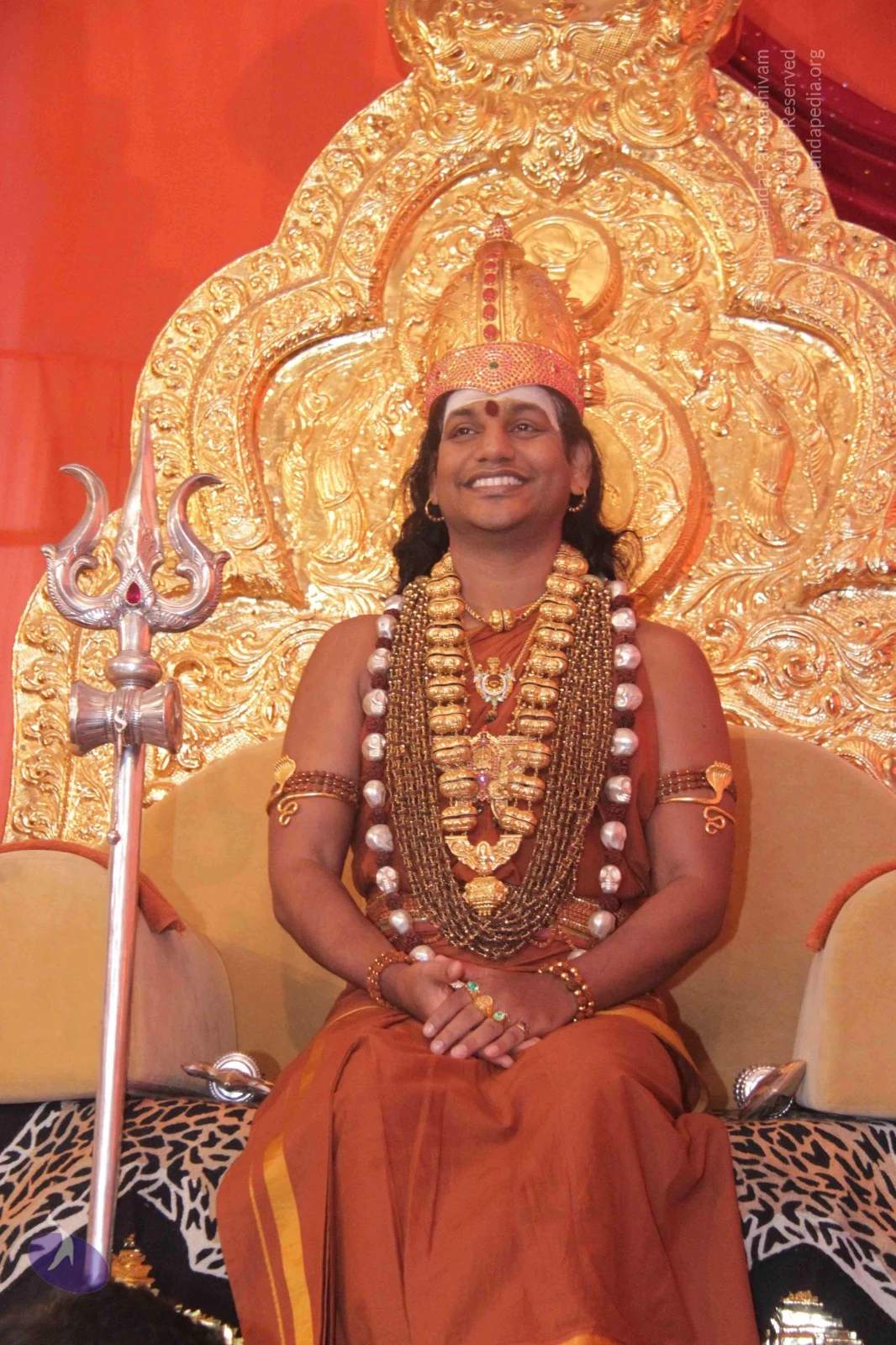
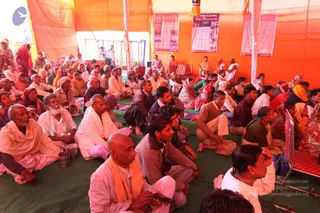
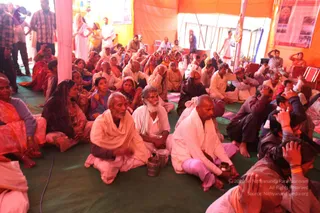
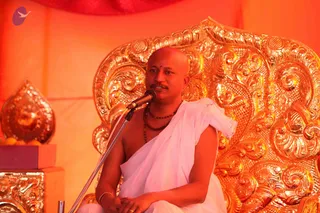
MorningSatsang
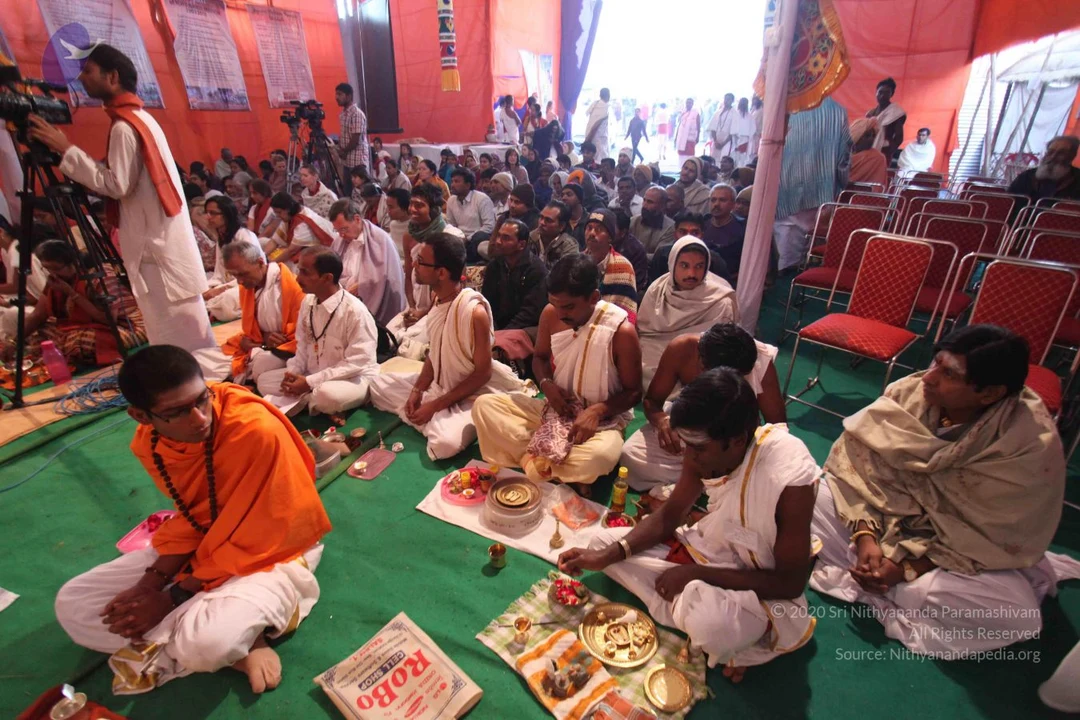
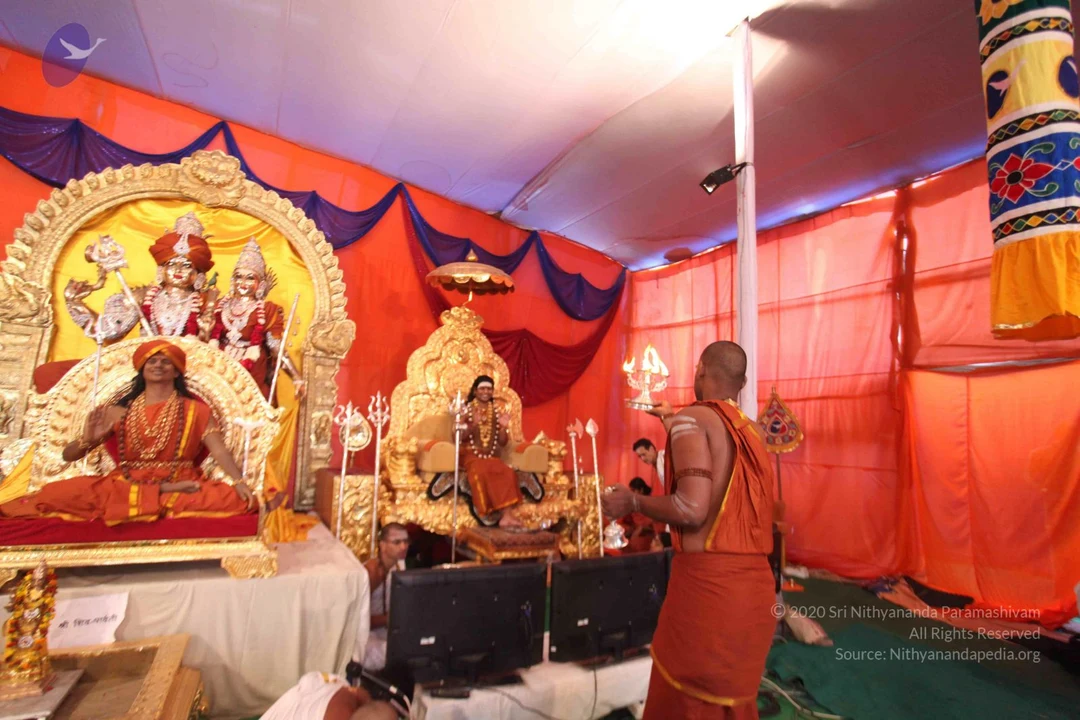
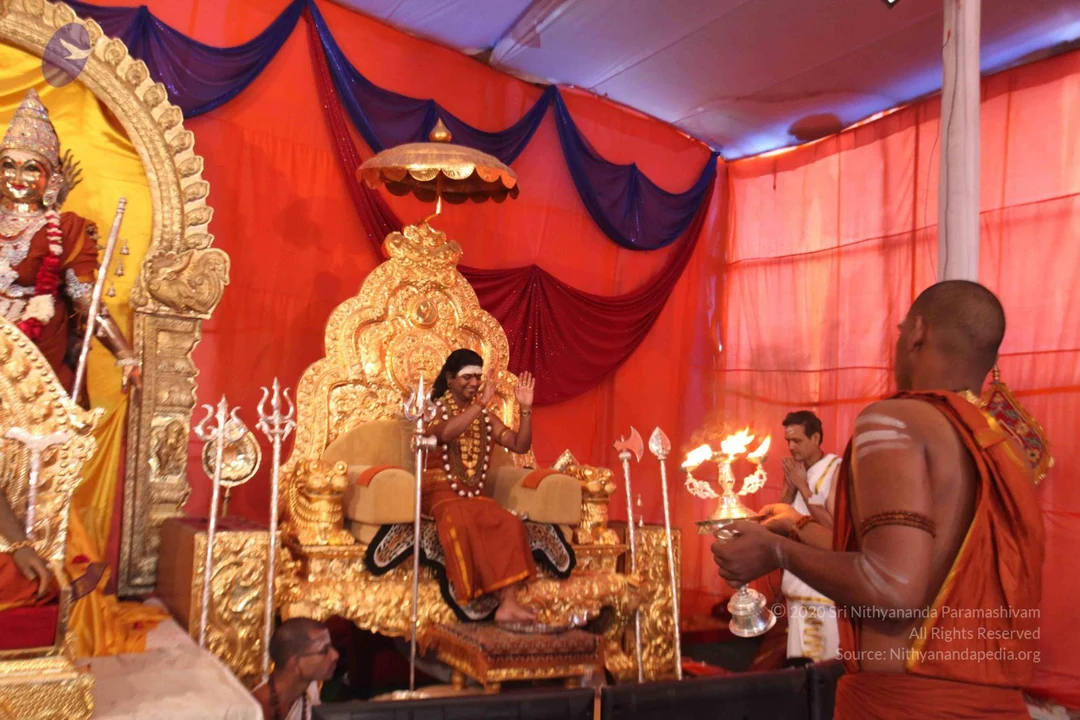

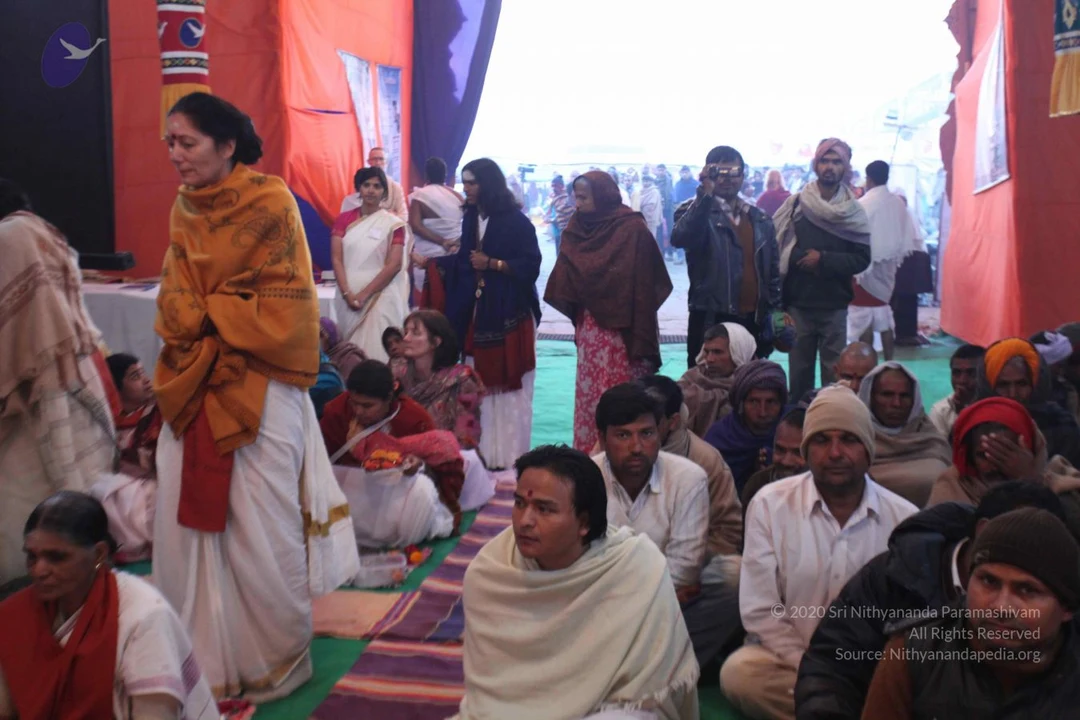
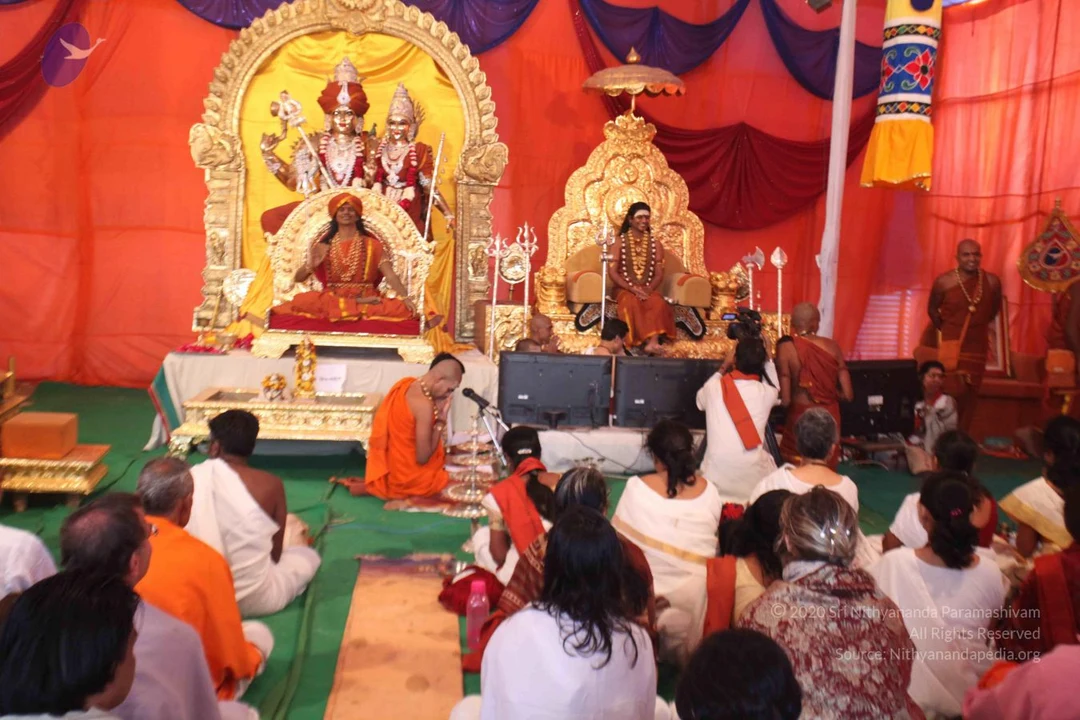
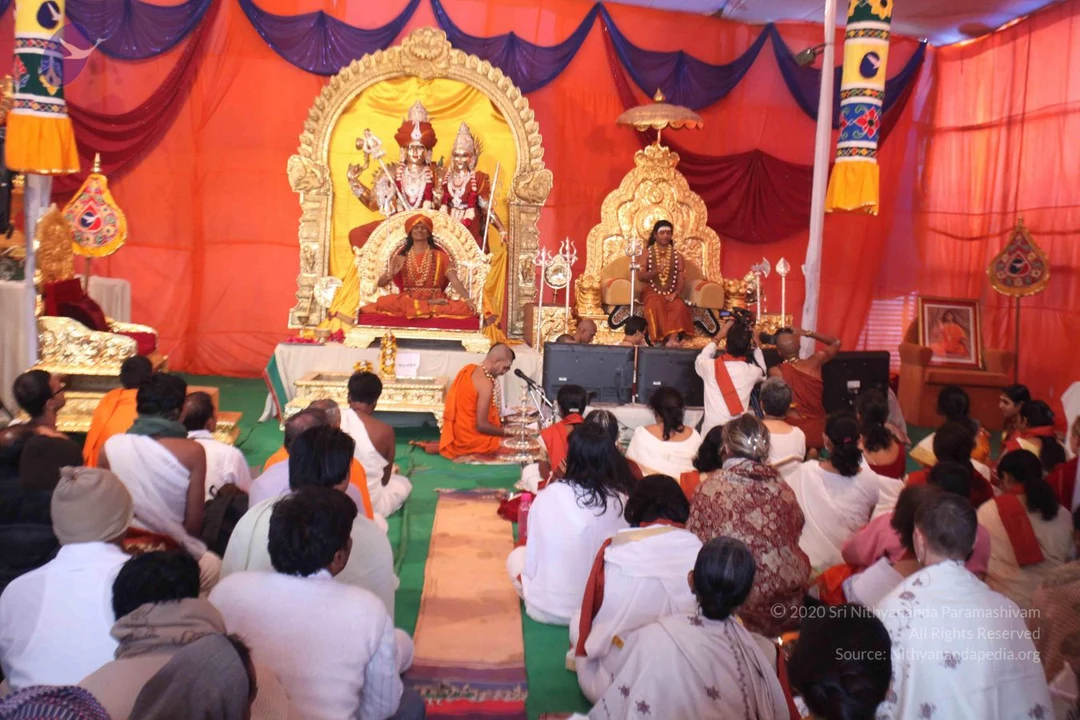
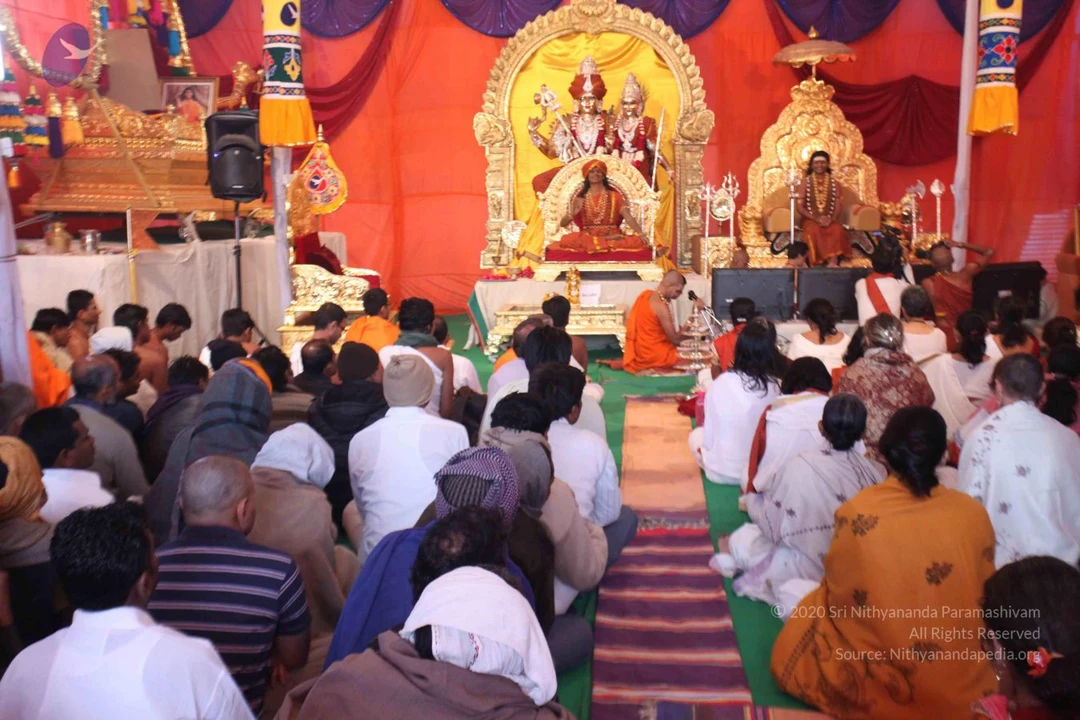
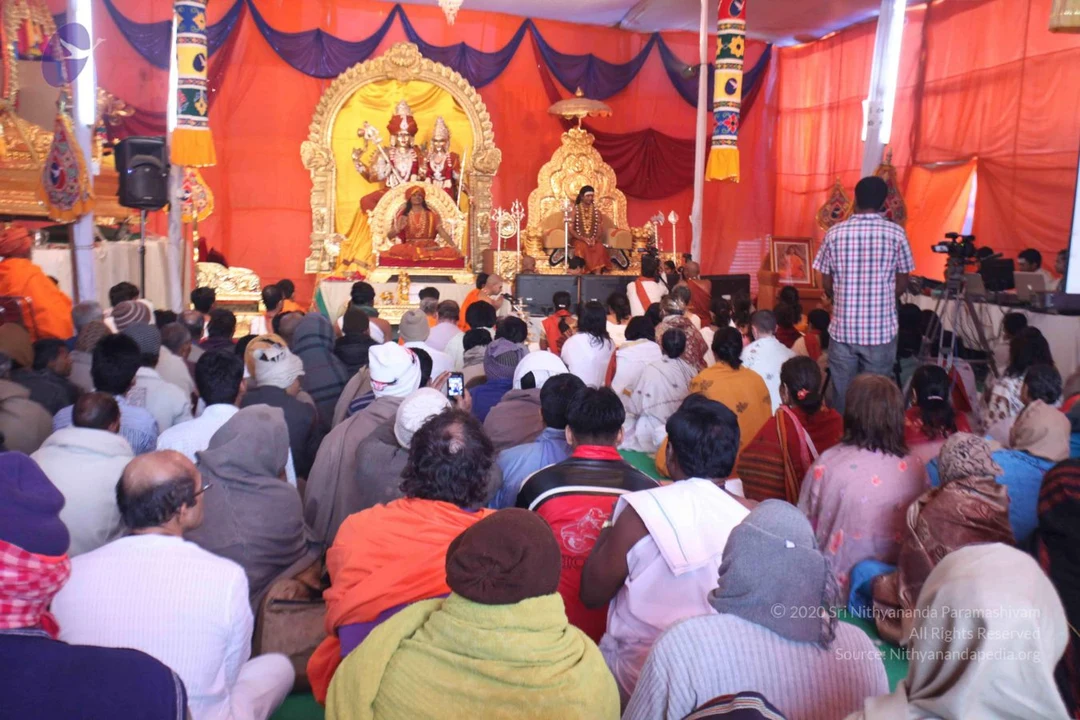
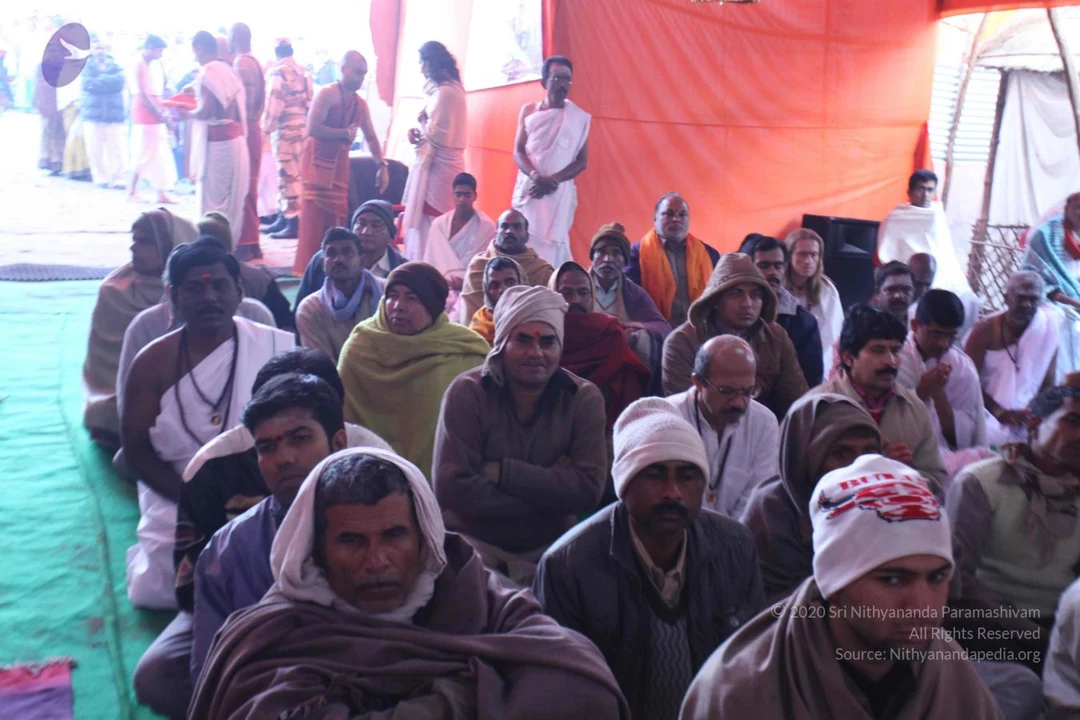
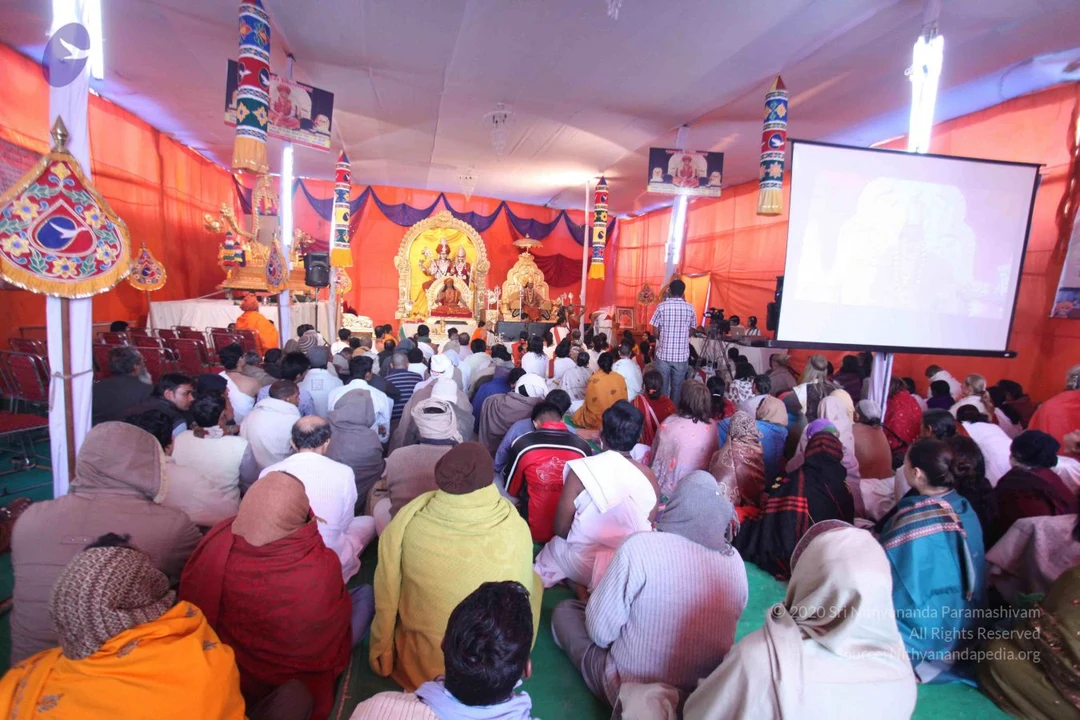
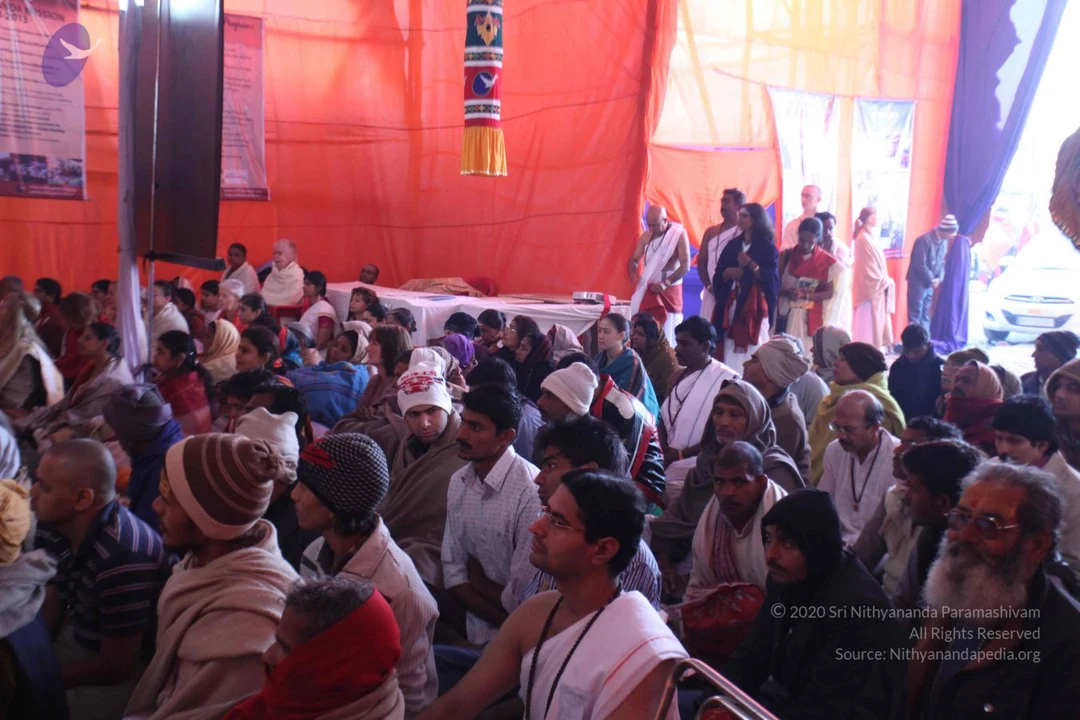
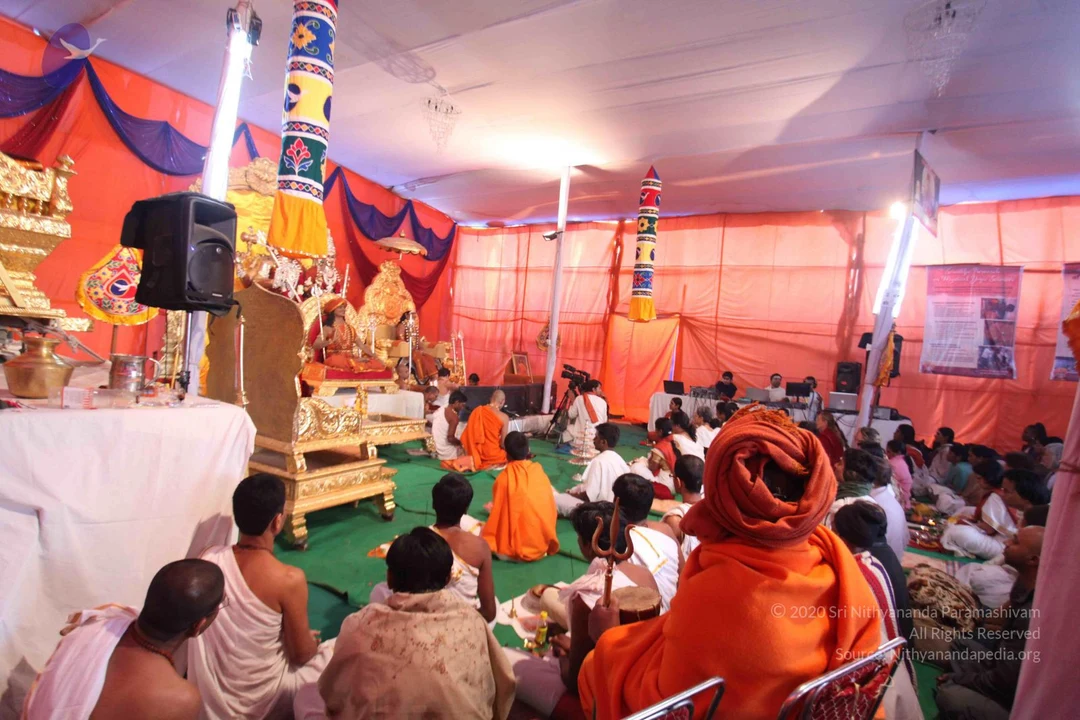
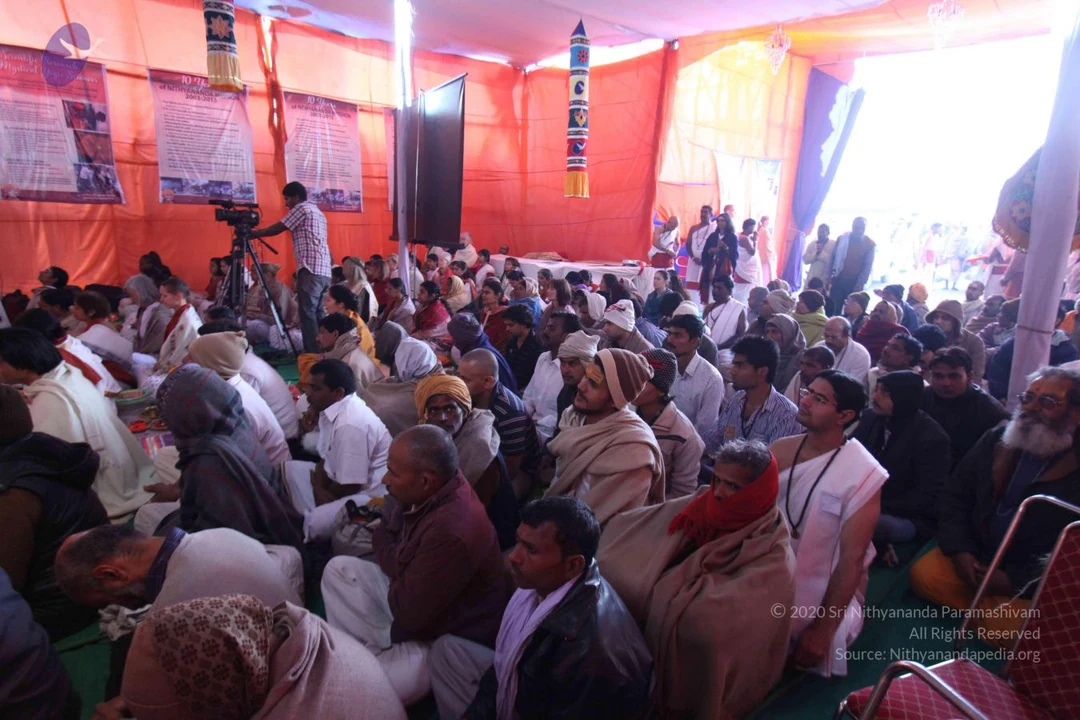
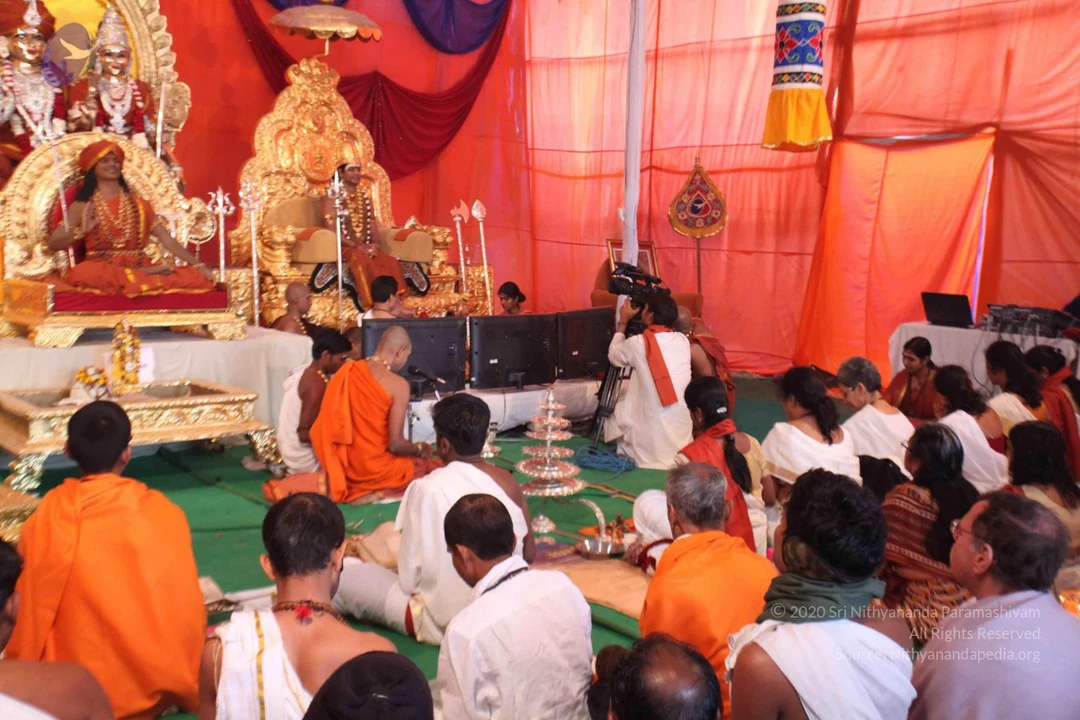
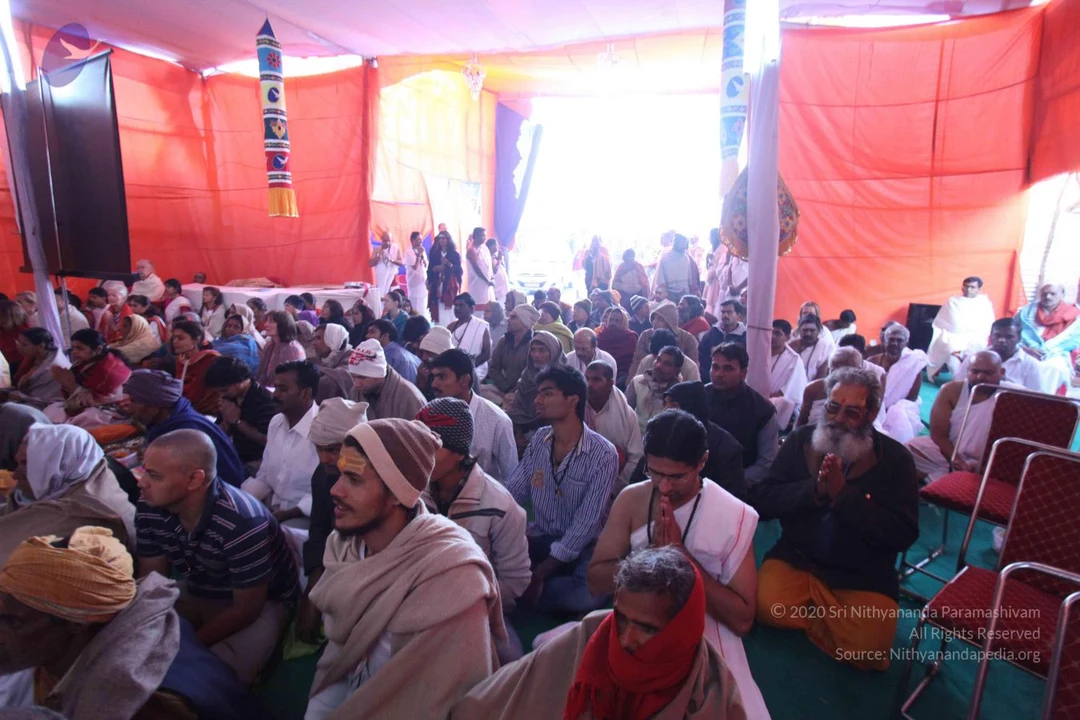
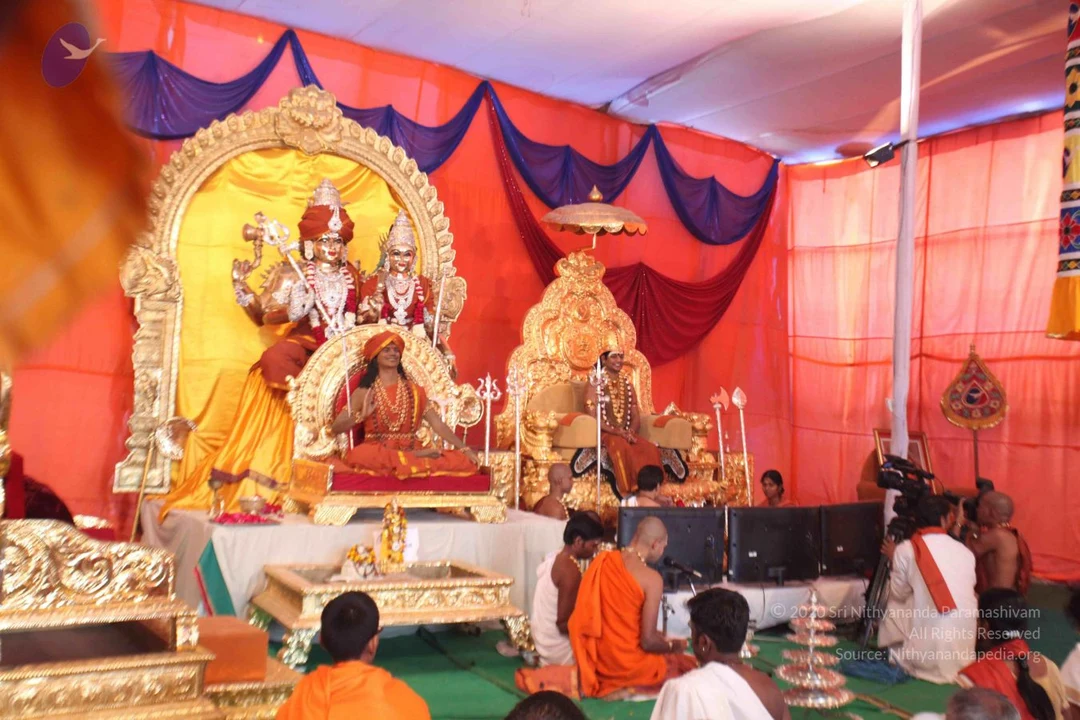
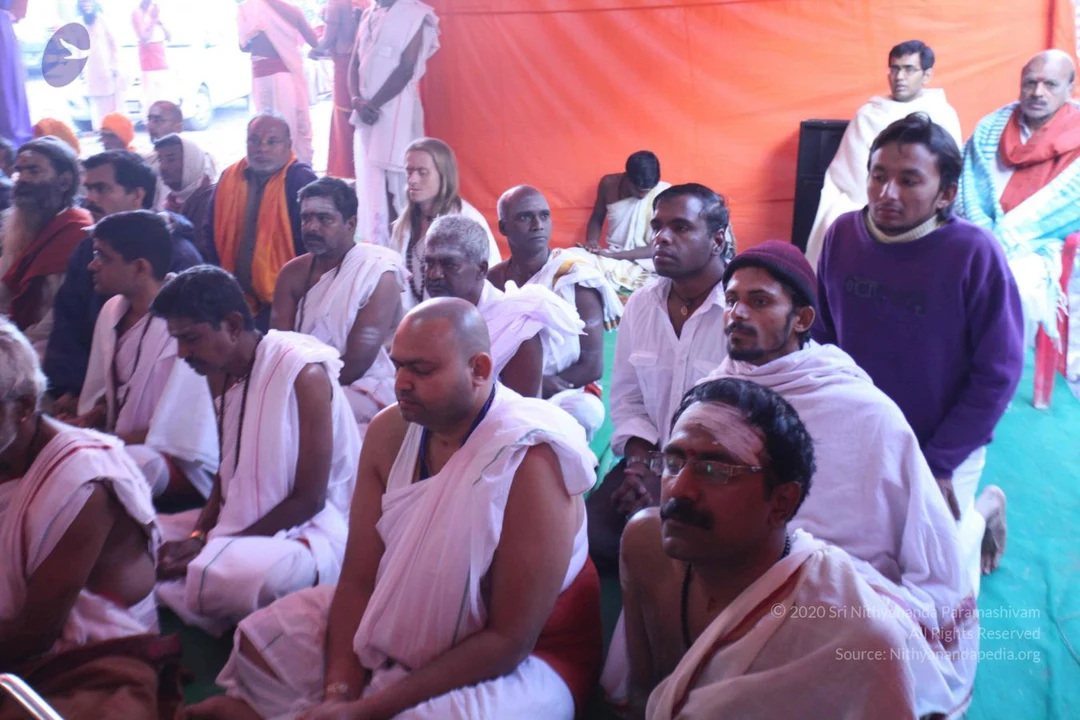
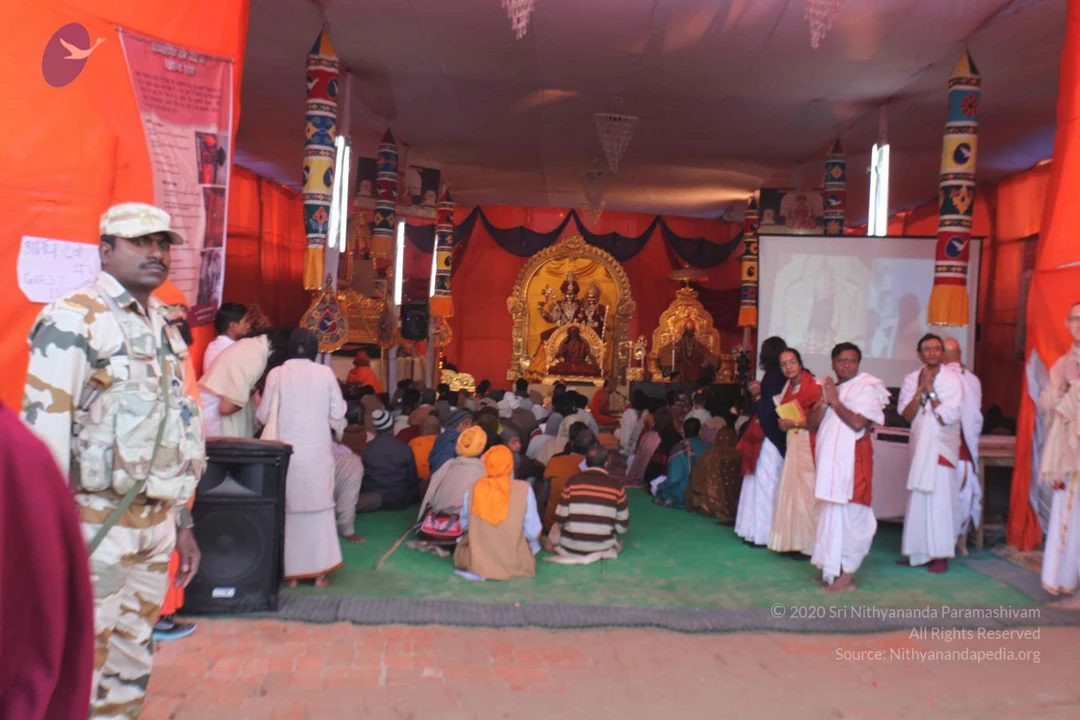
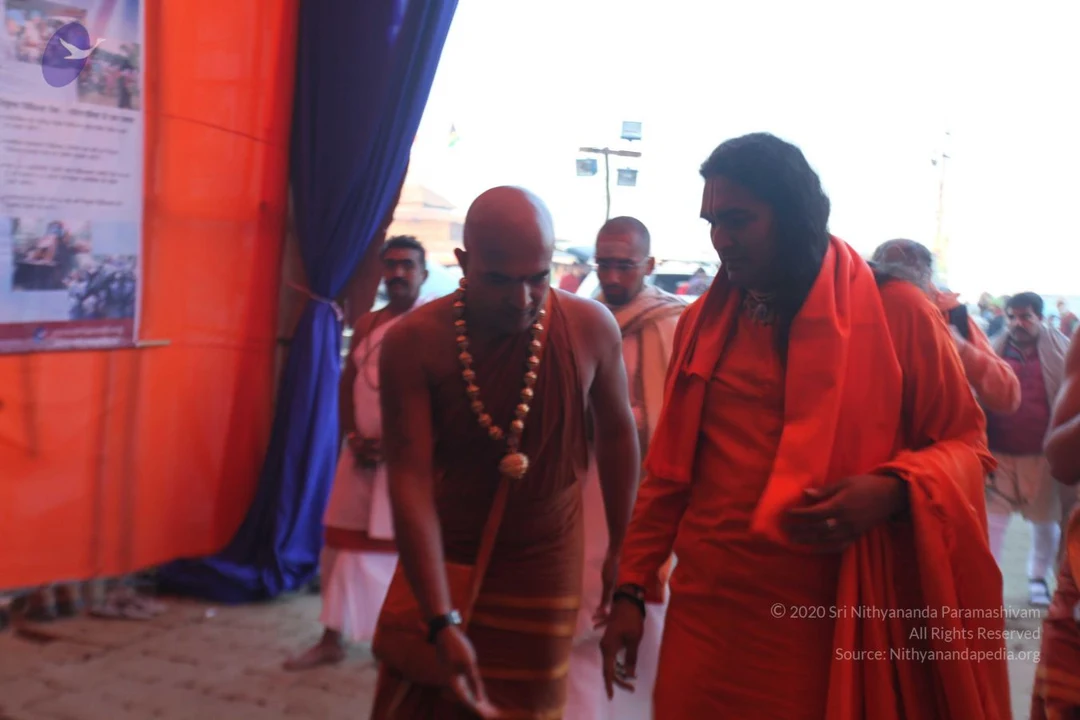


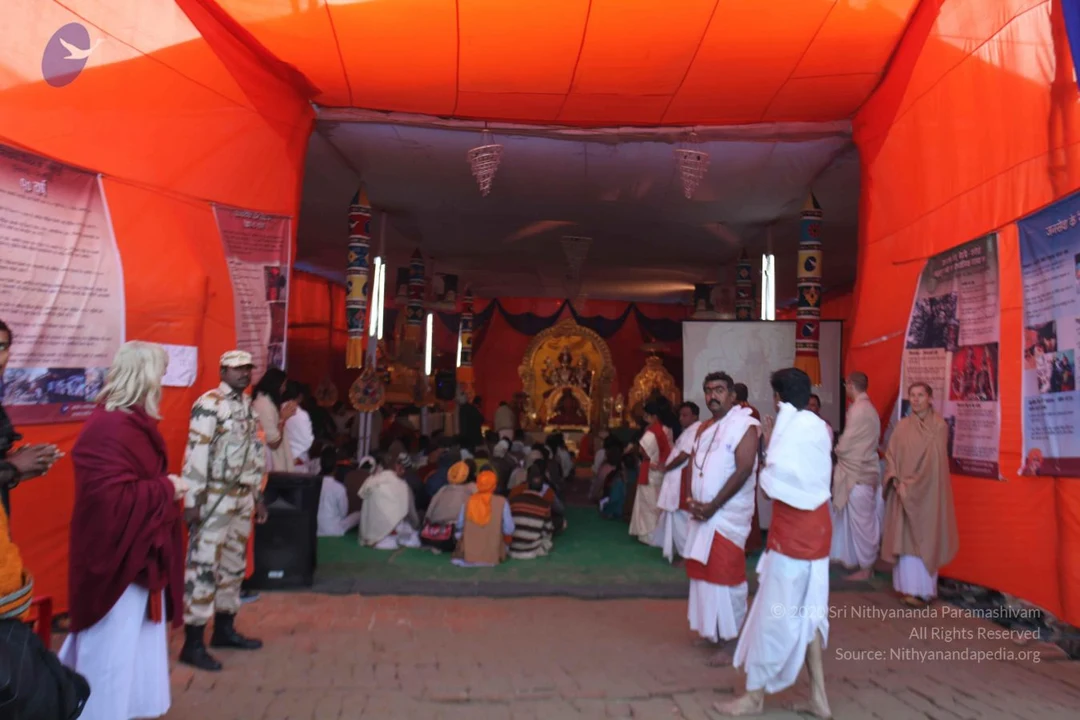
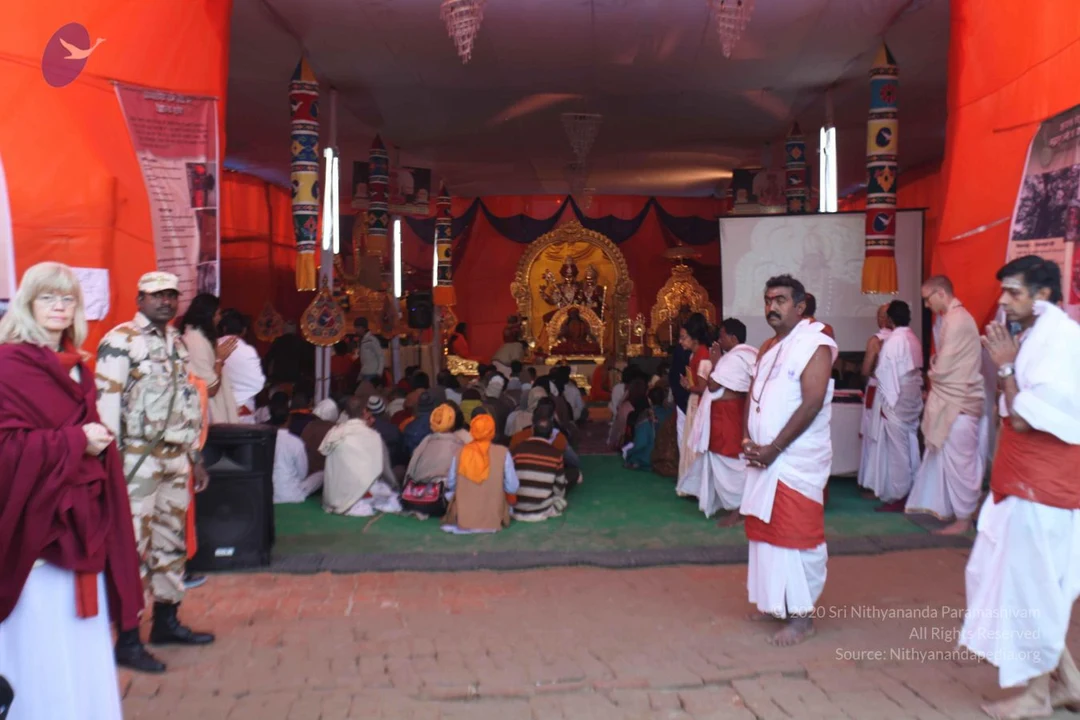
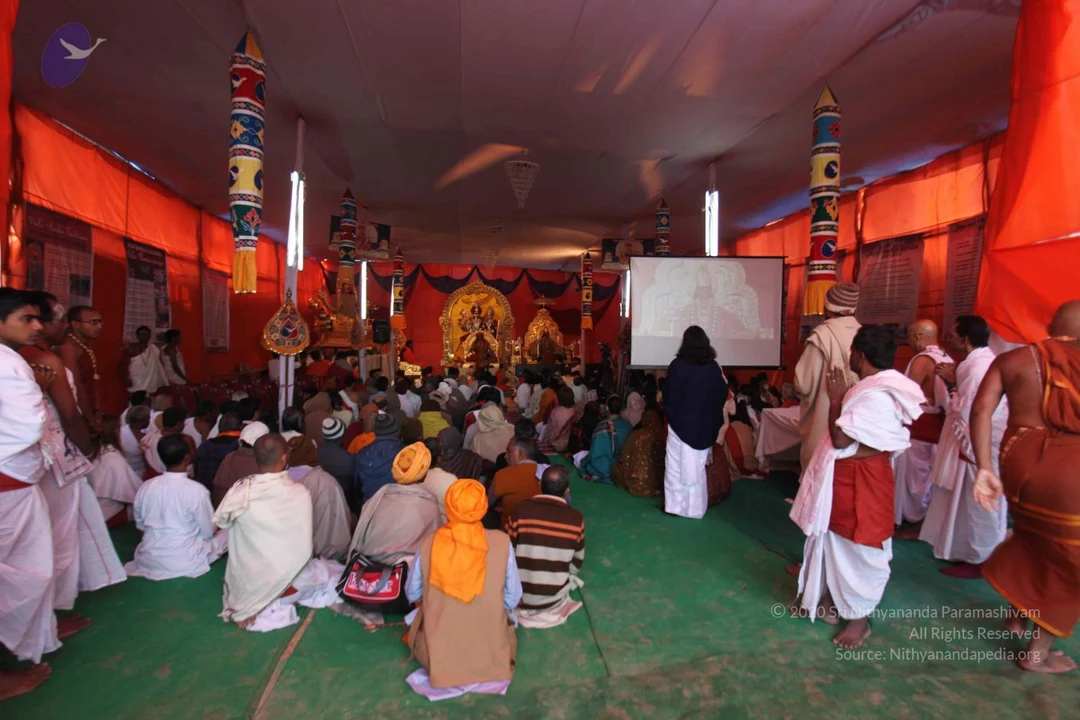
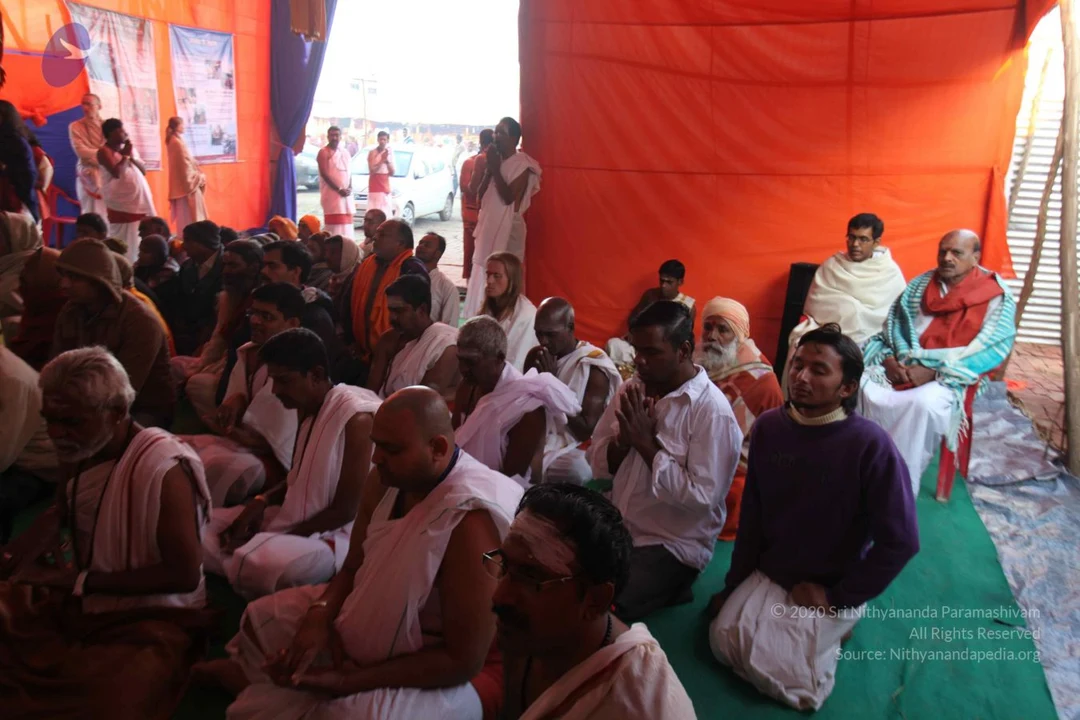
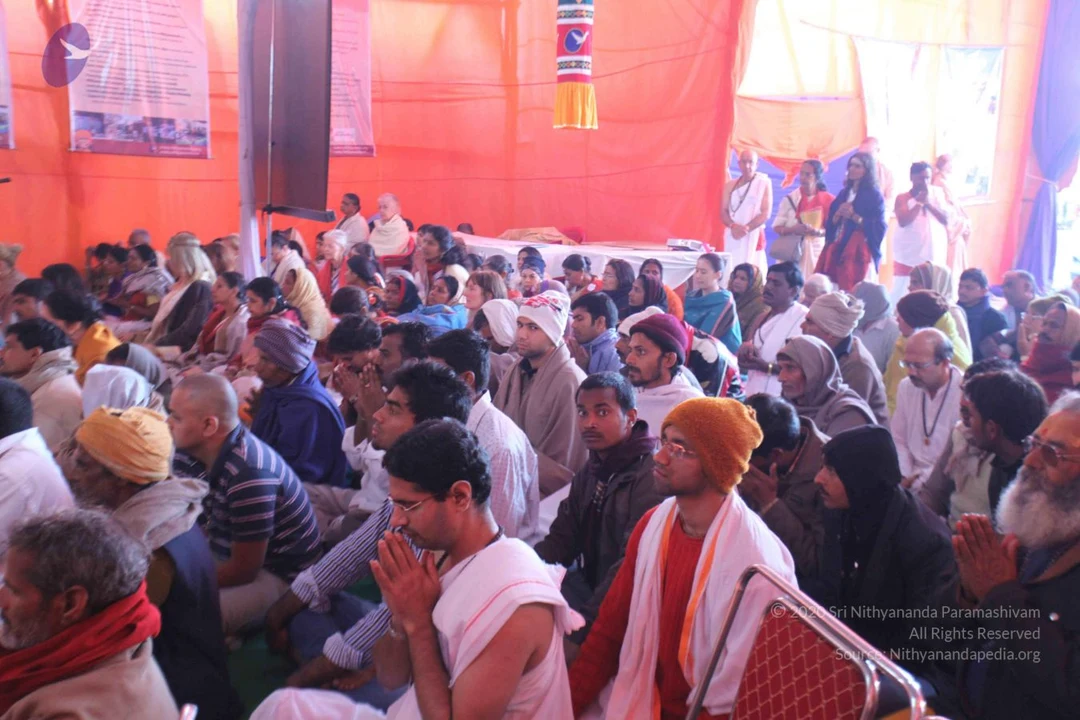
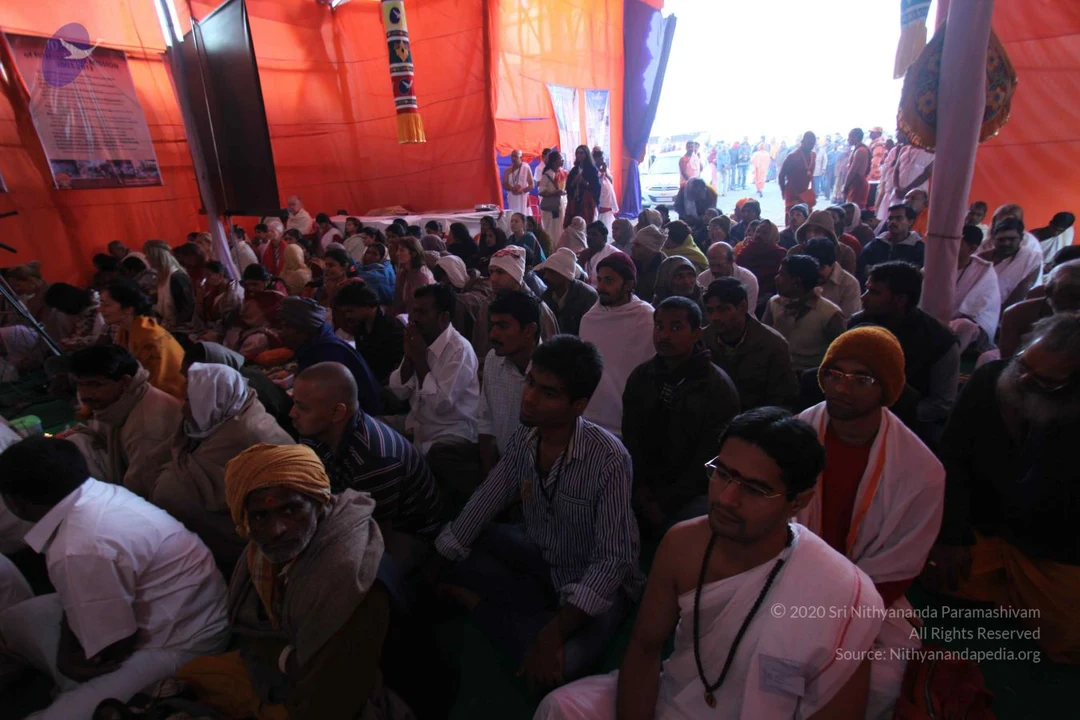
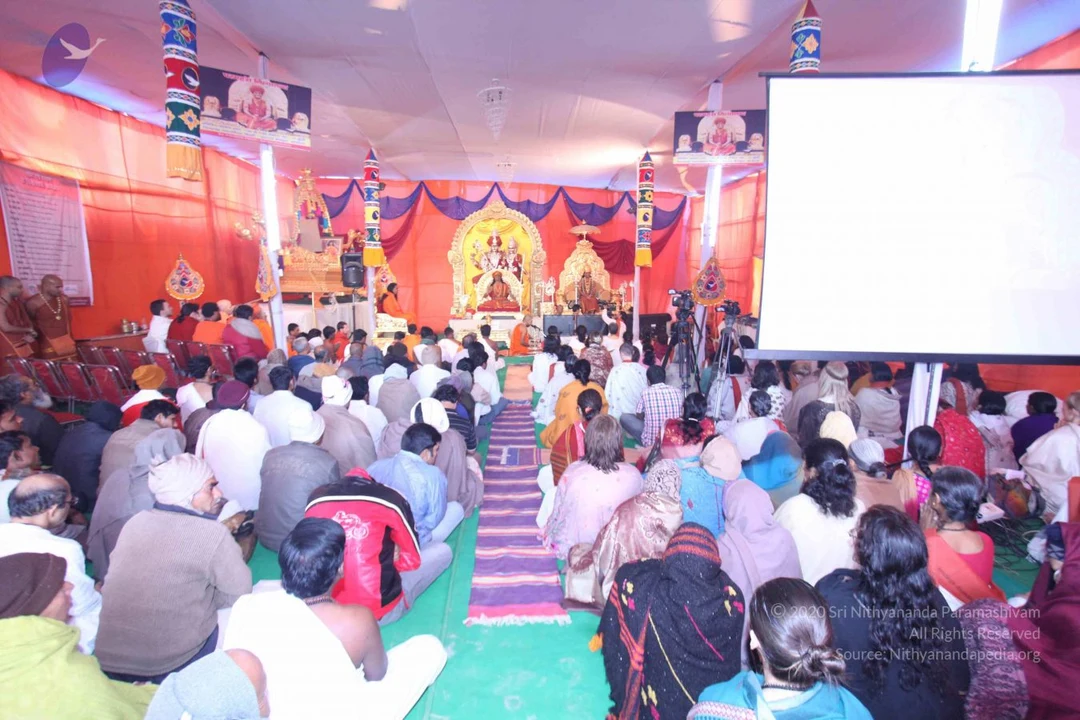
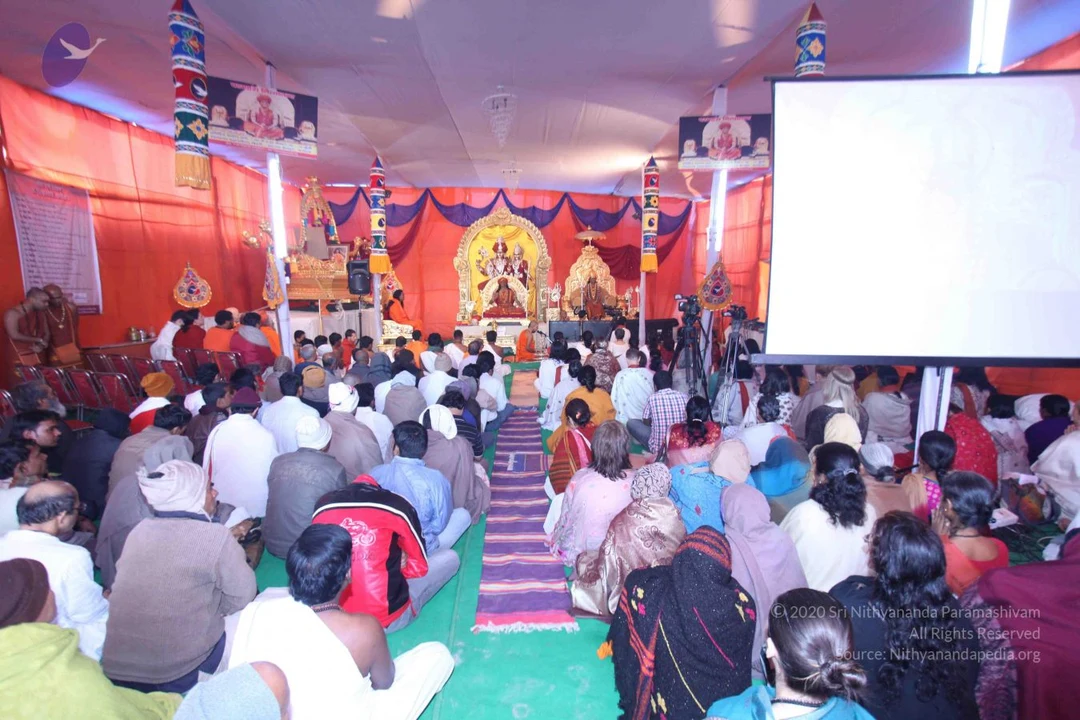

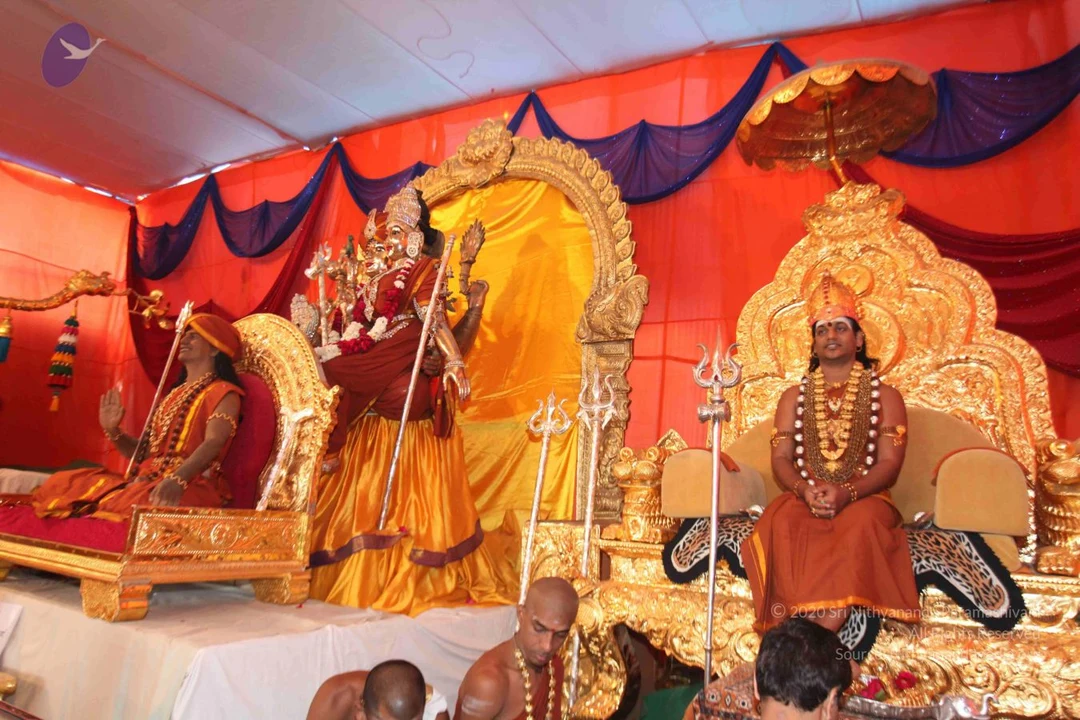
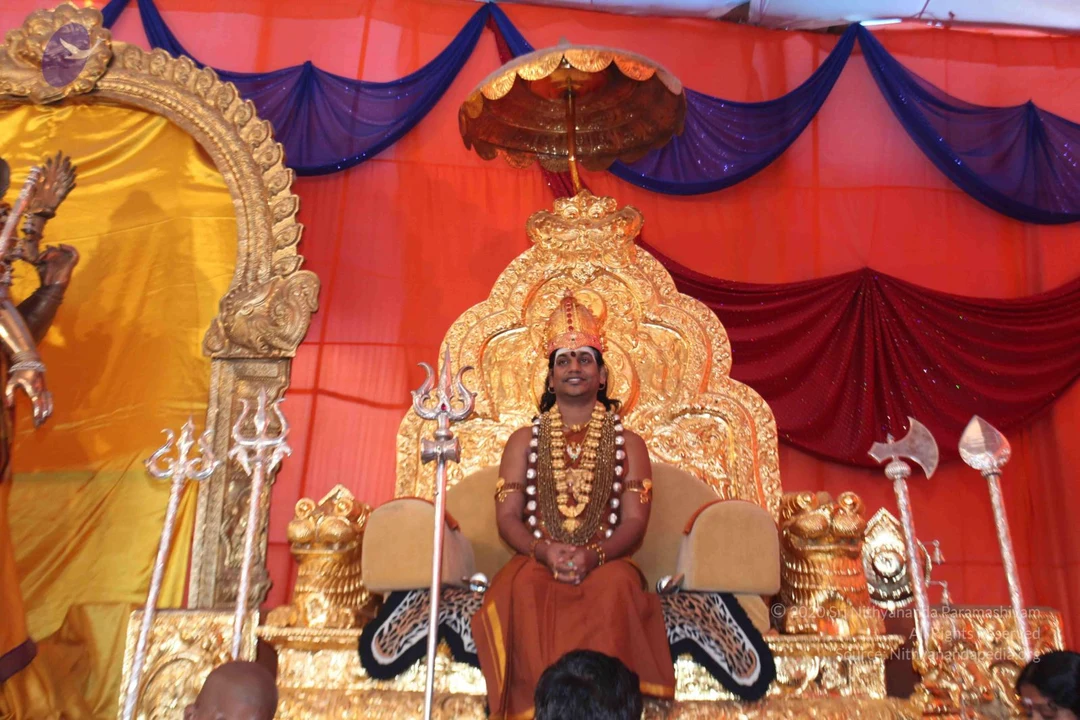
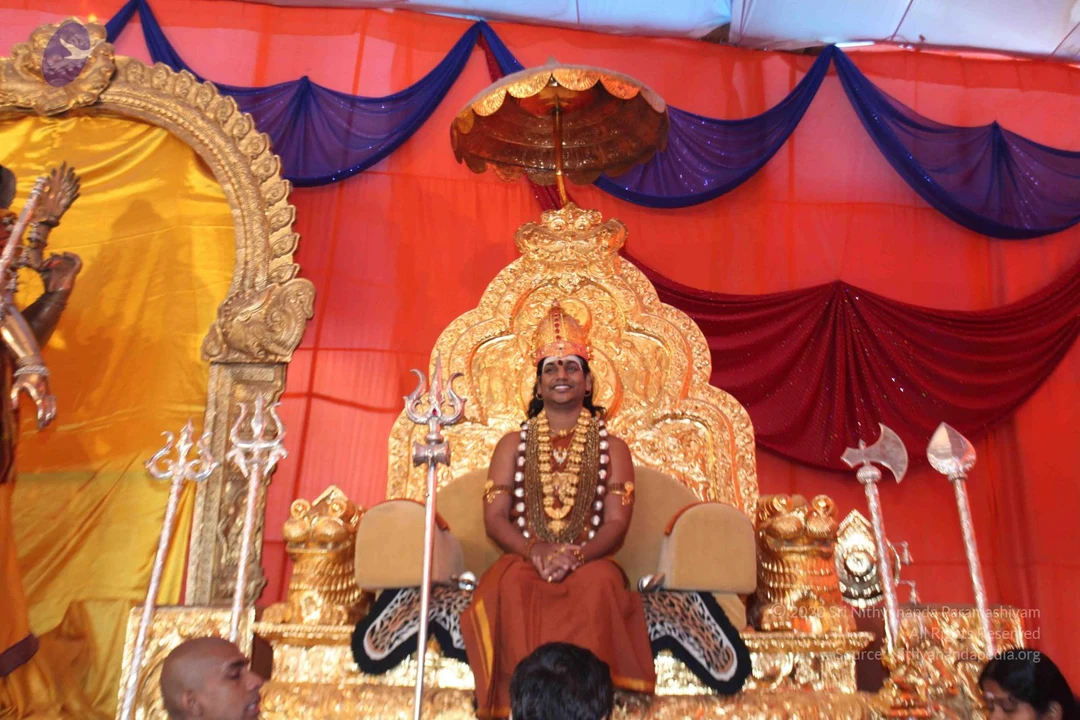
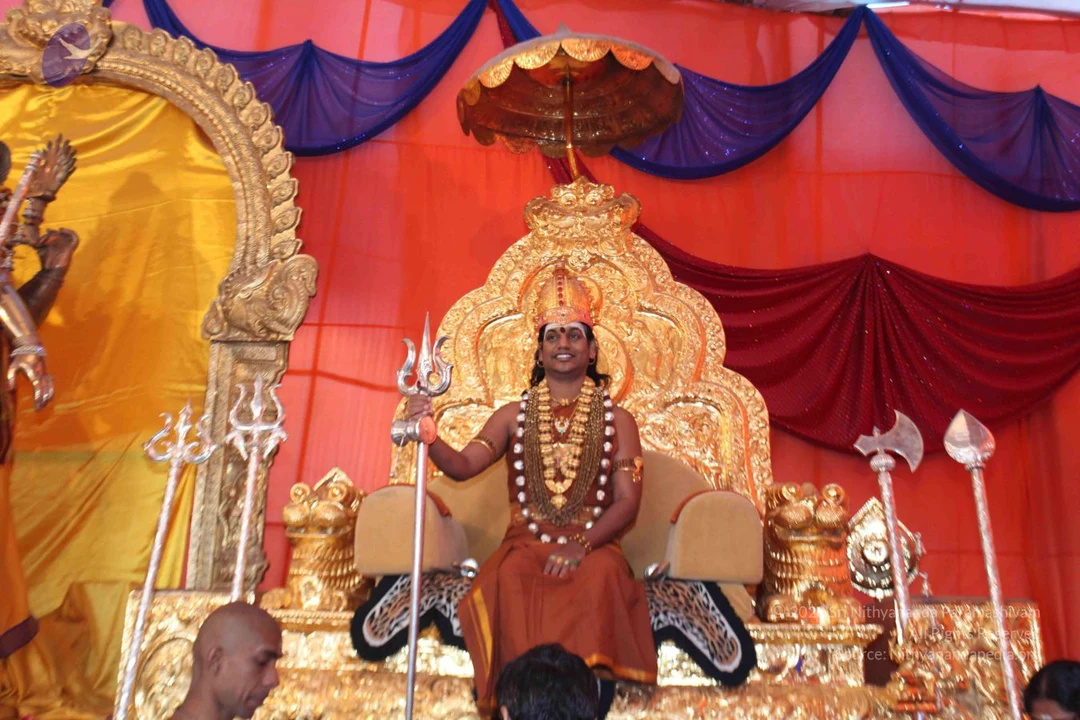
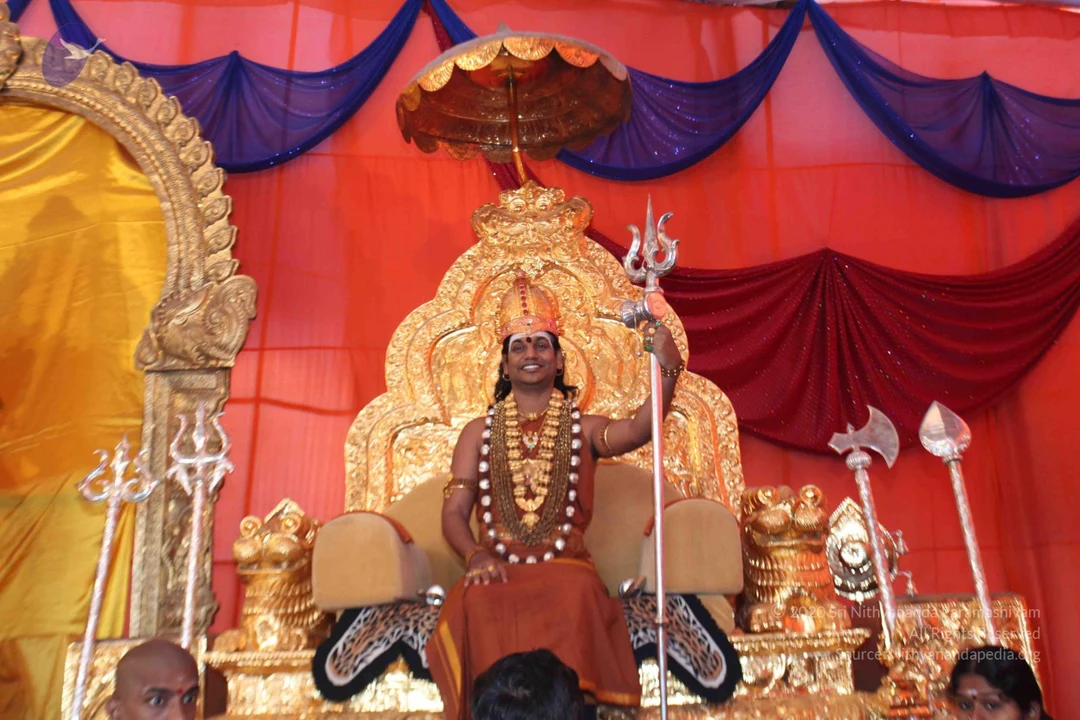
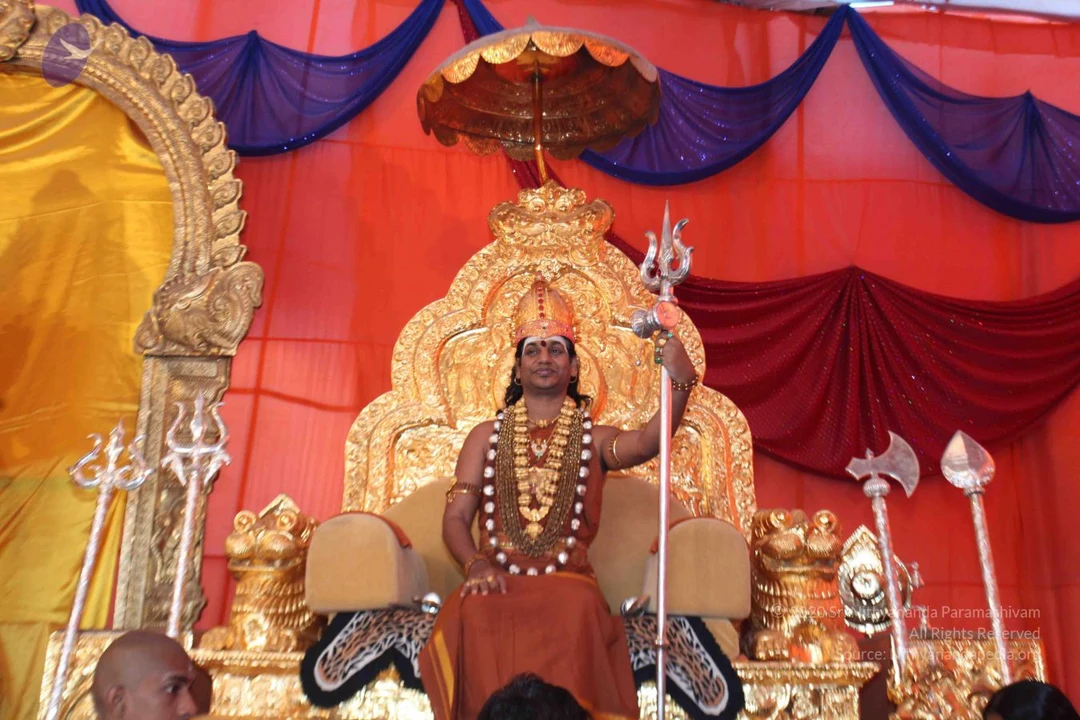
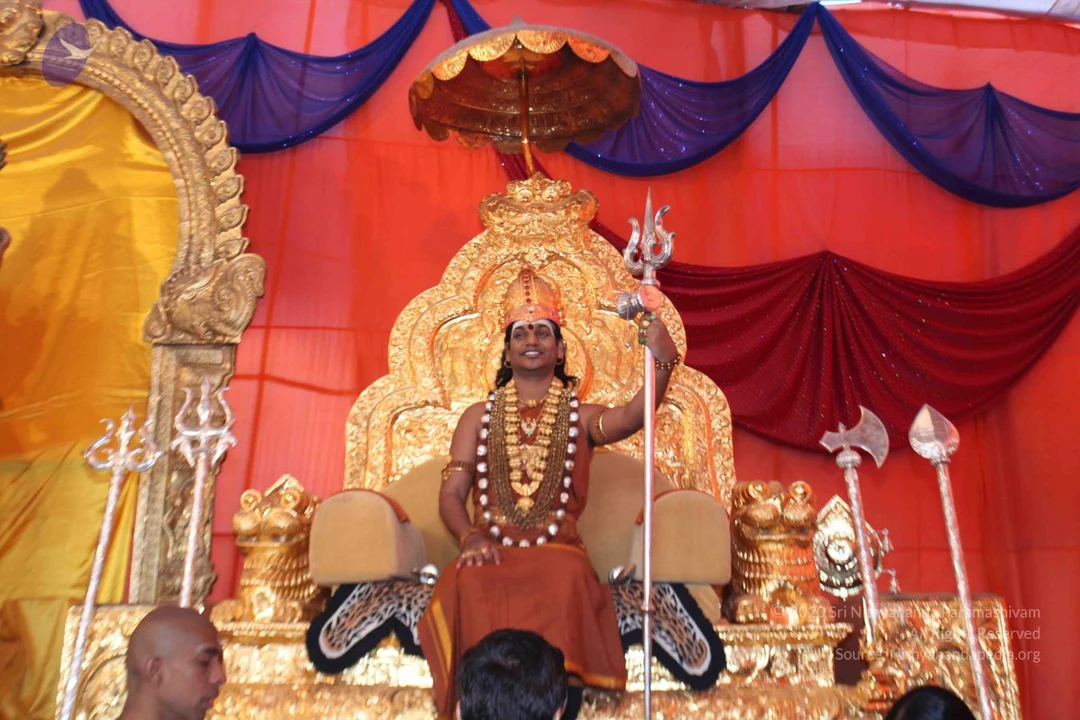
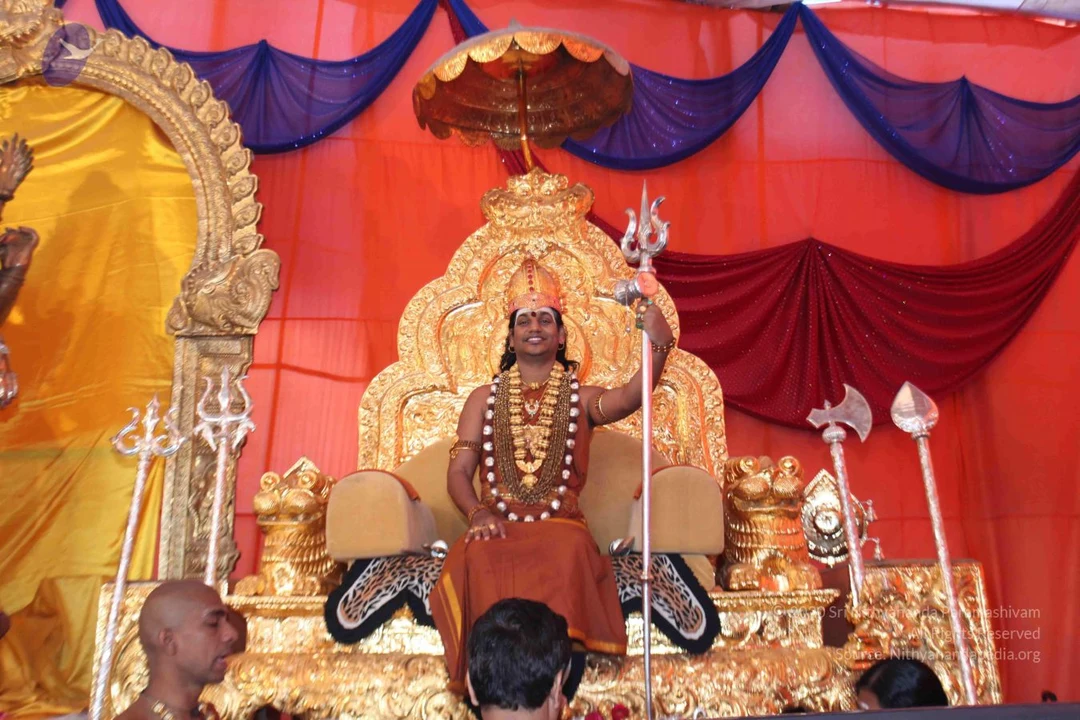
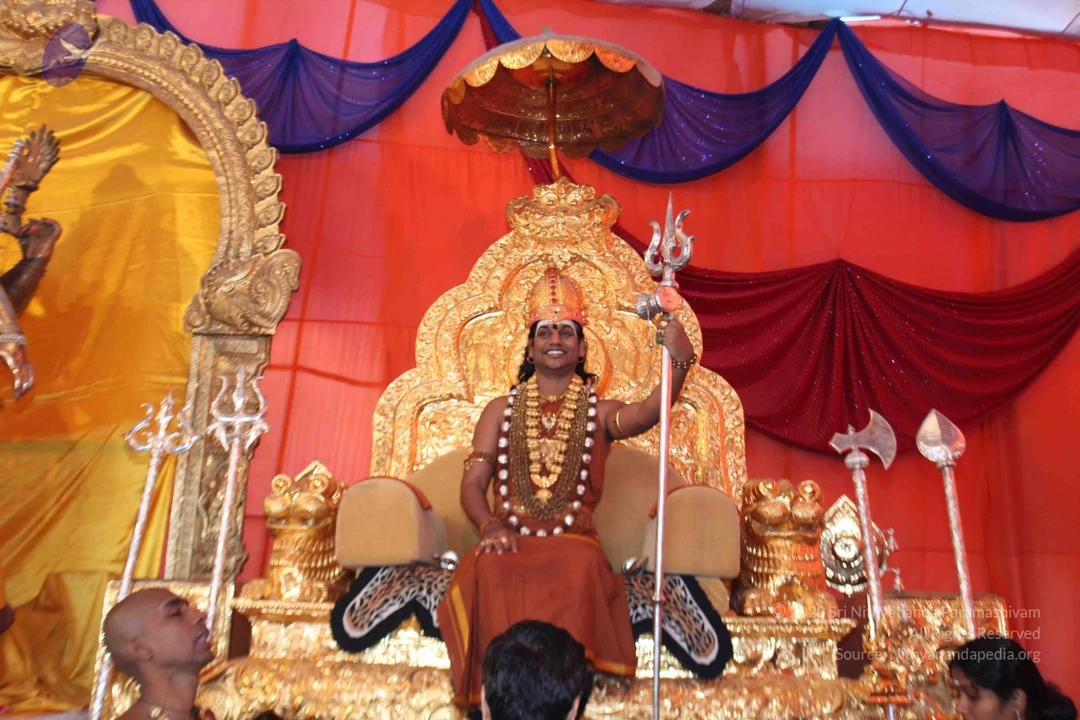
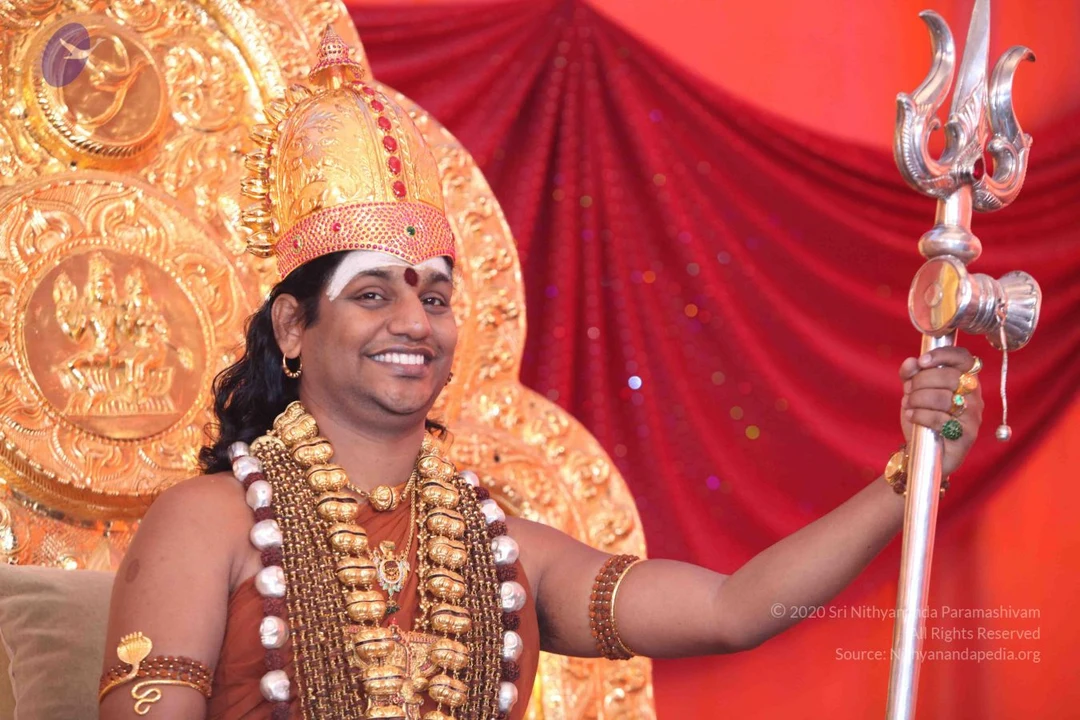
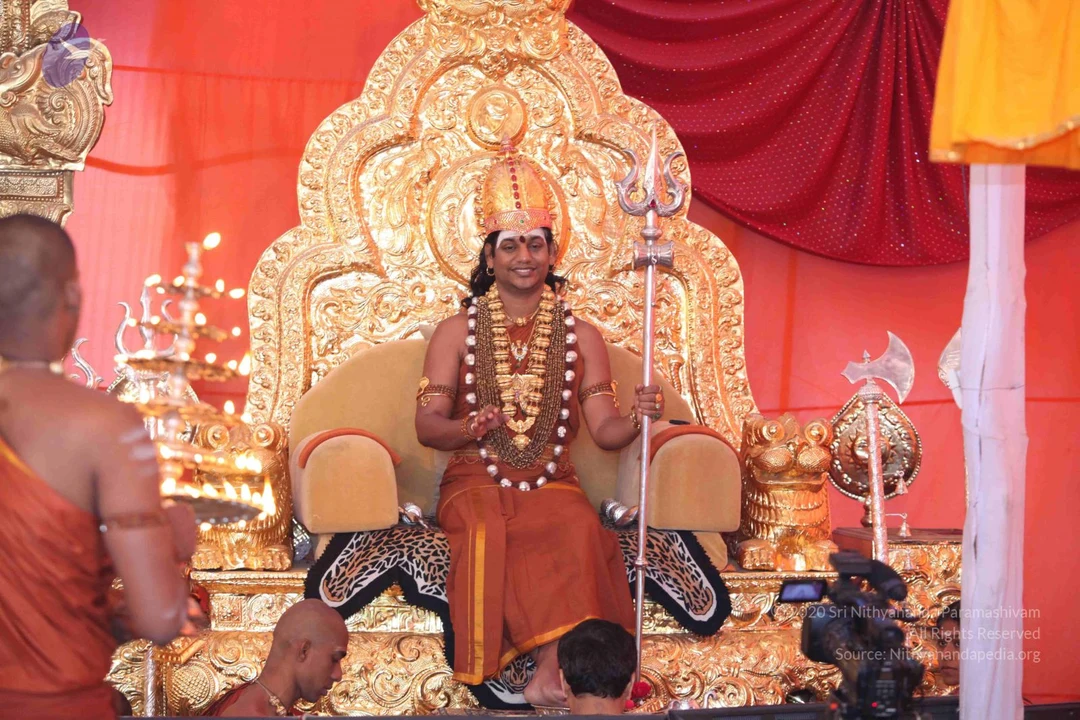
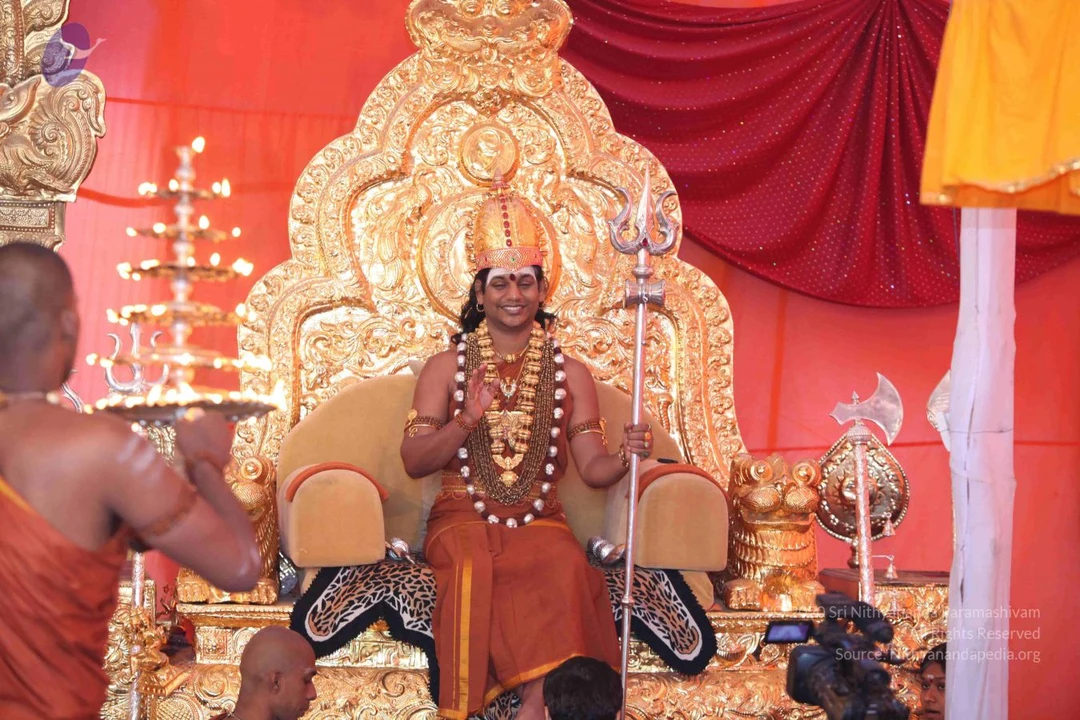
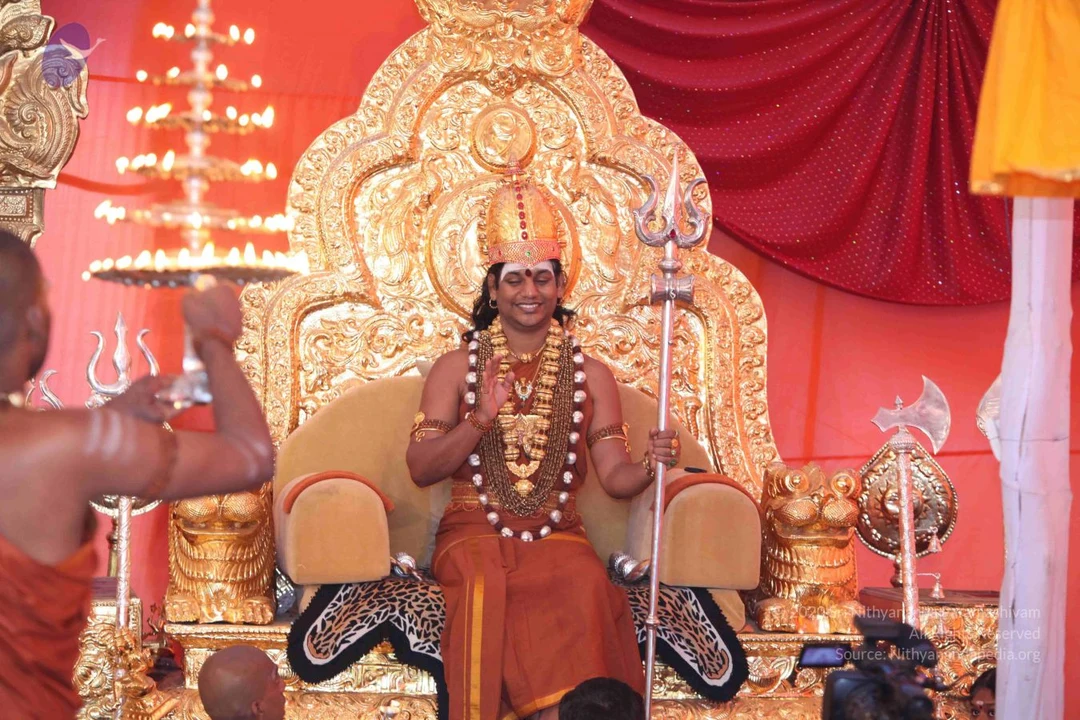
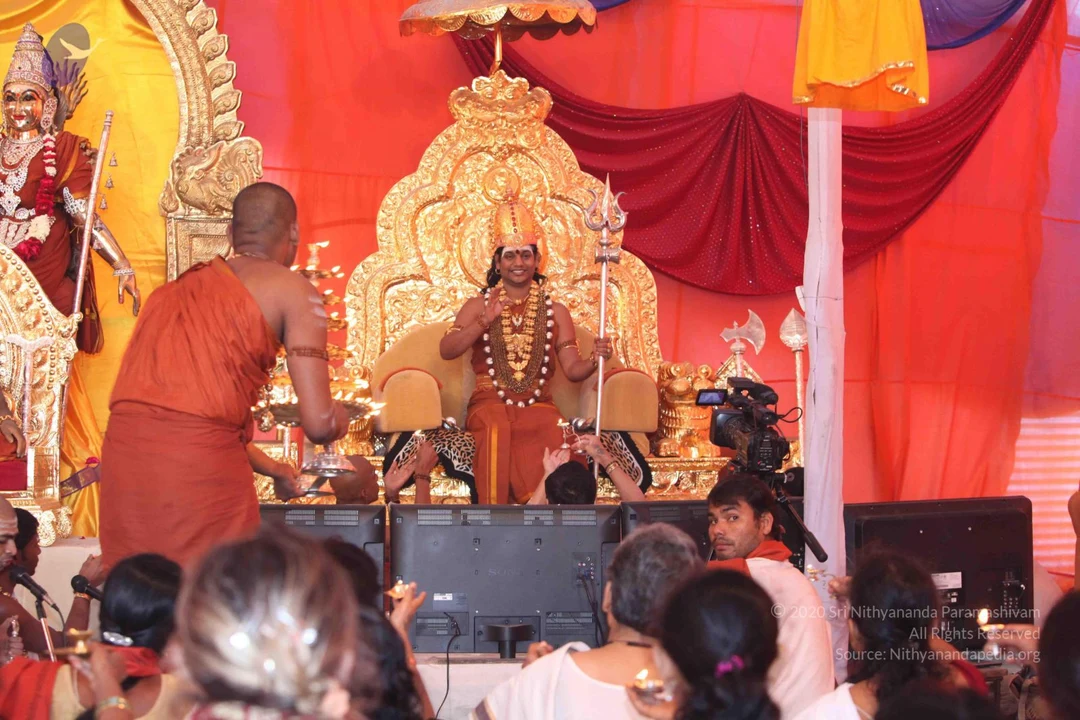
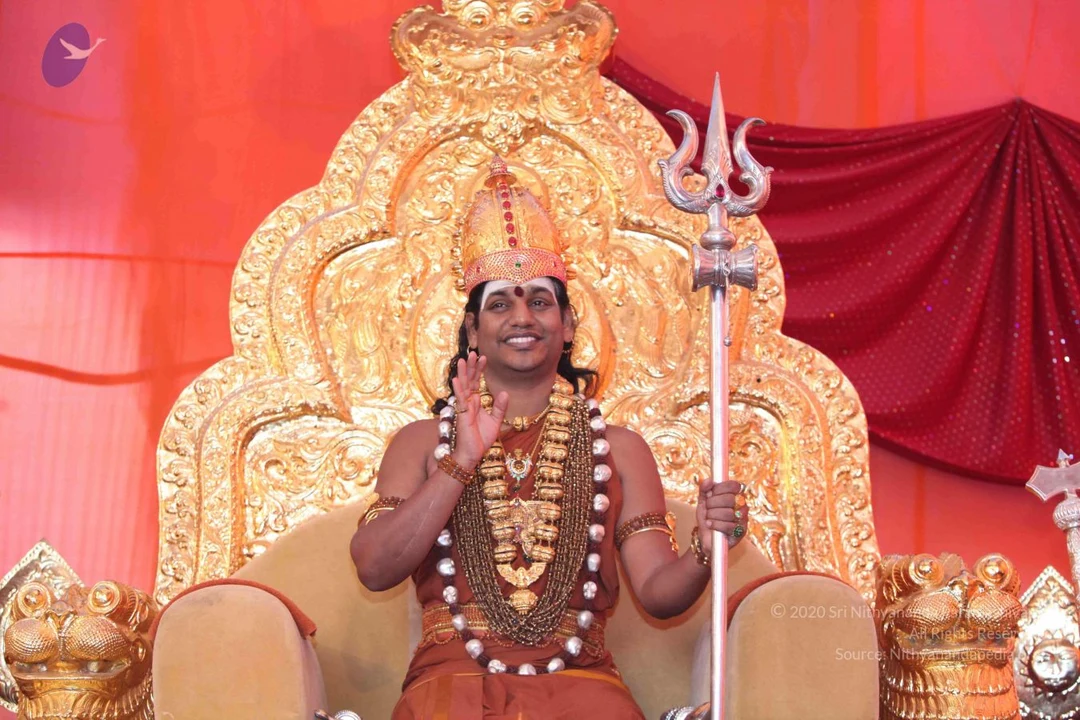
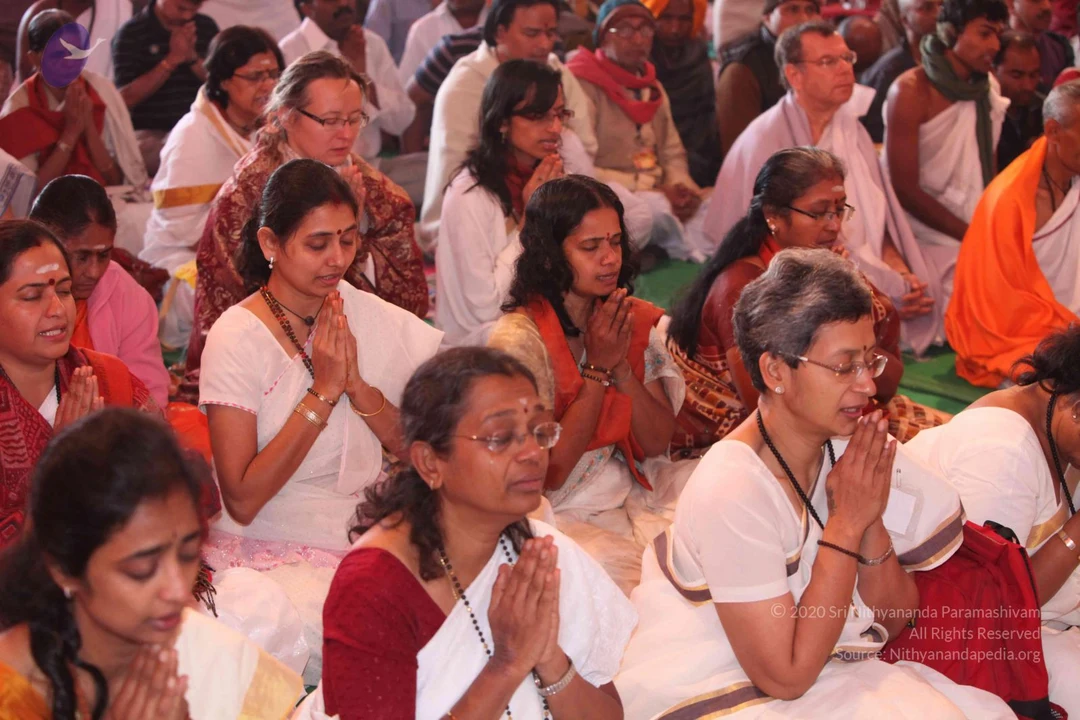
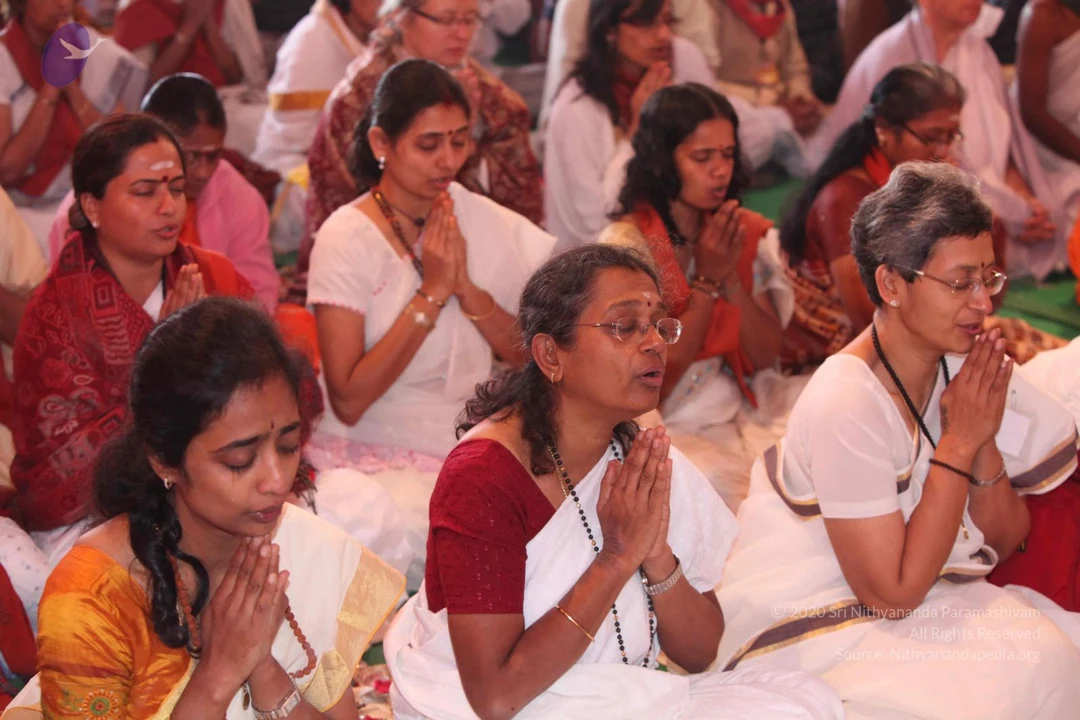



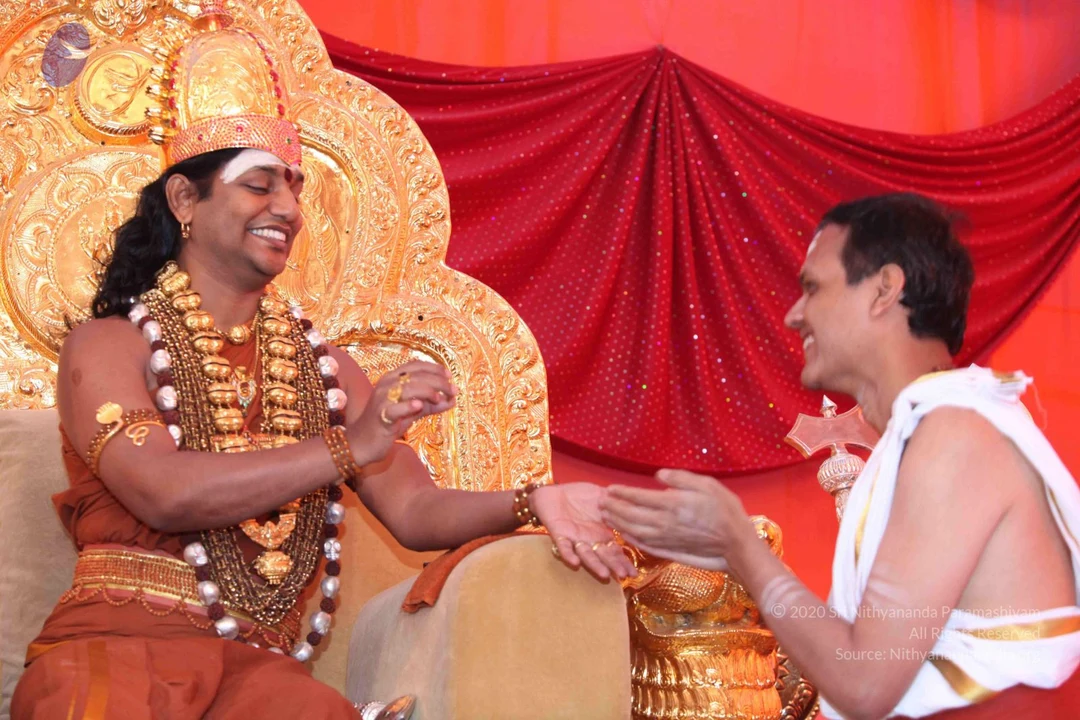
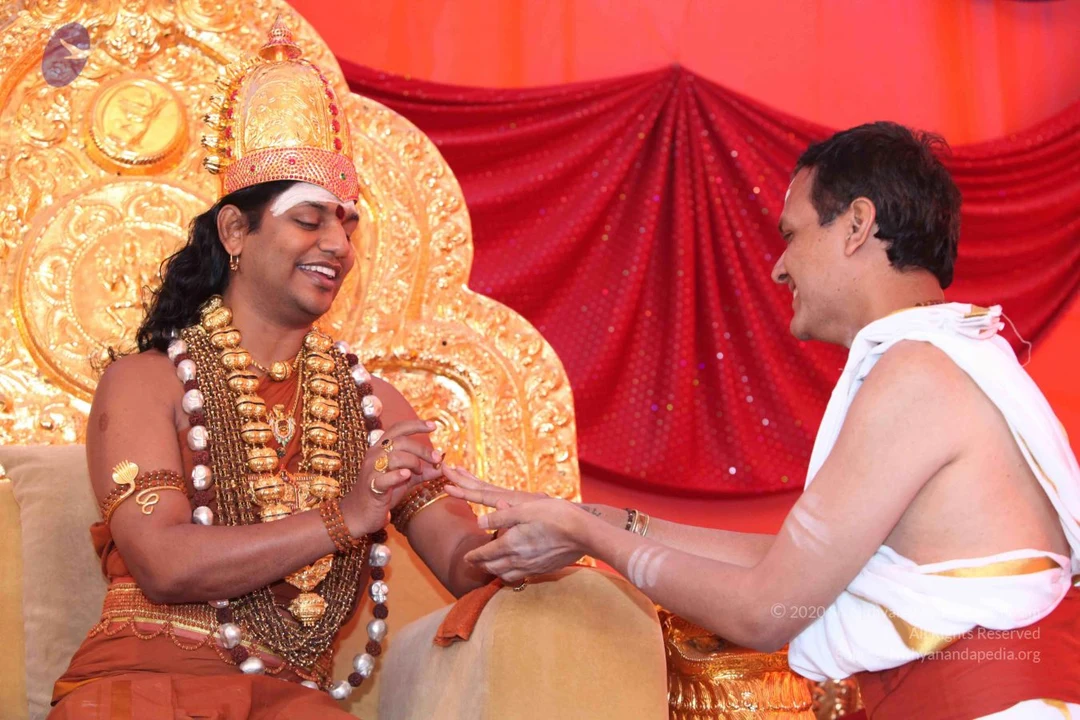

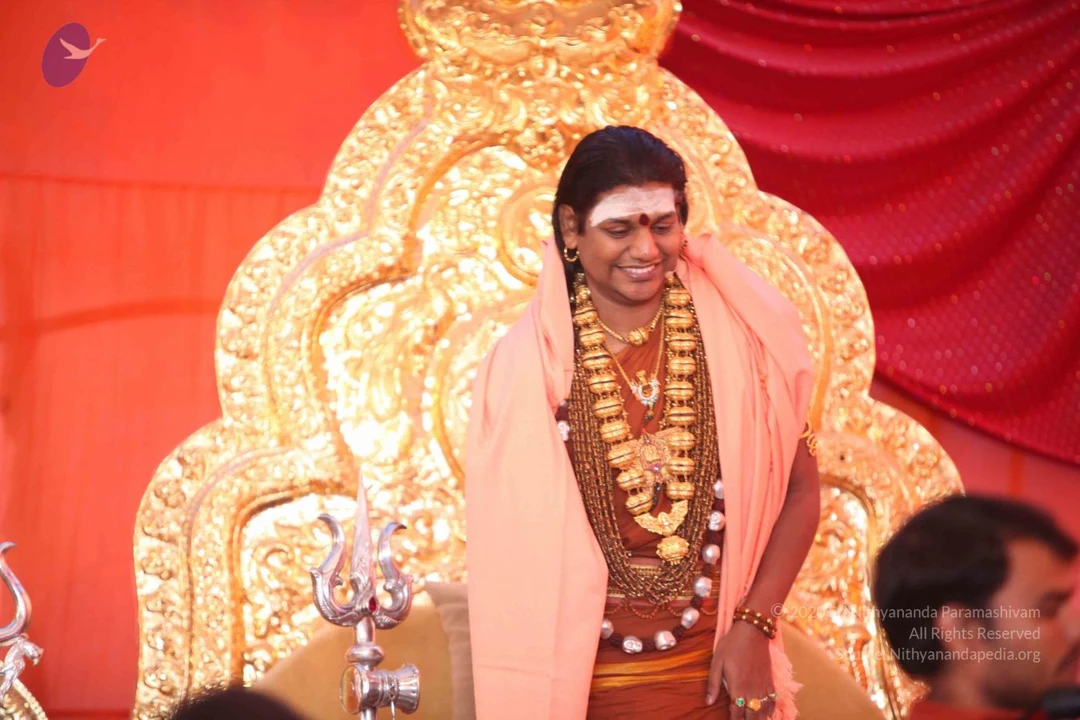
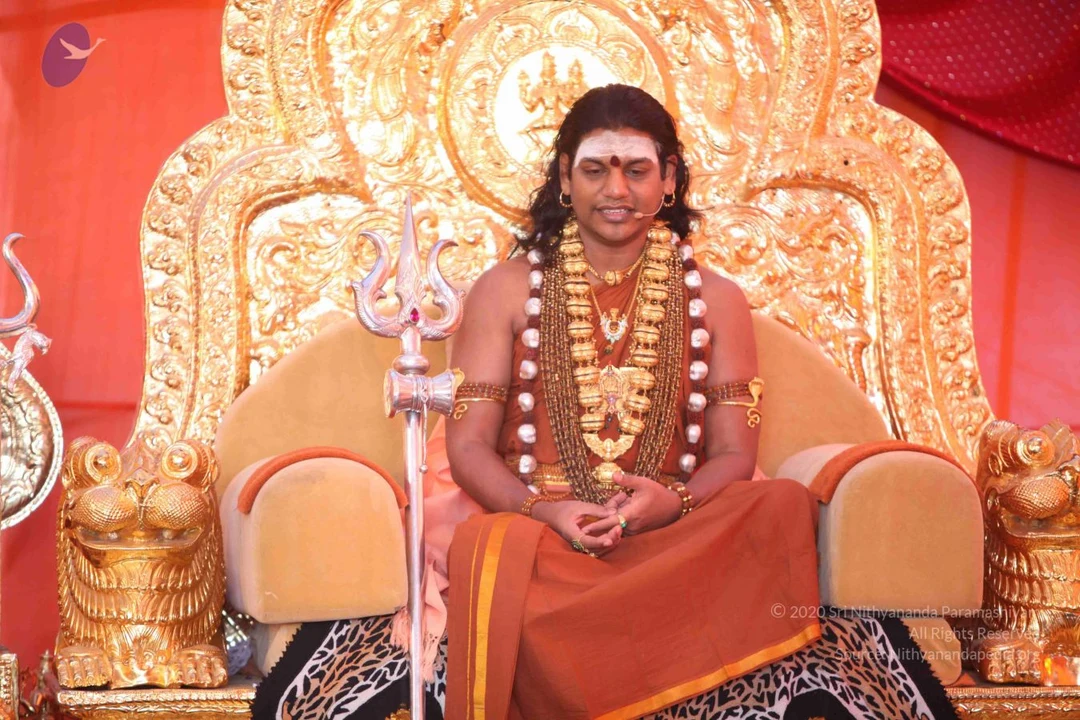
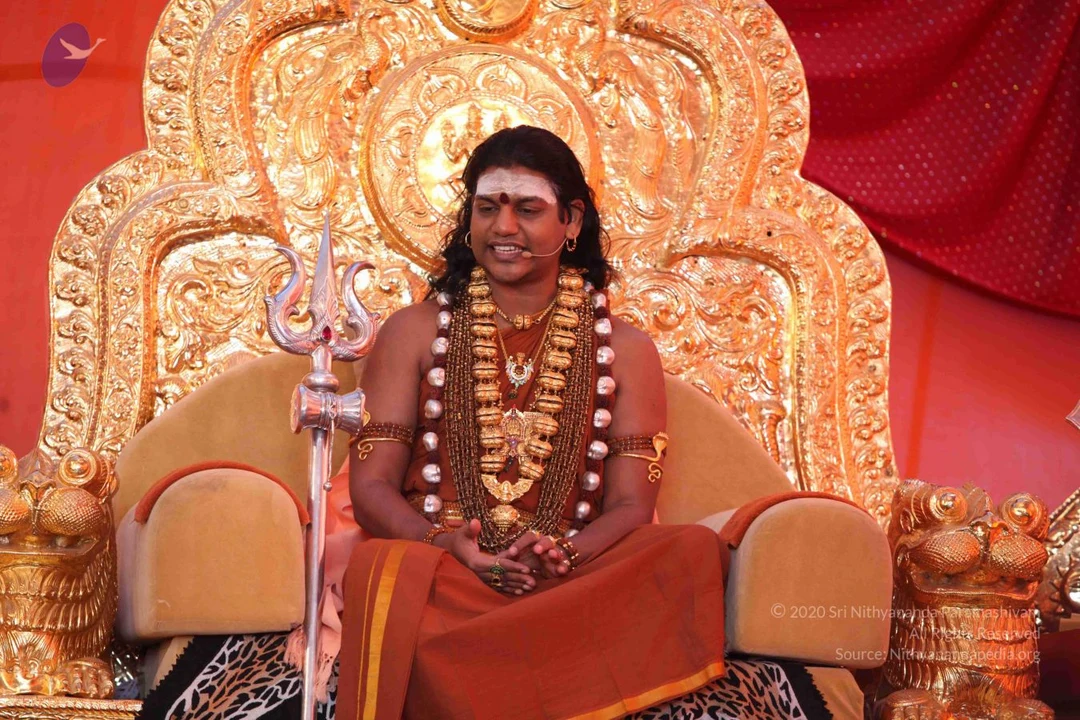

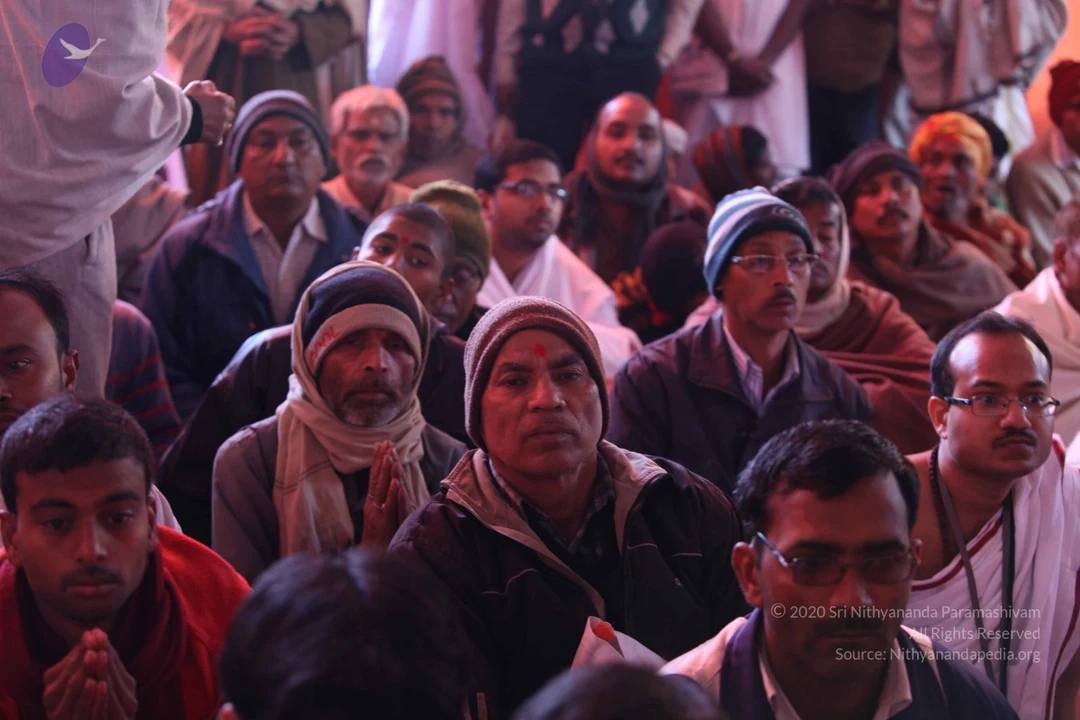
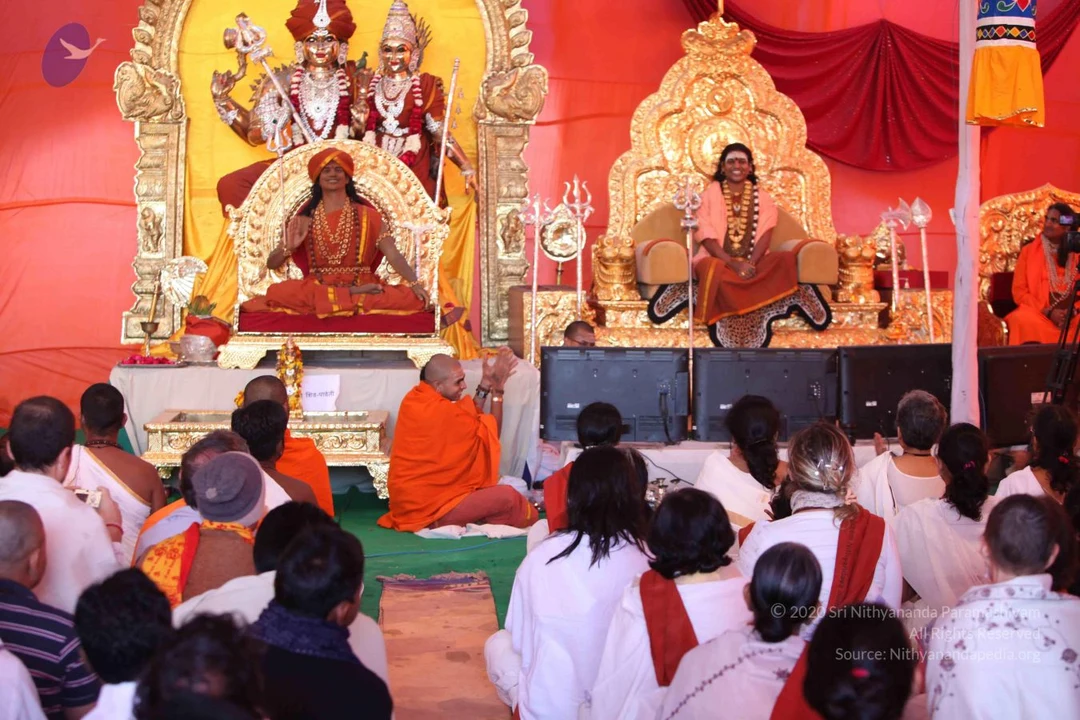
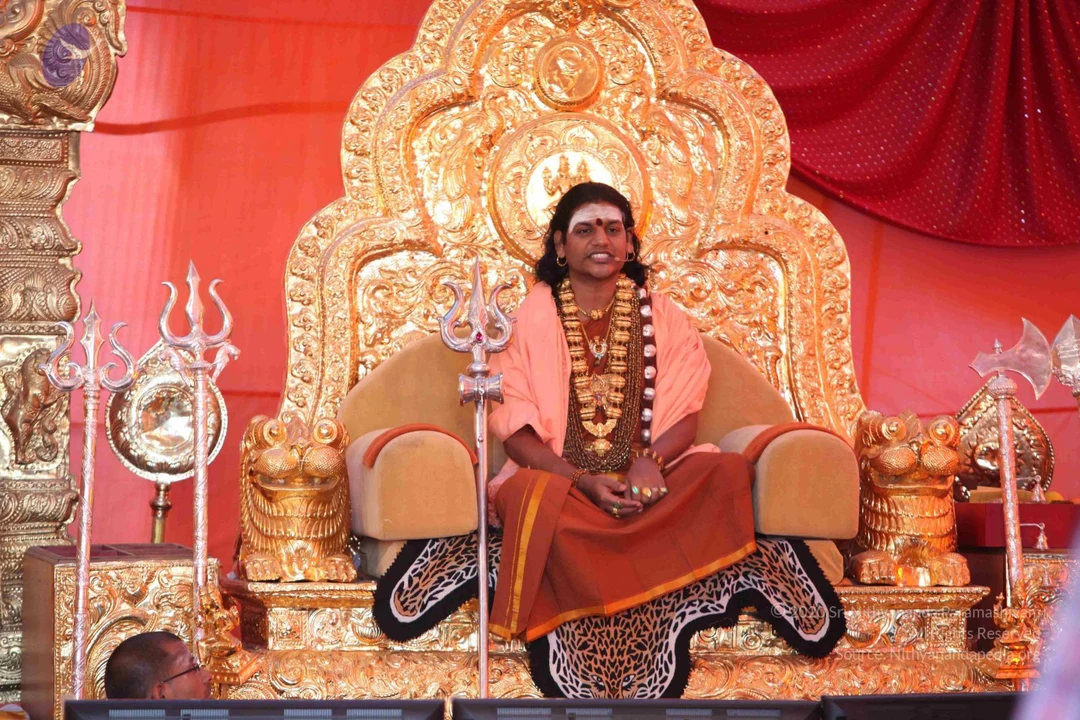
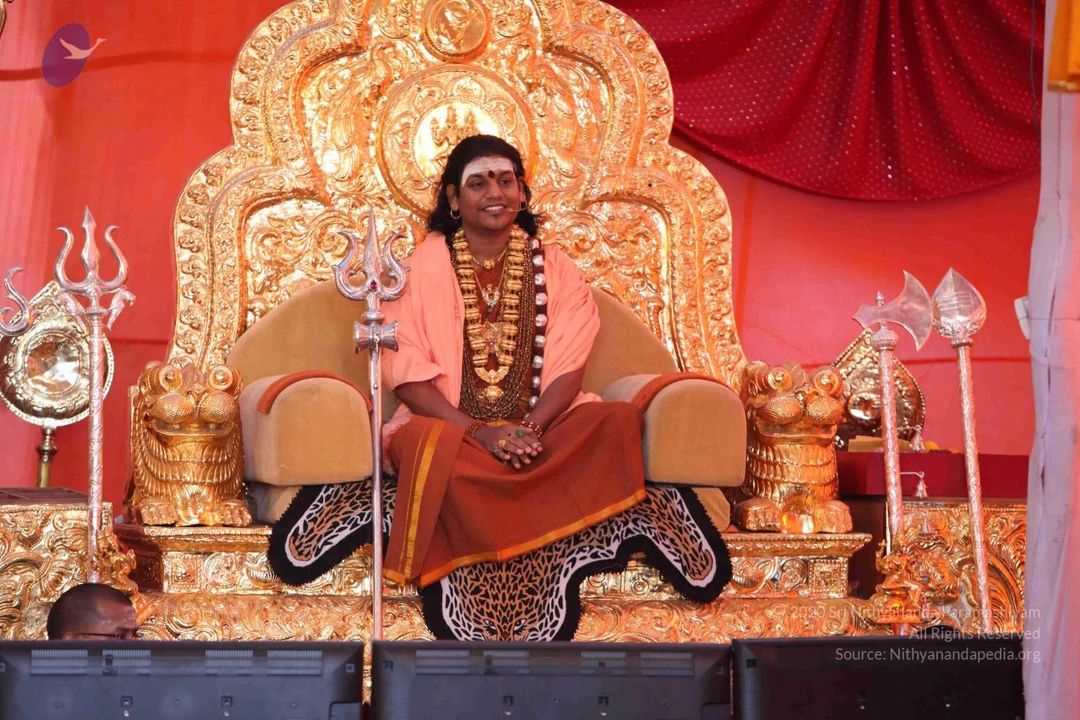
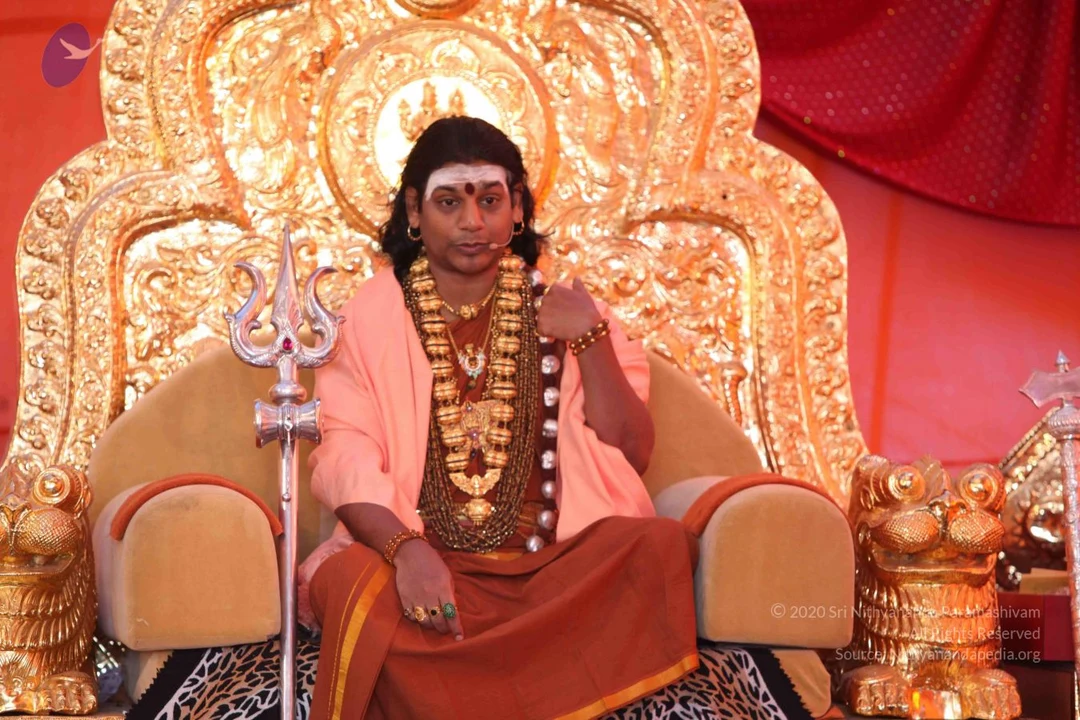
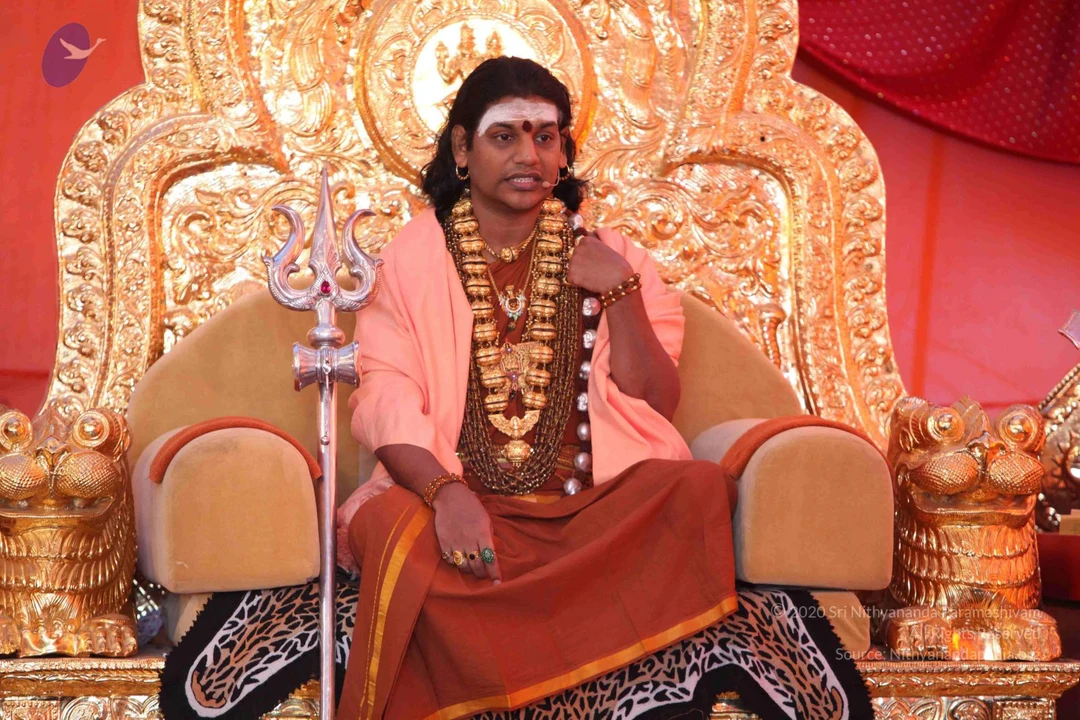
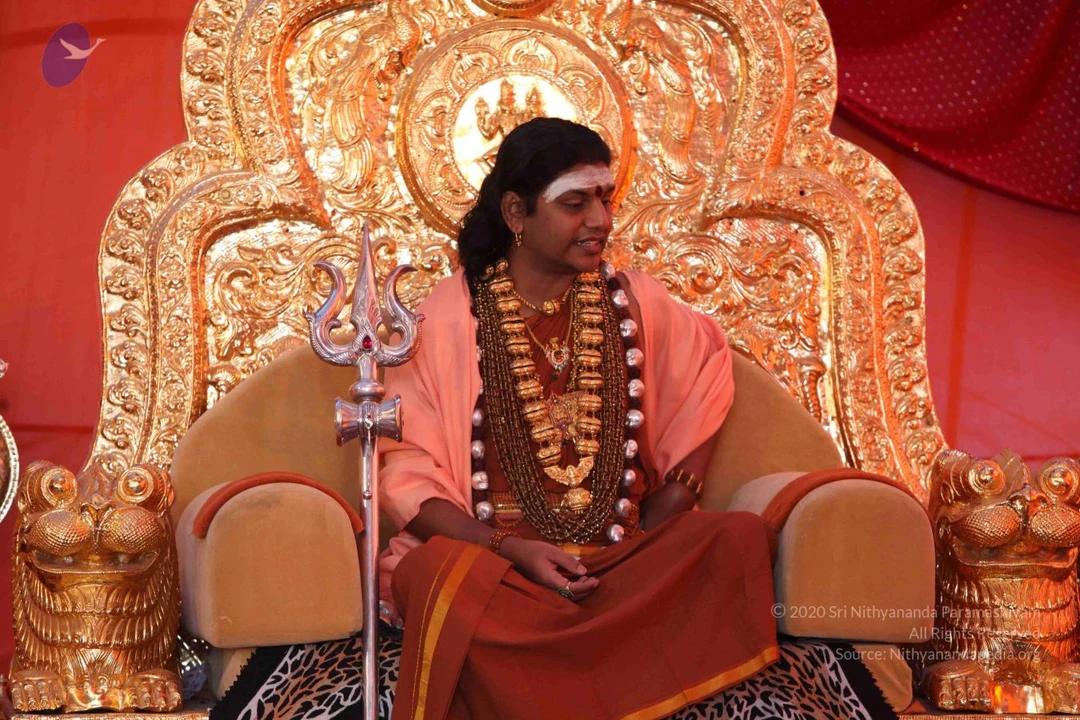
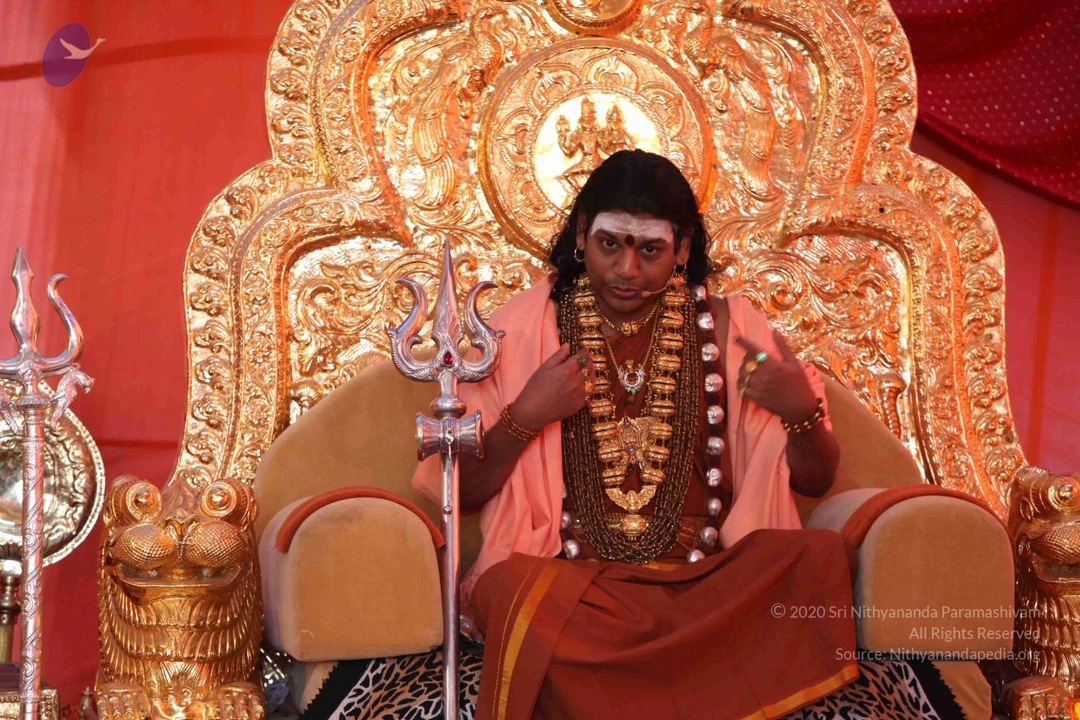
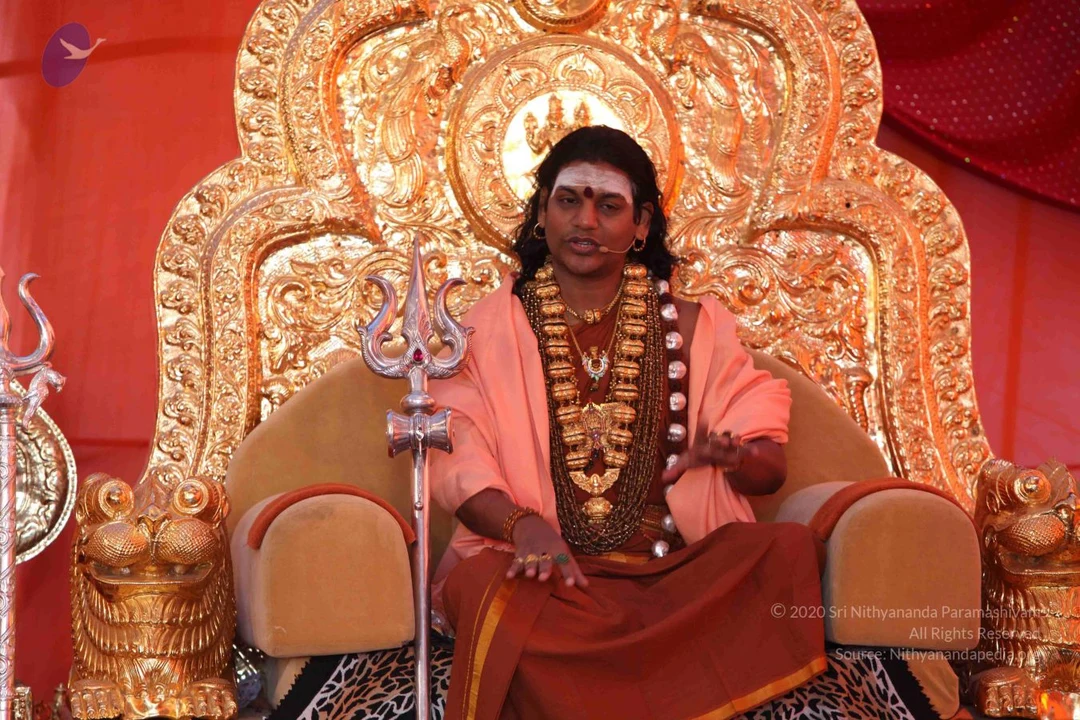
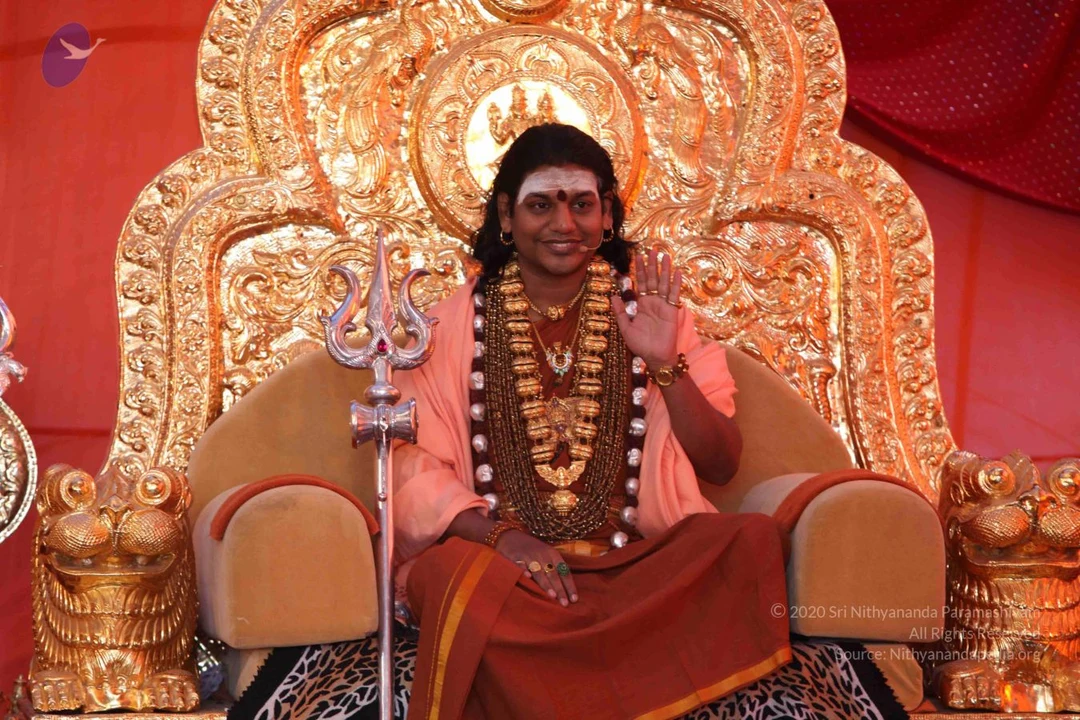
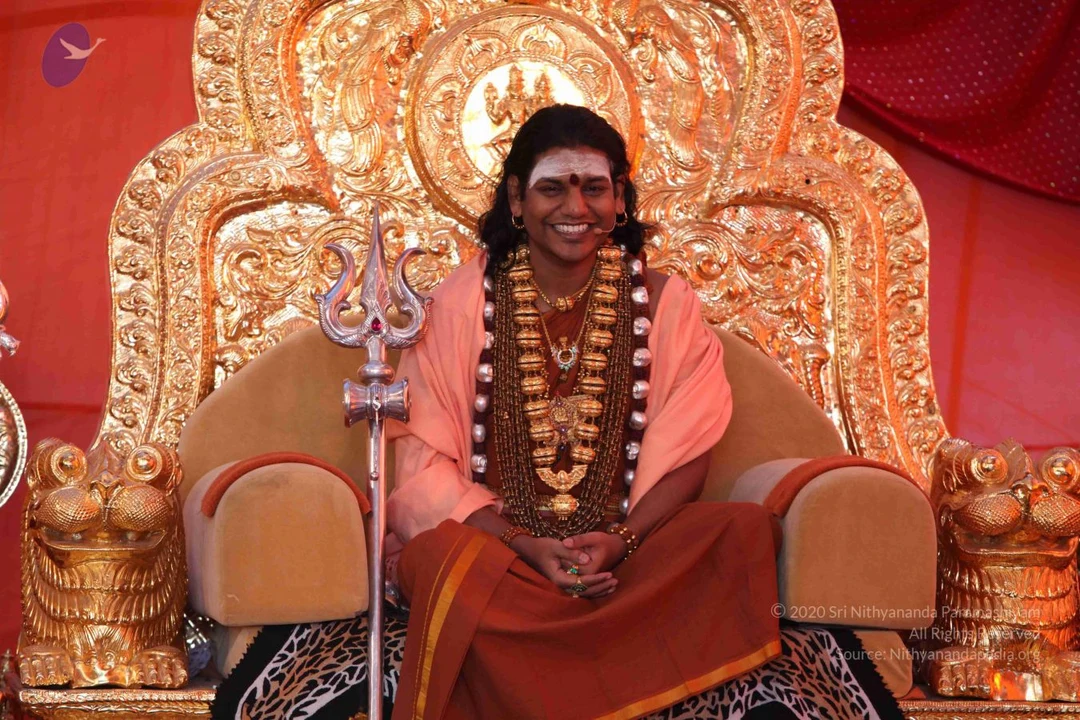
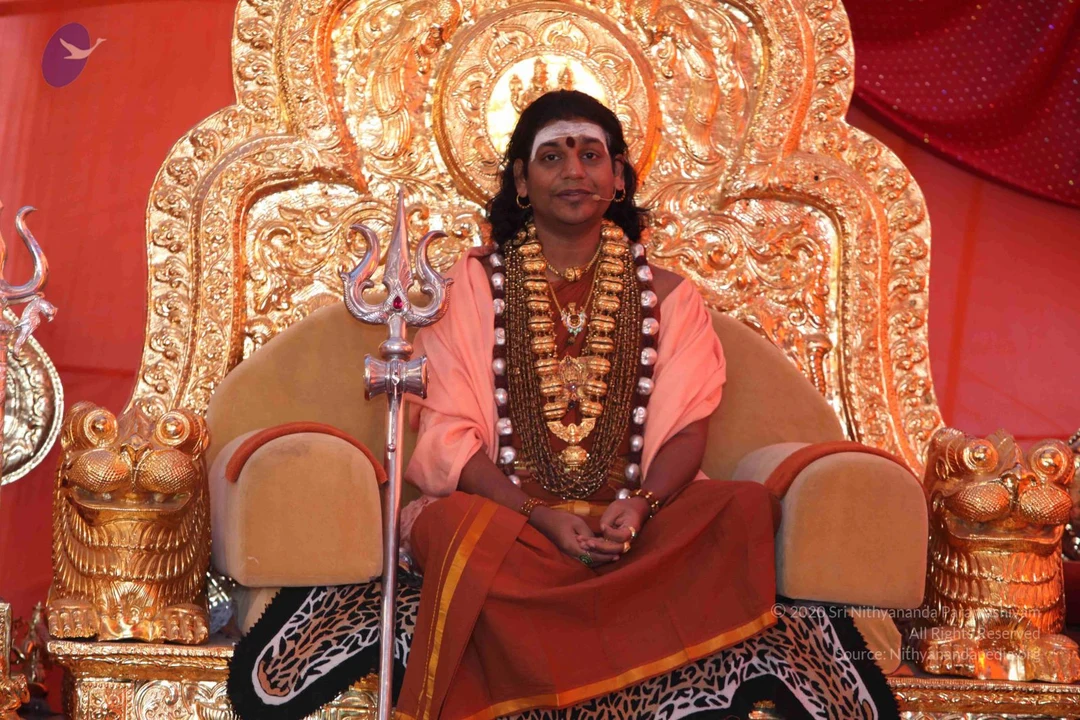
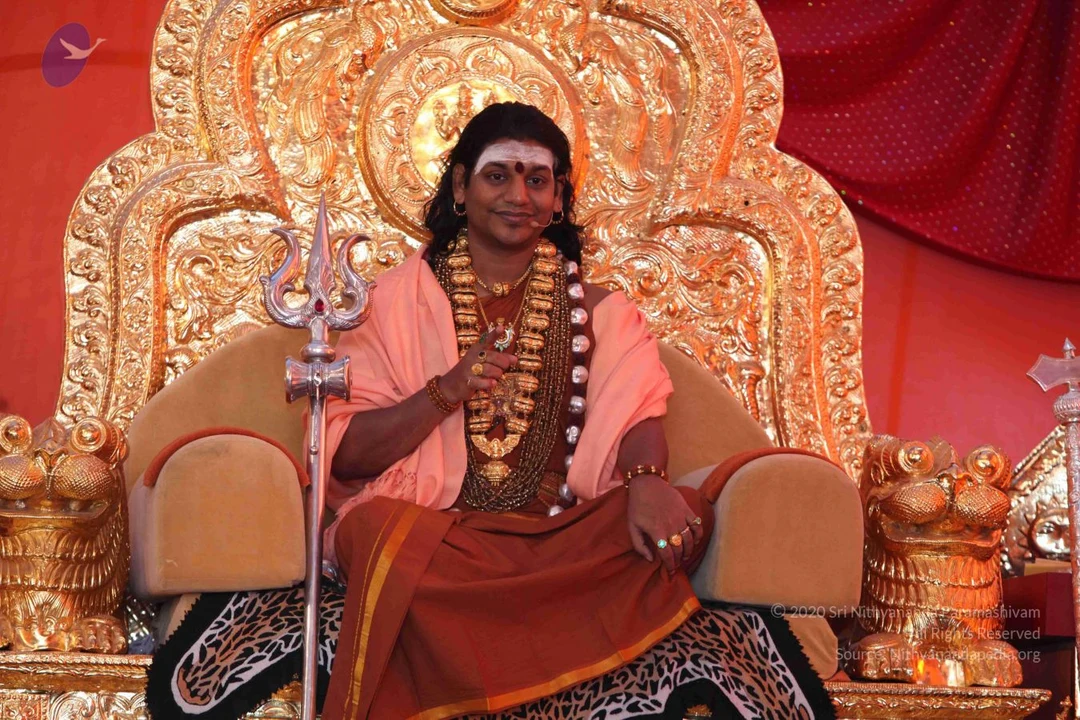
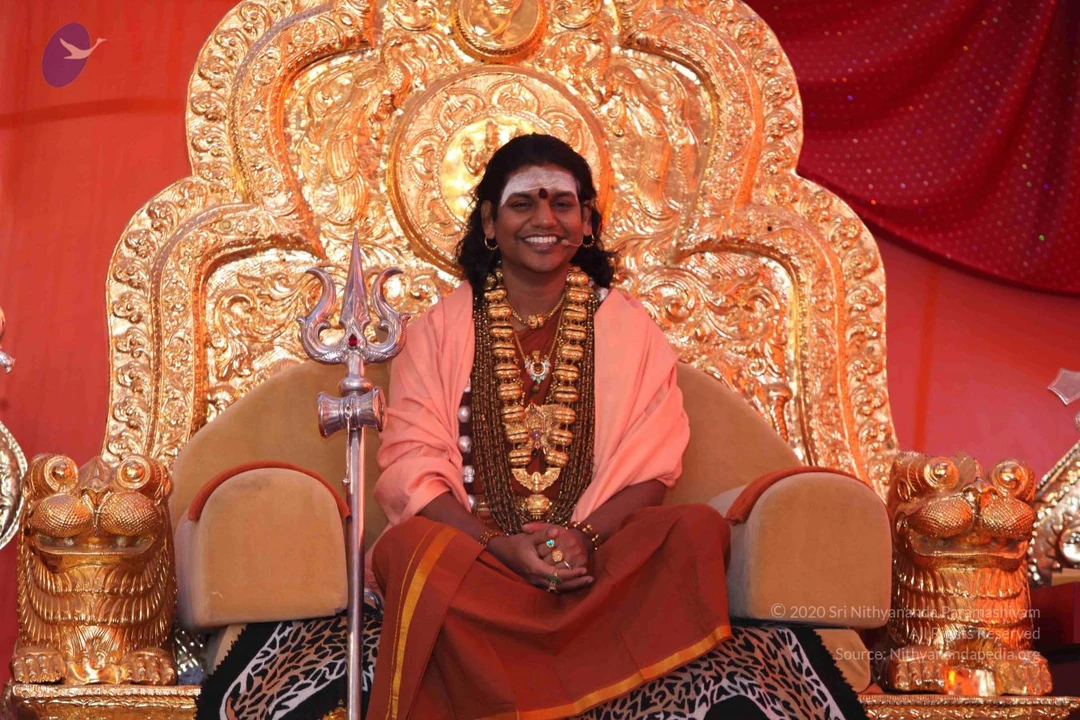
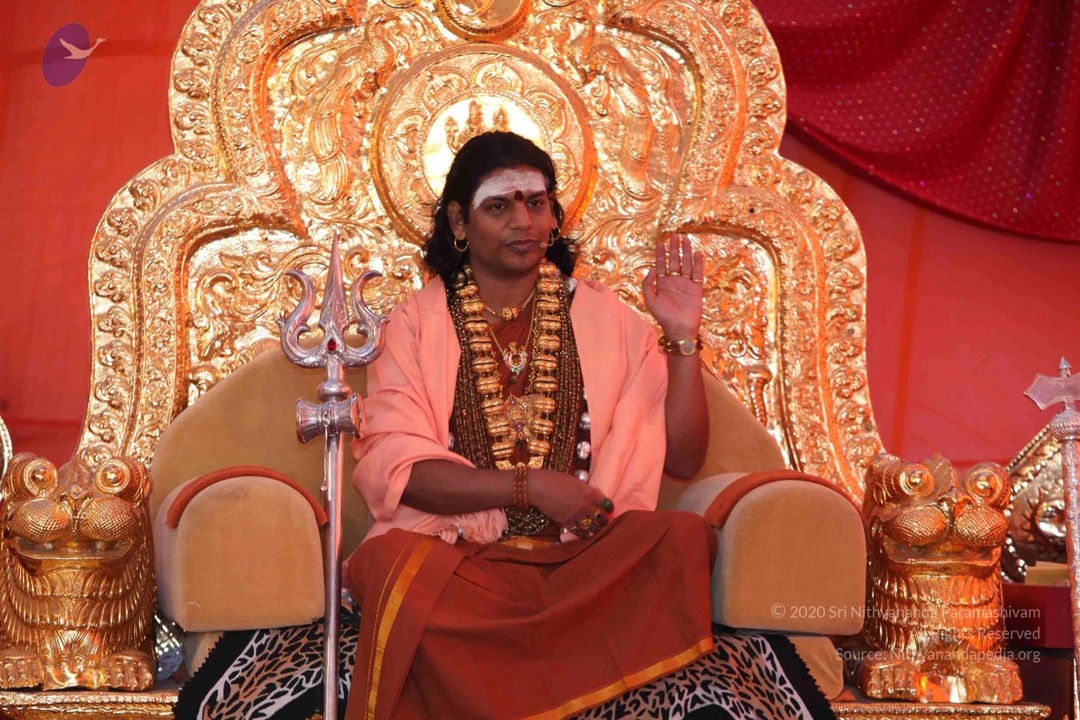

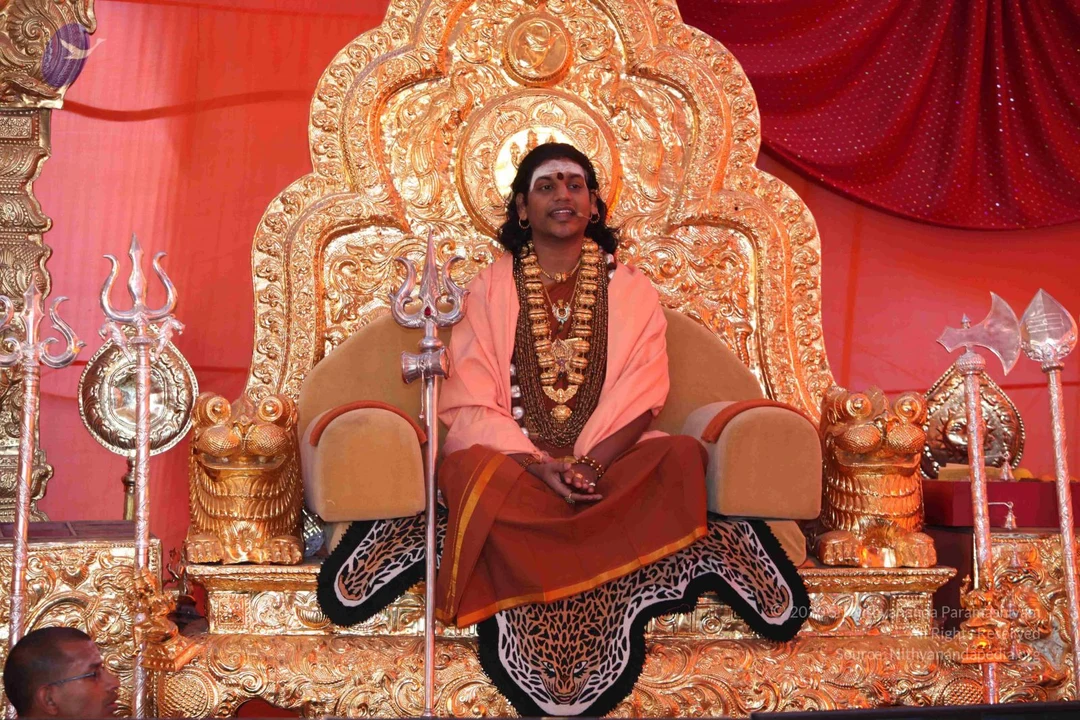
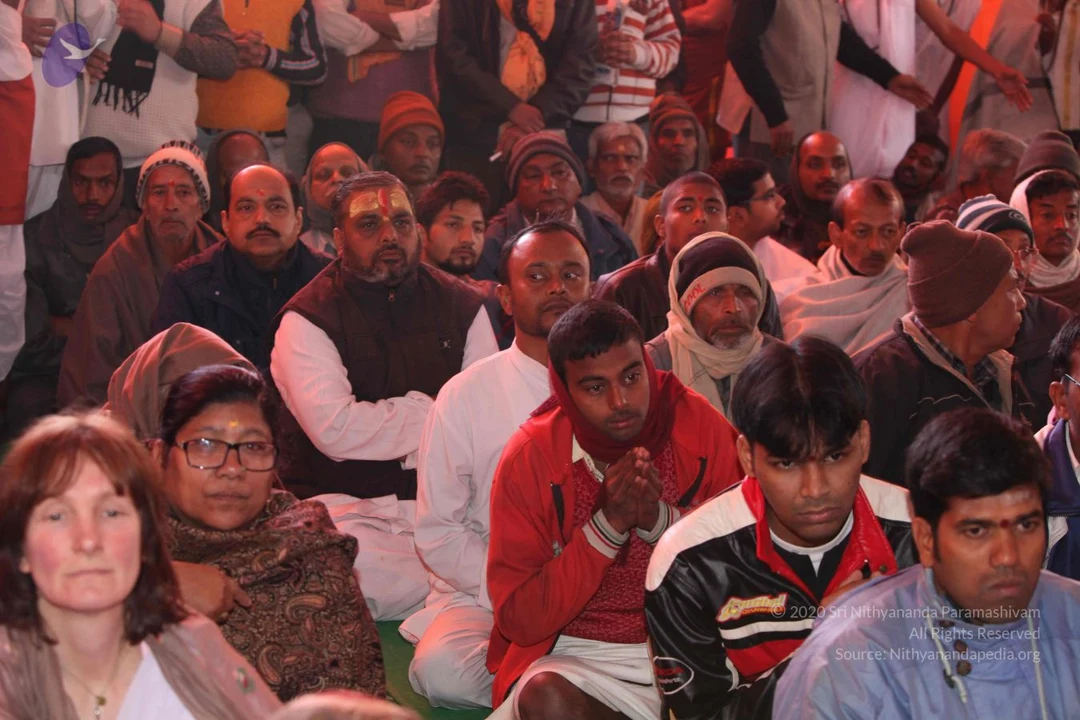
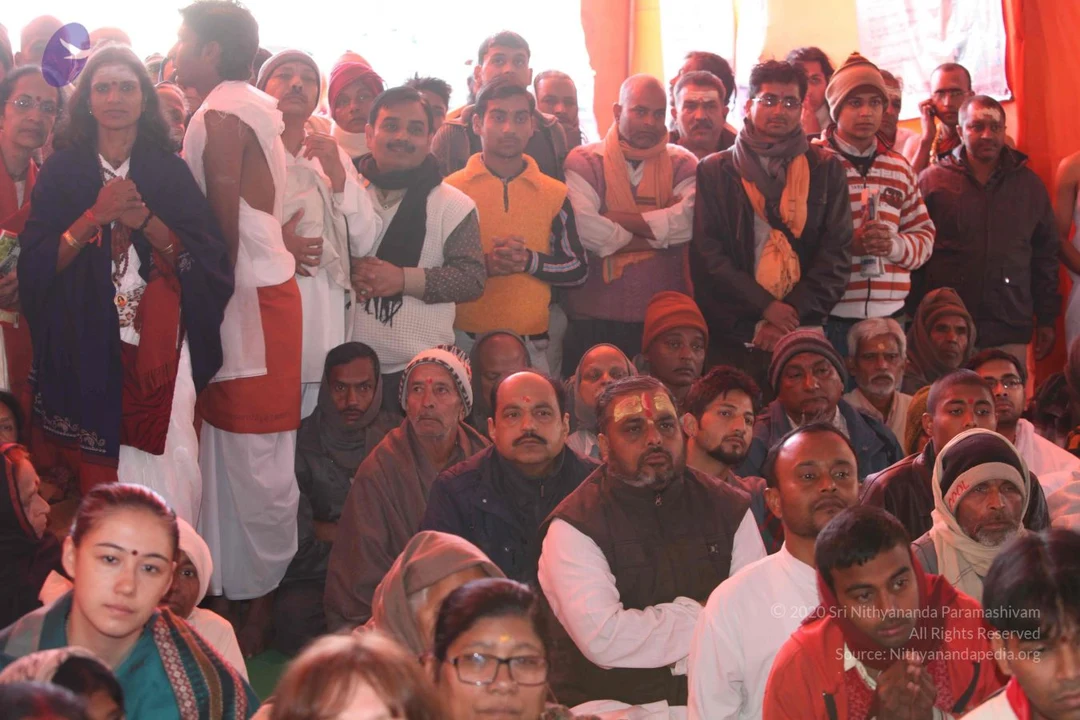
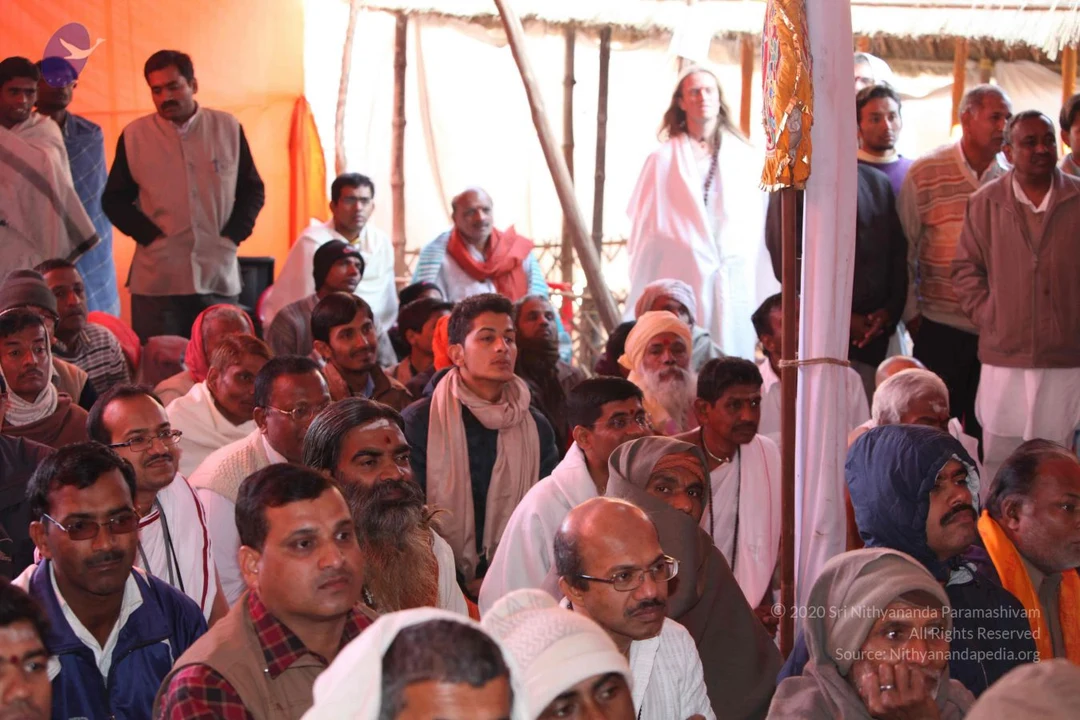
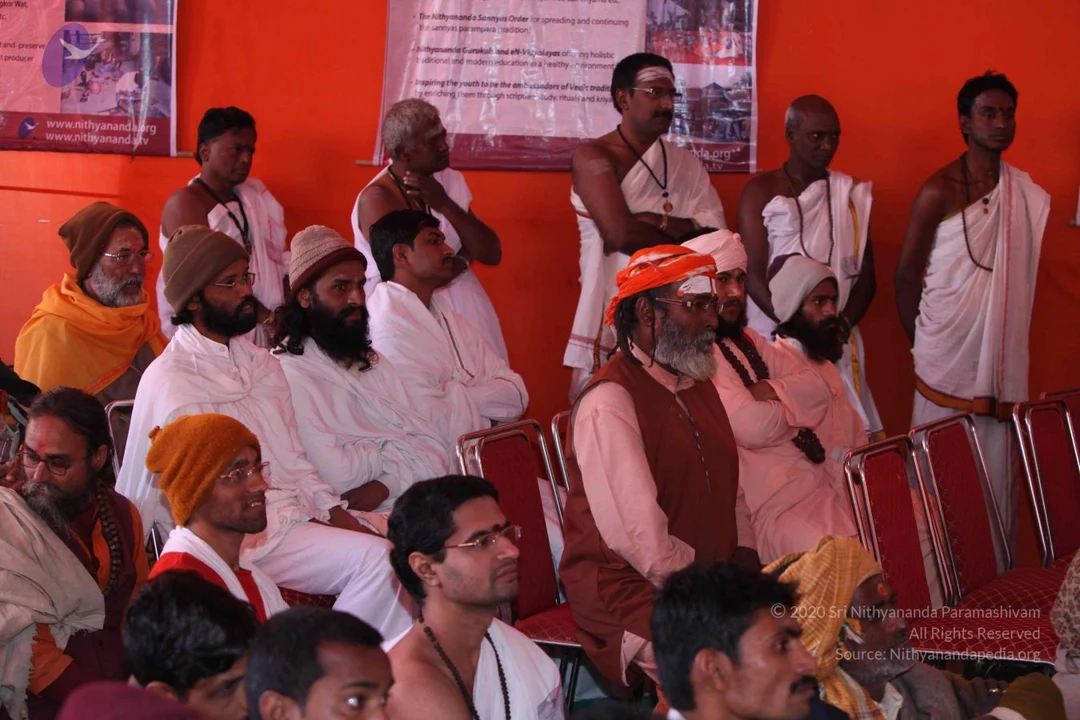
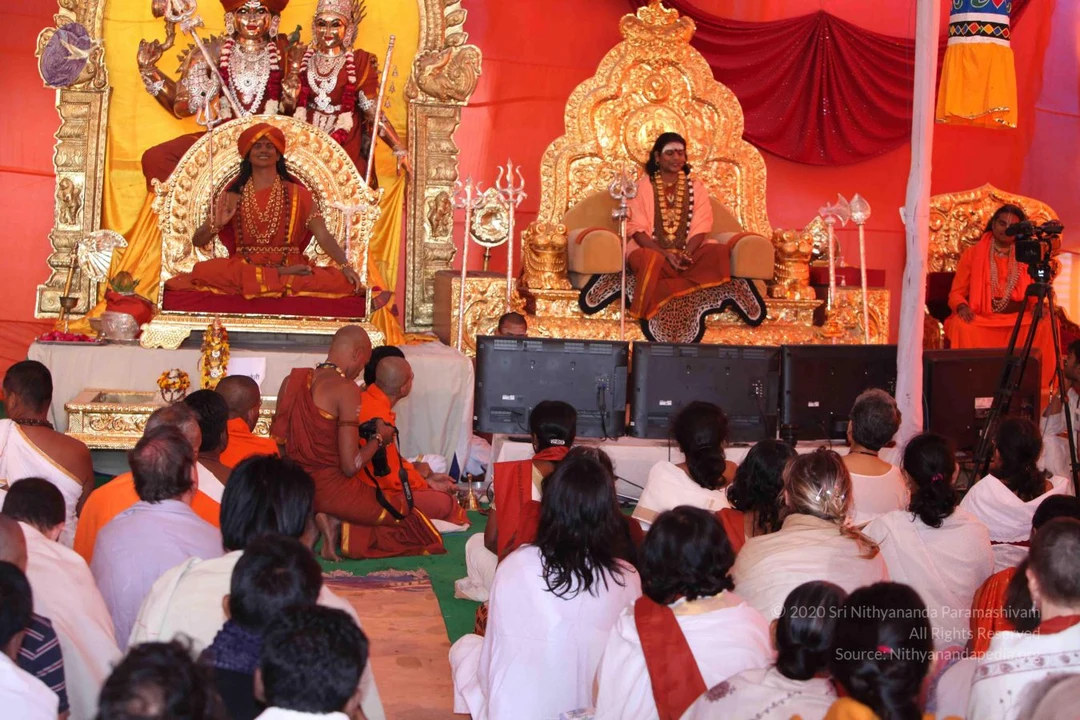
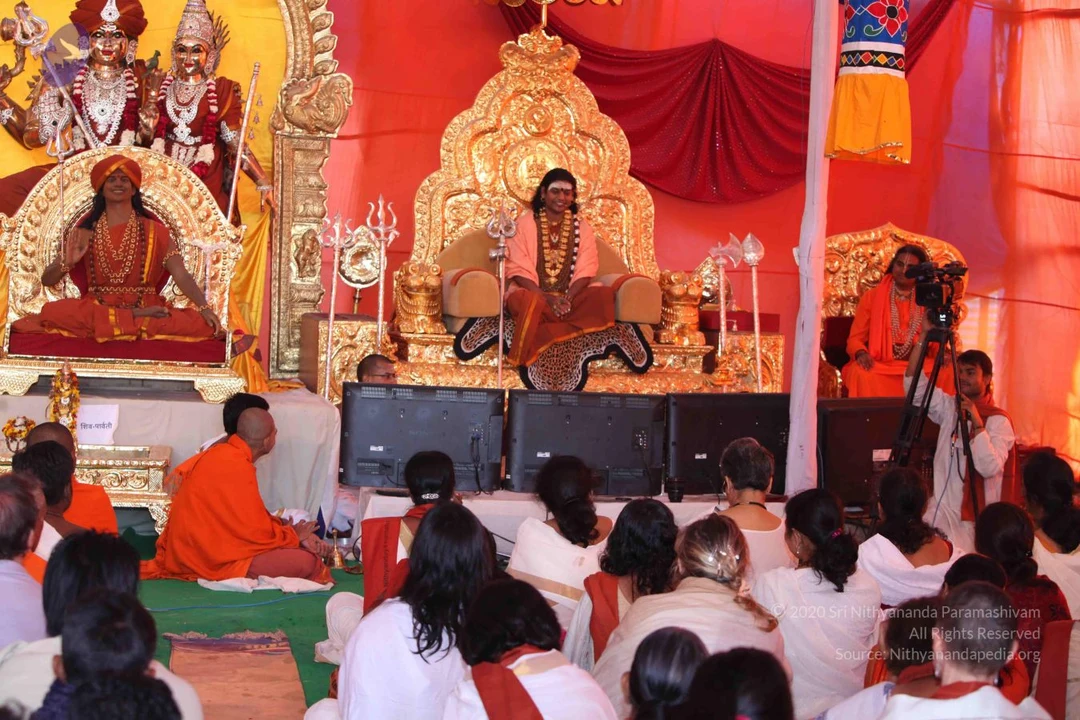
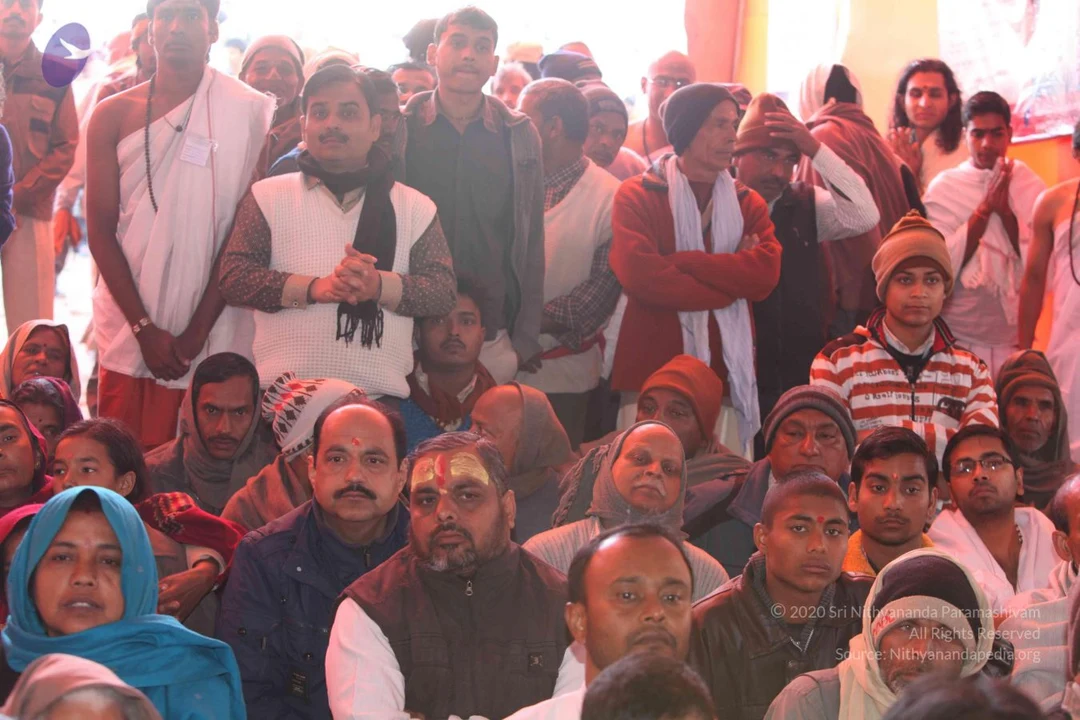
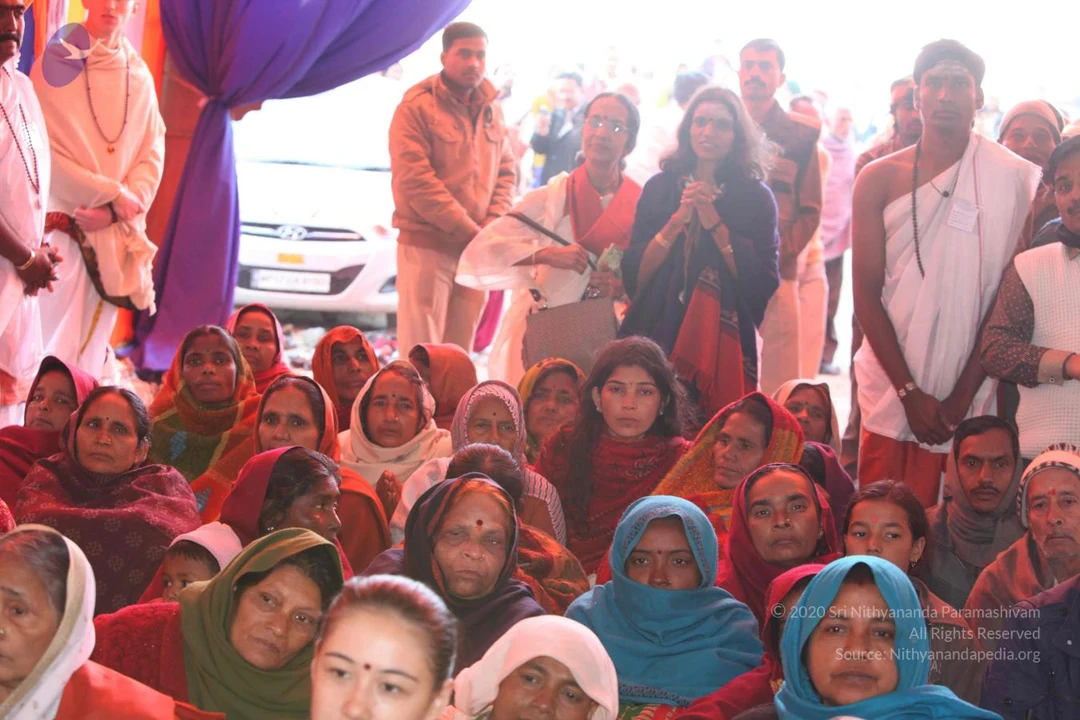
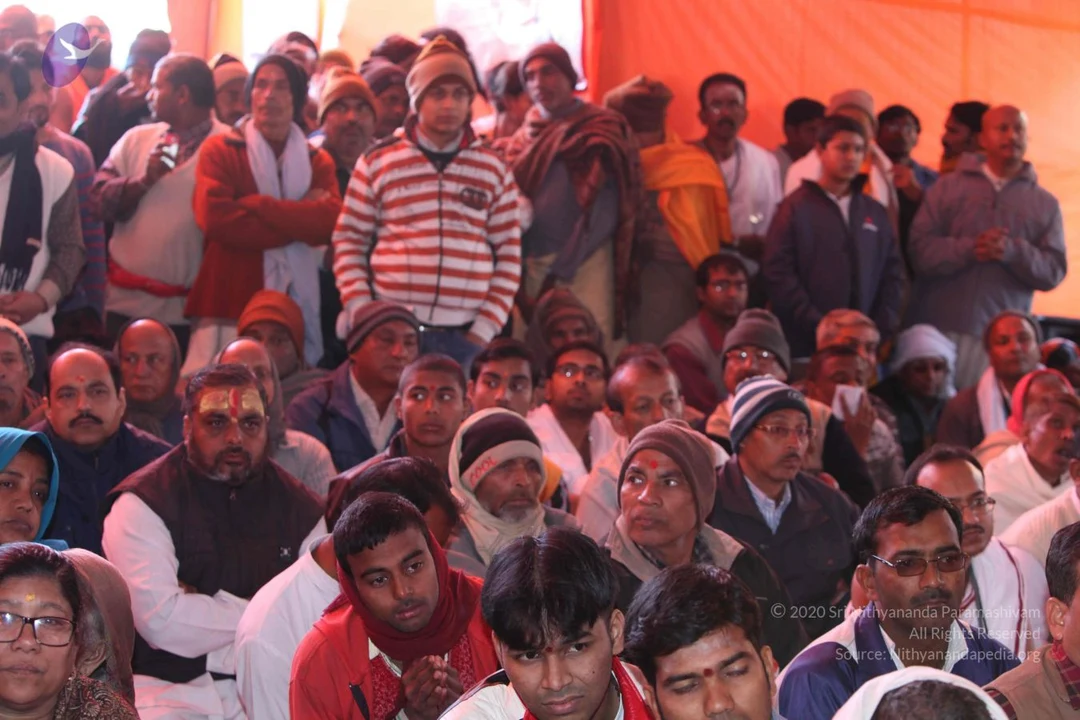
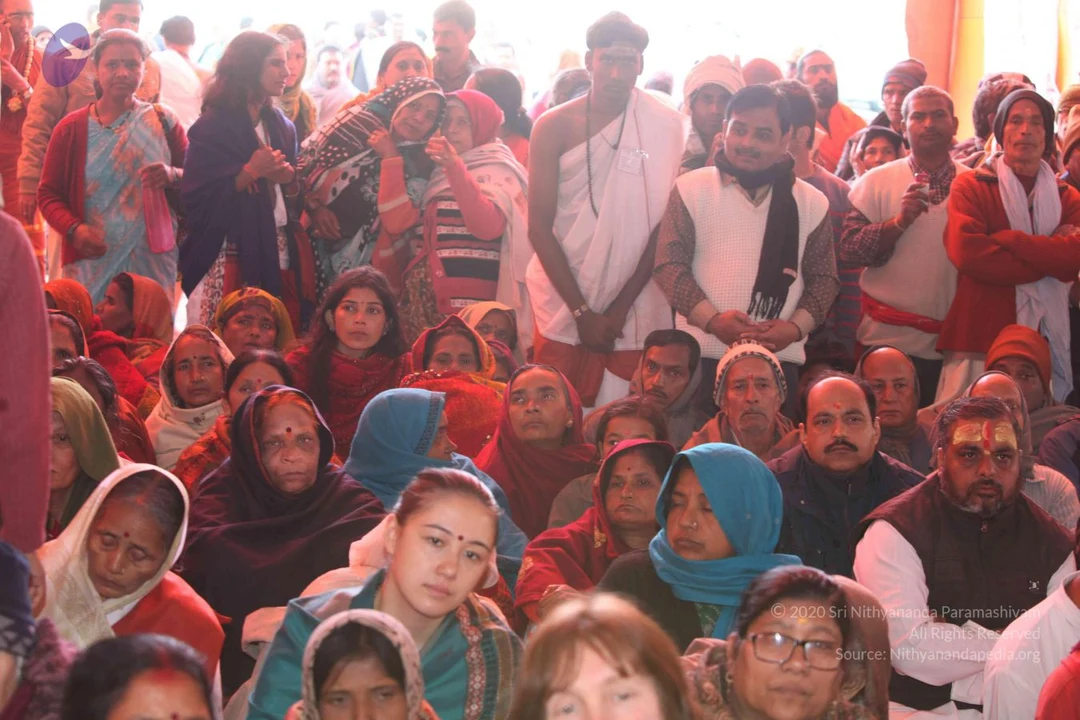
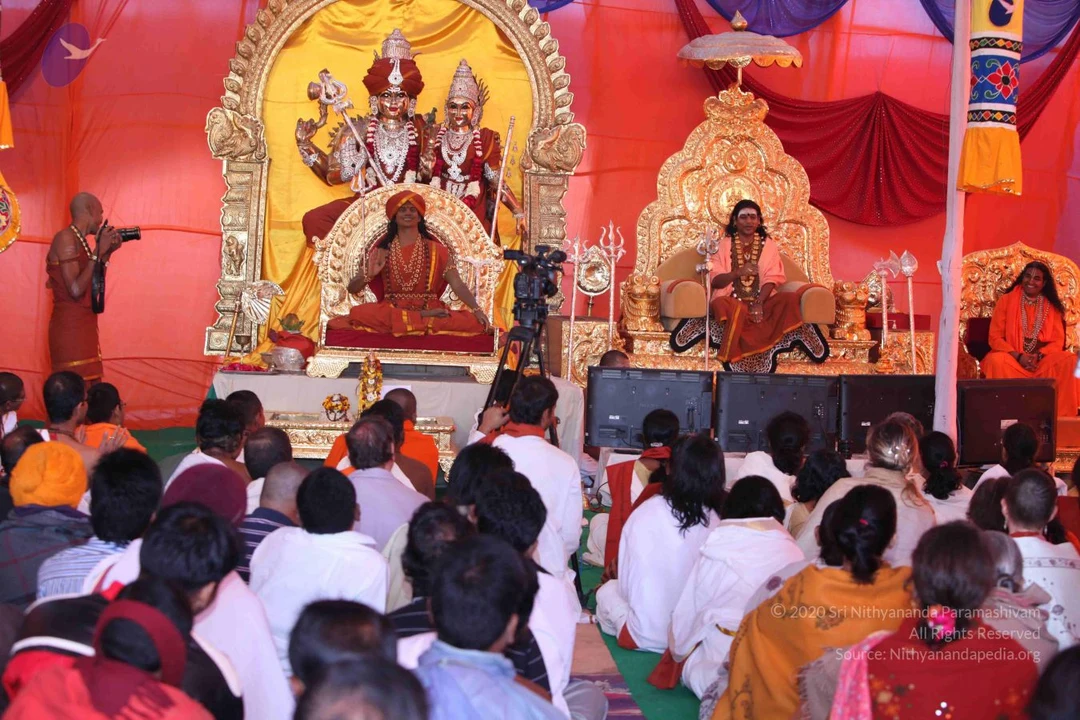

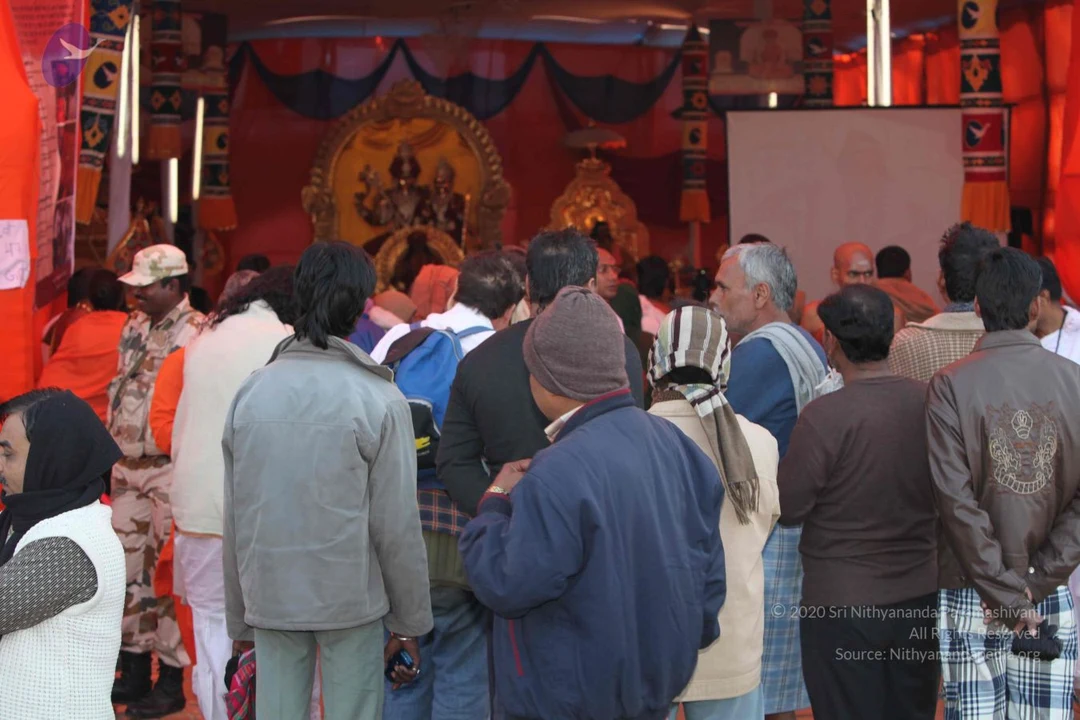
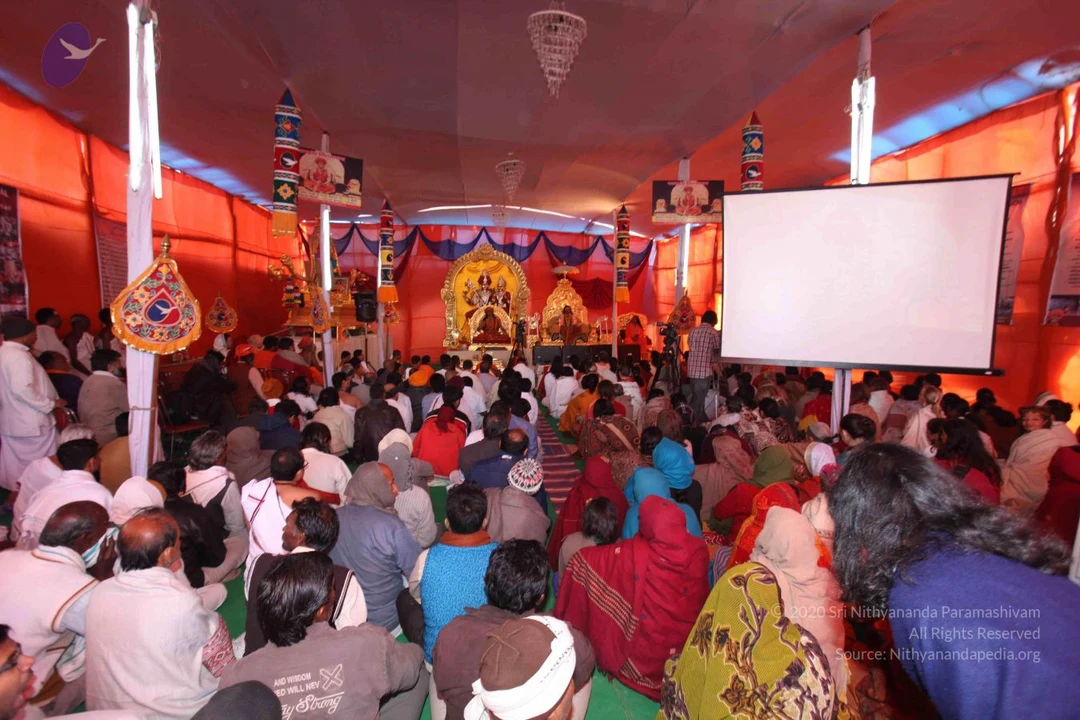
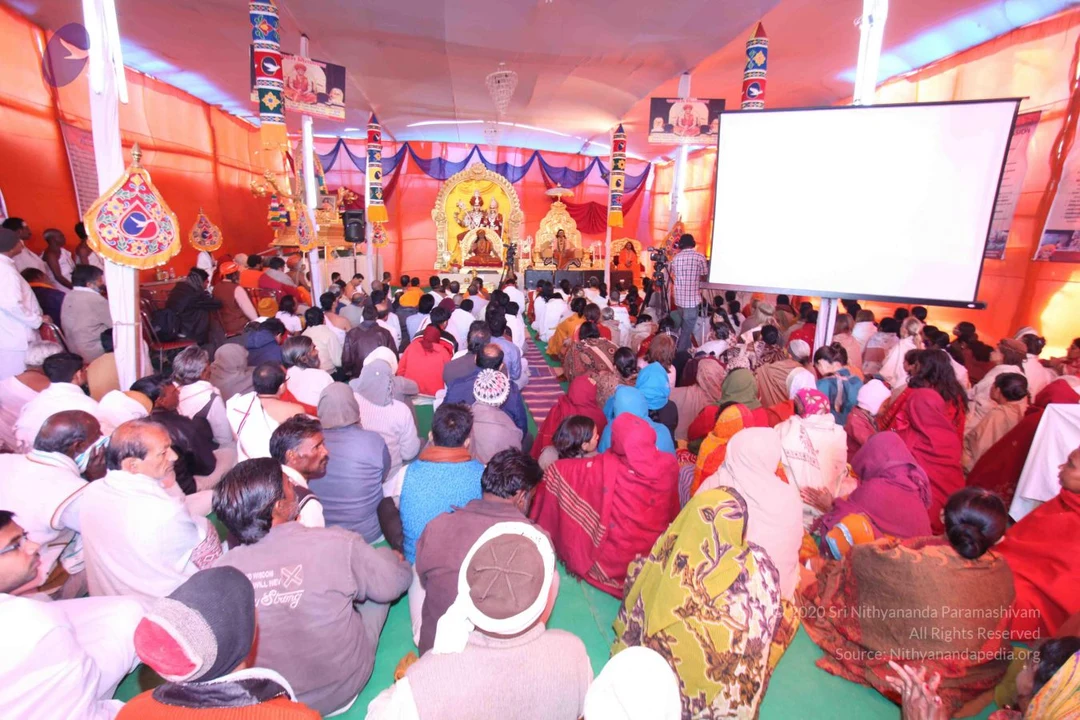

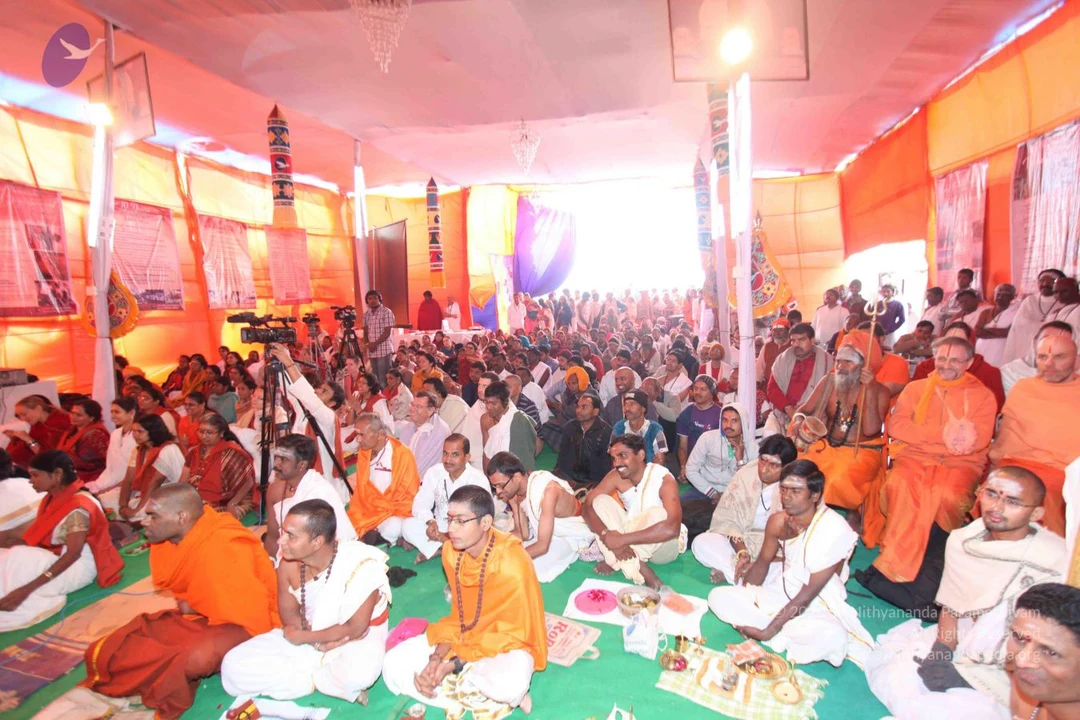
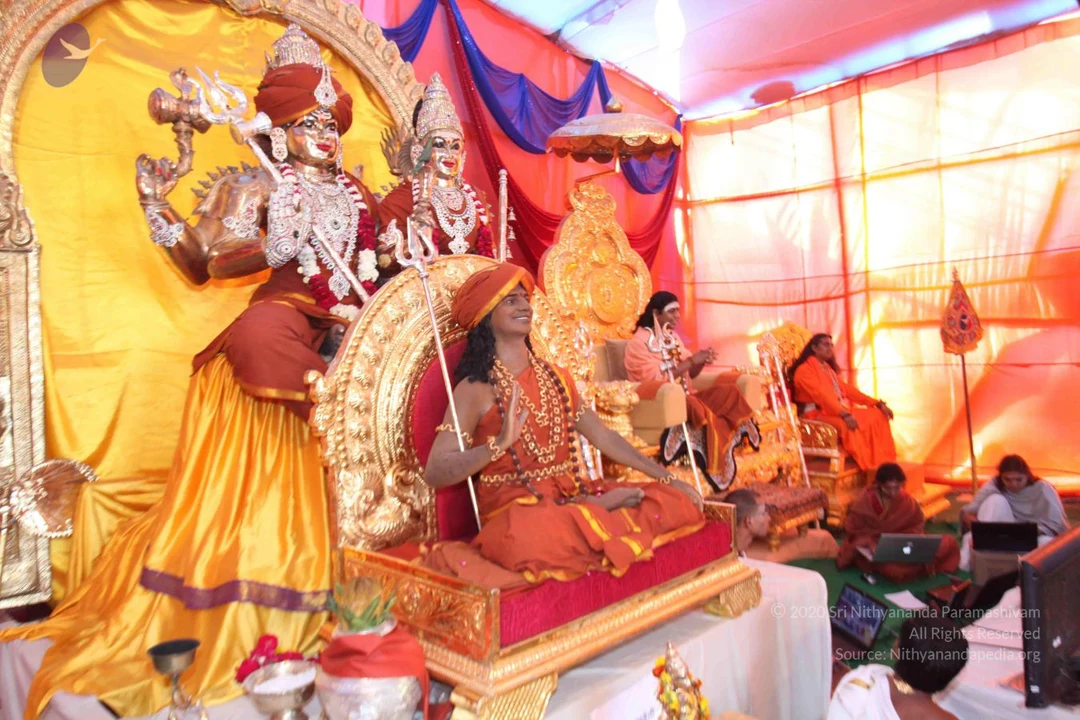
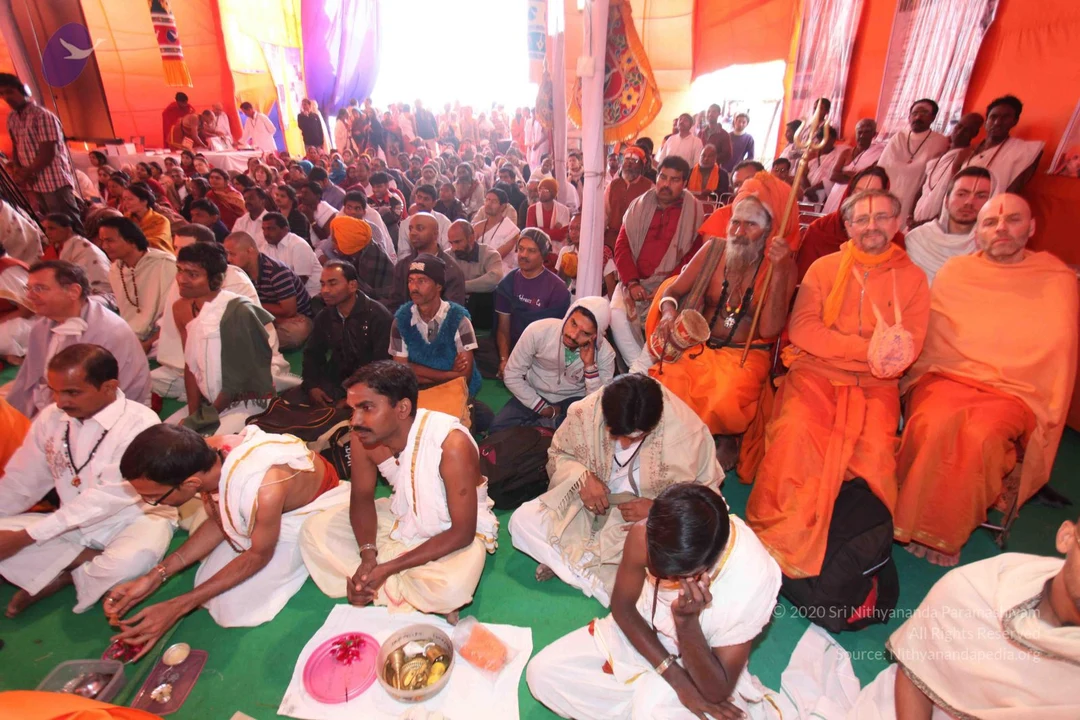
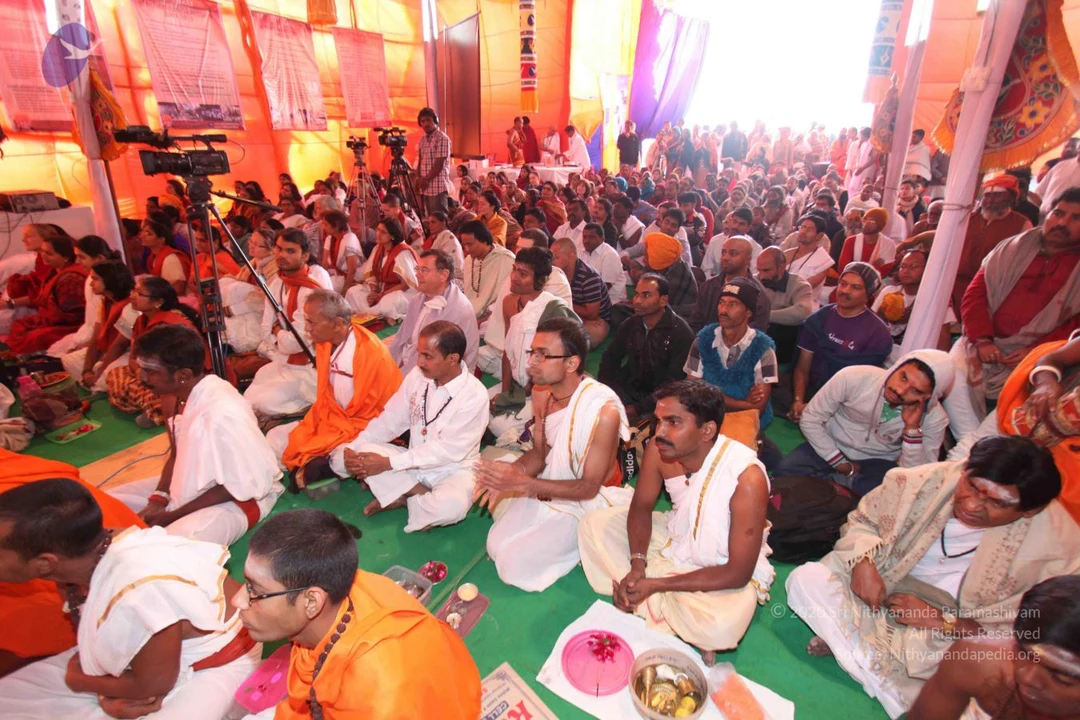
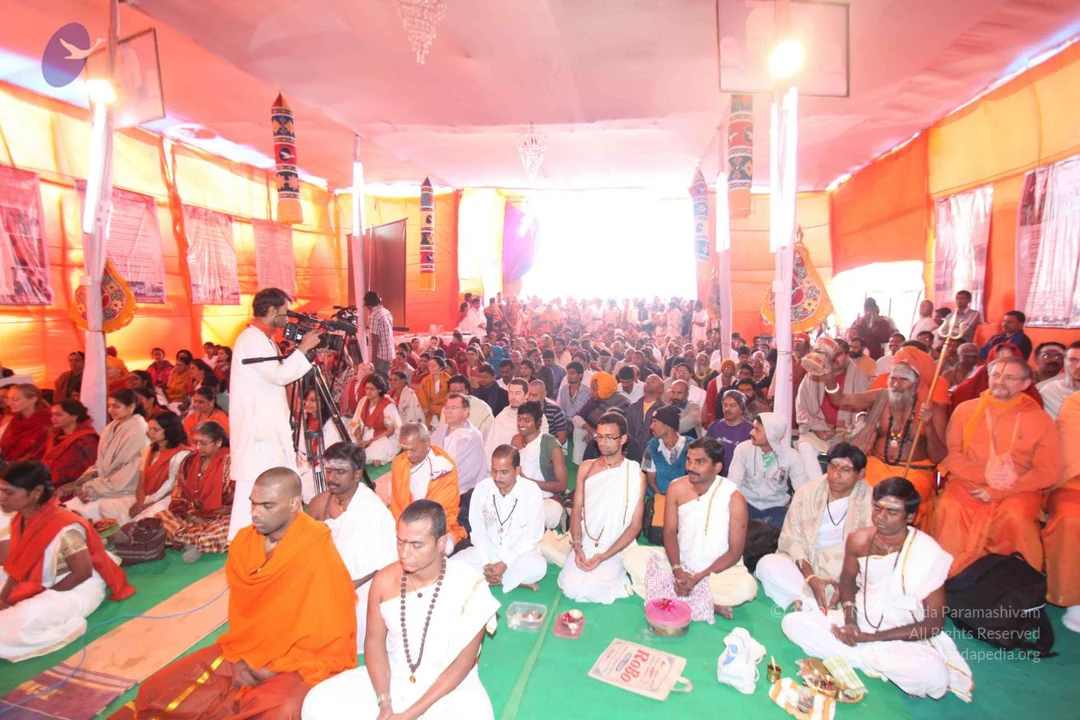
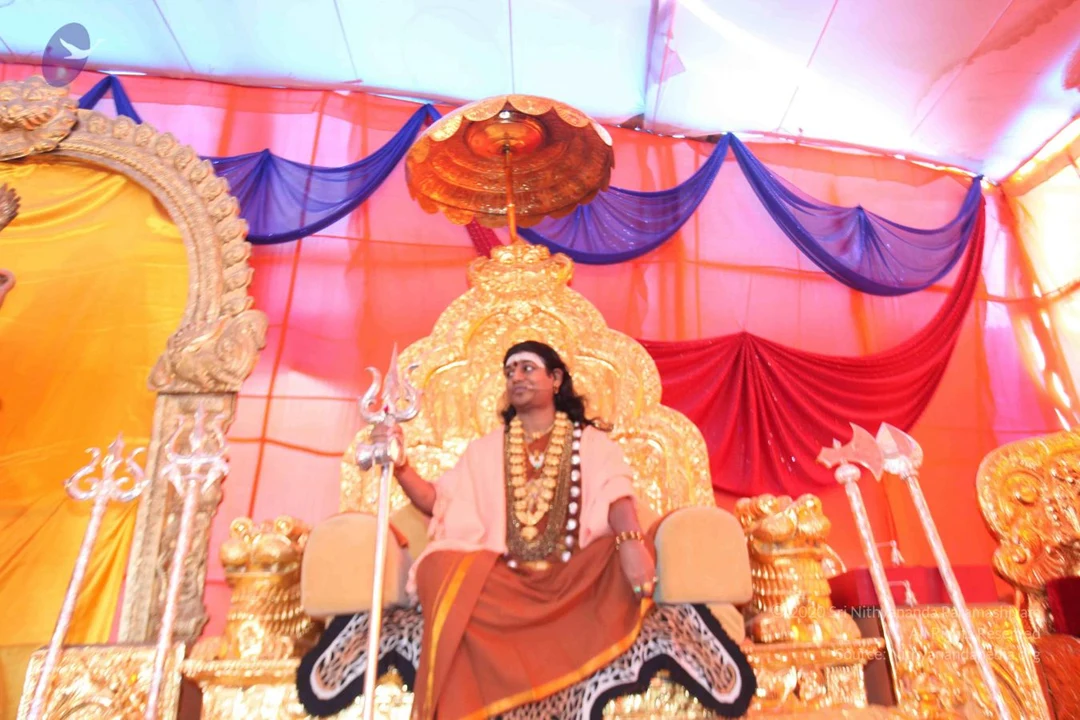
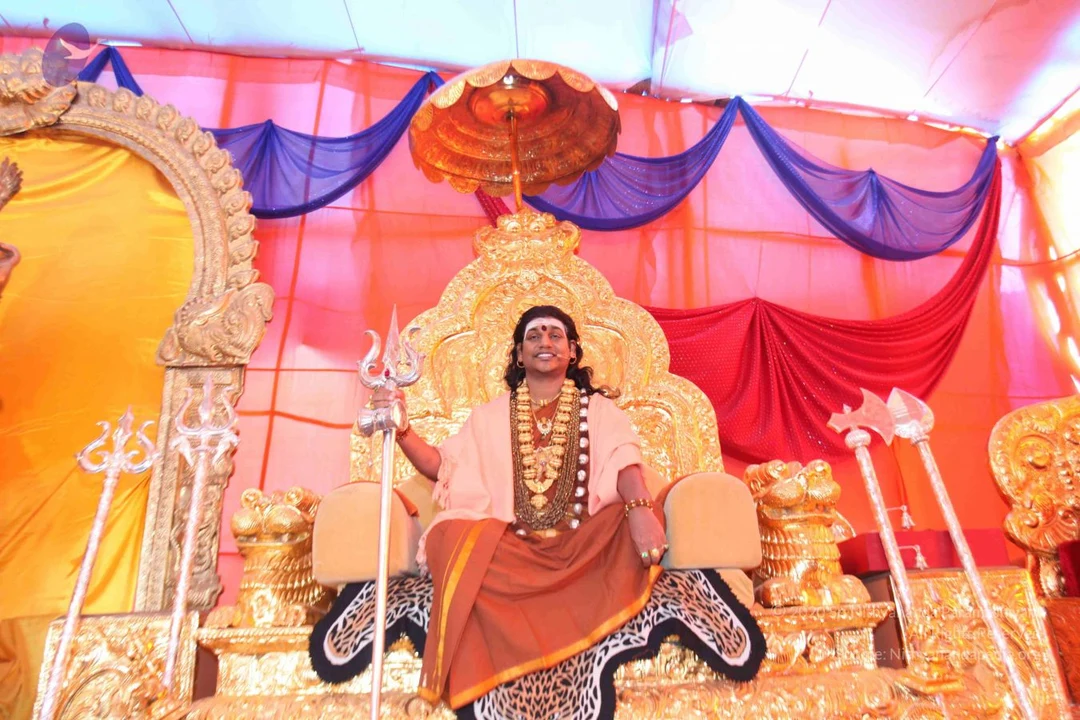
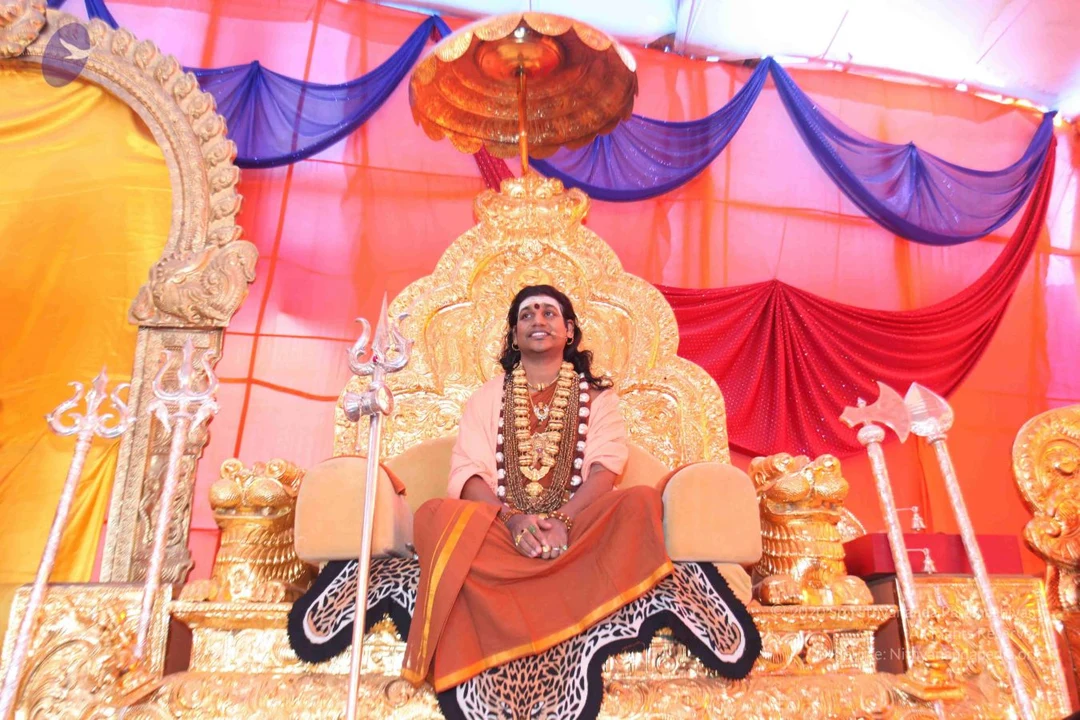
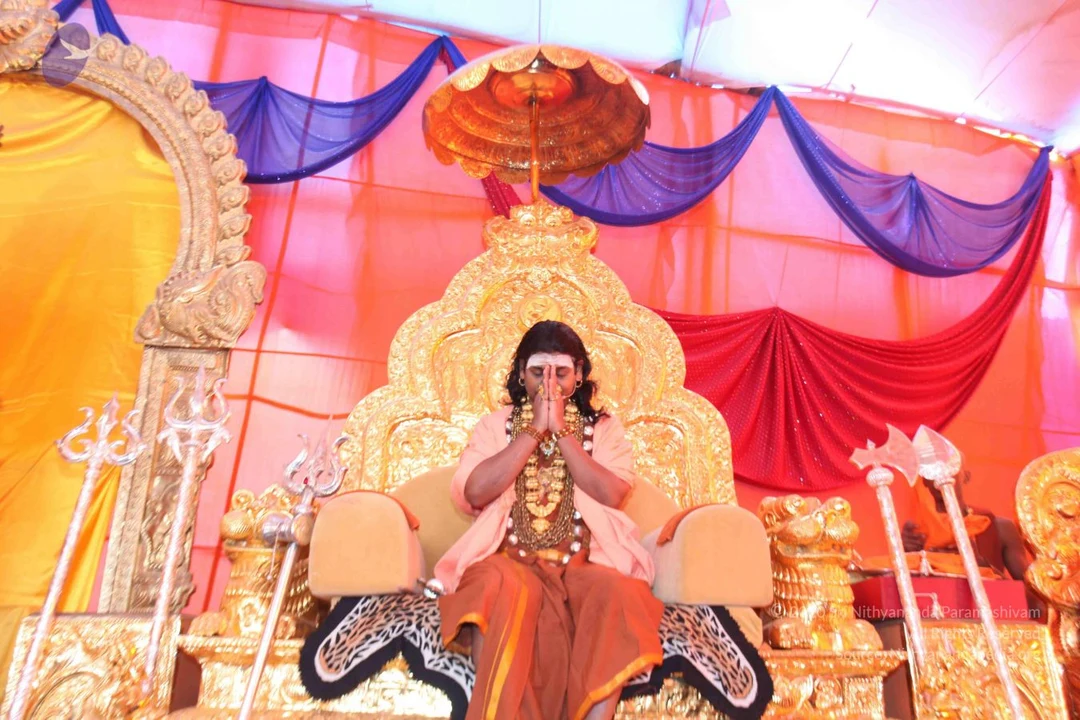
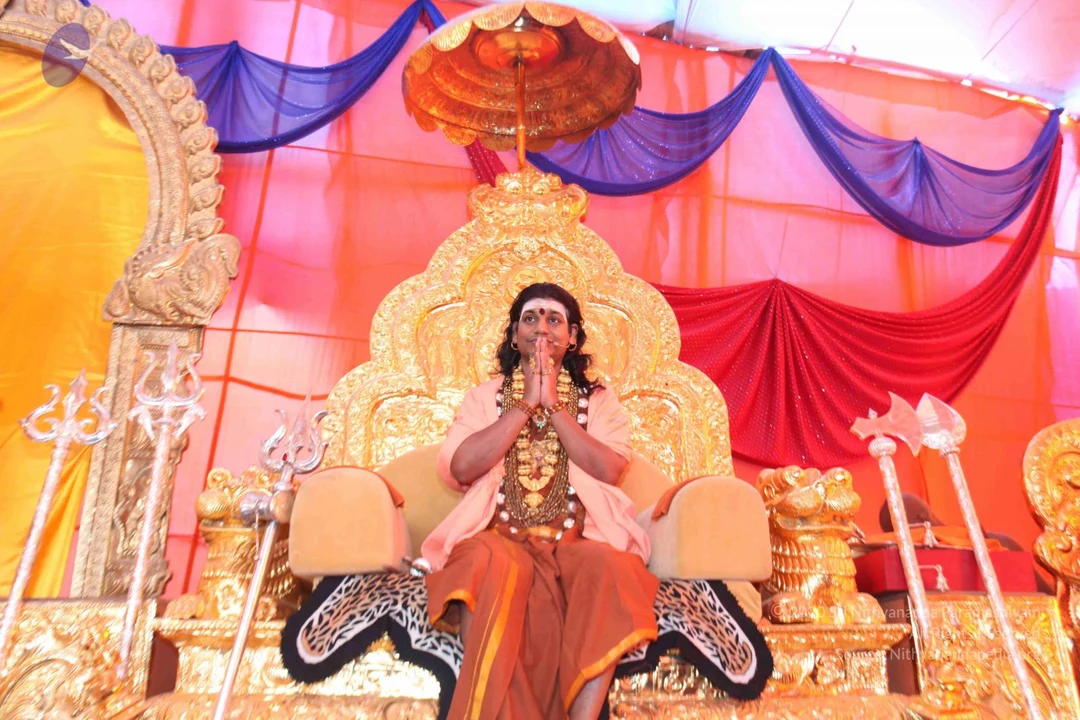
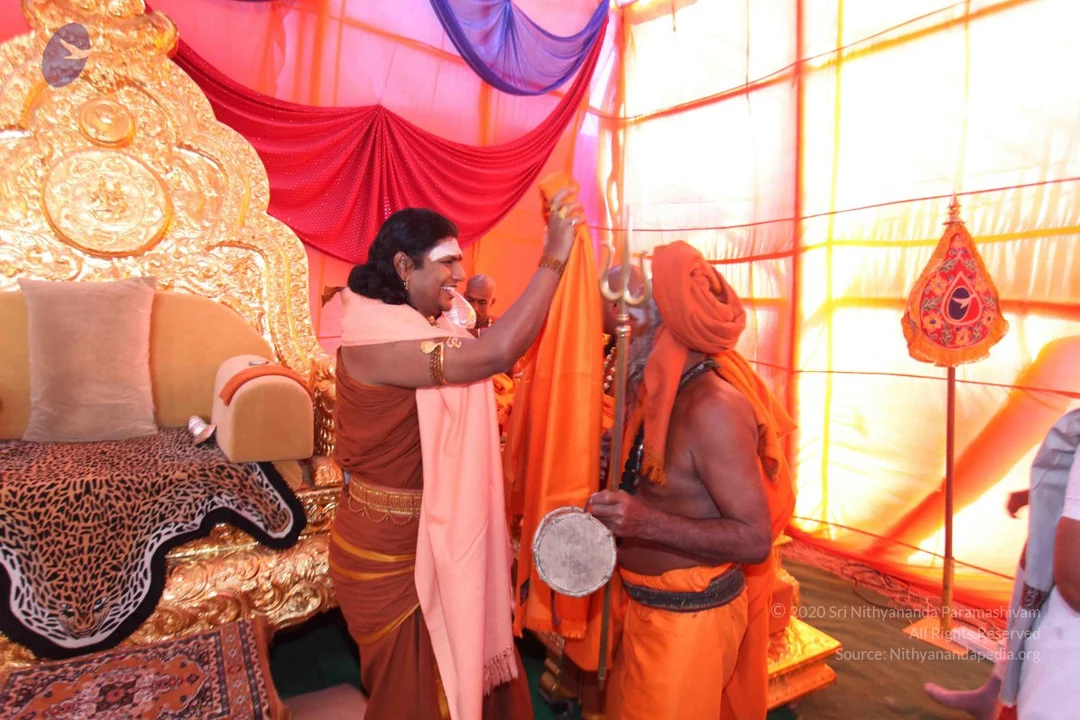
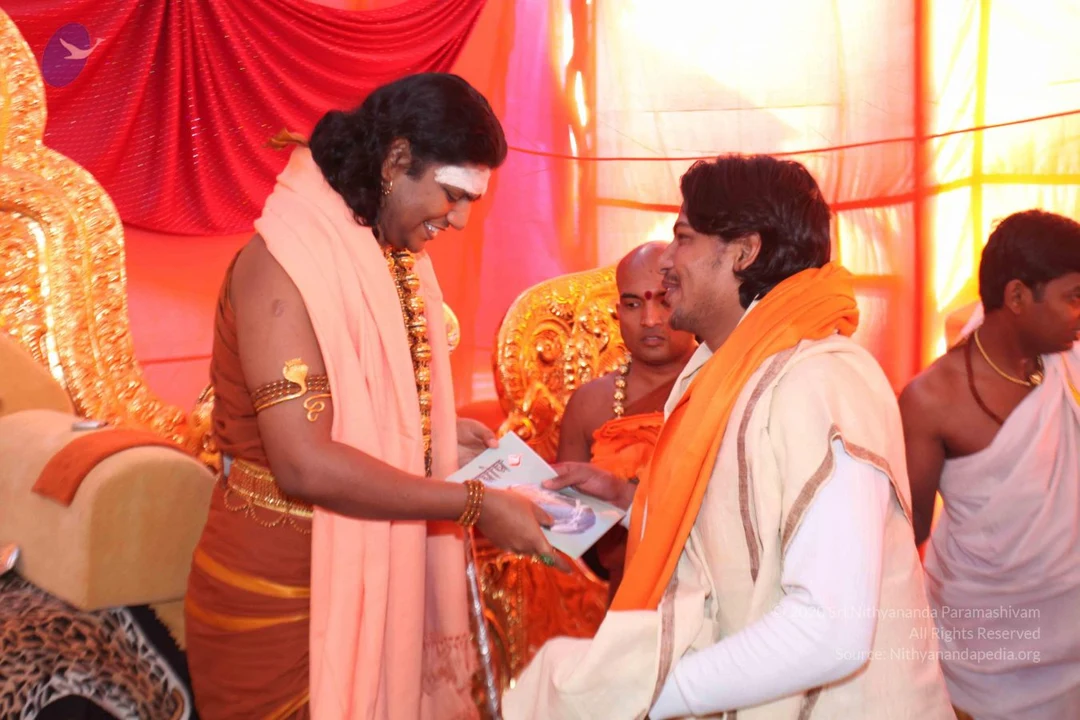


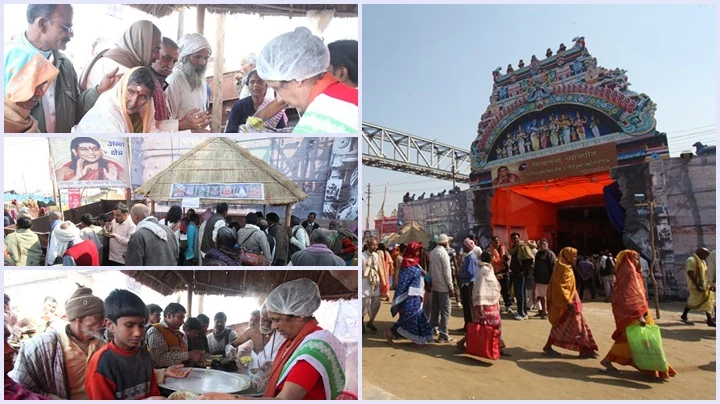
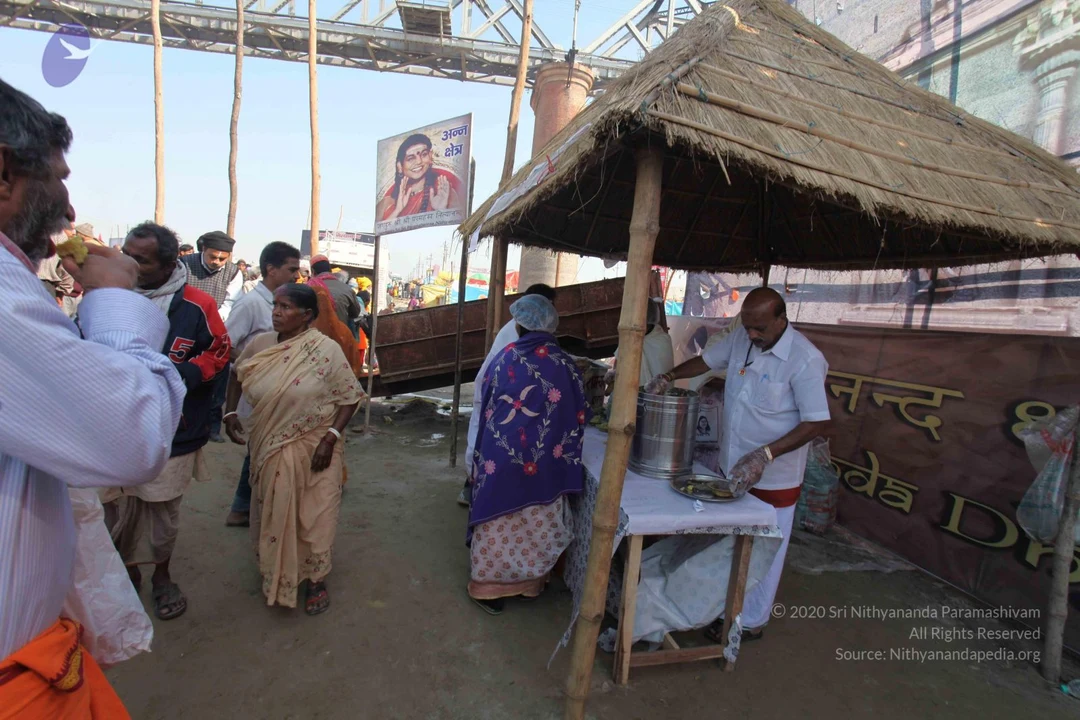
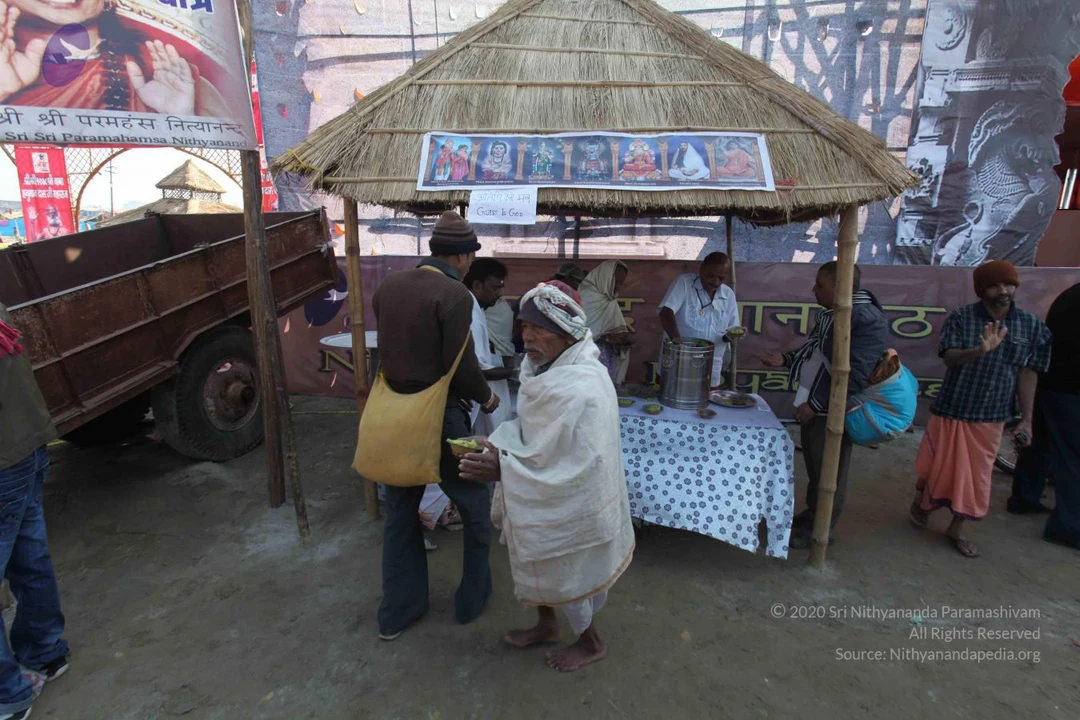
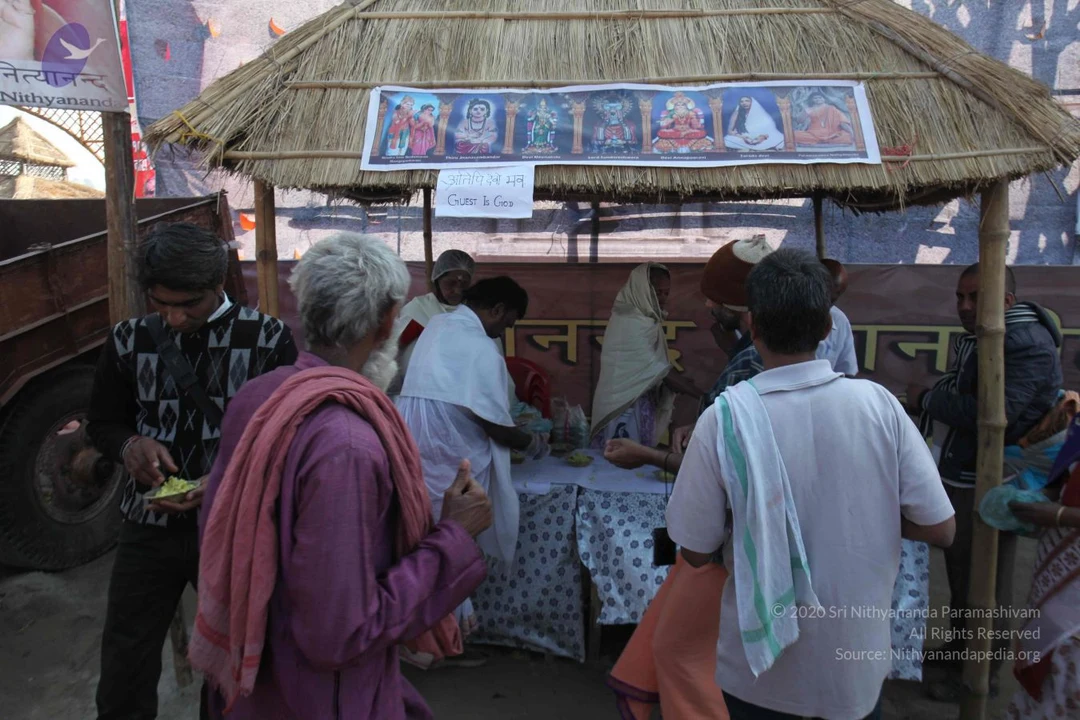
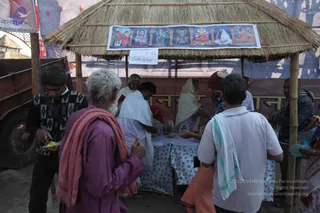
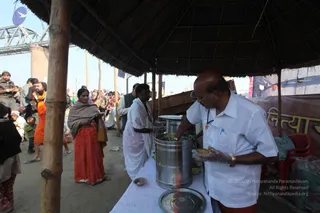
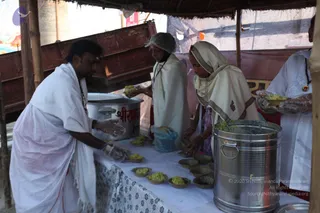
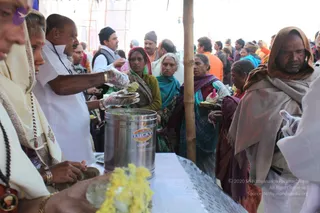
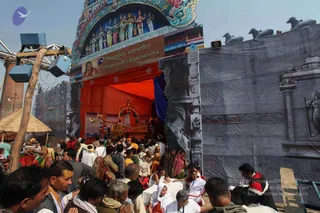
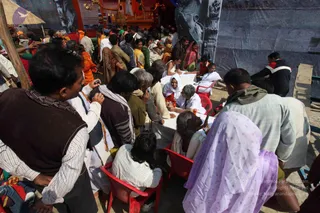
Annadaan-Kumbh mela events

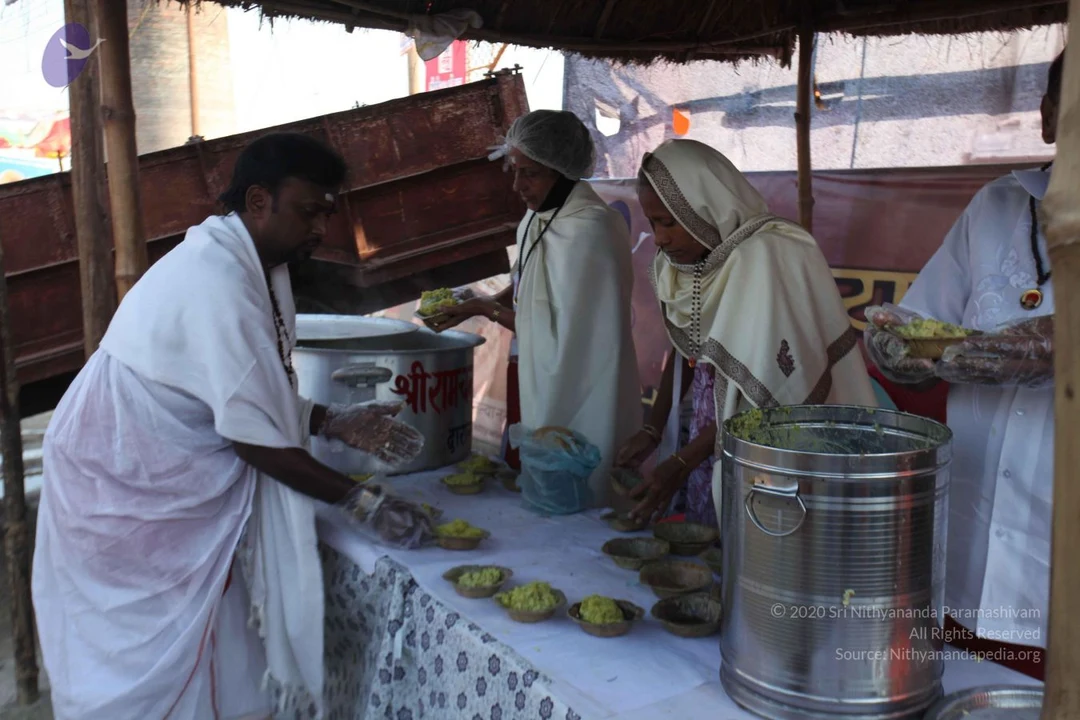

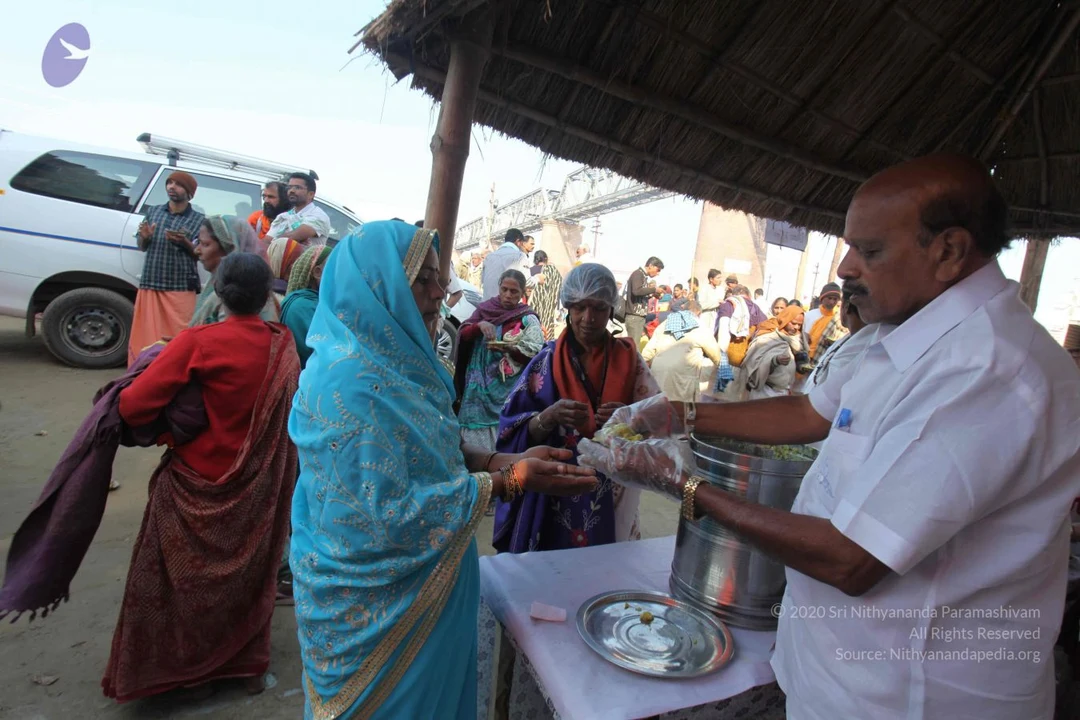
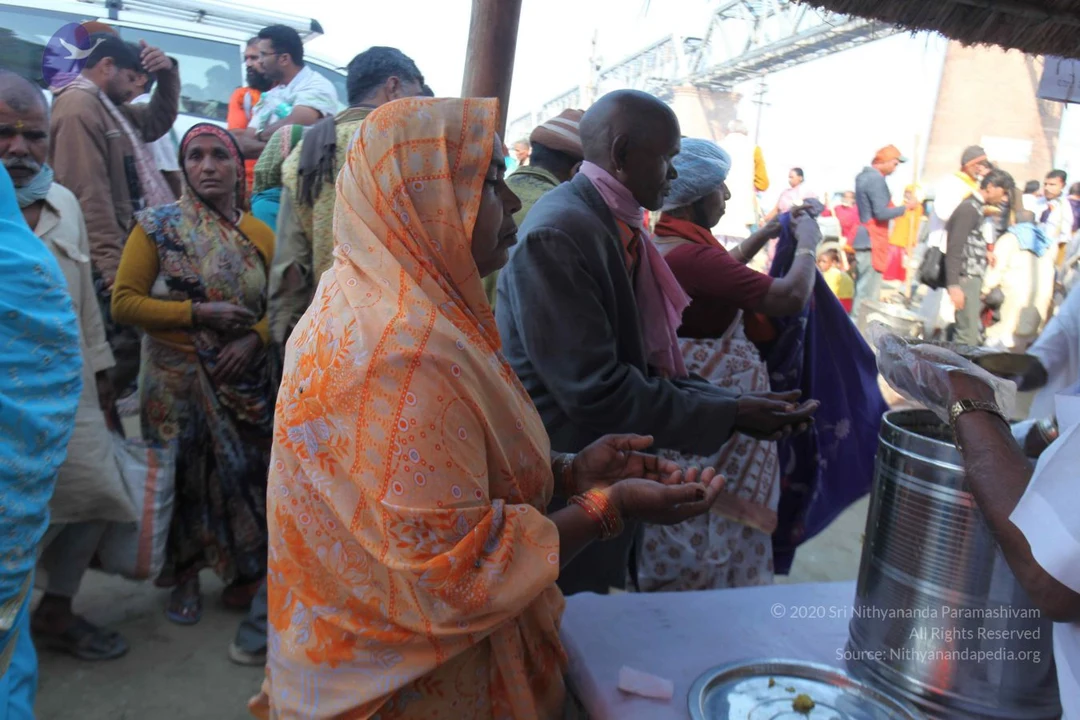
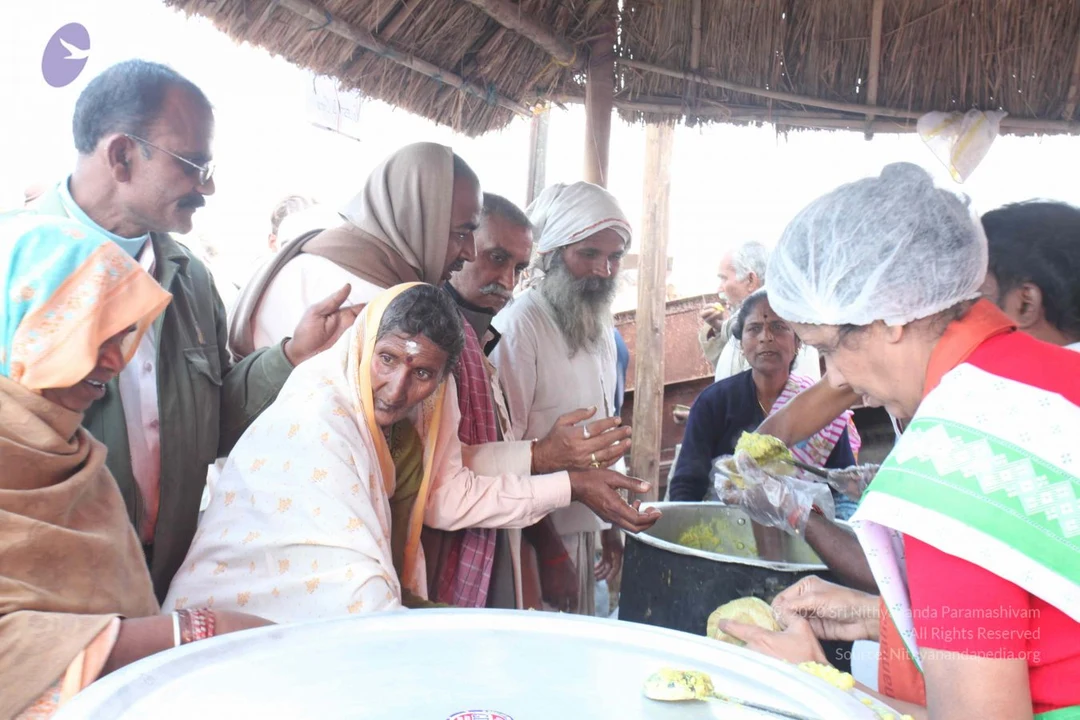

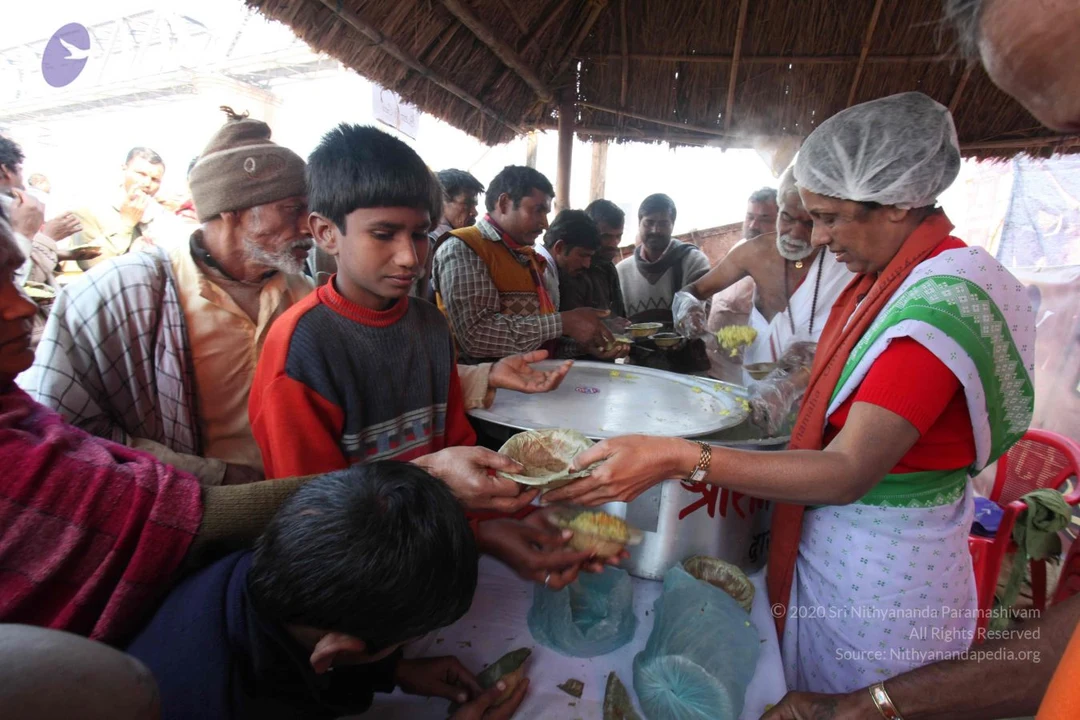
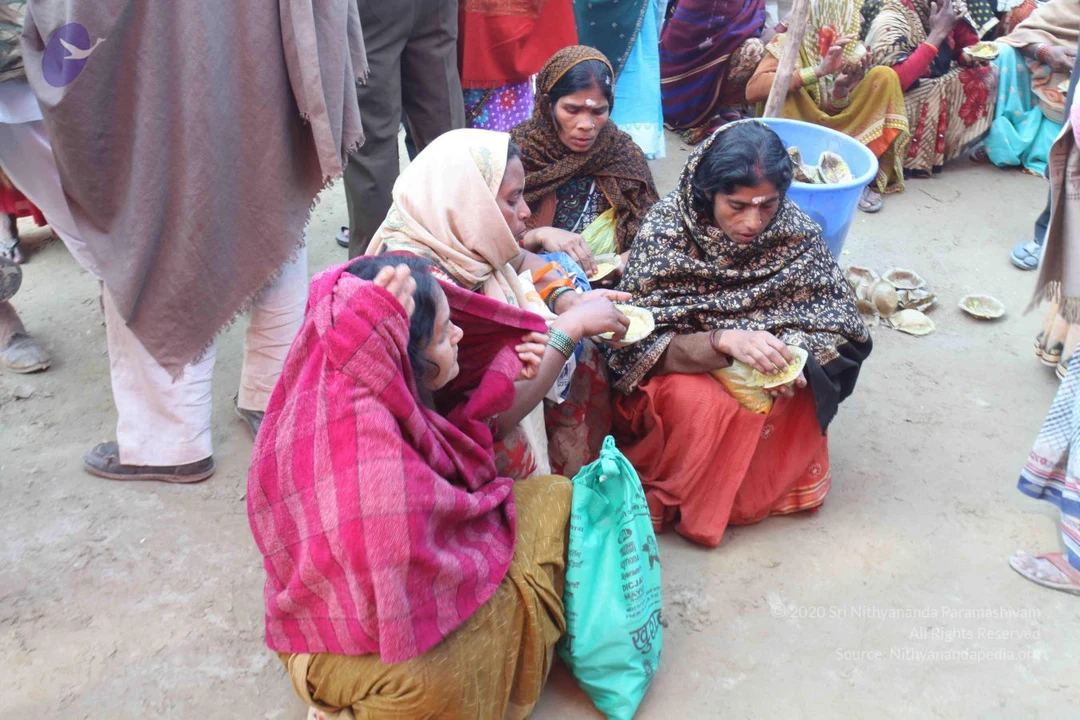
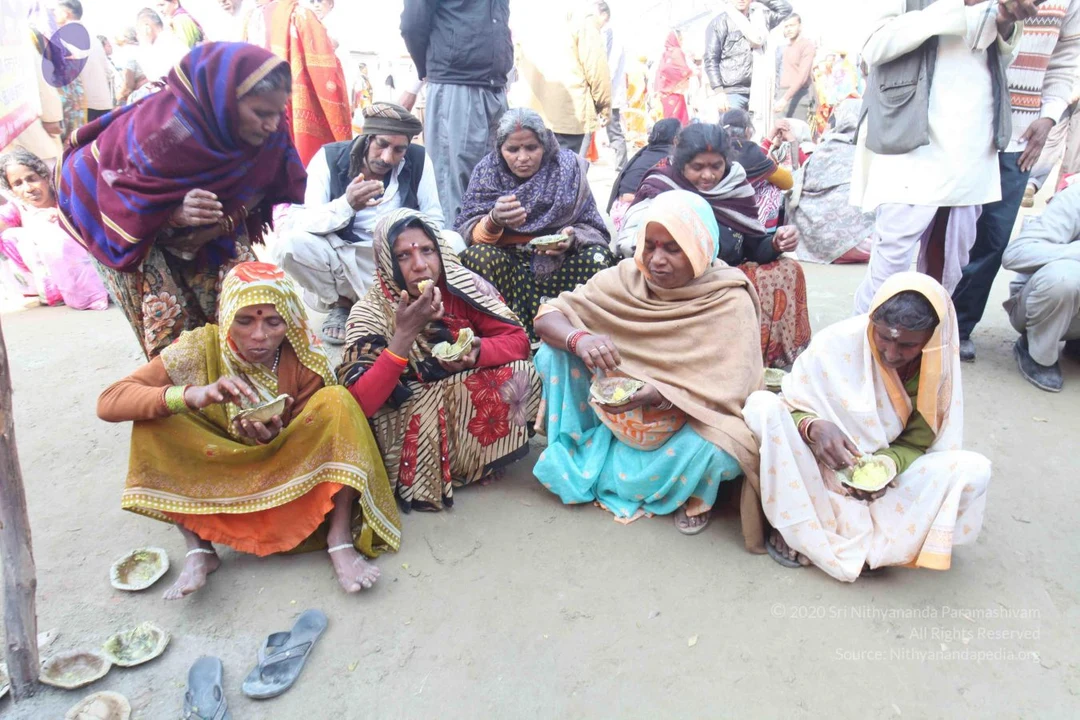

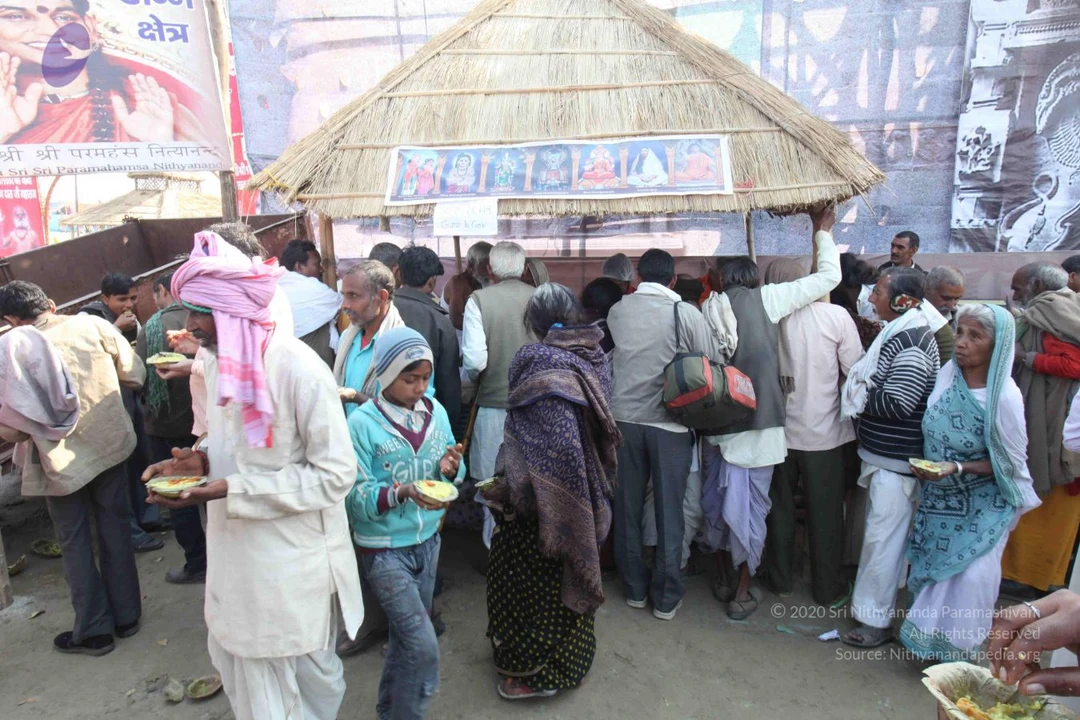

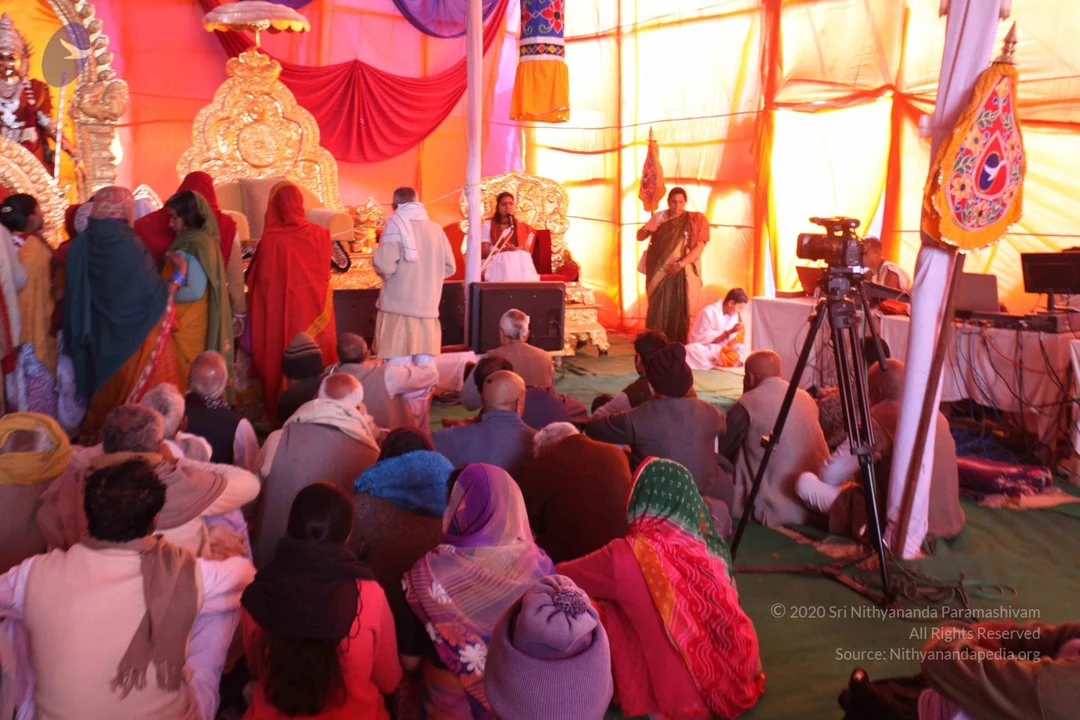
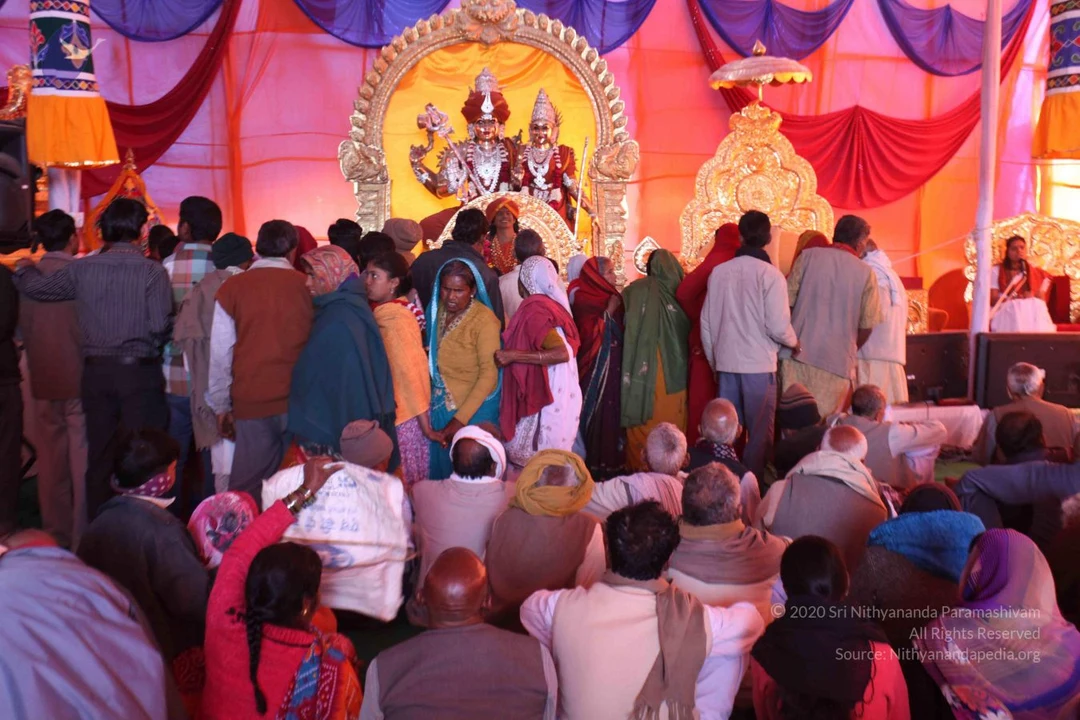
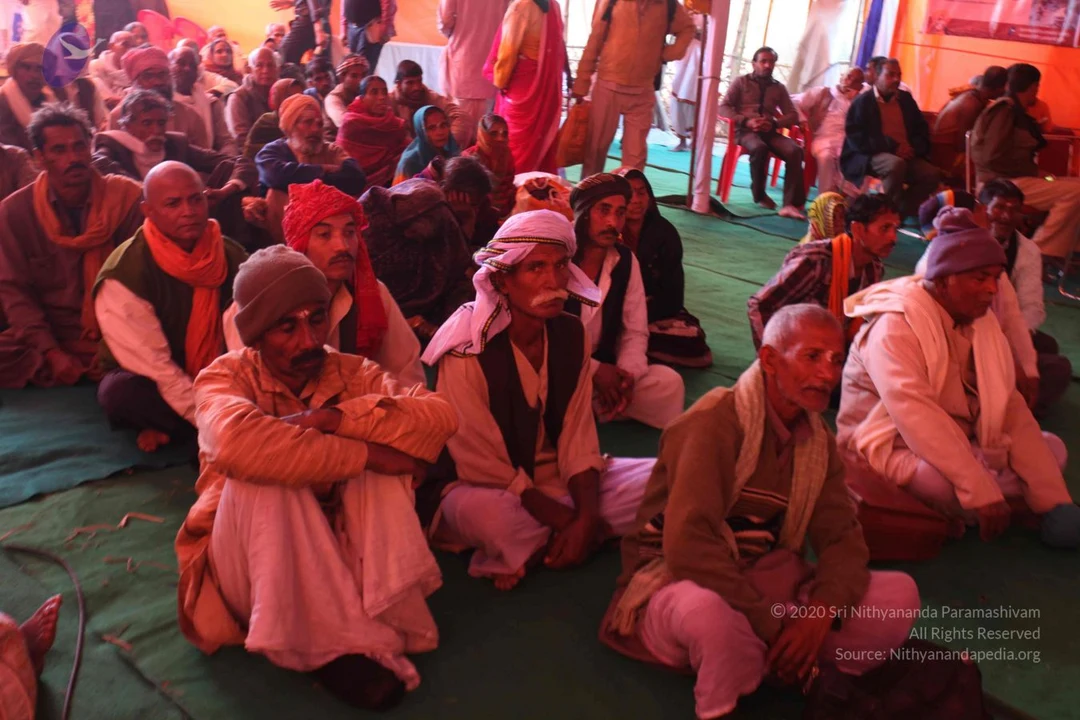
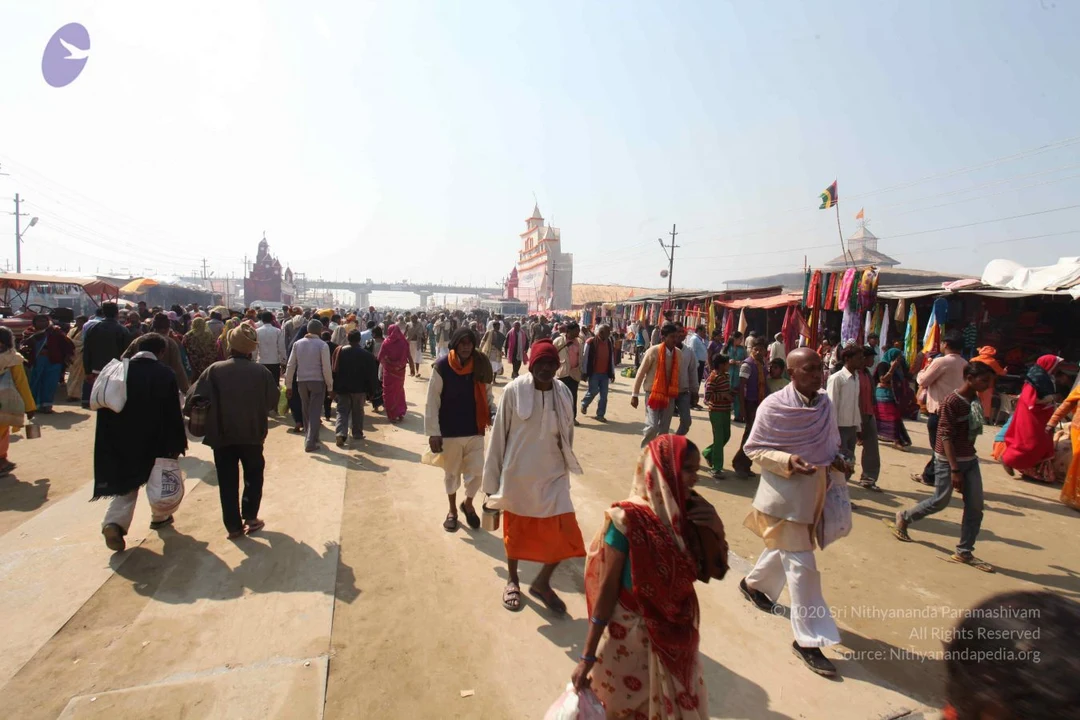


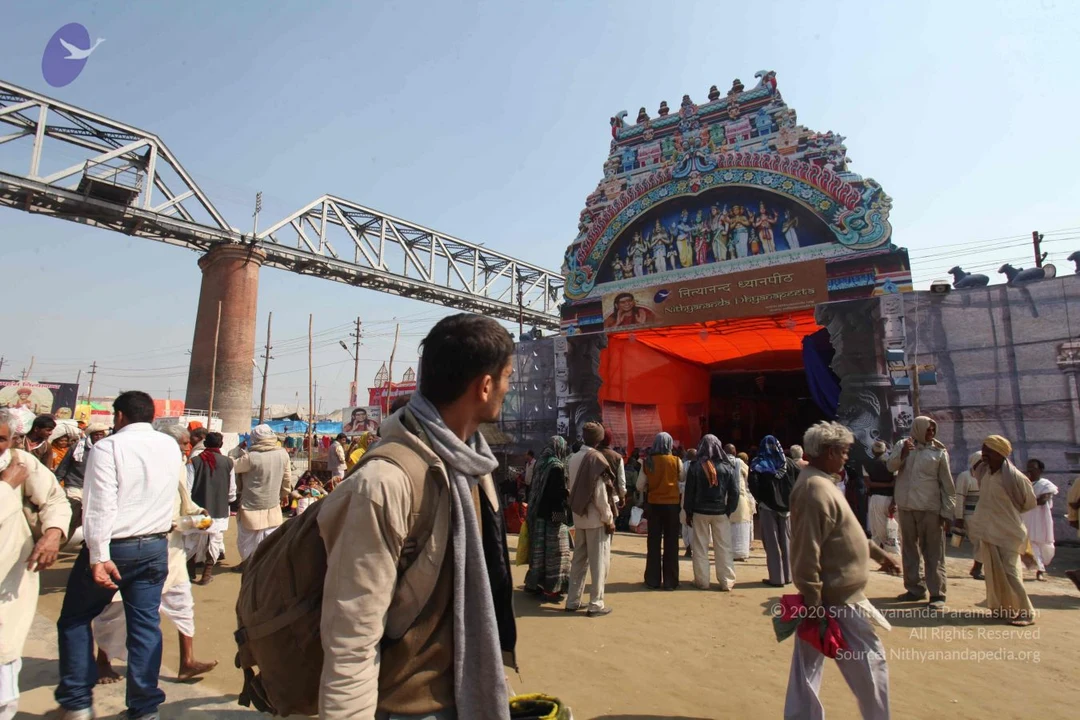
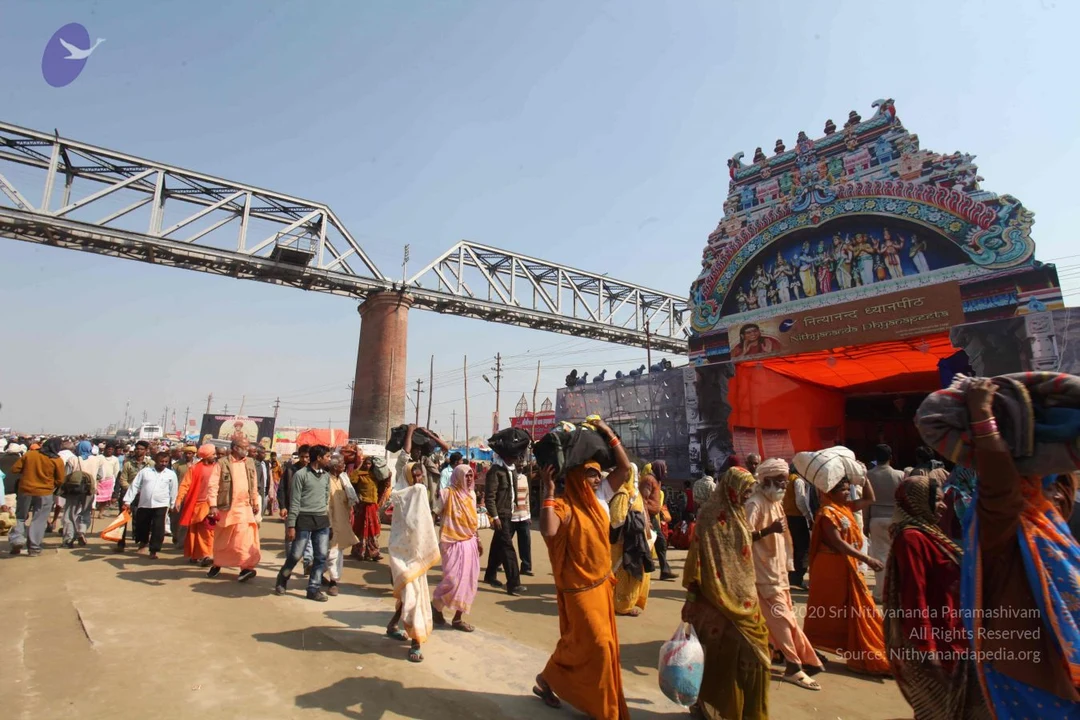
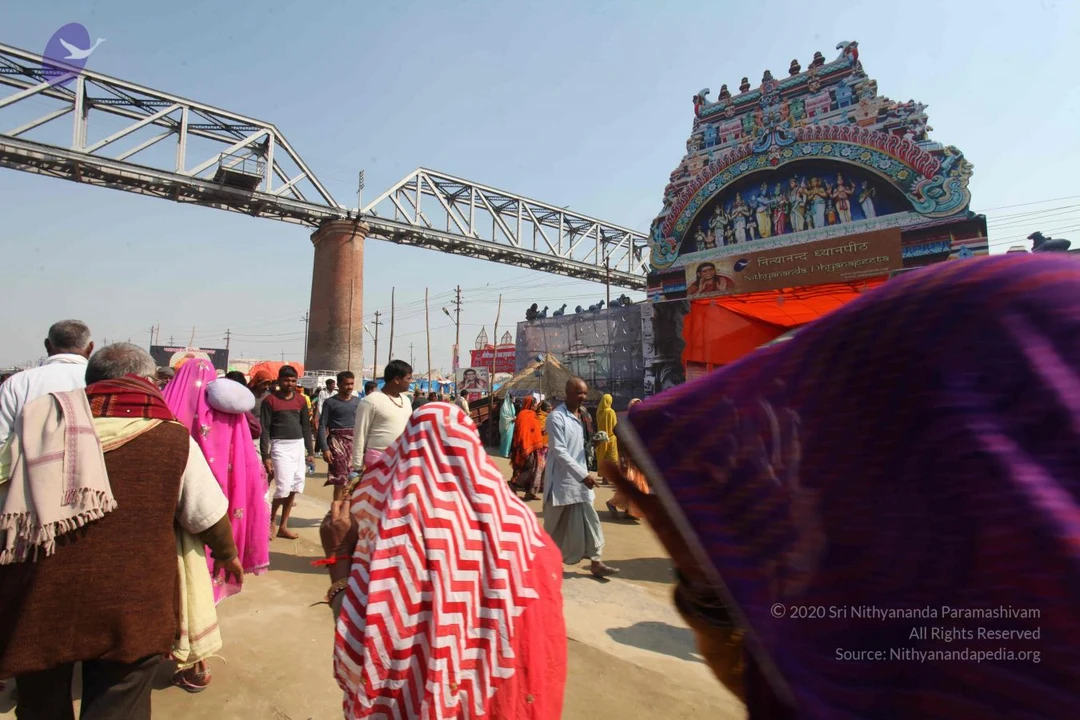
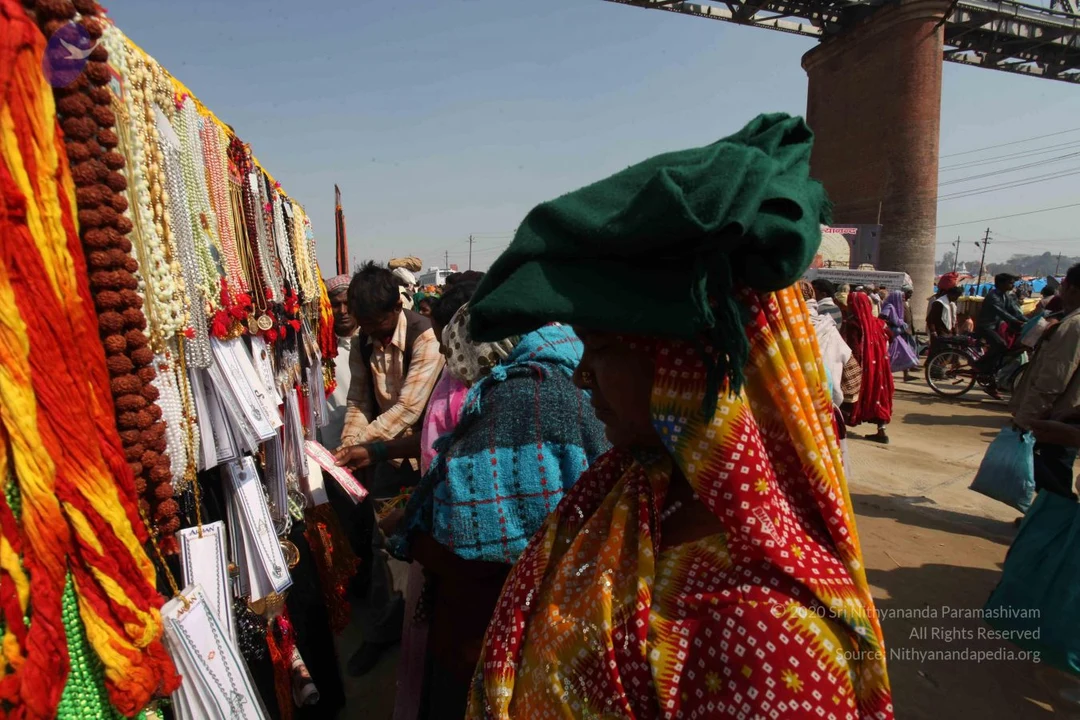
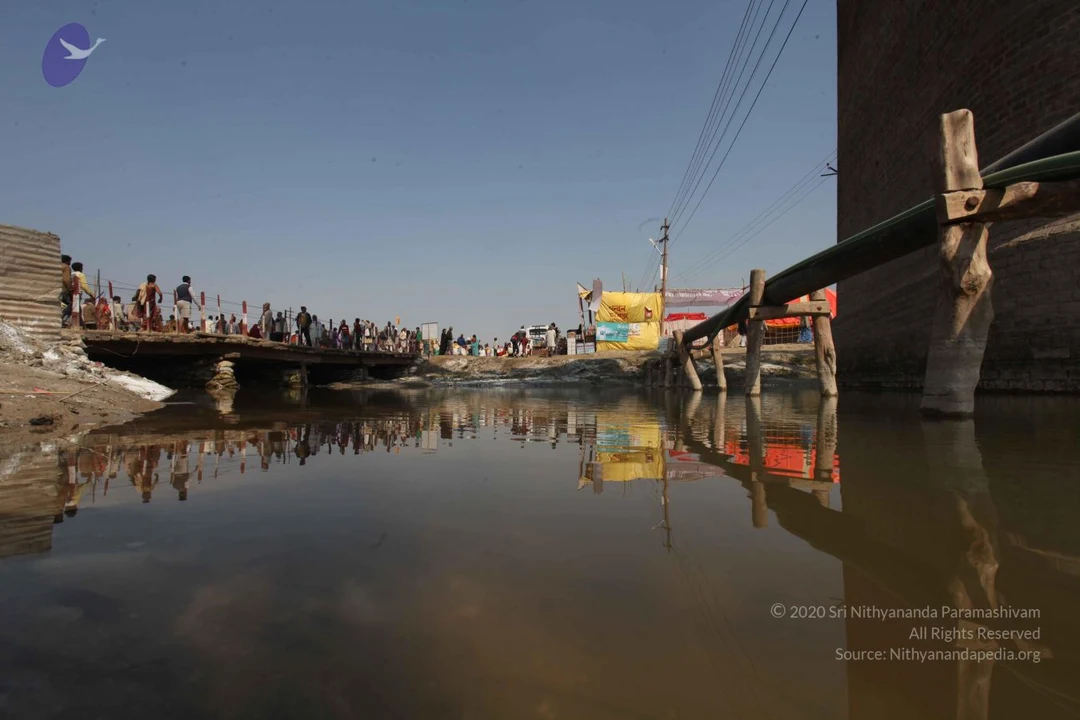
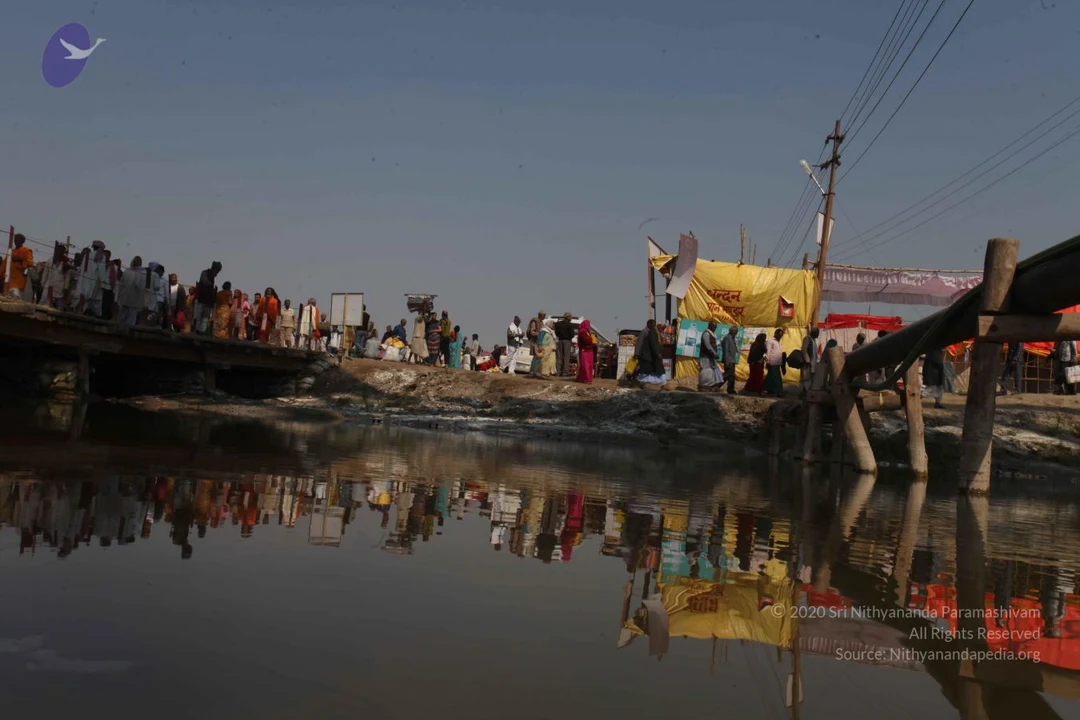
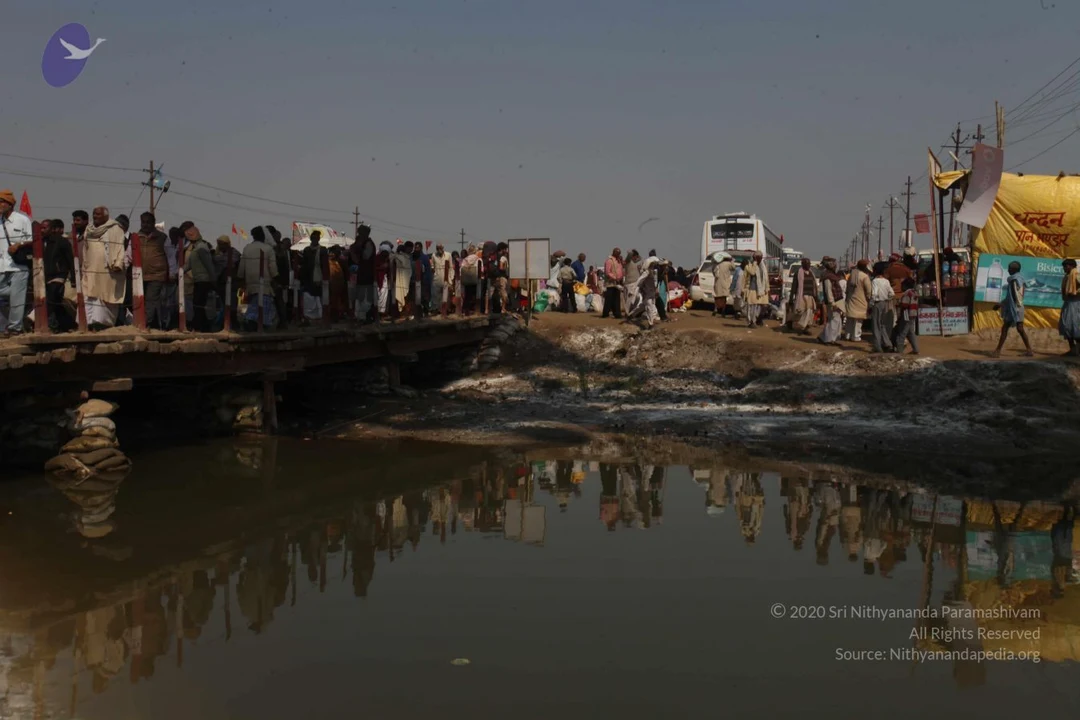
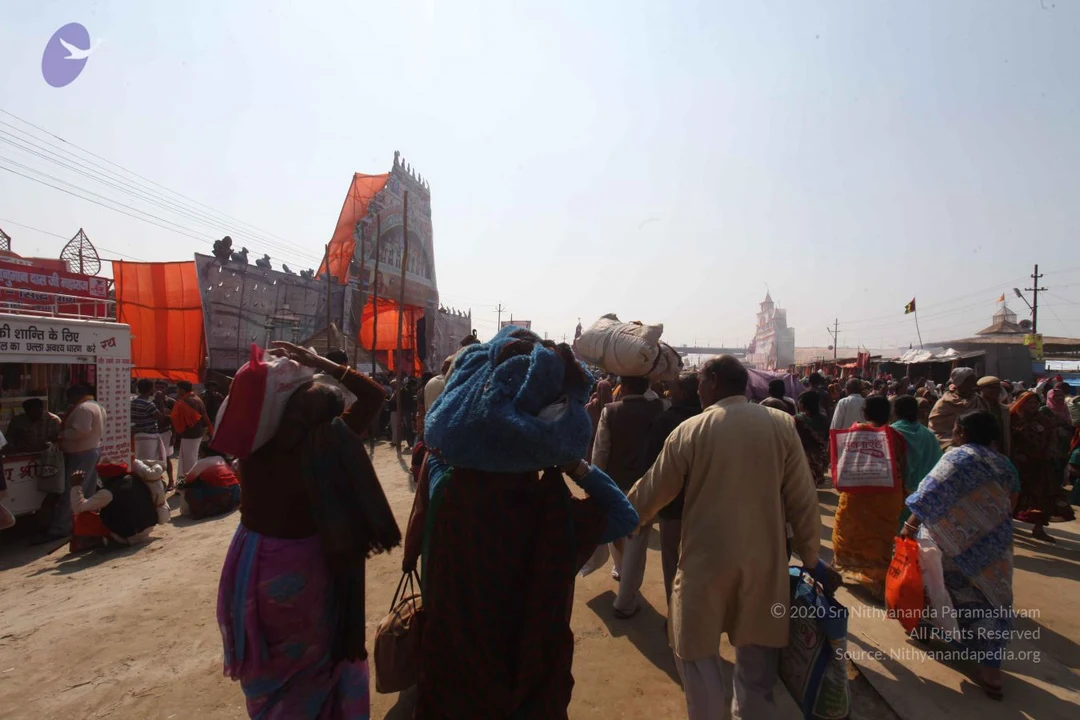
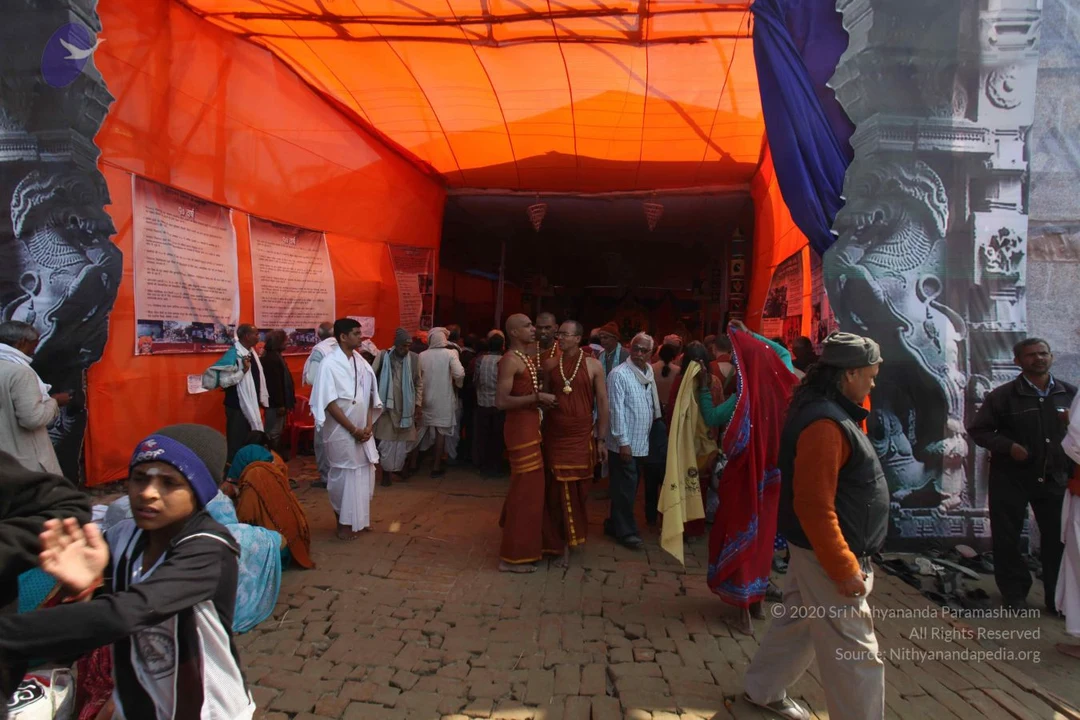
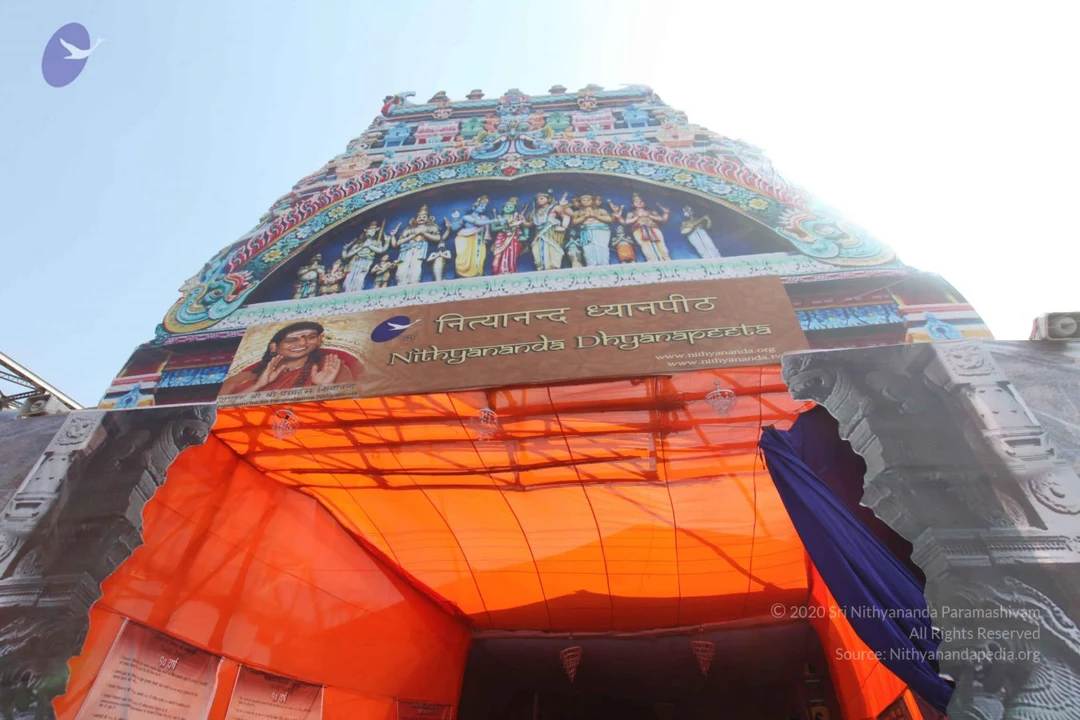
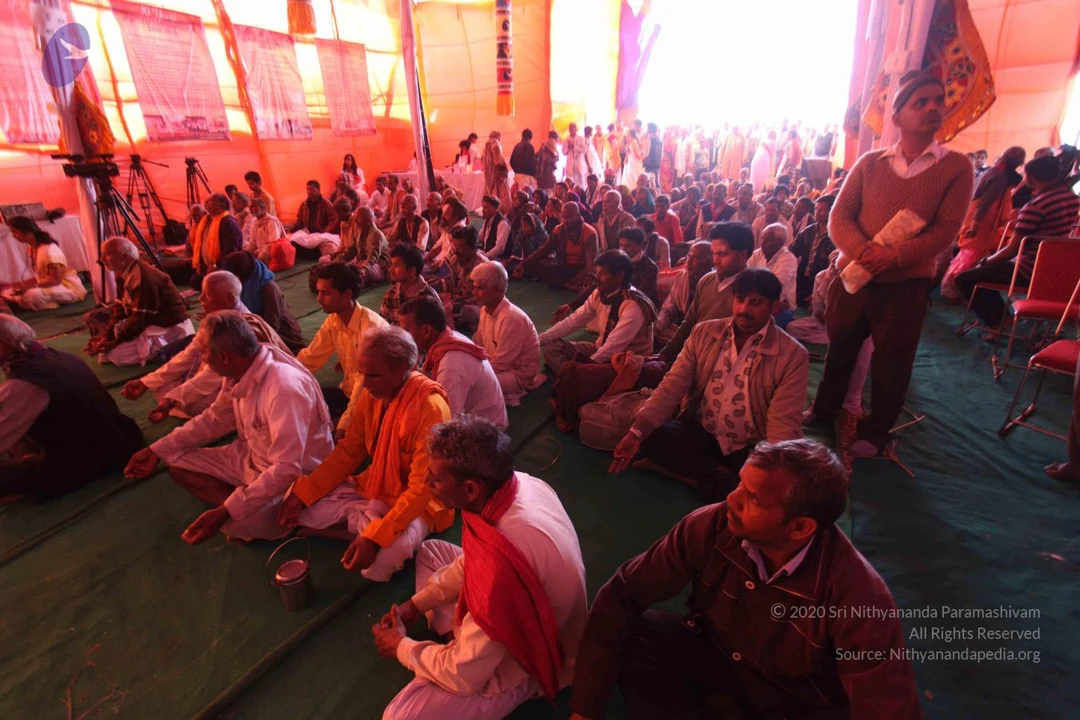
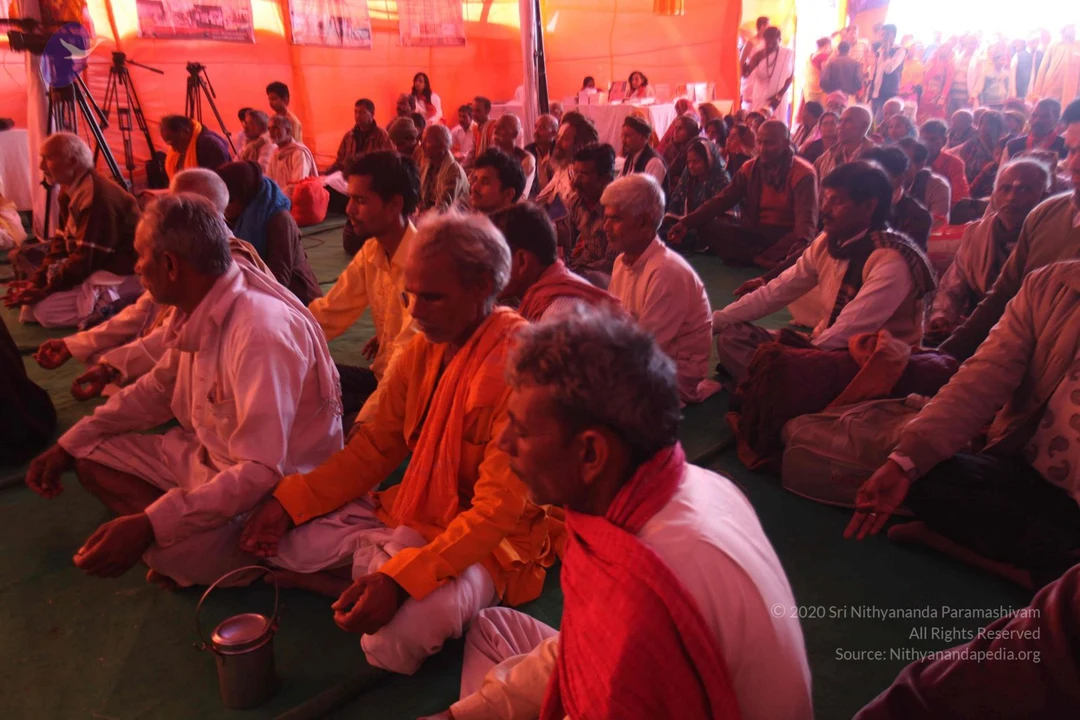
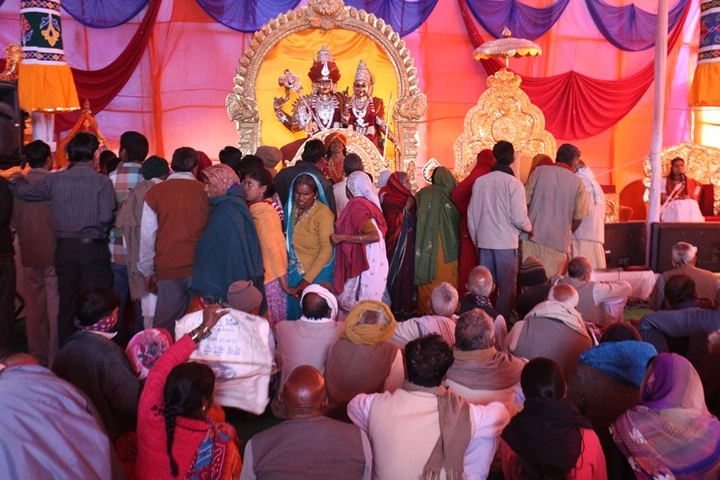
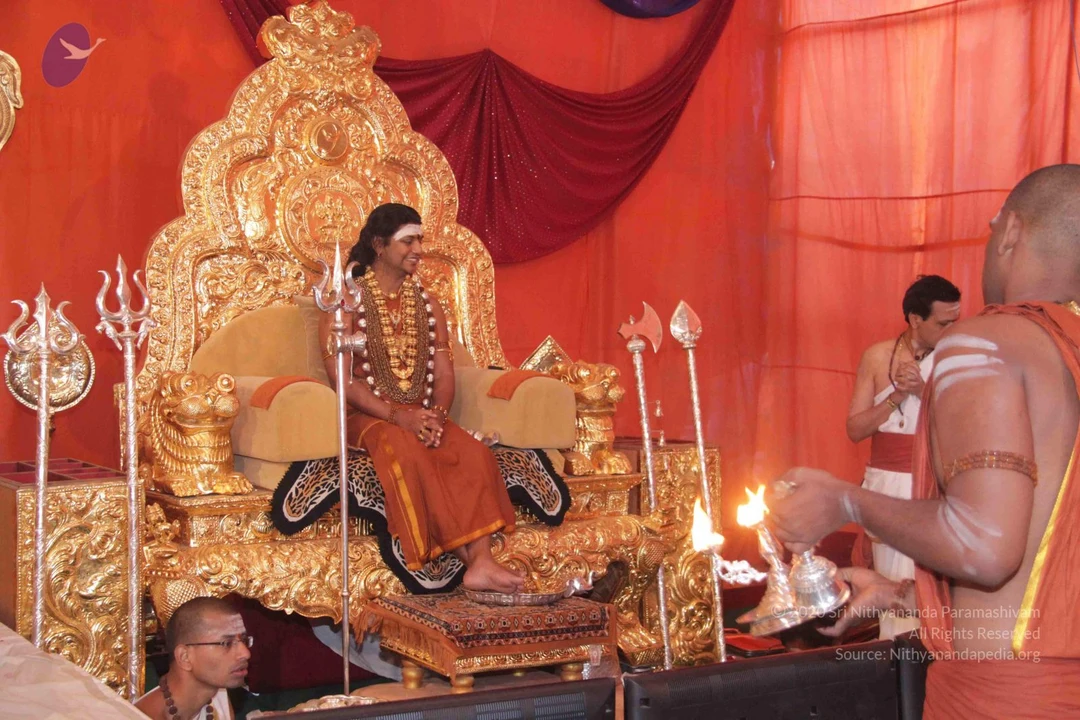
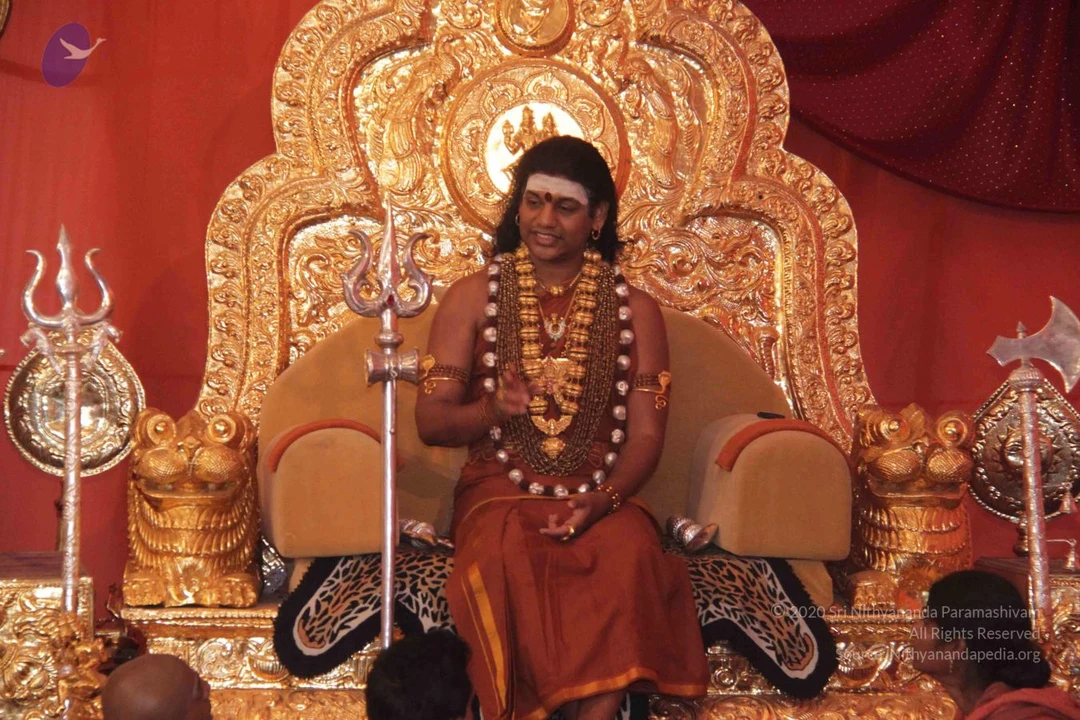
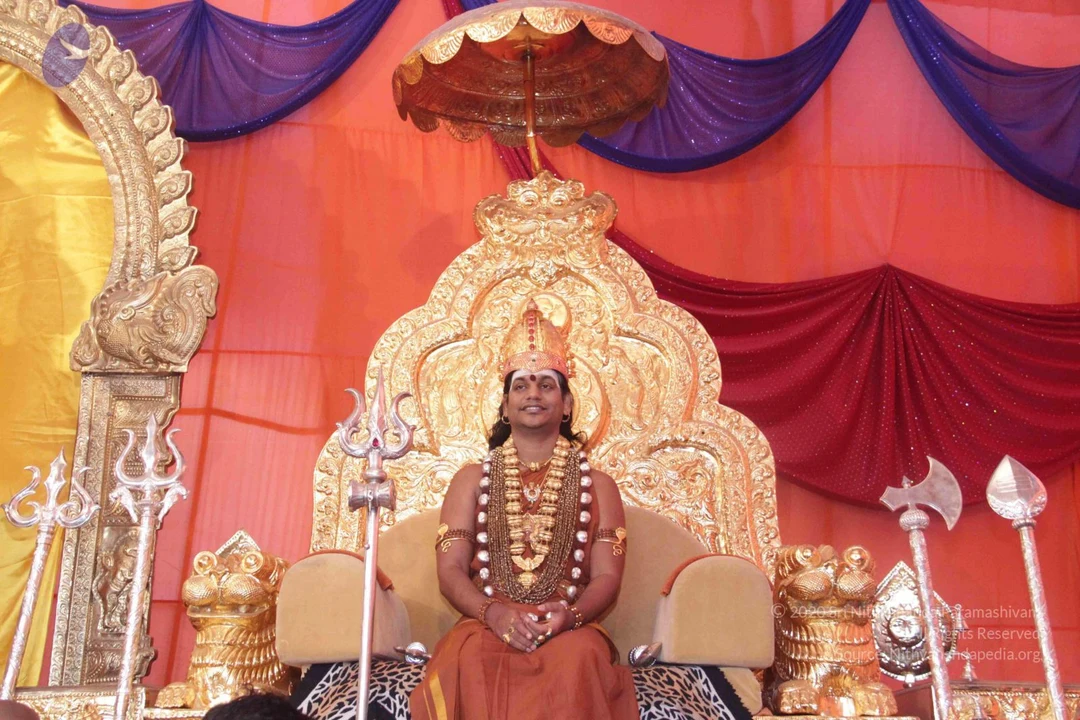
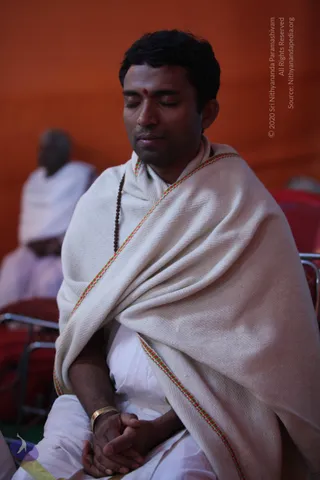
Morning Satsang and Pada puja
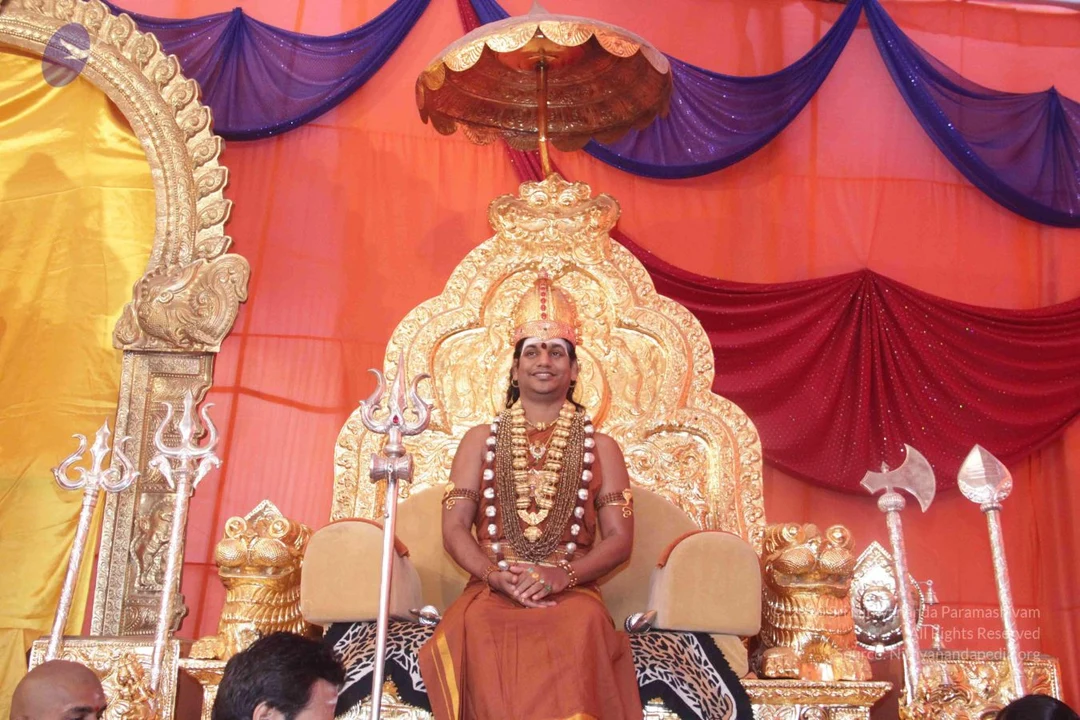
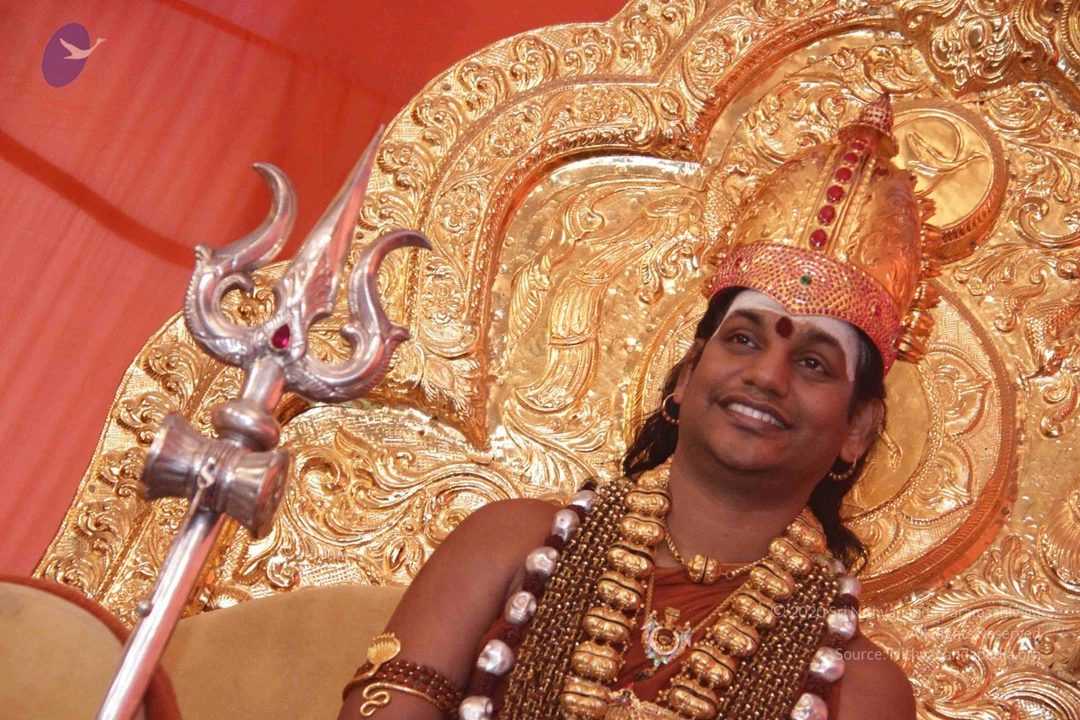


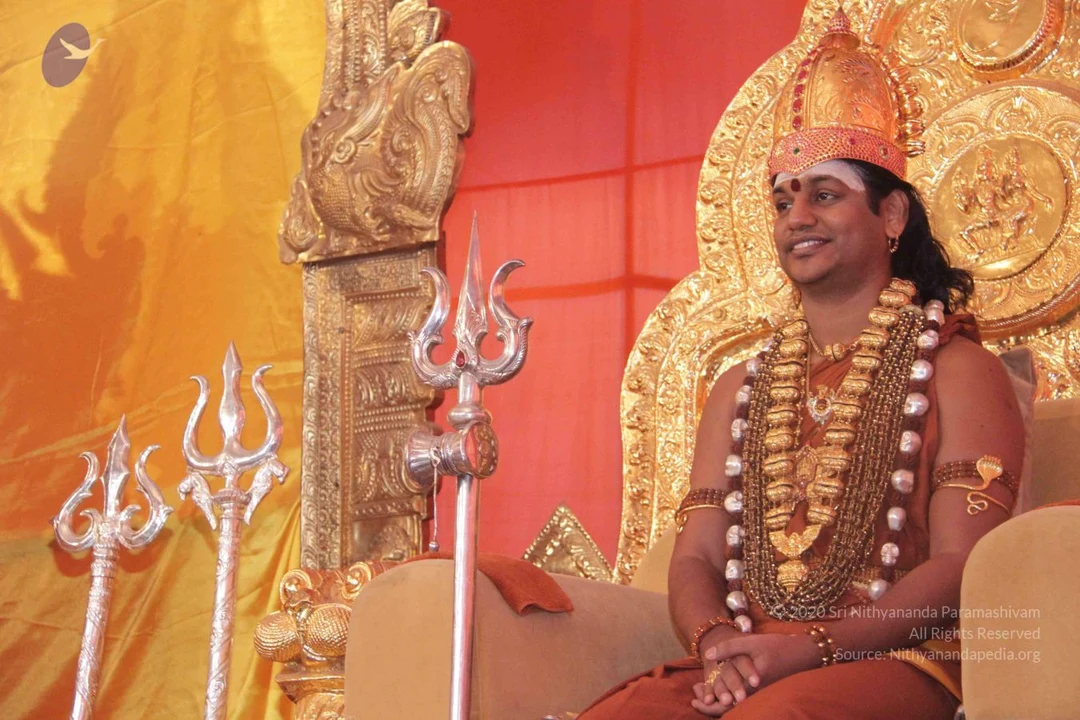
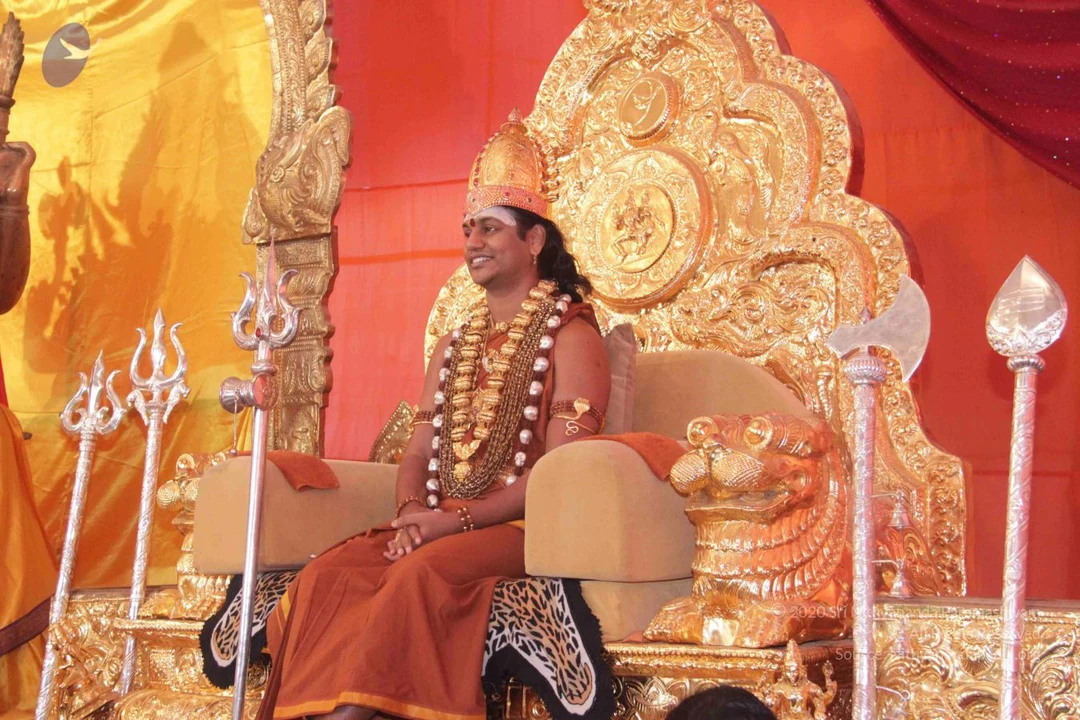
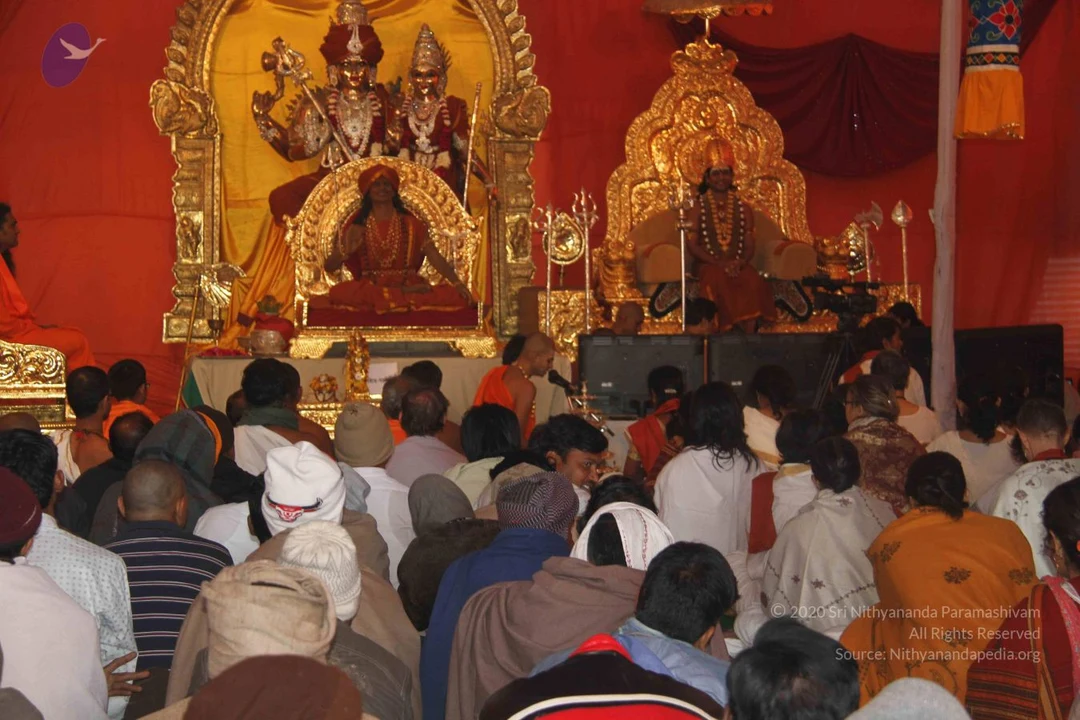
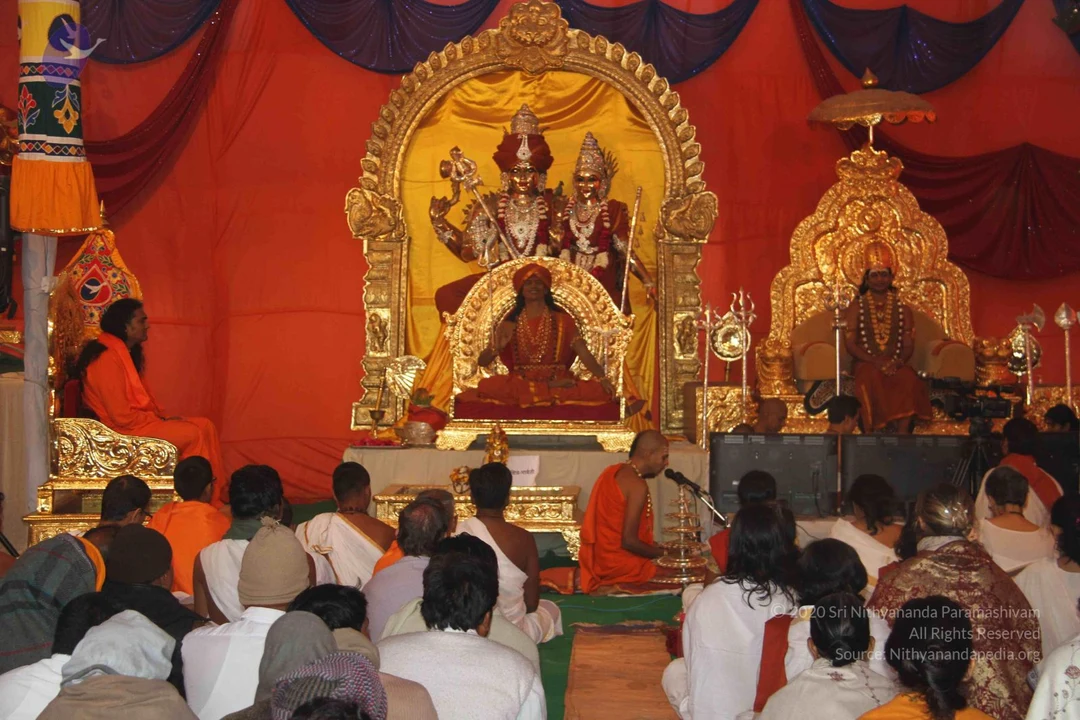
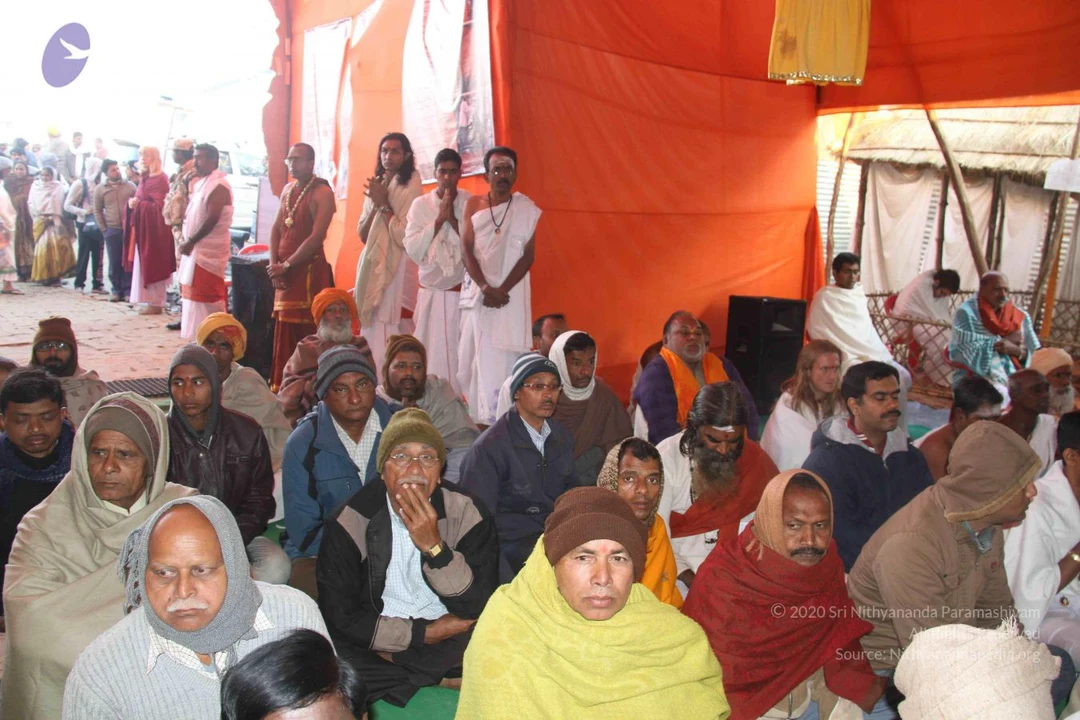
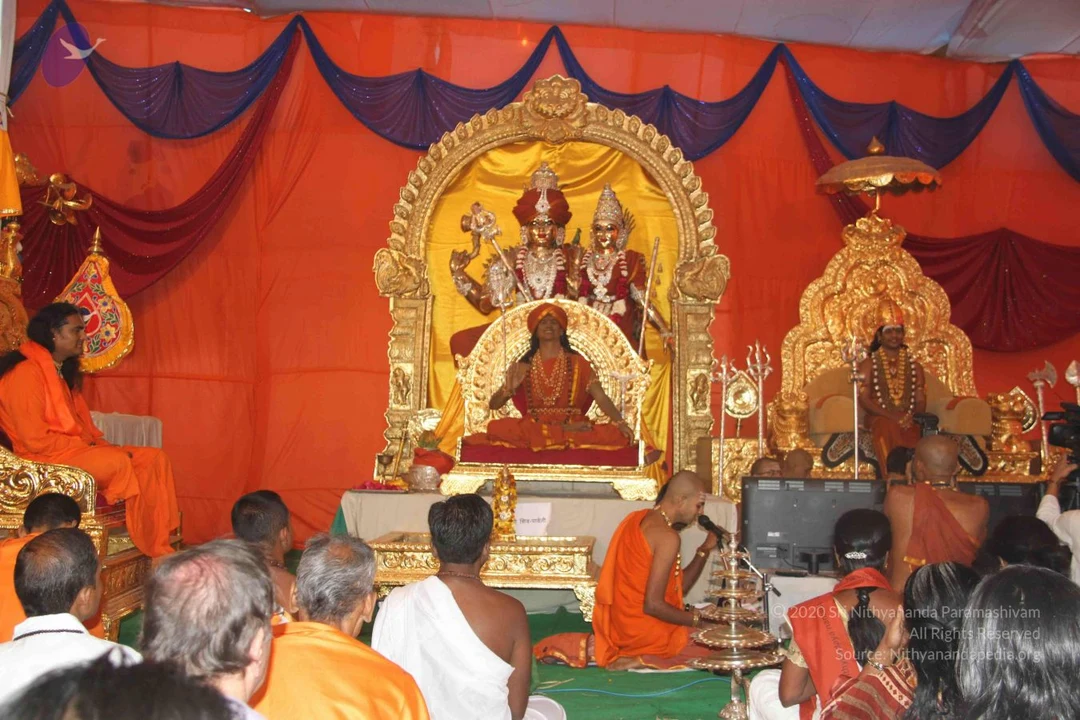
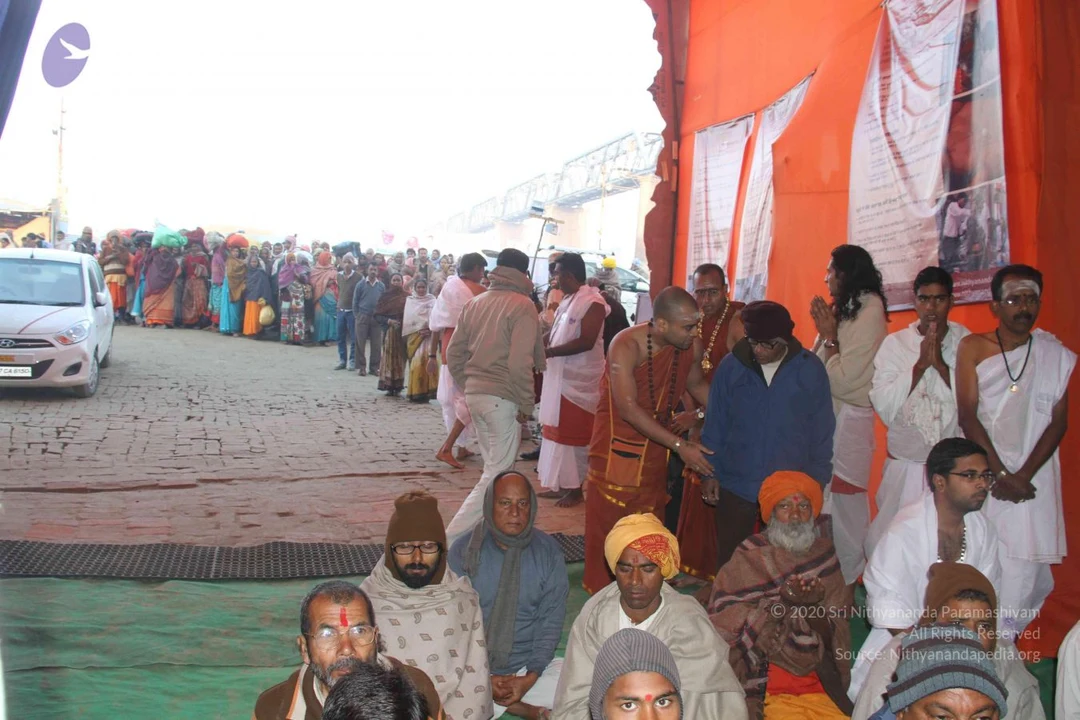
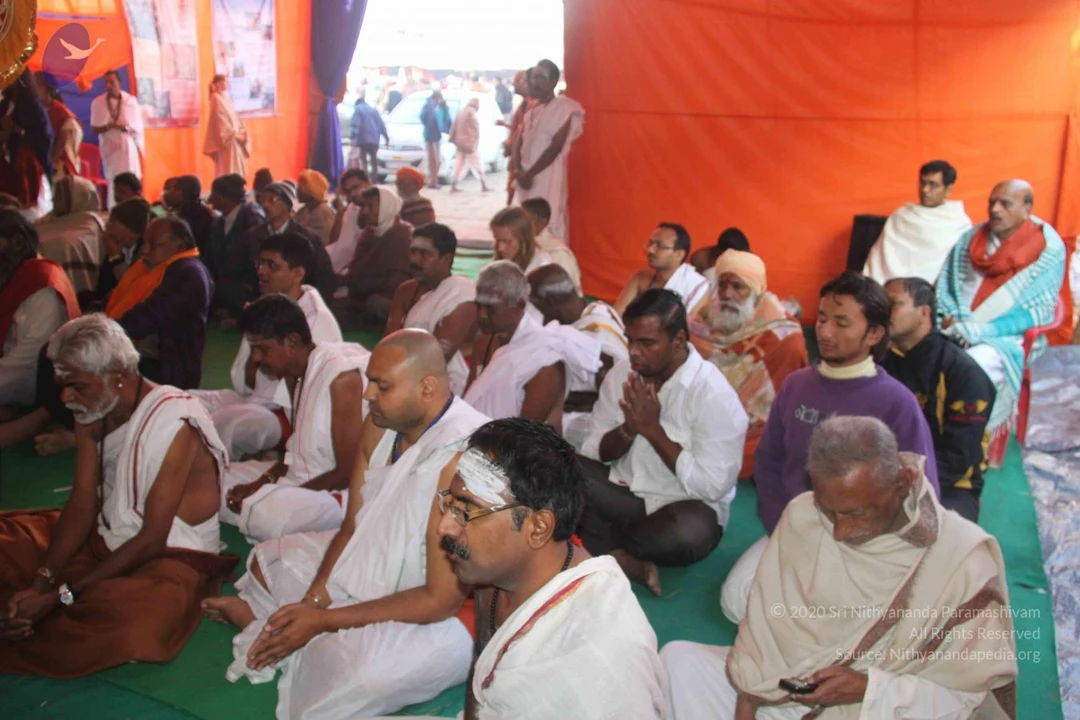

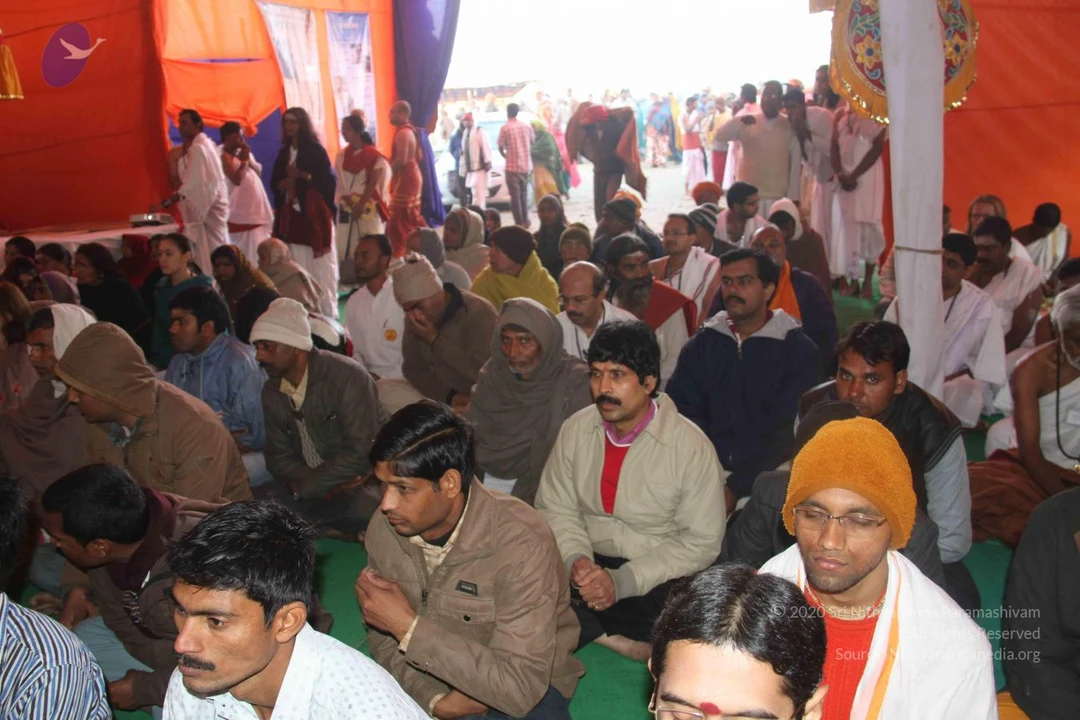
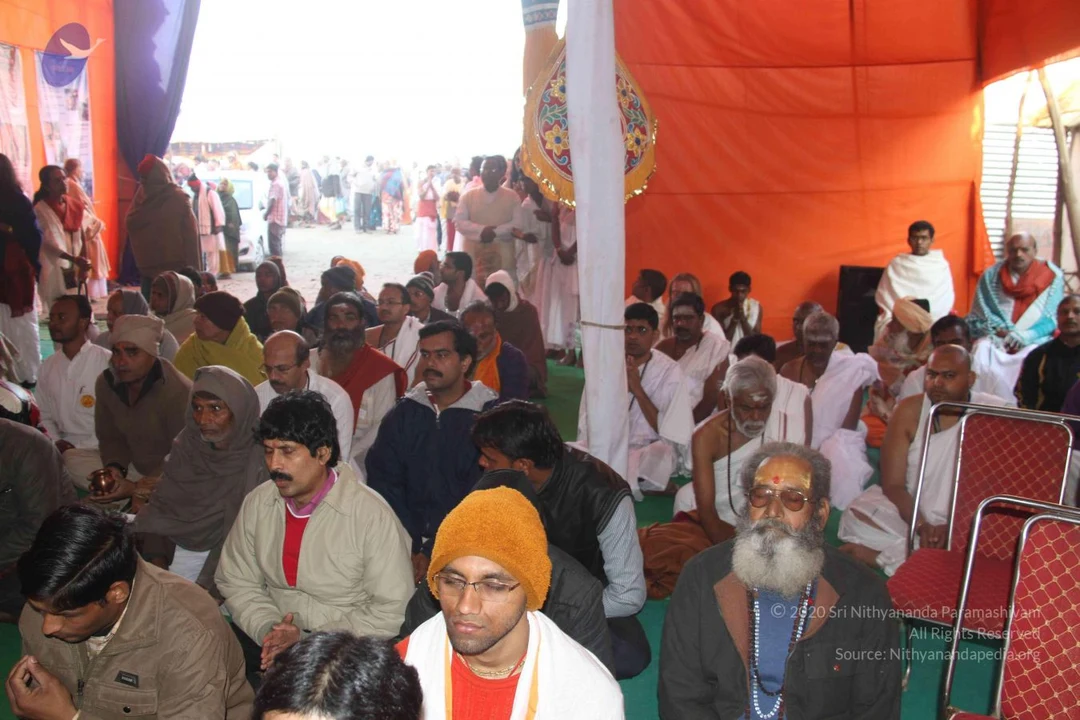
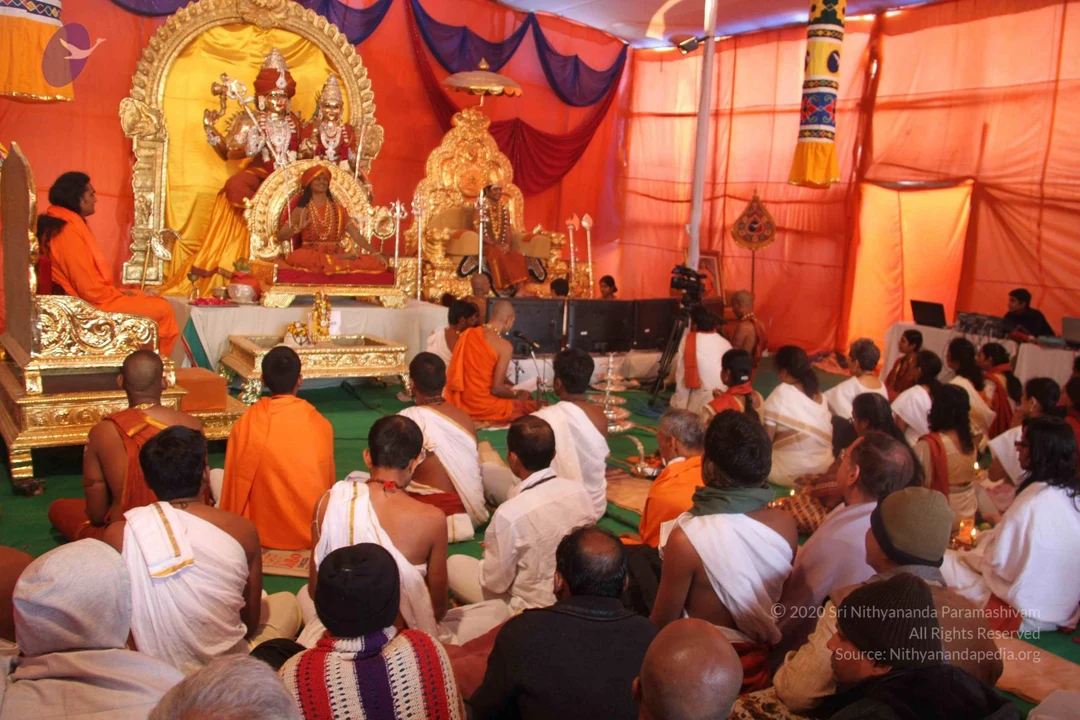
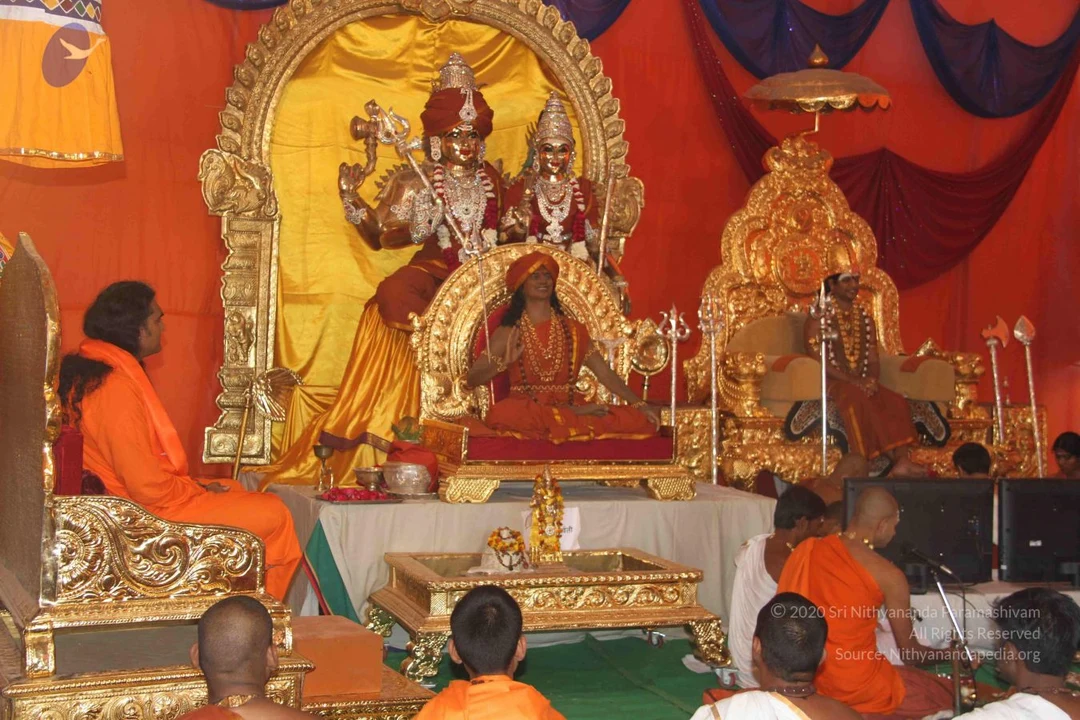
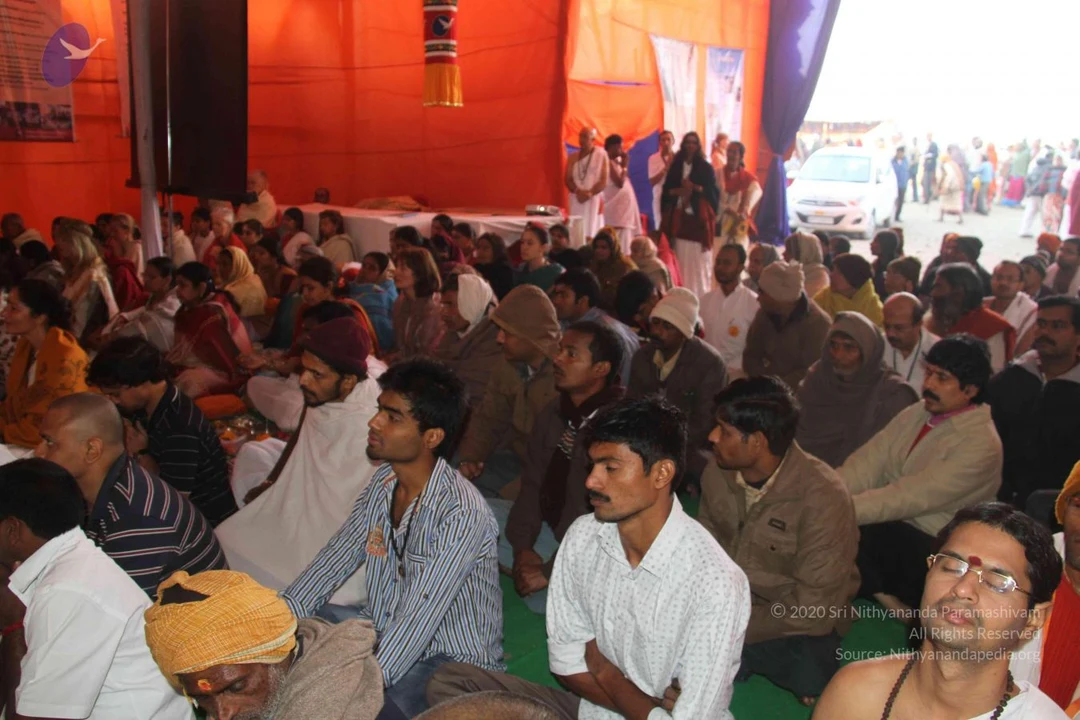
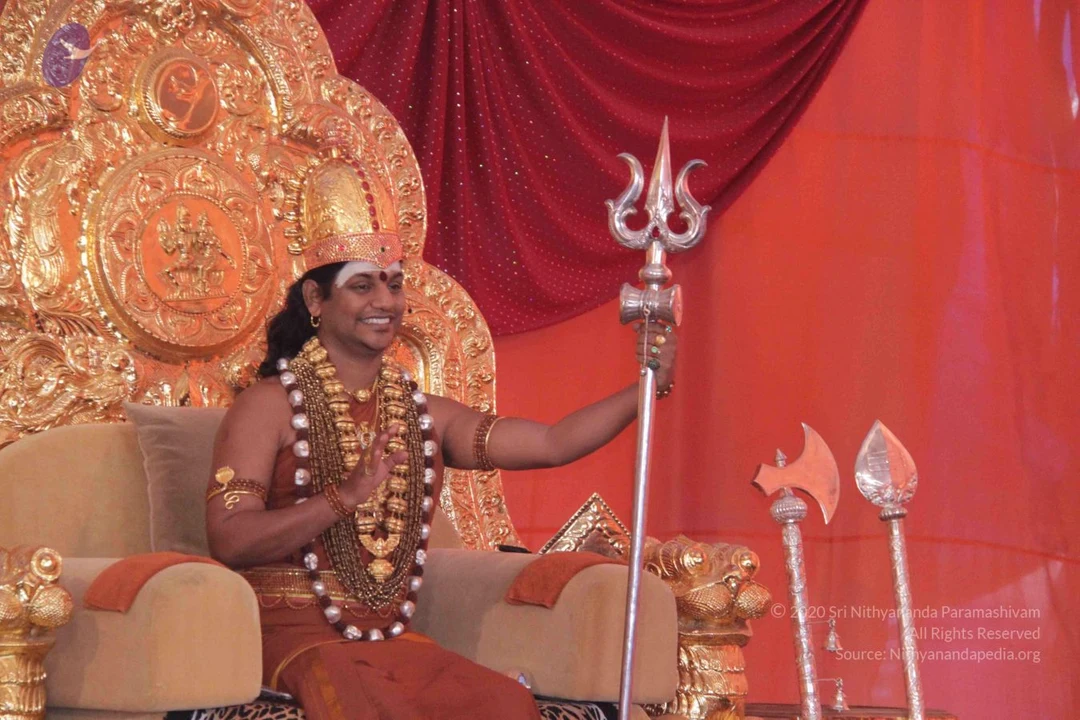

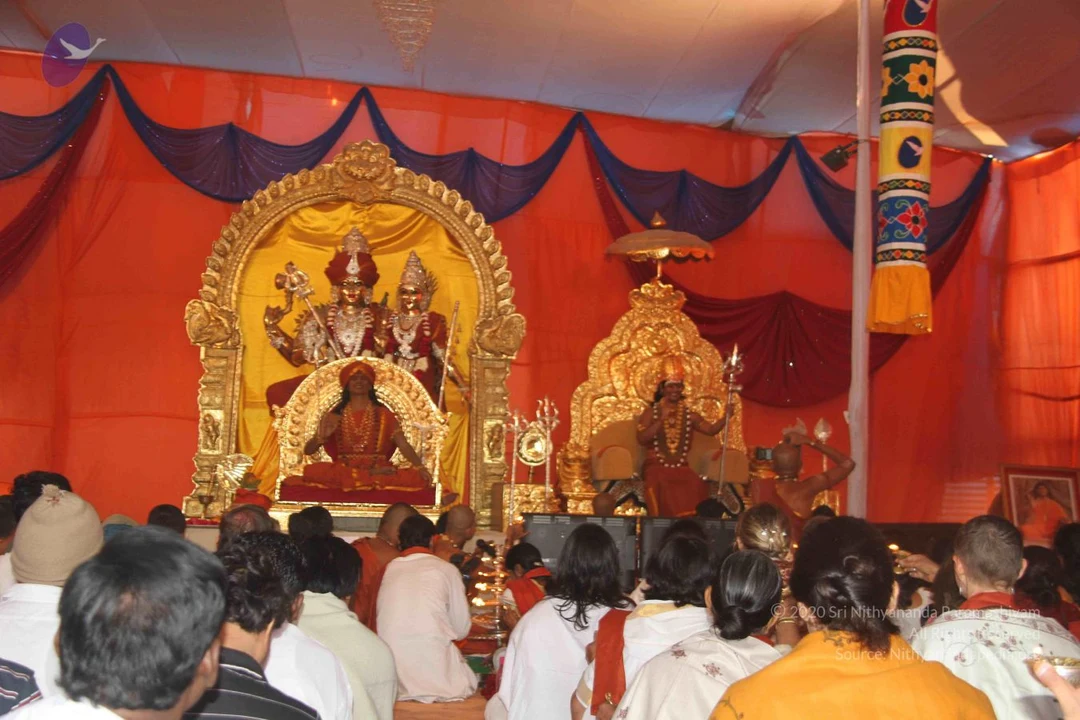

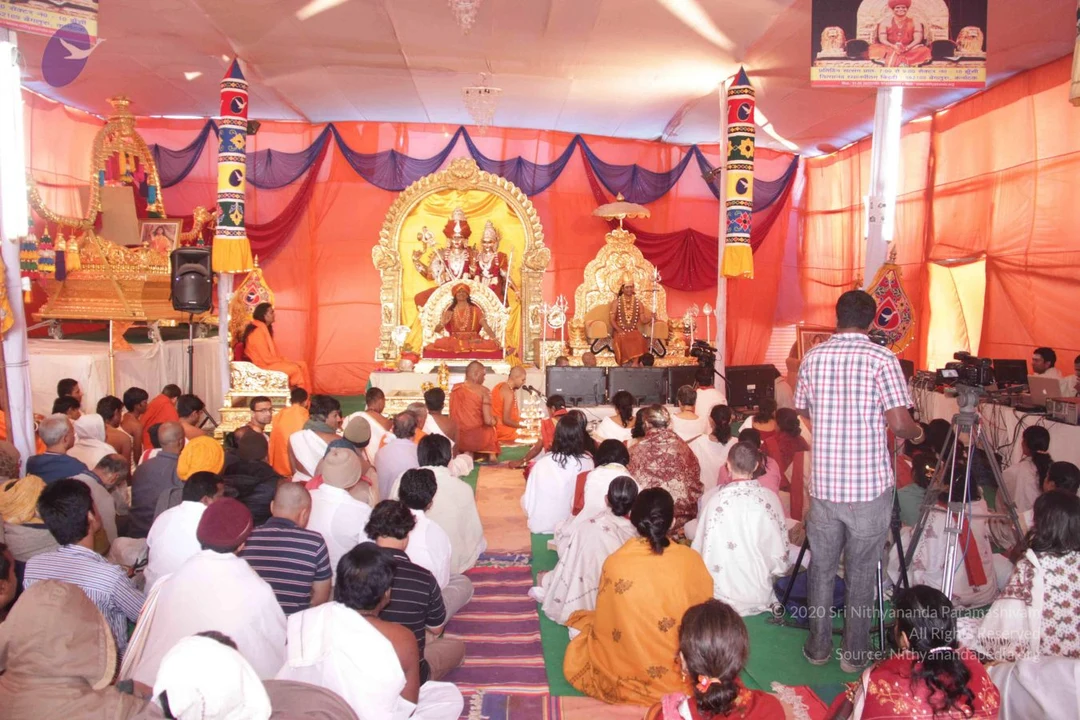
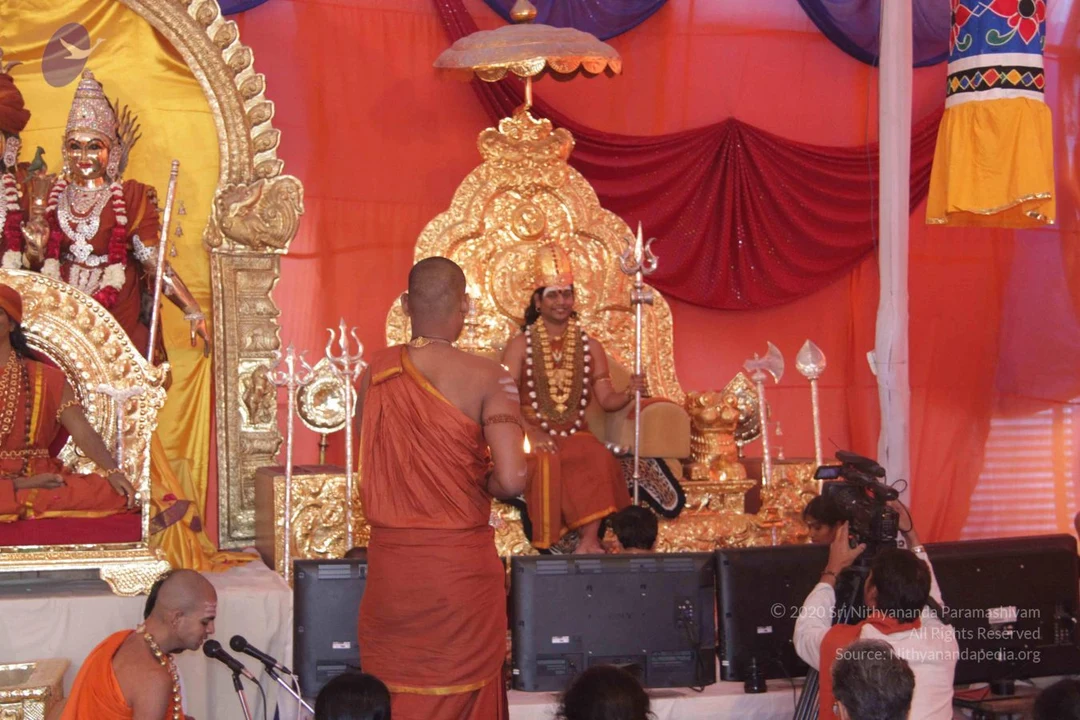

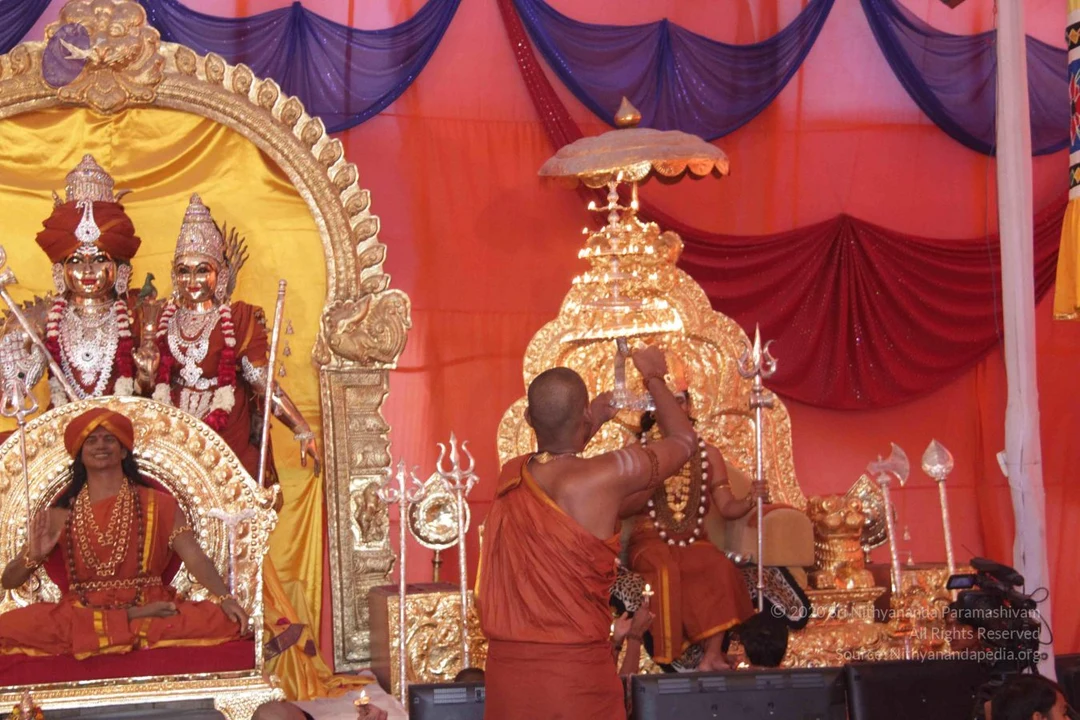
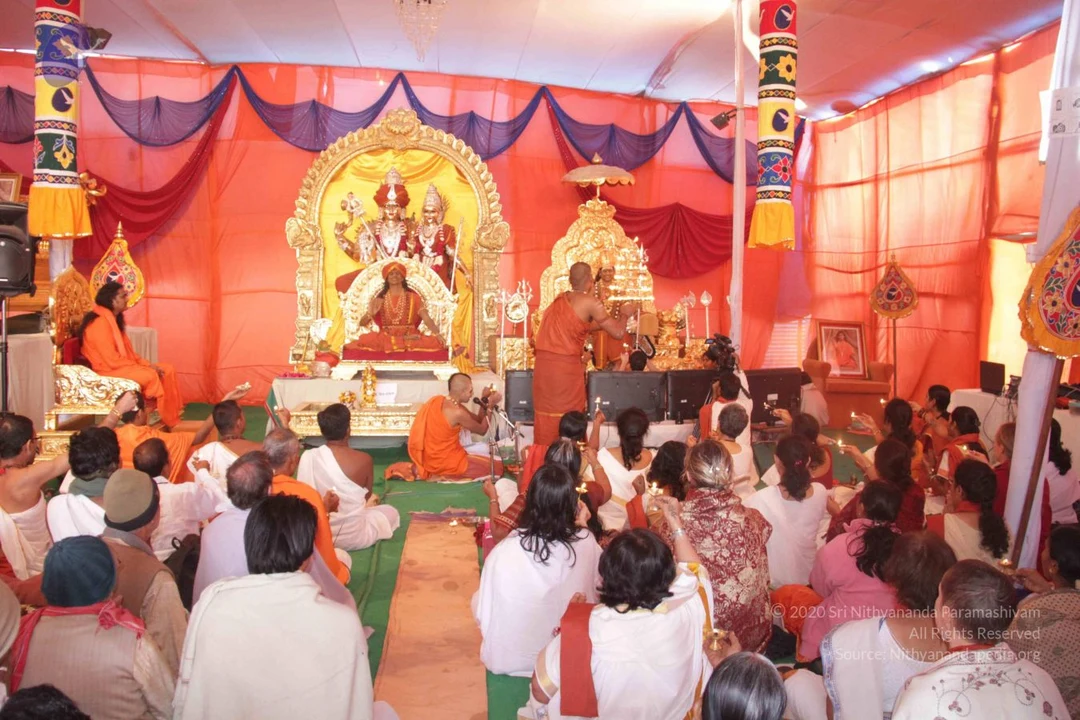
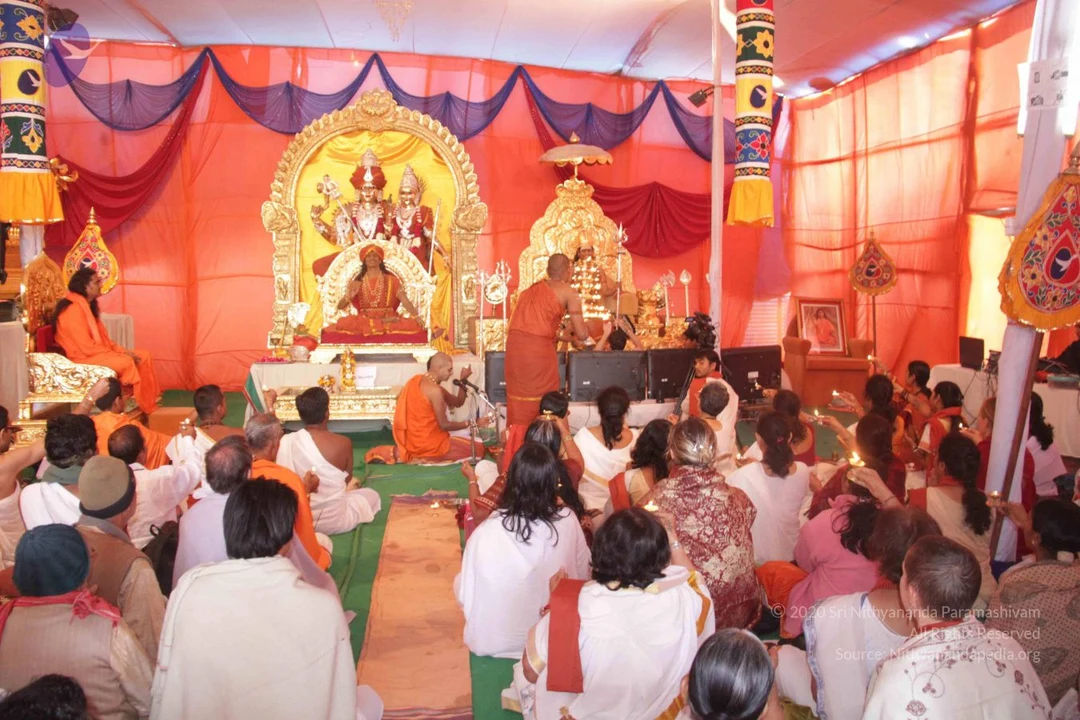
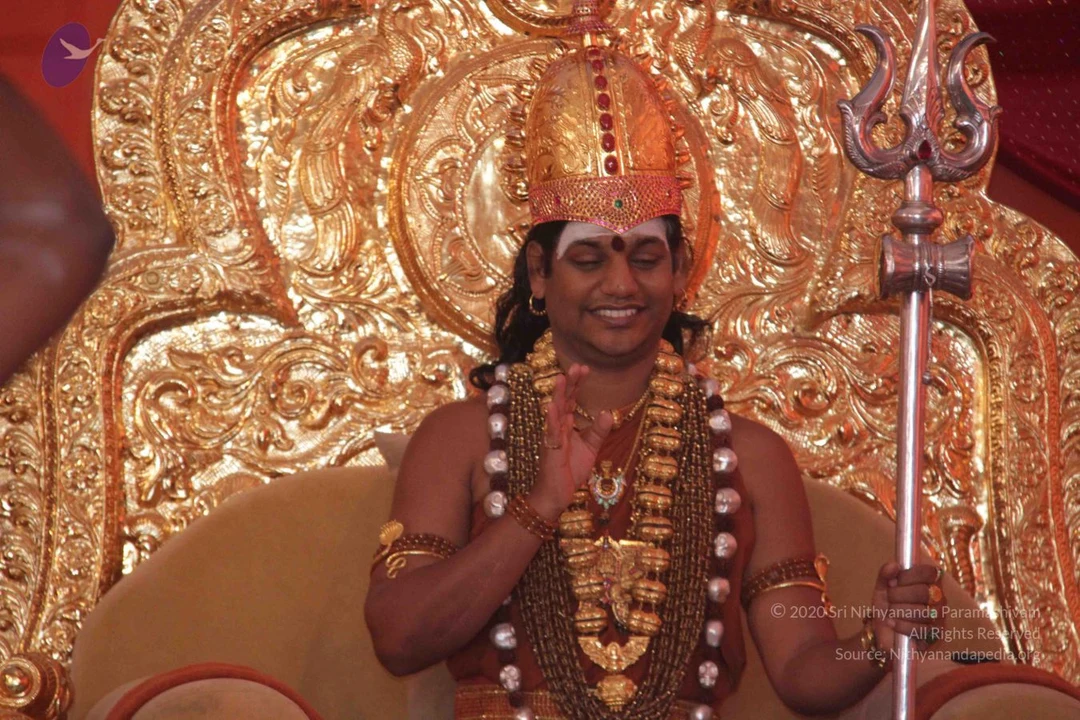

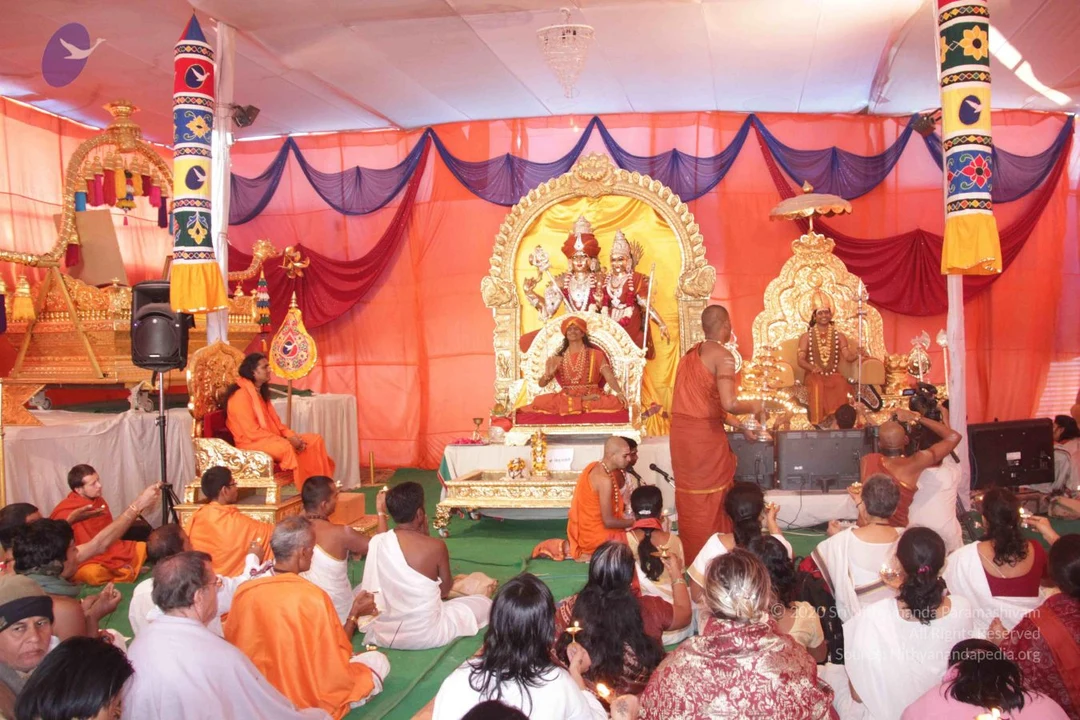
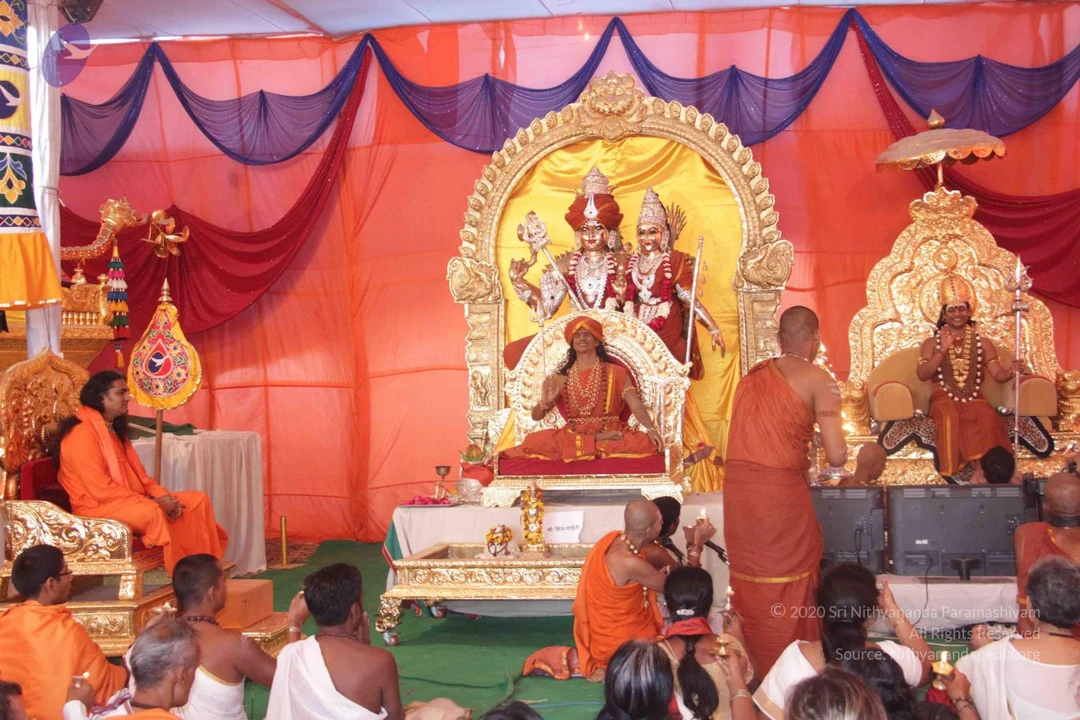
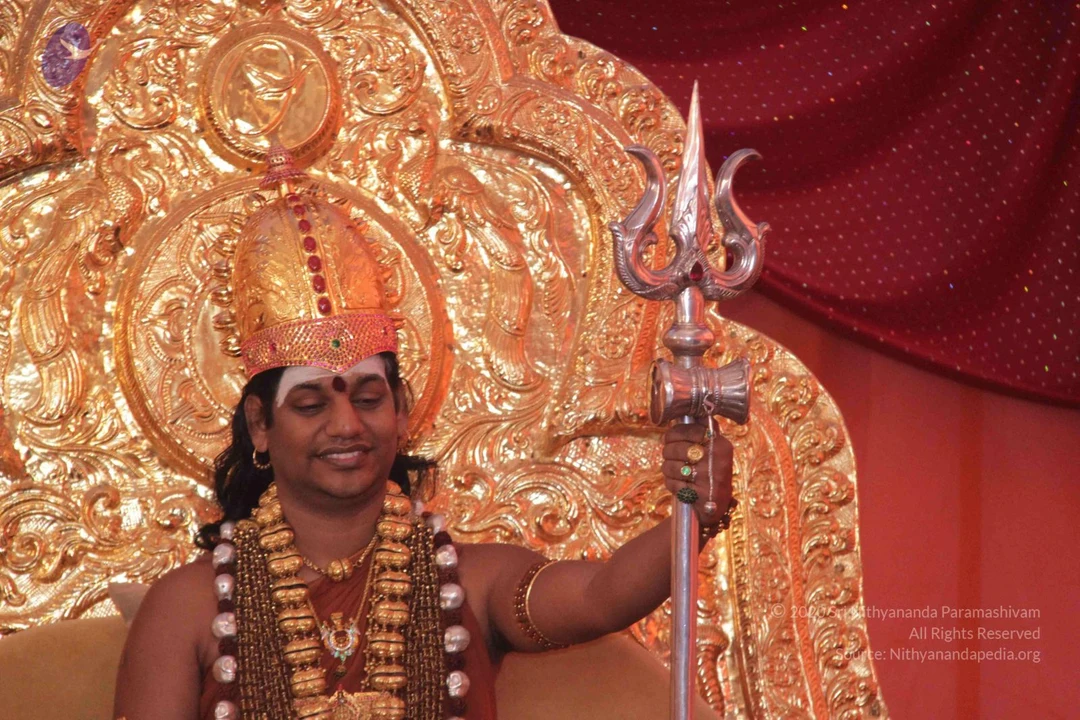
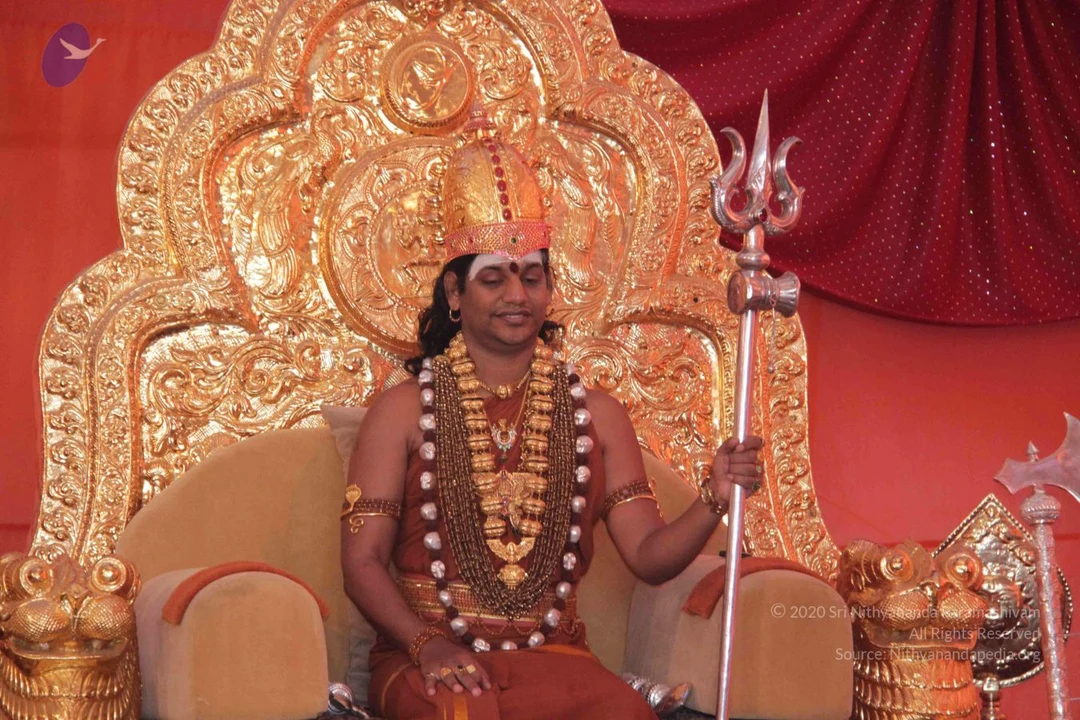
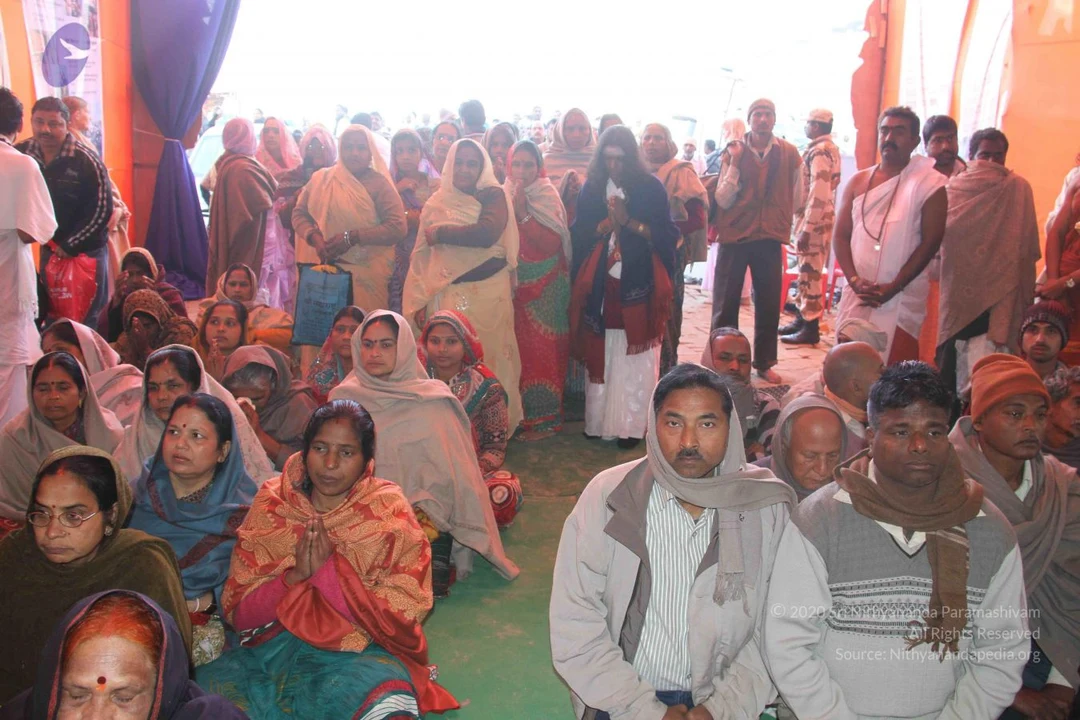
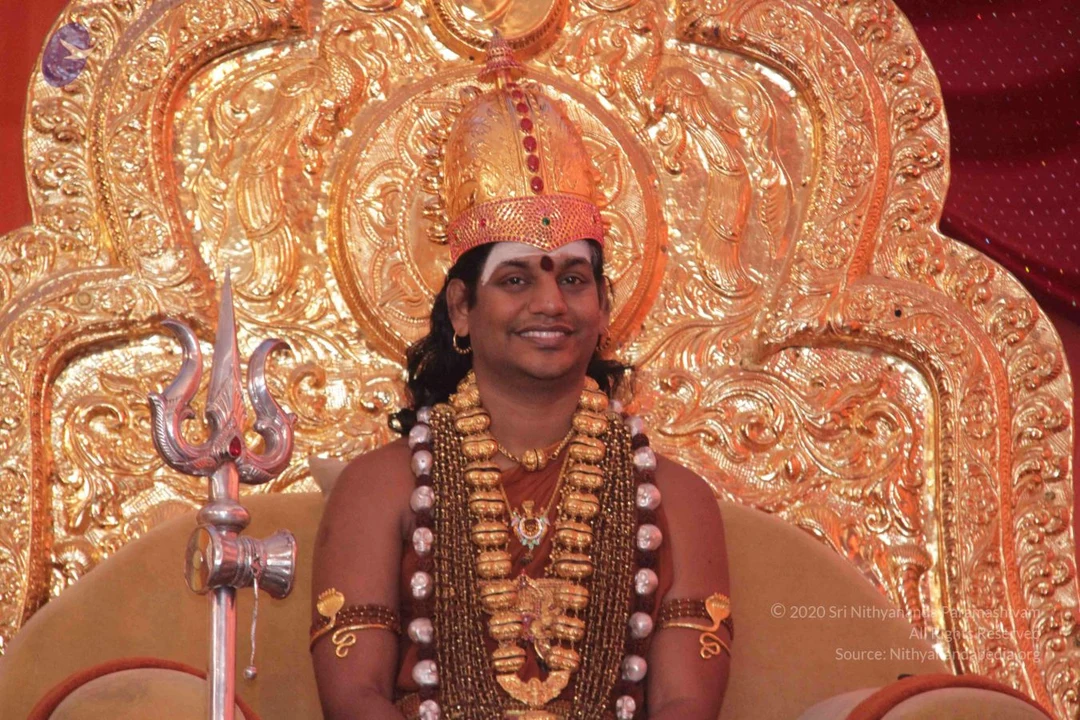
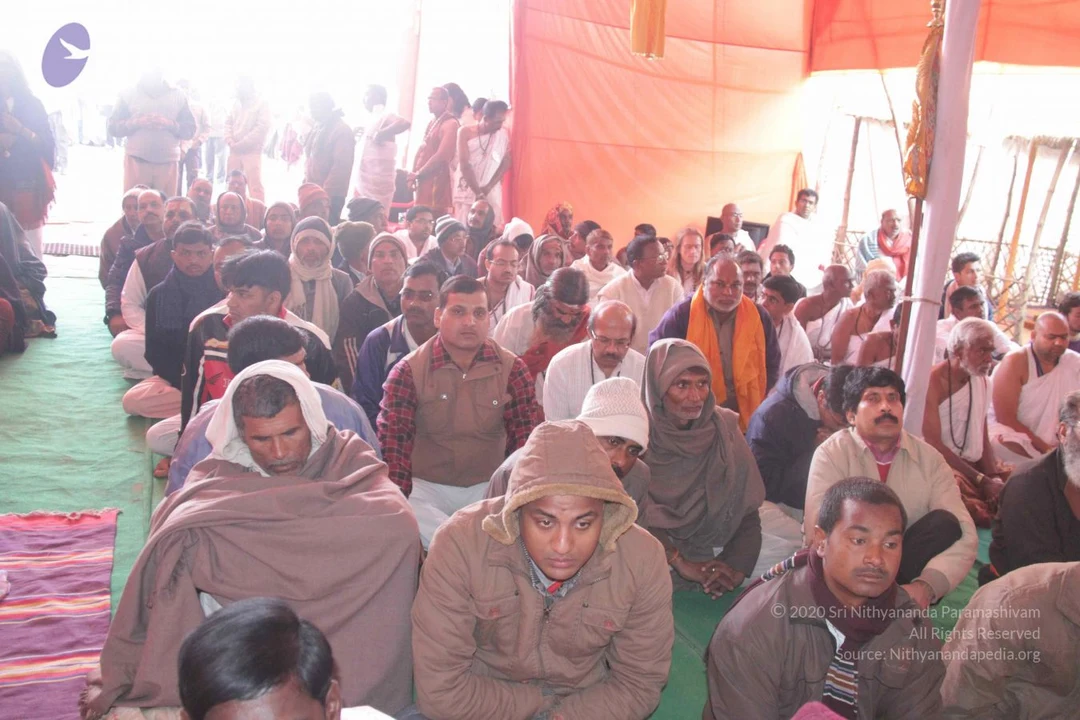
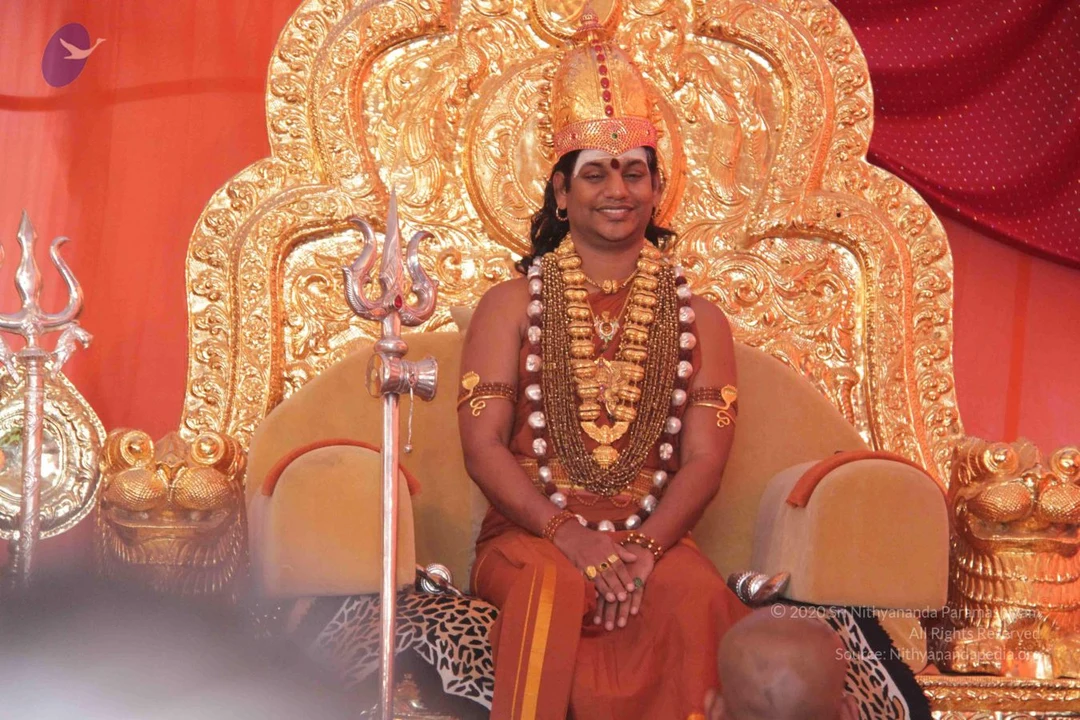
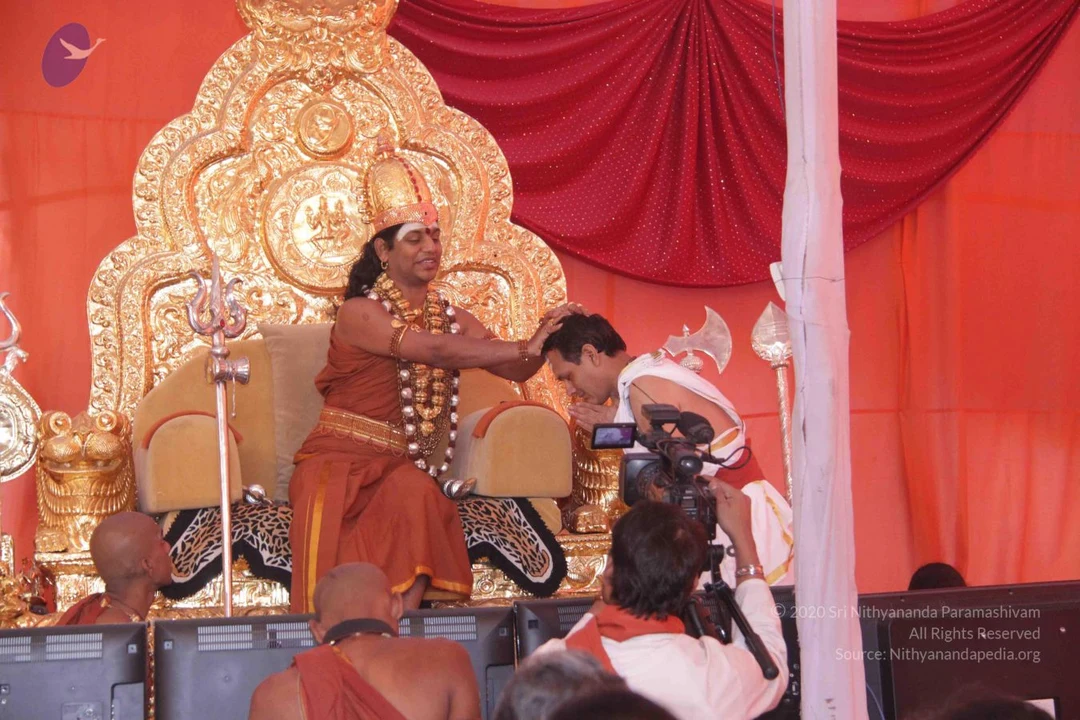
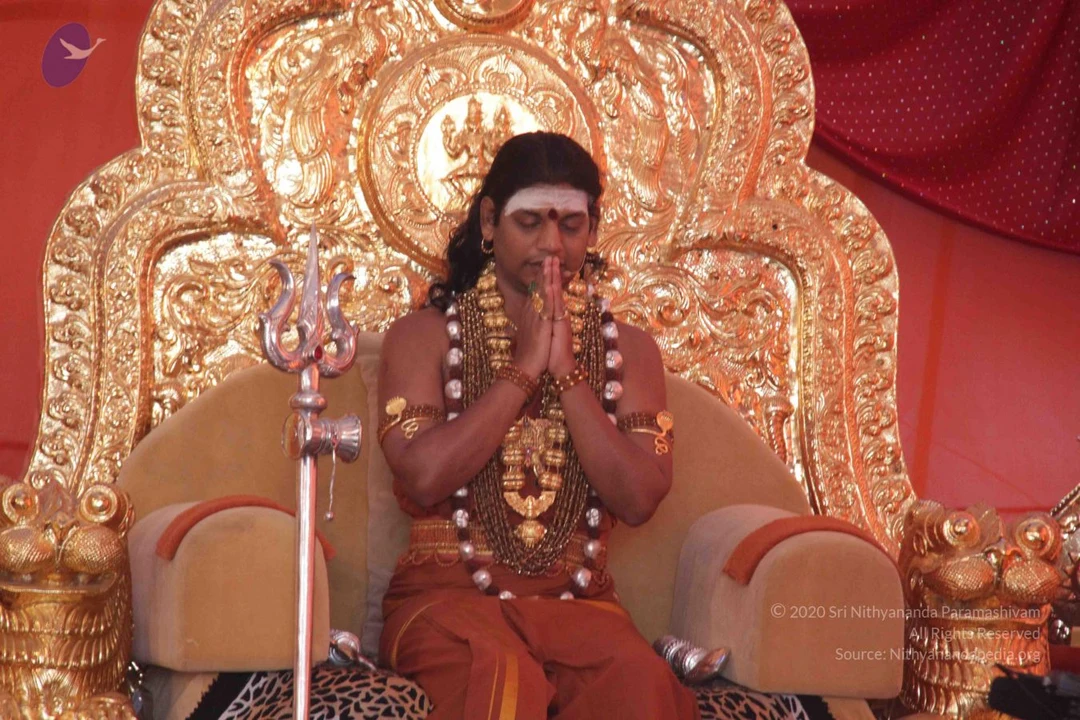
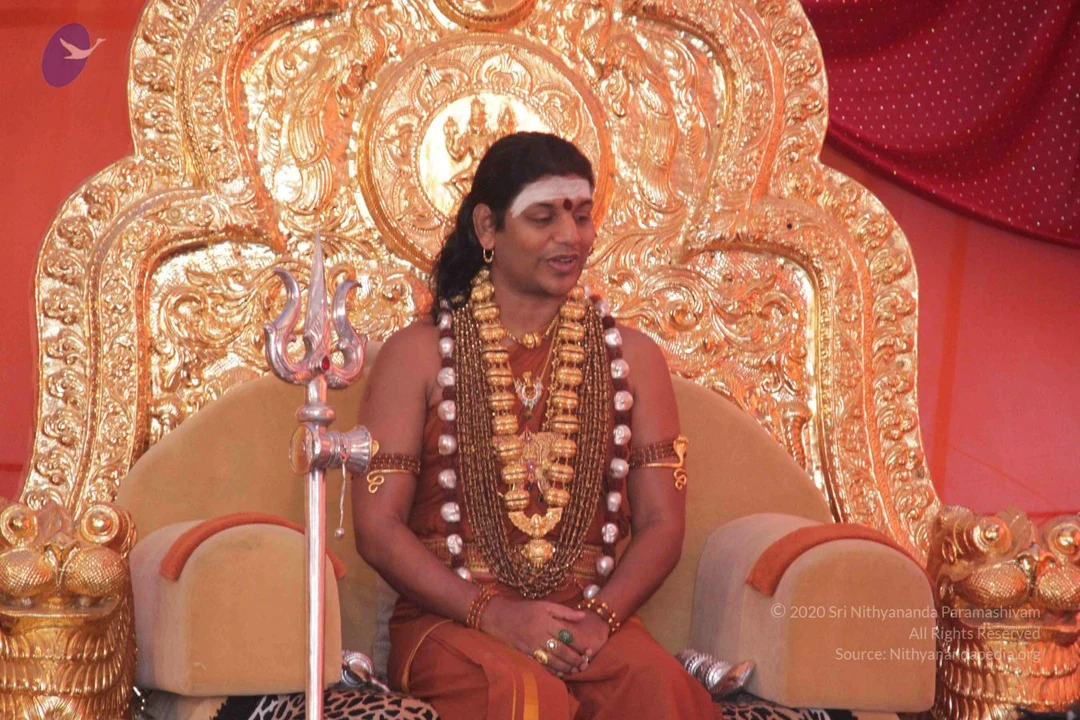
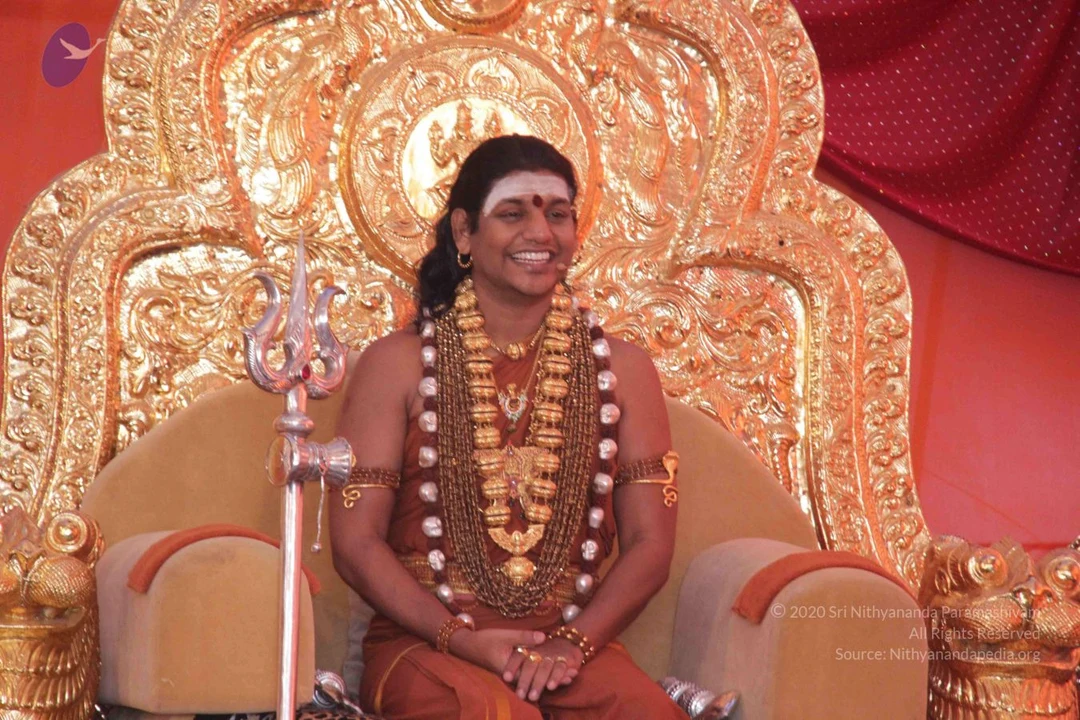
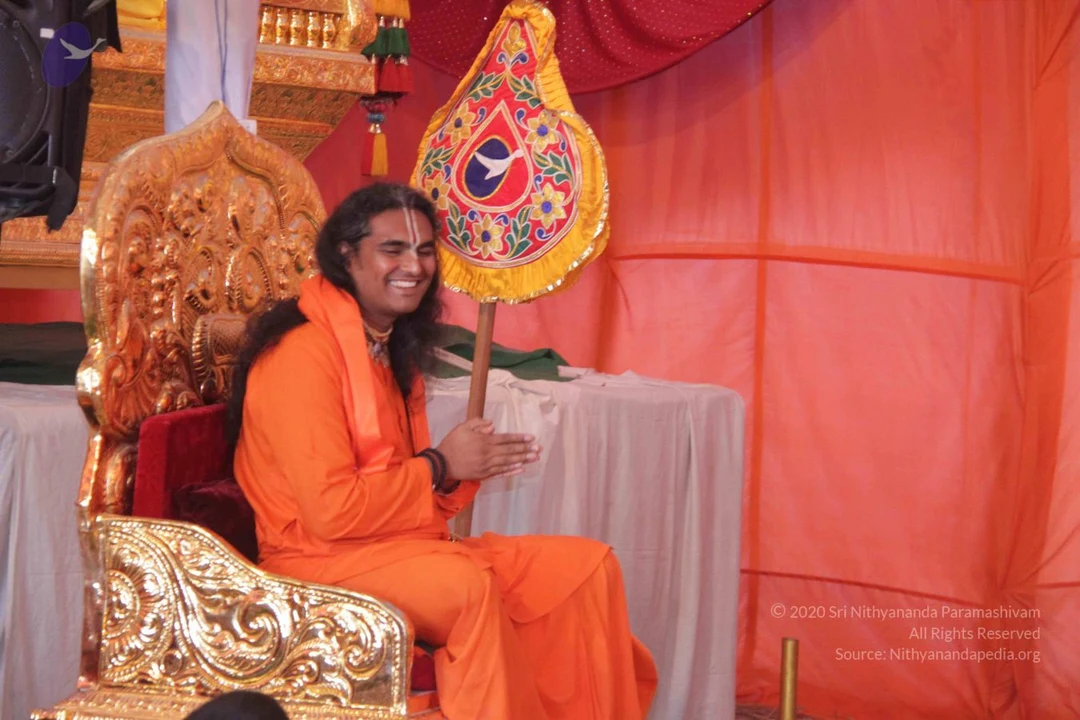



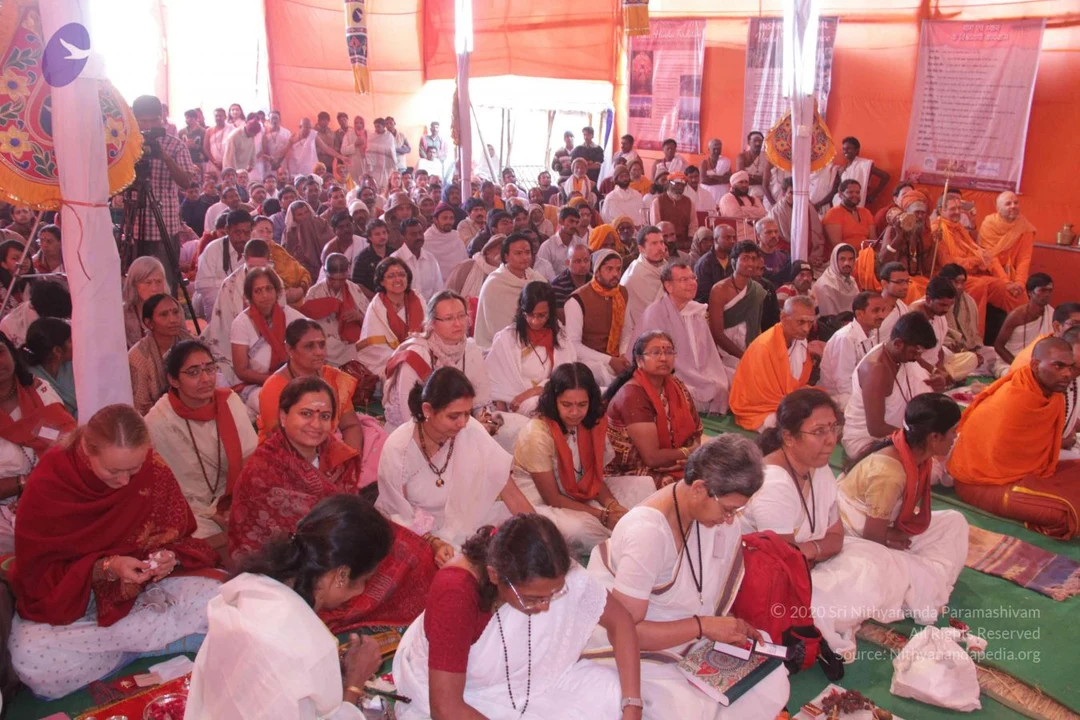
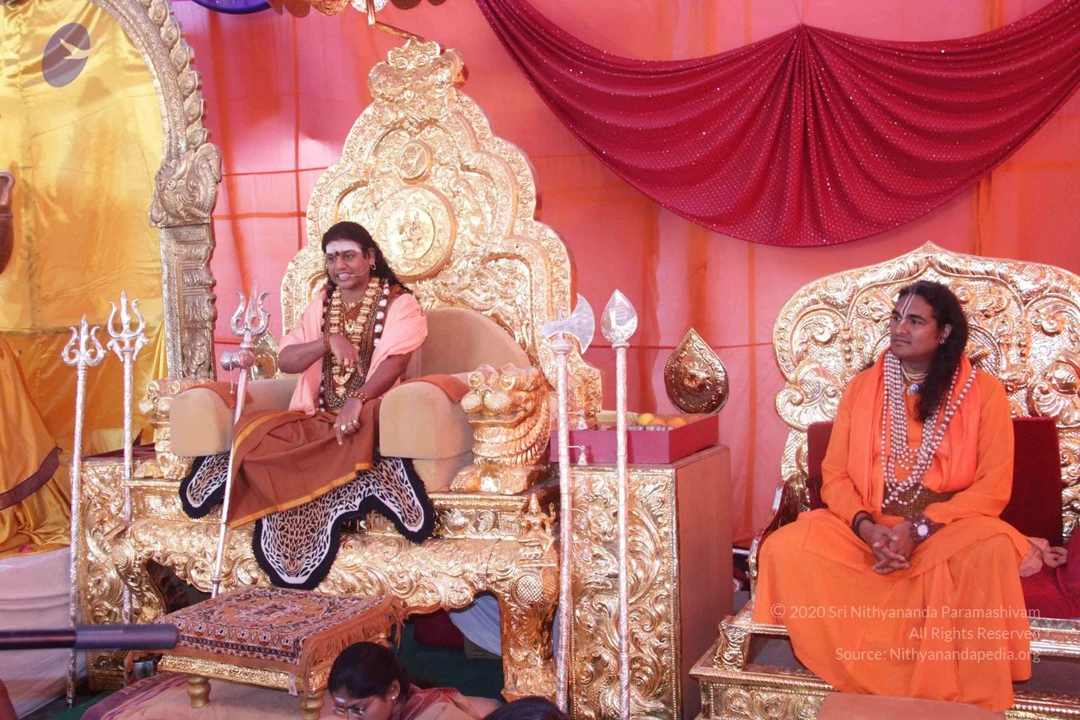
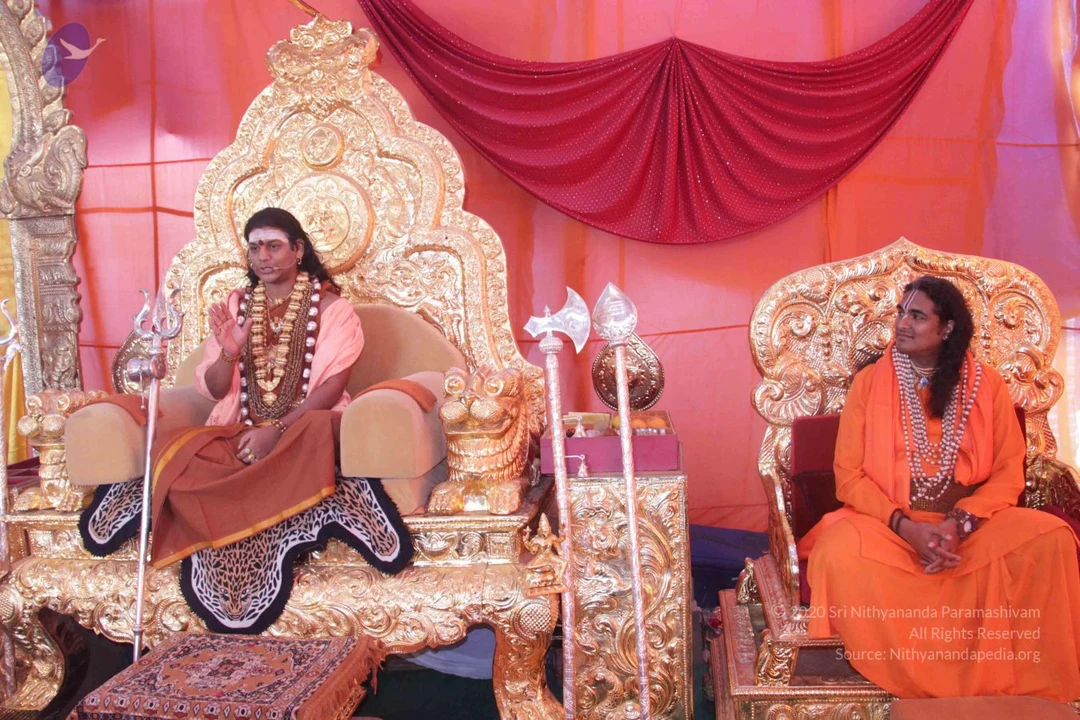
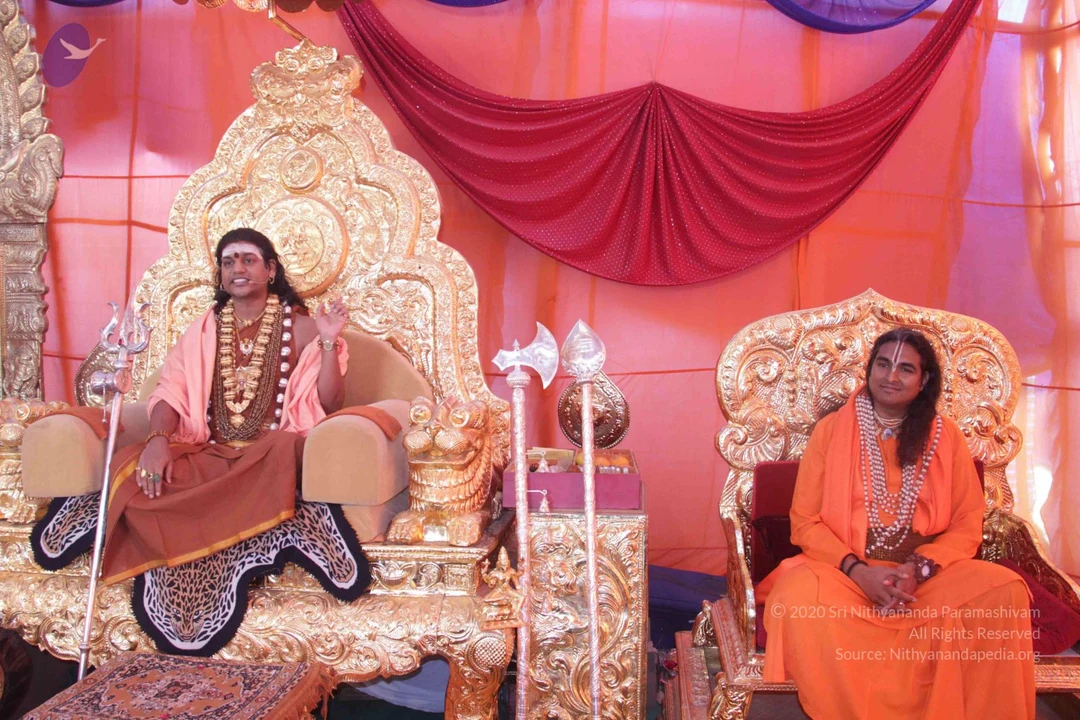
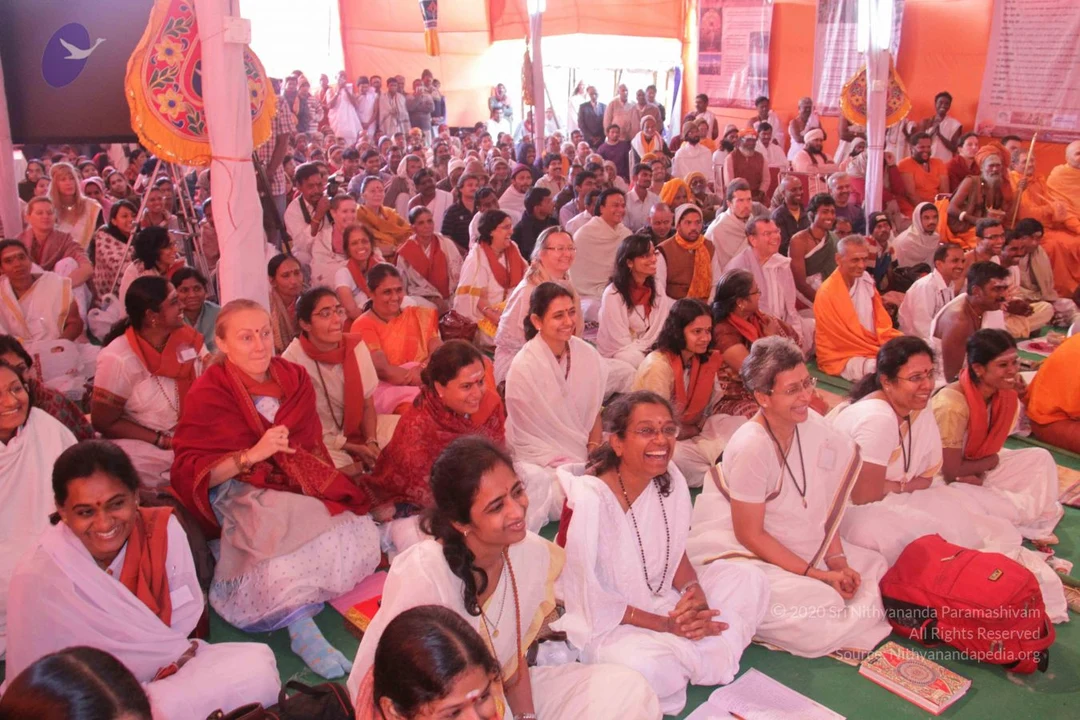
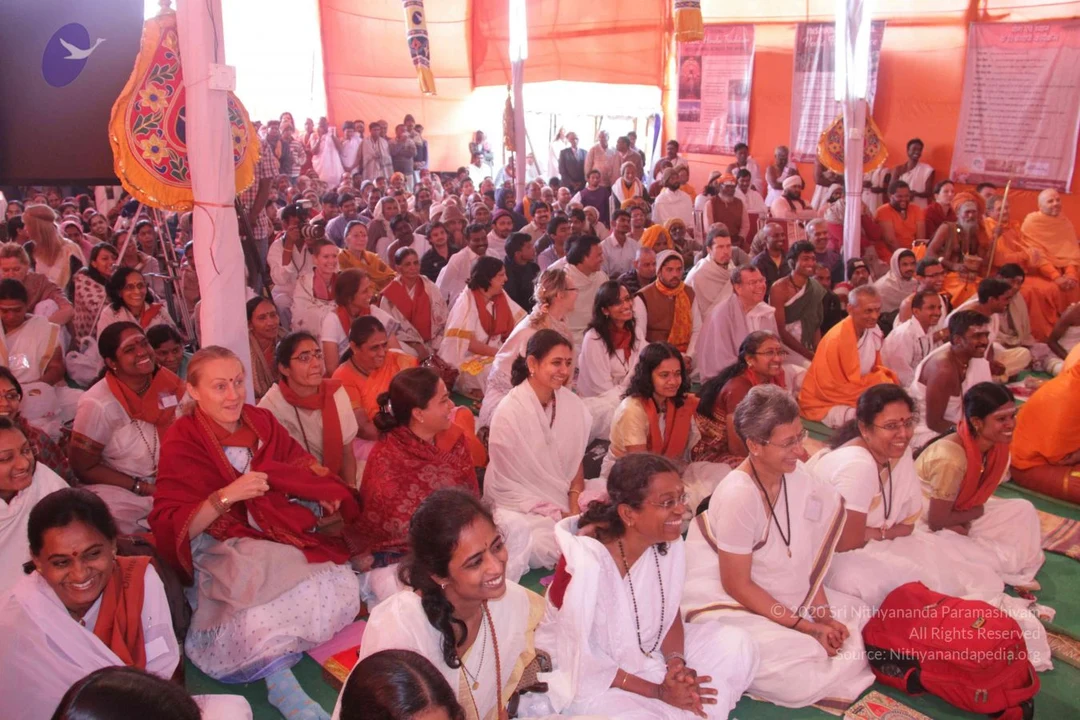
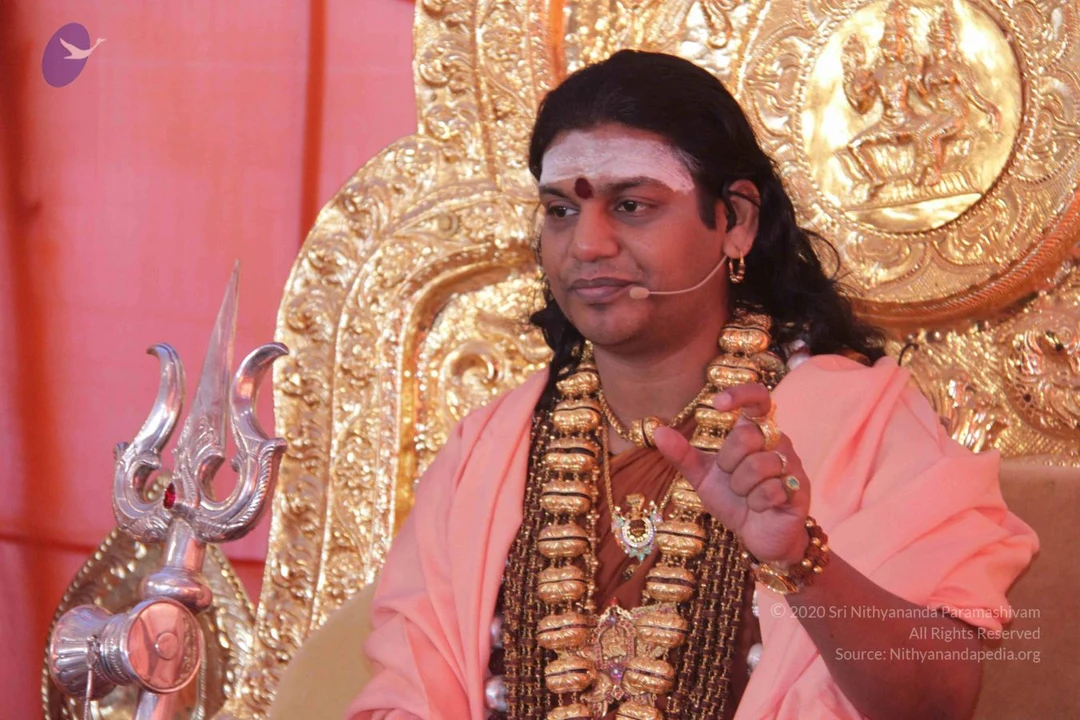
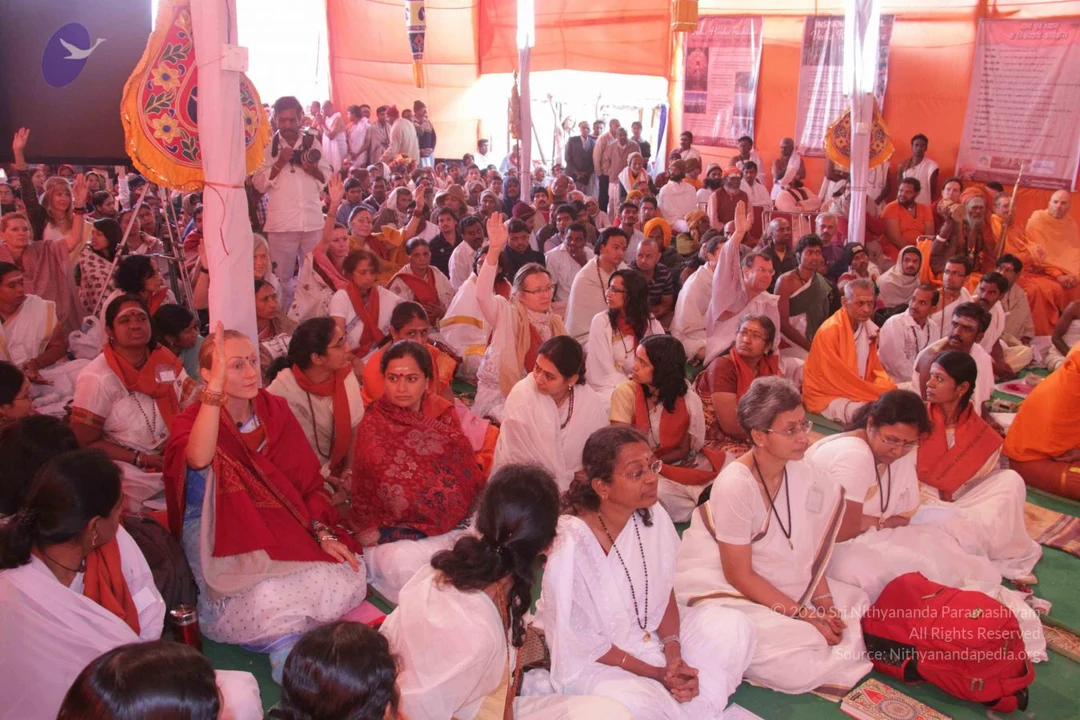
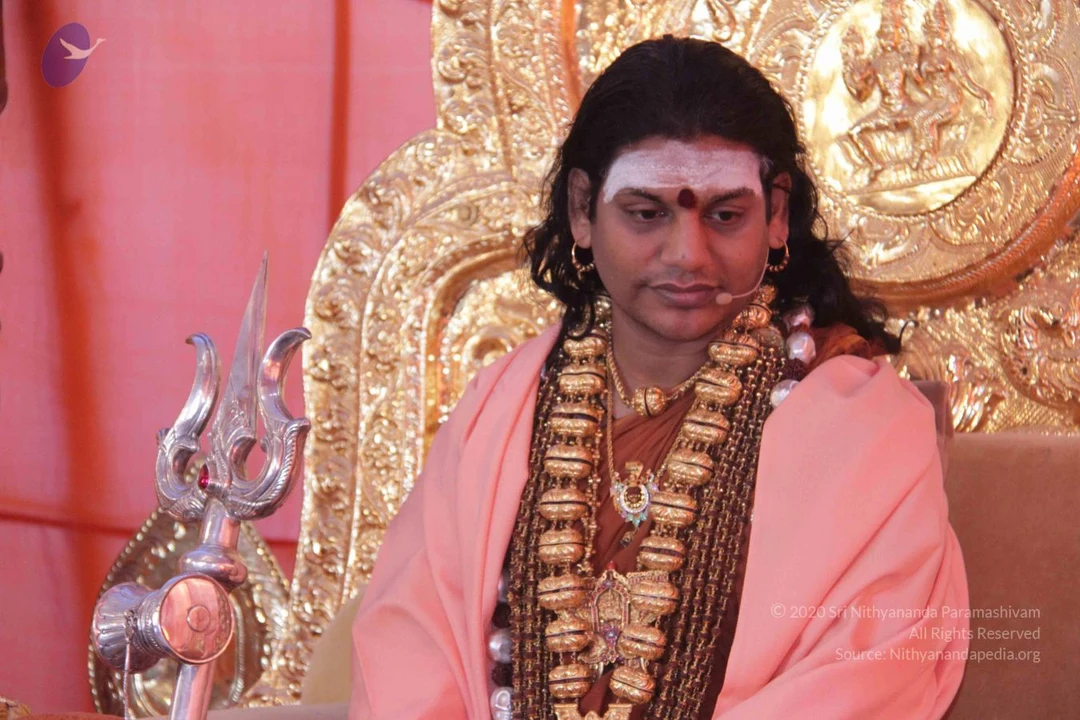
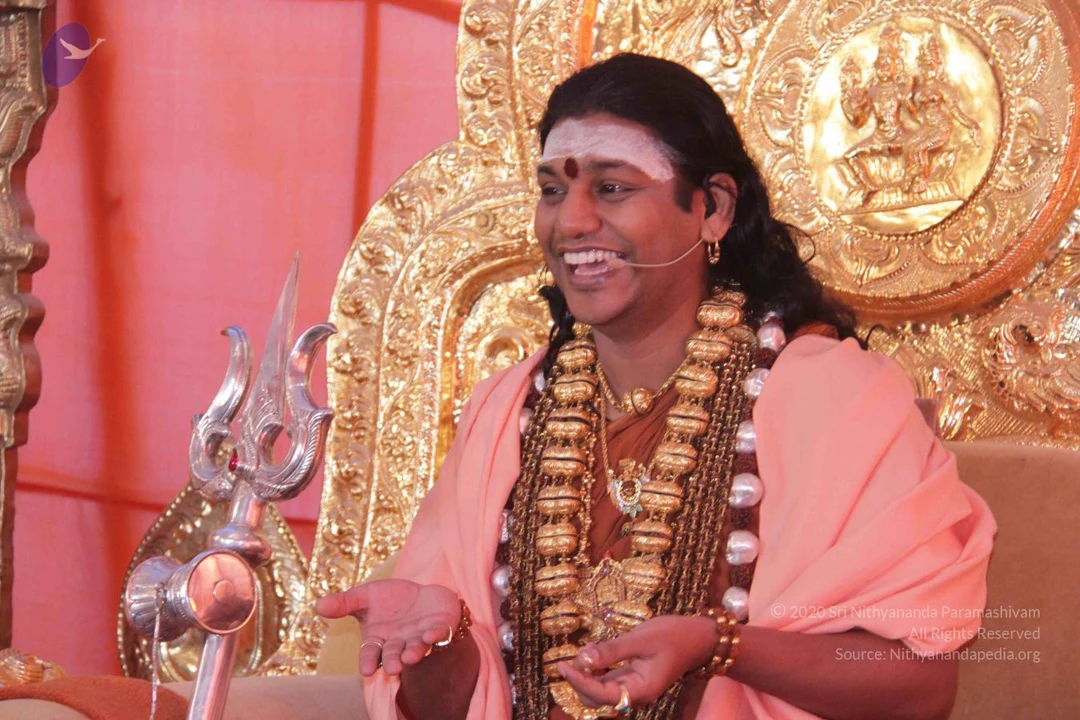
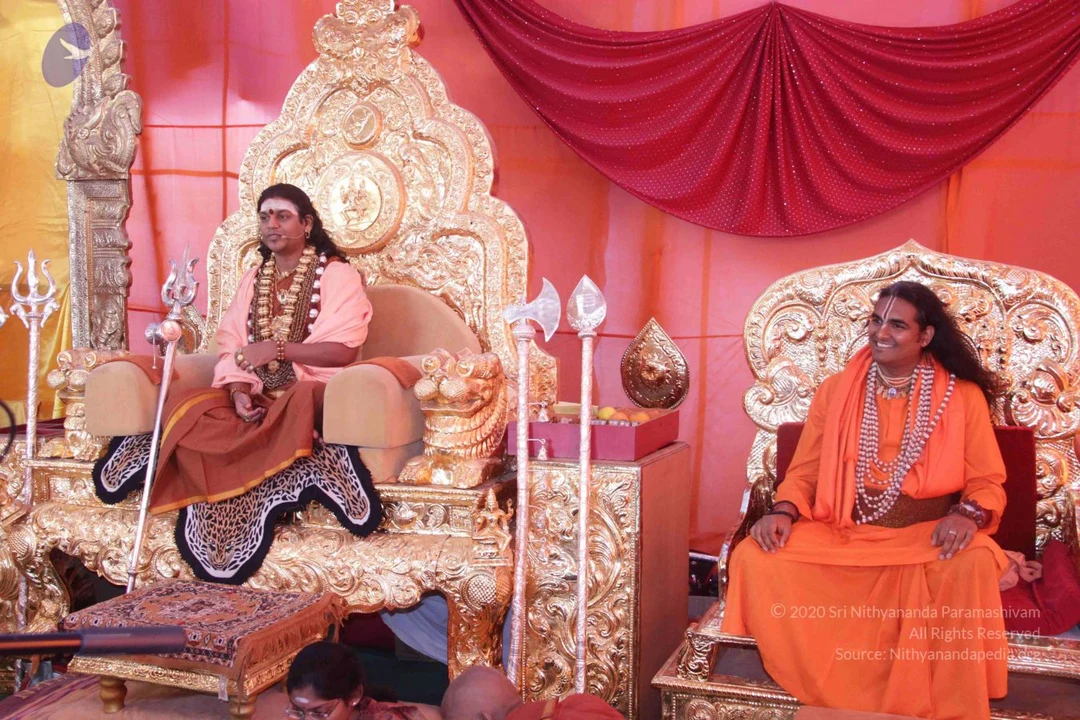

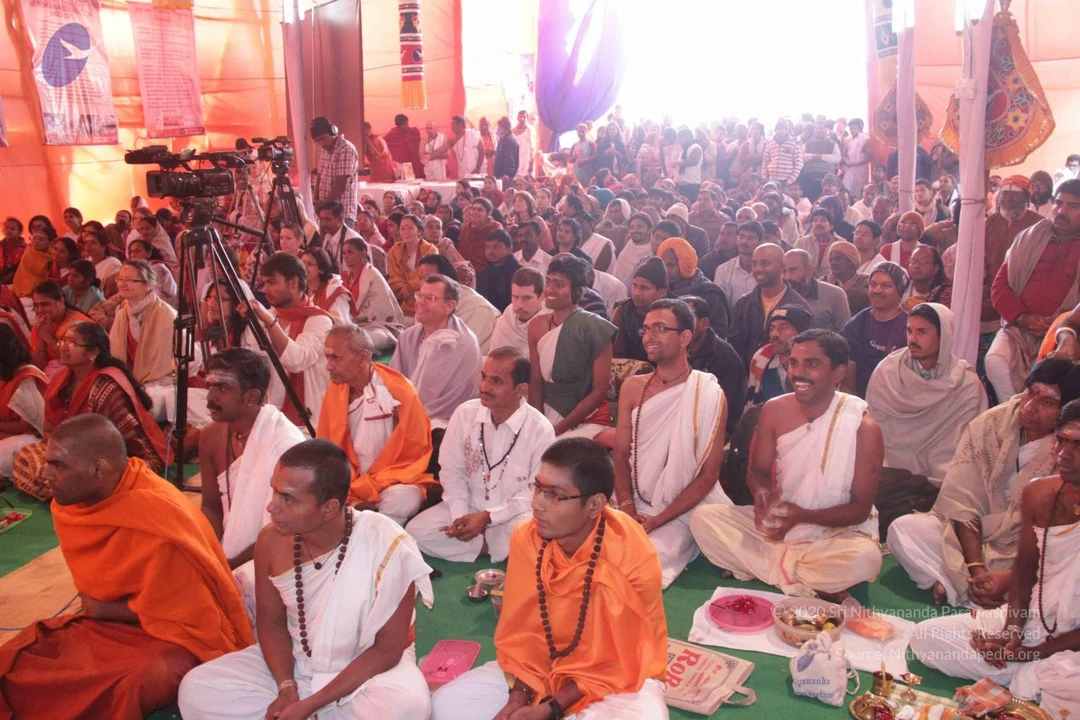
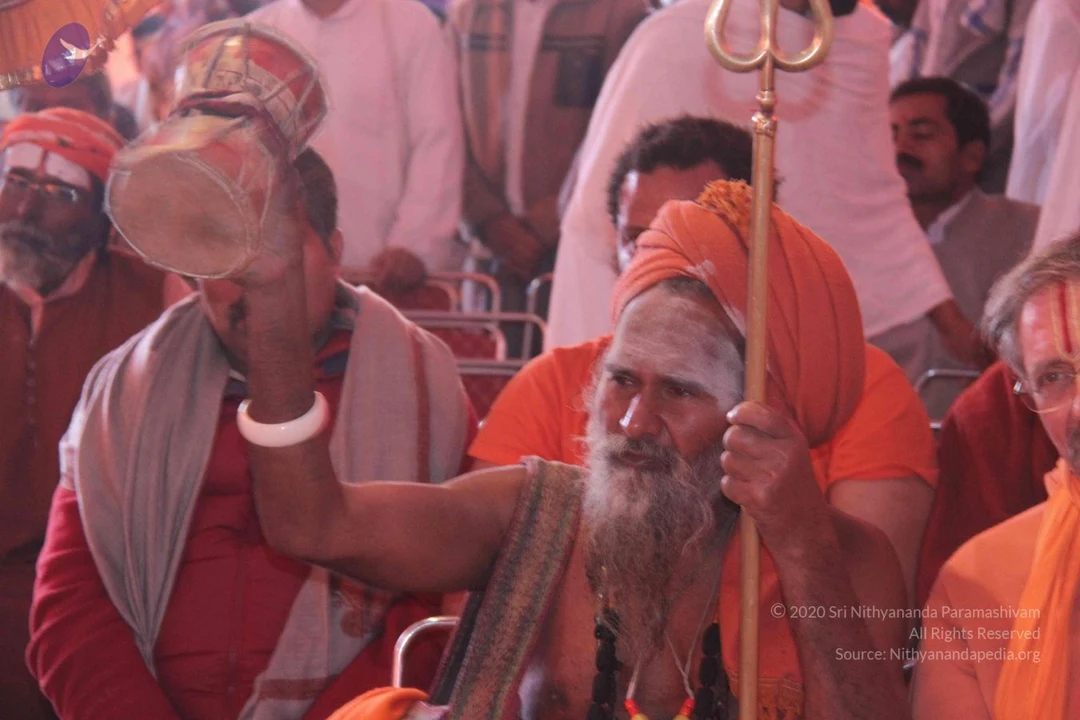
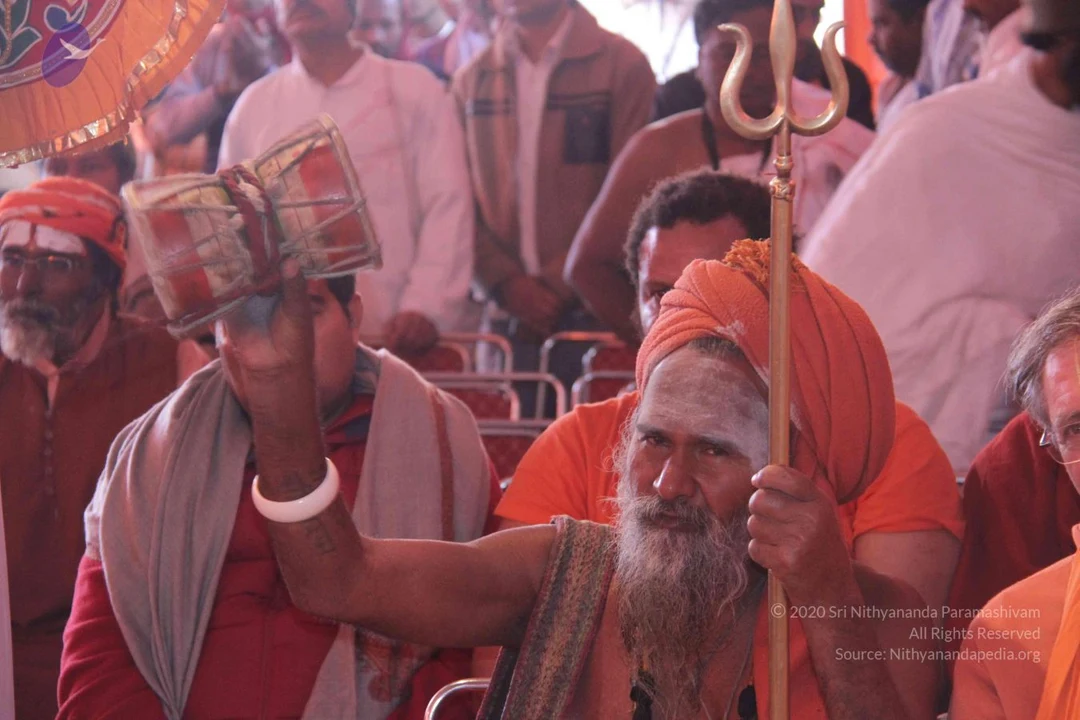
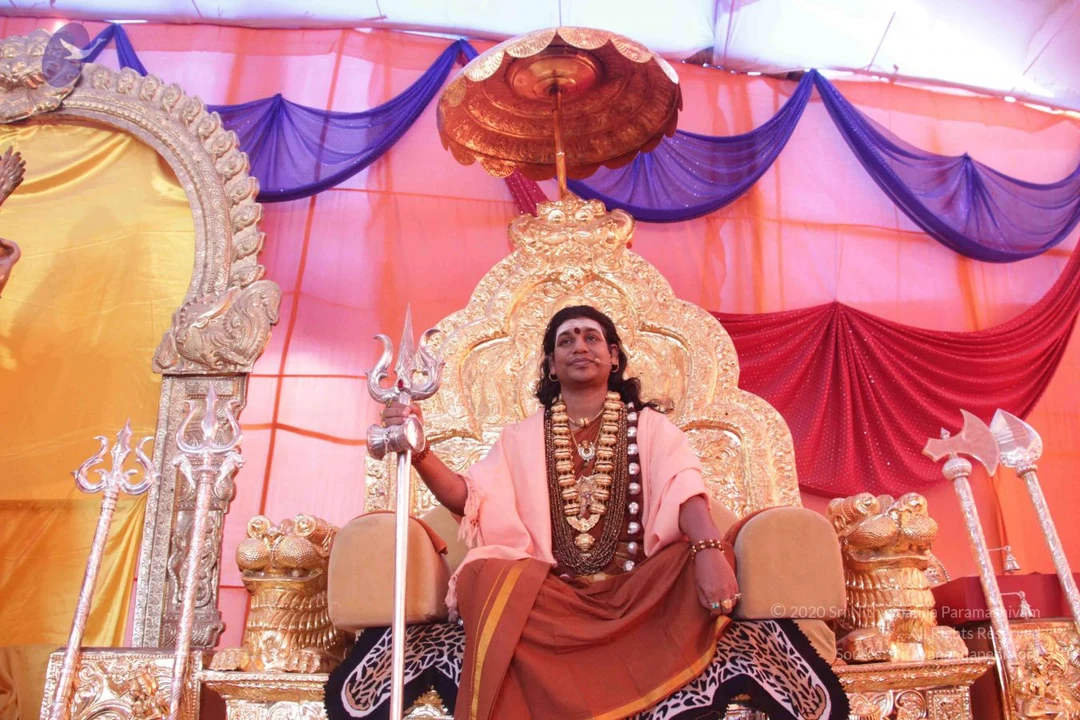
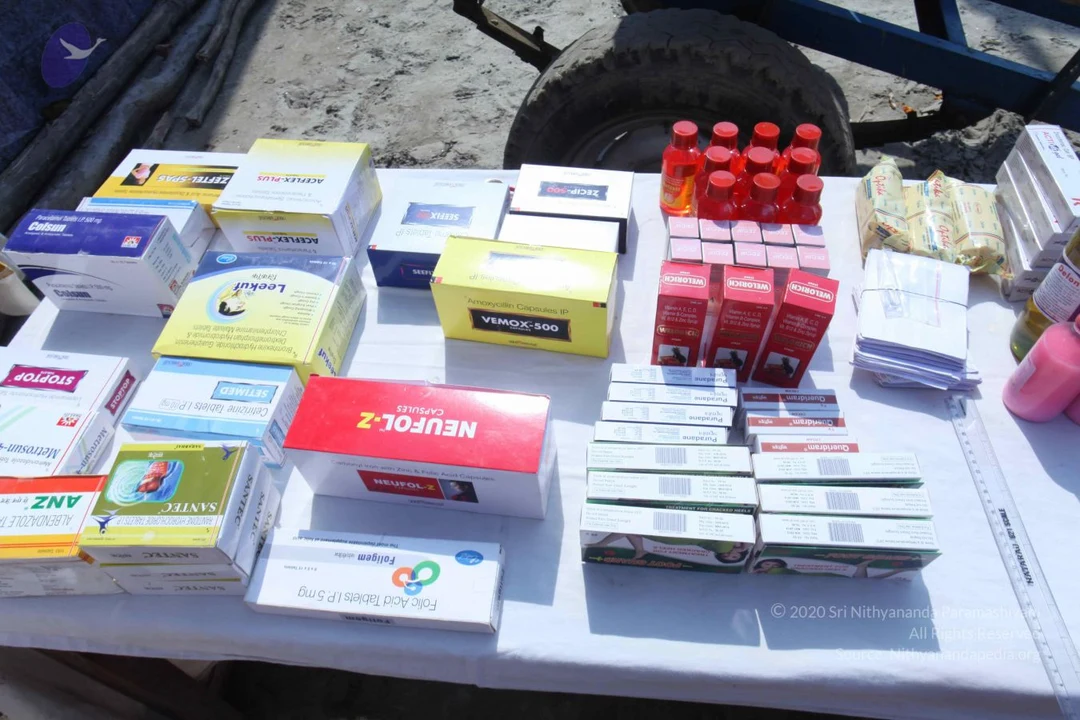
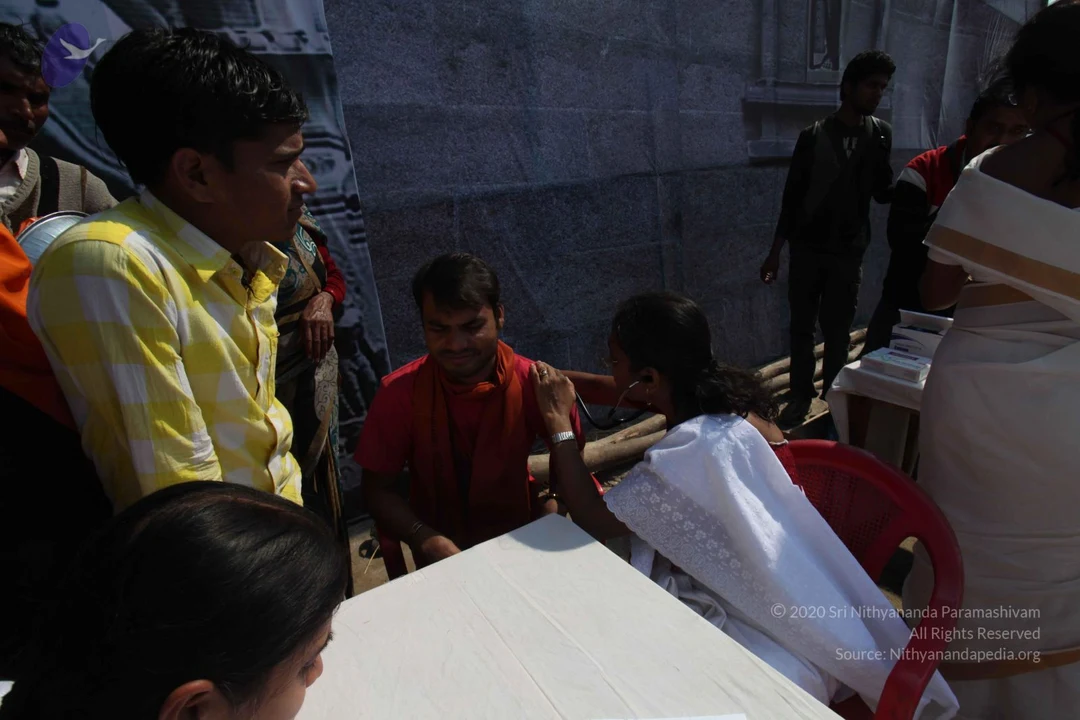
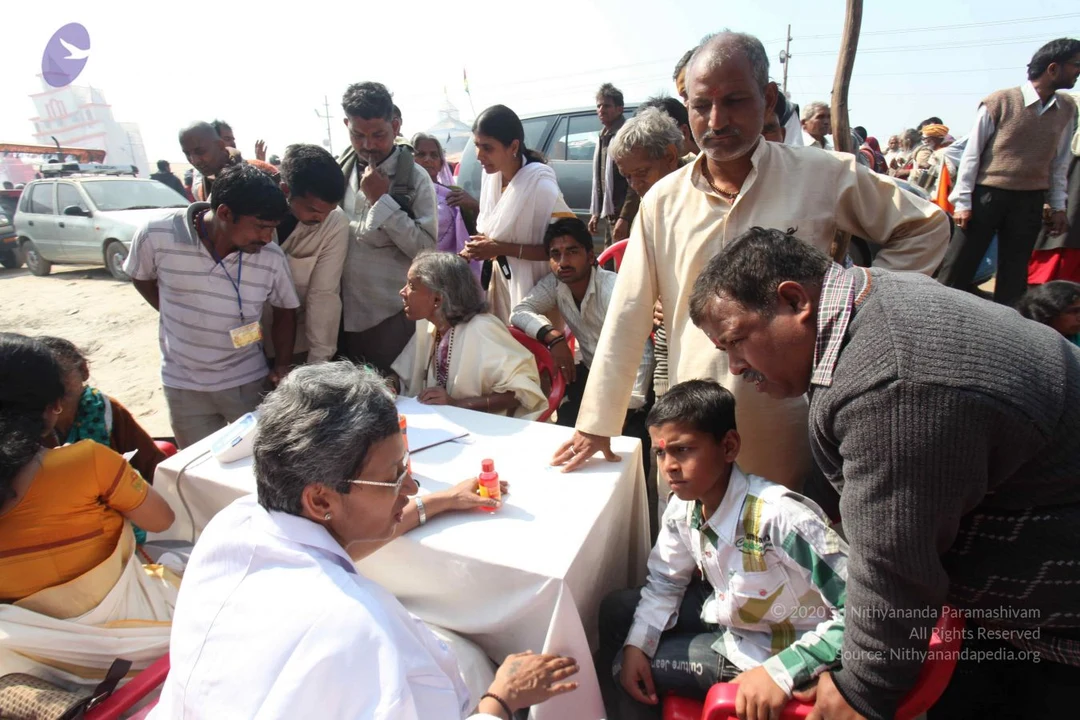
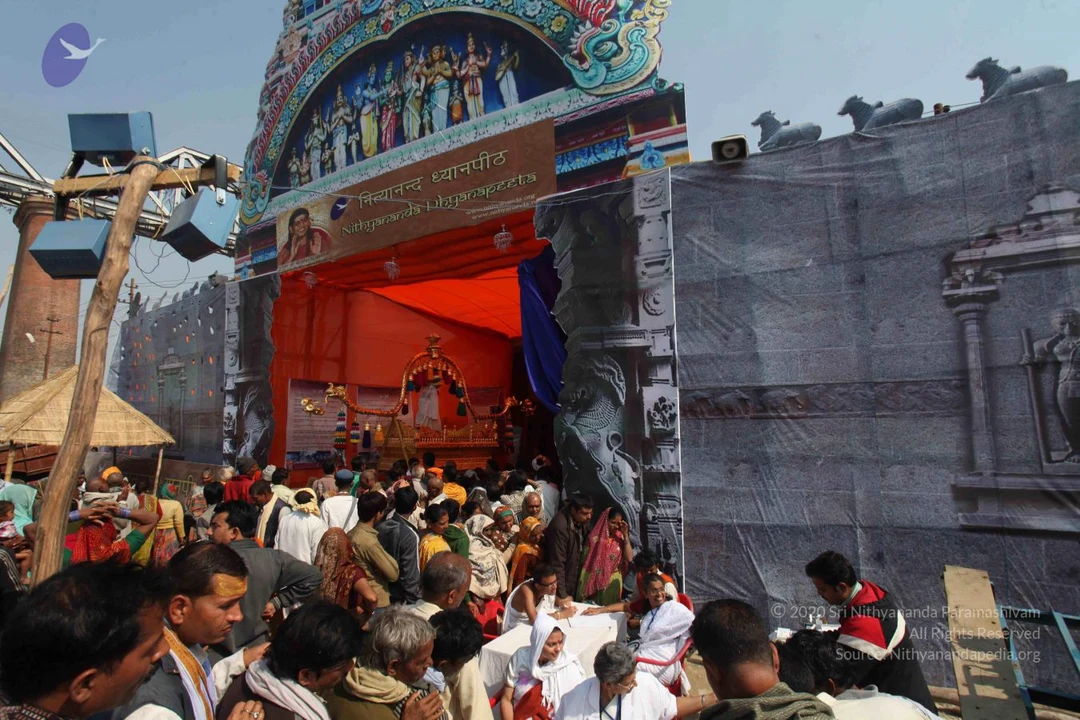
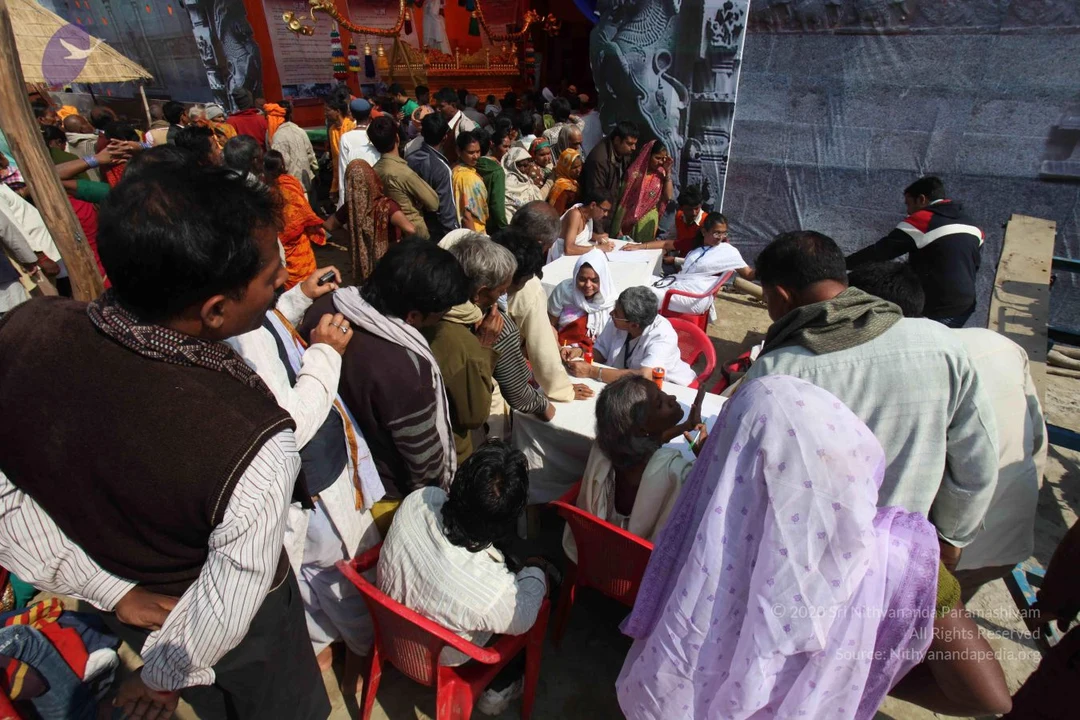
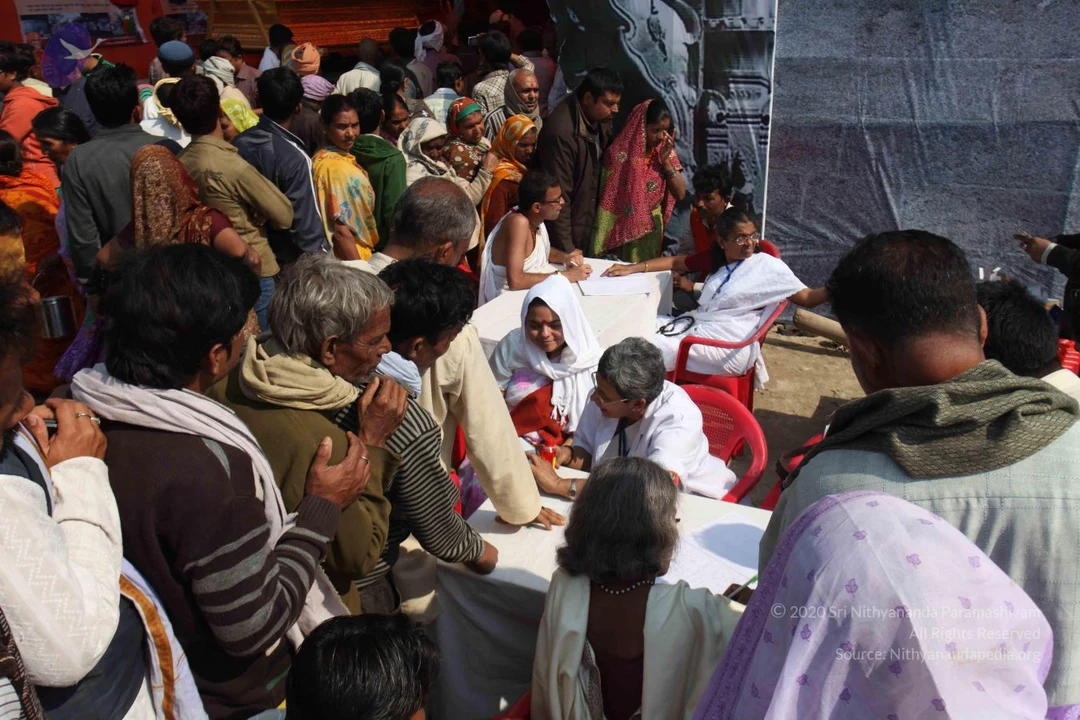
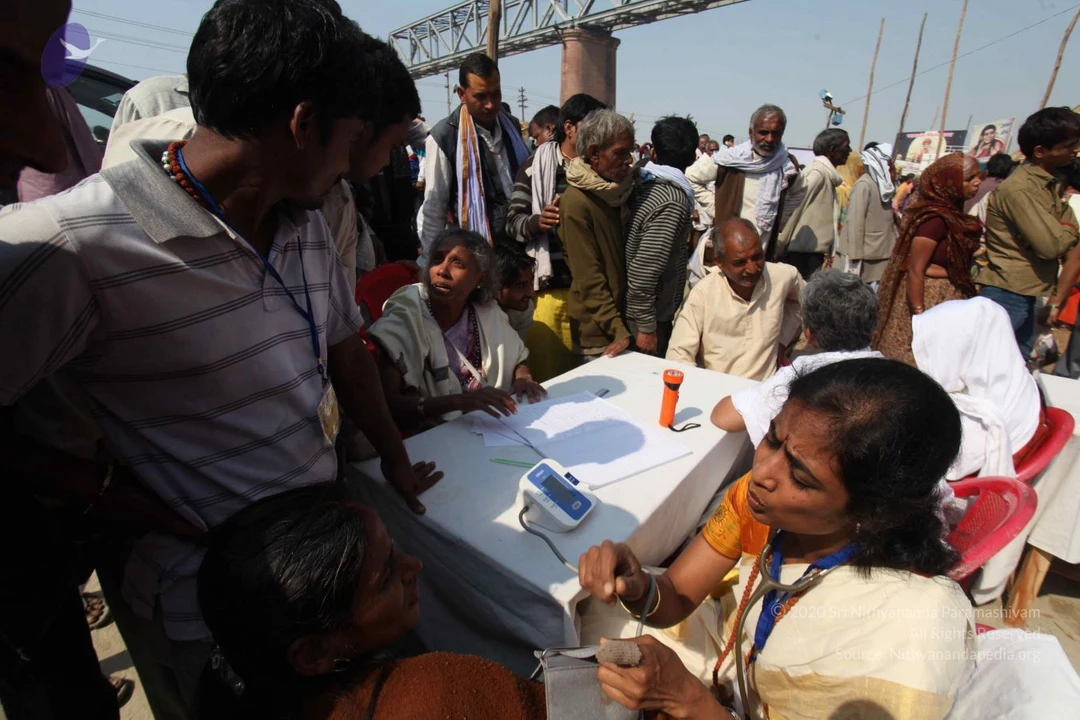
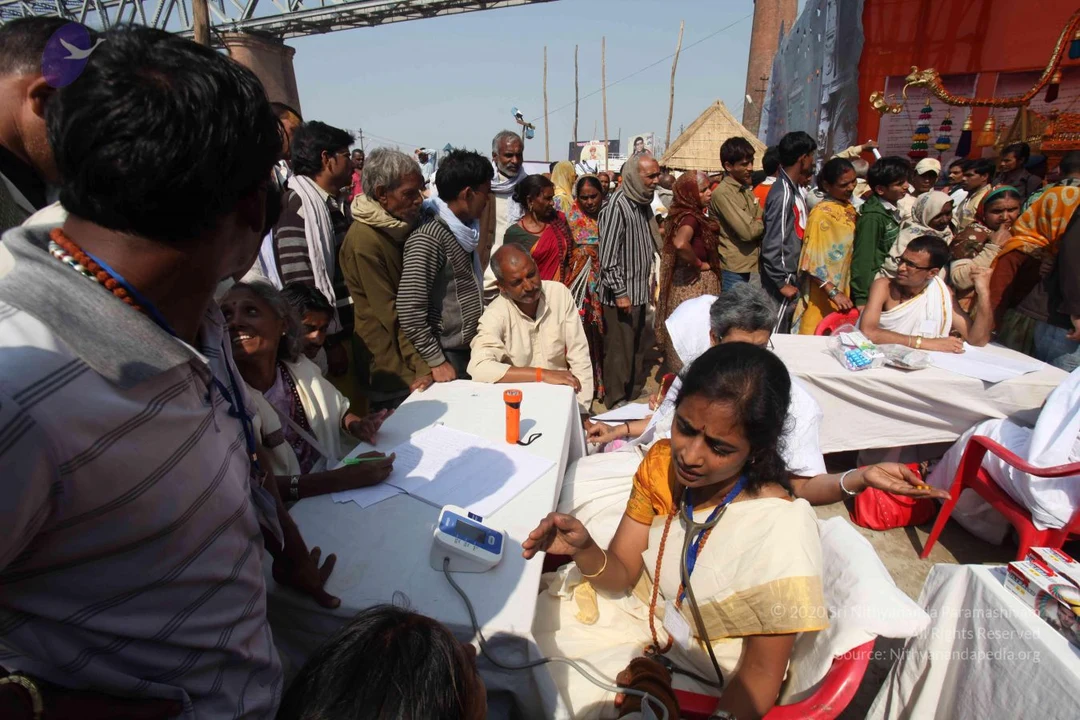
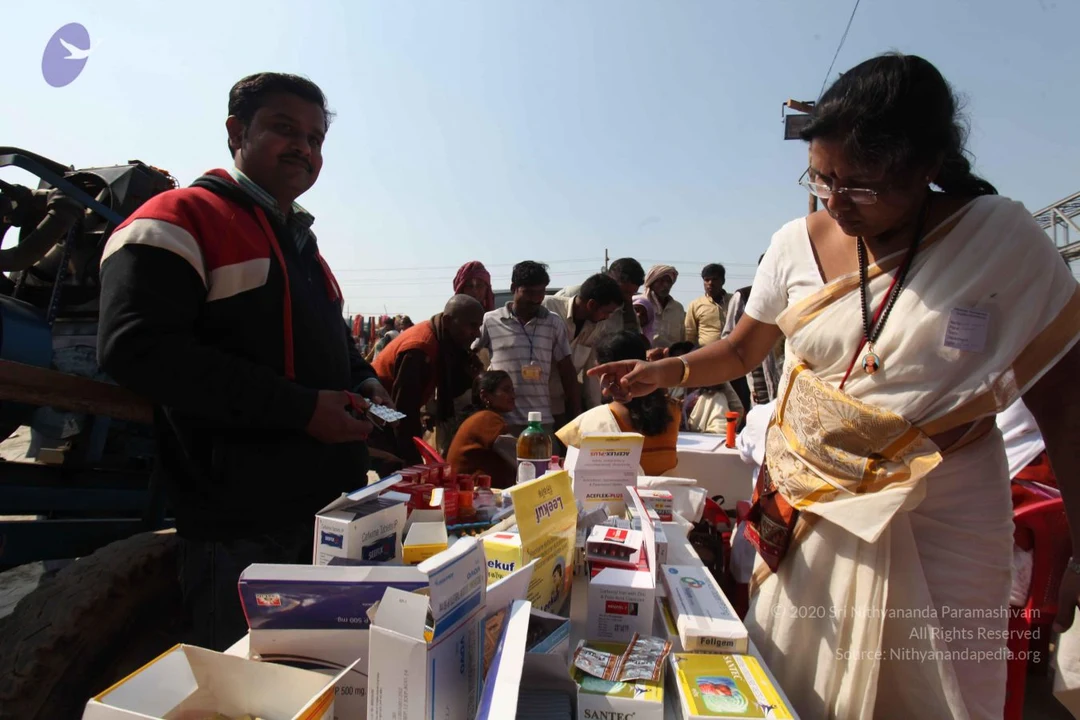
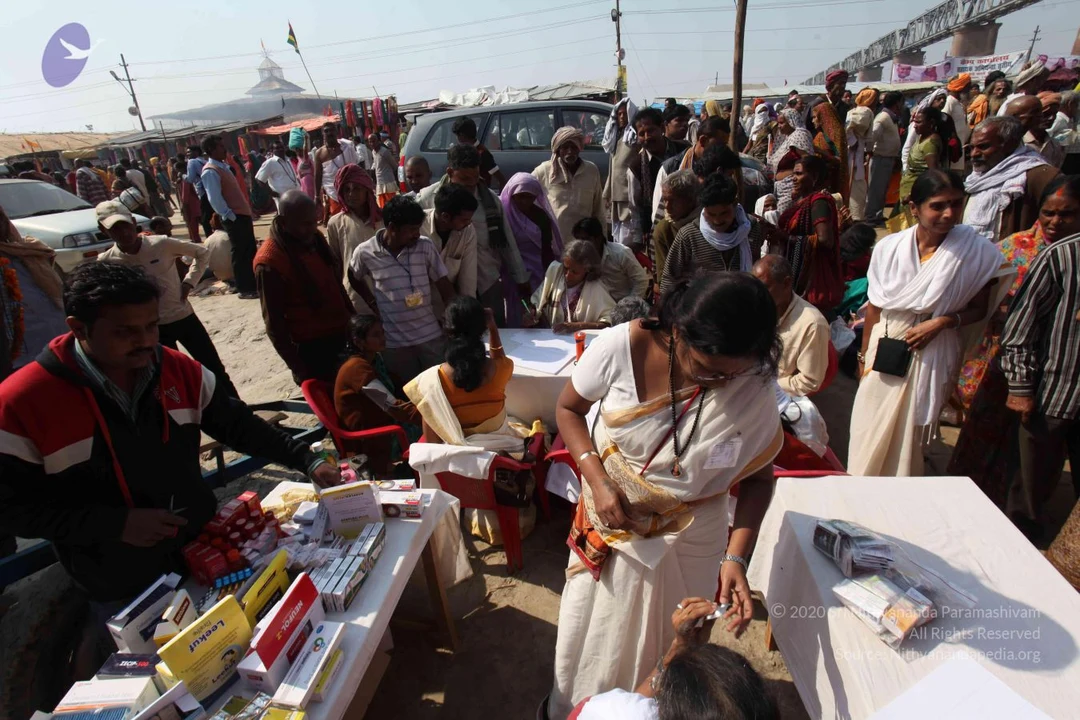
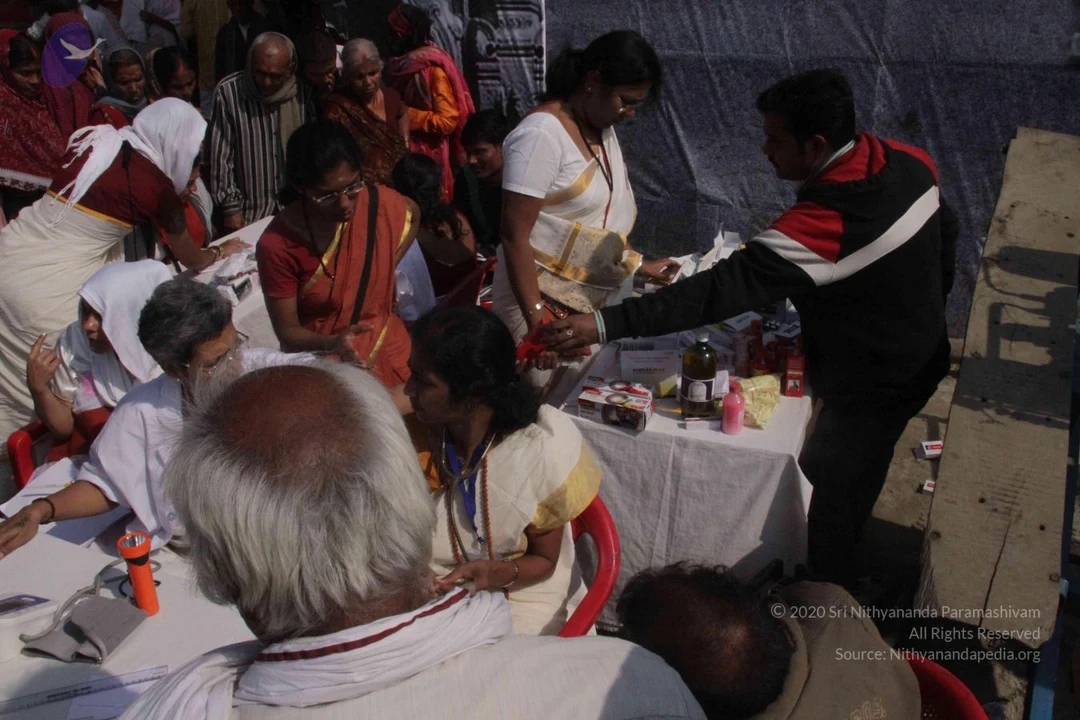
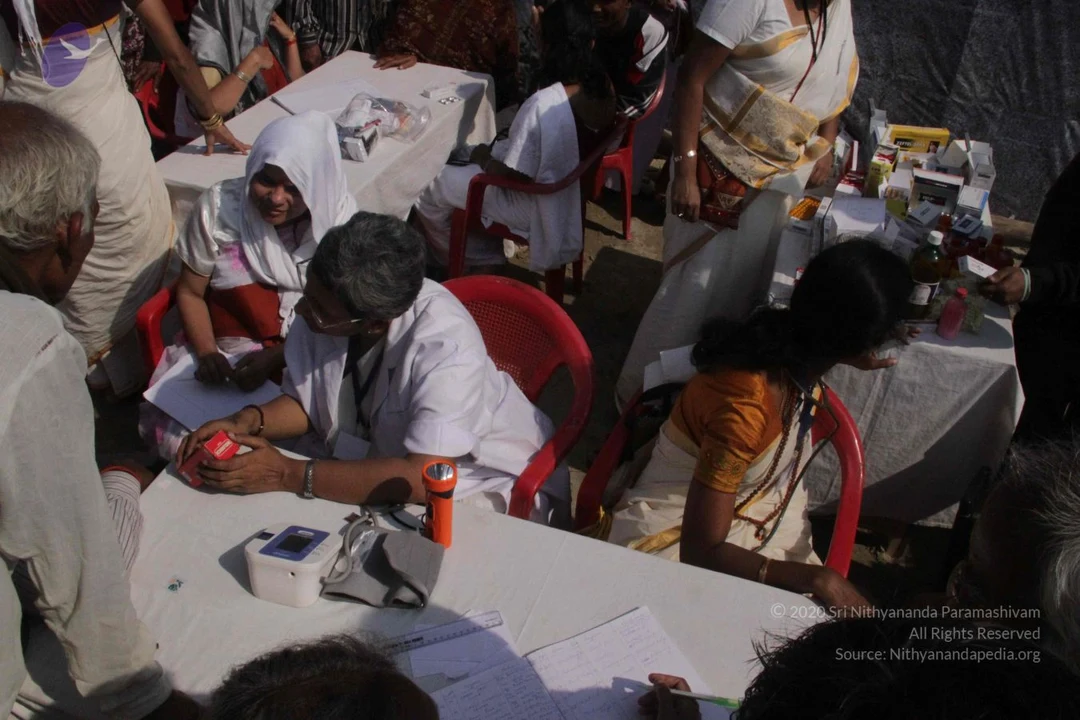
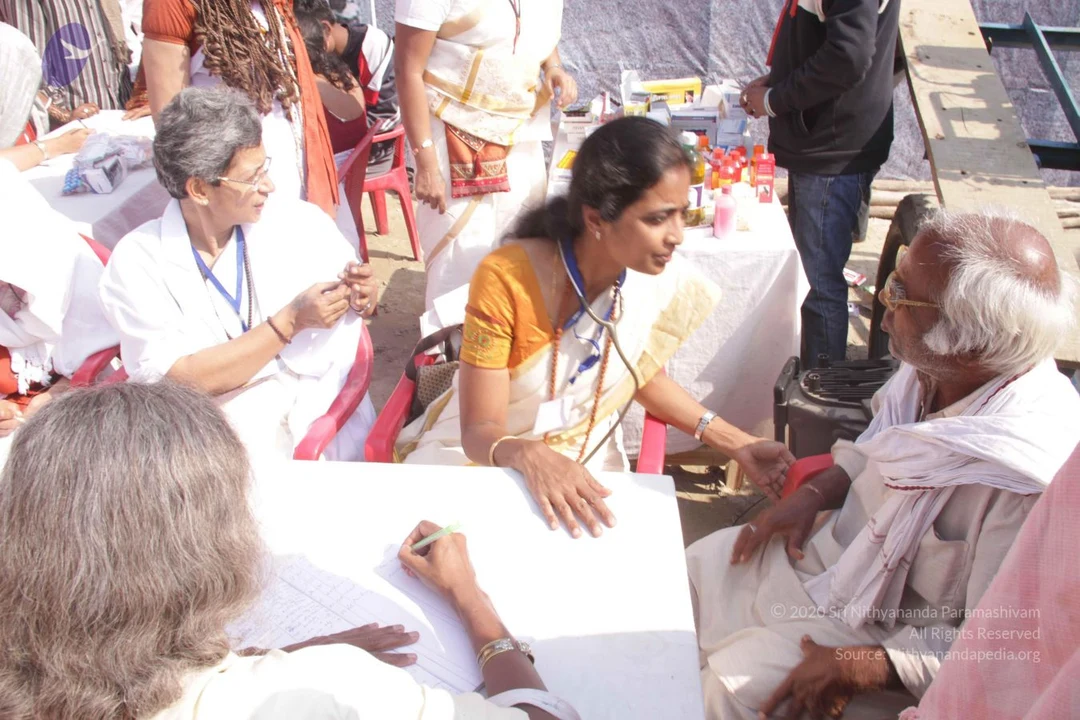
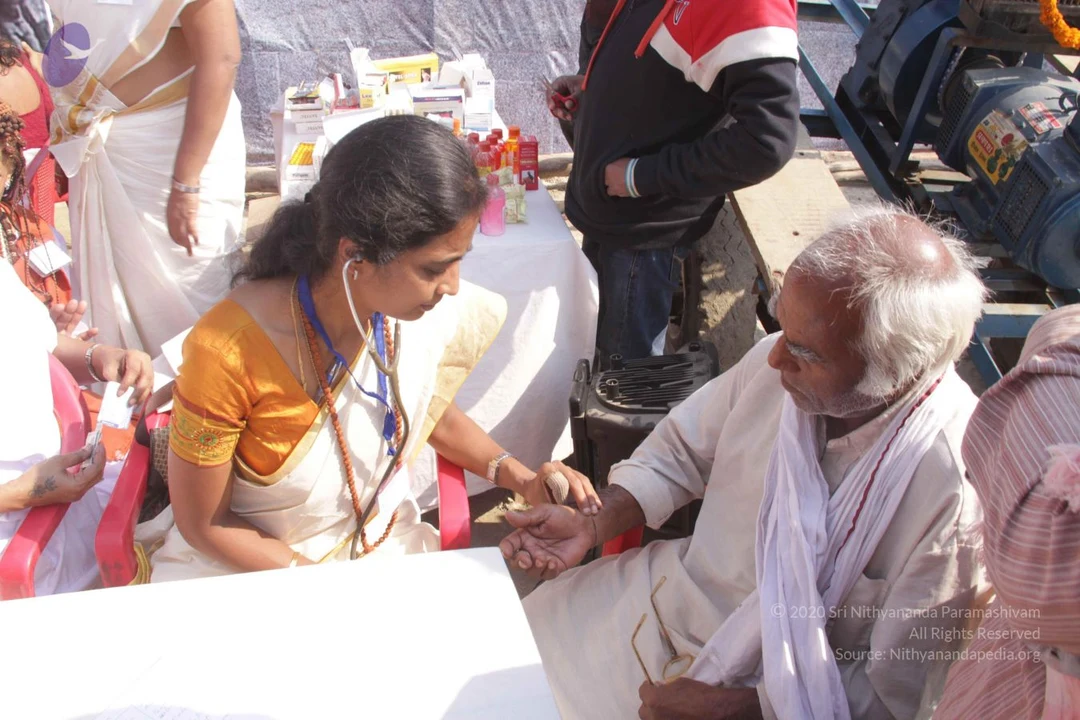
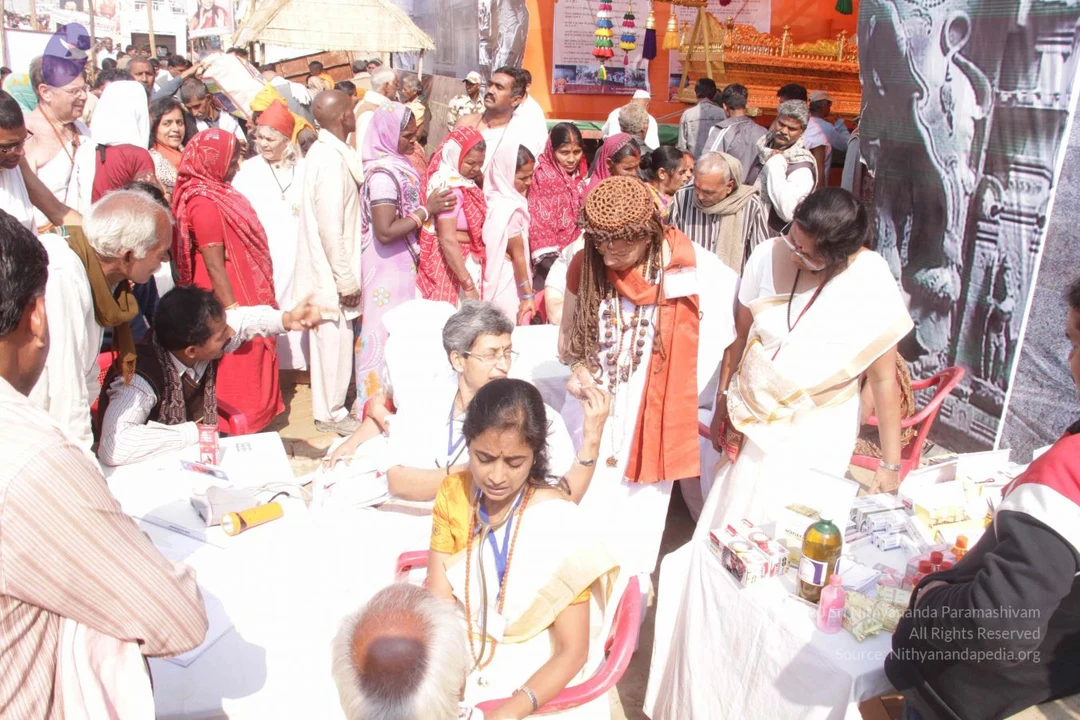
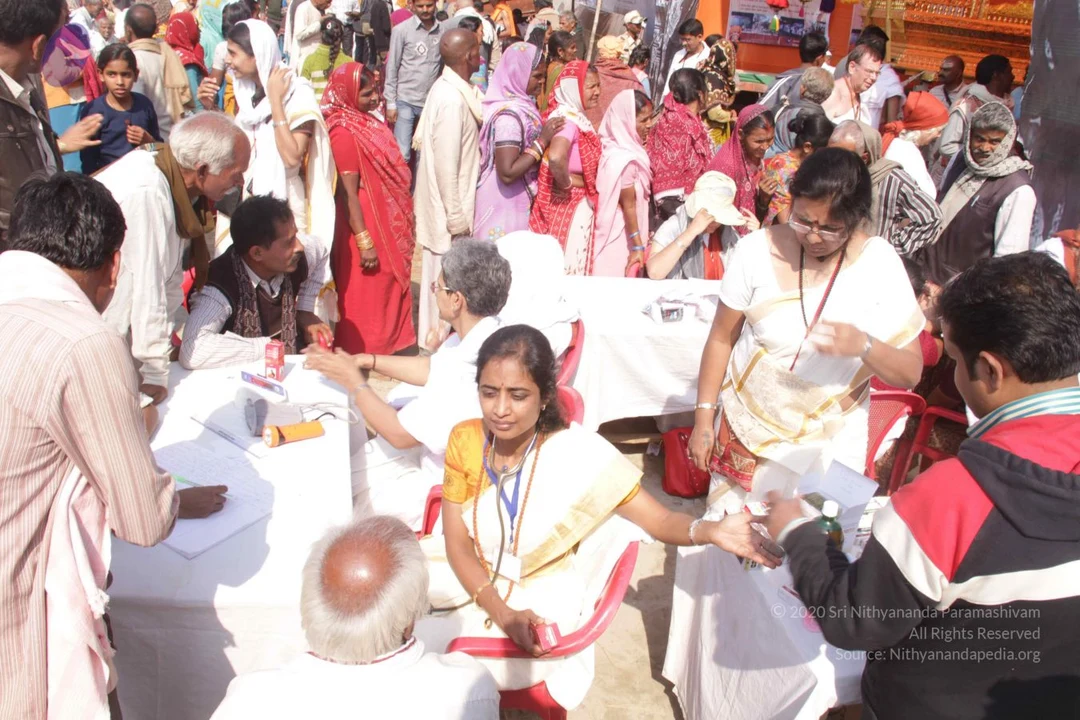
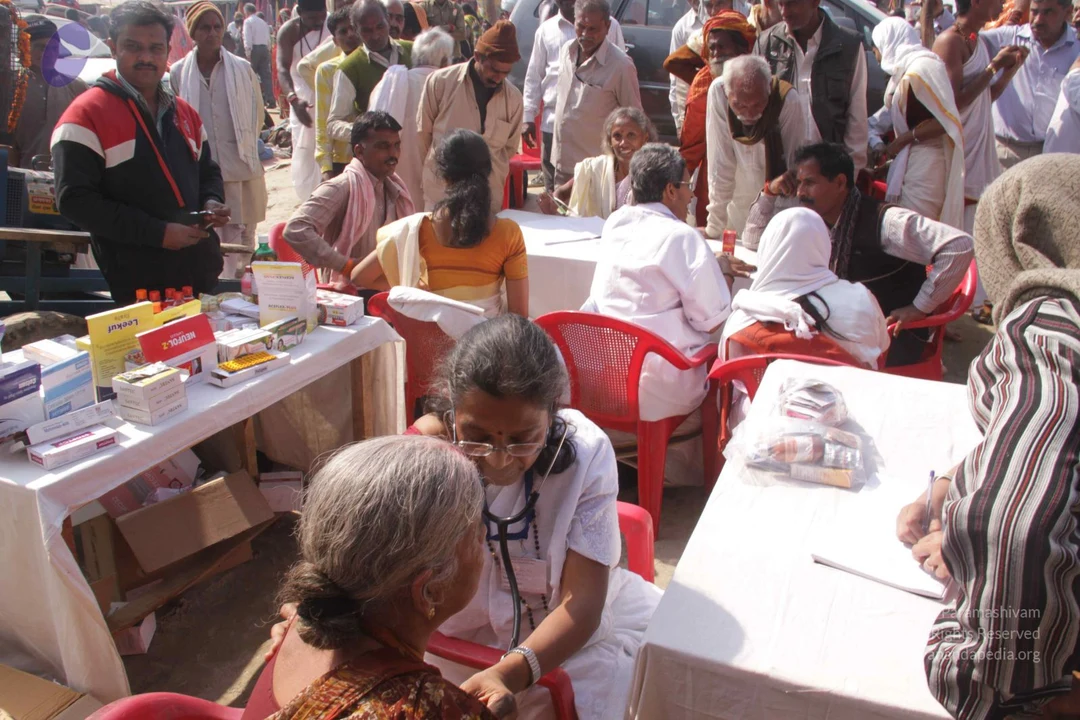
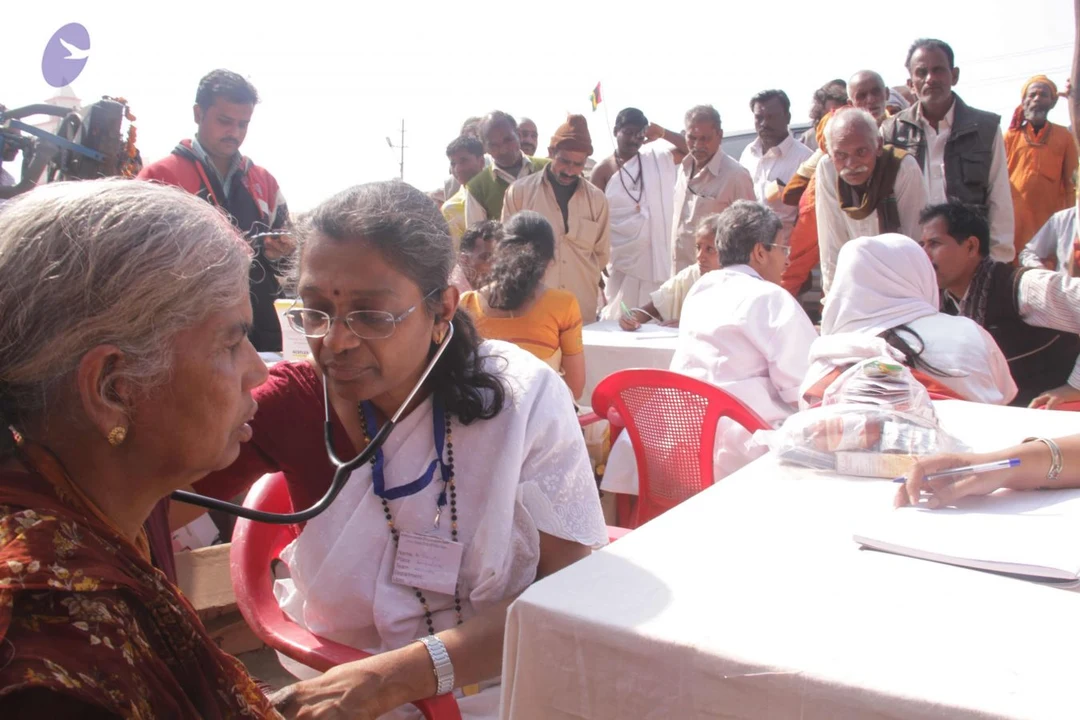
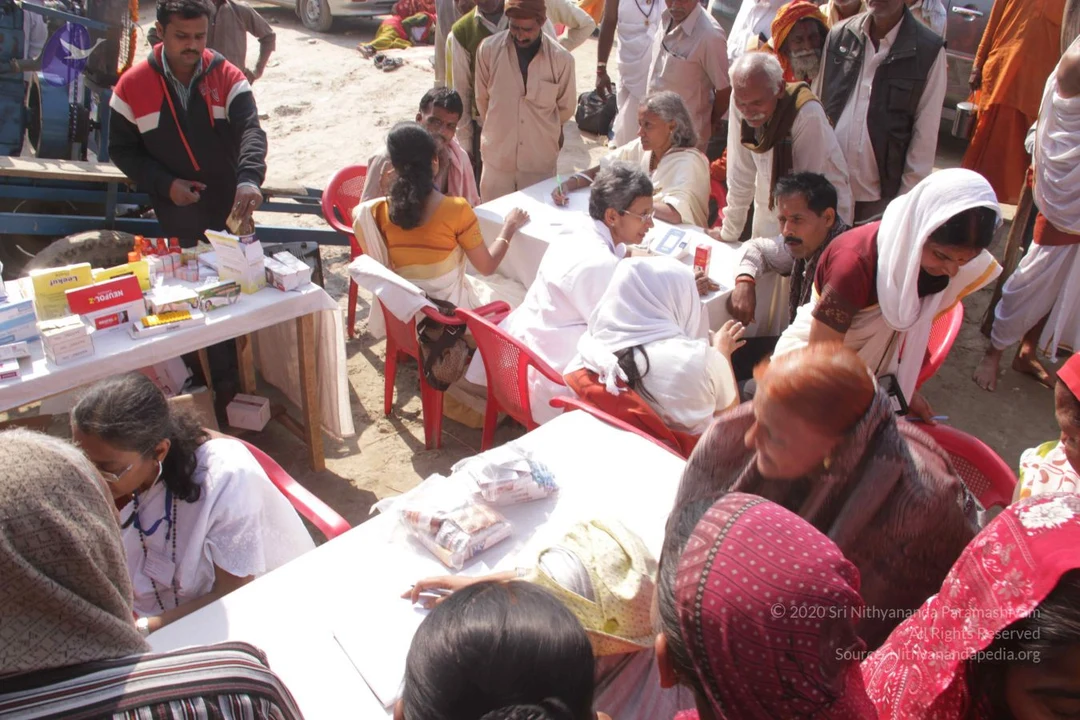
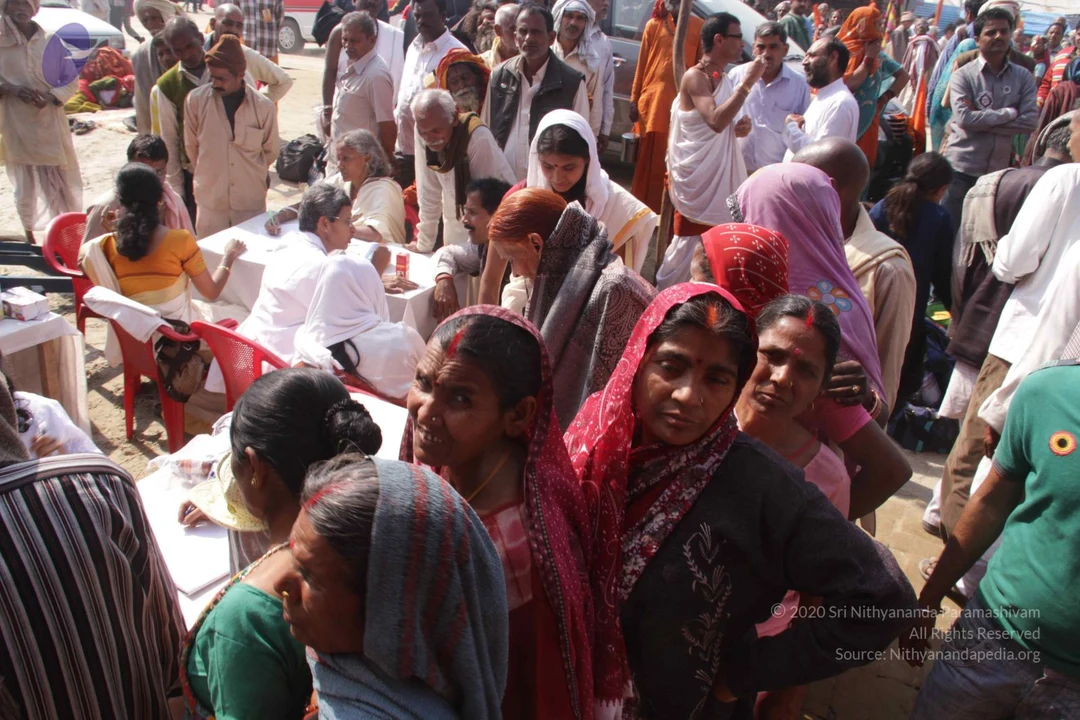
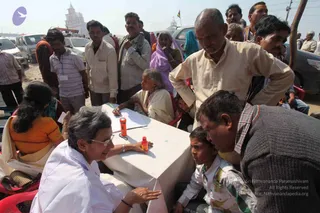
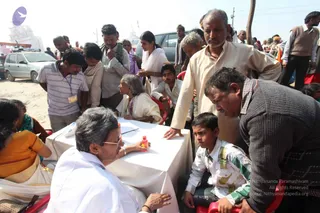
MedicalCamp
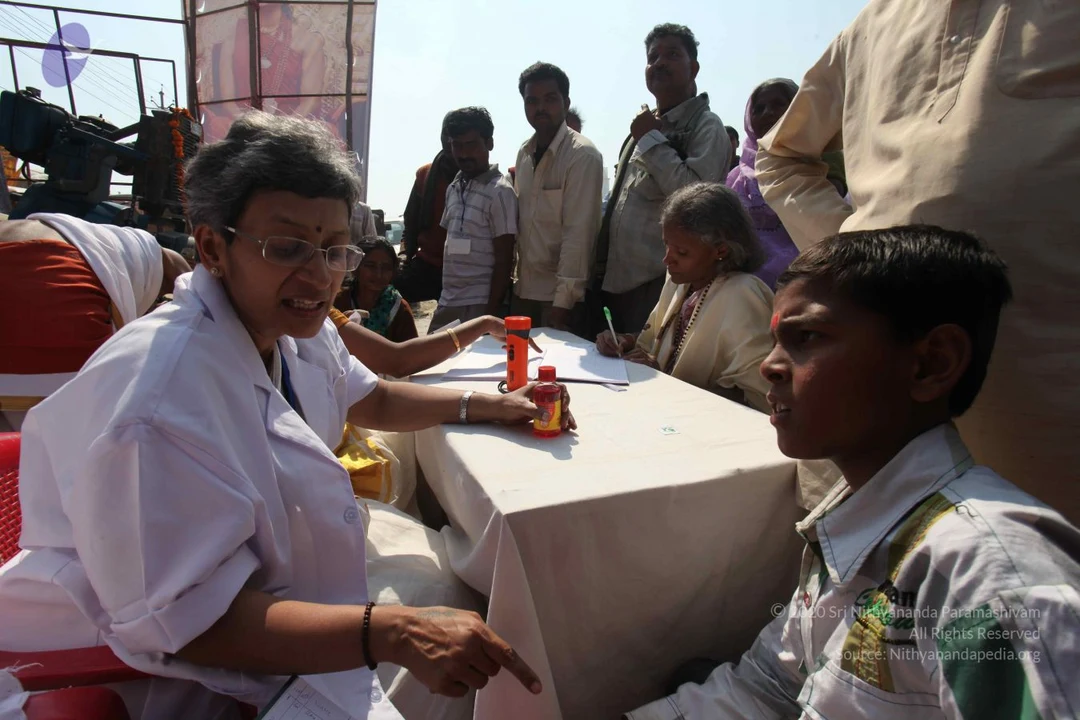
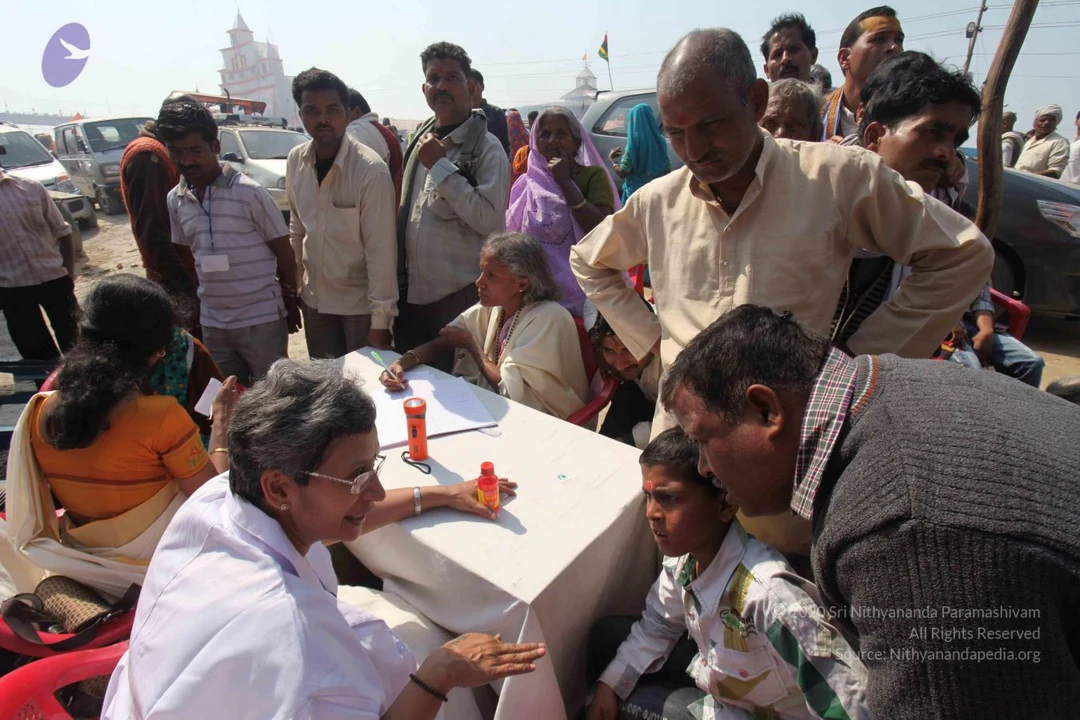


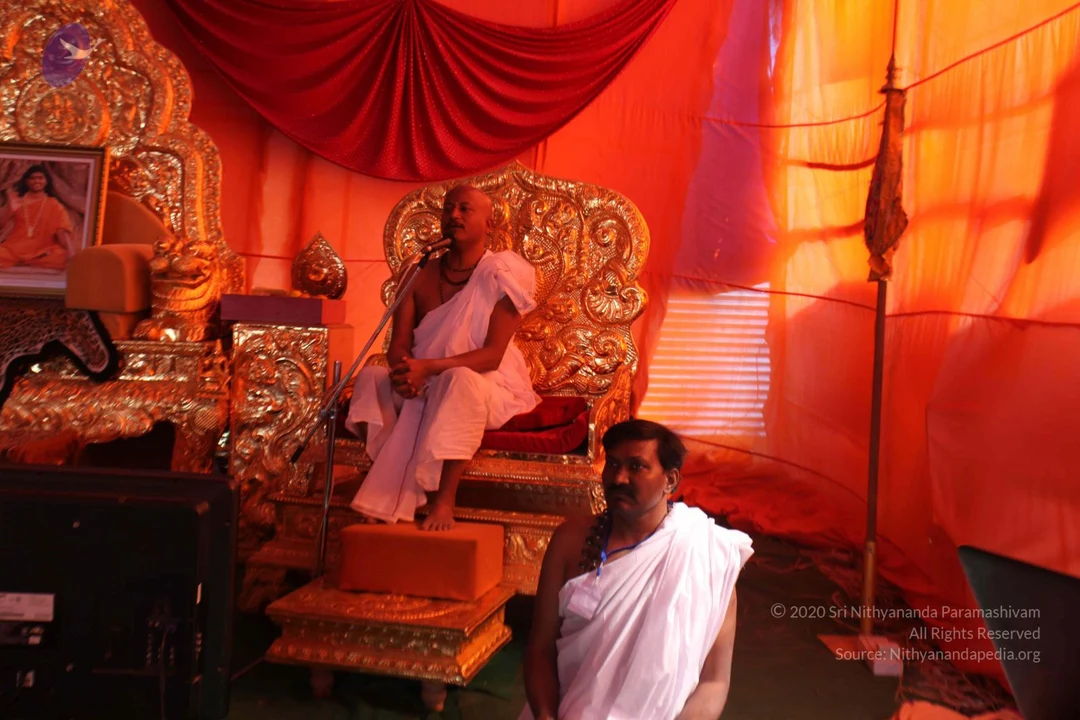
HindiSatsangs
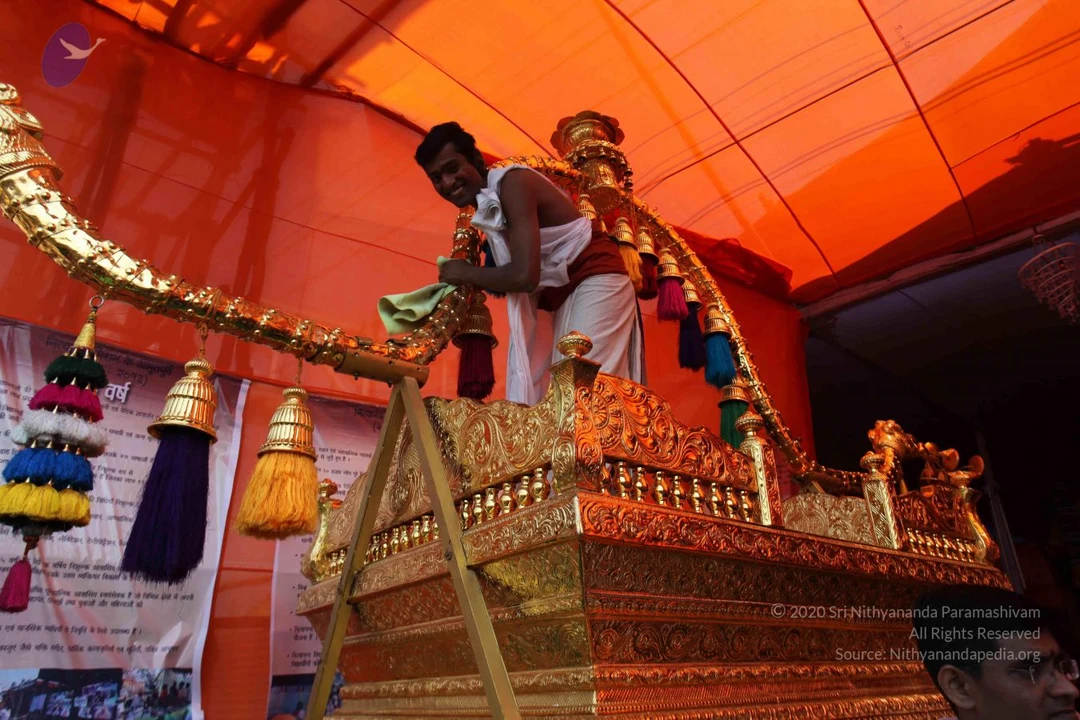
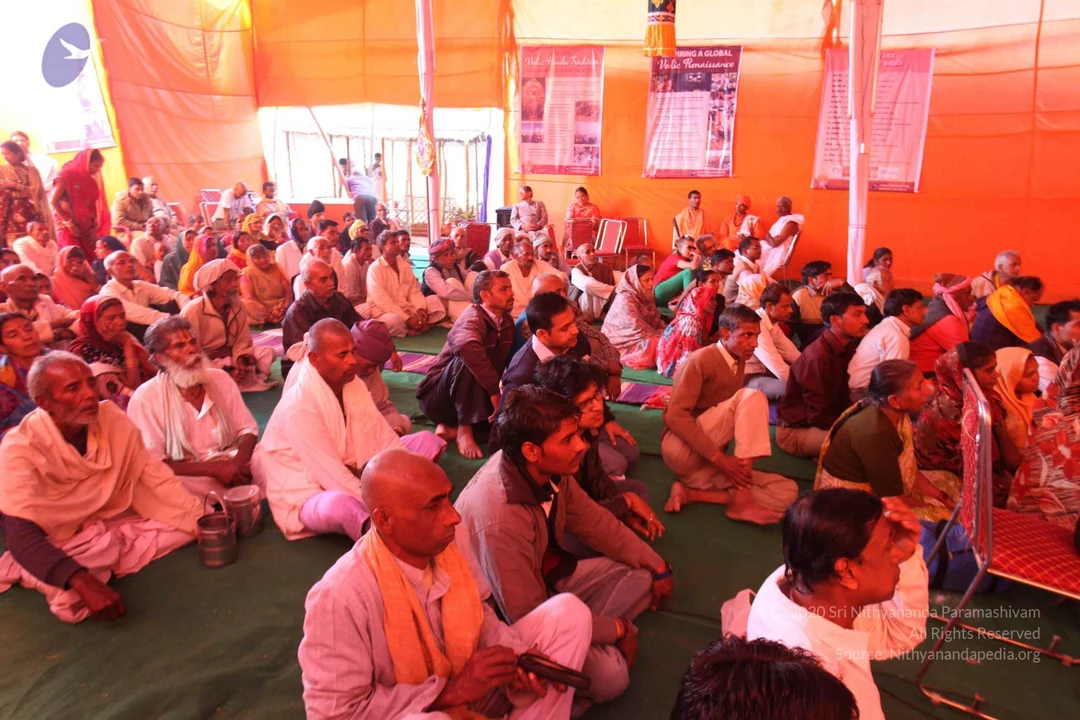
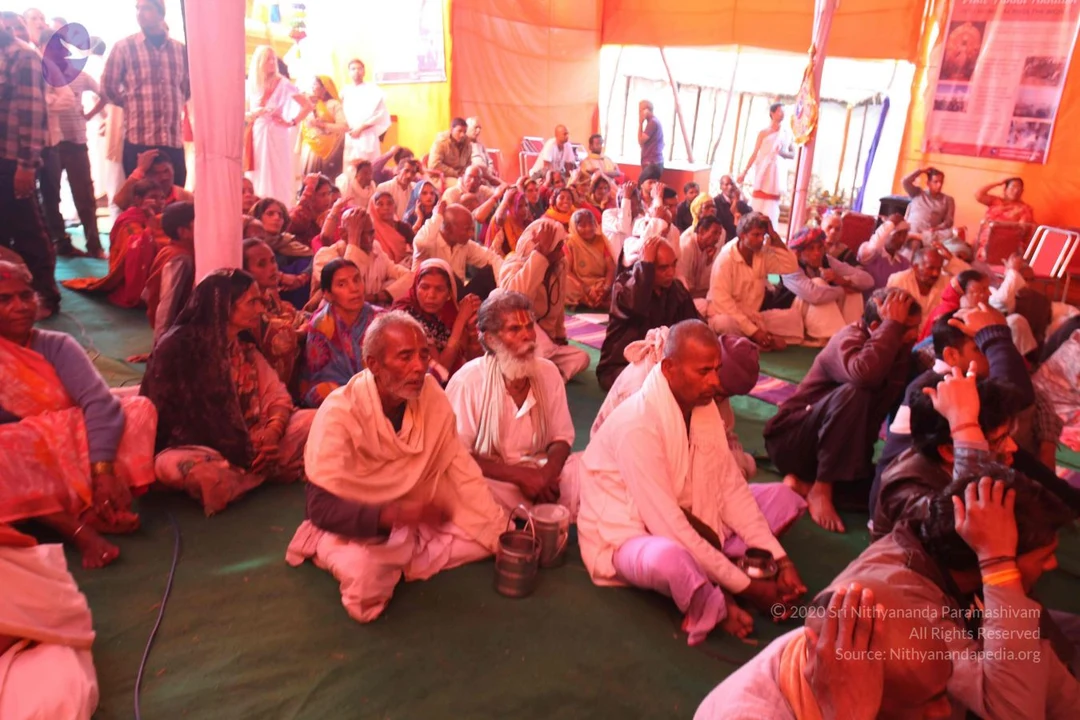
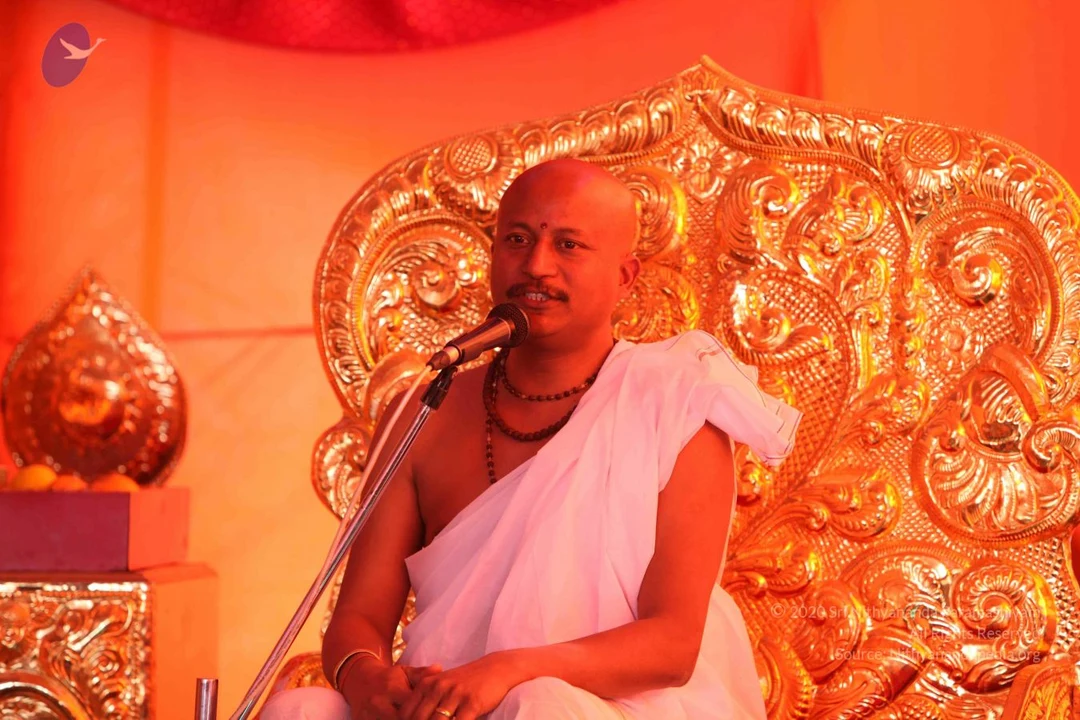
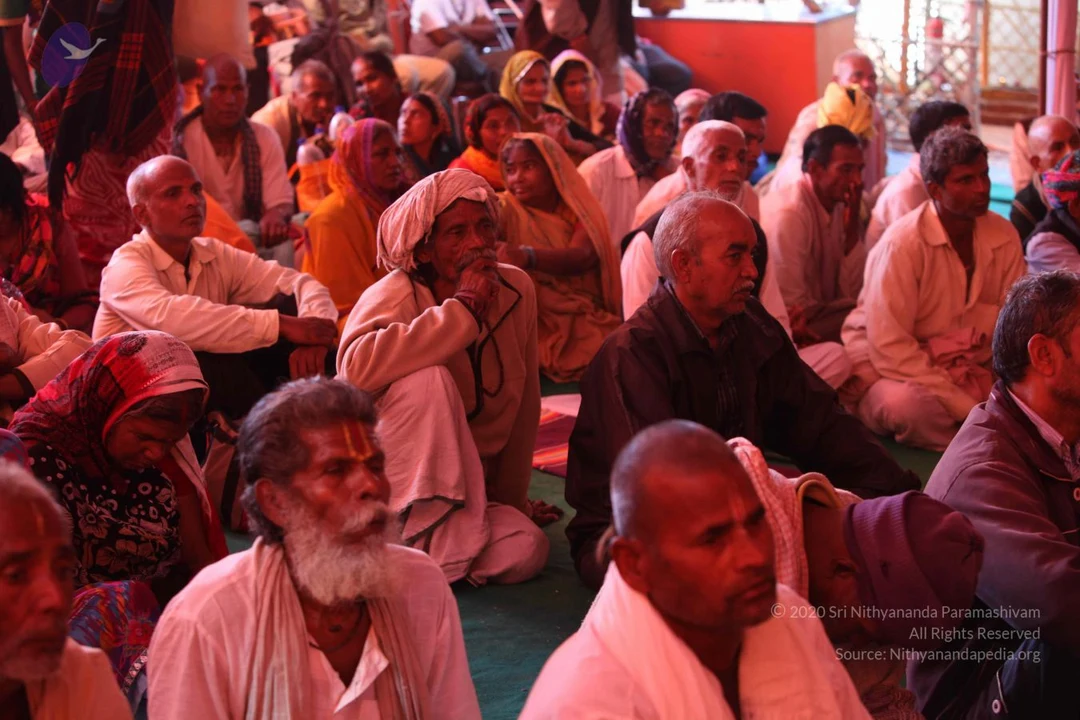
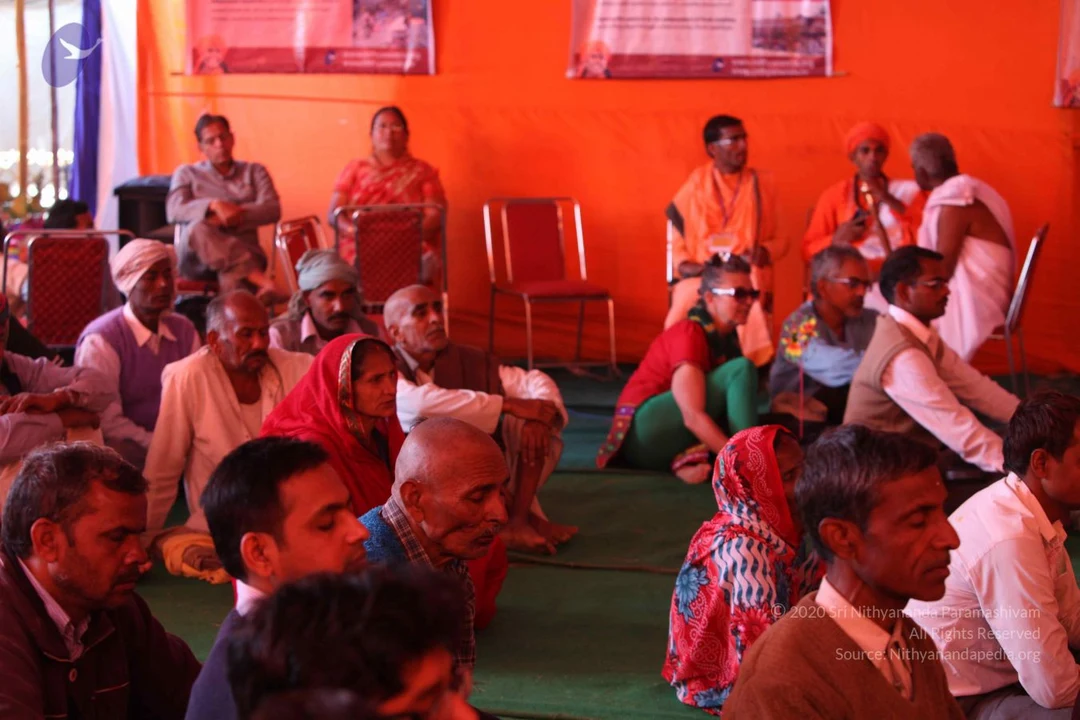
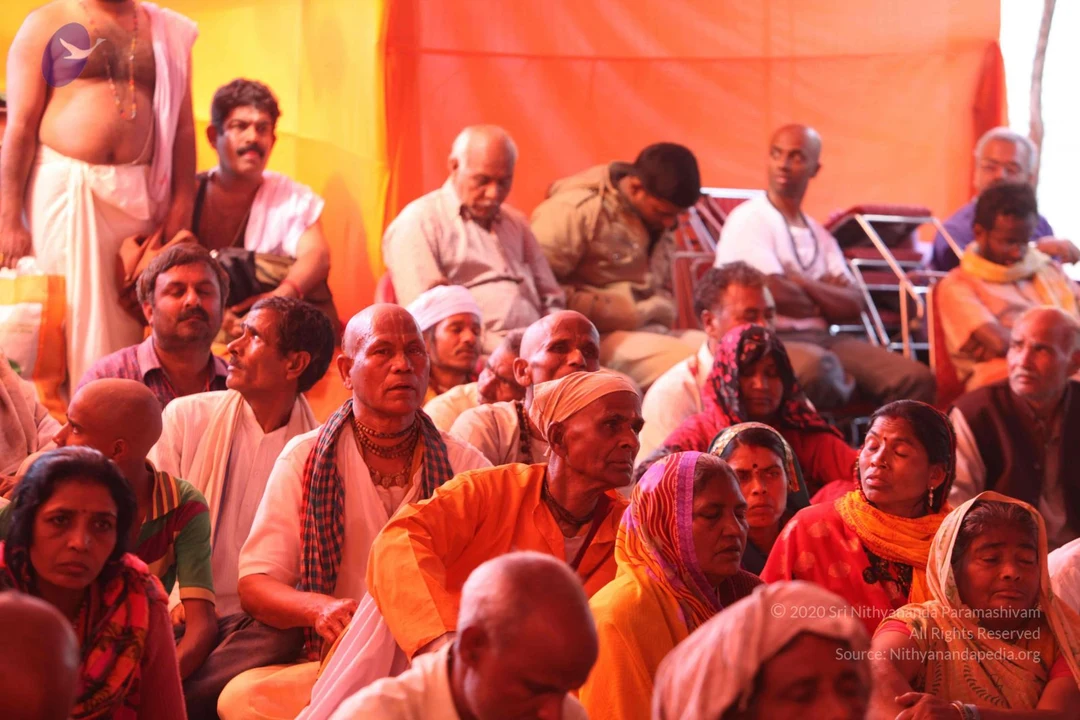

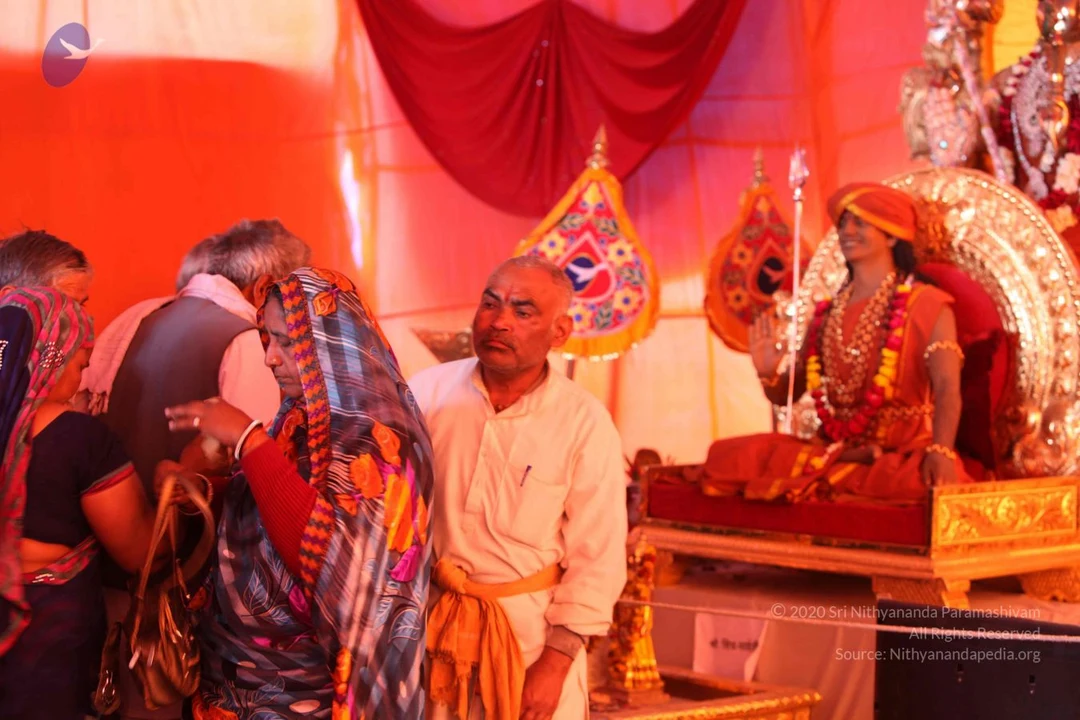
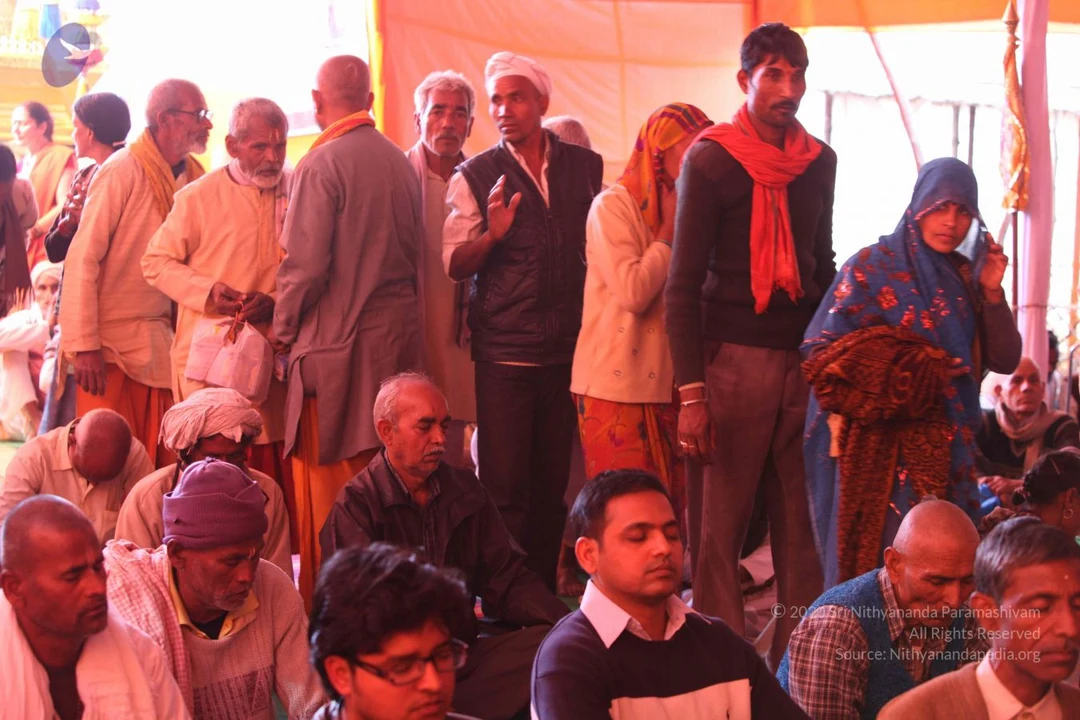
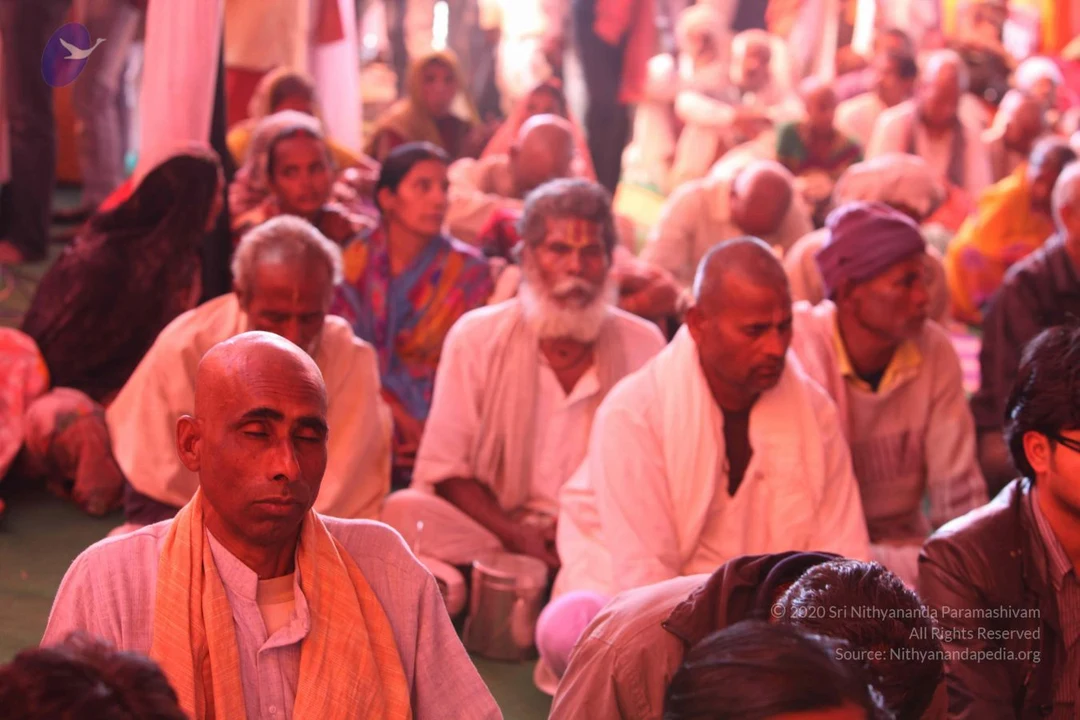
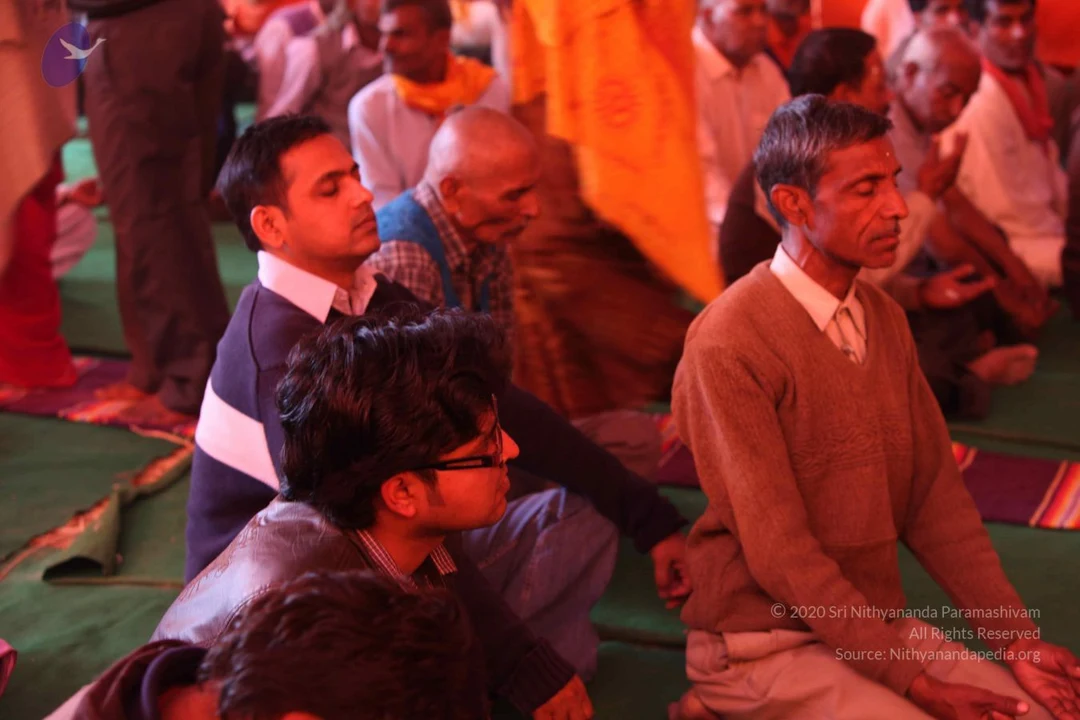
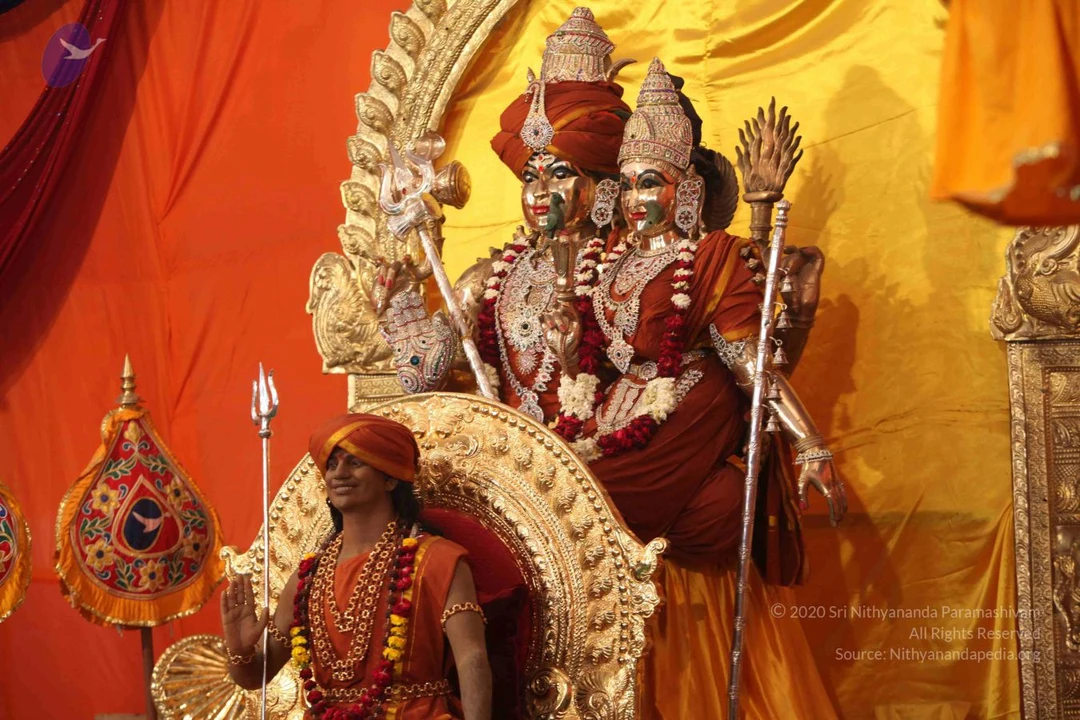
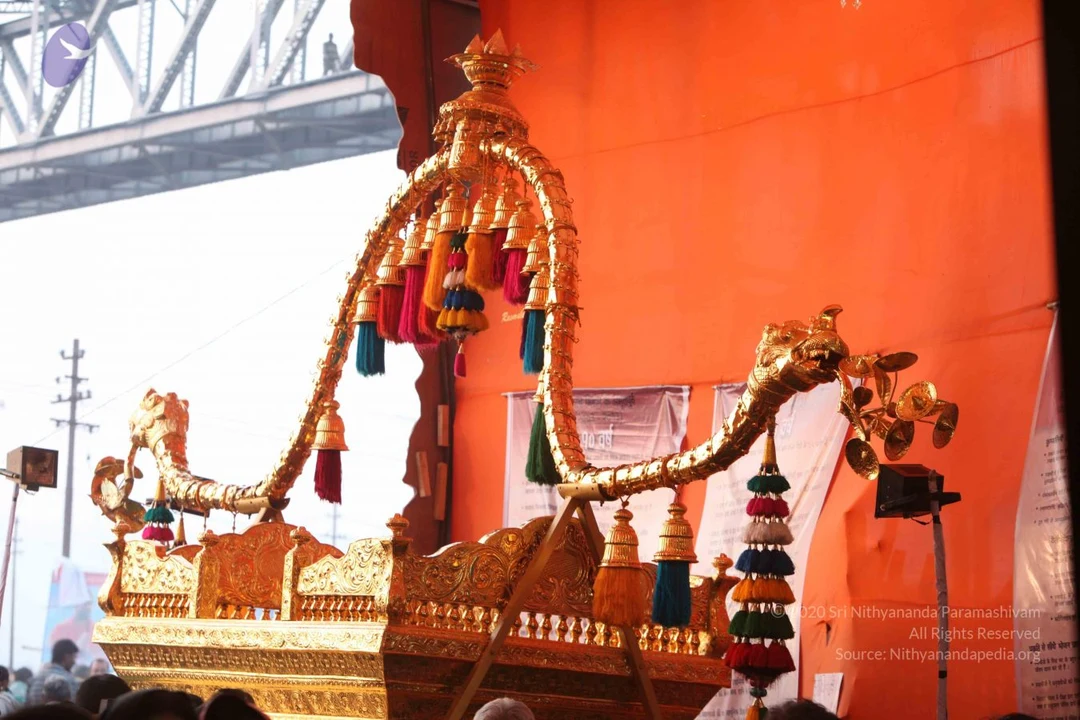
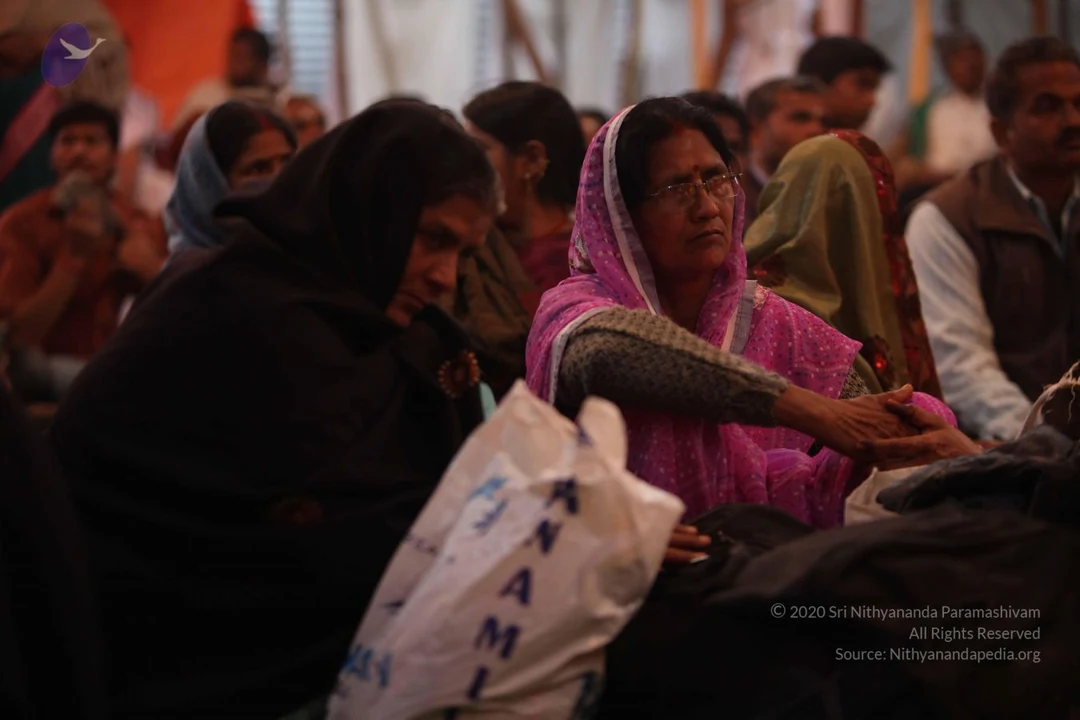
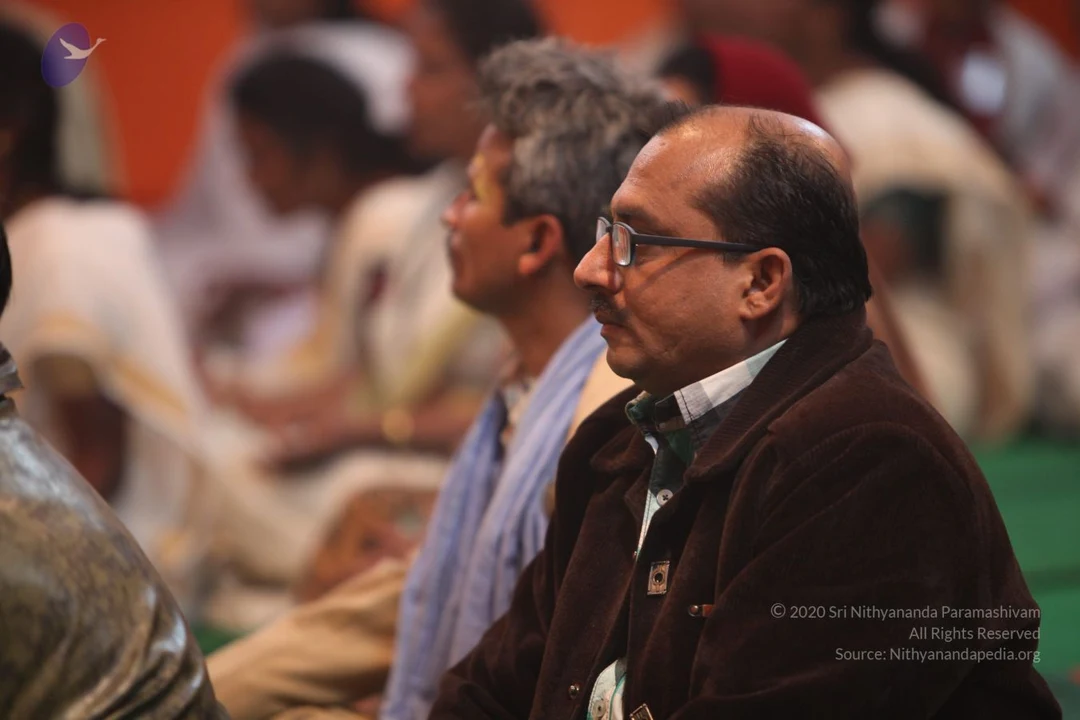
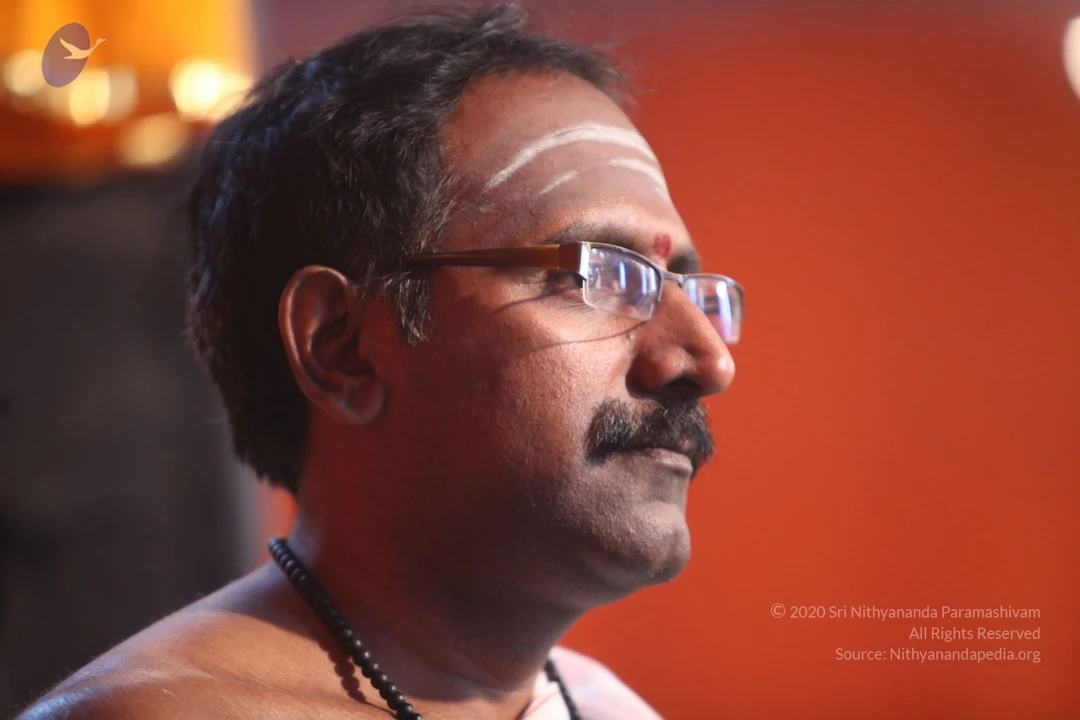
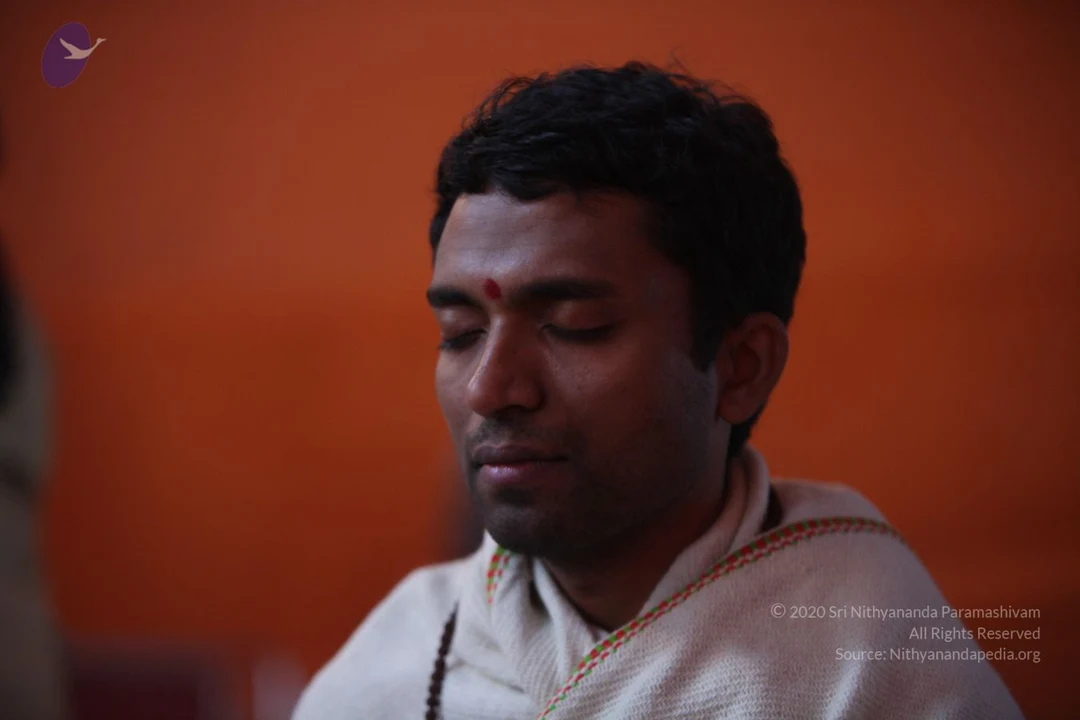
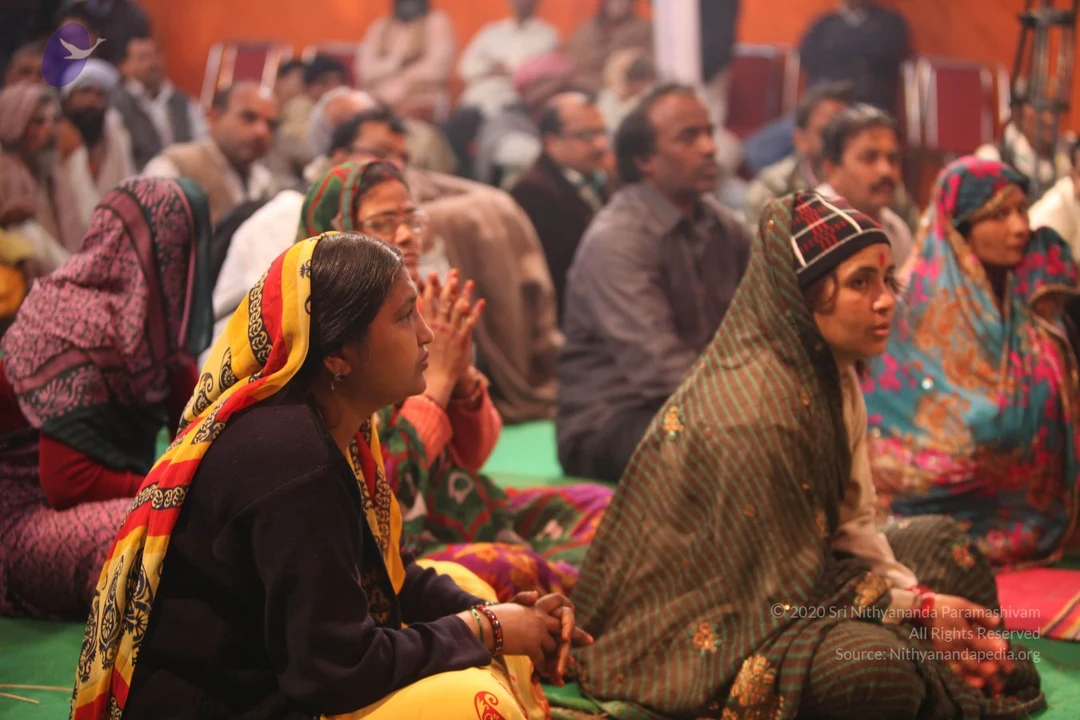
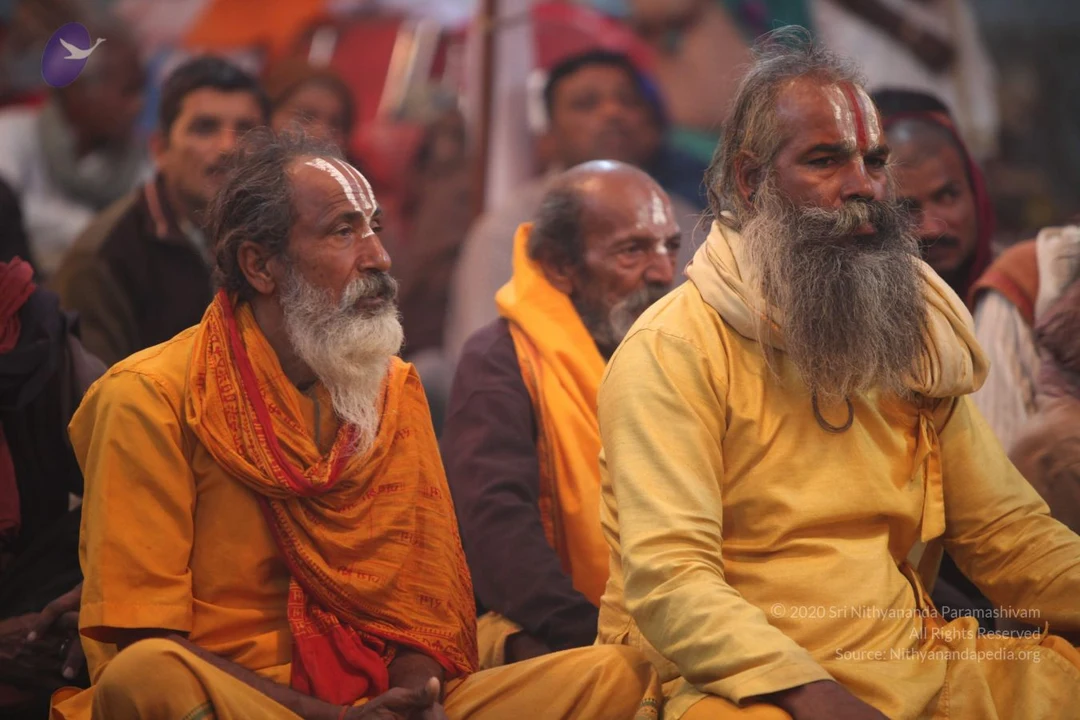
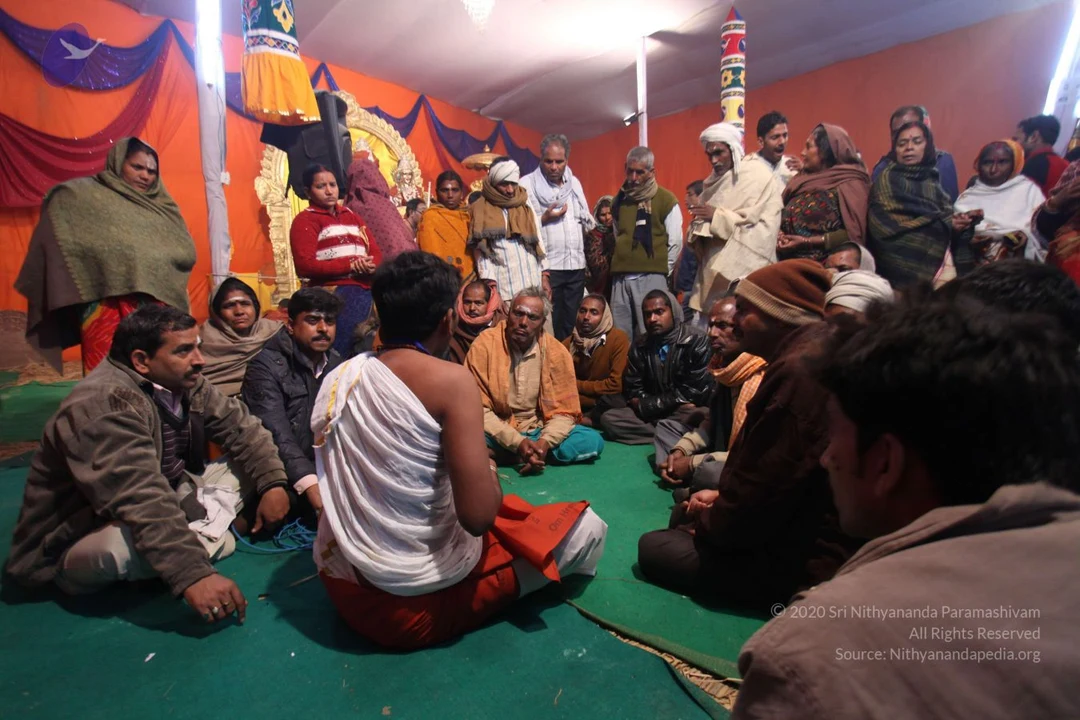
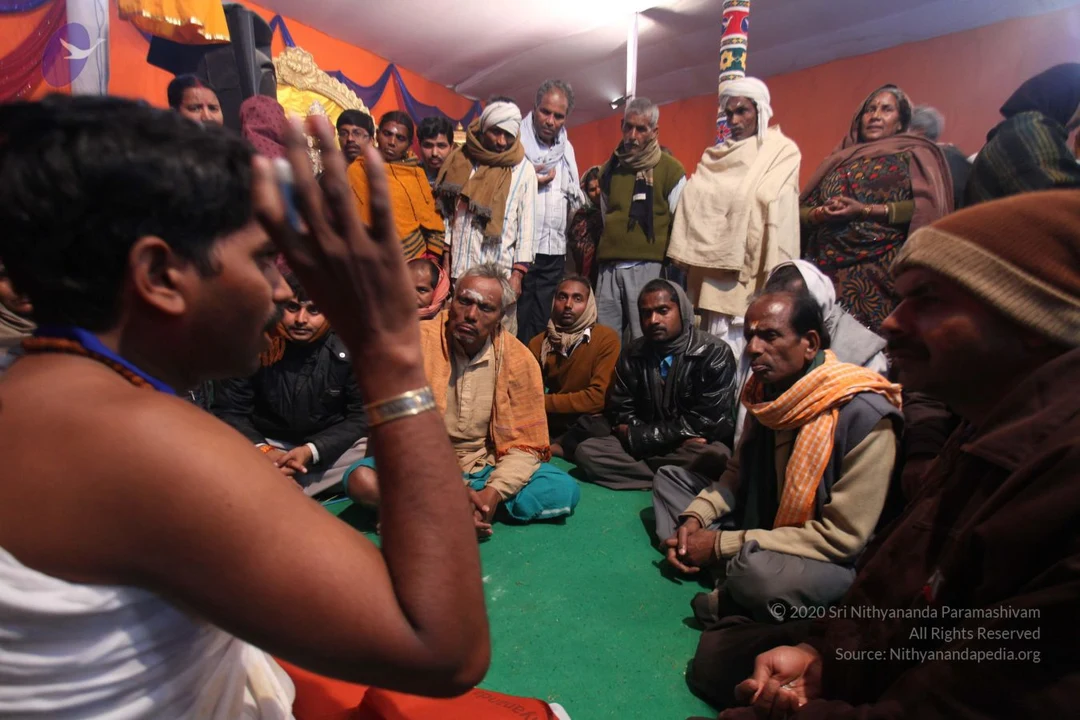
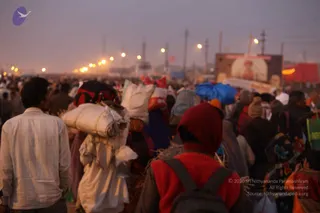
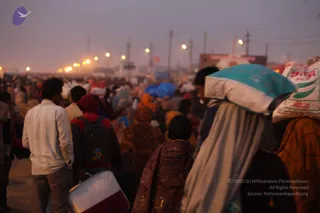
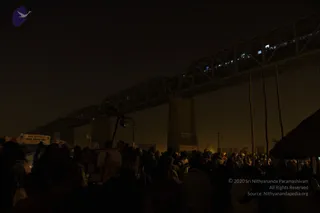
GeneralDocumentaryPhotos

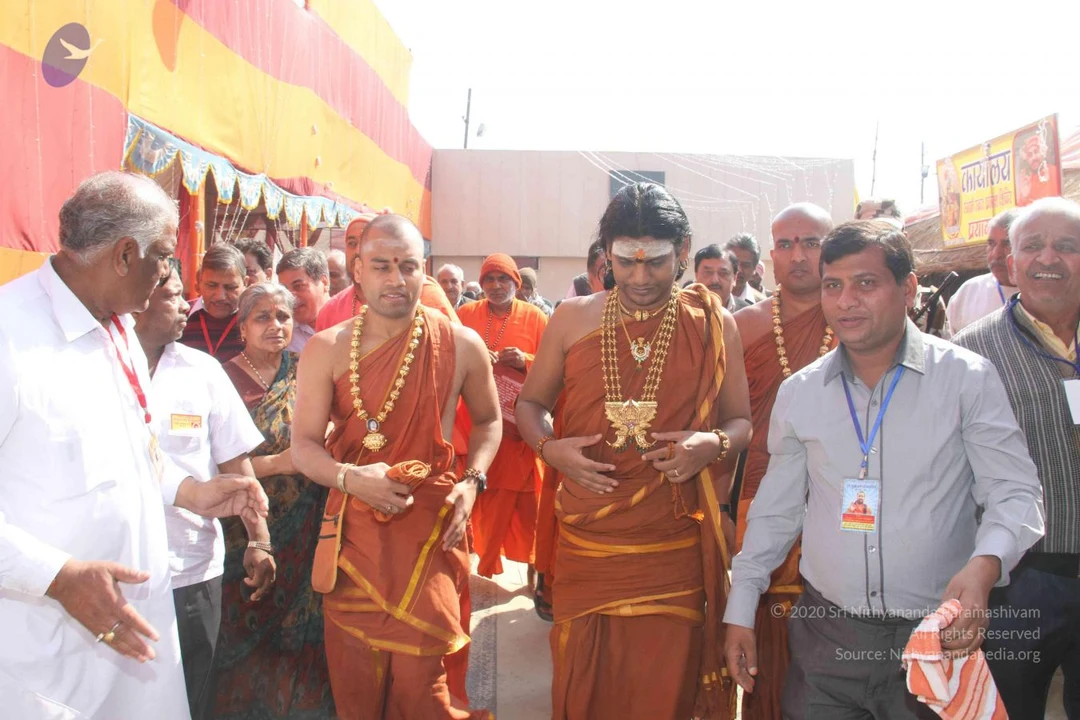
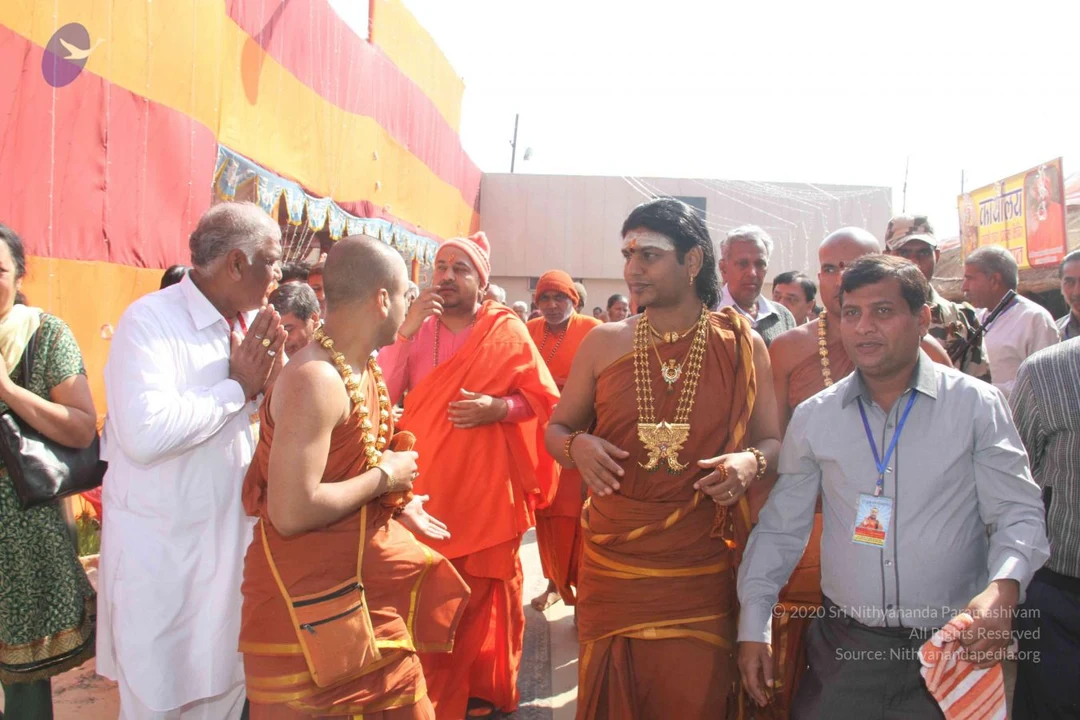
VIPVisits






Tags:
Paramahamsa Nithyananda, ceremonial, video, spiritual energy, Ganga, Churning of the Milky Ocean, god, demon, immortality. Brahma, Vishnu, Shiva, Mount Meru, Adi-Shesha
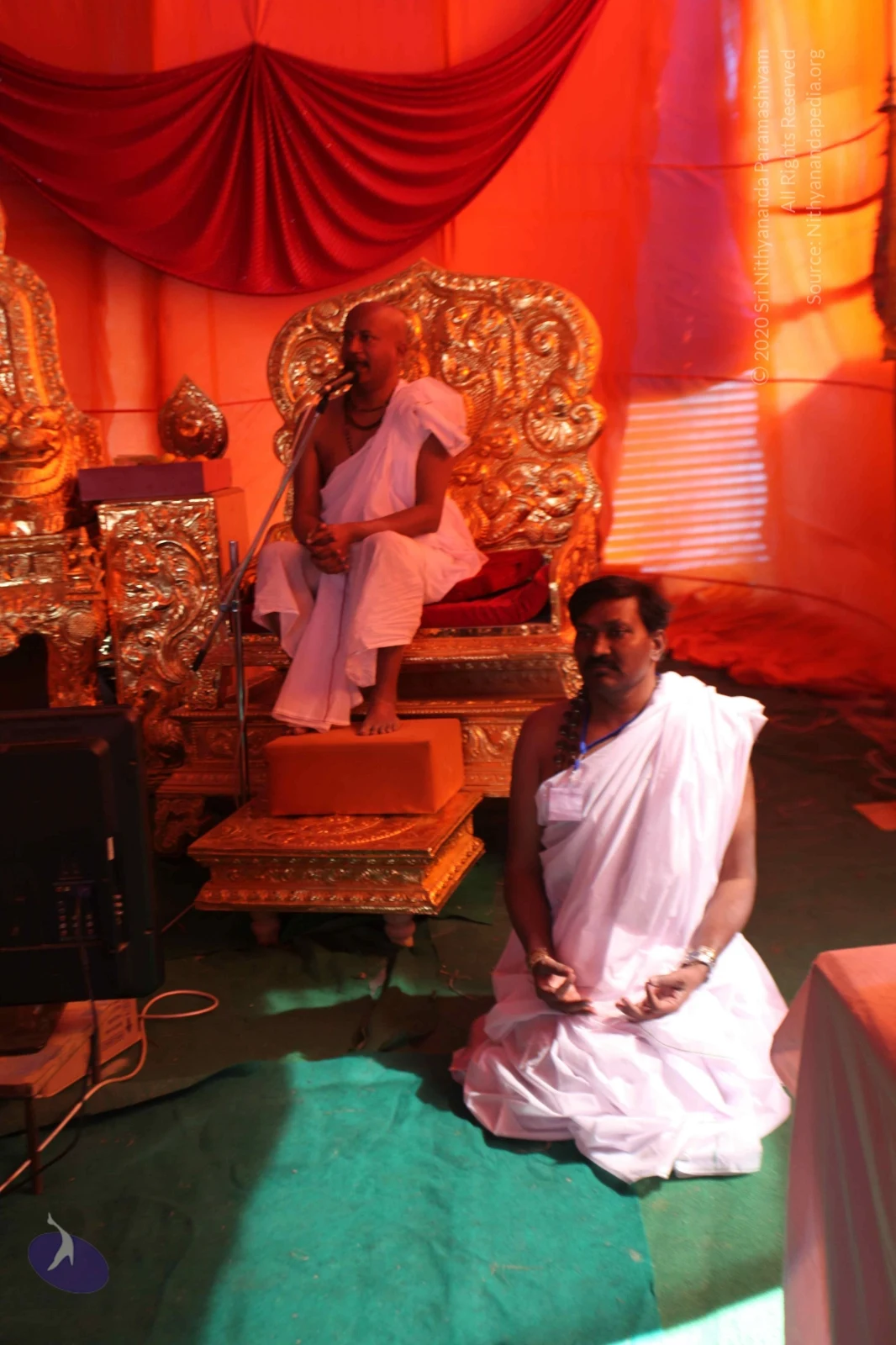
Hindi-Satsangs
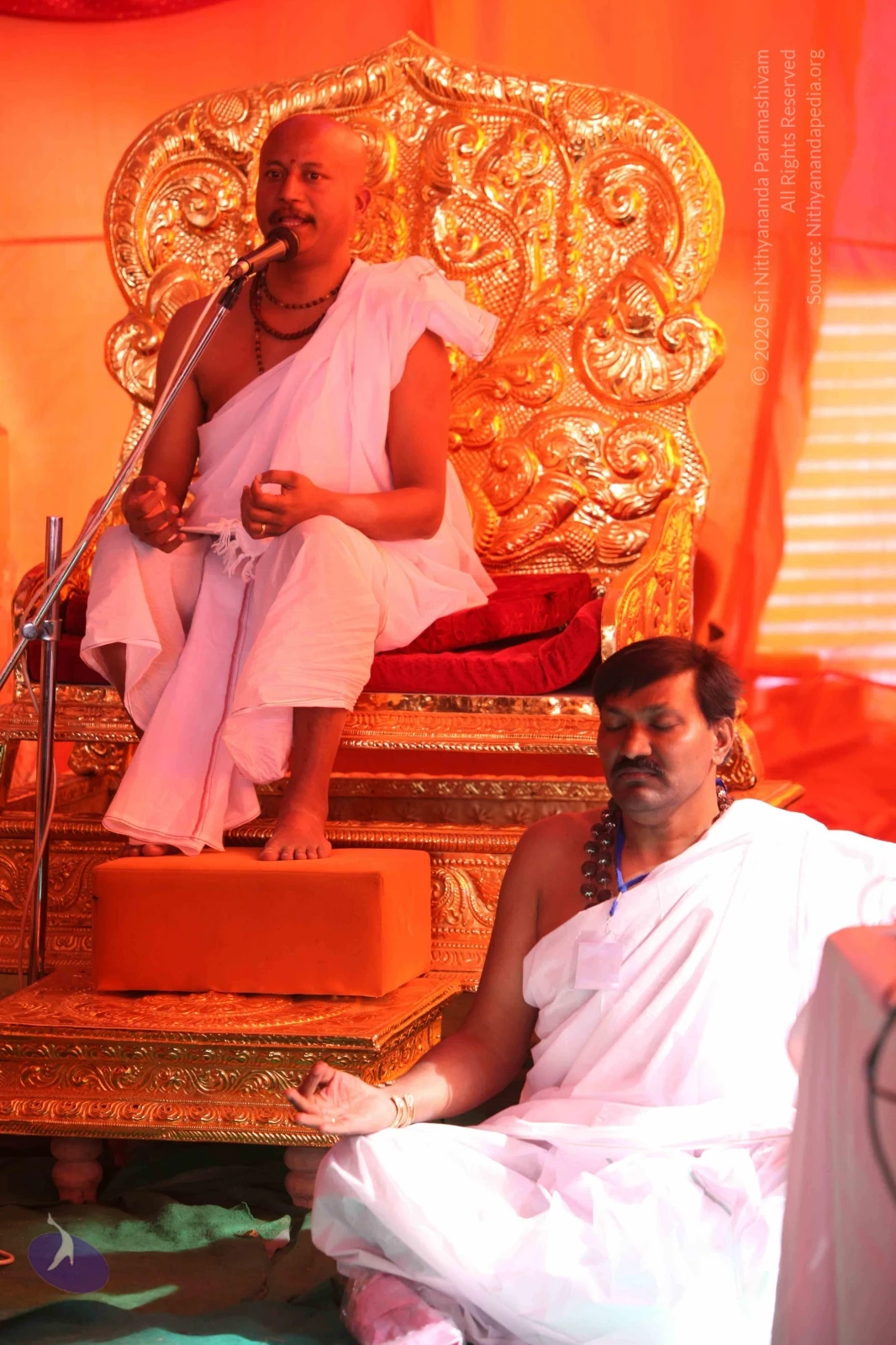

Morning-Satsang-and-Pada-Puja


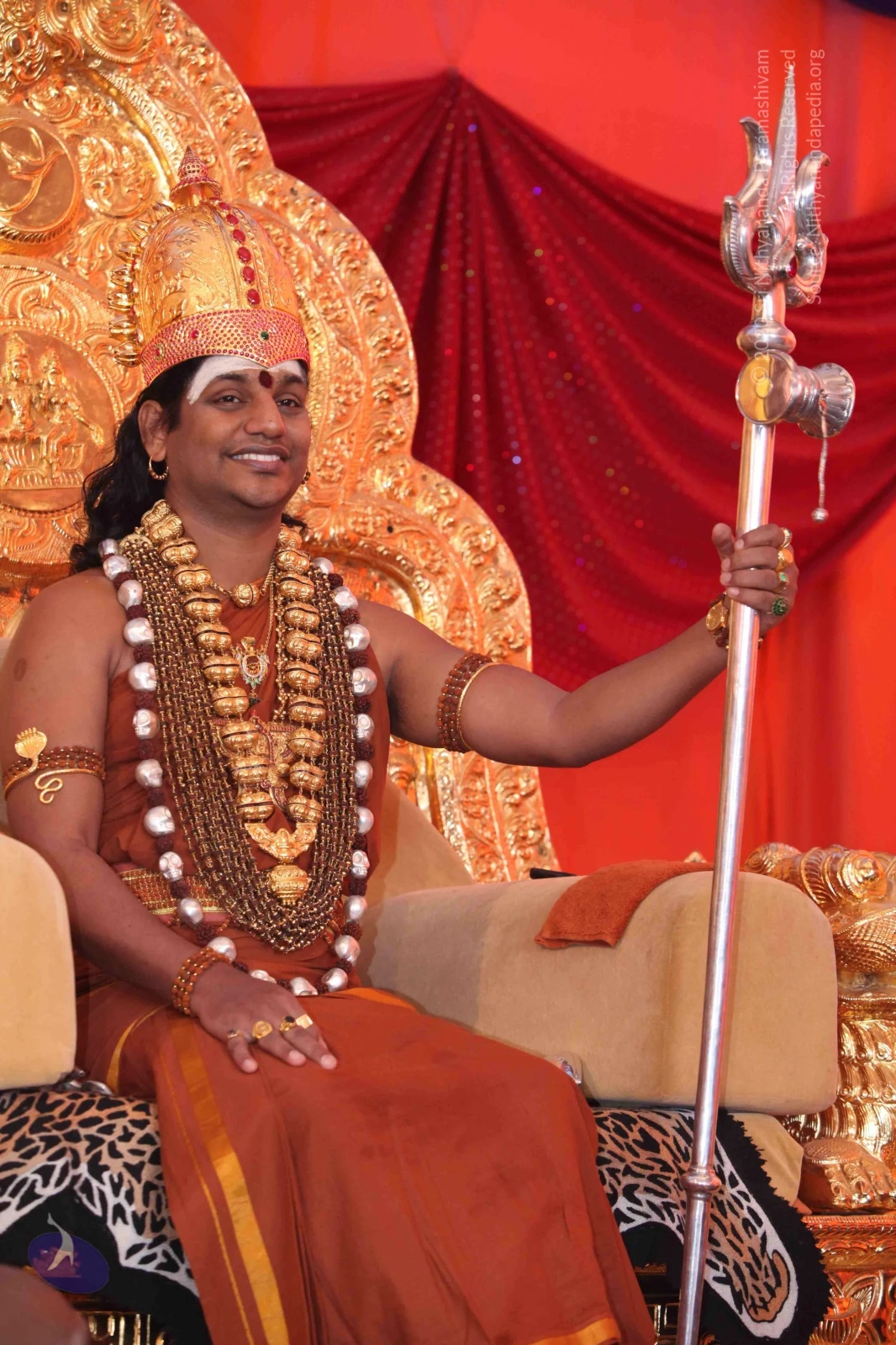
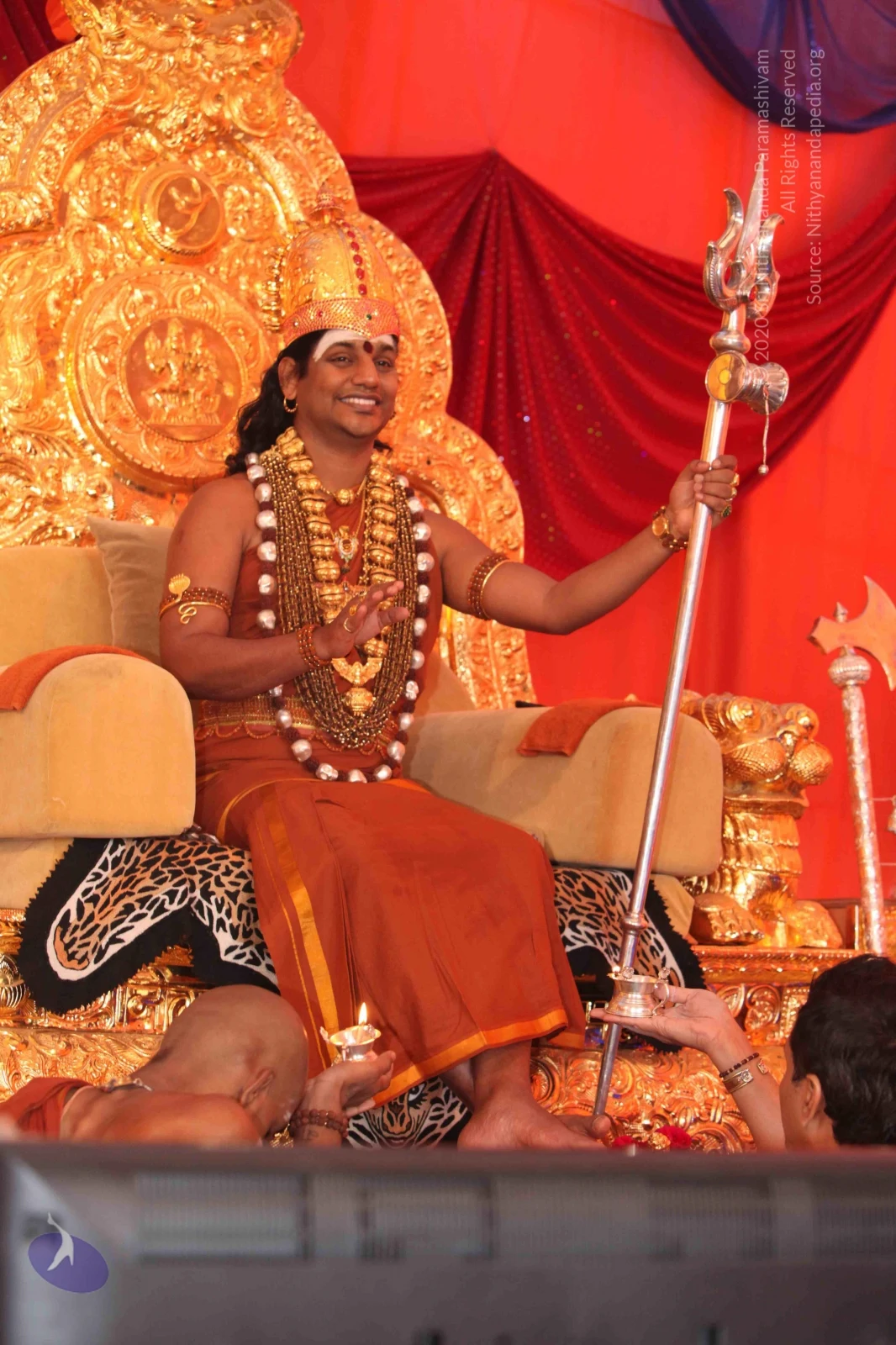
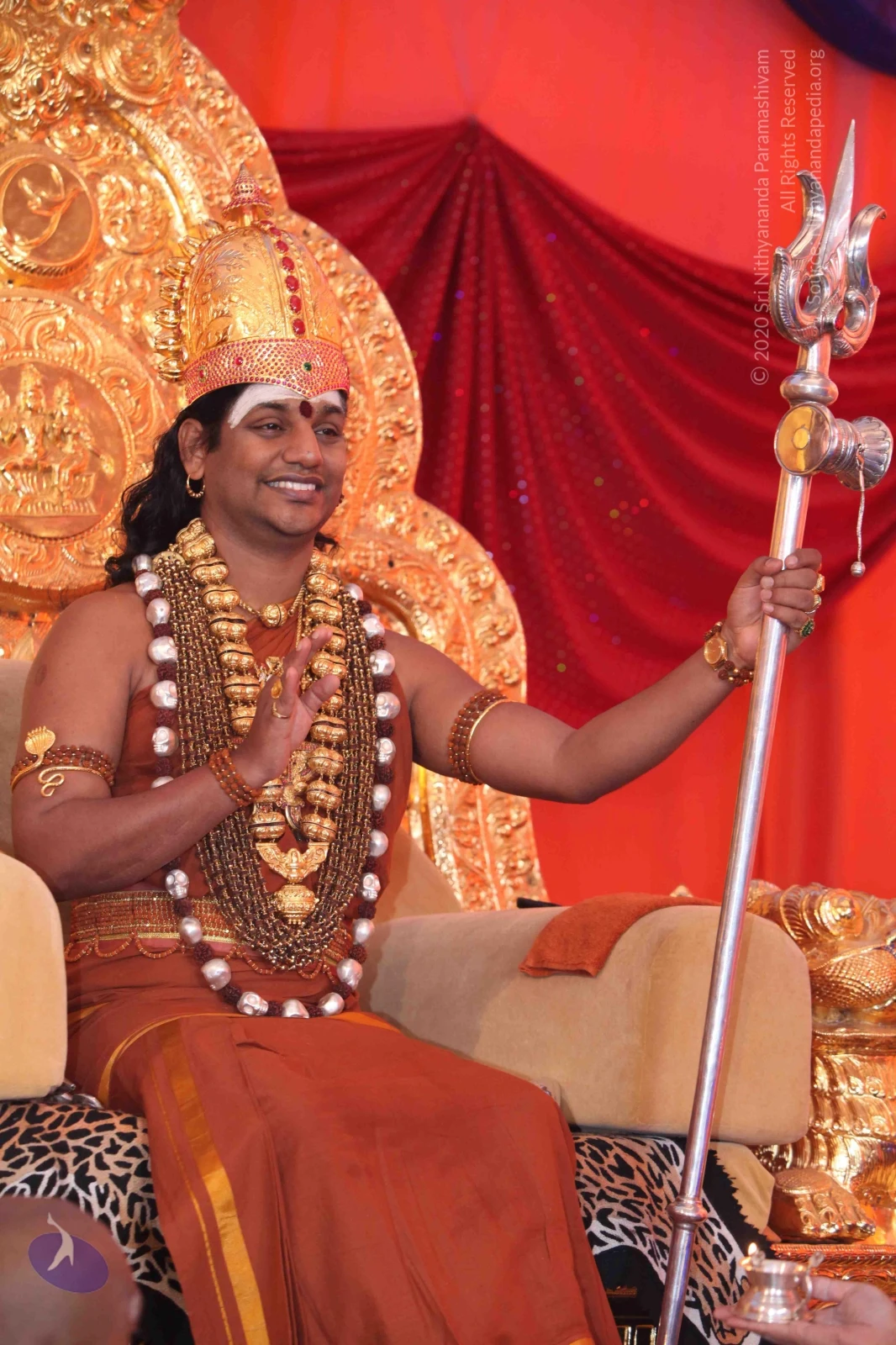
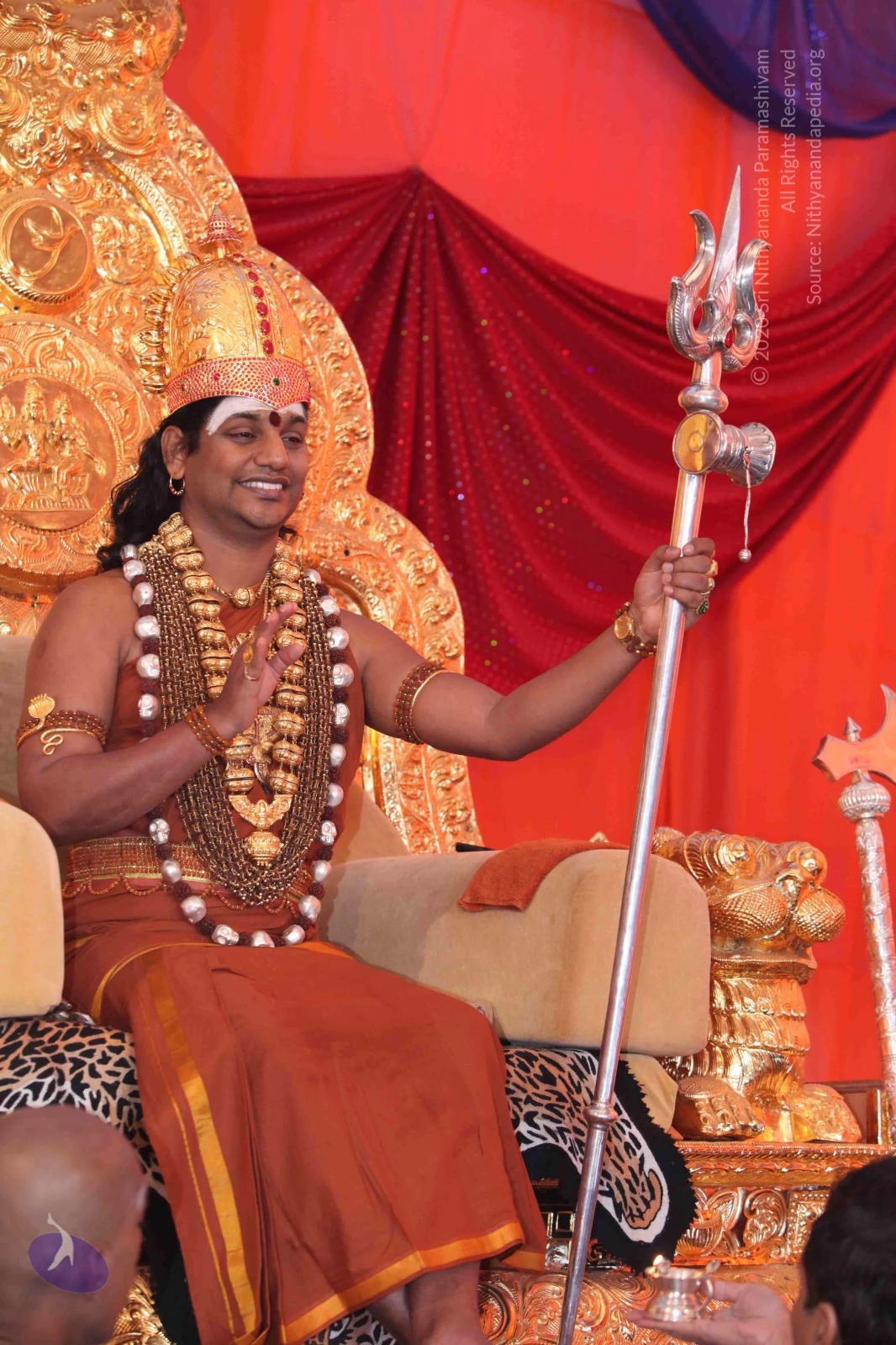

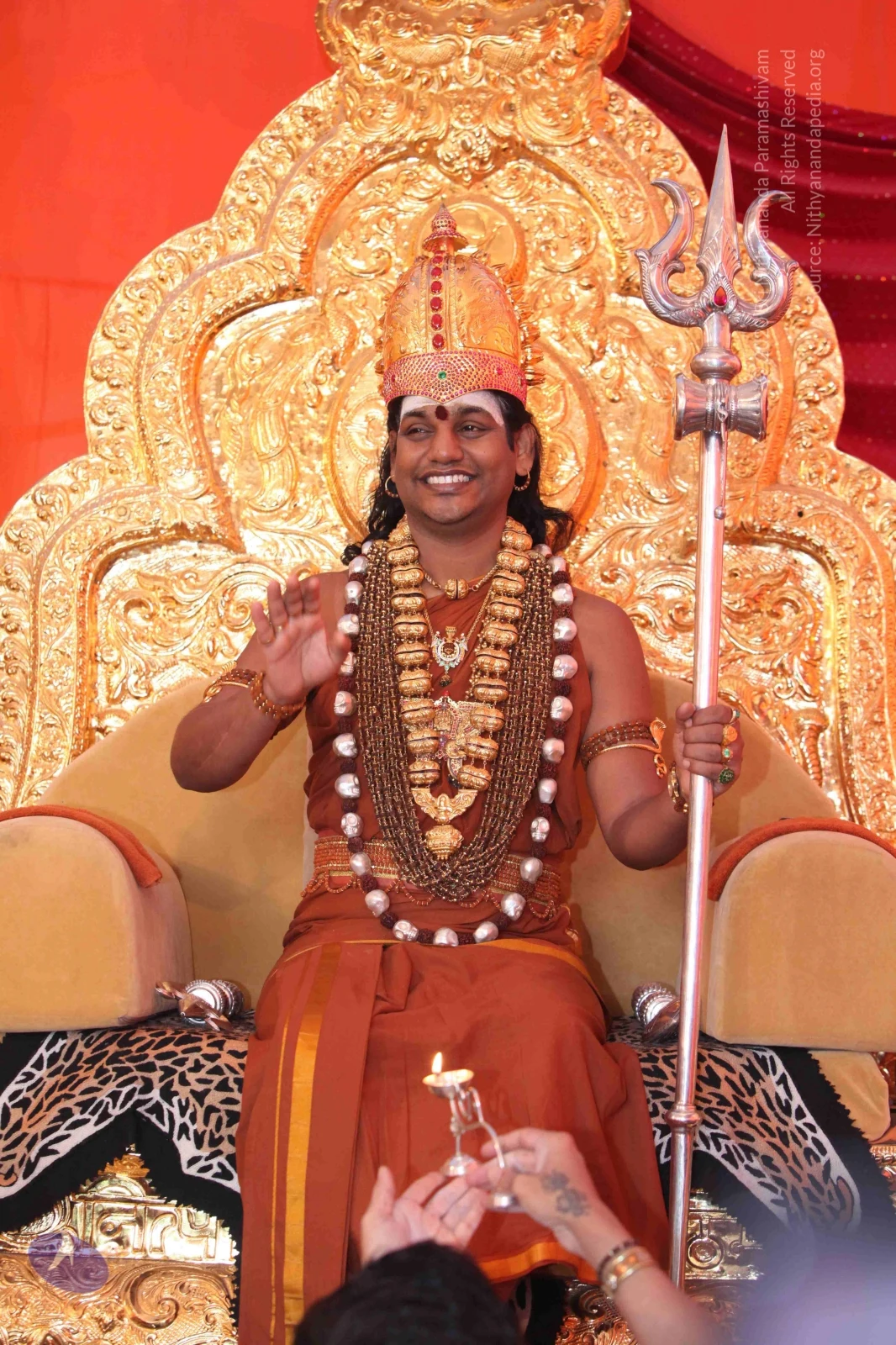
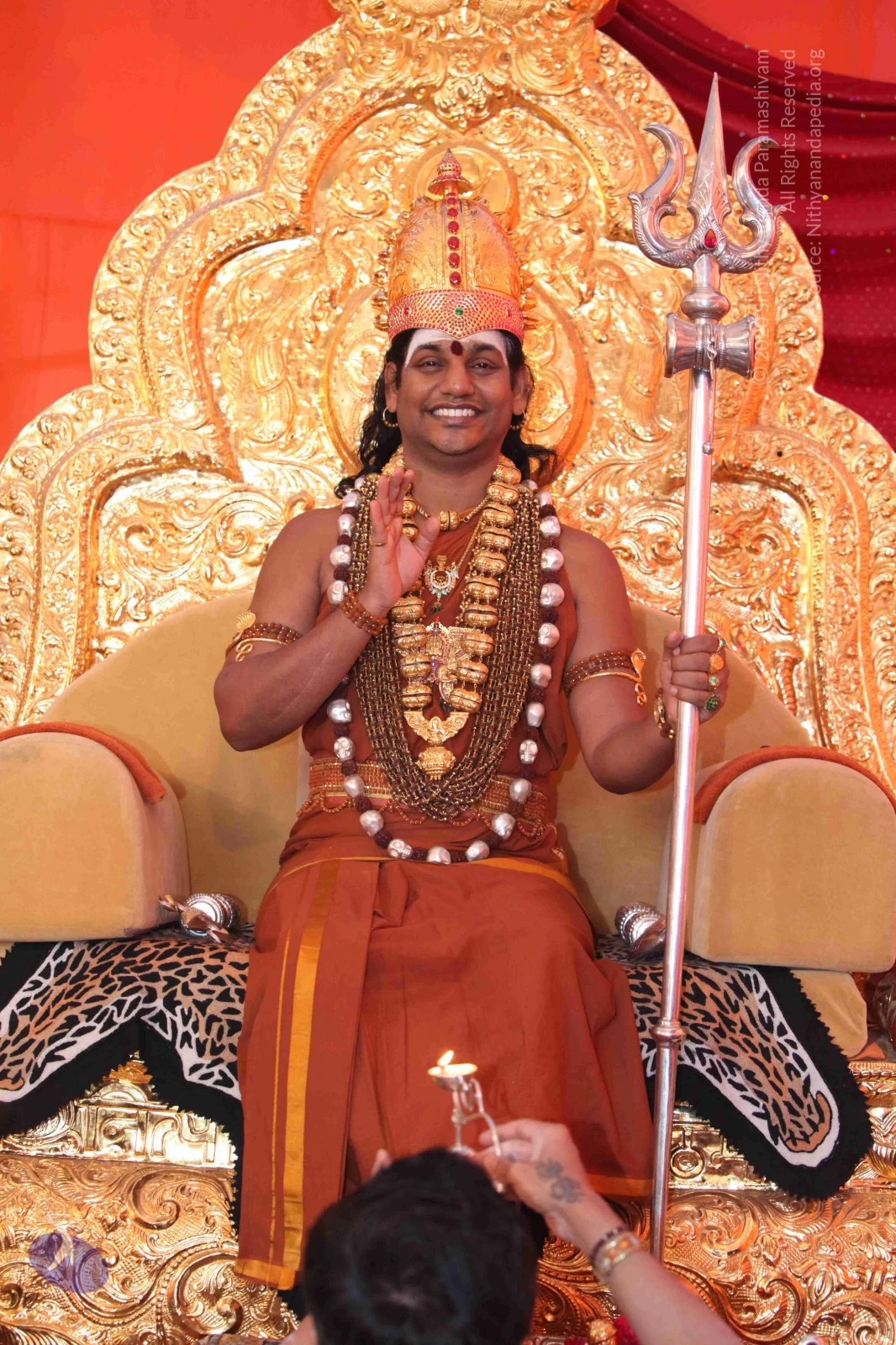
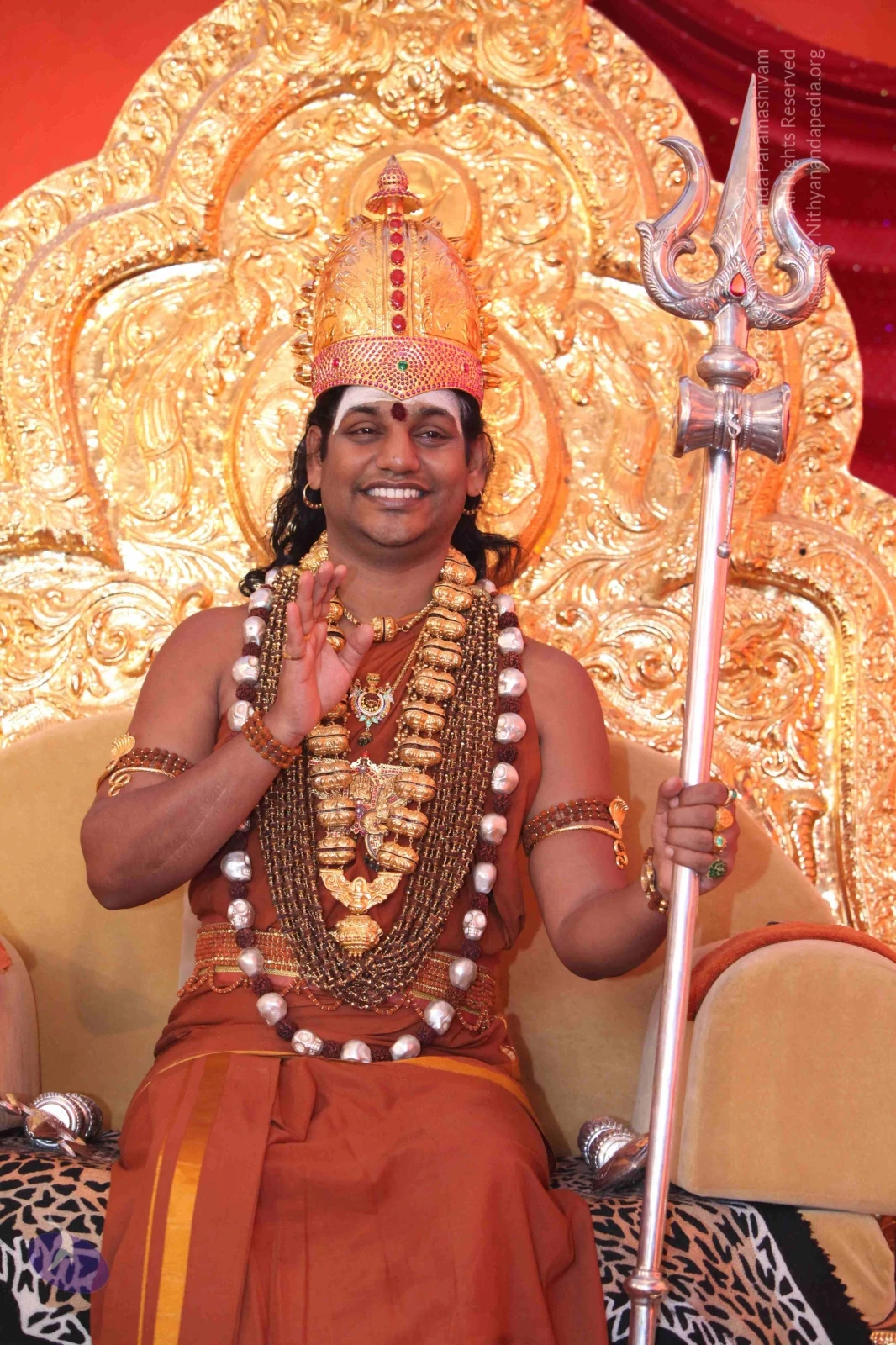
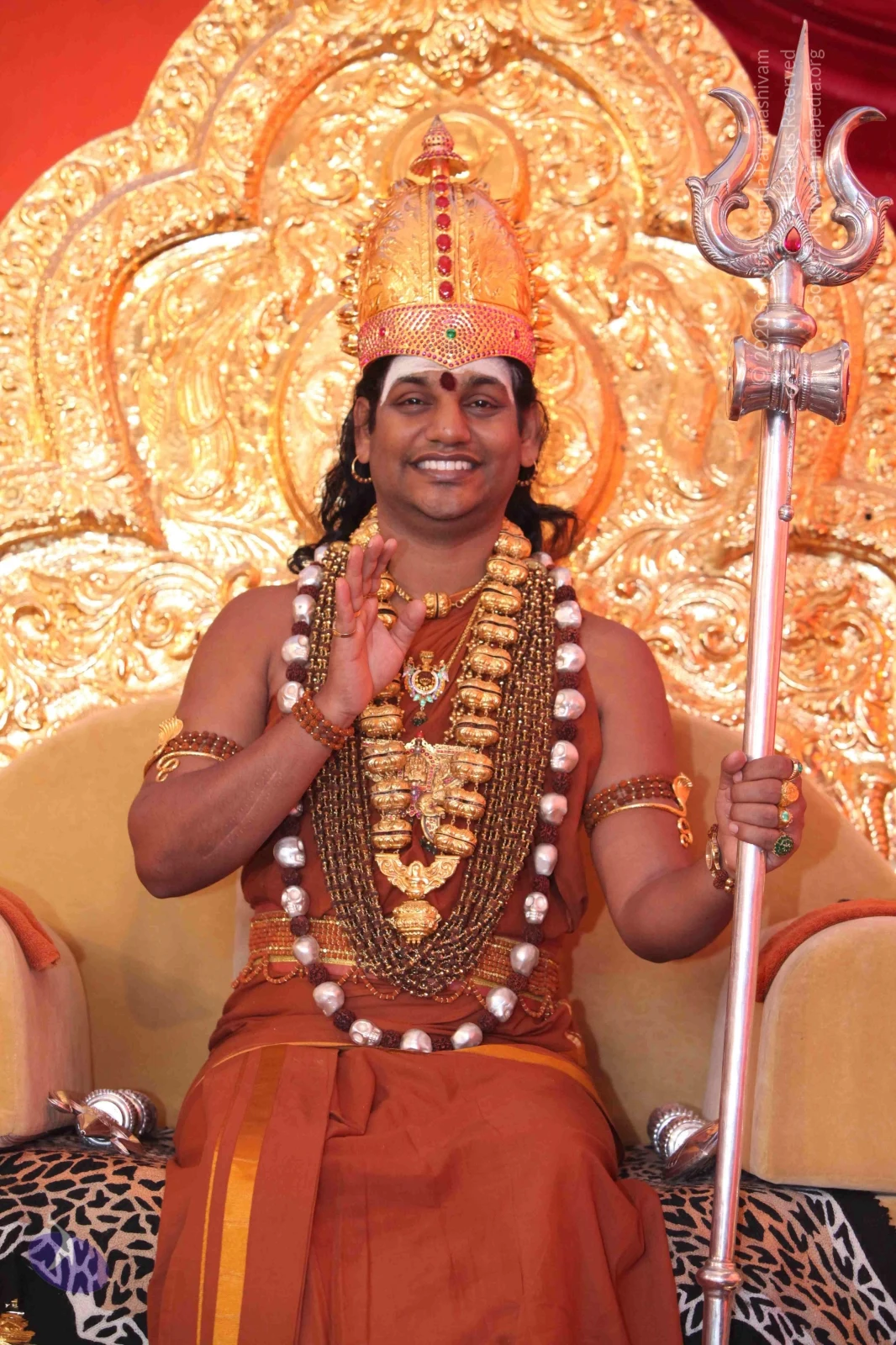
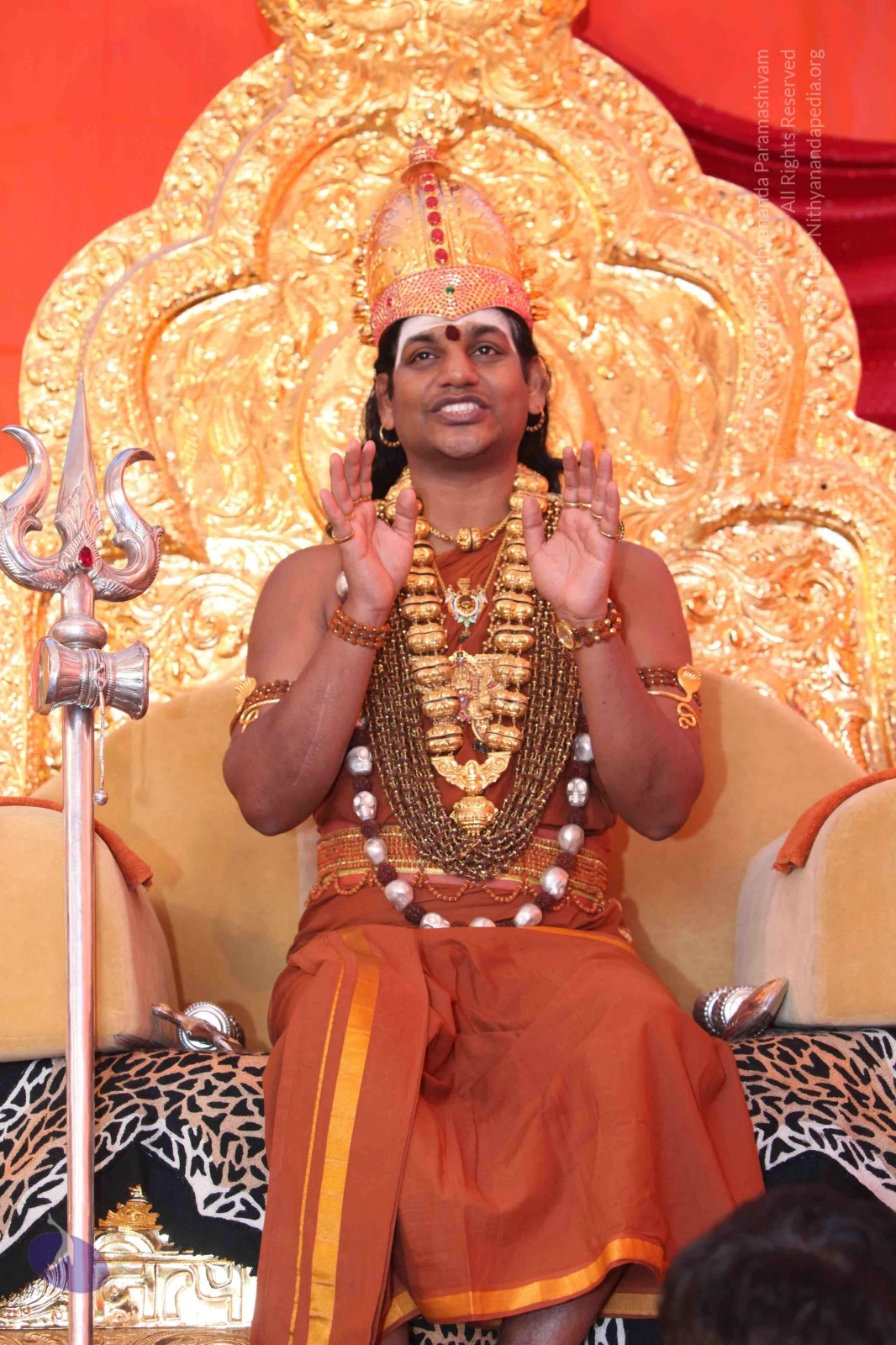
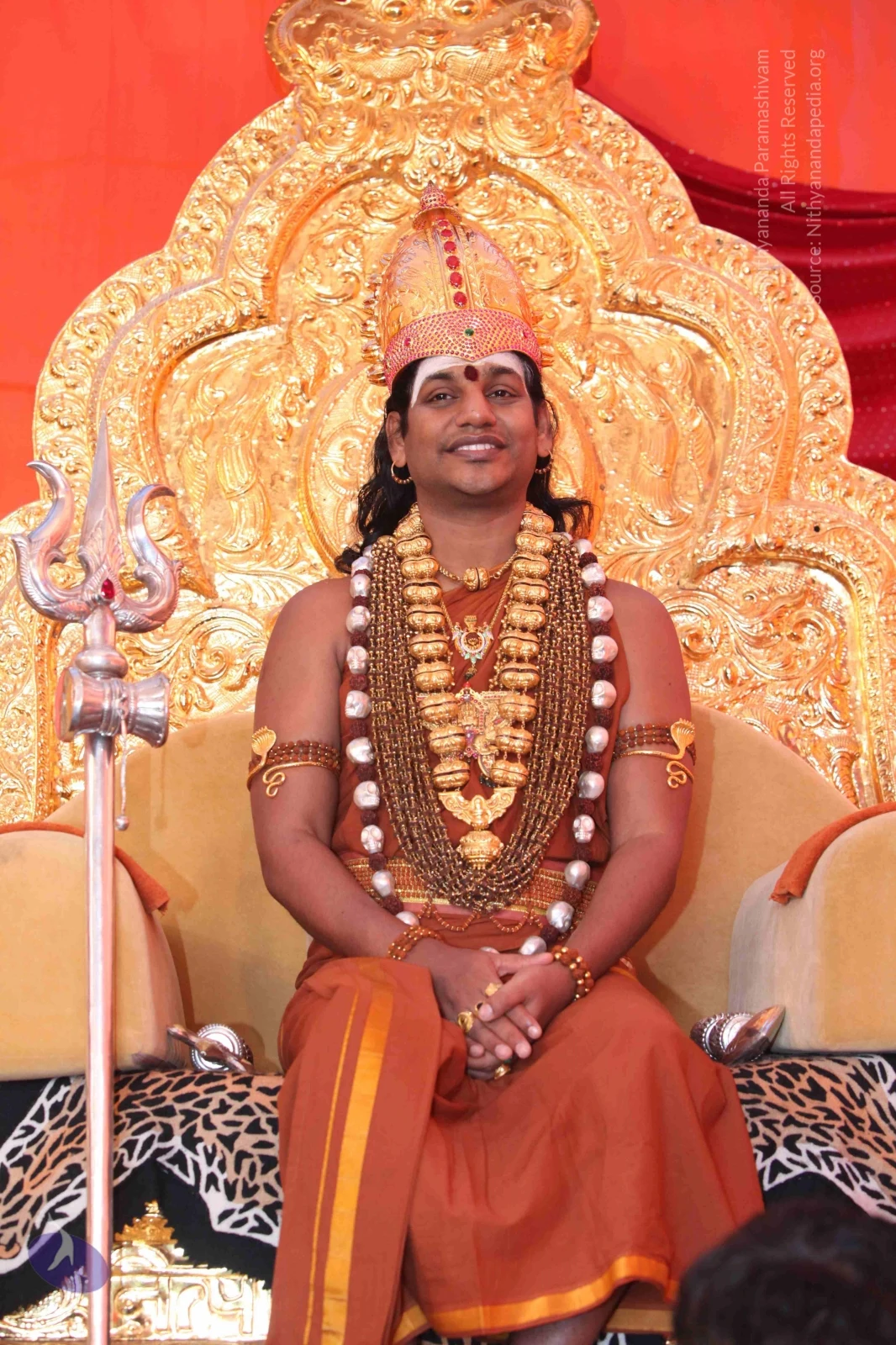
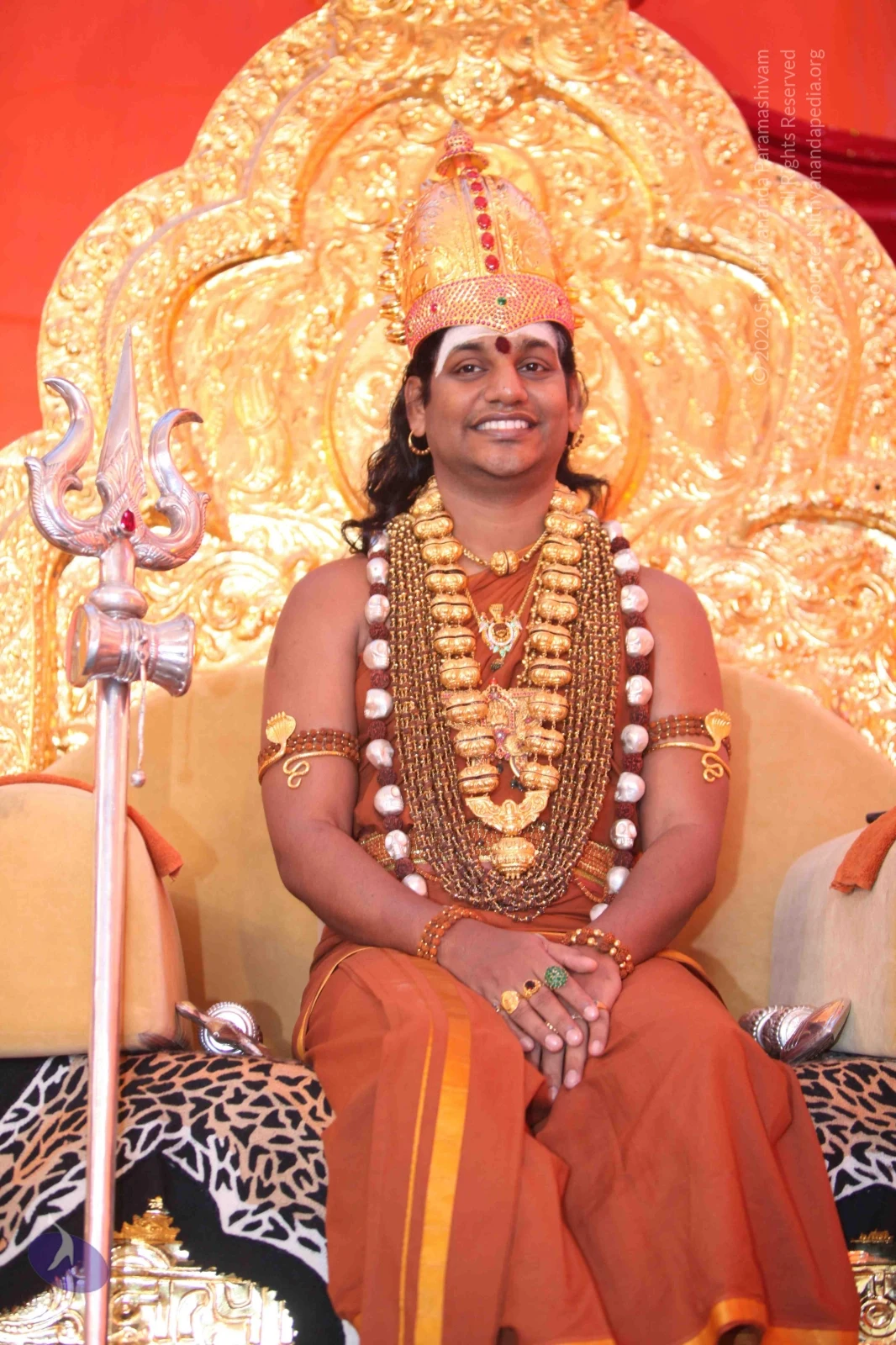
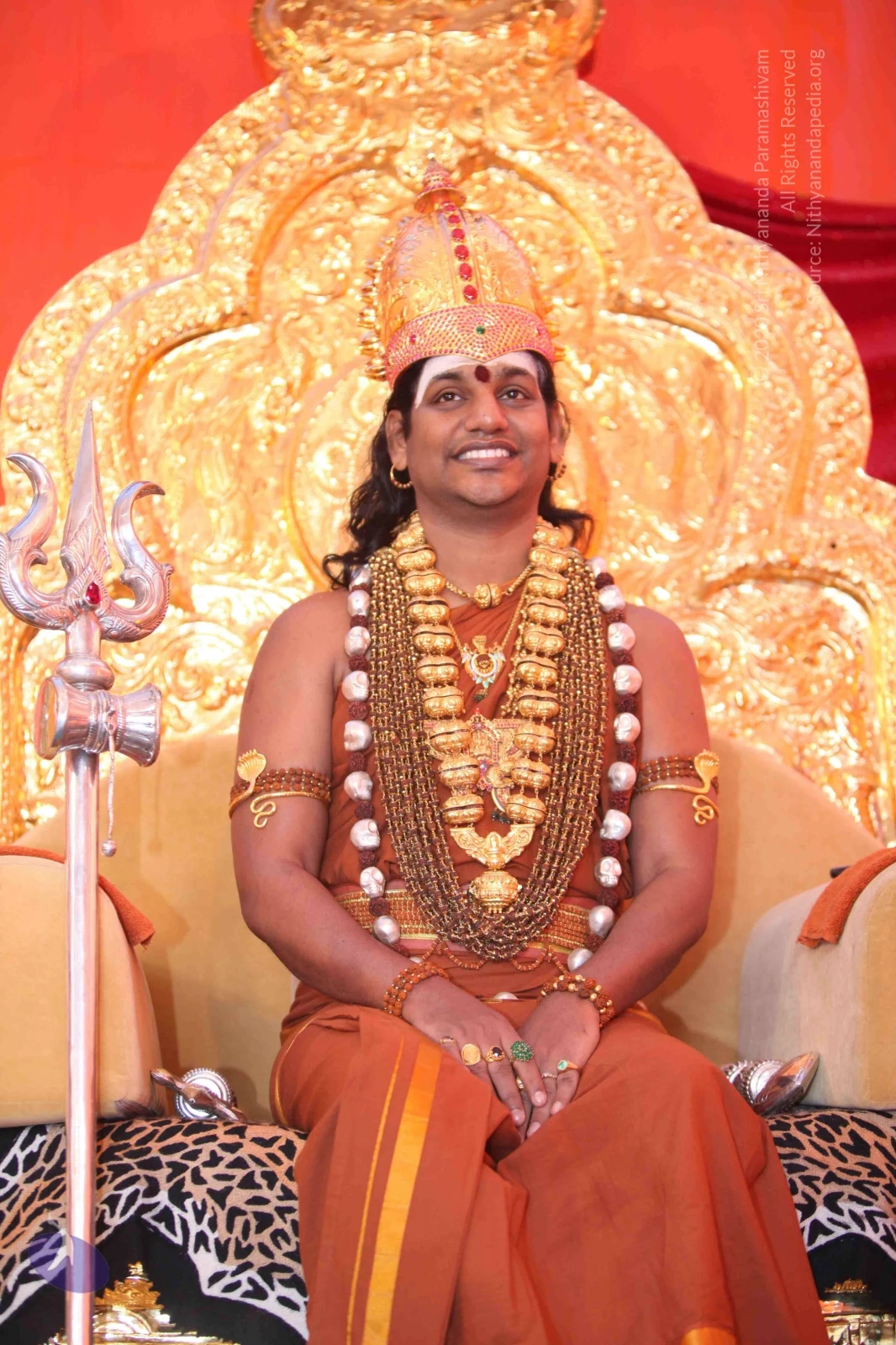
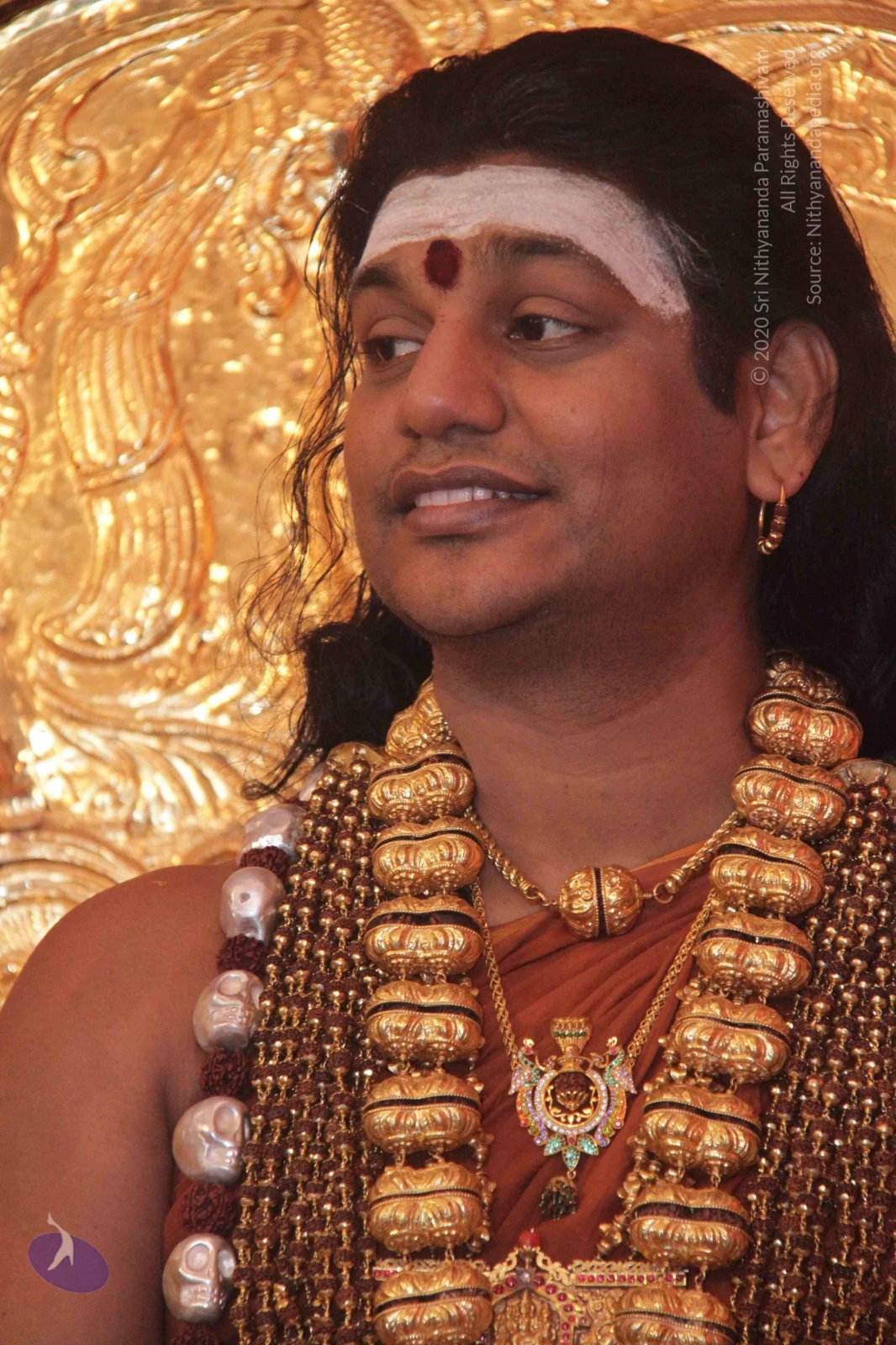
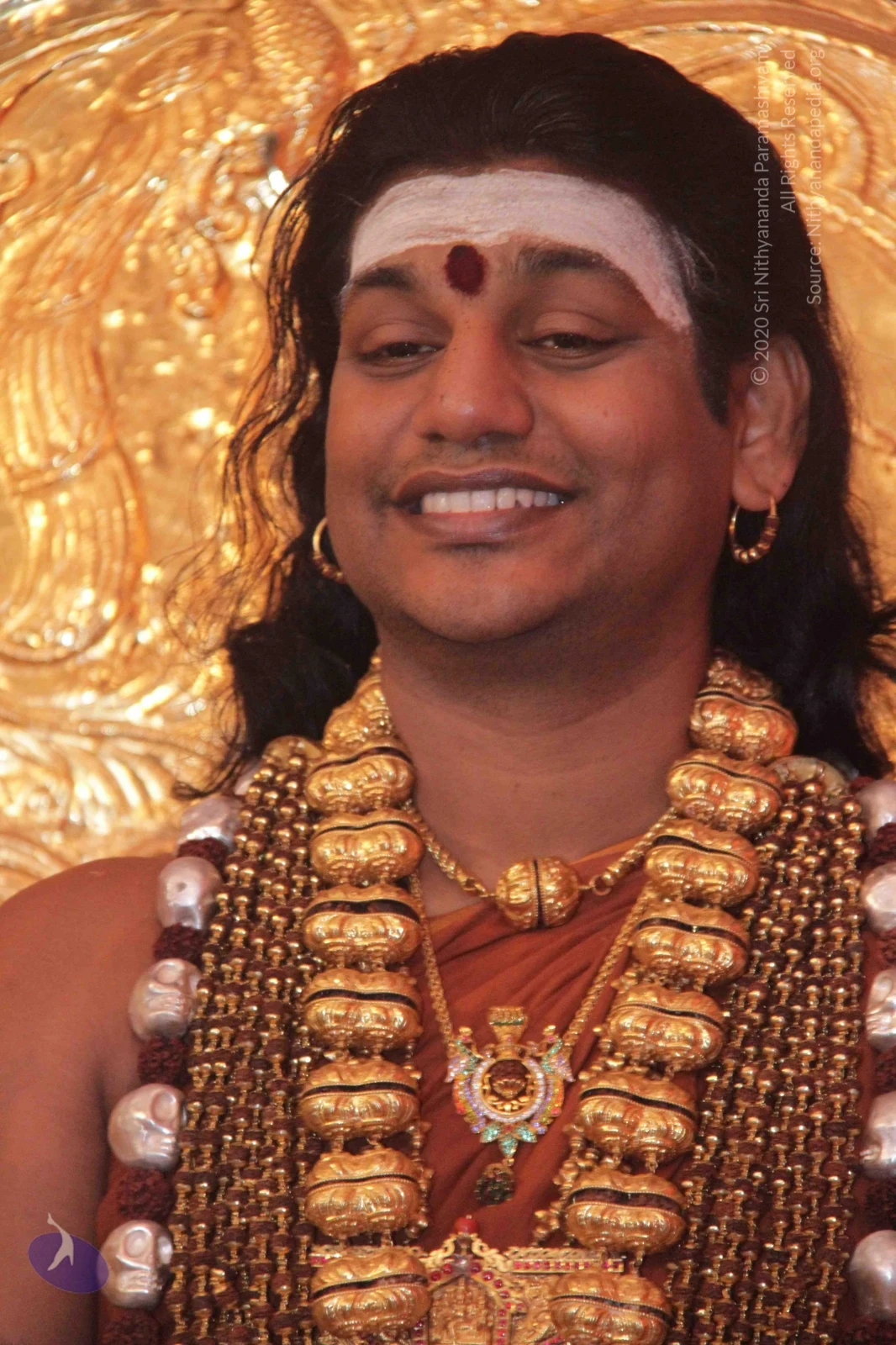
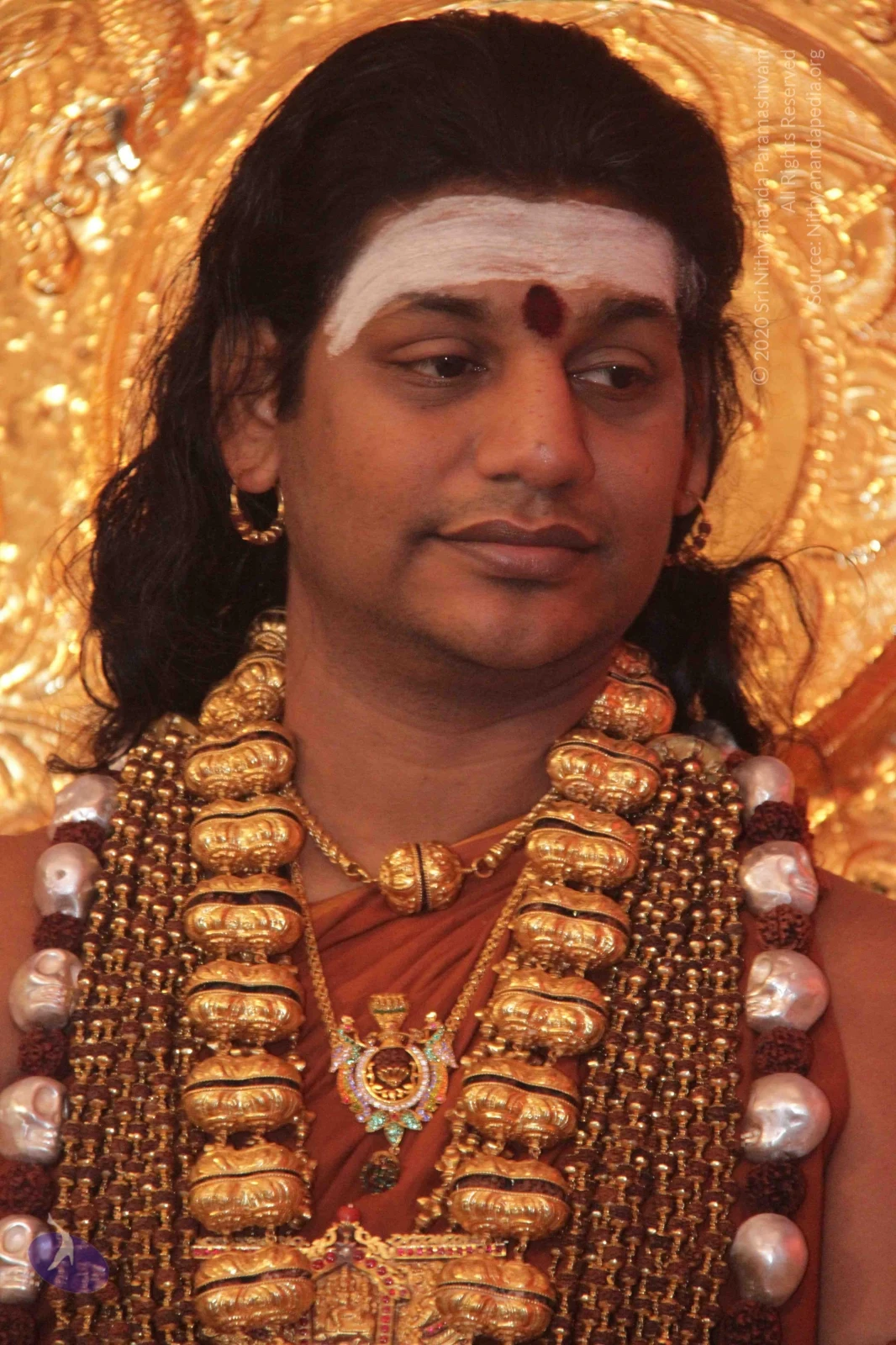
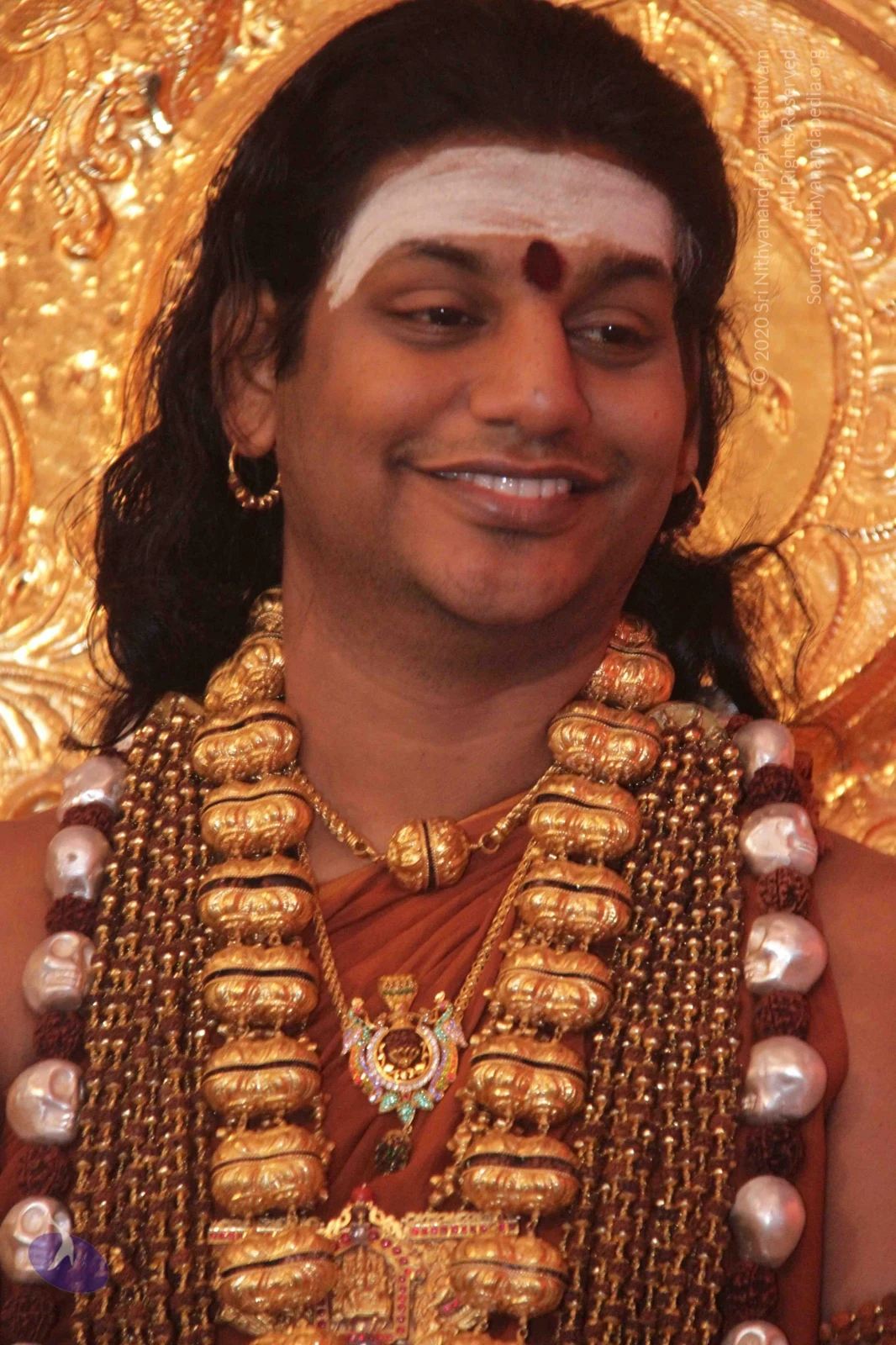
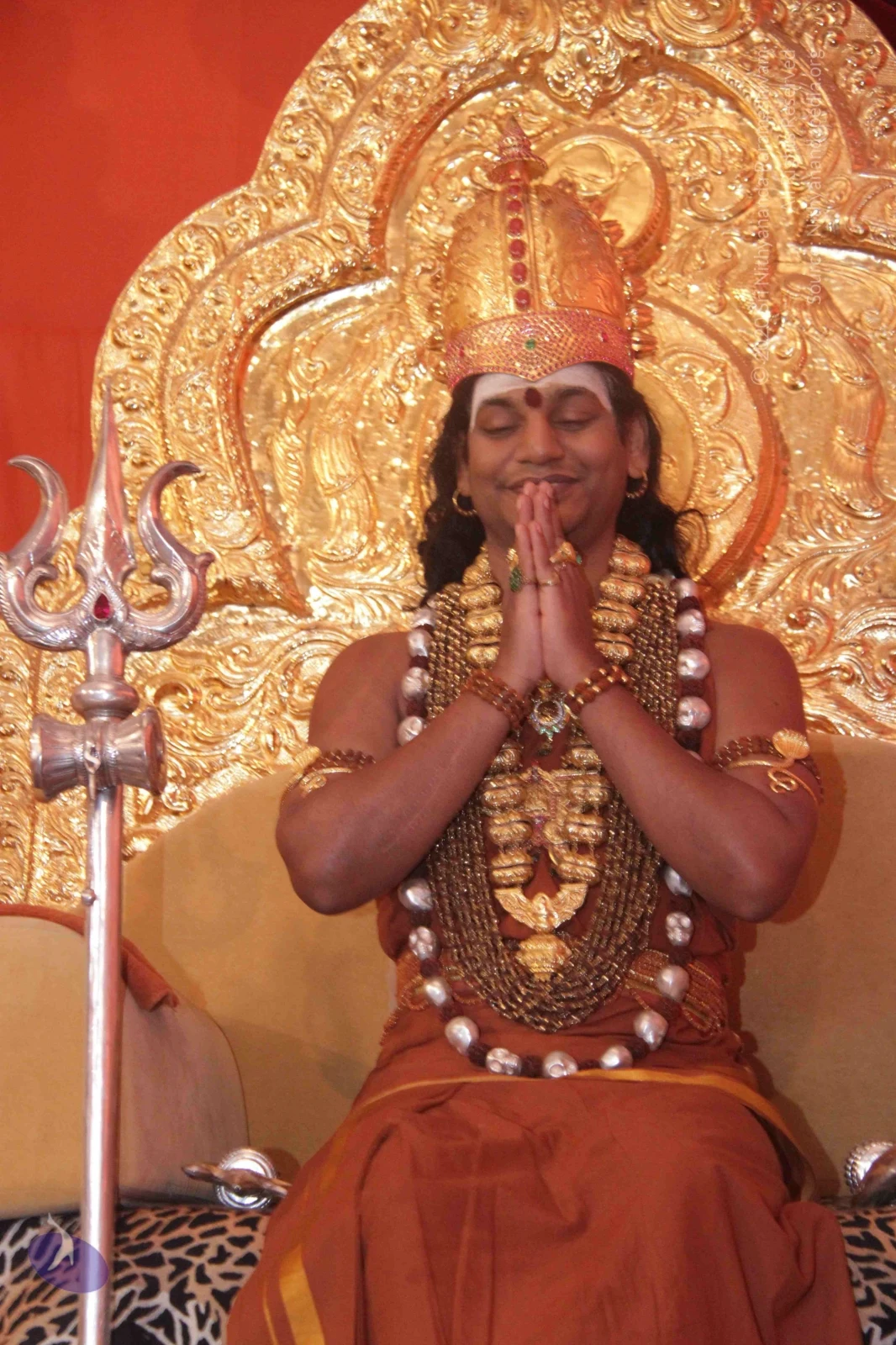
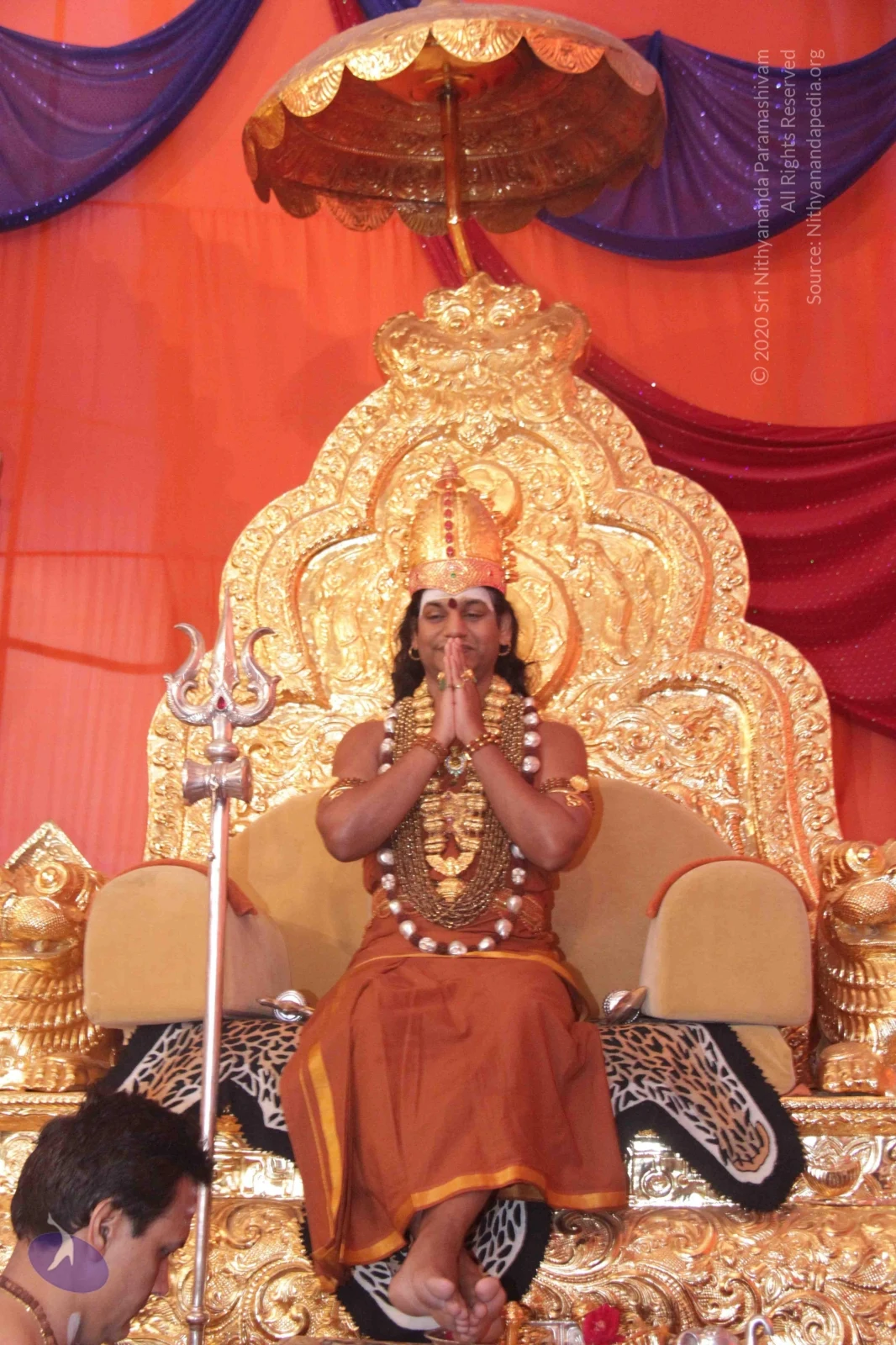
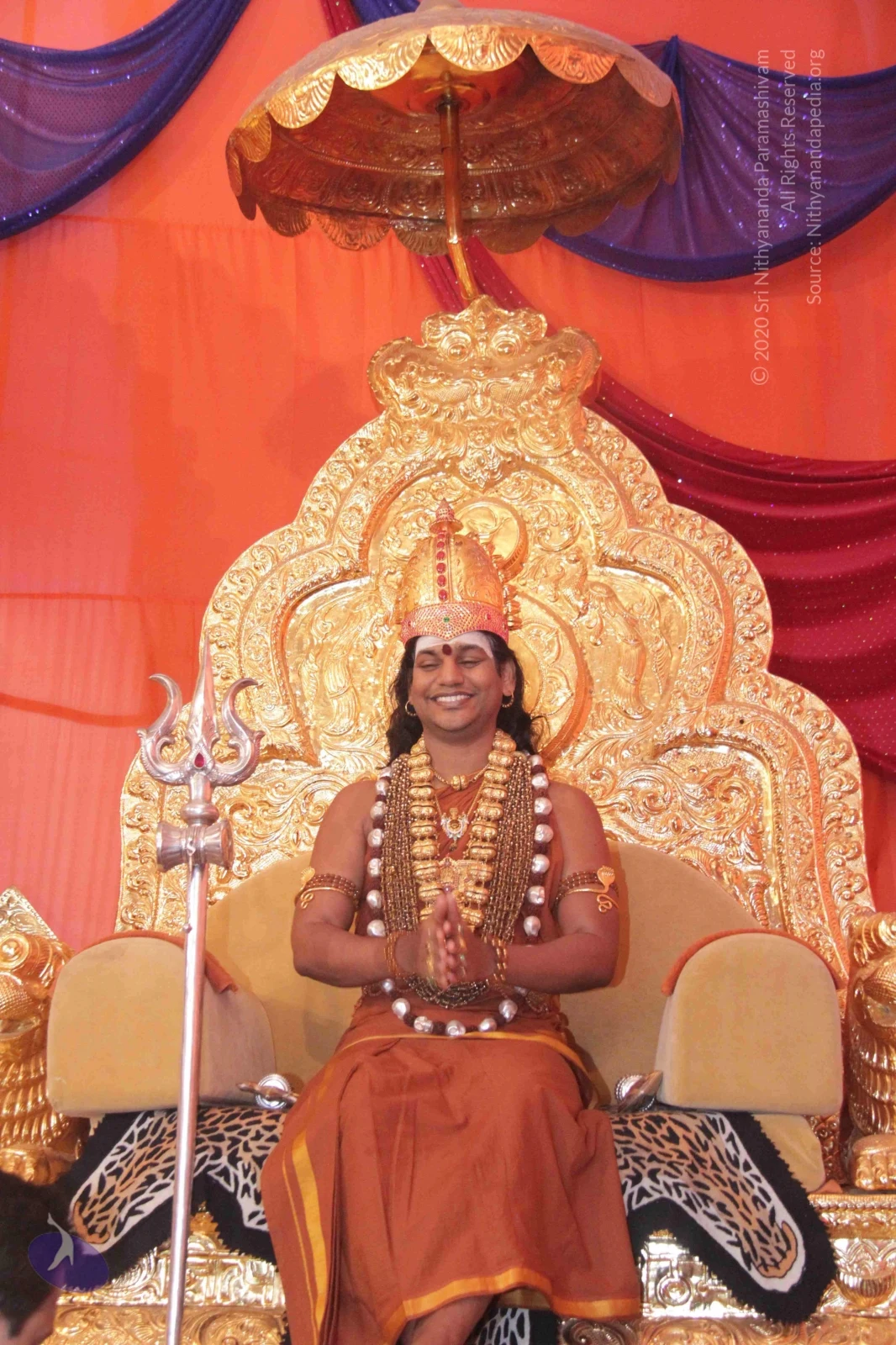
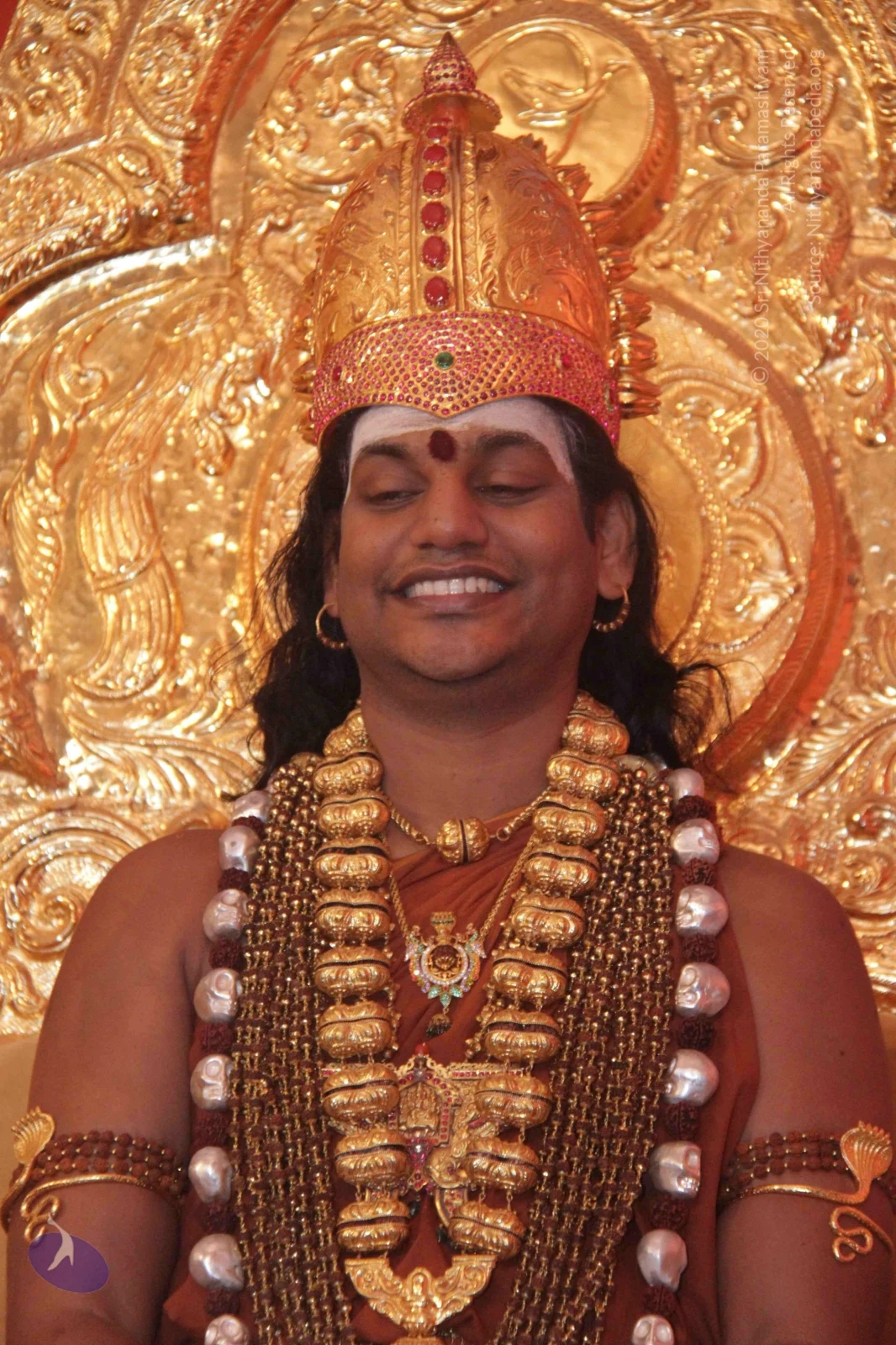
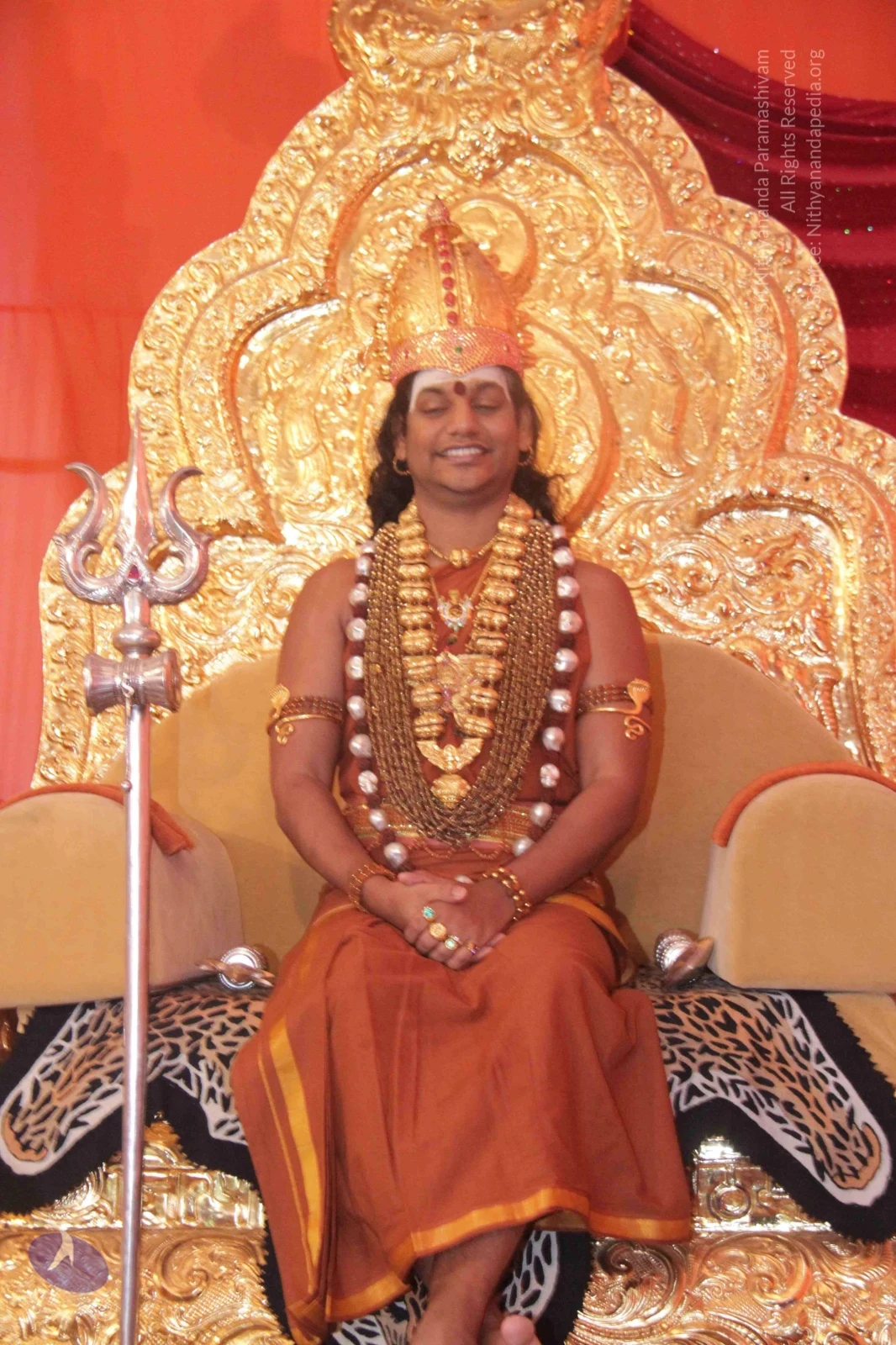
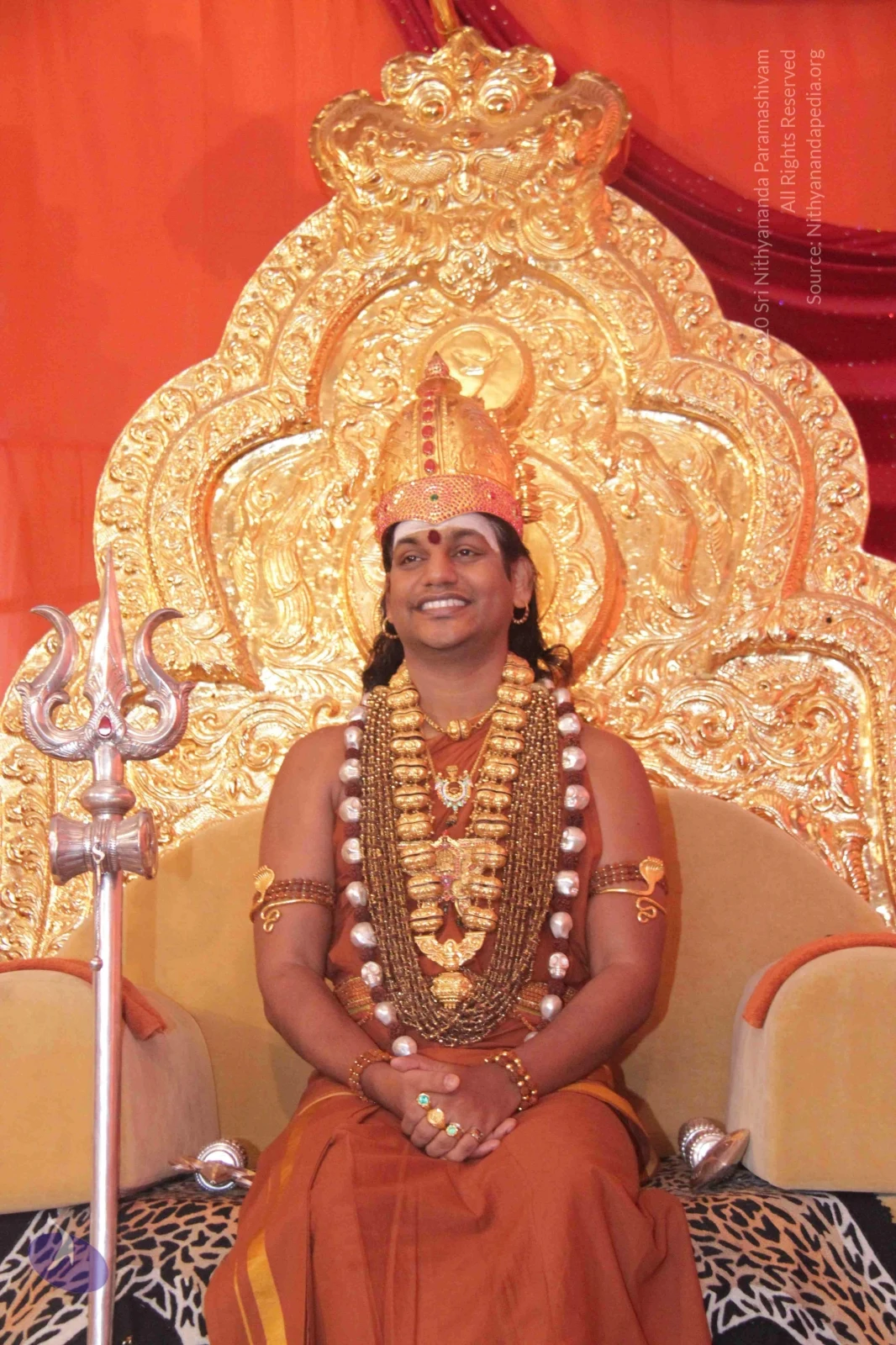
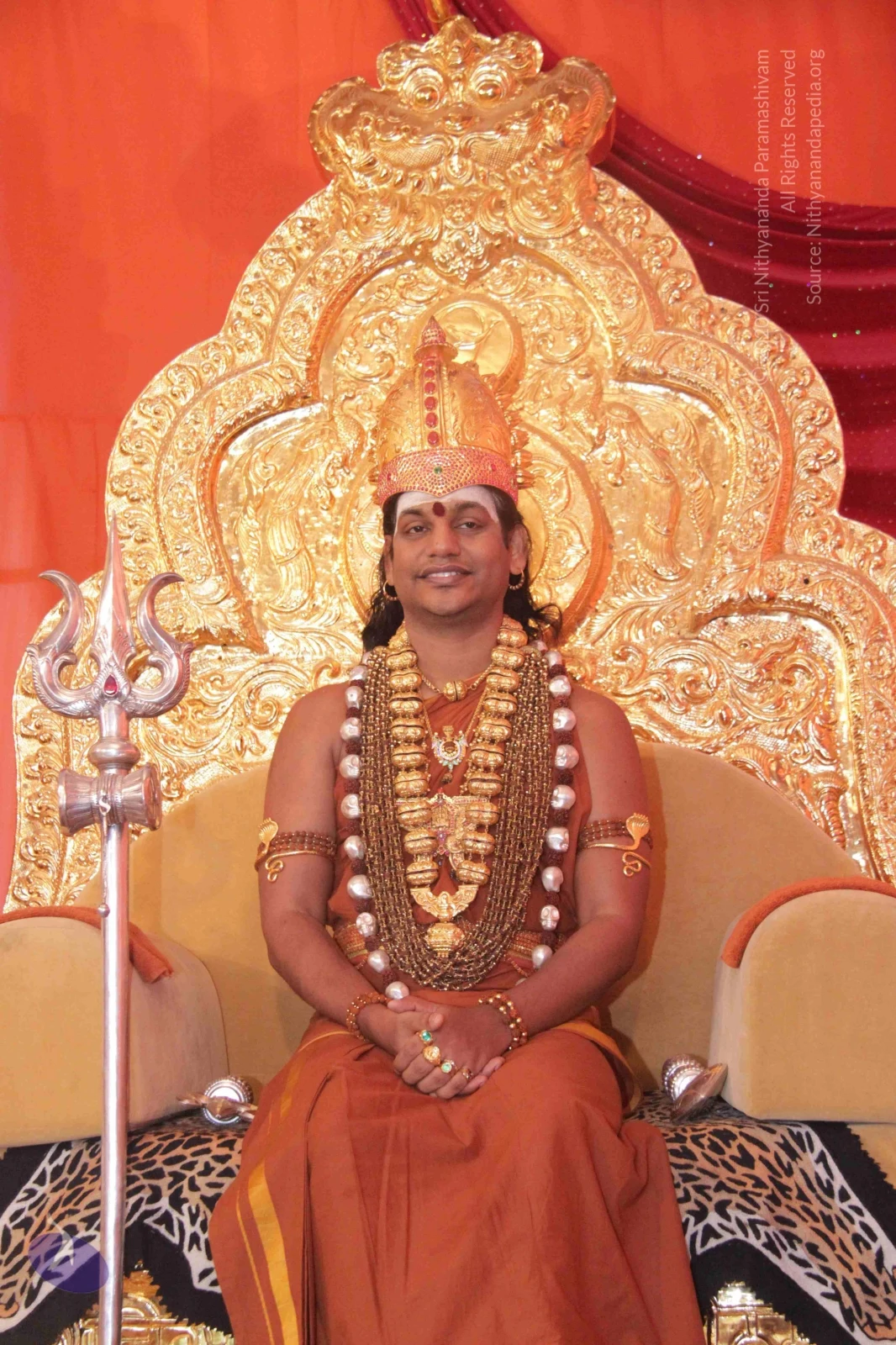
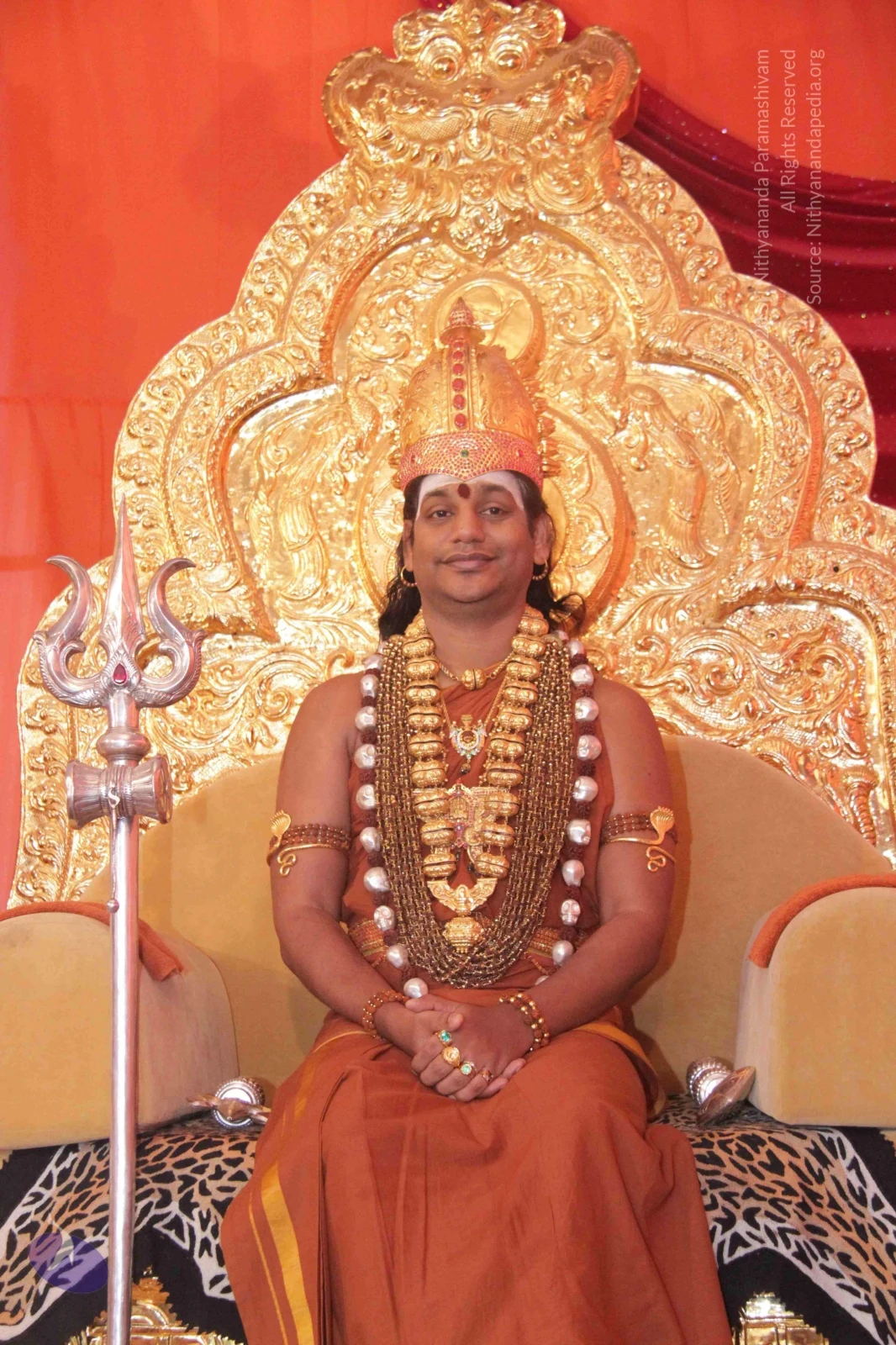
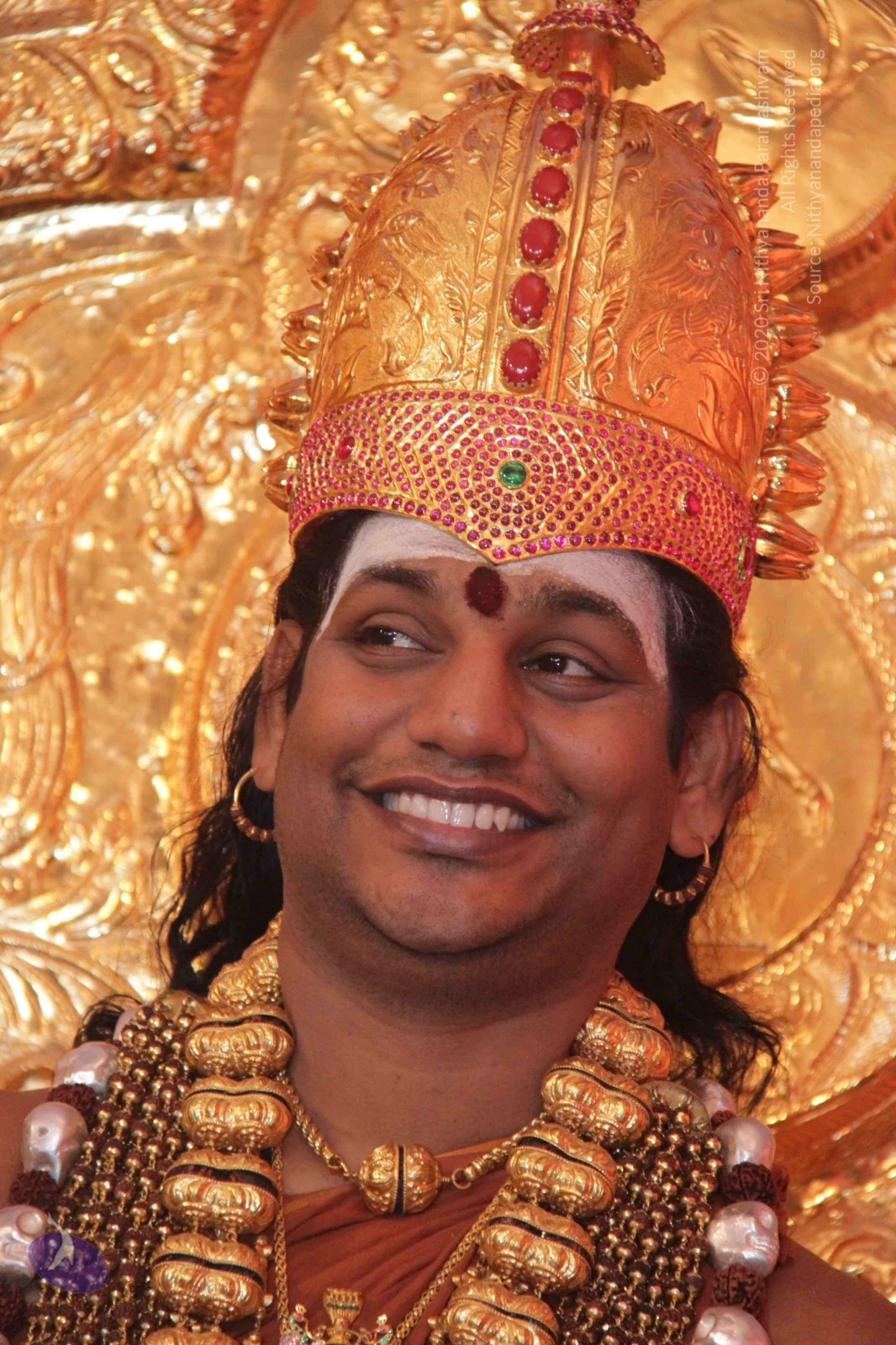
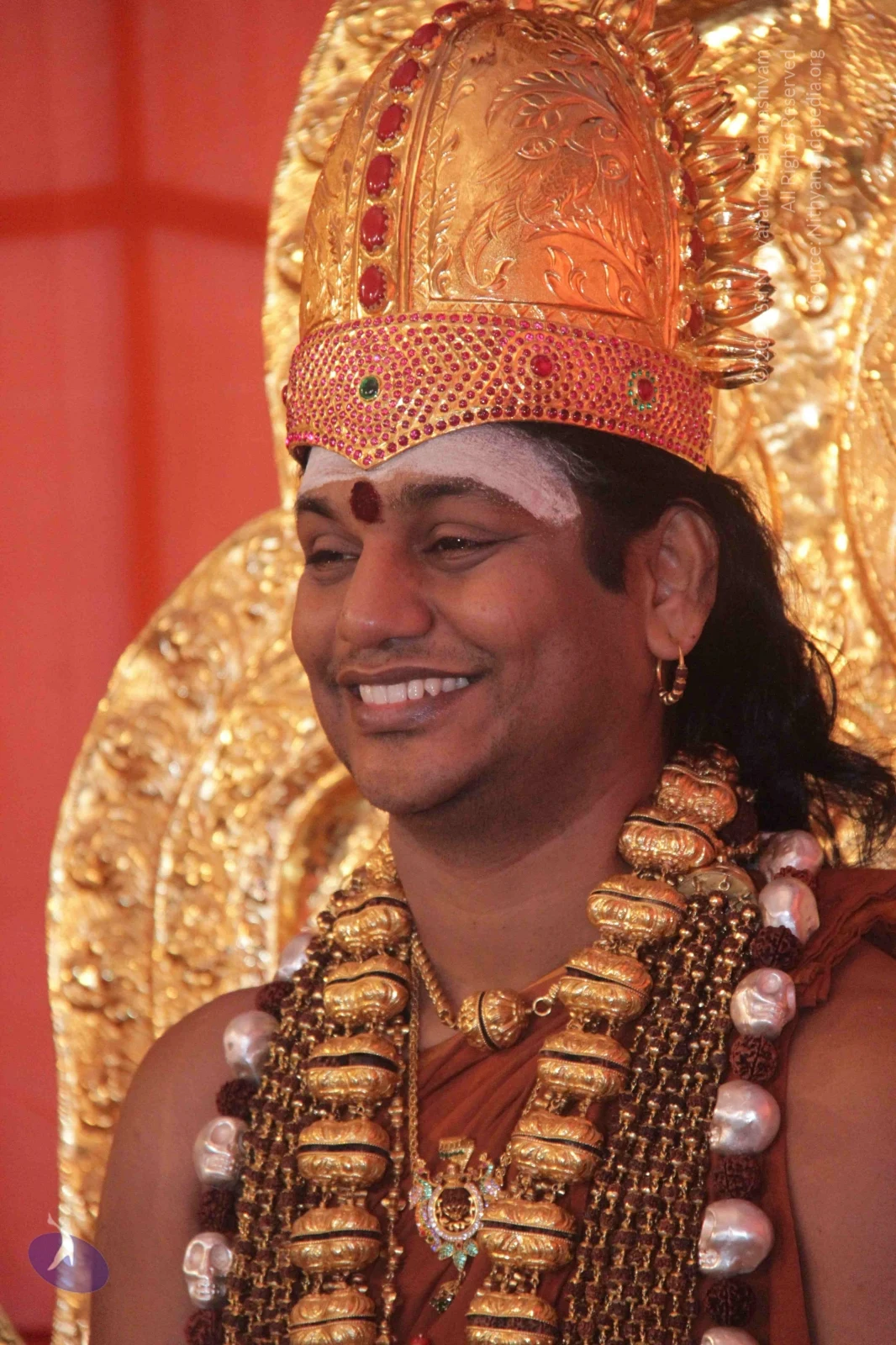
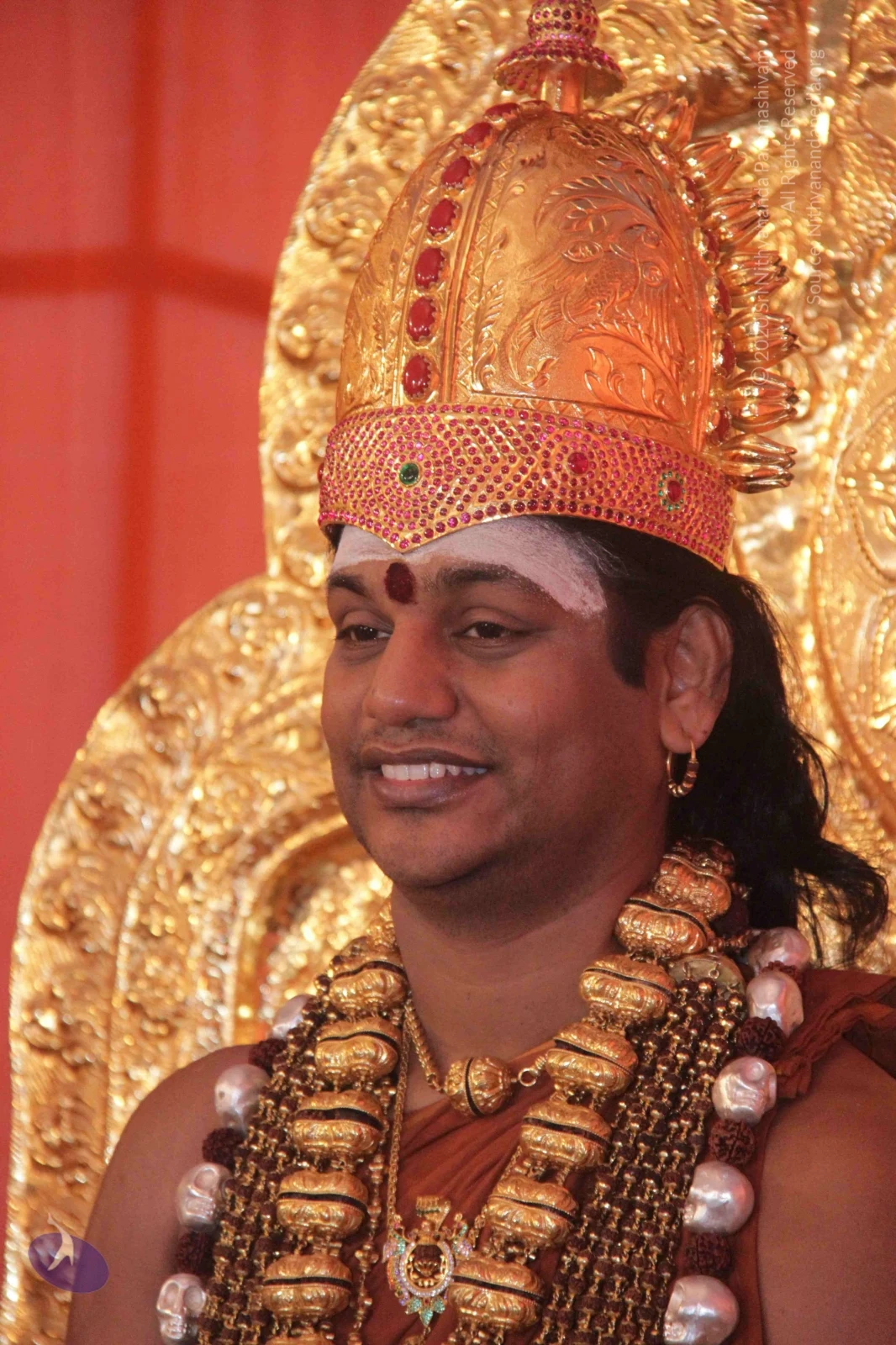
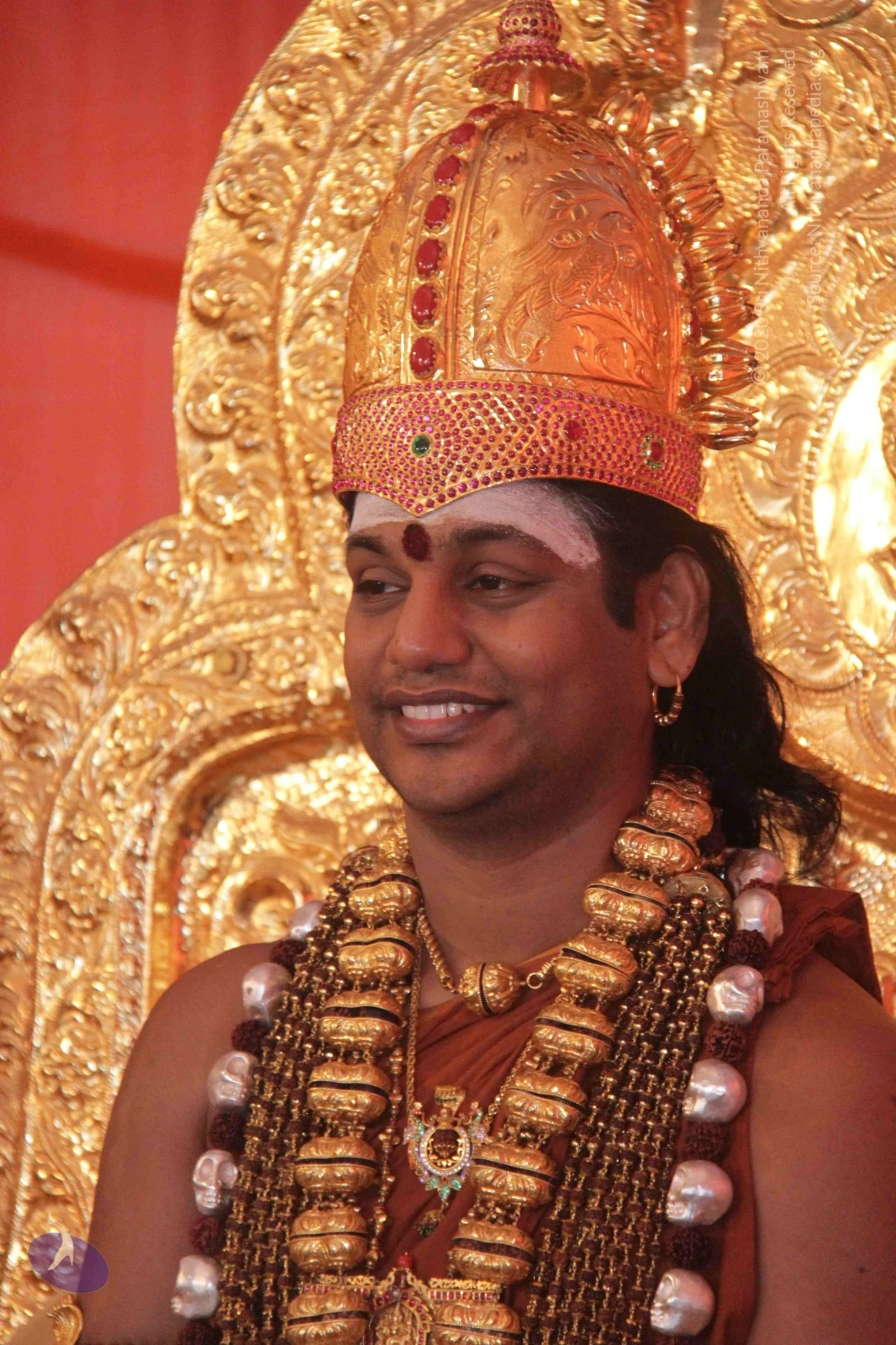
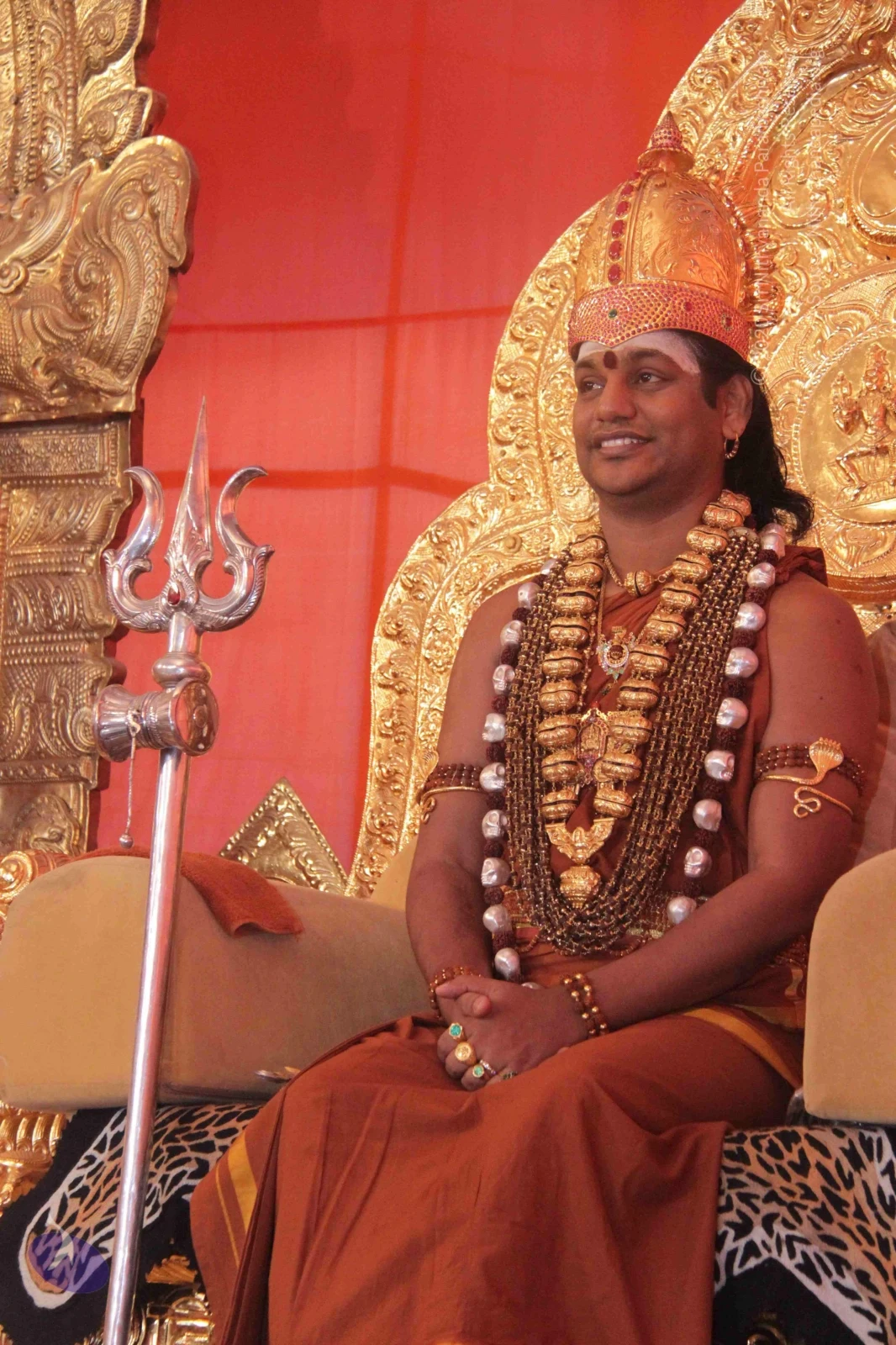
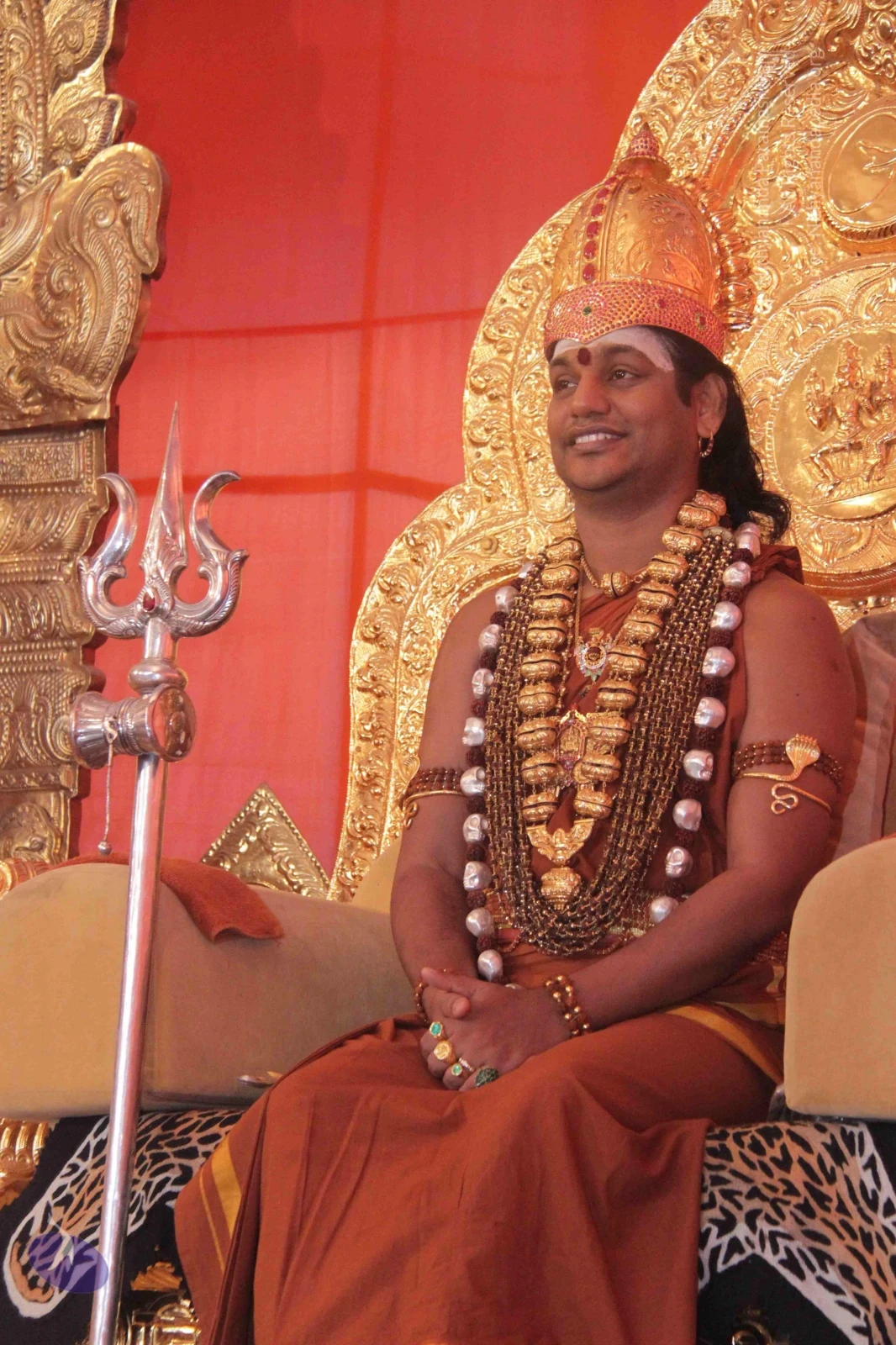
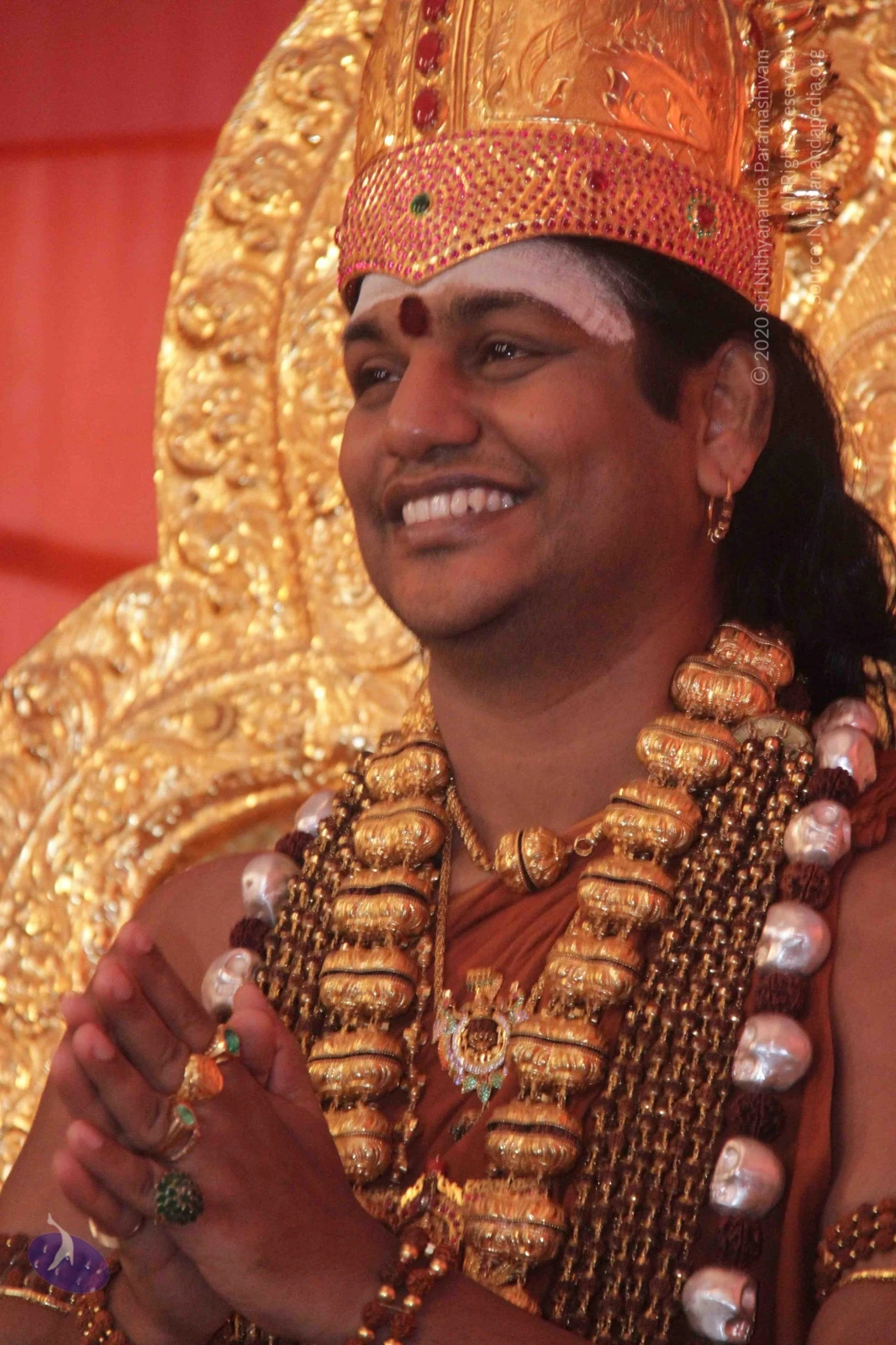
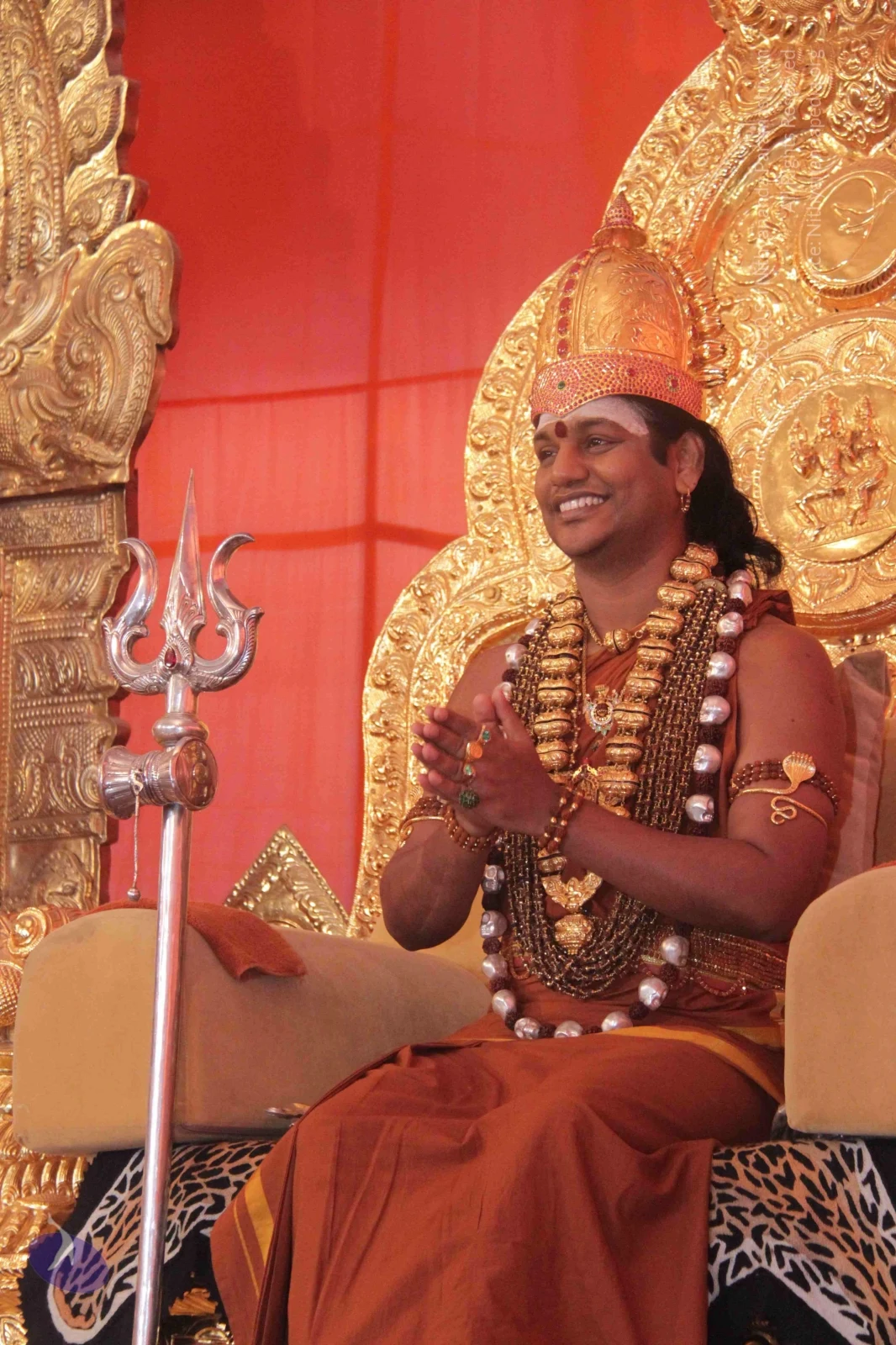
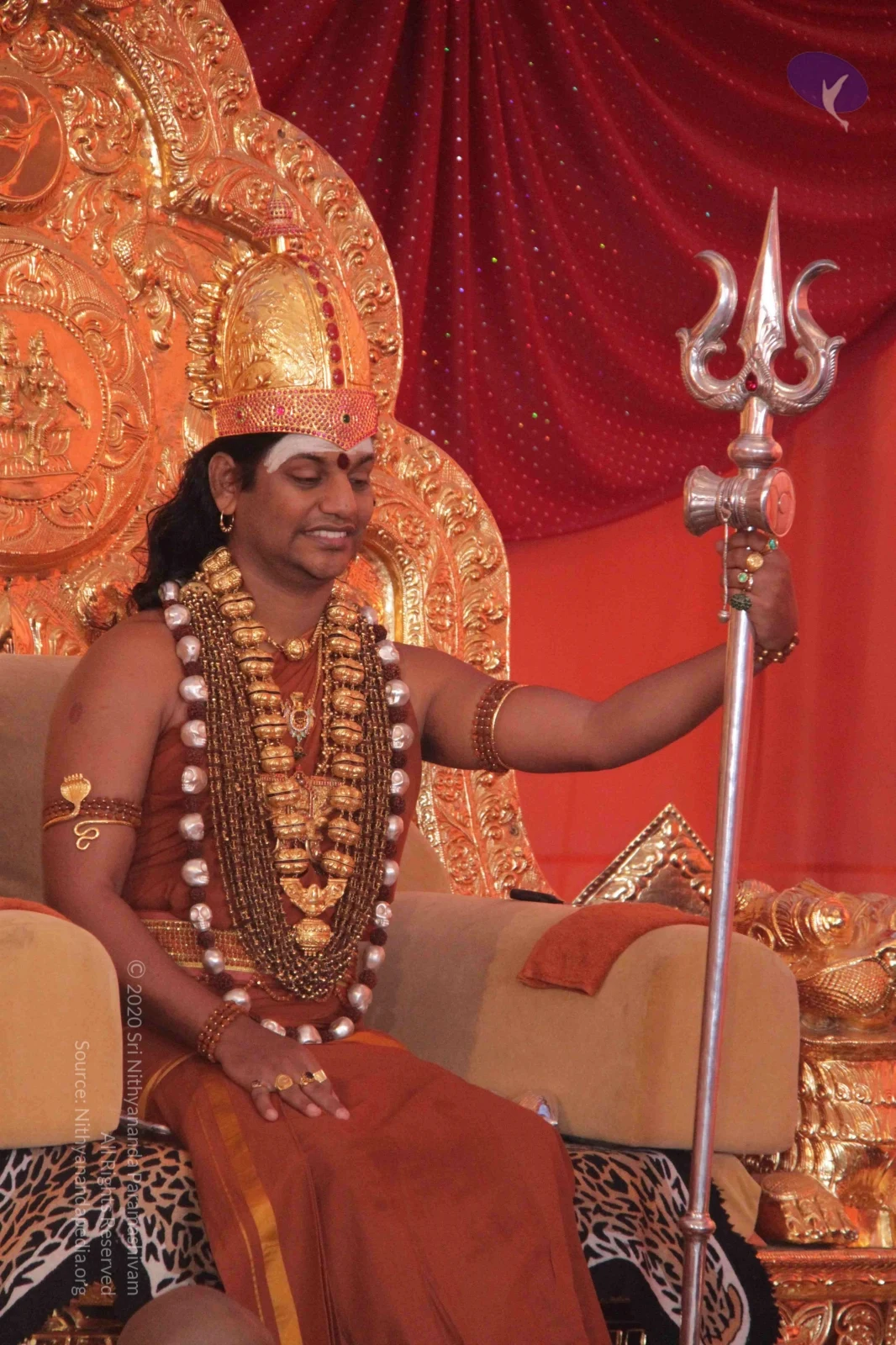
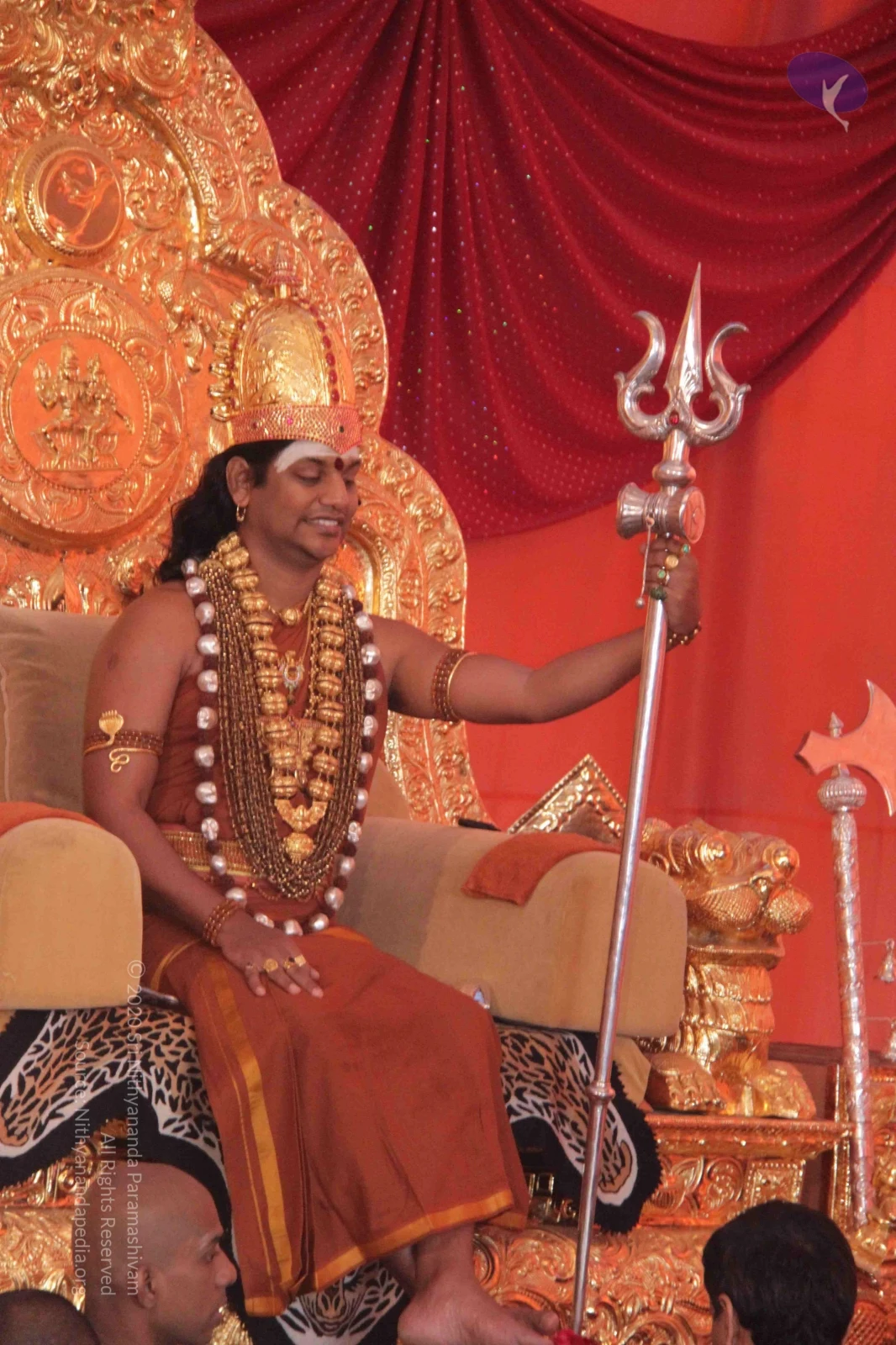
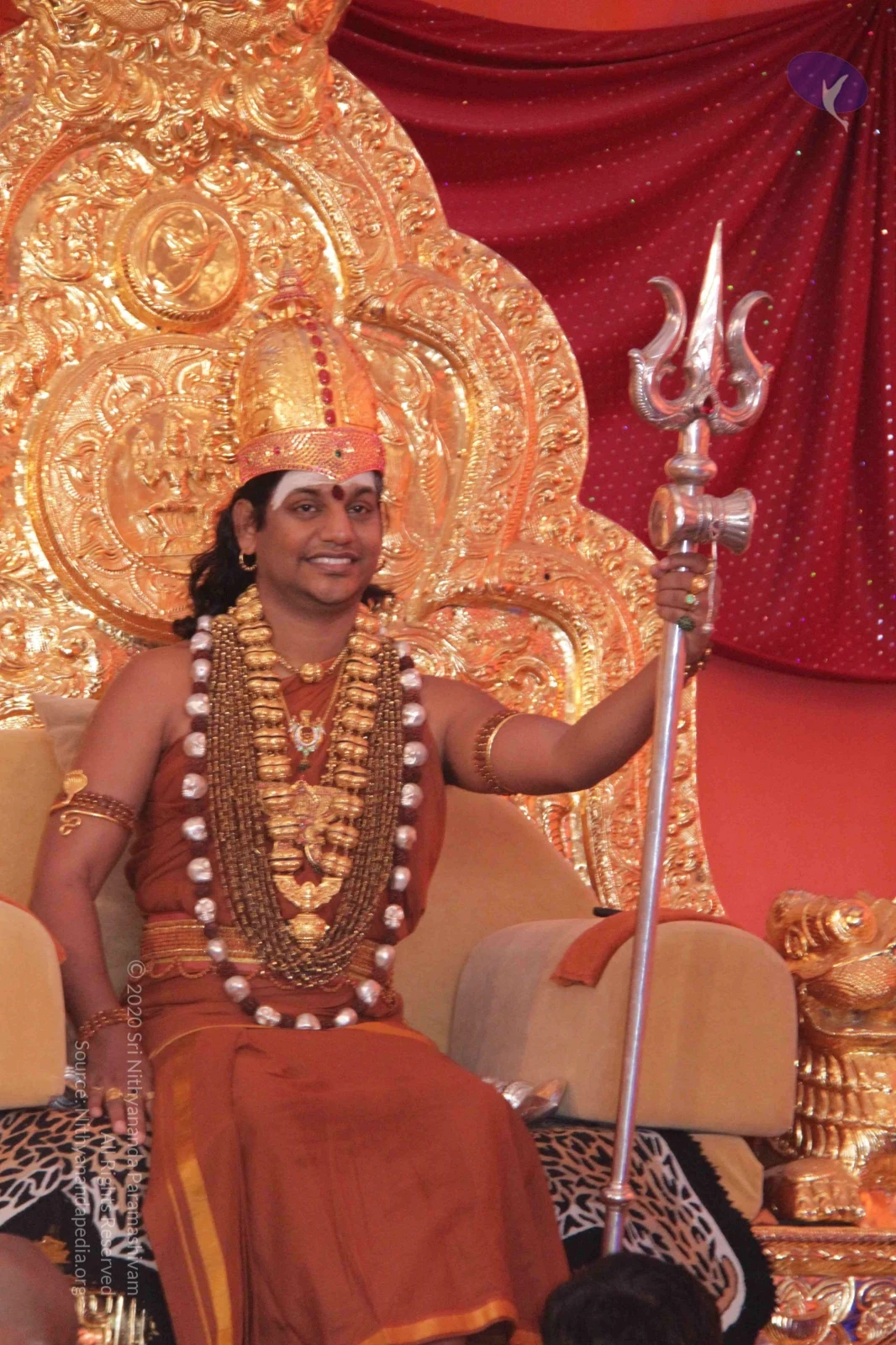
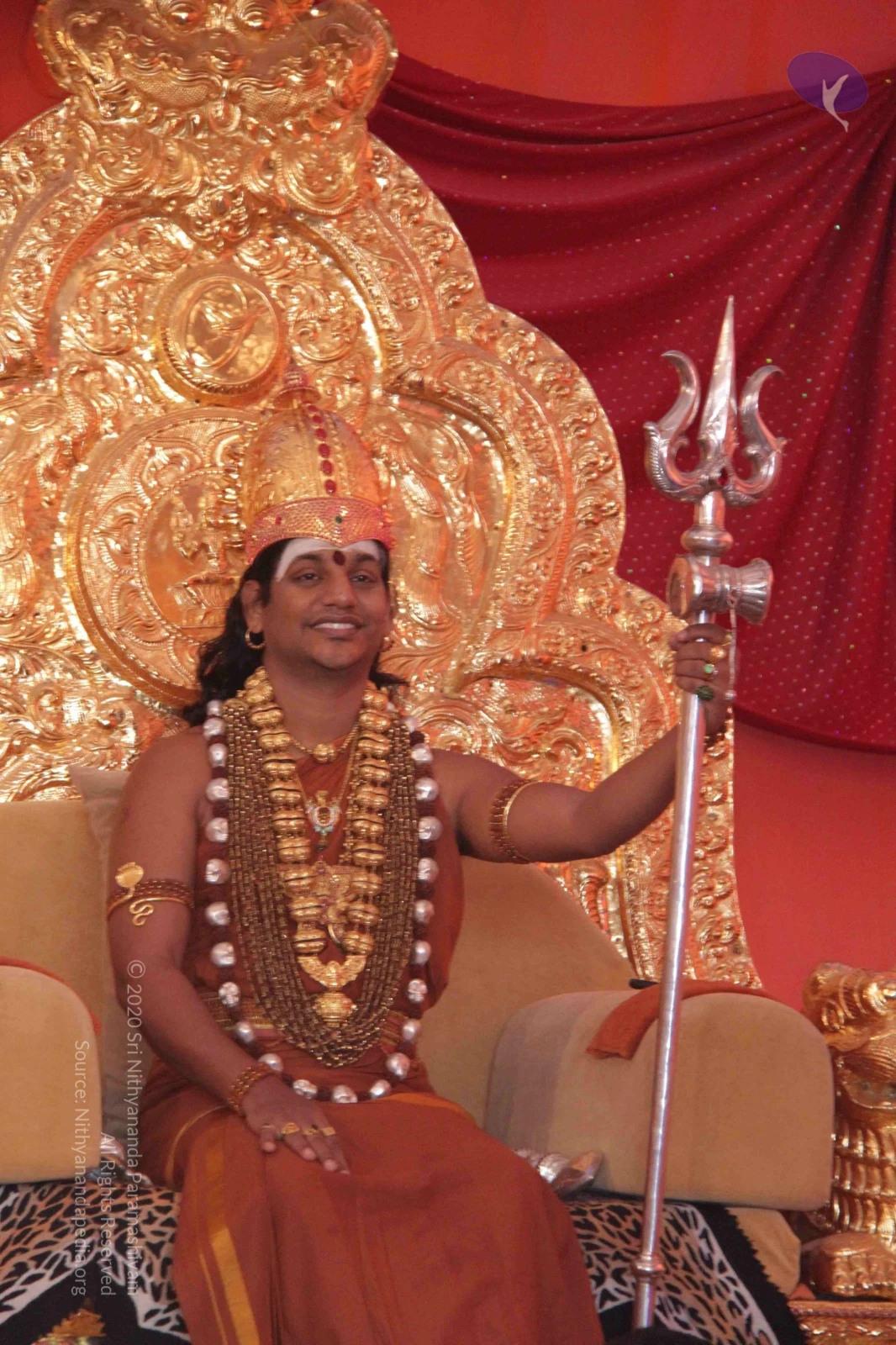
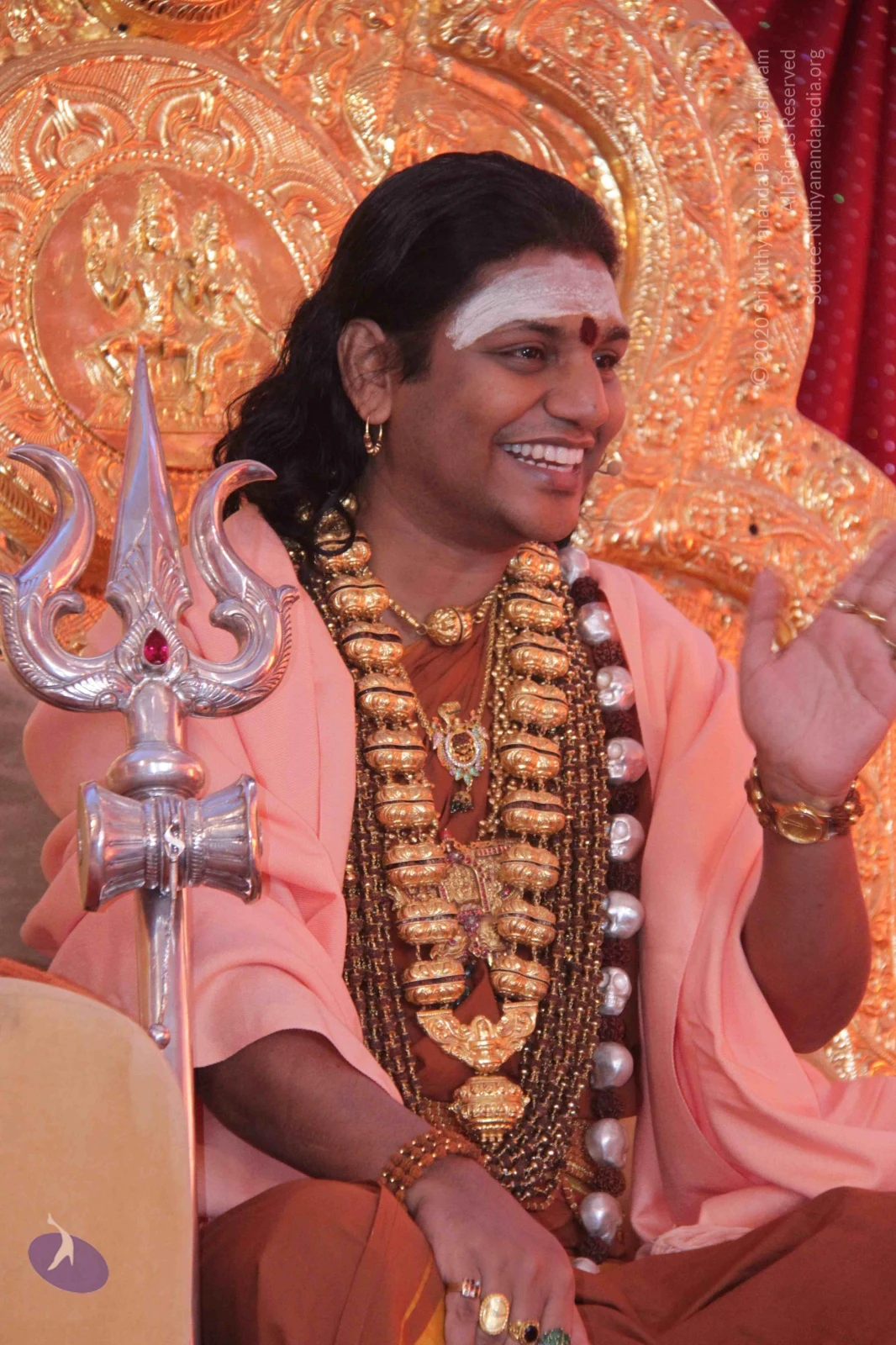
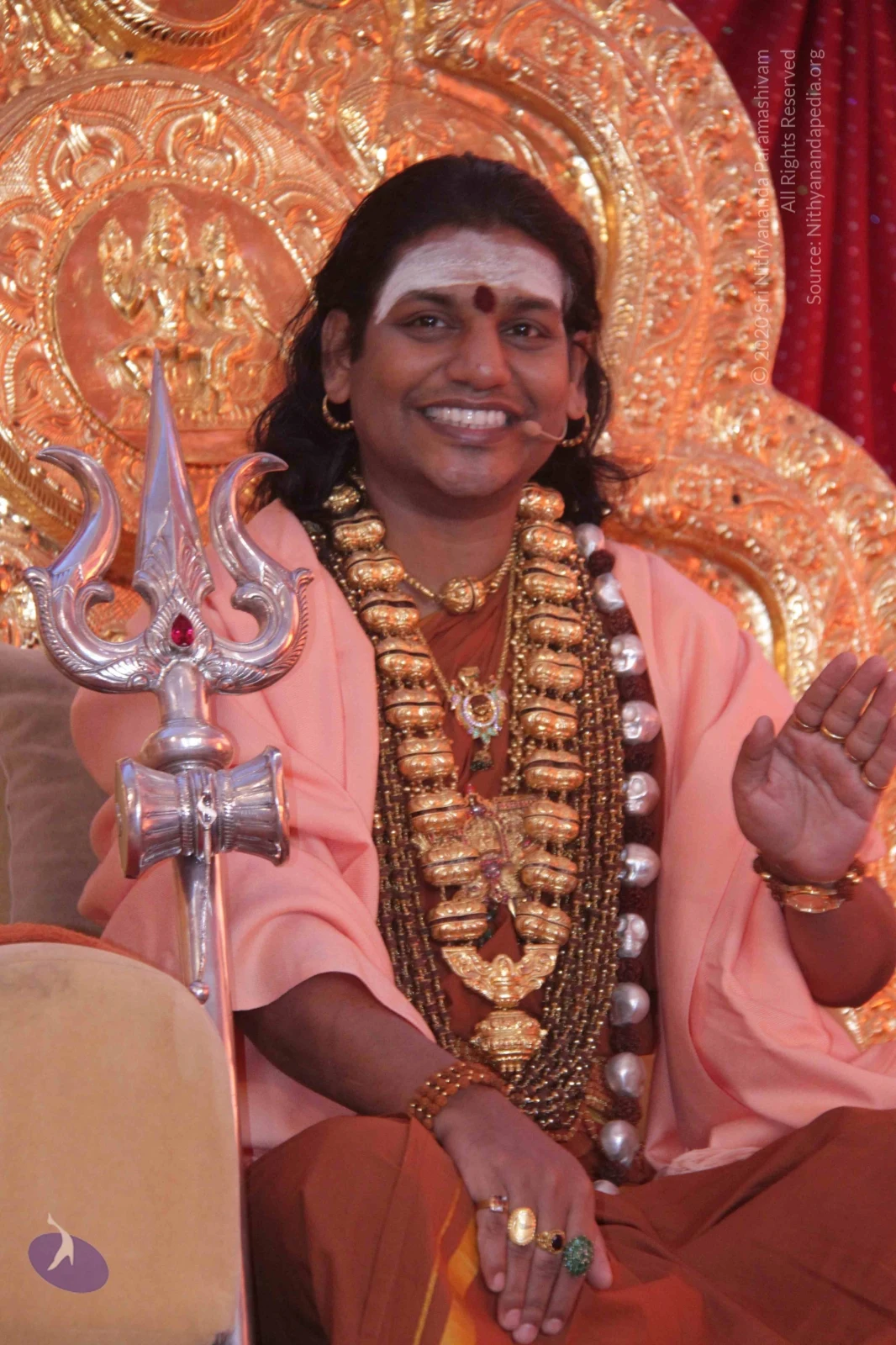
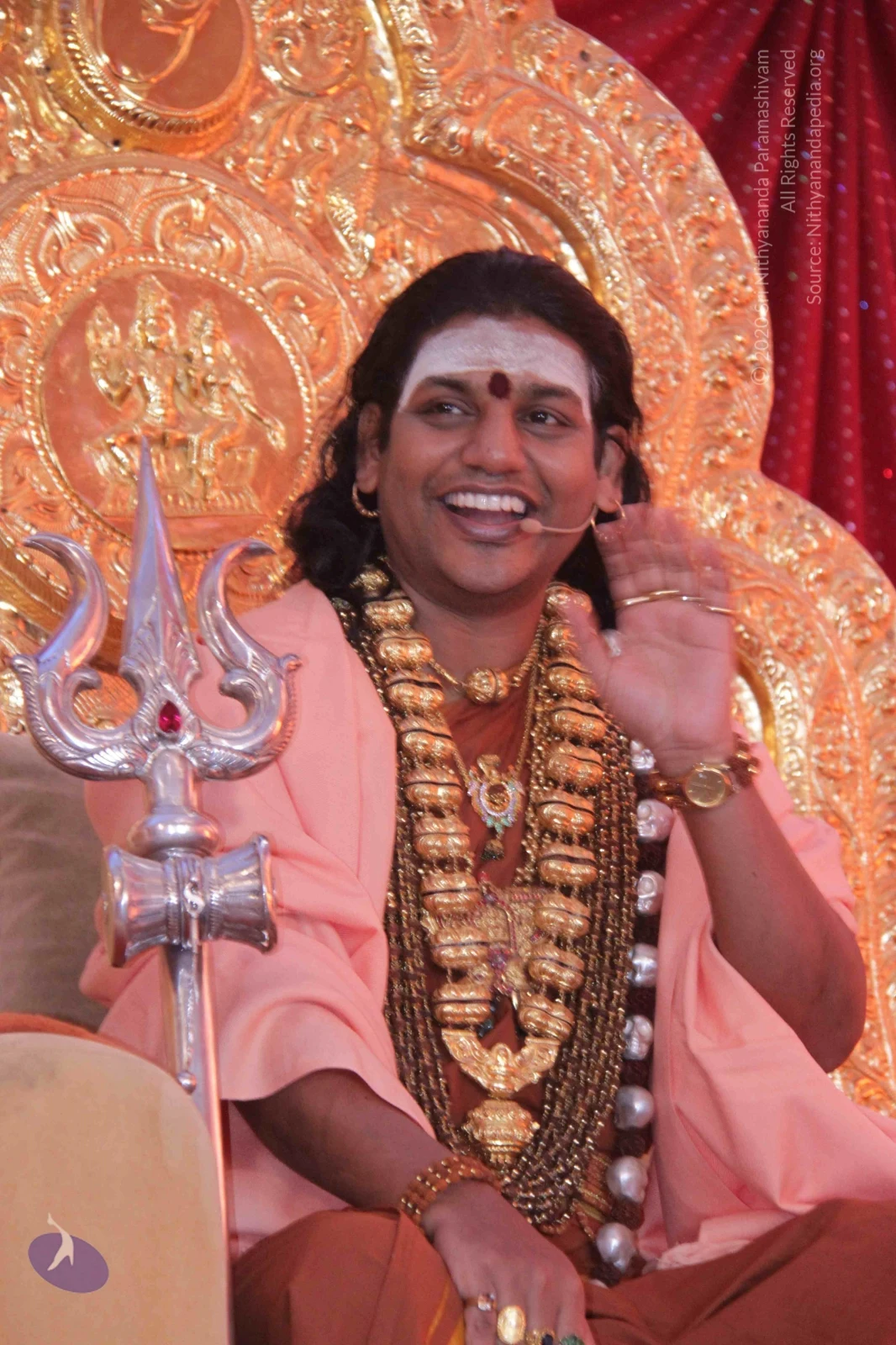
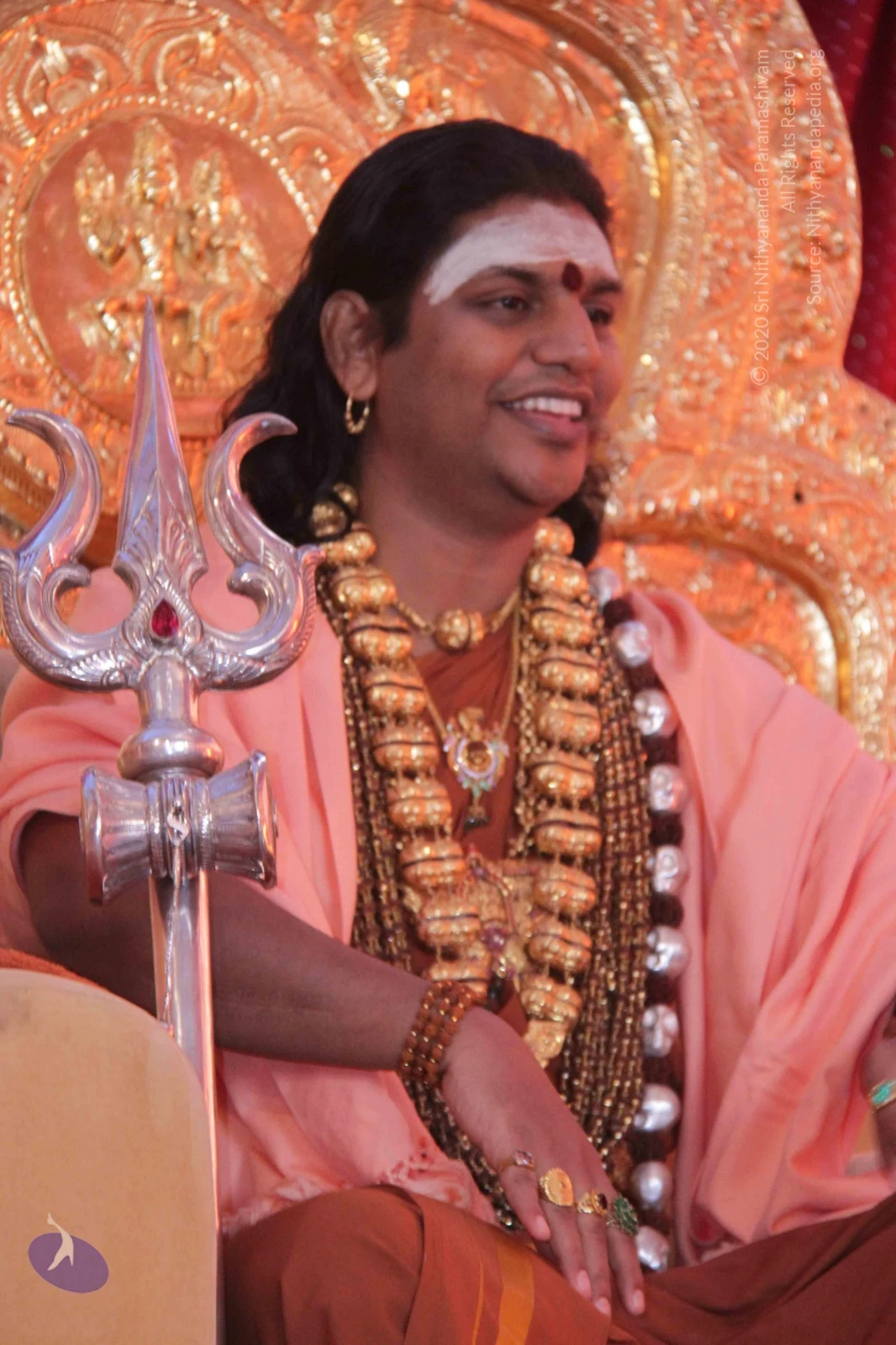
Photos from this day
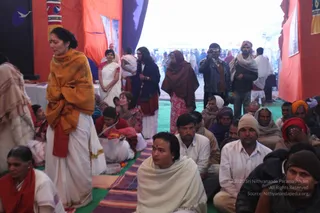
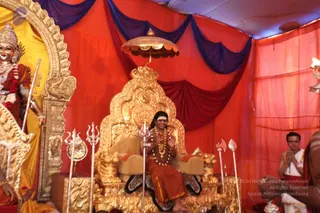
View all 572 photosMorningSatsang
174 photosSource gallery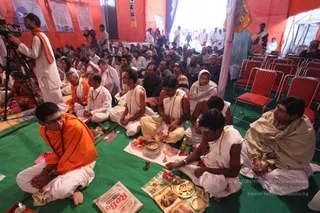
Annadaan-Kumbh mela events
47 photosSource gallery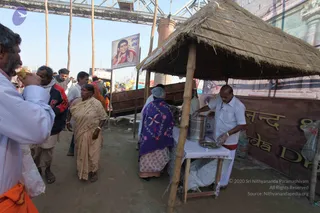
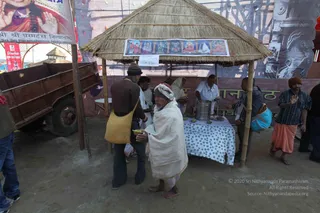
Morning Satsang and Pada puja
98 photosSource gallery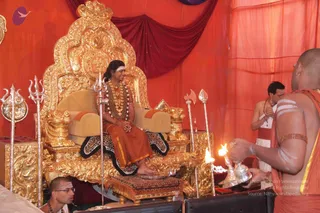
MedicalCamp
22 photosSource gallery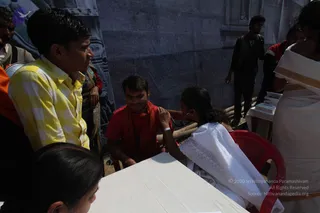

HindiSatsangs
26 photosSource gallery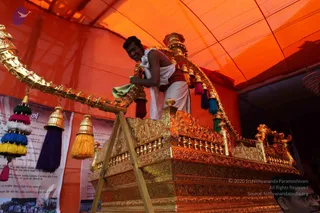
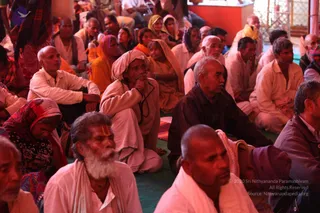
GeneralDocumentaryPhotos
10 photosSource gallery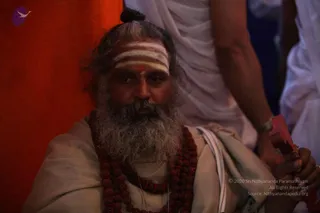
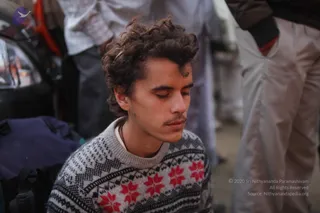
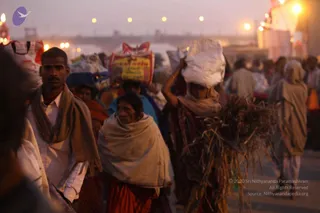
VIPVisits
68 photosSource gallery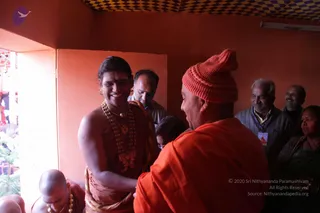

Hindi-Satsangs
3 photosSource gallery
Morning-Satsang-and-Pada-Puja
52 photosSource gallery