Wednesday
2 November 2011
- Dated photos
- 133
- Source pages
- 1
- Media
- 4
November 02 2011
Original wiki pageTitle
Boycott Your Depression! Bhagavad Gita
Description
Bhagavan Sri Nithyananda Paramashivam demystifies the Bhagavad Gita giving powerful cognitions to overcome depression
Link to Video:
| Video | Audio |
Transcript:
I welcome you all with my love and respects.
Let us enter into today’s Satsang.
In Bhagavad Gita, 2nd chapter, 61st Verse.
Taani sarvaani samyamya
Yukta aseeta matparah
Vashe hi yasendriyaani
Tasya pragnyaa pratishthitaa
Having subdued all the mental patterns, you should dwell filled with devotion to me. He worse overcome all the mental pattern is said to be established in the state of eternal bliss.
You see the authority with which Krishna is talking.
A logical man a rational man when he reads this verse he only feels wow! How egoistic this Krishna is? Because he says matpraha - devoted to me that is the key word in this whole verse. Importance of feeling connection. How the feeling connection to something which is higher than you, nullifies all the constant harassment you go through from your body and mind.
Please understand just before the Satsang I was reading a question from a devotee. The person is telling. Swamiji after all a physical pain. It is so solid, it constantly reminds itself. It is so strong. How to un-clutch from it. It constantly reminds itself to ask.
Understand there are problems which may not be solved by un-clutching, will be solved by feeling connection. That is why I always warn you, people with whom you connected, you should be very careful. If you are friendly with a person depressed, I tell you knowingly or unknowingly that person will vomit the depression on you. If somebody is depressed boycott that person. No. I am giving you as a spiritual instruction. Don’t ever think that you will show and shower your compassion on the person, shower your love on that person, get that person out of depression. Try. You only will become dirty and comeback. You are not that strong. If you are that strong then you don’t even need to talk to that person. Your presence will get that person out of depression.
No I am telling you really because lot of this effort of getting the other person out of depression goes on all over. I wanted all of you to know the problems which you can’t heal, the pains which you can’t get out by un-clutching , get out only by the feeling connection with something higher than you either God or Guru and ensure that you don’t have feeling connection, you are not entertaining friendliness with the people who are depressed or the patterns of depression. See the people with patterns of depression are arrogant, I tell you. It is not ignorance or innocence. It is a crime. It is a crime. Arrogant. Because they are arrogant. They will naturally infiltrate you, even if you spend little time with them. I always warn.
There is a beautiful teaching from Sivaramakrishna: I always warn the disciples, warn the followers. If your spouse is in depression, don’t try to get her out by yourself. . If your friend is in depression, don’t try to get him out by yourself. He will only put the depression mental set-up in you. Help them to feel connected to something which is higher than them. God or Guru. Stop with that. You don’t try. You don’t meddle with it.
One more thing. Especially a man trying to get a woman out of depression or a woman trying to get a man out of depression, is very very dangerous. Because when man sits with a woman or a woman sits with a main, understand, even if the age difference is 50, a 15 years old boy sitting with the 65 years old lady, I tell you your Mooladhara will be open. By the very biology, your Mooladhara will open. If the 65 years old lady put some idea to you, when you are in the mood receptive, you are destroyed.
Never ever sit with the person who is depressed. Never ever try to get the person who is depressed, out of depression. All you can do is connect that person with the higher source – Guru or God and move out. If you try to clean the drainage, you will become dirty by getting into it. The only way to clean the drainage is put the pipe and put the motor. Let the machines do the job.
I have seen so many fellows. Ramakrishna used to tell this. Even in the name of compassion or helping or assistance. See Ramakrishna had one disciple -Yogananda. He is a small boy. One elderly lady around 45 or 50 she used to be always depressed and this boy will try his best to get her out of depression by telling whatever ideas that he learnt from Ramakrishna or trying with all the ideas he learnt. She will also treat him like a son. Ramakrishna calls and tells “No No this is the way it will start. You don’t know how it will destroy you. Her pattern of depression will simply infiltrate you and not only that this sympathy which you can’t help, will extend to any extent any level and you will take up this as your mission – getting her out of depression as your mission. With that you will fall into the depression”. Ramakrishna says very clearly. Then Yogananda says” No No No. I only see her as my mother”. Ramakrishna says “No. I know how the mind works”.
In Chaithanyar’s history, Sri Krishna Chaithanyar, a great master from West Bengal, in his biography, one of his close disciples, he kicks him out of his Sanga for only one reason he was sitting and talking with a woman. That’s it. Nothing else. He investigated. He said “No No No. She is in depression. I wanted to help her out”. Chaithanya said ”Mahaprabu, don’t do. Put her in directly touch with Guru or God. You leave. Don’t do”. But this fellow did not listen. He said compassion is more powerful than Guru. Two days he kicked him out and in a month both of them started having affair. In a year both of them killed each other. She gave poison to him and without knowing he has taken the poisoned food, he has murdered her. She gave poisoned food to him. He ate. He did not know. He ate the poisoned food. He was waiting to kill her. He killed her. The he died.
That depression mental set-up is worse than a snake. Run away from it. Because it will penetrate you very mildly only. It will be shared, dumped. And these depressed fellows are also so arrogant. They don’t want be all alone in depression. They want friends. They want friendliness. They want more and more support for their depression.
What will be reason for depression especially in spiritual community. Fighting with Sanga, fighting with Master fighting with darma. That’s all. Fighting with Buddha, damma, sanga that’s all. That is the only reason for depression. Arrogance. You will justify your fight. You will justify it in a very logical way, humble arrogant way. I know it is my arrogance, it is my ego. Then why why it should be all only one solution for everybody. Why can’t we have different different solution for different different people? When you know you are arrogant and depressed, get-out. What right you have to judge the methods used by the master?
Understand depressed fellow is not just sick fellow. He is a sin fellow.
The only way for the extraordinary pains, the pains you cannot handle by un-clutching, can be healed by the beautiful word – “Math Paraha”. Bagavan is using this word as a technique. He spoke about un-clutching in his last few verses. Now he is telling whatever can’t be healed by the un-clutching, the only way is “Math Paraha”.
“Taani sarvaani samyamya Yukta aseeta matparah Vashe hi yasendriyaani Tasya pragnyaa pratishthitaa”
Whether you believe it or not; whether you want to understand or not, you are a person, you are a individual sole, reflecting pure consciousness. And you have to get up. that’s all you have to wake up that’s all.
I have seen in Indian villages, even the people who have grown up to the age of 50 and 60 will be playing with the school boys in the street. No really. In my village we had one fellow like that. He is called as “Mandu Mama” His nick name was “Mandu Mama” means “dump uncle”. That fellow was atleast 50 and he will be sitting in the road side with the school boys and plays dice with them. With the small glass balls kids will play in the ground. In the street corners. He will play all that with them with the kids and no work from morning till evening.
It is not a beauty or grace. See if you play one day, ahah, common let us play with the children, one day if you play that’s okay. Grace. That’s a beauty. Your ability to come down from your state, humbleness, but whole day no other job except doing this with the kids. You have to wake up. Now you are 50. You can’t be doing the same child play. All depression. Child play. If you are having it once in a while, it is graceful. Okay after all I also wanted to see the human side of me. But if that’s what your mental set-up and life, then you are a Mandu Mama. Nothing else. The whole village used to call him “Mandu Mama”.
Understand let the depression not be your life-style. Let the suffering not be your life-style. I wanted all of you to know feeling connection to the right person is the only way. Take care your feeling connection, your friendliness does not happen with wrong people, depressed people, people with the depressed pattern. You will simply swallow that pattern. I tell you.
Actually with this rule if you see, you have to be completely not cherish friendliness at all with anybody. That is the truth. Friendliness is only for God. With all other people smooth flow of life can be maintained. Smooth flow of life is different, getting involved is different. Don’t have friction. That is it. Or add the friendliness which only gives “never accepts” patterns. But unfortunately you are not that conscious. Once you start sitting and chatting, you imbibe their patterns. Constantly remembering you are alone, you are alone, you are alone, you need to stand for what you took up as a mission. Devoted only to the higher source is life.
The problem is the depressed fellows will talk exactly in my words their version. Edited by ___ ____ . That’s all. It will be booked by Paramahamsa Nithyananda, but edited by somebody else. That is the most dangerous thing. All the words and sentences will be almost I would have used in some satsangs, some discourses, somewhere. But they know how to cut and paste and edit. Expert in editing. That’s what it is a daemon court’s bible, devil’s. Not only having the pattern and vomiting the pattern on others.
“Taani sarvaani samyamya Yukta aseeta matparah Vashe hi yasendriyaani Tasya pragnyaa pratishthitaa”
Having subdued all mental patterns, you should dwell filled with the devotion to me. He was overcome all the mental patterns said to be established in the state of eternal bliss. Why you don’t want to overcome. Overcome and don’t want to overcome.
See just yesterday, I was healing one of my disciples, she was having intense pain all over the body. I put my hand on her head and blewed the air as usual. Intensely her kundalini was awakening, but the muscle memory was telling me as if I am killing that muscle memory. No No No. Don’t kill me. Don’t kill me. Because the muscle memory associates itself its existence with pain. Worst physical pattern is Arthiritis. Worst mental pattern is depression. Then I blew 2, 3 times. You know the worst thing, that bio-memory has recorded my blowing and kundalini awakening as a anger on me in her. Of course I blued once more and removed that anger.
See when you associate yourself with the pain, what happens I am telling you. This example I am giving you is from Arthritis. It is not from depression.
Let me describe exactly what happened. The person is suffering with the heavy pain and came to me for healing. I put my hand on that person, blewed, as usual how I heal, and the kundalini got awakened and the body was getting healed. But this bio-memory does not want healing. Because it feels strongly associated. It feels it can survive only with pain. Pain is its existence. But I did not wait for that and I blewed once more. Then the kundalini got completely awakened and the pain is dead. But during the death, that pain is leaving a record of anger against me. But of course fortunately it was not mind it is only body, I blewed once more and killed that record also. But with the depression same way when I destroy the depression, your depression leaves a note in you, anger on me, you carry that anger and vengeance.
That is why I tell you, even on me if that depression is leaving a note, it is like a leaving suicide note. You want die. But you want to take revenge on 2,3 fellows. My husband tortured me for dowry. My mother in law tried to kill me. My father in law tried to rape me and because of all these things, I am committing suicide. Please hang all of them also. Anyhow you are going to die, but you feel why should I die all alone. Let me torture all of them and die. Like a suicide note.
Your depression leaves a suicide note. That is the most dangerous. Understand. You associating yourself with your depression, even I cannot help you. That is why I am telling you, don’t try to help somebody who is in depression. If you try to get that person out, even if the depression is about to leave or die, it will leave a suicide note, anger against you. Because depression and all independent personalities in your body and mind.
For e.g., A is in depression, B tries to help, get that person out of depression. A, even if he gets out of depression, the depression leaves a suicide note anger against the B, at some time A will take revenge on you. A will take revenge on B. Only person who can handle all the revenge is God or Guru. That’s why I am telling you. Connect everybody directly there (shows the sky) and leave it.
In the Ramakrishna mission, we used to have a Vivekananda Youth Forum. Every Sunday discussion on the Philosophy of Vivekananda. All these will happen. One day a great Sadhu one sadhu came to the ashram. He is from the Ramakrishna order. Very old sadhu. Senior sadhu. Forgot his name. Alright. By the end of this story I will tell you his name. Very old man used to have a hearing aid. He can’t hear. So he will have the hearing aid.
Even when I was in the Mutt, I used to be the person who will do seva to all the old sadhus. The sevak. I had a strong engram in me that if you become a sadhu no body will take care of you in the old age. That is the only engram with which family people used to threaten sadhus. See I wanted to become sadhu from the young age. All that time these fellows will question. “You become Samiar. Who will take care of you when you are old, as if these people who would have 12, 13 children they were been taken care. Everybody is orphan. But only for sadhus the young age itself they are always threatening. “Oh. If you become sadhu, who will take care of you, who will take care of you”. So I used to have the strong engram. Sadhus should be taken care in the old age. And I will run for taking care, because I am very interested. The Mutt organization also will allot, any old sadhu comes, I will be the in charge. So that day as usual the Sunday meeting came. The programme is used to be like a group discussion and one discourse of Vivekananda. If there are some senior sadhus guest sadhus they will come and share their reminiscences. This sadhu served one of the Vivekananda’s close disciples. I think Girijananda or Sadhananda. Some two, three of close vivekandanda’s disciples, vivekananda’s personal assistants. This swami has served them. So in these 2, 3 personal assistants, somebody was blessed by Vivekananda that you will be a Jeevan Muktha. When you die, I will appear and relieve you. So when that person died, this swami was a witness. He saw Vivekananda gave darshan and liberated him. So this sadhu was telling me that story. I wanted that swami to come and share that story to the group. That sadhu that swami agreed. “Yes Yes I will come and tell. What is there. Only I will not do the question and answer. Because I can’t hear. But I will tell the story and come away. I said alright.
So when the class started, he came and sat. He saw the group discussion all that going on. He can’t hear much. But he was seeing whatever was going on. Then end of the discussion when he is supposed to start talking he called me and said “Poka, wind up this forum. Don’t allow this forum to continue. I was shocked. Array, with so much of difficulty, we started and we are running it. Because getting the youngsters to discus about Vivekananda’s philosophy is not a joke. Big job. He said “Poka, no, no. Takur says - Takur means Ramakrishna. These are colloquial, technical term for masters, in their Sampradaya, tradition. Ma means Sharada Devi, Takur means Siva Ramakrishnan. “Takur says this young man and women, if they sit and discuss together even spirituality, they will destroy each other”.
I never looked at the whole phenomena in that angle. Elderly sadhu. Very sharp. Very intelligent. He says “ Ye, this young men and women. I saw all the fellows are only sitting with the girls. Then what Vivekanda’s discussion will be going on there. Only each one will either try to prove they understand Vivekananda much better, means proving their heroism or getting the sympathy or attention showing that they are in depression. It will all be hypocrisy and pseudo. The purpose ulterior motive will be something else.
He says by nature the two age biology the moment they come near and sit, there can’t be anything overpowering their mooladhara being opened. Both mooladhara will be completely opened and sending messages that we are available to you. Available to each other. On how much ever they may try to hide in so many other conversations, these that everything. Do not allow. This is not going to help - either one will be in depression the other one will try to take that person out of depression or the one will show that I understand the philosophy more than you understand. It will land only in more and more depression.
I tell you. Understand. Do not try to get somebody out of depression by yourself on your own. Put them in touch with the higher source, god or guru. Even when you are in depression, don’t go out and start justifying your depression to people. You are a dangerous. Vivekananda says very beautifully” if you are in depression, lock yourself in a room, till you are completely settled. World is having enough of suffering. Don’t go around and start preaching your suffering. Poisoning people”.
And I wanted to tell you the story then that sadhu told me he will not tell the story. I said “baba, baba, after all you came all the way”. Because for him coming down from the quarters to the room where the class was happenings really a long distance. Mylapore Mutt is a huge area you have to walk a long distance. I told him “ you came all the way. You tell the story today”. Because when you narrate, you should see his eyes. Appa. I have seen an extraordinary glow in his eyes. When he narrates that story how that vivekananda’s personal secretary left the body. I heard the story. It seems that the swami, personal secretary of Vivekananda, he used to write diary. The day before he was leaving the body, he wrote a diary and the moment about to leave the body he came and sat in this table in his chair and table and he used to have vivekananda’s photo in his table. He opened the diary and read some of the beautiful moments with Swamiji -Vivekananda and spoke to the photograph “Swami, I think it is time now. In his own colloquial way. “Common let me leave this body and be with you eternally once for all. Please come on”. Then Vivekananda appeared and both were talking for atleast 5, 10 minutes and he records everything. What he is talking and what Vivekananda is replying. Everything he records.
Understand we may ask how do we know, only Vivekananda spoke or illusion or delusion. Because whatever he spoke to Vivekananda, Vivekananda answered. Everything came true later on. He was talking Vivekananda was saying about the future of the Sanga. Who is going to become next President, or who is going to become next person, who will do what work, Vivekananda is predicting. So all that he noted down. When he closed the diary and in that diary he writes very clearly I am leaving the body, thank you, the time and left the body. That’s it. This swami was standing next to him.
When he narrates that story I know how his eyes will glow. See when I narrate Arunagiri Eswara story how my whole body glows, the same way. Because it is experience for him. So I always would love to listen from him. He said “no, I will not tell”. Then I told him “what is this Baba”. He said “ No. I am very serious. Wind up this class now itself and don’t allow this anymore”. But anyhow, I took it to the administration that Baba, Sadhu is saying like this. Administration fellows are young fellows. They said “No. You take care of that old sadhu, send him back to Ballur Mutt. Headquarters. We are not interested. We will continue.
And within next one year so many chick chick problems in the youth forum and it went up to media. The moment they had problem from the media, they stopped. They could have done this when the sadhu told.
No I am telling you, this is way people destroy themselves. Even if you destroy your body, it is not that big sin then destroying your purpose of life. That is the worst thing.
So I tell you, two sacred secrets from this verse.
1. Be devoted to the higher source, God or Guru. That is the only way to get out of all the mental patterns
2. Don’t have a little bit of feeling connection or friendliness with the people who are depressed. And if you are the person who is depressed, don’t go around and radiate the depression by putting your ideas on the people, justifying the depression.
Justifying the depression is double crime. At least life sentence should be given for justifying the depression. Do not try to vomit your depression on others. Do not destroy somebody’s life by vomiting your depression by justifying and same way do not counsel or try to get somebody out of depression on your own by yourself. Let the higher source God Guru do that job. Put them in touch. Connect them with that higher source.
Q&A with Paramahamsa Nithyananda
Let us enter into the questions. I will answer your questions.
1. This is the mail from Sophia keller from Bangalore.
Beloved Swamiji, last week I faced a legal serious financial problem. That seem to have no solution. The amount I was expected to pay was more than 7 million. Wow. 70 Lakh rupees. When I told you about it in Sarvadarshan, you blessed it and instructed me do it. I did not know quite what you meant by. I knew you will give me the answer. Just 2 days later, I spoke to the party involved and the amount was miraculously reduced to 1.5 Lakh. From 70 Lakhs it fell to 1.5 Lakh. This would have been impossible without your blessings.
Sophia, great. Now see that your expand your personality and generate wealth for life. Create wealth for your life. Blessings.
2. Vijy Sagar, Washington DC. When a person is already depressed, there is so much resistance connecting to you. How to solve this problem.
Viji Sagar, tell them to die in depression. Just leave them. Let the life teach them. Life is an intelligent and powerful energy. It will beat left and right. With a lot of compassion allow them to suffer. That is the only way. Weight till they want they are desperate for solution. That is the only way. Simple solution. Viji. That’s all. Don’t spoil your head. Don’t churn your head. Just leave it. Let them suffer be desperate and come back.
3. Ananda Preman from Vancouver, Canada. When I analyze, I realize that my relationship especially with my spouse are merely business deals. What is the right way to practice supreme non-attachment. But at the same time maintain the so called business deal relationships. Should we all abandon our false relationship to seek enlightenment?
No you don’t need to abandon. Know that it is a business deal and maintain the business deal. That’s all. And maintaining the business deal is what I will call supreme non-attachment. If you escape from the false relationship, it is called detachment. Means non-attachment. But if you maintain the business deal, knowing it is business deal, it is called supreme non-attachment. That’s it.
4. Alagammai Kasi from Kaulalampur, Malaysia: Swamiji, everything that happens around me indicates that you are with me. Still I suffer with a feeling that I don’t have a strong feeling connection with you. How should someone create a feeling connection with his/her Guru. Or is the Guru’s compassion the only way is out.
Please understand the moment you know I am with you then cherish the mood. That’s enough. Naturally these doubts will disappear. It may take little time. It will disappear. Don’t bother. I think the space you are in, you are already in. Don’t worry. So you don’t need to worry too much about it.
Let you all achieve, experience, live, express, radiate and share the external bliss, Nithyananda. Thank you.
Title
Boycott Your Depression! Bhagavad Gita
Description
Bhagavad Gita (Song of God) is a timeless treatise on the essence of living enlightenment. The Gita was imparted by the enlightened Hindu incarnation Sri Krishna to the warrior-prince Arjuna over 5000 years ago. Amazingly, the spiritual wisdom and life solutions offered in the Gita are so universal and current that it is even today used as a personal transformation guide.
In today's talk on Bhagavad Gita, Chap 2, Verse 61, Paramahamsa Nithyananda discusses the sublime authority with which Sri Krishna speaks. Continuing yesterday's instruction that our spiritual master stabilizes our aspirations, Sri Krishna exhorts Arjuna to "sit steadfast, intent on Me". Here Krishna reveals himself as the ultimate source of compassion, with whose help we can transform our consciousness. In the turbulence of our behavior patterns, the guidance of our teacher/master/guru provides welcome clarity. When our understanding fails and our experiences overwhelm us, we can remain connected by forging an emotional link. That feeling connection supports us to "sit steadfast" at all times.
Link to Video:
| Video | Audio |
Transcript
Stars 2:54 importance of feeling-connection how the feeling connection to something which is higher than you nullifies all the constant harassment you go through from your body and mind please understand just before the satsang I was reading a question from a devotee the person is telling Swamiji after all a physical pain is so solid it constantly remains itself it's so strong how to unclutch from it it constantly remains itself to us understand there are problems which may not be solved by unclutching will be solved by feeling connection that is always on you people with whom you feel connected you should be very careful if you are friendly with a person depressed I tell you knowingly or unknowingly that person will vomit the depression on you if somebody is depressed by card that person now I am giving you as a spiritual instruction don't ever think you will show and shower your compassion on that person now you are your shower you are love on that person get that person out of depression try you will only become dirty and come back you are not that strong if you are that strong then you don't even need to talk to the person your presence will get that person out of depression now I'm telling you really because lot of this effort of getting the other person out of depression goes on all over I wanted all of you to know the problems which you can't heal the pains which you can't get out by unclutching get out only by feeling connection with a something higher than you either God or guru and ensure that you don't have feeling connection you are not entertaining friendliness with people who are depressed or the patterns of depression see the people with patterns of depression are arrogant I tell you it is not ignorant or innocence it is a crime it's a crime arrogant because they are arrogant they will naturally infiltrate you even if you spend little time with them I always warn there's a beautiful teaching from Sri Ramakrishna I always want the disciples one the followers if your spouse is depression don't try to get her out by yourself if your friend is depression don't try to get him out by yourself he will only put the depression mental setup in you help them to feel connected to something which is higher than them to God or guru stop with that you don't try you don't meddle with it one more thing especially a man trying to get a woman out of depression or a woman trying to get a man out of depression it's very very dangerous because when you sit with women are a man when a man sits women are women man understand even if the age difference is fifty a fifteen-year-old boy is sitting with 65 year old lady I tell you your mooladhara will be open by the very biology or mooladhara will be open if the 65 year old lady puts some idea to you when you are in the mood of recipie you are destroyed never ever sit with the person who is depressed never ever try to get the person who is depressed out of depression all you can do is connect that person with a higher source guru or God and move out if you try to clean the drainage you will become dirty by getting indeed the only way to clean the drainage is put the pipe and put the motor let the machines do the job I have seen so many fellows Ramakrishna is to tell this even in the name of compassion are helping or assisting him ramakrishna had one disciple Yogananda he is a small boy one elderly lady around 4550 she used to be always depressed and this boy will try his best to get her out of depression by telling whatever ideas he learned from ceramics not trying with all the ideas he learned she will also treat him like a son ramakrishna calls and tells no no this is the way it is start you don't know I will destroy you our pattern of depression will simply infiltrate you and not only that this sympathy which you can't help will extend to any extent any level and you will take up this as your mission getting her out of the depression we ask your mission be that you will fall into the depression Ramakrishna says very clear then the Yogananda says no no no no no I only see her as my mother Ramakrishna says no I know how the mind works in Chaitanya's is 3:3 we should say zhenya a great master from West Bengal in his biography one of his close disciple he kicks him out of his Sangha just for the only one reason he was sitting and talking with a woman that's it nothing else he investigated he said no no she is in depression I wanted to help her out Nathan he said mahaprabhu said no don't do put her directly in touch with guru or God you leave don't do but this fellow did not listen he said his compassion is more powerful than the guru two days you kick them out and in a month both of them had started having affair in a year both of them killed each other please understand killed each other she gave poison to him and without knowing he has taken the poison to food he has murdered her she gave poison food to him he ate but he did not know he ate the poisoned food he was waiting the killer he killed her then he died the depression mental setup is worse than a snake run away from me because if you penetrate you very mildly only it will be shared dumped and this depressed colors are also so arrogant they don't want to be all alone in depression they want friends they want friendliness they want more and more support for their depression what will be the reason for the depression especially in spiritual communities fighting with Sangha fighting with master fighting with Dharma that's all fighting with Buddha Dhamma Sangha that's all that's the only reason for depression arrogance you will justify your fight you will justify it in a very logical way humble arrogant way I know it is my arrogance it is my ego then why why it should be all only one solution for everybody why can't we have a different different solution for different different people when you know you are arrogant and depressed get out what right you have to judge the methods using be used by the master understand depressed fellow is not just sick fellow is a sin fellow the only way further that extraordinary pains the pains you can't handle by unclutching can be healed by this beautiful word mad / aha Bhagwan is using this word as a technique he spoke about unclutching in last few verses now he is telling whatever cannot be healed by the on catching the only way is mad / aha tarnisha Ravana somnium yuck toffee vomit para ha Basia he has sailed Riana tranship Tanya a British Tita whether you believe it or not whether you want to understand or not you are a person you are a individual soul reflecting pure consciousness and you have to get up that's all you have to wake up that's all let you all achieve experience live Express radiate and share the eternal bliss Nithyananda thank you welcome to inner awakening the most powerful personal transformation retreat you could ever experience in just 21 days thousands are already experiencing the shortest route to constantly high energy levels visible anti-aging healing of chronic diseases fulfilling relationships and higher states of consciousness what is the secret behind this transformation Kundalini means the inner potential energy once it is awakened opens the different doors for the conscious experience in you I can say which is a master key for all extraordinary spiritual experience this extraordinary program is conducted personally by Paramahamsa Nithyananda in the vibrant atmosphere of nithyananda dhyanapeetam ashram open yourself to the benefits of nithya yoga and practical meditation experience physical and mental healing discover simple ways to handle life with success above all enjoy individual darshan and blessings from paramahamsa nithyananda every day take 21 days for yourself and carry home the transformation of a lifetime you
Photos From The Day:
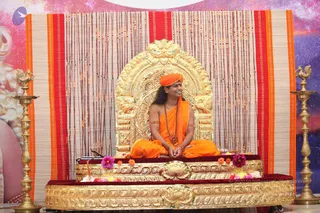
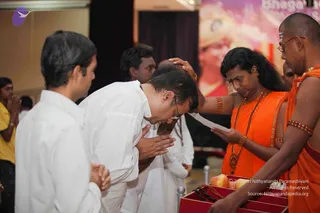
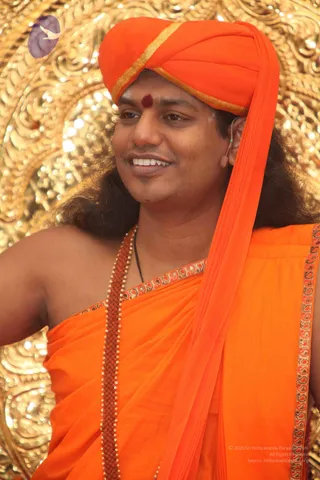
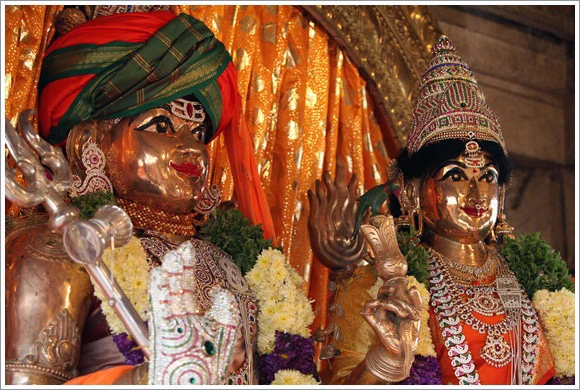
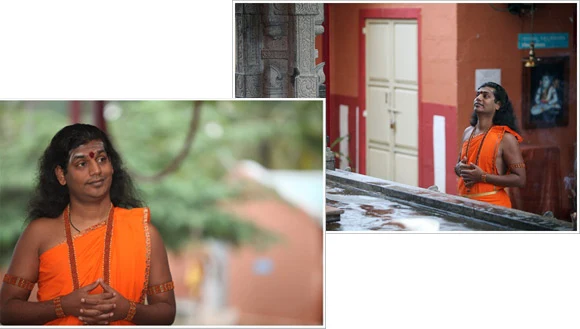
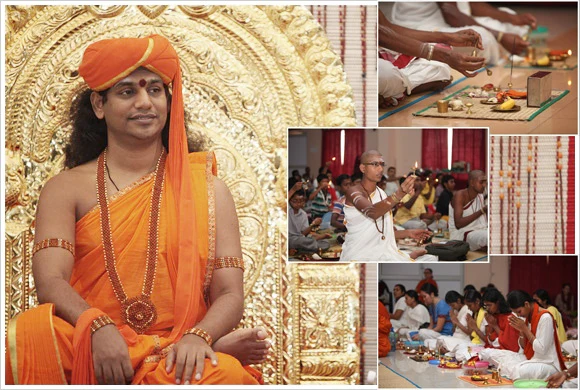
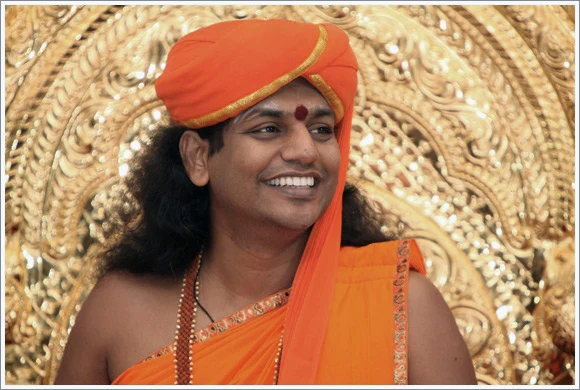
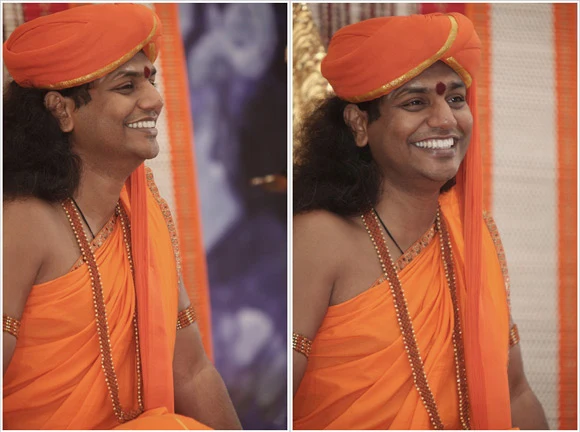
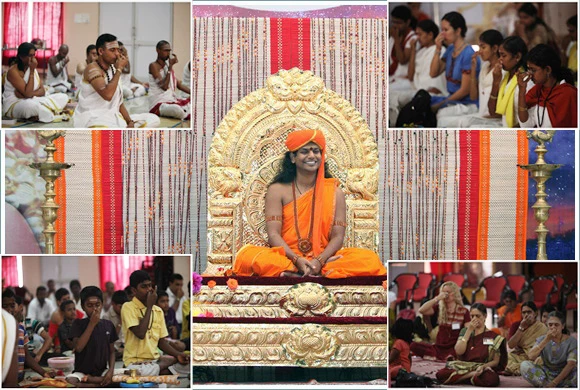
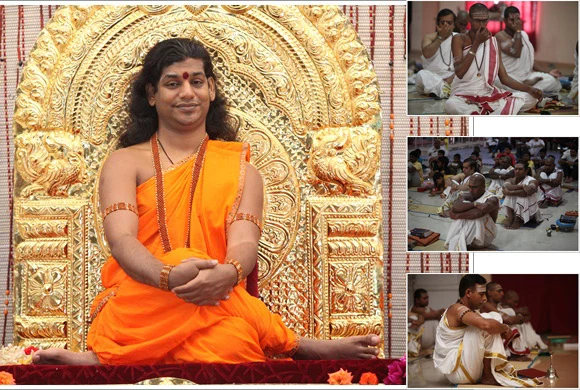
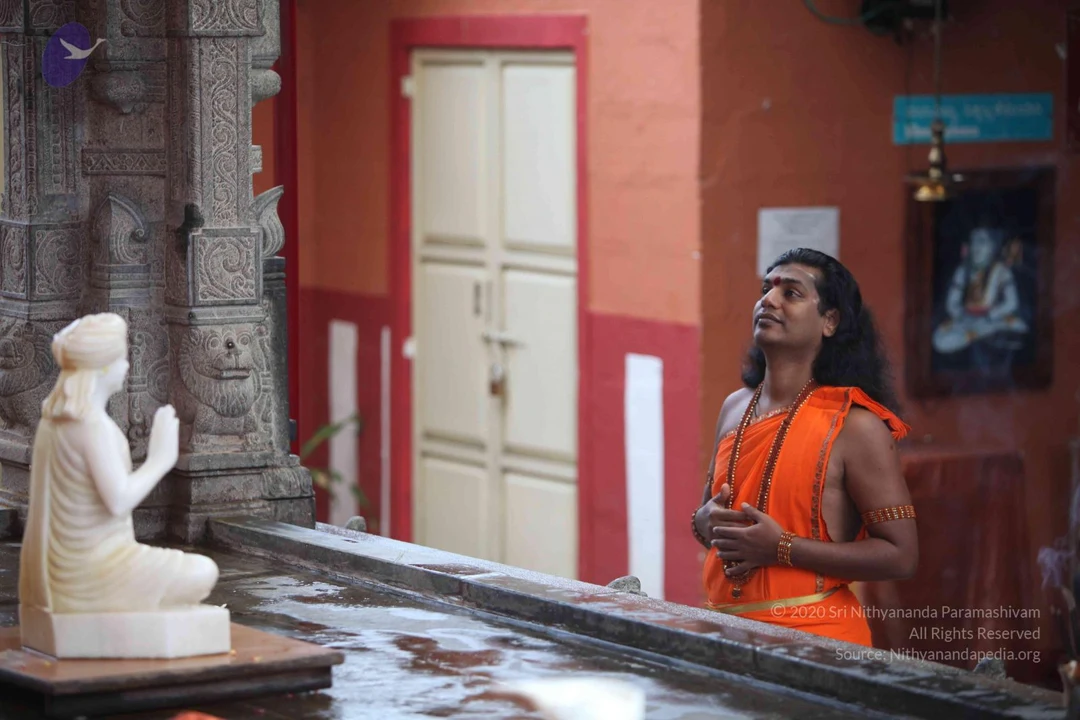
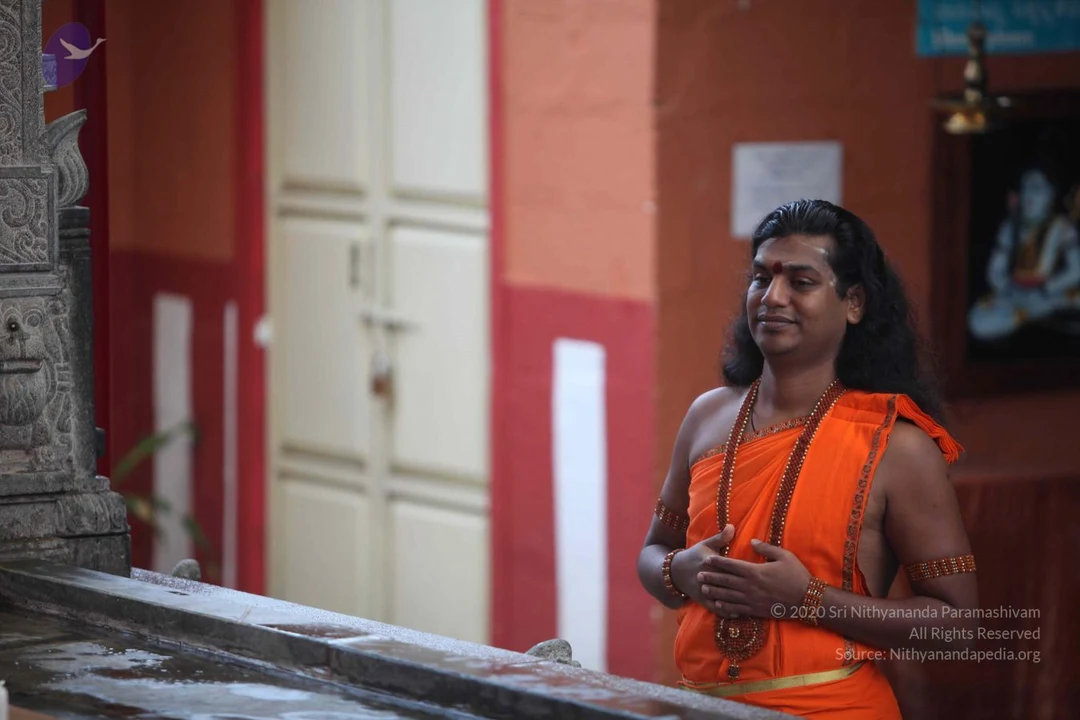
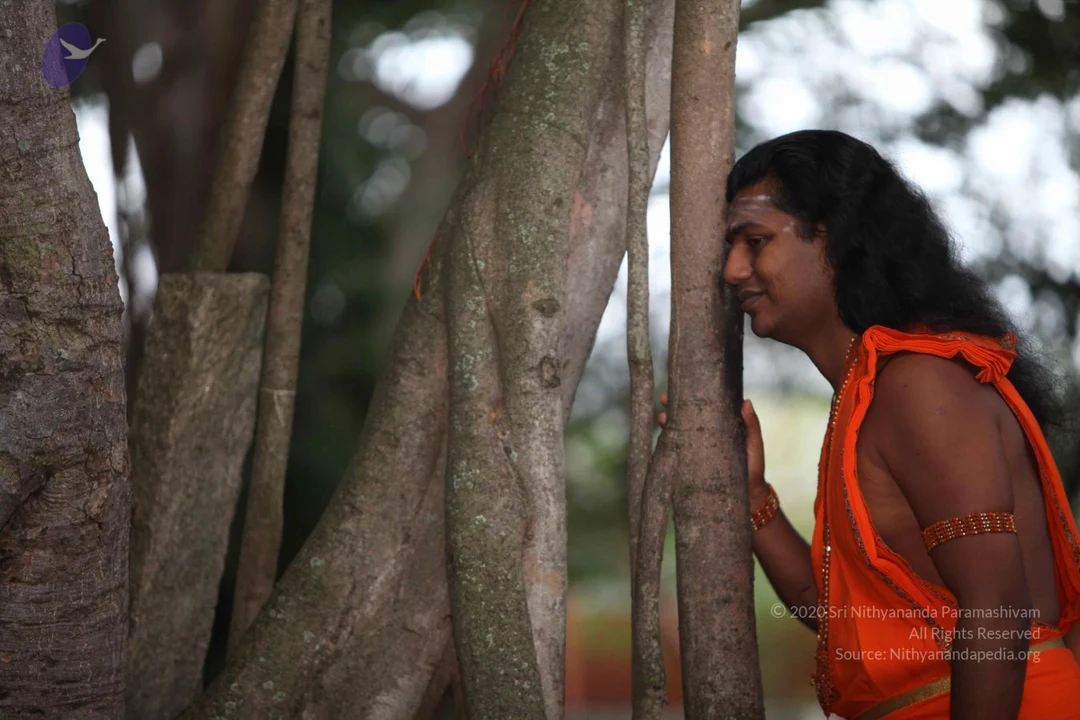
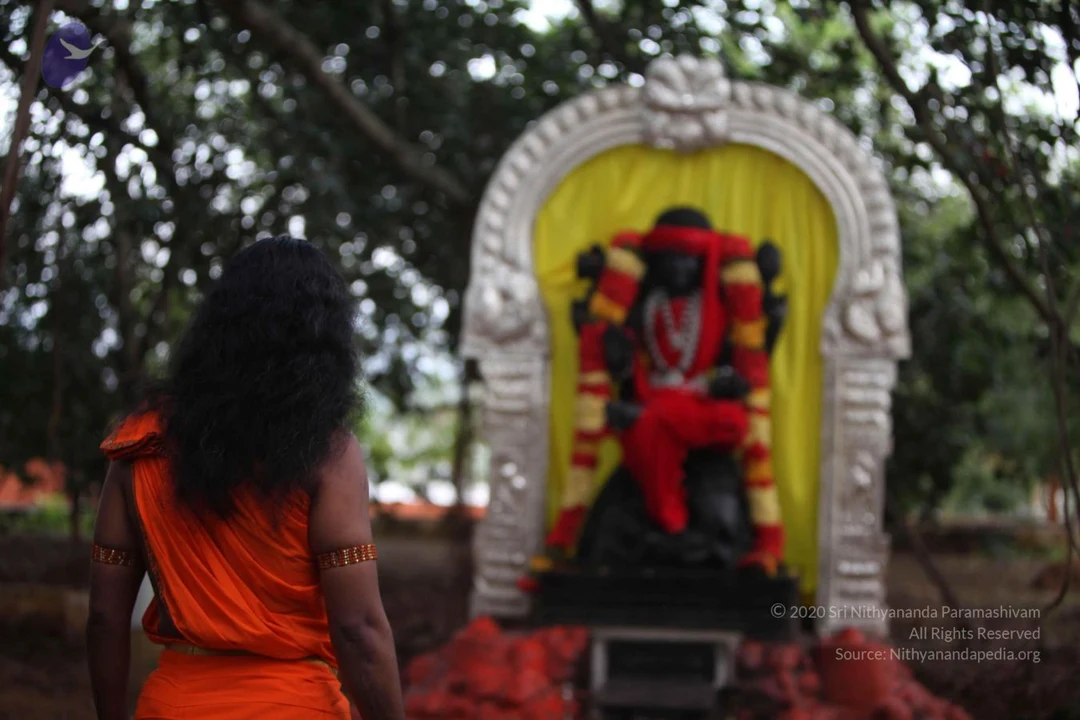
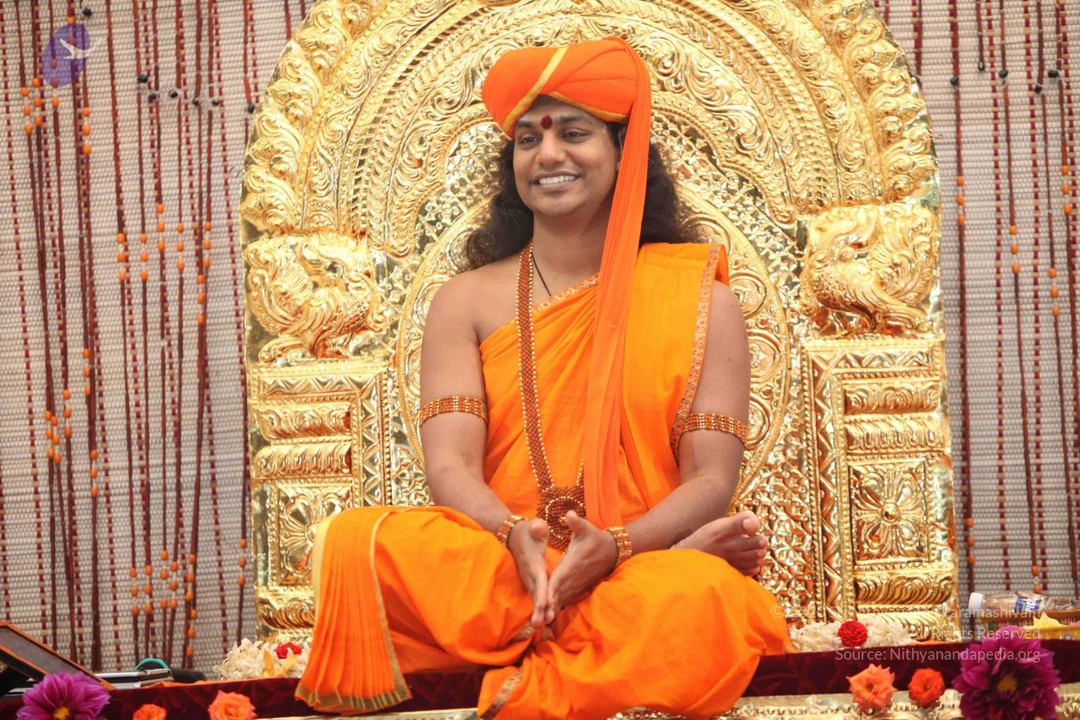
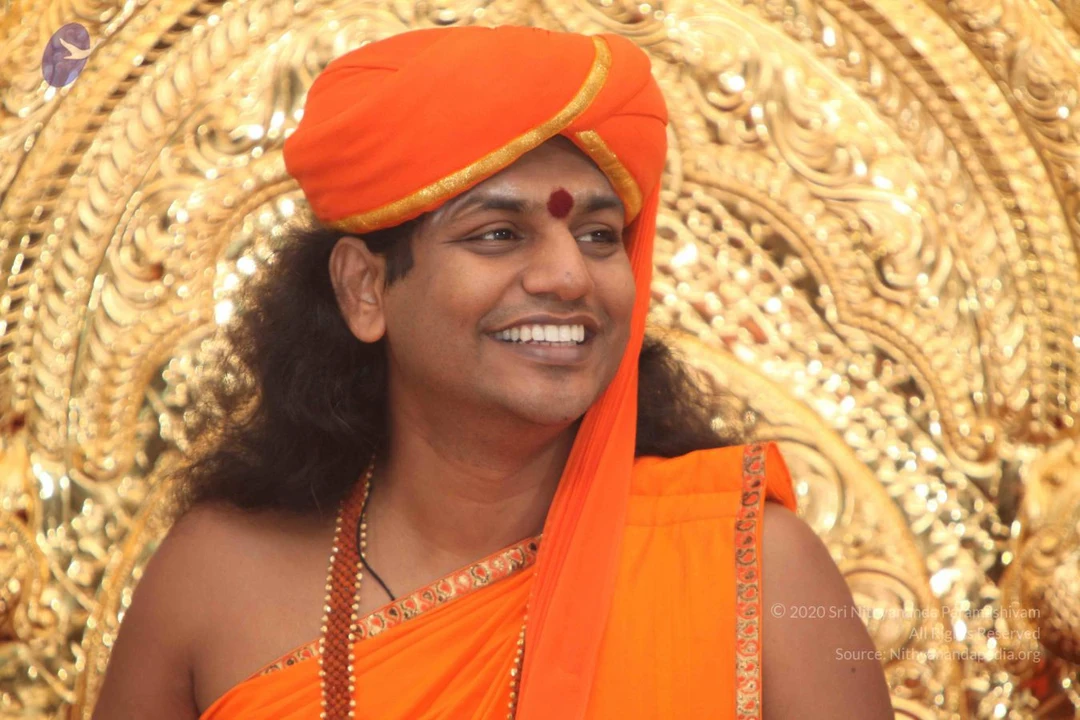
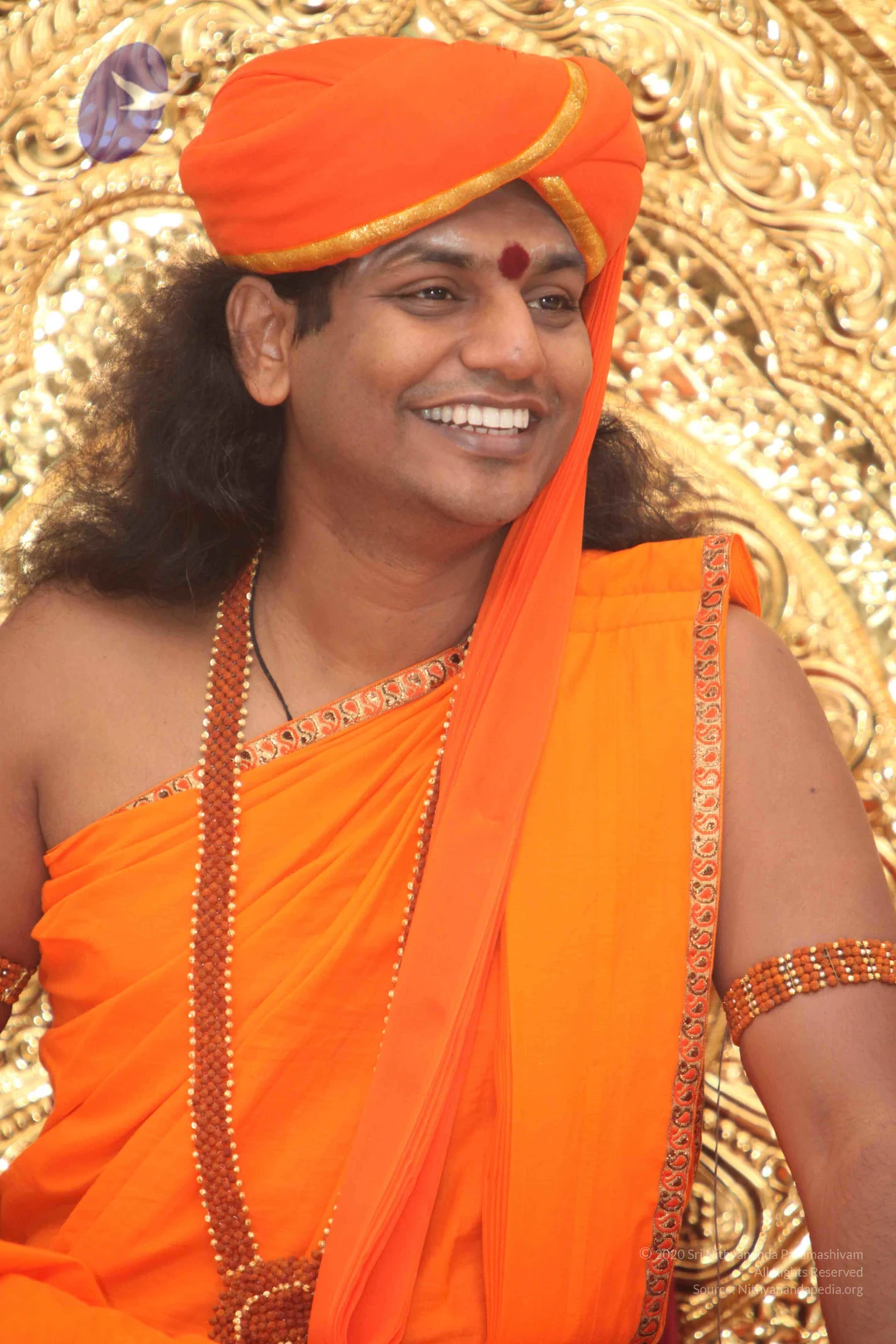
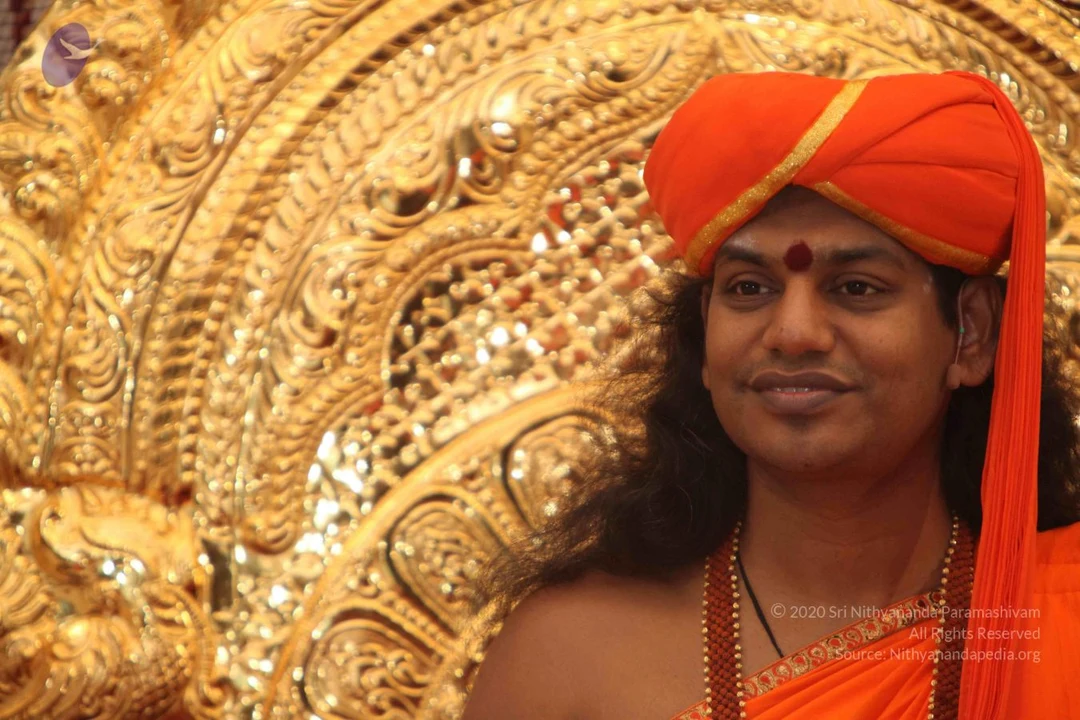
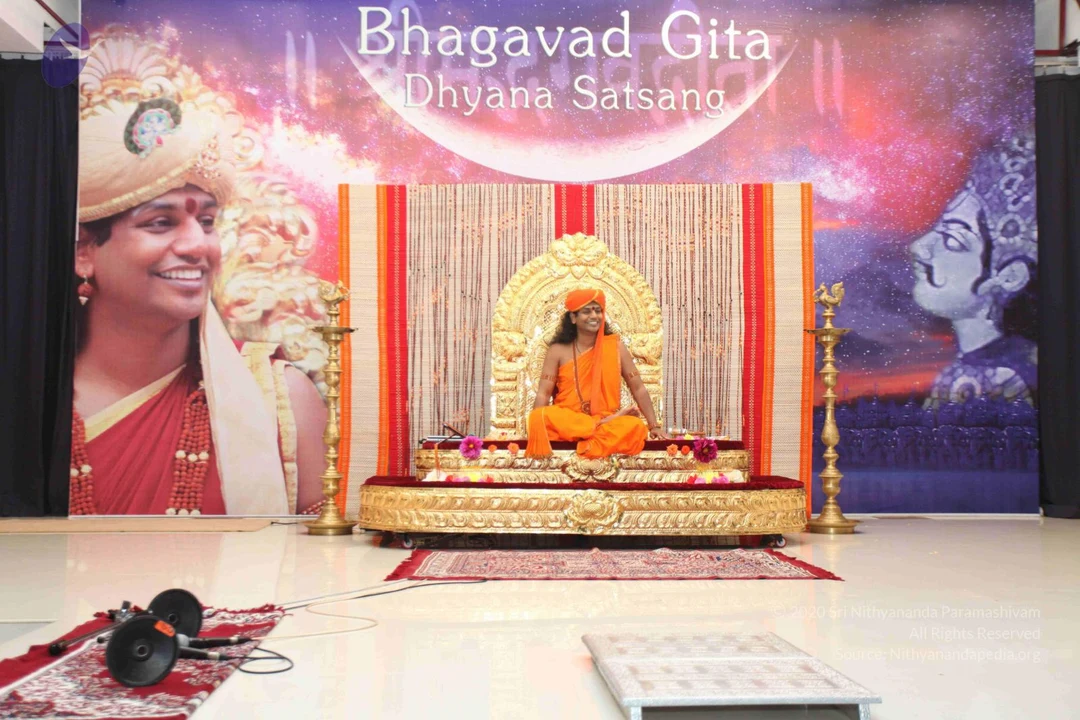
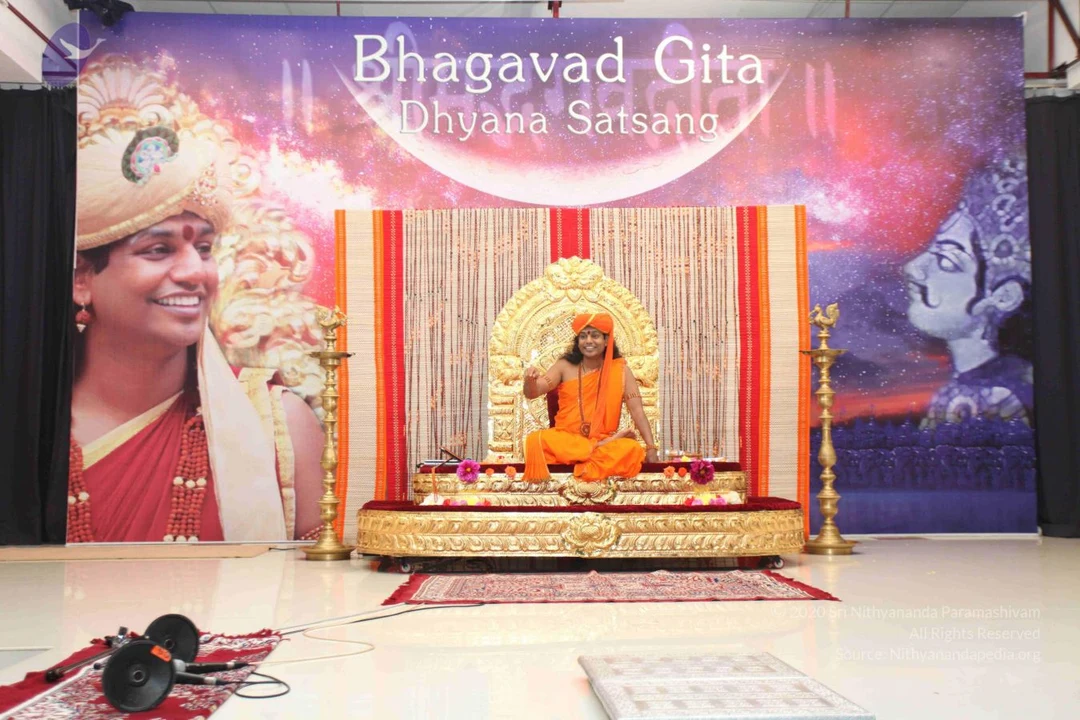
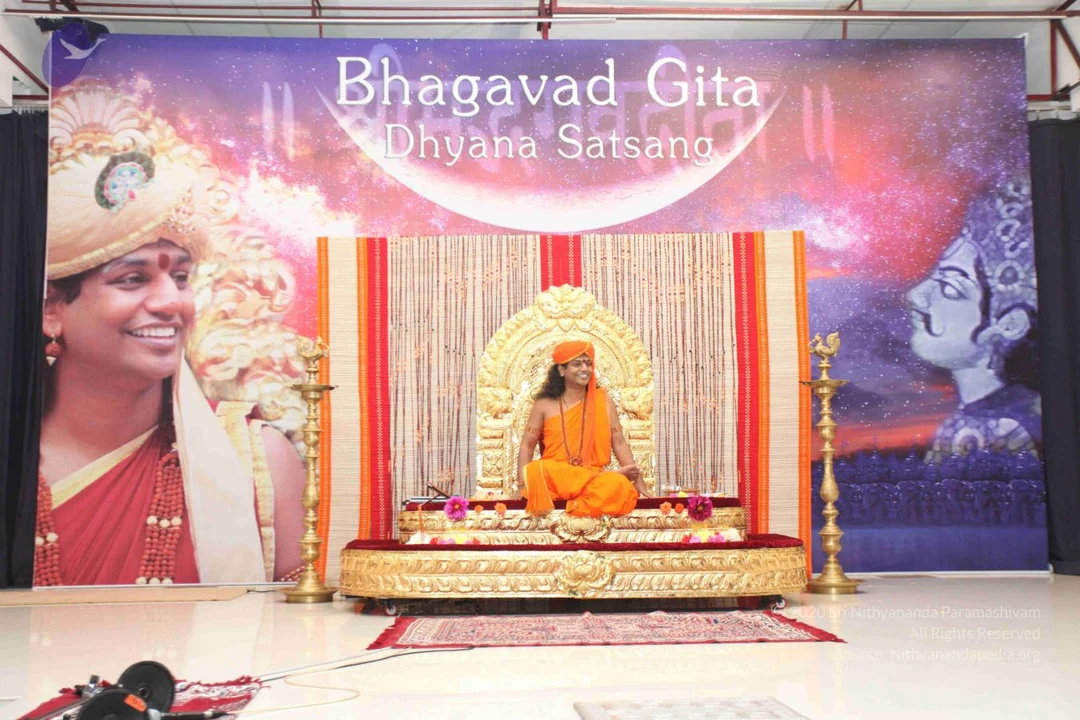
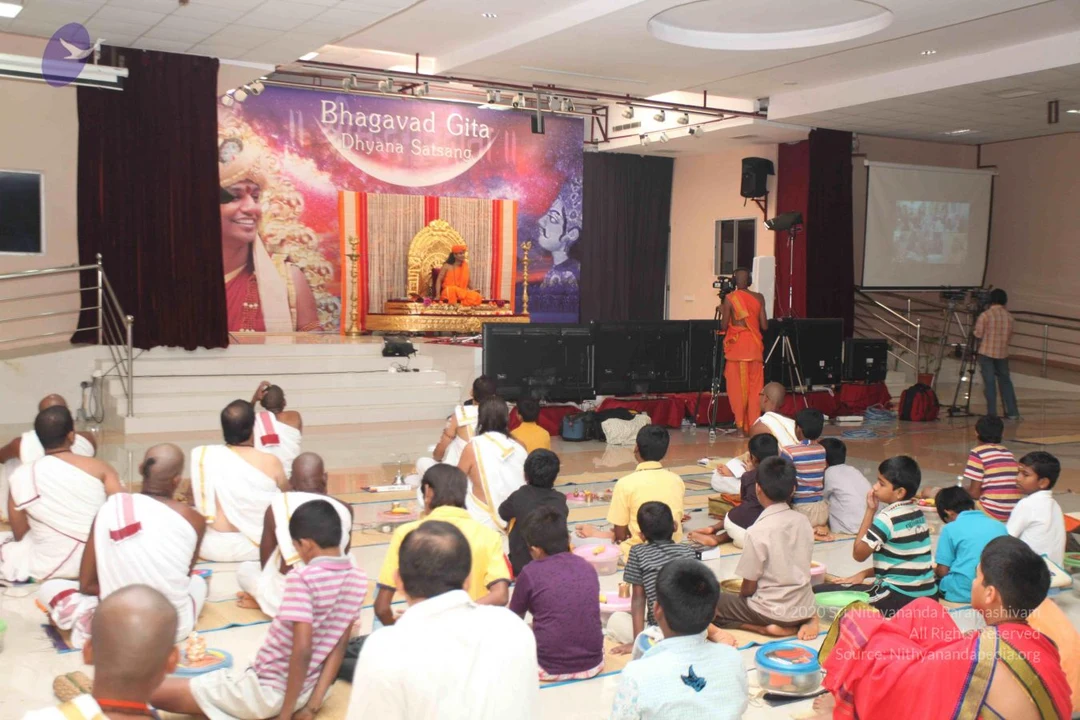
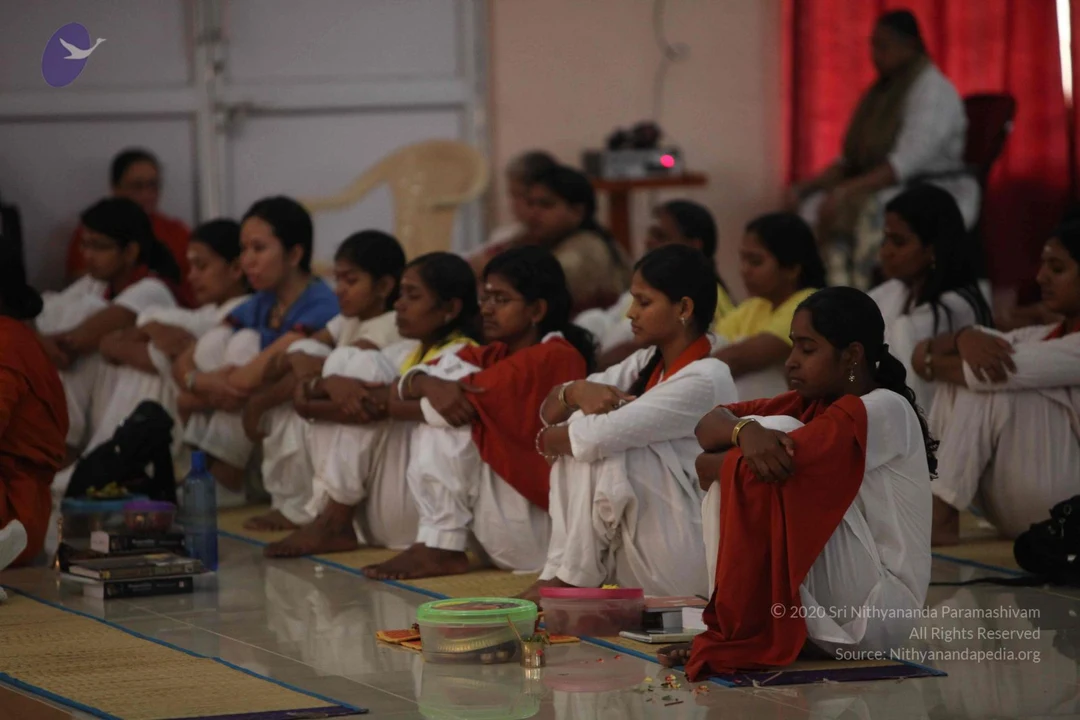
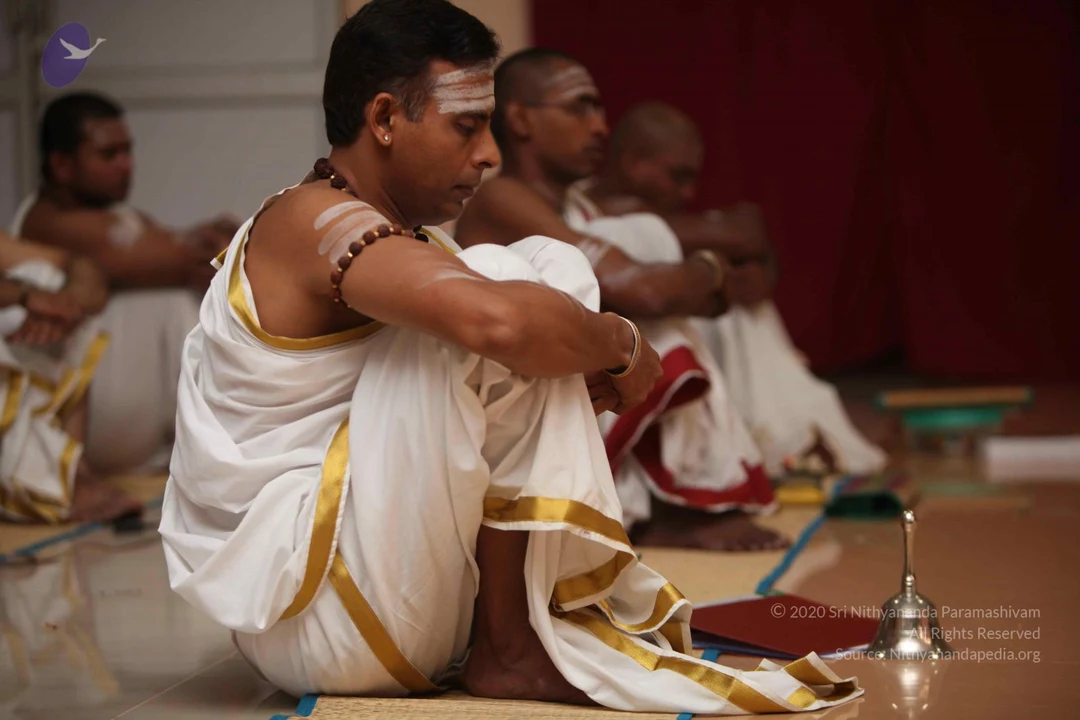
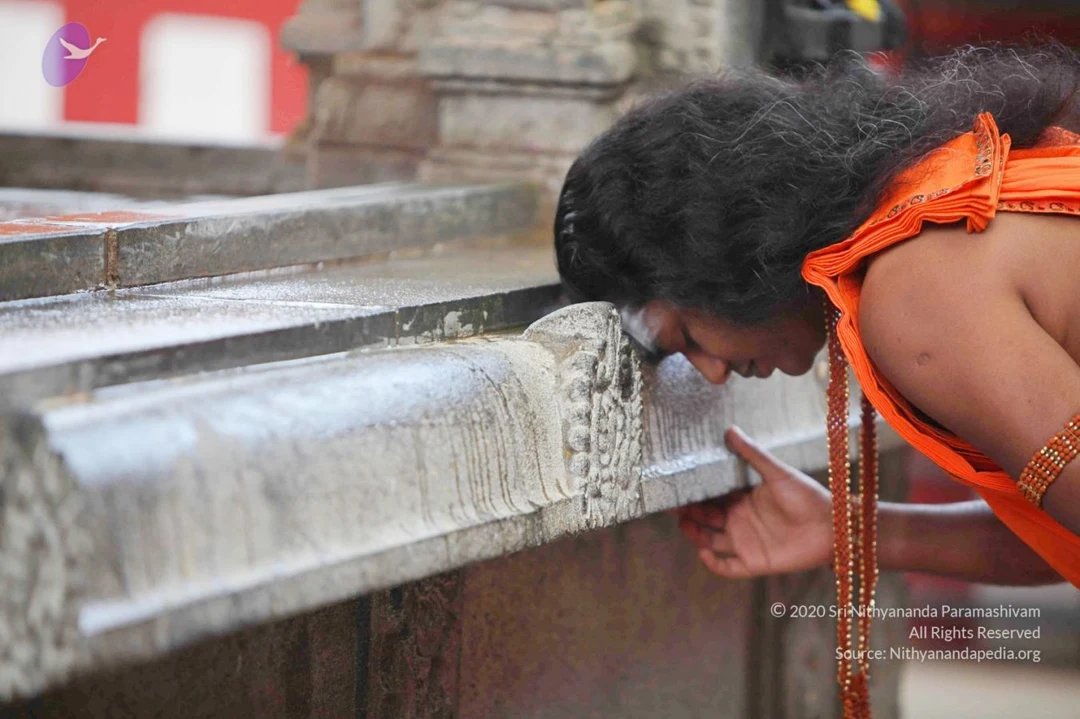
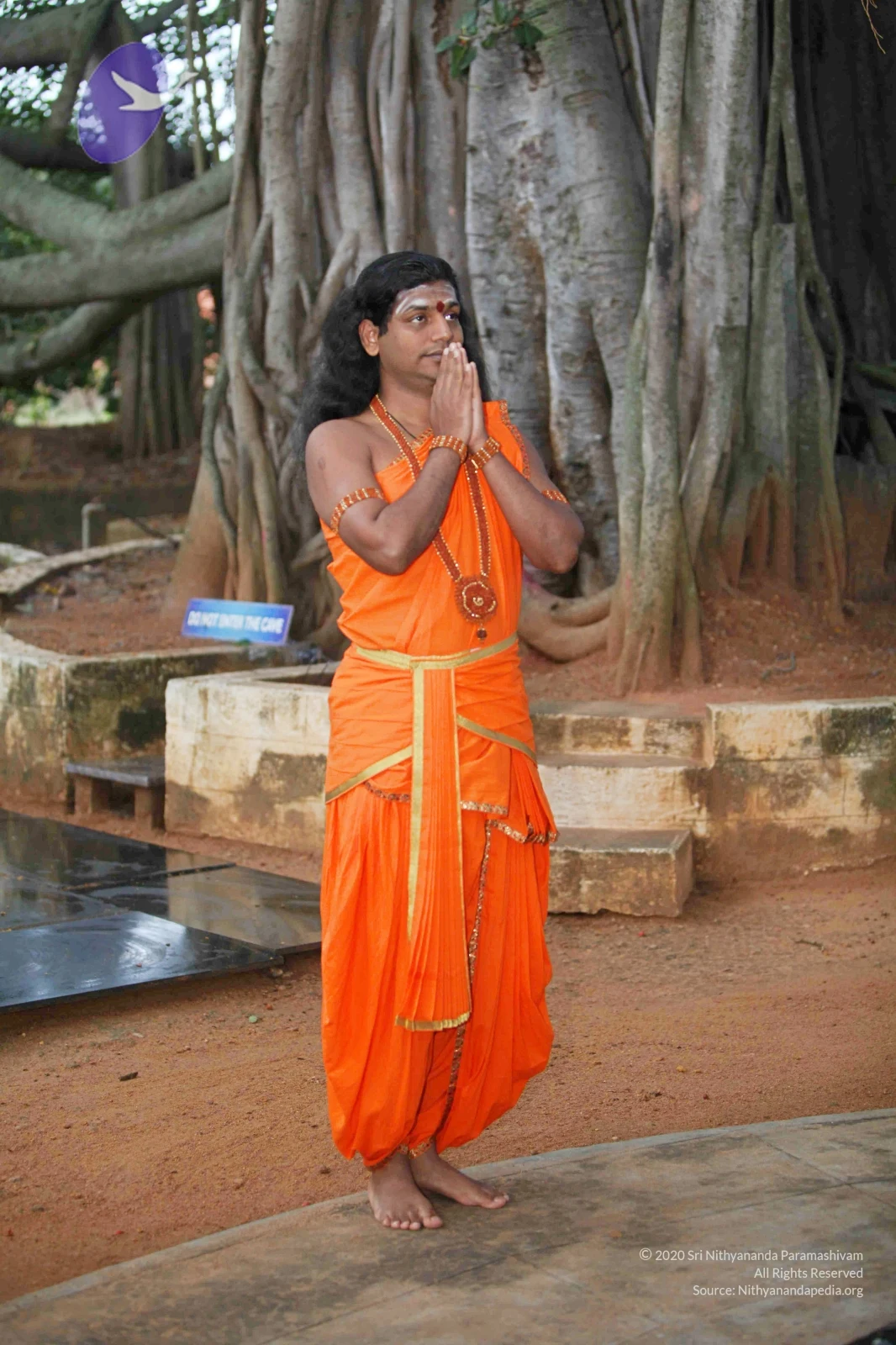
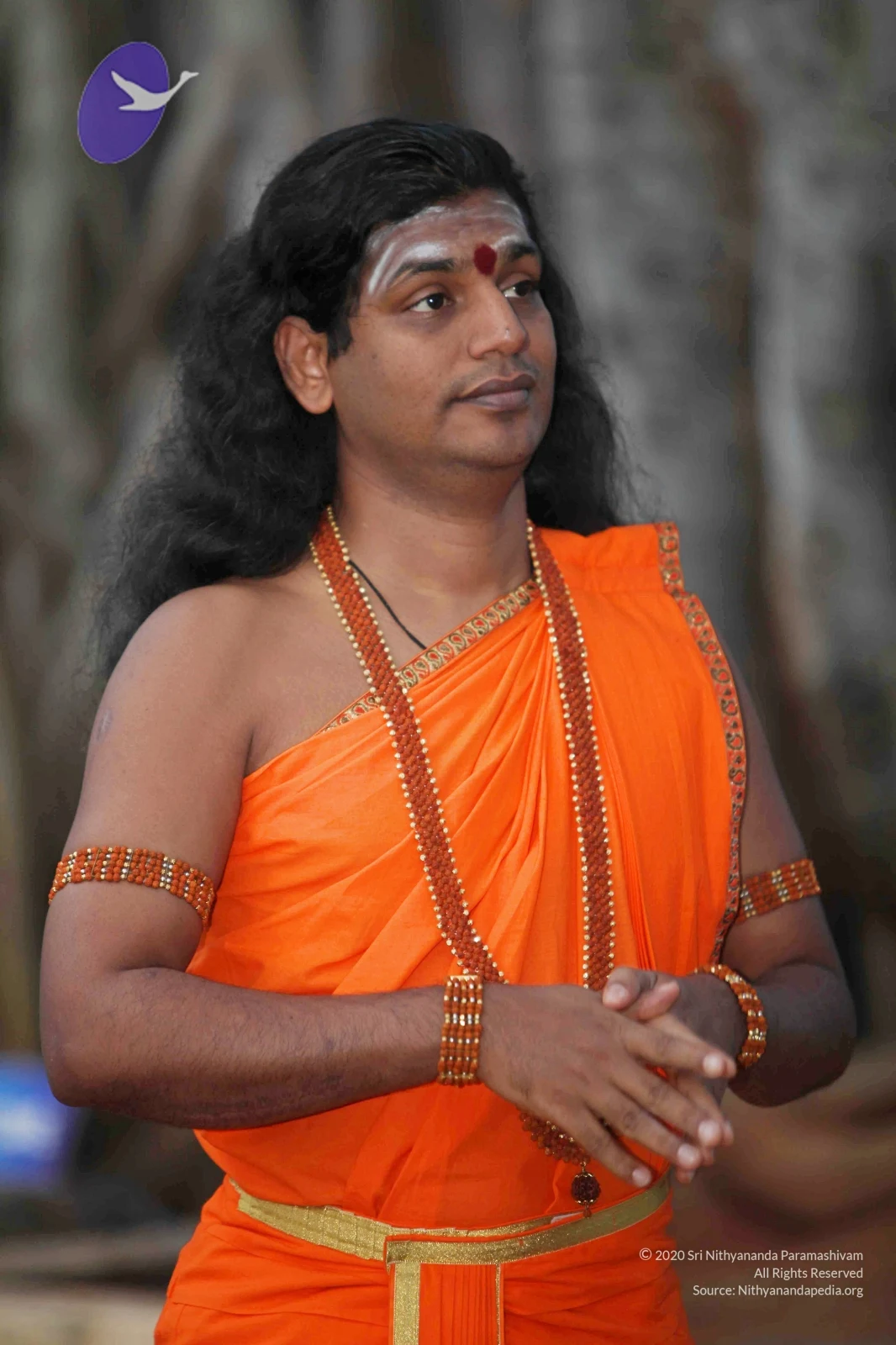
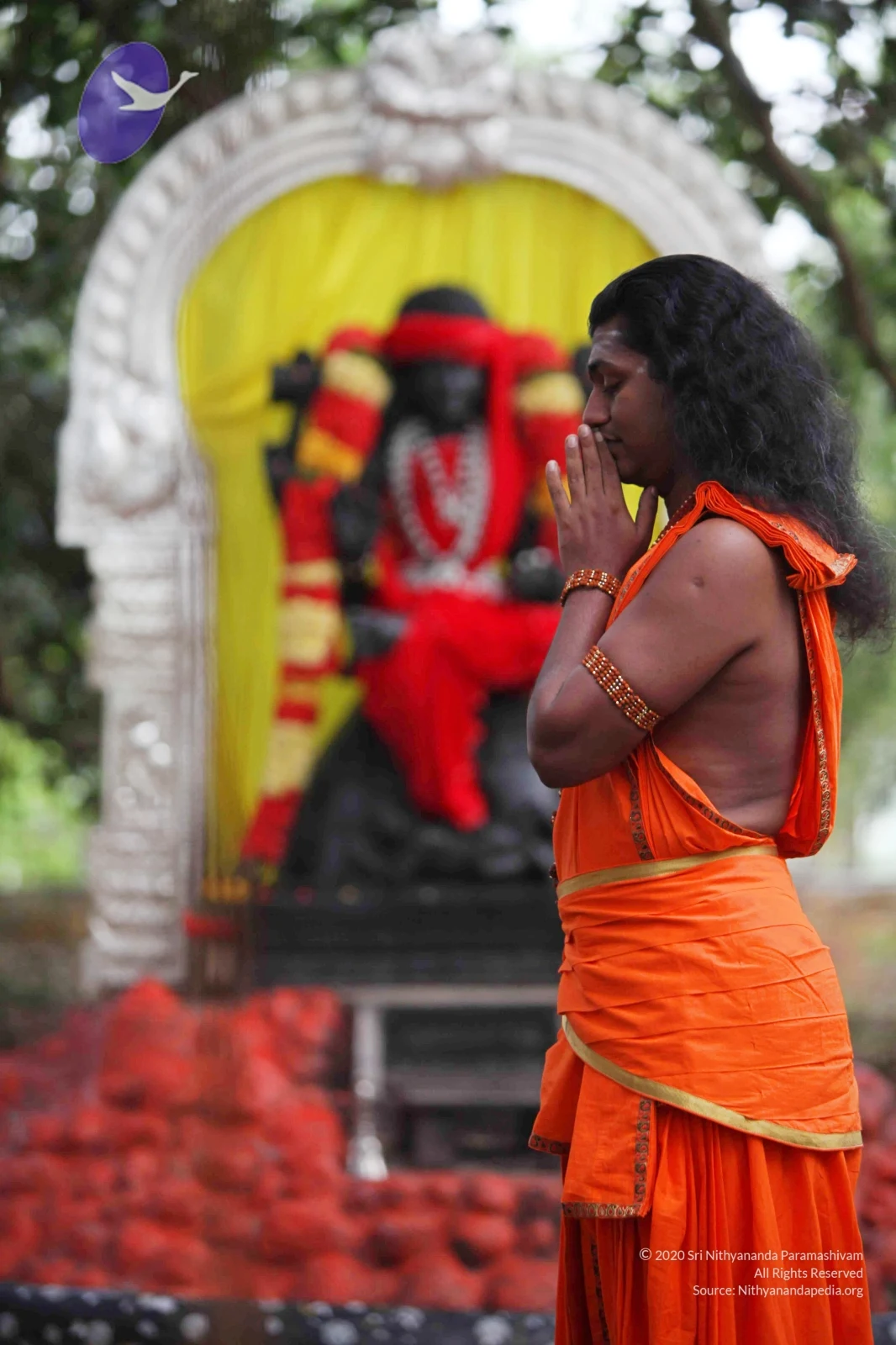
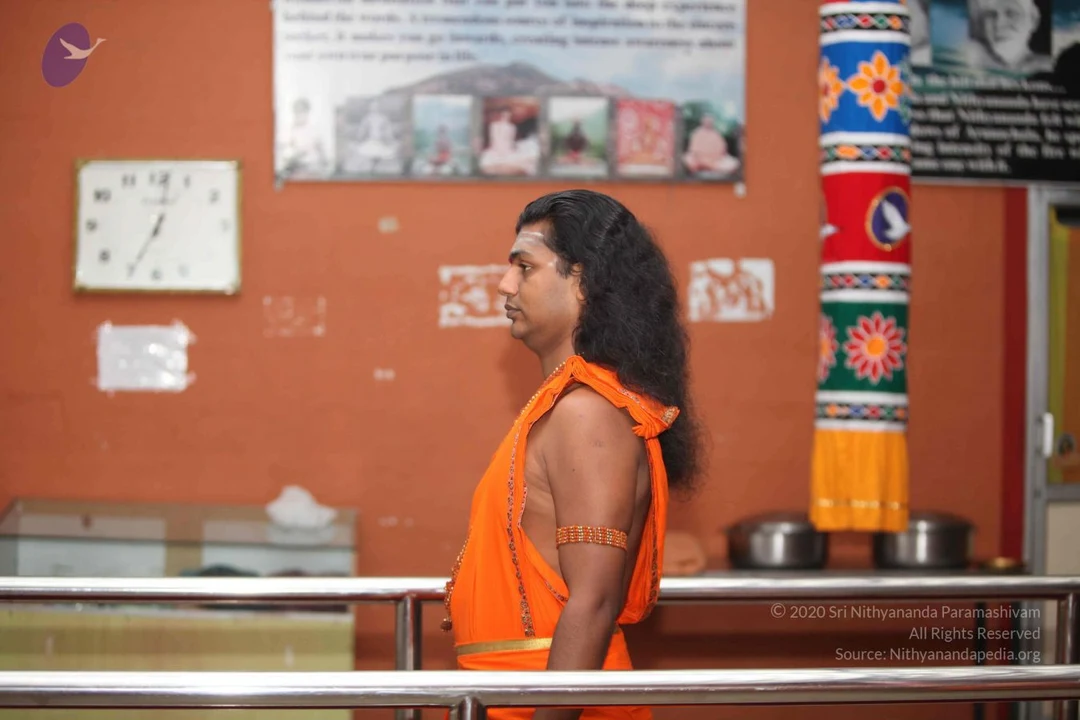
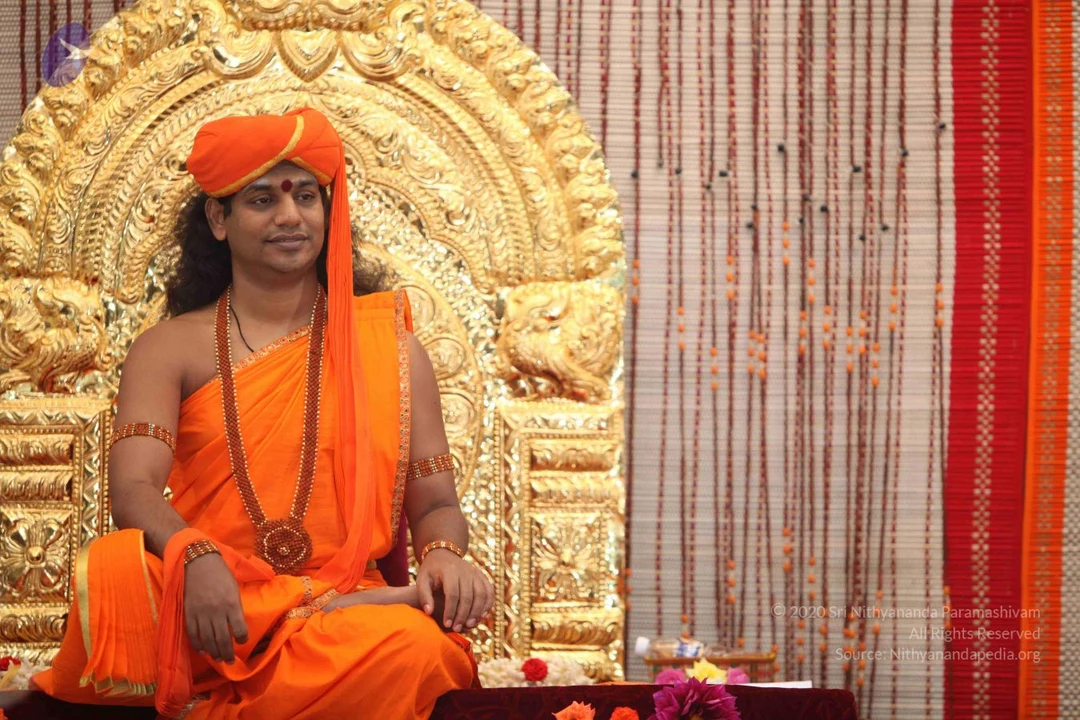
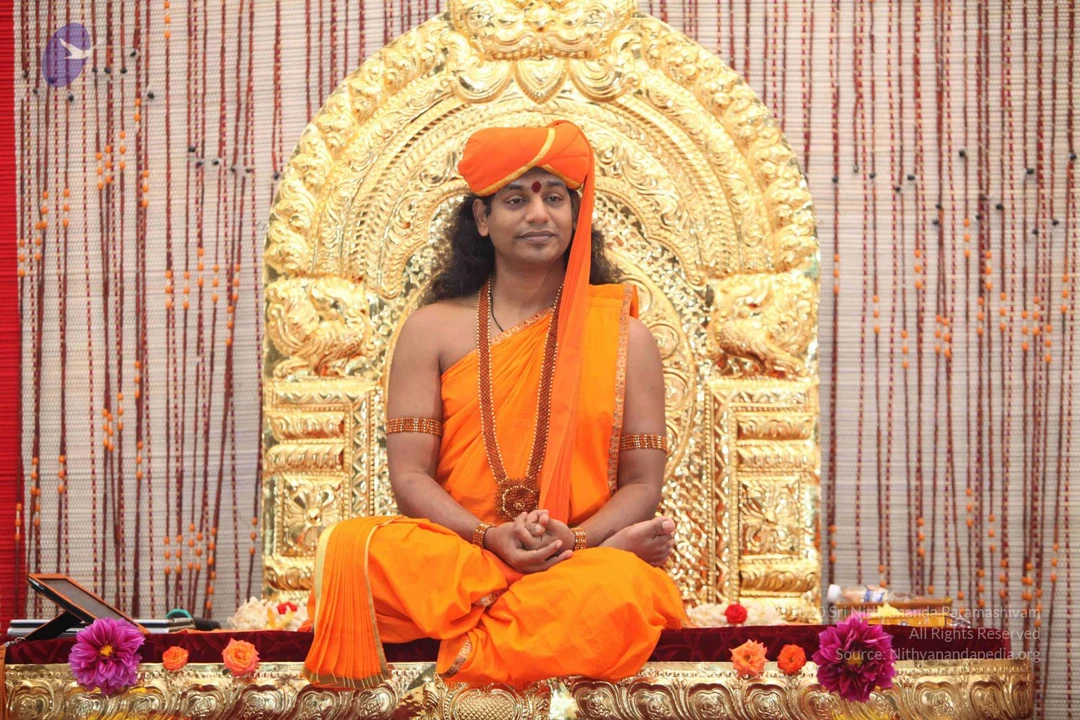
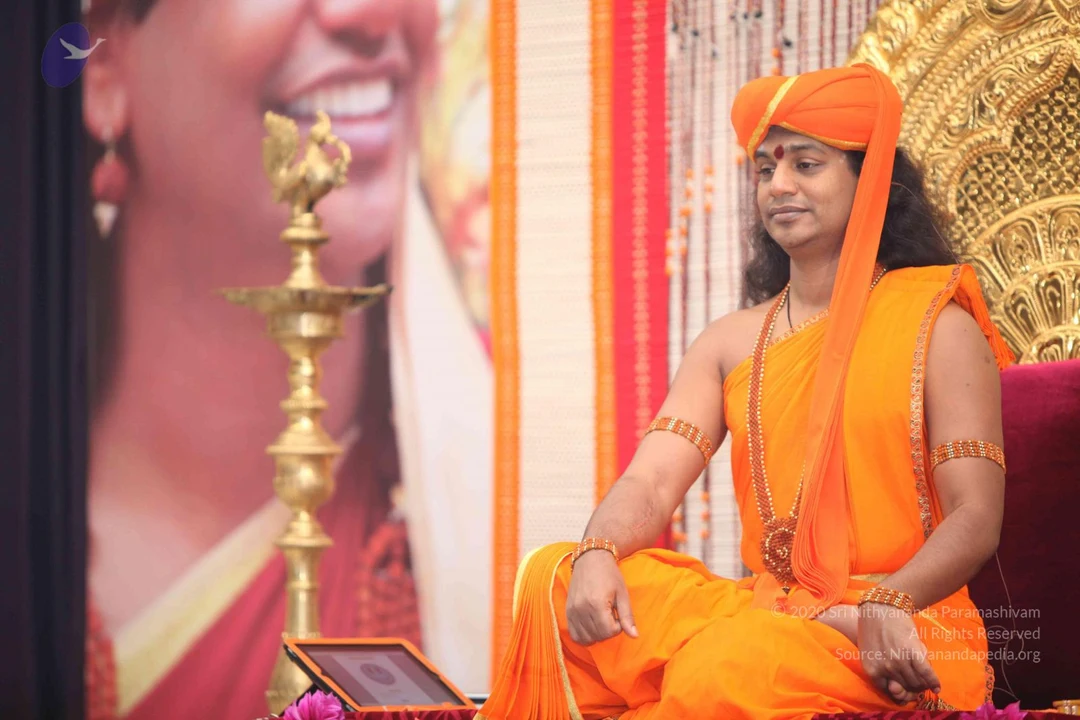
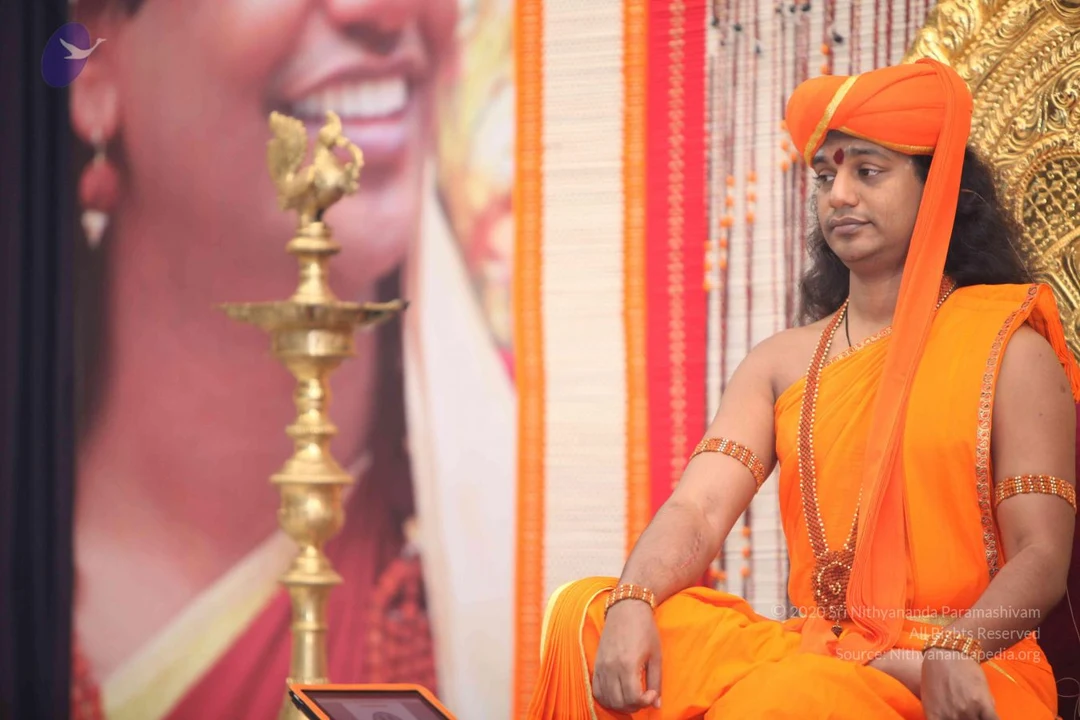
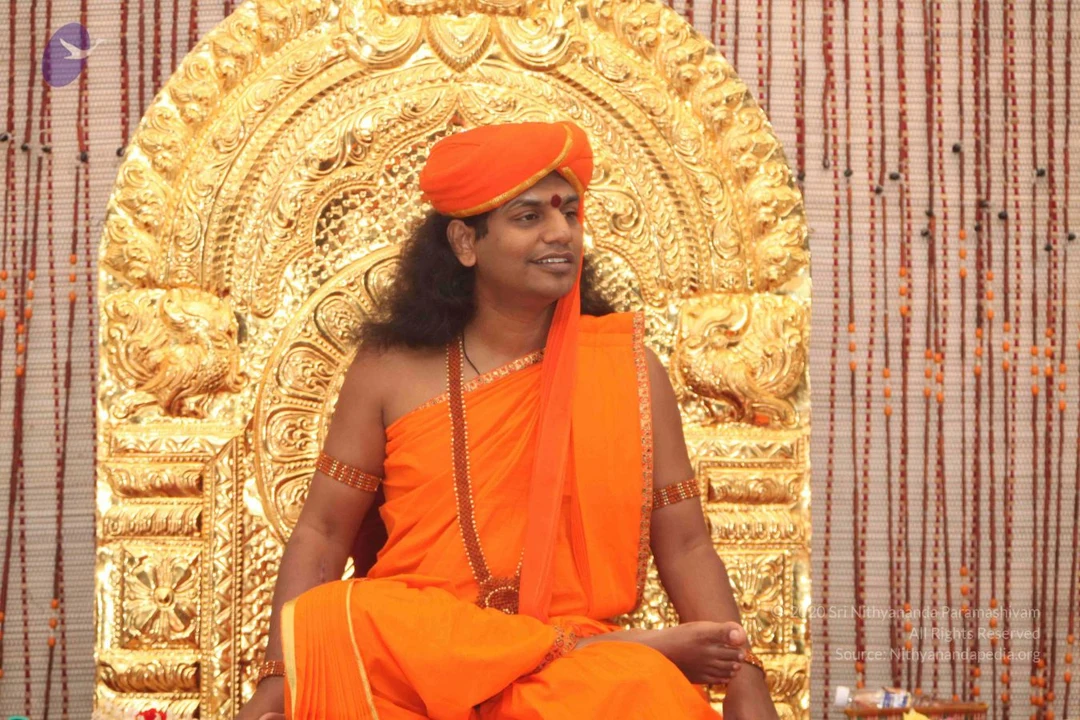
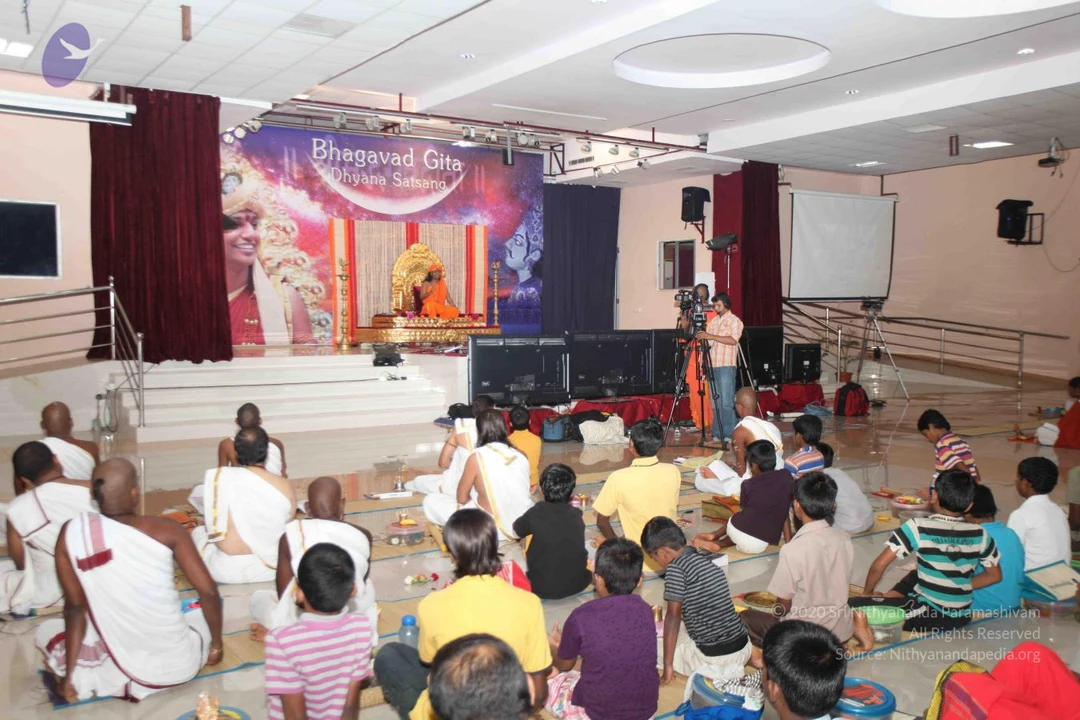
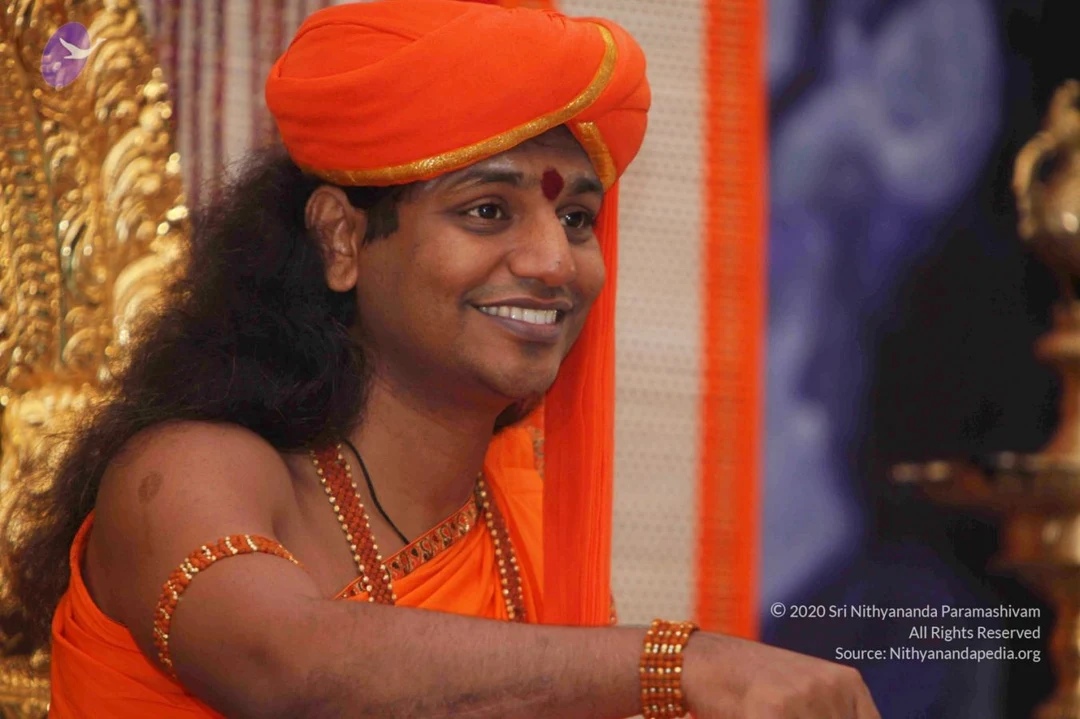
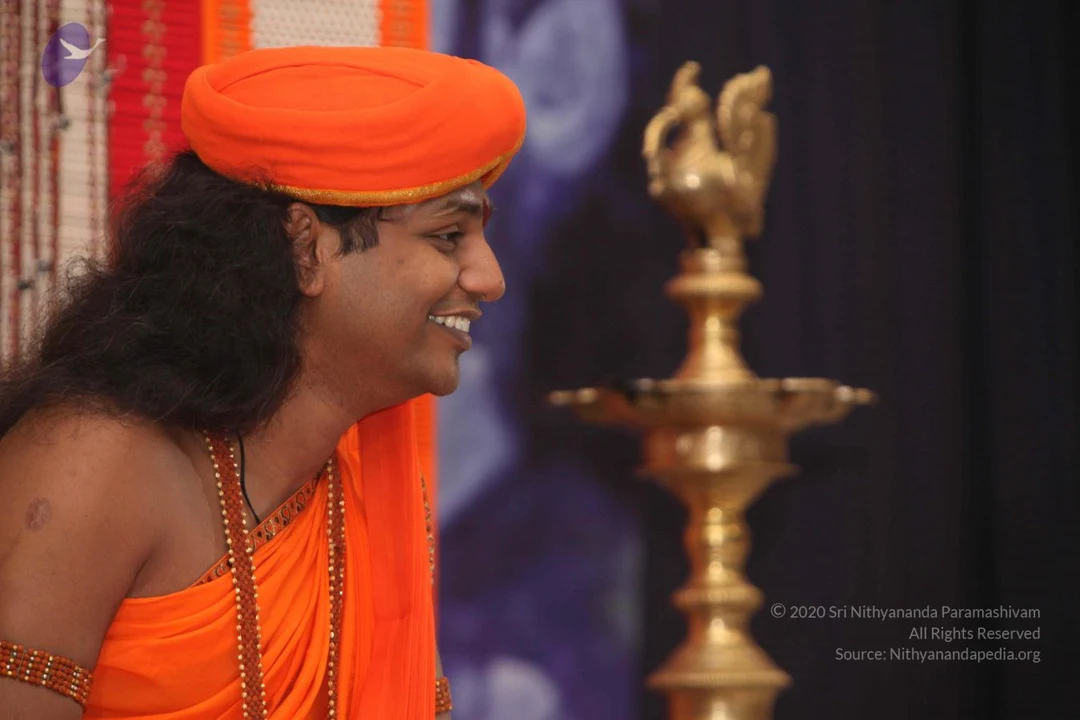
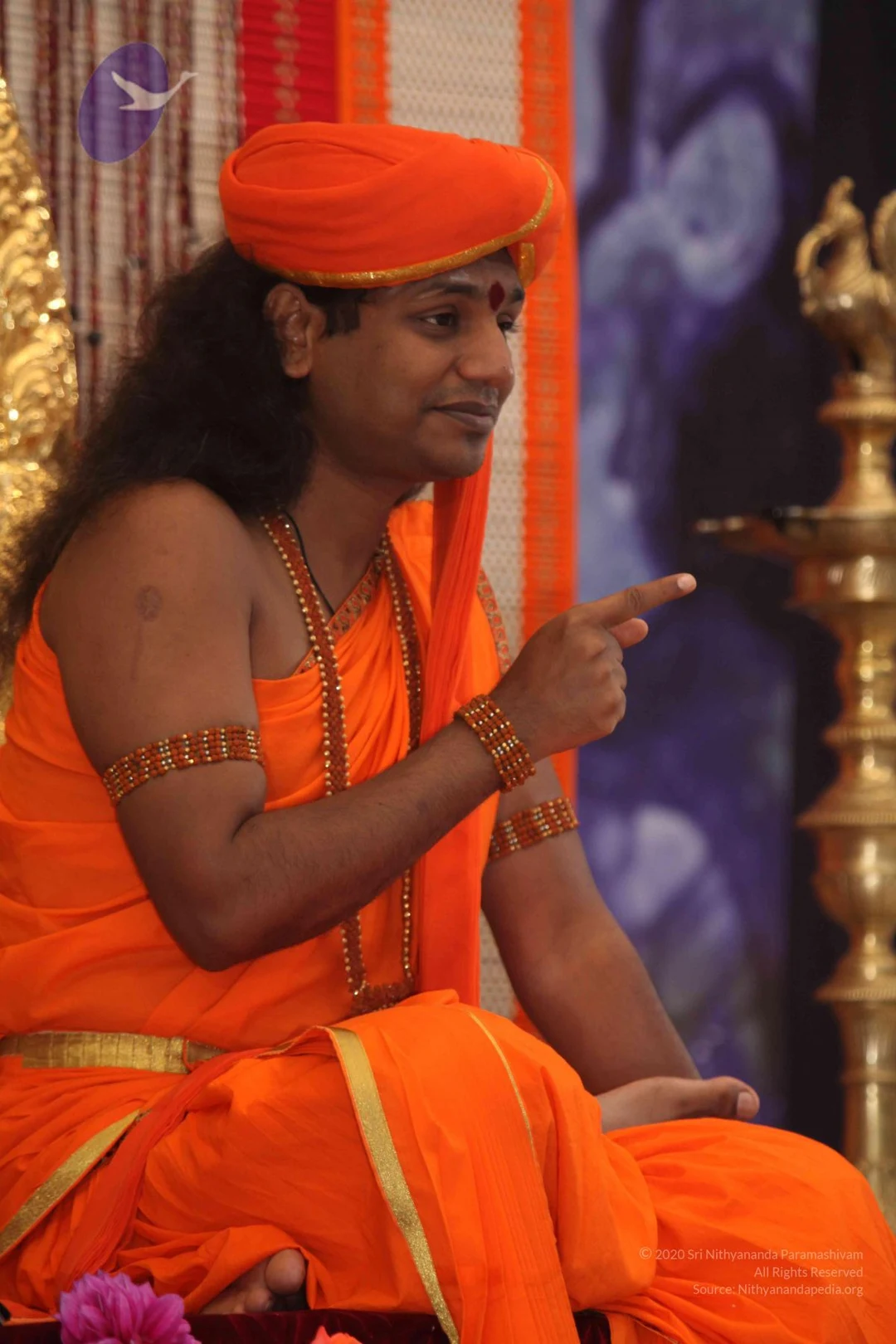
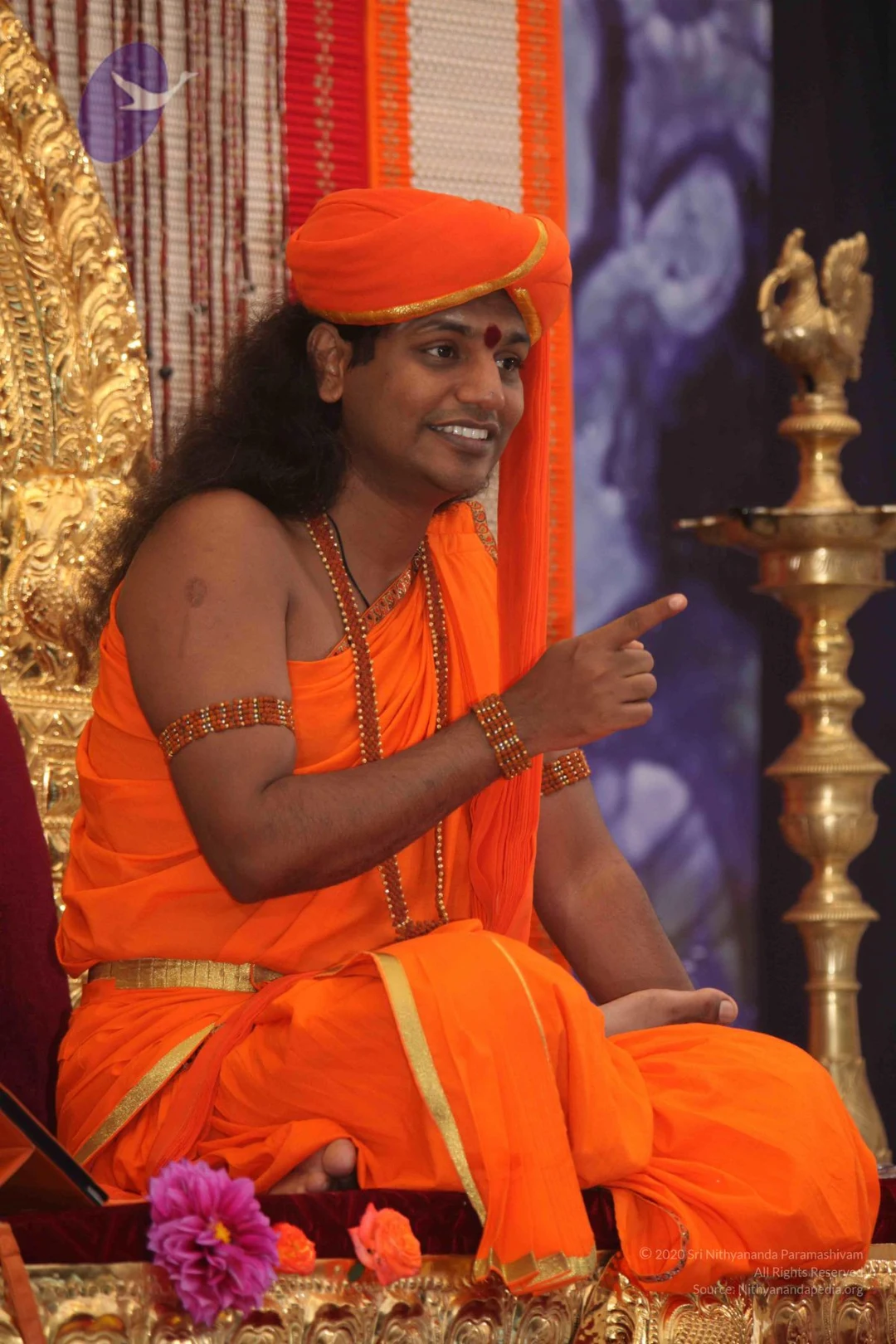
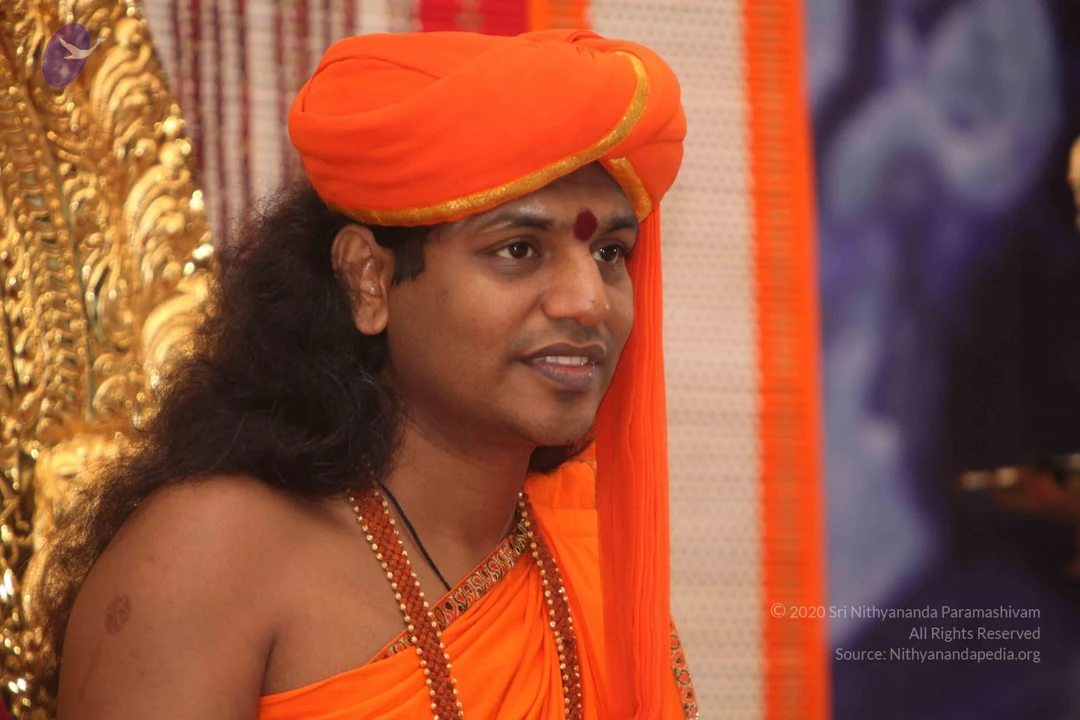
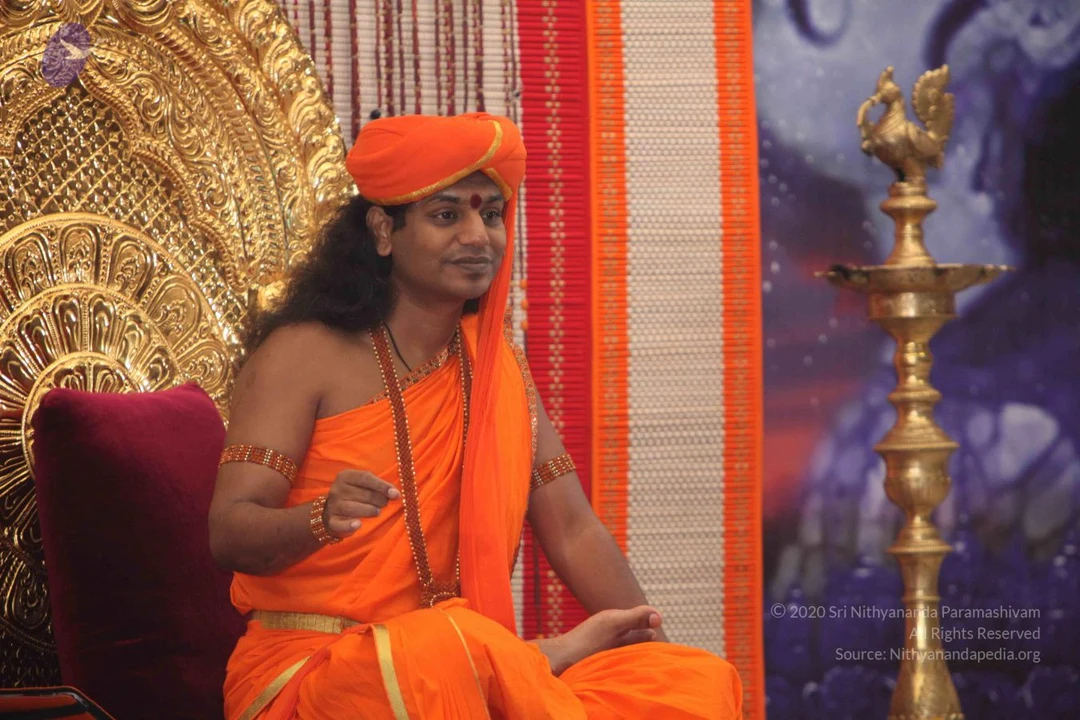
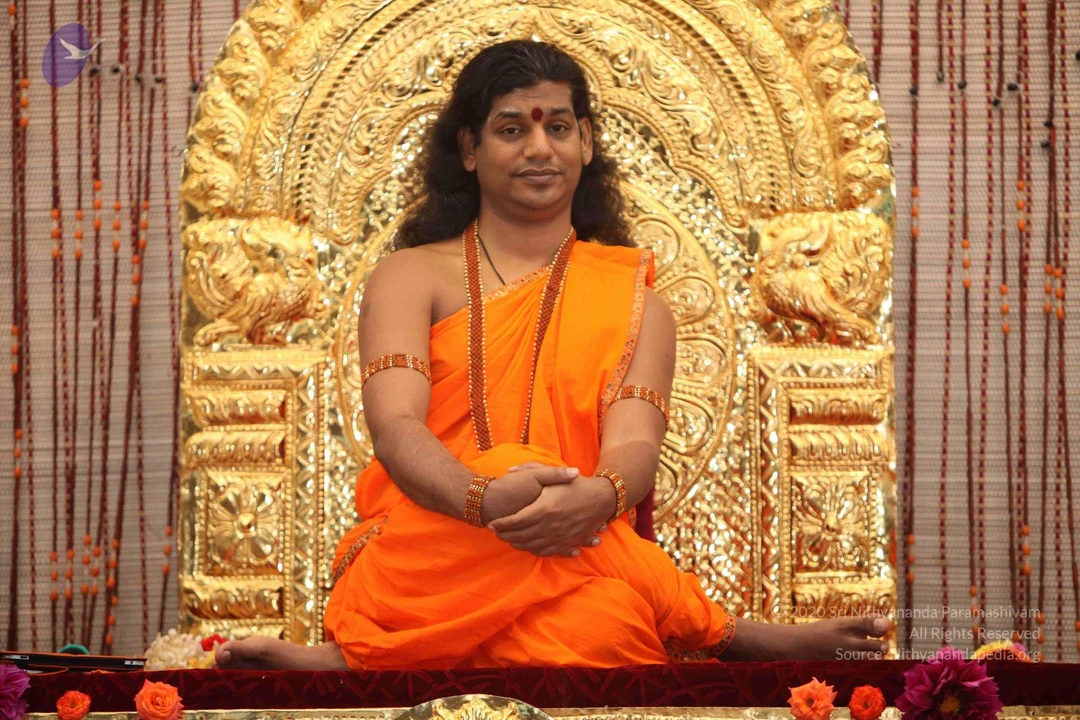
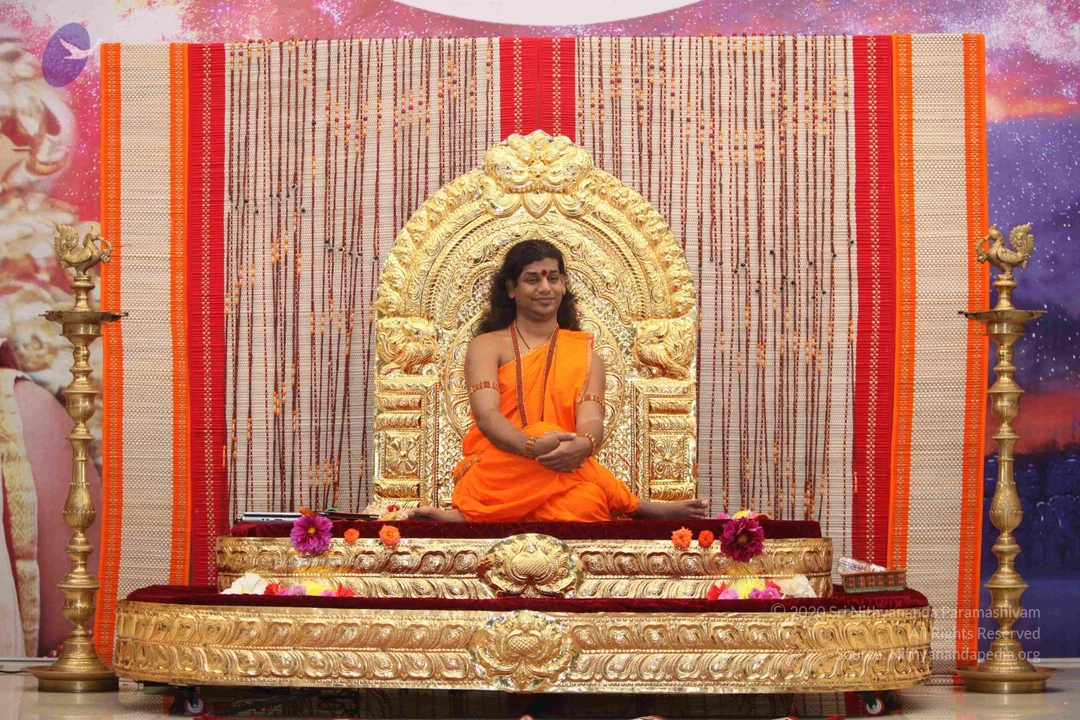
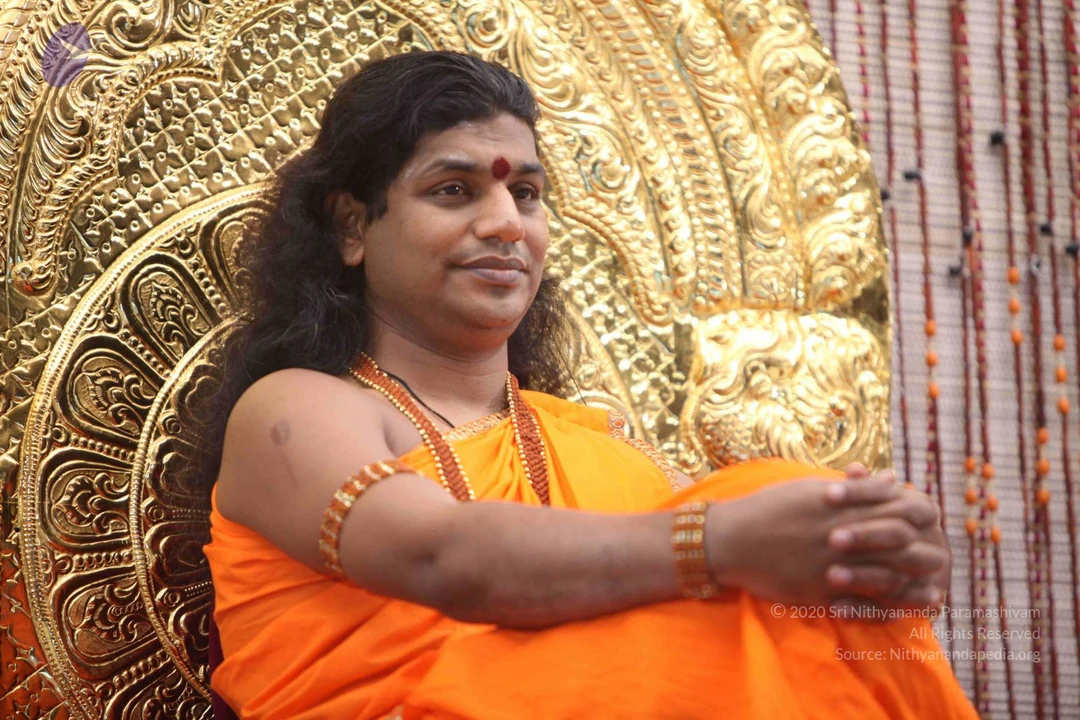
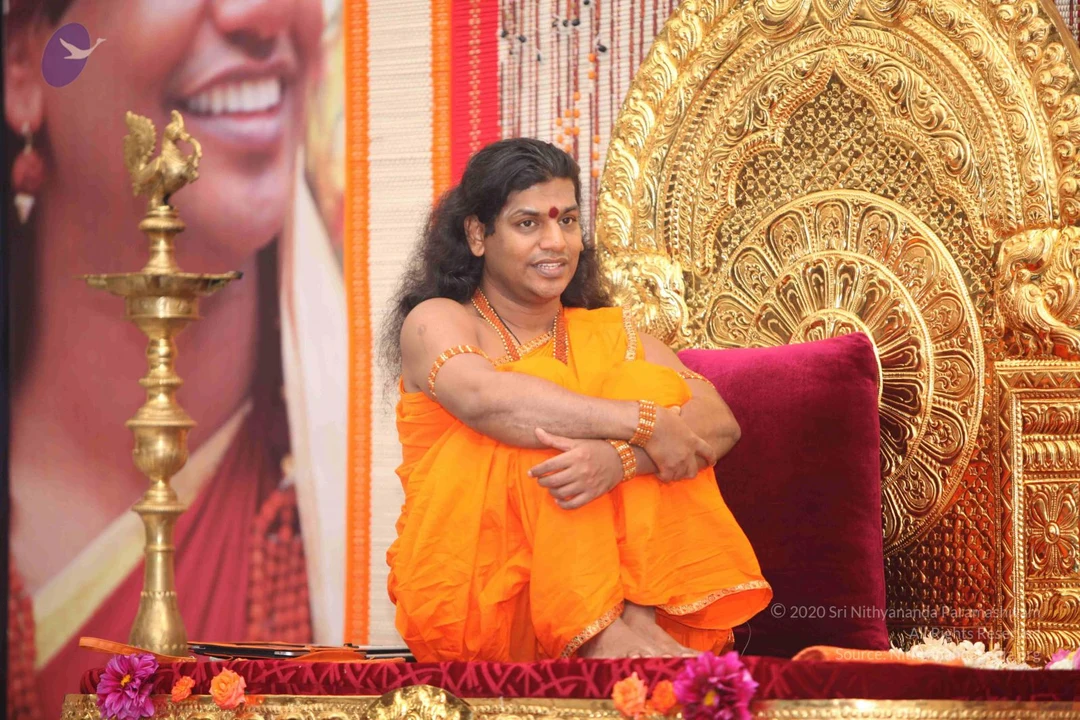
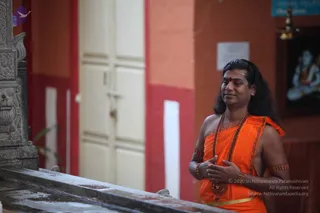
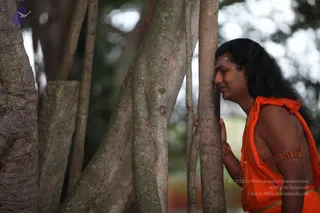
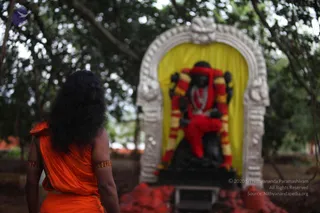
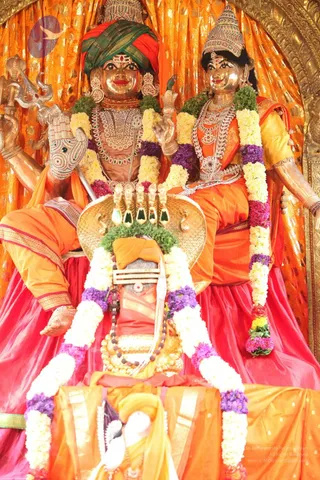
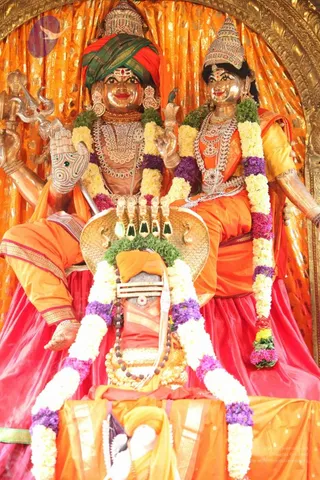
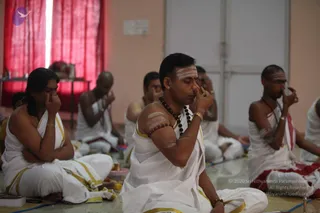
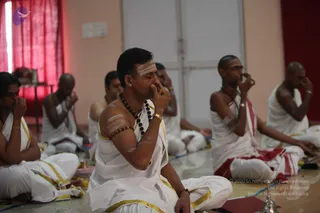
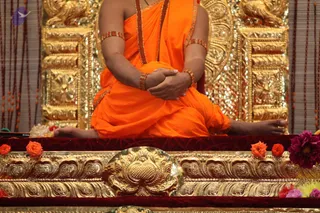
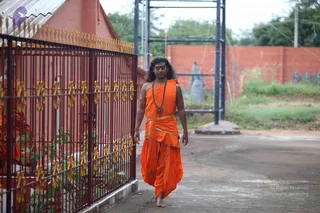
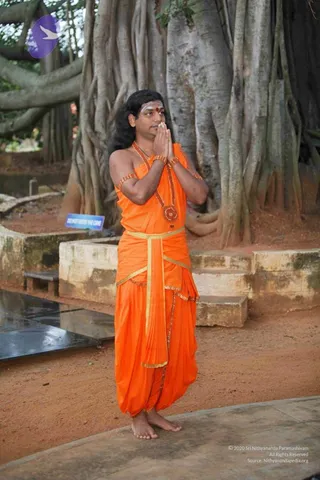
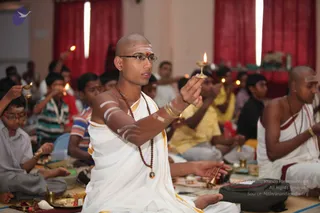
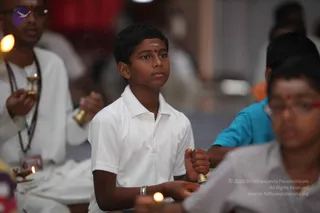
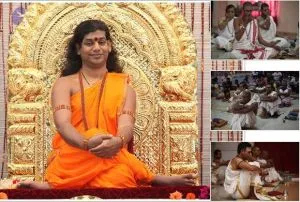
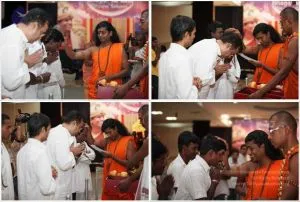
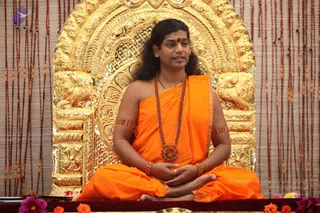
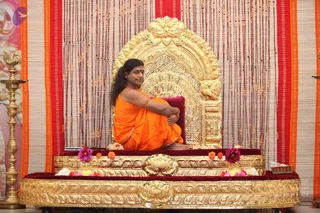
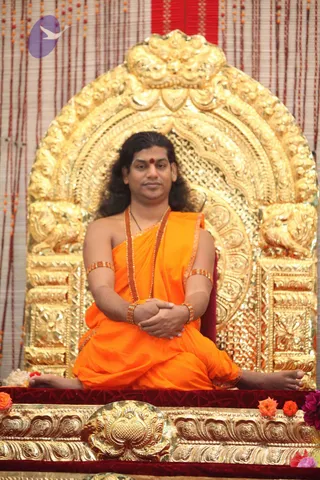
Temple Visit | Paduka Puja | Bhagavad Gita Satsang – 02 November 2011
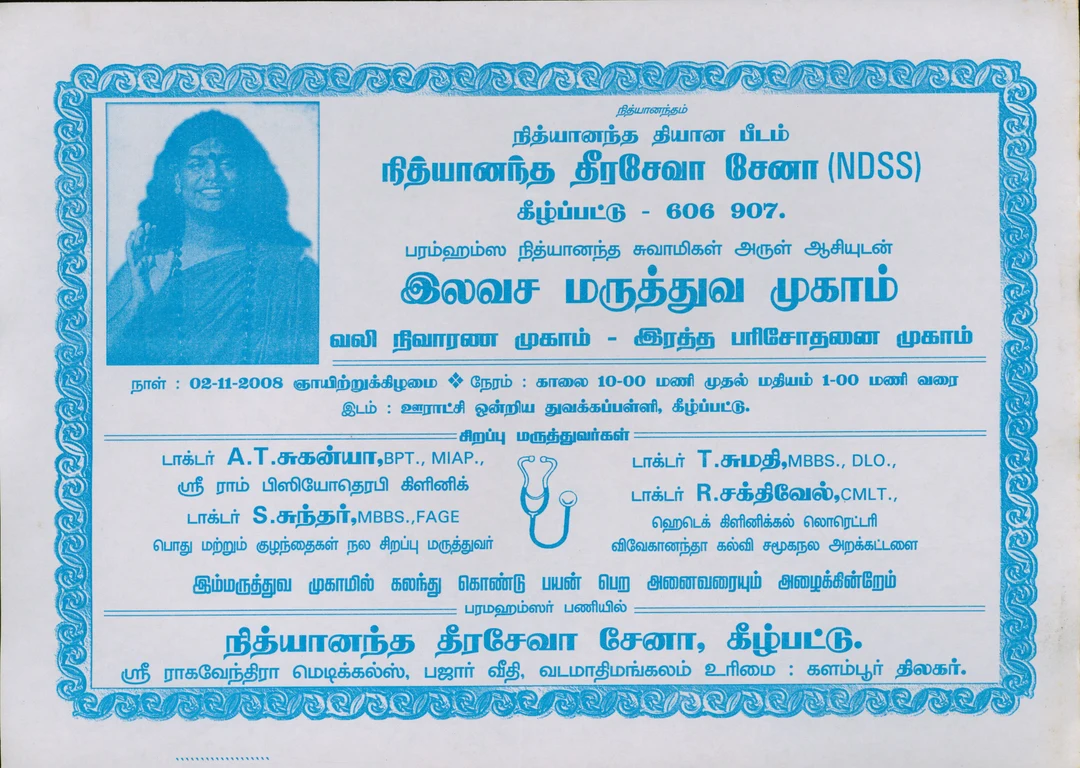
Flyers
Photos Of The Day:
Temple
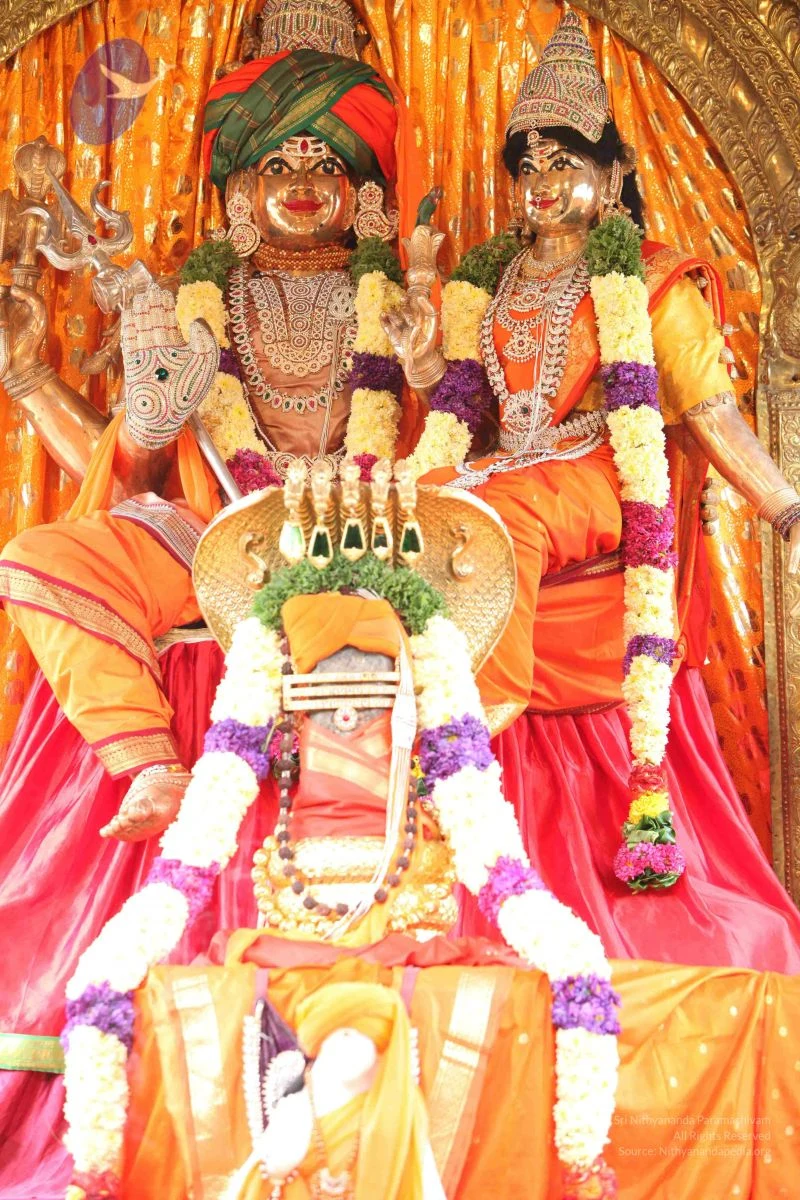
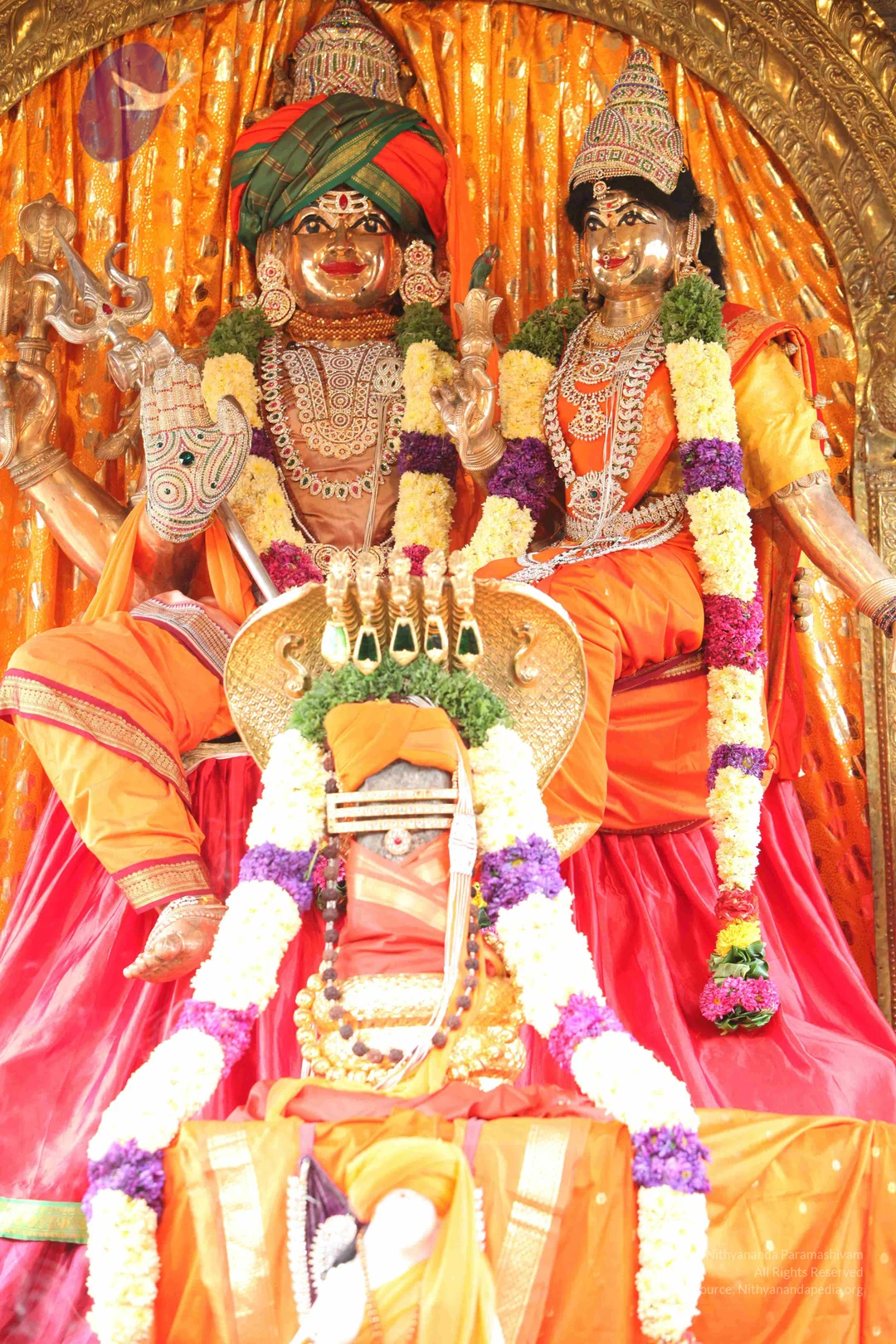
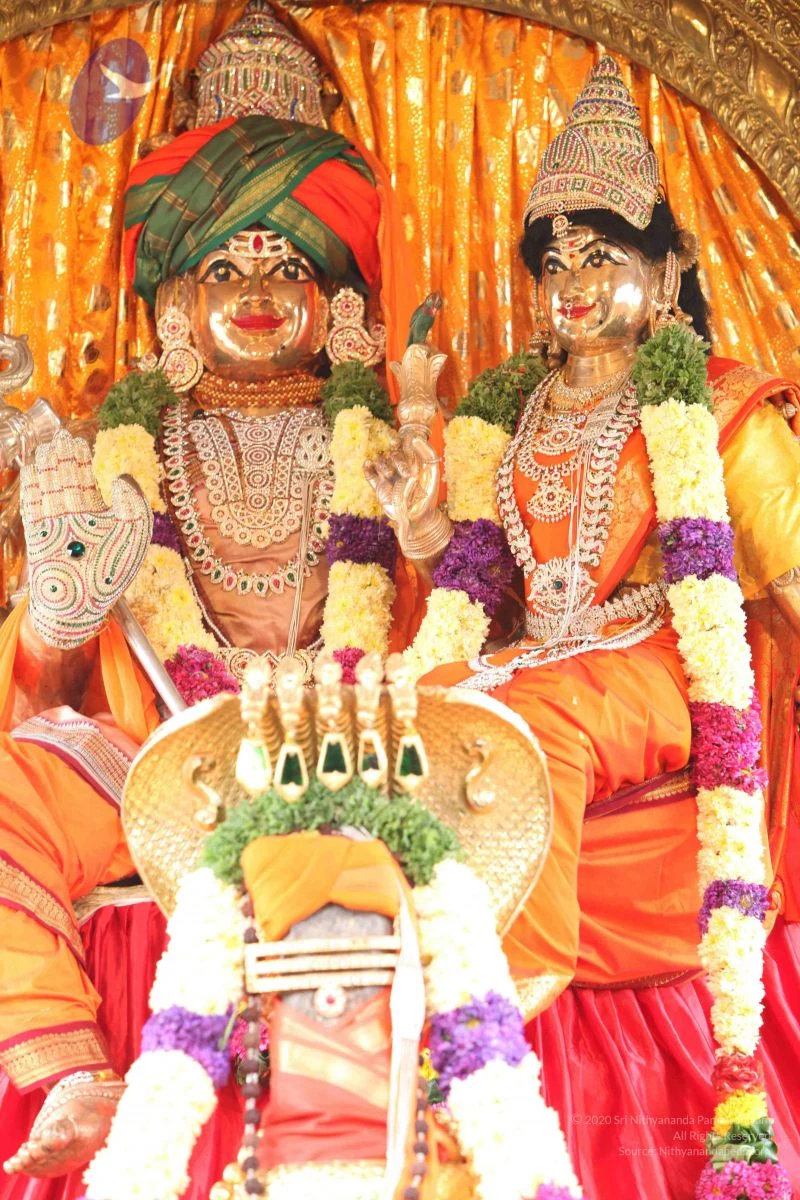
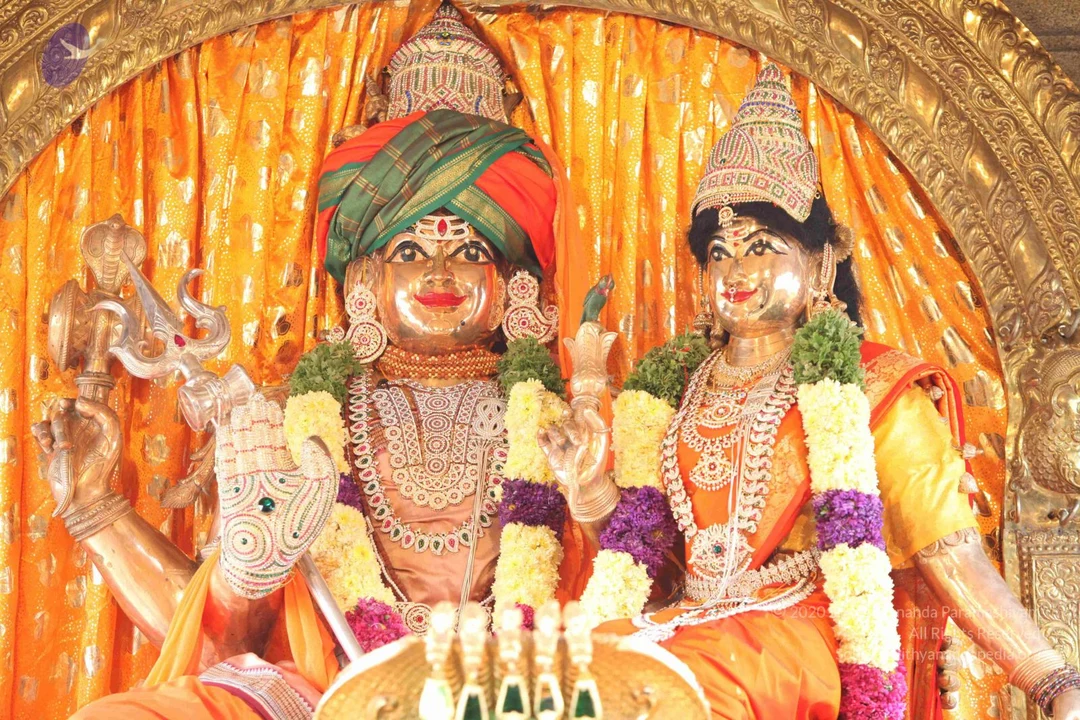
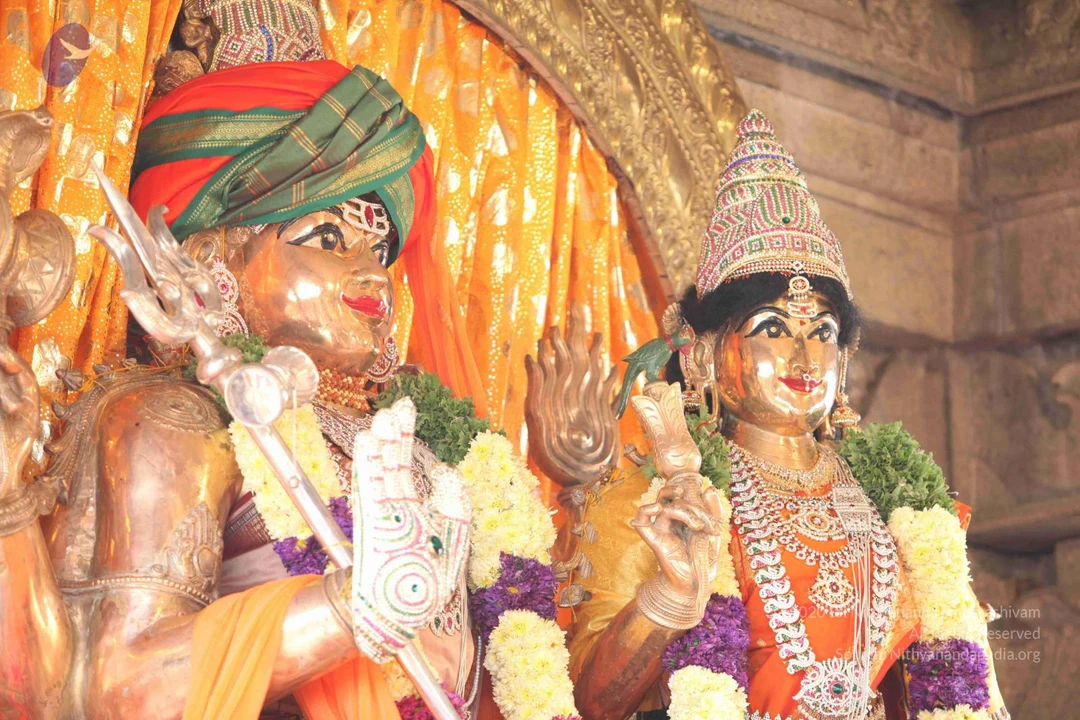
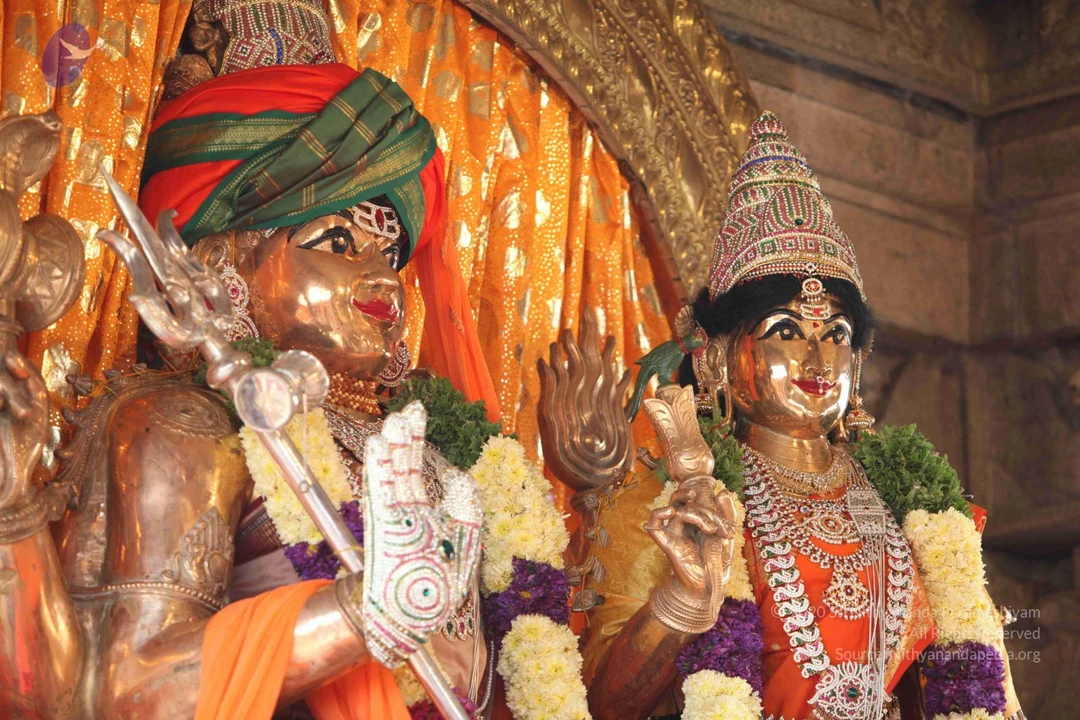
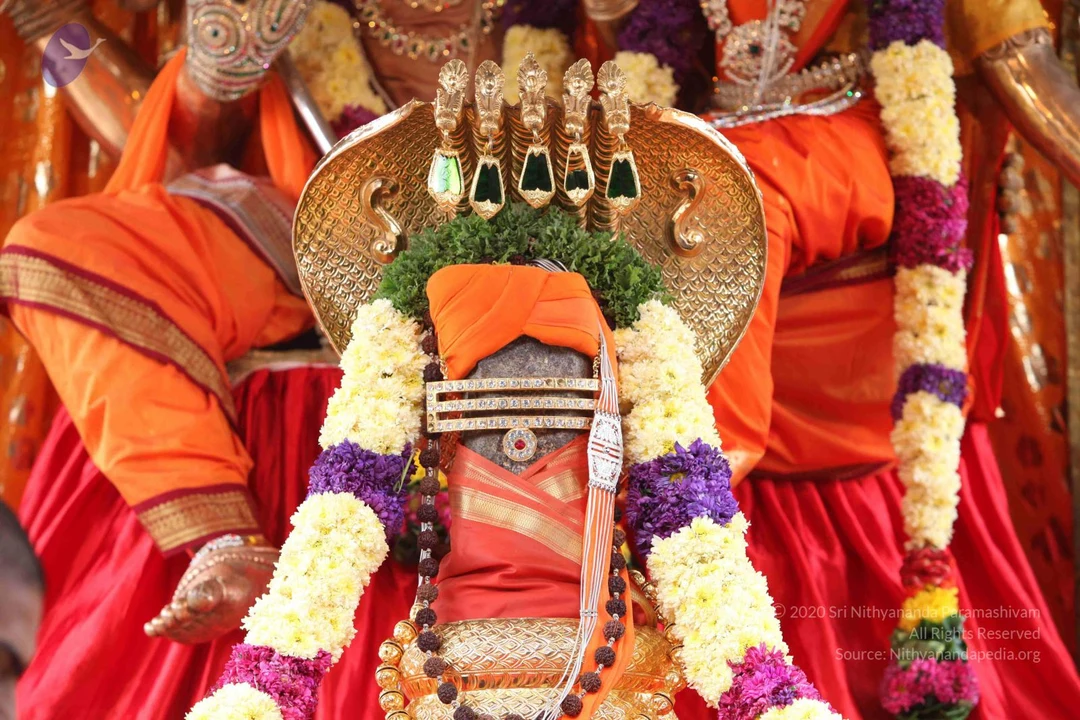
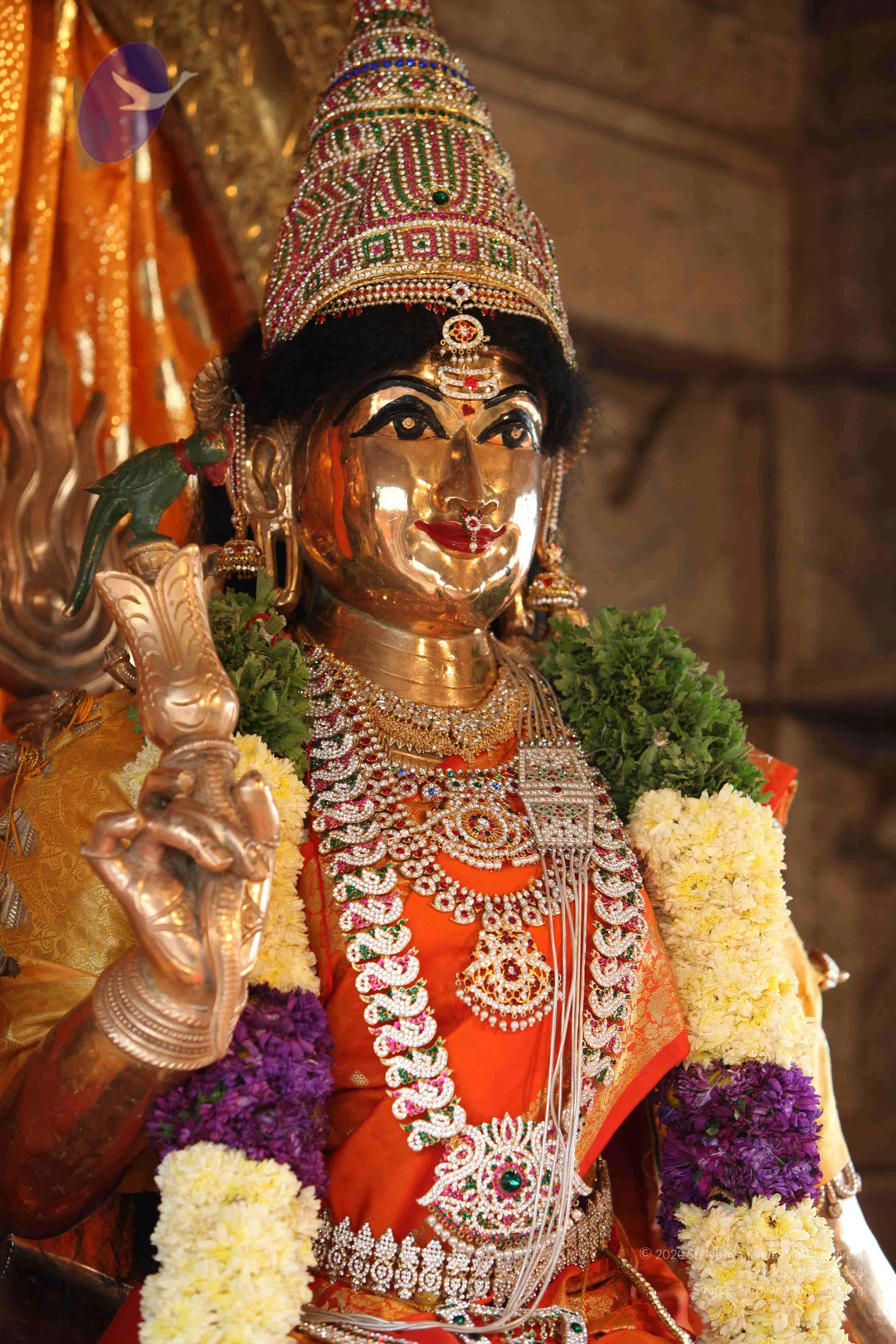
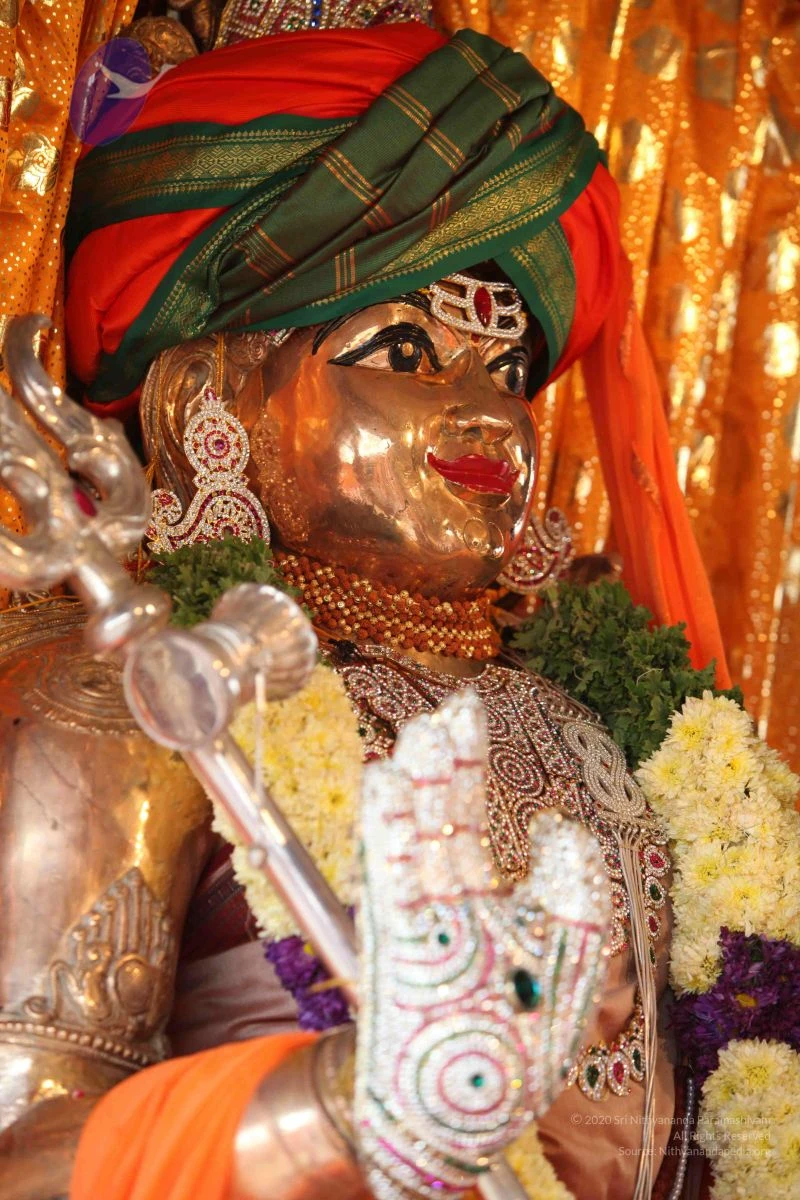
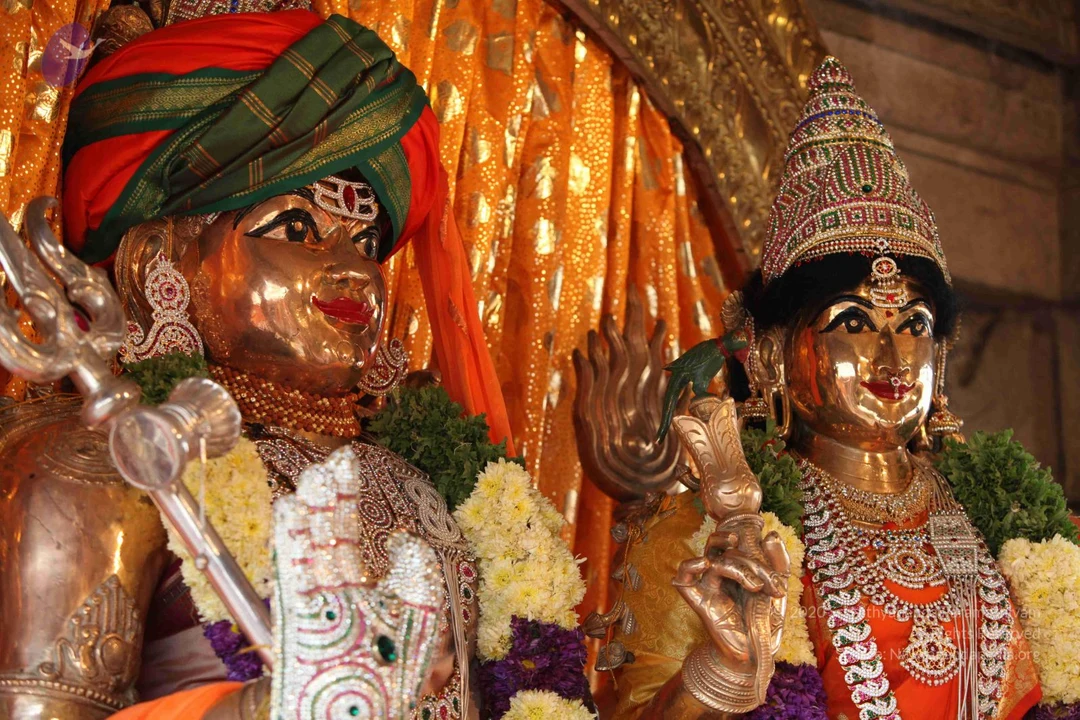
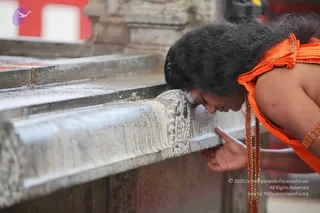
Puja
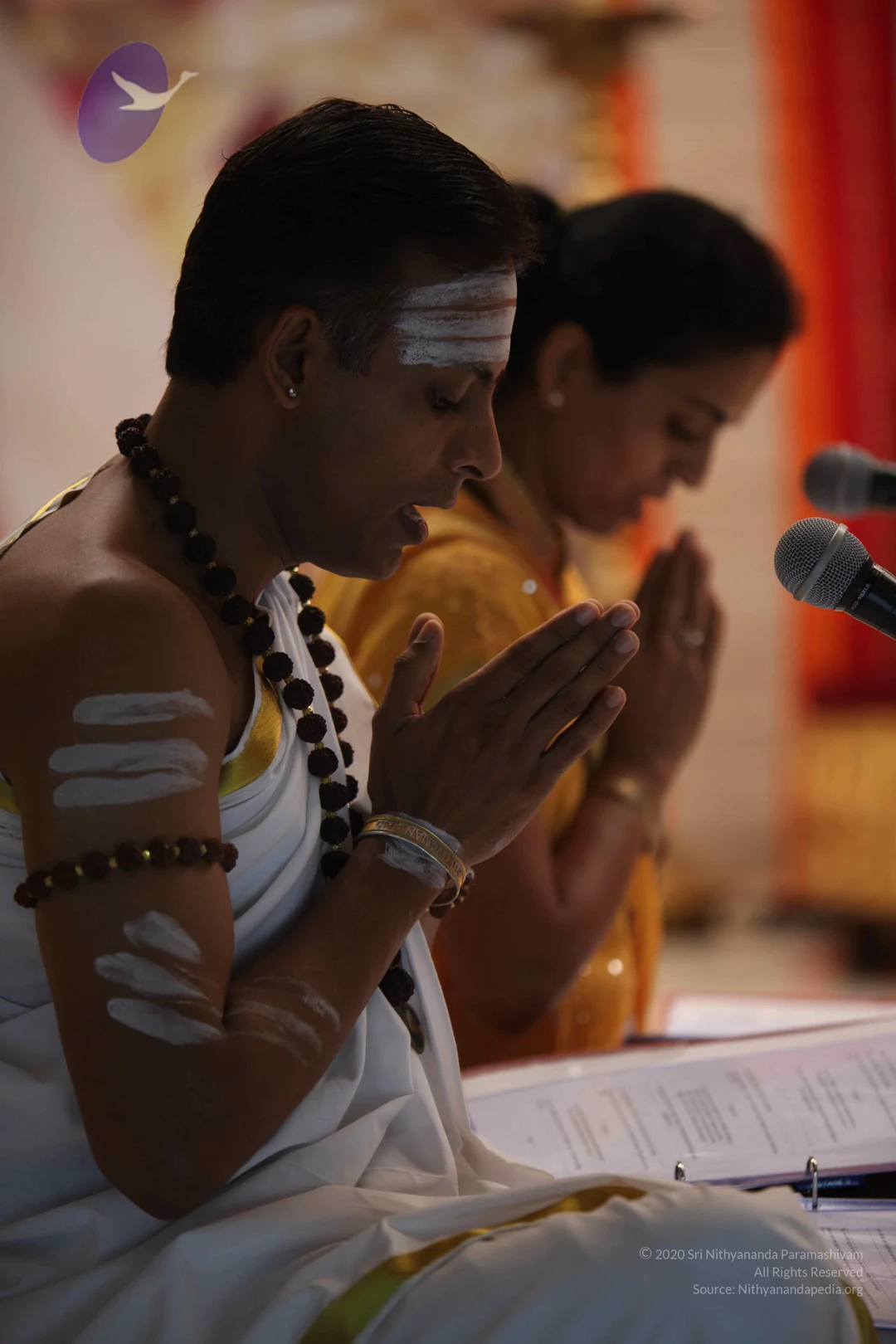
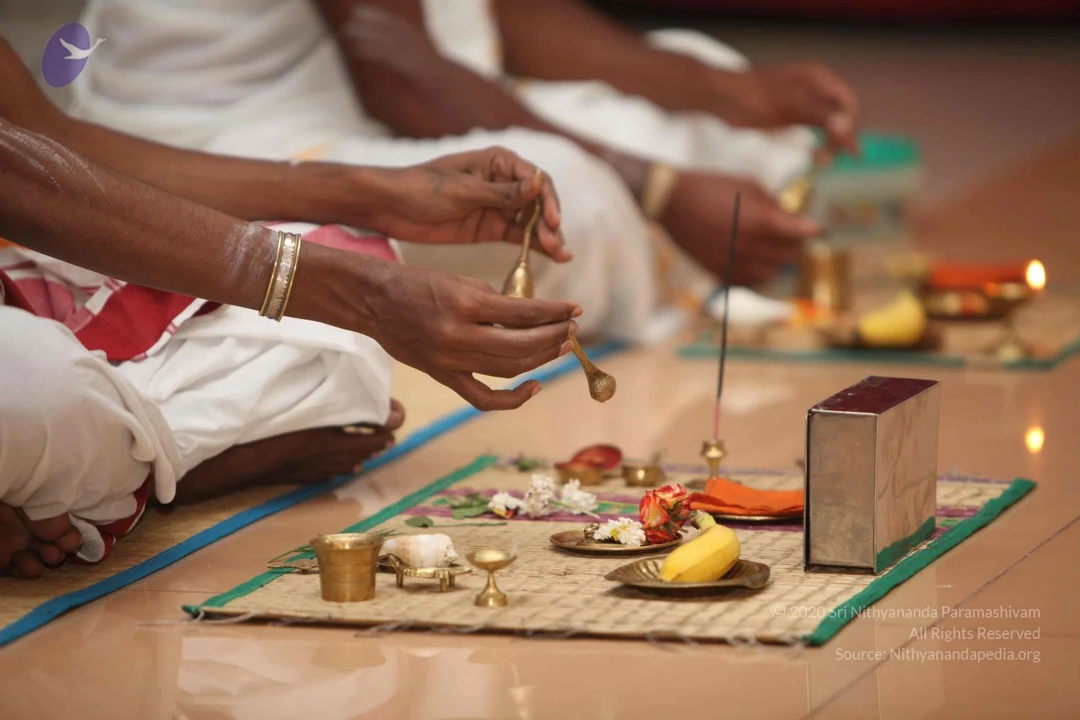
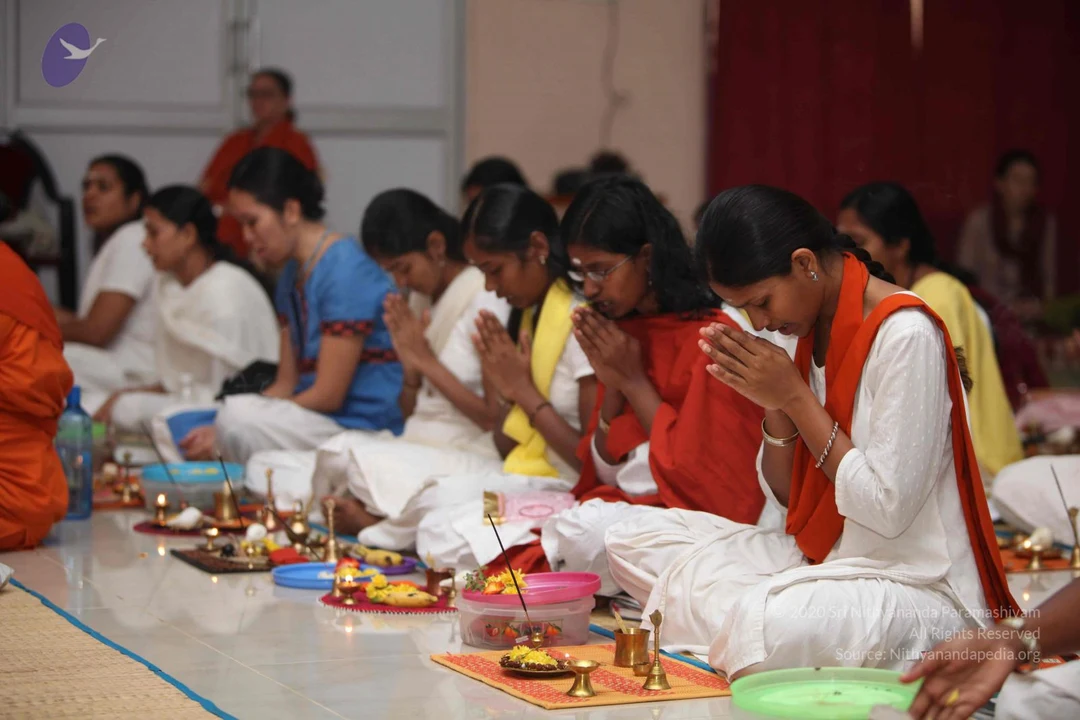
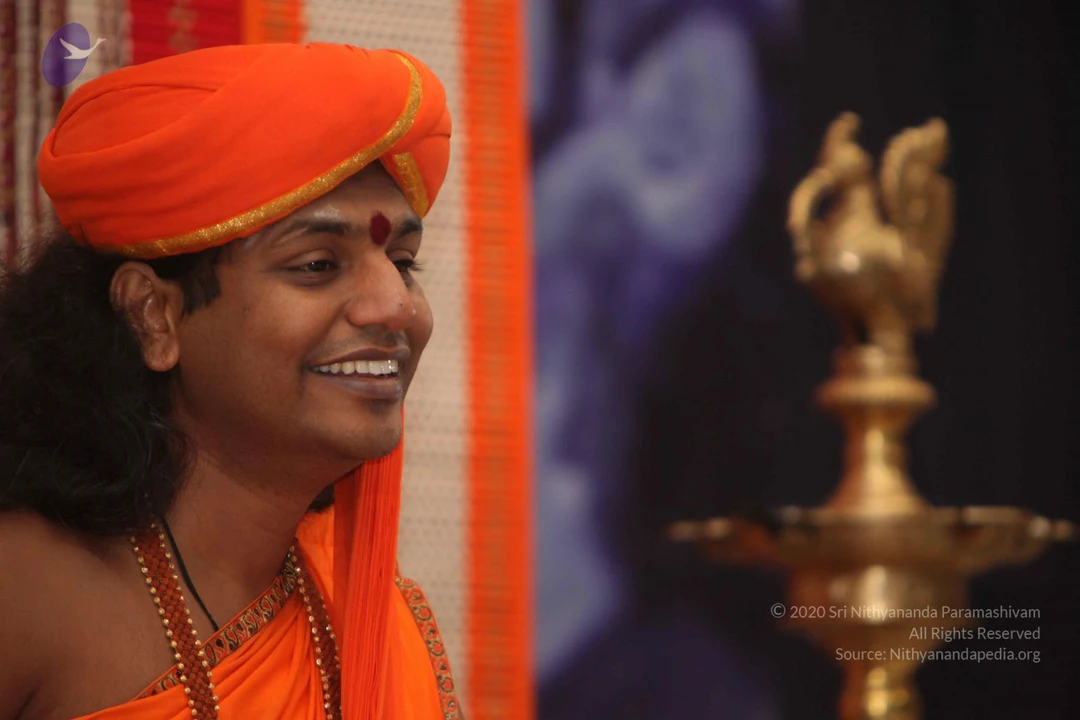
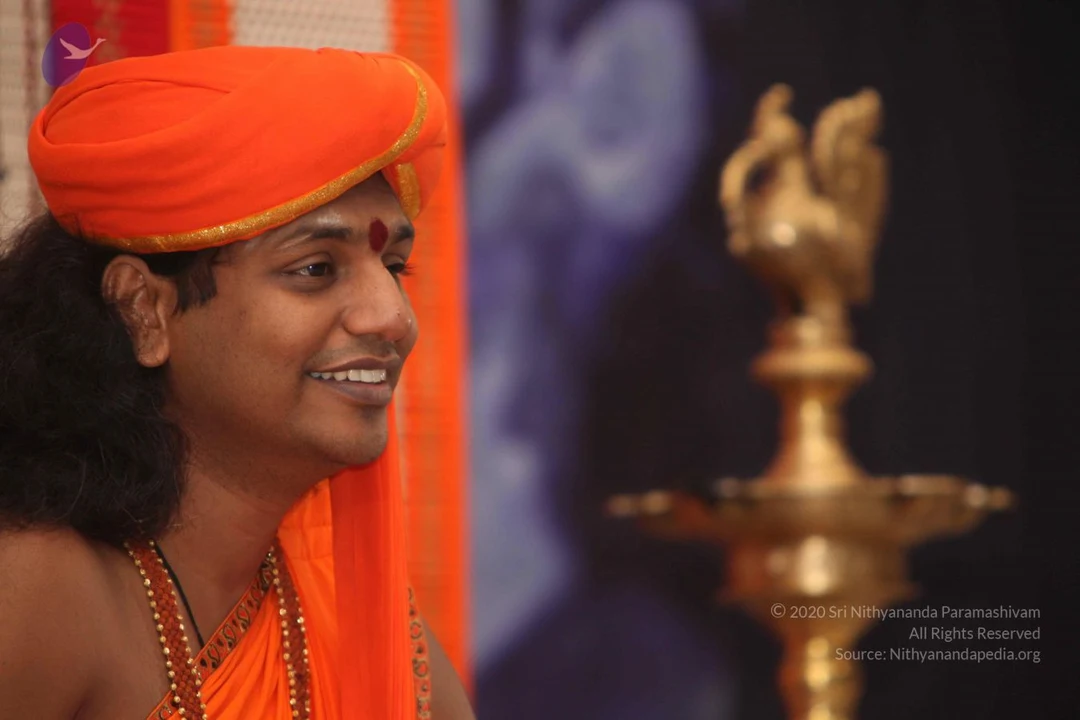
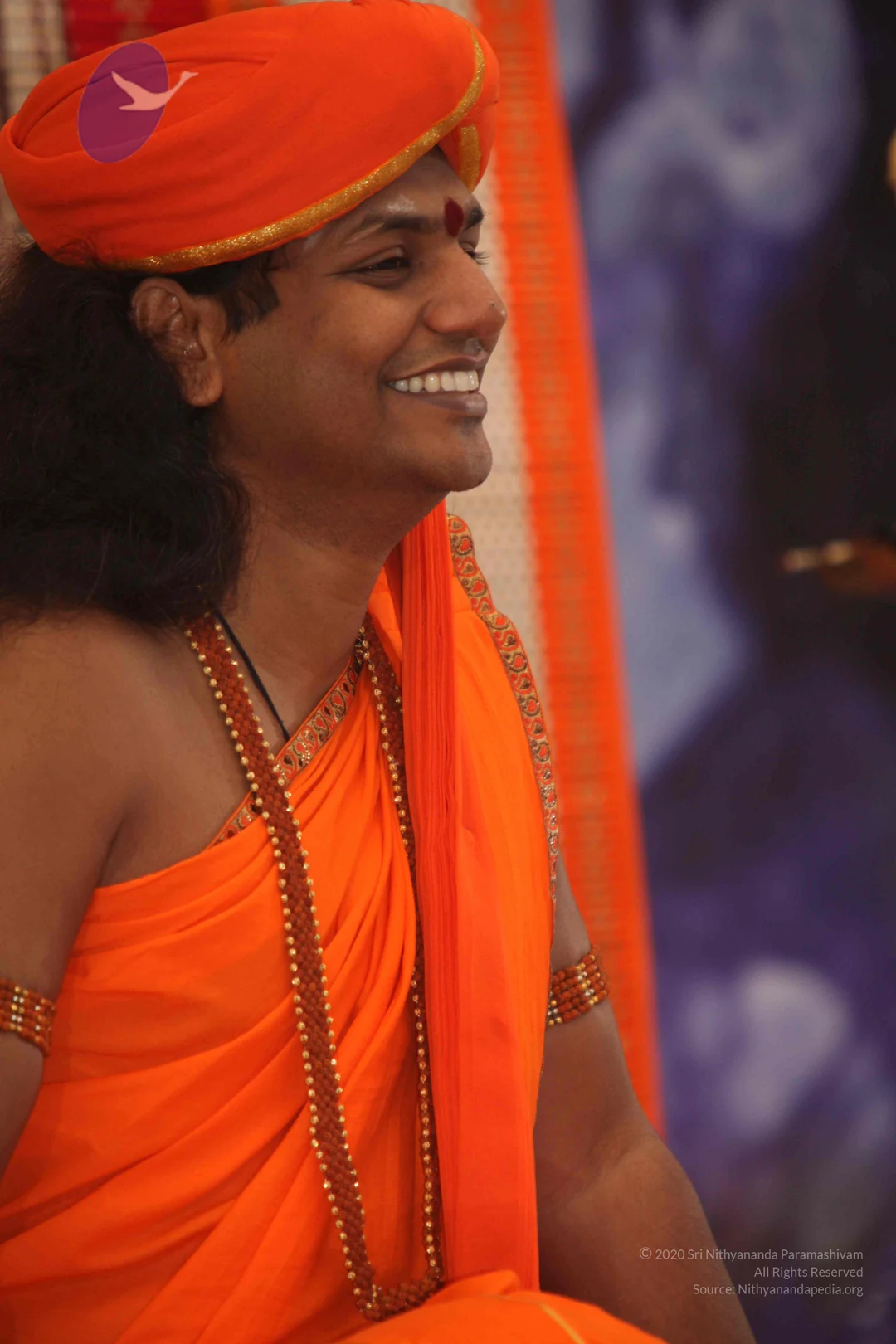
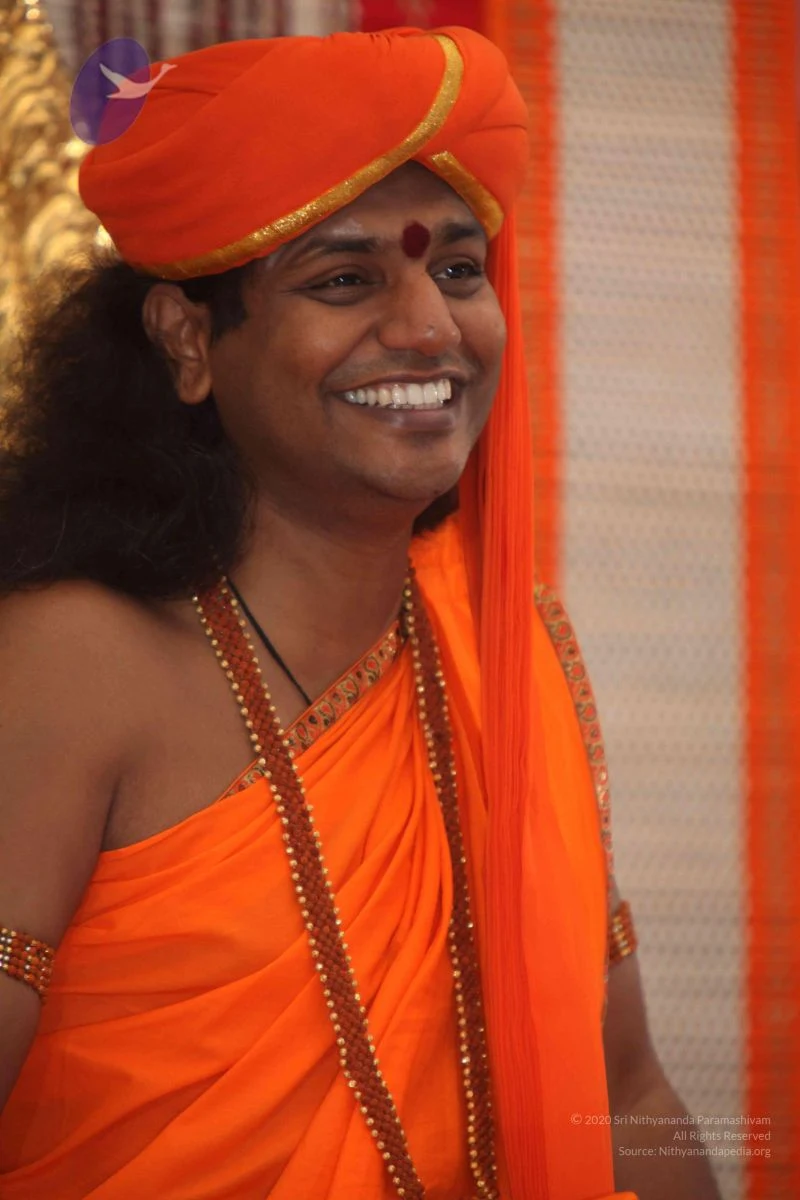
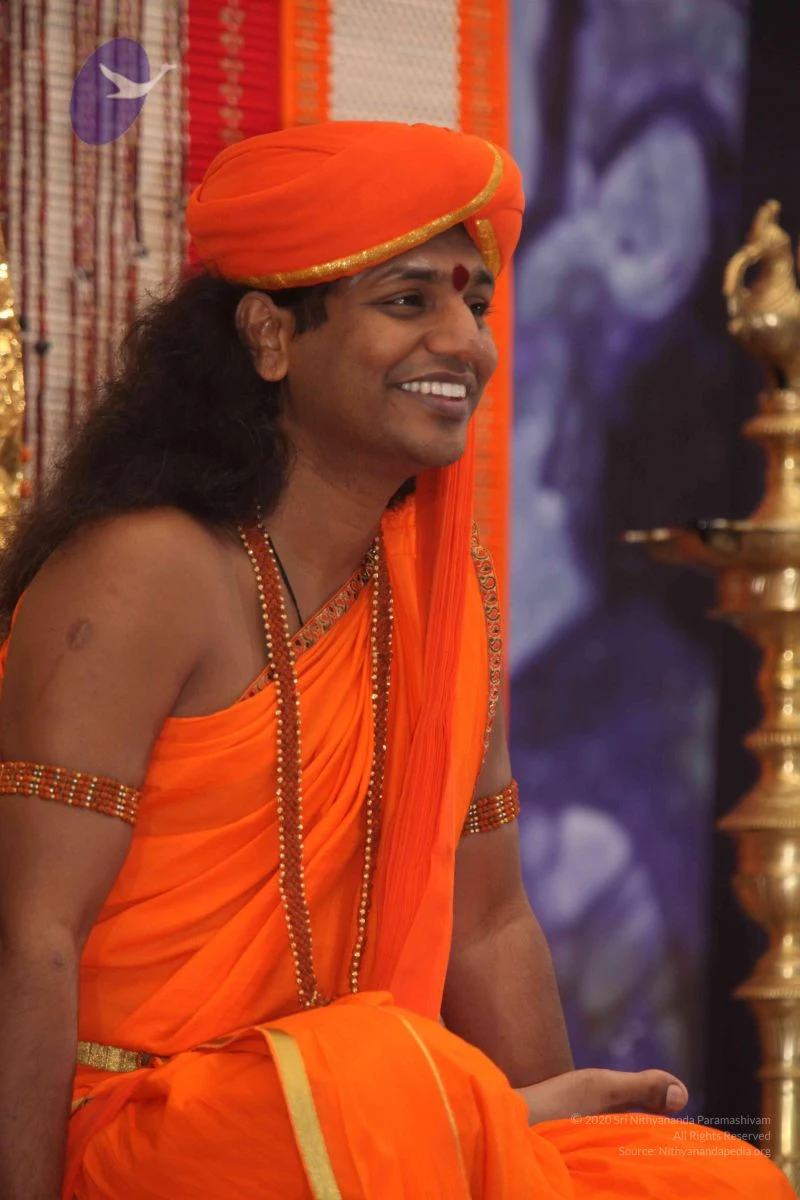
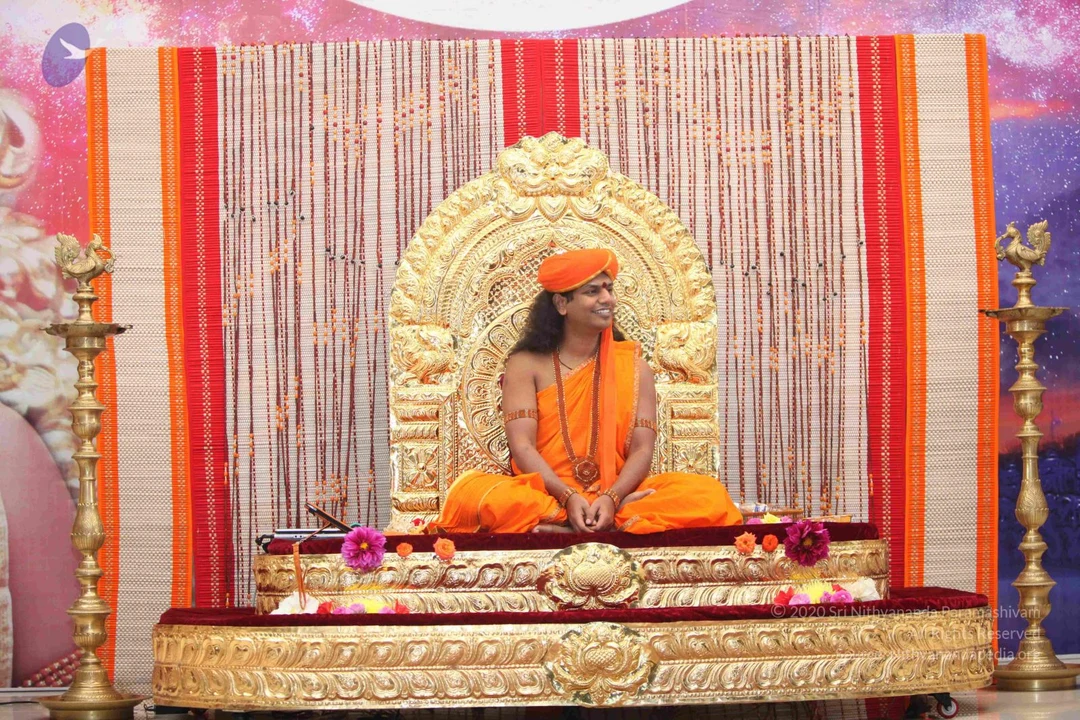
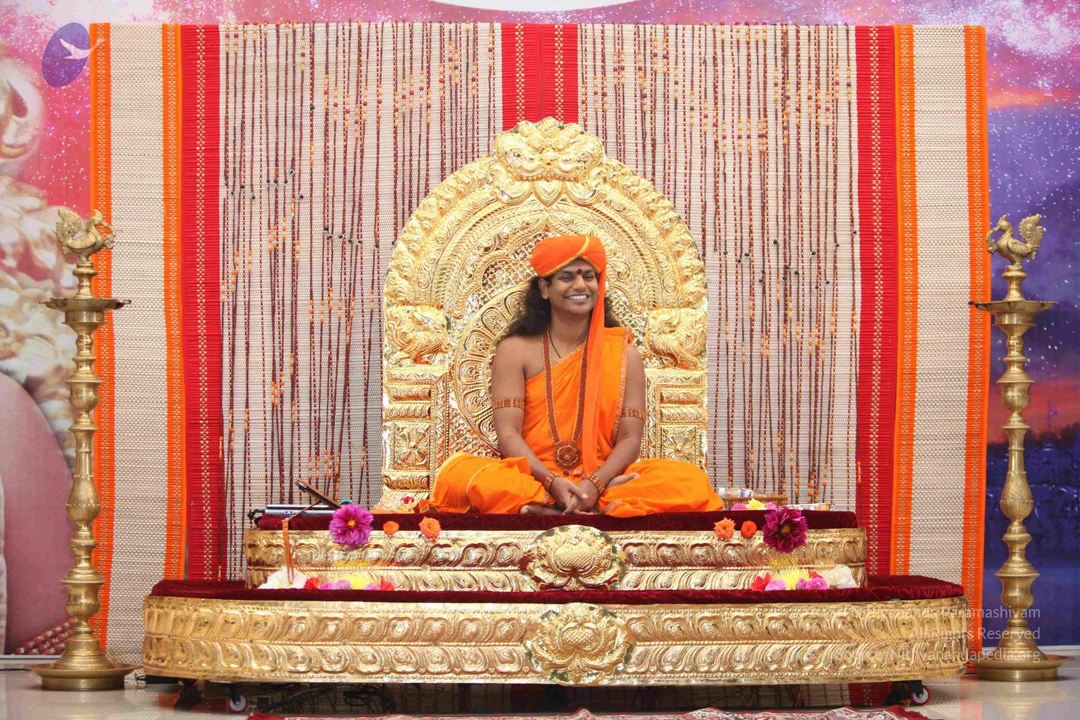
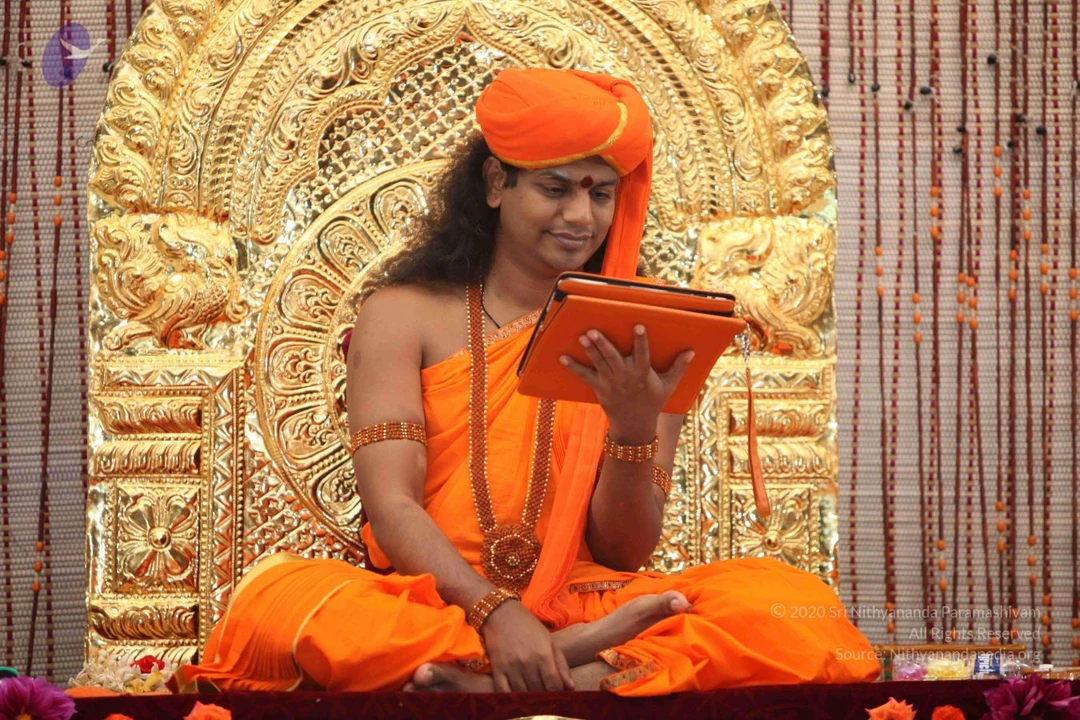
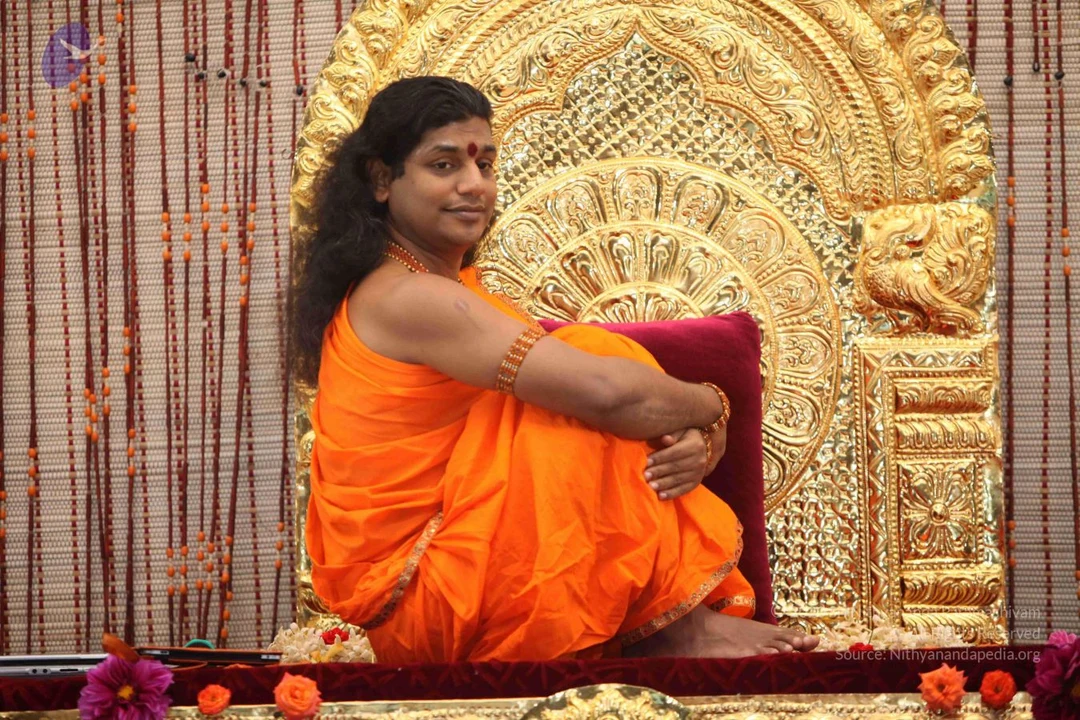
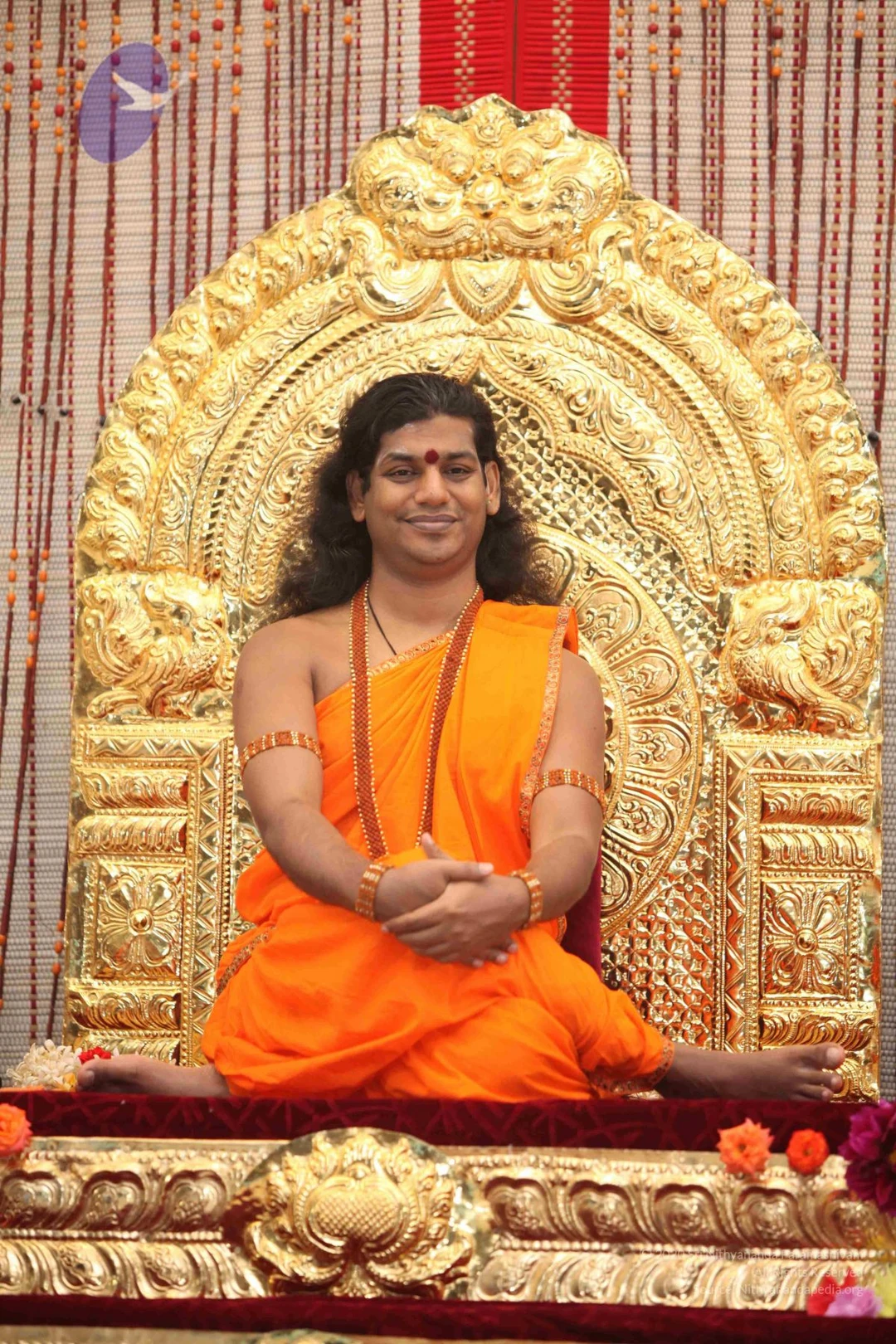
BG-Satsang
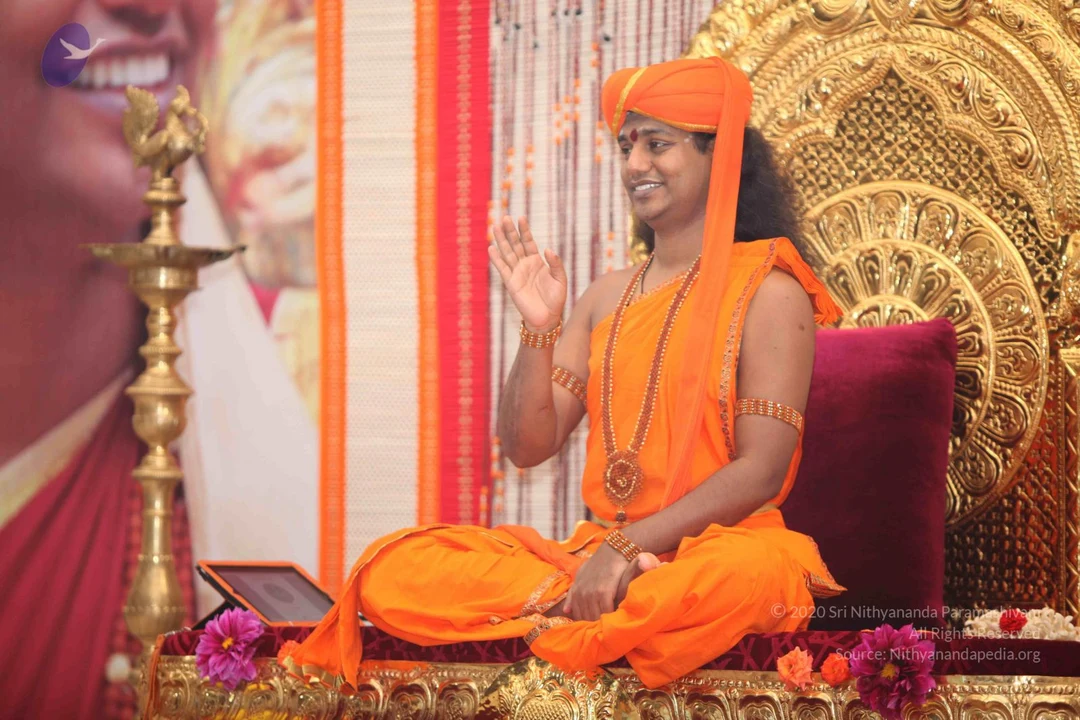
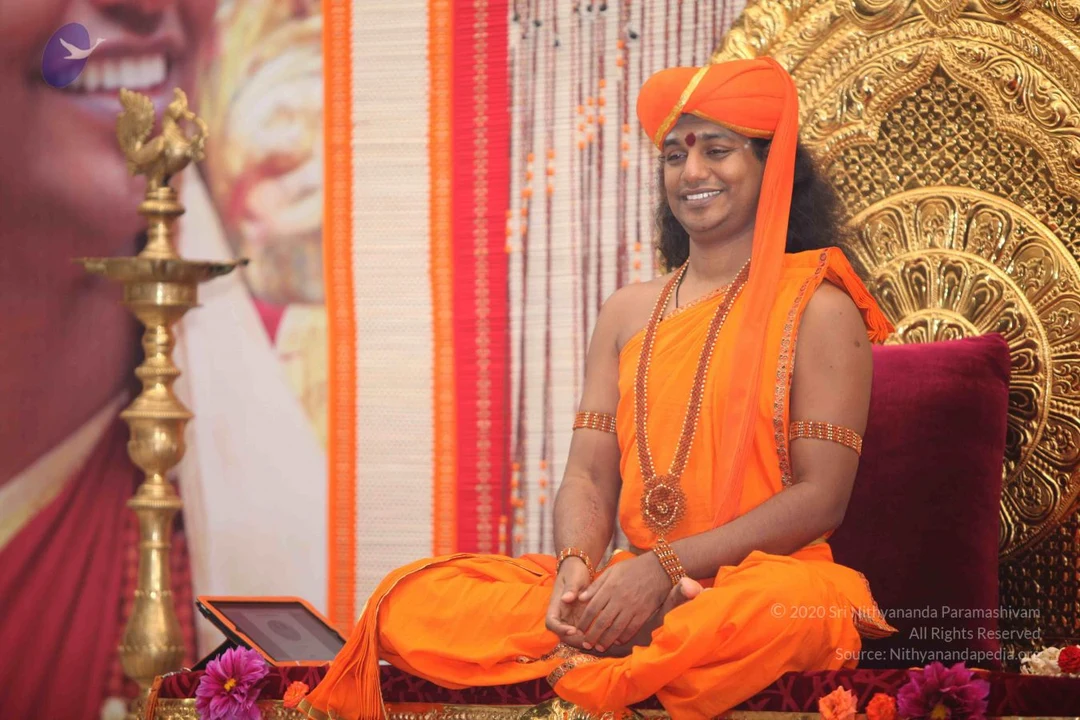
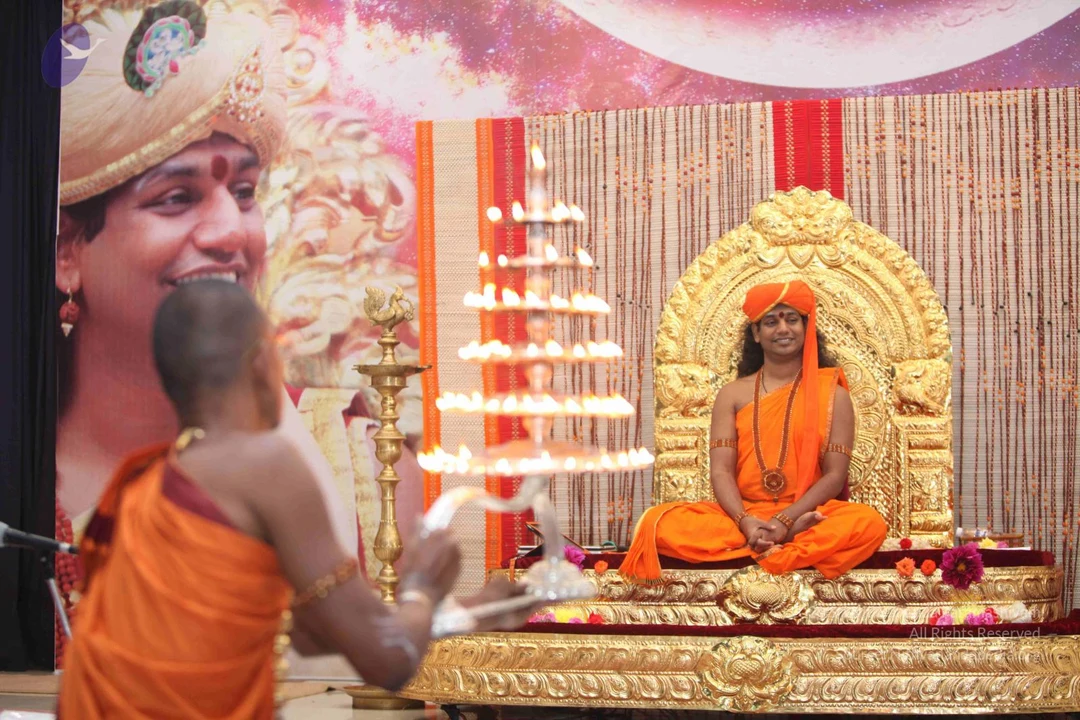
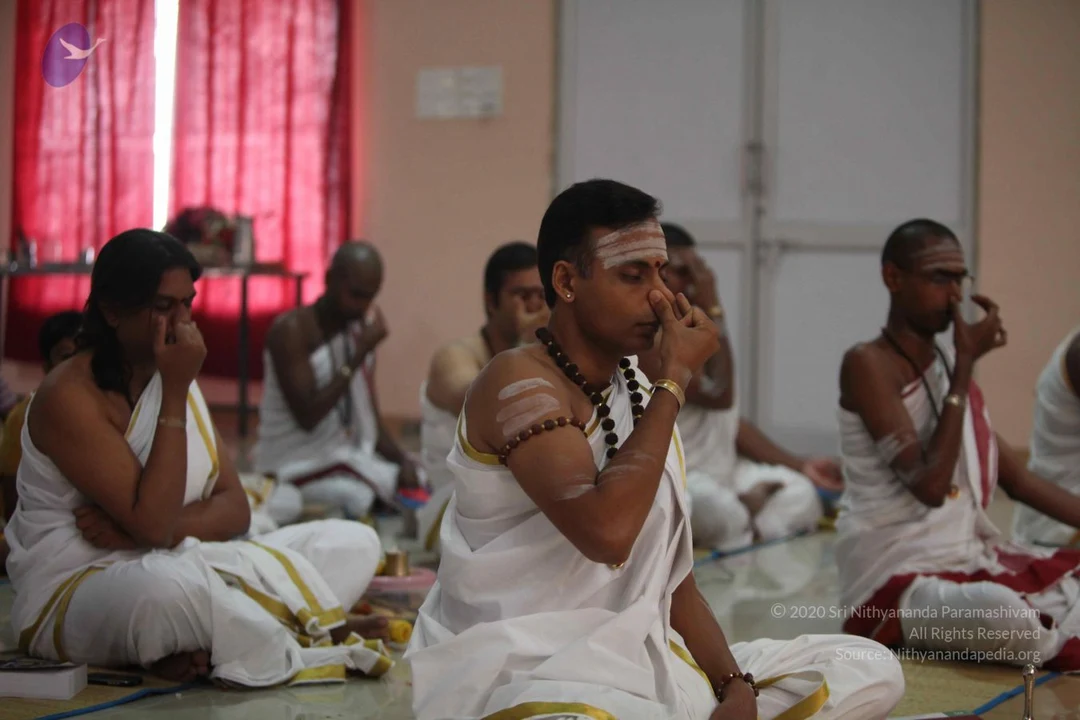
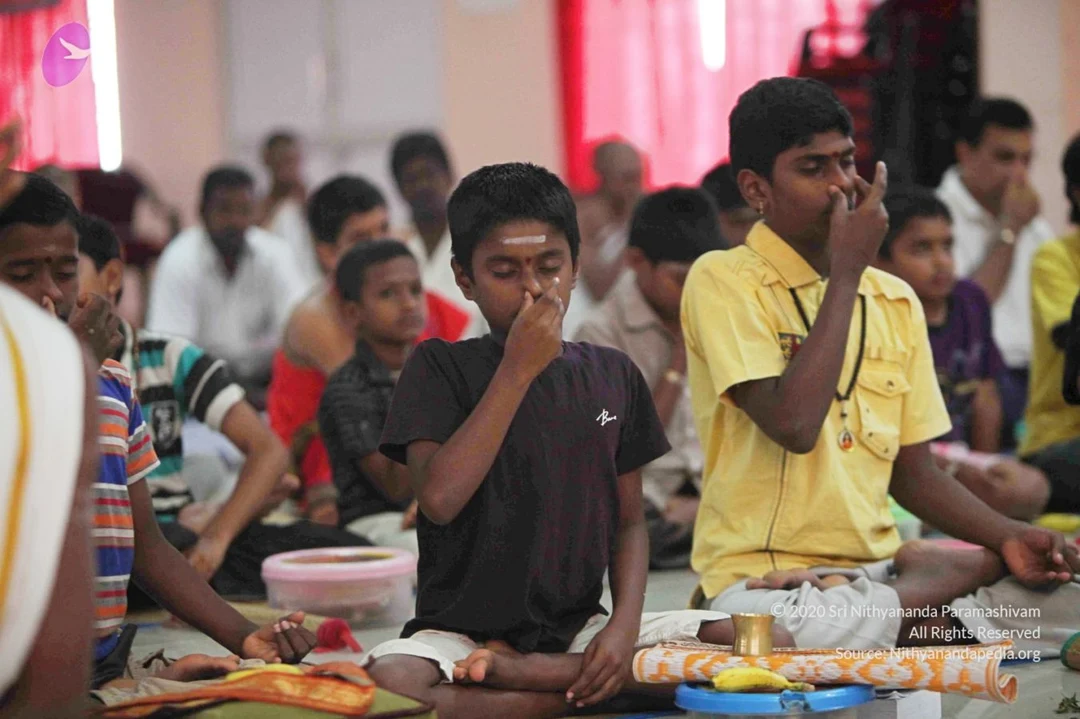
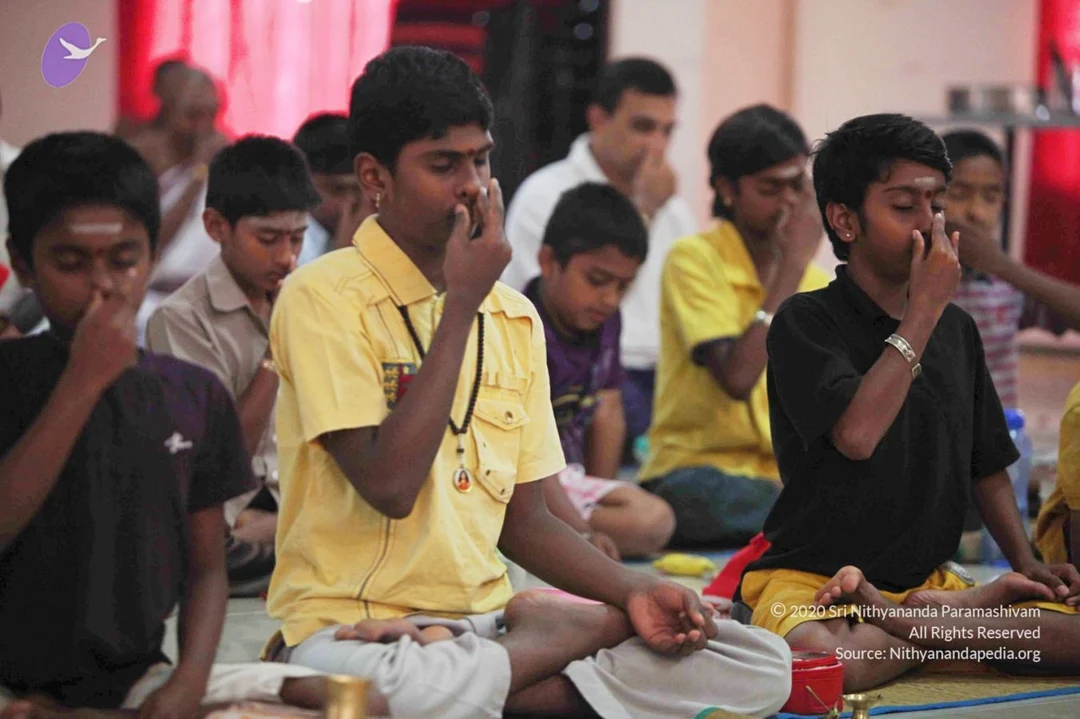
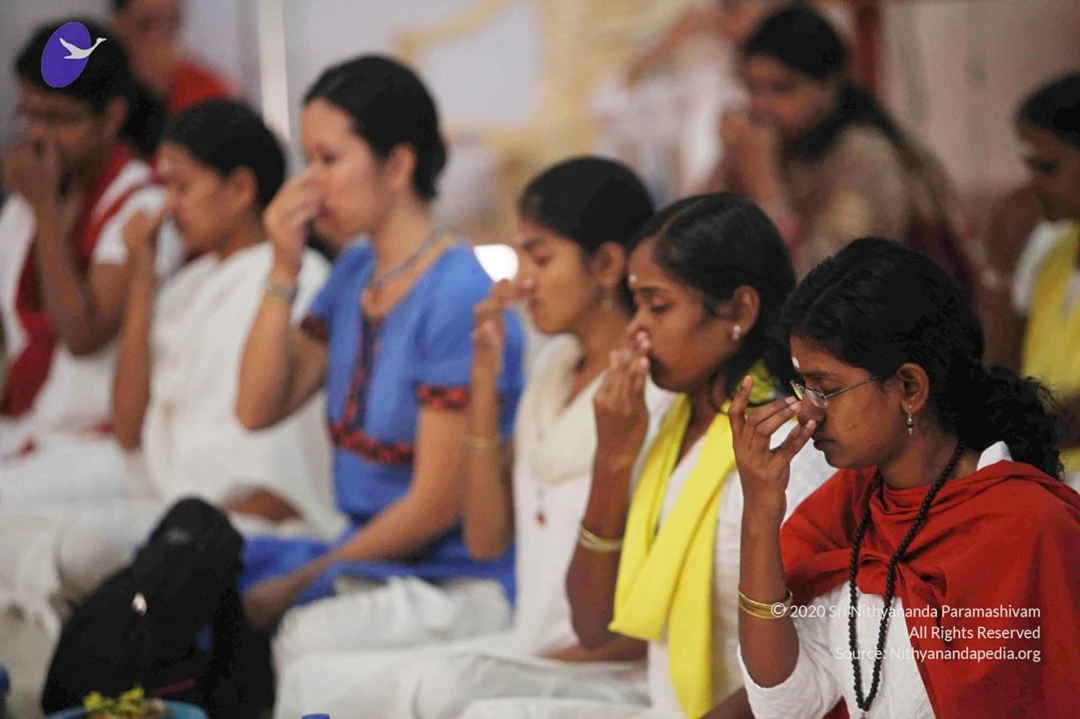
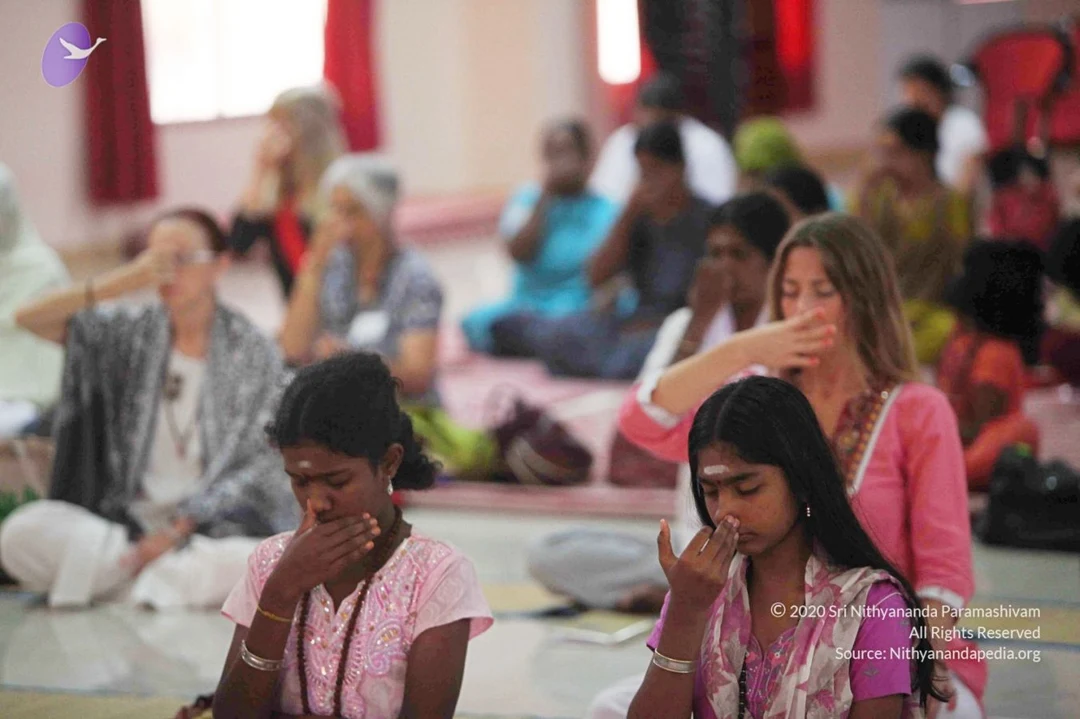
Nithya-Kriya
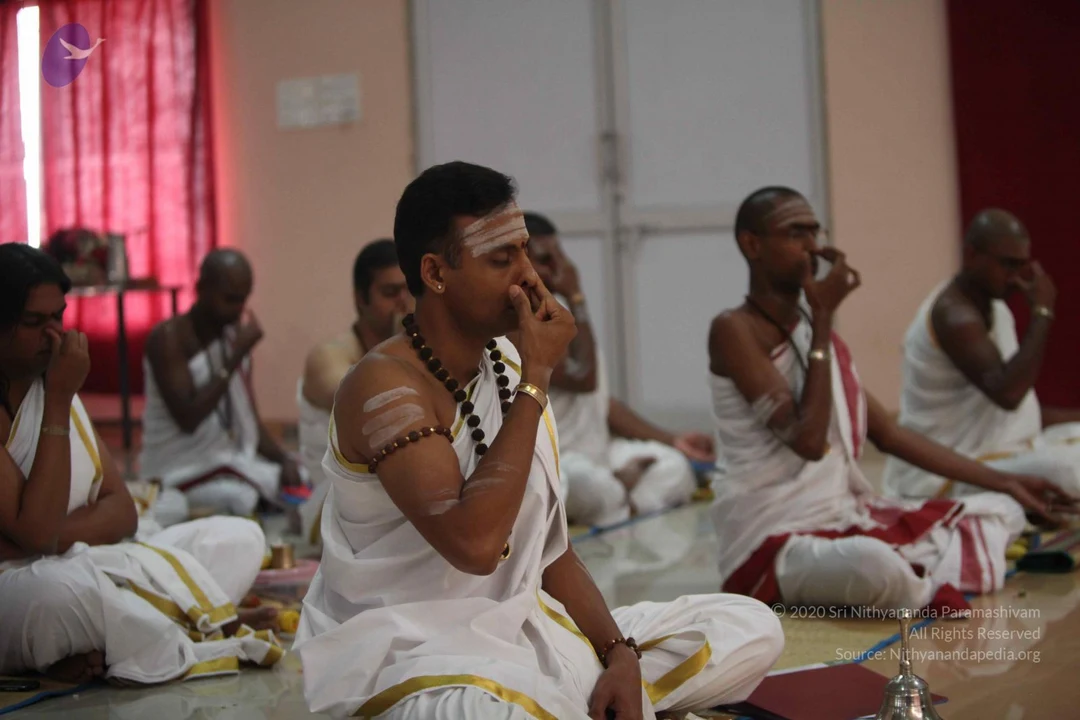
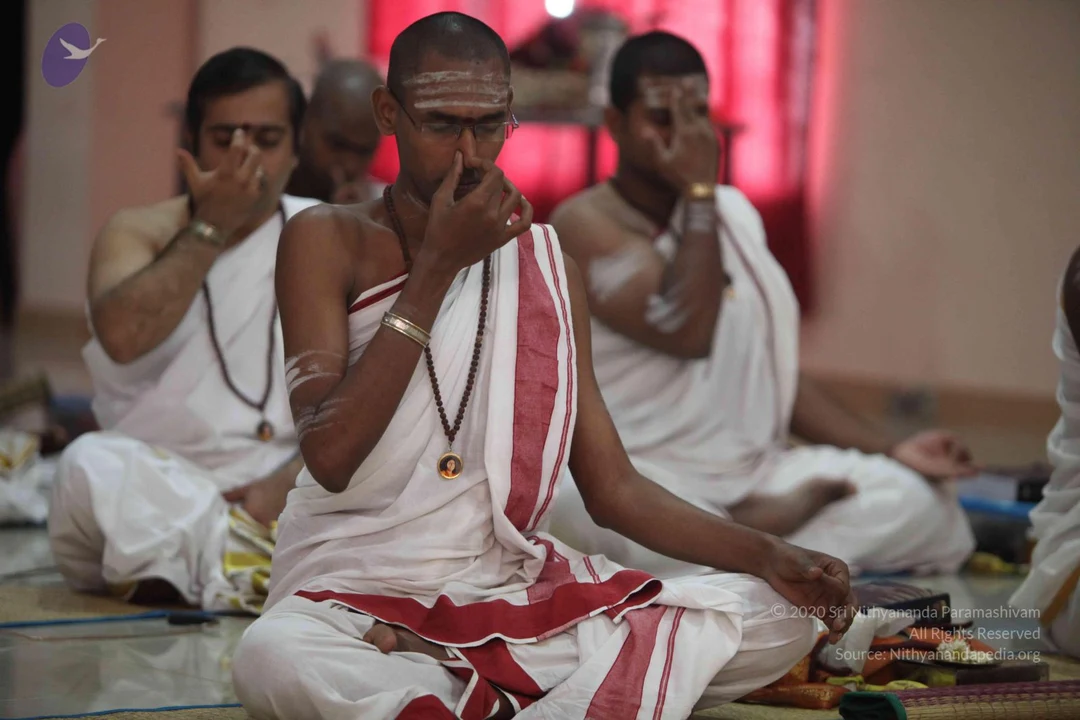
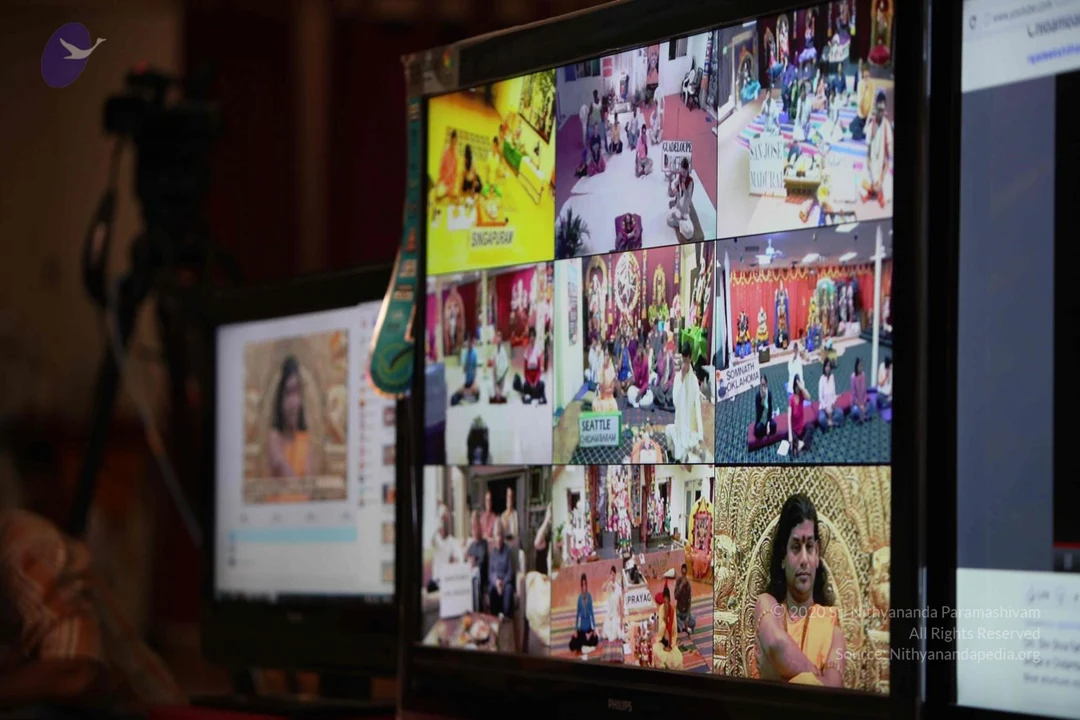
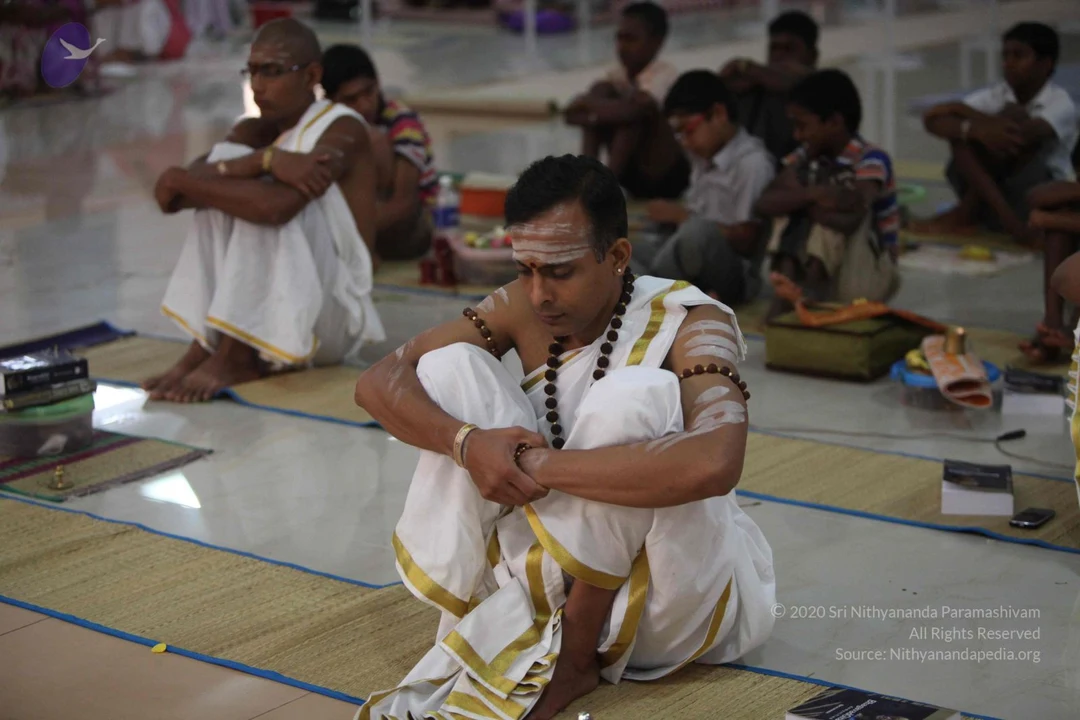
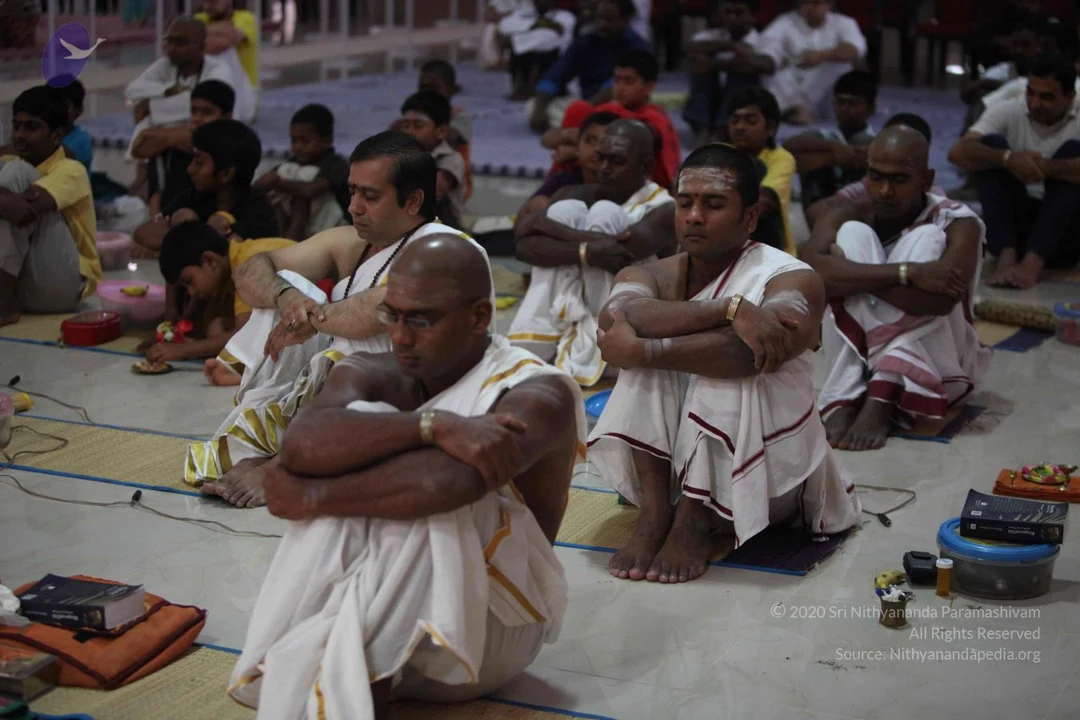
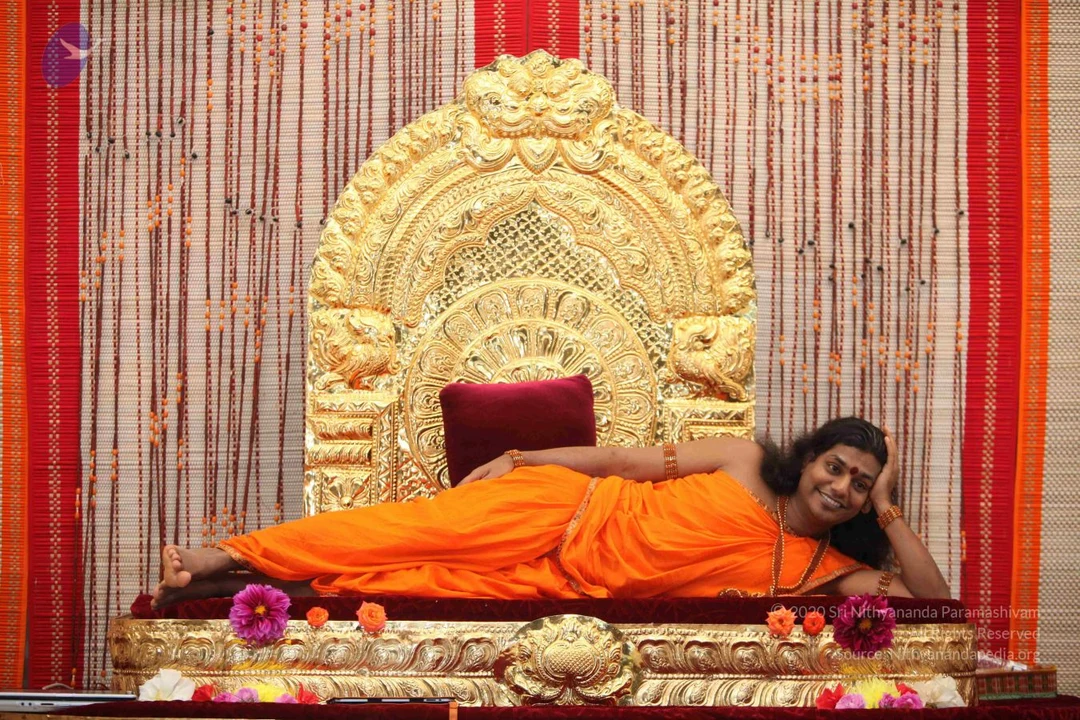
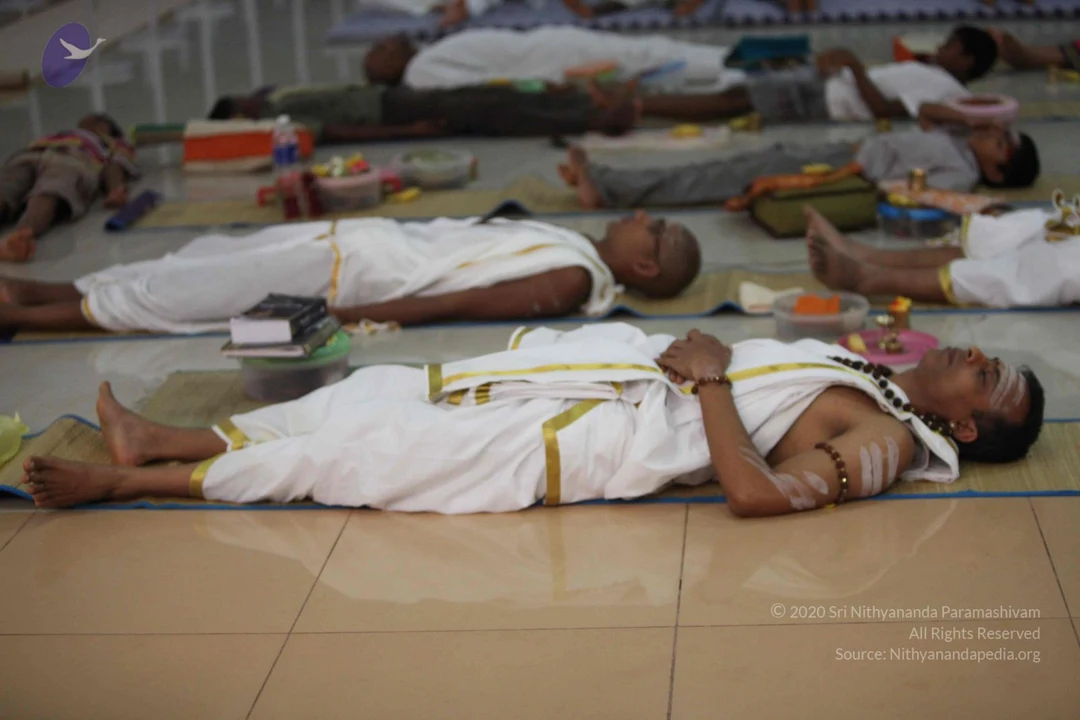
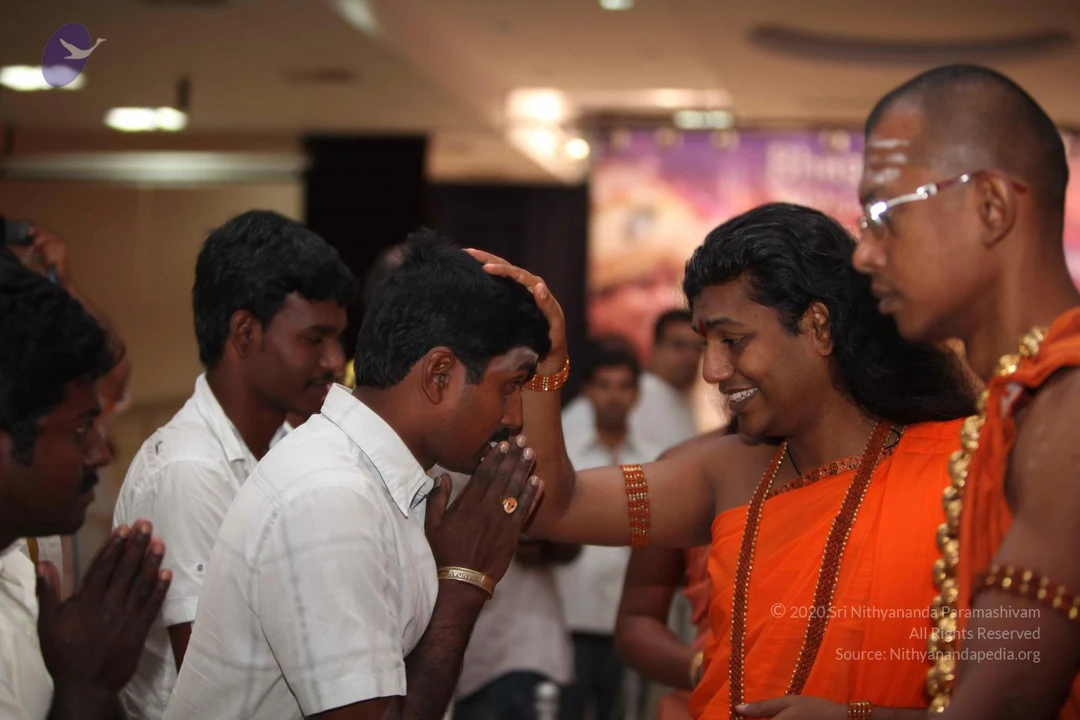
Photos Of The Day:
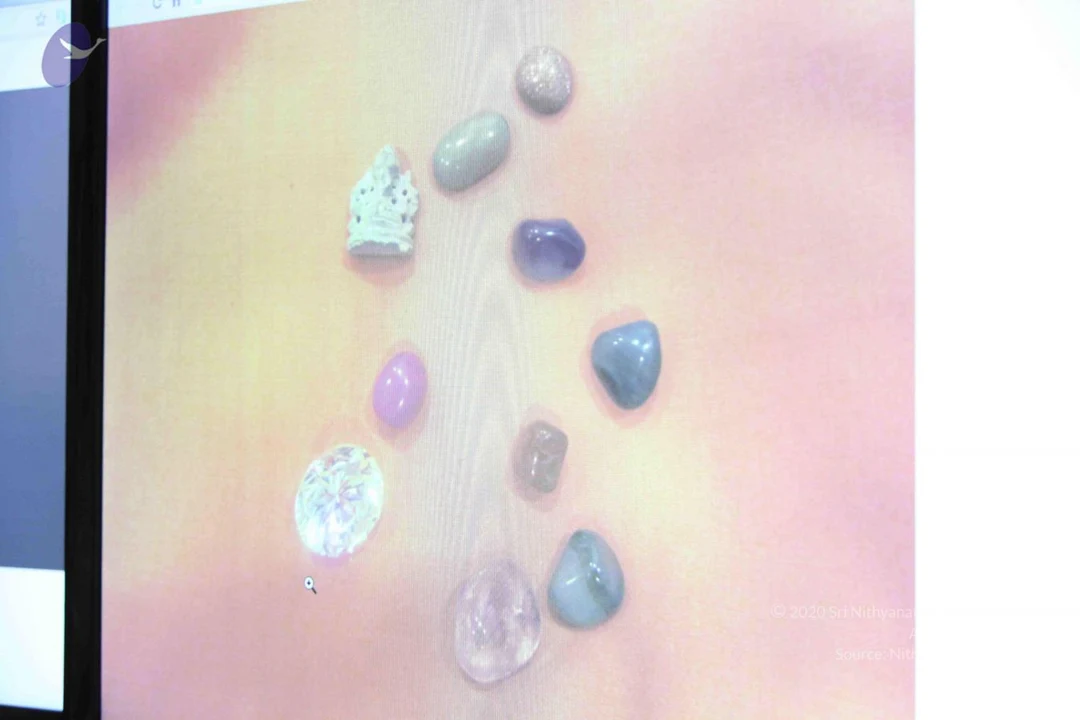
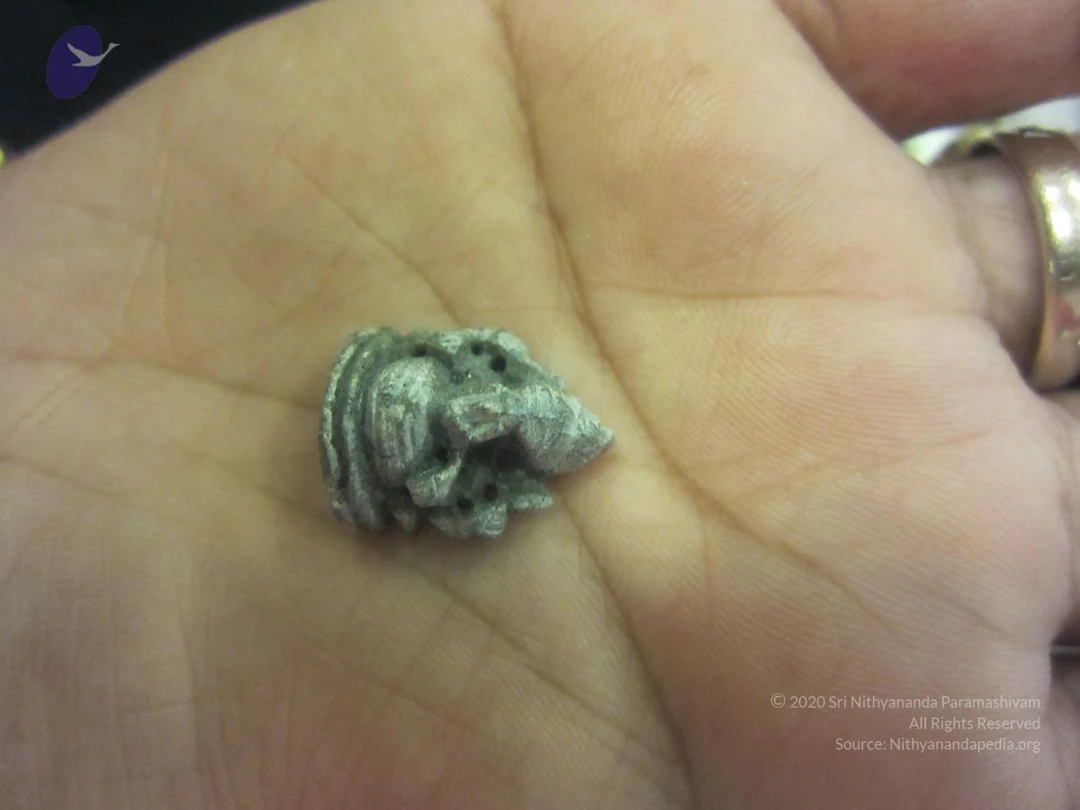
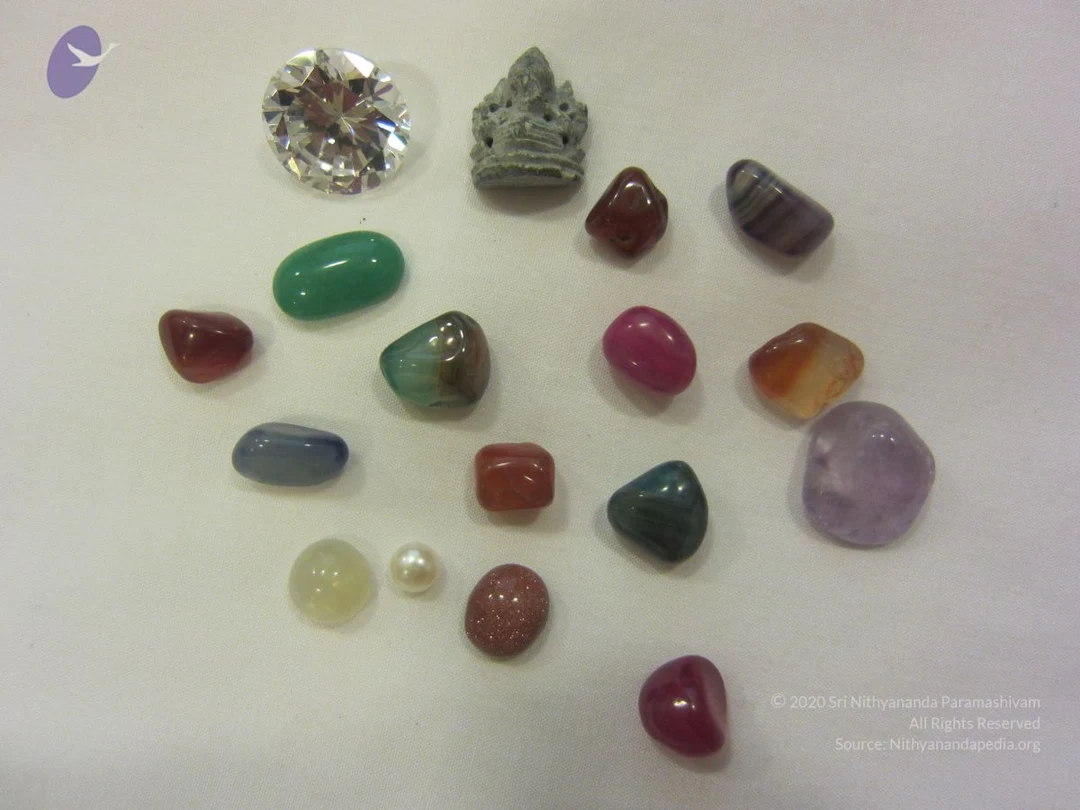
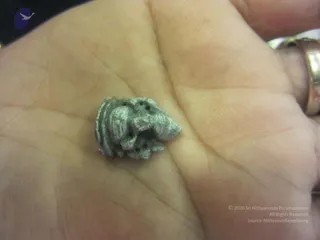
Ganesha-Gems-Materialization
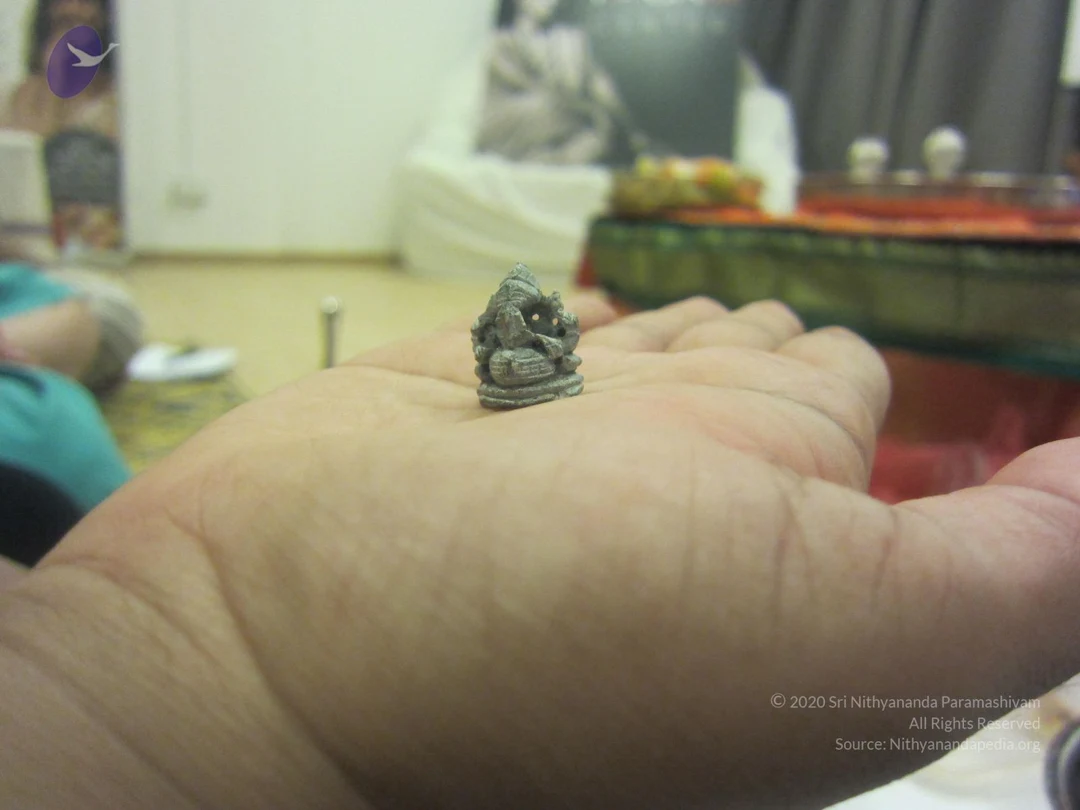
Photos Of The Day:
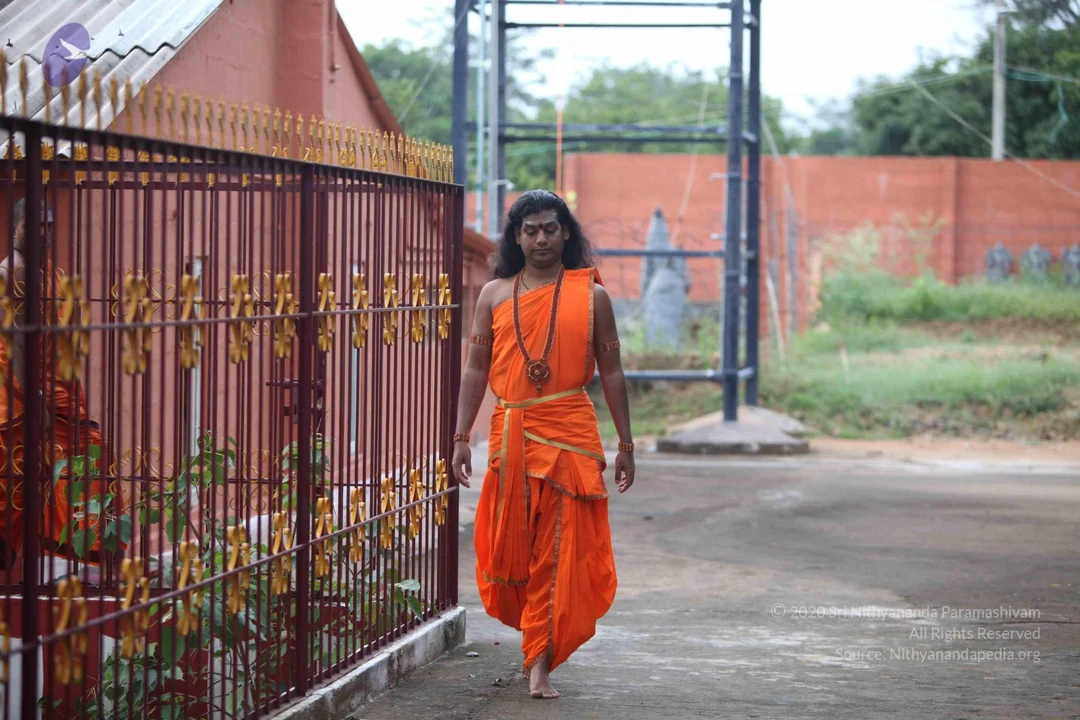
Temple
Puja
BG-Satsang
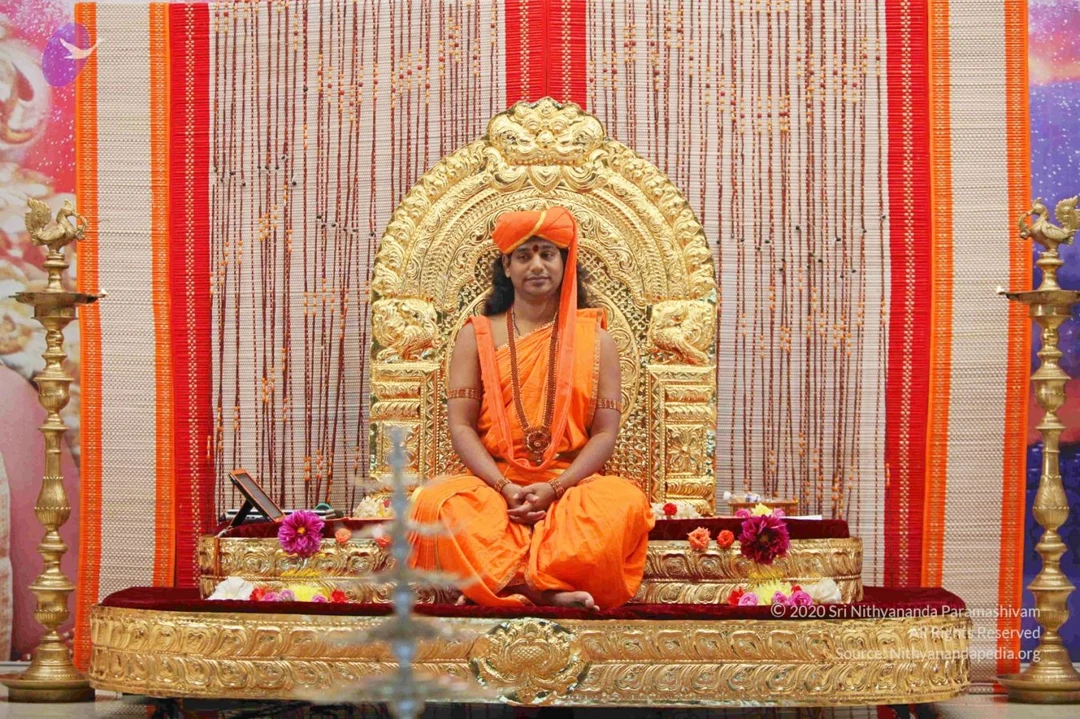
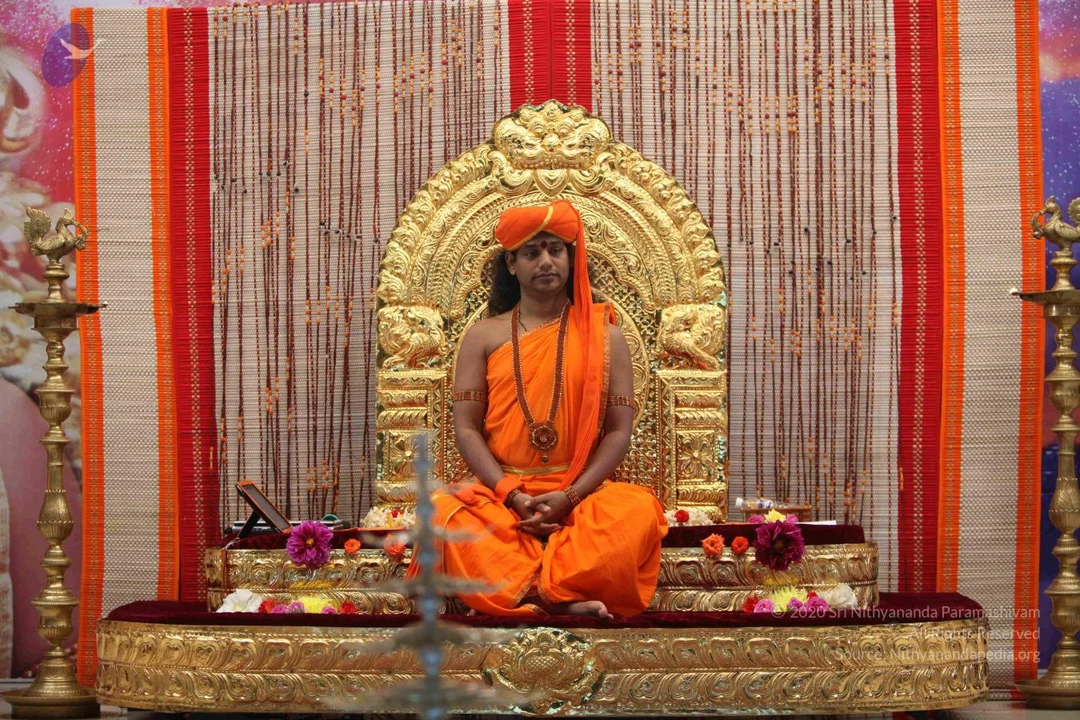
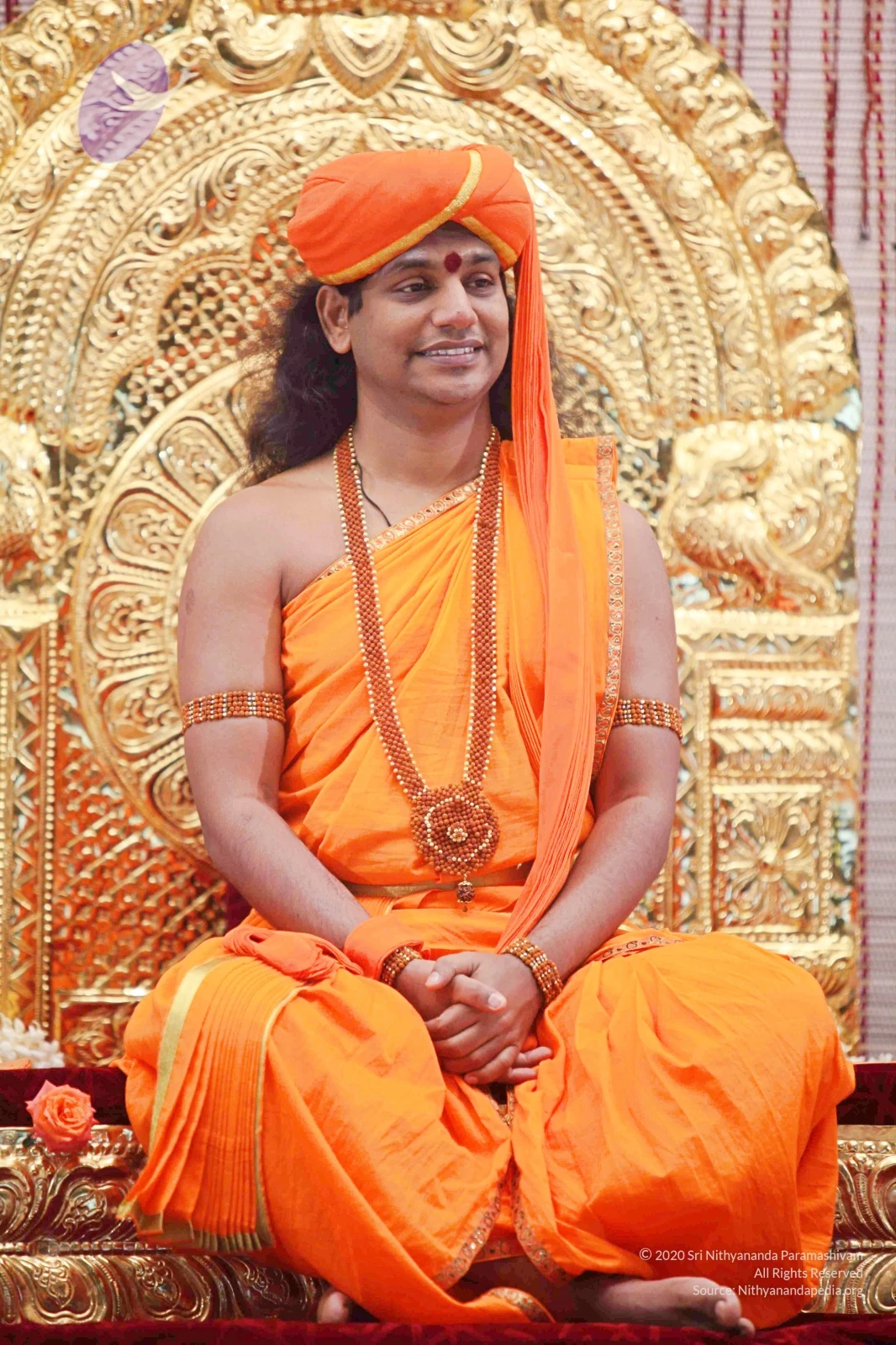
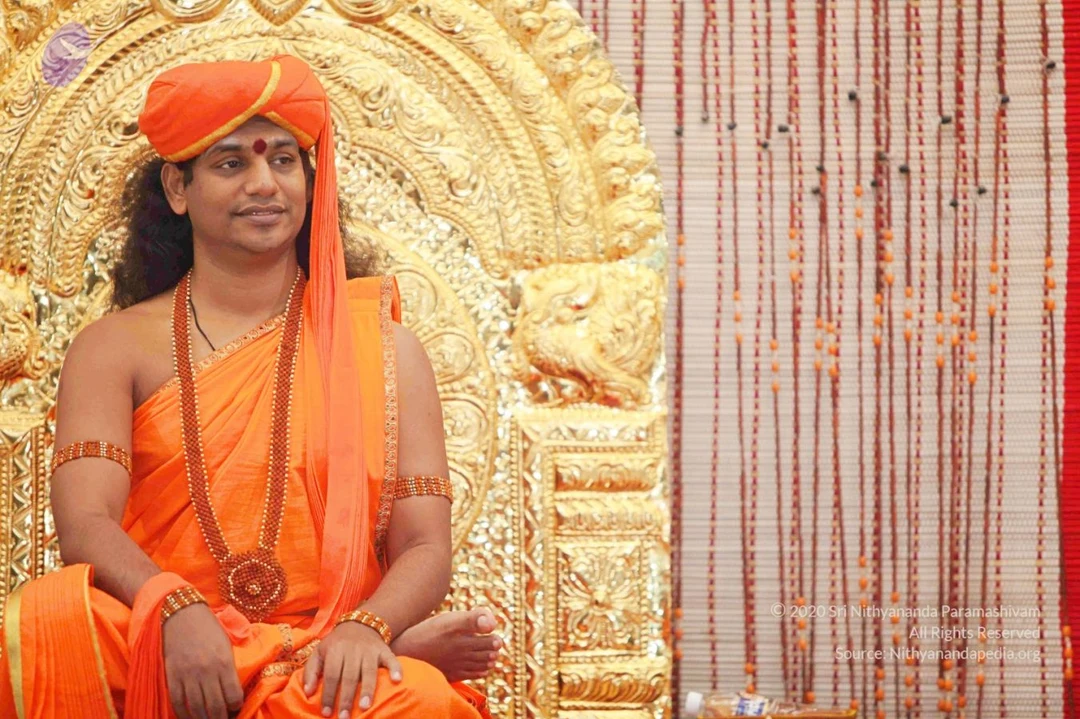
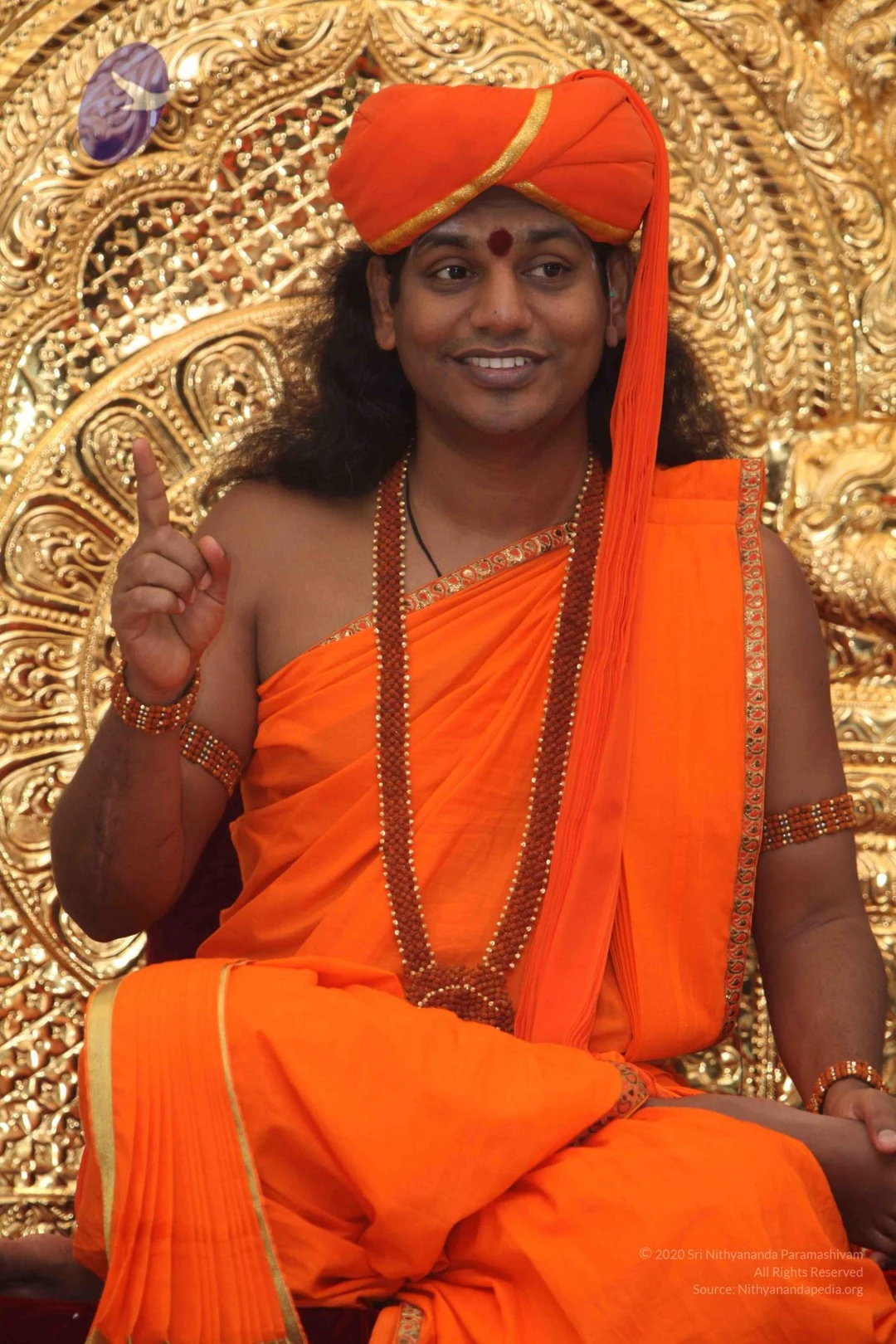
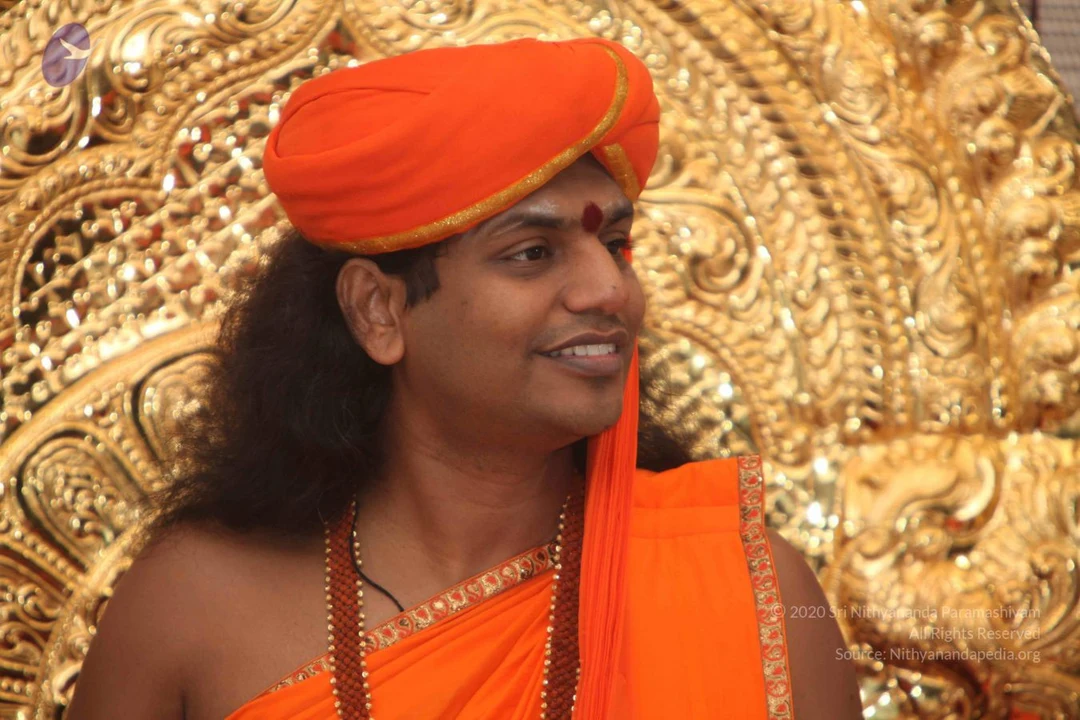
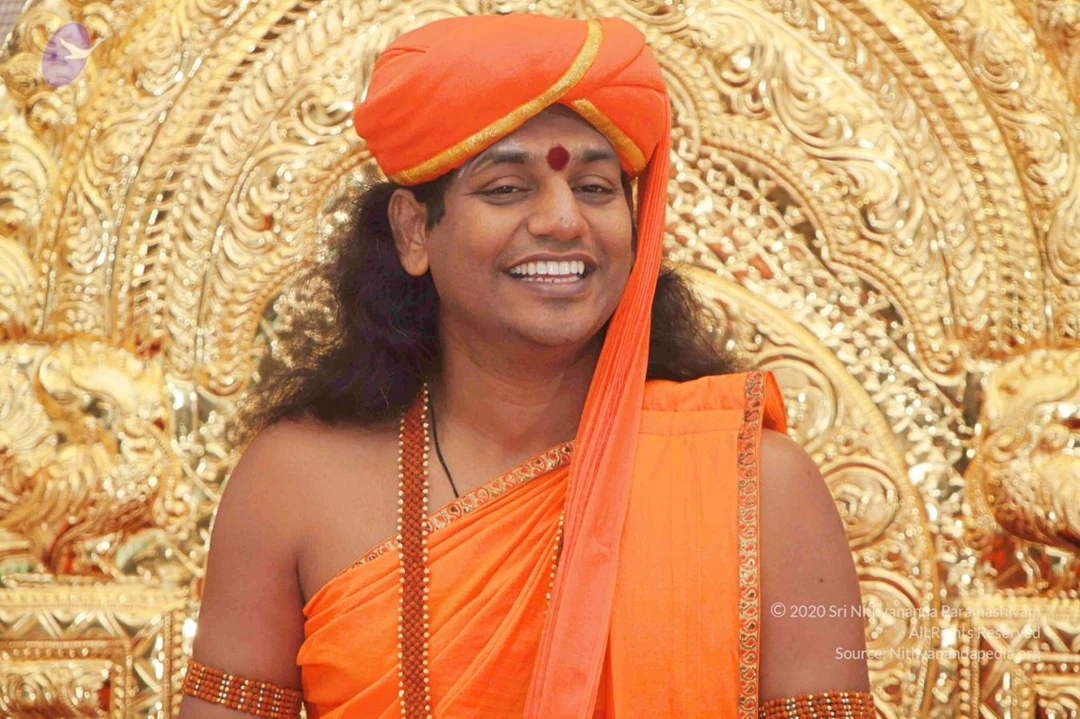
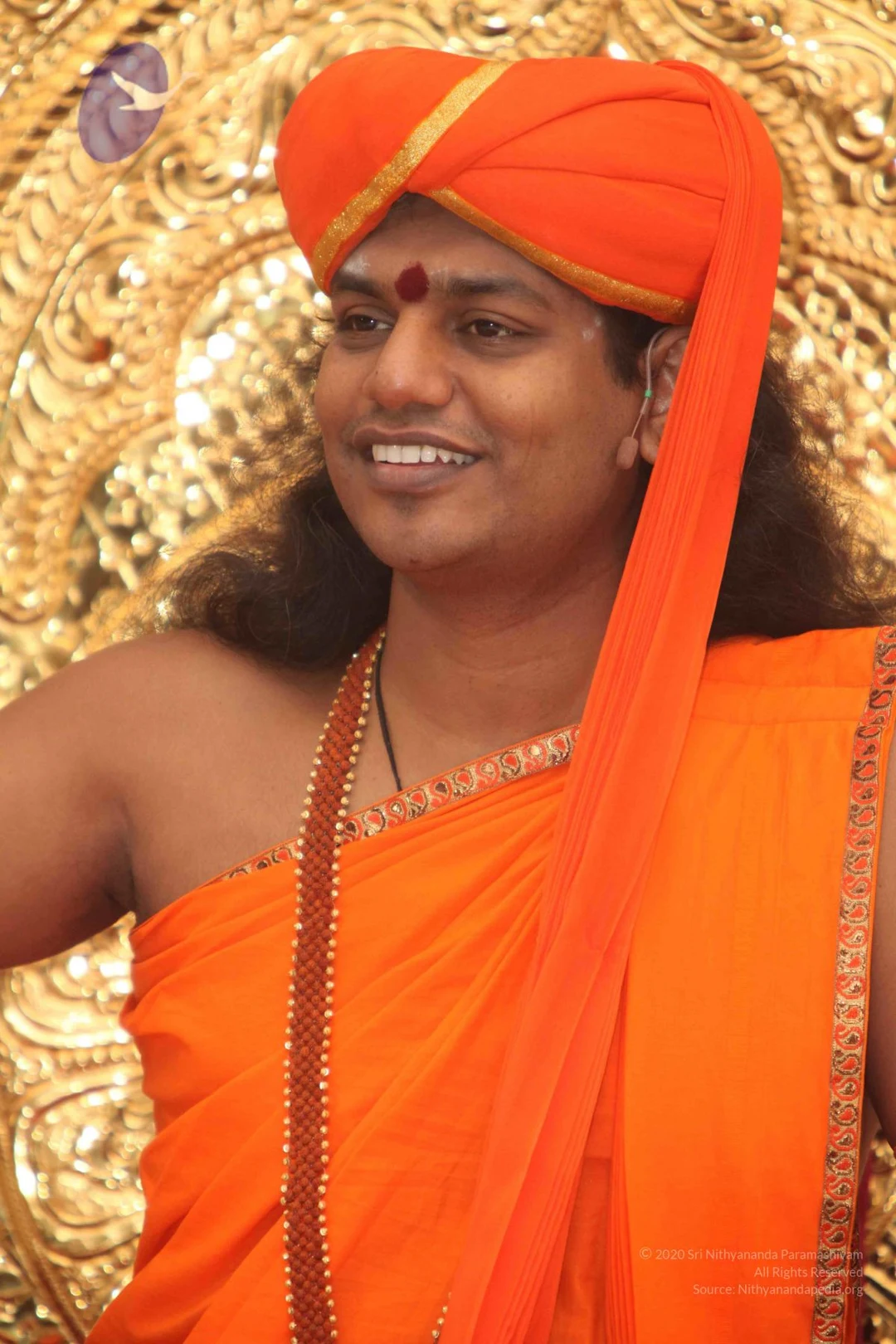
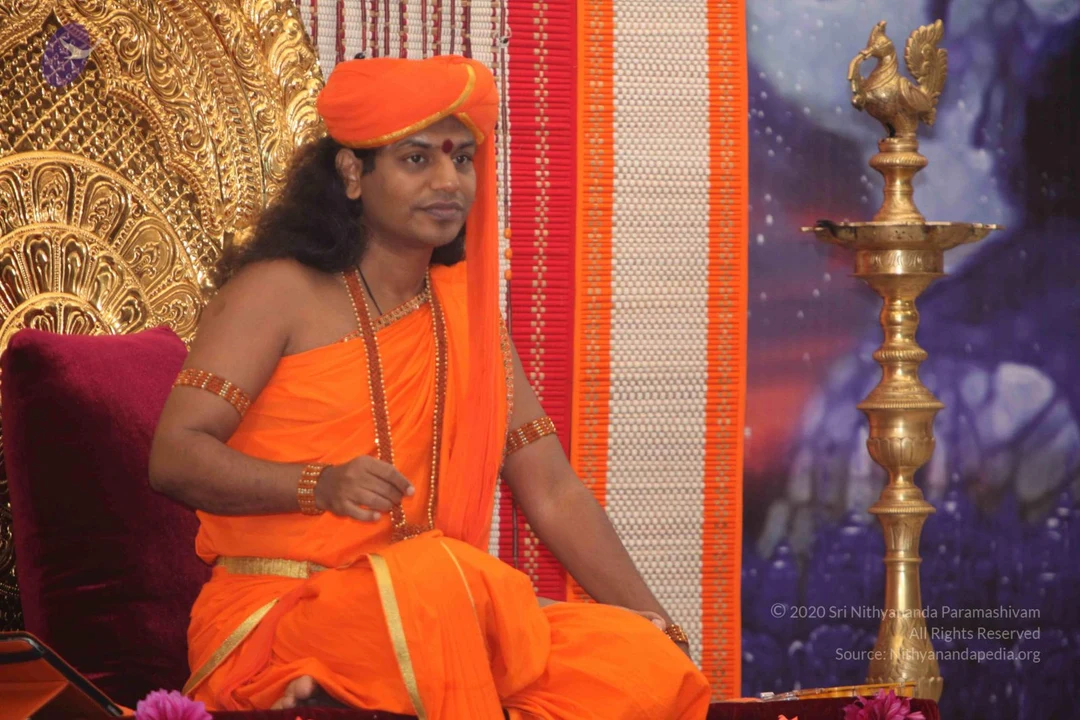
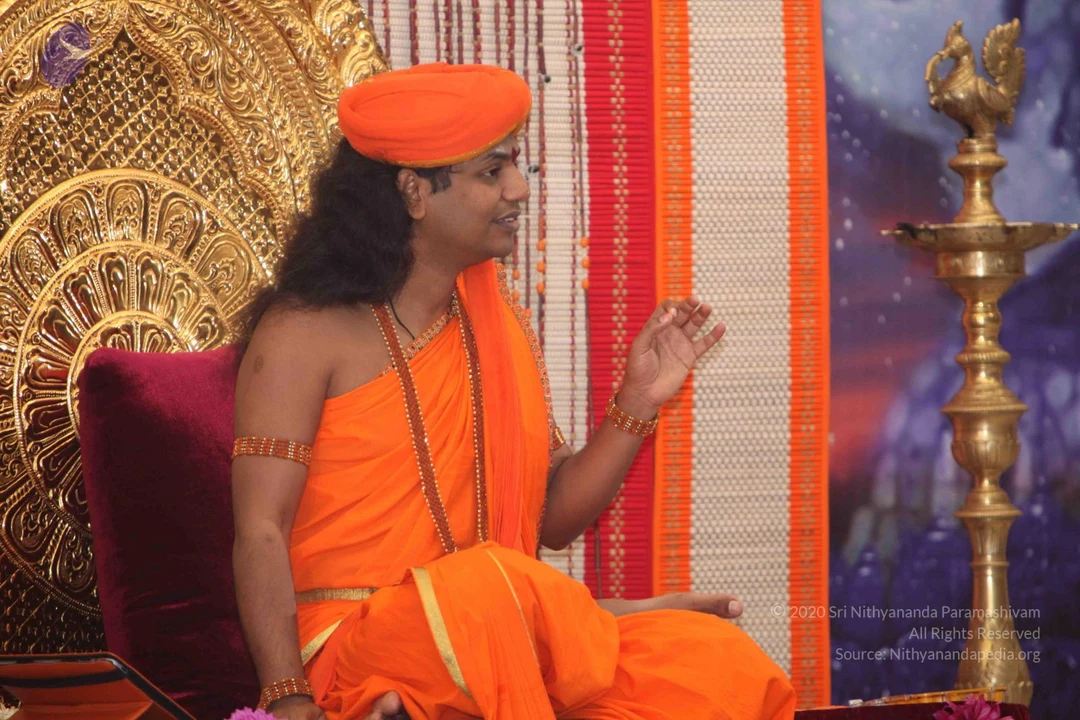
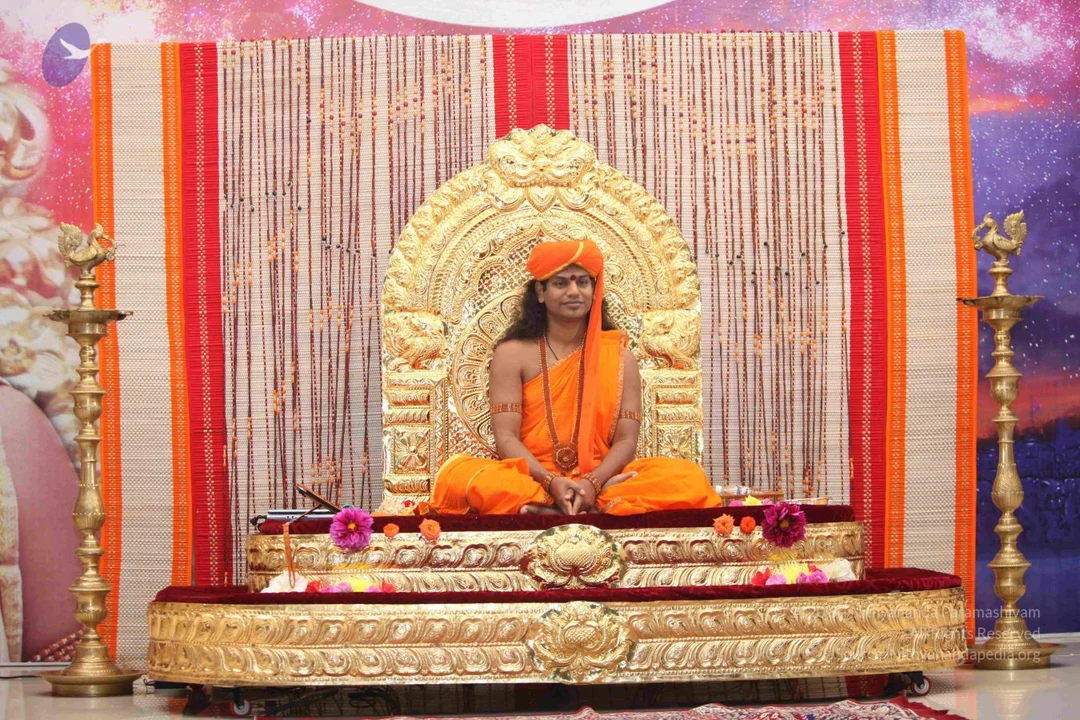
Nithya-Kriya
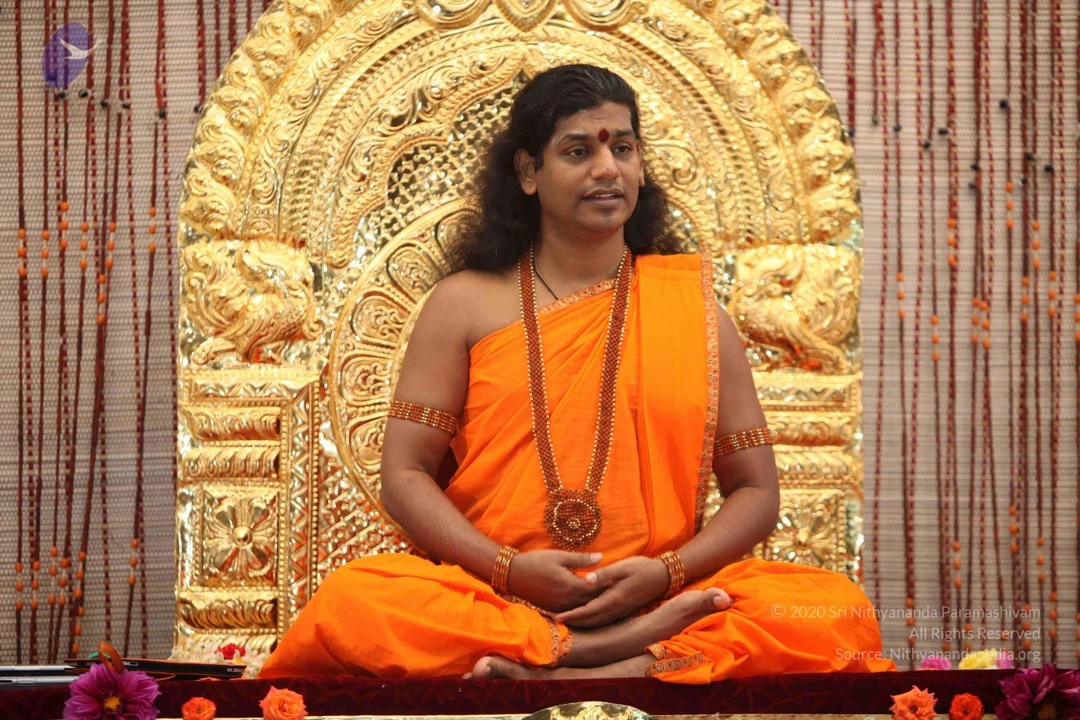
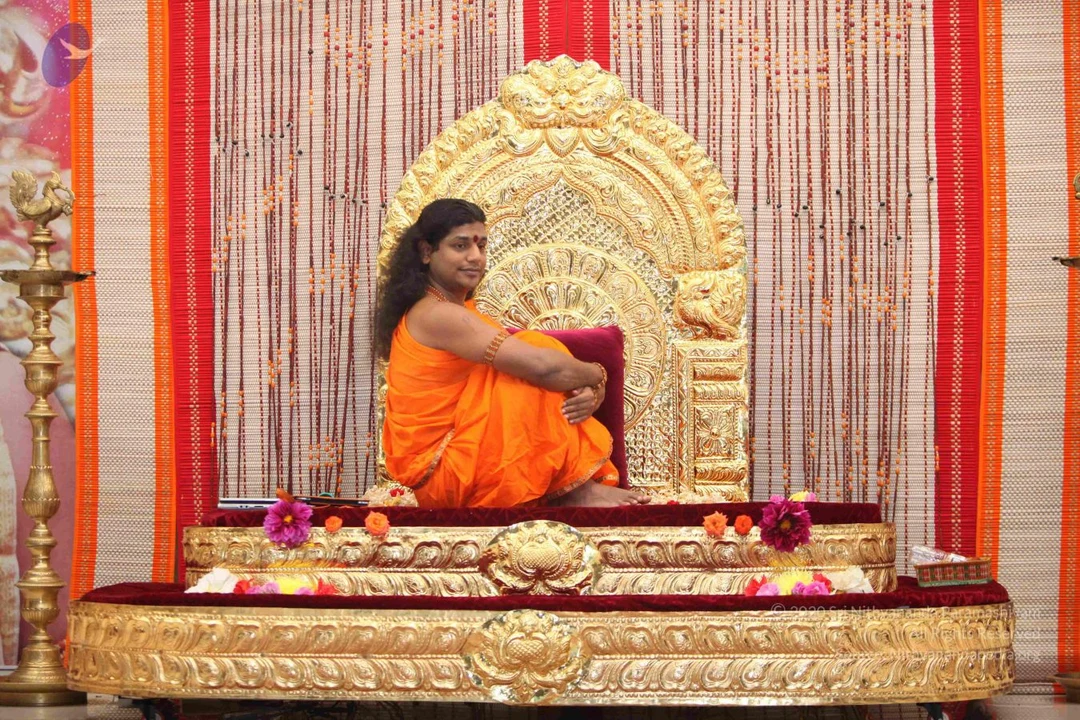
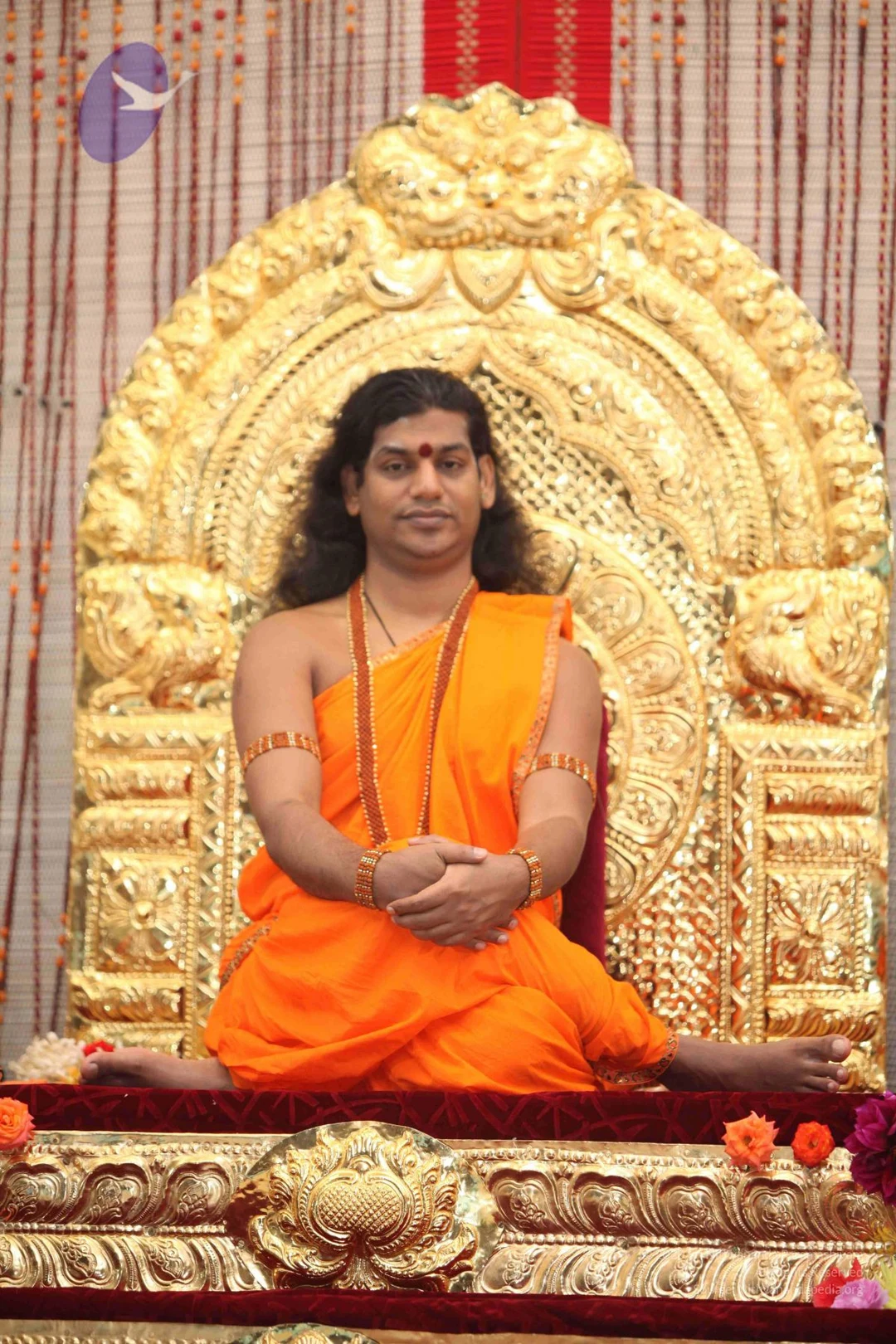
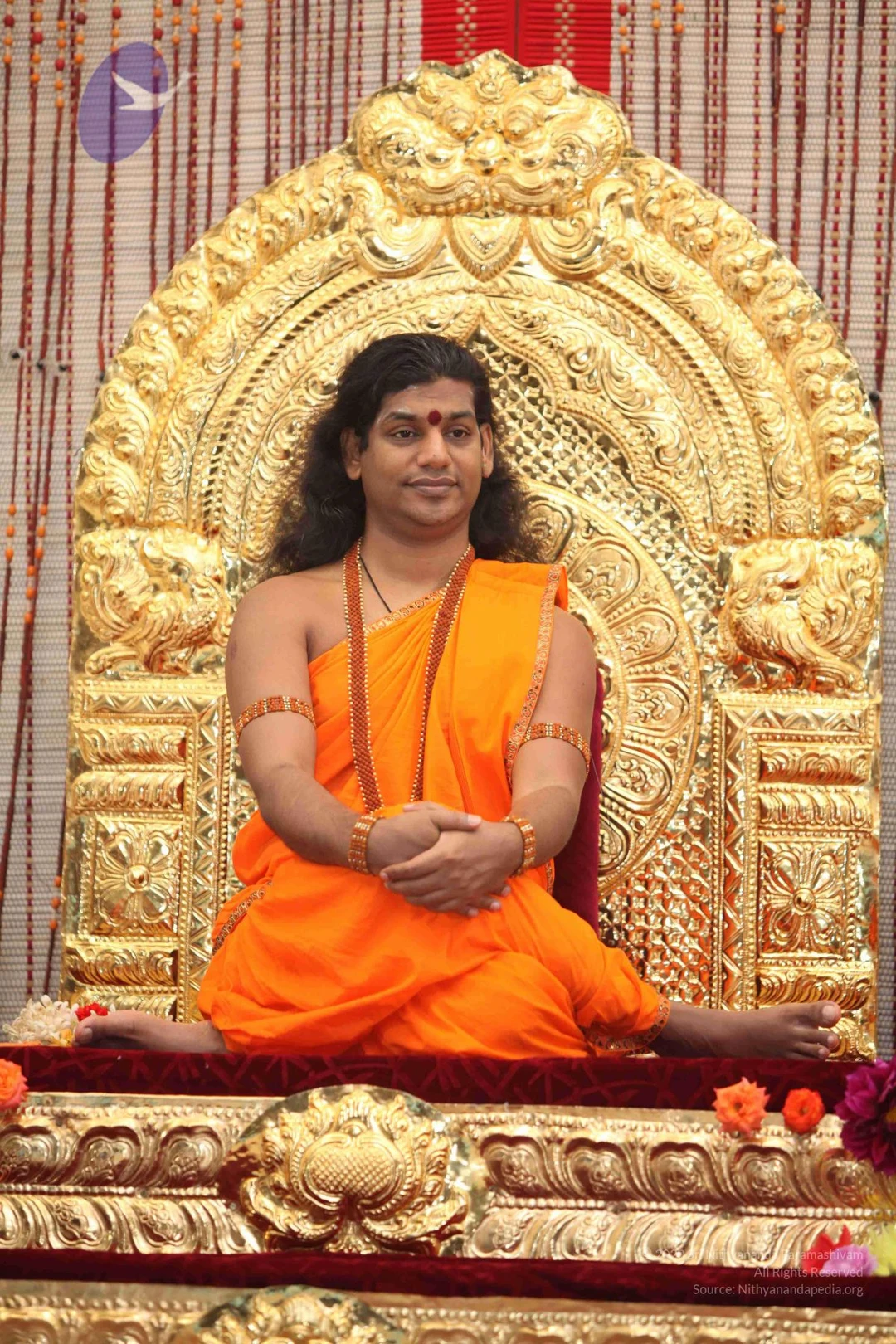
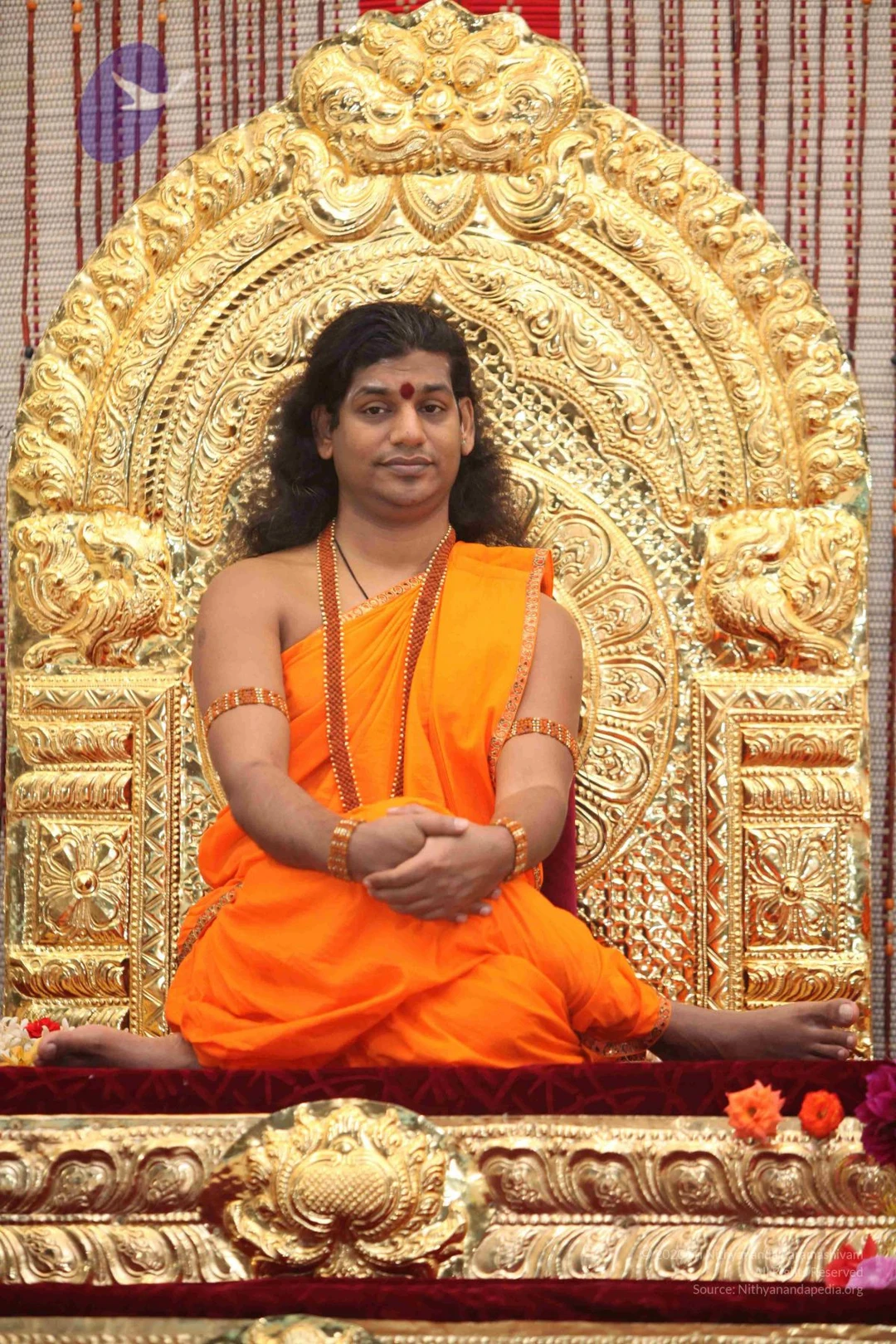
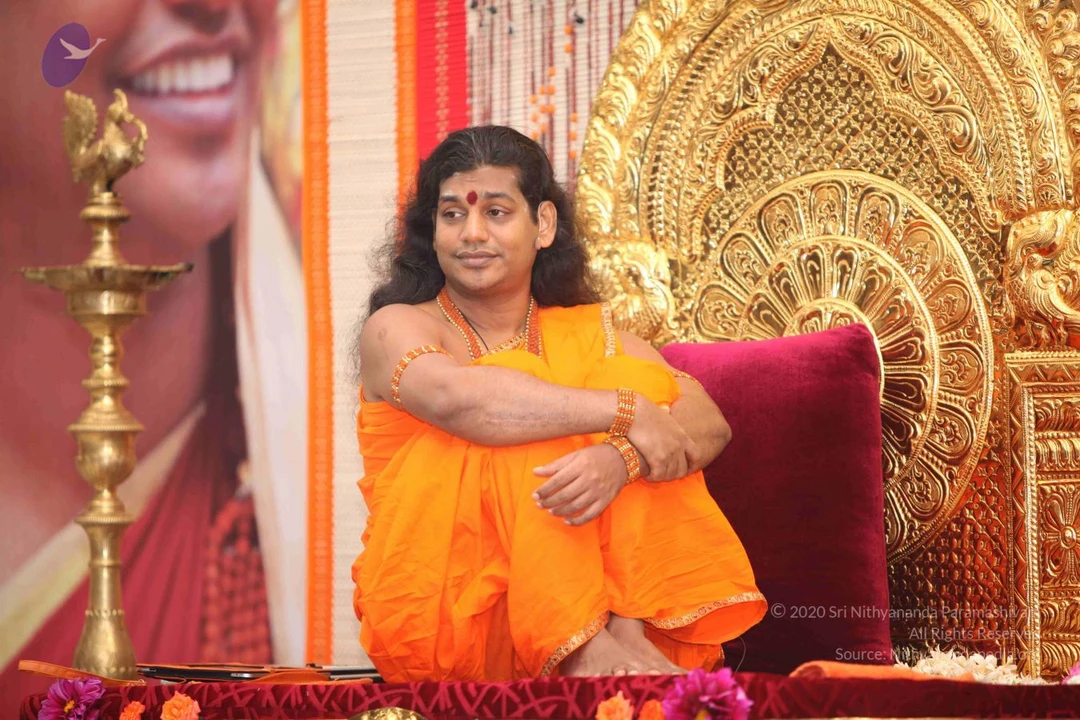
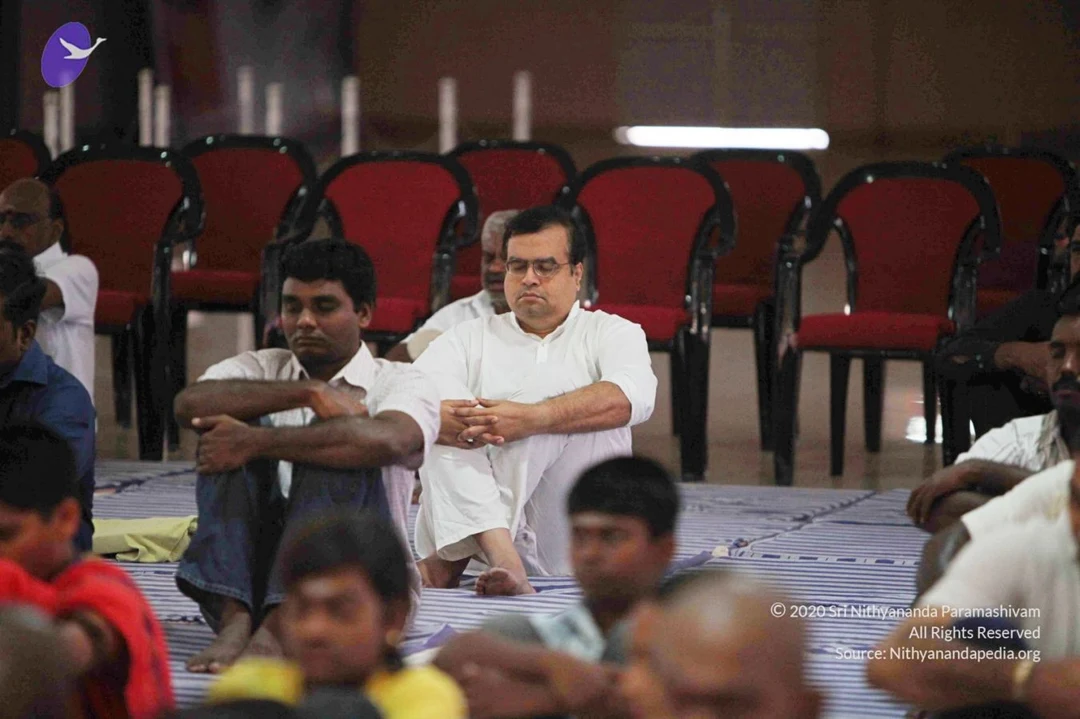
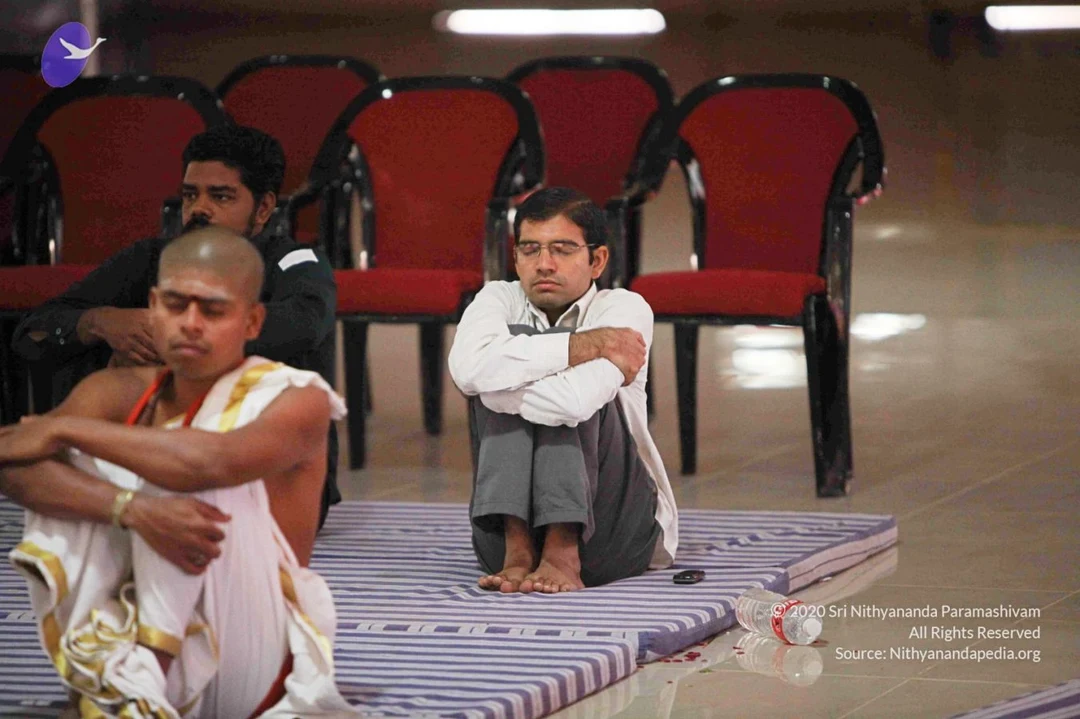
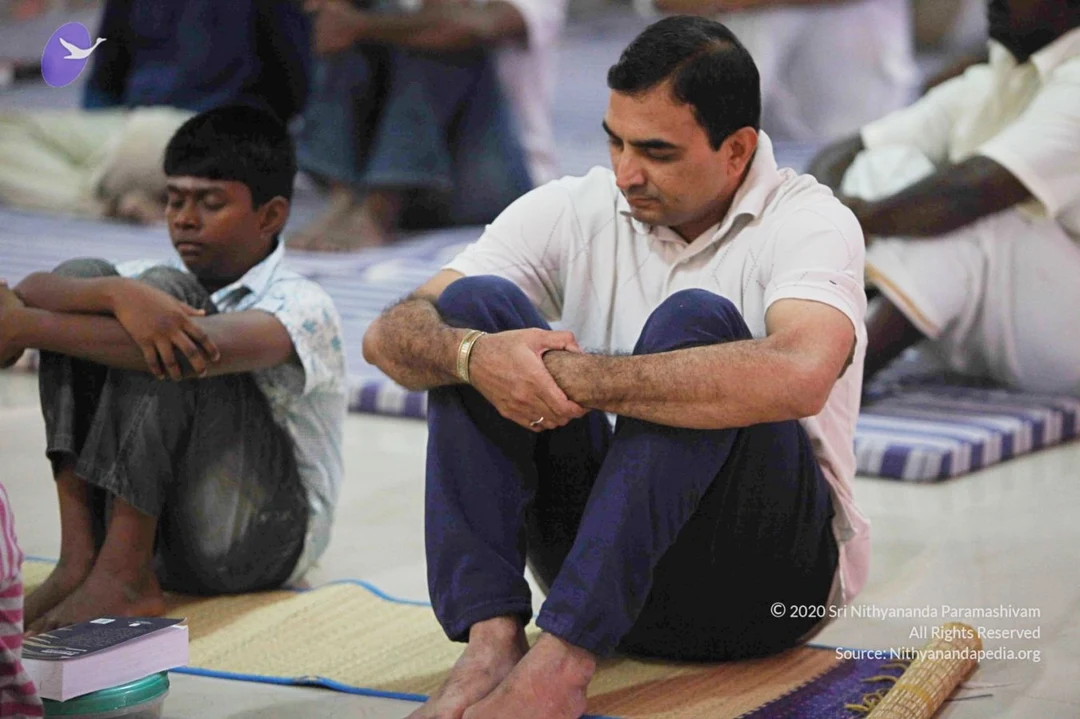
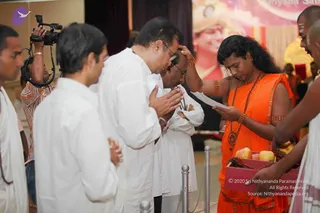
SarvaDarshan
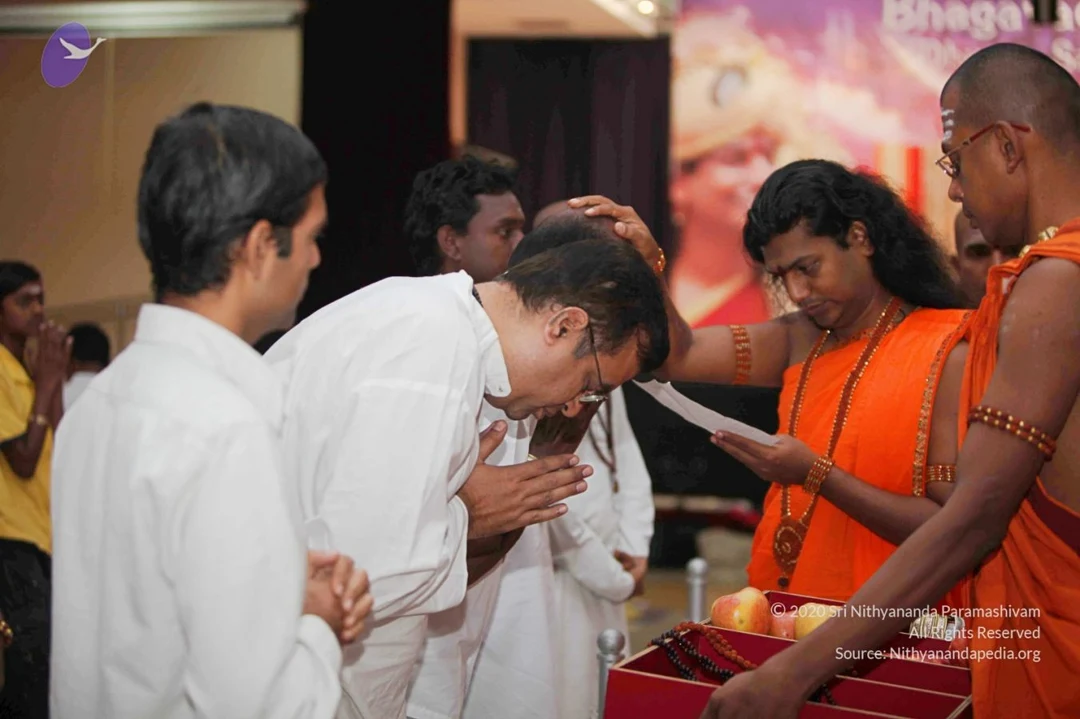
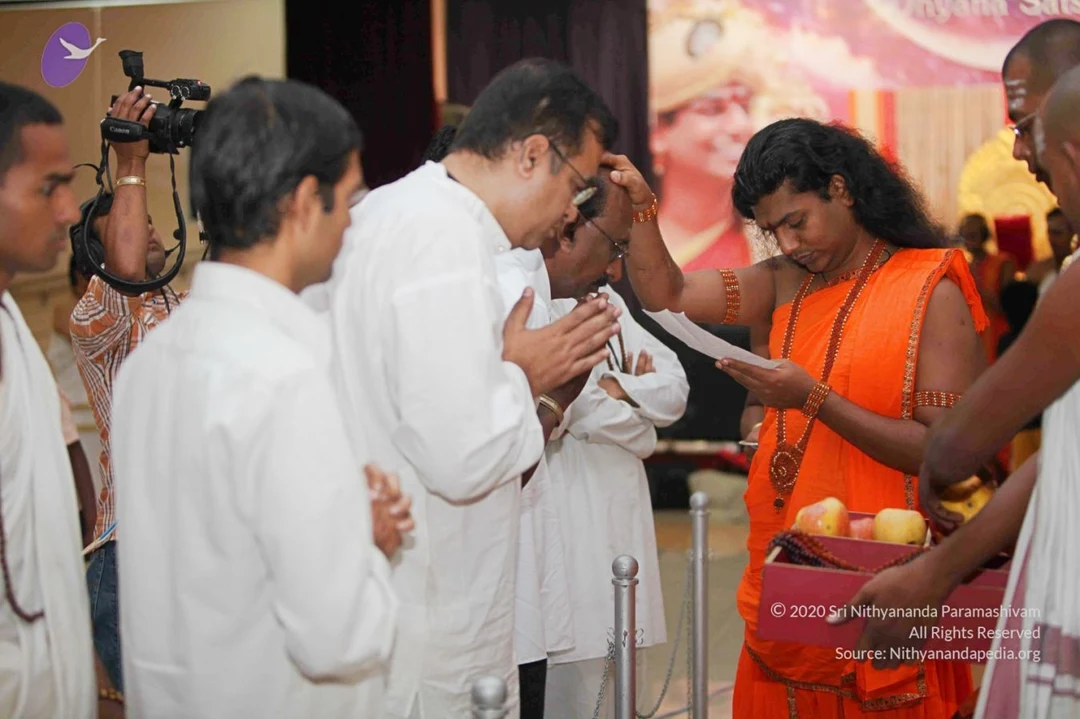
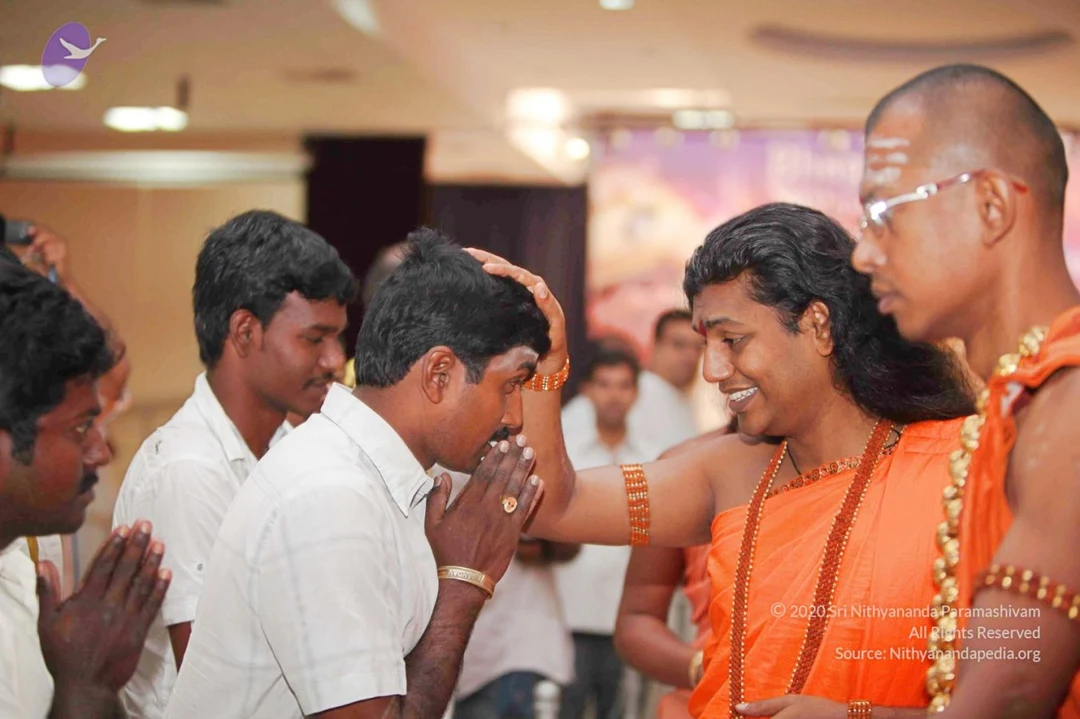
Photos from this day
View all 133 photosTemple
14 photosSource gallery
Puja
3 photosSource gallery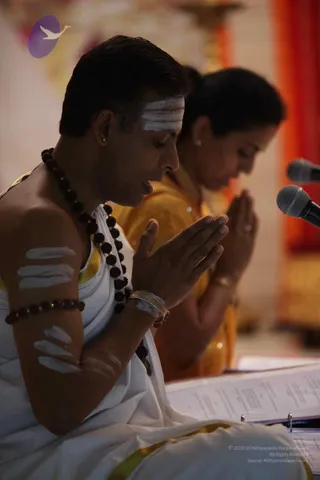
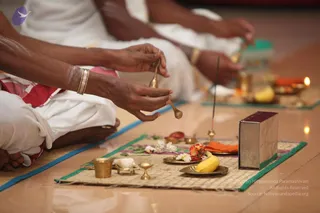
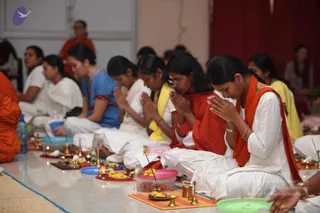
BG-Satsang
24 photosSource gallery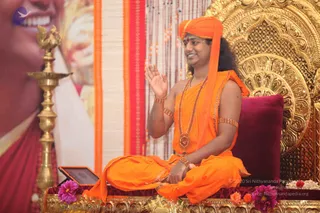
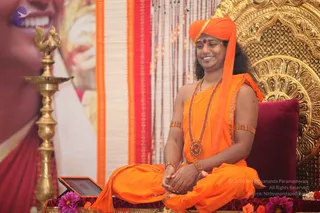
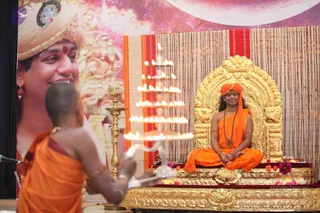
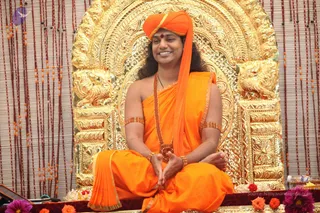
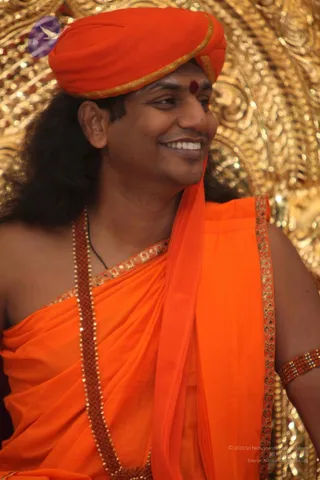
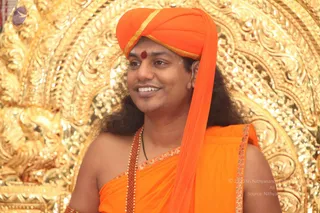
Nithya-Kriya
19 photosSource gallery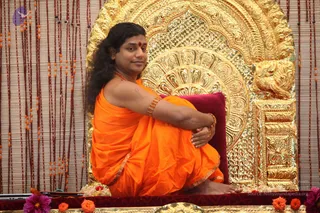
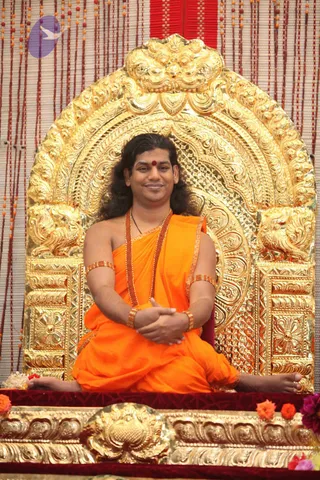
Ganesha-Gems-Materialization
3 photosSource gallery

Temple
11 photosSource gallery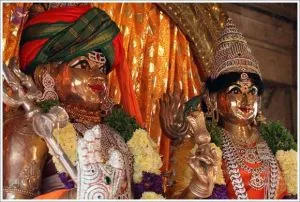
Puja
6 photosSource gallery
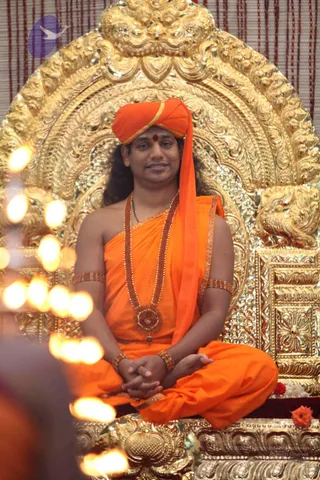
BG-Satsang
30 photosSource gallery
Nithya-Kriya
27 photosSource gallery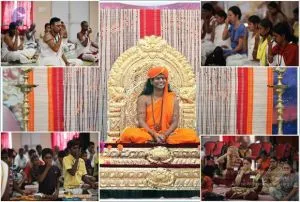
SarvaDarshan
4 photosSource gallery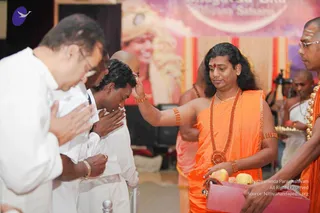
November 02 2011
1 photoView all