Saturday
28 August 2010
Conflict free life: Nithyananda Morning Message 28 Aug 2010
- Dated photos
- 622
- Source pages
- 1
- Media
- 8
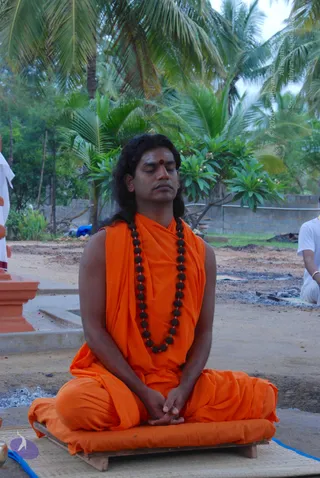
August 28 2010
Original wiki pageTitle
Conflict free life: Nithyananda Morning Message 28 Aug 2010
Narration
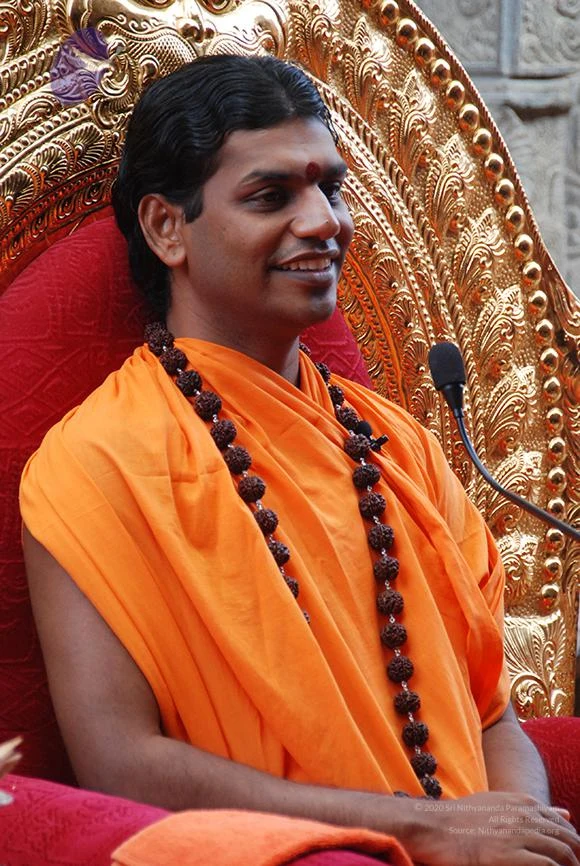
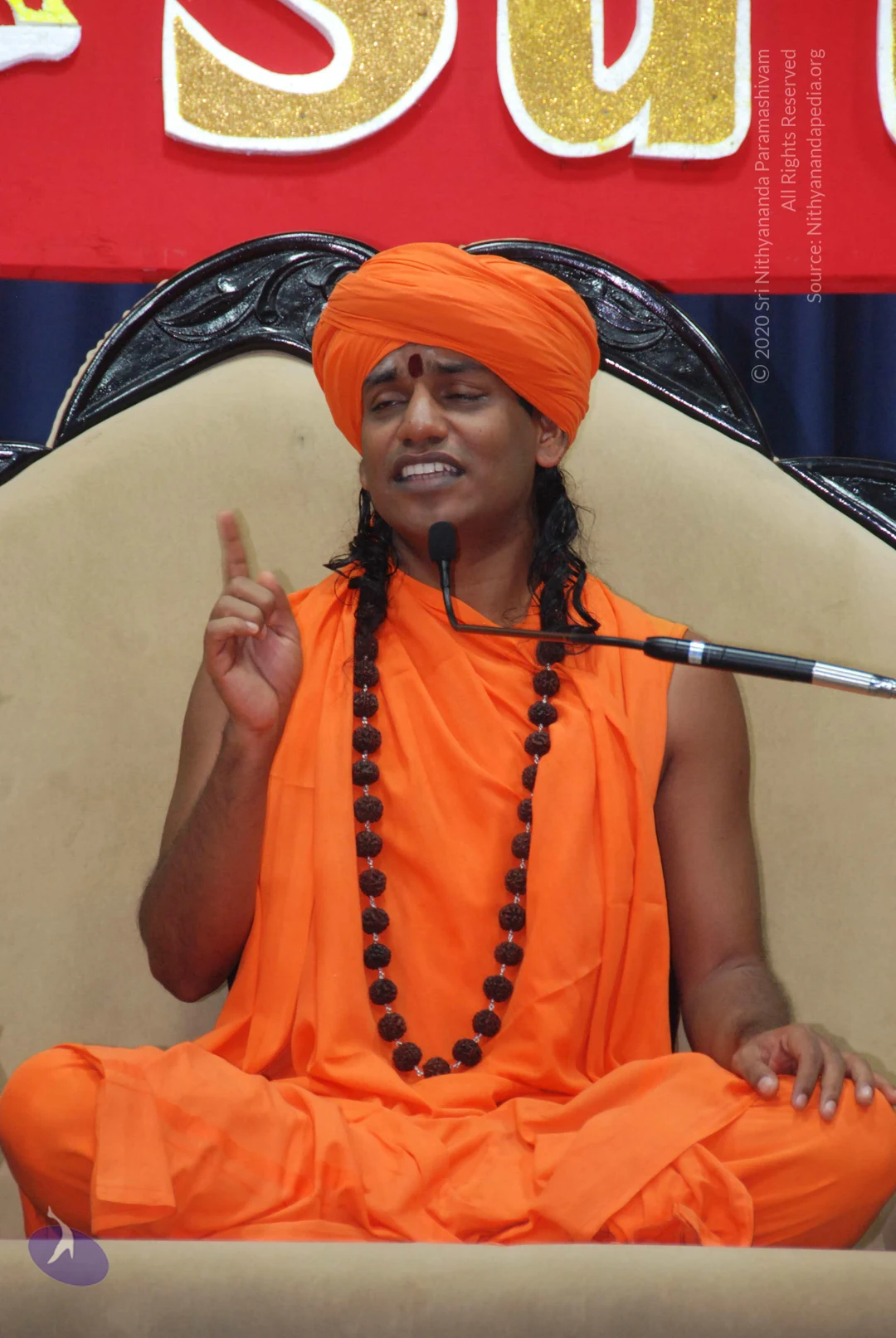
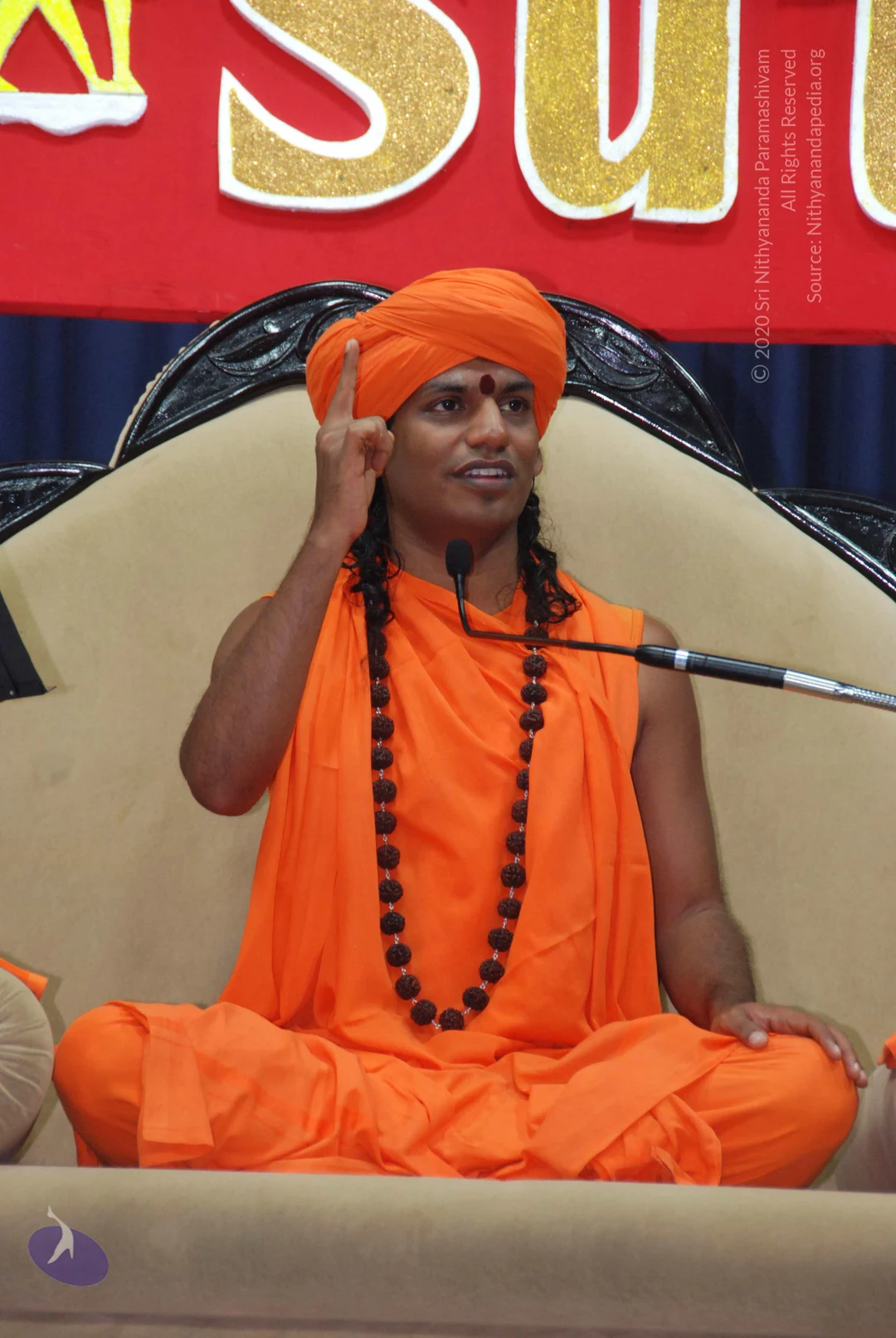
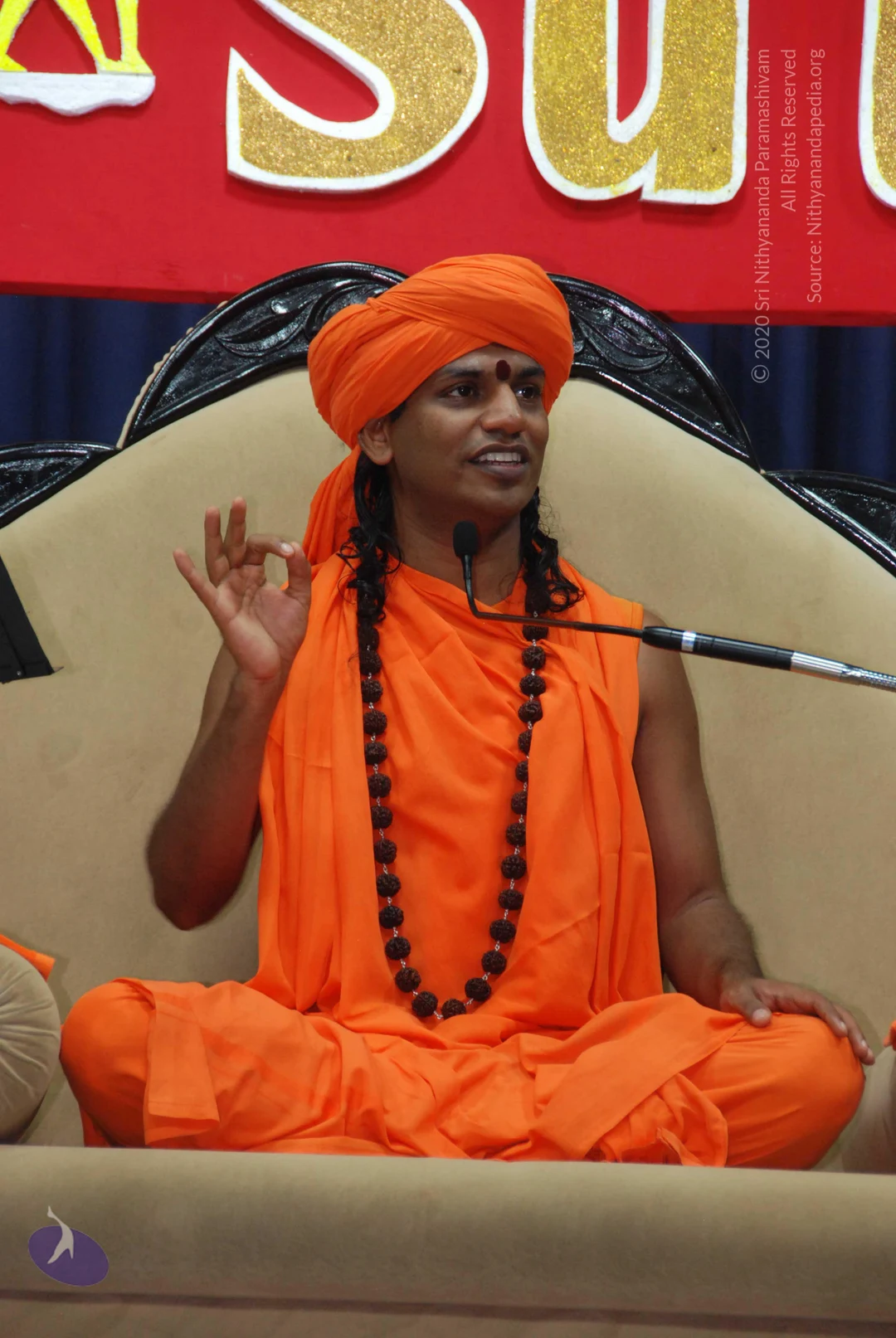
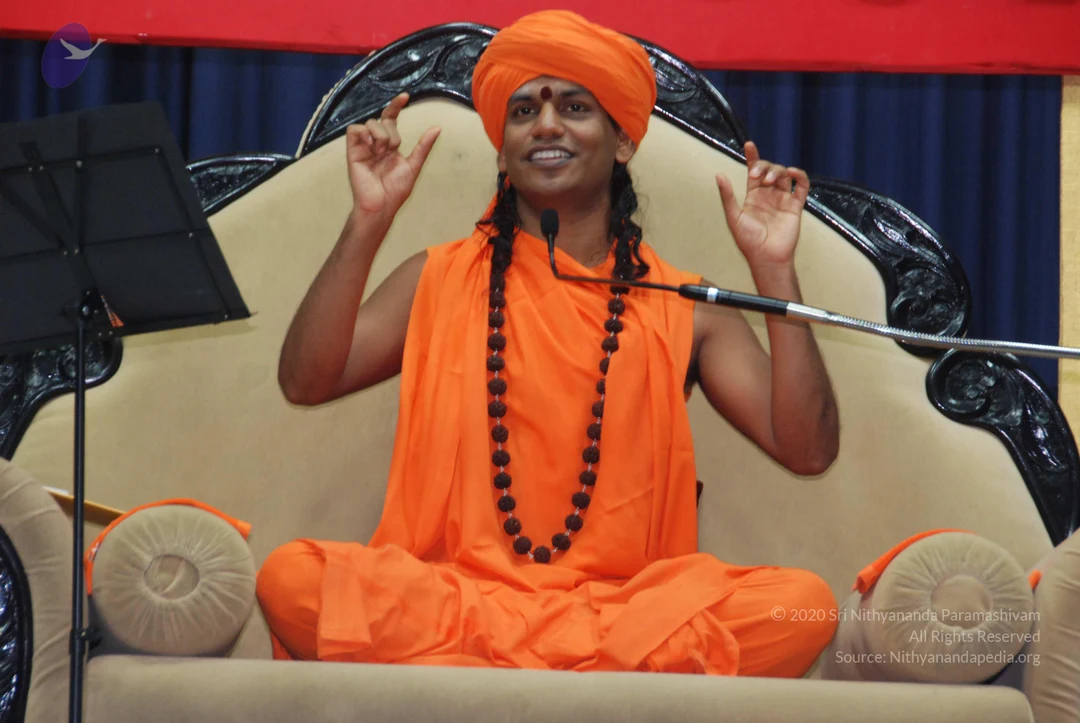
In this discourse, Paramahamsa Nithyananda describes in detail about His conscious birth and how he enters into samadhi (state of enlightenment). In this video, He talks about his autobiography - Autobiography of an avatar (avataar), which is going to come in 2012. This message is just in the last minute towards the end of the video. He drops the seed on Conflict free living. He asks all the devotees around the world to enter into conflict-free life and the living enlightenment process from wherever they are.
Video and Audio
Conflict free life: Nithyananda Morning Message 28 Aug 2010
| Video | Audio |
Transcript
Sadāshiva samārambam shankarāchārya madhyamām Asmadācharya paryanthām vande guru paramparām
(0:42)
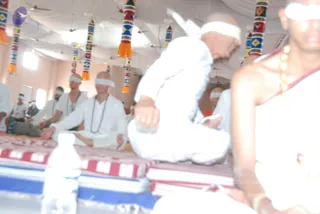
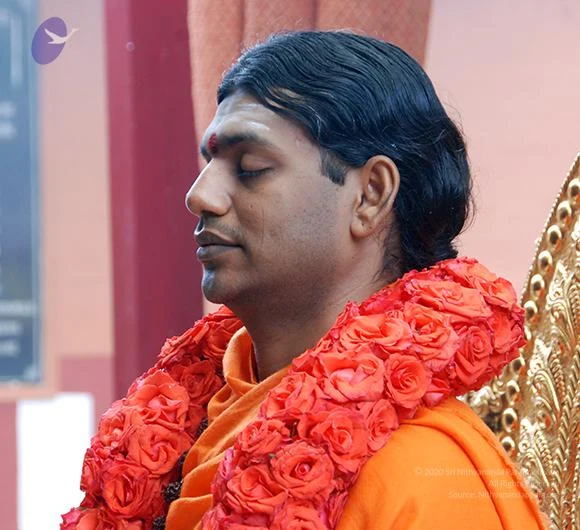
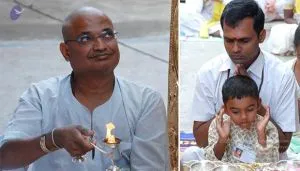
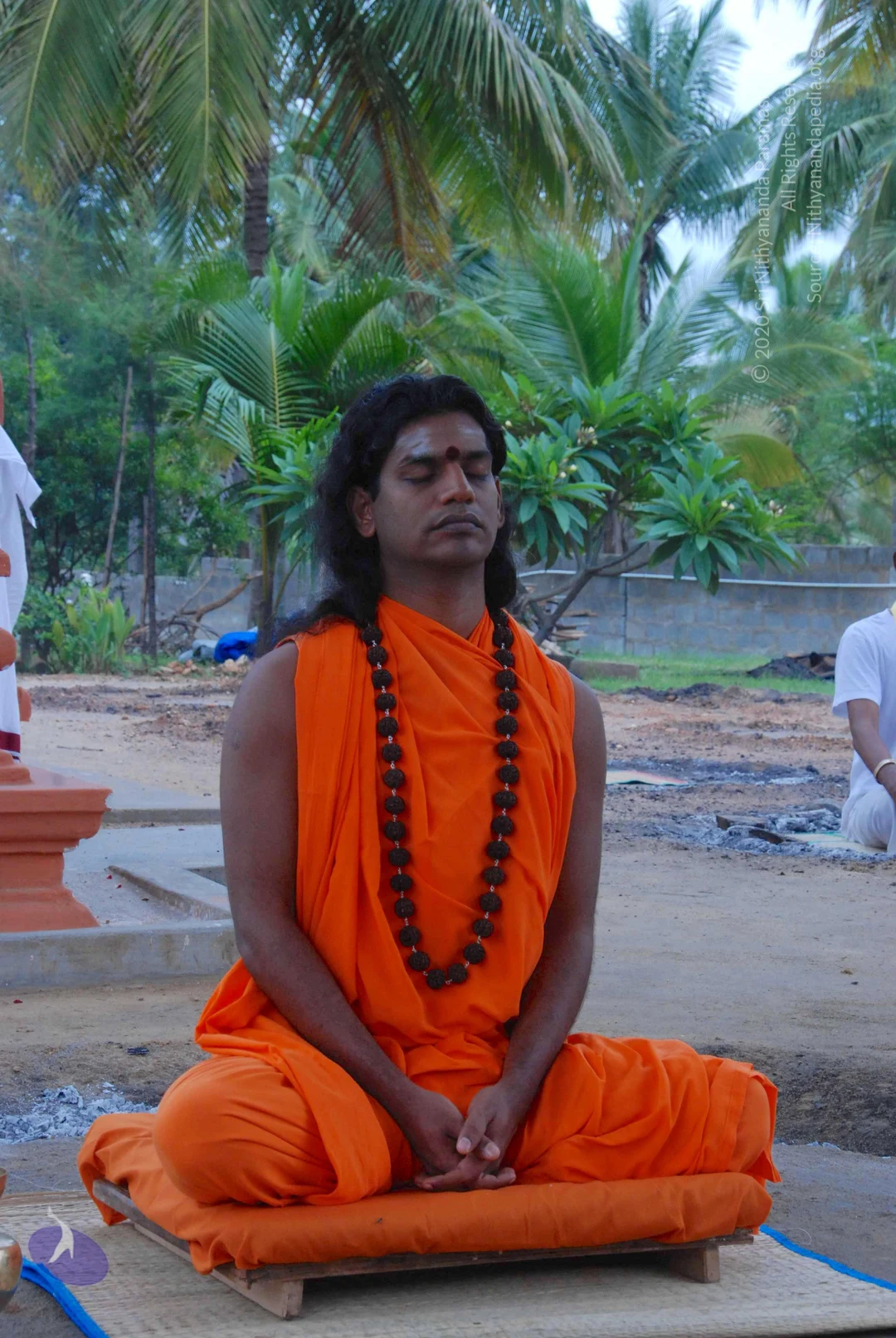
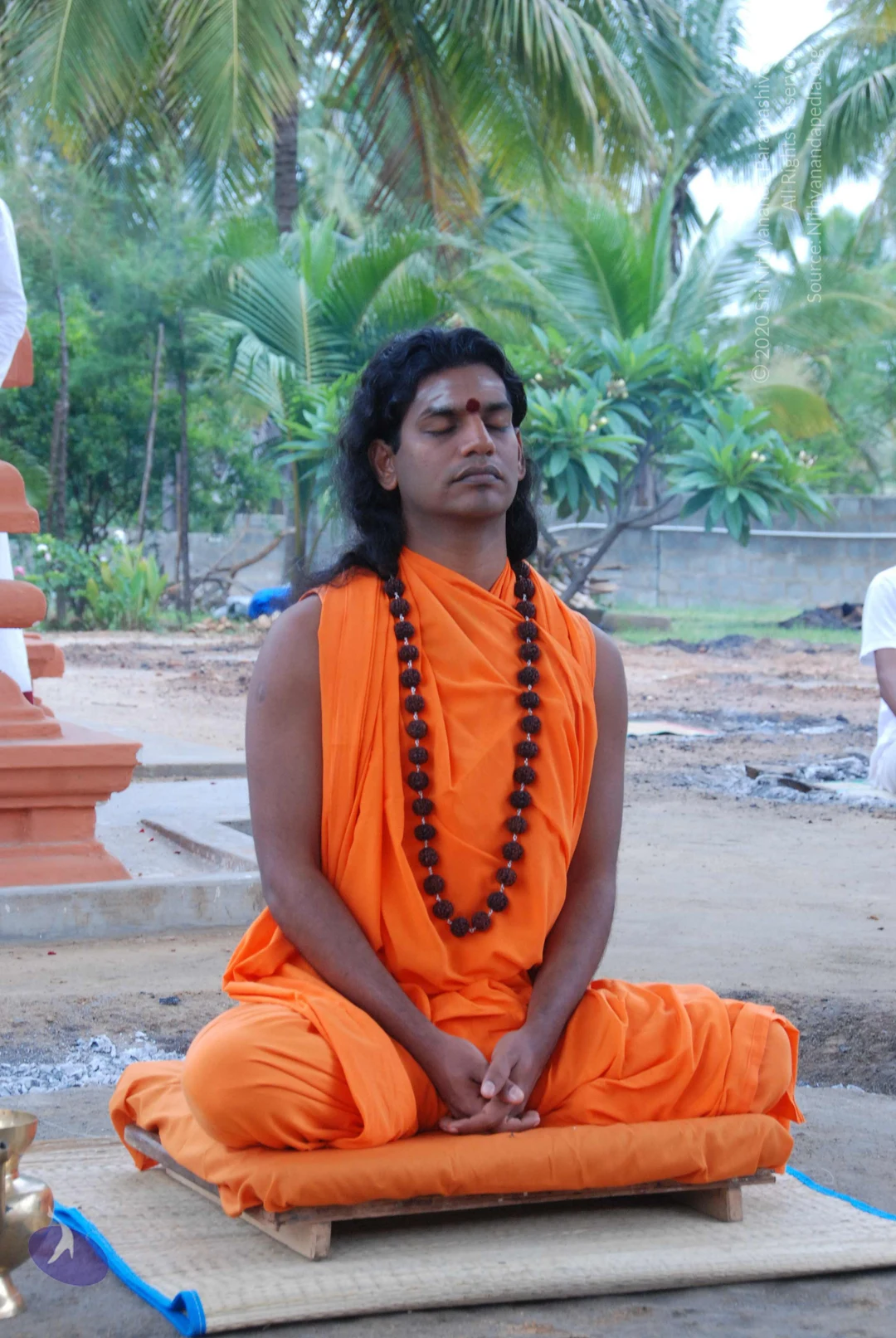
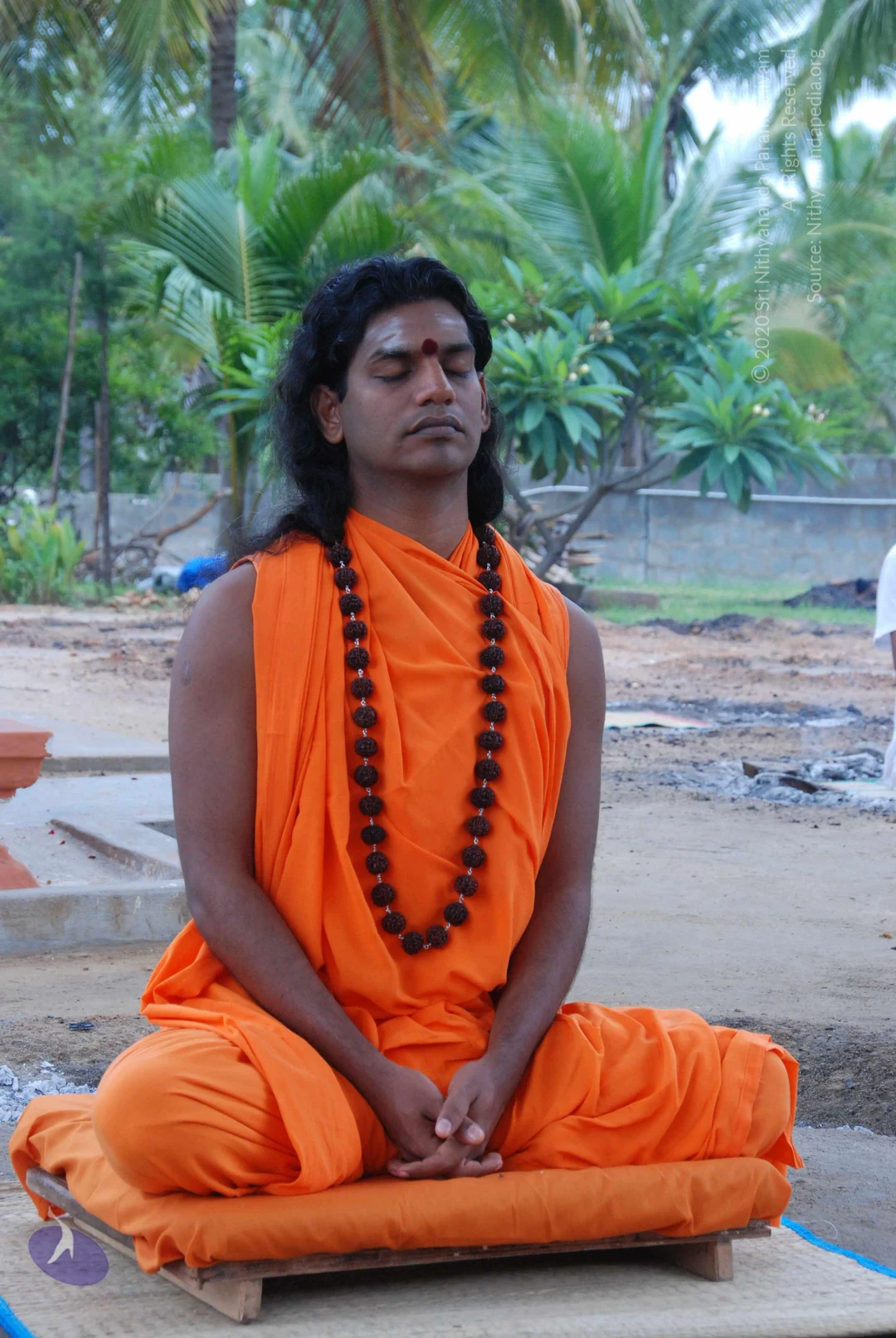
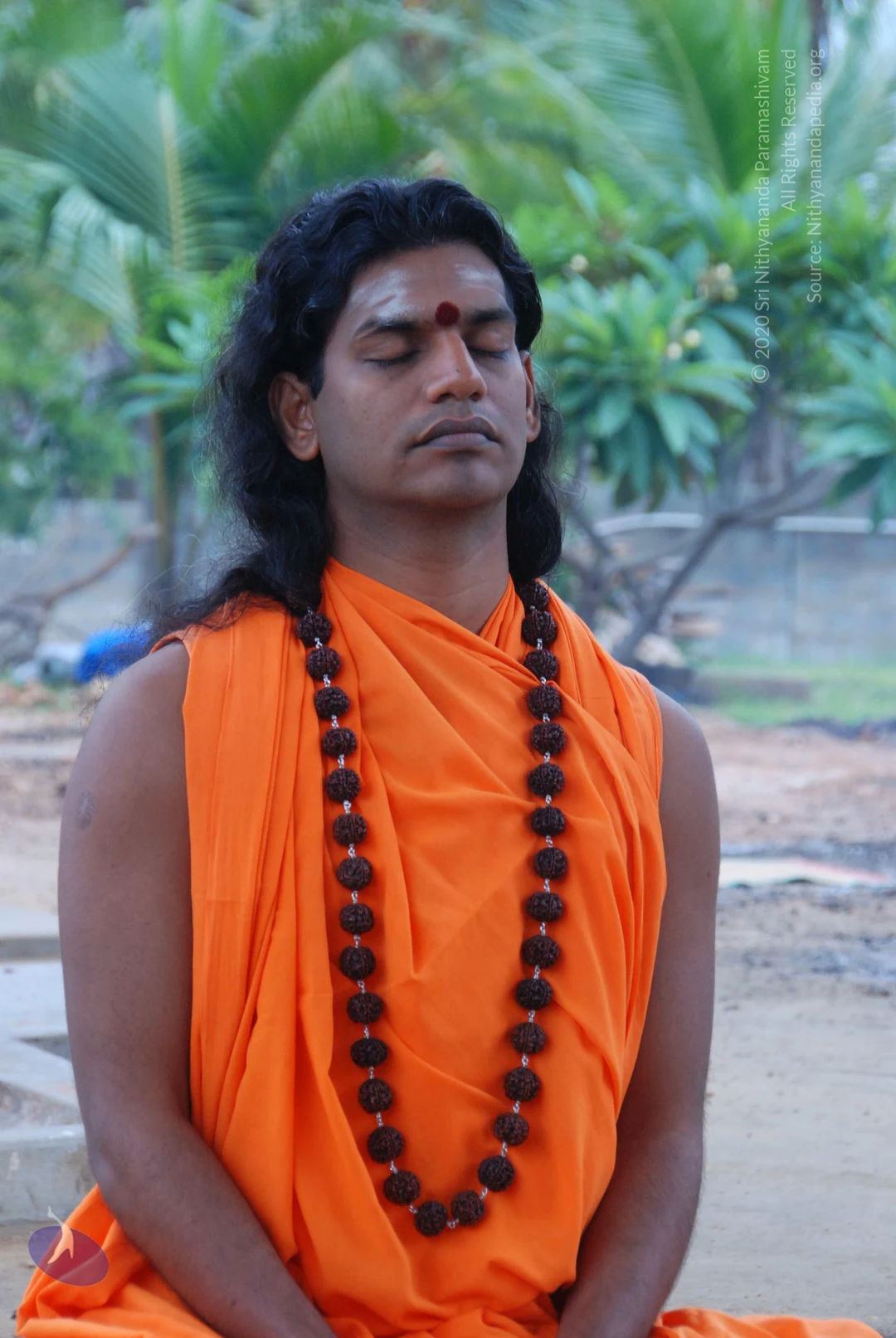
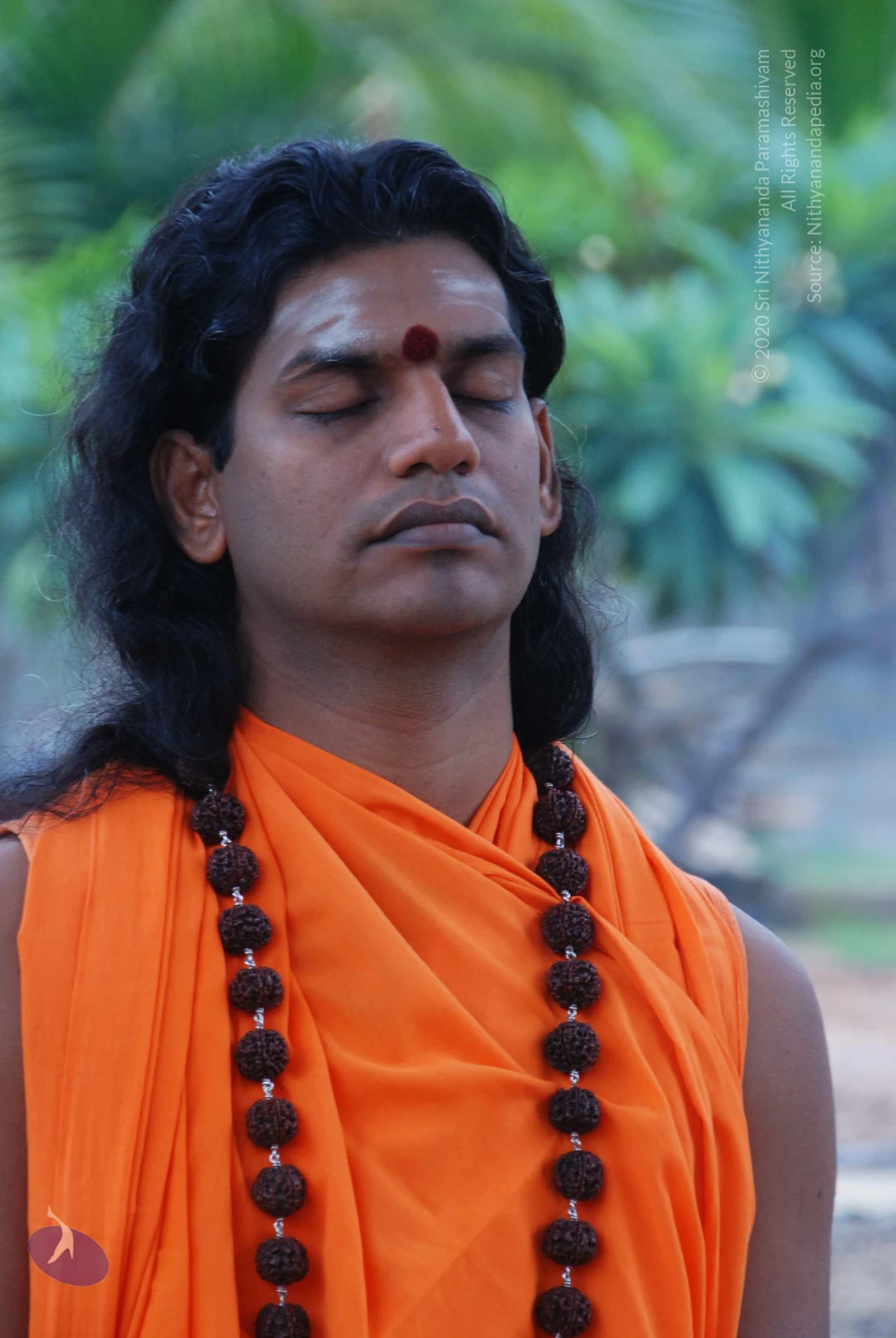
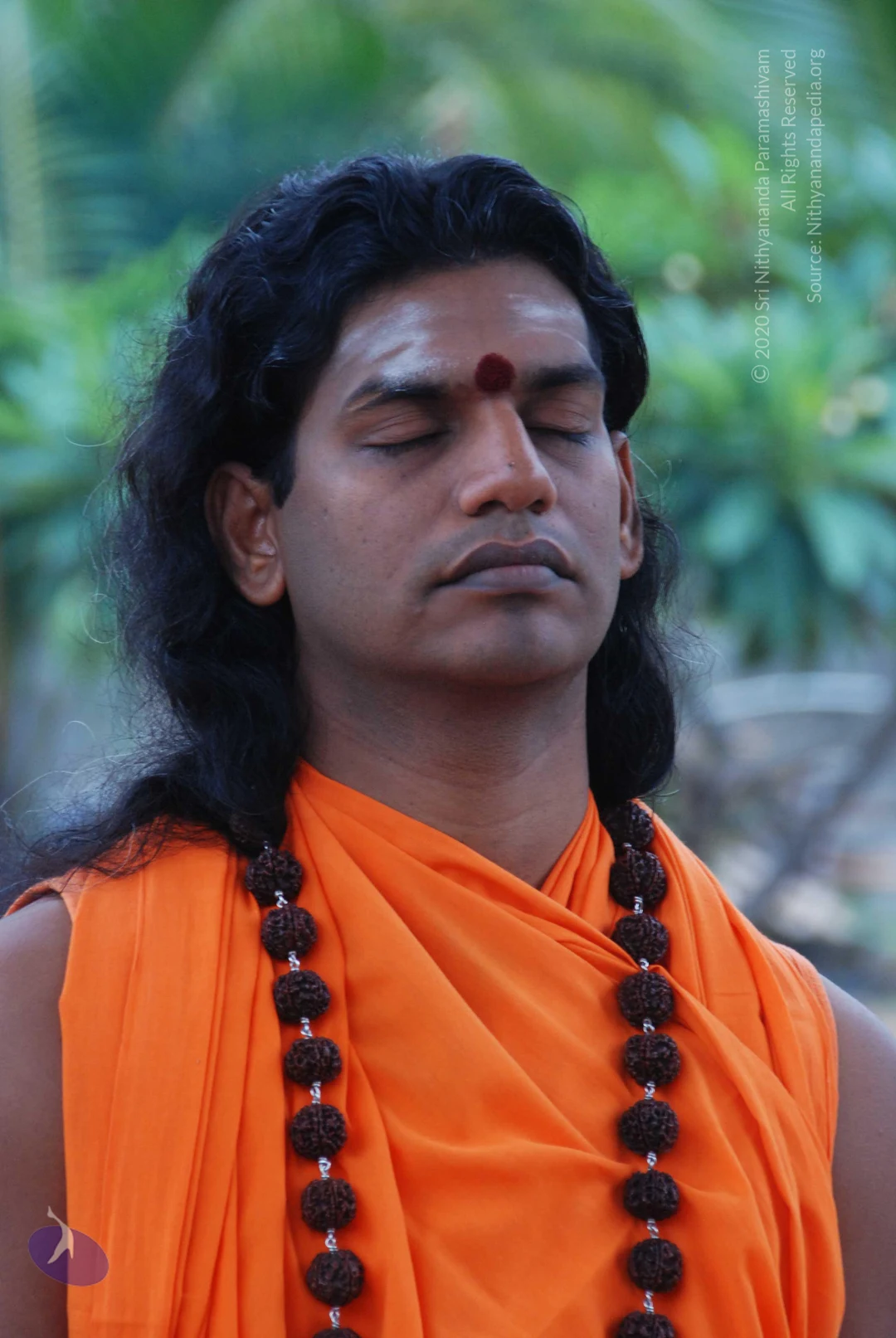
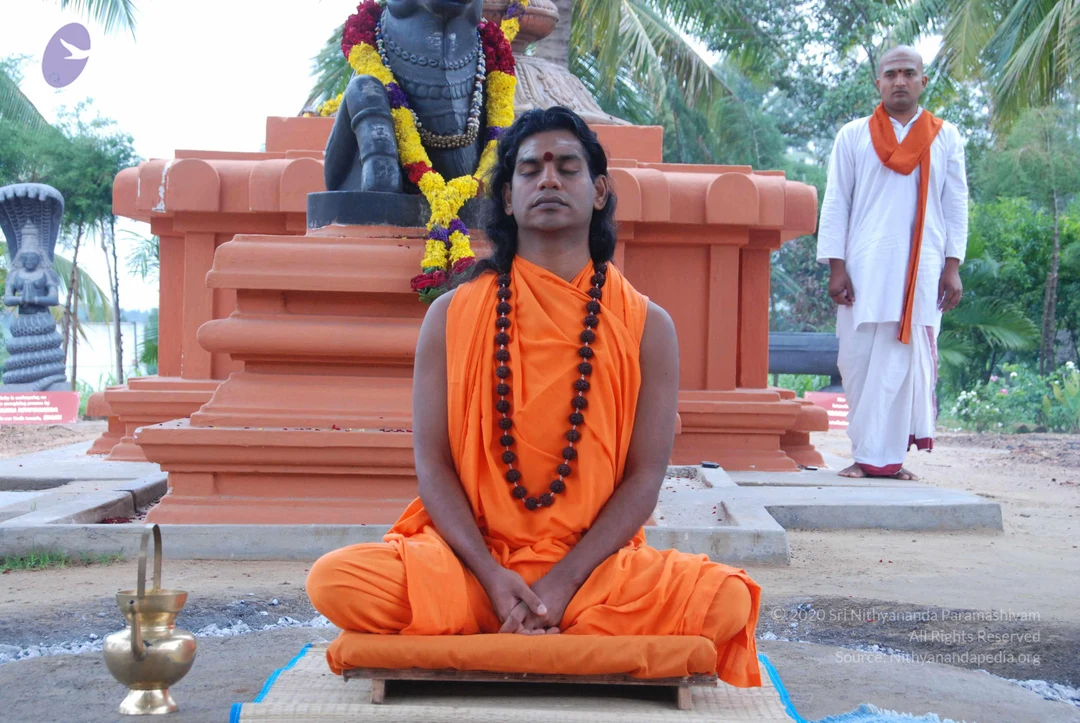
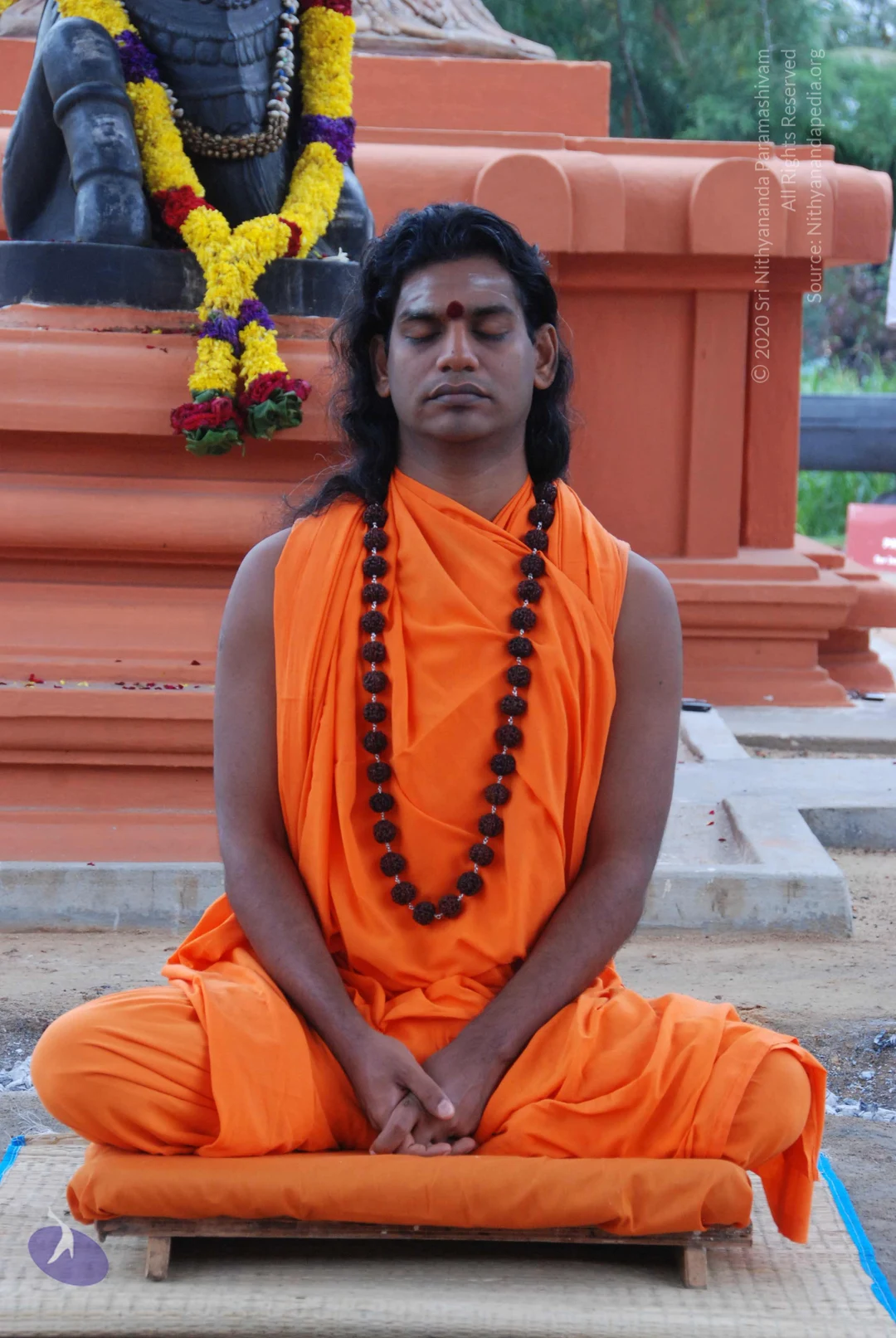
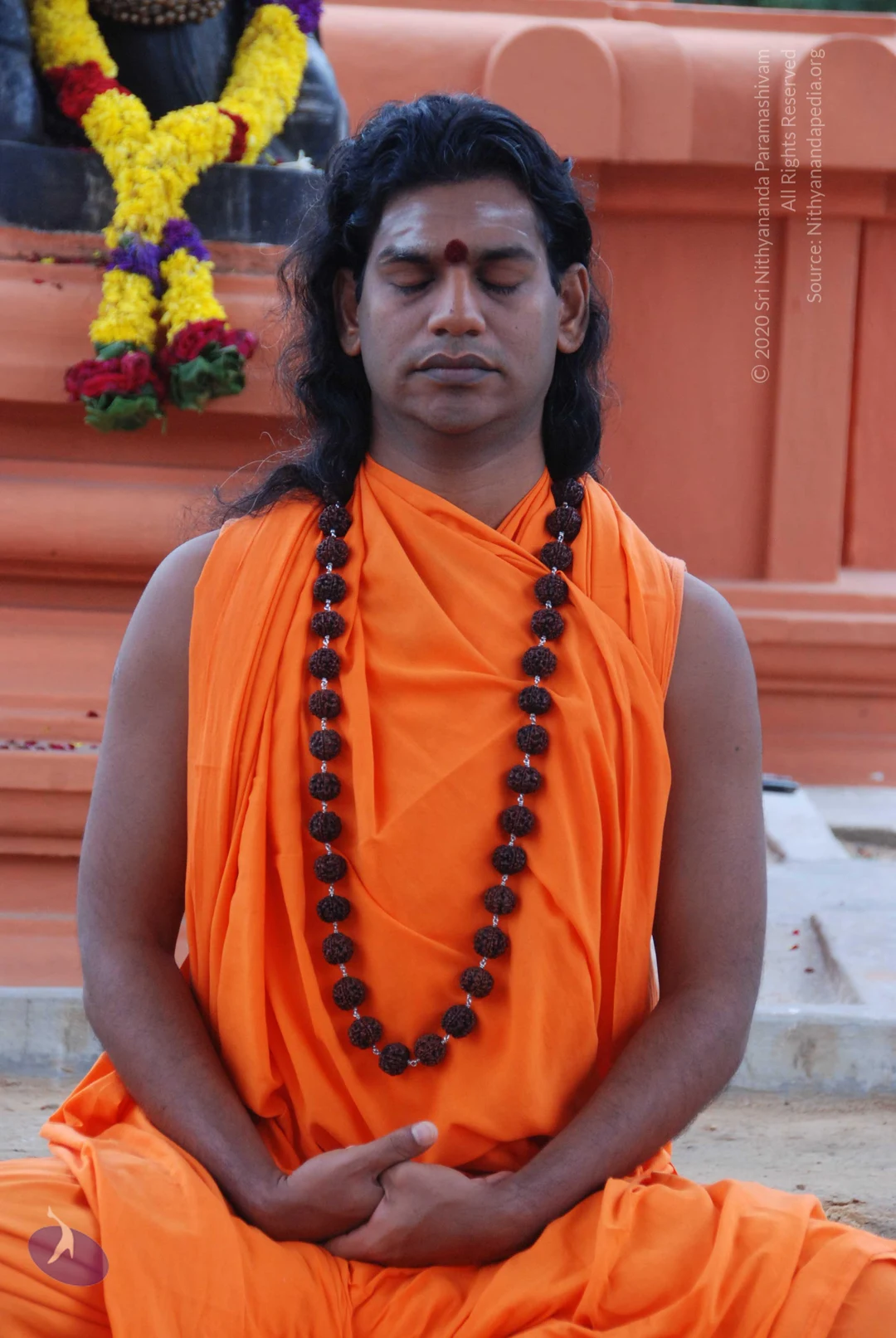
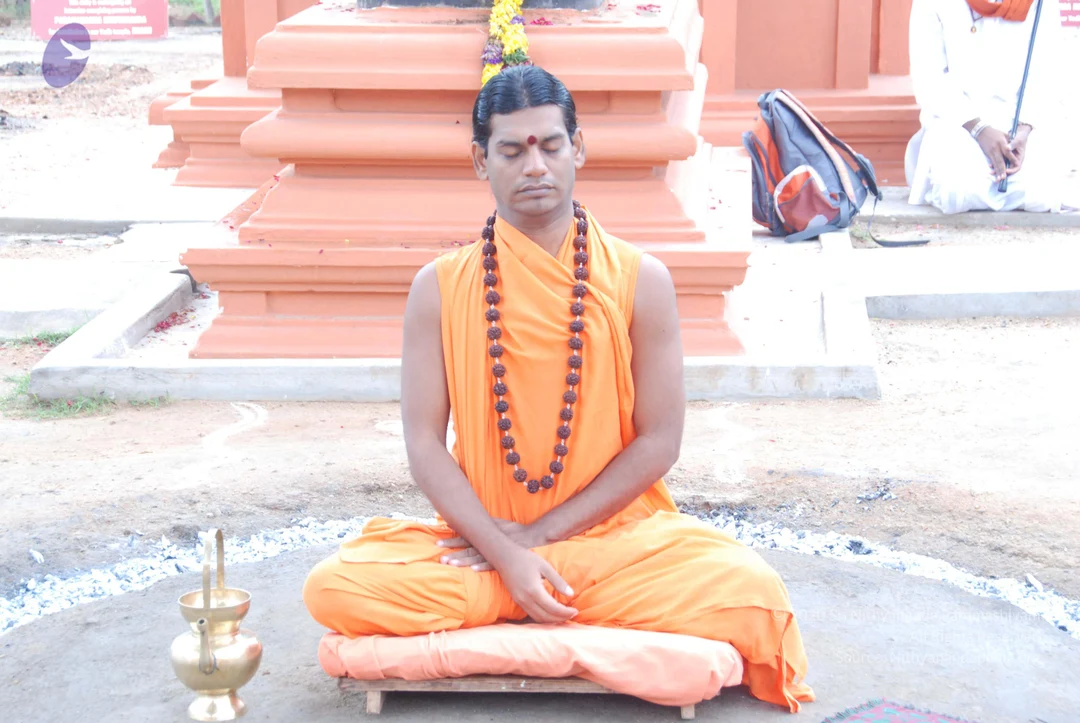
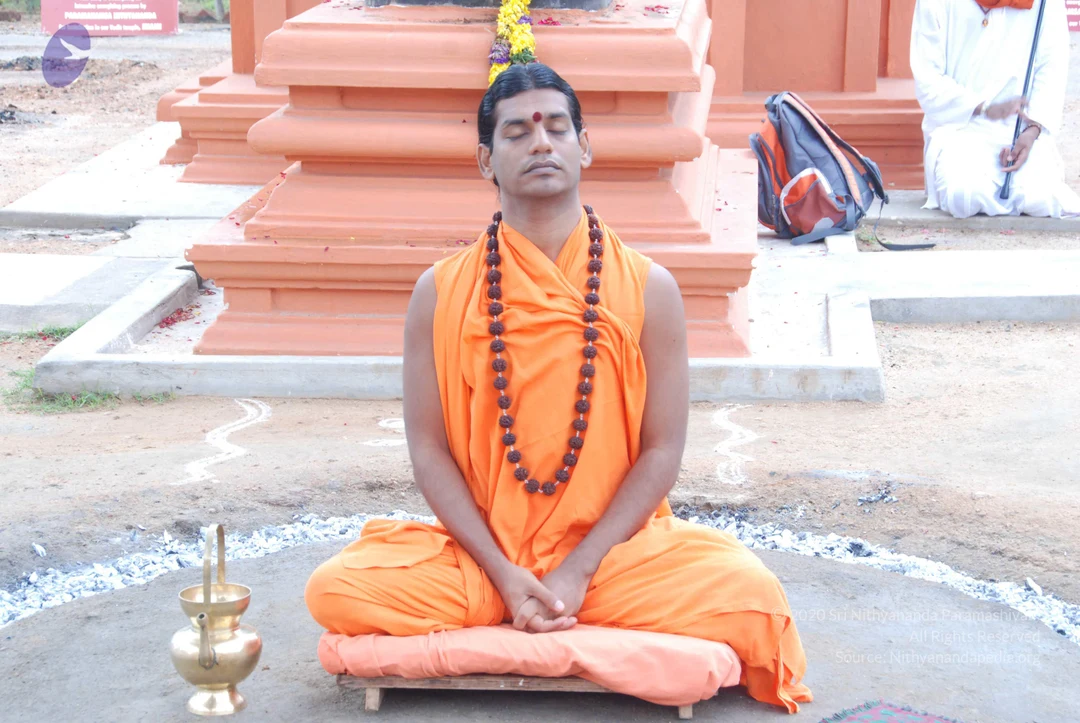
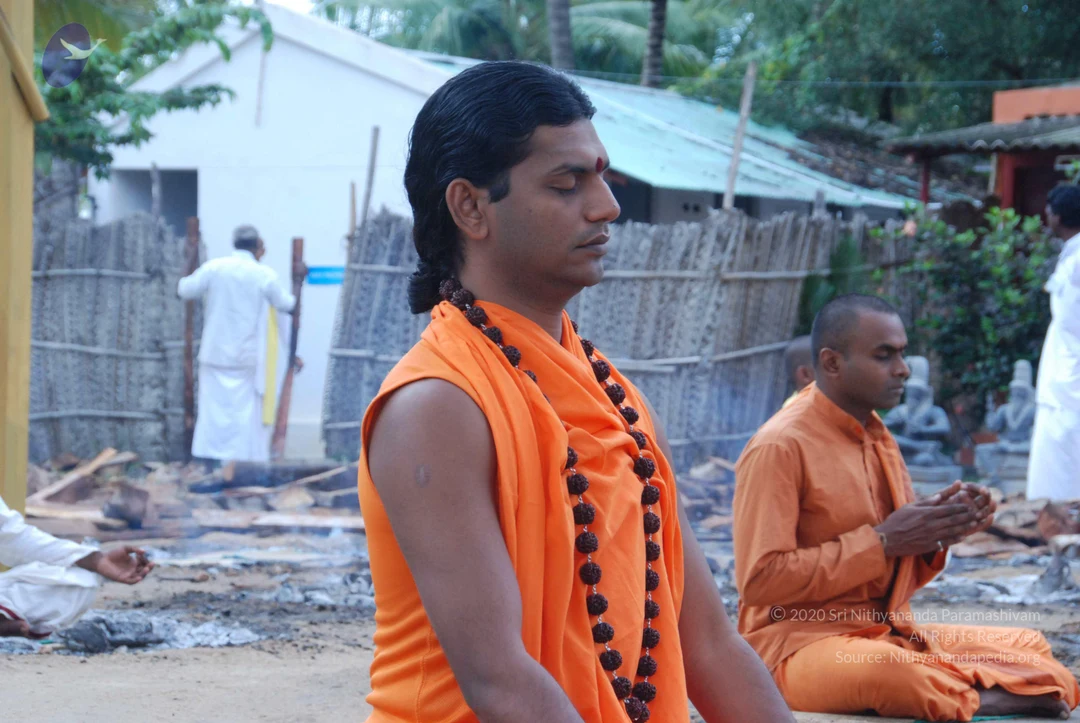
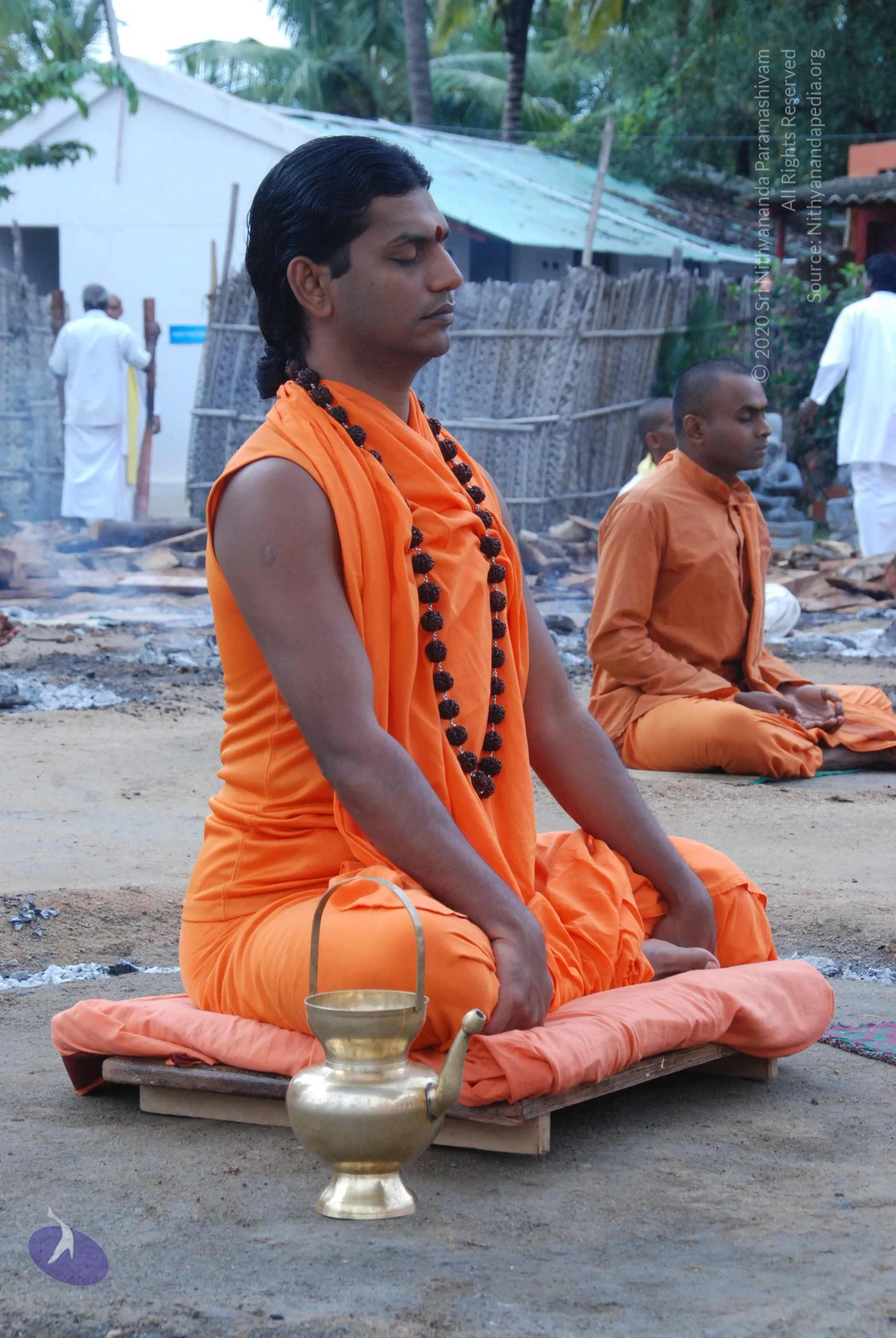
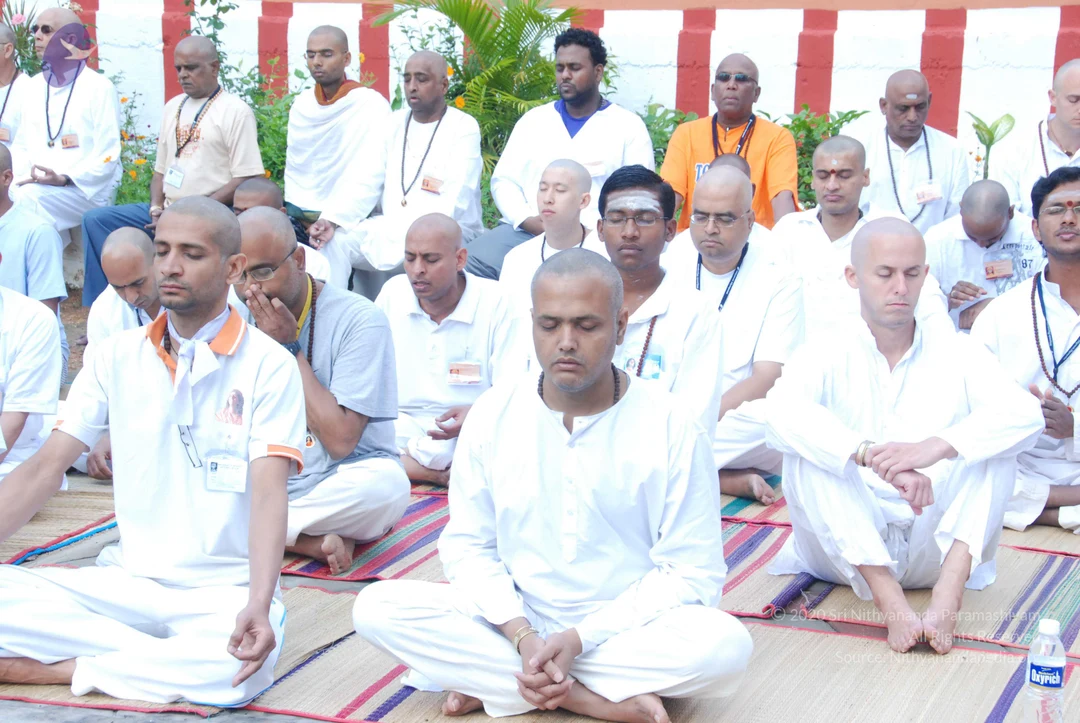
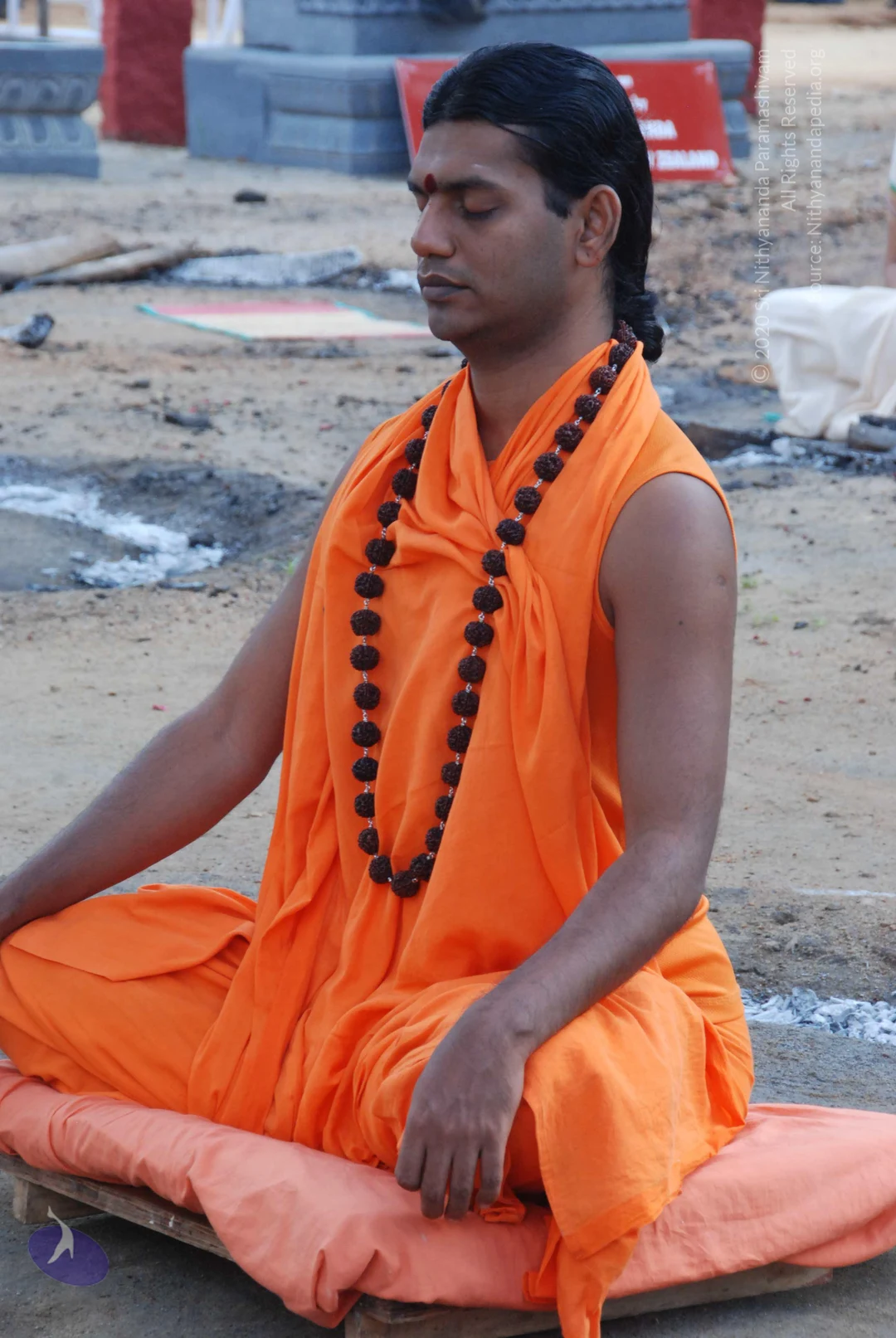
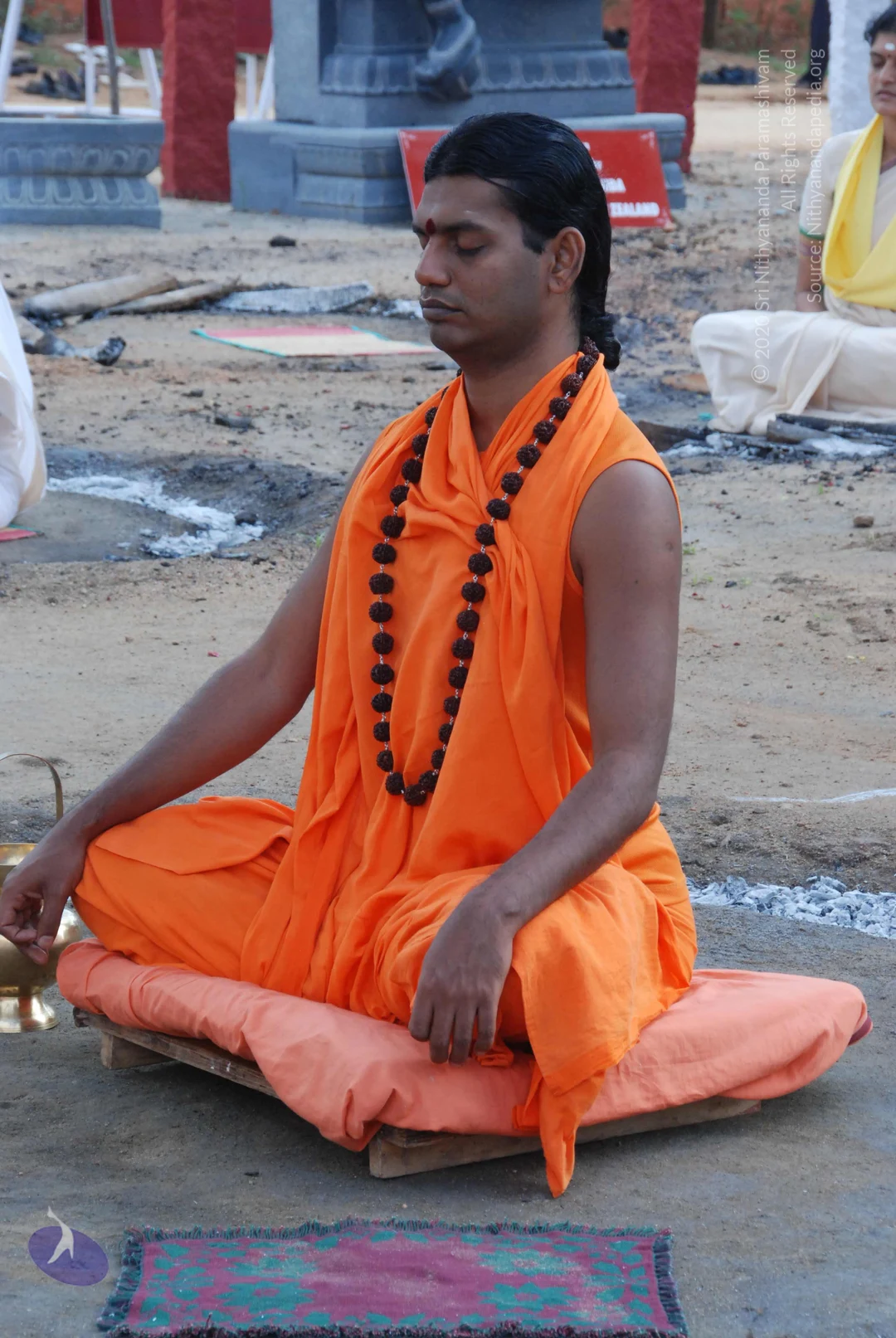
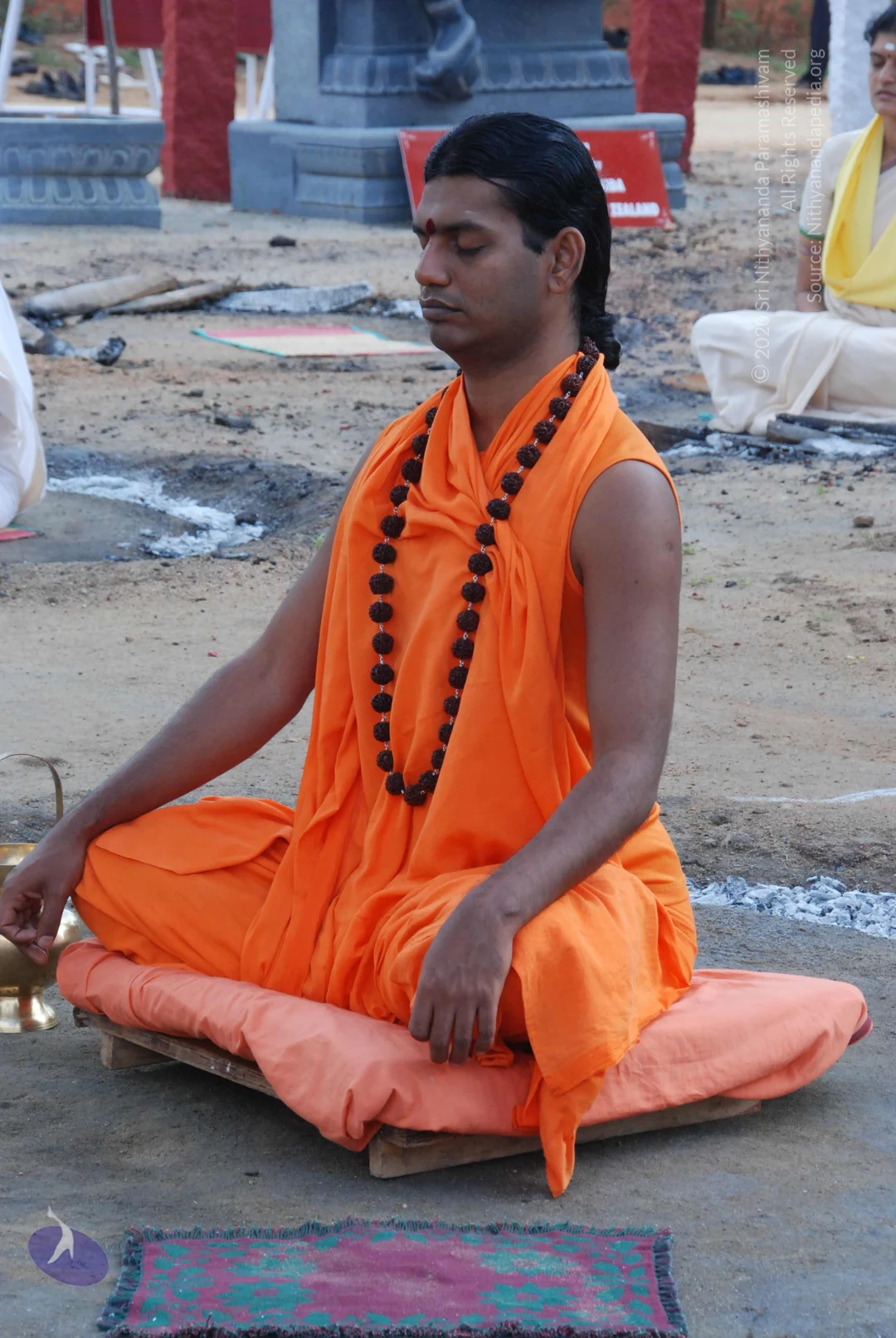
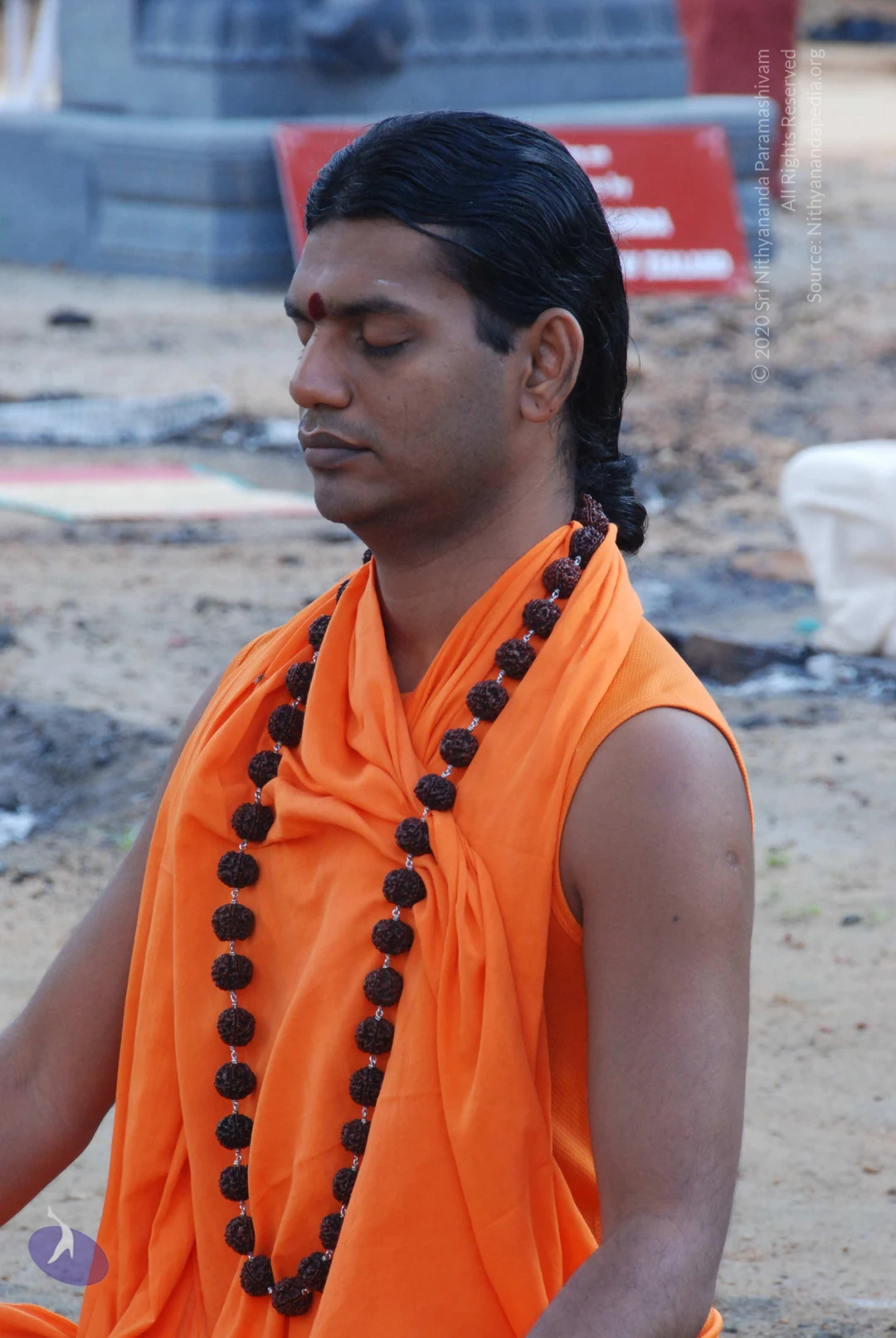
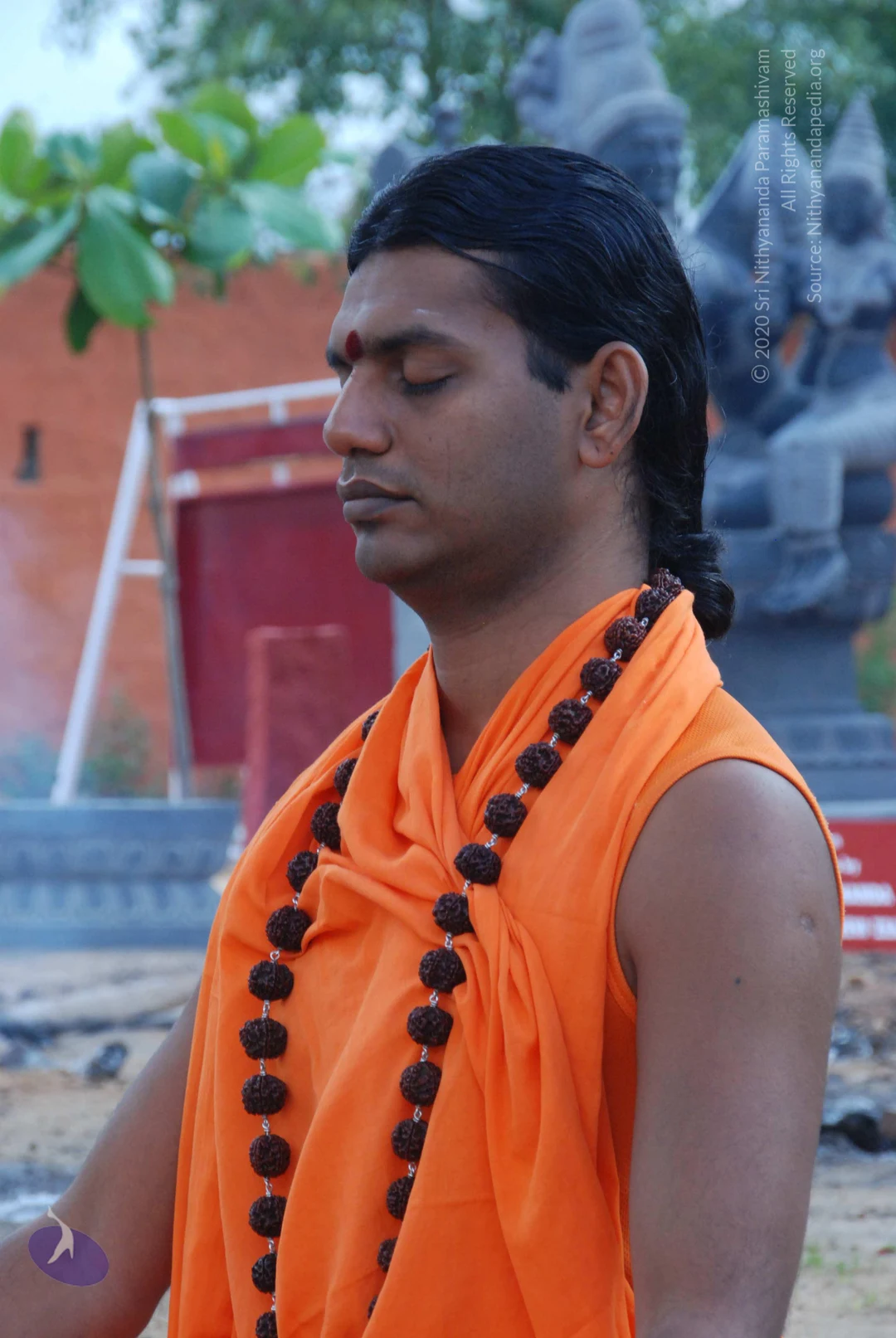
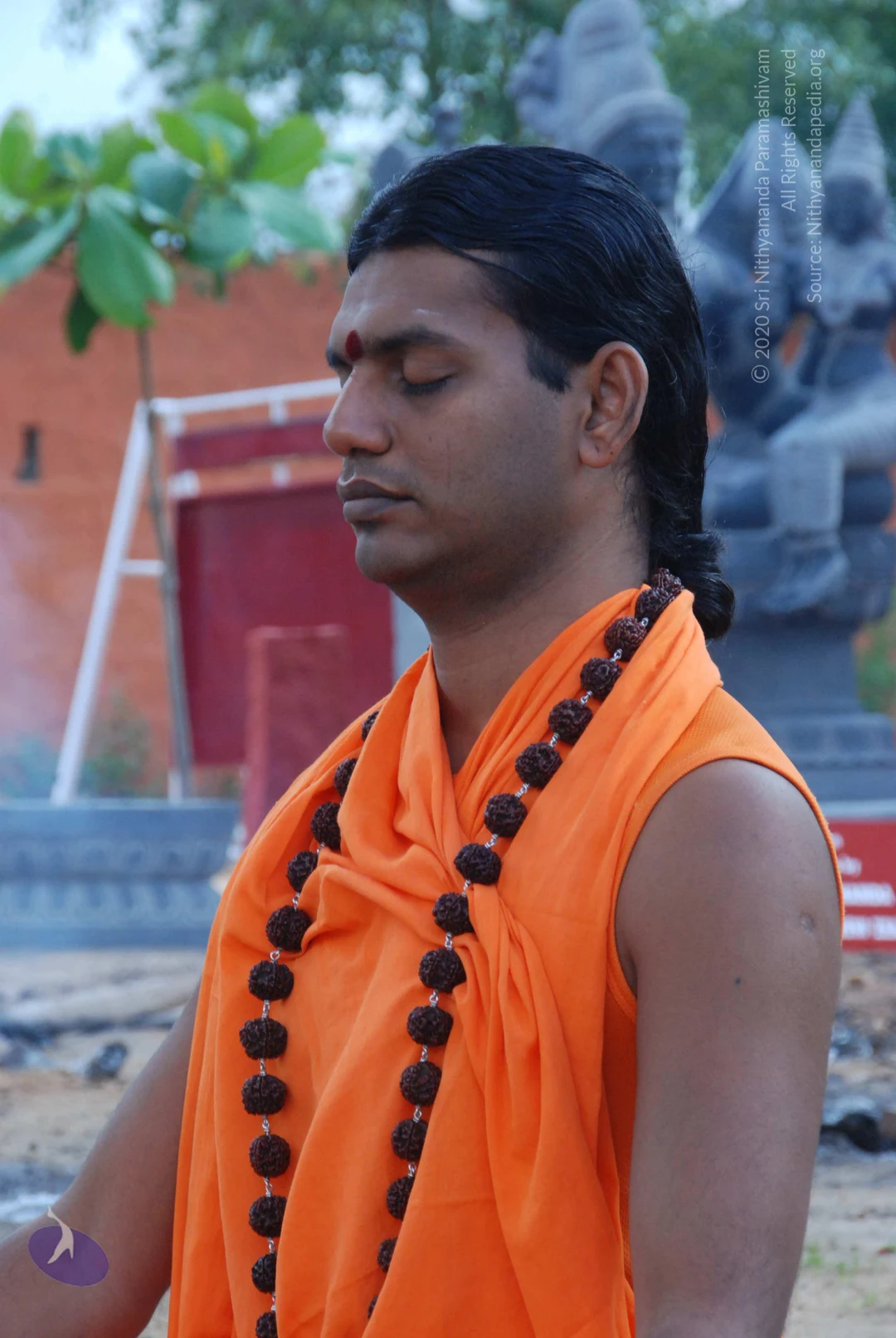
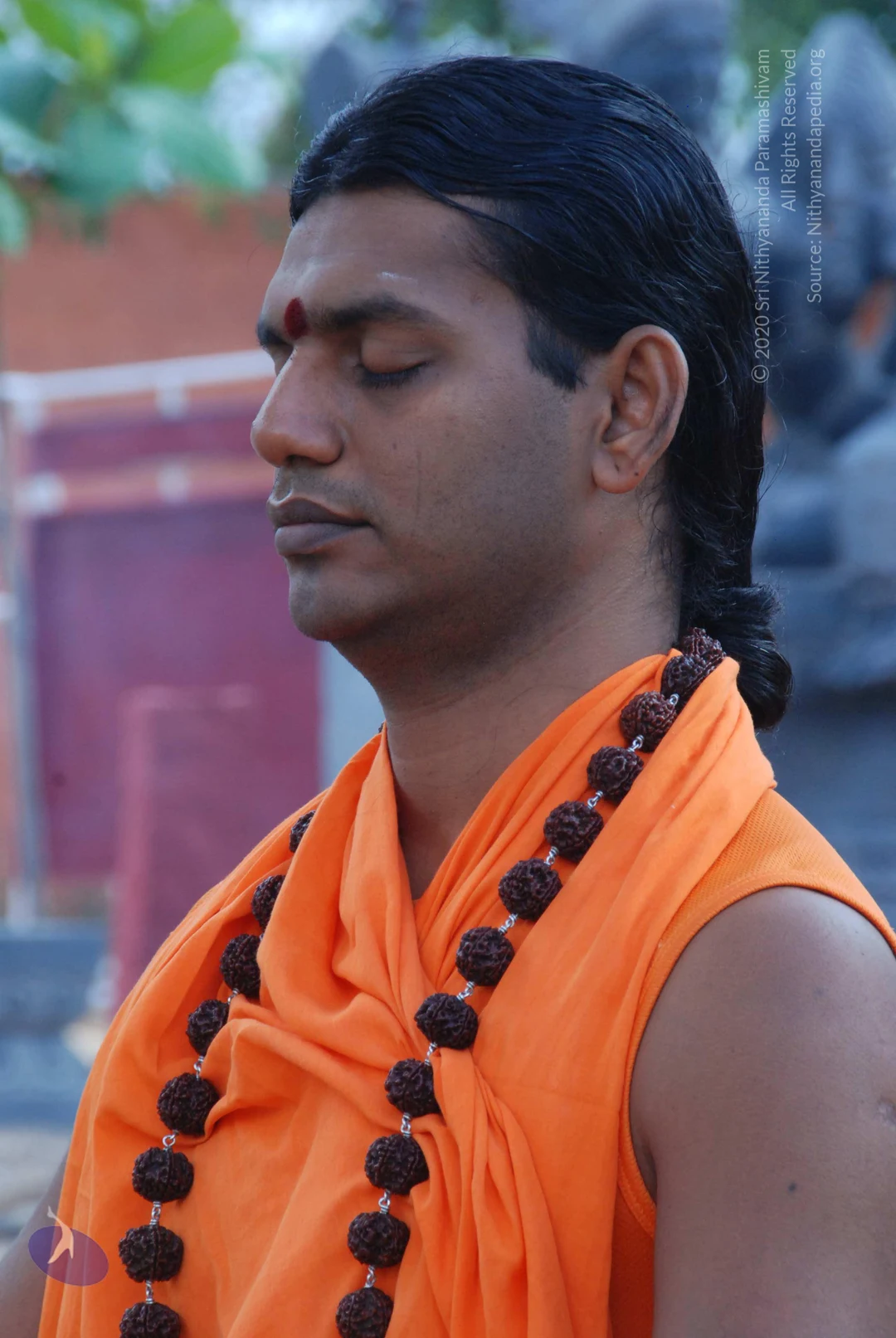
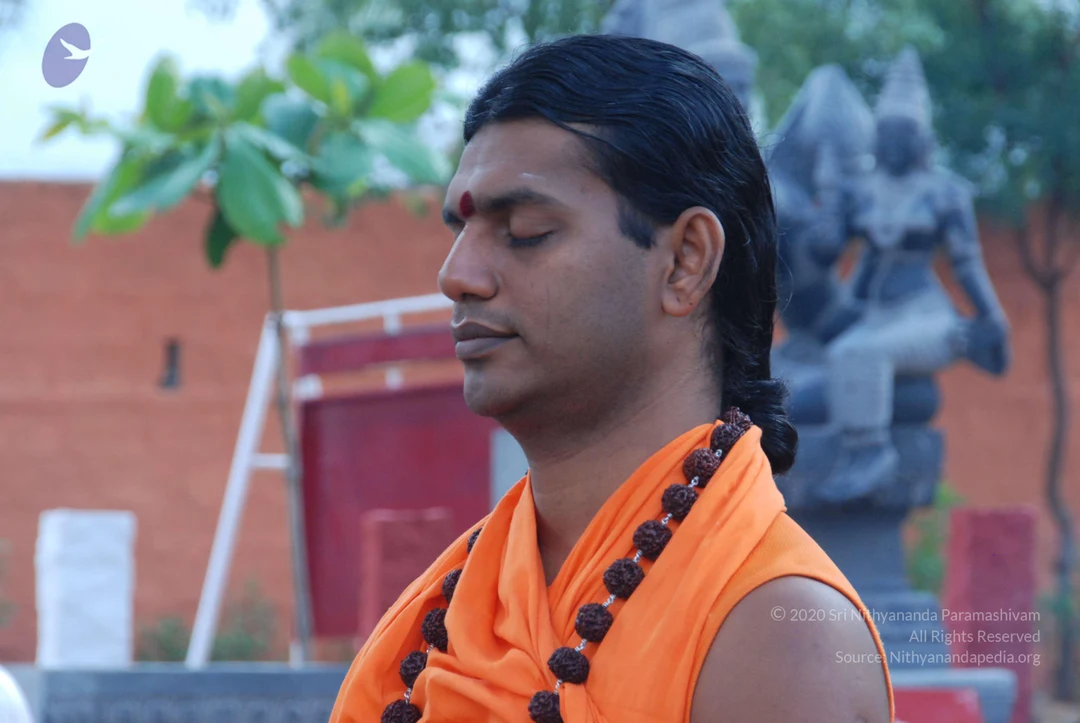
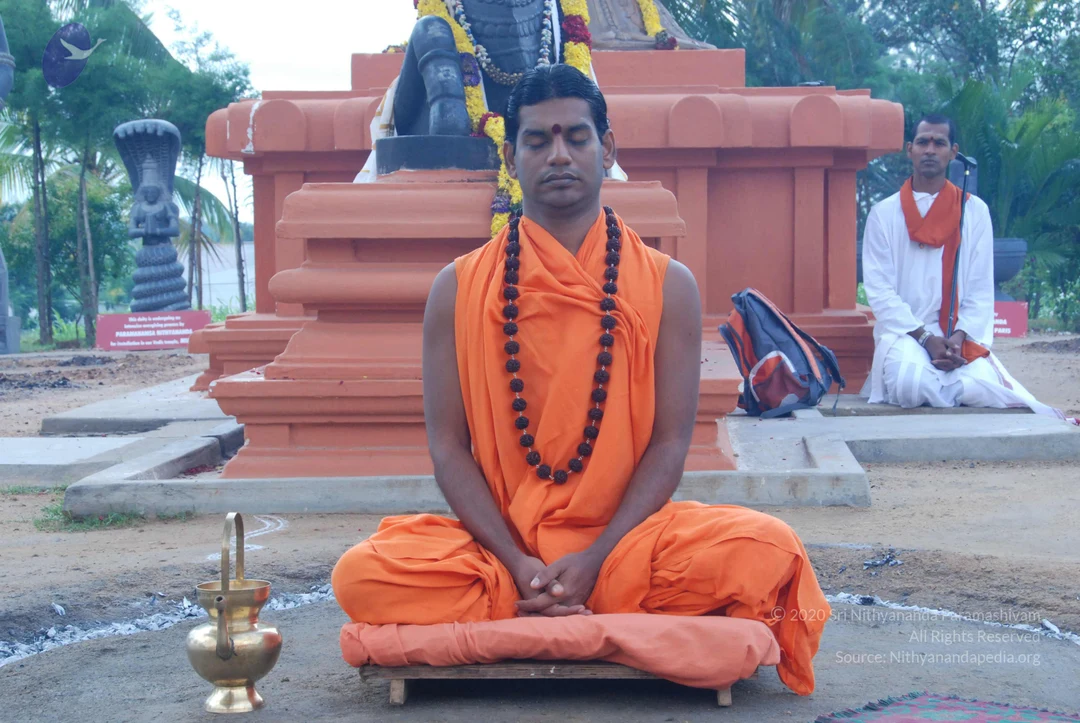
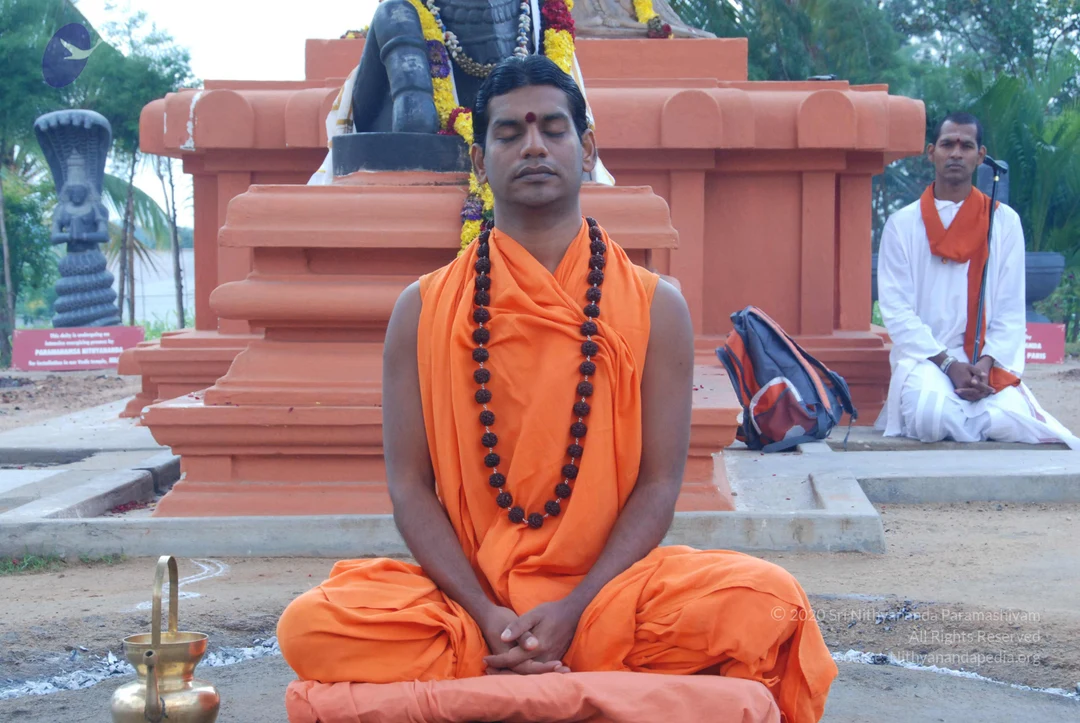
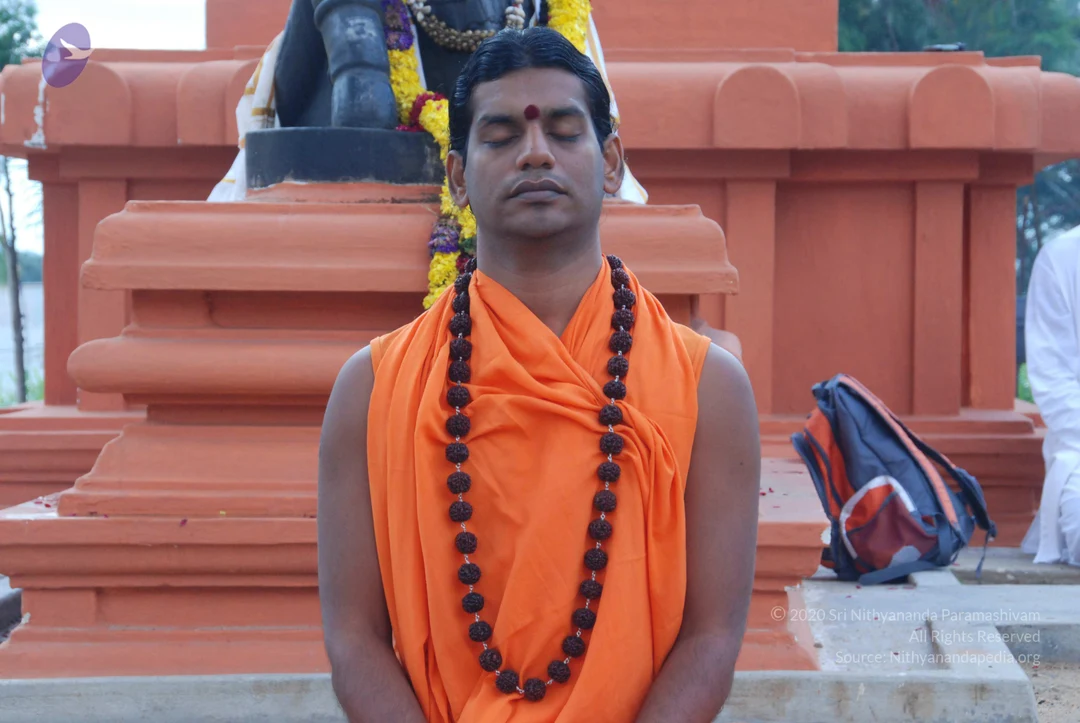
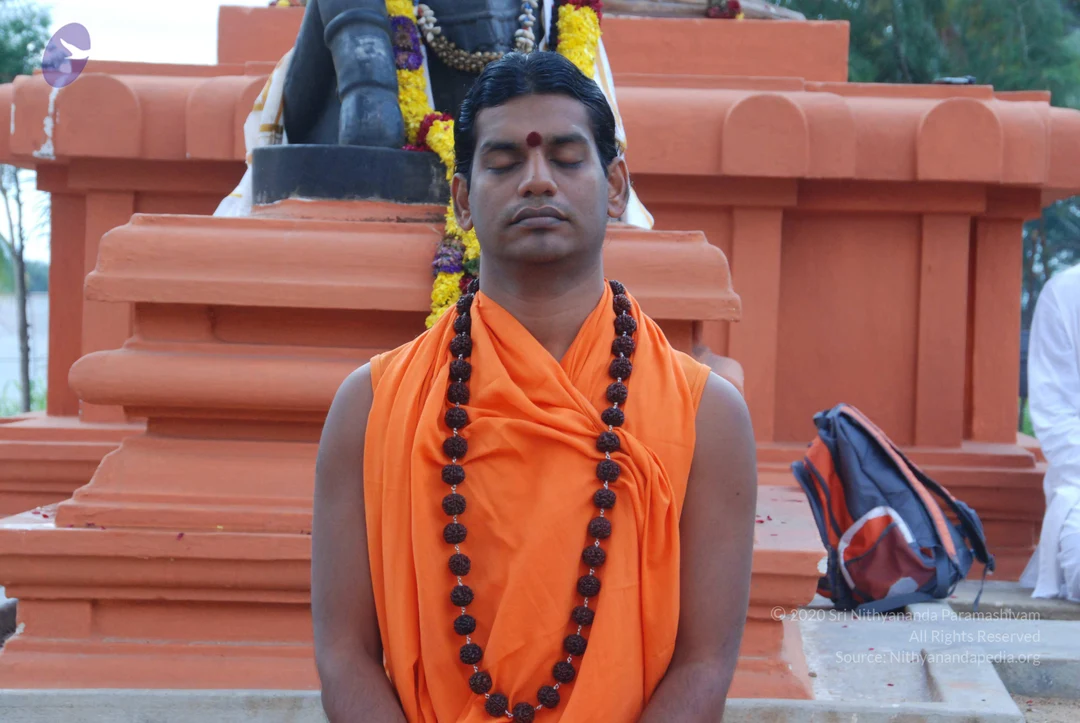
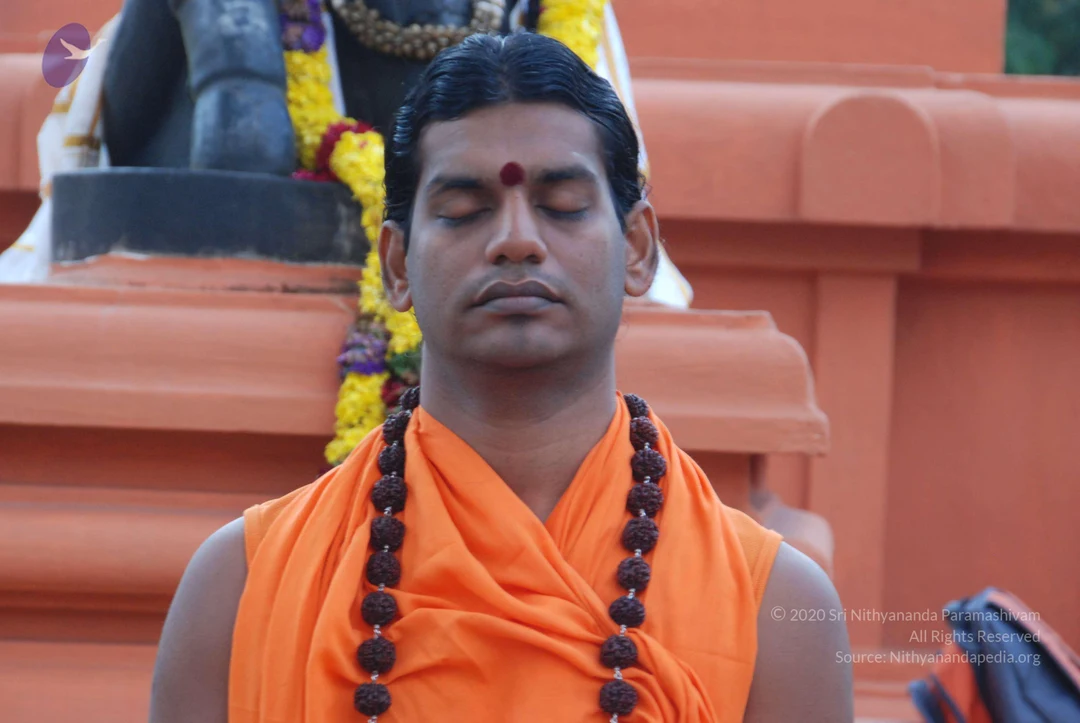
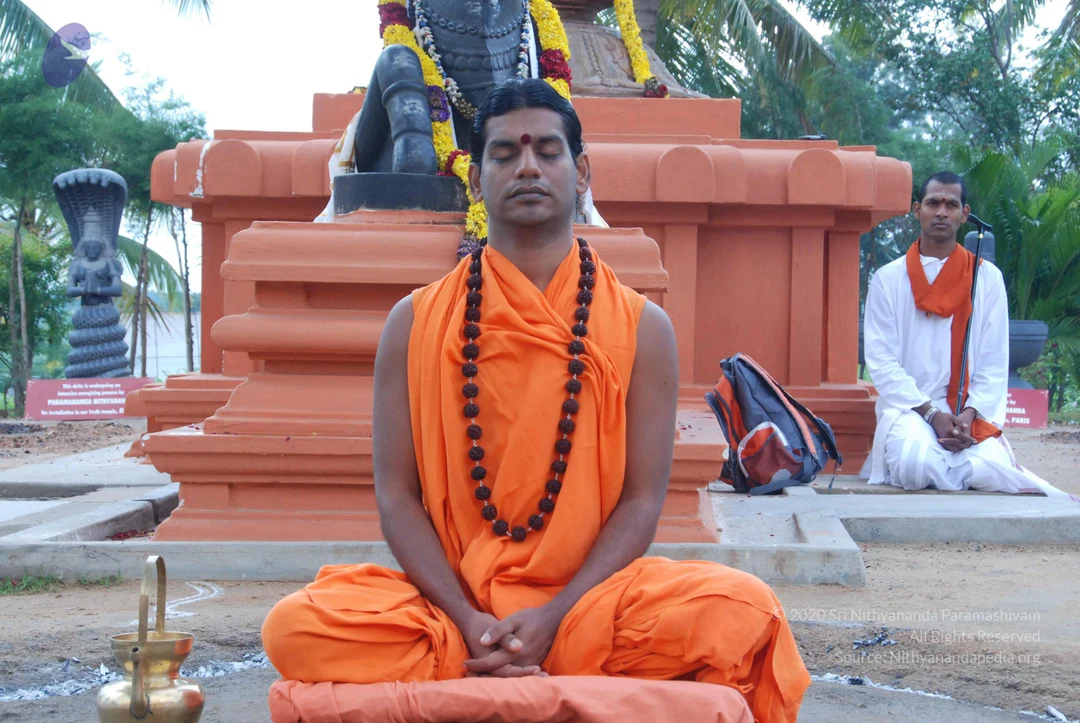
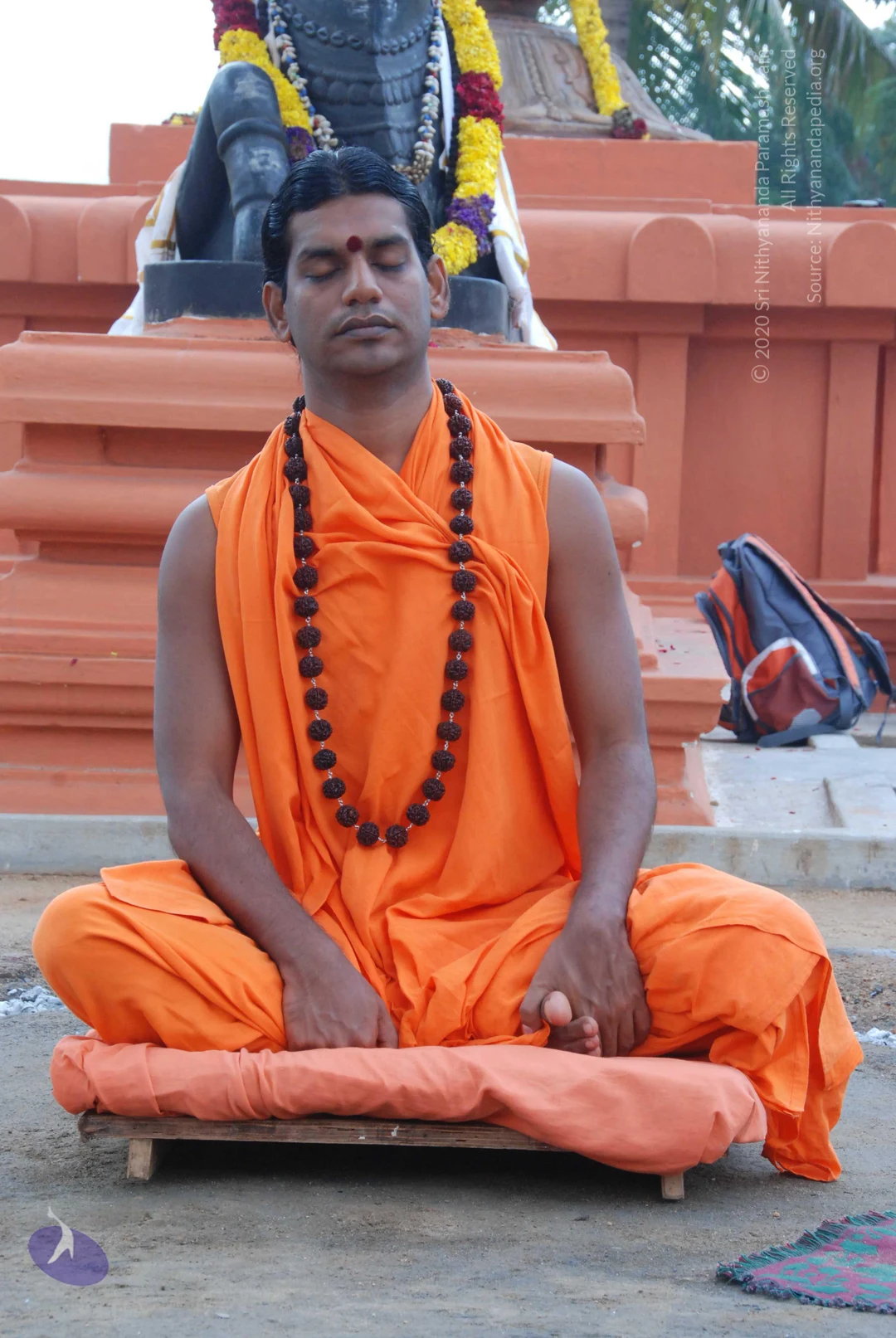
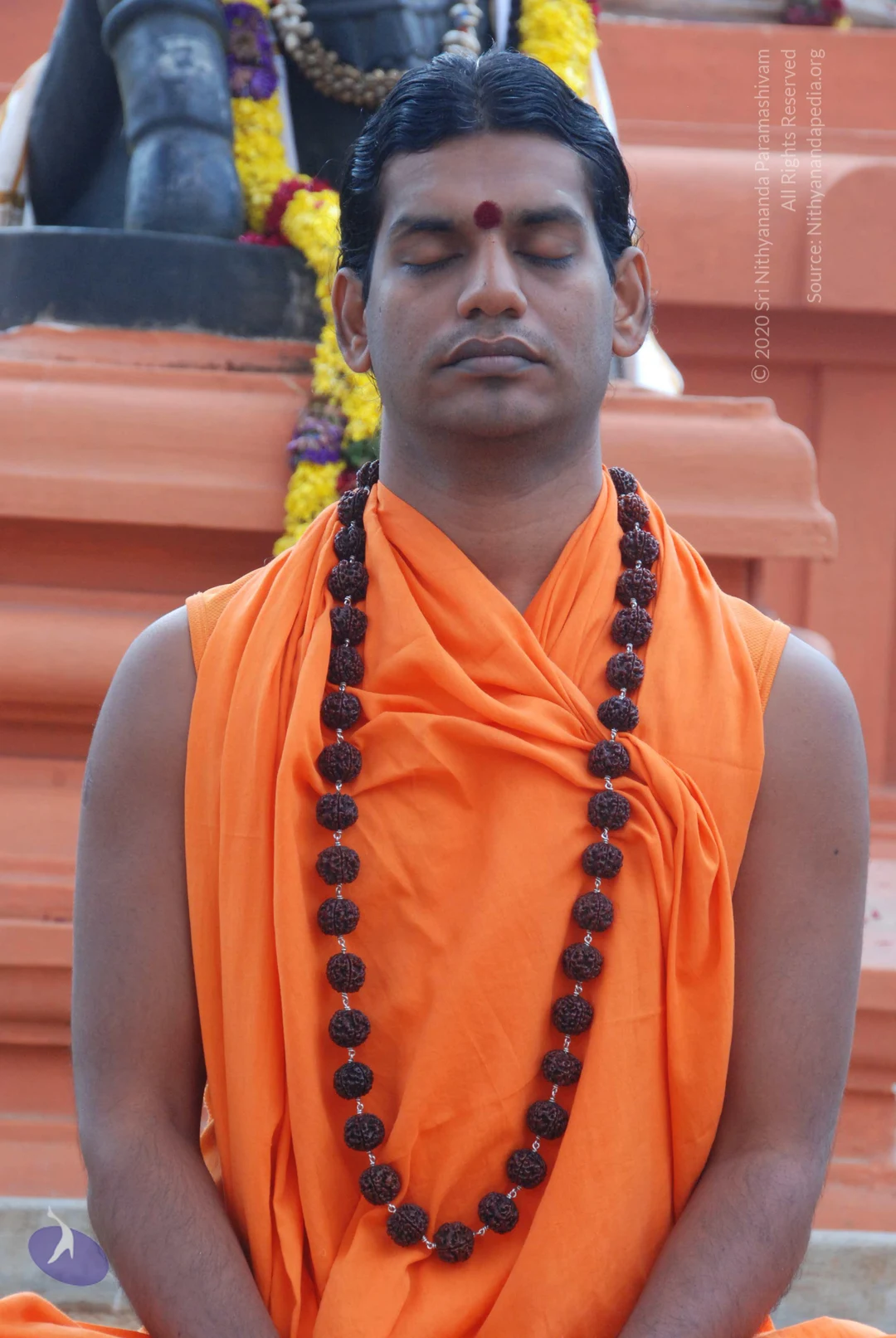
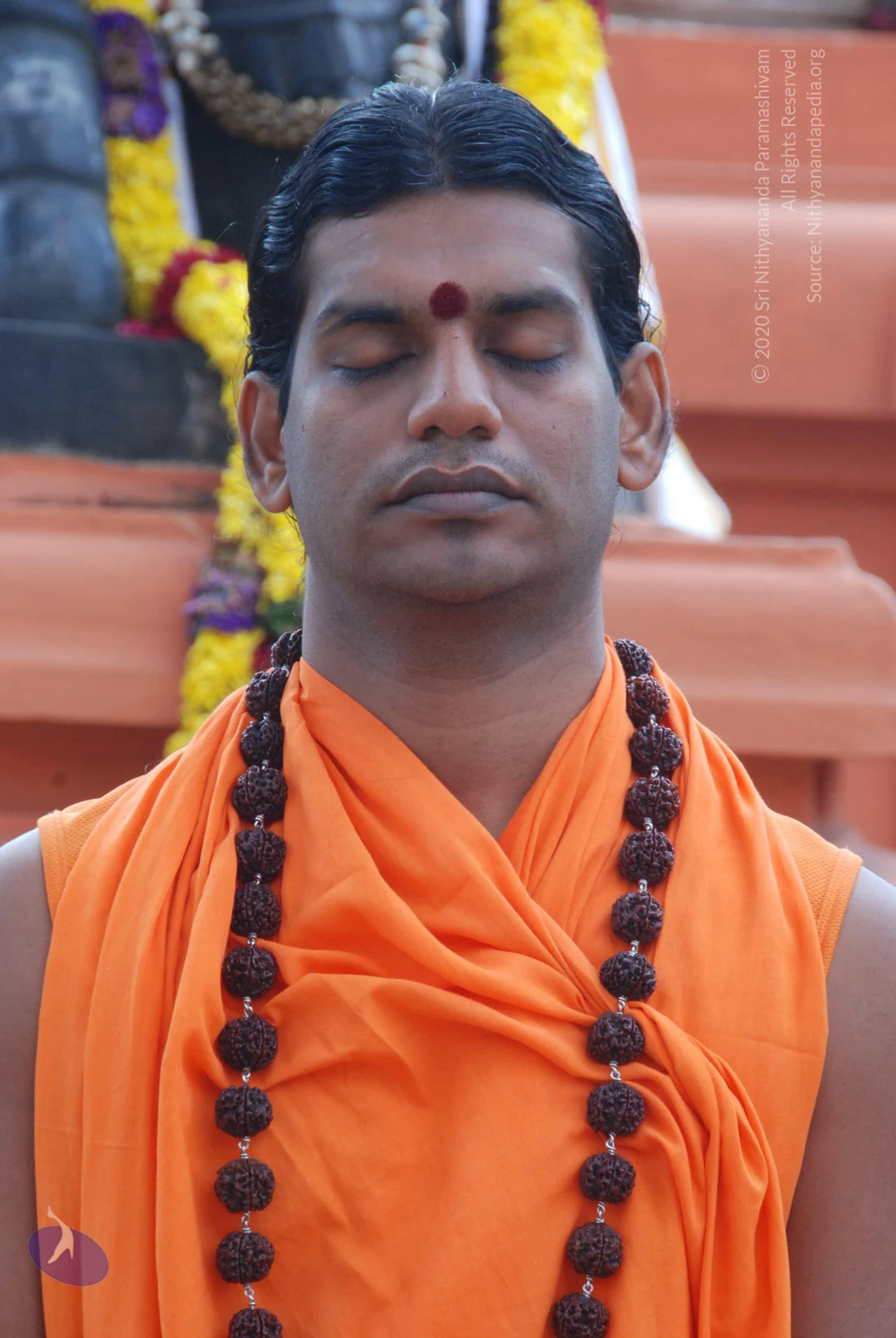
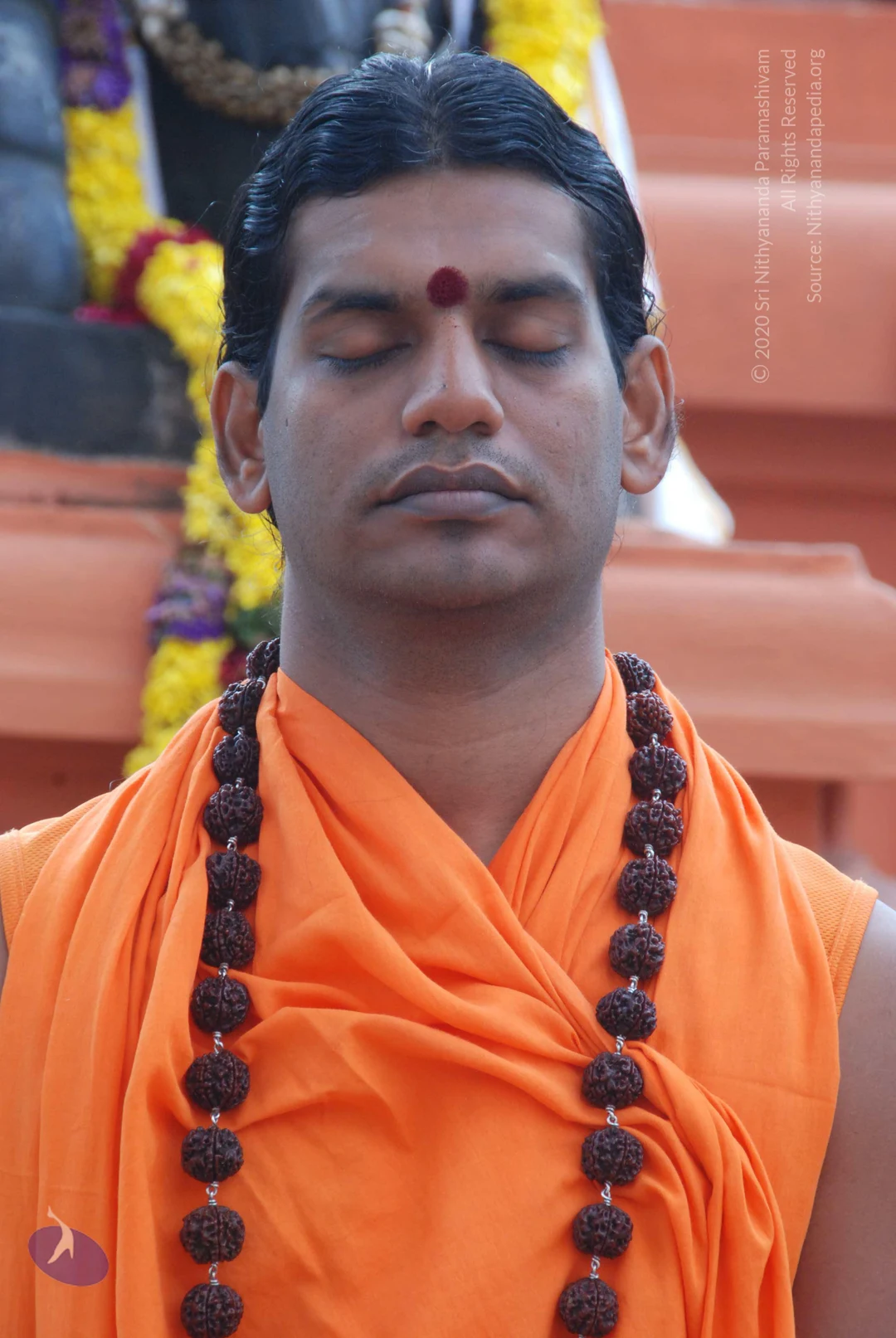
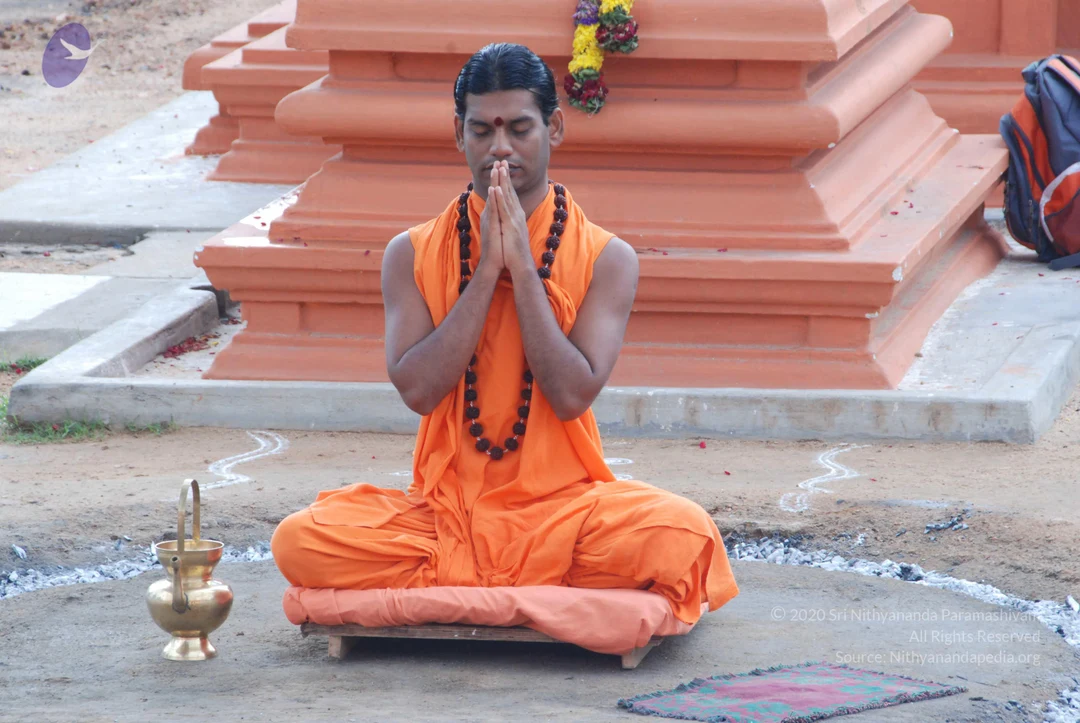
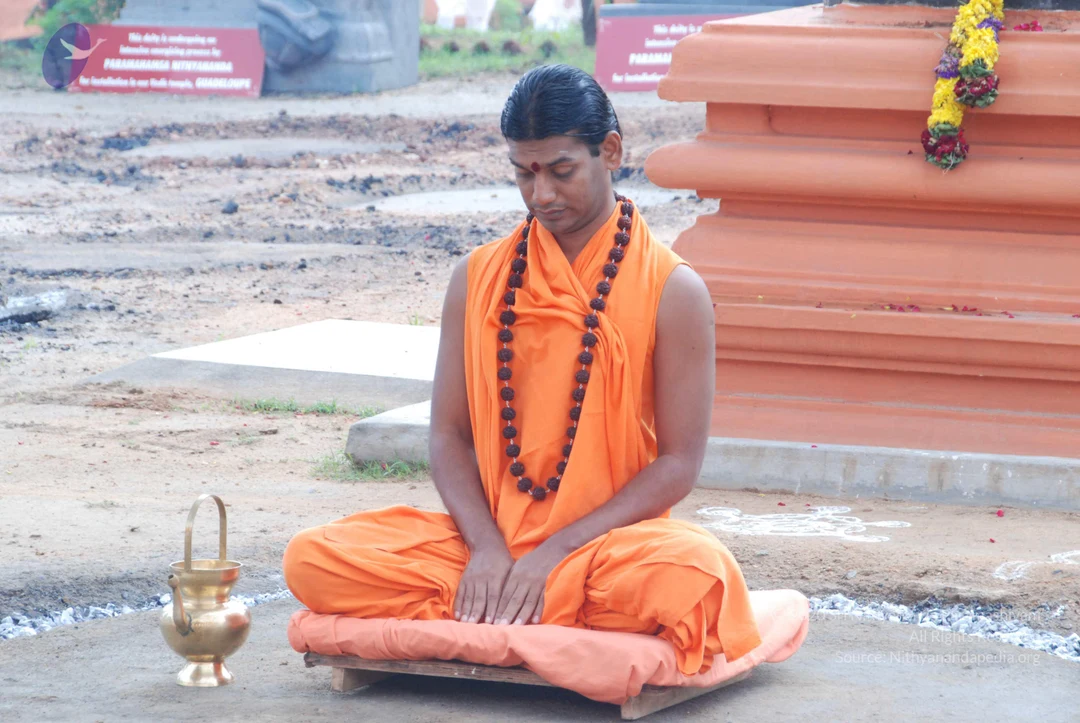
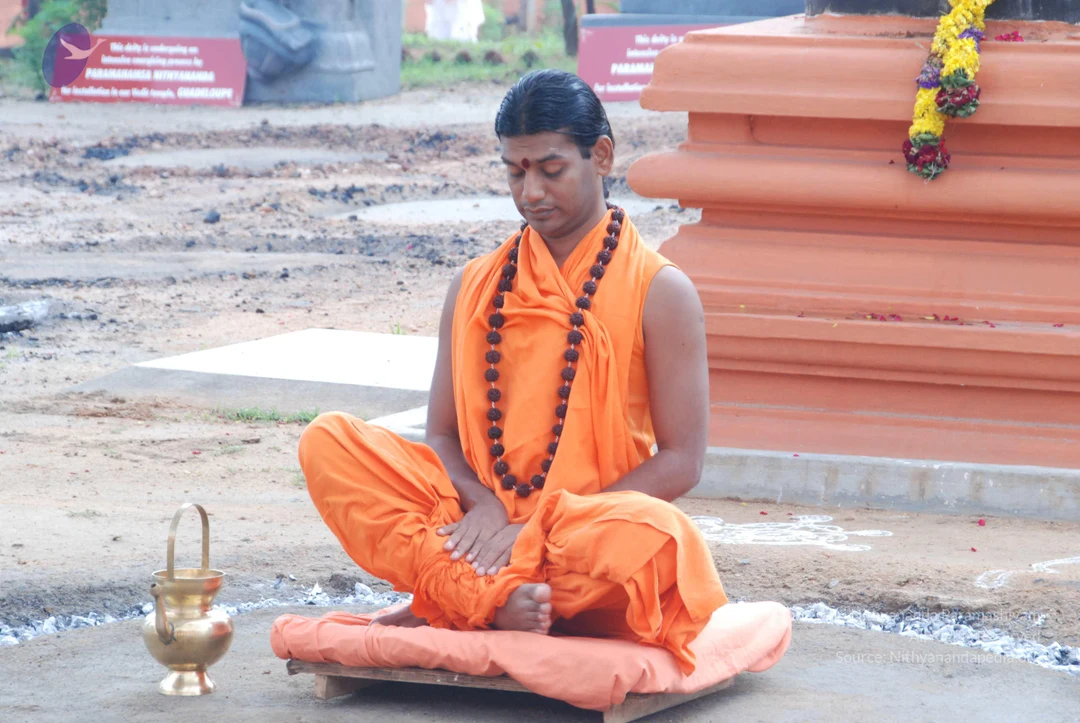
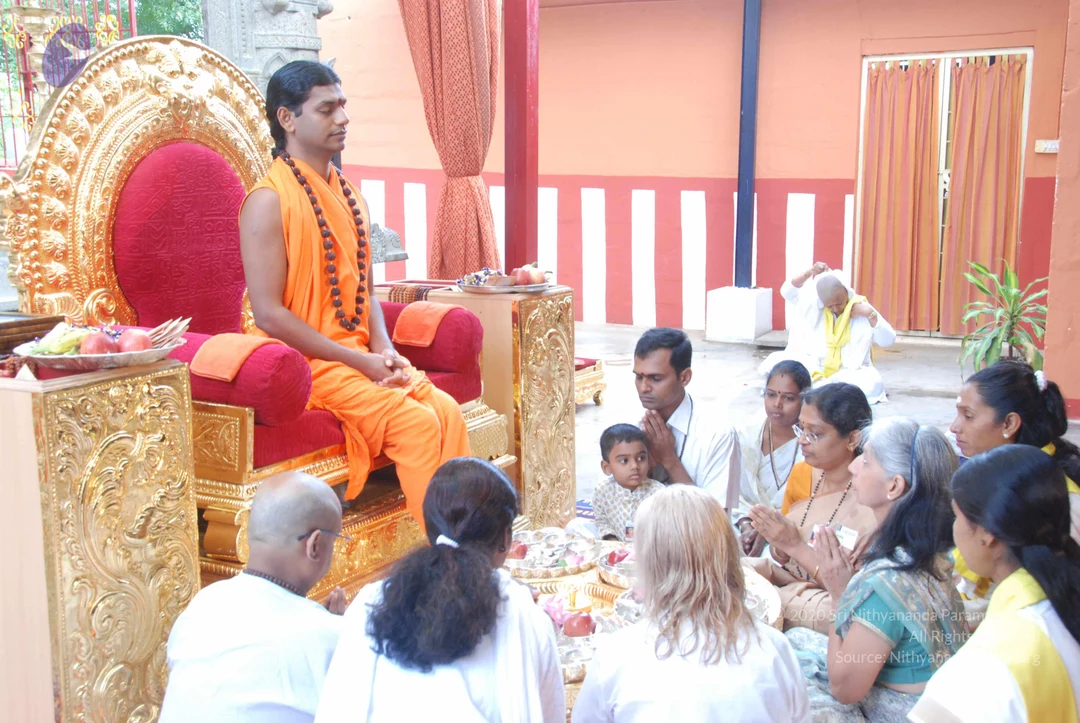
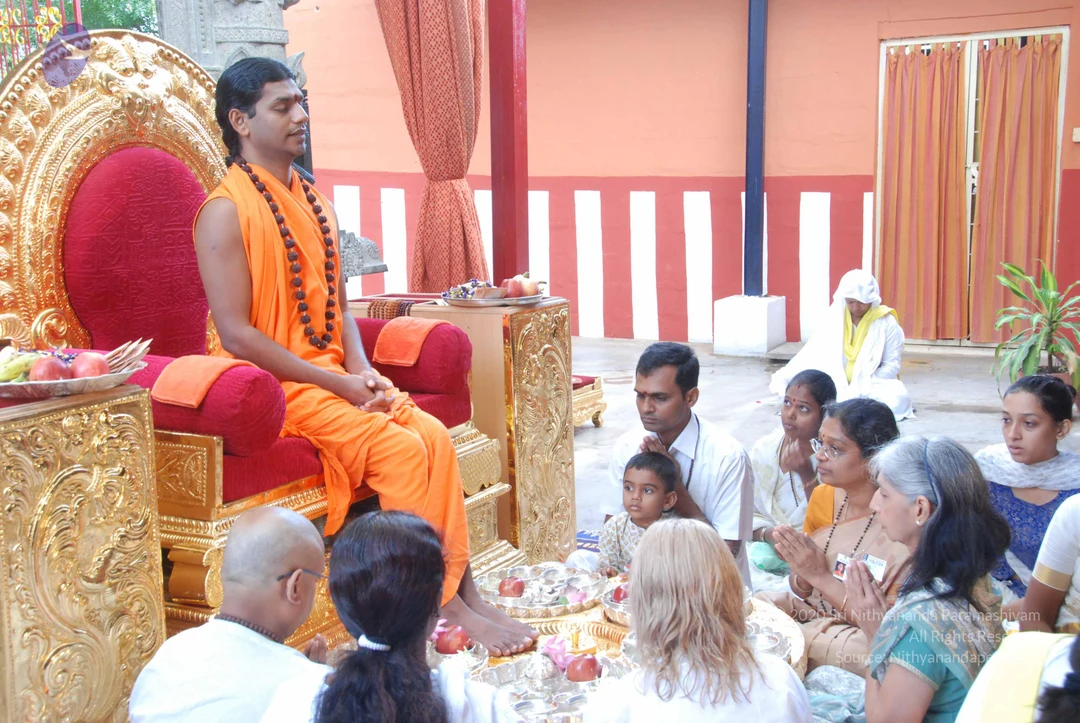
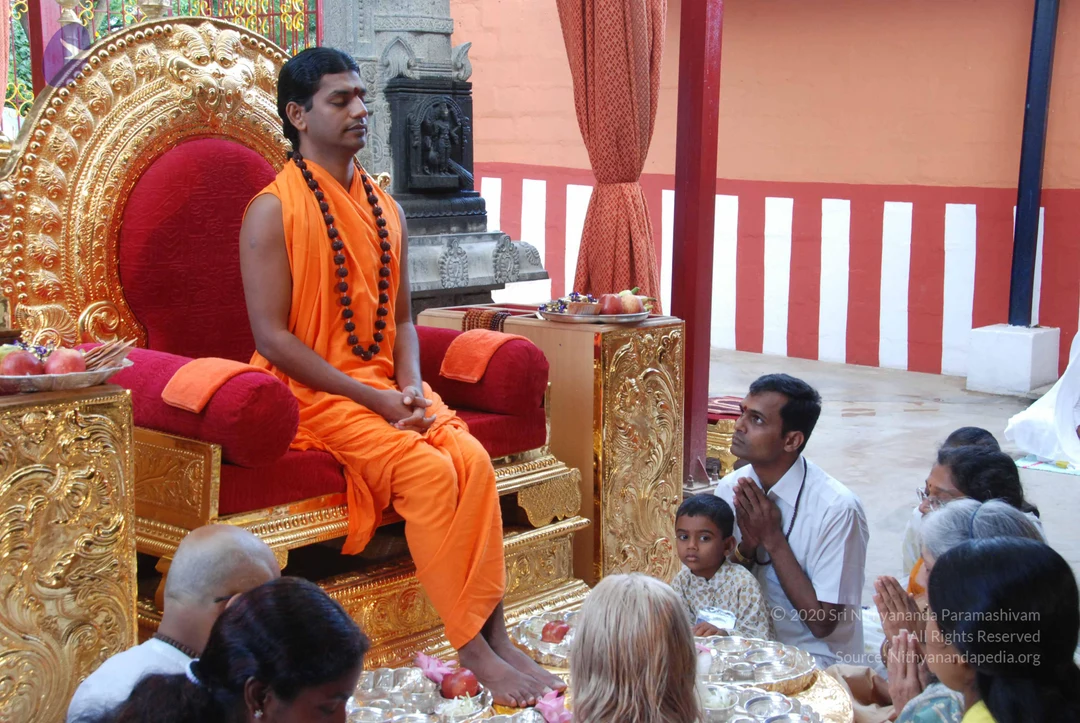
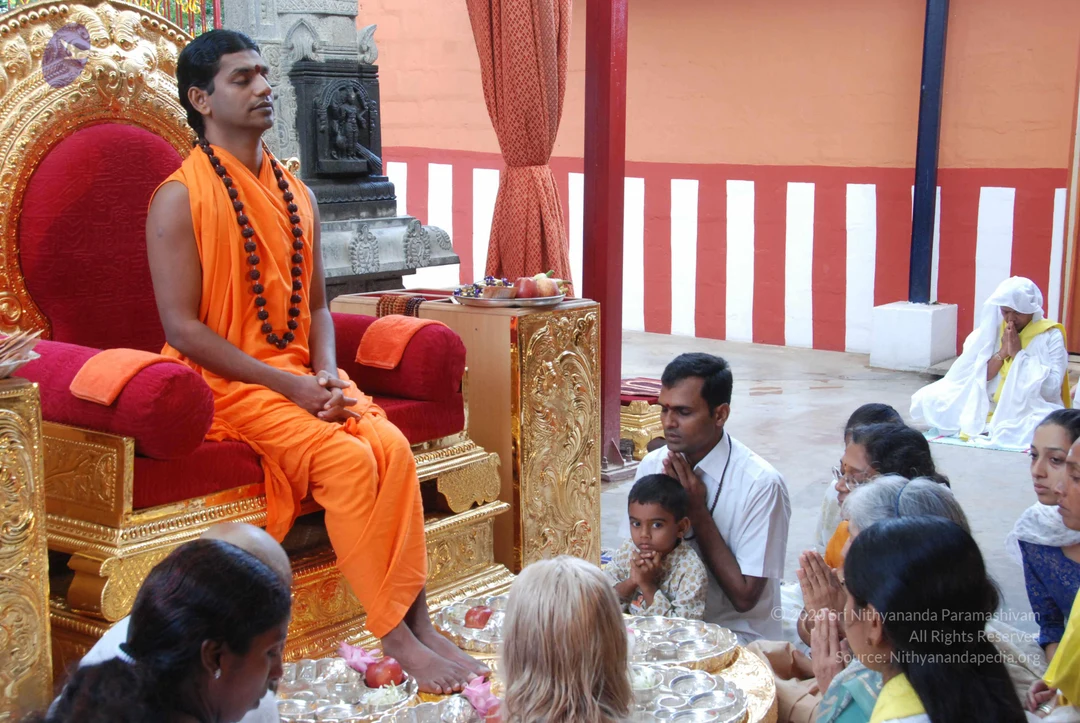
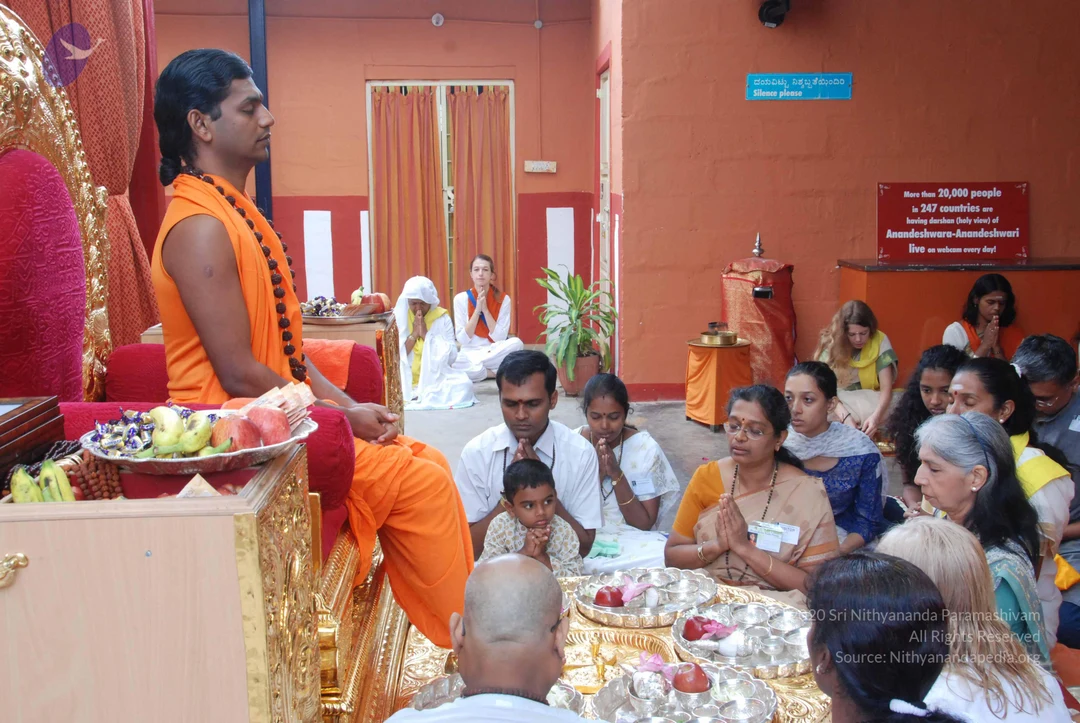
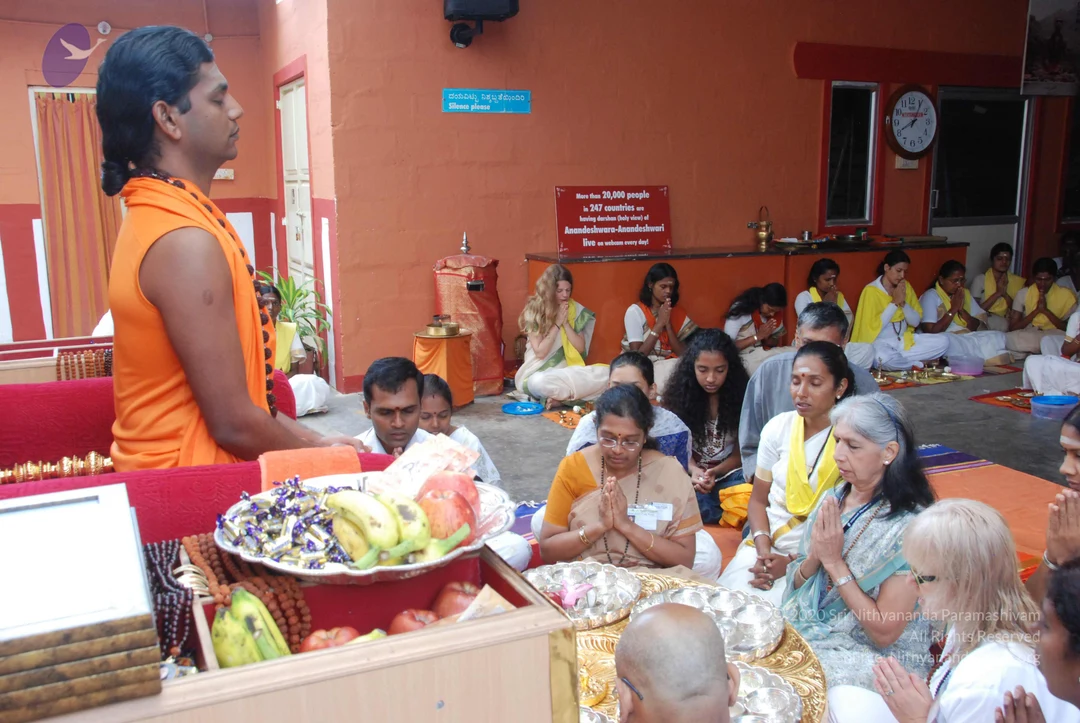
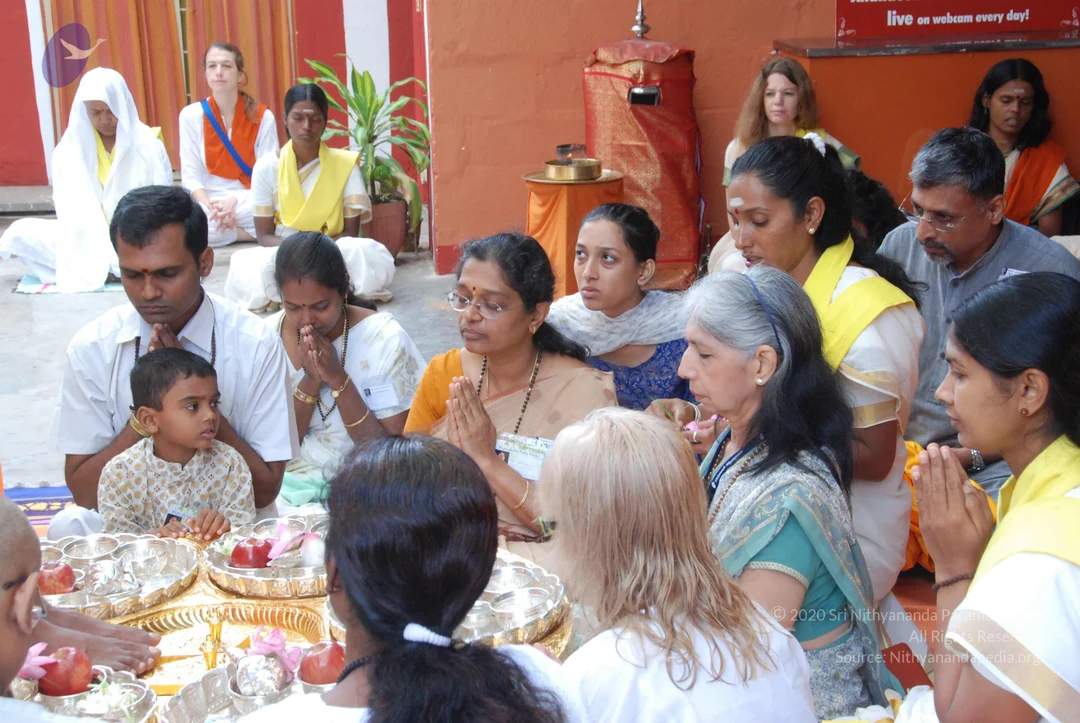
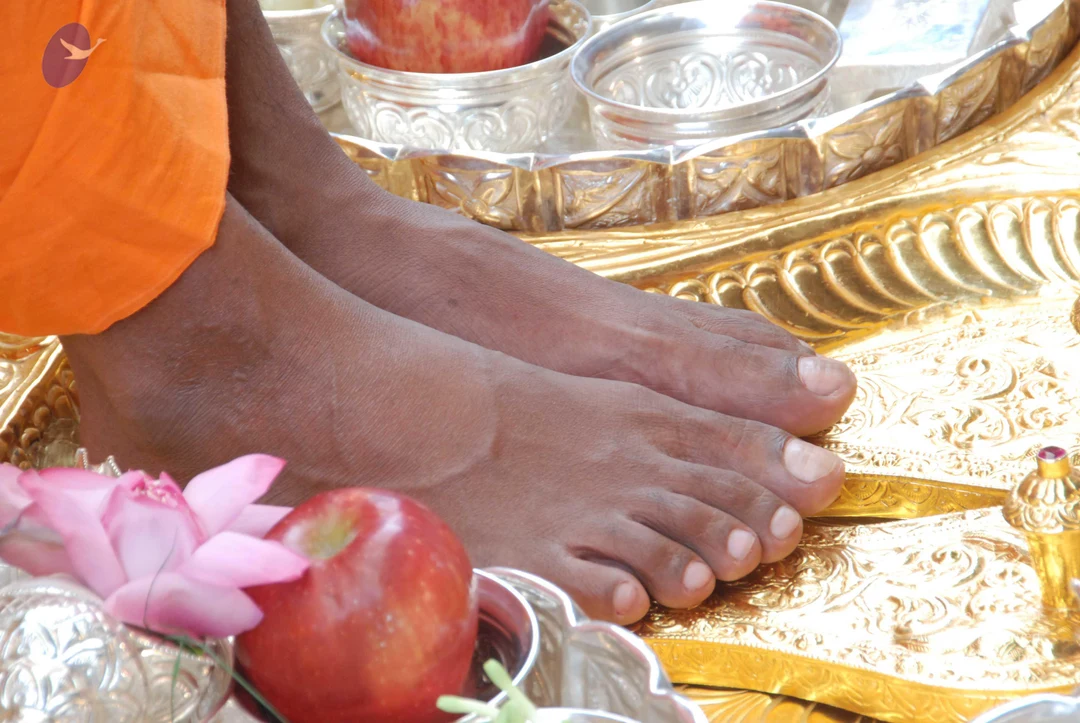
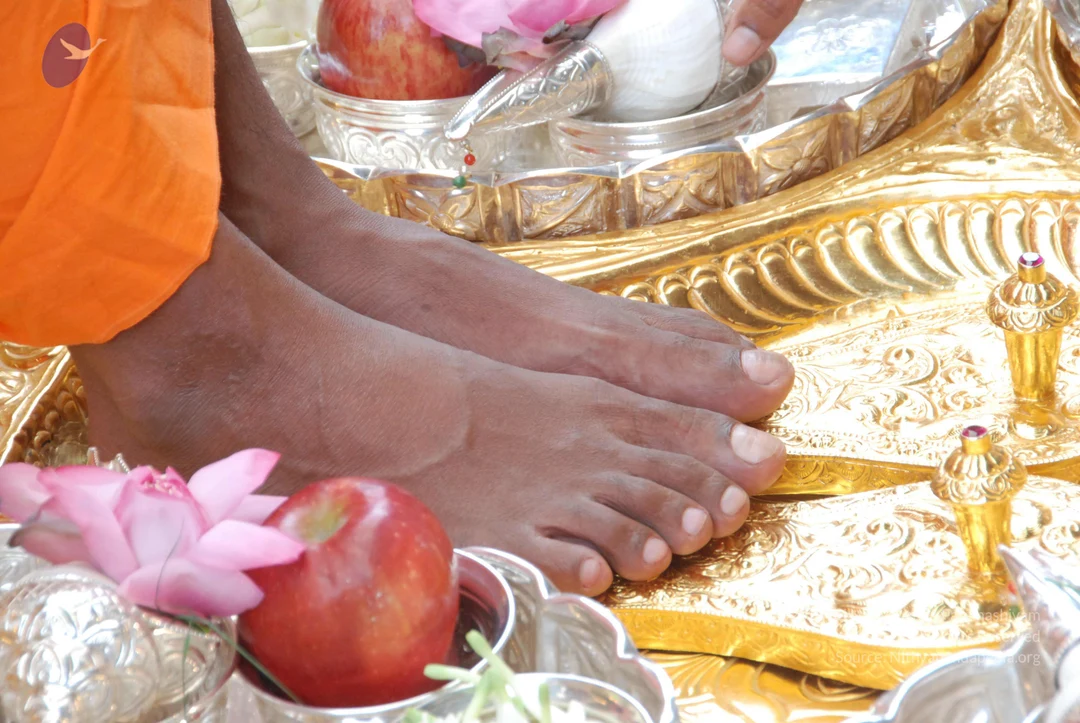
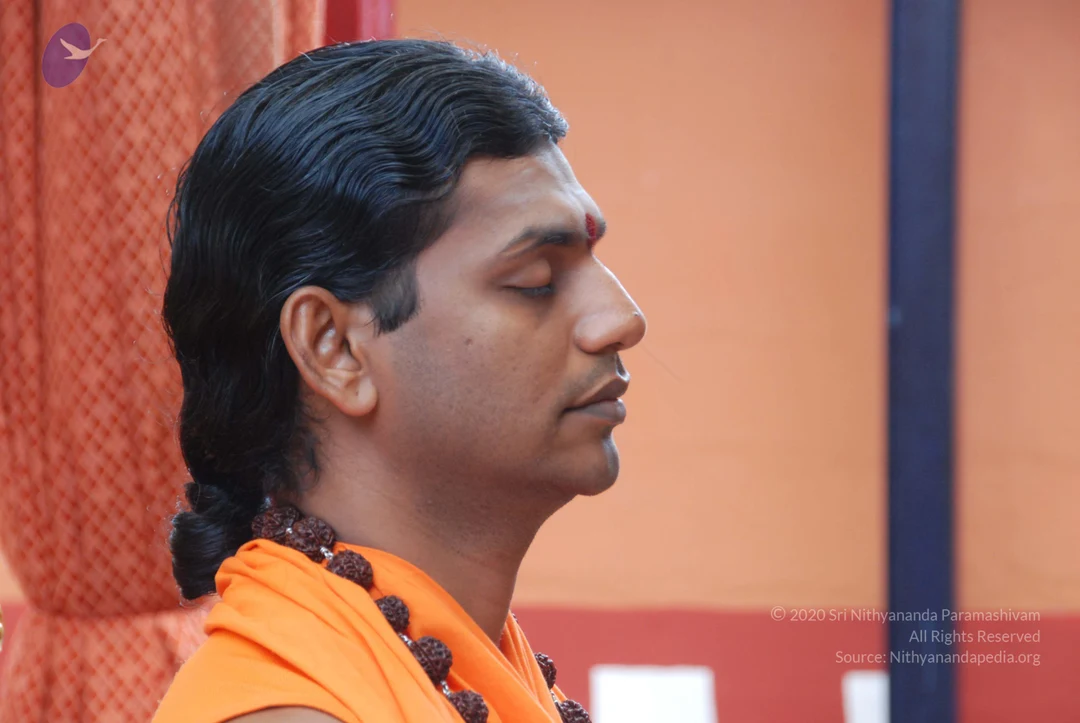
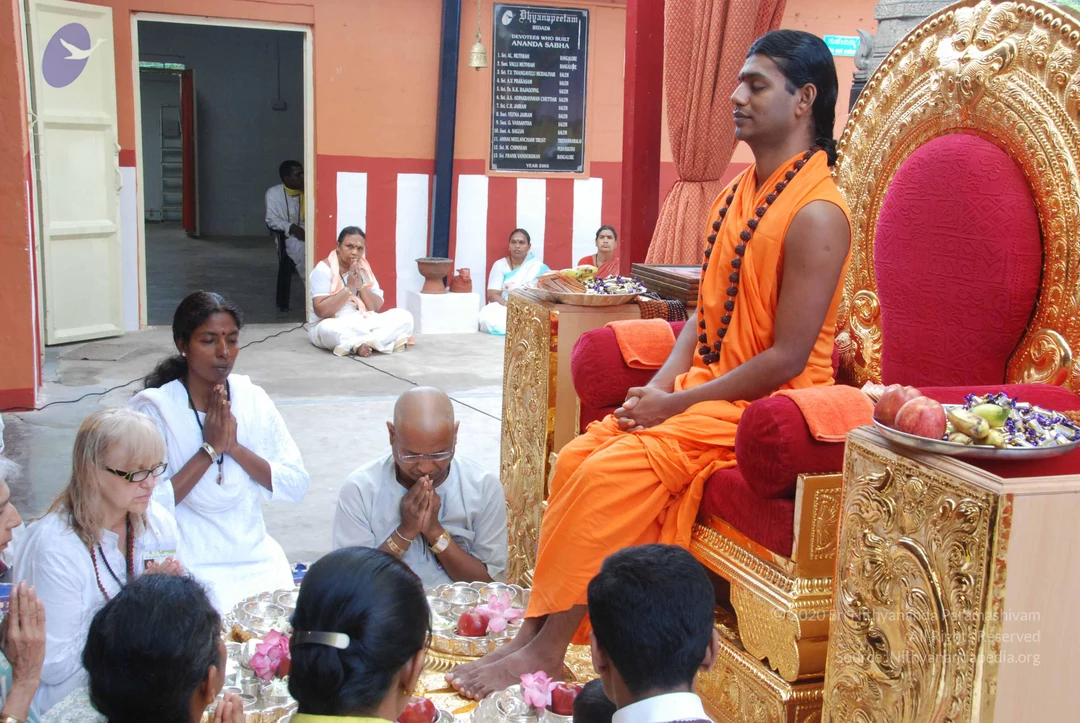
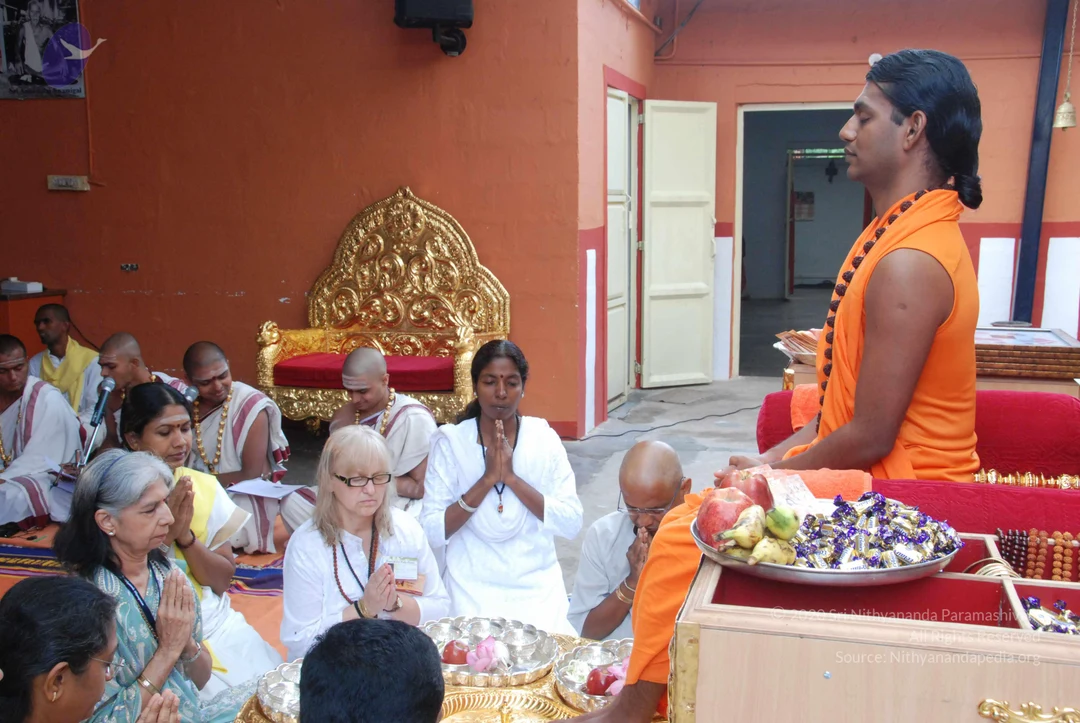
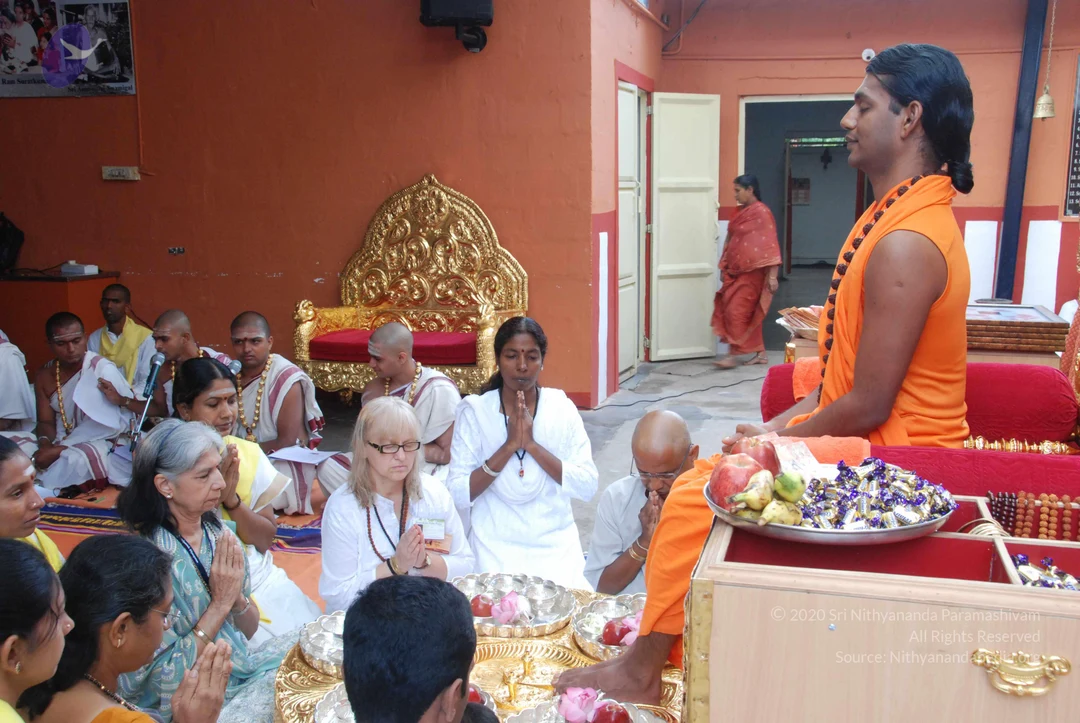
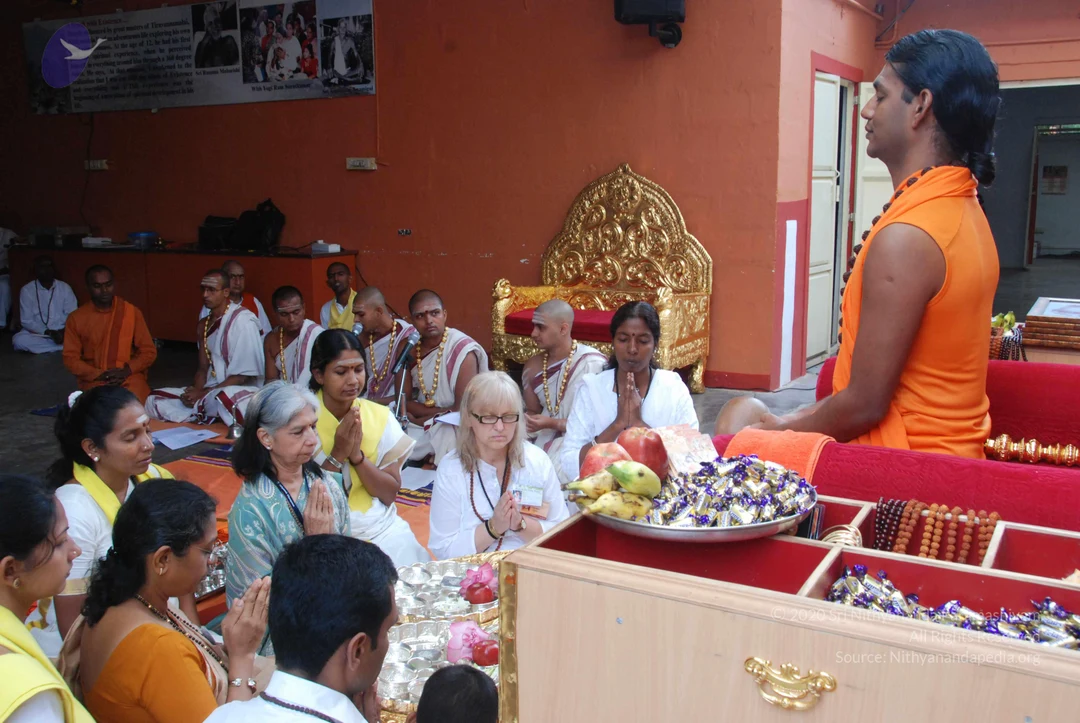
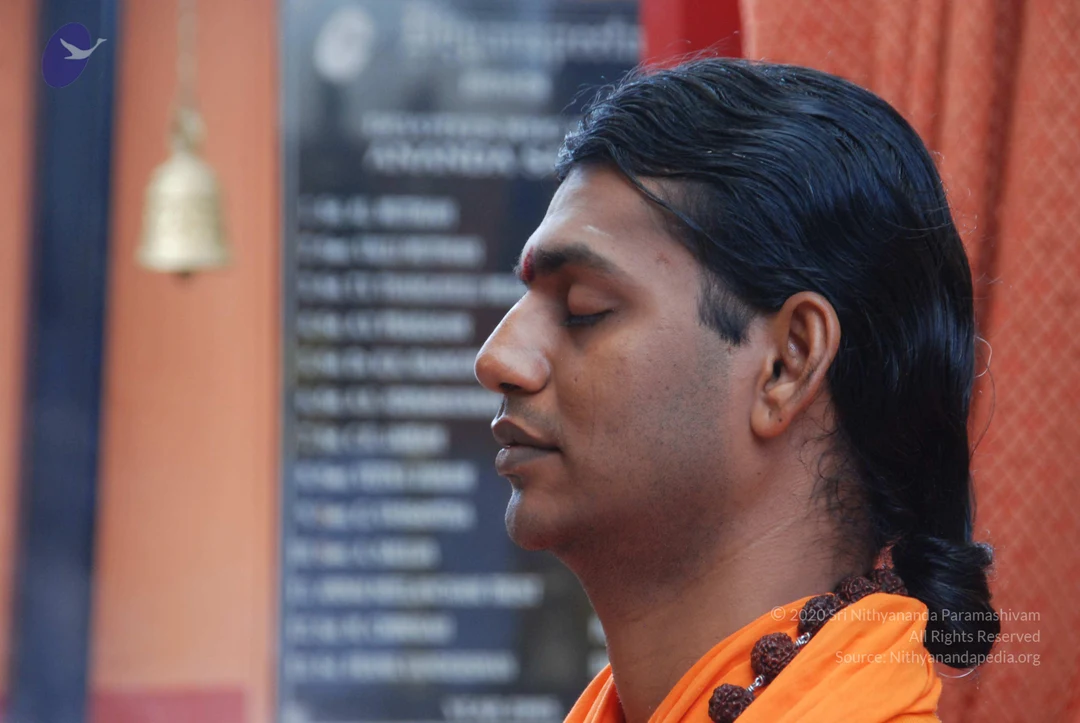
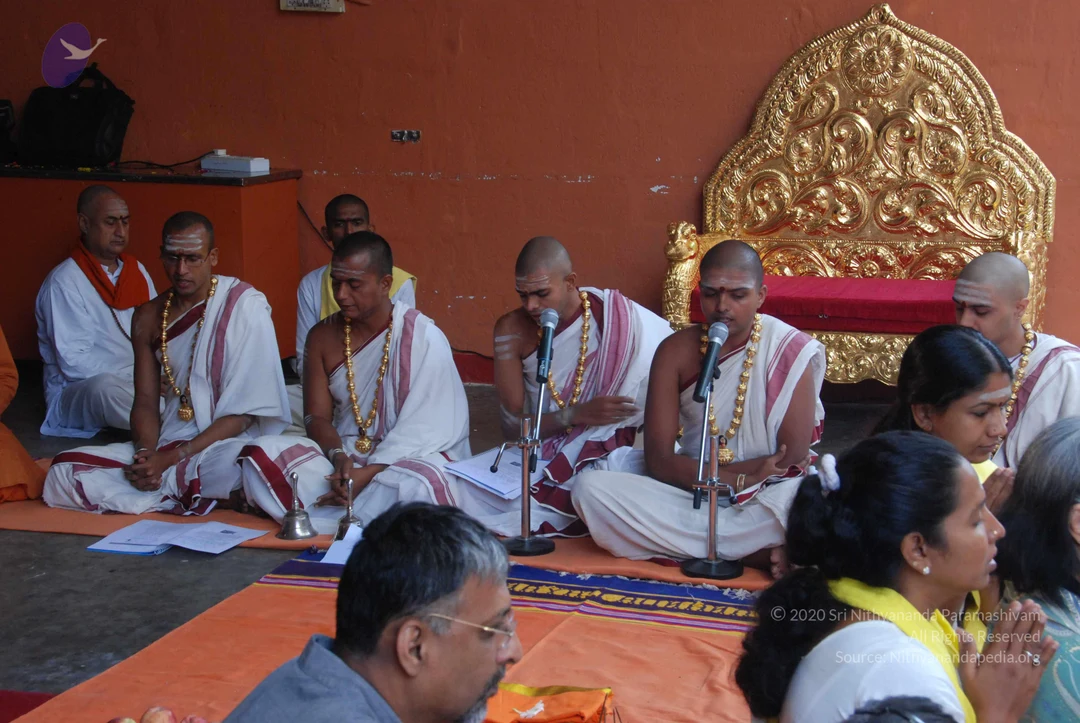
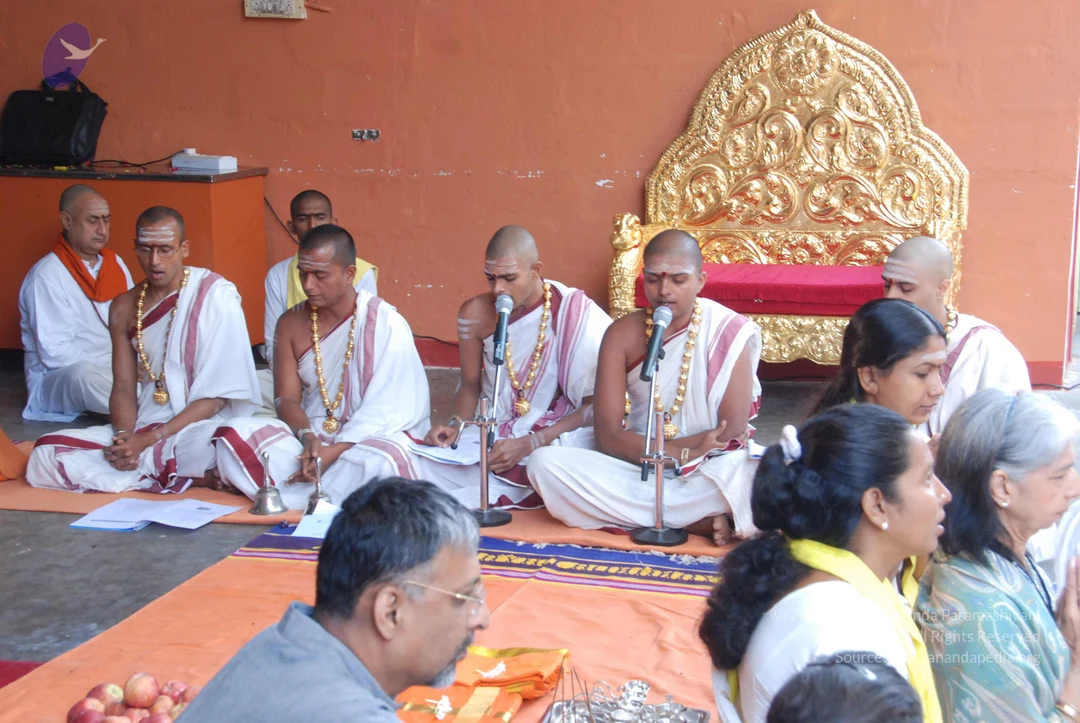
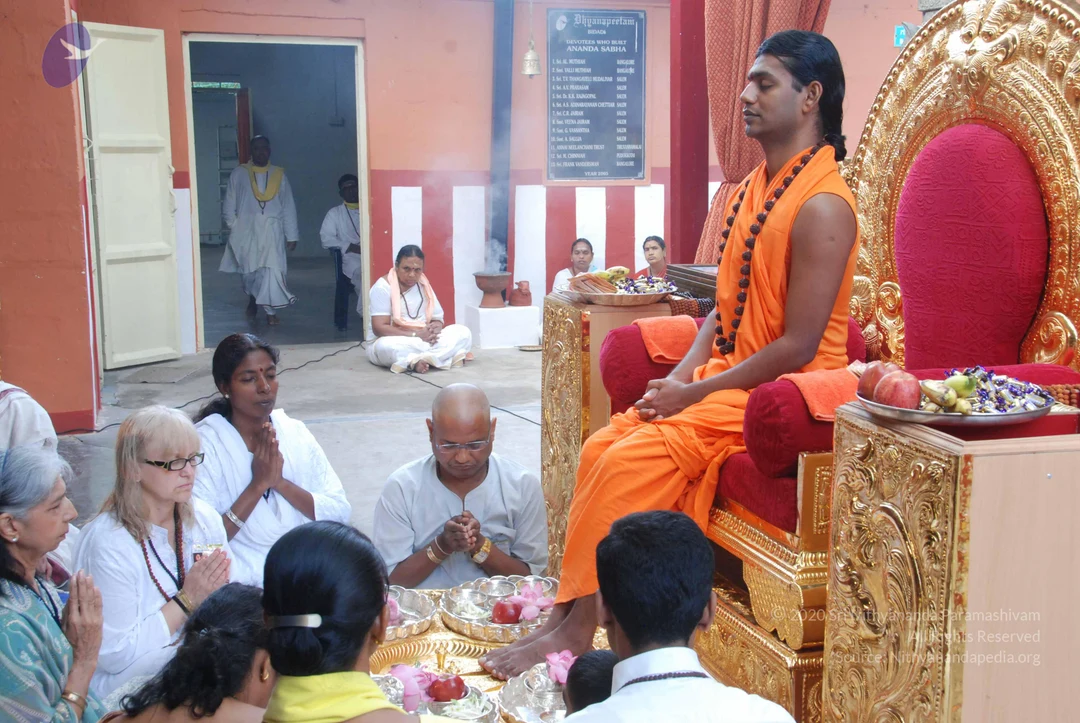
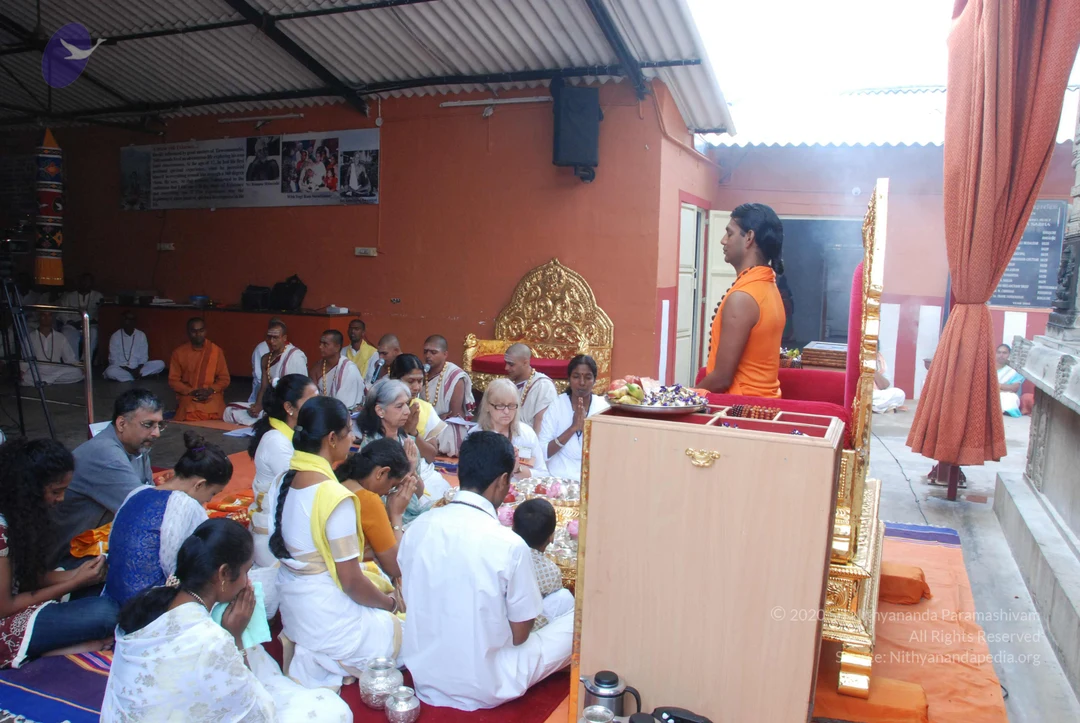
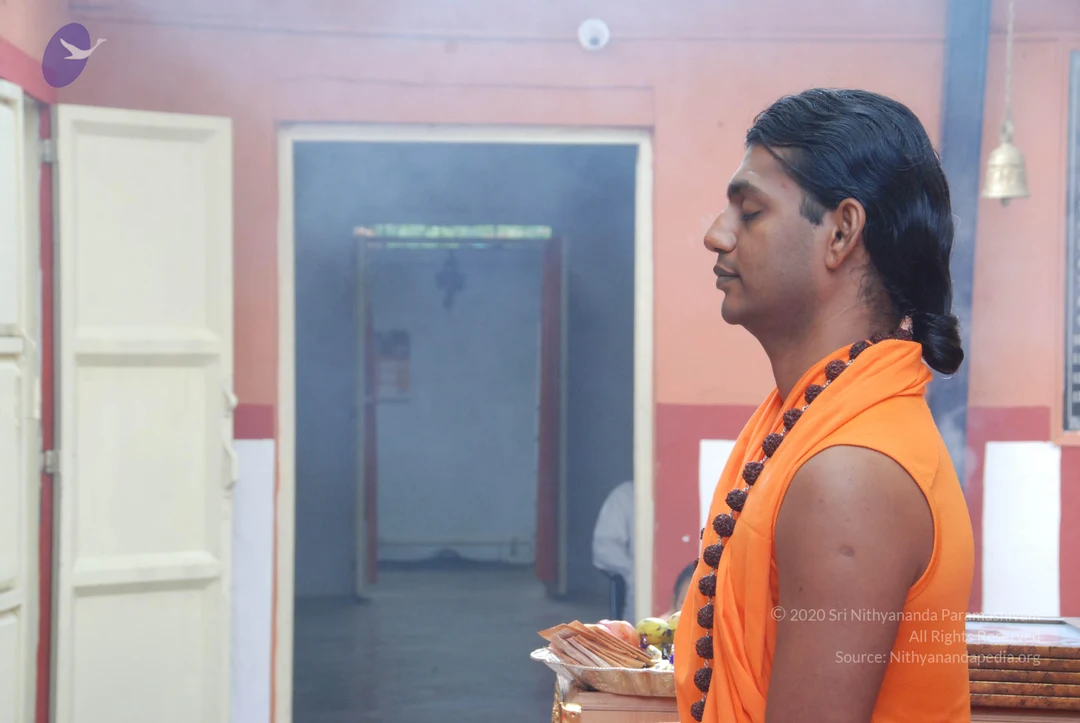
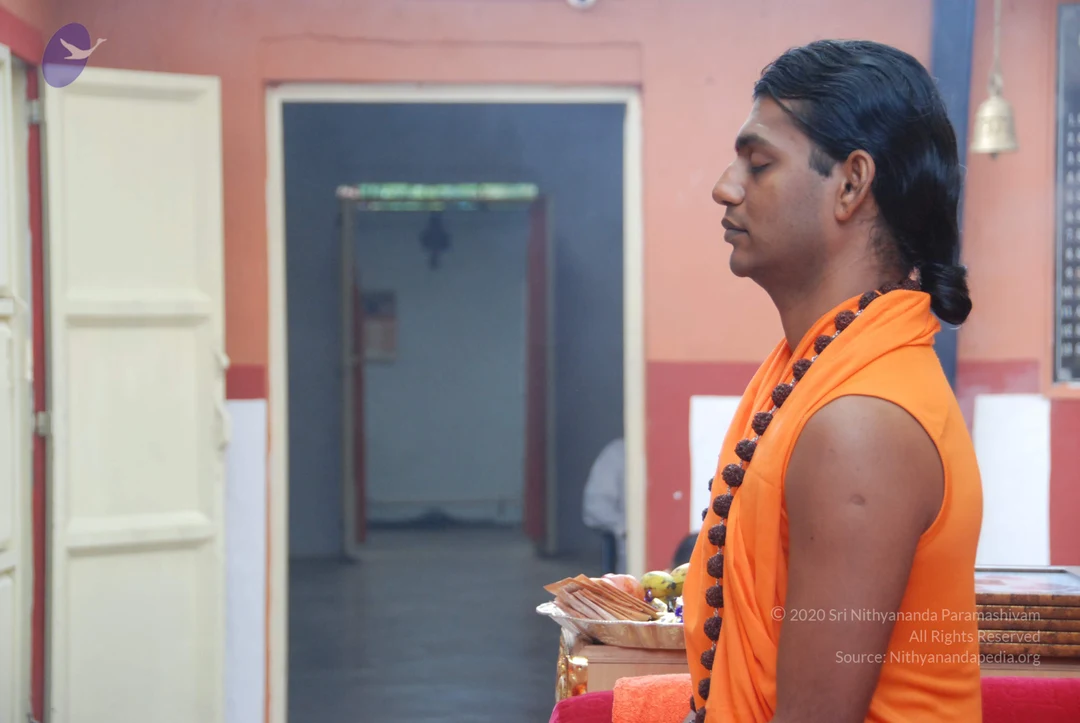
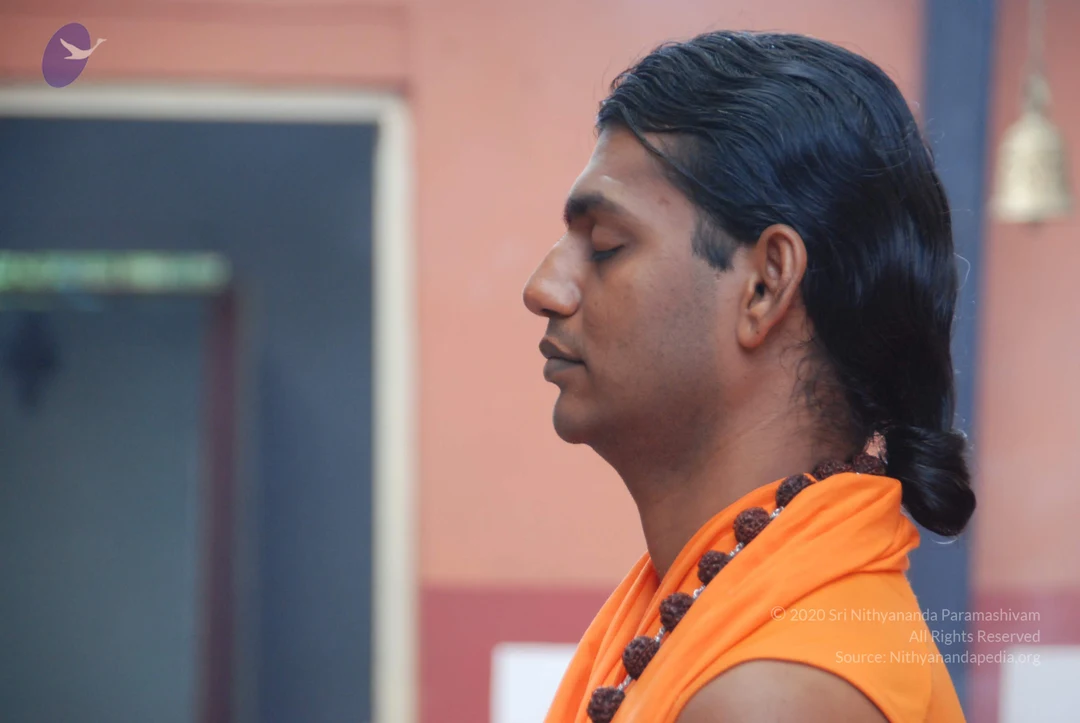
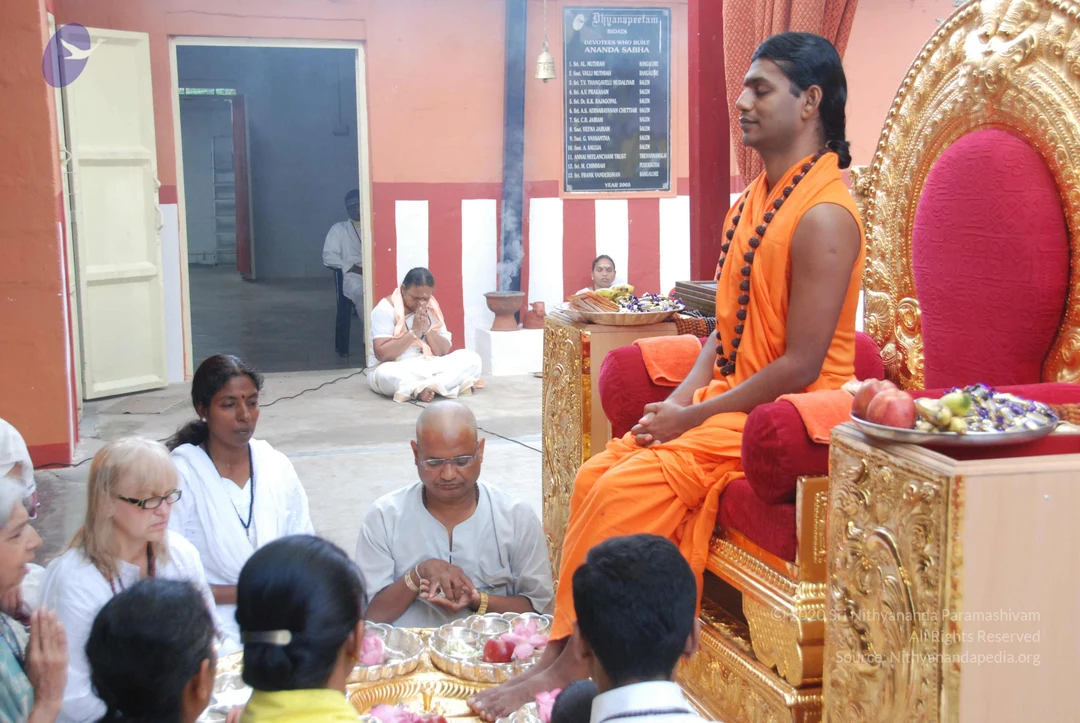
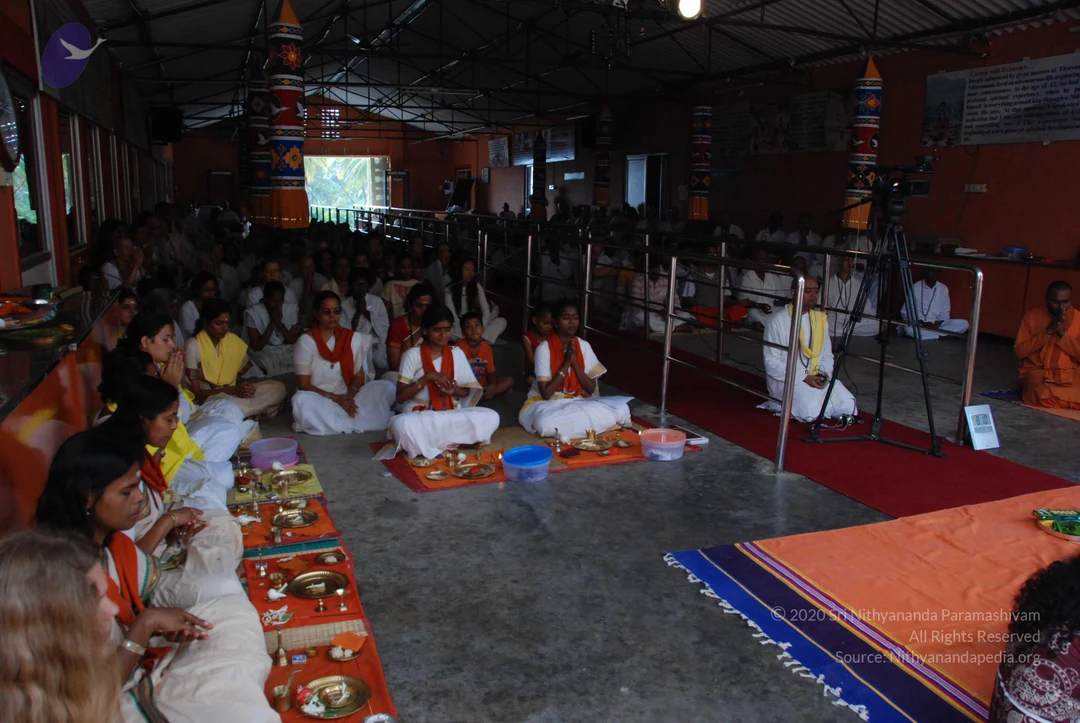
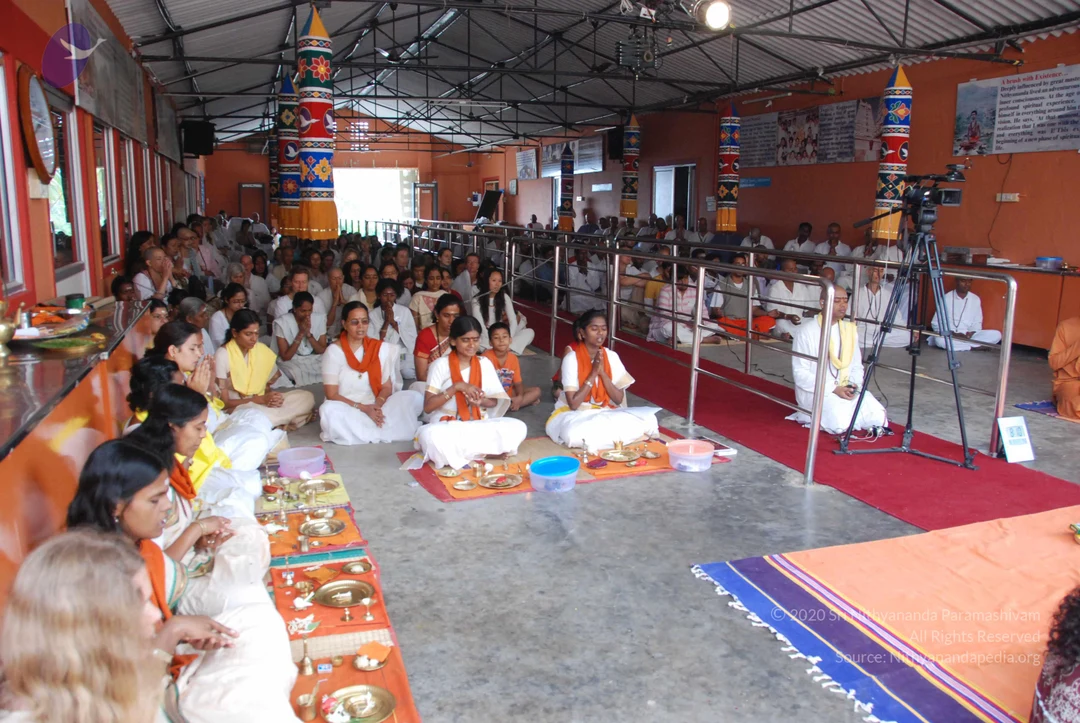
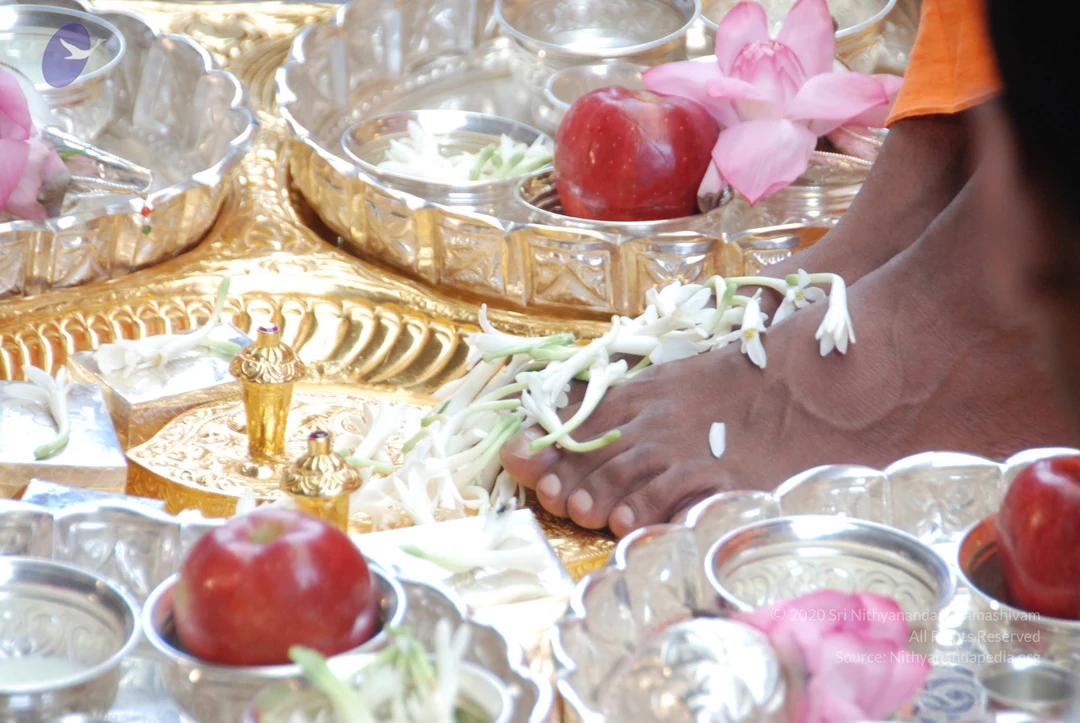
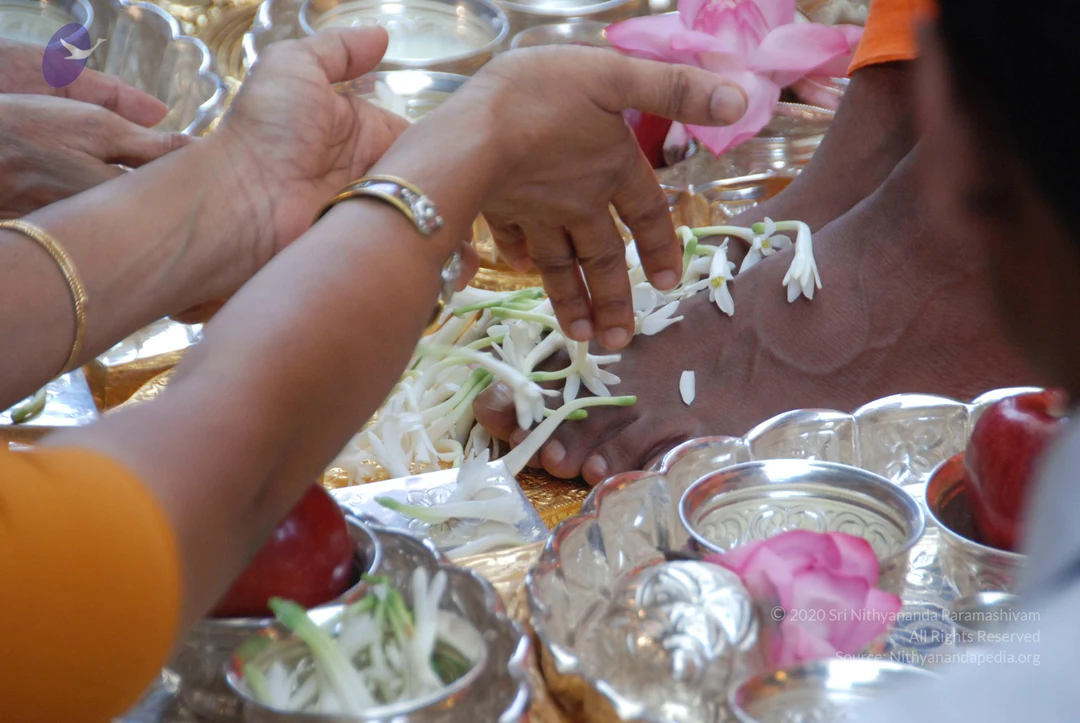
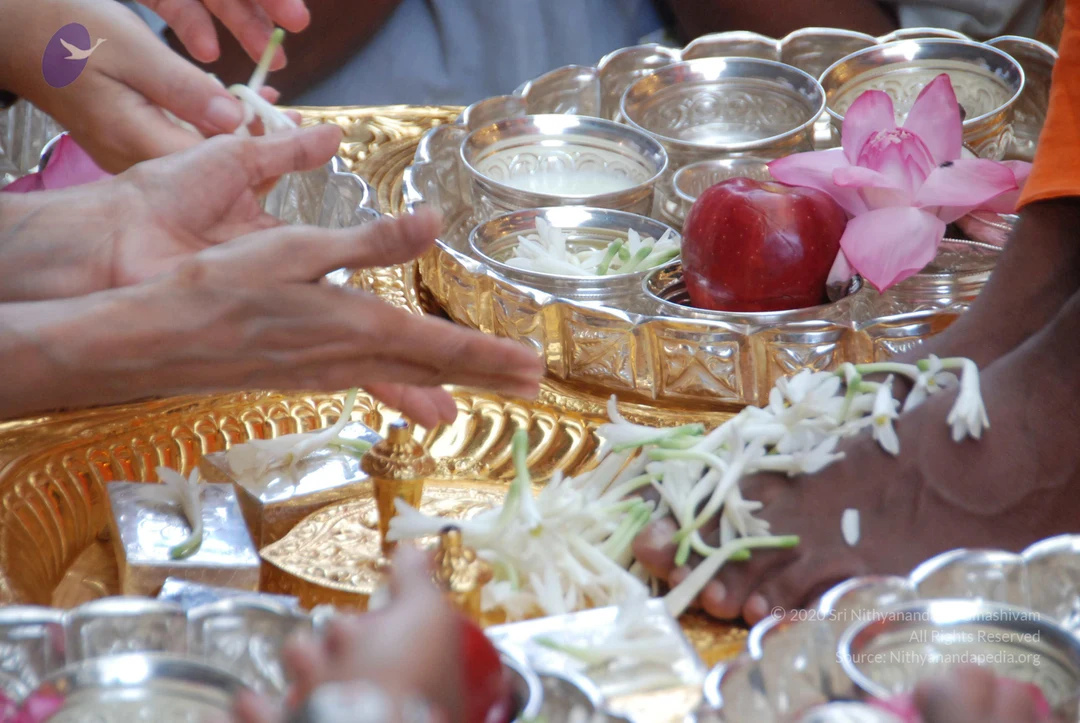
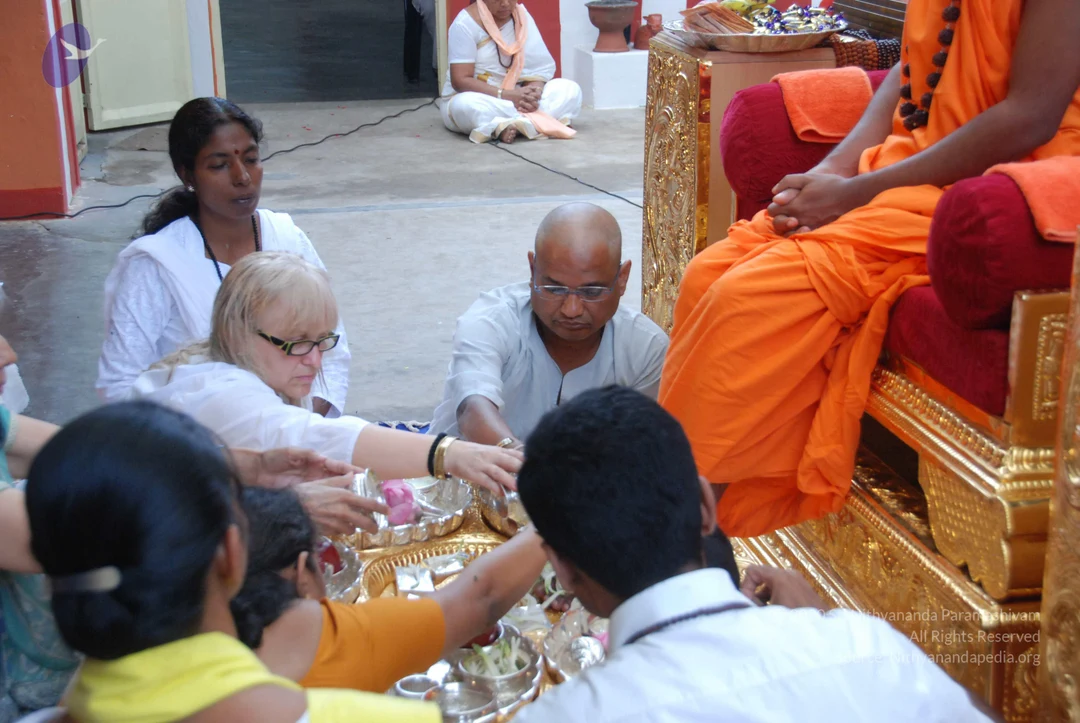
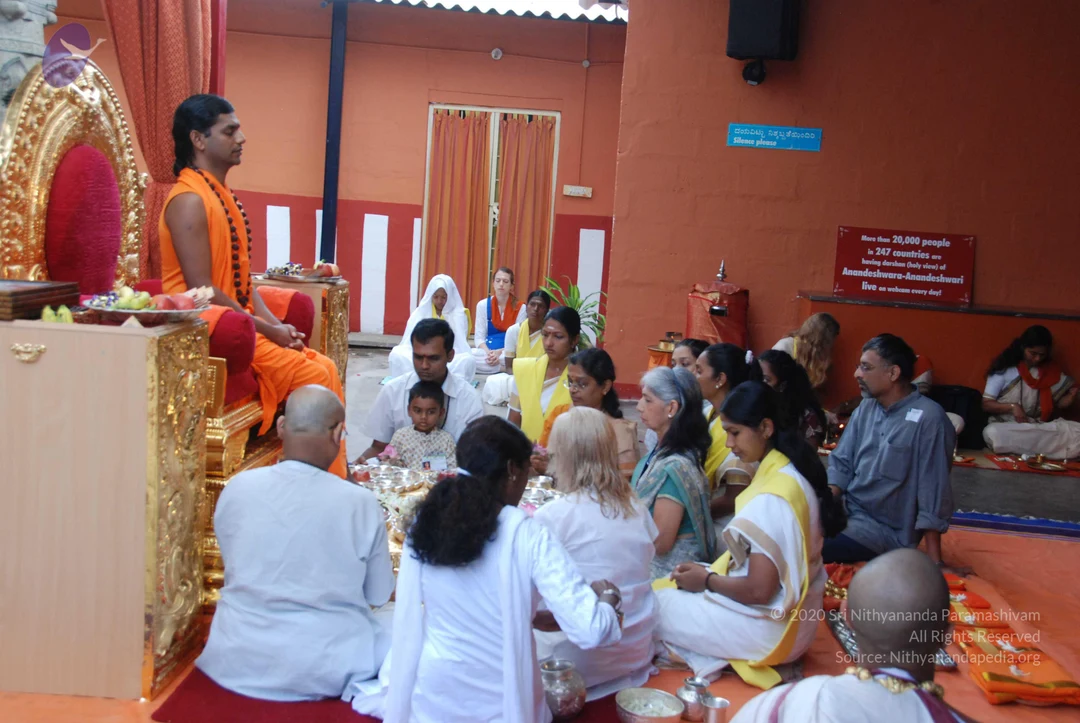
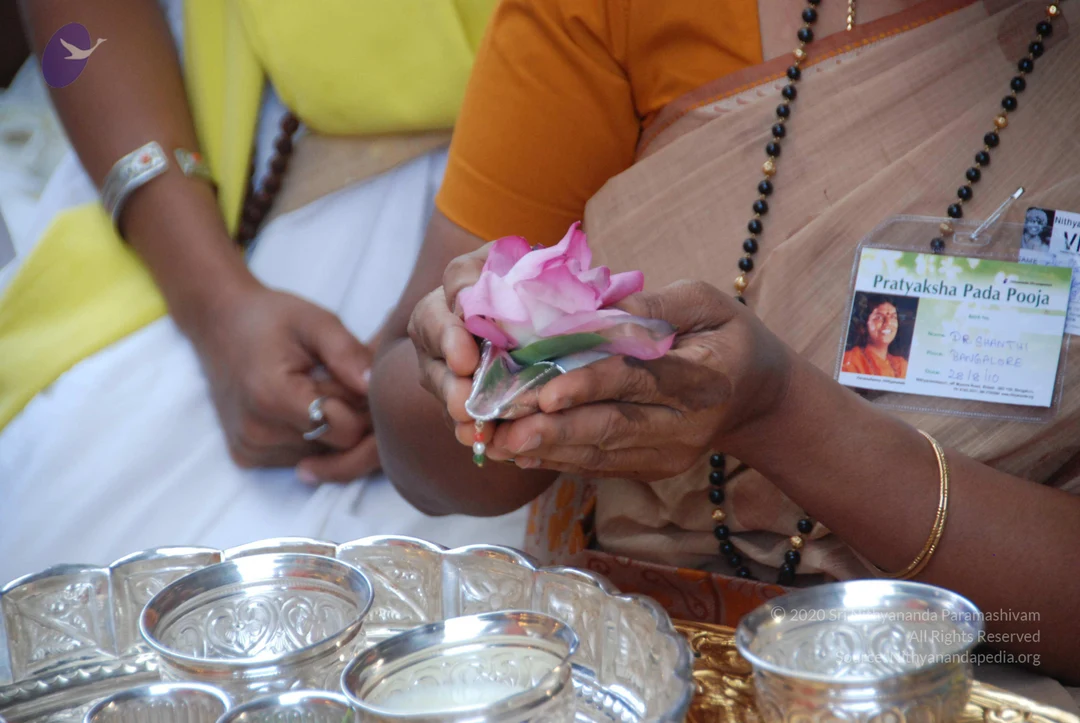
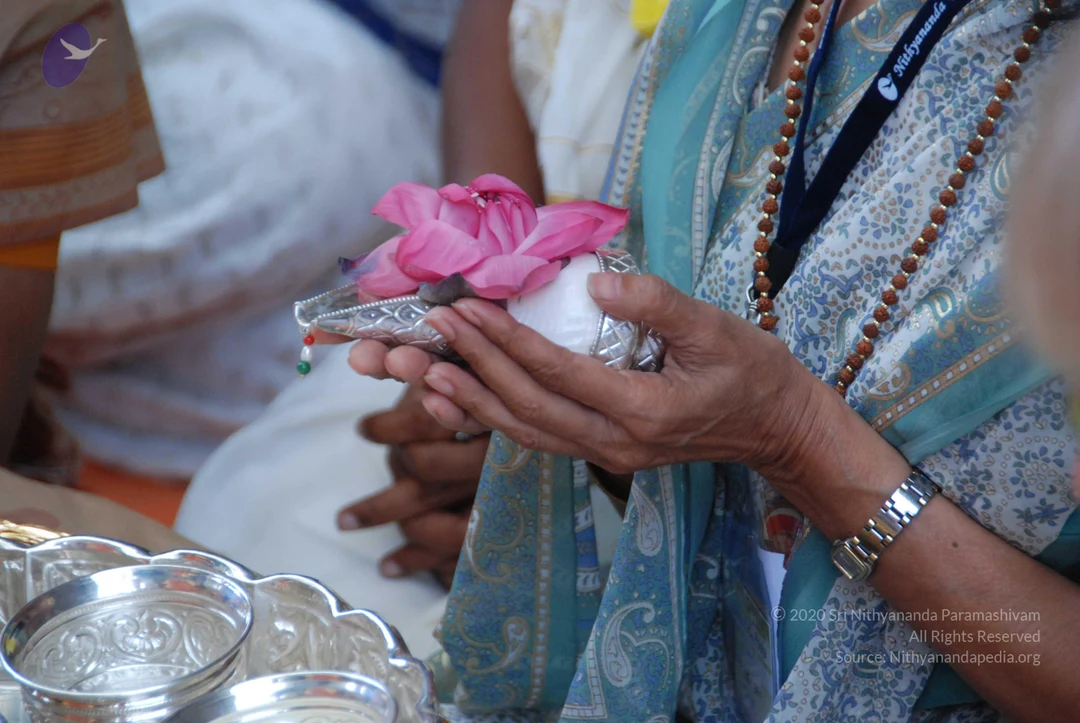
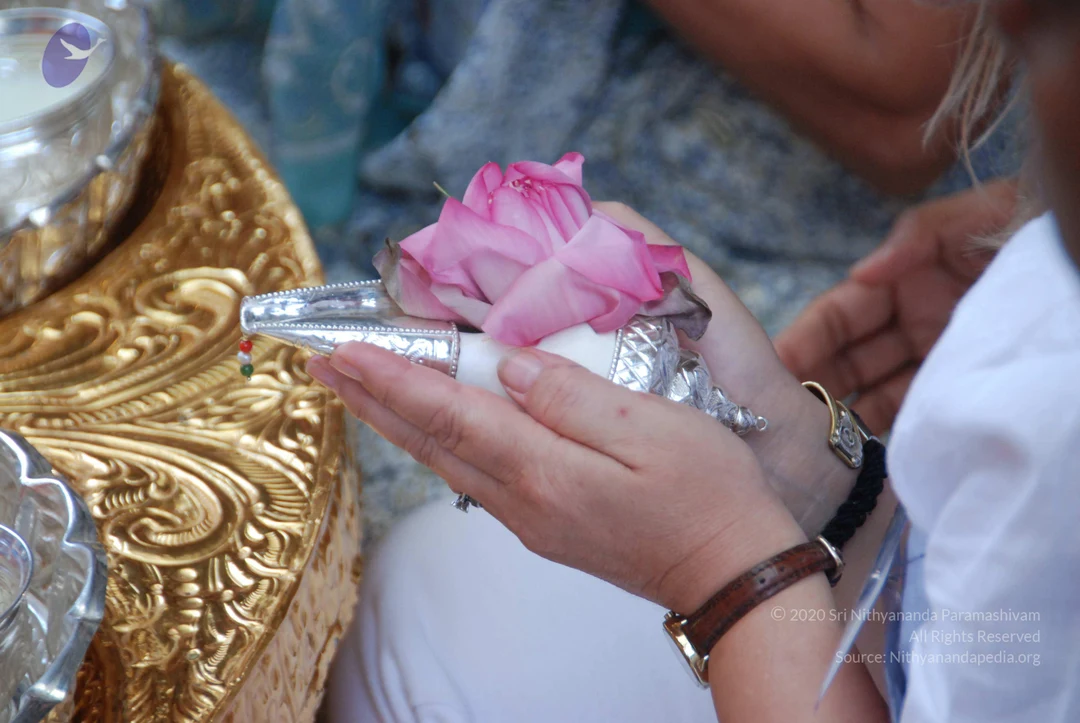
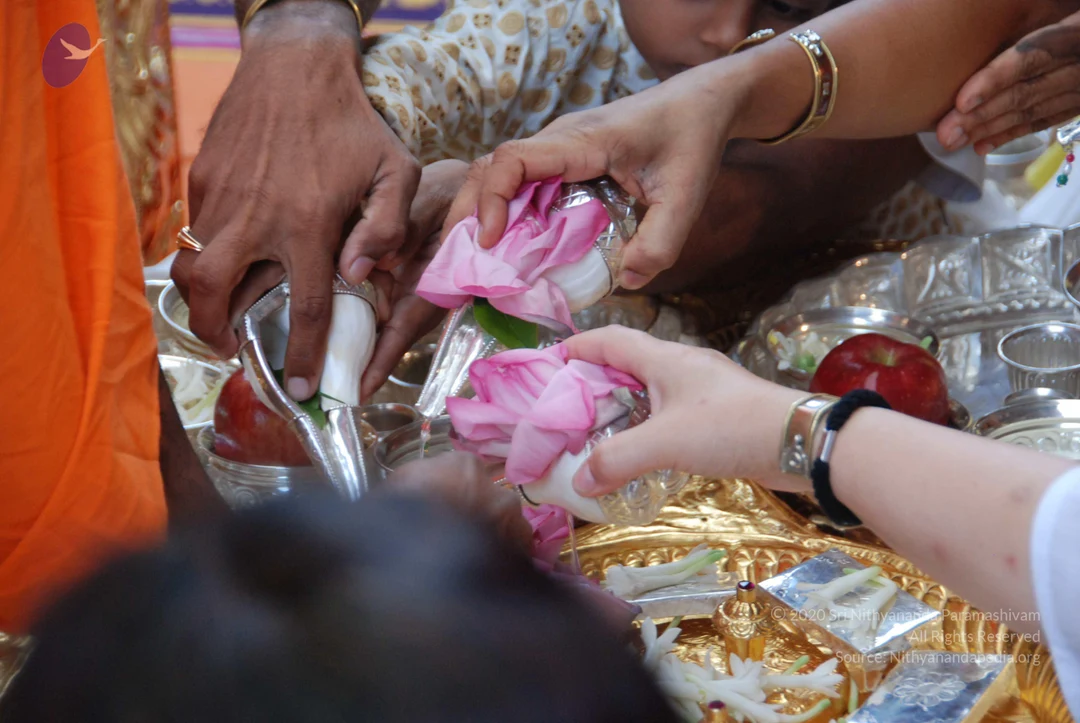
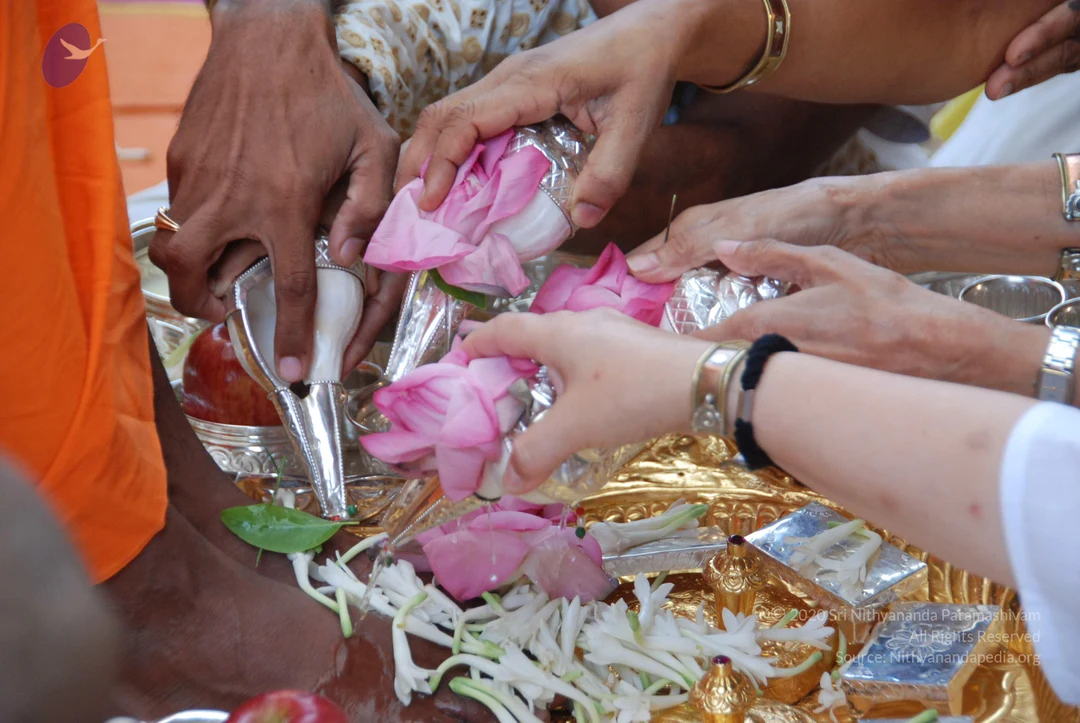
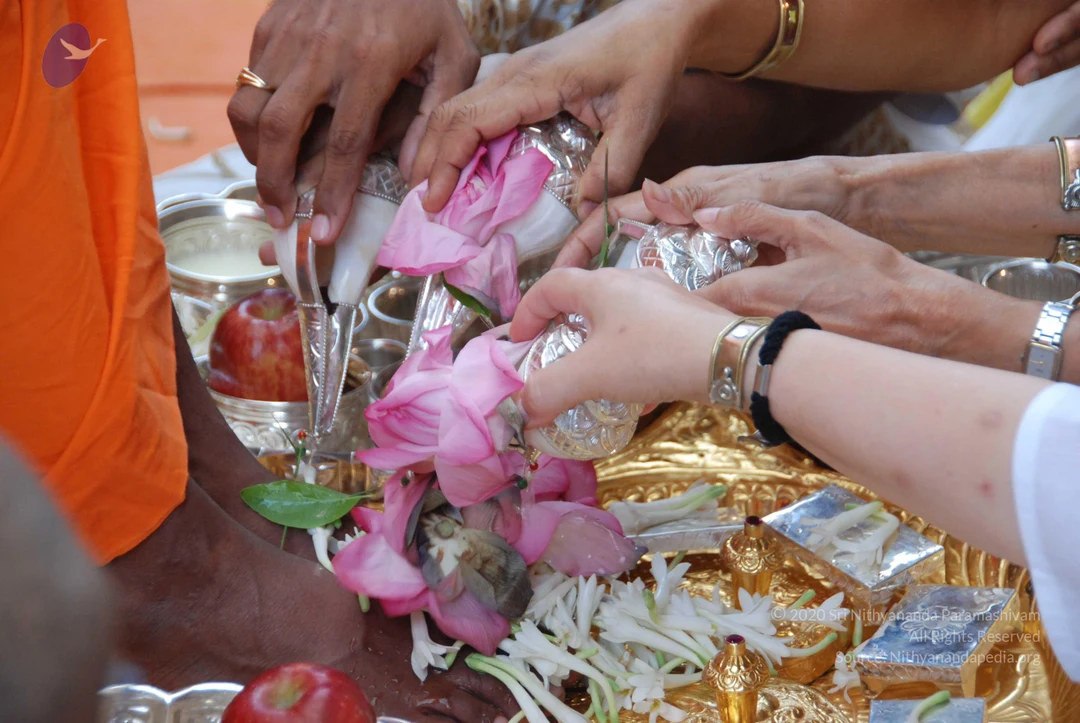
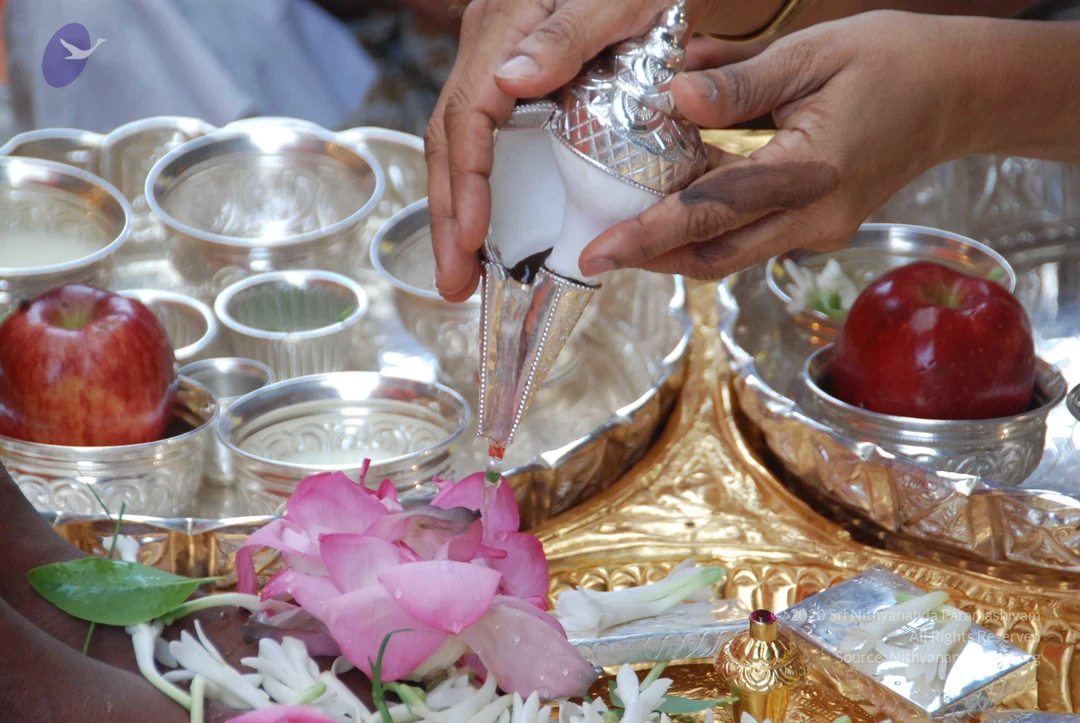
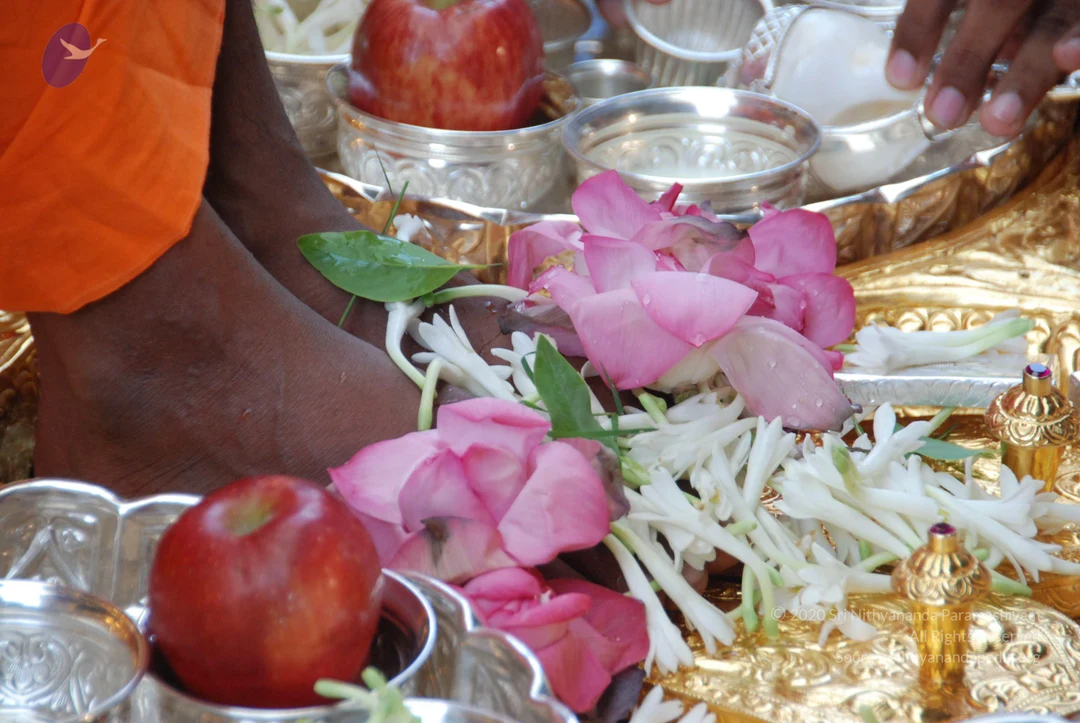
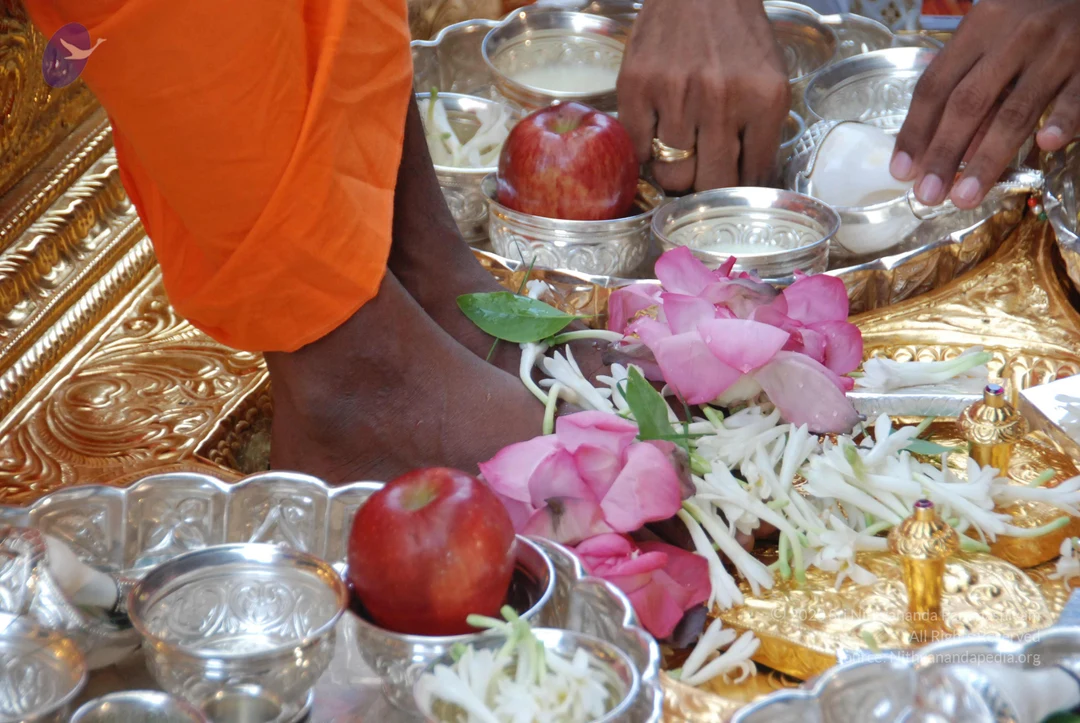
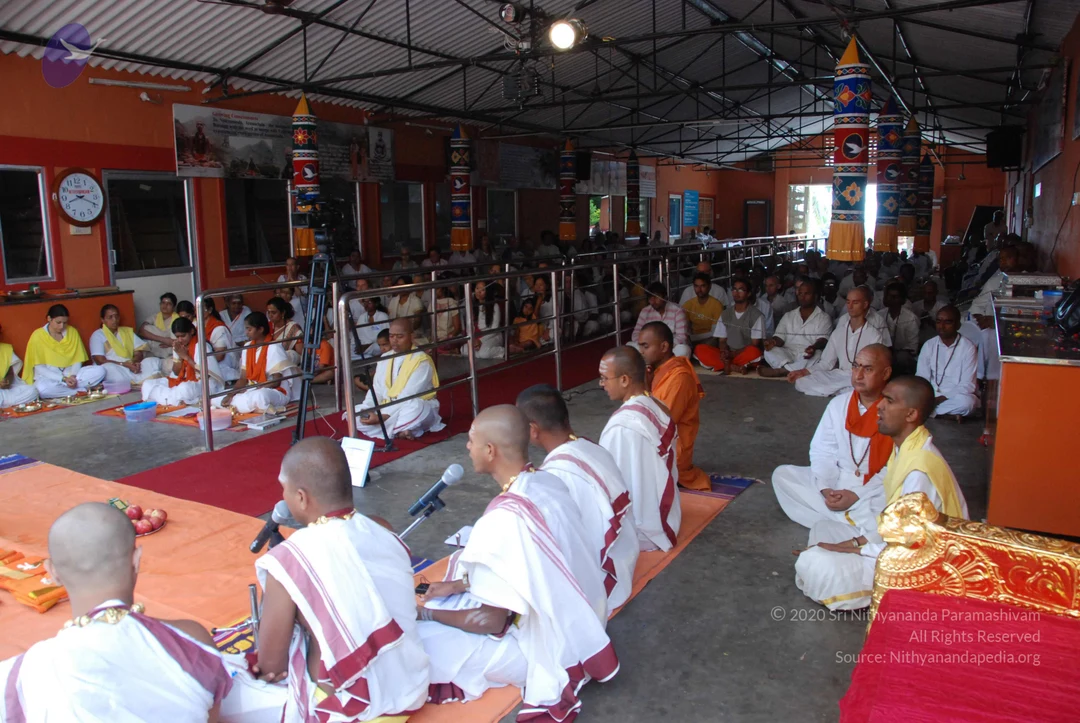
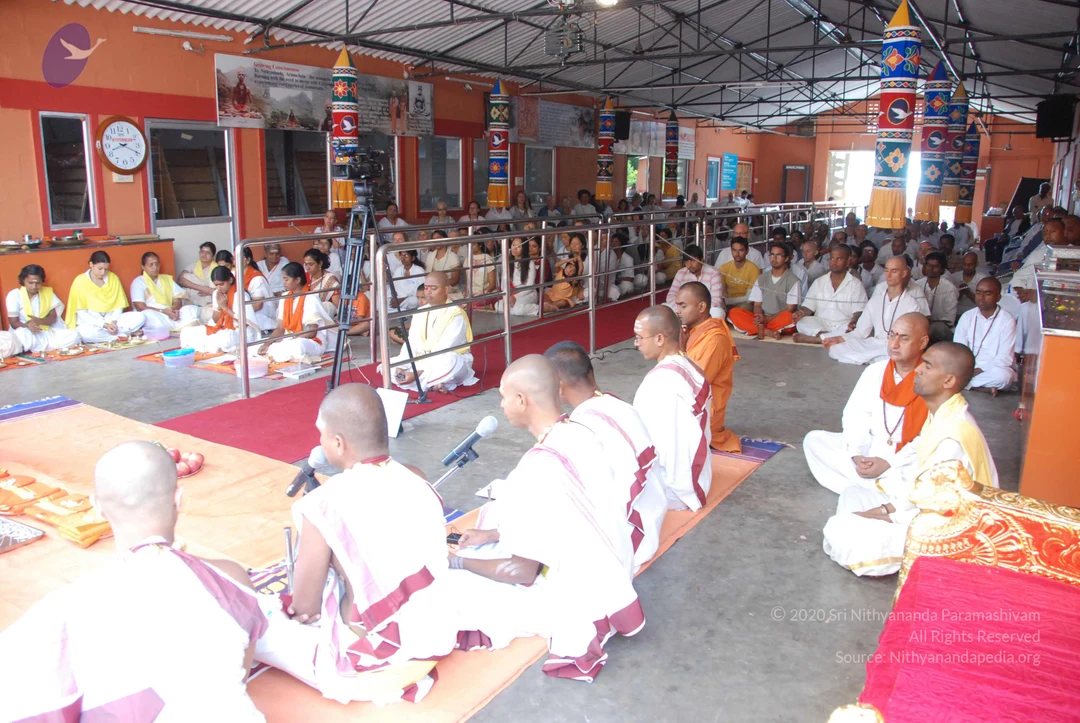
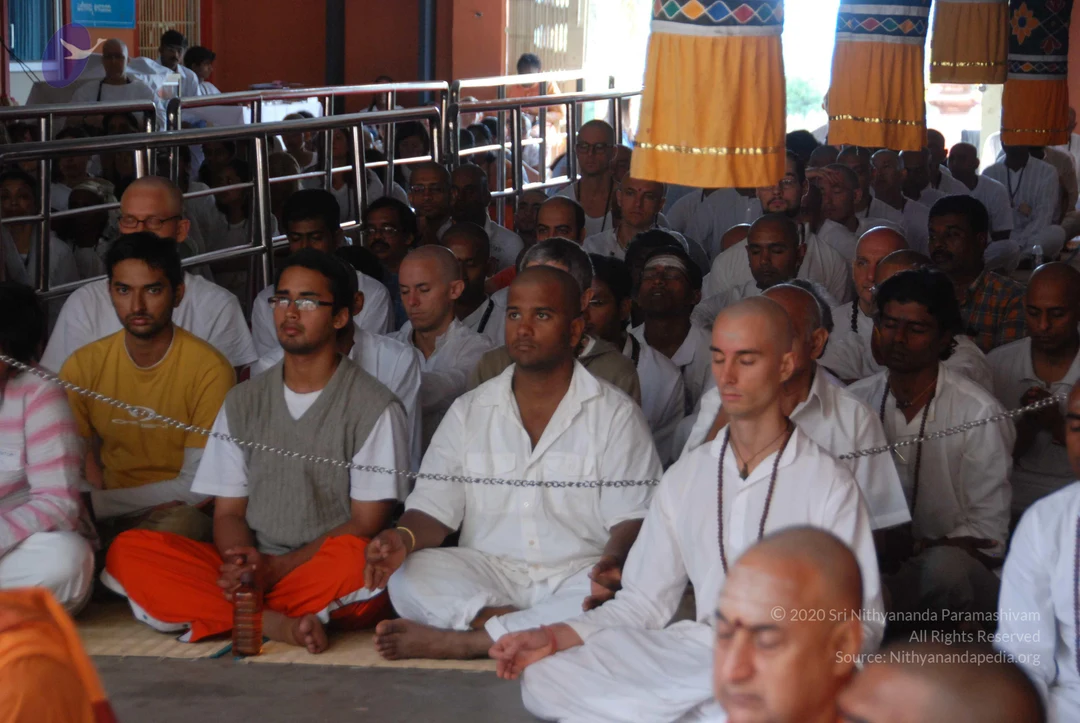
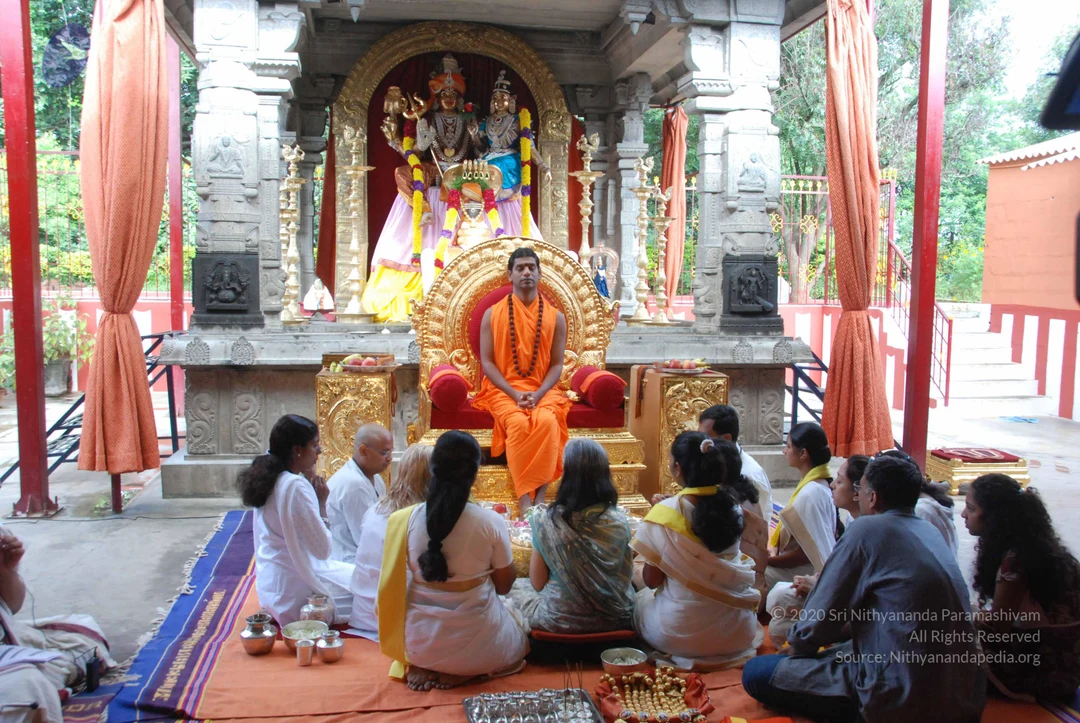
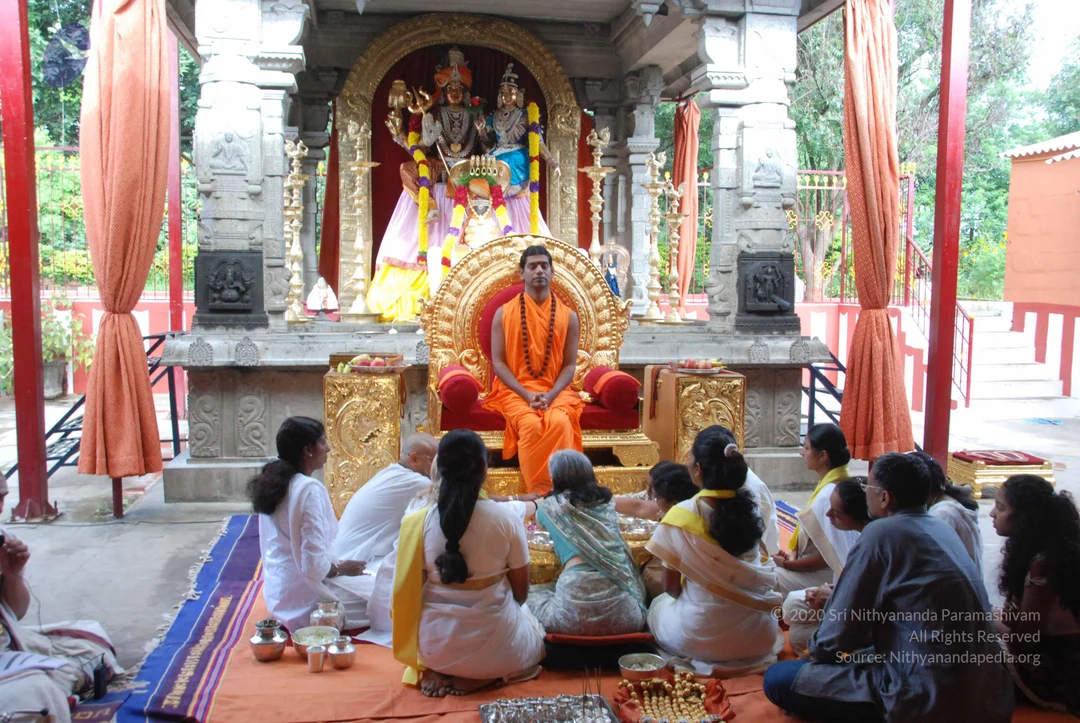
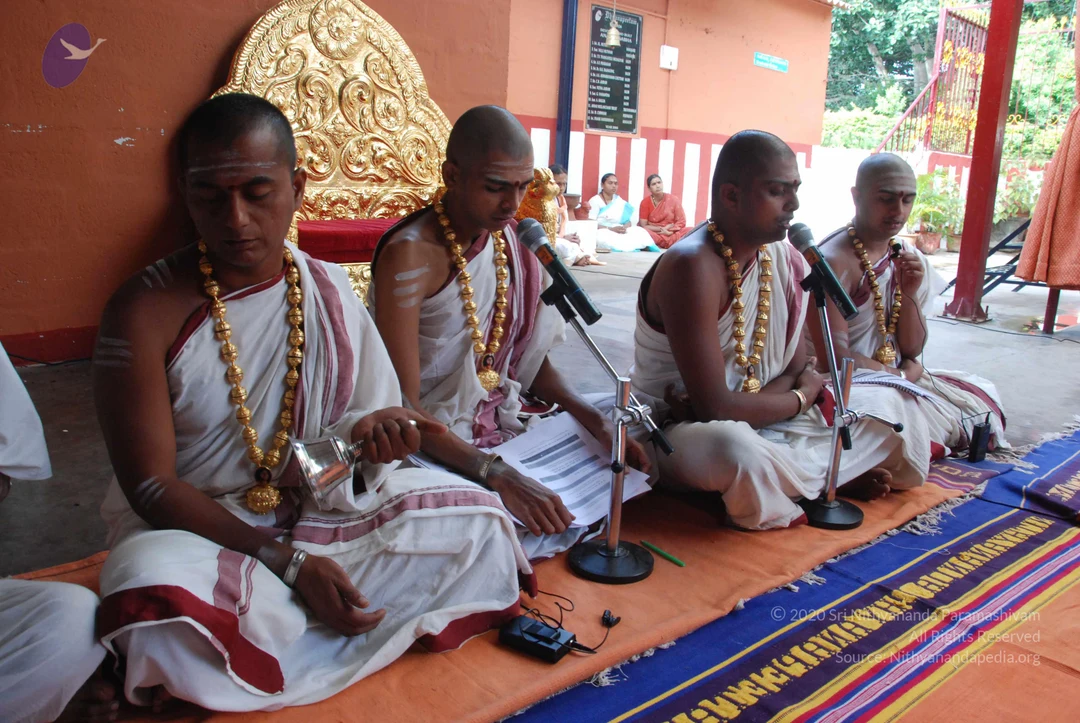
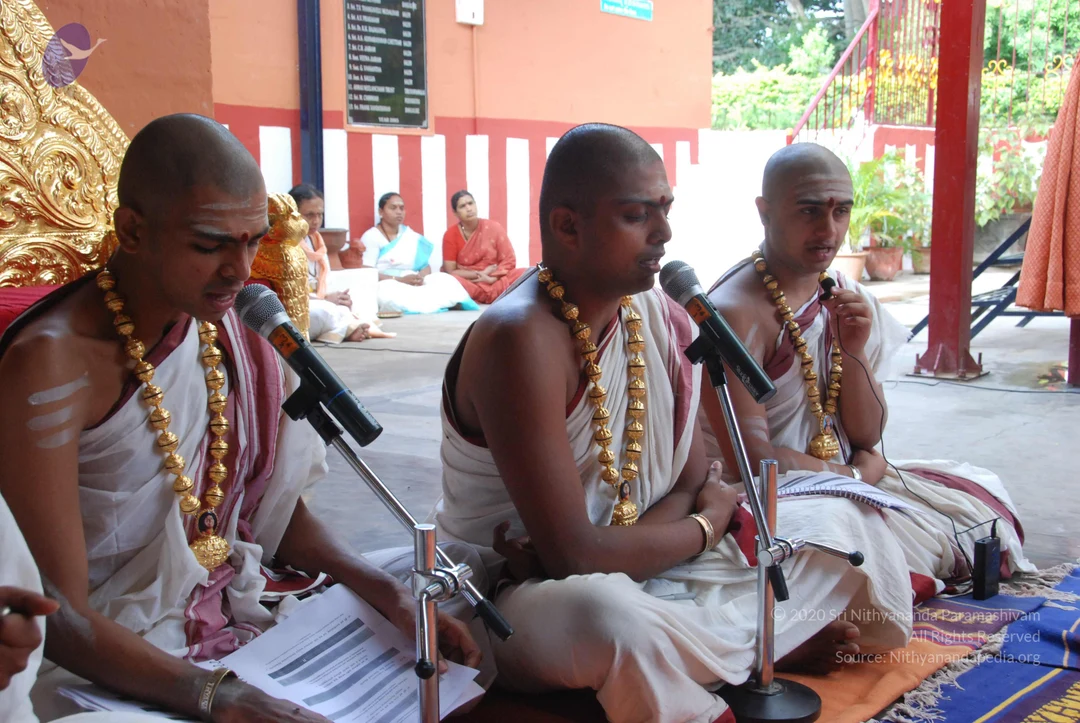
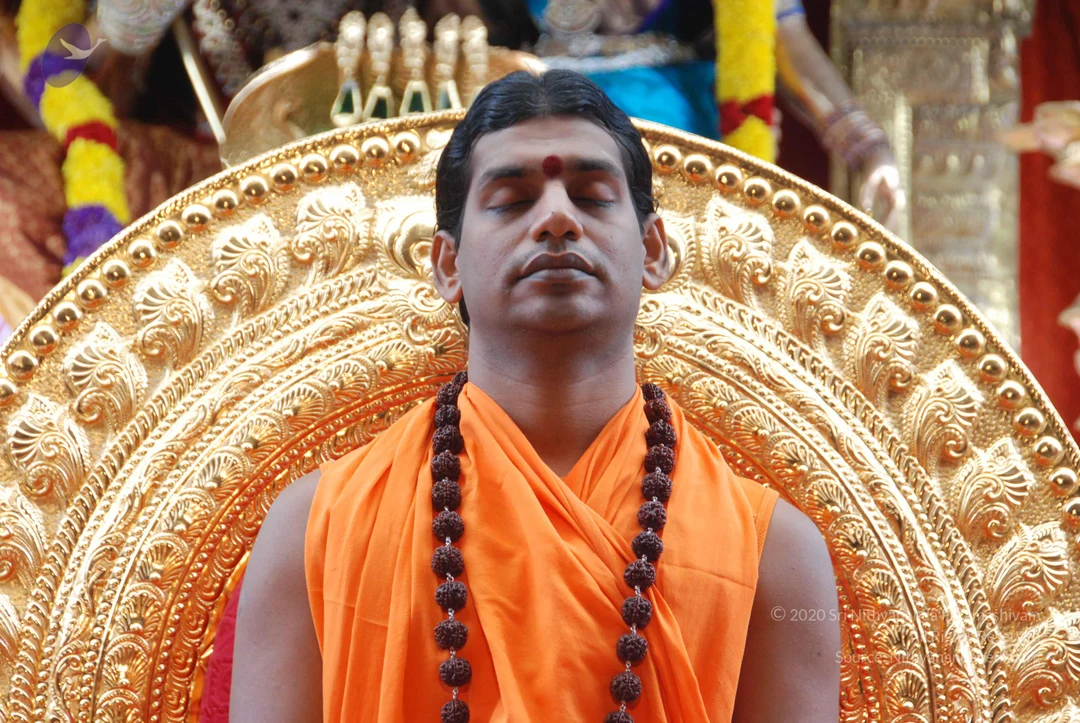
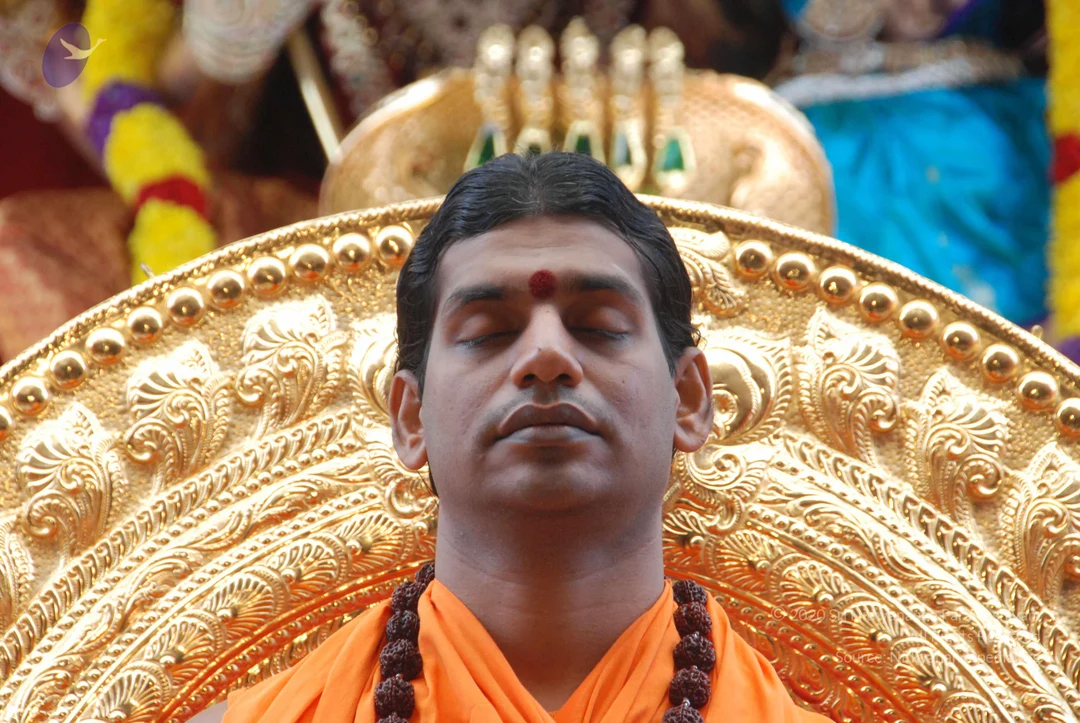
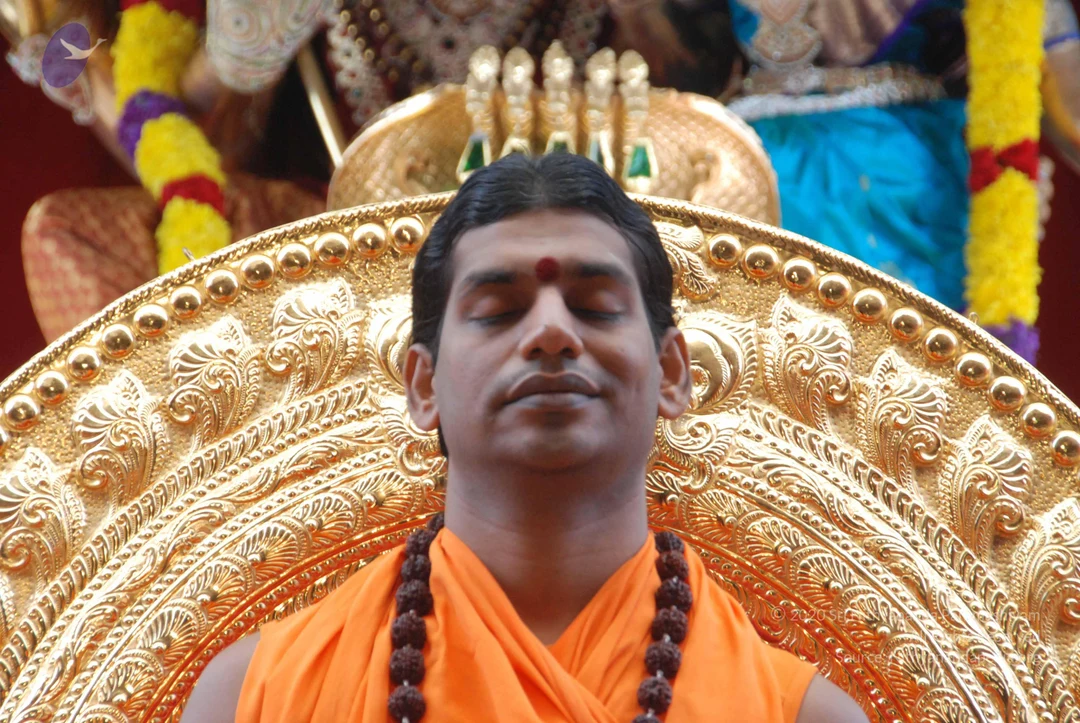
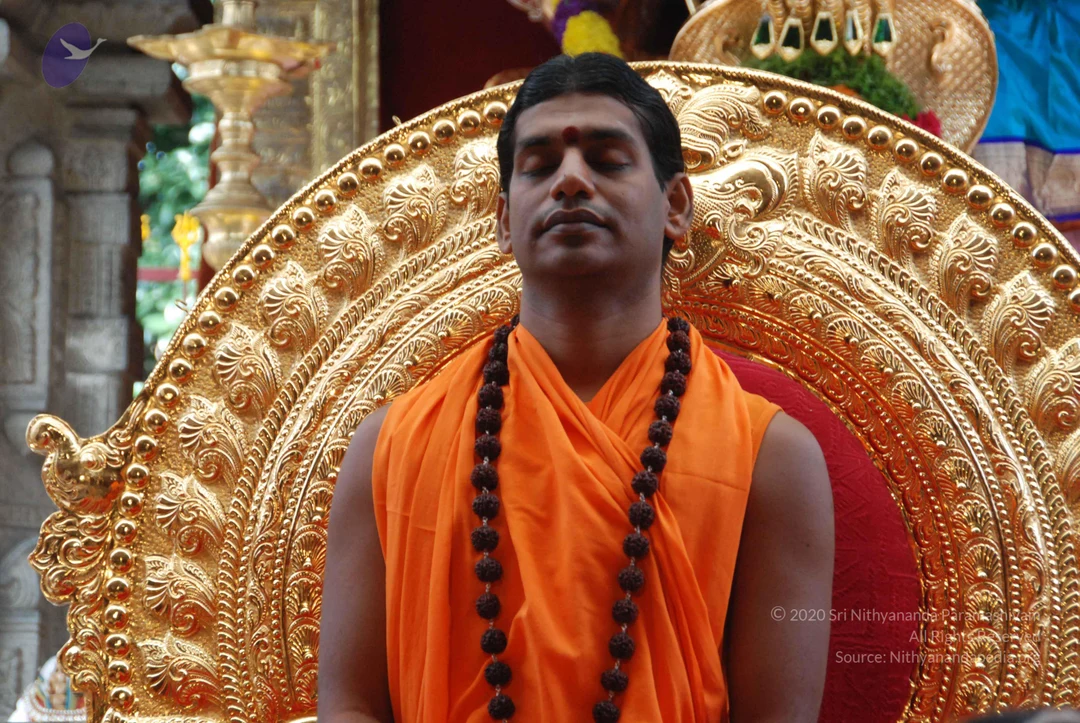
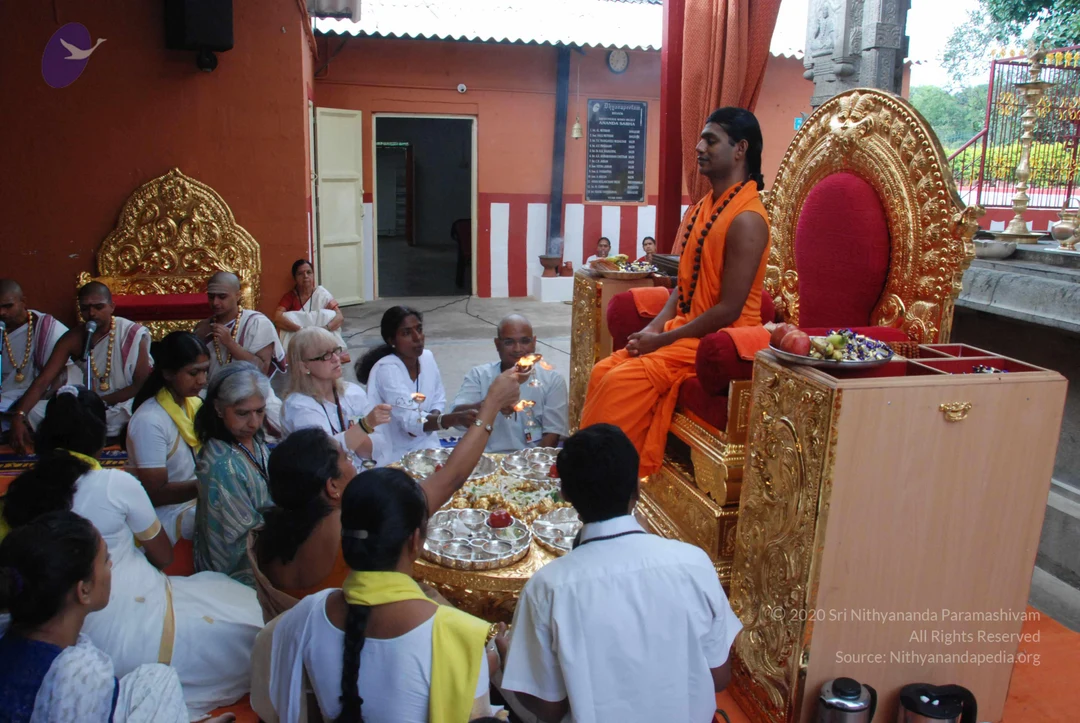
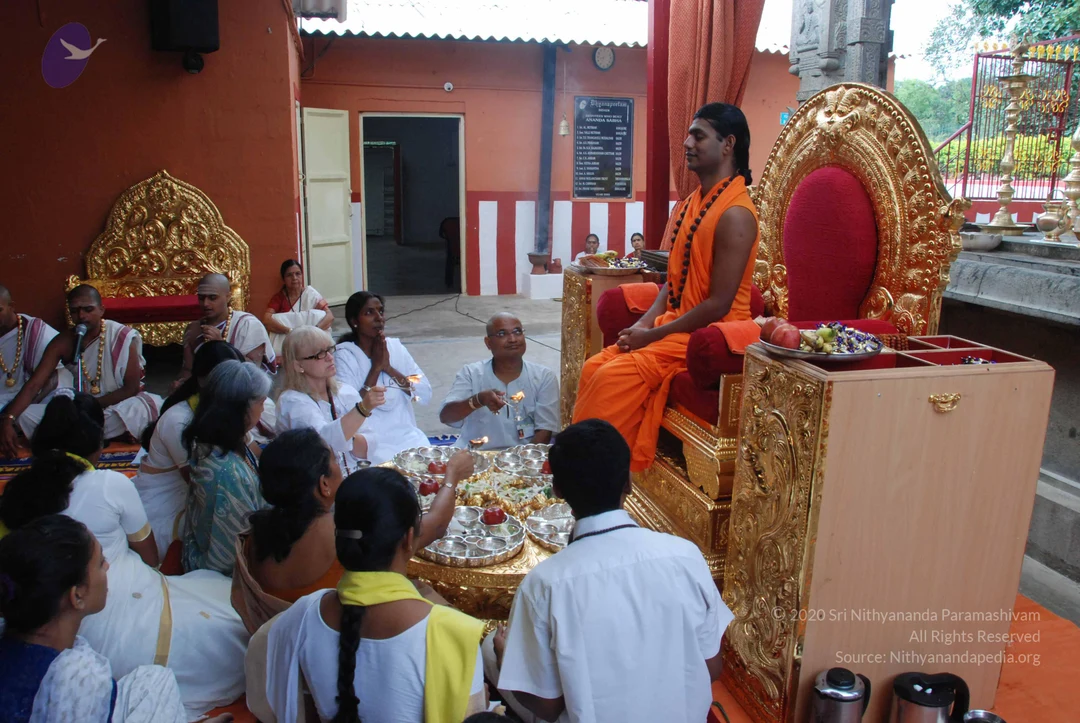
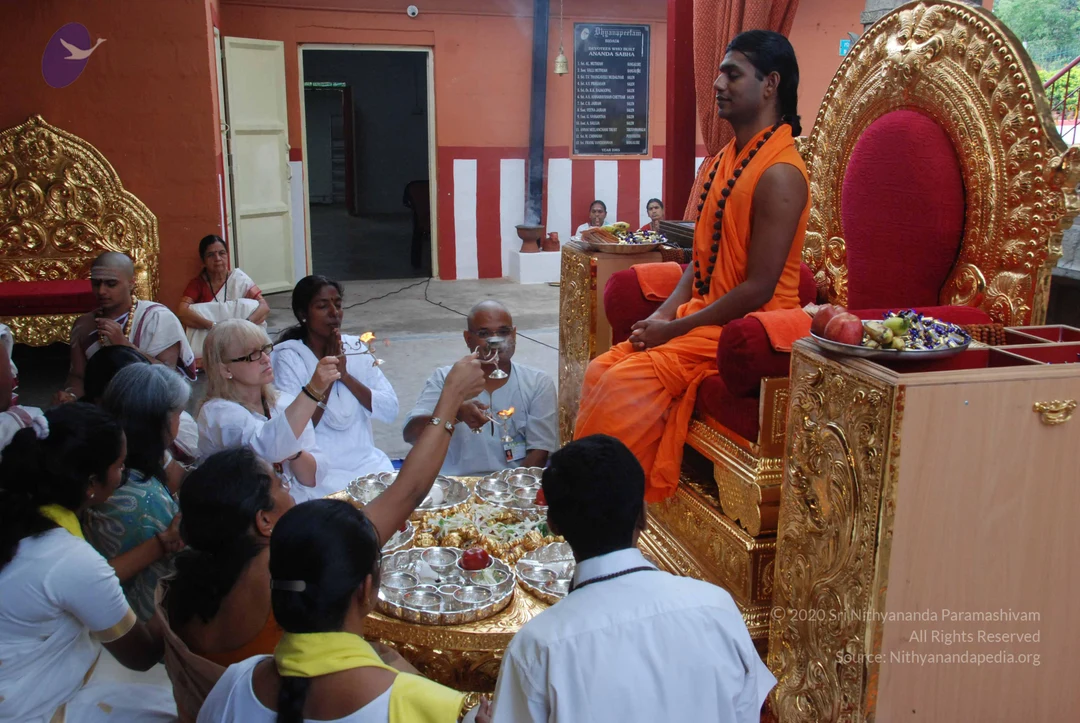
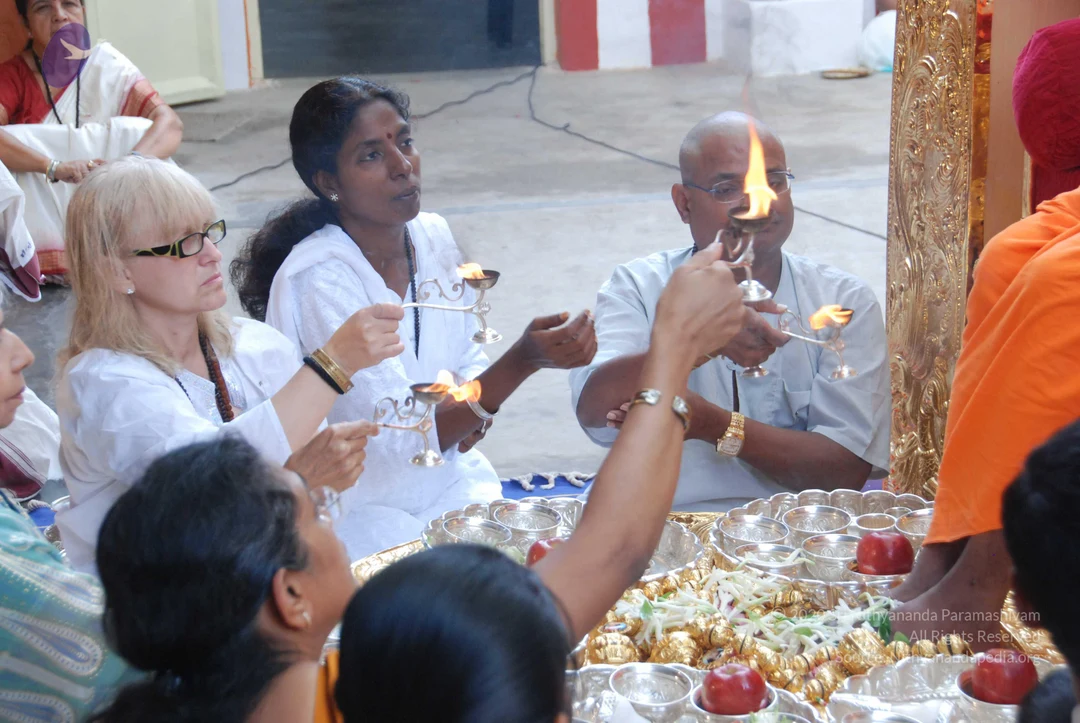
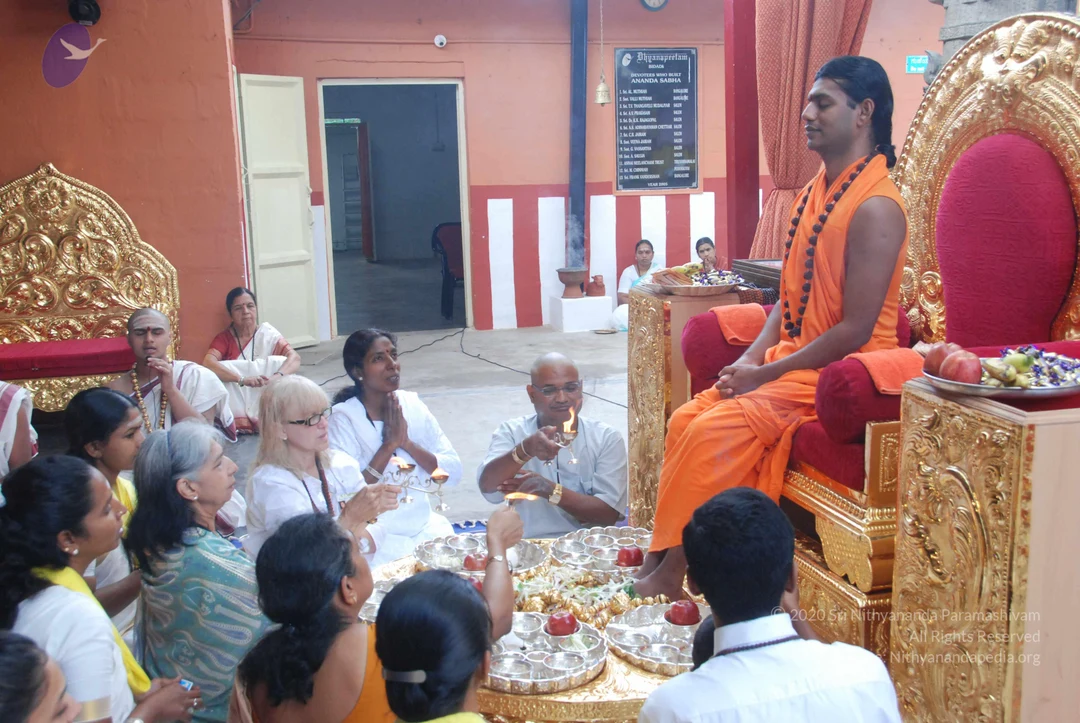
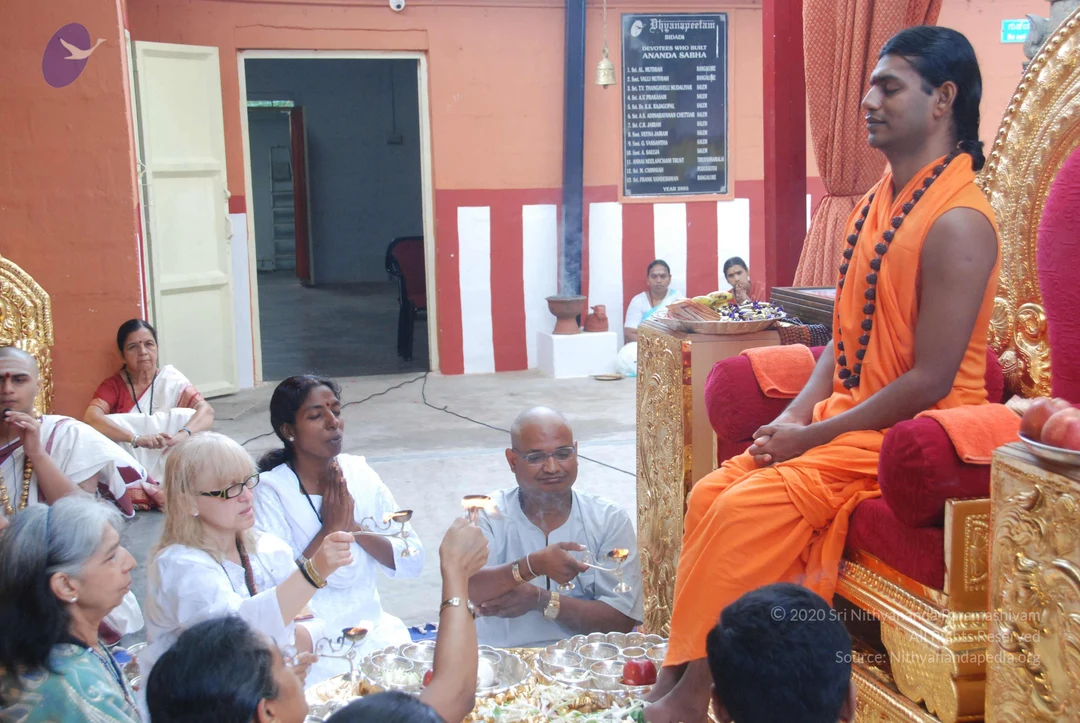
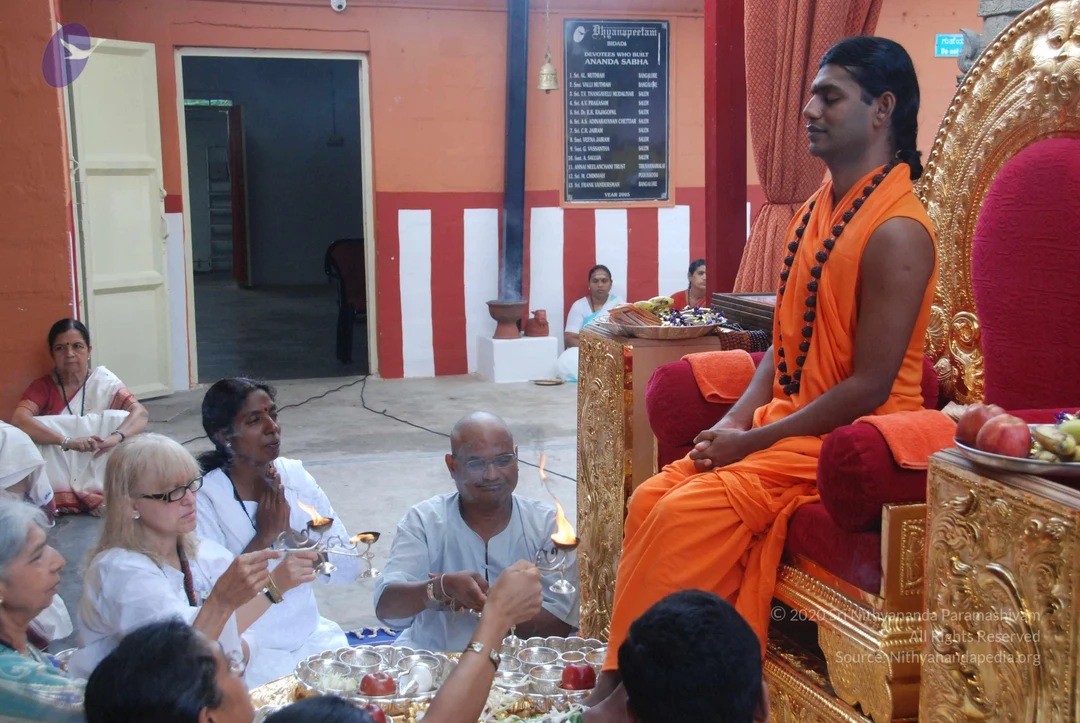
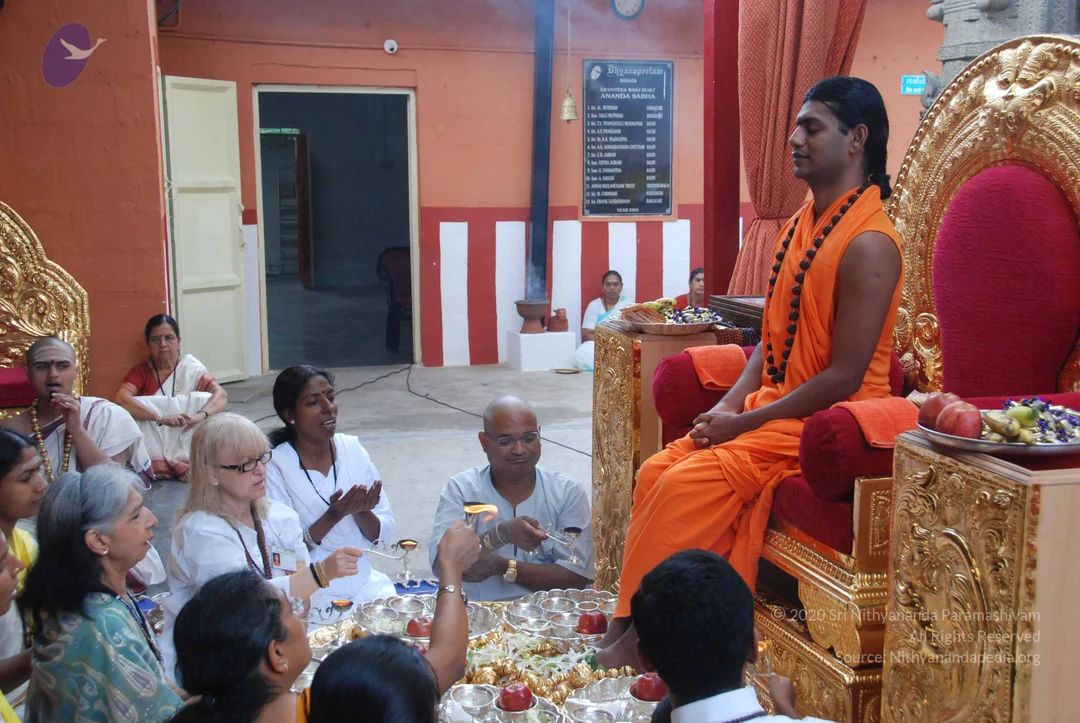
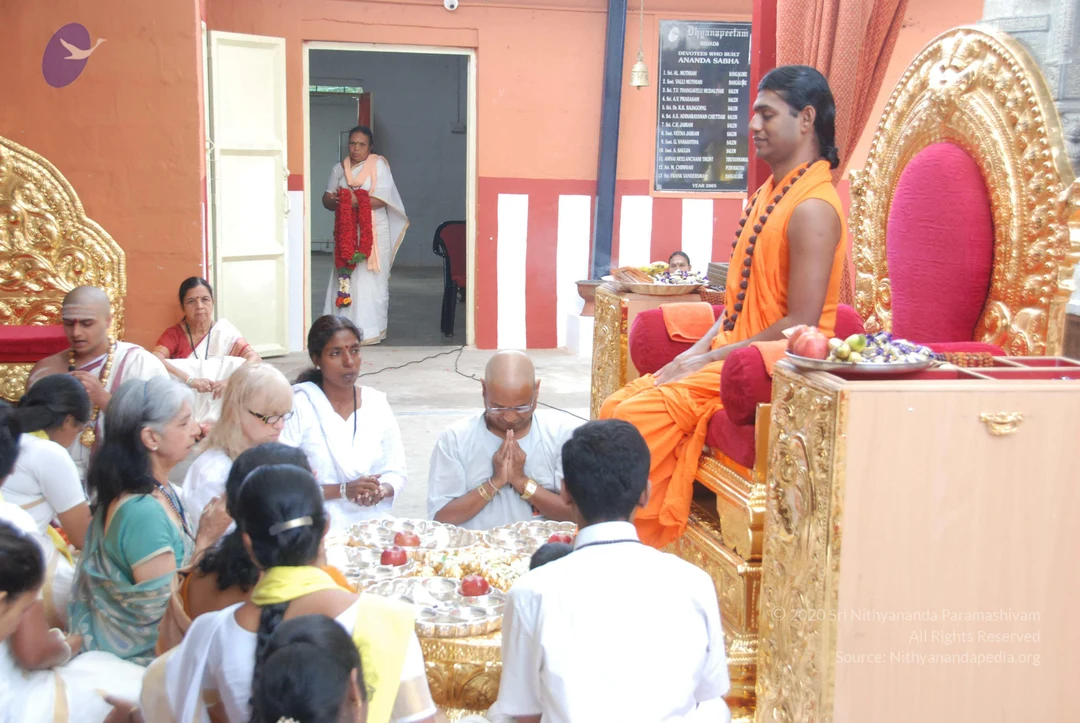
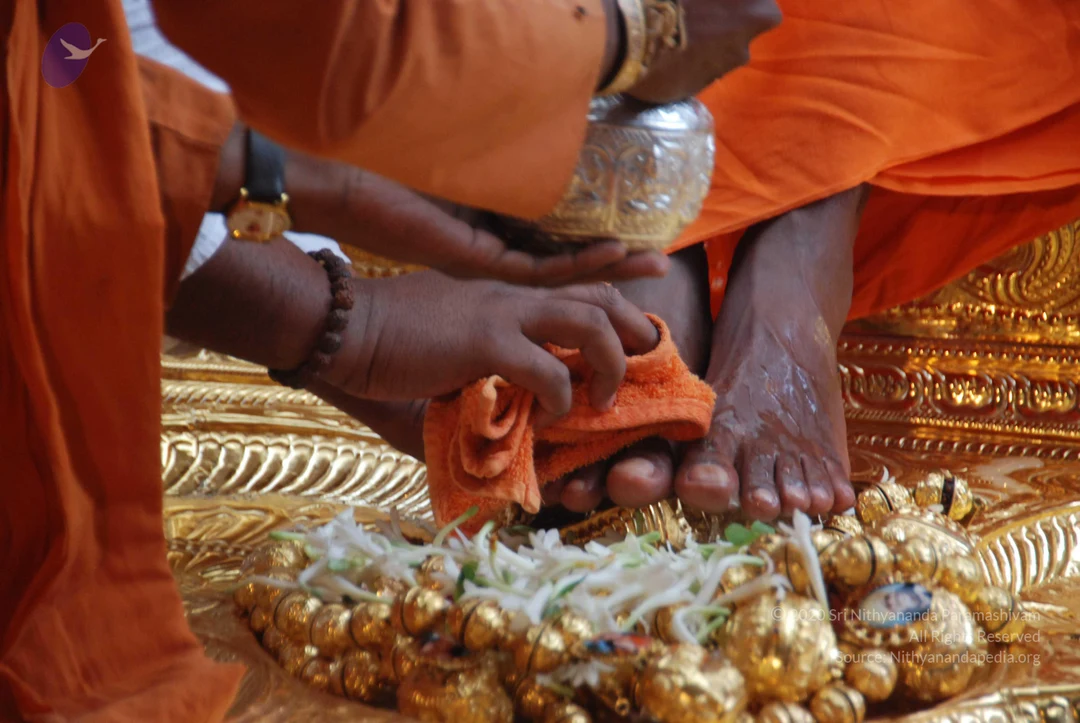
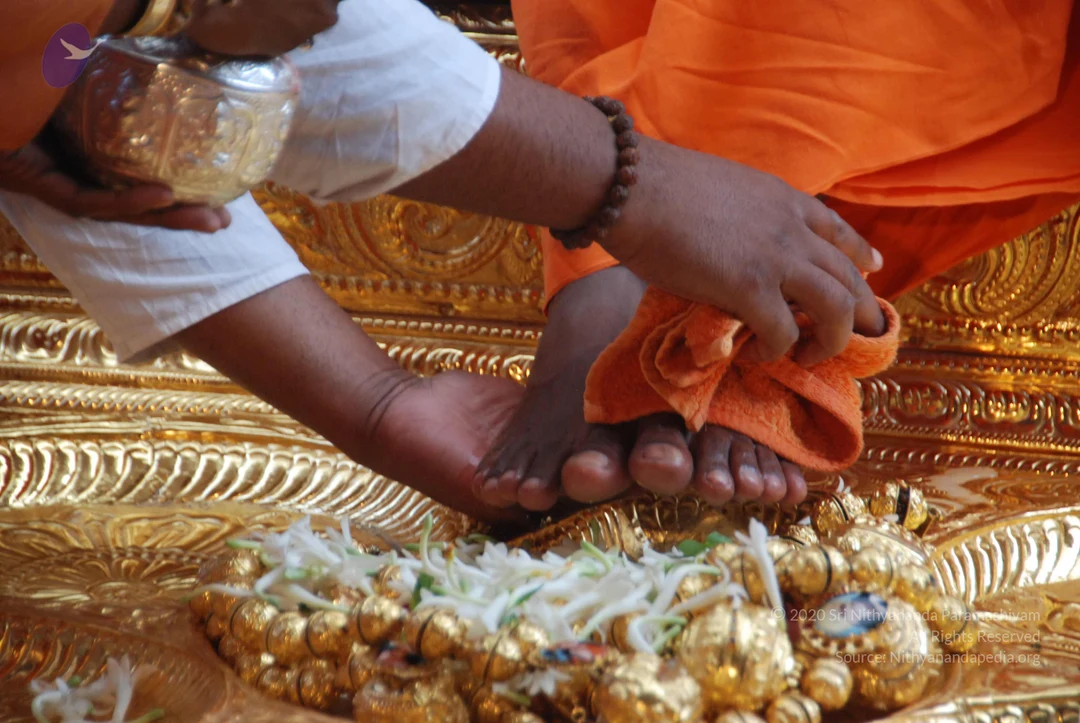
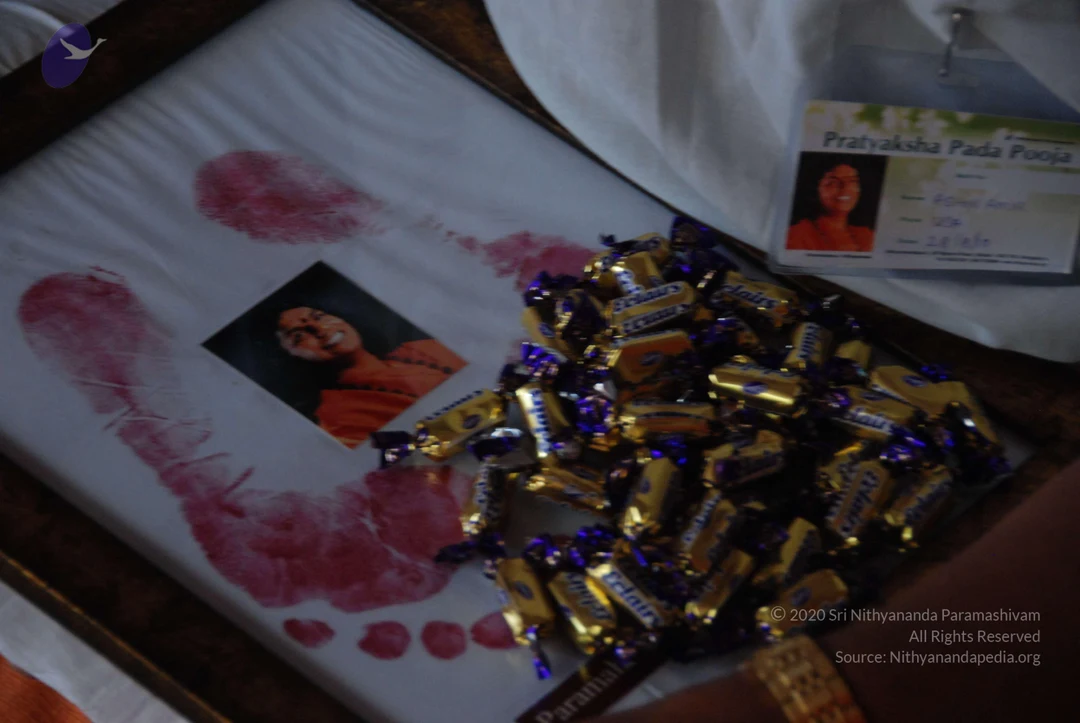
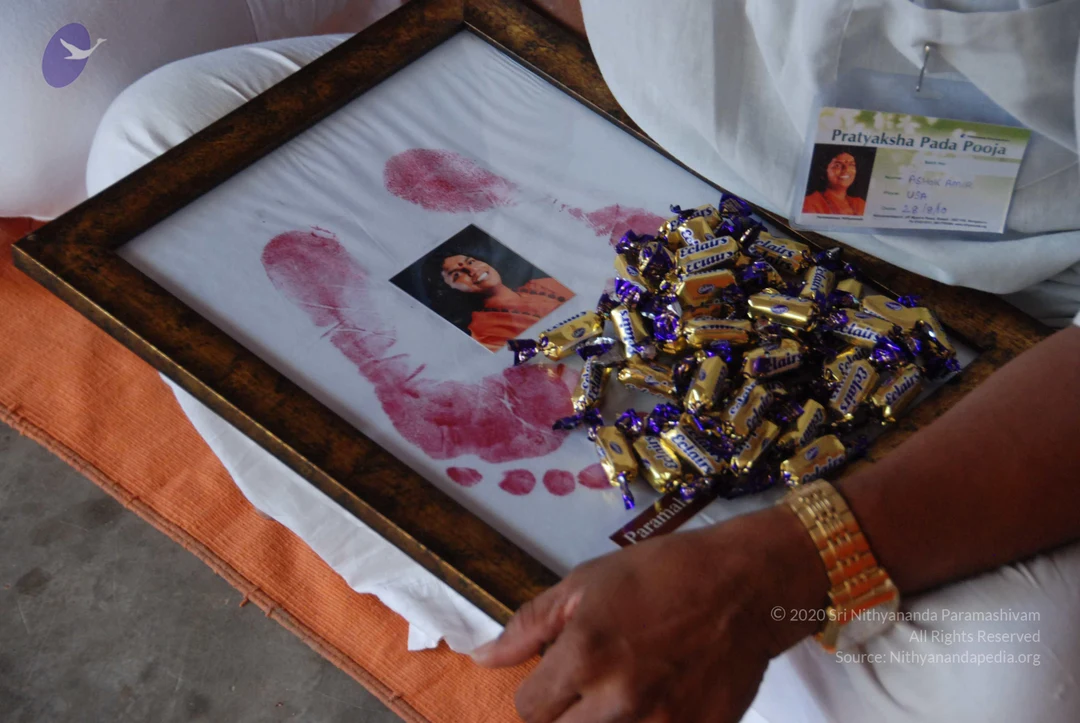
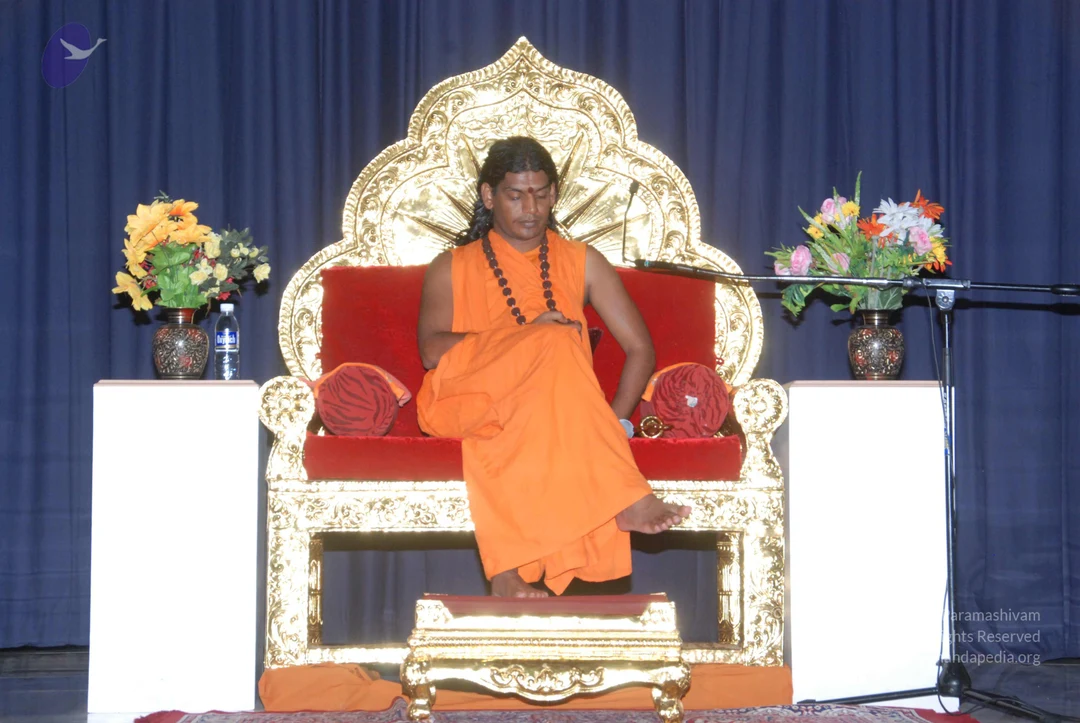
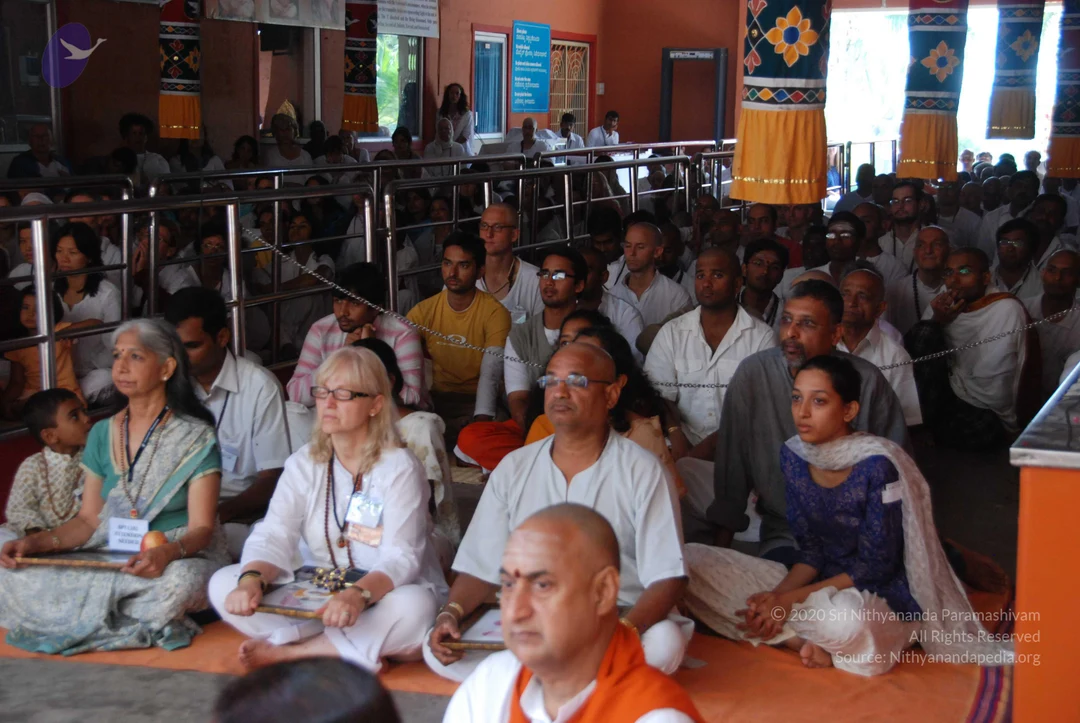
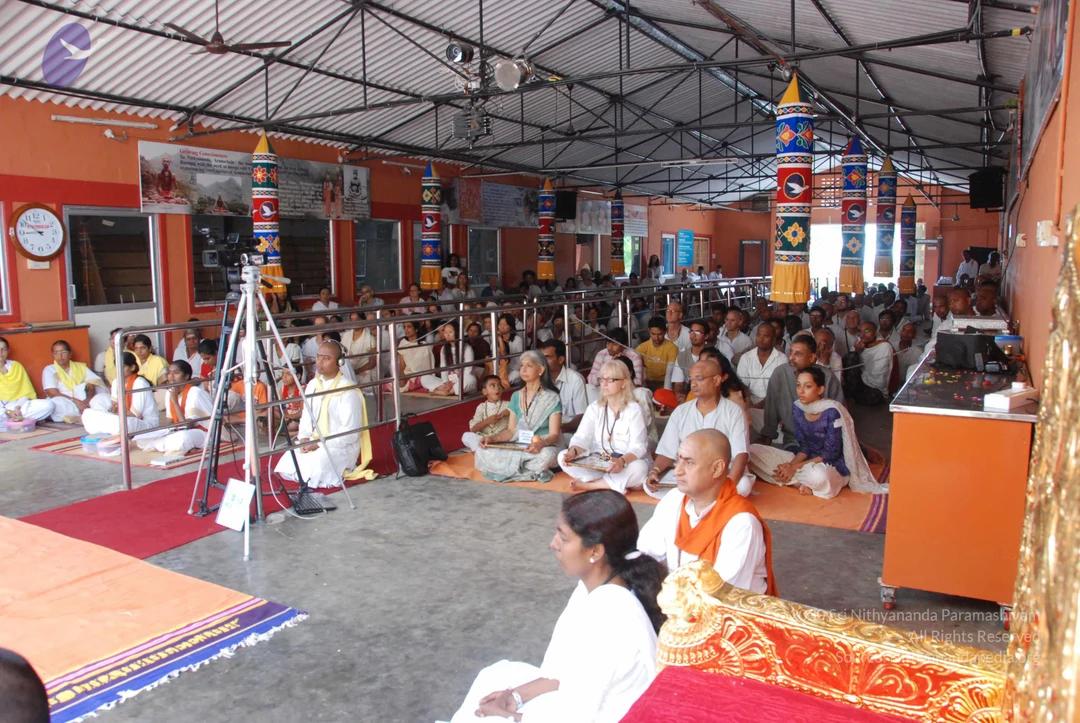
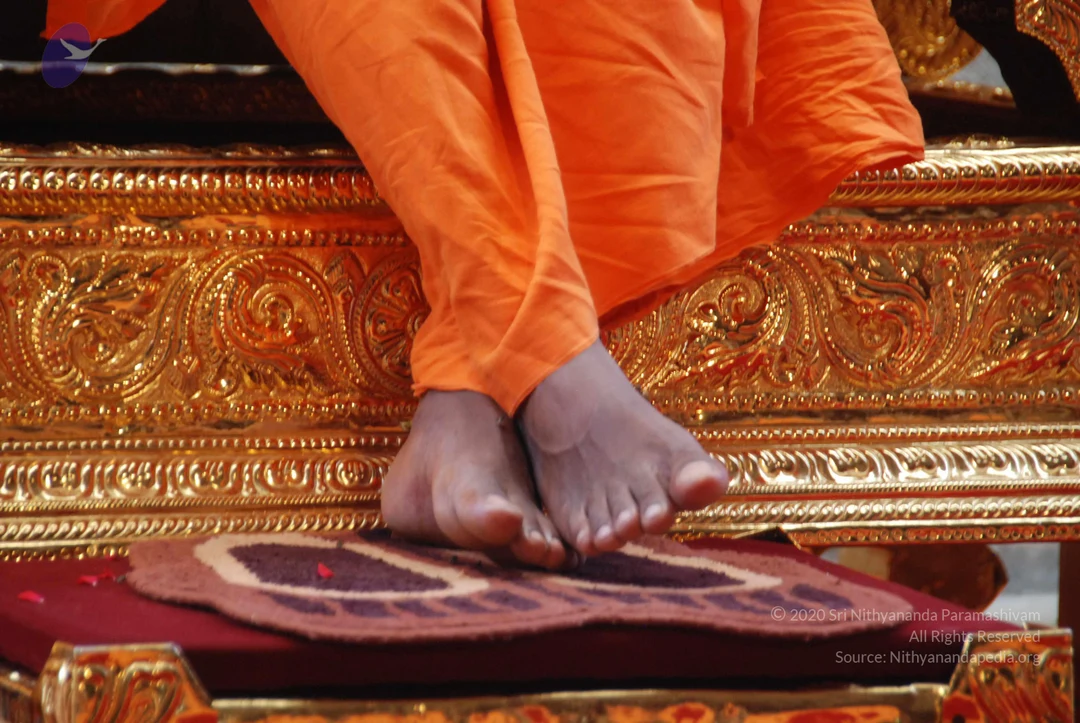
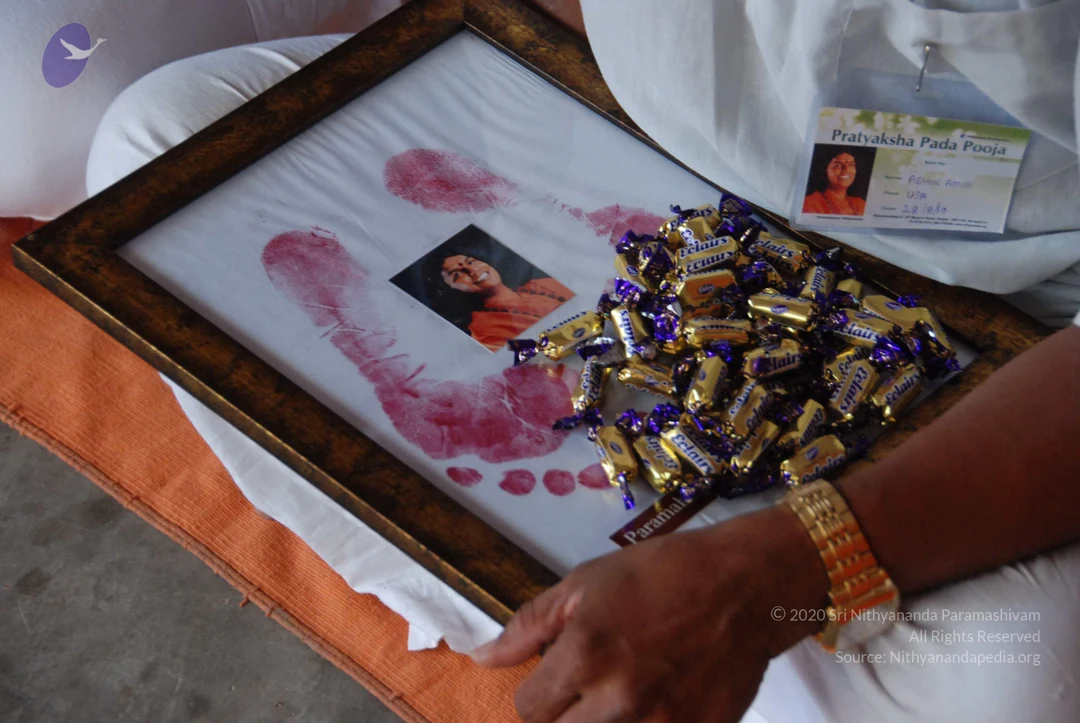
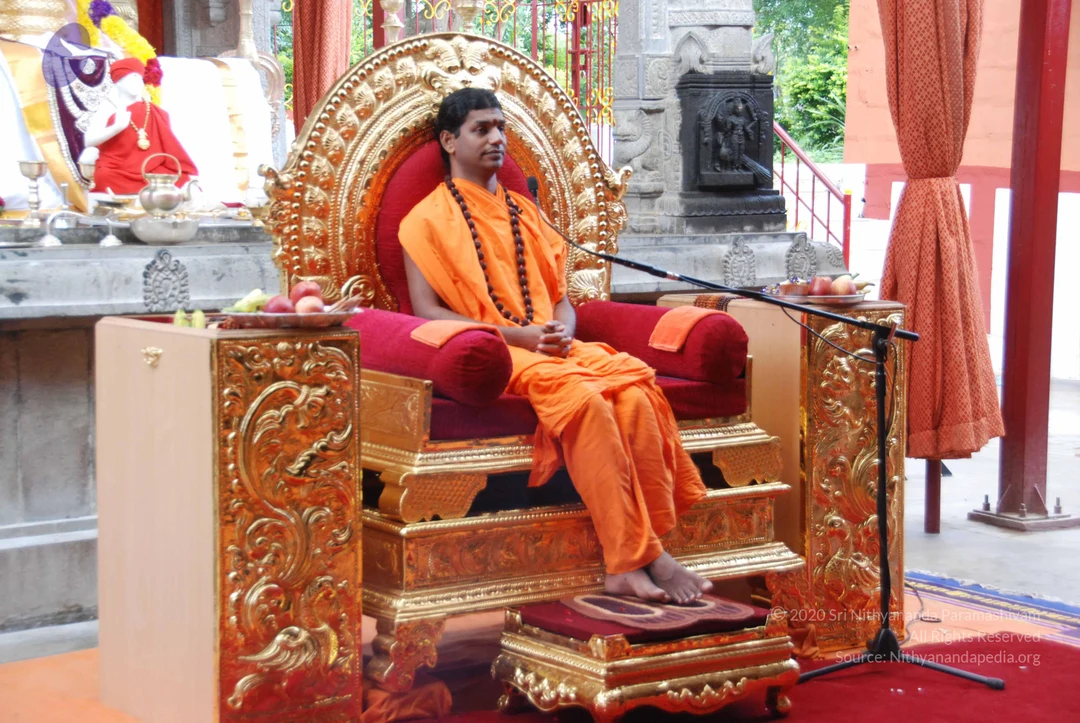
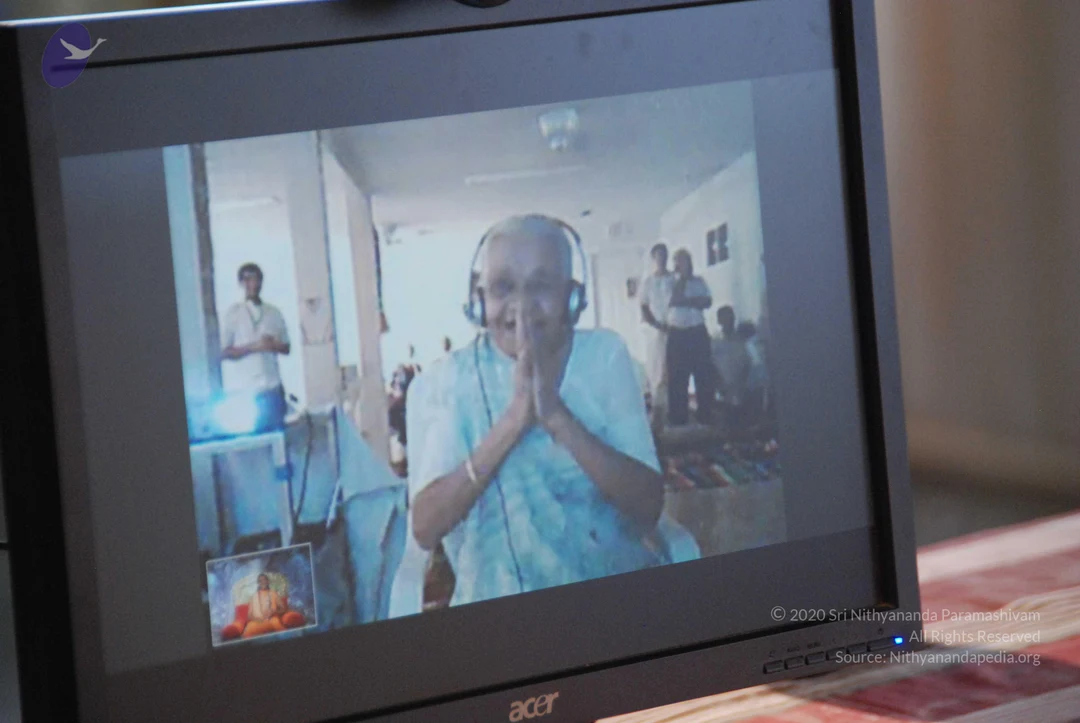
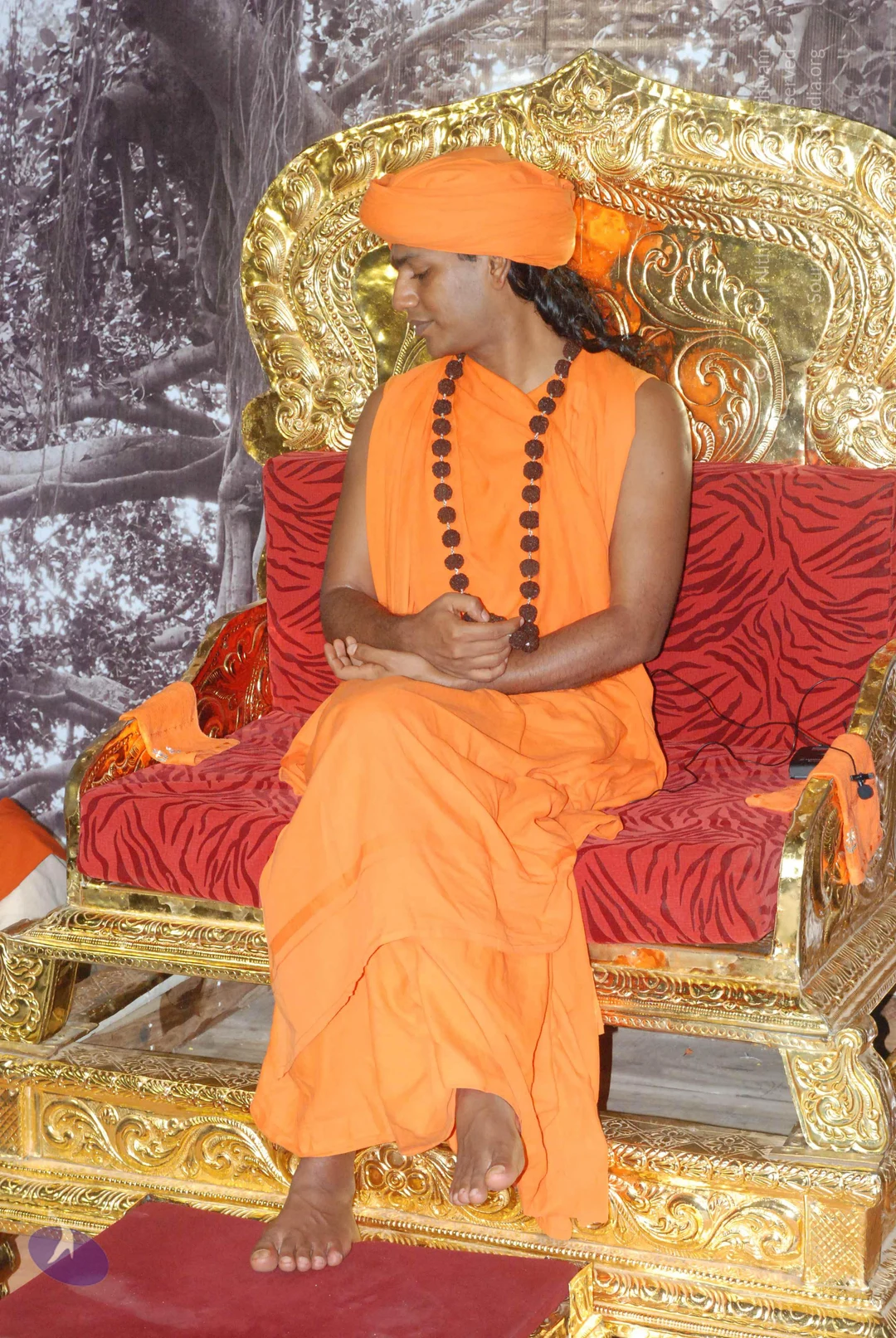
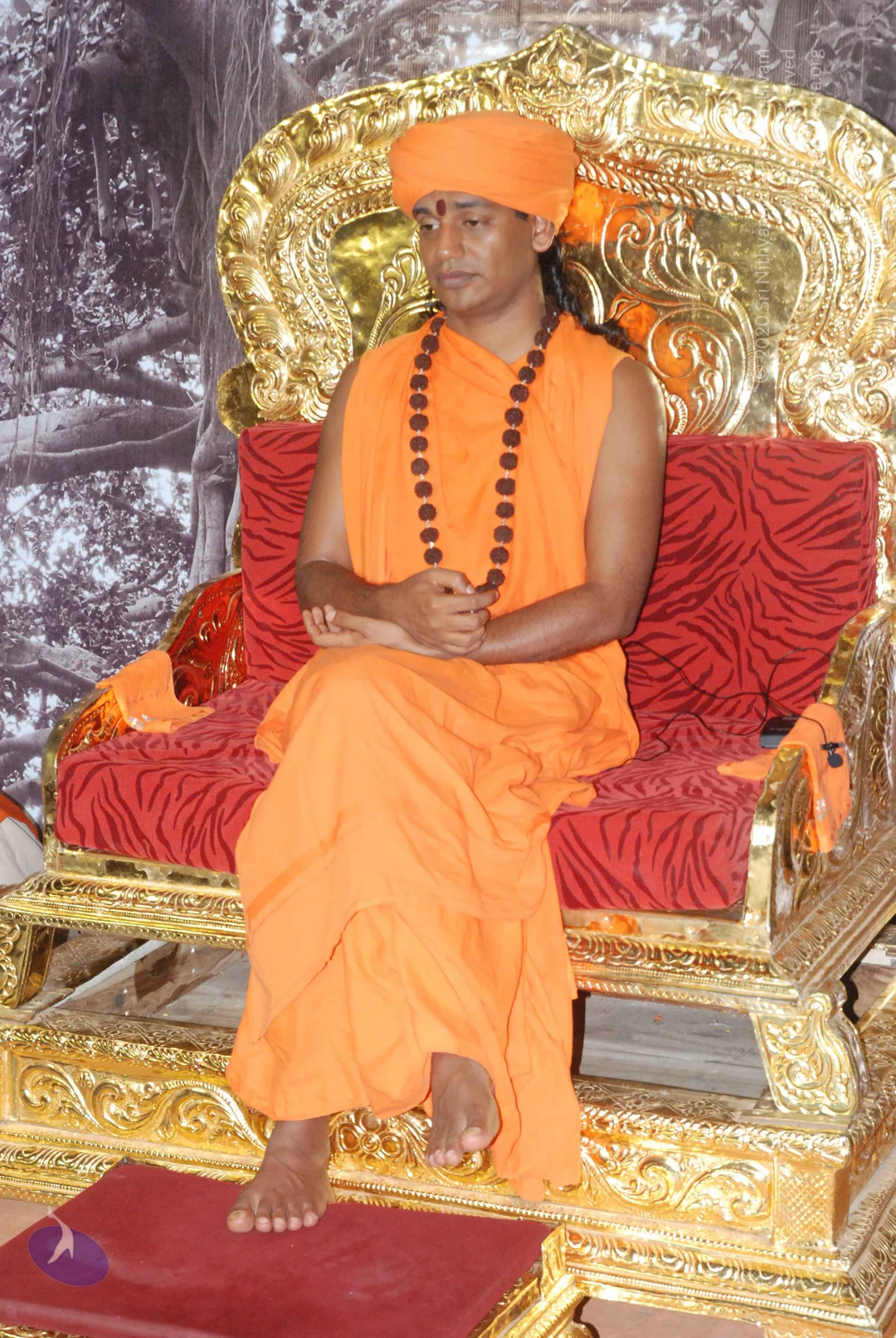
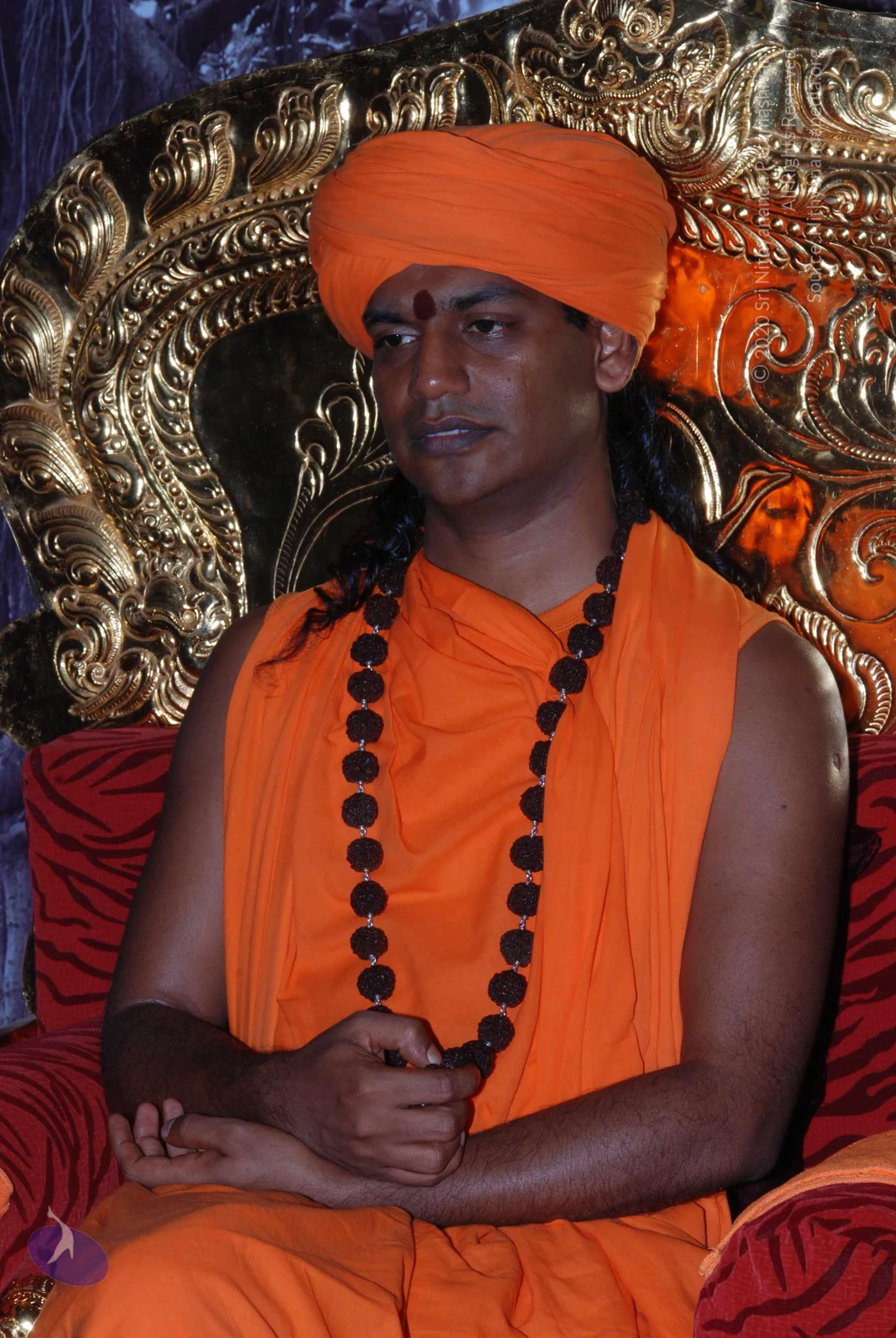
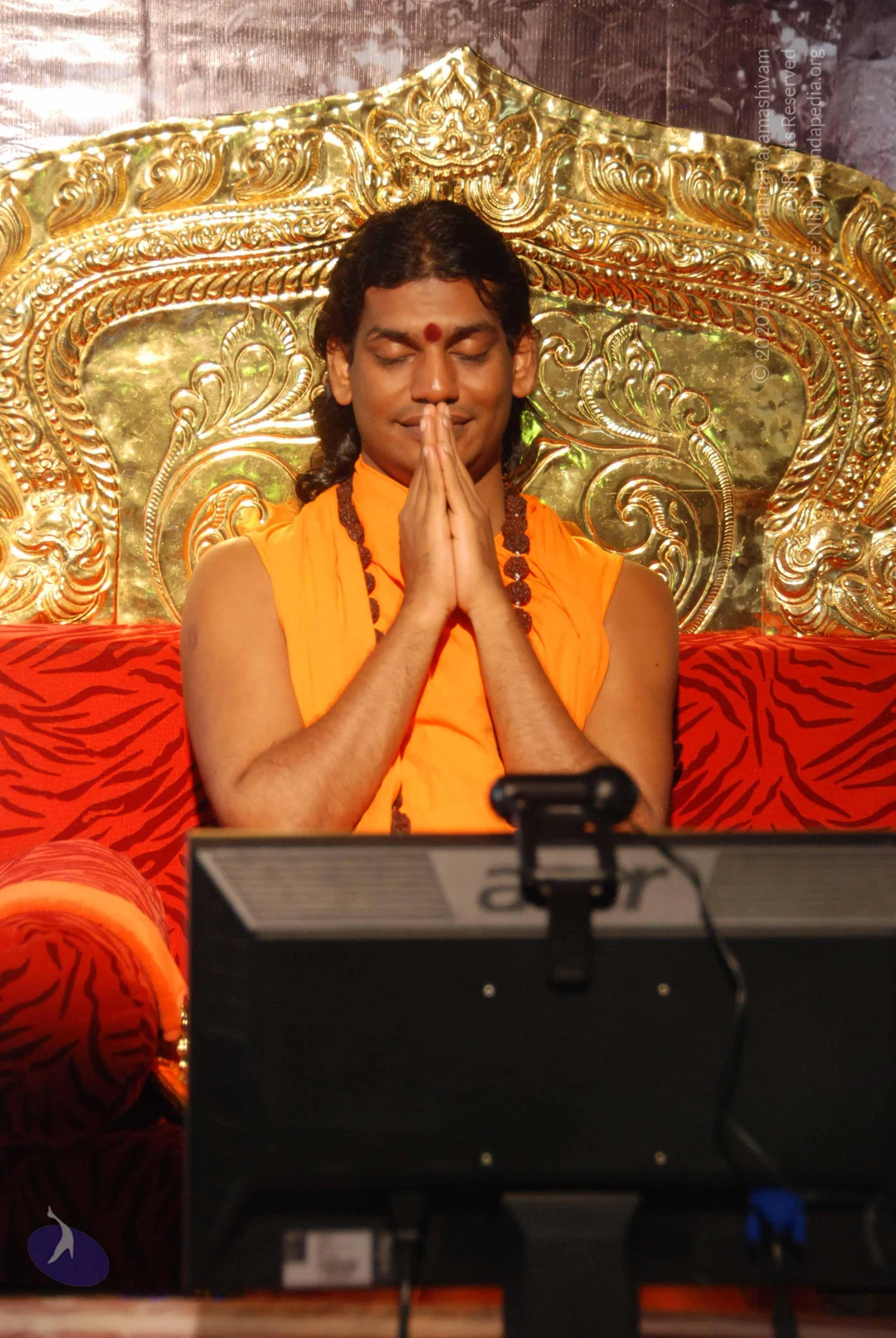
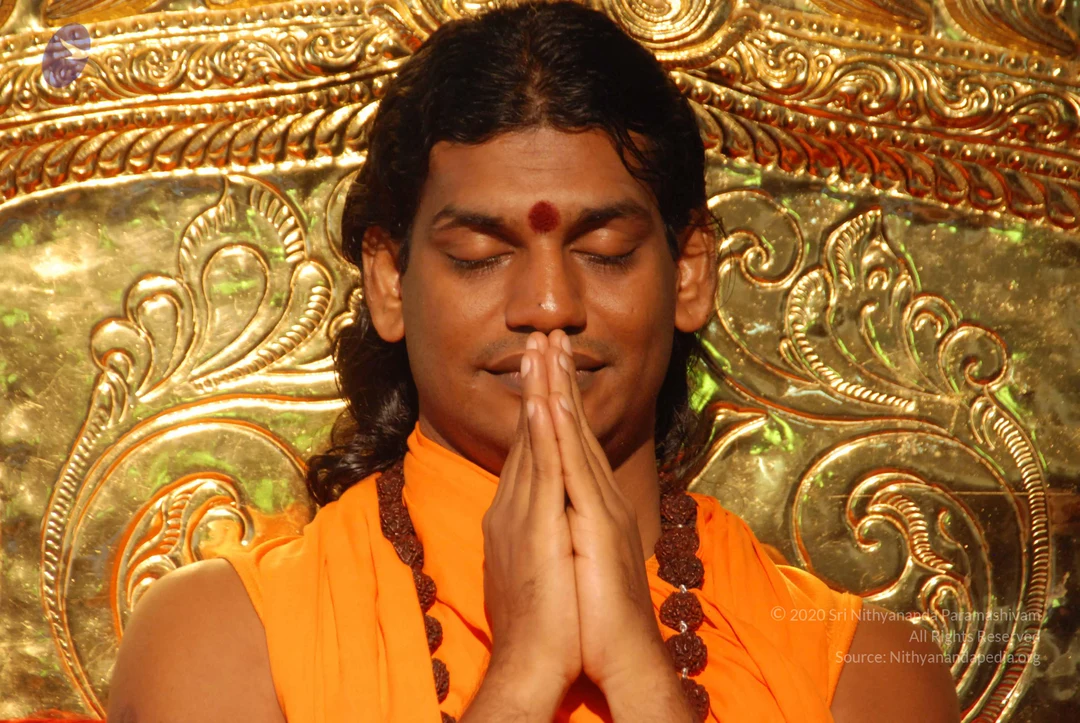
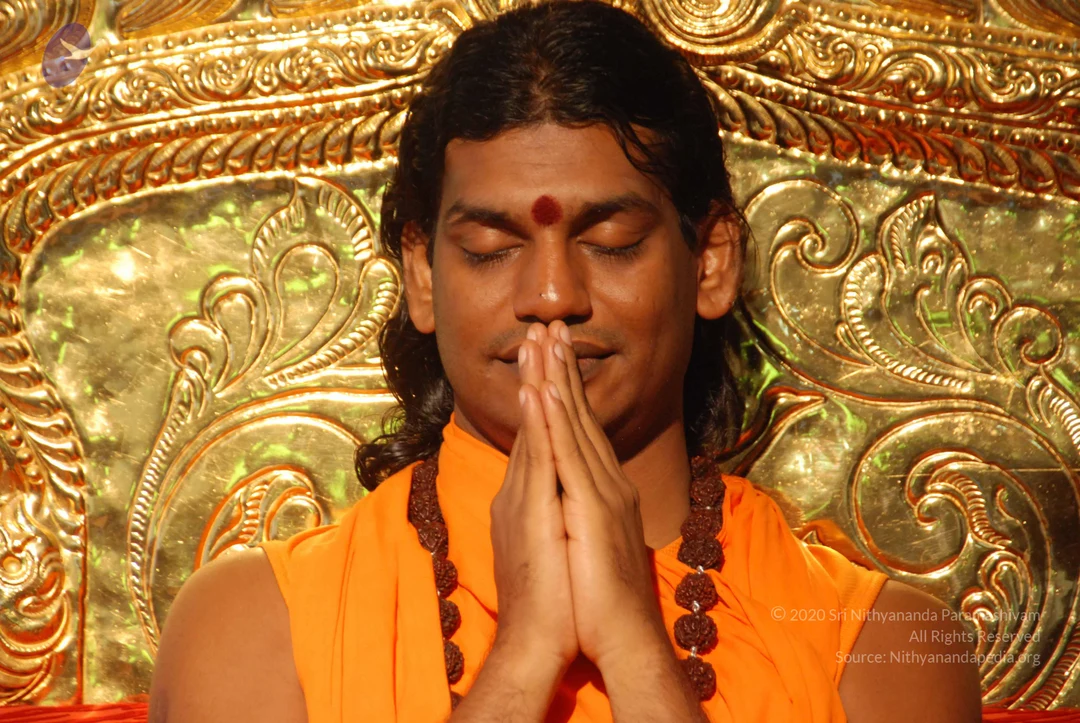
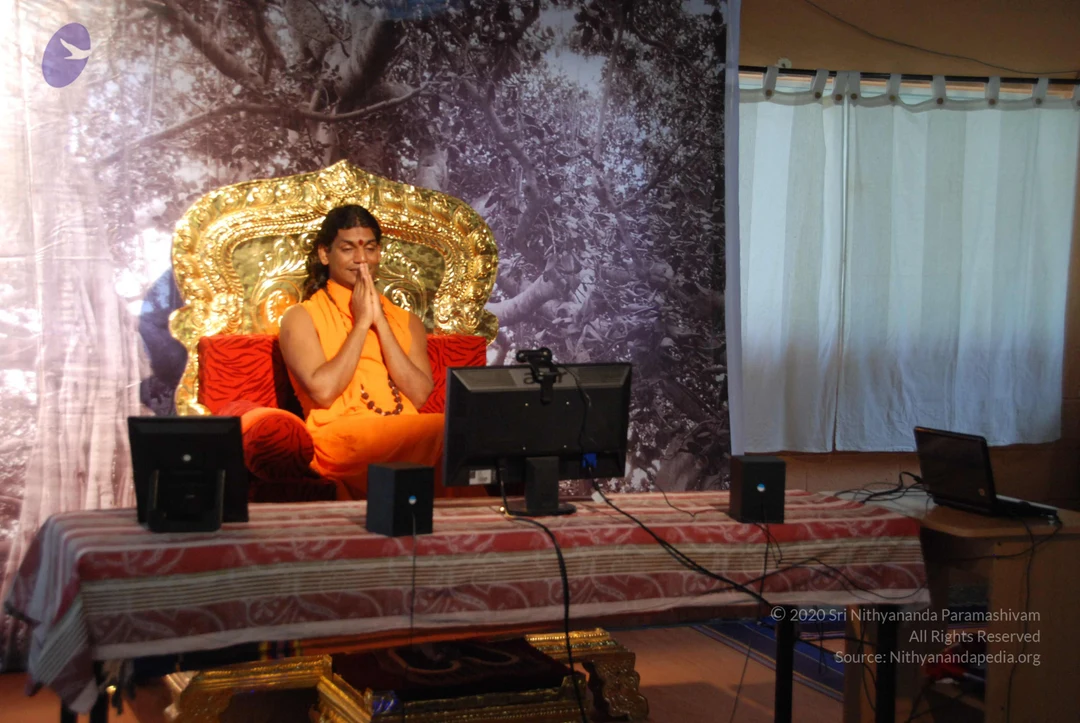
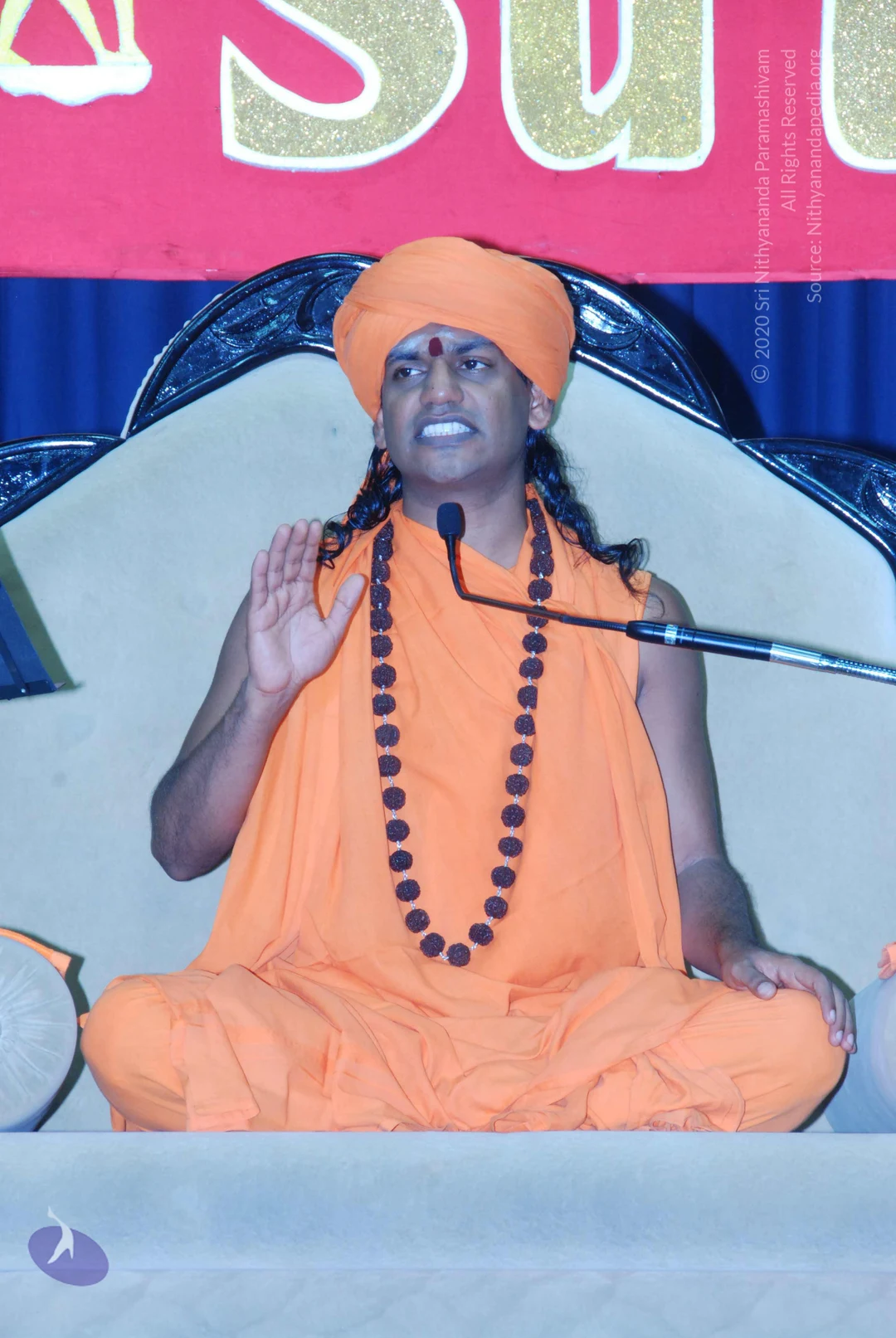
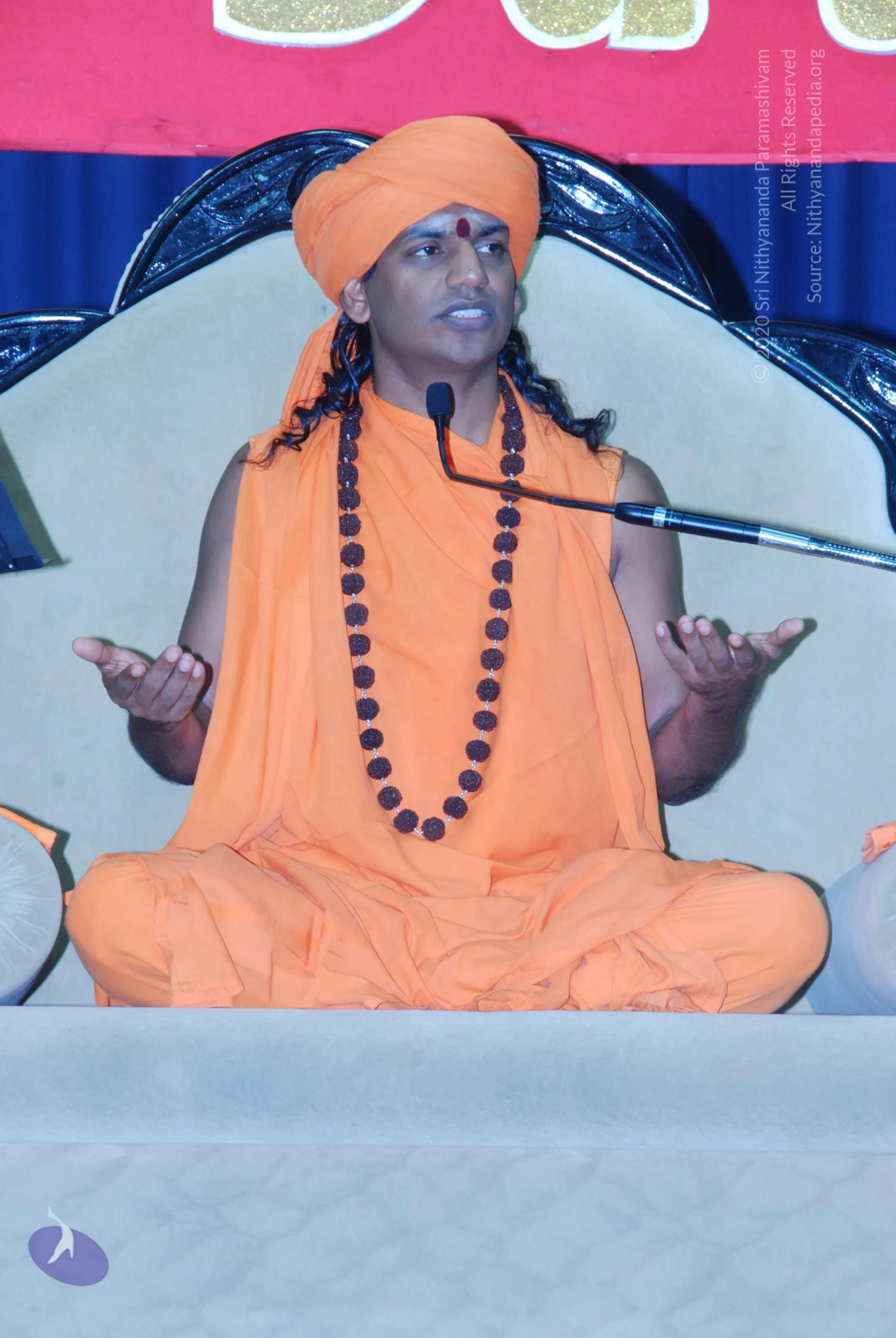
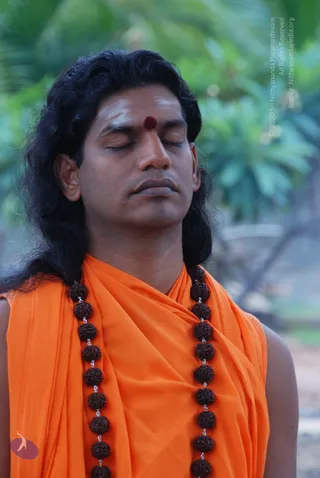
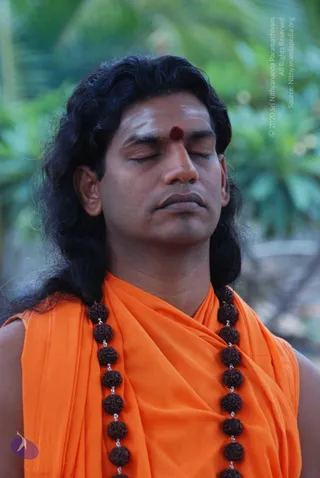
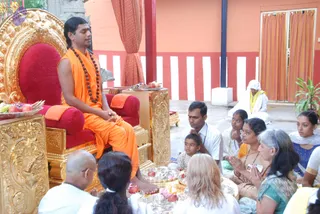
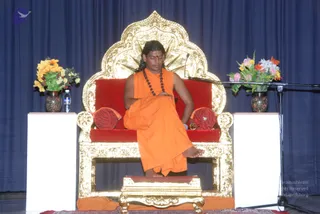
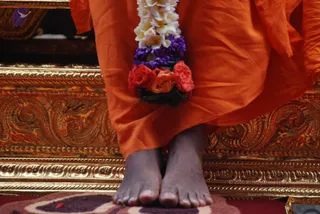
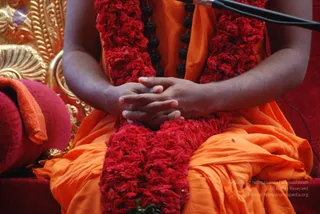
I welcome you all with My love and respects. My today’s message is one of the strong experience I had now in Pada puja. See, if you observed, if you are a long time devotee you will know, never ever between the pada puja My body will move or My eyes will open. Today you would have seen after the Arati, I opened the eyes. Usually I rest in deep samadhi.
(1:31)
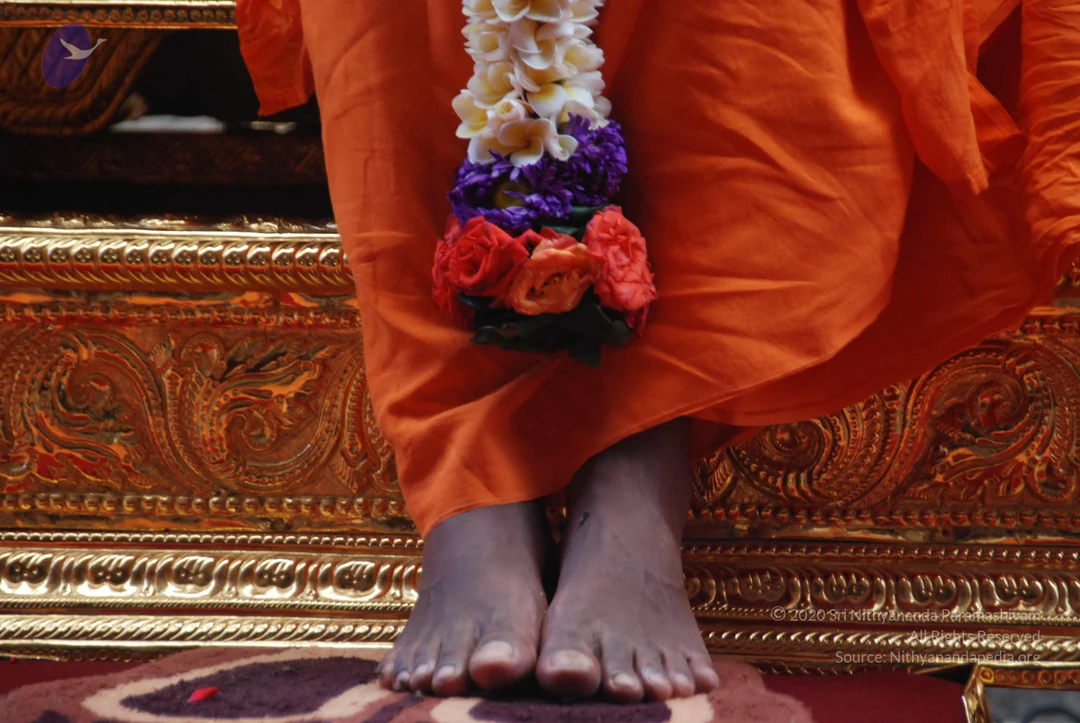
One writer, he is not even a writer, blackmailer, 😊 was writing an article abusing that, his feet is worshipped by thousands of devotees every day. But actually that poor fellow doesn’t know when he wrote, it was not thousands. It was only twenty five maximum per day. Now actually it has become thousands because through web camera, thousands are doing pada puja everywhere. We are getting the report everyday at least 1000 - 1200 people are sitting in their homes either conducting the pada puja physically or just sitting and offering mentally through the web camera. So, he was very abusively writing. One of our devotee challenged him. “We know the experience of sitting at His feet during pada puja when He is in Samadhi. We are not even asking you to fall into samadhi and all, can you just sit like that without moving your body for 45 minutes?” That’s all was asked to that writer, that blackmailer, and still no reply. All that devotee asked is, “You don’t need to fall into samadhi and all. For 45 minutes, just sit like a statue without moving your body; just try.” The devotee challenged, “If you can do it just sitting for 45 minutes without moving the body, we will not only do pada puja to you, we will do whatever you want.”
(3:26)
So I never open My eyes. Today, even I was surprised how did it happen. Let Me tell you exactly what was happening inside. This is My message today. See, usually what happens when I fall into that samadhi is, kind of a light ball which assumed this body overtakes this body. Exactly if I have to describe, if I remember how I took this body, this form, I see very clearly, suddenly like a light ball, whatever I feel as Me, landed into My mother’s umbilical cord. See when I landed, when that light ball landed, already My body was, I can say that, out of My mother’s womb. Maybe in this way I can put it, that, umbilical cord has stretched the extent that the necessity to be mother’s womb was no more. I do not know exactly physically I am out or not, the umbilical cord has become so stiff, the necessity to be in mother’s womb was not there anymore. So I remember very clearly. I landed on the umbilical cord only, then I just saw that I have a body and immediately had the vision of Arunachala, that hill. That’s all exactly happened.
(5:33)
I don’t know exactly when My physical eyes opened, when I physically happened in the planet earth; means, the physical identification of or exact the physical time, chronological time, I am not able to scan. Because, as per the medical understanding, after the child comes out of the body only, the umbilical cord (becomes) is disconnected or no more necessity to be with mother’s womb happens. Because of that medical understanding only I said I was already out of mother’s womb. But when I scan inside, I don’t have any verification from the spiritual experience that whether My body was already out of mother’s womb or not. I only felt the necessity to be in mother’s womb was not there. At that moment only, that light assumed; it just hit the mother’s the umbilical cord and assumed this body.
(6:58)
From that moment, I know this body is there, which happened out of that light; intense light. If I describe, maybe light ball or something like that. So whenever I fall asleep, I fall into that only; whenever I fall into samadhi, I fall into that, that’s all. So all other superficial things happens like a jagrat, swapna, sushupti - all are like a superficial. That is why all the three does not make any difference in the body.
(7:41)
Today also during pada puja time, I fell into that same consciousness. Today before falling into that consciousness, these guys have given me the slip of title, what I am supposed to share today because they are making some hundred important titles which will directly help people for living enlightenment. See, we are getting now thousands of questions from media, ex devotees, and present devotees, from all over the world. So from all these questions they are compiling major subjects which will really help people; what really people want from Me. First time we are studying what people want from Me. See, it was always like whatever I want to give I was giving; now, we are studying what people really want from Me because of these questions from around the world; so based on that, they are picking up each day one, one subject. They picked up hundred subjects.
(8:52)
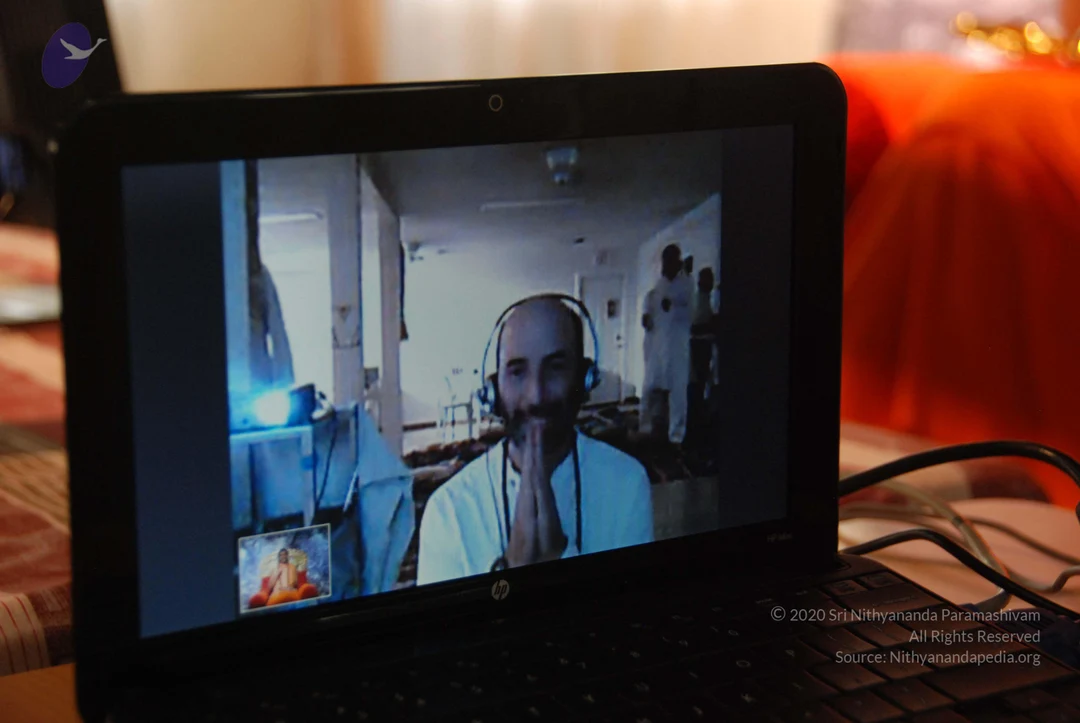
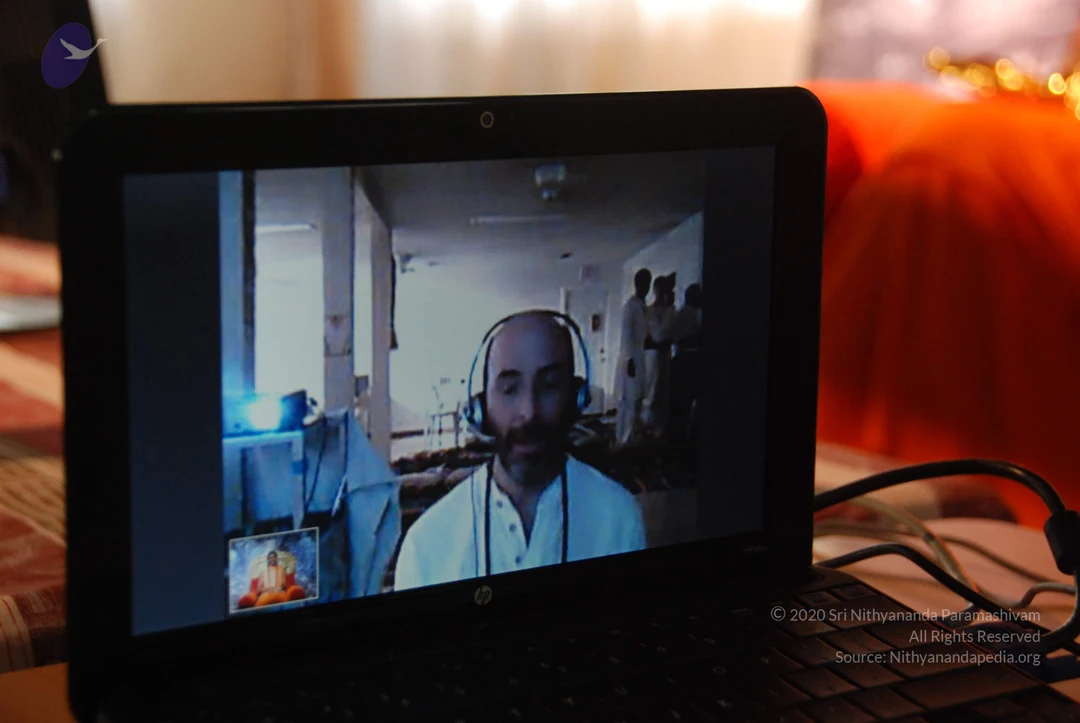
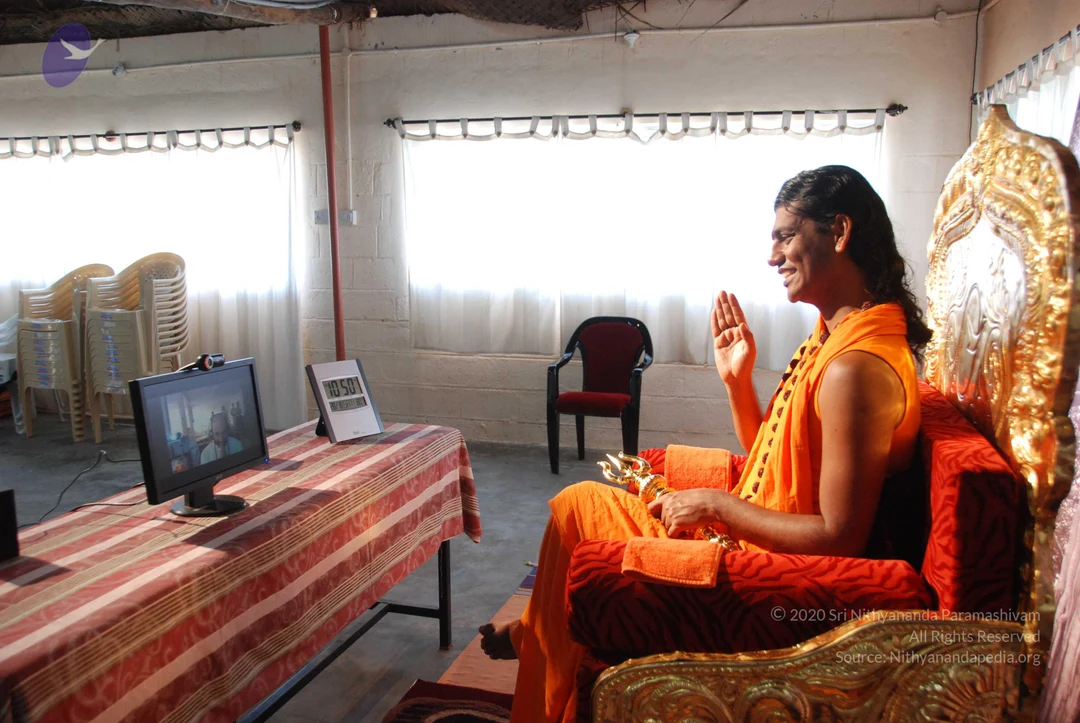
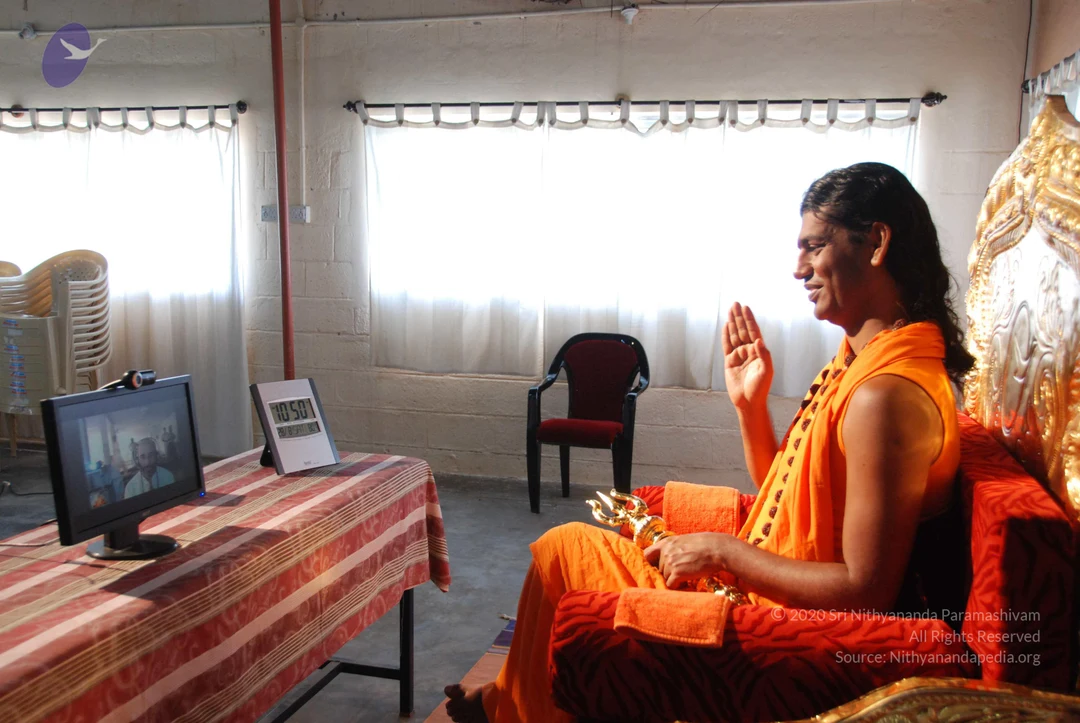
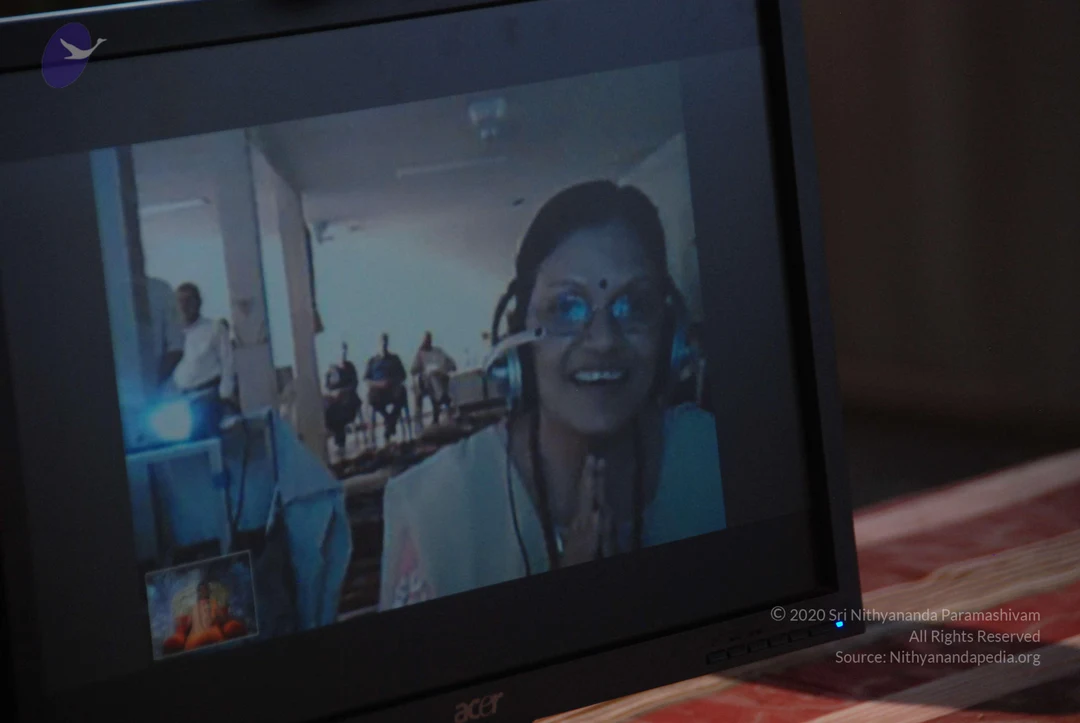
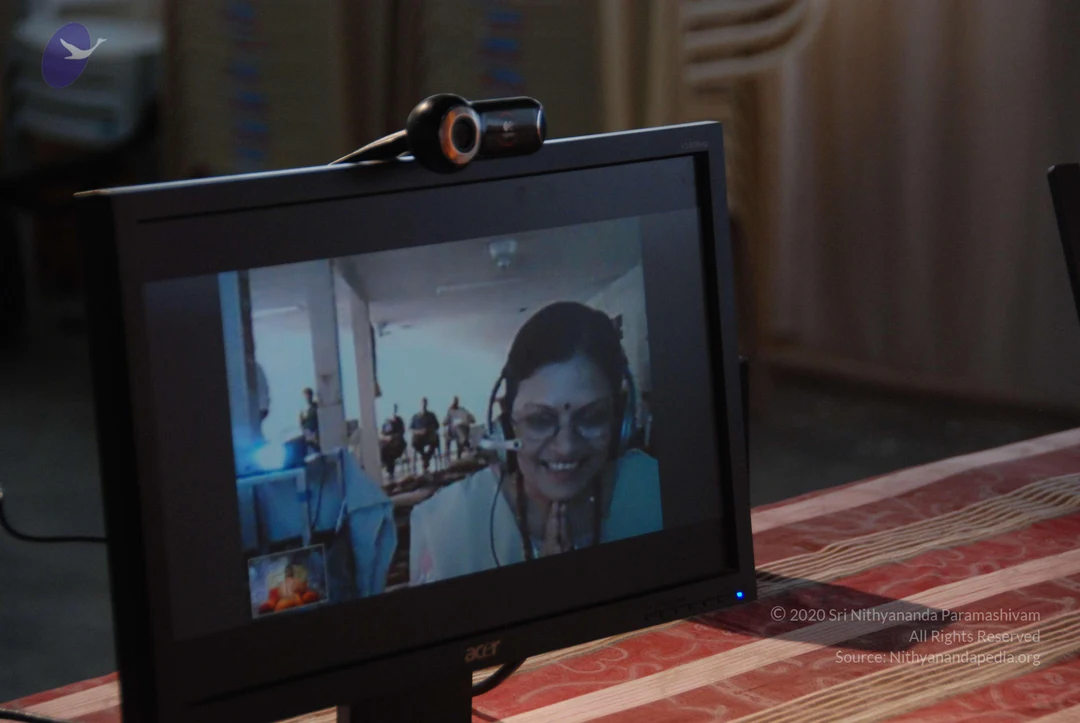
What all, actually when they studied whole thing, all the problems can be reduced just to three, just three – money, relationships, sex, that’s all. No…. we tried to study thousands of questions from thousands of different mental setup, different people, different culture. We wanted to study what really people want from a spiritual master; living master. What techniques, what solution, what they really expect? Why they flock around him physically and virtually, even after so much scandal? You will be surprised, 20000 people come to this web camera everyday to have a glimpse of Anandeshwara. Thousands of people before going to the office, just log in, have darshan, go to office and before starting morning routine, click and have darshan or sit in front and keep that web in one corner just to have glimpse, when Swamiji may cross, when He may come to the temple 😊 Even I was surprised.
(10:22)
So we want to study why, what really people want; because the amount of abusive news spread, unimaginable!!! There is nothing they left. When we study, this is the major three things people want. Solutions for this three problems - money, relationships, sex. These are the three major problems people face in their life. People want solution only for this three; workable solution. So out of our study, this guys have developed many subjects; hundreds of... I think hundred. One day I sat and spoke 101 definitions of living enlightenment. It’s there in the youtube. So they developed hundred subjects. So everyday whatever I address will directly useful for people in their day to day life.
(11:25)
So today they gave the subject. When I came and sat and fell into the samadhi, I put, I just had one thought, “No. Today I will not speak the same subject they gave. I will speak something which is My very core, which really, really, really I wanted to share.” I thought, “Why should I speak what people want, I will tell what really I have.” Because I speak, I speak because I have something to speak, not because I have to speak. I write because I have something to write, not because I have to write. If I start writing because I have to write, then I will start abusing people, I will start…. If I run out of subject, then start abusing people. See, I live because I have something to live; if you don’t have any purpose, then start living for abusing others.
(12:30)
I tell you, only the people who don’t have any purpose on their own to live but they have time to live, they do unnecessary things of harassing others and they intrude in others’ space, they intrude in others’ life, they disturb in others living. I tell you, live just because you have some reason to live. If you don’t have any reason, just disappear. And I tell you, if you are honest and tell yourself, “Ehhh, I find no reason to live, why not disappear?” You don’t need to commit suicide, simply the cosmos will say, “Come on, come back.” That’s what I call videha mukti. See, jeevan mukti is living with a clear understanding. When you don’t have anything, any reason to live, just tell the cosmos, “Ehhh, I think I don’t have any reason.” Simply you will relax; your deha will become videha. You will relax into the cosmos.
(13:38)
Cosmos is waiting; he is waiting to fulfill your purpose. You don’t need to commit suicide. See, when you have purpose, he says, “Come on, I will fulfill you; I will celebrate myself through you.” When you say, “I think I have no purpose,” then he will just say, “Come on…. come back, relax.” So that’s what is videha mukti. But this fools, neither they have purpose when they live nor they know how to tell the cosmos that, “I don’t have purpose; please let me relax.” No… that life only, full of conflict, harassing others, interfering in others' space, intruding into others' privacy, trying to abuse people; all kinds of nonsense starts that is where. All you need is the science of living and science of leaving; nothing else.
(14:36)
So I speak because I have something to speak. I write because I have something to write. I live because I have something to live. Whether you are writing or speaking or living, if you don’t have anything to offer, that is where you start harassing others. So today I thought I will not speak just because somebody wants. I will speak because what I want to give; what I have to share. So with this one understanding I sat inside, what really I have to offer, to tell, as a core of this samadhi experience. You will be surprised, the title they gave and the subject I felt like expressing is one and the same; just both fell into the same and not only that, the moment it clicked, I could not control. I just wanted to start speaking, I opened the eyes. It just came out. It just came out.
(15:55)
See, when the clicks, solid clicks happen, even I cannot stop My bio memory. It just comes out. I tell you all, really whoever physically, virtually was watching Me at that moment, understand, it’s not just My blessing or promise. That idea has already got released as a bio memory and settled into you all. Because it was such a spontaneous opening, happening. What you want and what I want to share, both matched; clicked. See, when they gave that title today, I felt, ‘ehhh, why should... I felt that’s a exact idea I had, “Ehh, I am almost like a catering as per the requirements?” It’s like a... see, they are doing lot of research now. One big team is sitting and doing research, analyzing all the questions I receive and analyzing all the most watched trend in YouTube and based on that, they are preparing My everyday subject, title. Today I felt, “Ehhh, it almost looks like a business. Why should I talk what people want? I should talk what I have to share; the honest, core, deep, exact, experienced truth.” Suddenly I saw, today the truth which want to come out and the subject they gave, both met and merged; means this is the core of My experience.
(17:49)
I can say, this can be My second name; this can be My next name and not only that, I have decided that My... I am writing My autobiography. Some of you may be aware. We were planning to release by 2011 January 1st but I decided to postpone it to 12/12/12. 12/12/12 I will be releasing, maybe in 100 language at a time. We have already frozen the title. Title has already been frozen and decided - Autobiography of an Avatar. And it will come out as a book, movie, cartoon and comic at least in a hundred languages. Already I have started penning down. It is happening. It may come out as three volume because the material getting penned, so vast; three volume.
(19:17)
I will be writing in a very detailed way about this whole scandal. I think just the part of the scandal may come out as a book in next one or two months. That will come out immediately but that autobiography will be... 12/12/12 it will be released. Till the December 1st of the 2012, 1/12/12; till that date it will be penned because we need last twelve days for printing and publishing. Whatever has happened, I am penning down and I am merging the truth and fact together. That’s why it is taking time. Every word uttered will be factual and leading you to the truth; means the space in which I am staying. So I can say, today what I experienced and expressing, this one line, this message, maybe the underlying theme of the whole biography because this is the underlying theme of My whole life.
(20:51)
I think I have given enough built up. I have to come to the subject. I don’t want to expand on this subject; really I don’t want to expand on this subject because the moment I try to expand, I may reduce the intensity of that subject. I just wanted to give the importance, introduction about that subject and just tell that word and leave it for you to work on it. Let that word sink in you and whatever happens, happens. Whatever you understand, understand. So that you contemplate on that word without anything to be added from My side, without any dilution by any further expansion or verbal understandings.
(21:57)
Many time, when I try to explain with more words, you dilute it. You make your own understanding for My words. So I don’t even want you to have that confusion. I will just give an introduction. I think I have given enough introduction and just drop that word like a seed in your inner space. You go and sit and contemplate because that word itself is a powerful seed; powerful process. You don’t need further expansion, further explanation, further verbal understanding, dictionary or meaning, and all these things; no, nothing is required. I am not interested in doing that. So now I will just drop that seed and immediately after that, you will all come back and sit in the LEP, the Chit Sabha. All the LEP participants, this is going to be the process now. Nothing more, only this.
(23:10)
Because, one, when they gave the subject I suddenly felt why should it be like a Me speaking for marketing, Me speaking for what people want. I should speak what really I have to offer. Because always people want something in the outer world; something related to outer world and what people ask in Kalpataru is not always what I want to give for them but what I give in energy darshan is what I really want to give for them. Of course, I do give in Kalpataru whatever they want but very rarely few intelligent people come and say, ‘Swamiji, you give what you want.’
(24:01)
Same way, always during My message, messages, I was giving only what I wanted but now because of this branding and what people want, analyzing and they gave the slip what people wanted. So I thought I should tell what I wanted. So I fell into that samadhi with one thing. Something so strong came out as I wanted to share and fortunately it exactly met with what you all wanted. It’s like a you and Me meeting; the human society and inner space of an incarnation meeting with each other. So... and it was so strongly accepted My all organs. It’s like anything happens, all part of Me votes for it and today it was a anonymous decision, sorry unanimous decision. Of course whenever it is unanimous, it’s anonymous, understand. Really whenever it is unanimous, it is always anonymous because there is nobody to decide.
(25:11)
When it is... you see, only when there is conflict there are two. When there is no conflict, when it is unanimous, it is not even one, it is beyond one. See, when there is conflict, it is two. When there is no conflict, you can’t say it is one; it is duality. Opposite to duality is not monism, it is non duality. That’s all. Advaita. Not ekatva; not monism. See, dualism is dual - conflict, and opposite to dualism is not monism. No…. opposite to dvaita is not ekatva. No… advaita; non dualism. That’s all. It means anonymous. Whenever it is unanimous it is always anonymous. Today unanimously this message came out. Then I saw yes that’s right. This is the most apting message. So I decided this should be the main theme of My whole biography, whole autobiography. The theme is, the subject is - 😊 Conflict Free Life.
(26:44)
Now just go and sit in Chit Sabha, I am coming there. Nothing, just remember this one truth - conflict free life. Life is conflict free. Life is conflict free, conflict free life. Don’t analyze, ‘Am I conflict free? How to live conflict free life? What is the technique? What is the method? How to go about?’ Nothing…. life is conflict free. If I am living I am conflict free. Conflict free life. That’s all. Let us enter into the process in Chit Sabha.
(27:47)
So the devotees who are watching from around the world, I request you all also. Just sit wherever you are for next twenty one minutes with this one truth, conflict free life; that’s all. I will be there working with you all, doing the living enlightenment process. You will all live enlightenment, live the eternal bliss Nithyananda. Thank you.
(28:21)
Title
Patanjali Yoga Sutras (Day 7) by Nithyananda
Narration
In this Patanjali Yoga Sutras discourse, Paramahamsa Nithyananda elaborates on conflict-free living.
Video and Audio
Patanjali Yoga Sutras (Day 7) by Nithyananda
| Video | Audio |
Transcript
(0:53)
|| sadāshiva samārambhām shankarācāryā madhyamām | asmat ācārya paryantām vande guru paramparām ||
(1:24)
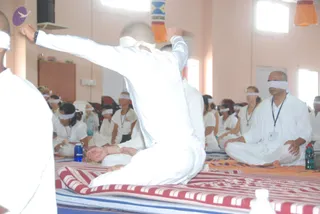
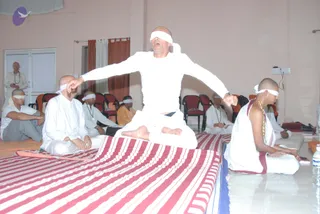
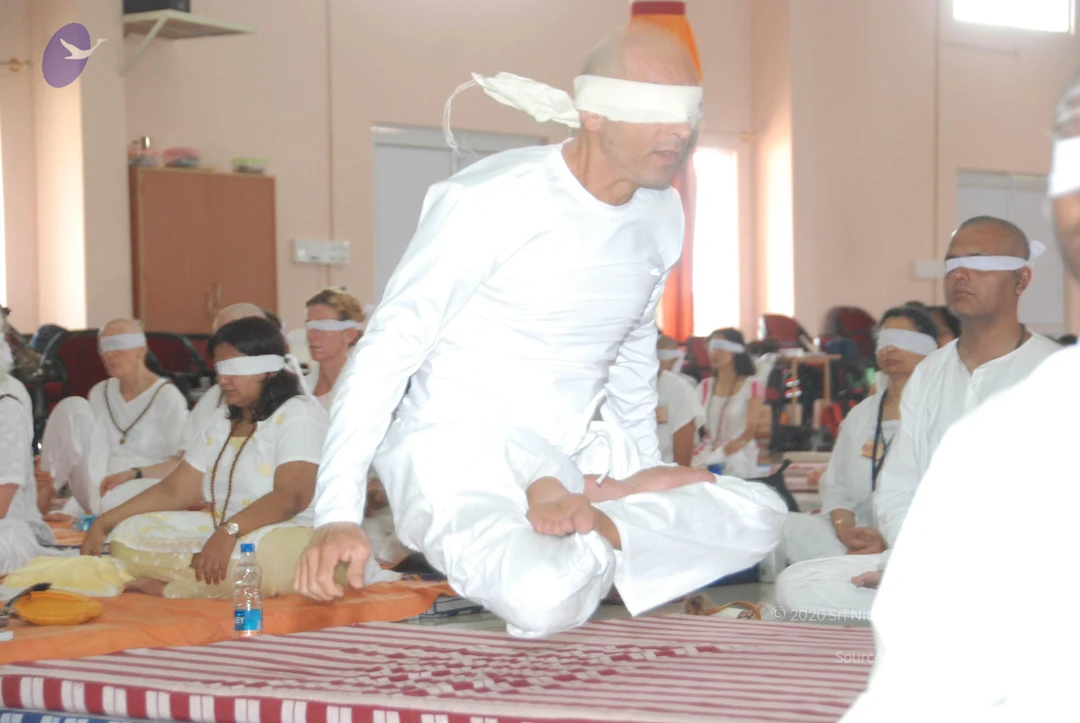
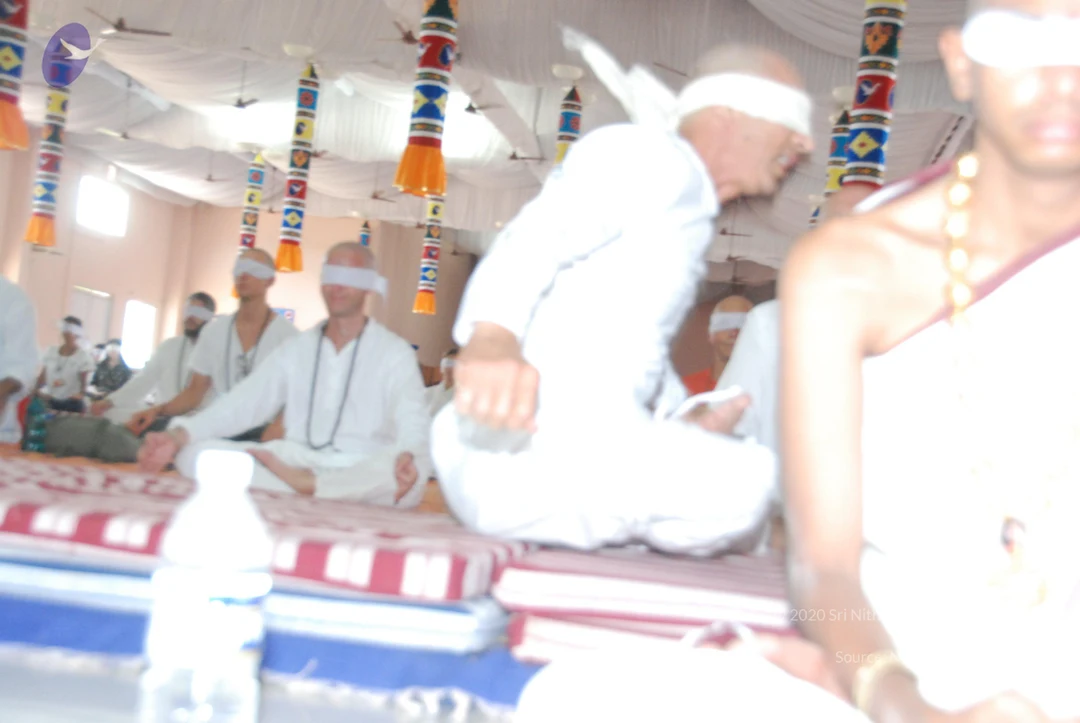
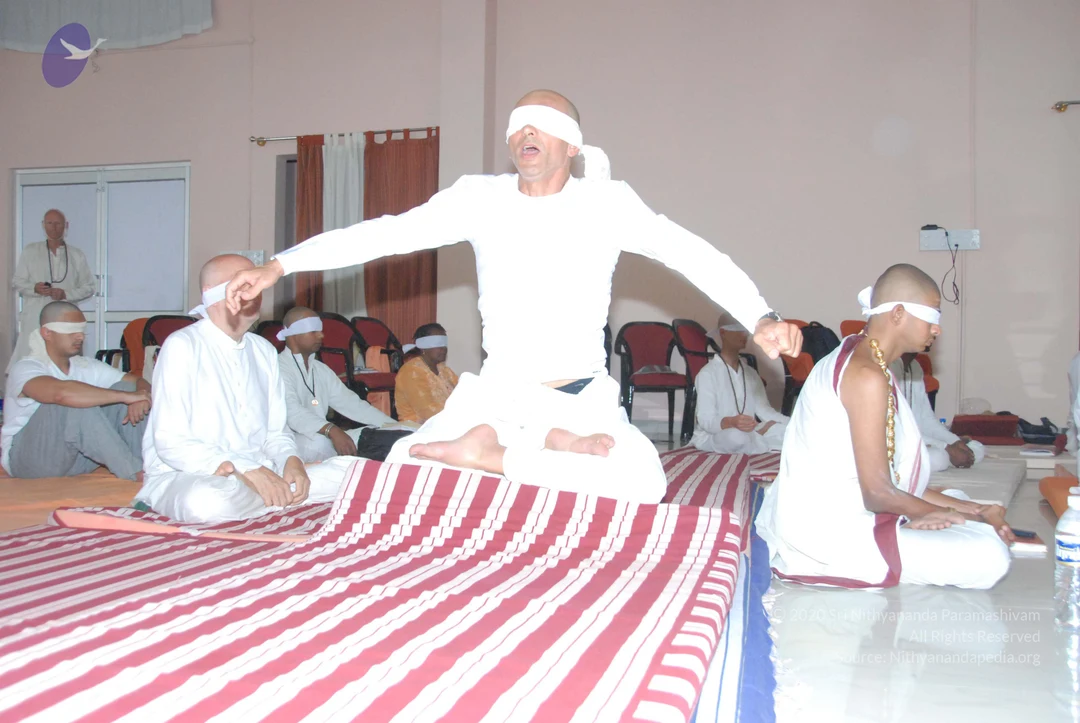
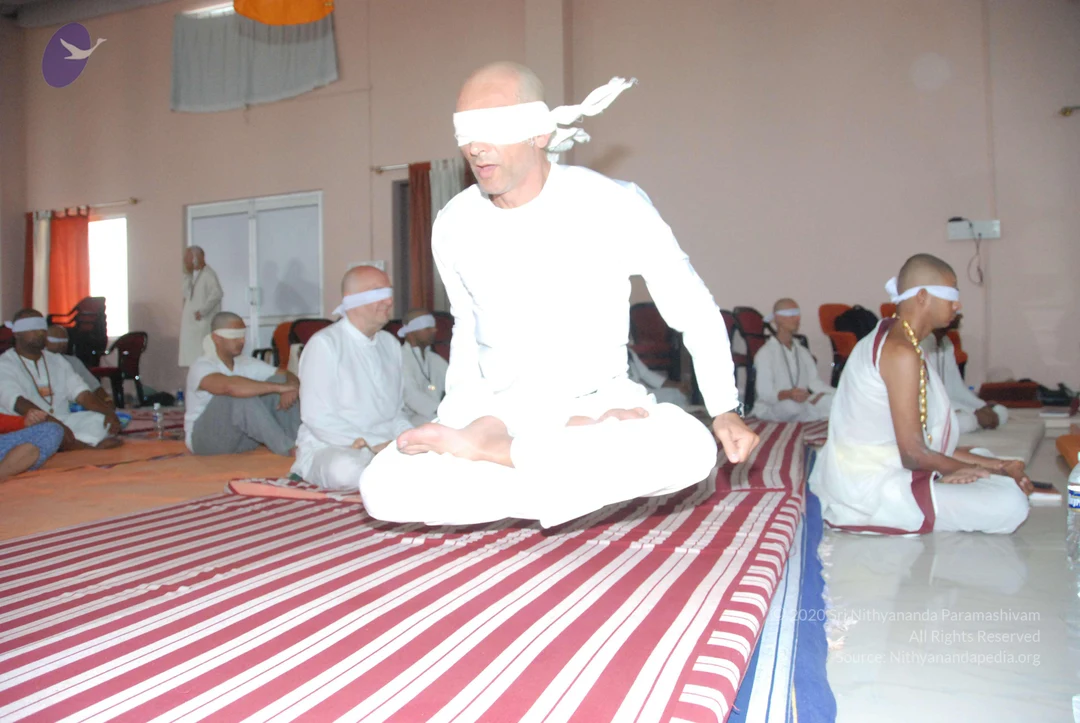
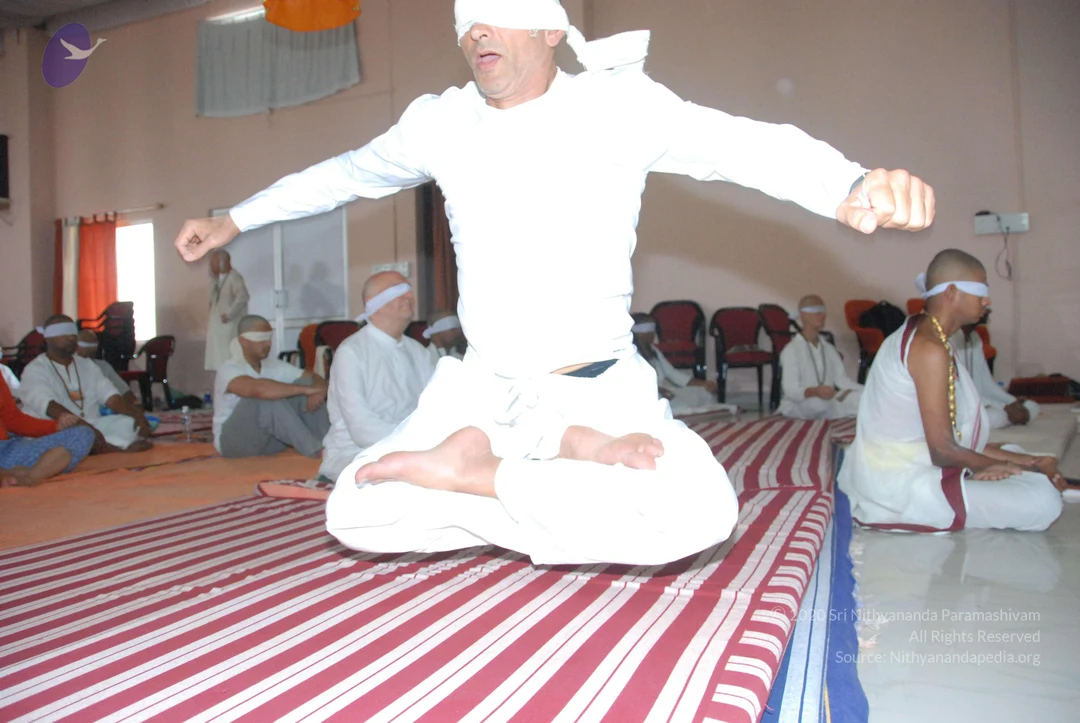
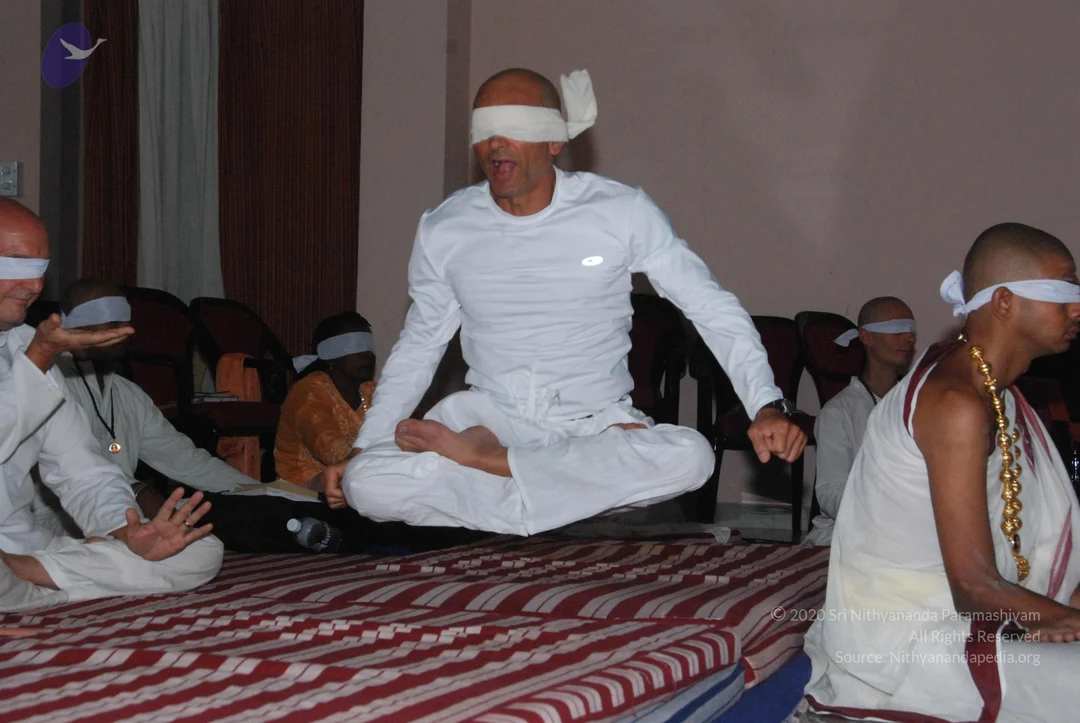
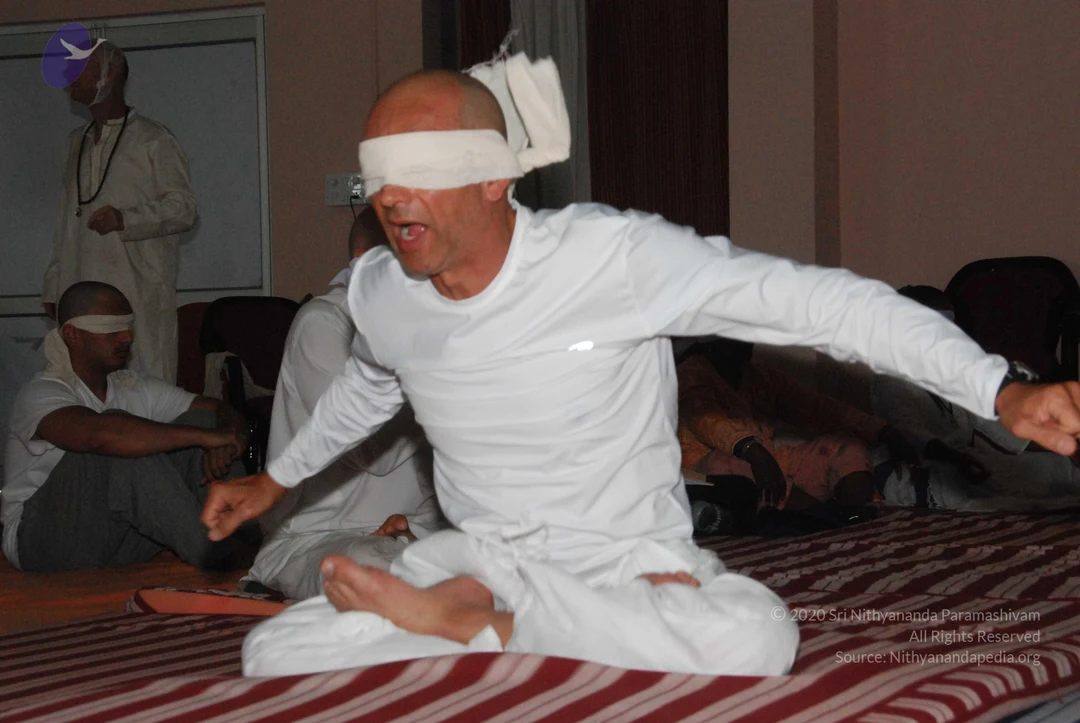
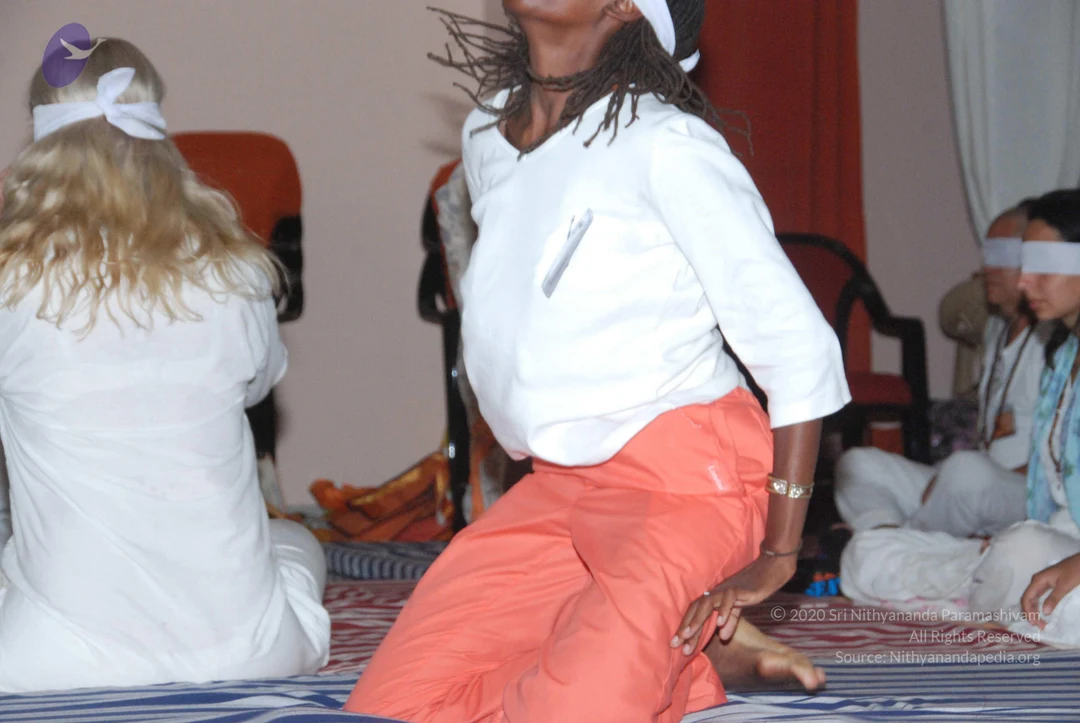
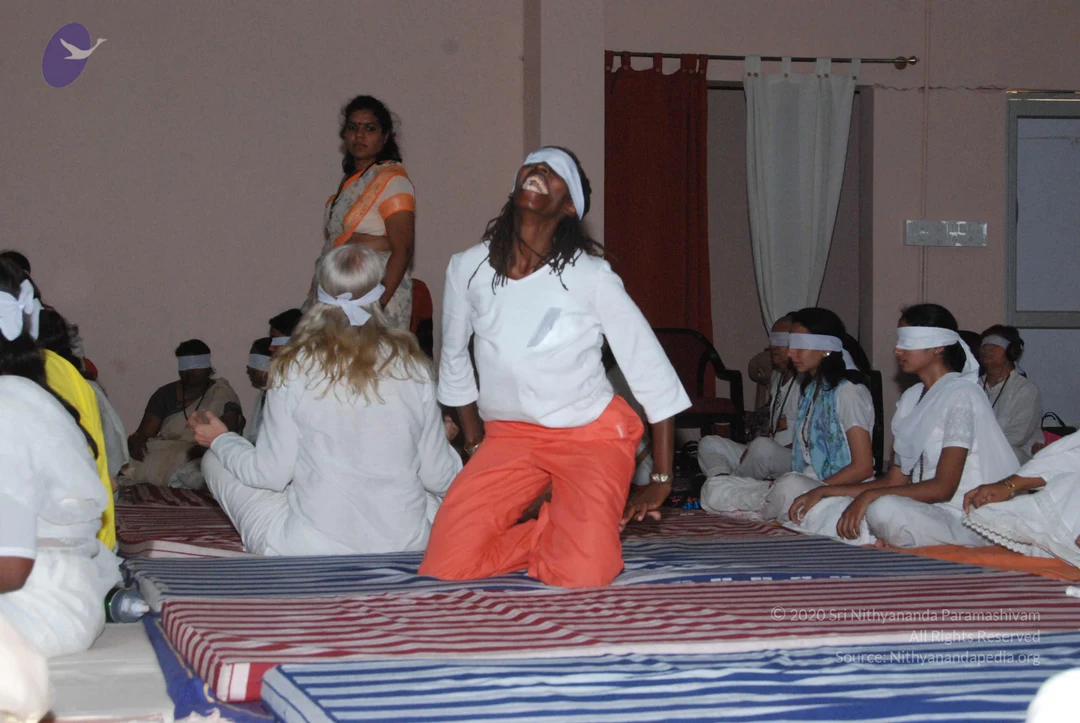
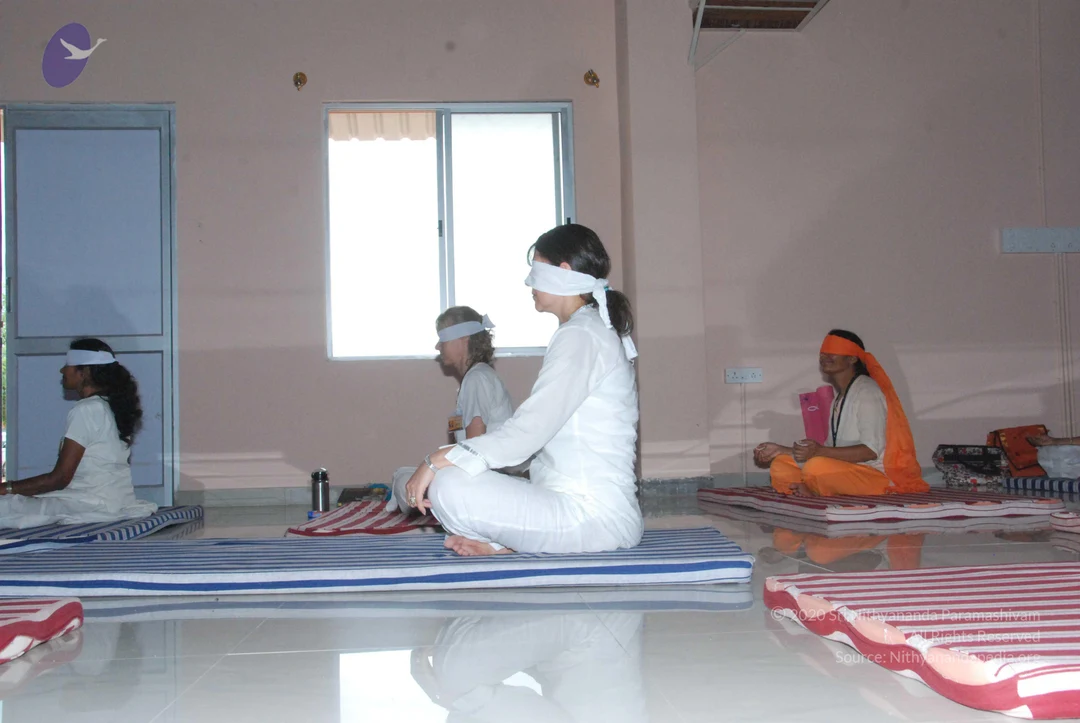
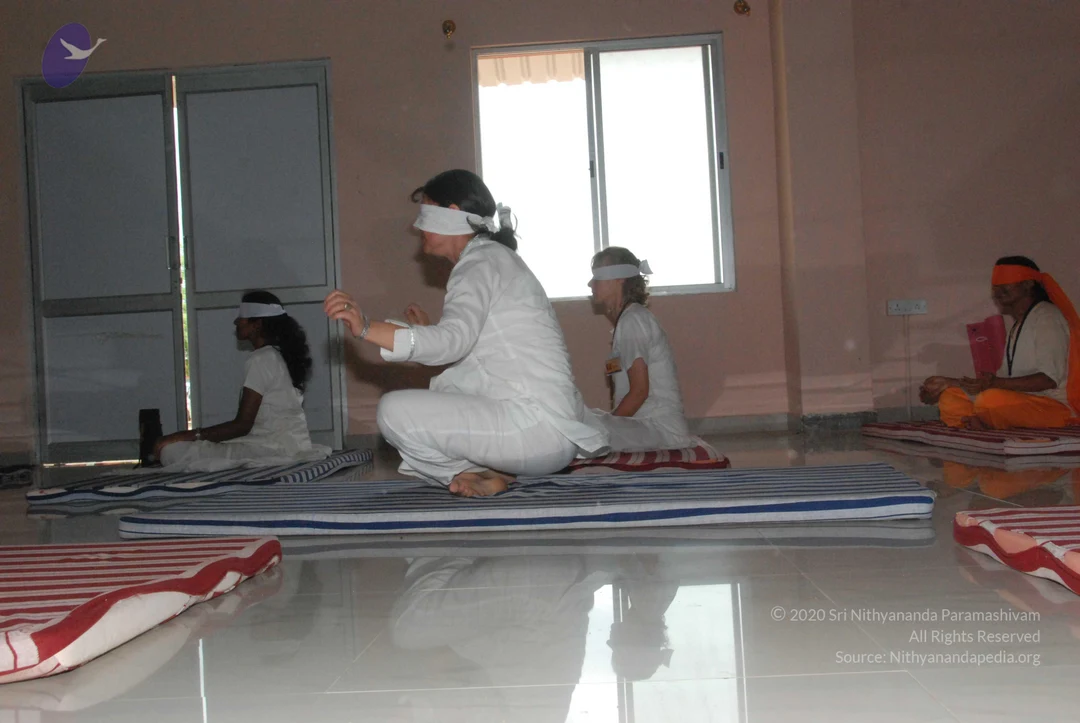
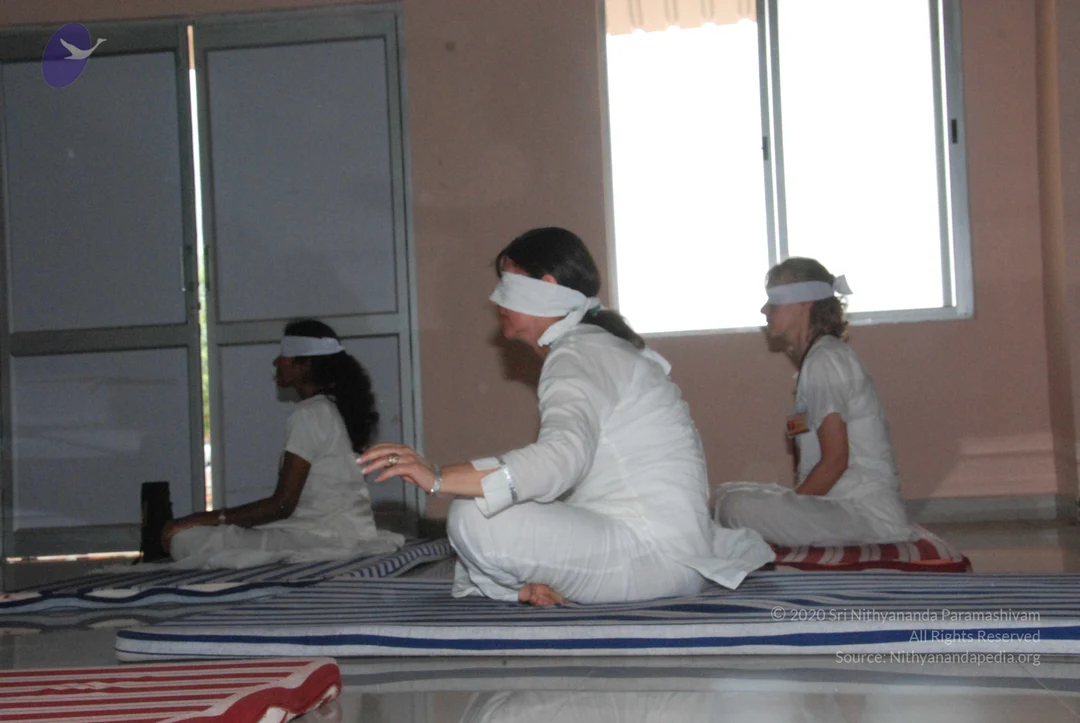
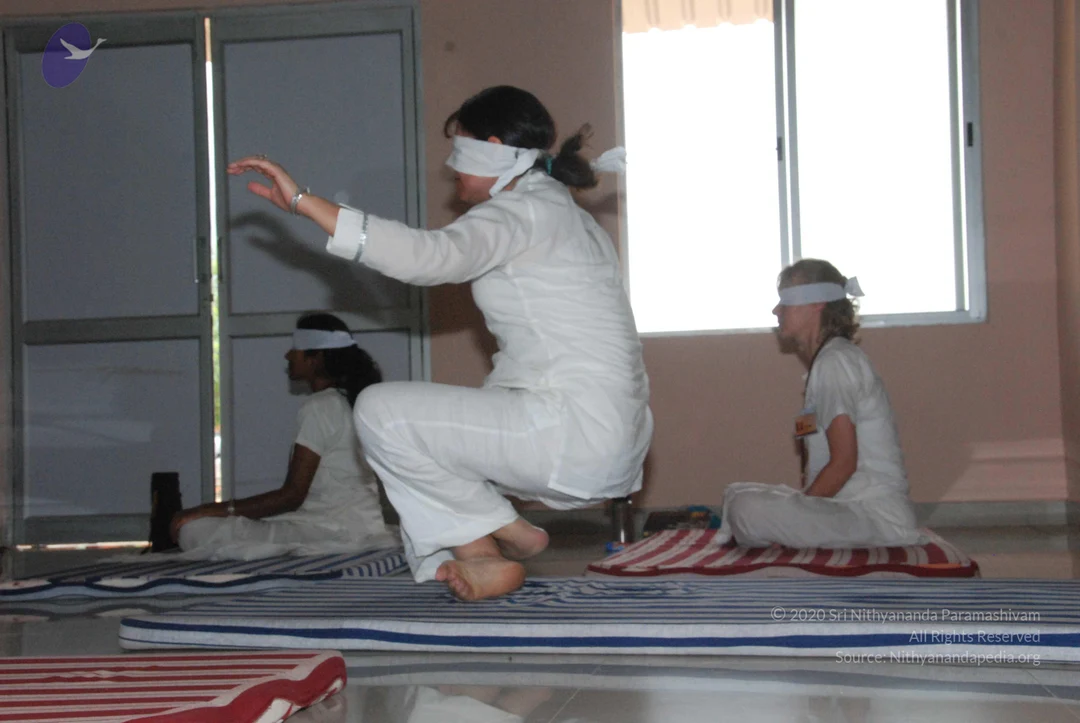
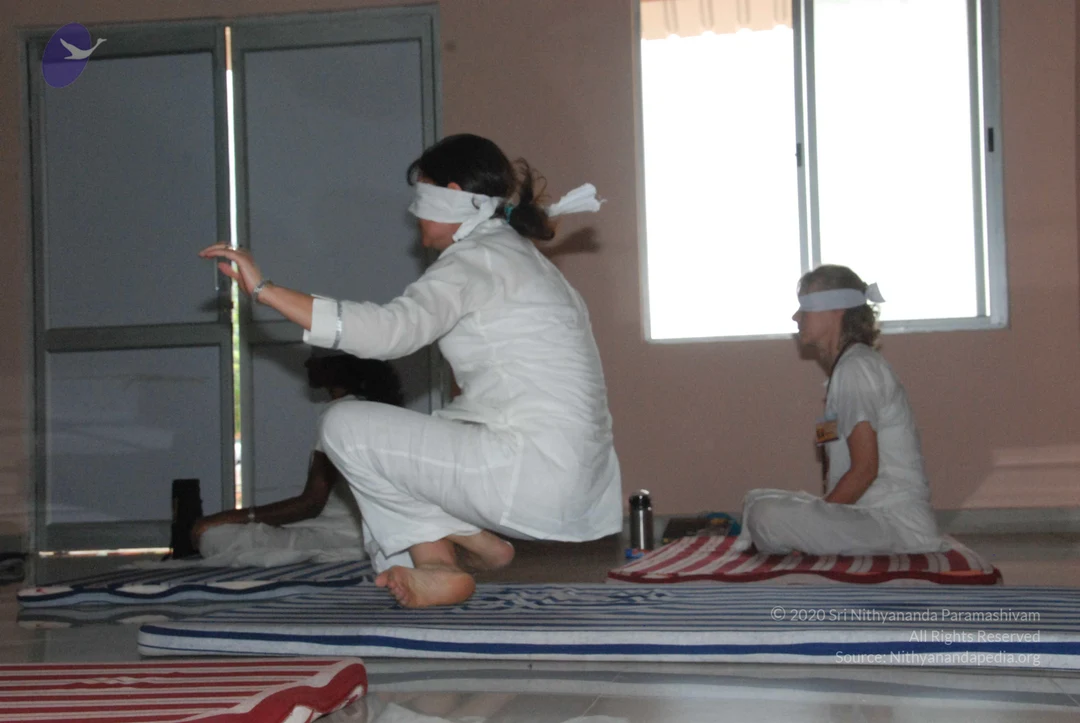
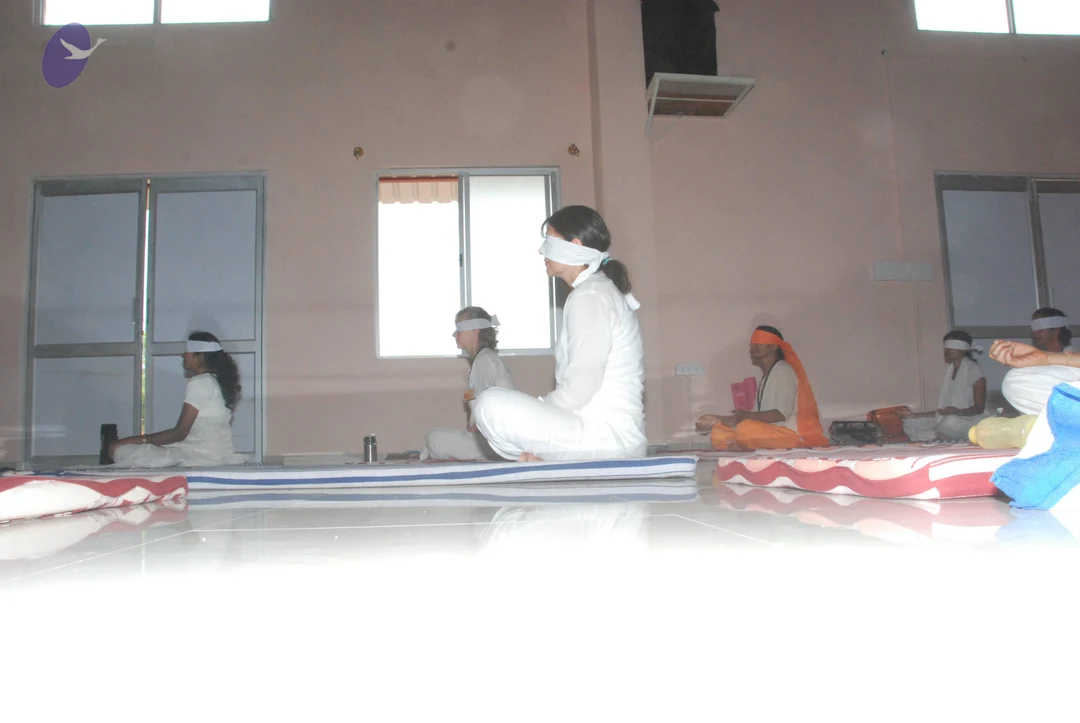
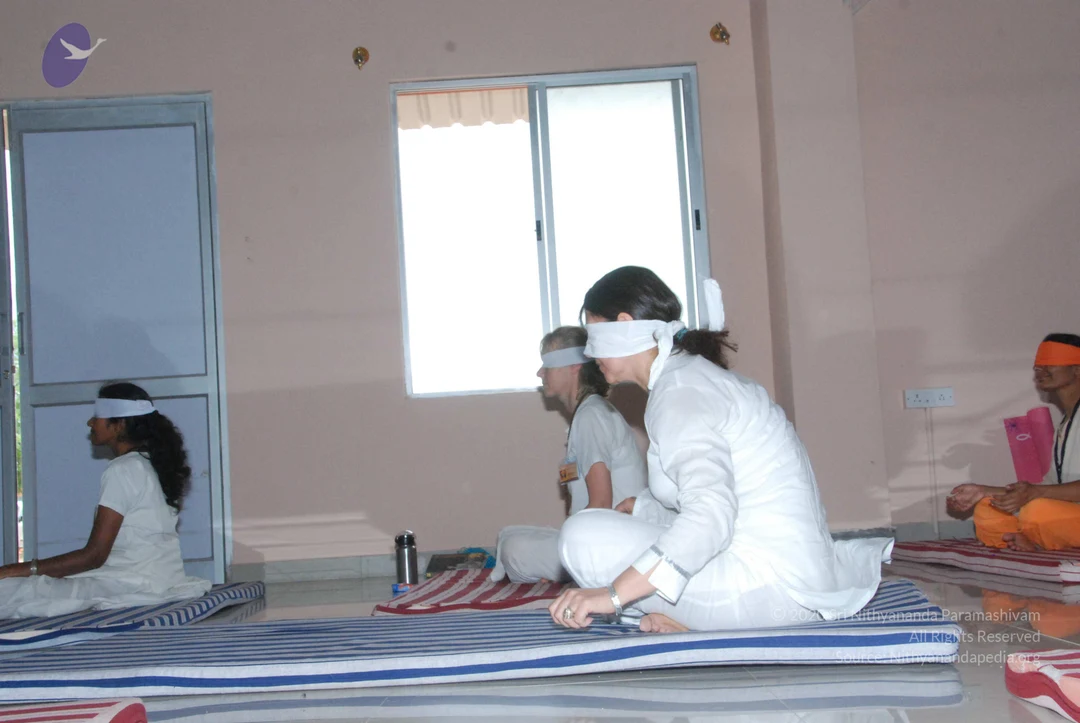
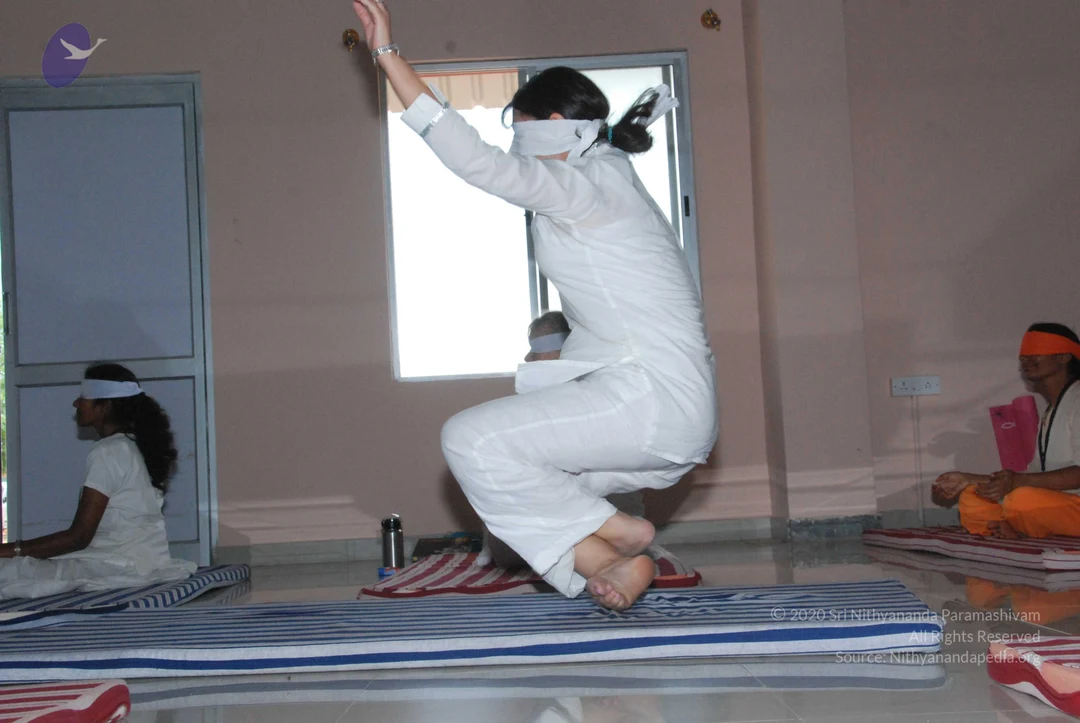
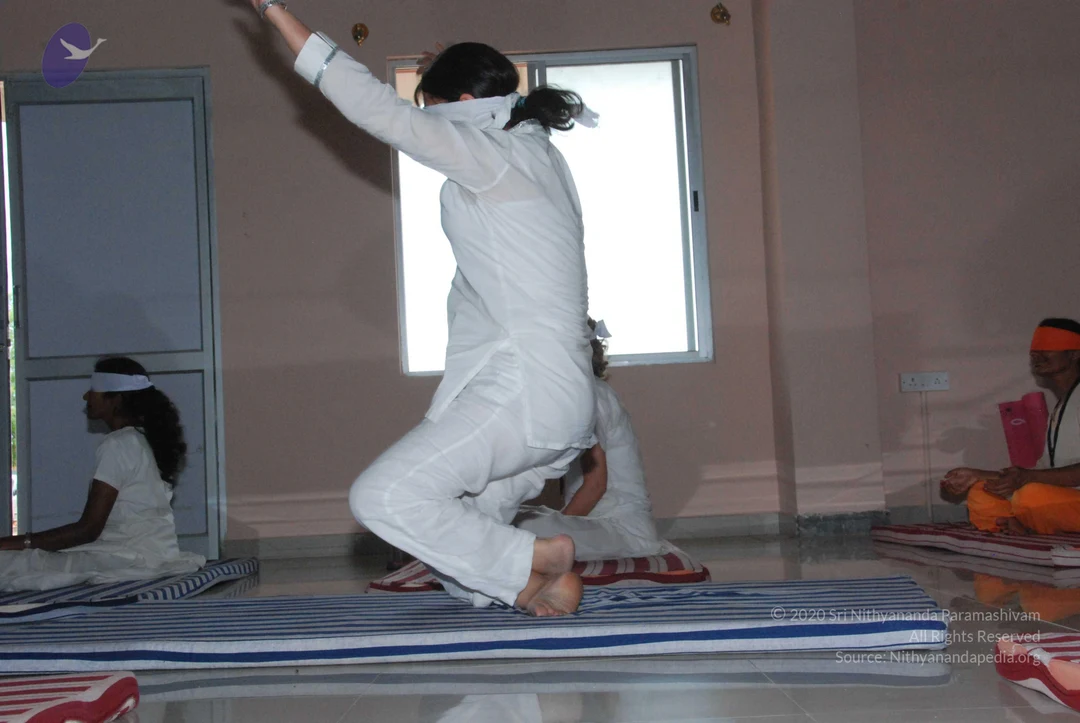
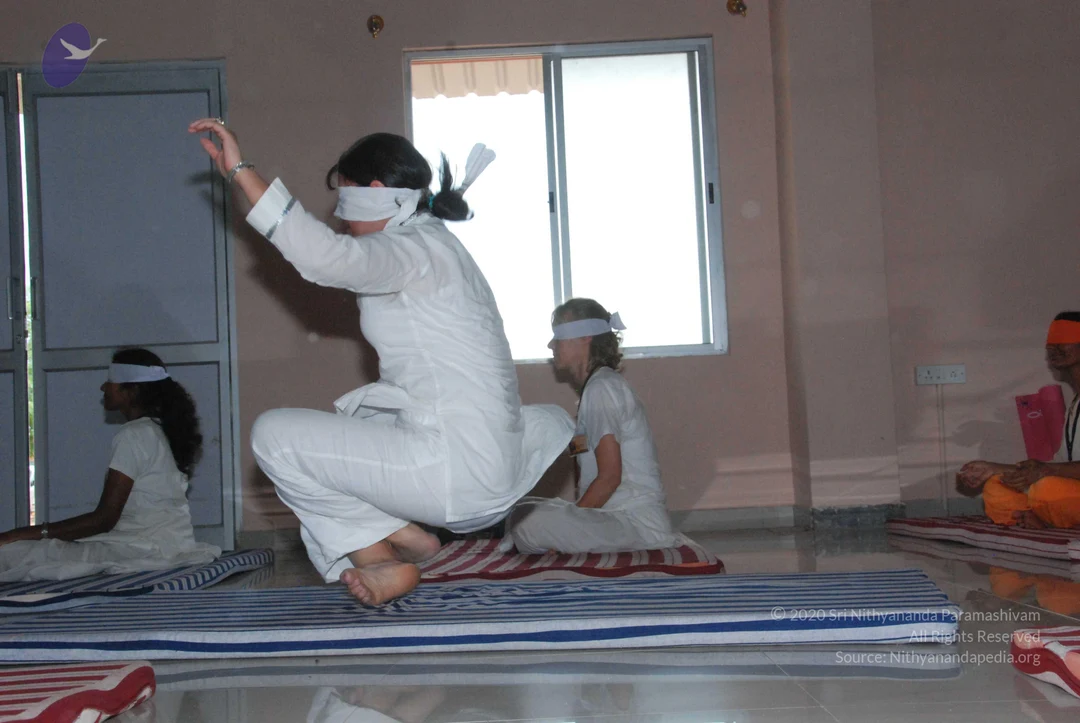
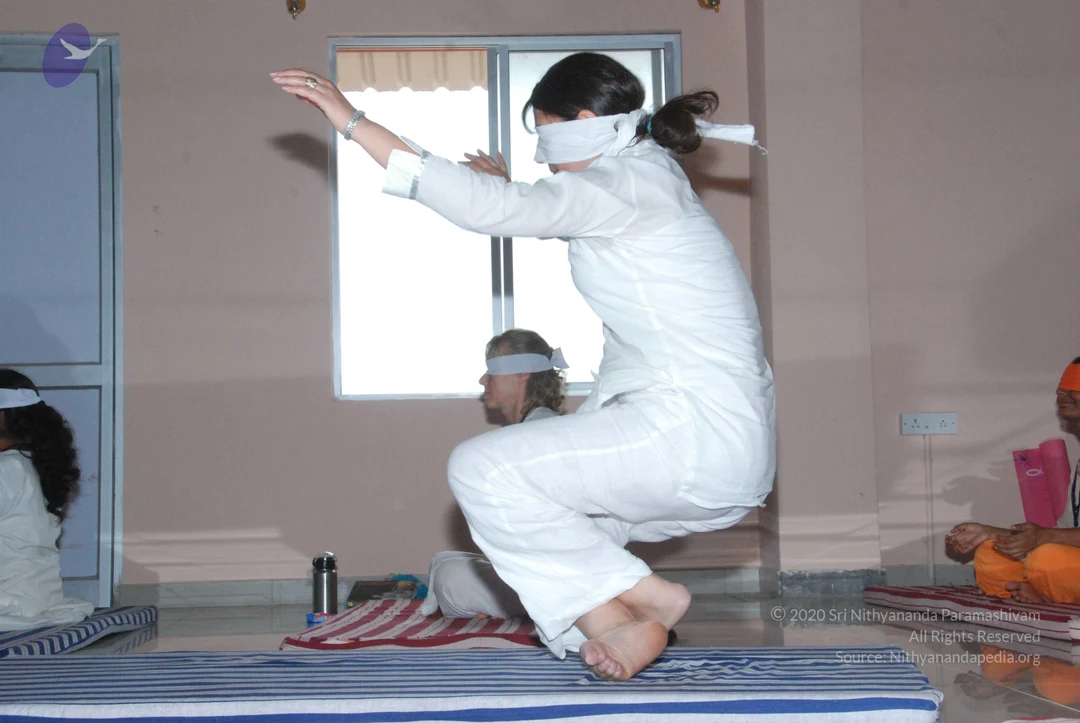
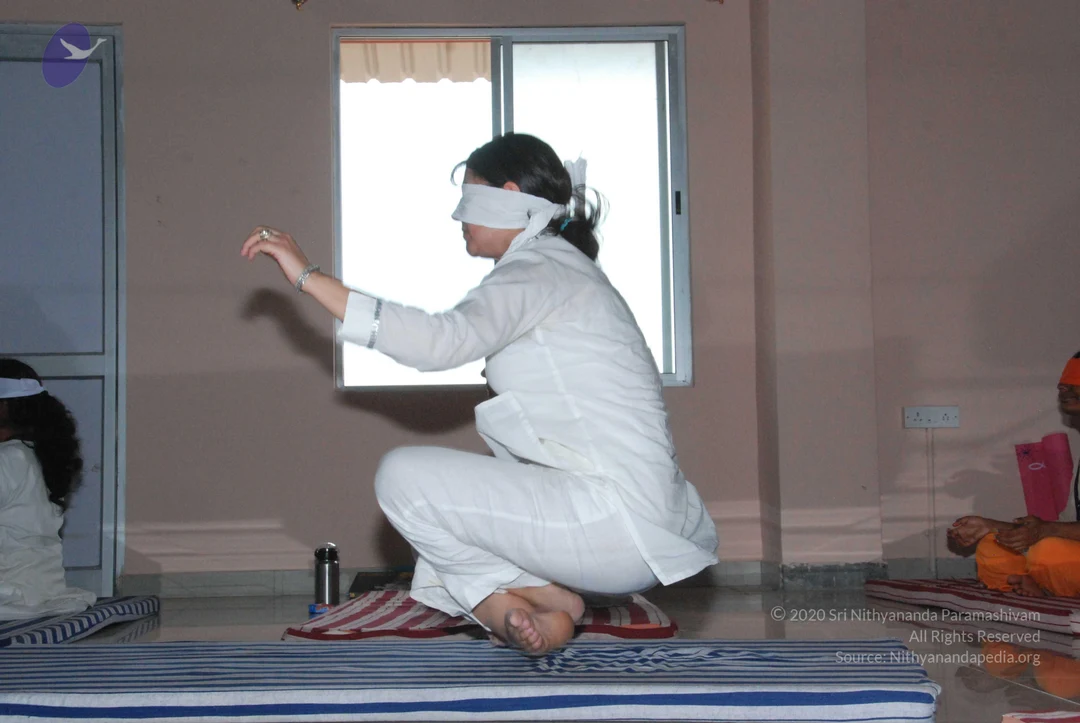
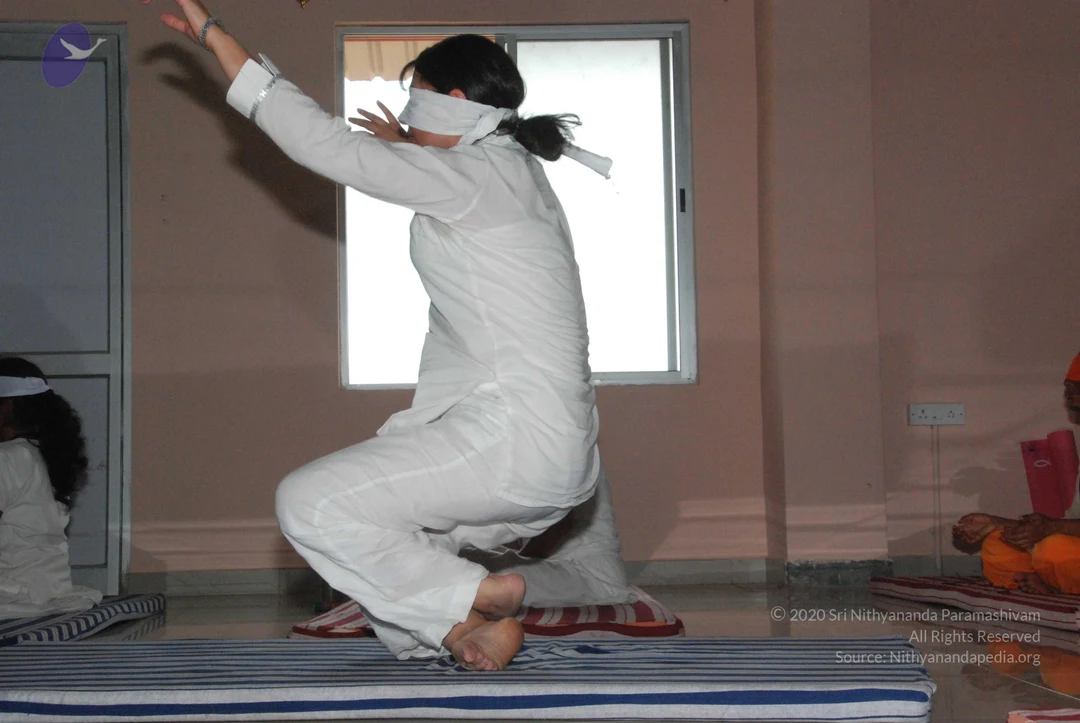
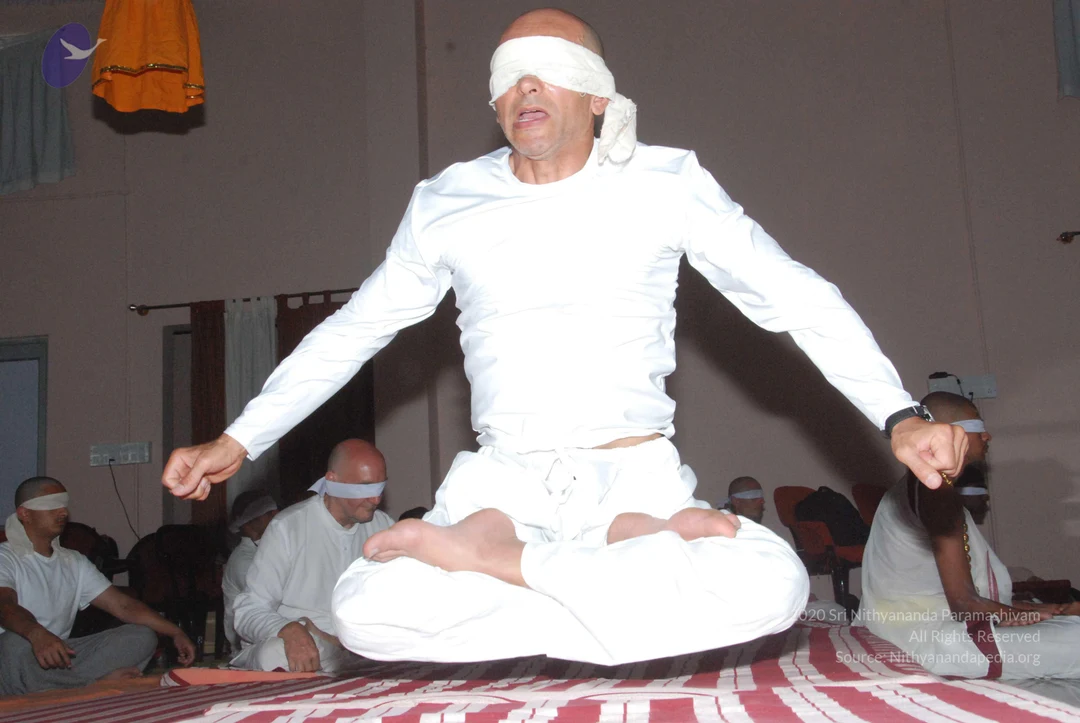
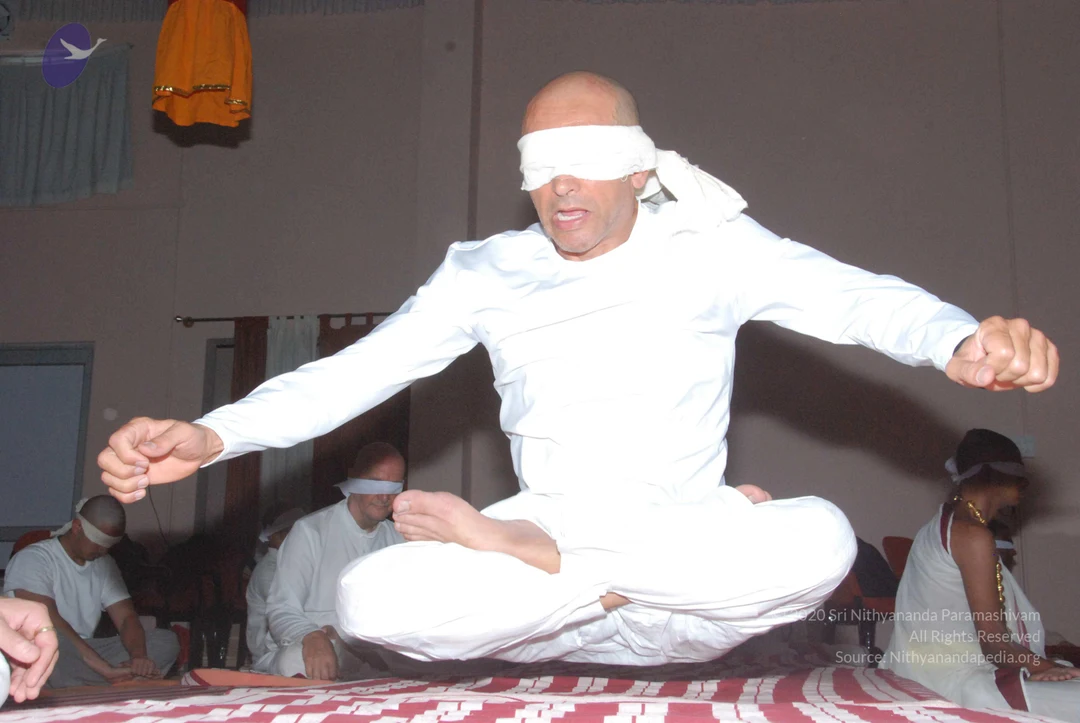
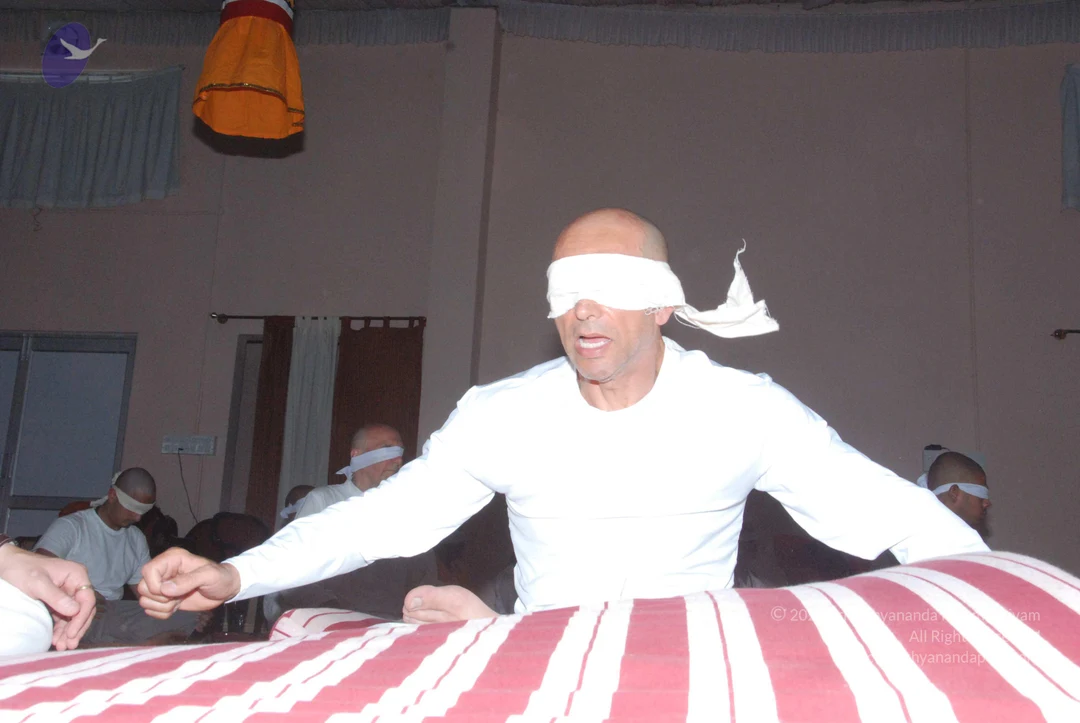
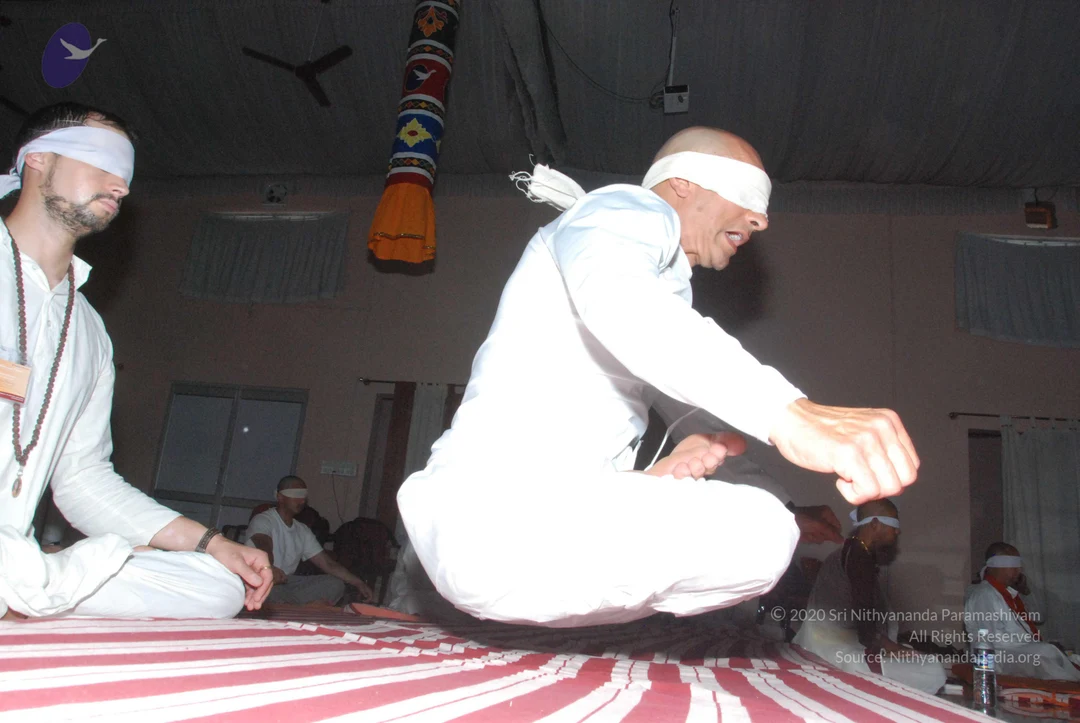
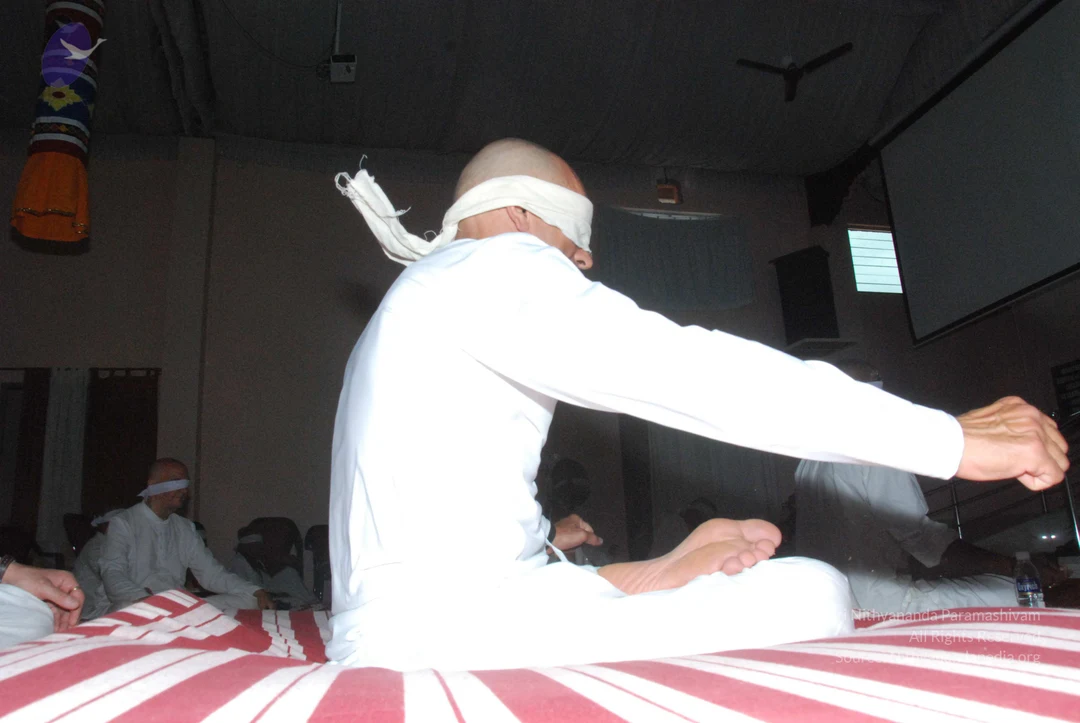
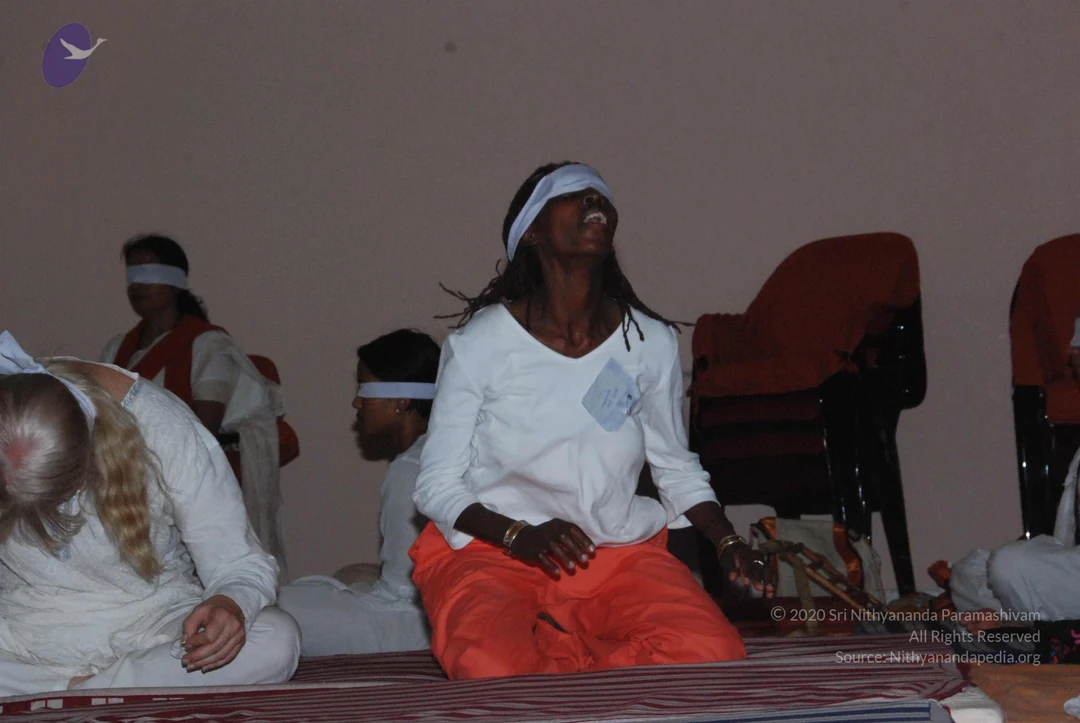
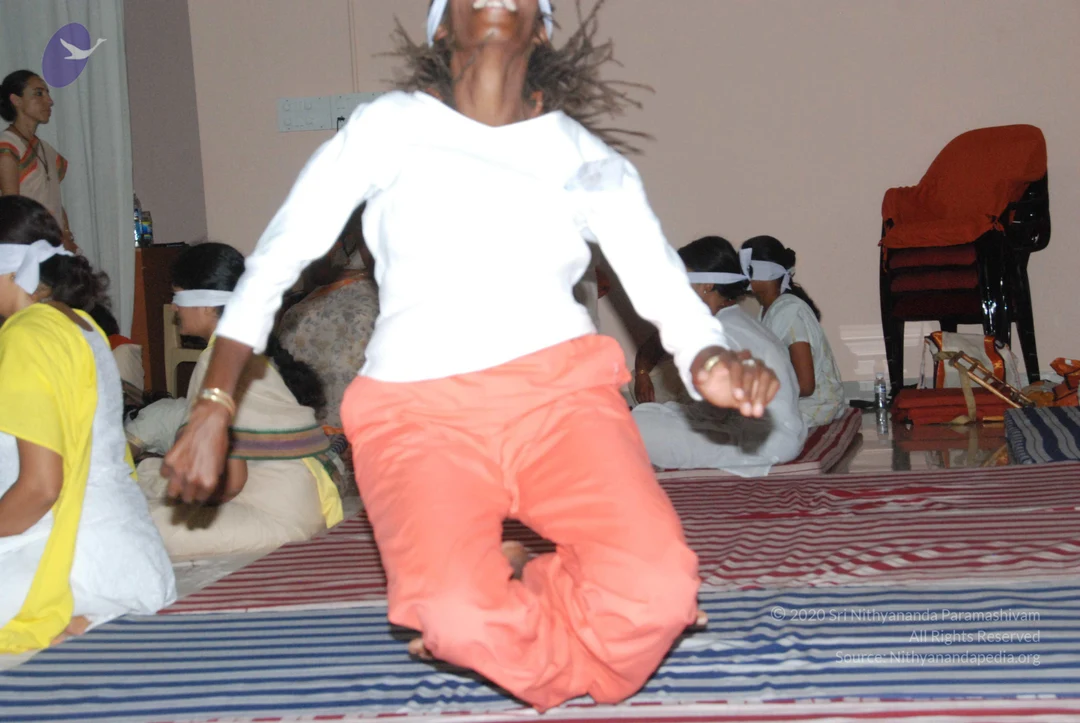
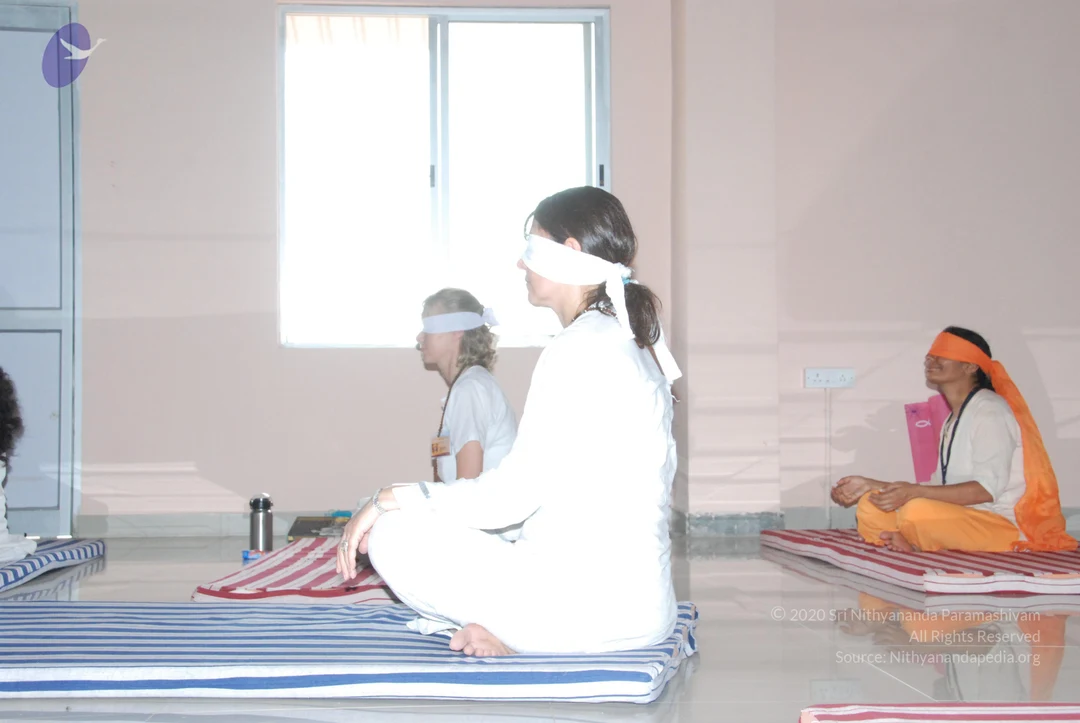
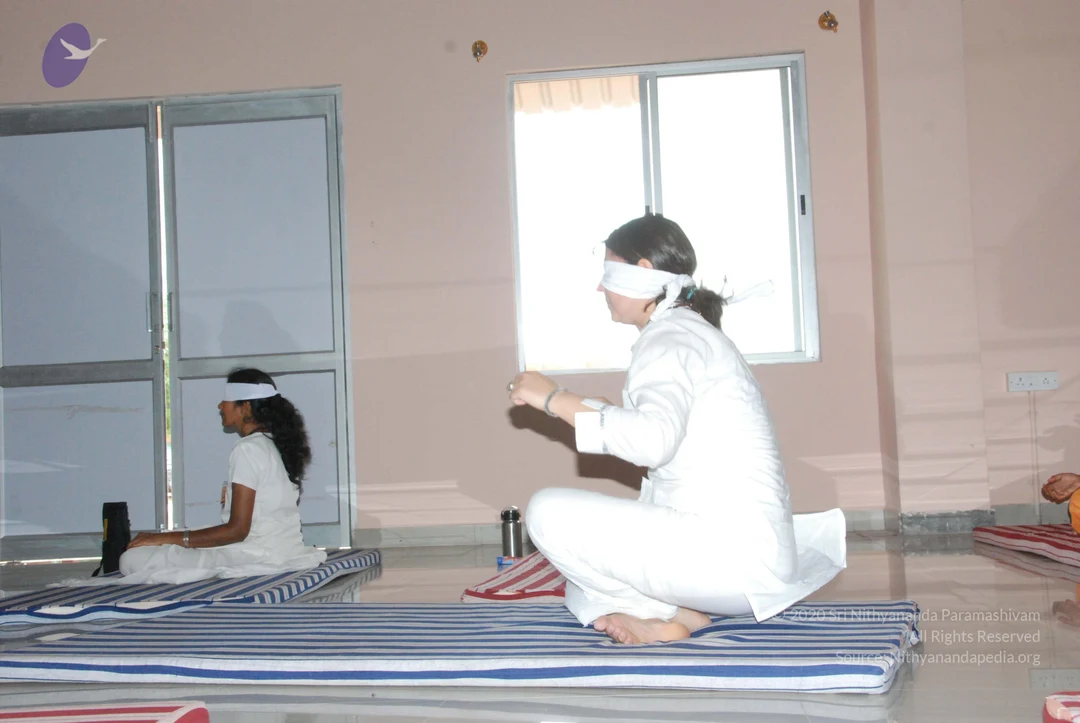
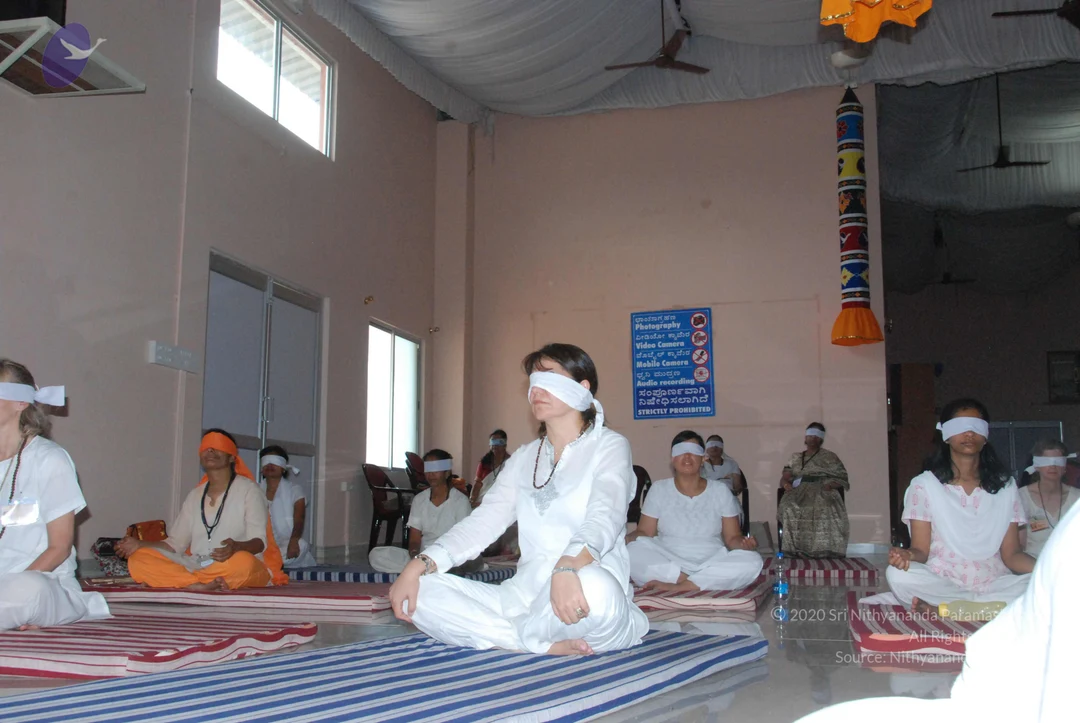
Today's Sutra, is very powerful Sutra, directly related to the process we had today morning. So after this Sutra, we will have a deeper level, another one level process. Just now I was given a report, whole website and YouTube is flying, because of you guys flied. Just...just two three photos and maybe 25 seconds of video clip was uploaded; that's all, not even full one minute. You see, what I am speaking about that Samana, I think that is two and a half minute and 30-40 minutes of people experiencing the lifting. I can't even call it as a flying or levitation. You see, flying means able to be there in the sky, more than four raising and landing time. You see, if the raising time is one unit and the sky is four unit and landing is one unit, it cannot be called as flying. If the raising time is one unit, being on the sky is more than four unit, only then it can be called as flying, and landing should be one unit.
(2:58)
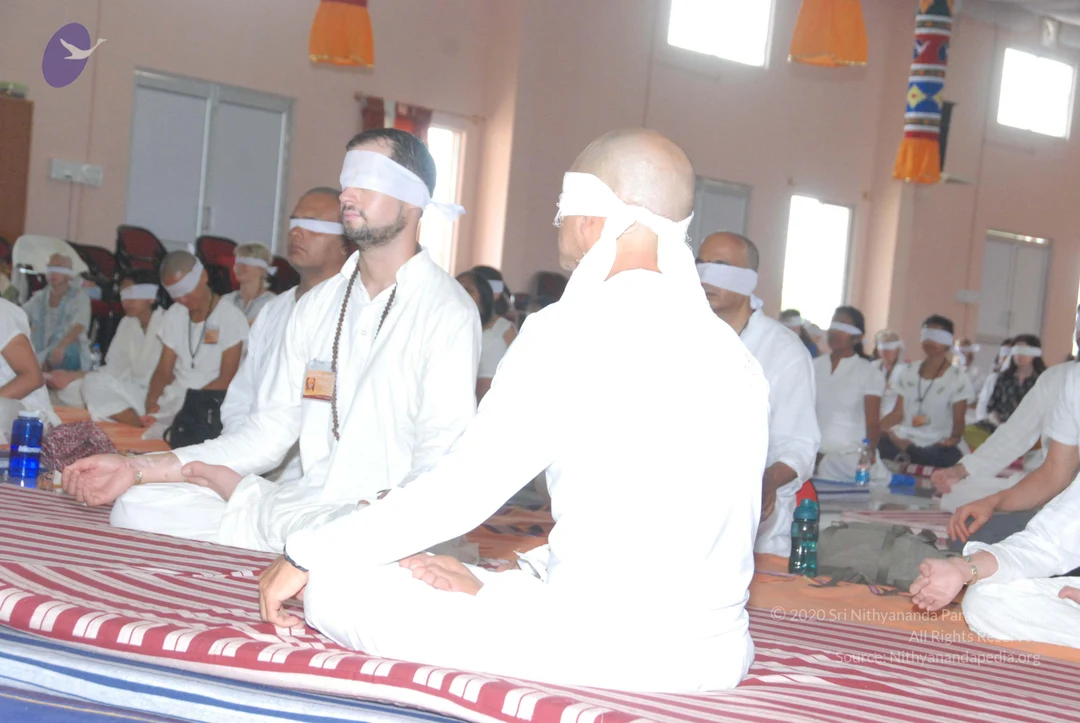
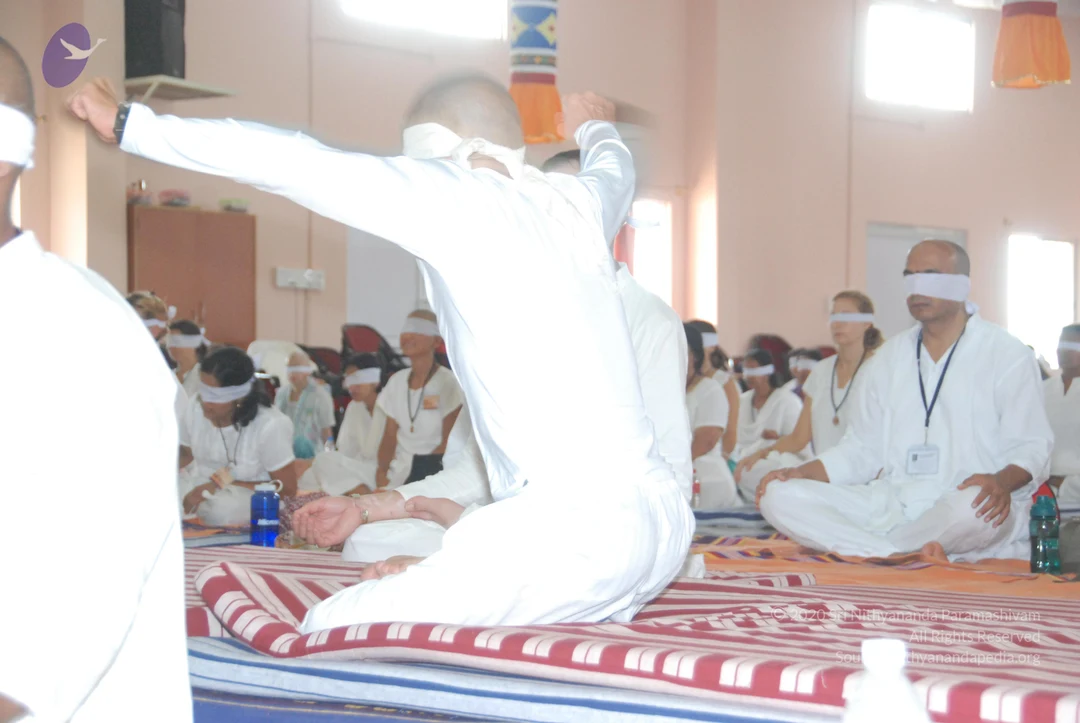
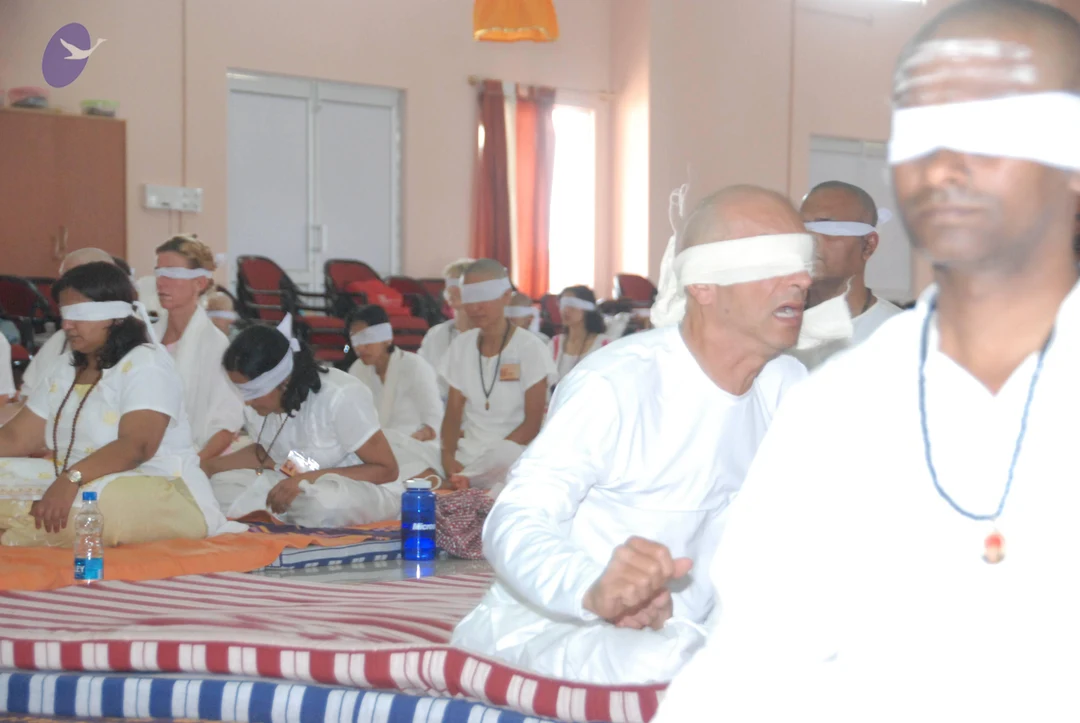
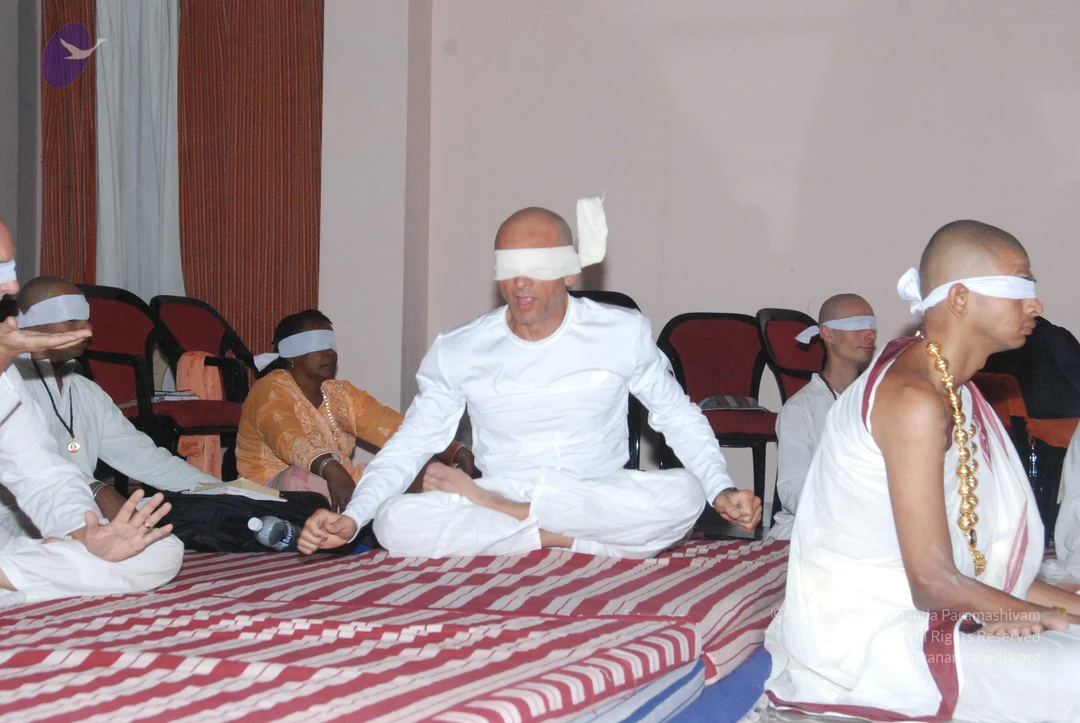
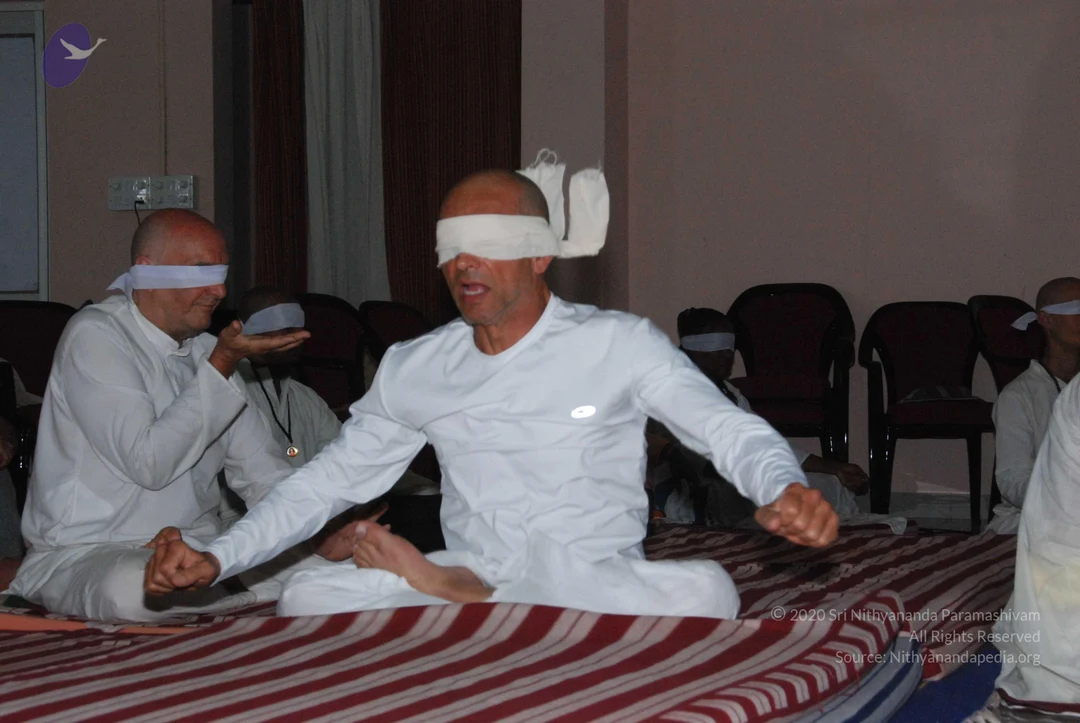
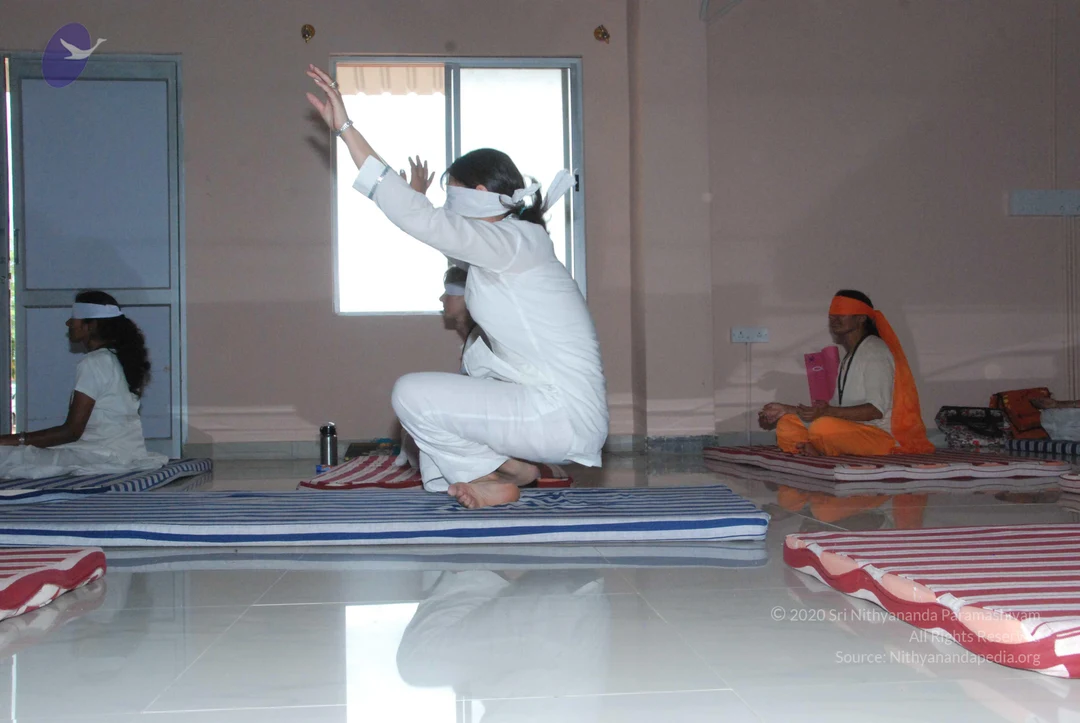
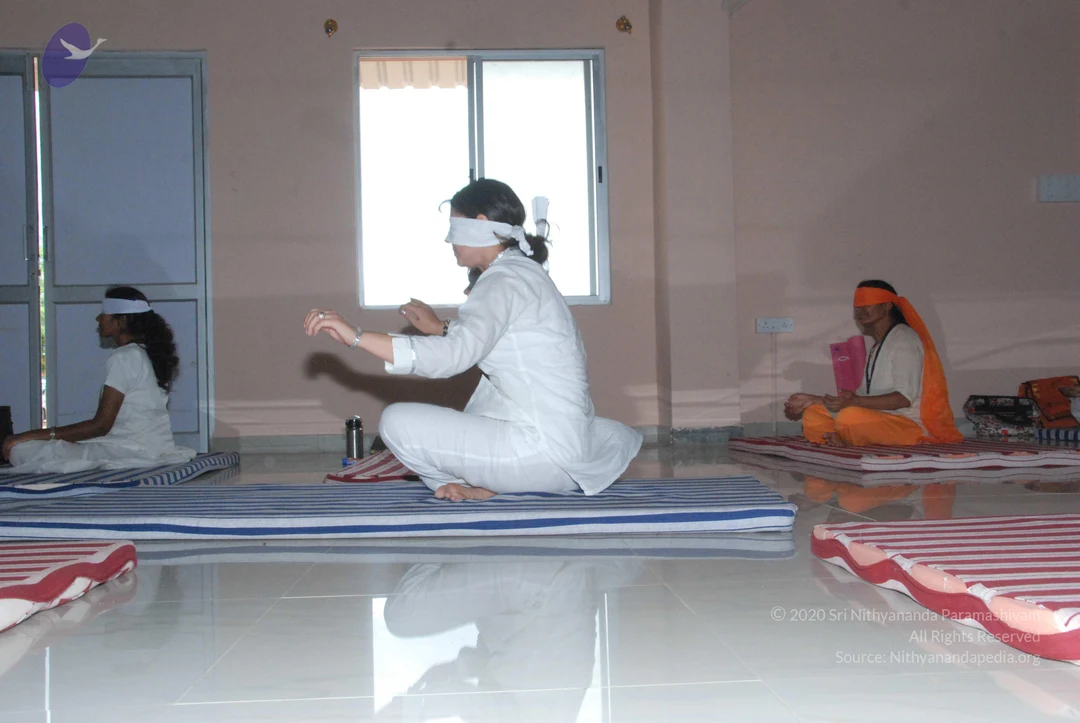
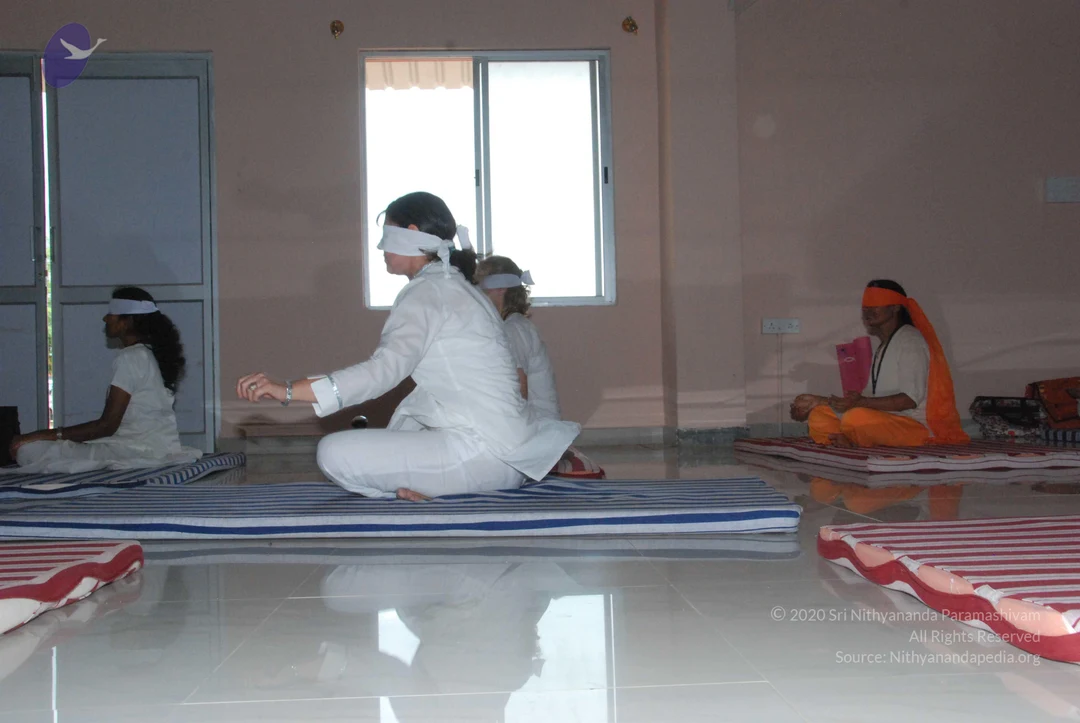
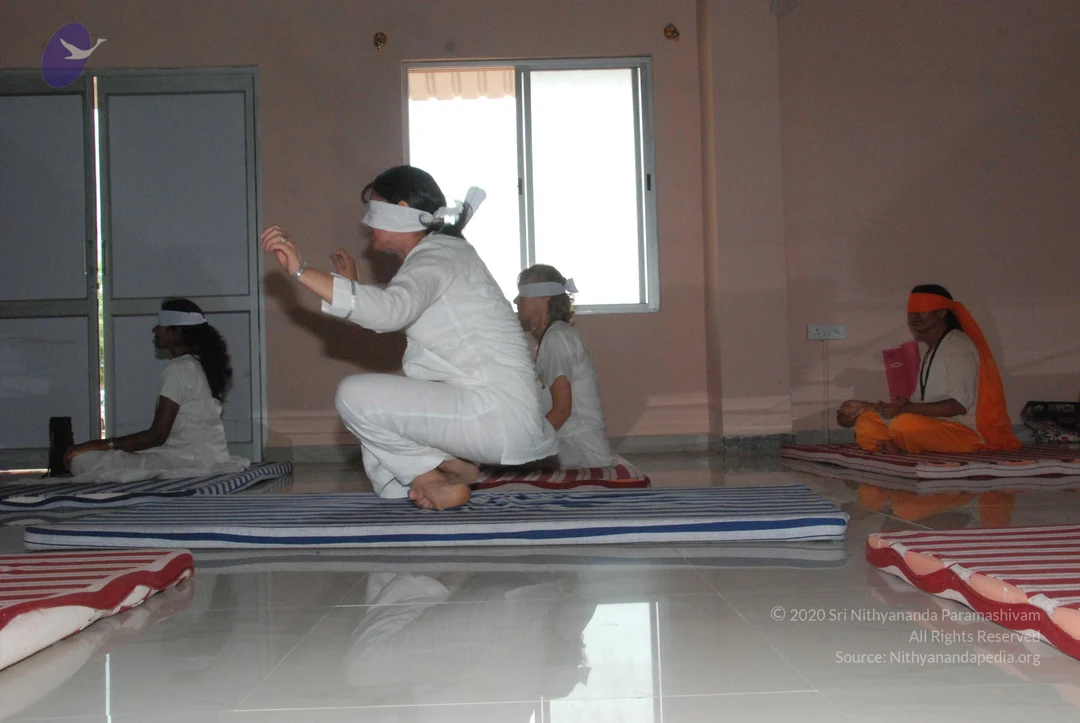
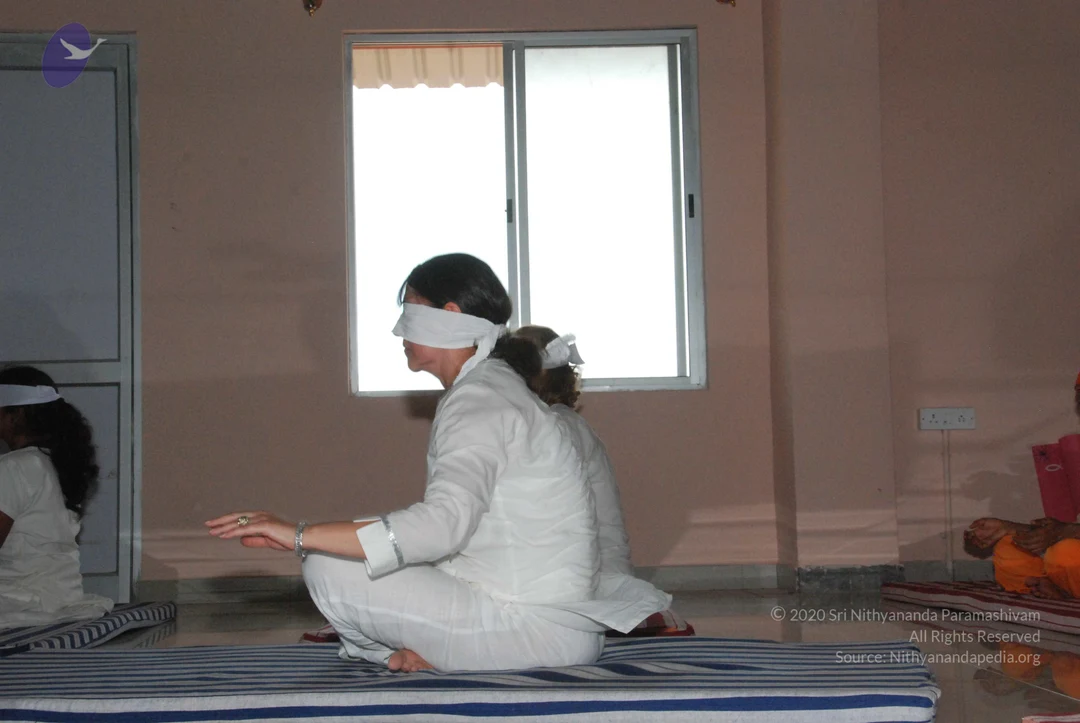
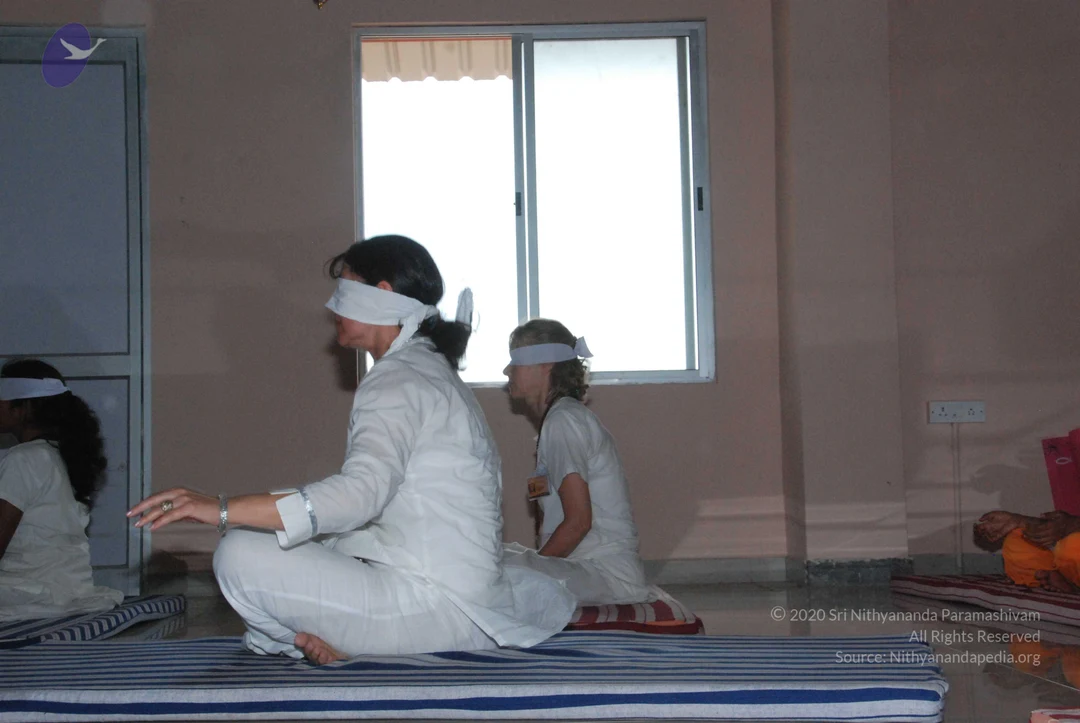
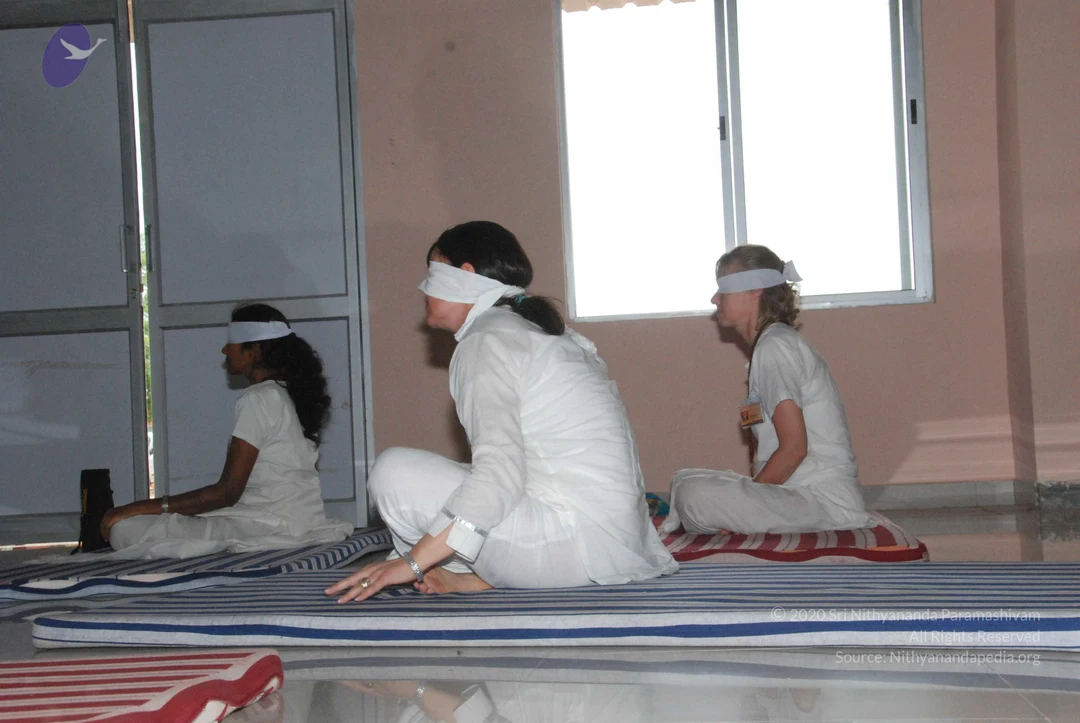
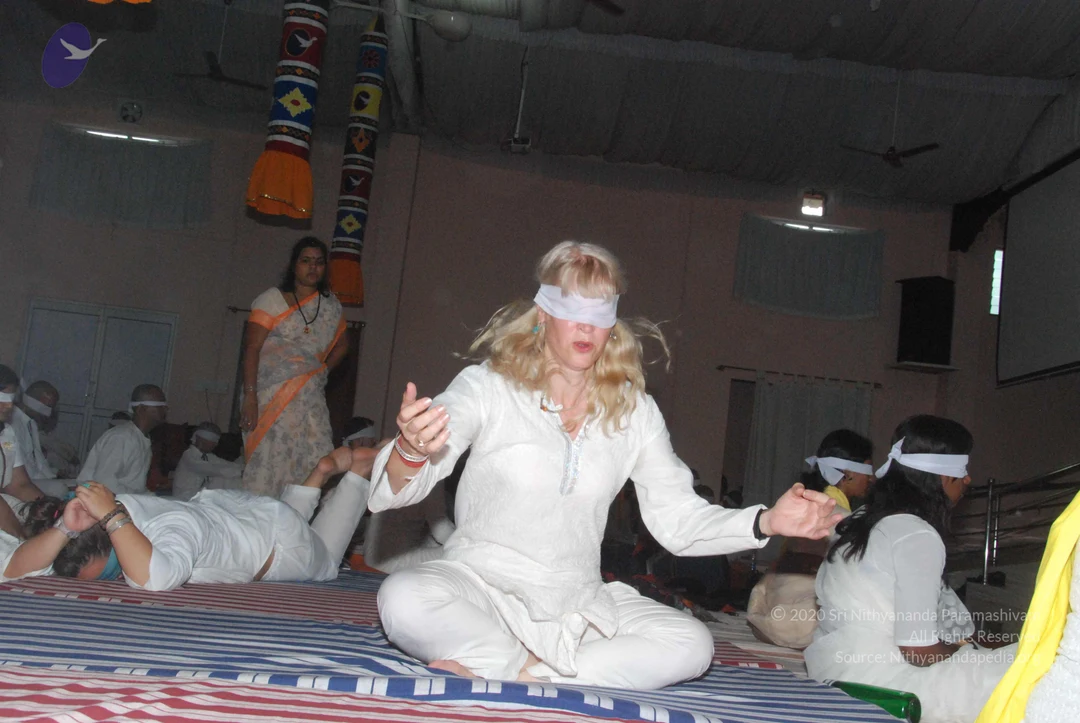
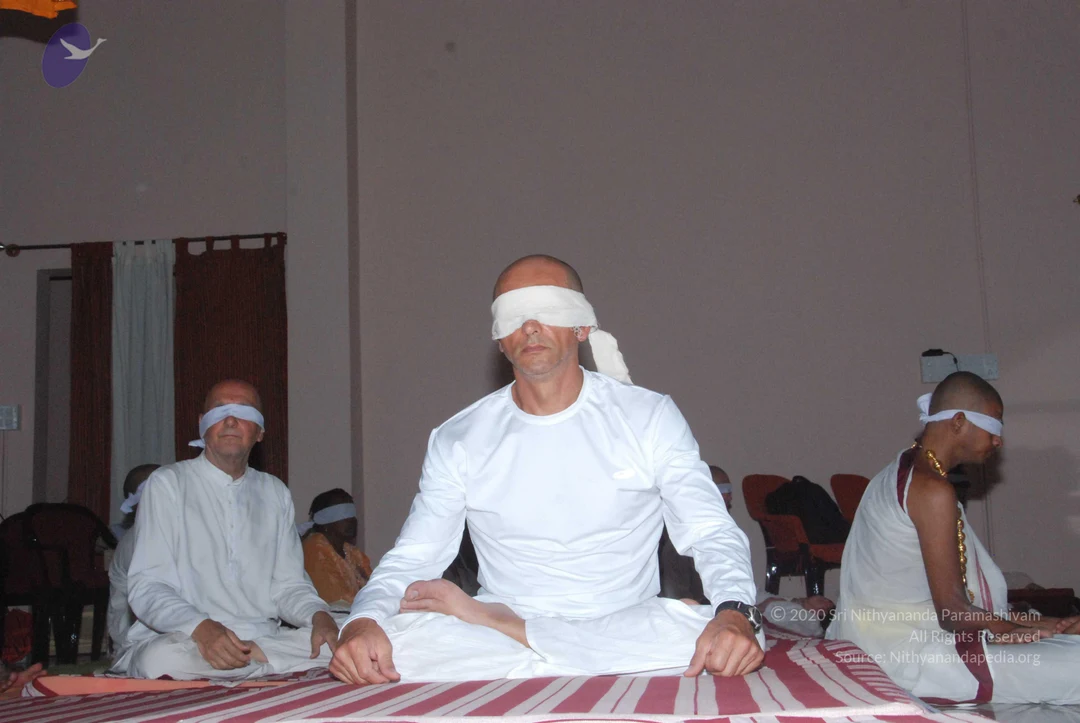
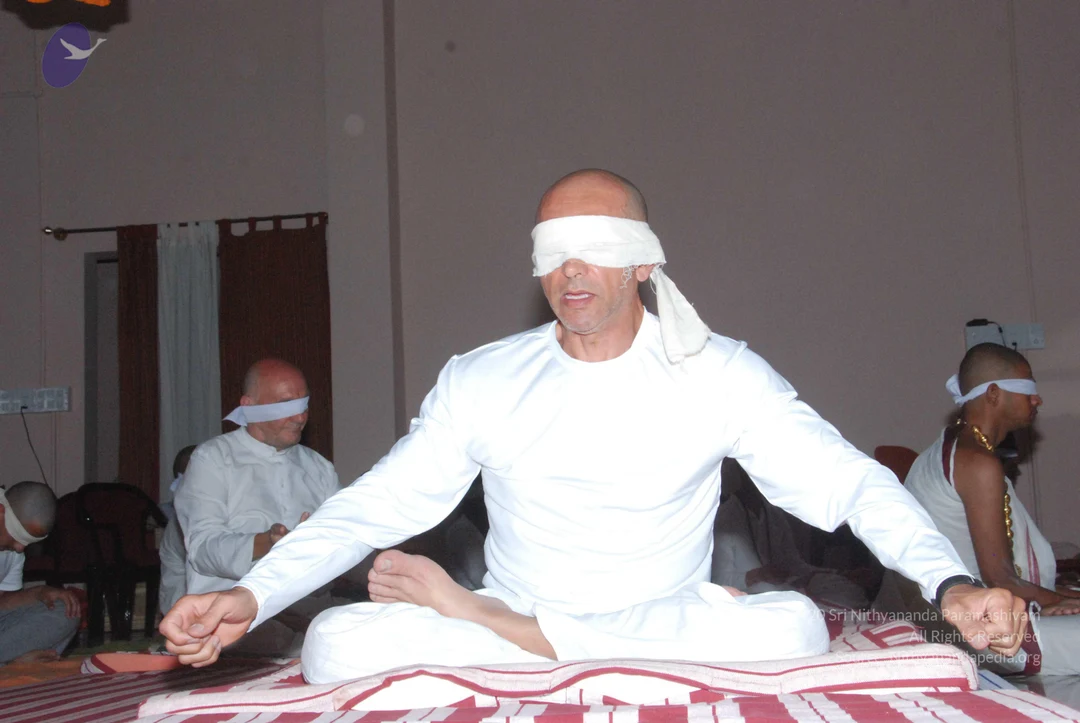
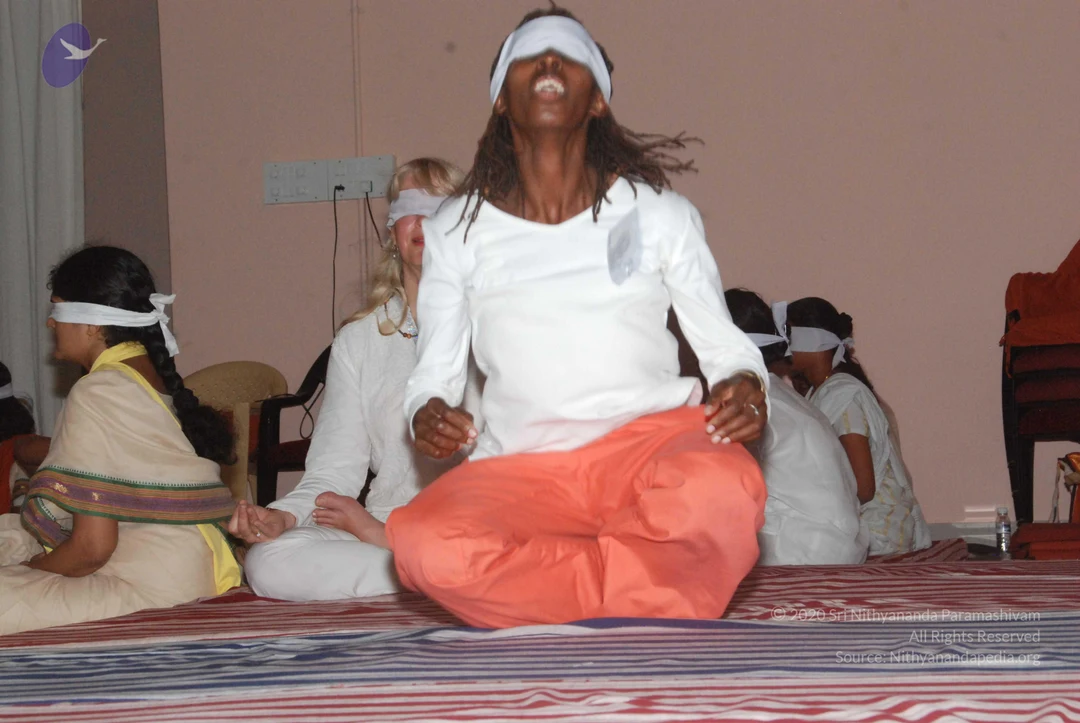
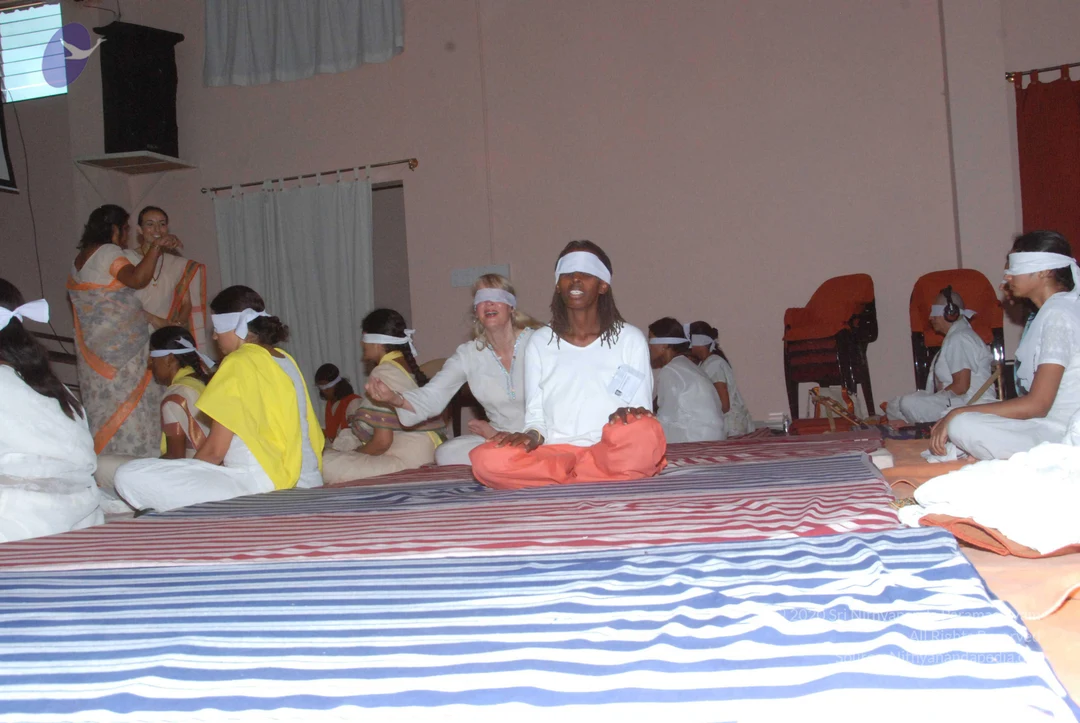
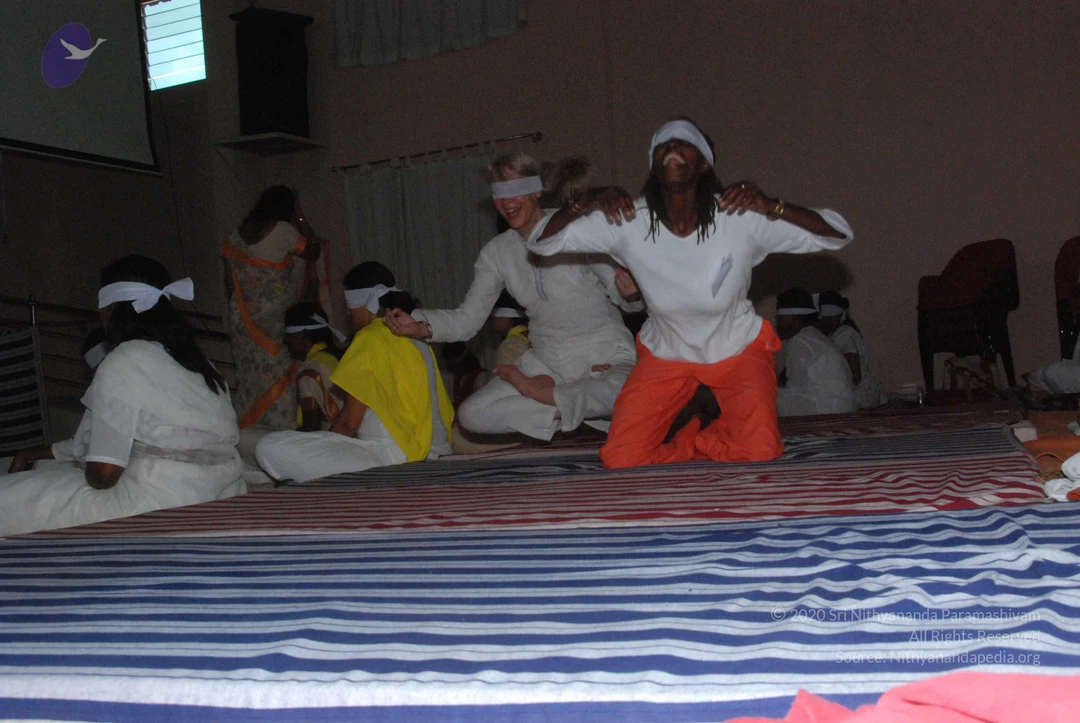
So what you experienced is not flying. I can say, kind of a levitation. So body and mind felt so light, you see, equivalent to your body's weight, if the Samana energy is filled in your body, your body will become light. So I am trying to do that without any Pranayam, just with the truths. You understand, just with the understanding. So, your whole inner space, mind becomes empty, because mind is empty, body becomes empty, because body is empty, physically body is empty, it starts levitating. so it is not even flying, just a levitation; and the YouTube is flying. And now applications are coming, "I want to come for LEP, I can avail holiday...I can get holiday, I can resign my job, I can do this, I can do that, I can come out of my college, I'll do my graduation next year, I'll do this and now” - 100's of applications, “I want to become ashramite, I want to become Inner Awakening, I'll register for December Inner Awakening, please allow me now.” We said, no, now we cannot add anymore. Now we cannot add anymore, because many things are started already. I'll not be able to catch up with all the lessons, already we had for last so many days. YouTube is flying.
(4:40)
We will have today, deeper process on this same truth, conflict-free life. Today, this is the subject, 'Conflict-Free Life' and this Sutra is all about conflict-free life. I'm telling you, honestly, don't think I am putting My meaning into it. Really the Sutra fell in such a way, today this became a Sutra. Don't think I have a...some idea, I can connect with anything with anything. Any Su..Sutra may be whatever it is, Swamiji is going to add meaning, don't think. Really really really the Sutra which I am on which I am supposed to speak today, automatically fell with this...this idea.
(5:25
I think from today morning, so many beautiful...that uh...co-incident, things are happening. So let Me read today's Sutra: || Anithya, Asuchi, Dukkha, Anatmasu Nithya, Suchi, Dukkha Atma Khyayadi Avidya||
(5:59)
Whenever I read a Sanskrit sloka and see the translation next to it, I always feel, Oh God, diamond is studded on copper. Such beautiful diamond, can't they get little gold piece and stud it to make a jewel? So each word - that Sutra - is like a diamond and the translation available next is like a, not even a copper, lead, simple lead. How can the diamond be studded in the lead metal and jewel can be made? So I am stuck for few minutes, how to get gold to put that diamond and stud it and make a jewel. That is why, never use the exact translation available.
(6:56)
See, I am not disrespecting great masters like Swami Vivekananda, Prabhavananda, Dwivedi, Satchidananda, all are giants, they all have formally studied Sanskrit and they all have translated. I am not disrespecting their ability. I am saying the inability of the English, very language, not only English, any language. You see, Sanskrit is created to express the great spiritual truths. So any language you try to translate those great truths, it's like a...again...getting a copper sh..um.....sheet on that studding gold...studding diamond and trying to make jewel.
(7:42)
Anyhow, that is why I try to use lot of words to express that concept to you. I cannot use just one word to translate one word of Sanskrit. No. Again, I'll be doing the mistake of making a copper jewelry and studding diamond into it. No. It's a...I'll have to use lot of words, so that I can make the gold jewel on which the diamond can be stud, diamond can be put, where the proper beautiful jewelry can be made.
(8:26)
|| Anithya, Asuchi, Dukkha, Anatmasu Nithya, Suchi, Sukha, Atma Khyadihi Avidya|| I'll give you the literal translation of two Masters, 2-3 Masters, then I'll try to give, not My translation, My broad understanding. Please understand, I wanted to tell now, whatever I am saying, for each word or Sutra, is not translation, is the...I am trying to explain the very concept in a broad way, as Patanjali wishes to express it, from the Patanjali's very consciousness.
(9:18)
So, the exact, the literal translation is: 'Ignorance is to take non-eternal, the impure, the painful and the non-Self for what is Eternal, the pure, the happy and the Atman or Self.' This is Vivekananda's translation. And Satchidananda's translation: 'Ignorance is regarding the impermanent as permanent, the impure as pure, the painful as pleasant and the non-self as the Self.' Dwivedi, he translates as a: 'Ignorance is taking the non-eternal, impure, evil and non-Atman to be eternal, pure, good and Atman.' Prabhavananda translates as: 'To regard the non-eternal as eternal, the impure as pure, the painful as pleasant and the non-Atman as the Atman, this is ignorance.'
(10:23)
Now you may think, how can the truth of conflict-free life be connected to it. As I said, conflict has no life, anything which has life, don't have conflict. That's all. In you, whatever has conflict - body, mind - has no life. In you whatever has life, has no conflict. Then, why are you feeling conflict-filled life. Especially when you come around the Master, he will see that you fall into conflicts; because he has to remind you, till you realize the conflict free space, the conflicts are there in you. Understand, the...whatever conflict the world creates in you, is to put you in more and more conflicts. Whatever conflict Master creates in you, to lift you out of the conflict.
(11:28)
I tell you, if you are grace...if you are blessed enough to be around Master and he tries to create some conflict in you, that is the greatest blessing. Just stand by Master. Just stand by Master. I tell you, whatever can create conflict in you has no life, he will make you understand. He will make you understand. Whatever is life in you, has no conflict. Whatever creates conflict in you has no life; whatever has life in you, has no conflict. Anything which creates conflict in you has no life. Understand. Your fear, "It may have life. Maybe it is having few years of life, one year life" Nothing, it has no life. It has simply no life. Depression, insecurity, fear; fear of your outer world wealth, or fear of your own image, everything - those things has no life. I tell you, conflict has no life, life has no conflict. When you think conflict has life, you are doing the mistake of Avidya, what Patanjali says here, taking anithya as Nithya, asuchi as suchi, and anatman as Atman, dukkha as sukha.
(13:09)
Let Me explain, the word anithya, Oh God, today's session will be over just with this word - anithya and nithya - and the word is so strong, I am bound to explain this word nithya at least for last, next ten days. And one more important thing, that word nithya is not opposite of anithya, word nithya is beyond anithya. Please understand, conflict-free life is not opposite to conflict-filled life. If you think, the word conflict-filled life and conflict-free life are opposite to each other, then conflict-free life itself has one conflict. Is it not? Understand. If a conflict-free life has an opposite of conflict-free life, then con...even if you achieve the state of conflict-free life, you have an opposite, you have a conflict of conflict-filled life.
(14:31)
For example, now you all have a conflict-filled life. You achieve conflict-free life. Then naturally, even there you have a conflict, “Any time conflict-filled my life may come back.” Is it not? That is why I am telling you, conflict-free life is not opposite to conflict-filled life. It is beyond conflict-filled life. So Nithya, eternal is not opposite to non-eternal. It is beyond eter...beyond non-eternal; because we have no other word, we have to use the word Nithya. Please understand, duality, dvaita, if you understand this one understanding, it will be really great. The opposite to dvaita is not advaita, it is ekatva.
(15:41)
It's like a...understand this story. In the Ganga there is a bamboo floating. With respect to the bamboo you say, right side Ganga, left side Ganga. Suddenly, if the bamboo is lifted, can you say, now there is only one Ganga? No. You can't even say one Ganga. Ganga, that's all. How can there be one Ganga? As long as there is division, it is two. When the division is lifted completely, you can't say one Ganga; Ganga, that's all. Whatever is, that's all. It's like a left side water, right side water, when you lift the bamboo, you can't say, 'one water'; water that's all. You cannot say left or right. As I always say, nothing is left in the right; nothing is right in the left. This is the best thing to describe the divided brain. These guys go on dividing brain as a left brain and right brain. I always tell people, in right nothing is left, in left nothing is right.
(17:09)
Nithya, is not opposite to anithya. When the anithya has become non-existent, evaporated, what is, is Nithya. So, the word Nithya is more like a finger pointing to the moon, not the description of the moon. Understand, sometime the description is different, the finger pointing to that experience is different. Moon means, it is a planet, which is in solar family. Then, you can say this is a description of that planet, that graha. But here I am just doing like this, showing you the moon. Can you say, this is a description of the moon? The finger pointing to the moon, is not description of the moon. So, when we use the word first, moon, it is like a anithya, description of a state. When I am using the word Nithya, it is not description of a state, it is finger pointing to the state.
(18:29)
Please understand the difference. That is where you need to understand clearly. The word anithya, what purpose it is used; the word Nithya, what purpose this word is used. Anithya word is used to describe certain situation, certain suffering, certain space which you all know - that is anithya. But Nithya word is not used to describe certain space, or situation or understanding or mental set up. No. Nithya word is used as a finger pointing to certain experience. What is that, we don't know. Jump, only then you know. Look, only then you know. Not otherwise. How to look? Any word which Master utters, is a technique to look.
(19:33)
That is why...There's a beautiful Zen stories. No...no tradition like Zen is able to catch...capture the beauty of the path, so beautifully. I feel even Patanjali is running quickly to Samadhi. So sometime you are just...put some restrictions, you should not look this side and that side. That is why, Patanjali is dead against siddhi...siddhis. He is the greatest Master who mapped, created a clear GPS for siddhis. But he is very clear, putting some restrictions for you. So that you will not get diverted. You will run to the goal. But Zen fellows, unimaginable Masters, siddhis are okay for them, not having siddhis are okay for them, thoroughly they describe the path, thoroughly they enjoy the path. The largest writ...literature available about the path is Zen literature.
(21:04)
There are many literature available about the goal, about the running, about the technique to shorten the distance, how to do quick jumping, how to shorten the distance, how to fly to the goal, how to just land on the goal. Patanjali and all is that kind of literature only. Patanjali is more like a, taking a Jet, tak! In two years you are there, in the spot of Samadhi. I feel, Patanjali has done a great service for these quick runners, who want to be there immediately.
(21:44)
But Zen has done a great service for the people who got feeling connection with a living Master. See, when you have the feeling connection with a living Master, the path becomes so joyful, why should you run? Come on! Have a bath in Vaidya Sarovar with Him. Sit under the Banyan tree with Him. Have cup of tea with Him and just dance around Him for few days and taste his presence and go on be lost in his charismatic intense energy field. So much to do, why should you run, closing your eyes and blowing the nose eight hours a day in the name of some process.
(22:44)
Patanjali is that kind of person, productive, very appealing for modern day men, especially for corporate people. That is why Patanjali appeals more to the doing civilization. All doing civilizations, Patanjali appeals more than Buddha, than Zen. Because Zen literature is the largest available literature, talks about the path. If you, if you are not fortunate enough to have the feeling connection with a living Master or fo...not fortunate enough to have the spouse also to have feeling connection with the living Master, or some reason which is not letting you to be around living Master, then Patanjali is path for you. Because your path is going to be dry, dull, how many days you can be alone, sitting and blowing your nose. Then take the jet path, quickly tak tak tak tak finish it off and be enlightened.
(23:56)
But, if you are fortunate enough to have the feeling connection with a living Master and fortunate enough to be physically around him, Zen is the path for you. Actually, after four days, after we start working on Prana, I'm going to talk on beautiful ten Zen stories. The story is describing about the searching of the lost bull; very beautiful, ten stories, Zen stories; I can say, ten paintings, it is not even story, ten paintings. Many great Masters, even Osho has spoken on it. I came to know about these ten paintings from Osho's discourses only. But many Masters like Suzuki, many Masters have expressed very beautifully. I have read just 4-5 understanding about that den...that ten Zen paintings. I'll start speaking on it. Zen has beautiful stories about this difference between the conflict-filled life and conflict-free life-the anithya and Nithya.
(25:20)
Just this one word, Nithya, I can go on expressing from each tradition, what they express about this word Nithya; and I have to create separate set of series called Nithya Sutras. Very beautiful Zen story - one child may be ten eleven year old child, was brought up by Zen Master personally. He himself brought up that child. Fortunate are the kids who had the fortune of being around the Master in the young age and being brought up by him; and ability not to lose that connection; the strength to hold on to that connection. They are the most fortunate one.
(26:34)
This child was brought up by the Zen Master. That child was so enchanted by the body language of this Master, whenever the child gets the chance, will imitate that bod...Master's body language, imitating exactly how he behaves, how he walks, how he dances, how he does things. So that Master has one kind of a habit, whenever he expresses a point he will jo...do like this, he will just show his thumb. That is his kind of a body language, unique thing. So this child will imitate that again and again, making fun of him. Blessed are those, who make fun of Master and Master takes it lightly. See what a sweet space you see? You can tease him and he takes it lightly. What a unimaginable space this child must be enjoying.
(27:36)
So one day, Master was giving a very serious discourse, very serious, very intense, strong process and 10,000 Buddhas, Sanyasis are sitting in front of him, and the intense process is going on and he gives an initiation of a Mahavakya, strong word. Just today morning, that one word that's all. I could see the whole crowd caught that meaning of the word. I did not explain at all. Morning when I gave them a message, conflict-free life. I did not explain that word, just I uttered. I saw the whole crowd, every face lit up, means your heart caught that, caught it. Wow! That is Mahavakya, deliverance of Mahavakya, initiation.
(28:35)
So, this guy is very serious, very intense and he is giving a Mahavakya. The moment he initiated, gave the Mahavakya, he did the same thing, usual, “Come on!” Tak. Just to show, ‘we won!’ And this child, without understanding the seriousness of the situation, standing behind him, did the same imitation, same imitation at that serious moment and all the Buddhas are just melting in his presence and that great Mahavakya is getting transmitted, and they are all just in drawn, deeply meditative.
(29:20)
Just imagine, I am giving you that ultimate initiation on abhaya and one child is standing next...behind Me and imitating My body language. How it will look? And some sadhus are strongly going introvert, some are unable to control the laughter of the child's imitation. They are trying to hide their face, hide their mouth to control the laughter; and this Master just looked at that child, took the knife and cut the thumb, just cut the thumb. The story says, not only the story says, I know, it is happened, it is not just story, it's a history, history. The child was so deeply connected to the Master, such strong trust with the Master, when the cutting of the finger happened, thumb happened, the child thought, "Eh, if he does, it must be good for me, that's all." The story says when the finger fell, his ego fell and he became enlightened.
(30:47)
The ability to stand with the Master - unimaginable - ability to stand with the Master. Anyhow, they rush him for the medical assistance and he was taken care. Next day, the discussion starts as usual. These 10,000 Sanyasis sitting in front of him asked. "We are so happy he became enlightened. True, but he lost the finger, it could have been done without that loss. He said, "Don't worry, people lose lives for enlightenment, finger is worthy, finger is worthy." Second thing, just I wanted, the world to know, the requirement, the prerequisitive...re...prerequisite, for enlightenment, that um...dedication, the depth. Understand. His very body is being hurt, very body is being hurt. But the, "Eh, if He does, it is good for me. He knows what is good for me, much more than I know." I tell you, it can happen only in kids.
(32:33)
That's a reason, I had this small Gurukul, so that the kids can grow around Me. Of course, I am not saying all kids will have that kind of a strength. But the possibility with the kids is more; when they grow, that kind of strong trust to happen. Because whatever is said and done, the elders will have their own calculation. But the moment you start having your own calculation other than Master's you are elder. Over. The moment you have your different priorities, think, "He may not think all the dimension I think" or "I know what is good for me than He knows" - done - the possibility is over. But, this child retained that possibility. That's one thing. Second, Master also wanted to express, if that possibility, that trust is there, how simple, sharing the enlightenment. See, one finger being lost is nothing. Millions of people lose their...parts of their body everyday in some ec...accident or in disease. One guy losing one finger for enlightenment is nothing wrong. It's worth praise, worth price.
(34:03)
That child knows, whatever is conflict, whatever can create conflict in him, has no life; whatever is life cannot have conflict. If Master is infusing some conflict, it is just to lift you out of conflicts, that is the best way. Jump! Very beautifully that Zen Master describes next day, Master will never infuse any conflict in you, he will only release you from conflicts. If he is introducing some conflict or something which you perceive as conflict, just stand with the Master. You will see, He will lift you out of the conflict, with which you may suffer for janmas and never come out on your own.
(35:01)
I have seen, whenever I put conflict in people, telling very clearly, jump, you have a chance, or carry on for janmas, no problem. It goes on, on, on for janmas. Unfortunately, when they miss these opportunities I give for jumping, the world teaches them the suffering through suffering; and all suffering will hit exactly the same conflict which Master gave you the possibility to jump. When that happens, when they come back, "Alright, I gave you the chance that time, okay, now again I'll work with you, but it'll take time, come back." He has such a deep compassion, He doesn't say no. But because you said no, the time delay, nothing else, just time delay.
(36:09)
See, when Master cuts the finger, that child could have thought thousand things, "I think He is sadist, why should He hurt me? He can give enlightenment without hurting me. Why did...why should He do that? If He is compassionate and intelligent, He should do it without giving suffering to me." Mast...the child could have thought thousand things; did not. Master says very beautifully, "The child's ability to take the opportunity of the conflict inflicted by...conflict invoked by Master" Understand. Whenever, a Master directly invokes conflict in you, He gives you the possibility of jumping into the conflict-free life. He gives you the possibility. He shows you the conflict with which you are constantly suffering, which will take janmas for you to jump.
(37:29)
Sometime these kids, many kids take birth to our devotees just to be around Me; and these poor fellows, last time they...uh...in last janma they would have suffered with some conflict. They will ask a boon, "Next time I should take birth in Your devotees womb and be around You from the young age and should not have any conflict." Every time I give Kalpataru Darshan, at least this kind of request at least few I will have. And if I say...put all together, at least few thousand I had till now - “At least next janma from the young age I should be in Your Sangha and grow up at Your feet without any conflicts.”
(38:12)
Even these kids, many of them who had a chance to be around Me, had this kind of boon last janma. But fools, when they come back, when I give them again the chance; of course, very few intelligent jump, they catch it. But some, again miss. I tell them, alright I'll wait, I'll wait. So I give them the space, okay you have freedom to do a mistake and you have freedom to come back. After all you are a child for Me. The broad space. But I tell them always, you don't have freedom to suffer, don't suffer. You have the freedom to listen to what I am saying, you have the freedom to say no to what I am saying. You have the freedom to do what you want, and you have the freedom to come back and tell Me that what you did is wrong and you want to come back. You have all the freedom because, you don't need to think, "Oh, once I did not listen, I shou..how can I go back and face Him." No. you have a huge space, but, the time delay, that's all, nothing else.
(39:25)
Whenever Master inflicts conflict in you, he invokes conflict in you, take that opportunity to jump and be in the space of conflict-free life. Understand, conflict-free life is not opposite to conflict-filled life. It is above the conflict-filled and conflict-less. Nithya is above anithya and non anithya. It is the word used to describe a...I can say...that's what...finger pointing to the moon, not word describing a situation. Anithya is a word describing the experience, Nithya is the finger pointing to the moon. So when the finger pointing to the moon is seen by you, you should just see the moon. Don't think this is the description of the moon and catch the finger and sometime bite it. No. No.
(40:47)
So, thinking anithya as Nithya is conflict. Thinking life as conflict or conflict as life, thinking life as conflict or conflict has life is ignorance. Be very clear, if you have any conflict internally, remember very clearly, it has no life; whether it is your fear, anger, lust, greed, suffering; anything you have inside which is creating conflict. When you look inside, there may be something creating conflict. So look and be very clear, it has no life. So anything which has life has no conflict. Thinking avidya as vidya...sorry anithya as Nithya, is ignorance.
(42:08)
The second step, asuchi as Suchi. This word asuchi need to be understood - impure. Please understand, impure is not just a physical, it is more of mental. The most unfortunate thing with impure is, it'll not even let you know you are impure, when it is in the mind. That is where the problem is. Your whole logic will be in such chaos. That is why, reading books and practicing and achieving enlightenment becomes impossible, when you get into that impure logic. You see, when you read book, one book says one, another book says another one; and one book says, “Be compassionate and put up with everything”; other book says, “Be courageous and break everything.” So this is what, getting into the impure logic.
(43:14)
Then how to find out which is pure and which is impure. The Master's instruction to you is the scale. Initiation is the scale to hold on to the purity. But the problem is, when you have conflict with the Master's word itself, suspect the Master's initiation and have impure logic, nothing can be done. Done. Done. That's why they say, if you have suspicion about the Brahma-Vishnu-Rudra, you can save yourself by holding Guru. But if you start s...moment you start doubting the Guru or unable to hold on to the Guru...
(44:01)
Now what is the way, to find out pure and impure? No way, because already your logic is so chaotic; chaos. That is why, no book, no word, no ordinary lectures, can lead to the purity. It is simply initiation of the Master. That is a scale to measure the purity. Asuchi, the impurity, you see, impurity in the body will be seen very clearly. All of you know what is...it is...what it is. I am talking about the impurity in the mind, impurity in your logic, impurity in your decision making. Asuchi, taking impure logic as purity. If your logic says, you will have suffering and some fear; if Master says go into it, never ever bother, just hold onto Master and go into it. Becasuse, if you hold on to your impure logic, it'll keep you under its control for ever and it'll go on damaging your inner space. If you listen to the Master and walk through it, you will ra... suddenly realize that conflict has no life.
(45:52)
I tell you really, only once I went to the prison and came out. Suddenly the...the idea or fear of the prison, whatever was taught to Me from the young age and especially in India, the fear and the...the prison and the police is almost like a hell. I did not find anything. Of course, I am not interested in going there again, that is different. but I am saying, suddenly I realized, it has no life. Of course, because of My Enlightenment there was no suffering, that is different, but even ordinarily, the amoun...you see always people tell, "Oh what people will talk, the abusal, social name and fame" so many things. After all I am living in a society with a big organization; We need to bother about society and their ideas, their opinions. But somehow, I went through this fire of abusal. But..uhuhuh...that's all. Conflict has no life. I tell you, you cannot go through anymore conflict, even 1% of the conflict I am...I would have...I am supposed to go through during this scandal.
(47:12)
I tell you, I went through and did this 100% so that I can tell you, anything can happen in your life is only less than 1% of what I went through. Now you cannot say, "You are a Swami, what is there? People pour money at Your feet. People send money just to wash Your feet and You are sitting in golden throne. What is there for You, You can be conflict-free". Now you cannot tell all that. The golden throne has thousand conflict. First of all it is not golden throne, it is gold painted. And people pour money to wash the feet, only as long as what they want gets fulfilled. The moment it gets delayed, they pull the same feet. Now what to do? So after going through all the things of washing and pulling, I'm telling you, conflict has no life, from My experience.
(48:16)
So, now My experience has a authenticity of experience. See, earlier also My teachings had an authenticity of the spiritual experience, now My teachings has an authenticity of the social experience. So your logic cannot question My teachings at all. I went through this whole thing so that your logic will just shut and go through the process, go through the teachings and get into the enlightenment. Now your logic cannot suspect the strength of My words. It cannot say, "No no no no no He has never seen suffering in His life. From the young age, He just lived happy life. So He can go on say life is great, life has no conflict, conflict has no life, all these He can go on...He can tell all this fairy tale. He can go on selling heaven. He can go on describing the world in poetic romance." Now you cannot tell that. I have seen everything, I have seen to its extreme.
(49:48)
You cannot see more than a percent in your life. Even if you do all possible mistakes in your life, whatever you can commit; even then you cannot see 1% of what abusal I went through. I tell you really, whatever mistake you can and you want, if you commit the whole thing also, you will not have the abusal and suffering which was put on Me without doing any mistake; even 1% of that suffering and abusal you will not have. That is why I am telling you, no conflict has life. With this strength I am telling you. No conflict has life, life has no conflict. So all you need to do is drop from impure logic. Hold, the pure logic. The Master, the living Master is the purest form of logic, purest form of logic.
(51:32)
Sometime, you should understand this story. Shikhandi was asked by Krishna to stand in the front and put arrows on Bheeshma. For a moment Shikhandi thought, Bheeshma did not do anything wrong to me, why is this Krishna asking me to finish Bheeshma. But only Krishna knows, Shikhandi took birth just to destroy Bheeshma, because in the past janma he accumulated some Karma, which can be exhausted only by destroying Bheeshma. Sometime I tell people, Eh, do this. They will think, "No no no, as per the logic of truth, it may not be right." But you forget one thing, Master knows little more span of incidents than the span you know.
(52:49)
The Shikhandi was caught with a little impure logic. Even Arjuna was caught with impure logic at that moment. He said, "Oh, Bheeshma is fighting with me, I should finish Bheeshma, why should Shikhandi attack Bheeshma?" But Krishna said, "No, allow Shikhandi to send the arrow. You wait." But finally, when Shikhandi put the arrow, only then Bheeshma also fell and Shikhandi also had the fulfillment. Shikhandi was liberated, the moment he finished it. The story says, the fire Shikhandi used to carry has disappeared. Then he said, "Arjuna, Eh come on now you send your arrow." Arjuna was shocked what happened; because Shikhandi do not know whatever has happened in his life because of Bheeshma in this janma, but he took birth to finish that. So unless he finishes, he will not be relaxed.
(54:10)
So Shikhandi's logic, what incidents he knows, based on that he gathers the truth and right wrong. But Krishna knows little more of Shikhandi than Shikhandi knows. So when He gives, He sees the whole Shikhandi and gives instruction. But unfortunate Shikhandi can see only what he knows about himself and can make right or wrong. With Krishna, Krishna knows Shikhandi more than what Shikhandi knows about himself.
(54:56)
Impure logic means, making decisions based on what you know about you. The pure logic means, making decisions what is you. That only Master knows, what is you, not what you know about you as you.
(55:26)
Anatma su Atma. Mistaking anatma, non-Soul as Soul. Anatma as Atma. Non-Self as Self. Of course, if you think you have conflict, you think conflict has life. That is what is taking non-Self as Self. Conflict has no life, life has no conflict. If it can have conflict, how can life be respected as life? Again, it should be a matter then. If conflict can have life, then when can it be destroyed? It can never be destroyed. Then where is the question of liberation? No. If you can be bound, you cannot be liberated; if you are always liberated, how can you be bound?
(56:42)
Conflict has no life, life has no conflict. Don't give life to conflict, don't think life has conflict. Don't think anatma has Atma; don't think Atma has anatma. Mistaking non-eternal as eternal, impure as pure, non-Self as Self, suffering as joy is ignorance. Solution is, conflict-free life. Mistaking conflict is life or life is conflict is ignorance. Understanding, conflict has no life and life has no conflict, is conflict free life.
(58:01)
Let you all have conflict-free life. Usually I always bless, let you all have eternal bliss. If at some point, for a change, if people ask Me, just for a change, variety, "Can you use any other word to replace that blessing Swamiji?" Then I may use this word, let you all have conflict-free life. Thank you. (58:30)
Title
Levitation in the presence of Nithyananda (Living Enlightenment Process)
Narration
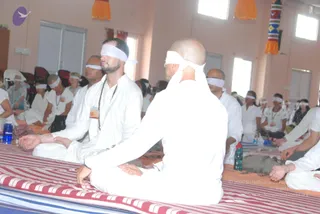
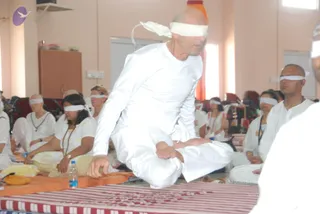
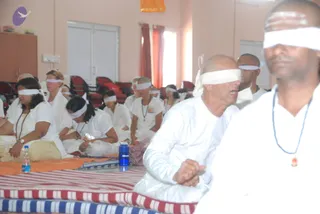
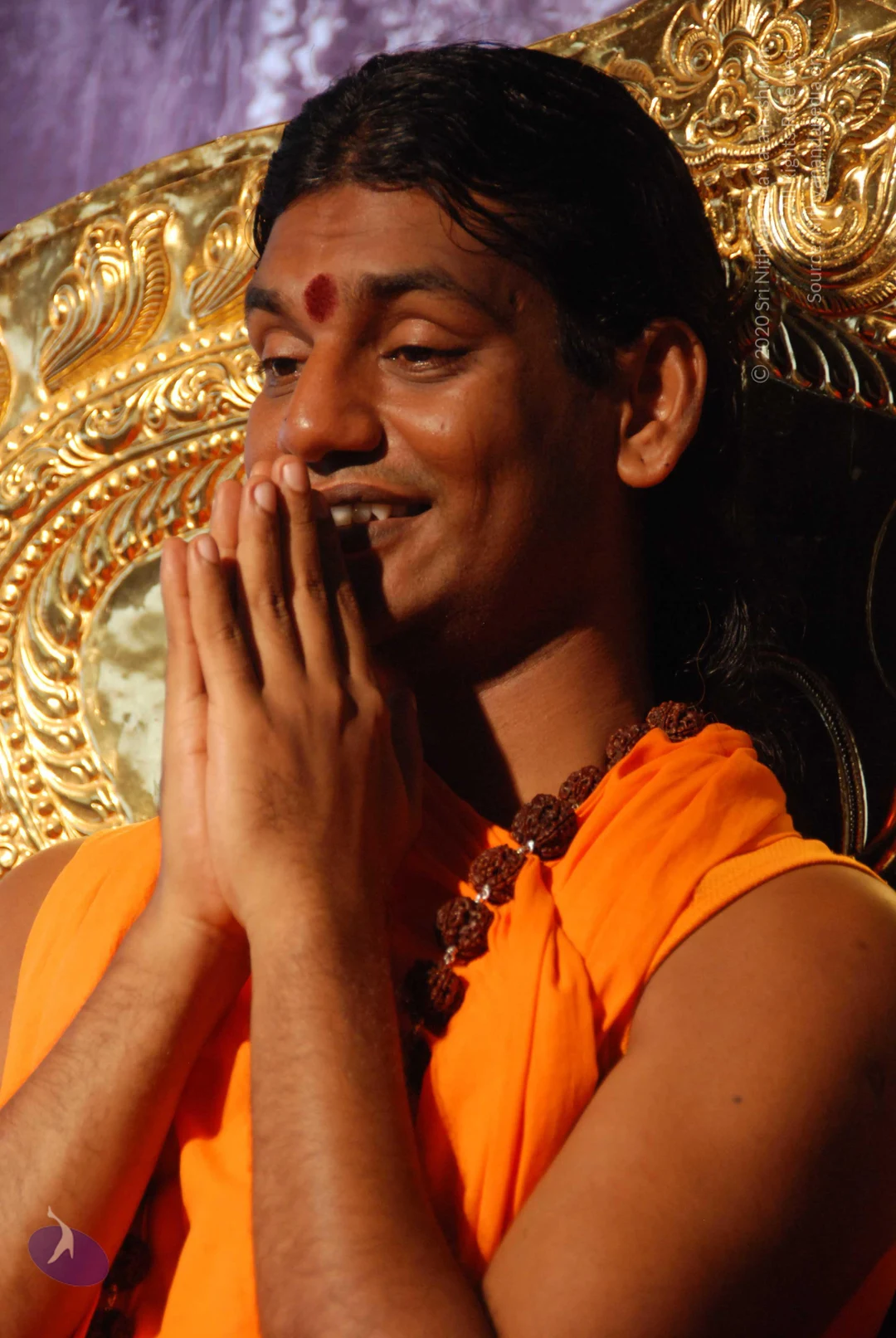
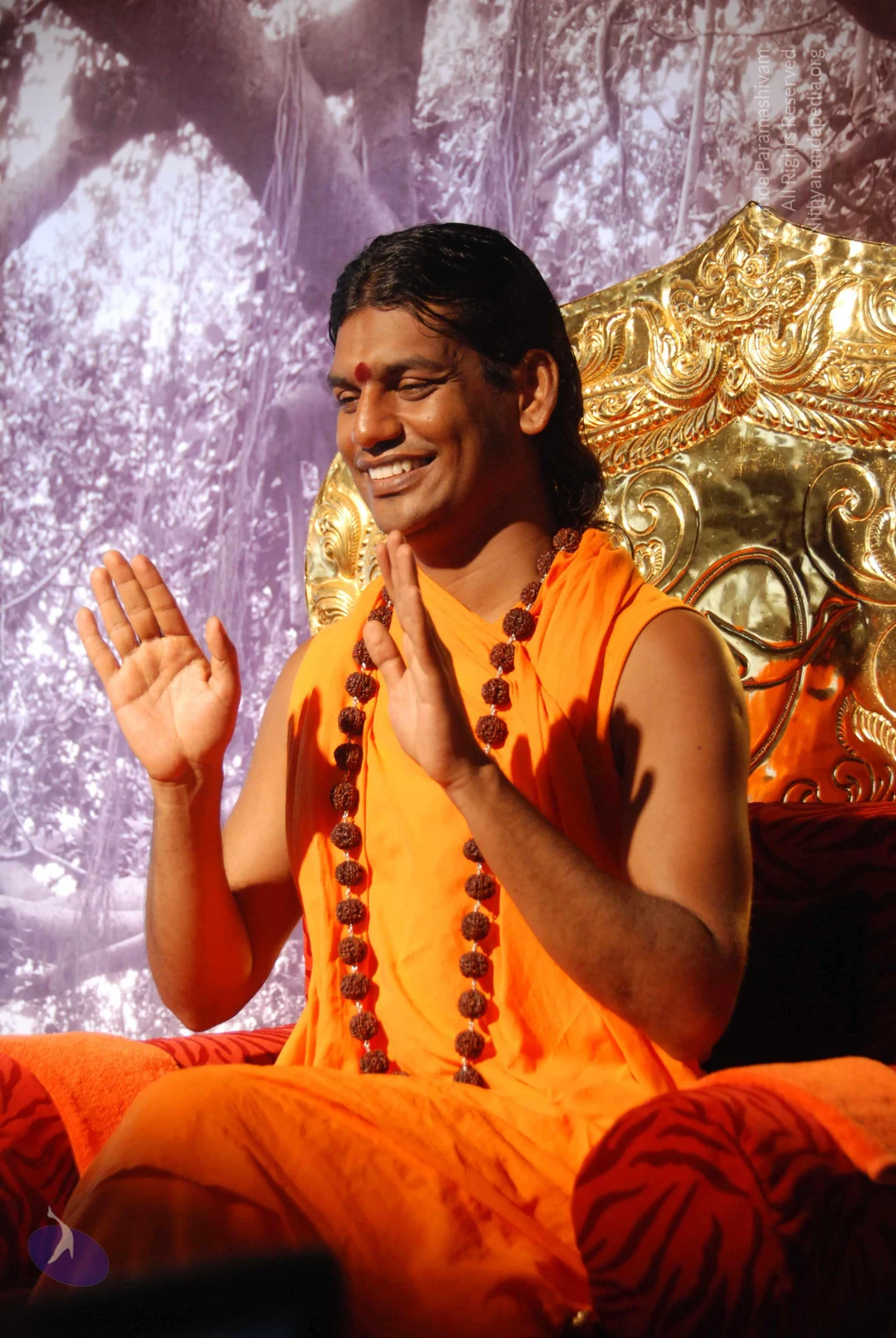
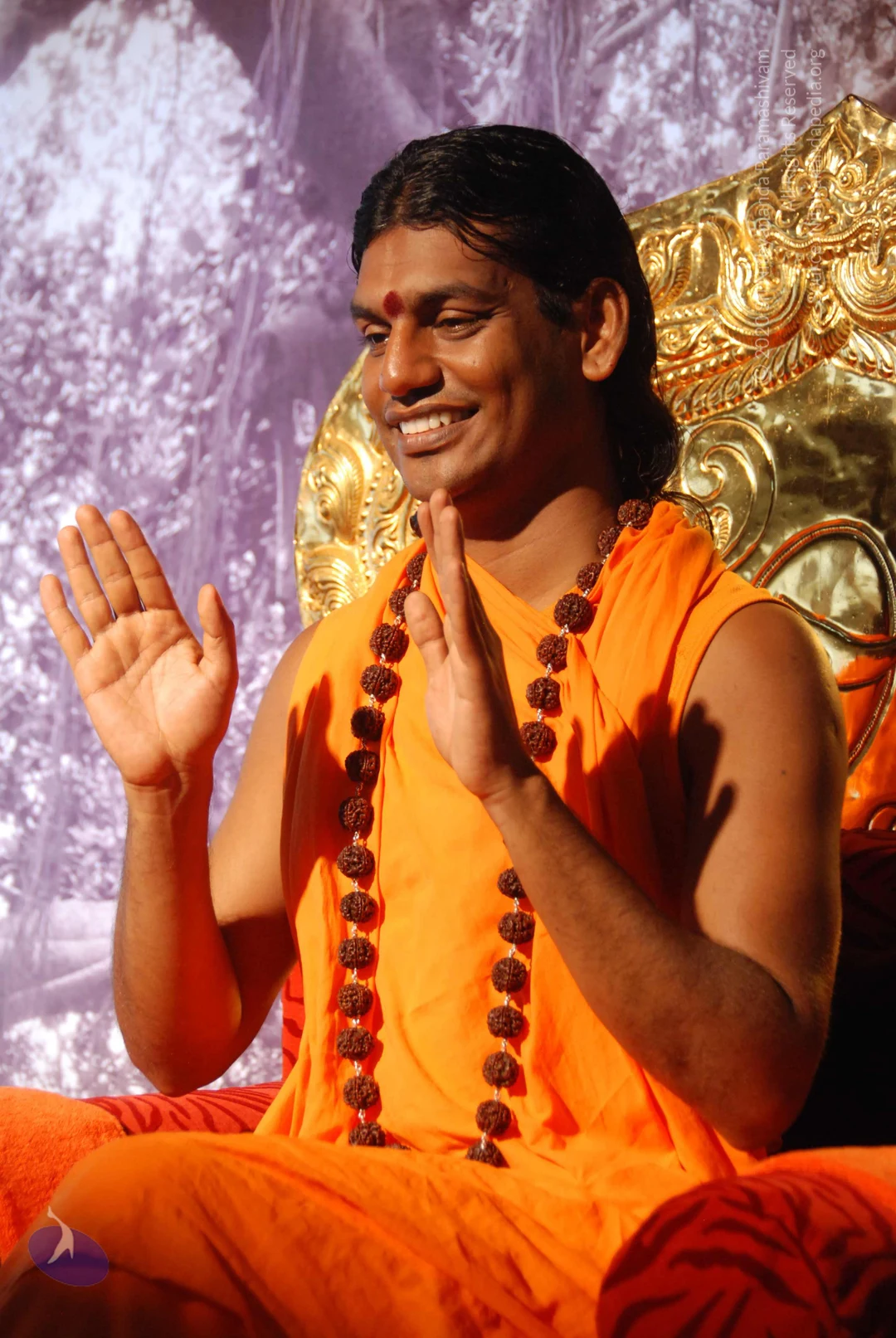
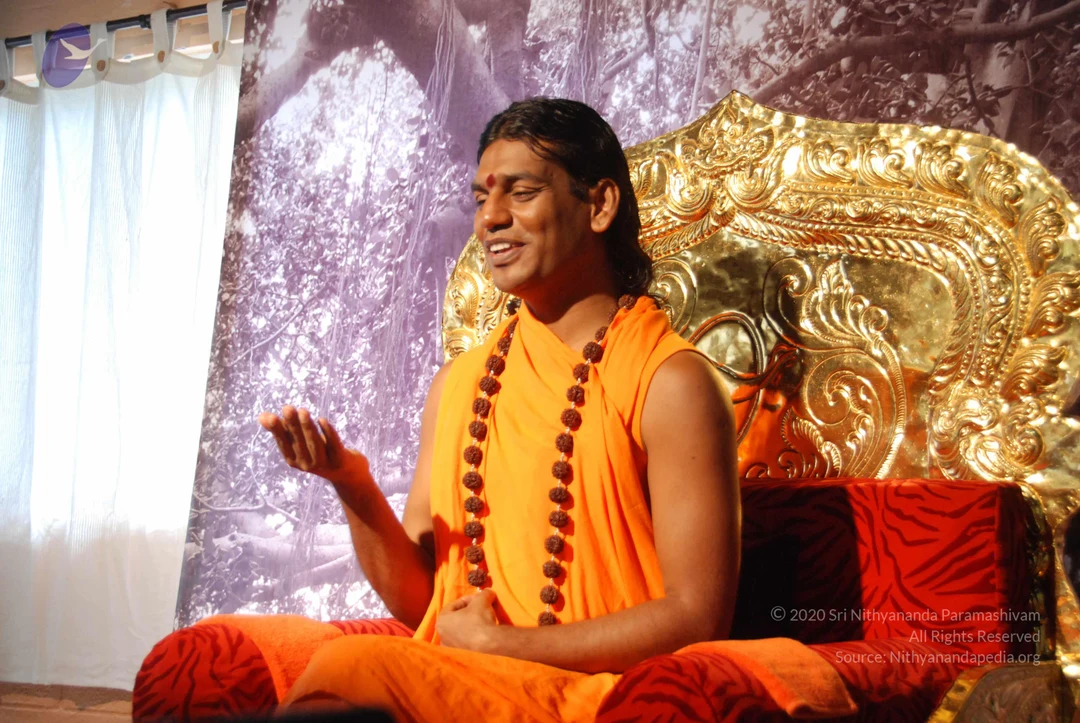
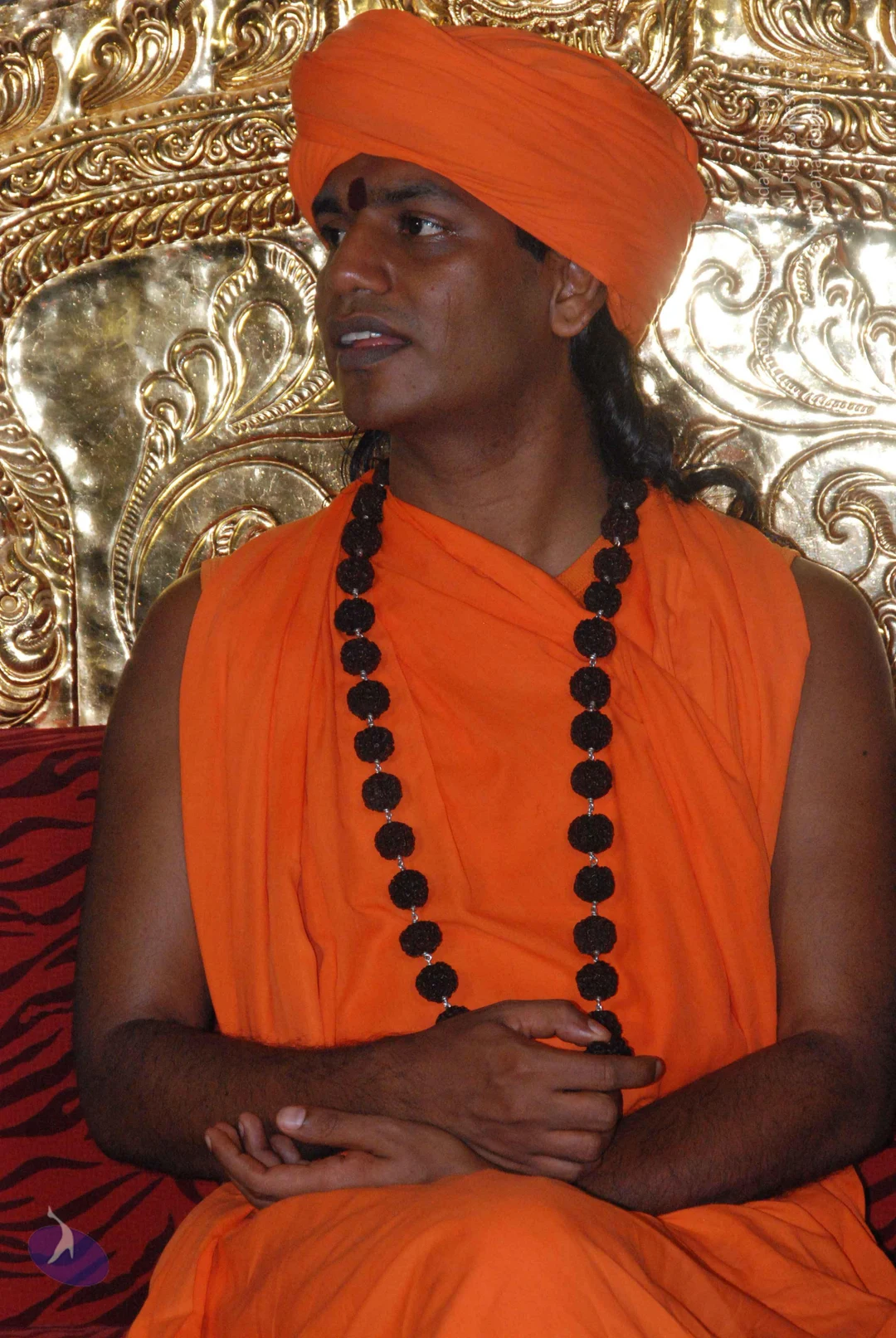
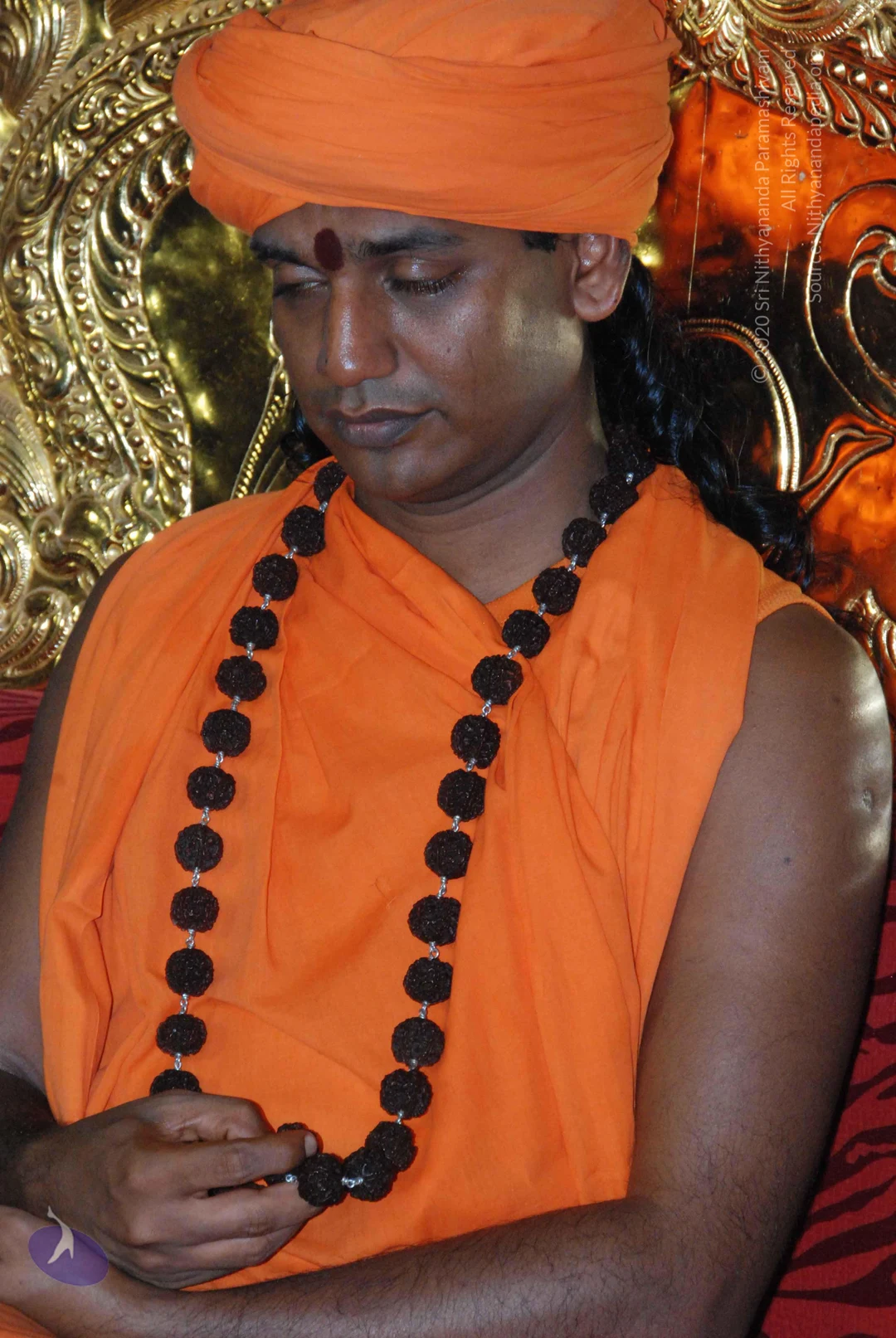
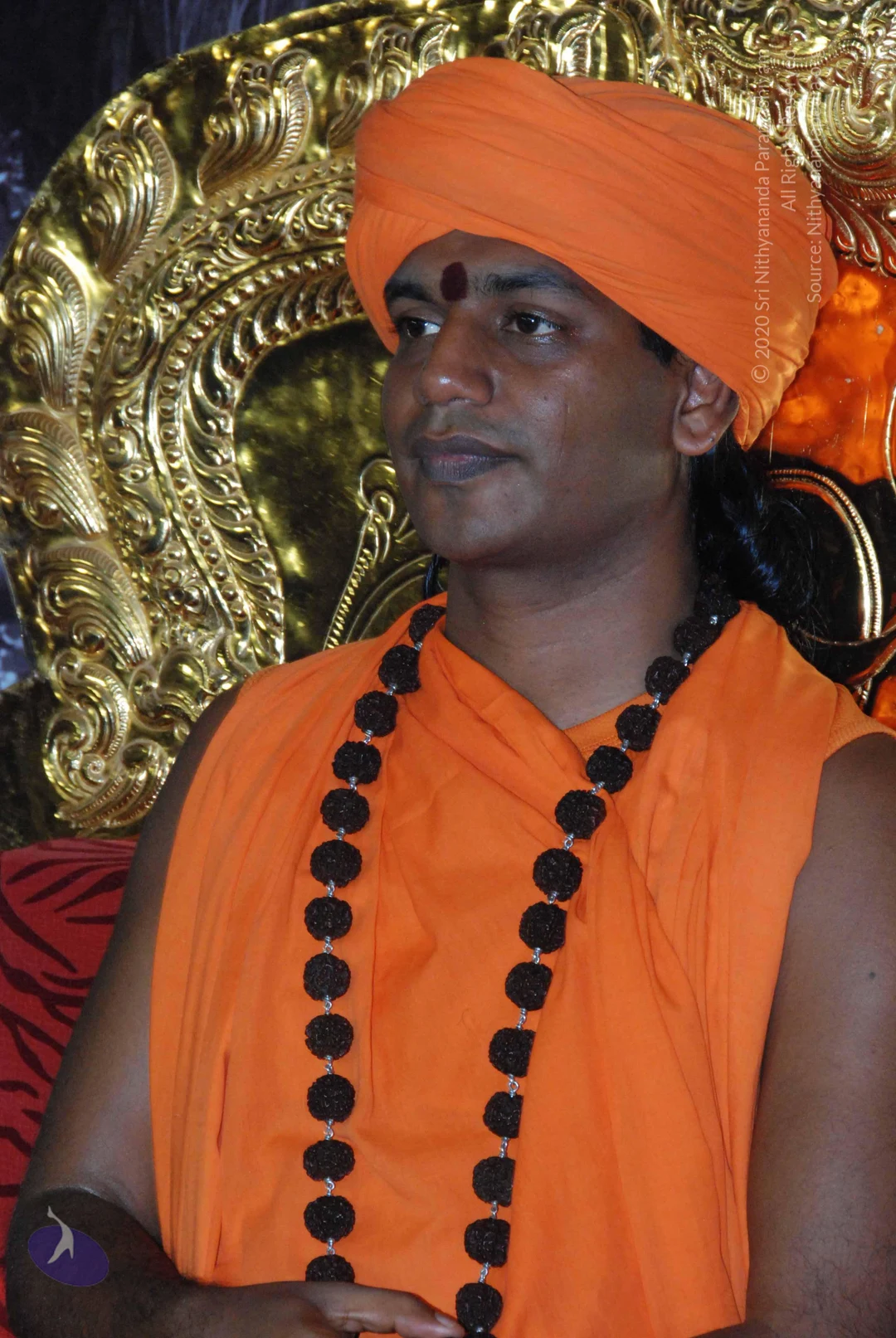
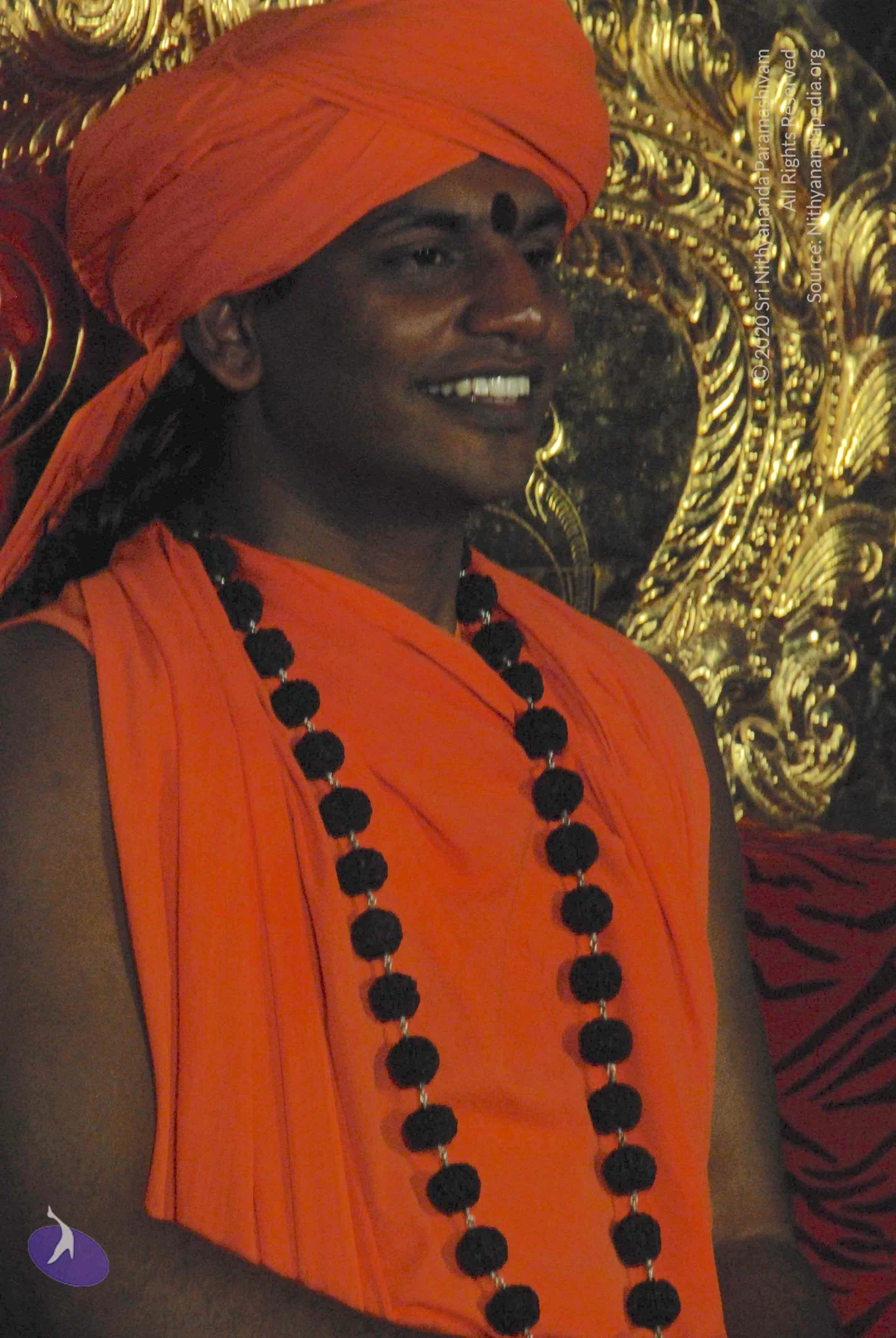
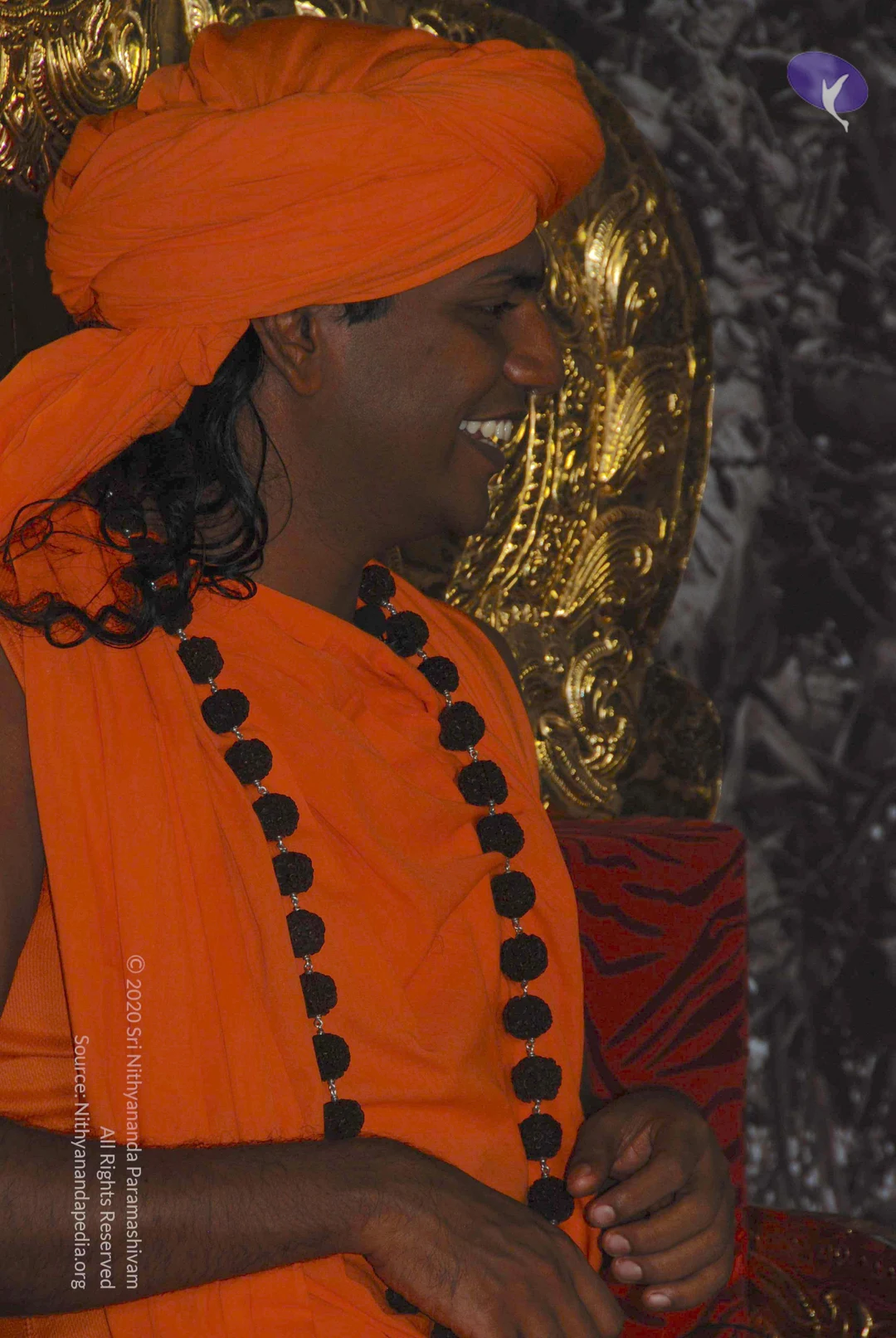
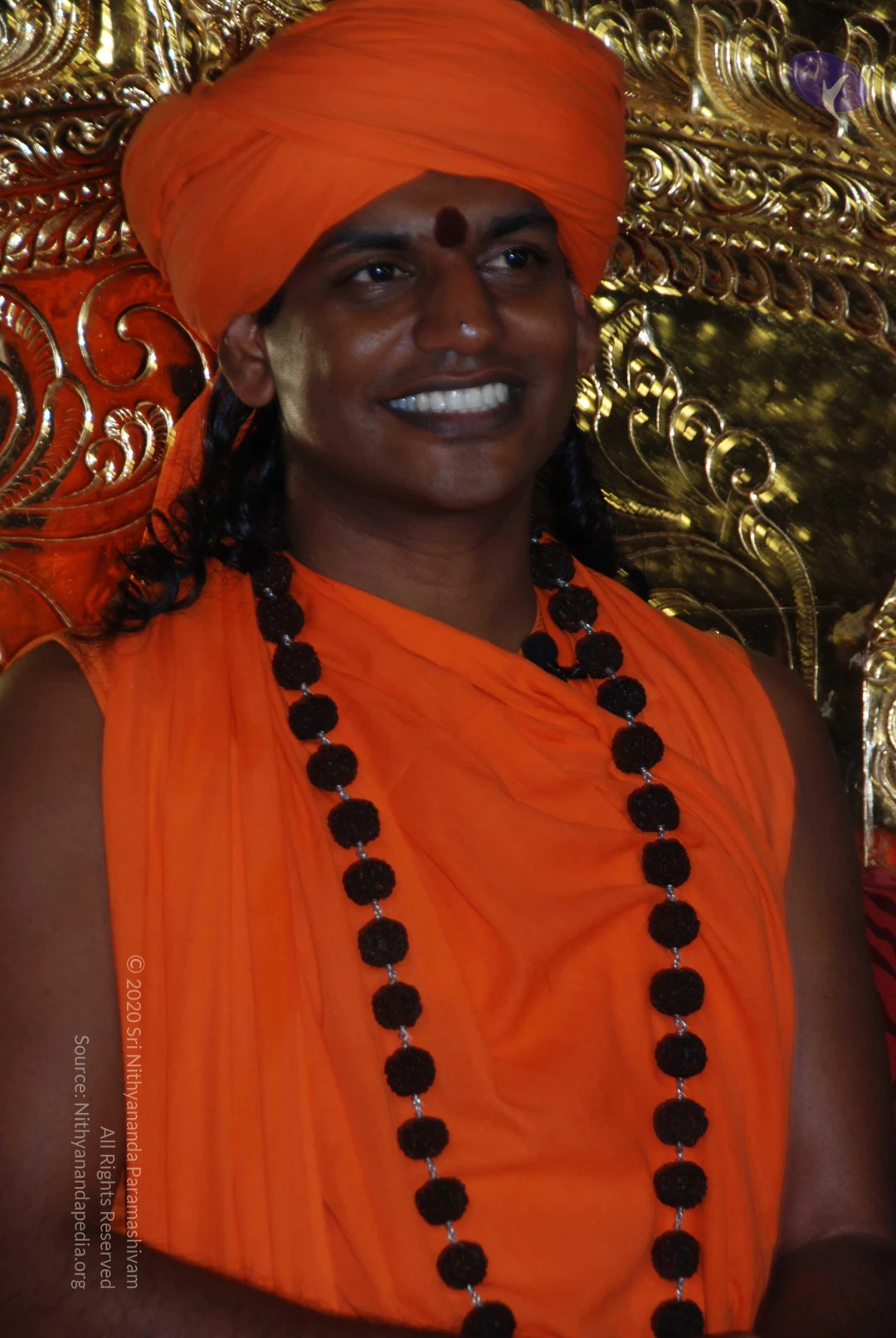
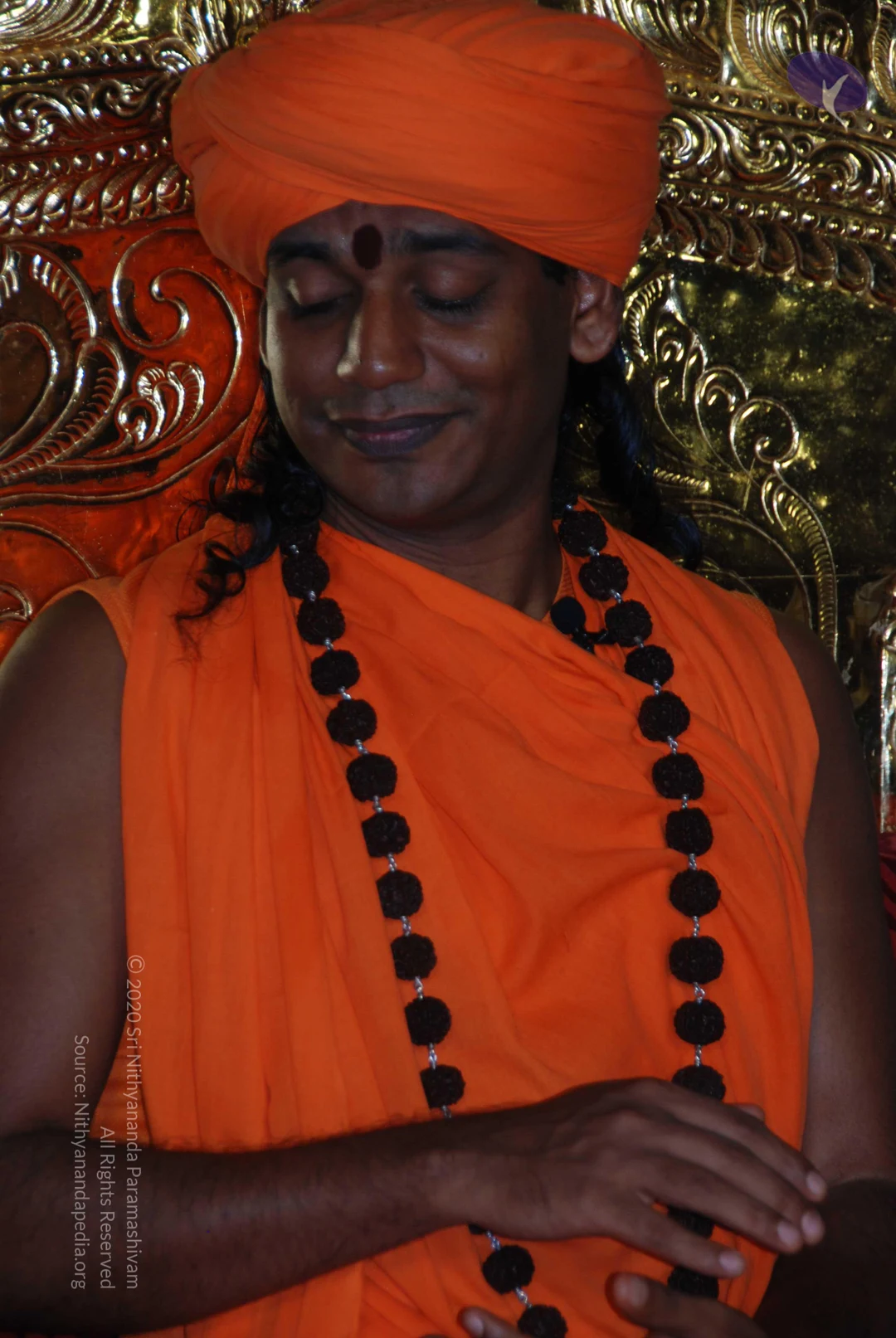
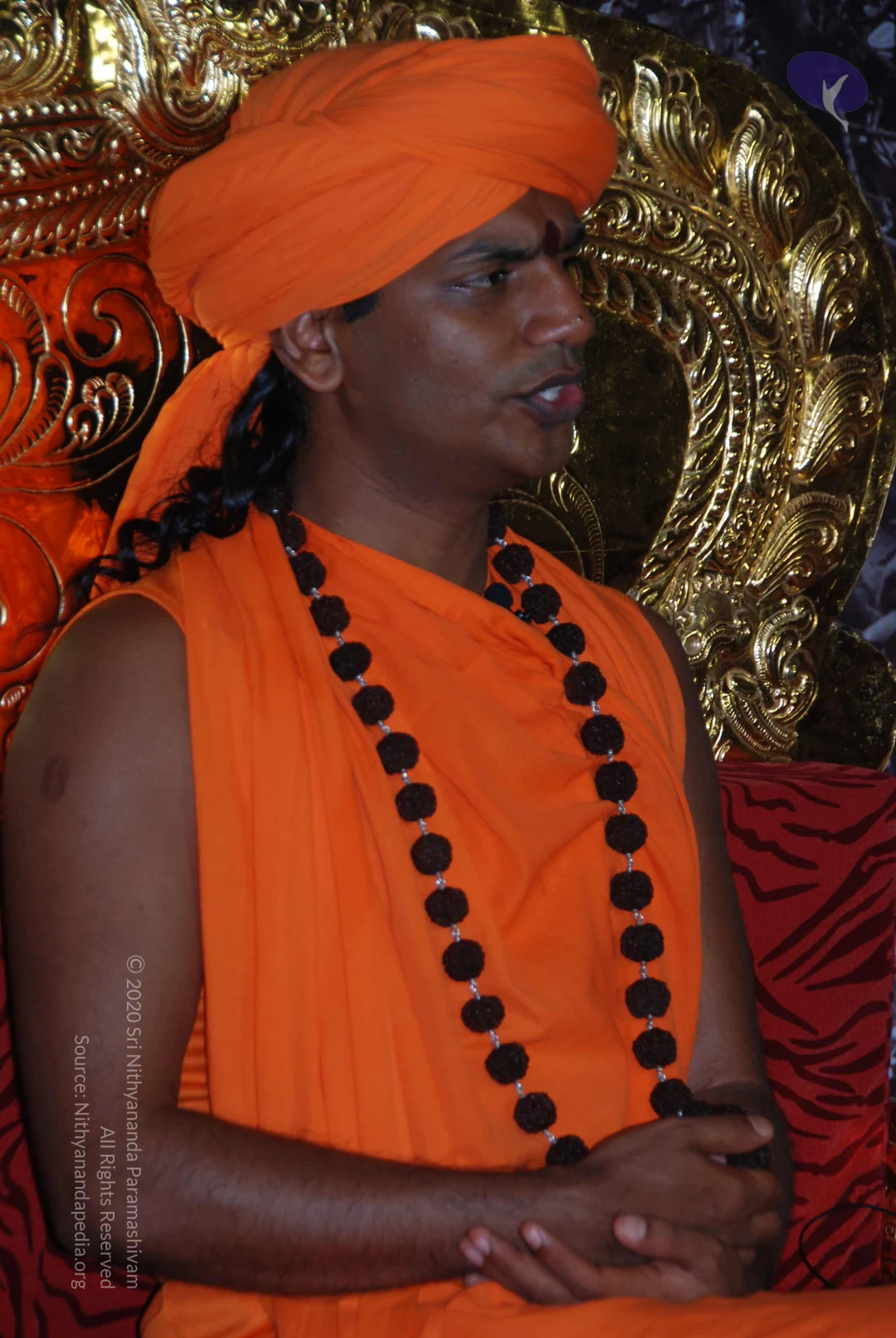
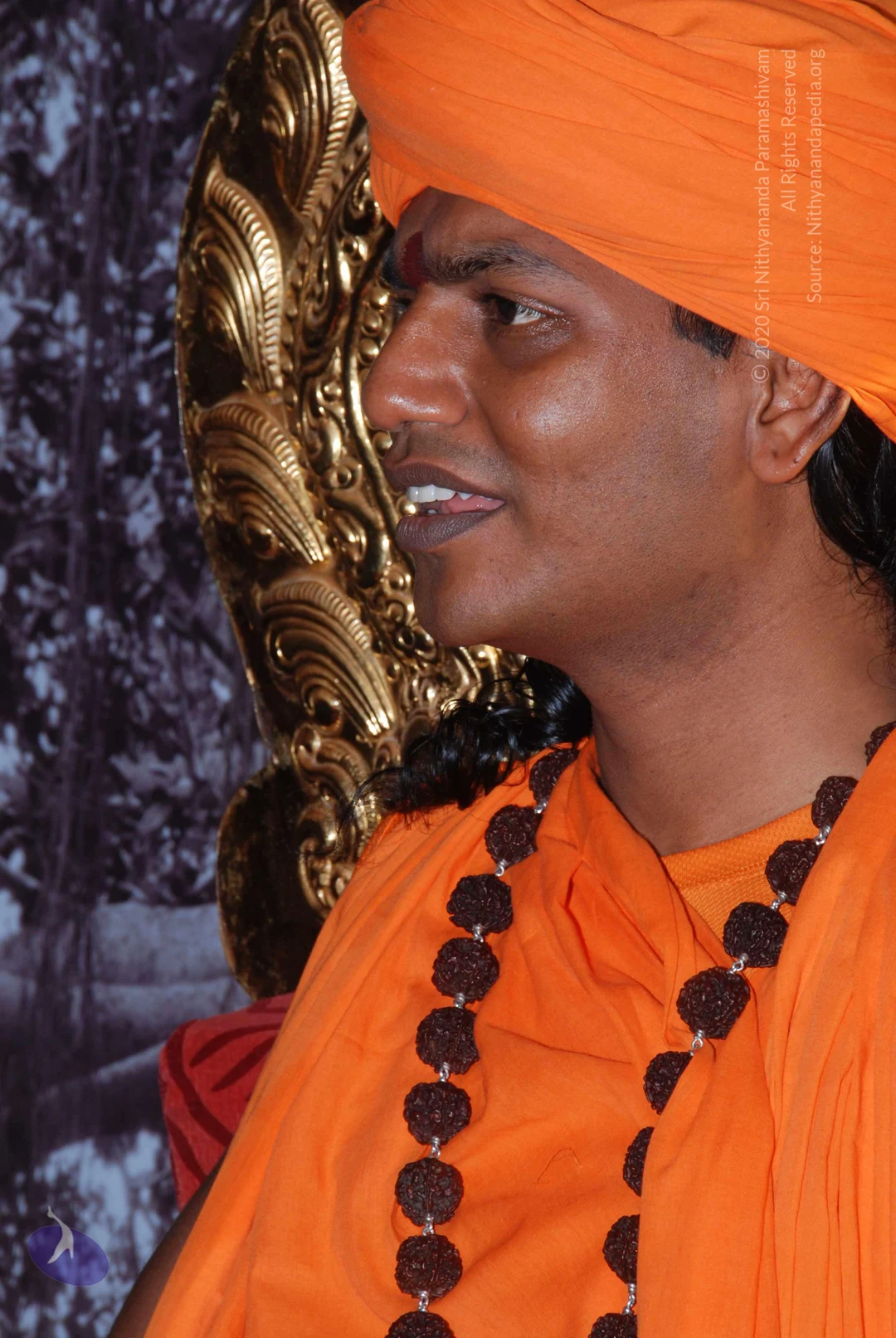
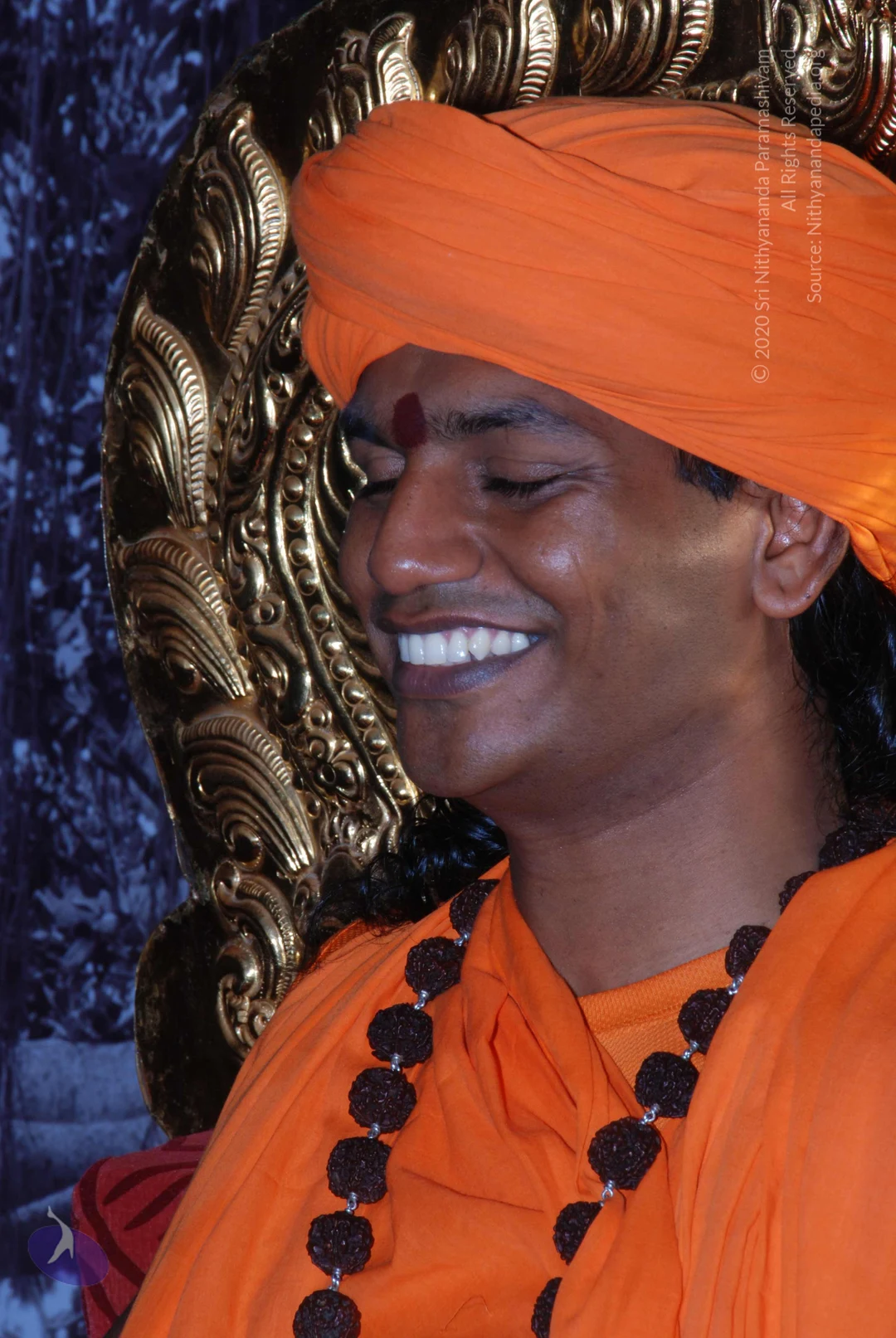
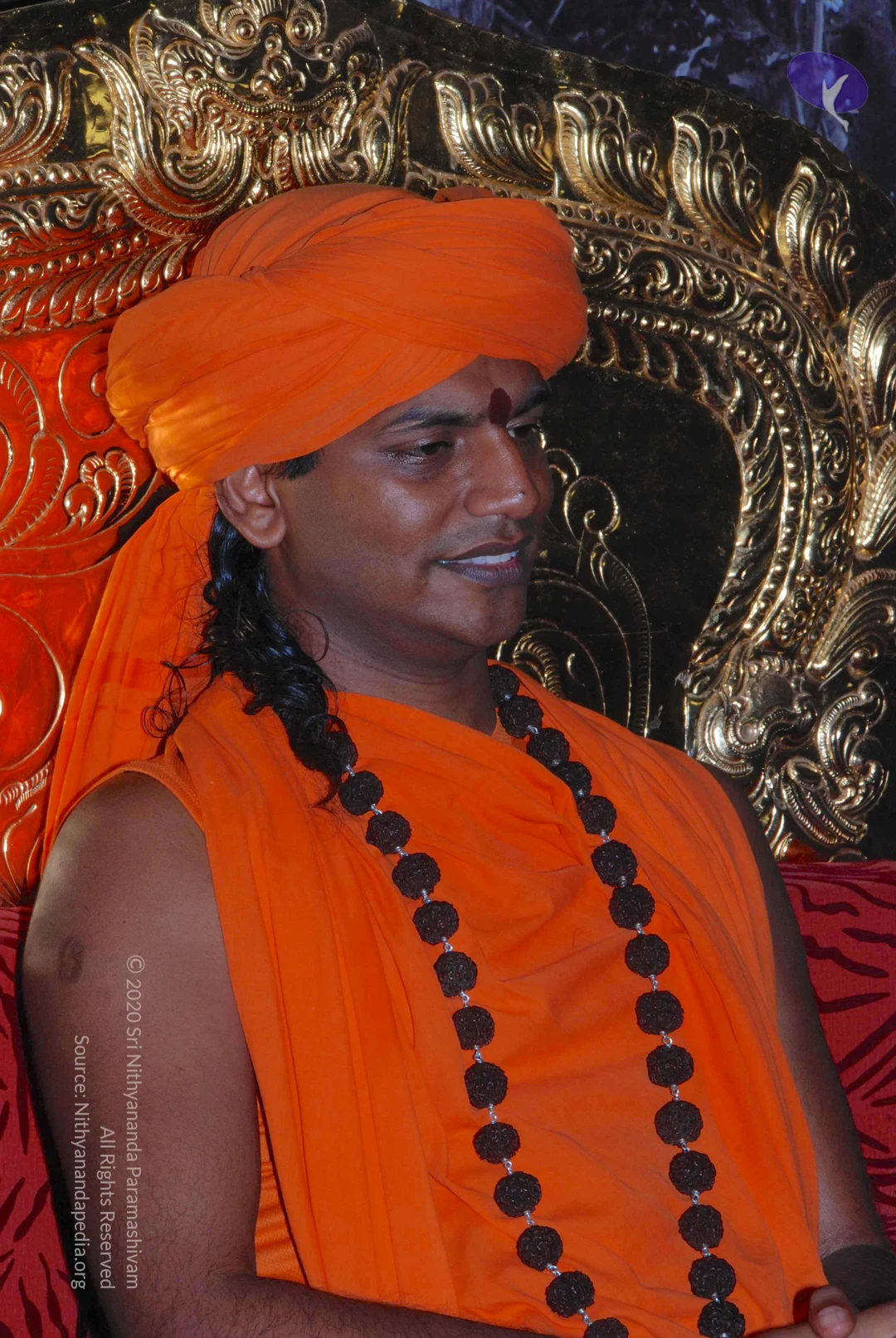
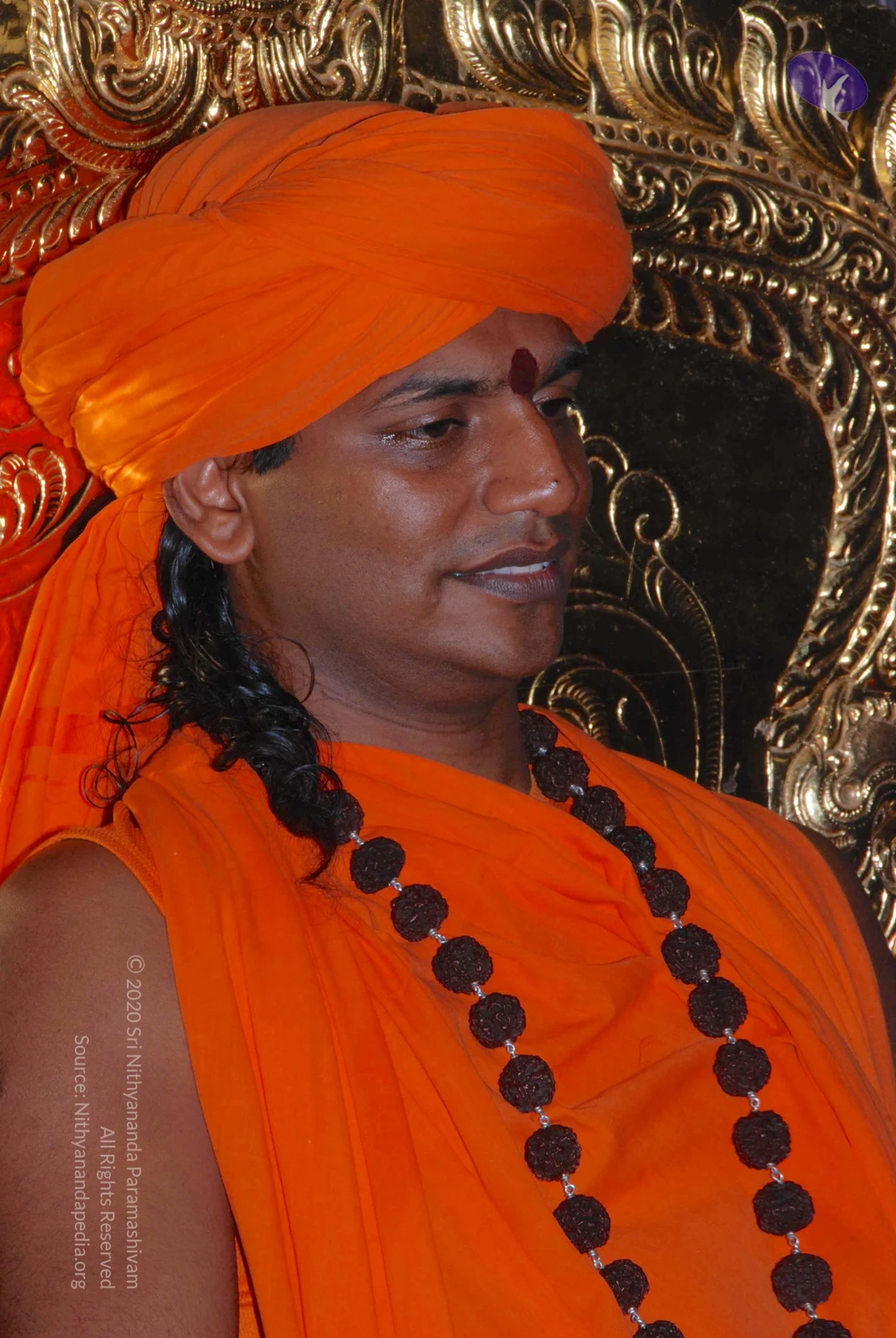
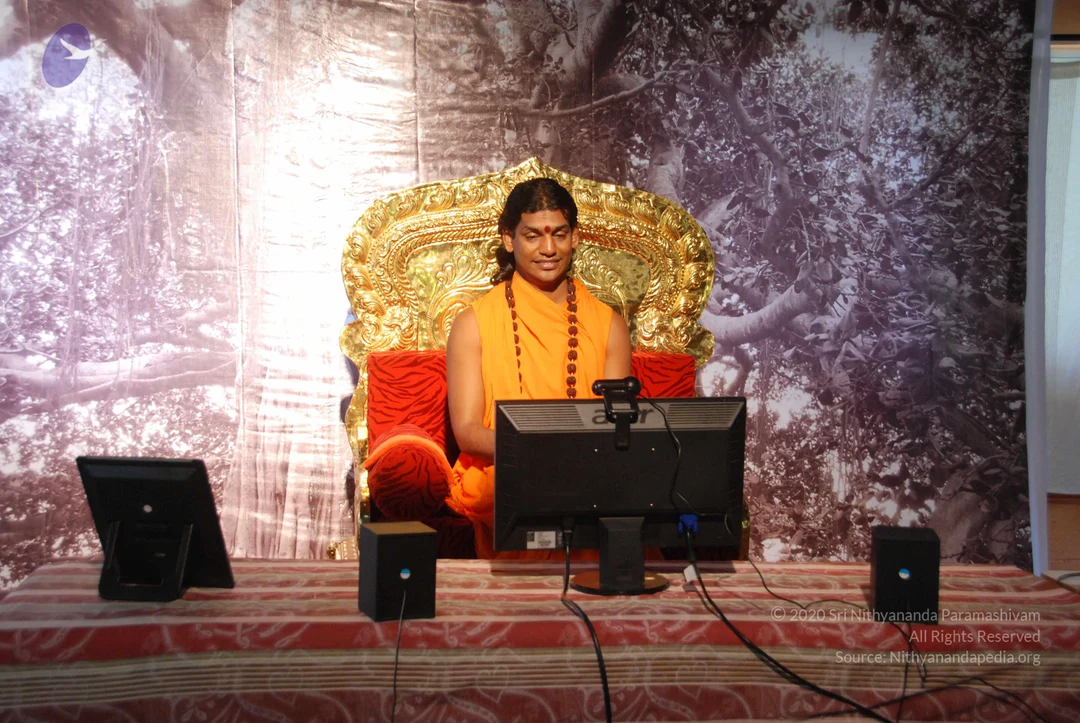
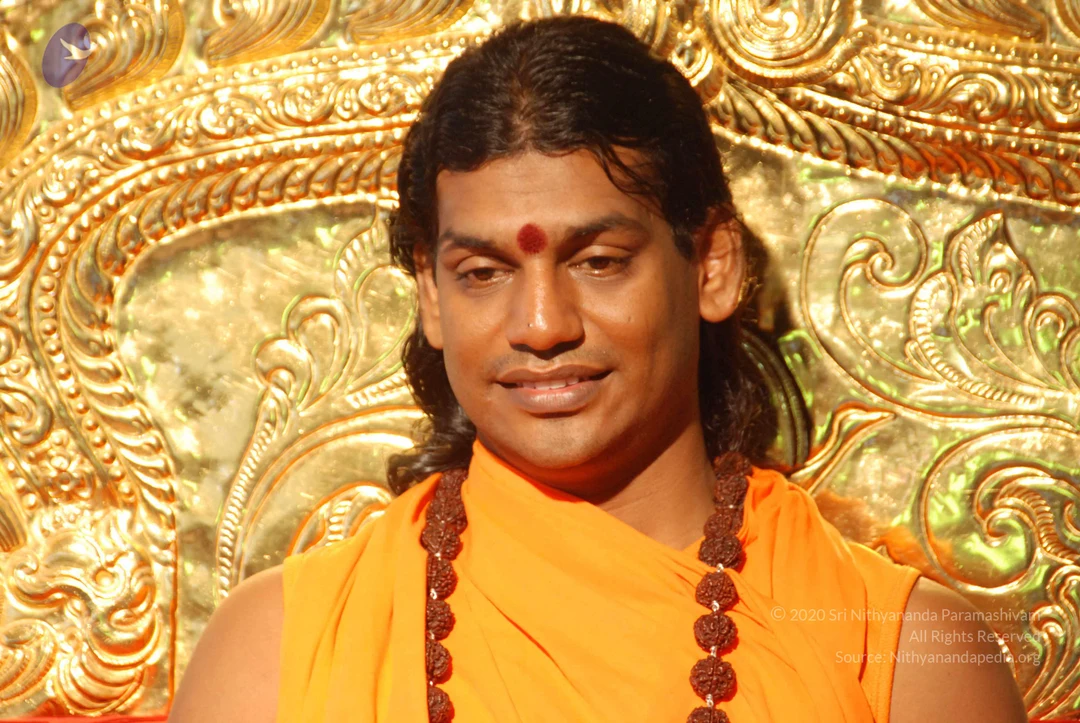
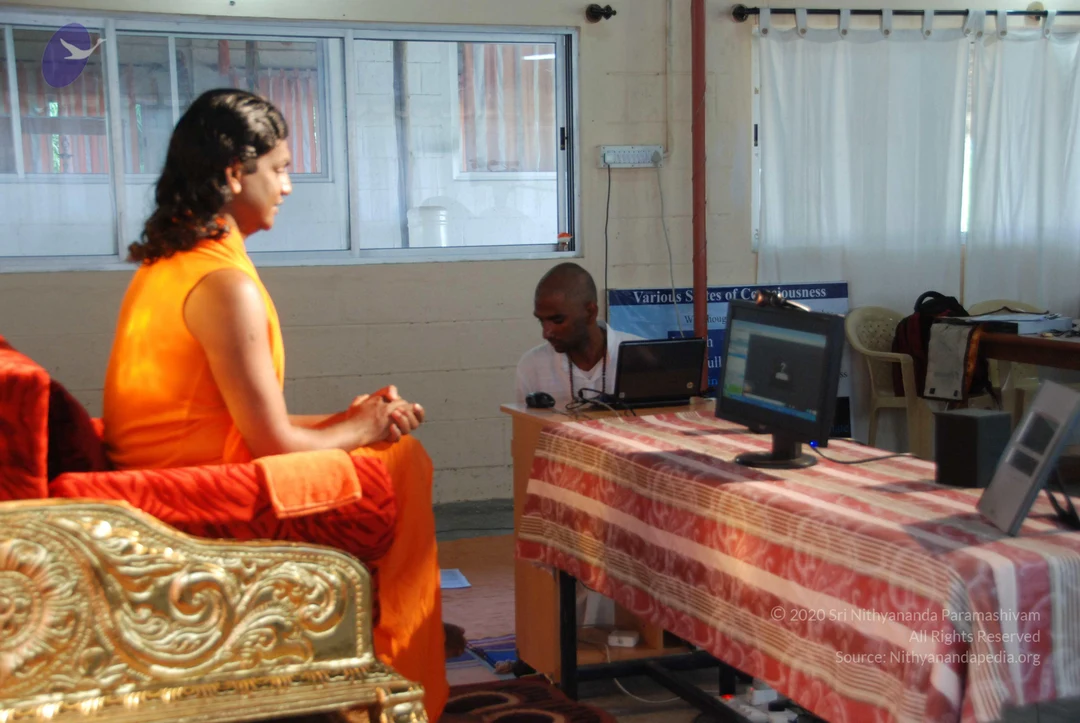
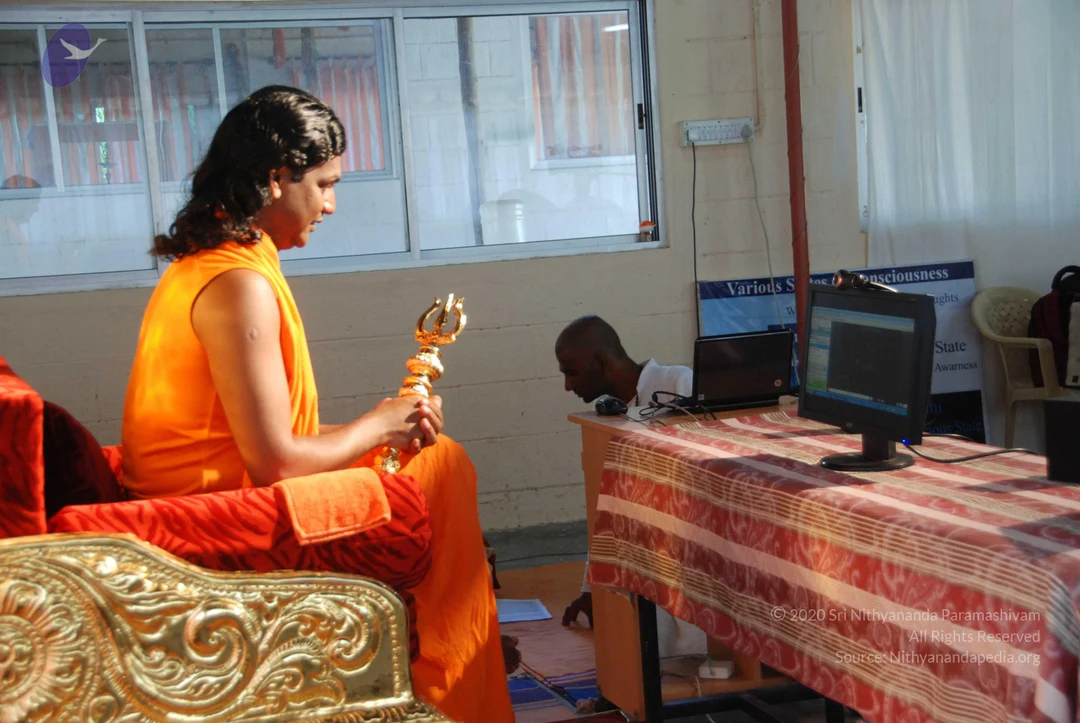
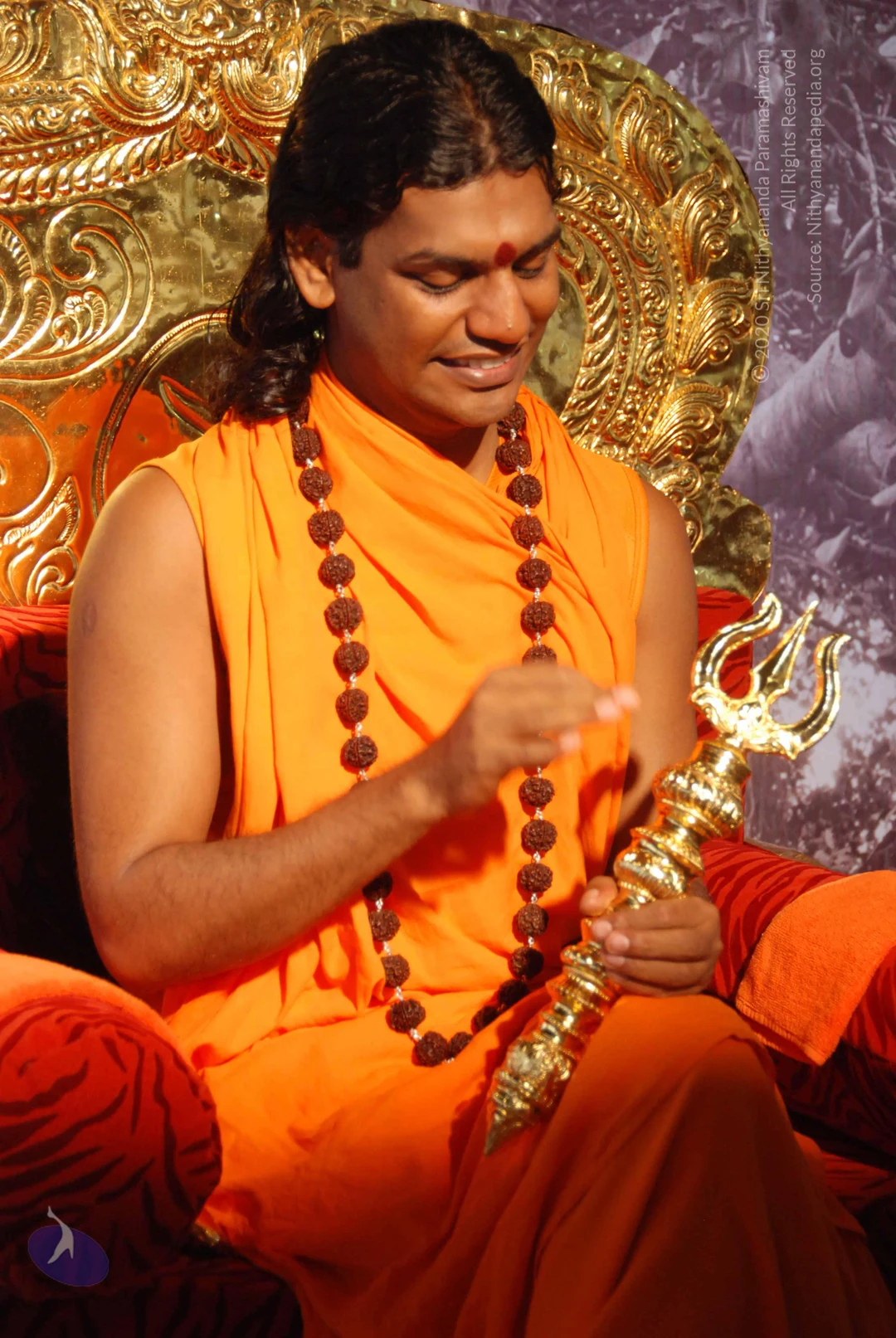
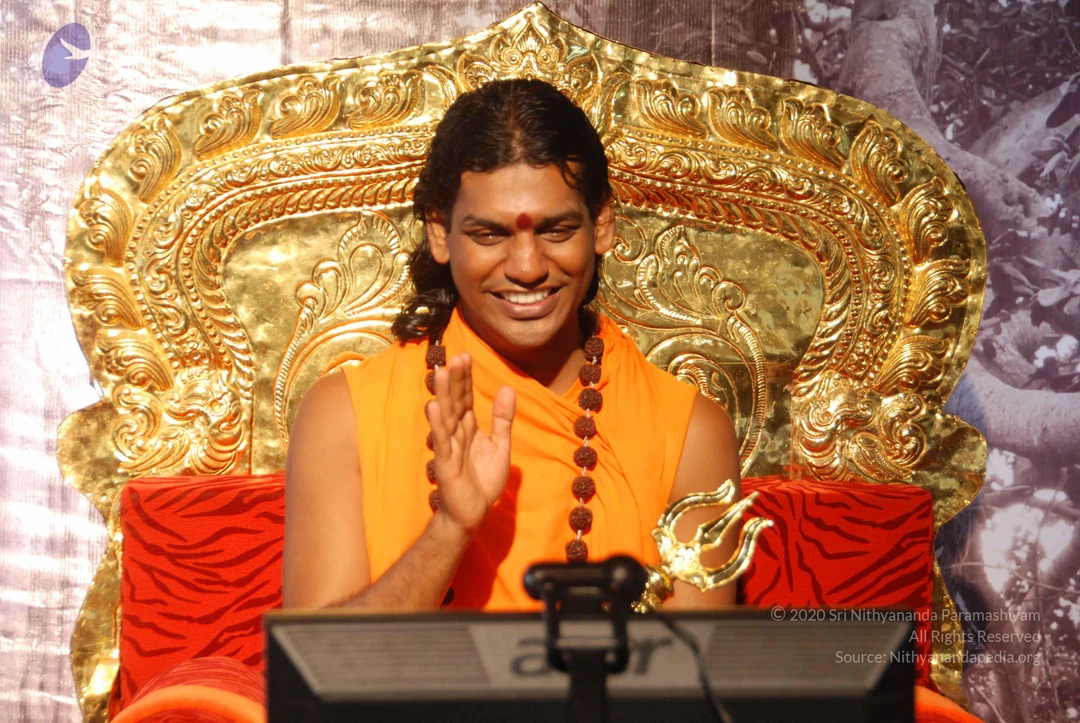
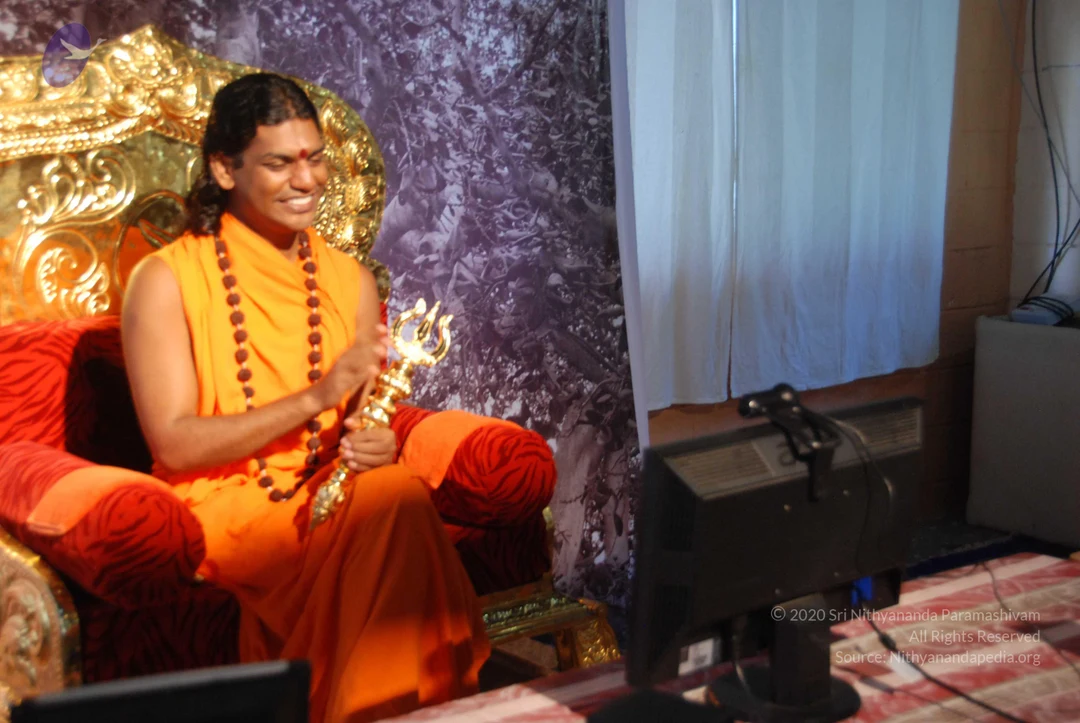
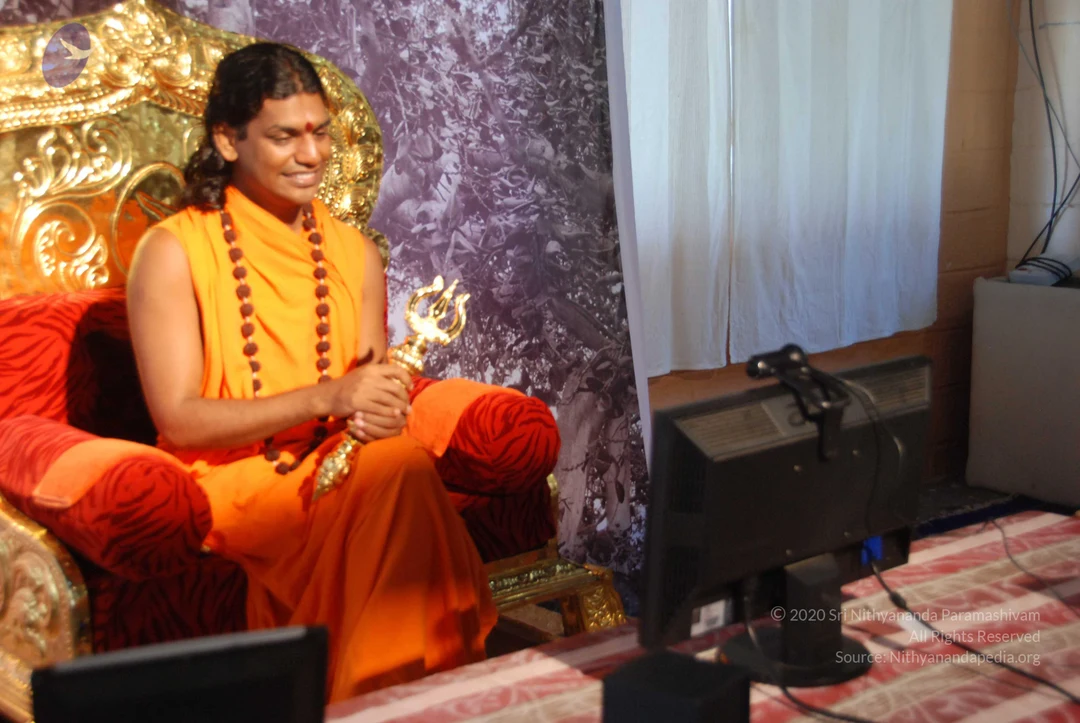
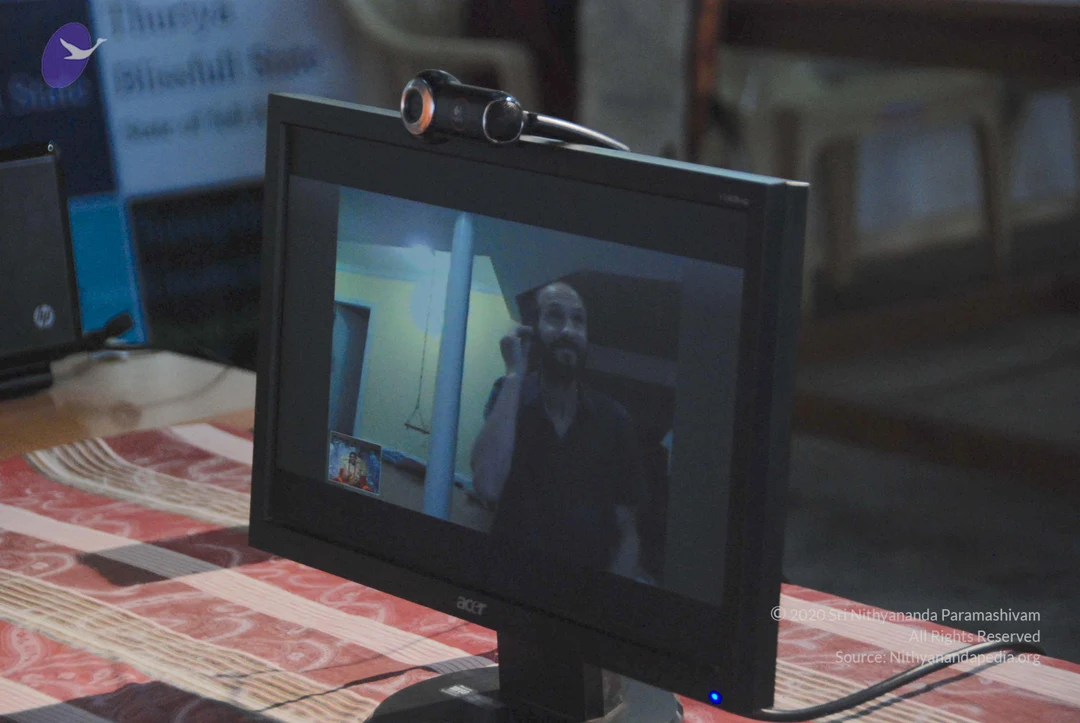
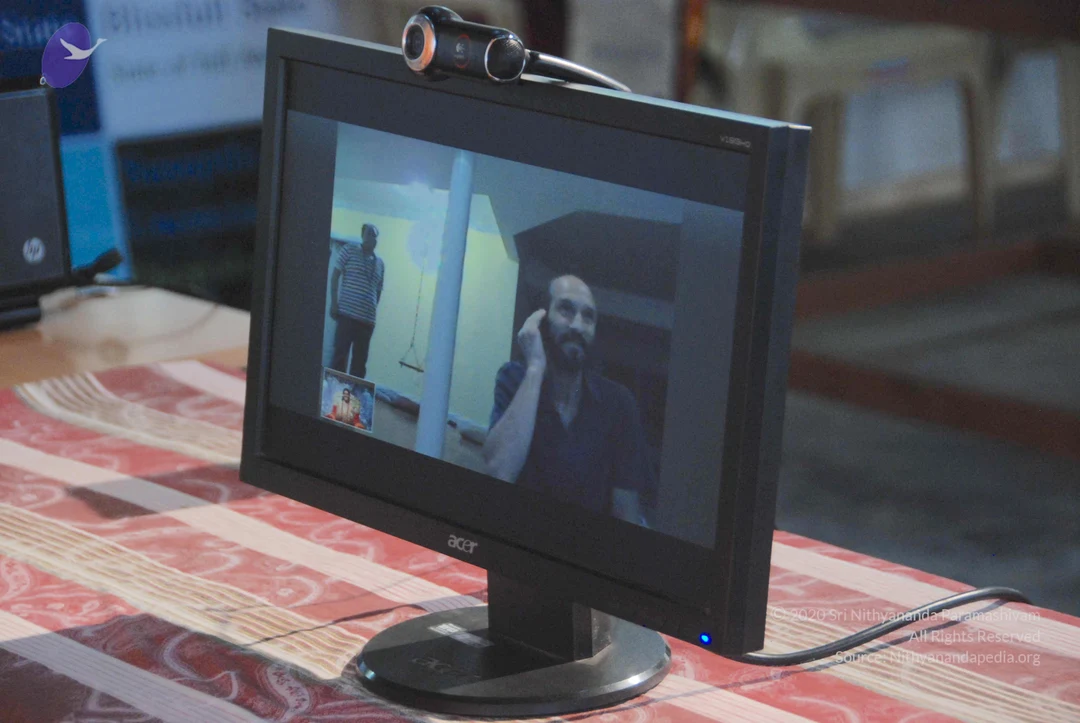
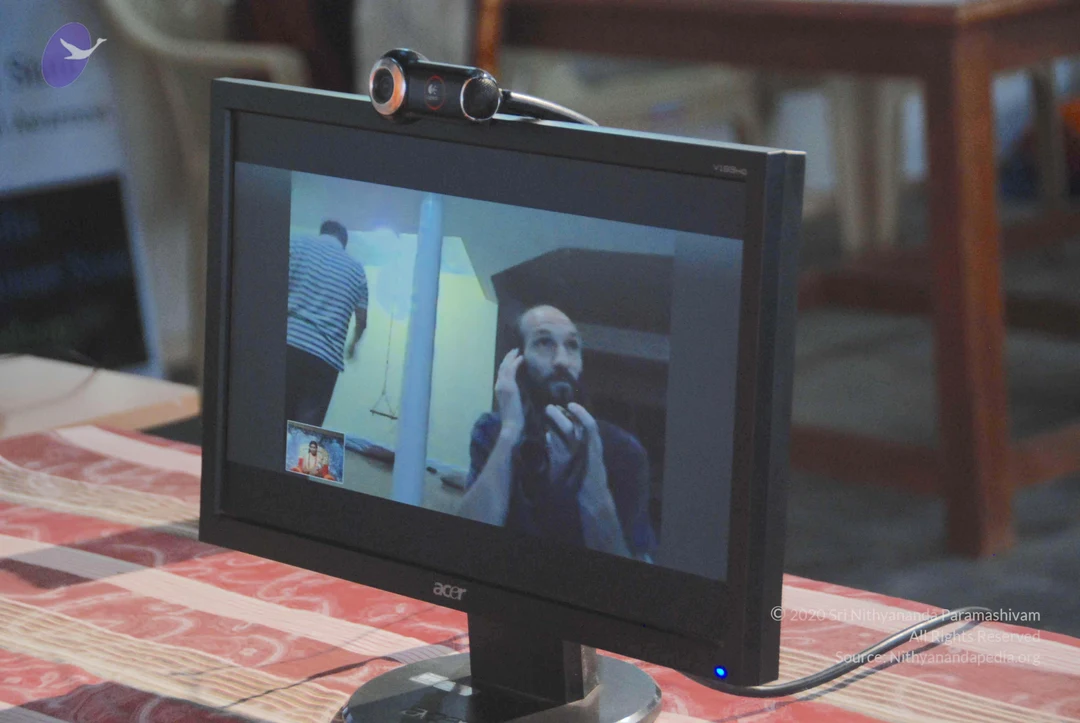
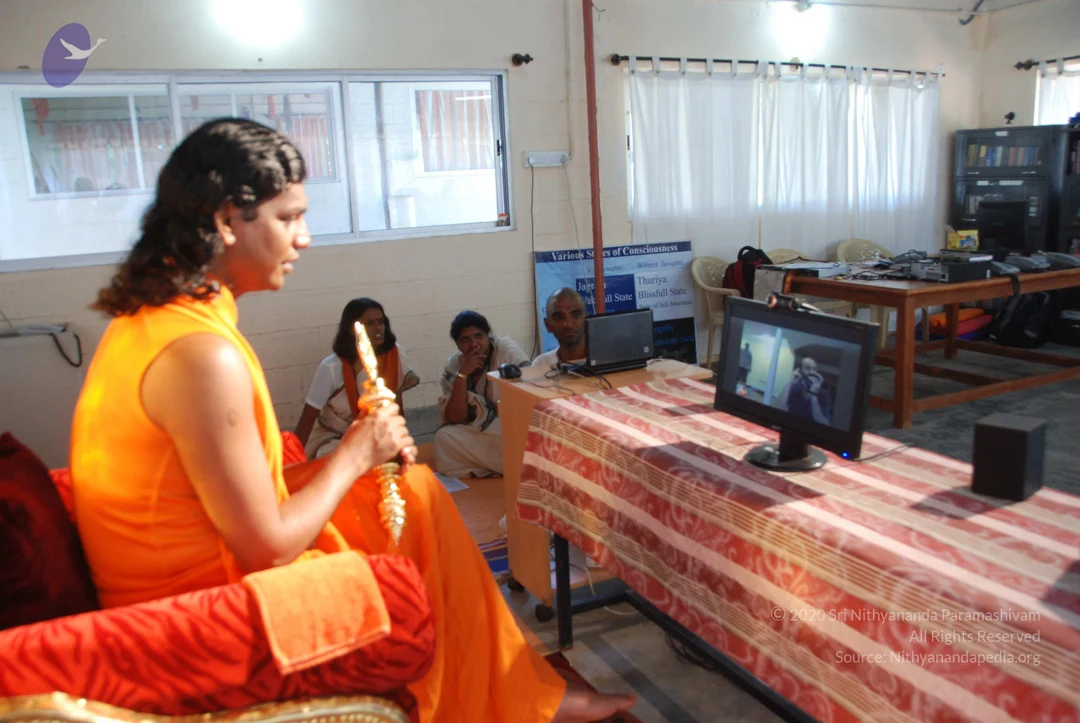
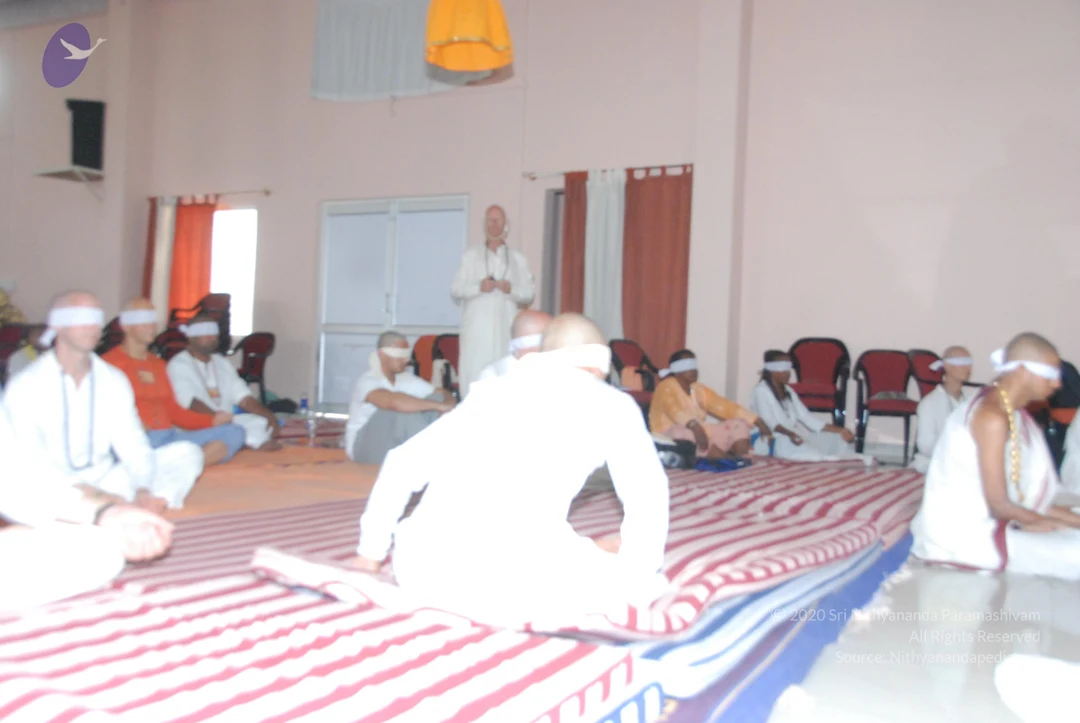
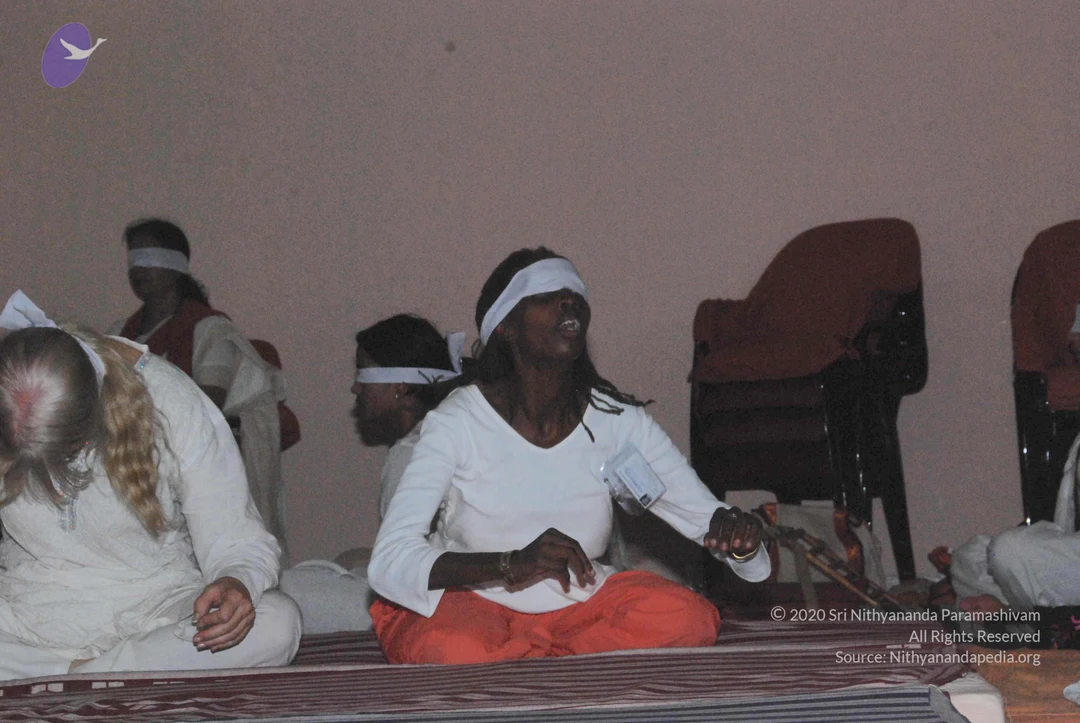
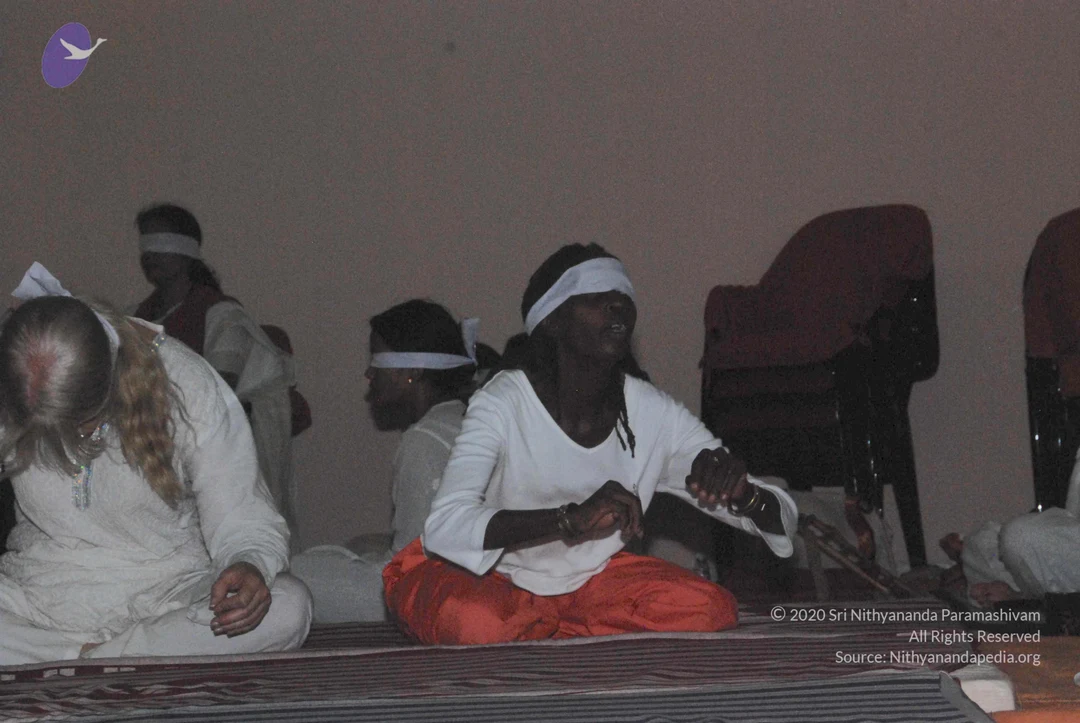
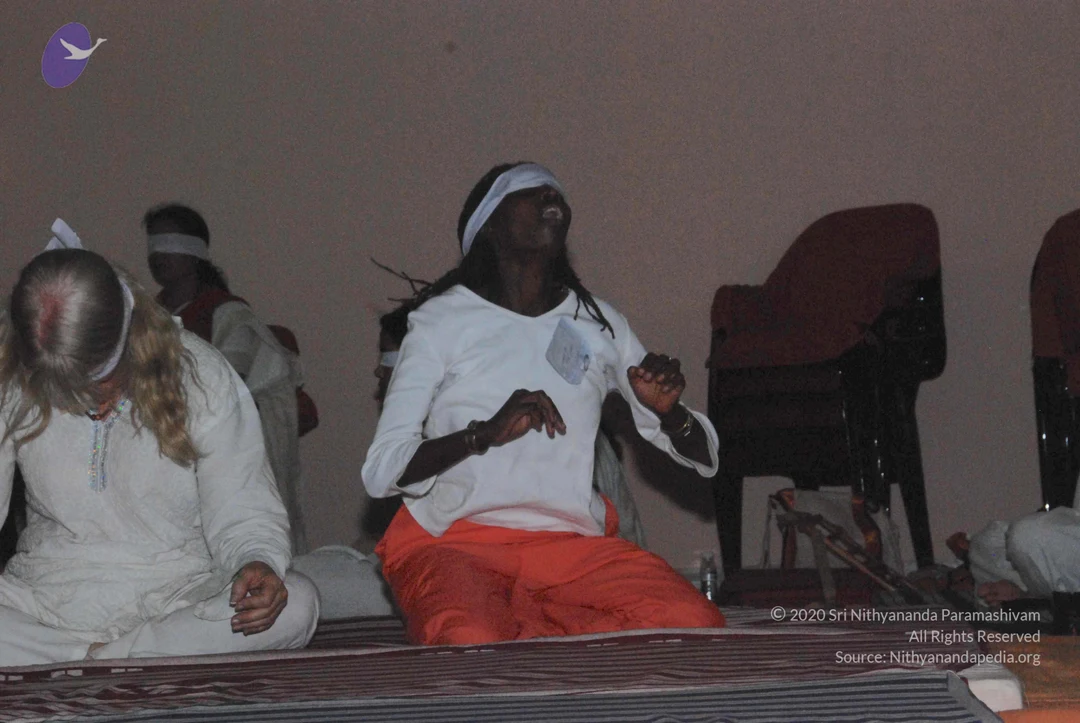
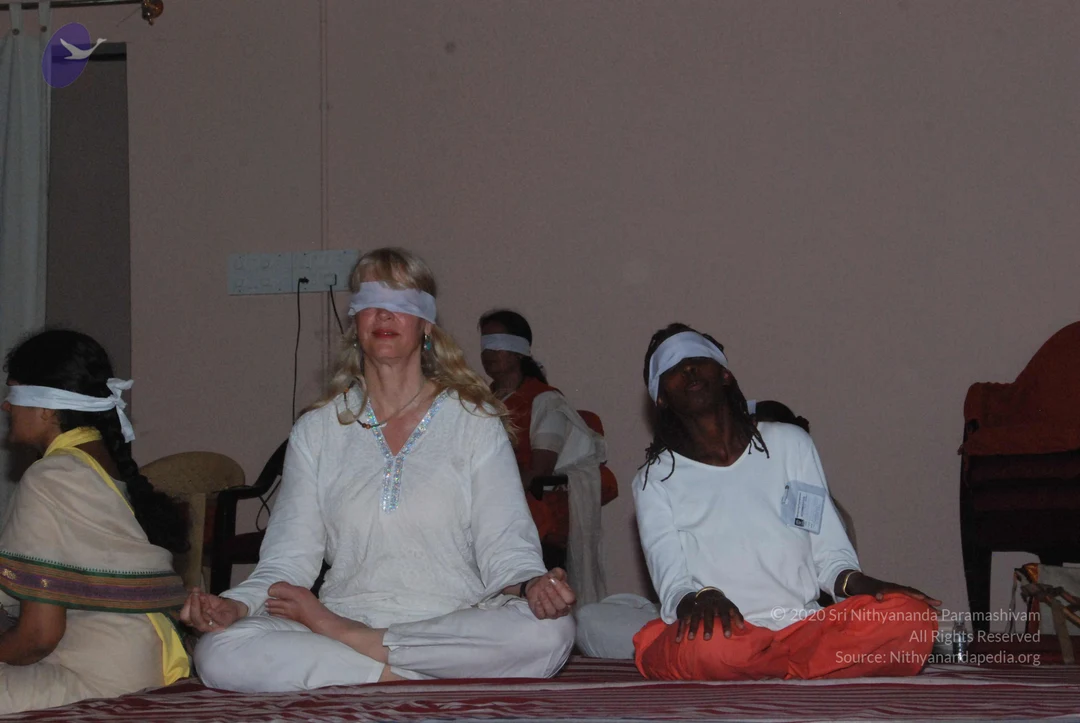
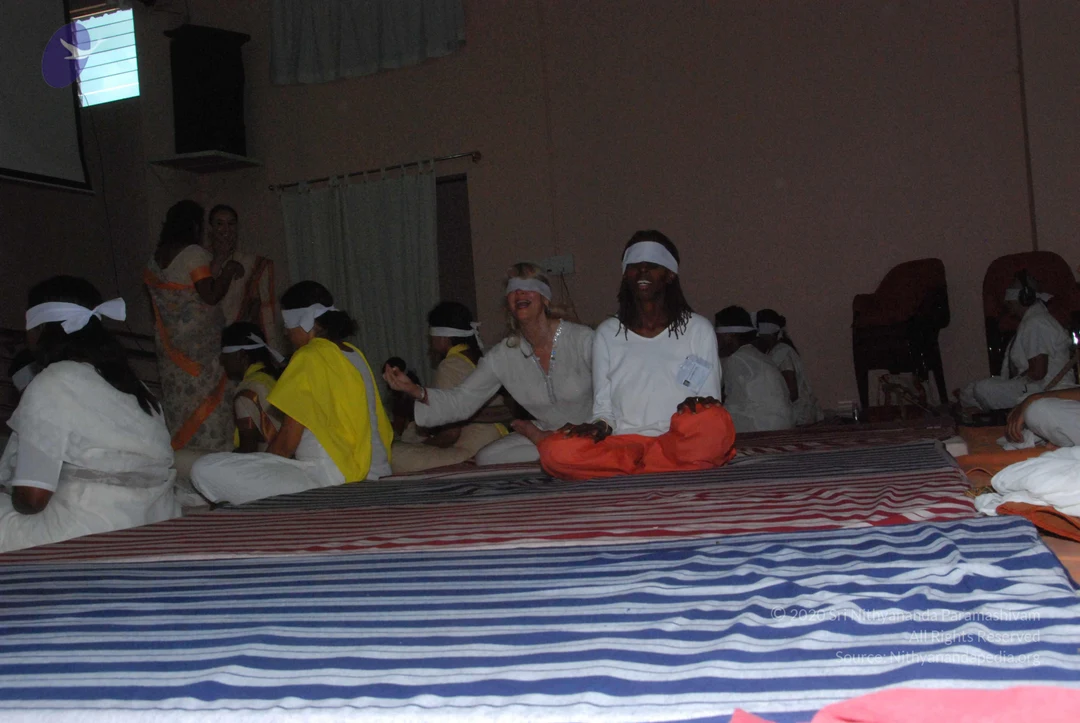
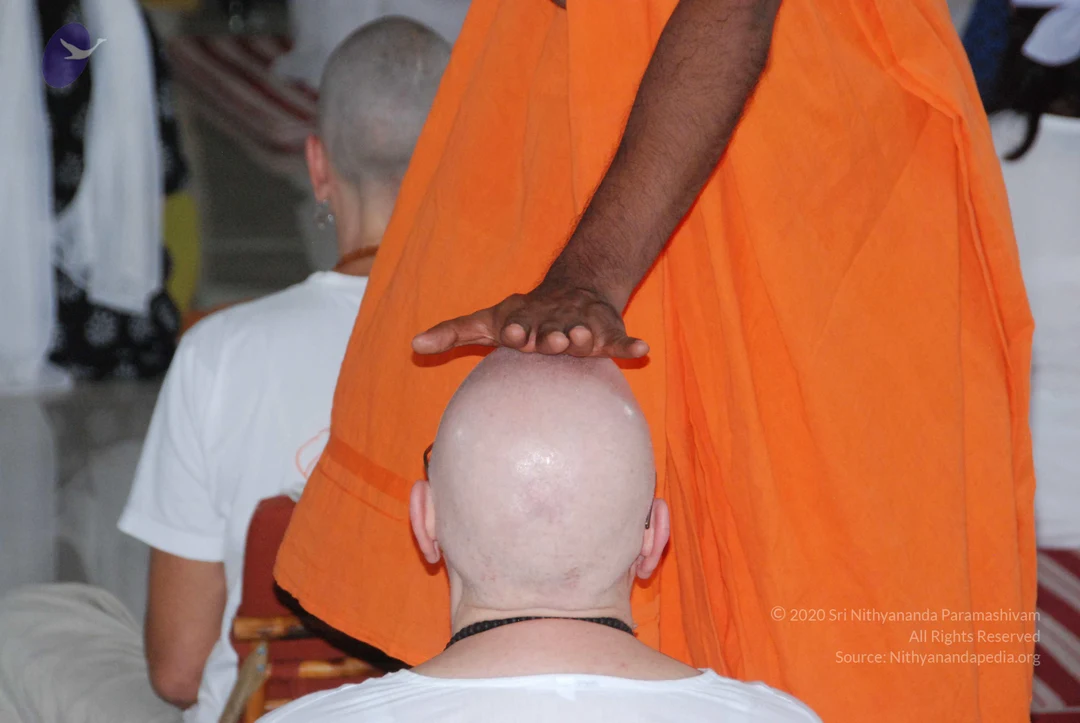
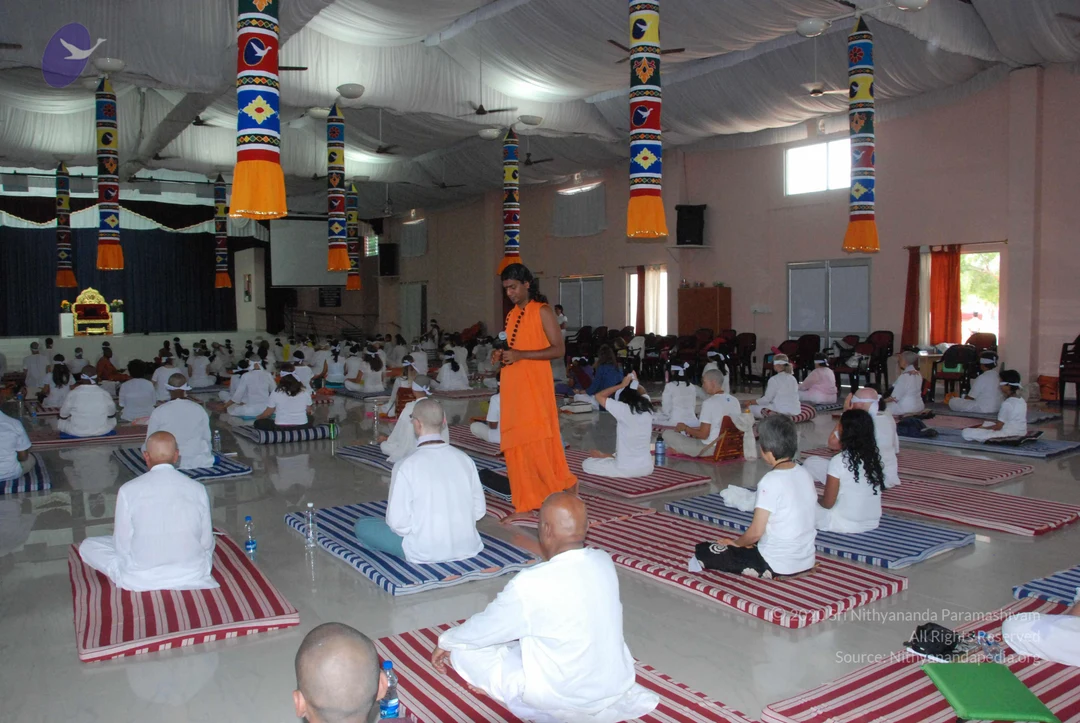
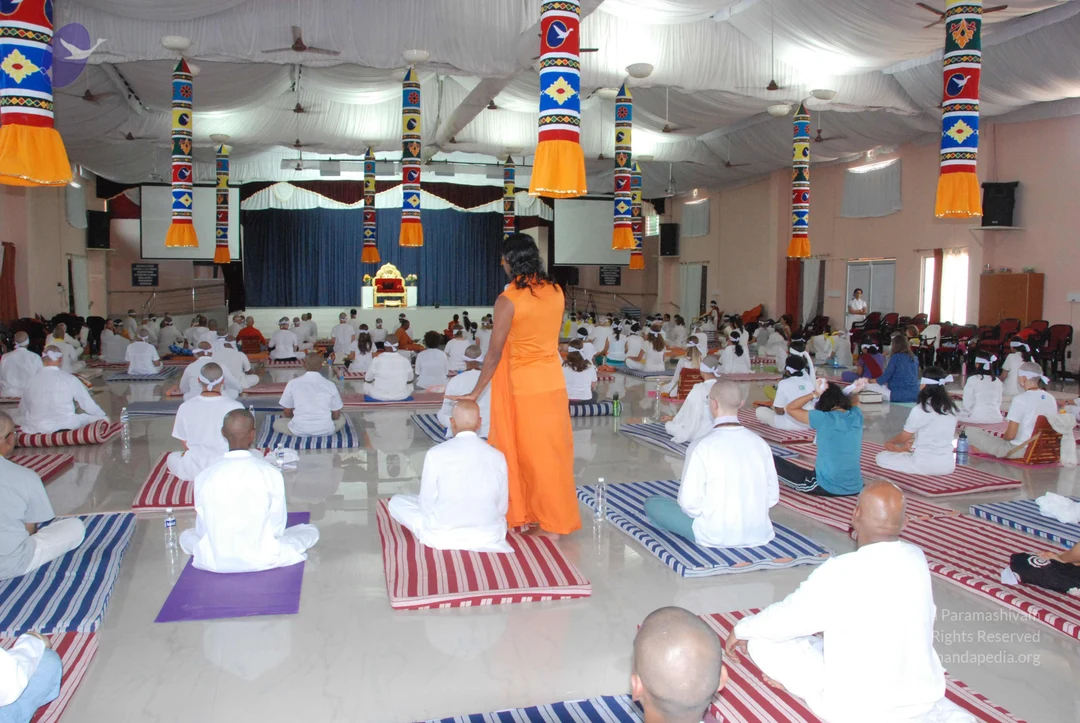
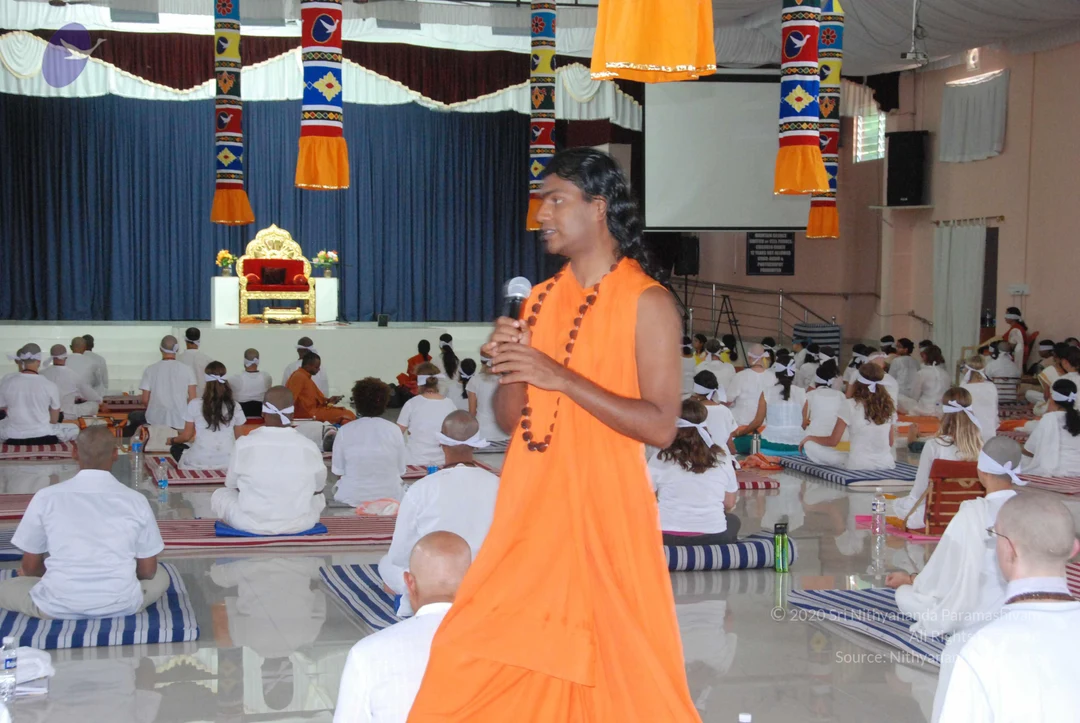
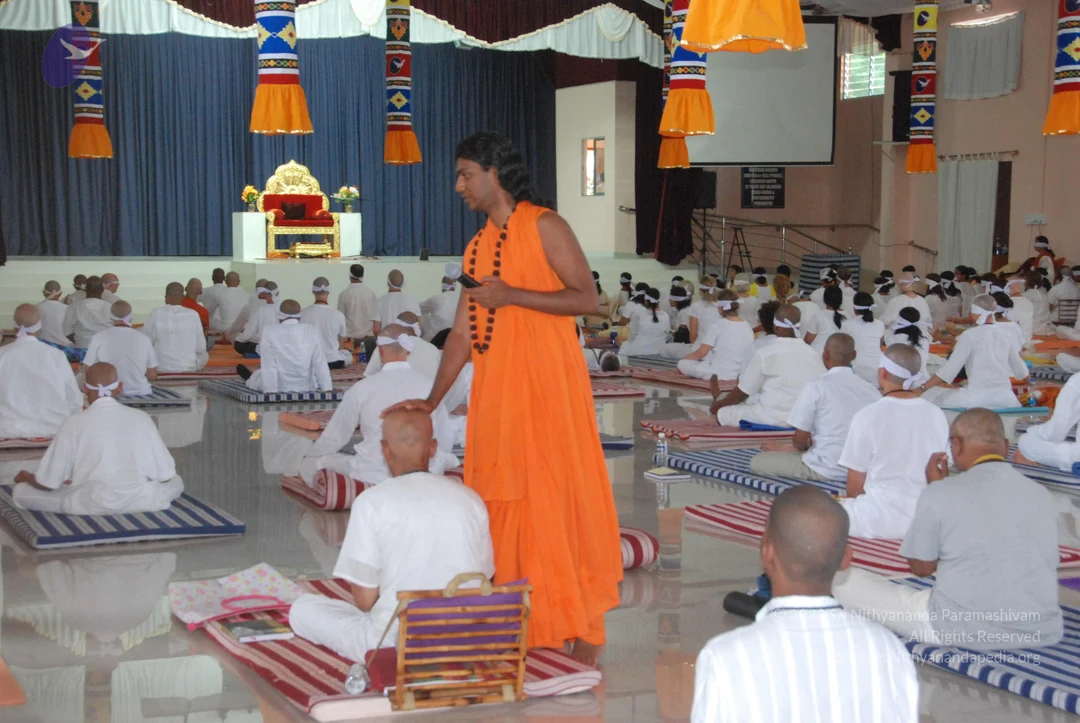
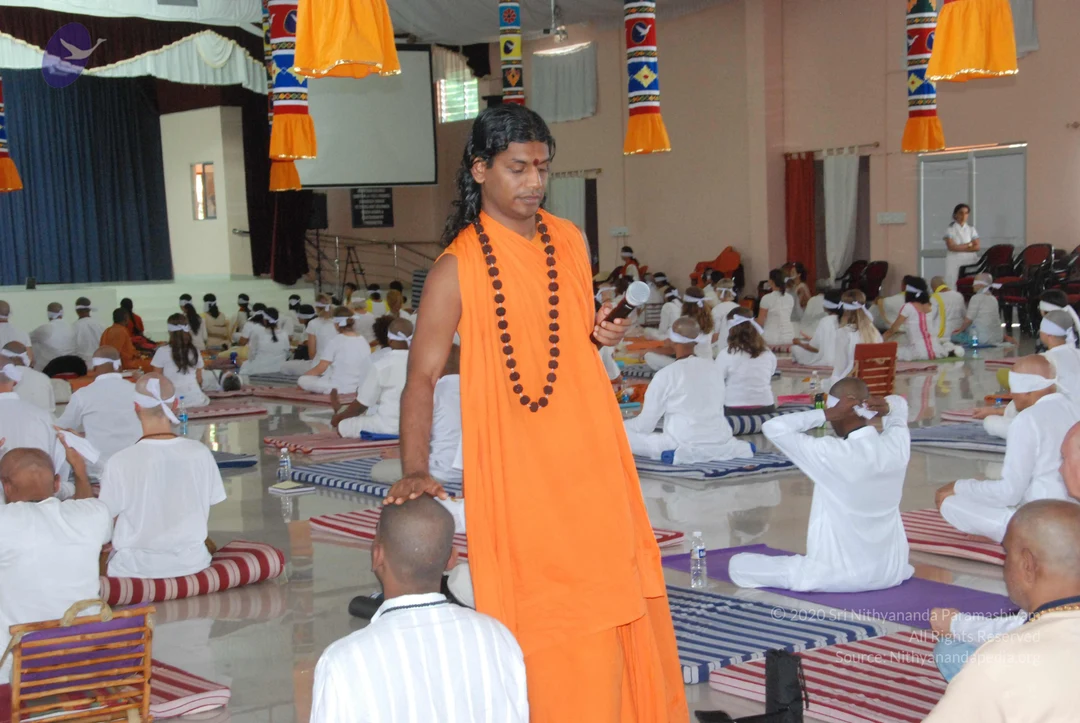
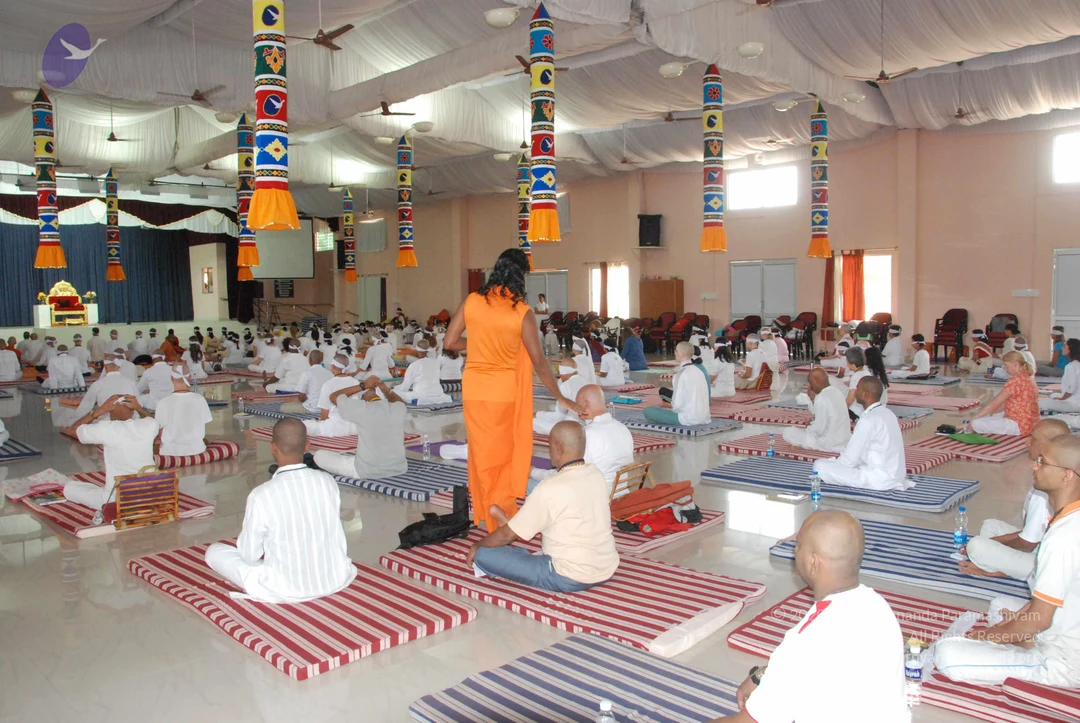
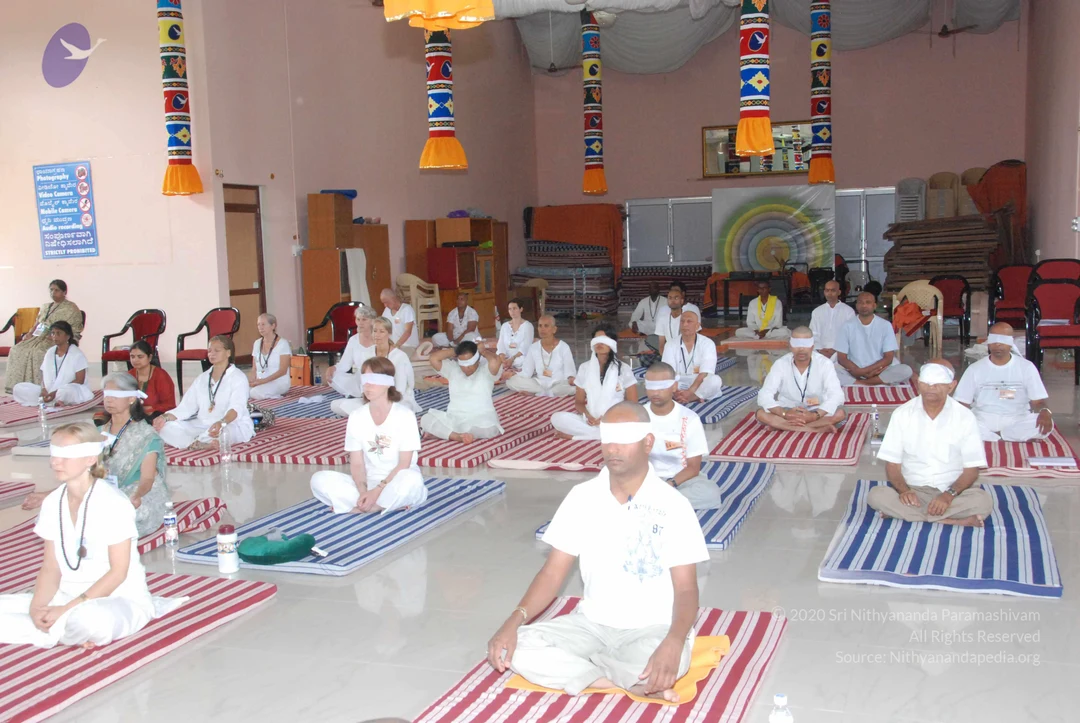
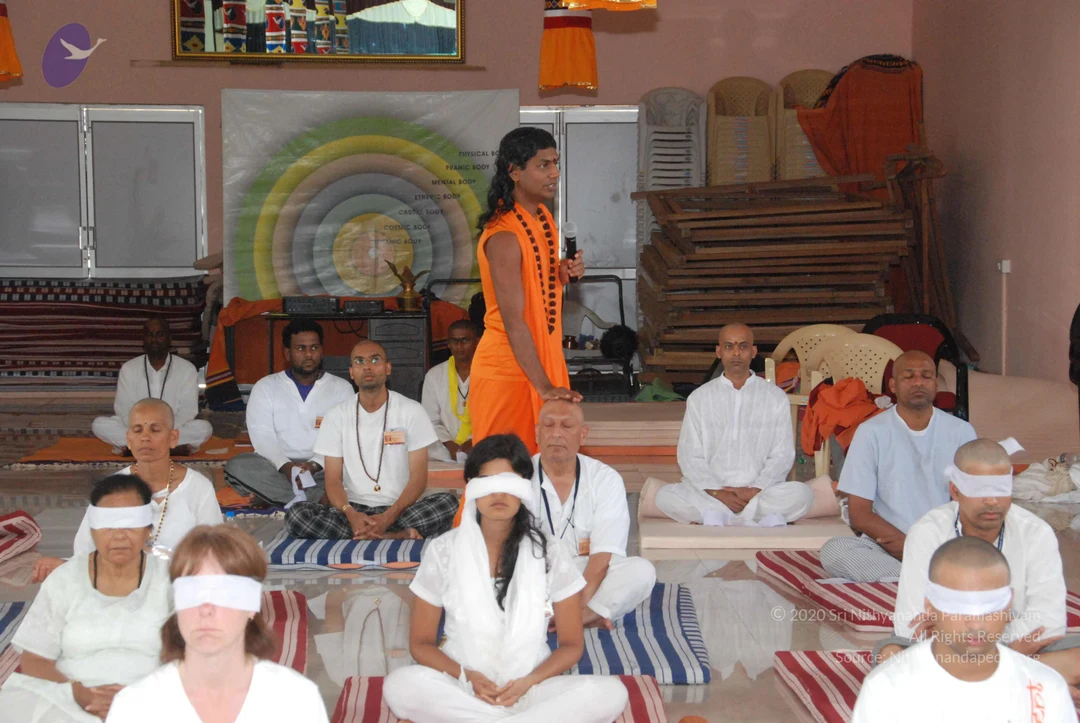
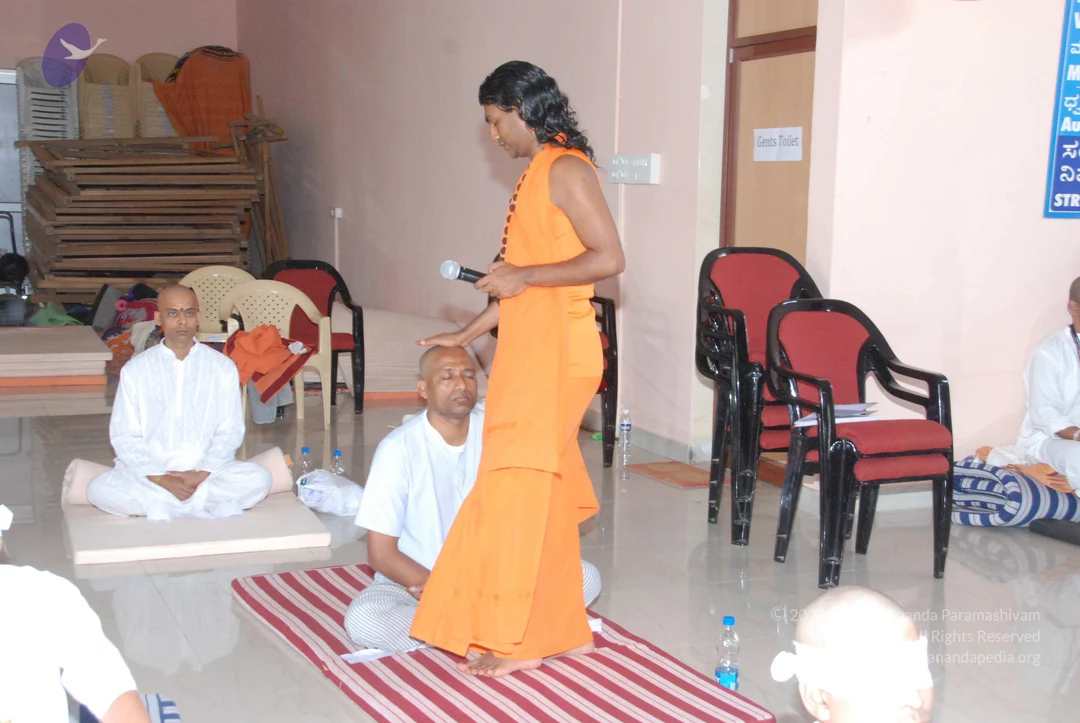
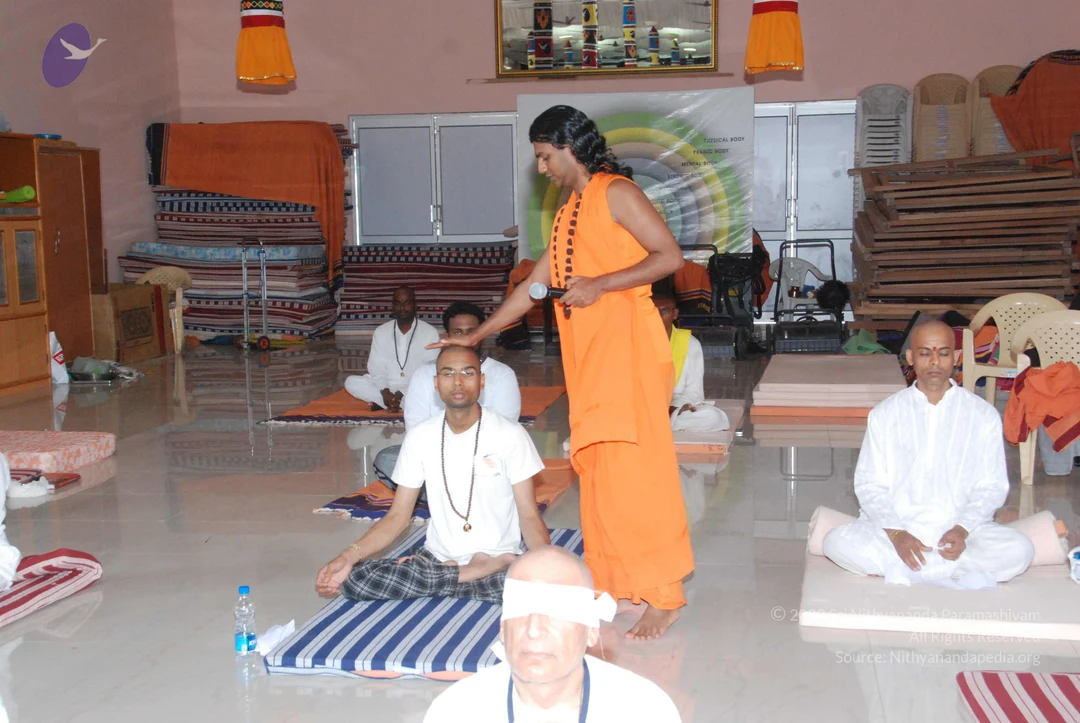
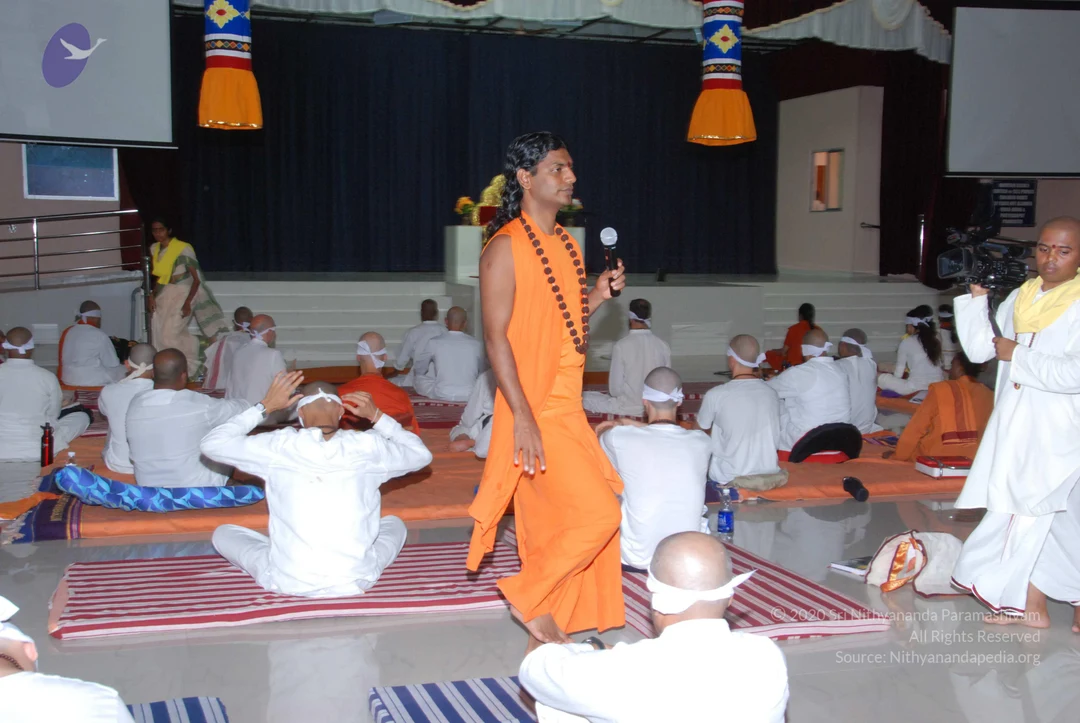
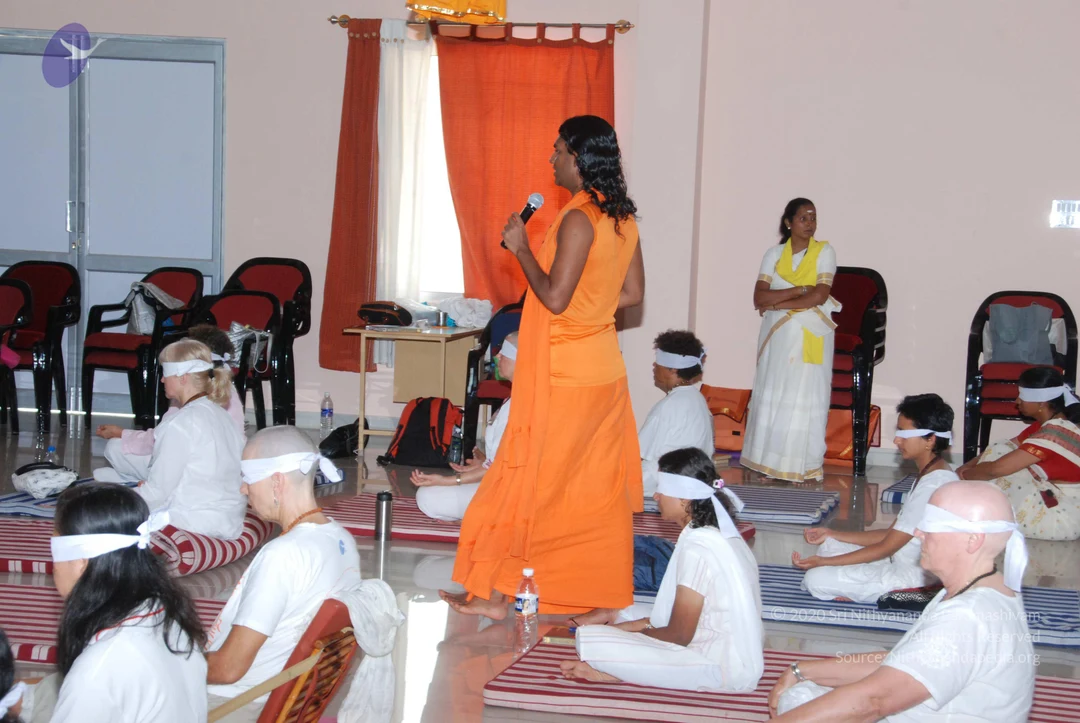
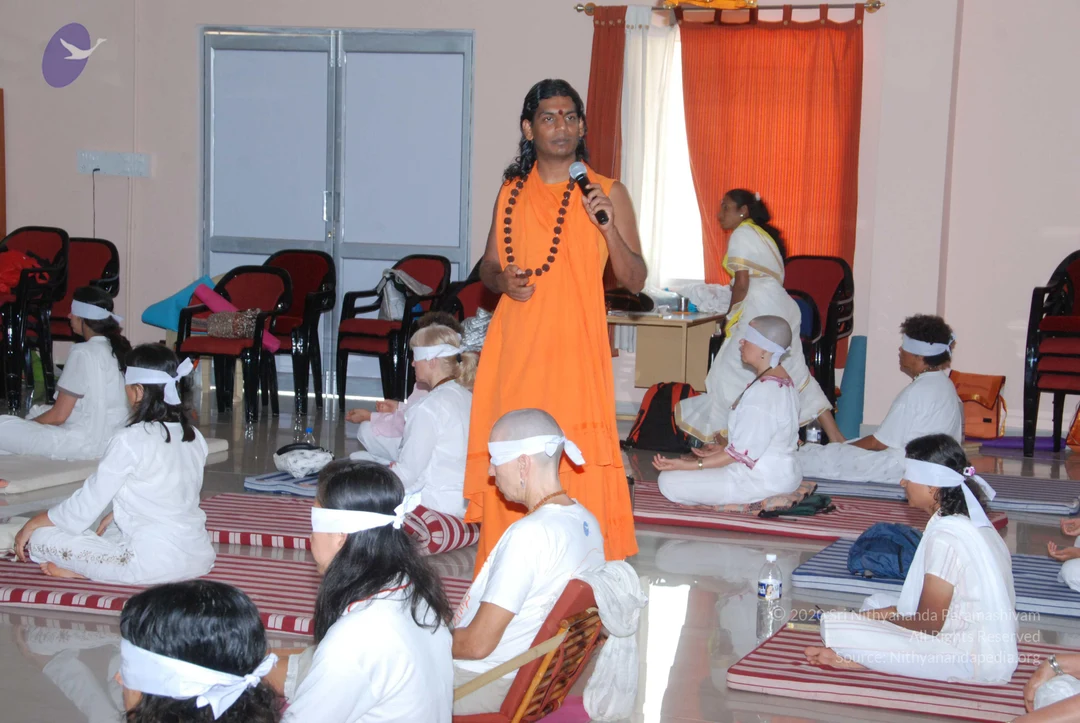
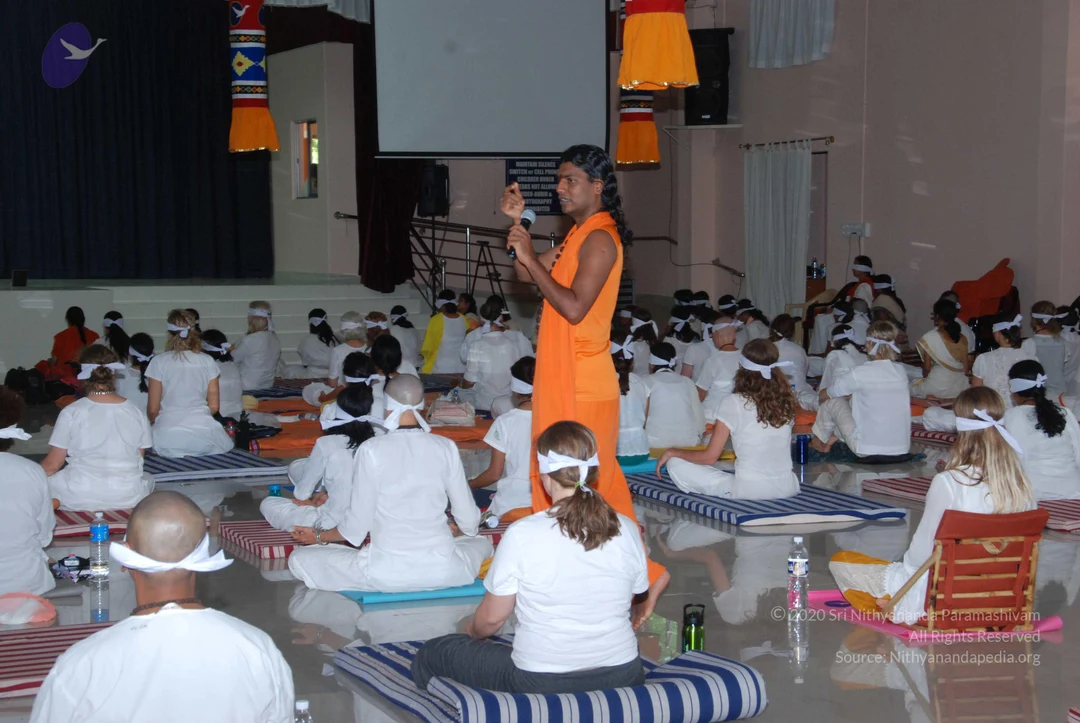
In this 3 min prelude, Nithyananda unravels the science of Samana - a yogic practice to balance the spreading air energy, a by-product of which is levitation. Watch the participants experiencing levitation in the presence of Paramahamsa Nithyananda. He speaks of the Ashta Maha Siddhis (8 yogic powers) which happened as a result of the balanced Samana. Watch for the detailed video coming soon.
Video and Audio
Levitation in the presence of Nithyananda (Living Enlightenment Process)
| Video | Audio |
Title
8 Aug 2010: Nithyananda World Family News
Video and Audio
28 Aug 2010: Nithyananda World Family News
| Video | Audio |
Photos Of The Day:
Adikailaasa-Morning-Events
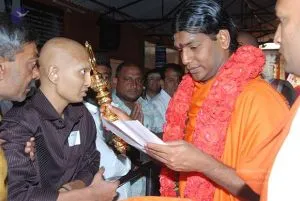
Photos Of The Day:
Pacha-Tapas
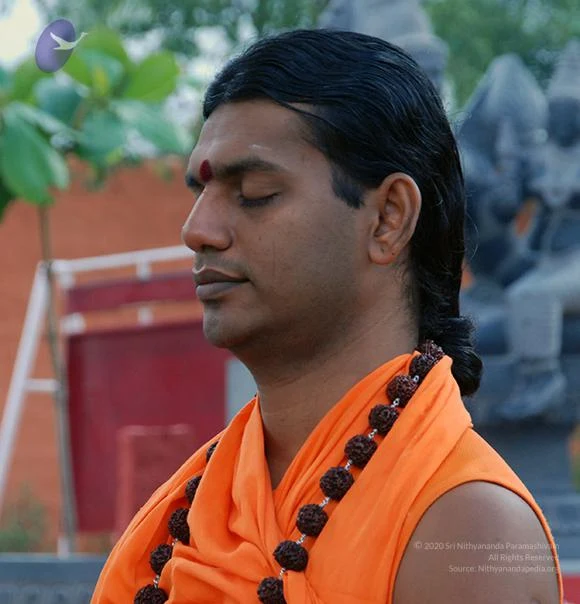
Pada-Puja
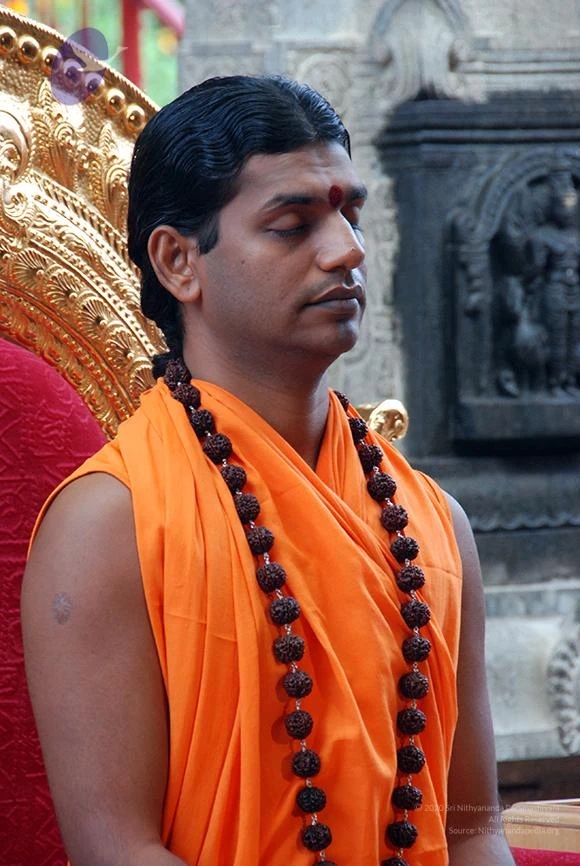
Morning-Message
Sarva-Darshan
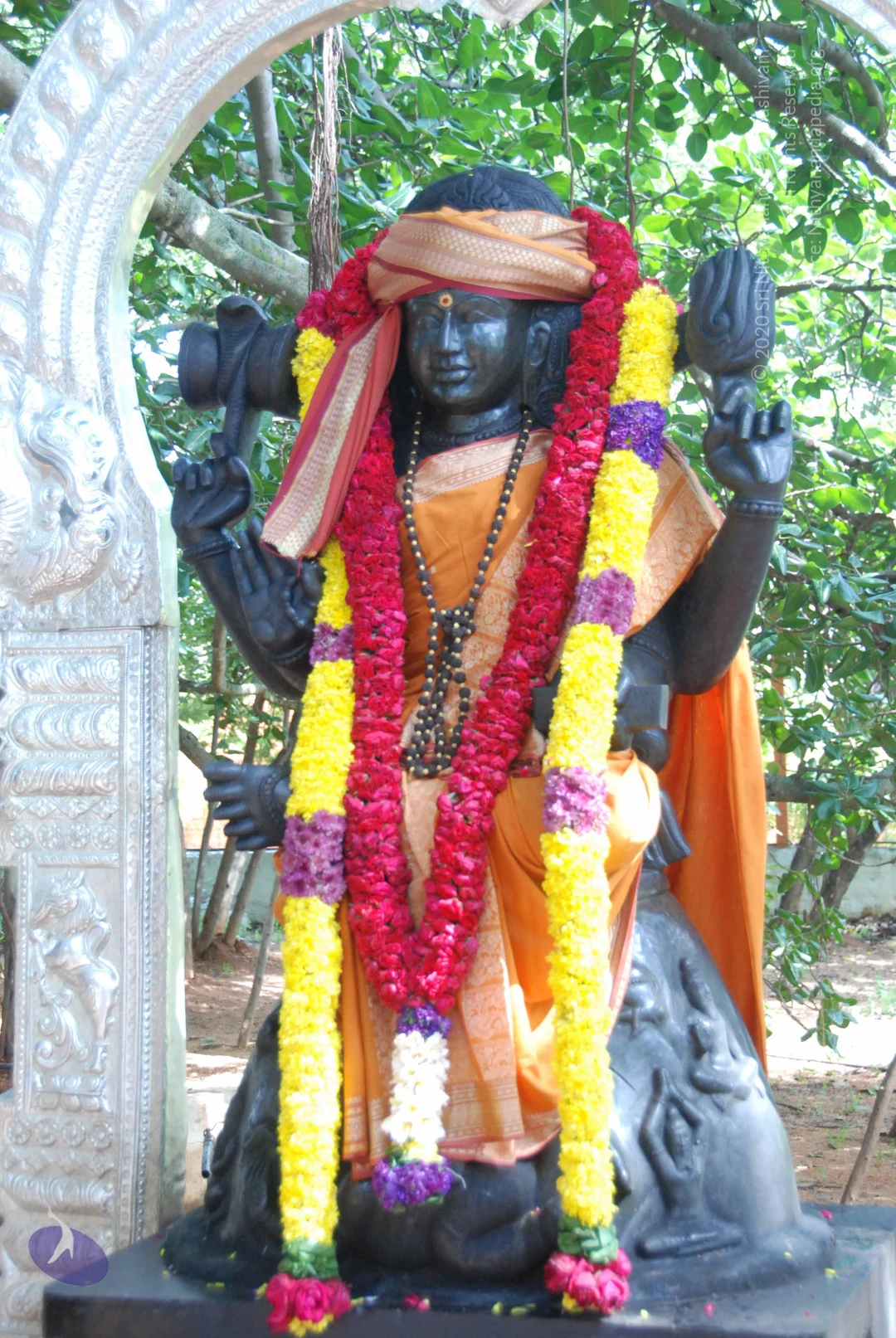
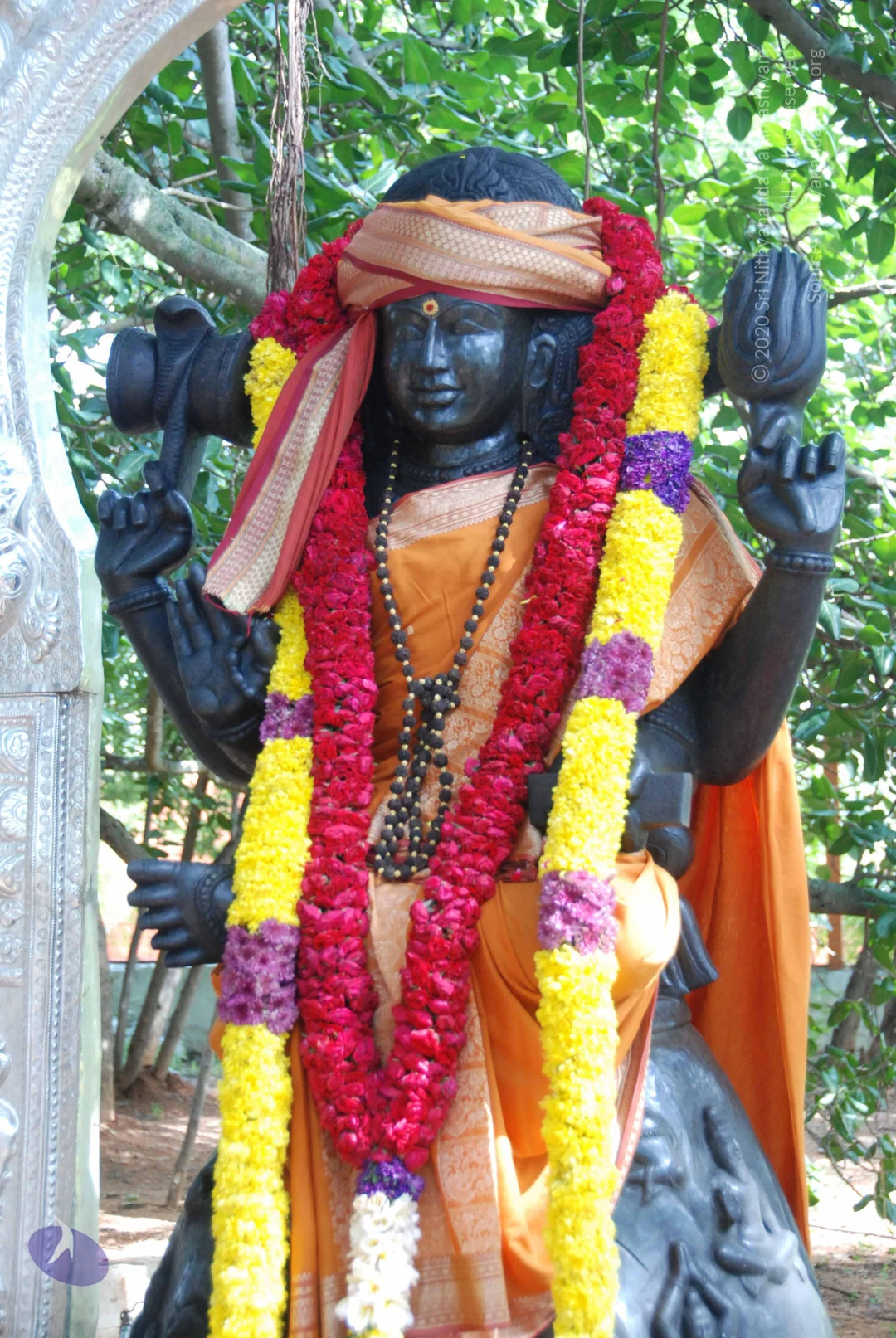
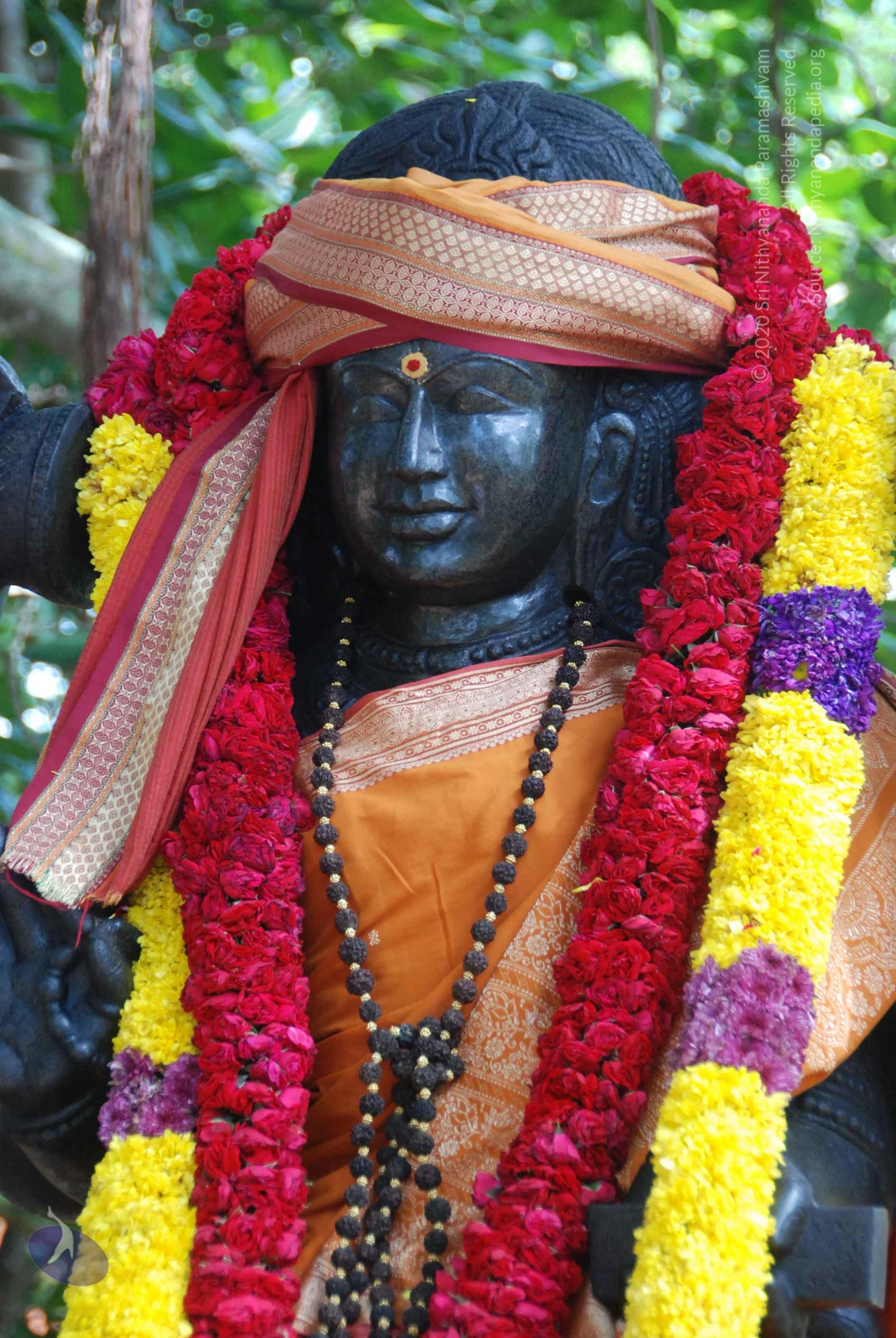
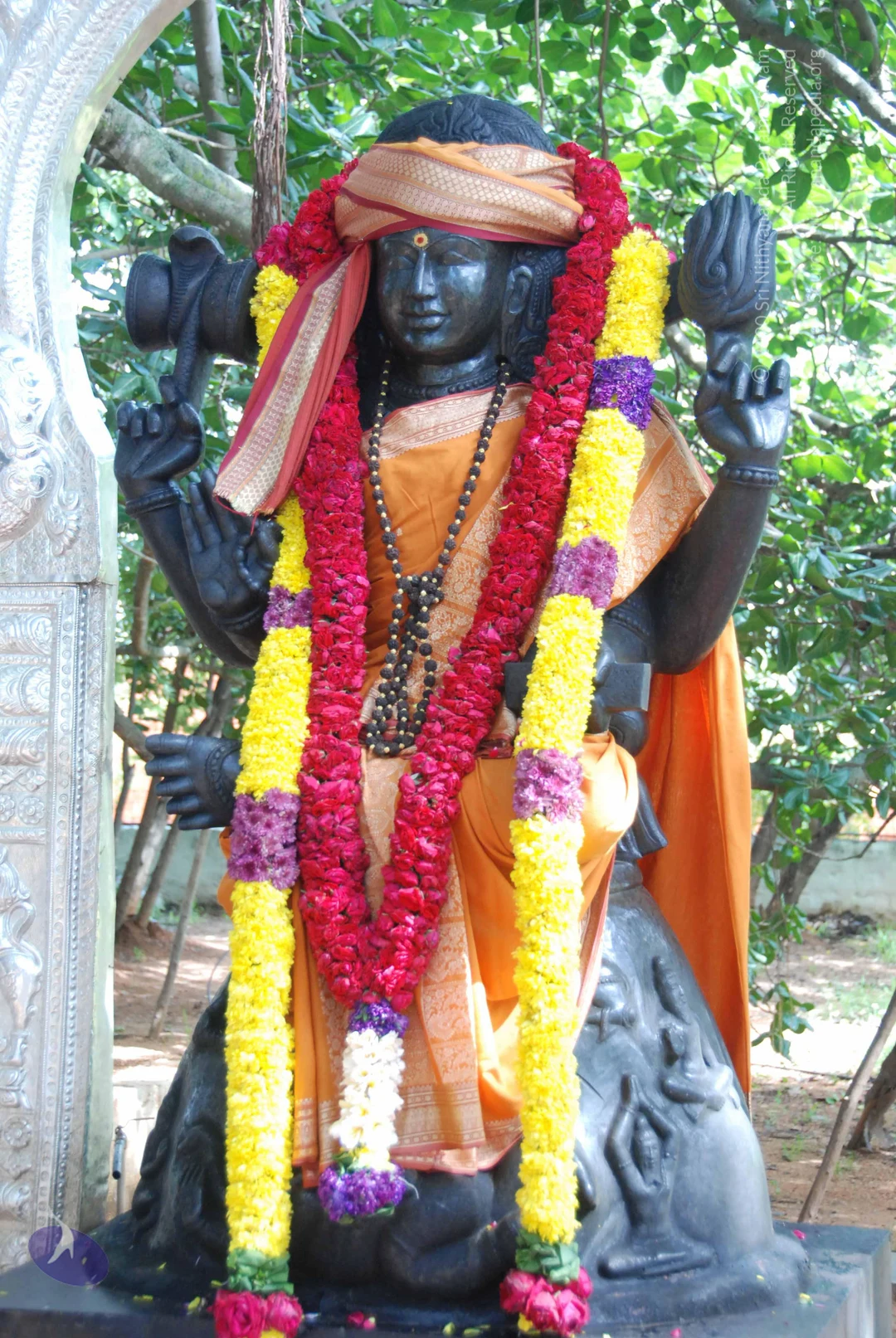
Dakshinamurti-Sacred-Banyan-Tree
Kalpataru
ASP-Acharya
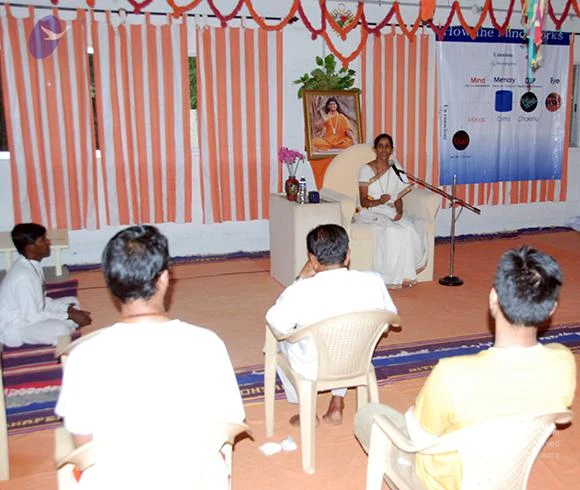
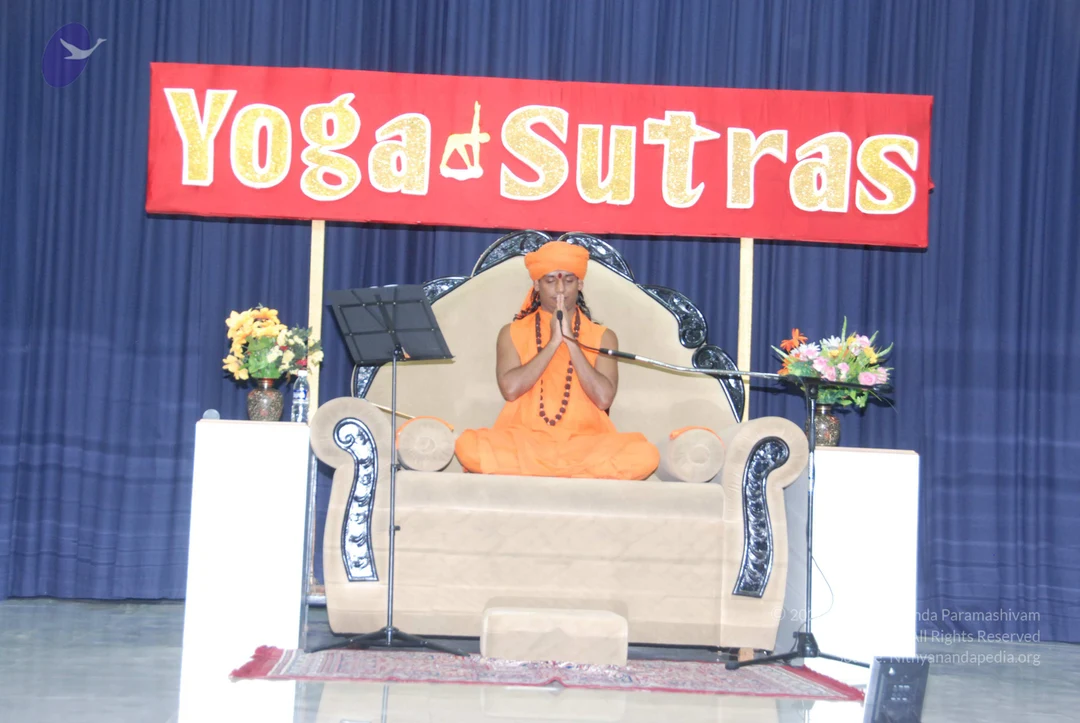
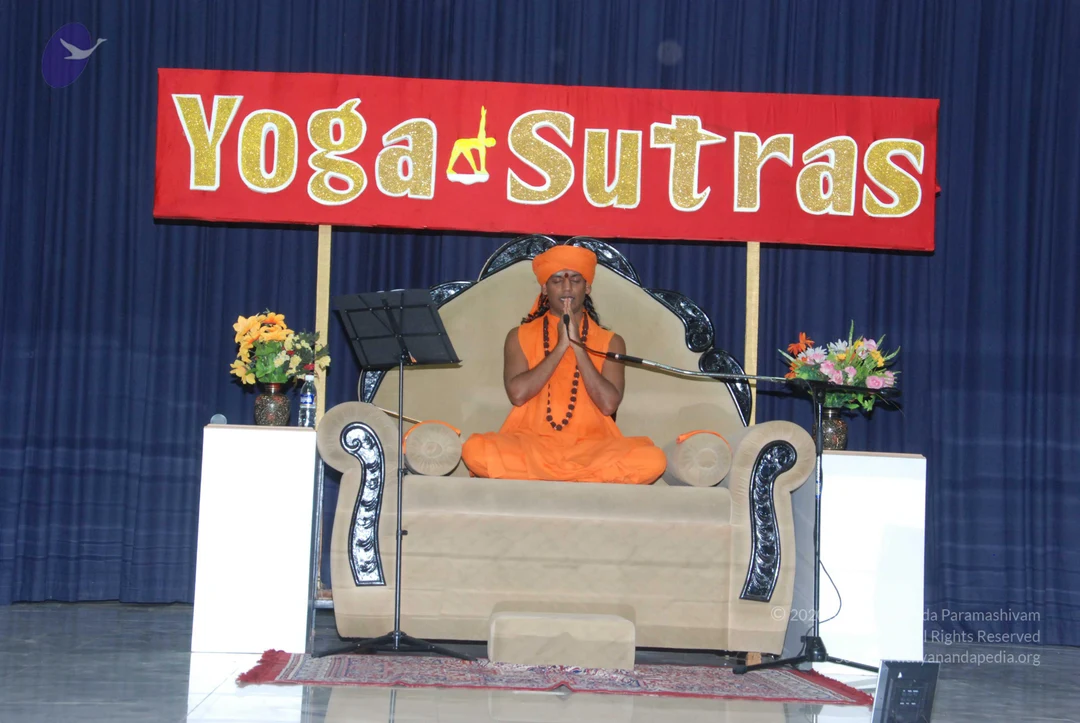
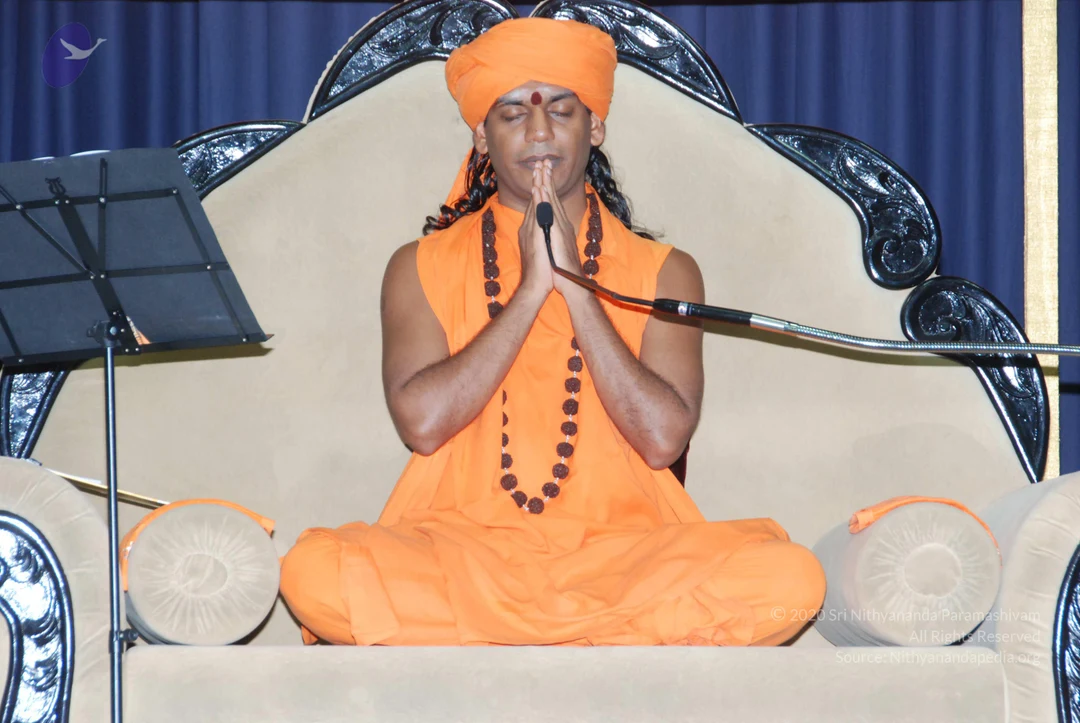
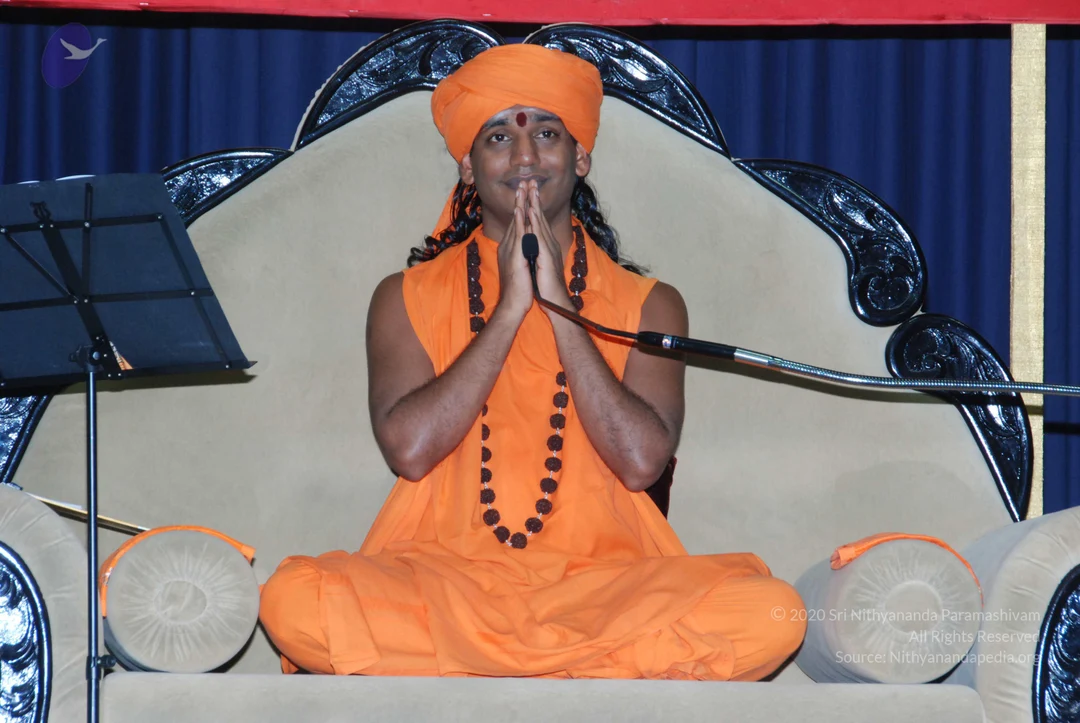
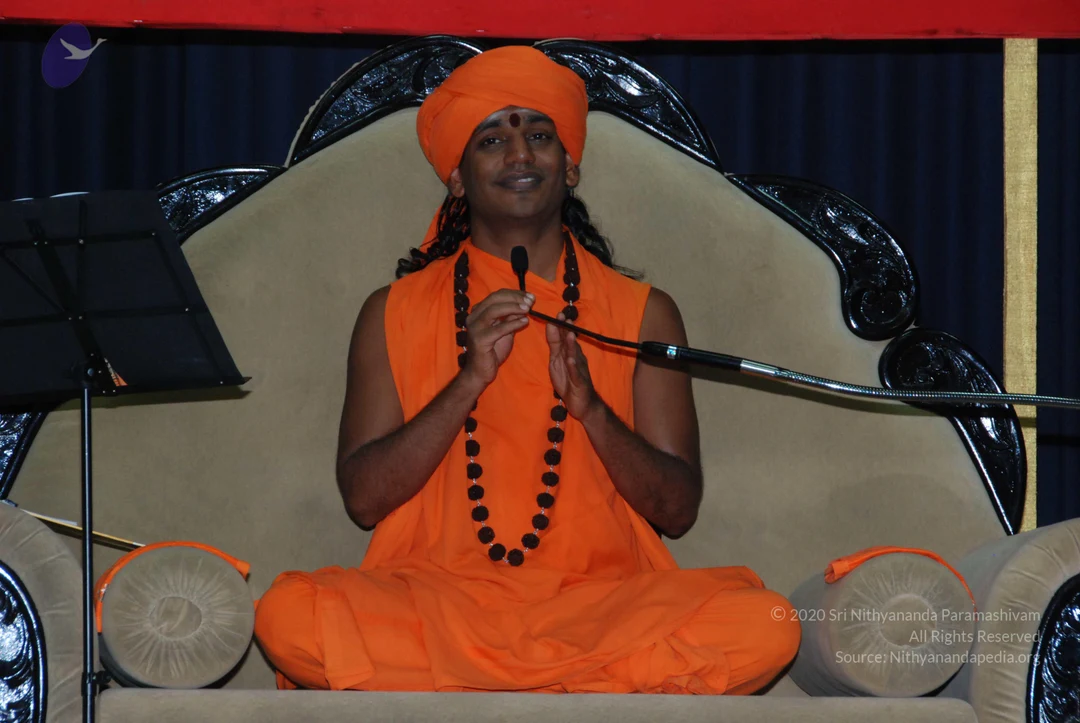
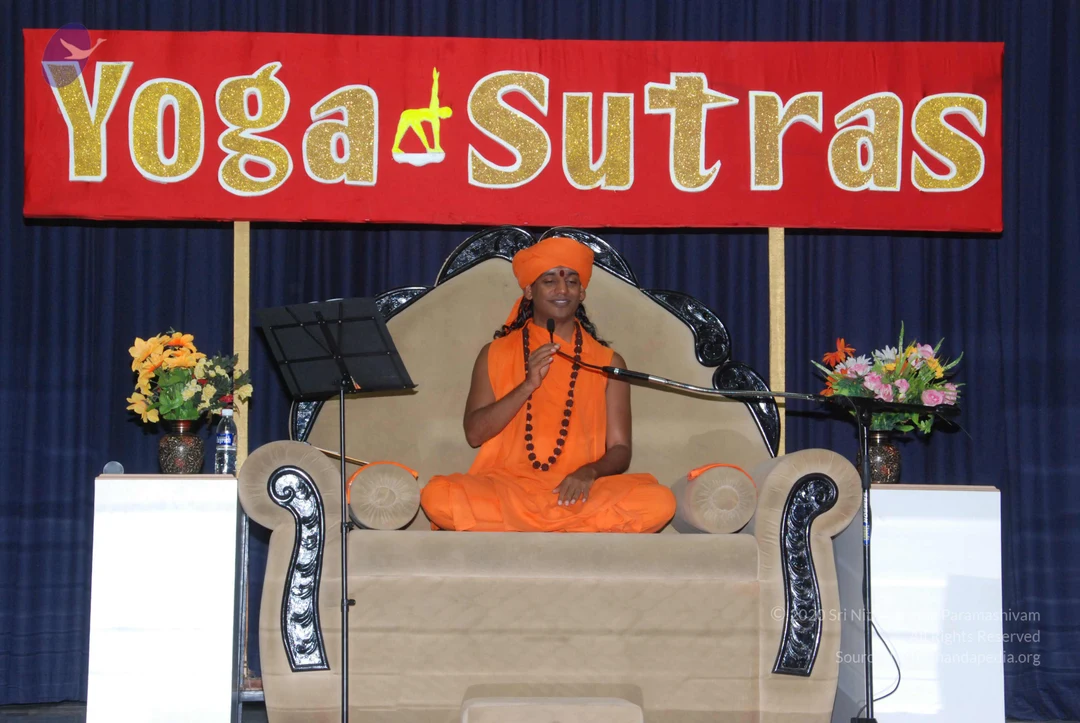
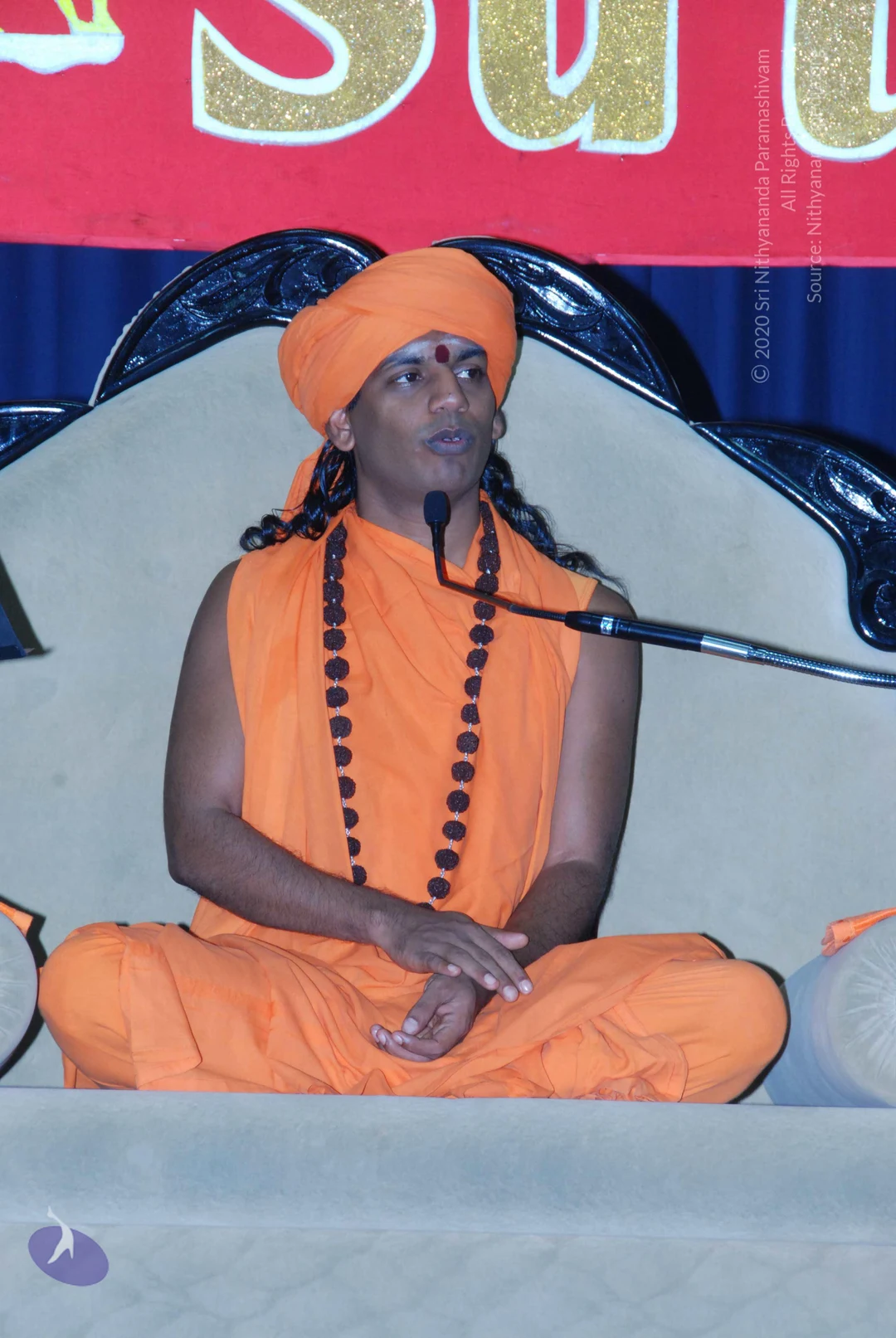
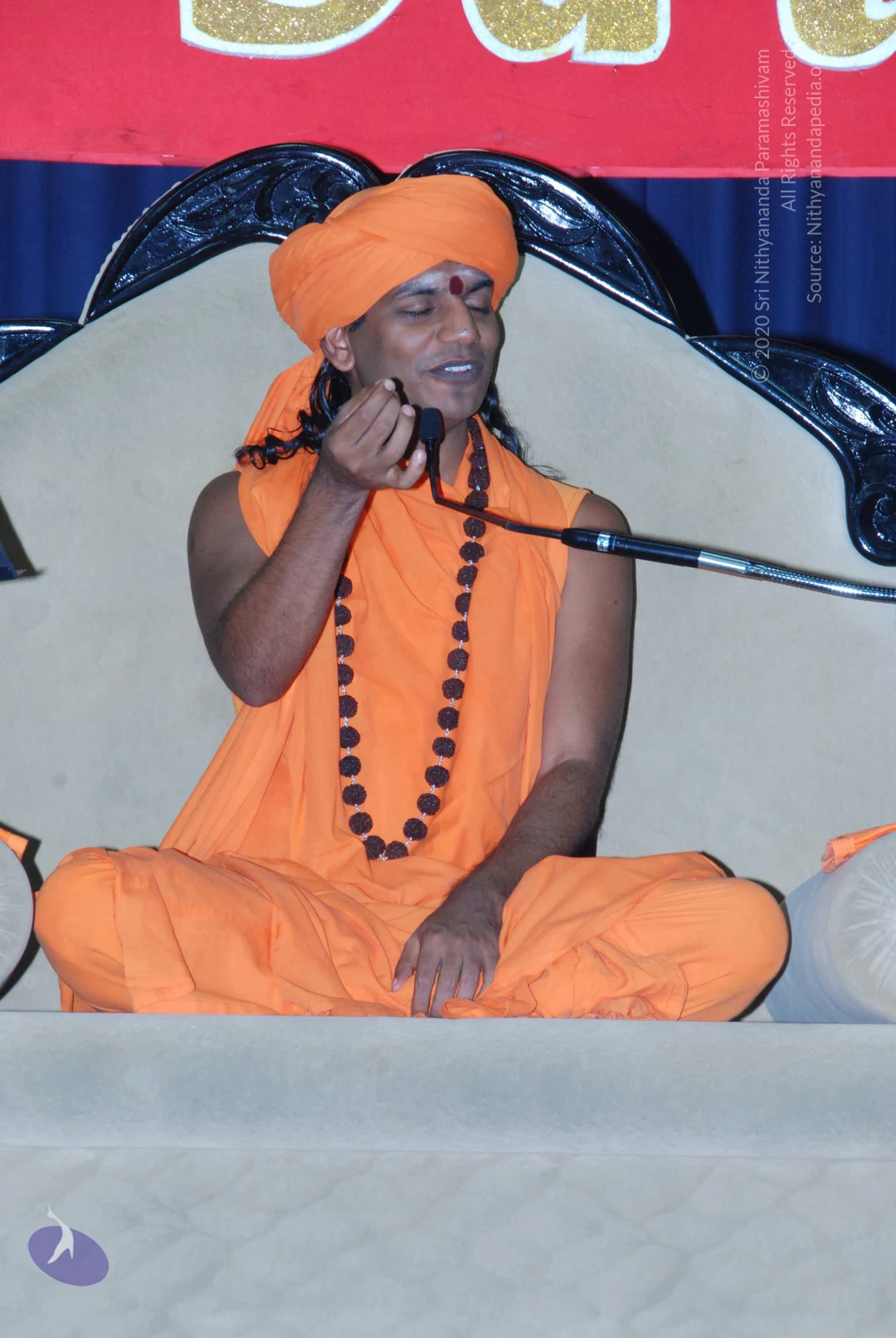
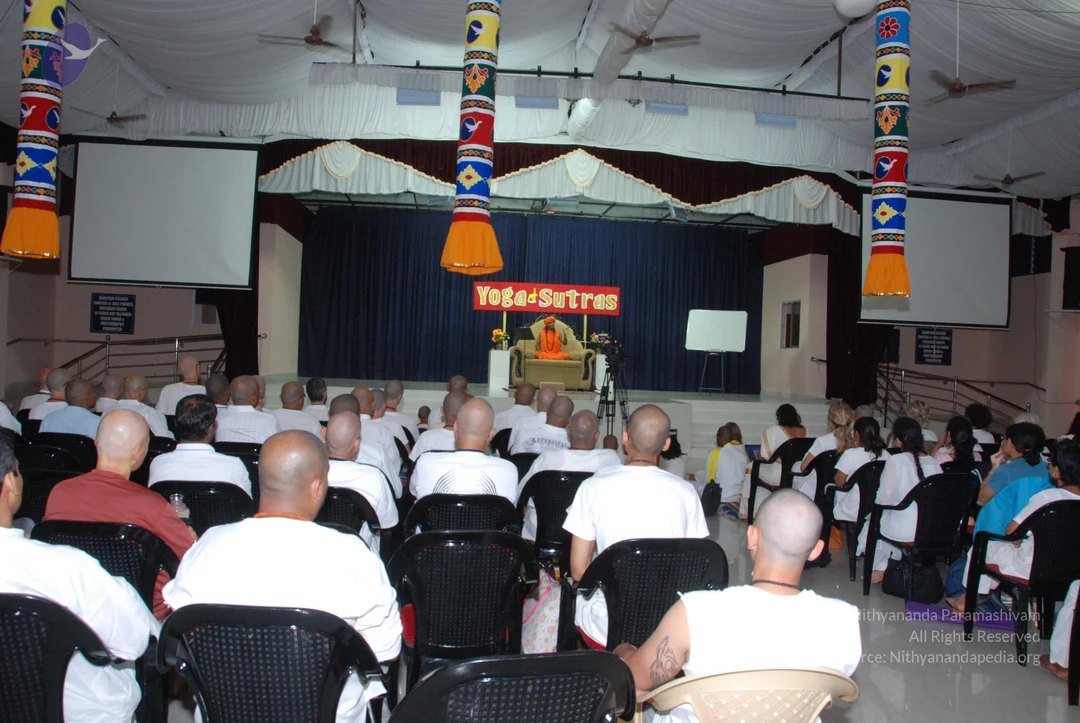
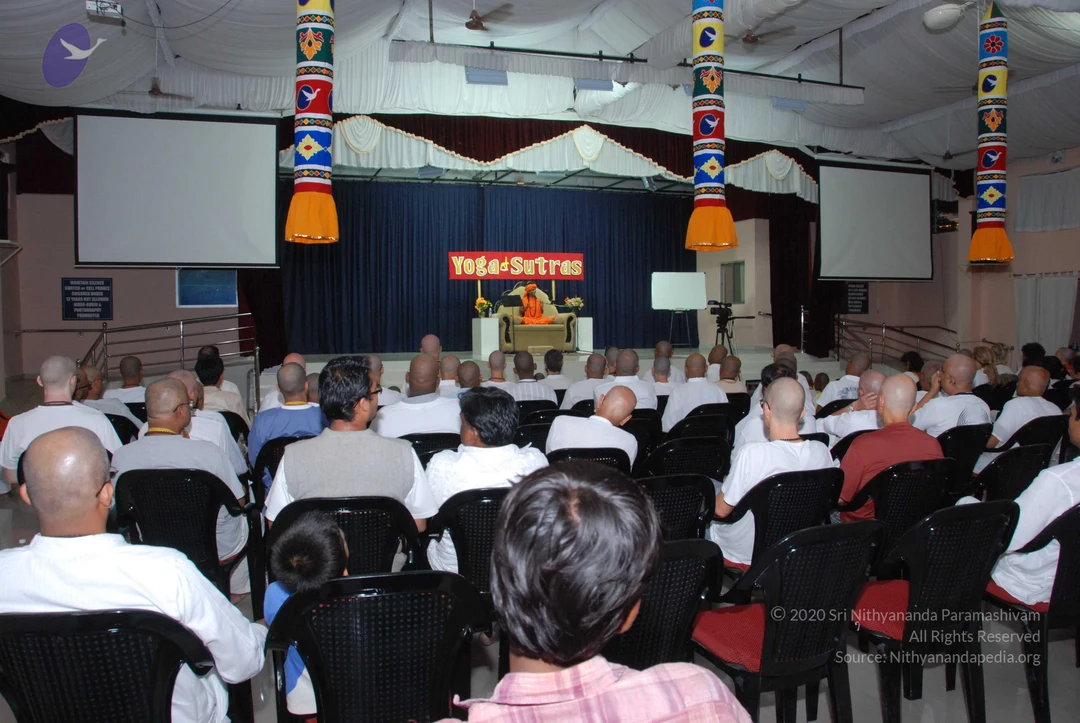
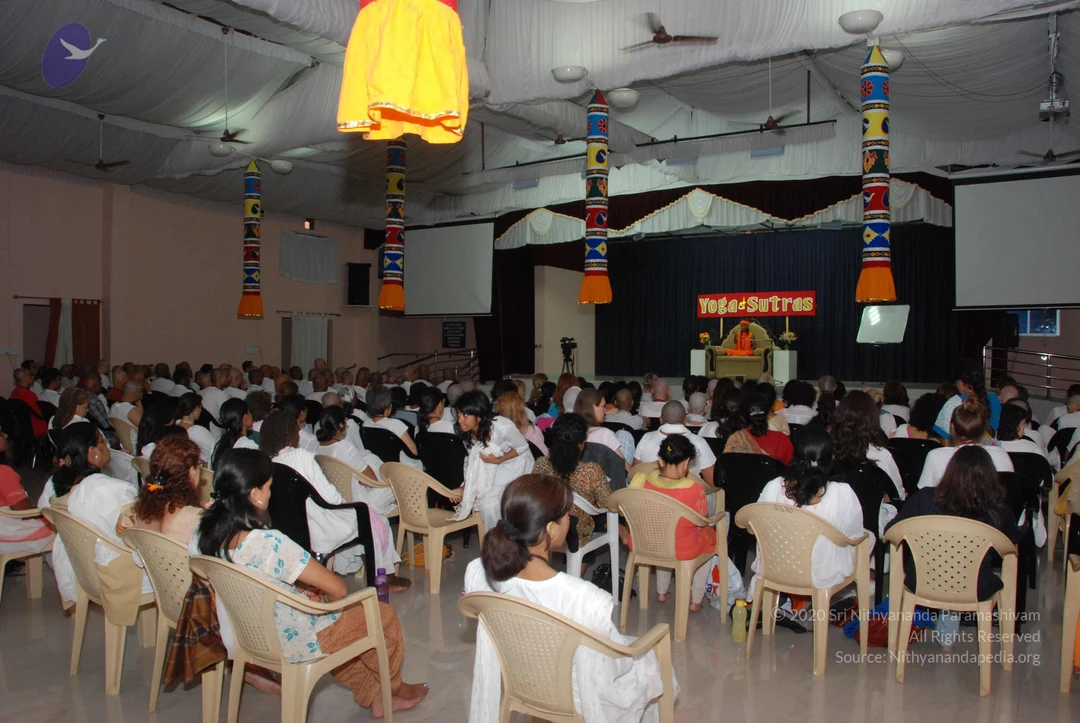
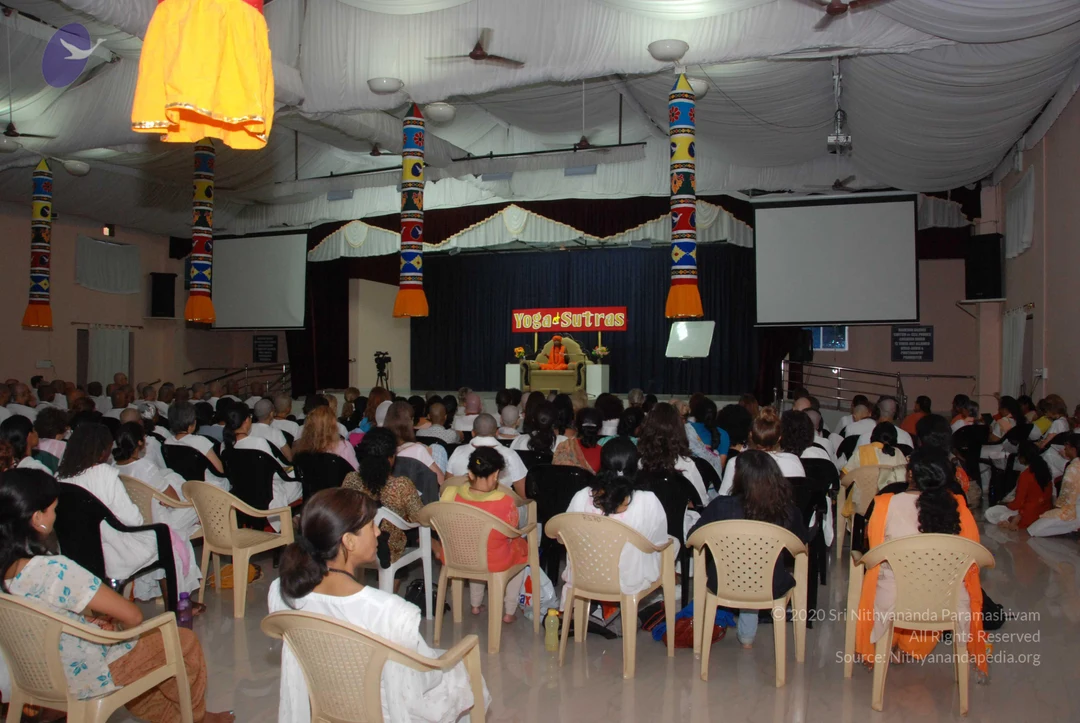
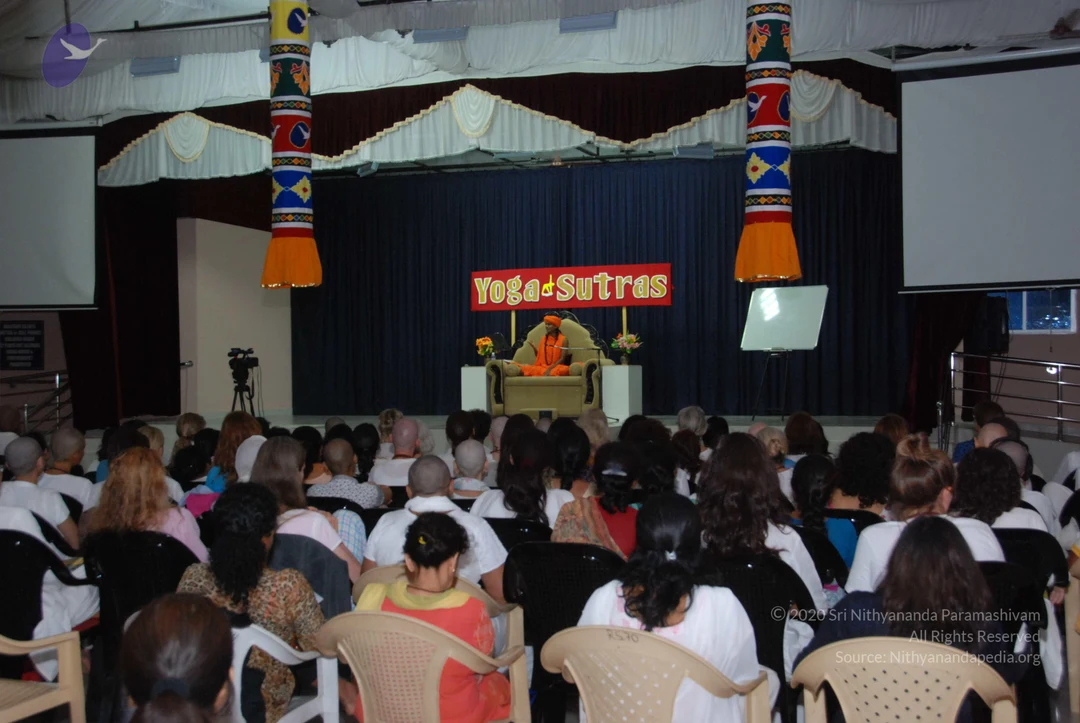
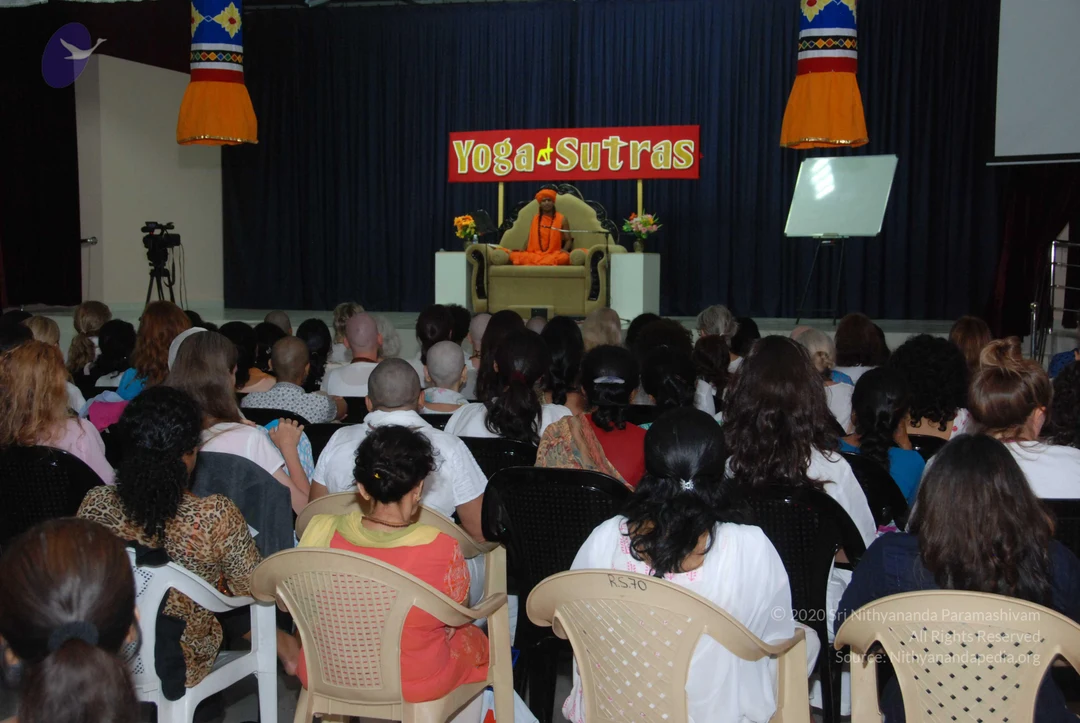
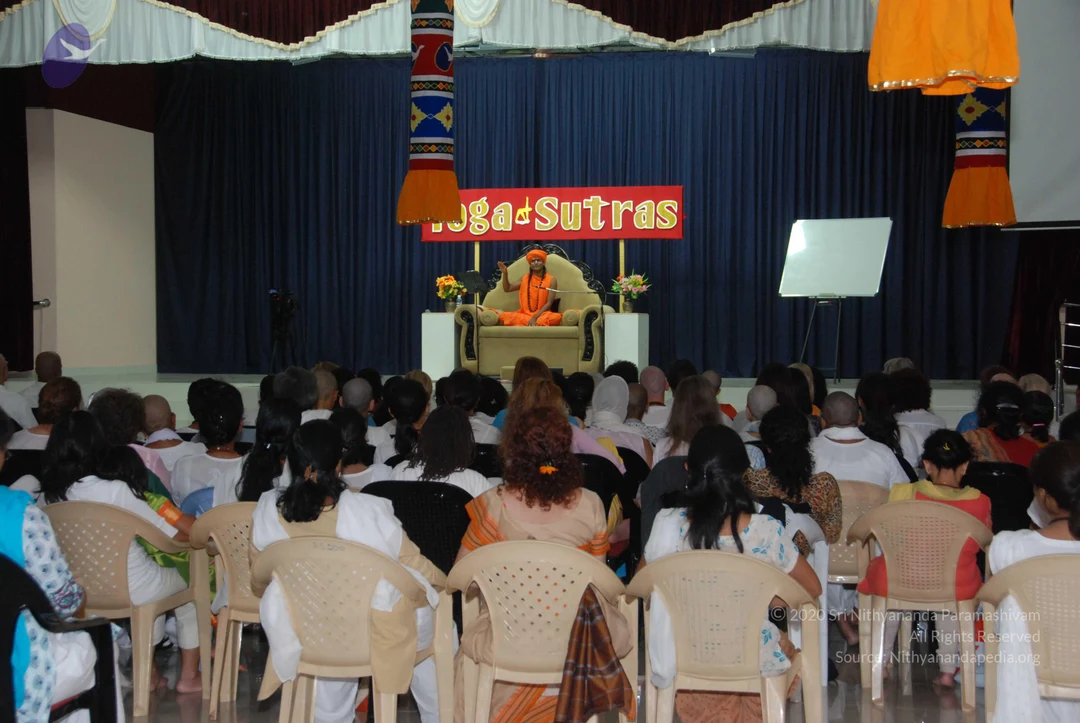
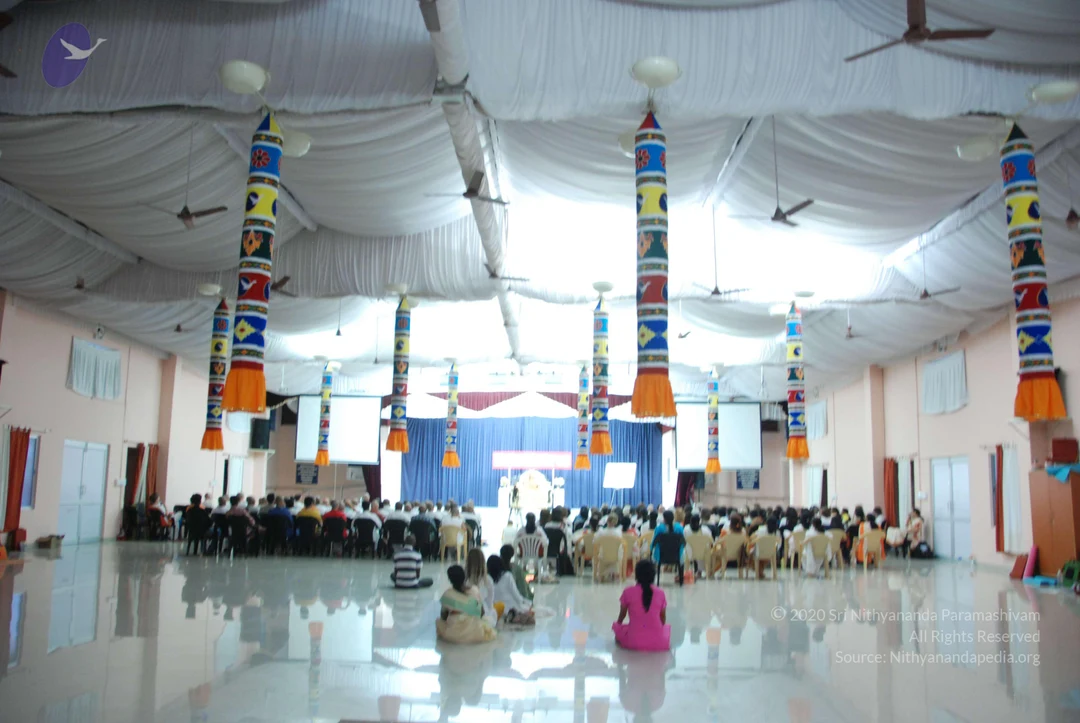
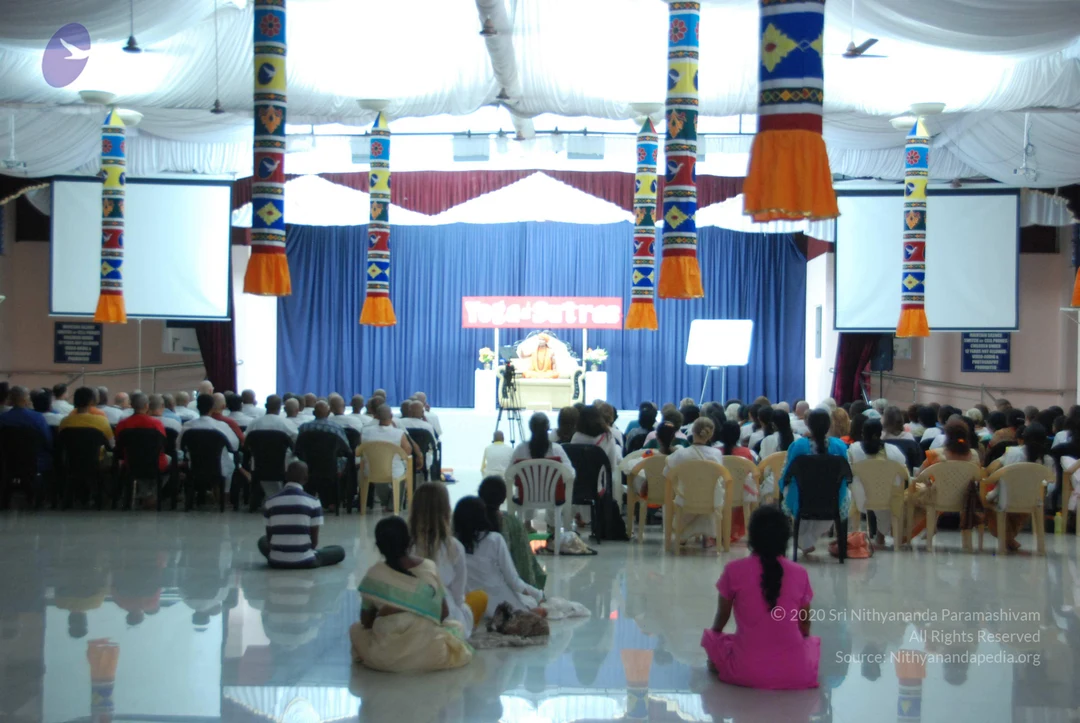
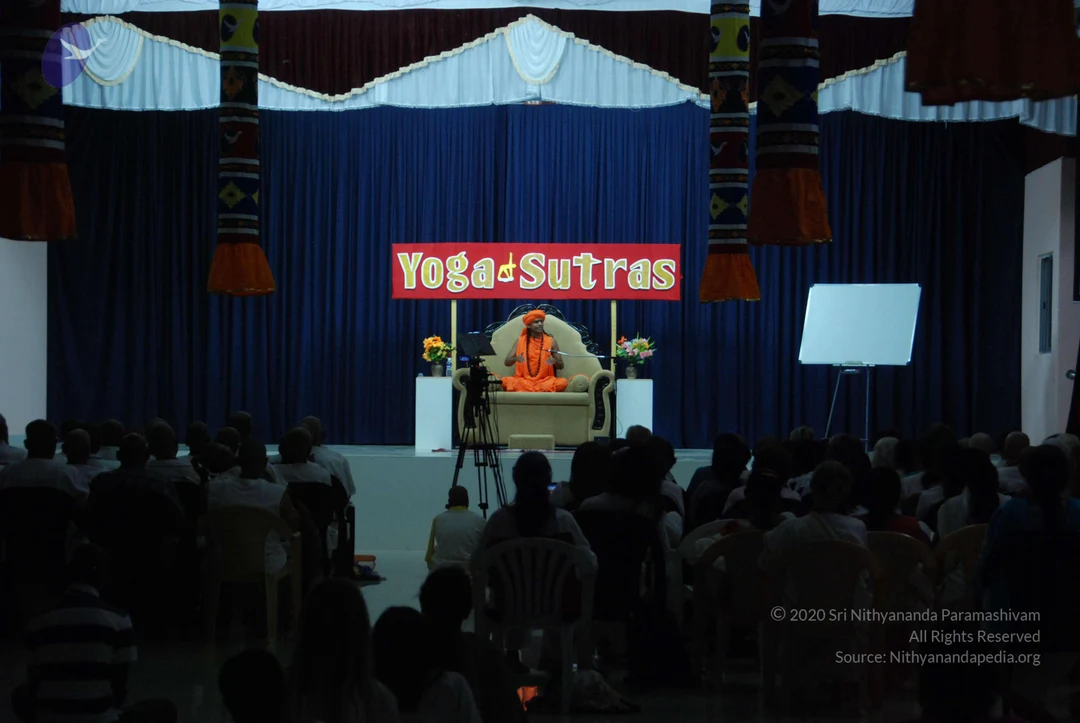
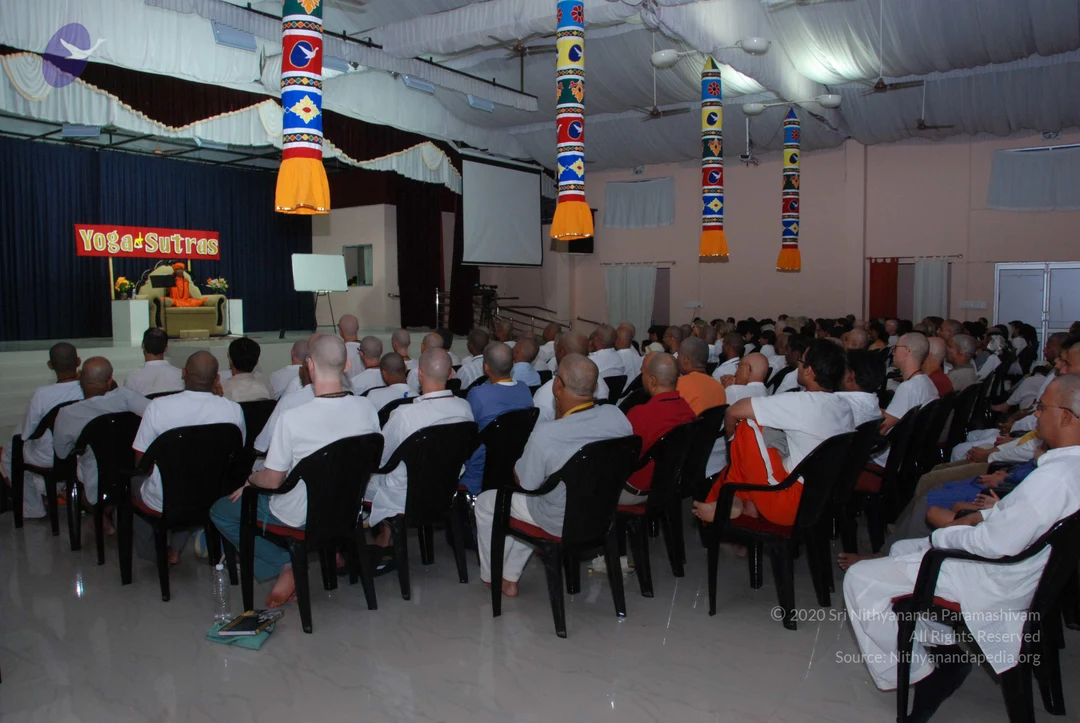
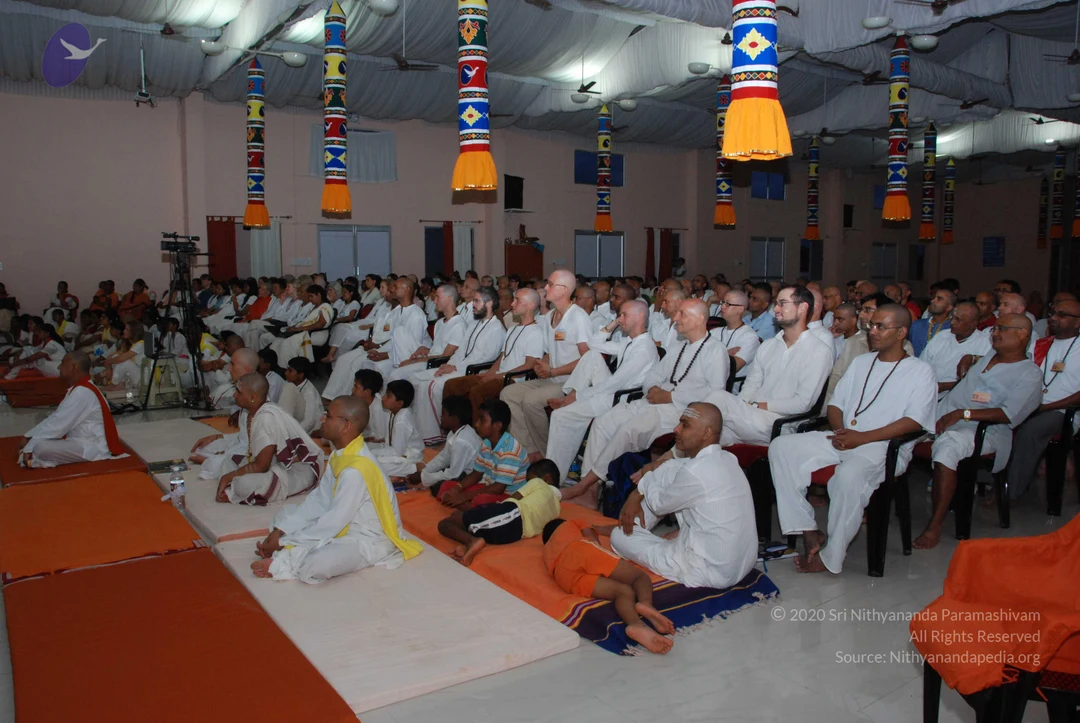
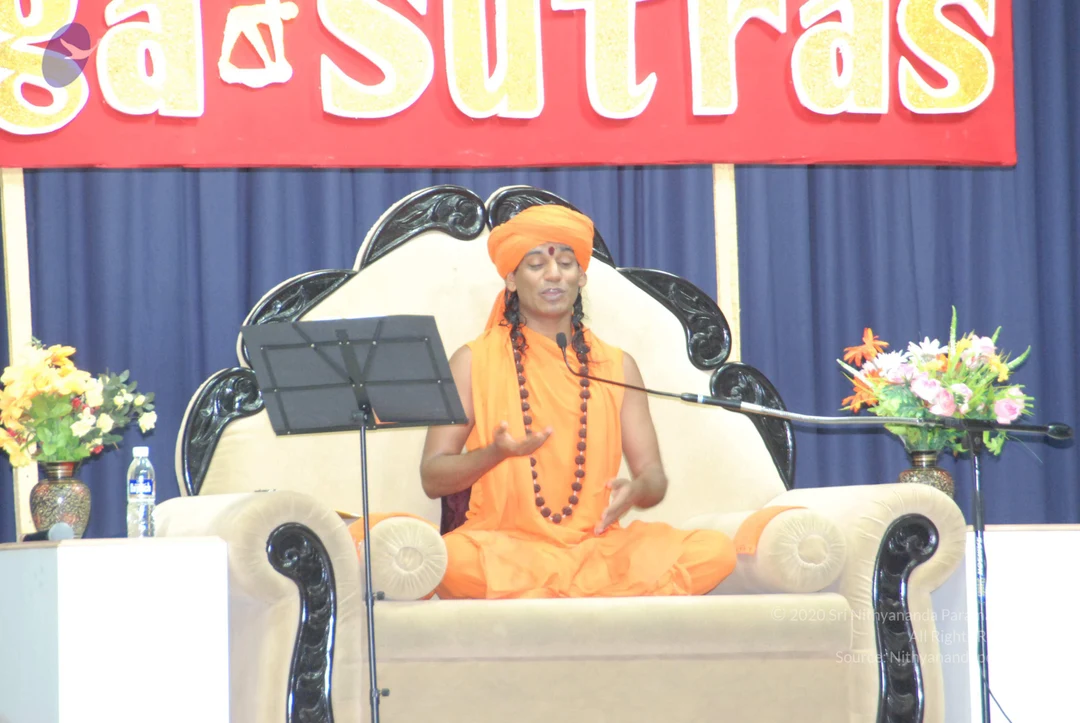
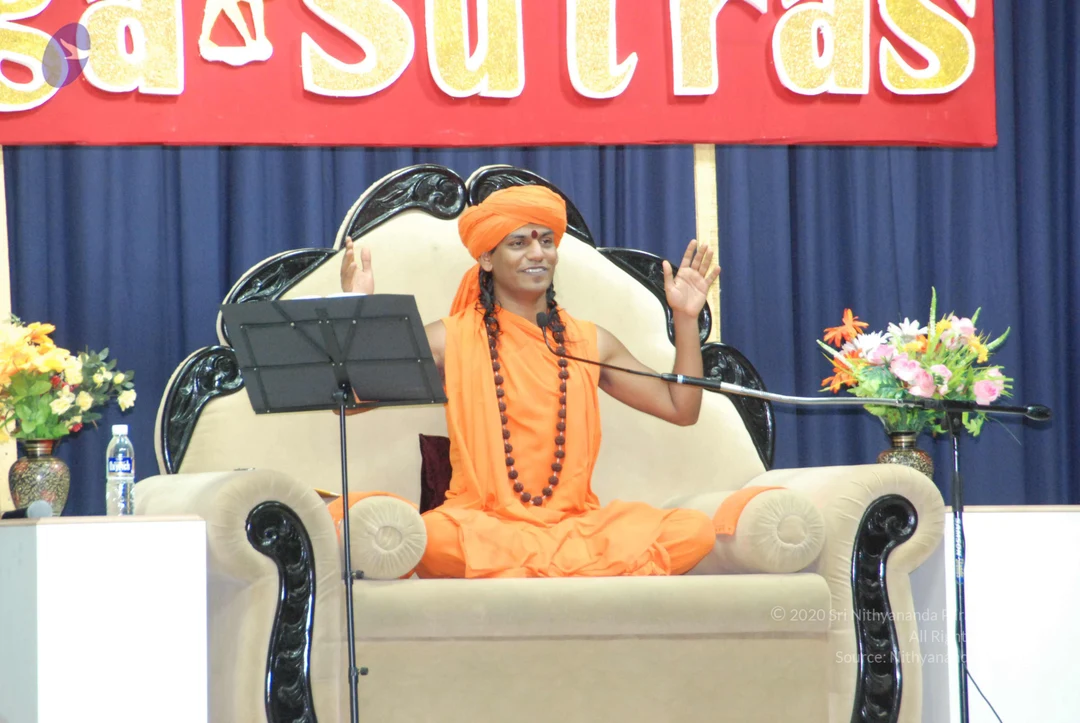
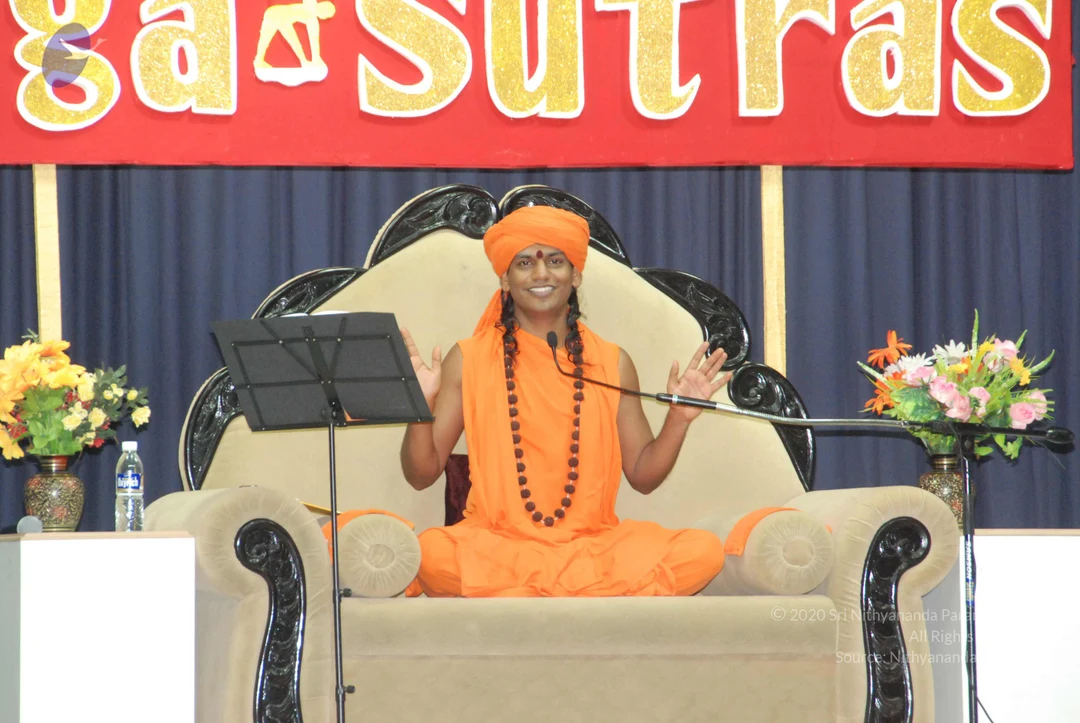
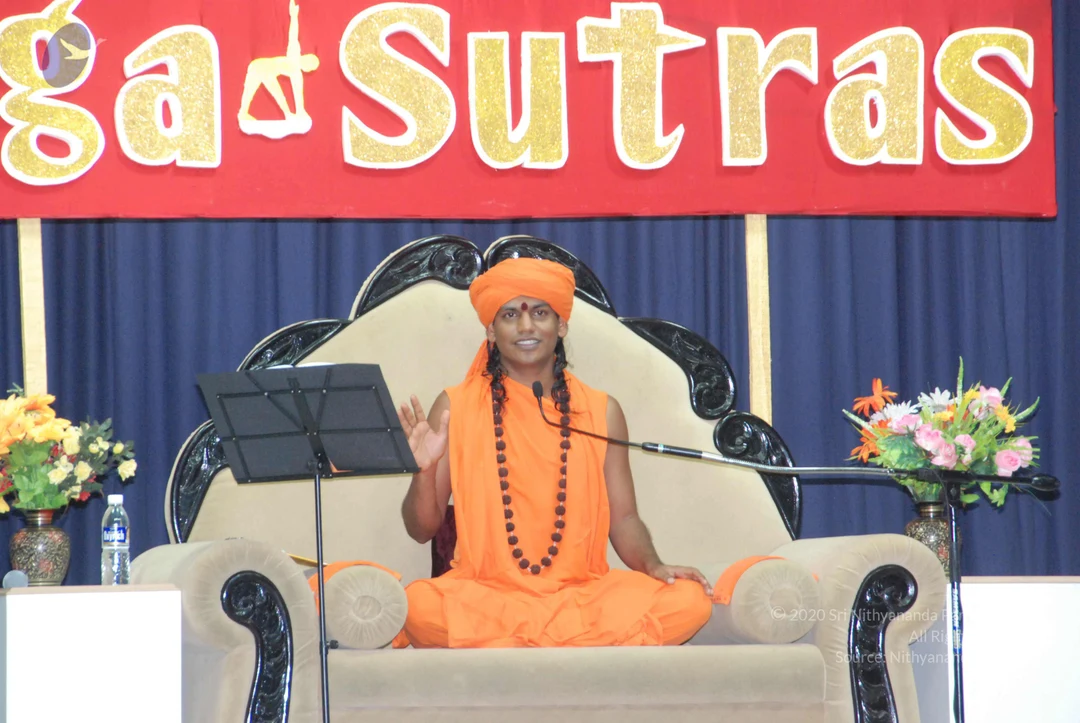
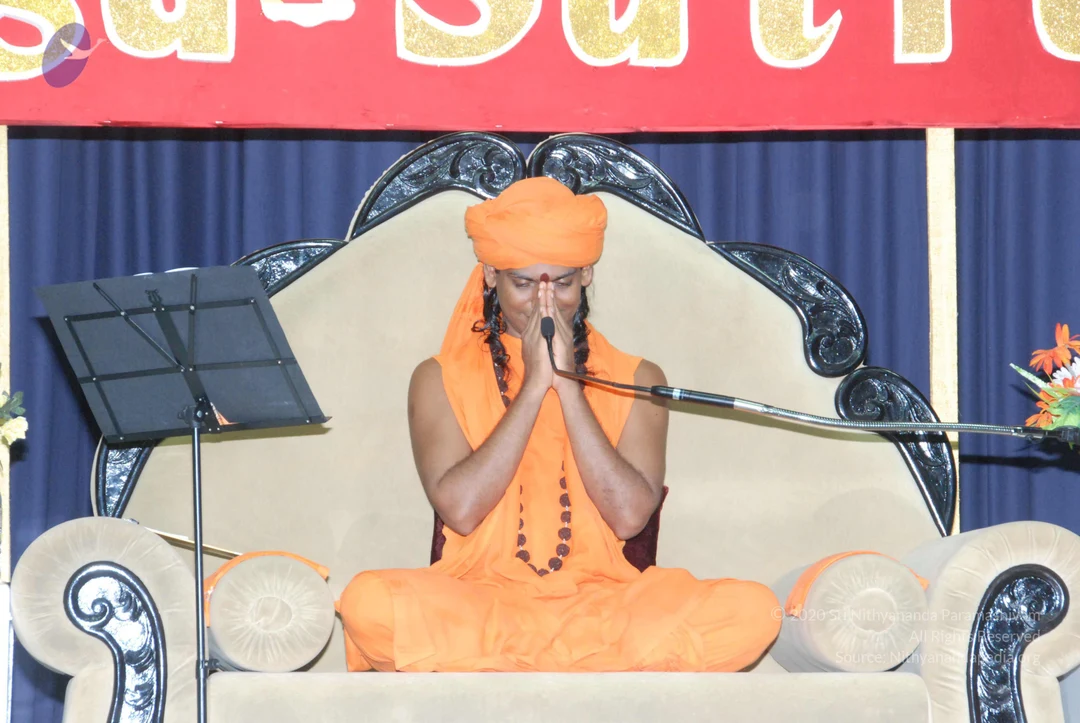
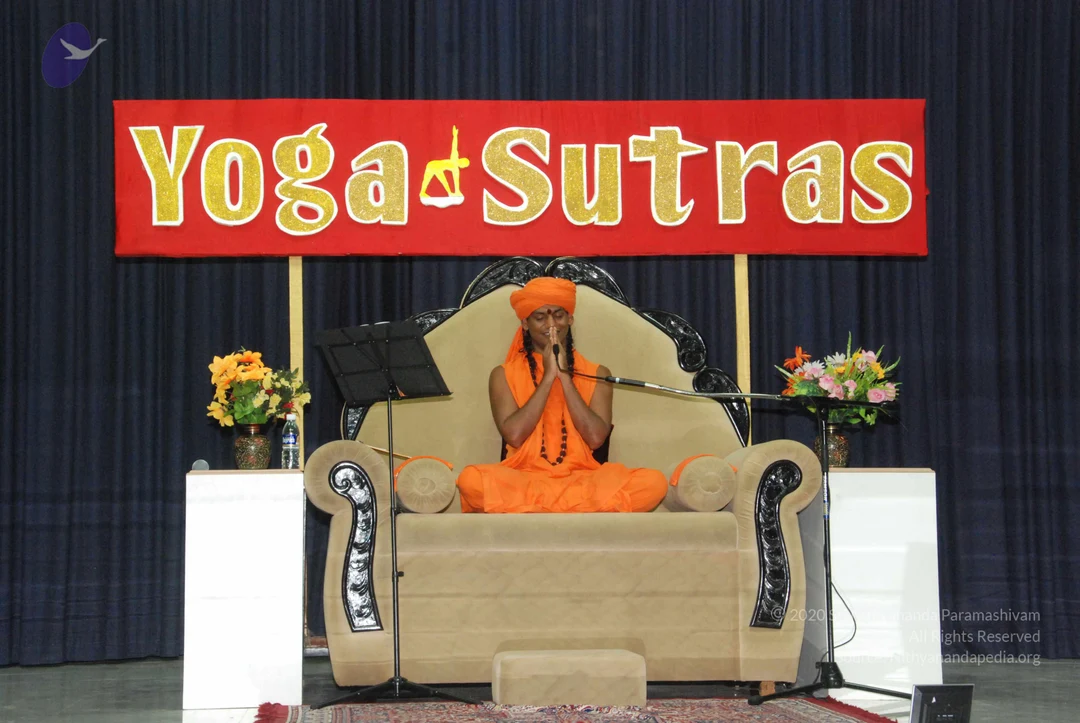
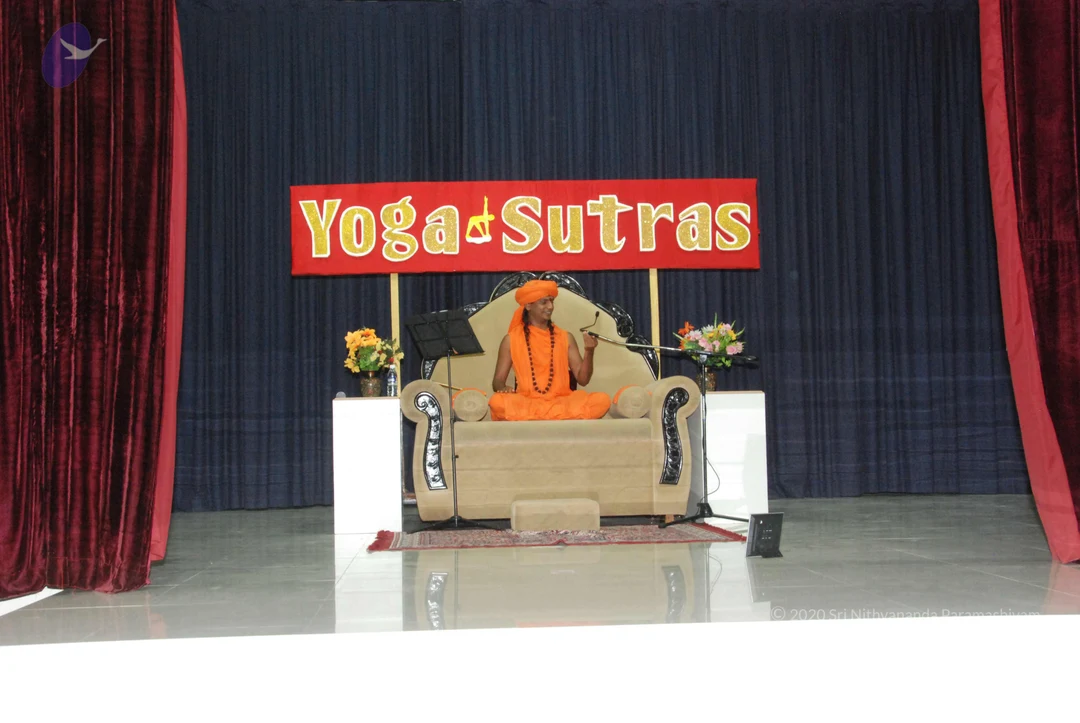
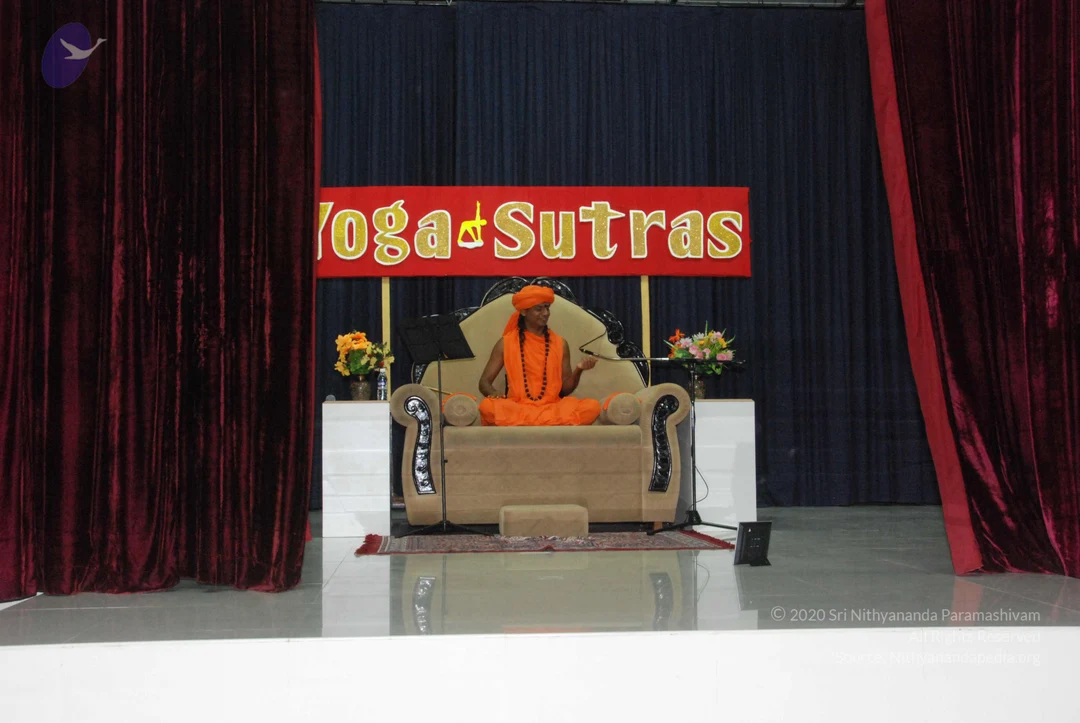
Yoga-Sutras-Discourse
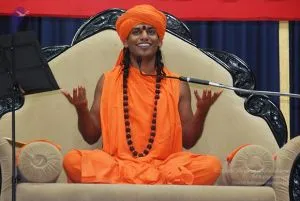
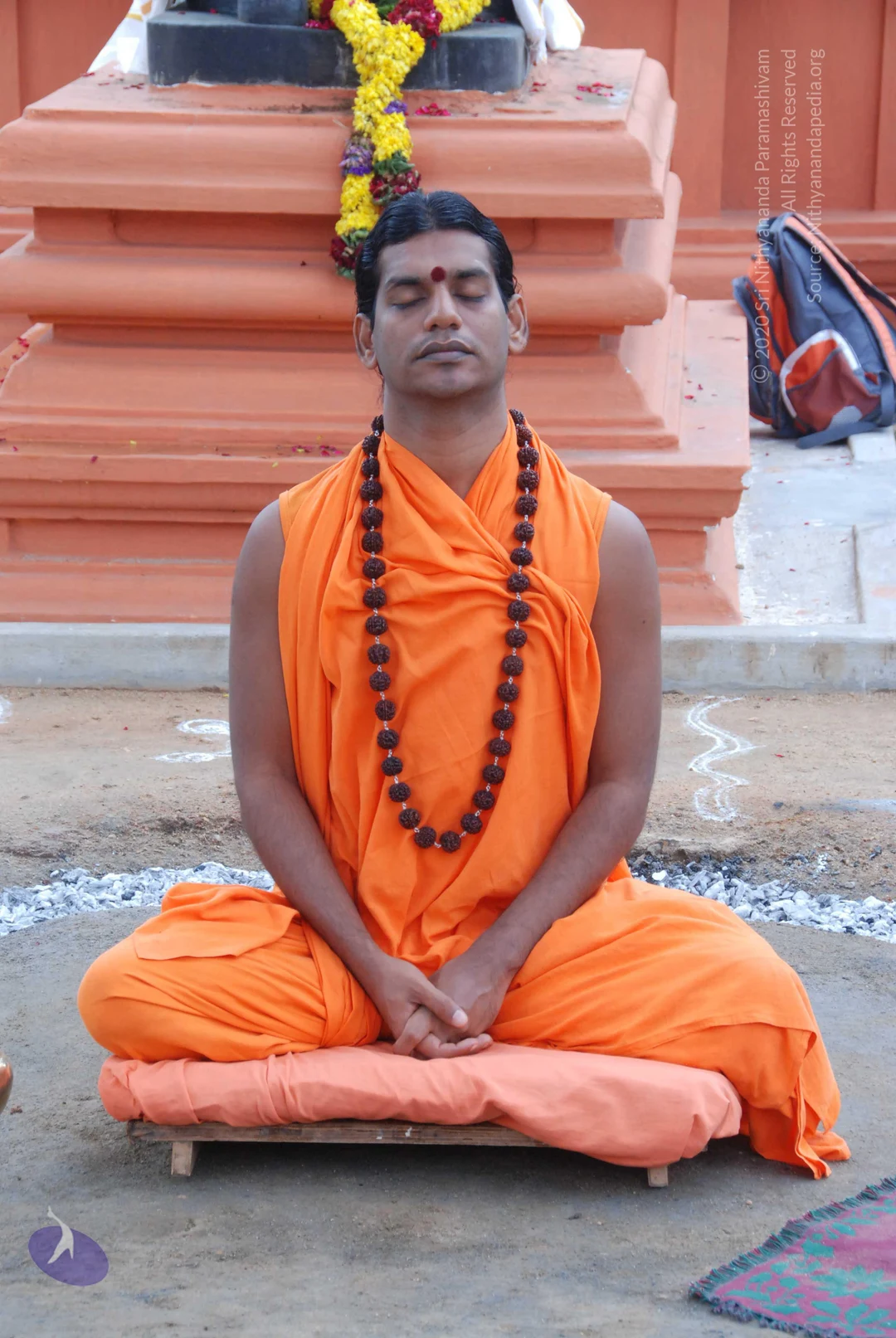
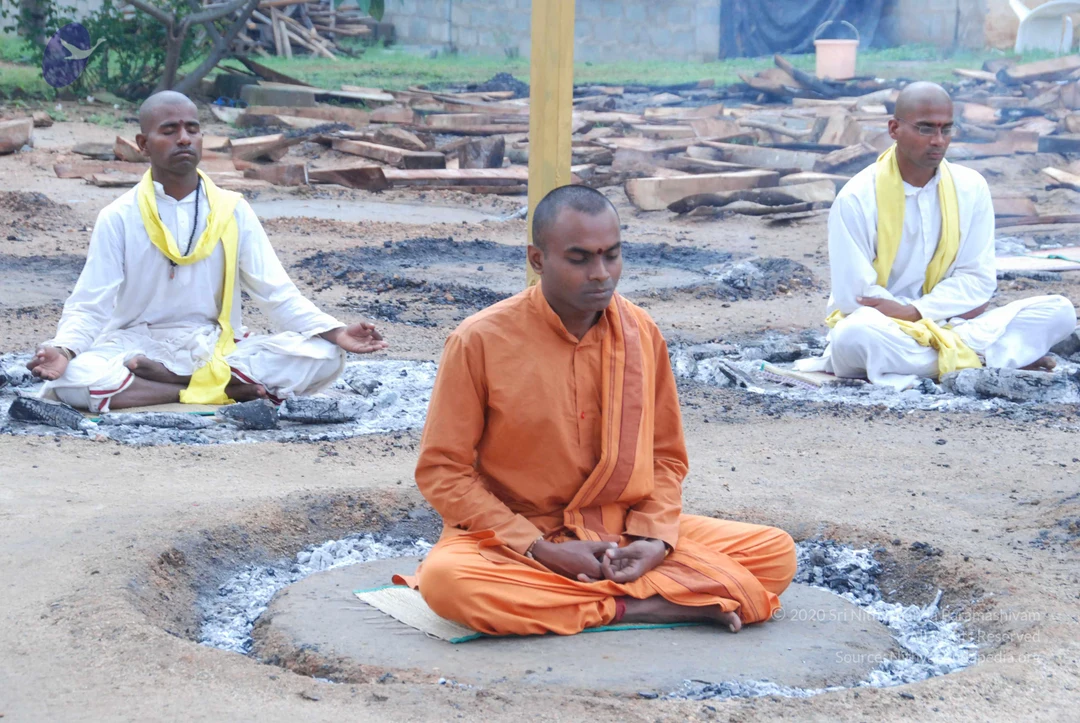
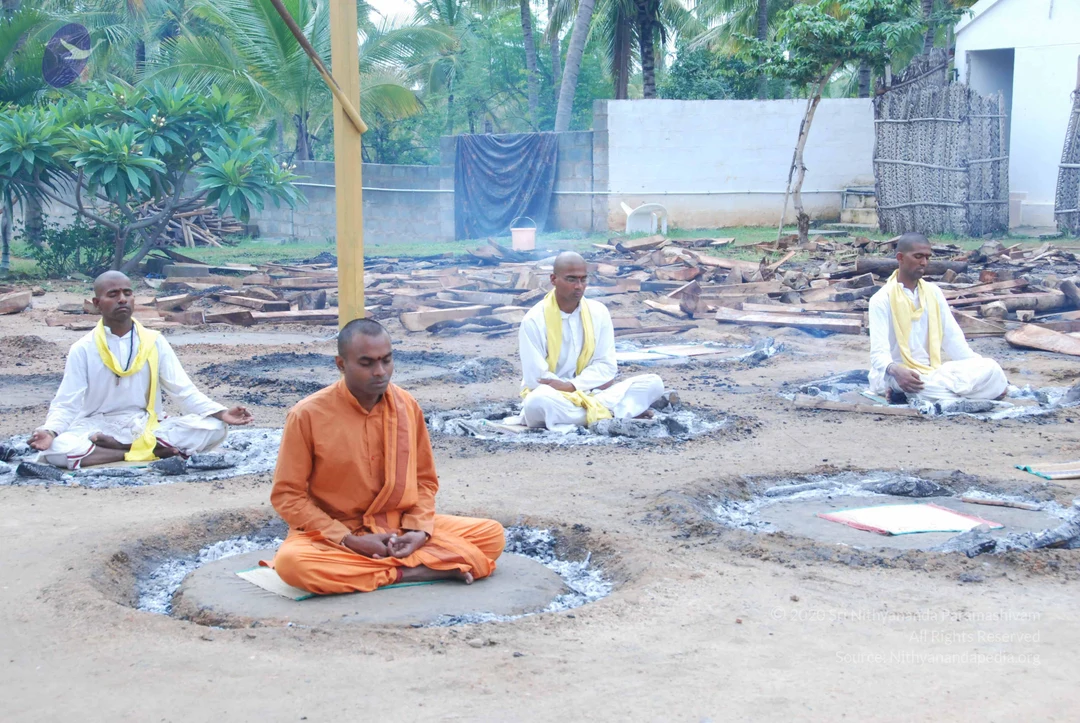
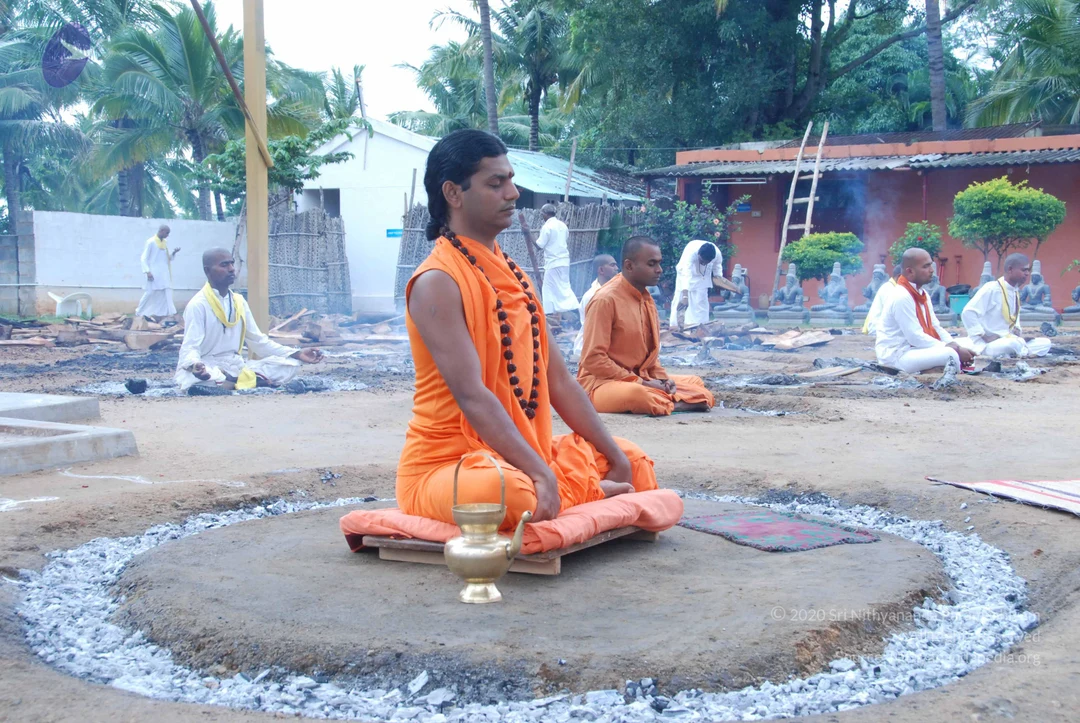
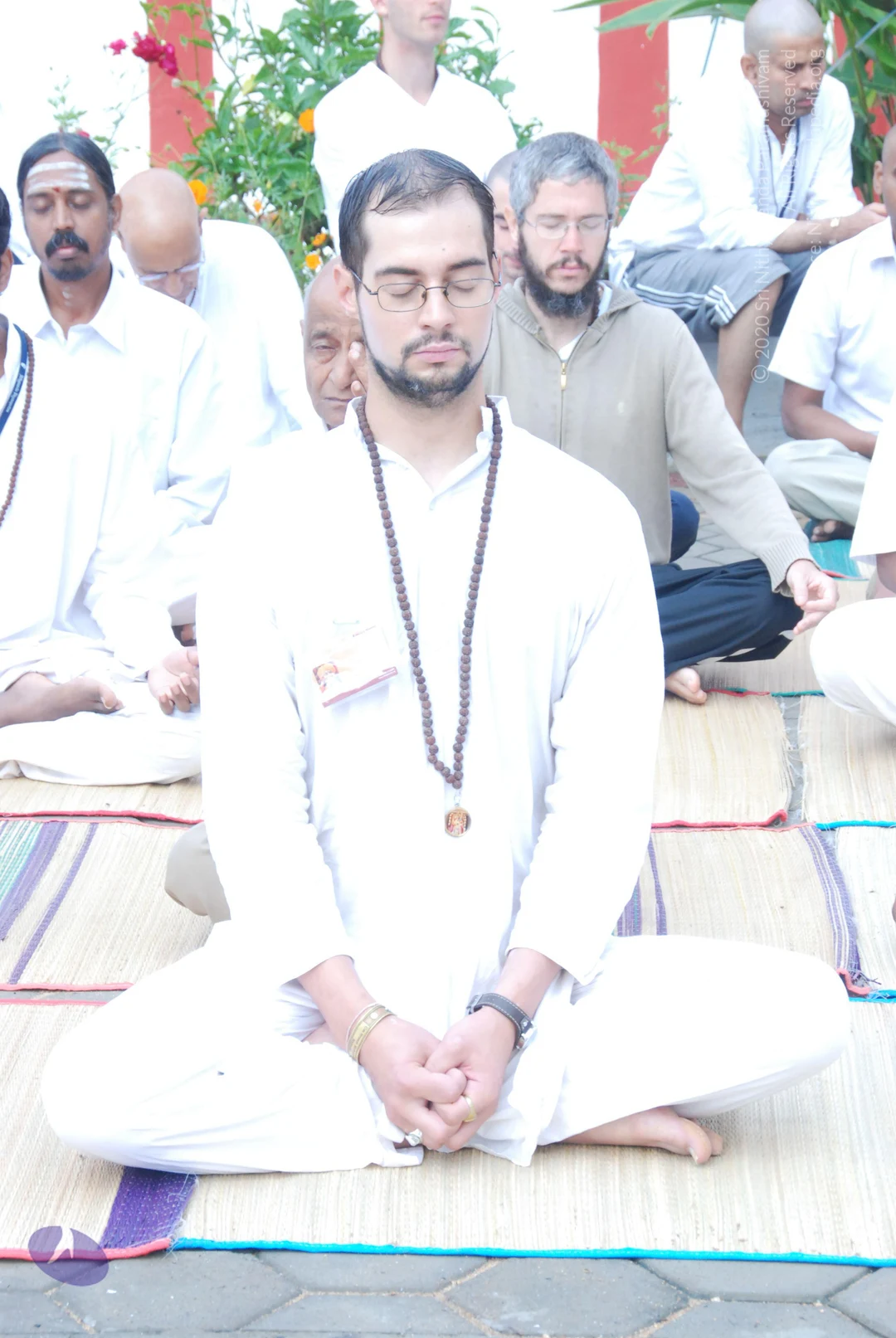
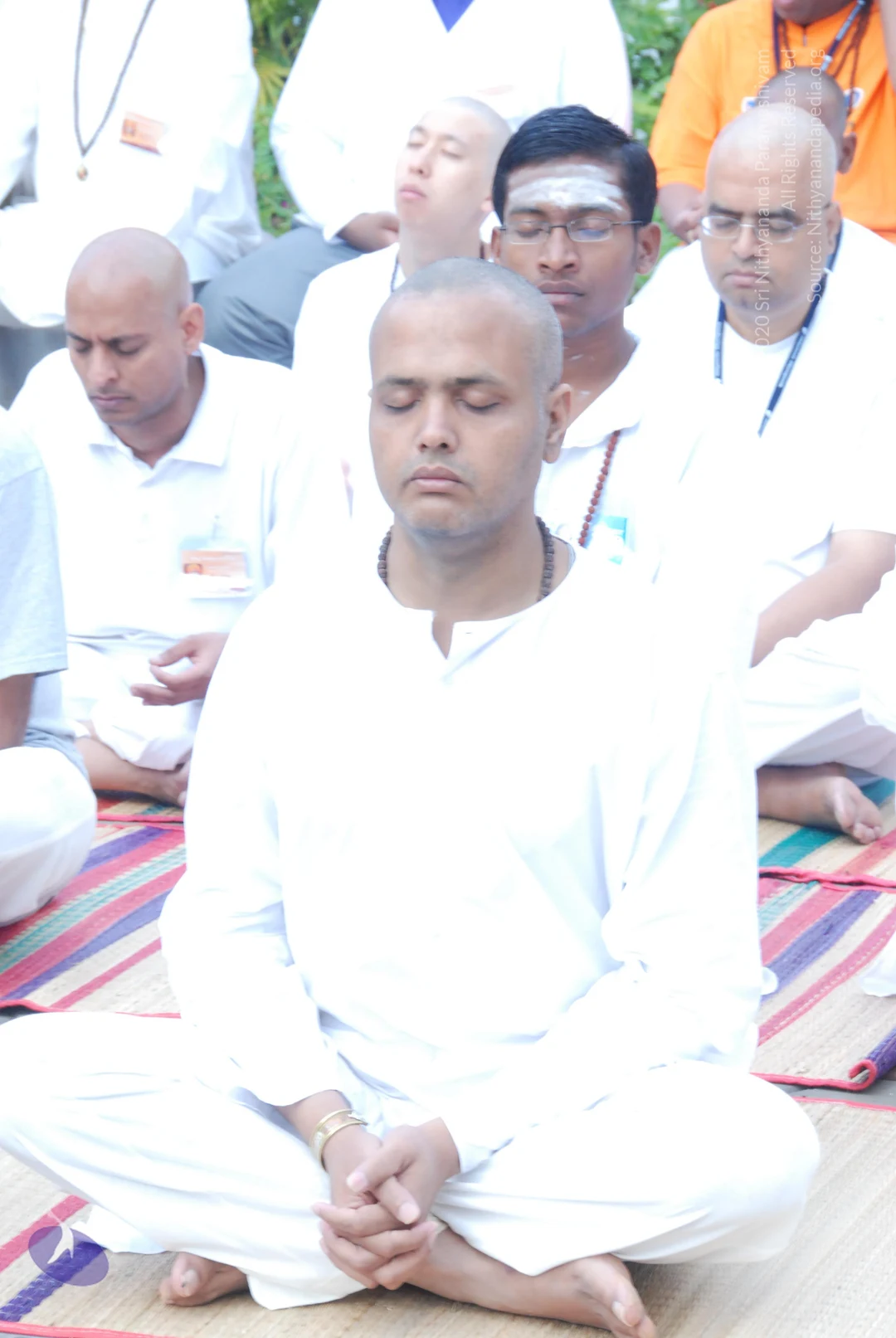
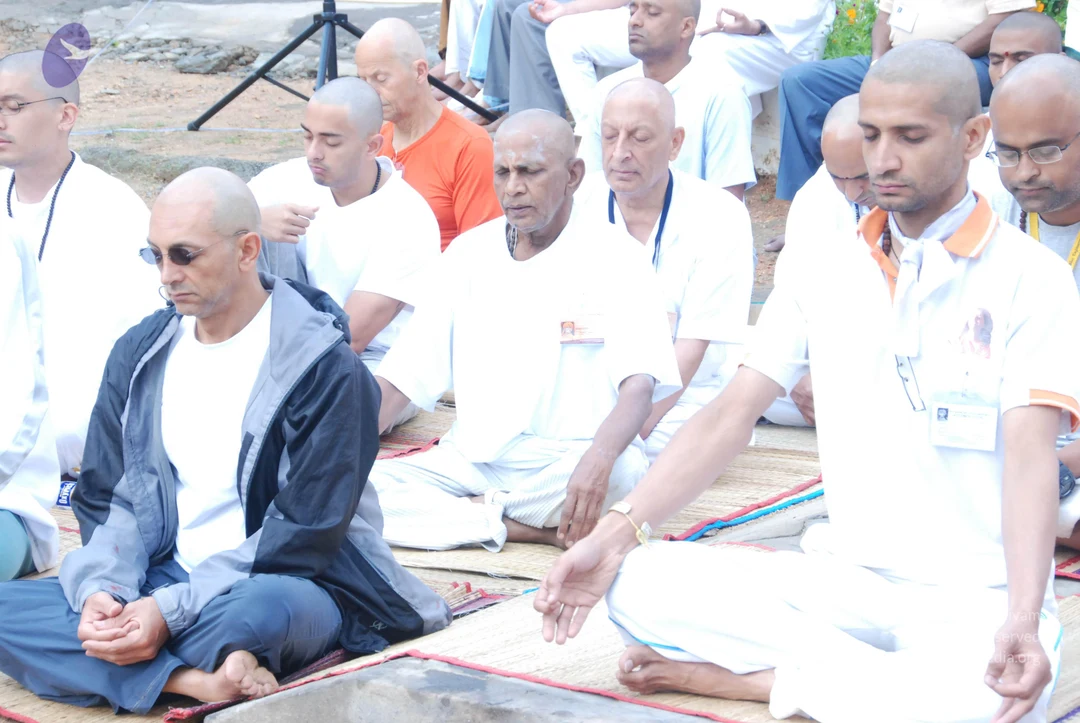
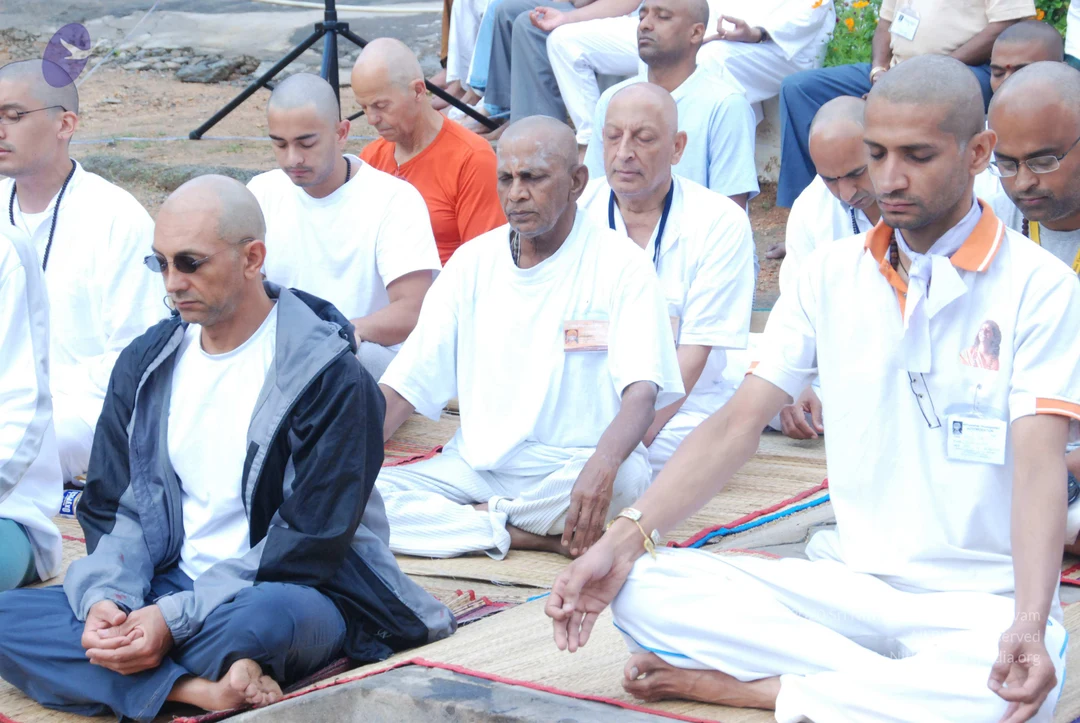
01--Panchatapas
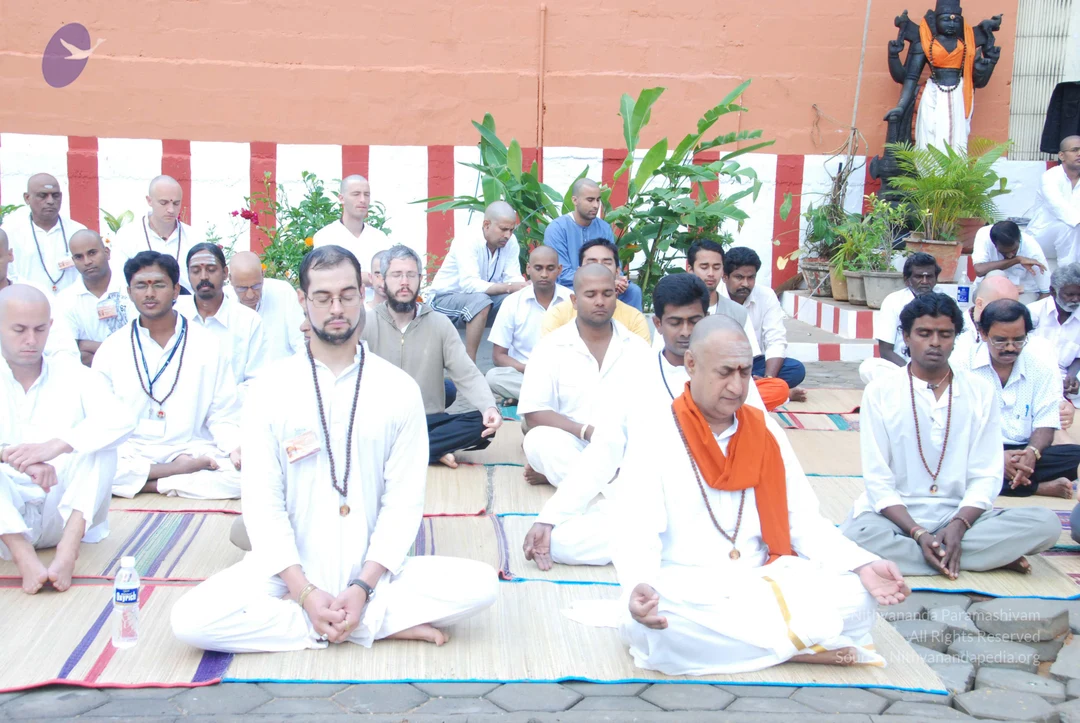
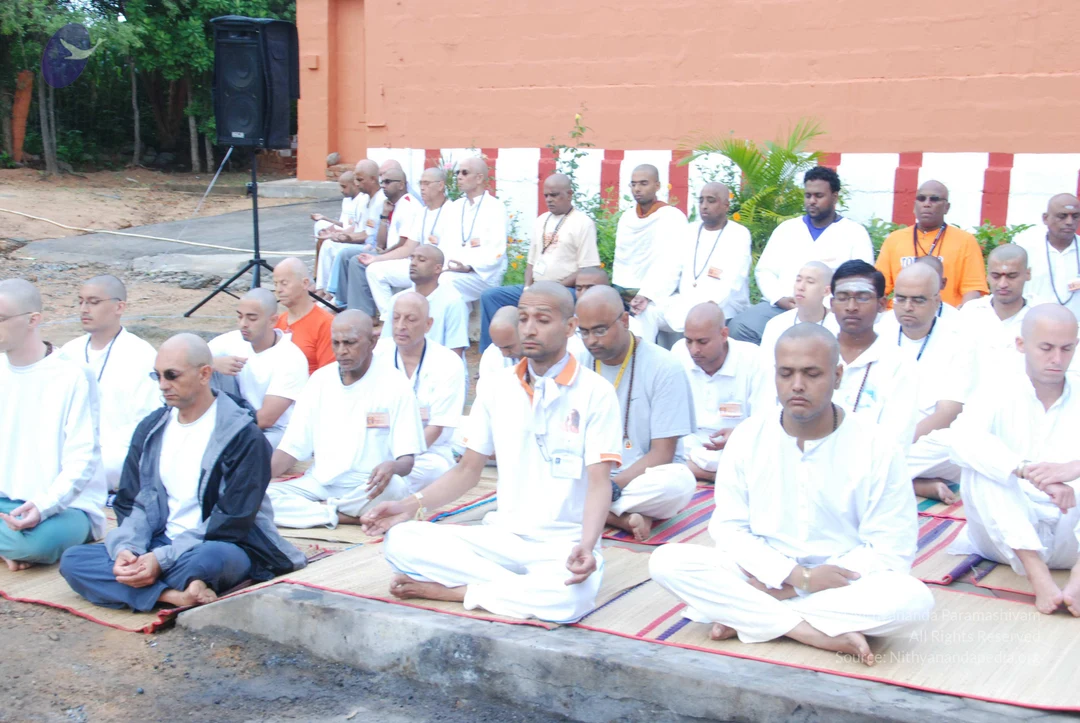
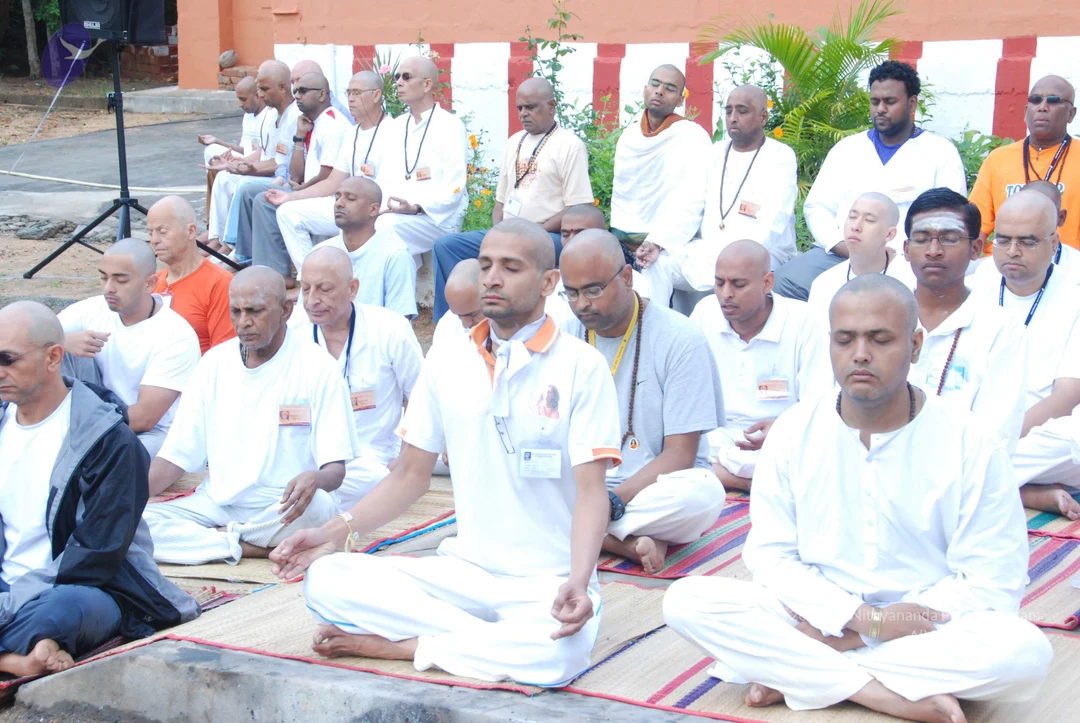
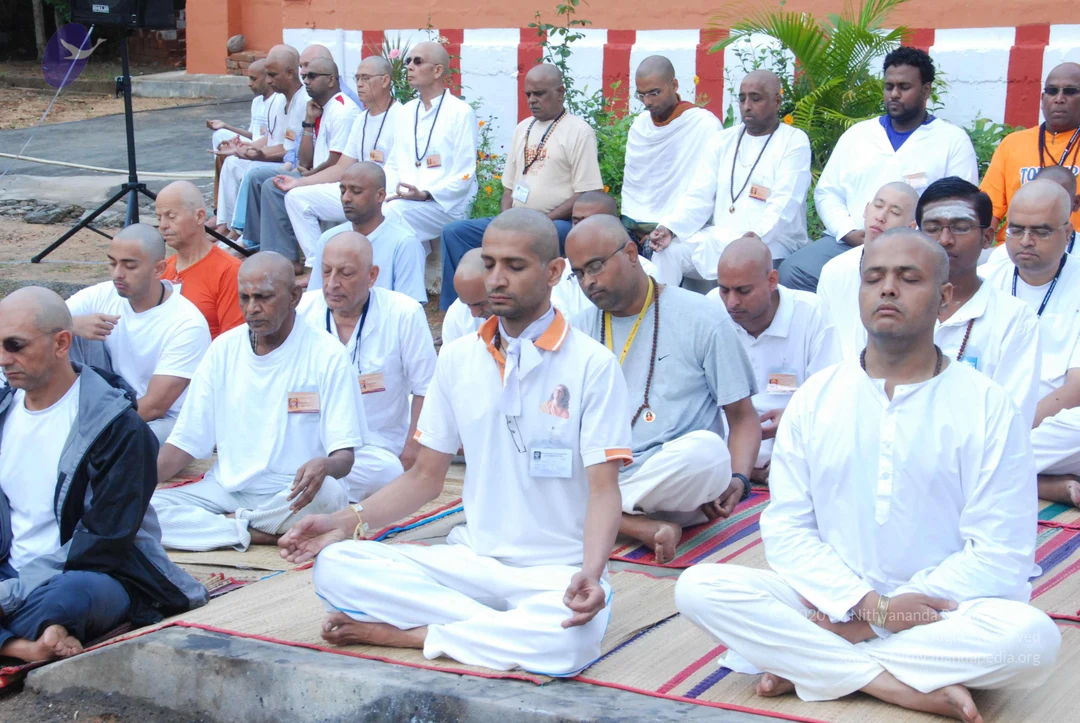
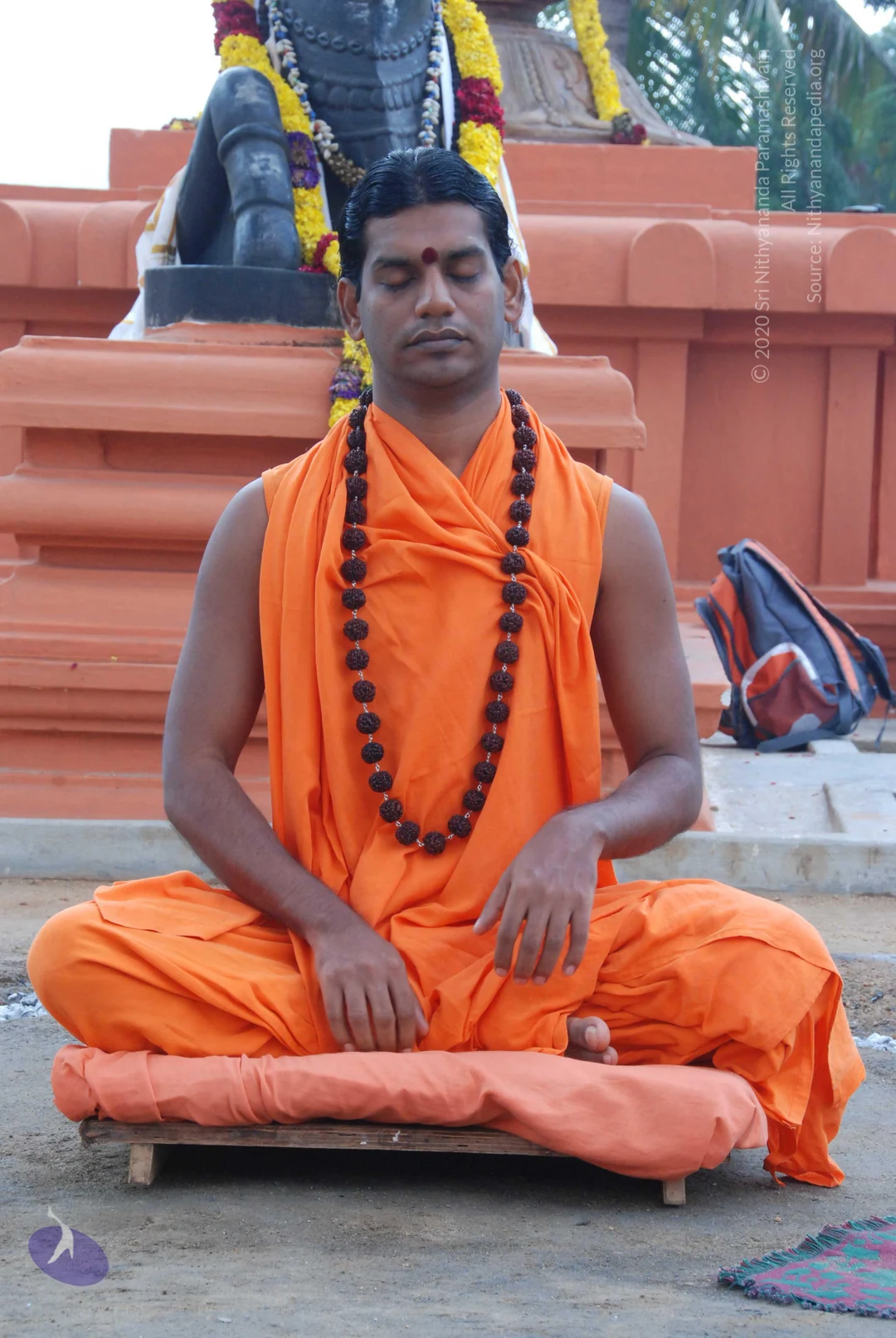
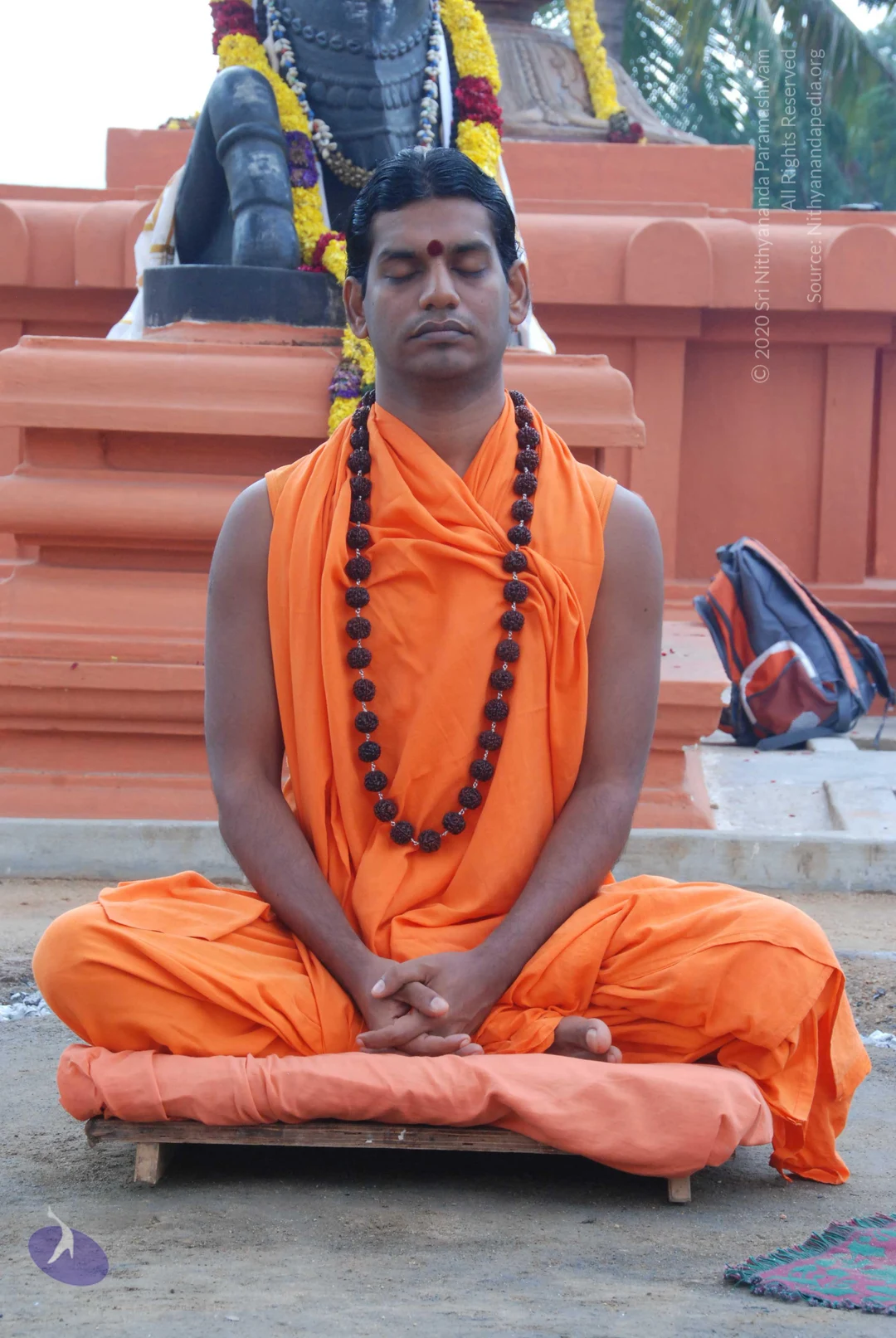
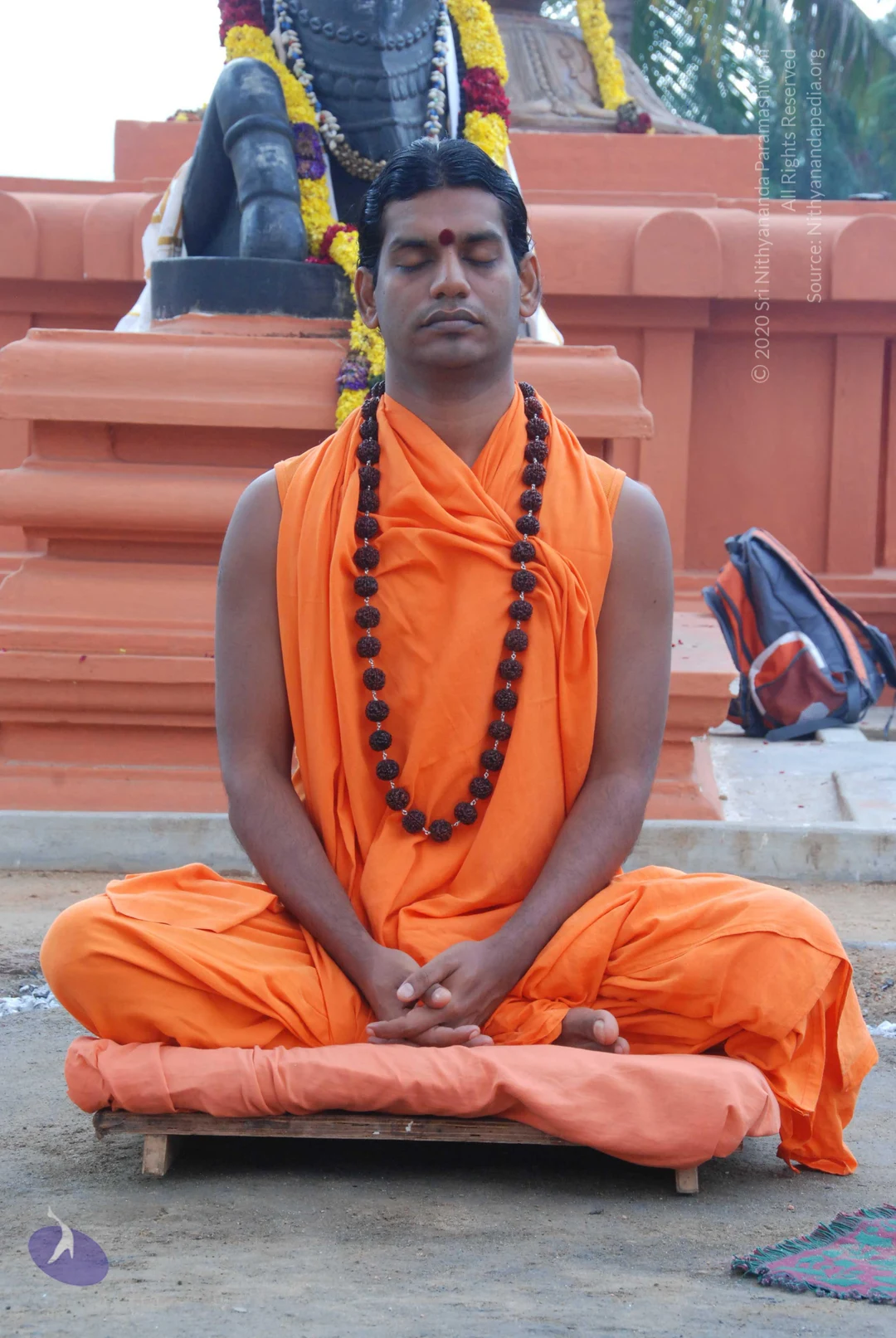
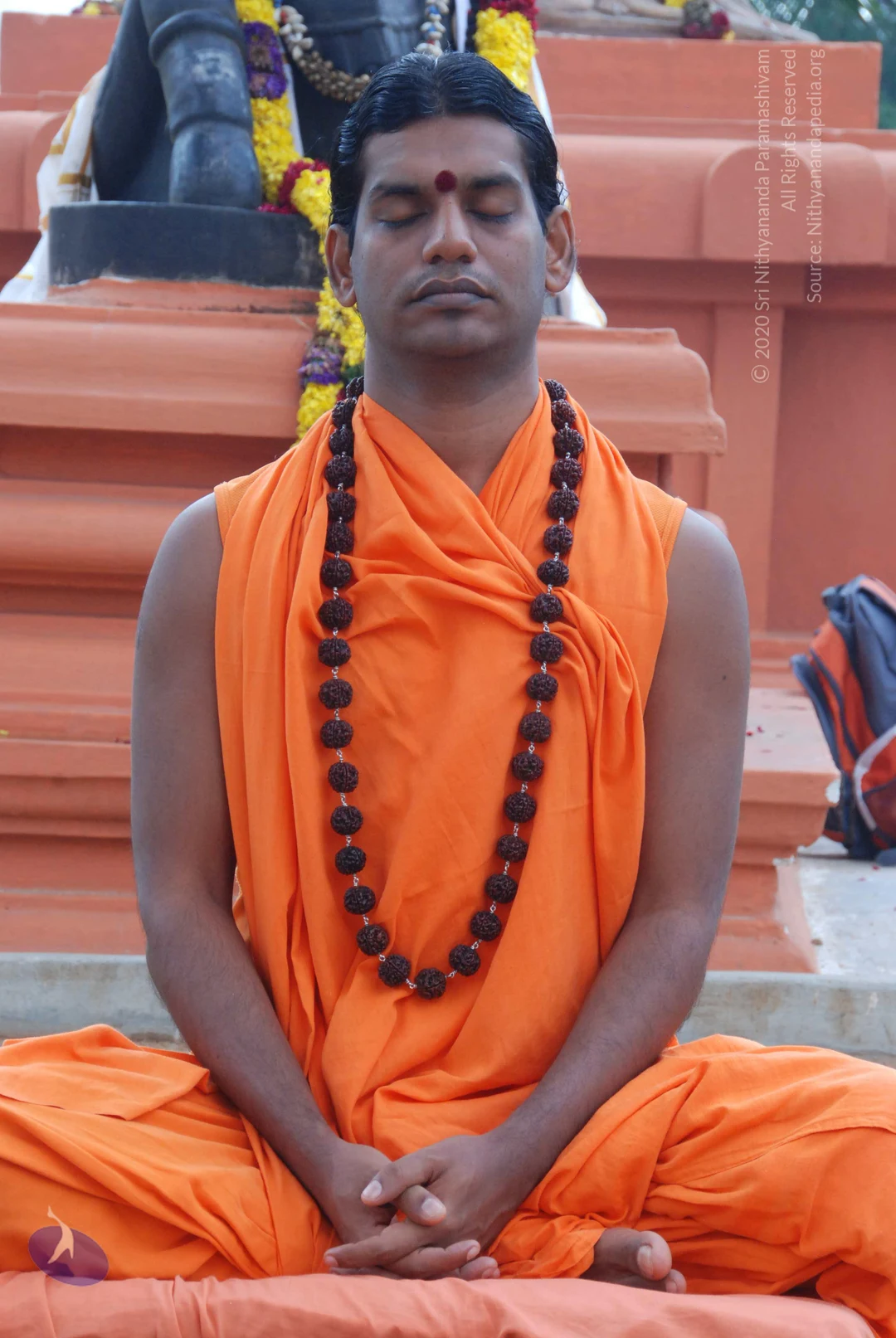
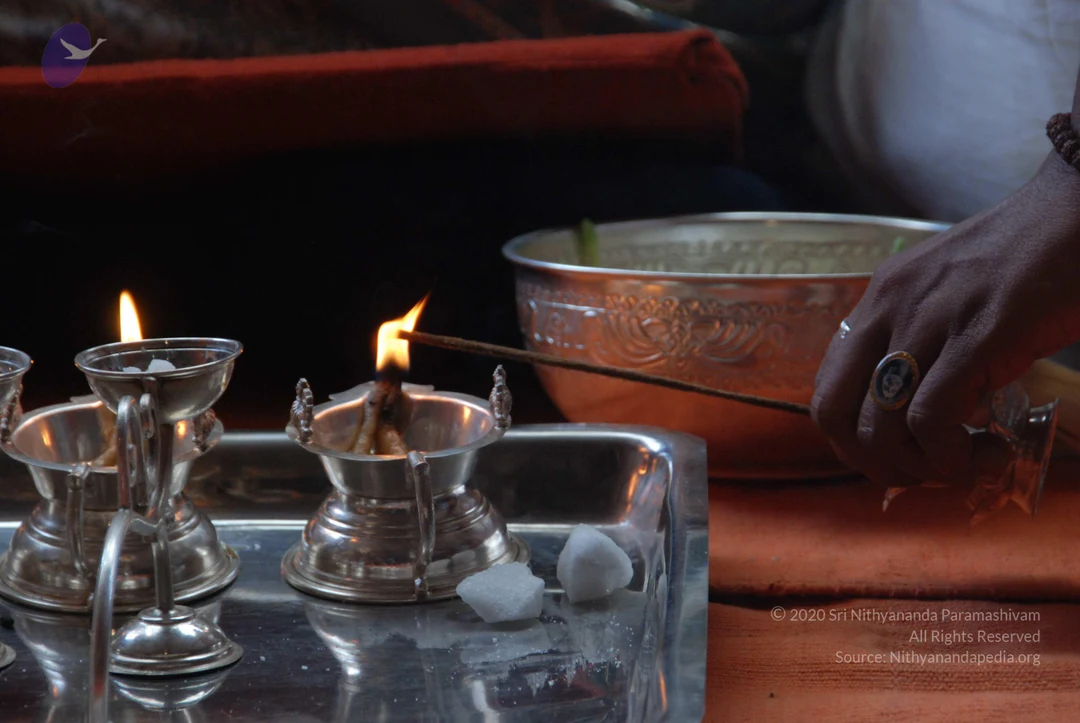
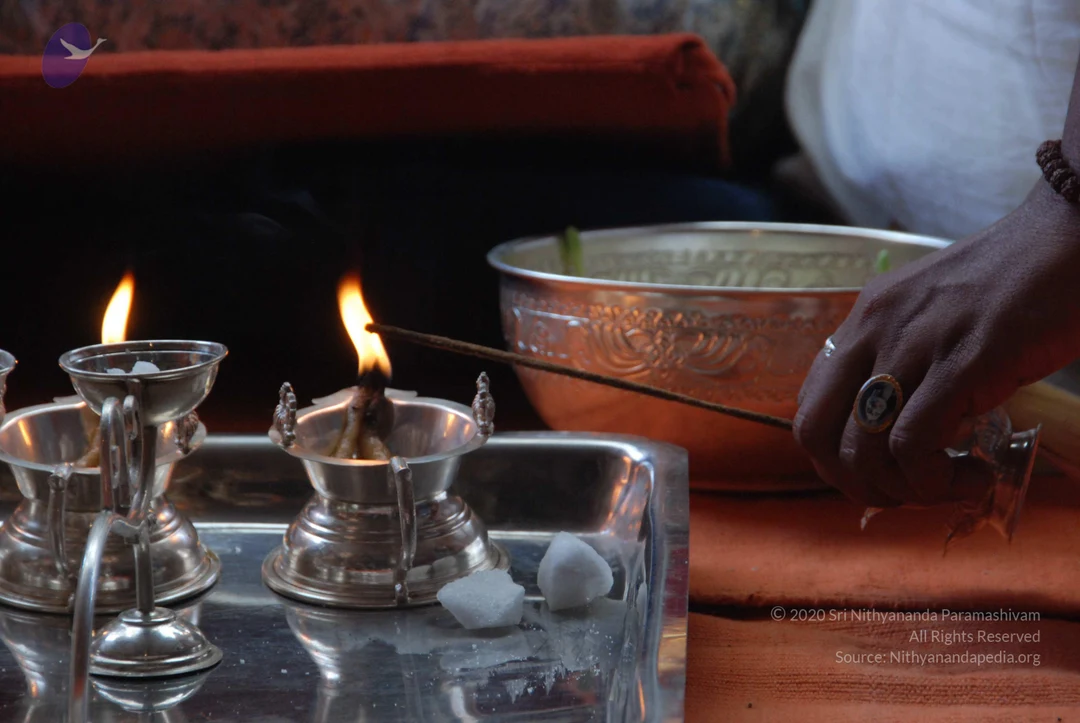
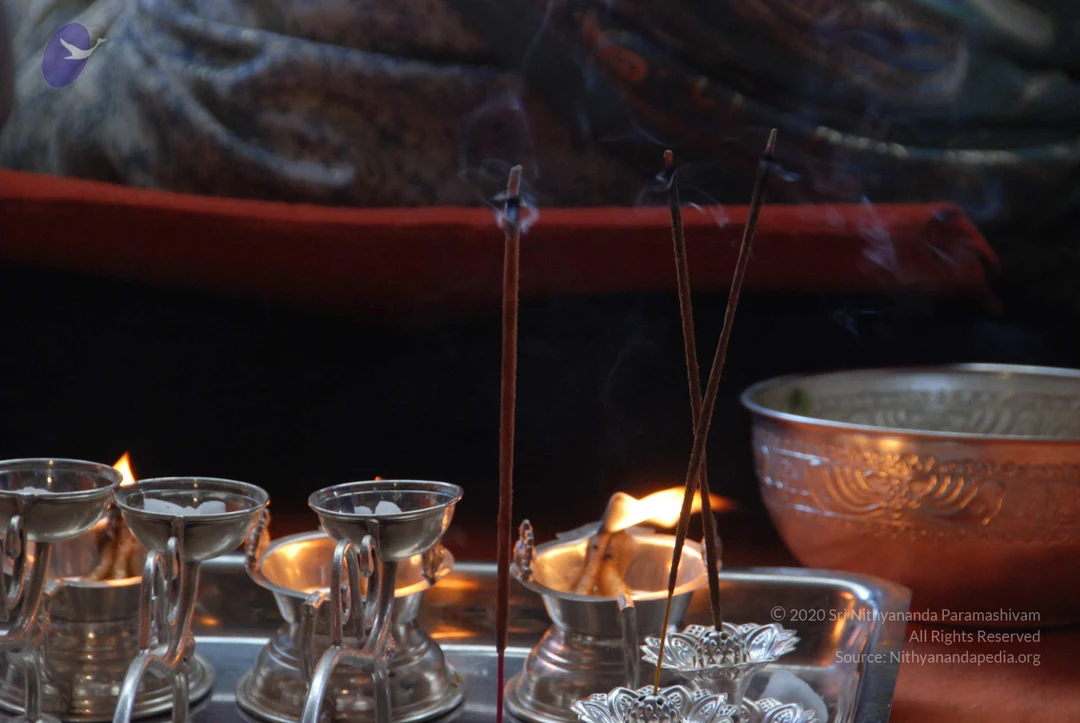
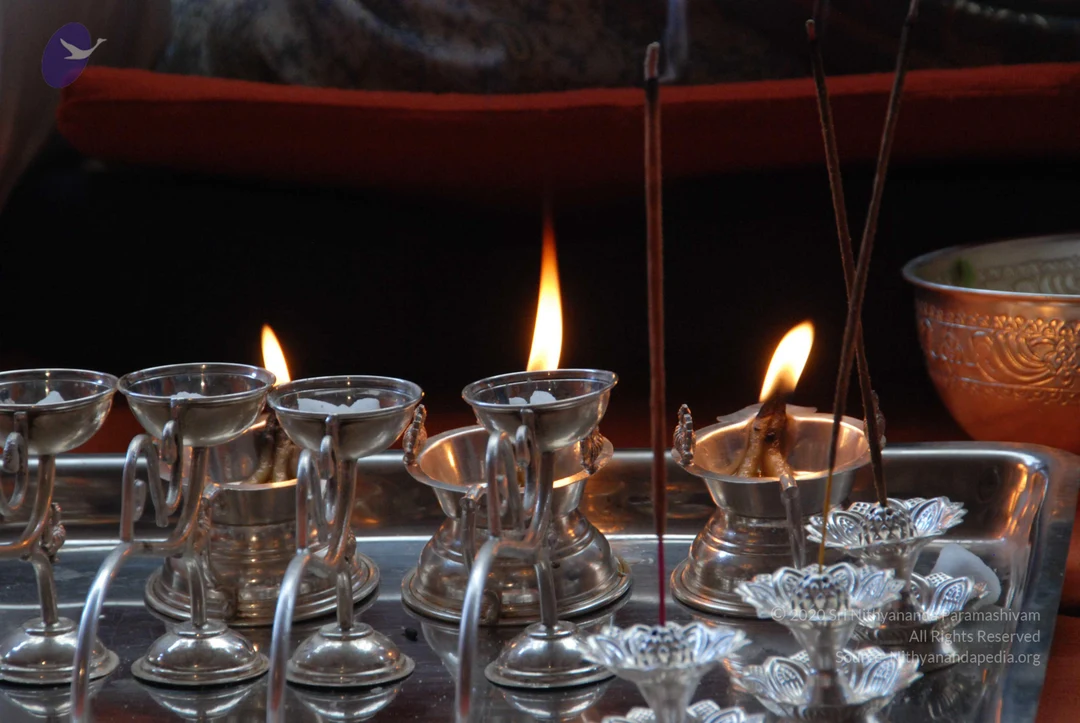
02--Padapuja
03--Adi-Kailasa-Morning-Events
04--Sarva-Darshan
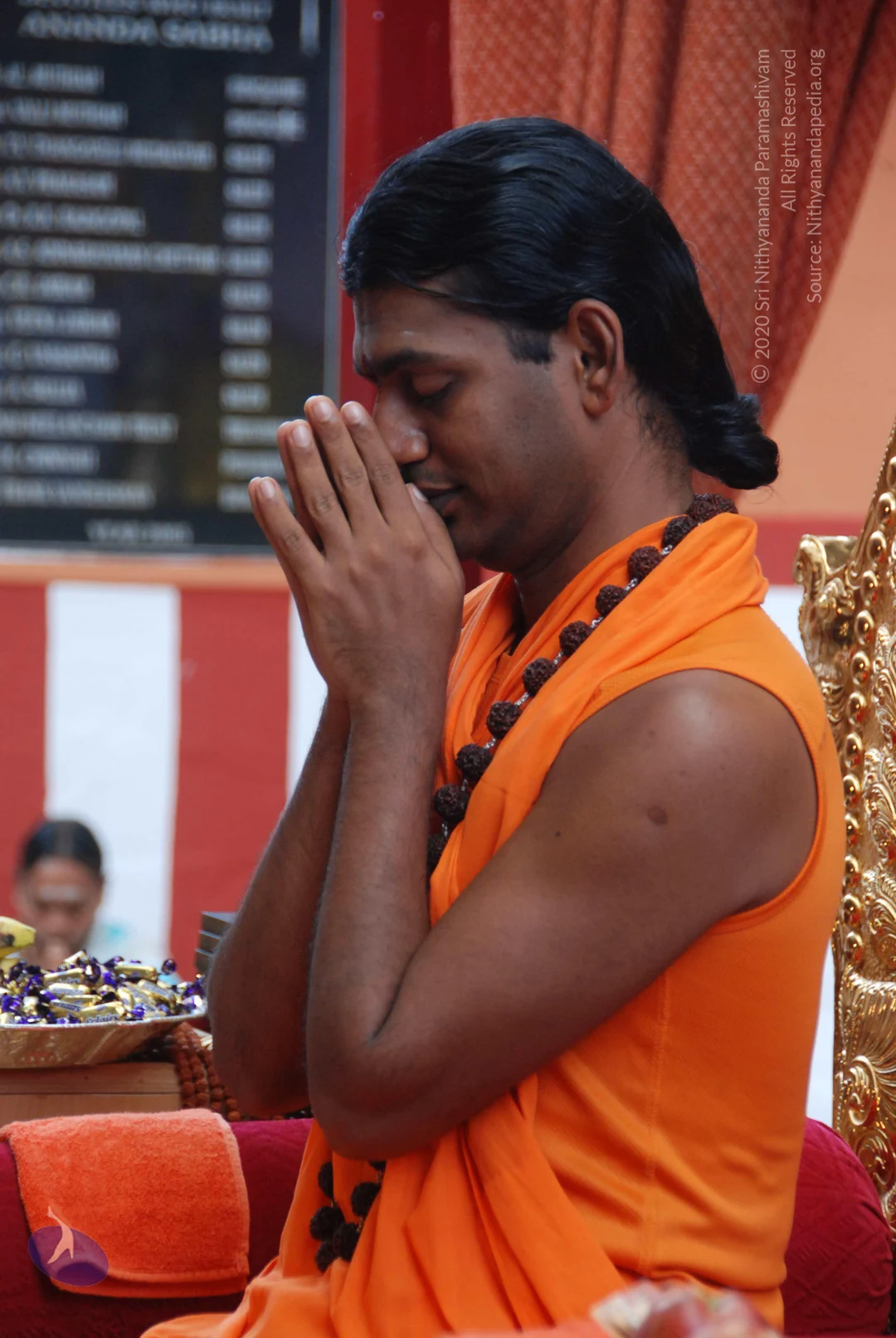
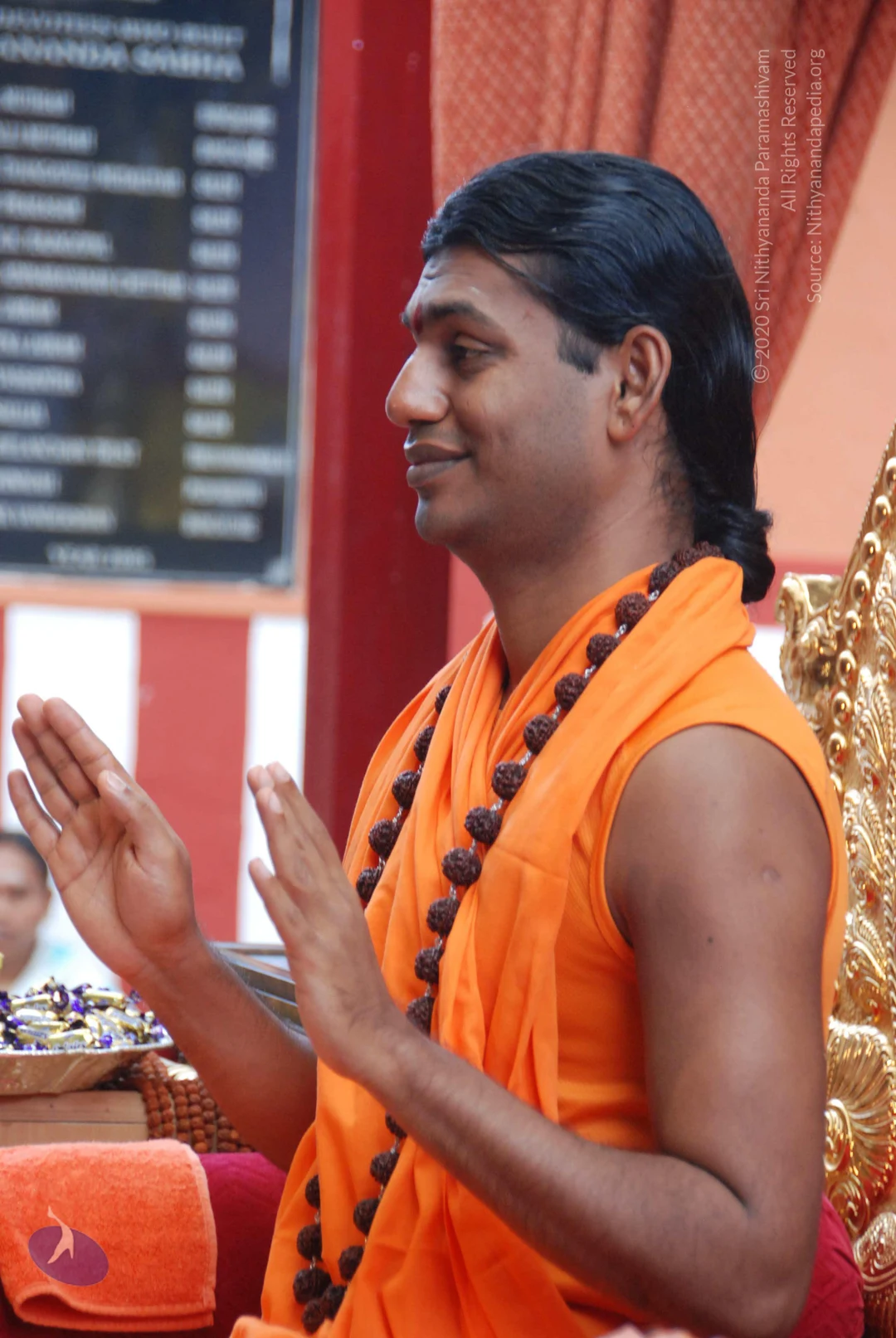
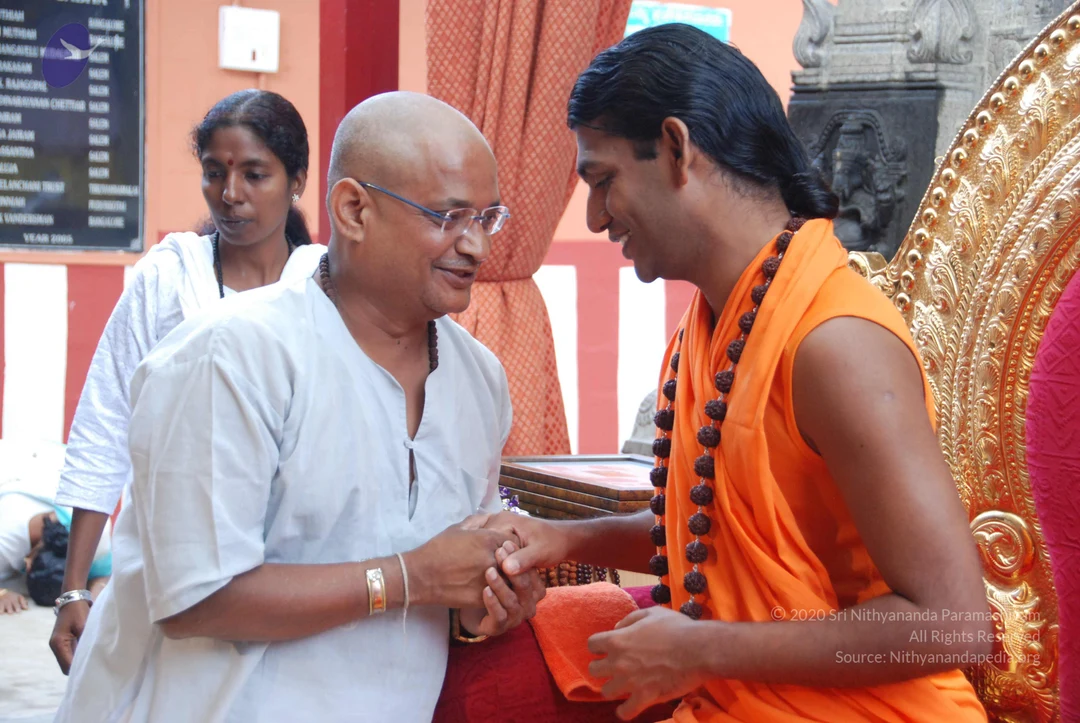
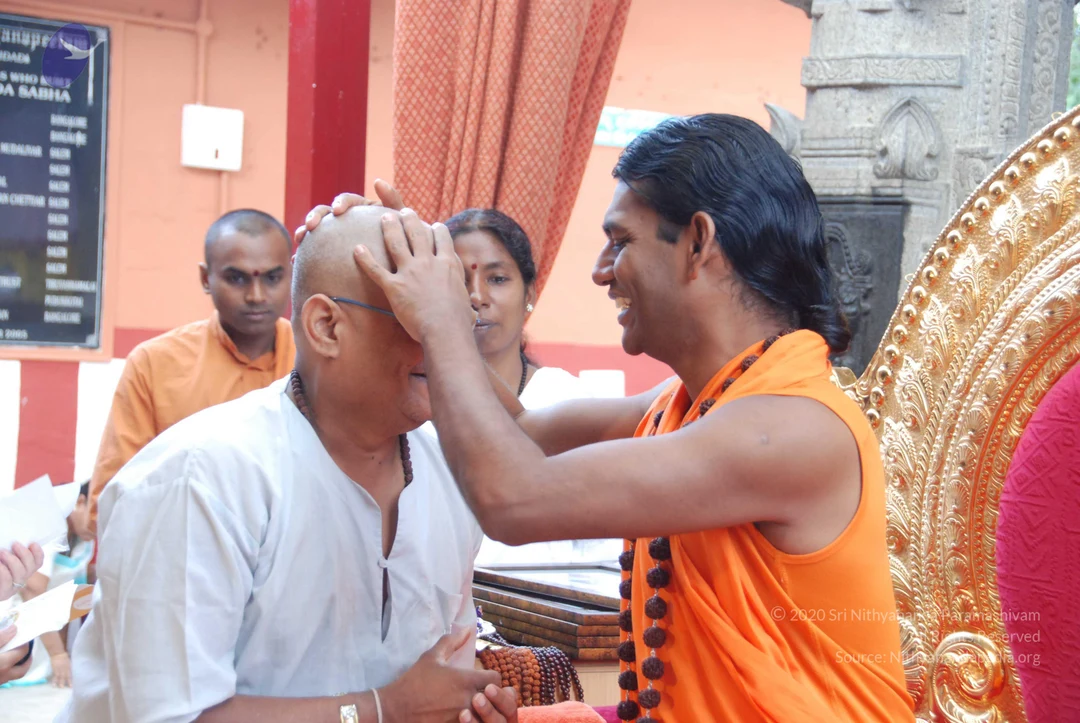
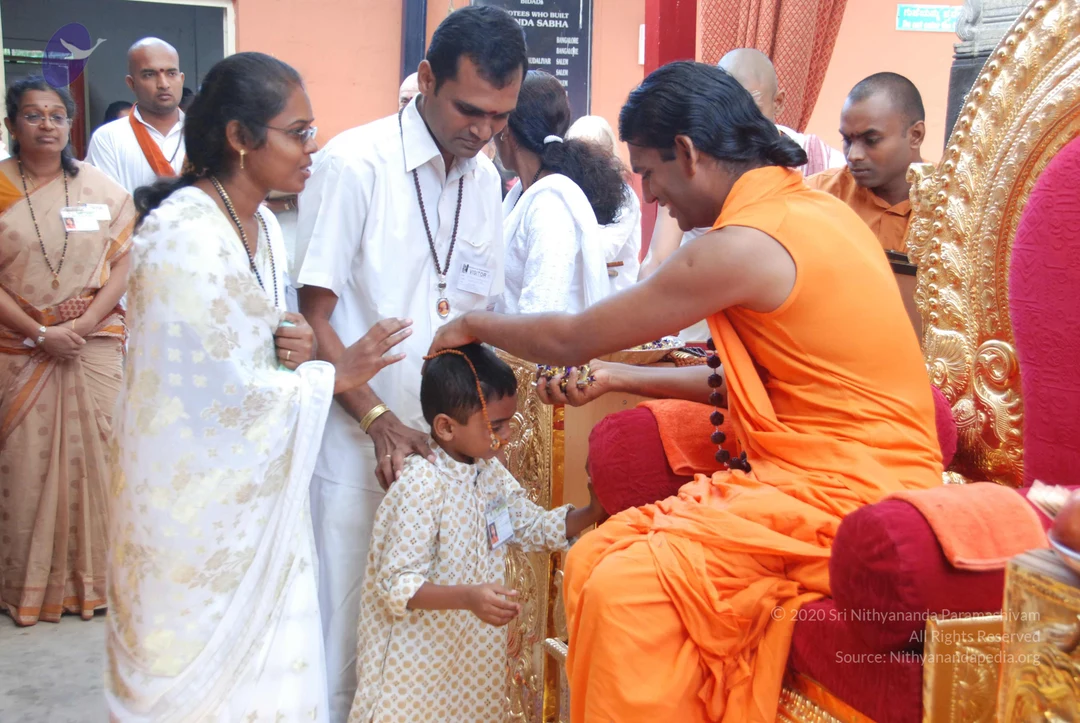
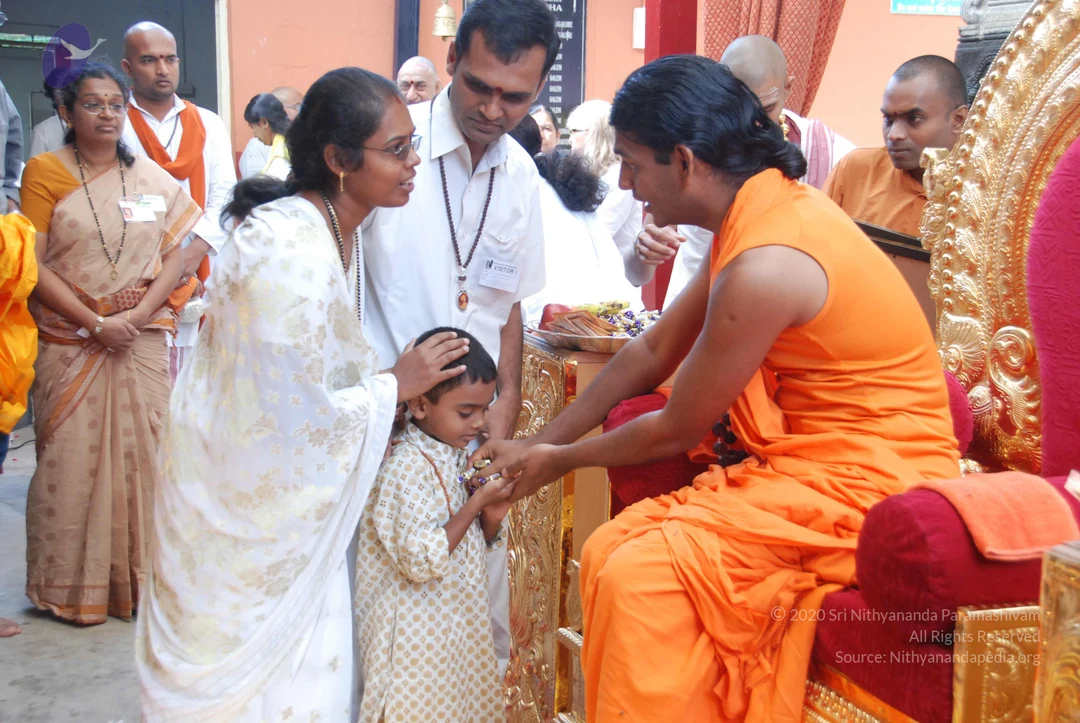
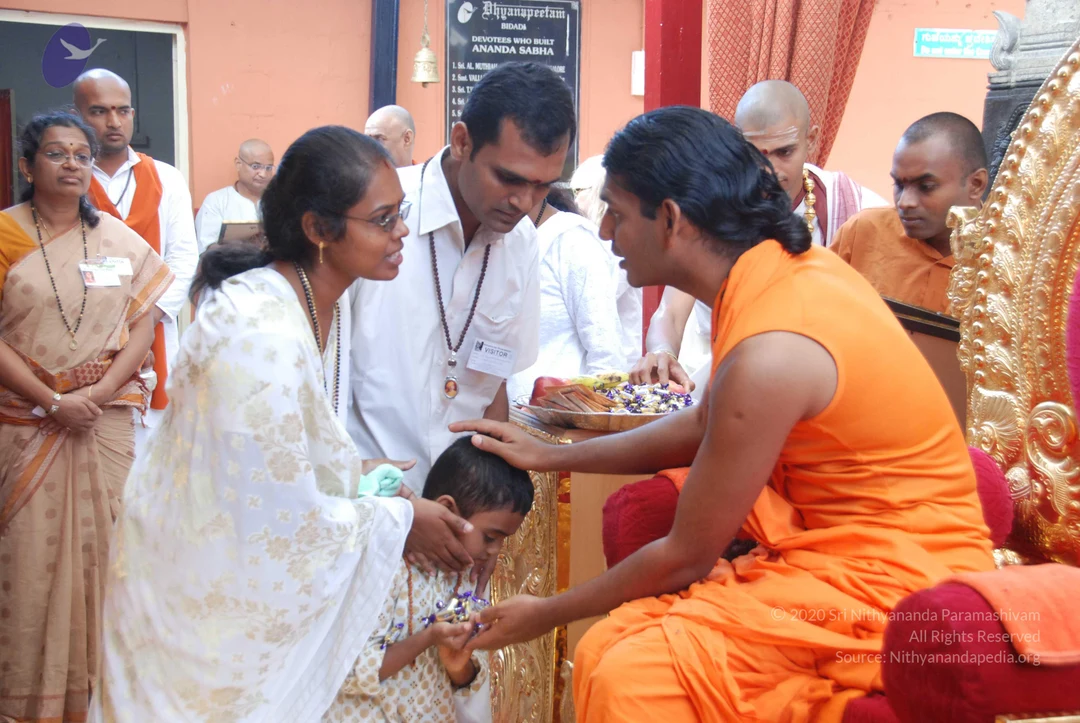
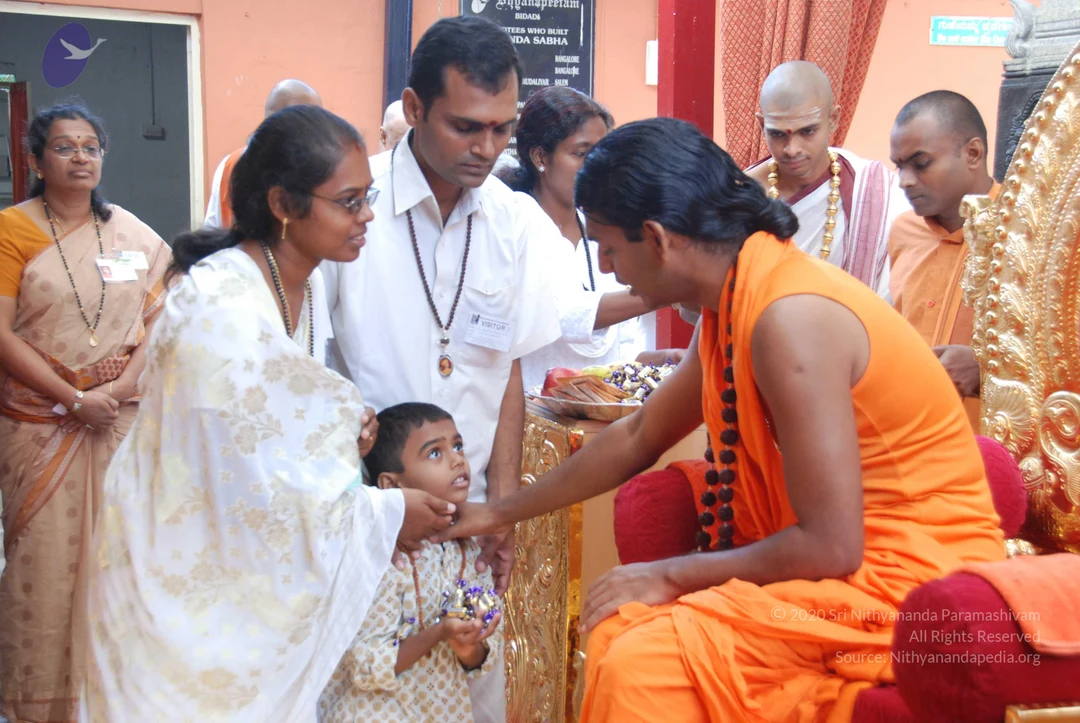
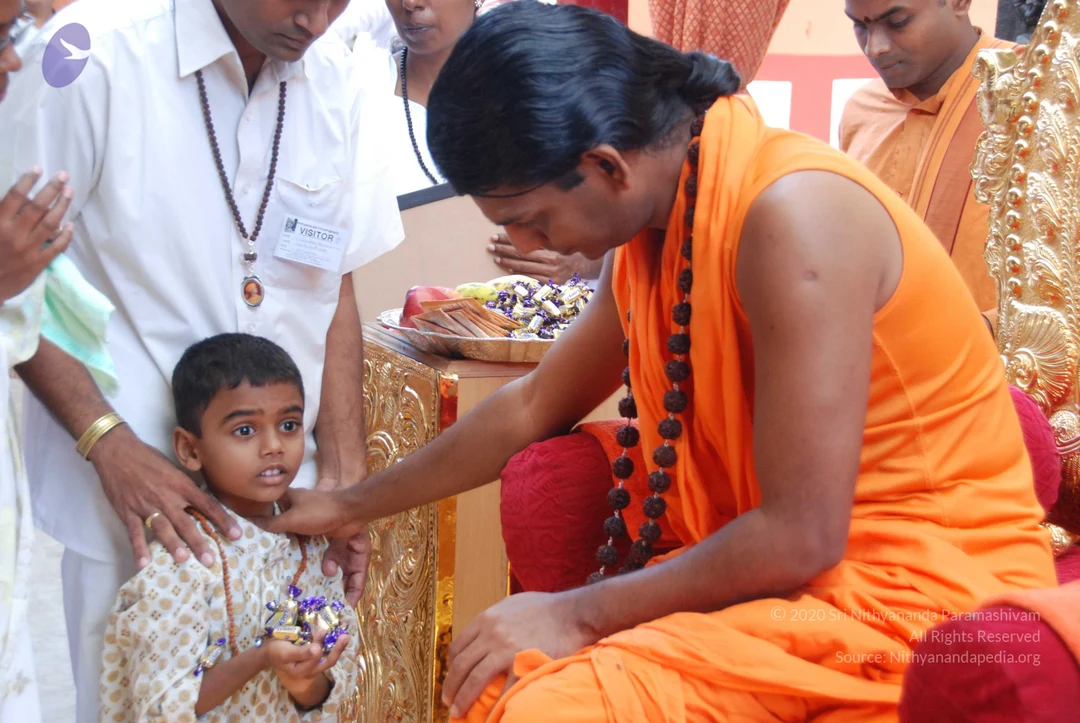
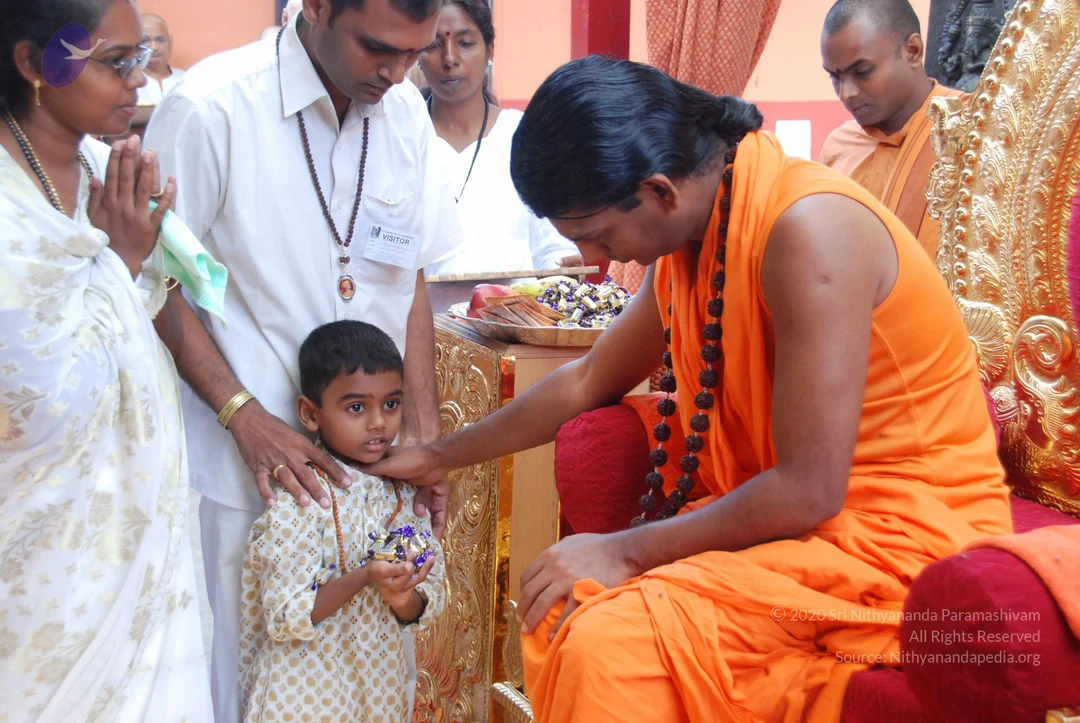
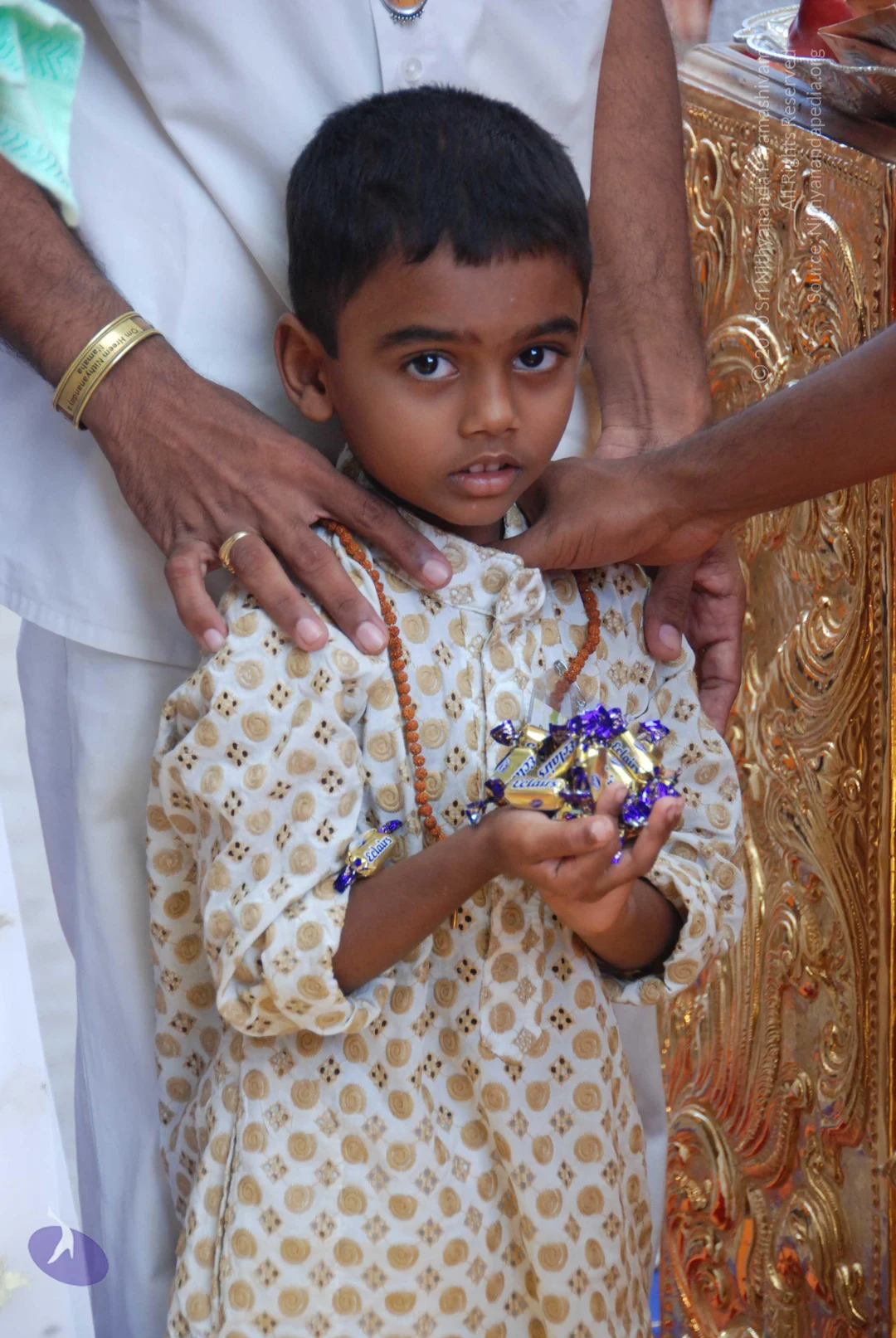
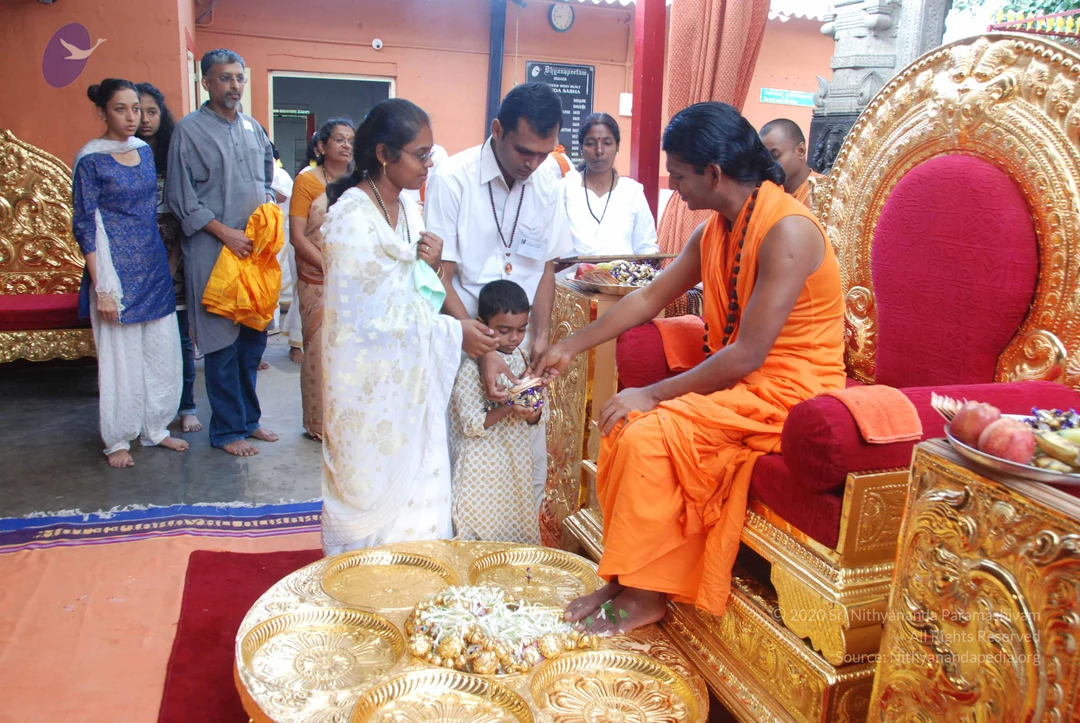
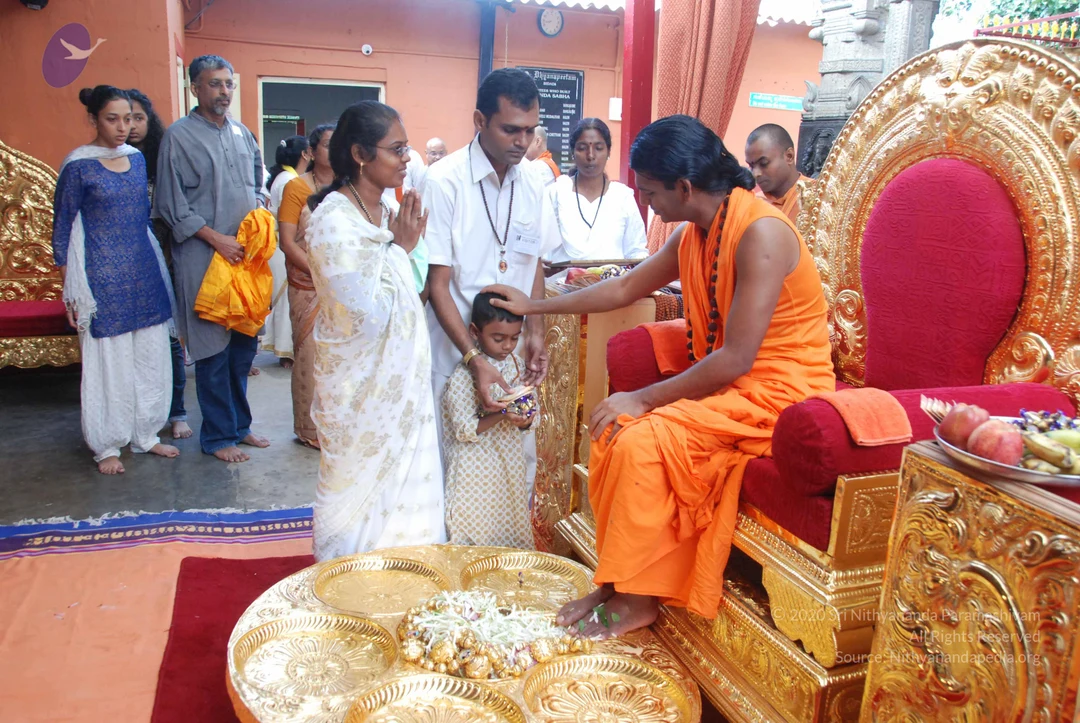
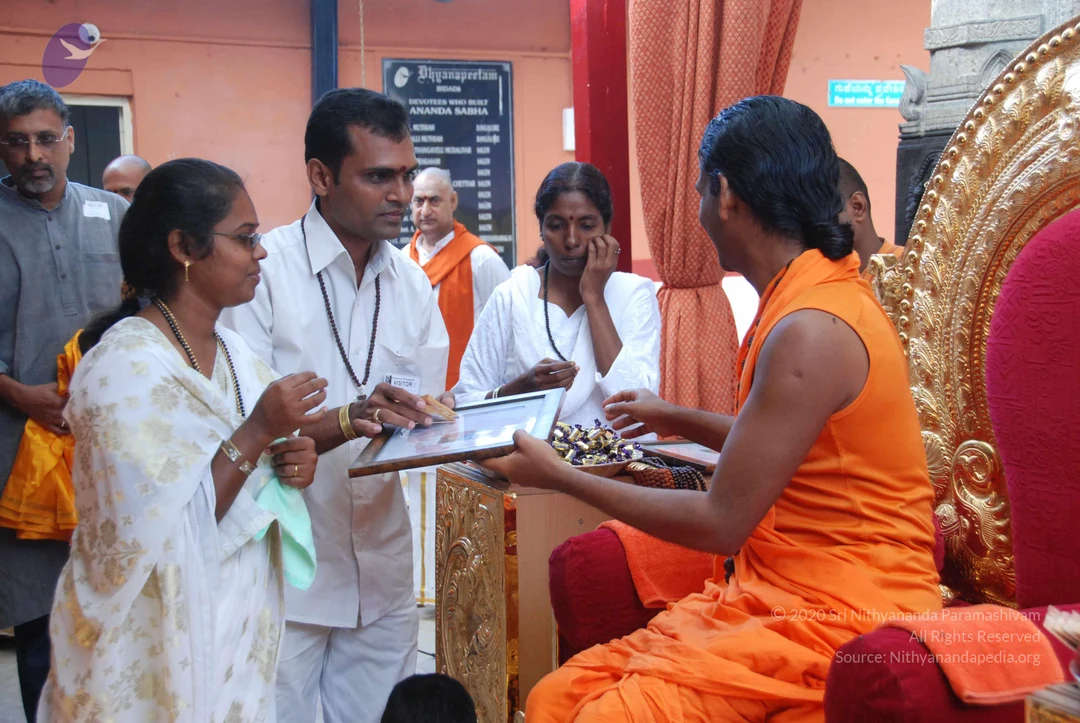
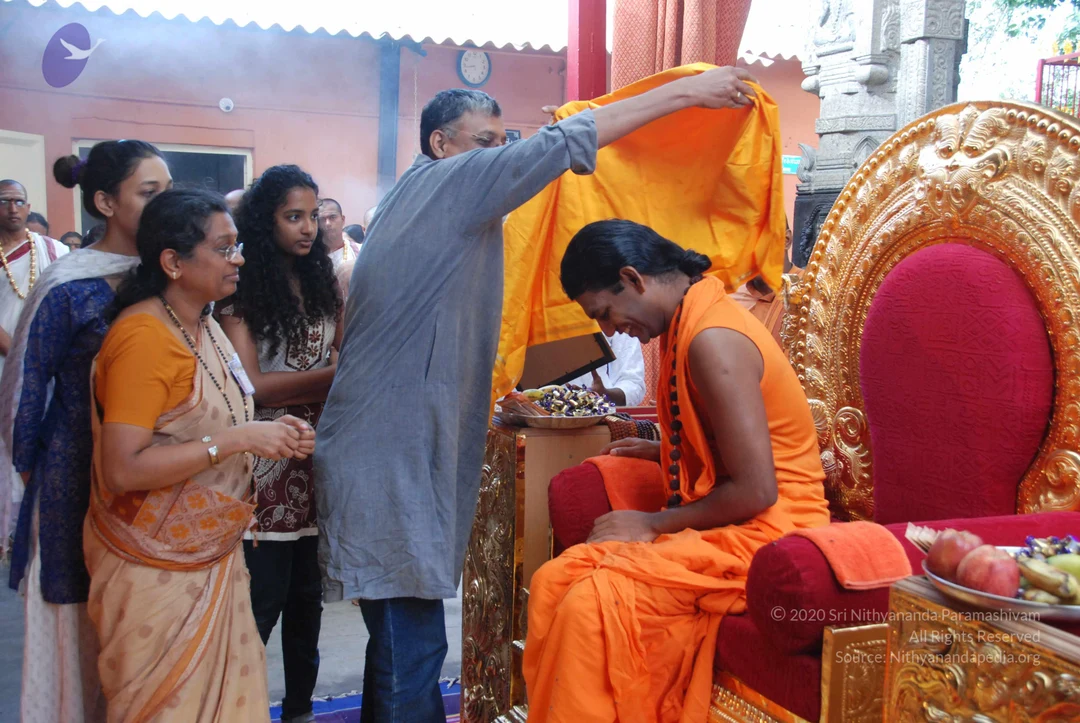
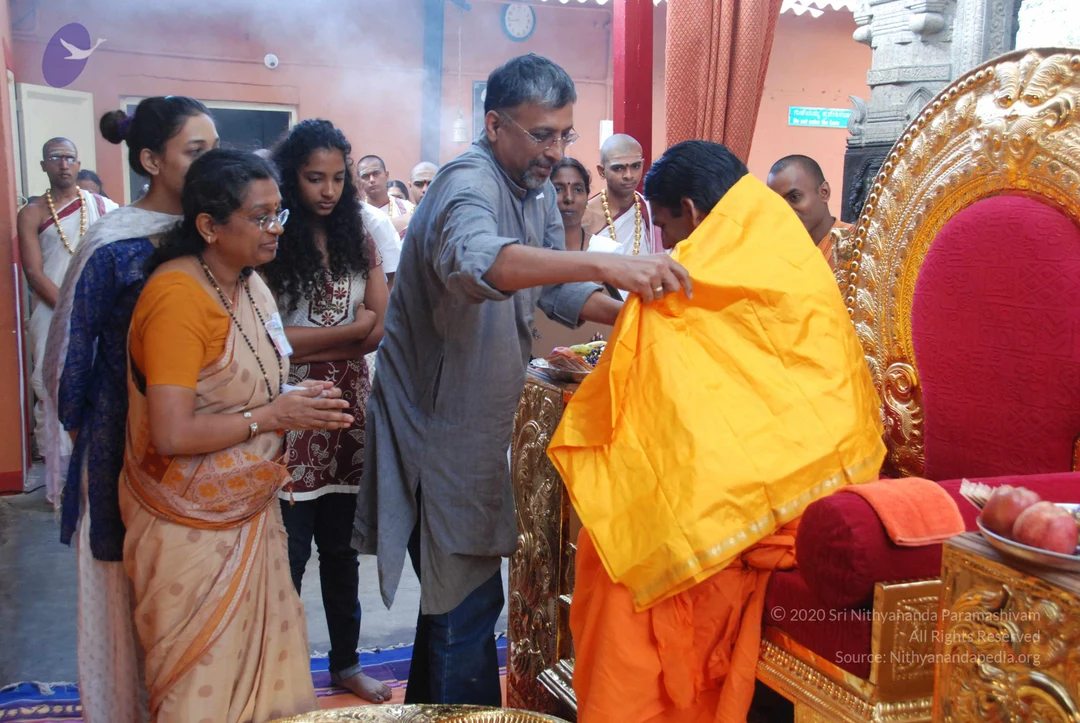
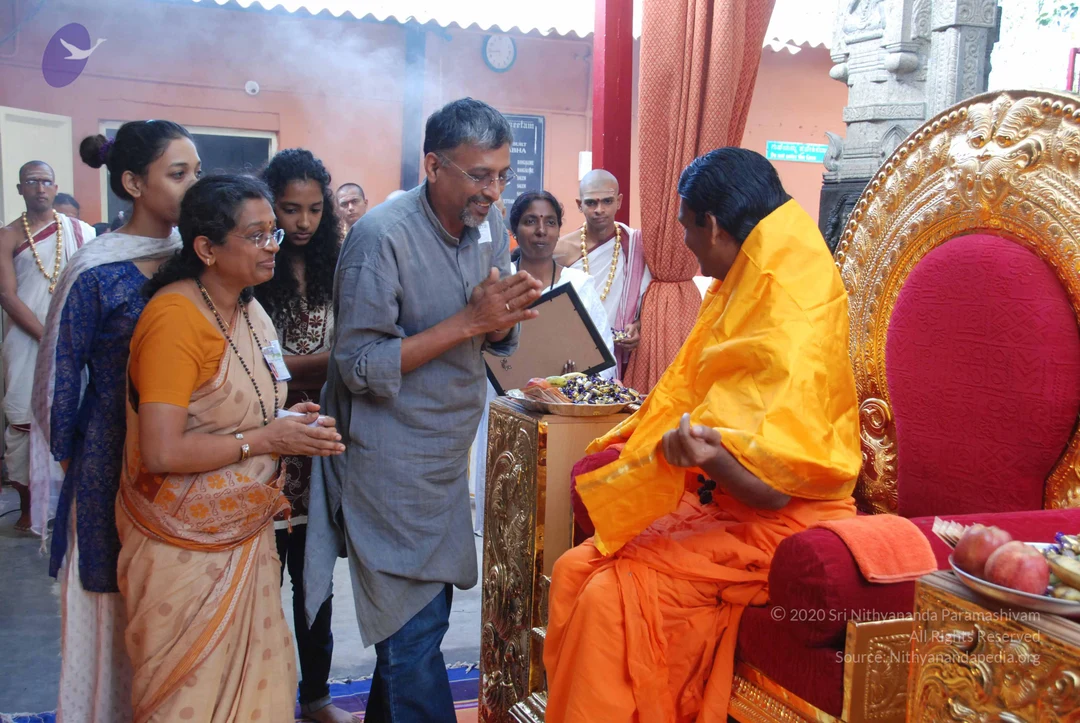
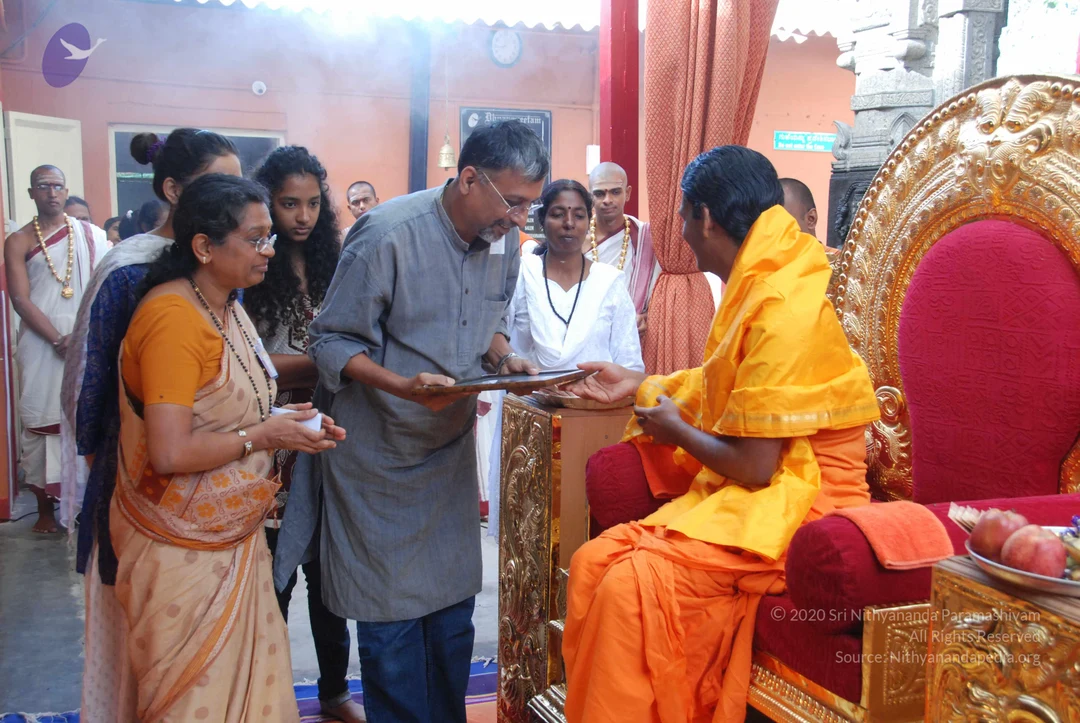
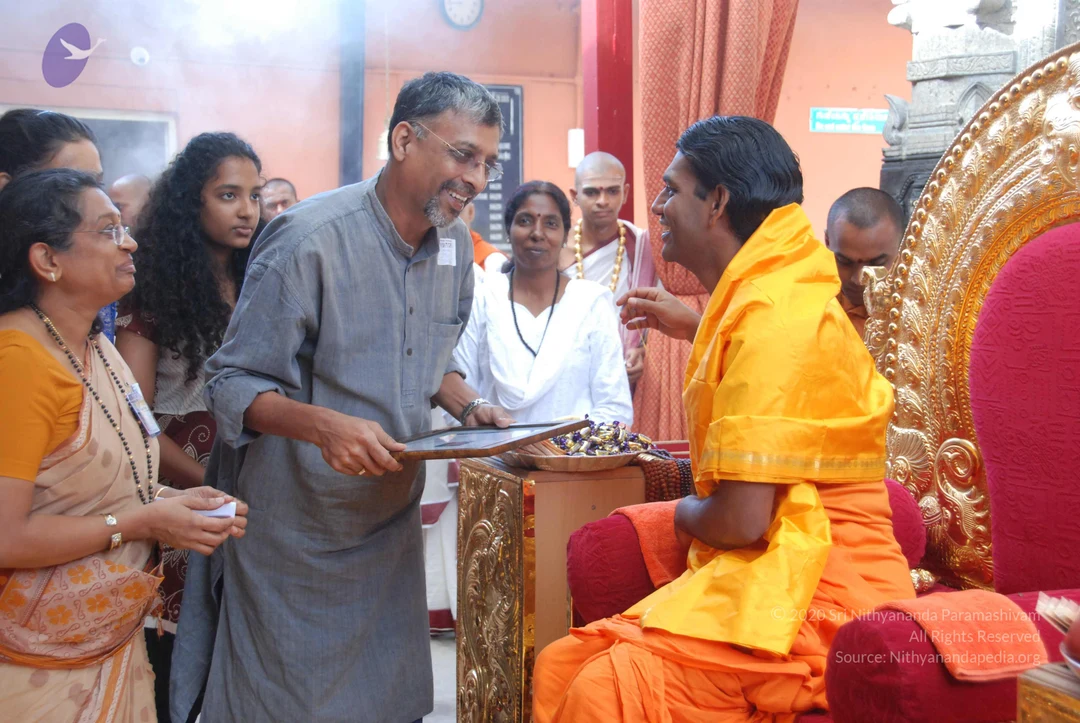
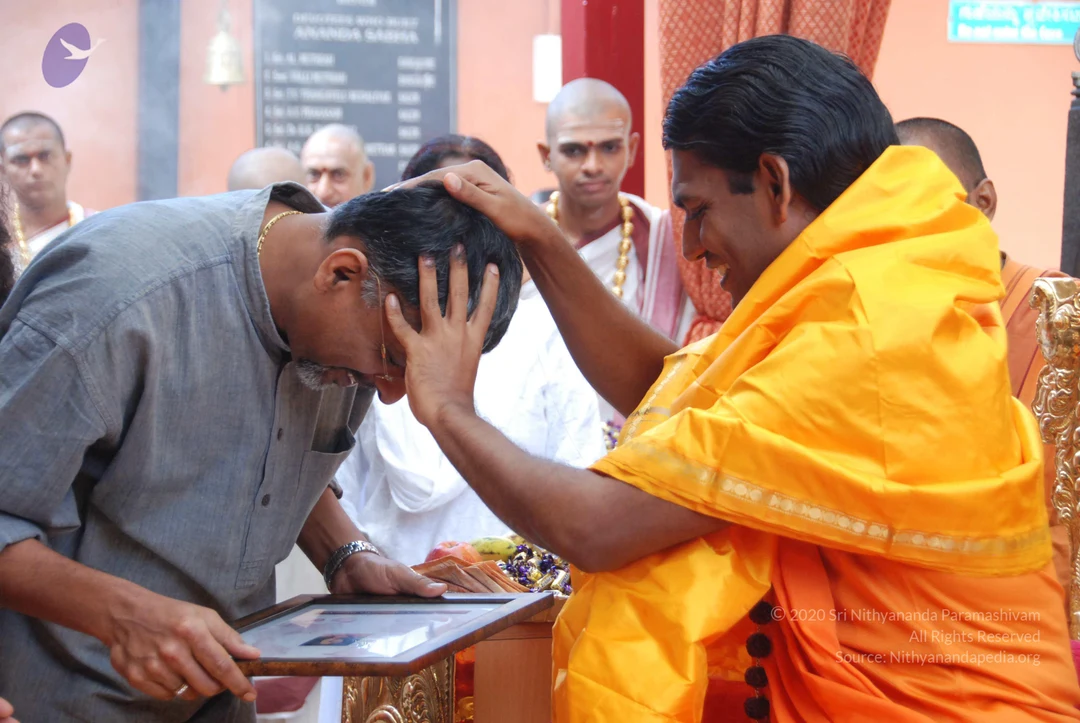
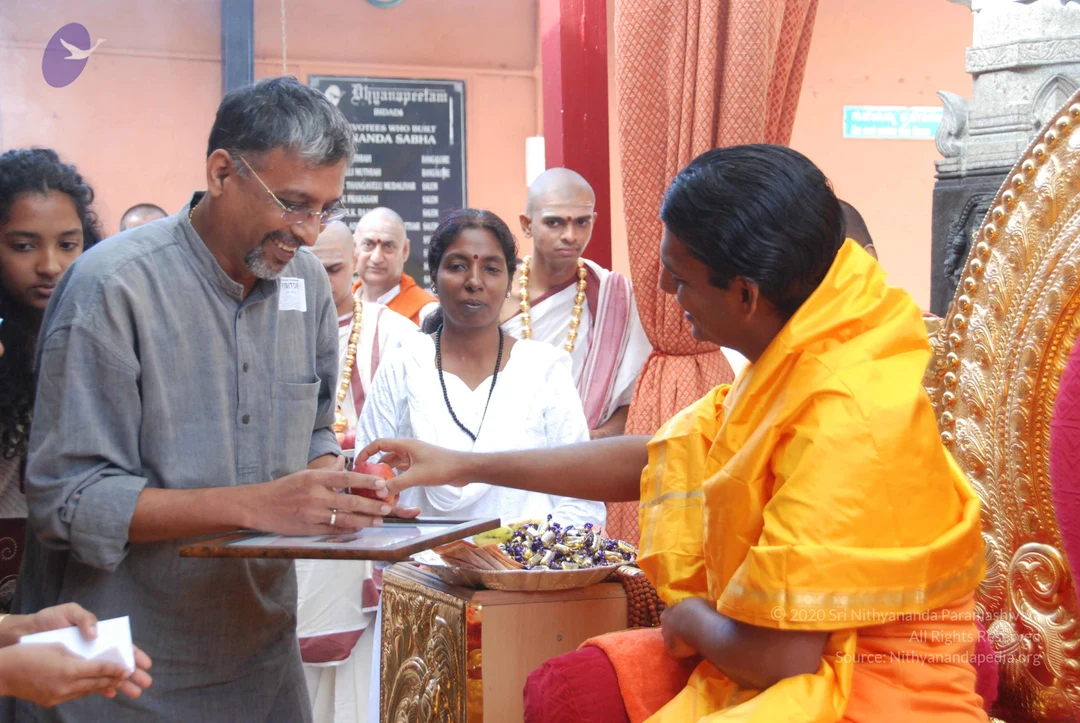
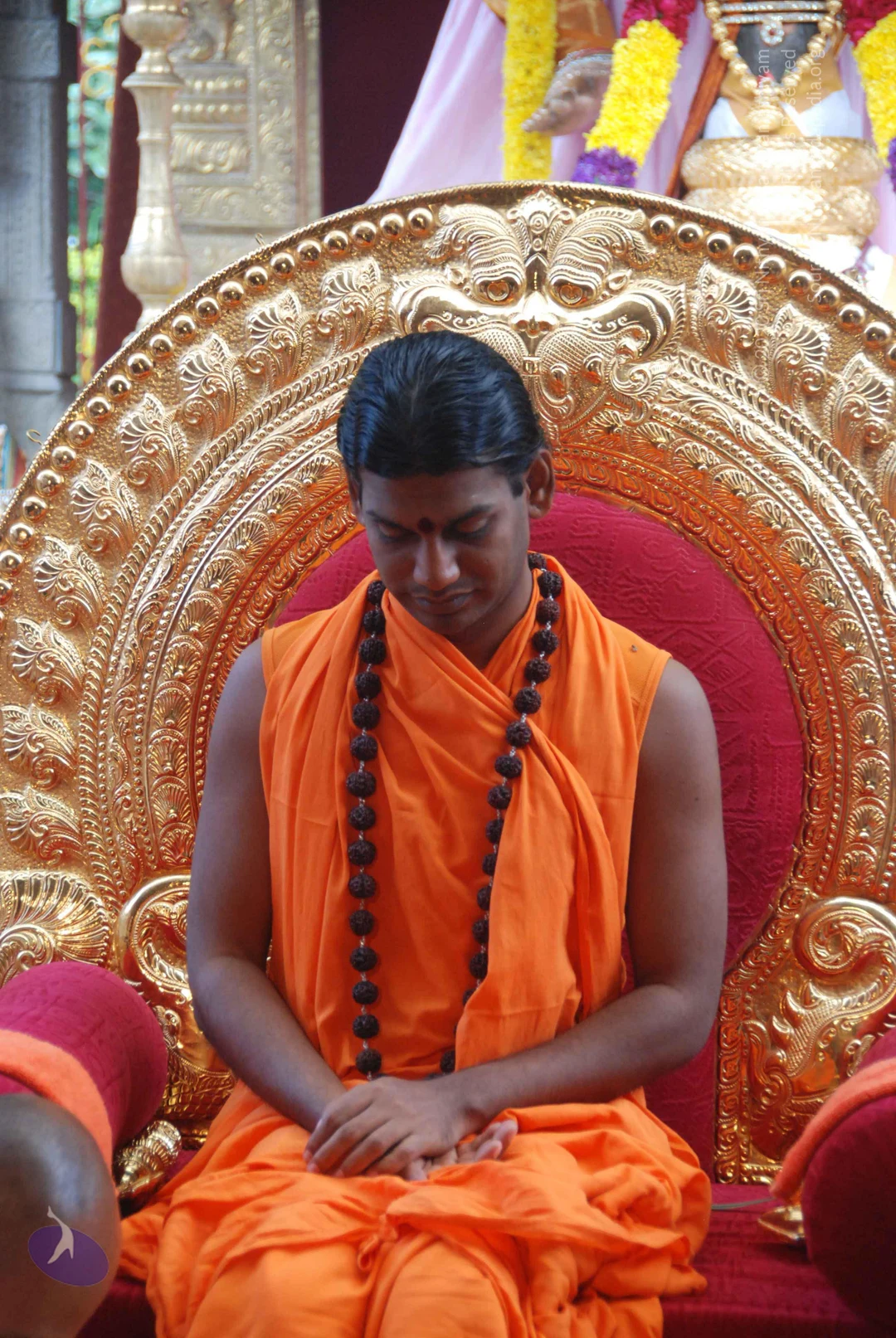
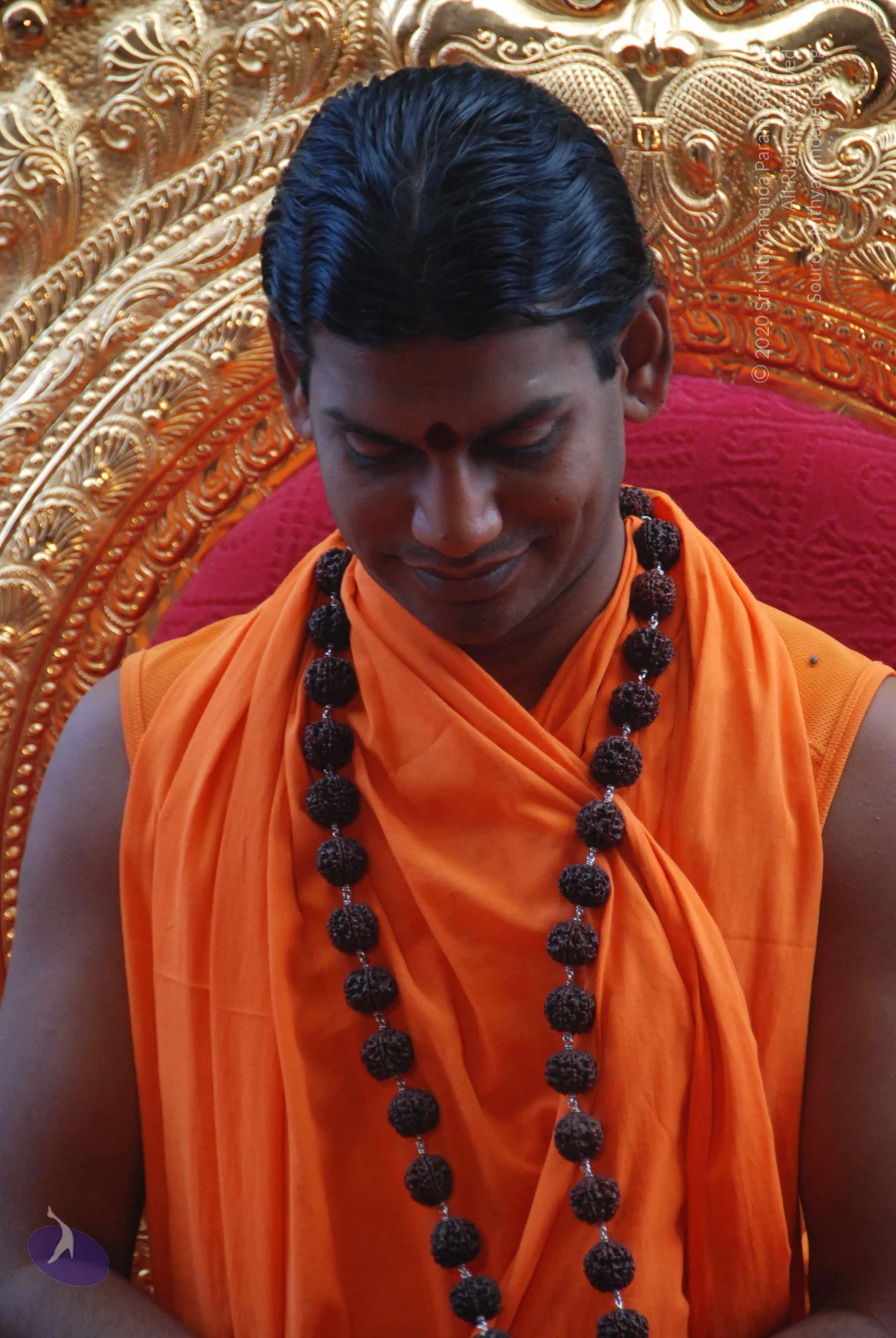
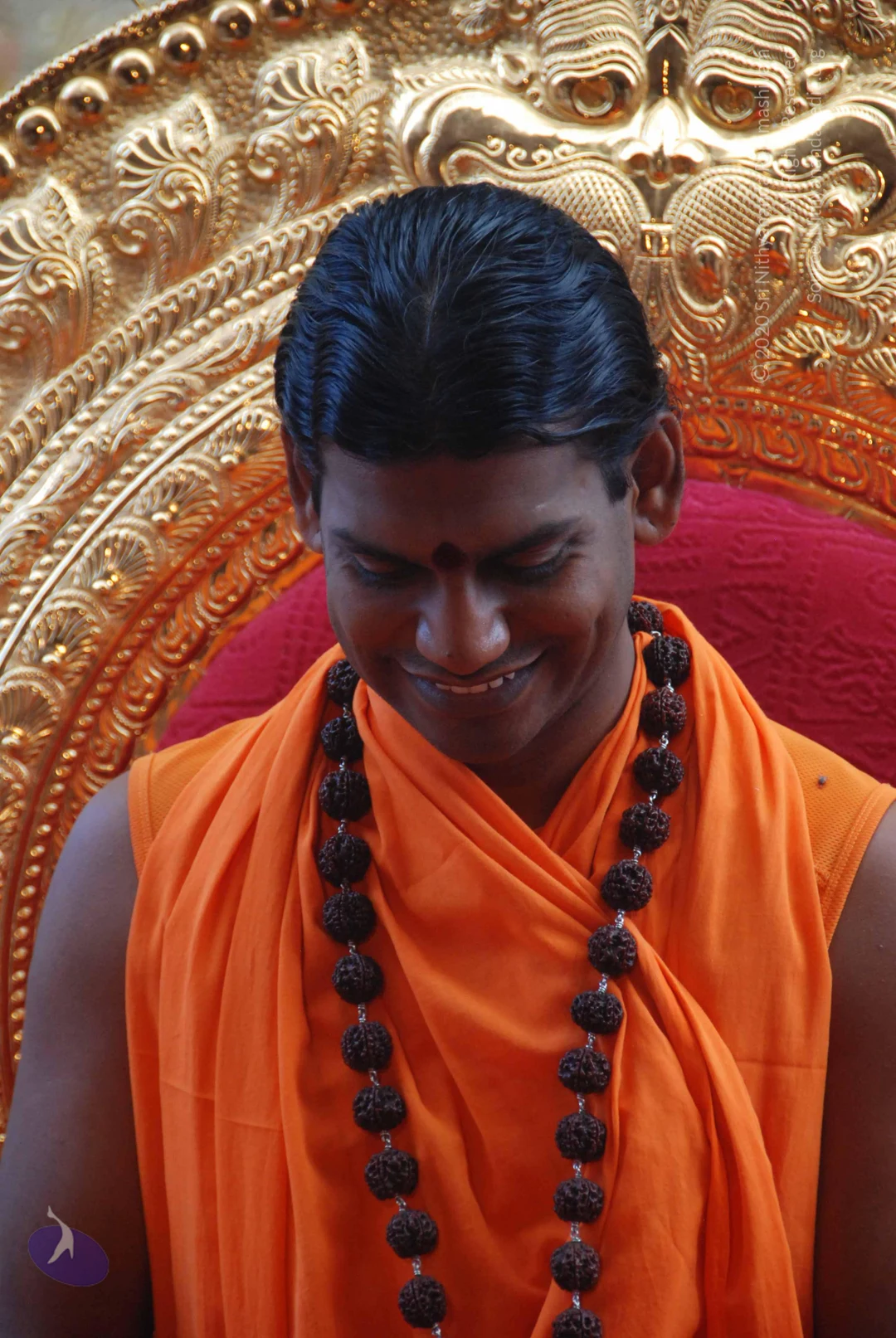
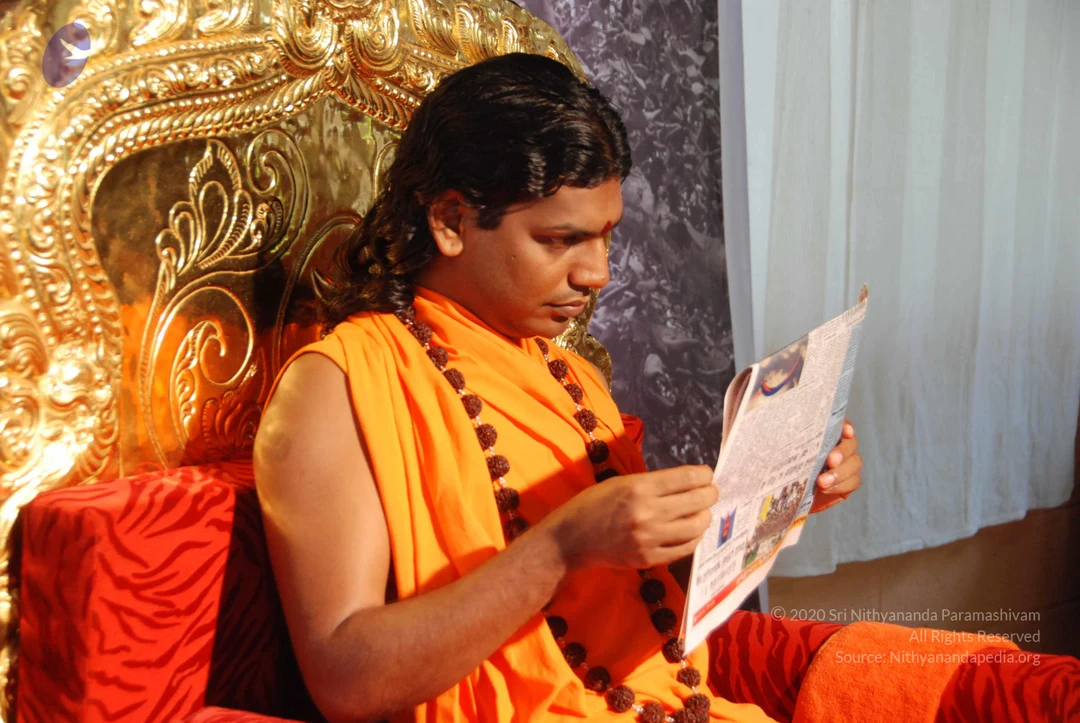
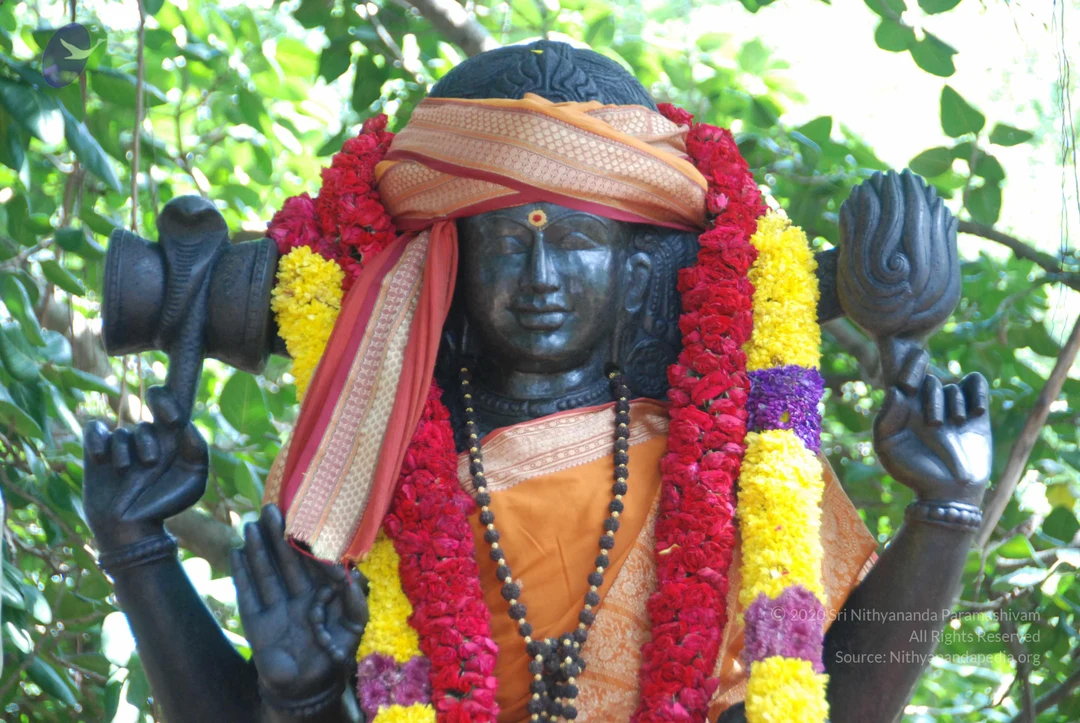
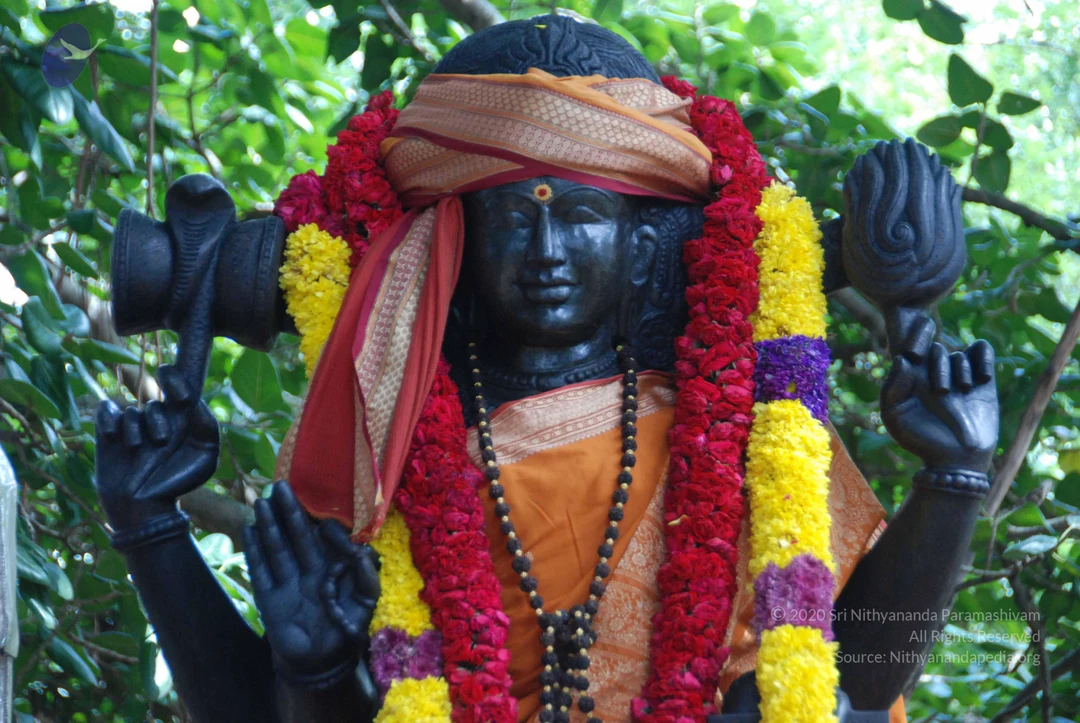
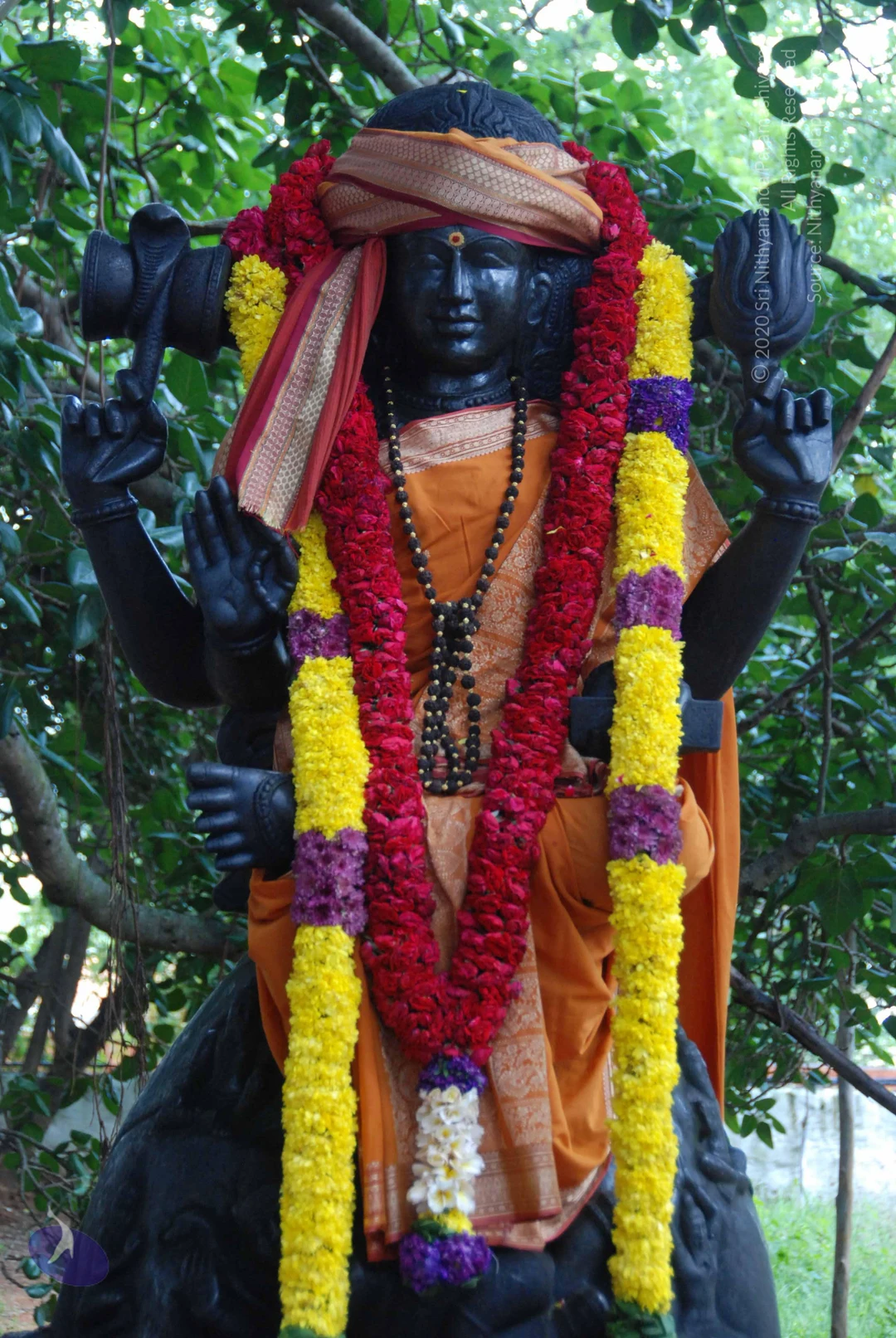
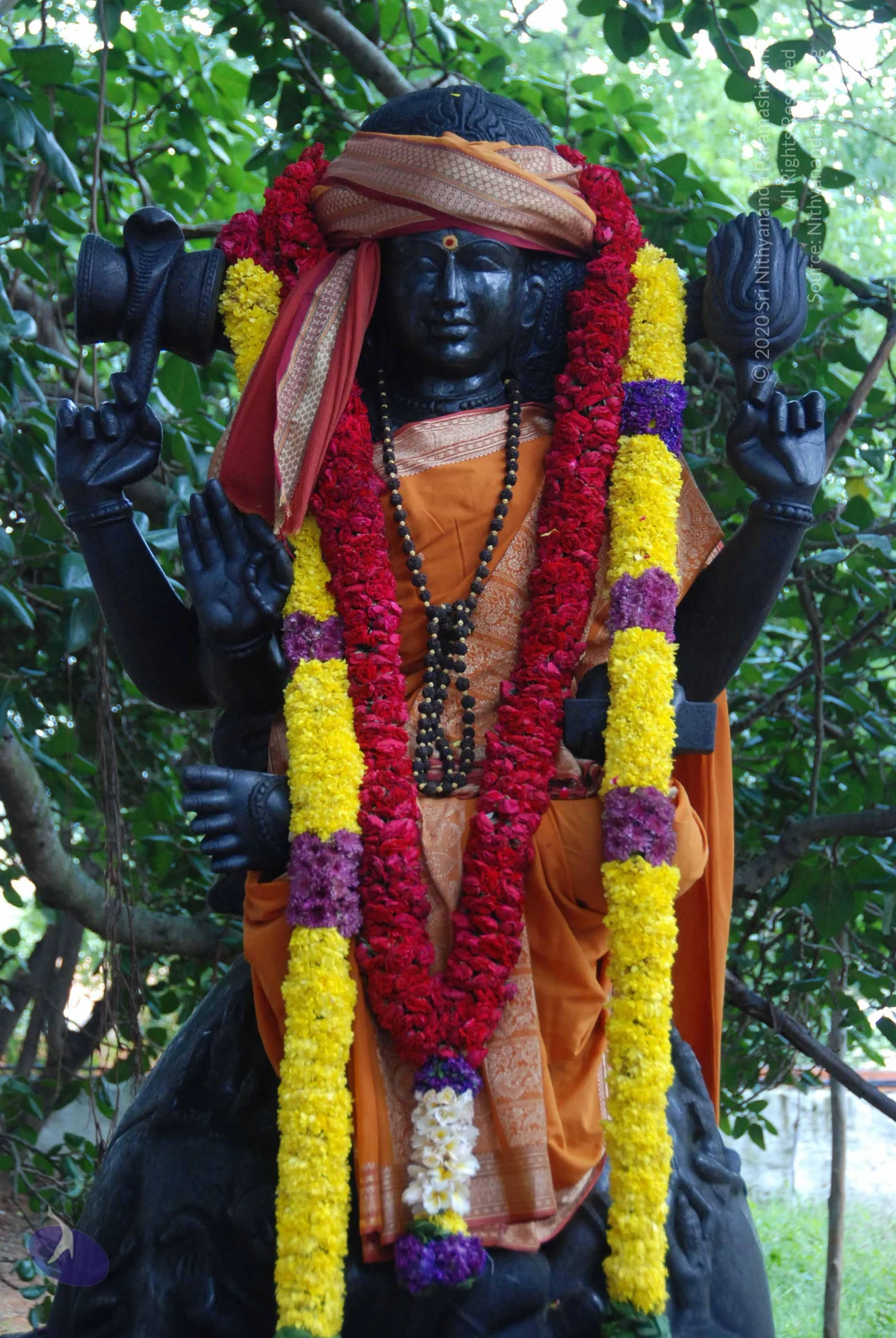
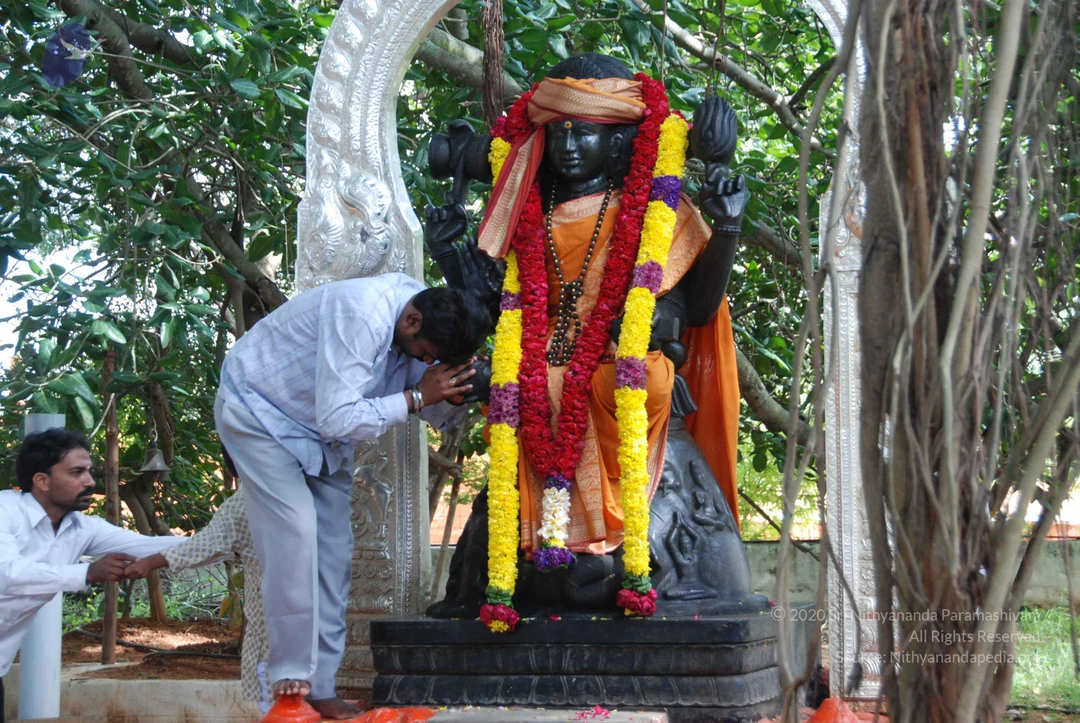
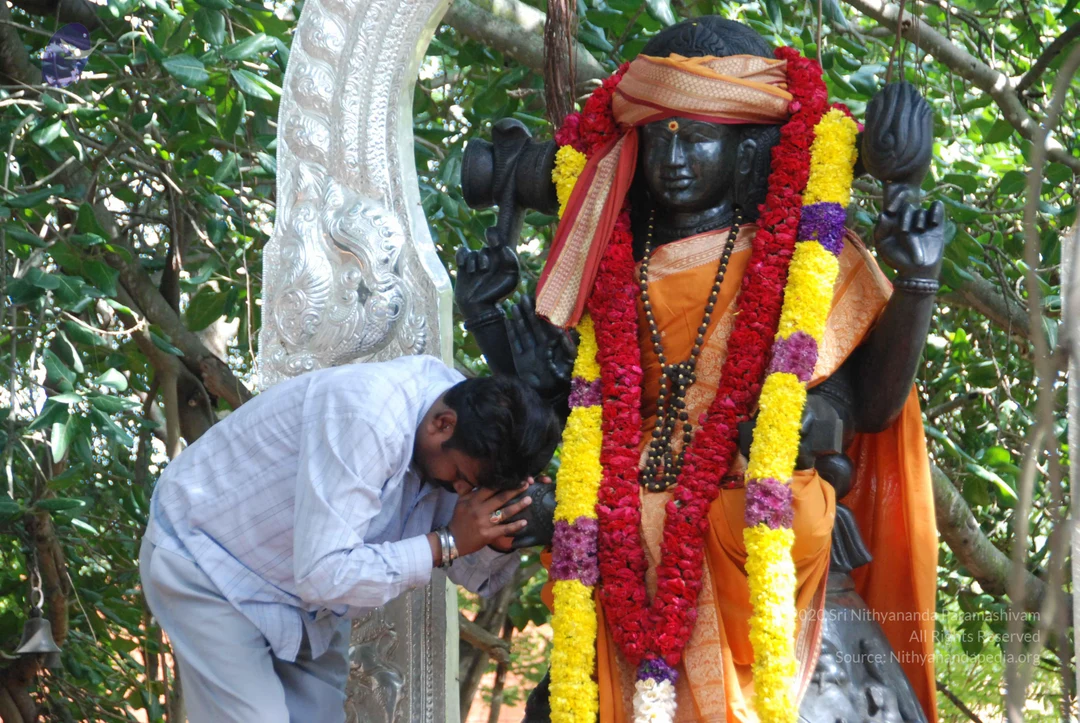
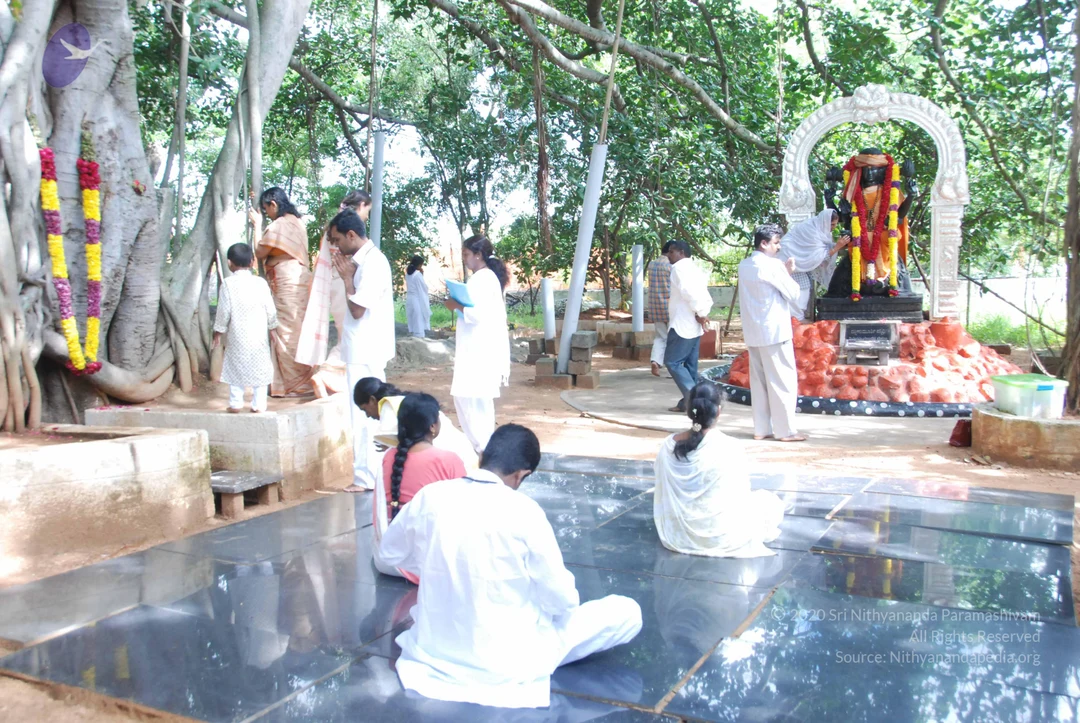
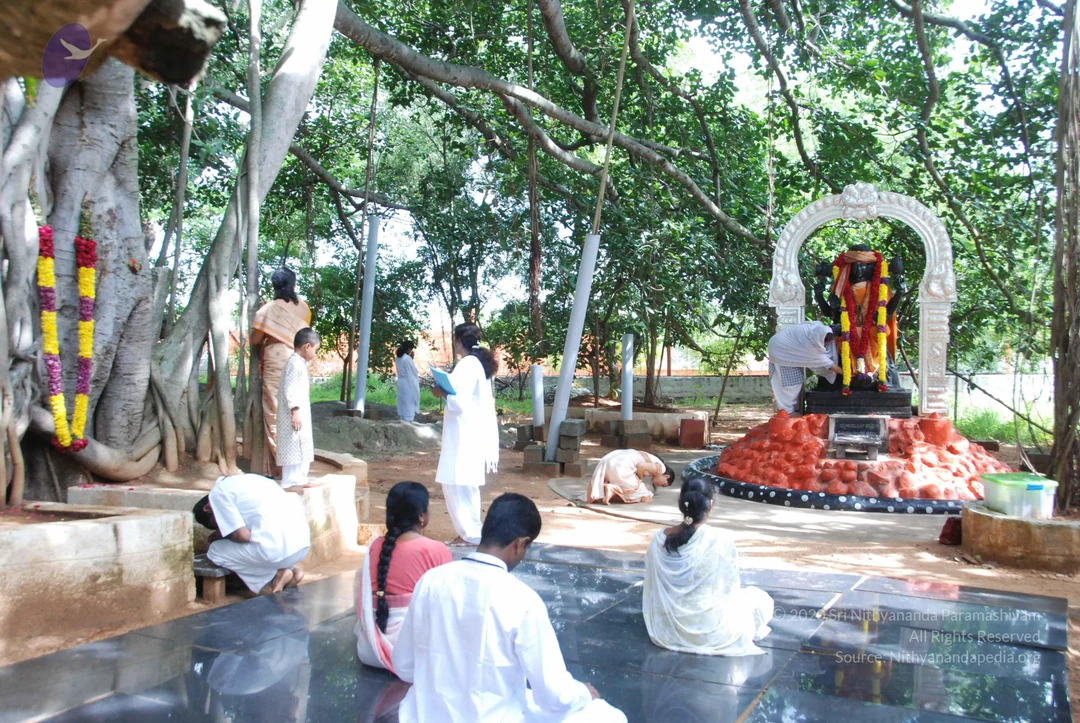
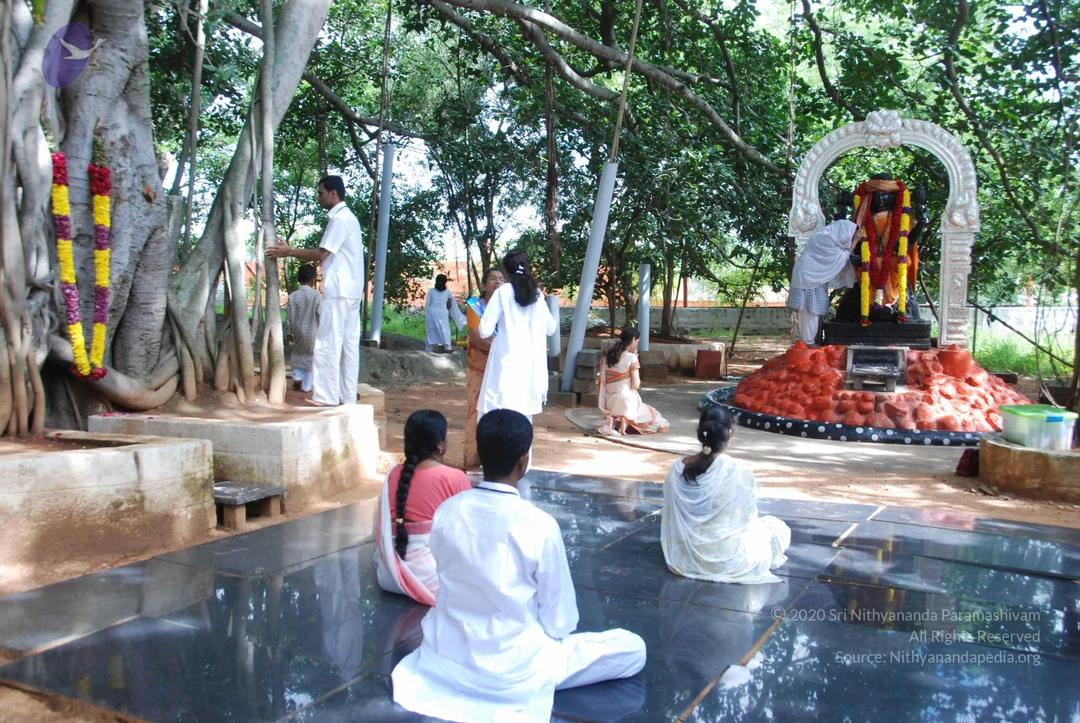
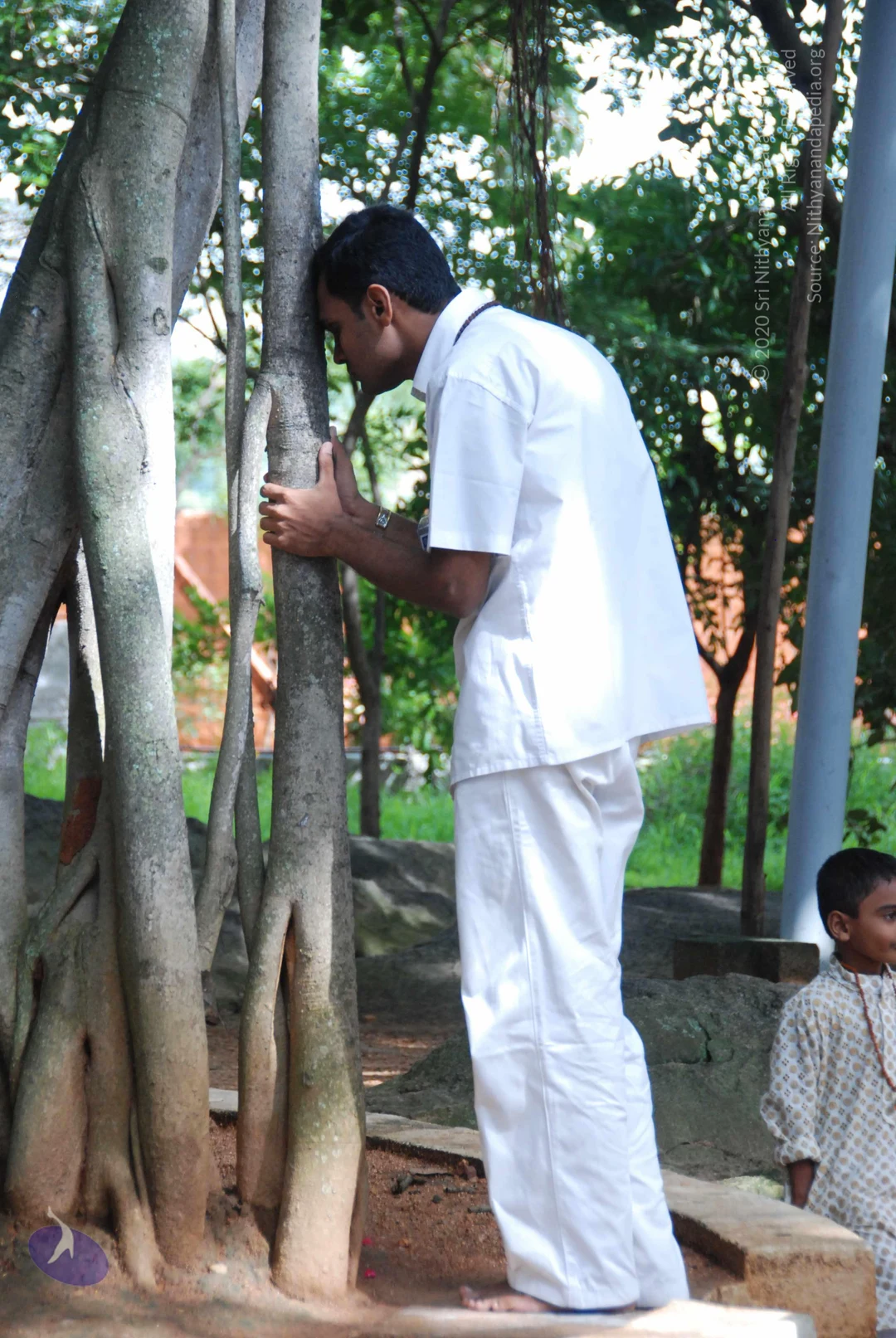
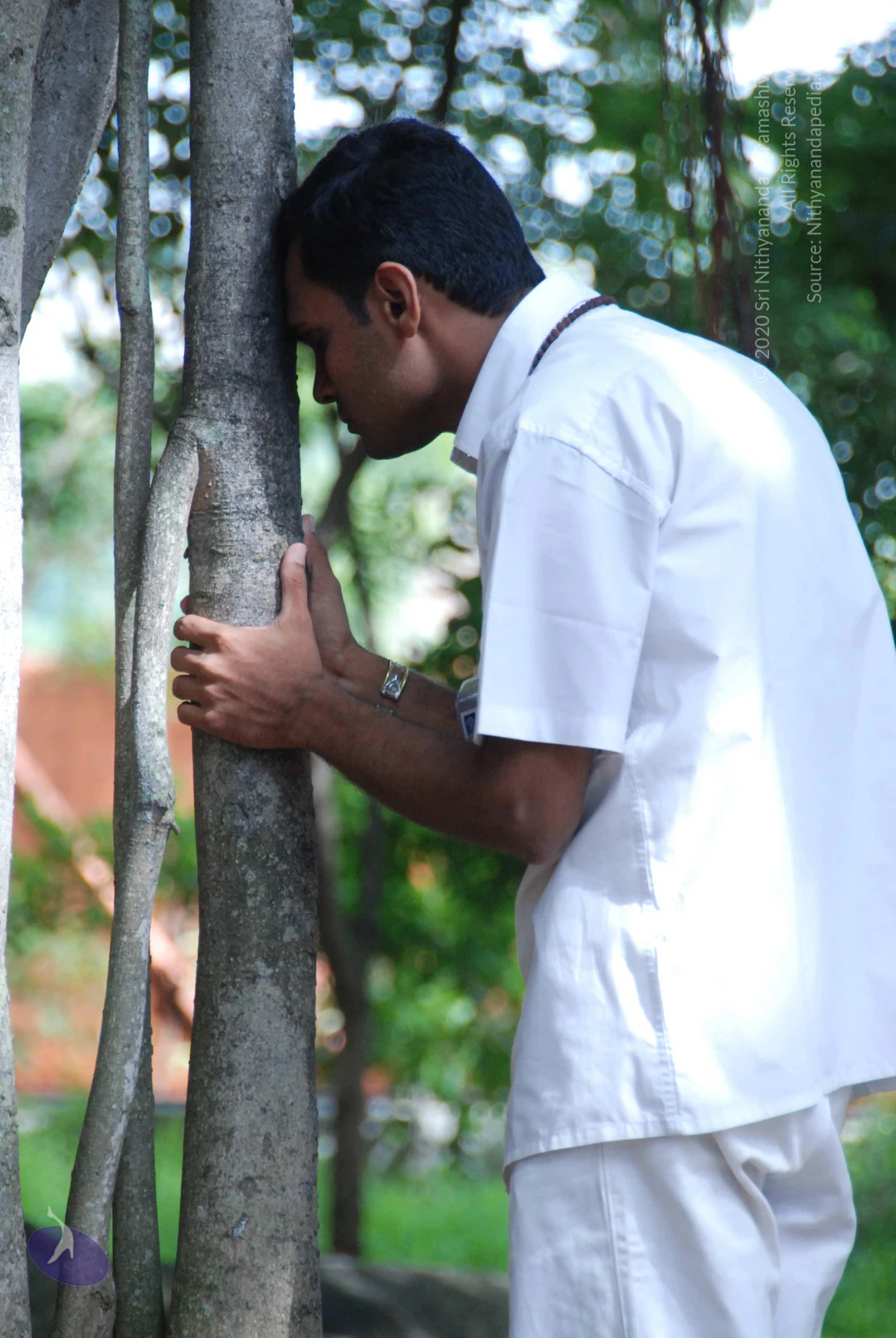
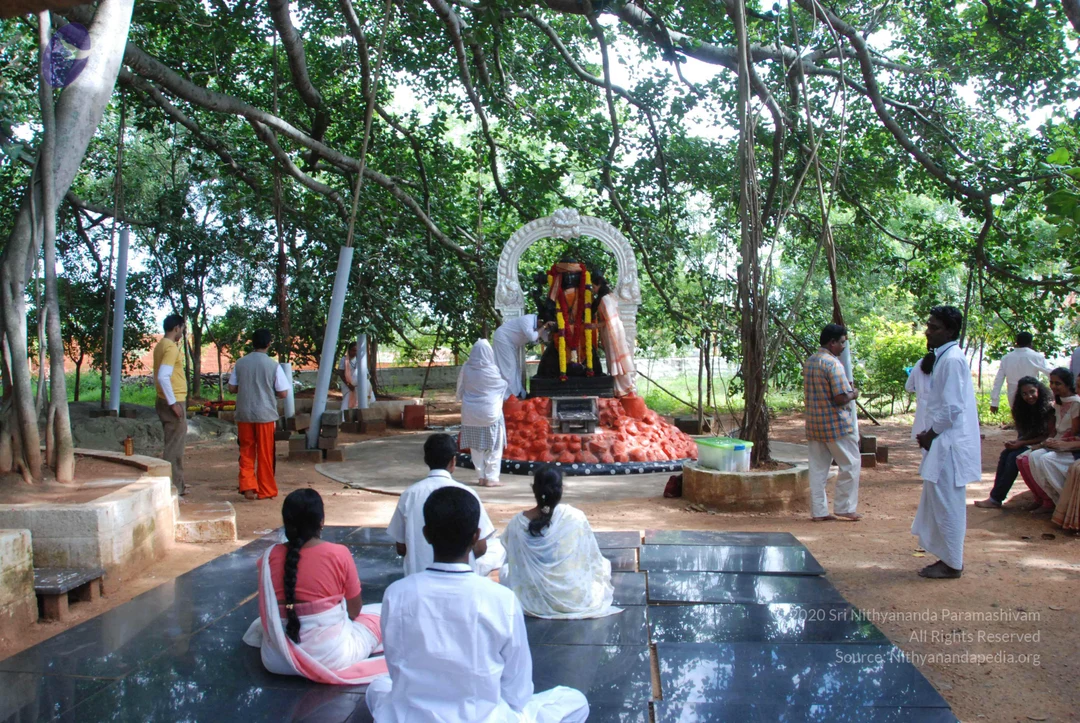
05--Dakshina-Murthi-Sacred-Banyan-Tree
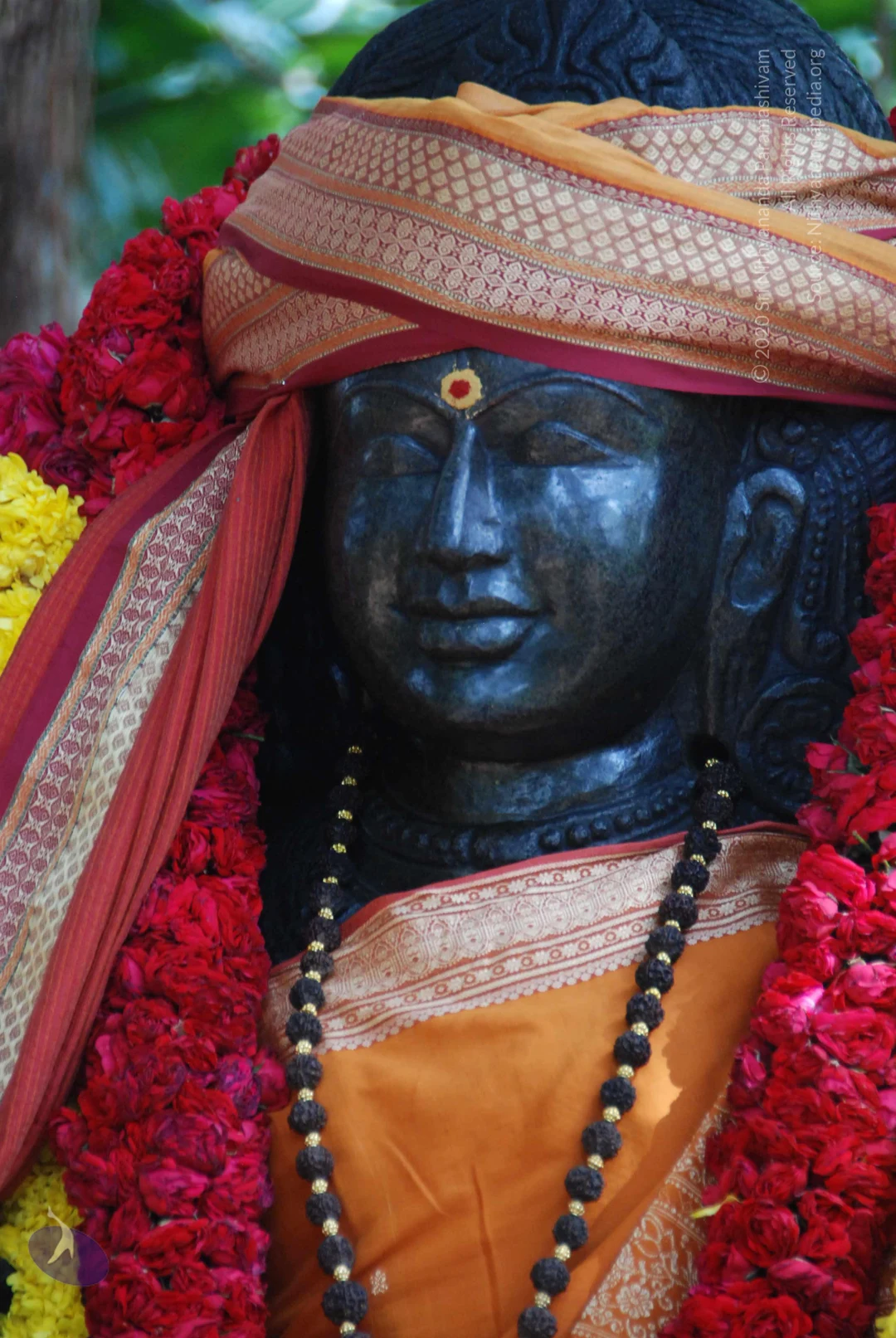
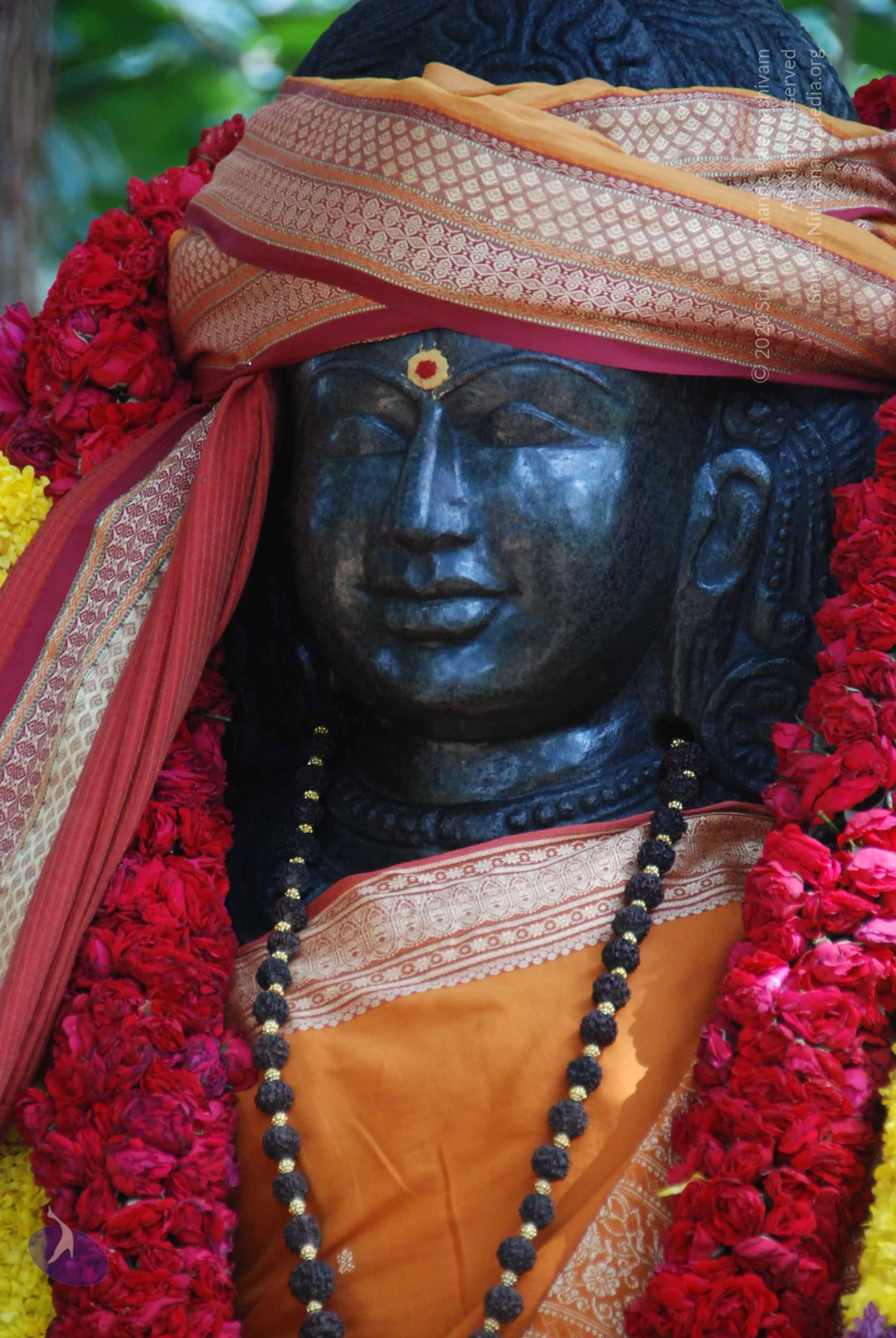
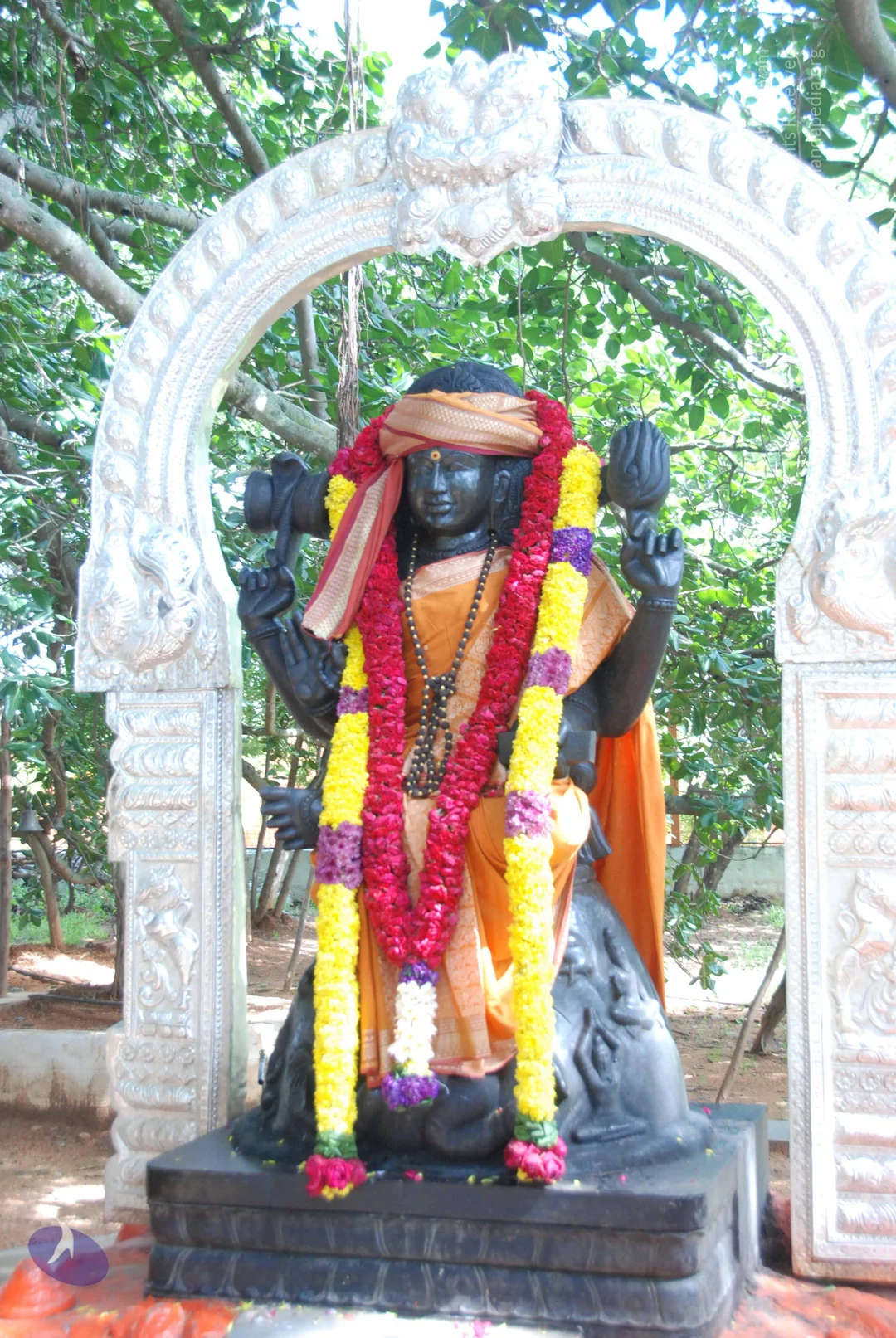
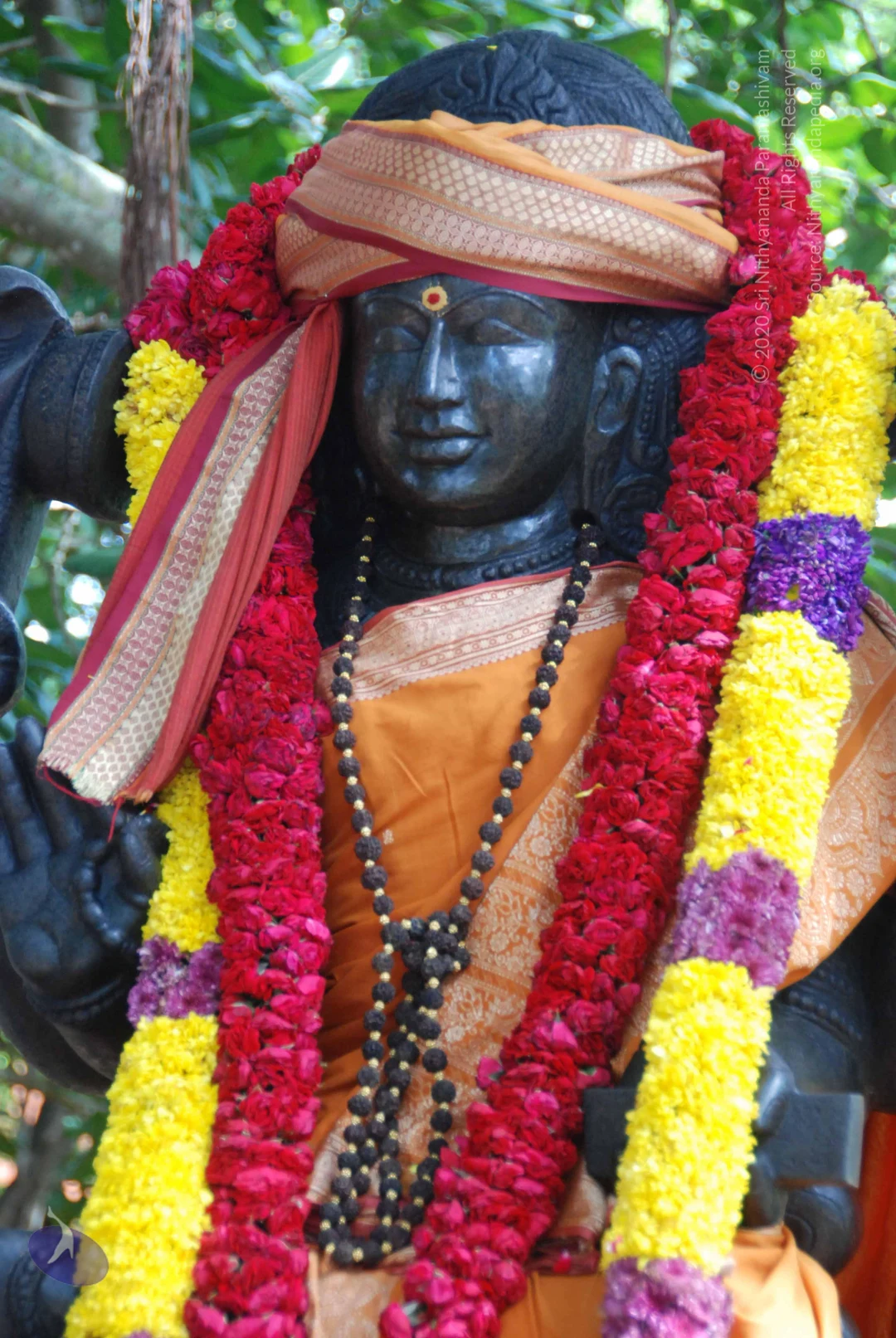
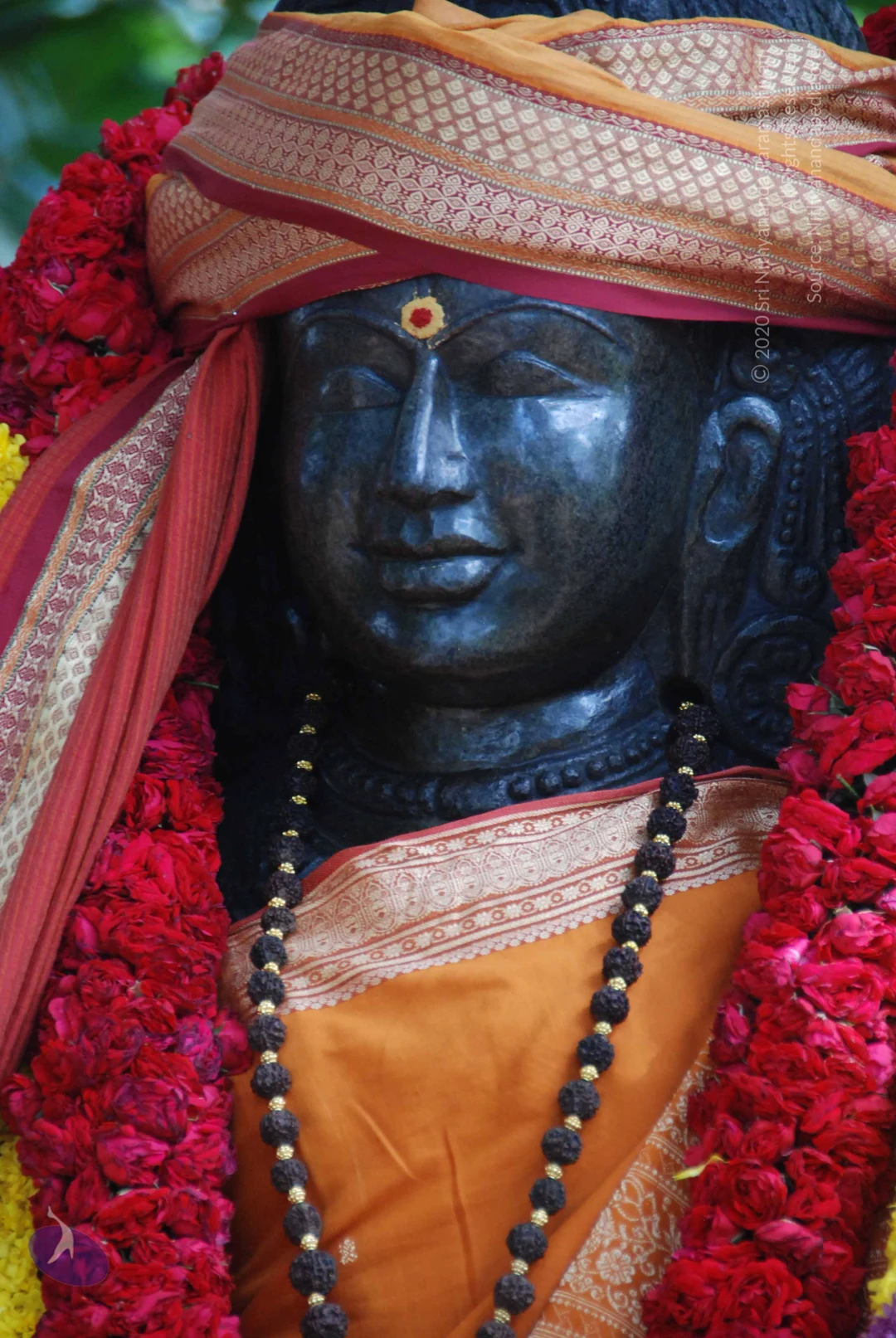
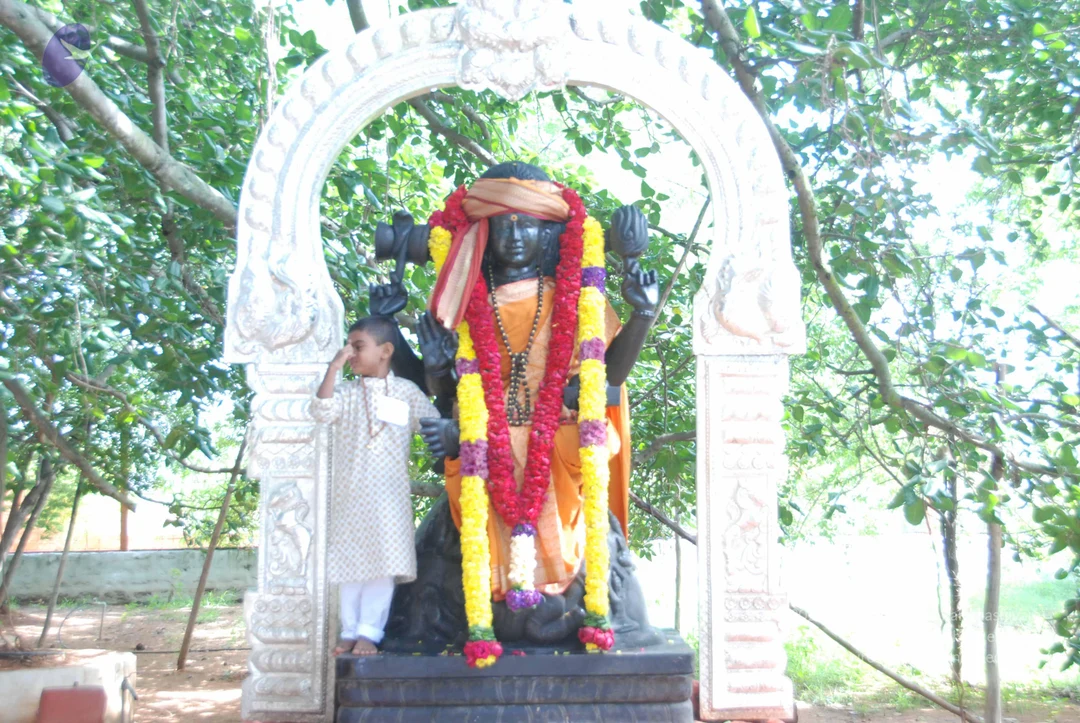
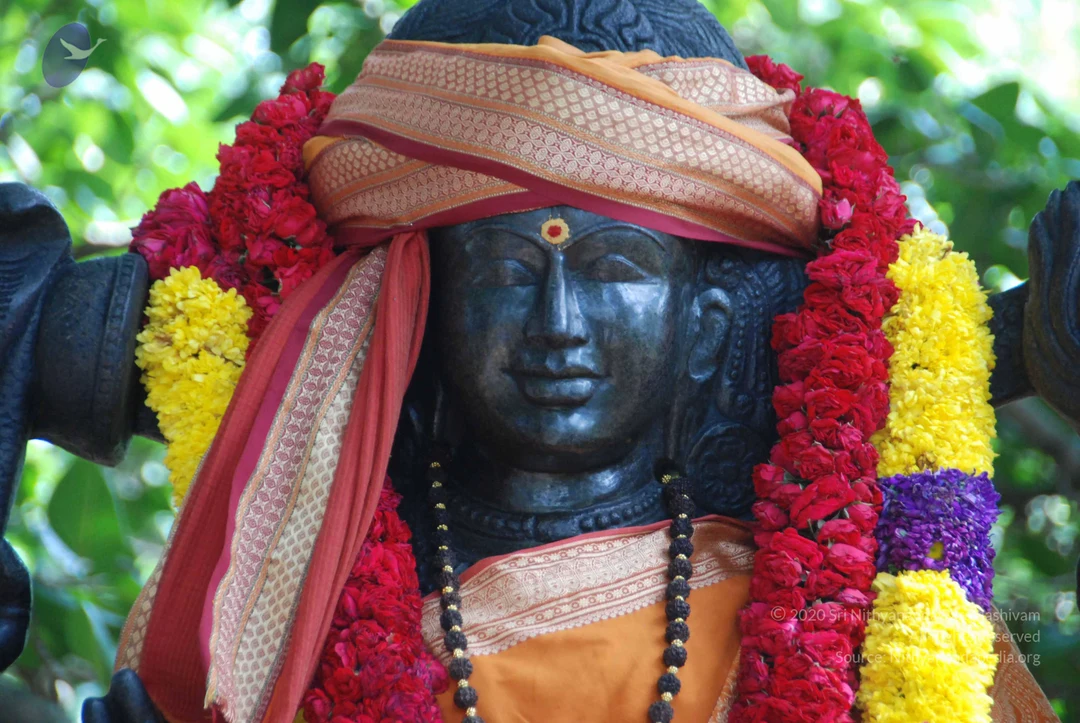
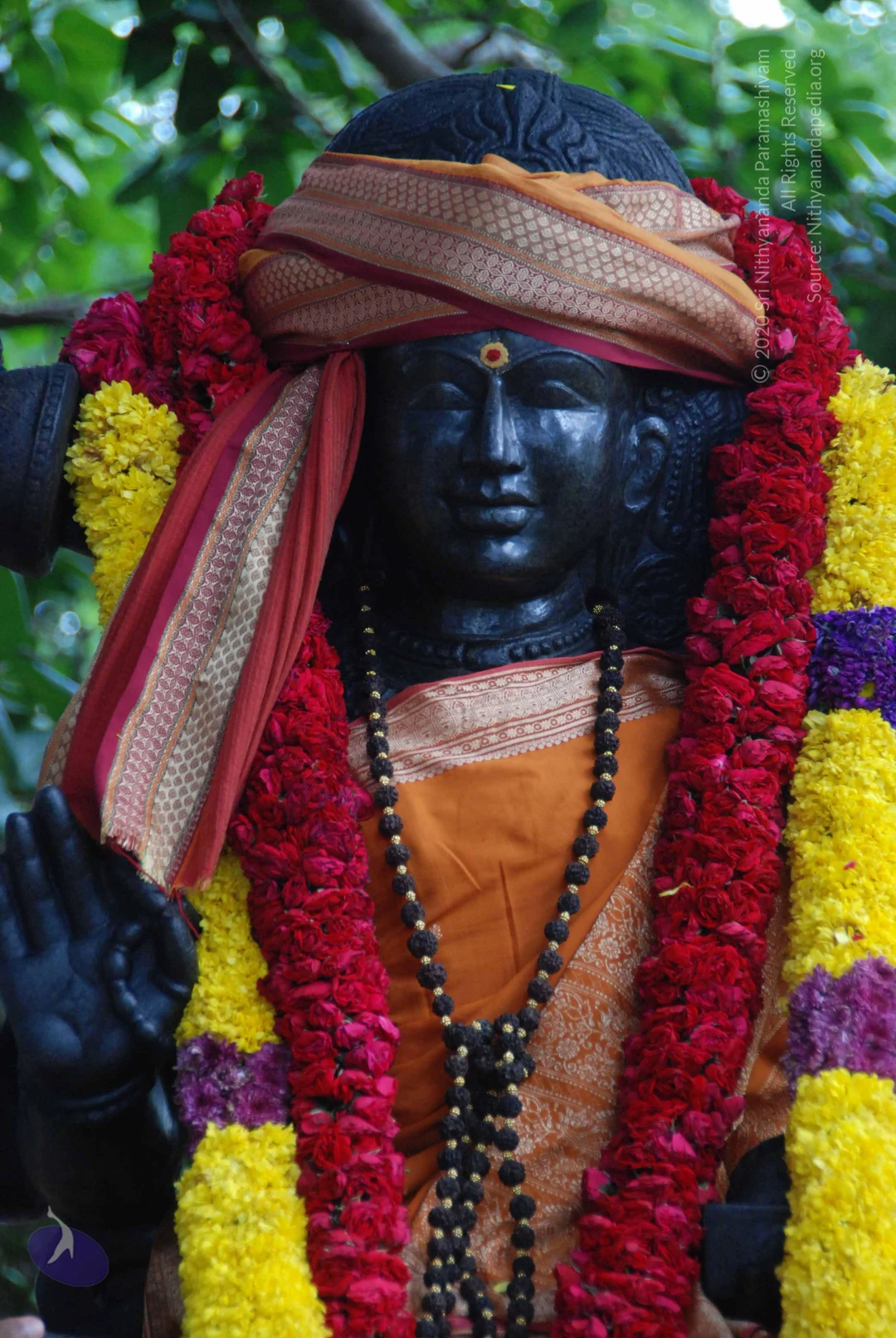
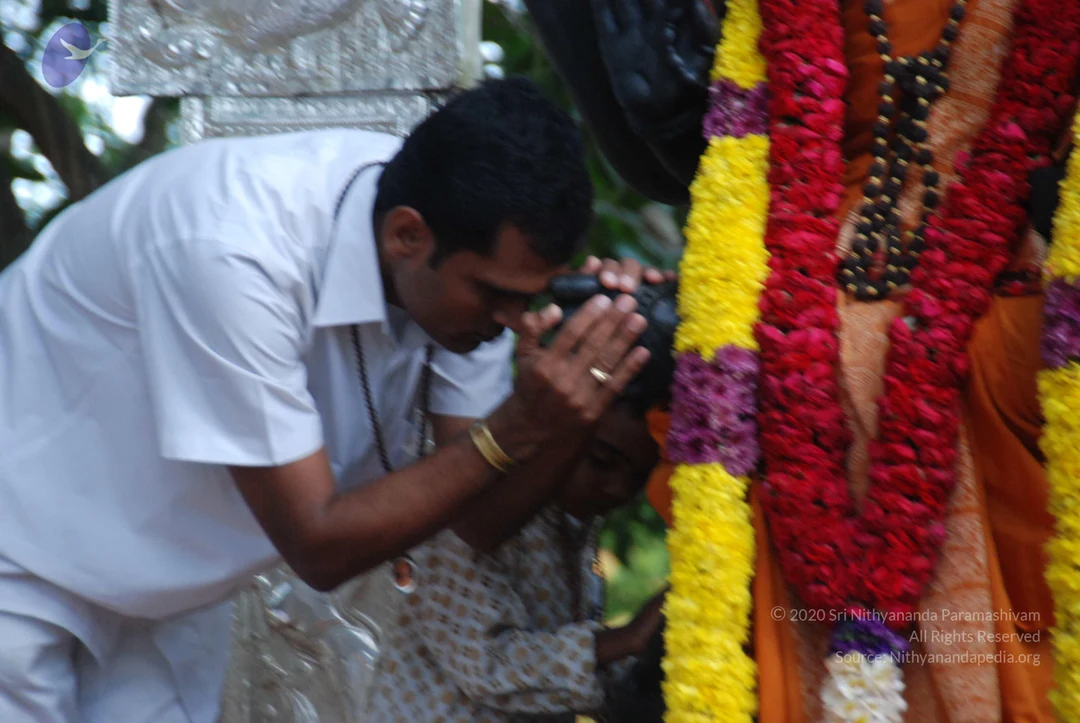
06--Temple-Visit






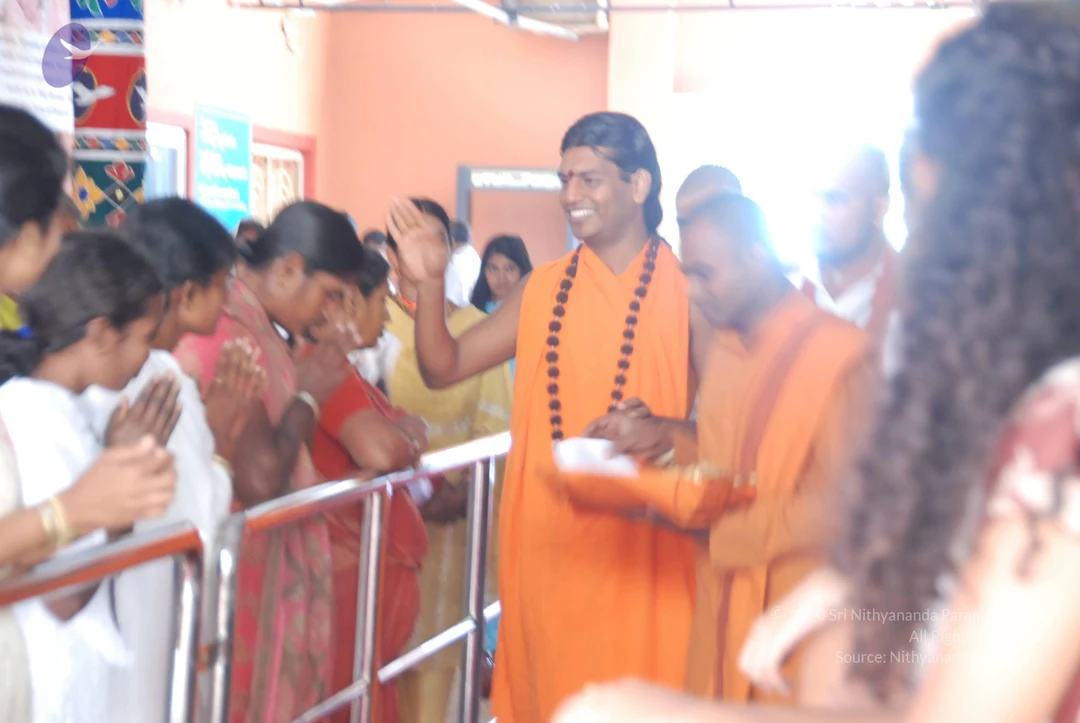
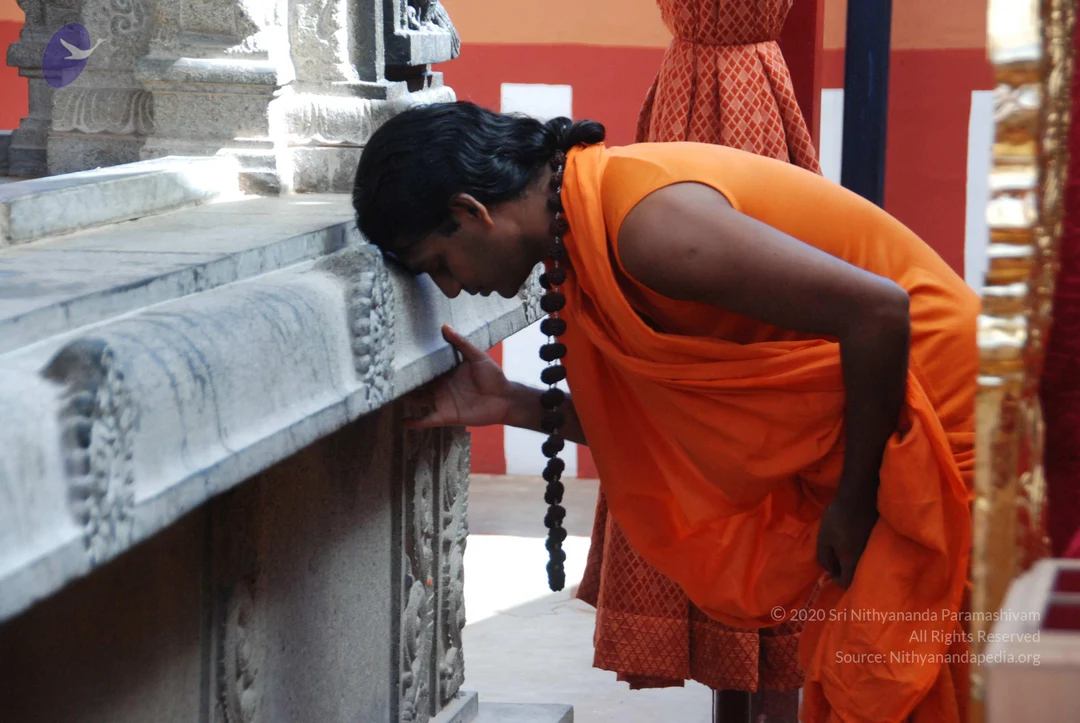
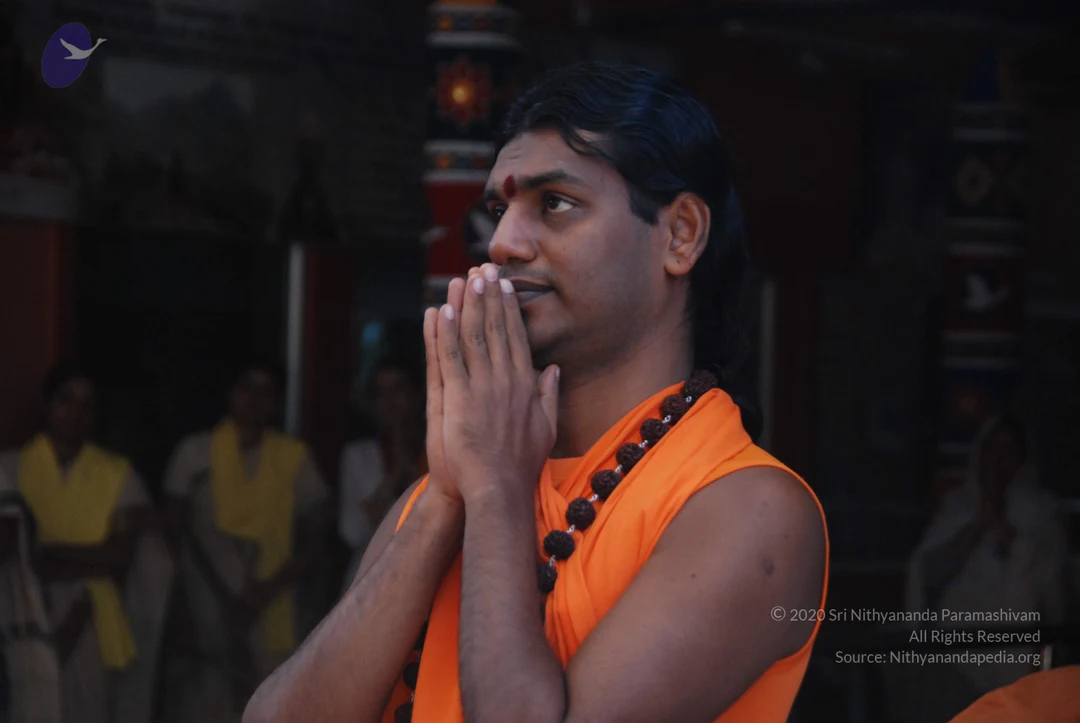
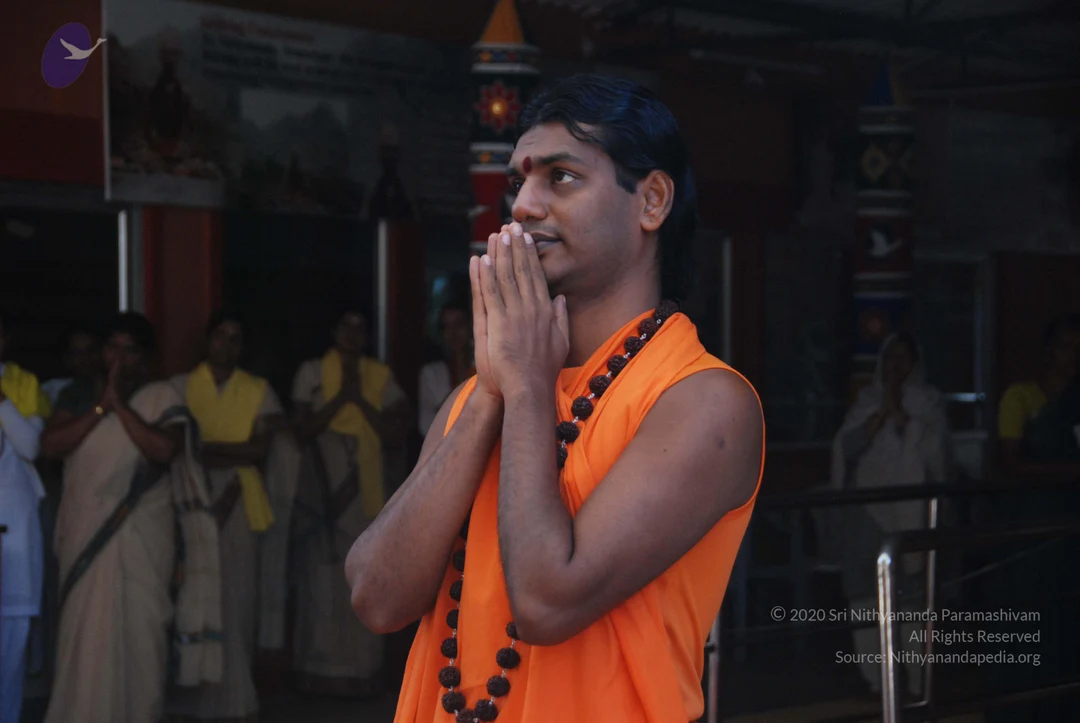
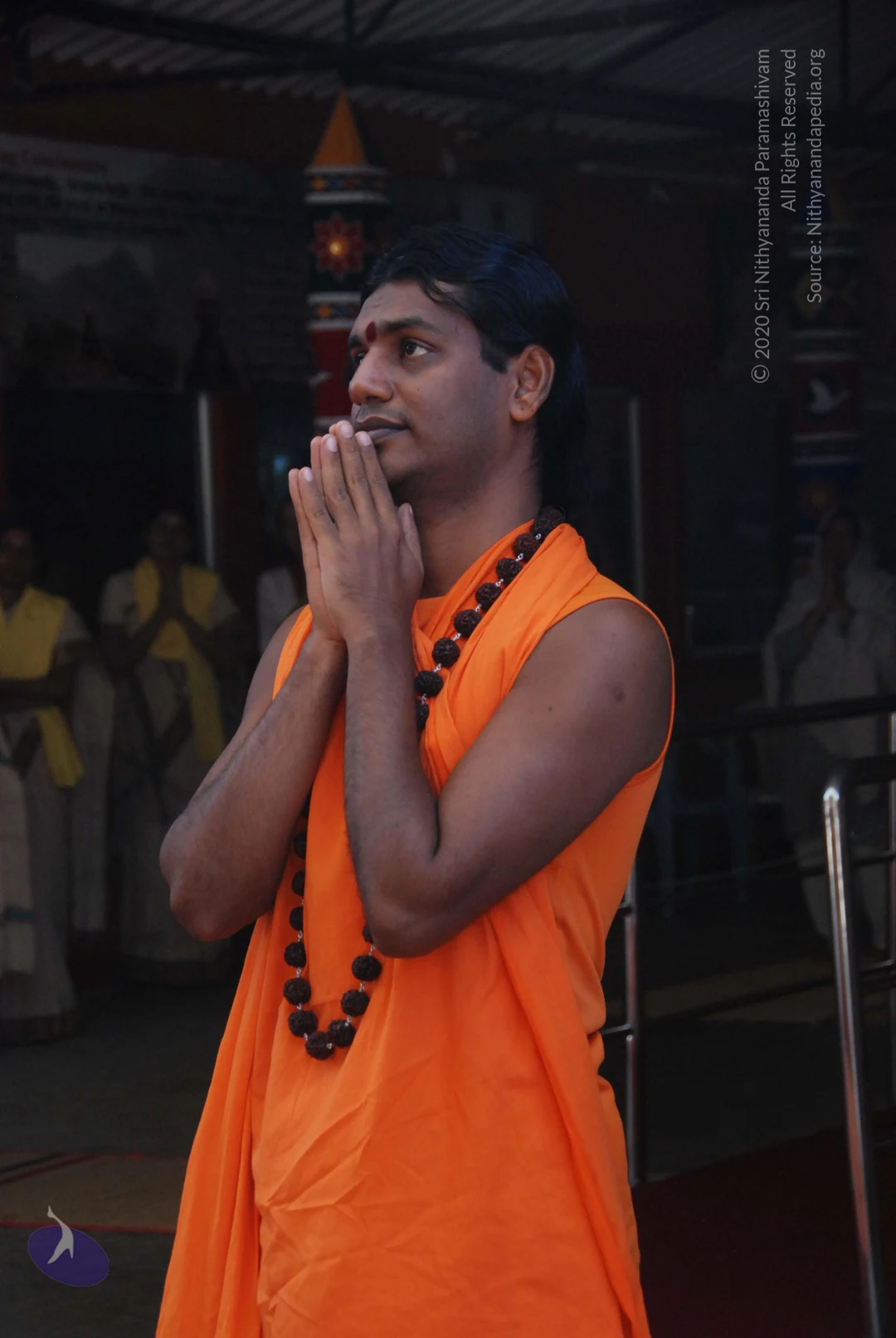
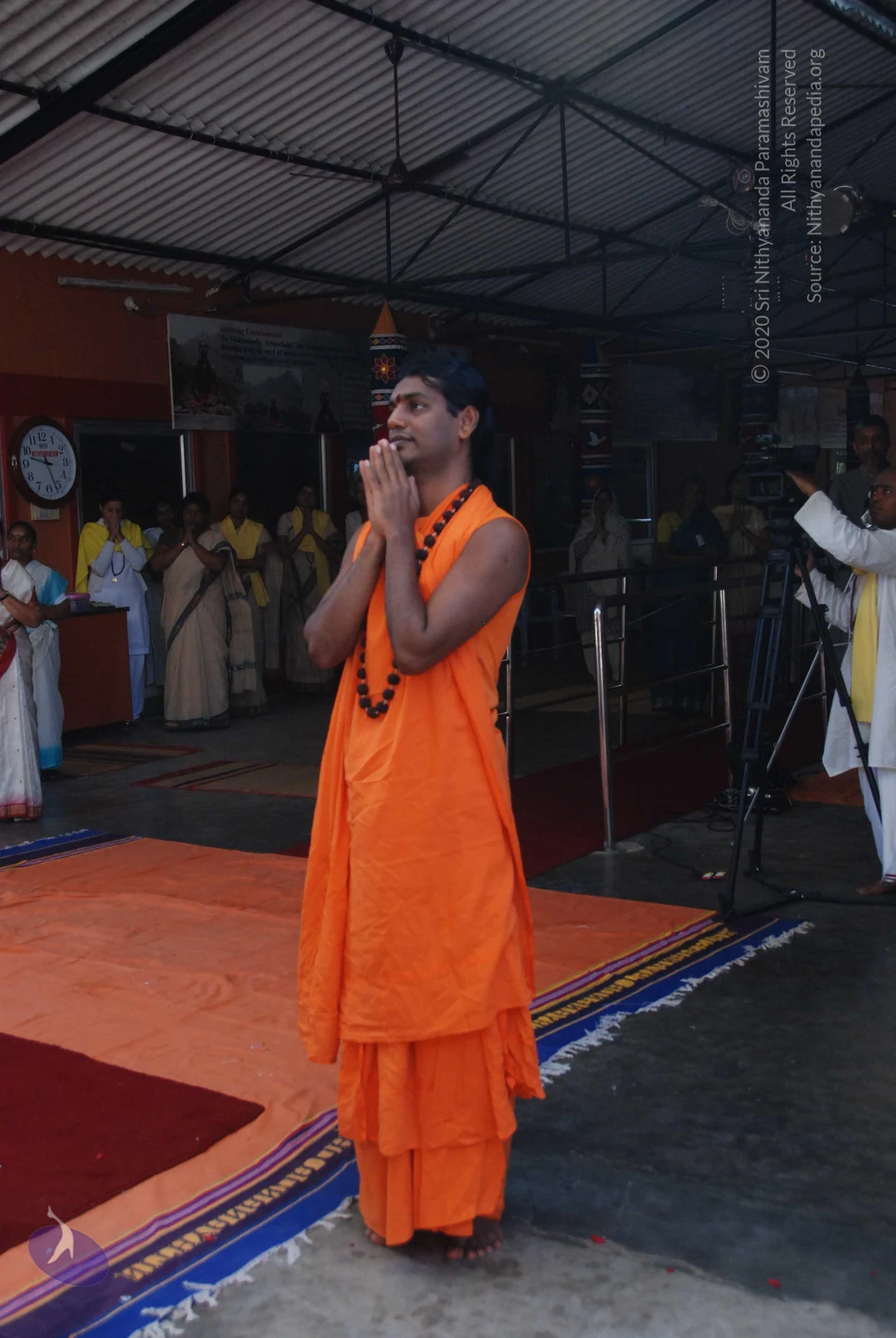
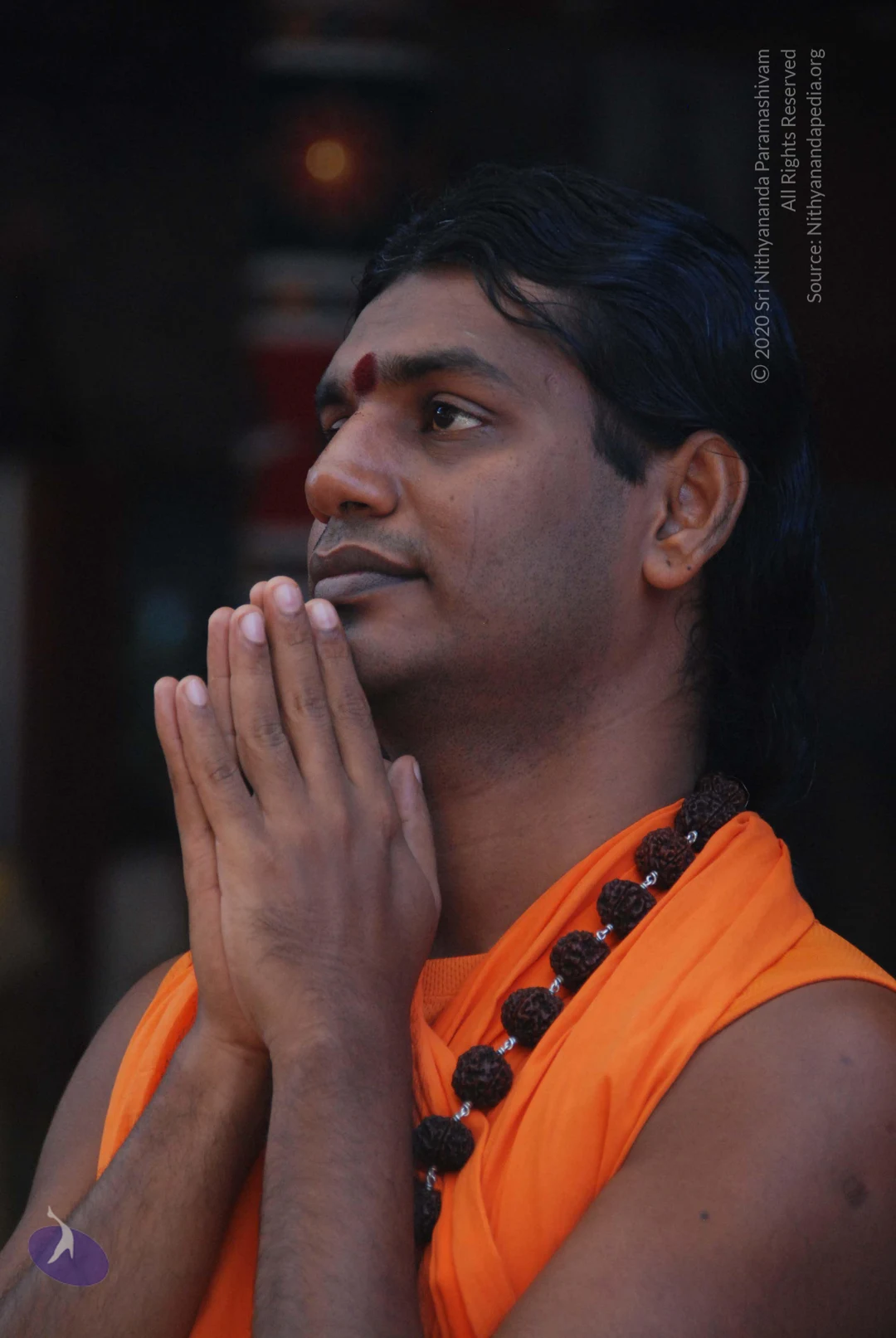
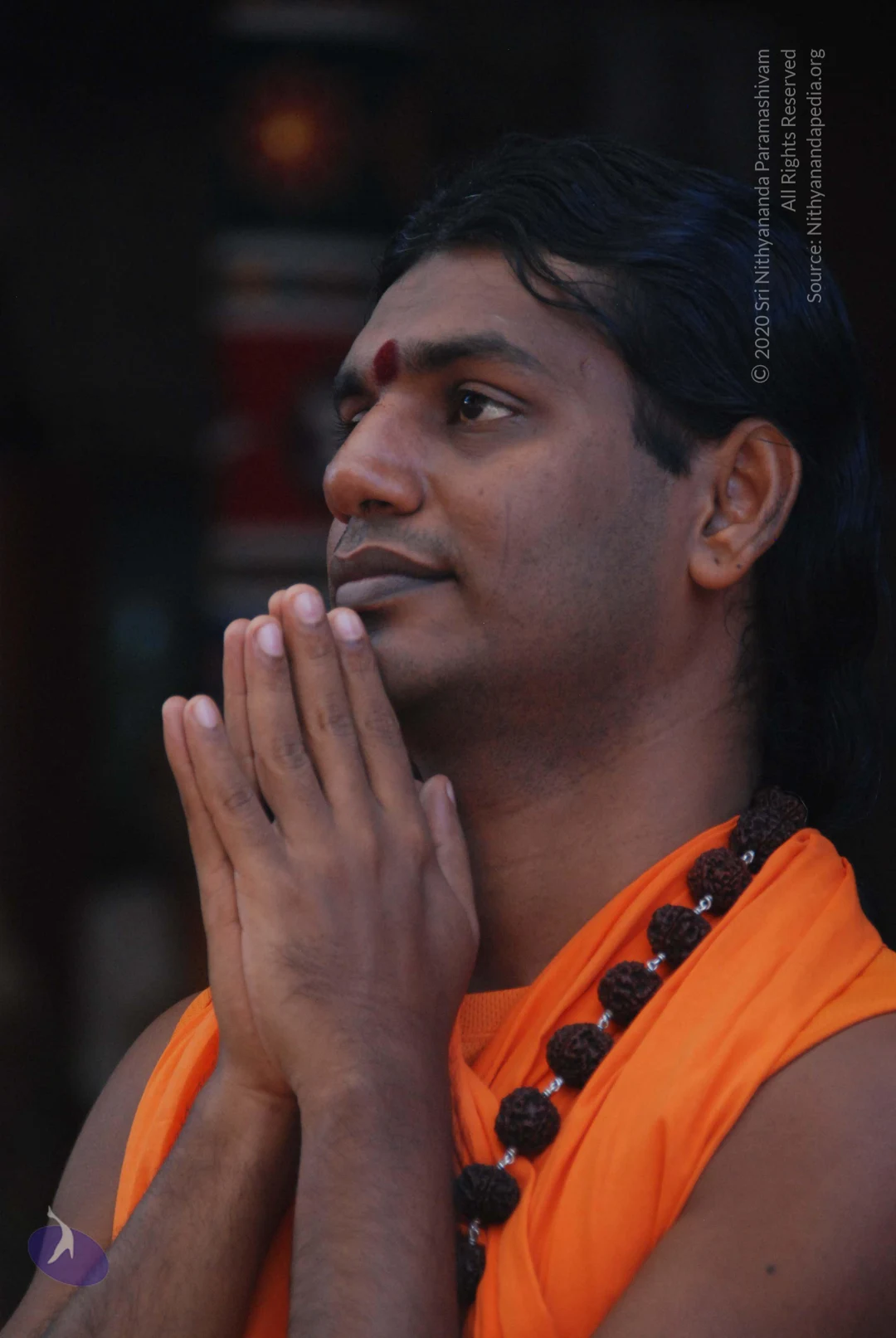
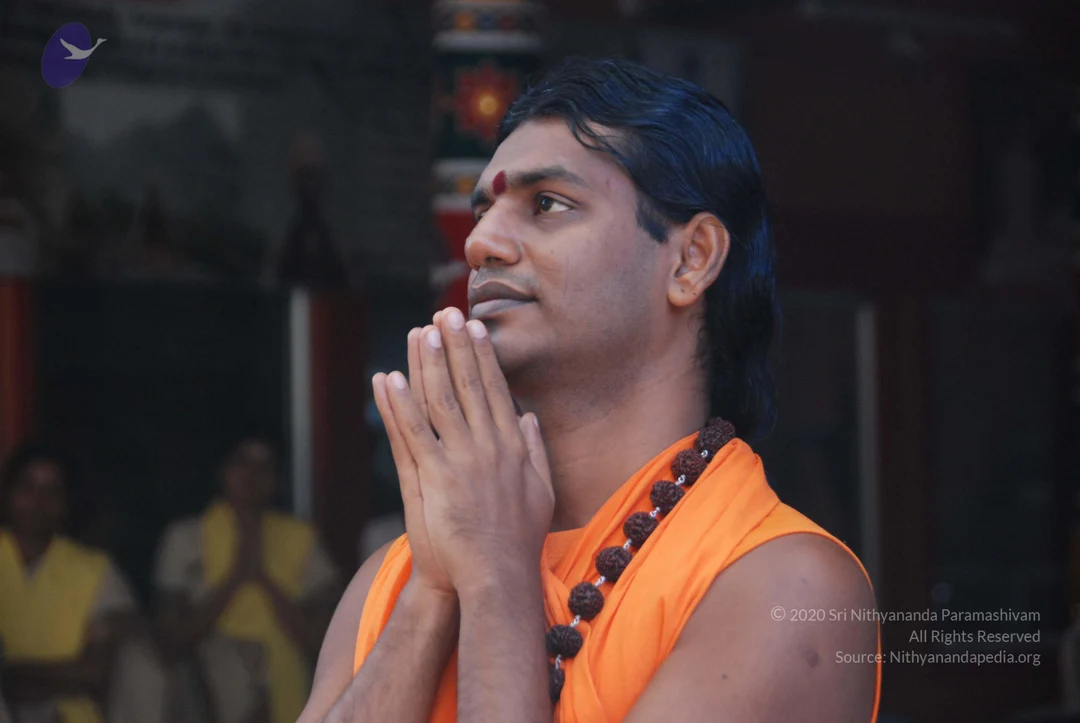
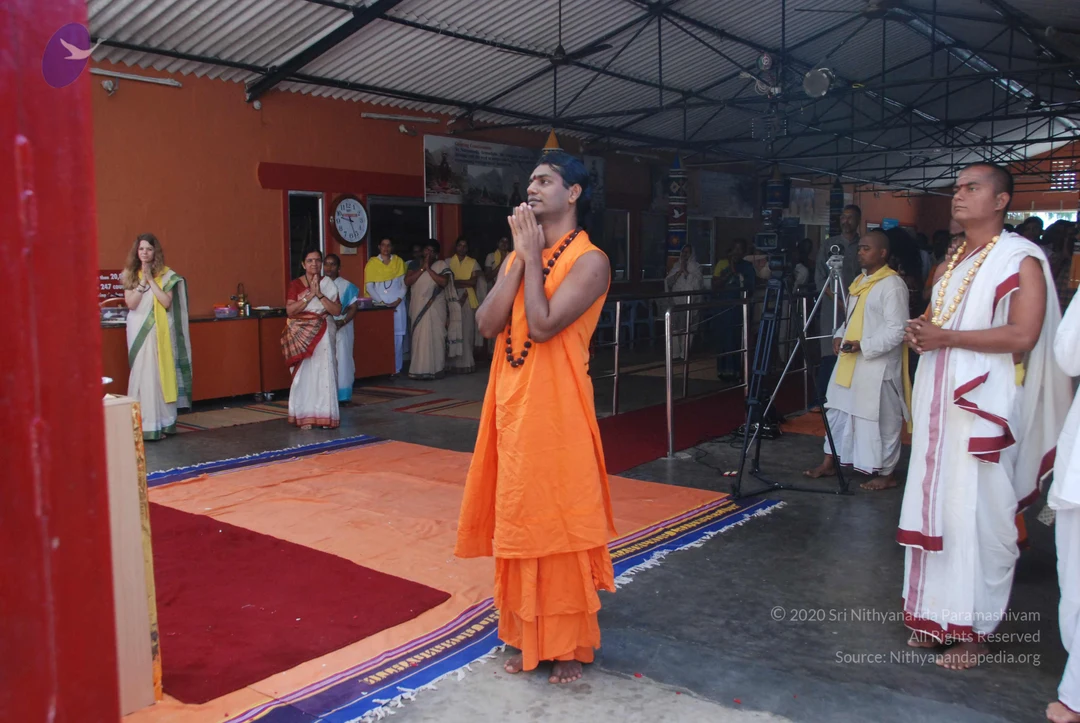
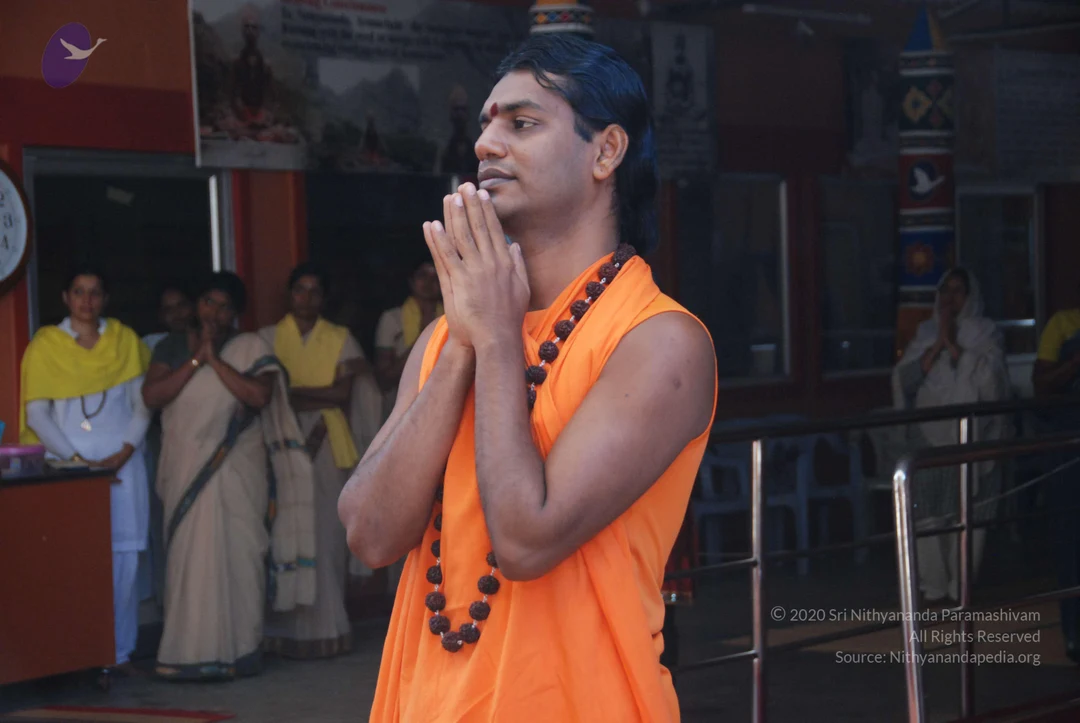
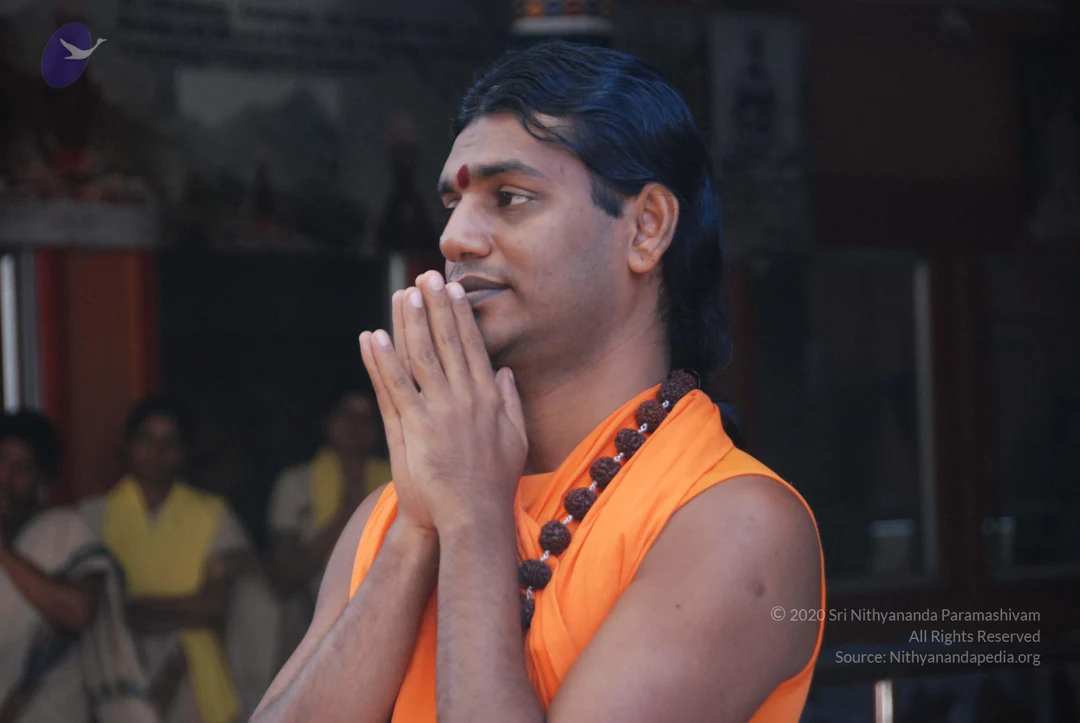
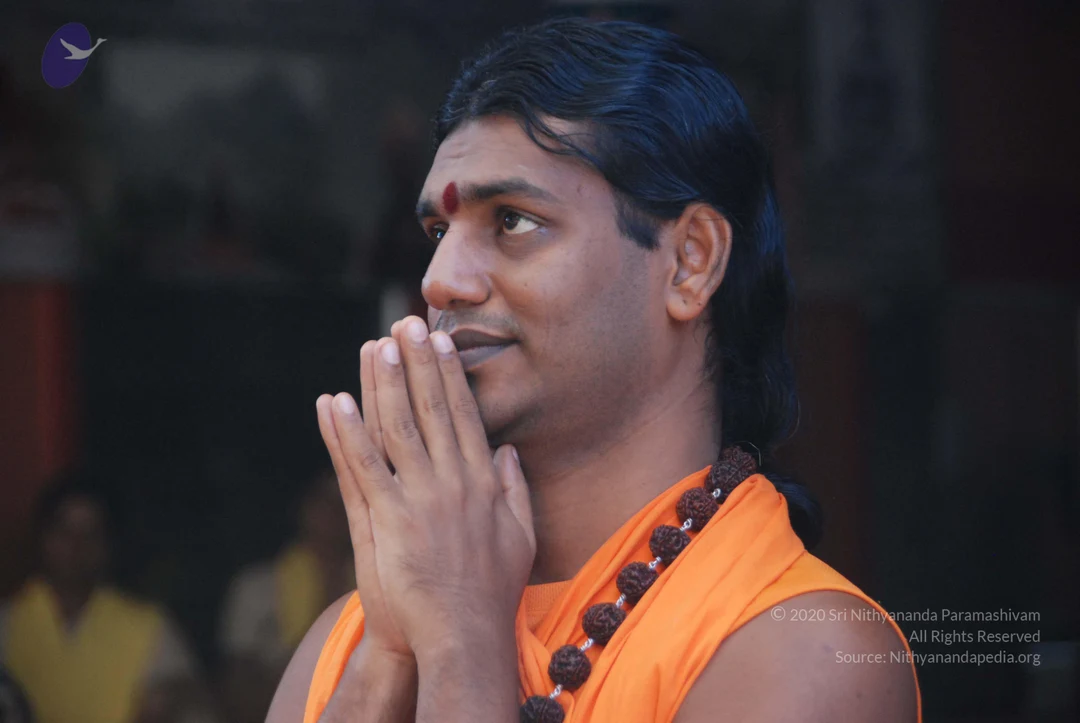
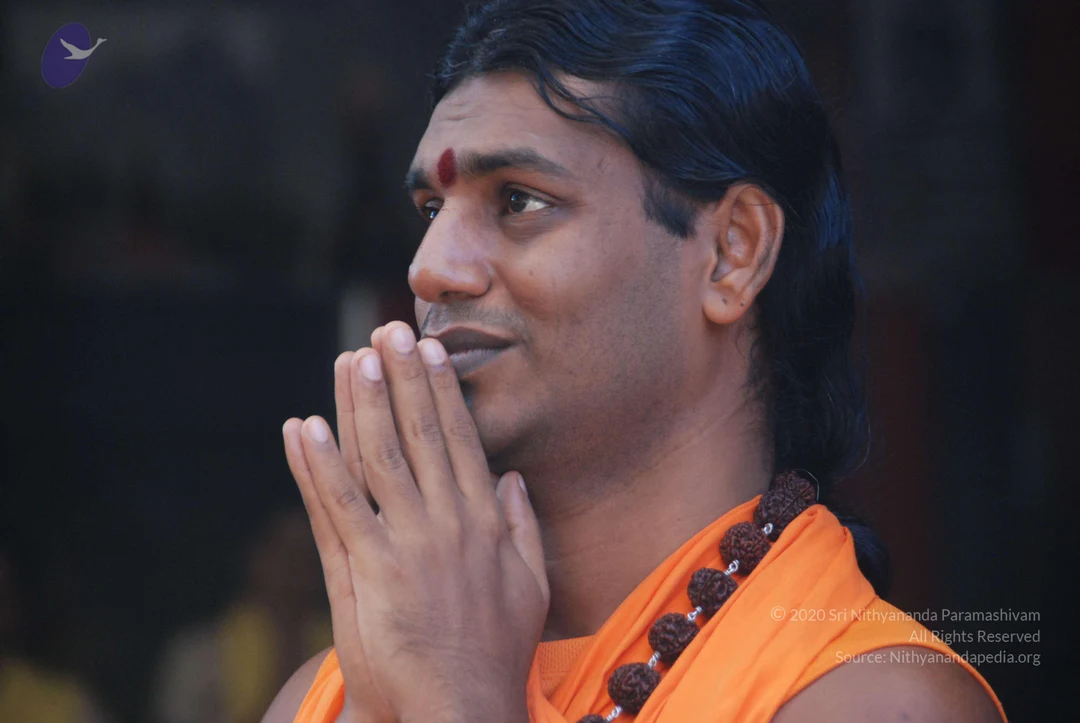
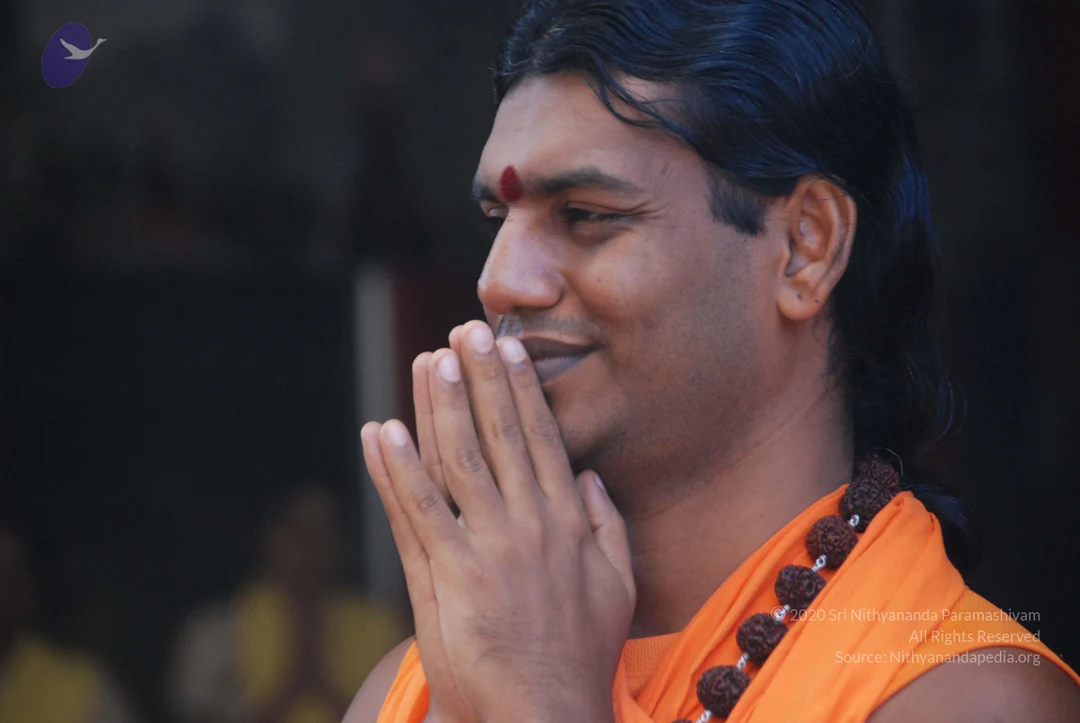
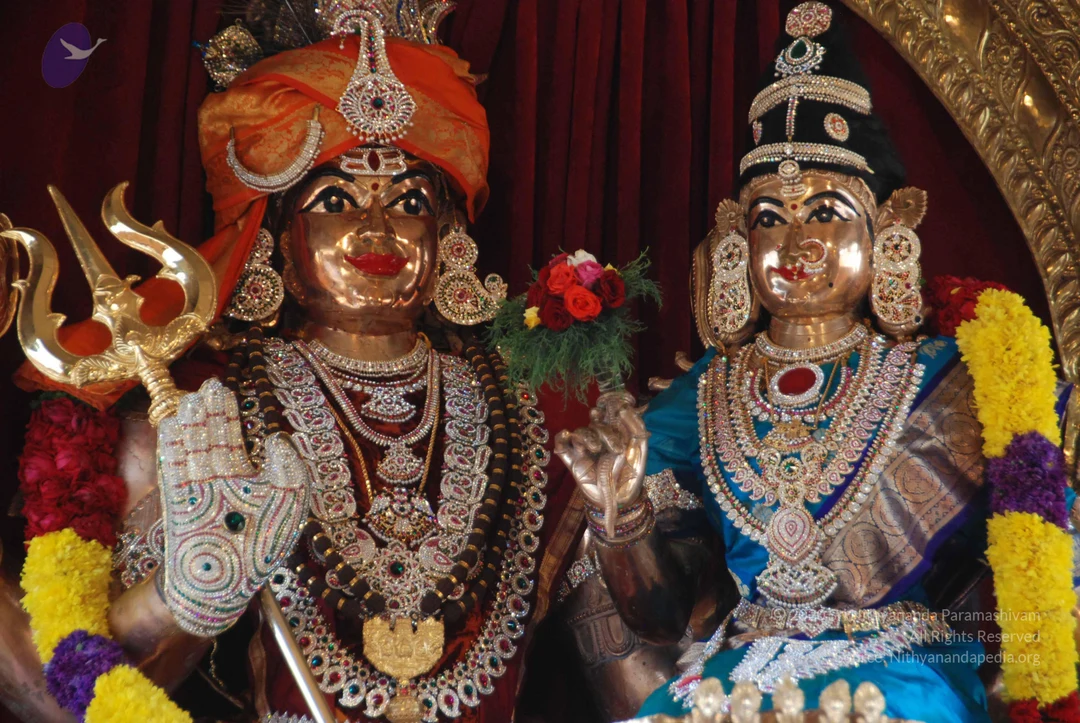
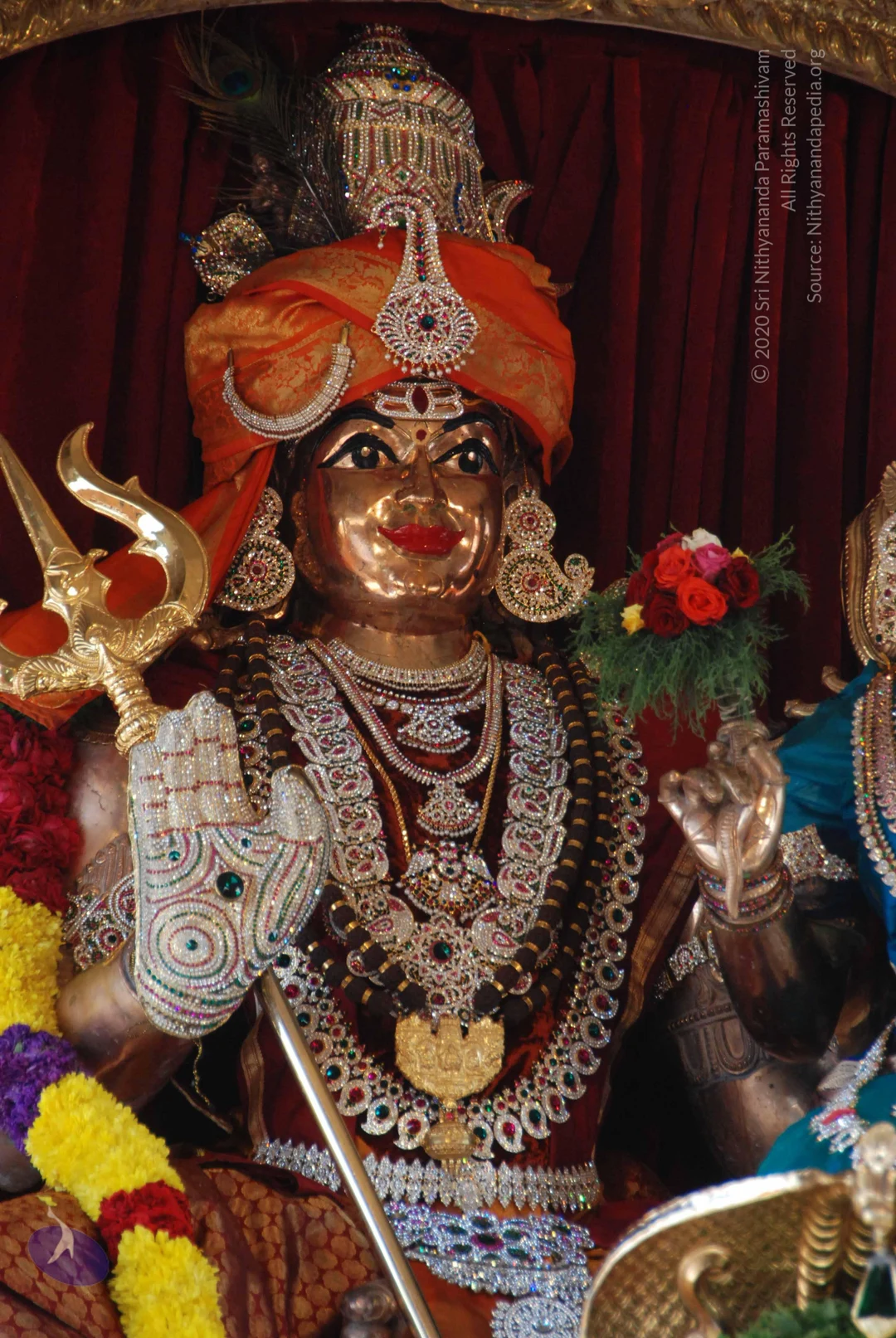
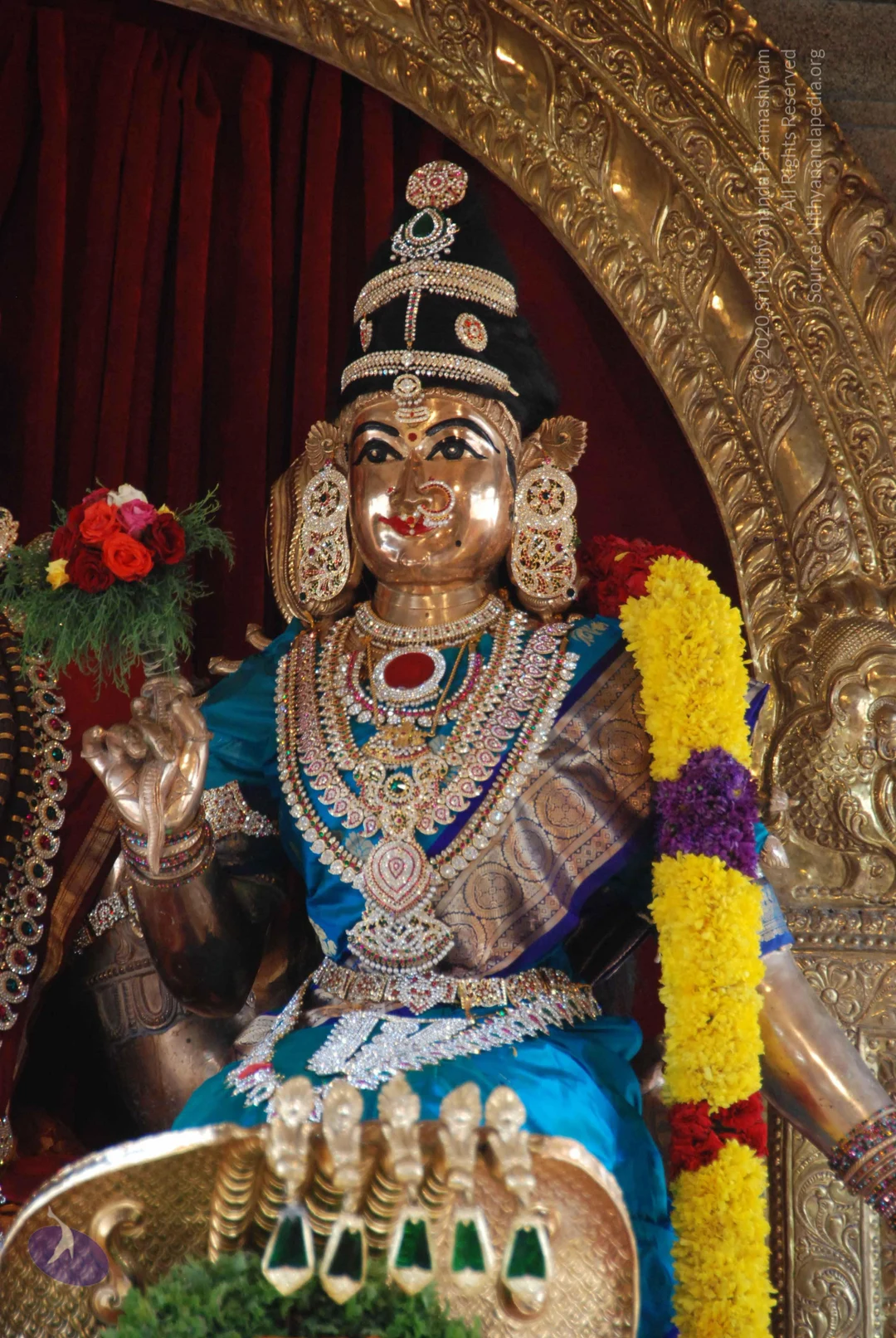
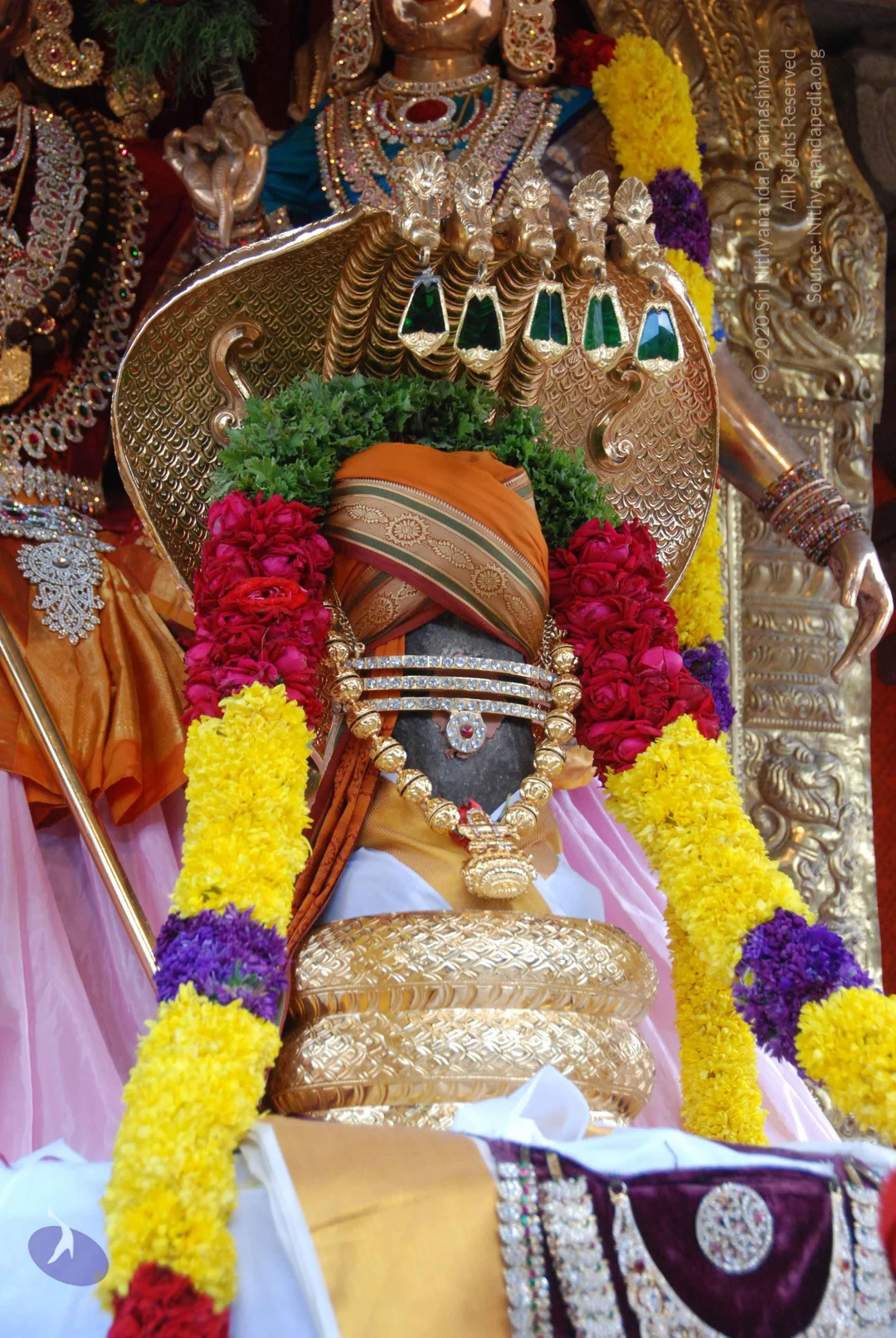
07--Deity-Darshan
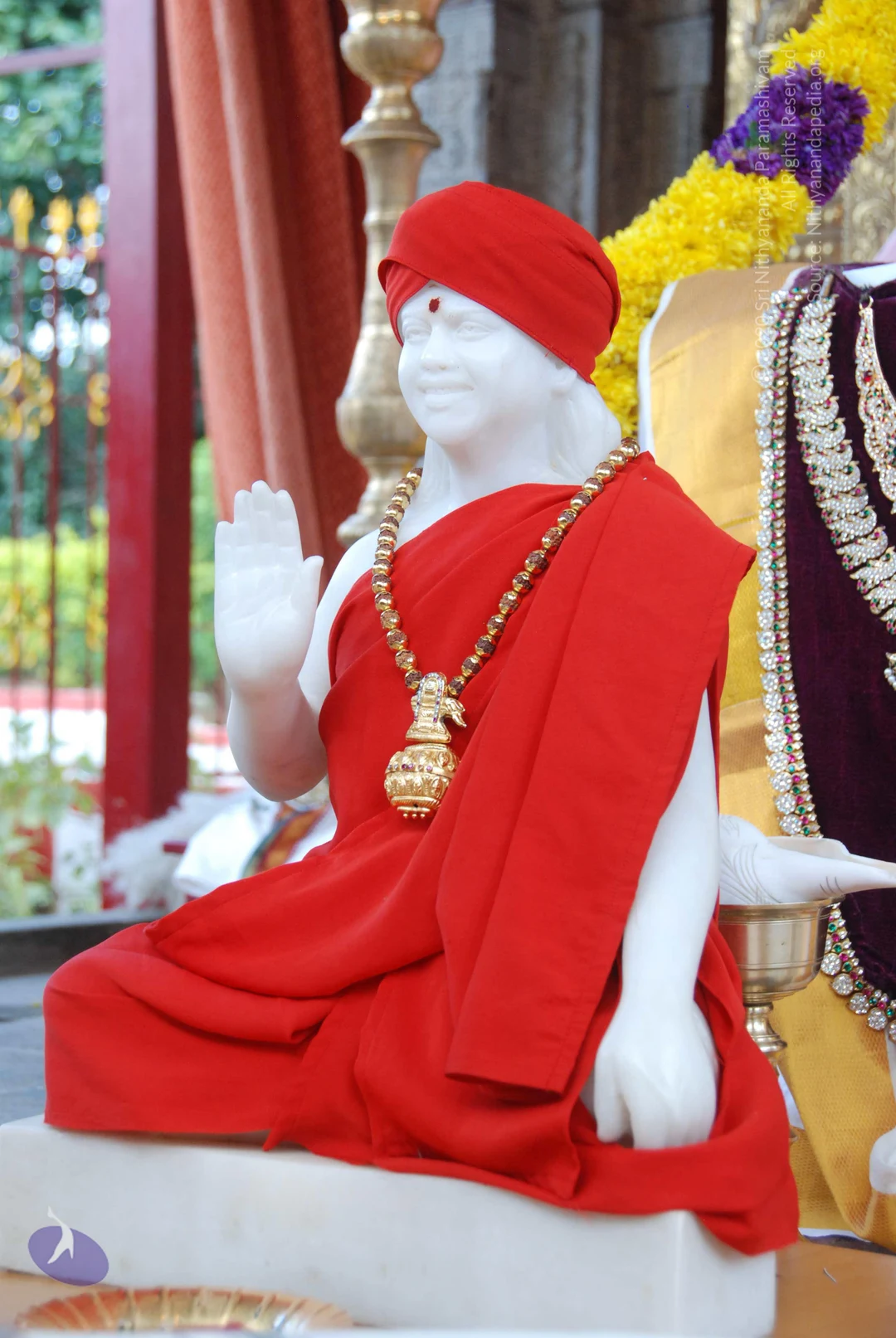
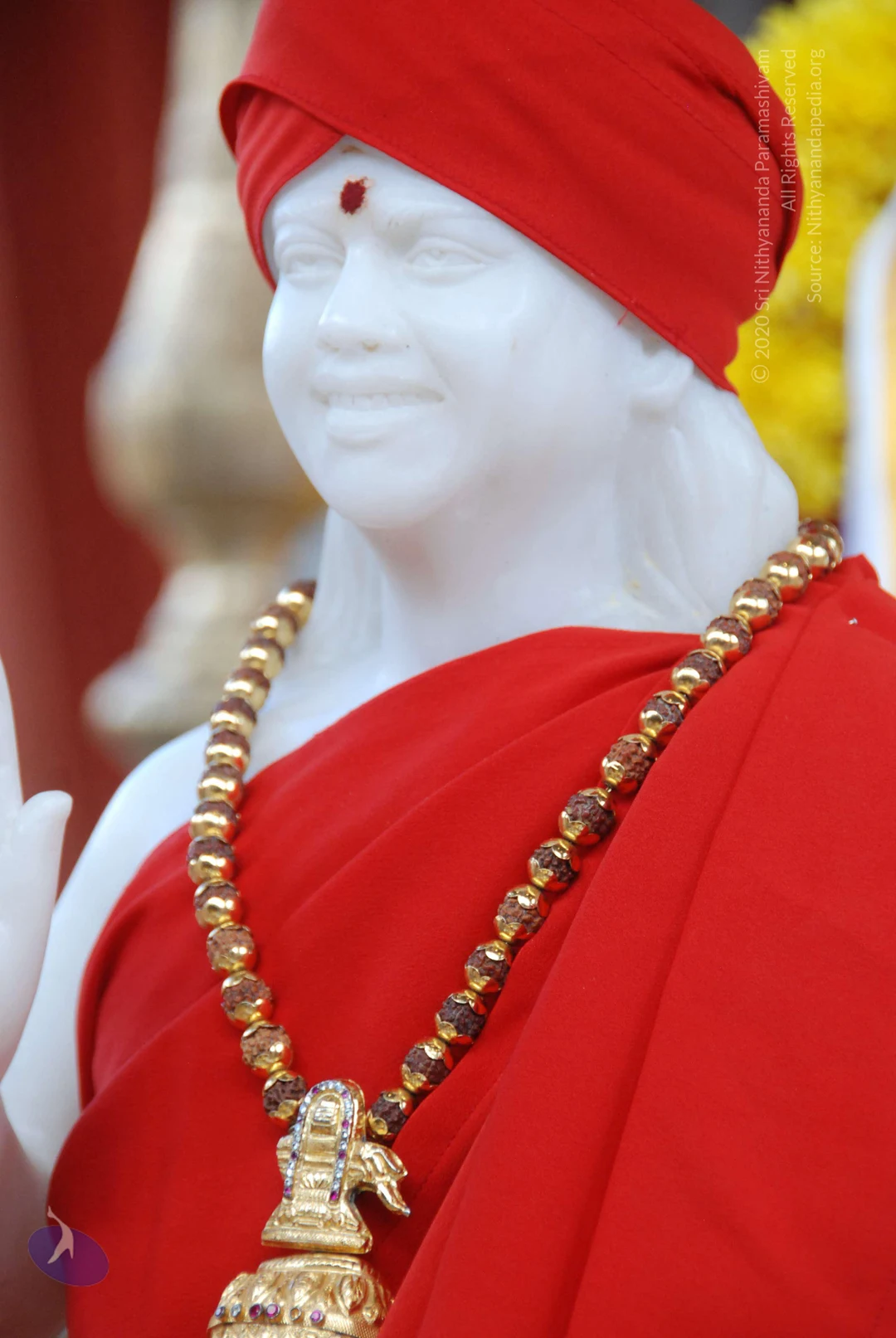
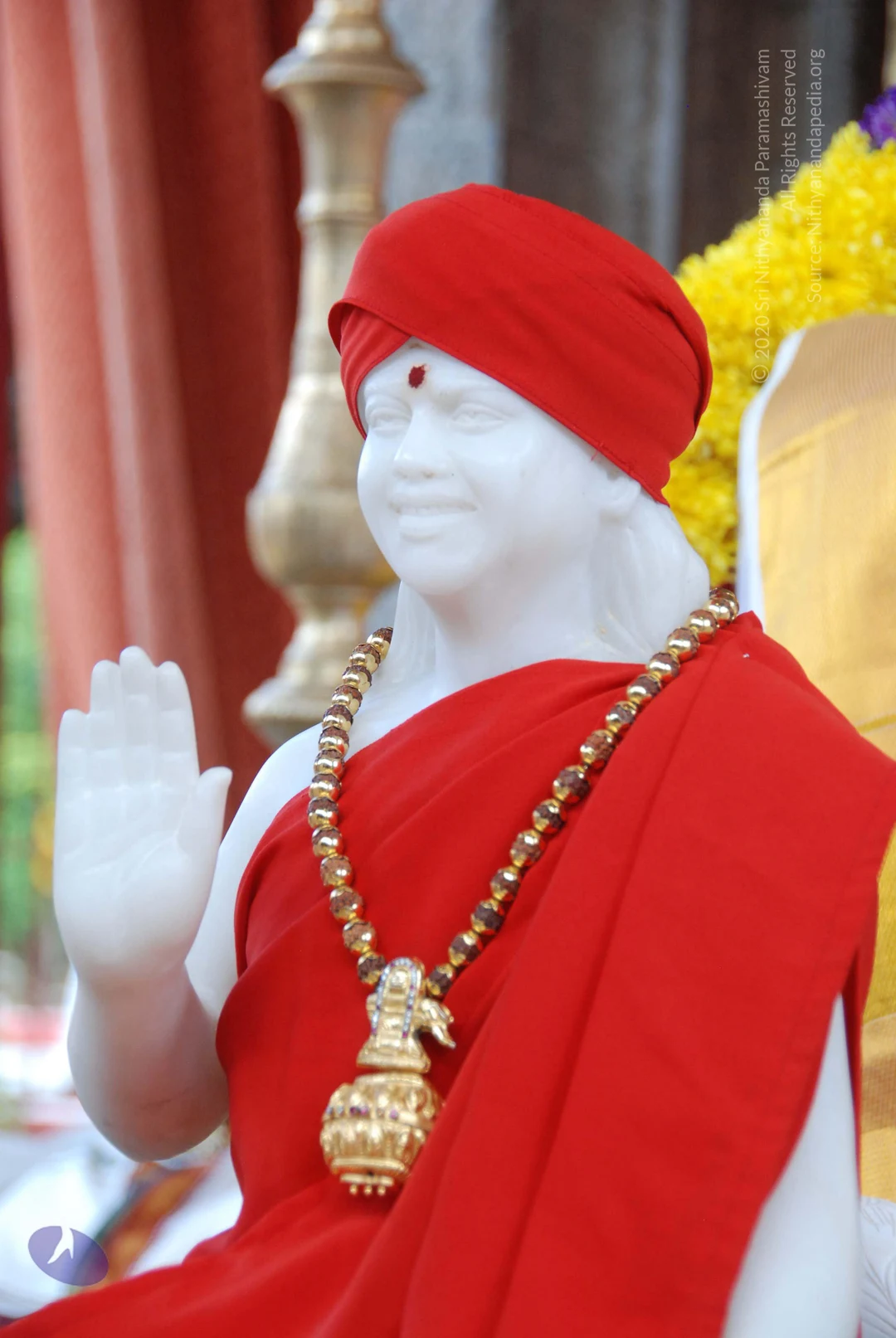
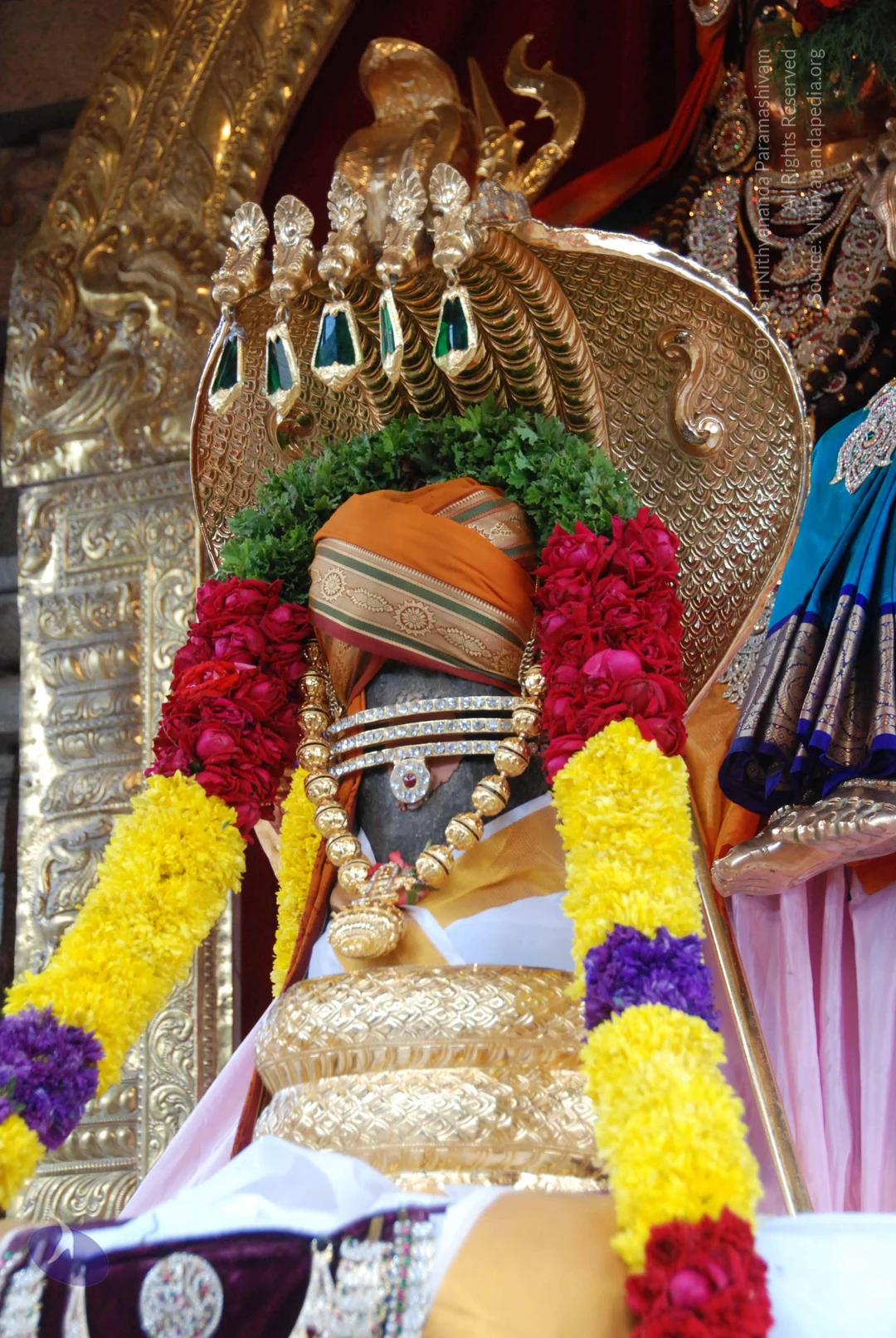
08--E-Kalpaturu
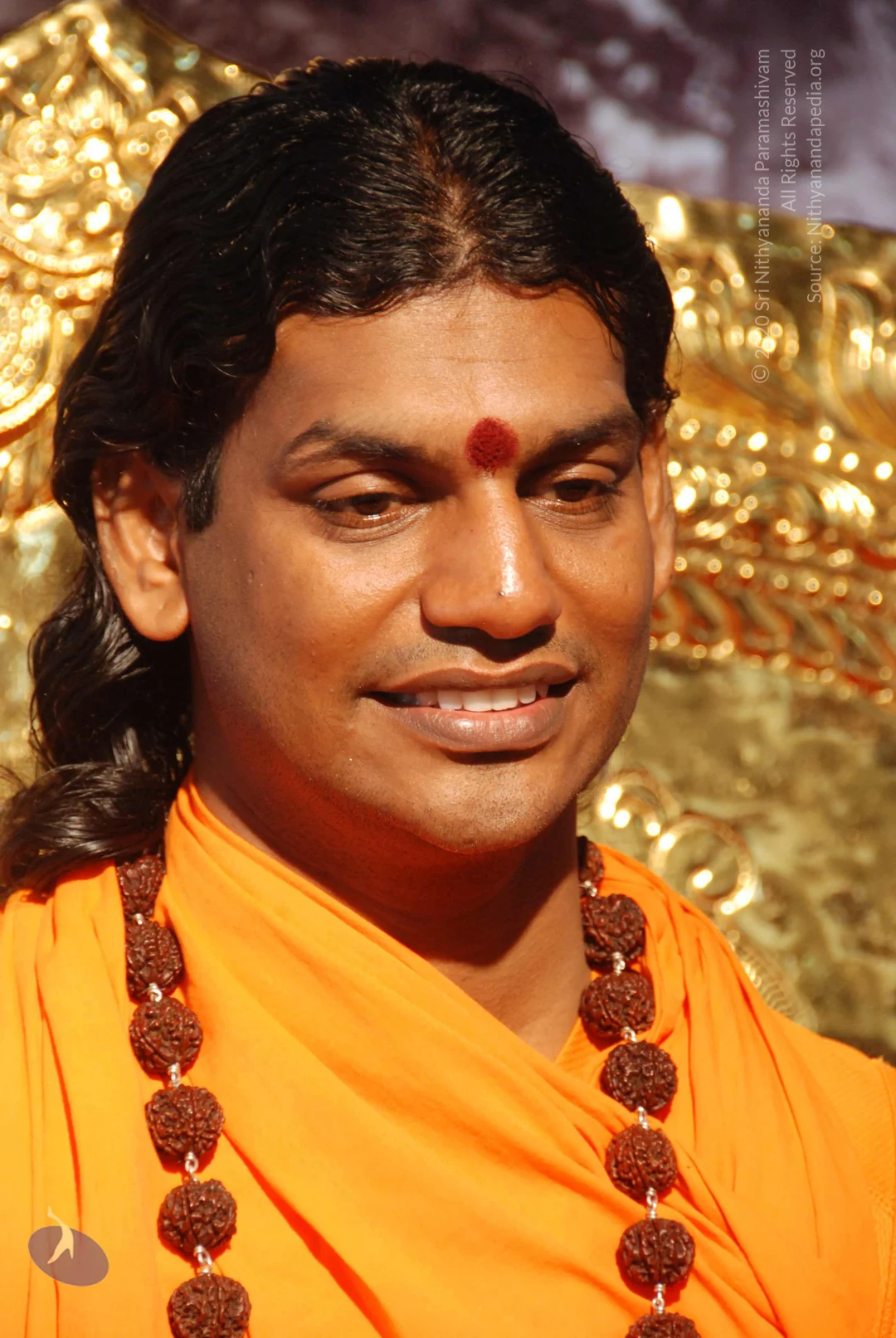
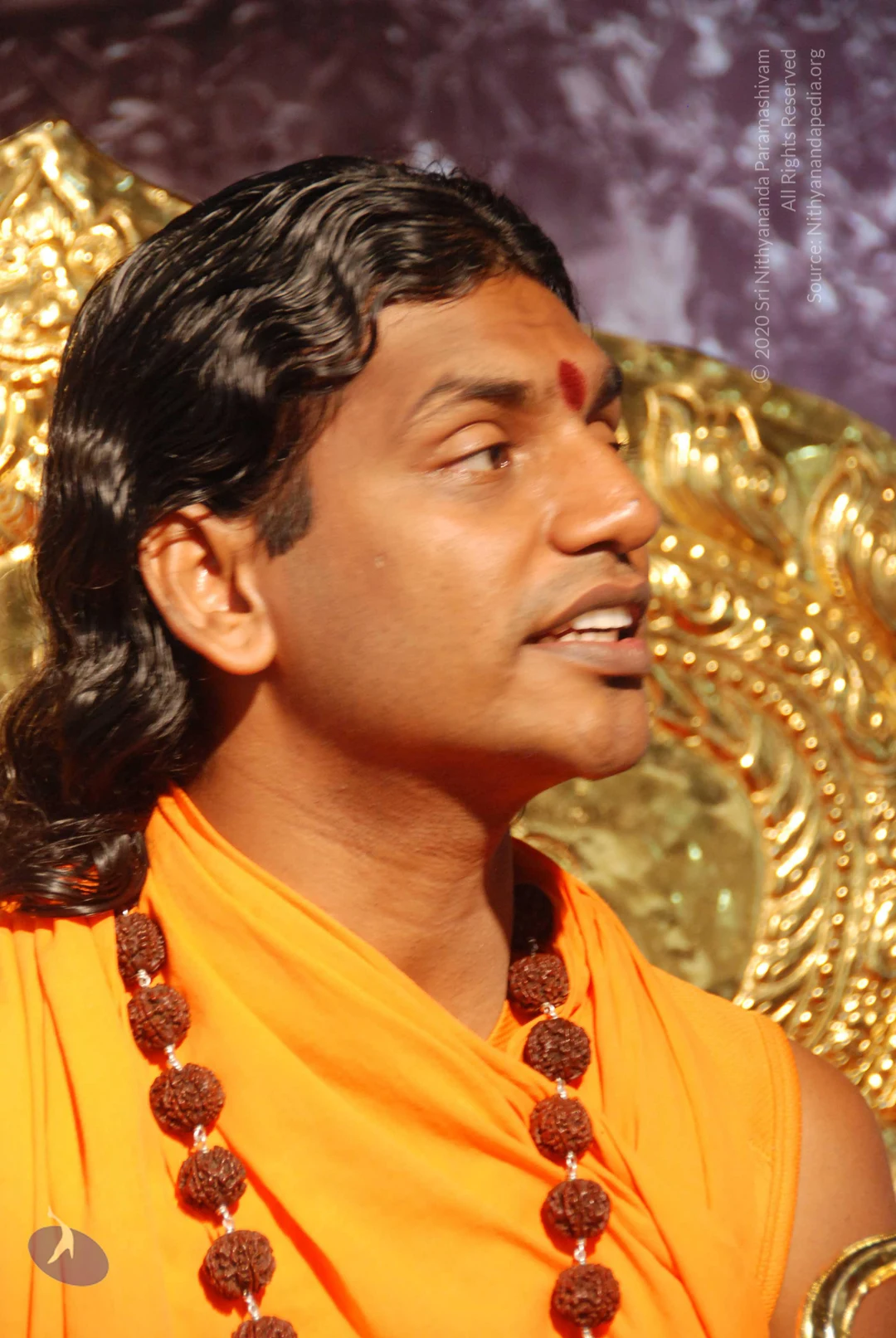
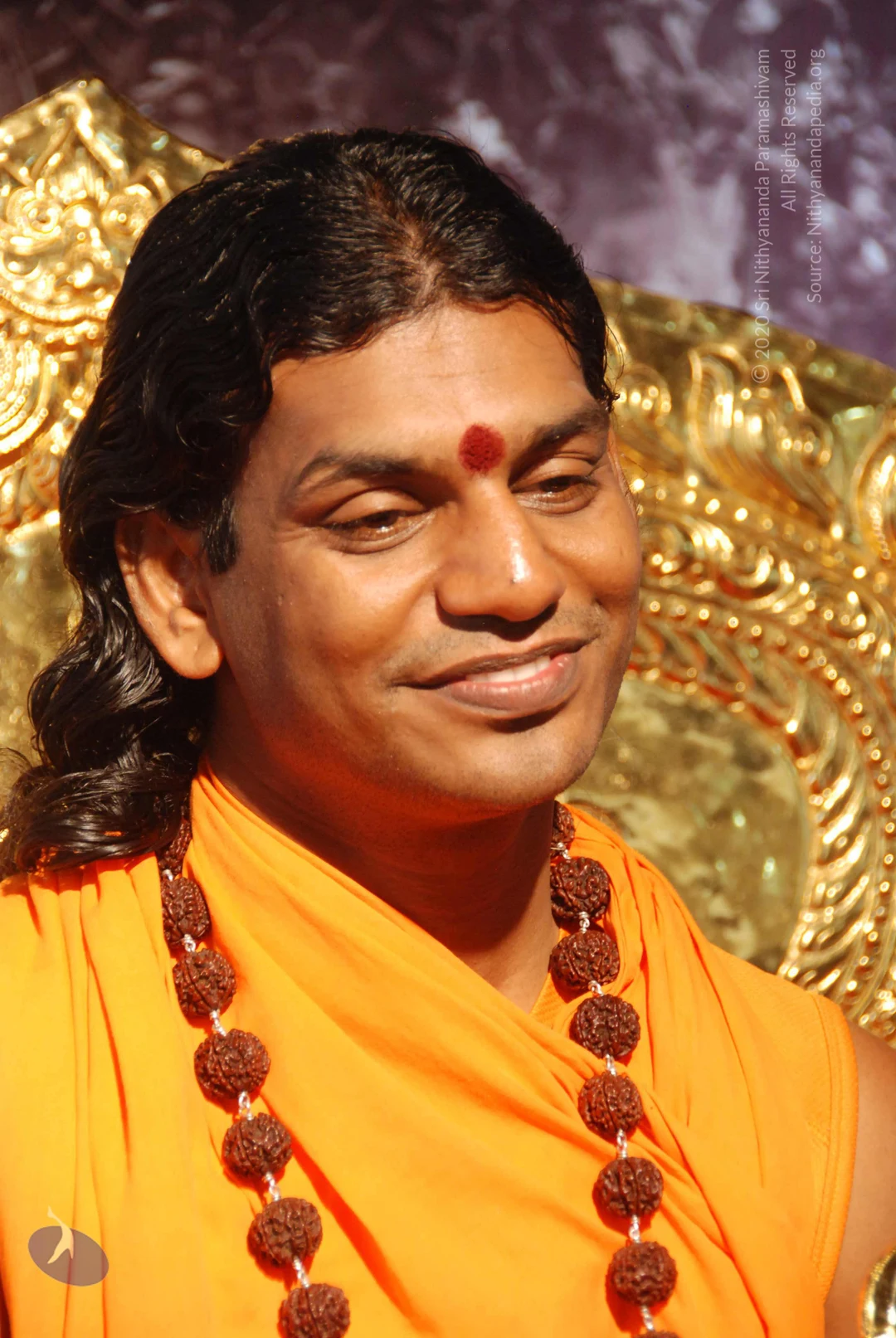
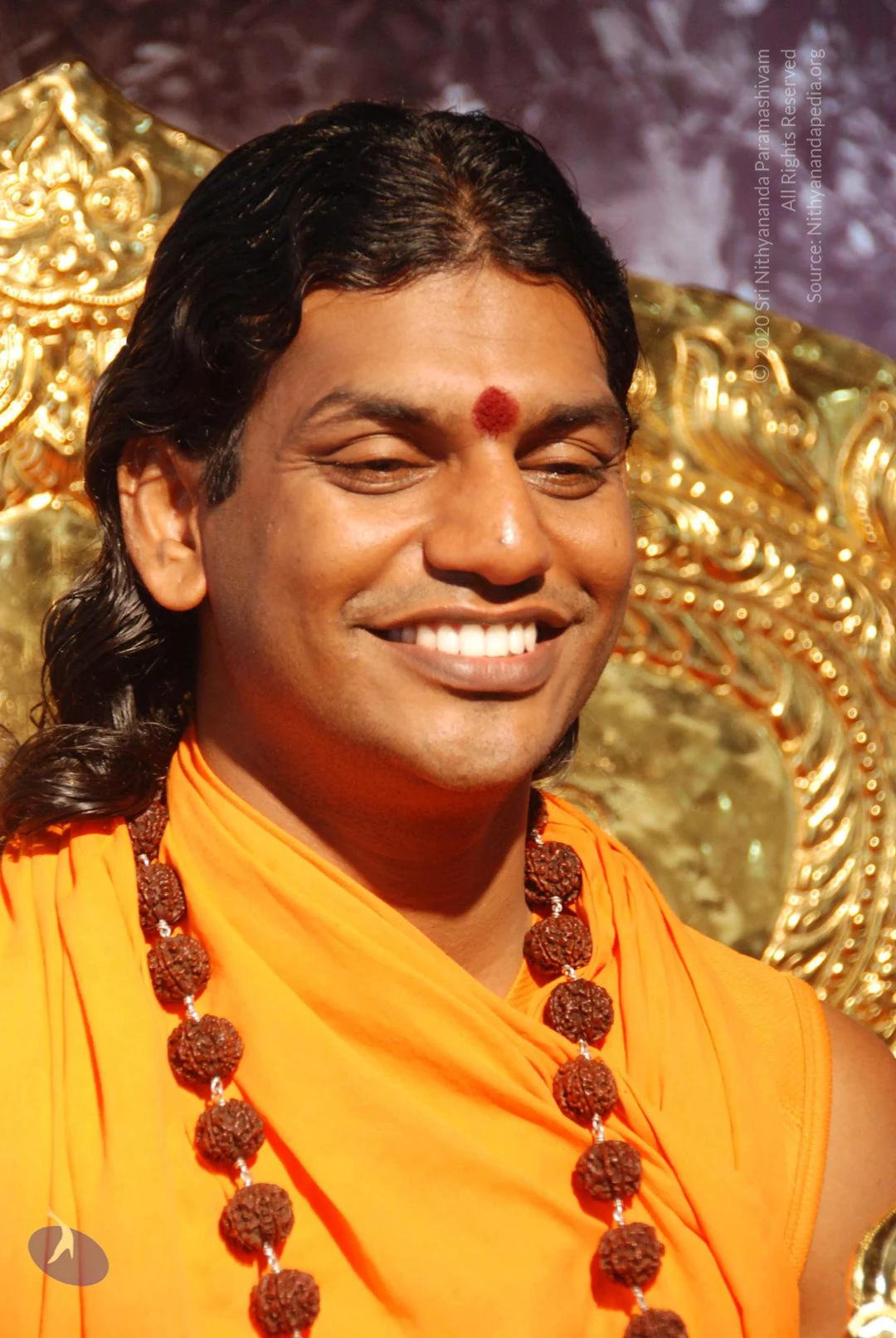
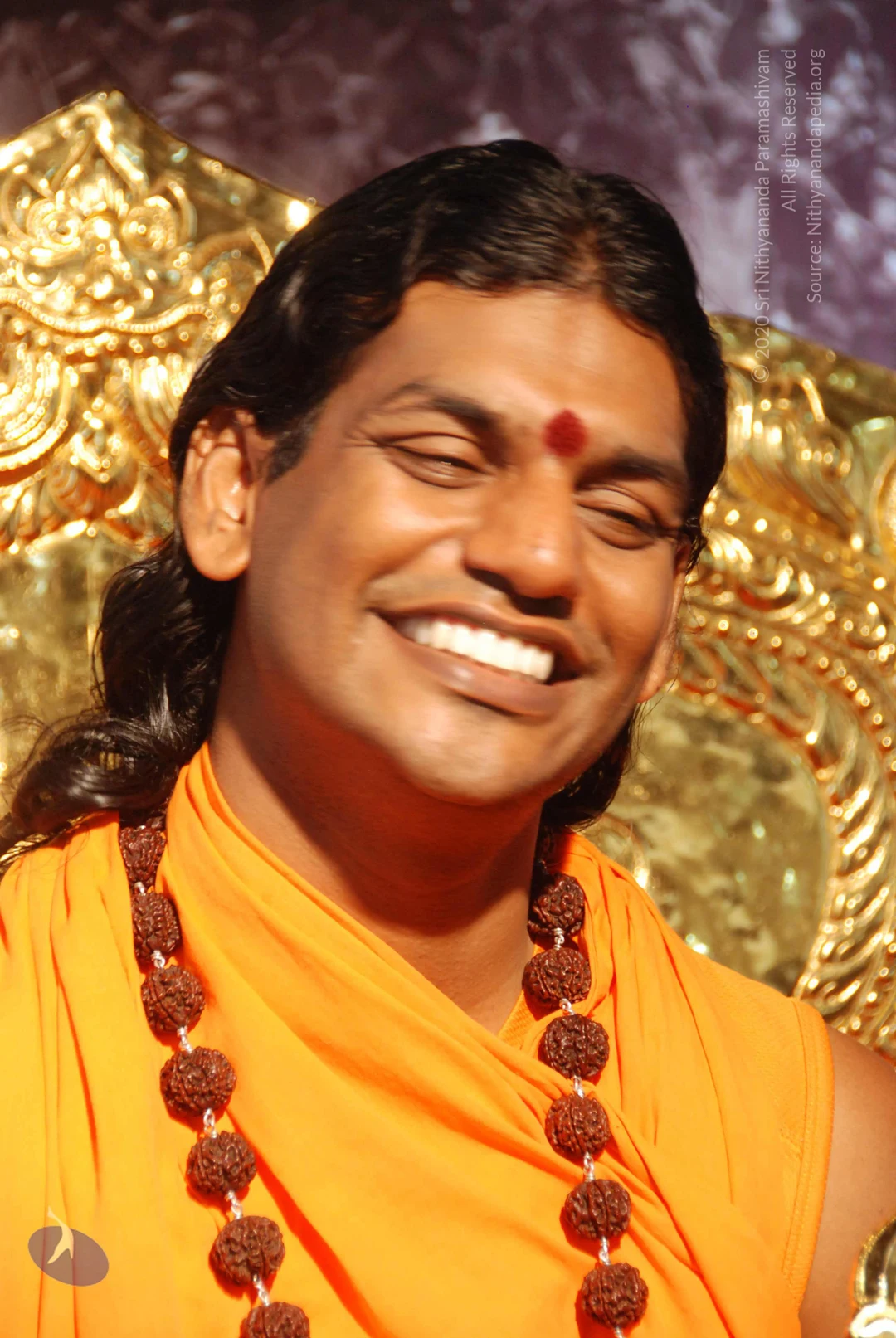
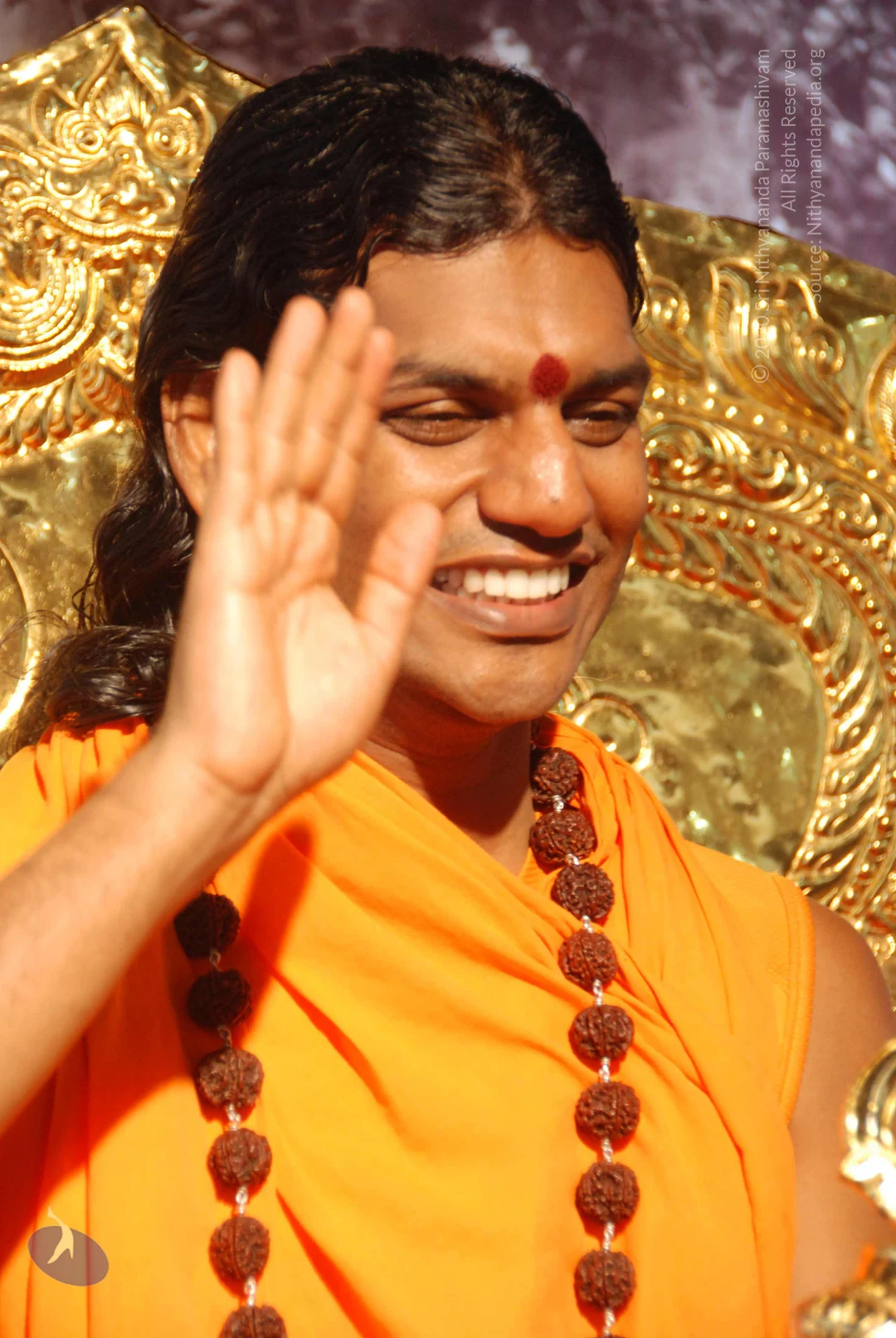
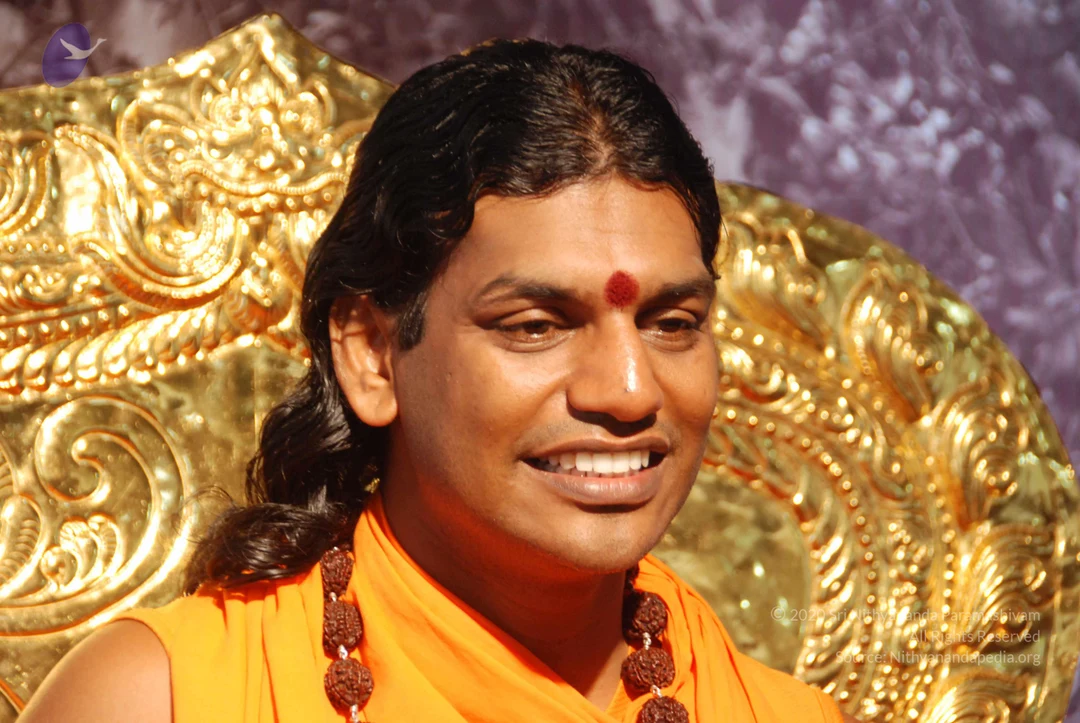
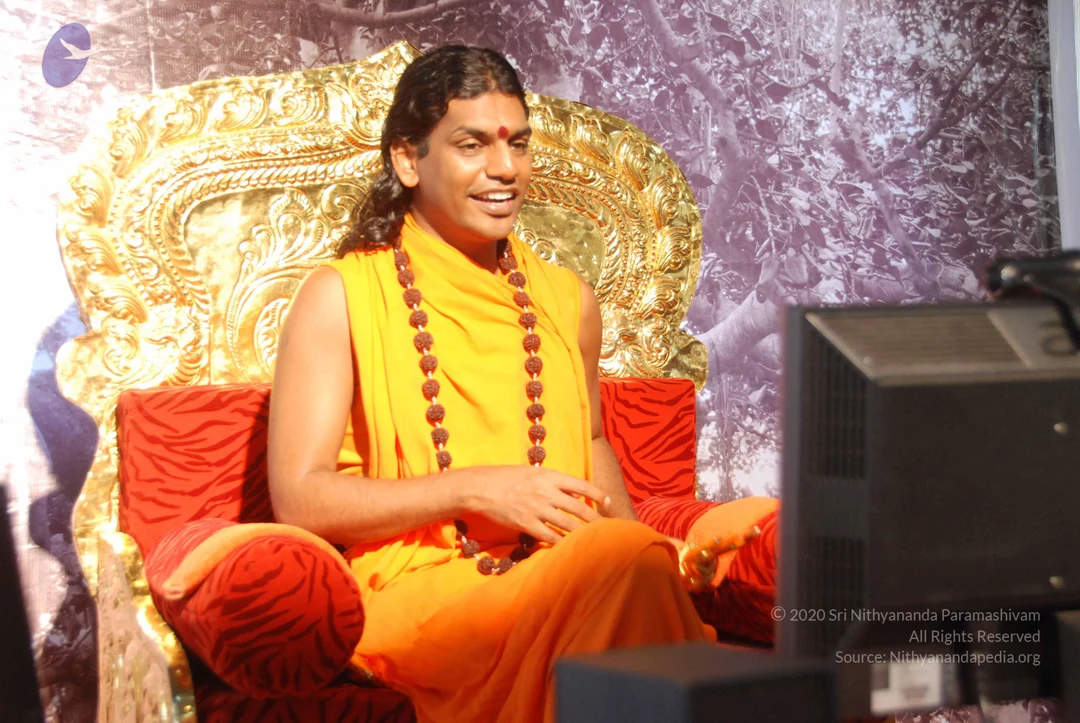
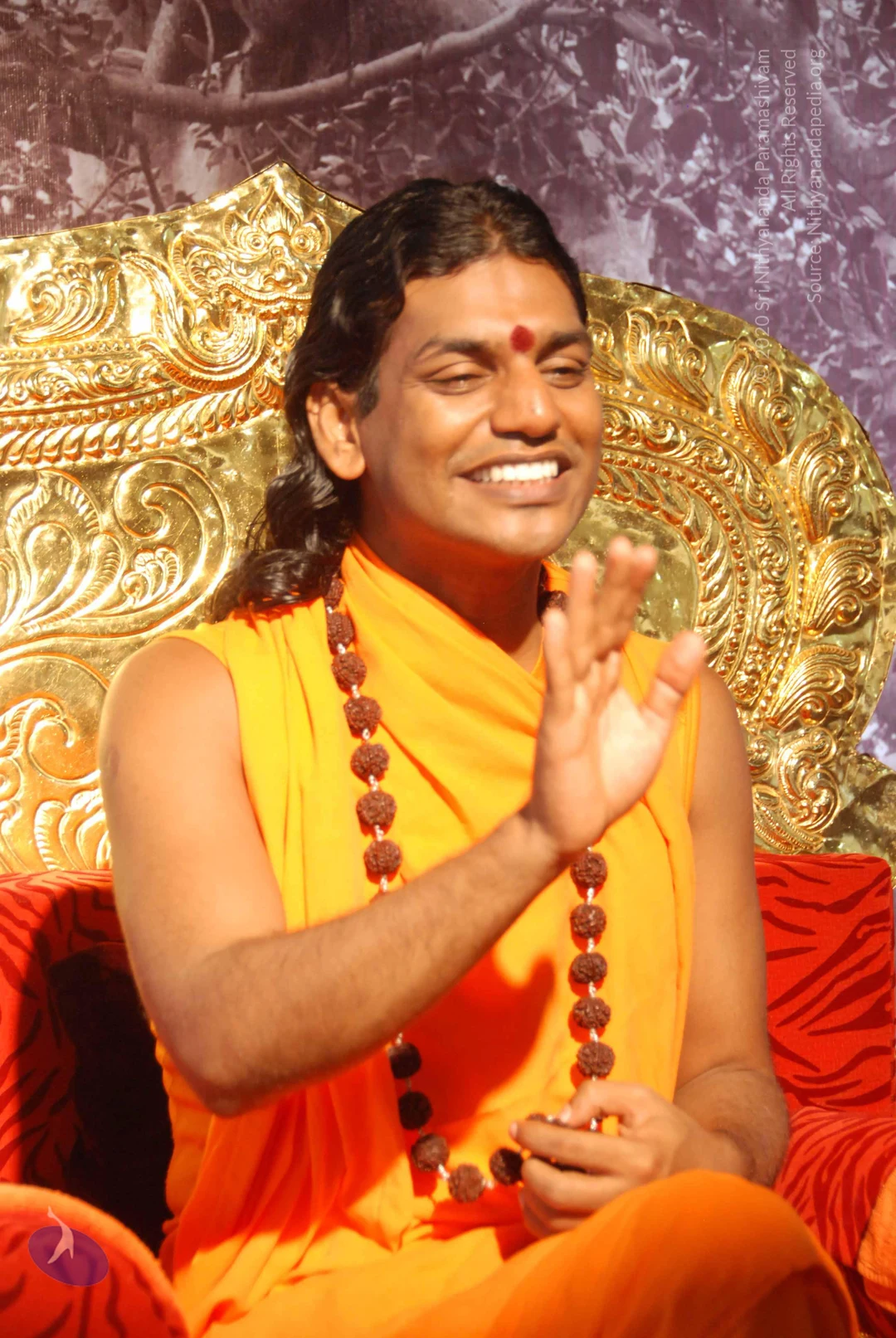
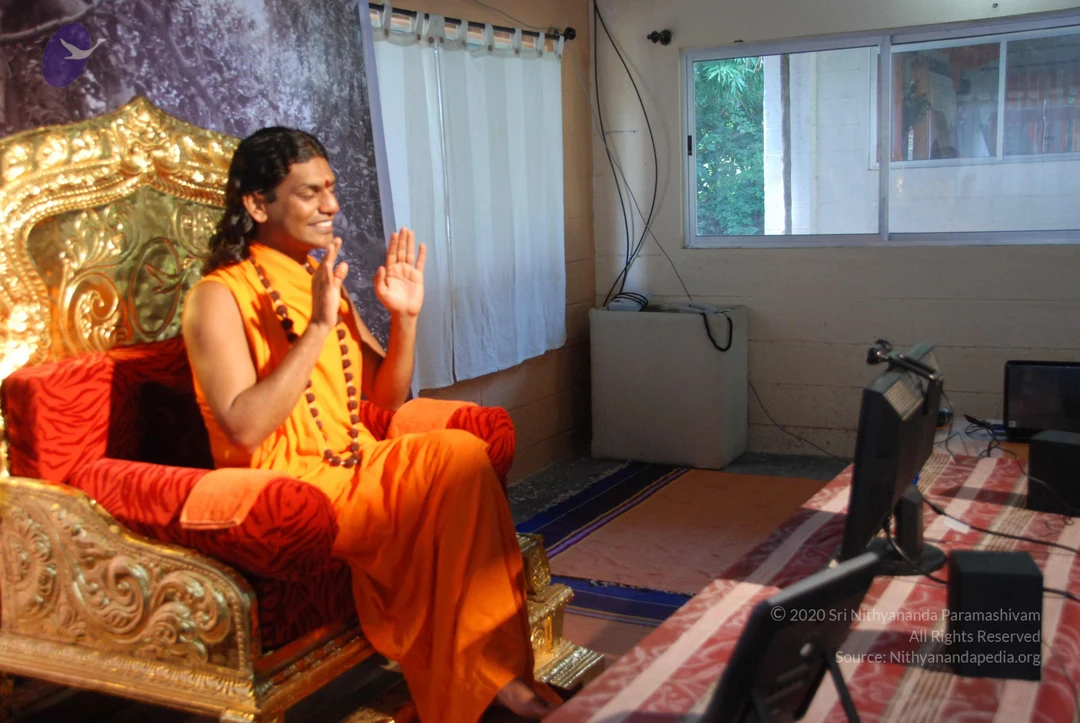
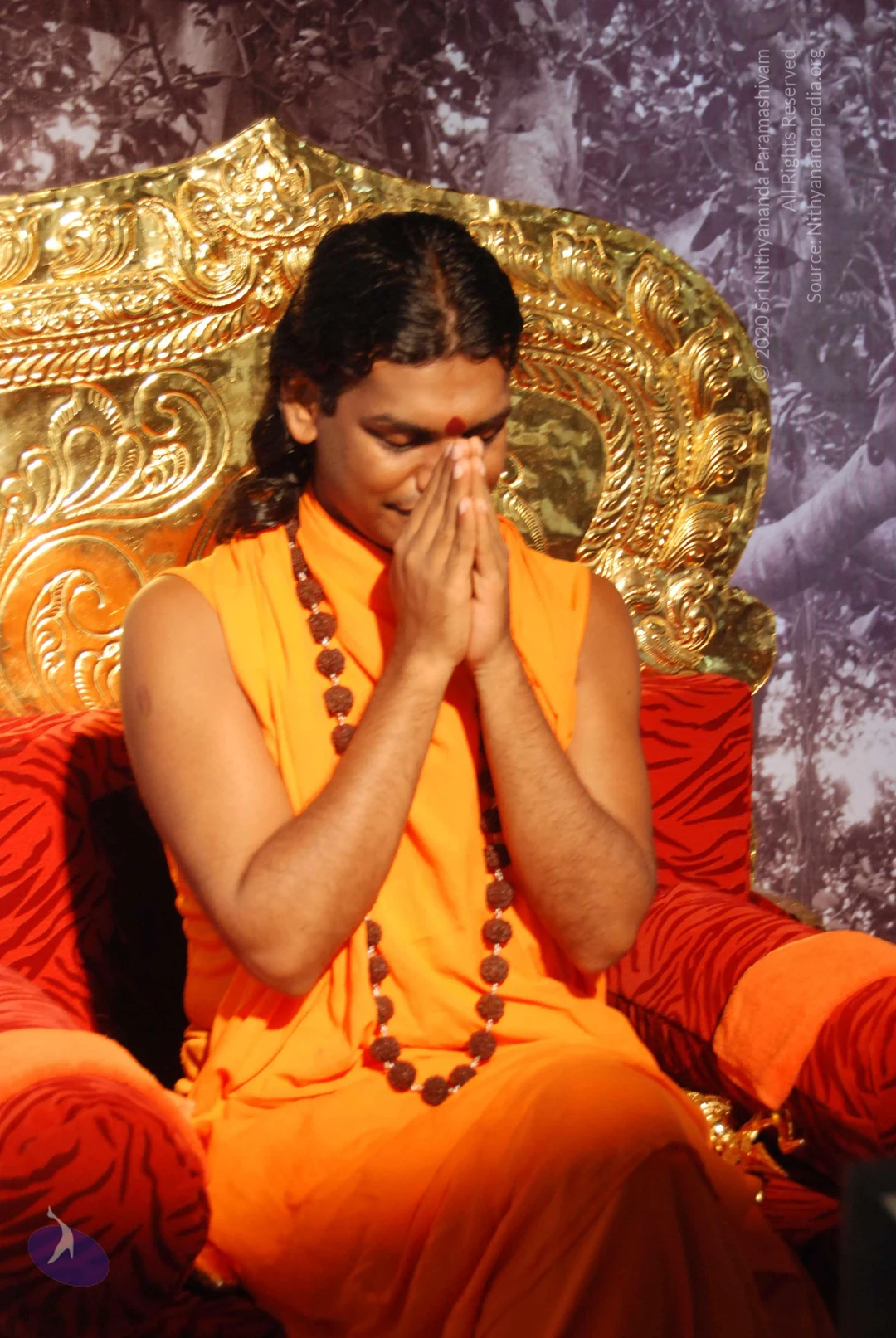
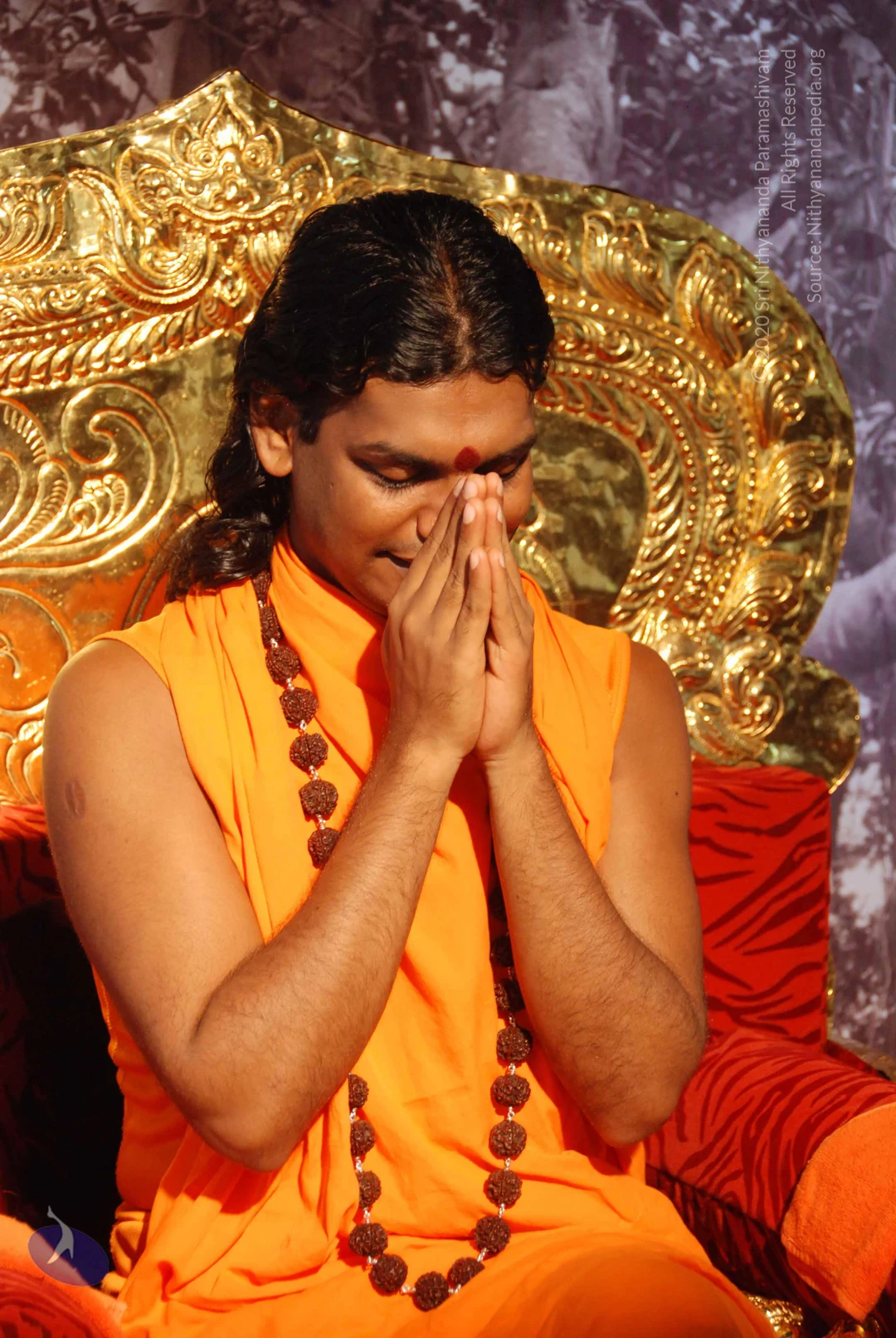
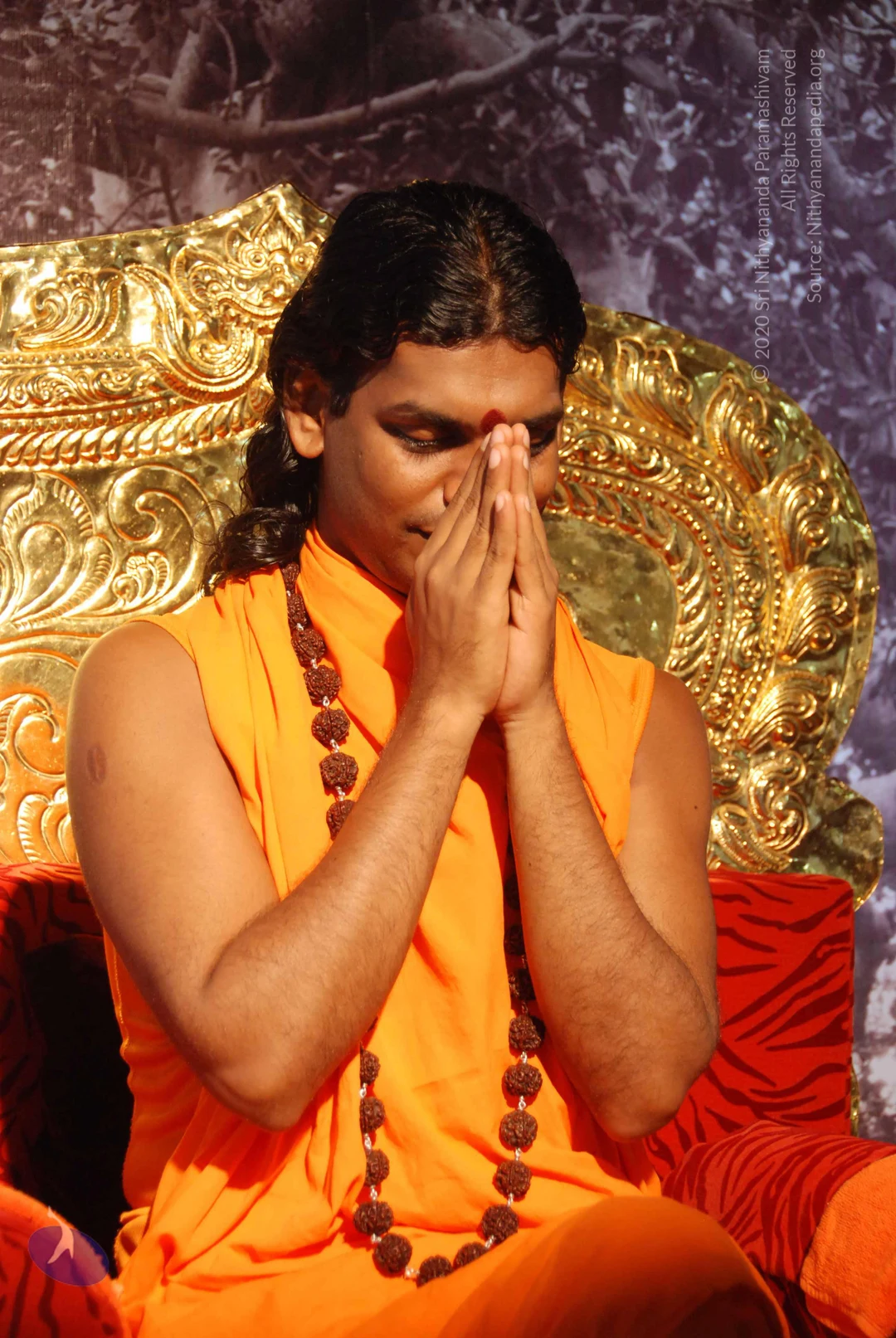
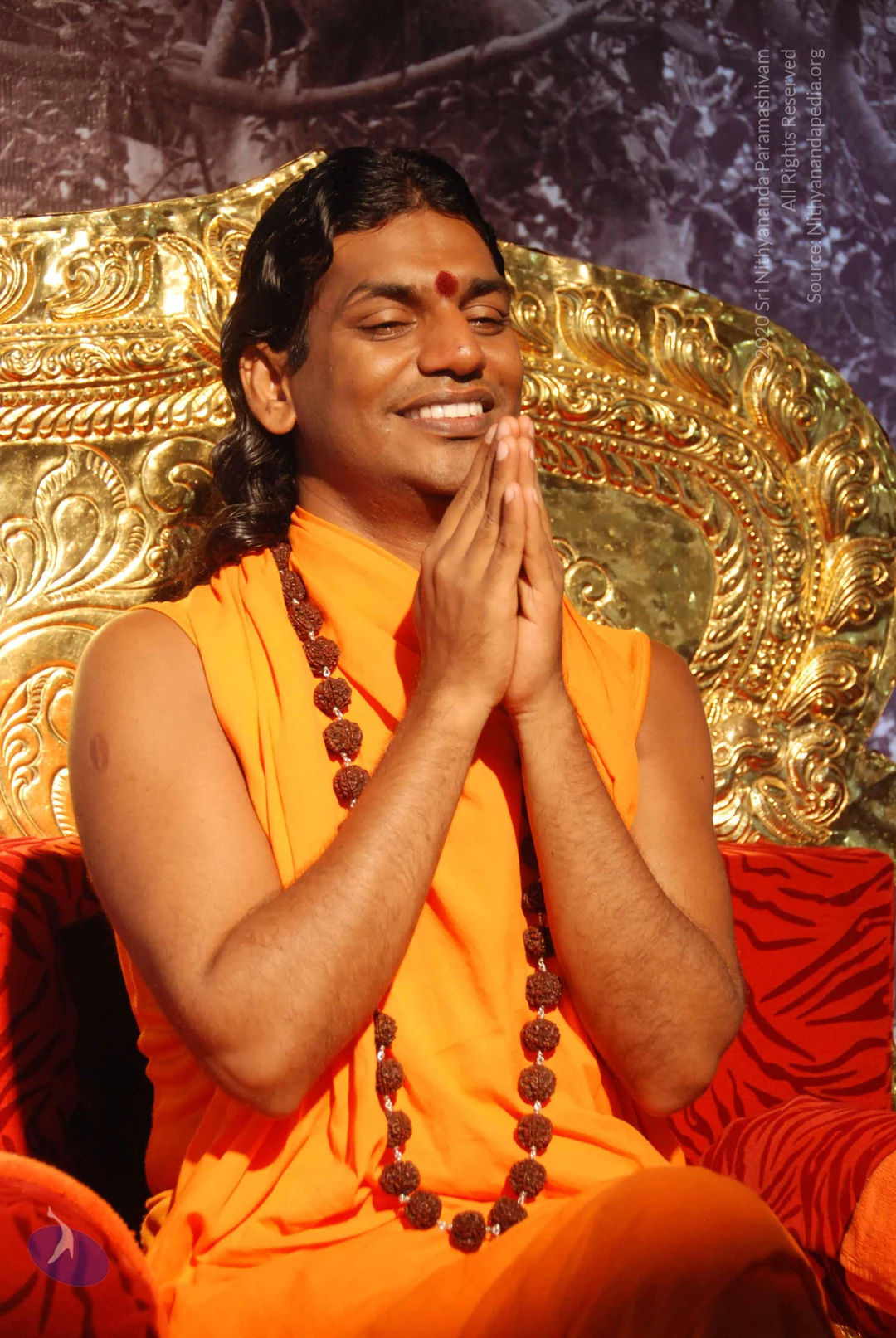
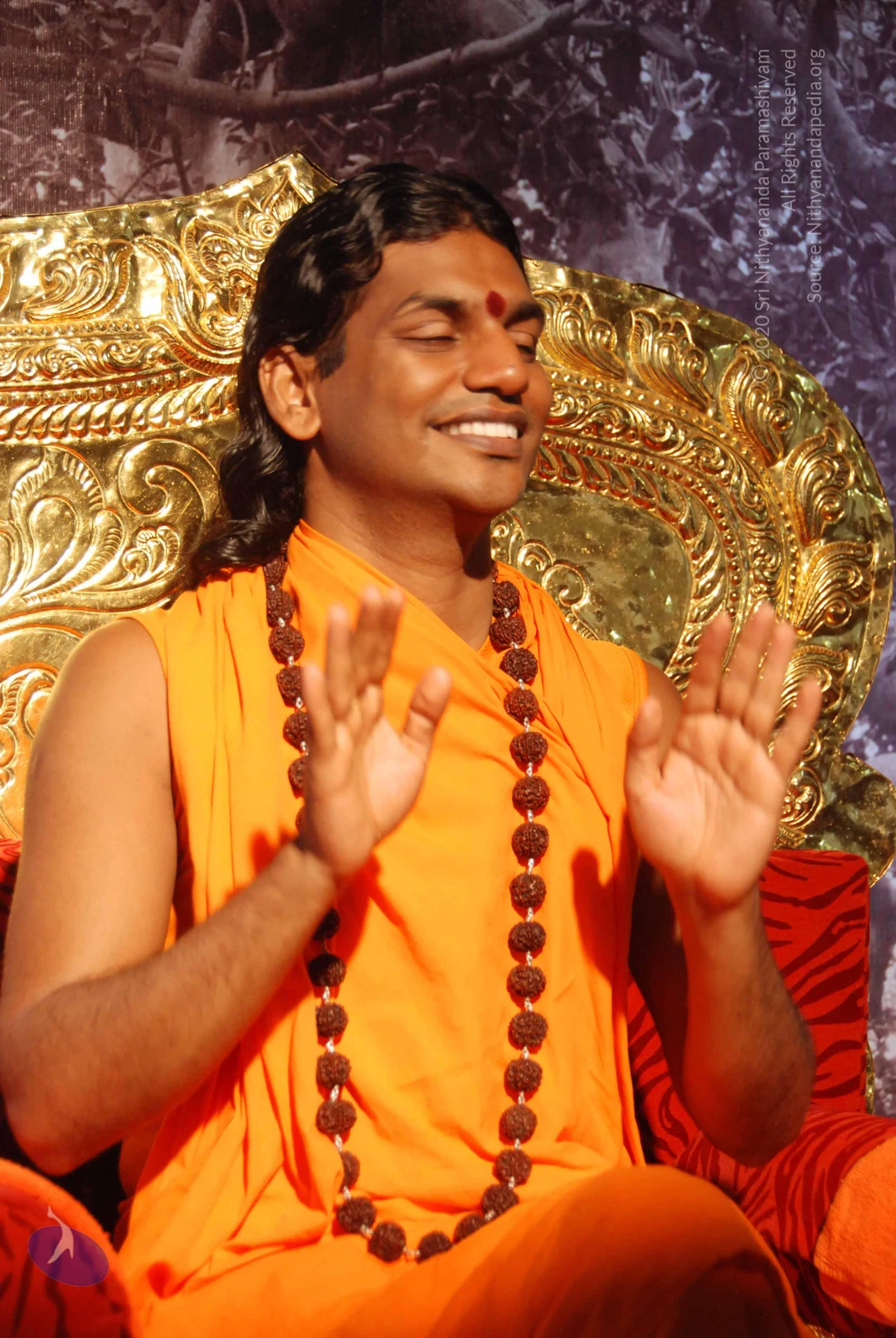
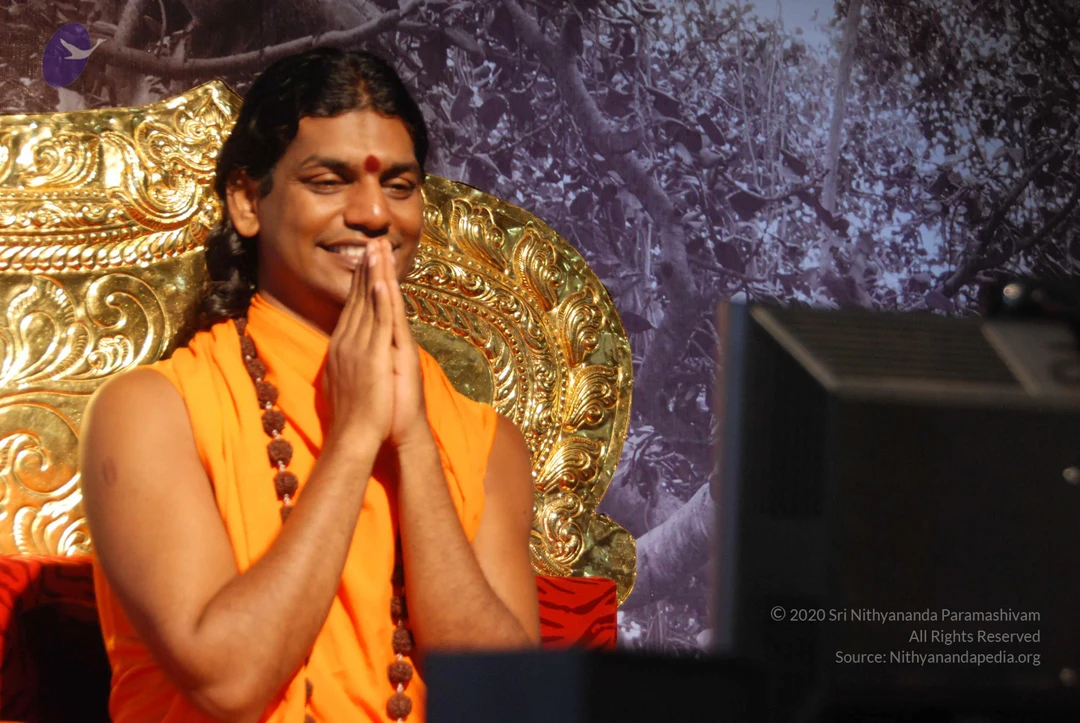
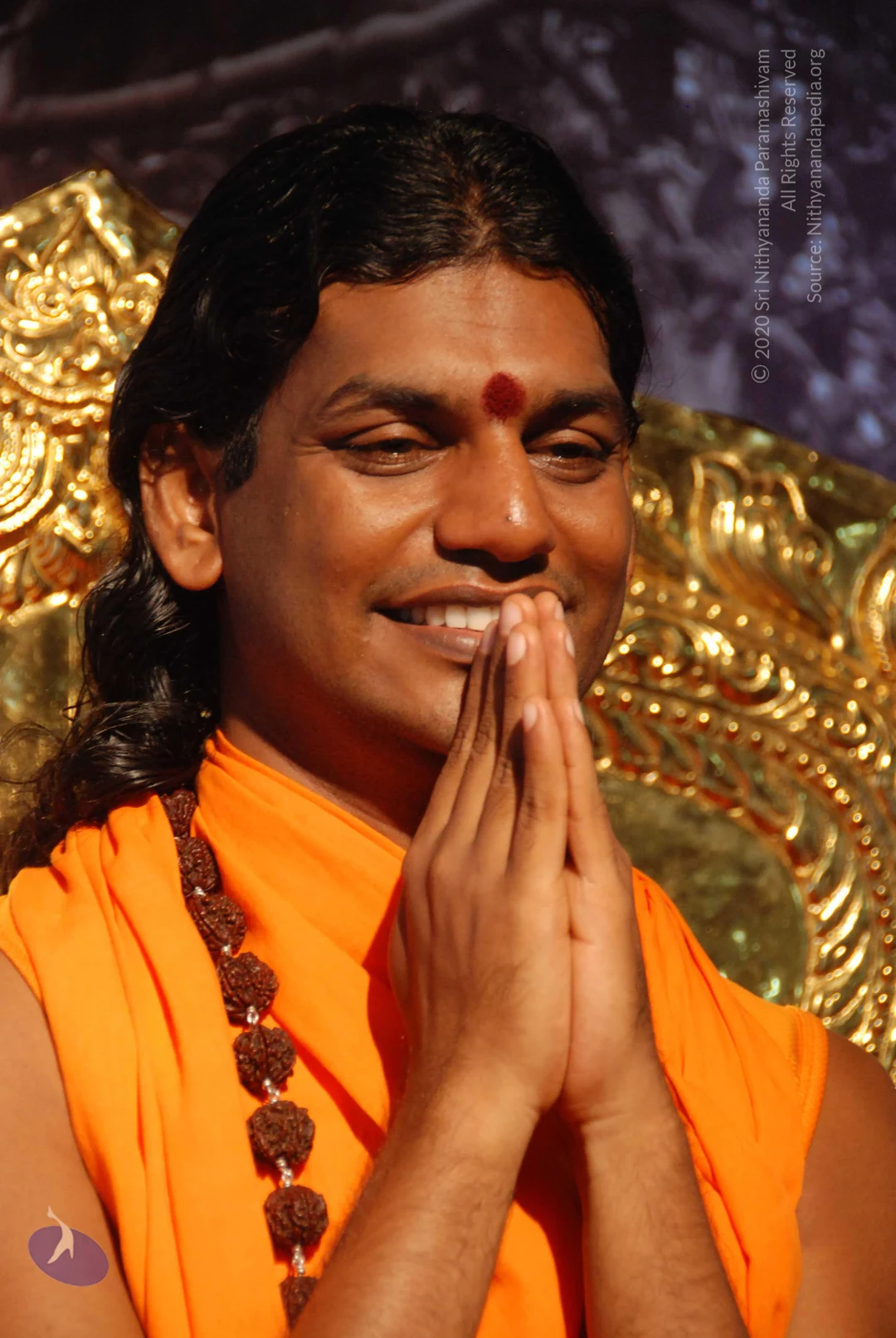
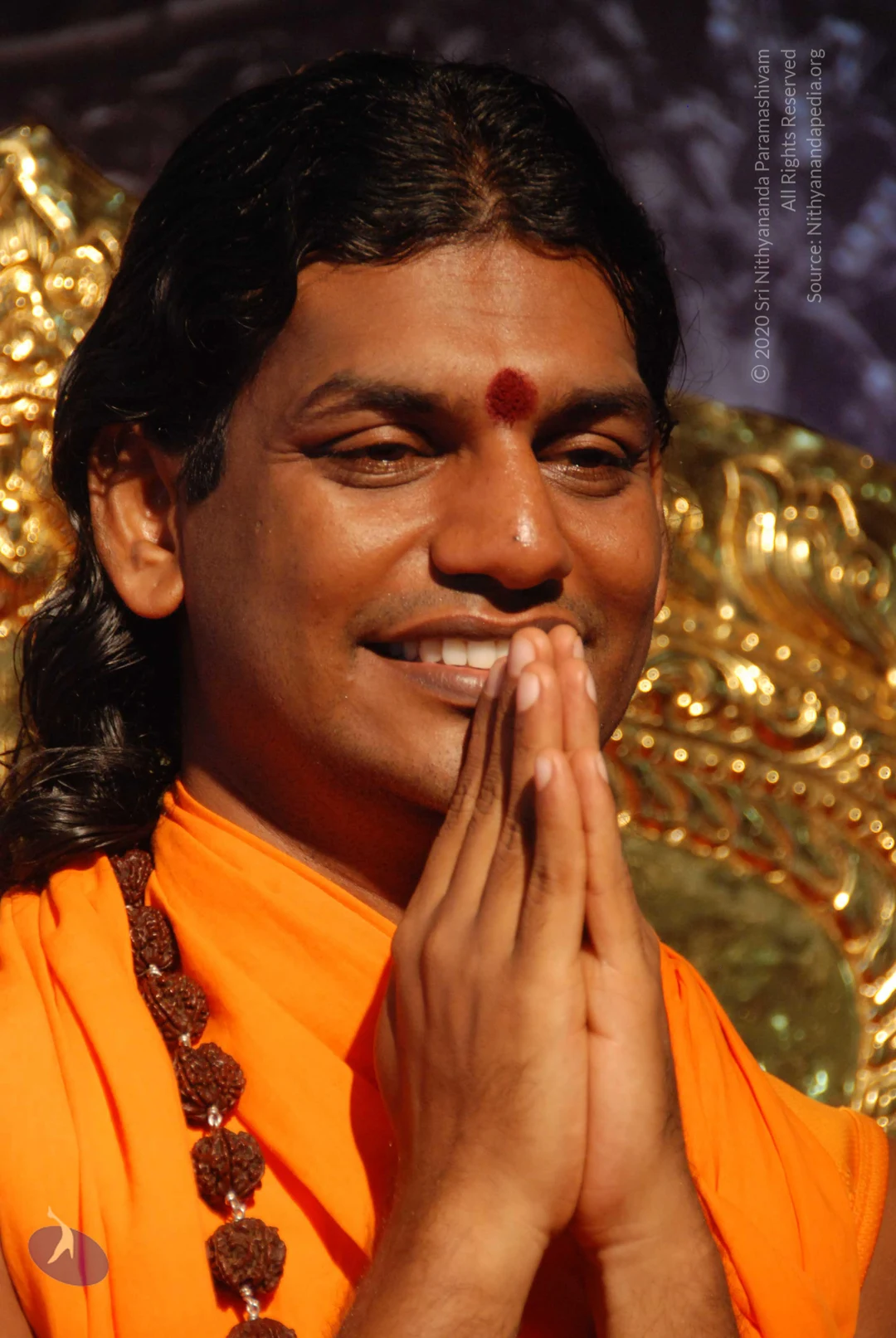
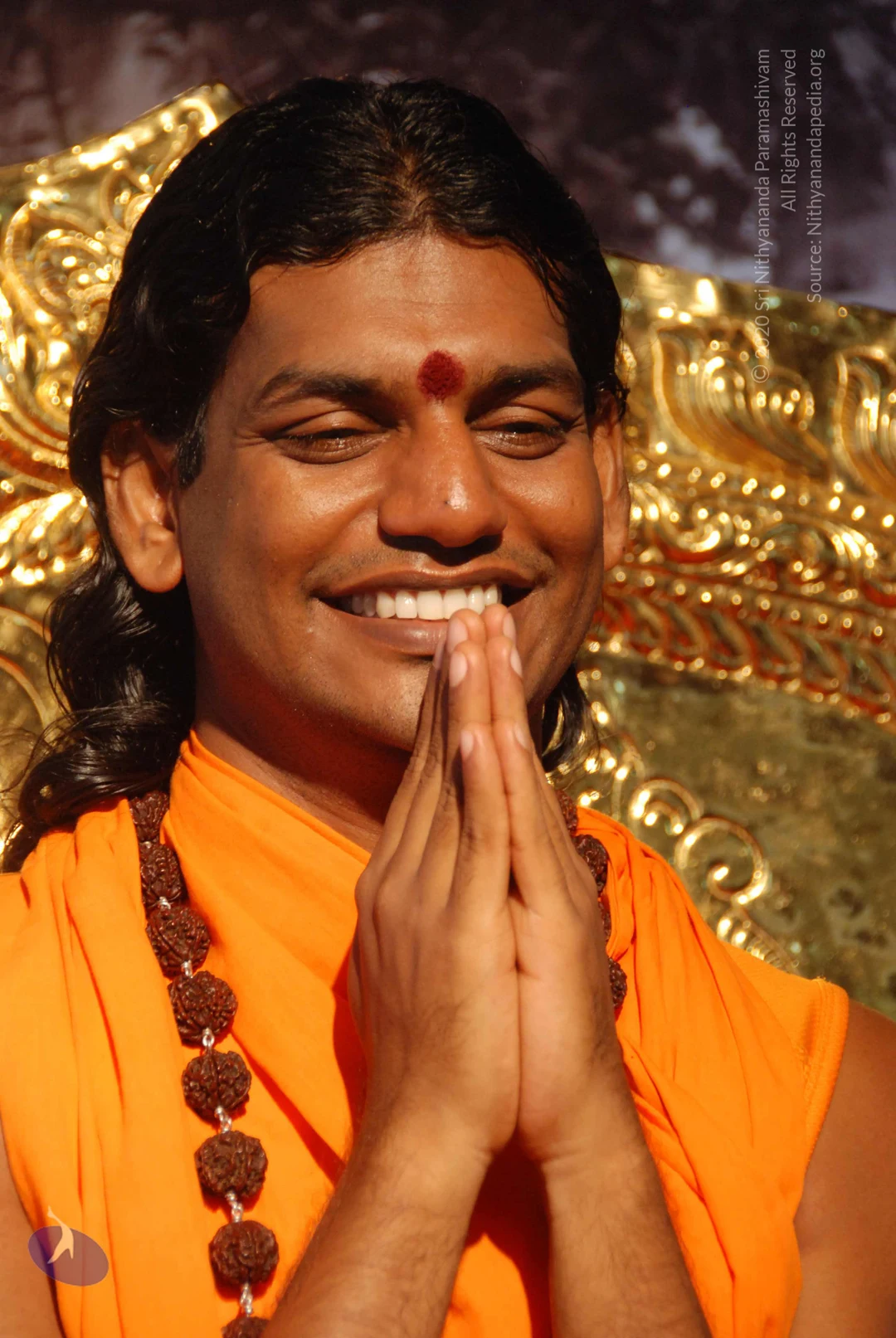
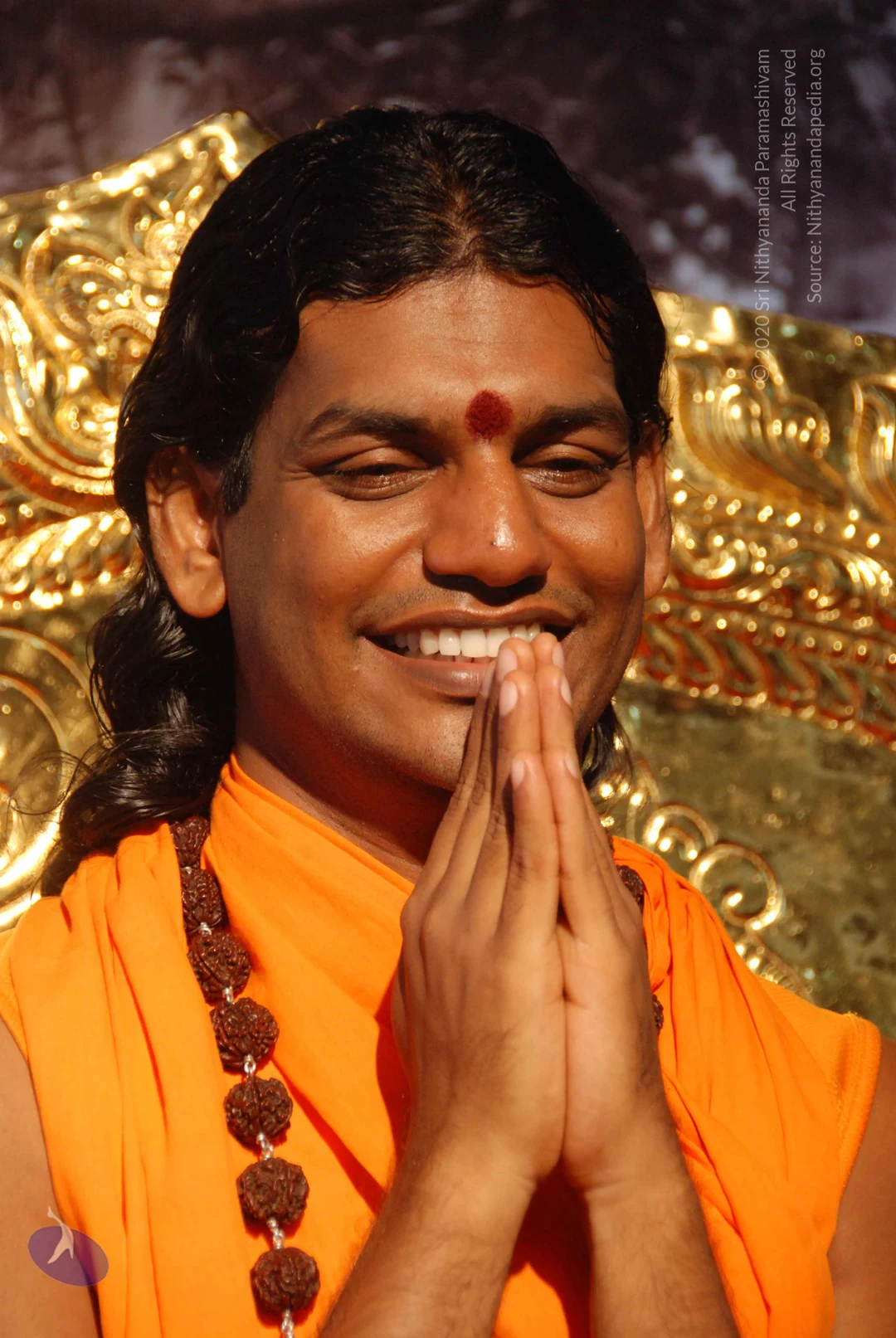
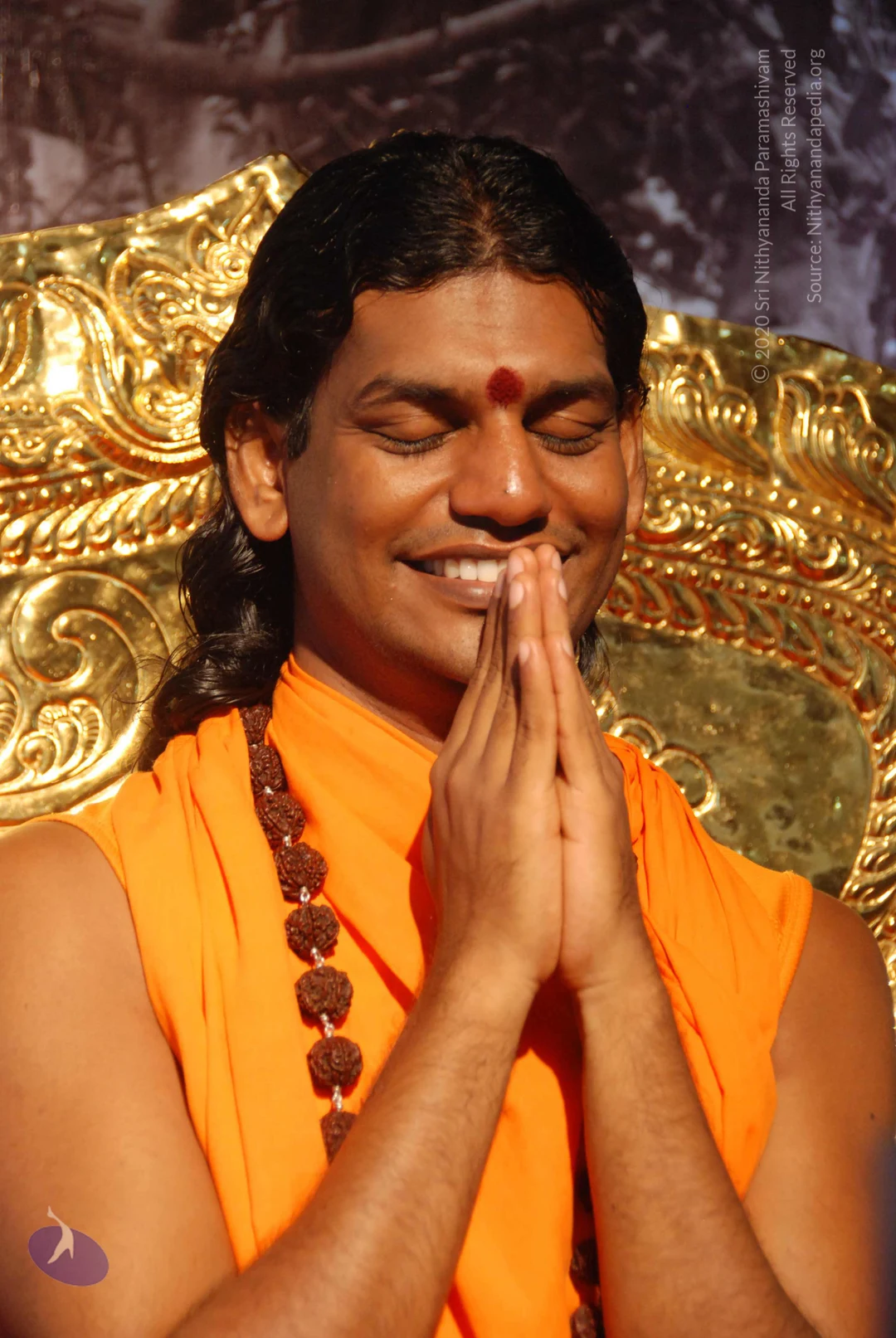
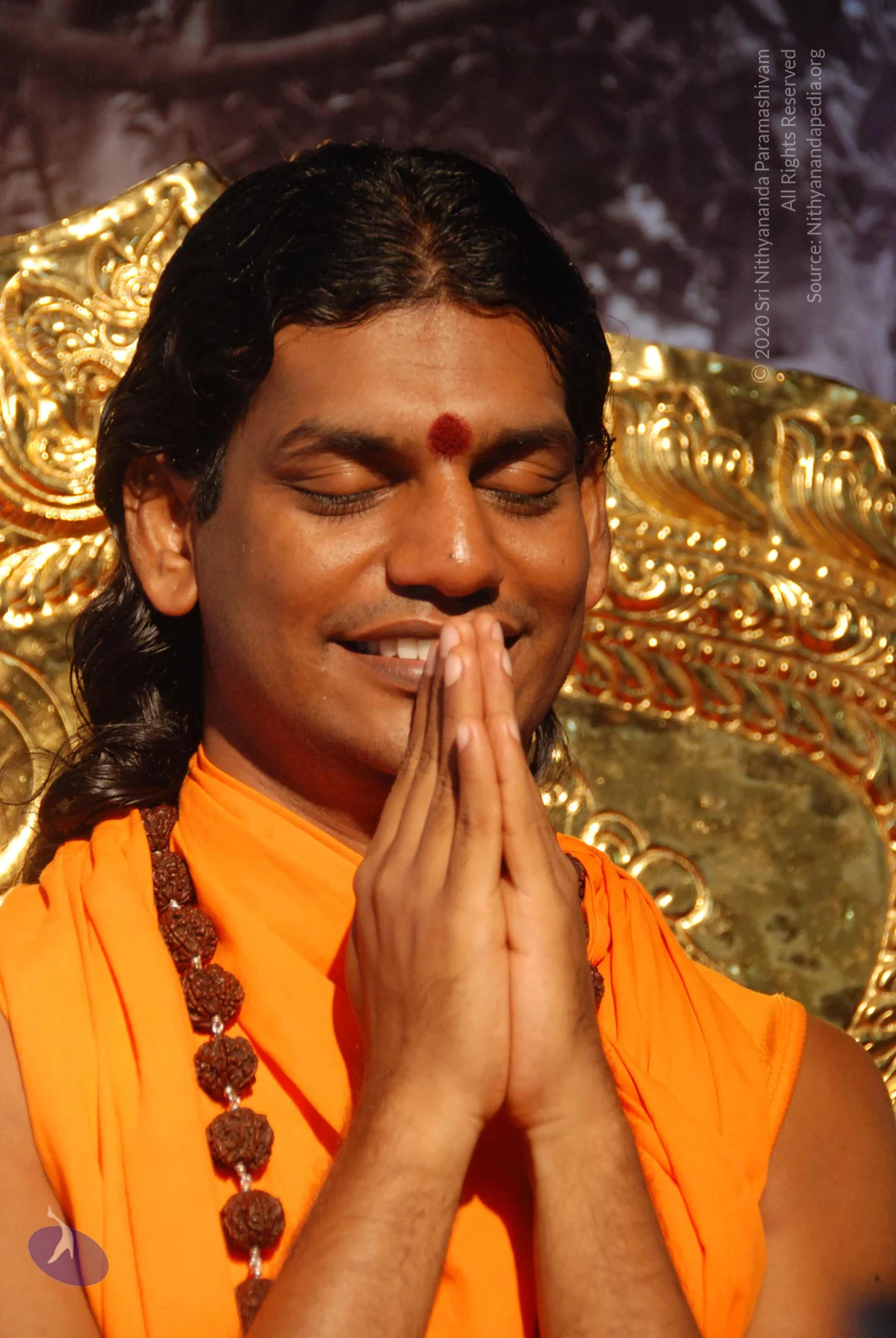
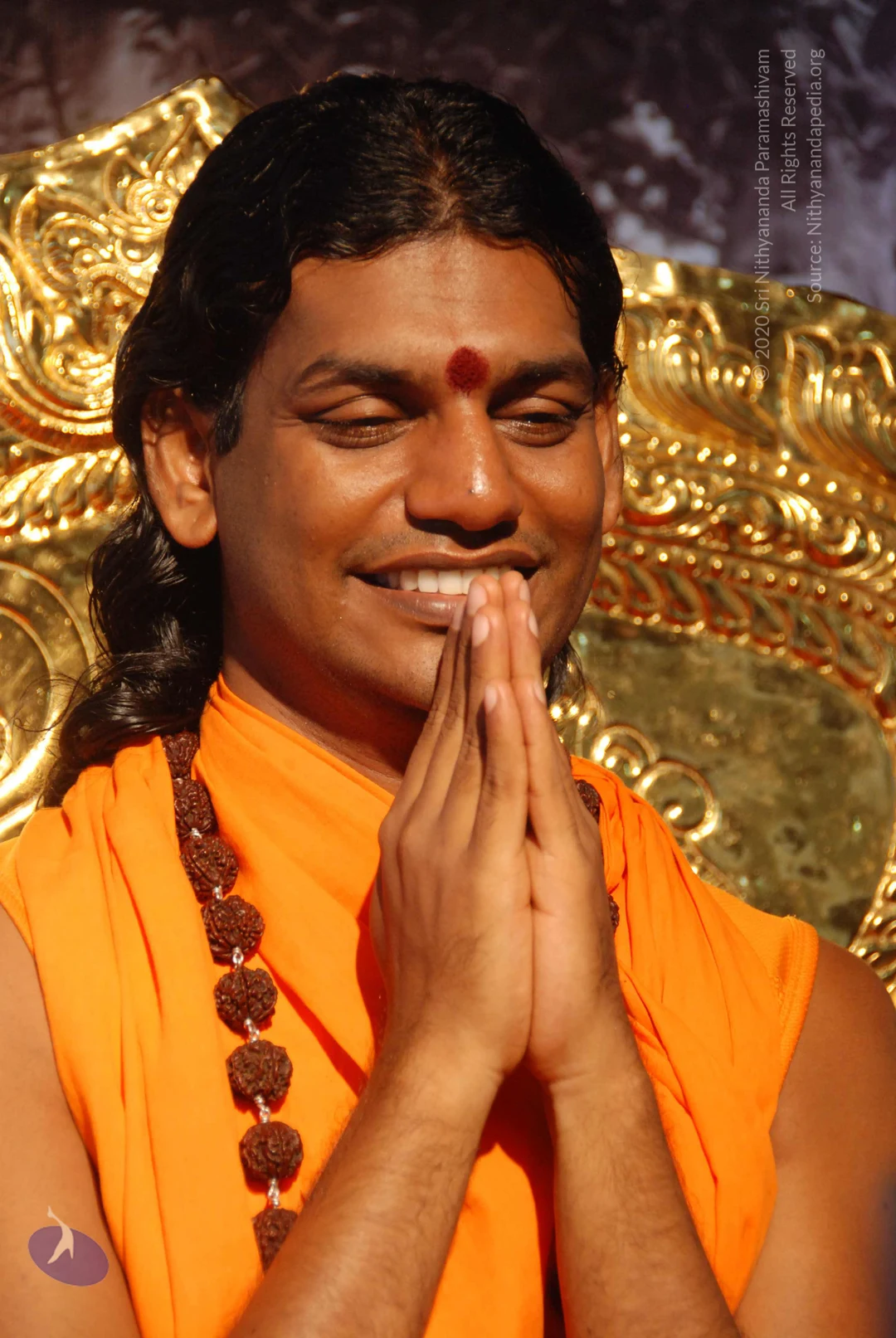
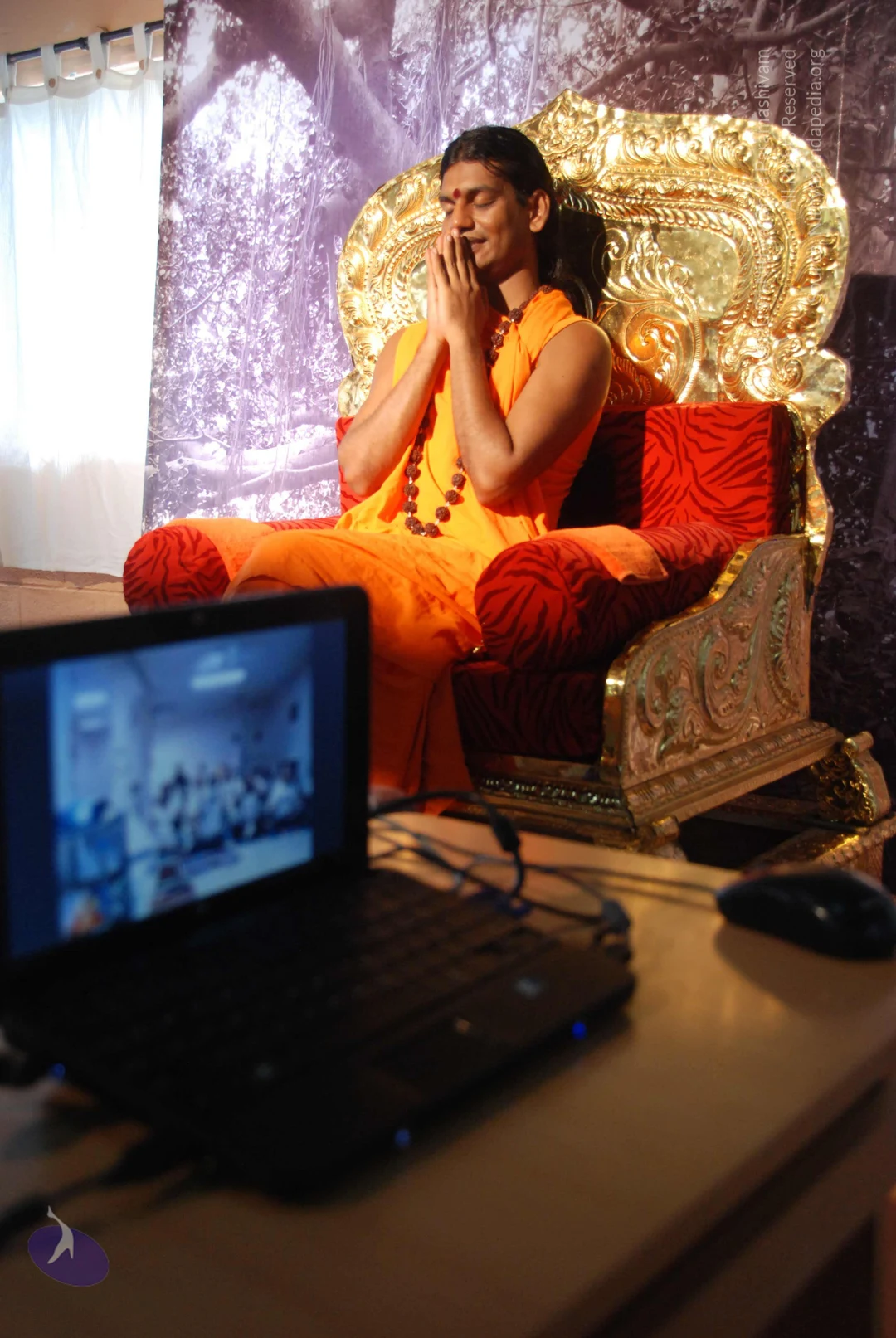
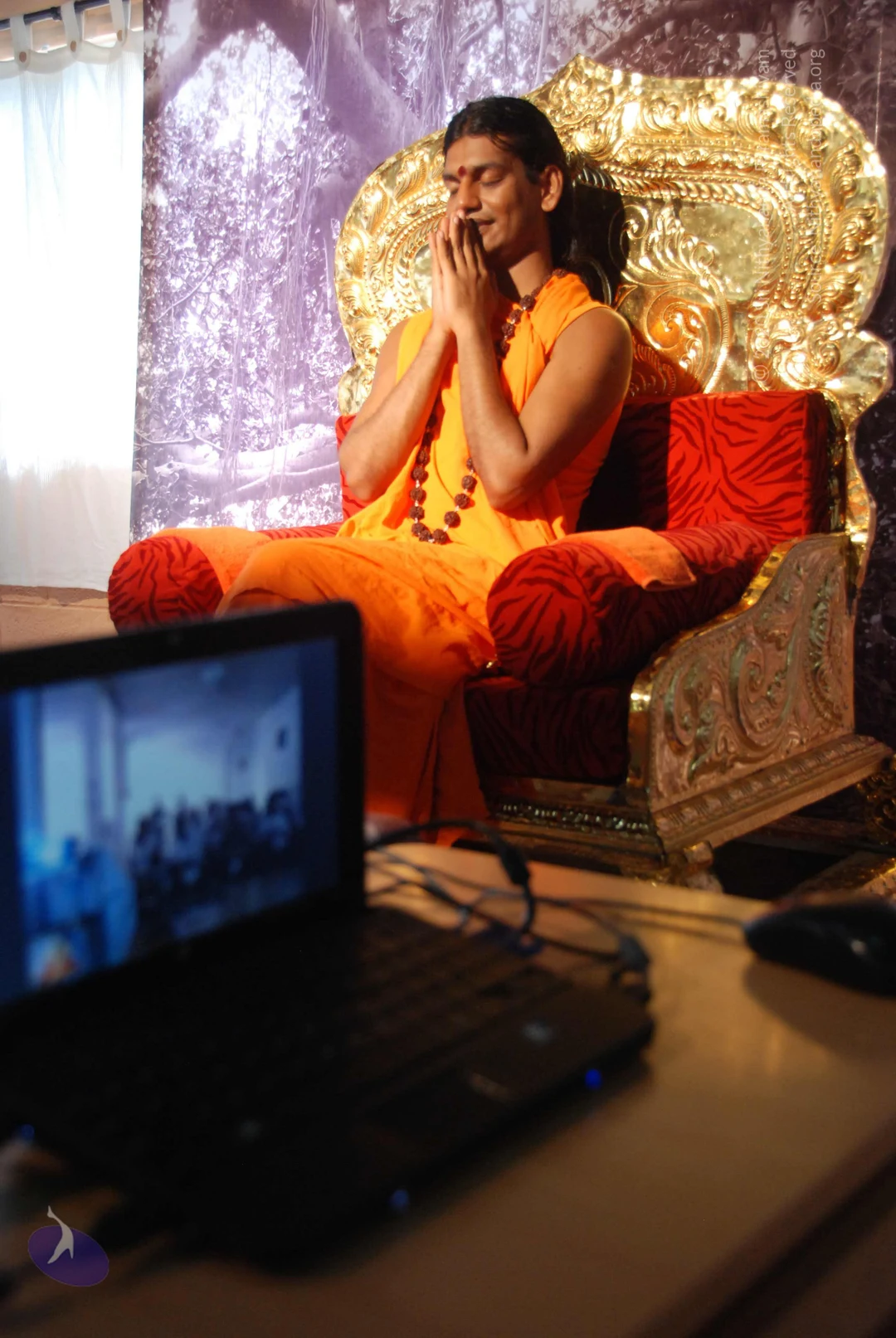
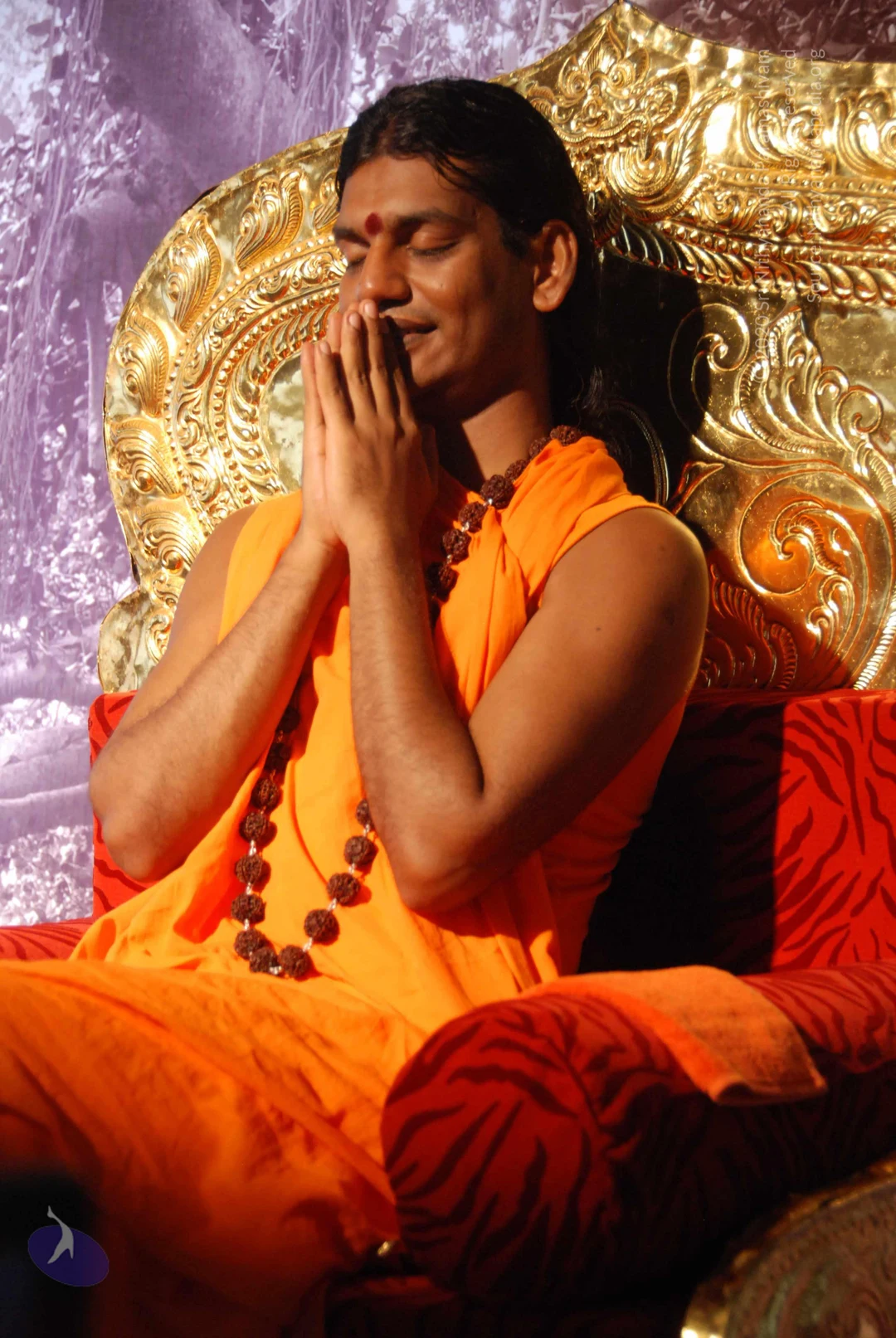
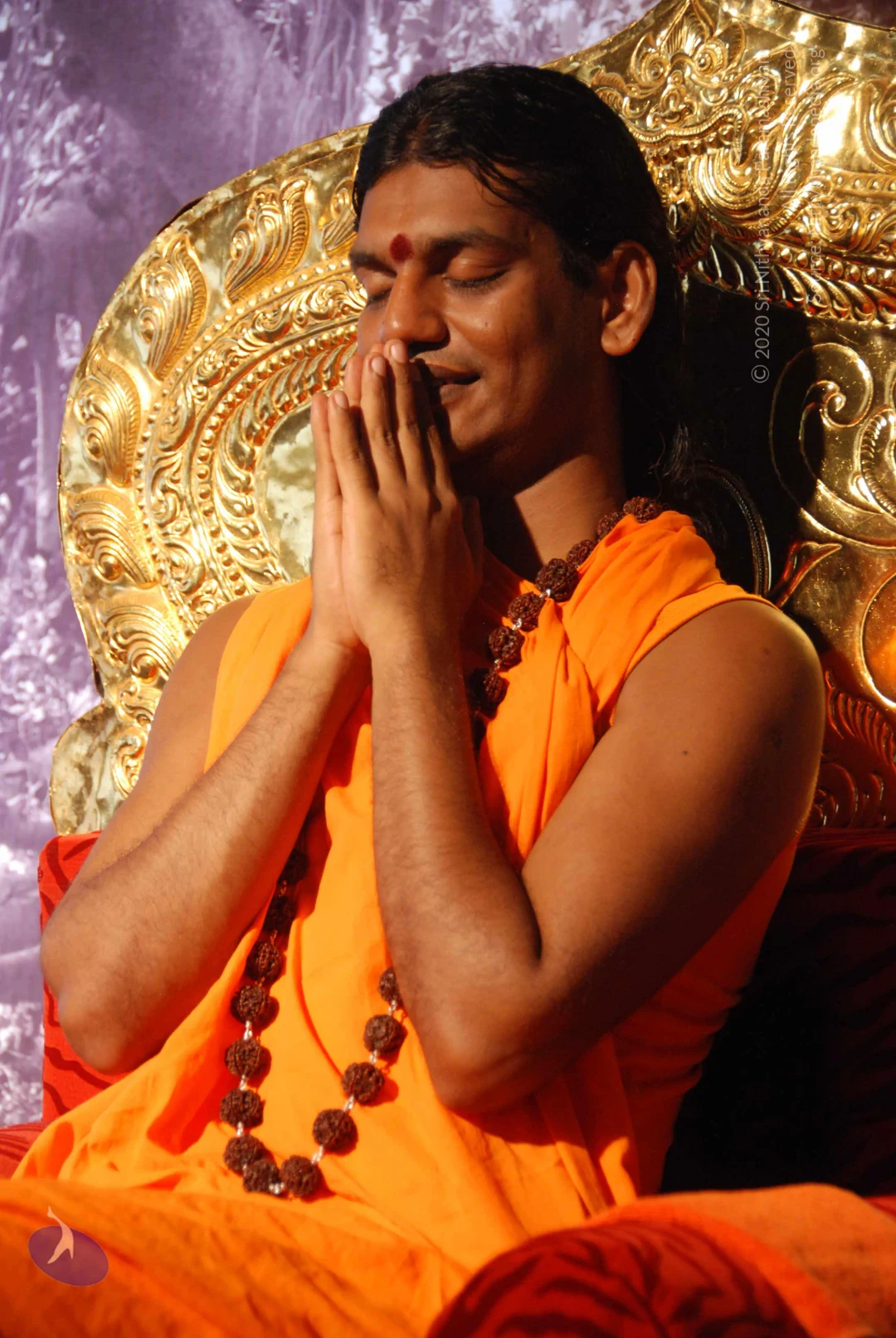
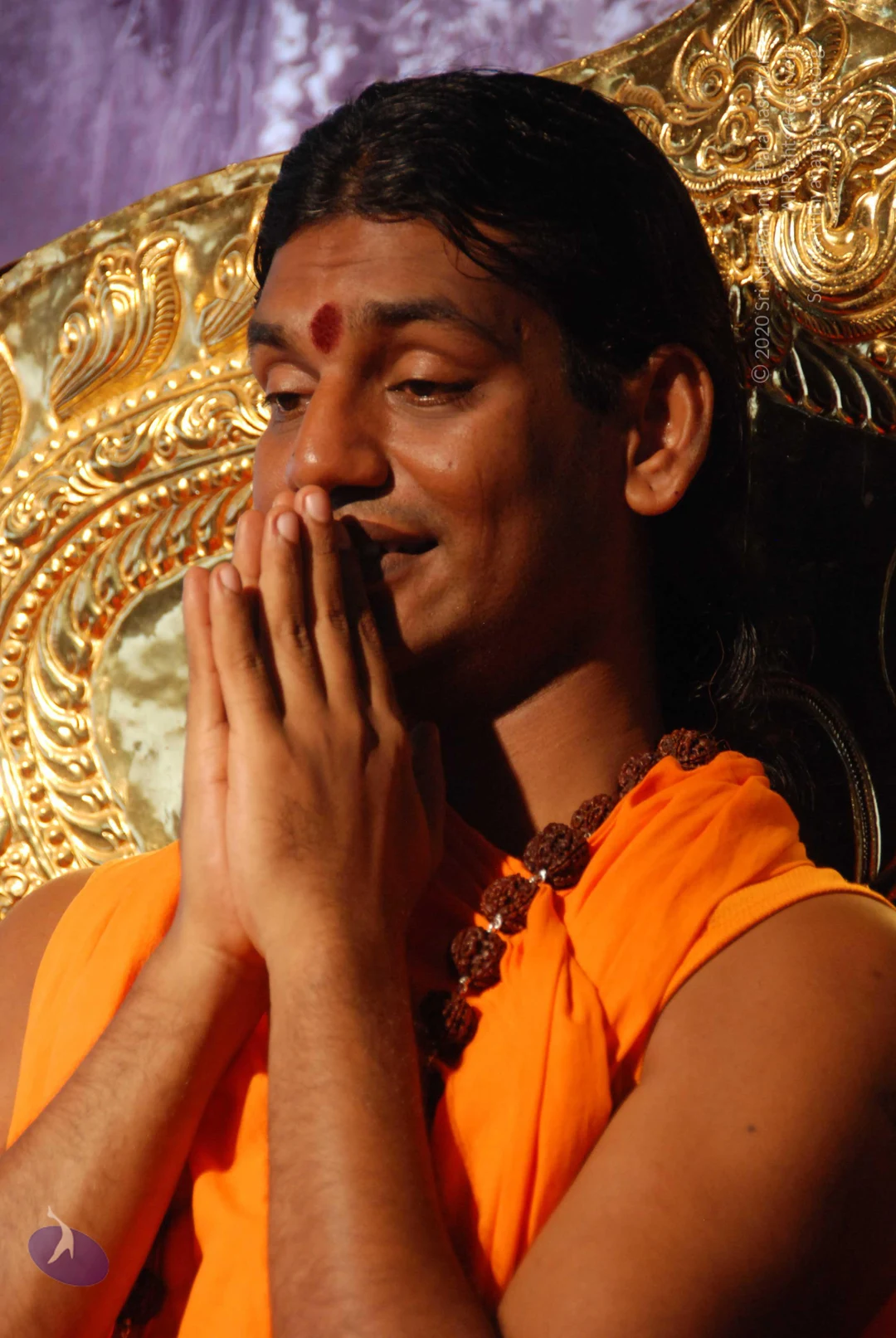
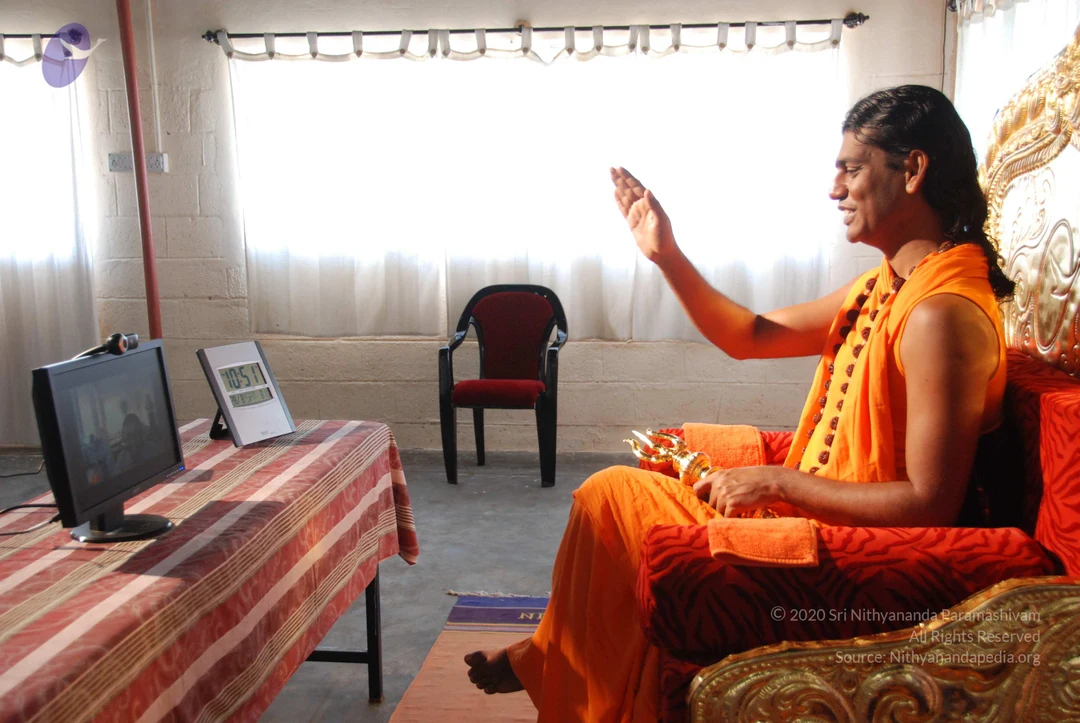
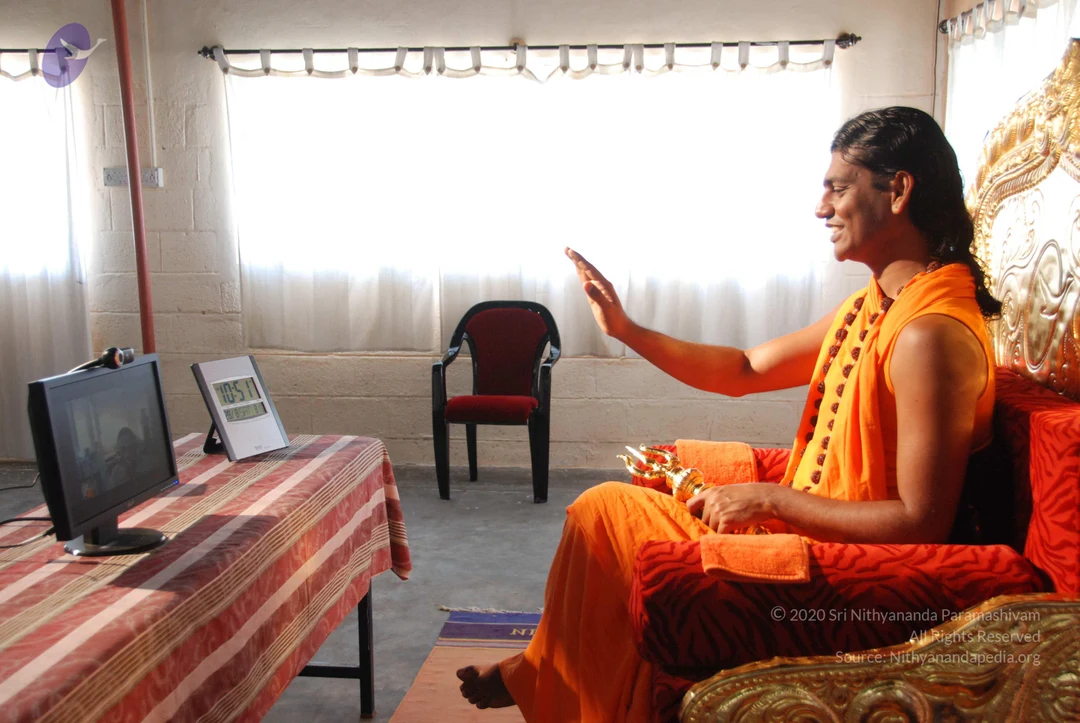
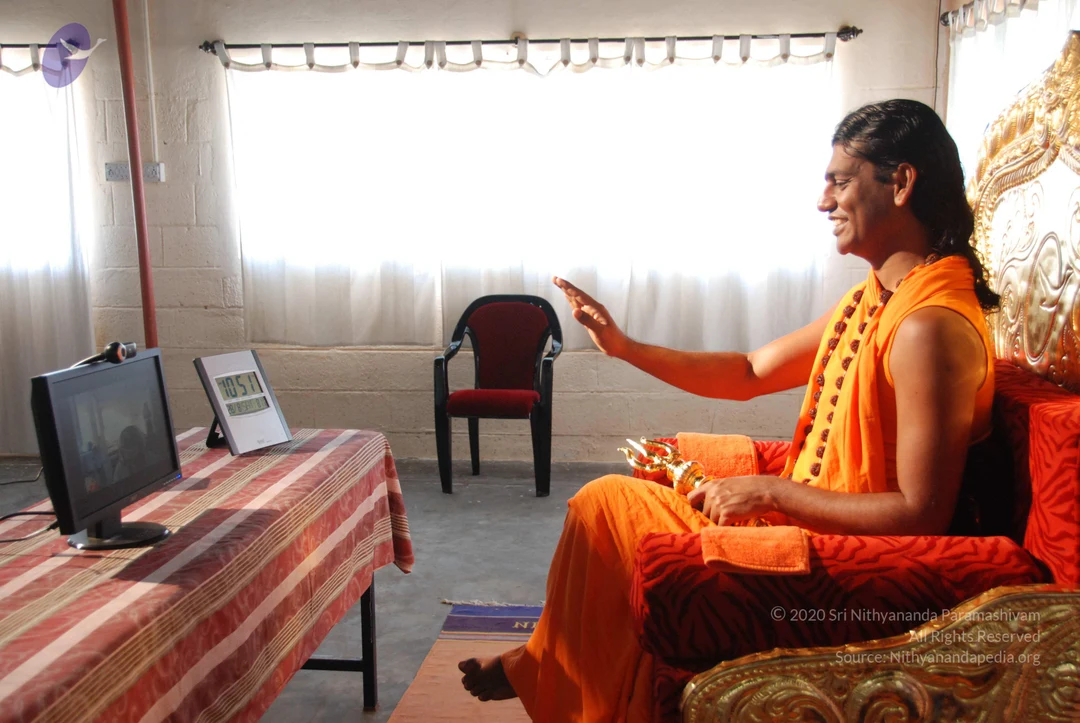
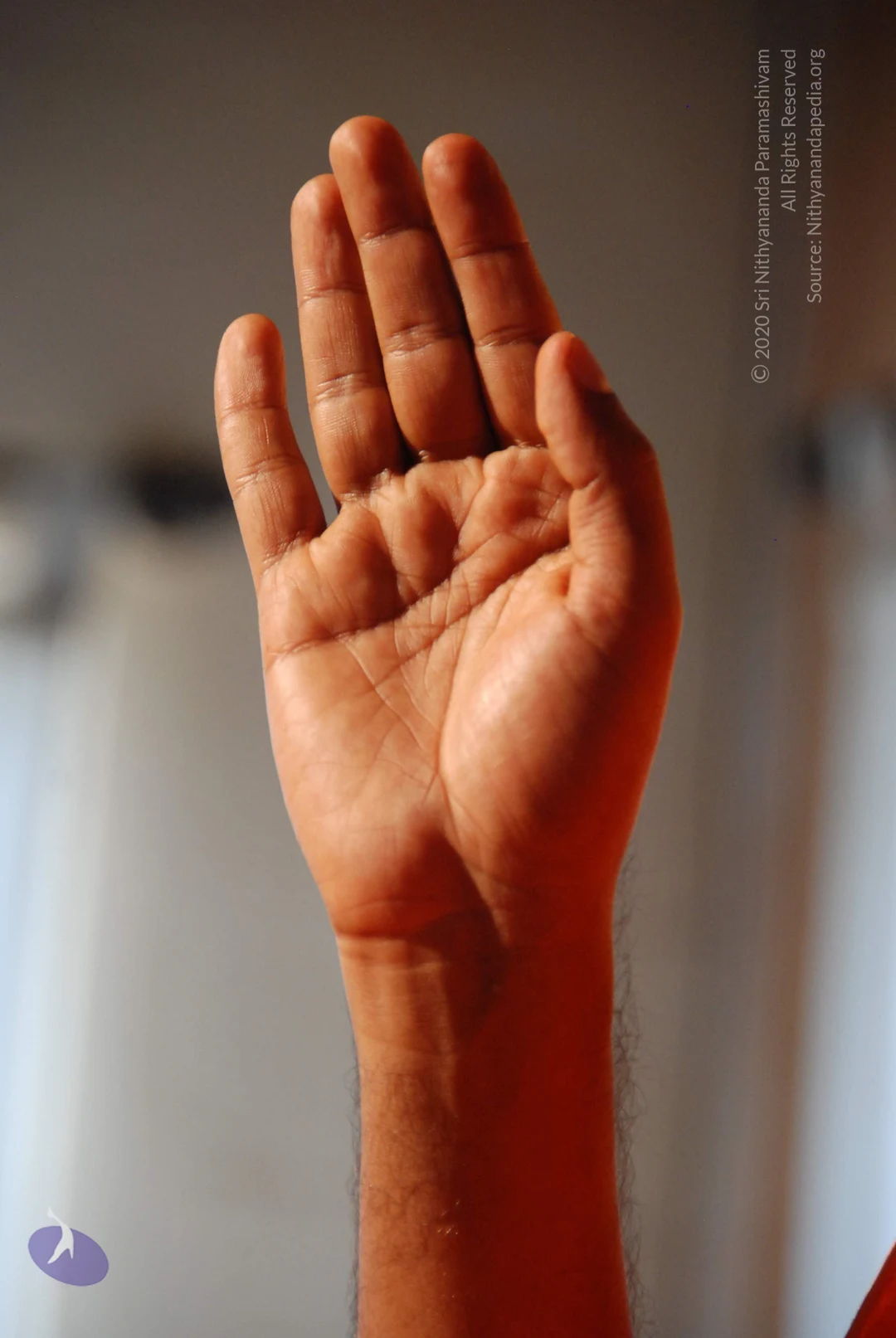
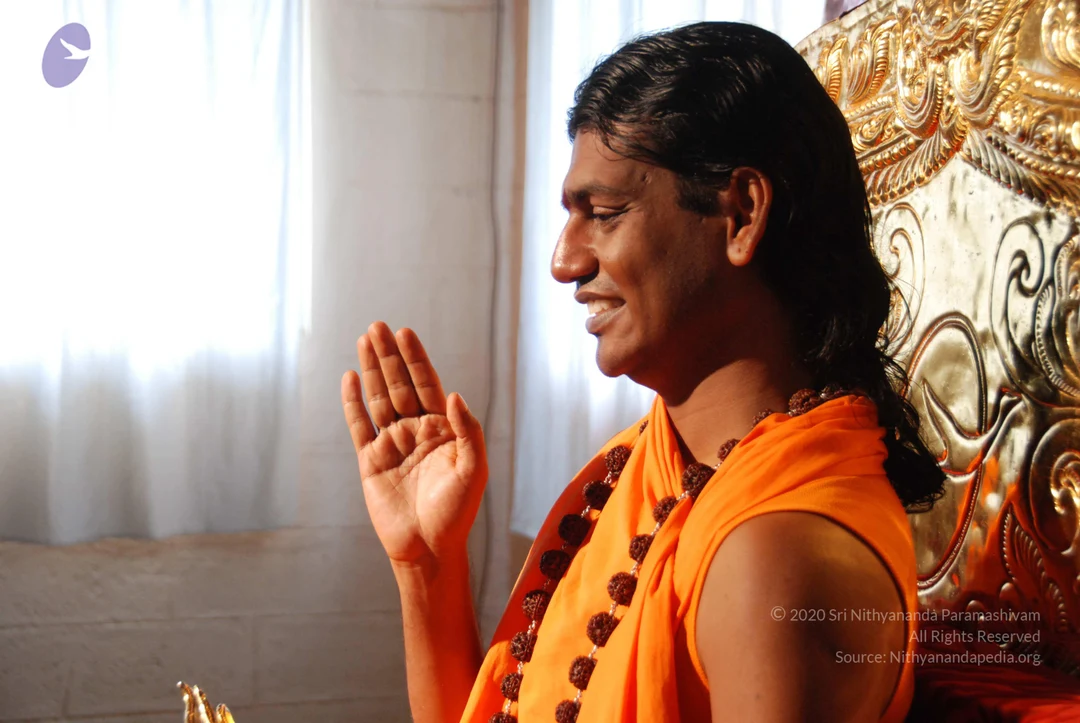
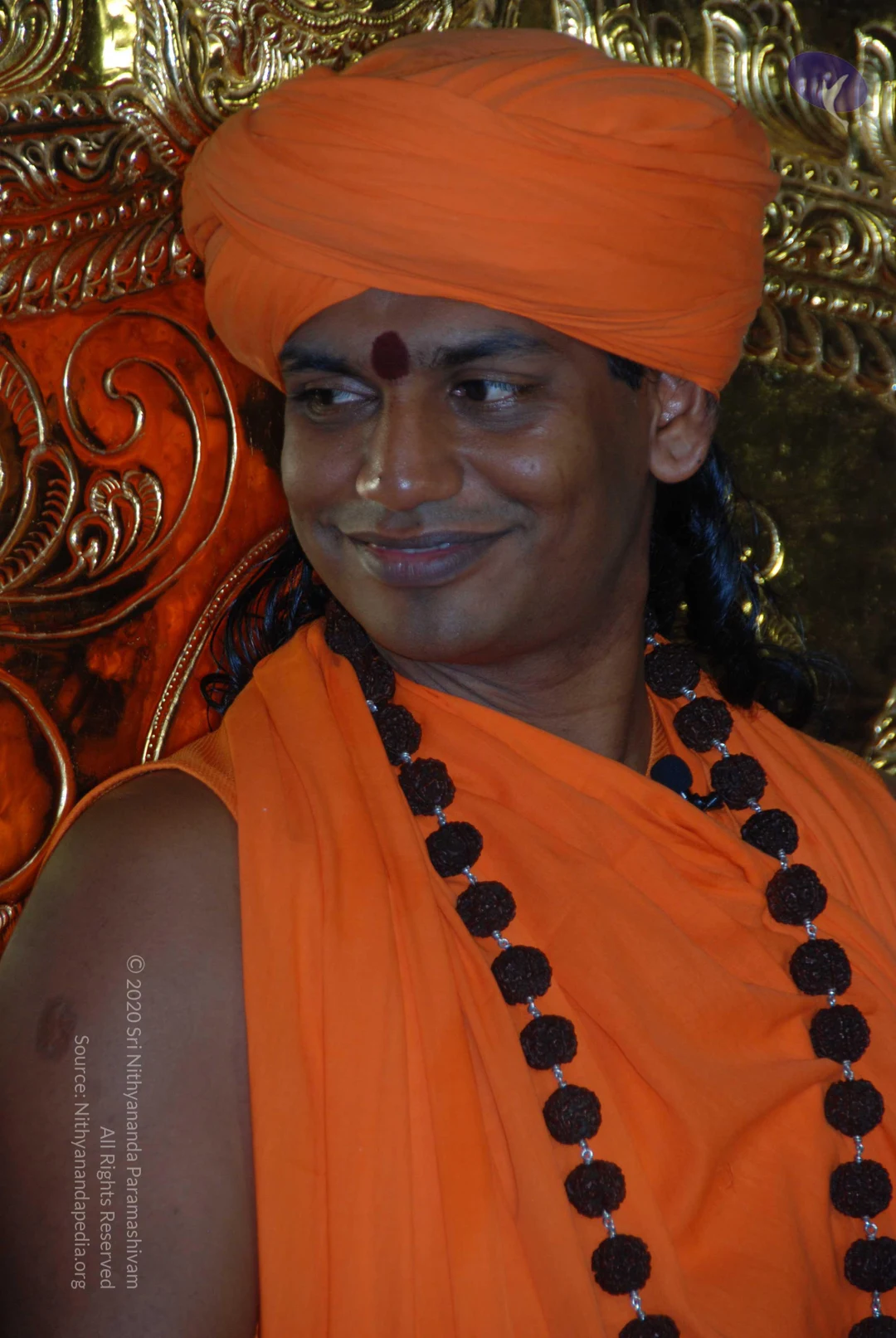
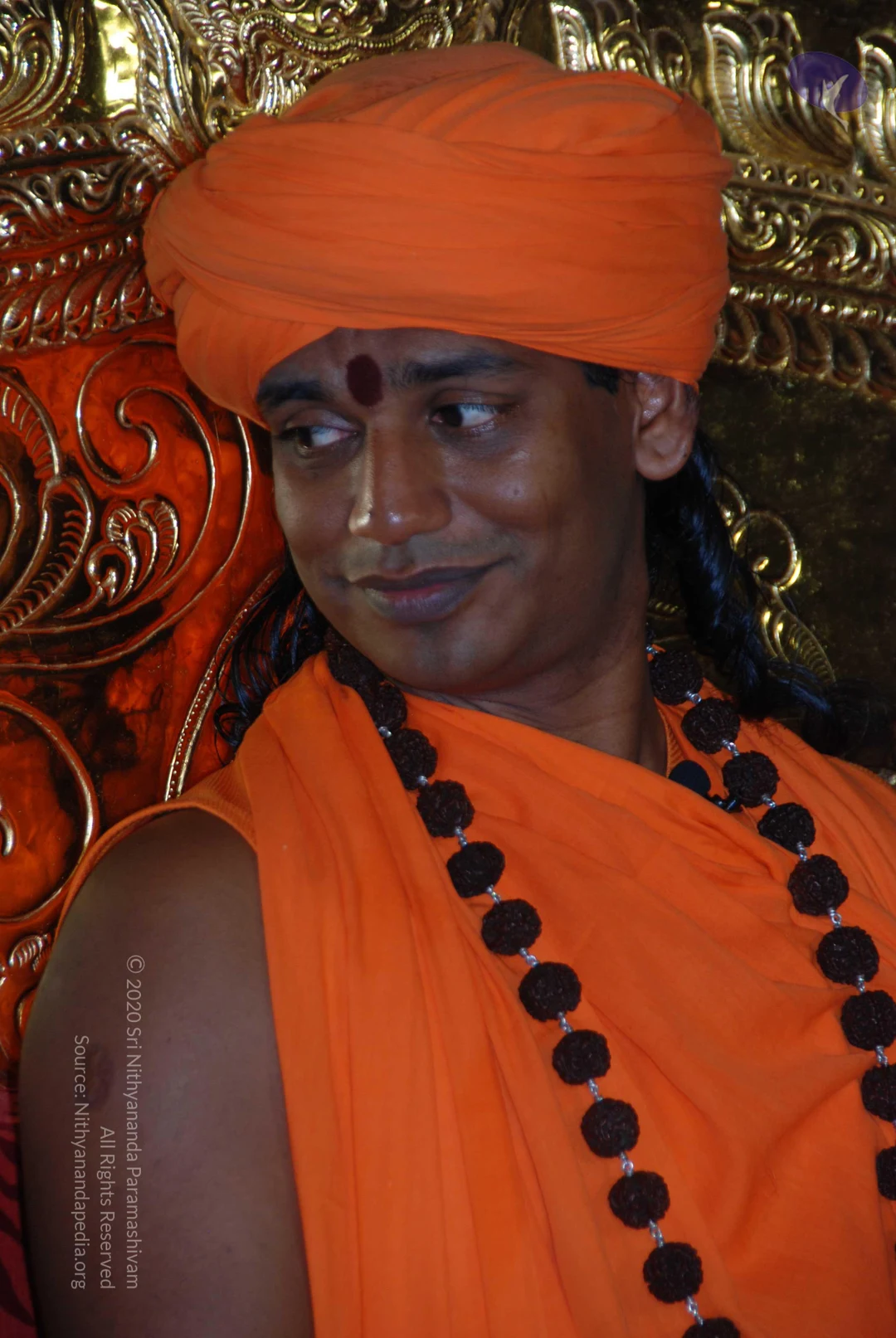
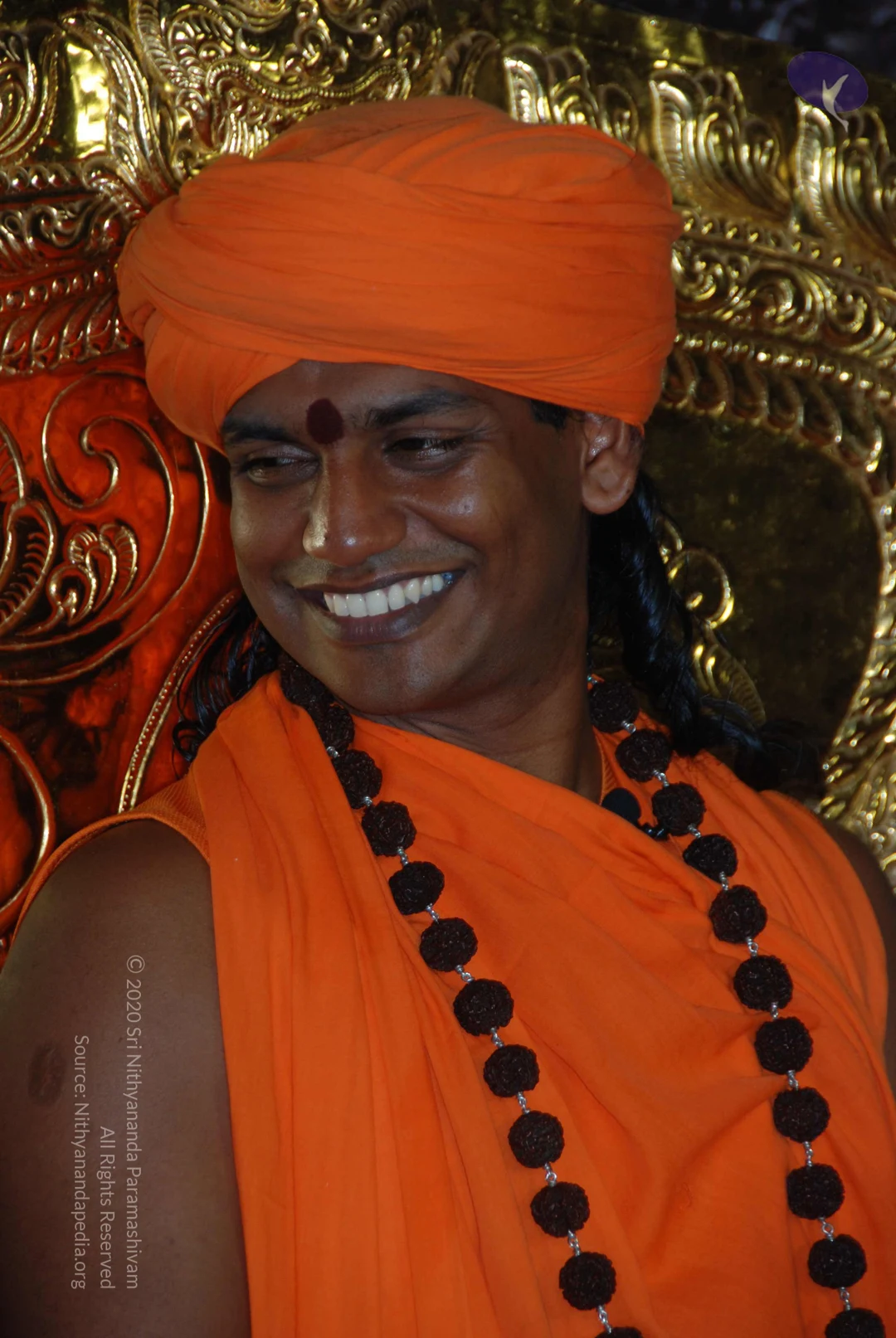
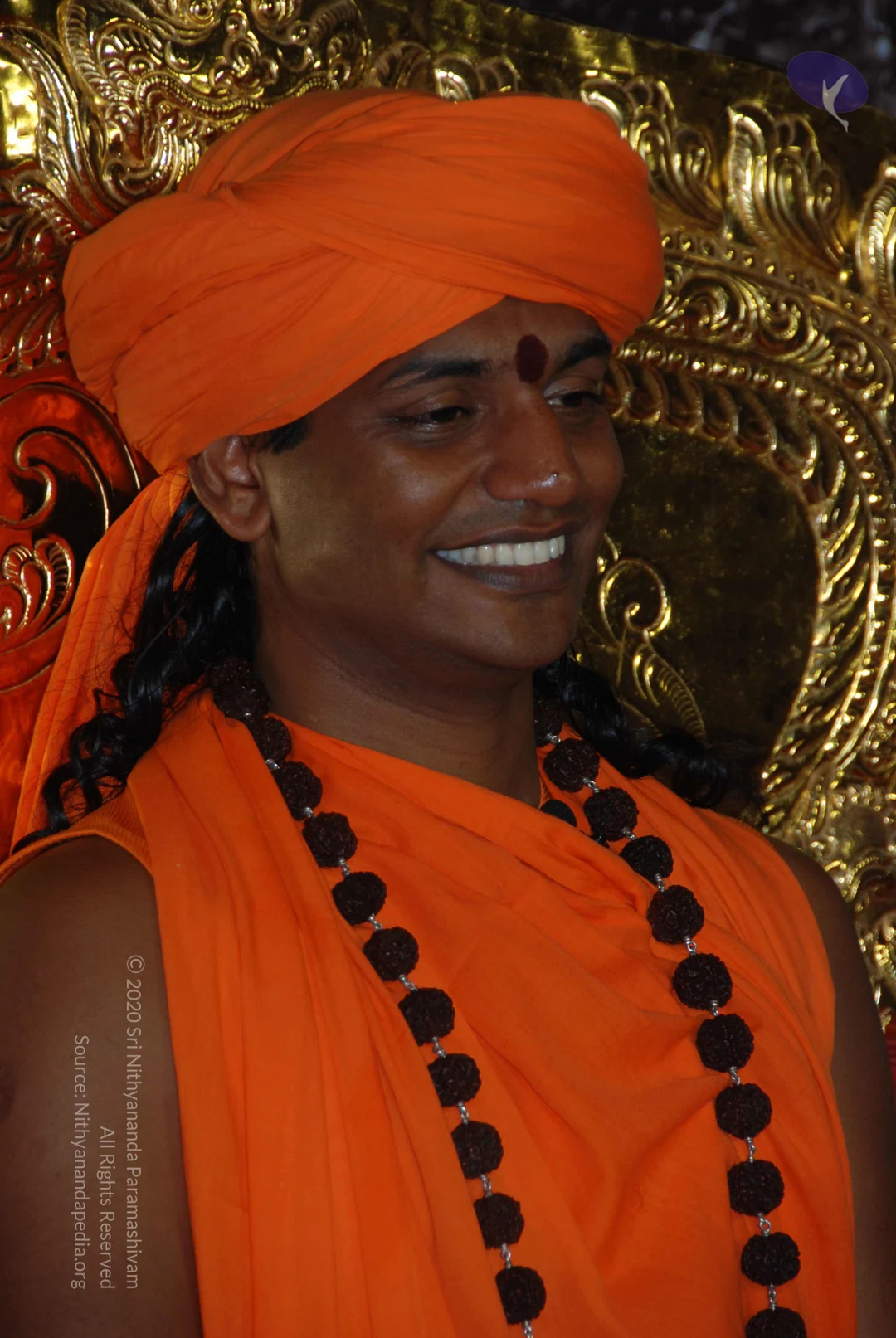
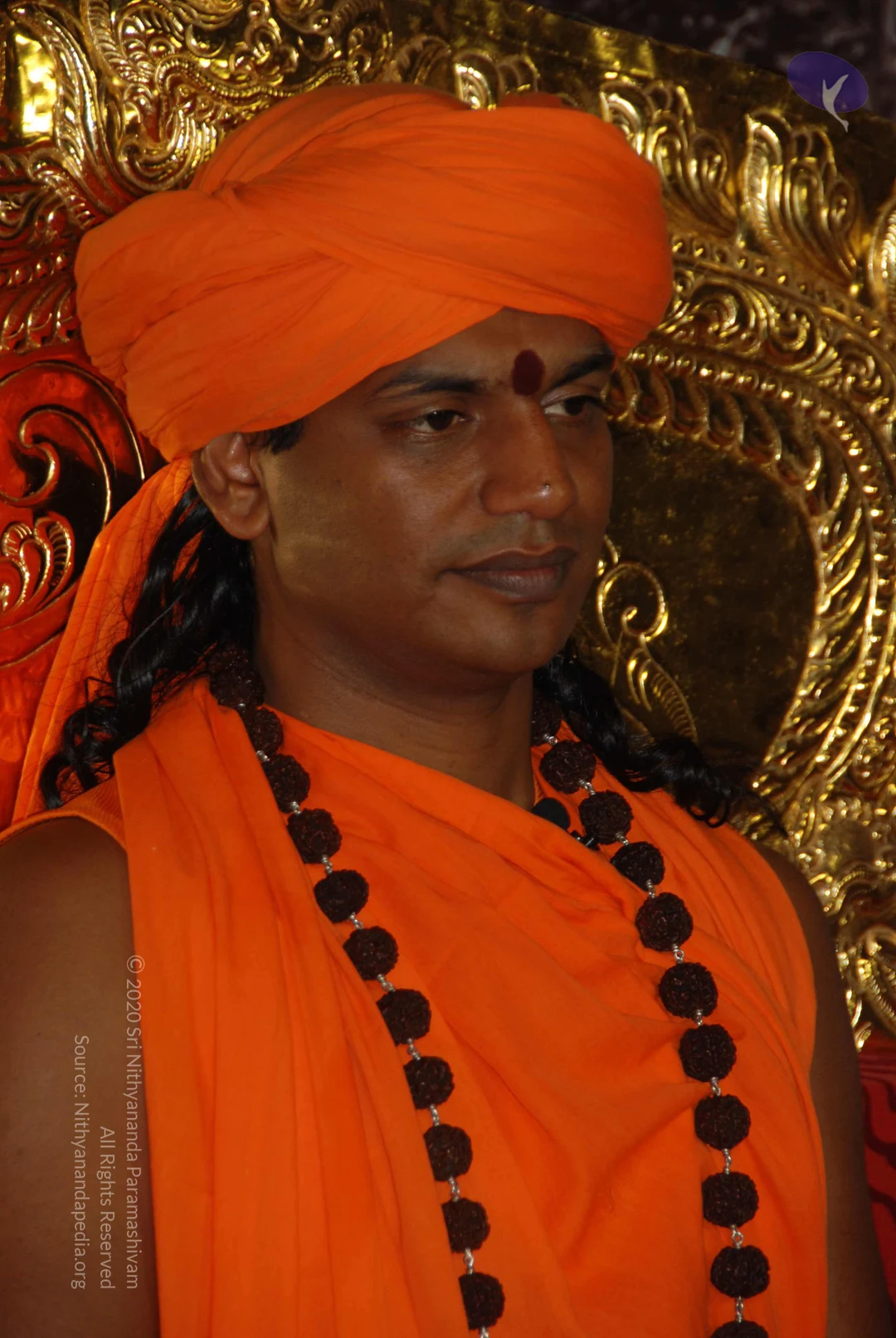
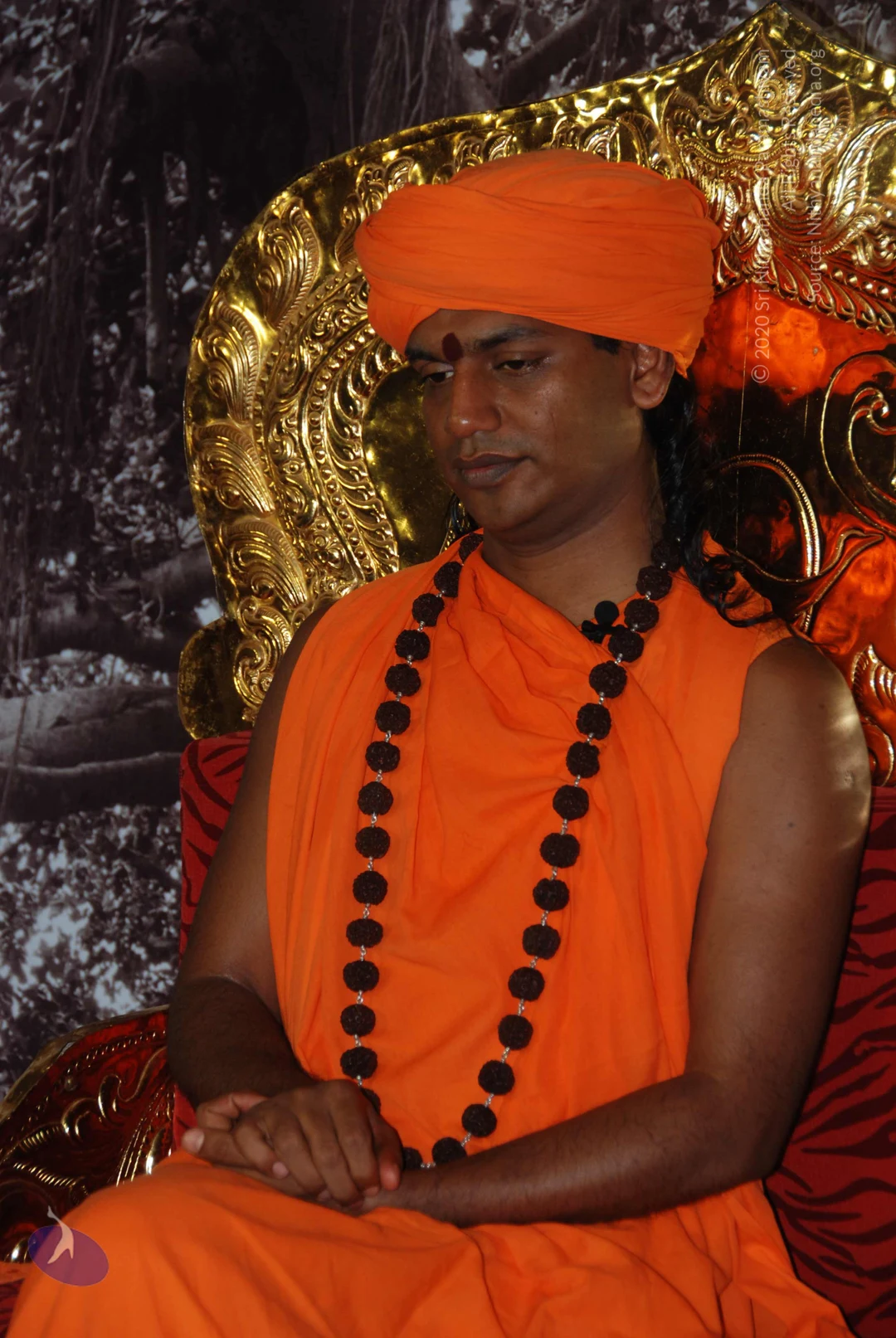
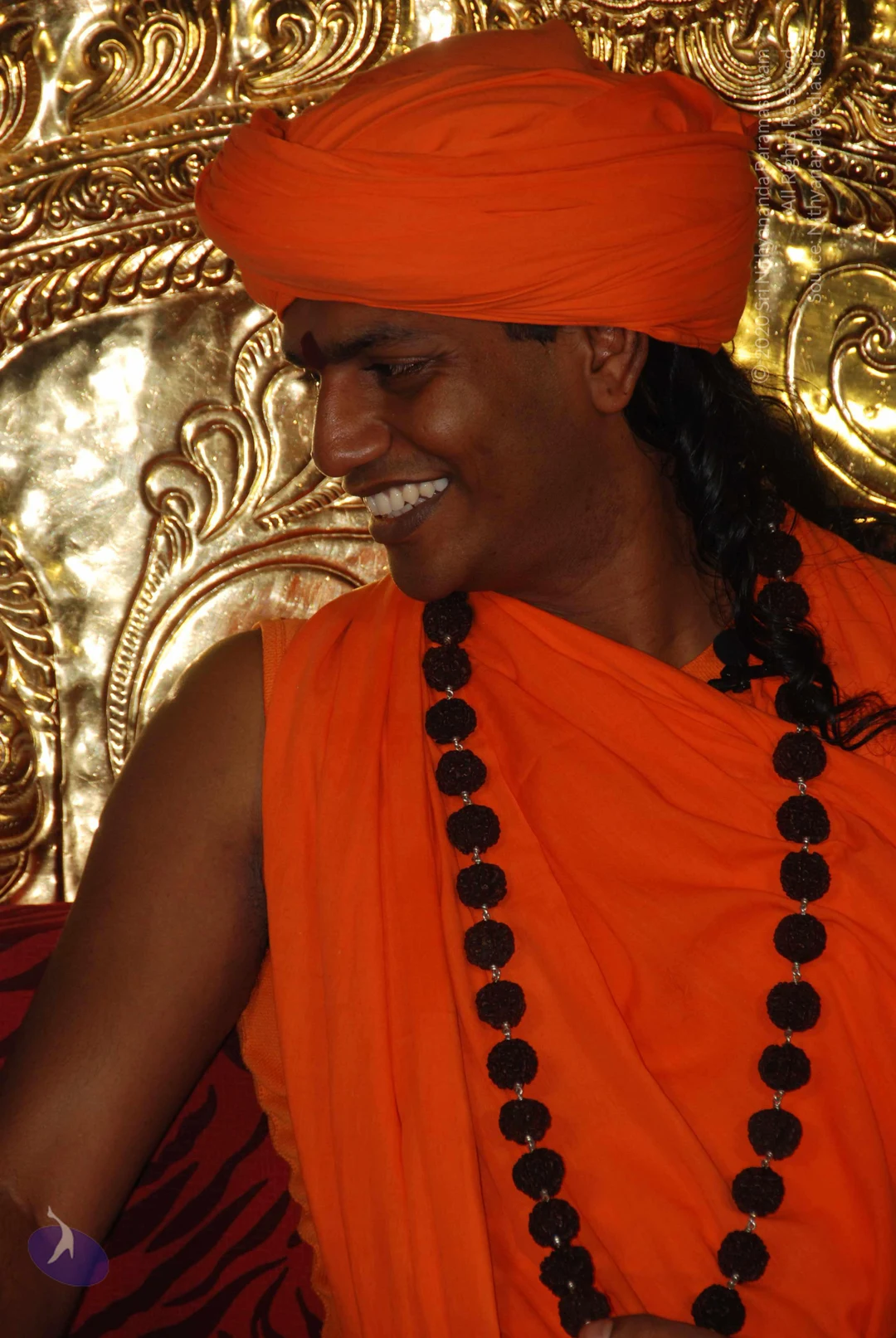
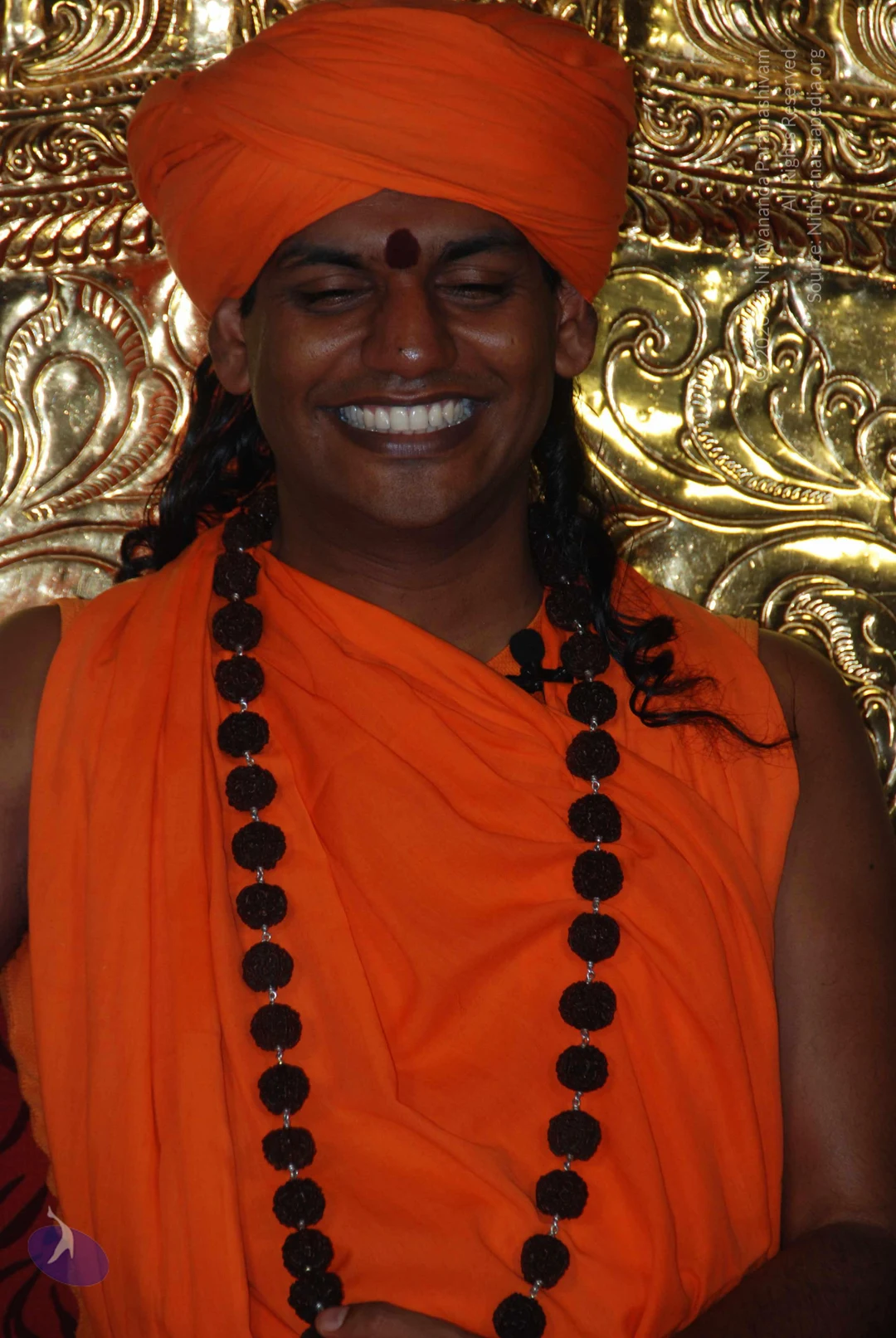
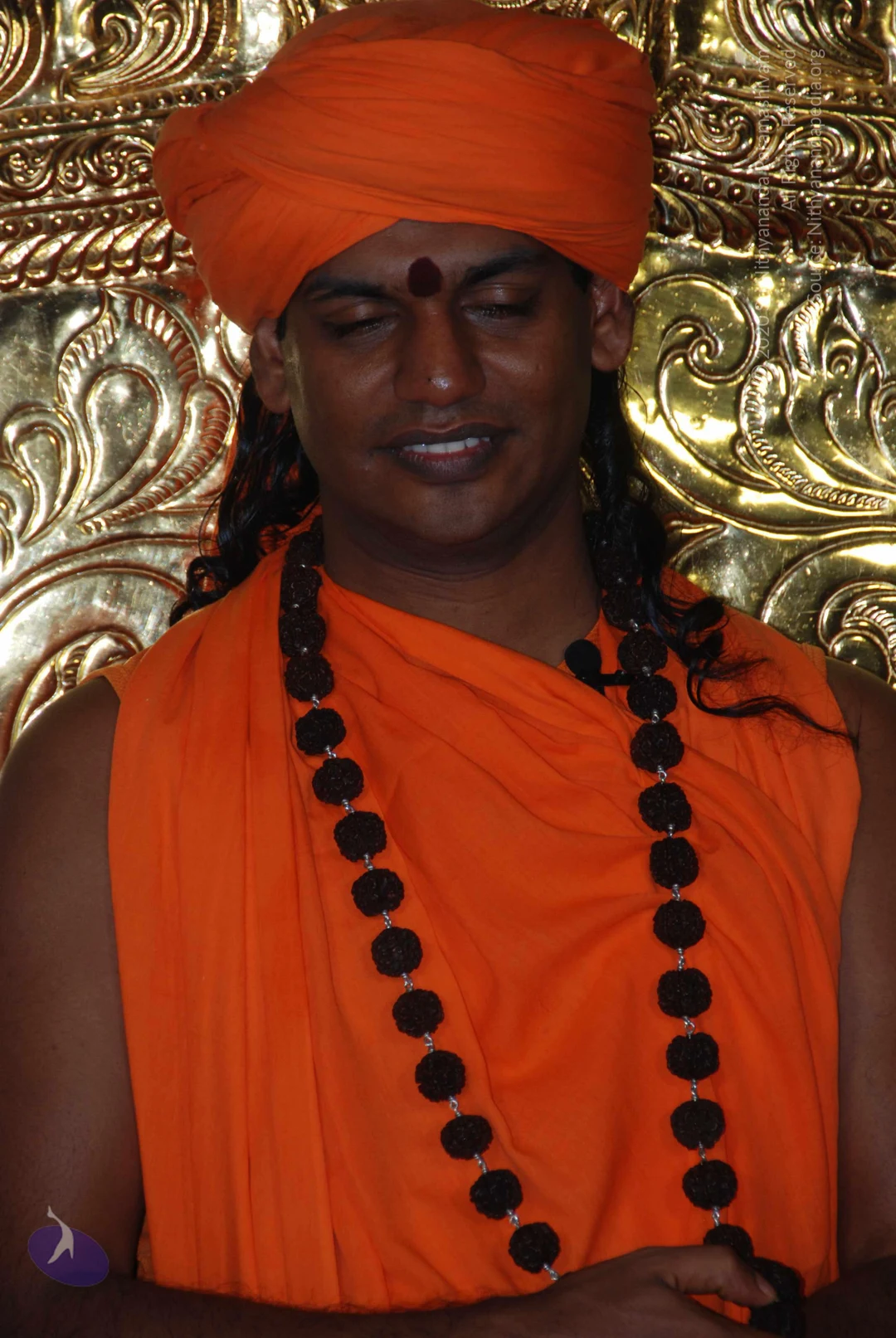
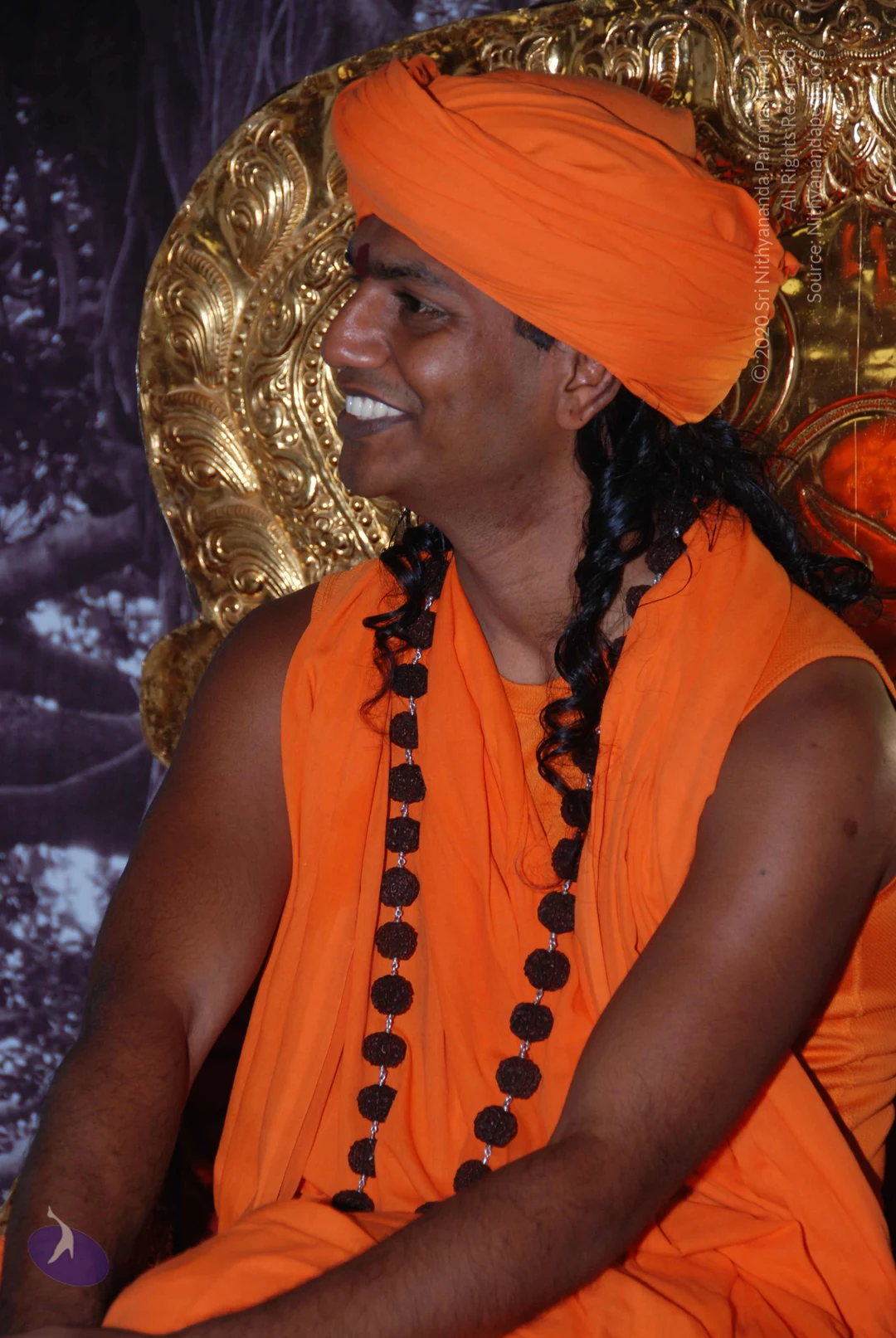
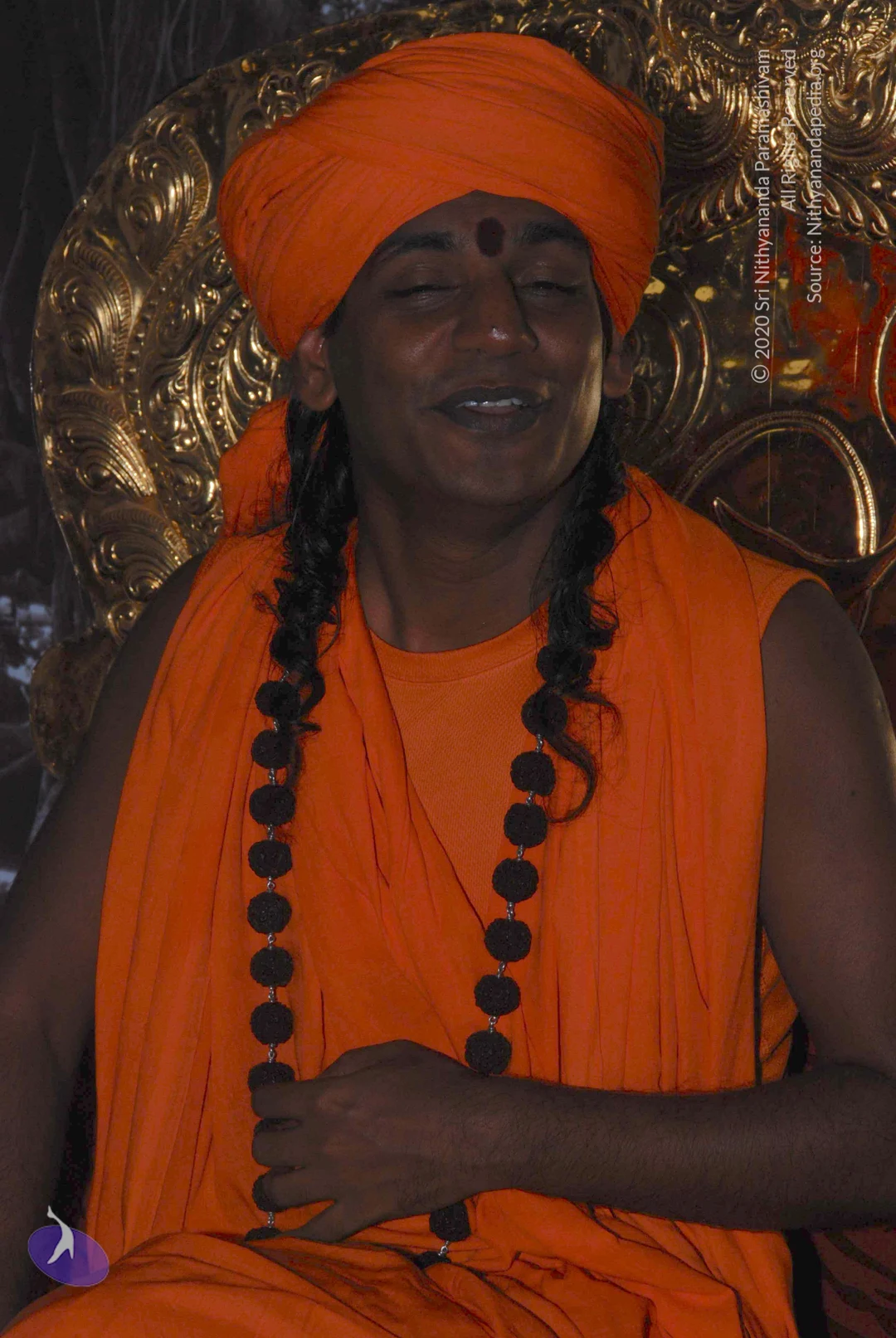
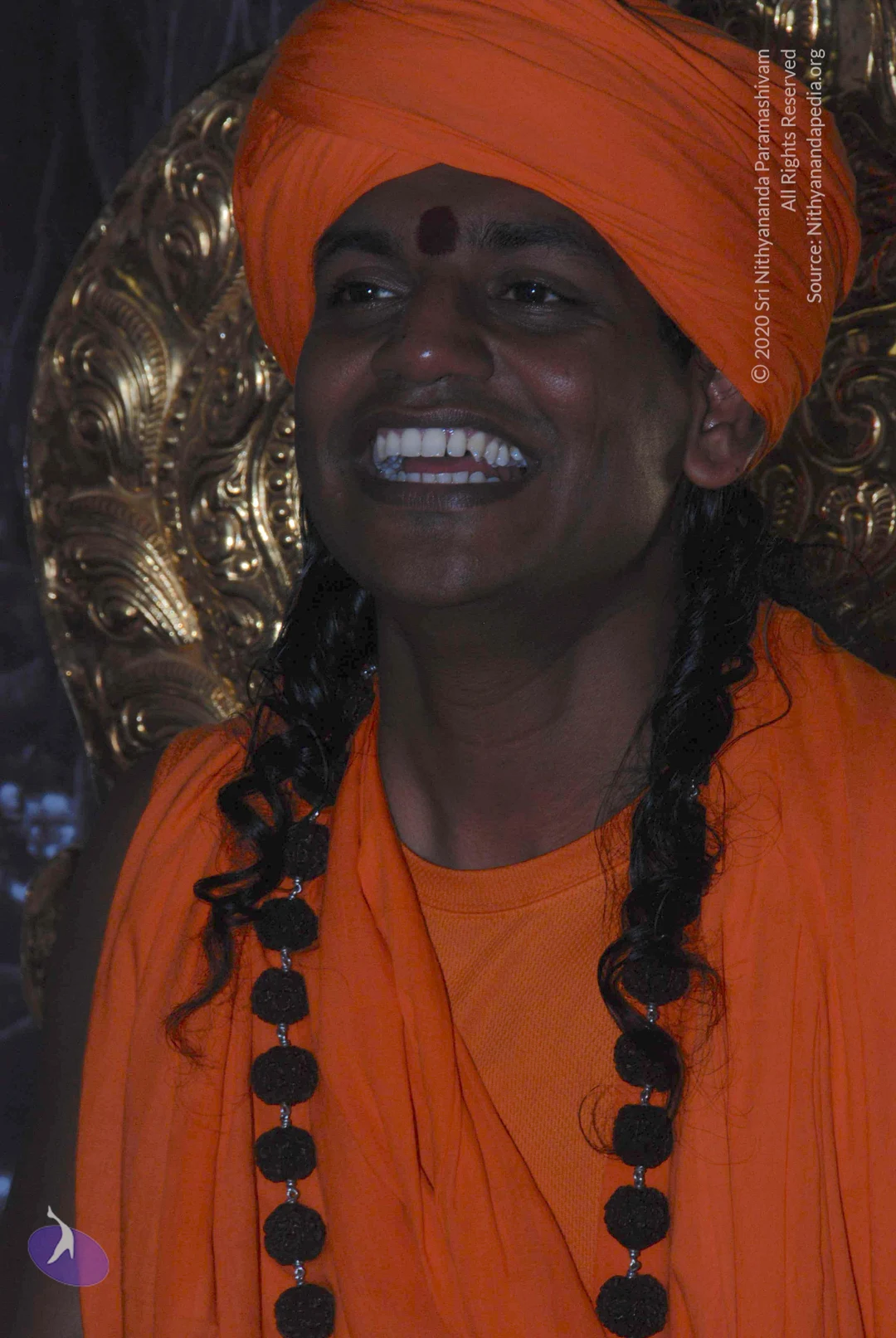
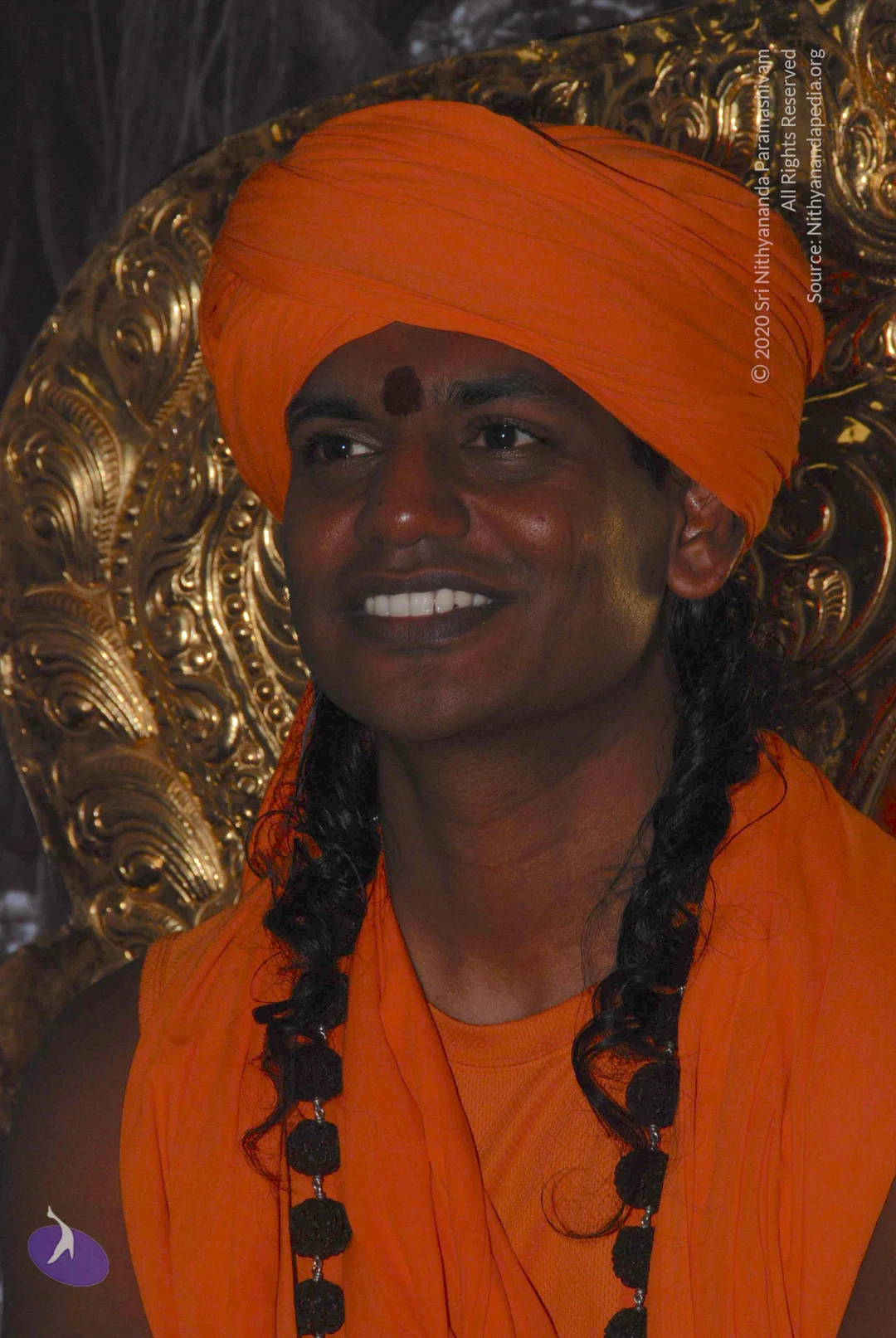
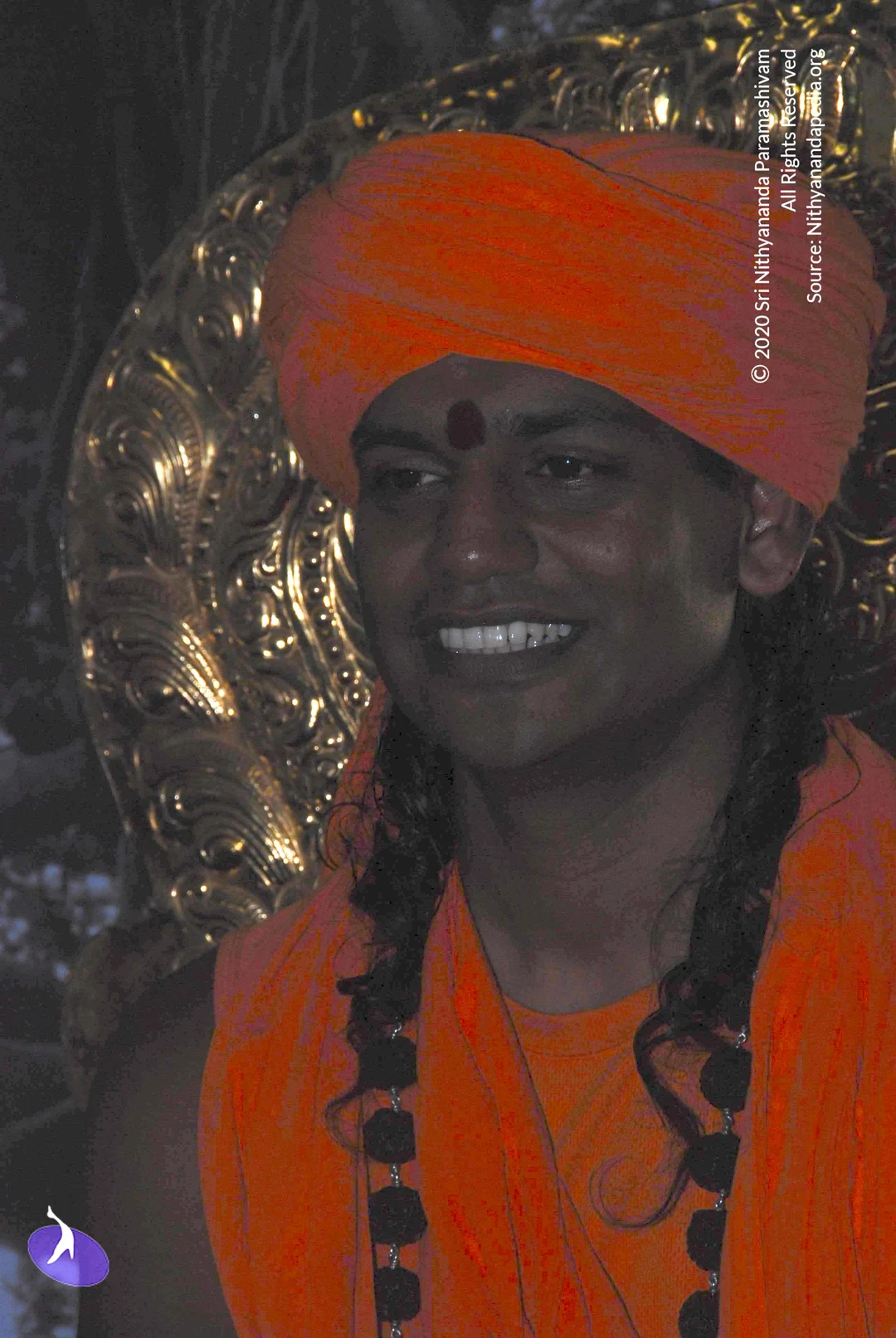
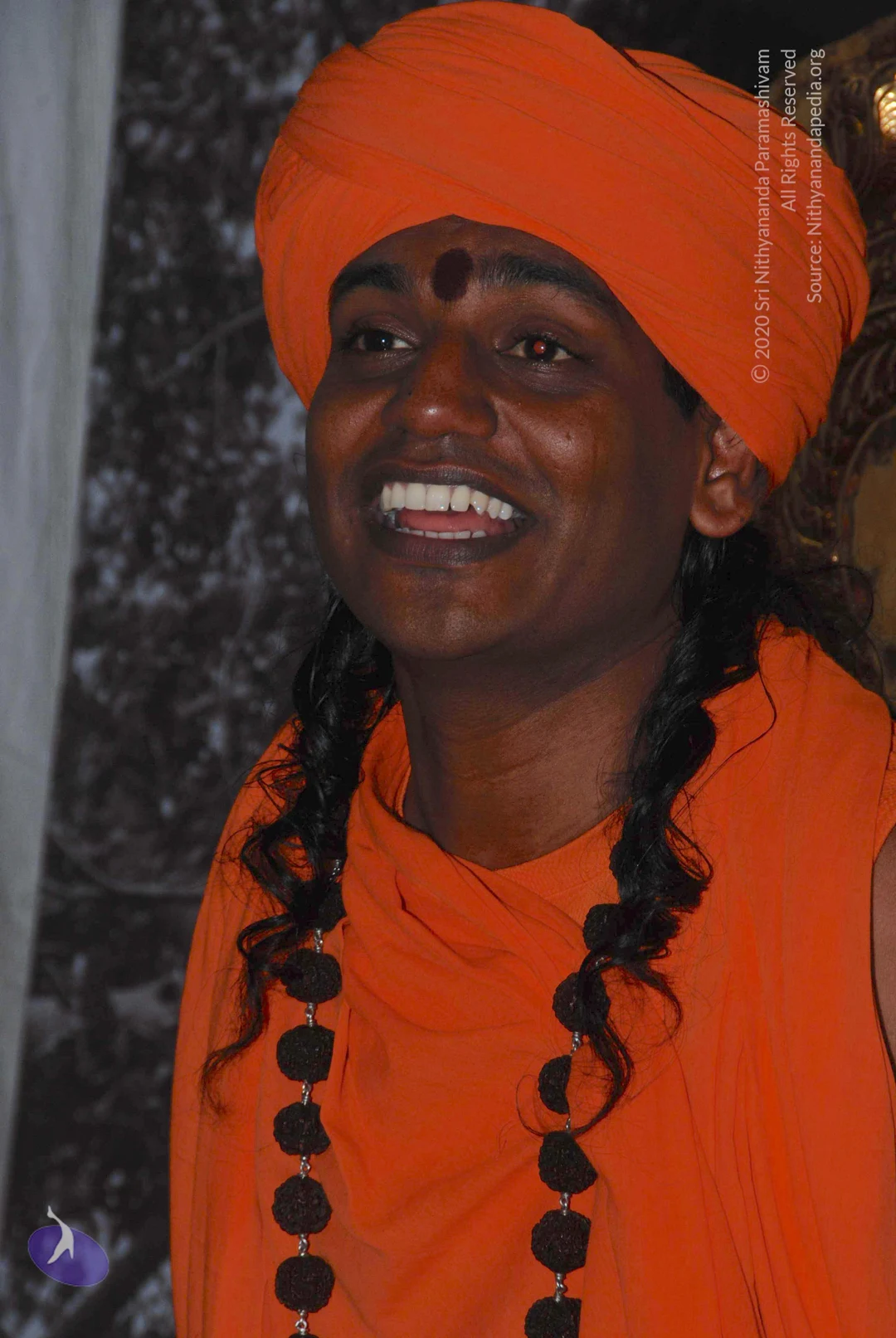
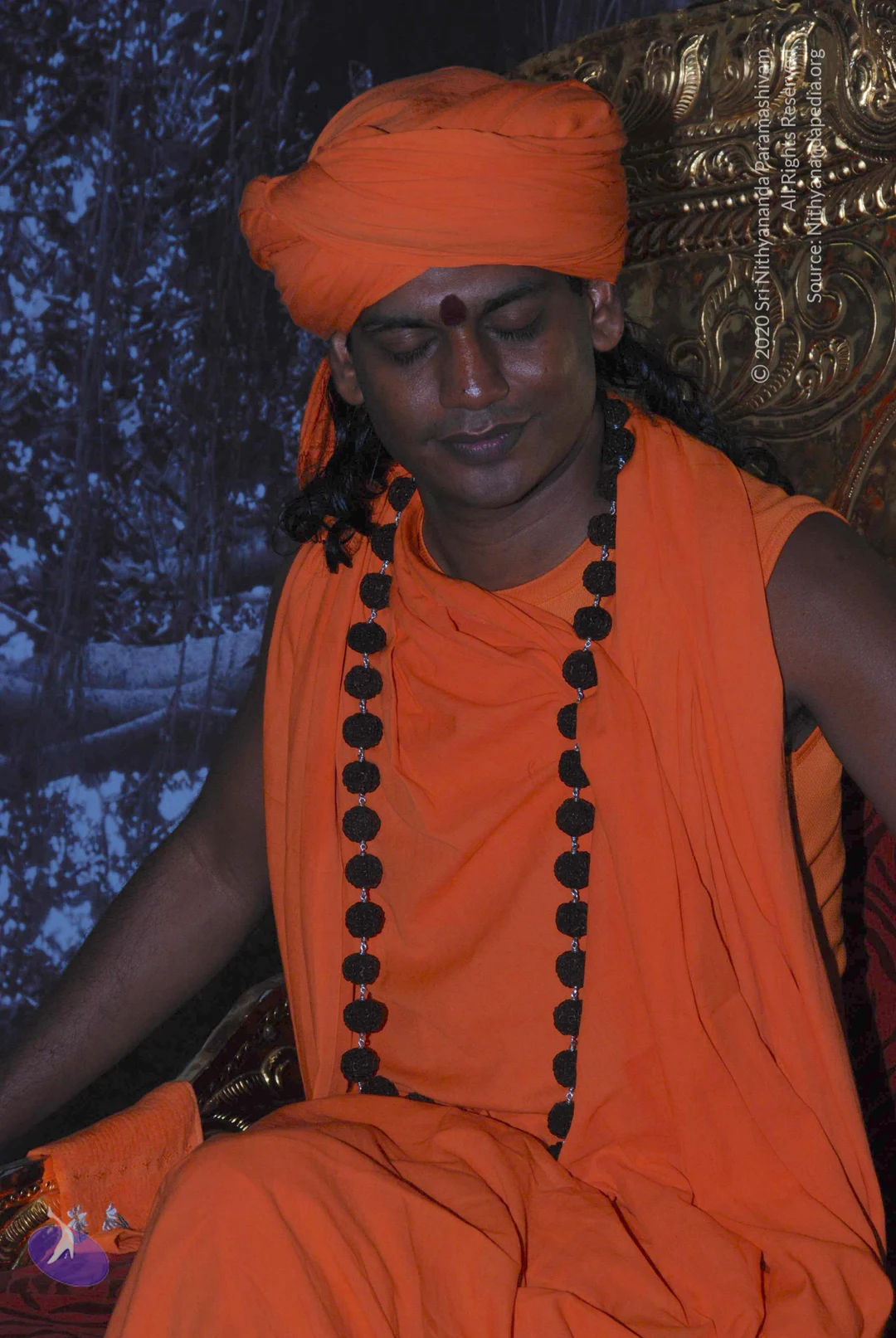
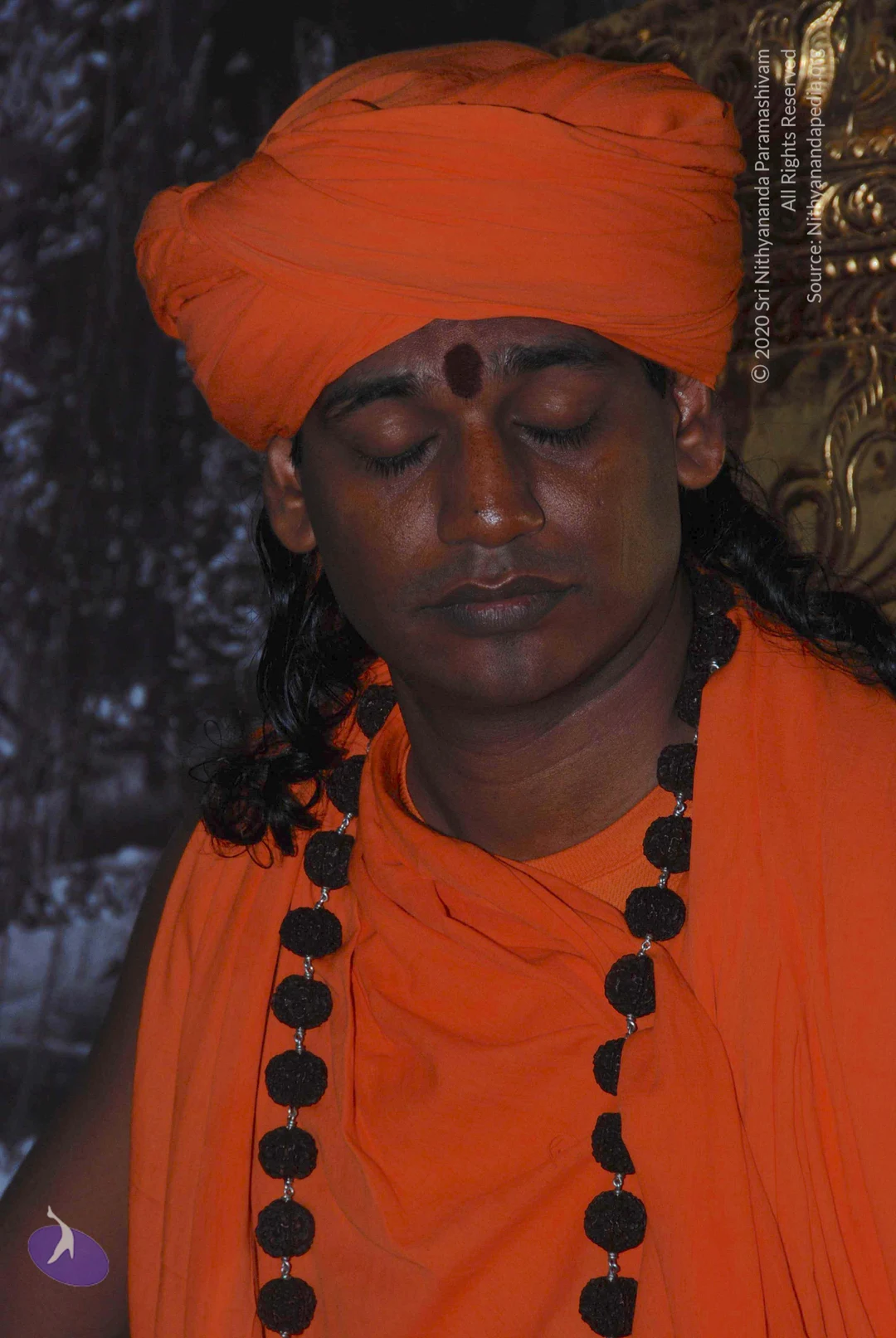
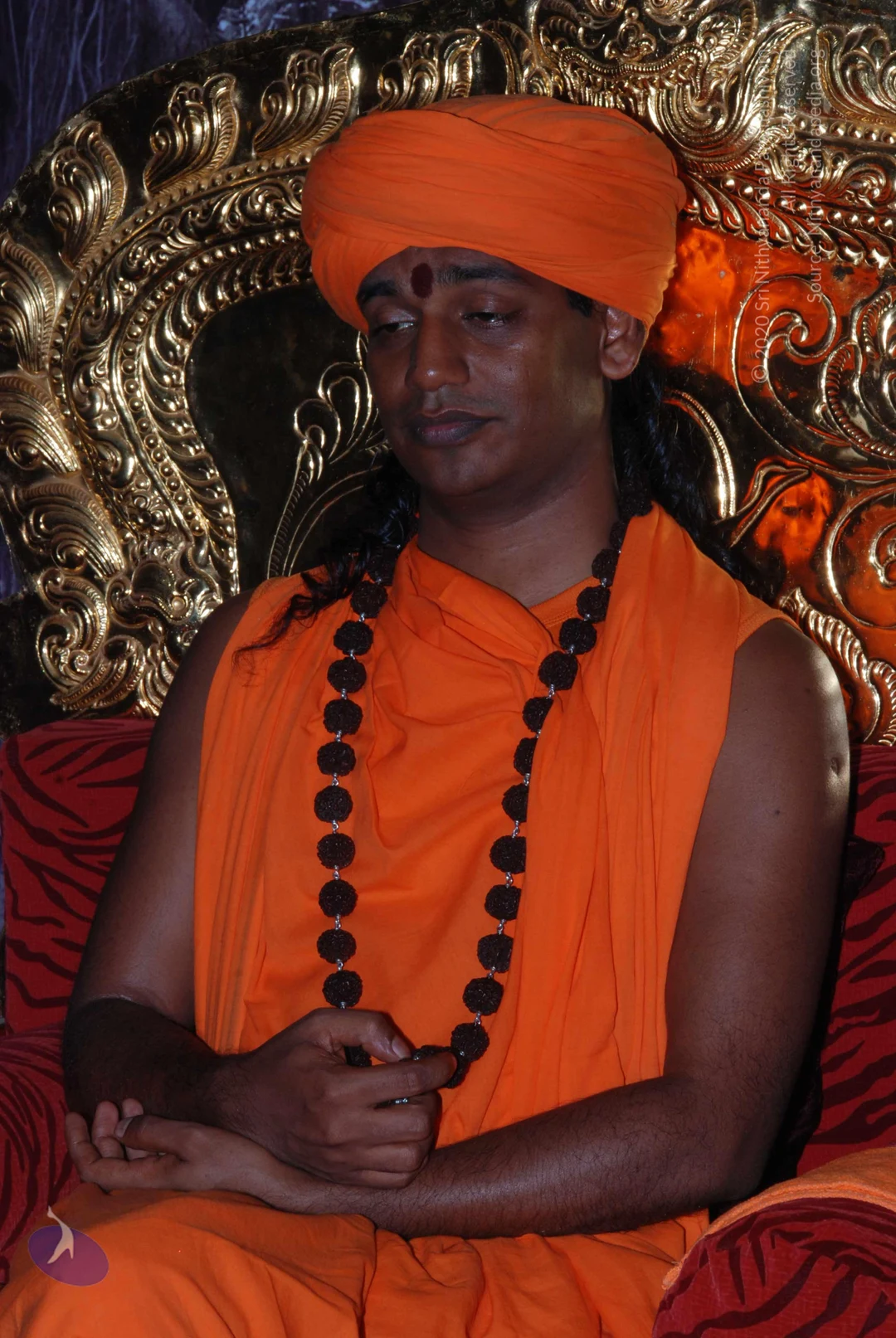
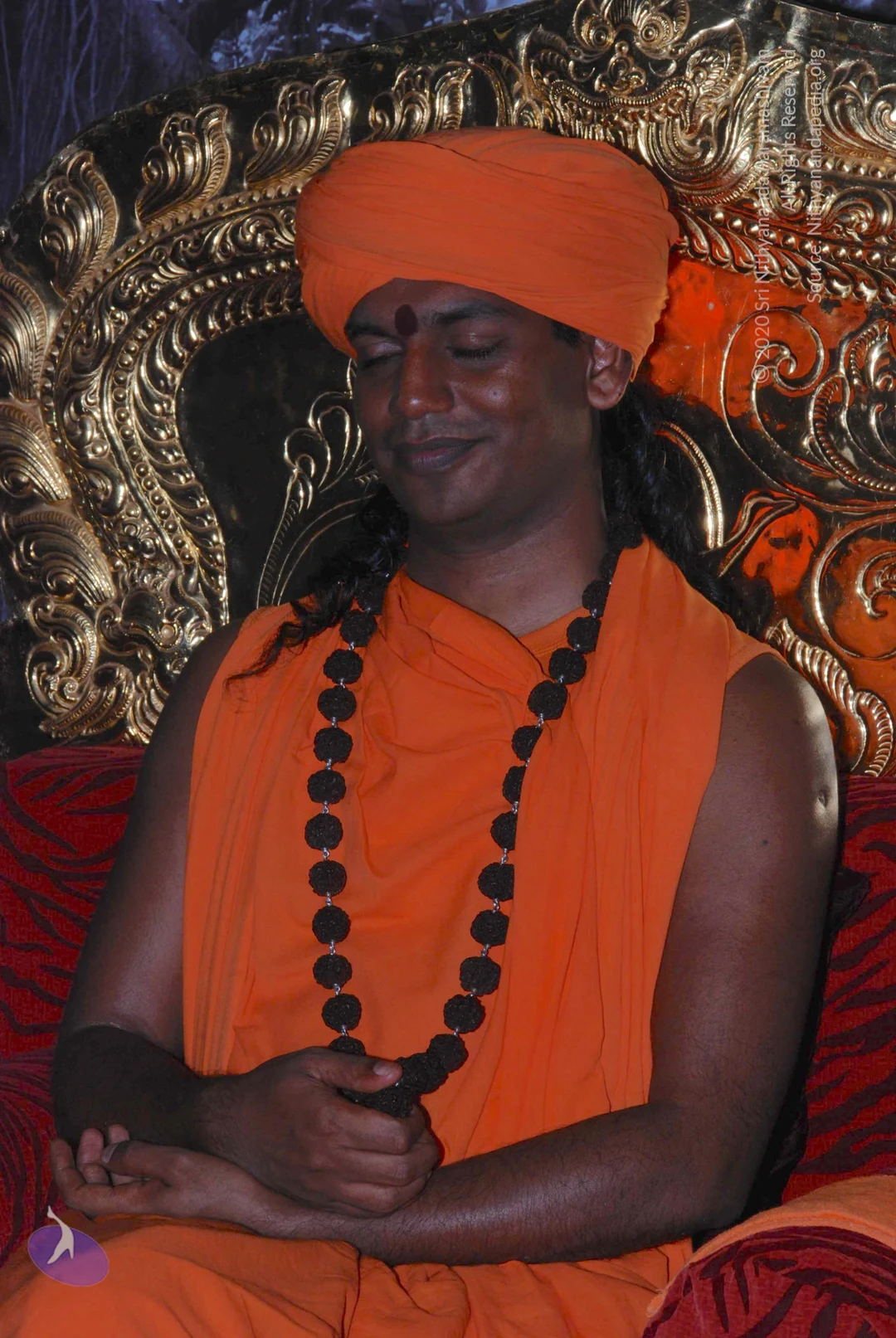
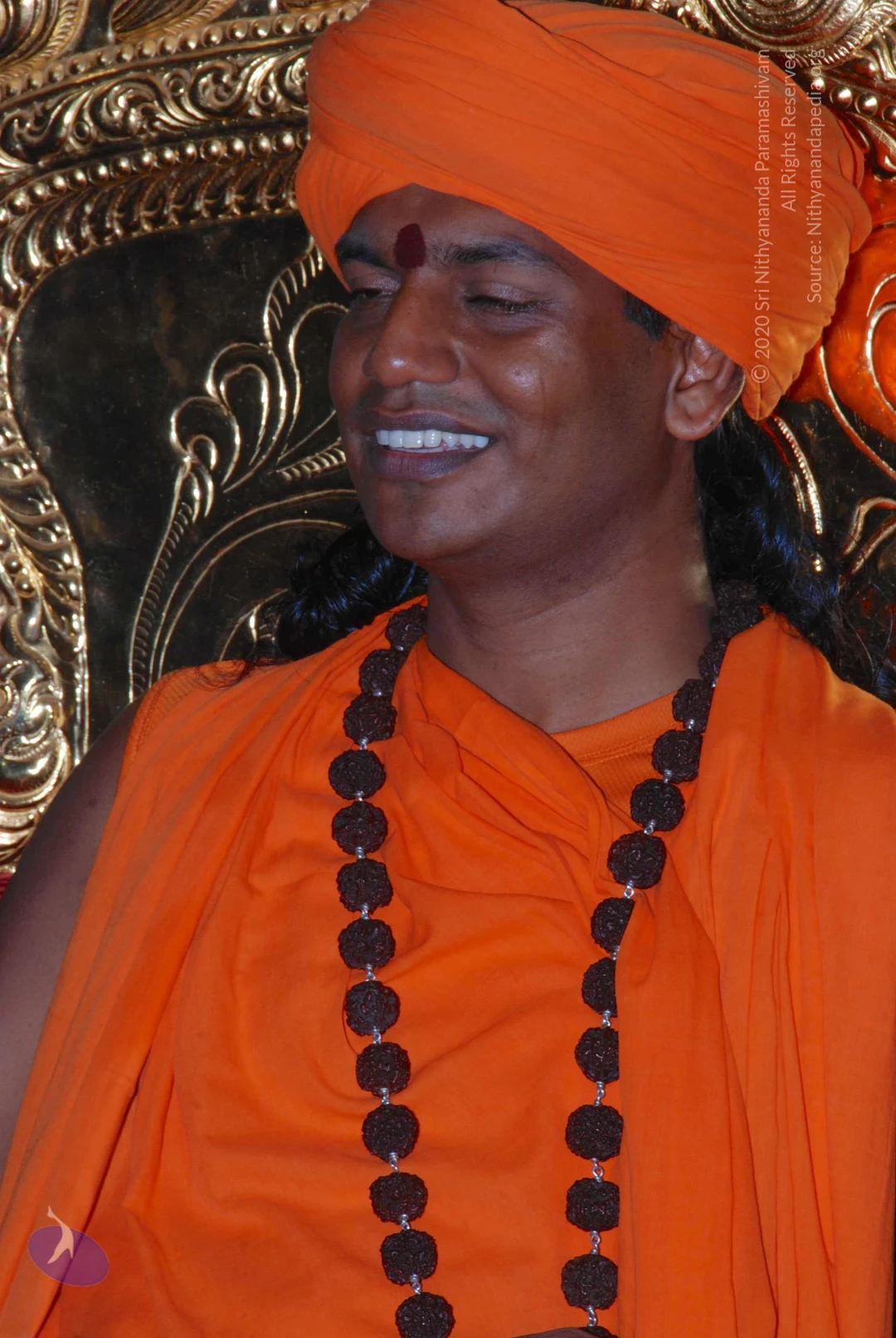
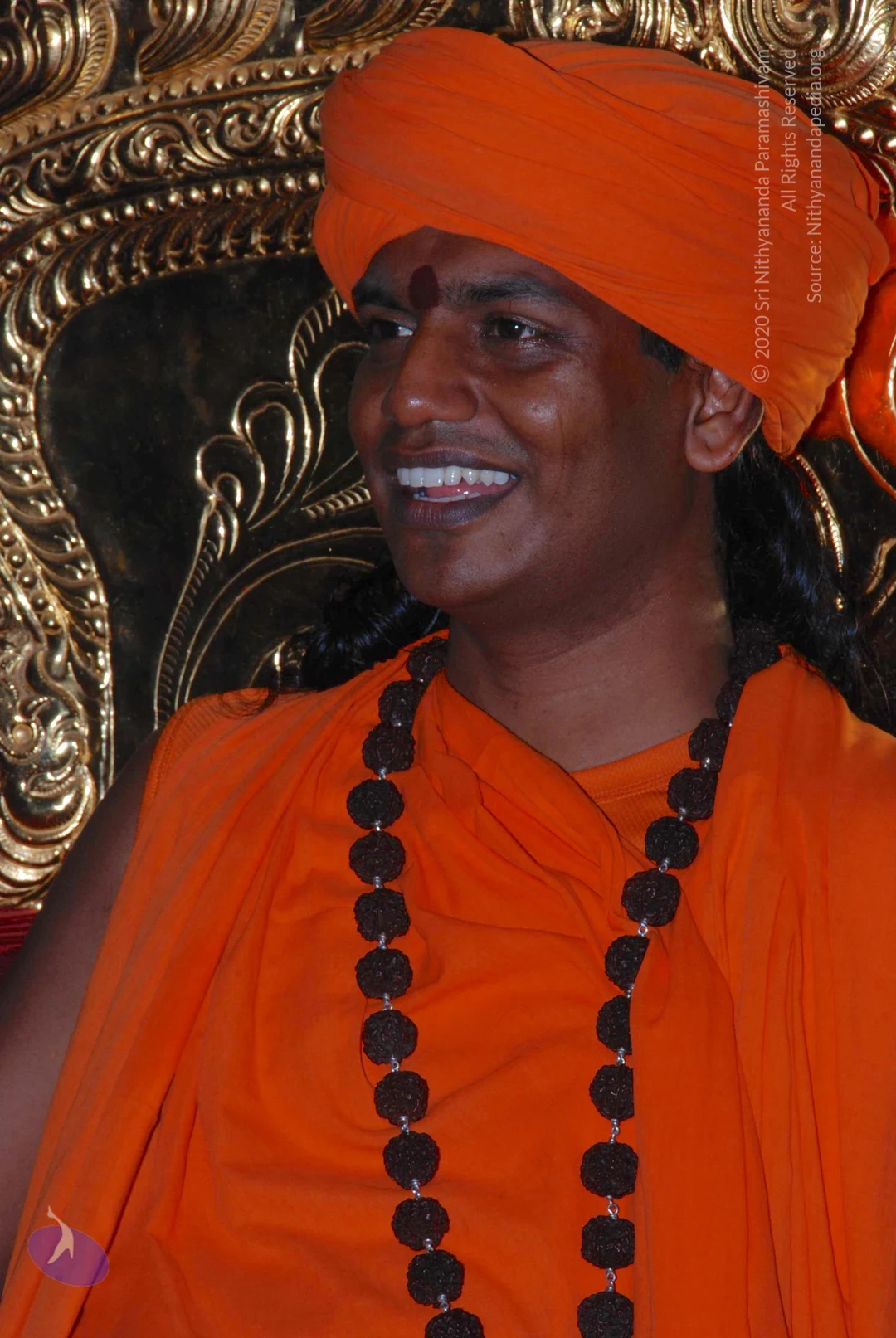
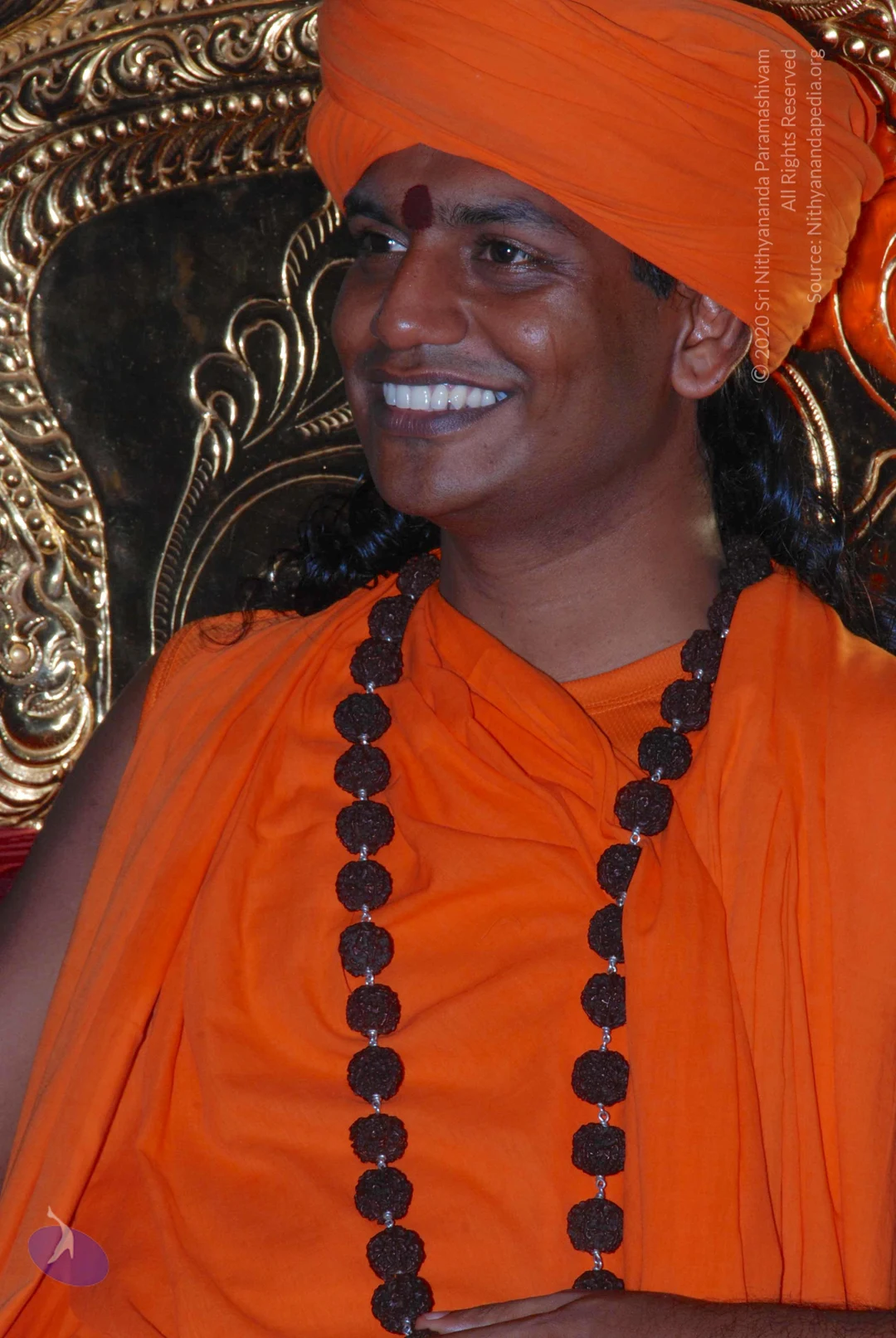
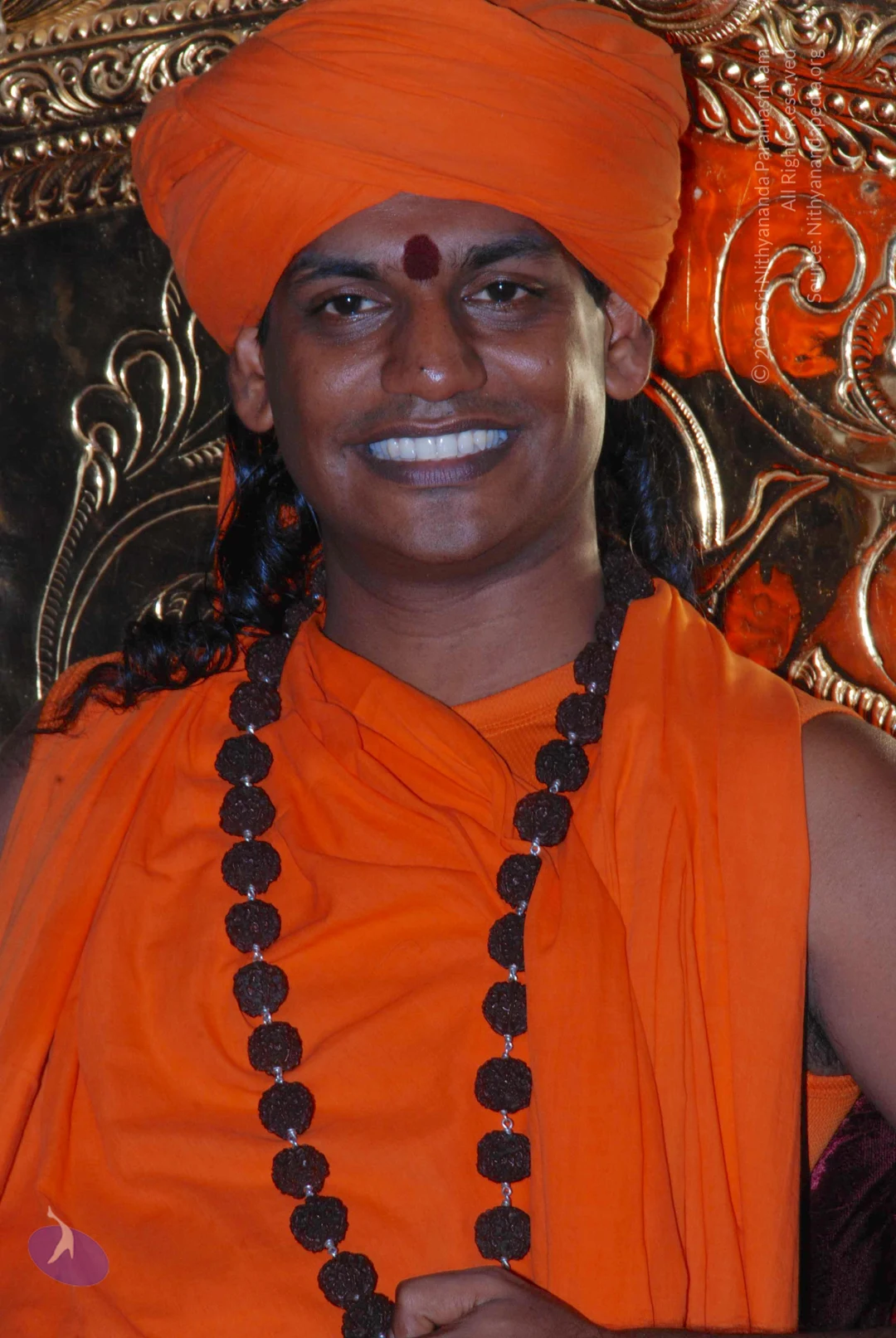
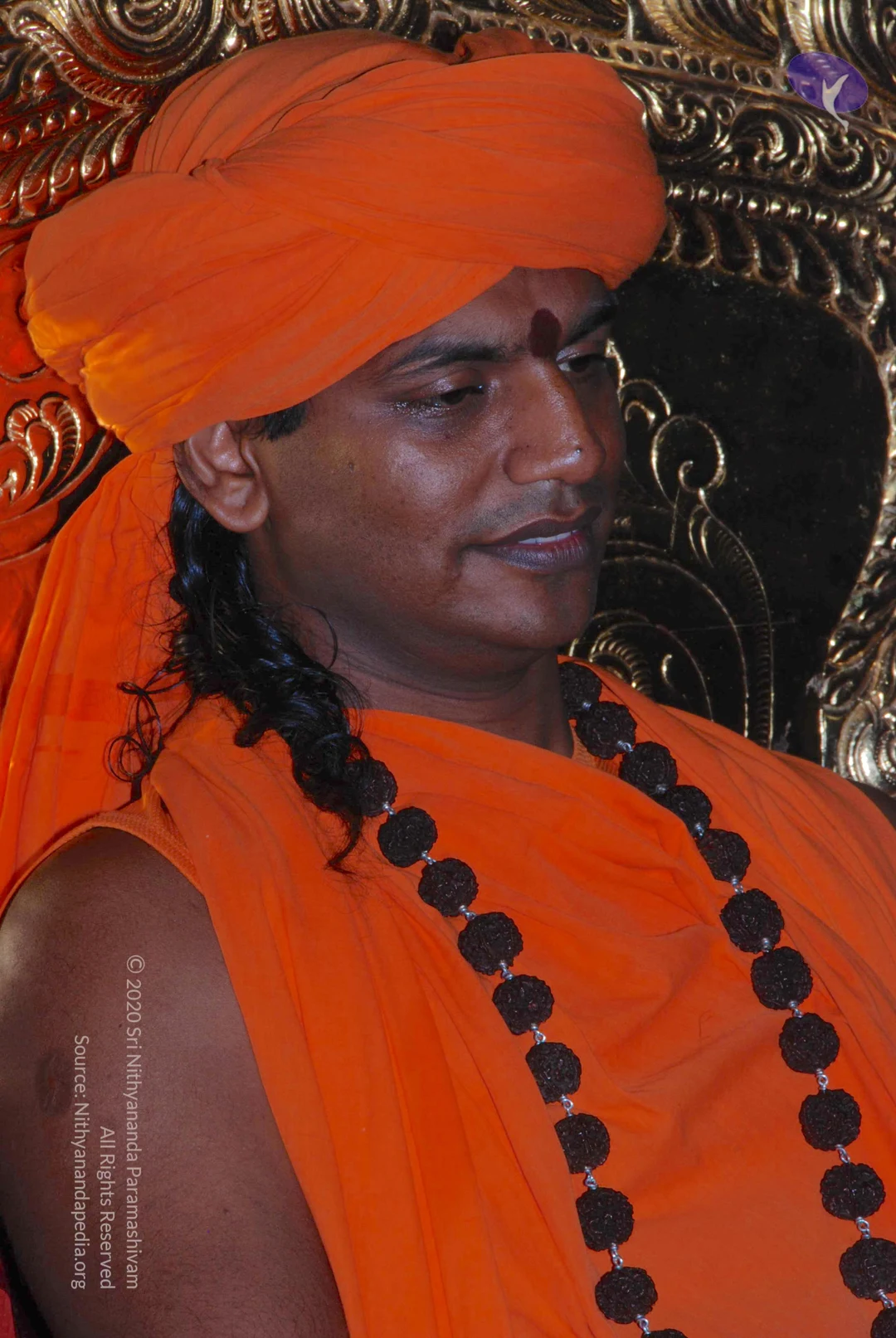
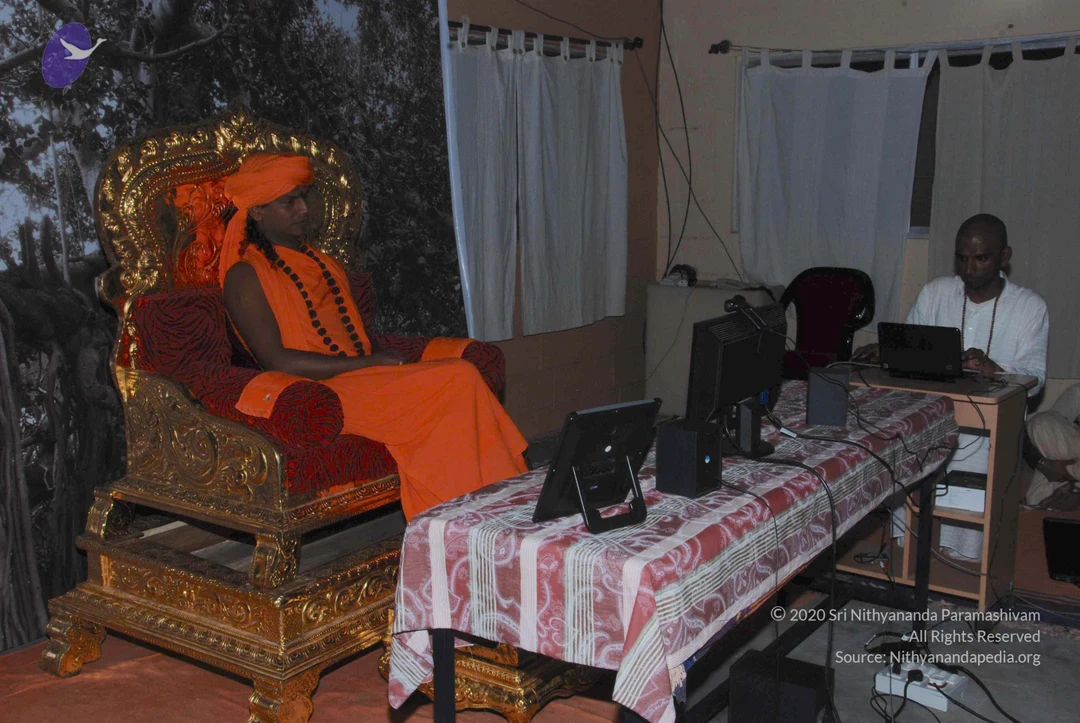
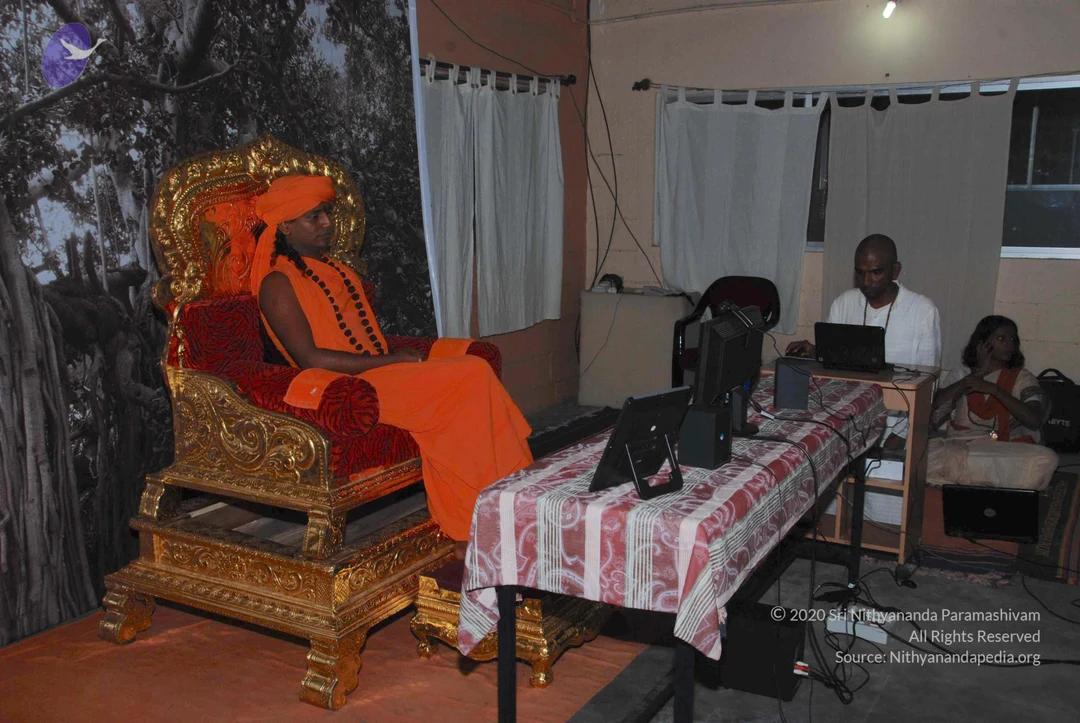
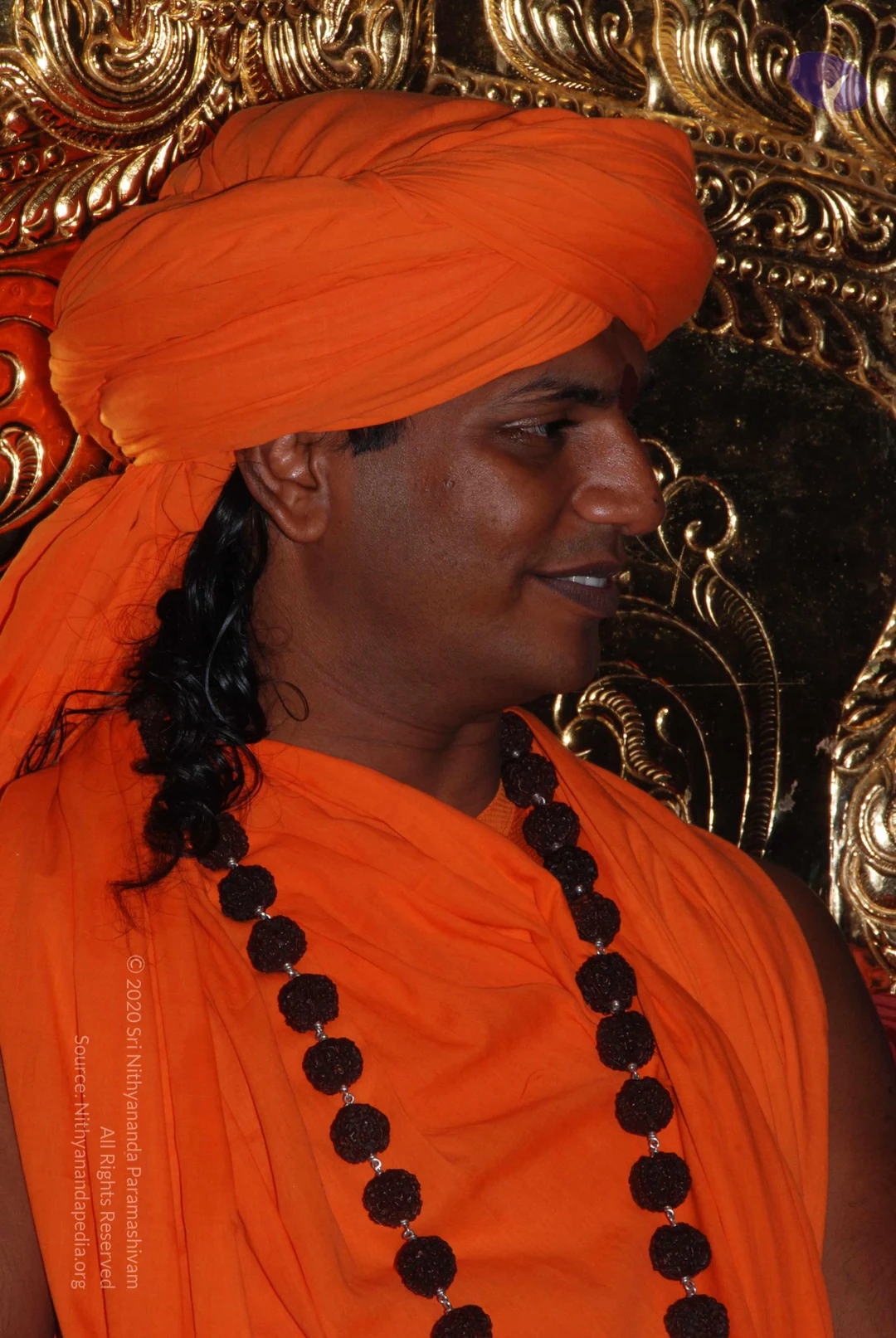
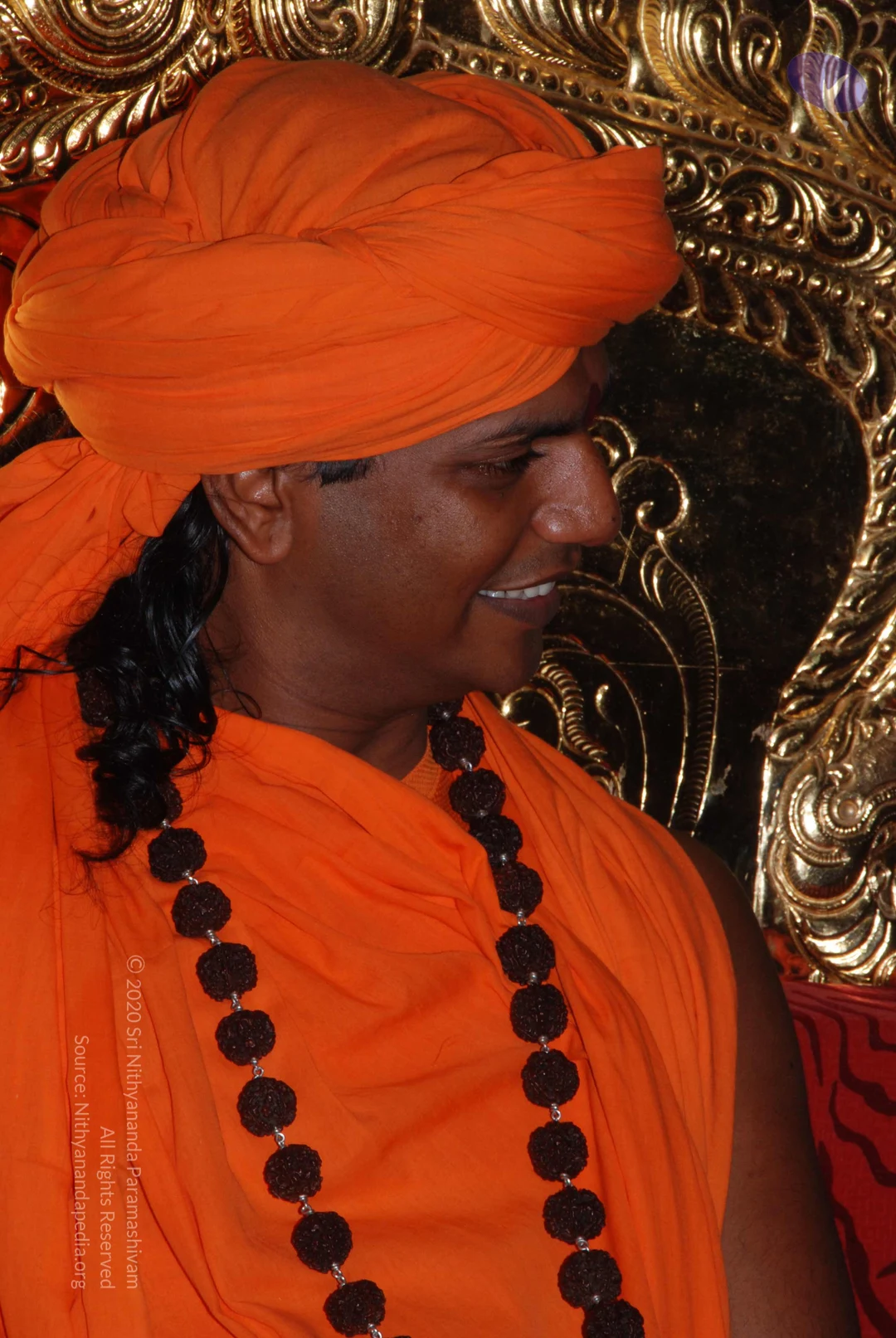
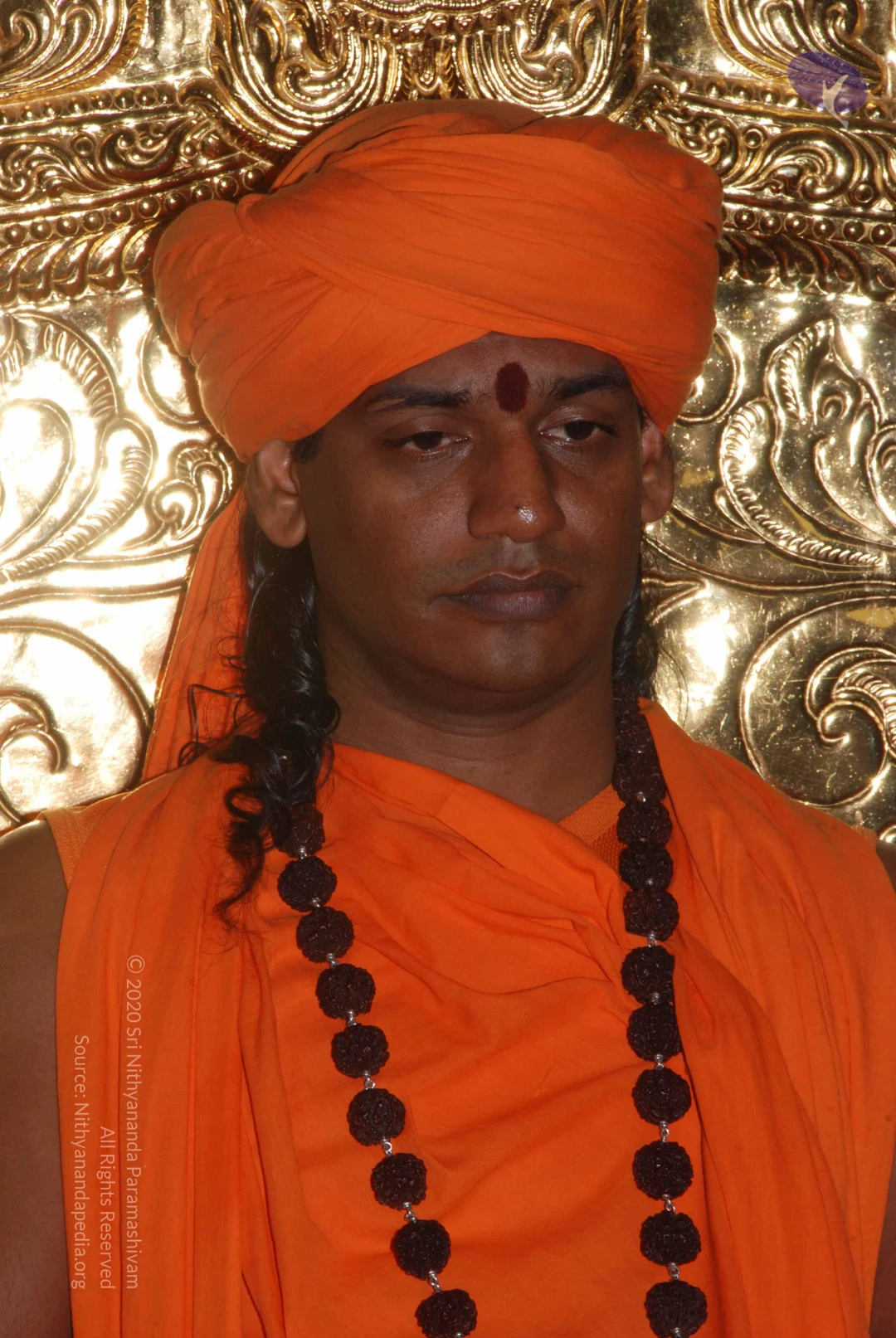
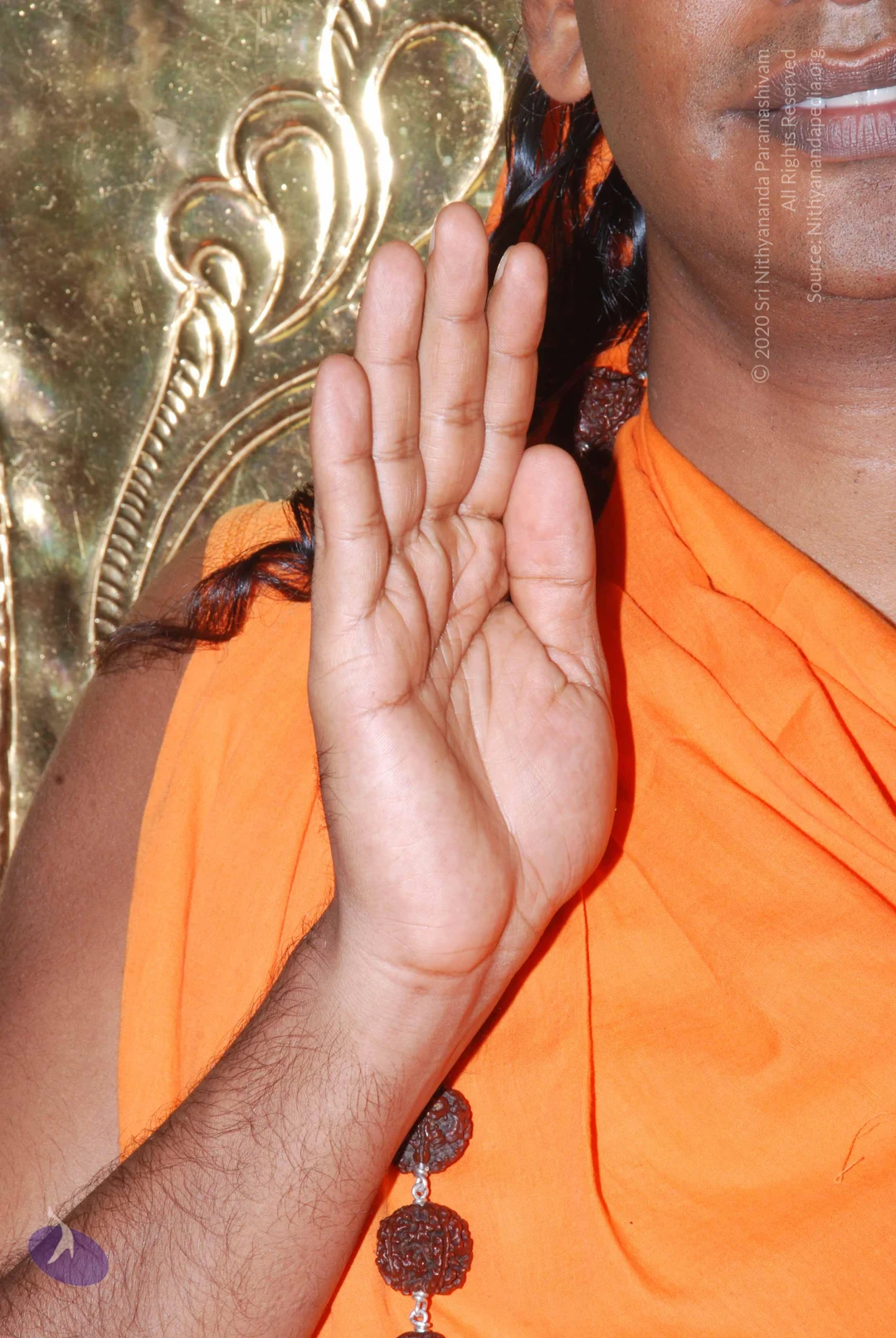
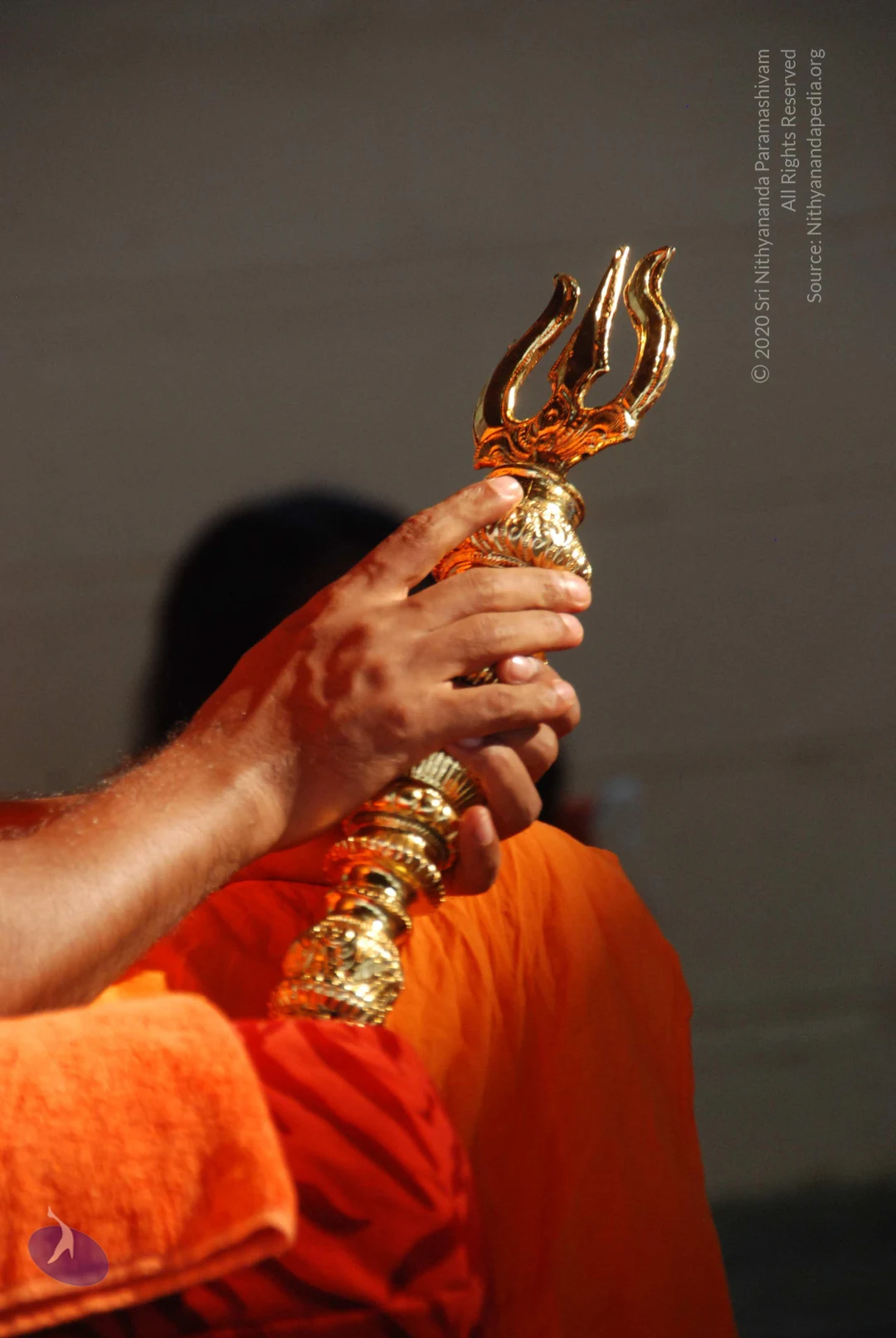
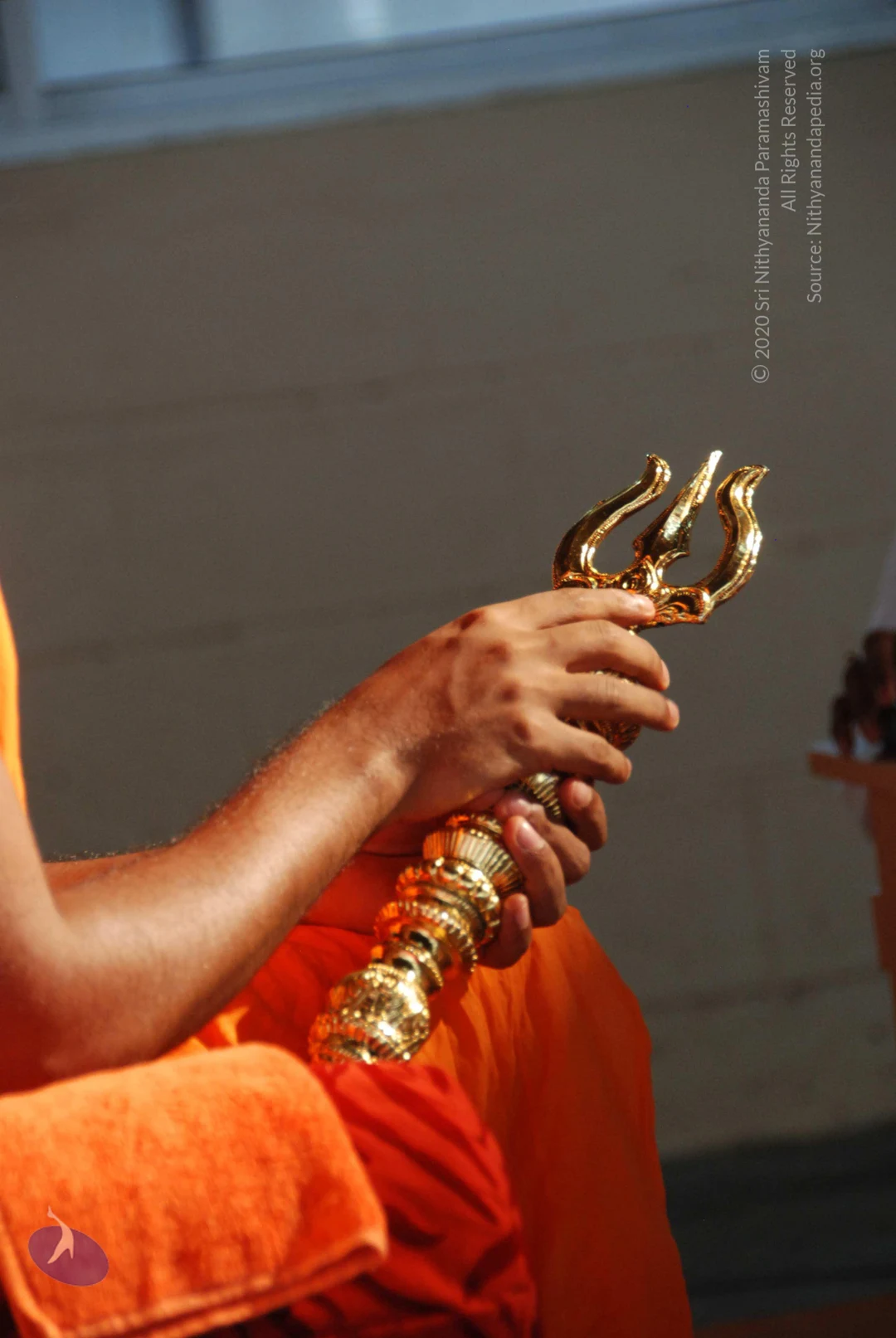
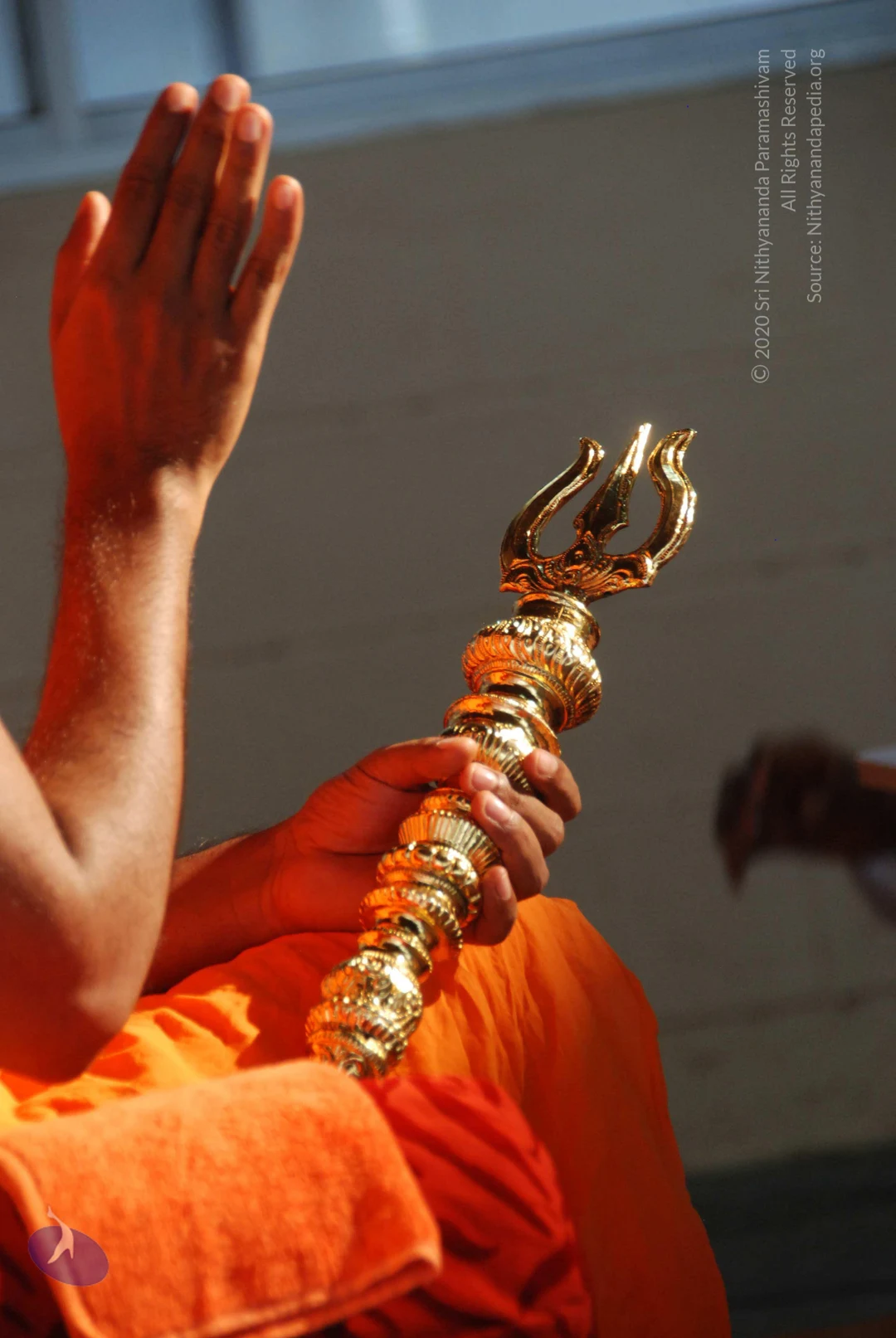
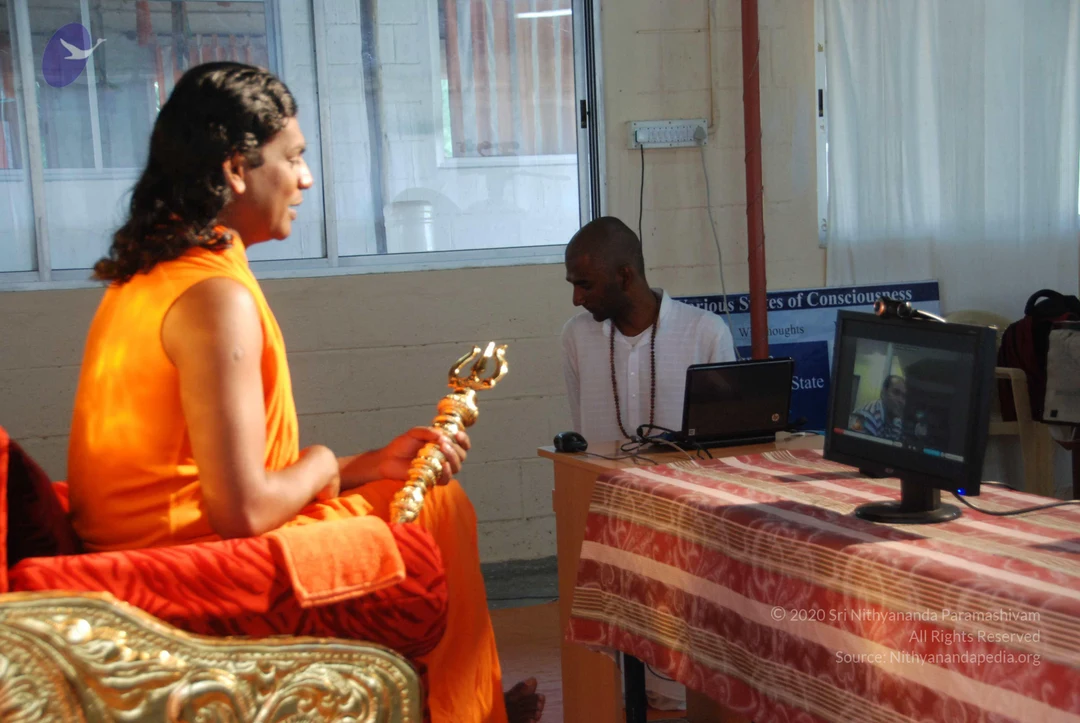
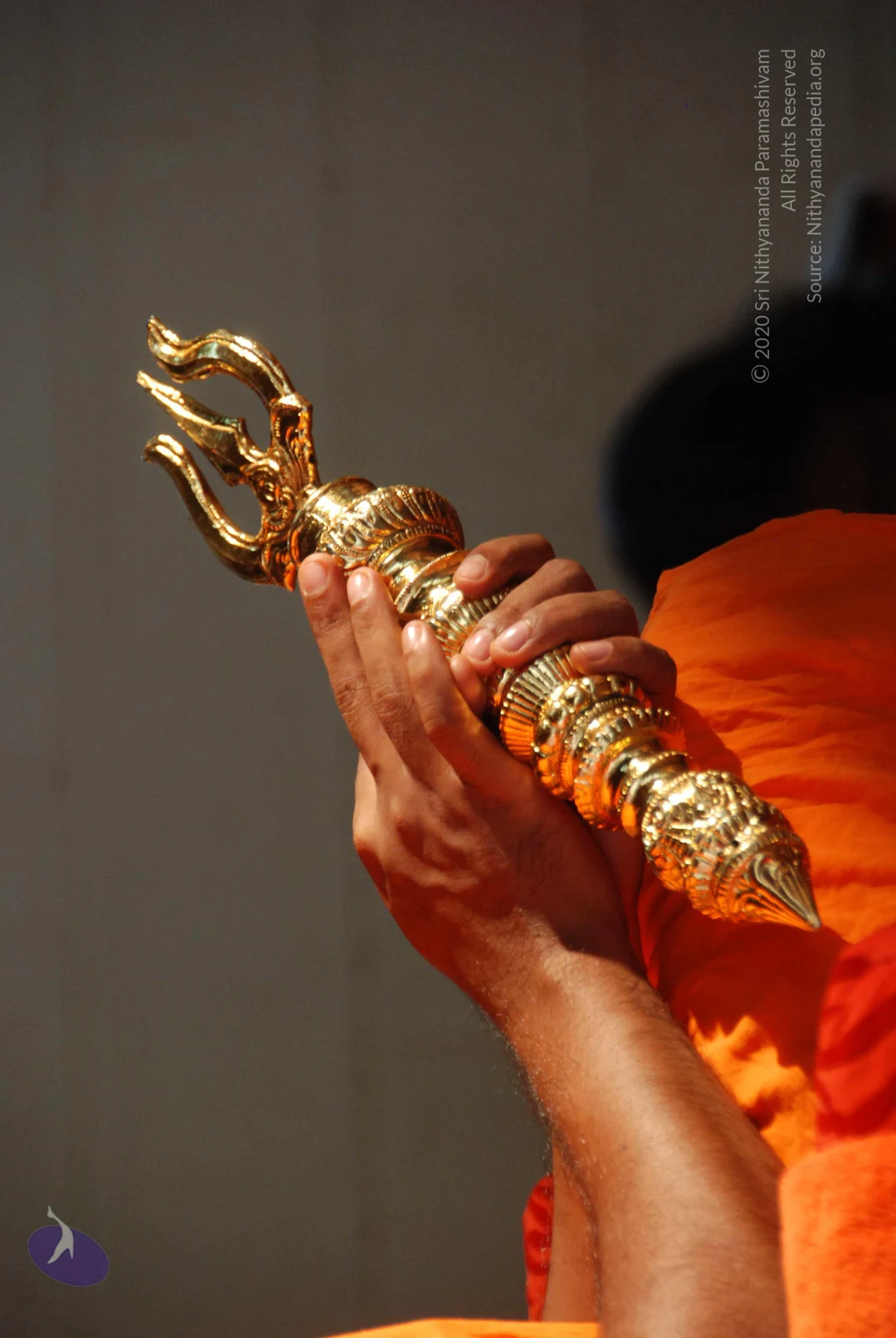
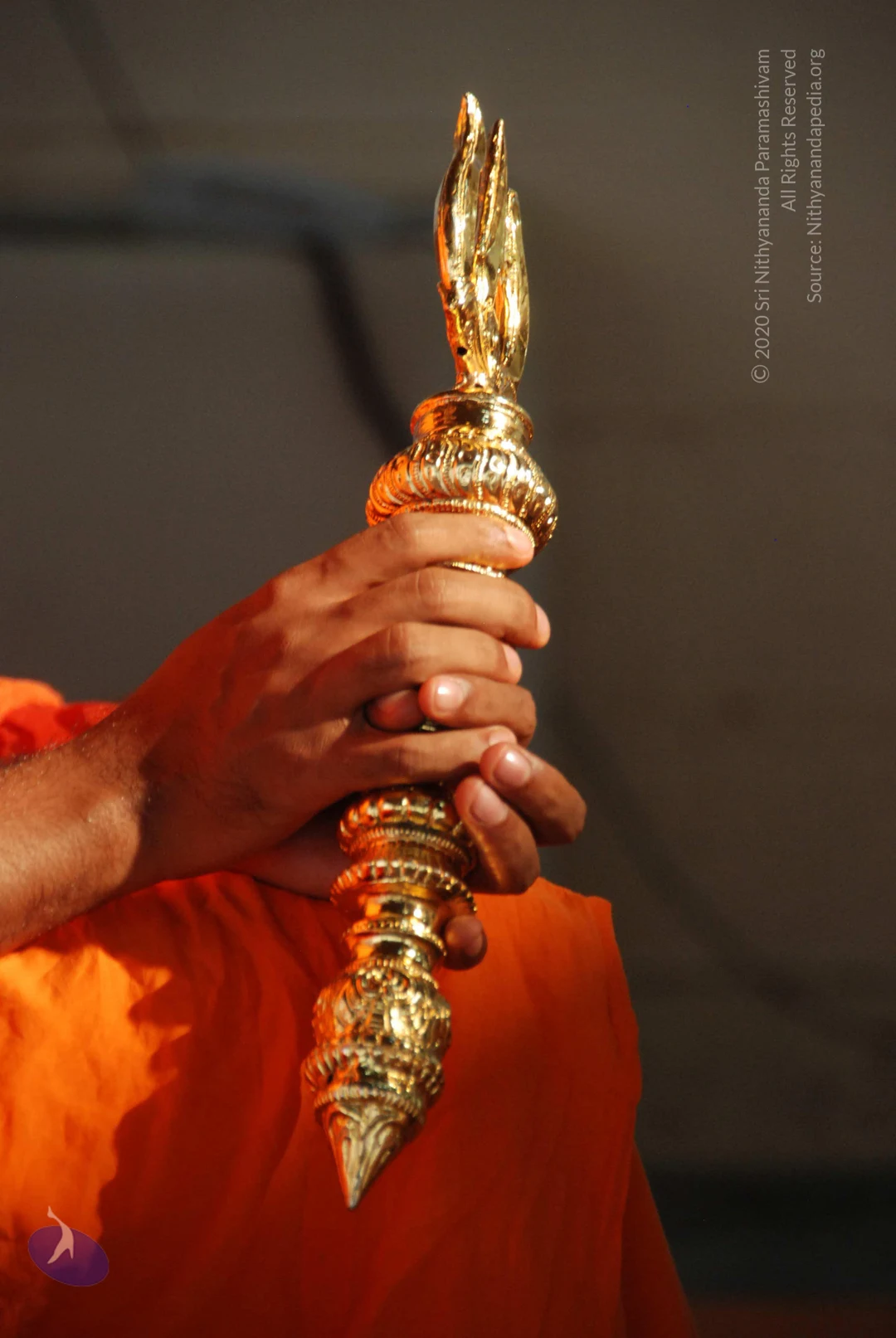
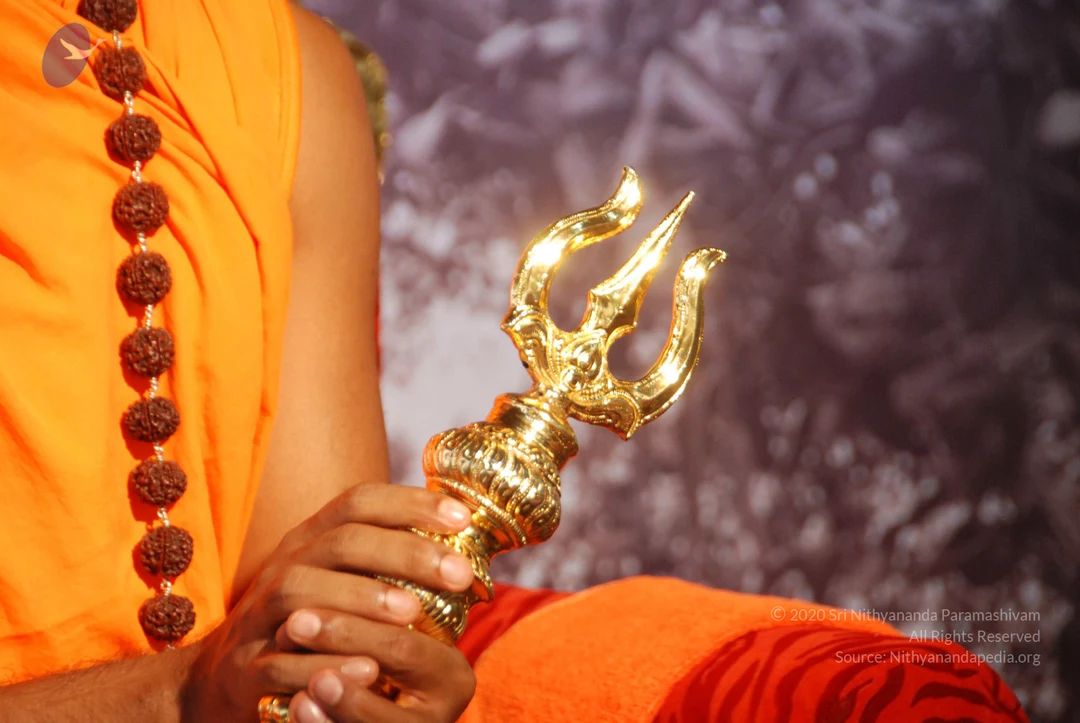
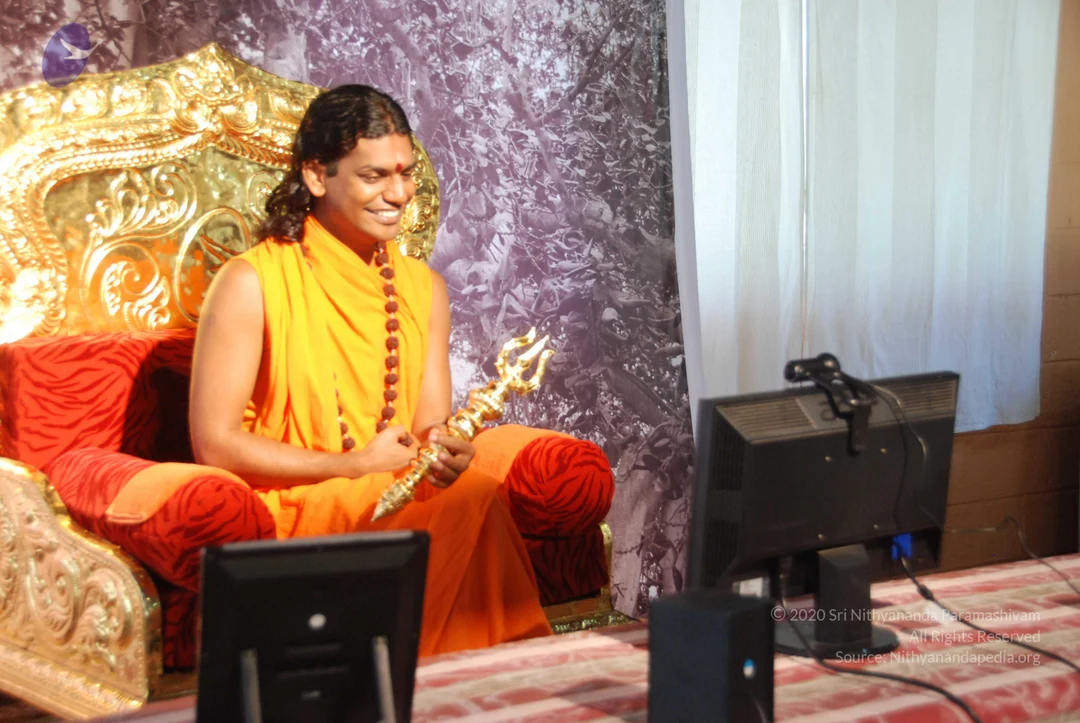
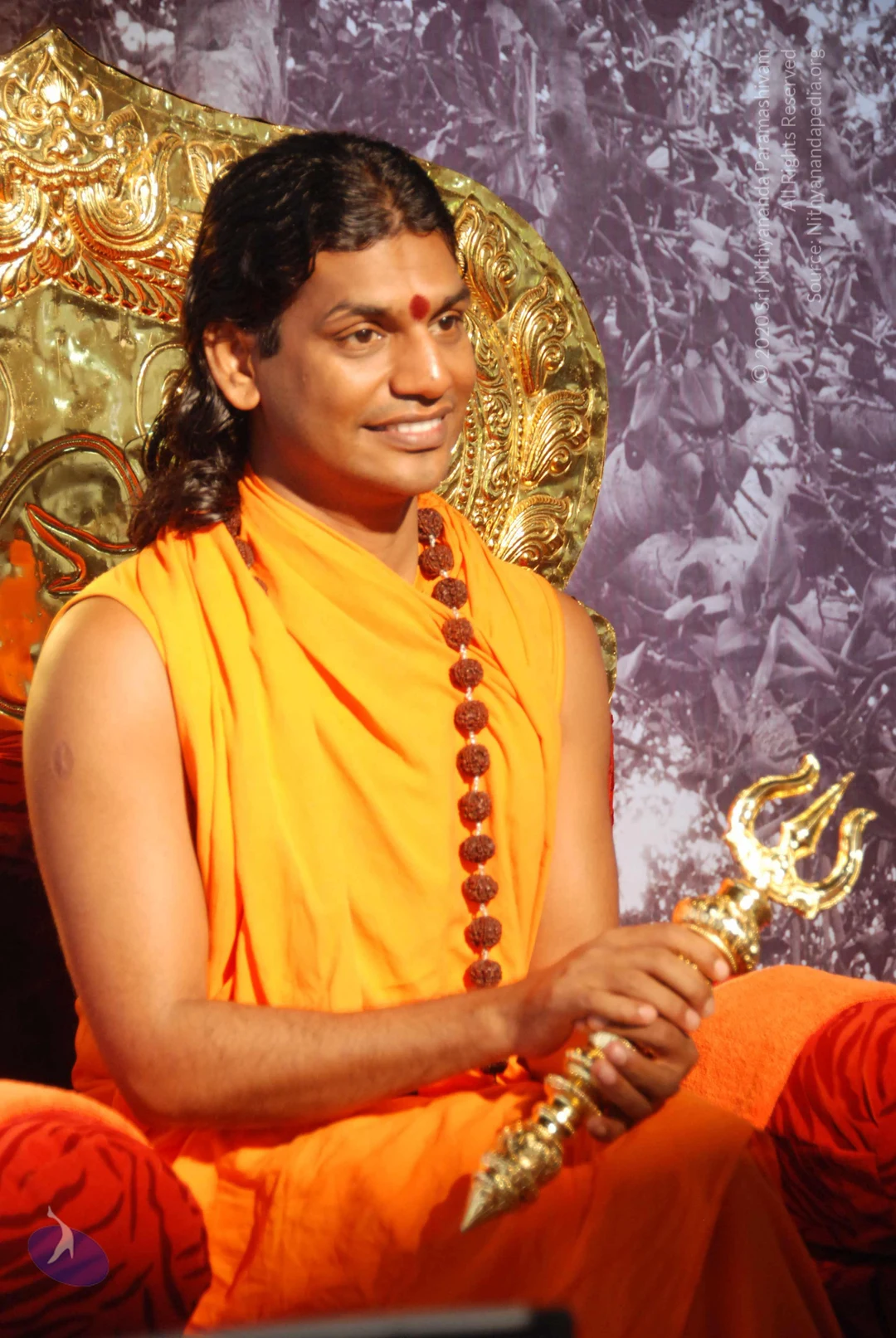
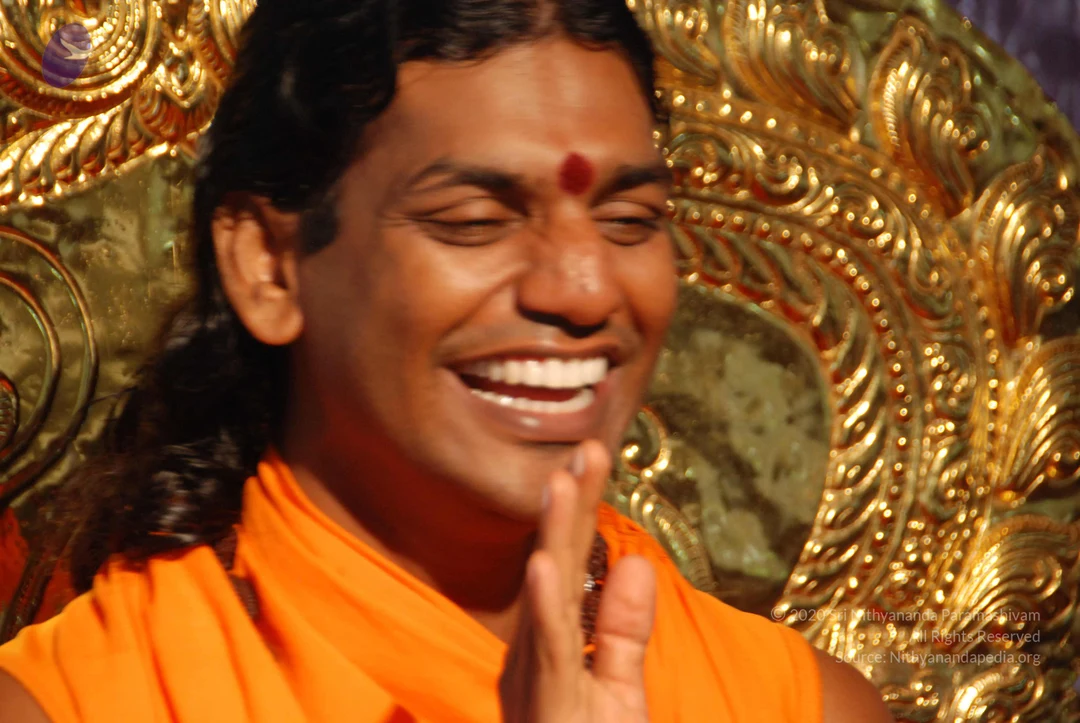
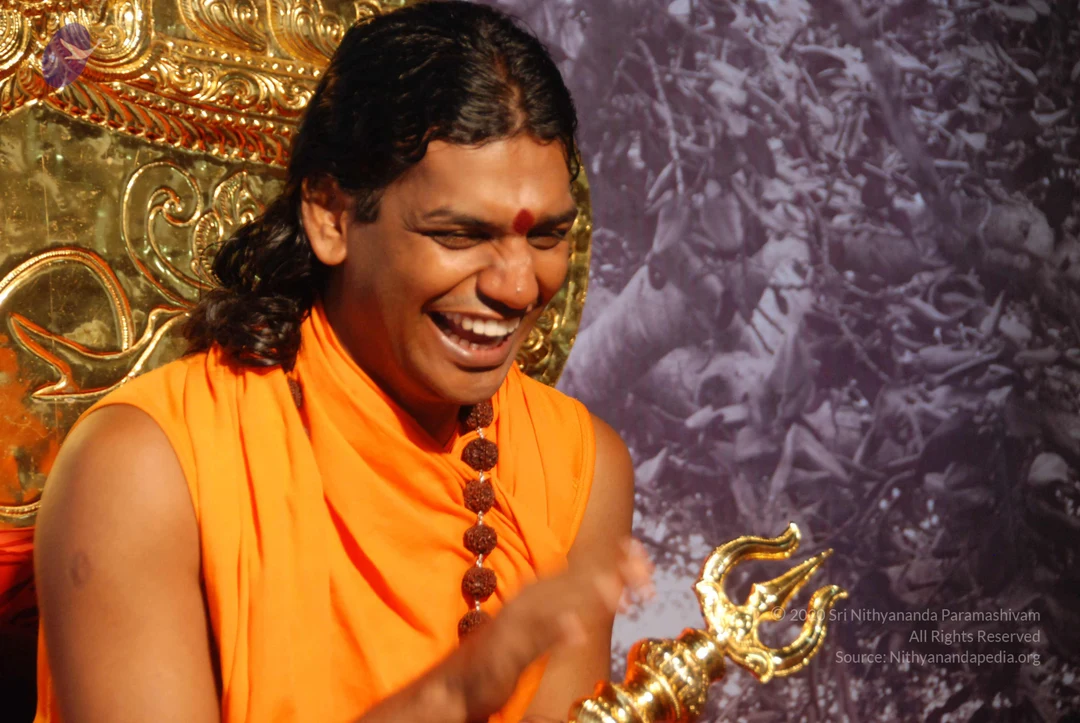
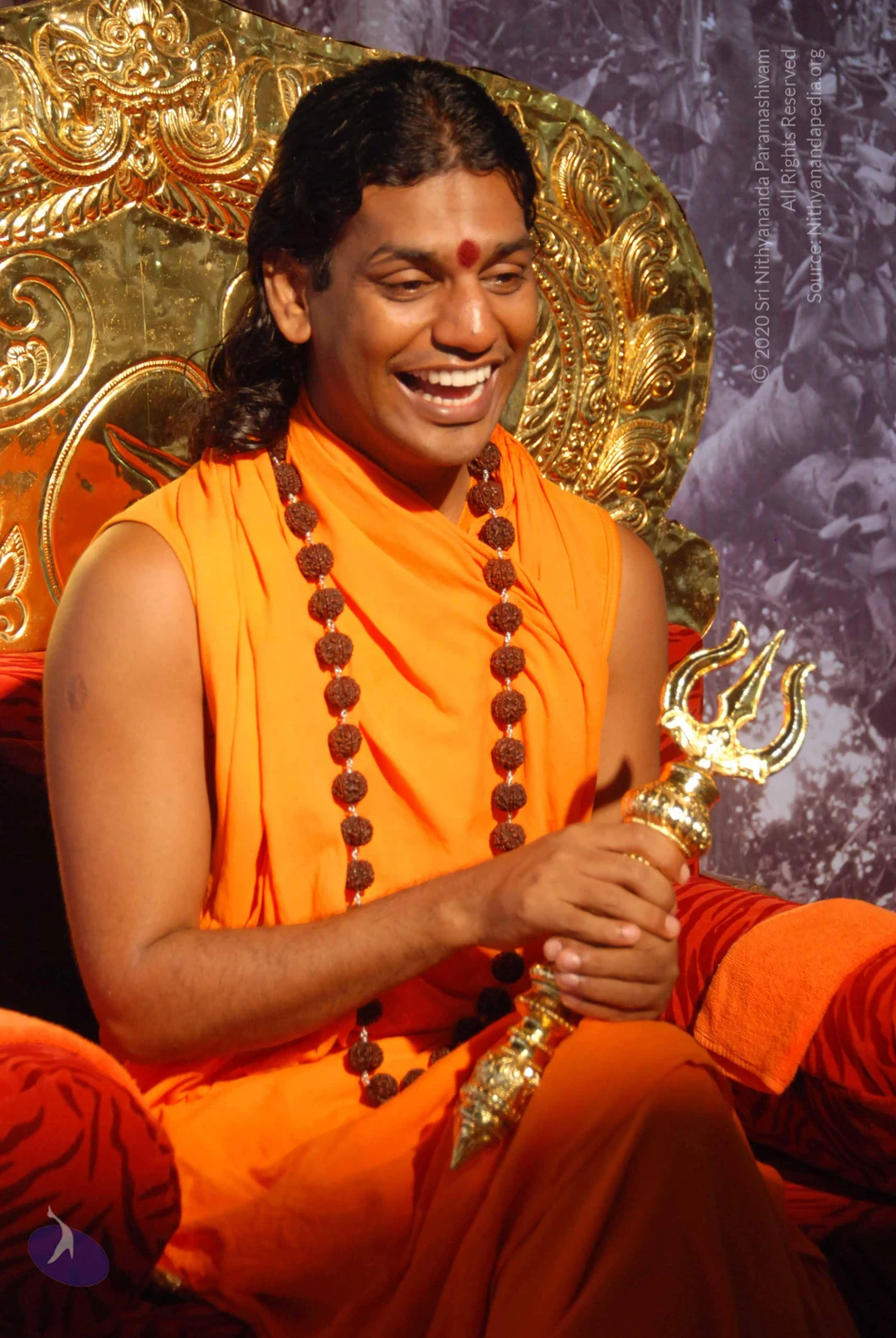
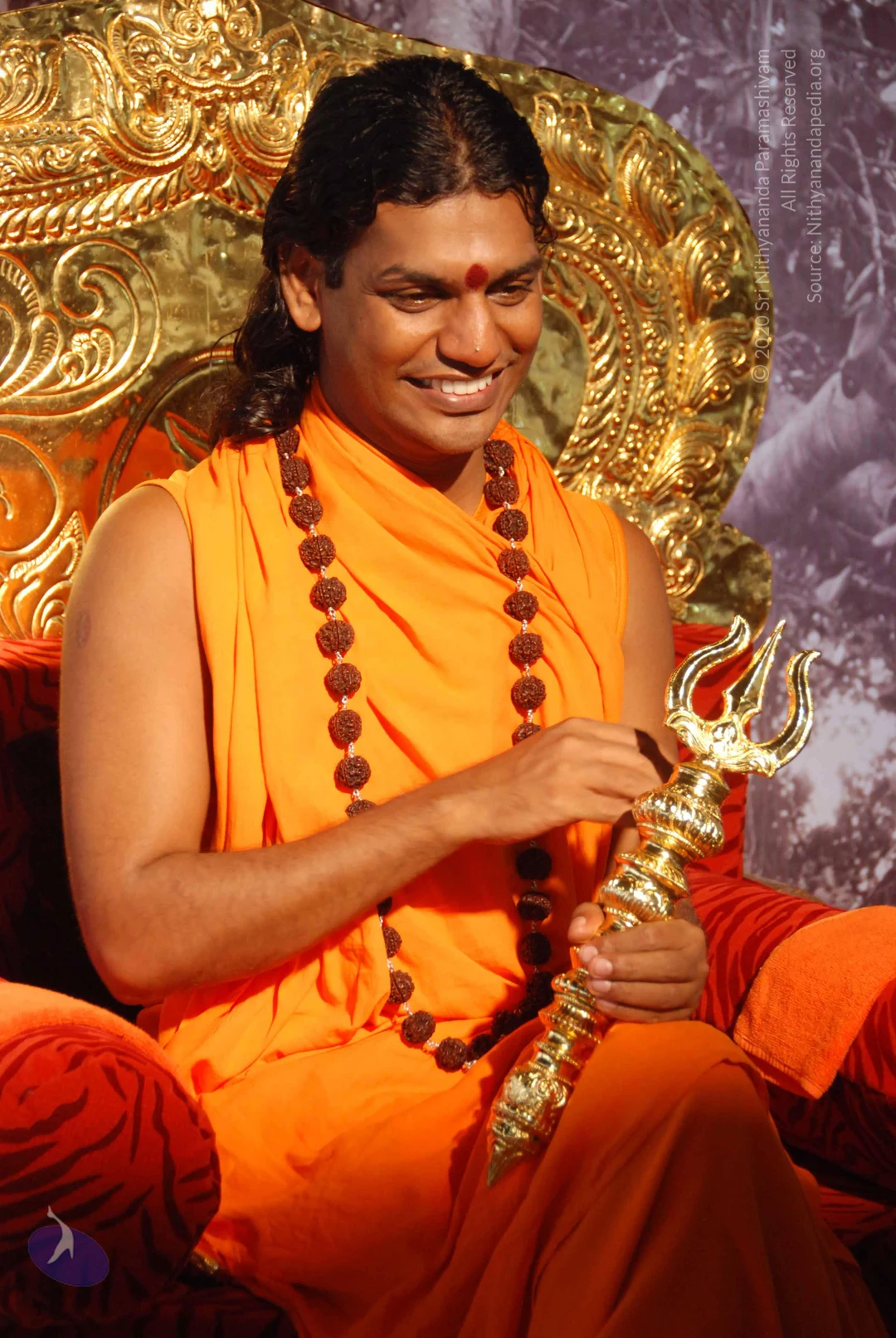
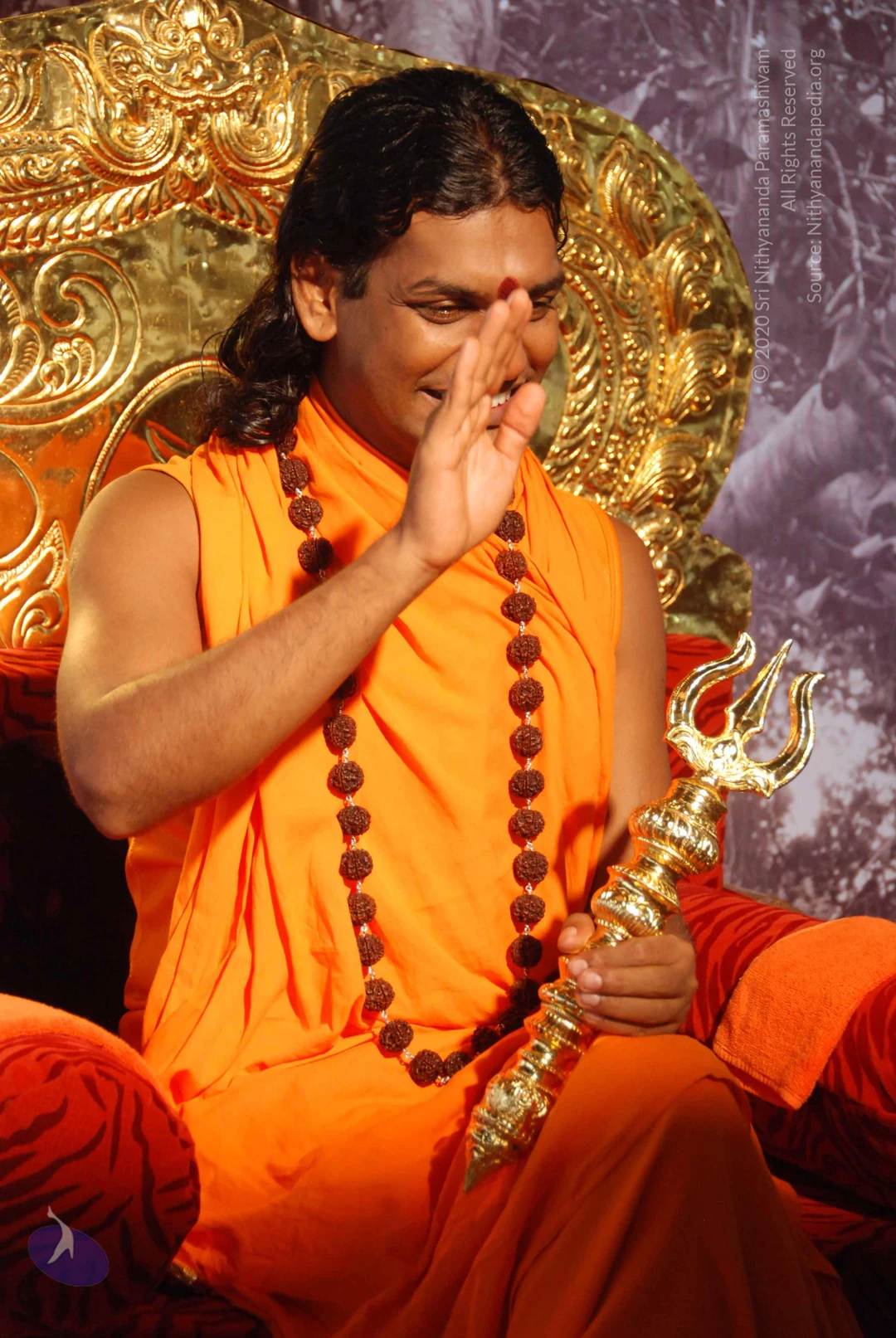
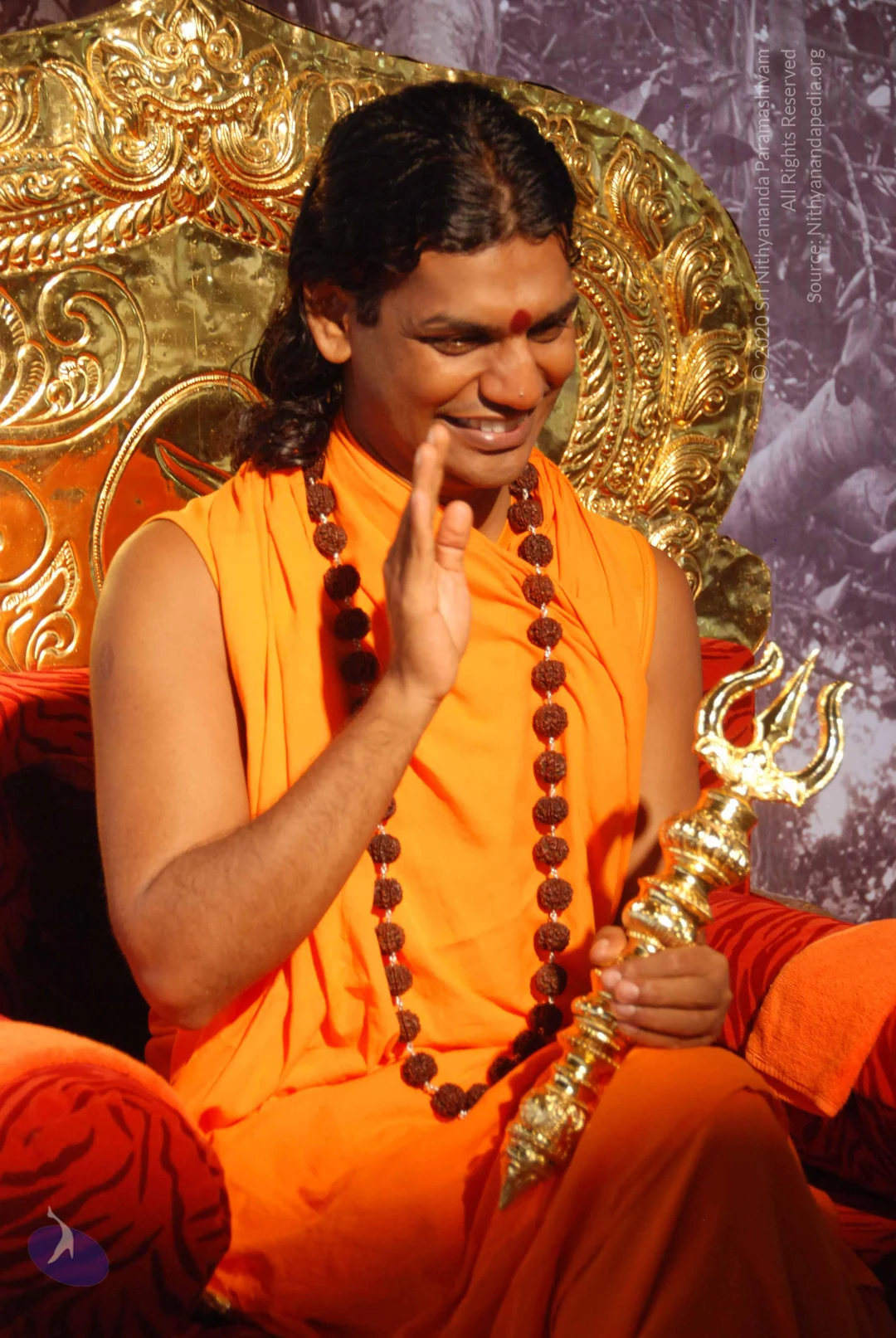
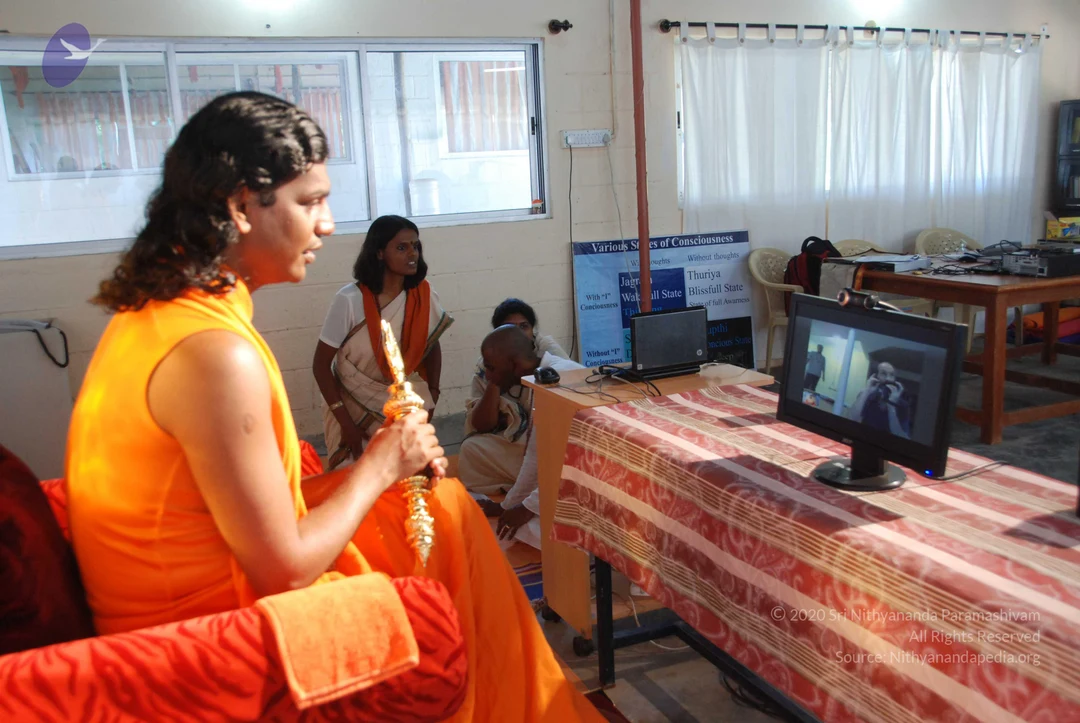
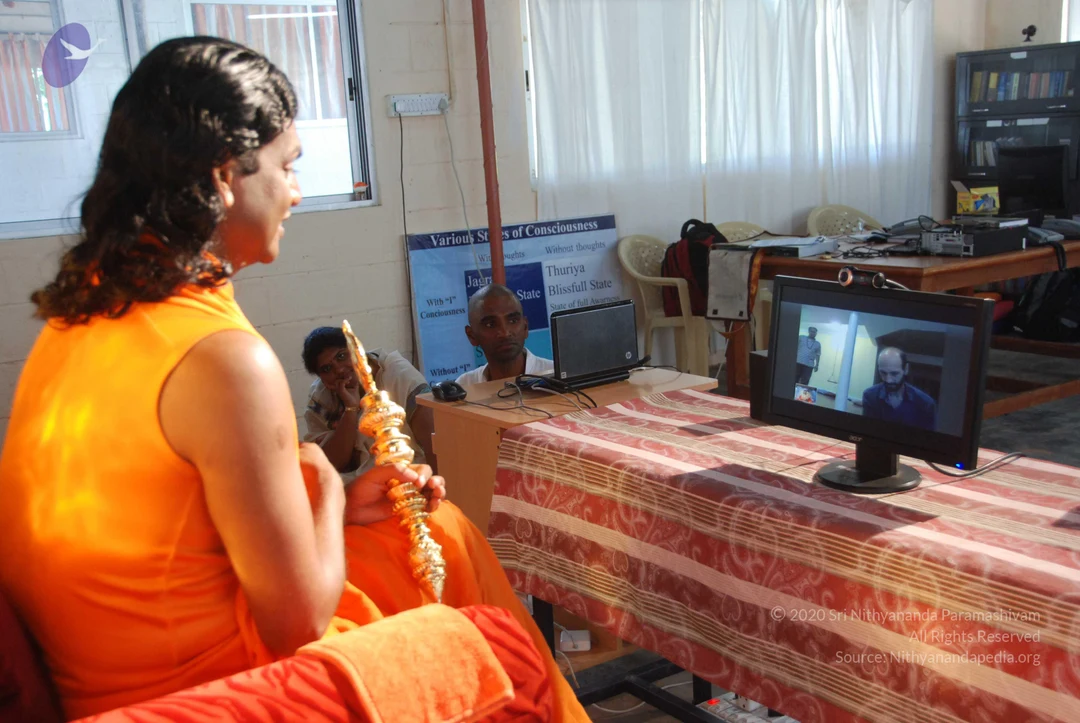
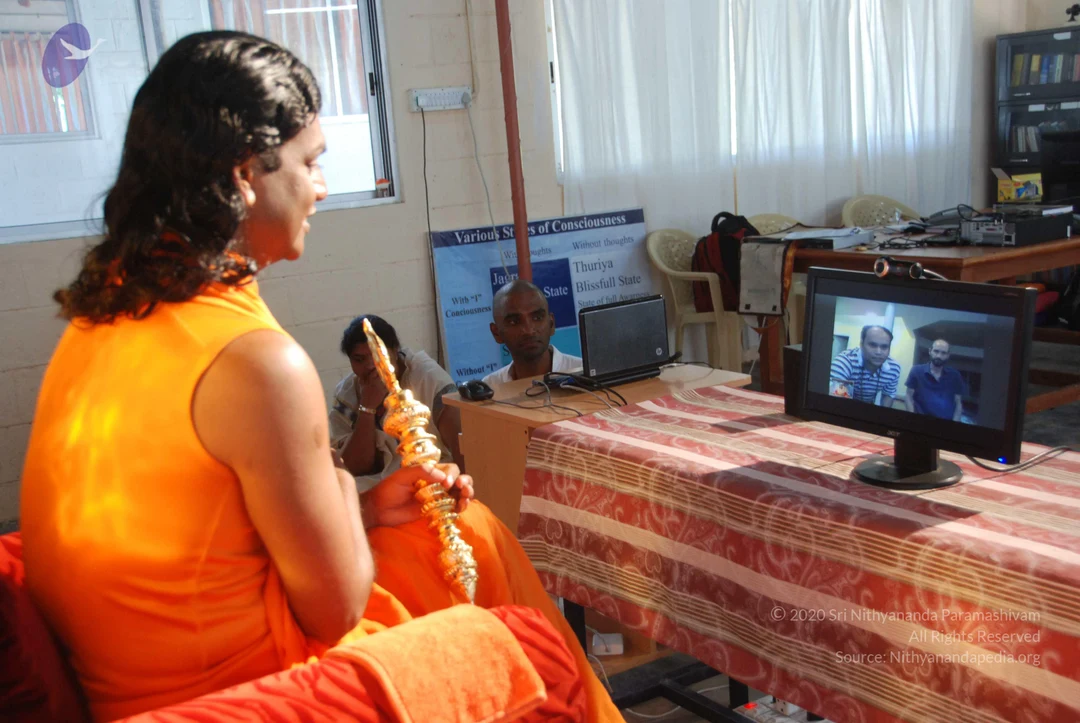
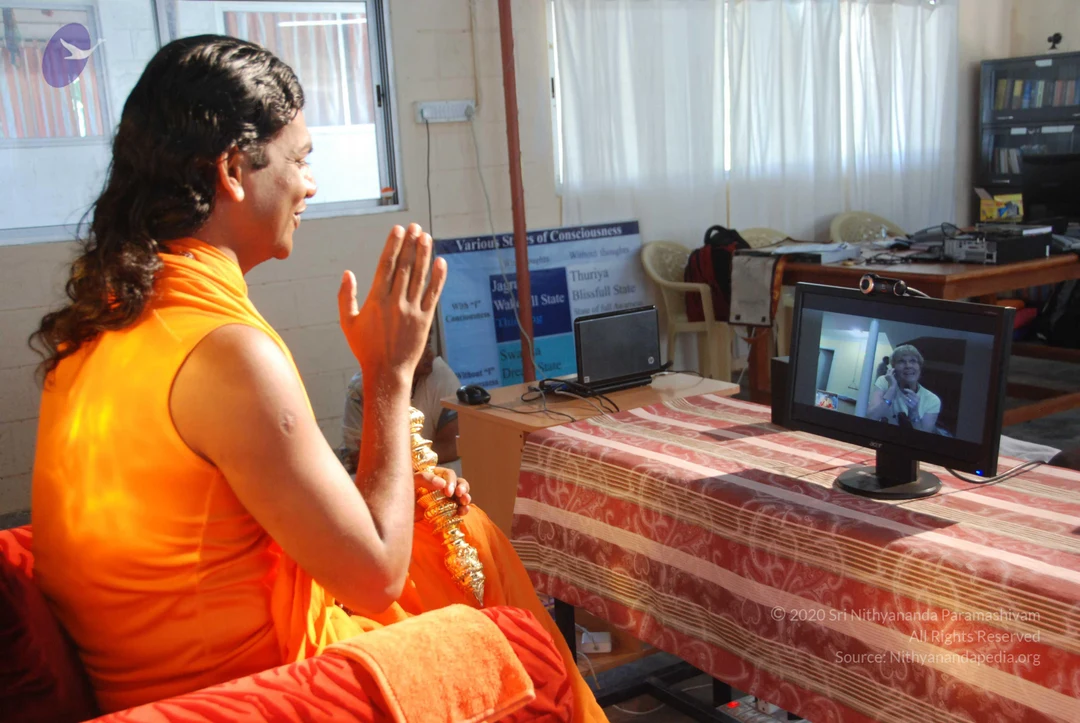
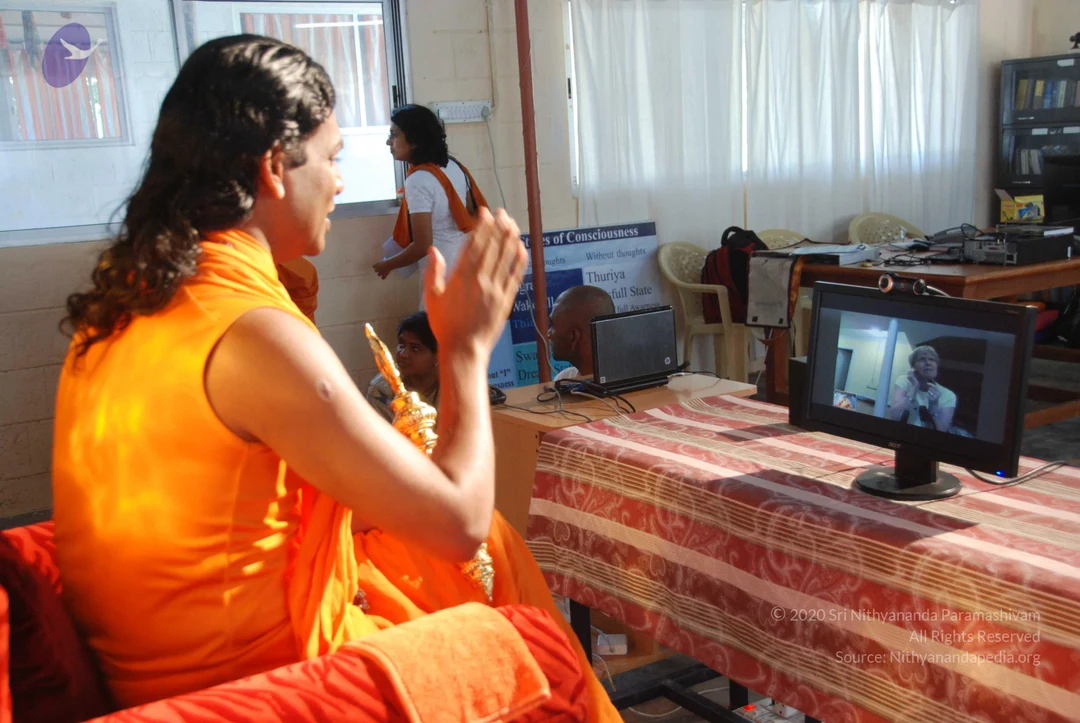
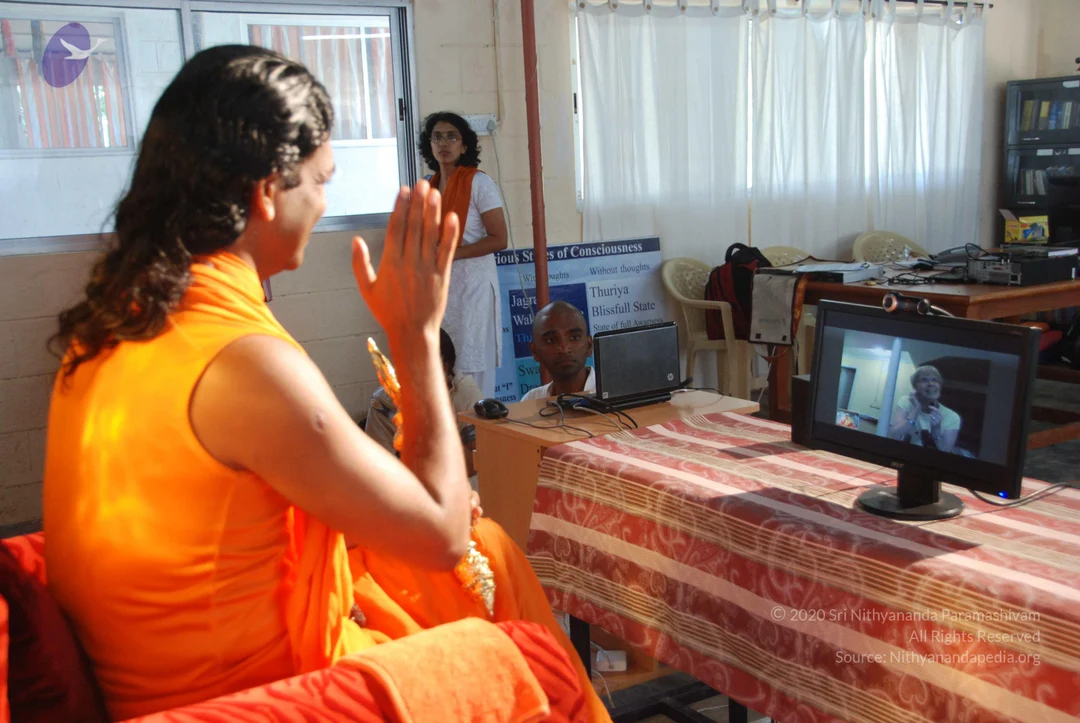
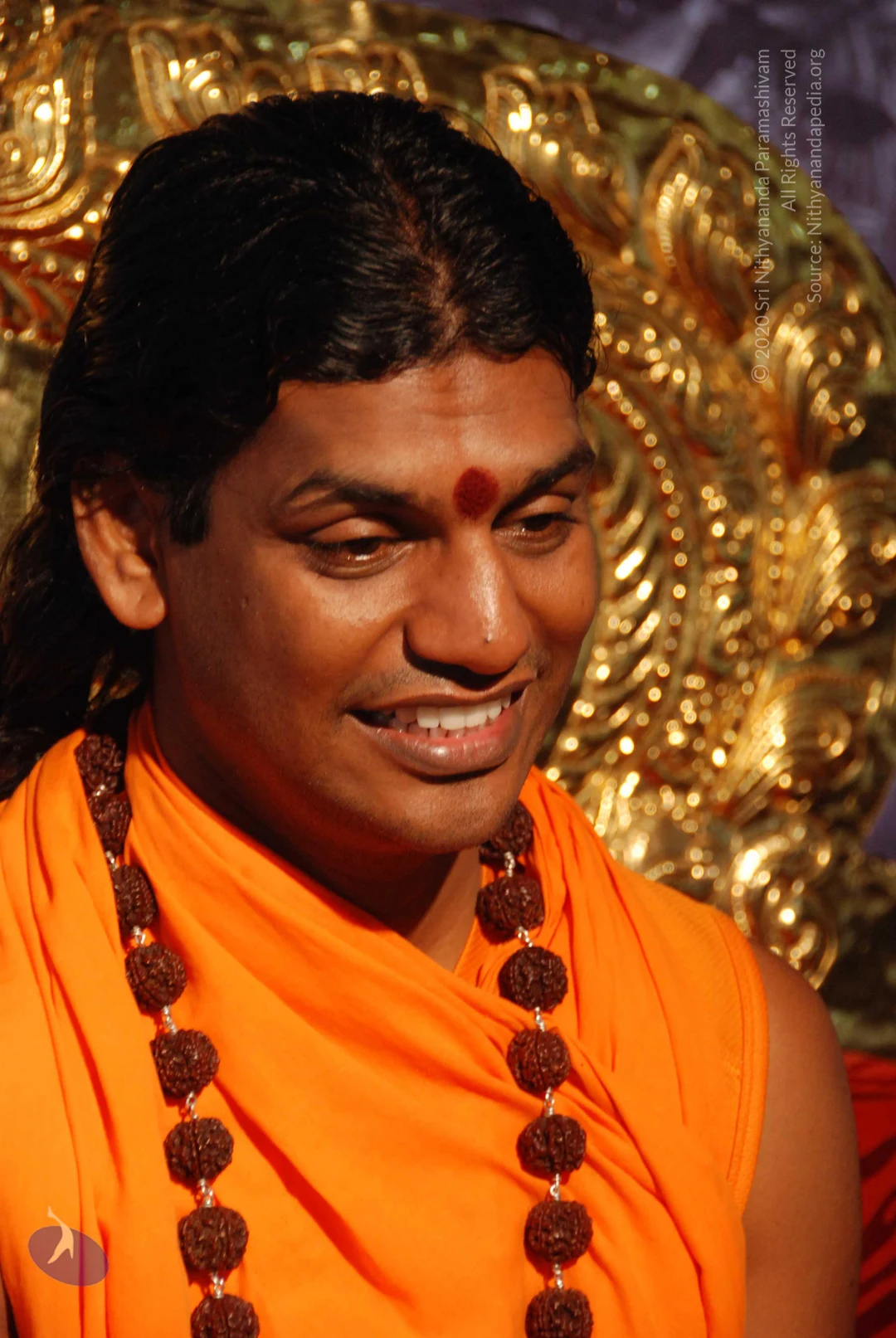
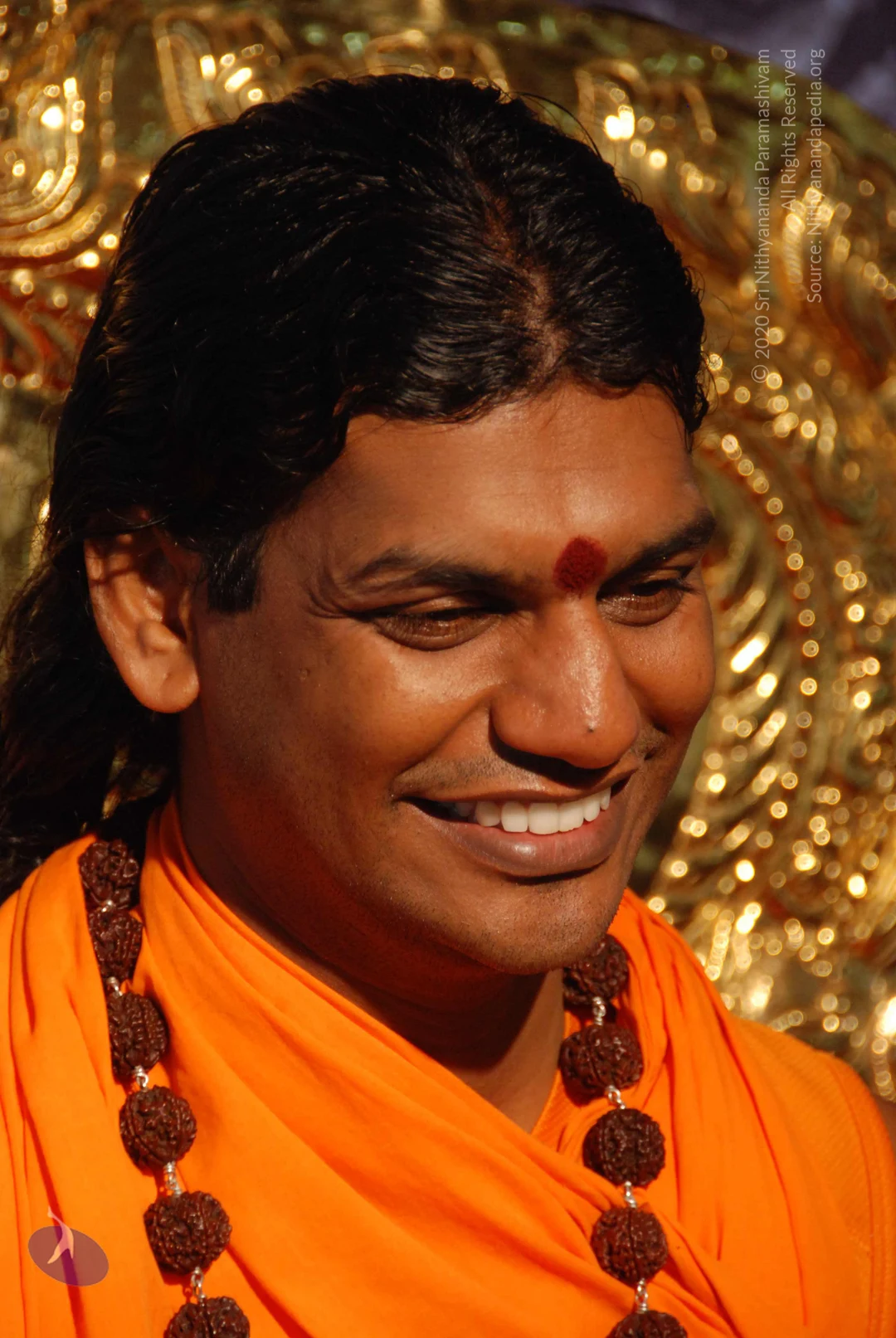
09--Levitation-Power-Manifestation
10--ASP-Acharya
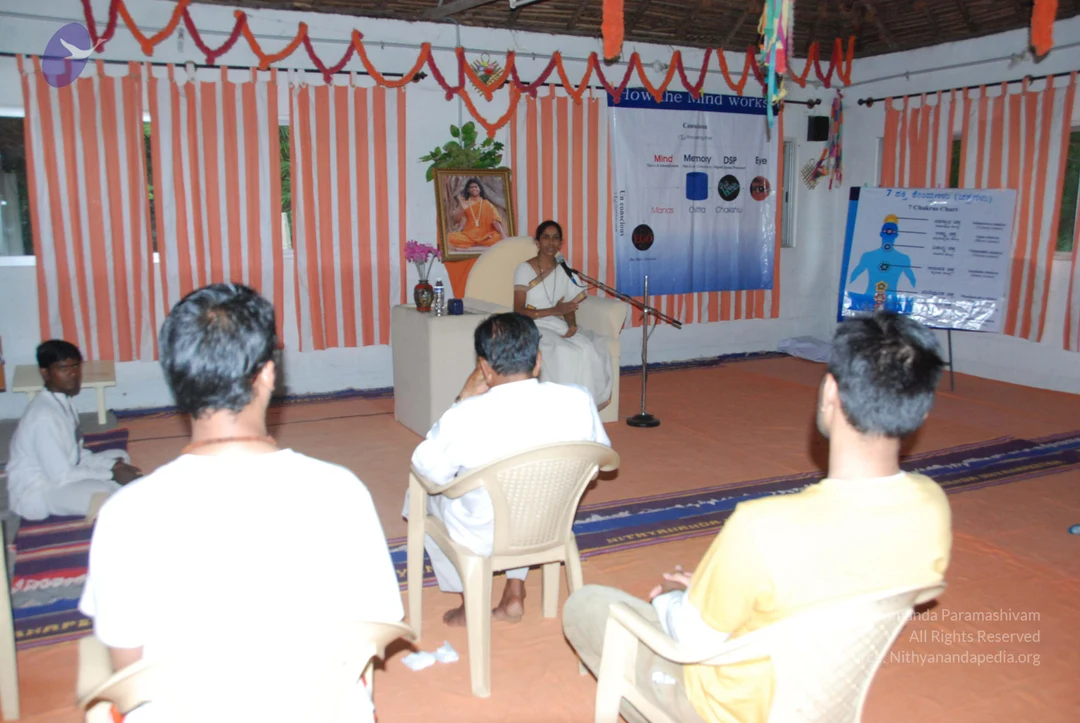
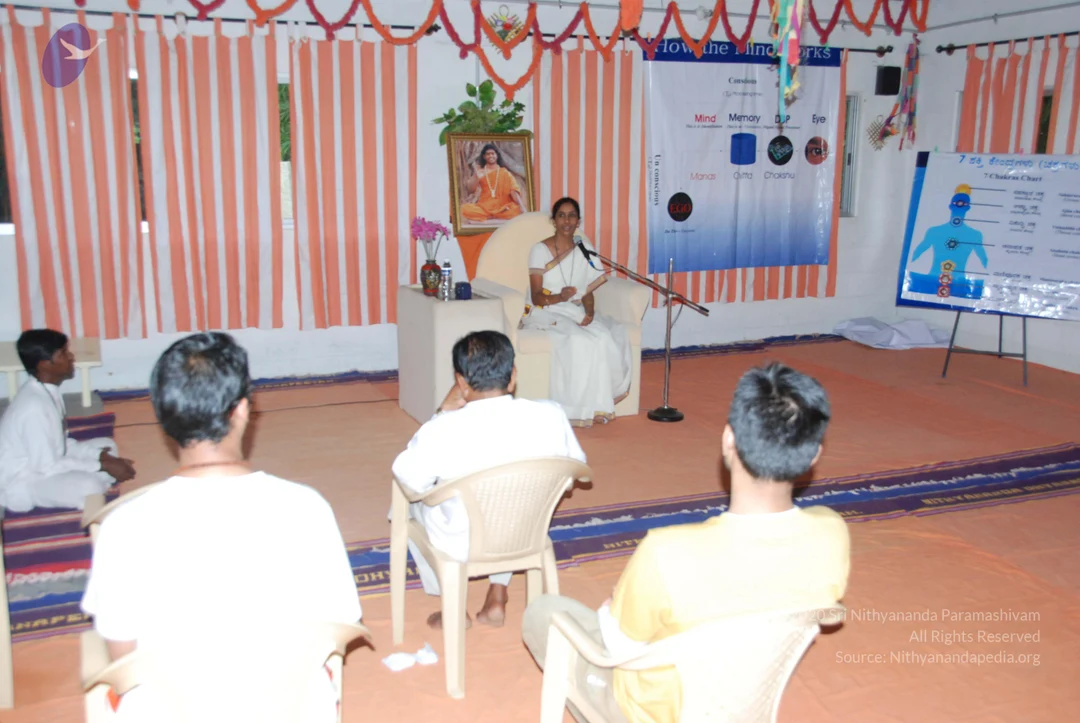
11--Yoga-Sutras-Discourse
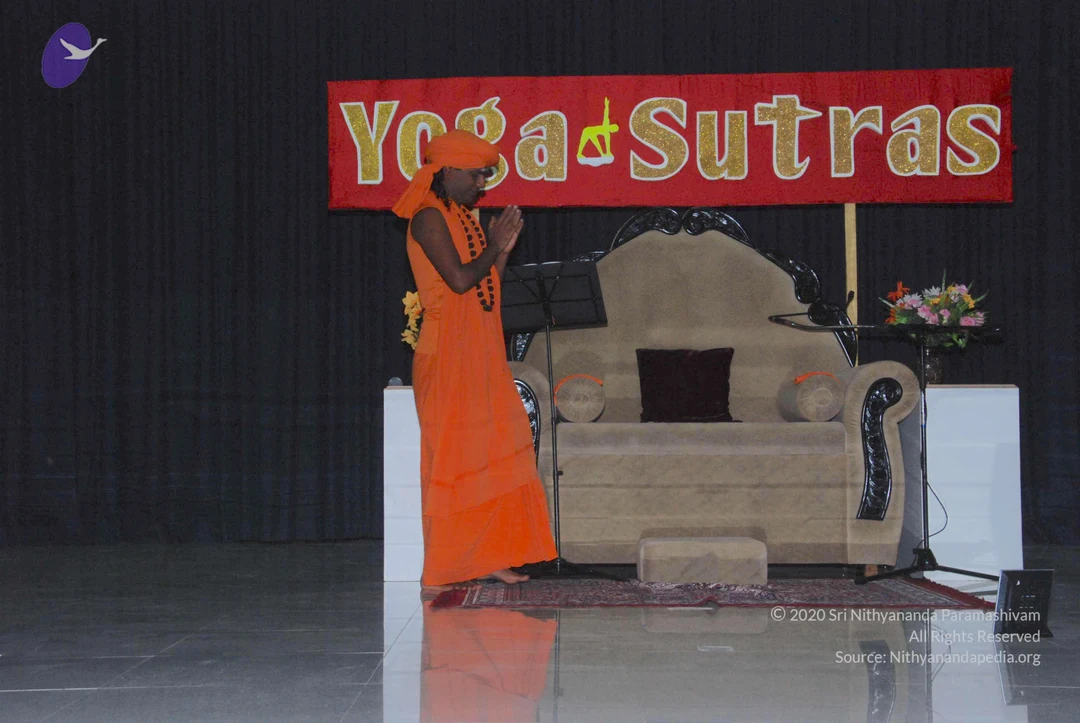
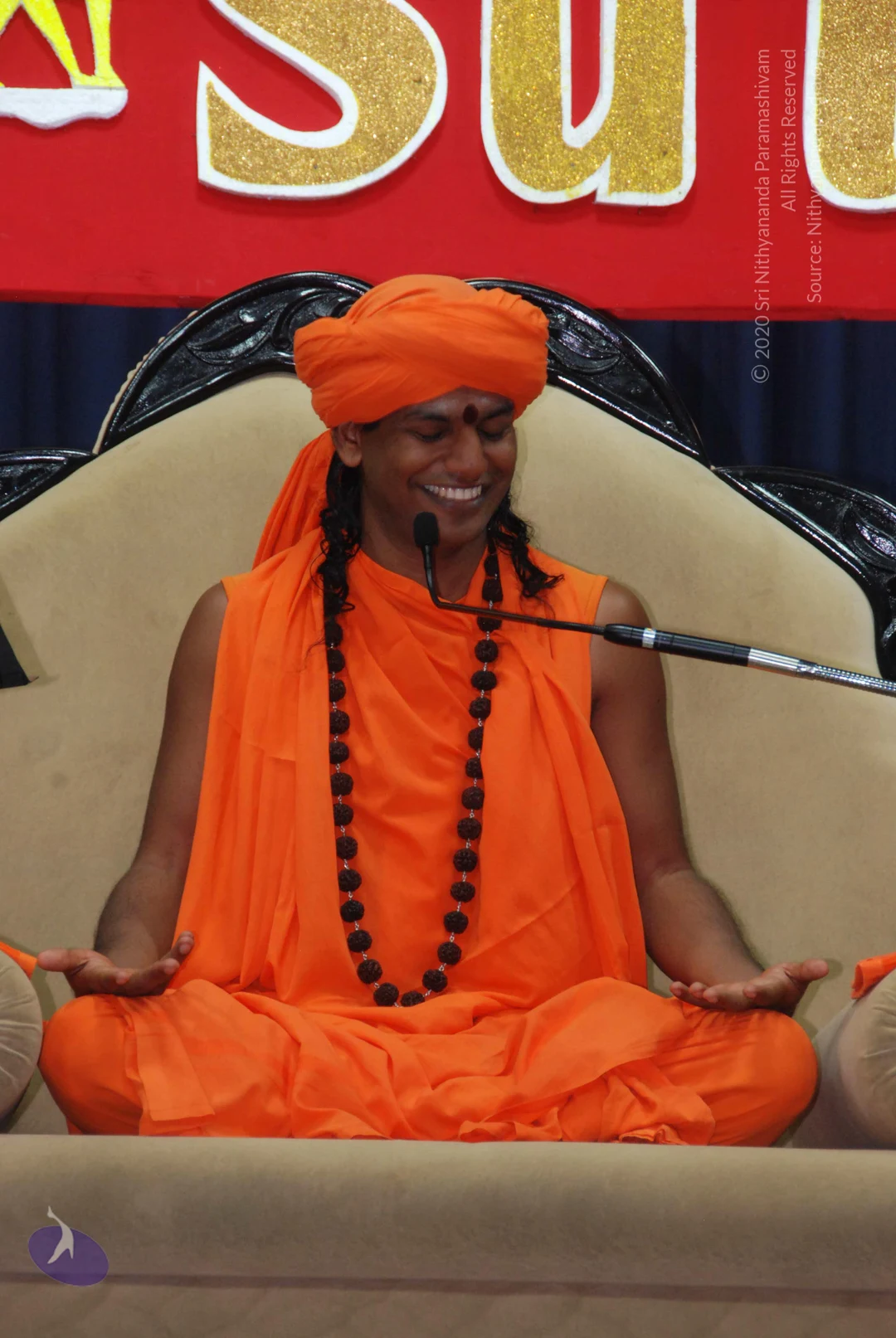
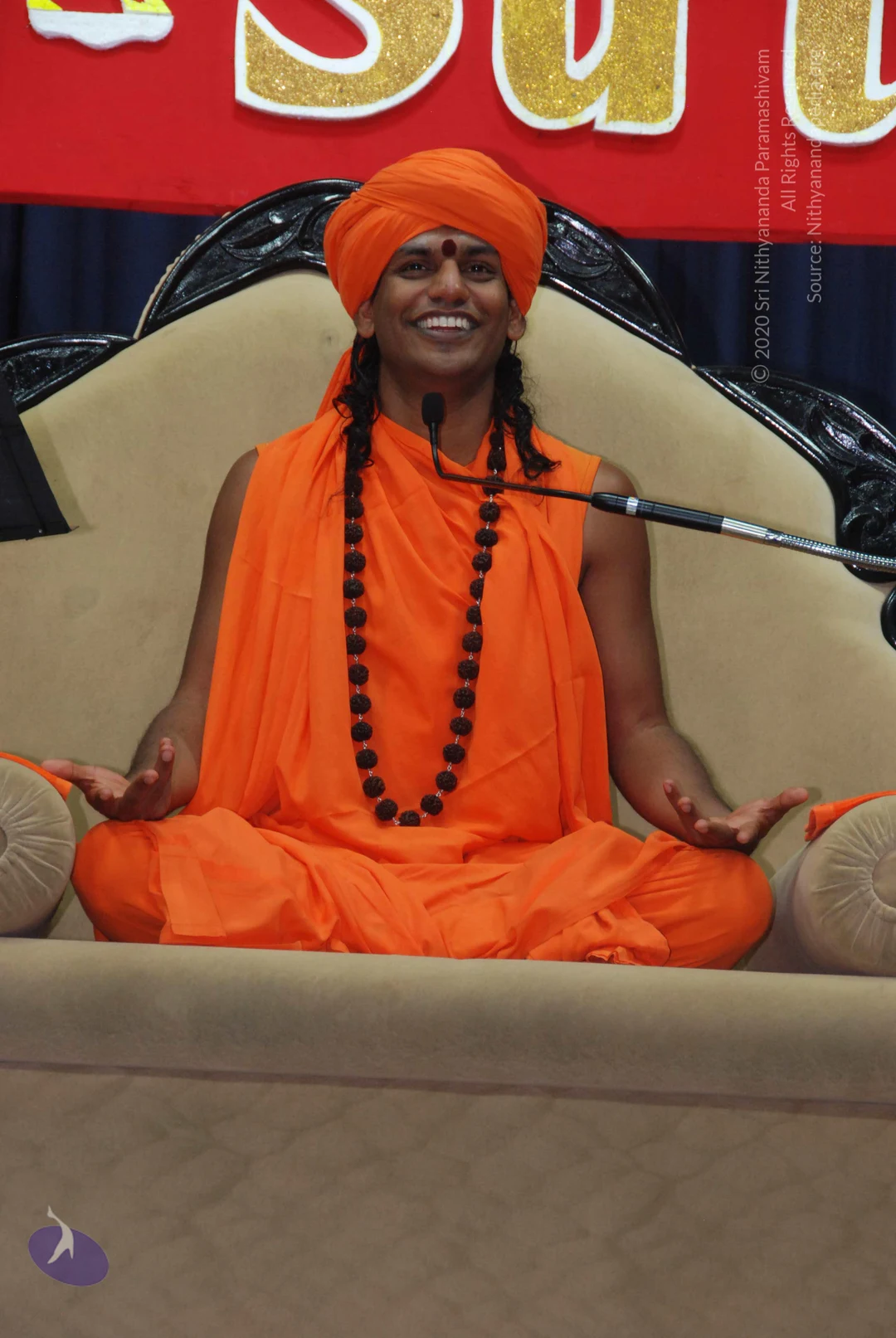
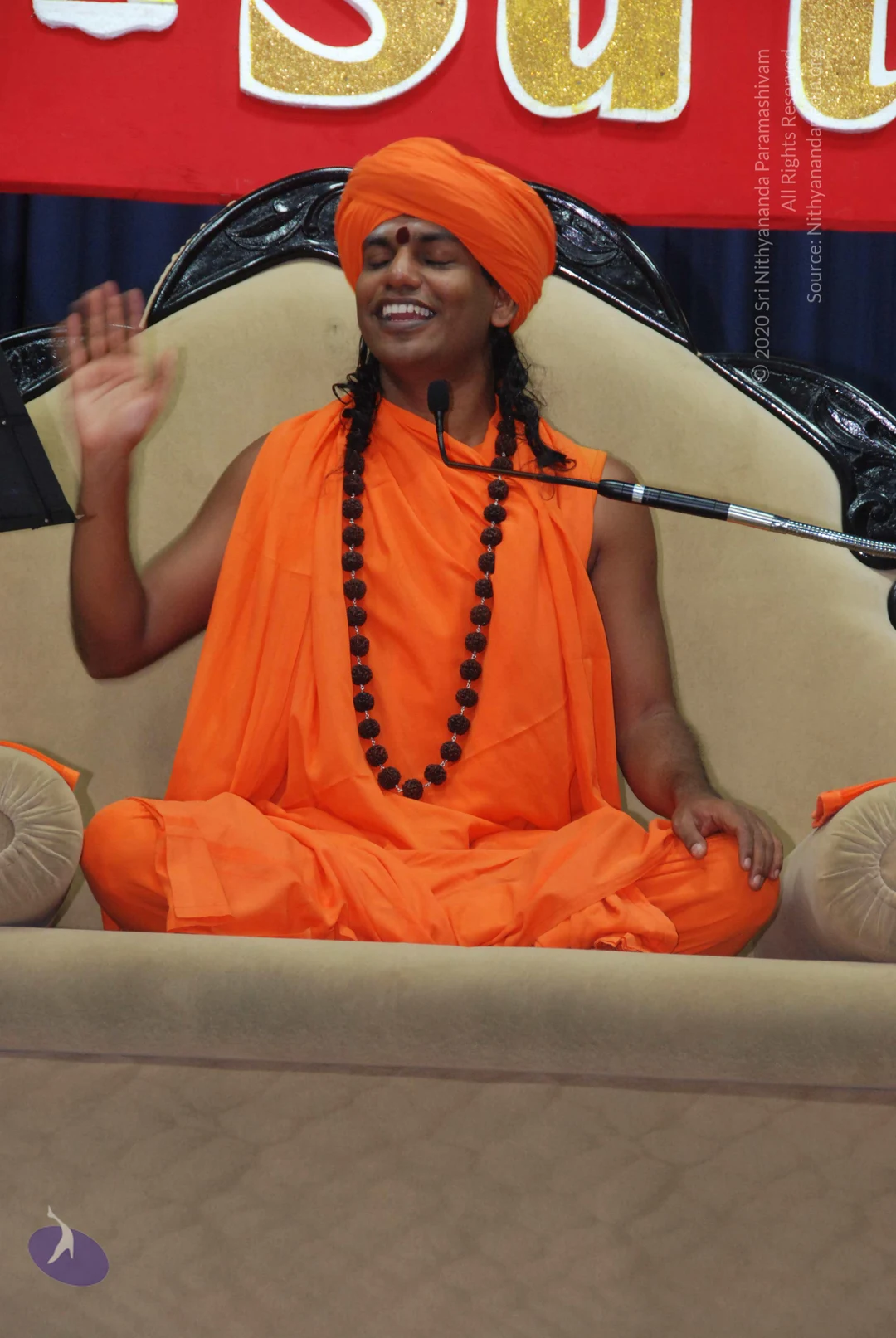
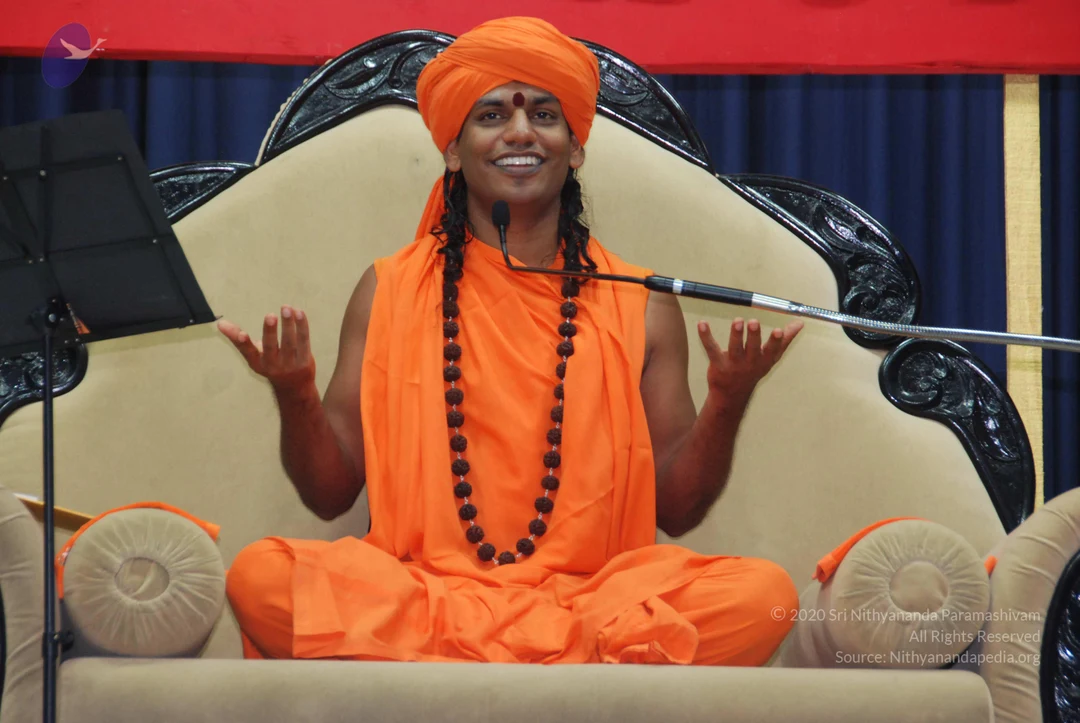
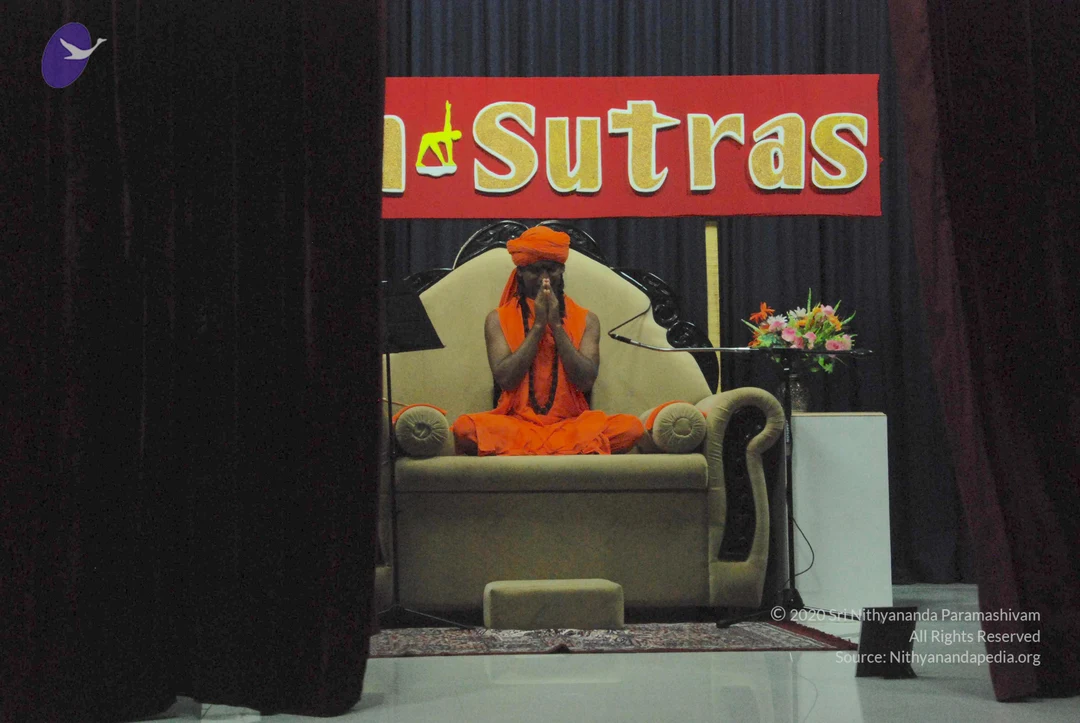
Photos from this day
View all 622 photos01--Panchatapas
57 photosSource gallery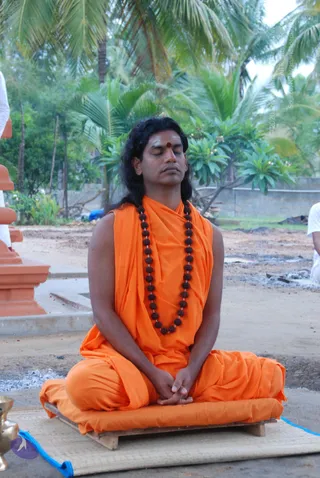
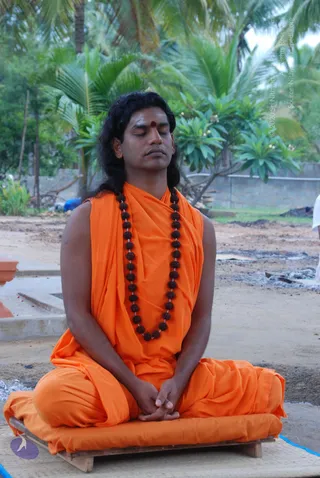
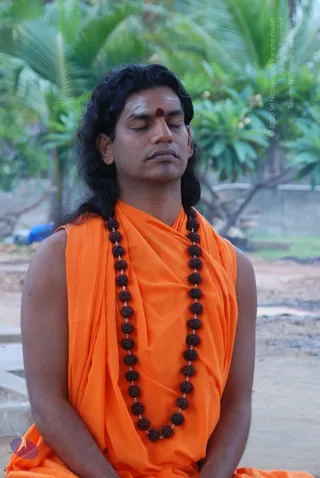
02--Padapuja
87 photosSource gallery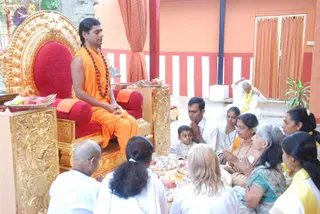
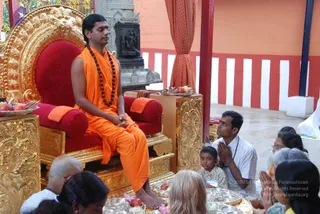
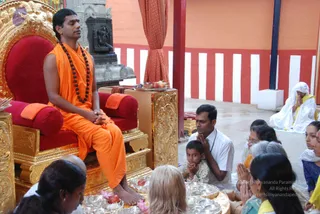
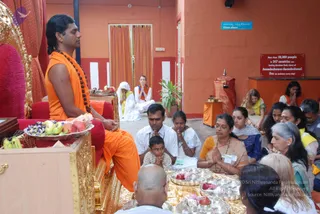
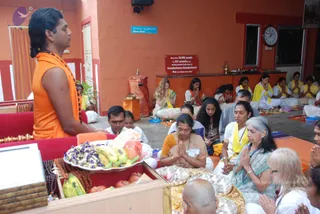
03--Adi-Kailasa-Morning-Events
17 photosSource gallery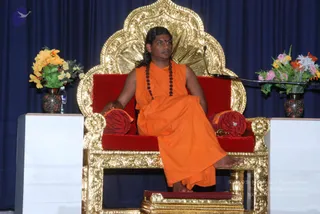
04--Sarva-Darshan
38 photosSource gallery
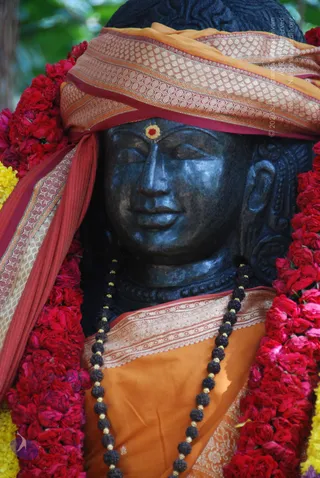
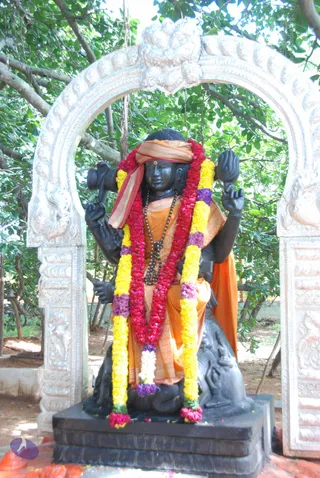
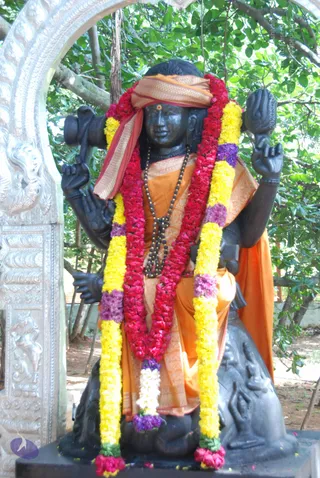
05--Dakshina-Murthi-Sacred-Banyan-Tree
27 photosSource gallery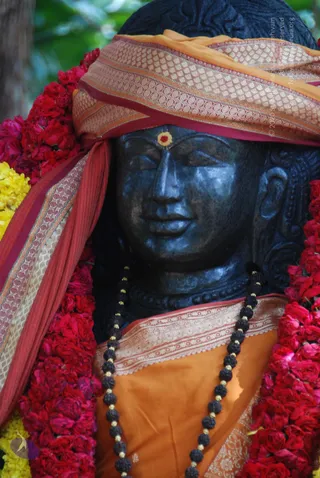
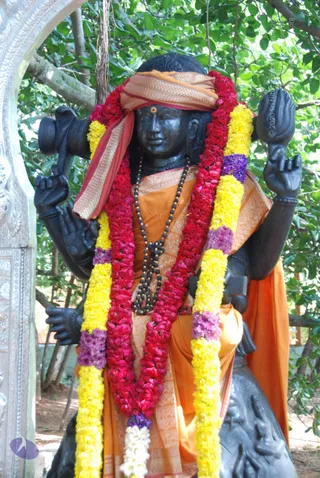
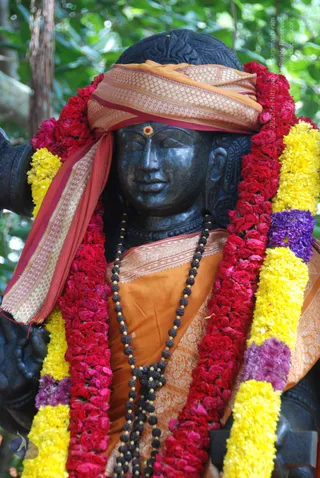
06--Temple-Visit
46 photosSource gallery





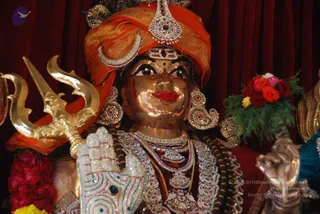
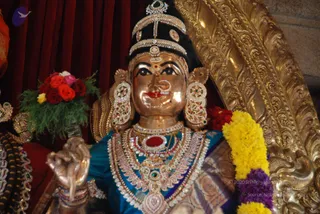
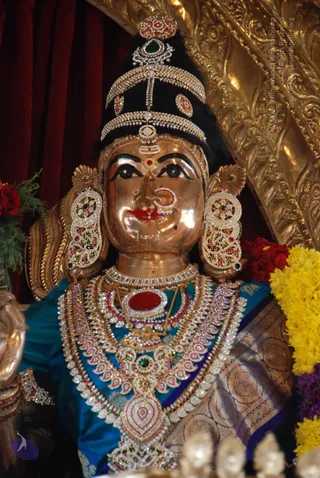
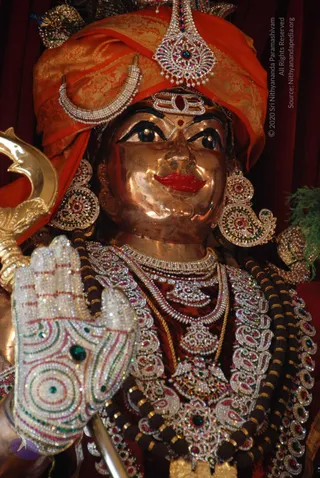
07--Deity-Darshan
20 photosSource gallery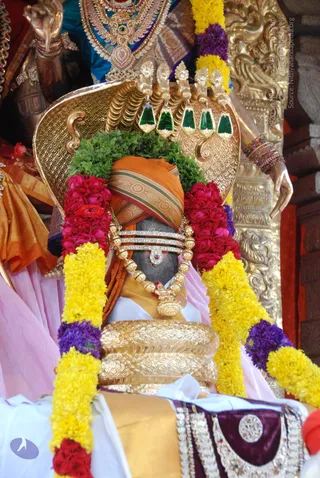
08--E-Kalpaturu
170 photosSource gallery
09--Levitation-Power-Manifestation
38 photosSource gallery