Skip to content
Friday

28 August 2015

Kumbh Chalo, Taste the Freedom Lifestyle

Dated photos
257
Source pages
1
Media
7
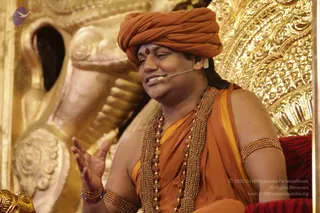
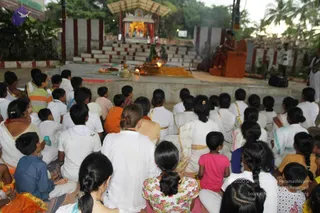
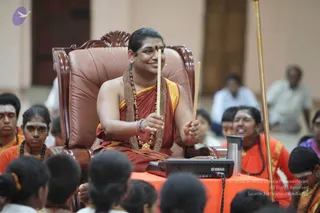
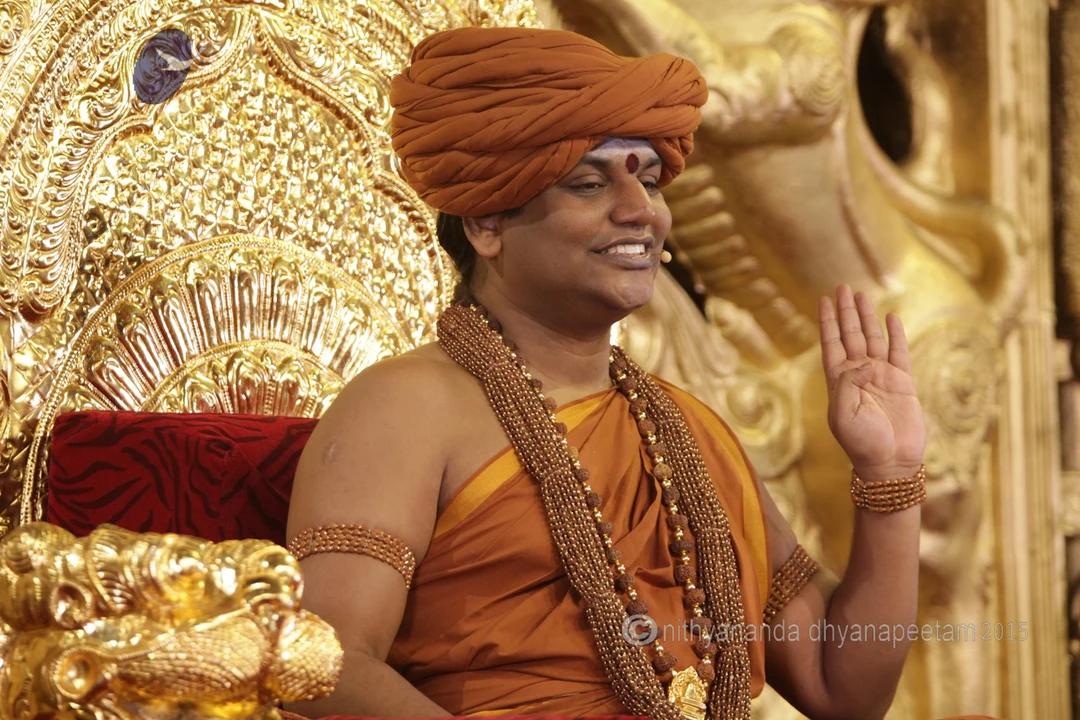
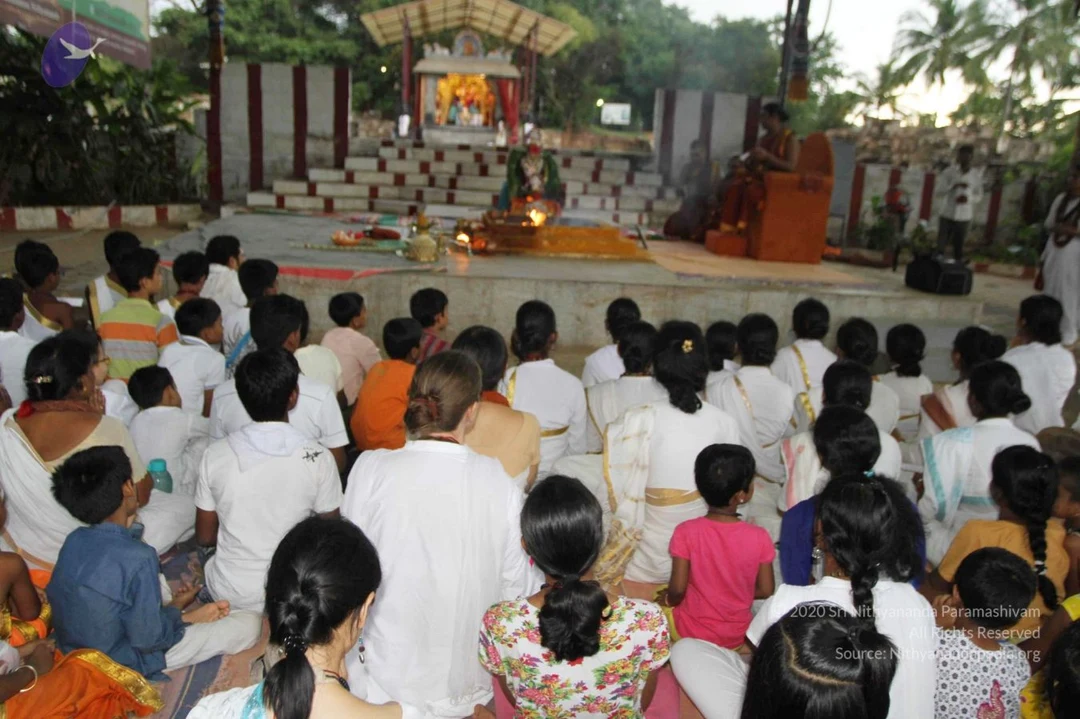
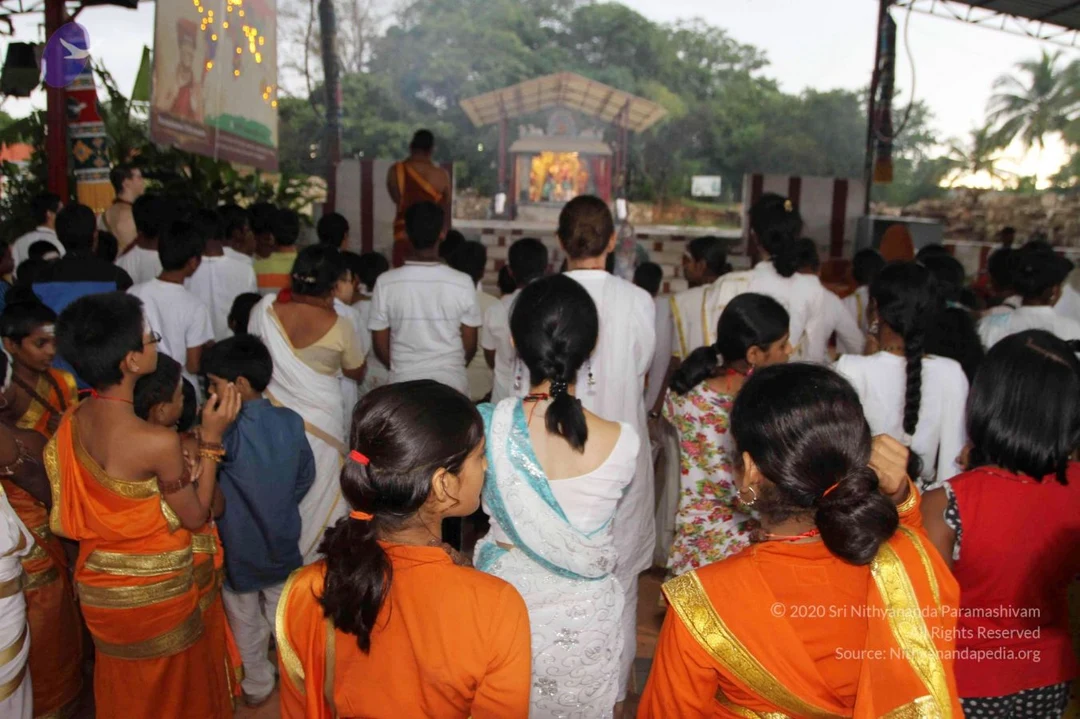
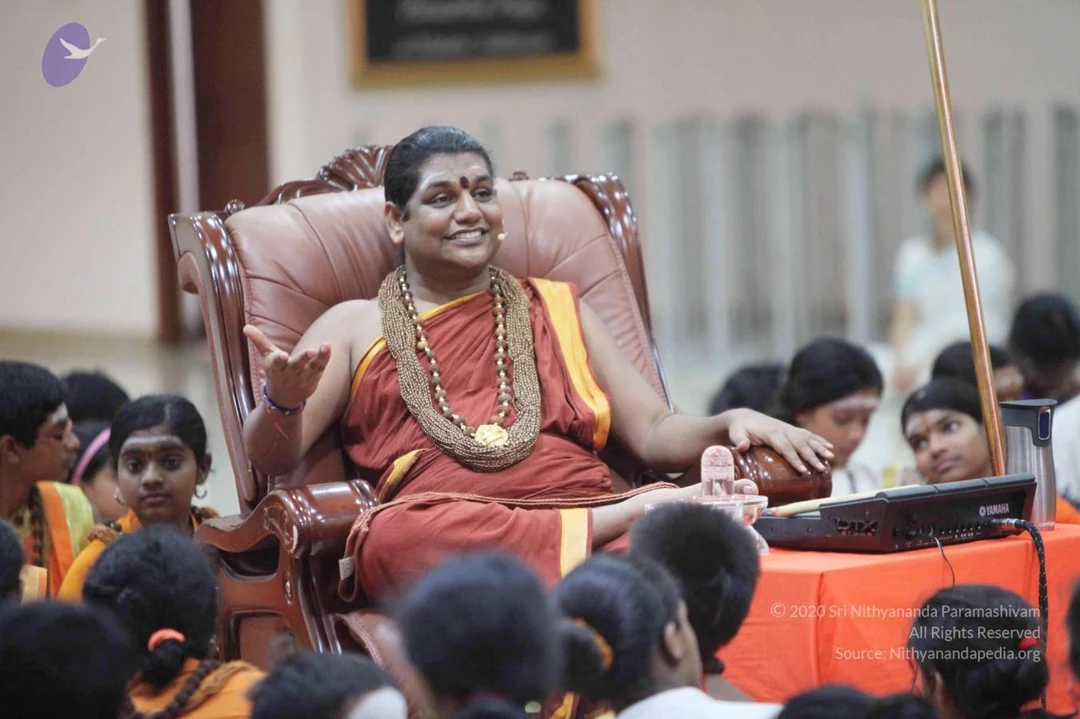
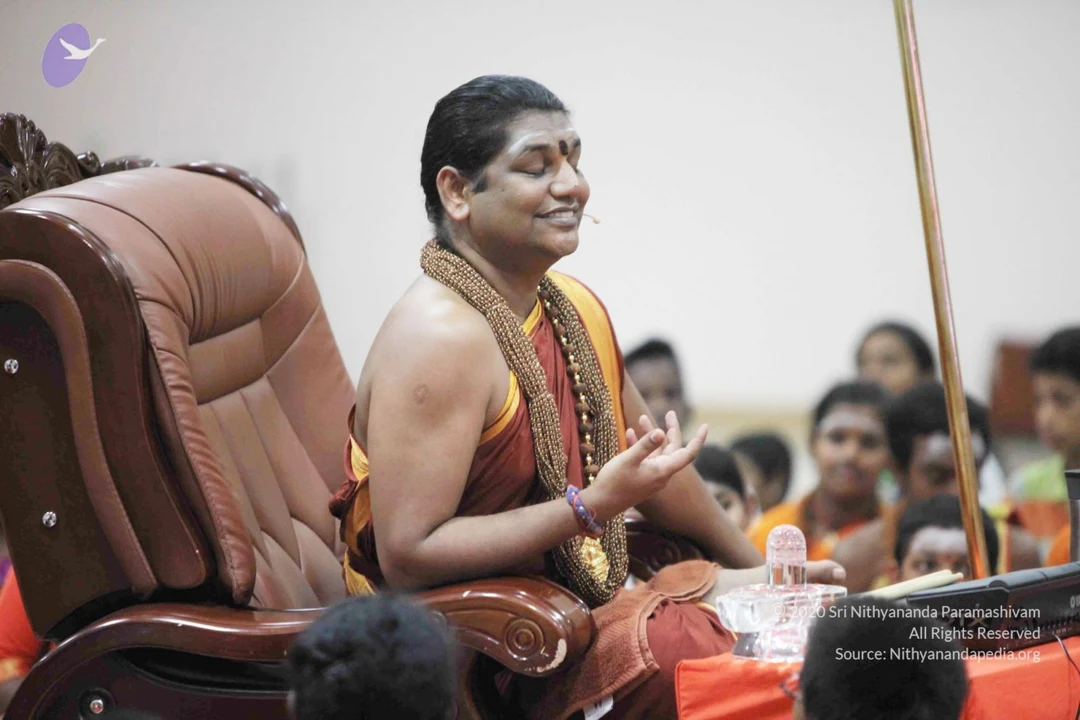
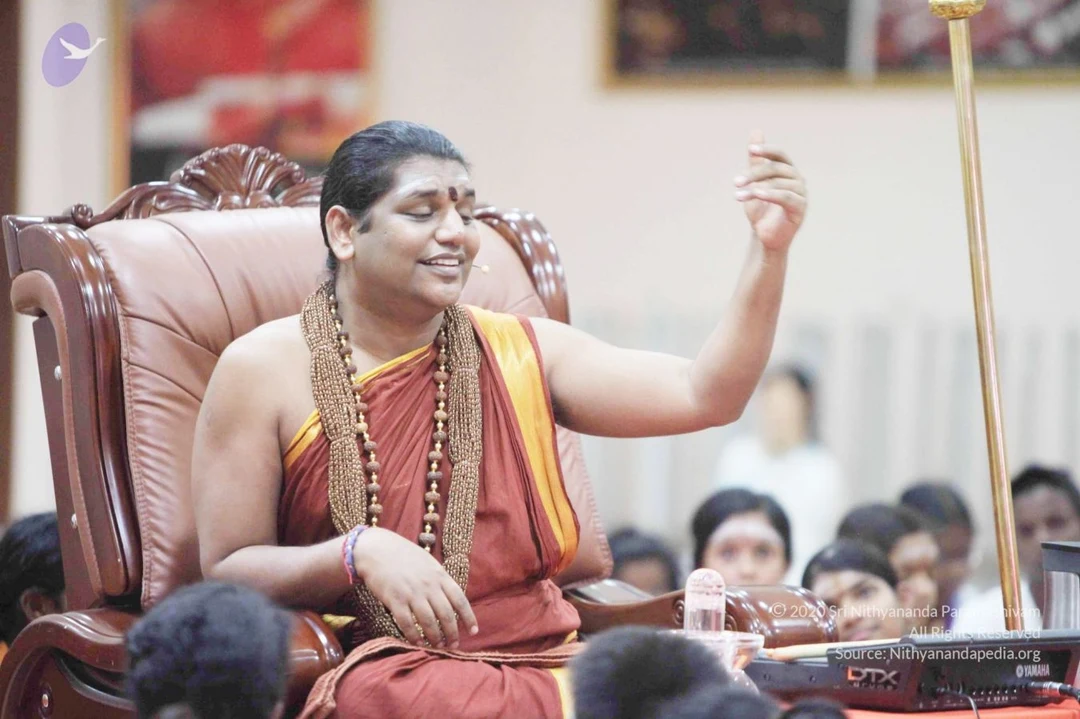
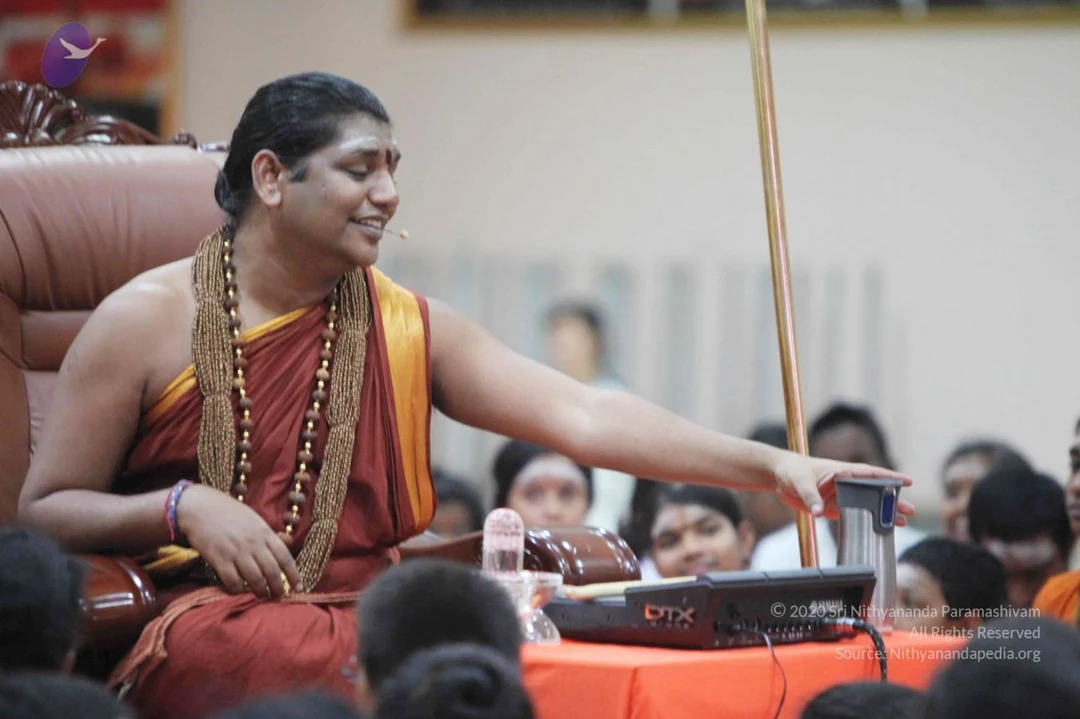
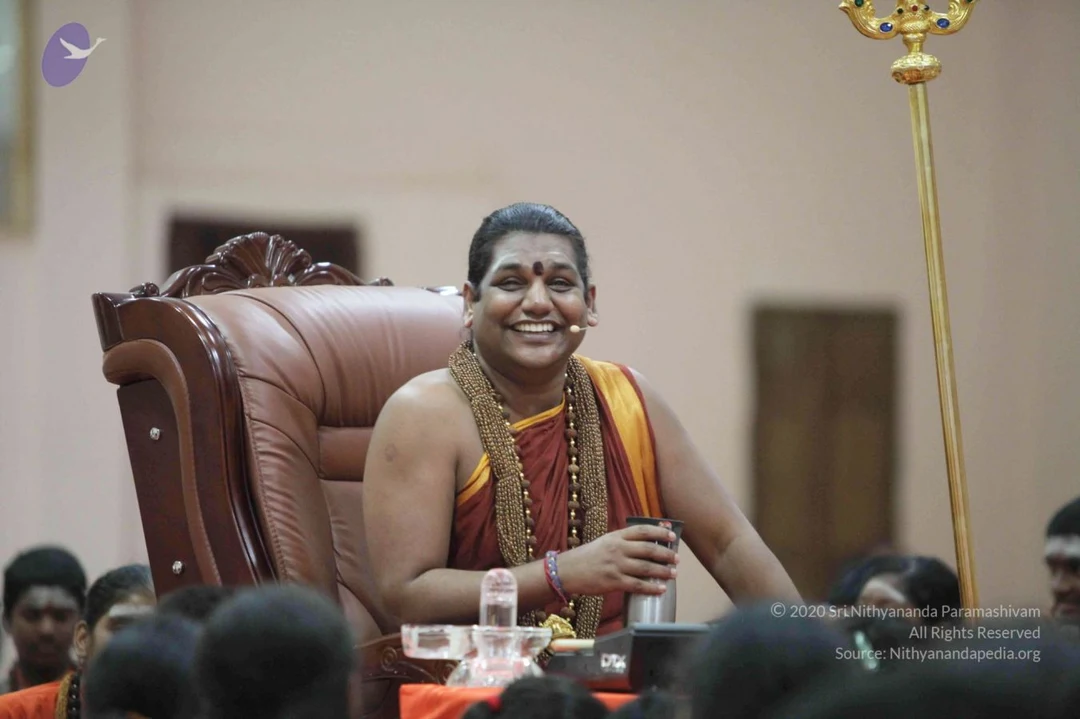
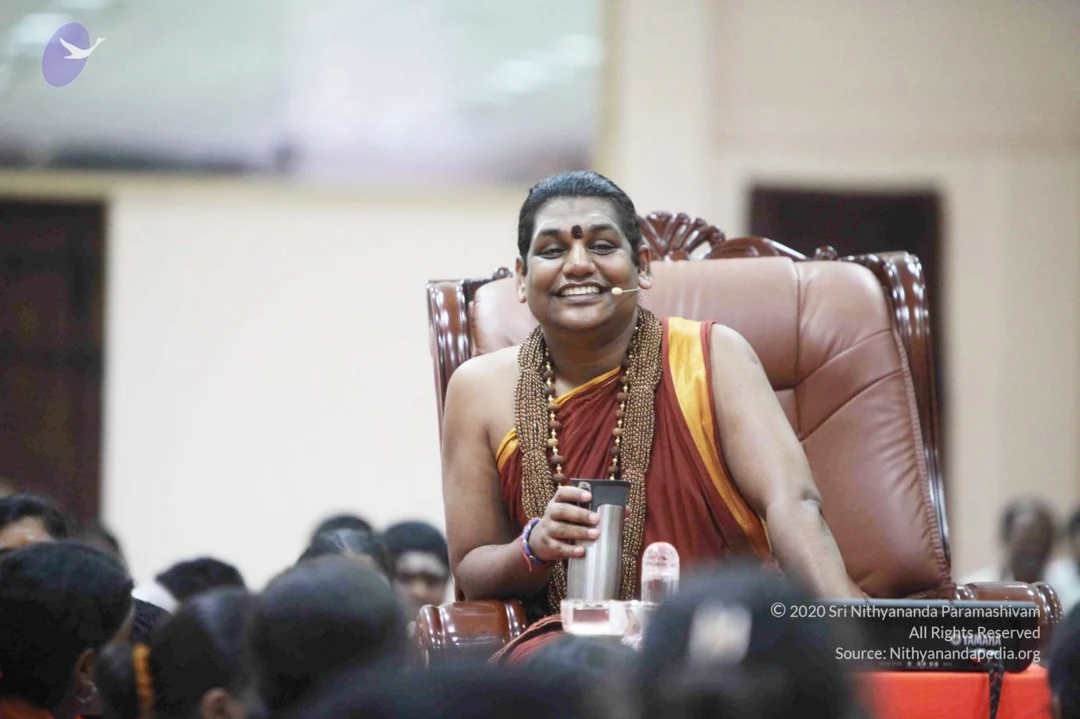
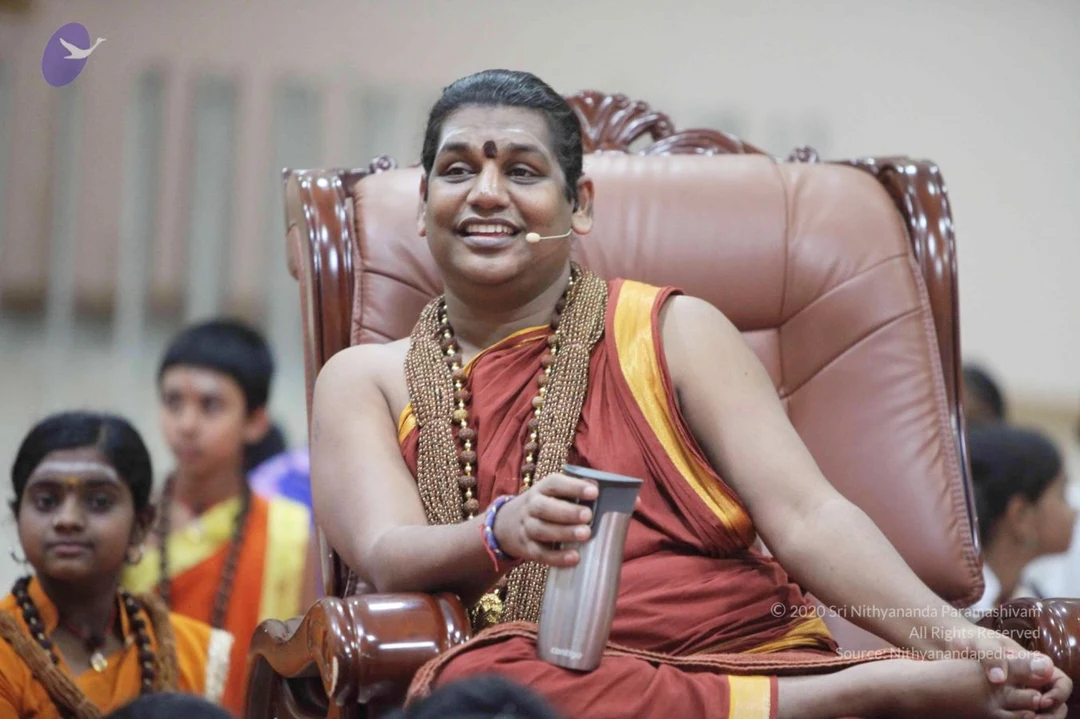
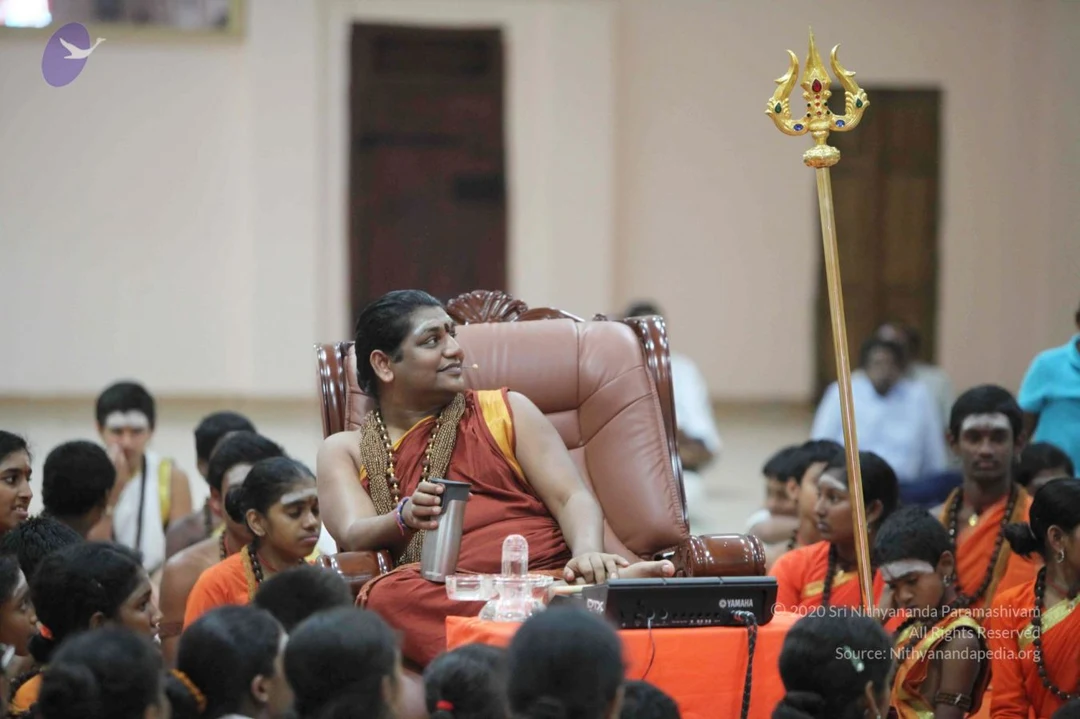
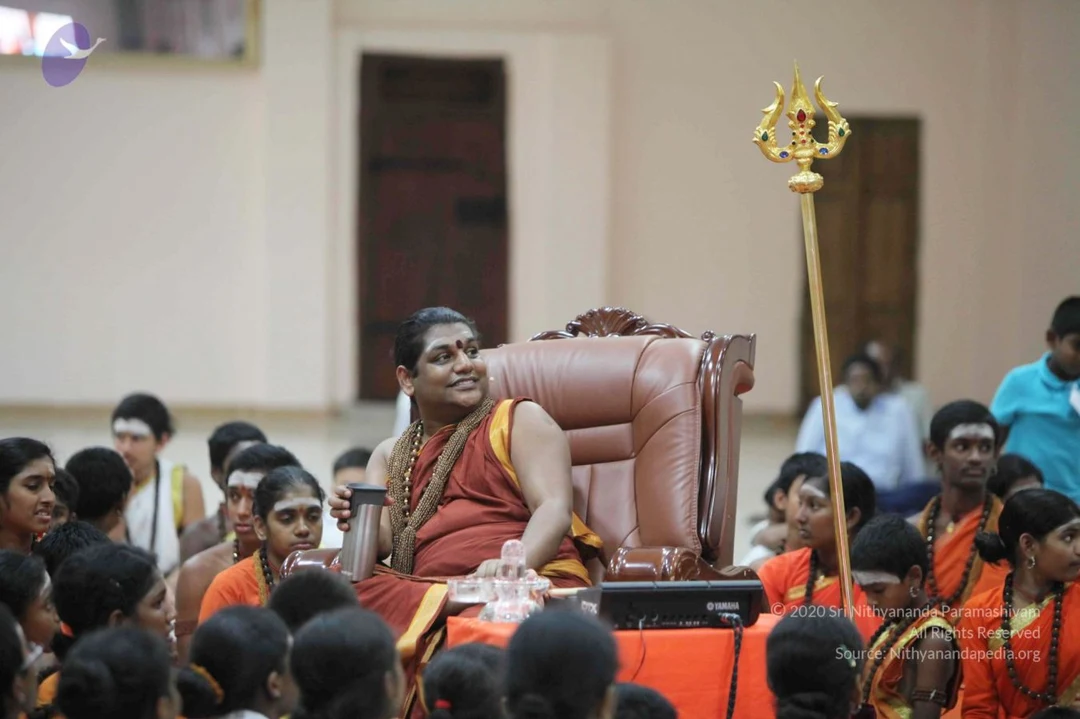
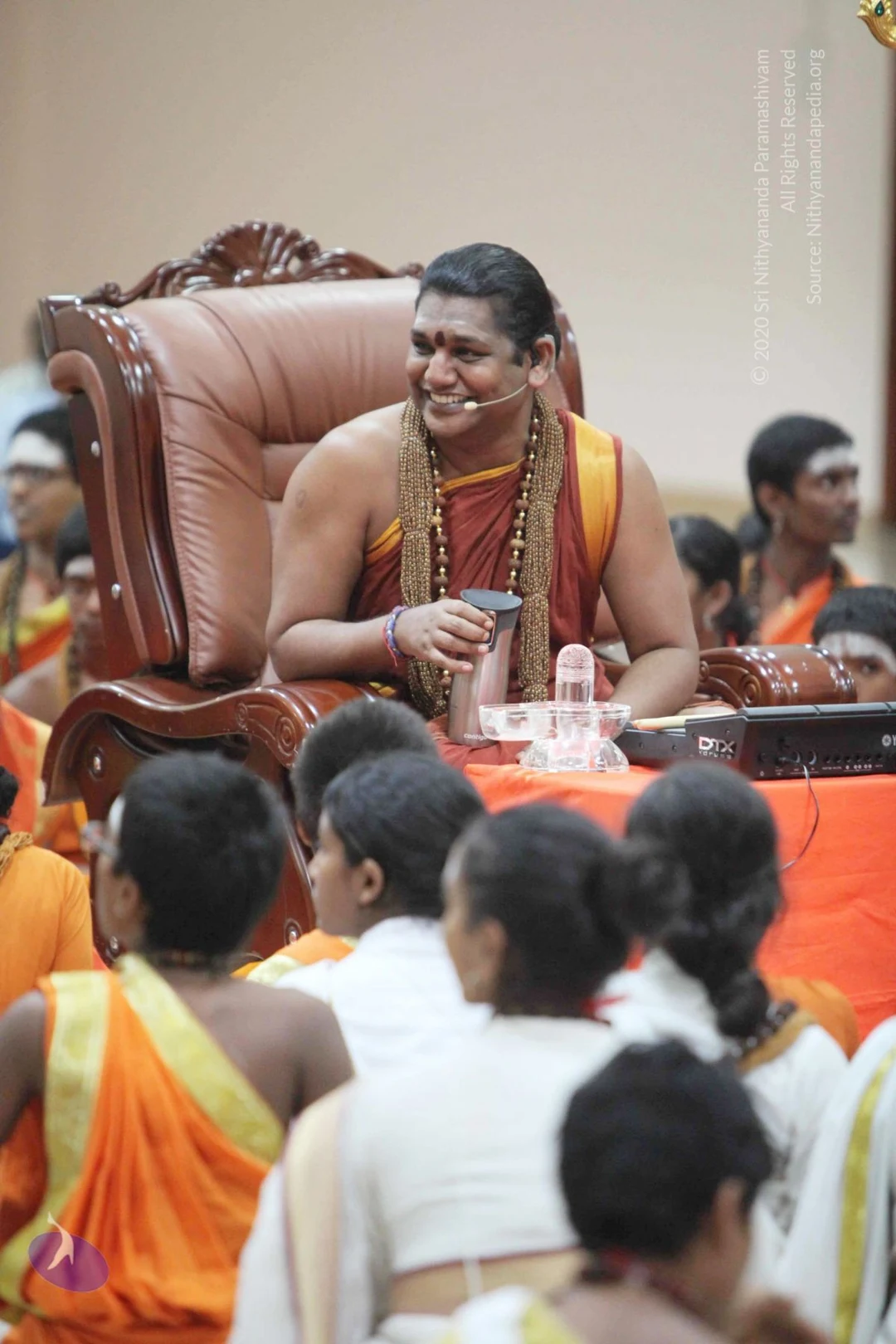
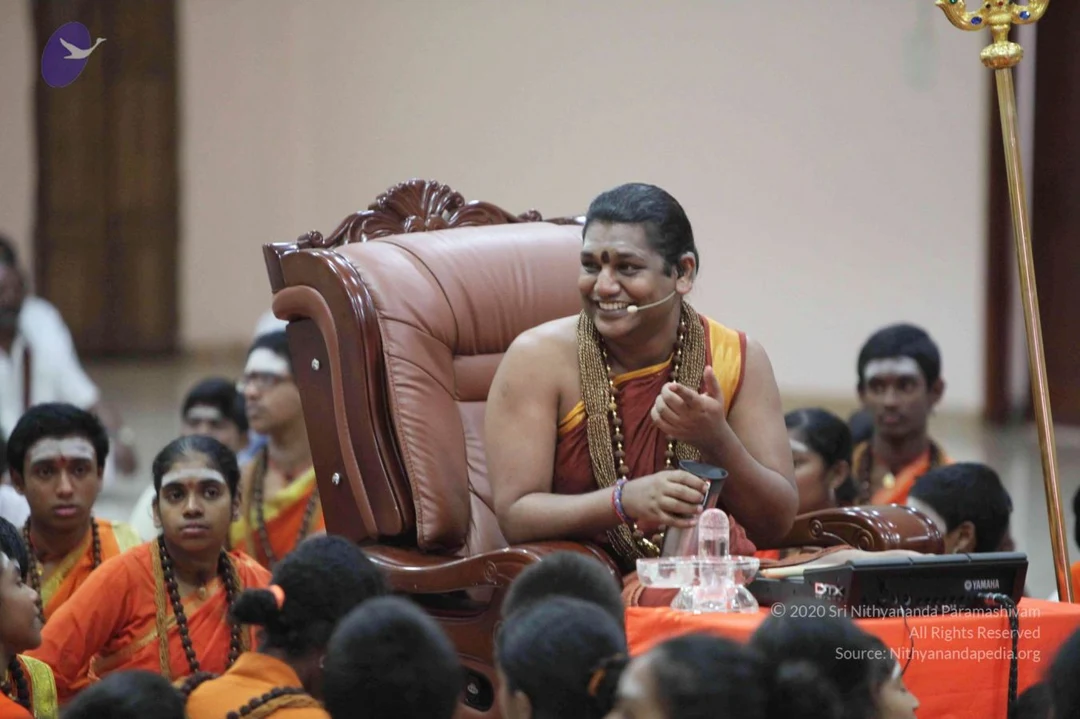
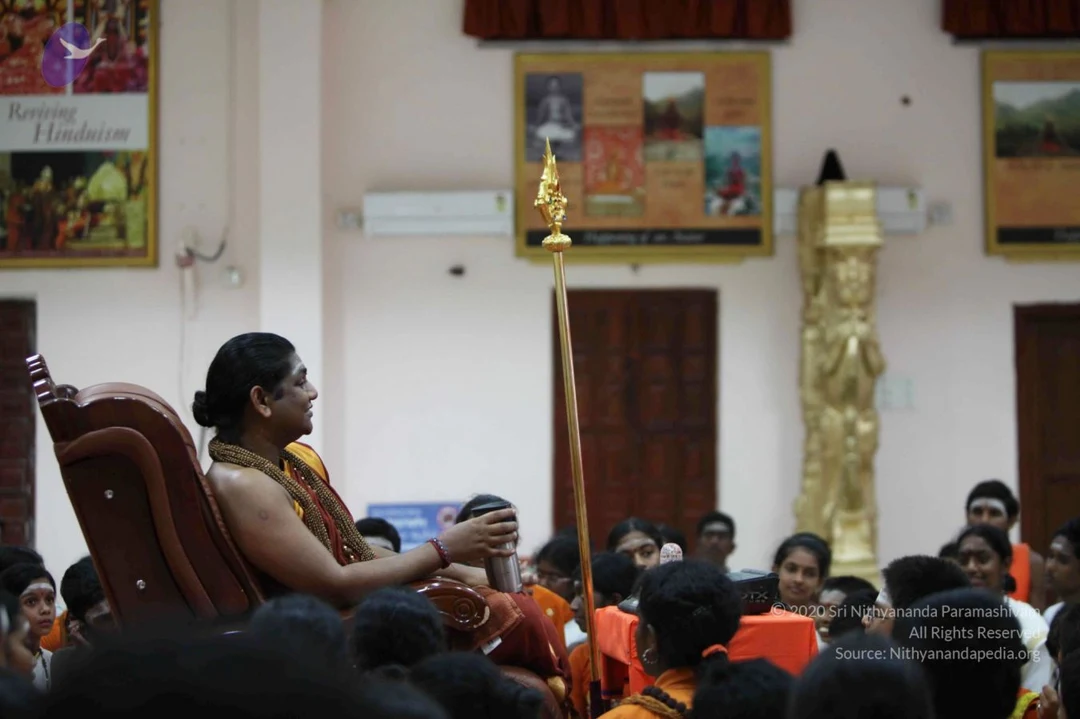
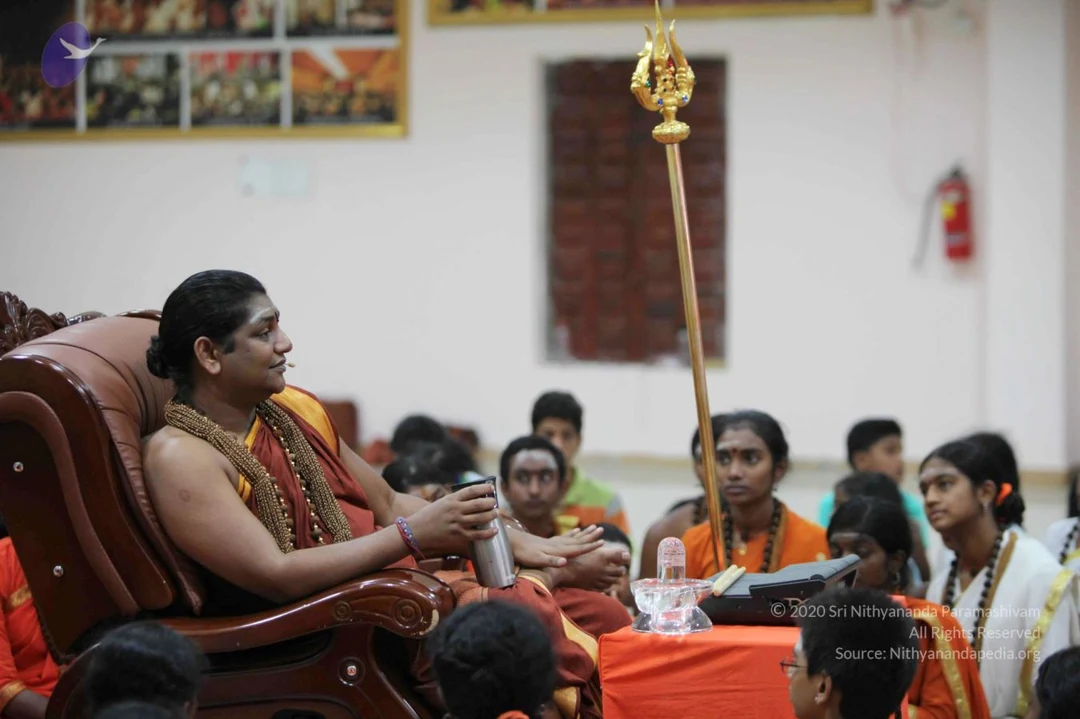
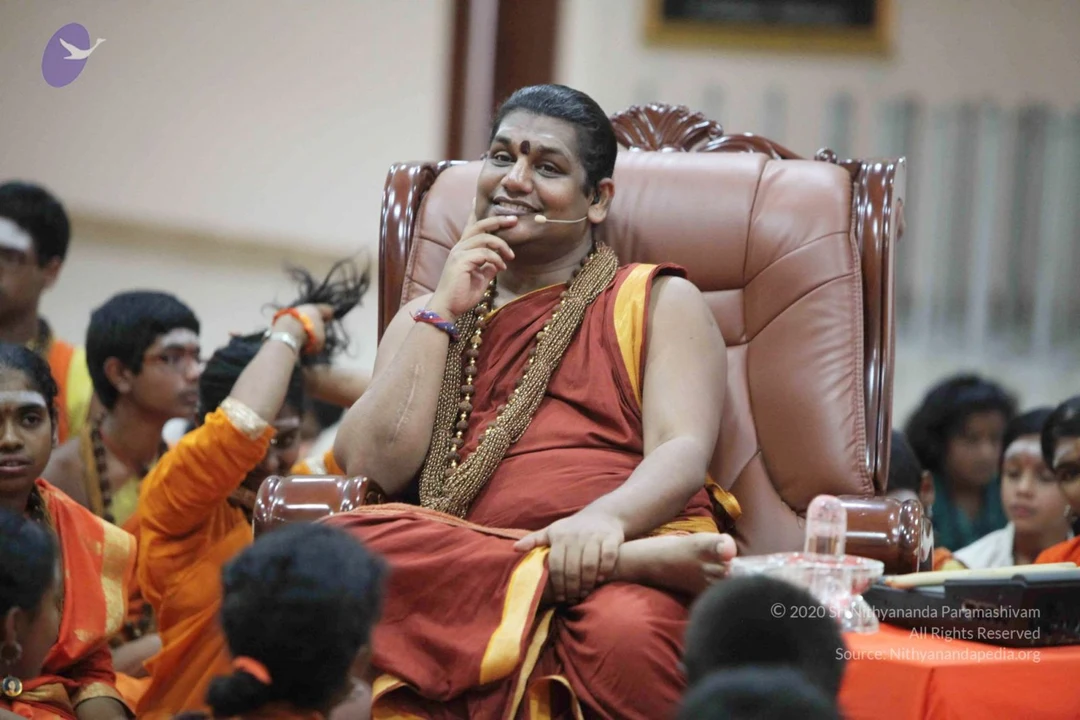
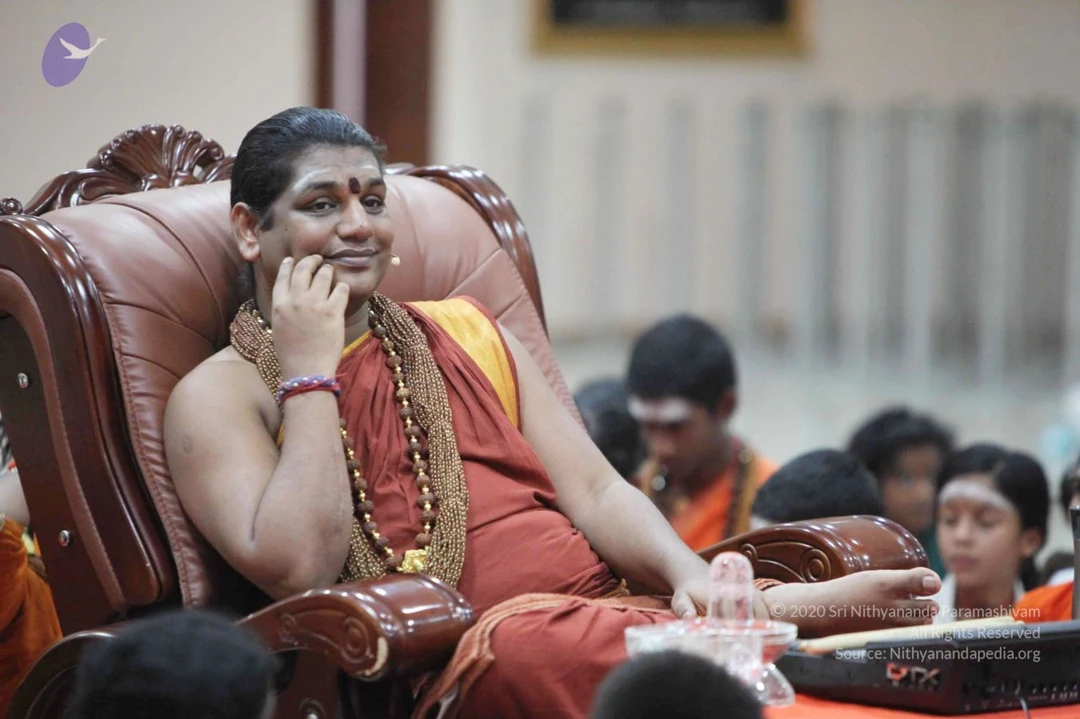
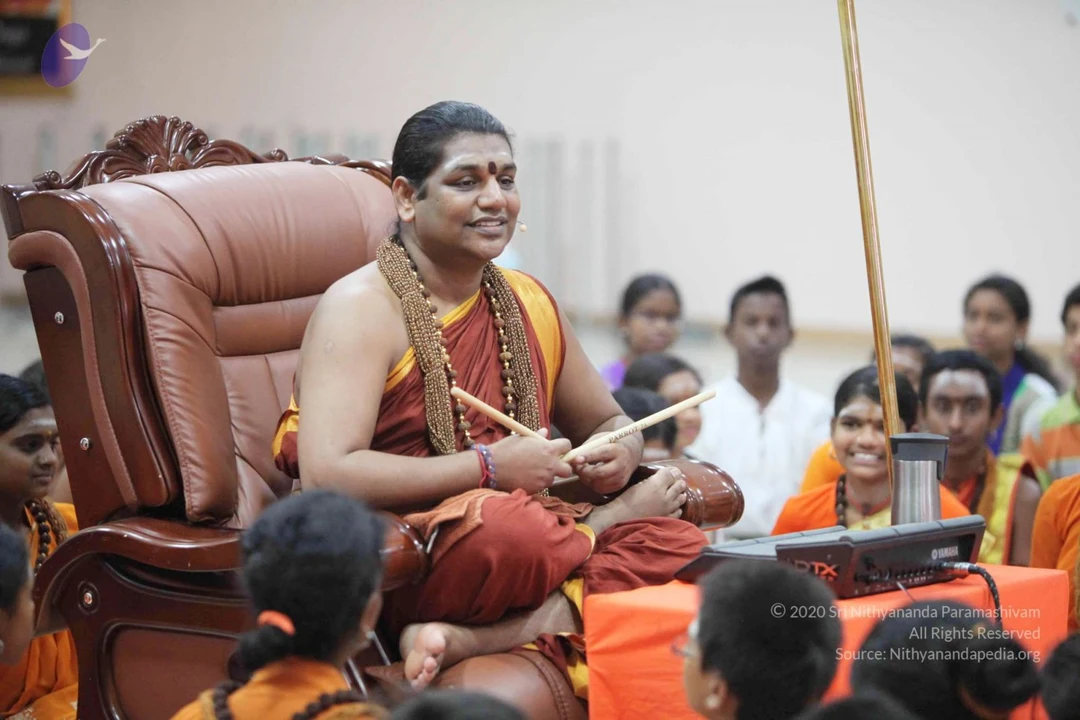
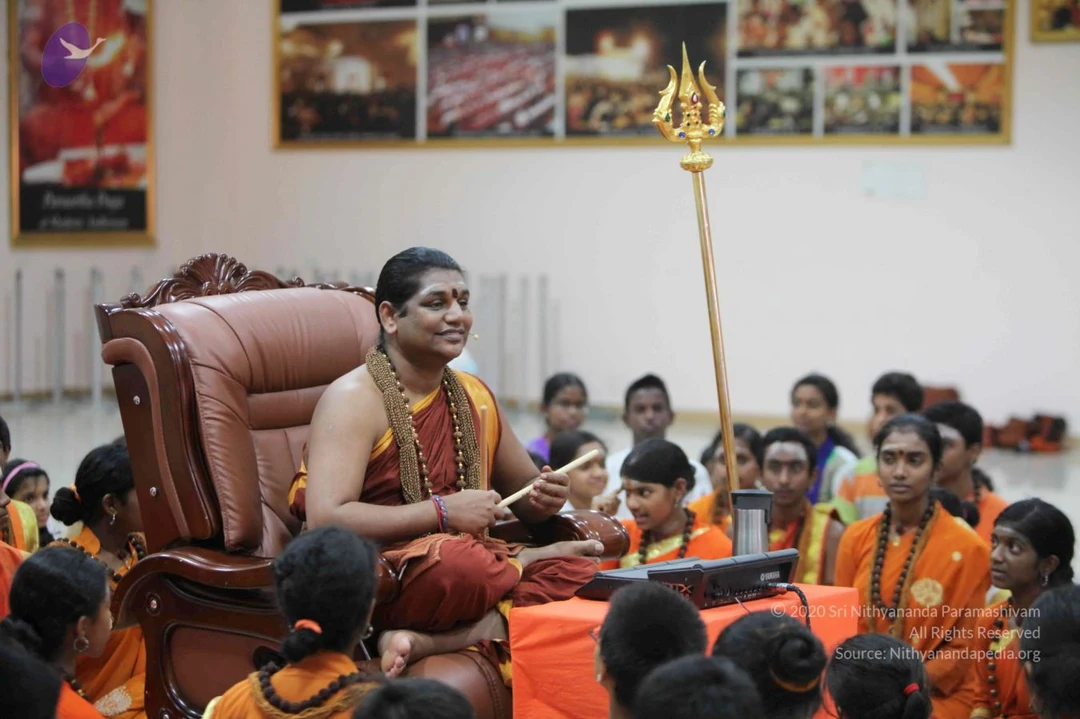
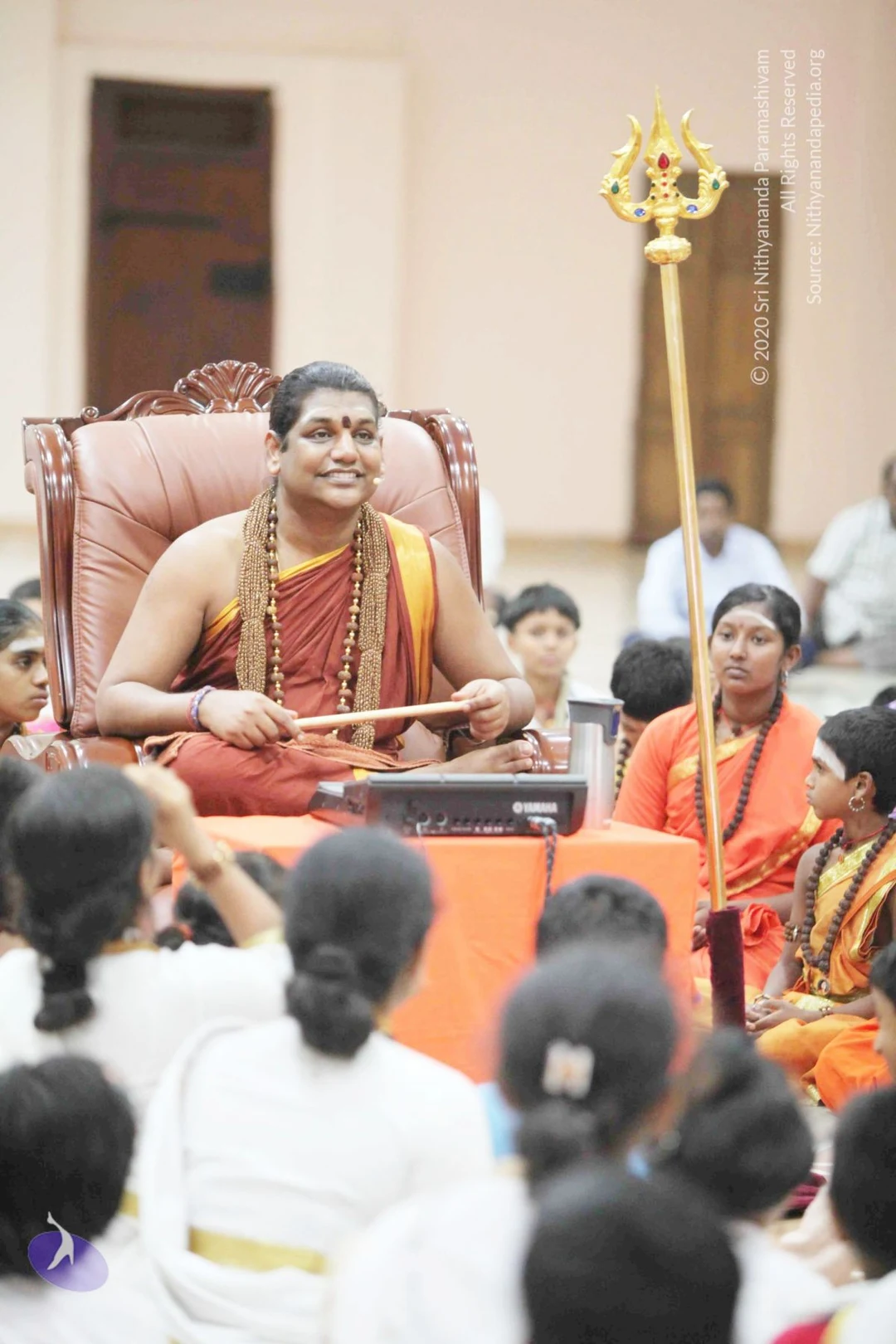
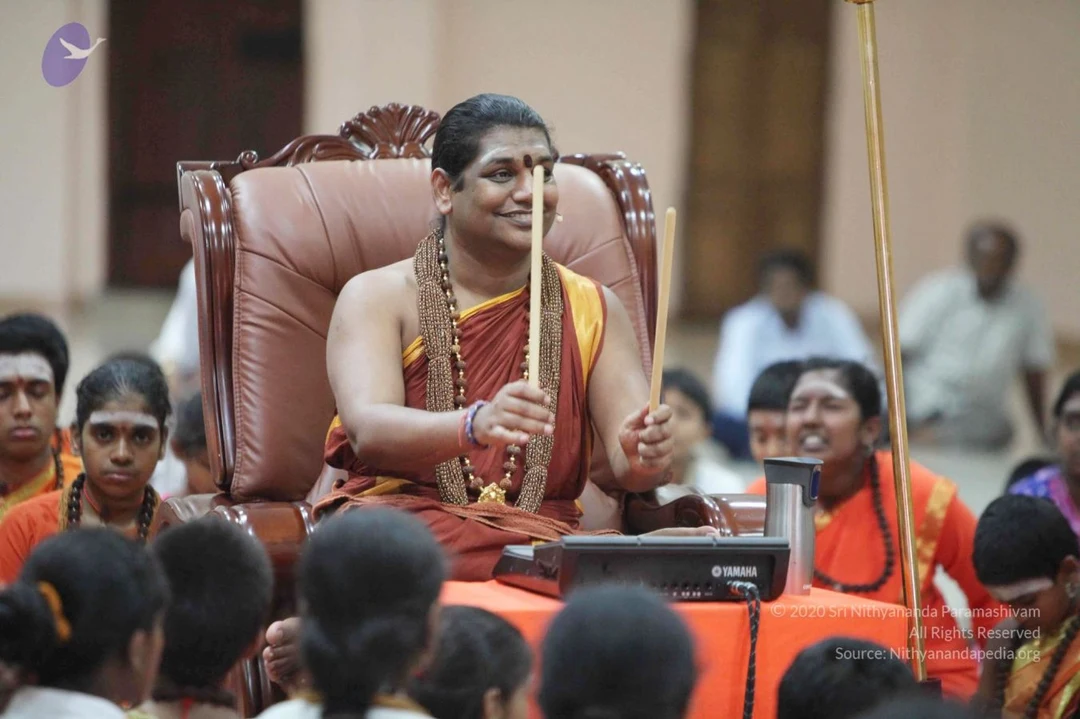
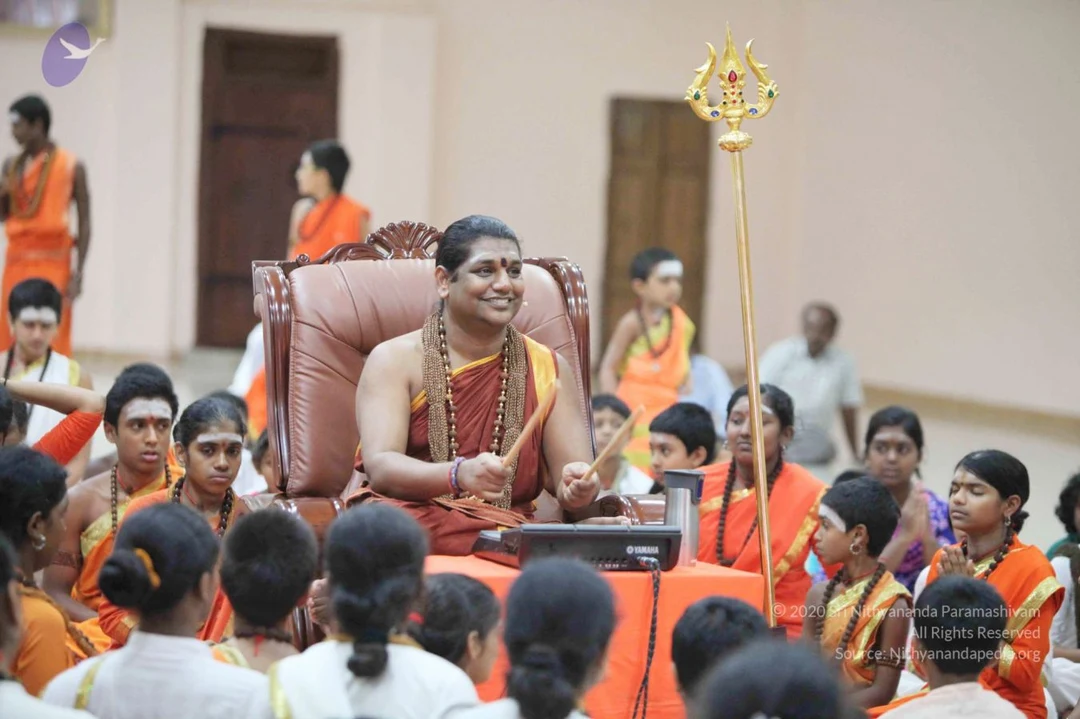
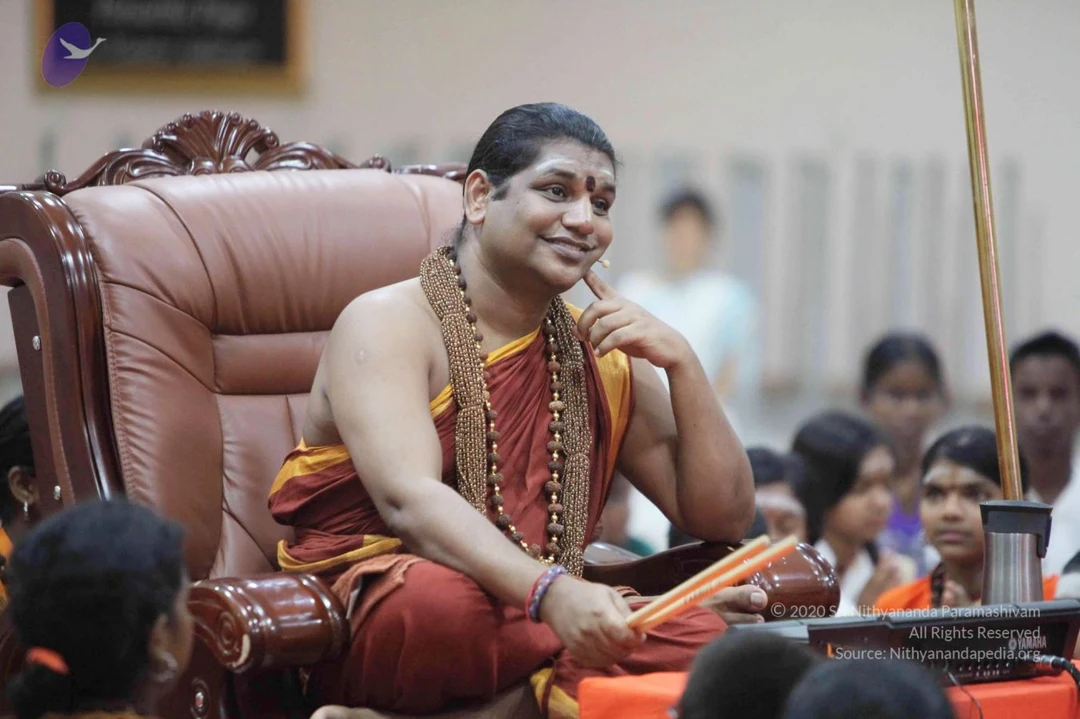
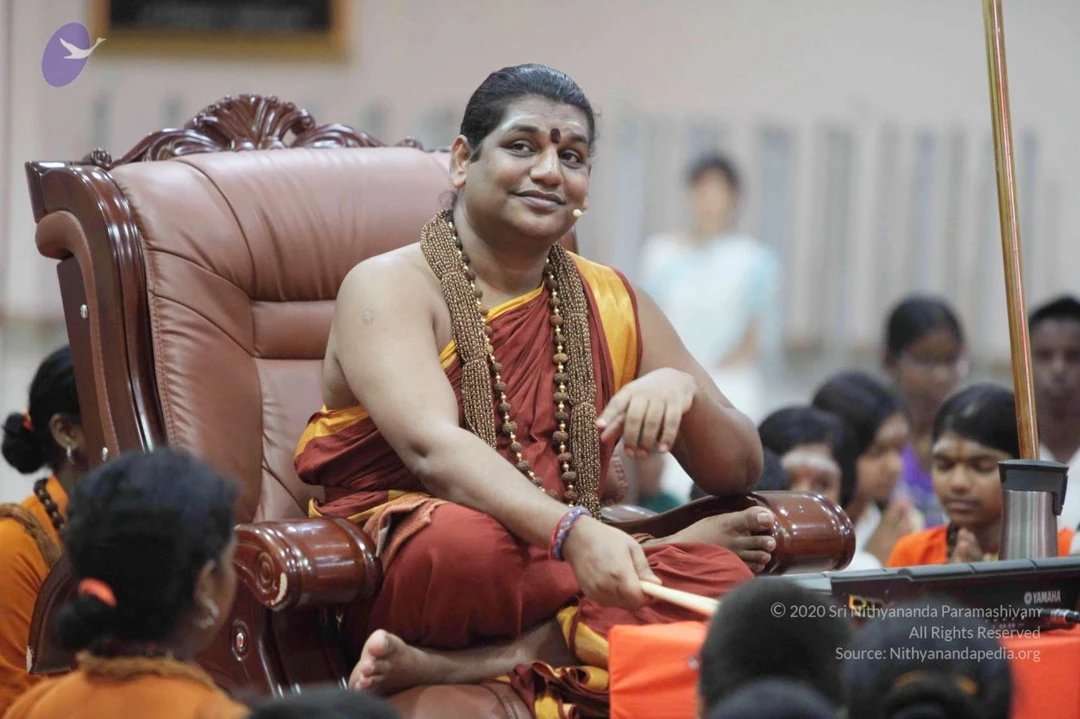
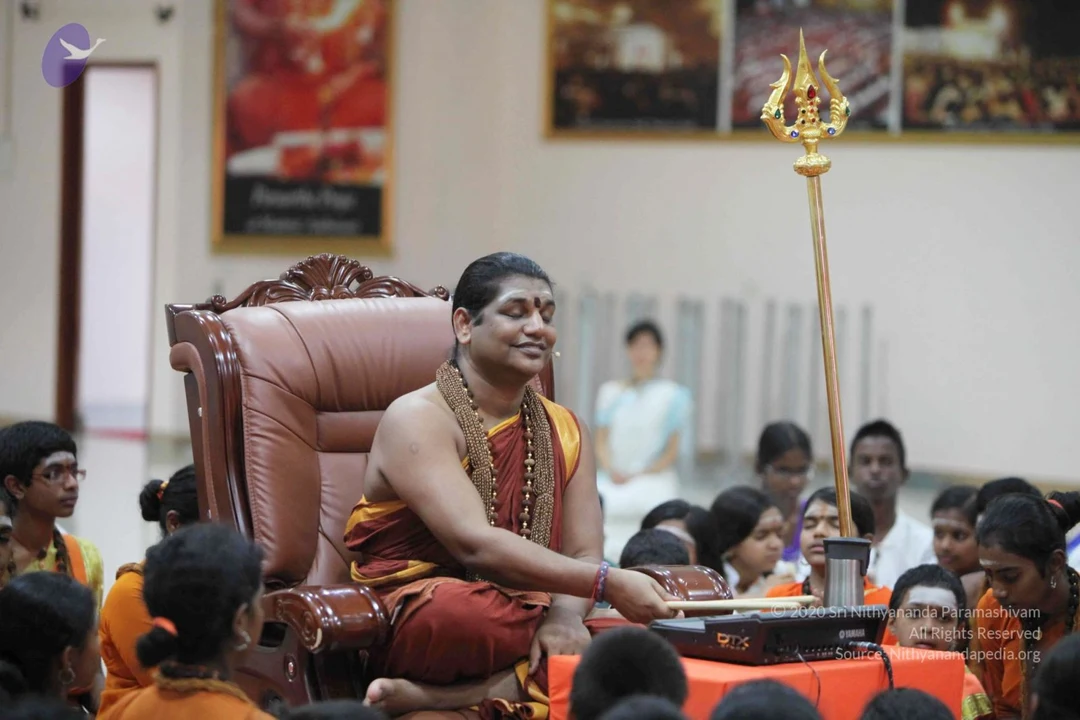
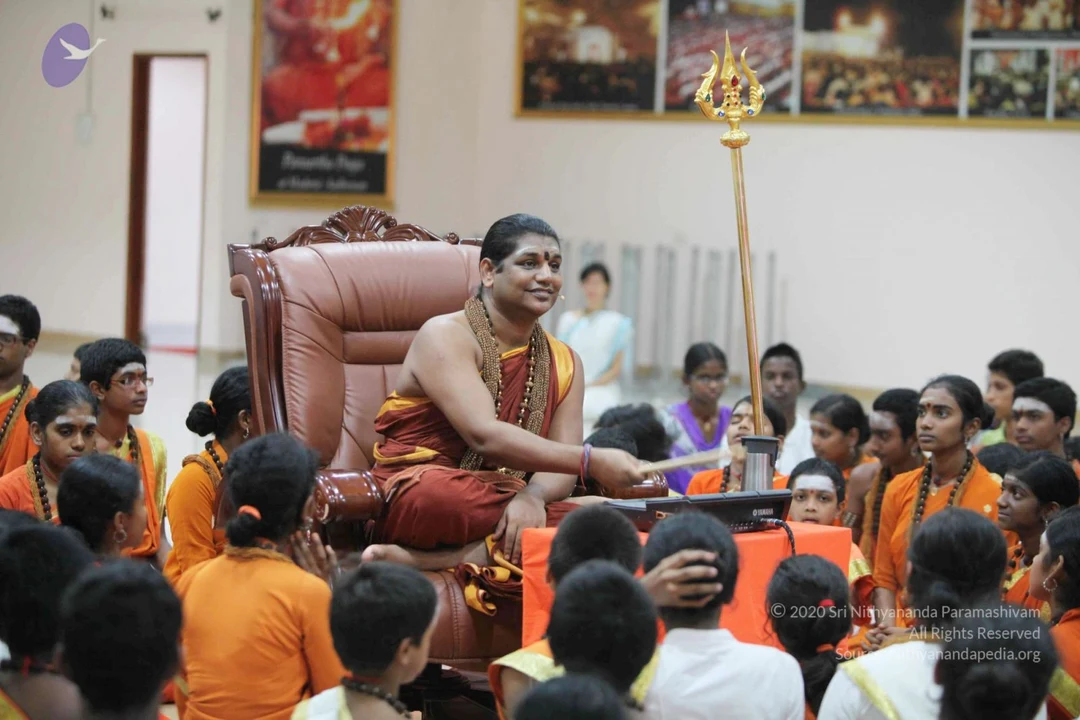
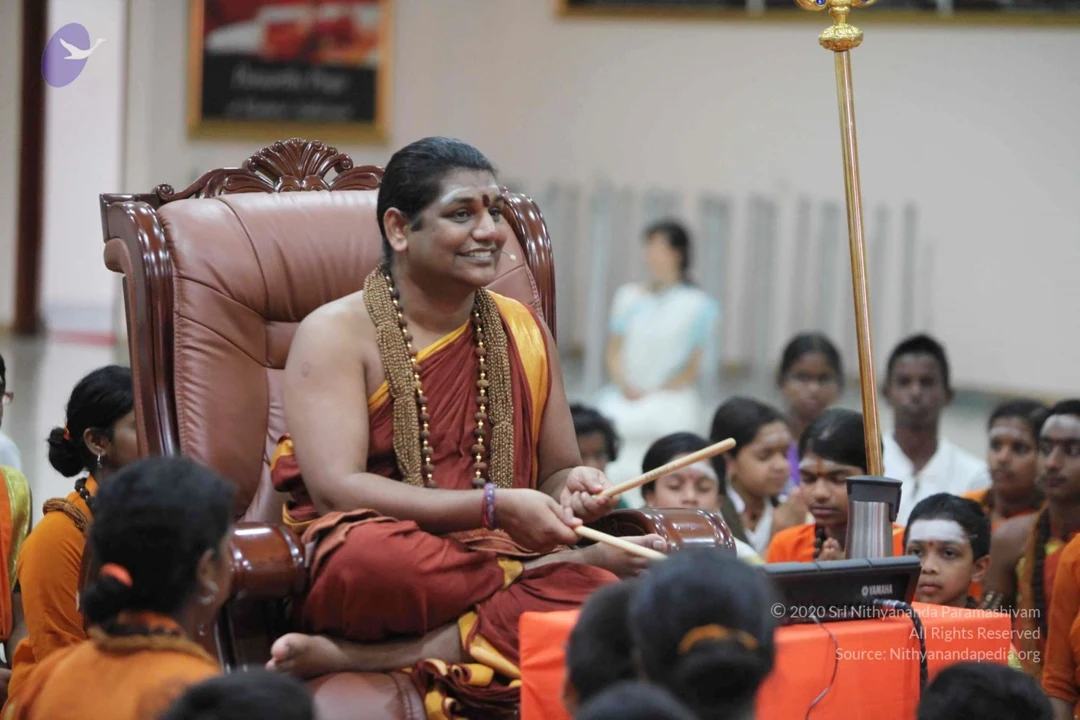
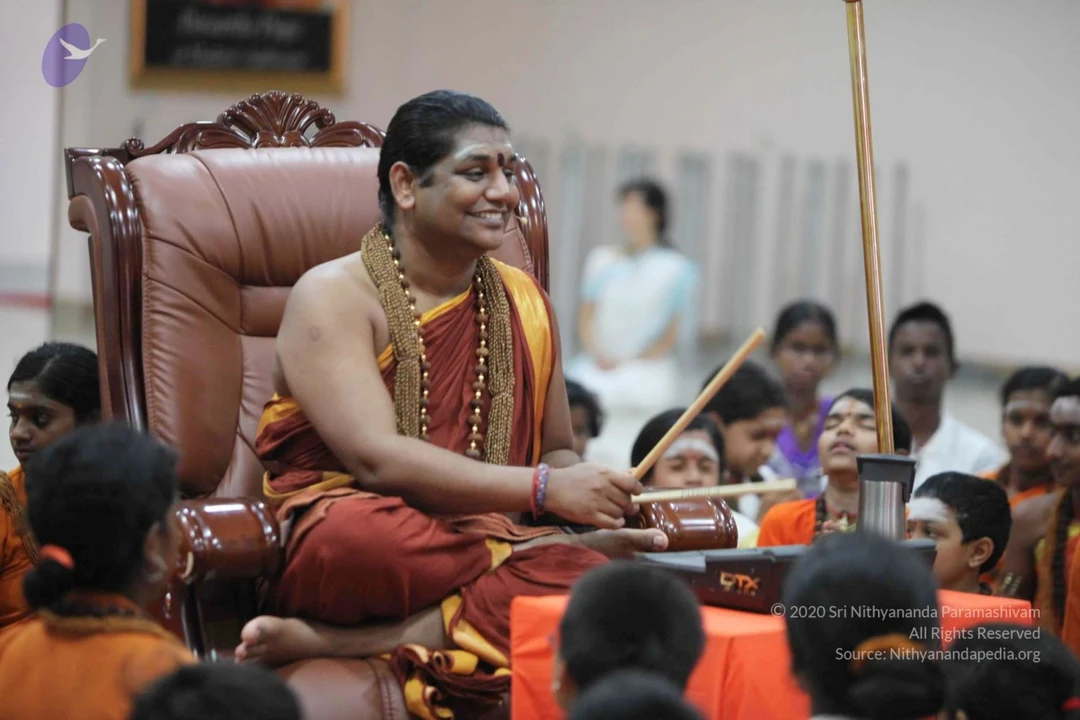
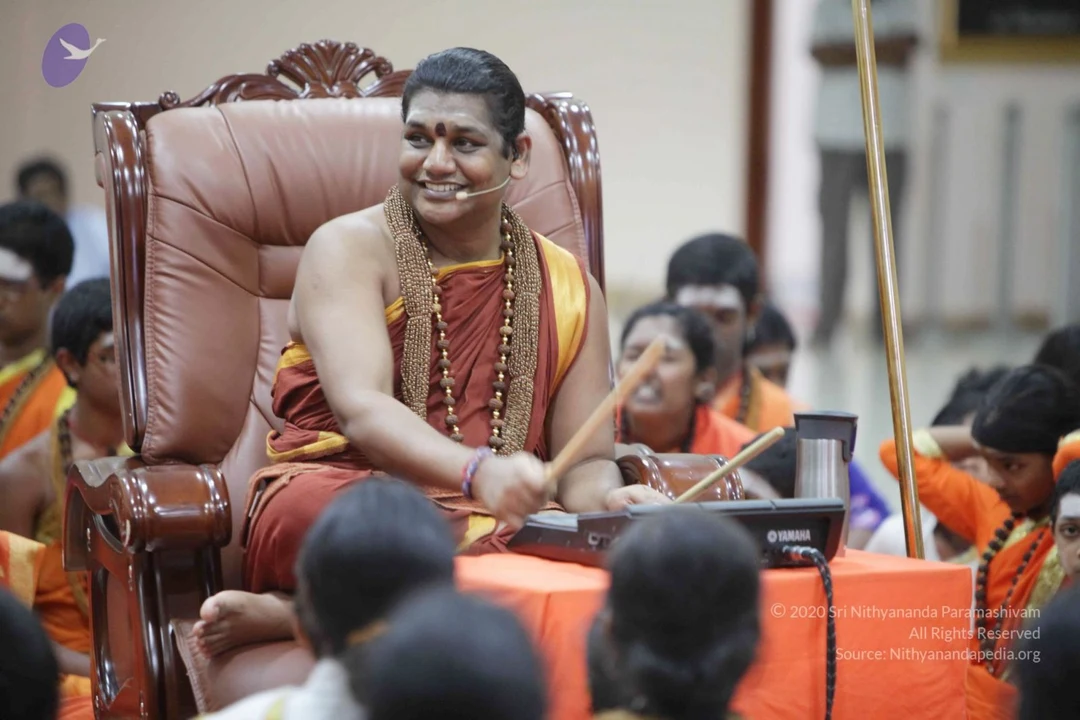
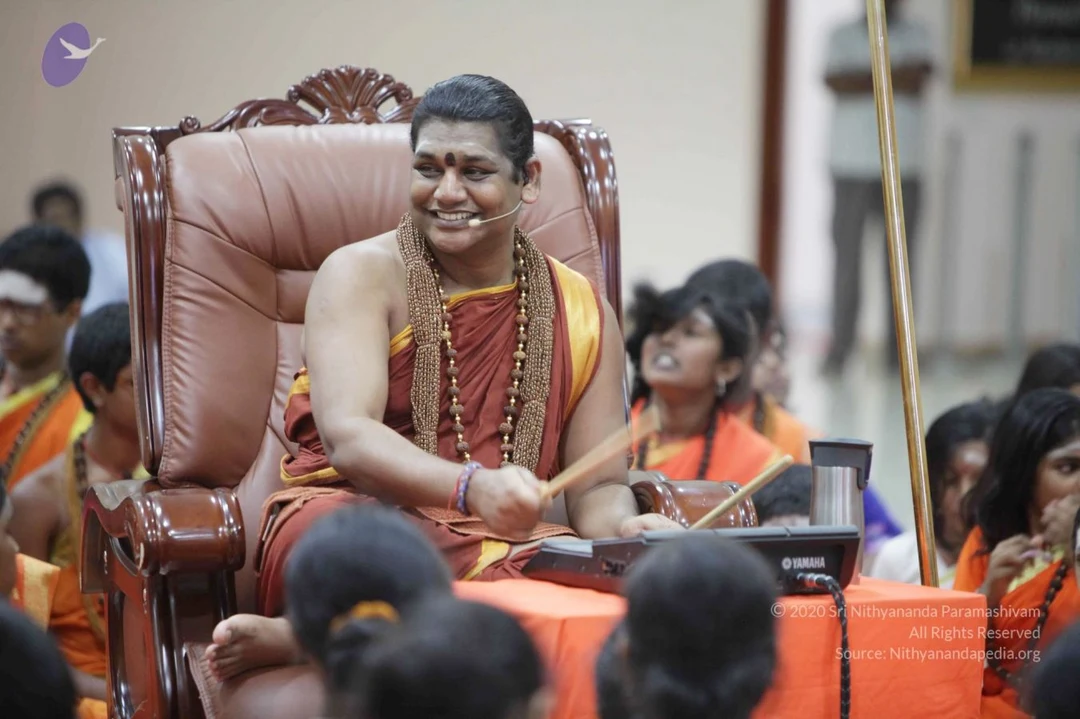
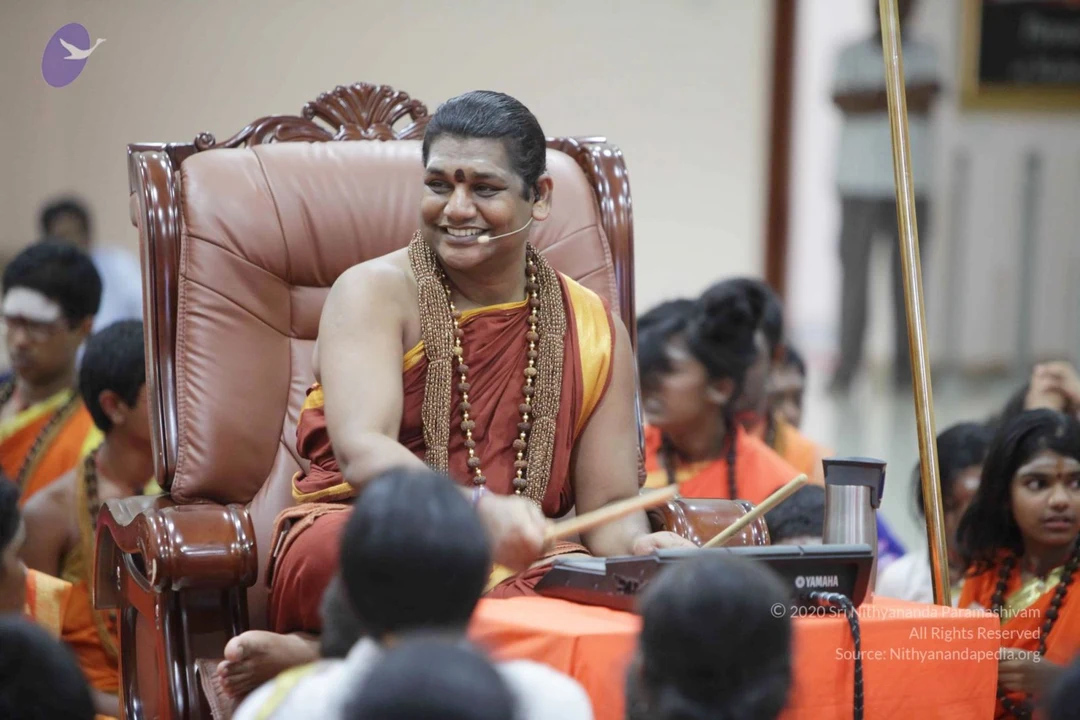
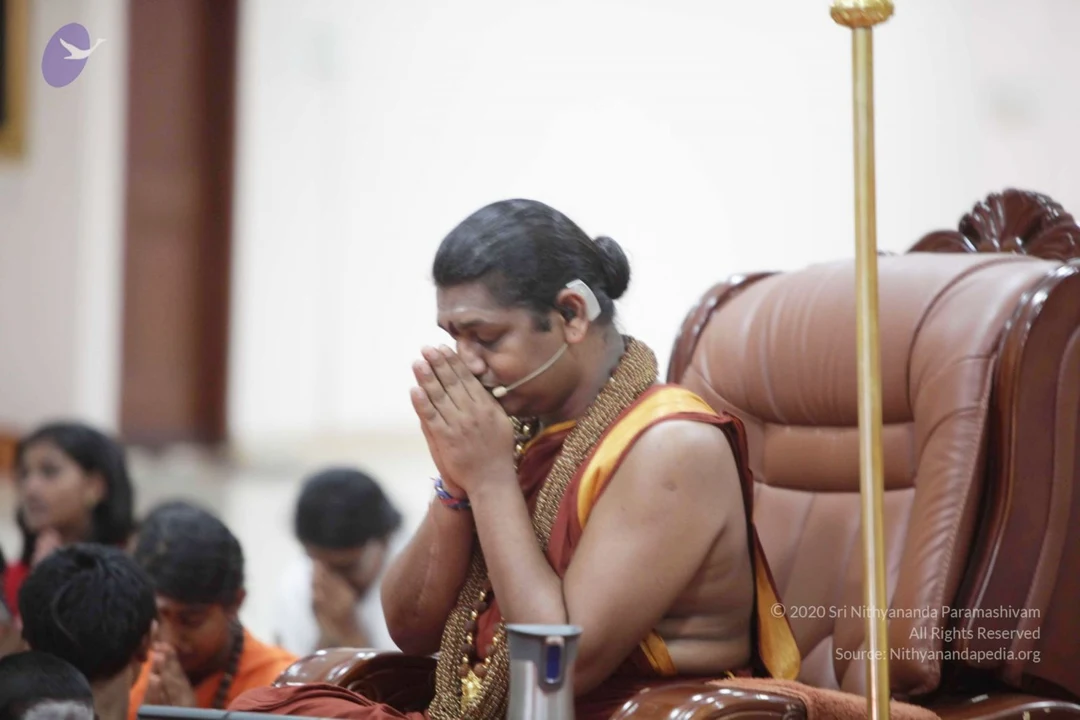
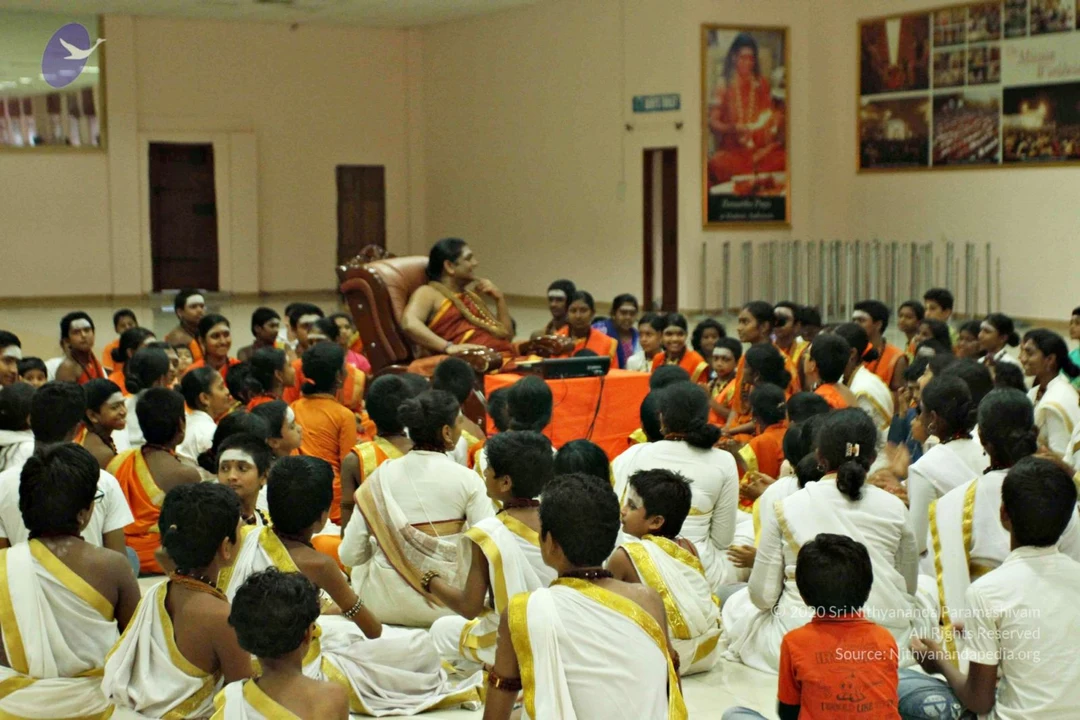
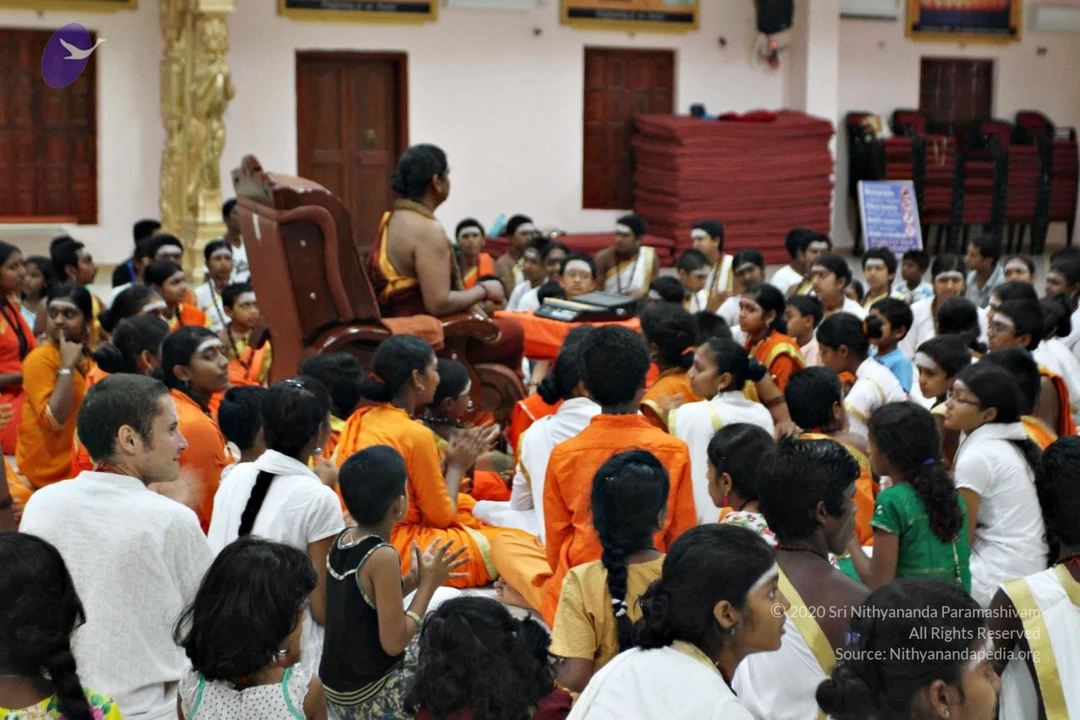
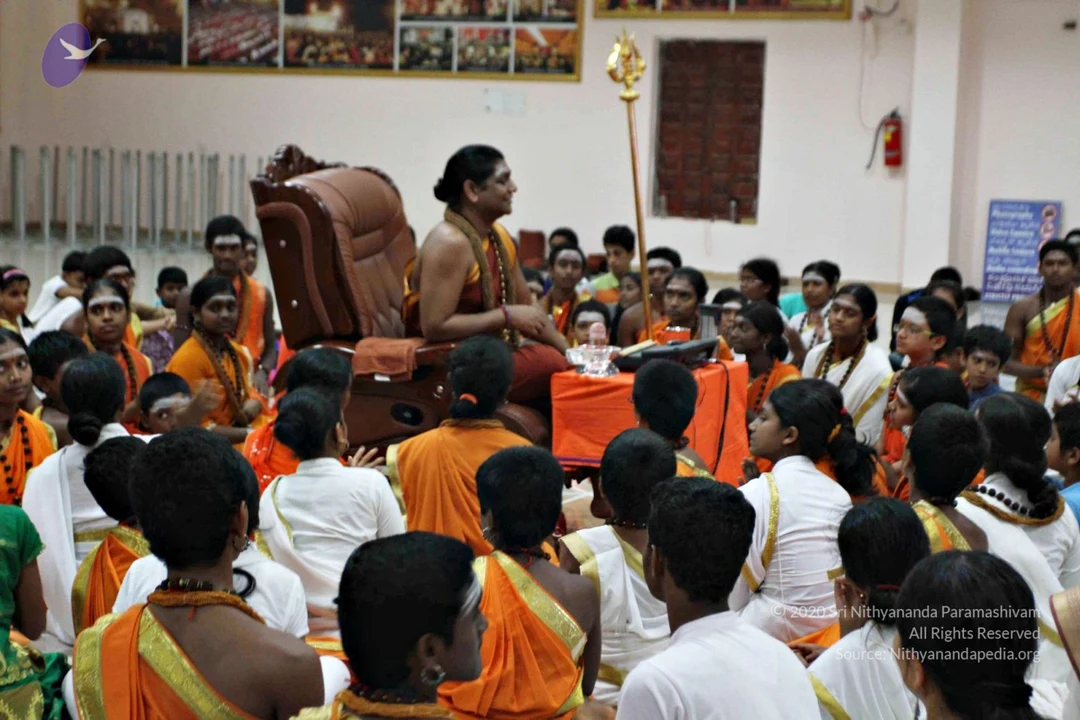
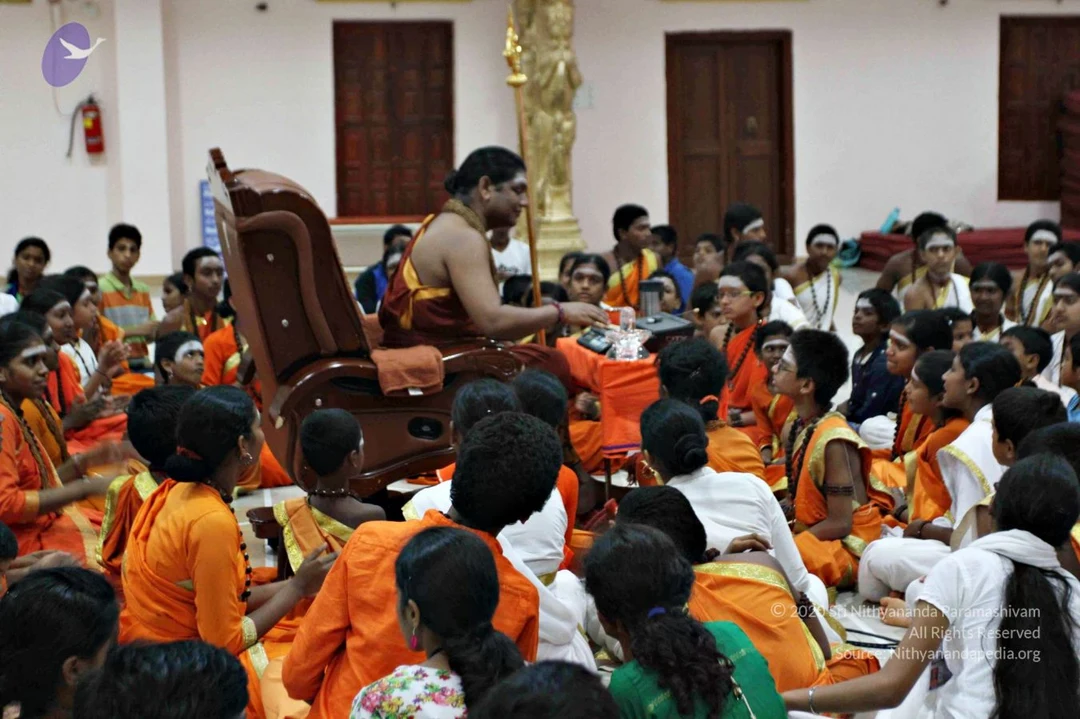
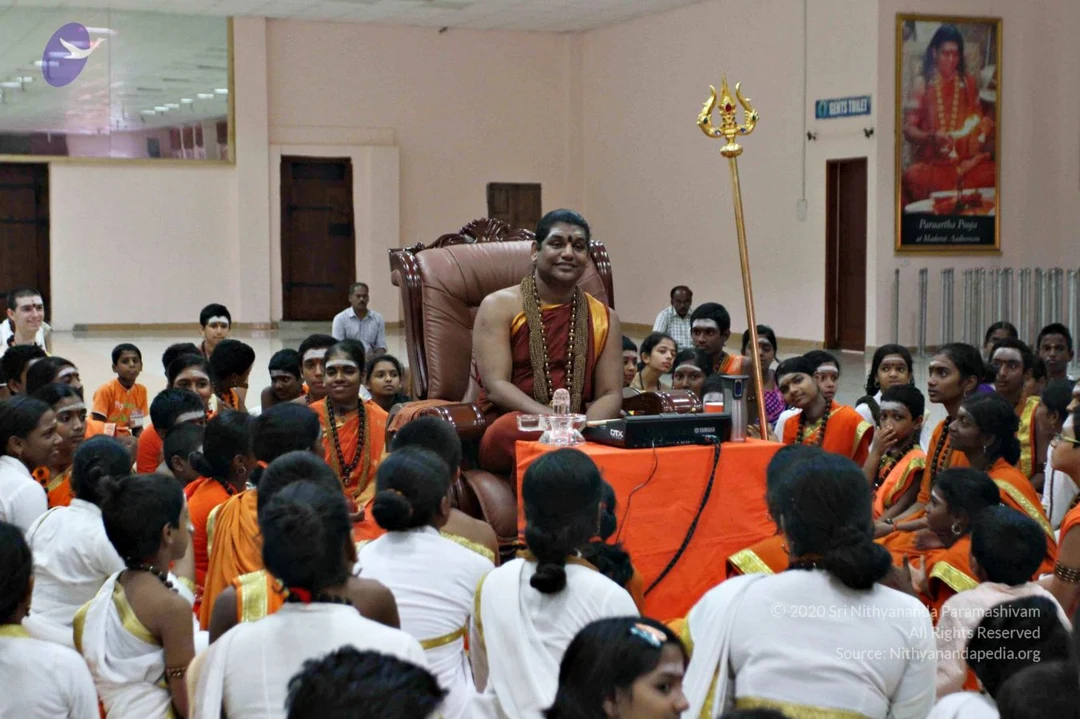
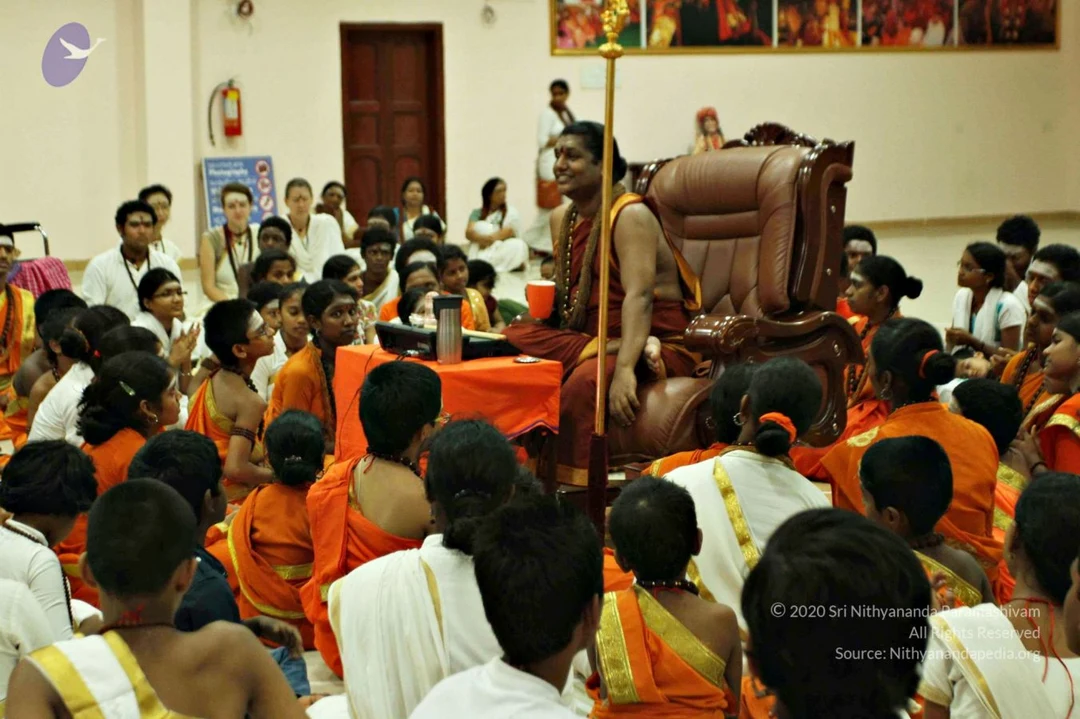
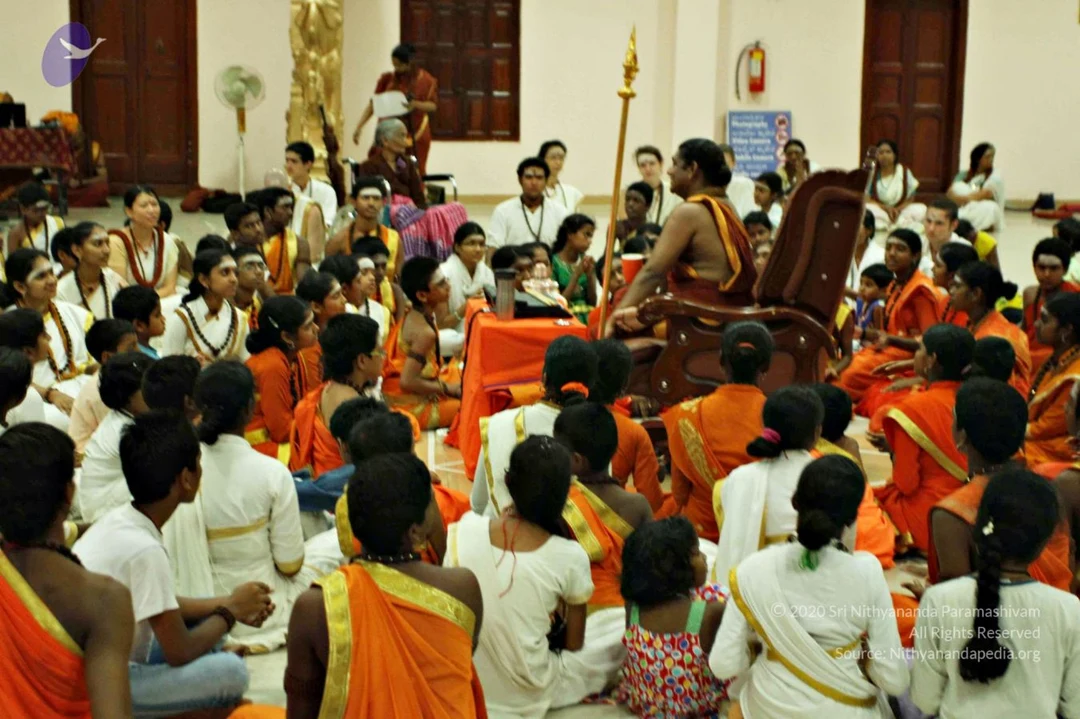
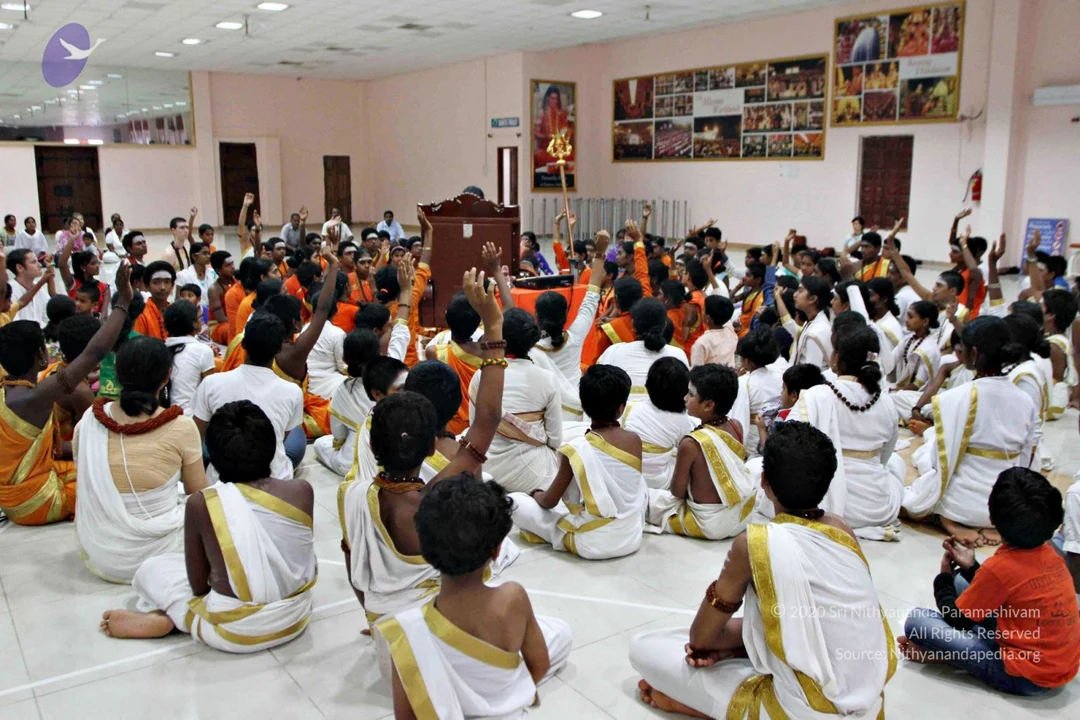
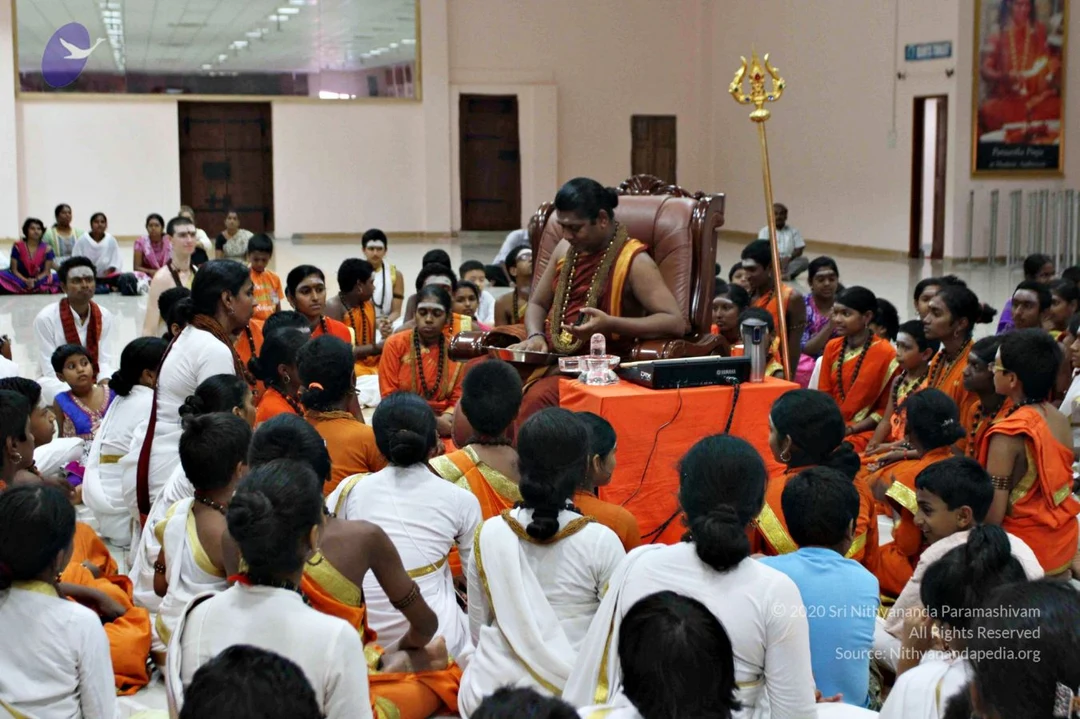
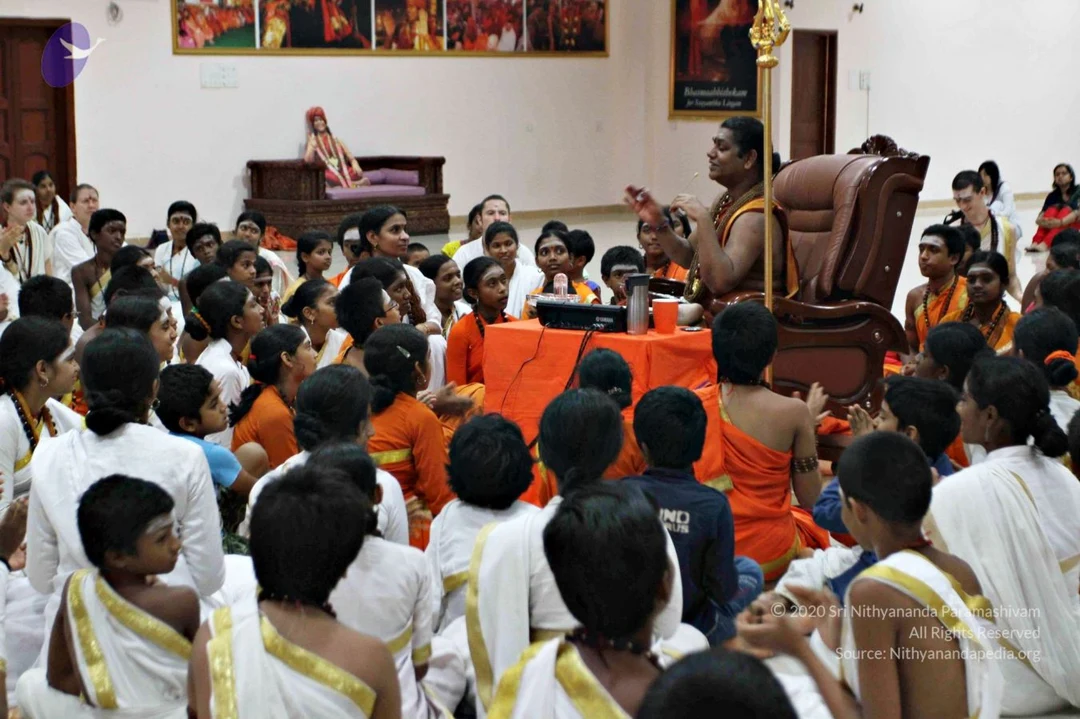
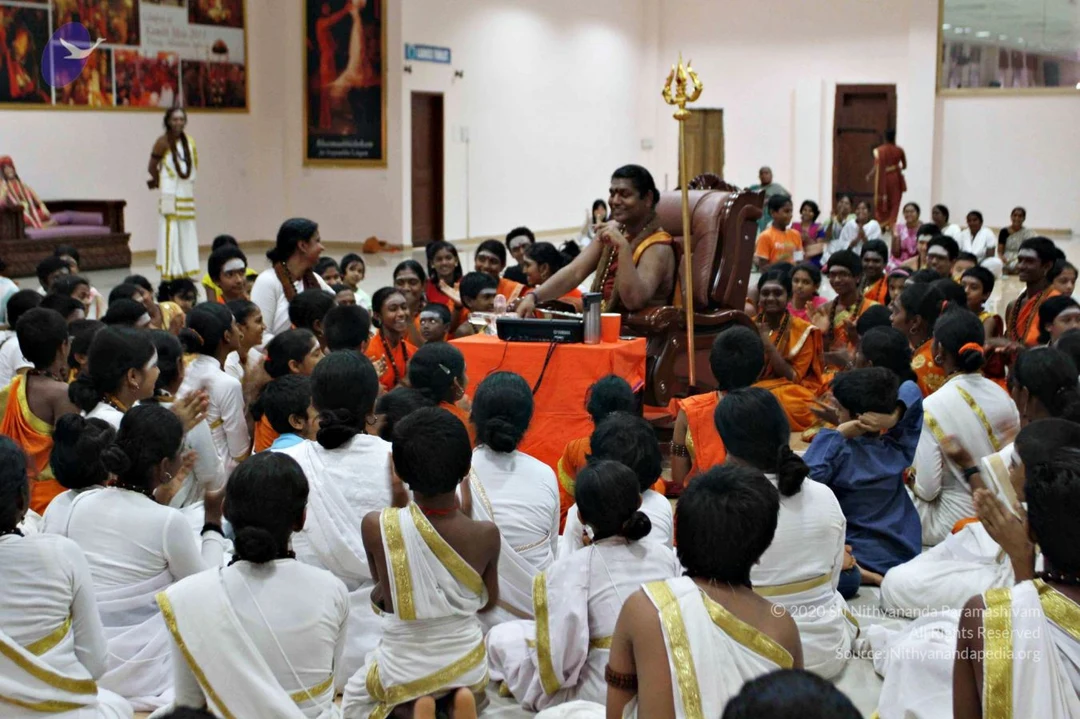
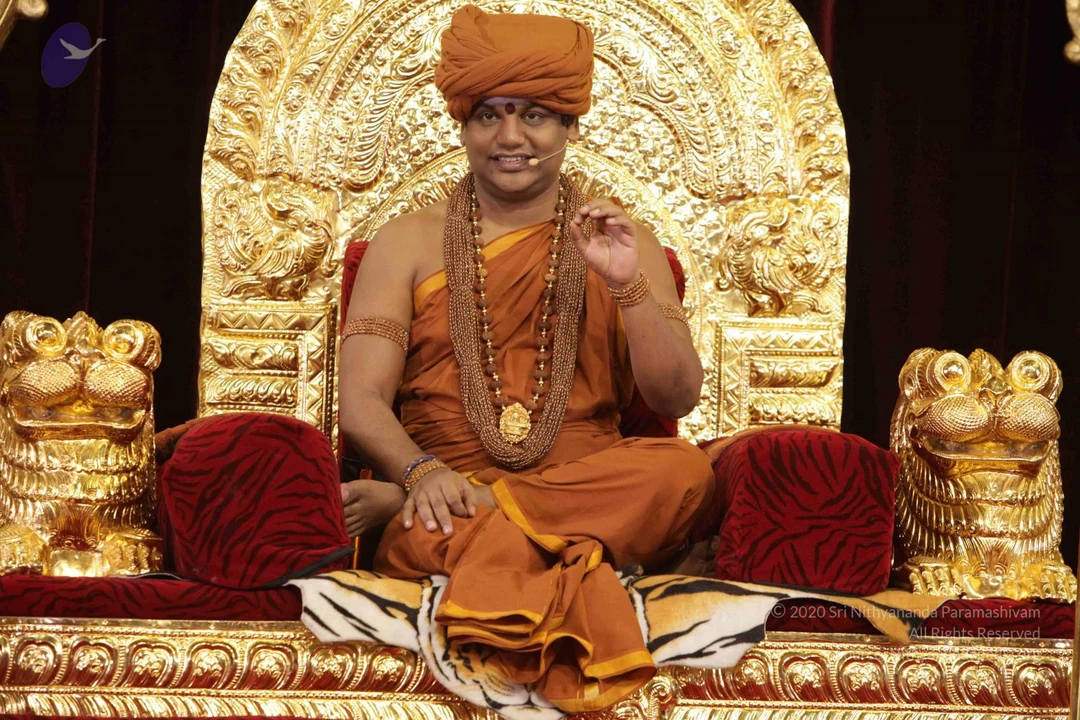
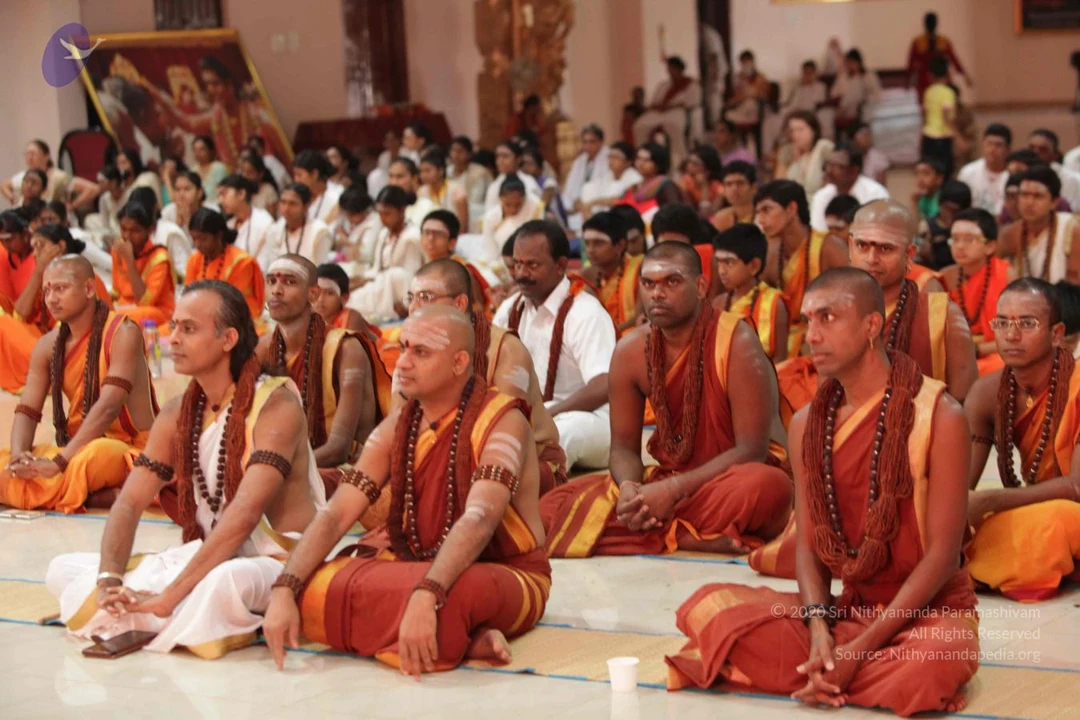
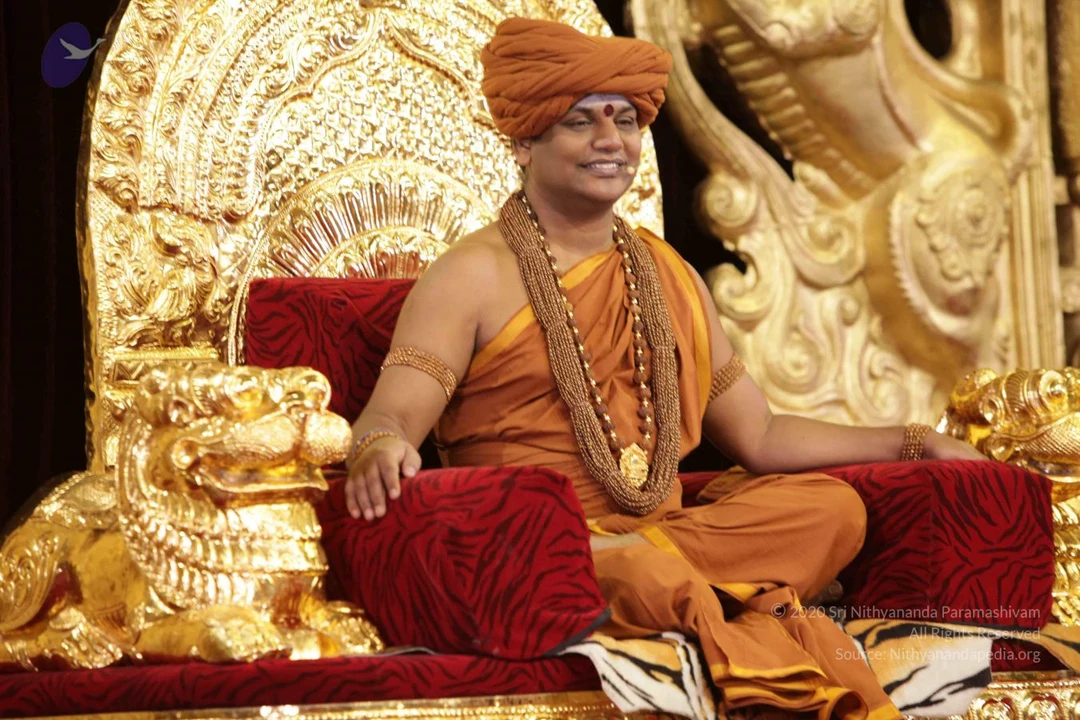
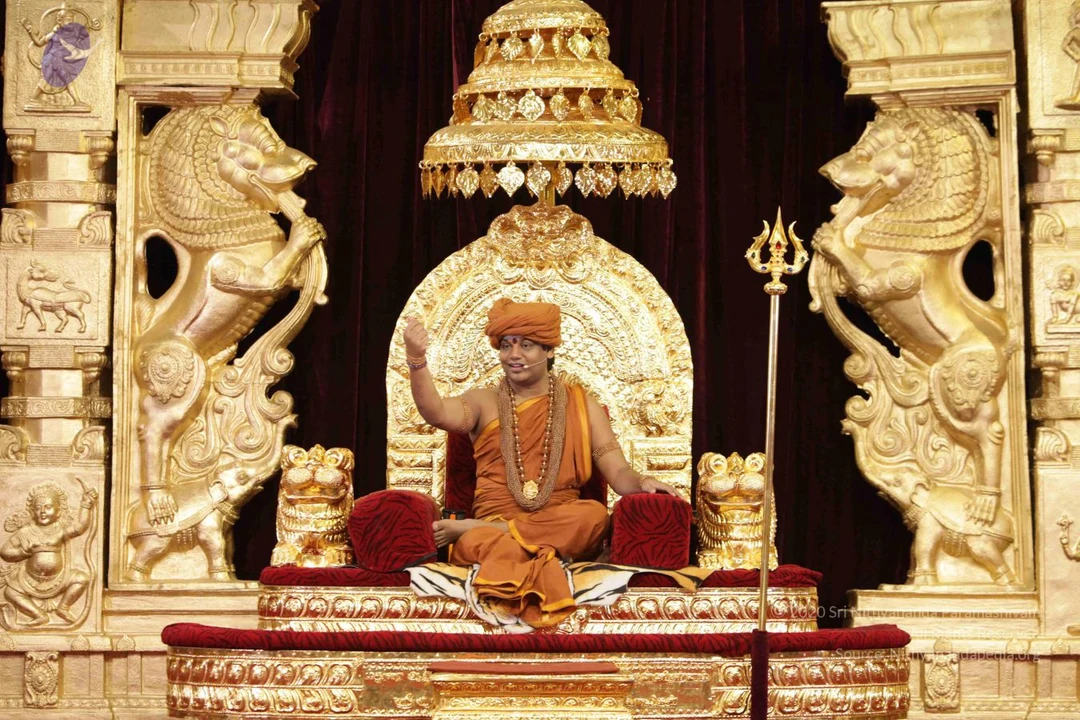
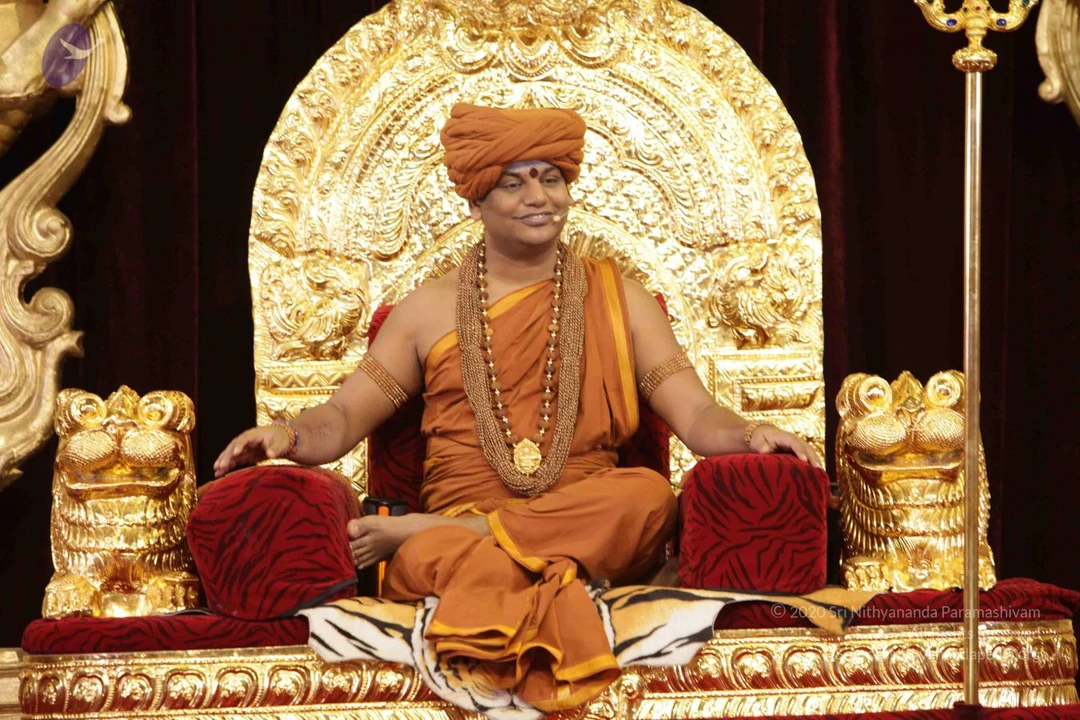
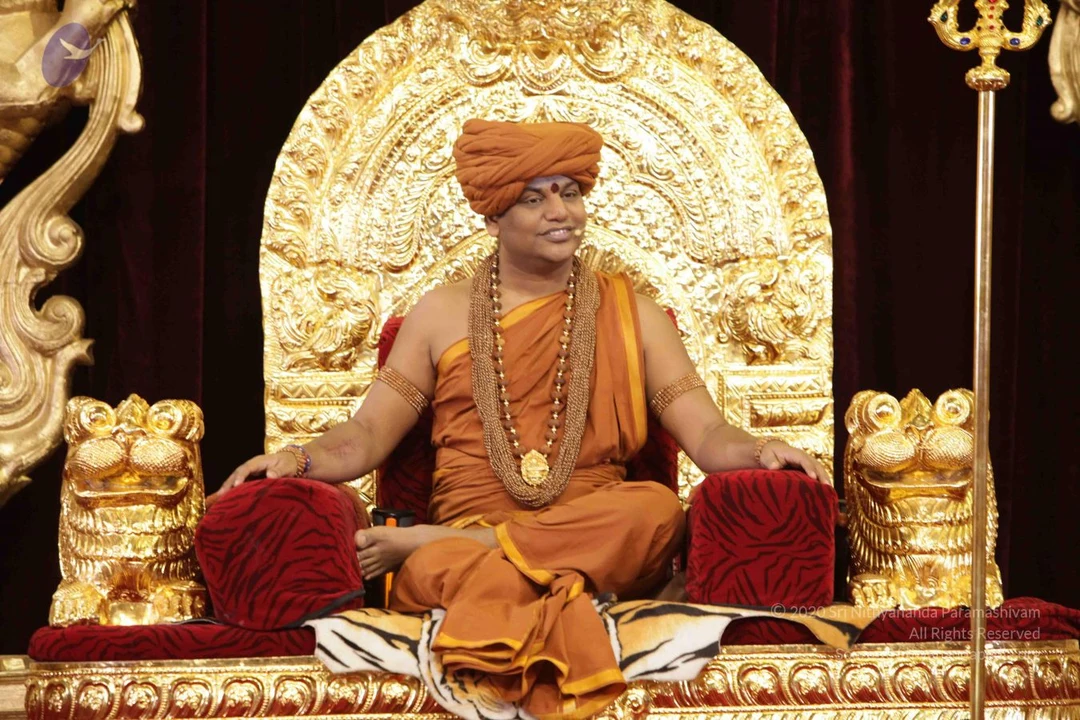
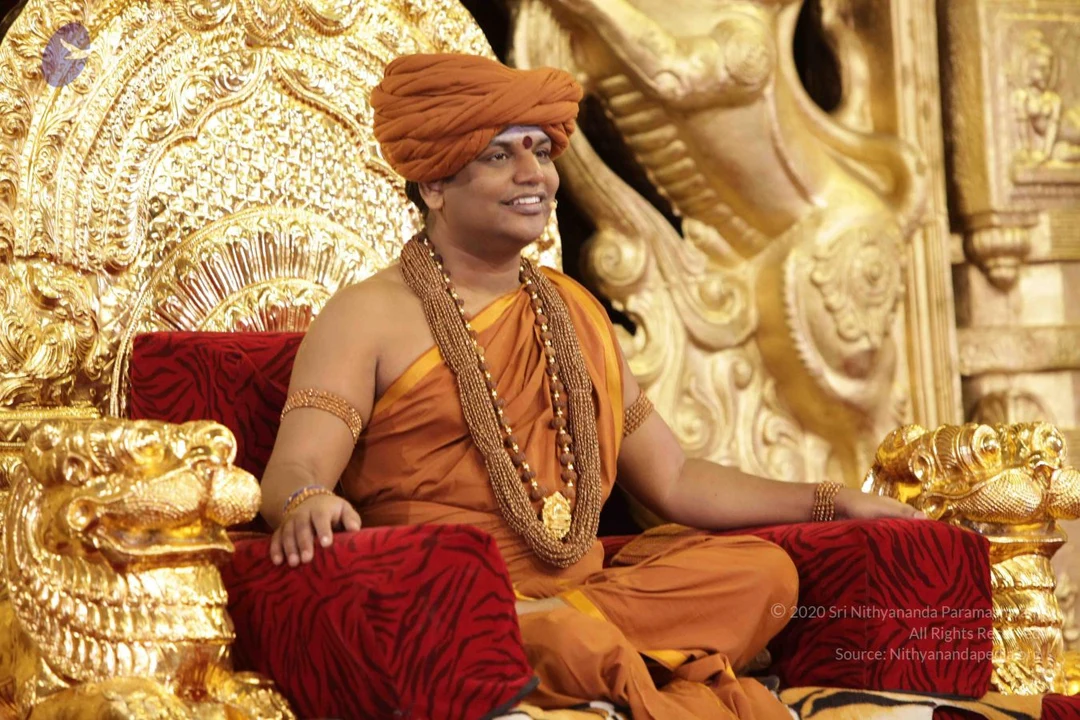
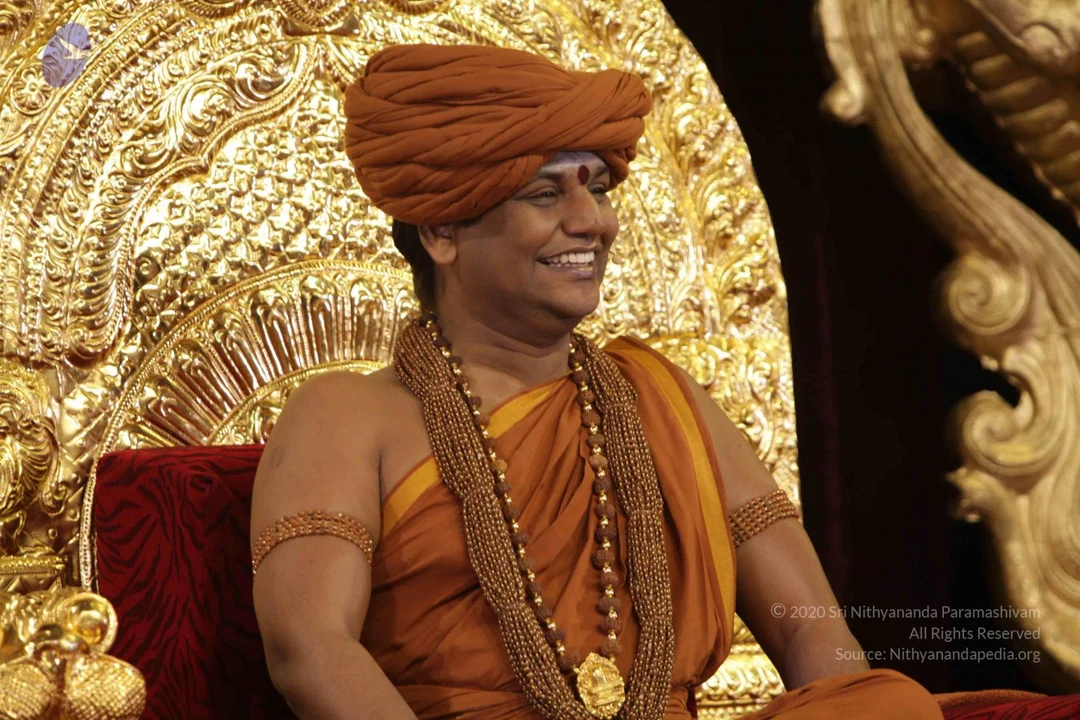
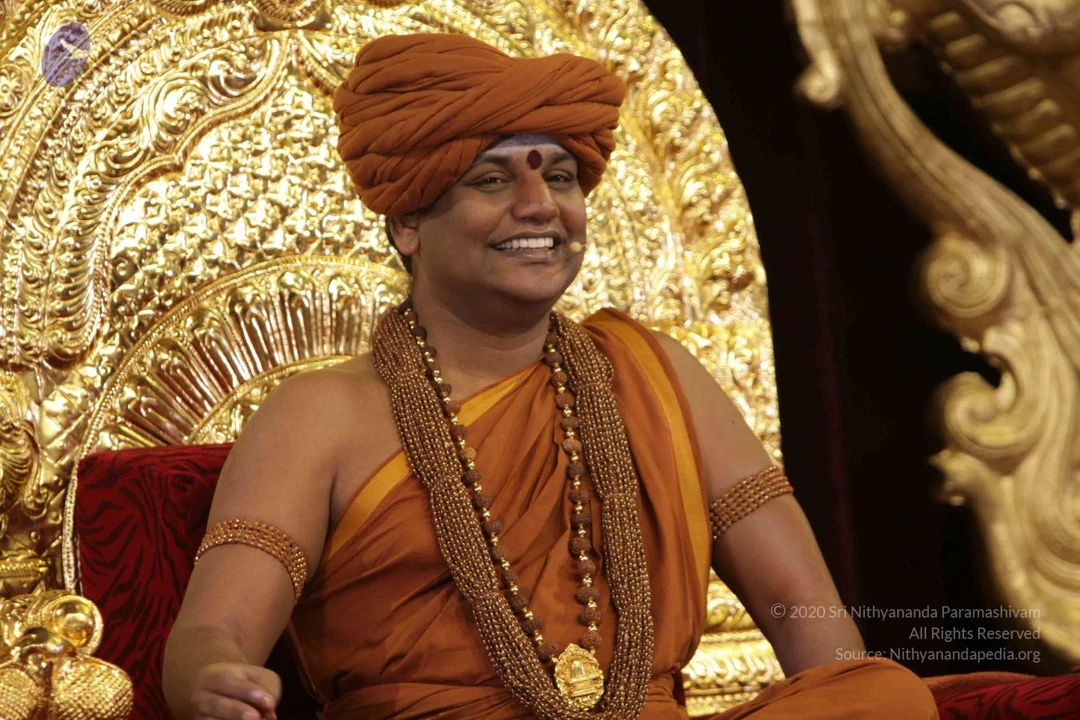
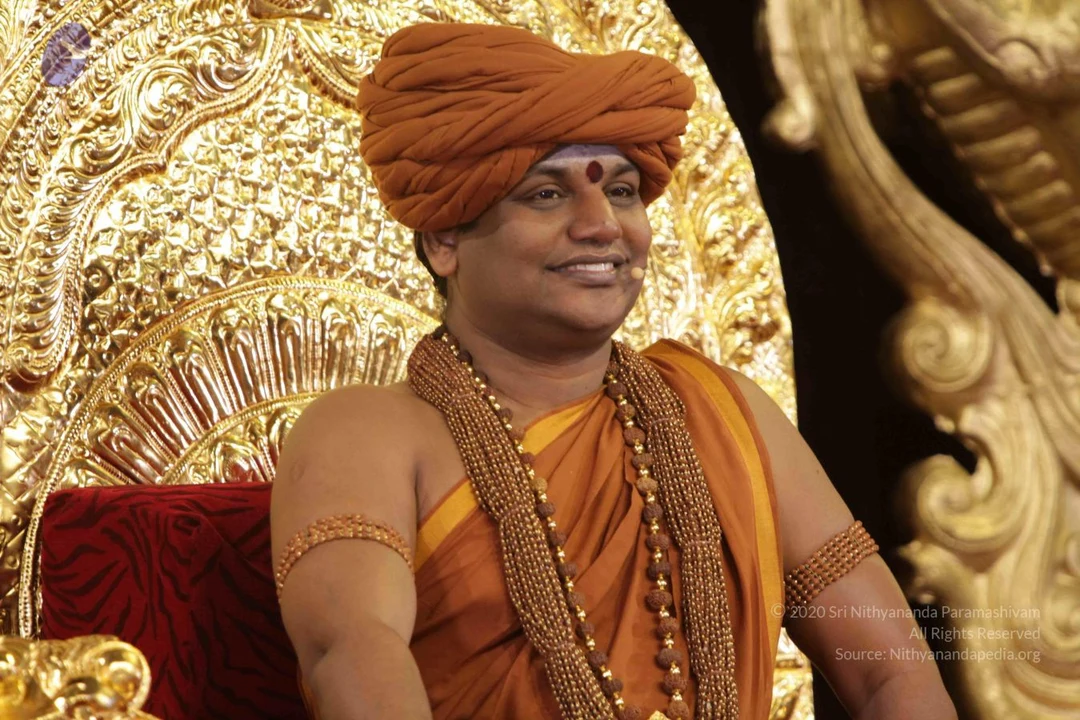
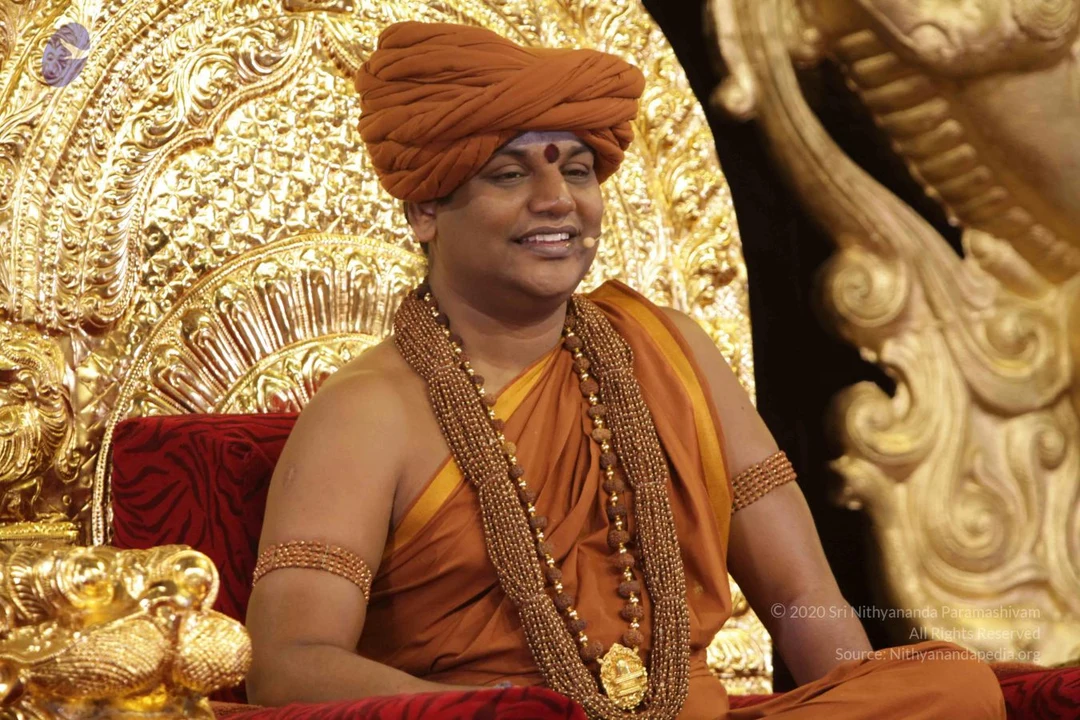
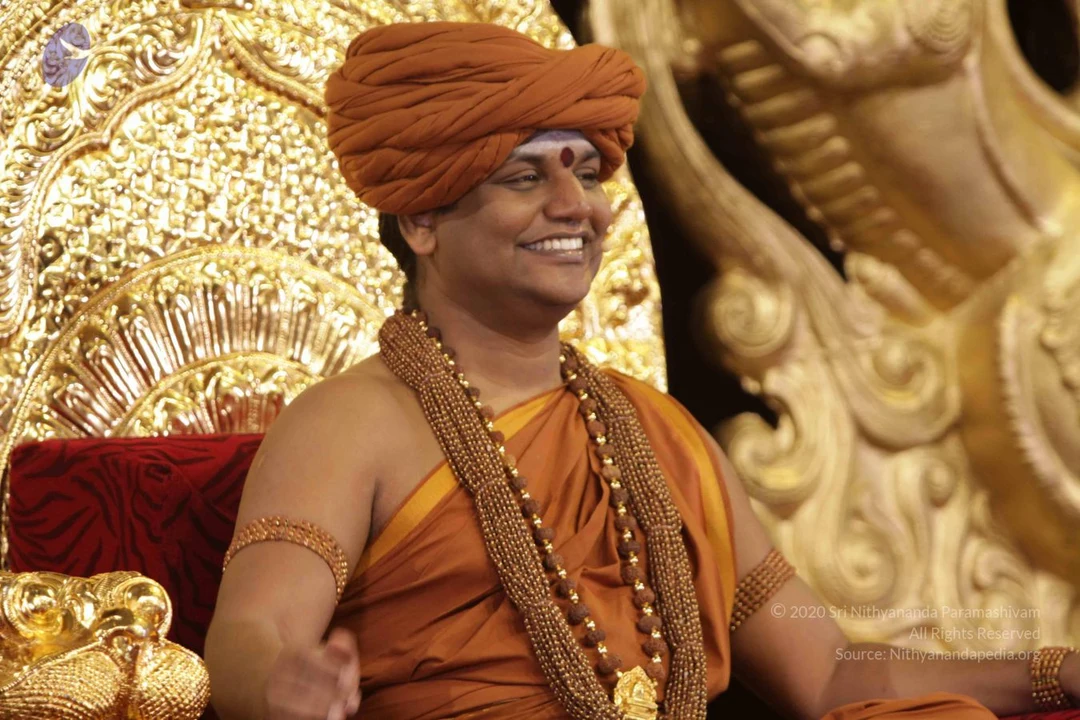
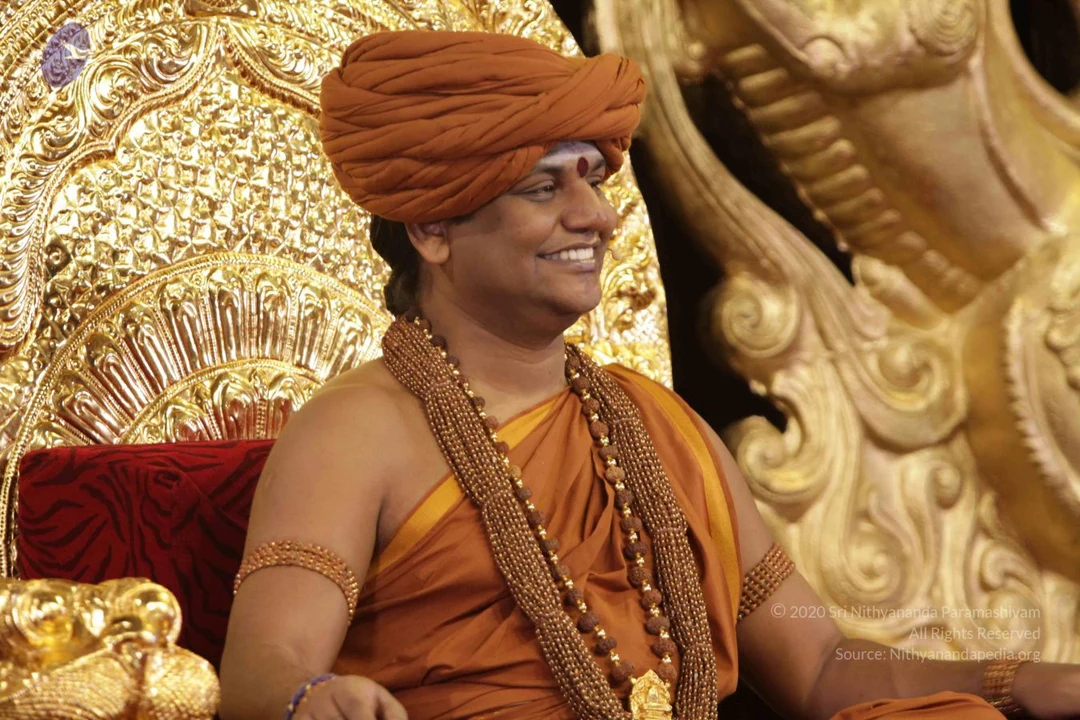
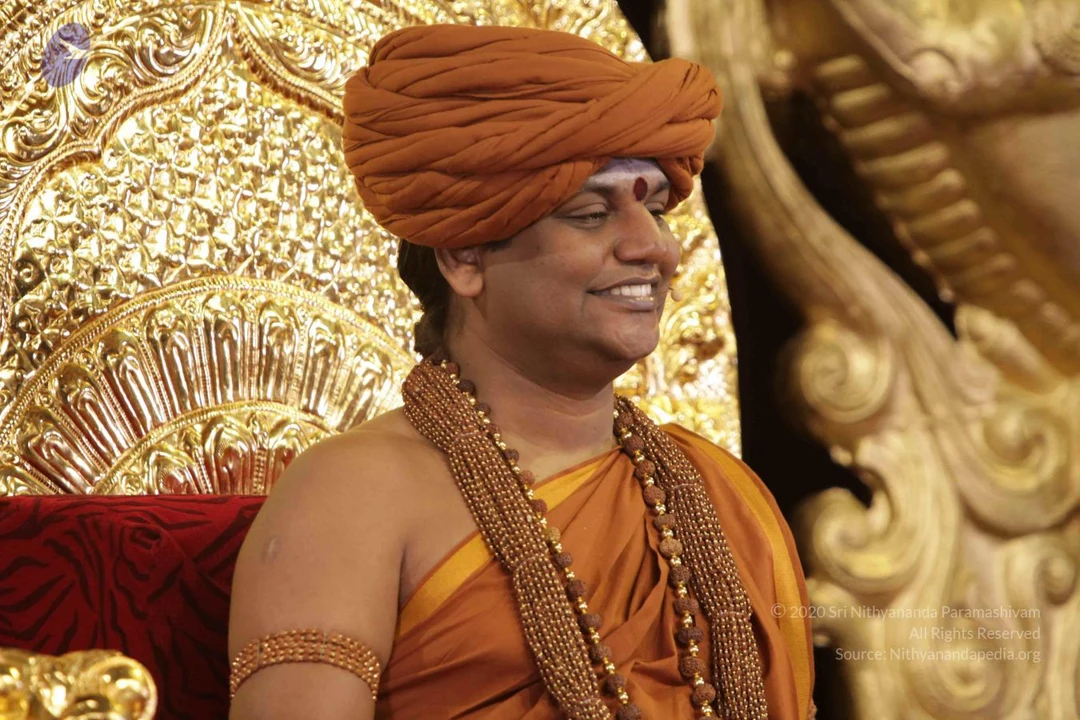
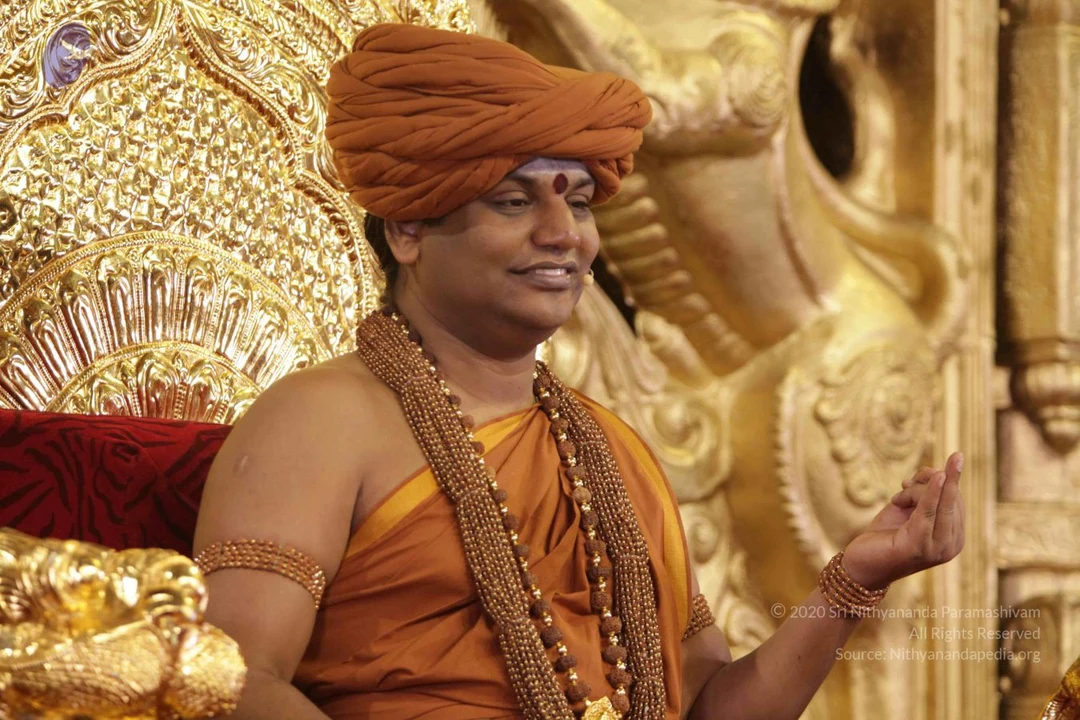
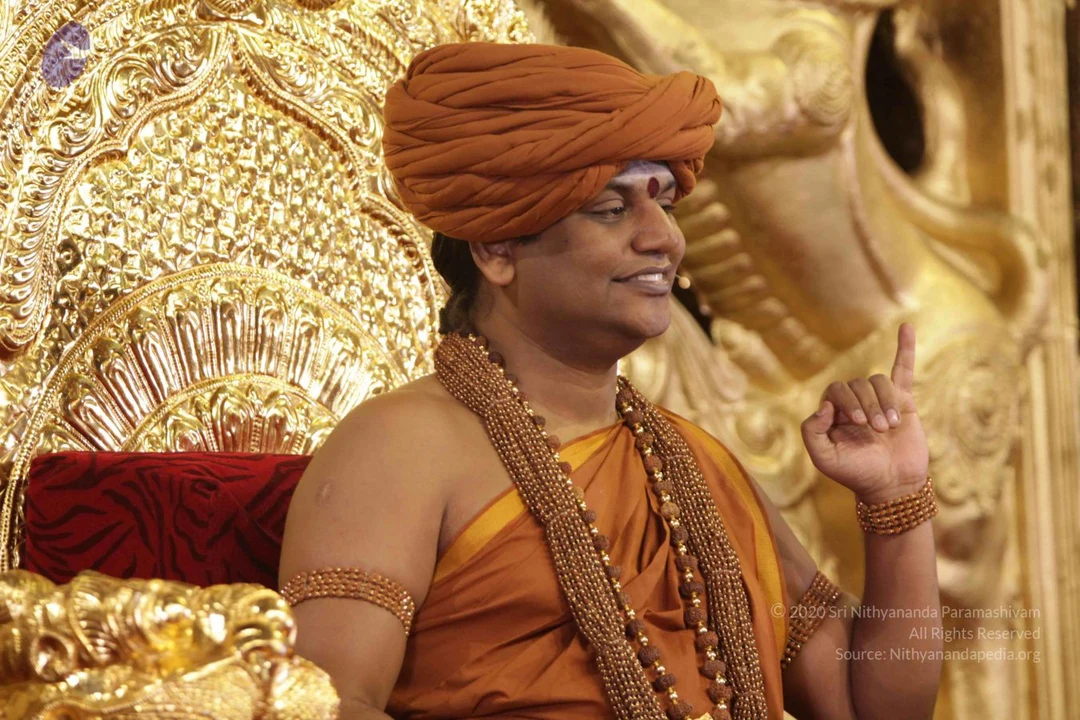
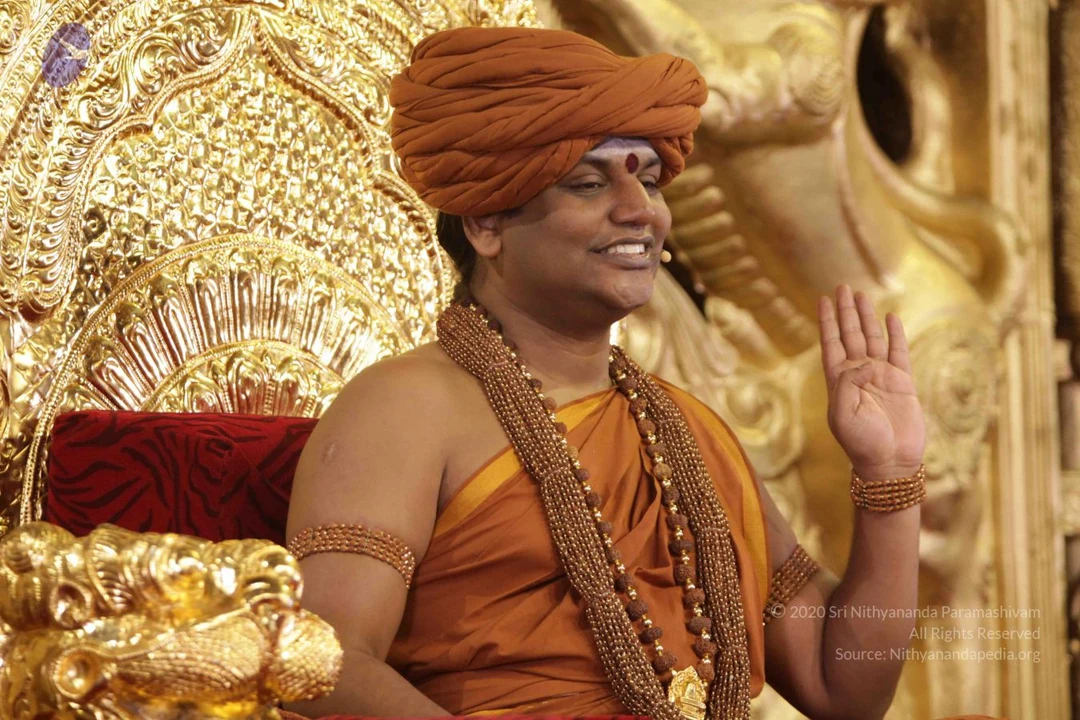
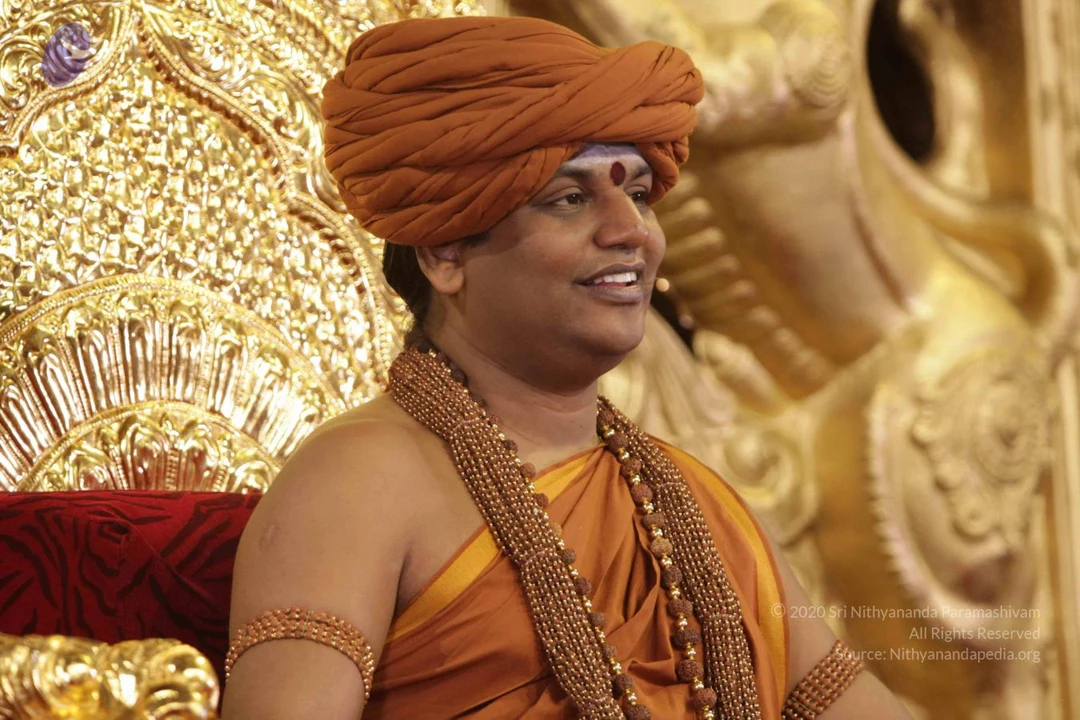
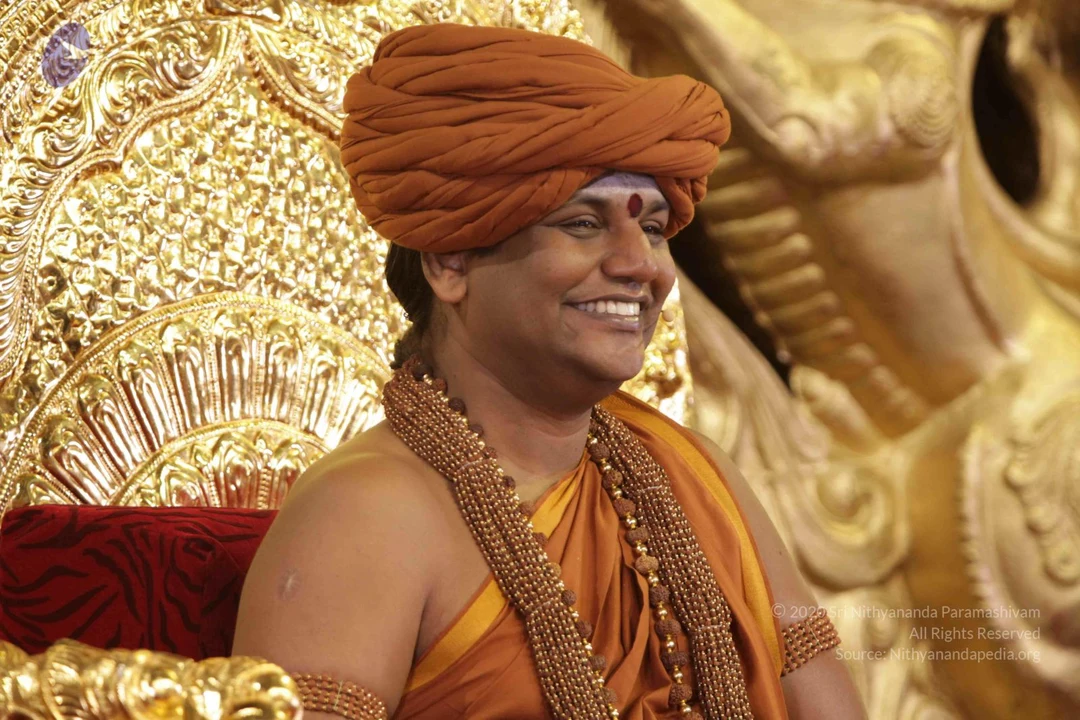
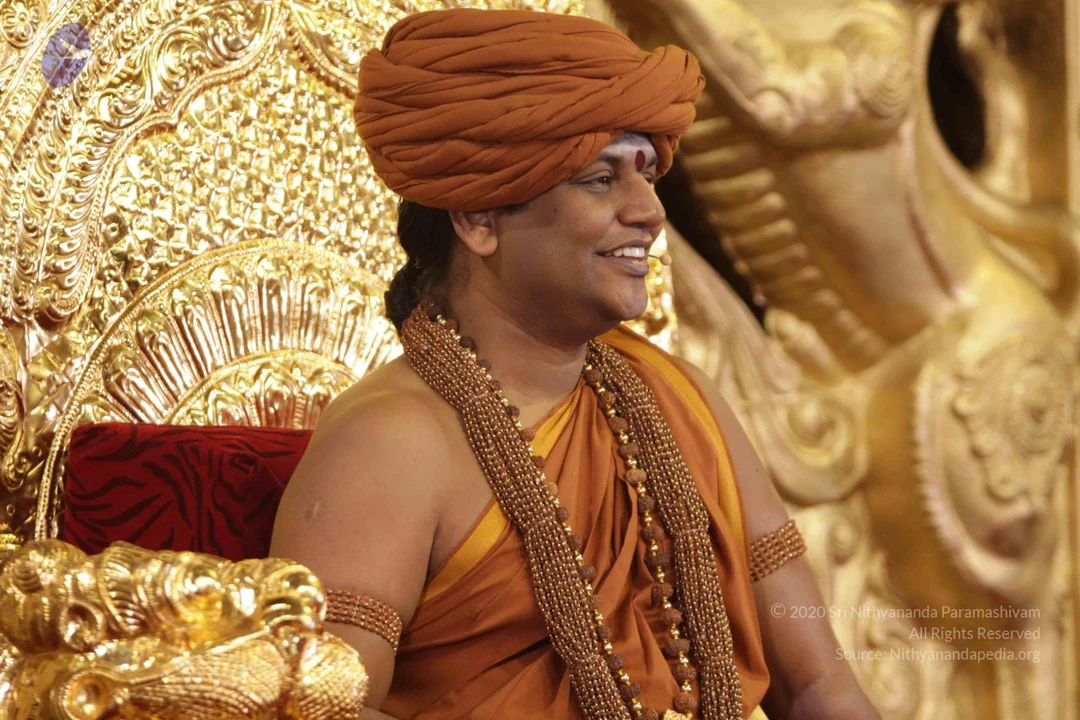
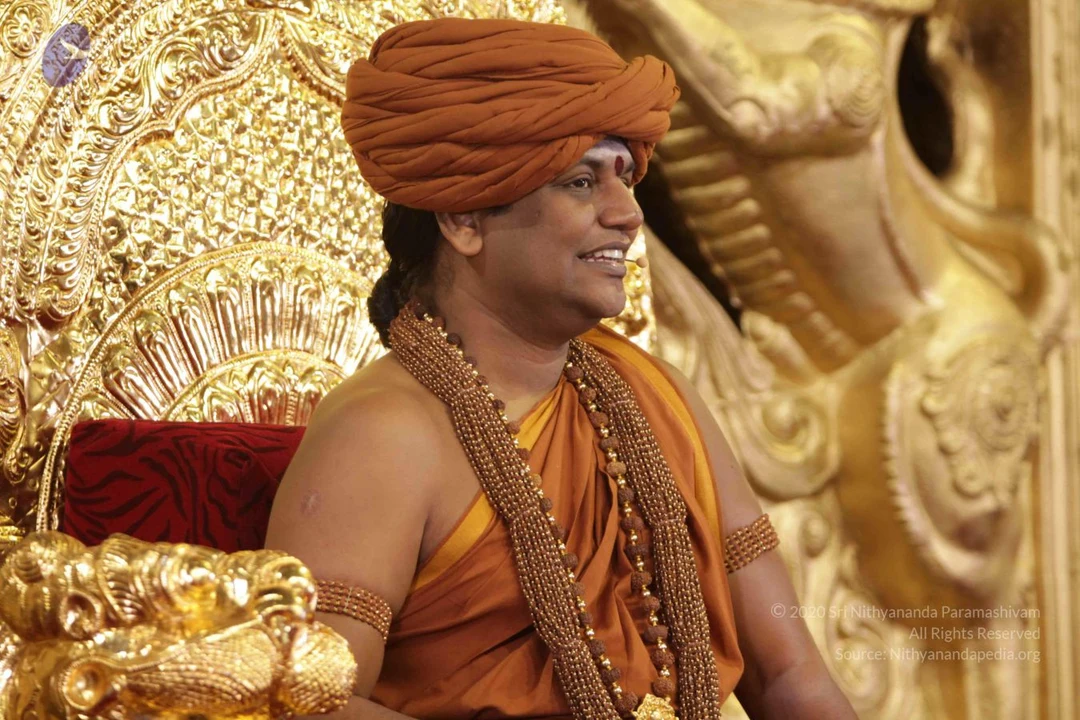
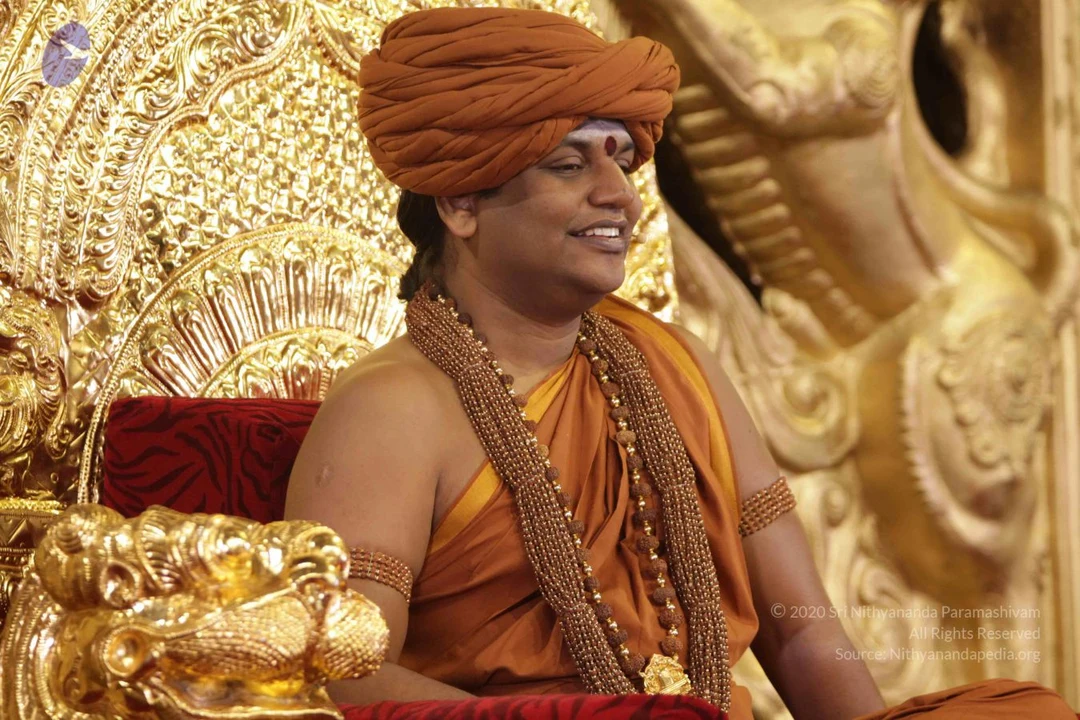
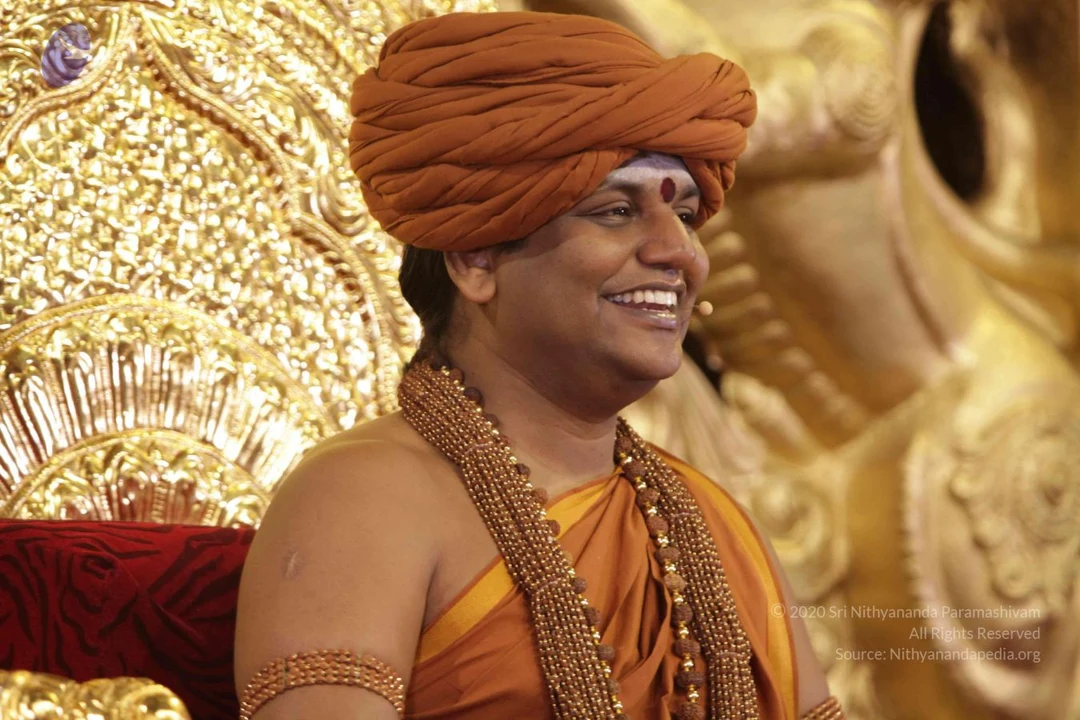
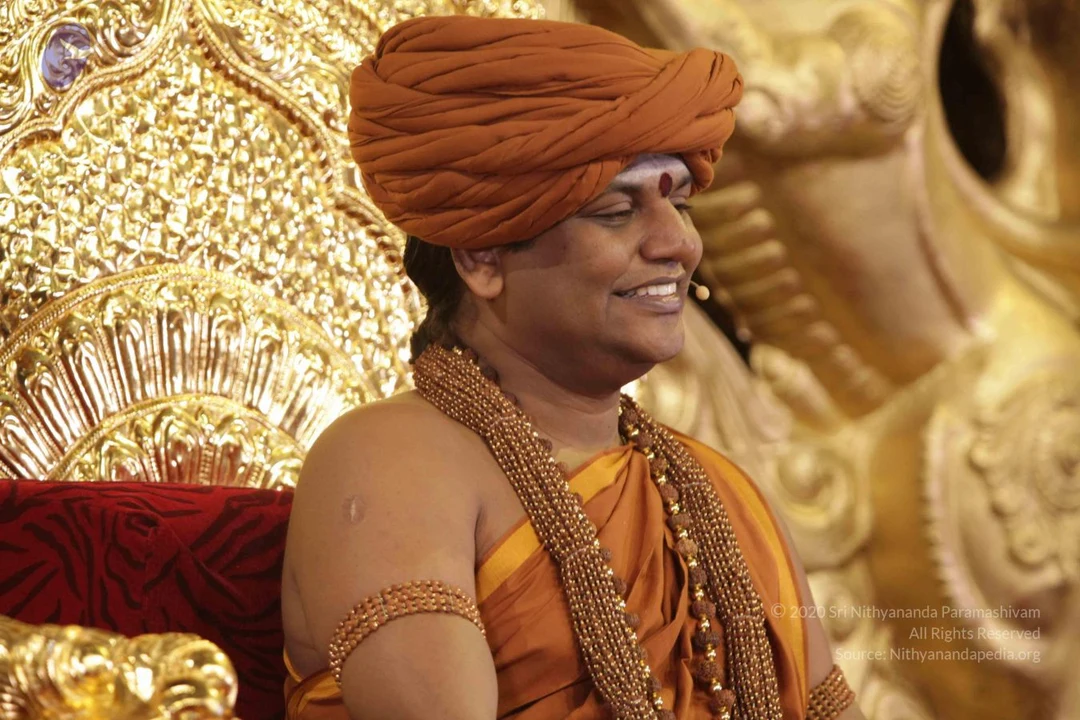
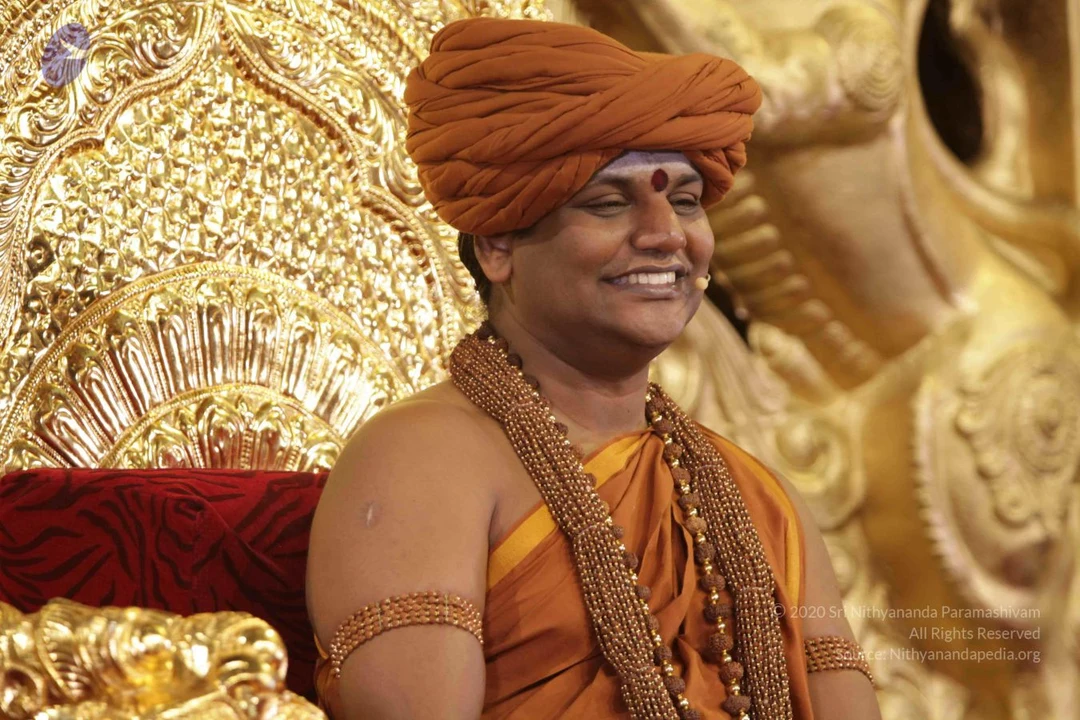
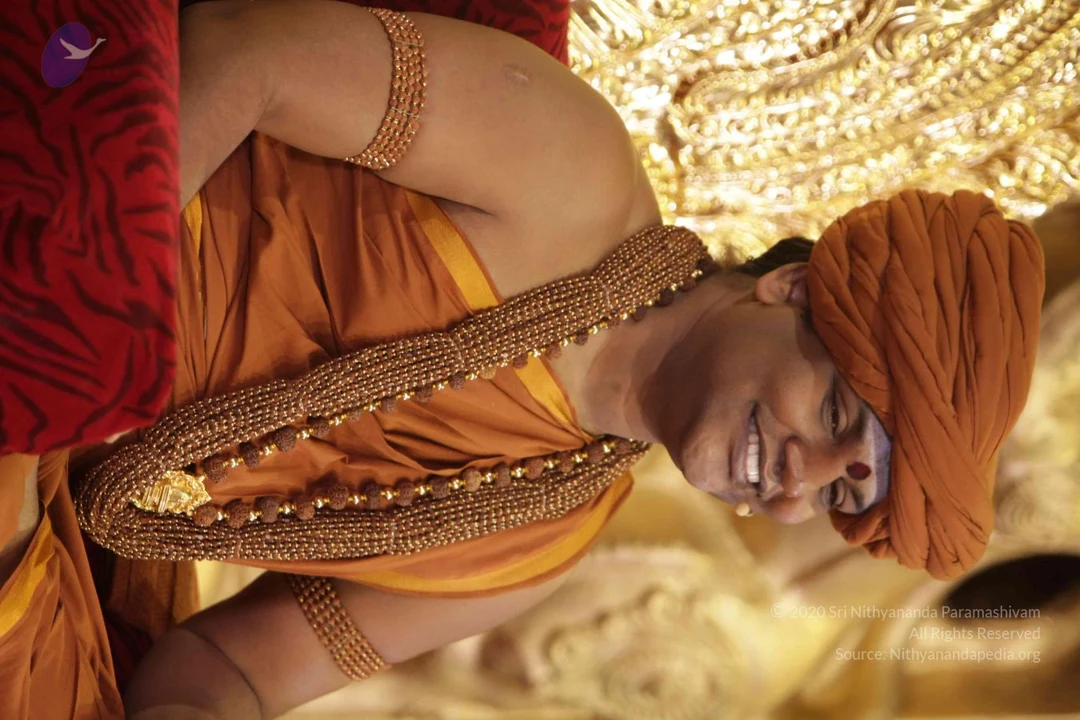
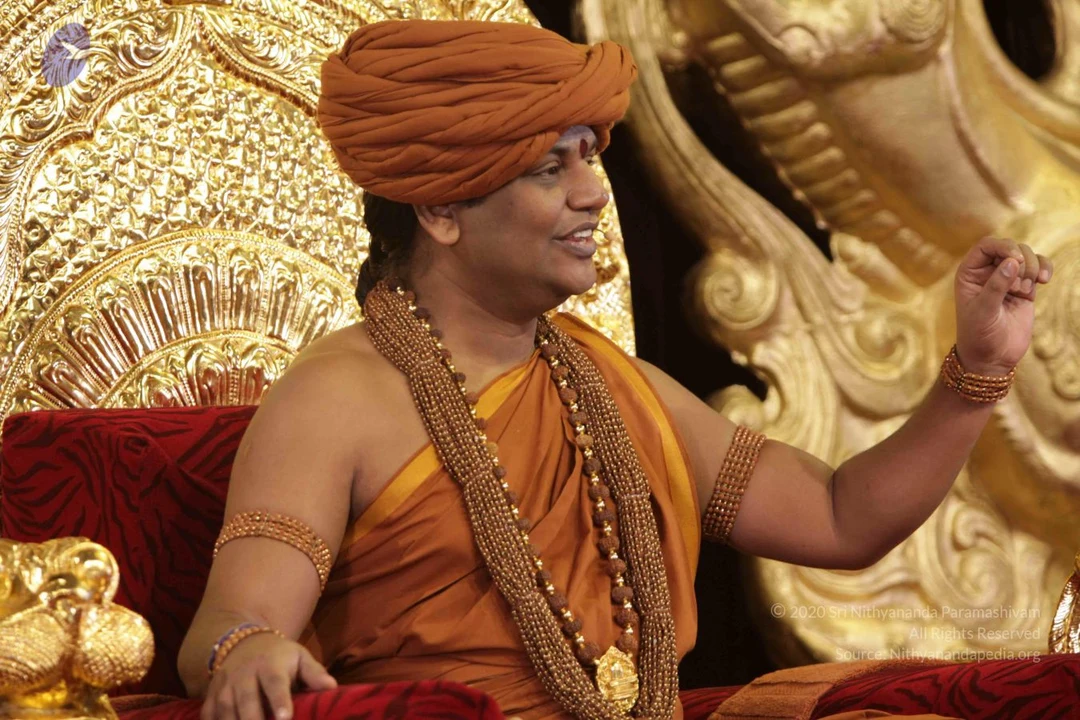
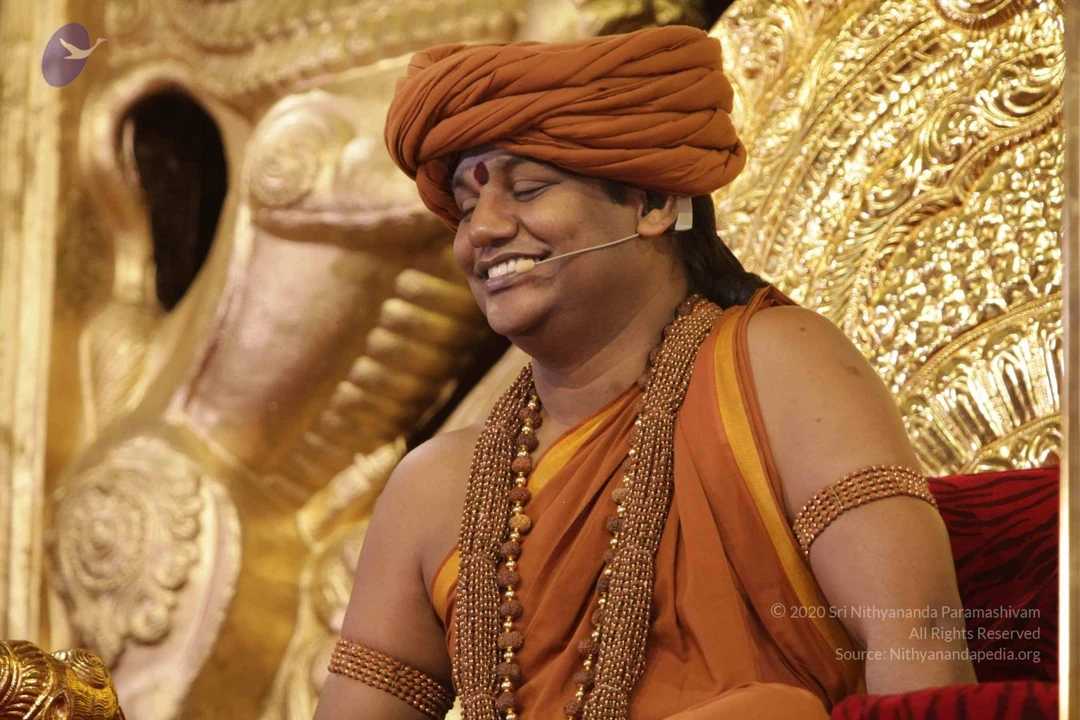
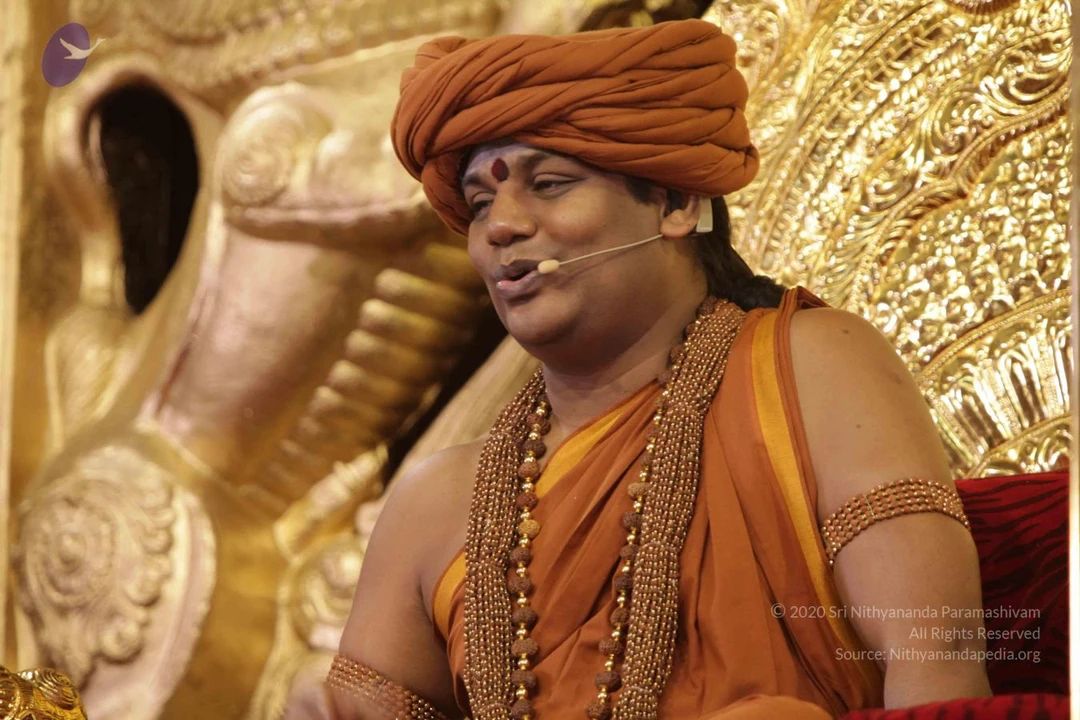
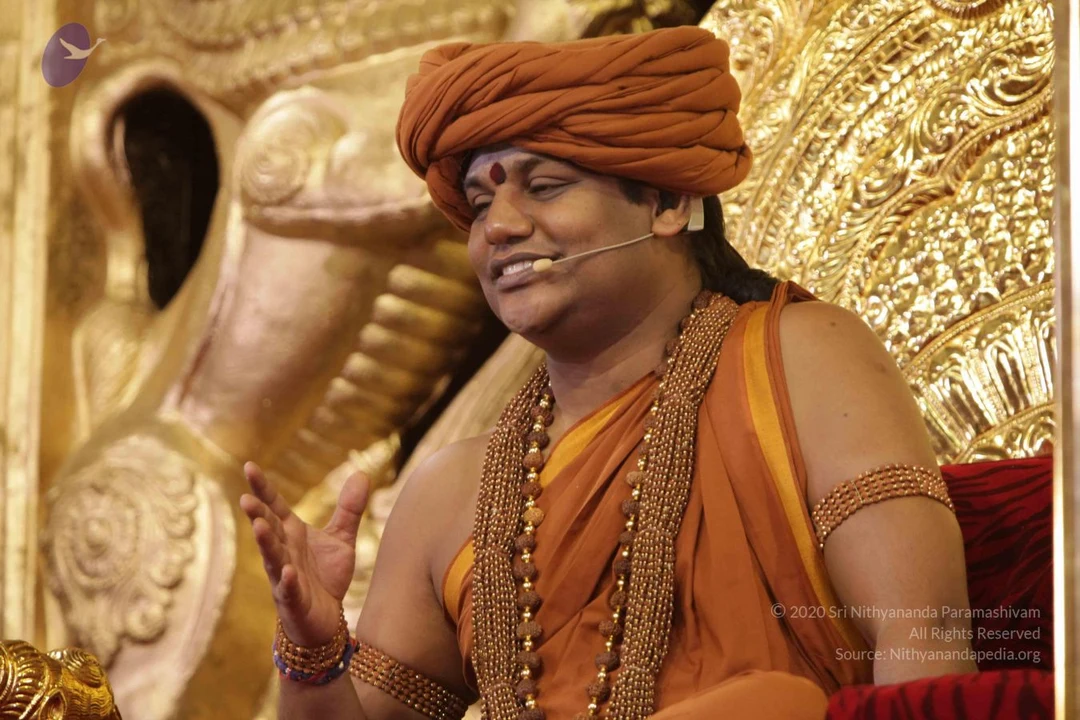
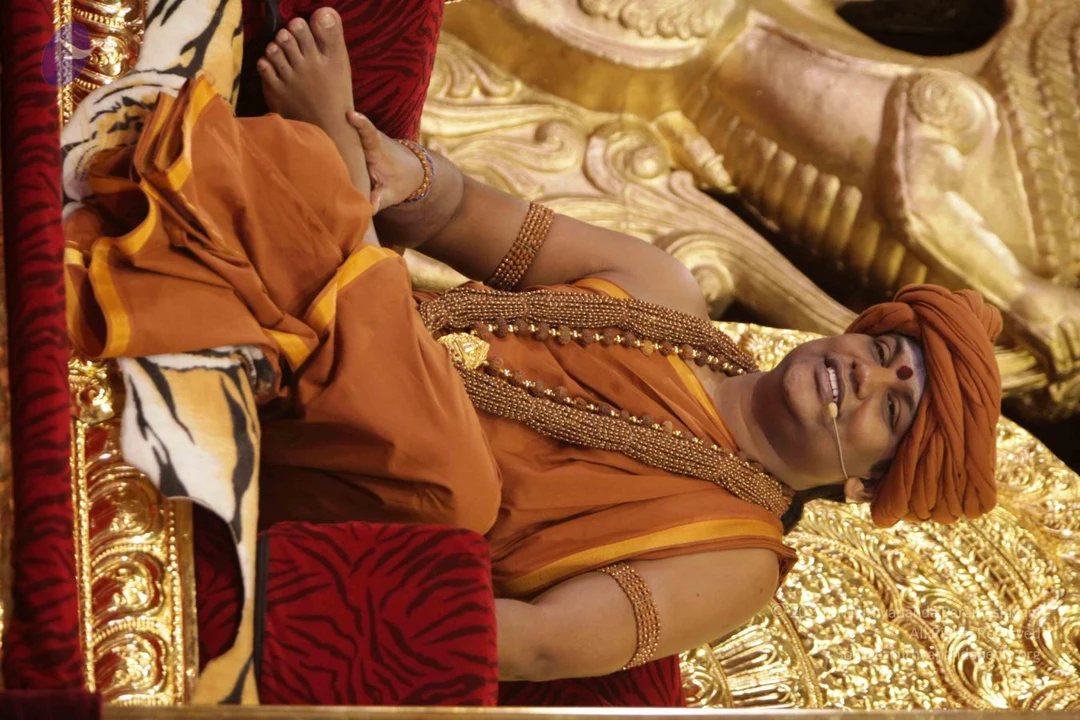
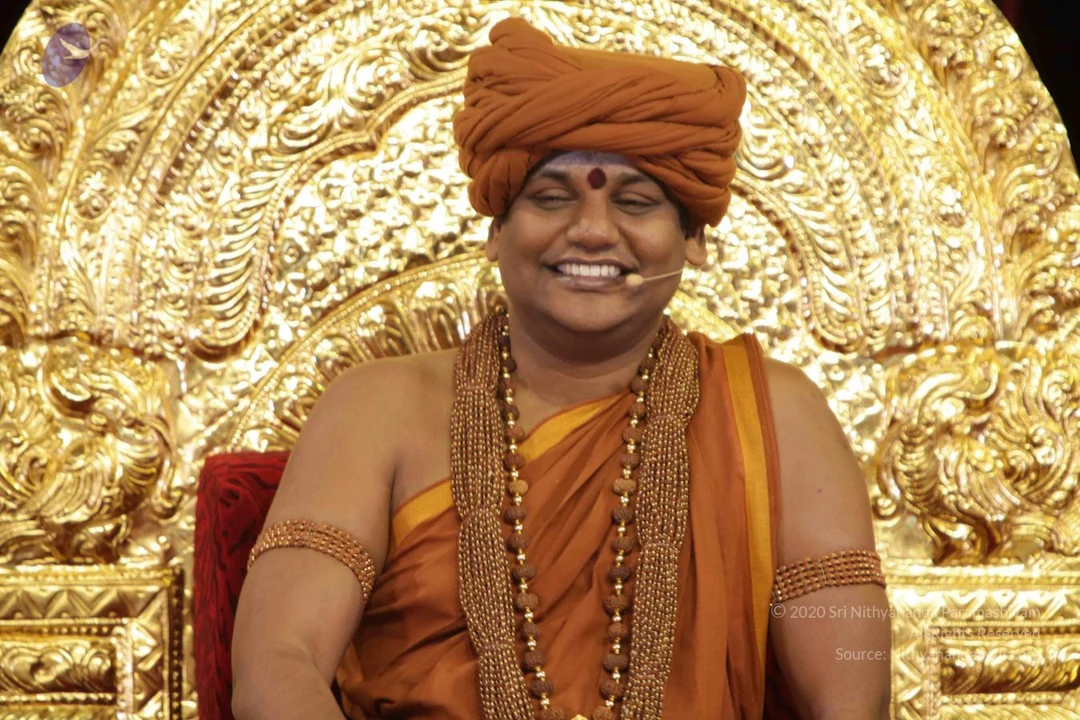
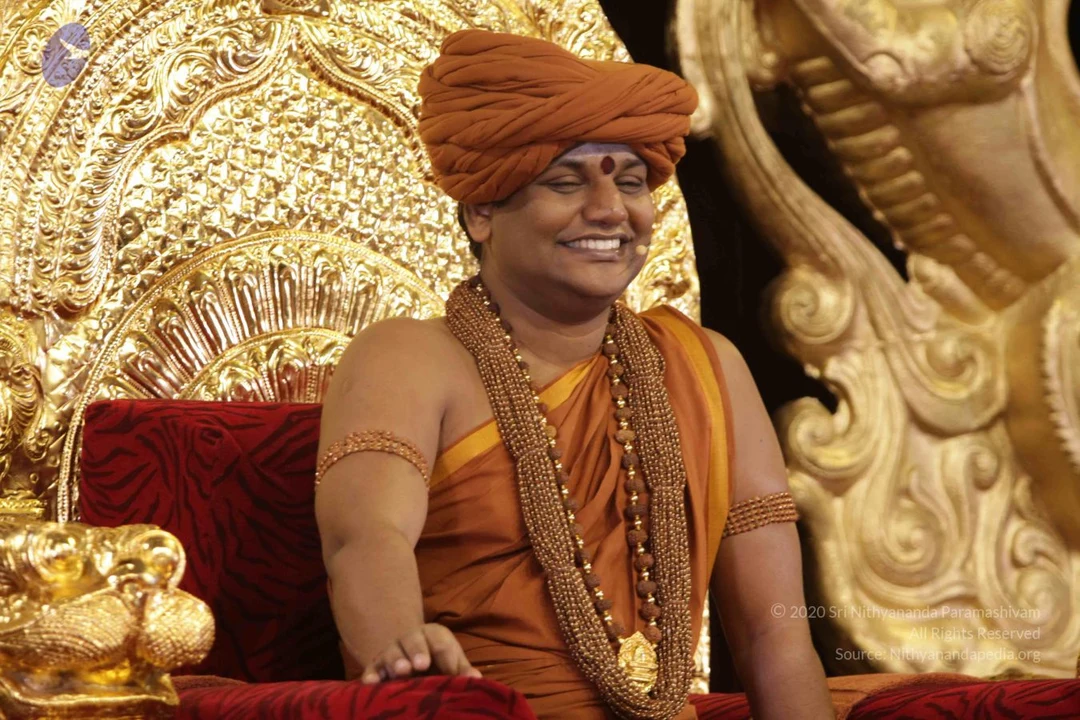
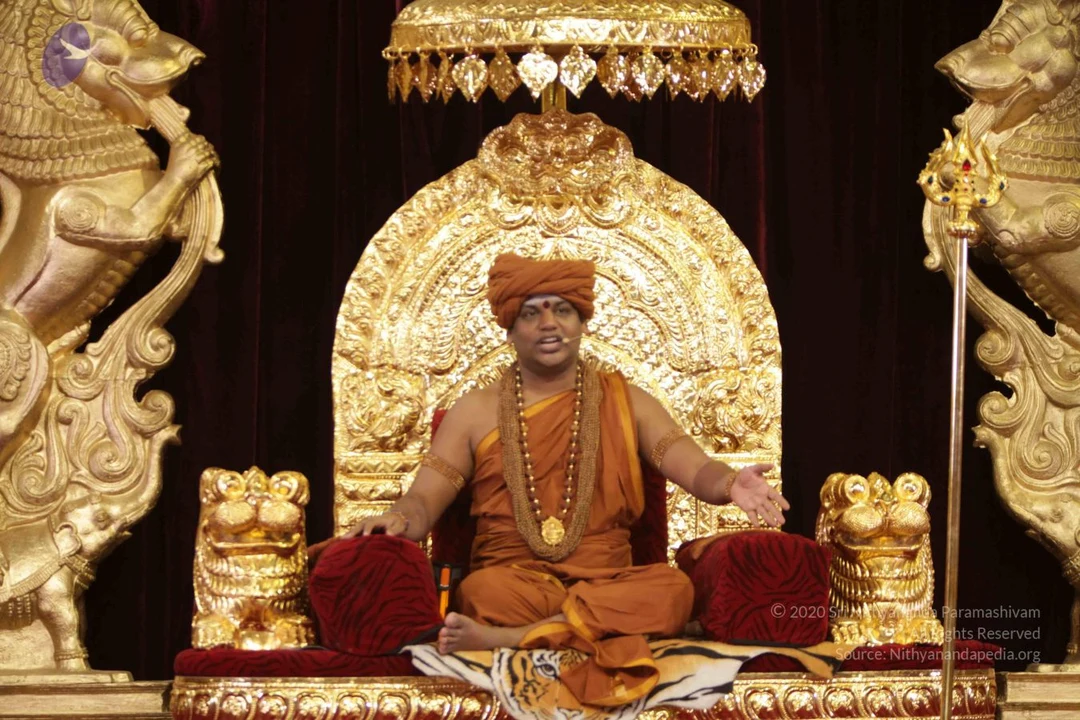
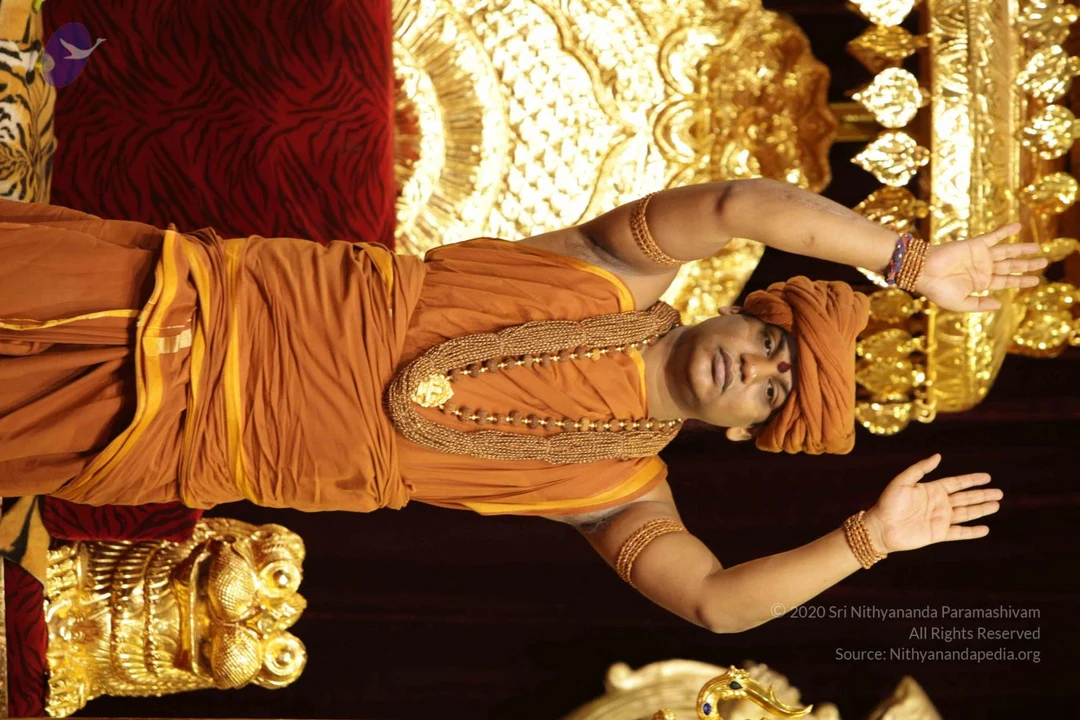
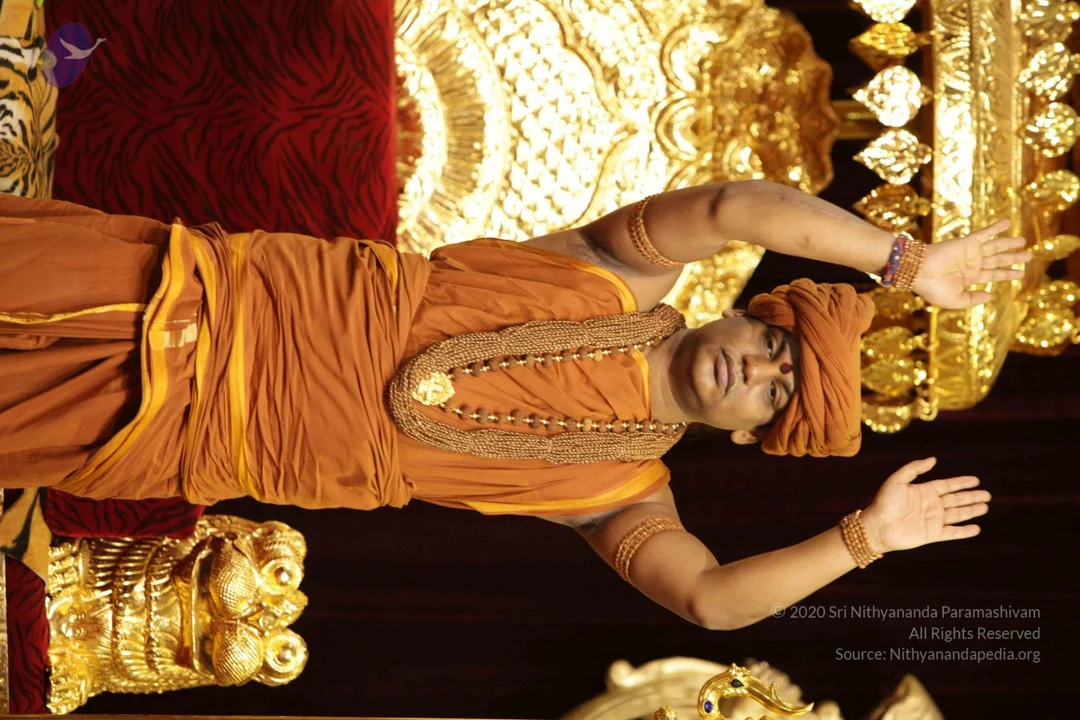
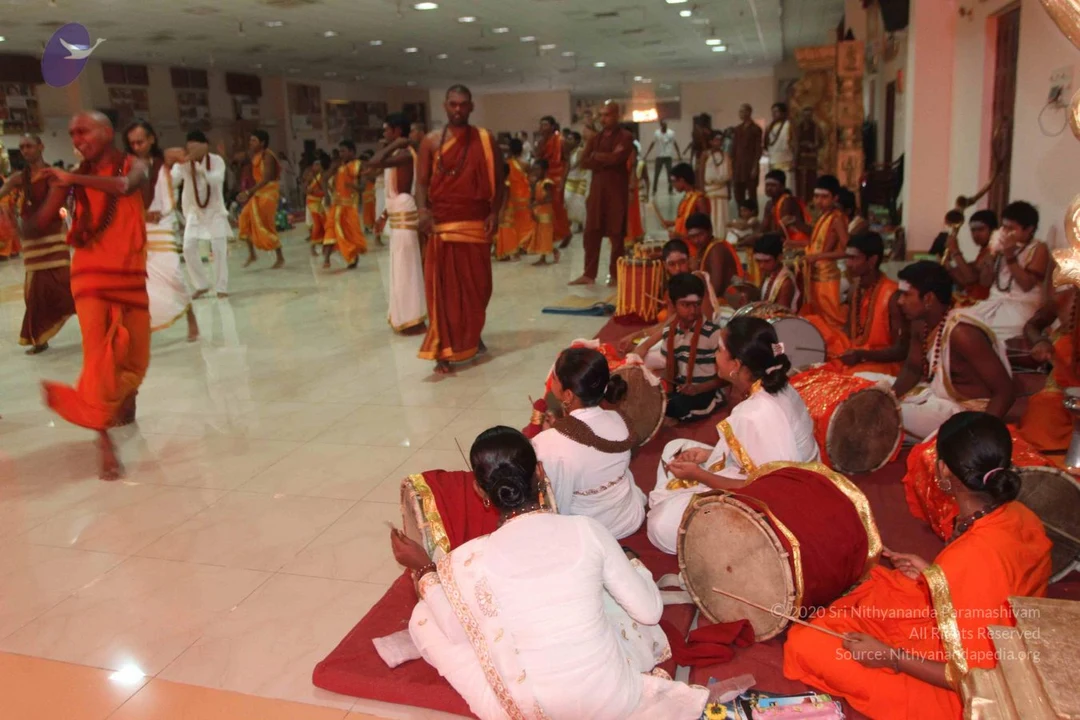
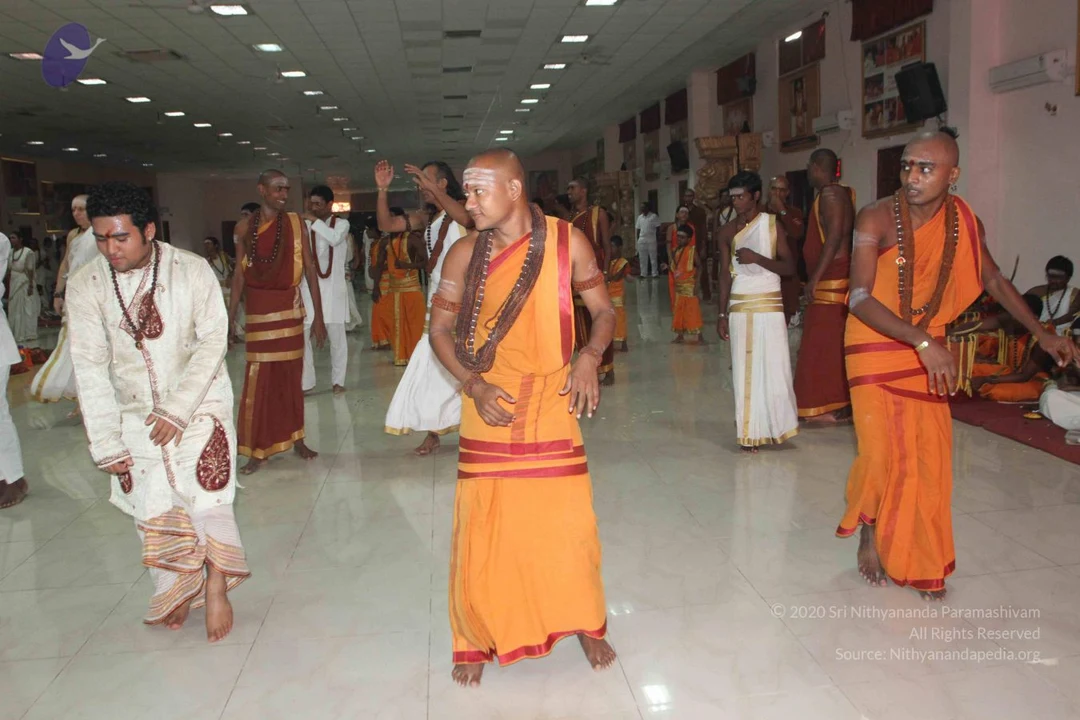
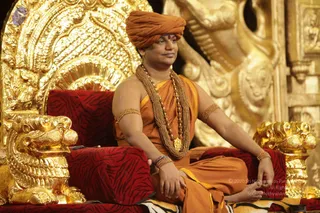
A man seated on an ornate golden throne with carved gold filigree and a gilded animal-head armrest, speaking into a headset microphone with his right hand raised in gesture. He wears an orange-saffron turban, a red bindi on his forehead, an orange-saffron robe with a golden-yellow edge, multi-strand rudraksha and beaded necklaces, a beaded armlet, and beaded wrist bands. The seat has a red cushion.An outdoor evening satsang in front of a small shrine with a decorated deity murti under a canopy at the top of a tiered stone platform with red-and-white striped pillars. In front of the platform, a crowd of many people sits on mats, mostly in white clothing, with several children in bright colours including a pink top and a floral print dress. A fire or oil lamp burns on a low brass-and-gold stand near the platform. On the right, a man in orange-and-red robes sits on an orange seat, apparently addressing the gathering, while another man in white stands at the edge of the platform. Palm trees and foliage frame the scene.A seated man in a leather-upholstered carved wooden throne holds two thin wooden sticks raised before him, smiling. In front of the throne sits a row of young people in orange and saffron clothing with white forehead markings and beaded necklaces, some with hair tied back, facing him. A small black Yamaha audio unit and a steel flask sit on an orange cloth-covered table, and a tall brass-topped staff stands at the right. Behind the seated crowd, several adults in white and pale clothes sit in a cream-walled hall with a wooden door.

August 28 2015

Original wiki page
Contents

Title:

Kumbh Chalo, Taste the Freedom Lifestyle

Description

Kumbh Chalo (Lets go to Kumbh) is the essence of today's satsang (28th August 2015) by Paramahamsa Nithyananda, who invites all to the upcoming Kumbh Mela at Nasik (Sept 11-20 2015). (Join the sacred Journey with Paramahamsa Nithyananda http://www.nithyananda.org/events/kum... ) Kumbh is such a joy and excitement. All religions have these three - spiritual tourism, scriptures and celebration. All the three happening together is Kumbh Mela. Nornally in society, the togetherness, we have to compromise on – what we think as freedom, how we want to be. Deciding to be free from the compromising lifestyle and tasting the real Sannyas for 10 days is Kumbh Mela. He emphasised that Kumbh is not some anti-social freedom, it is actually the free being celebrating freedom. Nagas, Sadhus express the peak of their mystic powers. "Kumbh is the experience of liberation to the dimension of celebration. Don't miss such a large group consciousness and group energy. Watch, Share and Subscribe to our channel to be notified of the next upload click http://www.youtube.com/subscription_c... to subscribe. visit: http://www.nithyananda.org http://www.nithyananda.tv http://www.innerawakening.org https://www.youtube.com/user/LifeBlis... https://twitter.com/SriNithyananda https://www.facebook.com/ParamahamsaN... https://plus.google.com/1040865652862...

Link to Video:

VideoAudio

Title:

Kumbh Chalo, Find Out Why

Description

A special series made to present the various aspects of Kumbh Mela 10 days program with Paramahamsa Nithyananda

Link to Video:

VideoAudio

Title

Kumbh Chalo, Why 10 Days

Description

A special series made to present the various aspects of Kumbh Mela 10 days program with Paramahamsa Nithyananda

Link to Video:

VideoAudio

Transcript:

Understand, whenever you live in society, the togetherness, you always need to compromise on what you think as your freedom, as you, as your expression of you, what you think as how you want to be. You has to compromise always in togetherness. Deciding to be free from the compromising lifestyle and tasting the real sanyas for 10 days is Kumbh Mela.

Understand, you can be as you want. You can present yourself, hold yourself as you want. If you want, wear the dress. If you don't want, don't wear. Anyone can walk naked and no one will question you. And it is not the western nude club context. It is the place where you just hold you as you are. Real Sanyas! If you want to rub your whole face with Ash, you can. If you want to jump, jump. If you want to dance, dance. Sit or meditate. If you want to celebrate, you can. Sit in silence: you can. If you want you can roll.

For ten days, have a glimpse of Sanyas. Kumbh is to give you a glimpse of Sanyas. Atleast once in a while, a few times you are alive in the body, you should taste how it feels to drop all the compromise you have to do because of togetherness.

Understand you can just experience - not anti social sanyas - but beyond social sanyas. All nude clubs, hippies are anti-social - saying no to society. But in Kumbh there is no anarchy. You will find no crime. Just free beings celebrating freedom. You will not find in any where else a million people with sharp weapons and ability to handle weapons gathering and not a single person being hurt.

In Kumbh you will see Nagas standing on the horse and riding. One naga will be lying on the road with two potatoes on his eyes. The naga who is standing on the horse and dancing, he will have a sword in his hand, and as he is dancing he will swing the sword and only half the potatoes will be cut and the other half remains on the eyes - not his nose or any other part.

Just with their male organs, I have seen Nagas pulling the whole lorry with his Guru and the whole battalion sitting. They will stand upside down in Sirasaasan, cover the whole face with sand and continue to stand upside down for 9 days. I asked one Naga how he does this and he said I can do it through the leg. The power of Hata Yoga!

I have seen nagas standing on one-leg for years. Keeping their one-hand up for years. And I have seen a naga who is atleast 400 years old! Please understand. I am not talking about the famous Devahara baba who appears practically in every Kumbh. I am talking from another Naga from Mahanirvani sampradaya - at least 400 years old. Only during the Kumbh you can have his darshan. There too only for the main Shahi Snan he comes.

Unless you taste and experience this you will have 1000 doubts created by the anti-Hindu presstitutes. They continue to give you false information and negative ideas. Only when you see you will understand. You should understand the context. Only then, not only you will not miss it, you will catch it rightly. You should understand the context and experience Kumbh.

When I look at Kumbh it is such a joy and excitement where the pilgrimage. All religions will have these three - pilgrimage: spiritual tourism, scriptures and celebration. All the three happening together is Kumbh Mela. Nowhere else you will hear so much of scriptures and commentary other than the Kumbh Mela. Every available scriptures you will hear. This time I am taking a lot of Vedas and Agamas and display it for people to have dharshan.

Kumbh is the experience of liberation to the dimension of celebration. Don't miss such a large group consciousness and group energy

KumbhChalo!!!

Bidadi, 28 August 2015

Title

Nithyananda Times, 28th August, 2015

Description

The Daily Video Magazine of the Nithyananda Sangha

Link to Video:

Photos From The Day:
Link to Facebook Page:

https://www.facebook.com/ParamahamsaNithyananda/posts/886138138140704

Tags:

Paramahamsa Nithyananda, Kumbha Chalo, Nasik, Shiva, Mahadeva, Enlightenment, Vedic tradition, Mahanirvani, Nirvana, Bharat, Nagas, Sadhus, Mahamandaleshwar, Kumbh Mela, Vedas, Sannyas, Freedom

Photos Of The Day:

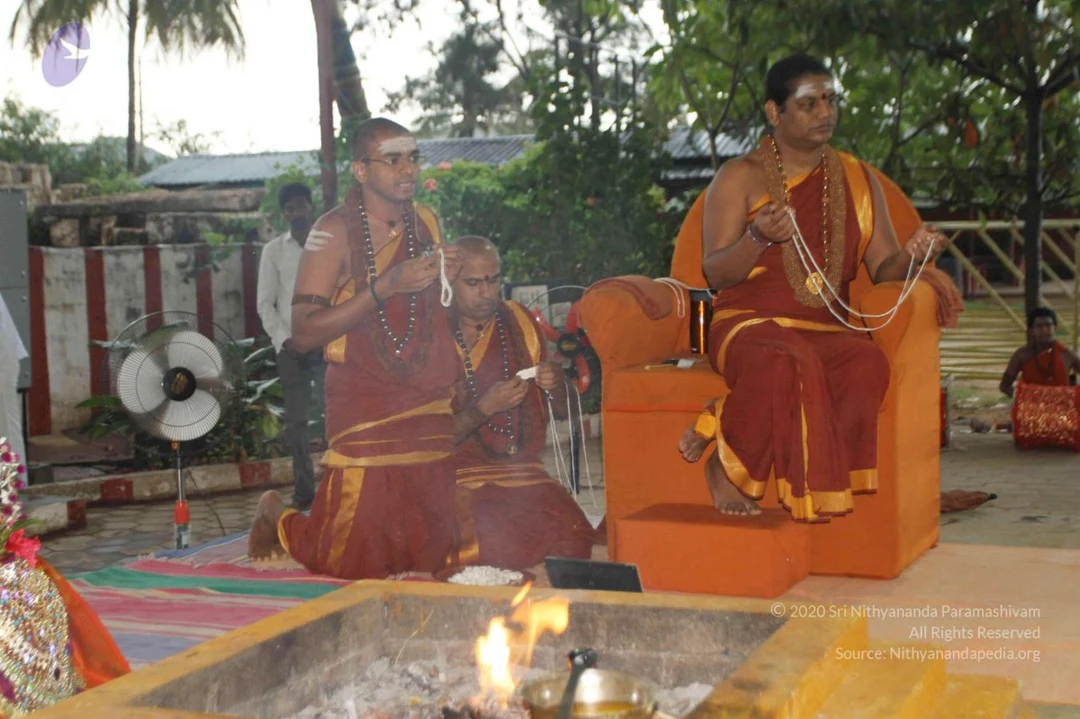
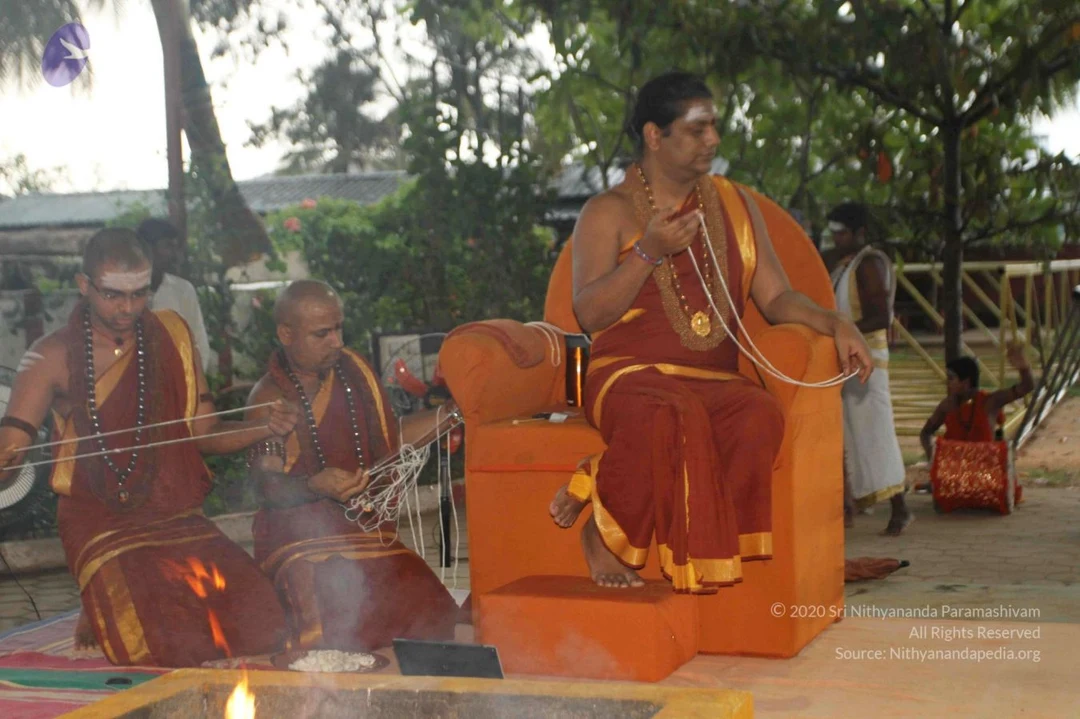
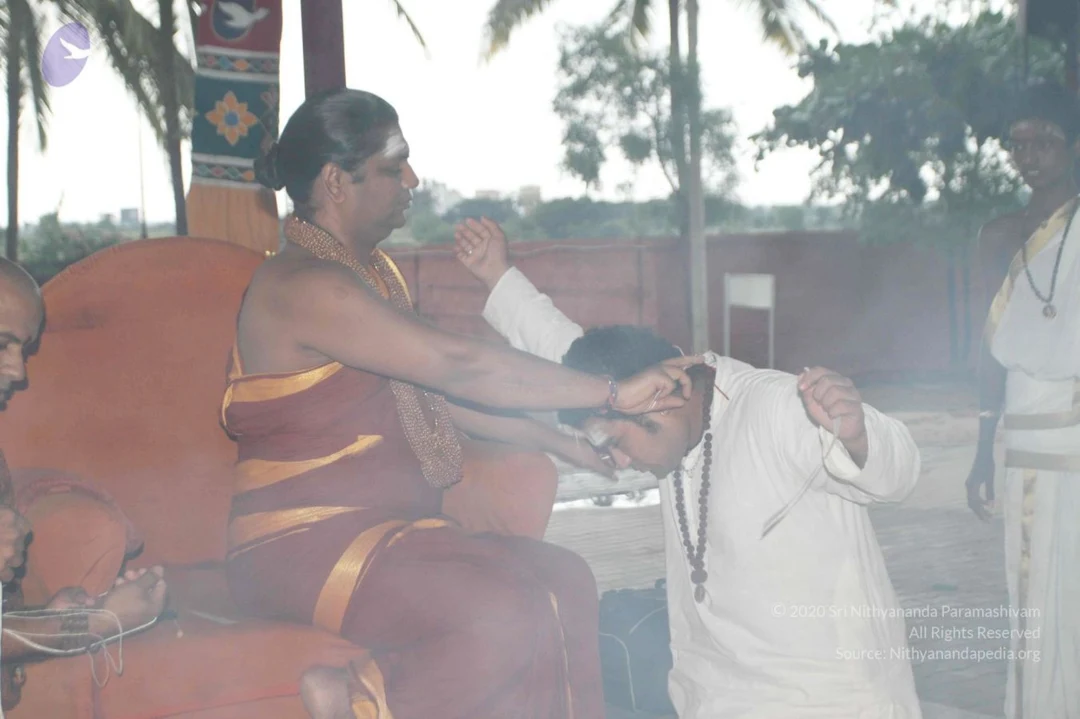
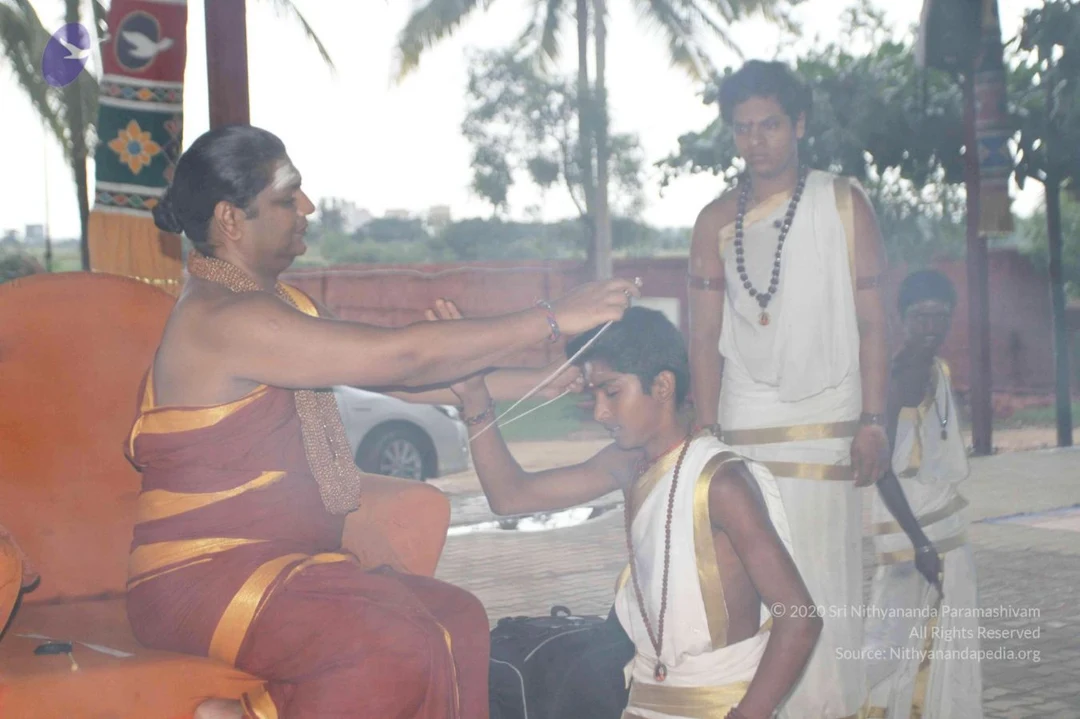
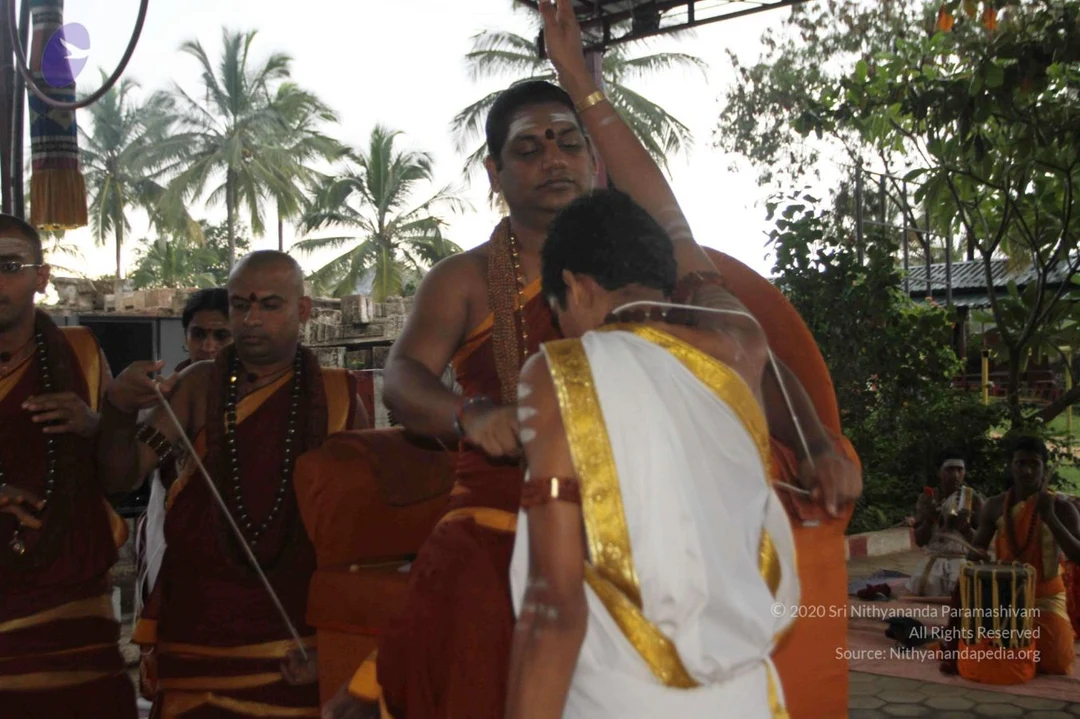
Gayatri Initiation
Mandala-process-Gurukul-kids

Photos Of The Day:

photos

1-Mandala-Process-Gurukul-Kids

20150828_Photo_1003_1TFrh_R-qobAc02U2rZDOhwmqaKTwgW7e

Photos from this day

View all 257 photos

Photos From The Day:

13 photosSource gallery
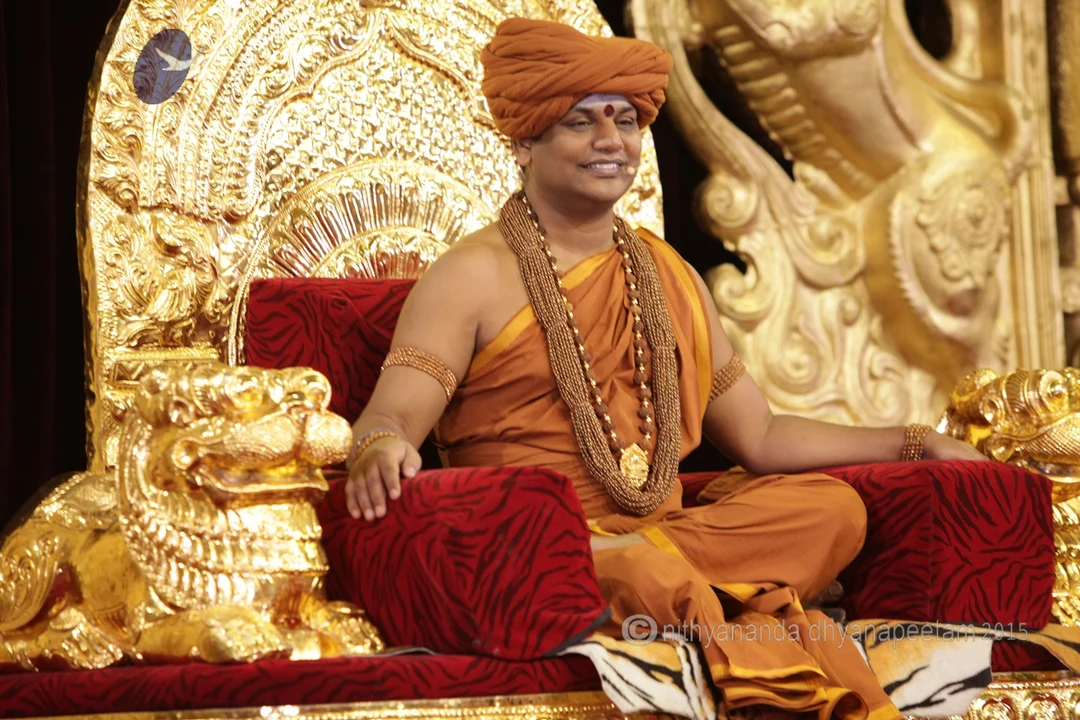
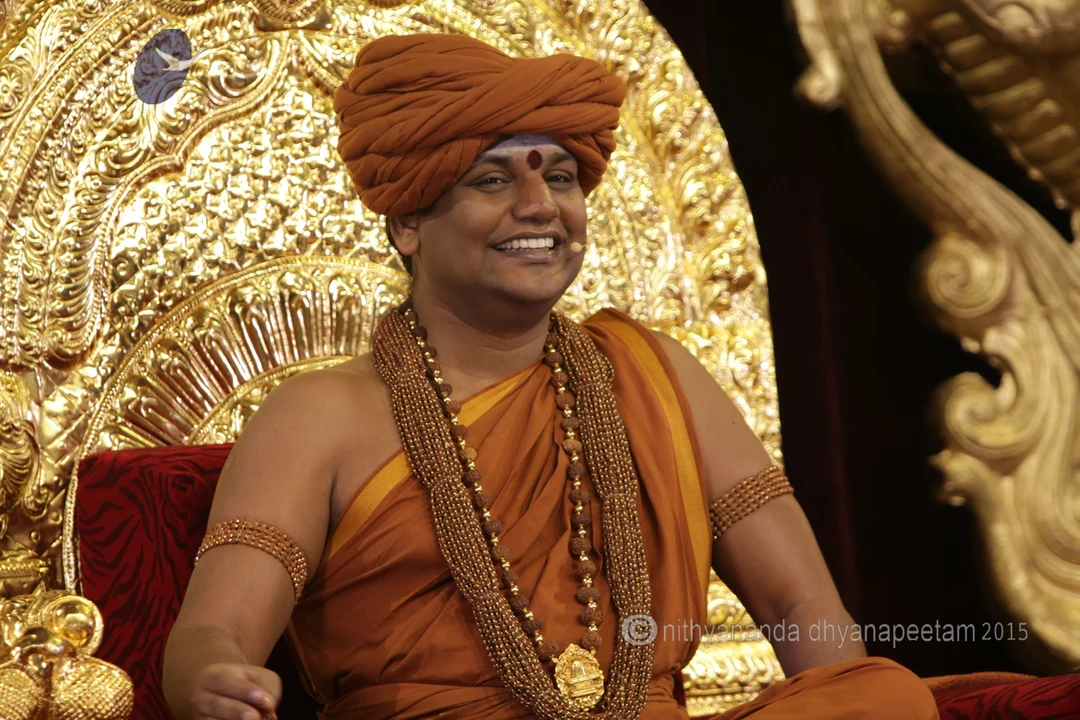
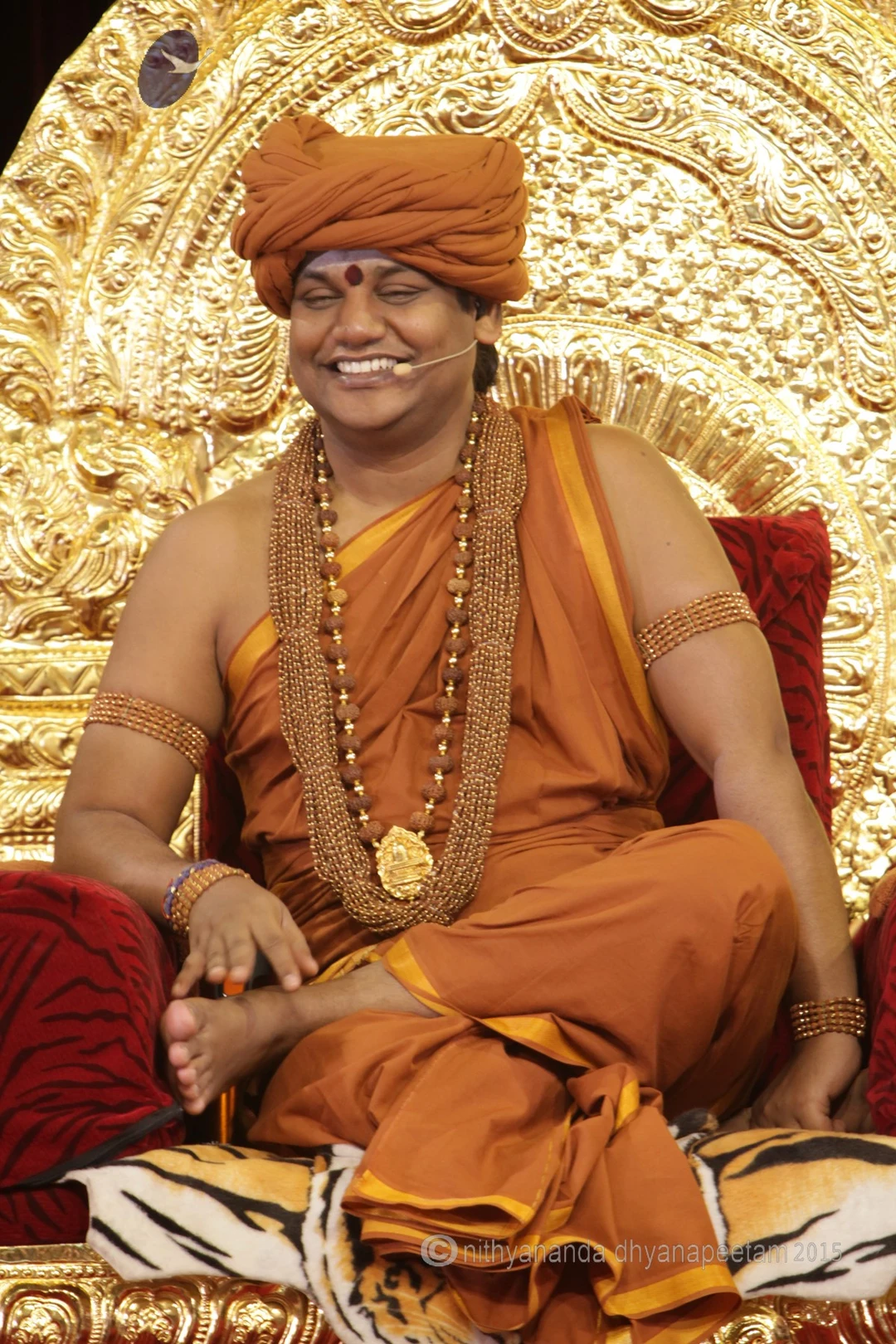
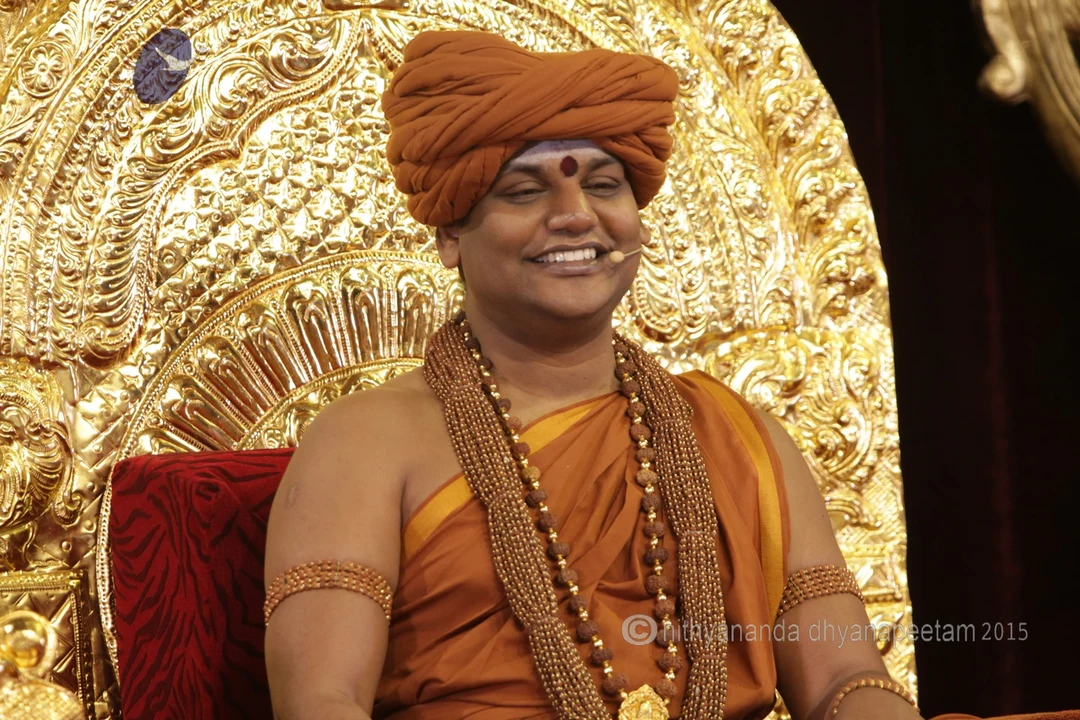
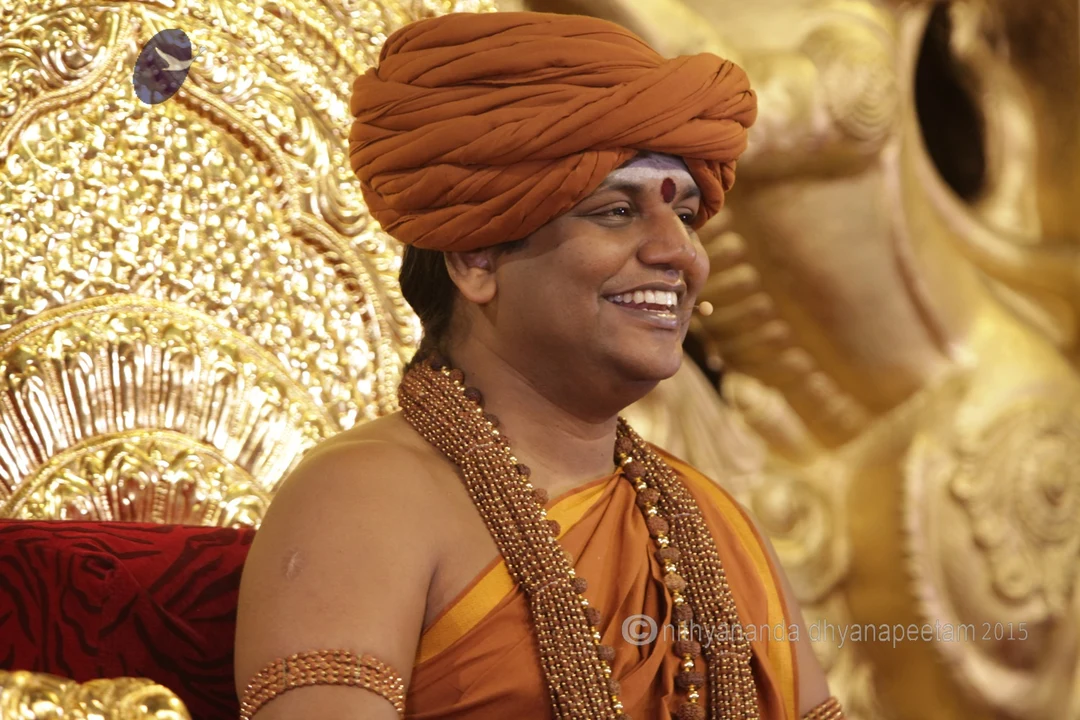
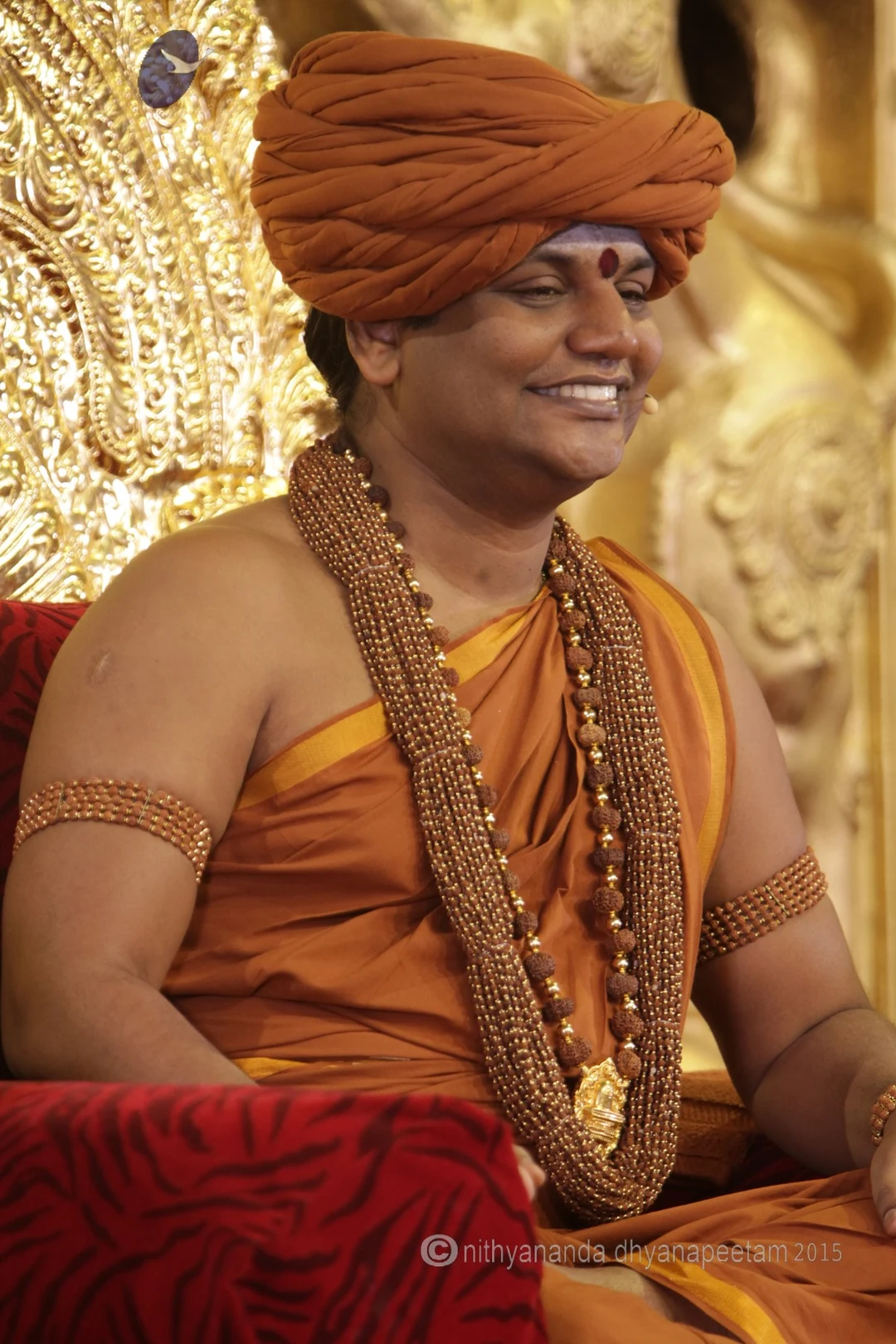
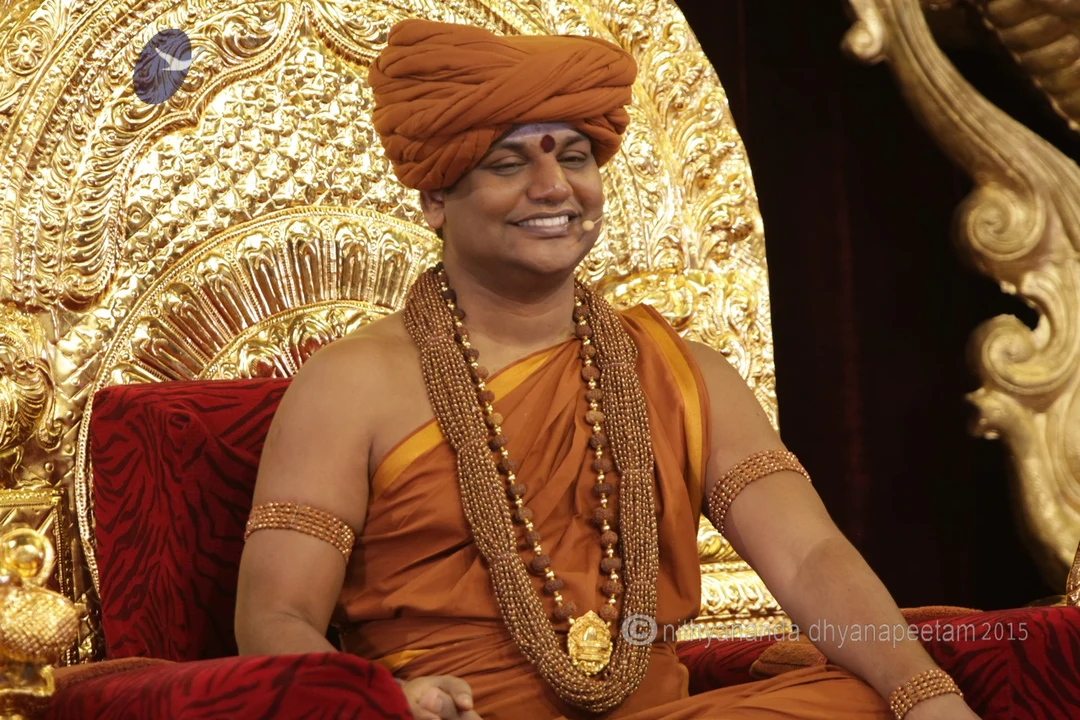
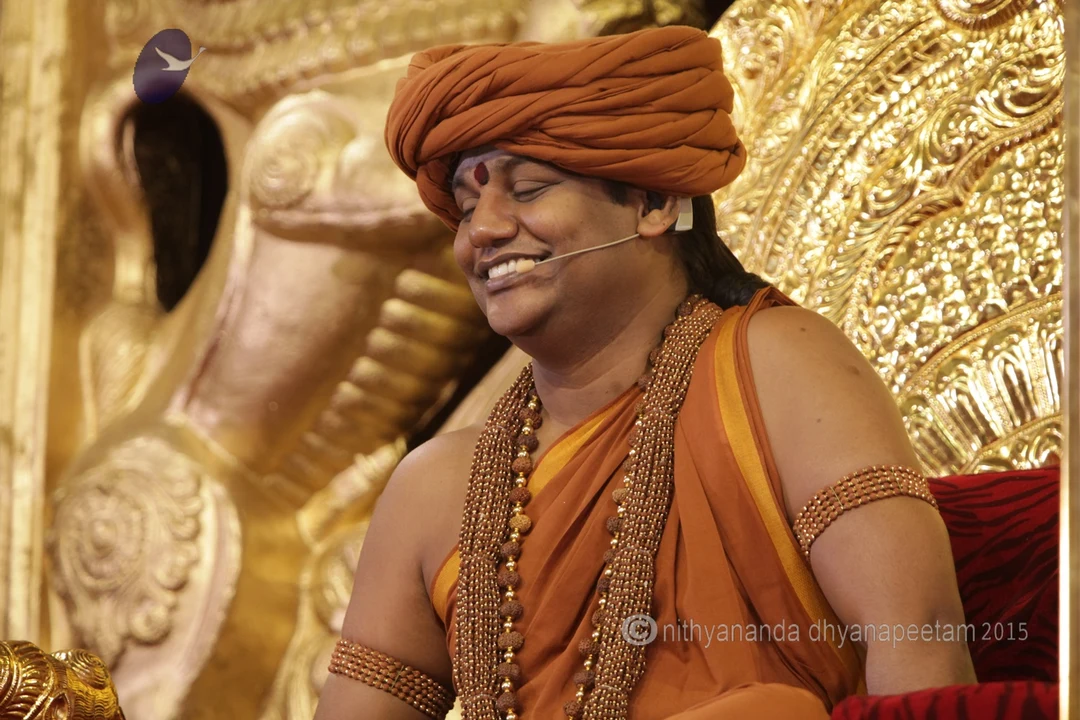
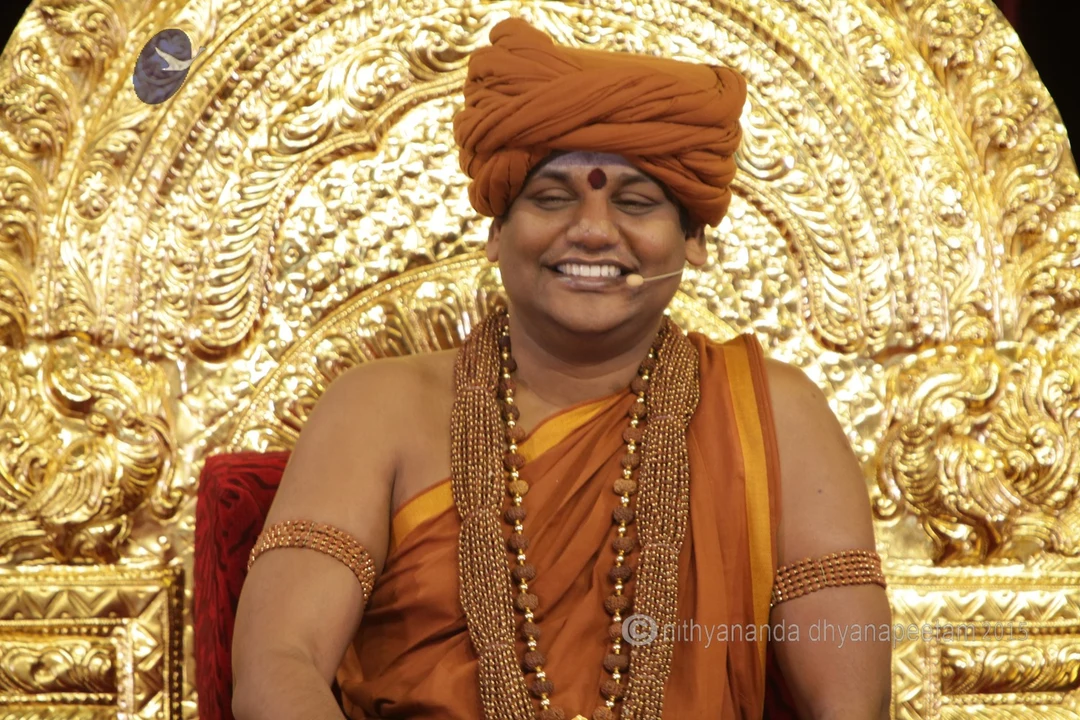
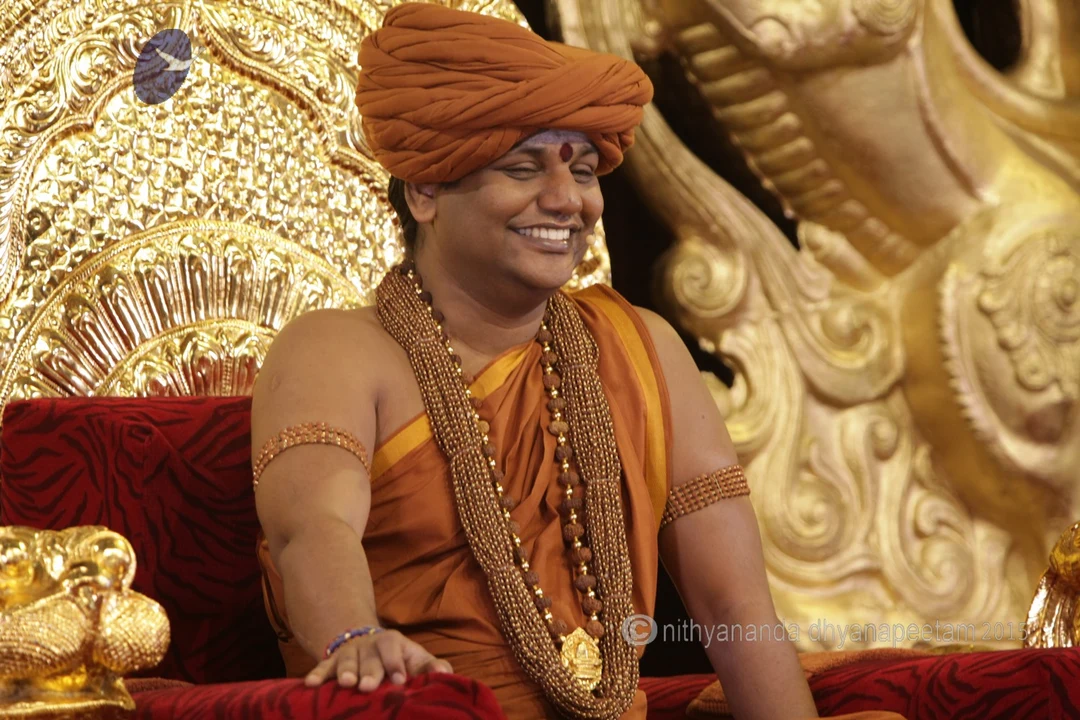
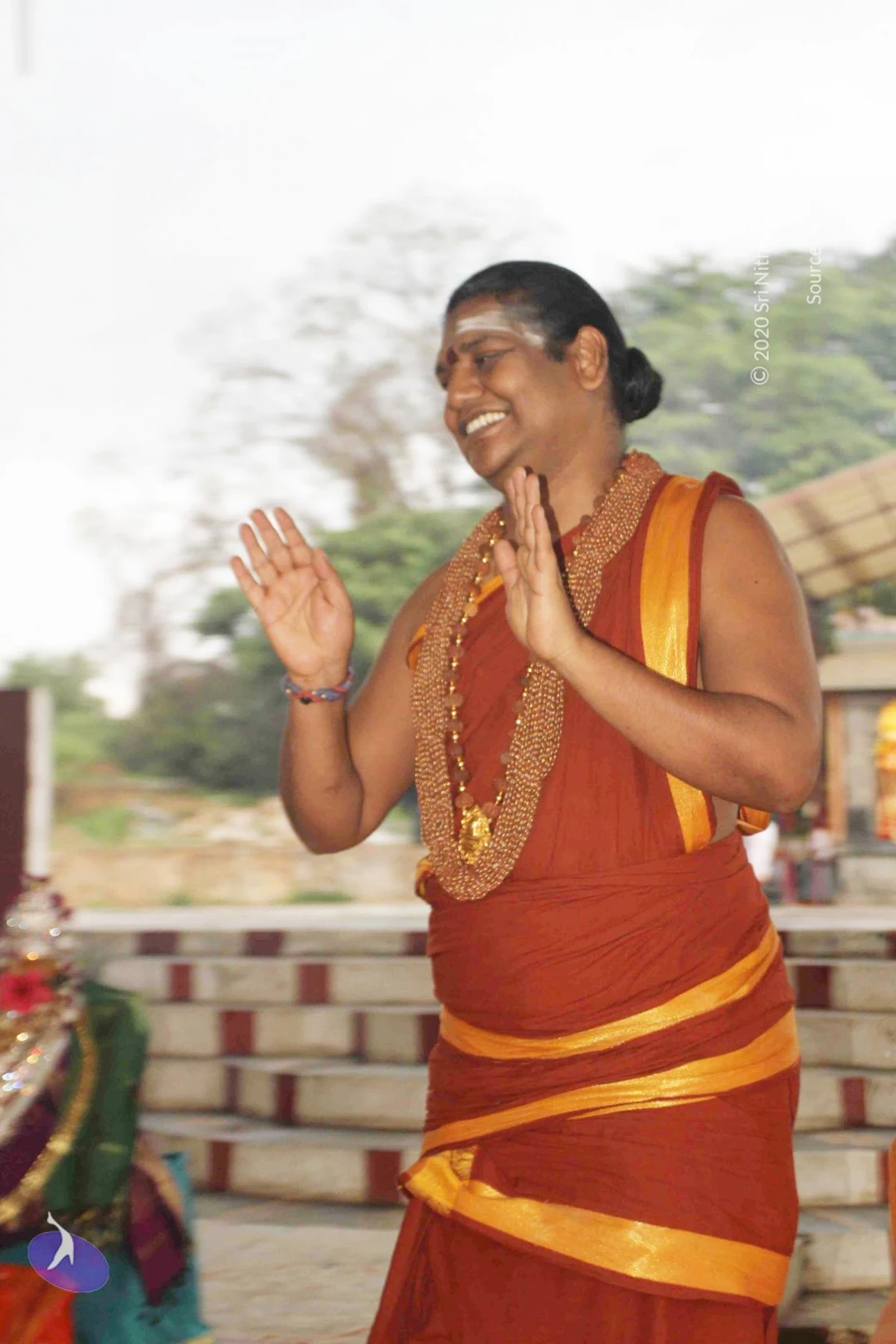
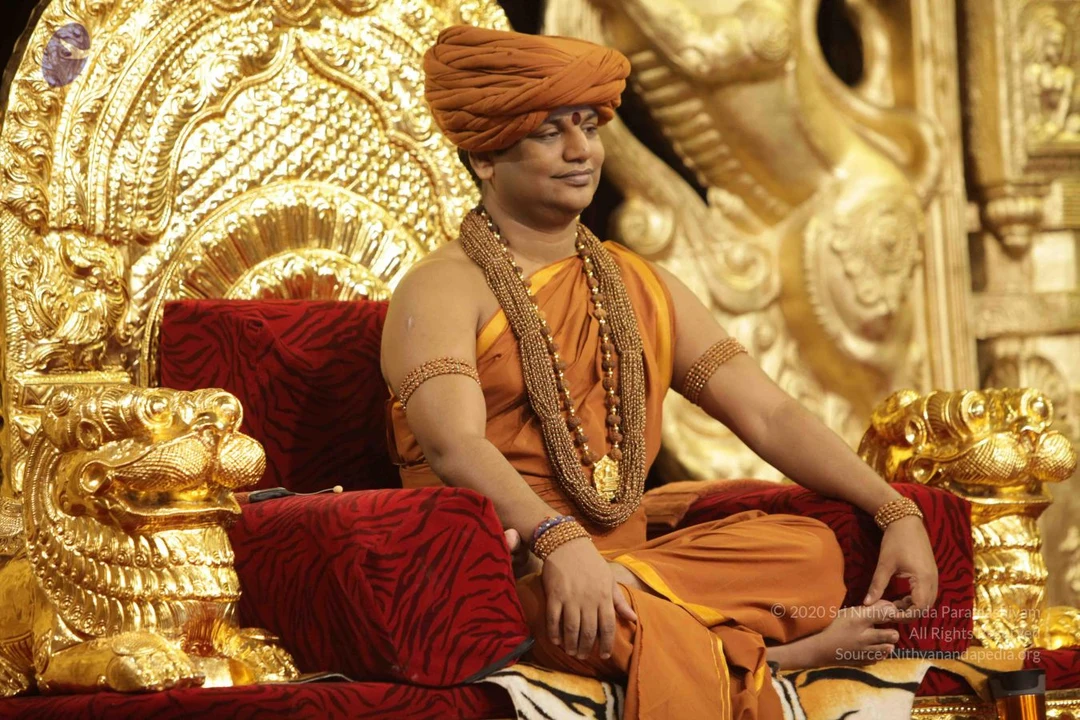
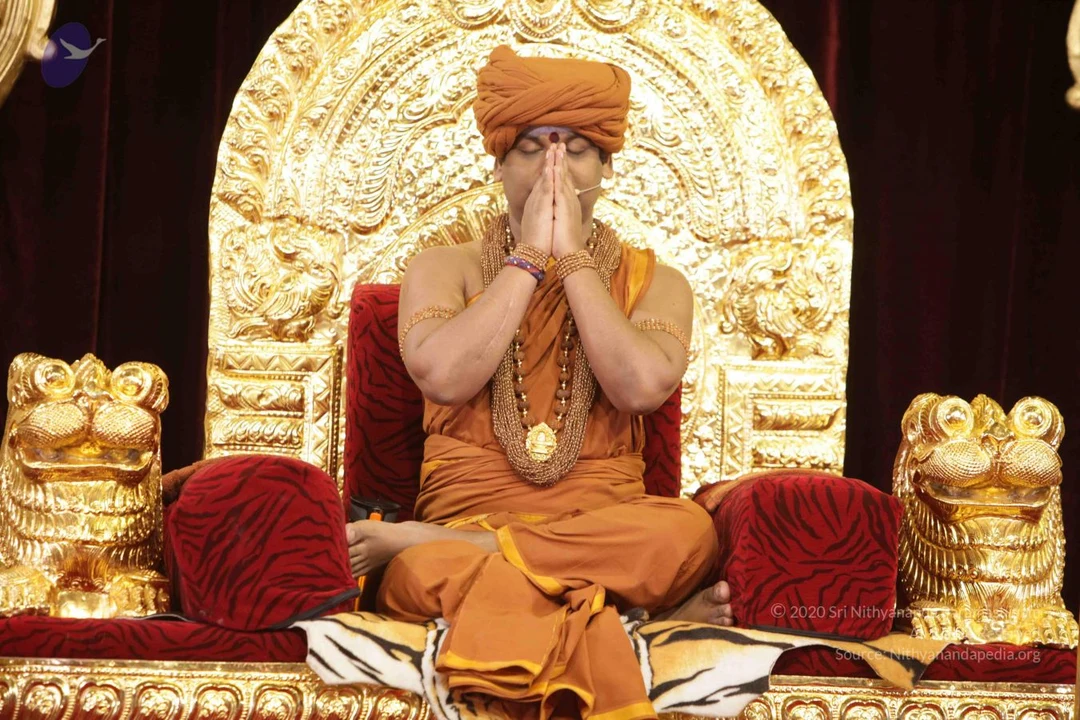
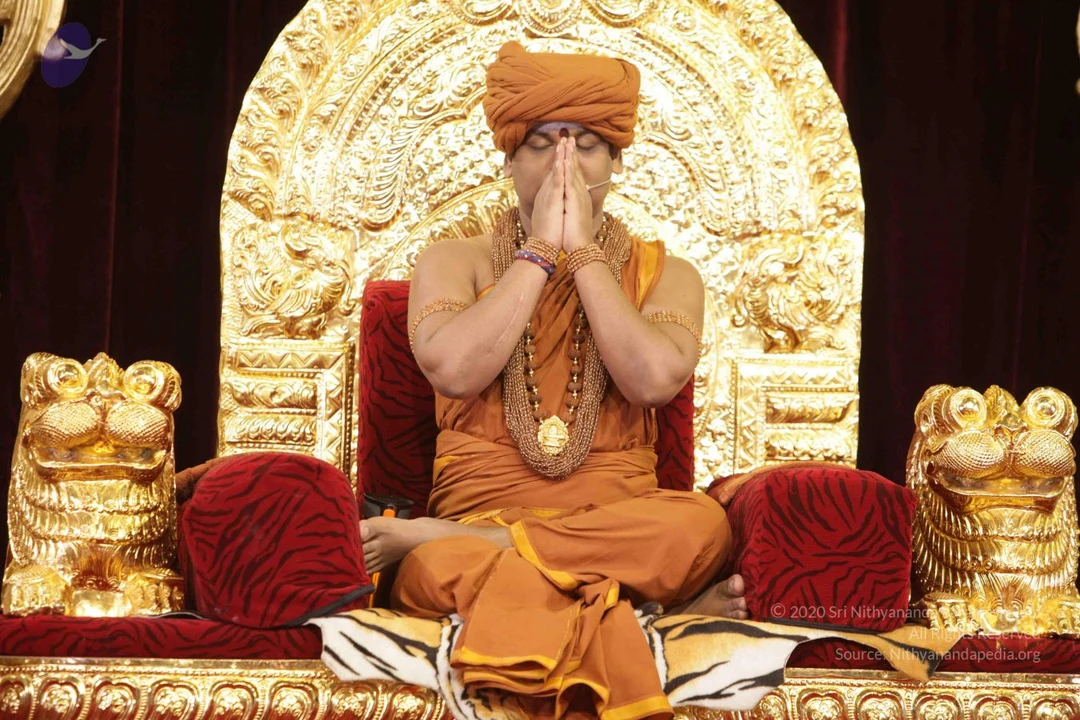
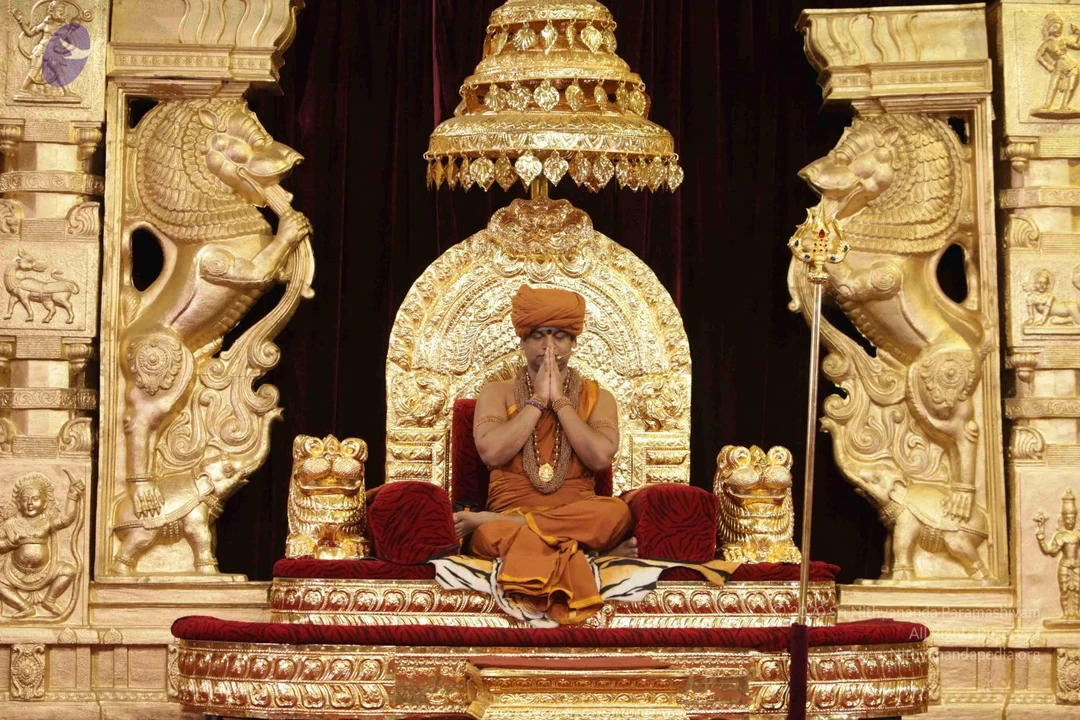
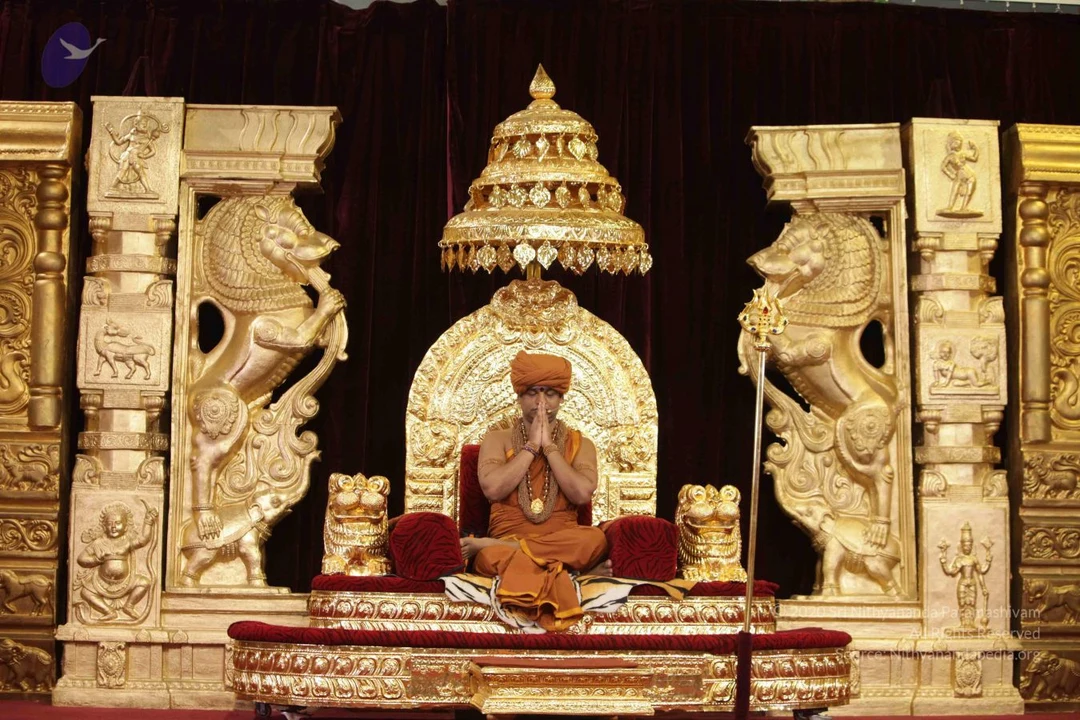
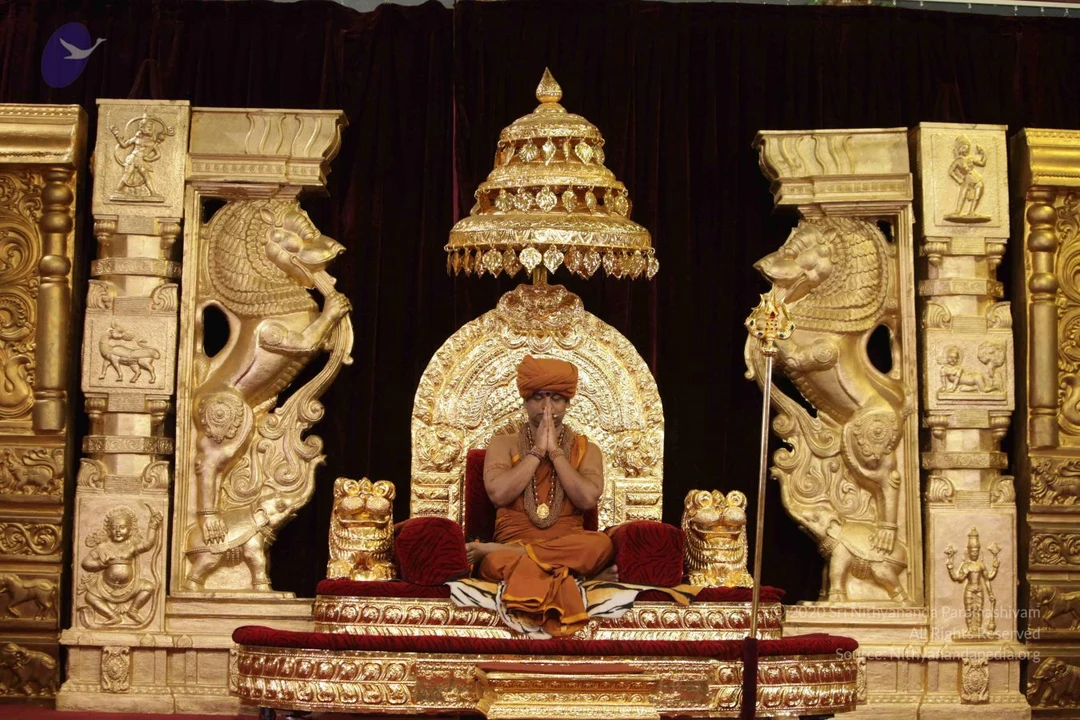
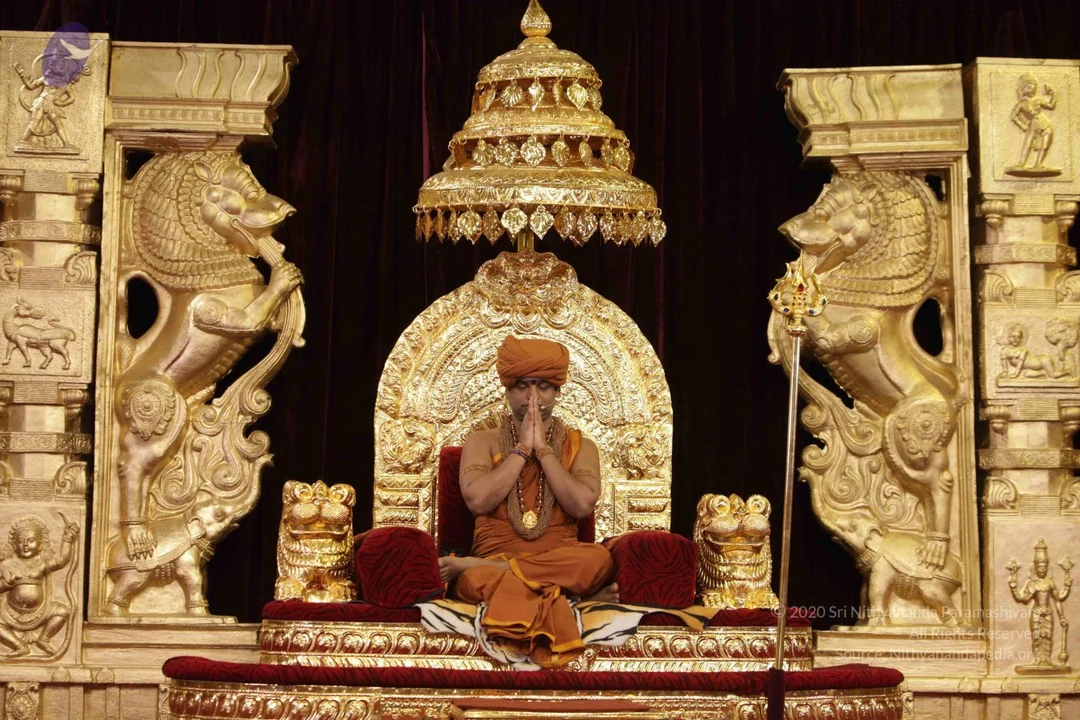
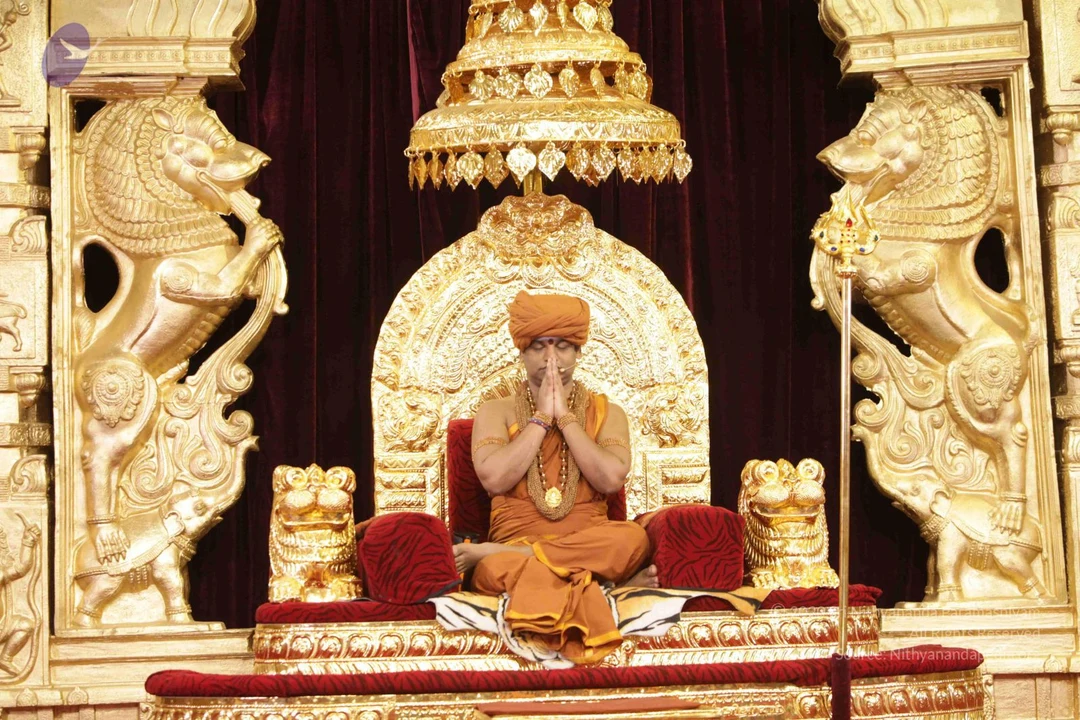
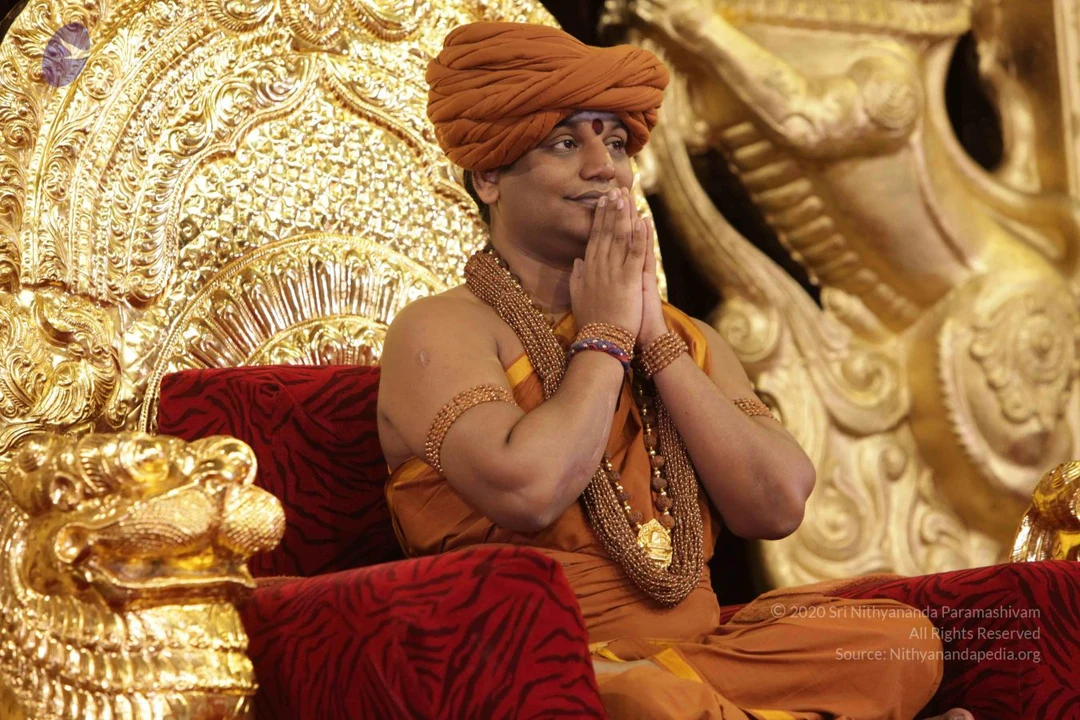
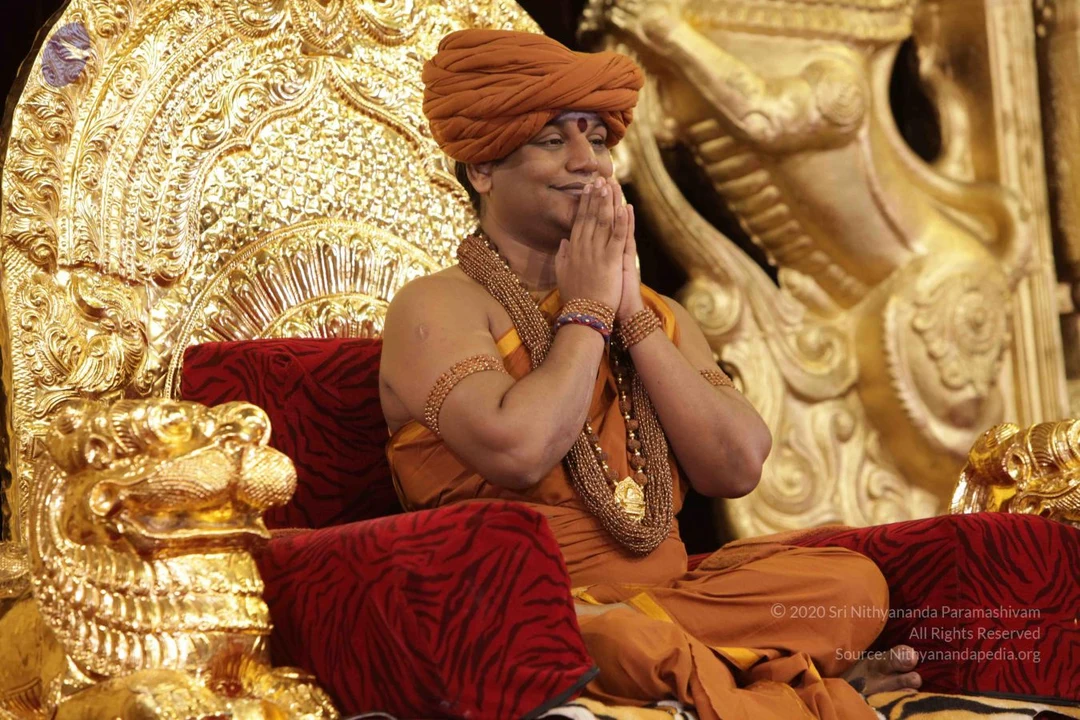
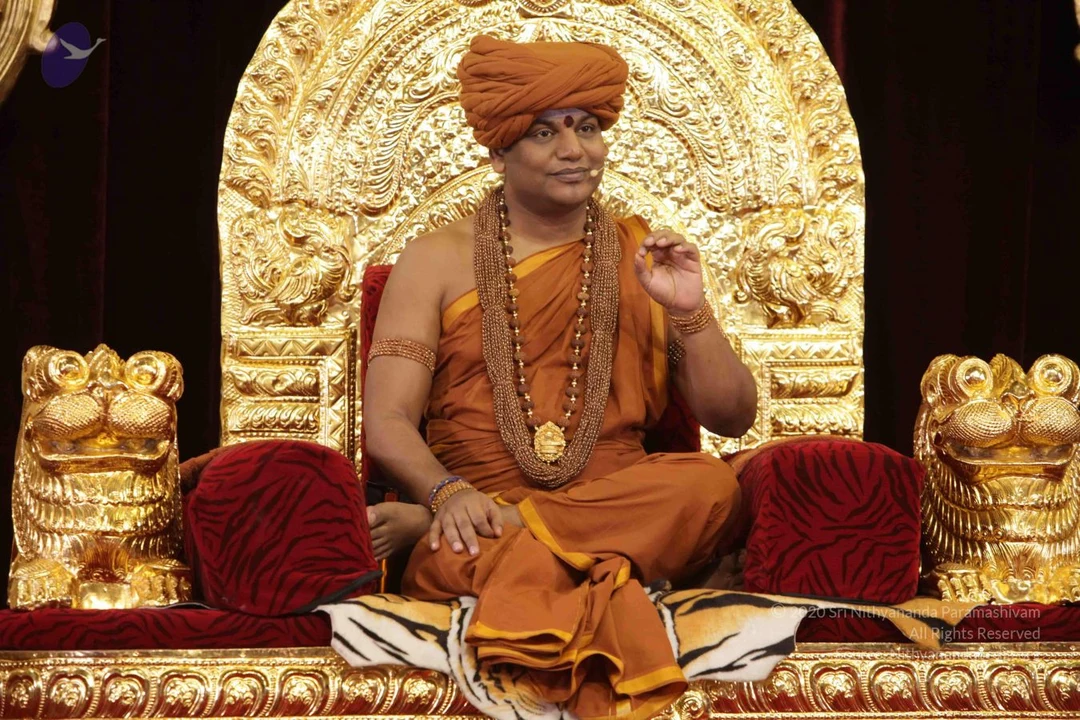
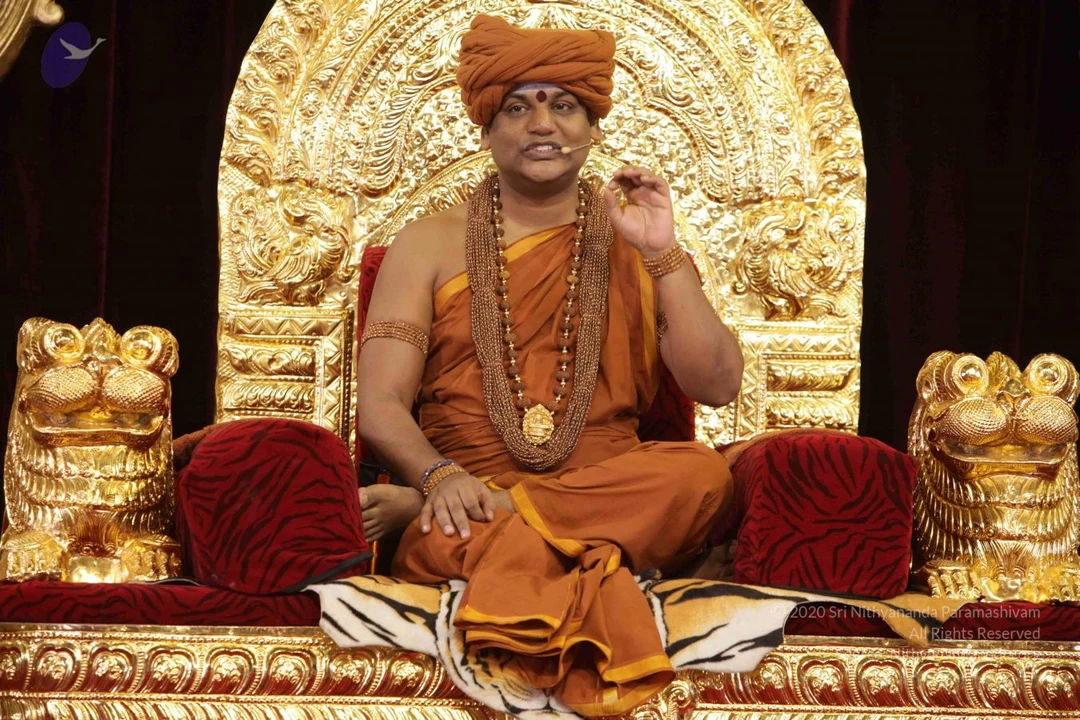
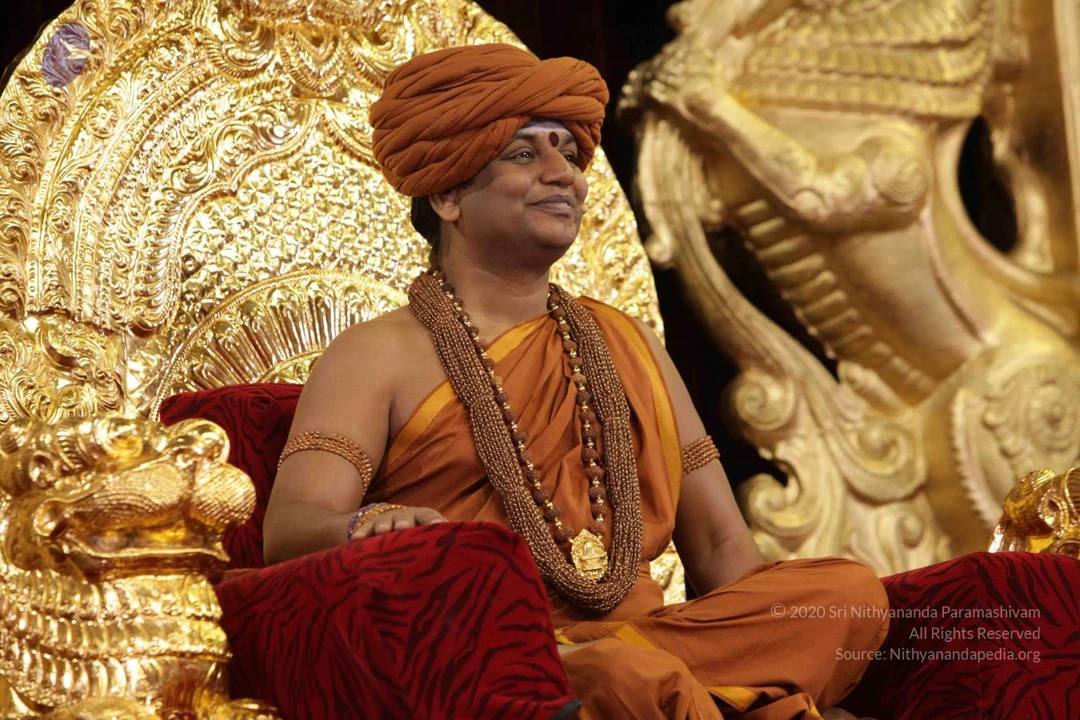
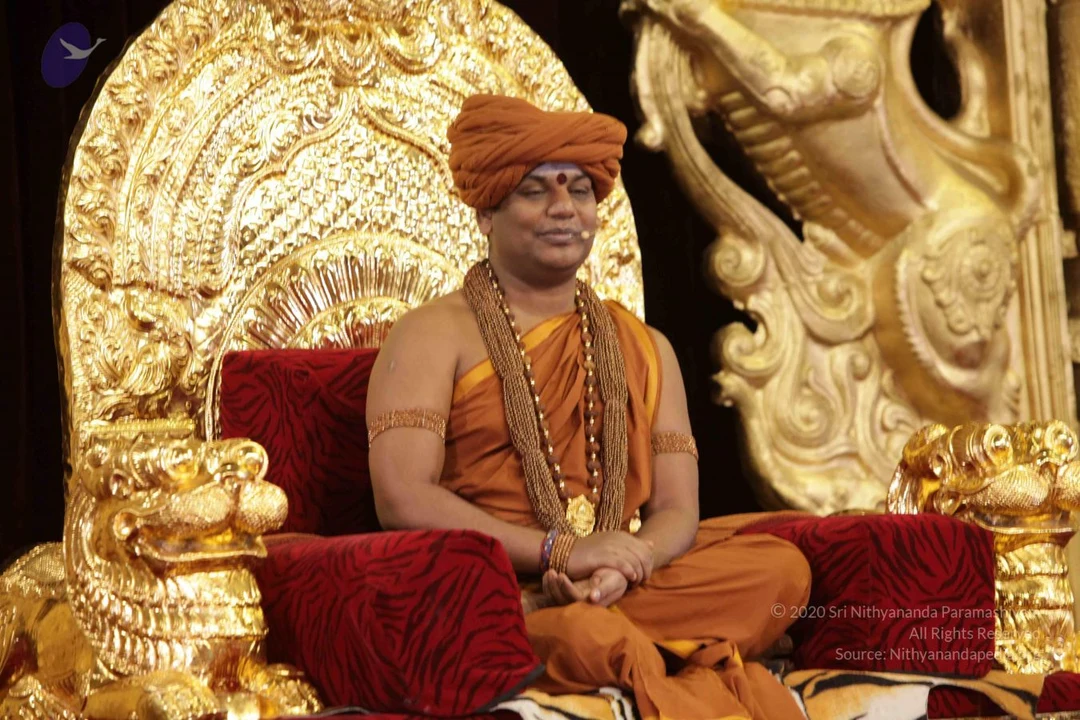
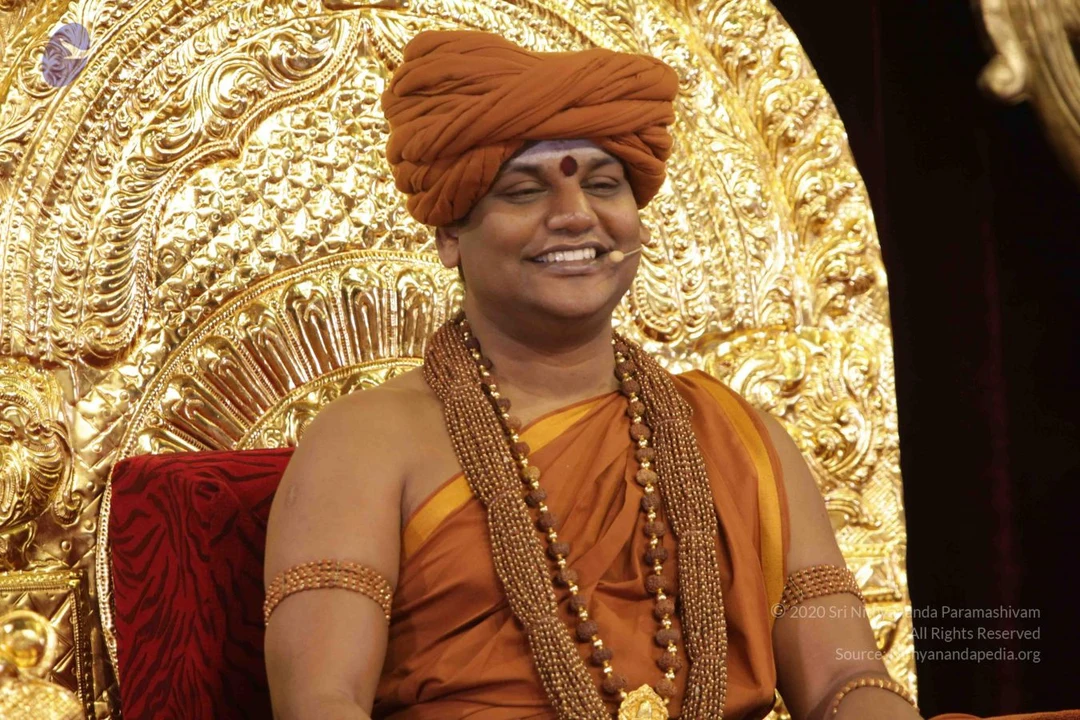
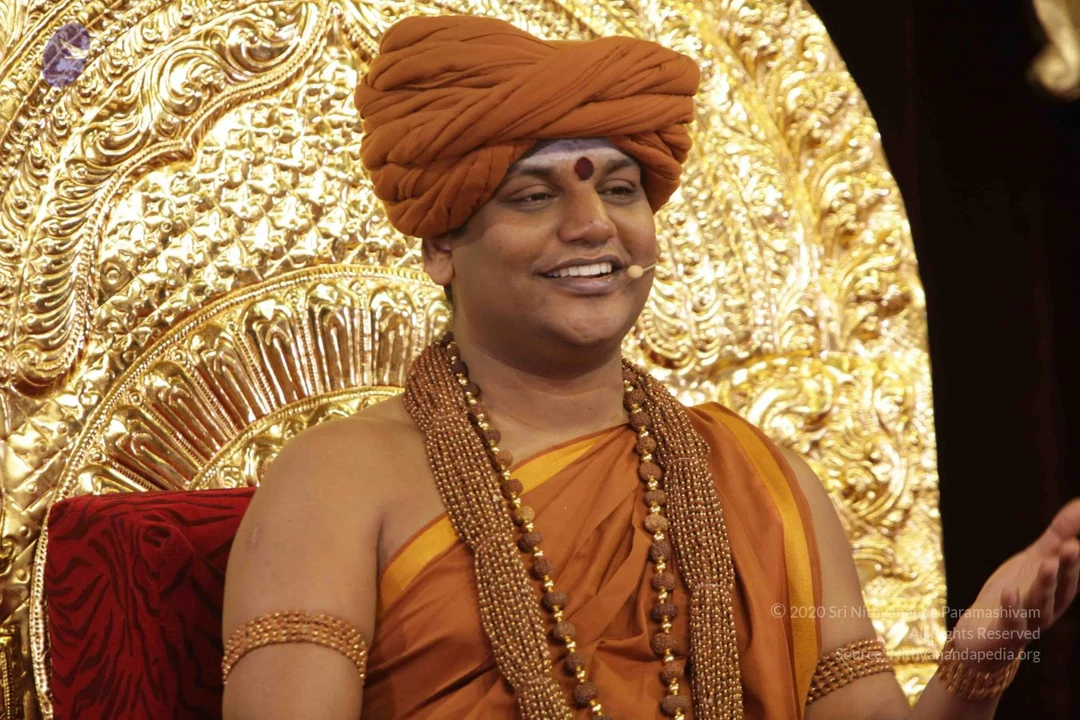
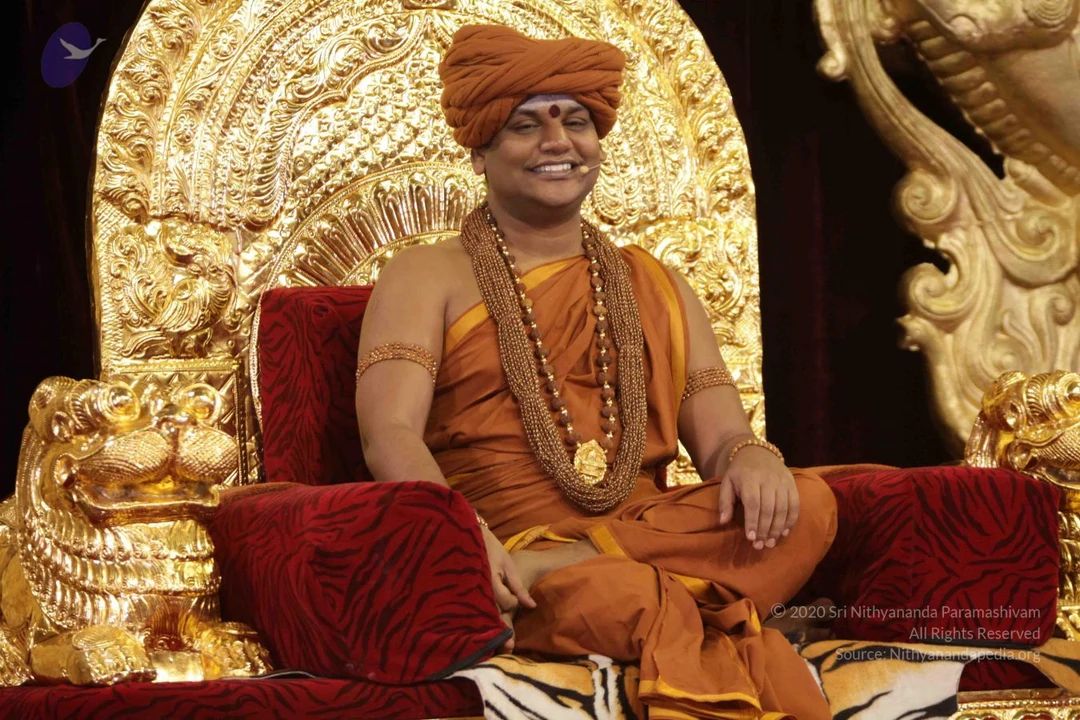
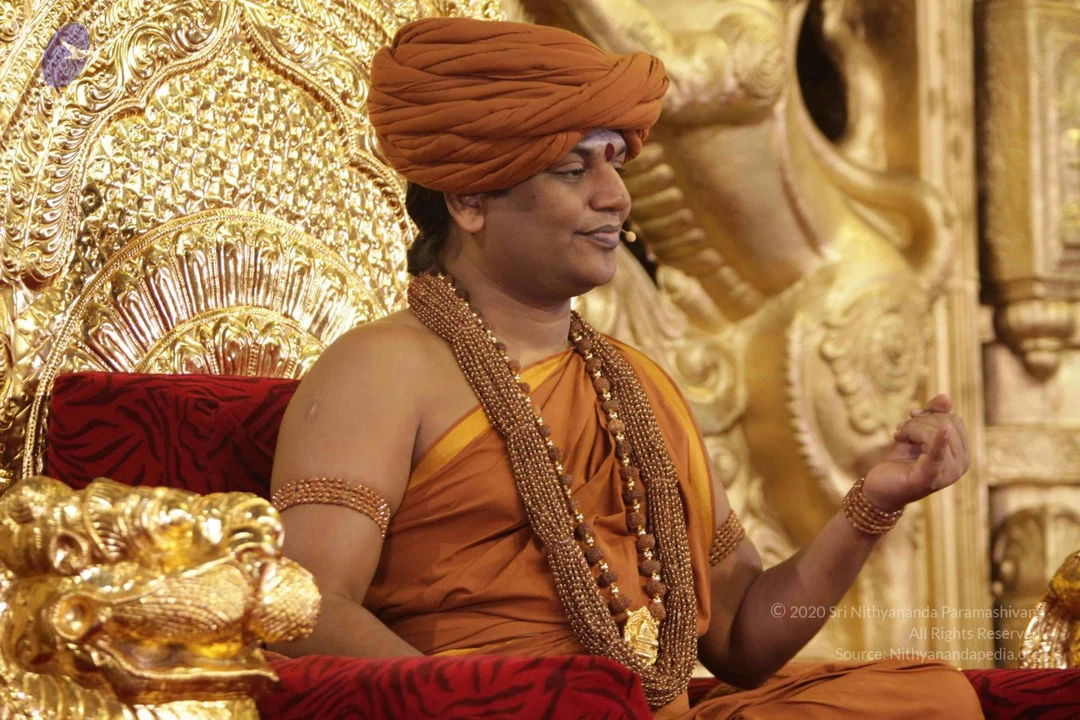
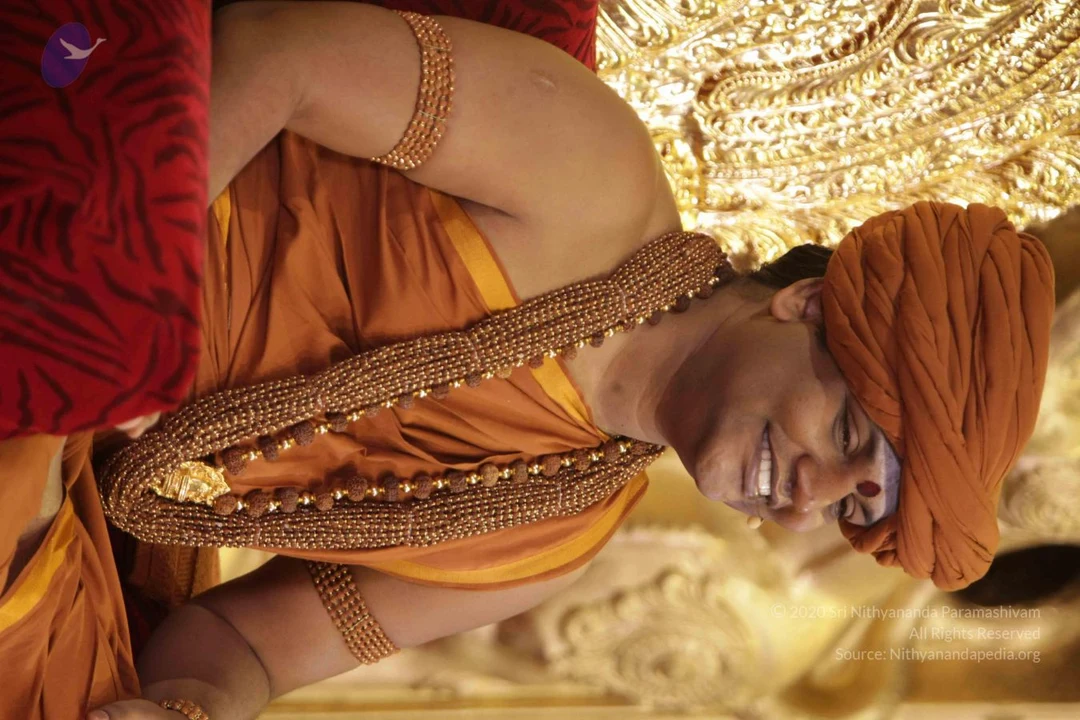
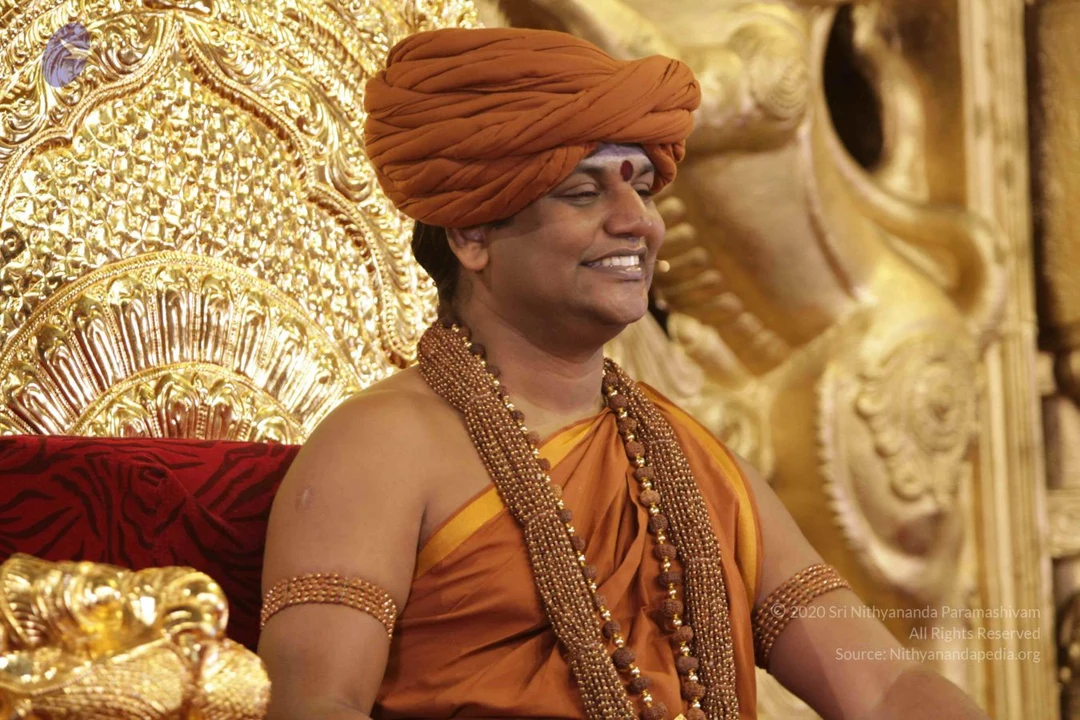
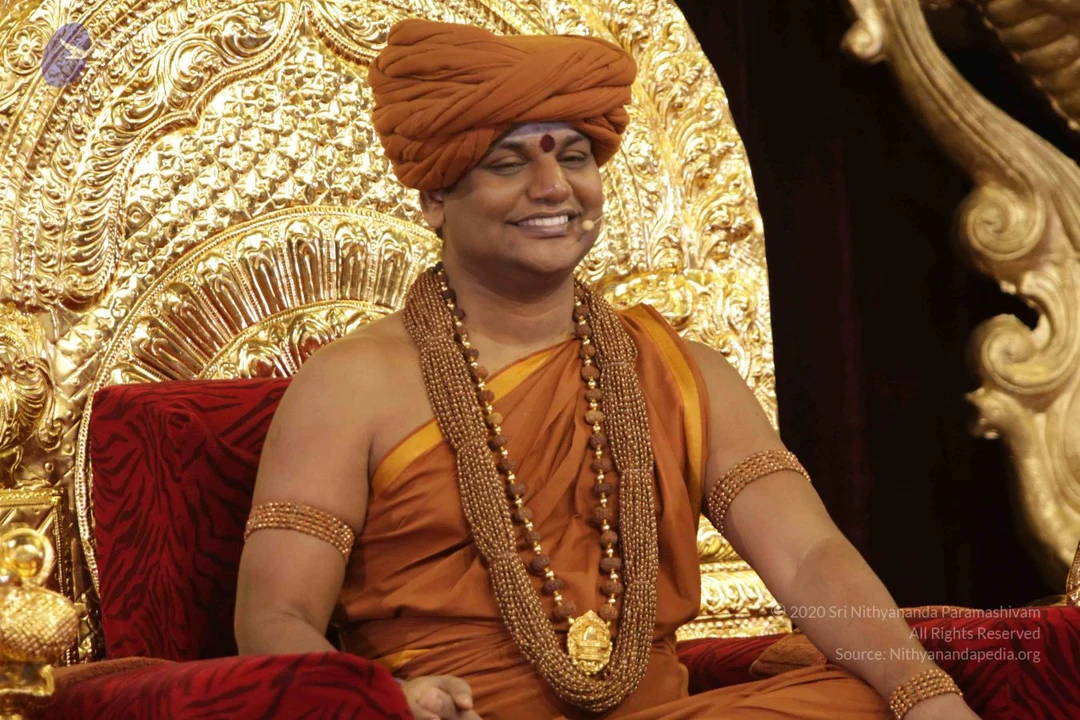
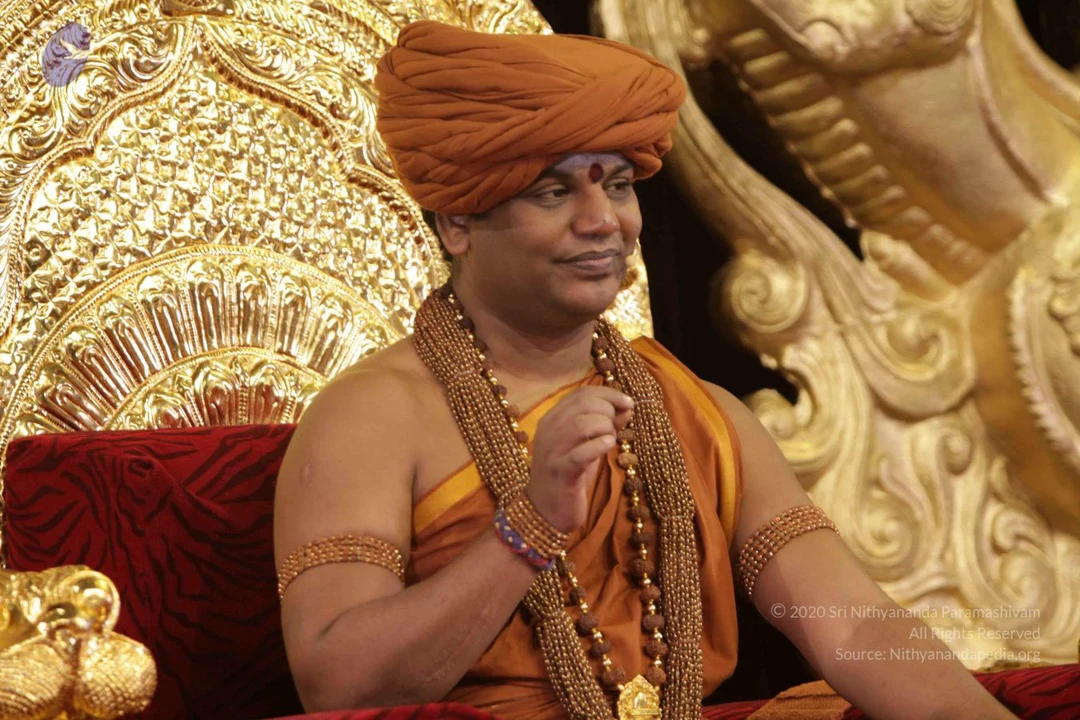
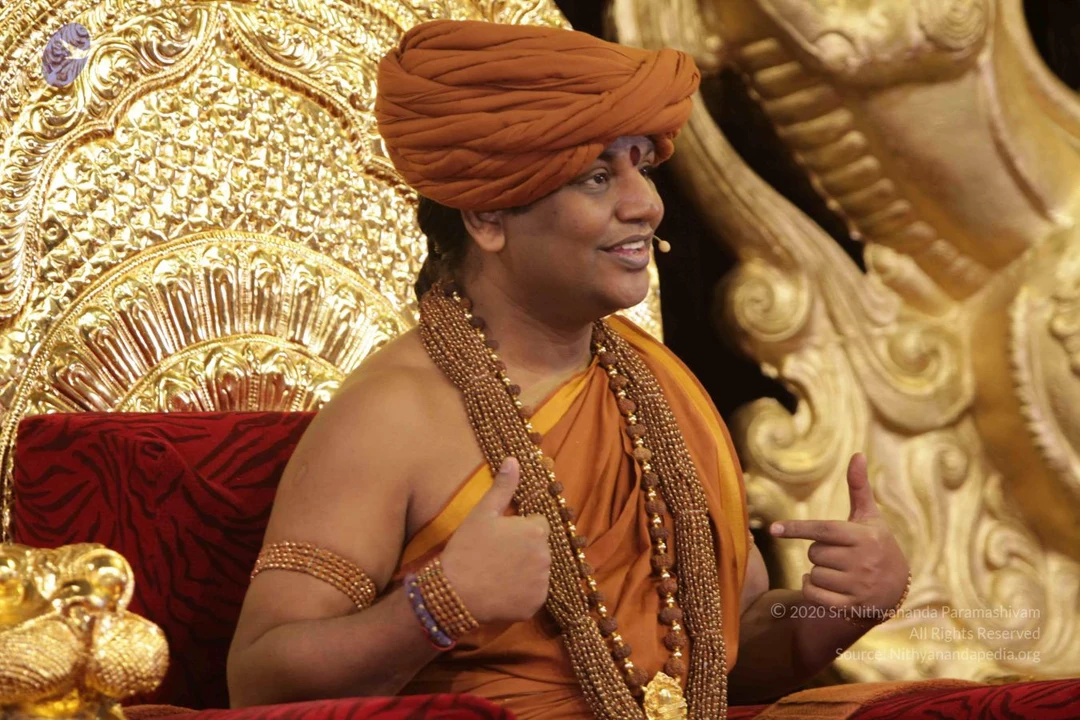
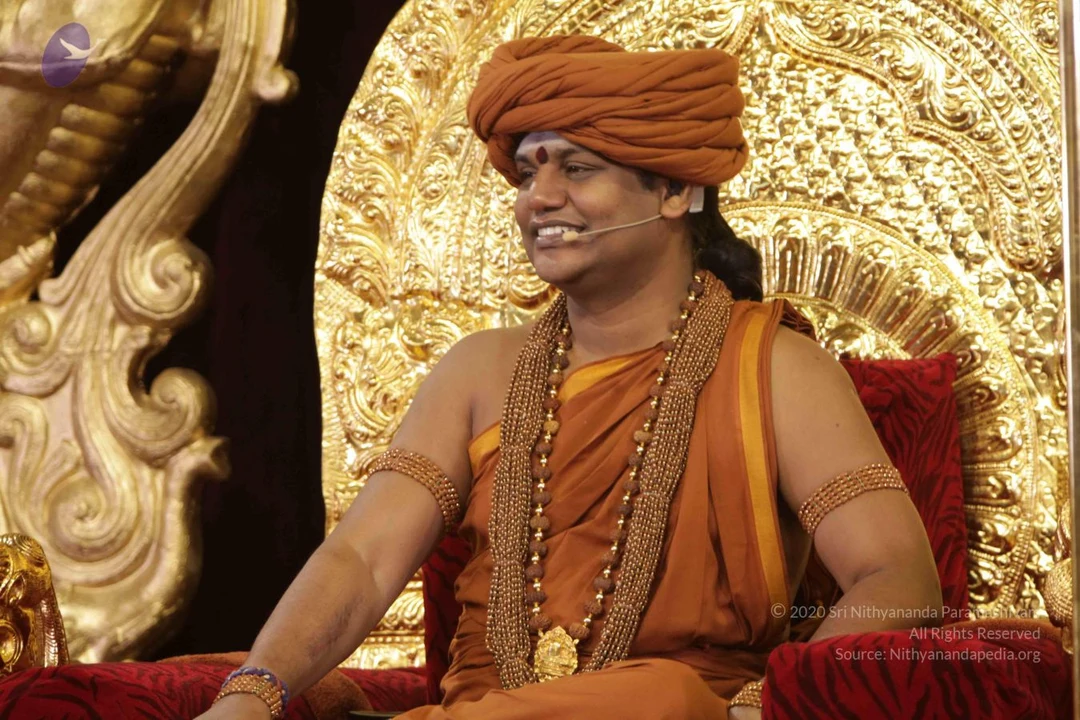
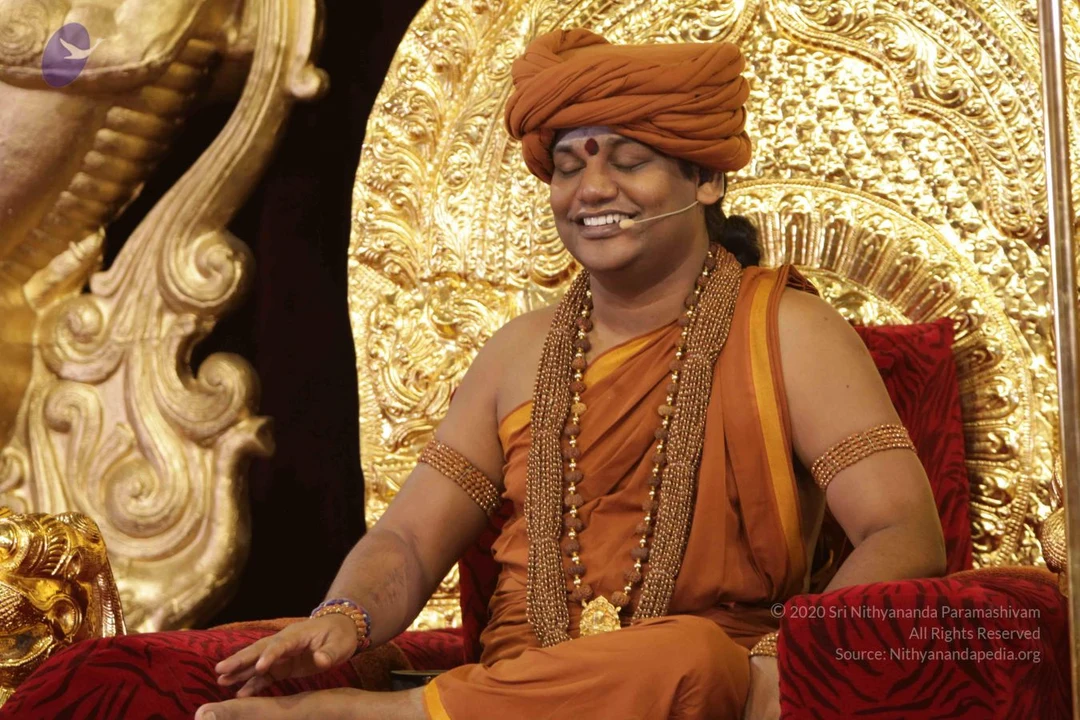
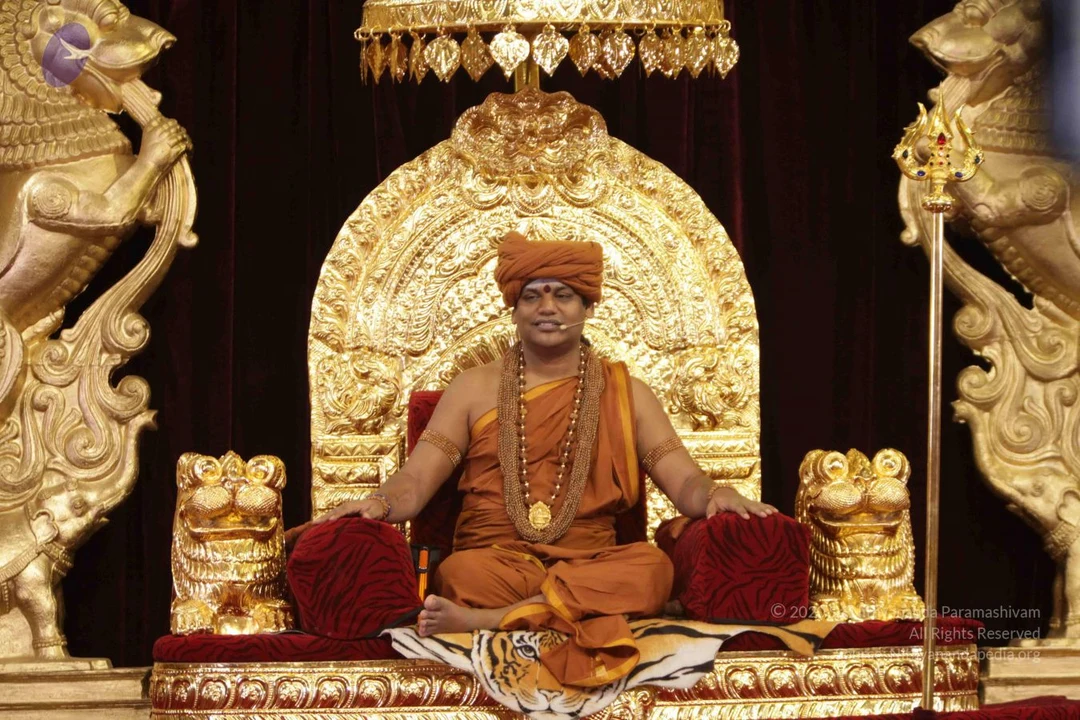
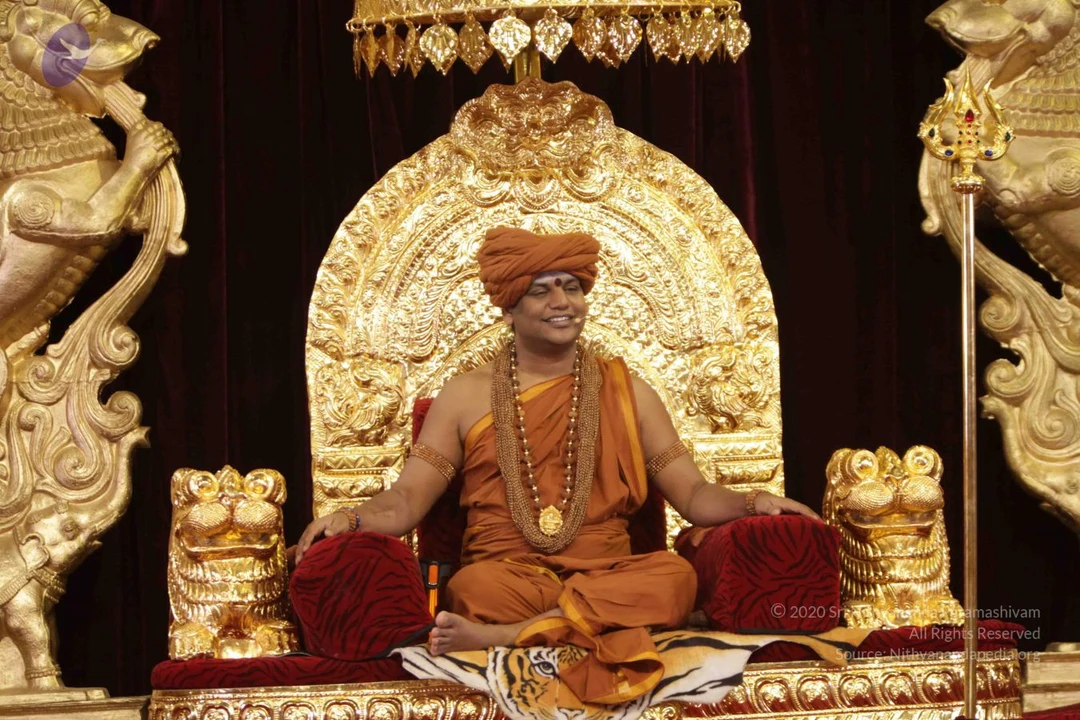
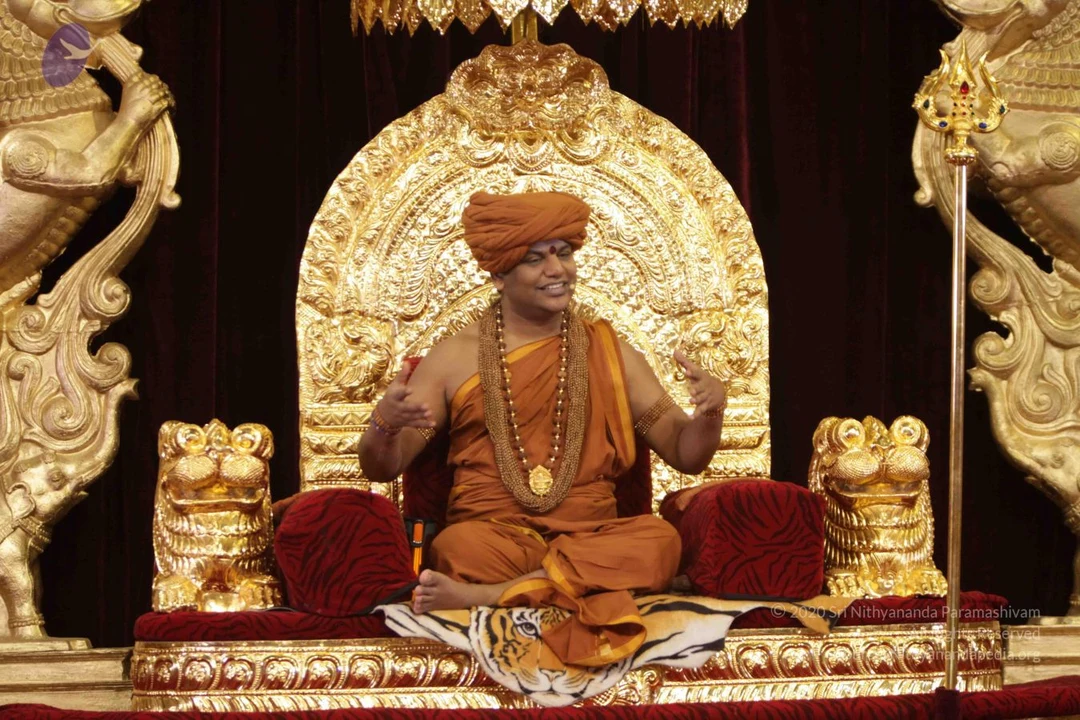
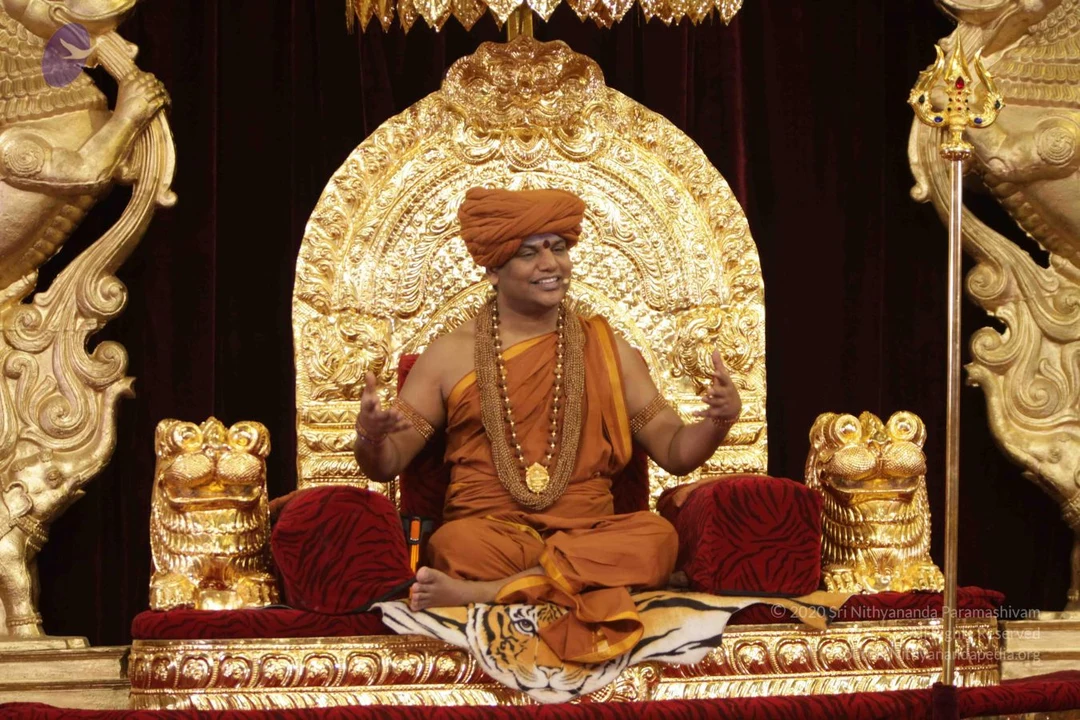
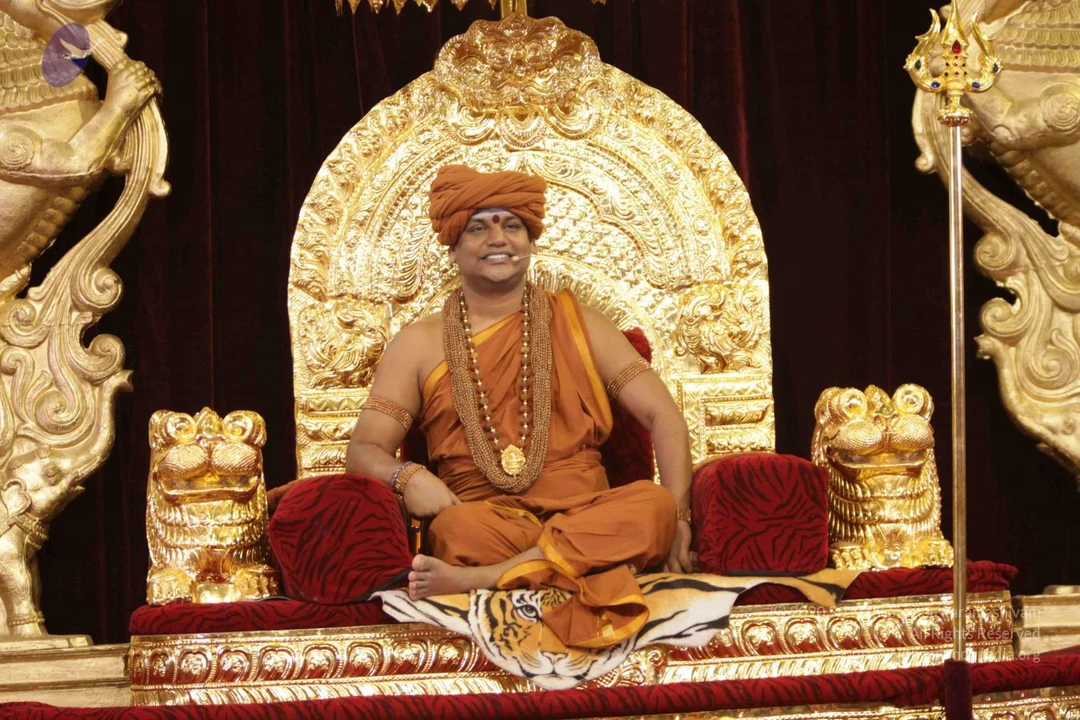
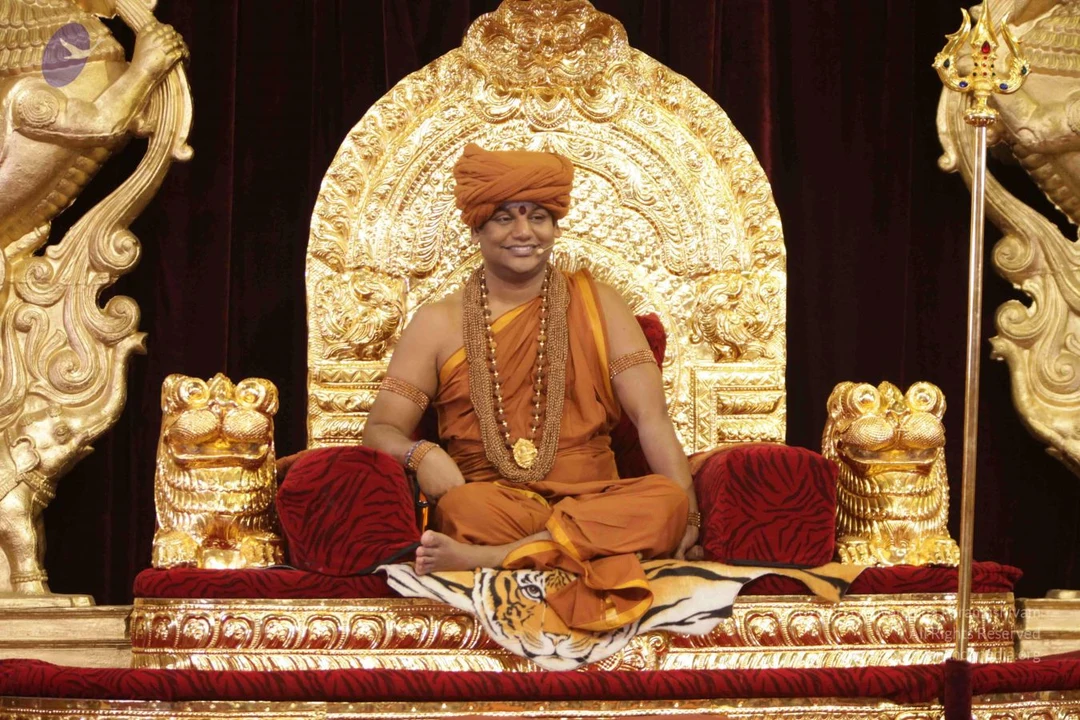
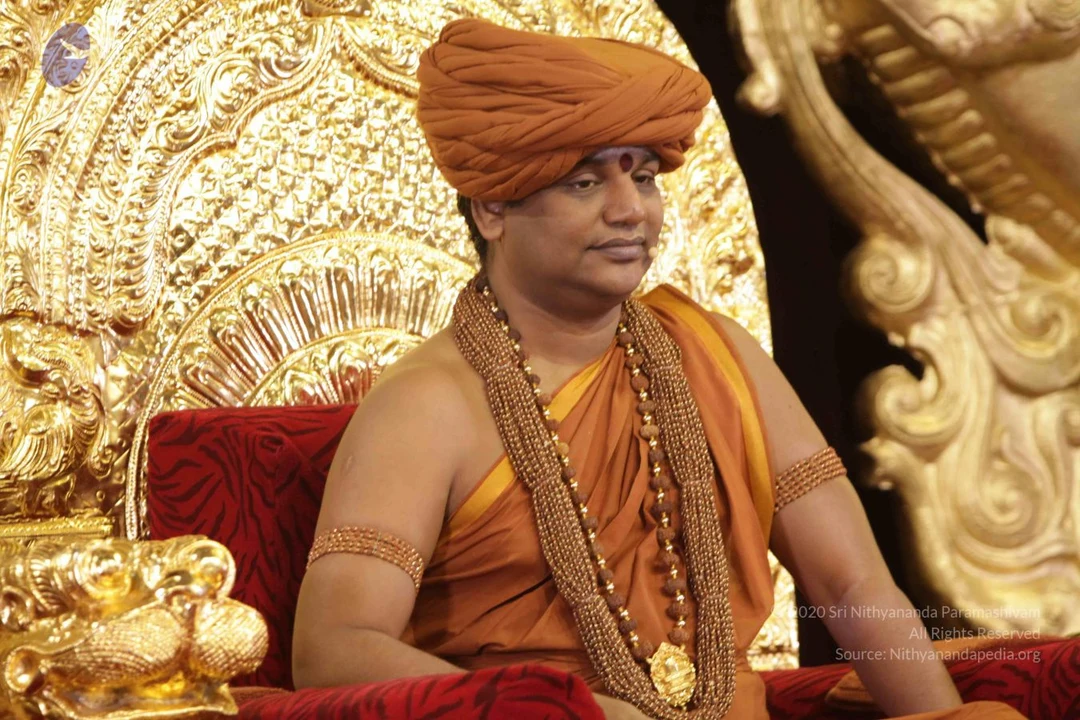
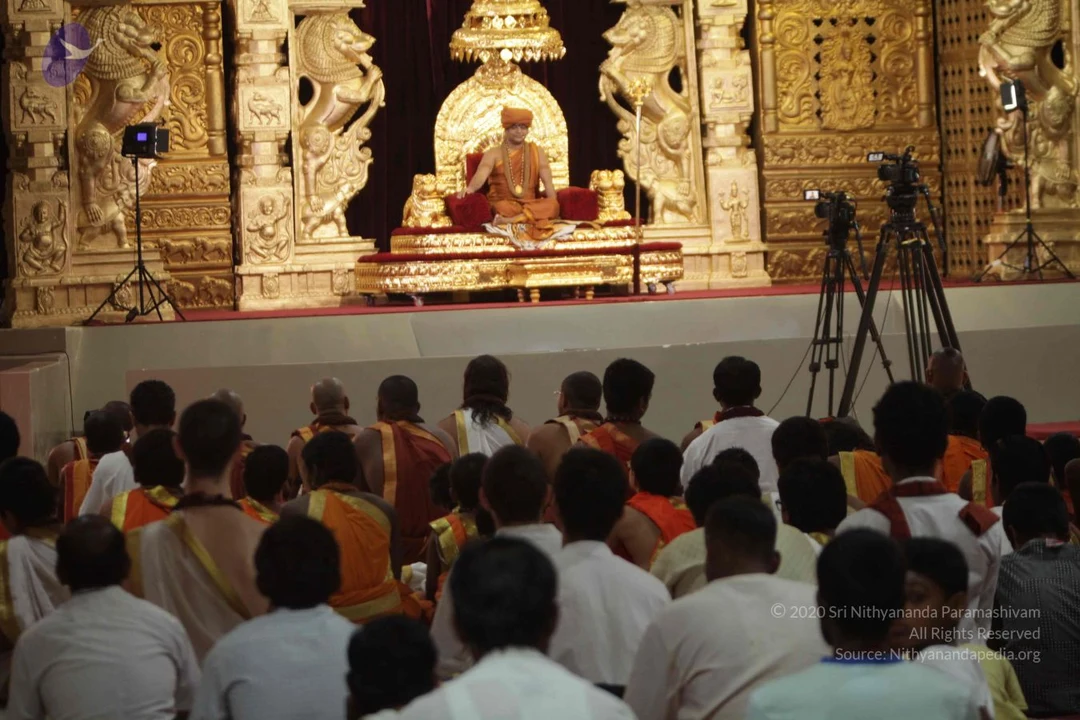
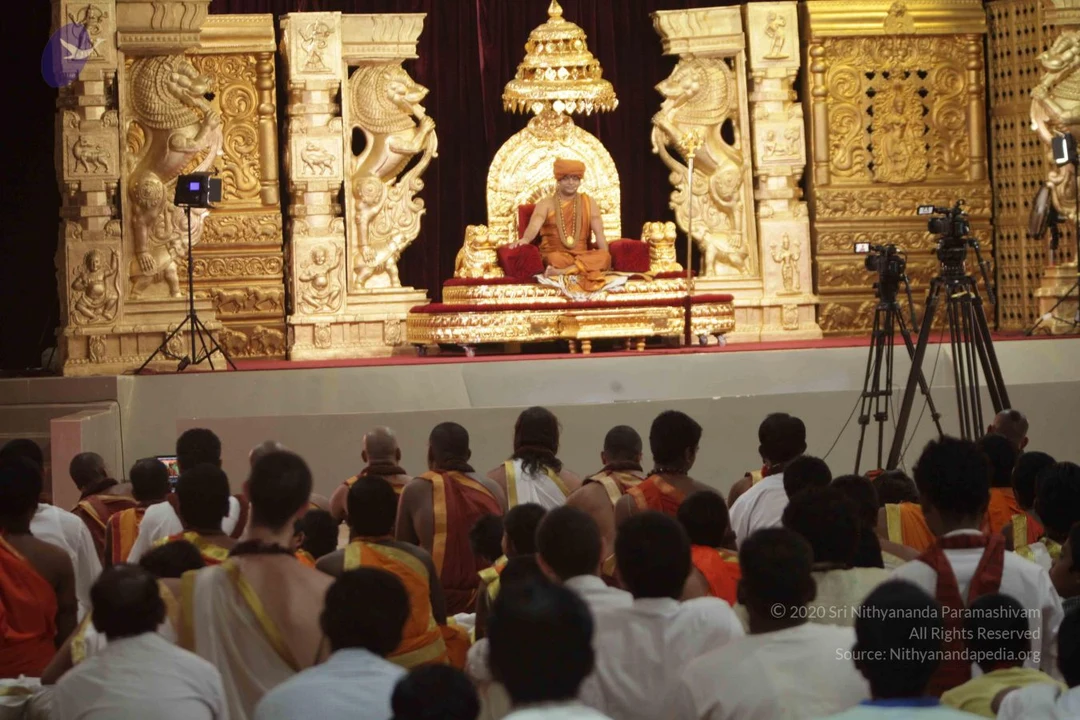
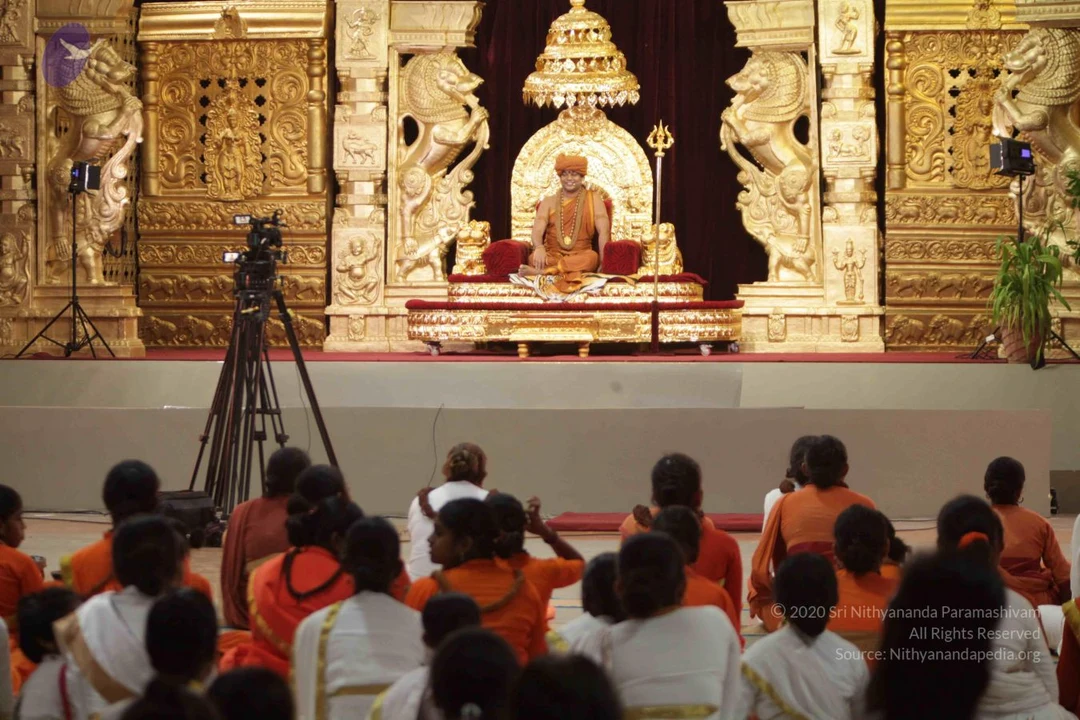
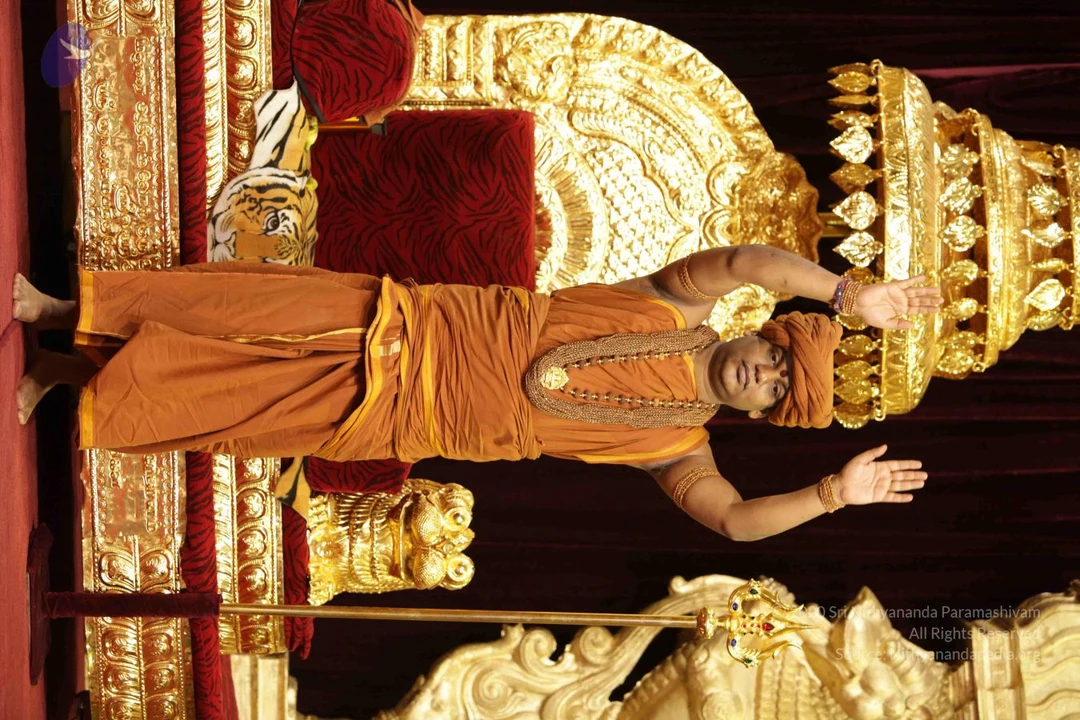
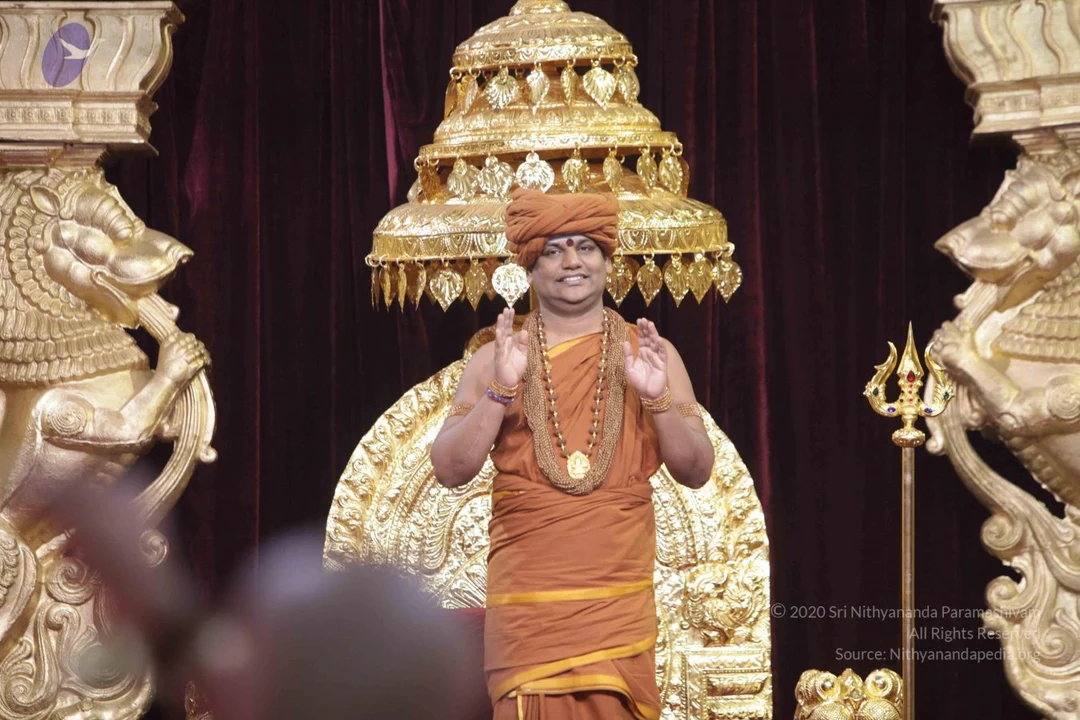
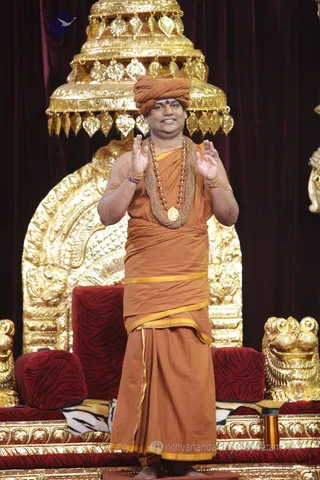
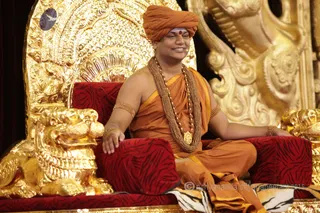
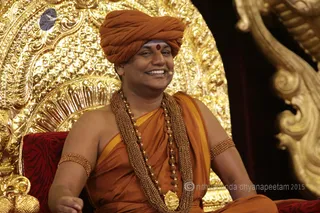
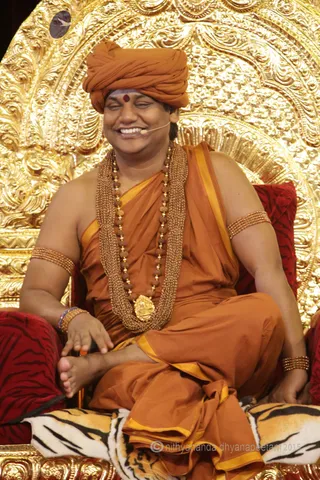
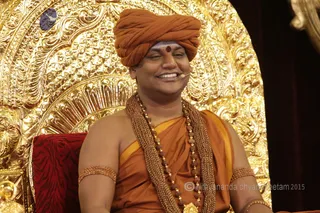
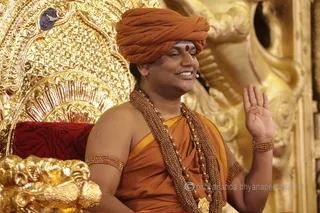
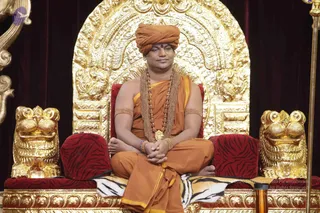
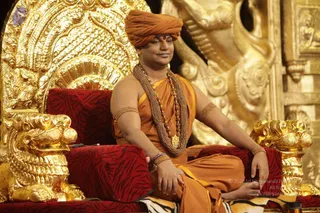
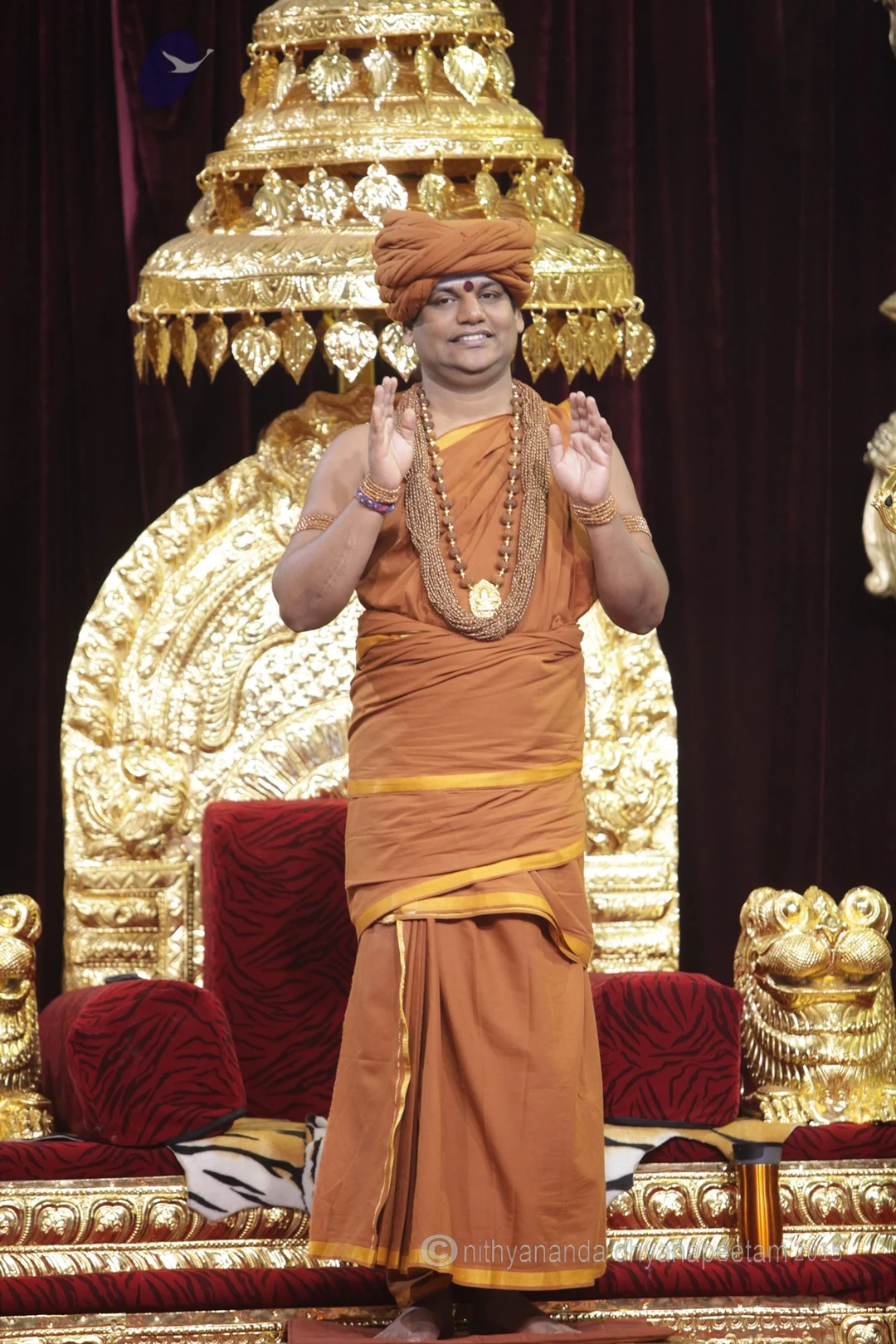
A man stands on a raised red-and-gold stage in front of an ornate golden throne with a tiered golden canopy hung with leaf pendants and carved lion heads at its base. He wears an orange turban with a red bindi, an orange robe with yellow borders, multiple strands of wooden rudraksha-style beads and a gold pendant, gold armbands and bangles, and raises both palms in a blessing gesture while smiling. Deep maroon velvet drapes frame the scene. The page notes Swamiji's presence, but the appearance cues are a turban, saffron-orange robe, rudraksha beads and a ceremonial gold pendant, so the candidate is probable.A seated man in saffron and orange robes sits on an ornate golden throne with red and black striped cushions and carved golden lion-head armrests. He wears an orange turban with a red tilak on his forehead, a long multi-strand gold-toned beaded necklace with a pendant, and gold bangles on his wrists. He smiles with his hands resting on the cushions. Swamiji (probable): the orange turban, saffron robes, and ornate ceremonial gold necklace match the page's Swamiji context. A photo credit reads 'nithyananda dhyanapeetam 2015' in the lower right.A smiling man in saffron-orange robes and a matching orange turban sits on an ornate gold throne with intricate carved filigree and a red cushion. He wears a long multi-strand rudraksha-style bead mala with a large gold pendant, gold armbands, and a red bindi on his forehead. A microphone is visible near his face. The background shows dark red drapery and a gilded carved armrest. This appearance-based label is a person, seated in the role of the speaker at the satsang on the throne.A smiling man with closed eyes sits cross-legged on an ornate gold throne with red velvet cushions and a tiger-striped rug. He wears an orange turban, a red bindi, an orange robe with gold borders, layered rudraksha and gold-bead malas, a gold pendant, beaded armlets and bangles, and a small microphone on his cheek. Swamiji (probable): the saffron turban and robe, rudraksha malas, ceremonial gold necklace and armlets, seated on a throne during a satsang-style talk.A smiling man in an orange saffron turban and orange robe sits on a red velvet cushioned seat in front of an ornate gold repoussé throne backdrop. He wears layered rudraksha malas, a gold chain pendant, beaded gold armlets, and a red bindi with white tilak on his forehead, and a small clip microphone is visible near his face. a person's cues: distinctive saffron turban, rudraksha malas and ceremonial gold ornaments on a throne, seated as a speaker at a satsang setting.A man seated on an ornate gilded throne with a red cushion, wearing an orange turban with a red and white forehead mark, an orange-saffron shawl over the shoulders, multiple strands of rudraksha beads and a gold pendant, and beaded bands on the upper arms and wrist. He smiles and raises one hand in a blessing gesture, with a small headset microphone visible near the face.

Gayatri Initiation
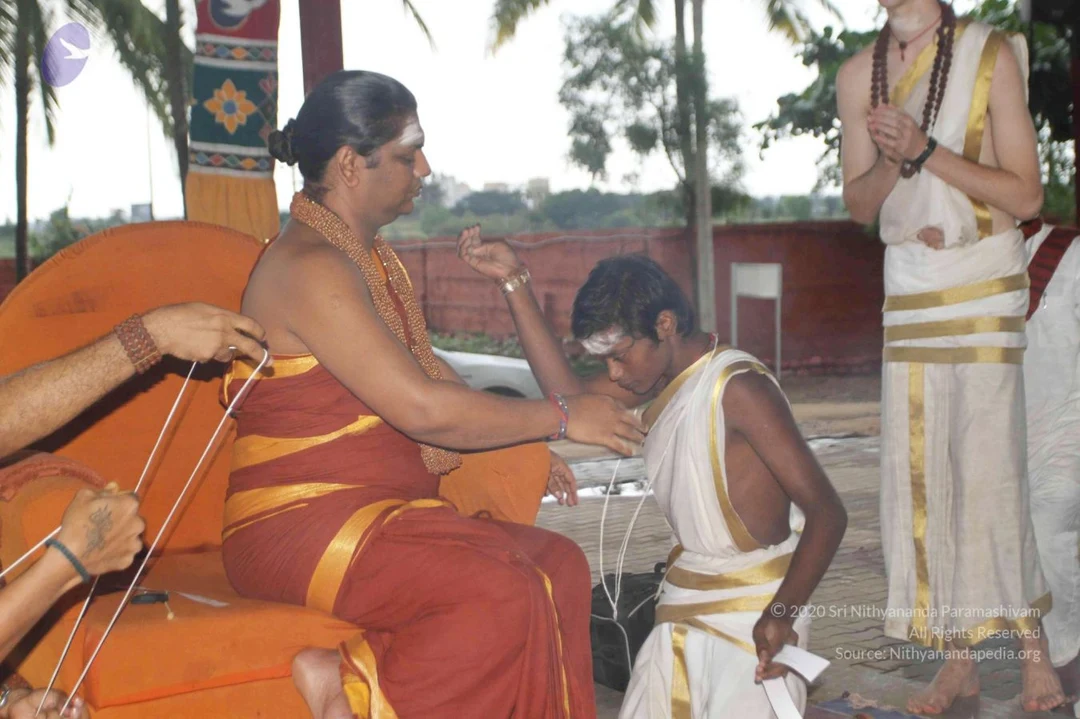
33 photosSource gallery
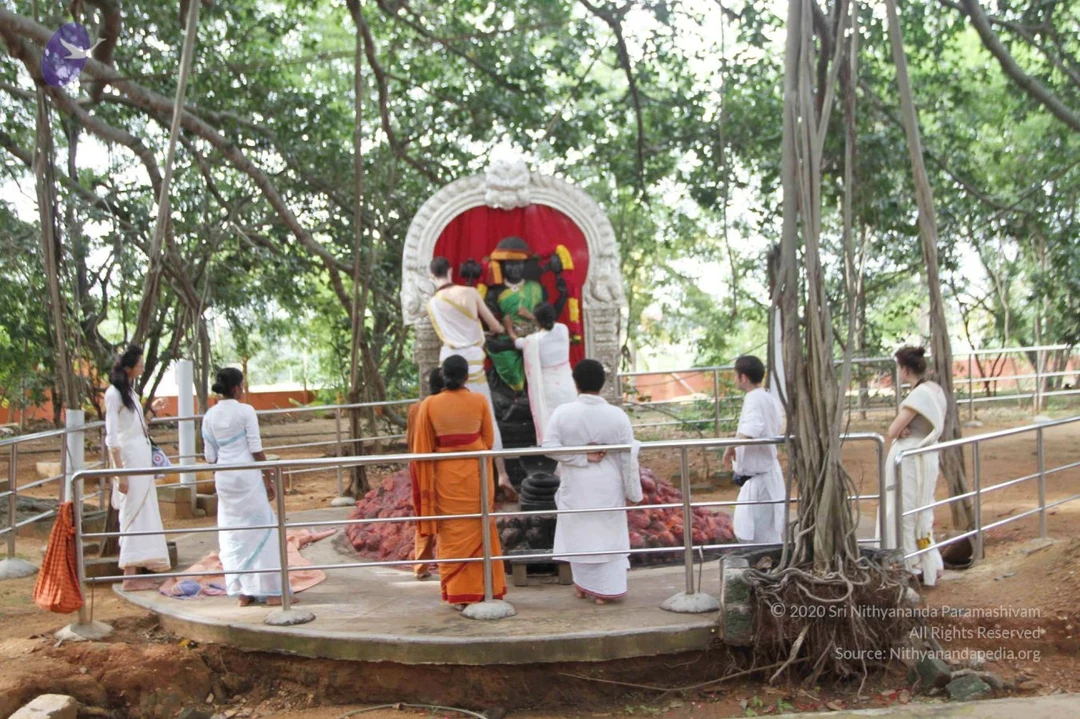
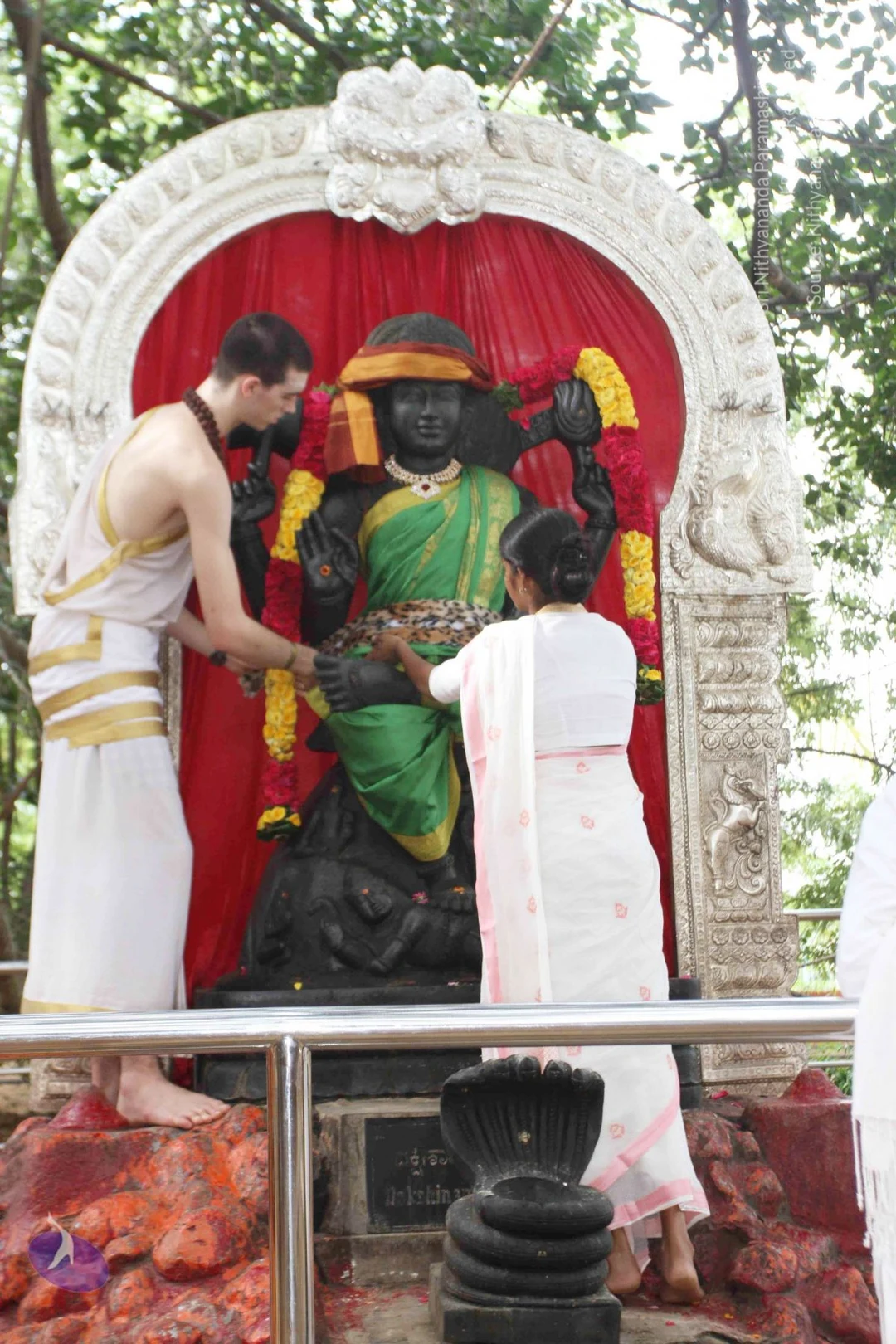
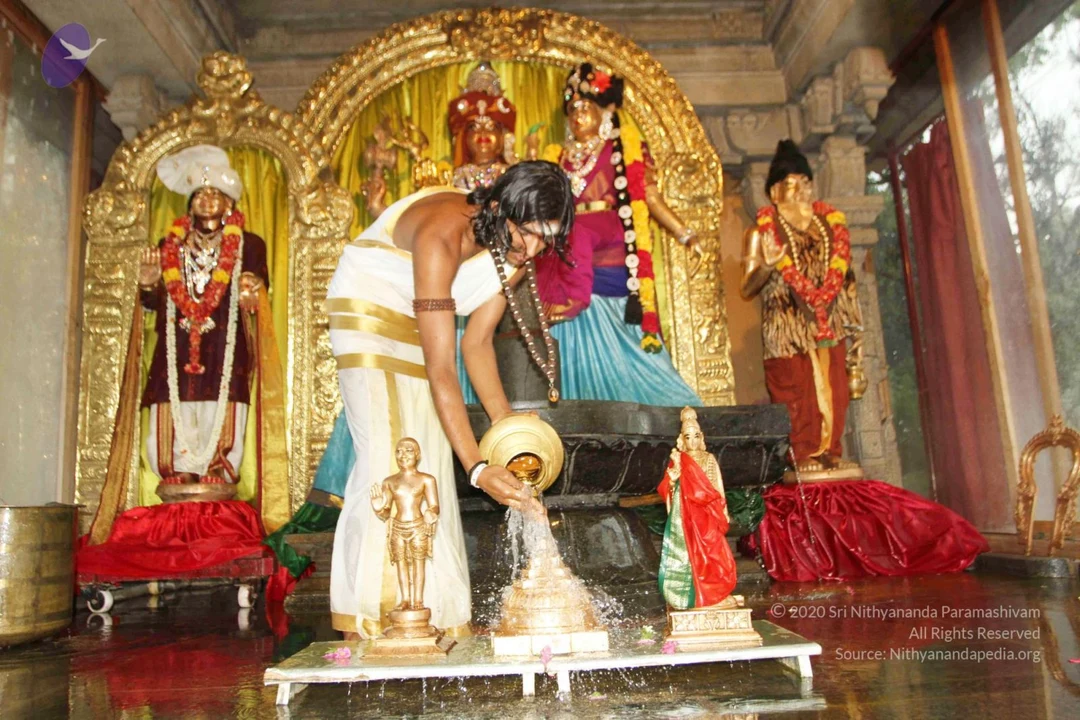
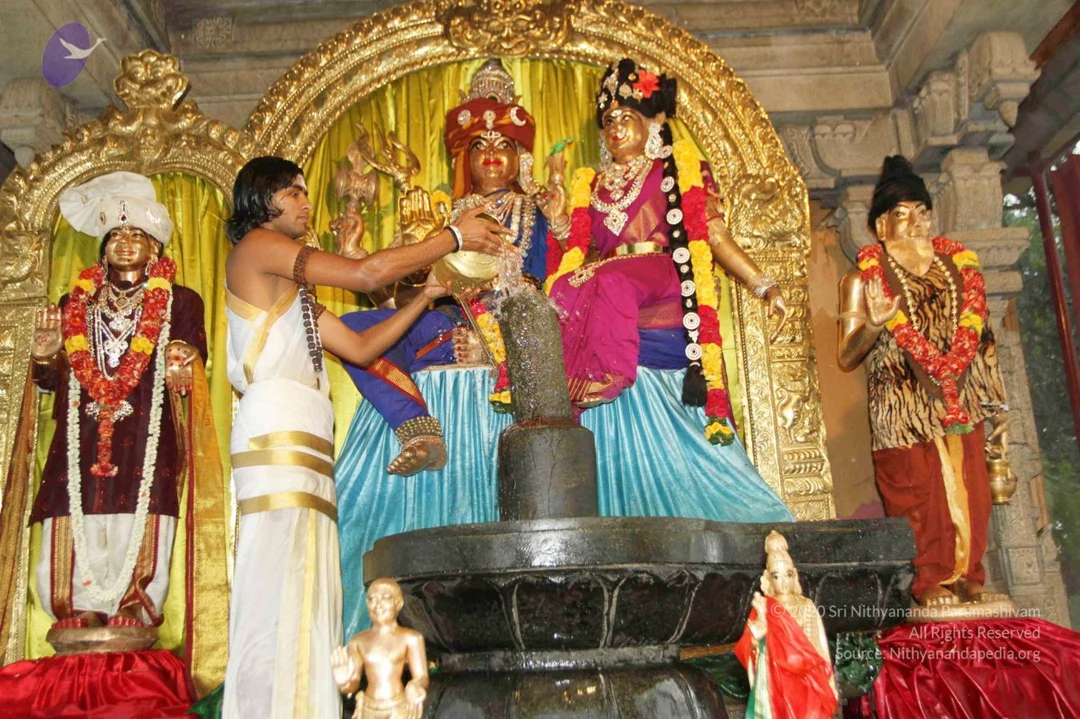
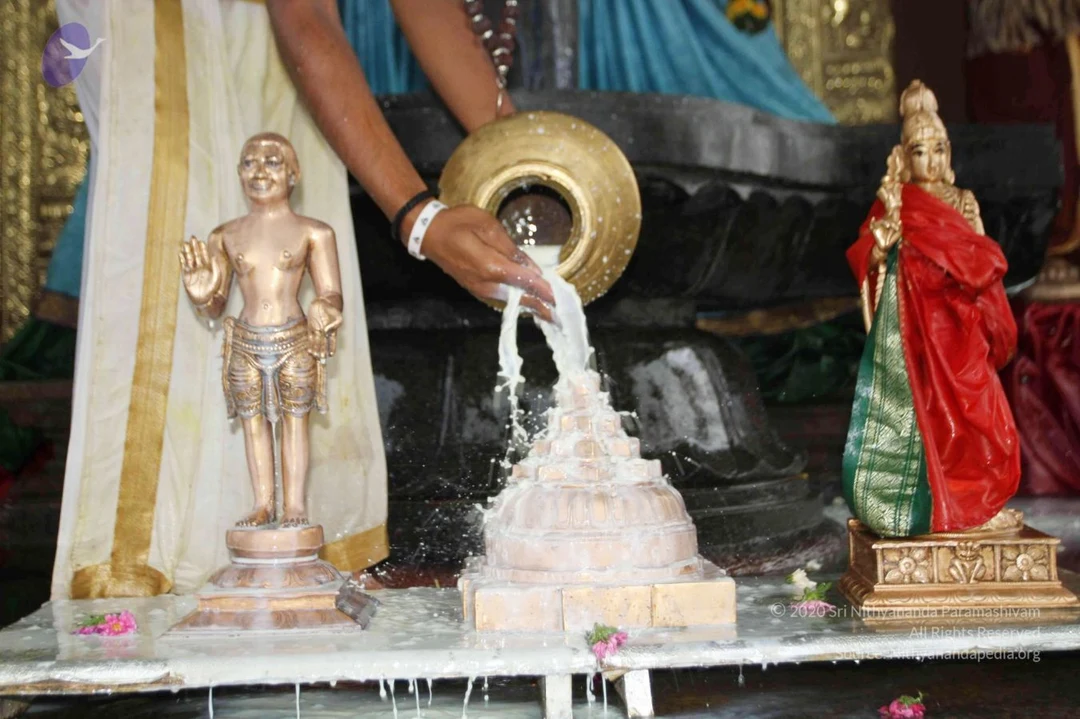
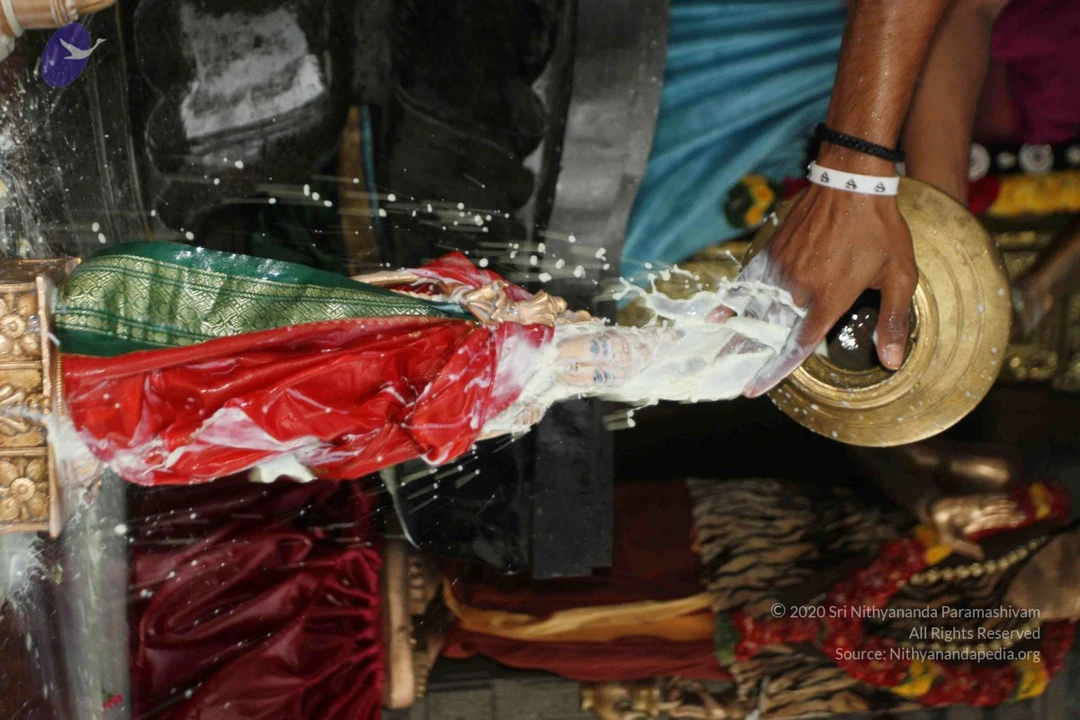
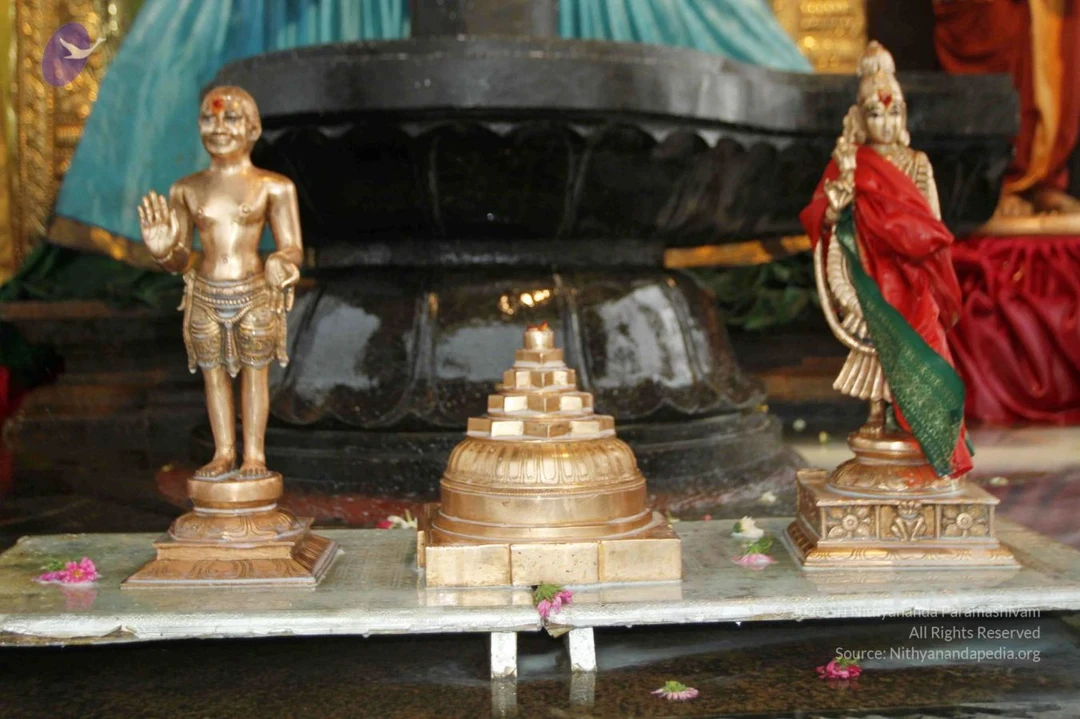
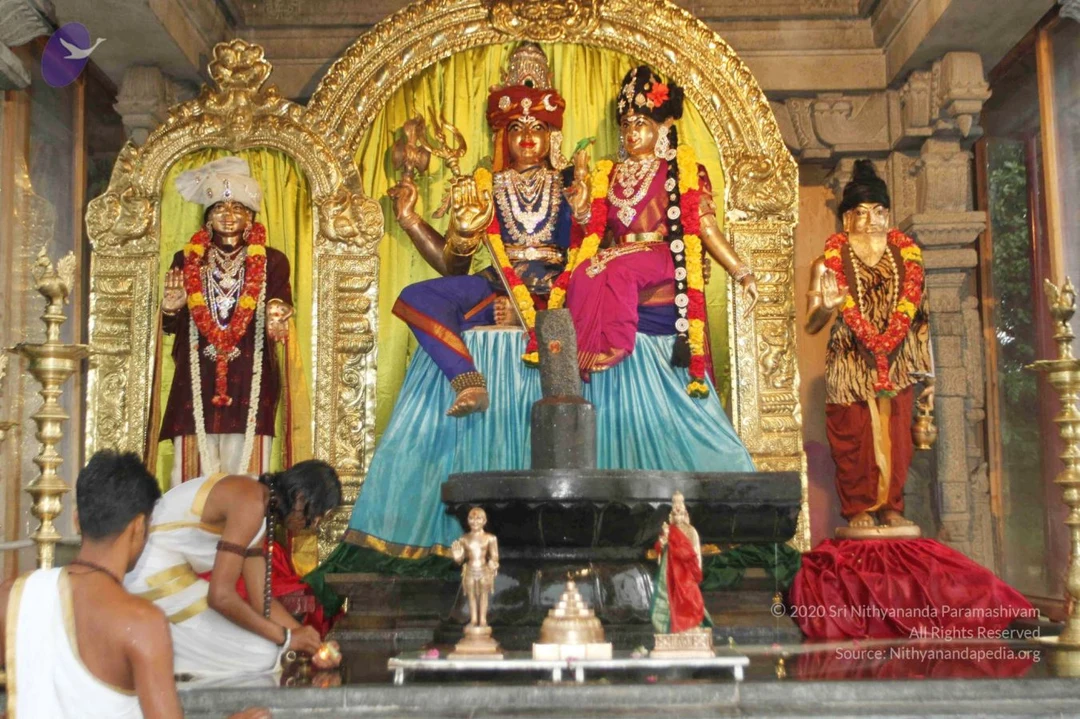
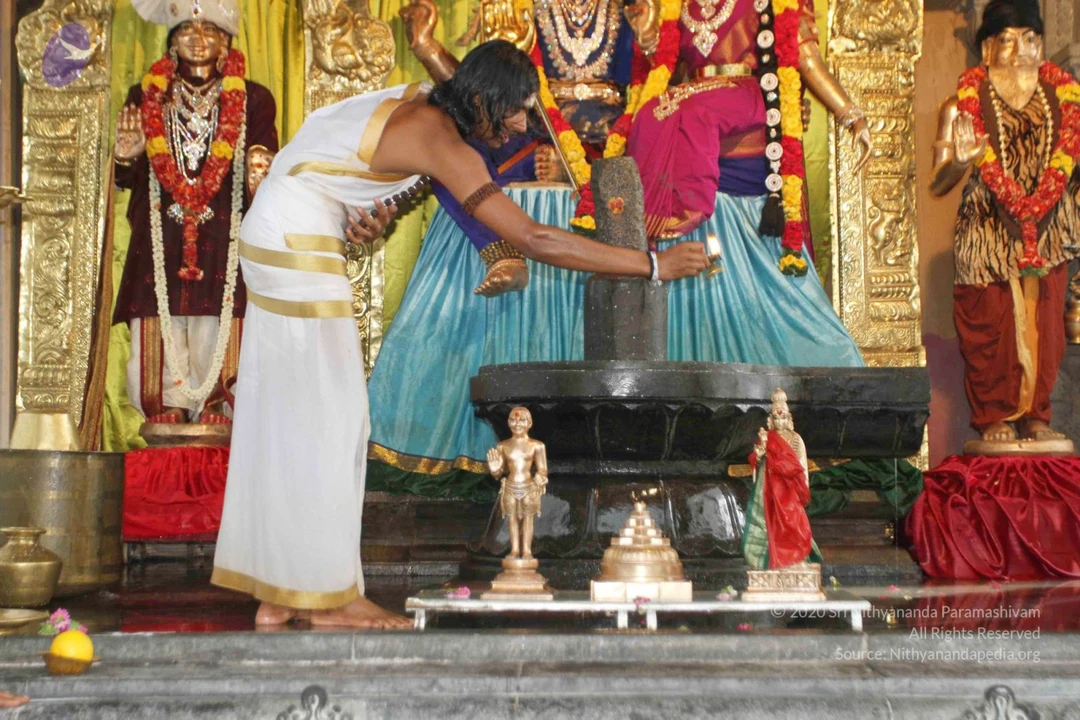
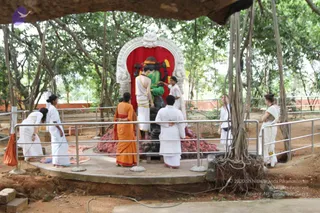
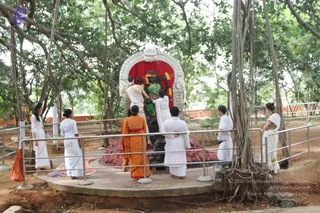
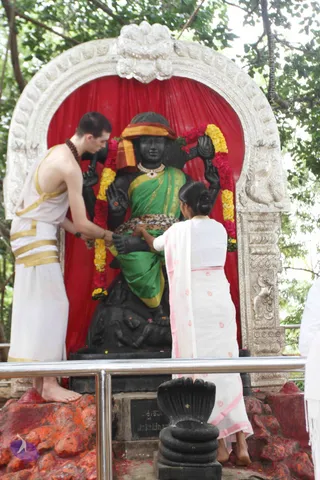
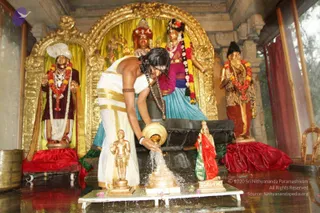
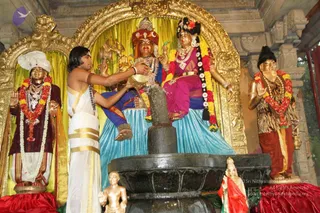
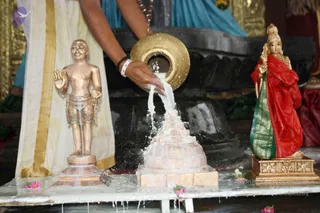
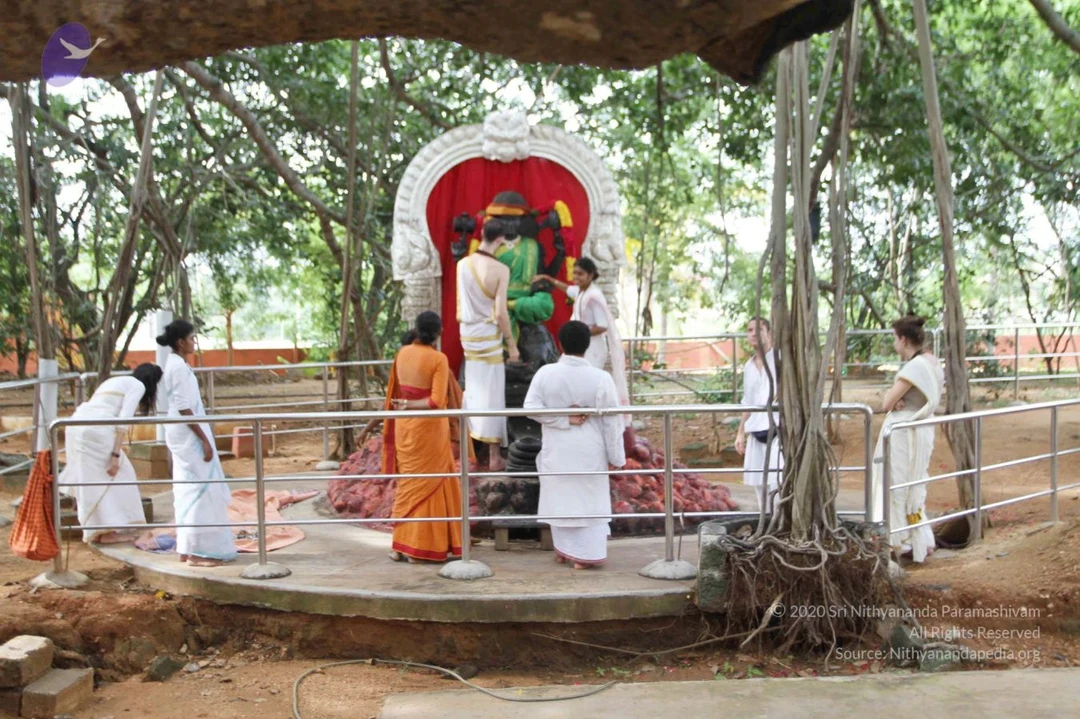
A photograph of a small outdoor shrine under a large banyan tree with hanging aerial roots. A red-backed arched niche holds a dark stone deity murti draped in green and red cloth with a yellow headpiece. Several people in white and cream ritual clothes stand around a circular raised platform with a metal railing, one man bare-chested with a white dhoti reaching toward the murti, a woman in a bright orange sari standing near the railing, and a woman in white at the right edge. Red flowers or offerings are piled at the base, and an orange cloth lies on the ground at left.Outdoor photo of a small shrine set among large banyan trees, with a white arched frame around a red backdrop enclosing a black stone deity murti decorated with green and yellow garlands. Around a circular concrete platform with metal railings, about seven people in white ritual clothes stand and kneel in worship; one woman at the centre wears a white sari and another in an orange sari stands near the railing. Aerial roots hang from the trees and red stones lie at the base of the shrine.Outdoor photo at a shrine: a black stone deity murti with four arms, draped in a green and gold sari, wearing a red and white necklace, a multicolour cloth on its head, and a leopard-print cloth on its lap, framed by red fabric and an ornate white arch with yellow and red marigold garlands. In front, a man in white dhoti with gold borders and bare chest, wearing a rudraksha mala, leans forward to touch the deity's hand. A woman in white sari with pink border stands beside him, reaching toward the murti. In the foreground are a black stone Nandi-like shape, a stone plaque with an inscription, and red-stained rocks. A partial figure stands at the right edge.A photograph inside a temple shrine of a man with long dark hair and a rudraksha mala pouring water from a brass pot over a black stone lingam-type object. He wears a white dhoti with gold borders and a gold-bordered shawl and bare arms with a wrist band. Behind him stand gilded statues of figures adorned with garlands, including a figure in a white turban, a figure in maroon with a red-and-white garland, and a figure in patterned gold and red clothing. Smaller gold statues and a small pink-and-white floral offering sit on a marble platform in front, with water pooling on the wet floor. The scene suggests an abhishekam on a shiva lingam with the deities arranged around it.A young man in white dhoti and shawl with gold borders stands at a black stone lingam on a dark pedestal, pouring from a small vessel held in his right hand while his left hand touches the lingam. Behind him, golden statues of deities sit under a gilded arch with yellow drapery: a central figure in a red and gold turban and bejewelled necklaces, a female figure in magenta with black hair and a flower, and a figure with a white turban at left. A statue at right wears a tiger-striped garment with folded hands. Garlands of orange and white flowers adorn the figures. The scene appears to be a temple abhishekam, and no living person other than the young man is visible.A priest in a white dhoti with gold border pours milk from a golden vessel over a small conical lingam on a white-covered platform in a temple. A gold-toned standing statue of a bare-chested male figure with raised hand stands on the left, and a red and green sari-clad goddess figure stands on the right. Pink flower petals lie on the platform. A large dark stone lingam and blue draped backdrop appear behind.

Mandala-process-Gurukul-kids
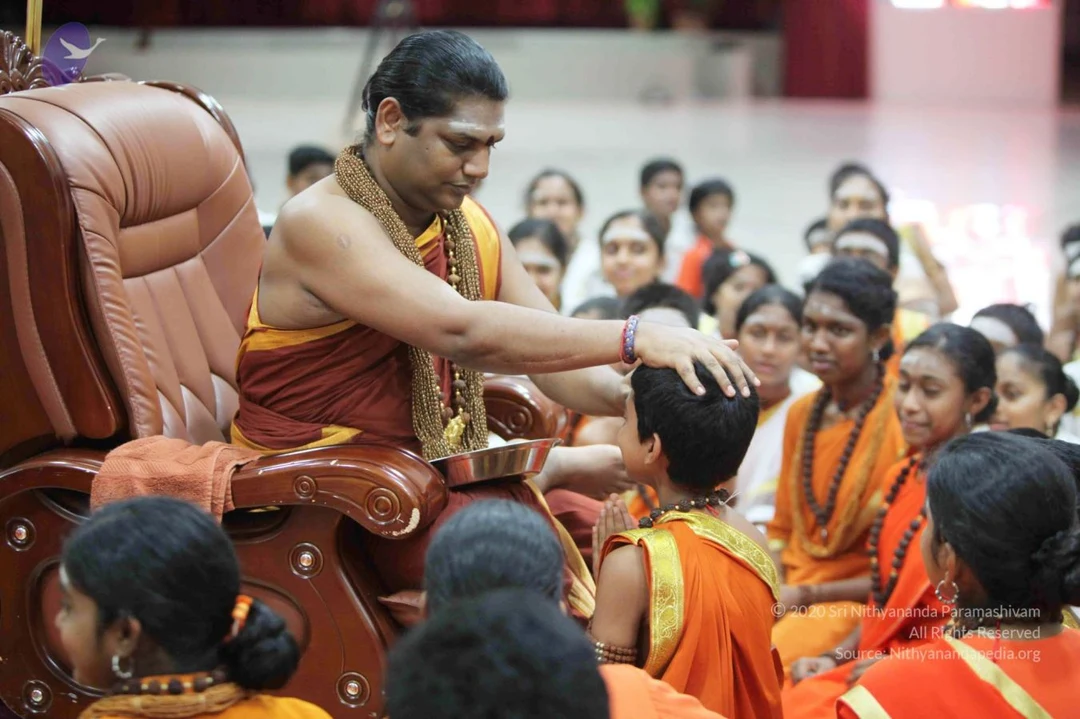
99 photosSource gallery
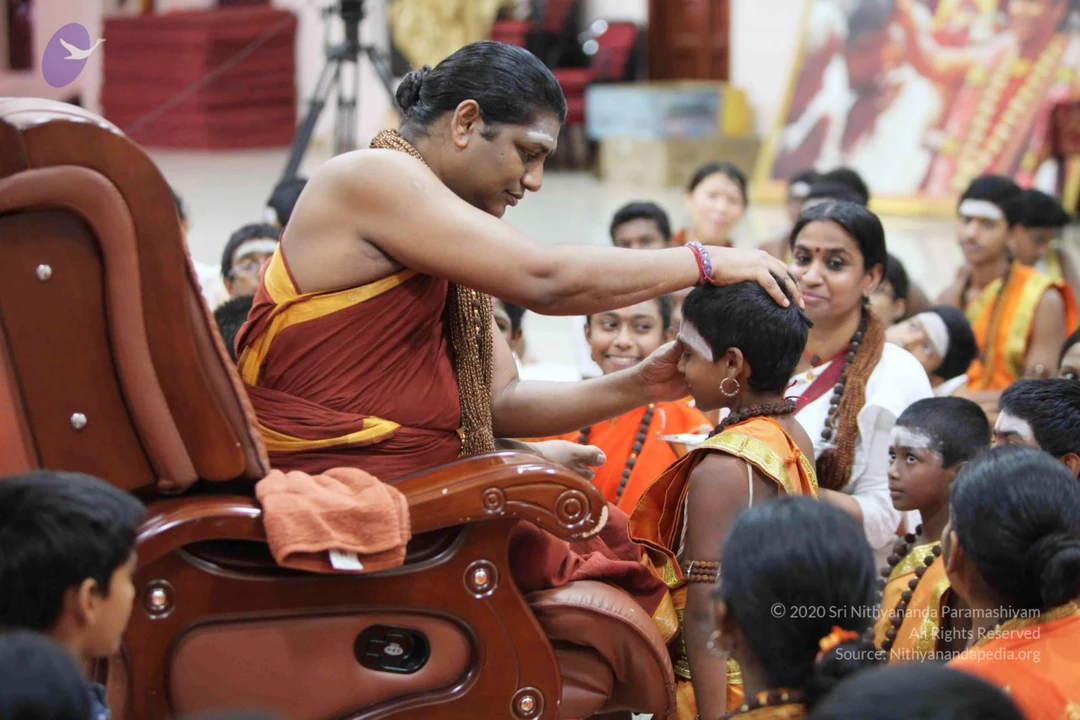
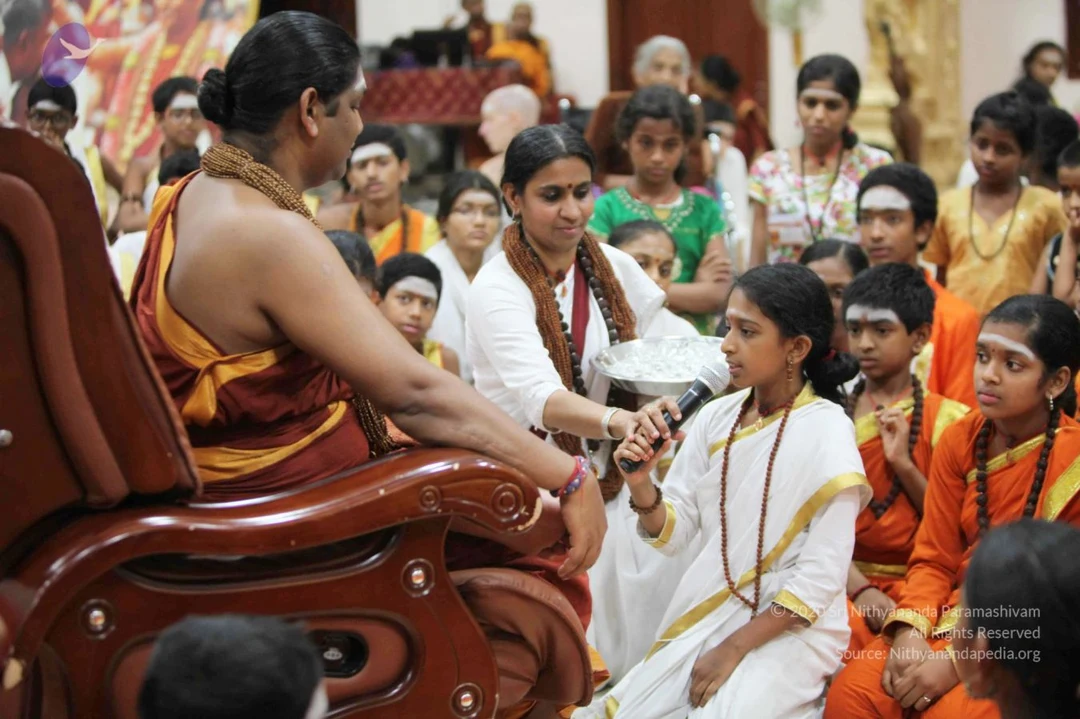
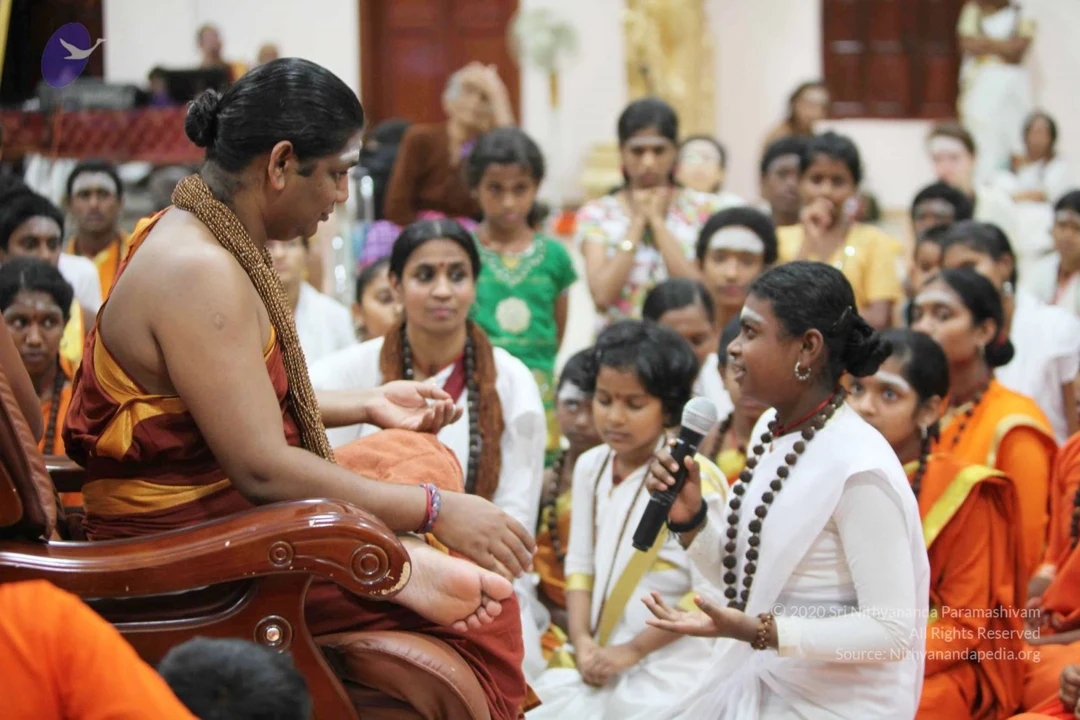
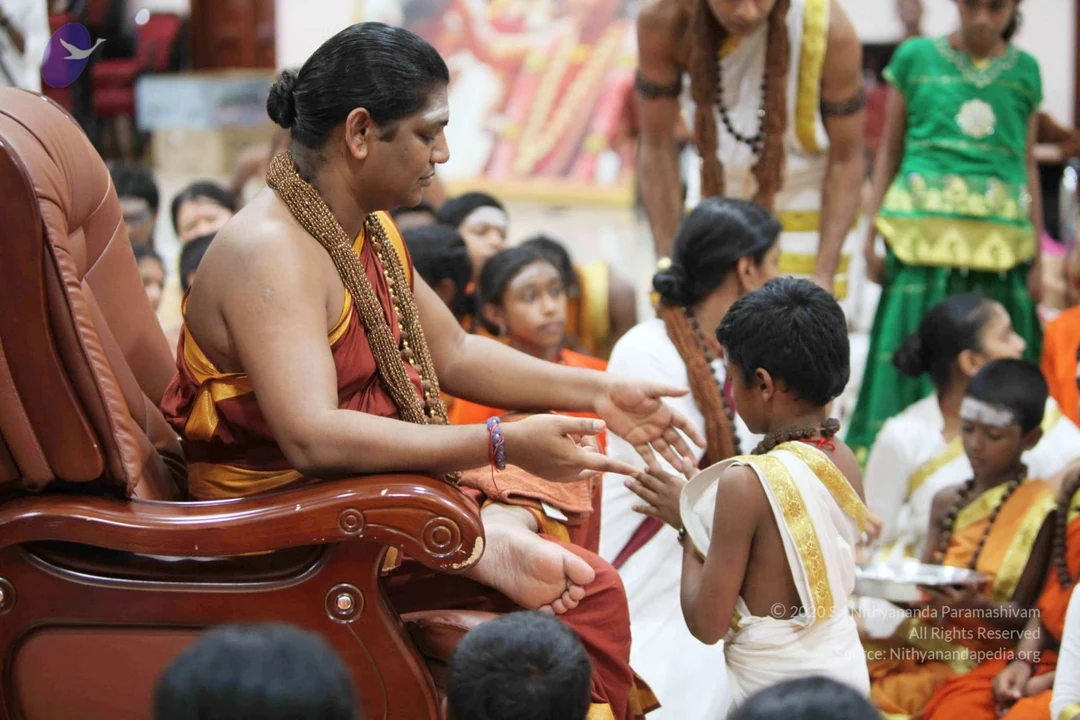
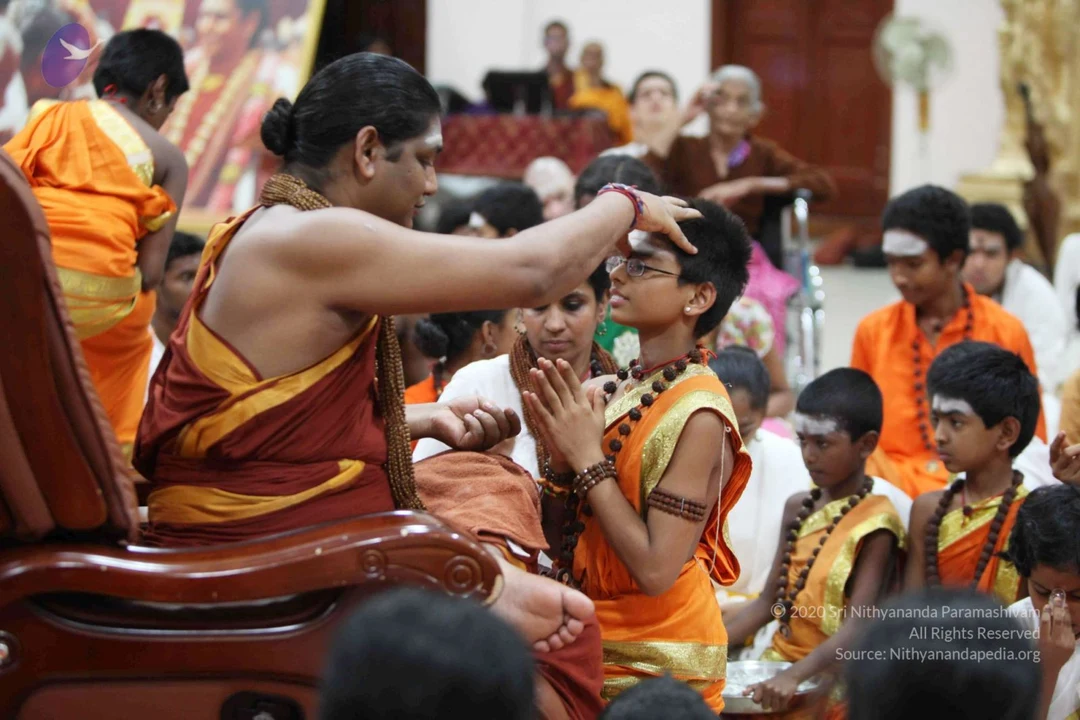
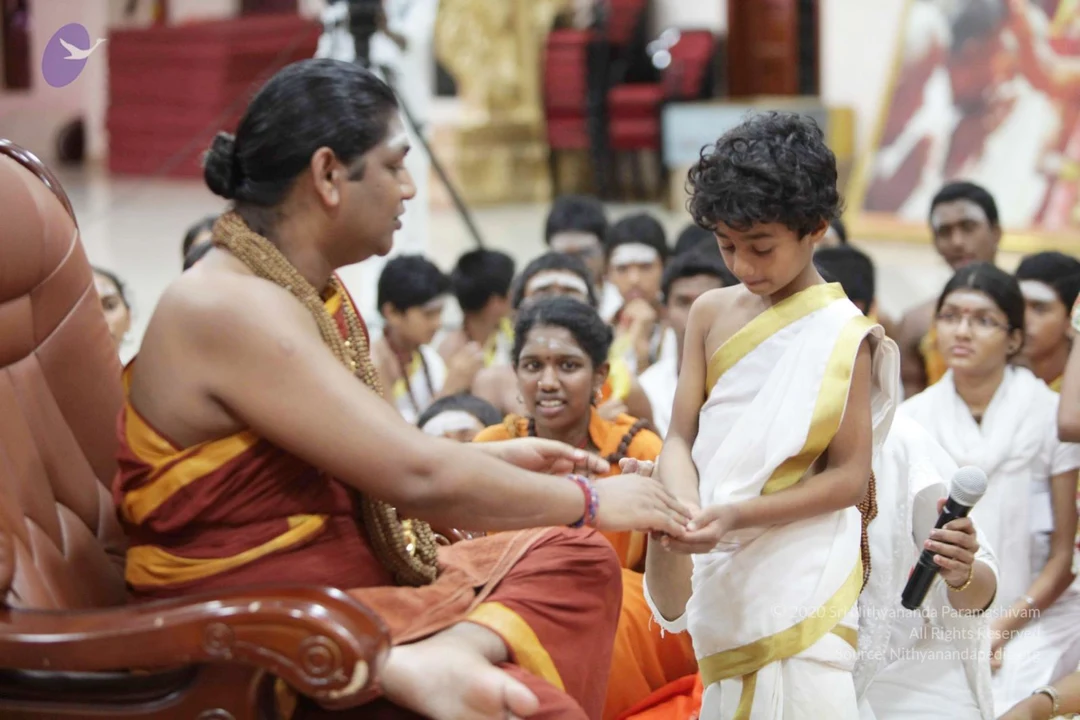
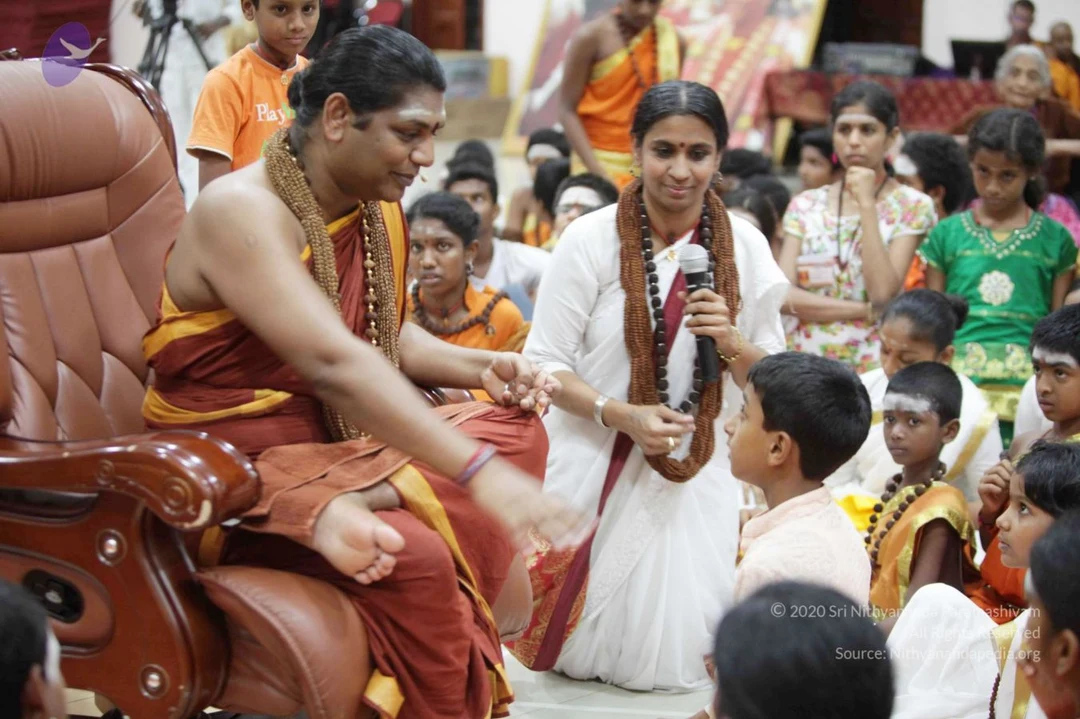
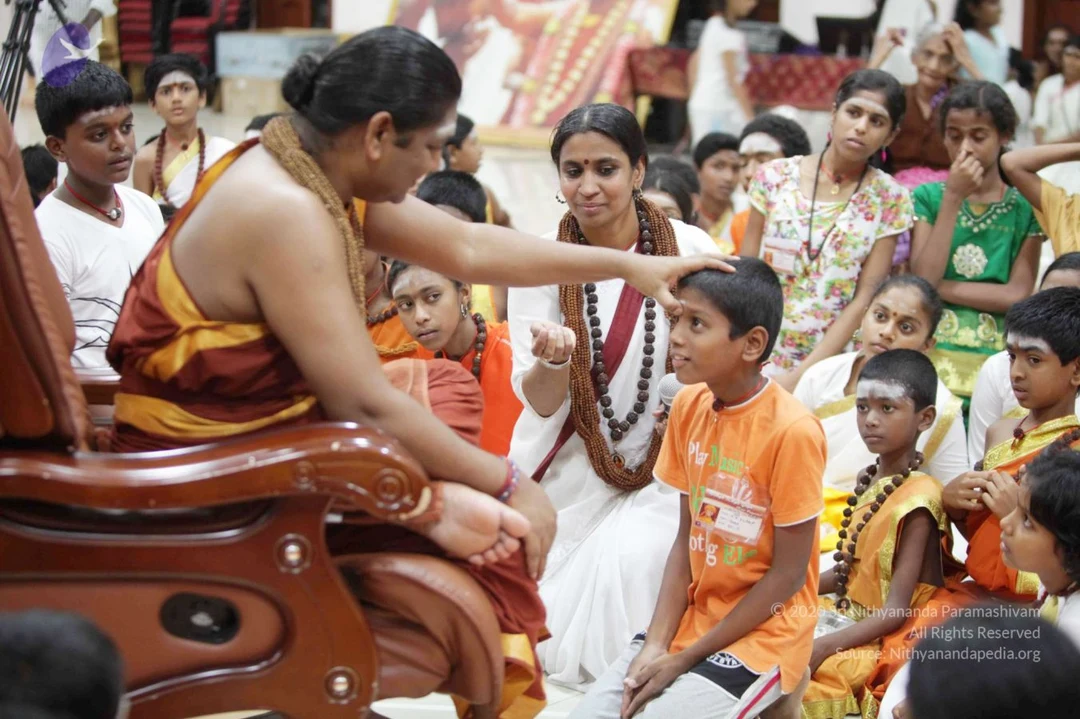
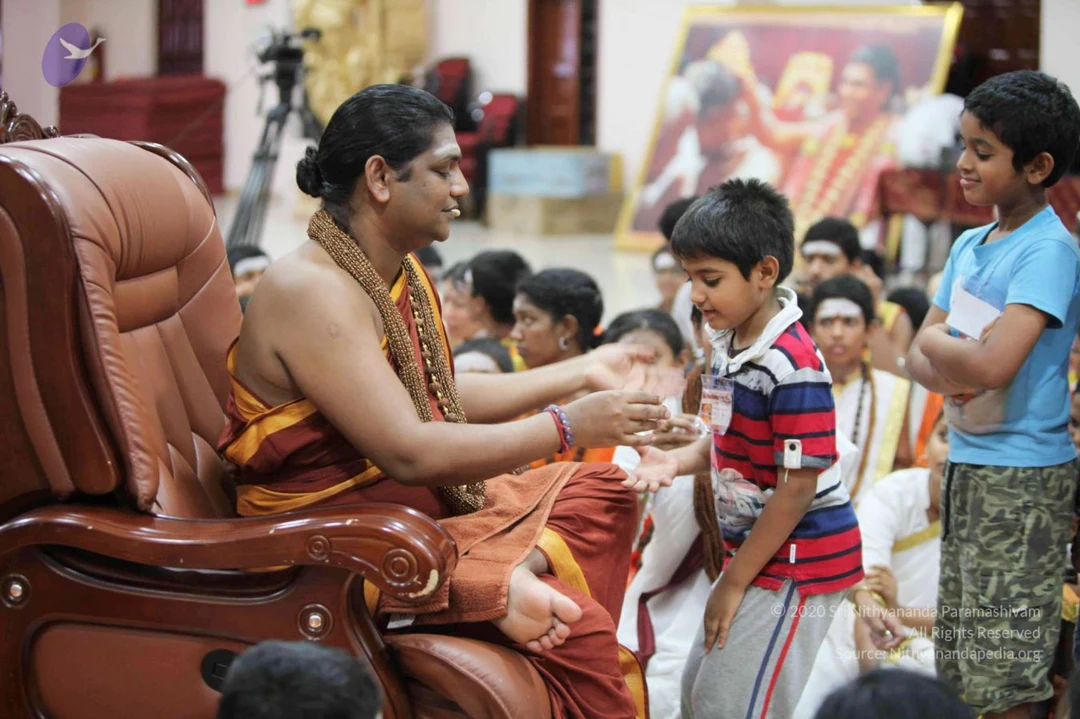
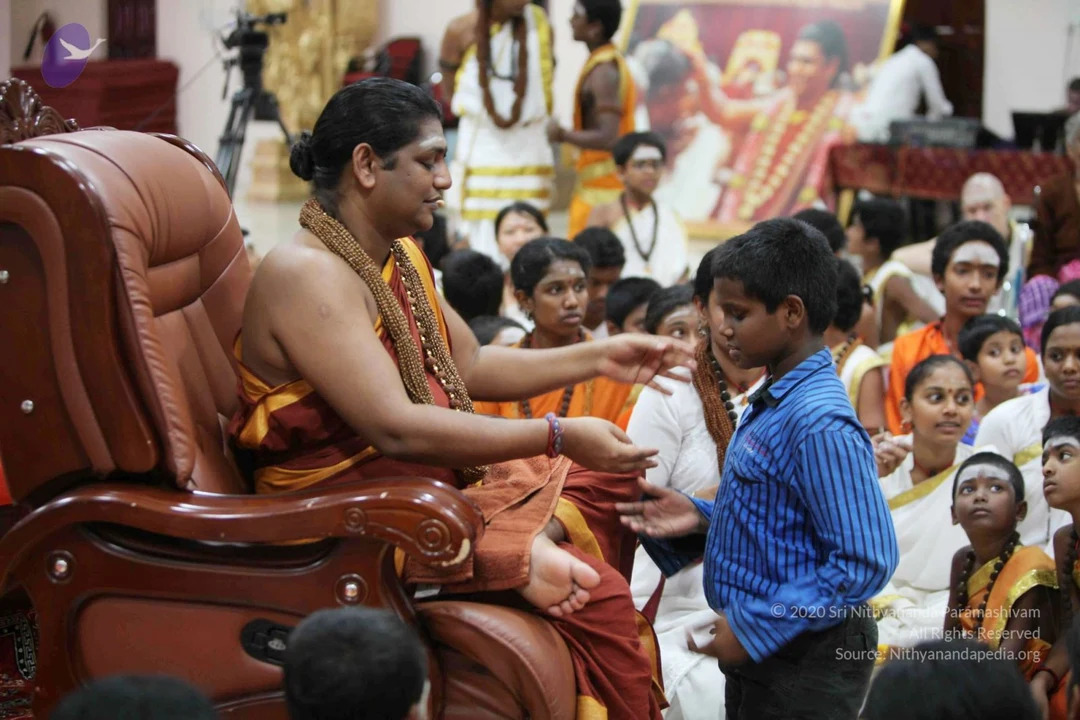
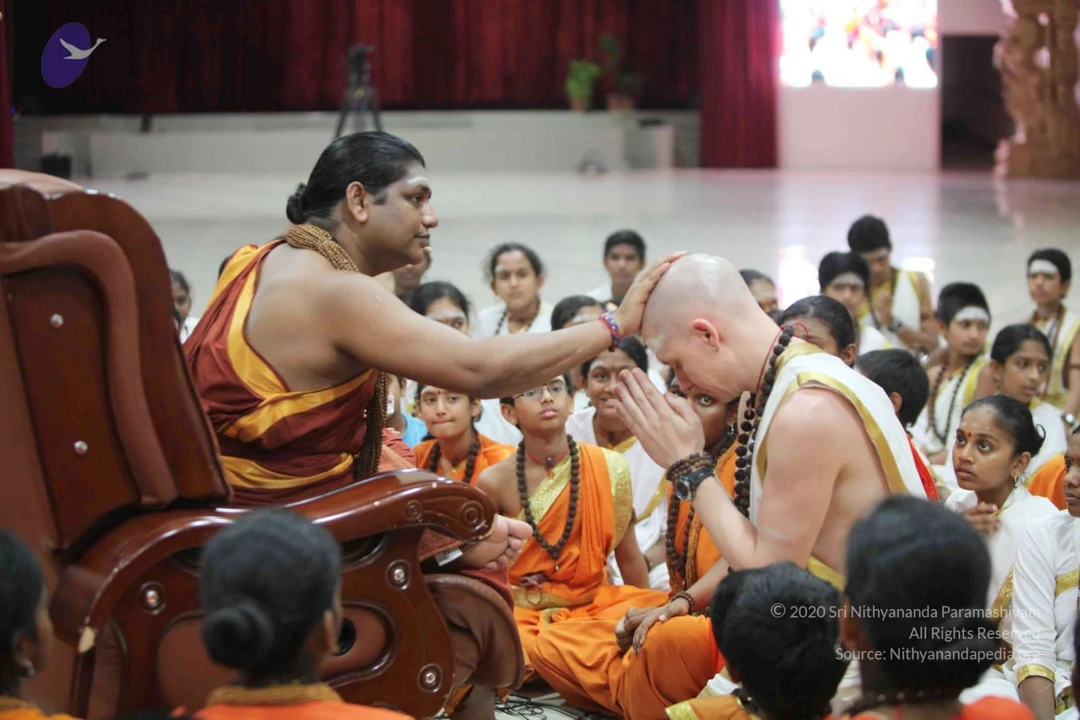
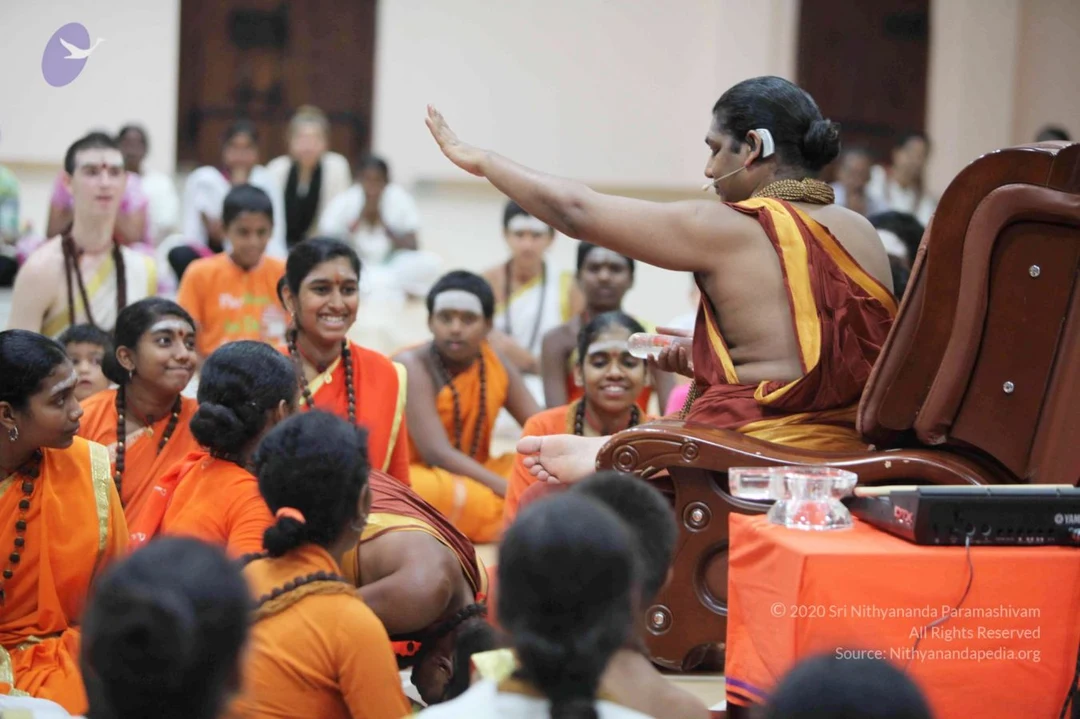
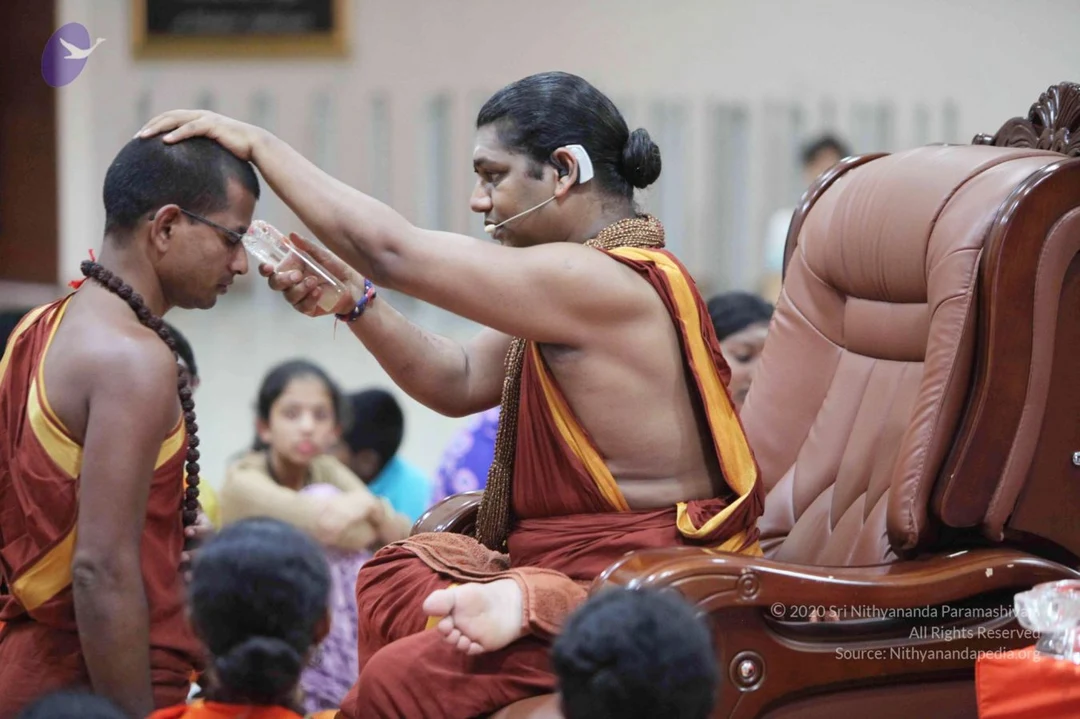
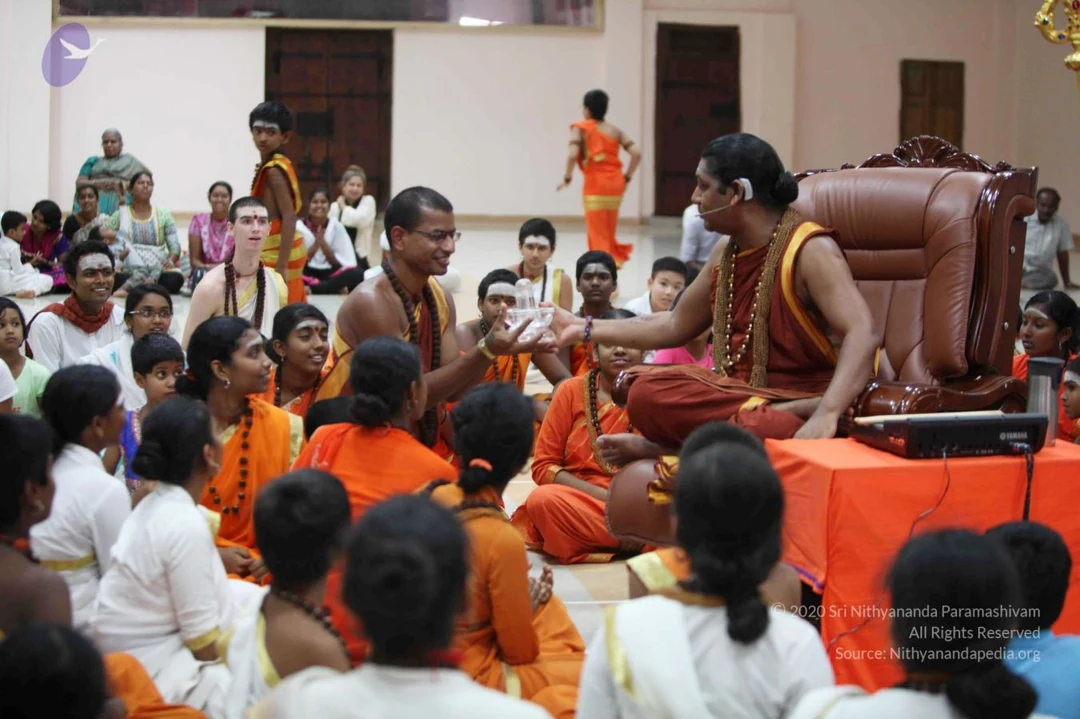
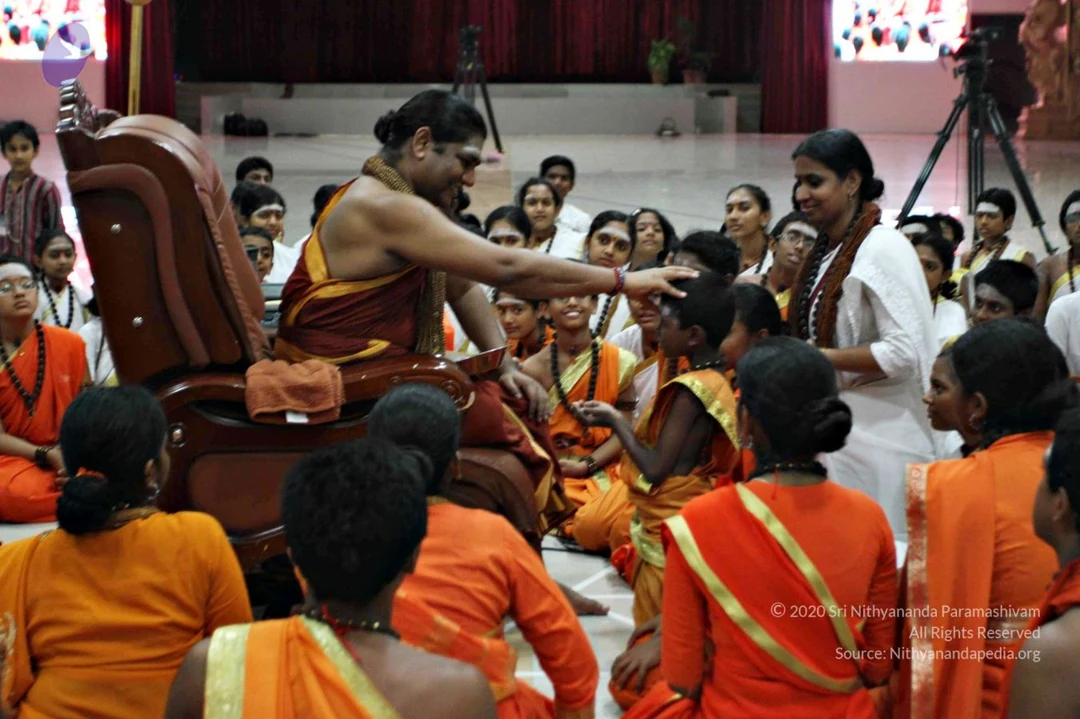
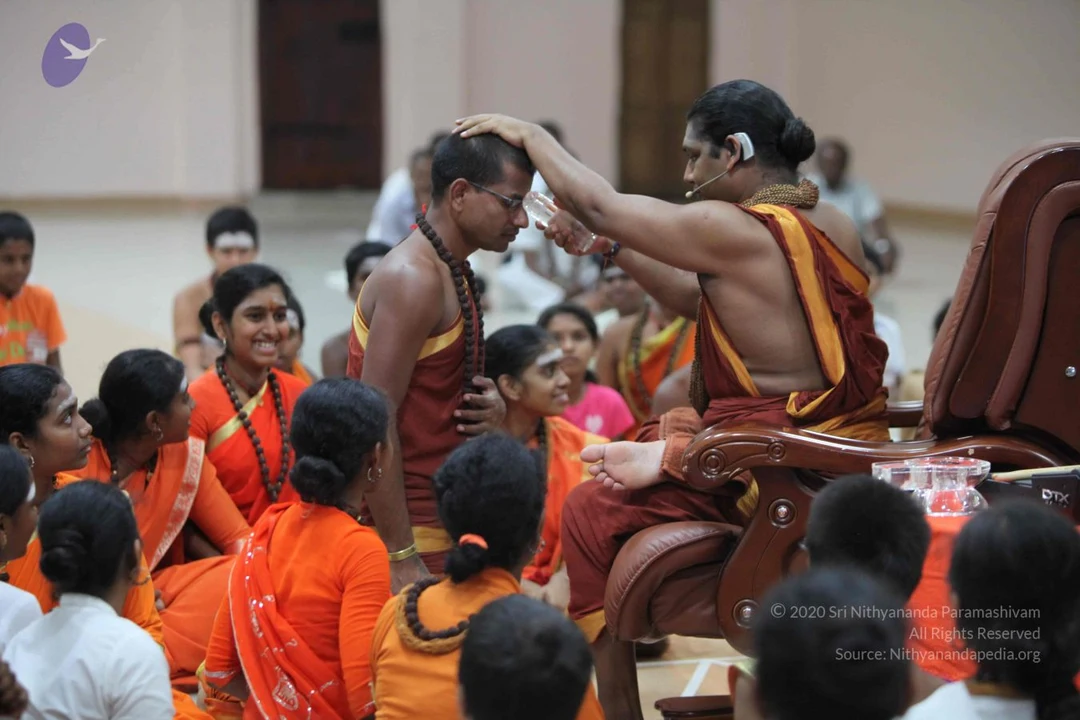
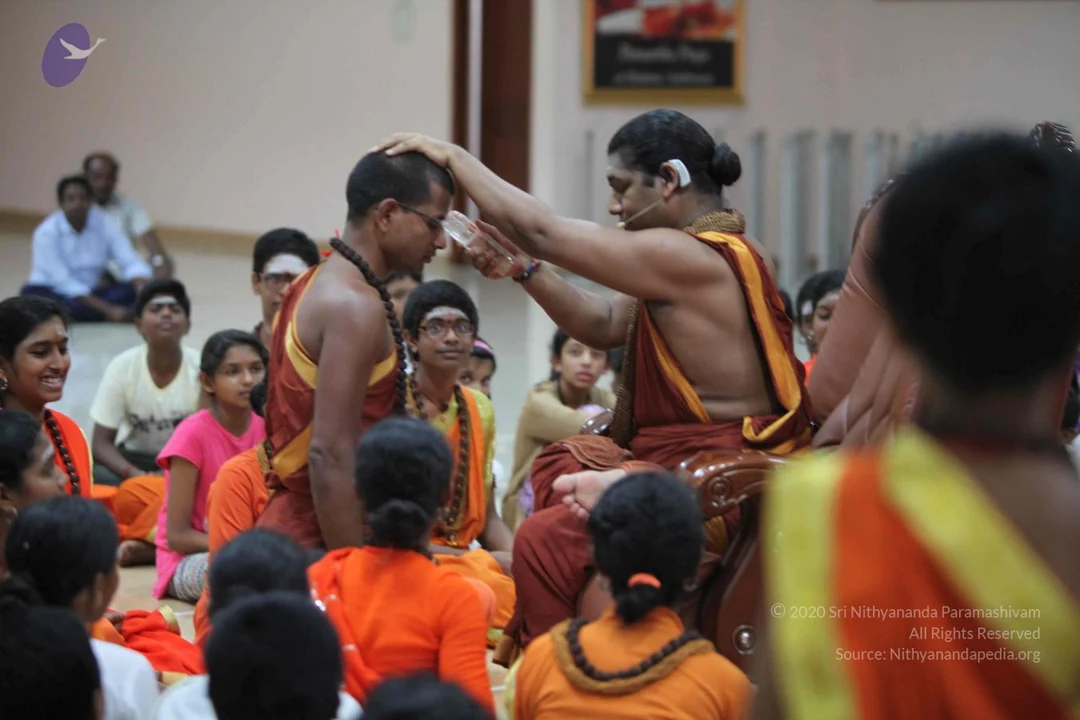
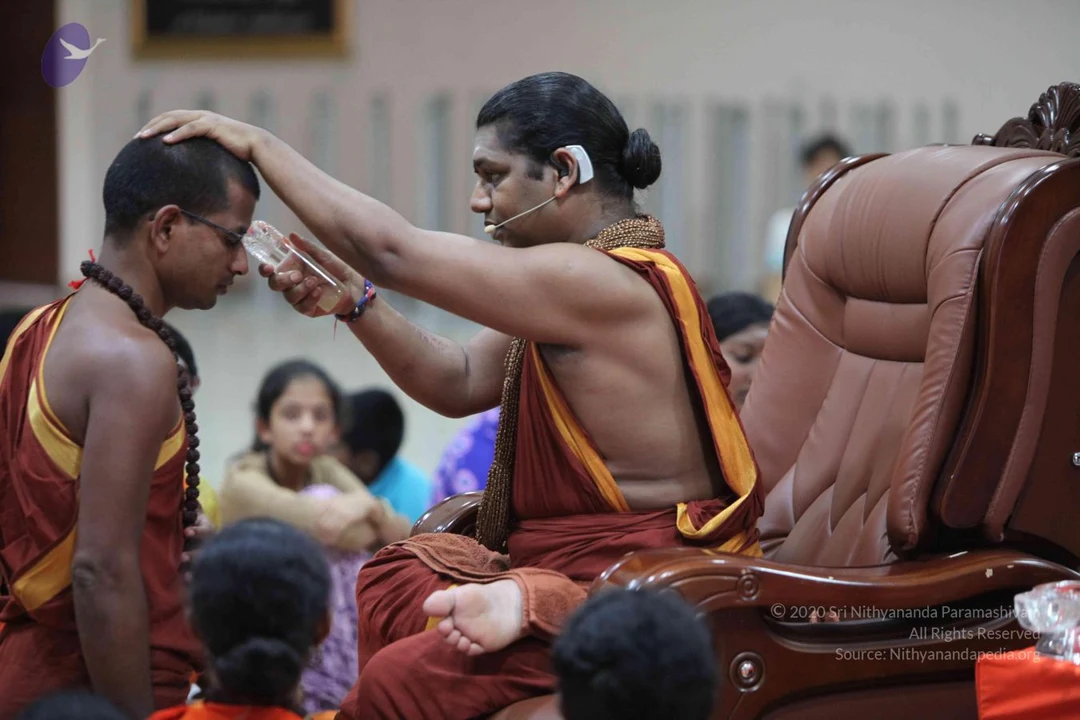
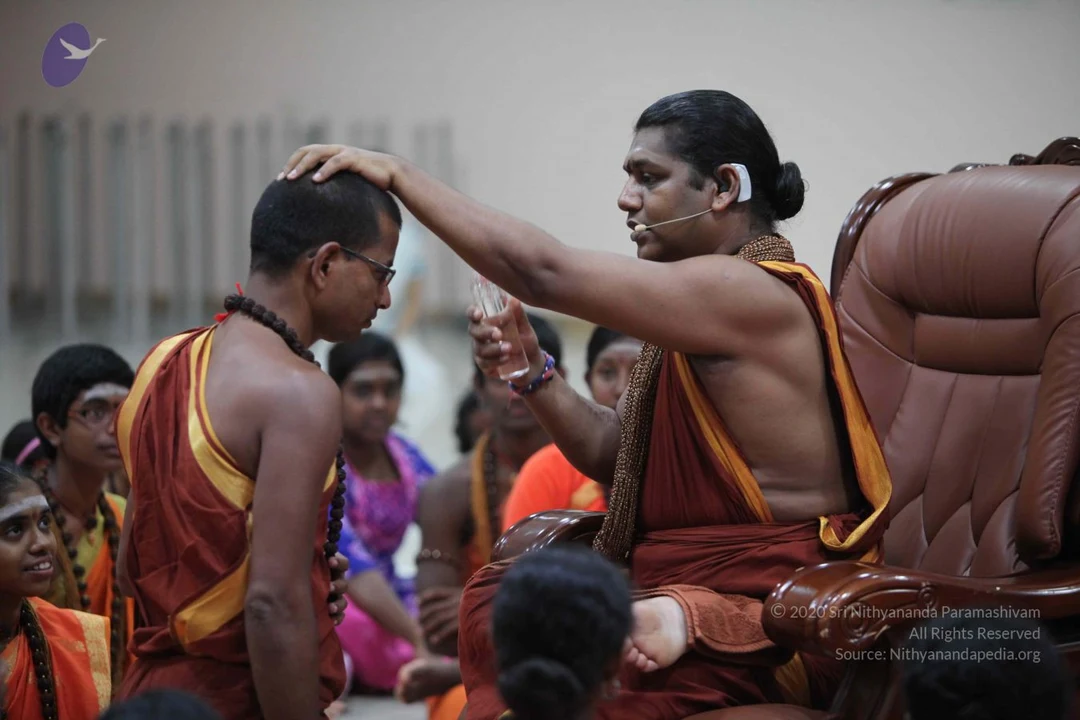
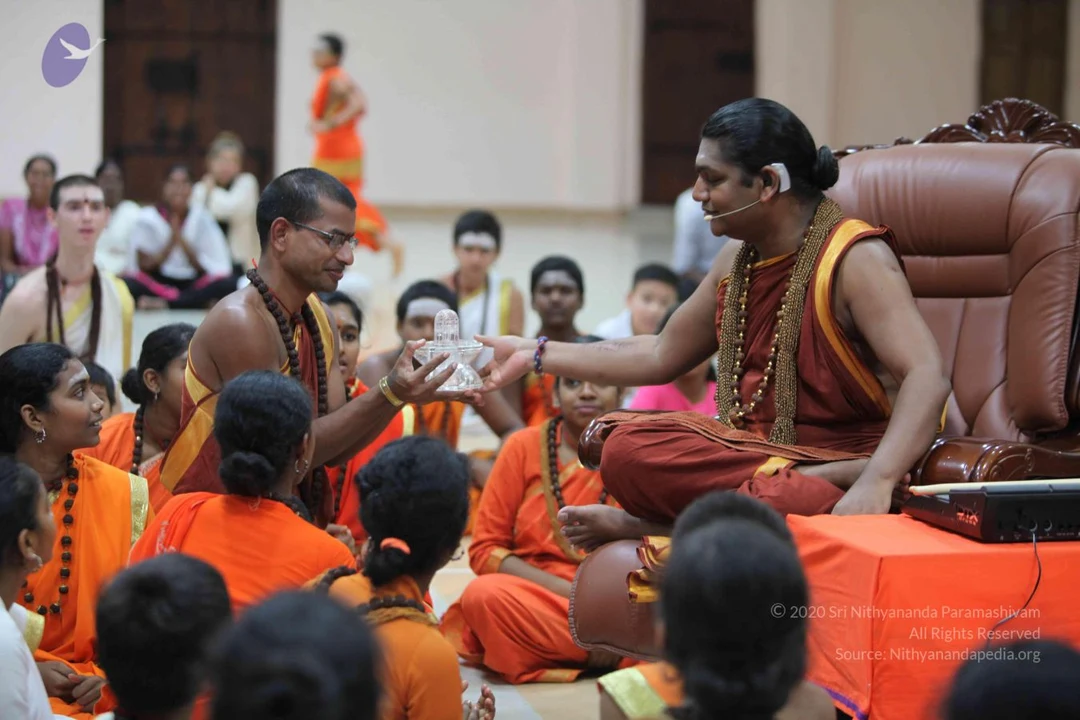
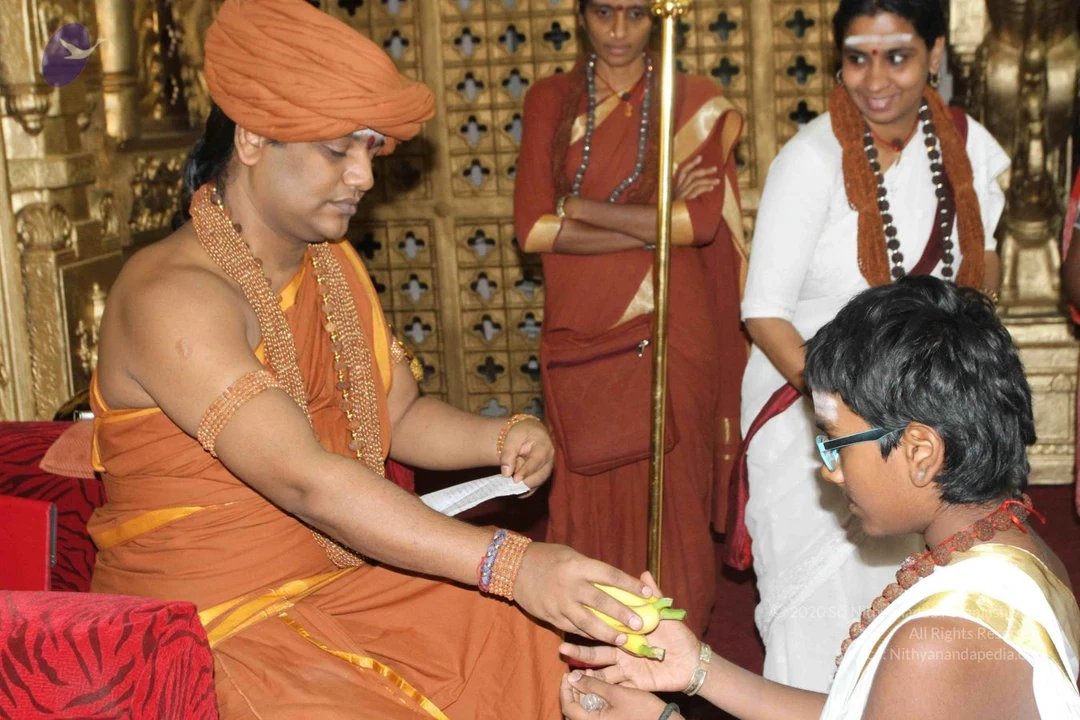
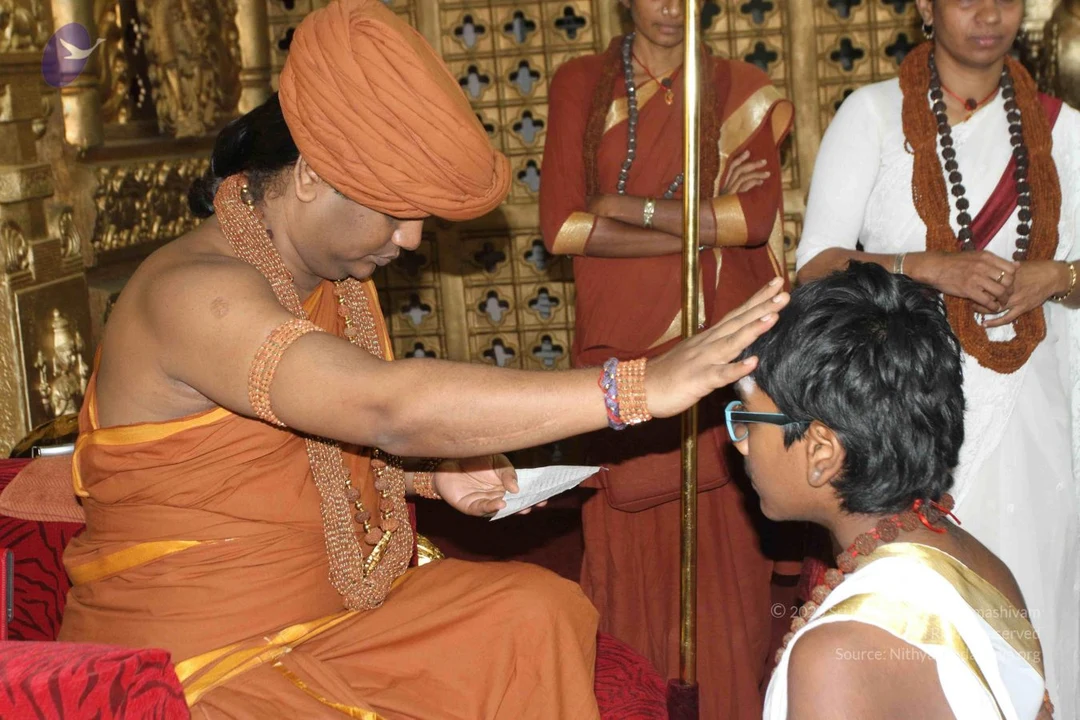
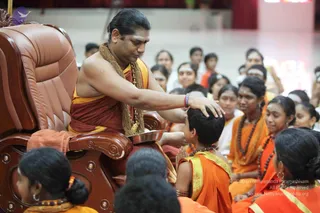
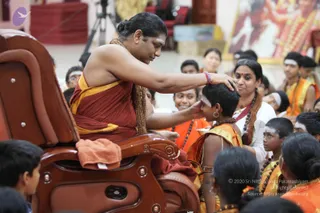
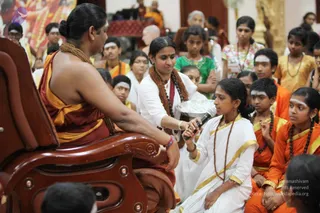
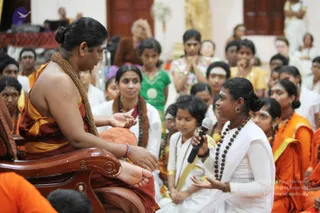
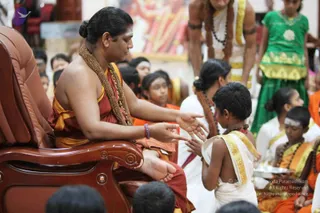
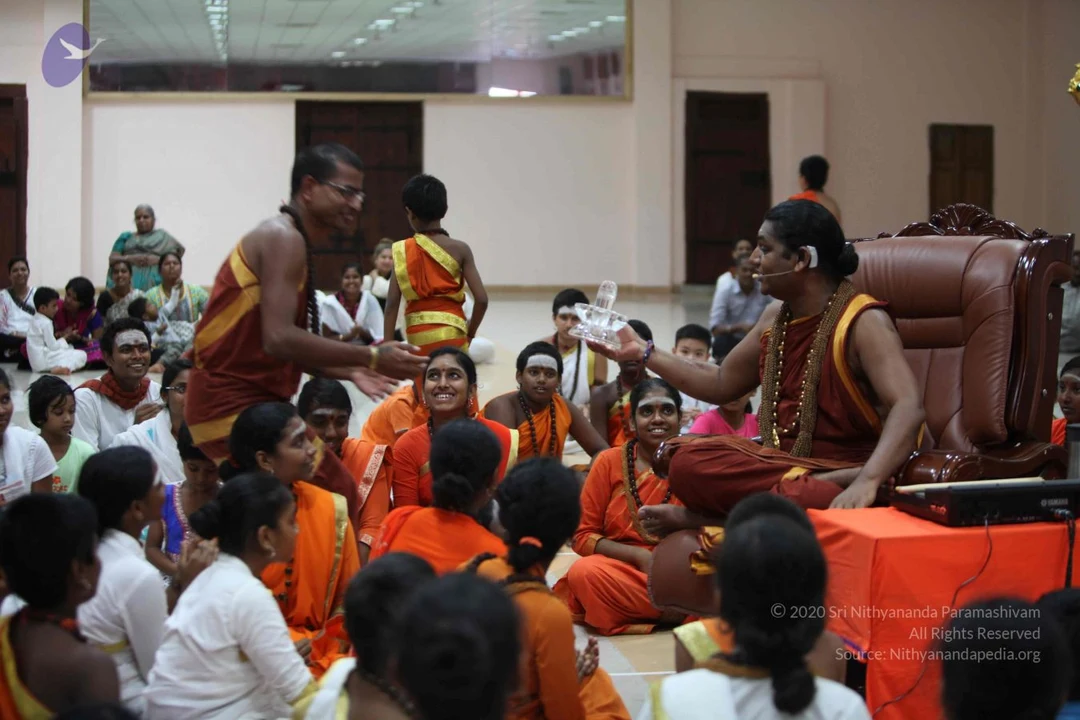
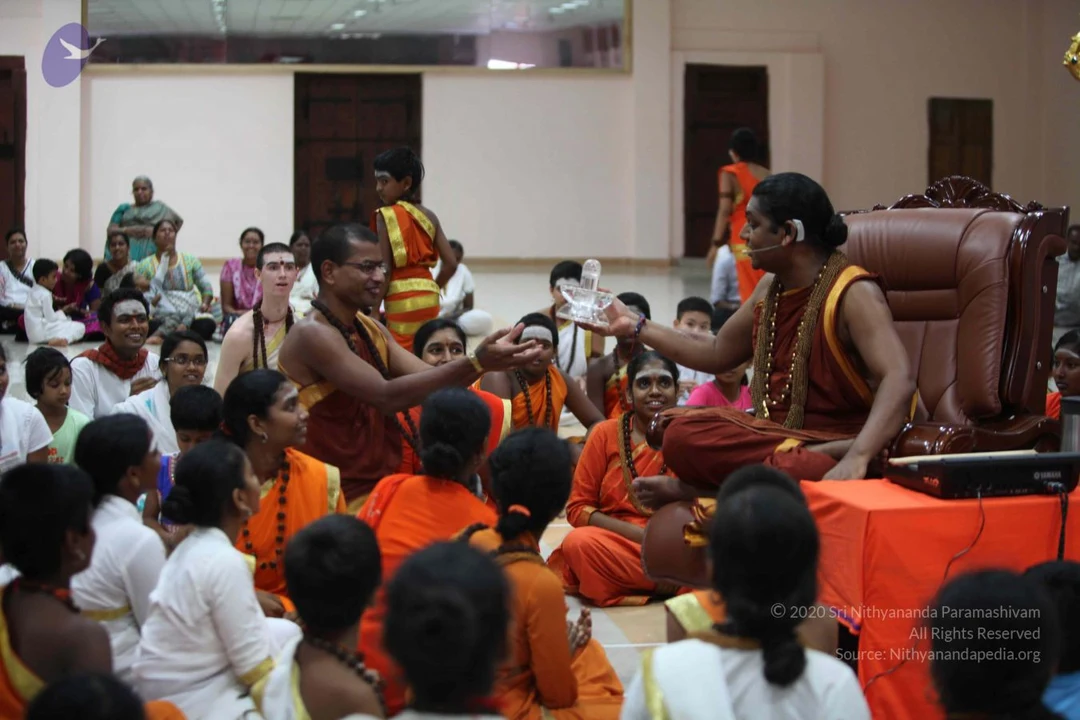
A seated man in a brown leather throne chair, wearing a rust-red and saffron-orange wrap over bare shoulders and a heavy gold bead necklace, places his right hand on the head of a young boy kneeling before him with palms joined. The boy wears an orange wrap with gold border and a rudraksha-style necklace. Behind them, a seated group of young women and girls in orange and white clothing, several with white vibhuti lines on their foreheads and rudraksha malas, sit attentively. A small silver tray rests on the armrest. The setting is a bright hall with a red curtain at the back. The man is labelled a person based on his saffron-and-gold ceremonial attire, gold necklace and throne, with the caption-style credit line at lower right.A photograph of a seated man in a maroon and gold-bordered wrap and a long gold-and-bead necklace, reaching to touch the forehead of a young boy in an orange and gold garment. The seated man sits in a large brown leather armchair with an orange towel on the armrest. Around them children and young people in orange and white garments, some with white vibhuti marks on their foreheads and rudraksha malas, gather closely. A woman in white with a red shawl and beads watches nearby. Behind them a colourful deity painting hangs on the wall and a tripod stands at left.A seated man on a carved wooden throne with a wooden armrest, bare-shouldered in a rust-and-gold wrap and a wooden bead necklace, faces away from the camera toward a girl. A girl in a white dress with gold border and red rudraksha mala holds a handheld microphone to a seated girl in white with a rudraksha necklace who holds a silver bowl. Around them, children and young people in saffron and orange outfits with white forehead markings sit on the floor; an older woman in grey appears behind, and a golden deity murti stands at right with an ornate red backdrop behind.A seated man with hair tied in a knot and a thick gold-and-brown beaded necklace sits in a wooden armchair, wearing a maroon and gold wrap, with bare feet and a bracelet, as he listens and gestures toward a young woman in a white sari holding a microphone and a rudraksha mala. Around them, a crowd of devotees in orange and white clothing, many with white forehead markings, sit or stand in a hall, including a girl in a green dress and a child in white, some with hands folded. The setting looks like a satsang or question session in an ashram hall.A seated man in a brown leather chair wears a rust-red and saffron-orange wrap over bare shoulders, with a long gold-and-brown beaded necklace and a bangle on his wrist. His hair is tied up in a bun and he extends his hands toward a young boy kneeling before him in white dhoti with gold border, who holds a silver plate. Behind them, a row of seated children and young adults in orange, white and gold ritual clothing watch, and a standing attendant in white with gold trim and rudraksha beads stands at the top. A girl in a green and gold dress sits at the right edge. The scene resembles a ritual or padapuja exchange in an ashram hall, with a painted backdrop above. Shoulder-high participants and a watermarked photo credit appear at the edges.A photograph of a ceremonial scene inside a hall. A man with hair pulled back in a bun, bare-chested and wearing a maroon and gold wrap, sits in a dark wooden chair and presses his right hand to the forehead of a young boy. The boy wears orange and gold robes, a rudraksha mala, beaded bracelets and glasses, and has his palms joined in reverence. Around them, several boys in orange and white garments with rudraksha malas and white forehead markings sit attentively, and a woman in white and red sits nearby. Behind them, a large framed picture and a golden ornament are visible, along with other seated devotees in orange and white.
photos
111 photosSource gallery
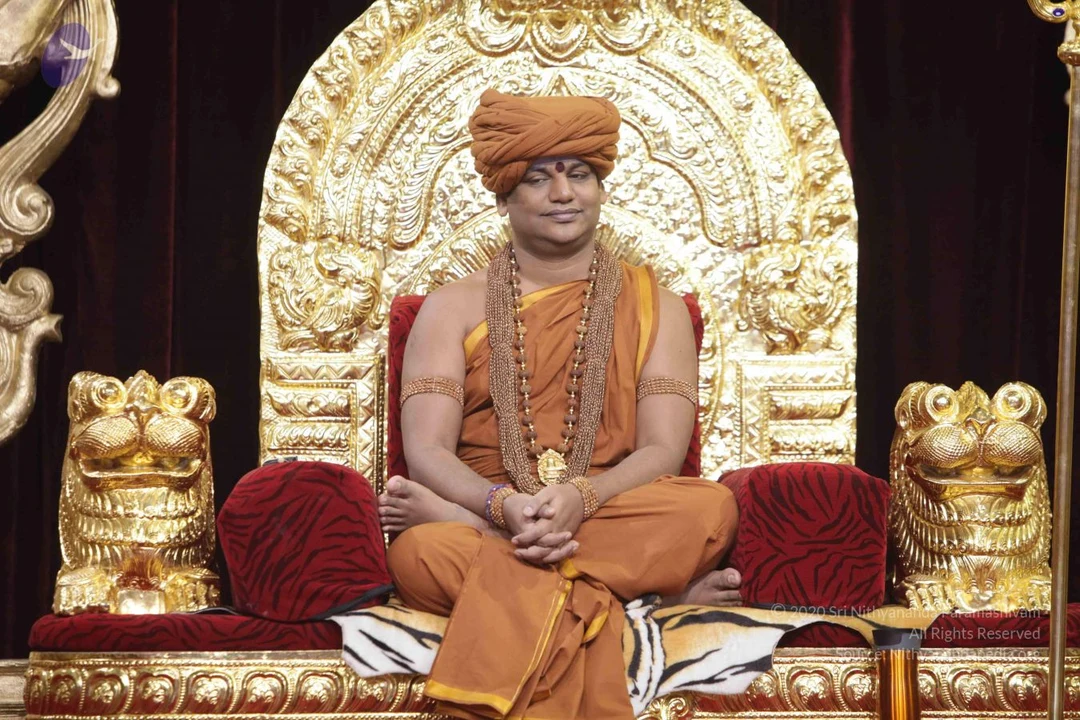
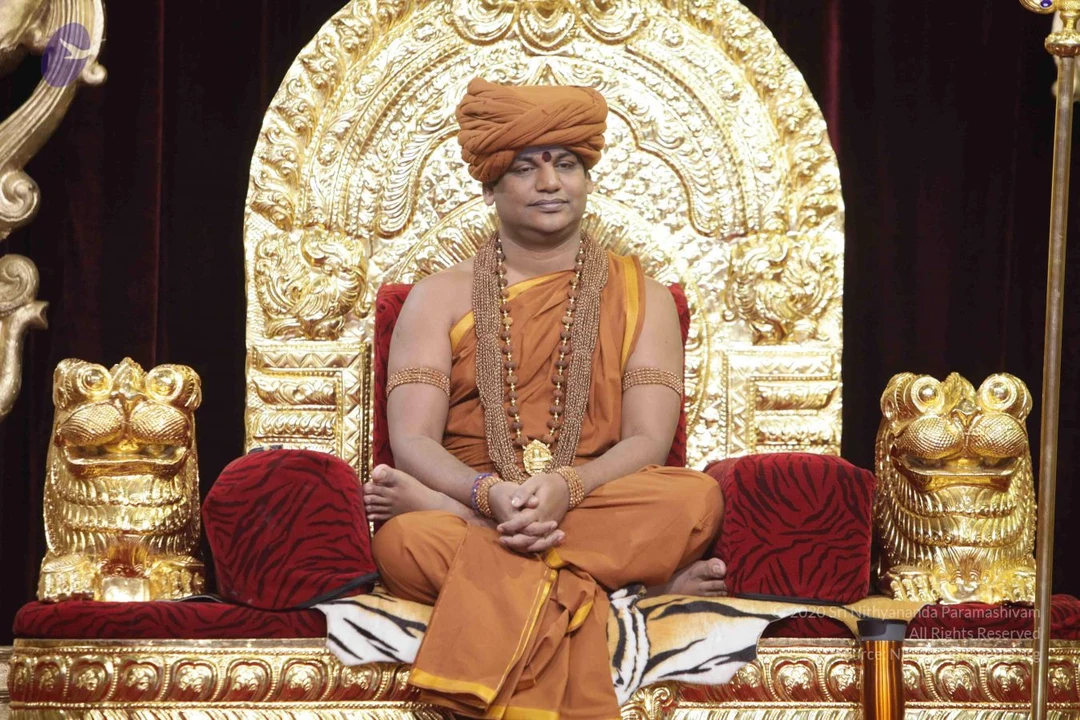
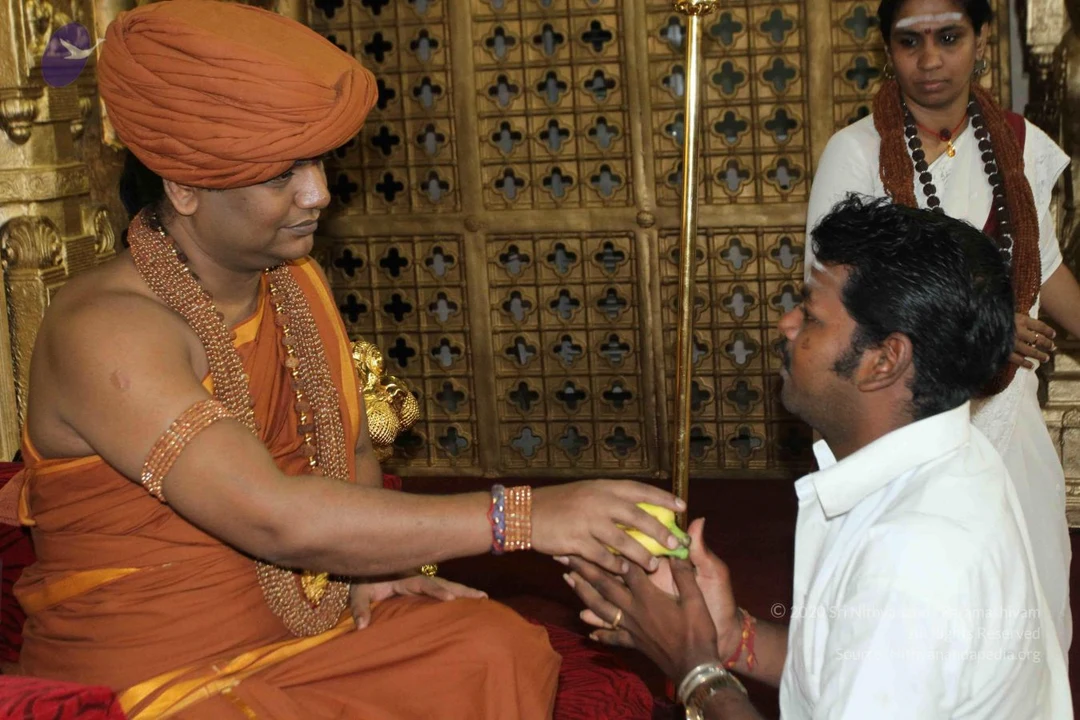
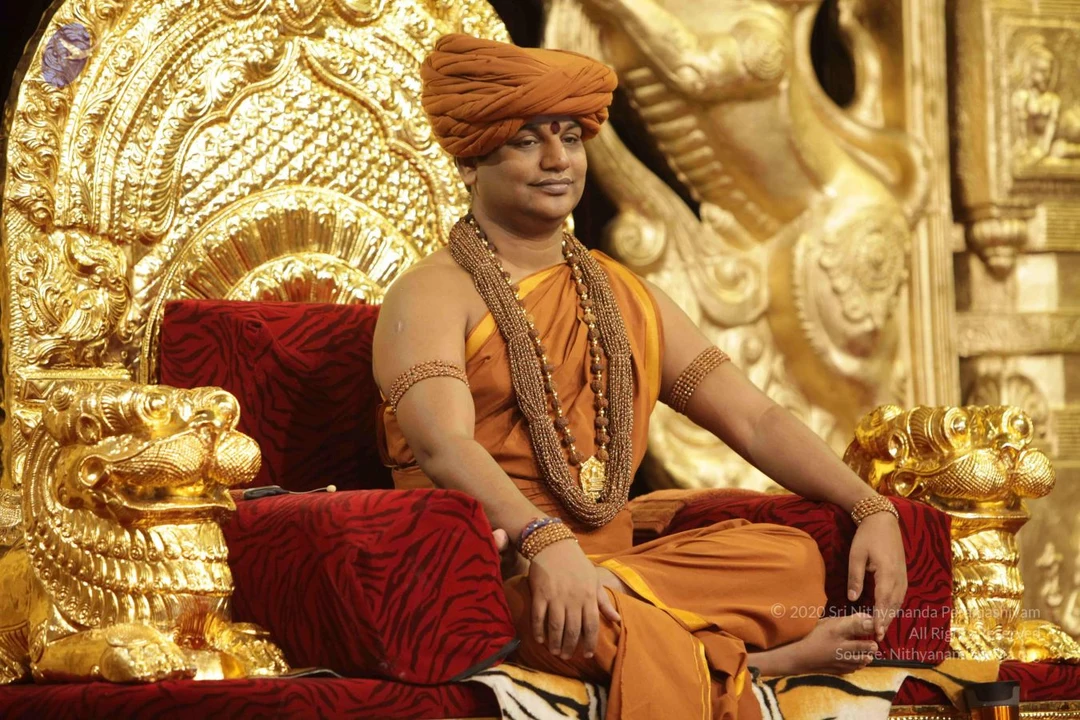
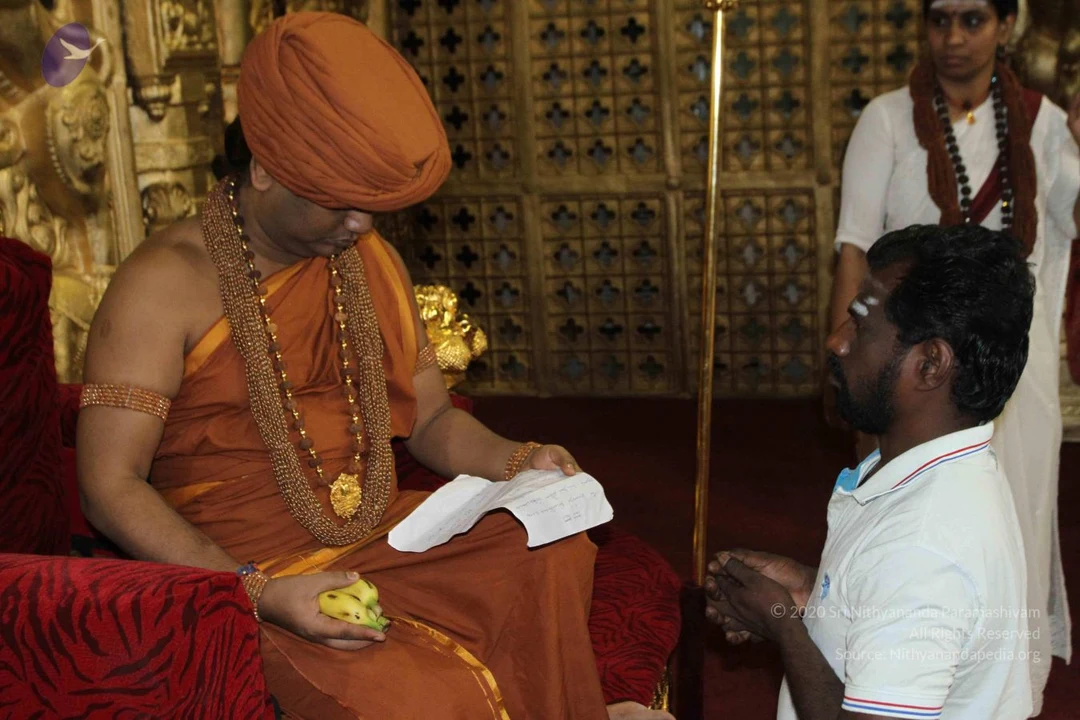
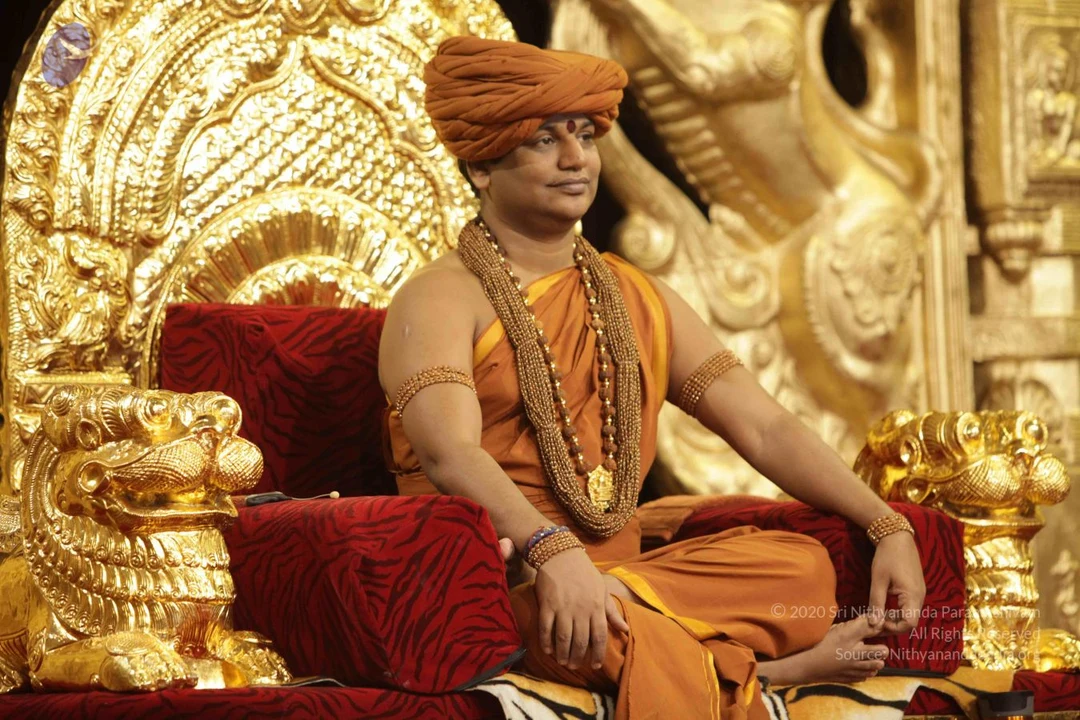
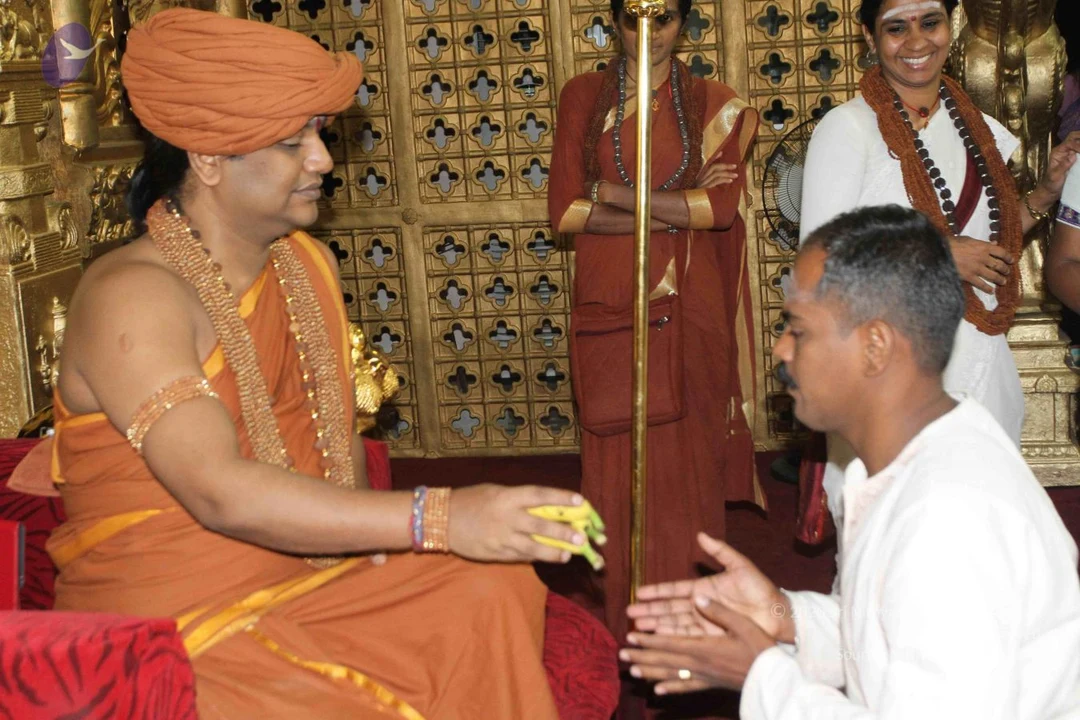
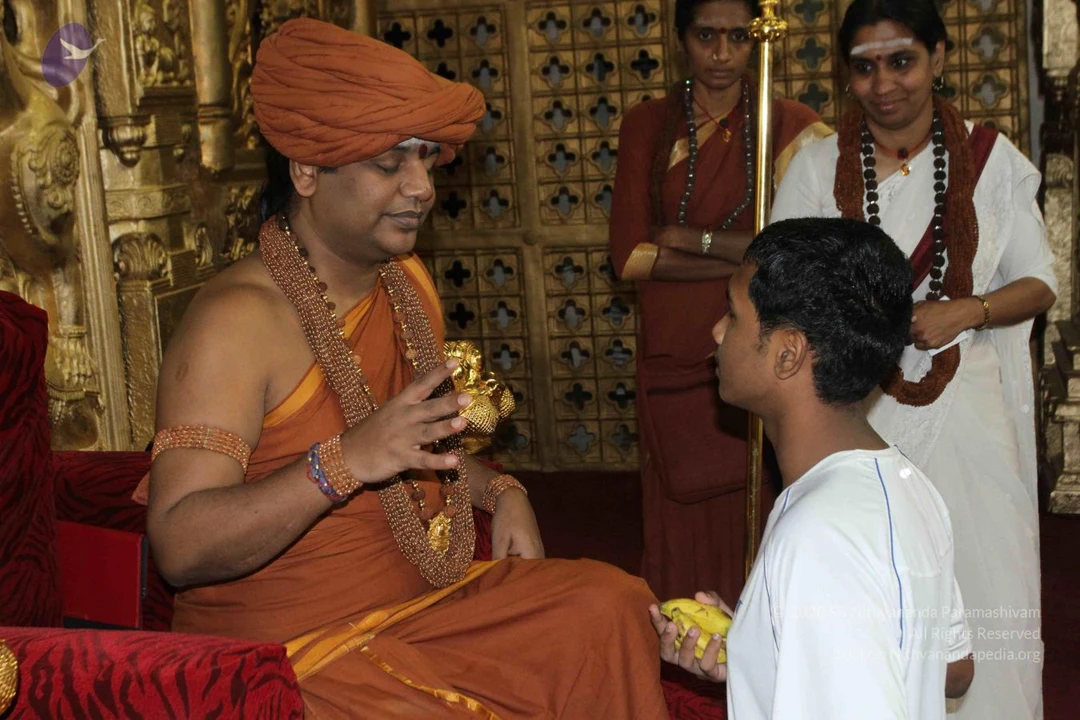
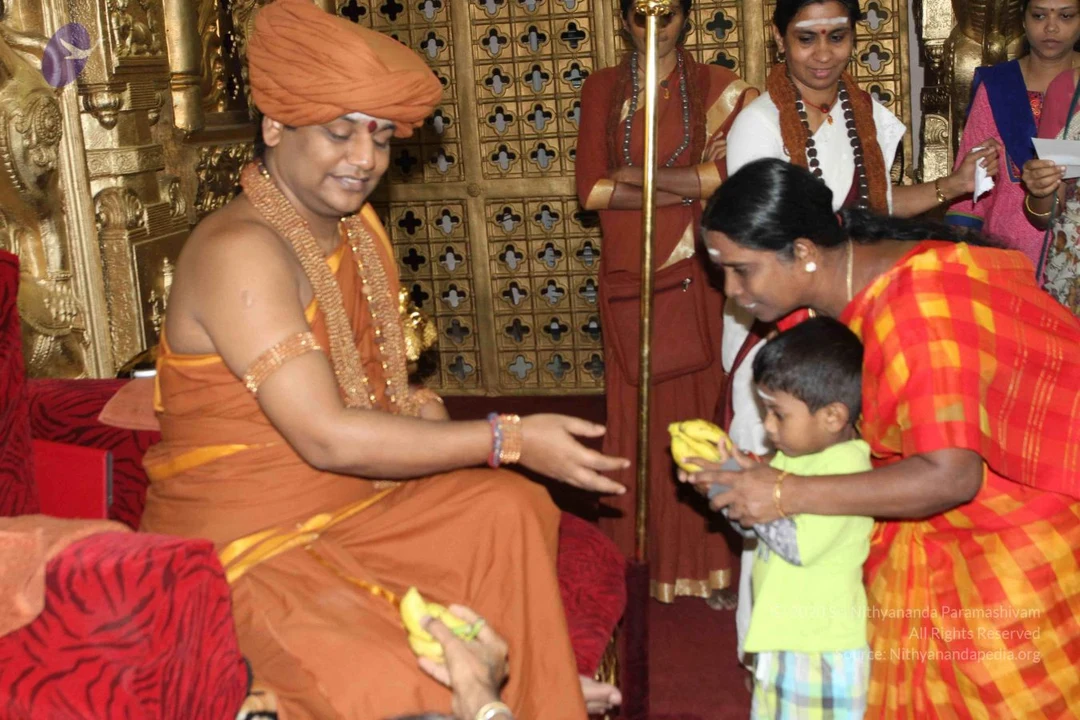
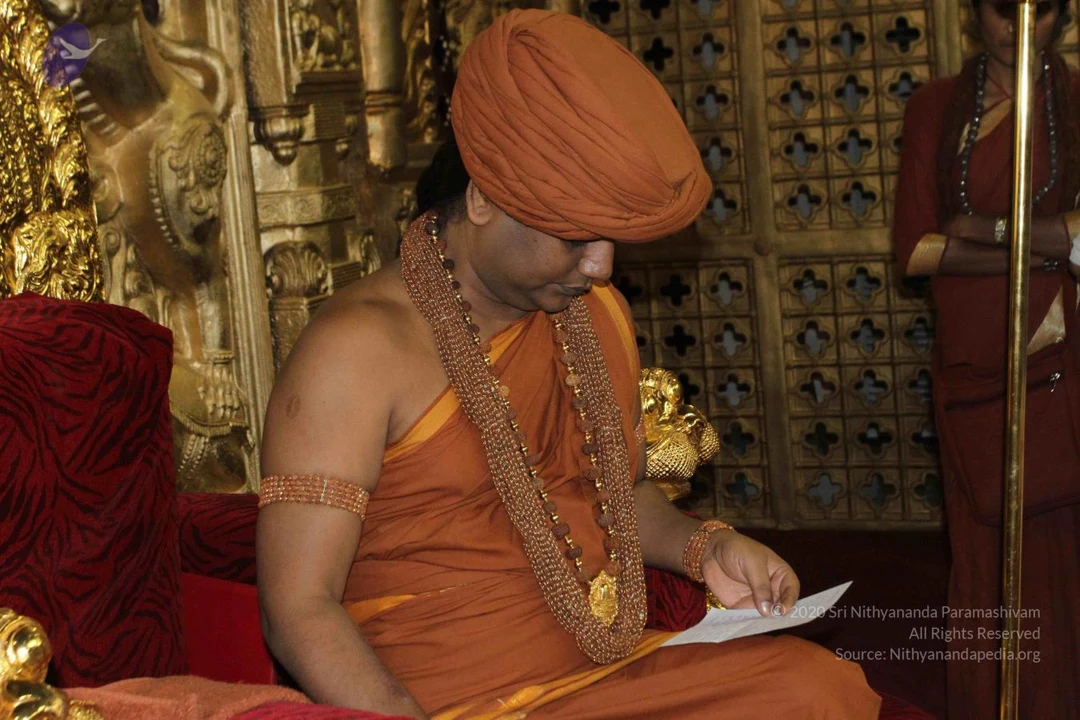
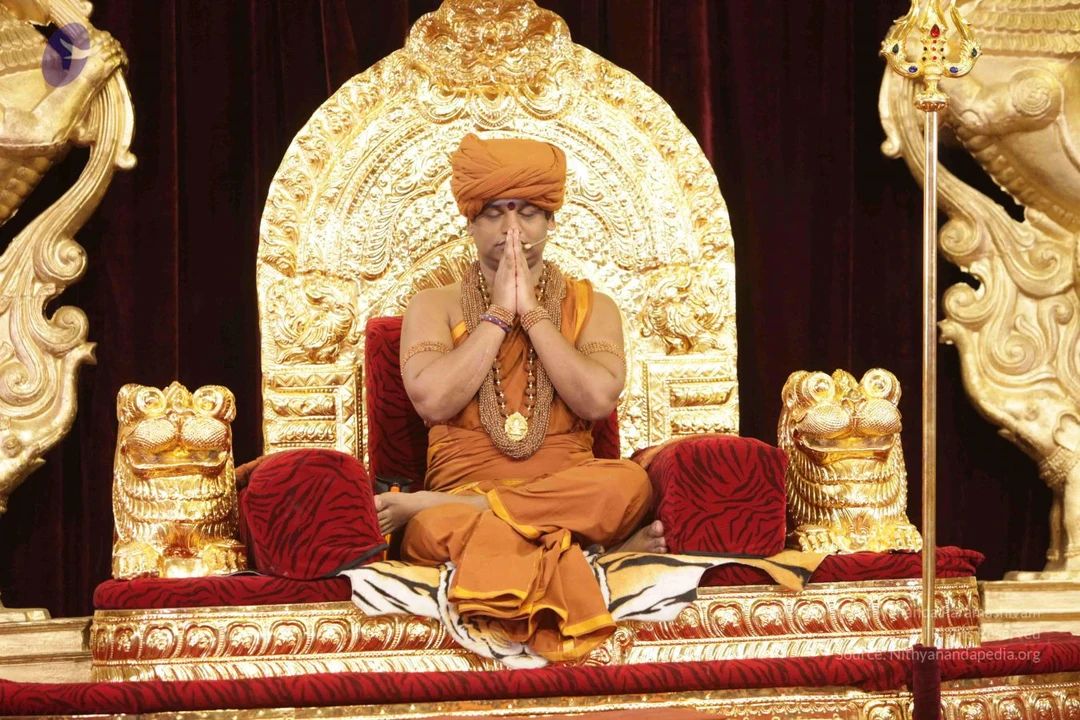
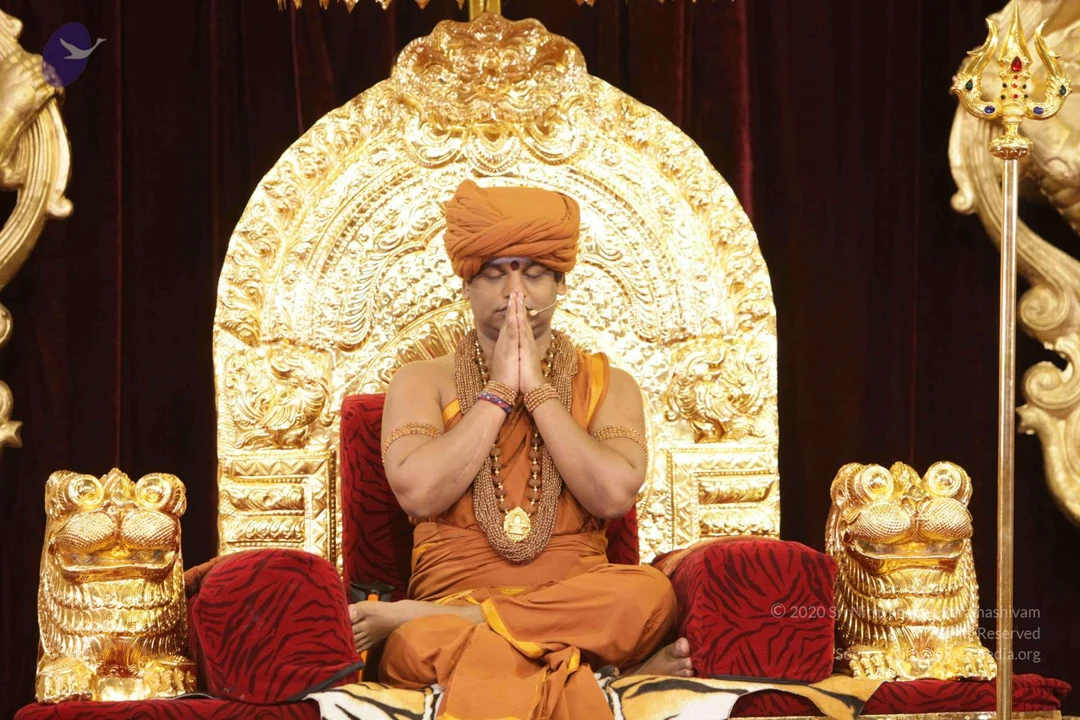
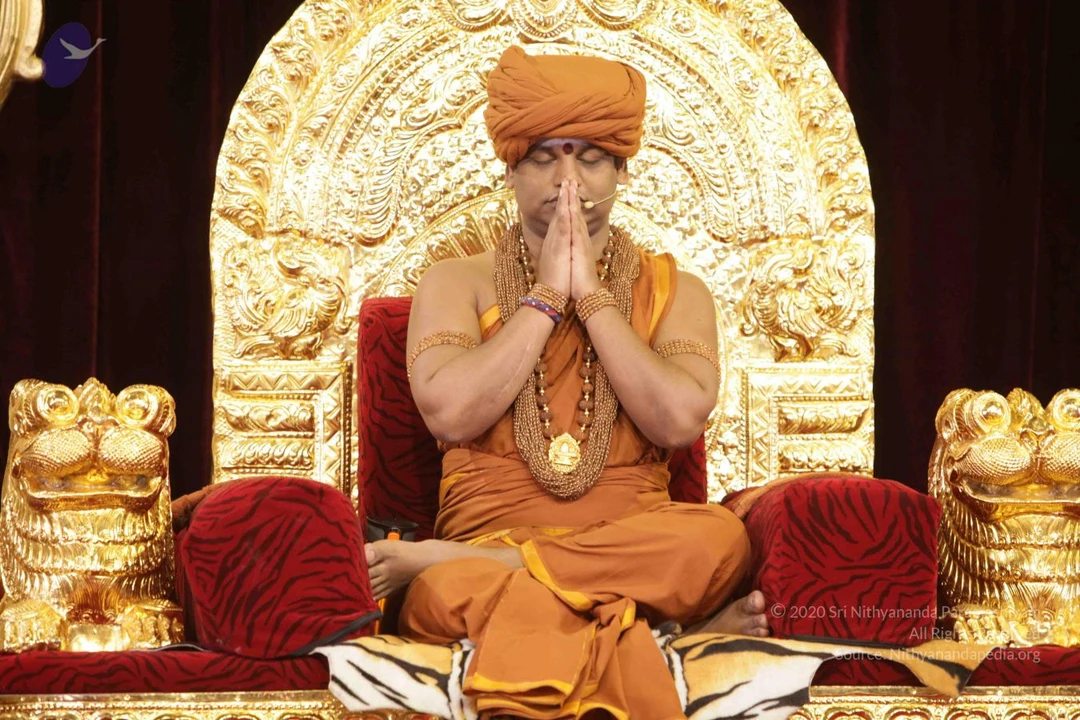
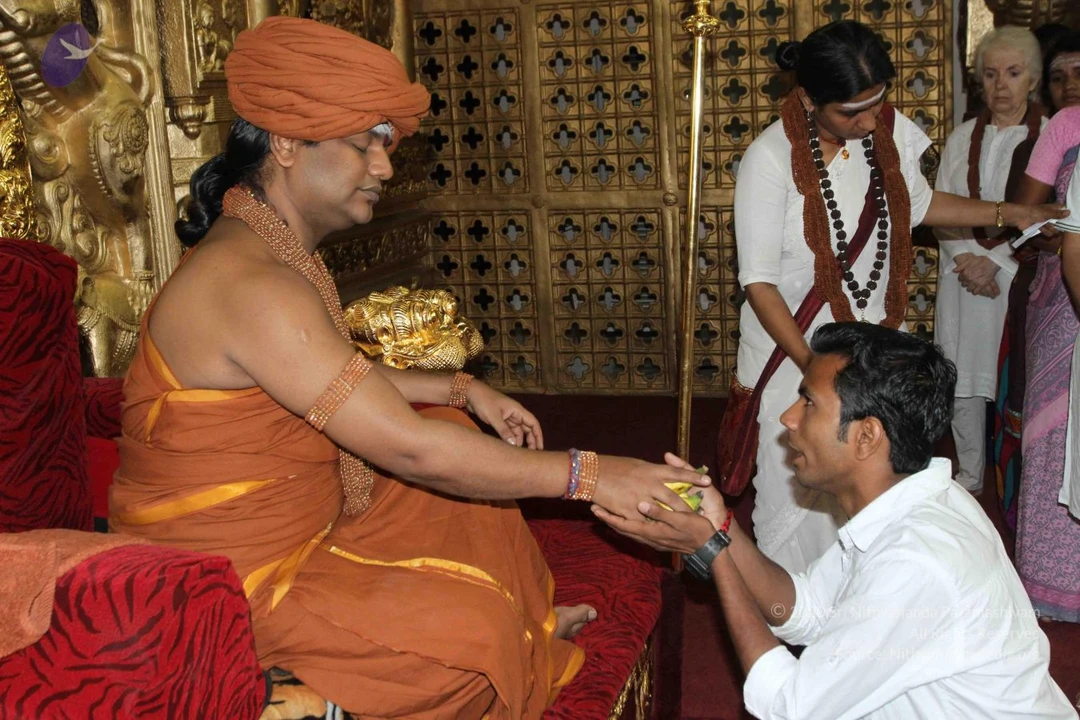
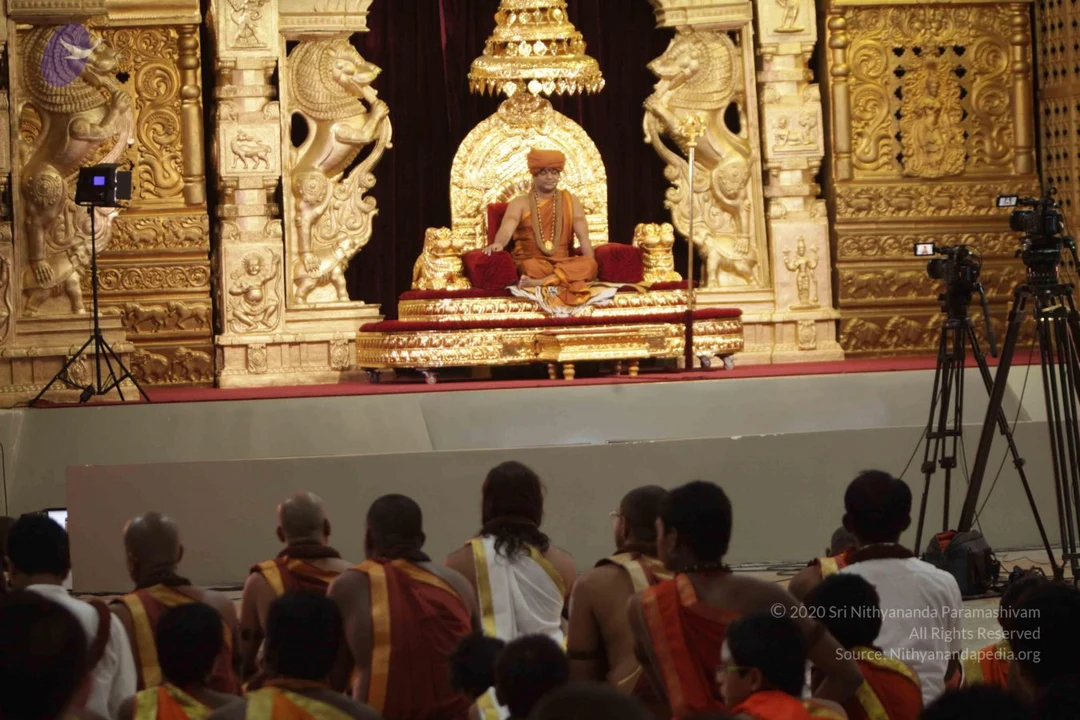
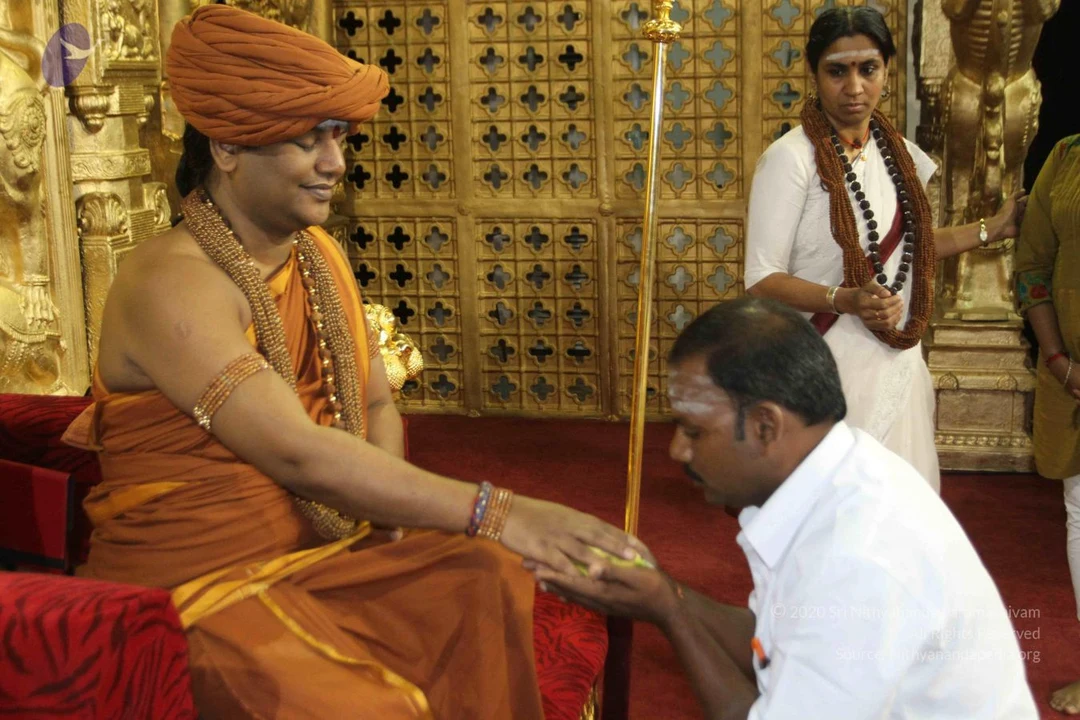
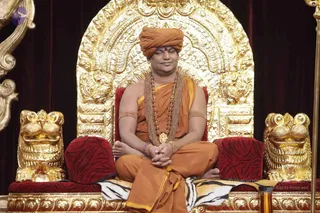
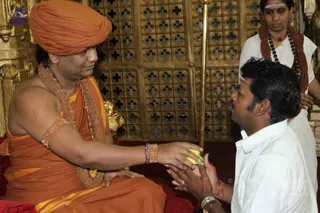
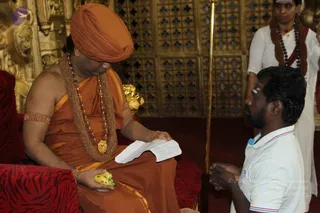
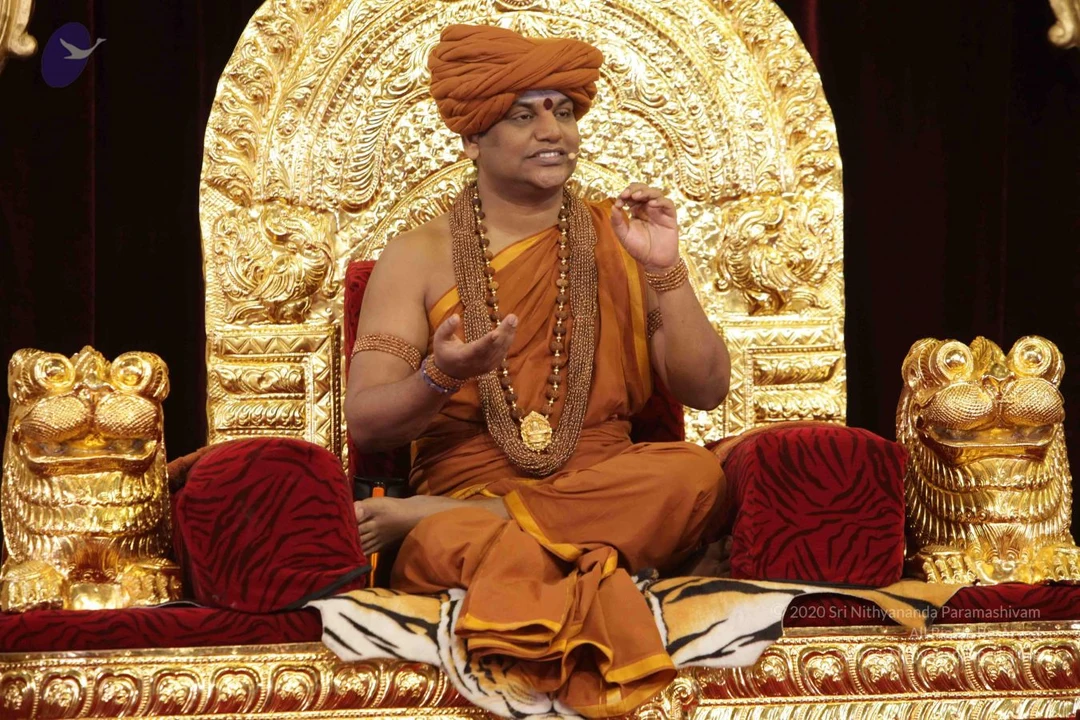
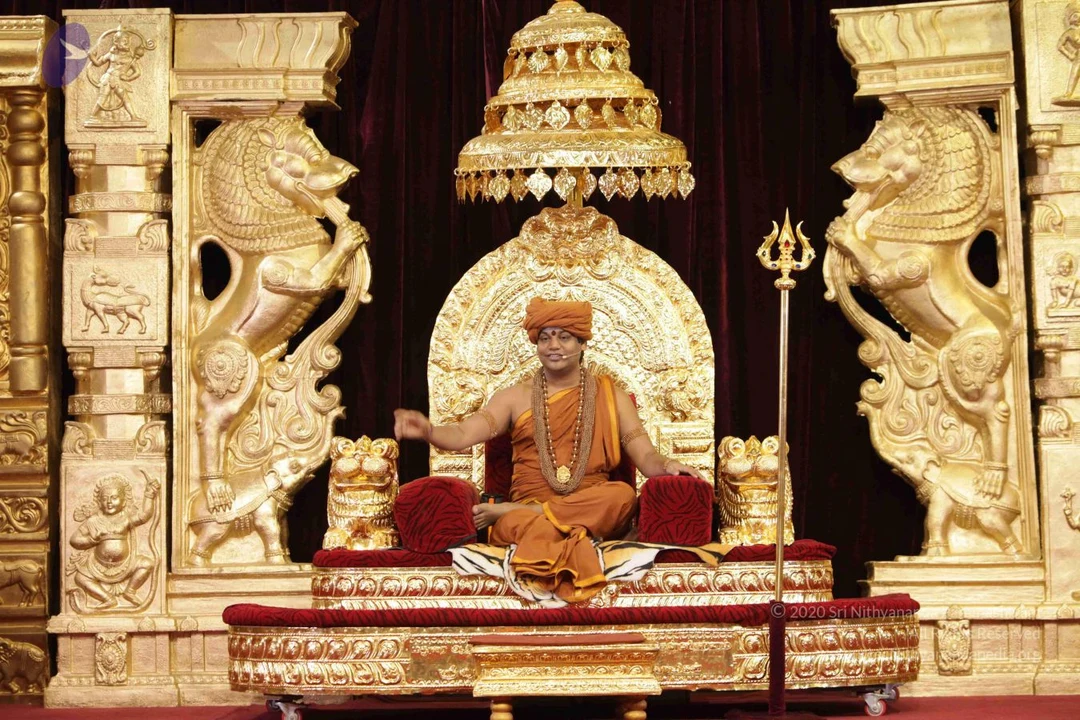
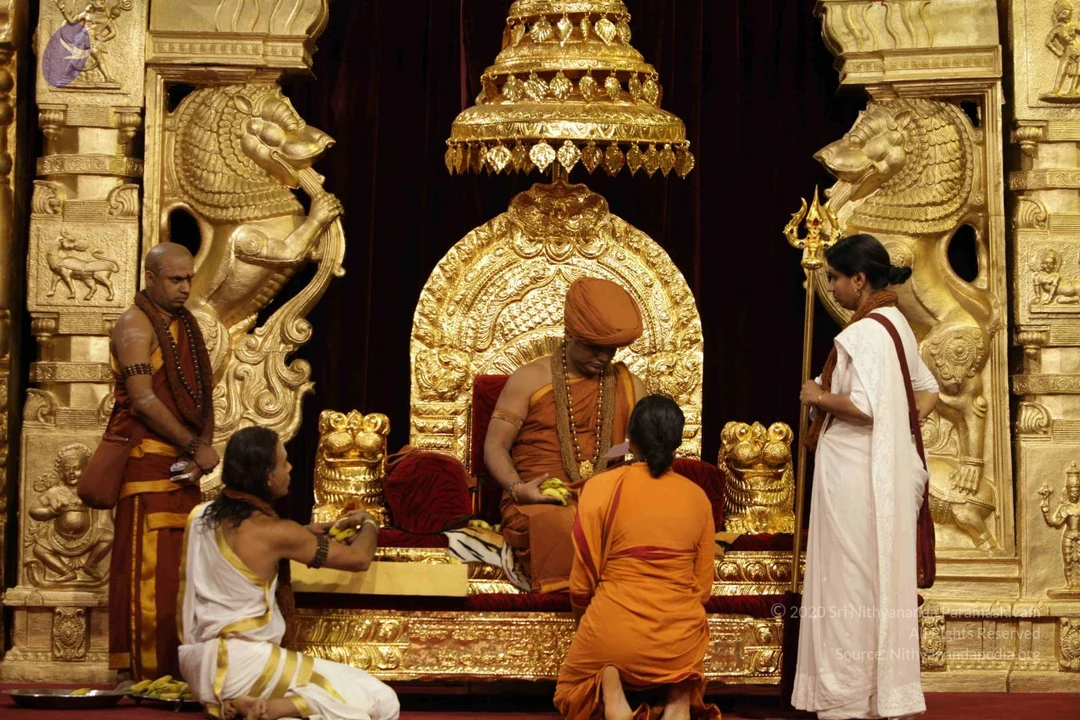
A seated man in saffron-orange robes and an orange turban sits cross-legged on an ornate gold throne with a red and gold cushion, flanked by two gold lion-head sculptures. He wears a long rudraksha-style bead mala with a gold pendant, gold bangles on his arms, and a red tilak on his forehead. His hands are clasped in his lap and his feet are bare. A tiger-striped cloth covers the dais. Behind him rises a golden arched backdrop with floral relief and dark red drapes. Swamiji (probable): the saffron robes, orange turban, rudraksha mala and gold ornaments are consistent with the page's reference to Paramahamsa Nithyananda, seated in the role of a satsang speaker.A man in orange robes and an orange turban sits cross-legged on an ornate gold throne with a repoussé arched back, flanked by two gold lion-head armrests and red tiger-striped cushions. He wears a long beaded rudraksha-style mala and a large gold ceremonial necklace with a central pendant, plus gold armbands, and his hands rest together in his lap. He has a red bindi on his forehead, and his bare feet rest on a tiger-skin rug. A dark red curtain forms the backdrop. Swamiji (probable): the orange turban, saffron robes, rudraksha mala and gold necklace are consistent with the page's reference to Swamiji at this satsang, seated in a throne.A seated man in an orange-saffron dhoti and matching orange turban, wearing layered beaded rudraksha-style necklaces and a gold ornament on his upper arm with beaded bracelets, extends his hand to hand over a small yellow object to a man kneeling in a white shirt and white trousers with a red thread on his wrist. Behind them stands a woman in a white sari with an orange shawl, a rudraksha mala, and a white forehead mark. The backdrop is a gold-toned lattice screen with cross-shaped cutouts, and a tall gold rod stands at center. The setting suggests a ritual blessing or darshan exchange on a red cushioned seat. a person: the seated saffron-clad figure with turban, layered beads and gold arm ornament matches the page's a person reference; identity is based on appearance cues only.A man in saffron-orange robes and an orange turban sits on an ornate gold throne with carved lion-head armrests and a red tiger-striped cushion, a tiger skin draped at the base. He wears layered beaded rudraksha-style necklaces, a gold pendant, and beaded bangles on his upper arms and wrists, with a red tilak on his forehead. His right hand rests on his knee and his left arm extends along the armrest. Golden carved panels stand behind the throne.A seated man in a saffron-orange turban and saffron-orange robe, wearing a heavy gold-coloured beaded necklace with a gold pendant and gold armbands, sits on a red tiger-striped throne and looks down at a sheet of white paper in his hands. He holds a small bunch of yellow bananas in his other hand. Kneeling before him with palms pressed together is a man in a white polo shirt with red and blue collar trim. Behind them, a woman in white clothes with a rudraksha mala and red shawl stands near a gold pole, in front of an ornate gold carved wooden lattice wall. The seated figure is an appearance-based probable Swamiji by his turban, saffron robes, multiple rudraksha-style beaded malas and gold ornaments, and he is seated in person.A seated man in saffron-orange clothing sits cross-legged on an ornate gold throne with red and black tiger-striped cushions and gilded lion-head armrests. He wears an orange turban with a red tilak mark, a multi-strand beaded rudraksha-style mala with a gold pendant, gold bangles on his upper arms and wrists, and an orange shawl over bare shoulders. His hands rest calmly on his knees and he looks slightly to the side. Behind him are intricately carved gold panels.
August 28 2015

1 photoView all
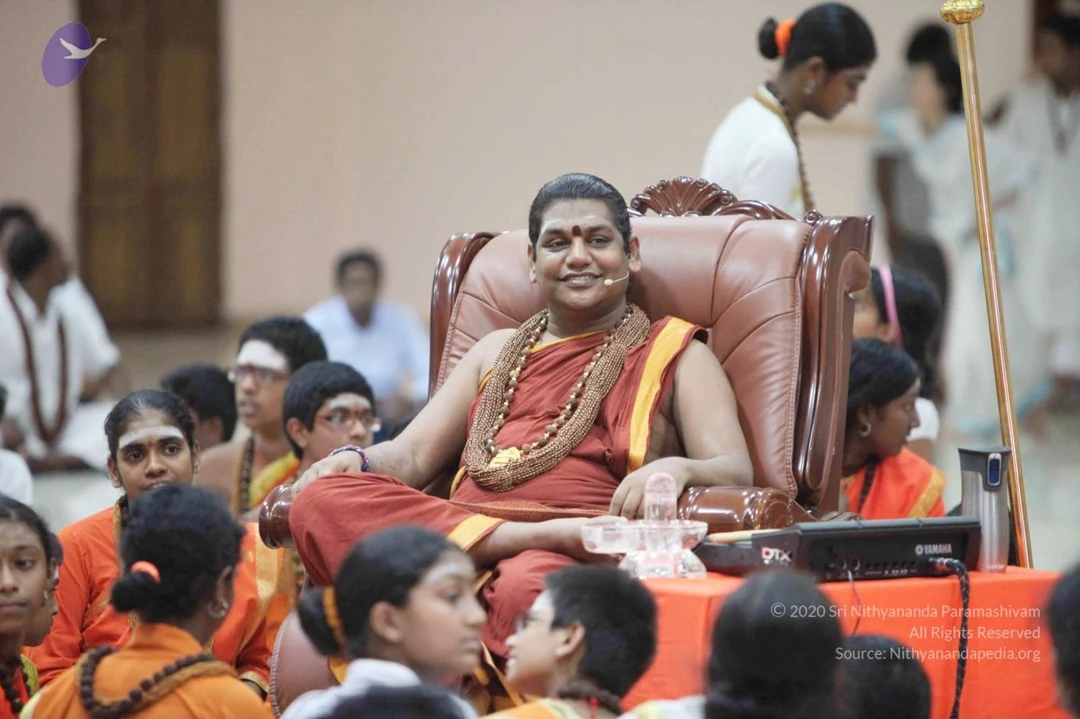
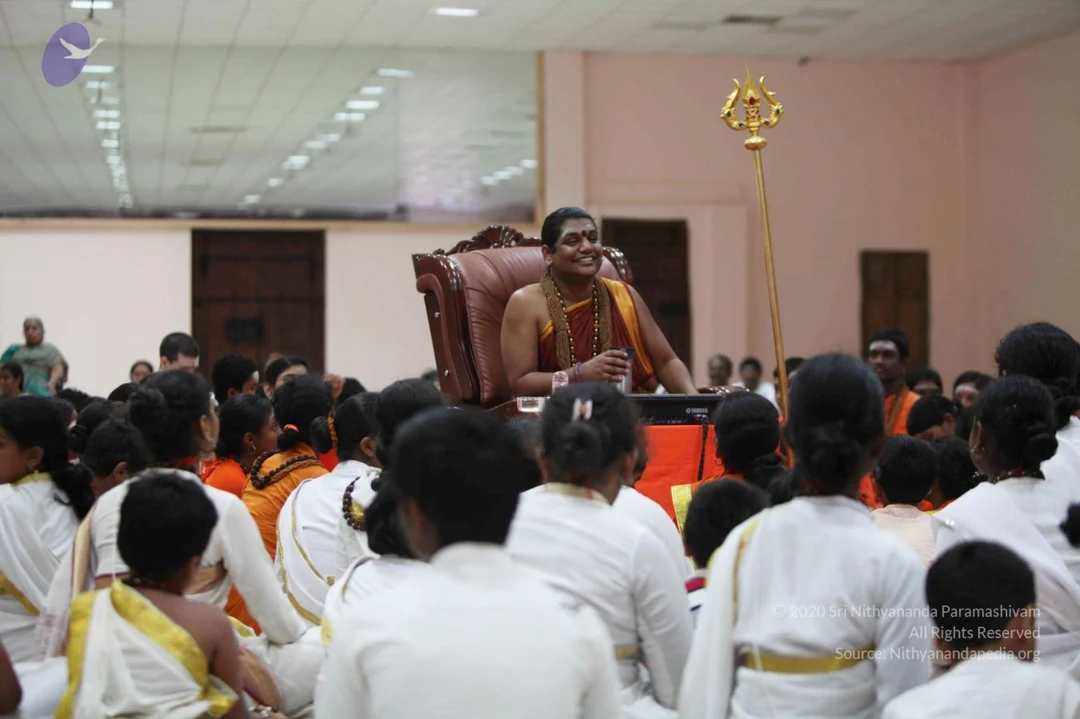
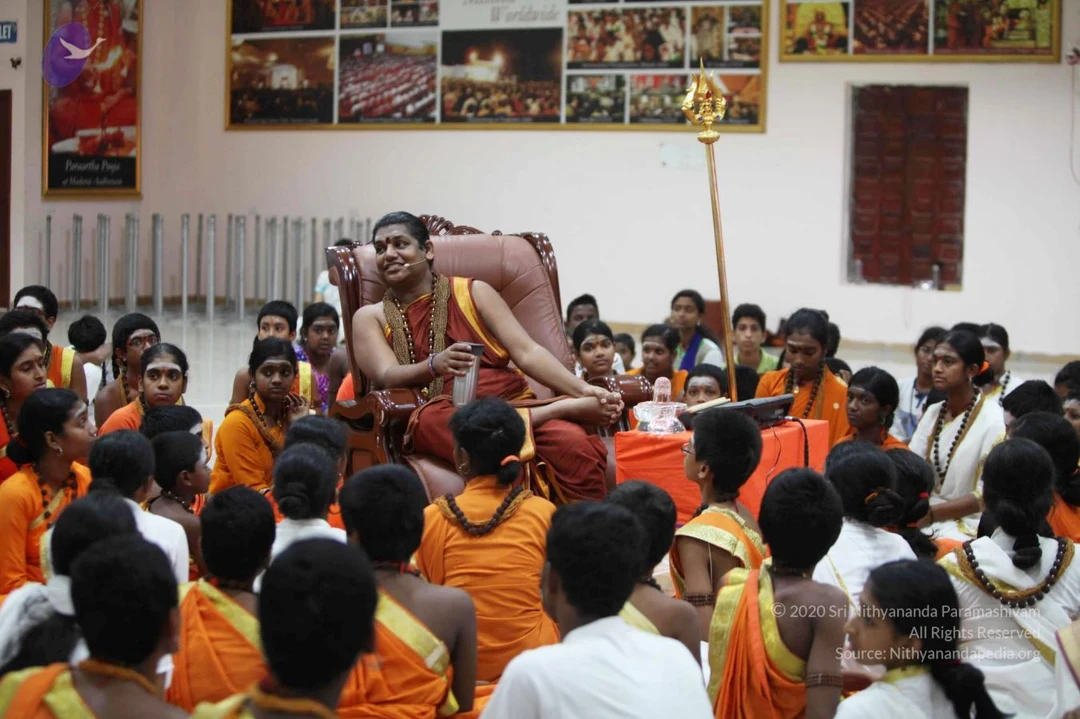
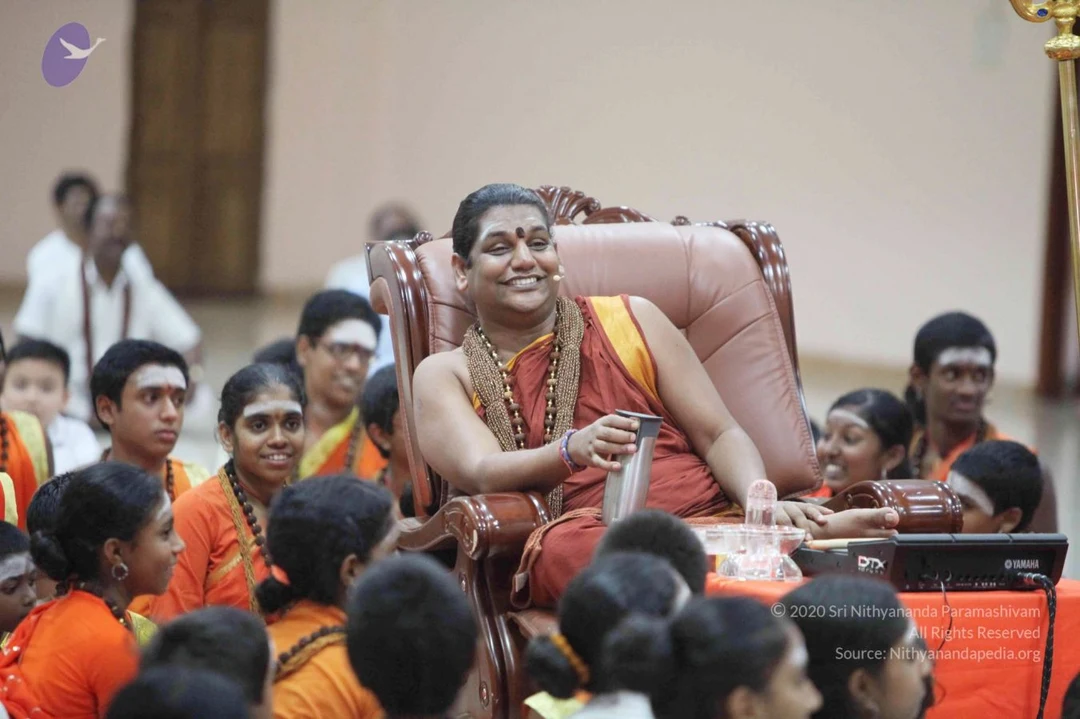
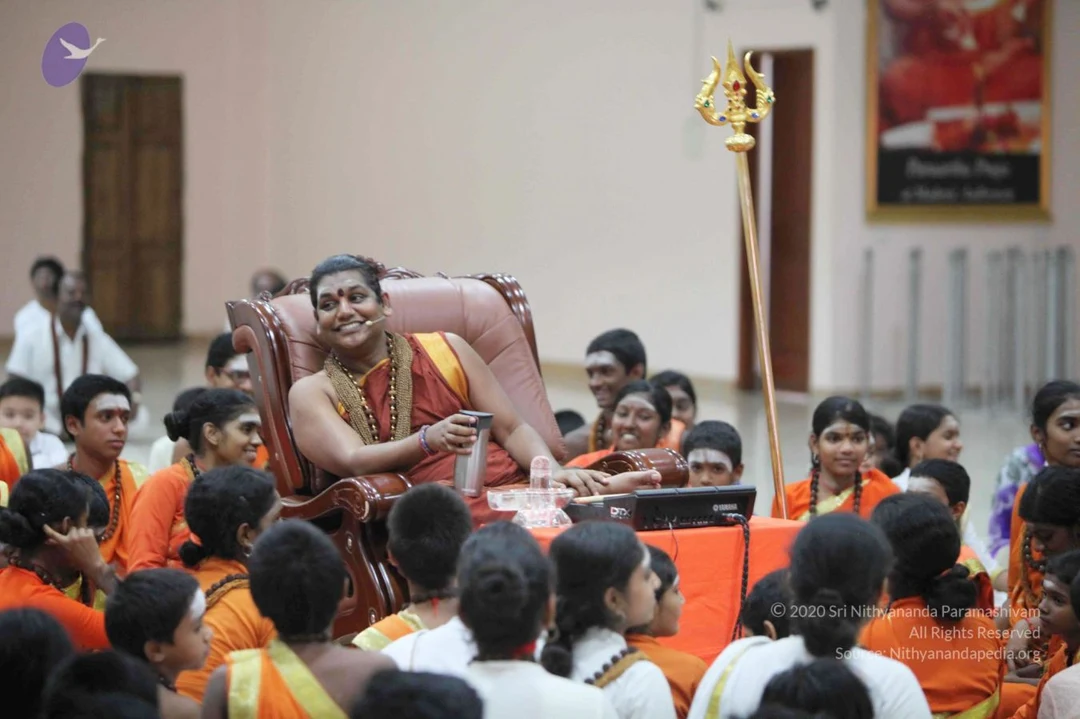
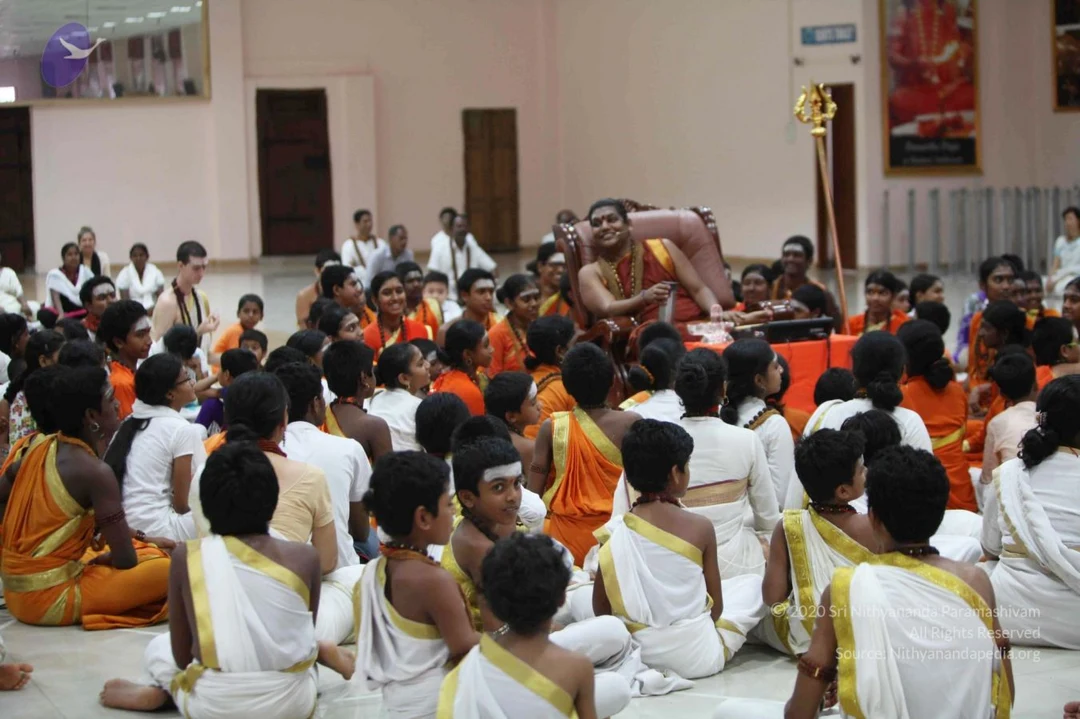
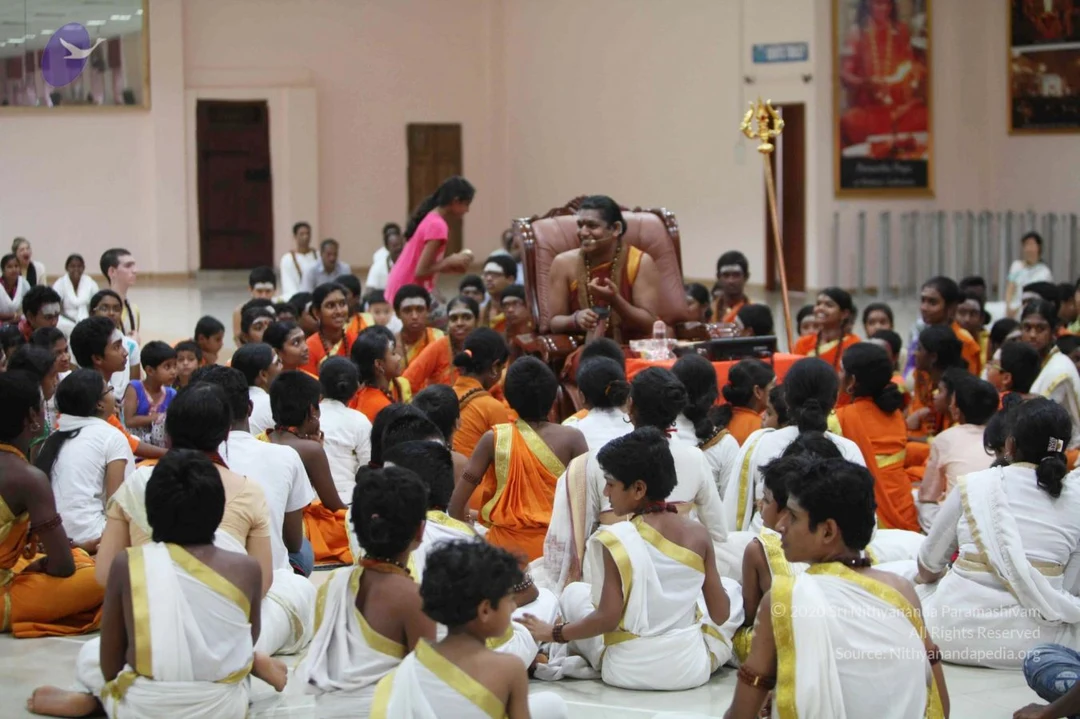
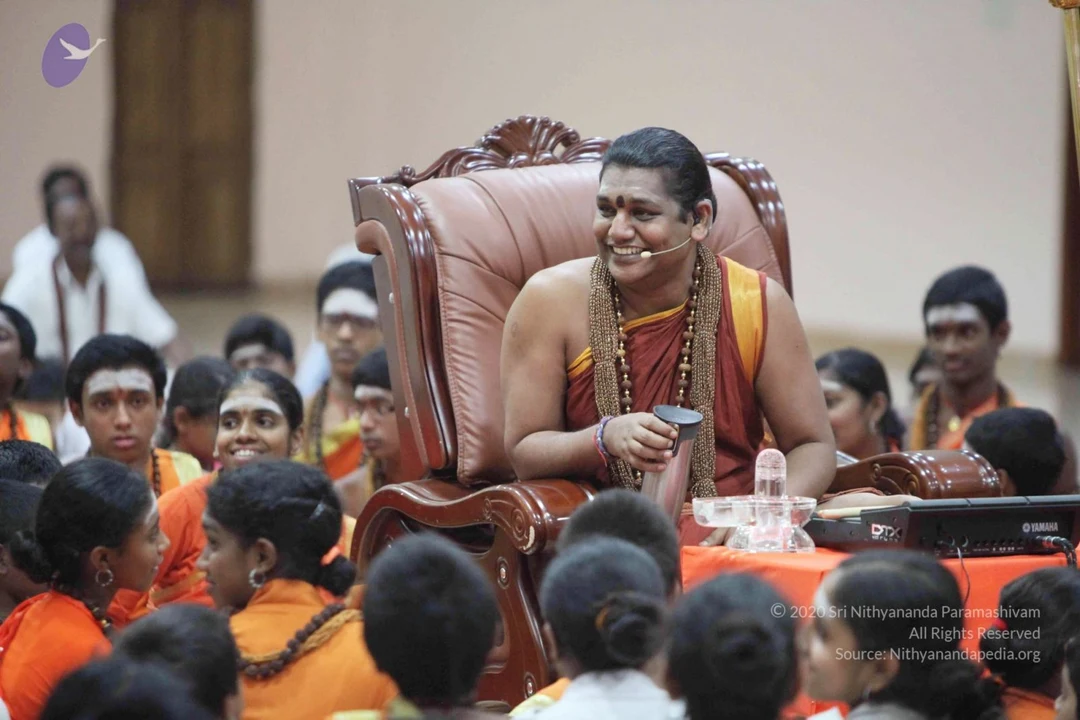
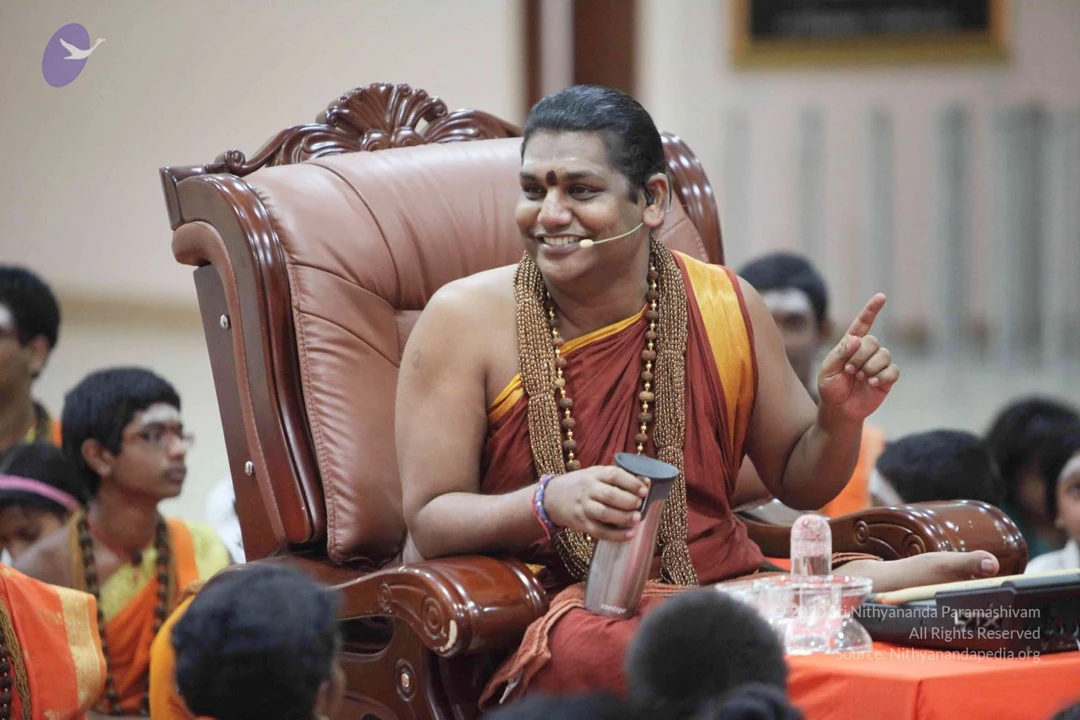
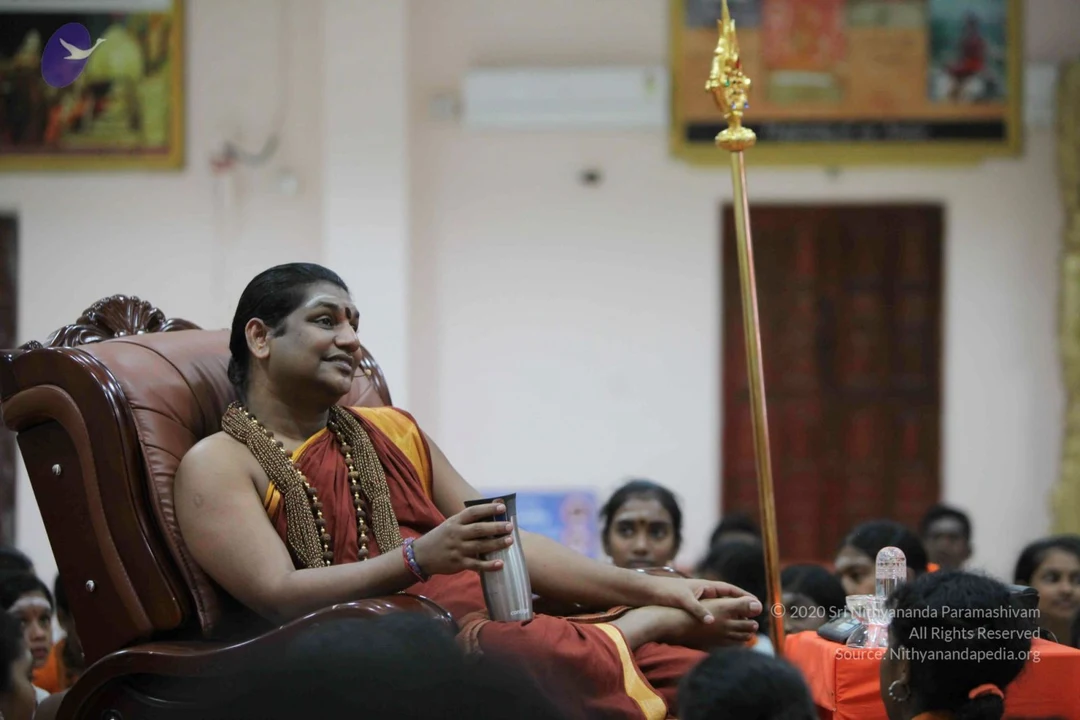
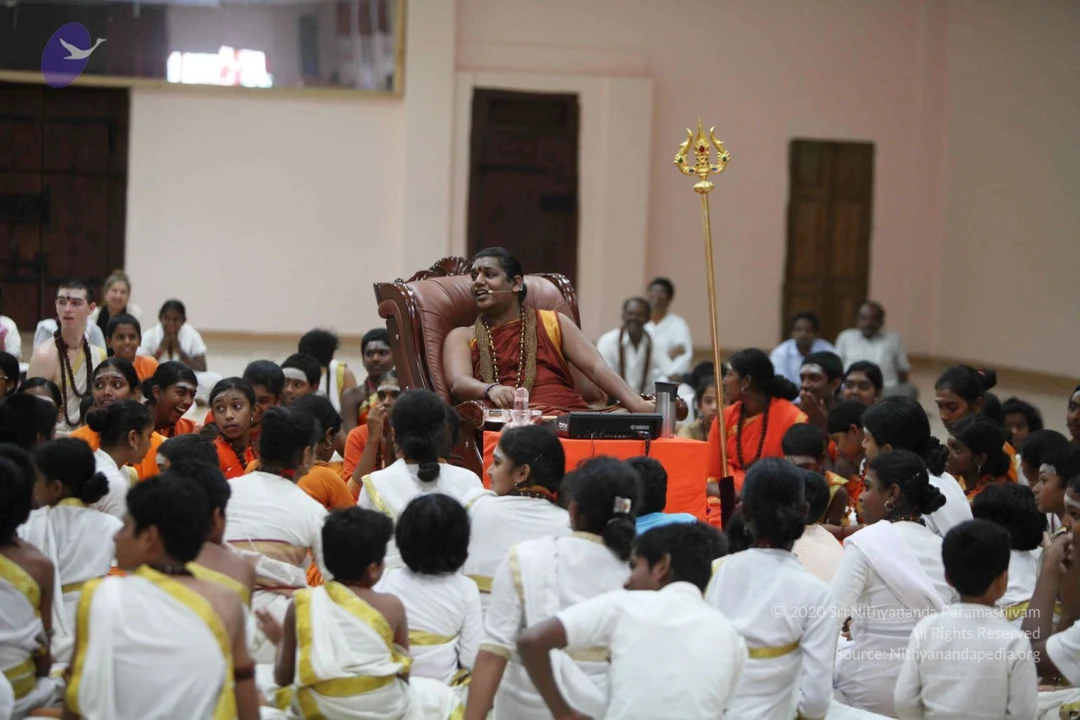
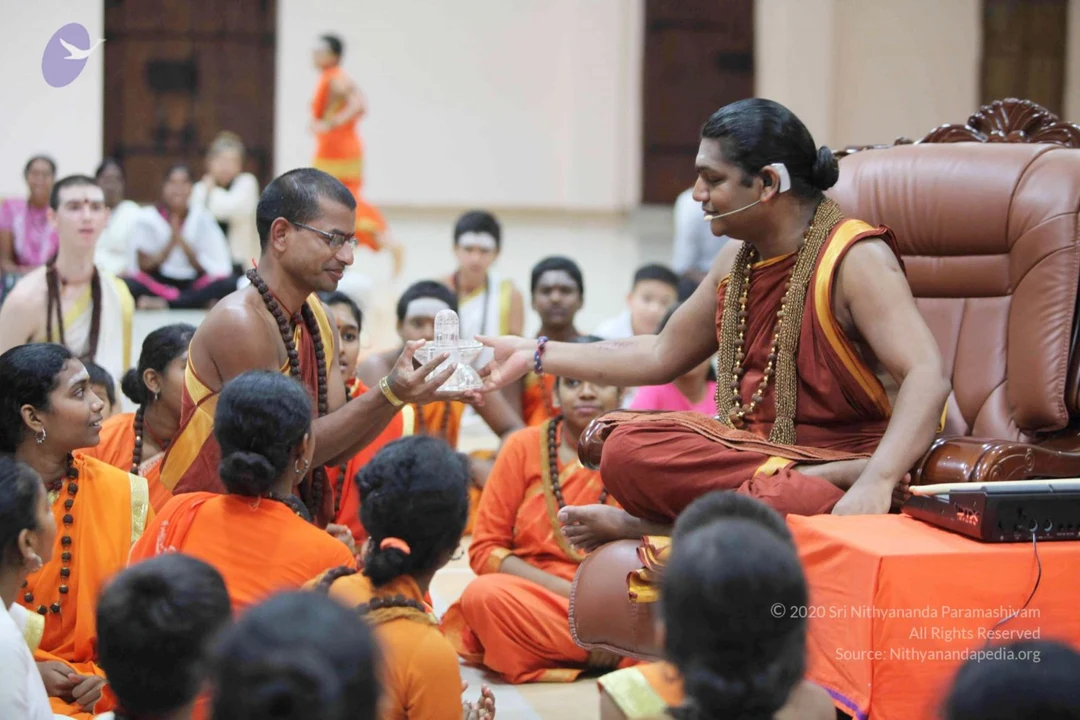
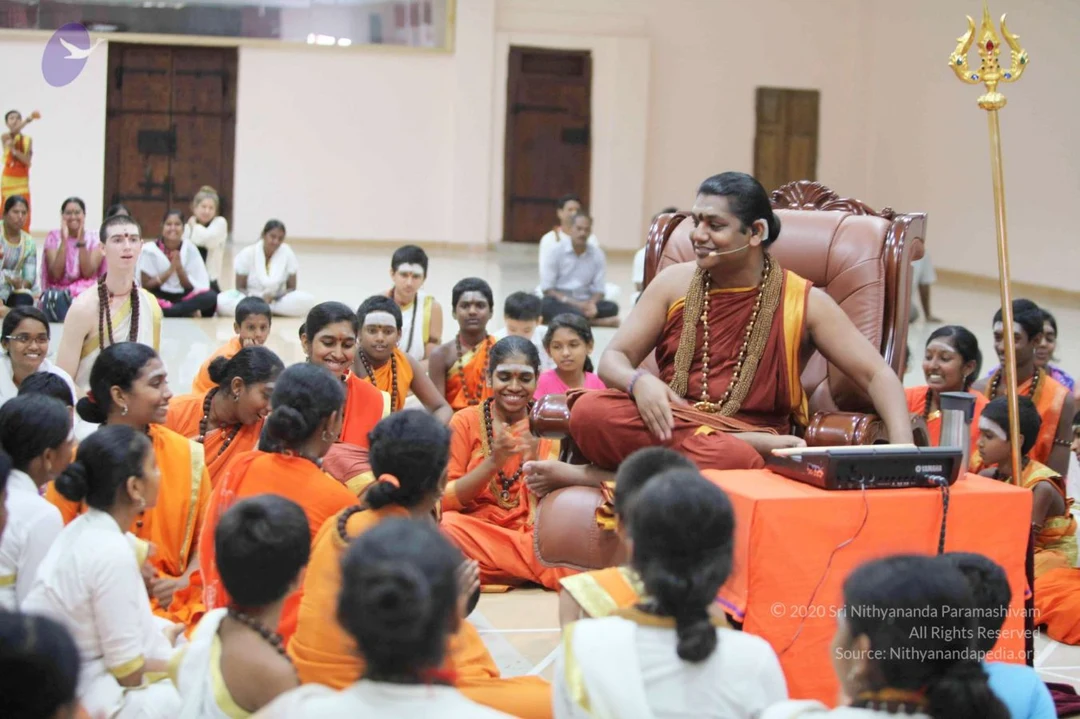
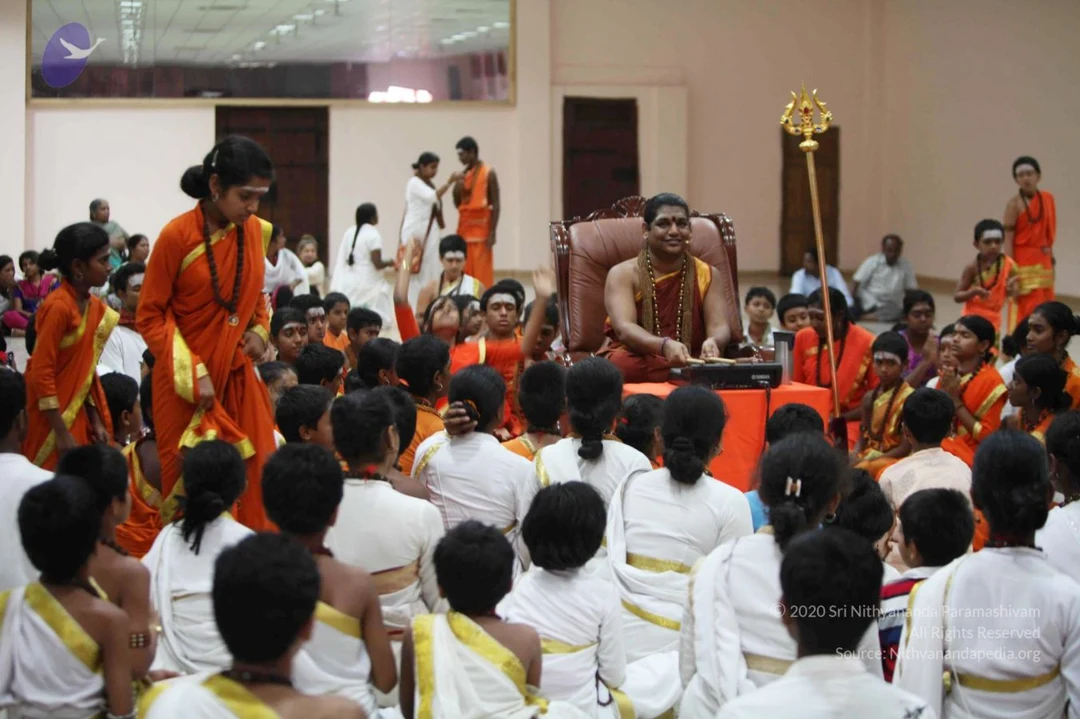
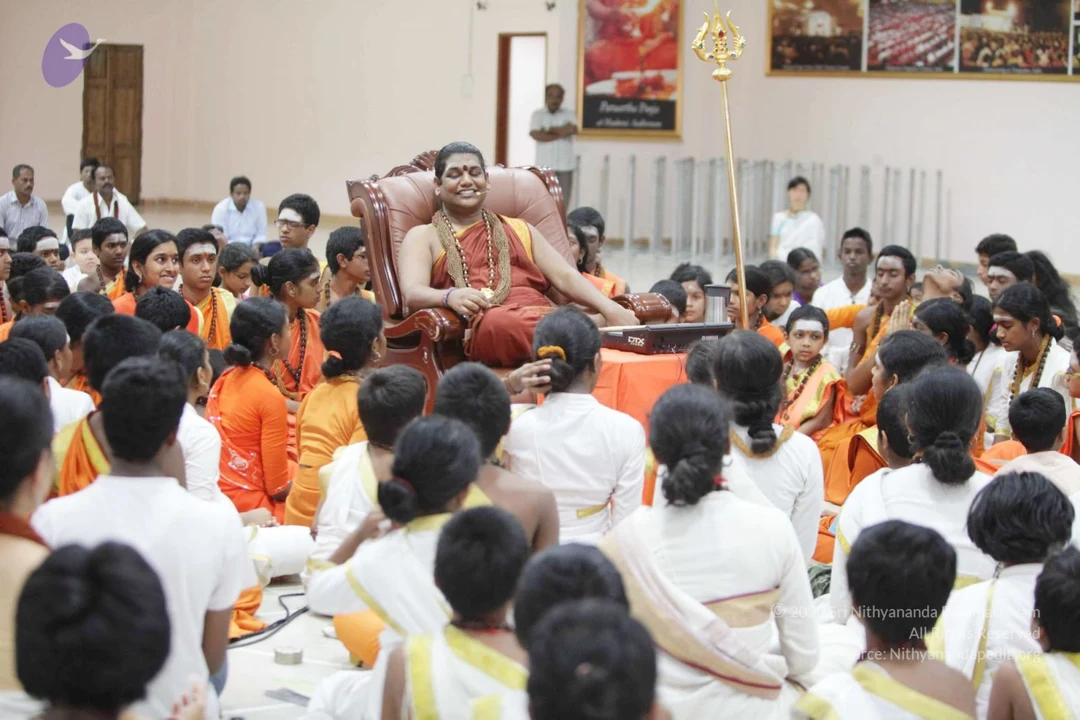
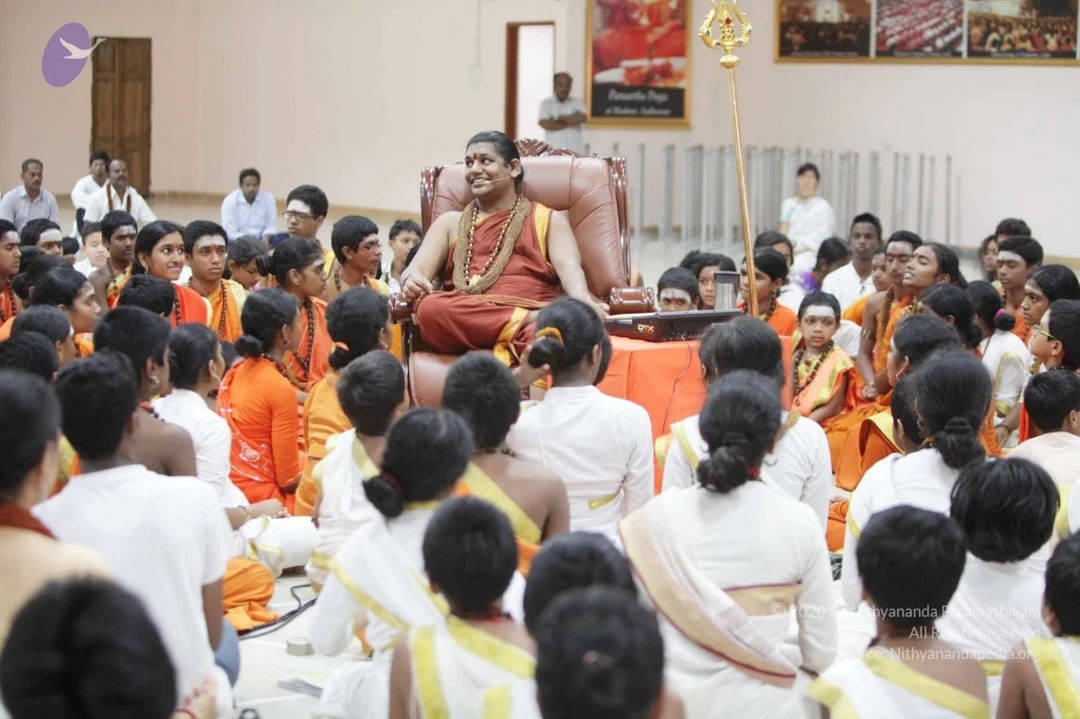
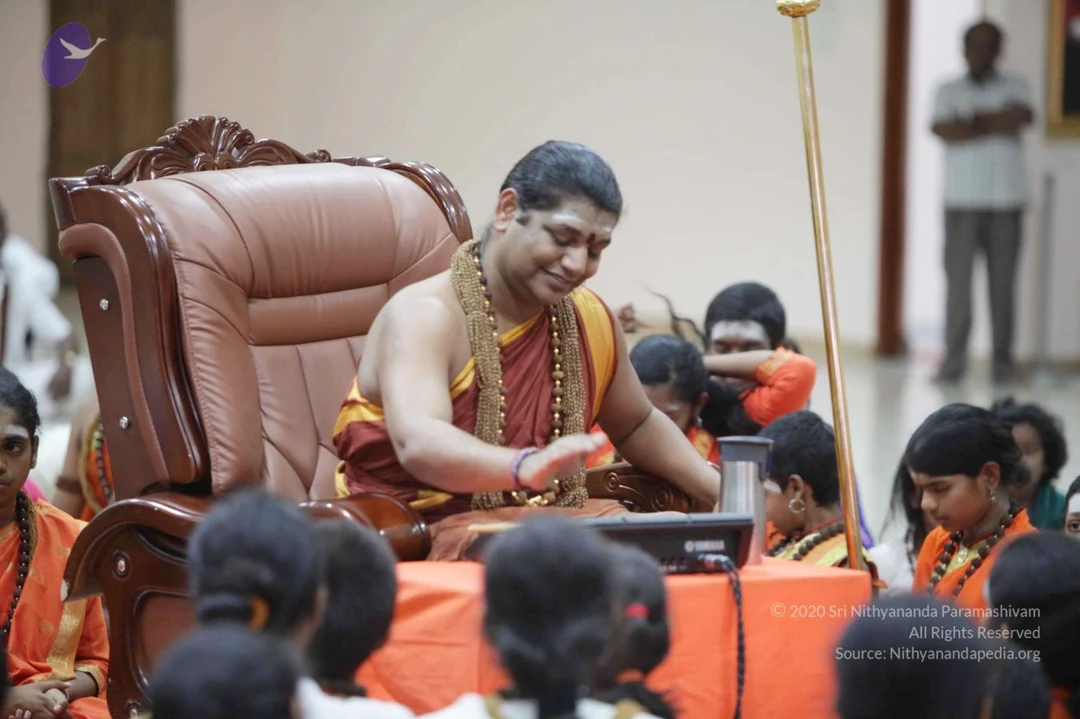
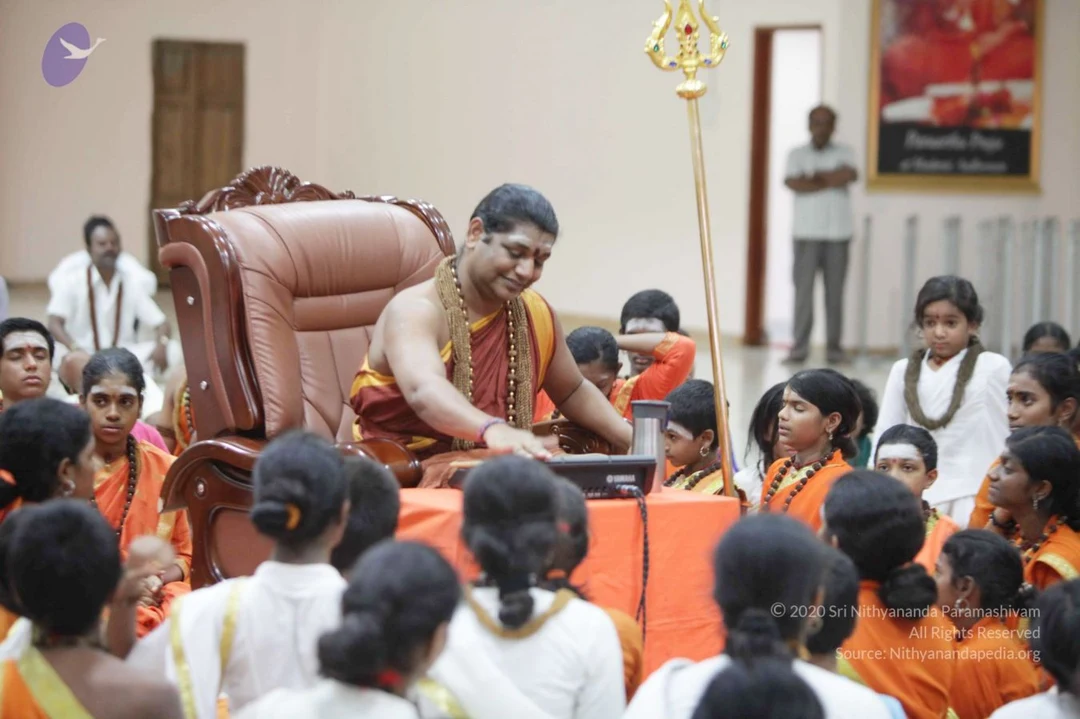
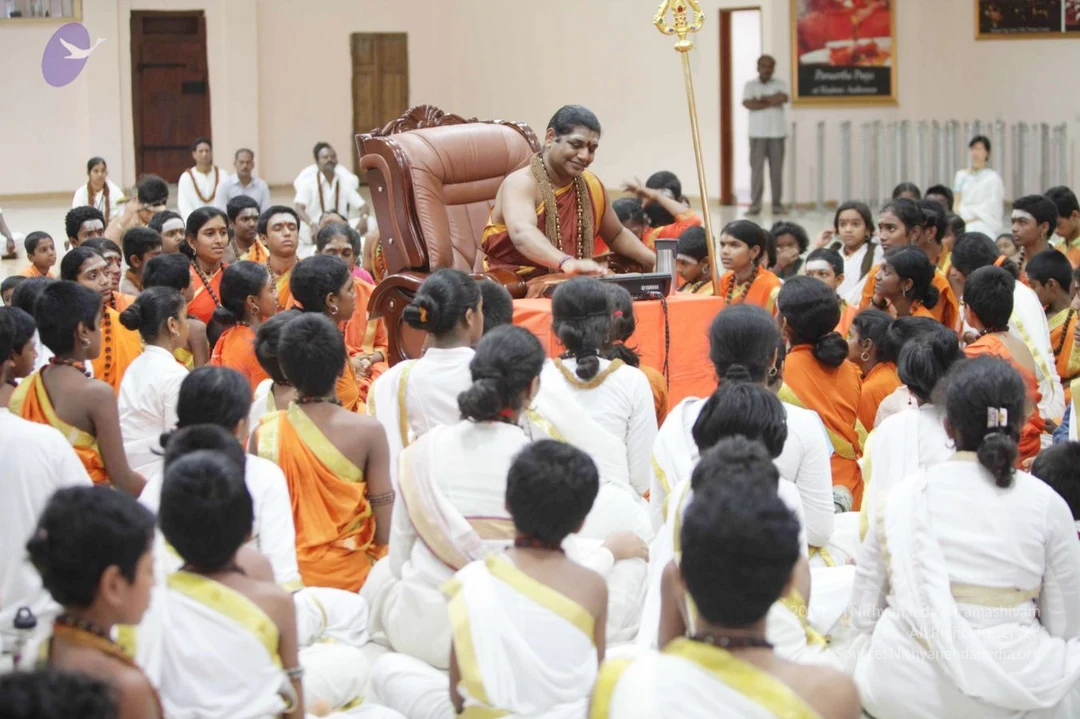
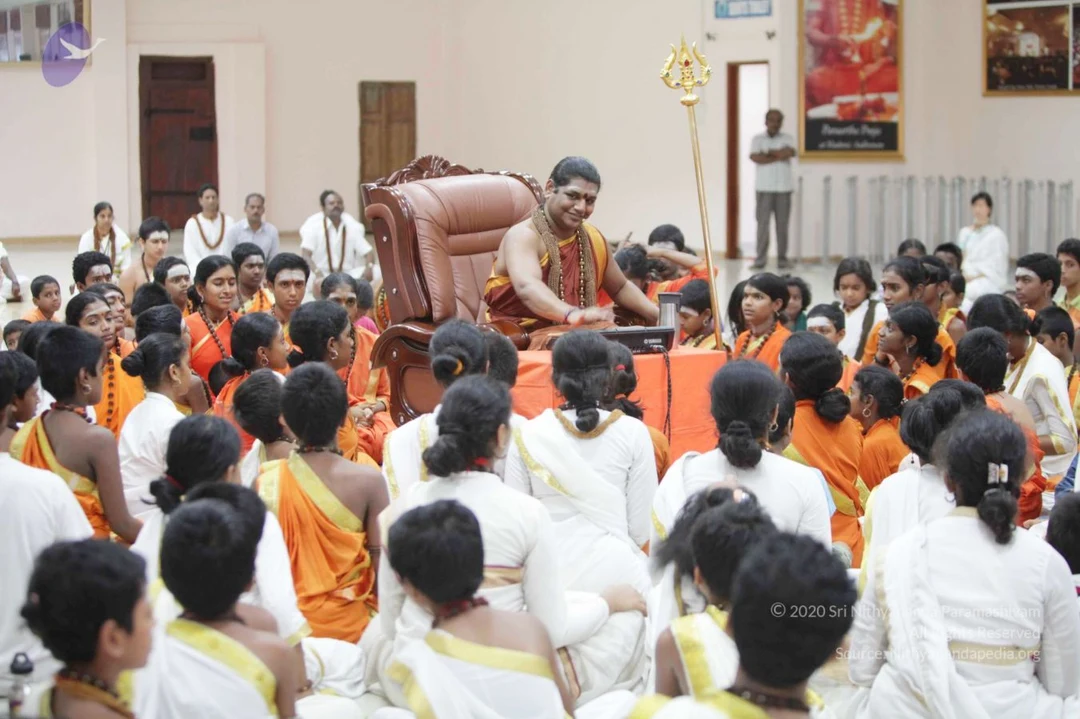
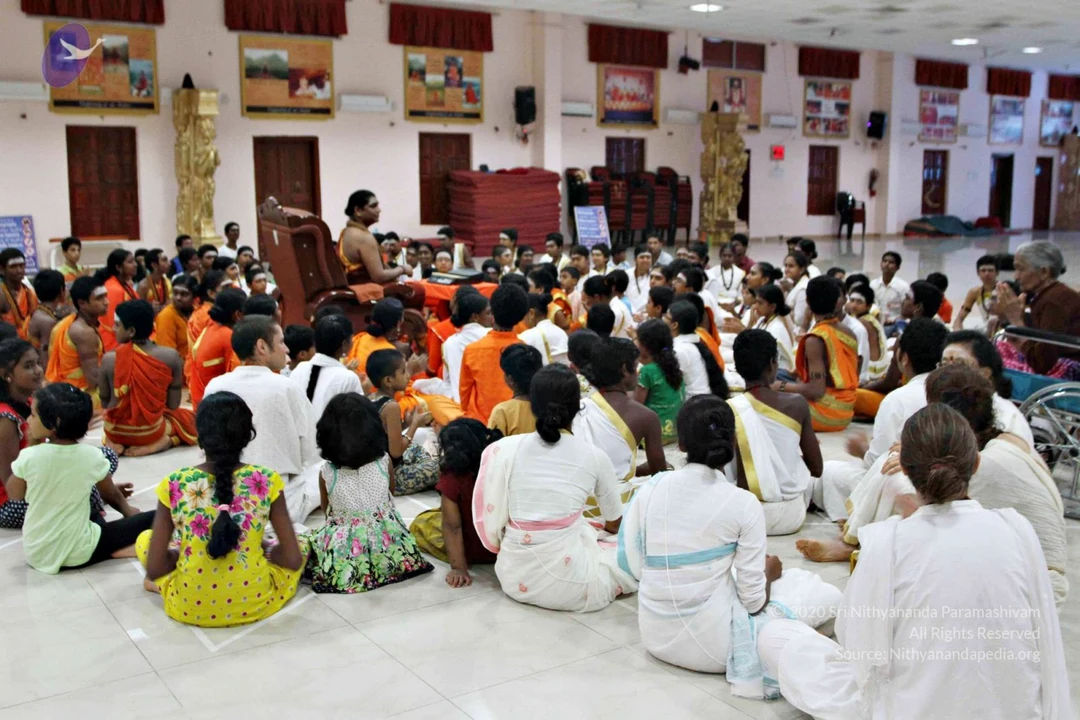
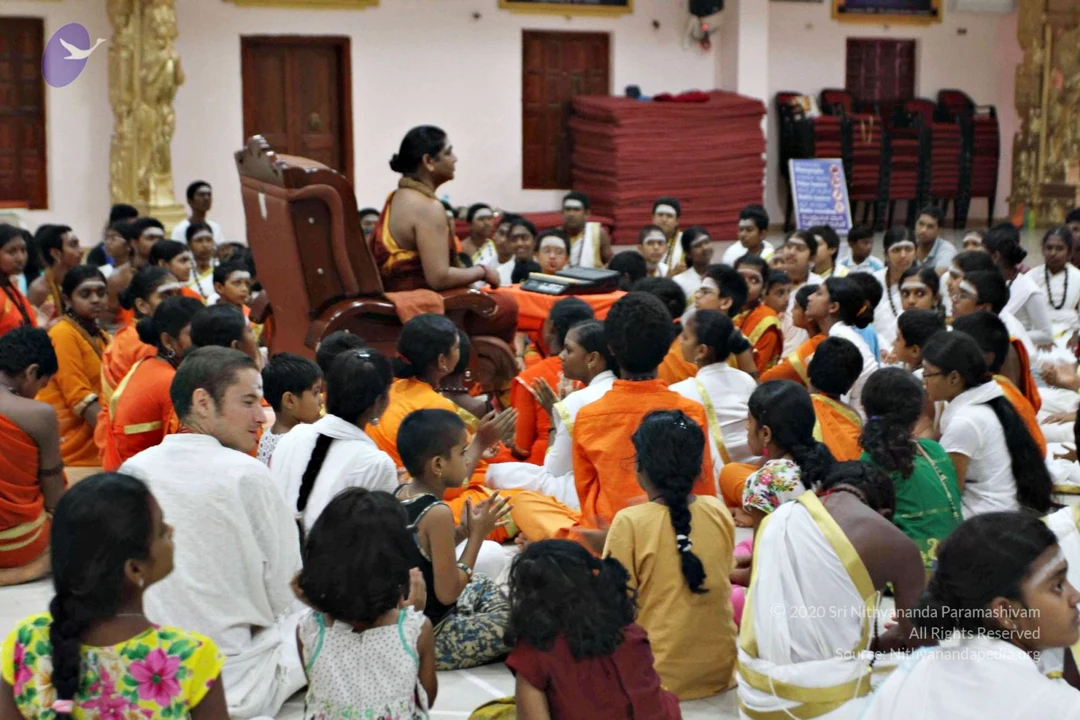
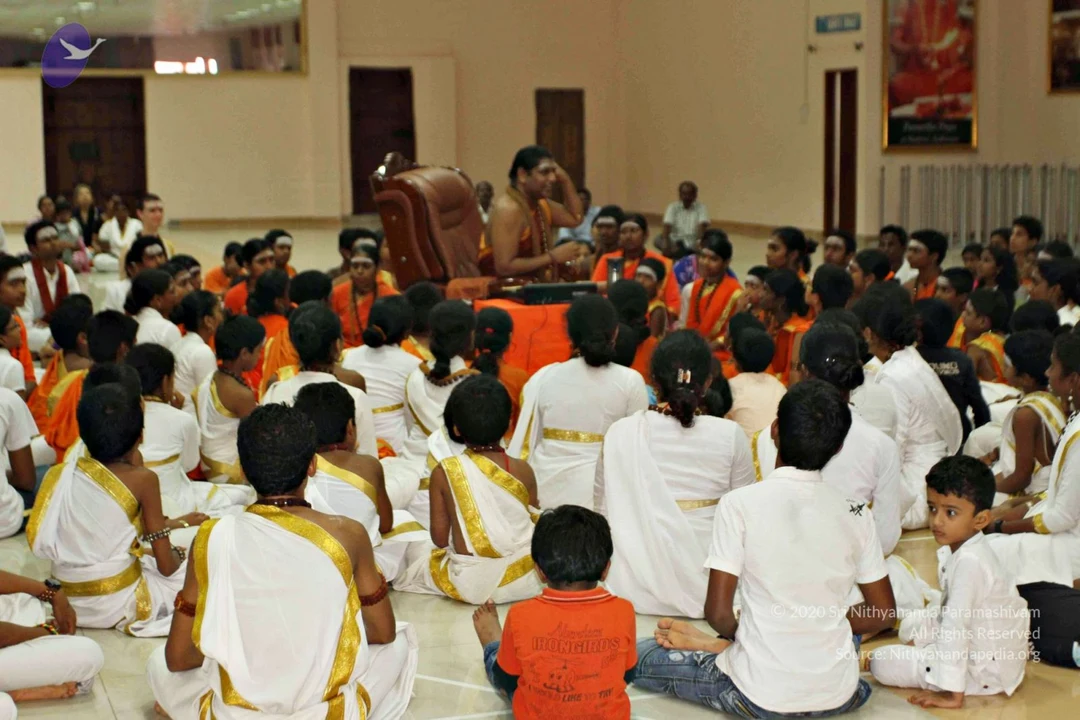
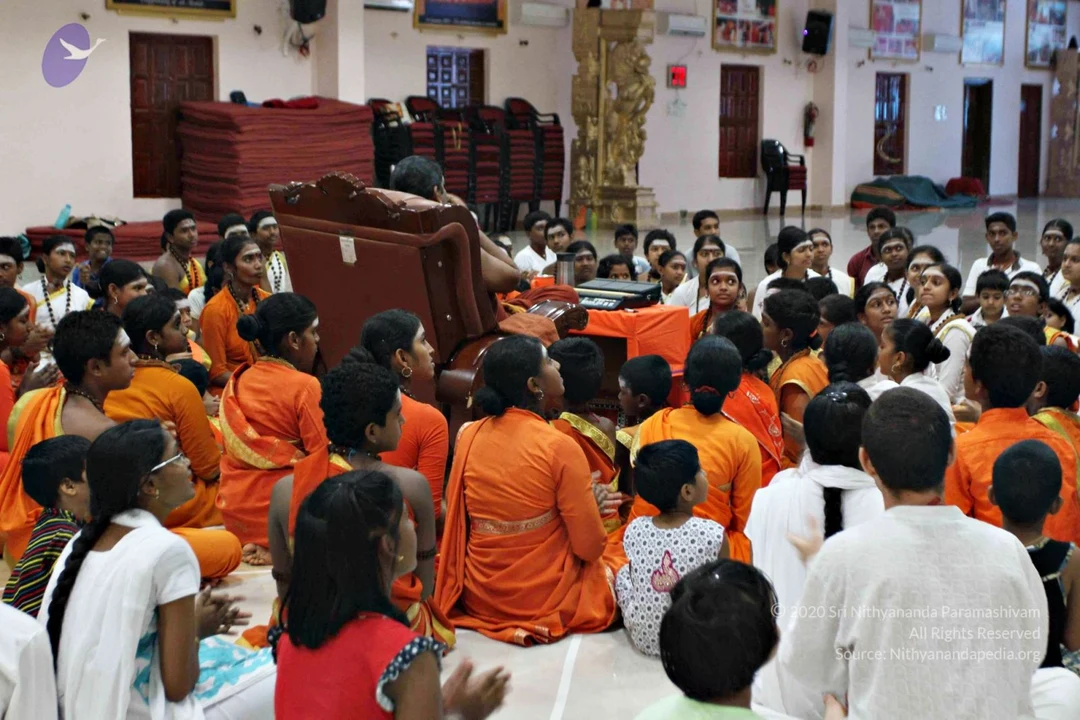
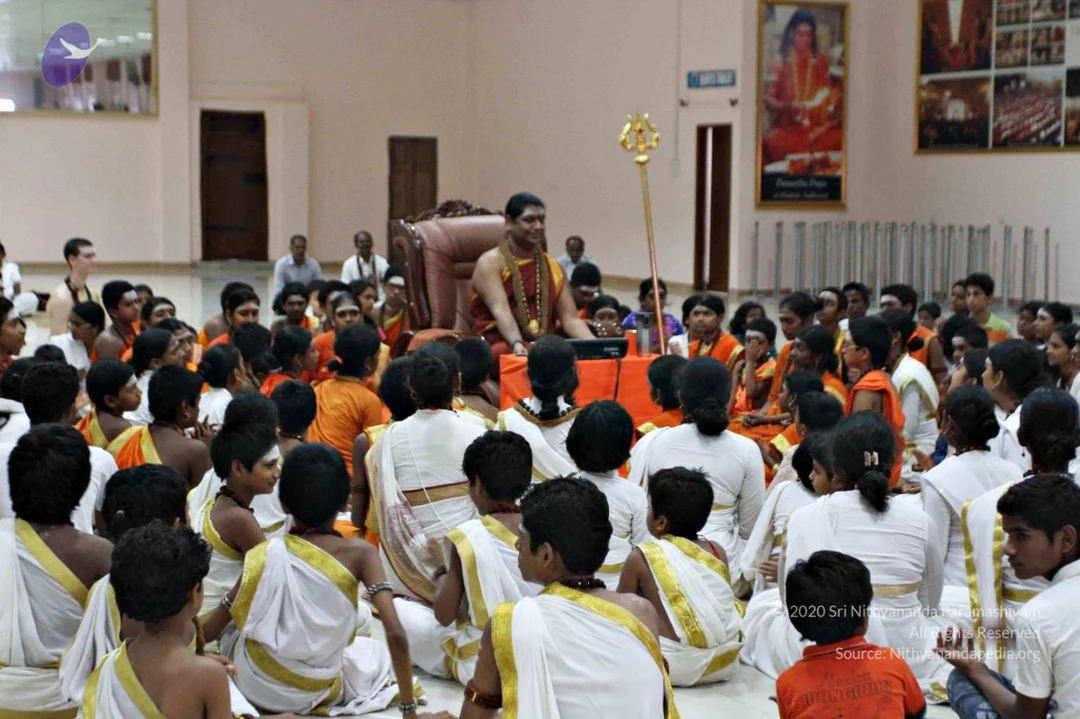
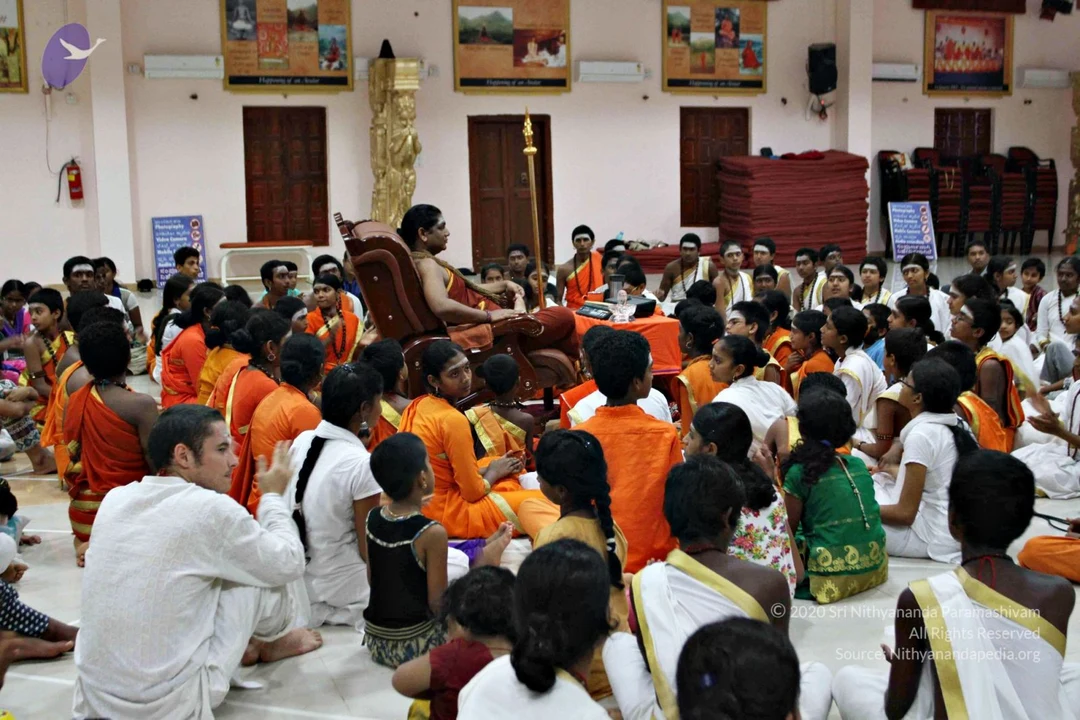
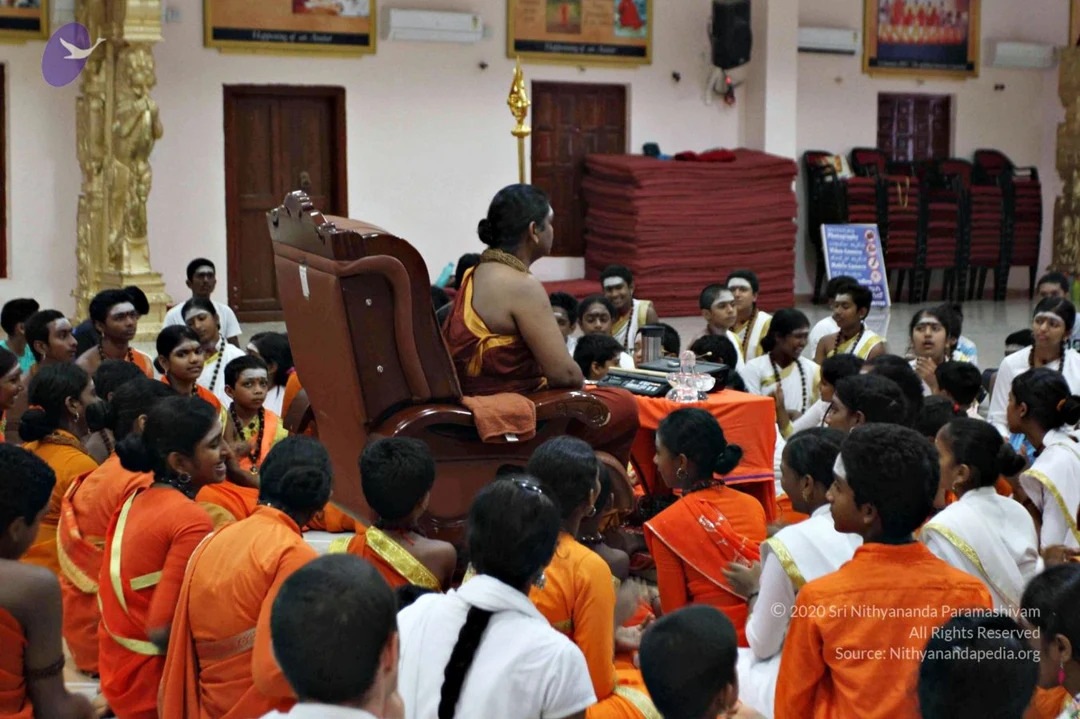
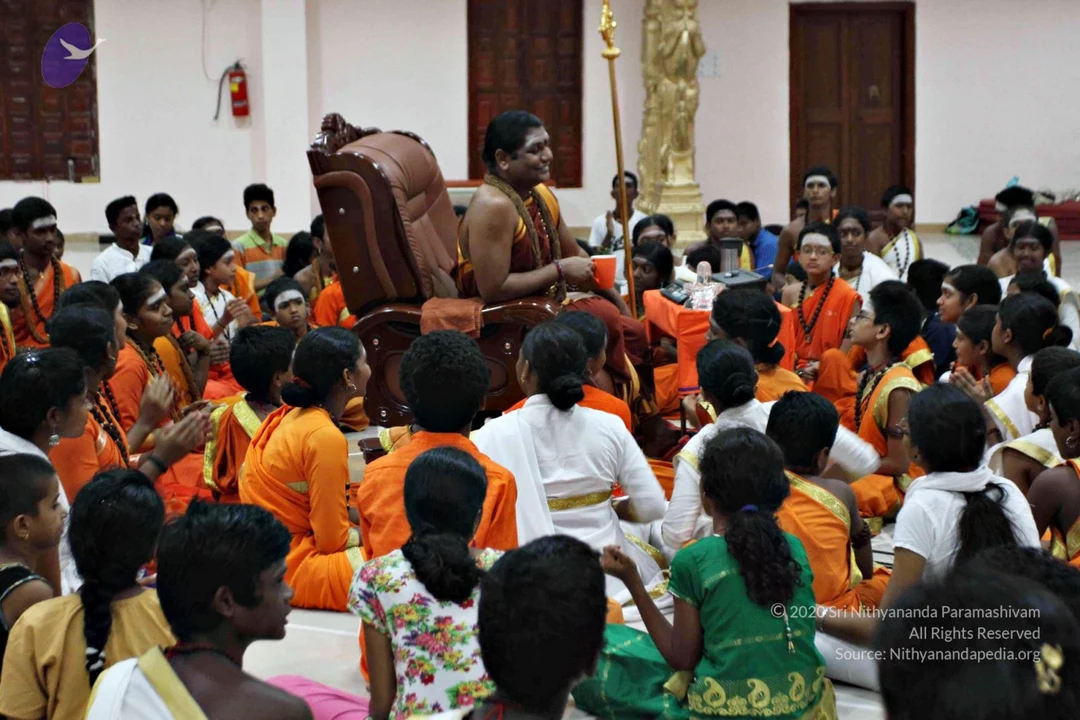
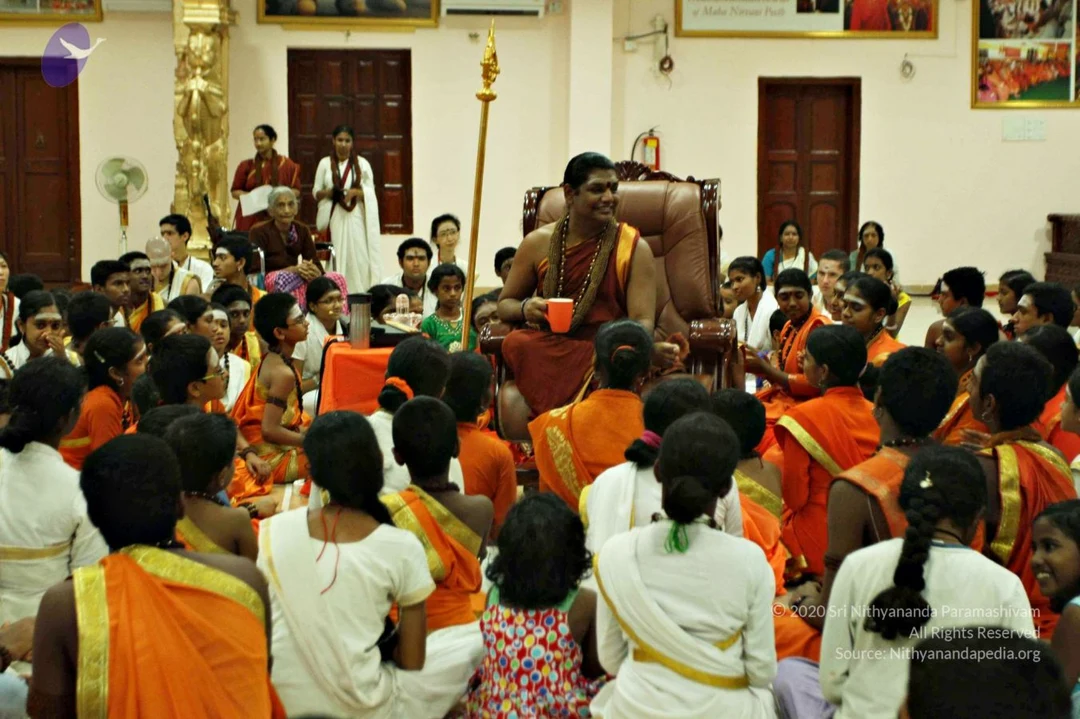
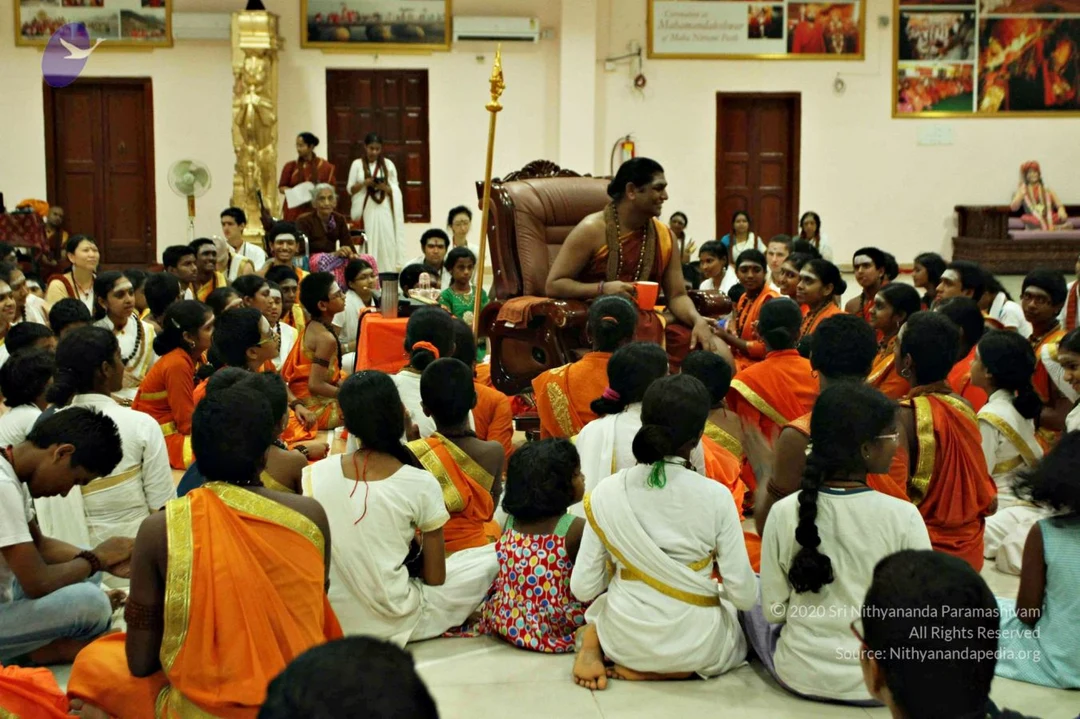
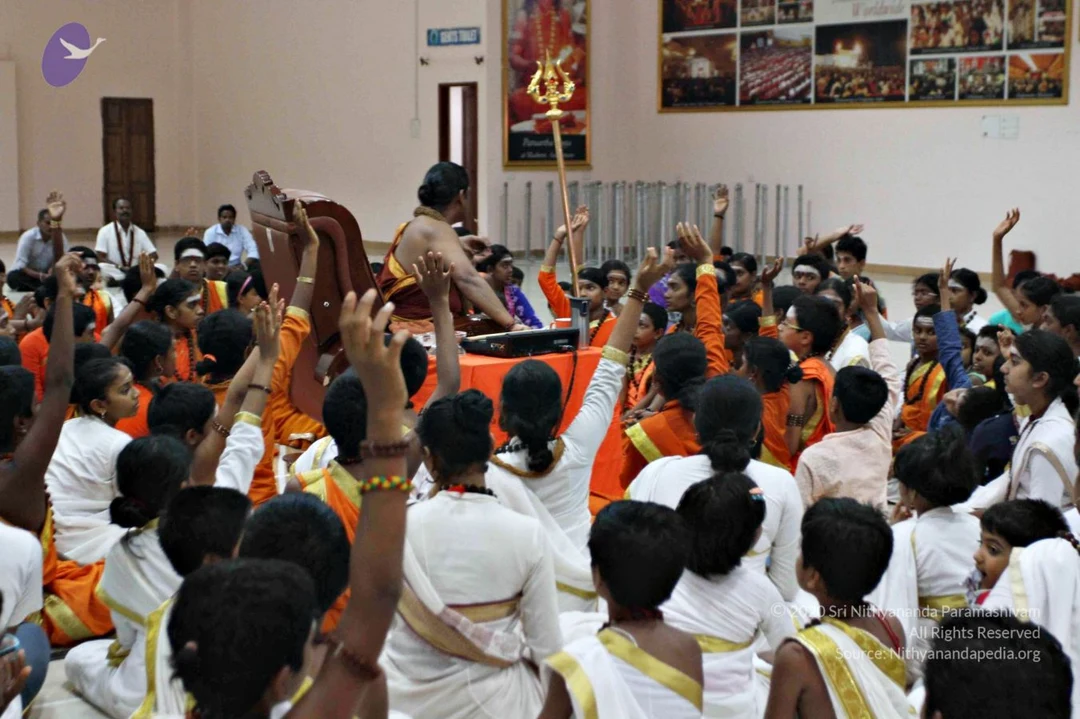
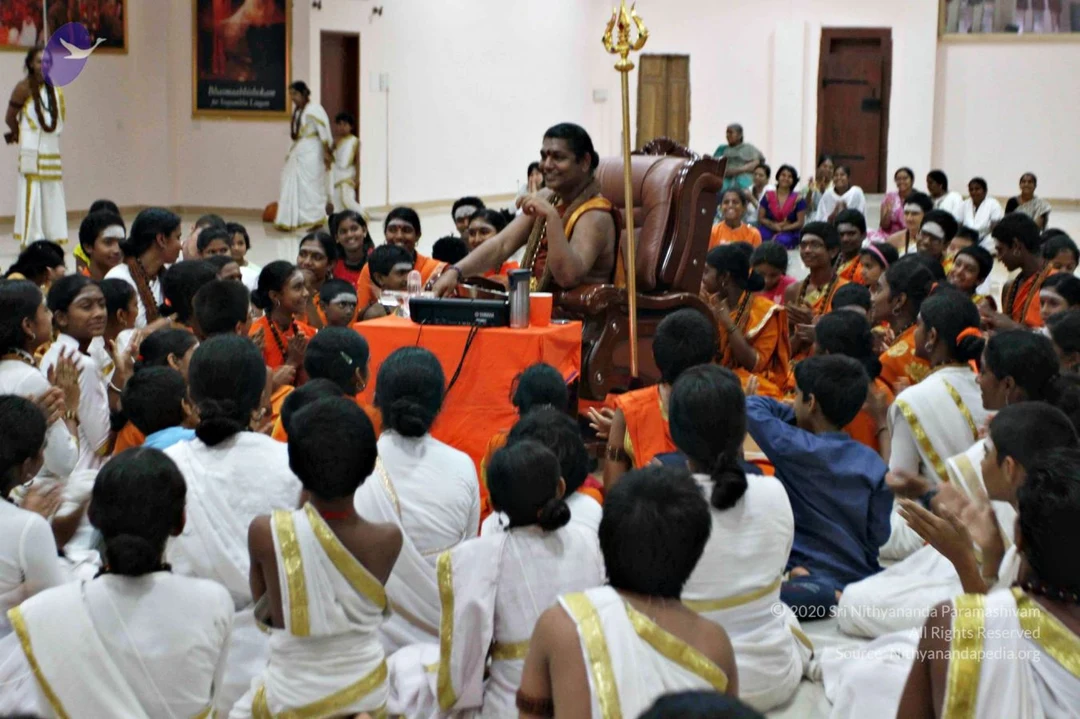
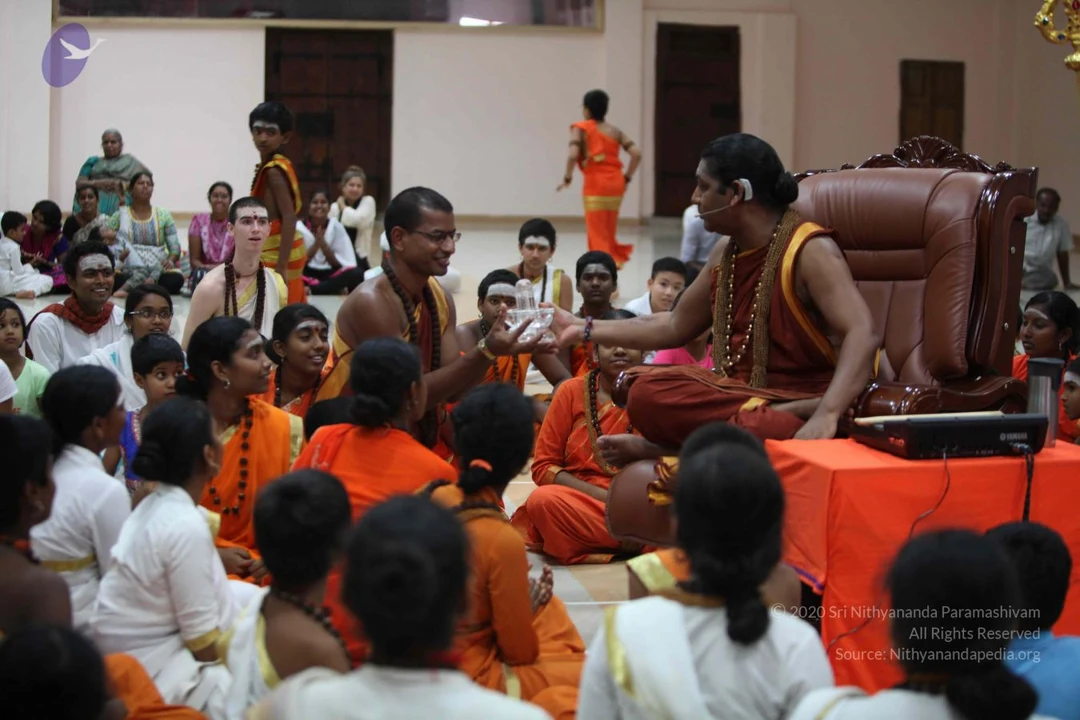
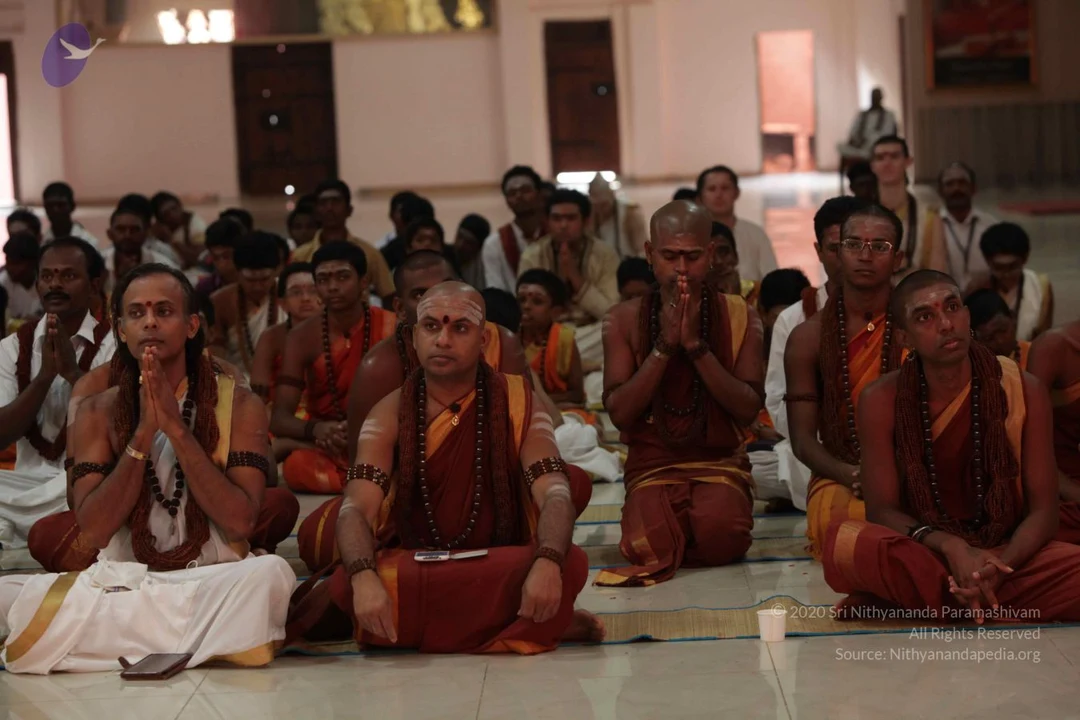
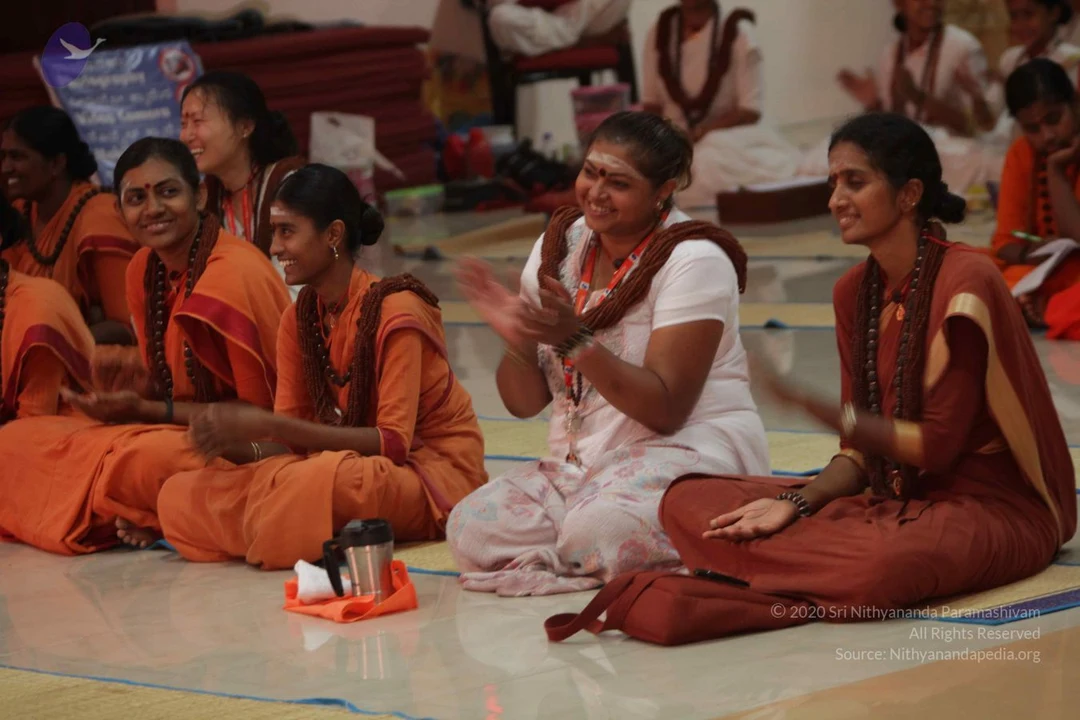
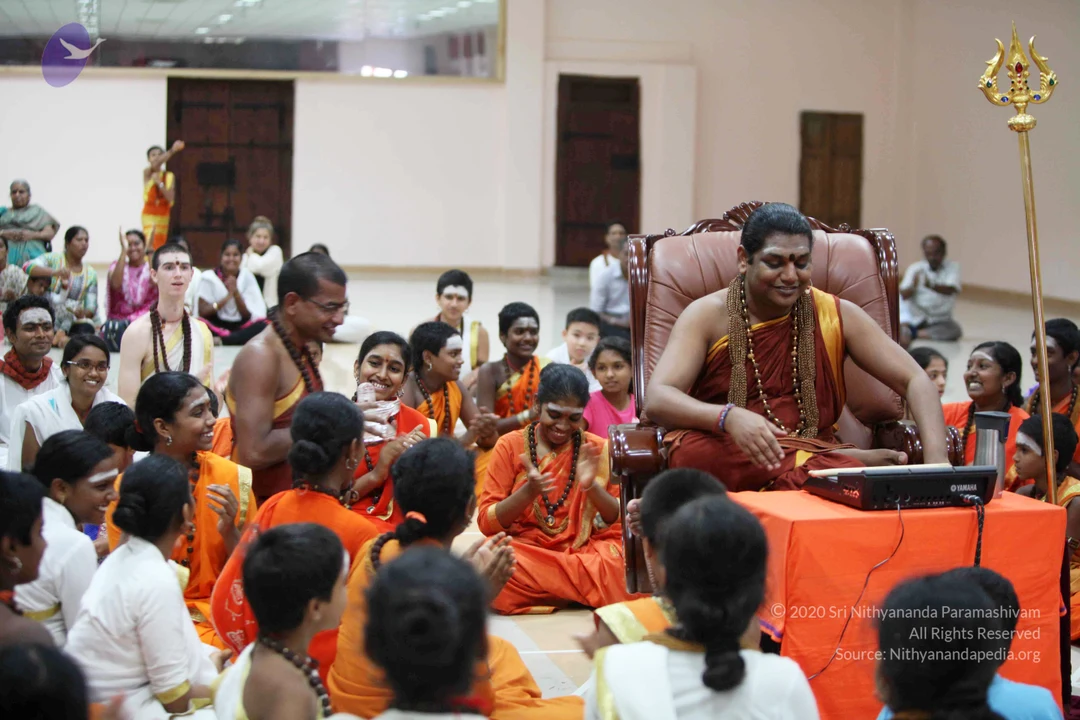
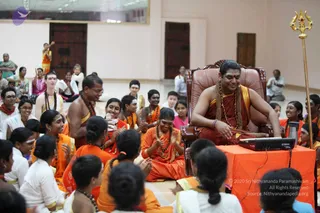
A photograph of an indoor satsang hall with a seated teacher in a central raised leather armchair, wearing a rust-red and saffron robe with layered rudraksha-style beaded necklaces and a bold tilak on the forehead. Beside the chair stands a tall golden trident. He sits behind a low table draped in orange cloth with a keyboard on top. Around him sit many devotees in orange and saffron robes, some in white, with beaded necklaces and white tilak marks, many clapping or with hands folded. Some children and adults sit in the foreground, and a few onlookers sit along the walls and near the doors. Several people stand or sit in the background.