Skip to content
Sunday

16 July 2006

அறிவியல் பூர்வமாக நிரூபித்த ஆன்மிக சத்தியங்களும் மற்றும் சப்தயாகத்தின் பலன்களும்

Dated photos
405
Source pages
1
Media
3
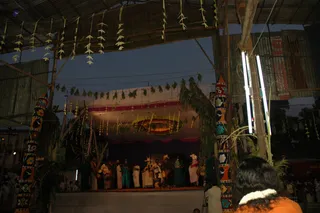
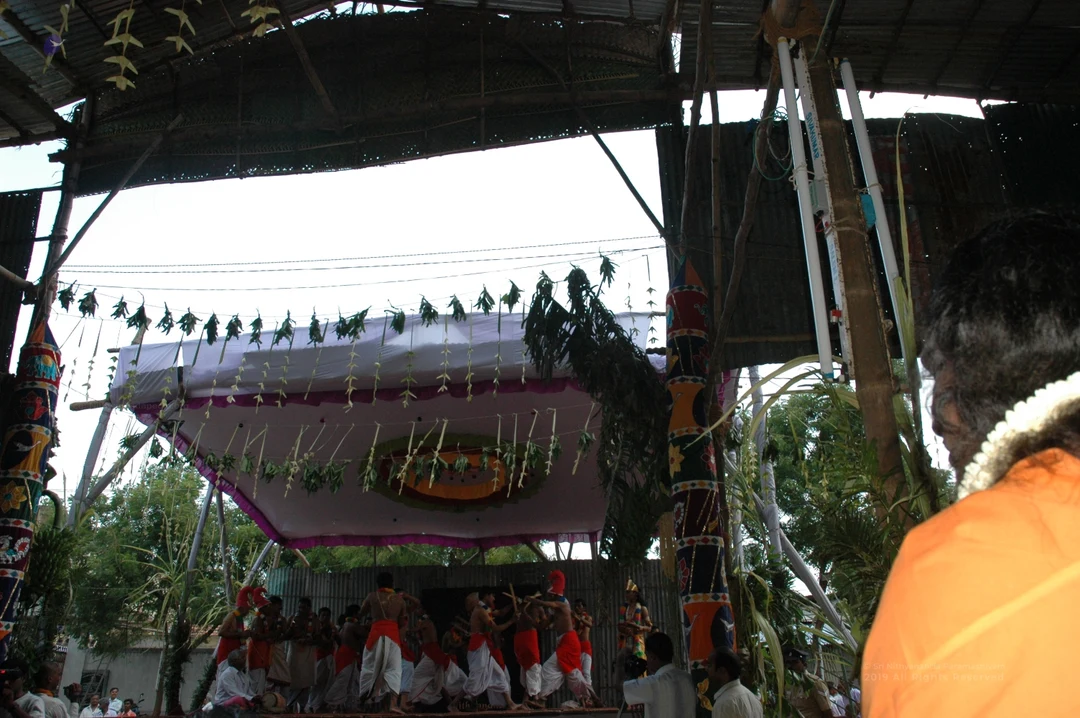
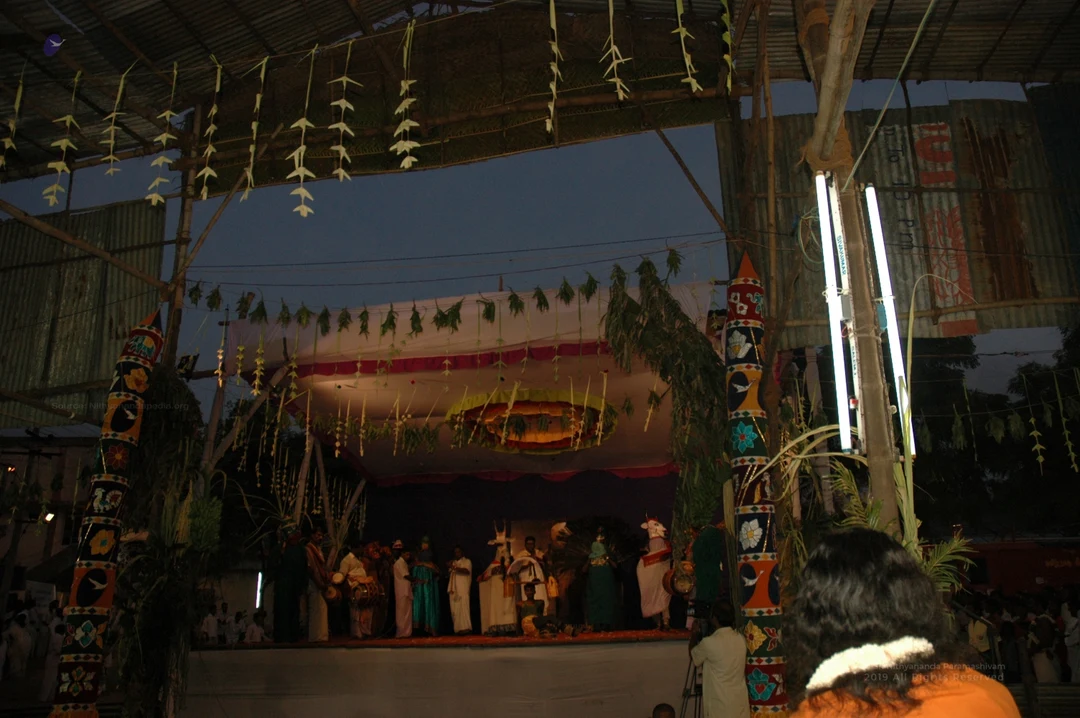
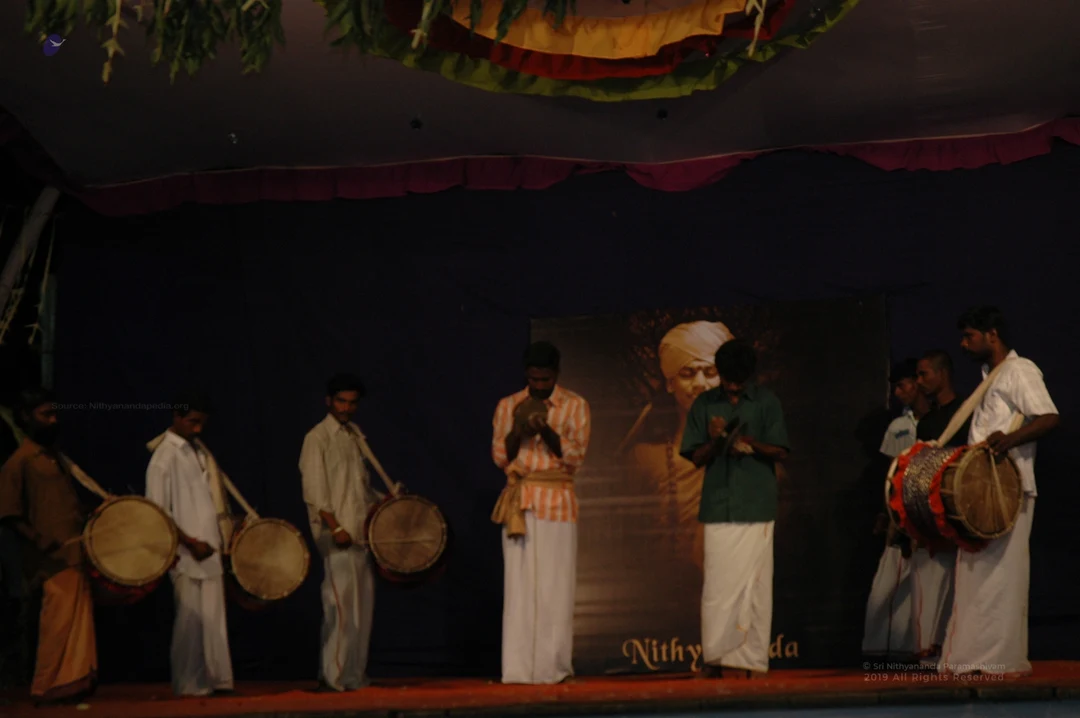
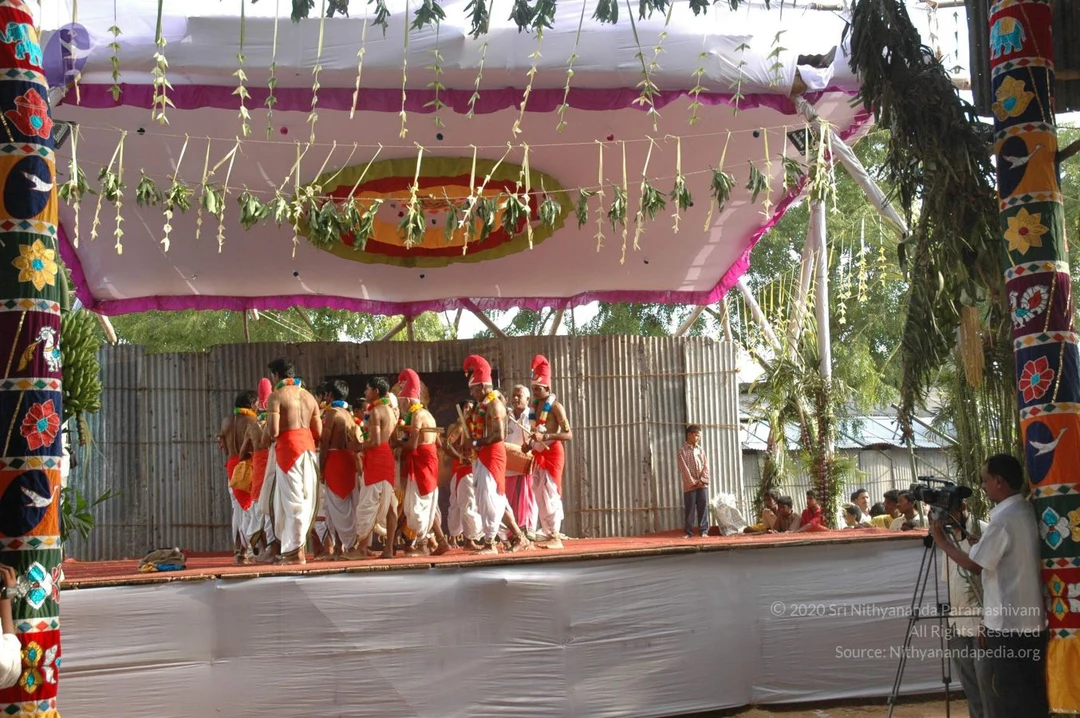
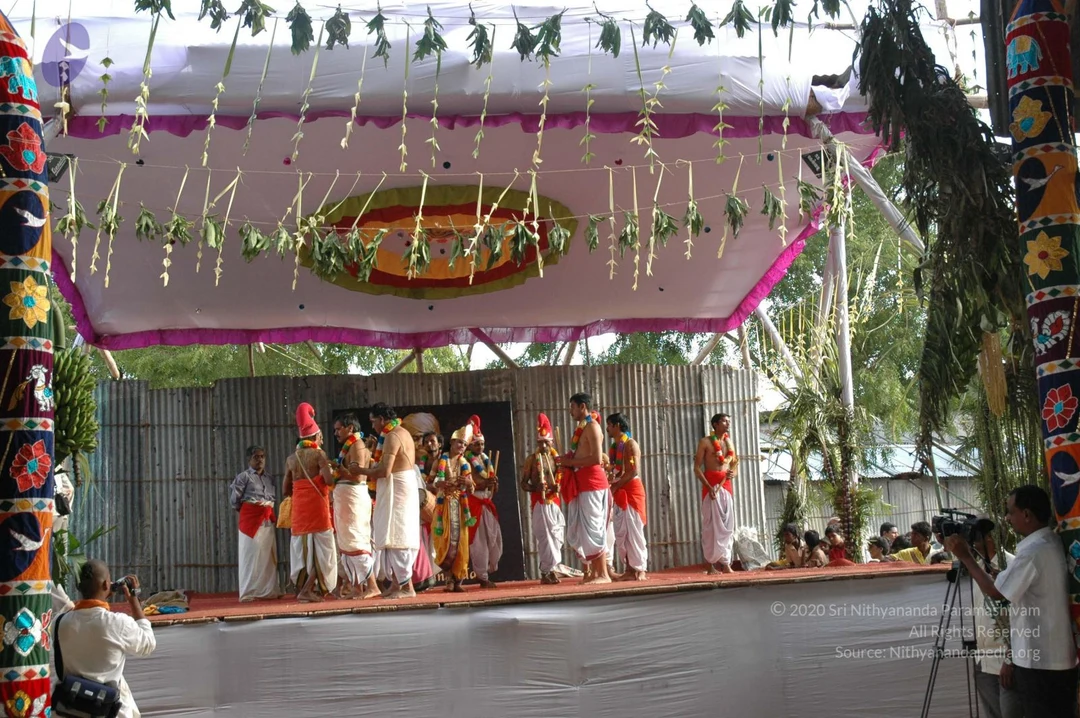
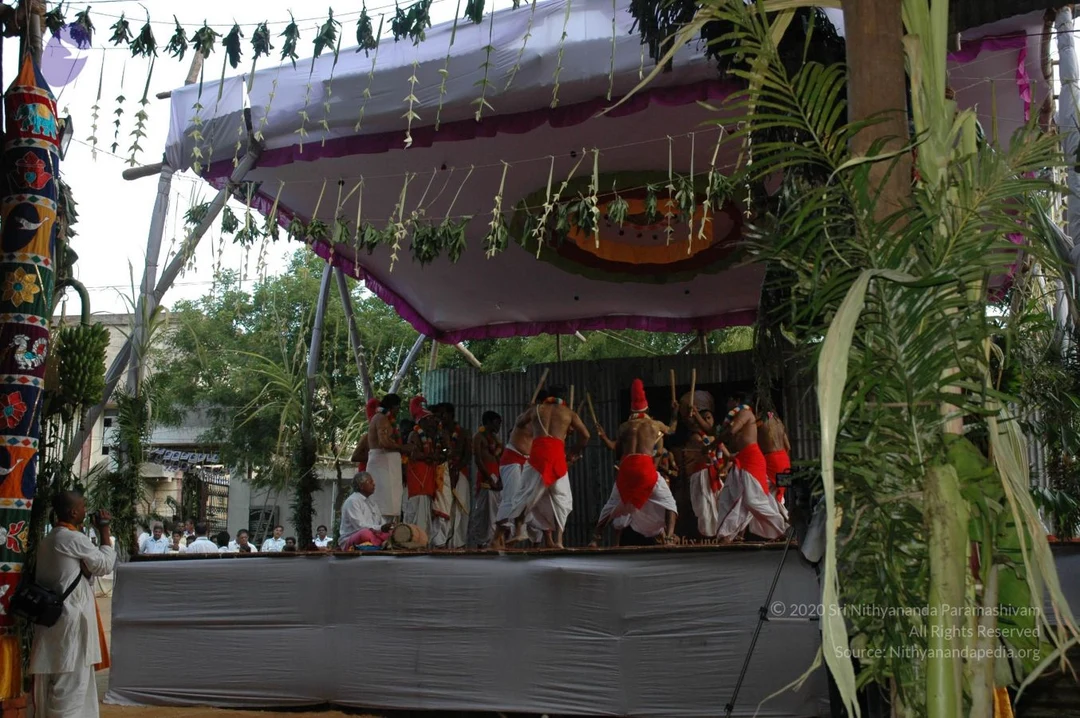
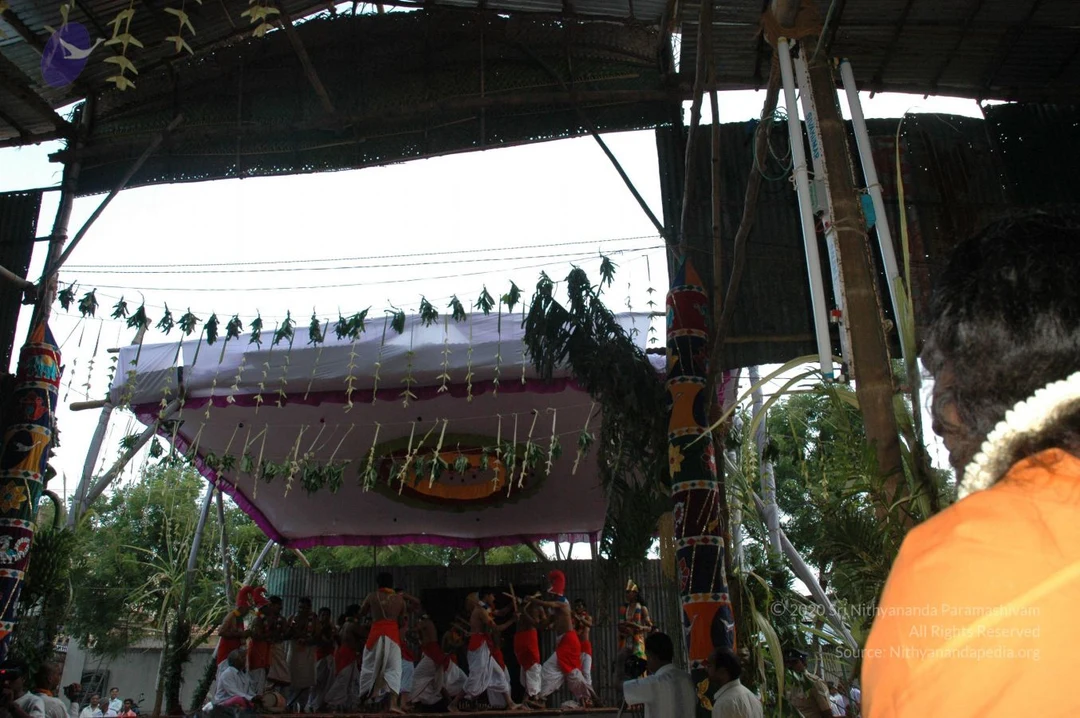
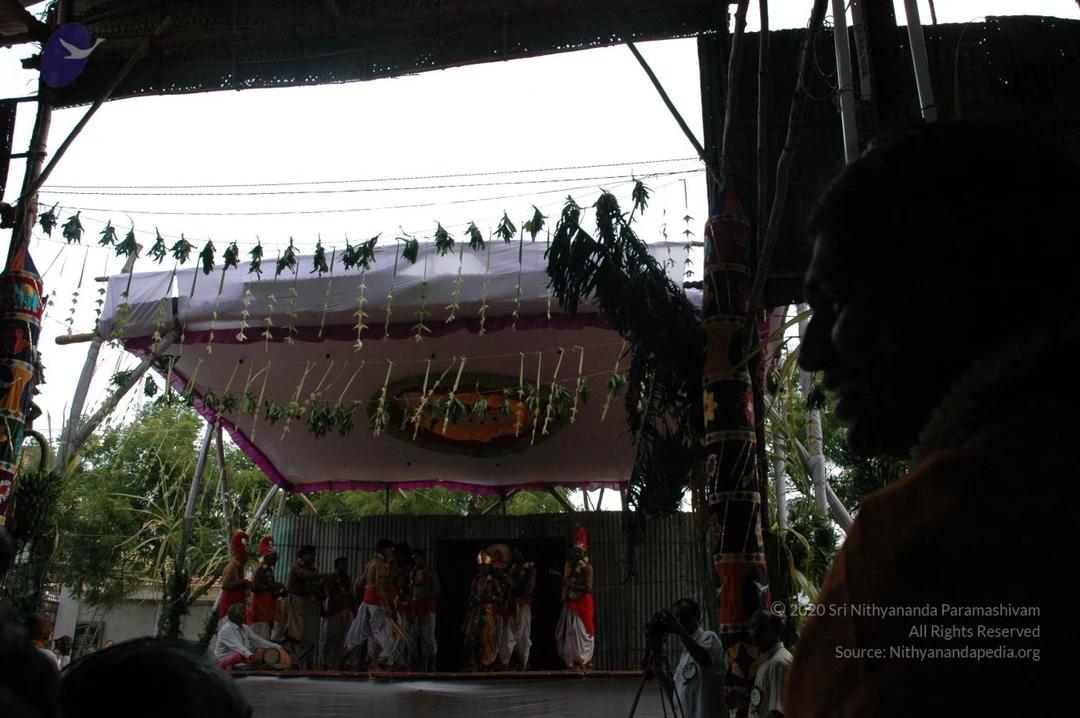
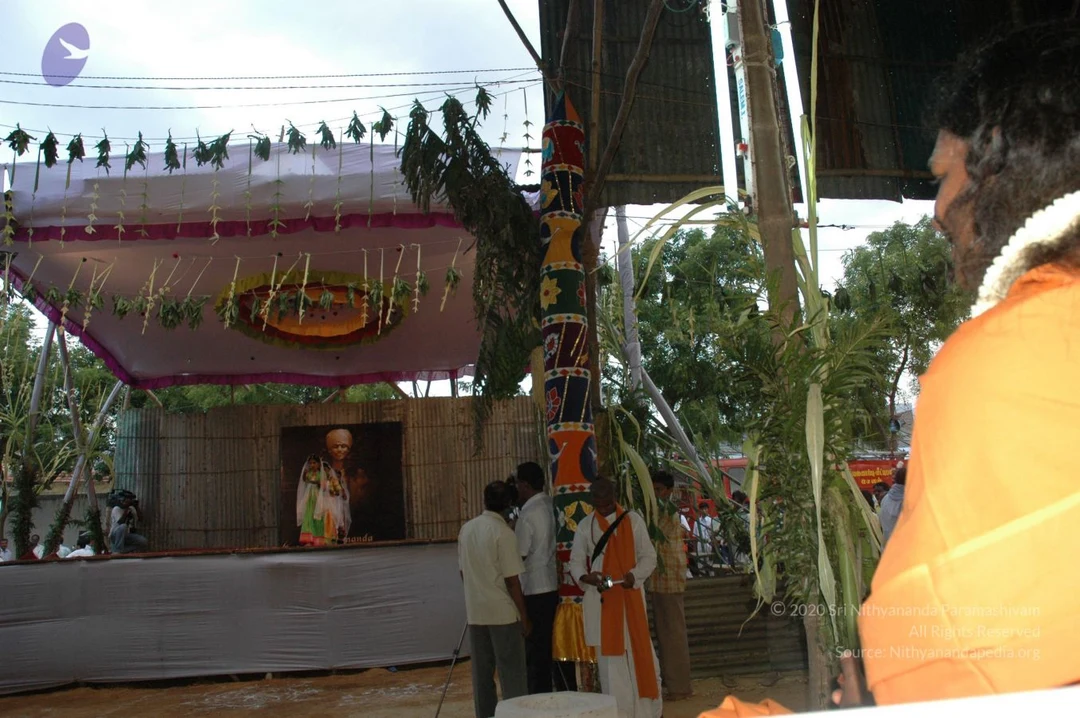
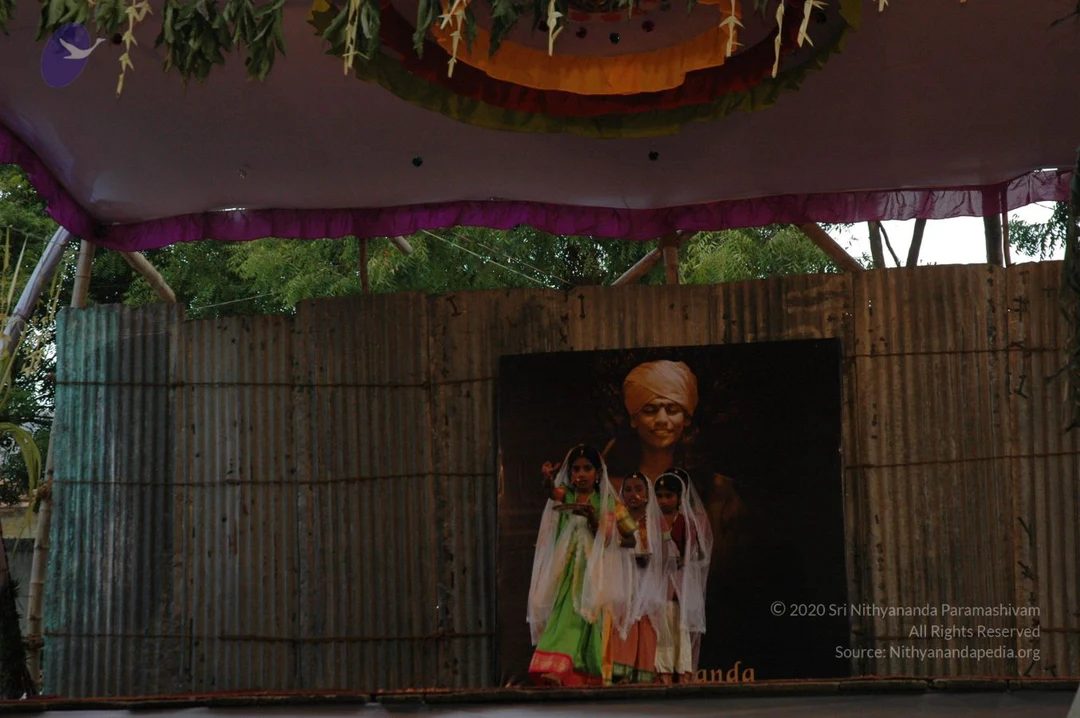
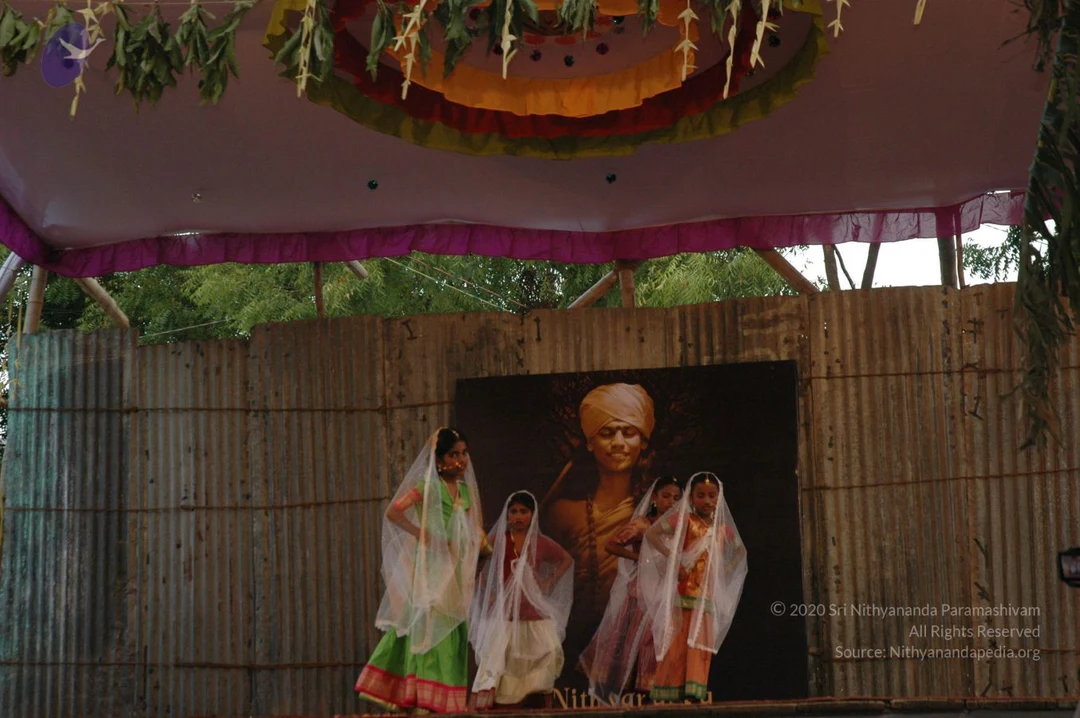
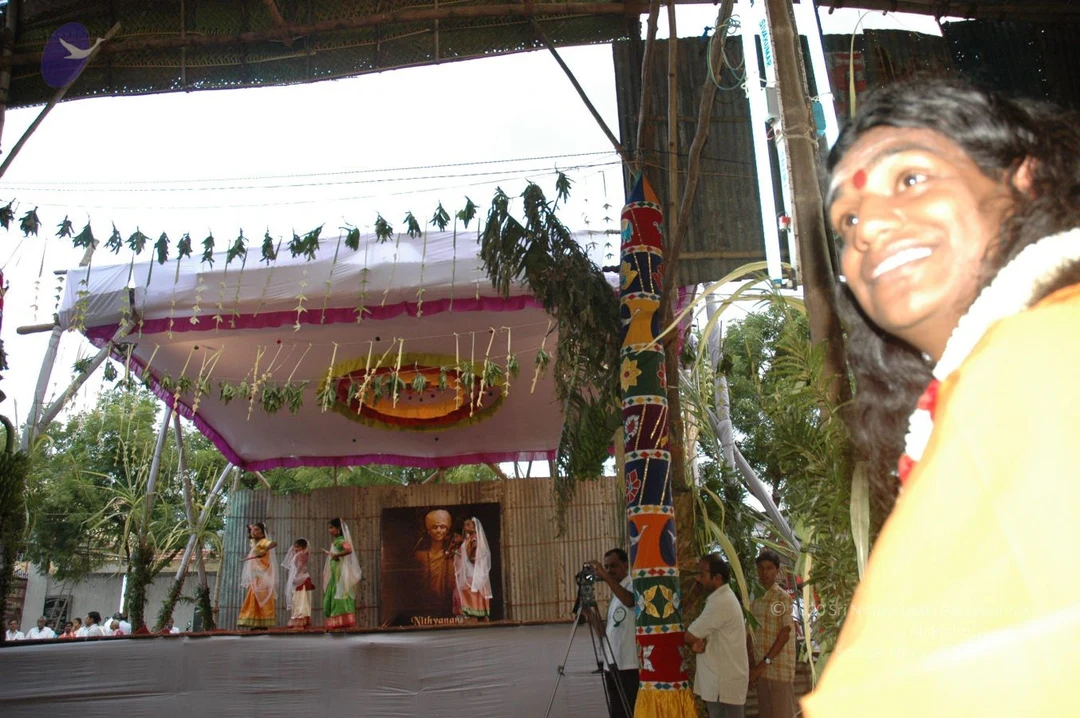
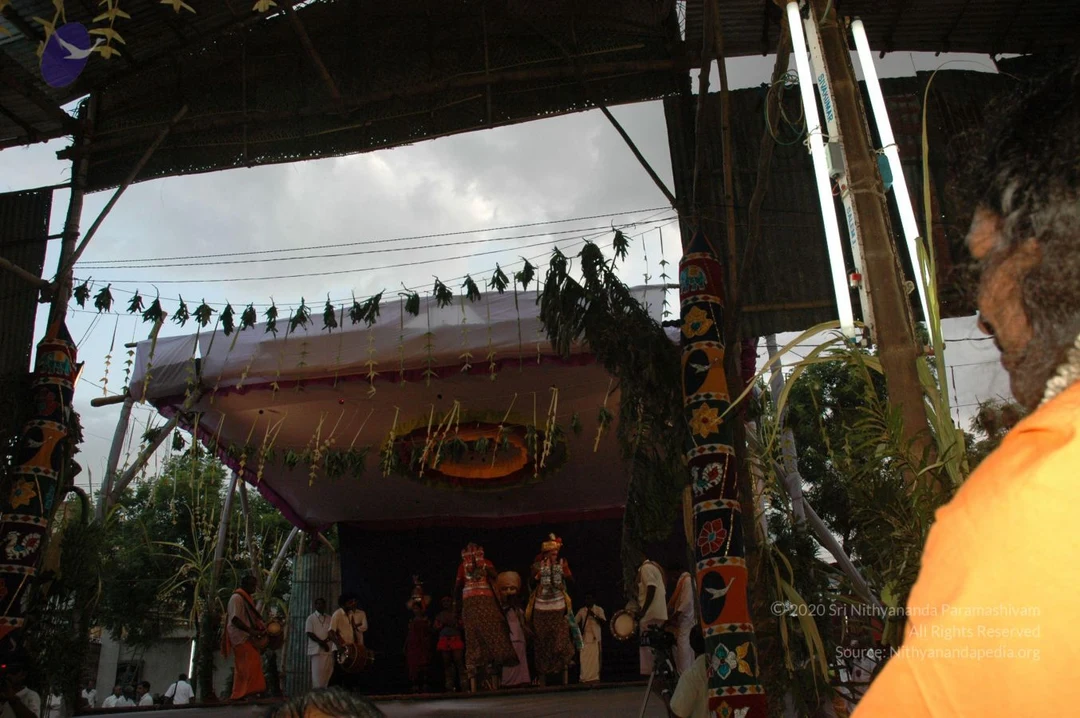
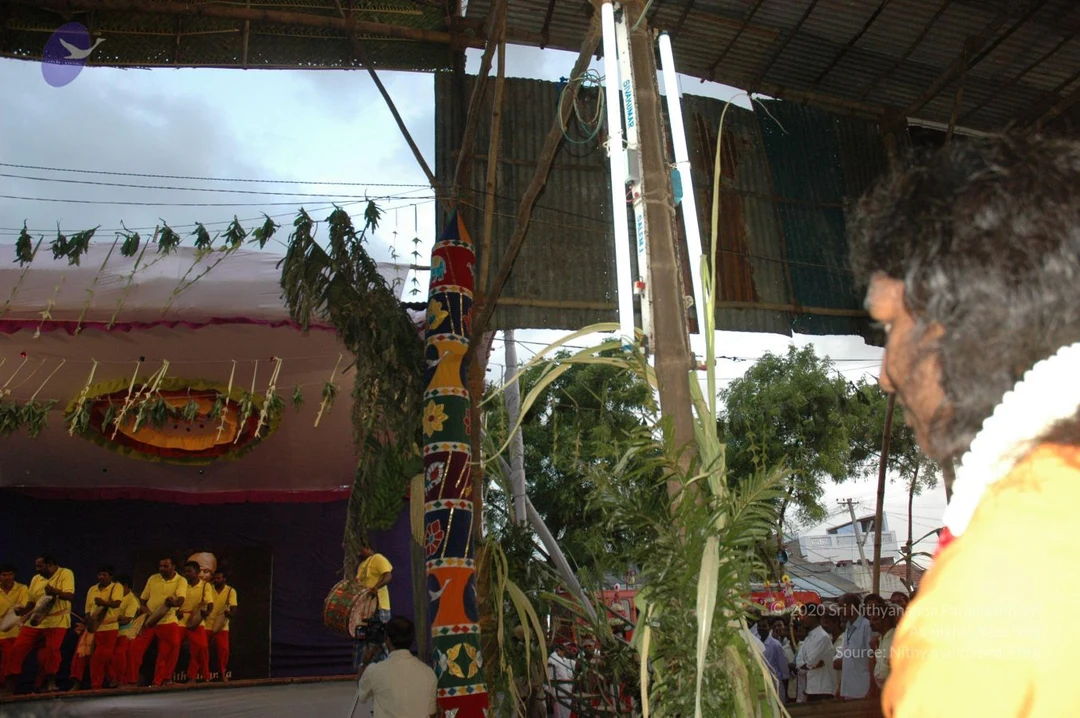
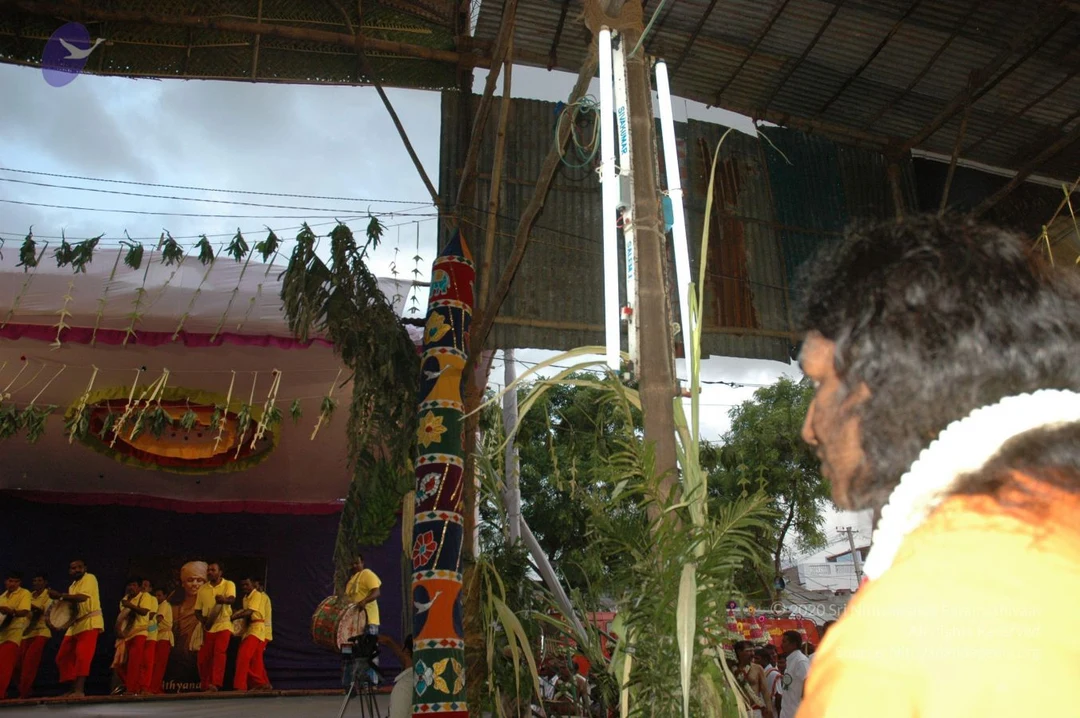
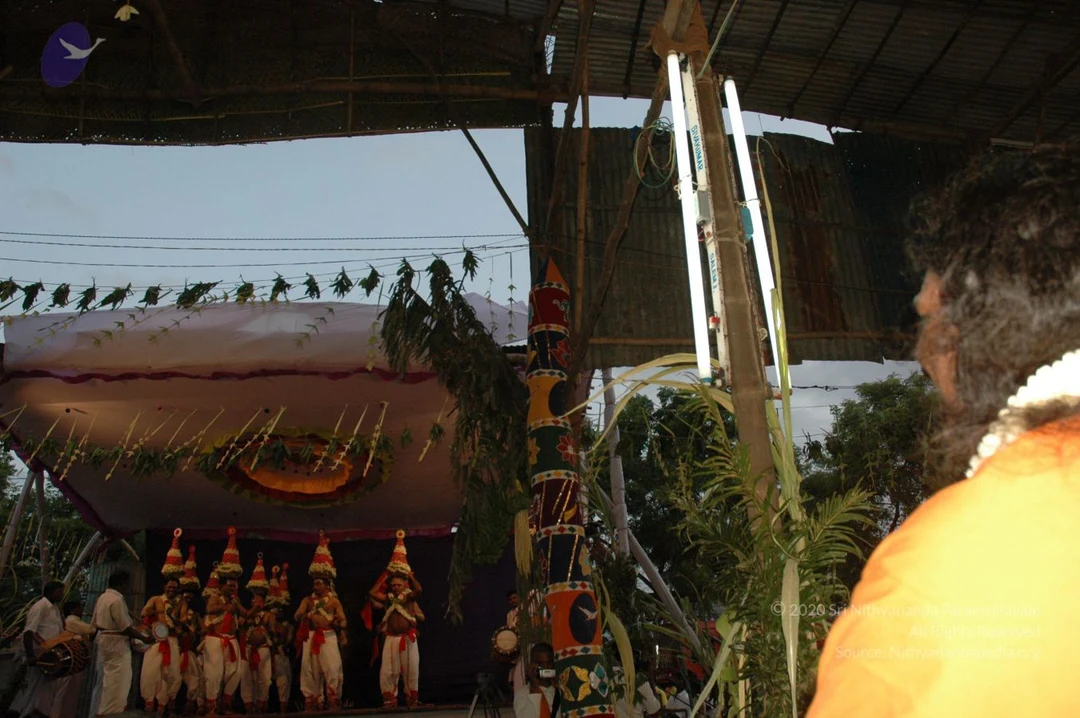
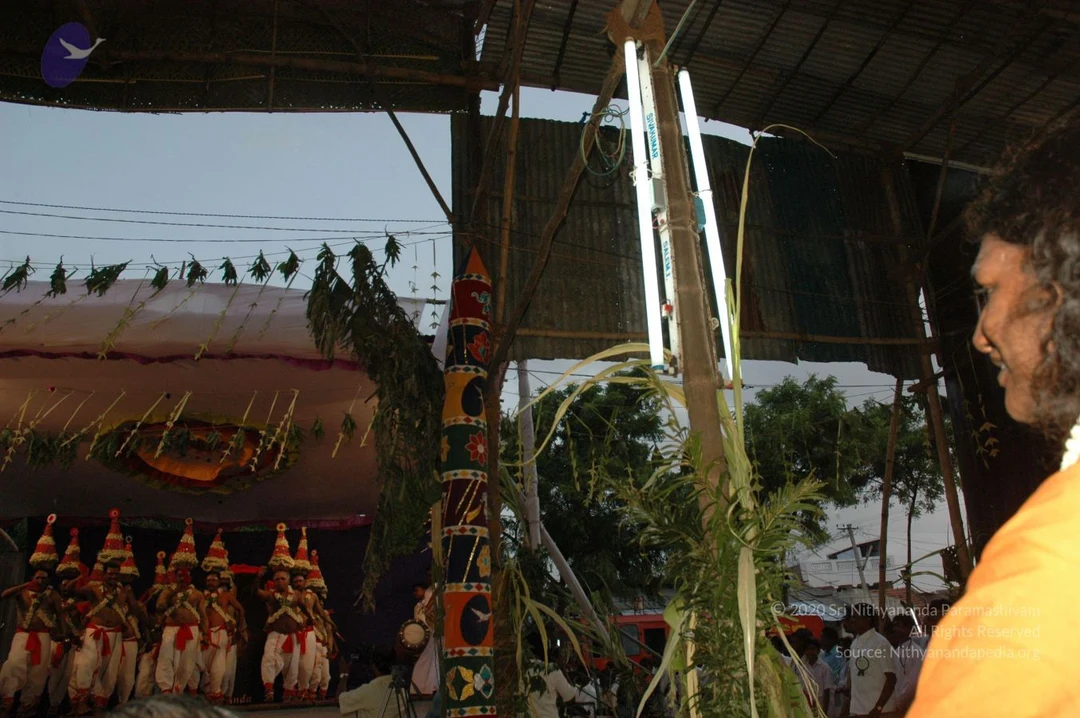
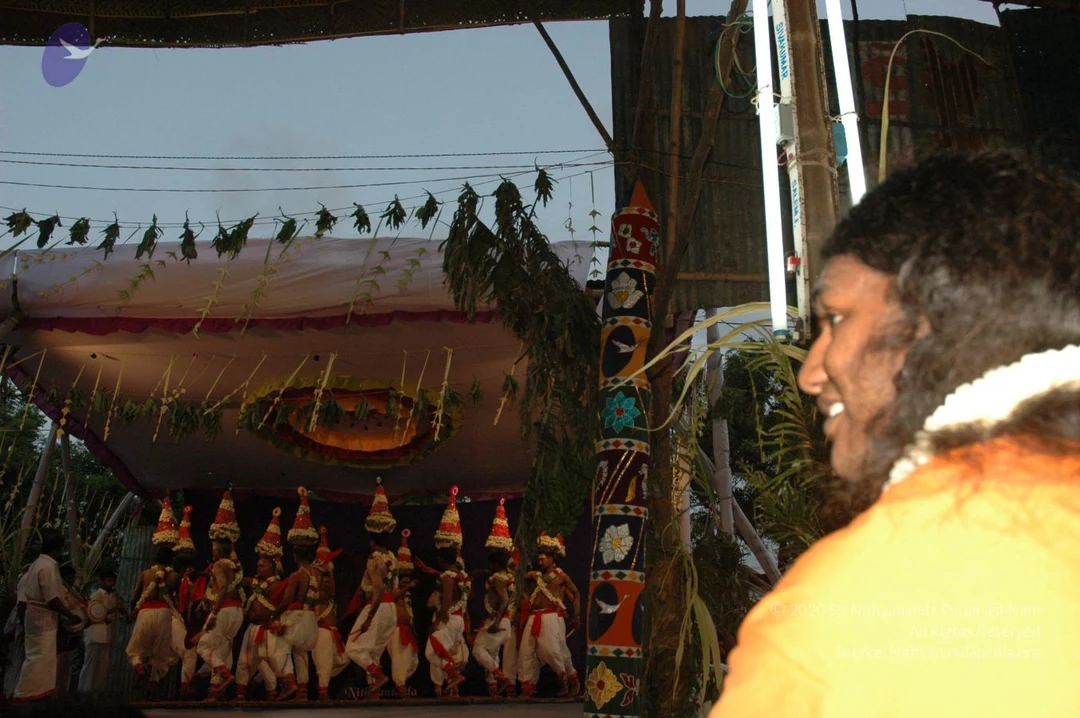
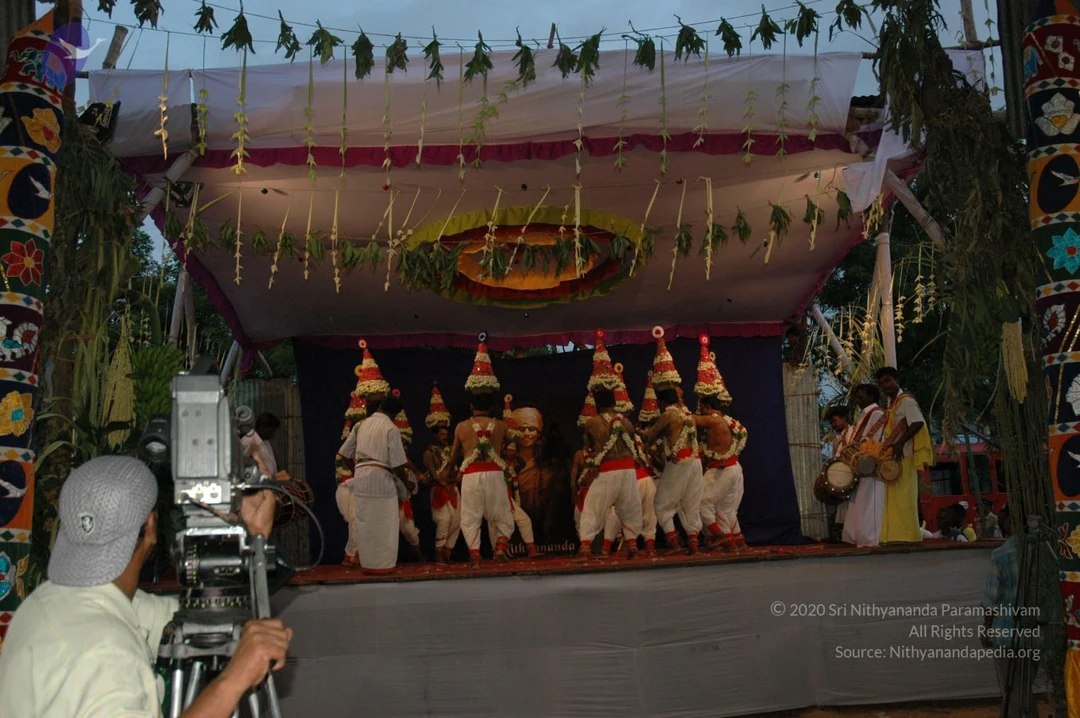
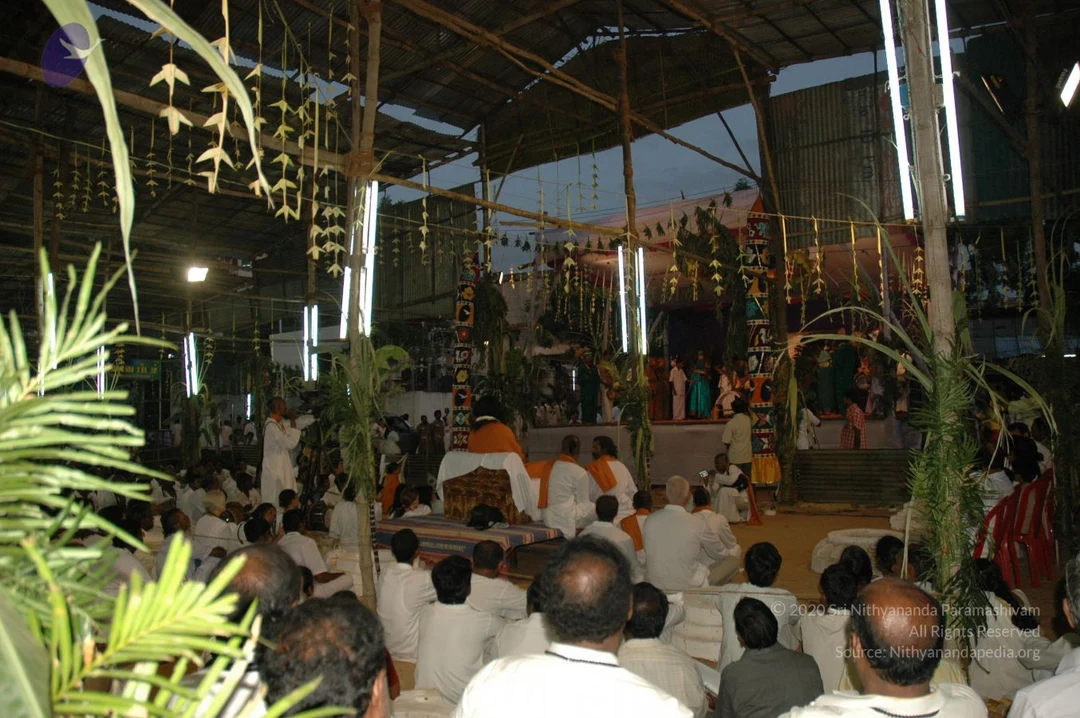
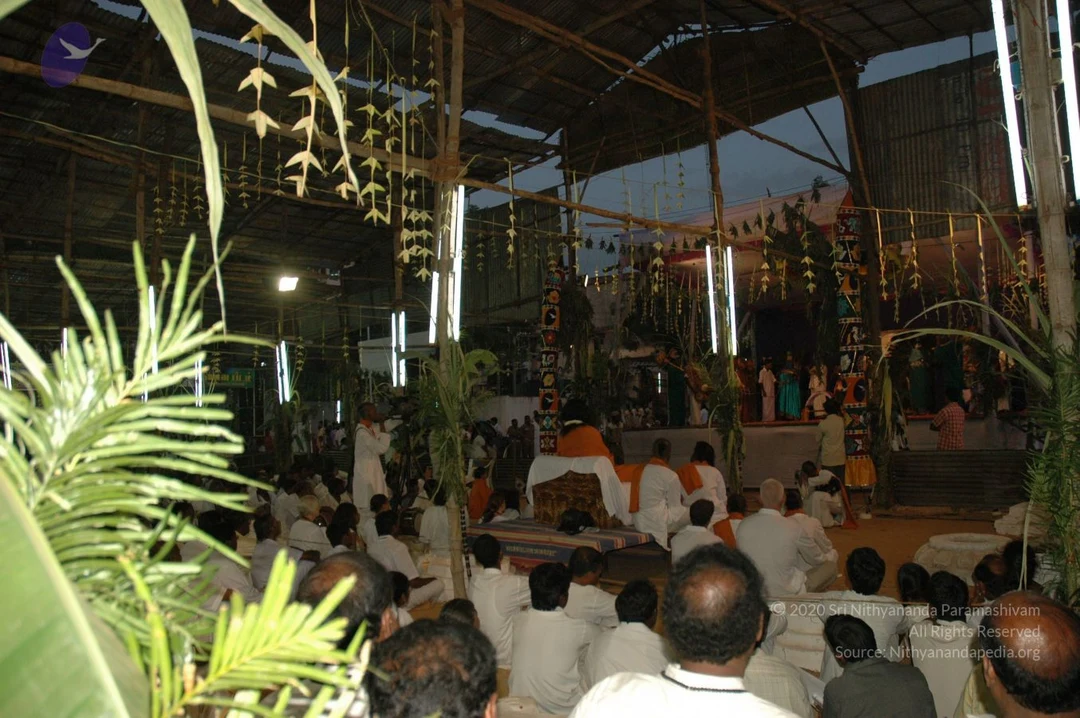
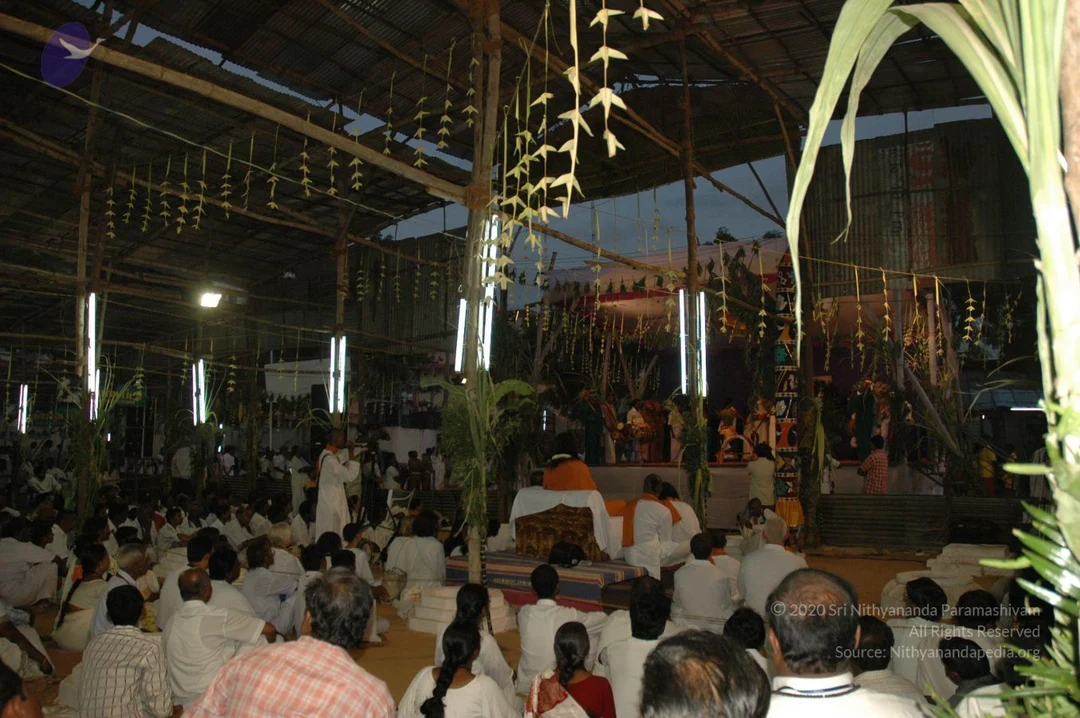
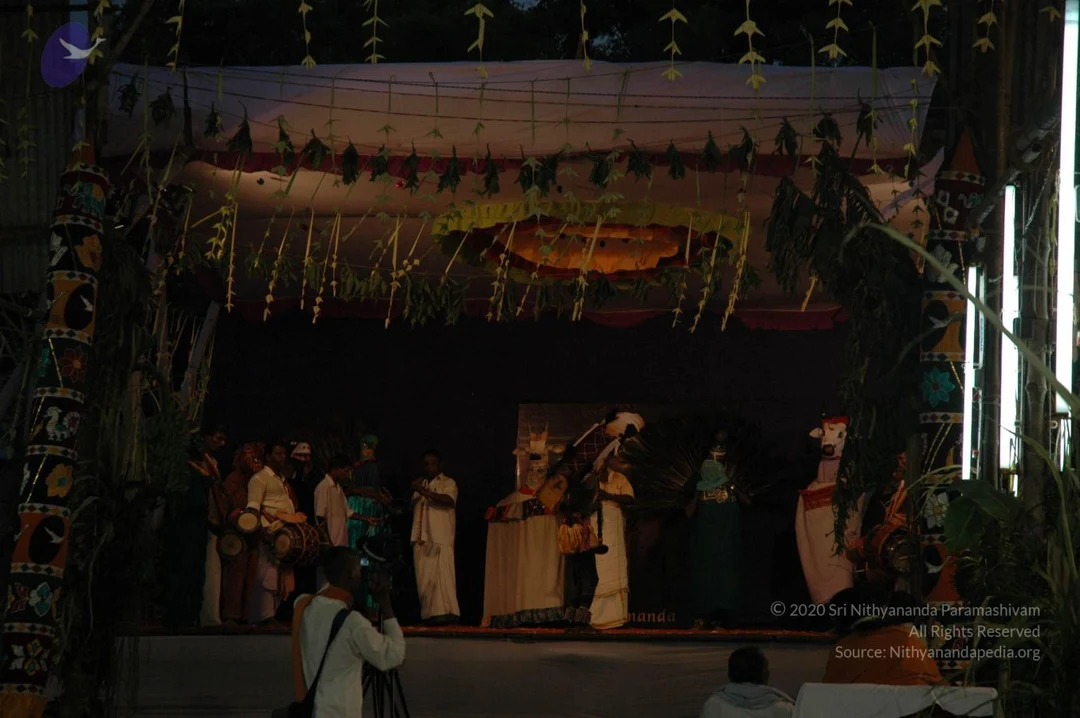
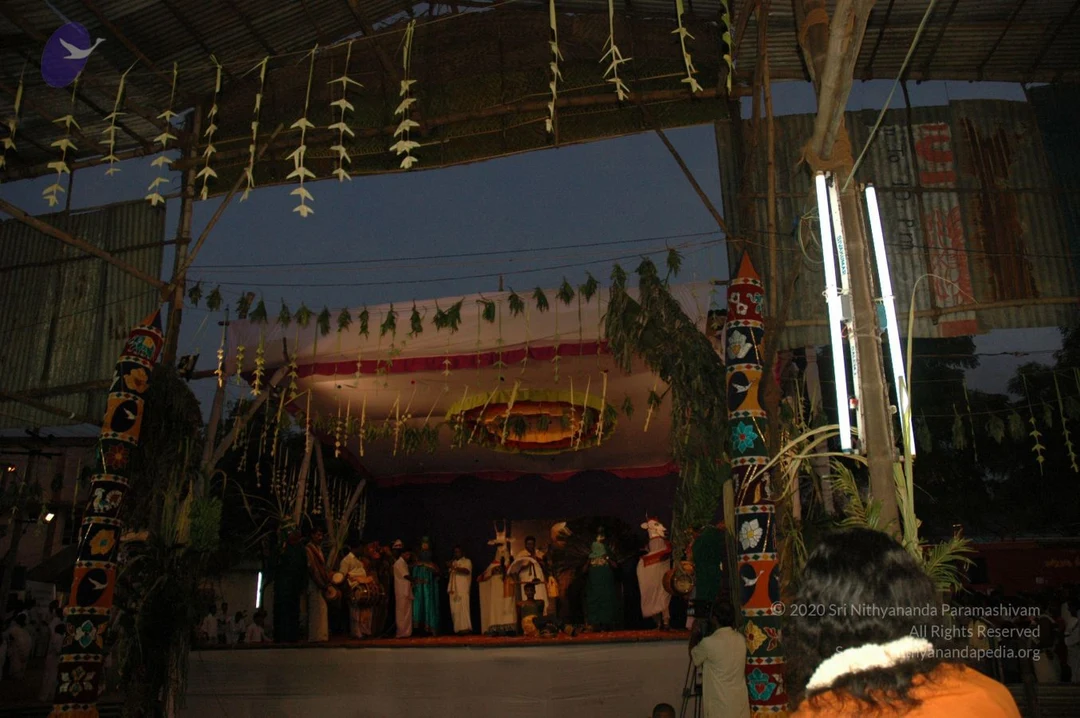
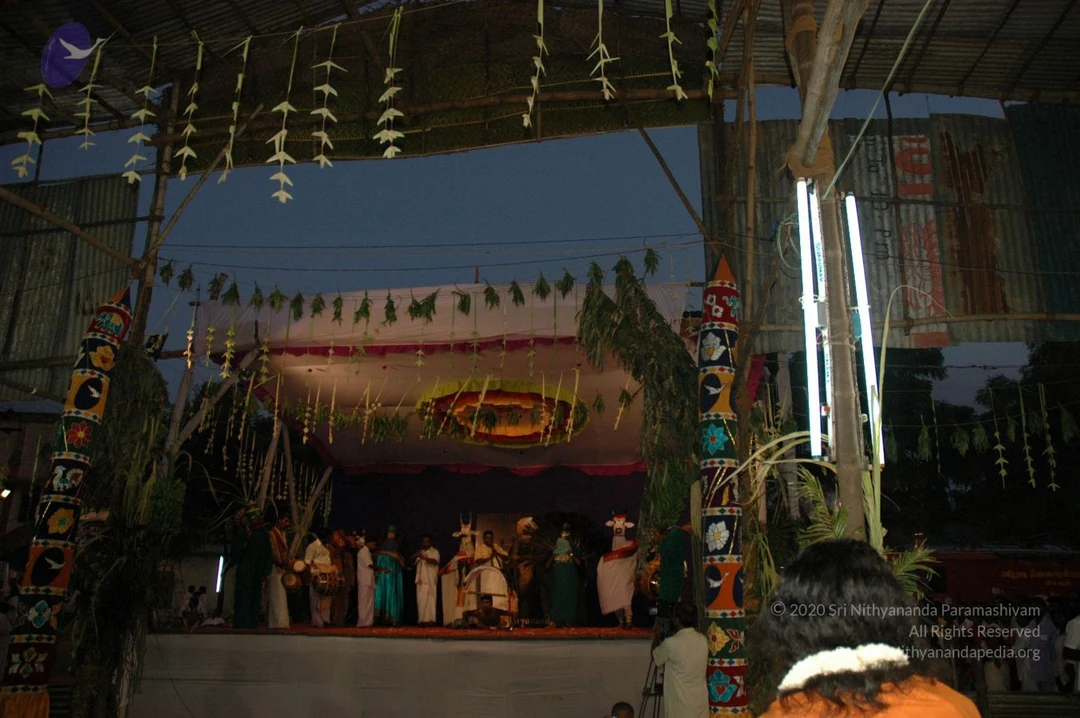
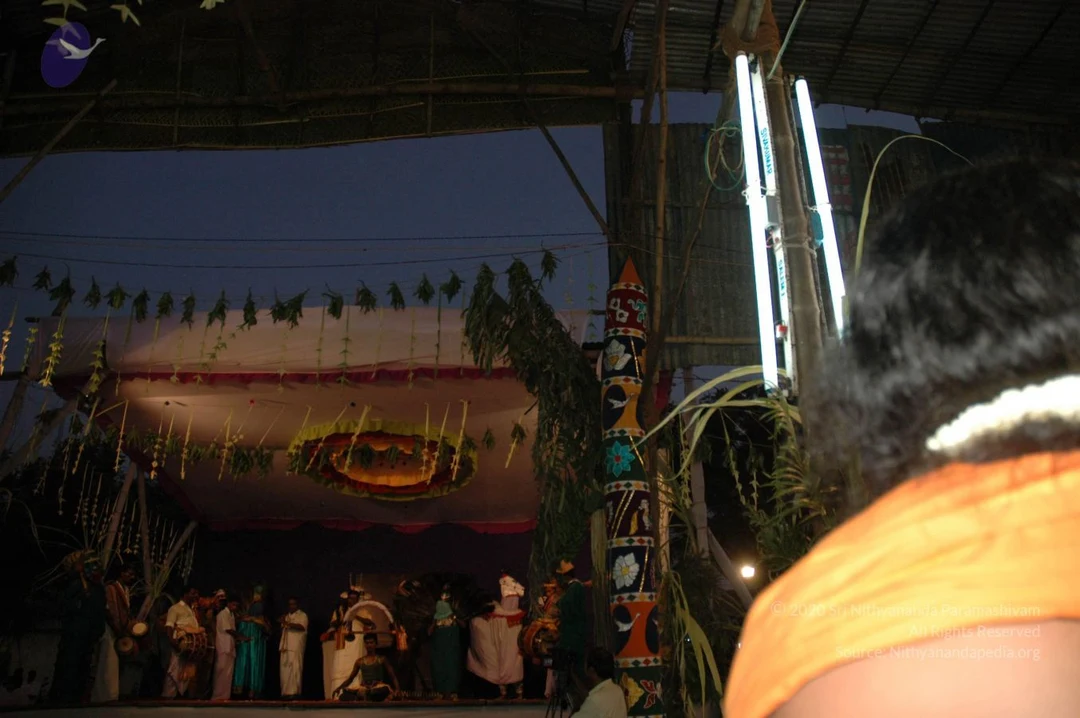
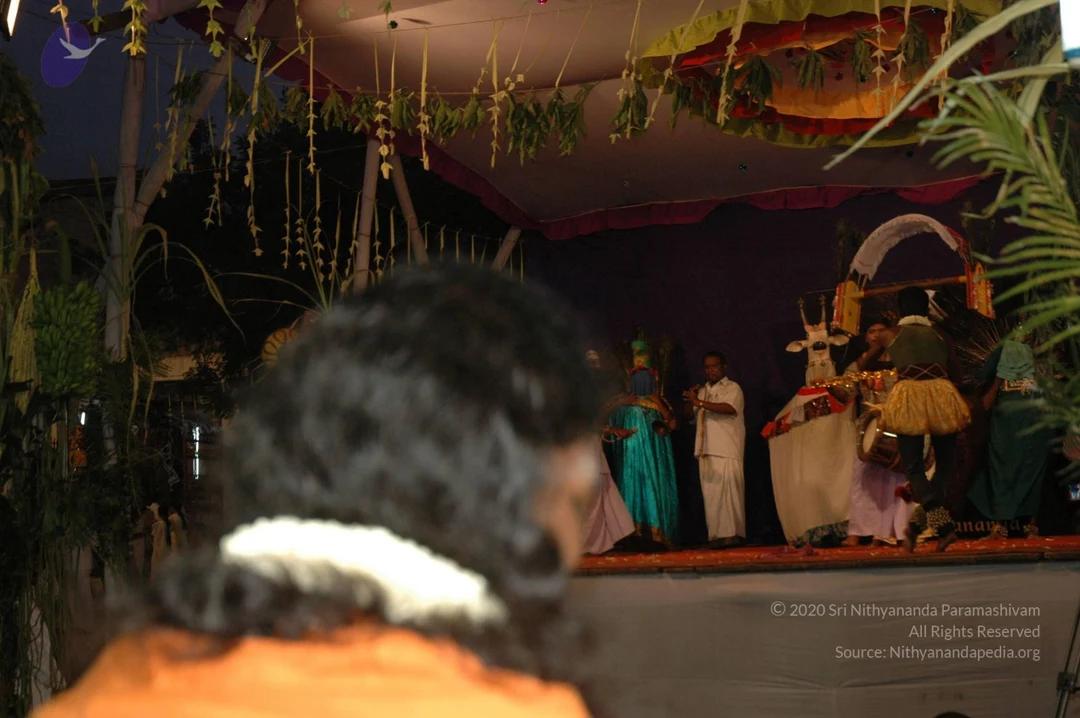
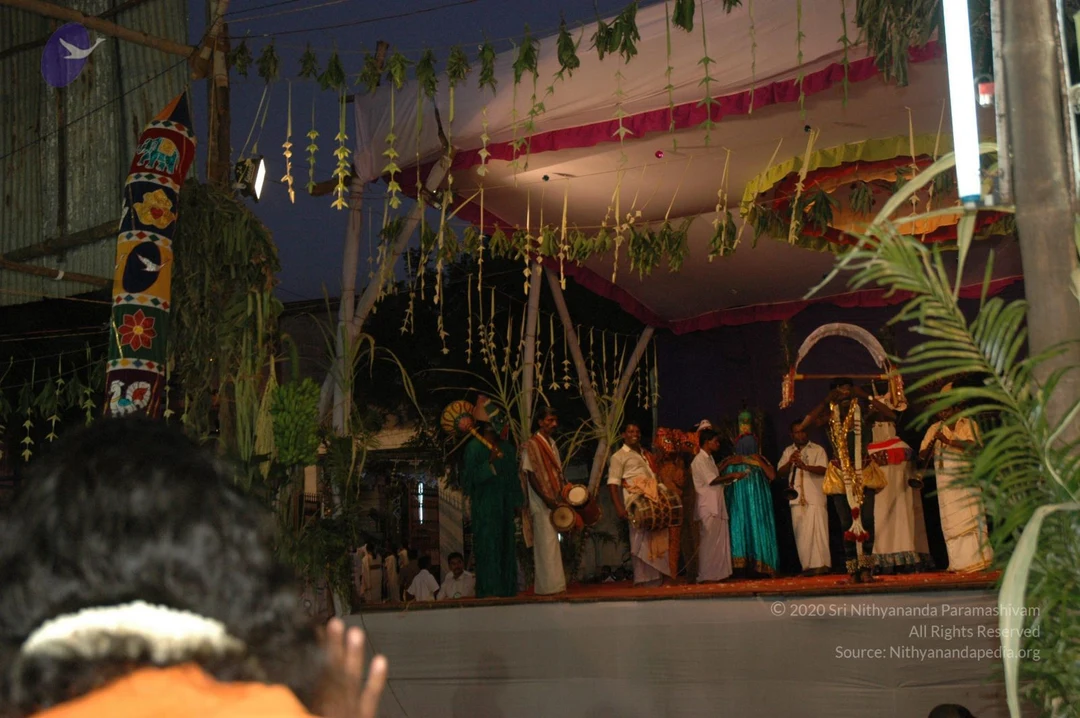
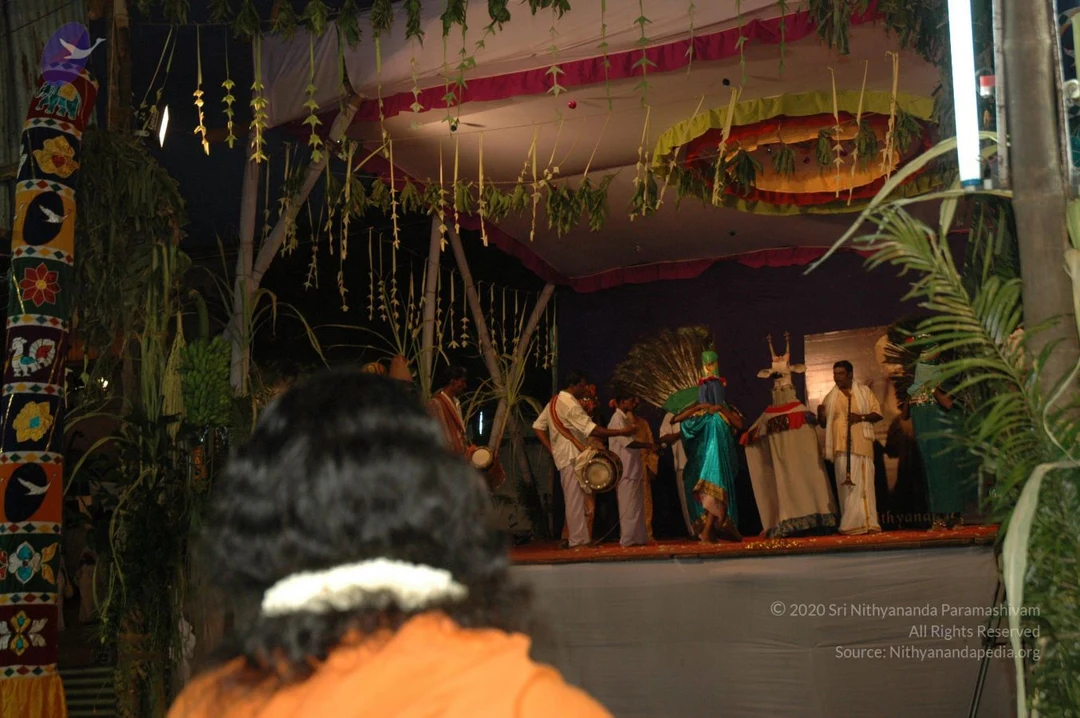
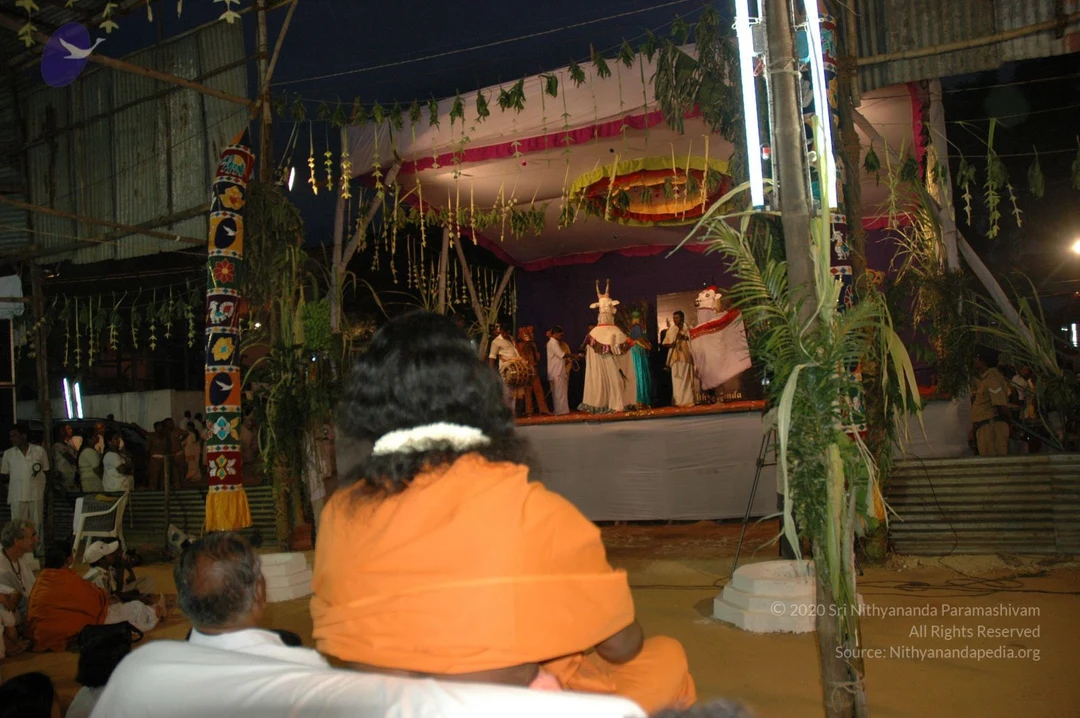
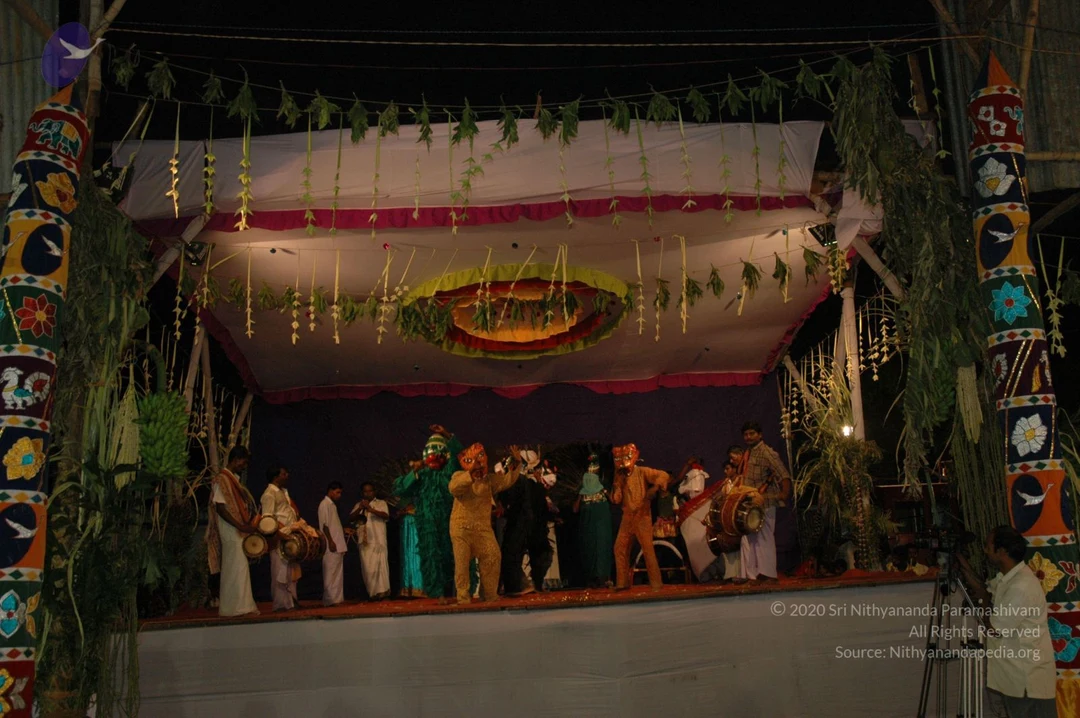
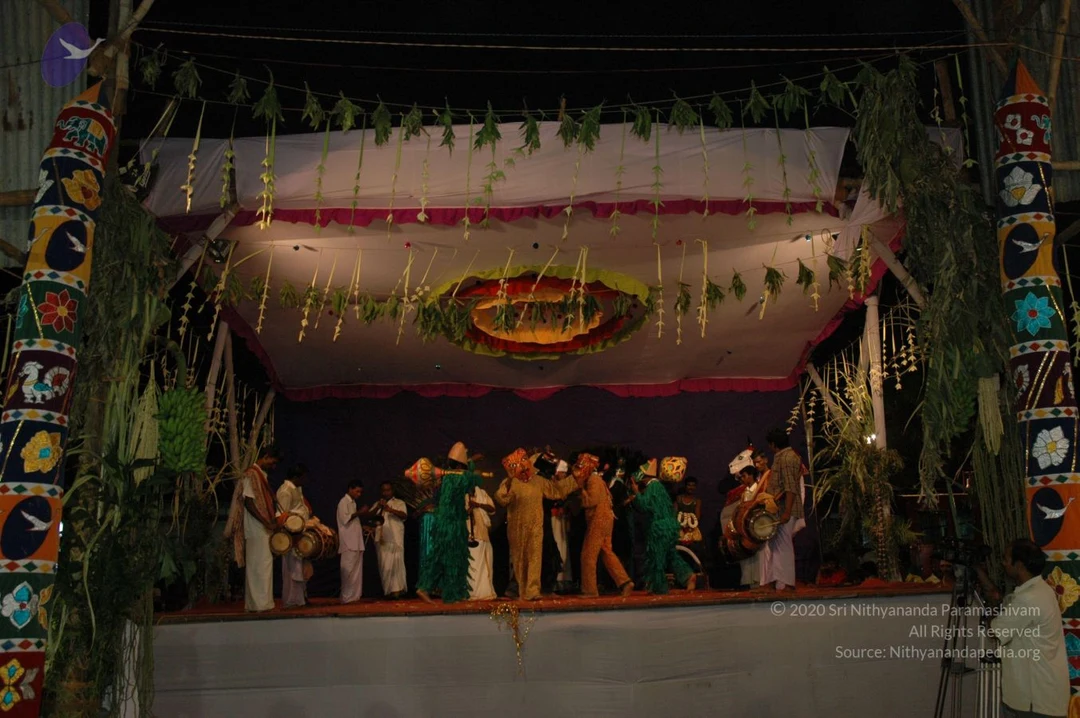
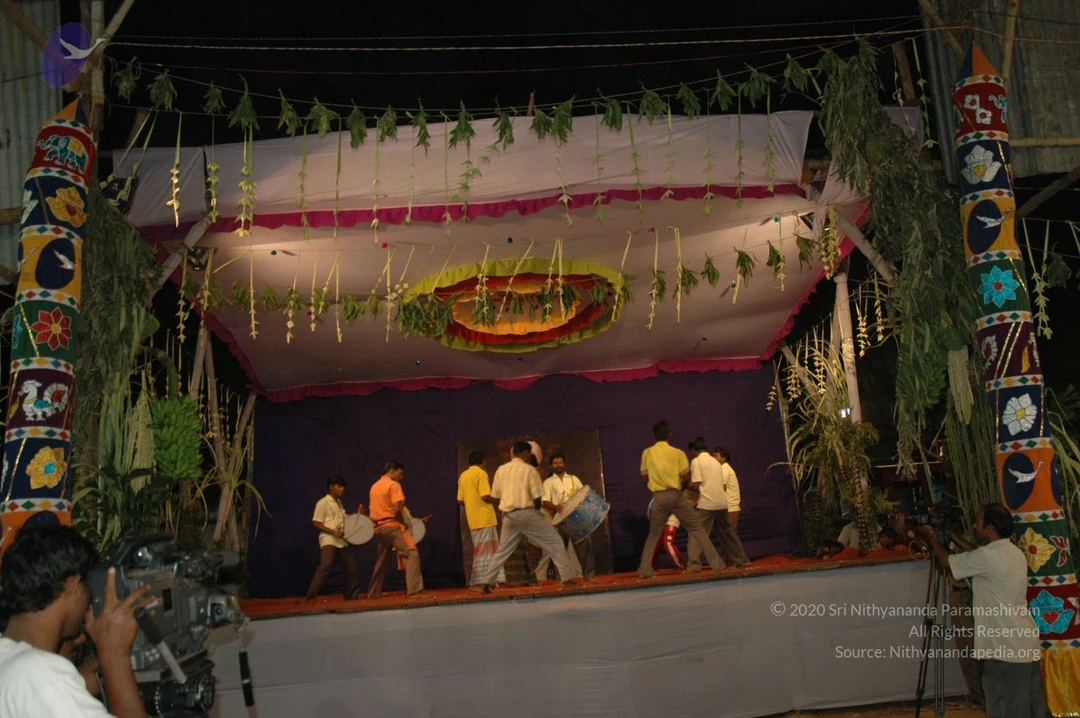
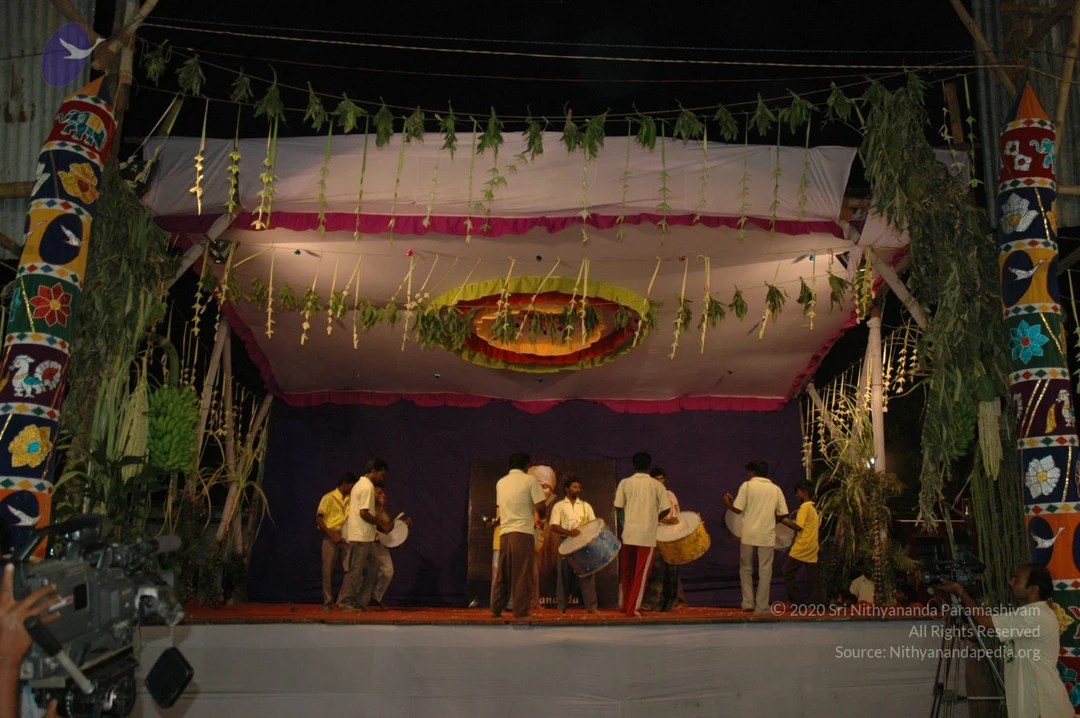
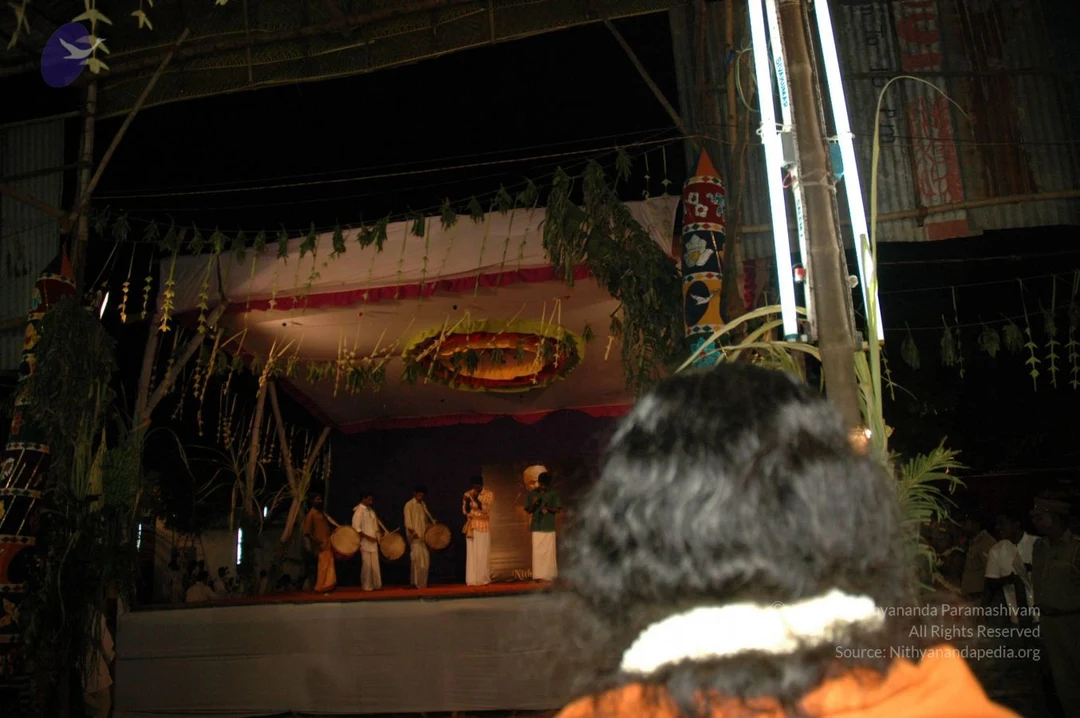
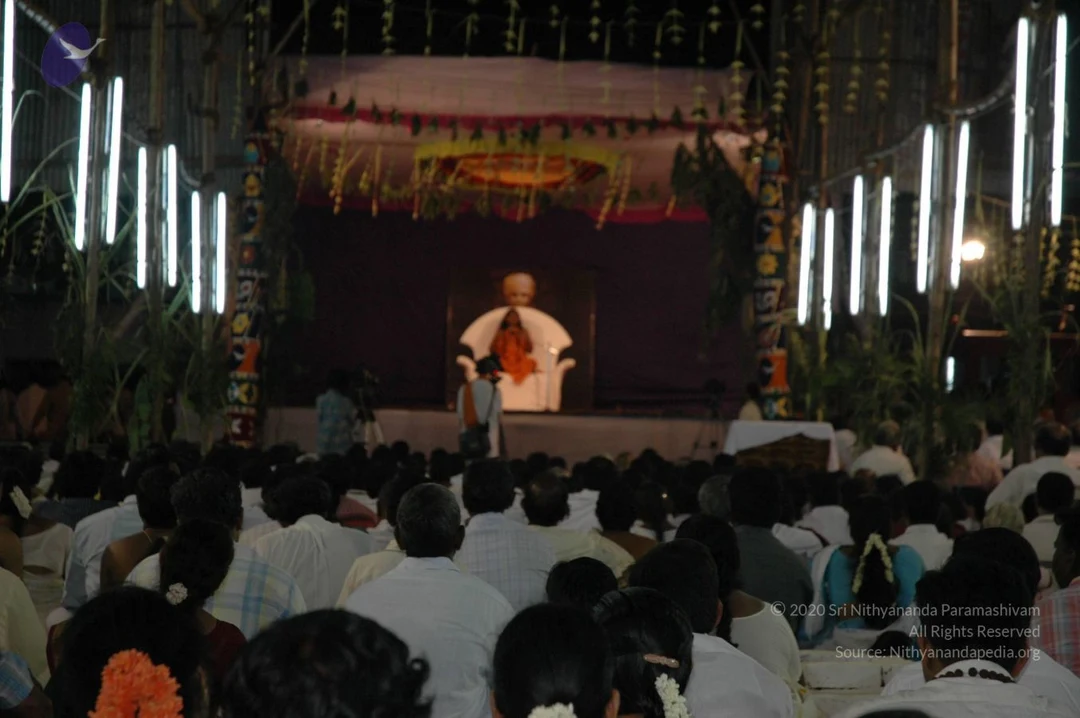
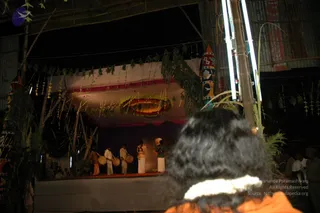
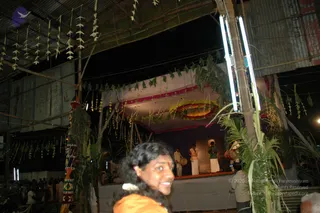
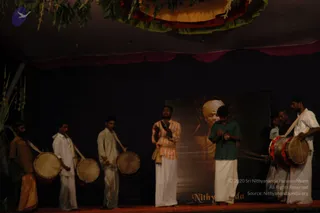
Evening photograph of an open-sided outdoor pandal decorated with hanging leaf garlands, white and red drapery, and painted pillars wrapped in colourful floral patterns. On a raised stage below, a row of performers in white dhotis, green and teal costumes and headdresses stands among drums and ceremonial items. In the foreground at right, the back of a person with long dark hair wearing an orange garment and white shawl faces the stage. A few other people stand at the edges. Bright tube lights hang from the right-hand post.

July 16 2006

Original wiki page
Contents

Title

அறிவியல் பூர்வமாக நிரூபித்த ஆன்மிக சத்தியங்களும் மற்றும் சப்தயாகத்தின் பலன்களும்

Description

Tamil satsang delivered on 16th July 2006 at Salem during Sapthayagam.

Sapta Yaagam – 16, 17, 18 Jul 2006, Salem, India

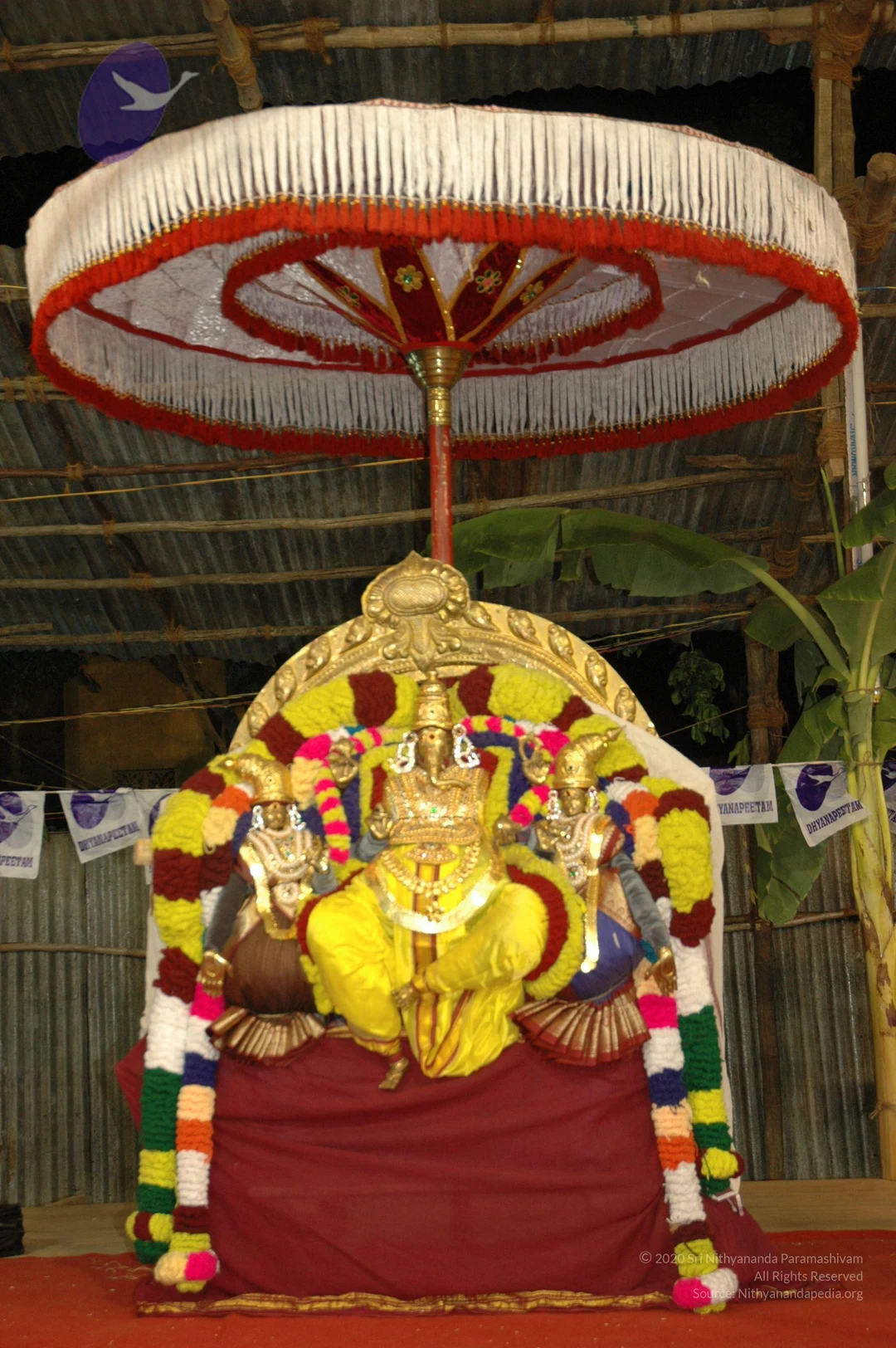
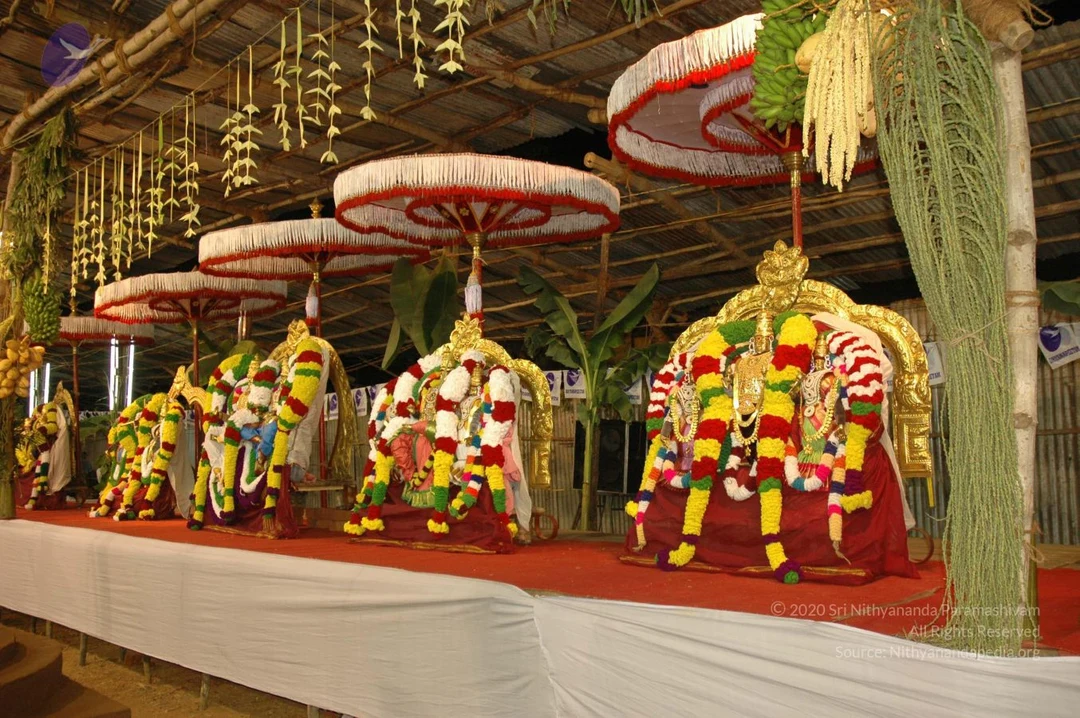
On 16, 17 and 18 July, people of Tamilnadu witnessed a yajna (offering of fire) on a humongous scale performed by Bhagawan Sri Nithyananda Paramashivam himself. This yajna was an offering to the seven presiding deities for the seven chakras in the human system. The human system has seven major energy centers called the chakras. These chakras are associated with our various emotions that cause disturbance in the mind and therefore in the body. Each of these chakras is associated with a deity which when worshipped symbolically, takes one beyond the clutches of the associated emotions and liberates one in that sense. The seven deities are:

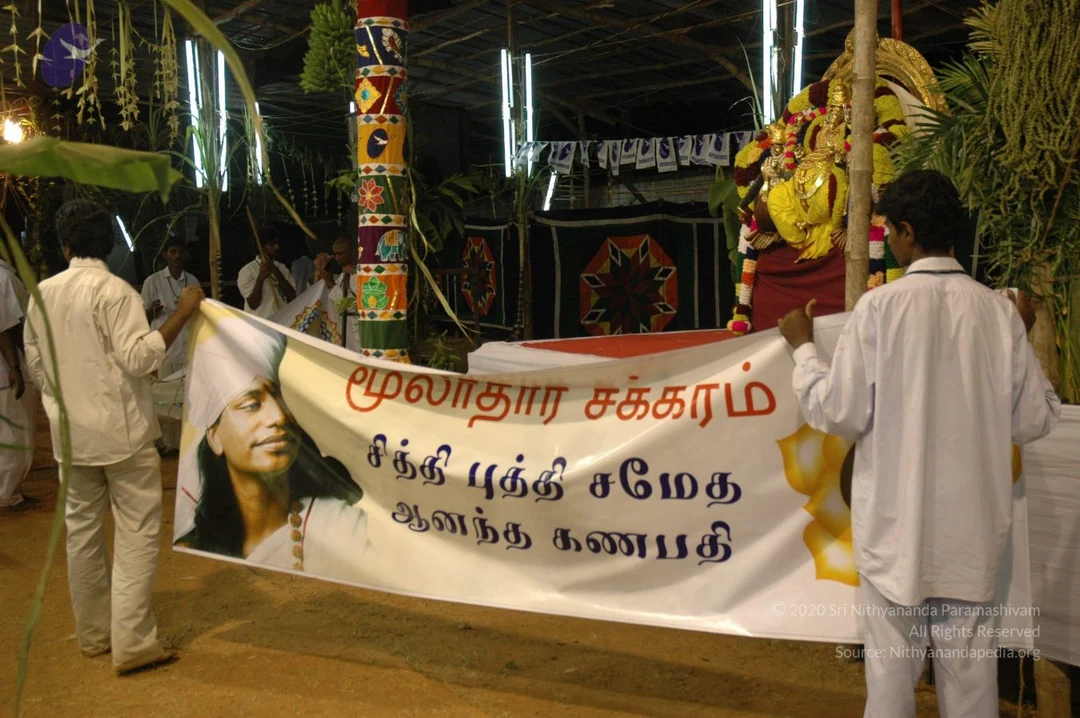
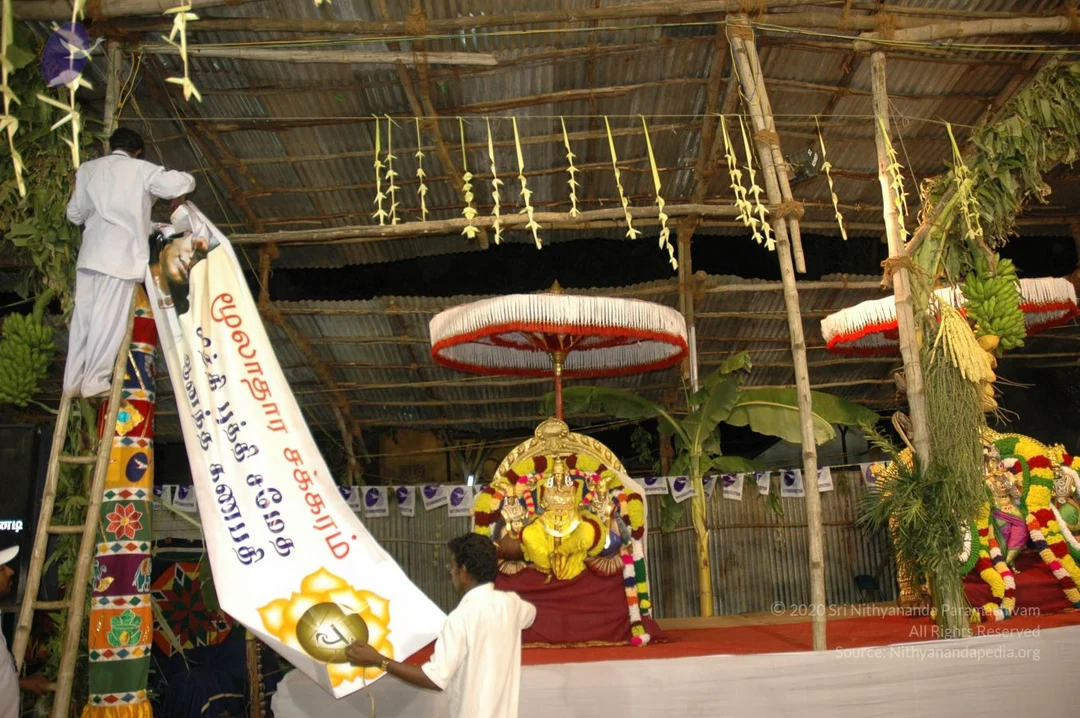
Ananda Ganapathy - Mooladhara chakra

Ananda Subramanya - Swadhishtana chakra

Ananda Surya - Manipuraka chakra

Ananda Venkateshwara - Anahata chakra

Anandeshwari - Vishuddhi chakra

Anandeshwara - Ajna chakra

Guru - Sahasrara chakra

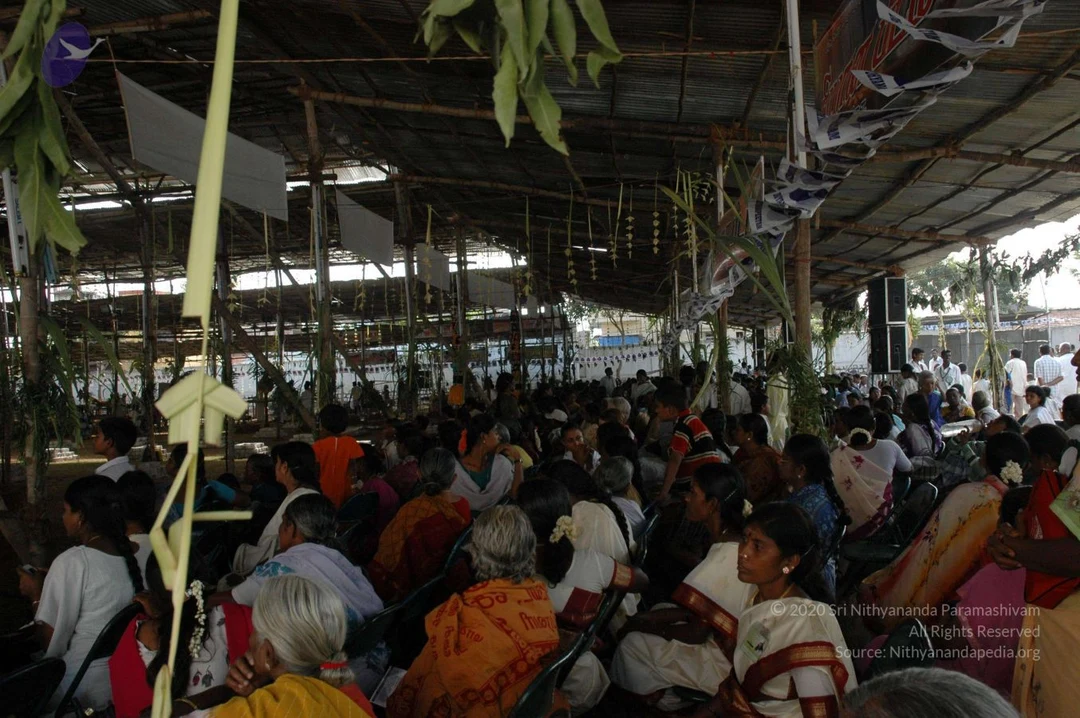
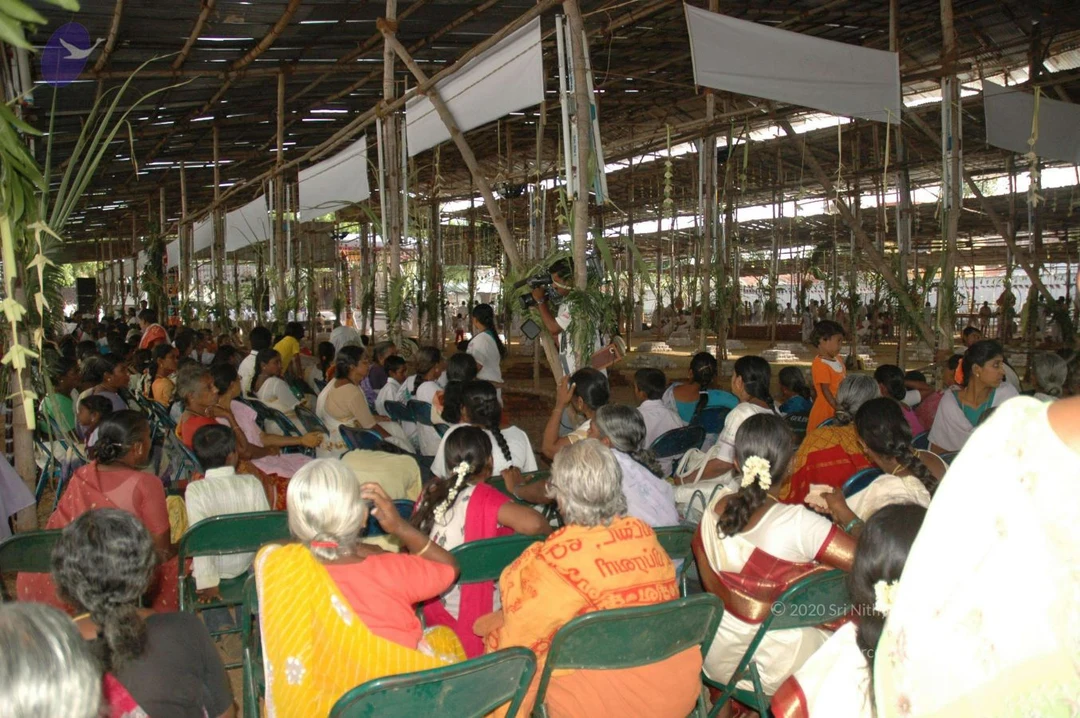
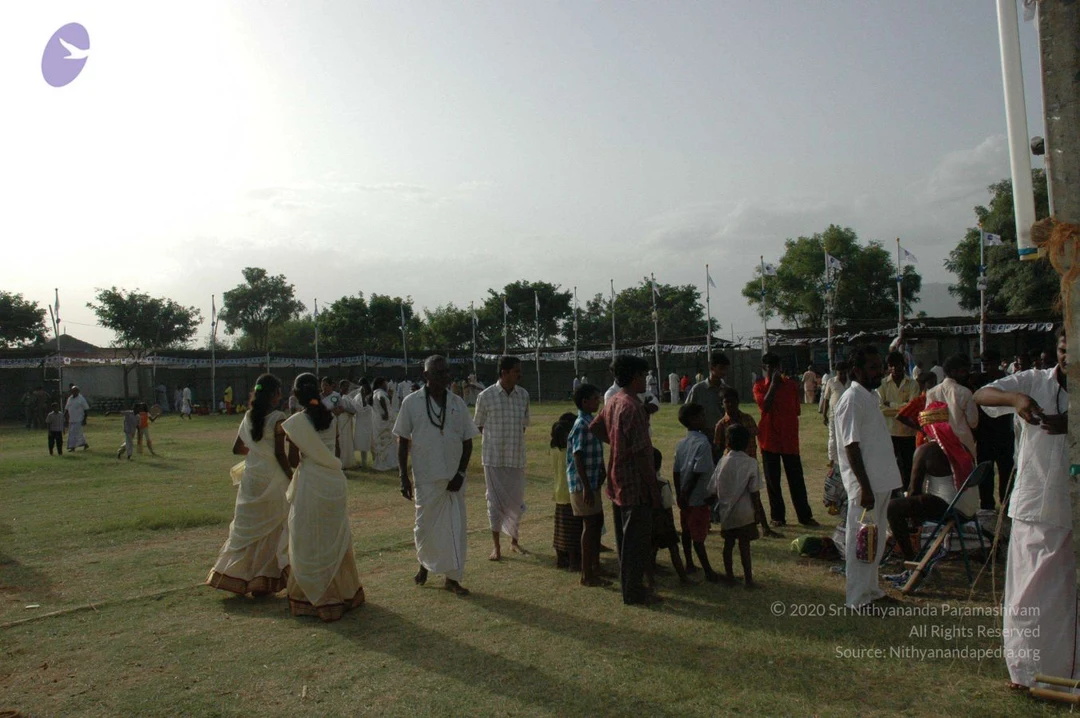
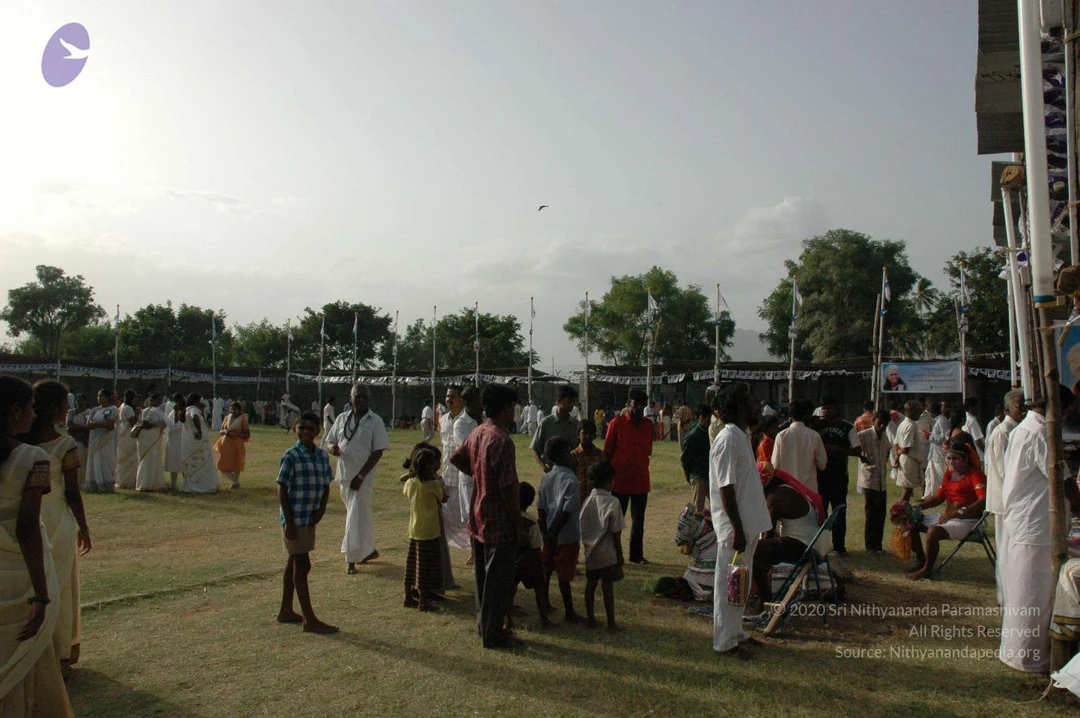
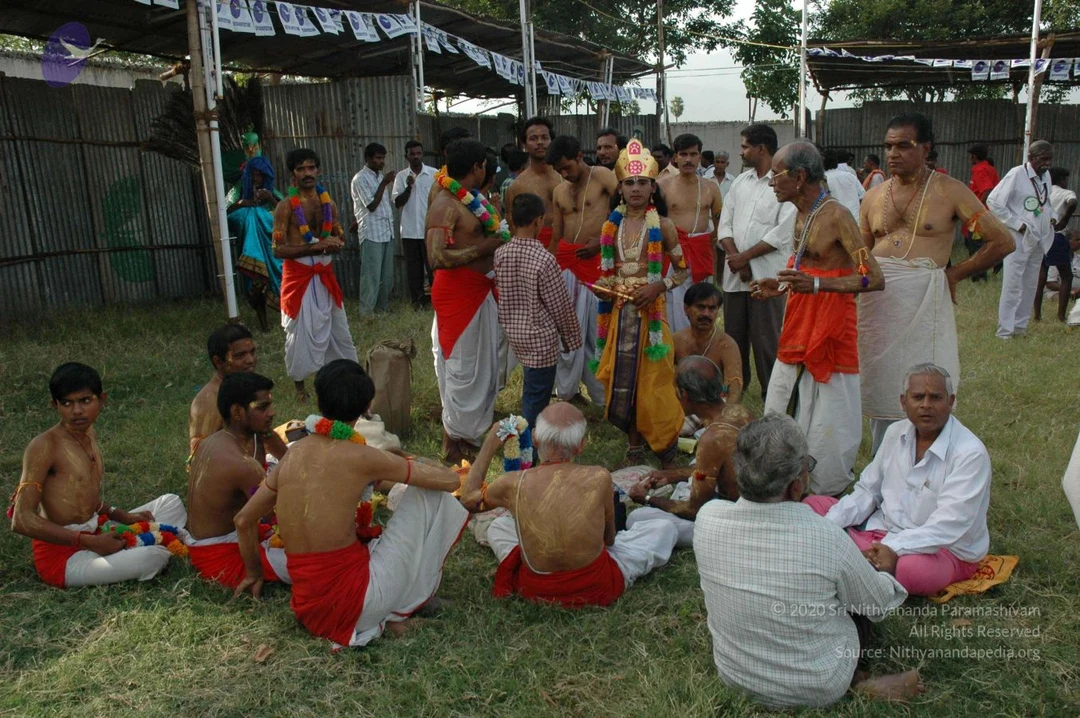
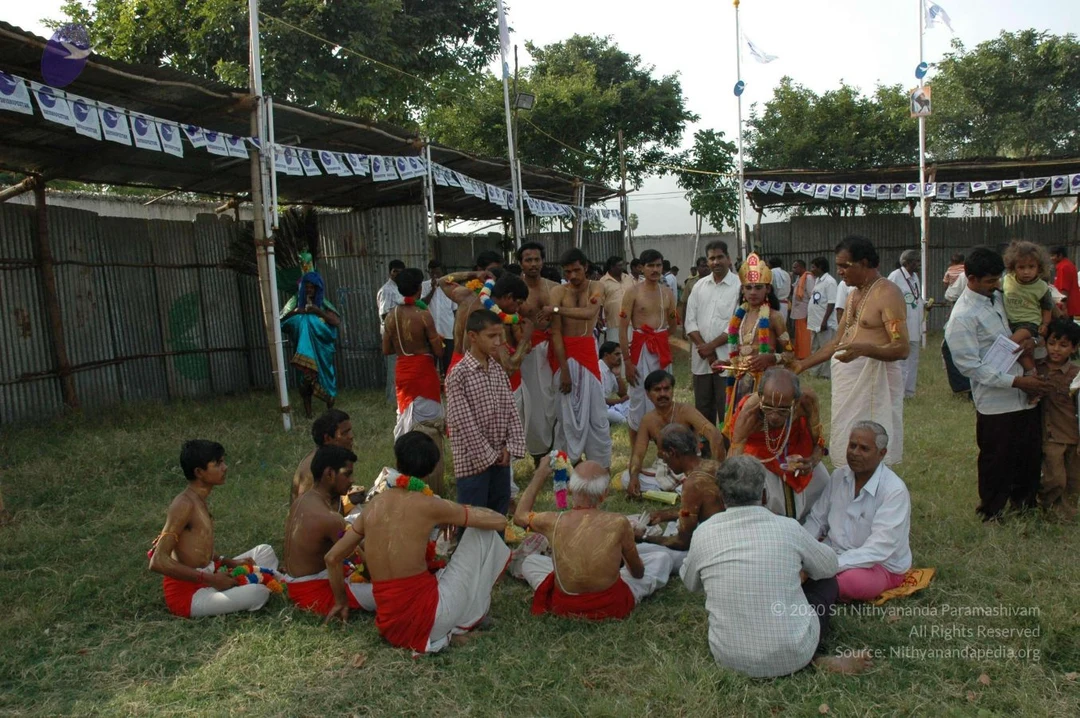
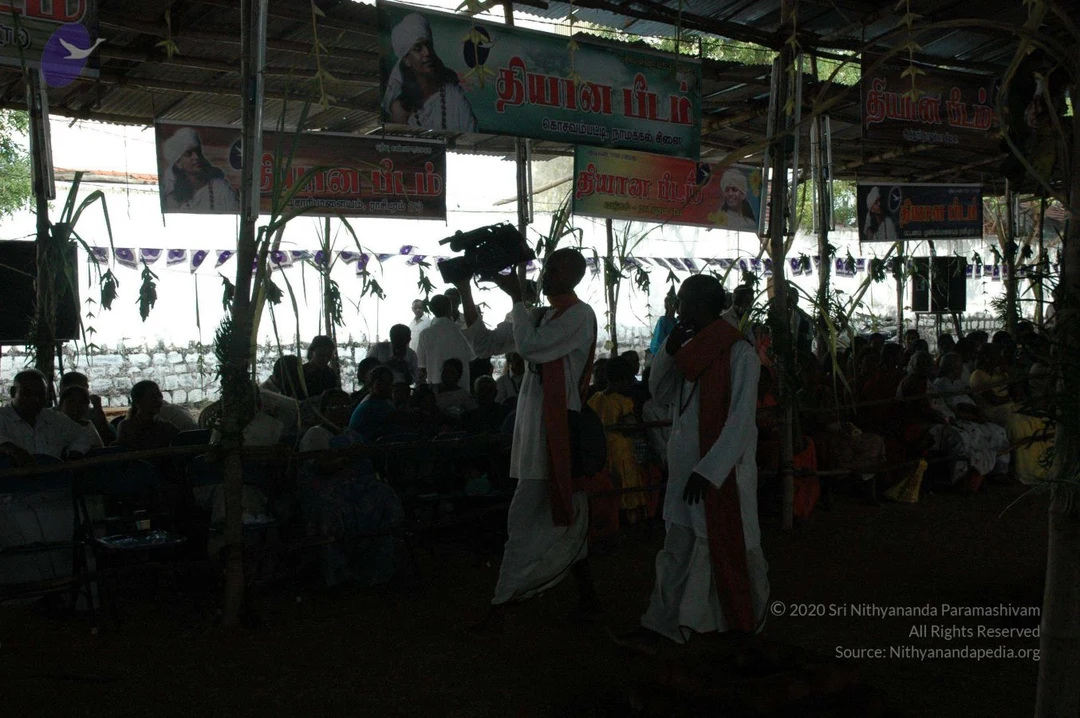
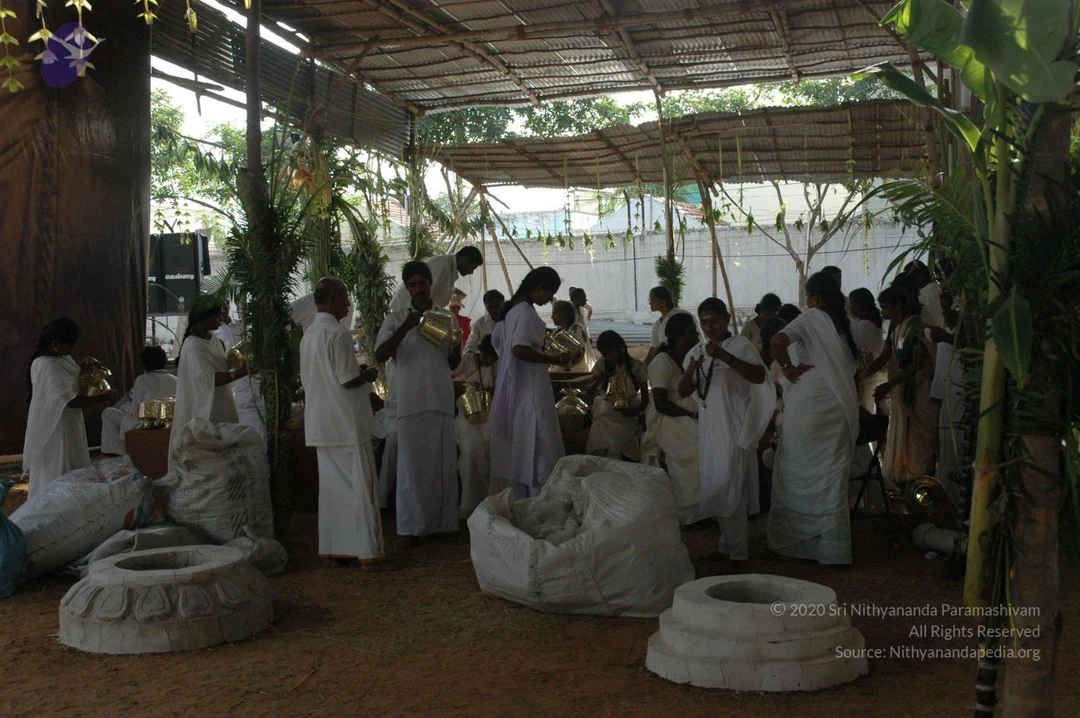
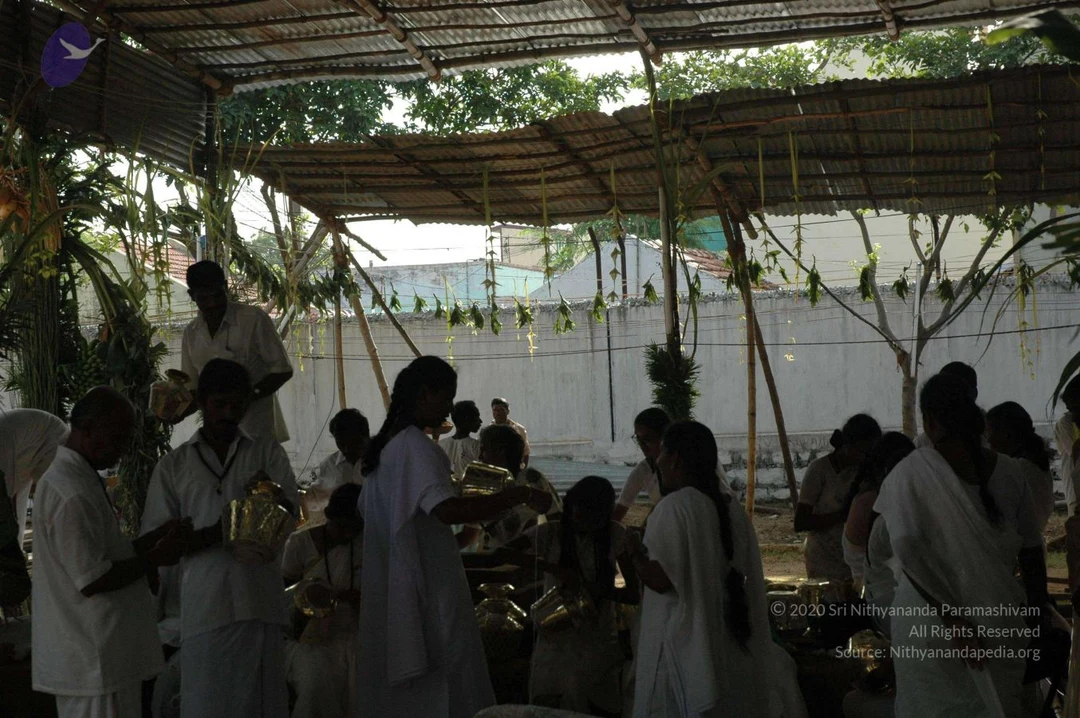
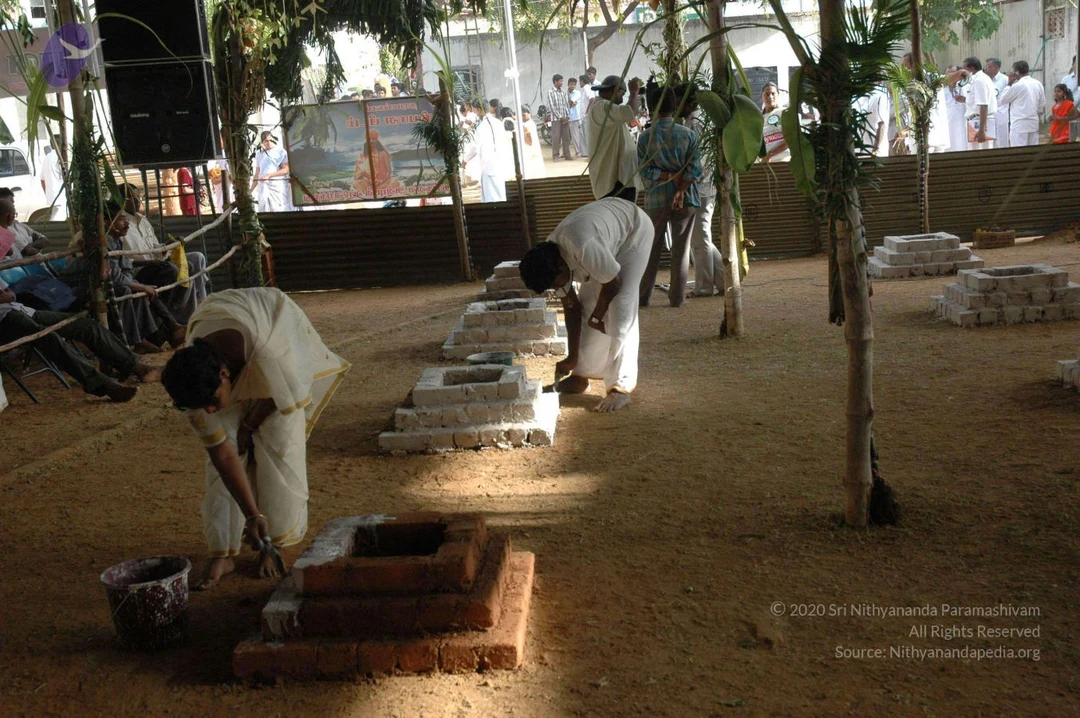
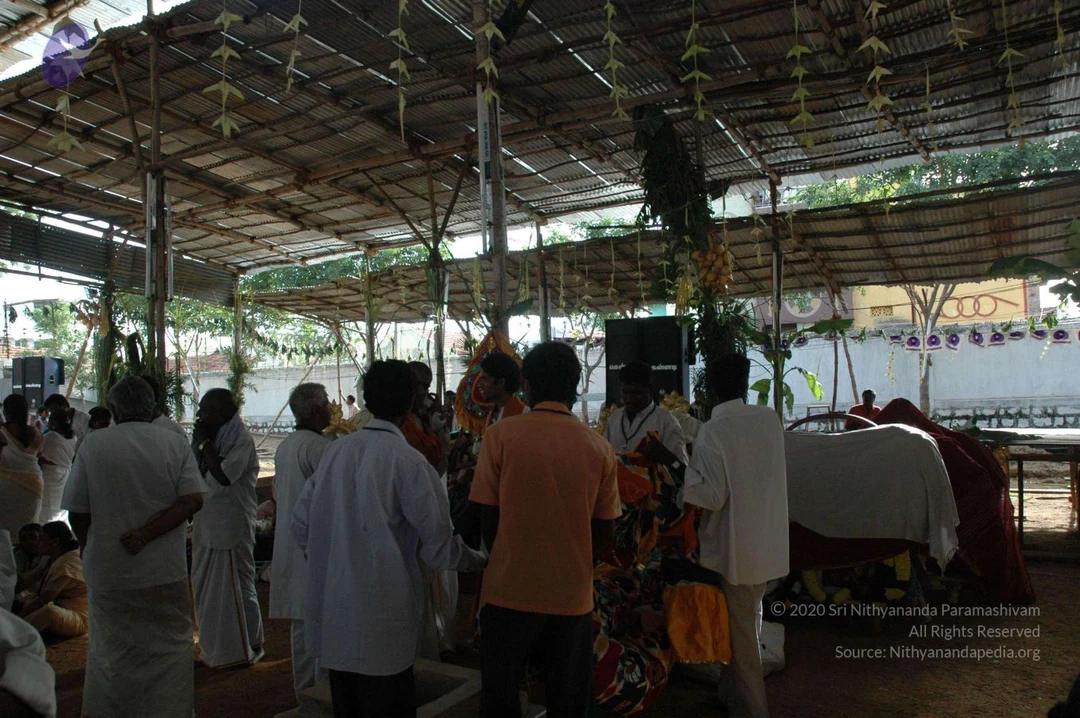
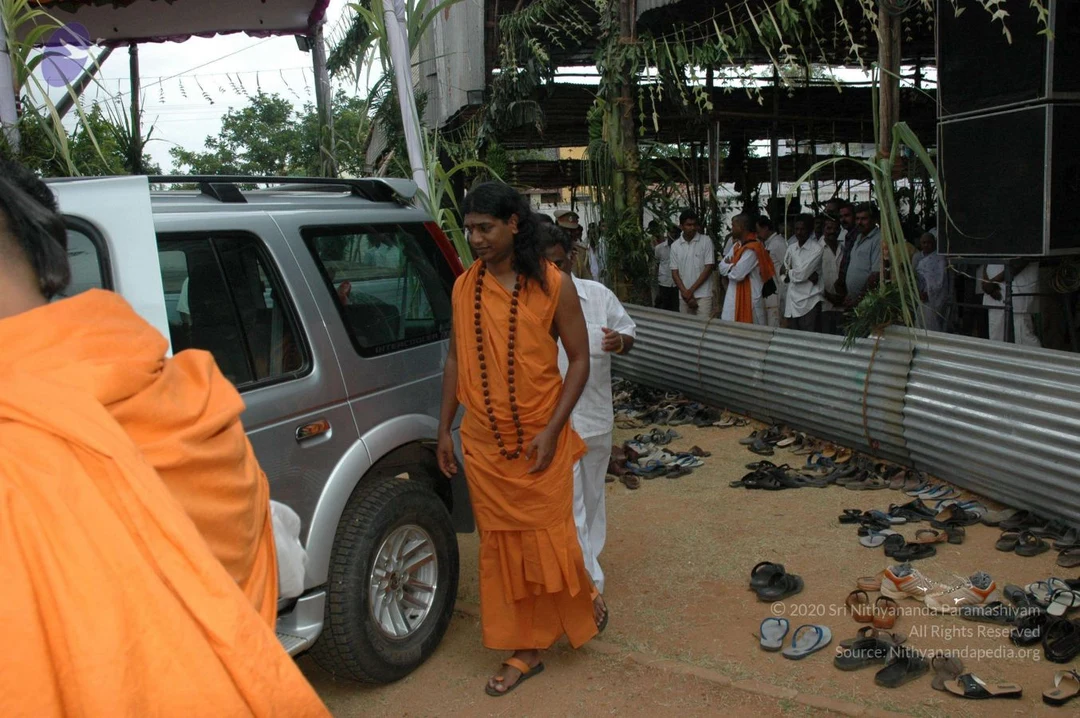
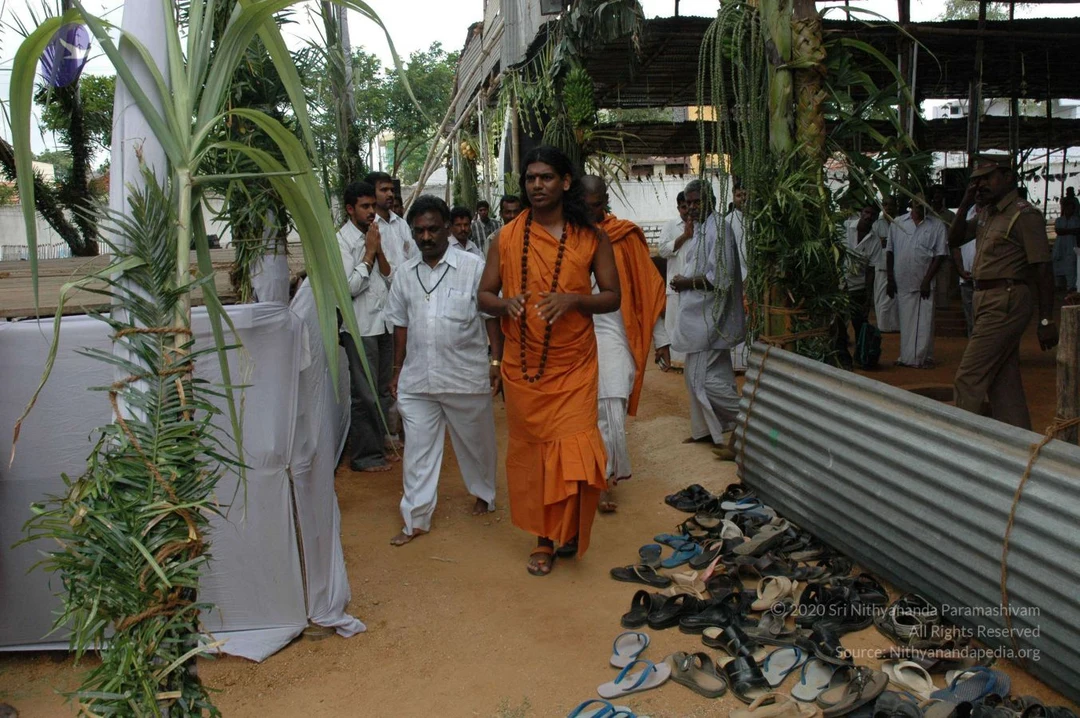
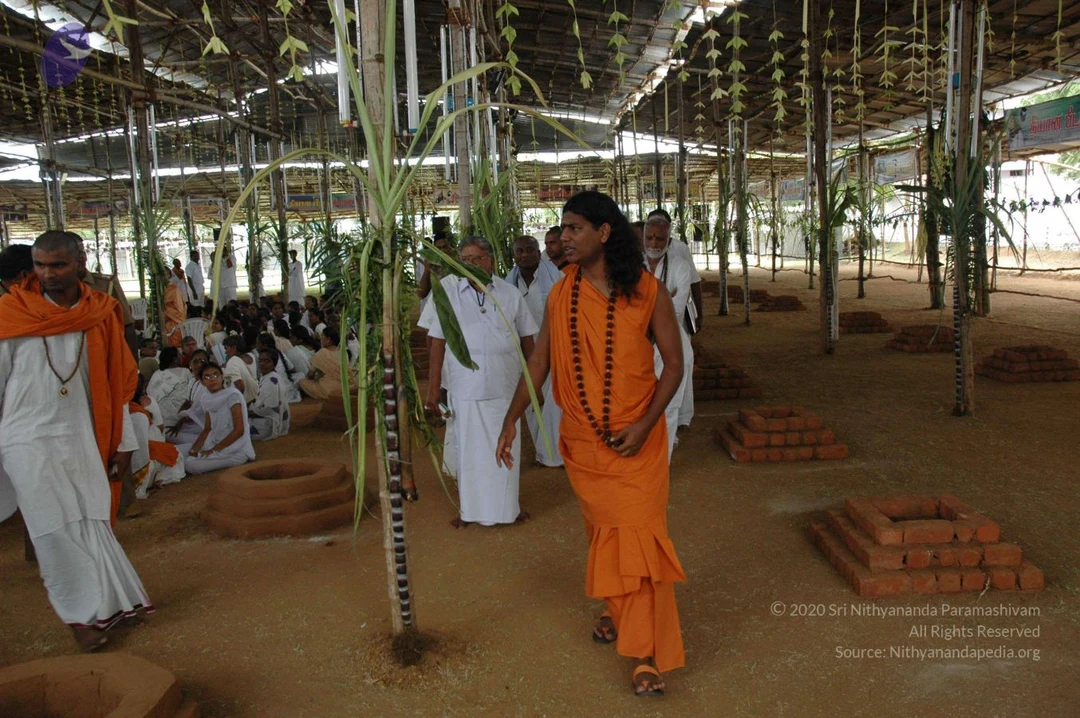
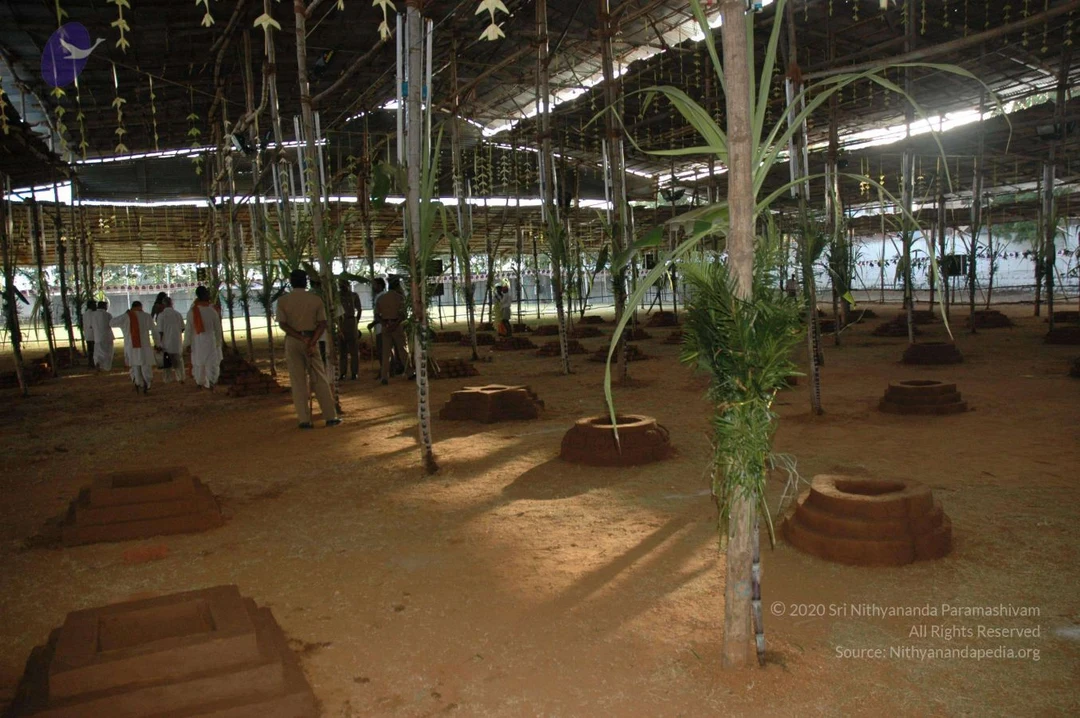
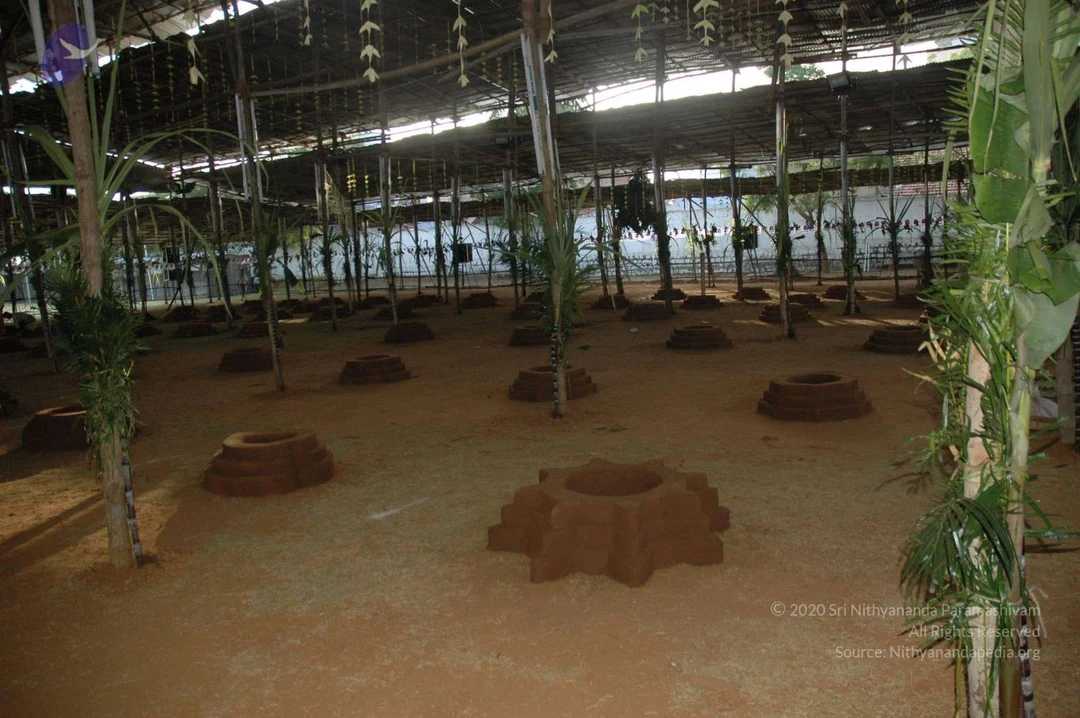
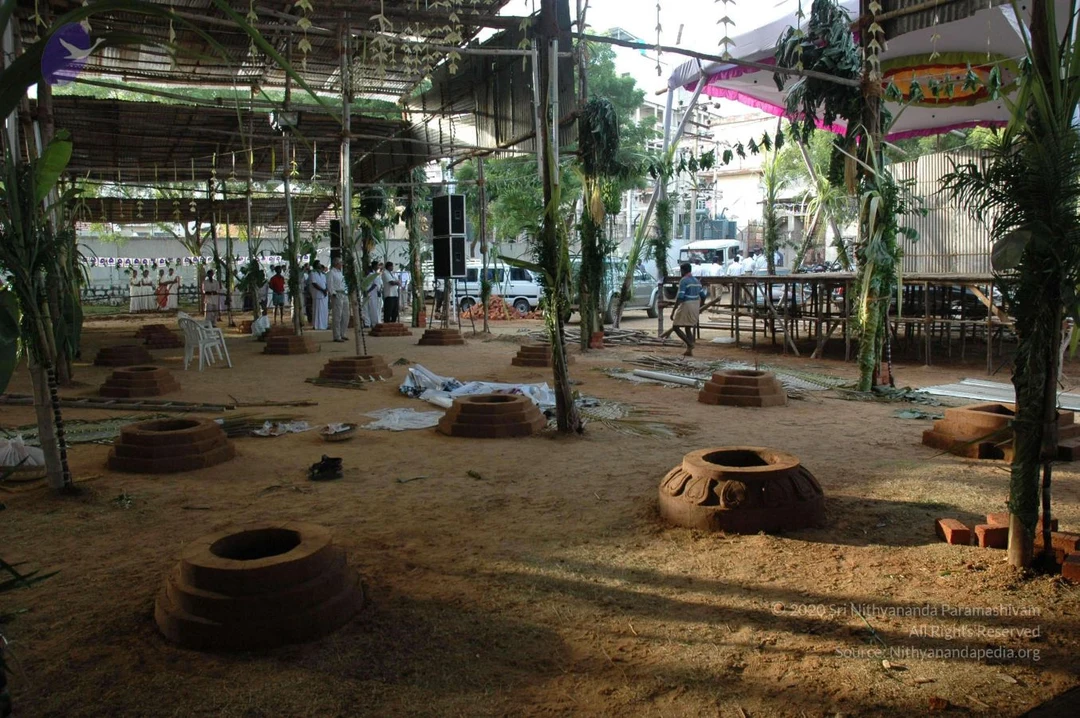
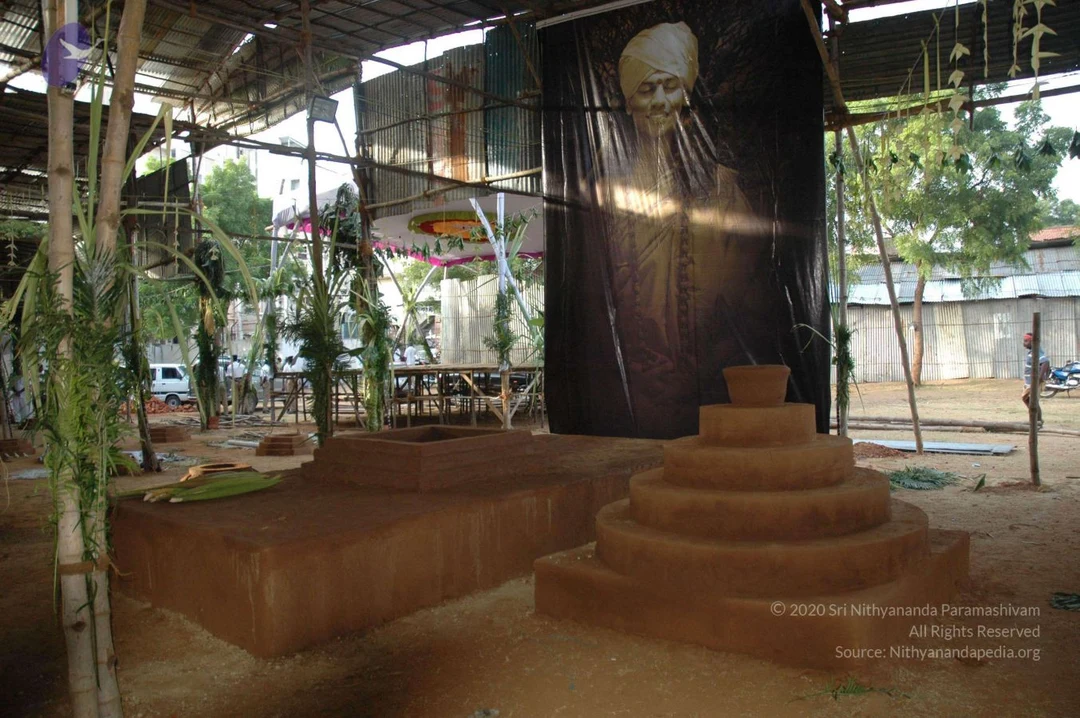
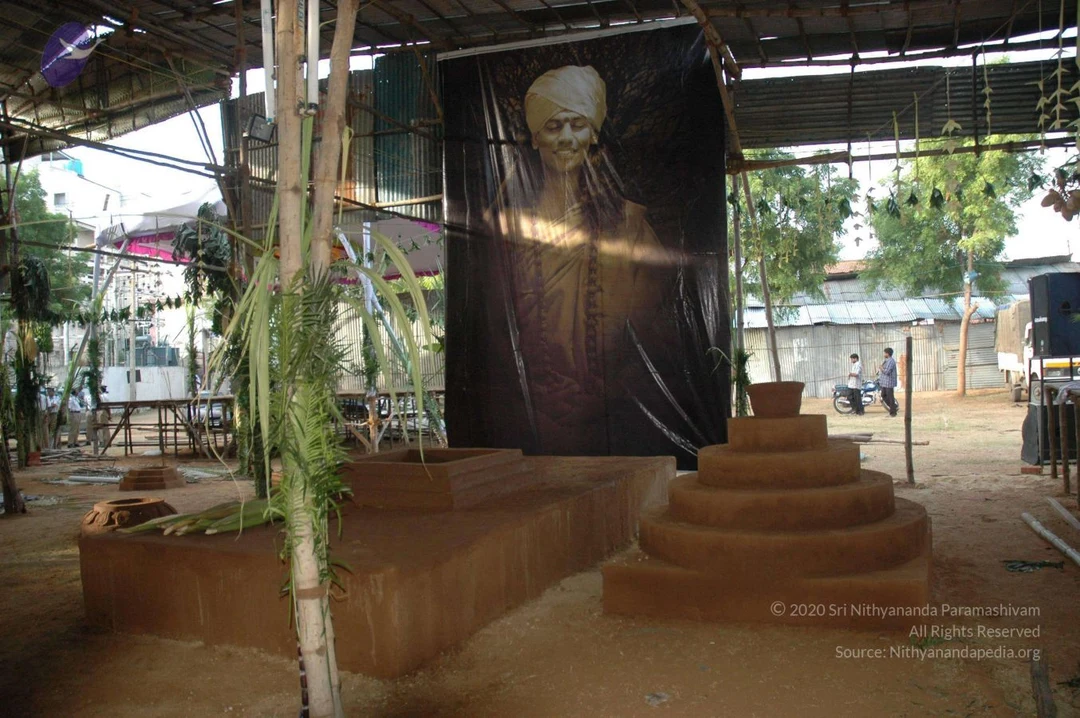
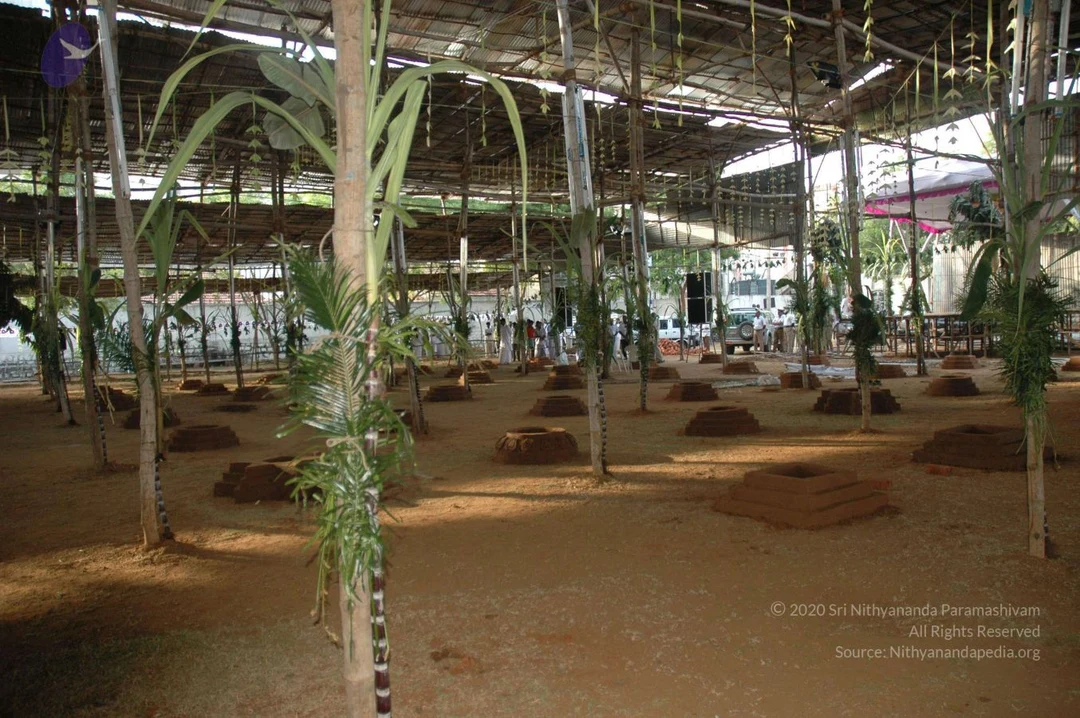
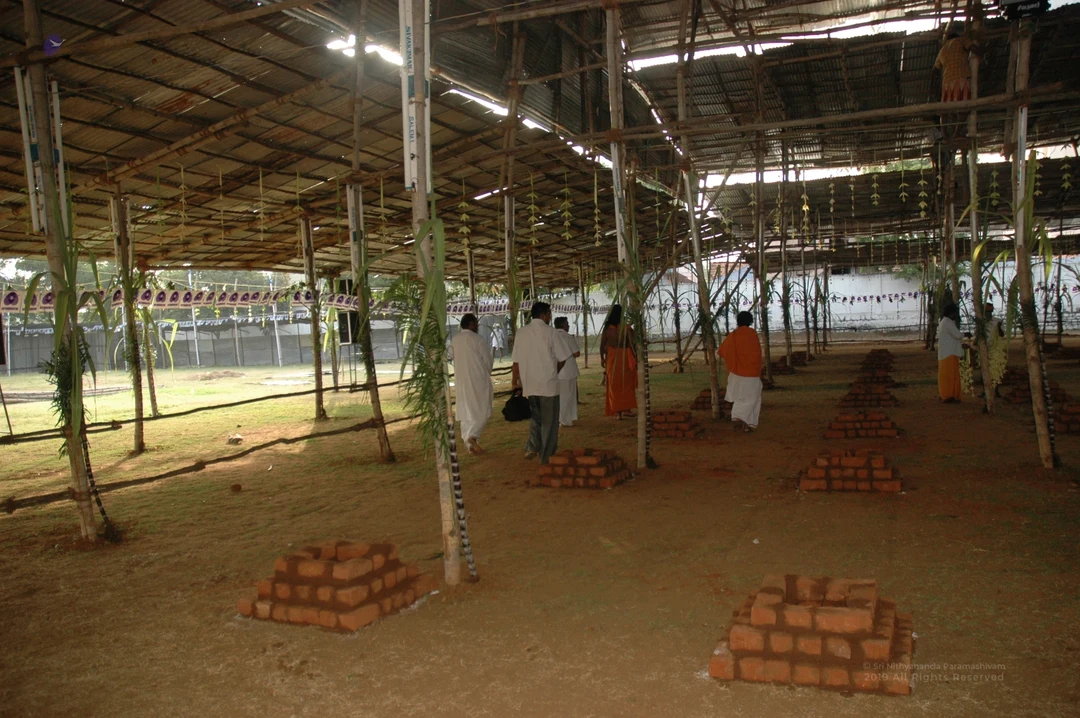
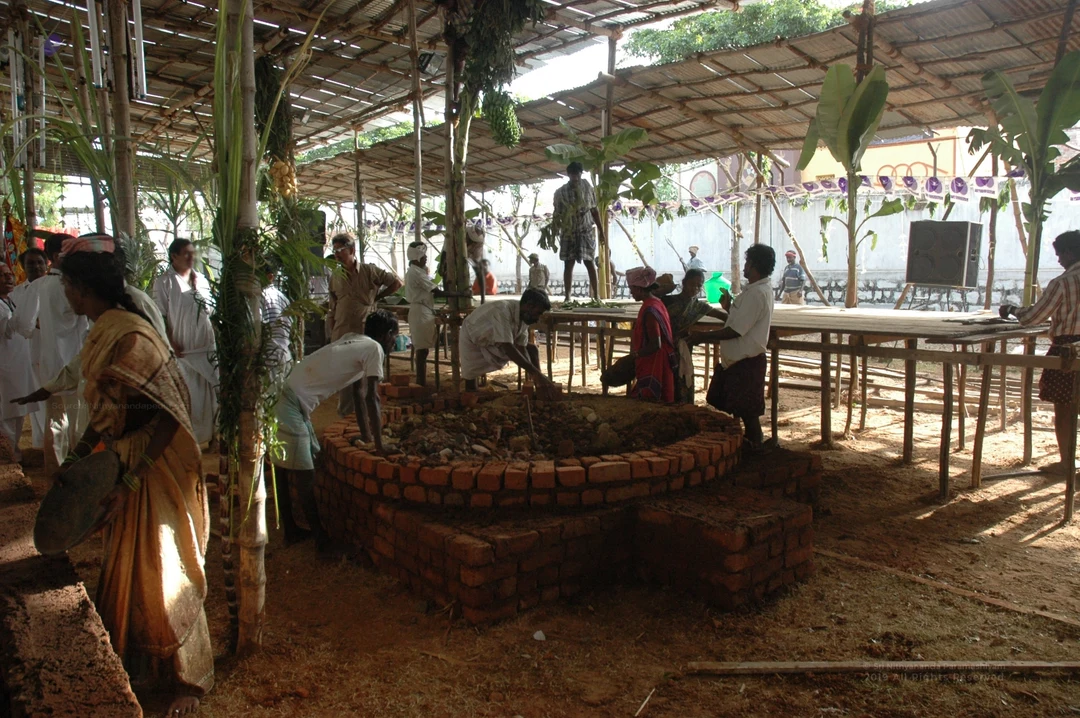
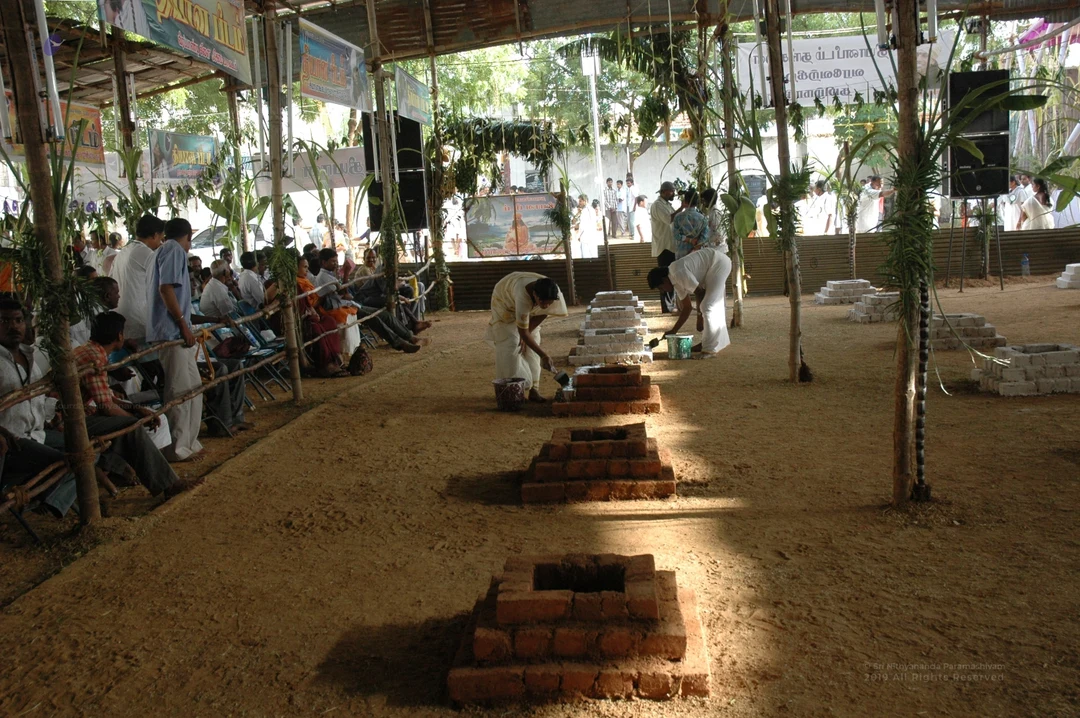
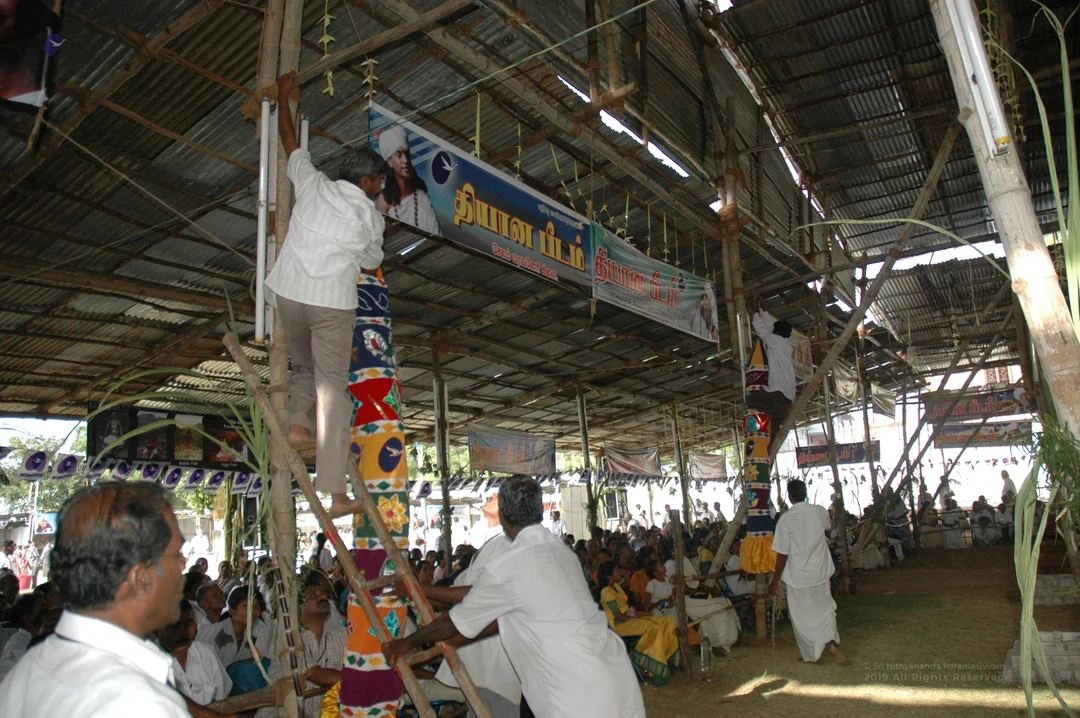
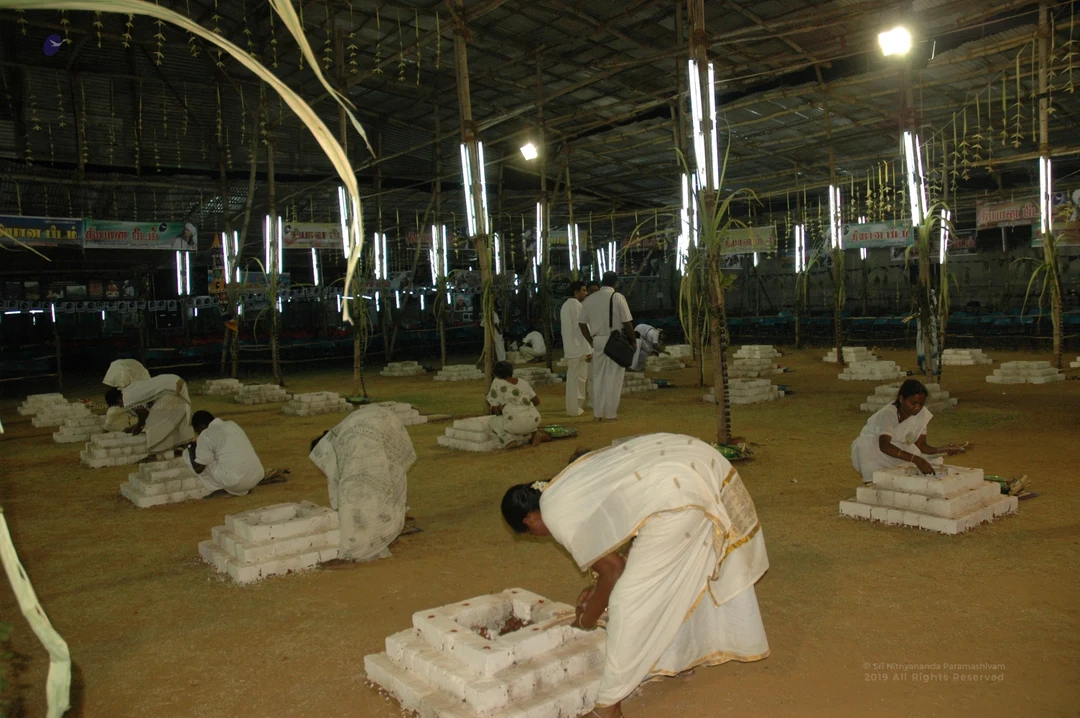
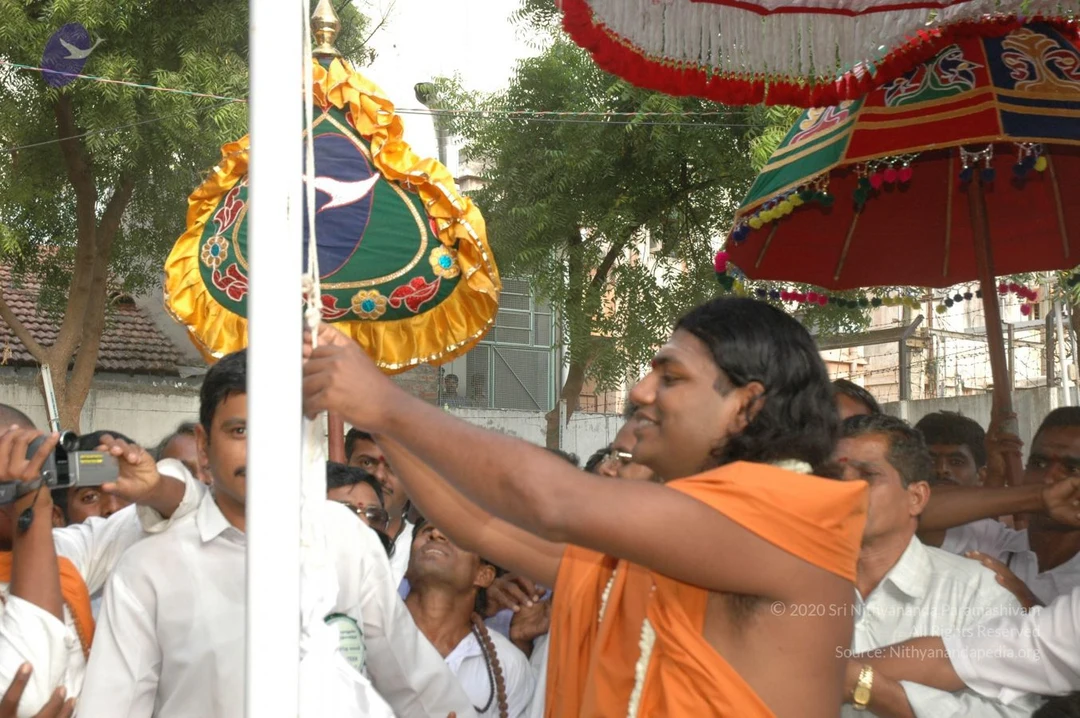
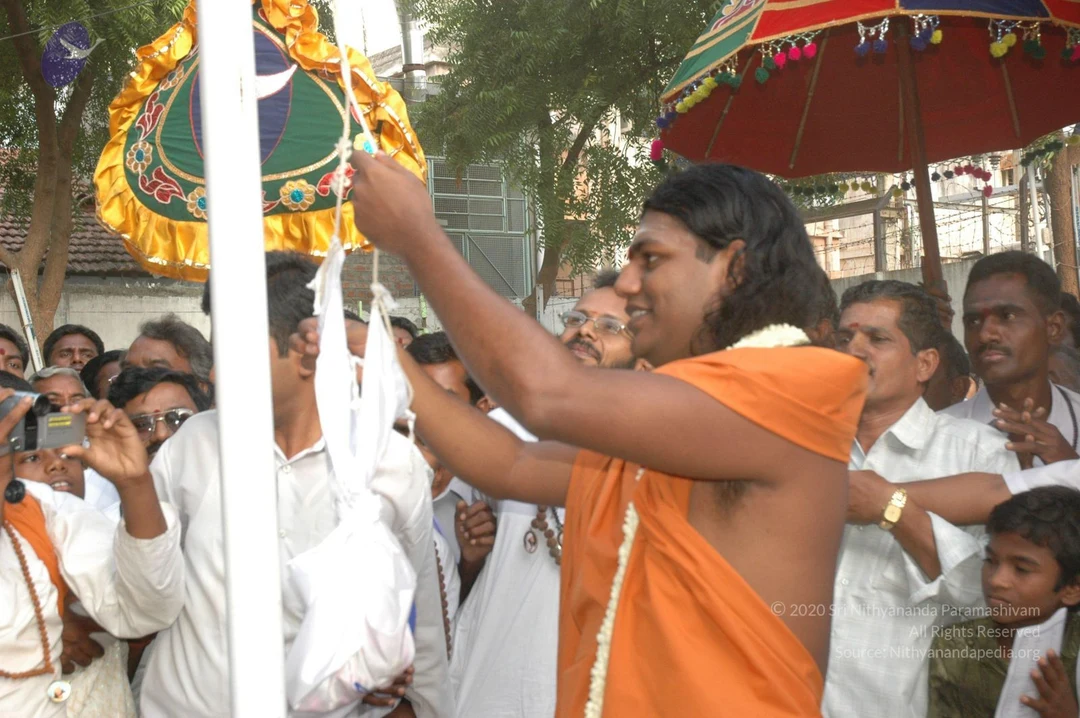
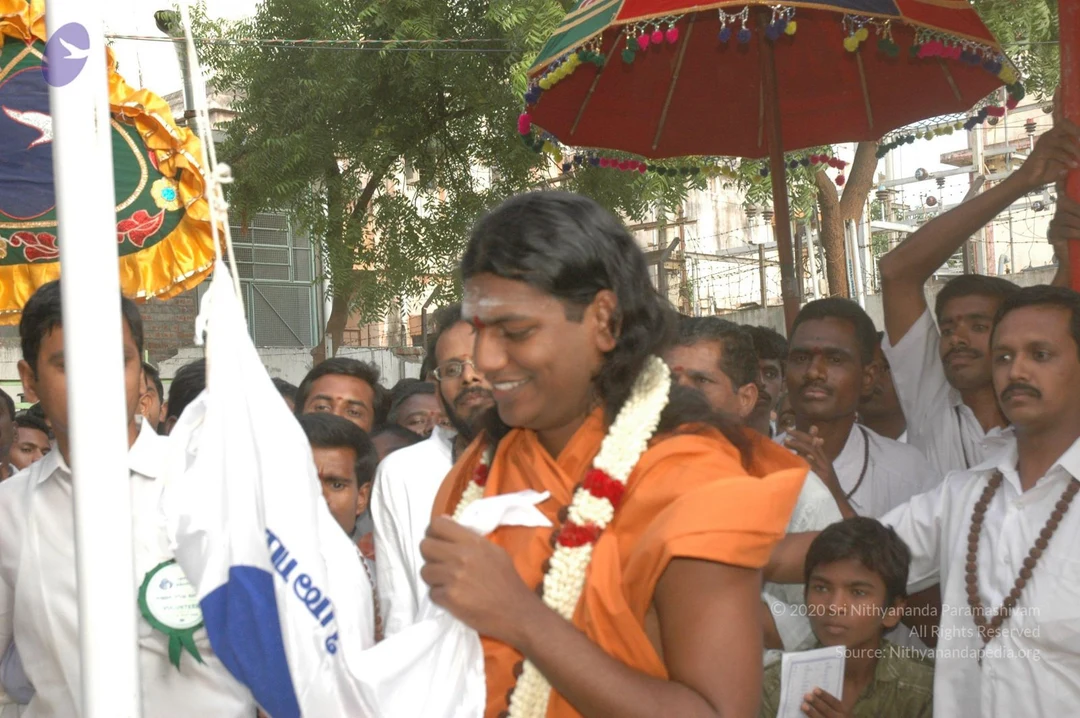
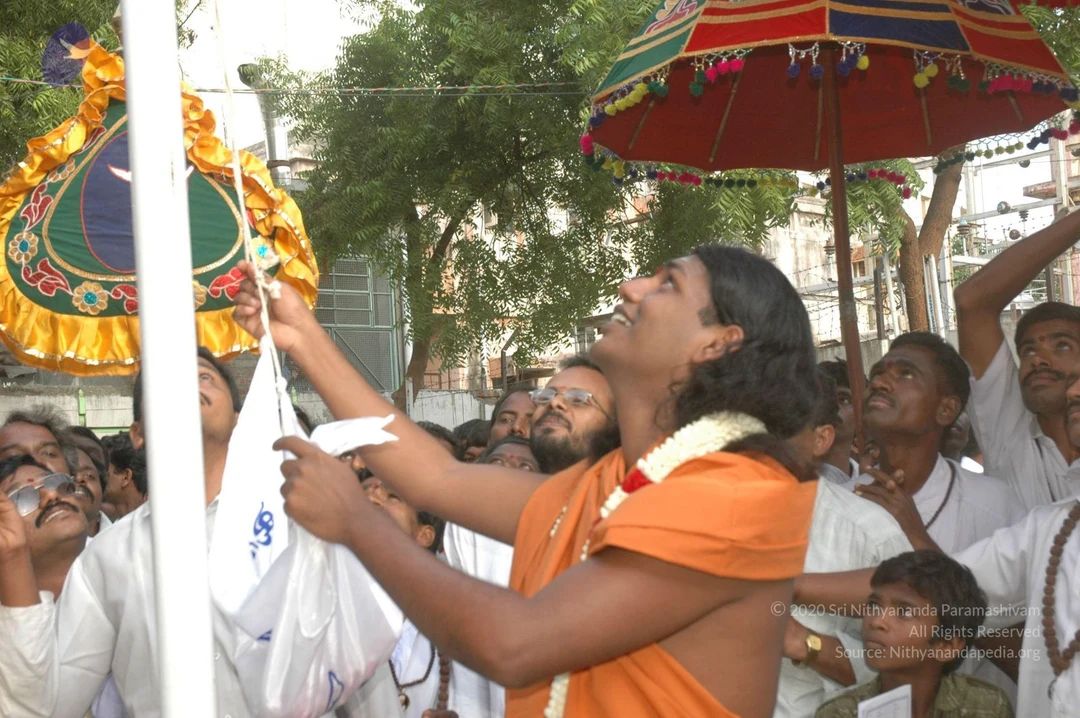
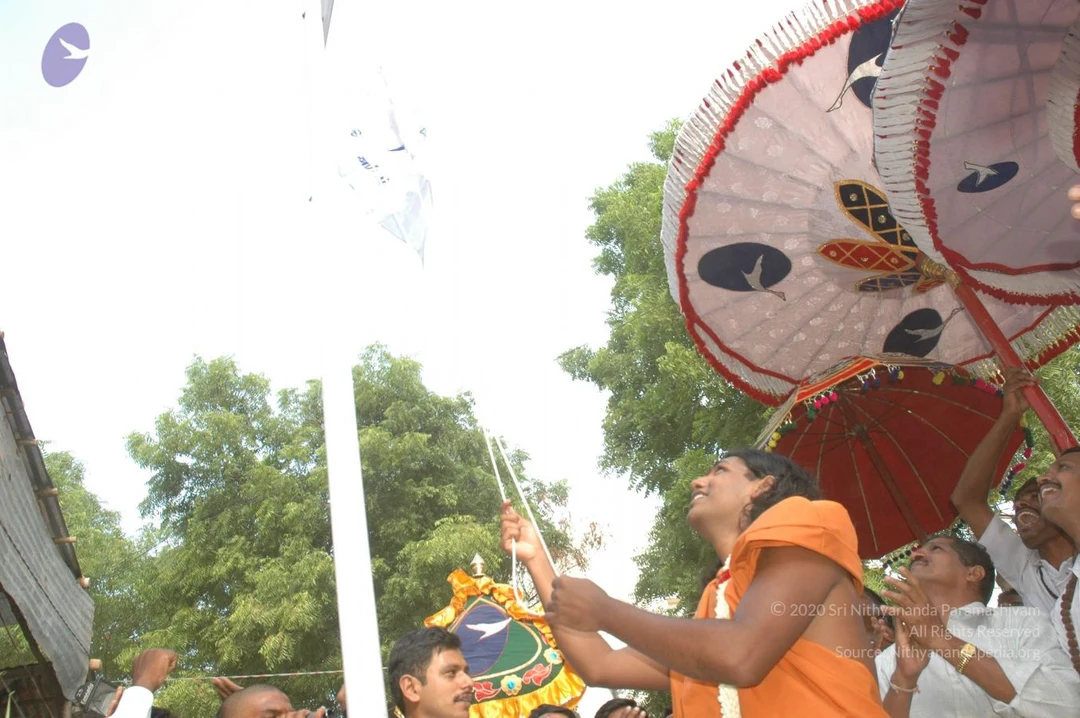
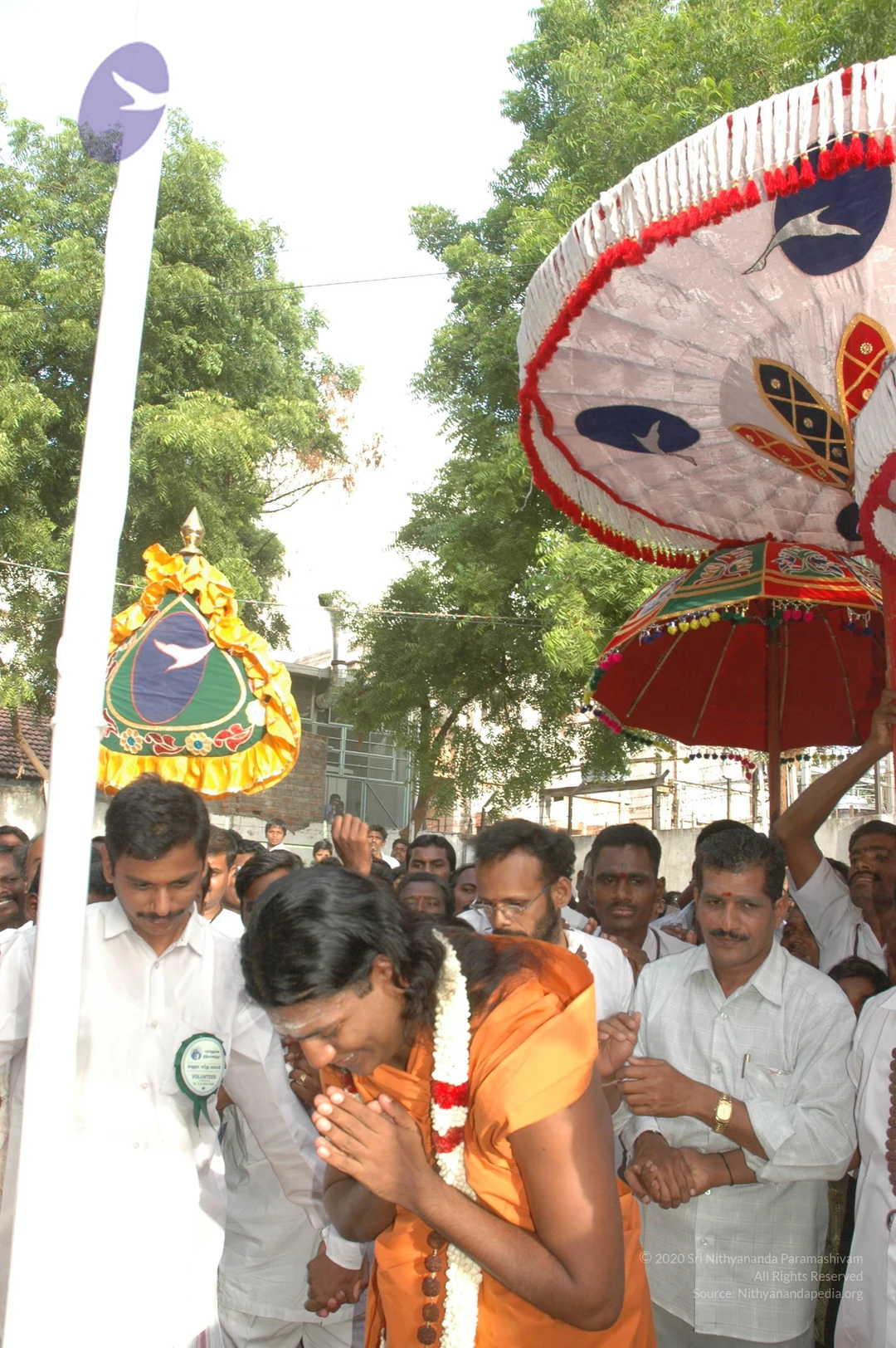
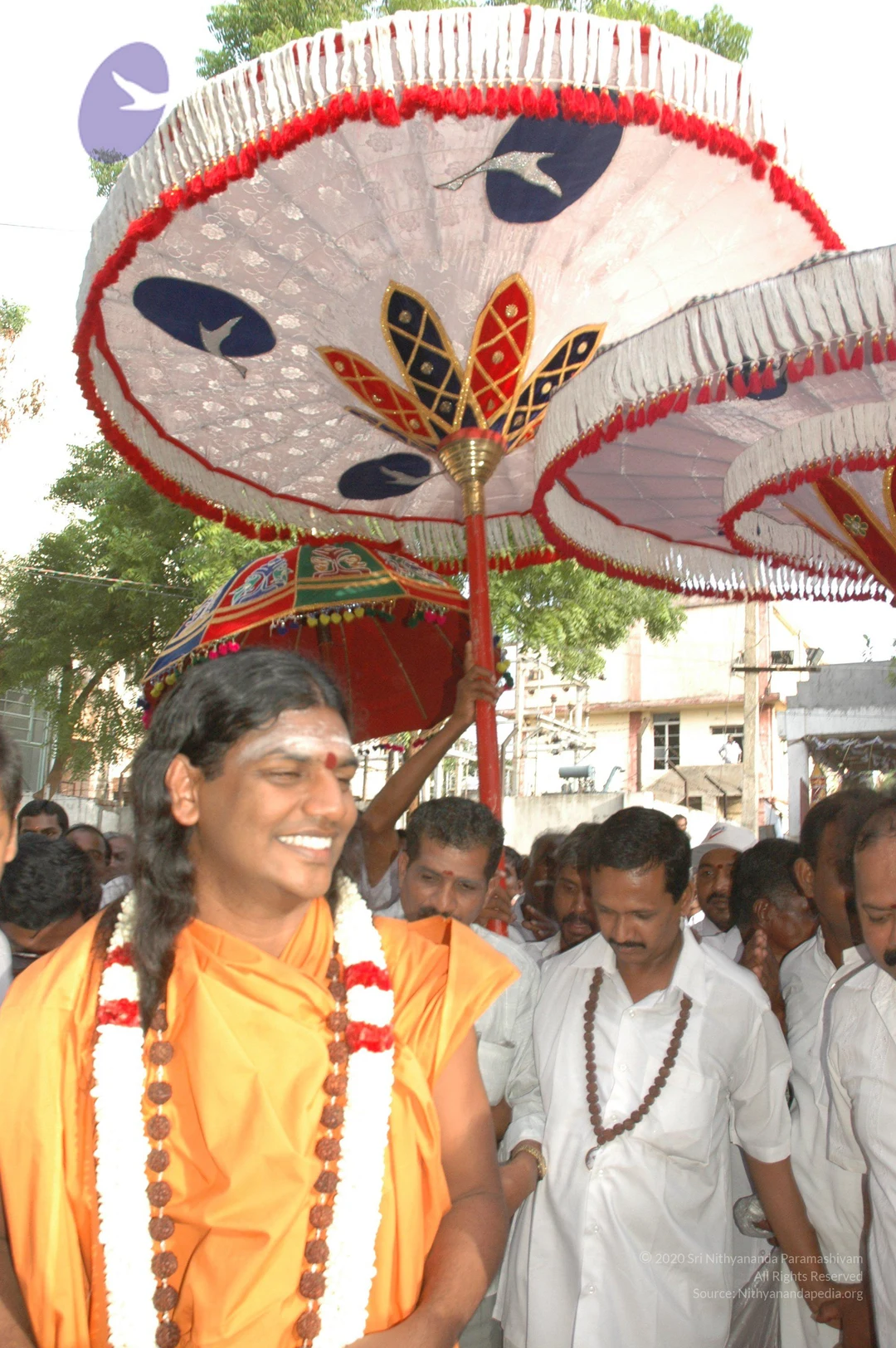
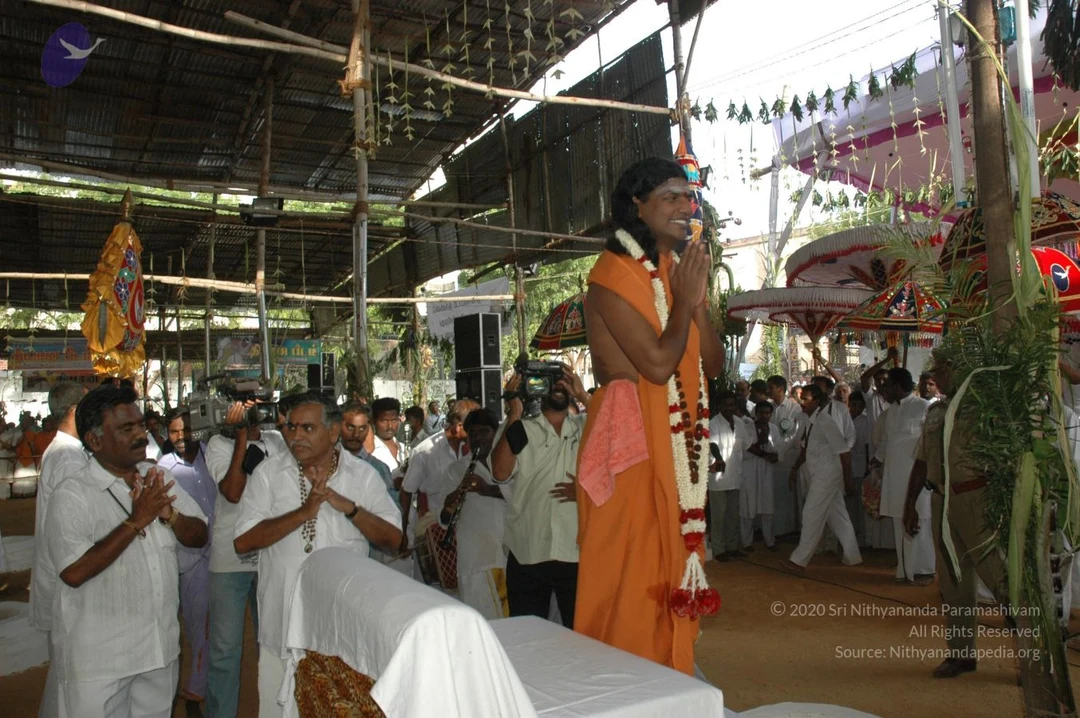
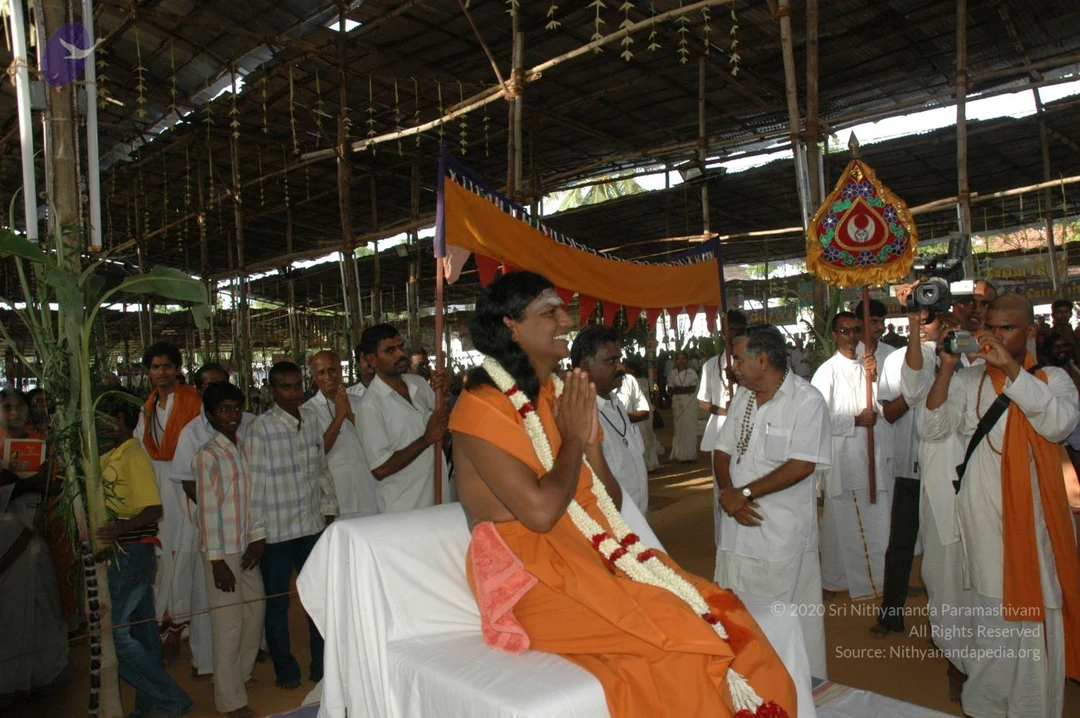
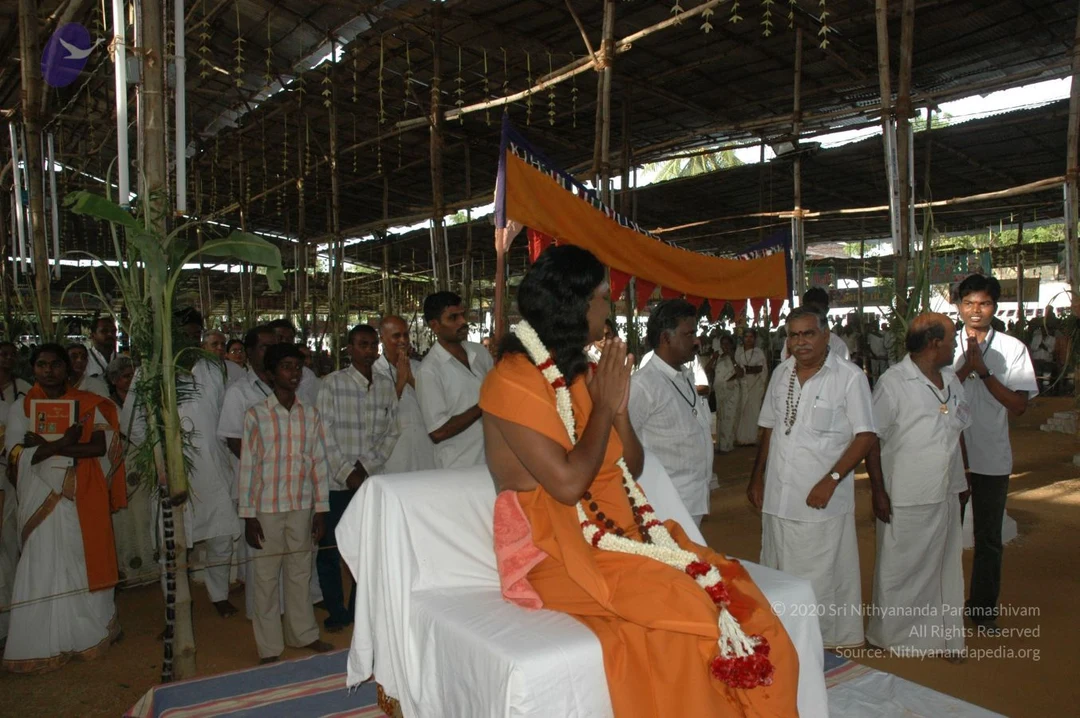
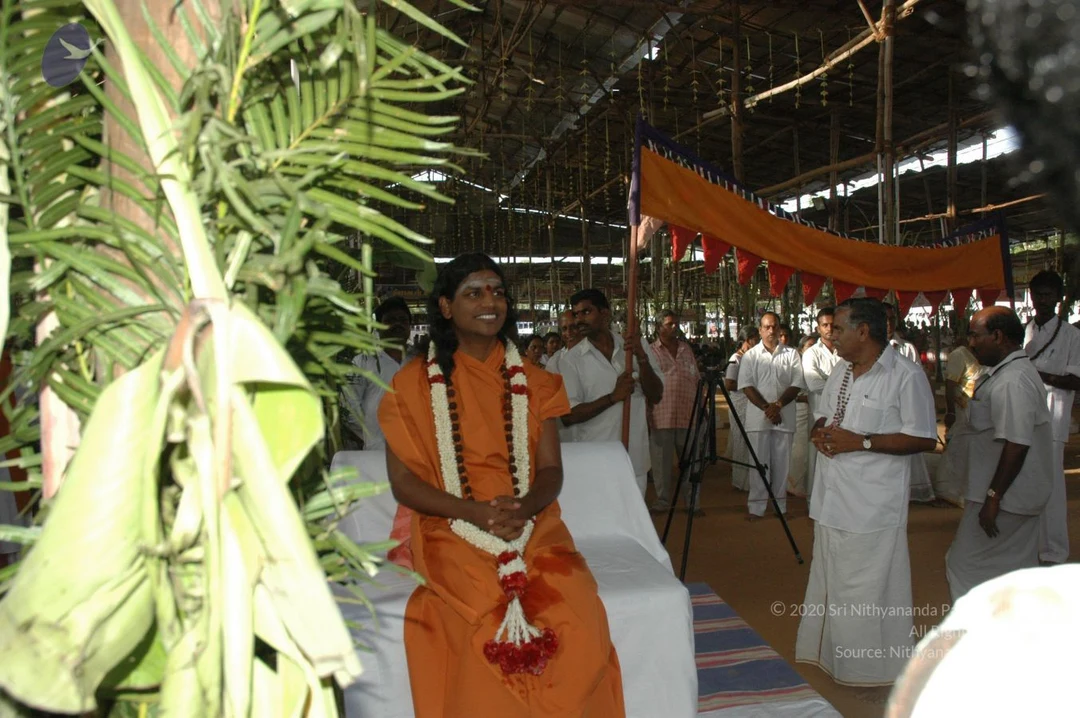
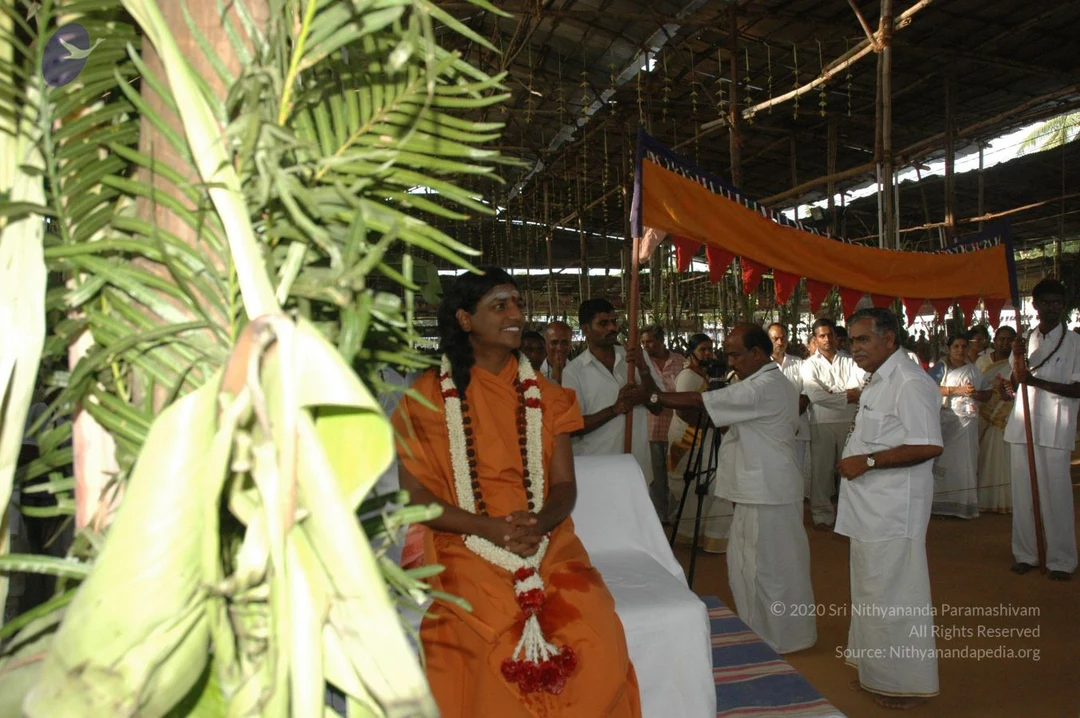
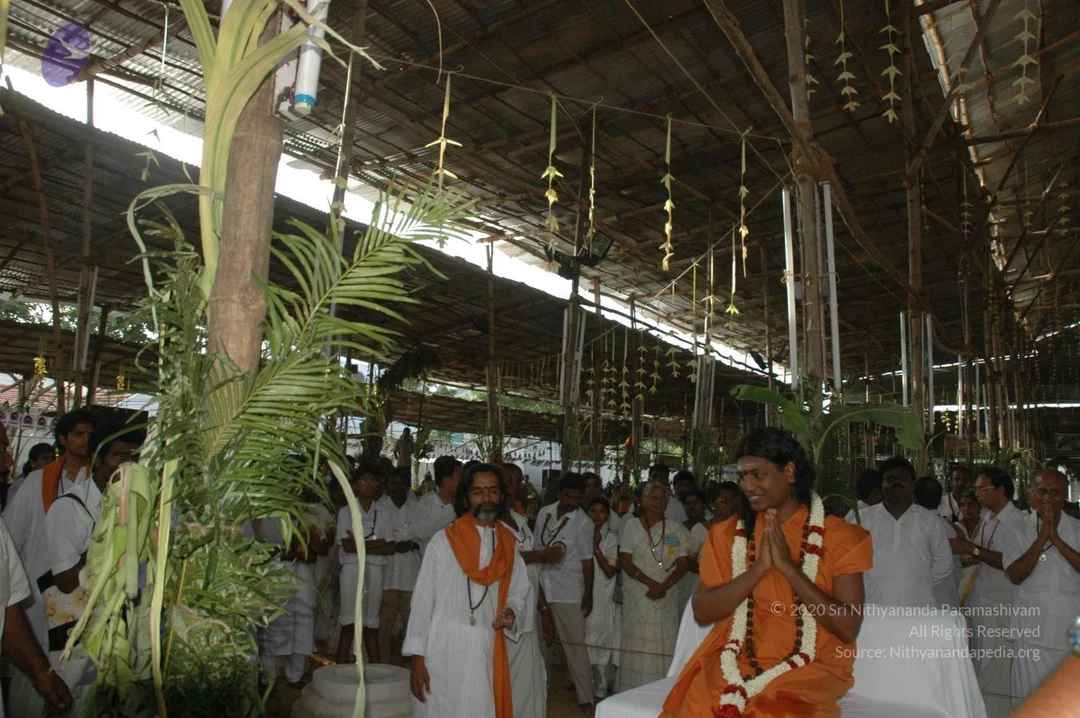
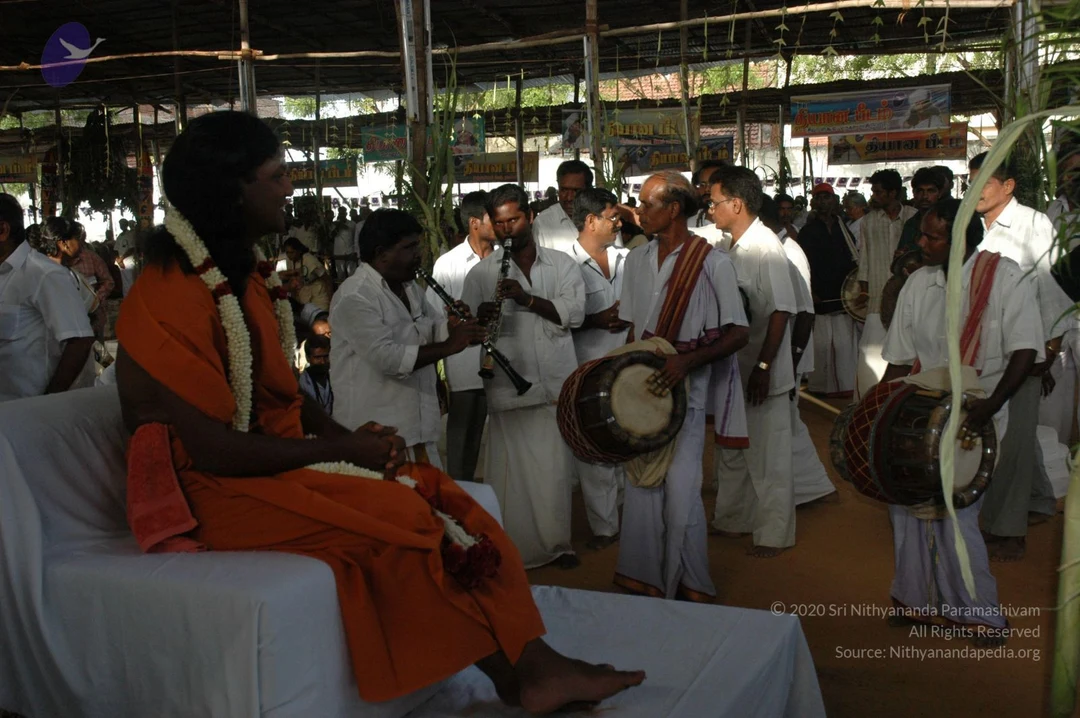
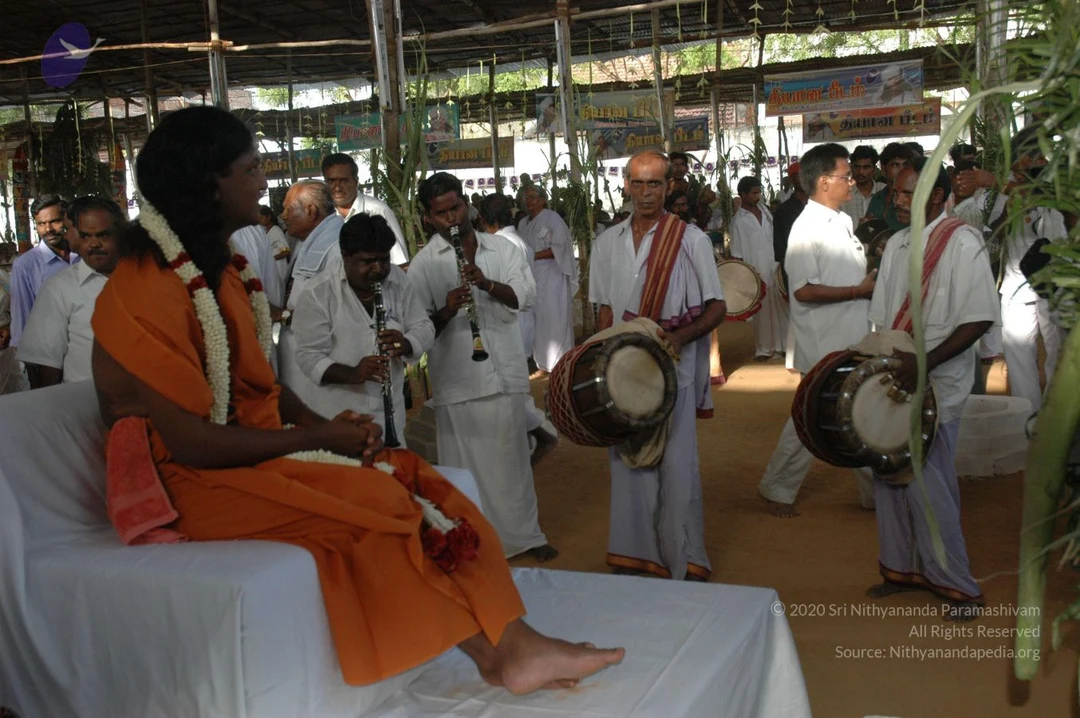
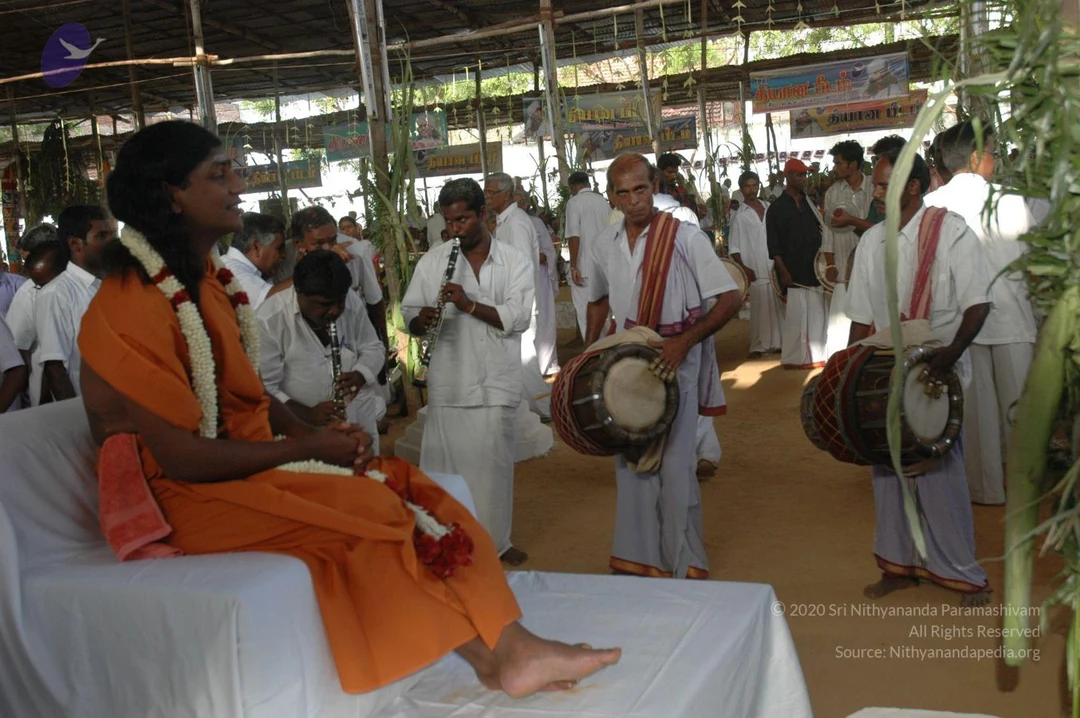
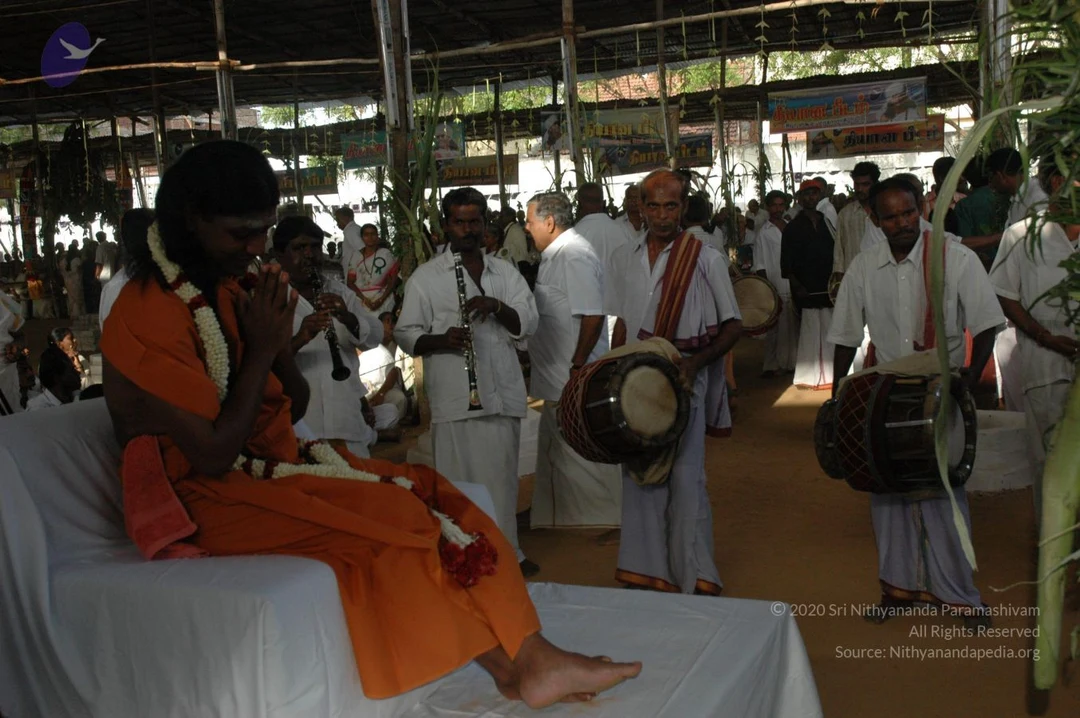
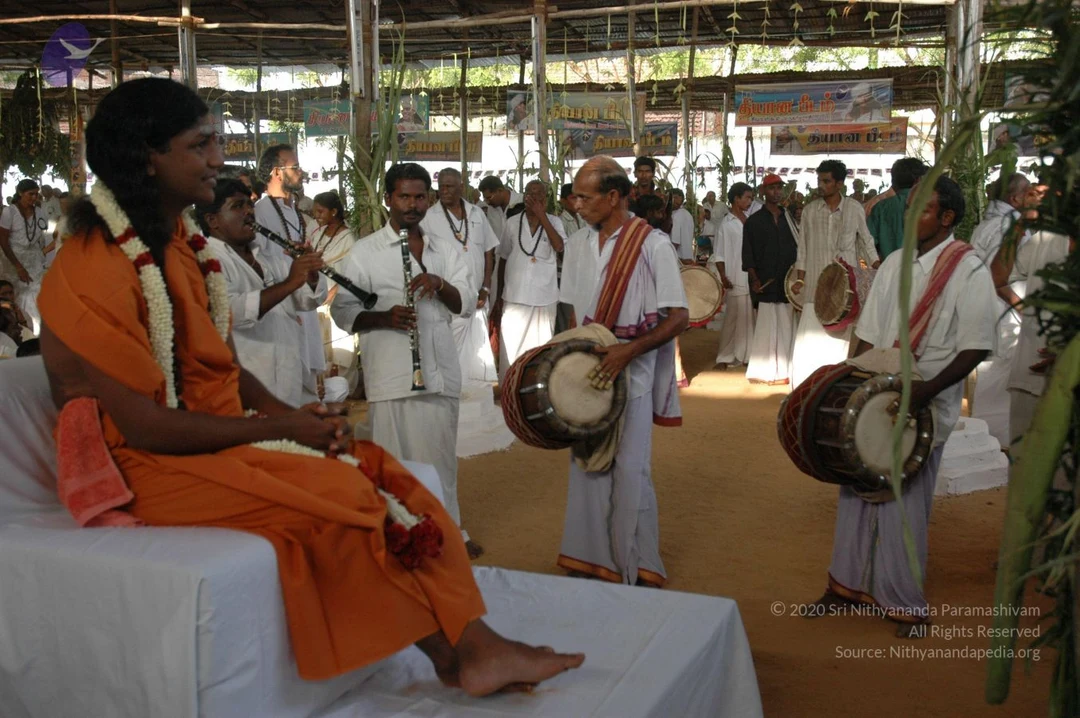
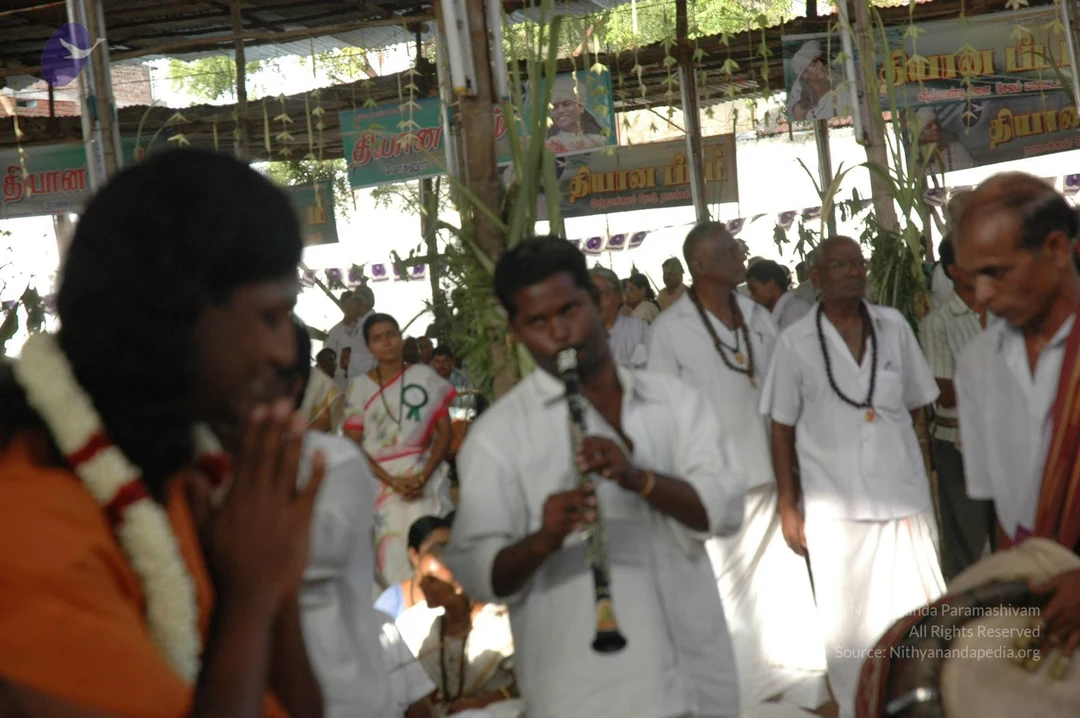
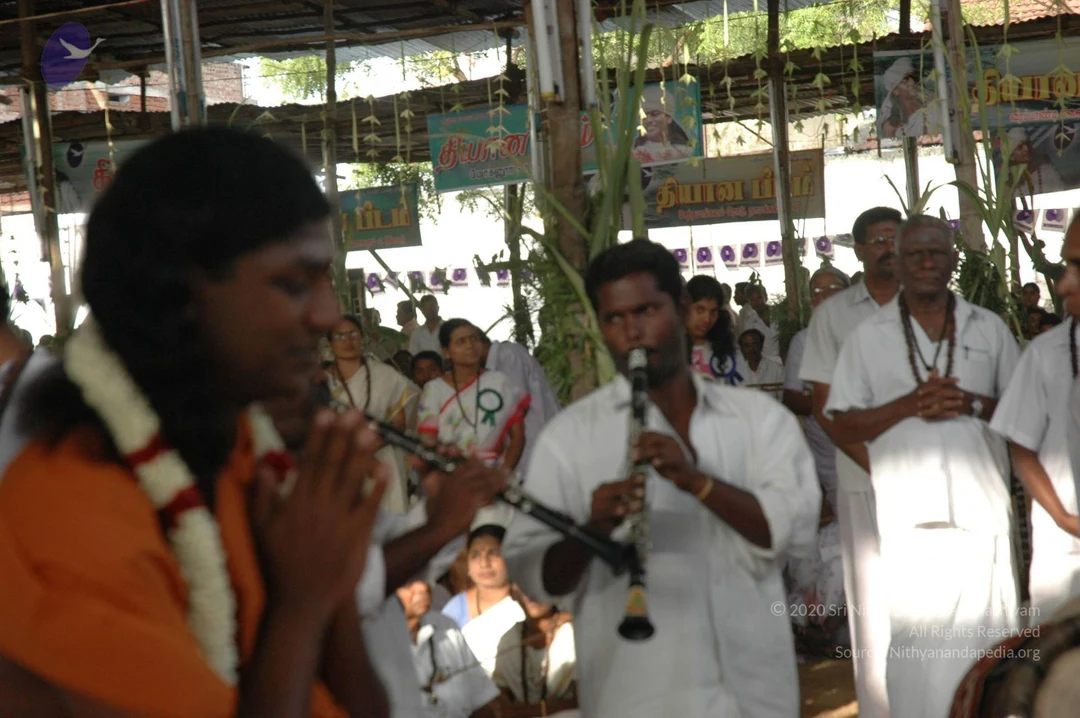
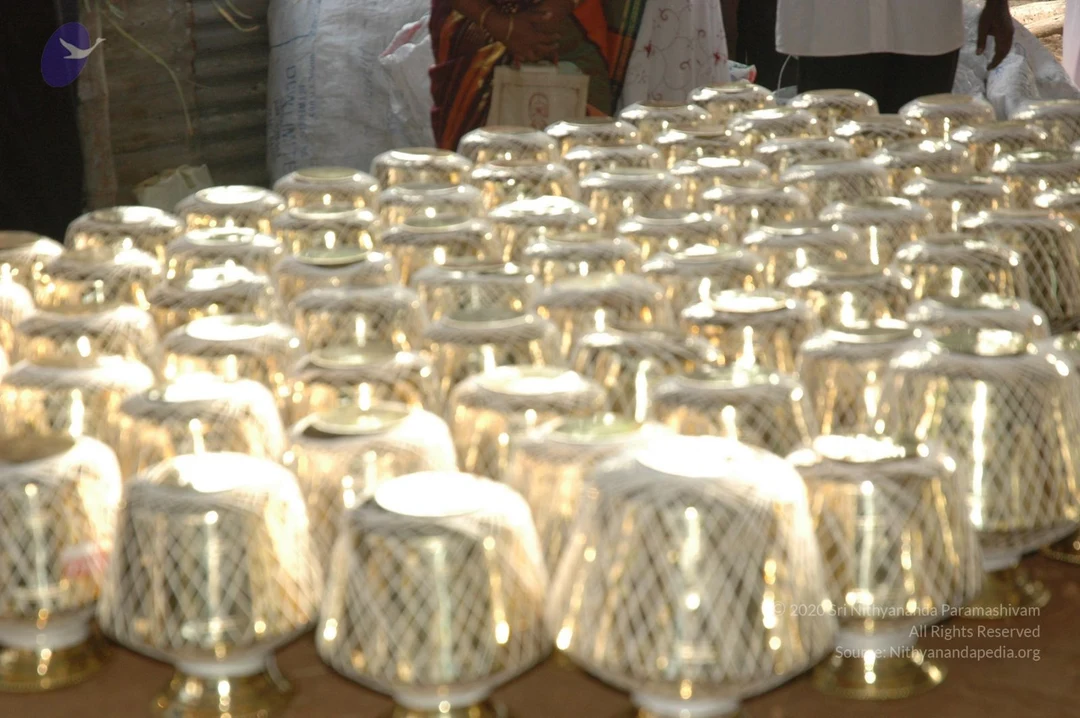
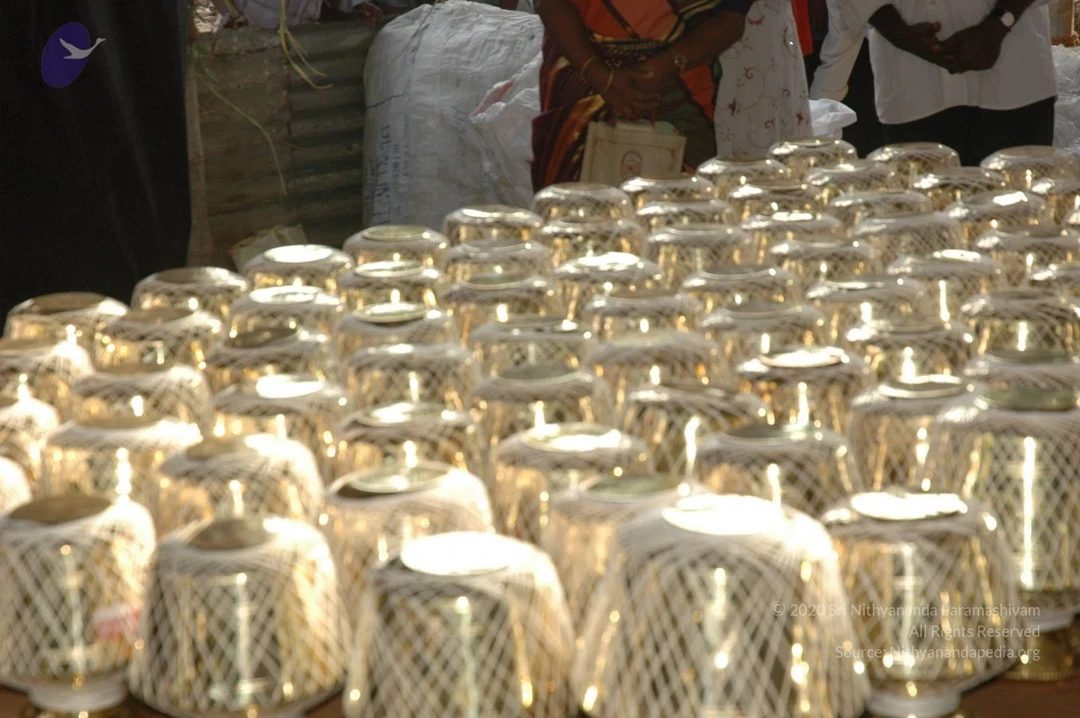
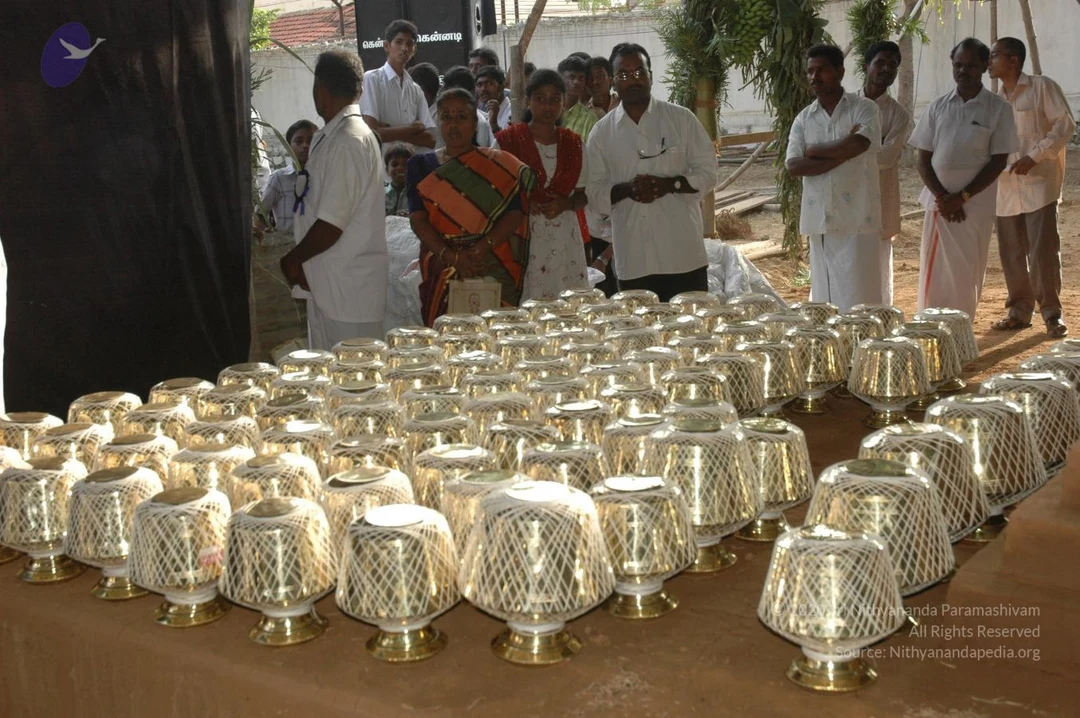
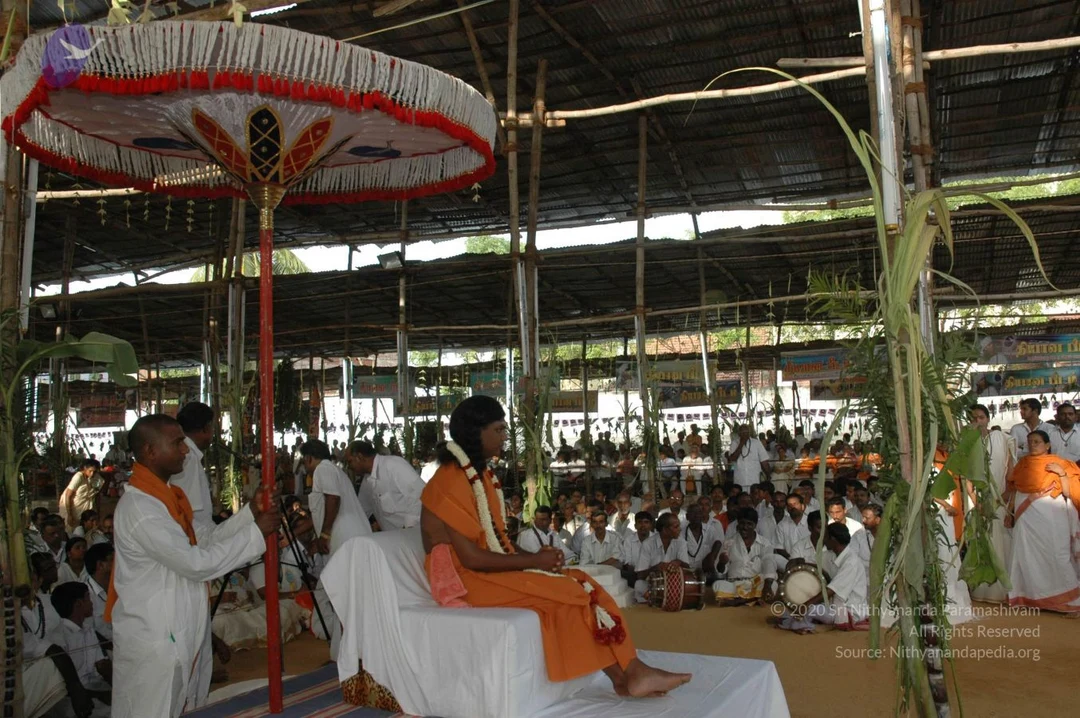
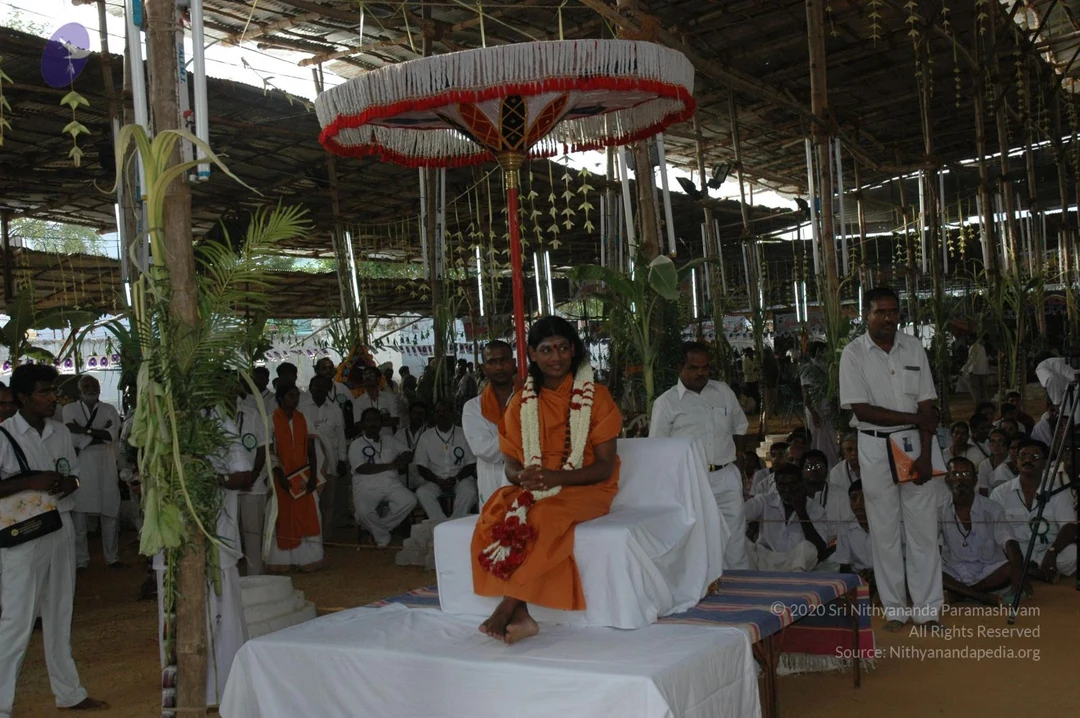
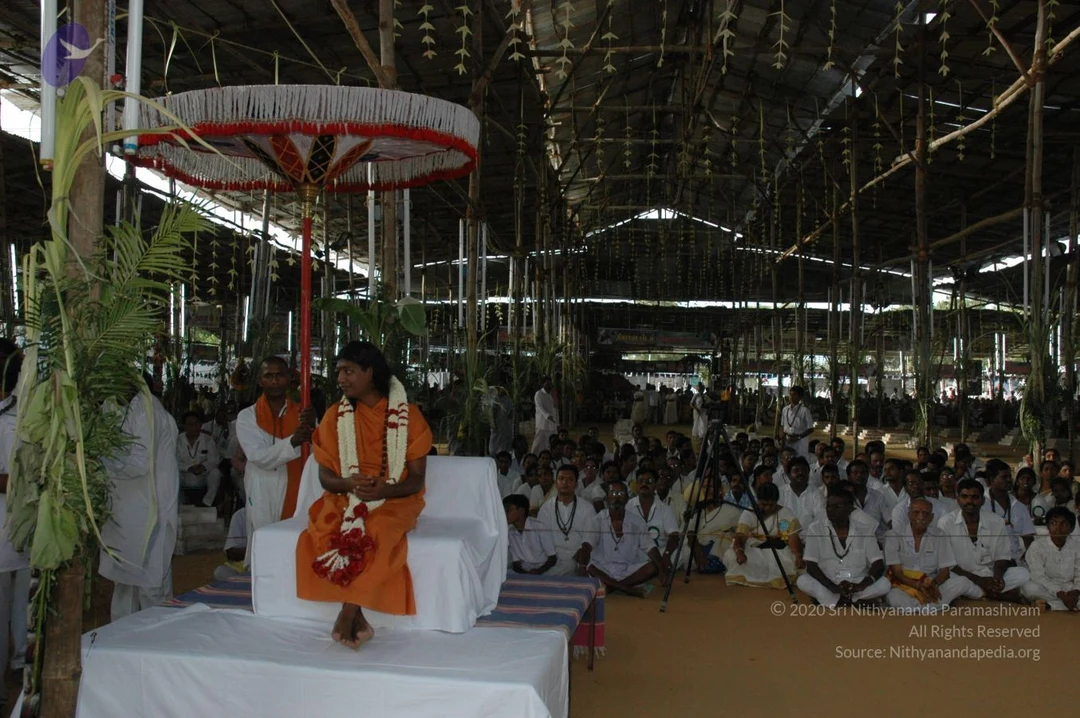
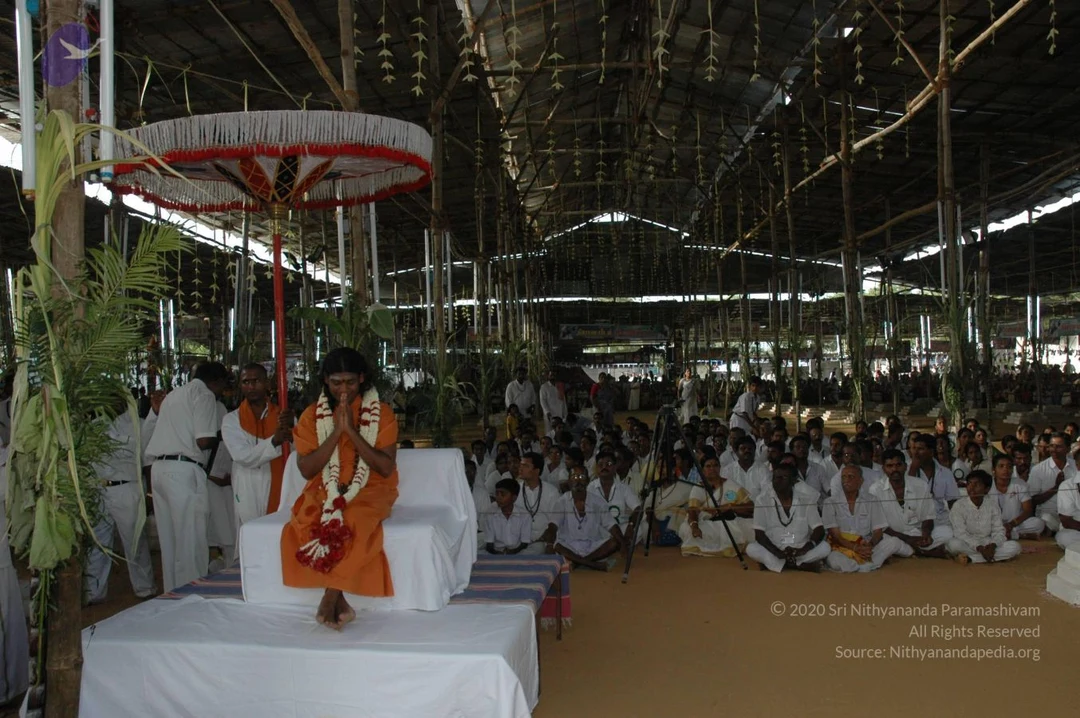
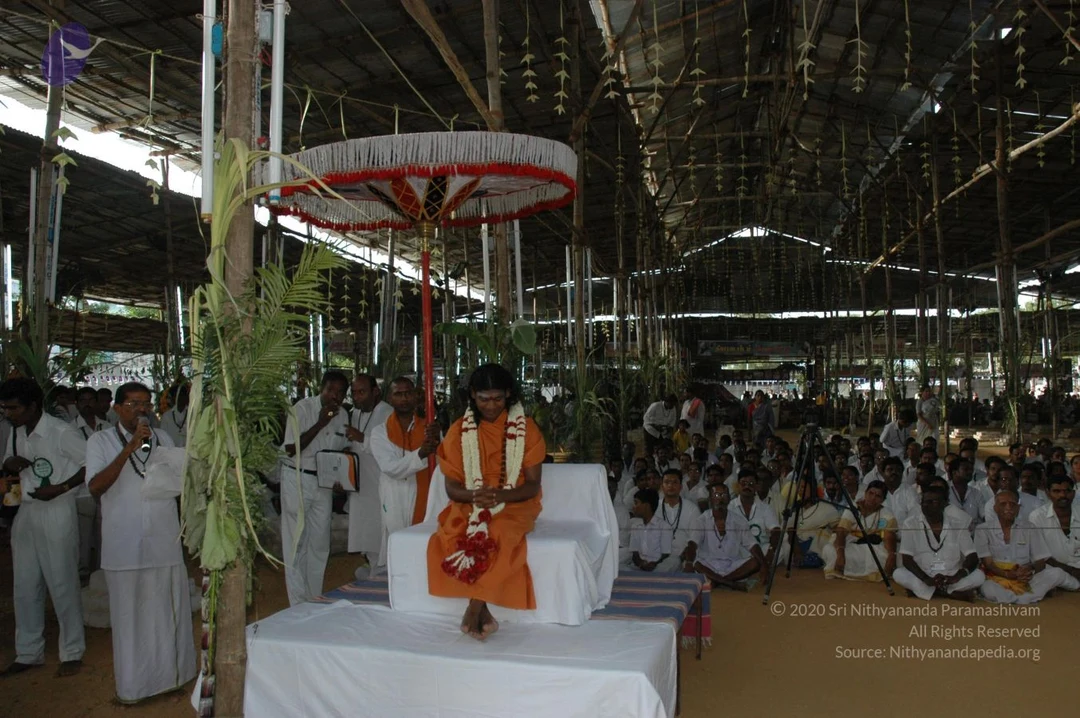
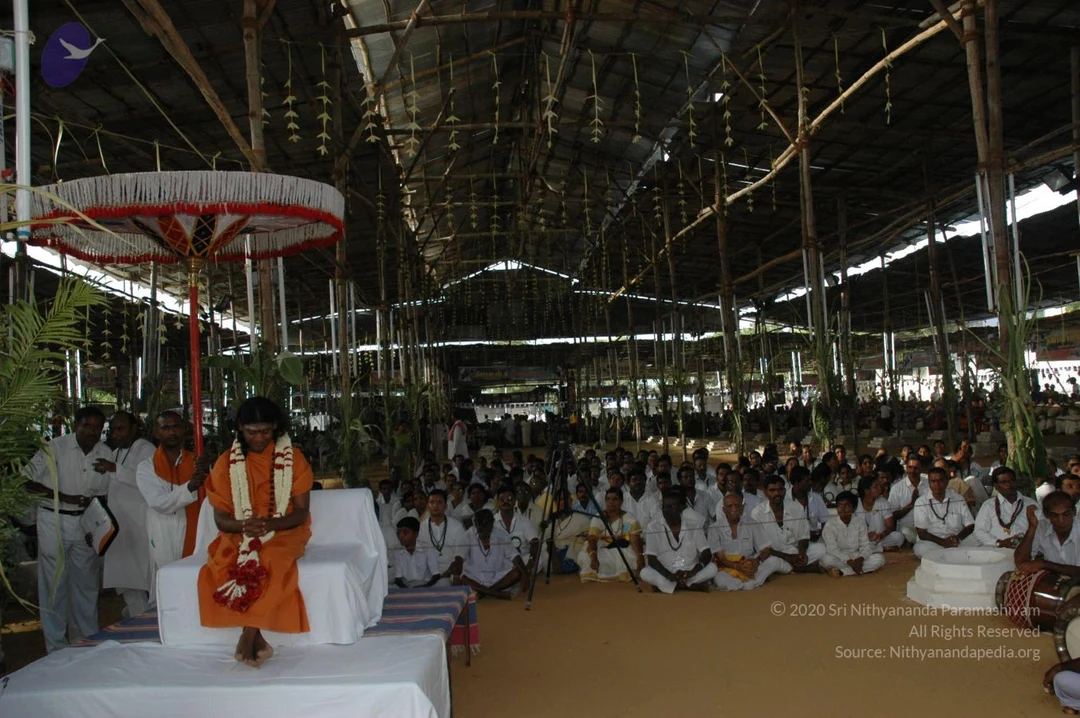
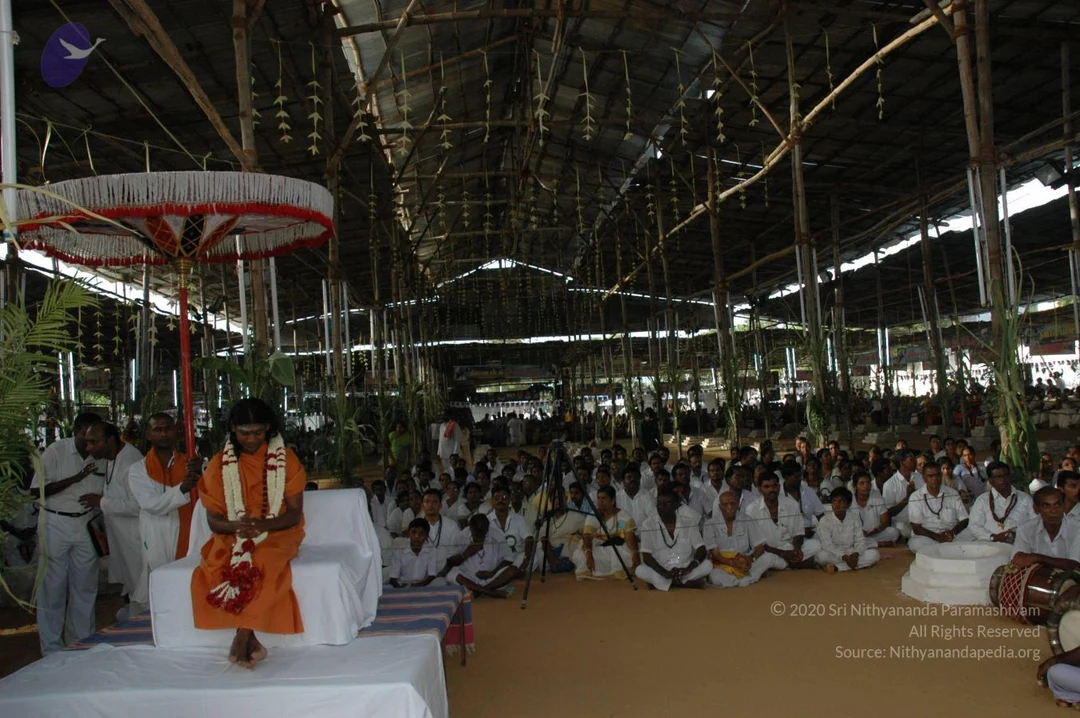
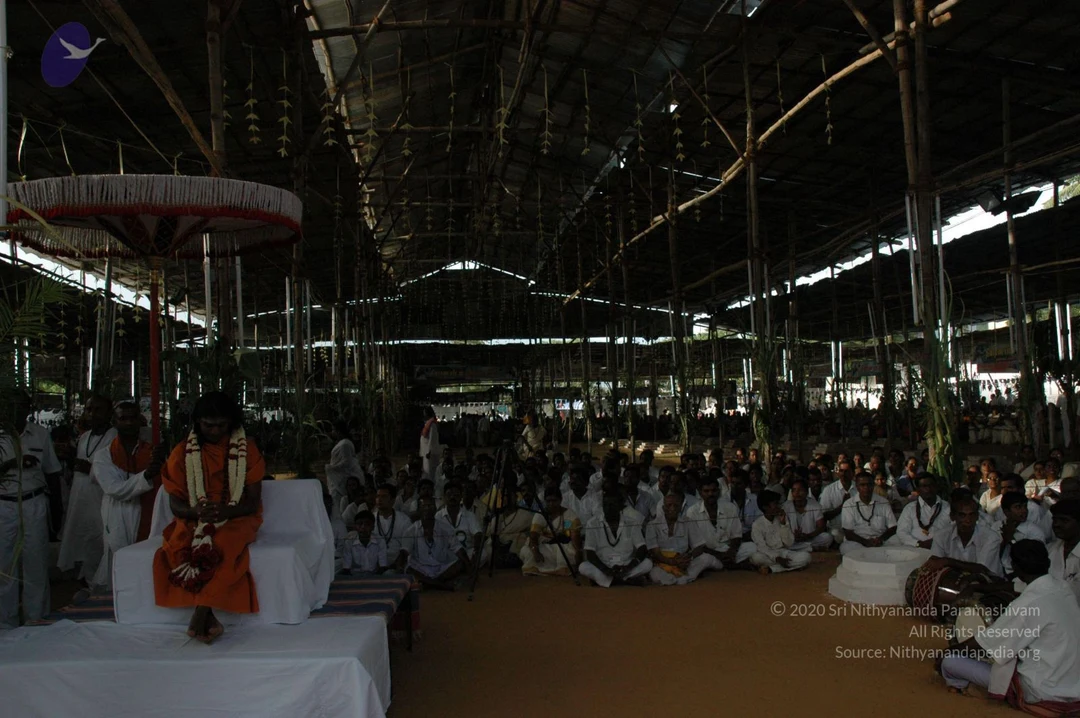
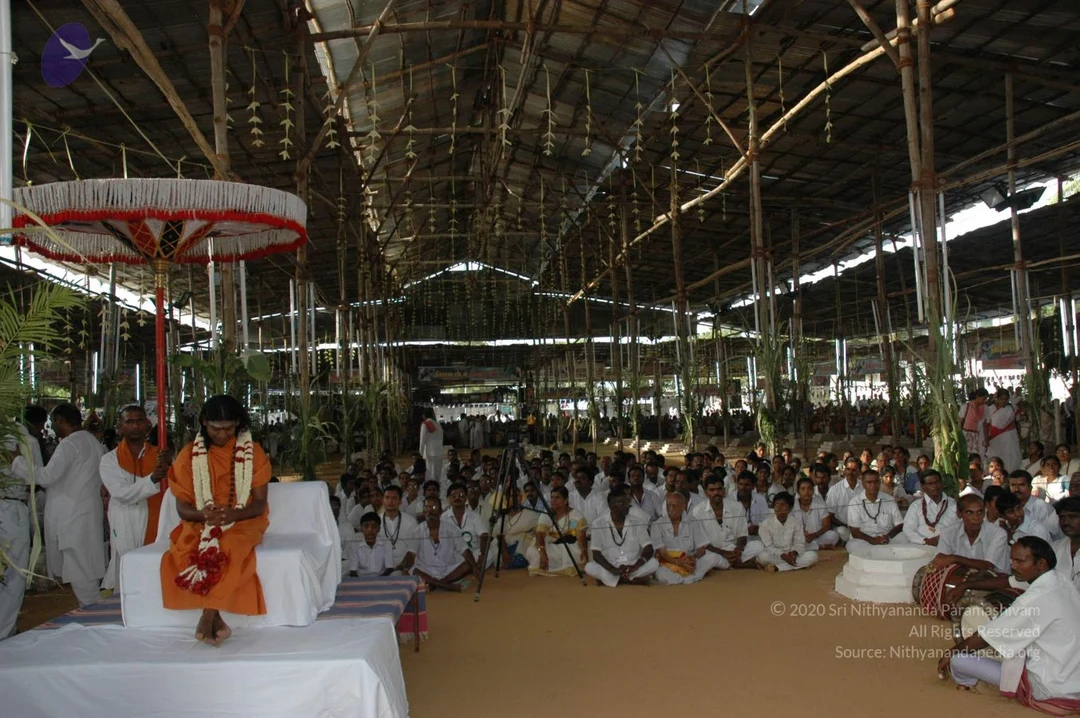
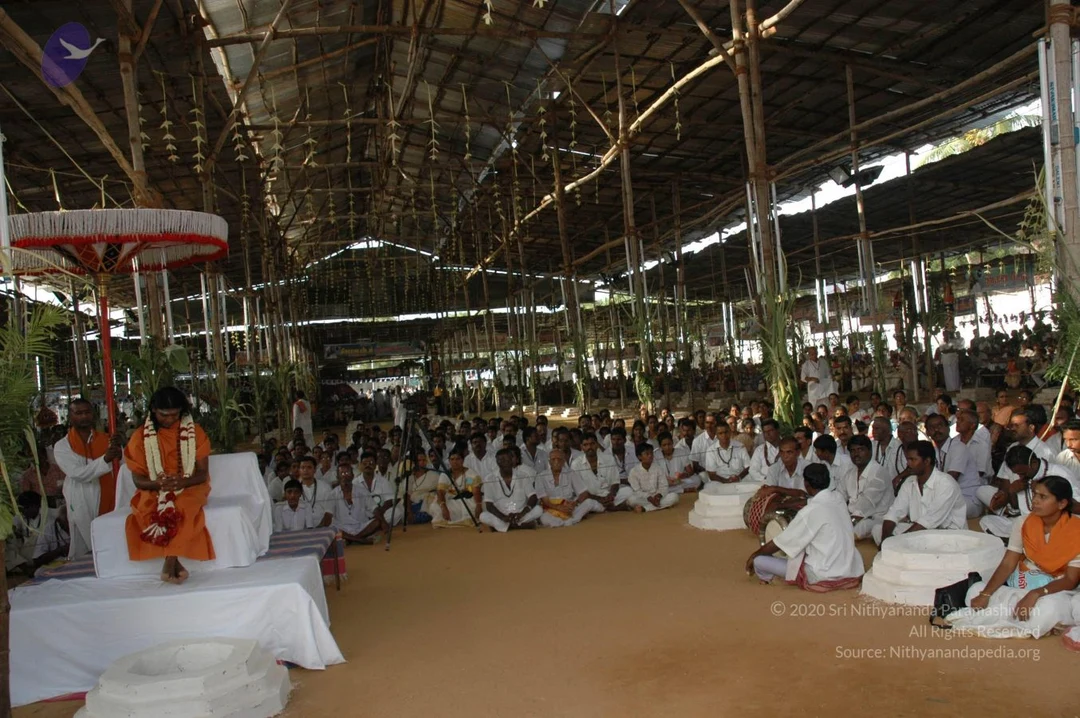
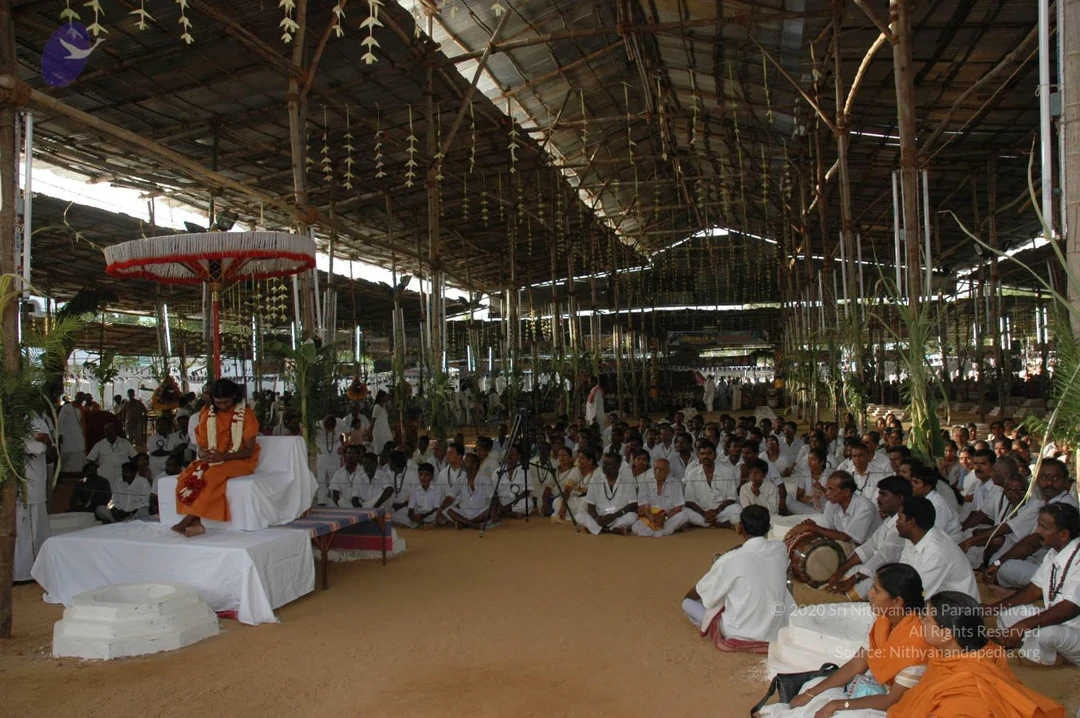
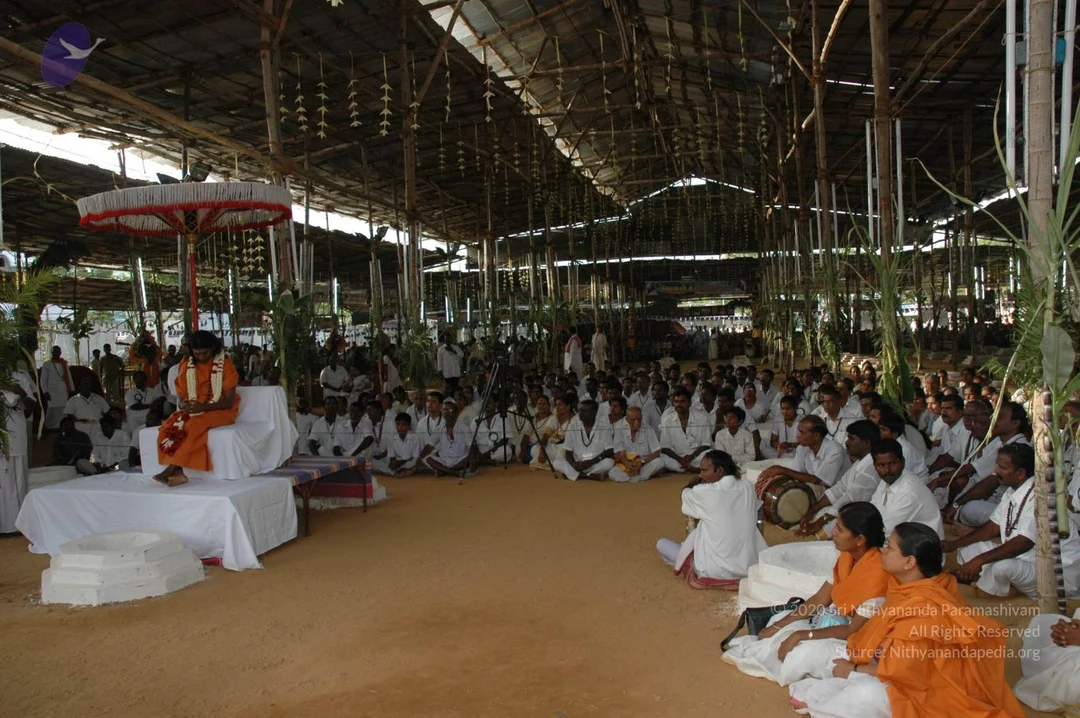
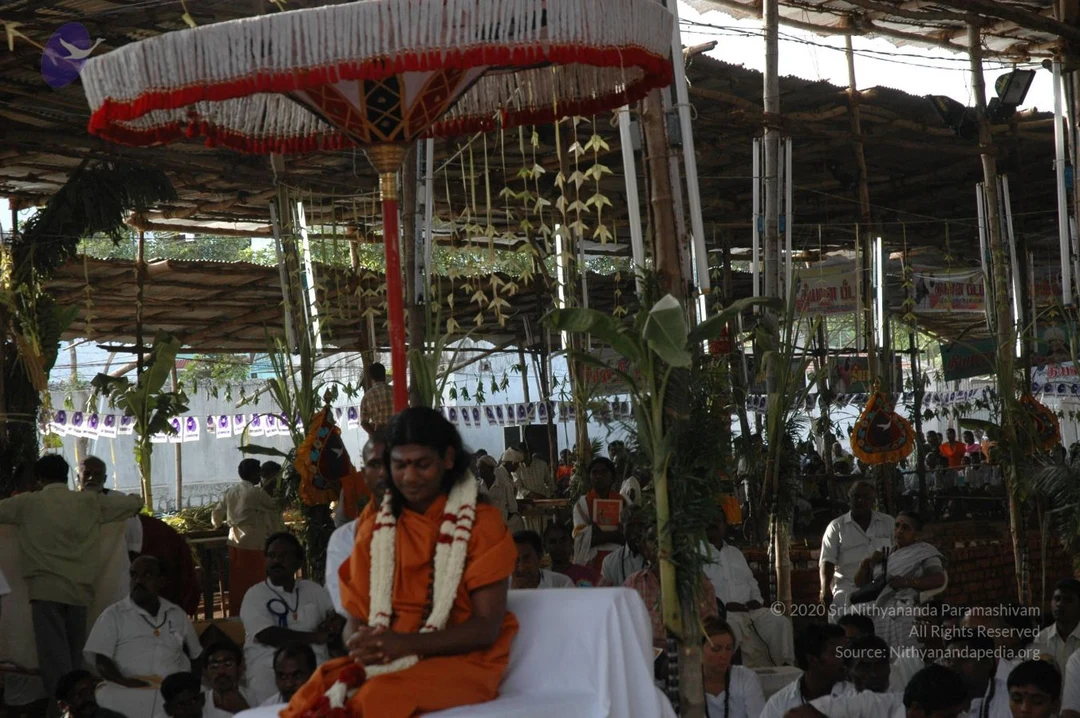
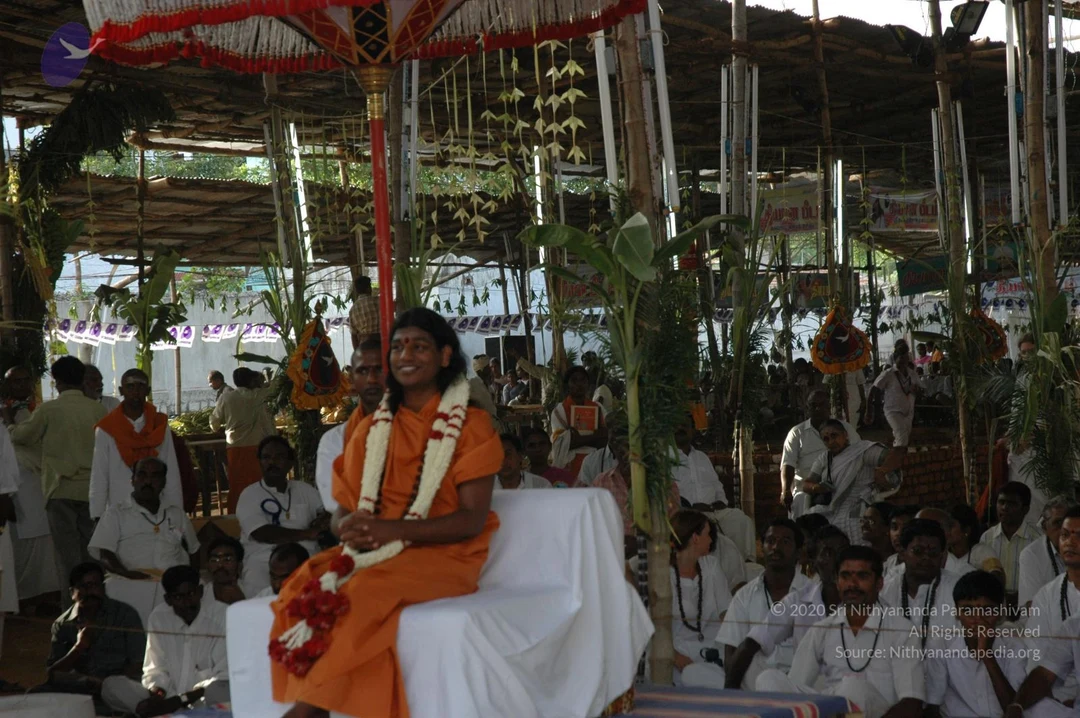
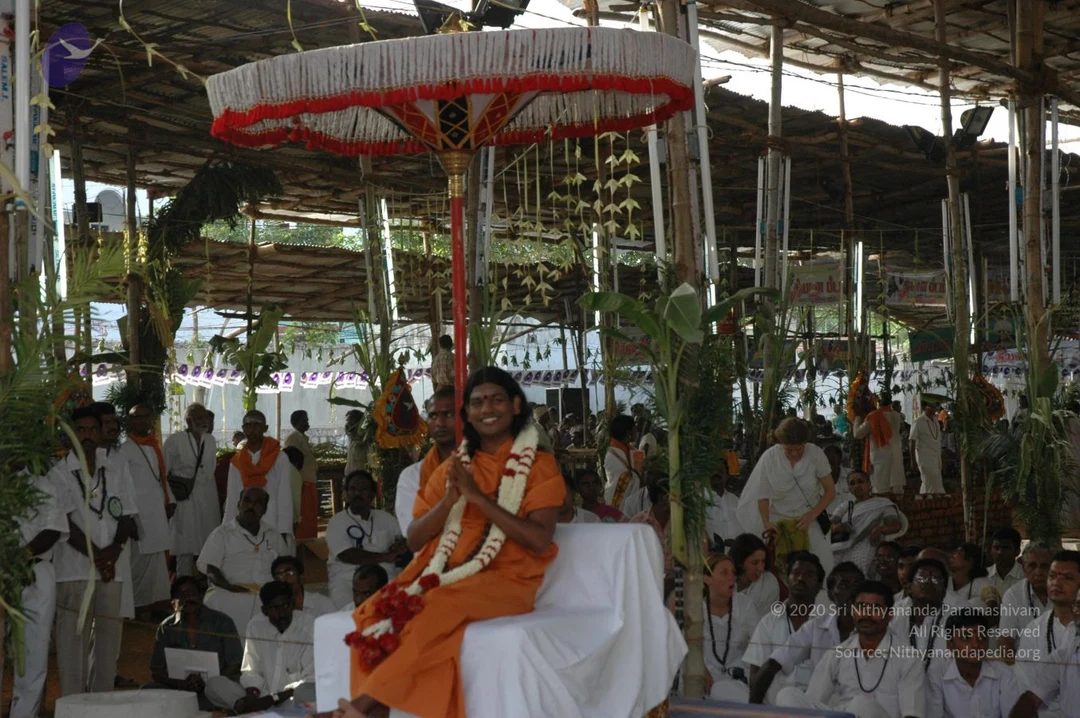
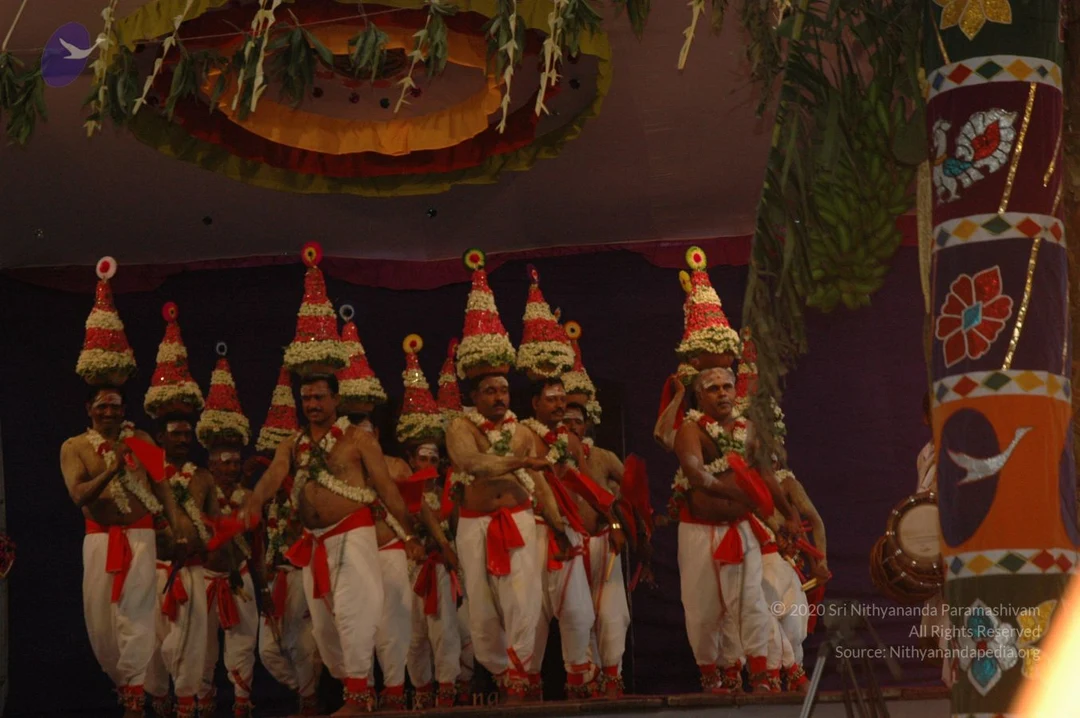
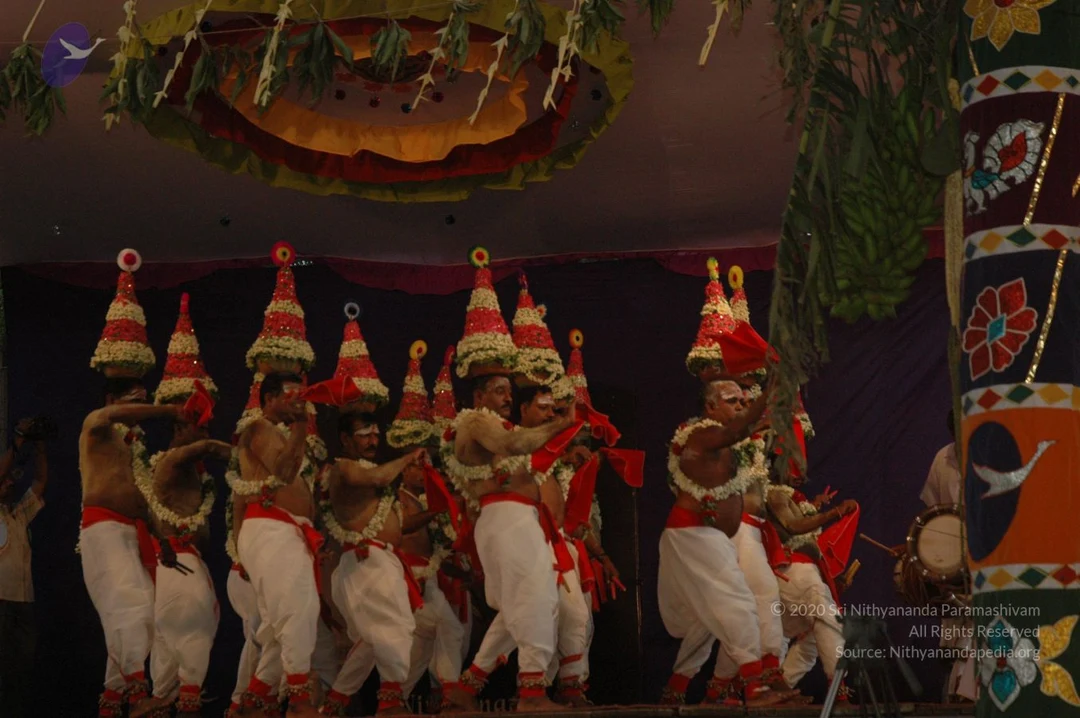
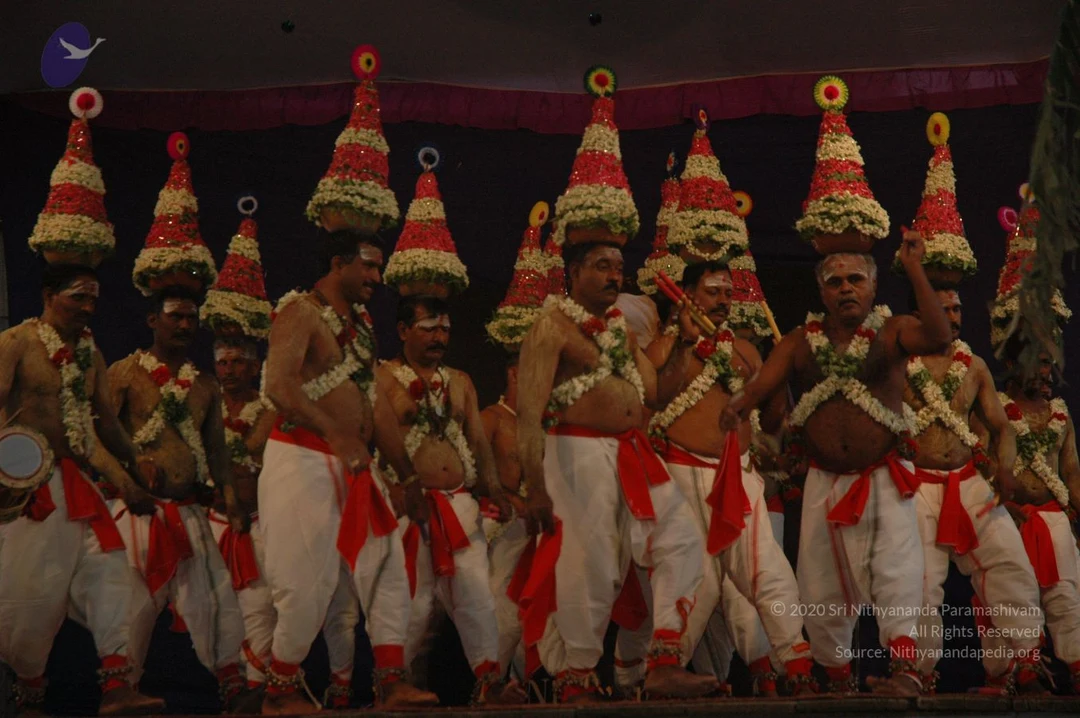
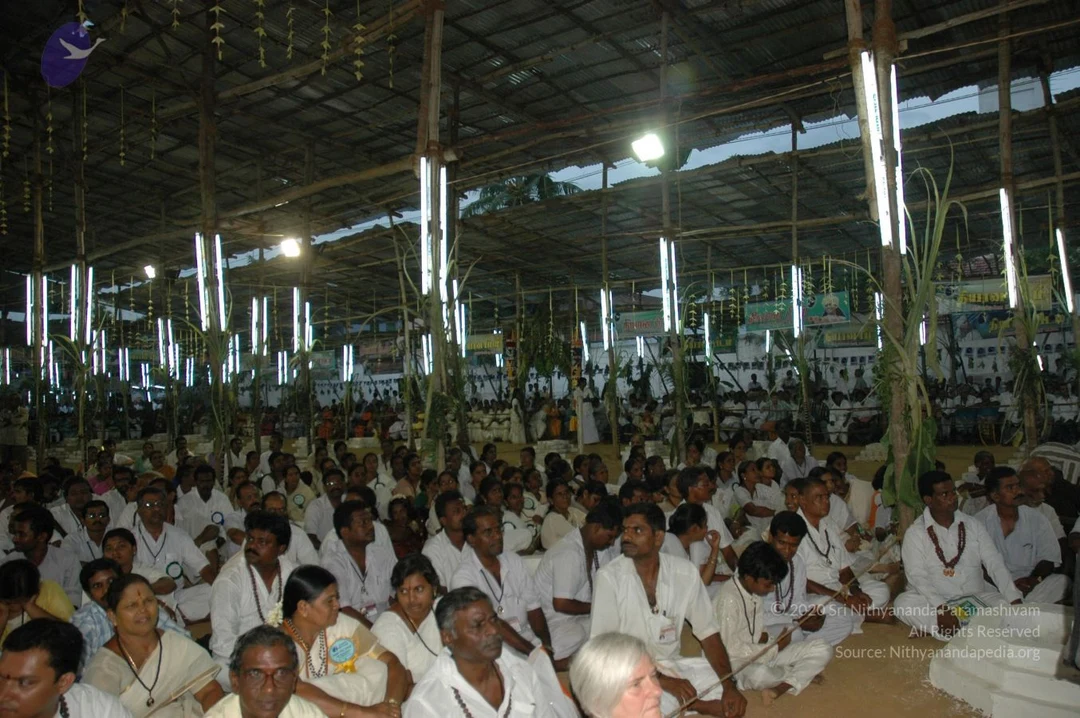
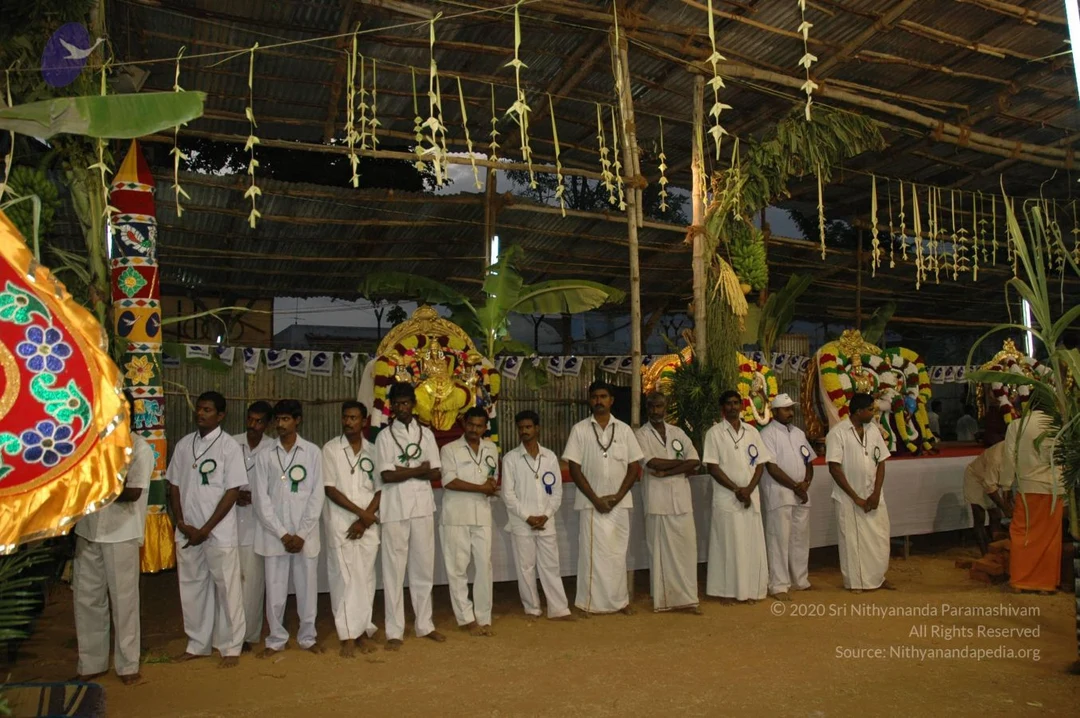
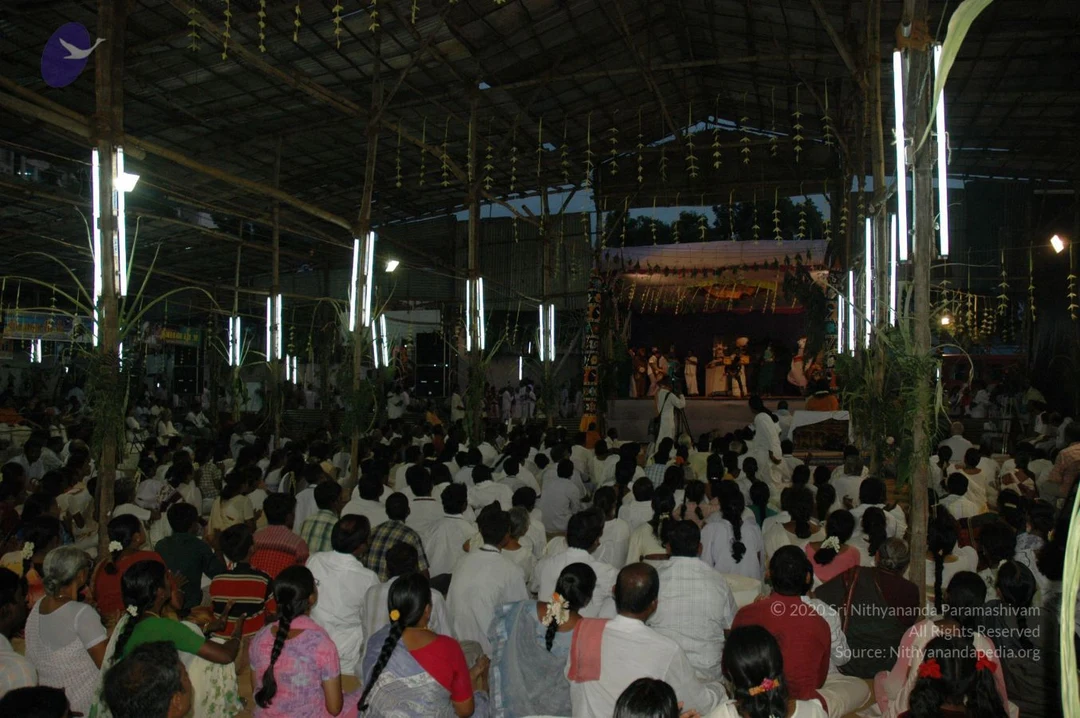
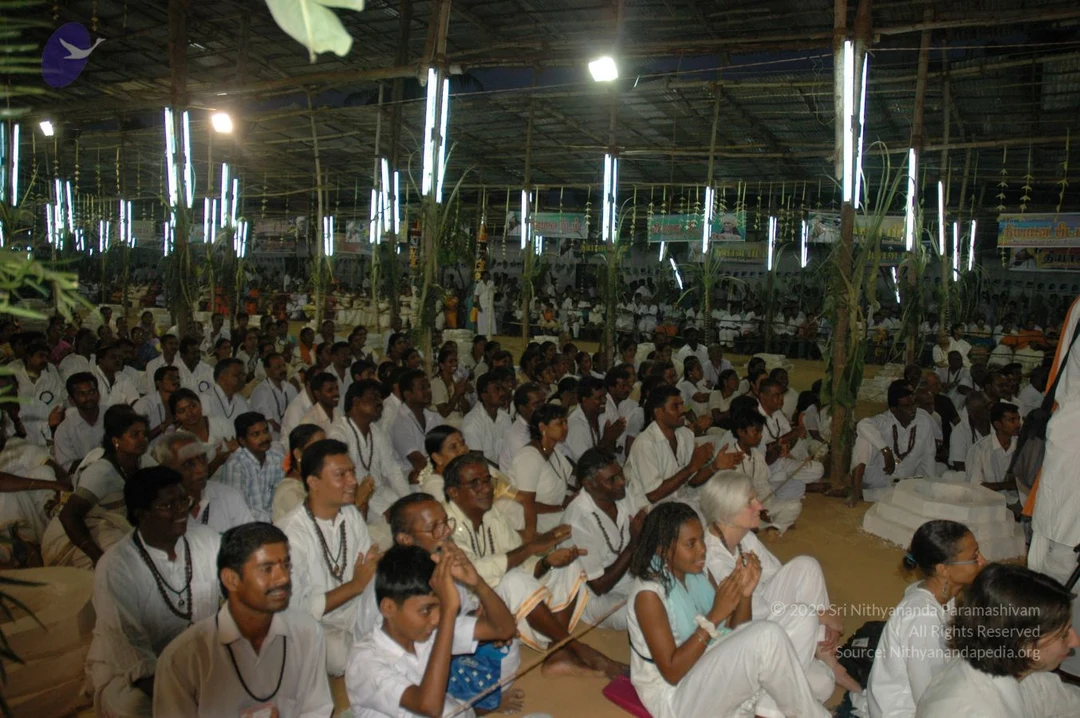
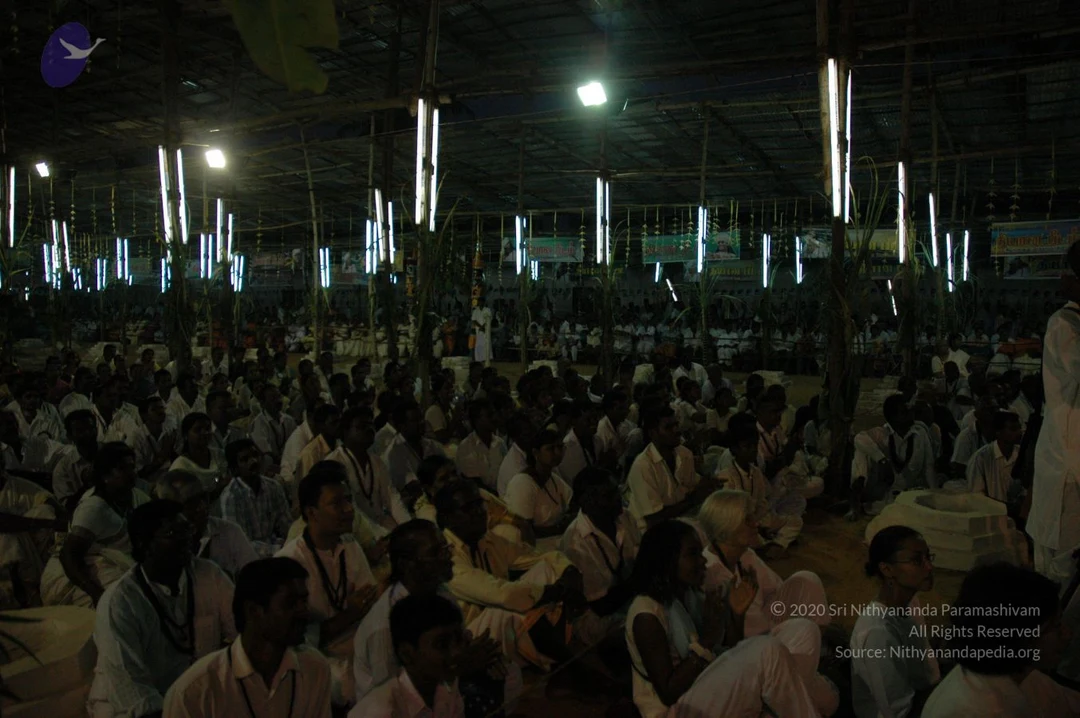
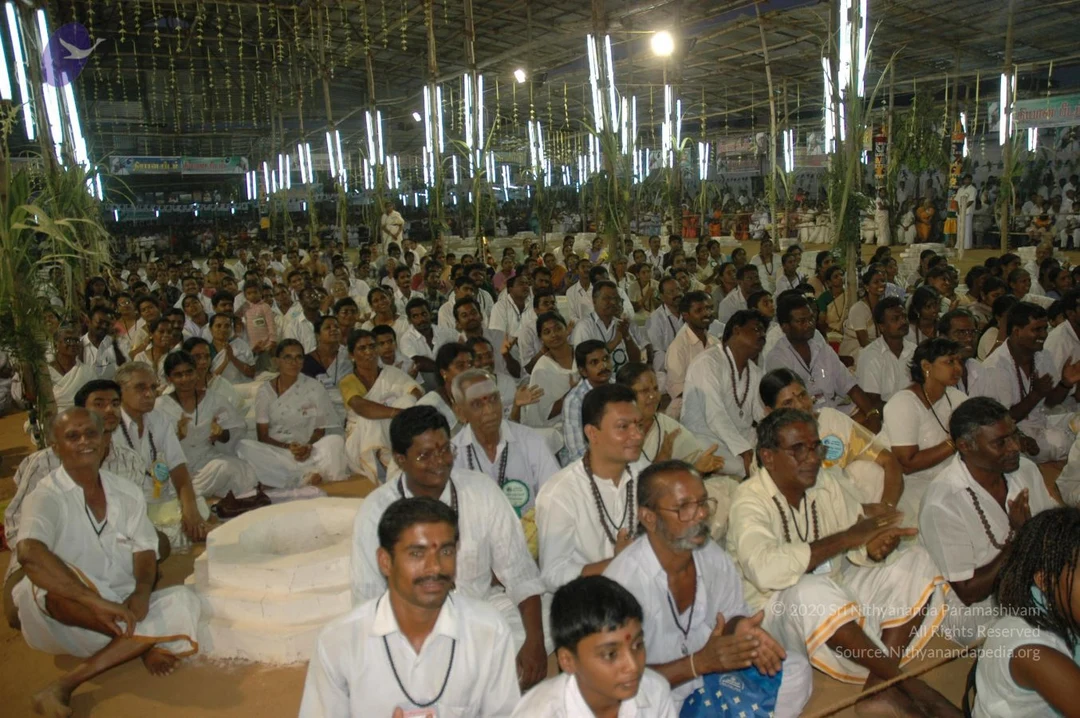
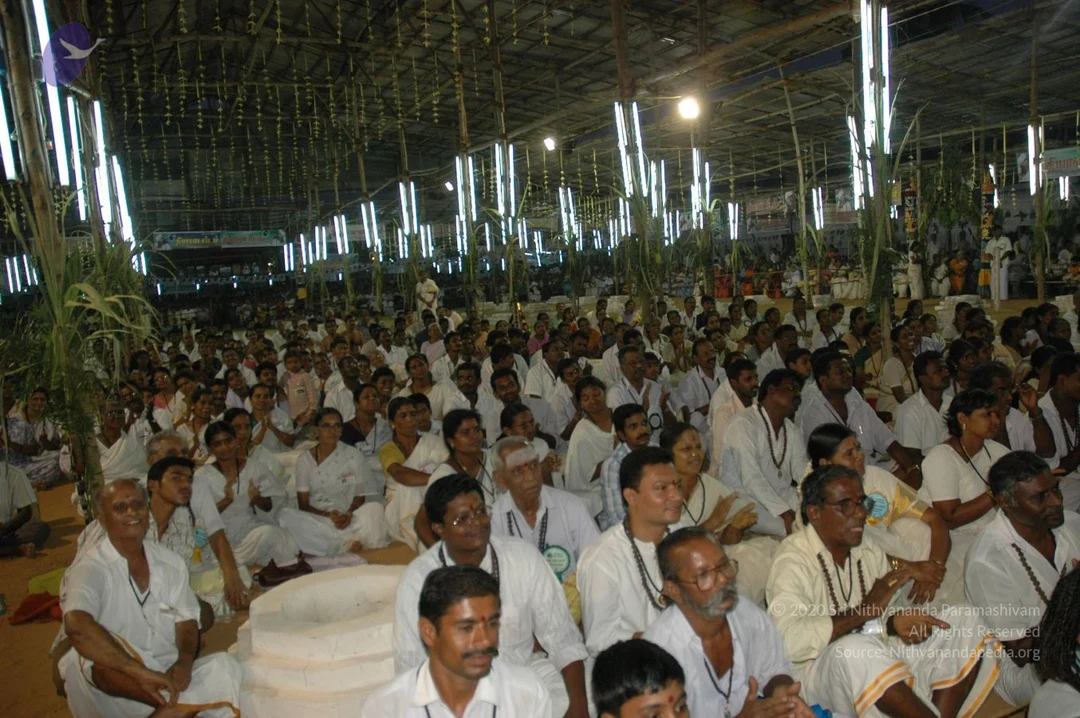
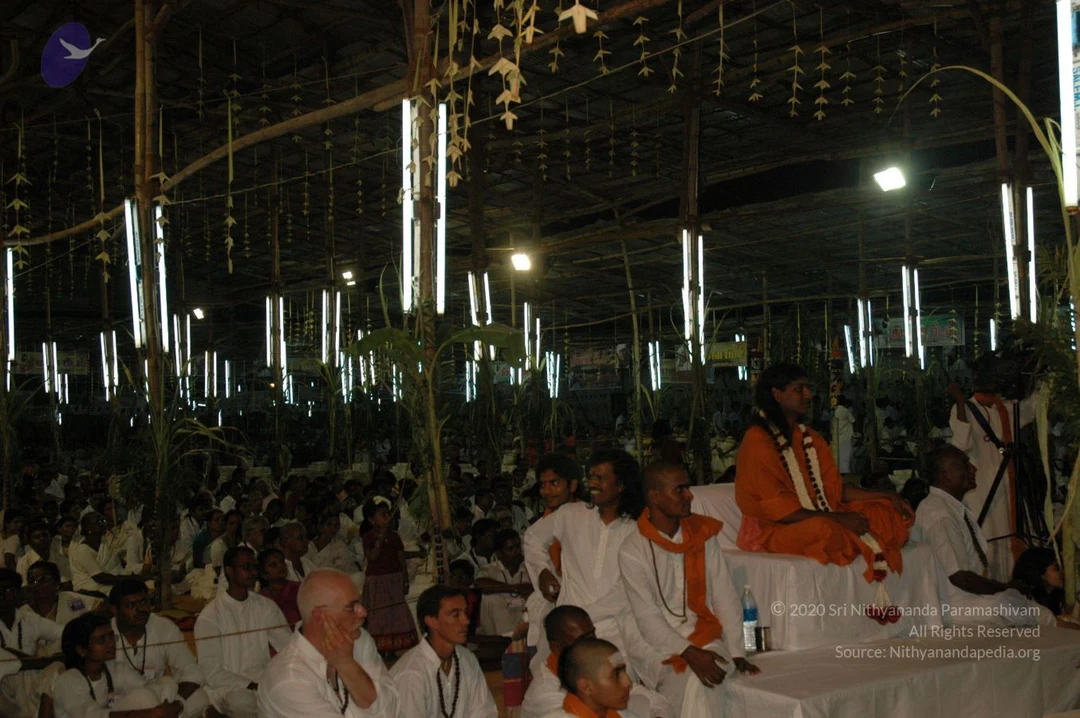
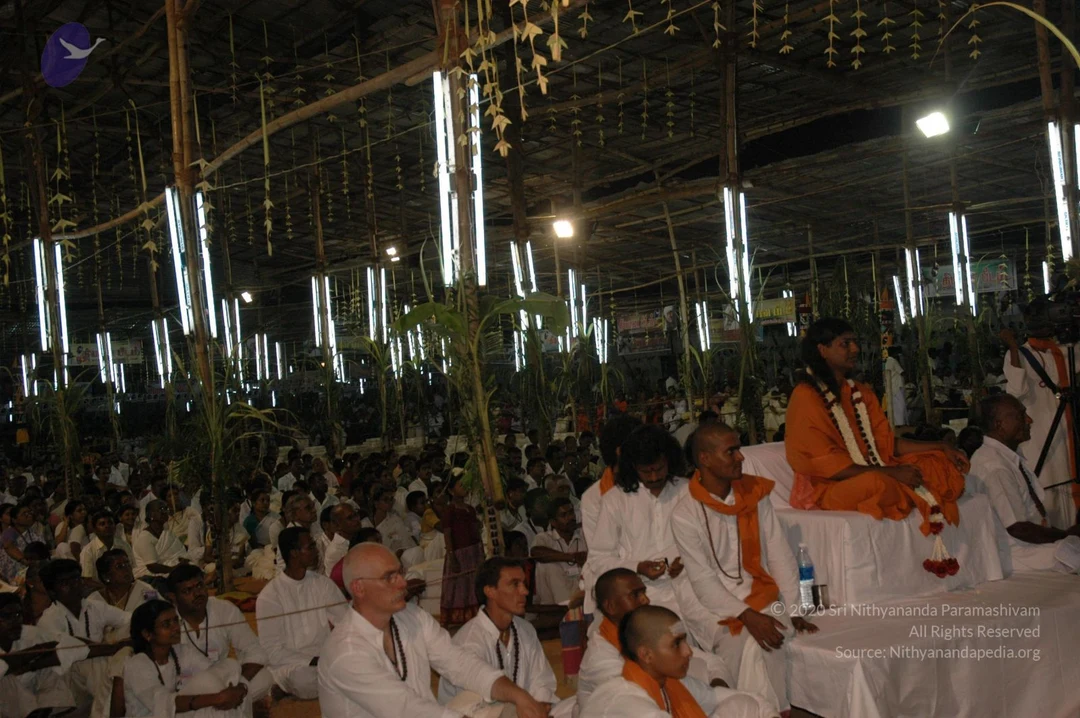
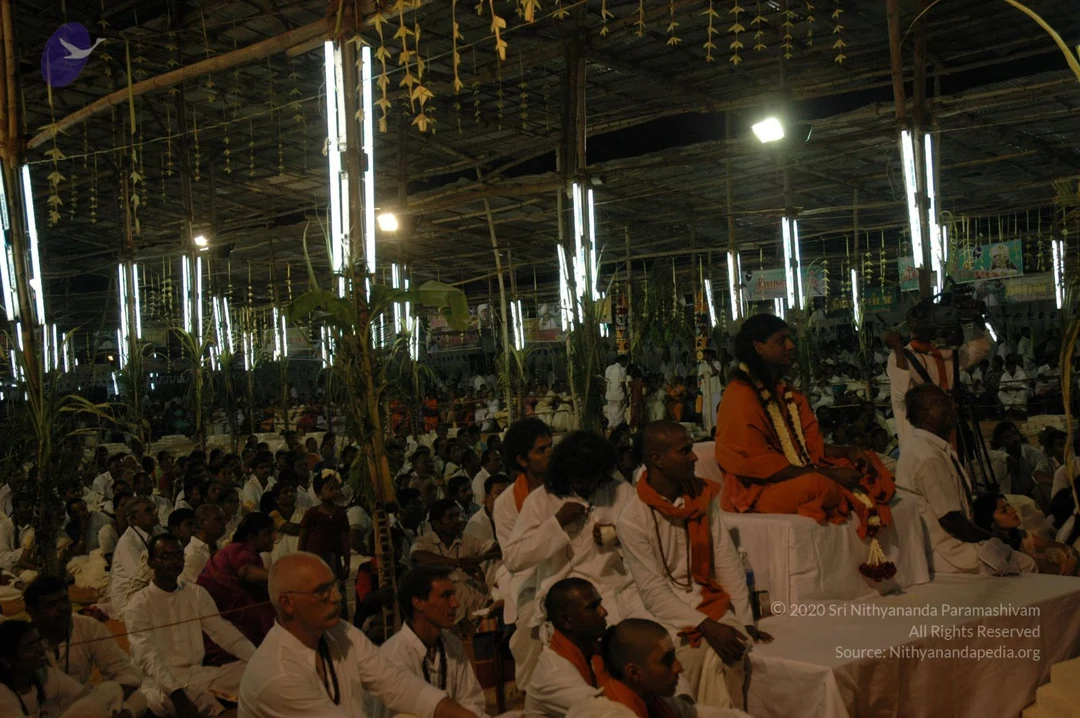
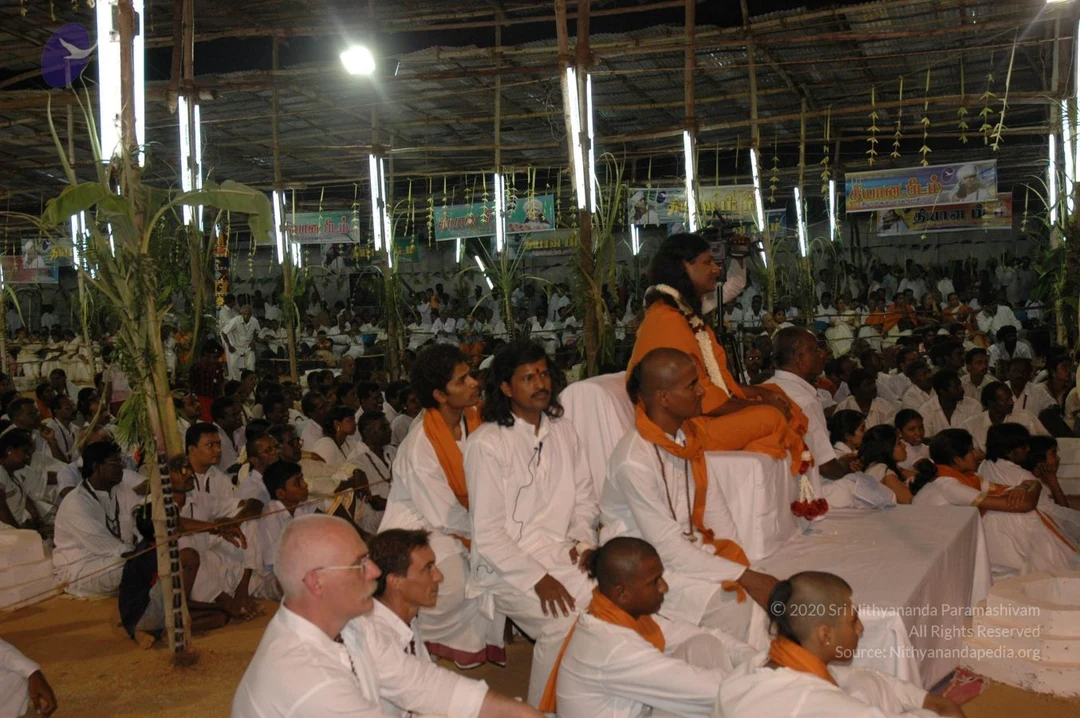
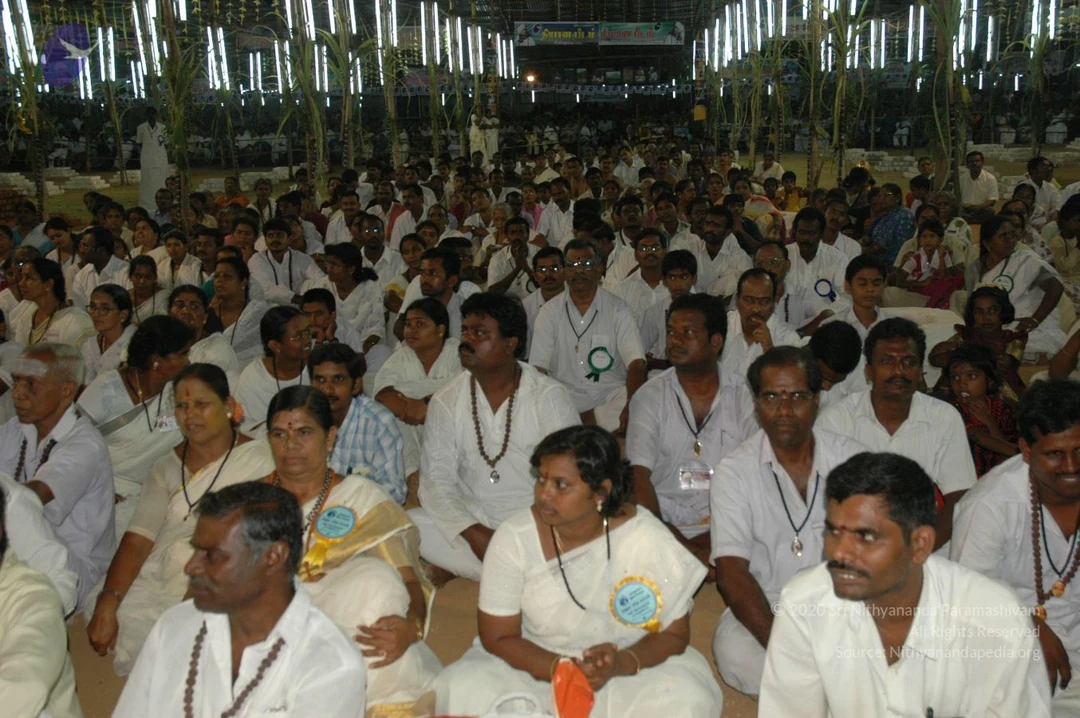
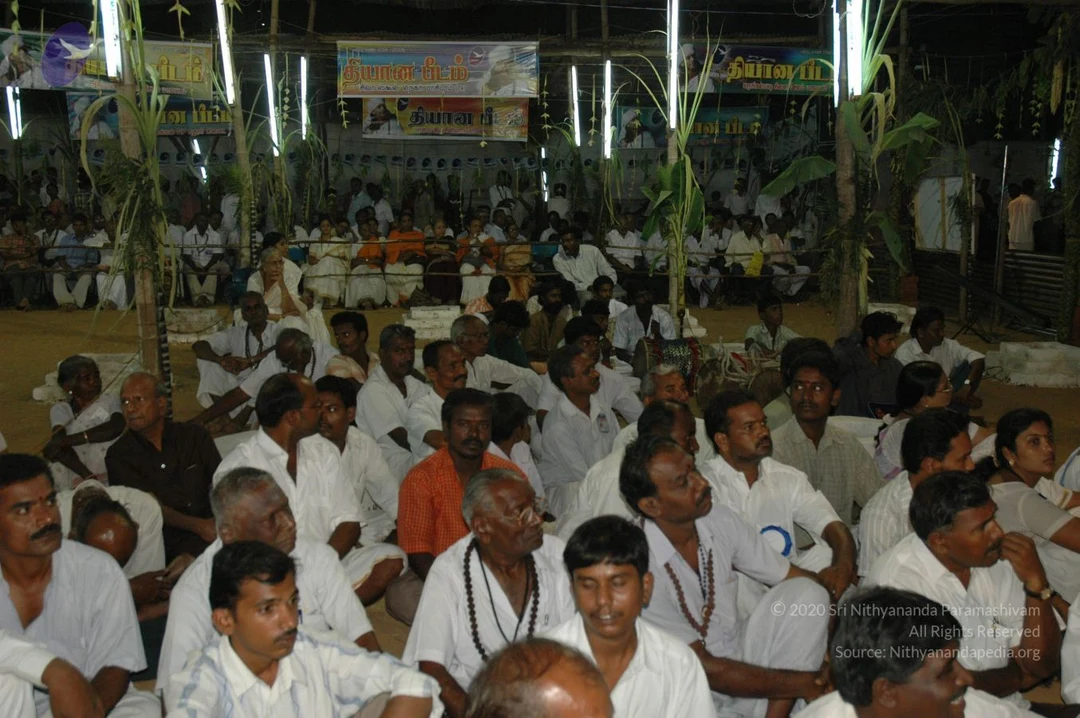
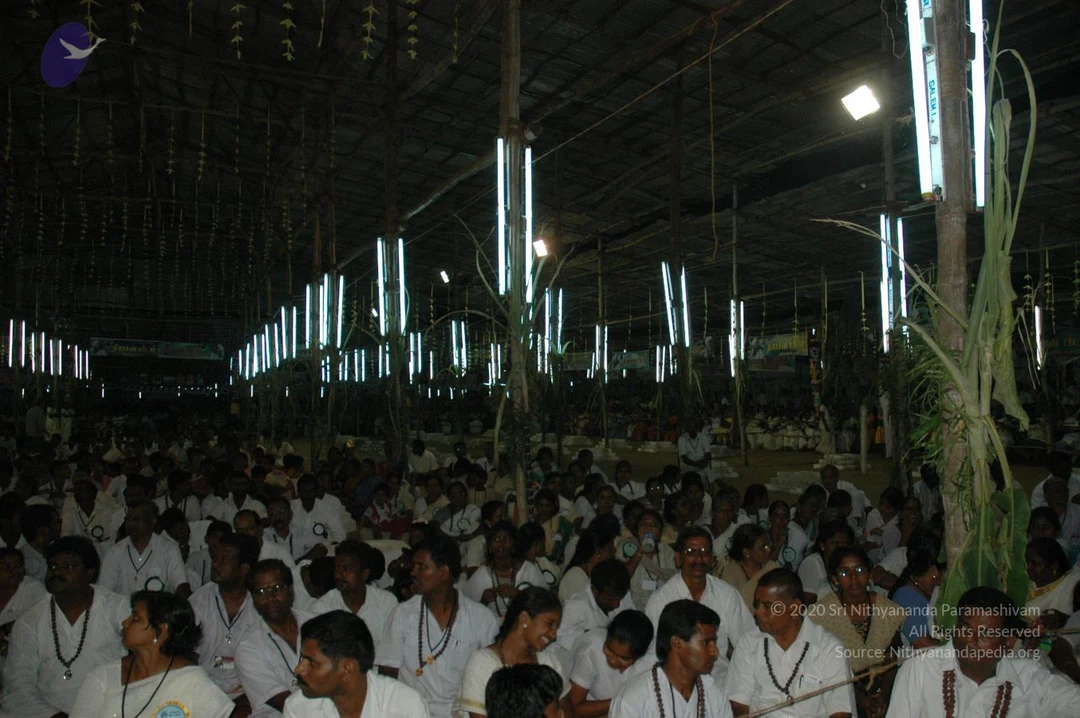
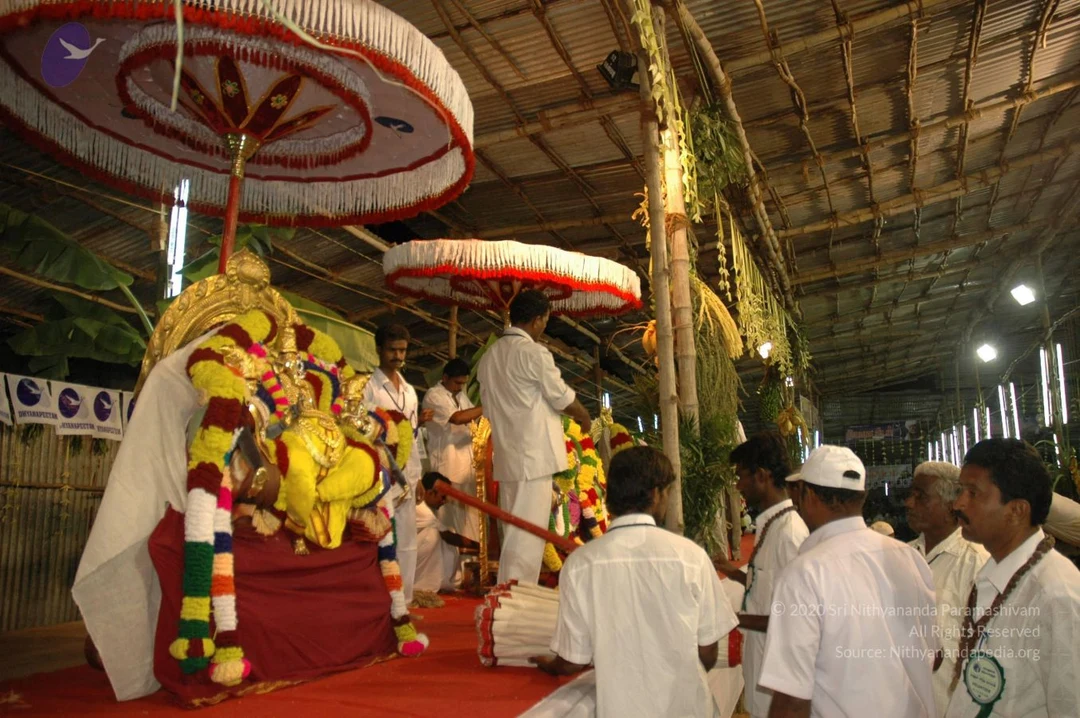
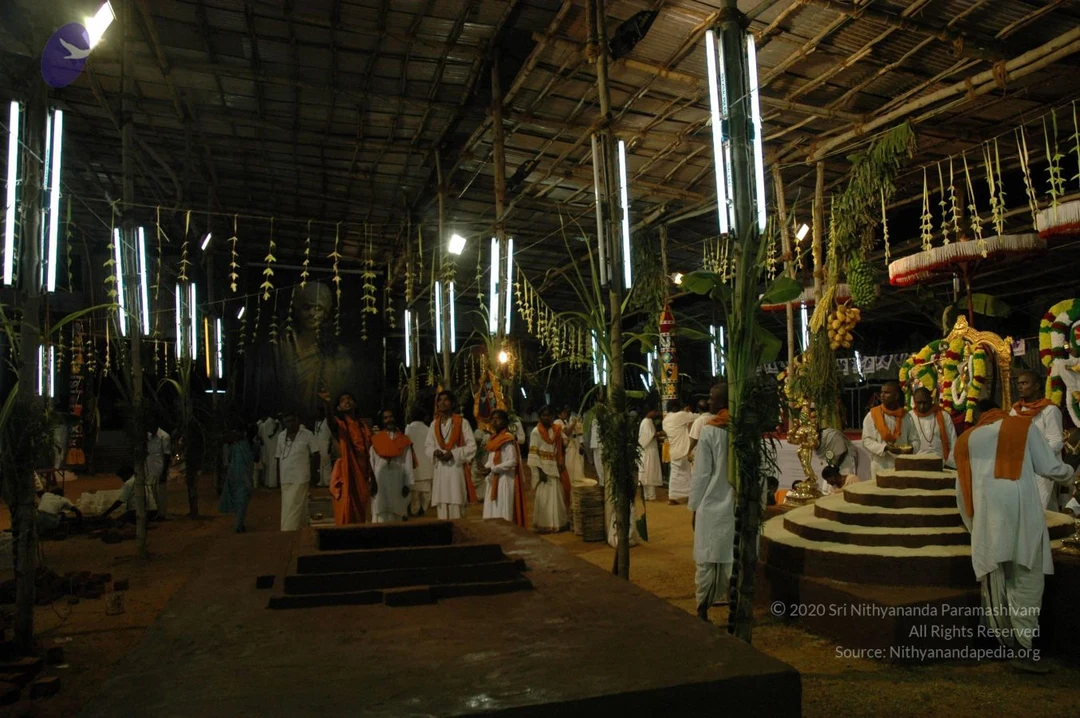
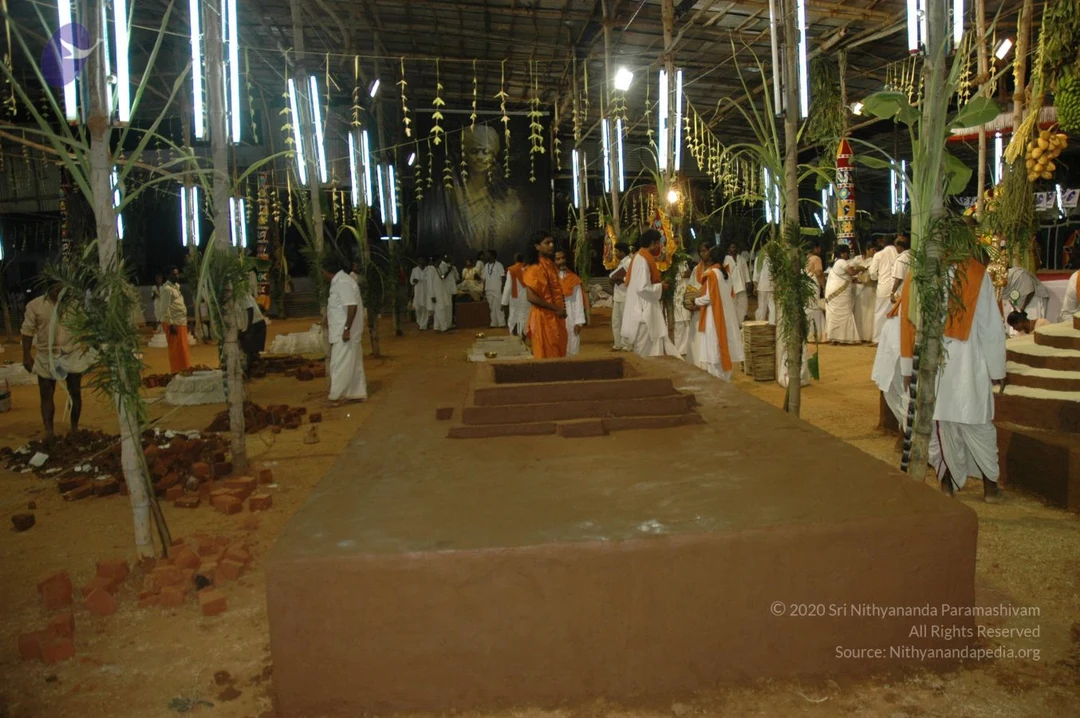
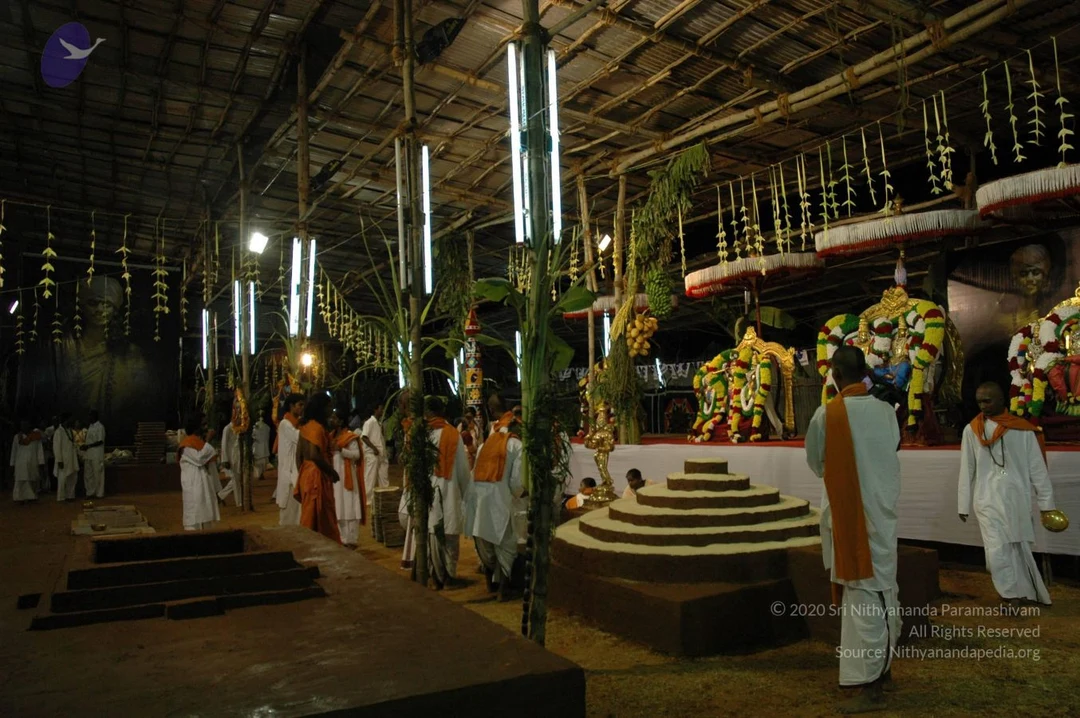
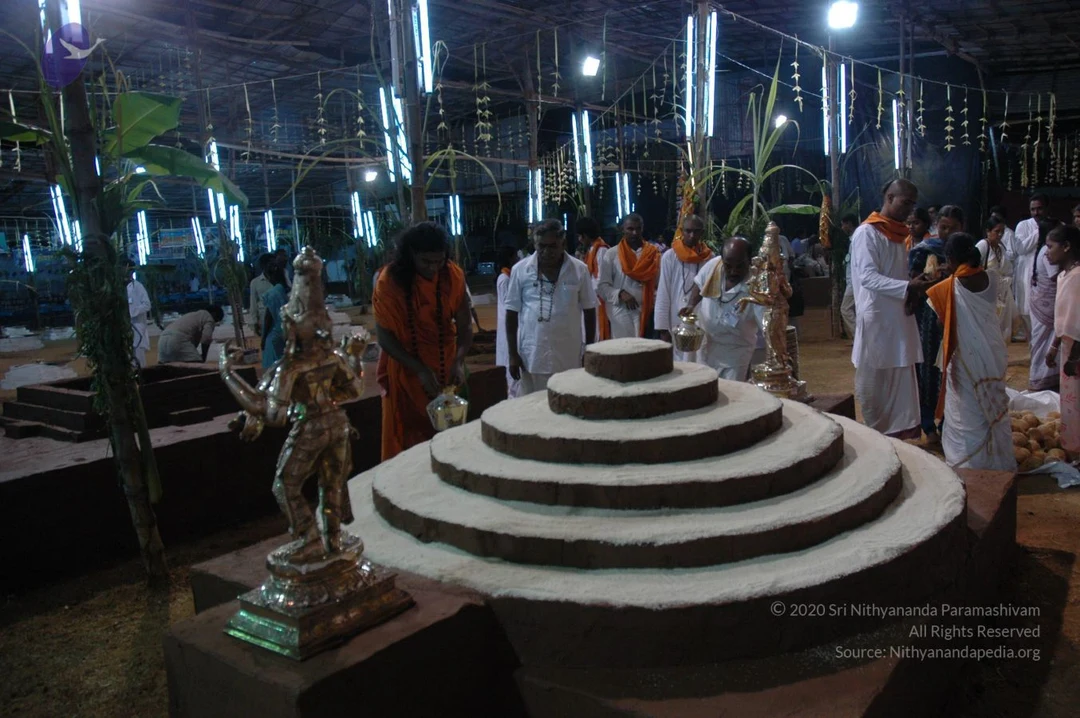
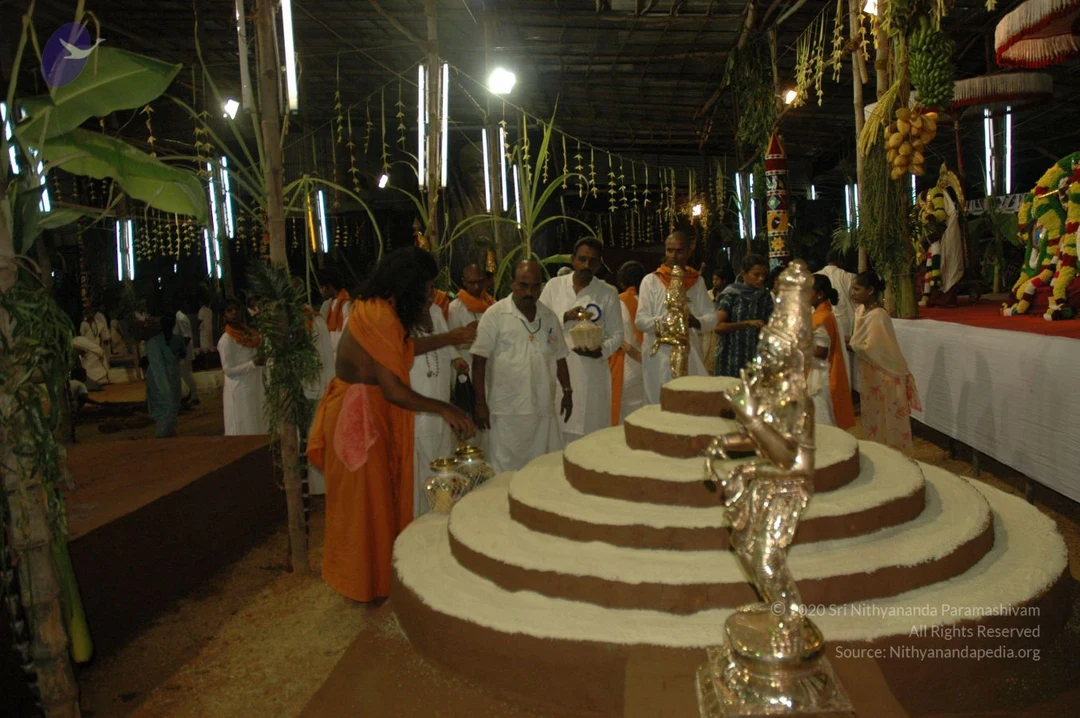
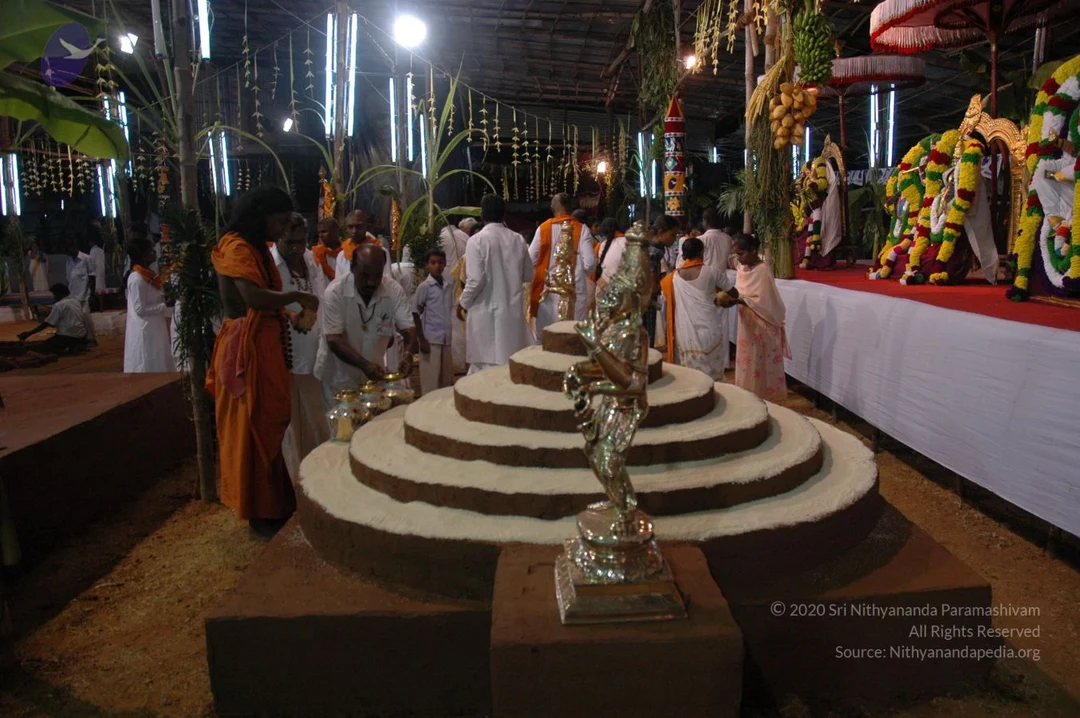
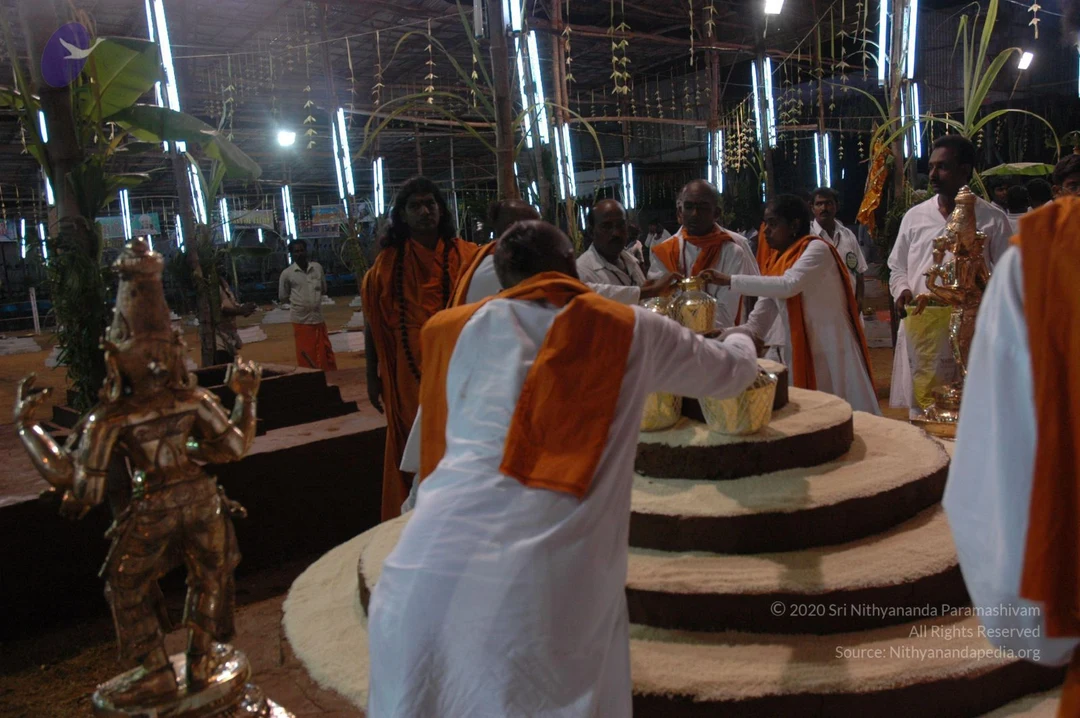
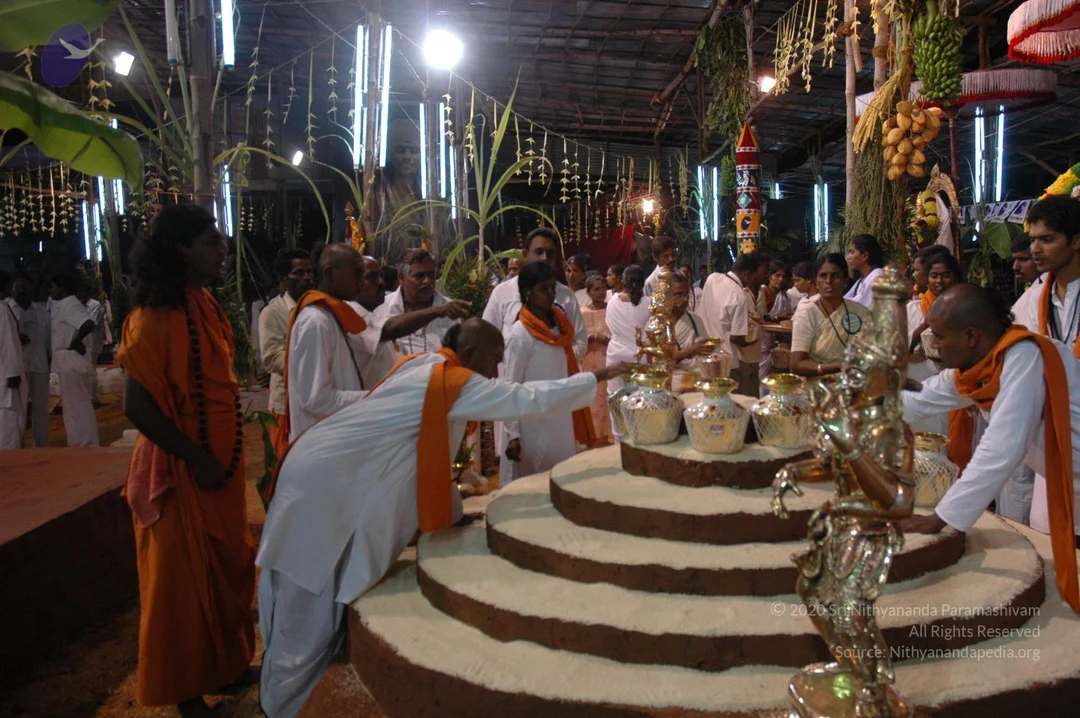
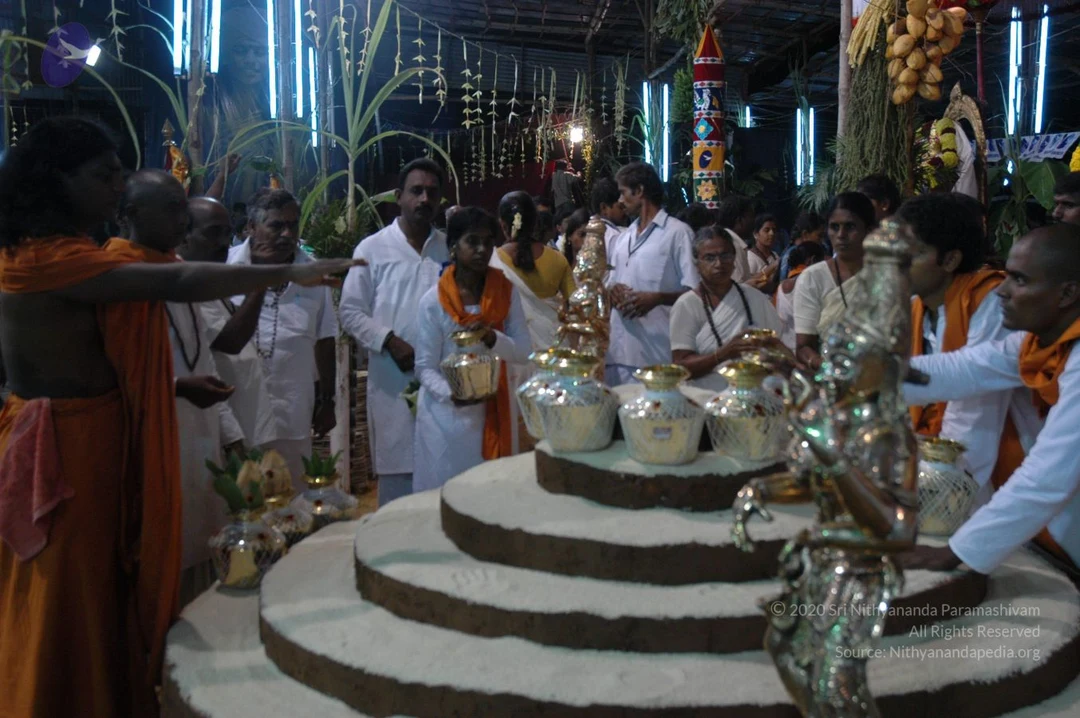
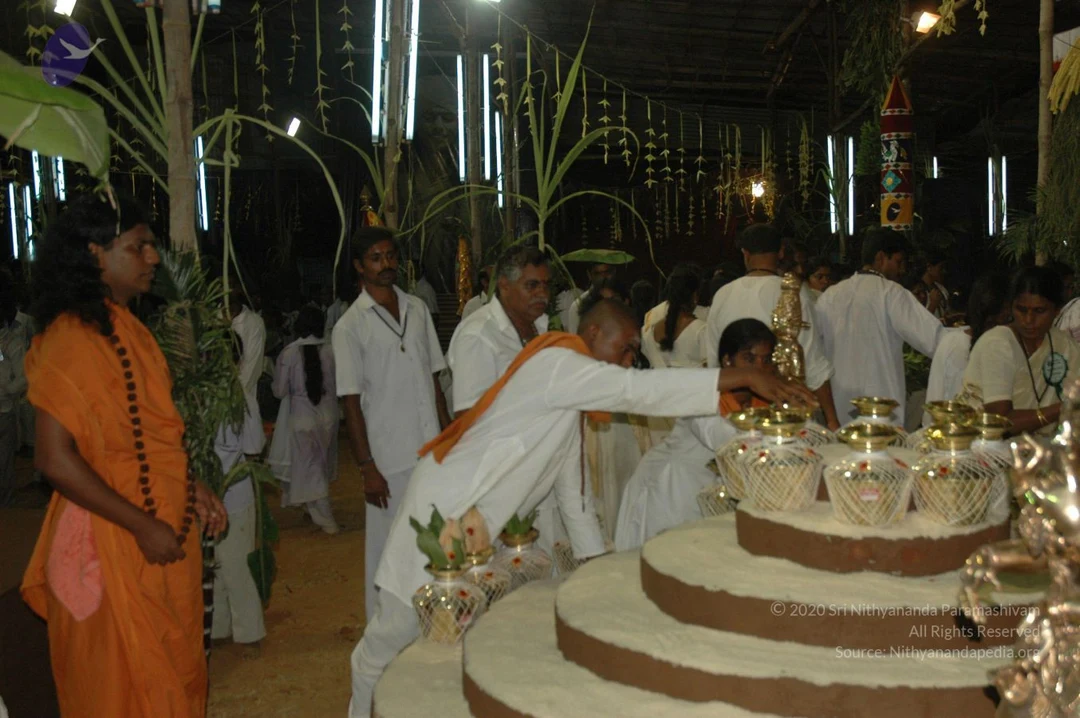
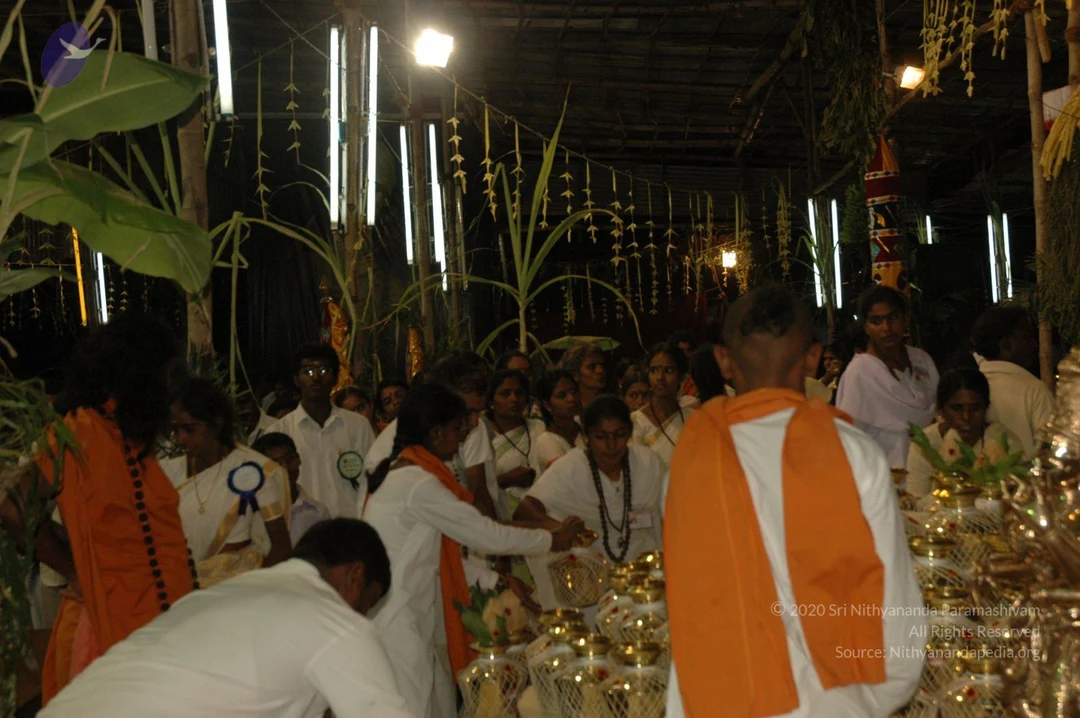
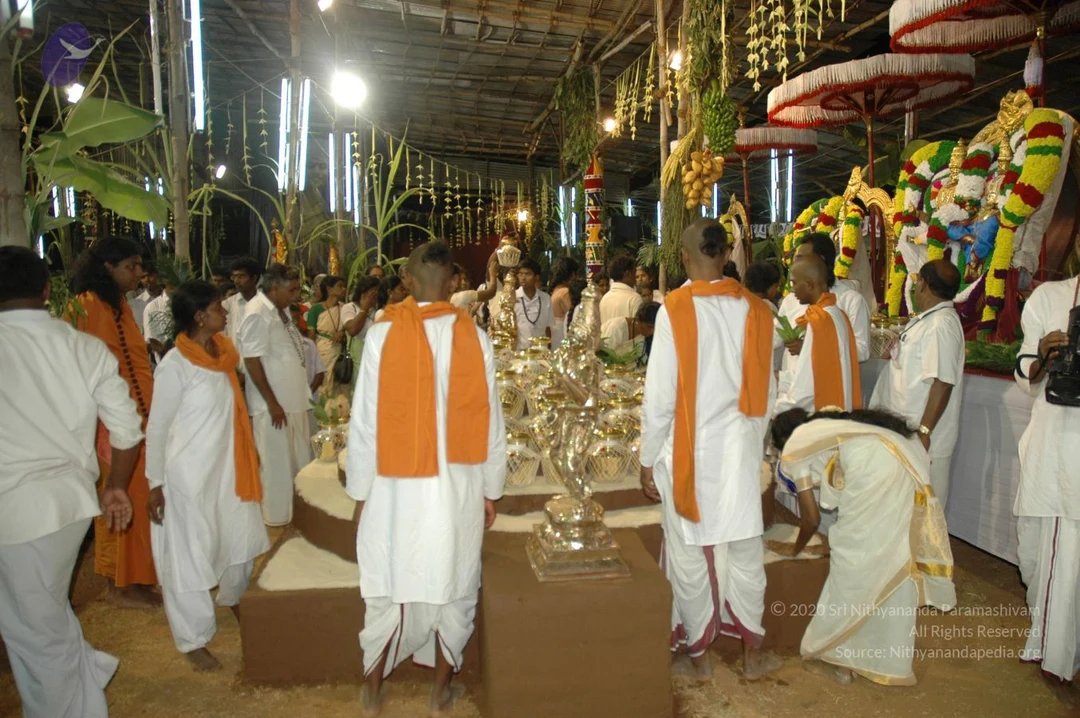
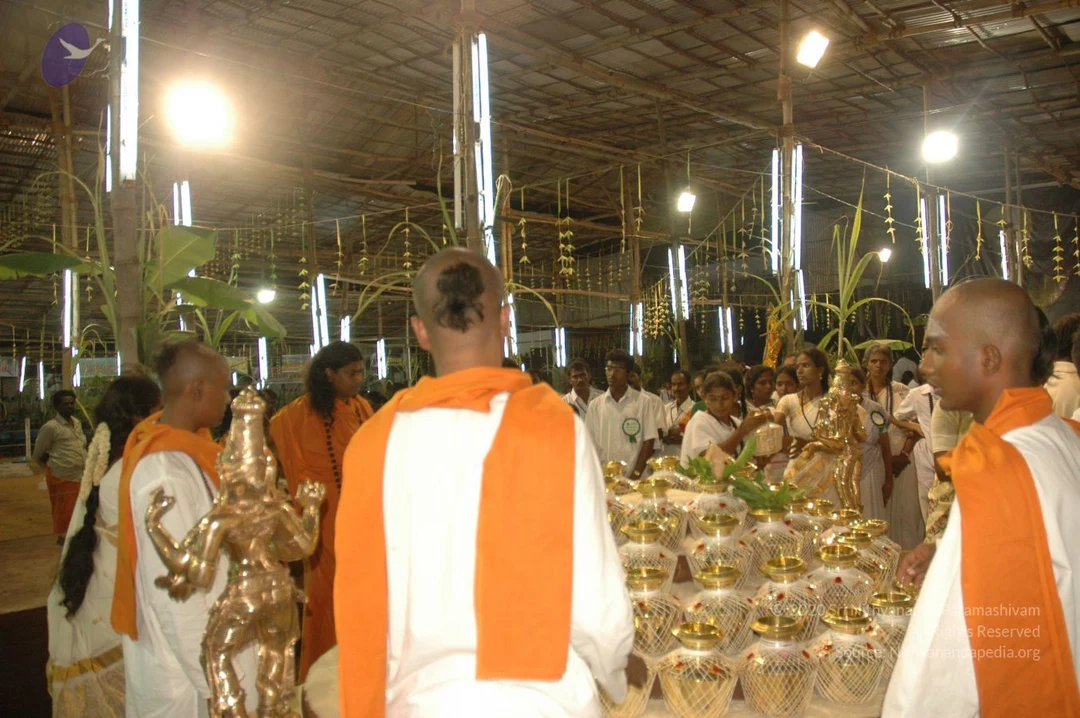
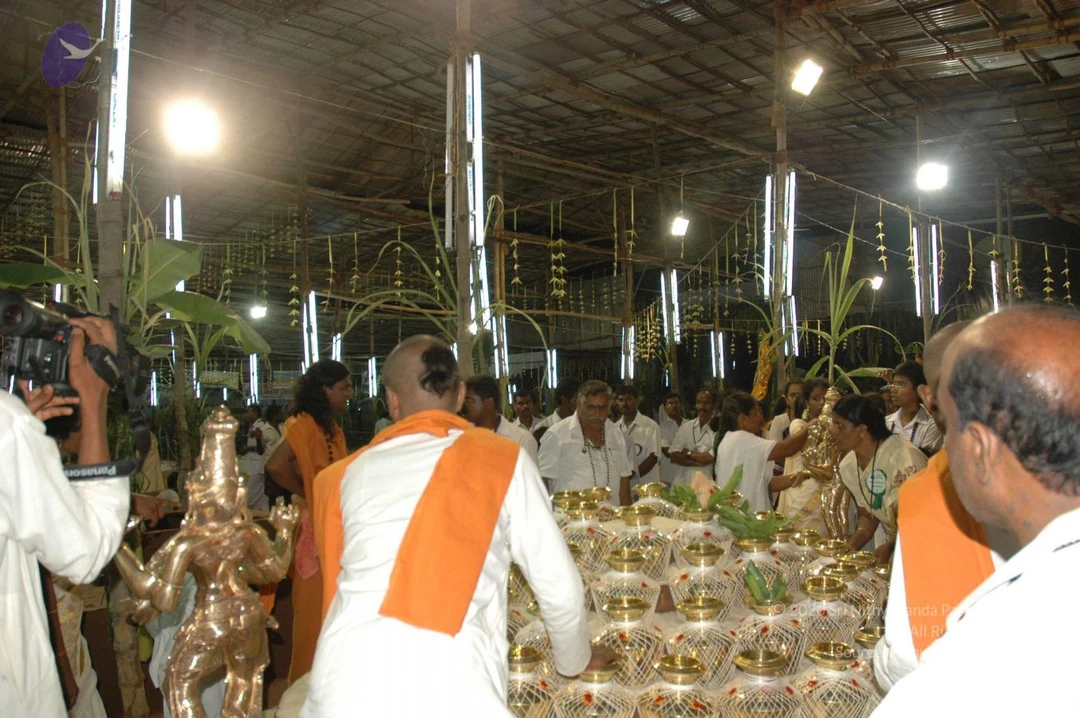
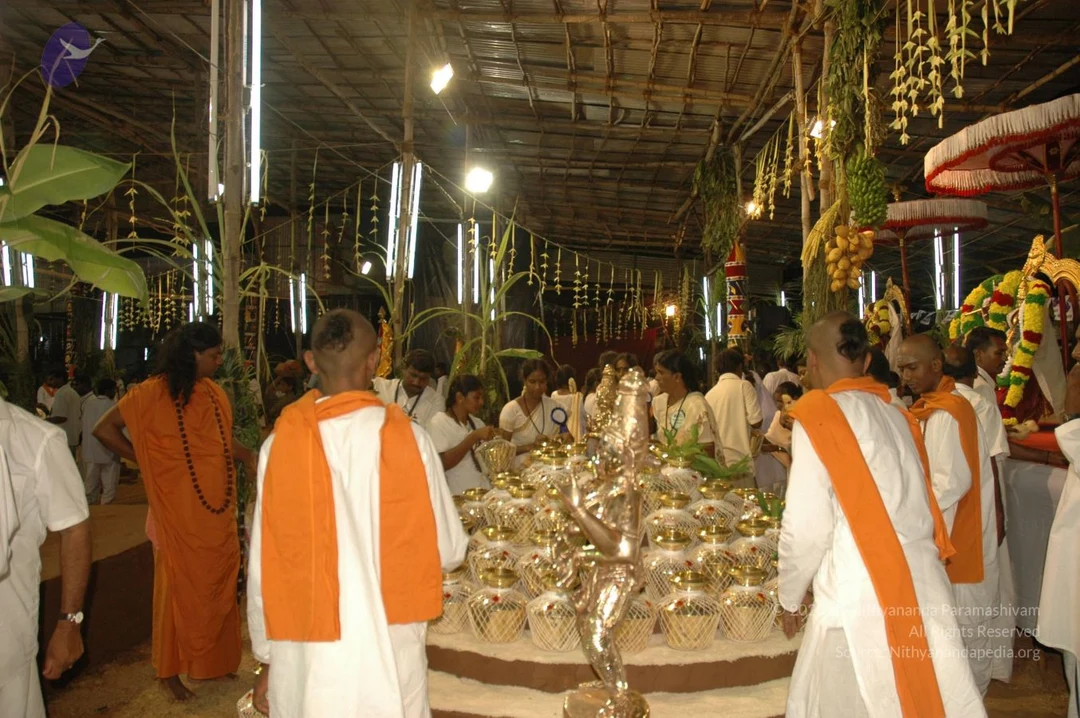
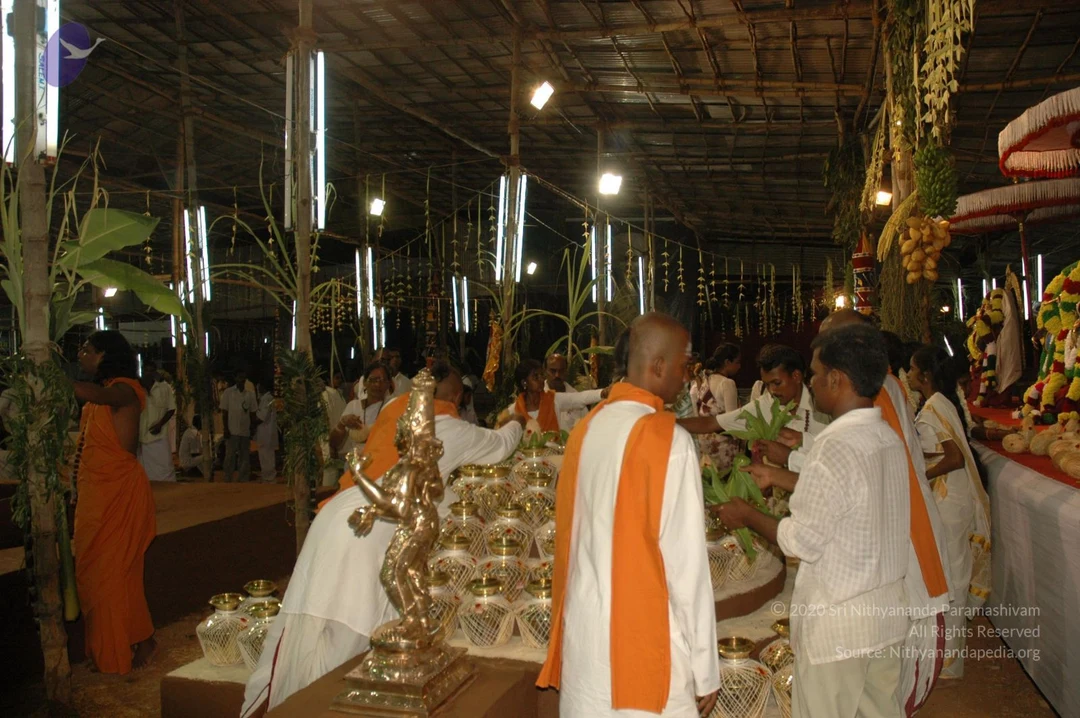
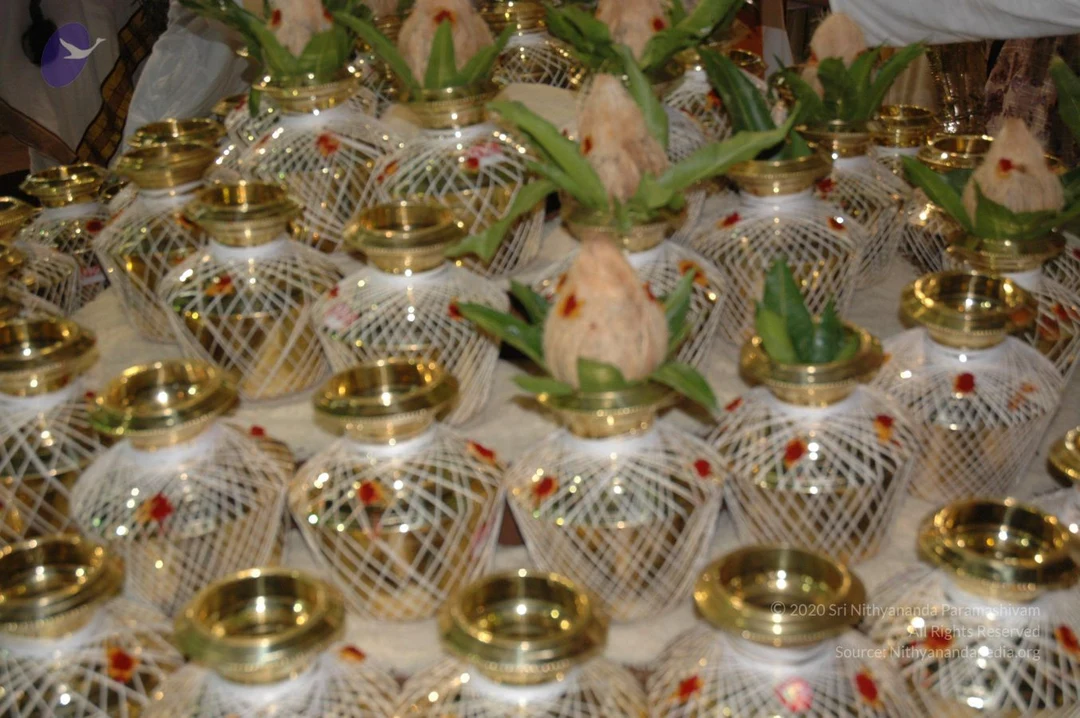
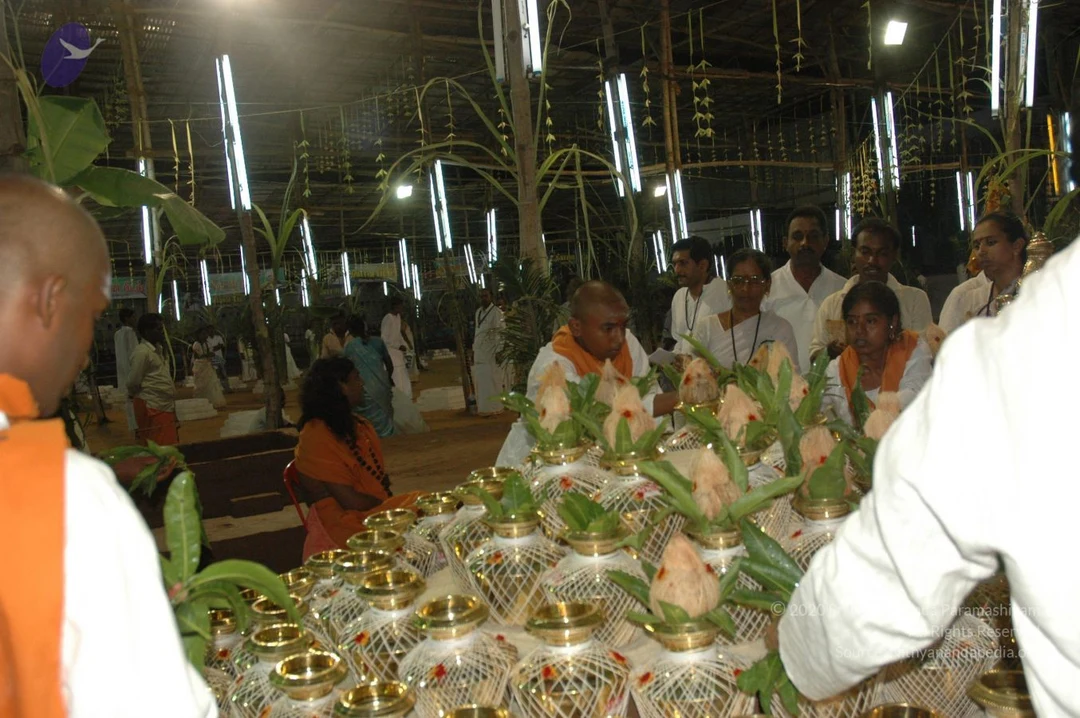
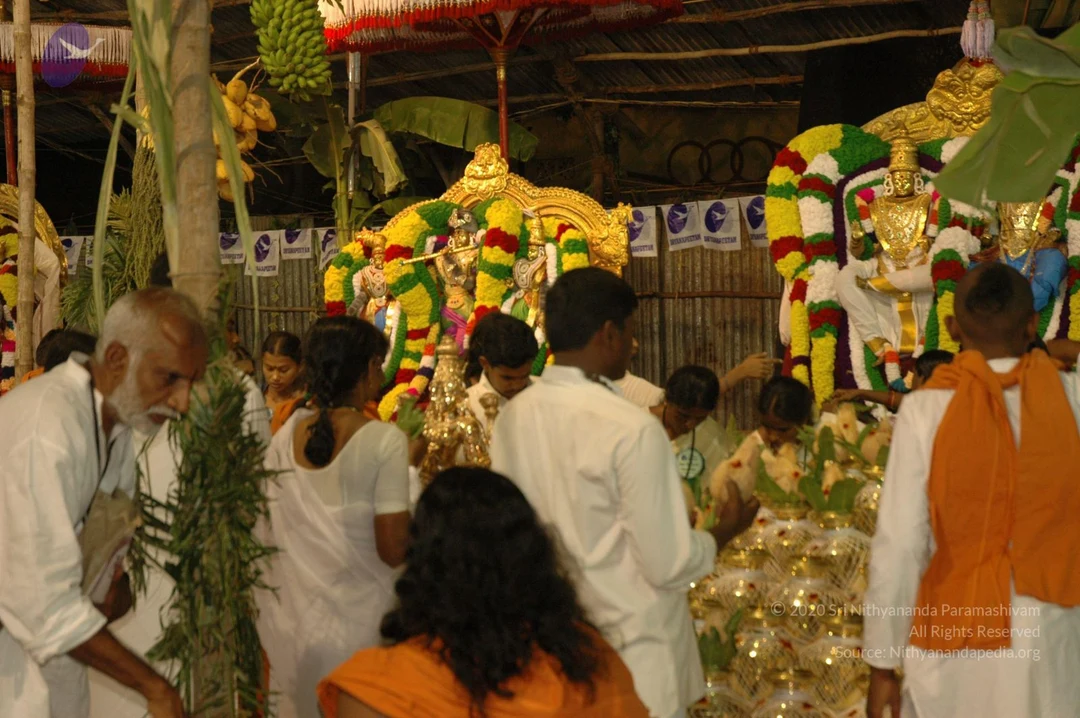
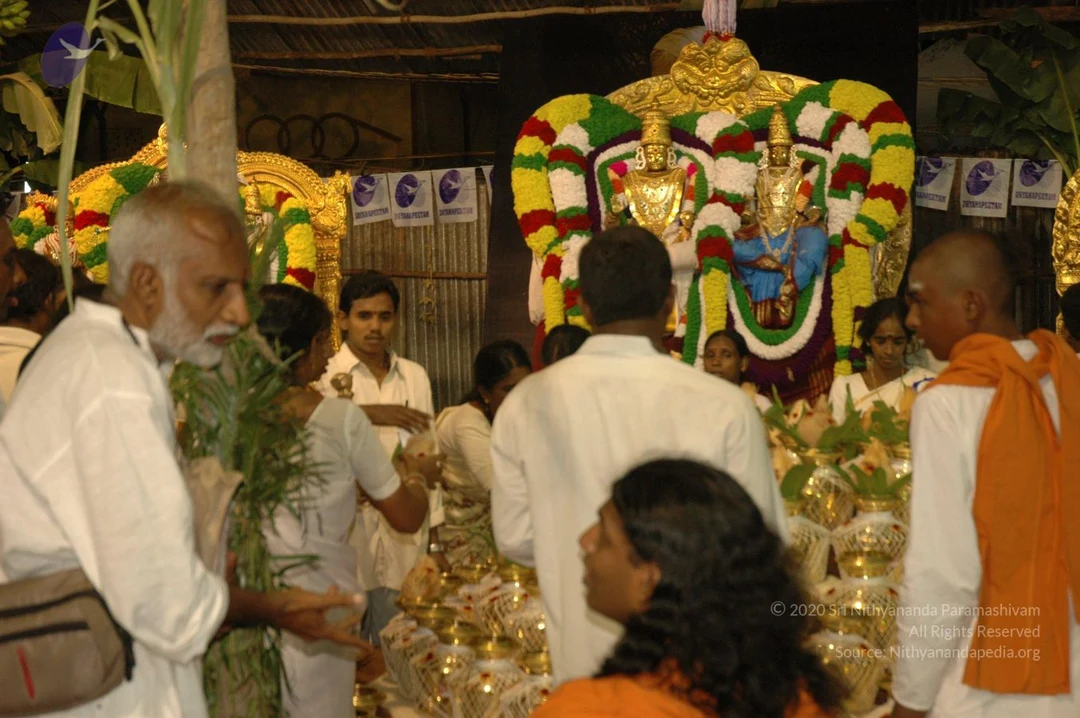
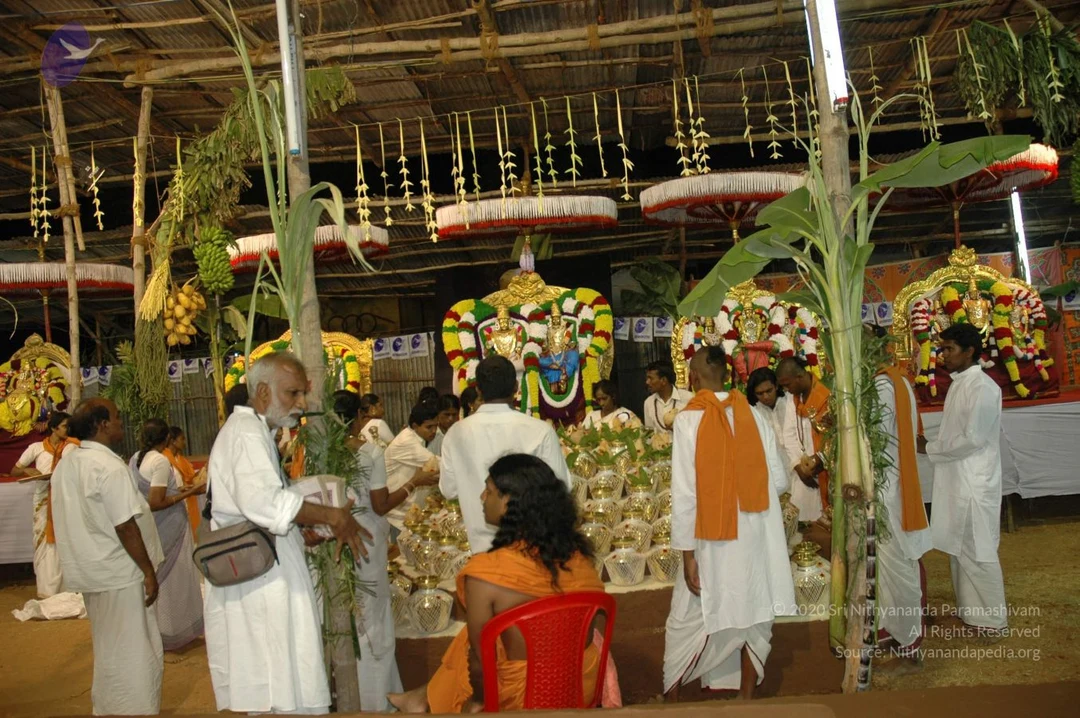
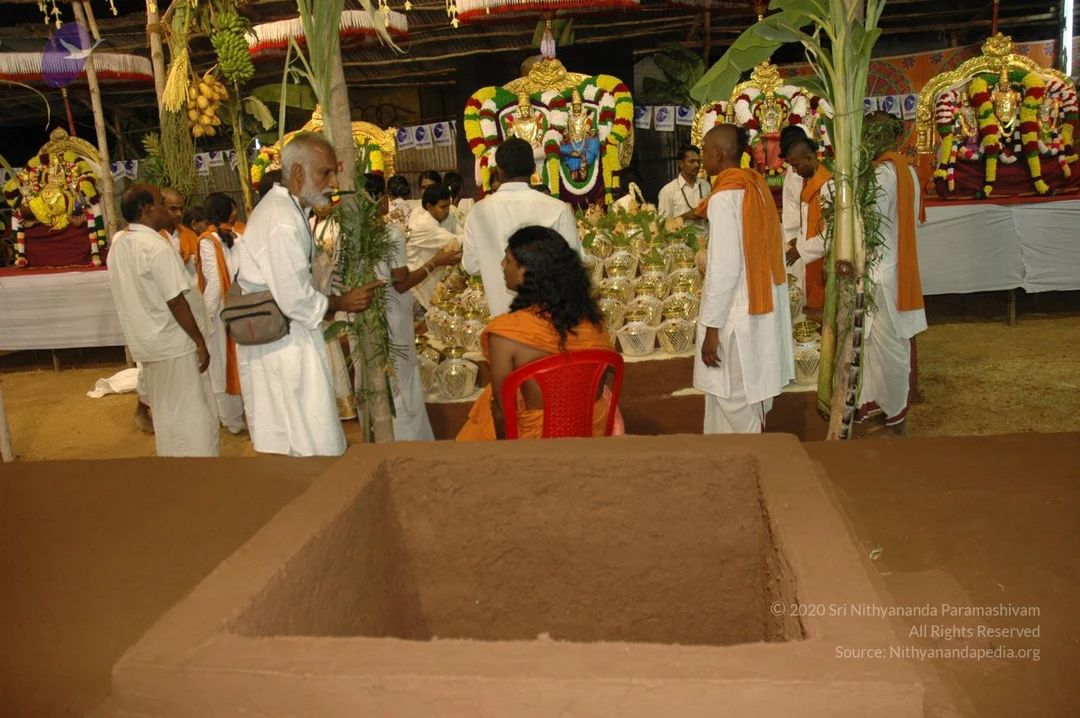
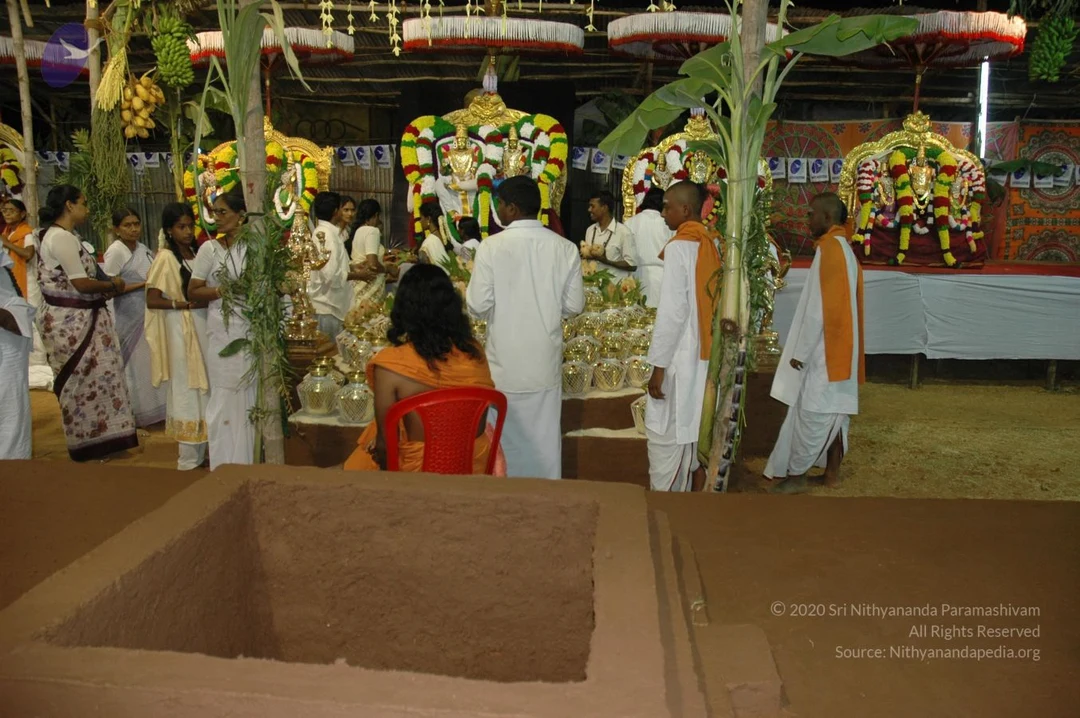
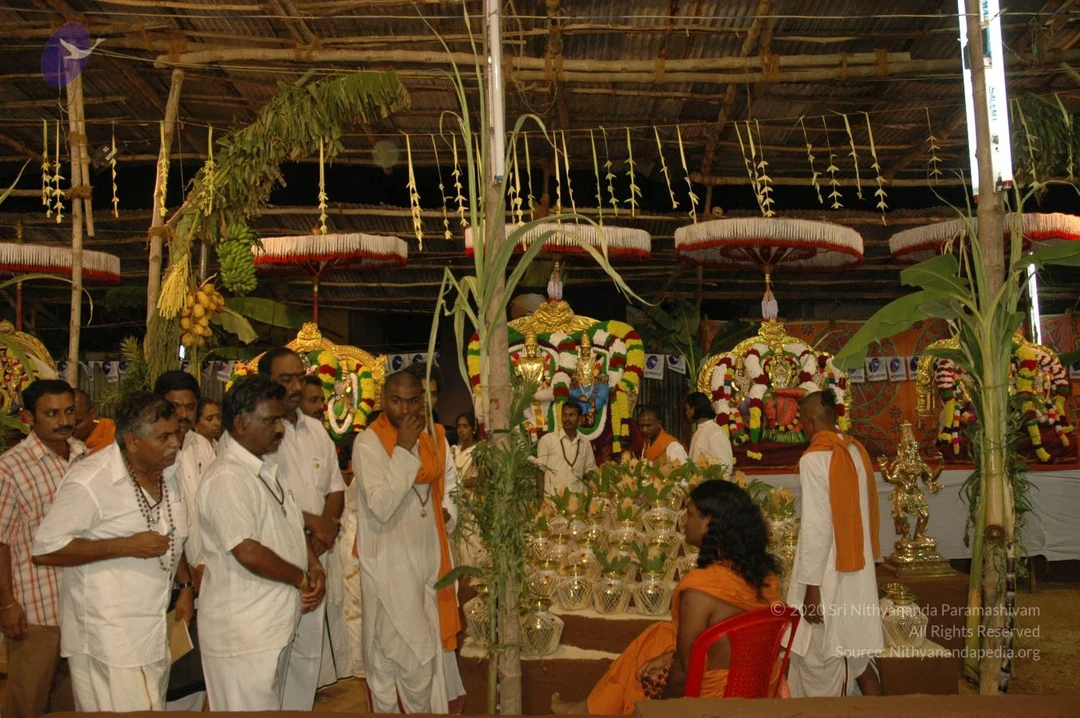
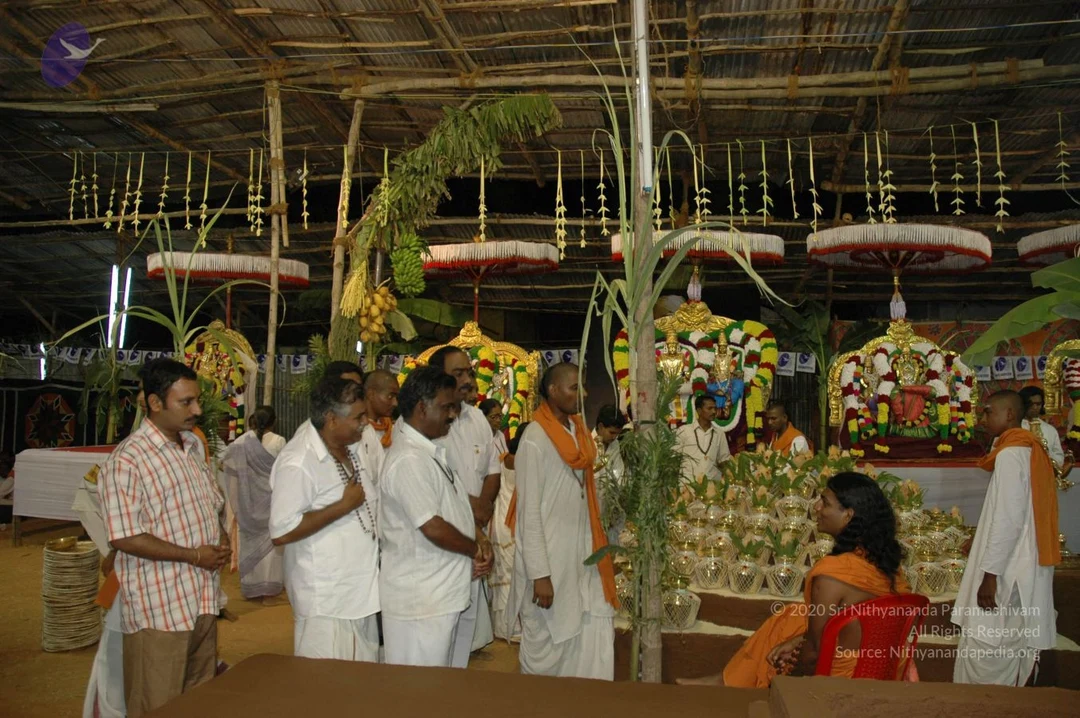
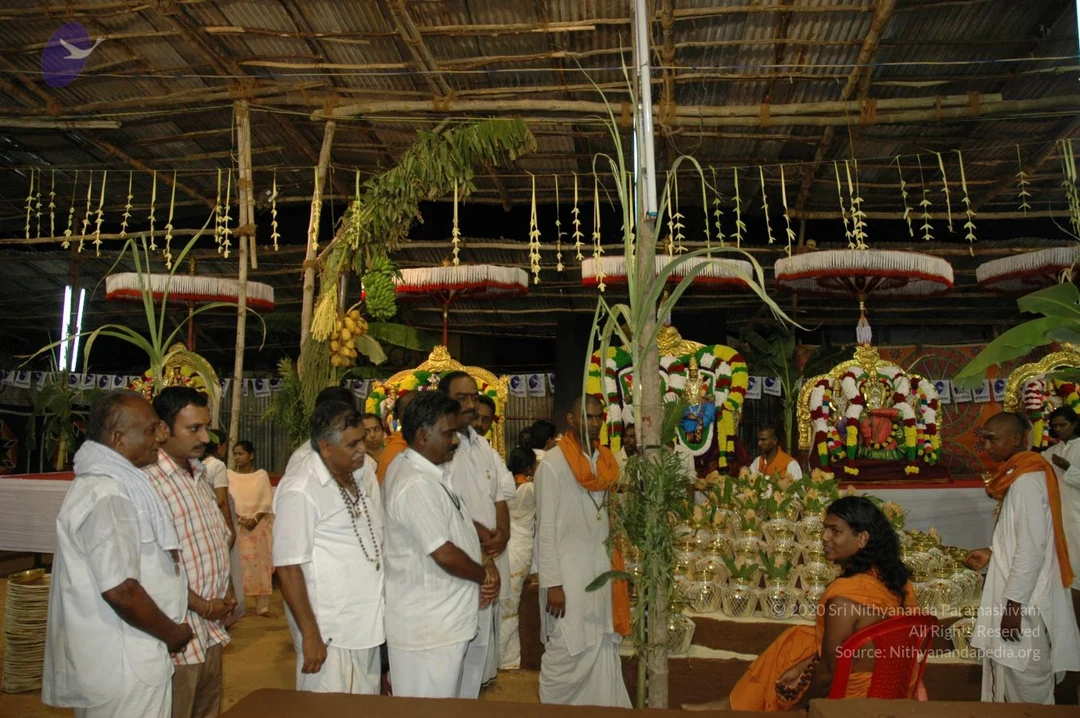
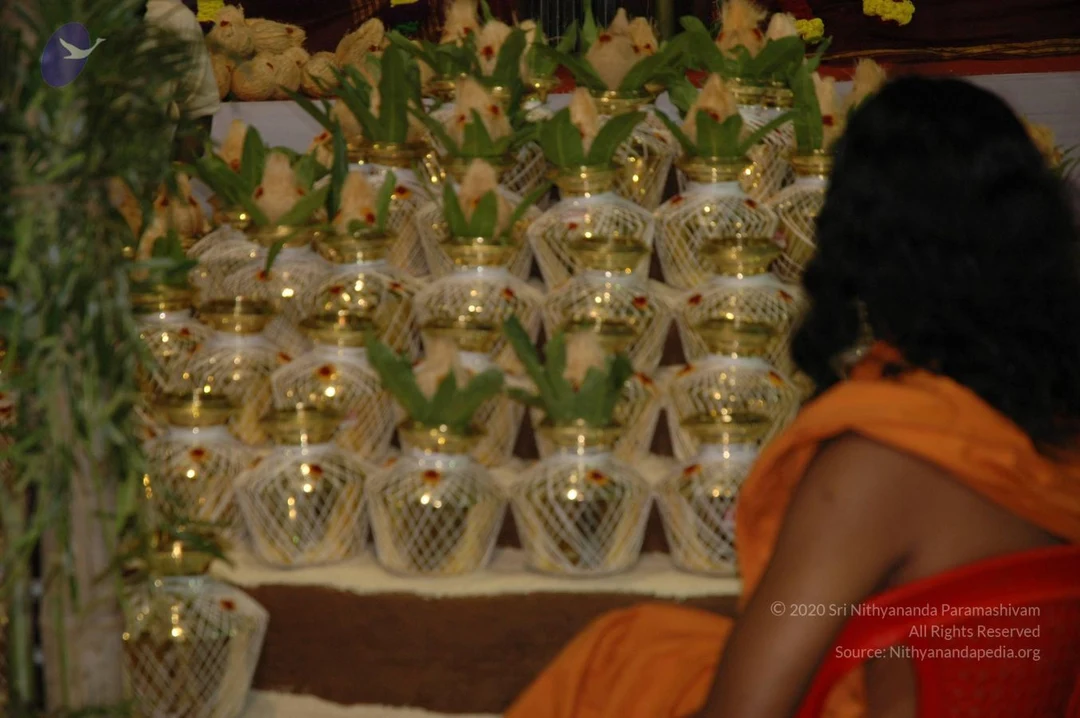
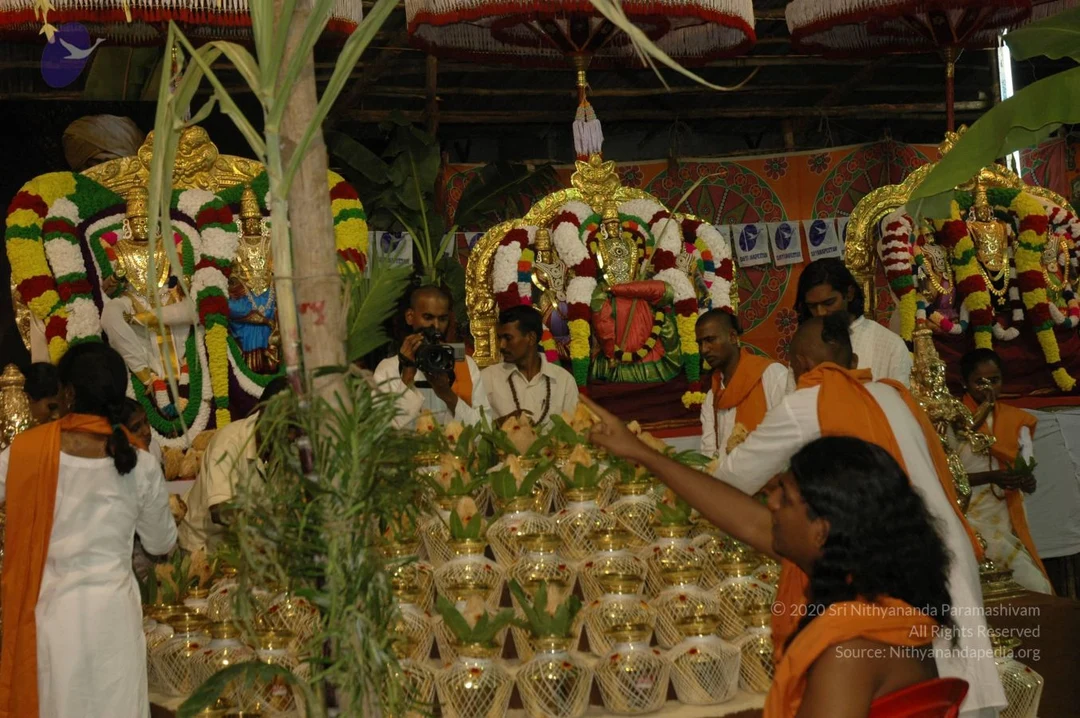
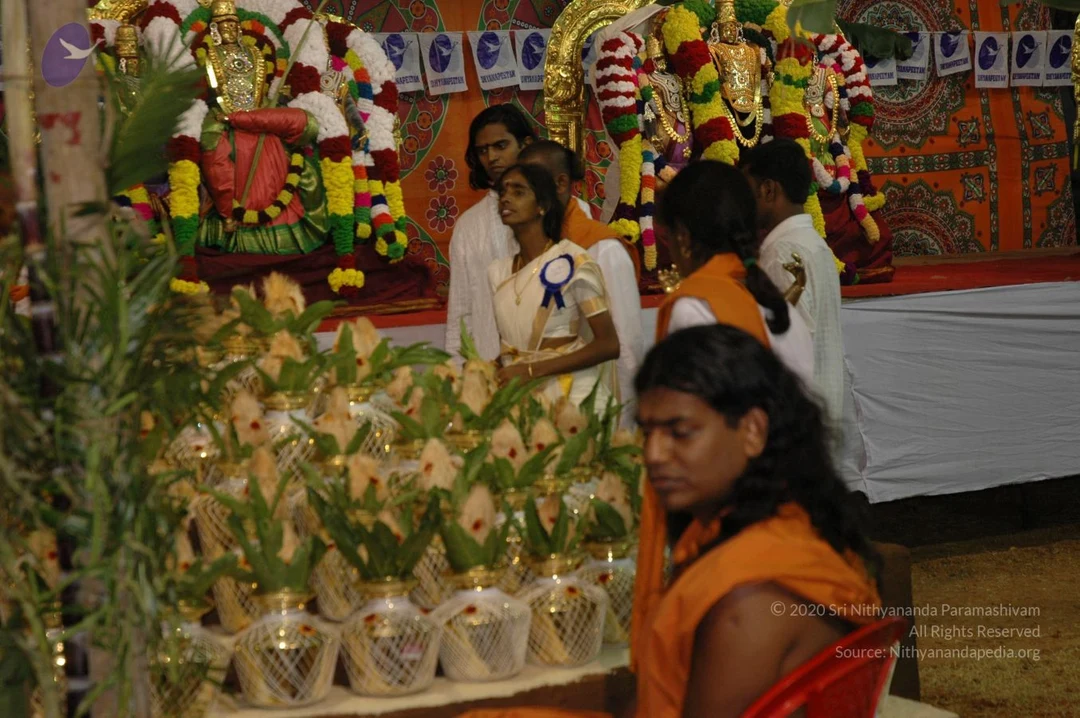
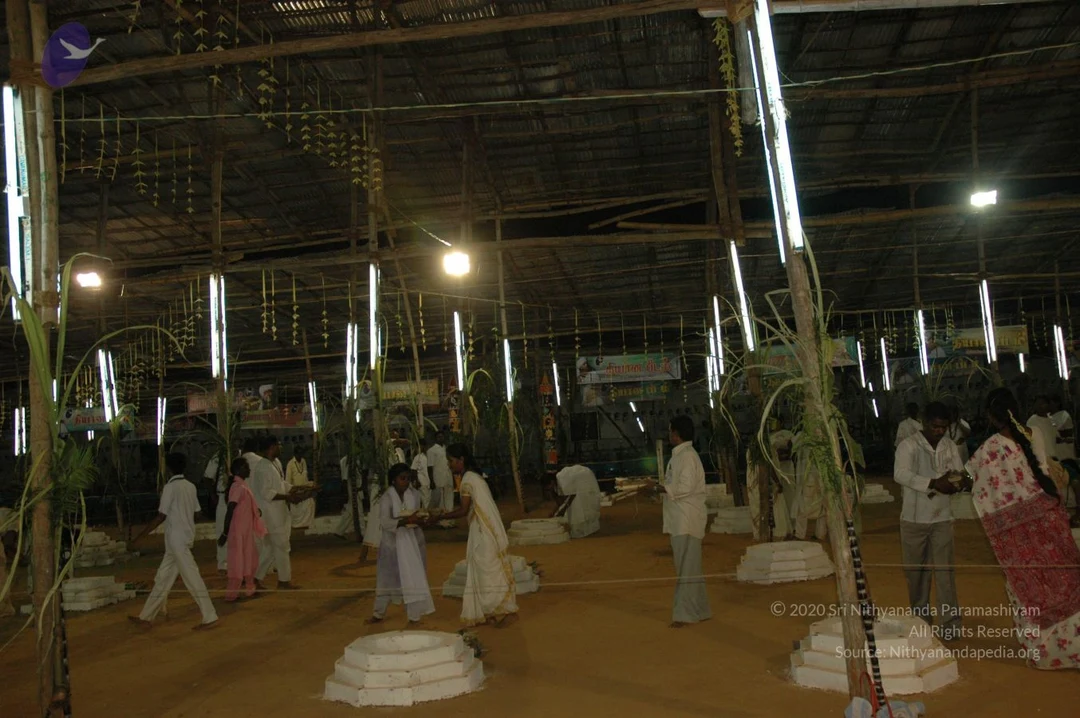
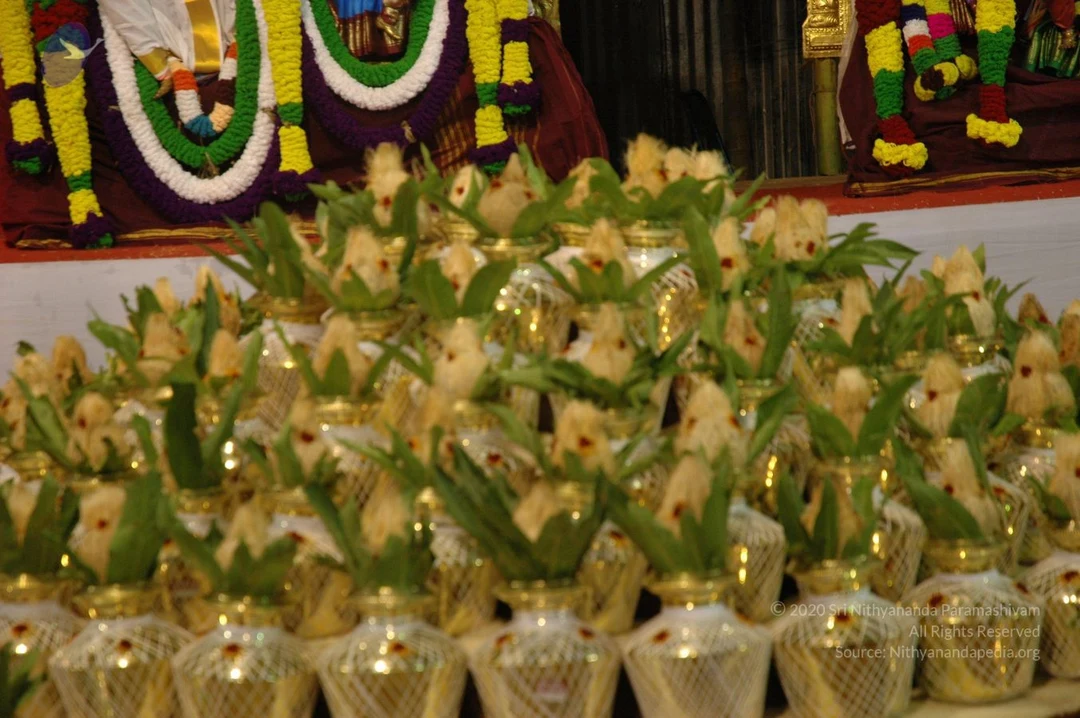
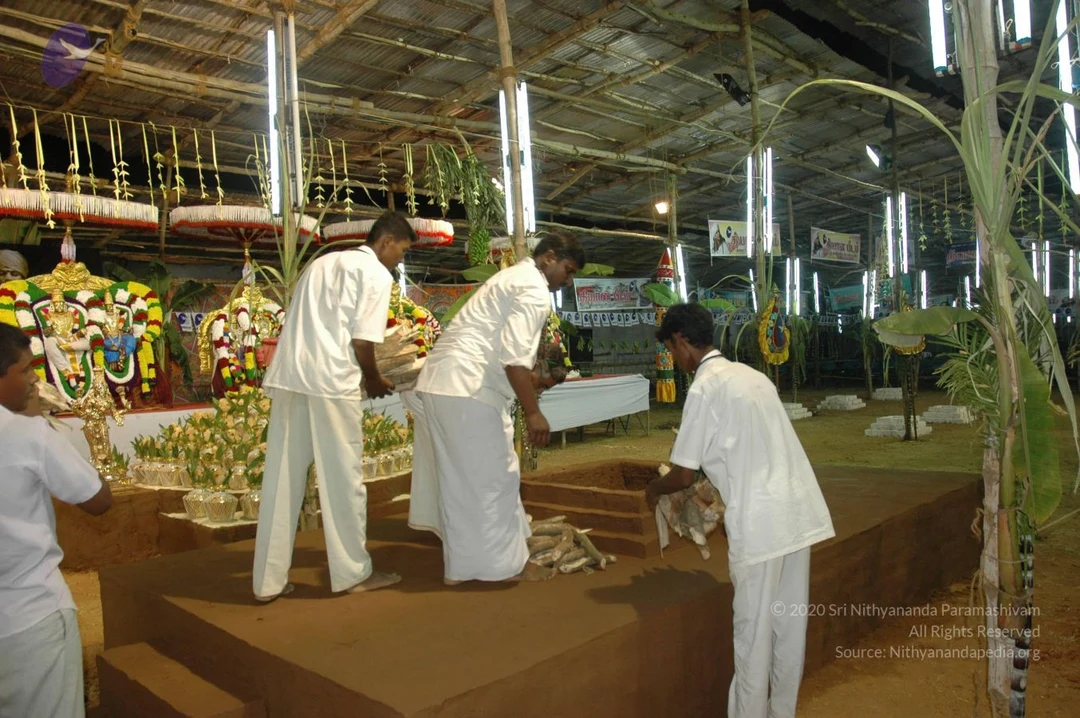
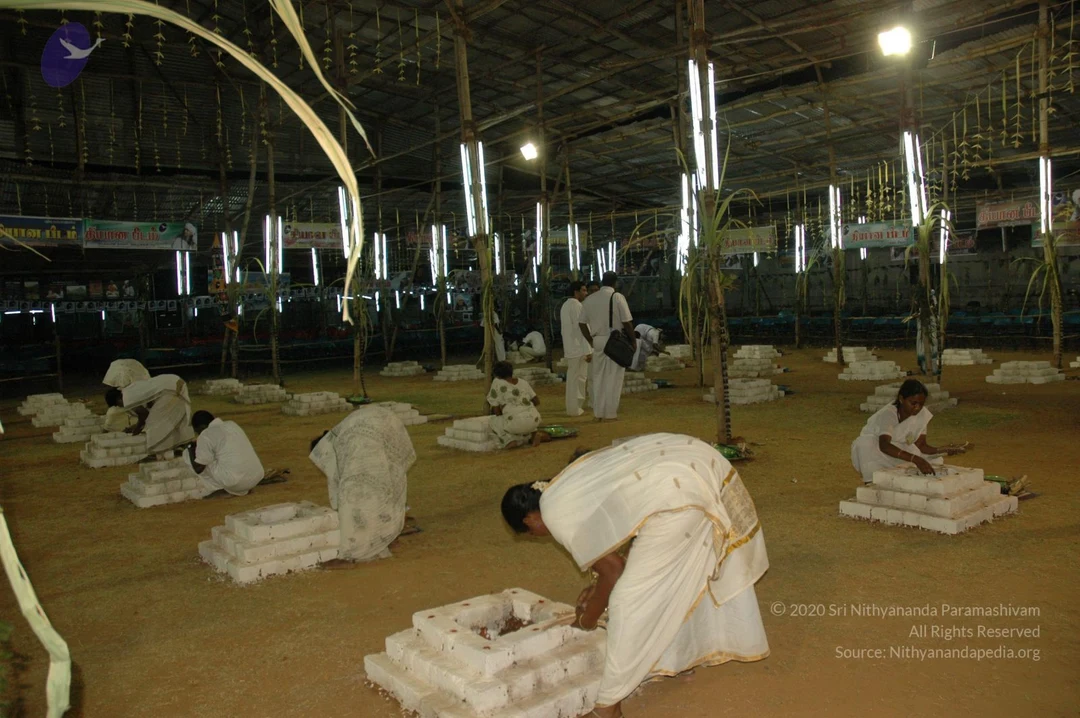
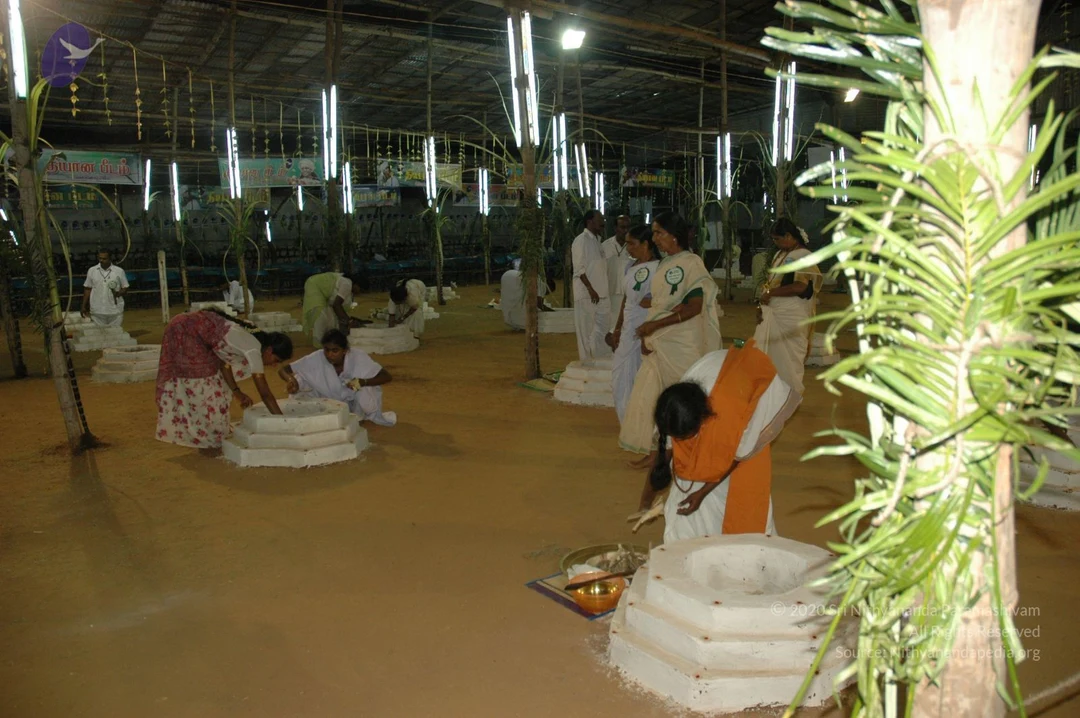
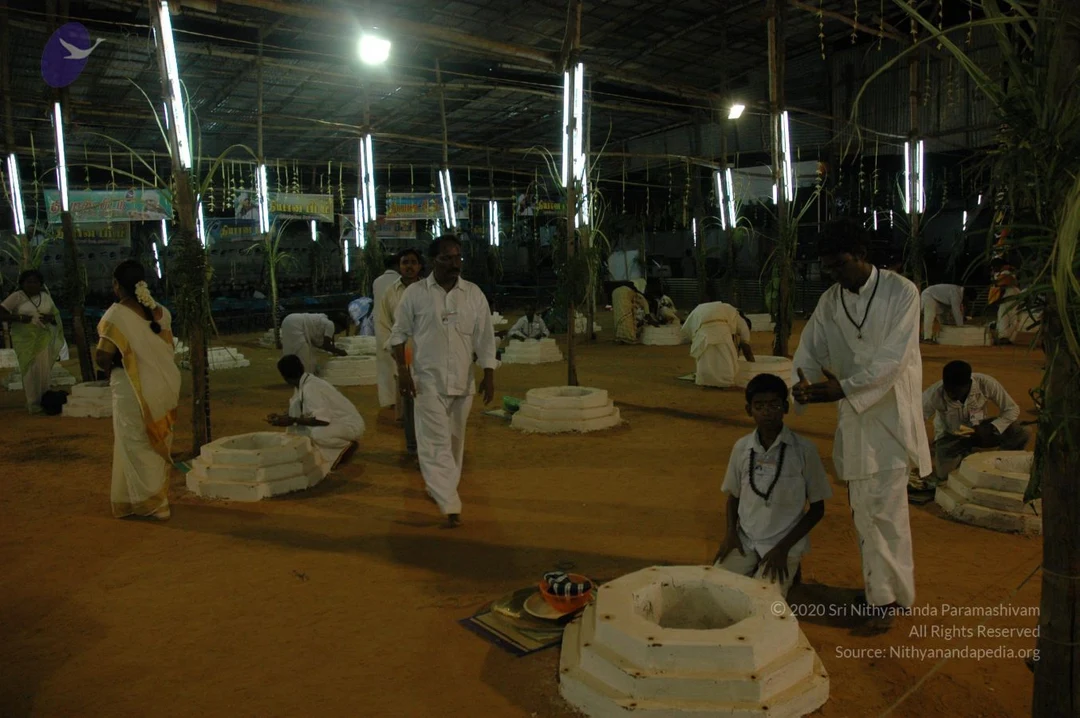
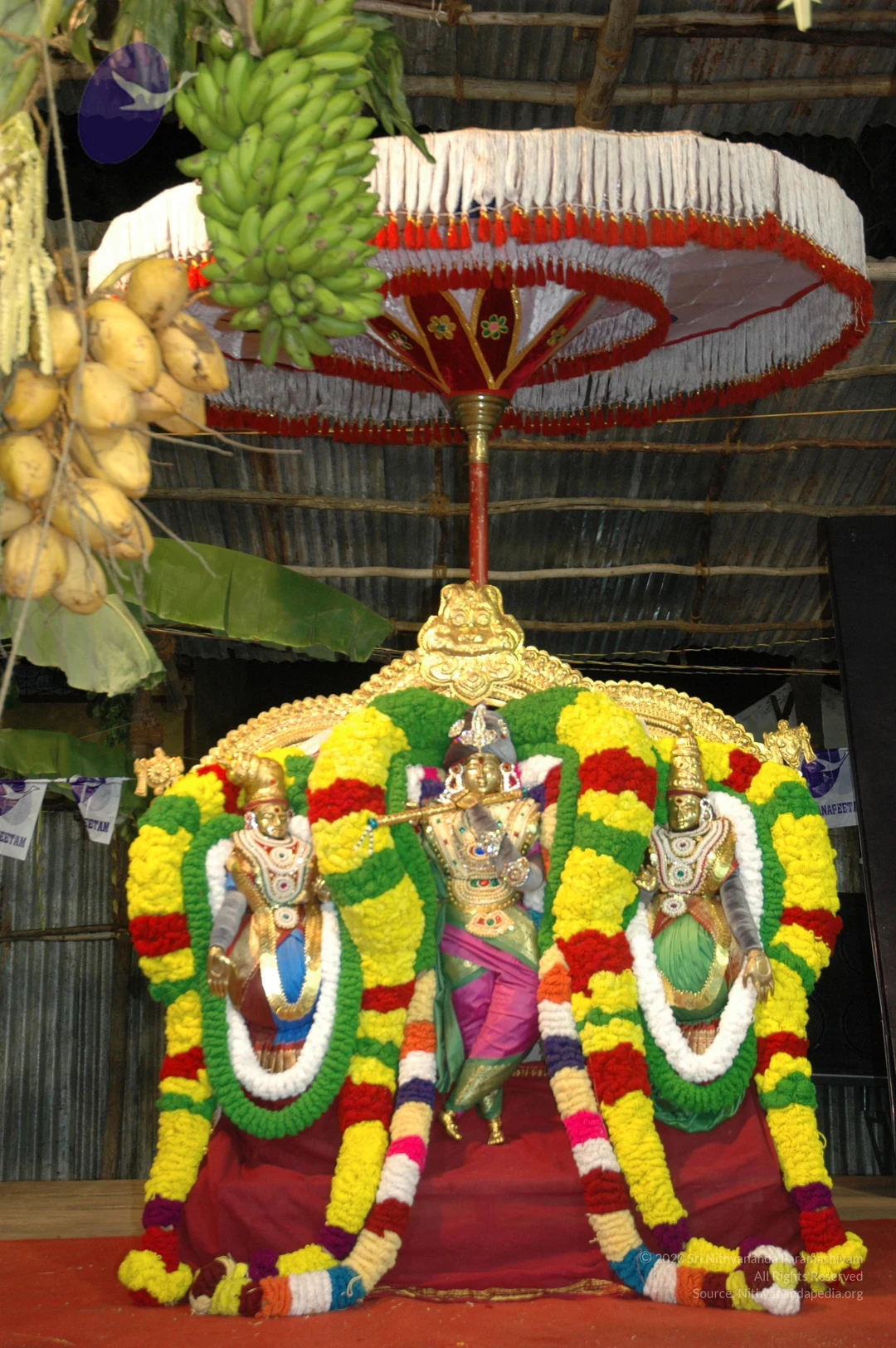
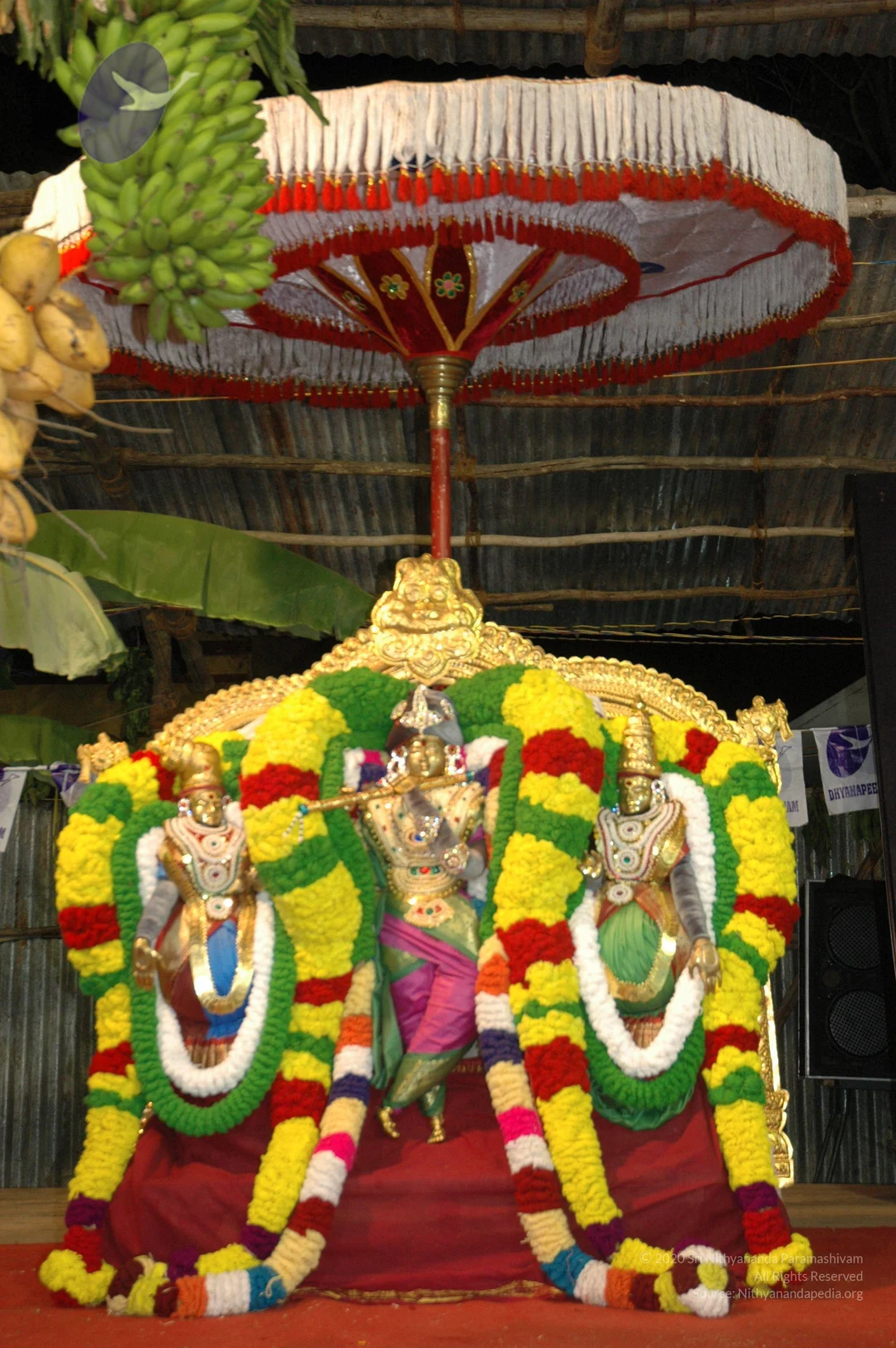
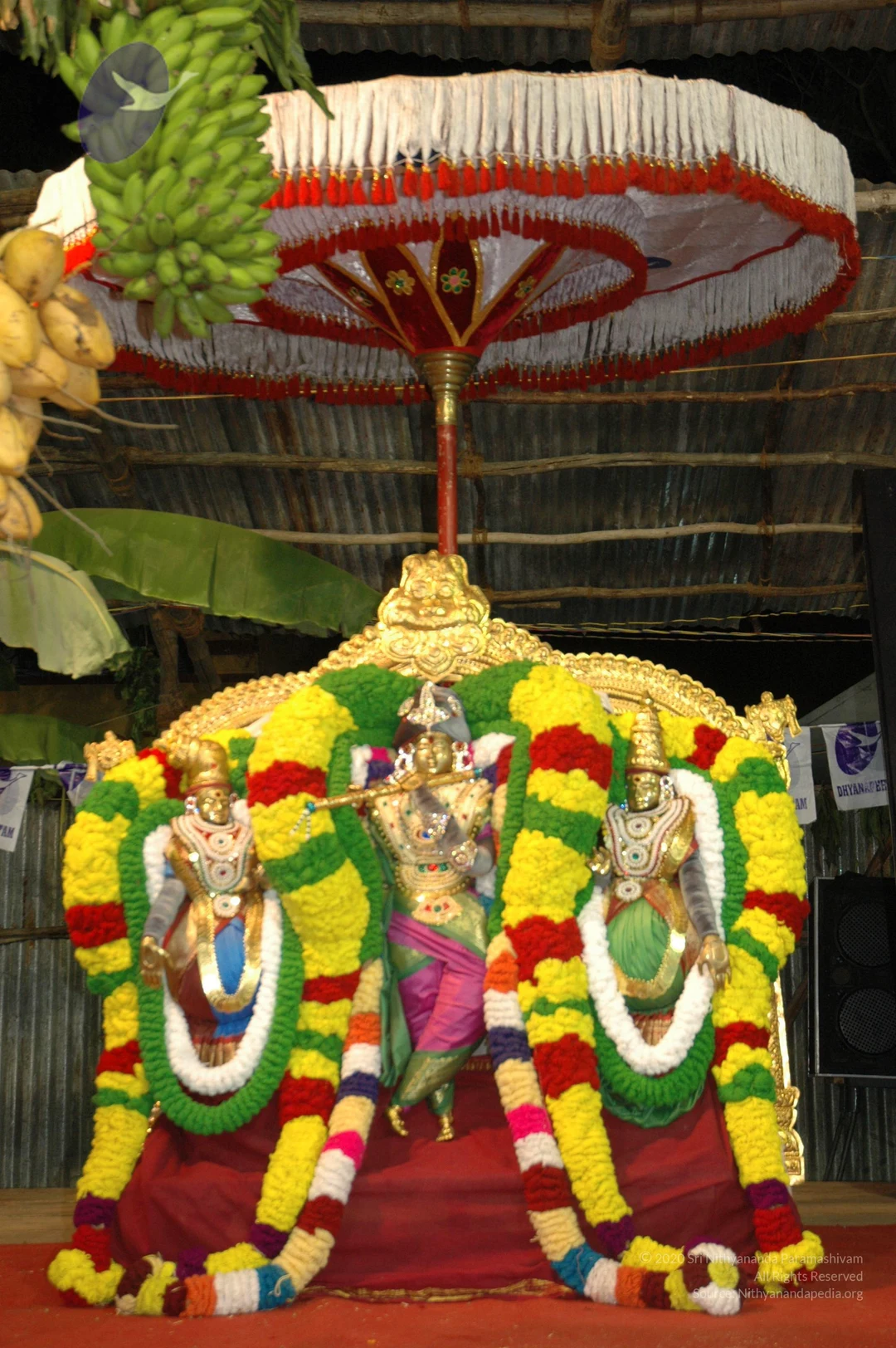
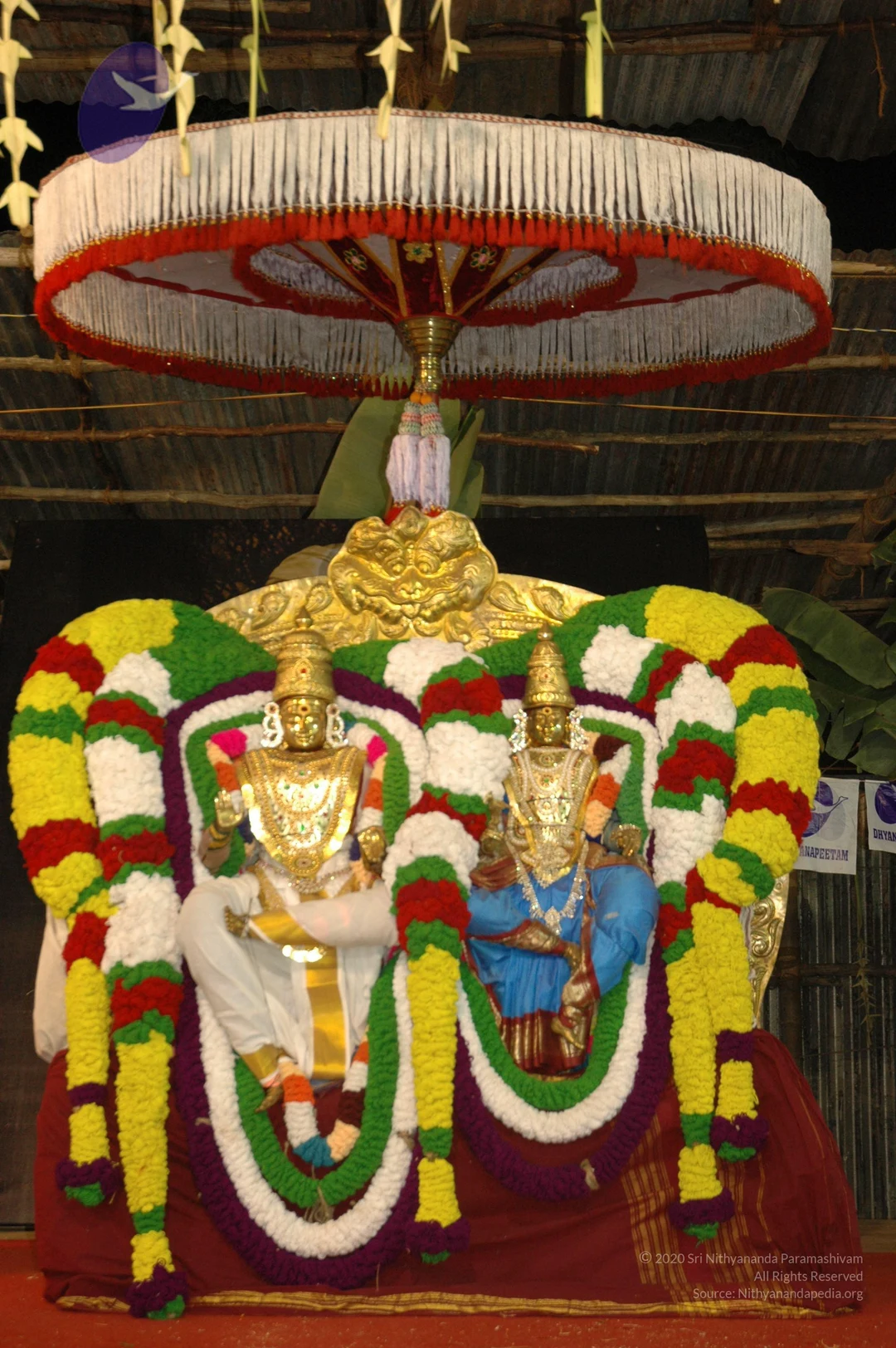
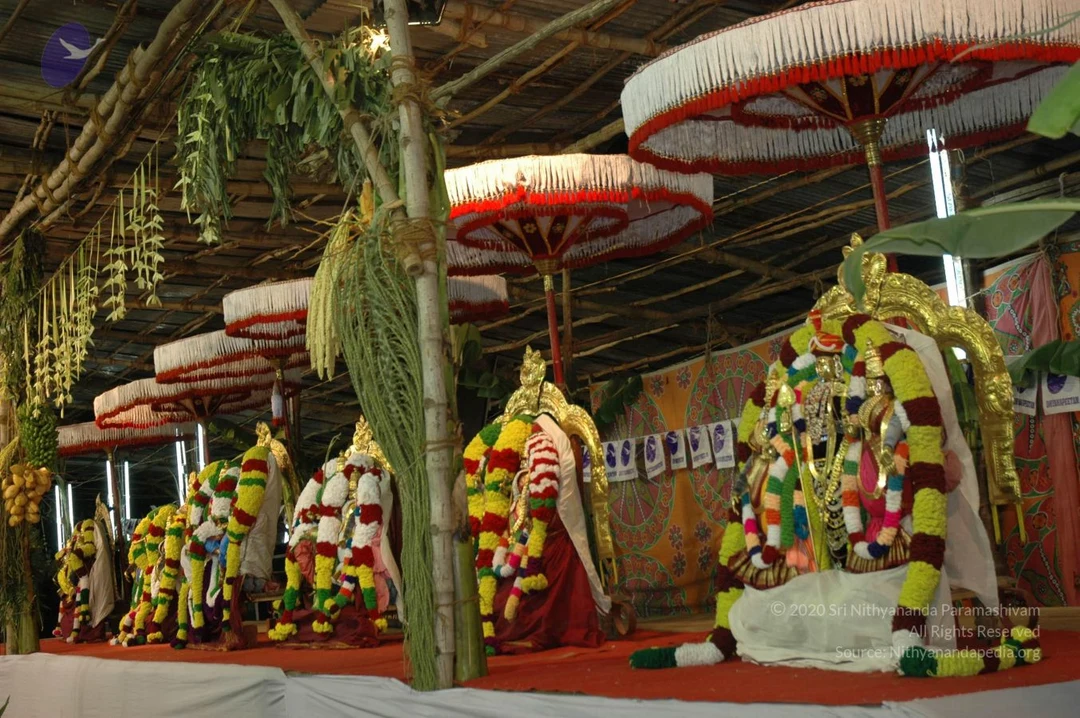
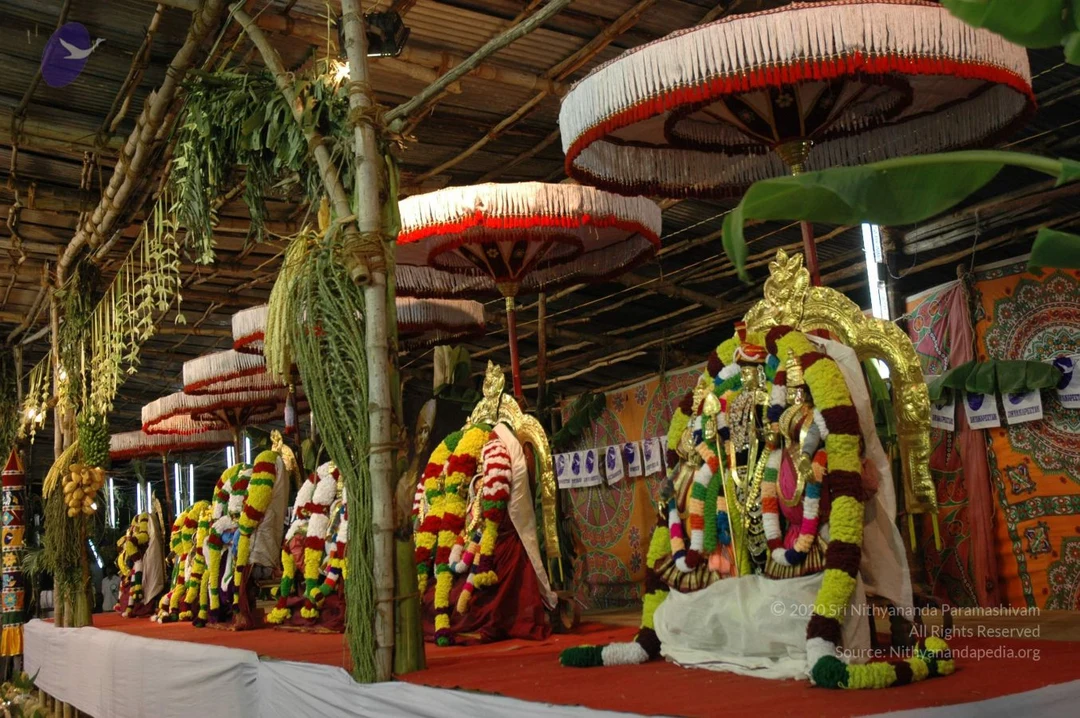
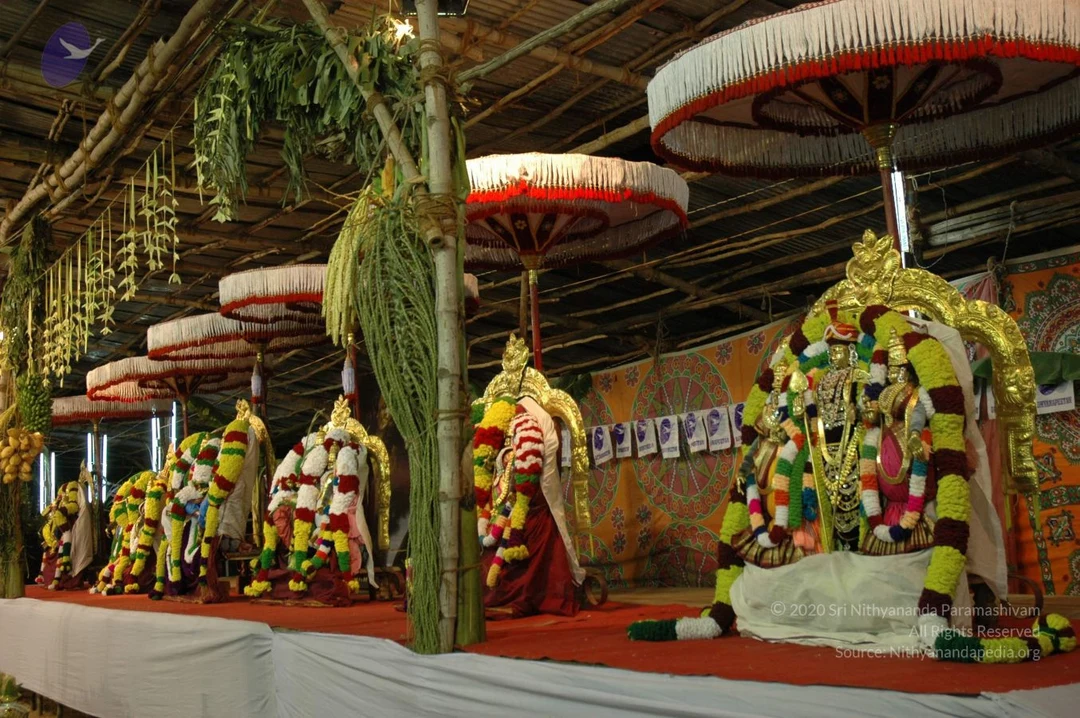
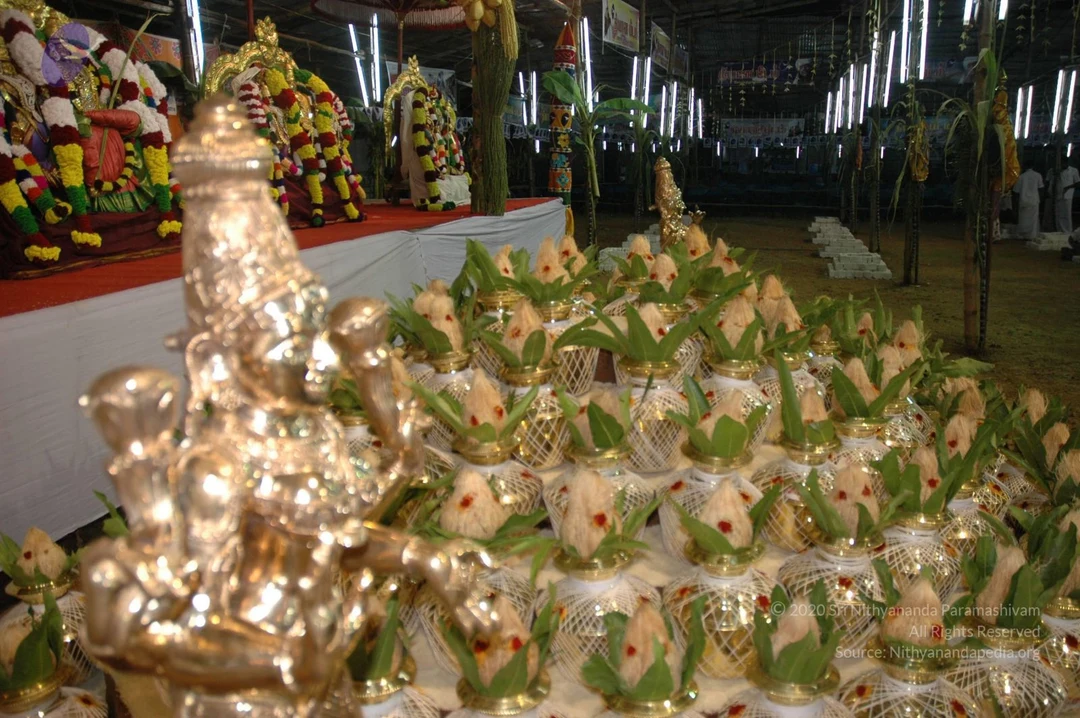
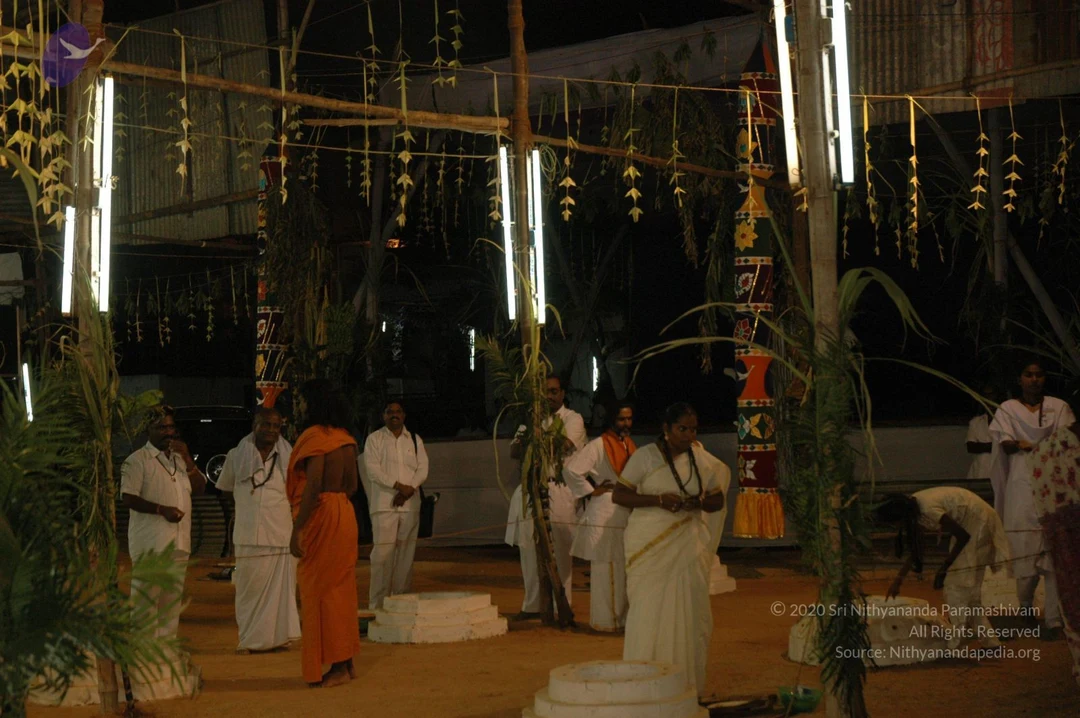
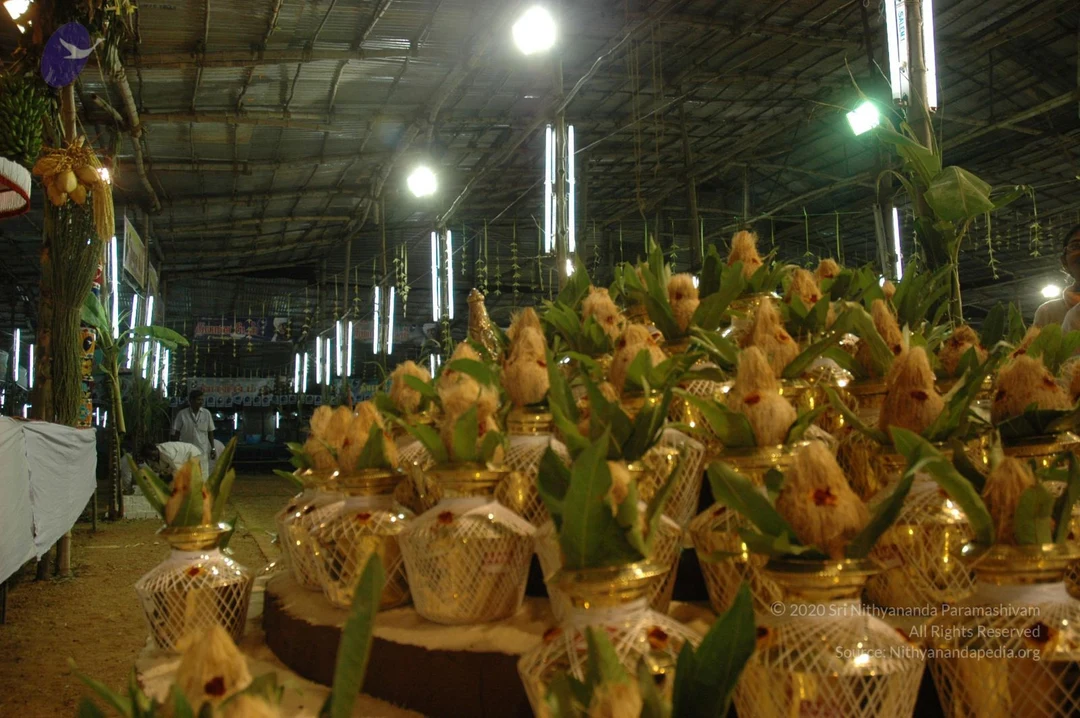
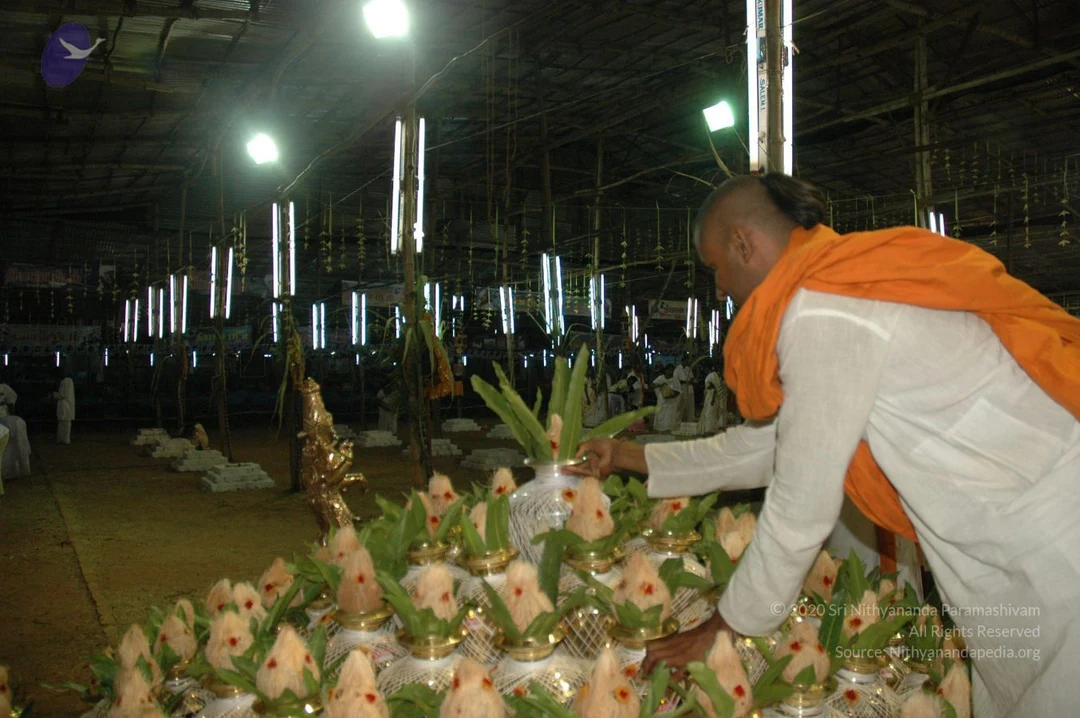
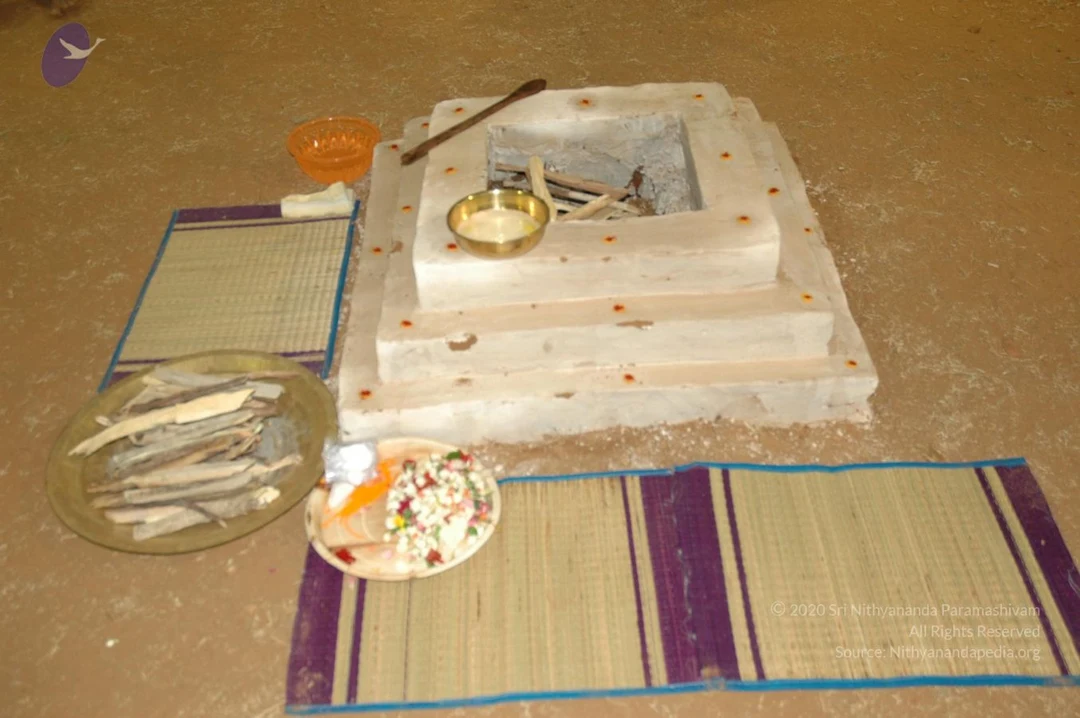
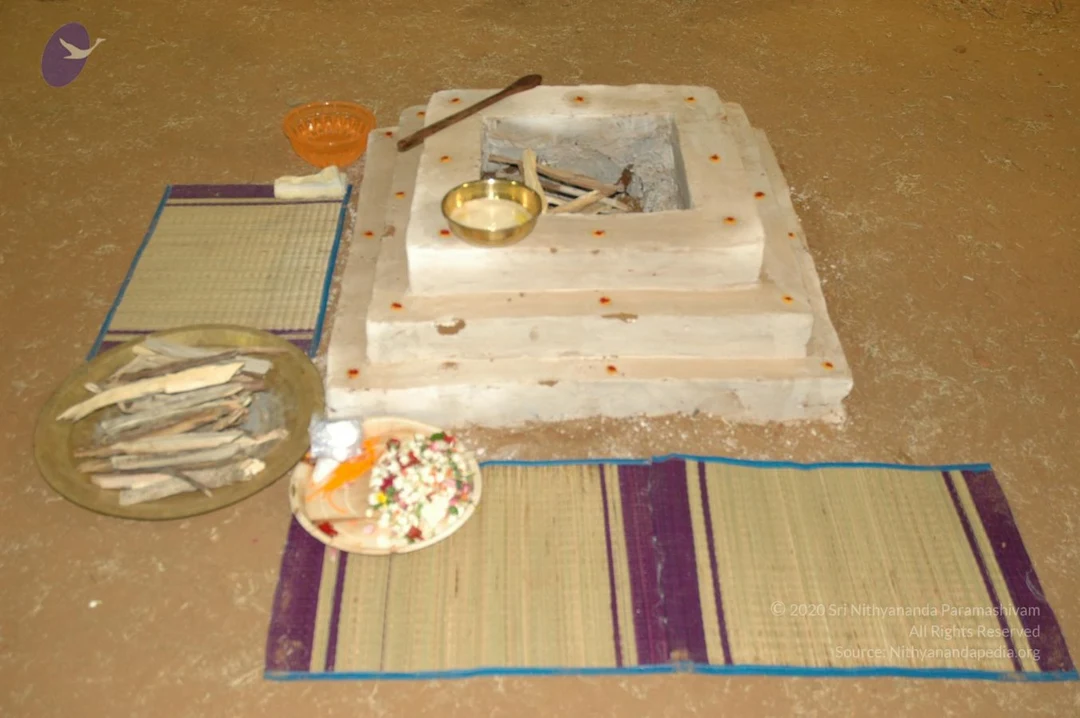
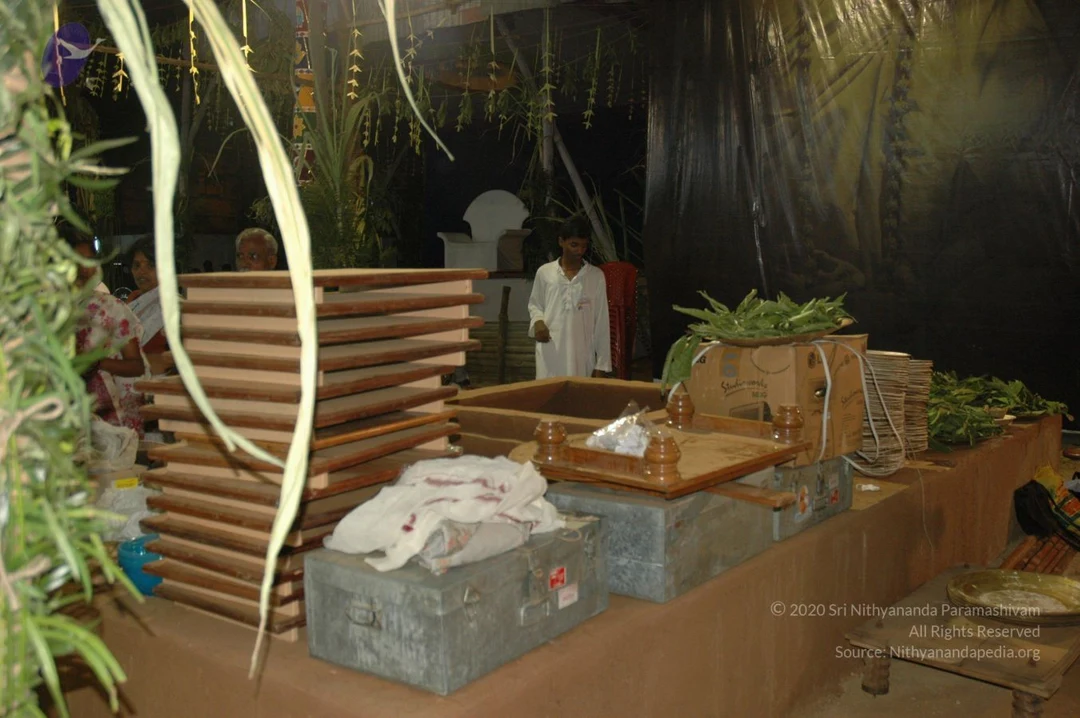
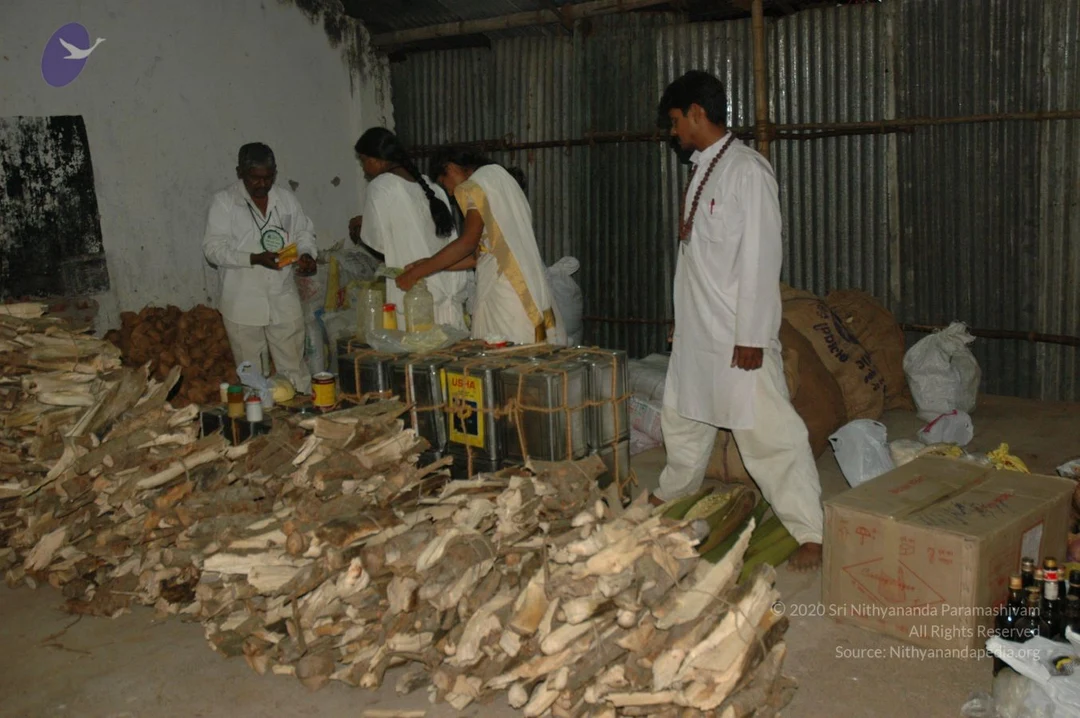
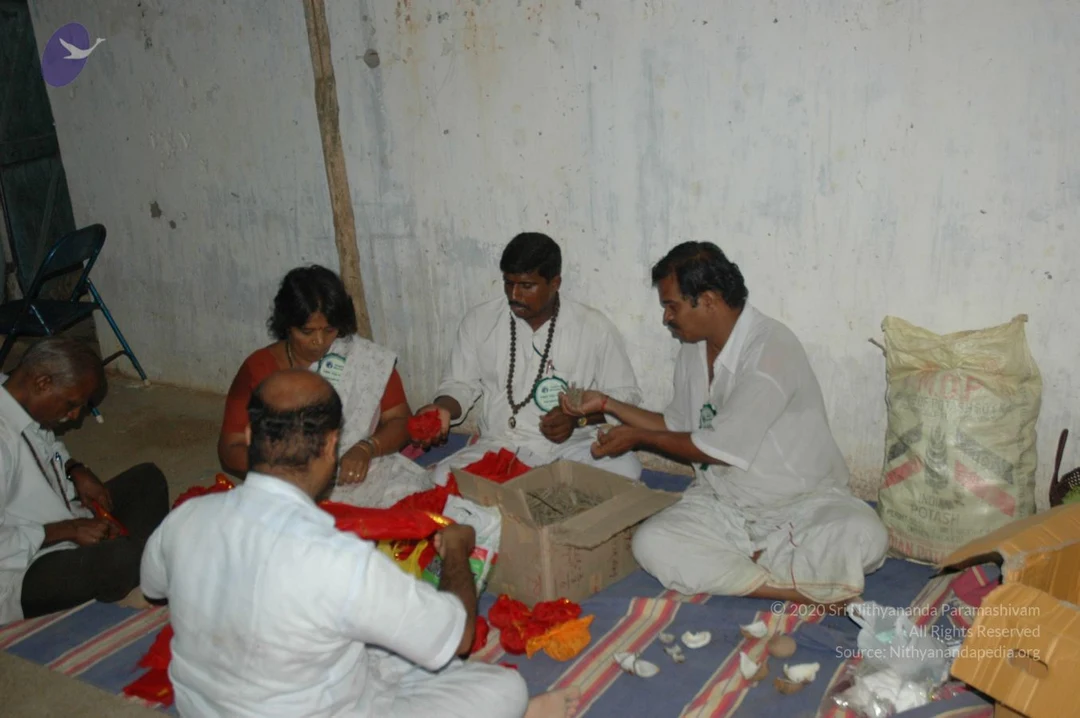
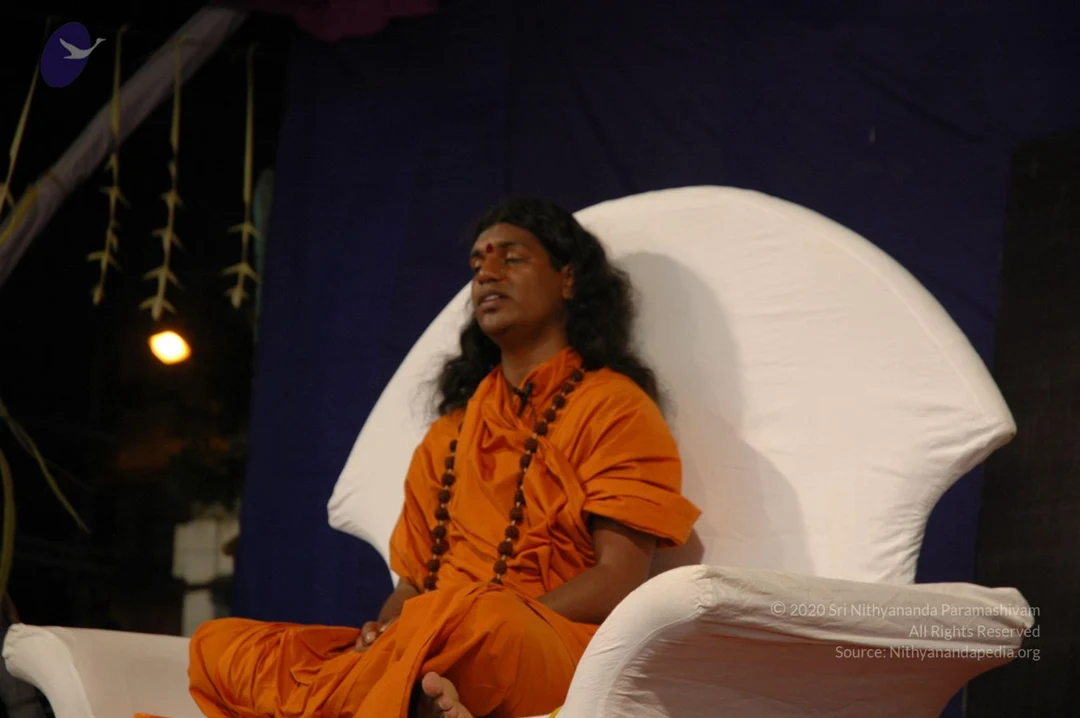
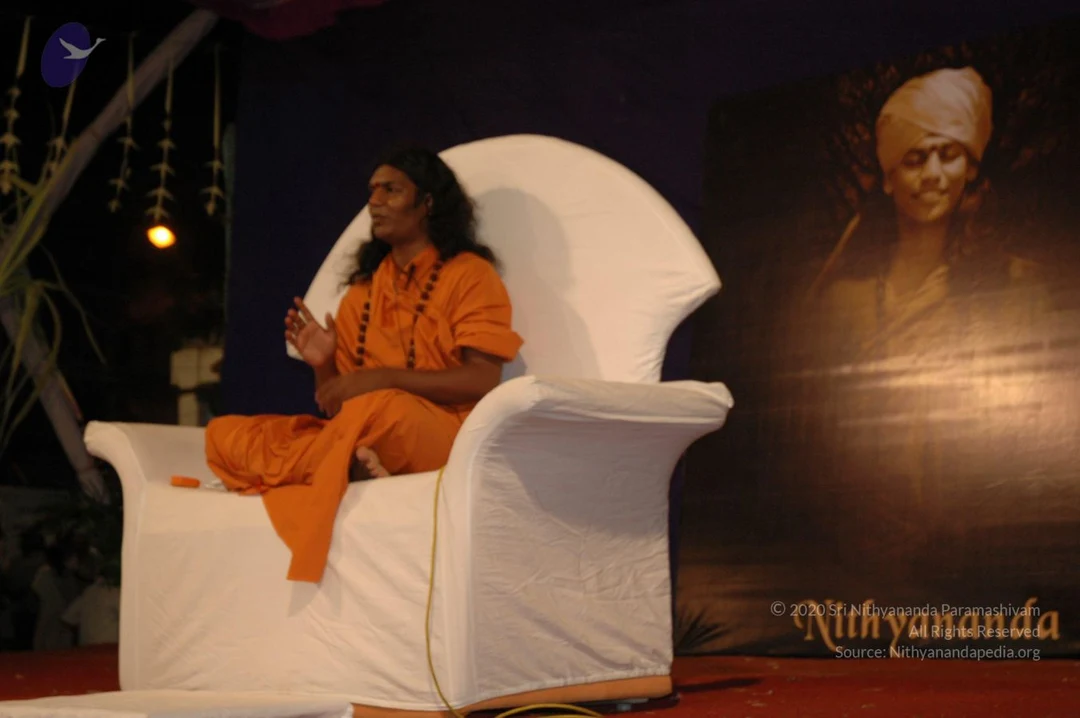
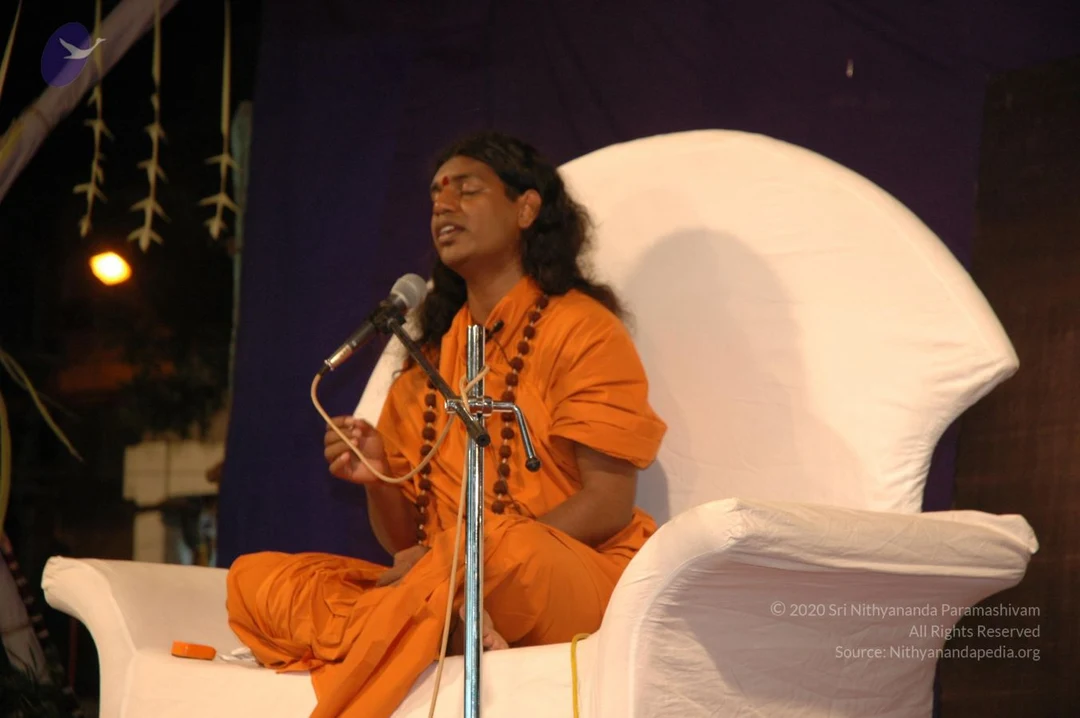
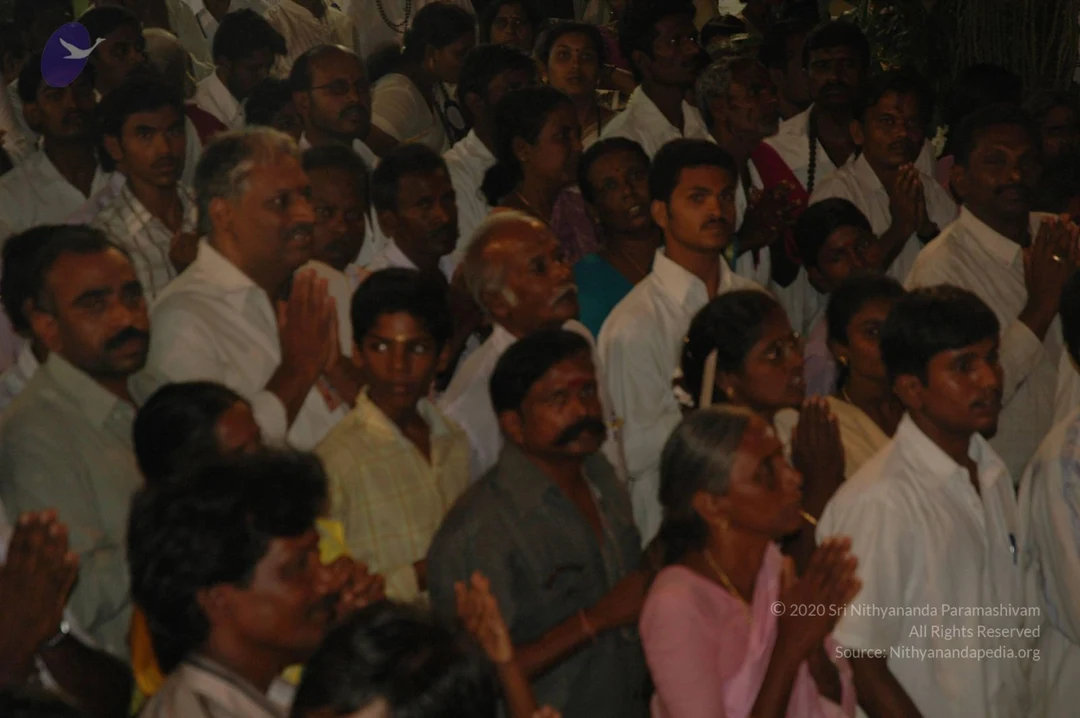
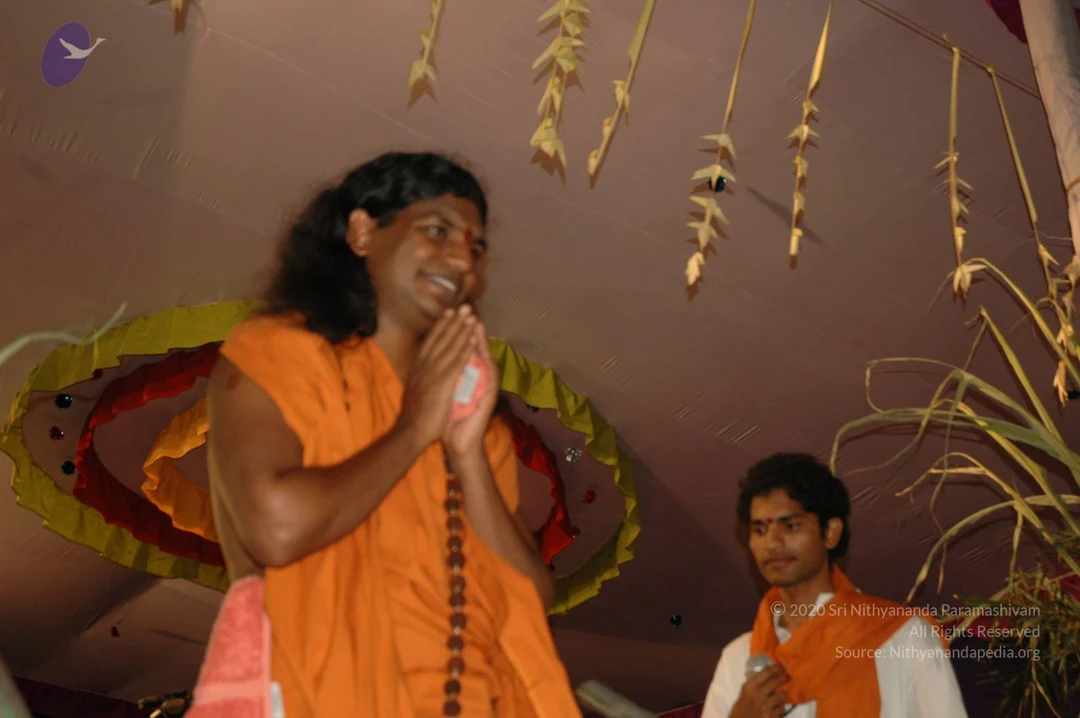
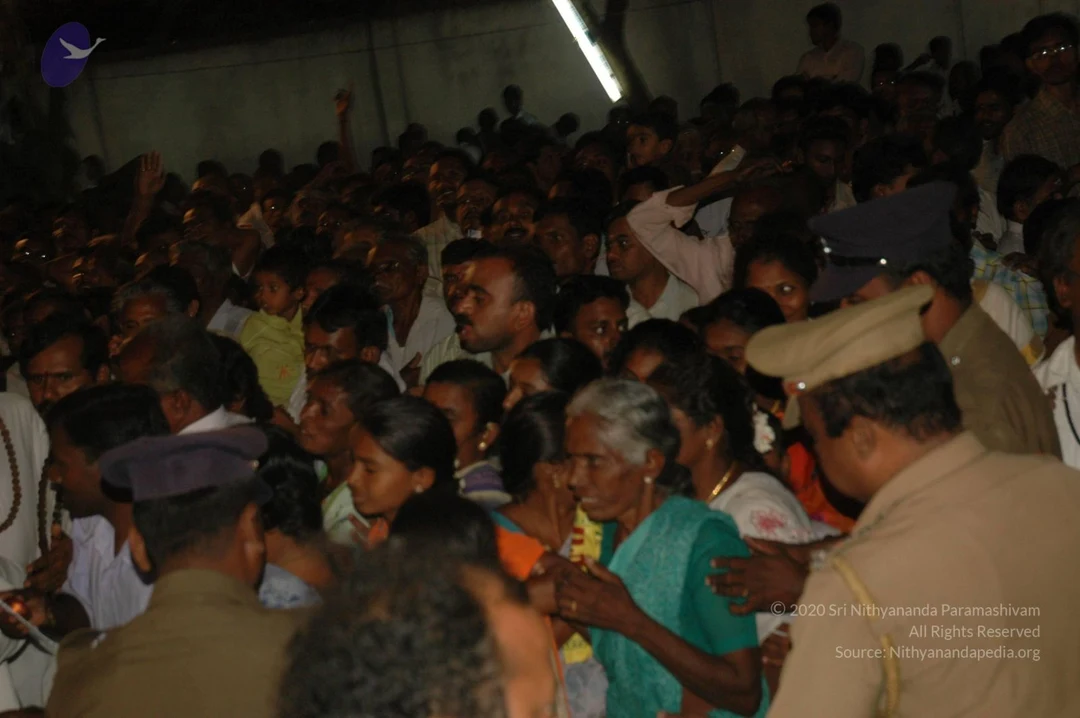
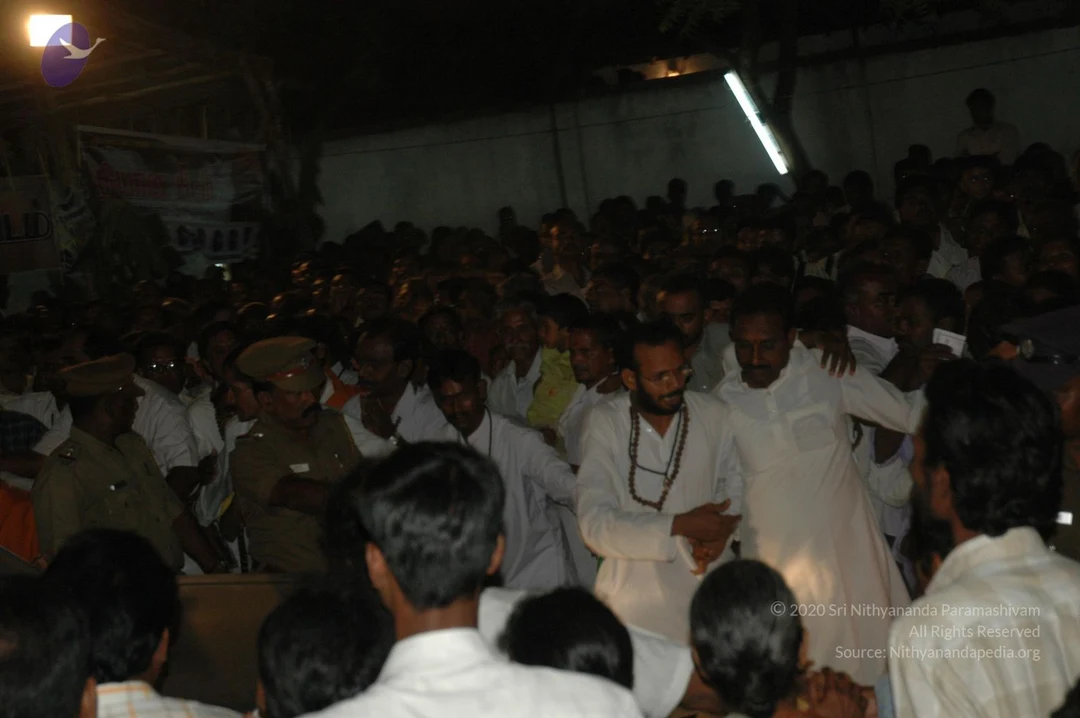
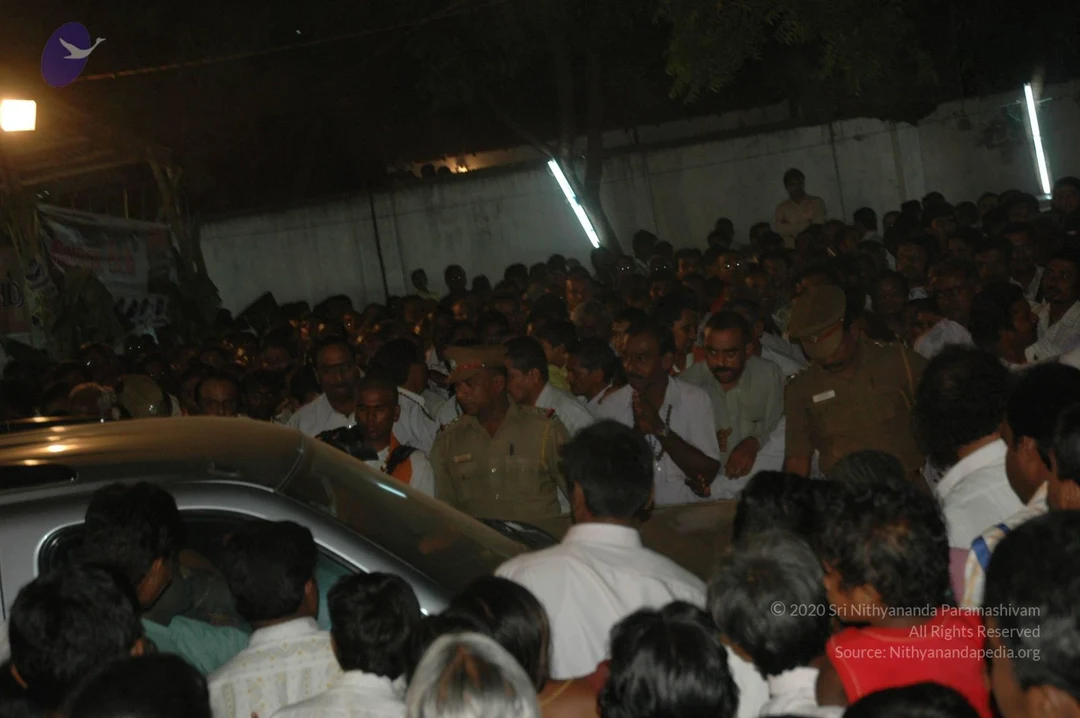
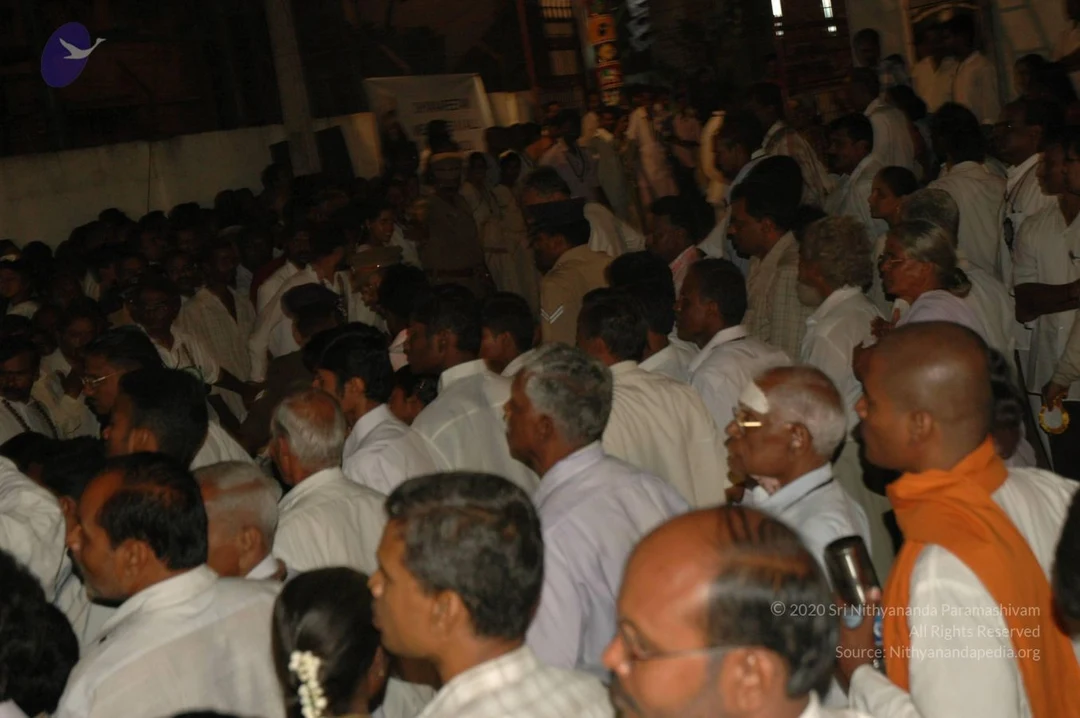
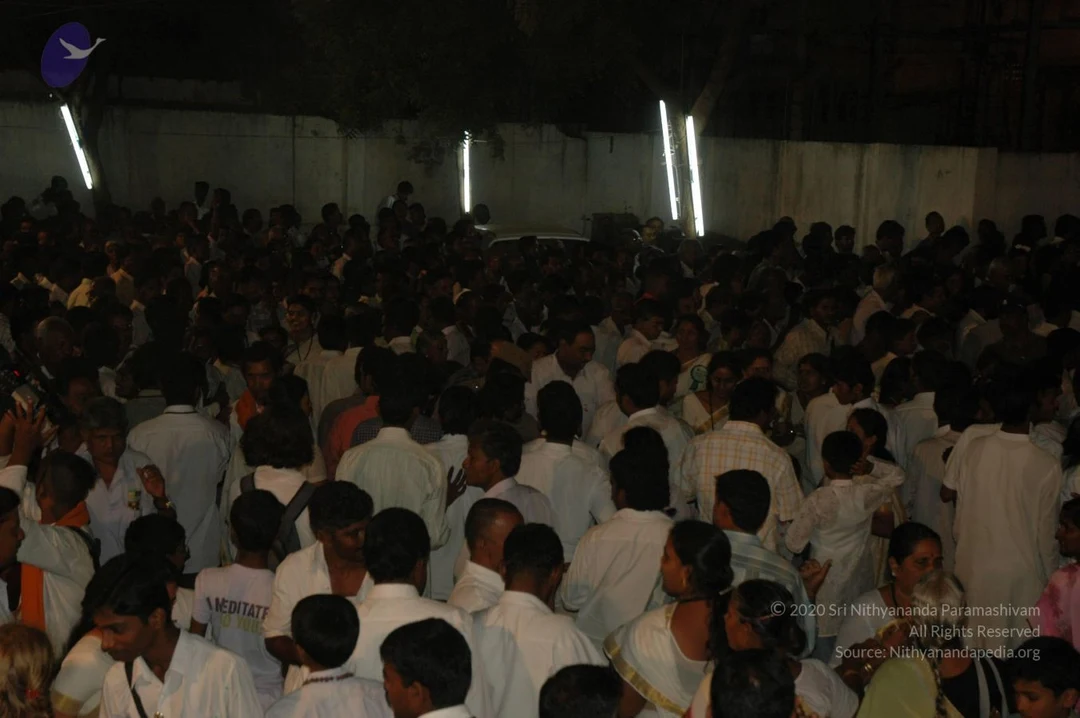
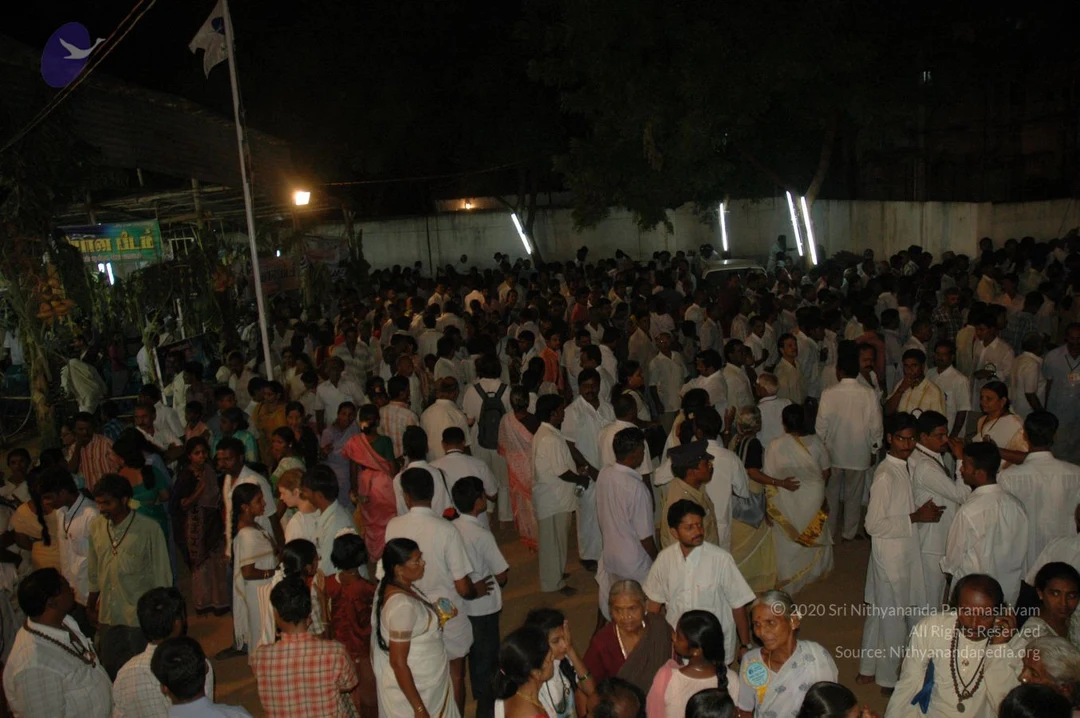
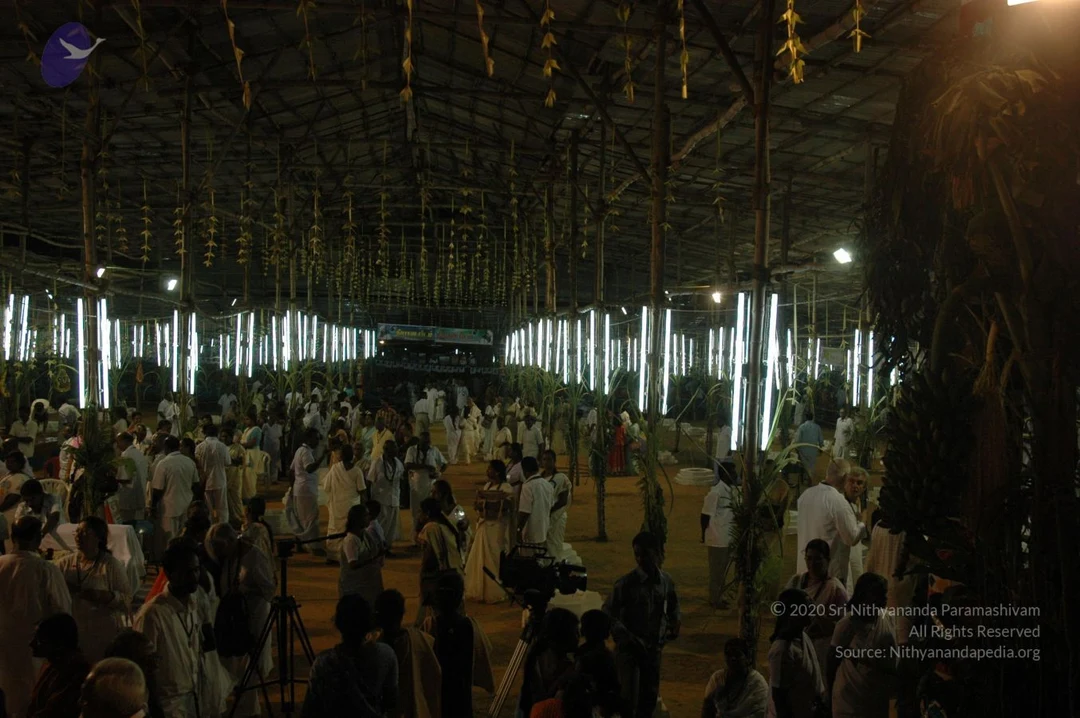
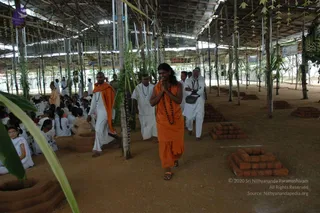
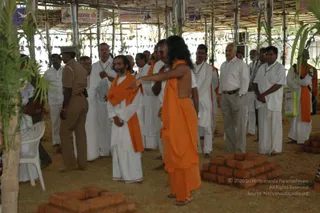
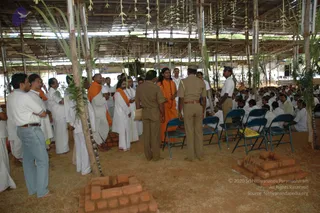
A 108 fire offerings were planned with one person offering at each of them. Therefore, 108 times 7 fire offerings were made during the three days. The purpose of this yajna was to cleanse collective negativity, purify the ozone layer, perform yajna as a deep and intense meditation and not just an offering, and make people understand the scientific basis of a yajna and its offerings. His Divine Holiness said, ‘Fire rituals have always found a place in ancient lore. Fire is the purest form of the five elements that are earth, water, fire, air and ether because it can never get contaminated. It is the ideal element for meditation. Any yajna when performed in the proper way, harnesses the Cosmic energy through the mantras that are chanted and transfers the energy to the water that is stored in pots for this purpose, which in turn is used to energise the place and people. At the end of each of the seven homas, prasad (a special item made as an offering) to the pertaining deity was distributed to each one in the gathering. On all three days, His Divine Holiness individually blessed each one at the gathering. Following are a few pictures from 16 July 2006 Day 1 of the Saptha Yaagam

Videos

Link to Video:

Video Title

யாகம் - ஹிந்துமதத்தின் மிகப்பழமையான ஆன்மிகச்செயல்

Video description=

Tamil Satsang delivered on 16th July 2006 at Salem during Saptayaga

Link to Video:

Link to Video:

Photos

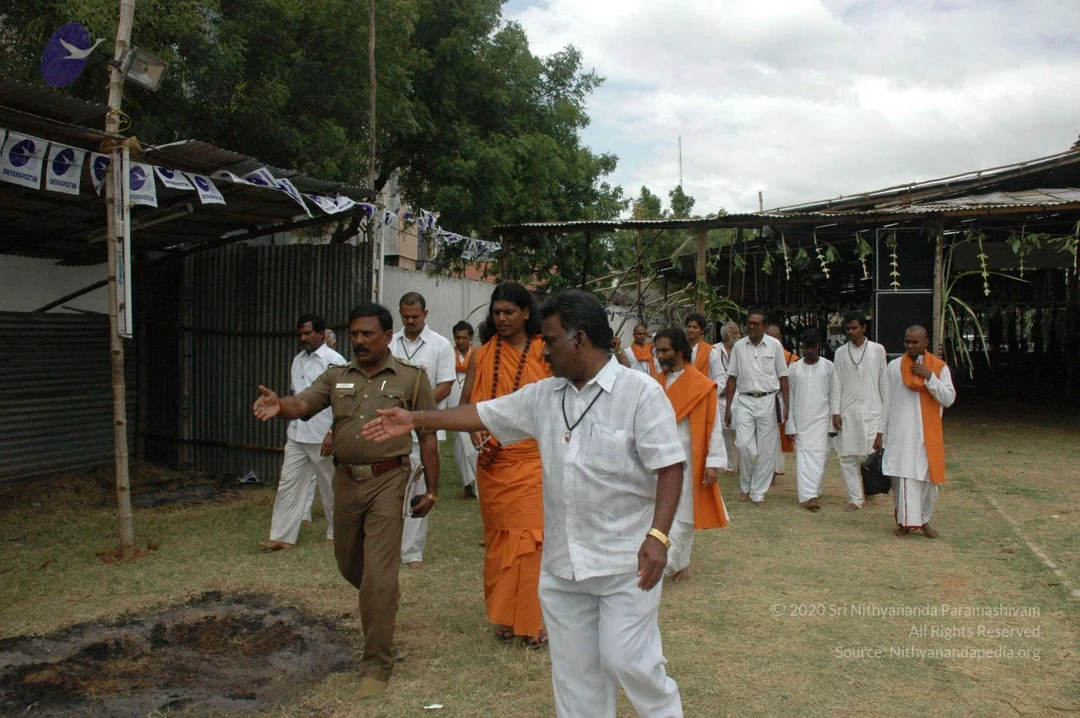
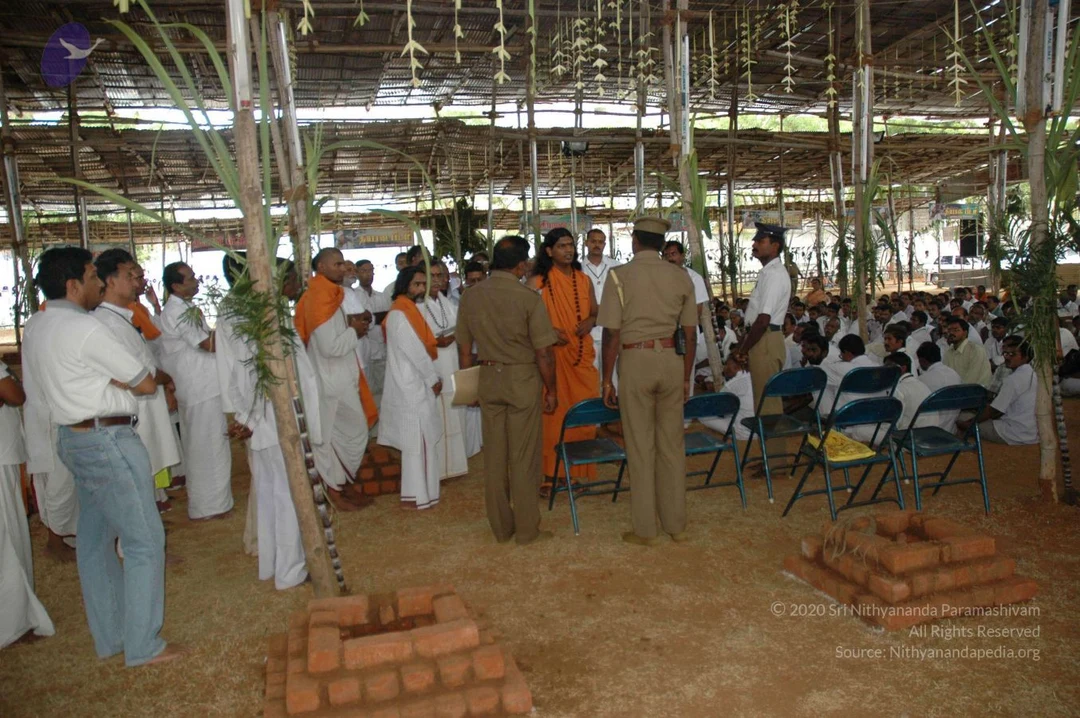
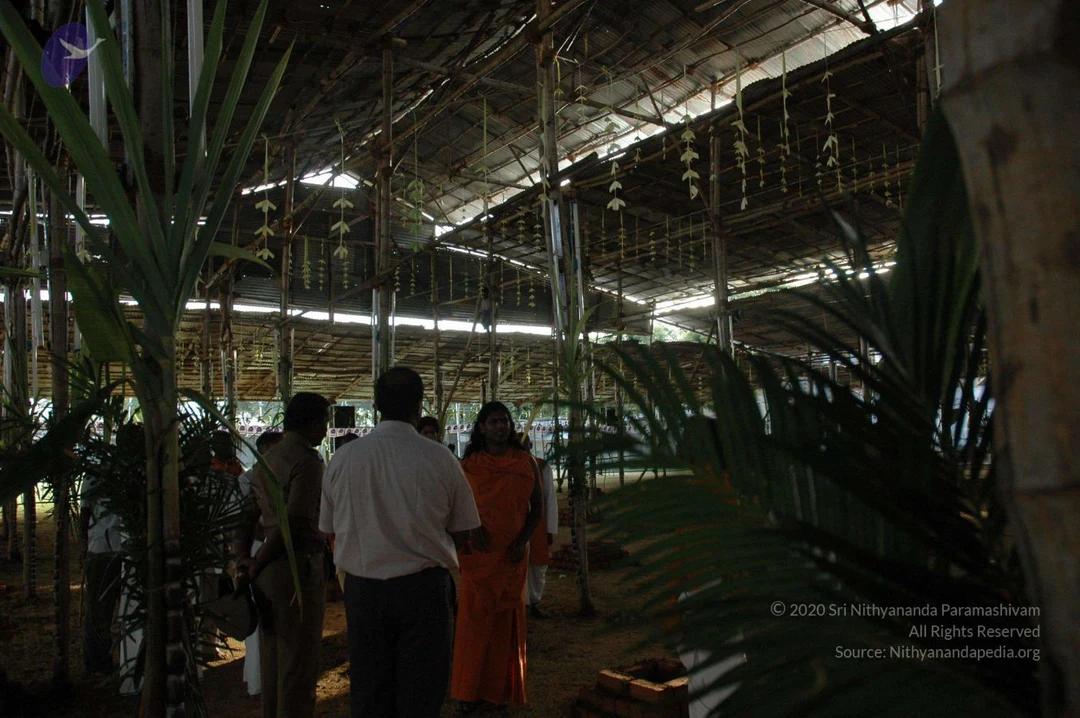
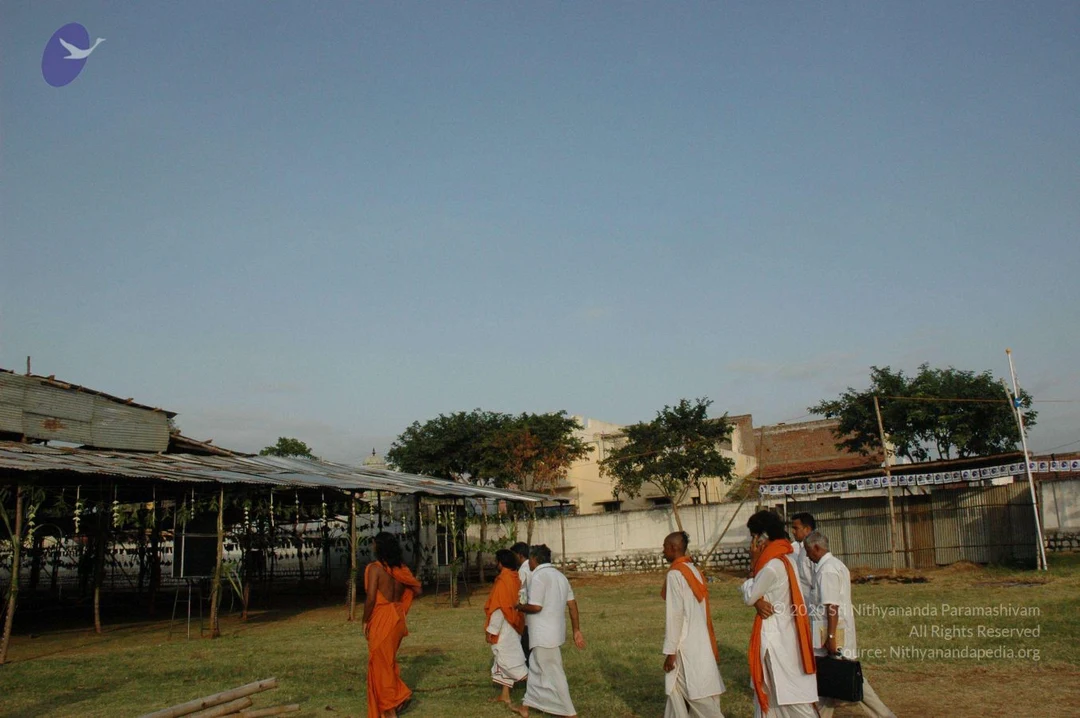
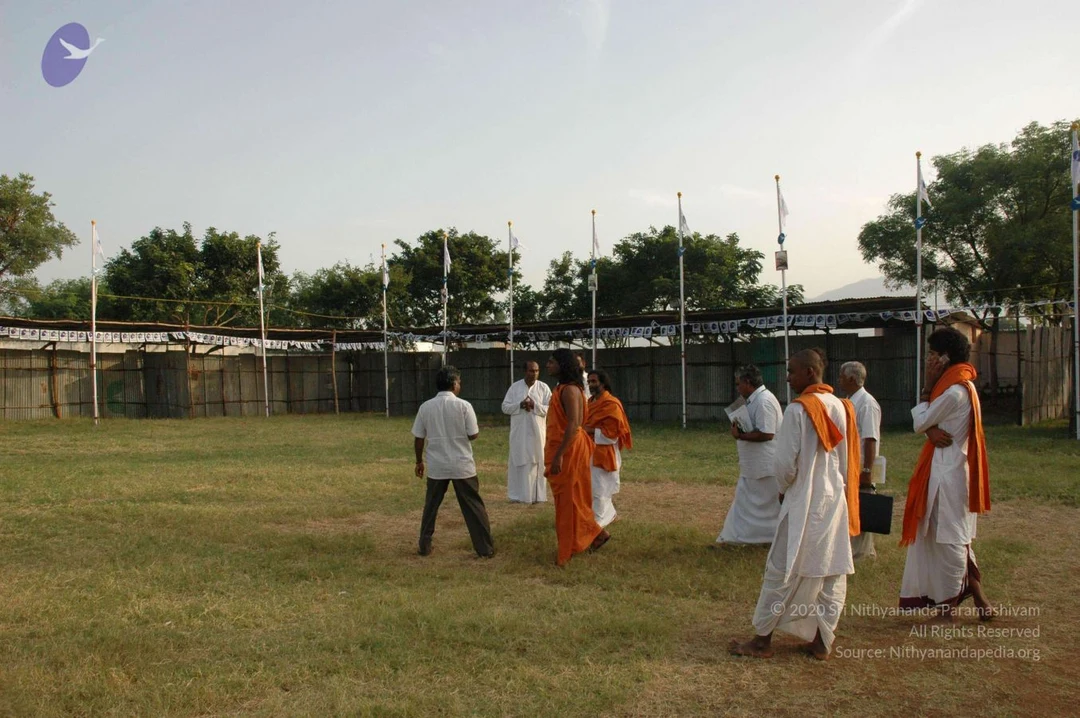
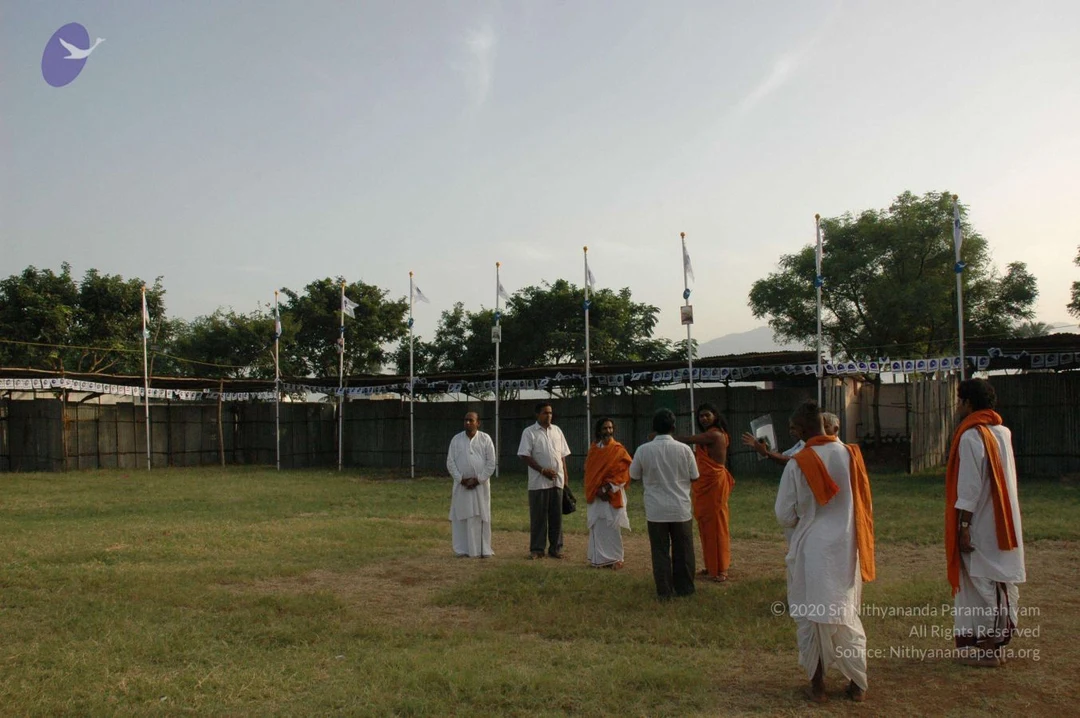
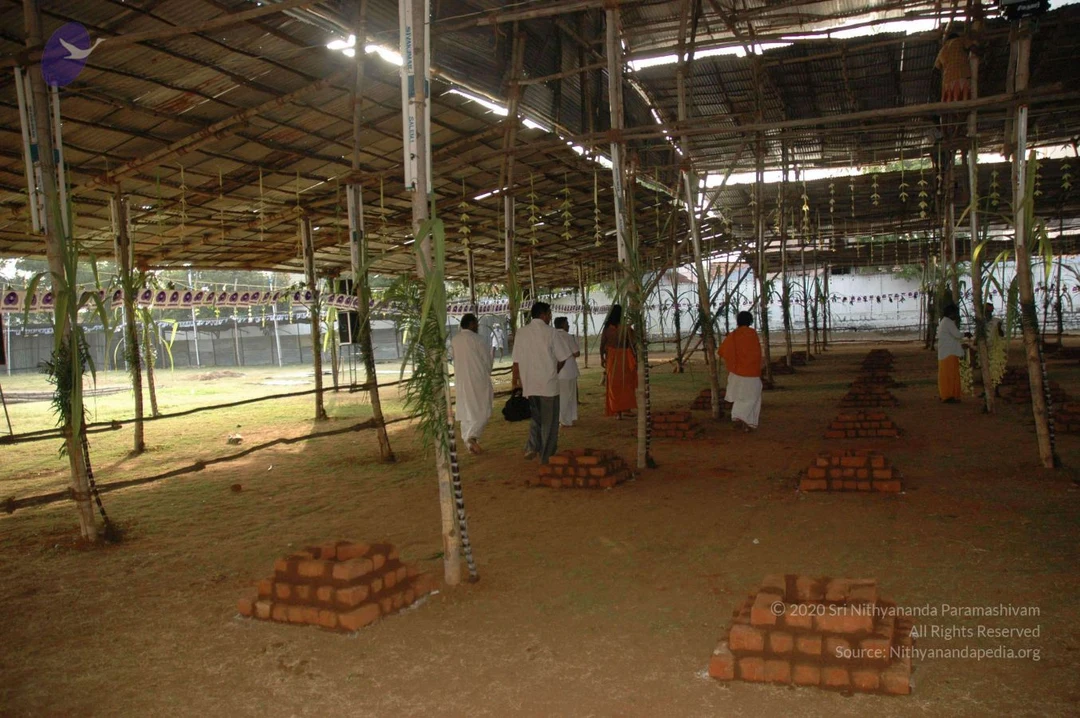
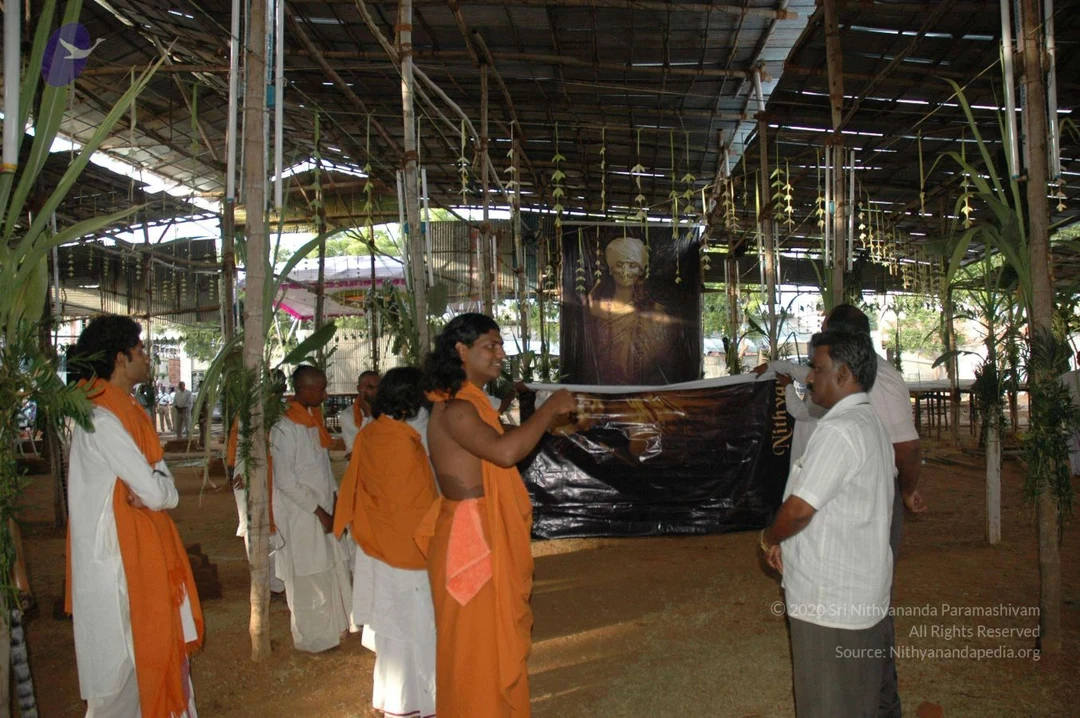
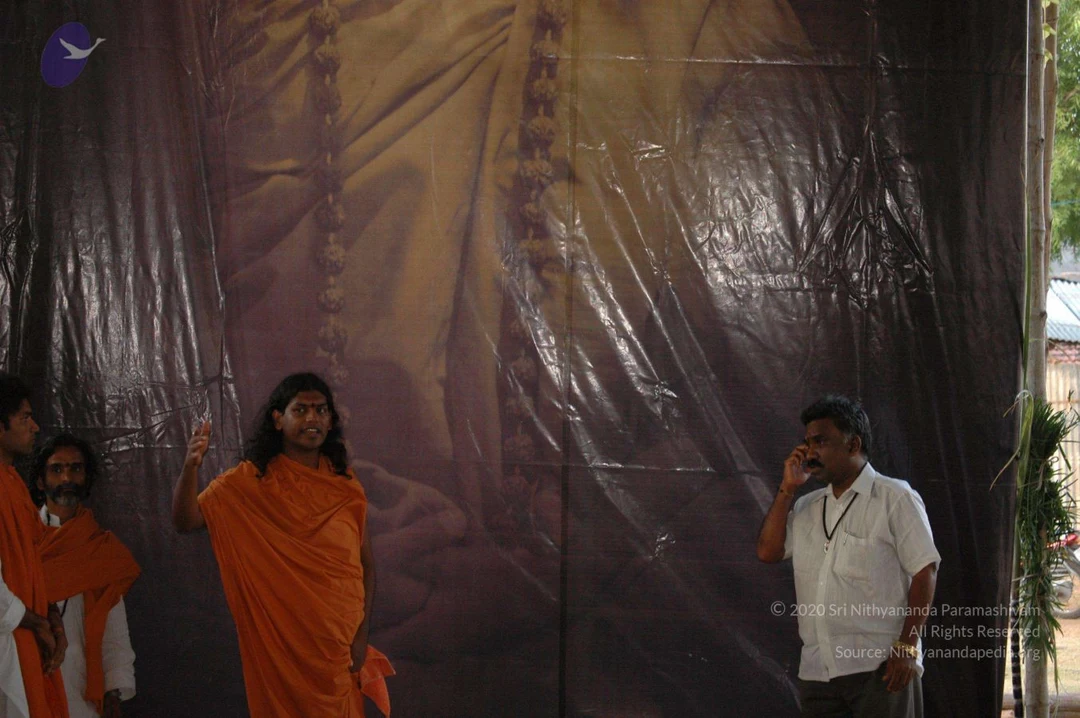
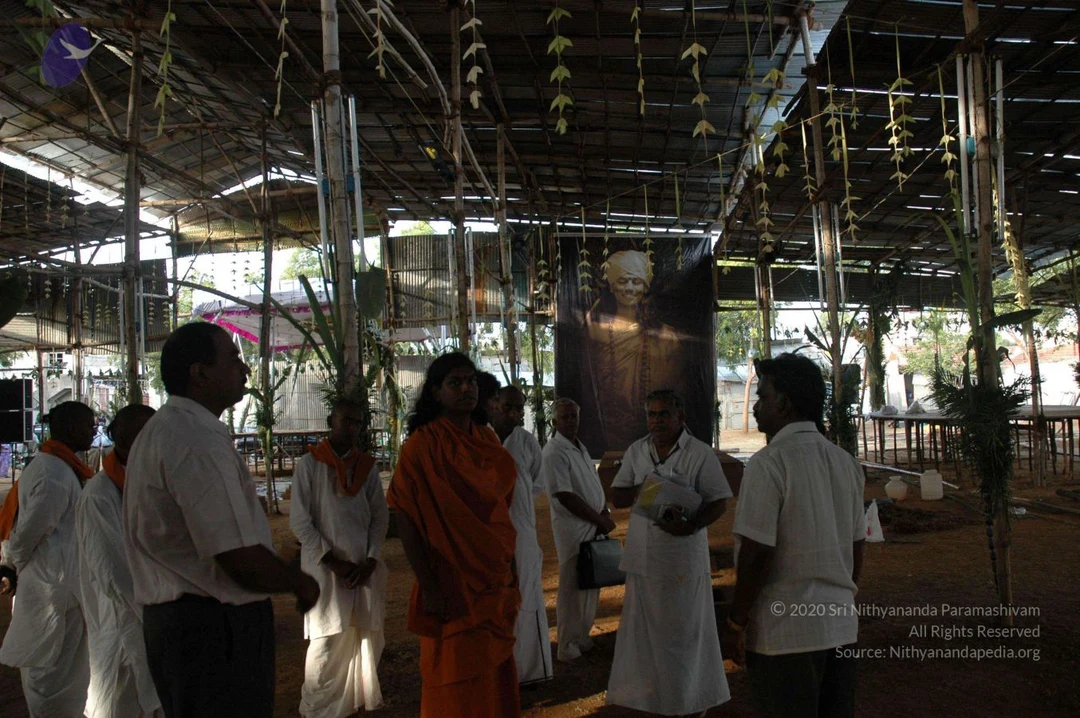
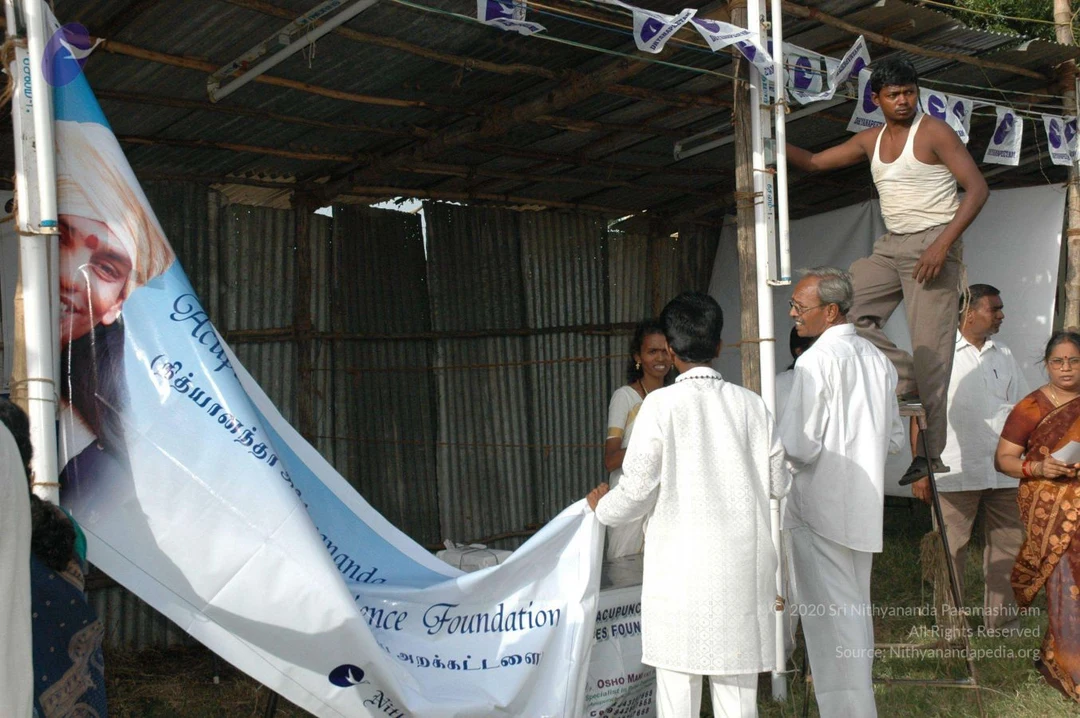
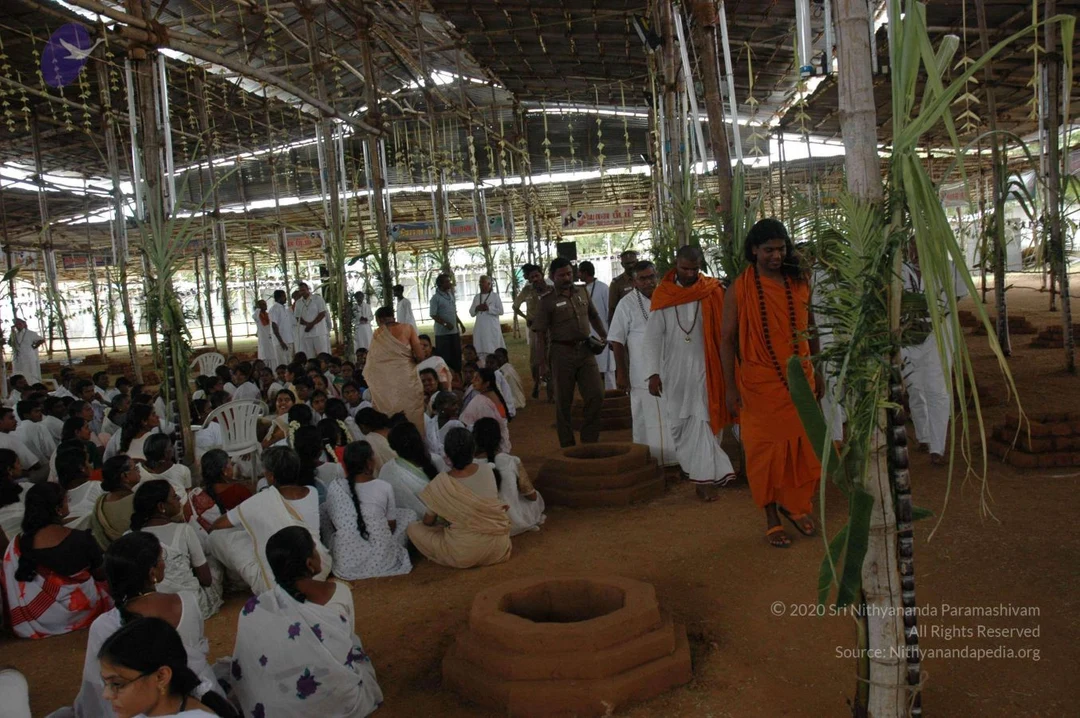
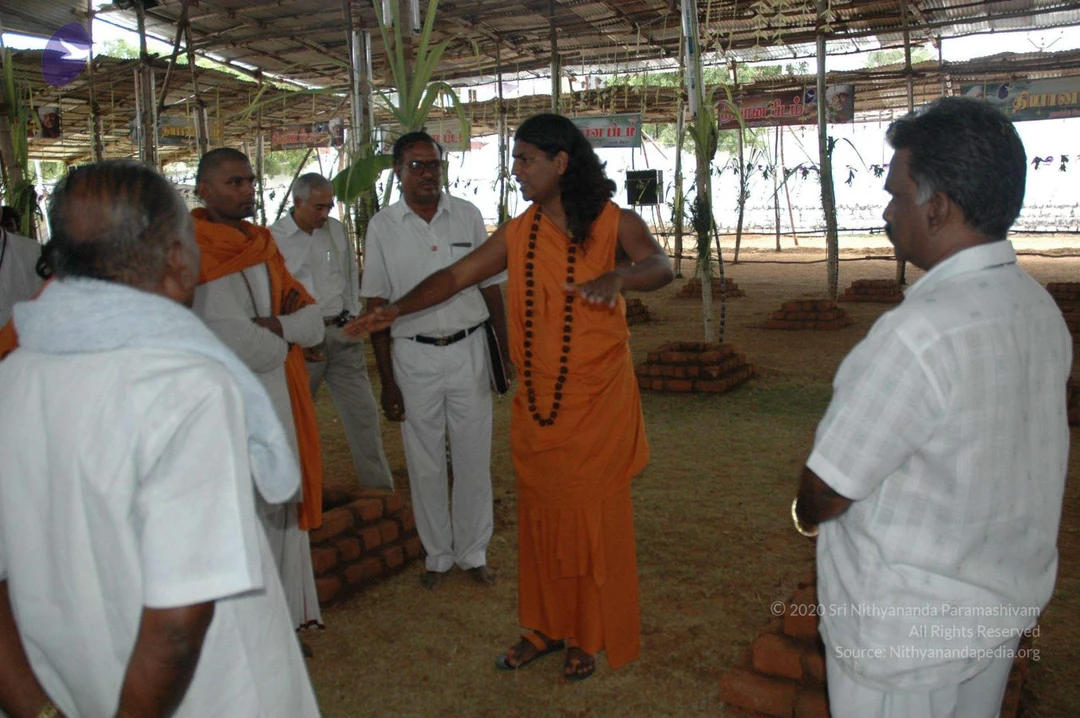
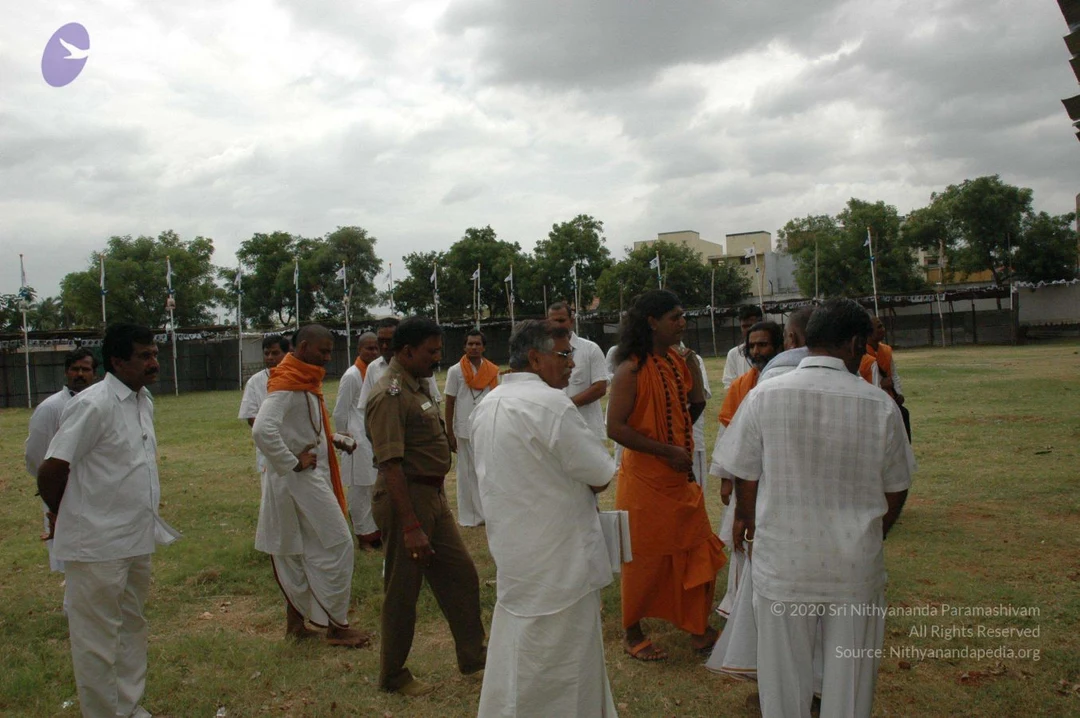
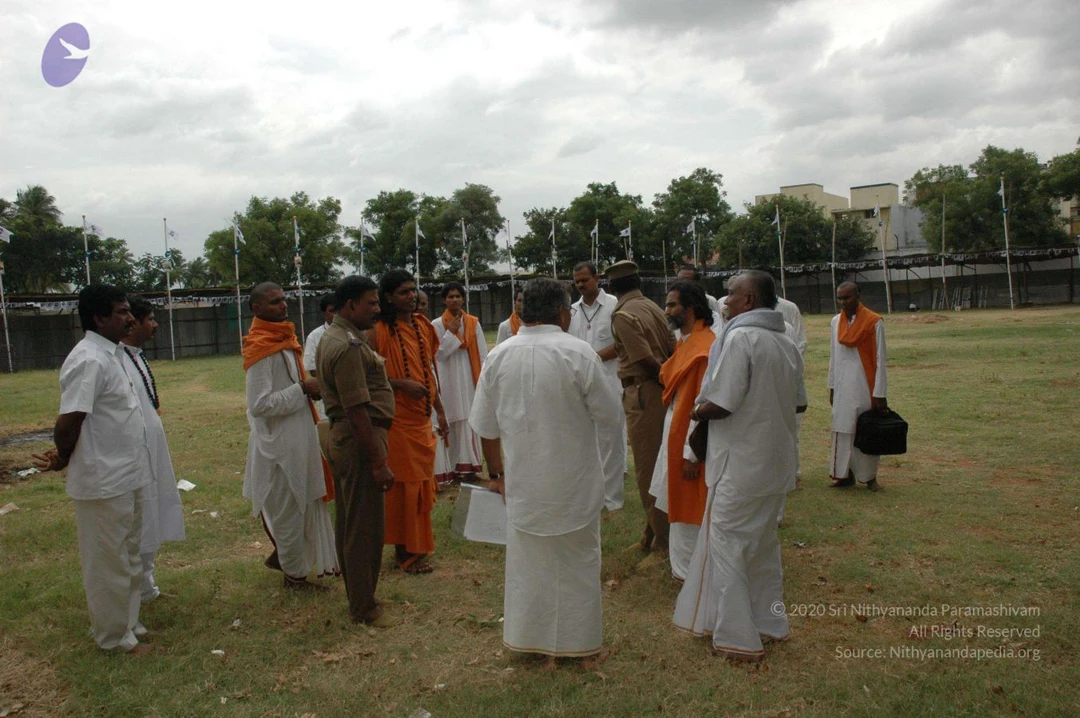
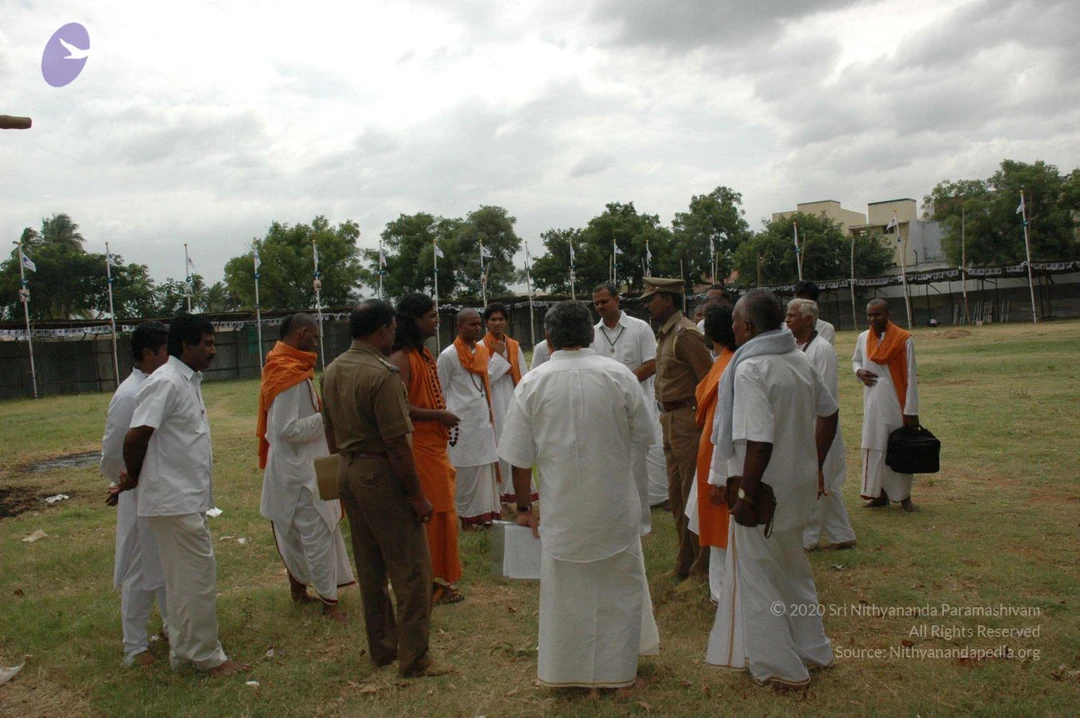
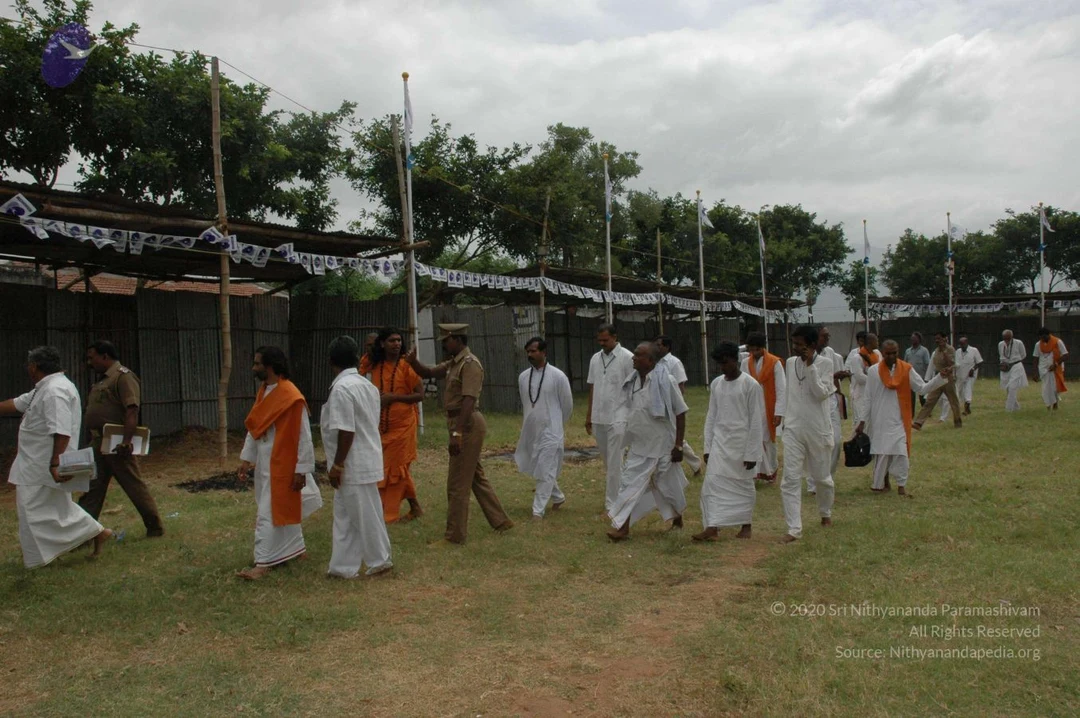
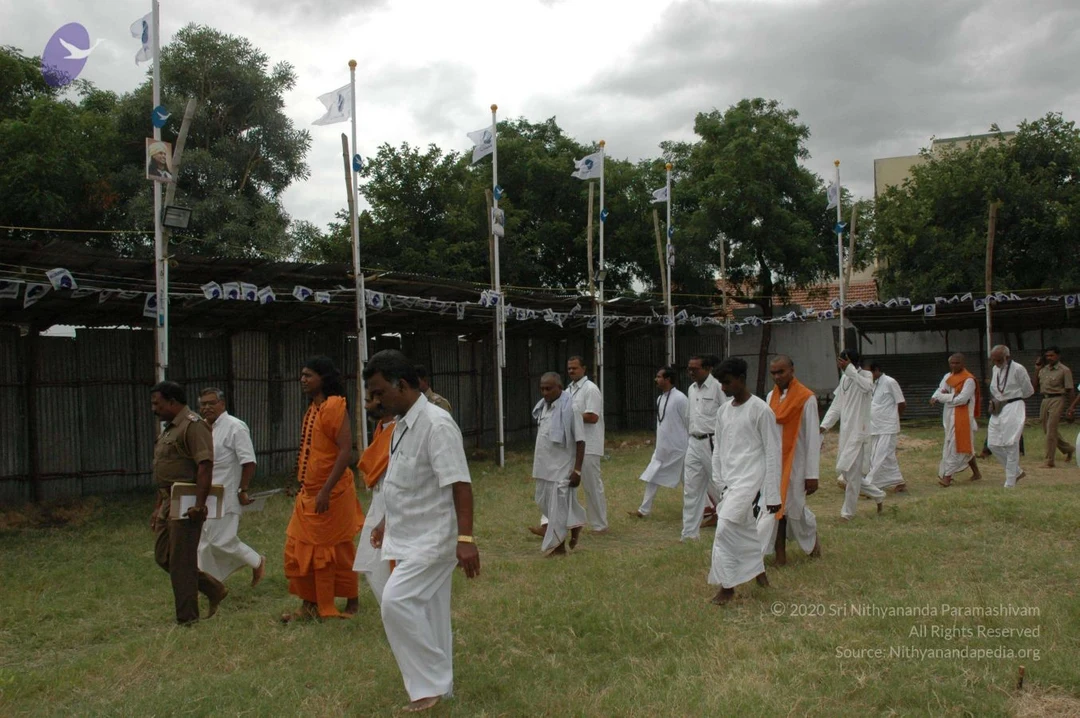
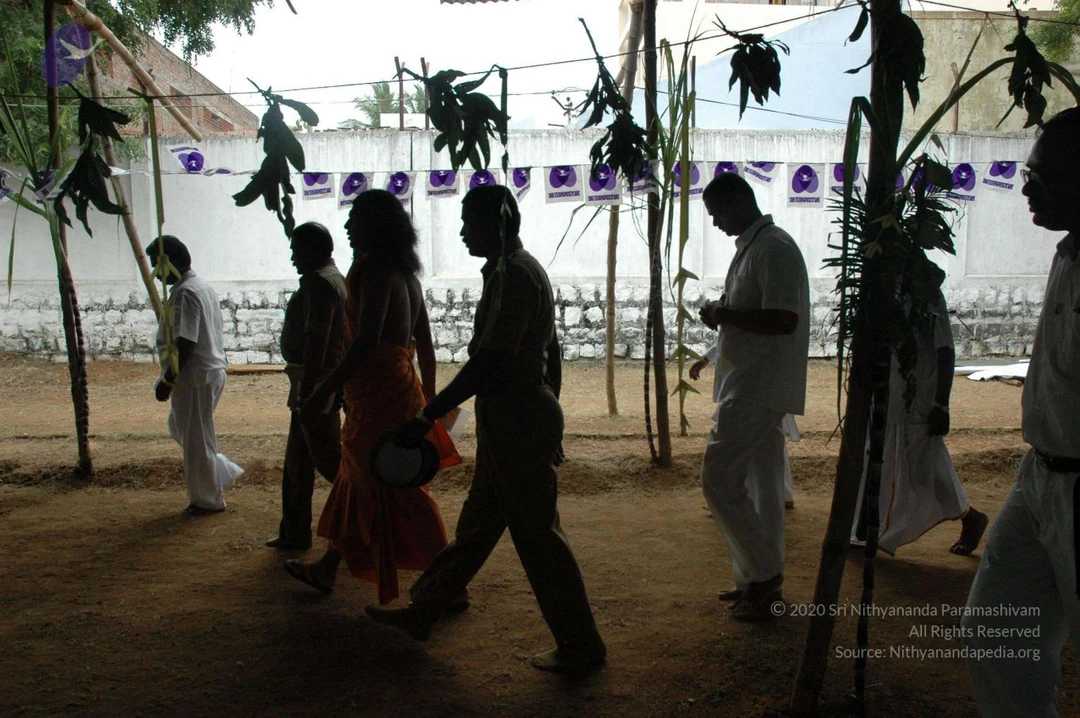
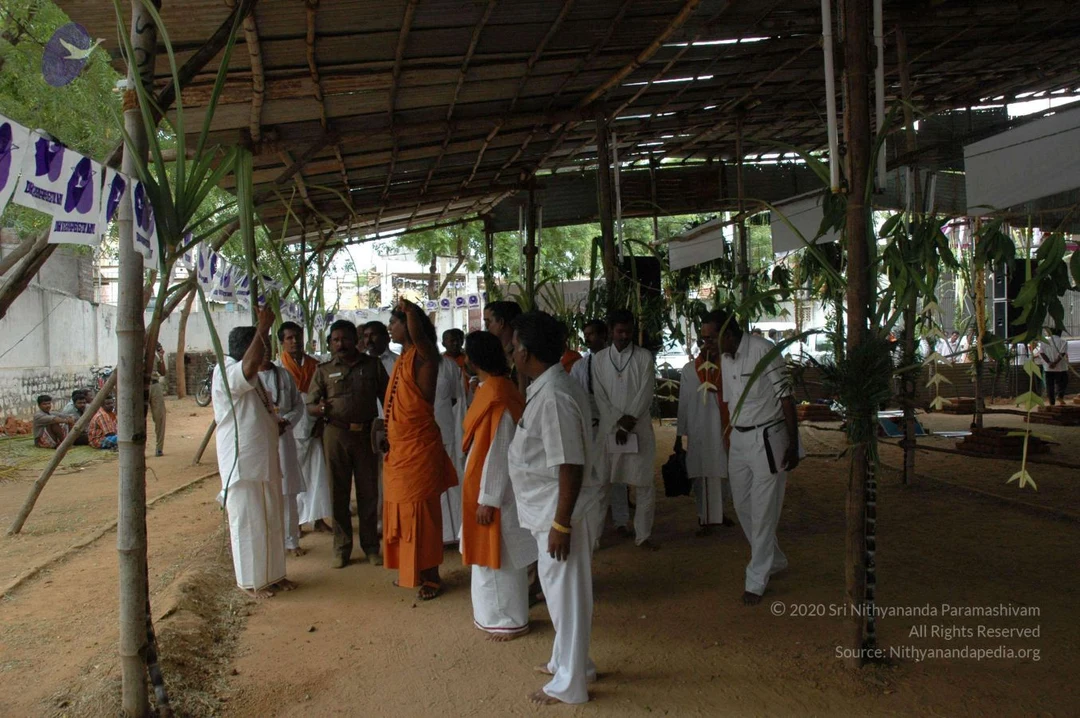
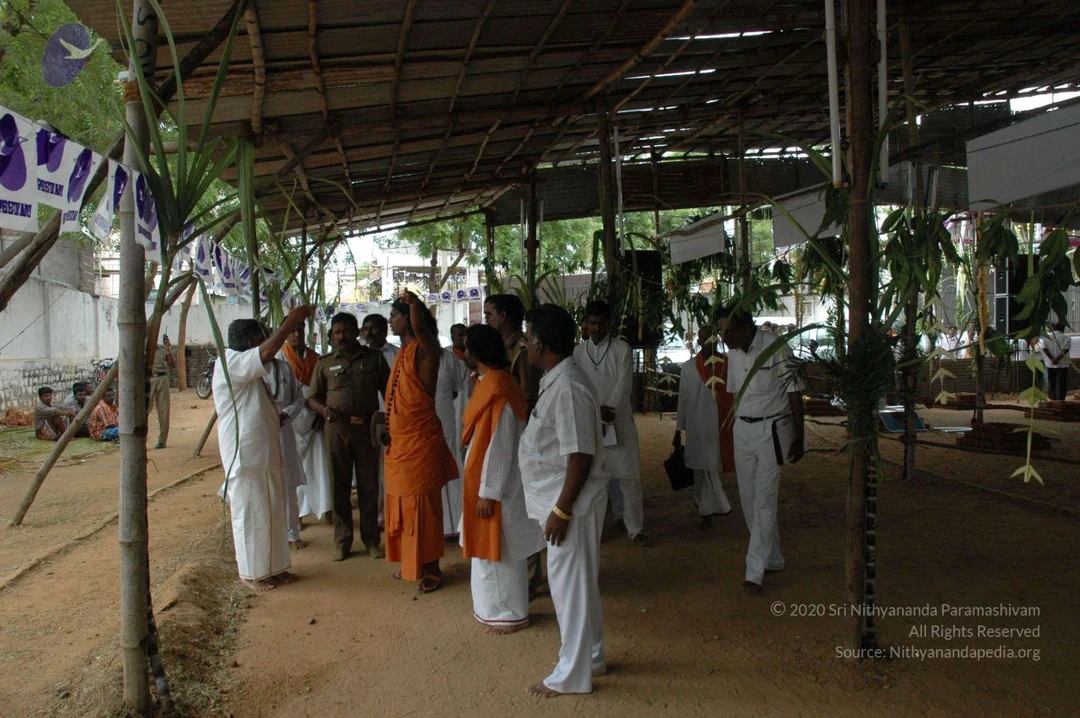
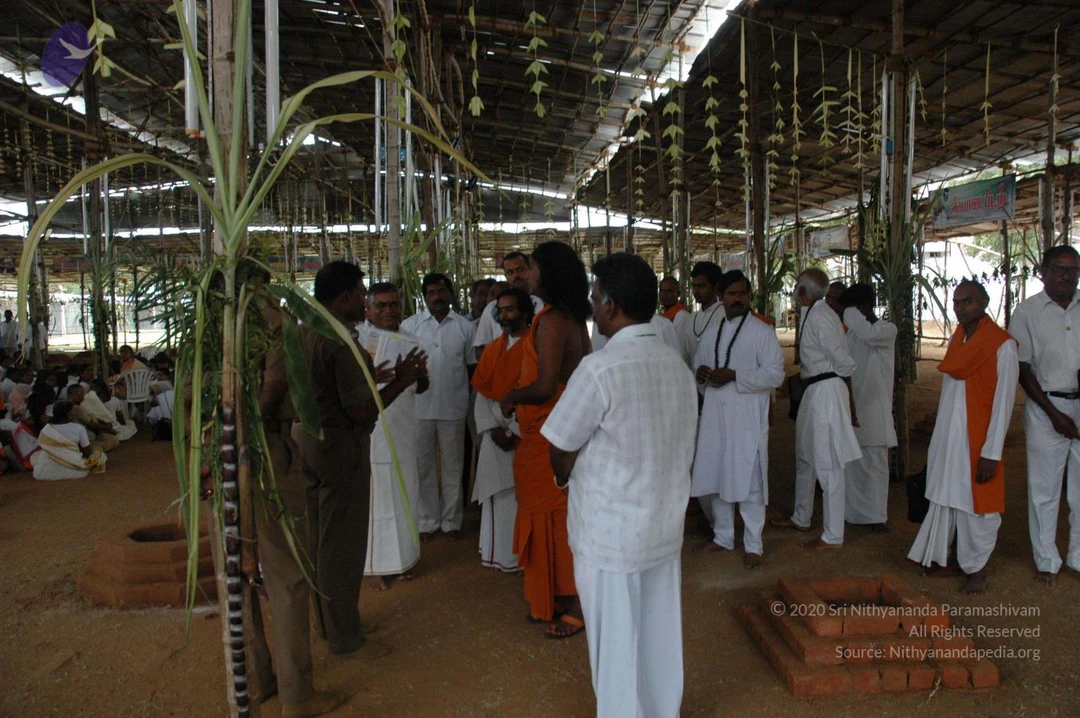
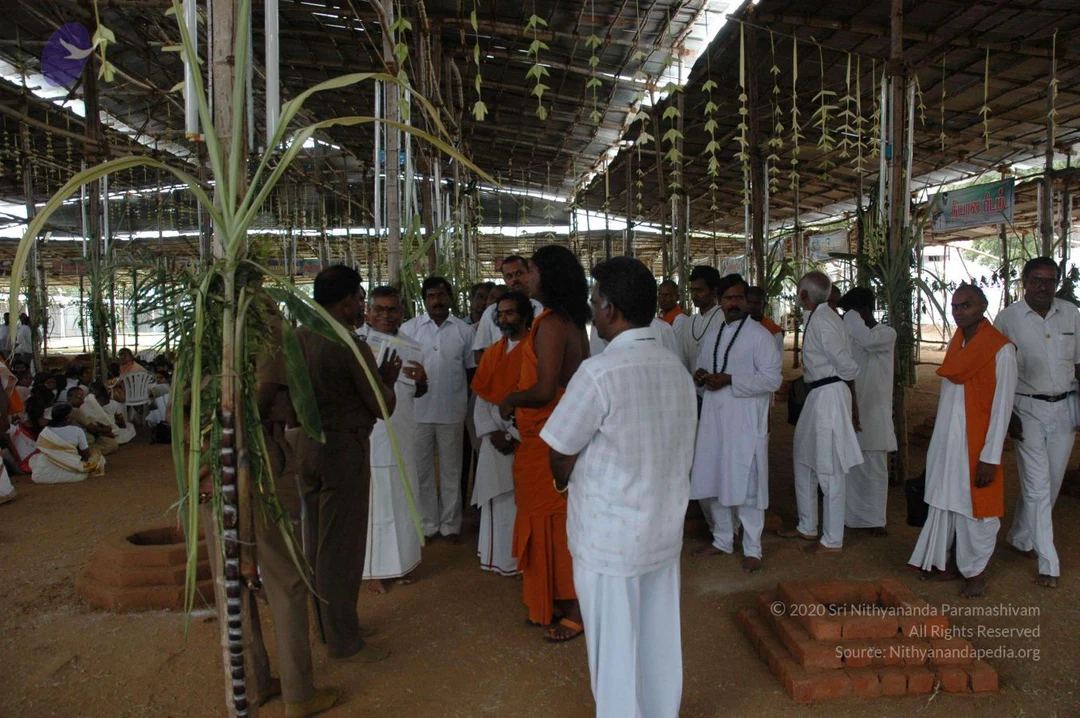
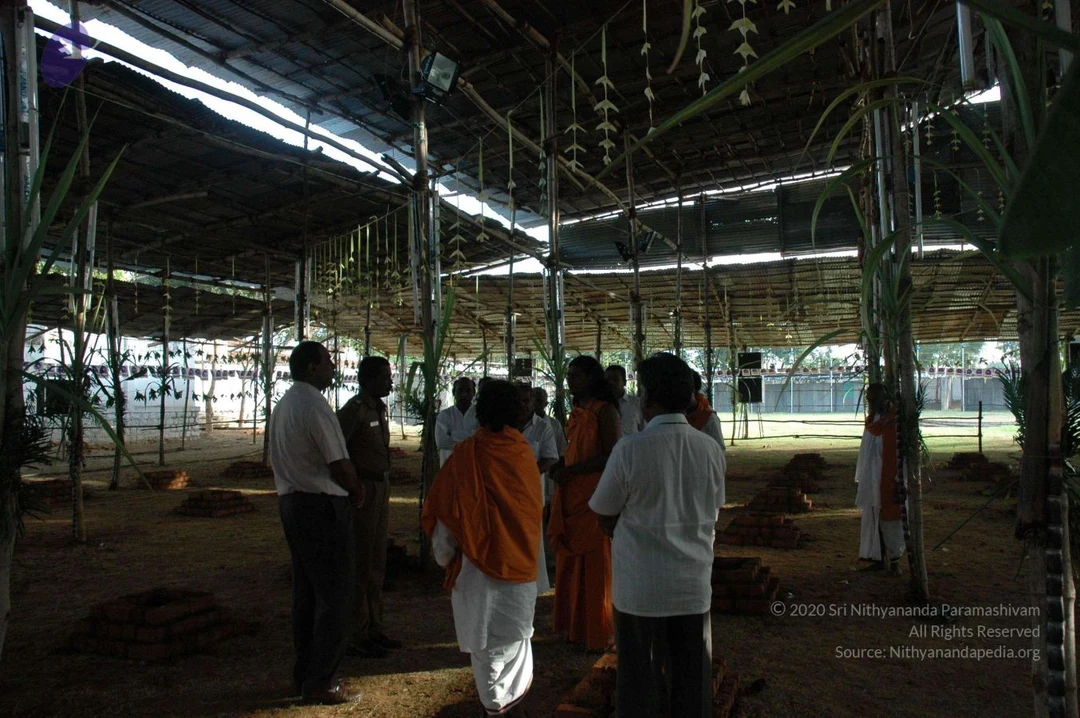
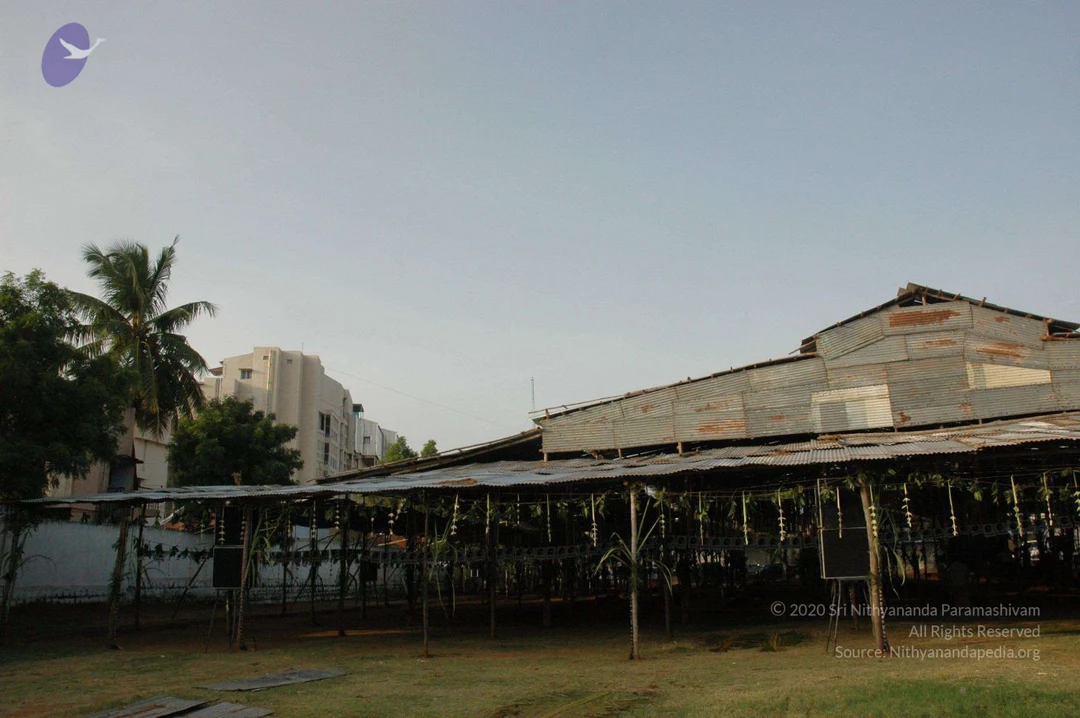
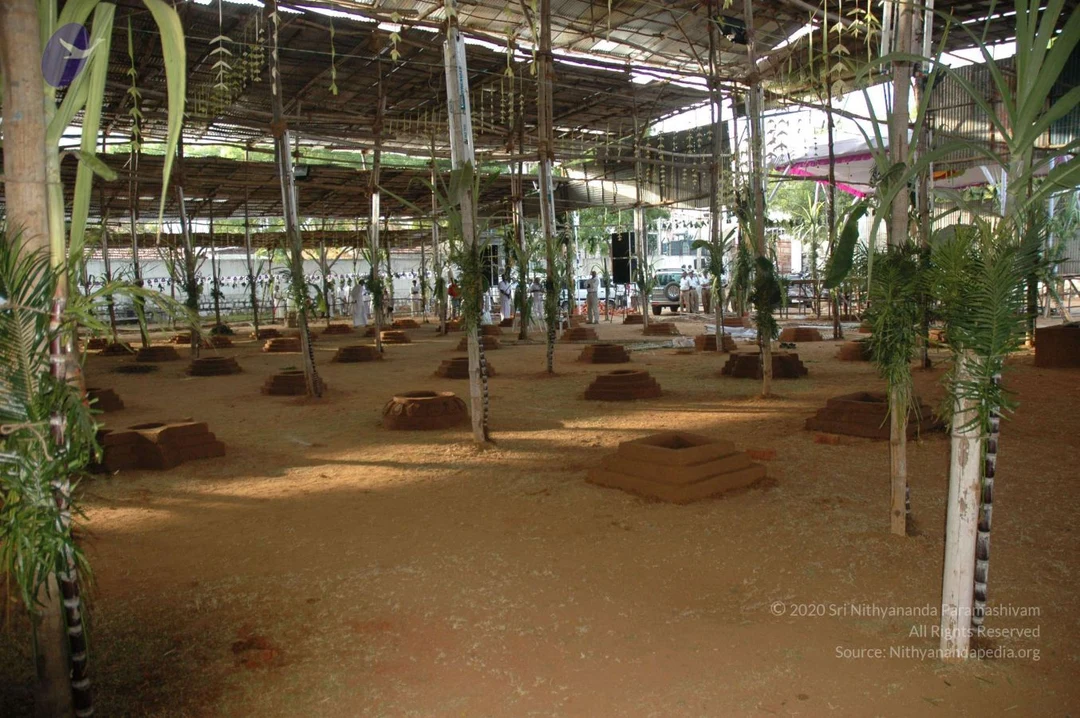
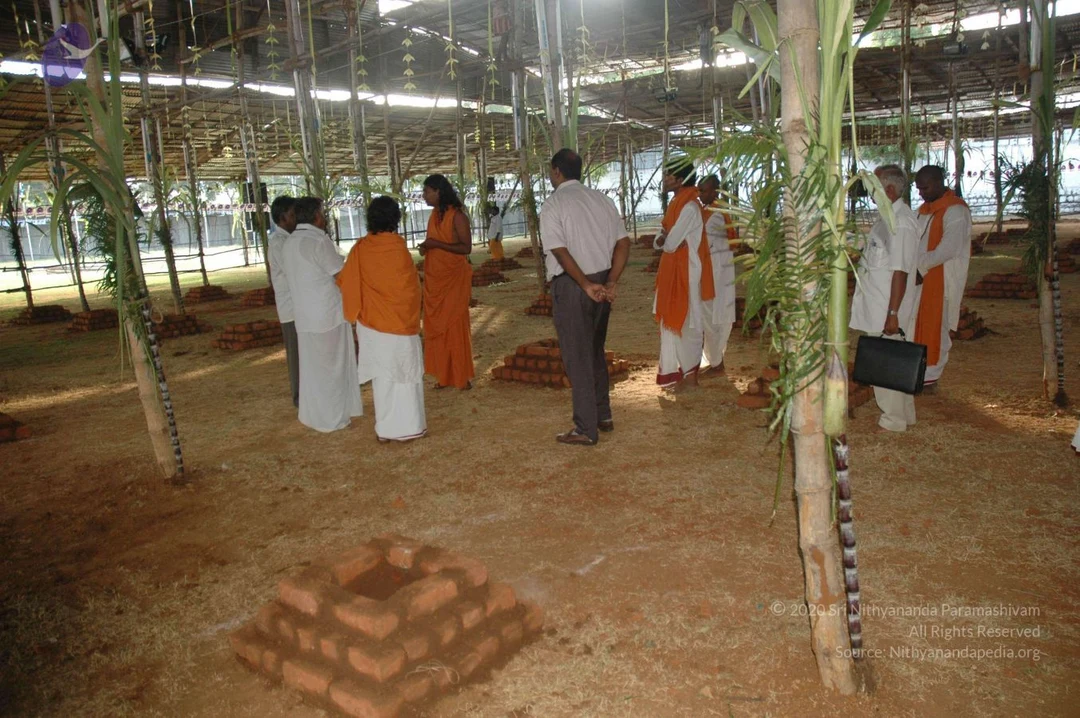
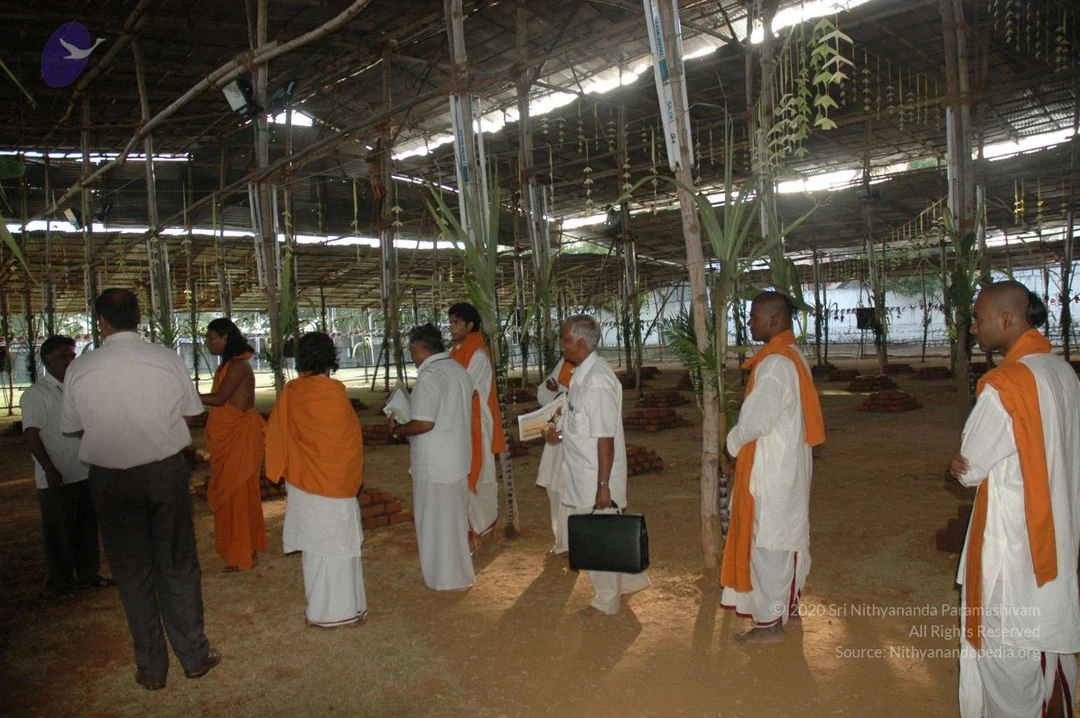
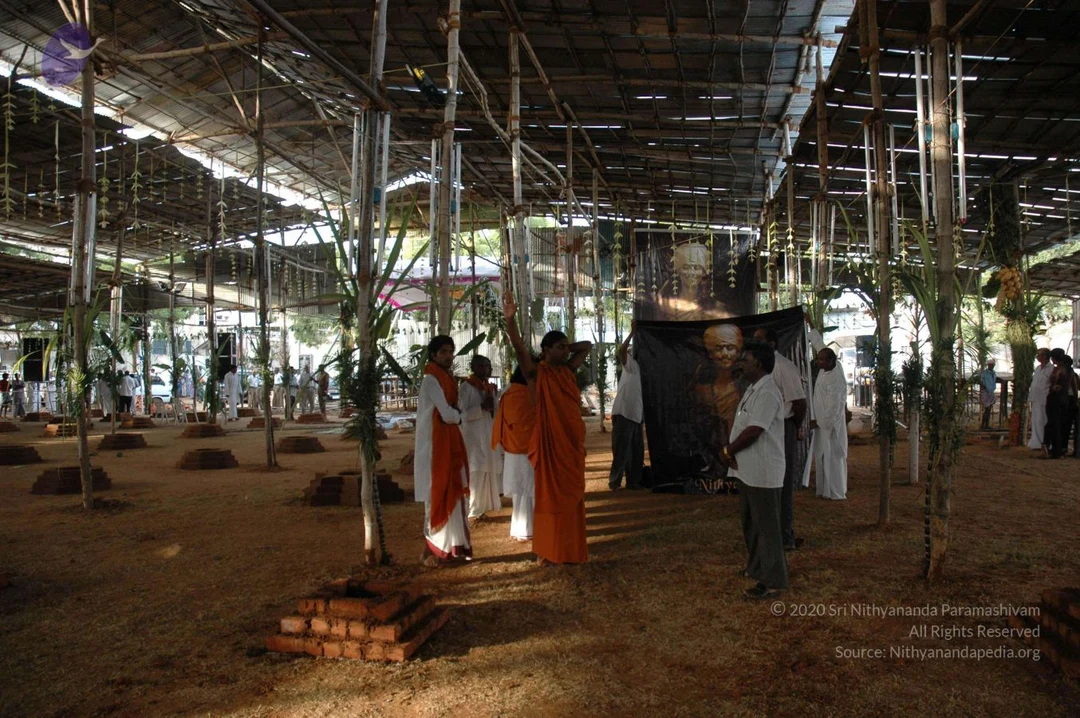
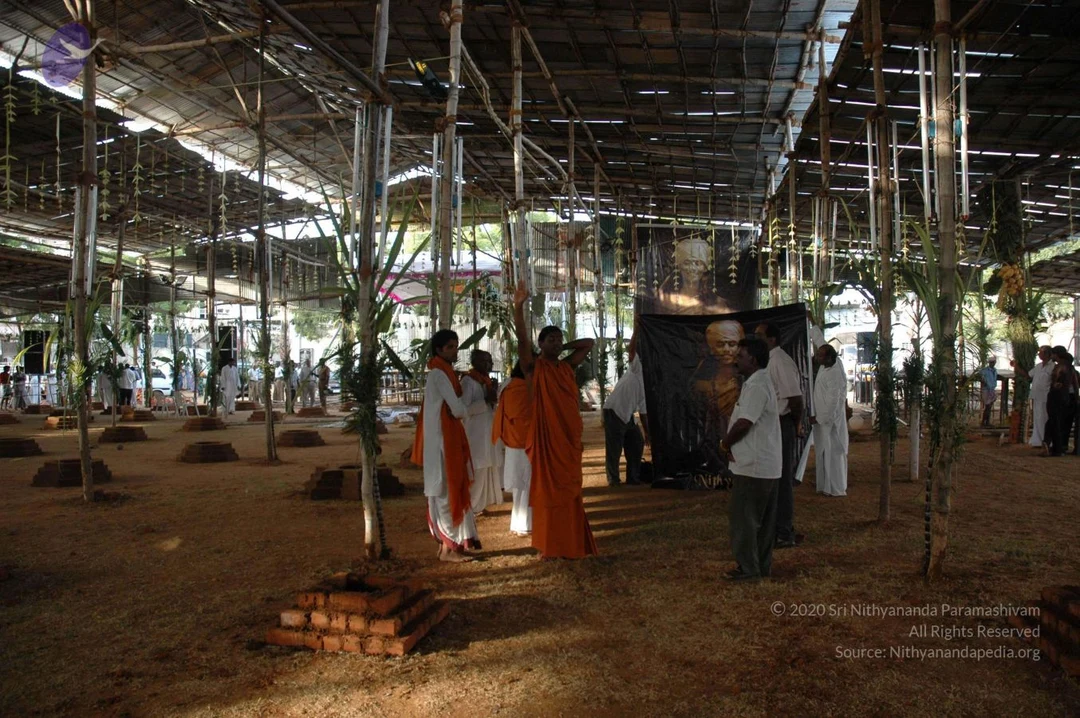
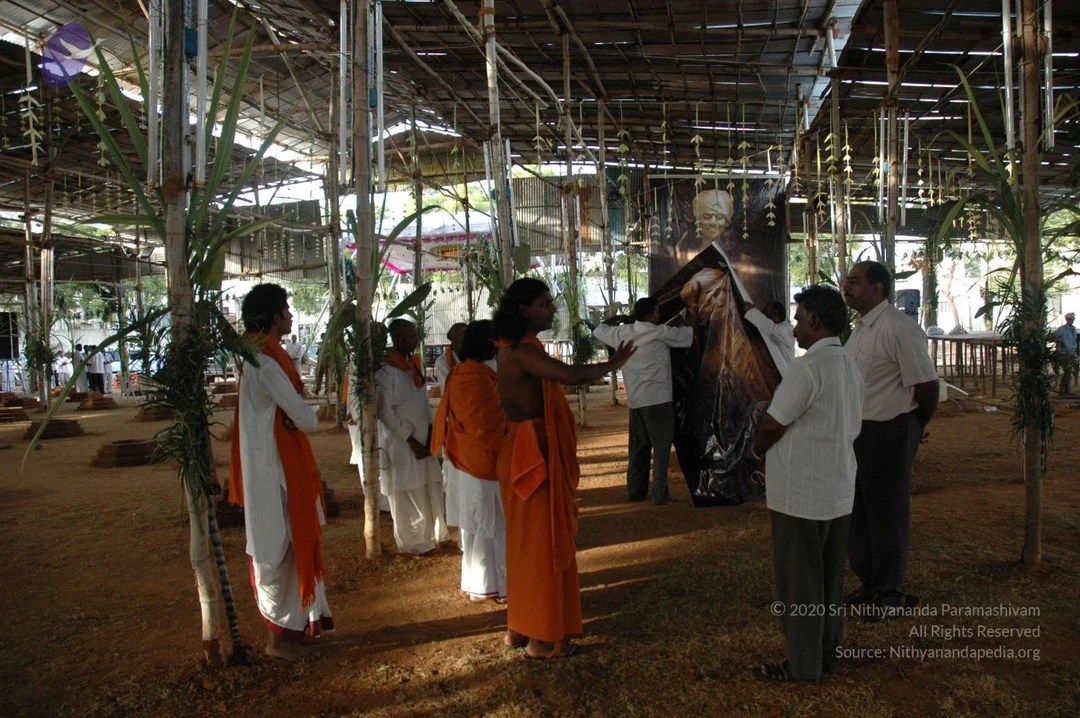
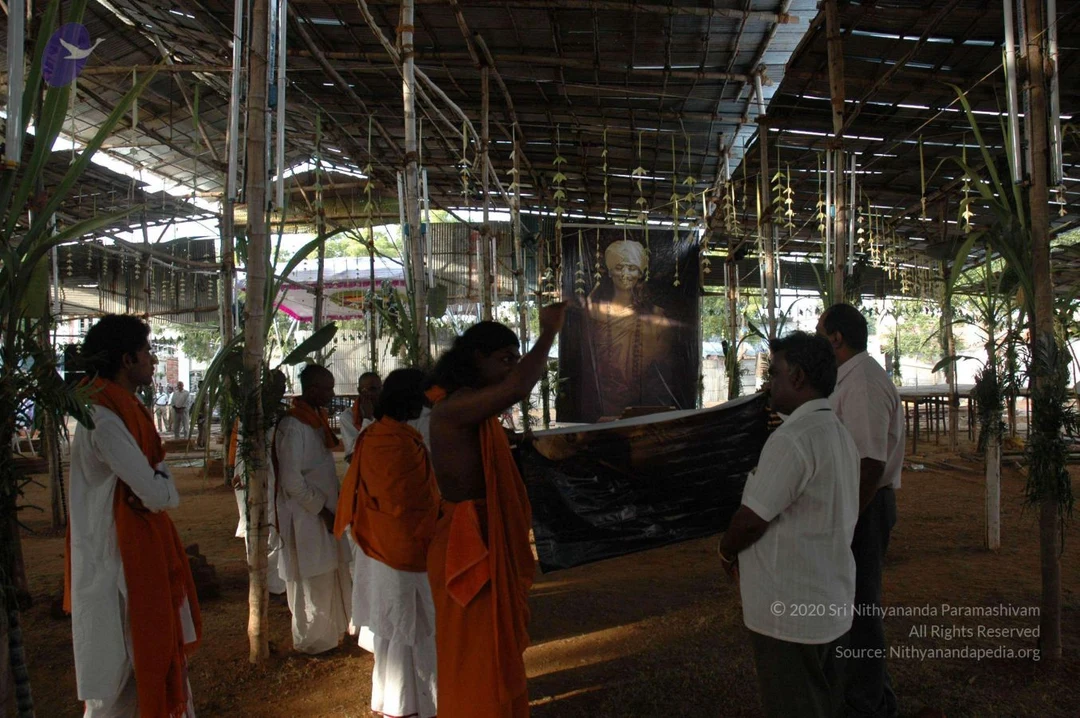
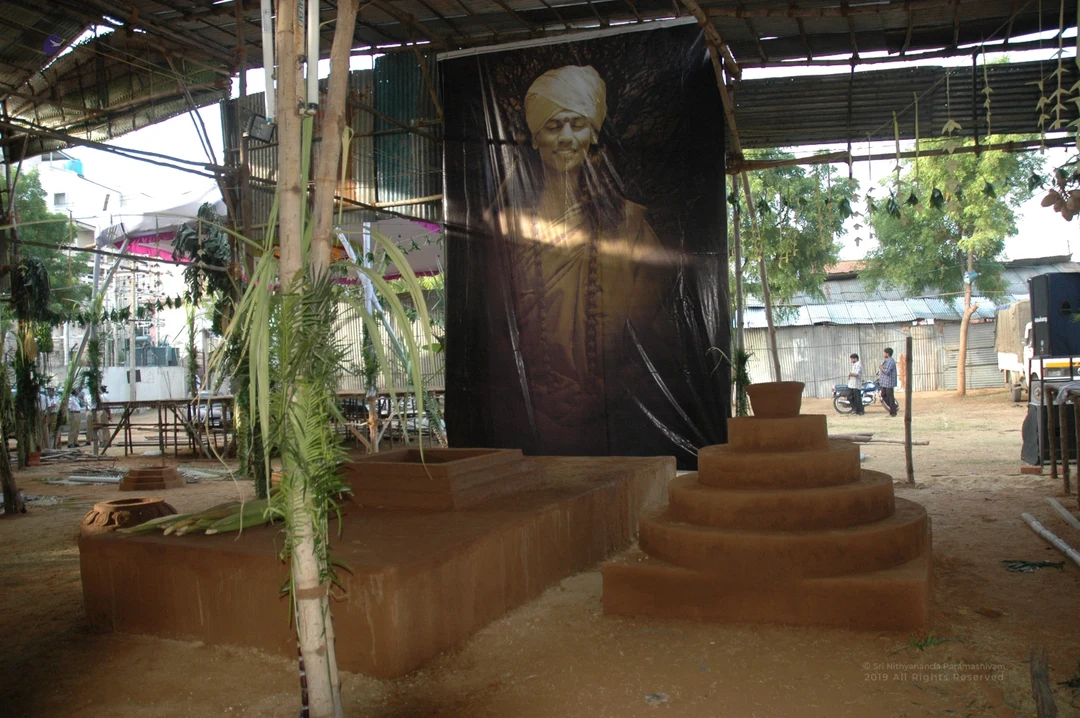
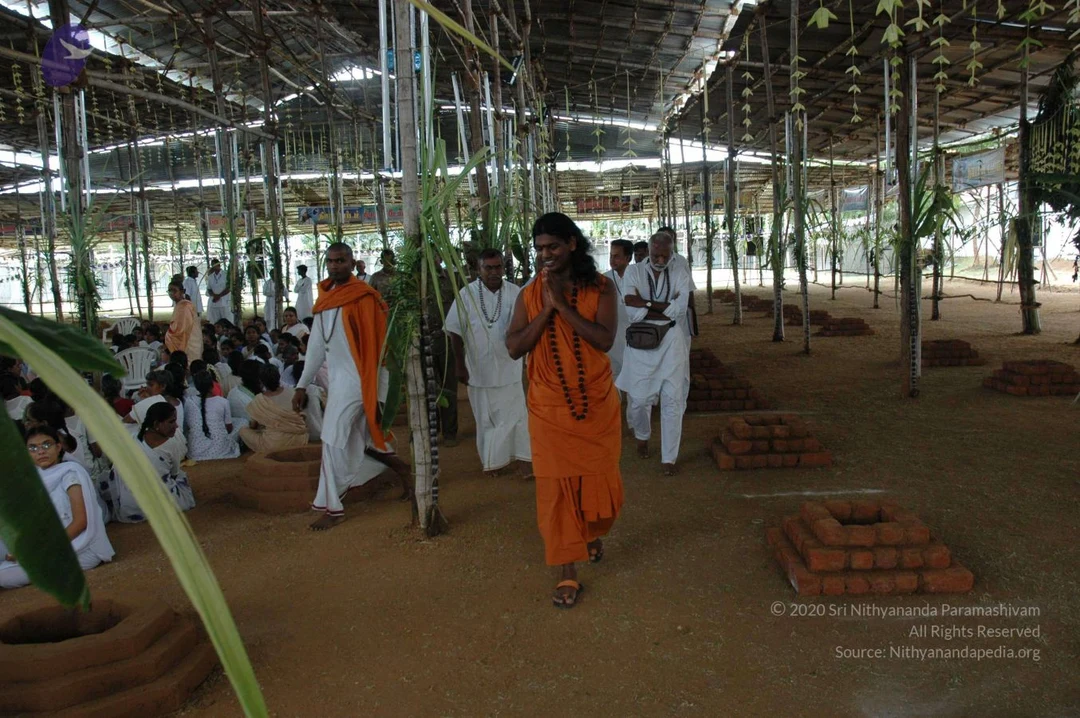
Supervising preparations for Sapthayagam
Enriching Materials

Flyers

https://nithyanandapedia.org/gproxy/1p5vIZEtFB6kQuTuO7wFuGKt9WkKsp080

Photos Of The Day:

SAPTHAYAGAM

SAPTHAYAGAM

SAPTHAYAGAM

Photos from this day

View all 405 photos

Photos

87 photosSource gallery
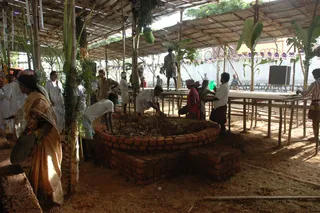
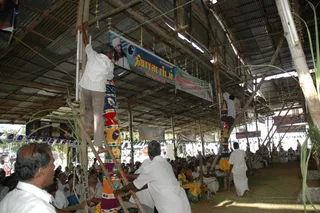
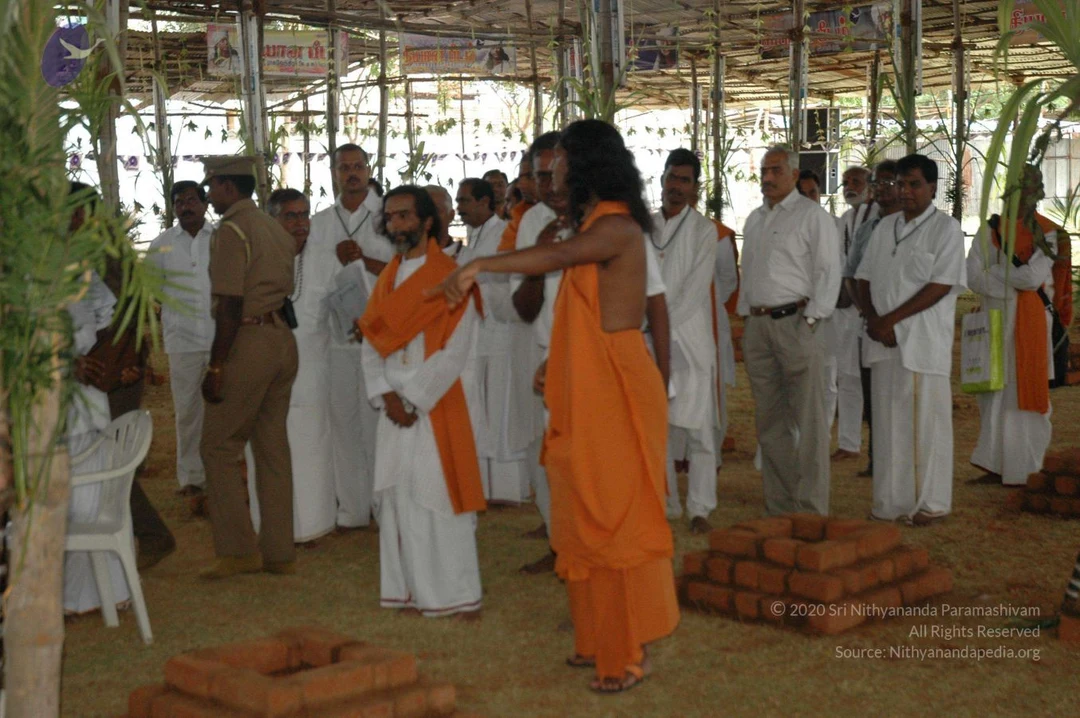
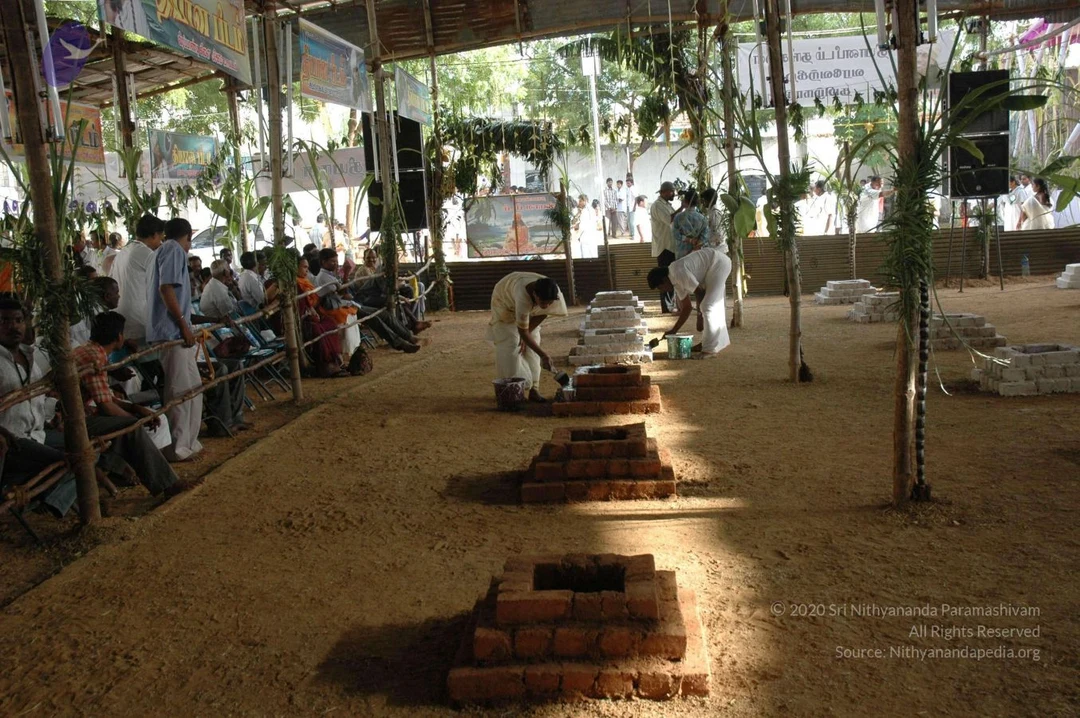
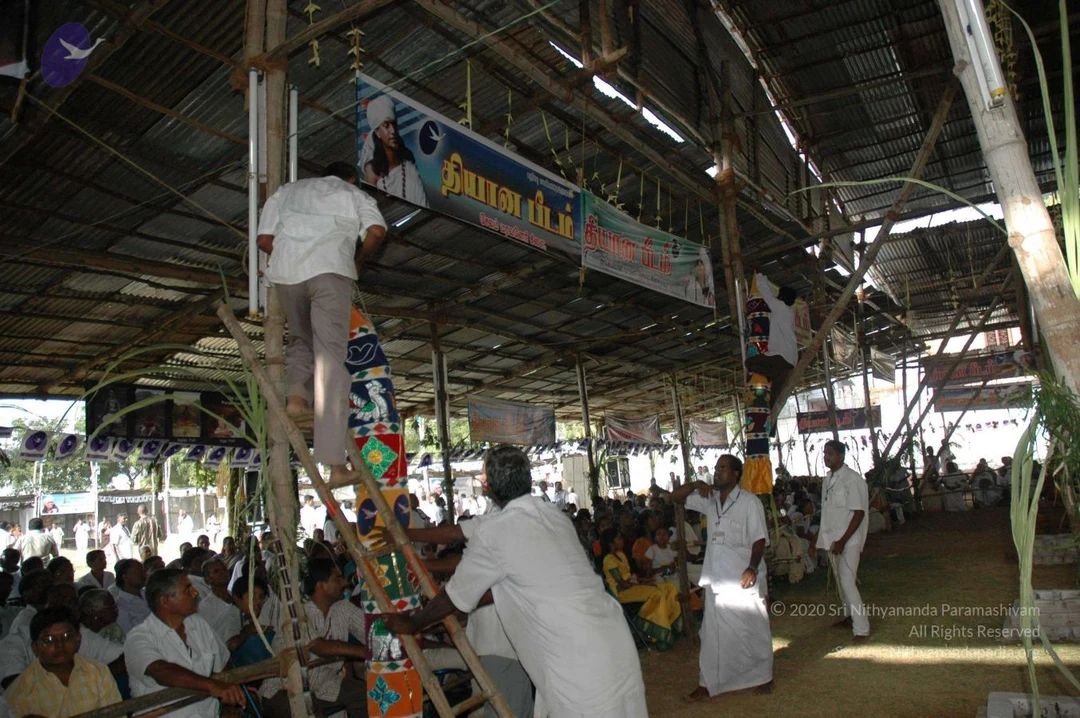
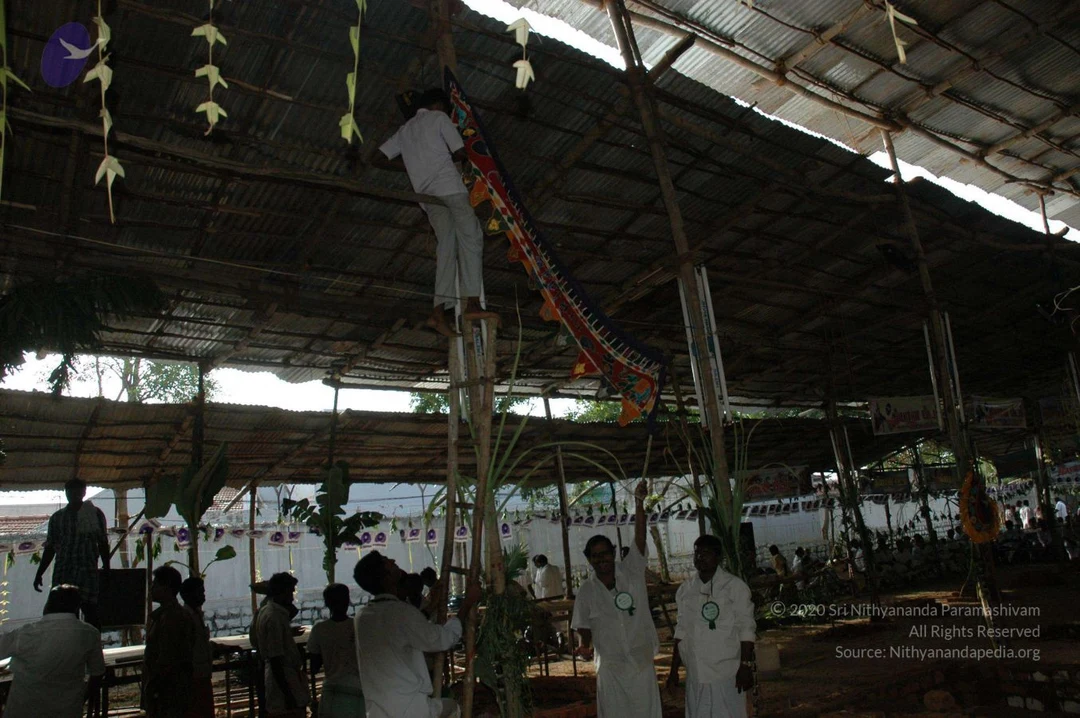
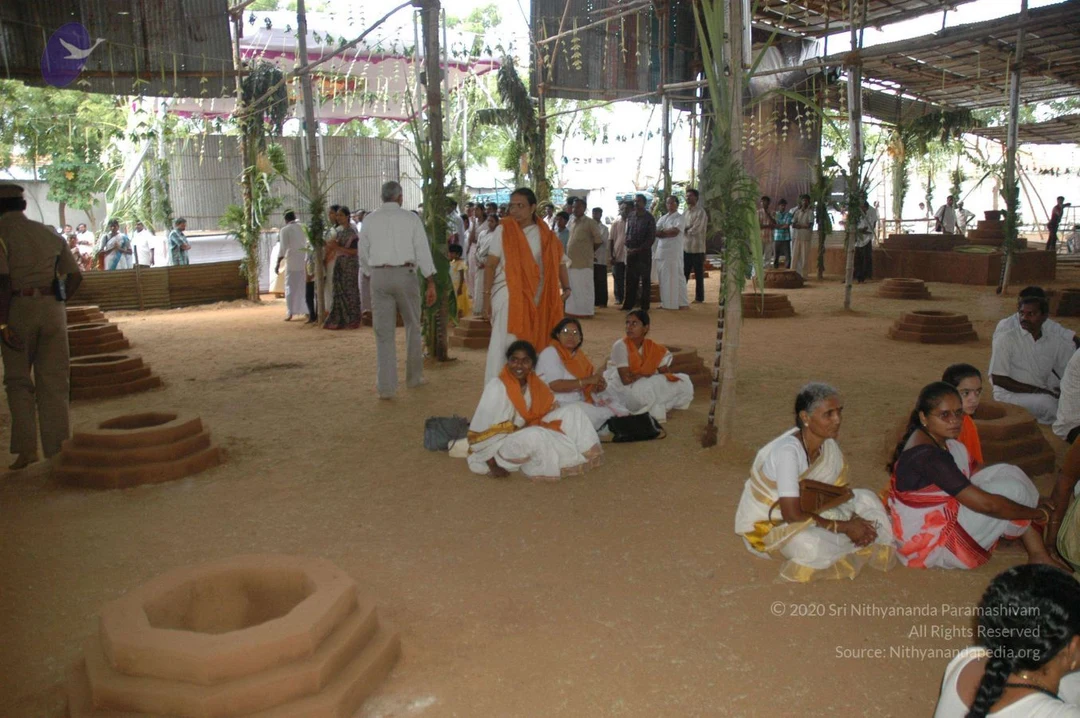
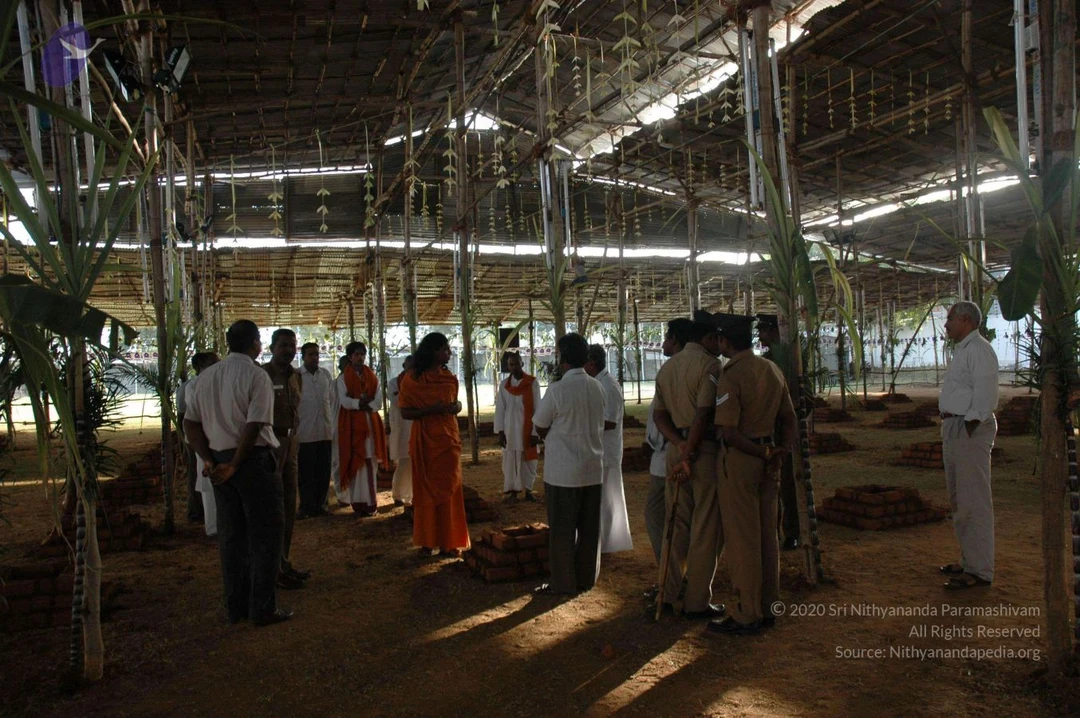
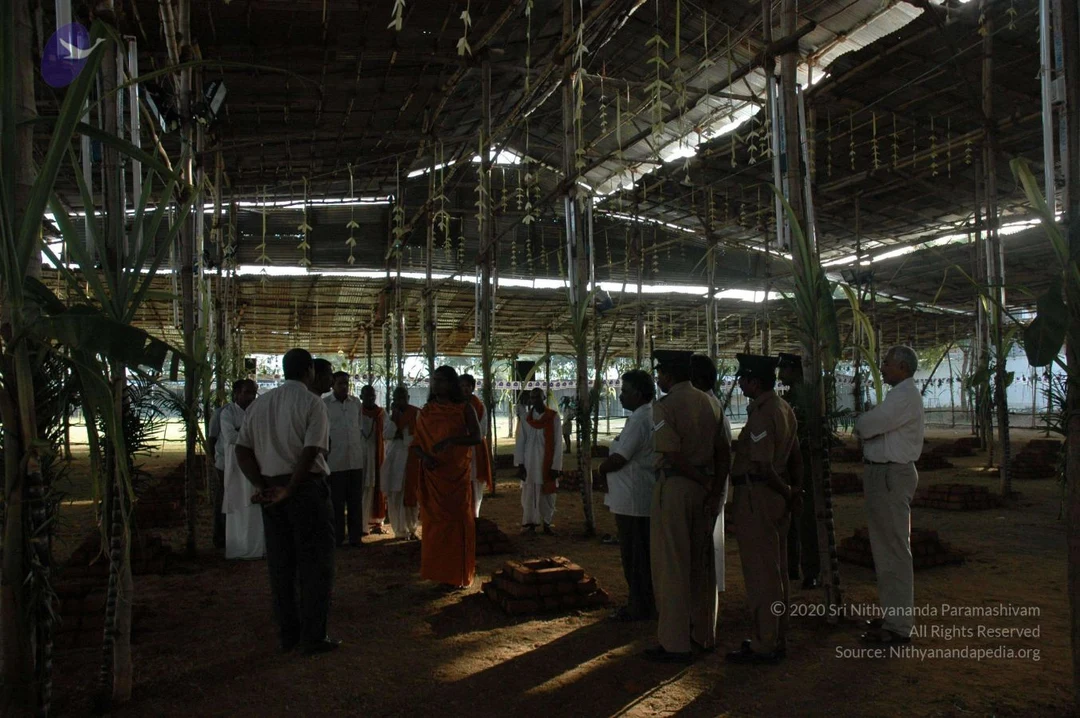
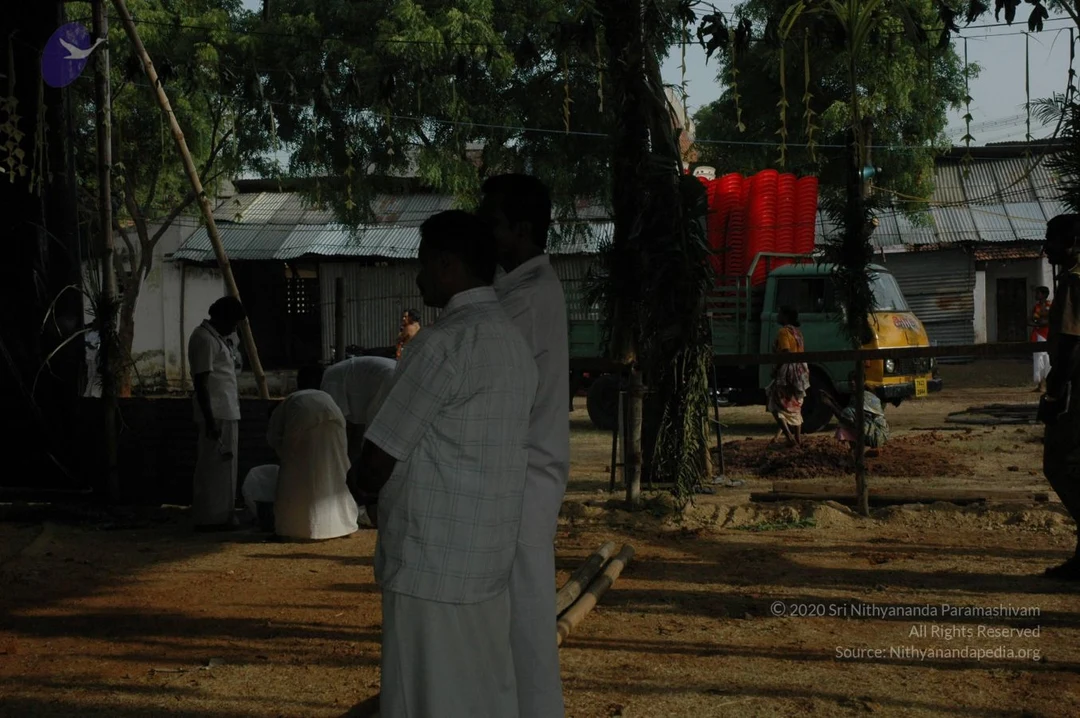
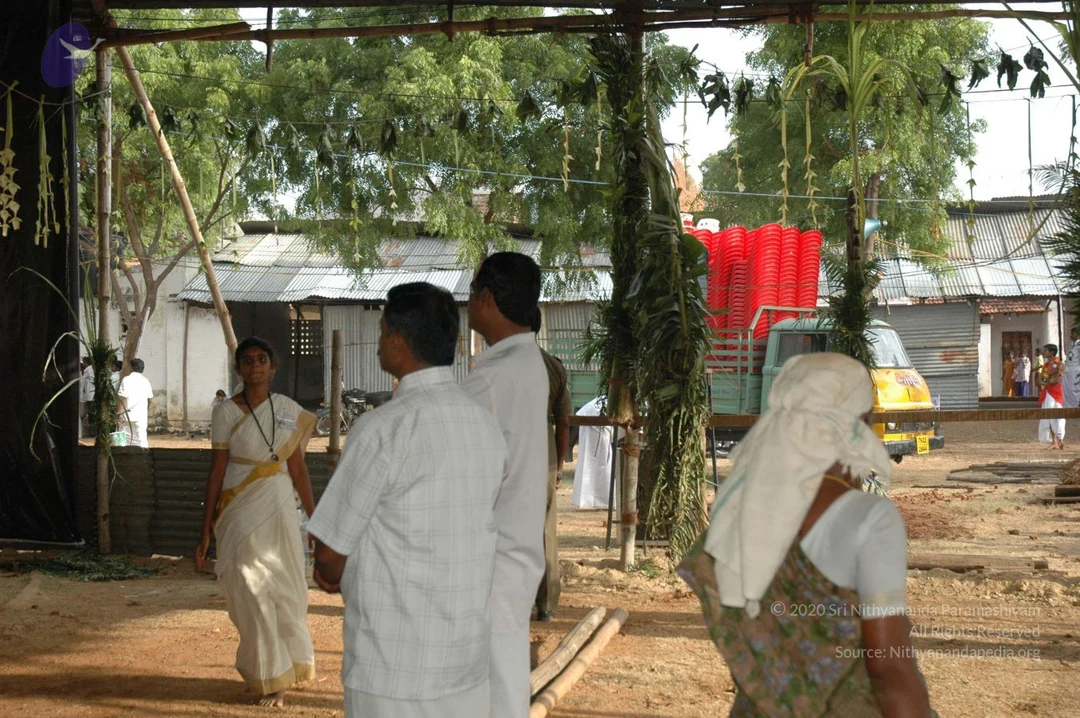
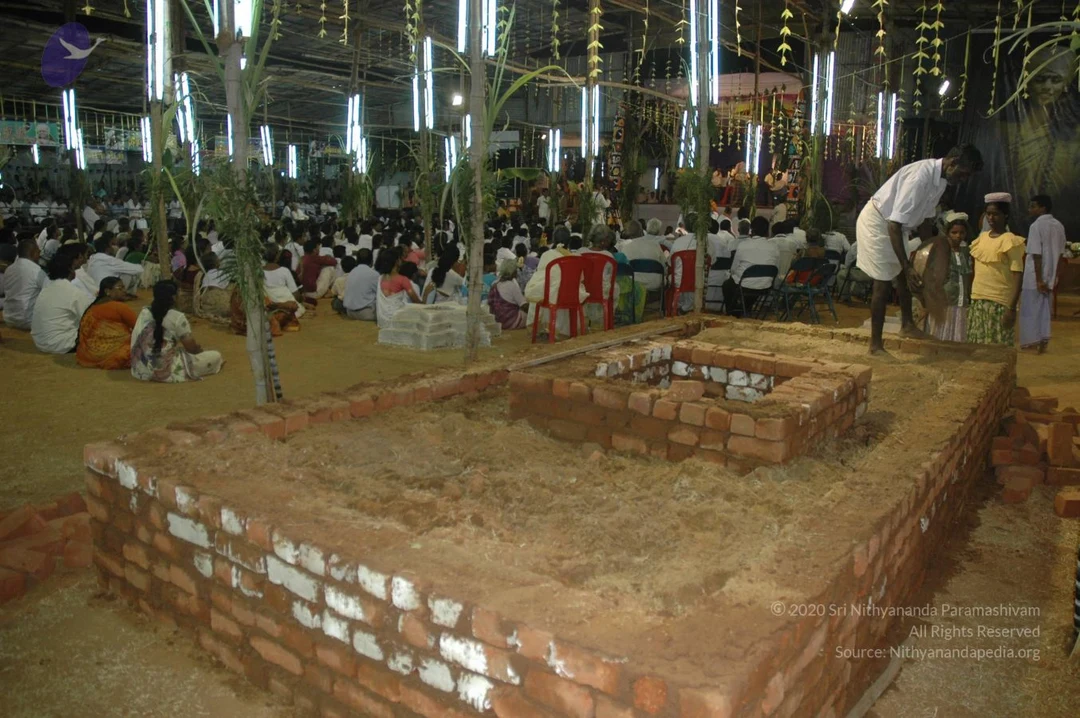
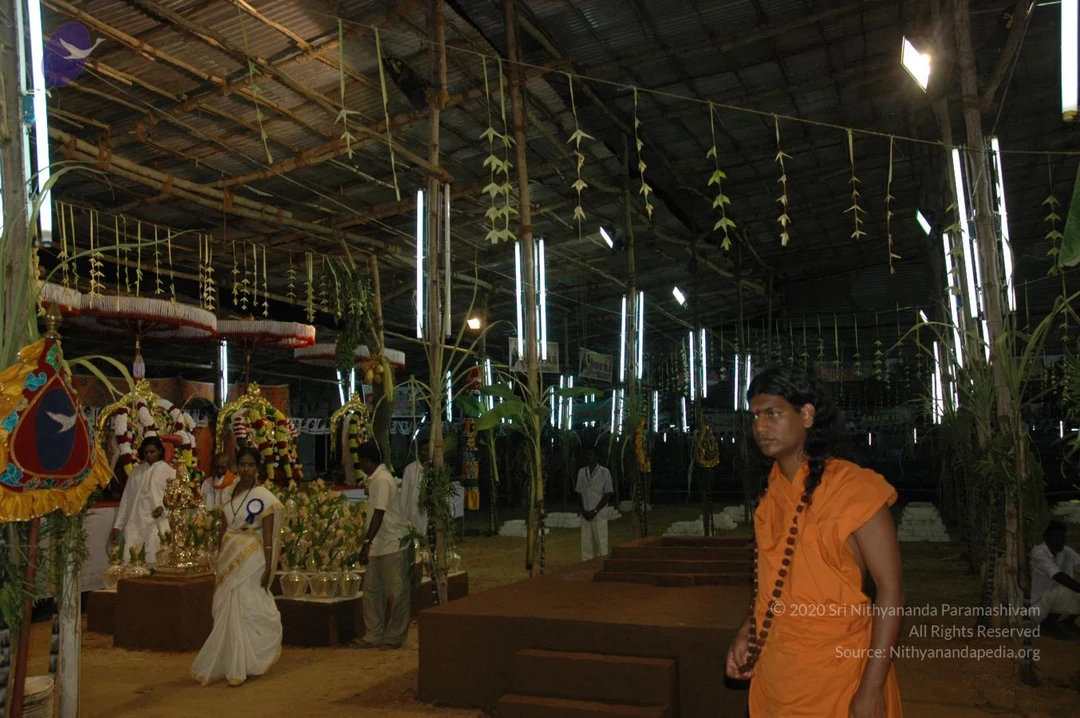
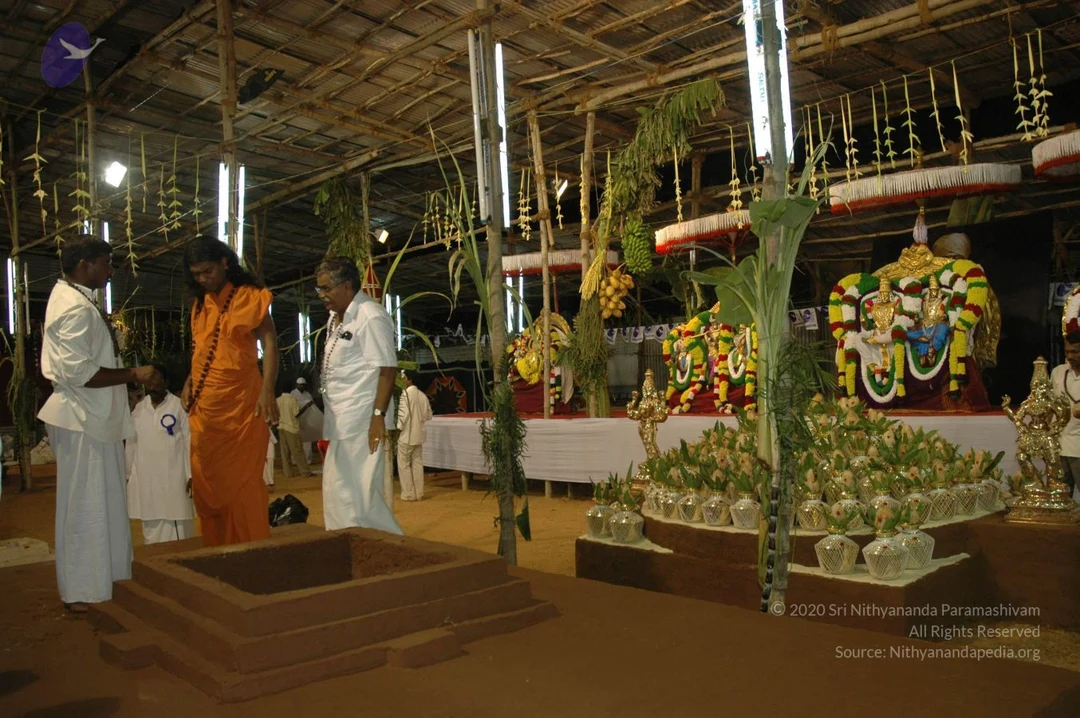
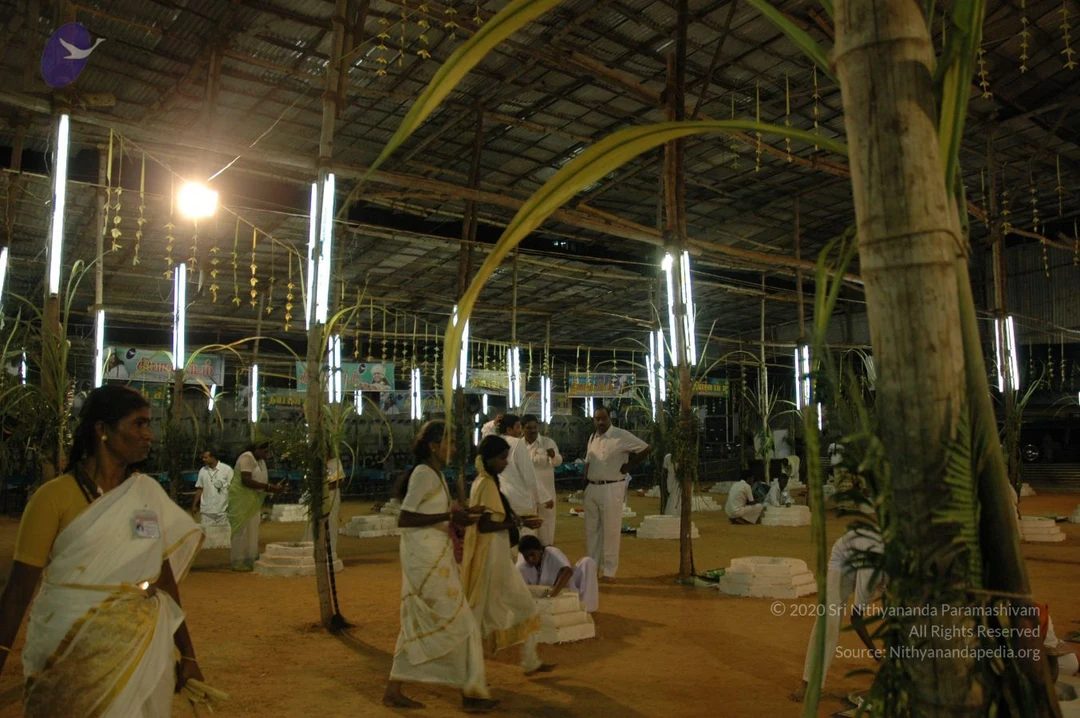
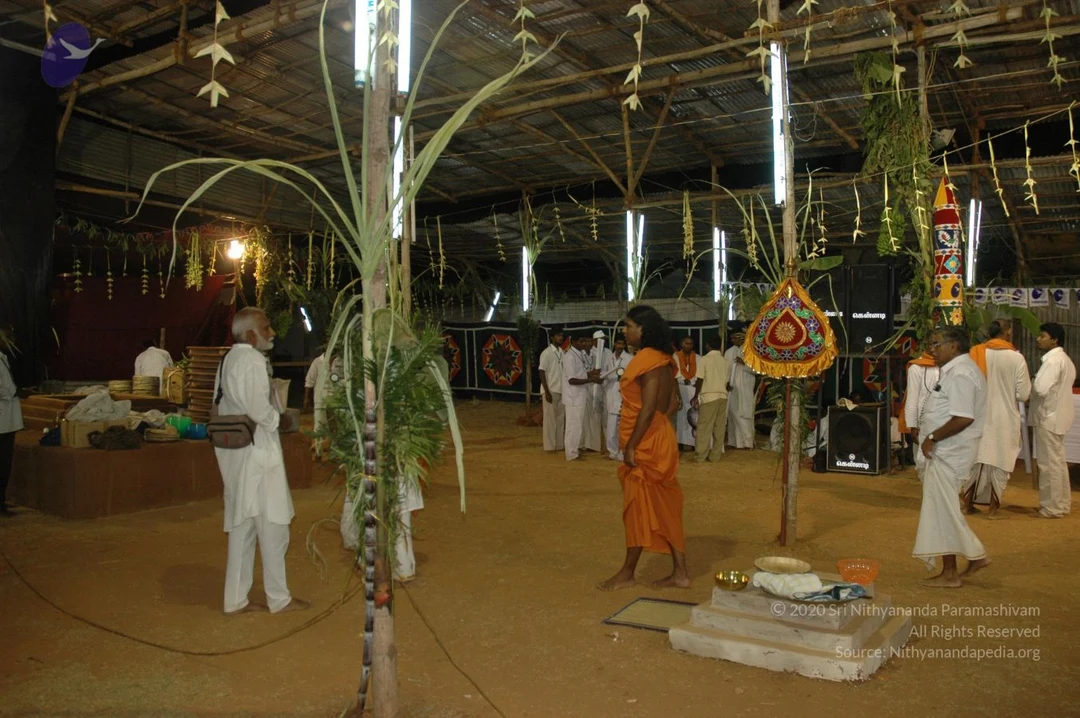
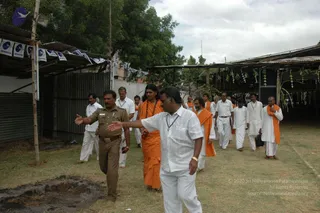
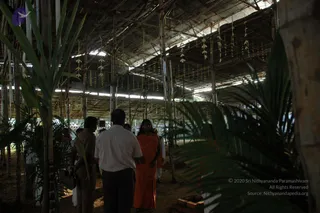
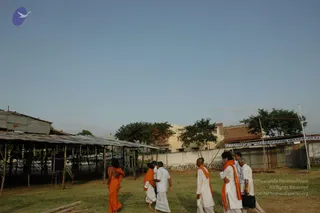
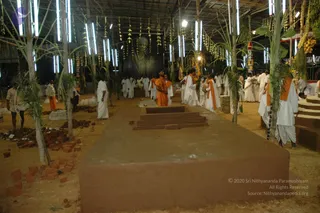
A photograph inside a large open pavilion with a thatched roof supported by bamboo-like poles and palm fronds, with brick fire-pit platforms on the sandy ground. A man with long dark hair wearing an orange-saffron shawl and orange dhoti, with a rudraksha mala around his neck, walks forward with palms pressed together in greeting. Behind him, men in white dhotis and white shirts with white mala necklaces walk among the pits, and a seated audience in white and light clothing fills the left side. A man in white holds a small bag. The person in orange shows appearance cues consistent with a person, walking in a ritual yajna setting for the Sapta Yaagam.Photograph of an outdoor yagna site under a thatched shelter decorated with palm fronds and banners. A bare-chested figure with long swept-back dark hair wears an orange shawl over the shoulders and orange cloth around the waist, facing left and gesturing with an outstretched arm toward a brick fire-pit structure in the foreground. Beside him stands a bearded man in white ritual clothes with an orange shawl, hands folded. Around them, many men in white dhotis and shirts, some wearing rudraksha-style necklaces, and a uniformed officer in khaki stand observing the ritual area. Red brick fire-pit platforms sit on the grass. Probable Swamiji (probable) is the long-haired figure in orange, identified by distinctive long swept-back hair and orange garments in a ritual role, leading the fire-offering site.Outdoor scene at a temple-style compound with dry grass and a blackened patch of ground. A uniformed police officer in khaki with a belt stands at left, gesturing outward with one arm. In the centre, a man in white shirt, white dhoti and a pendant necklace extends both arms to direct the group. Beside him, a figure with long swept-back hair wears an orange-saffron garment, rudraksha-style beaded mala and a necklace, and walks with the group. Behind them, a line of men in white kurta and dhoti and orange shawls walk through the grounds past a thatched shed decorated with green leaves and blue-and-white flags.Outdoor yagna pavilion under a bamboo and palm-leaf roof with hanging leaf garlands. Brick fire pits sit on the sandy ground in the foreground. A man in an orange robe with long dark hair and a rudraksha mala stands at centre-right, facing two uniformed police officers in khaki. A man in an orange shawl stands among white-clad devotees at left. Rows of seated people in white in folding chairs fill the right side of the hall. The depiction of a fire-offering ritual is visible, but the appearance of the orange-robed man with long hair and beads is a candidate only, not a confirmed identification.A photograph inside a large open-sided bamboo and thatch pandal with a corrugated roof, lined with hanging garlands and palm fronds. In the foreground a man in a white shirt and a uniformed man stand with their backs to the camera, looking toward a figure in an orange saffron robe with long dark hair. A few other people in white stand behind, and a small brick fire pit is visible at the lower right, consistent with a yajna setting. Palm trees frame the view. Shown as the Sapta Yaagam event page describes, Salem, 2006.Outdoor photo of a grassy compound at an ashram-style event, with a corrugated tin-roofed shelter on bamboo poles at left and a white boundary wall and low buildings behind. A group of about six people walks across the lawn in the early light: most wear white dhotis and shirts with saffron-orange shawls, and one figure at left in an orange garment with bare upper body walks away from the camera. A man at right carries a black bag. A row of small flags is strung along the right wall, and a tall flagpole stands at right under a clear blue sky.

Photos

7 photosSource gallery
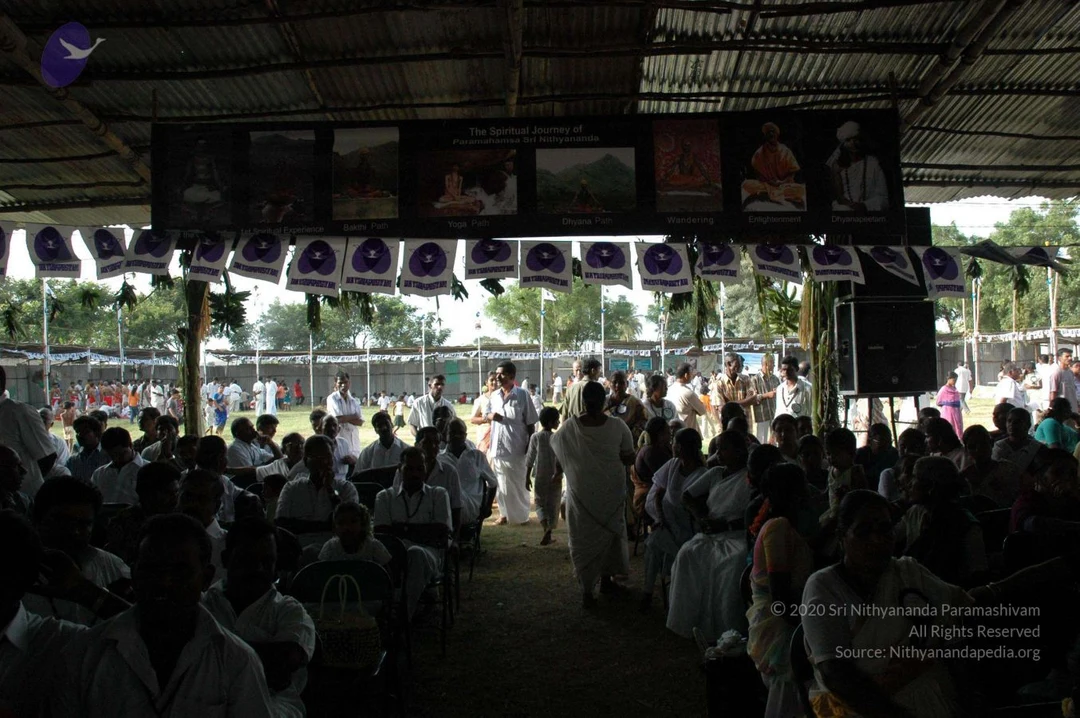
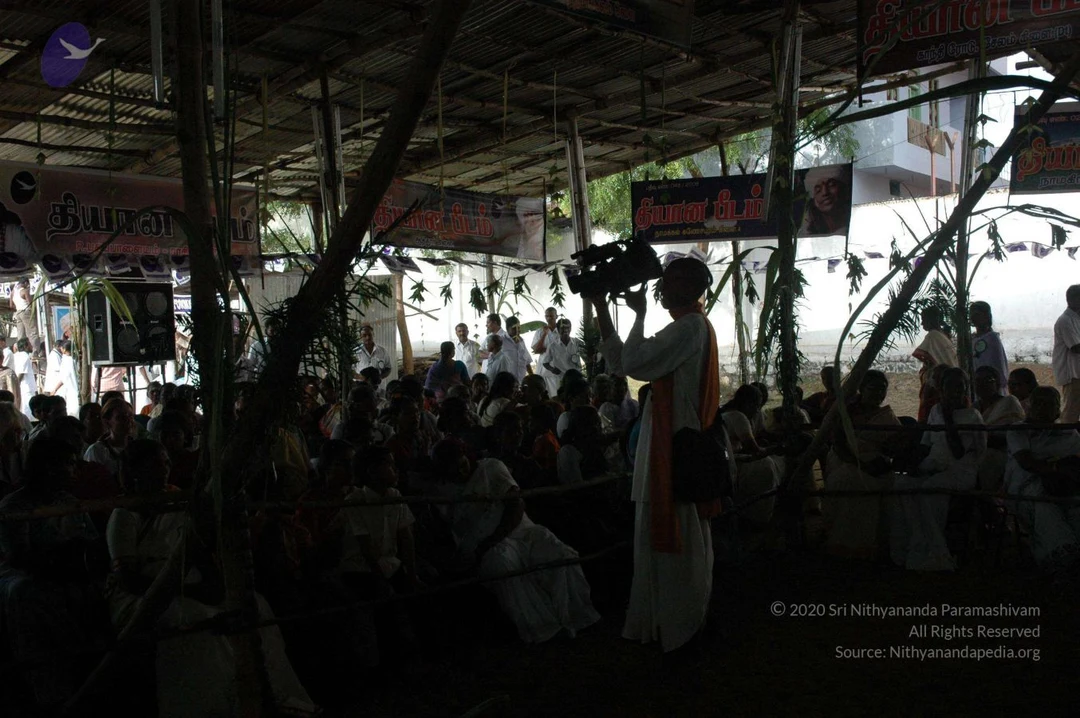
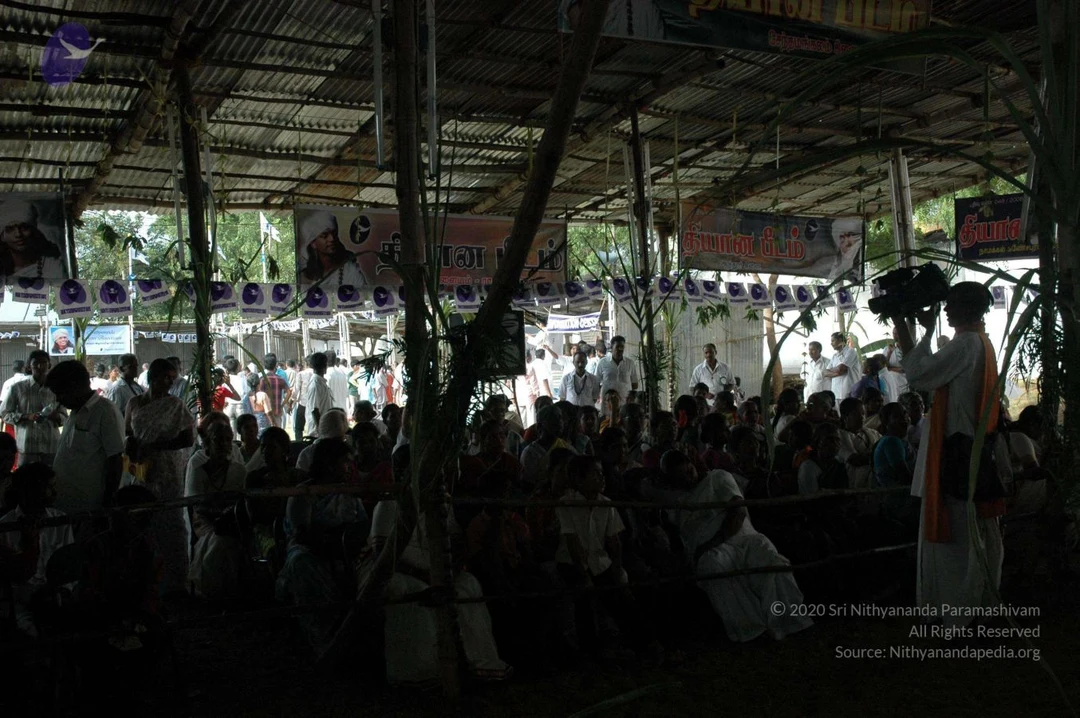
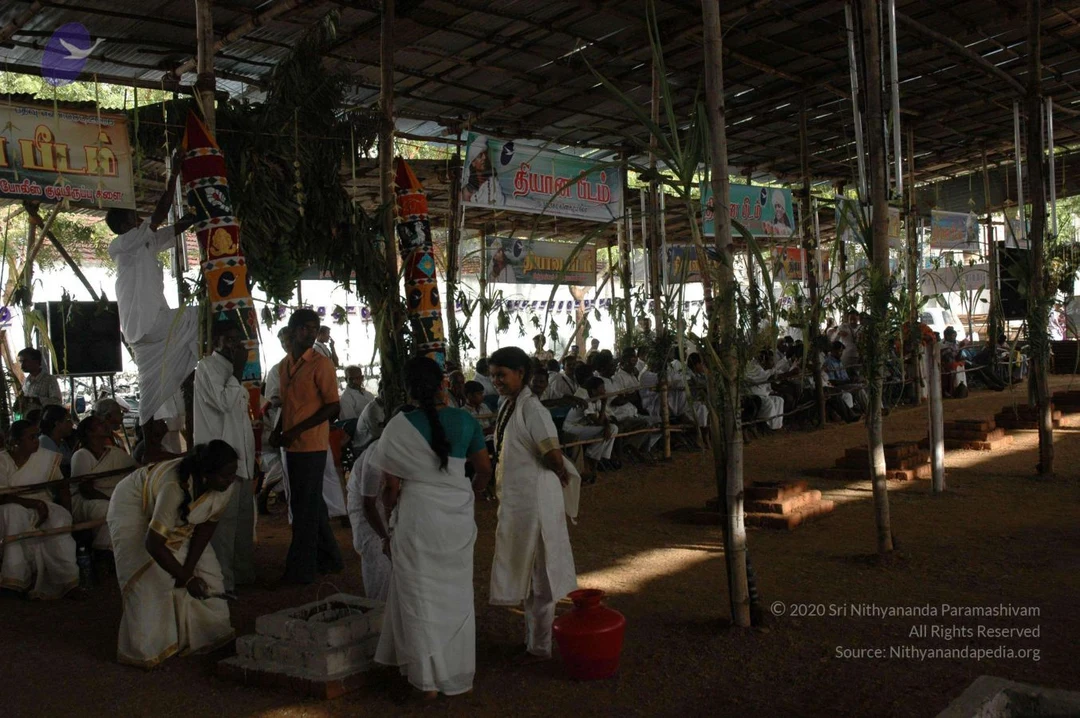
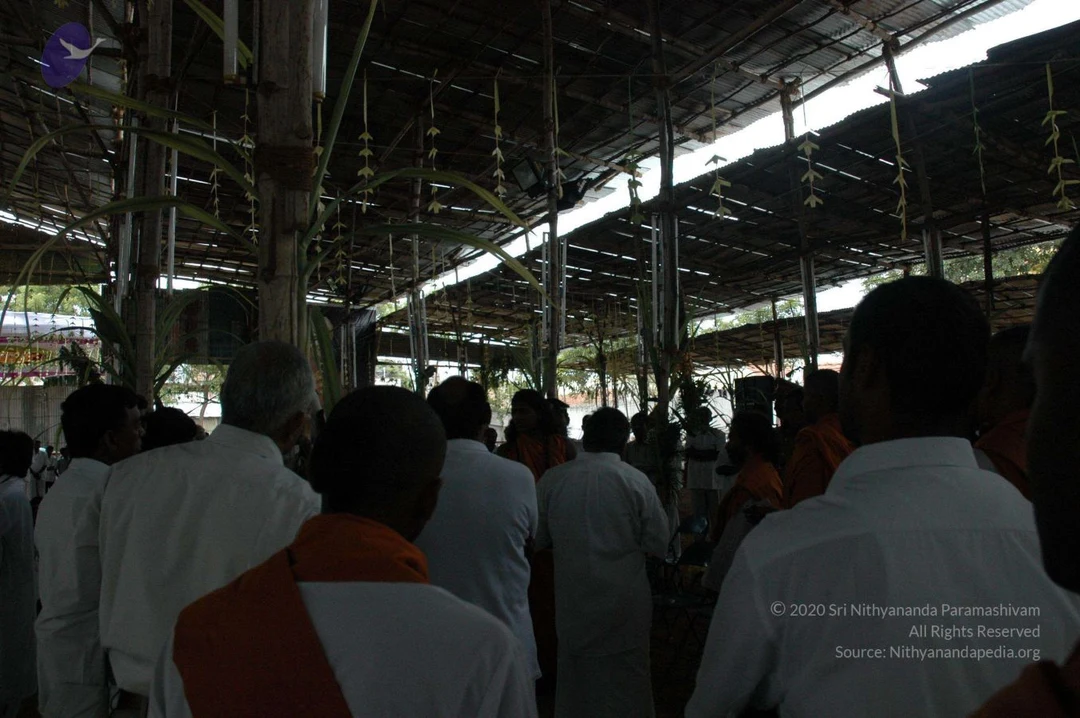
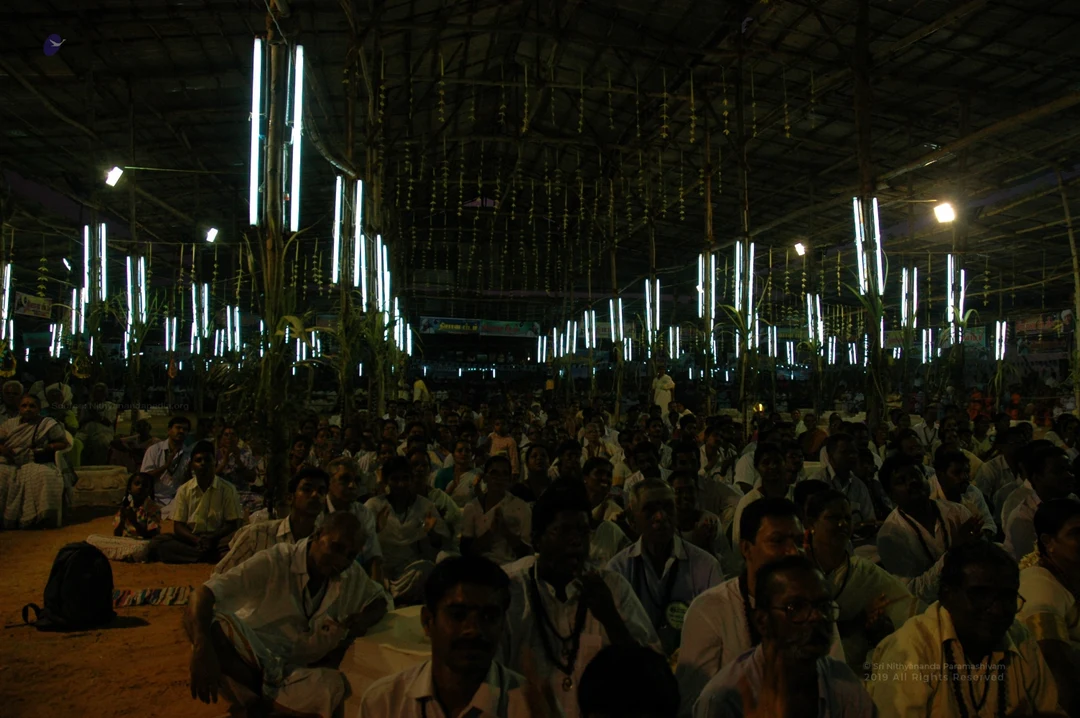
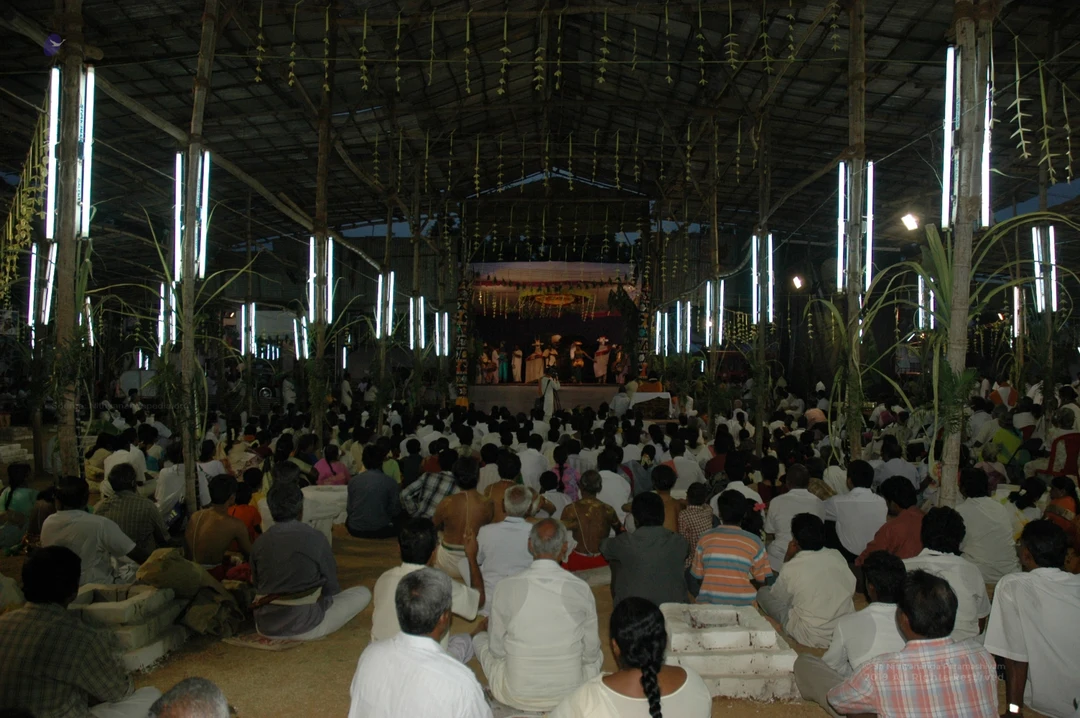
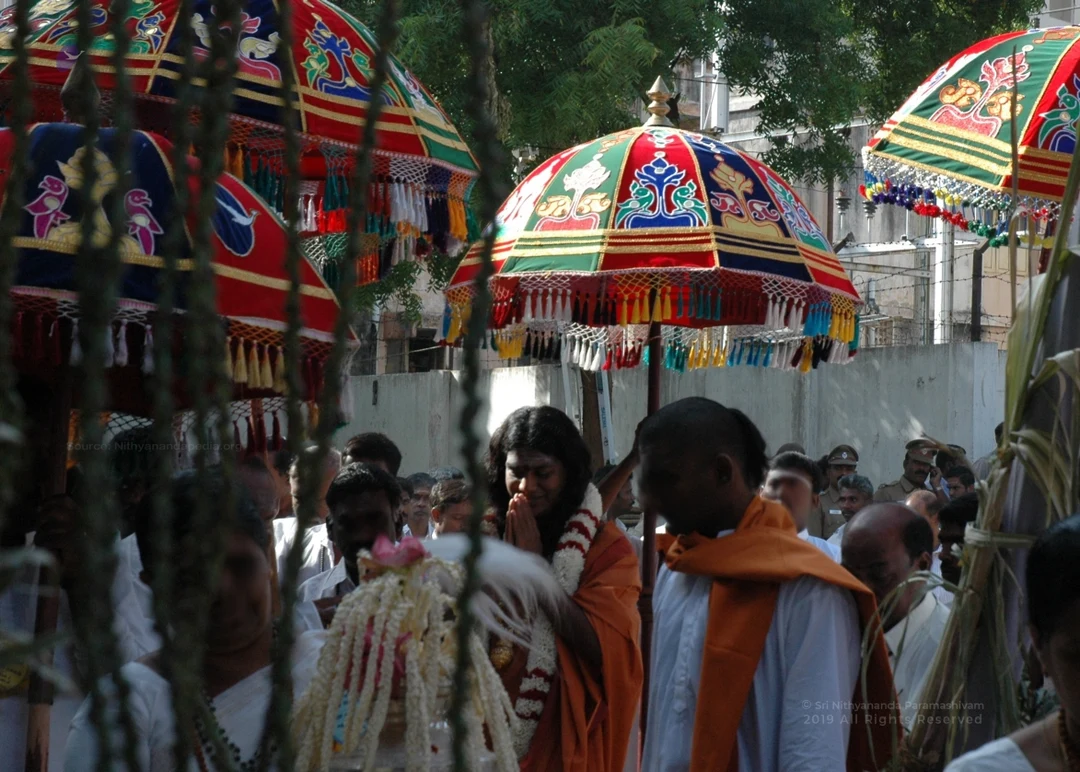
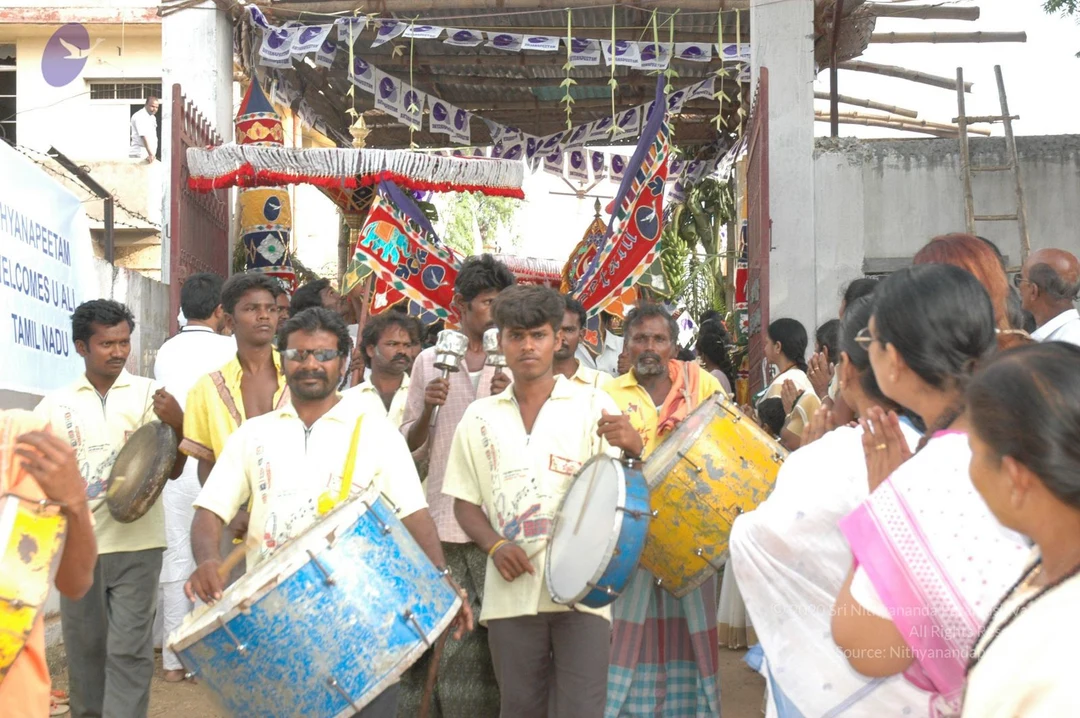
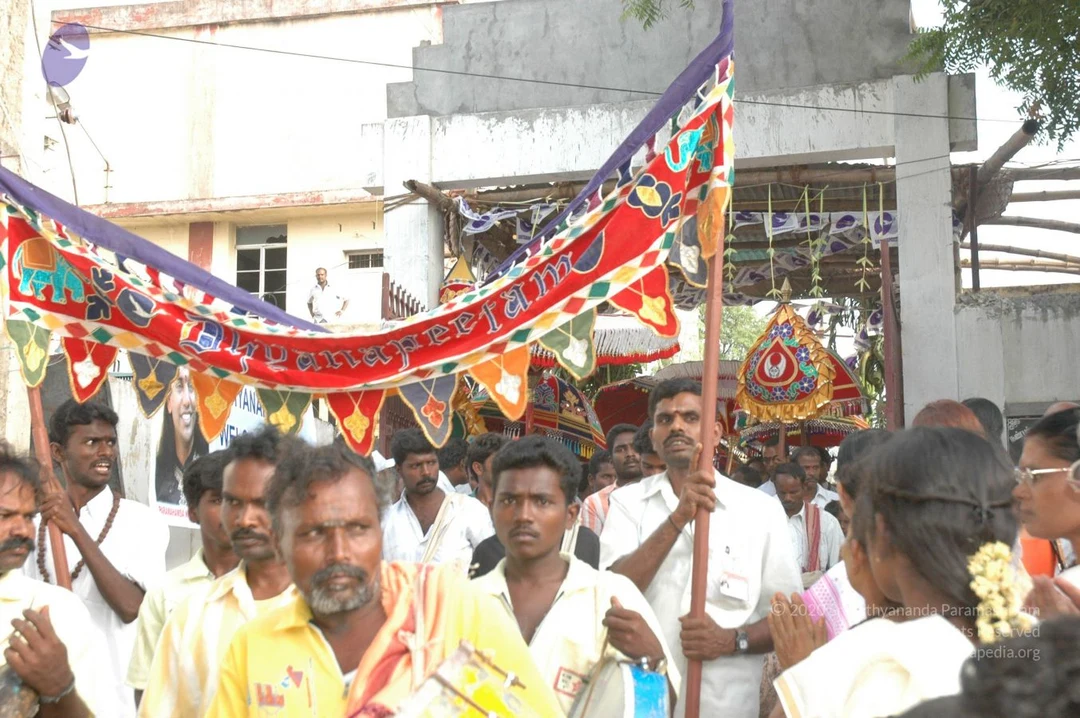
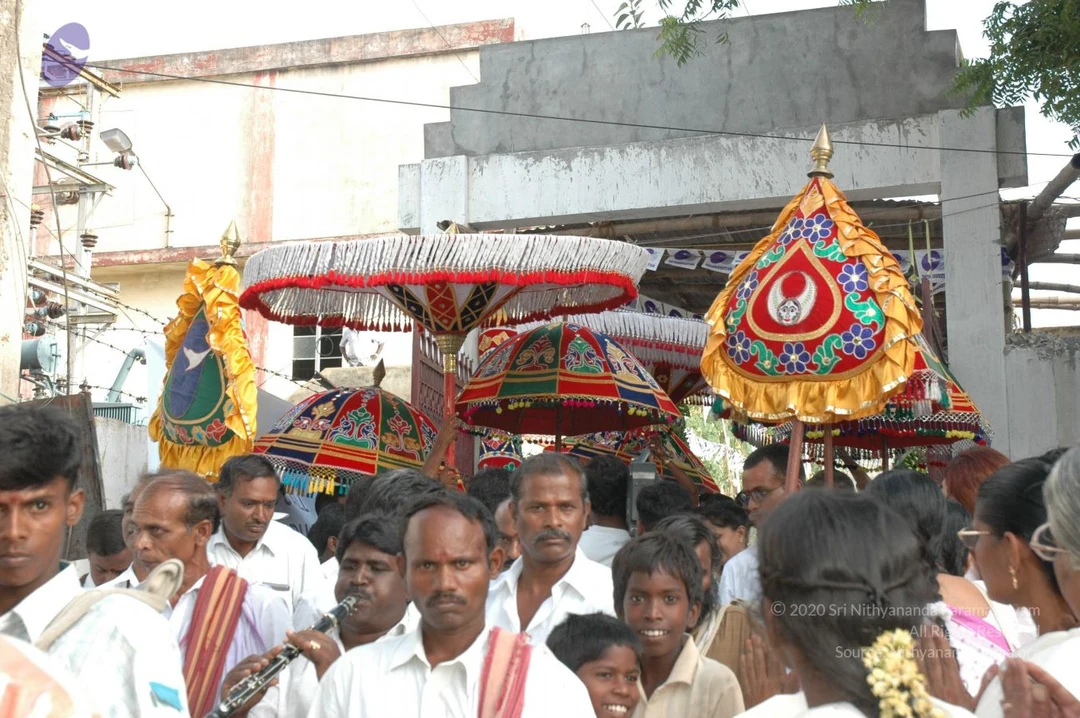
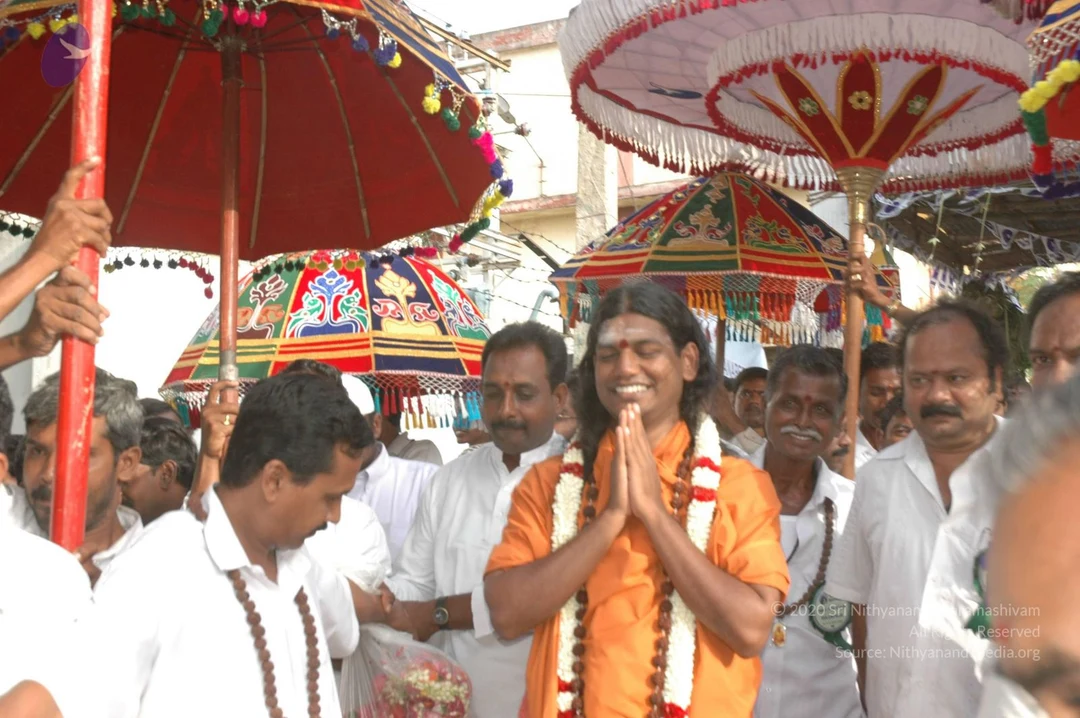
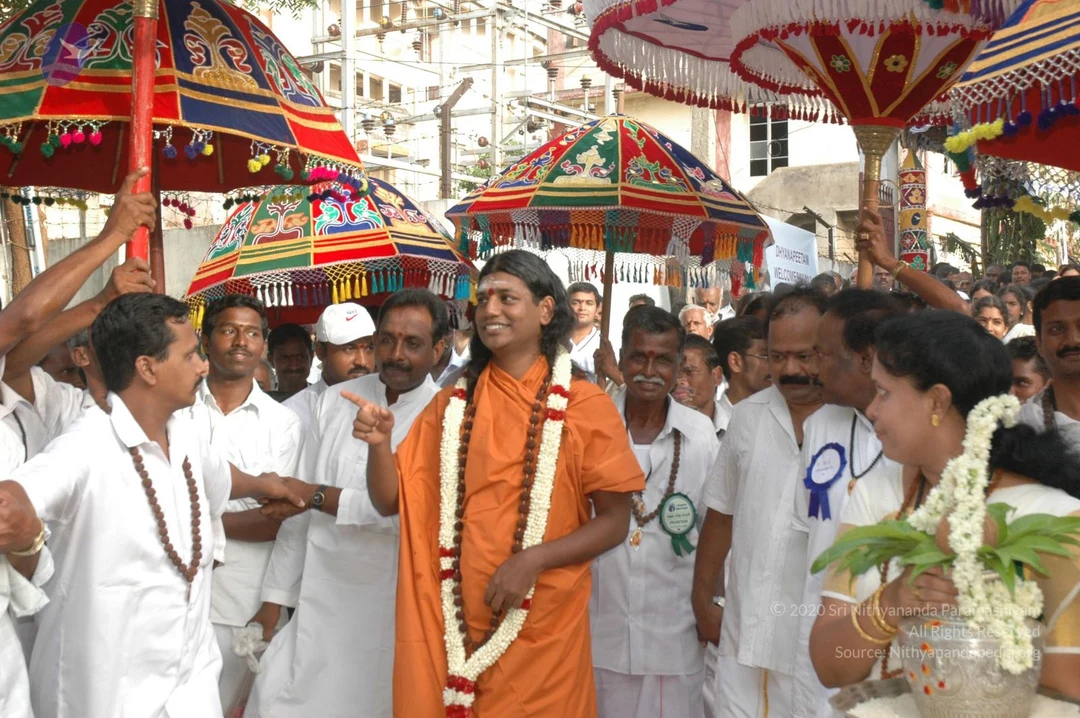
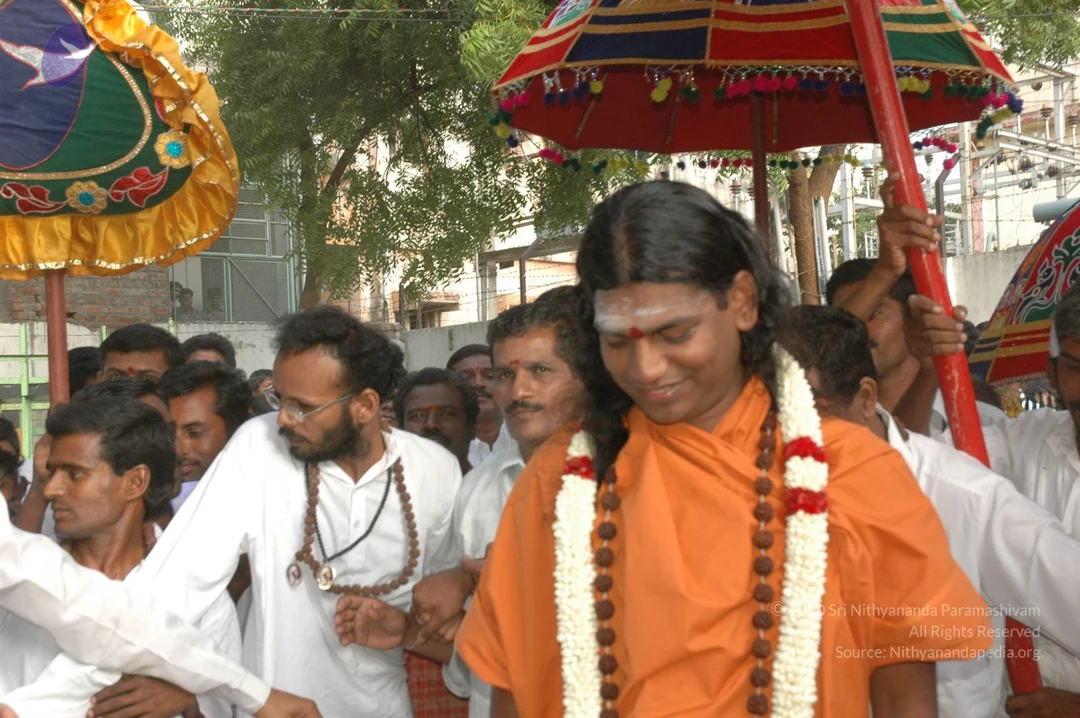
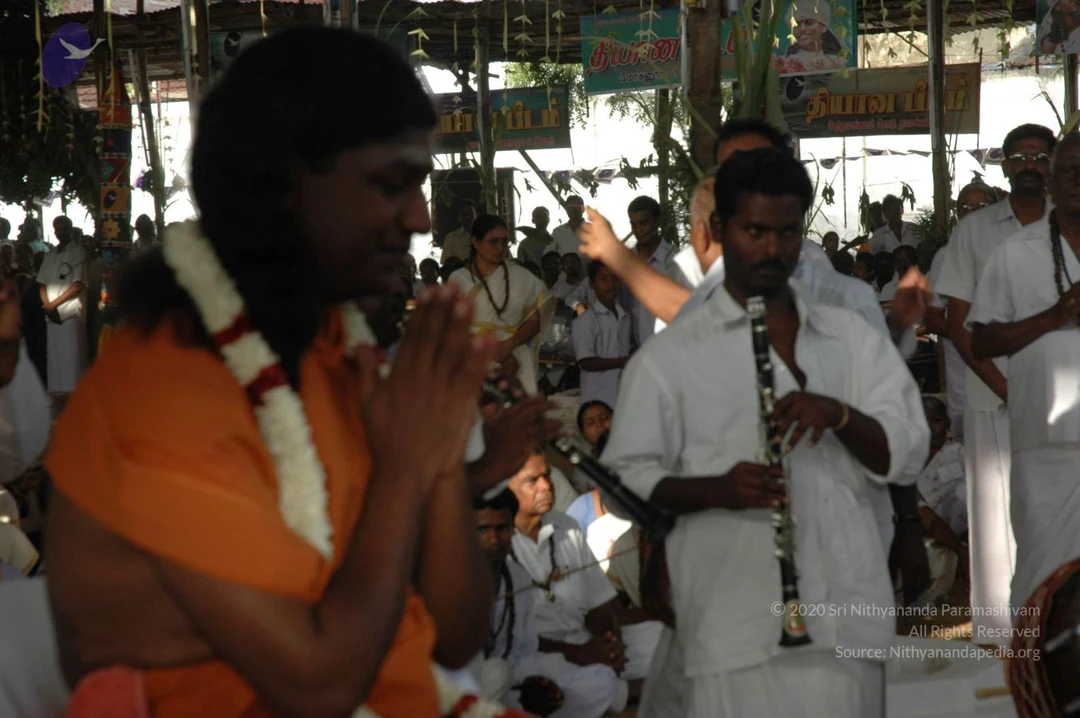
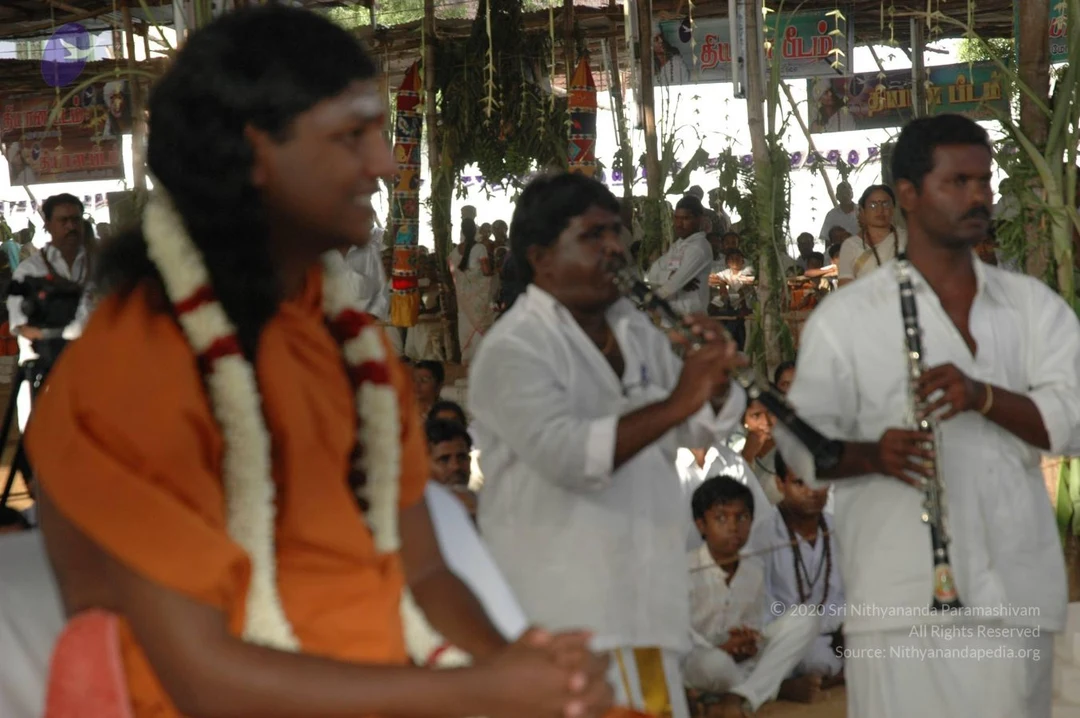
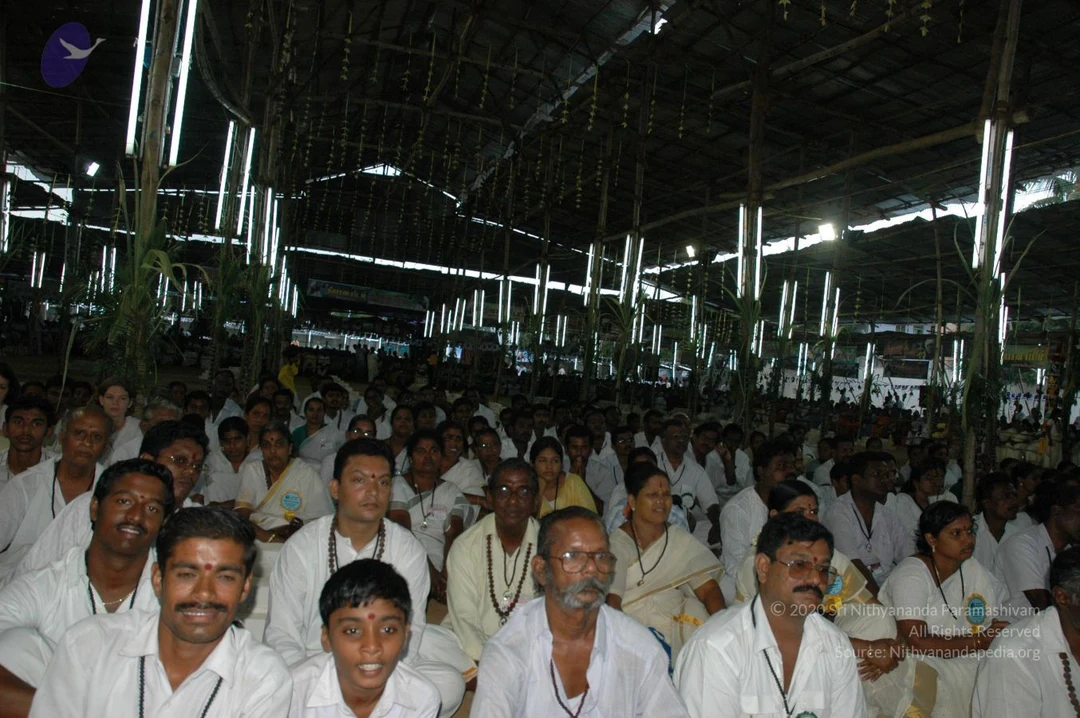
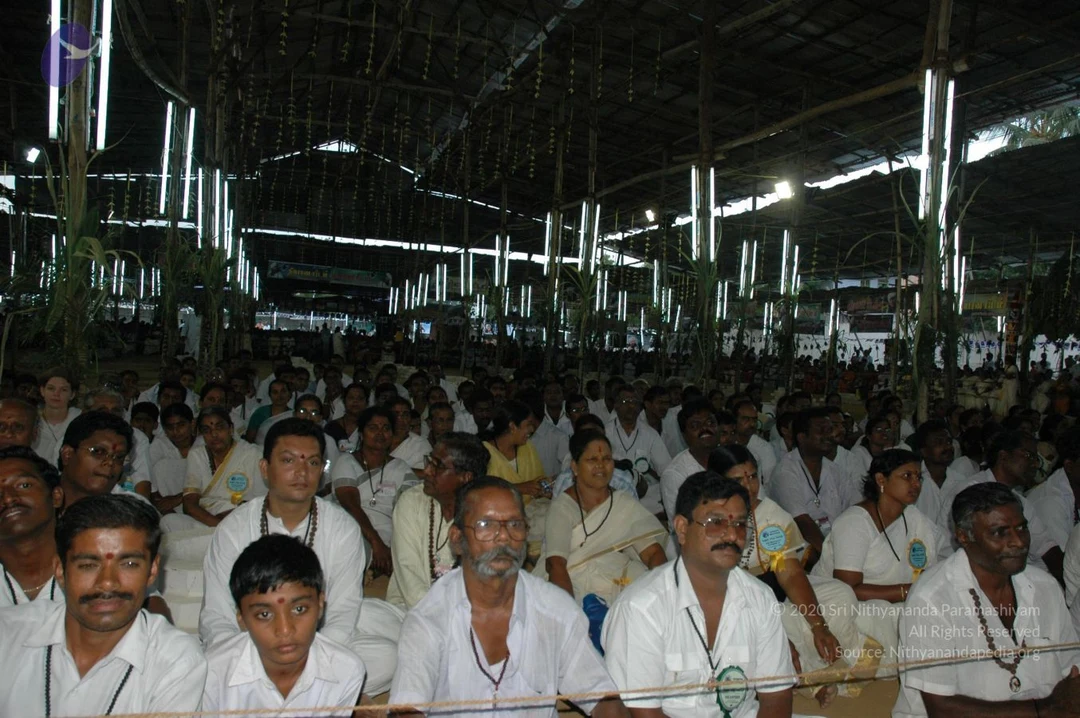
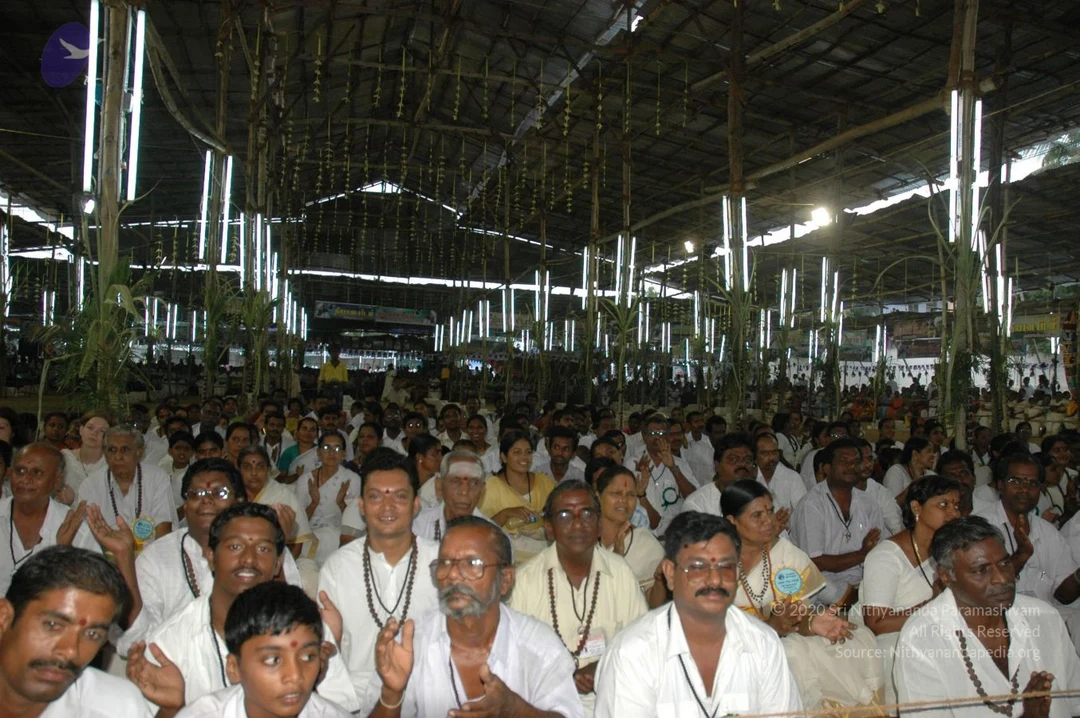
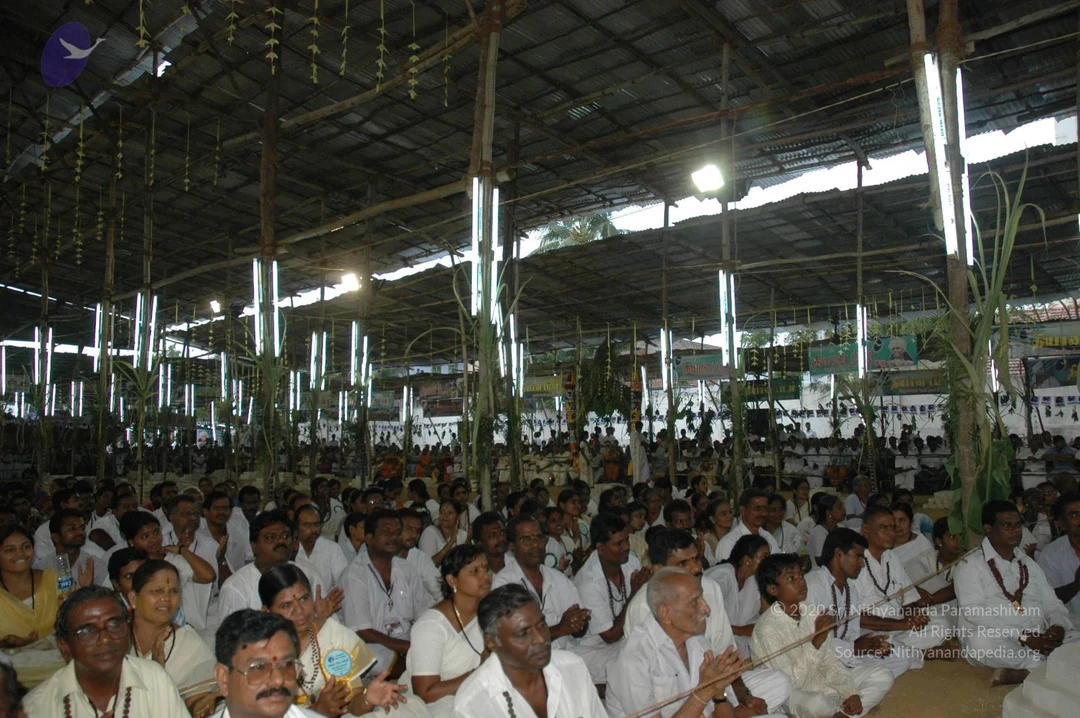
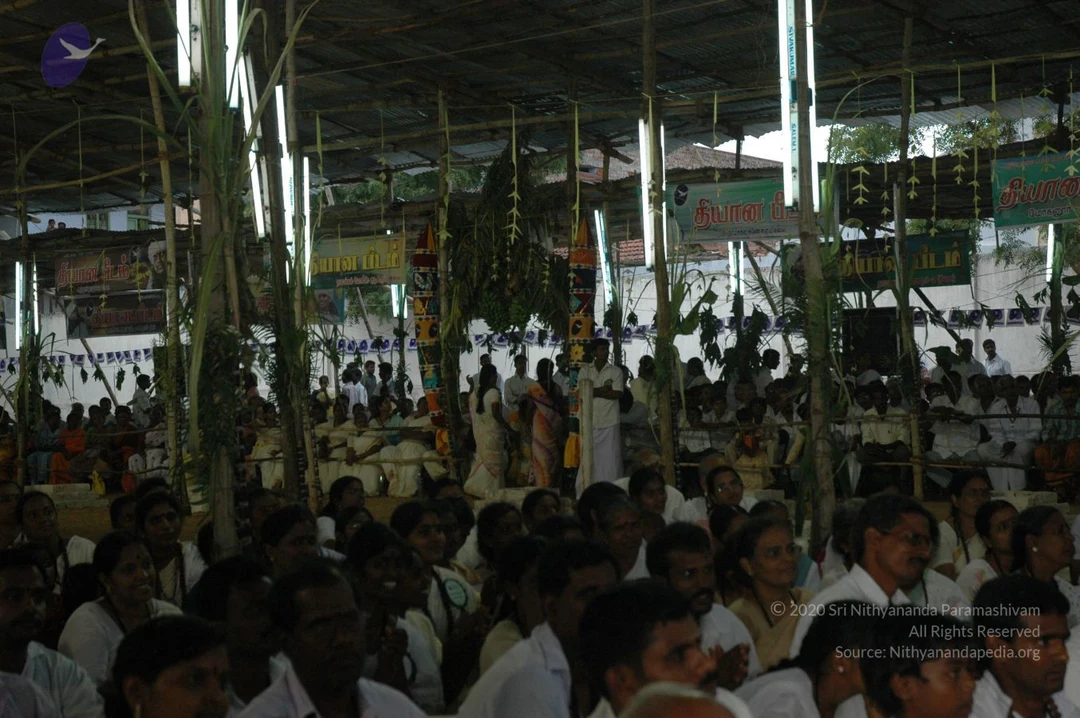
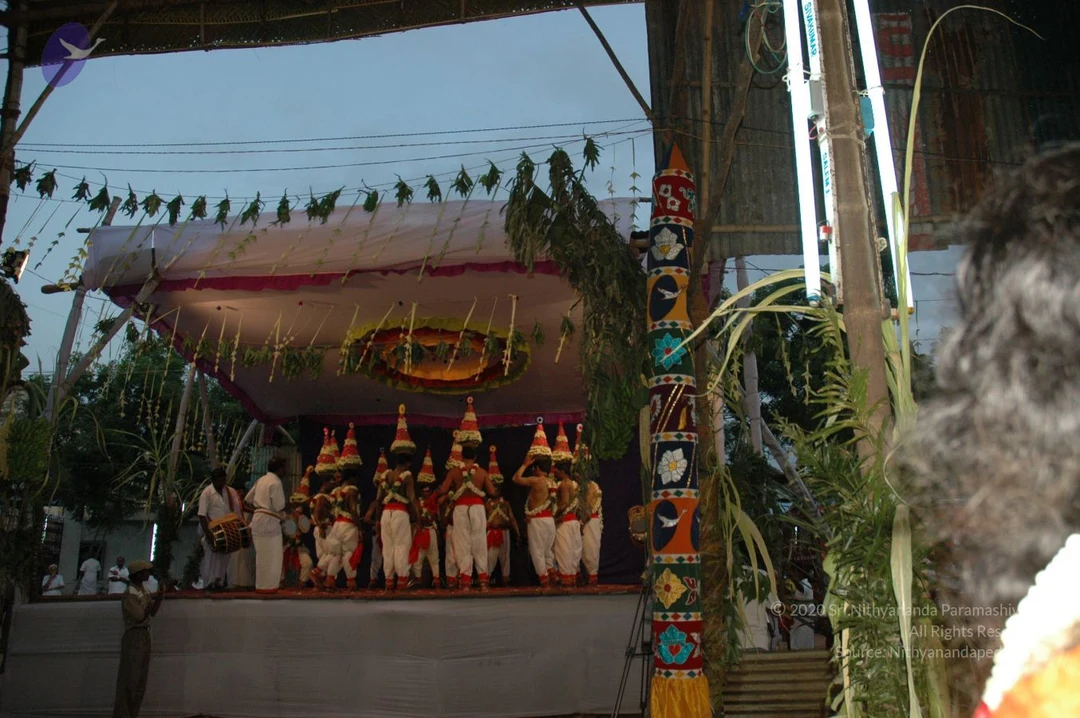
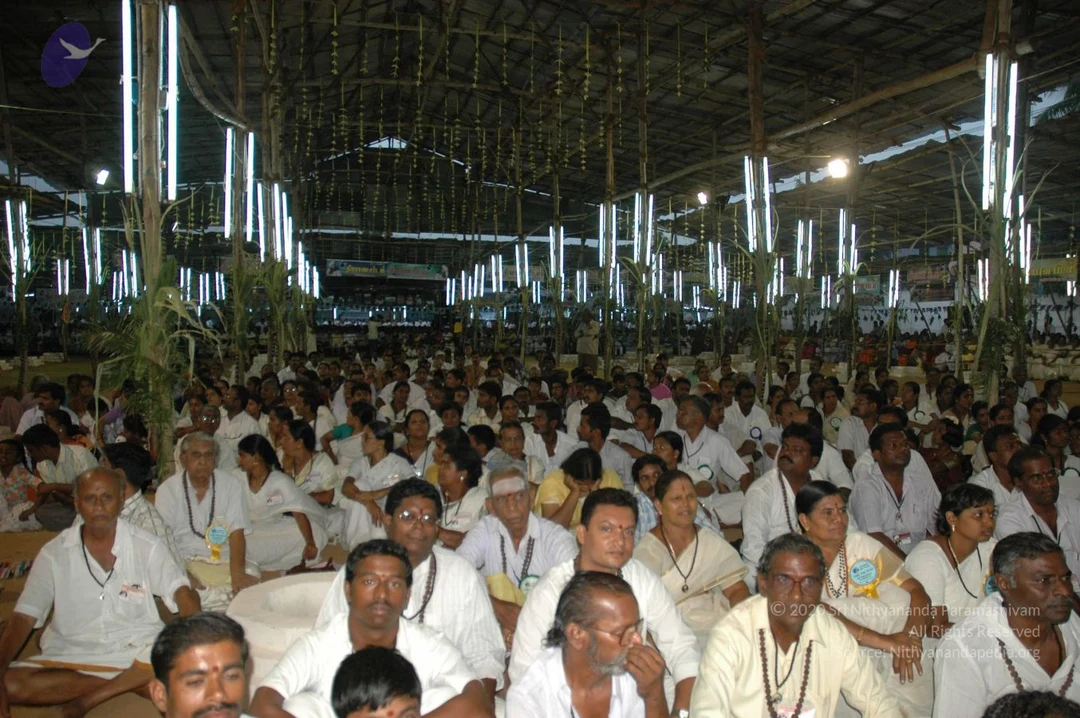
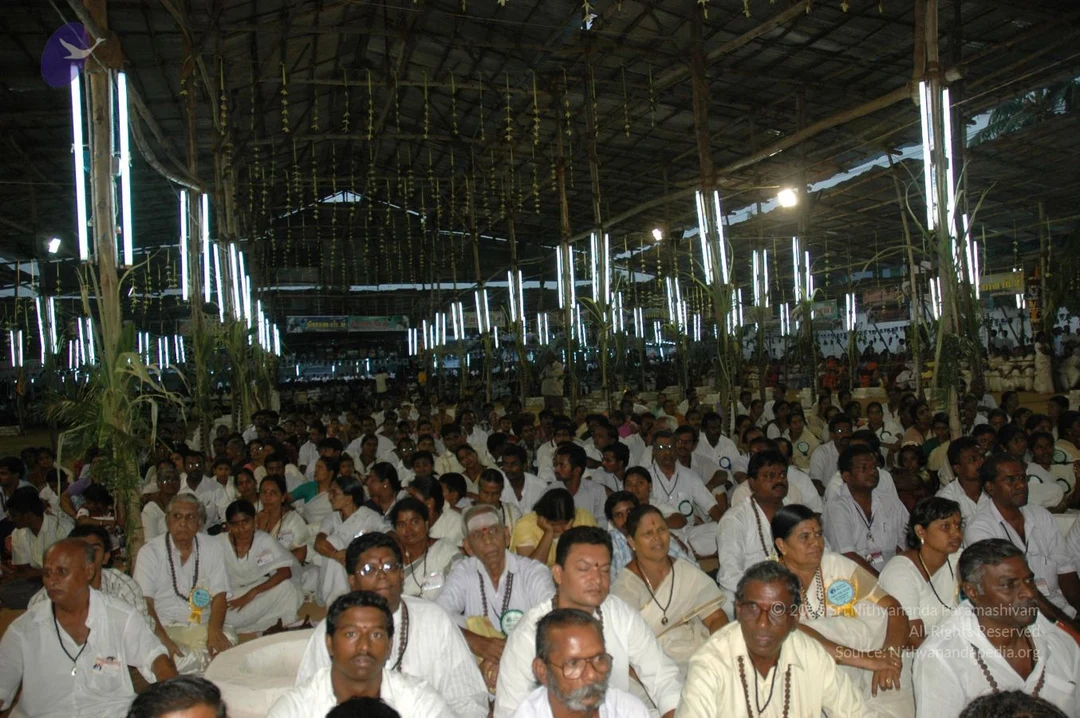
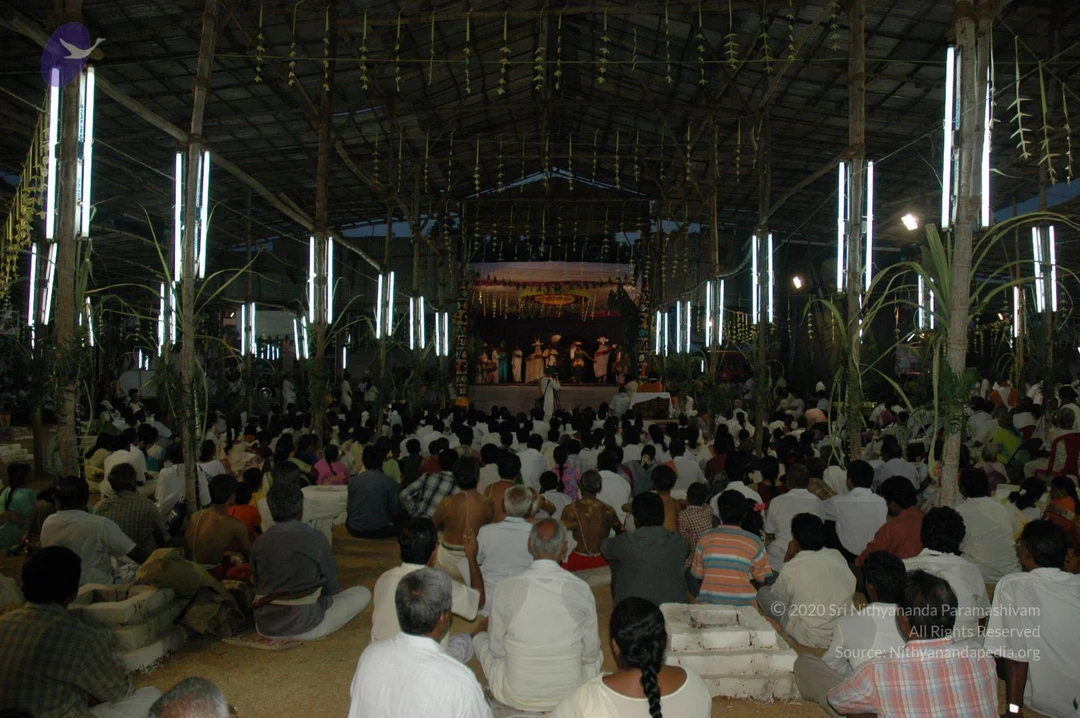
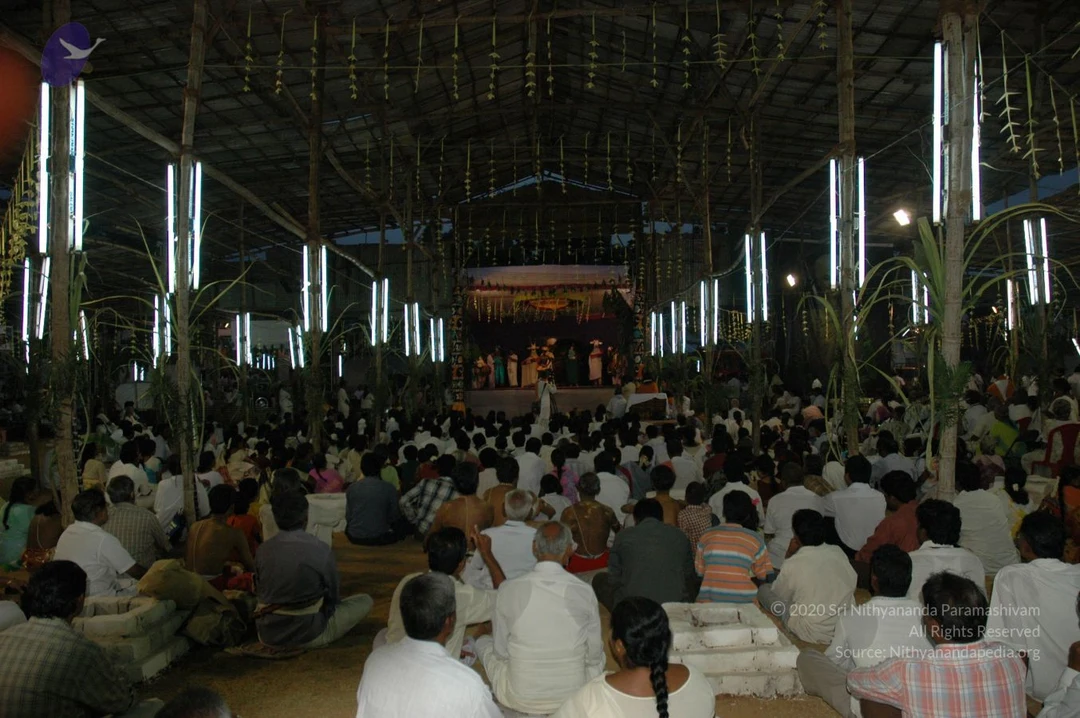
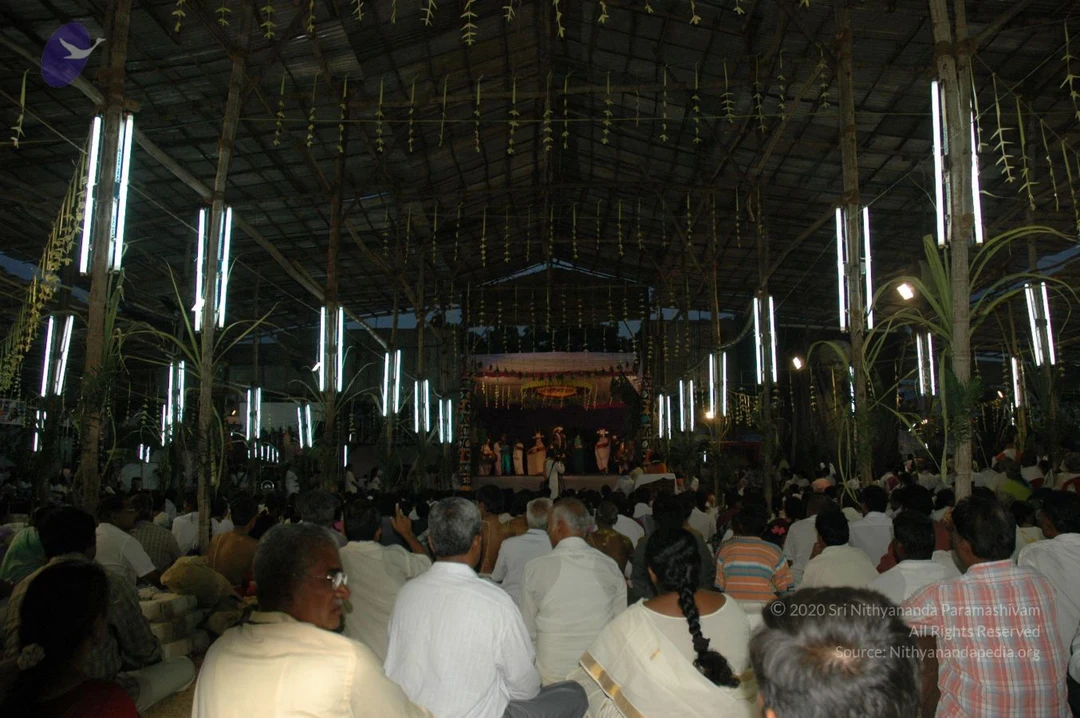
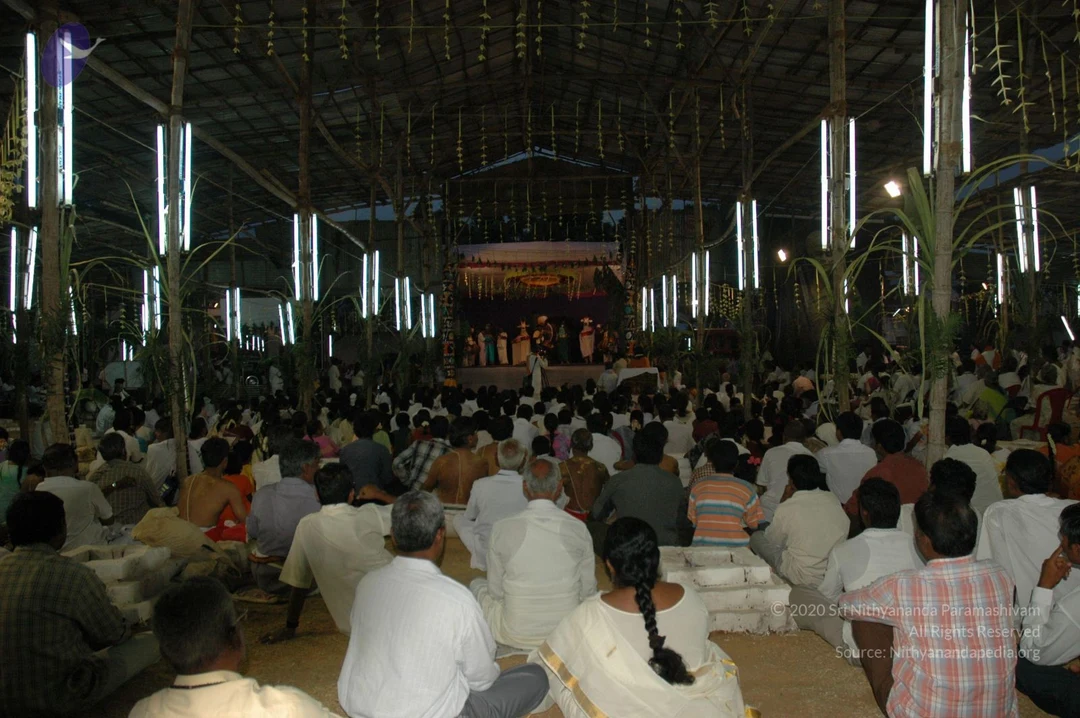
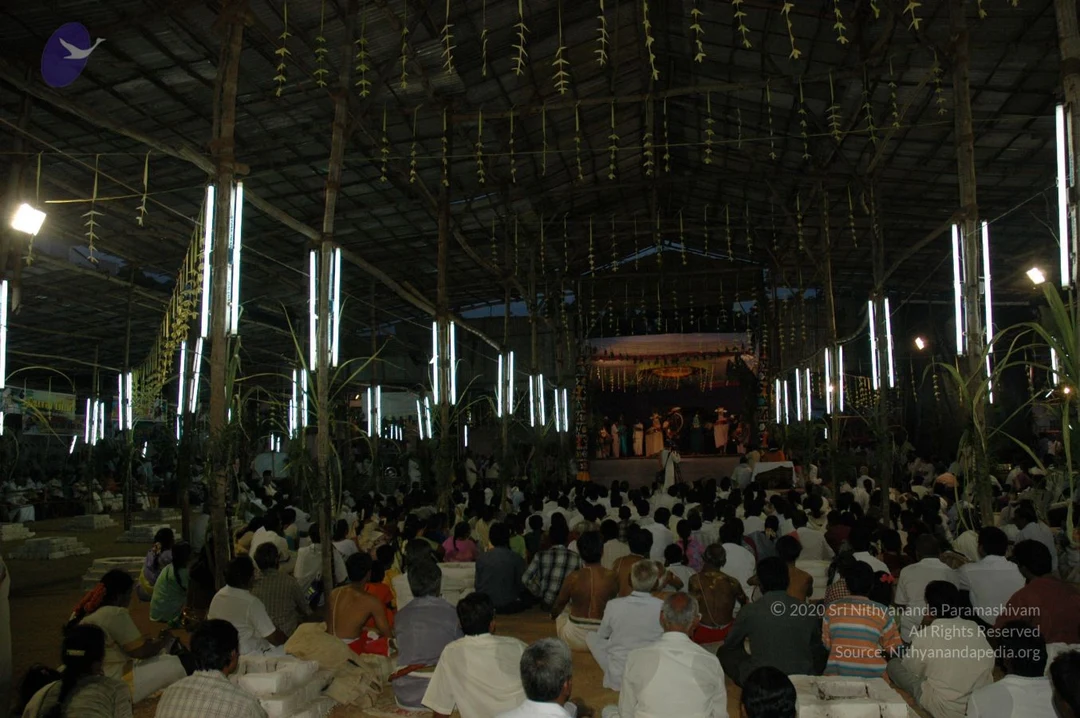
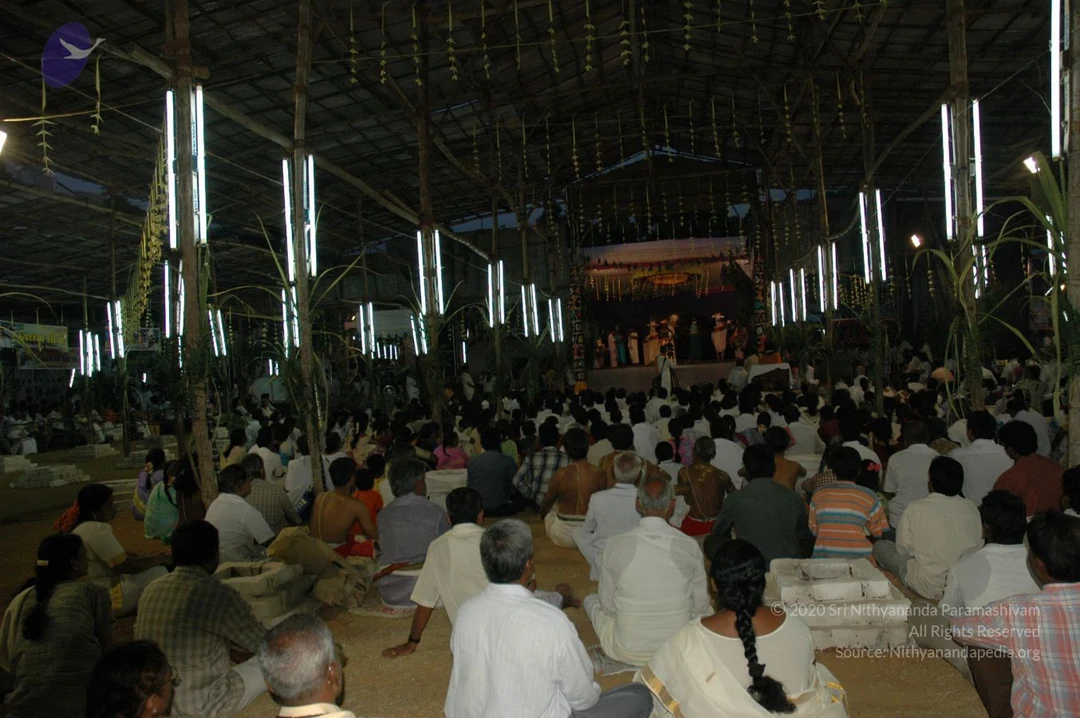
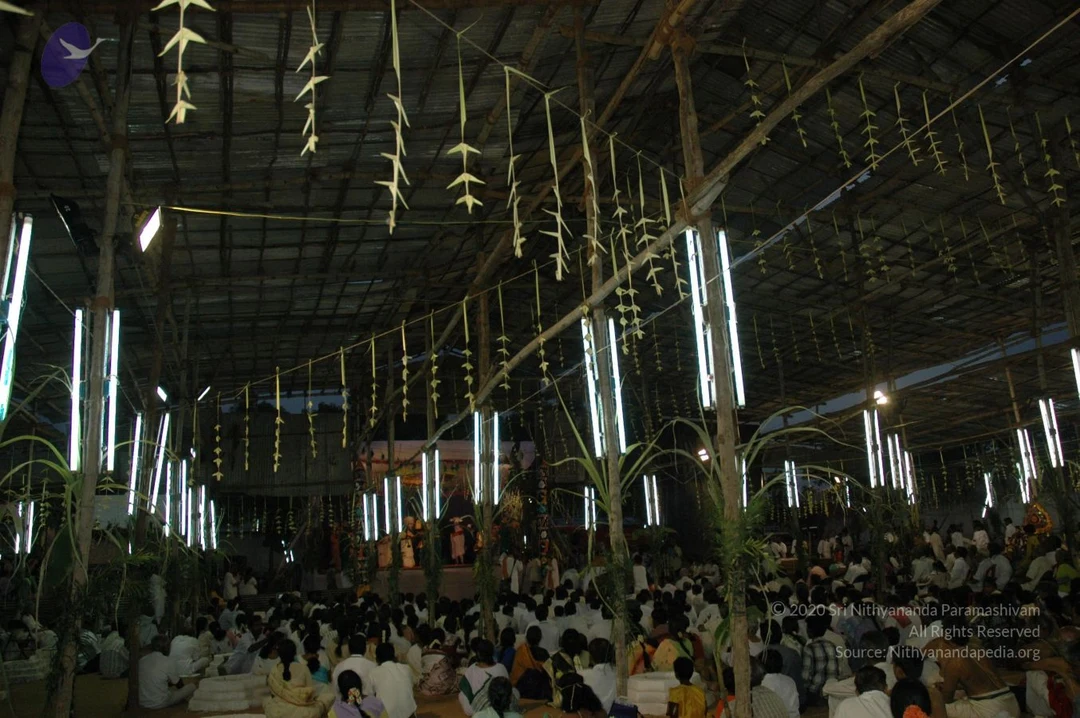
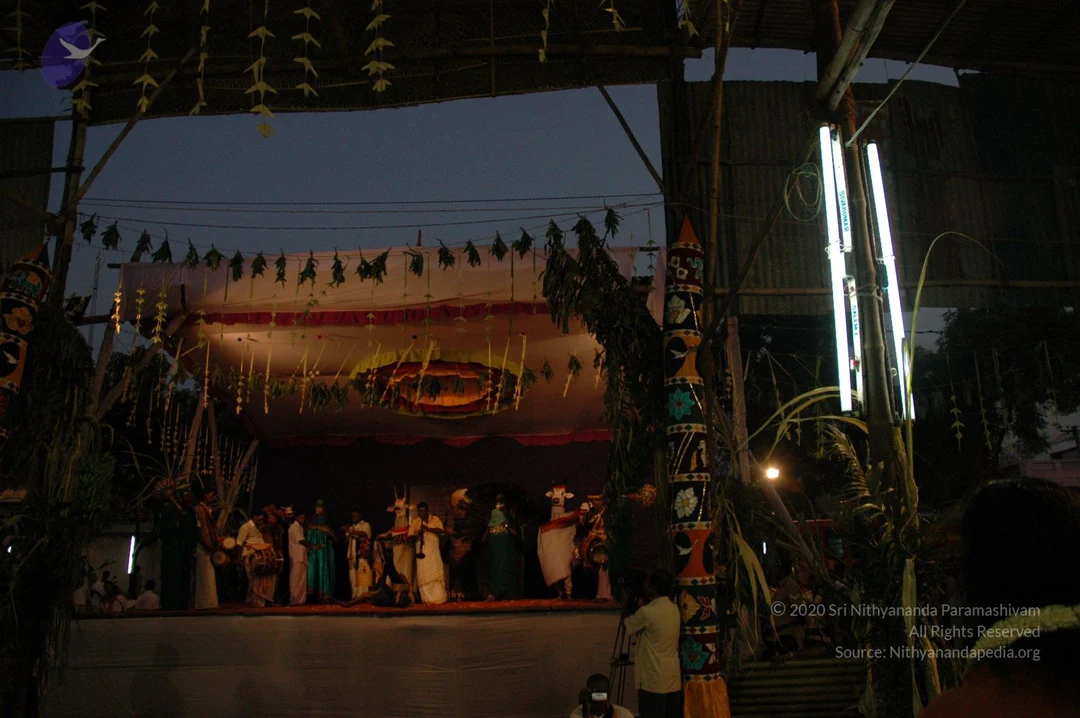
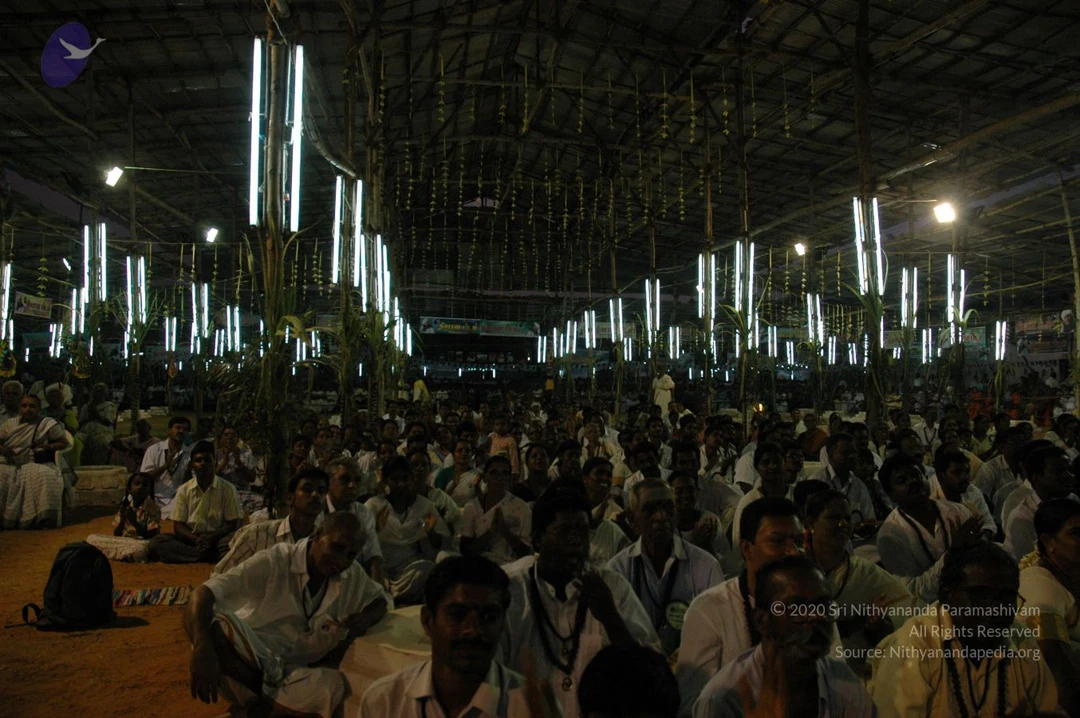
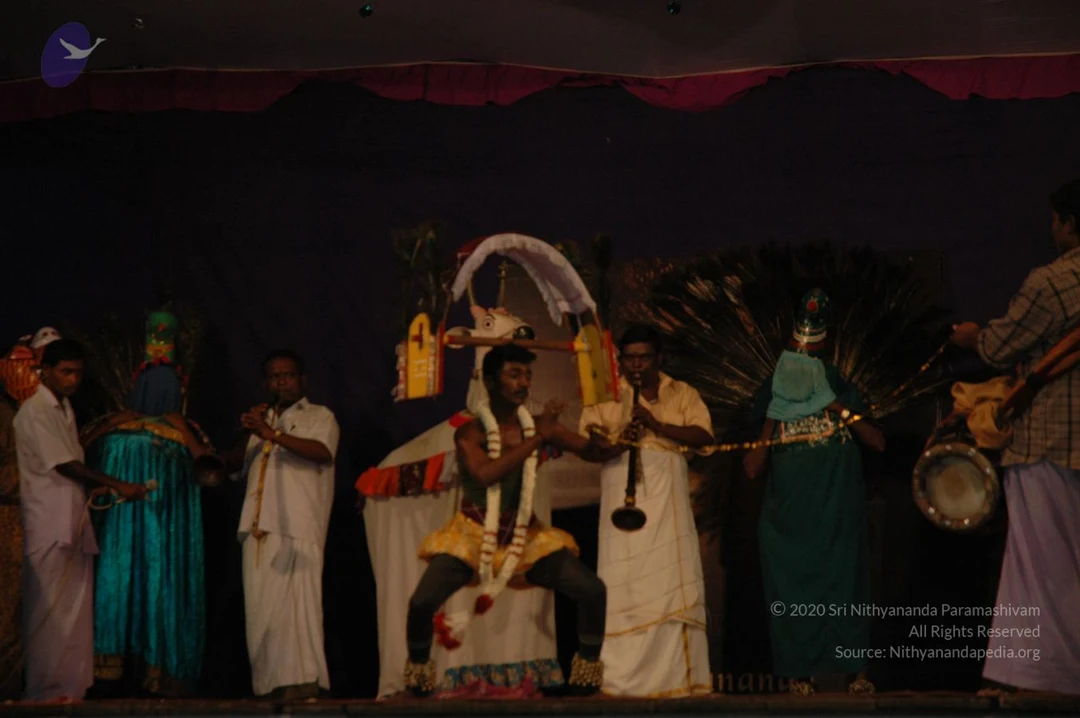
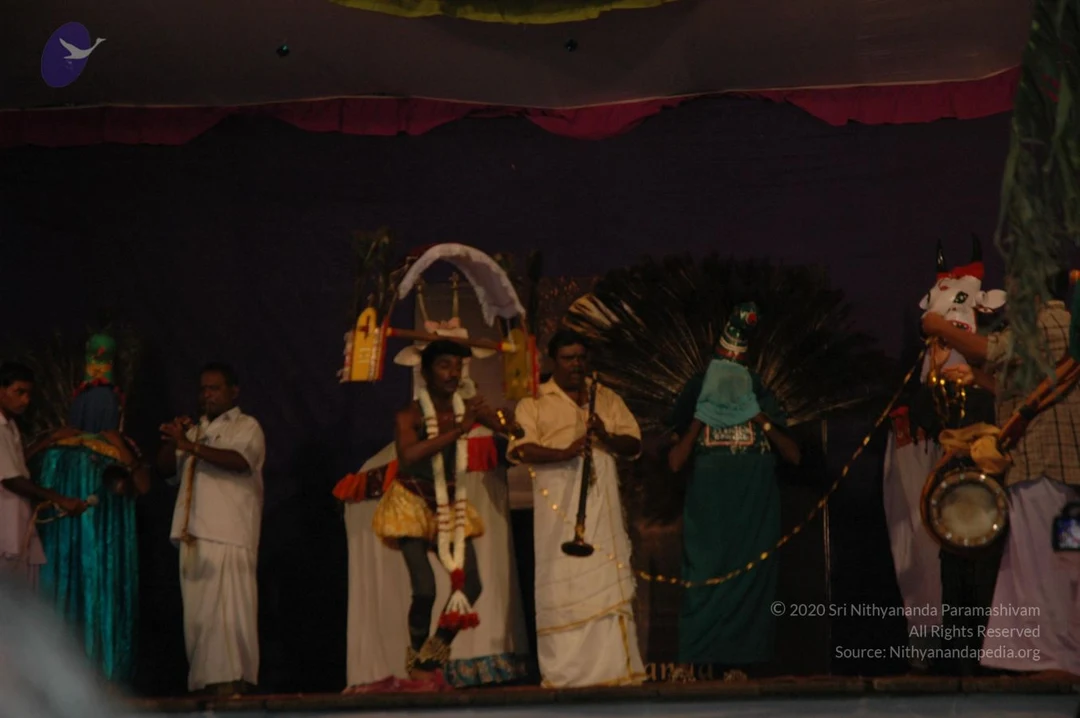
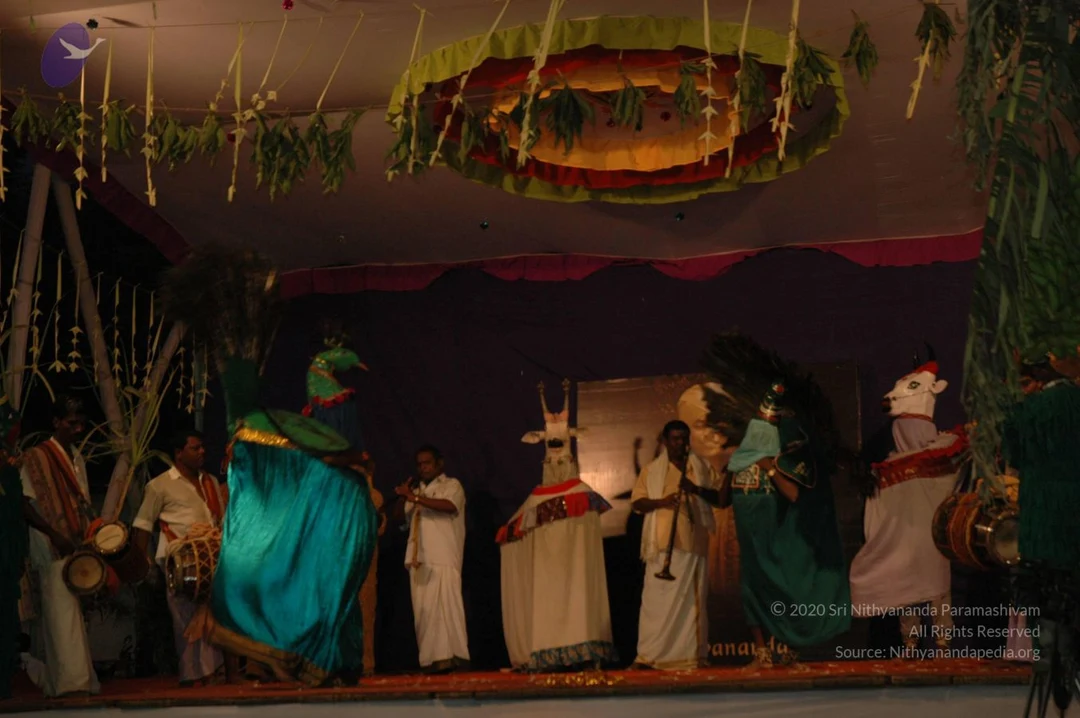
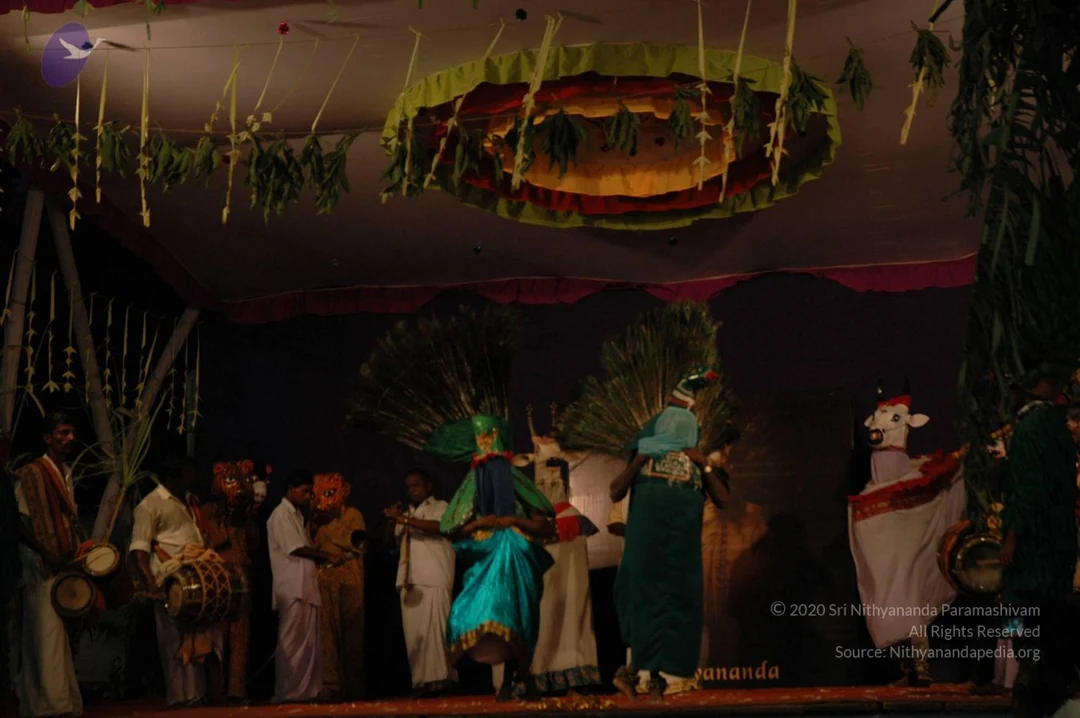
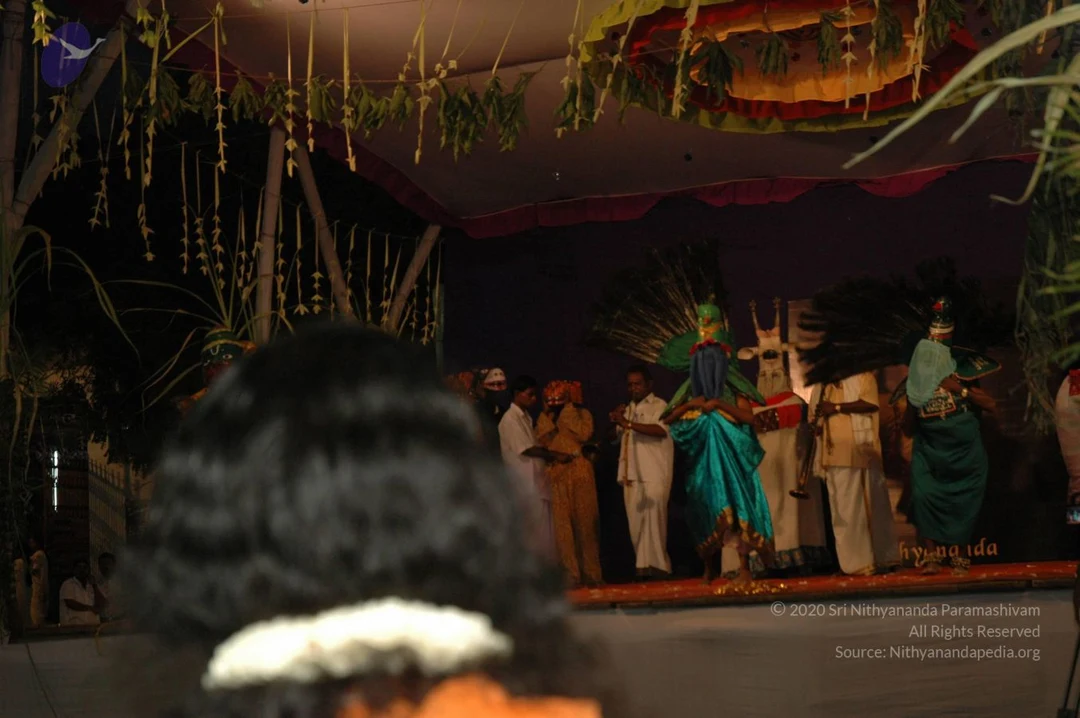
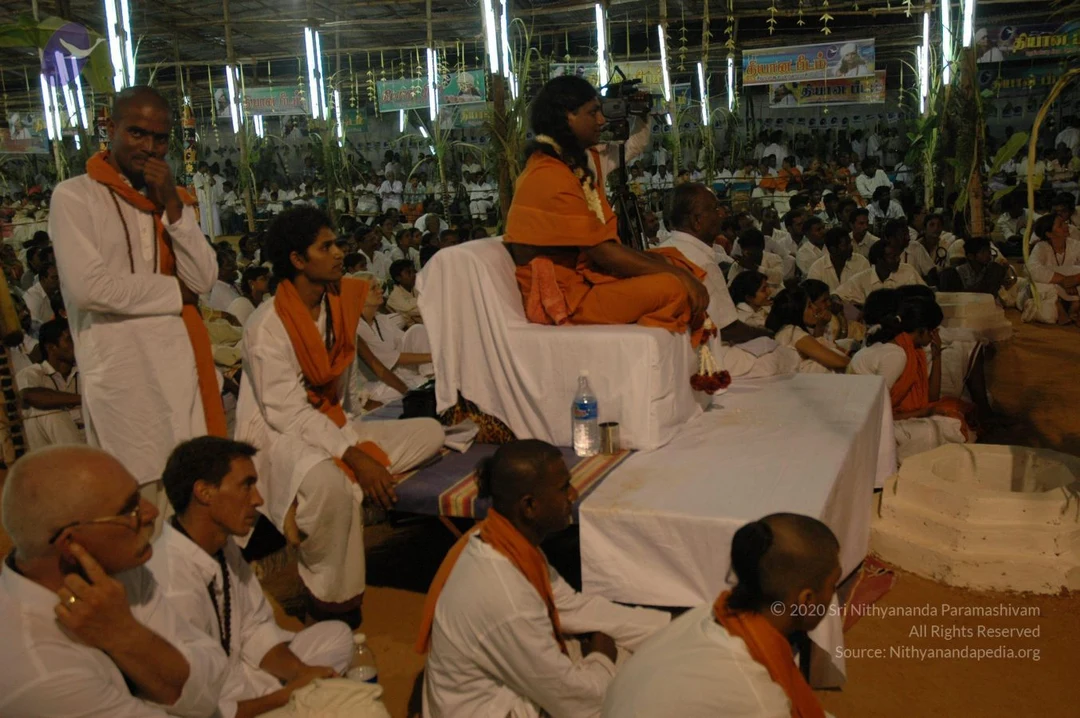
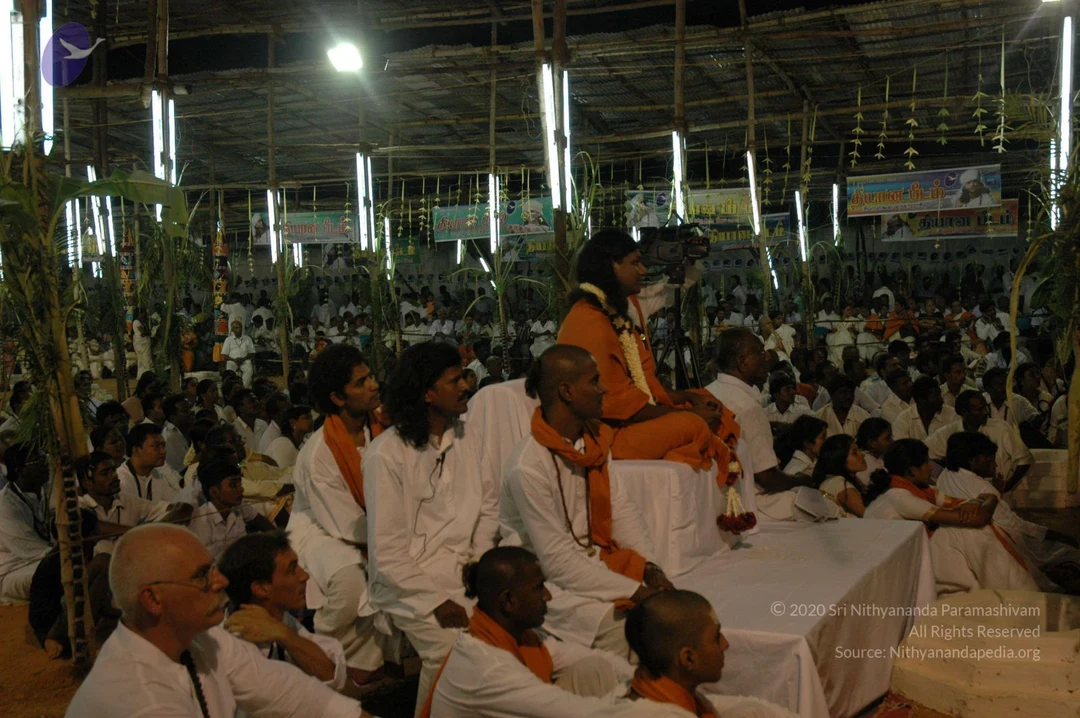
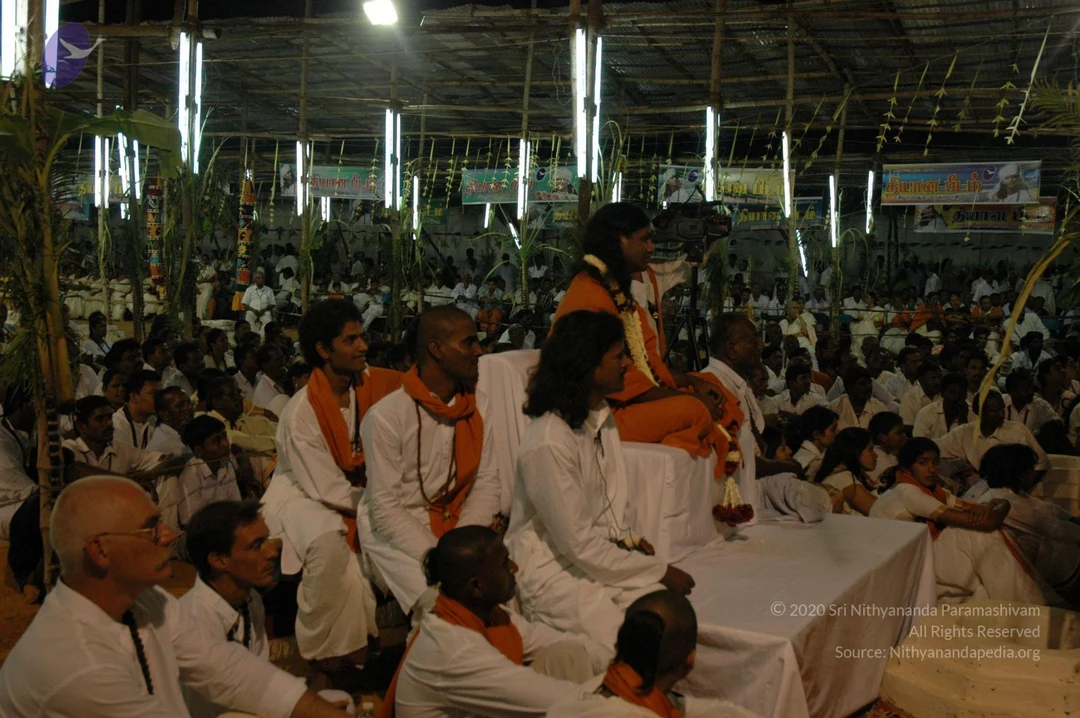
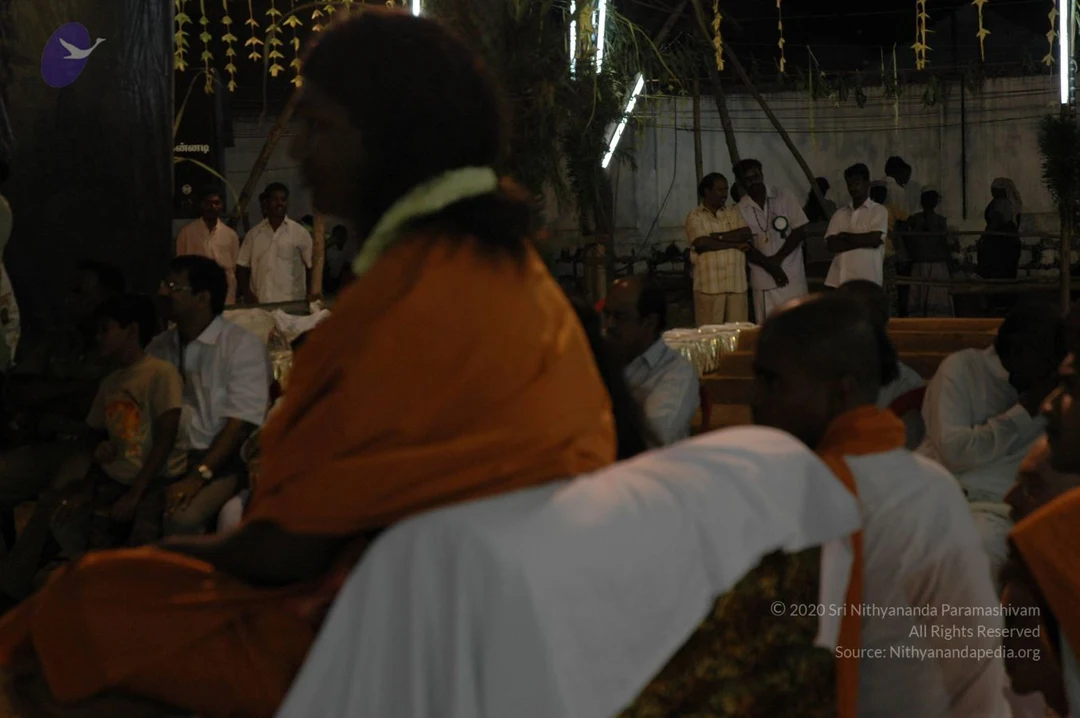
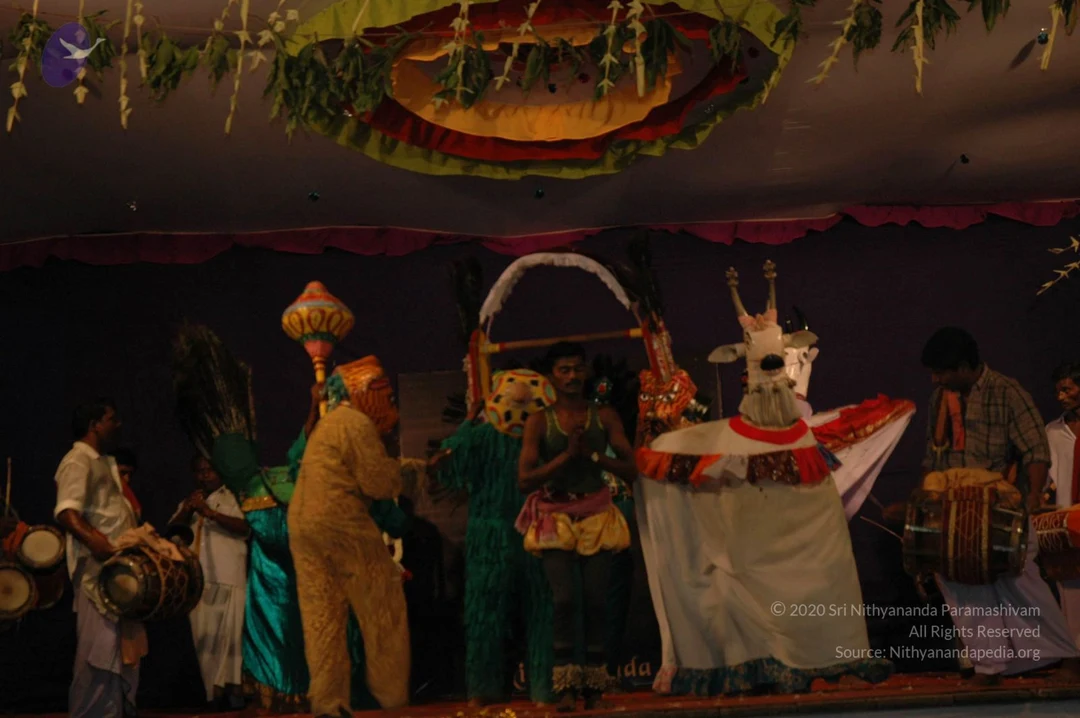
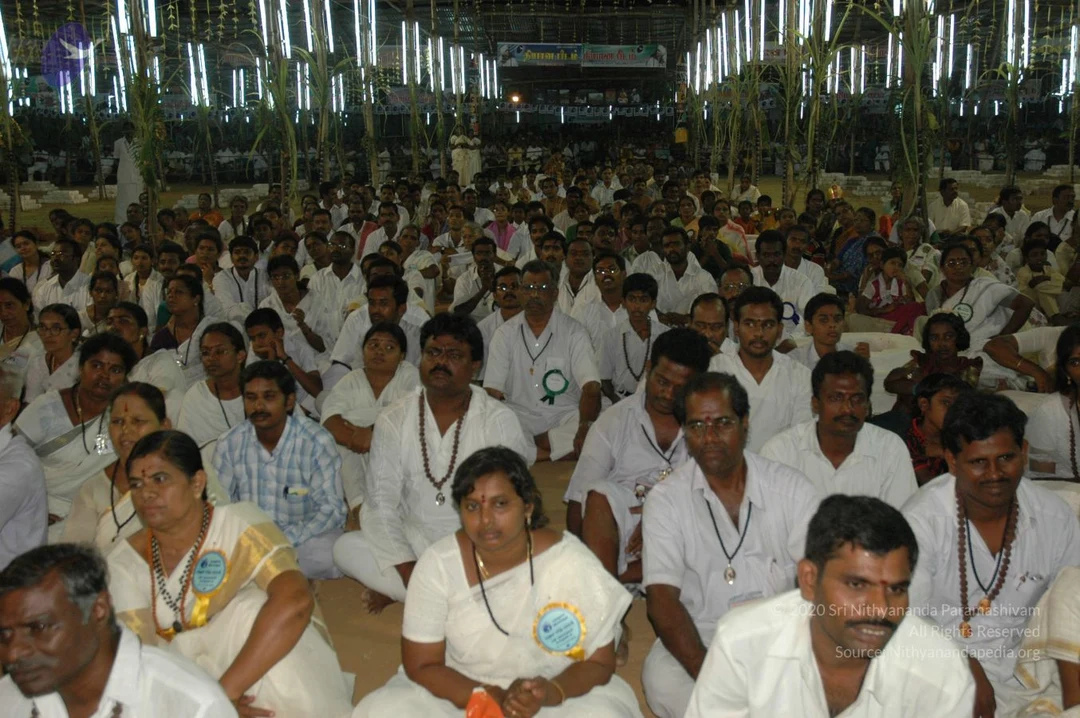
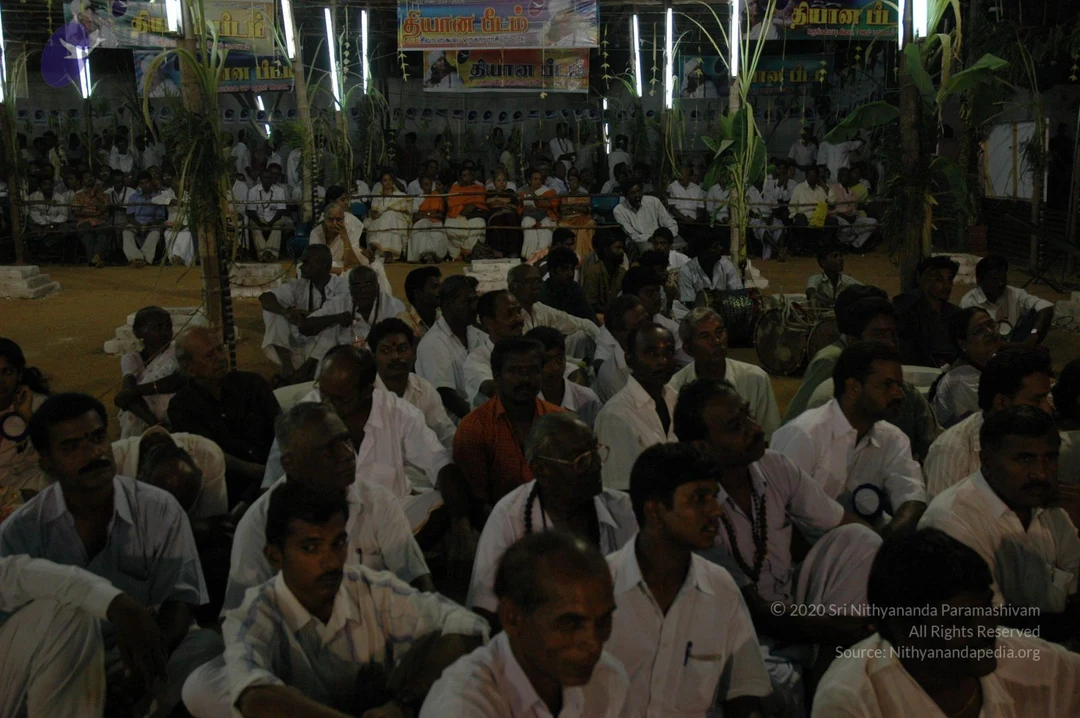
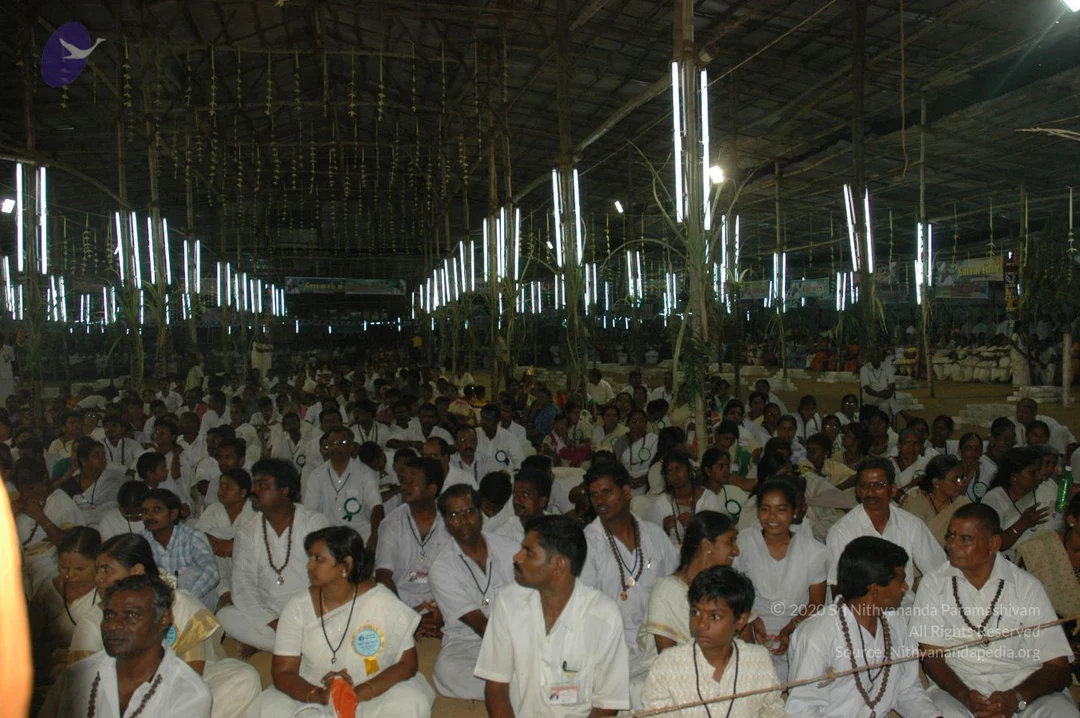
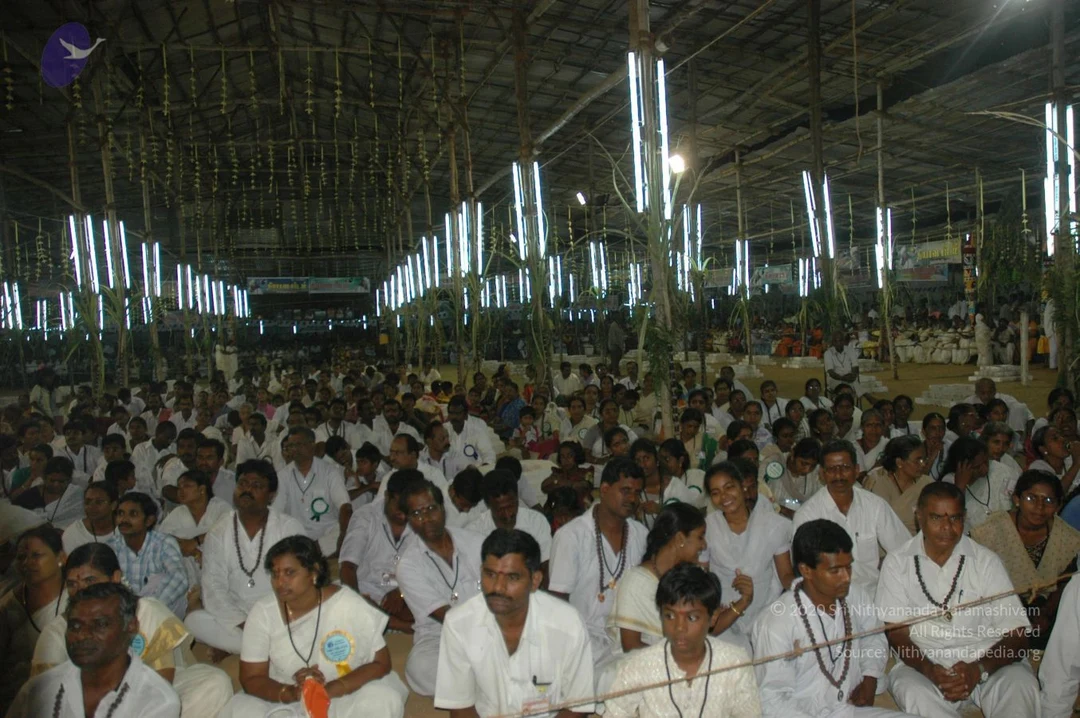
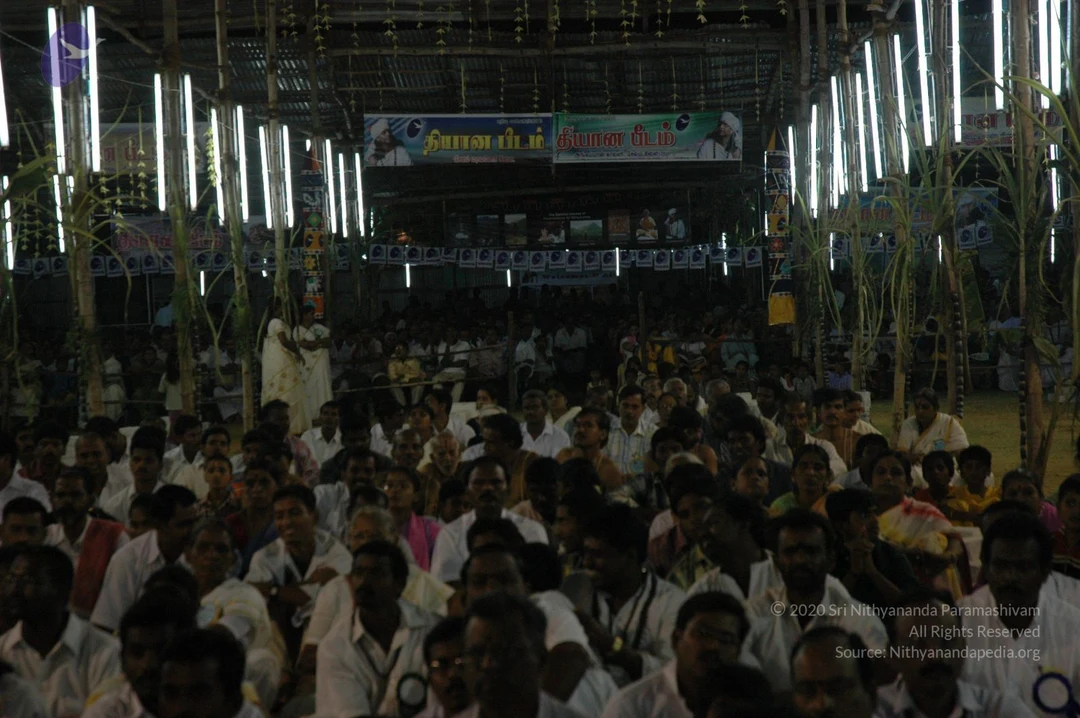
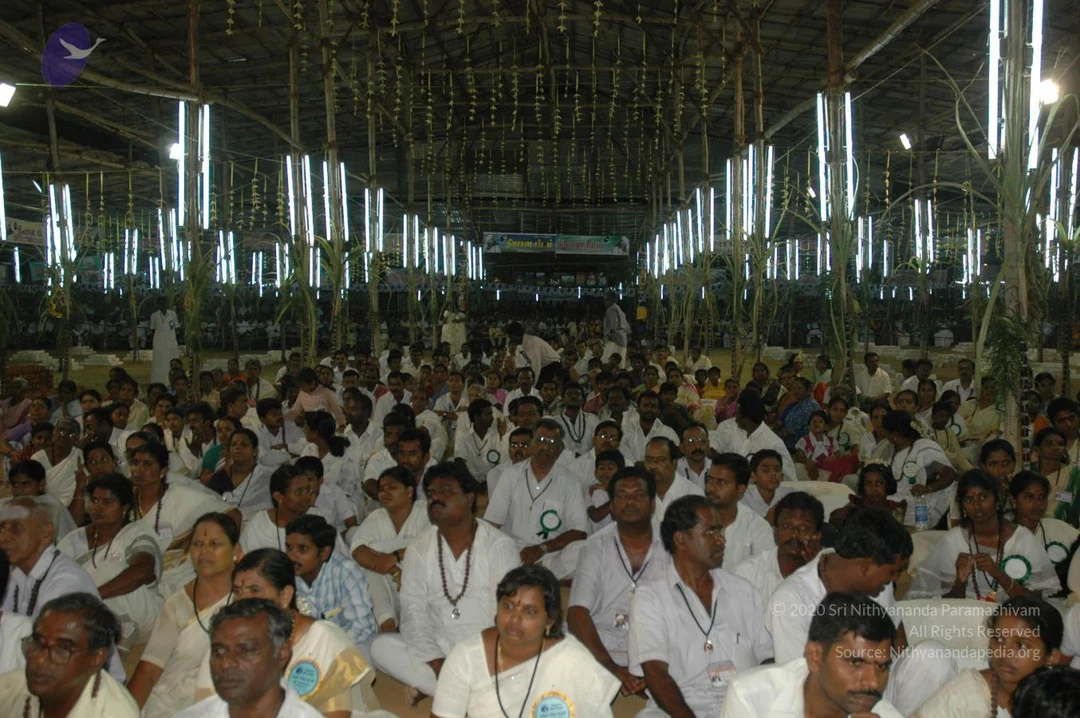
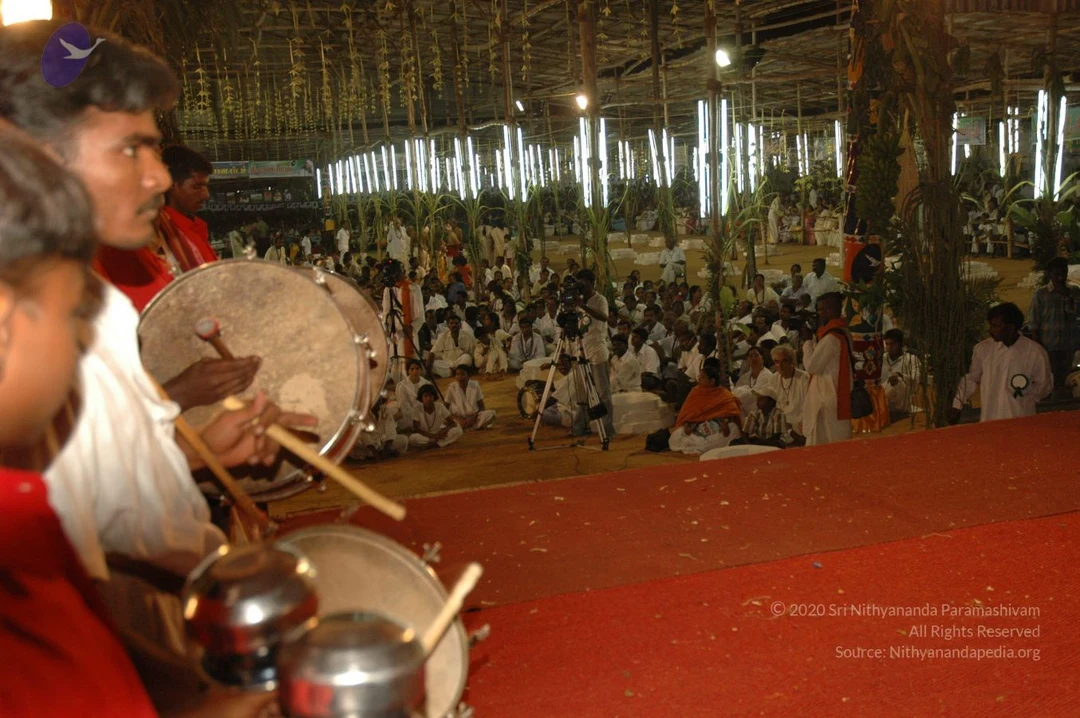
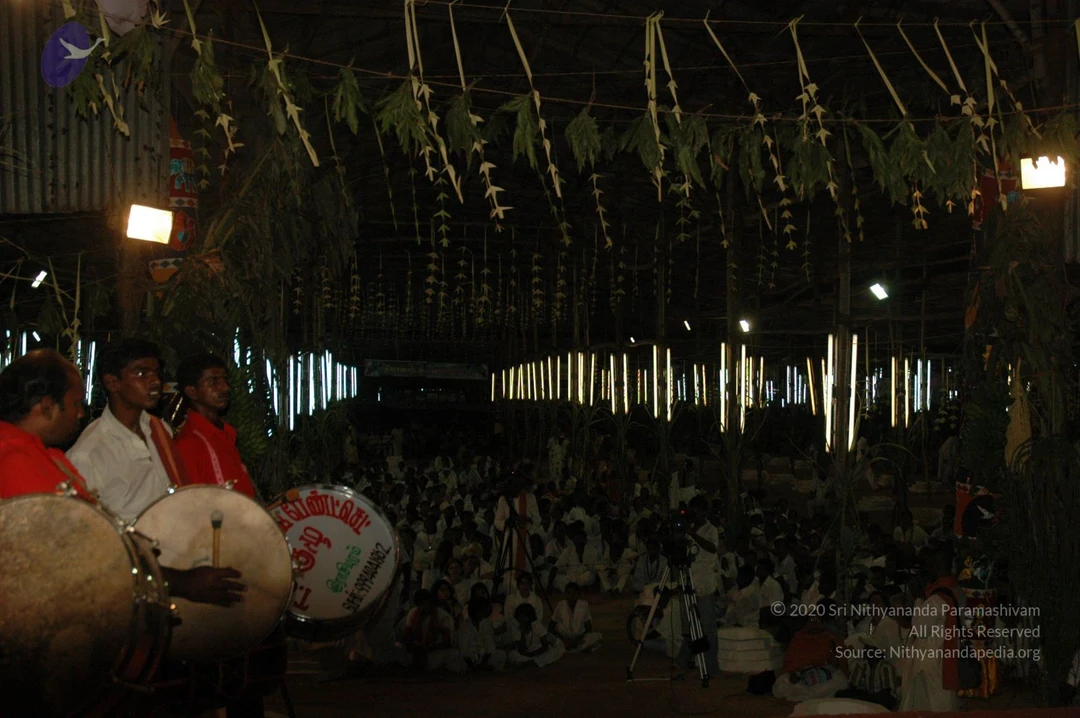
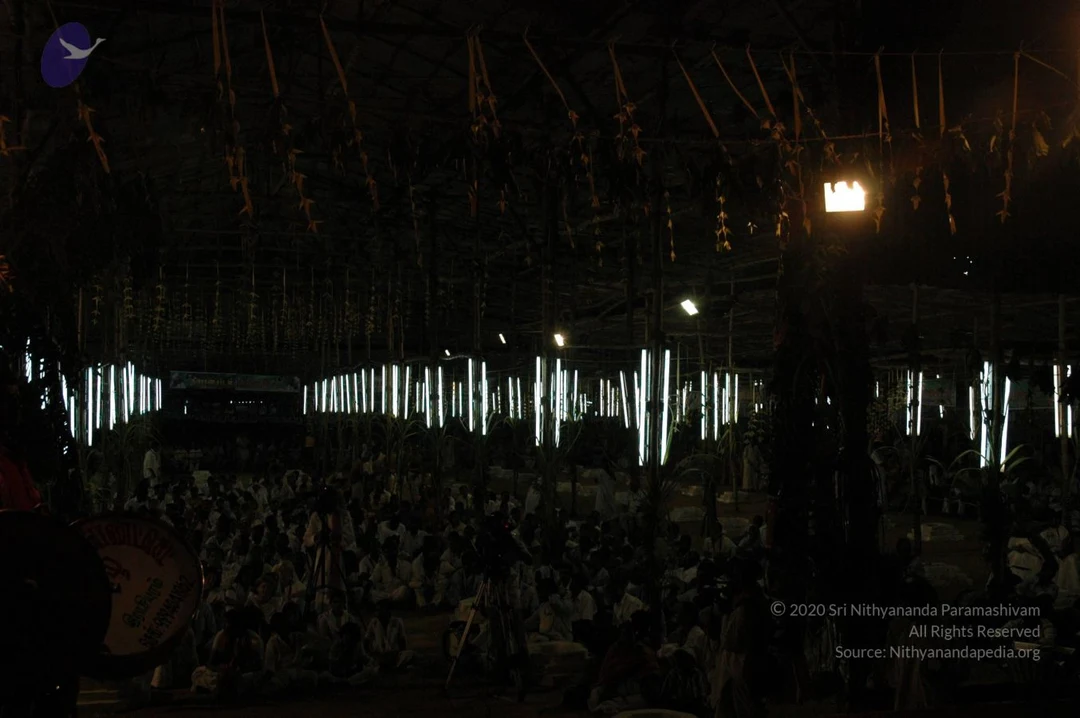
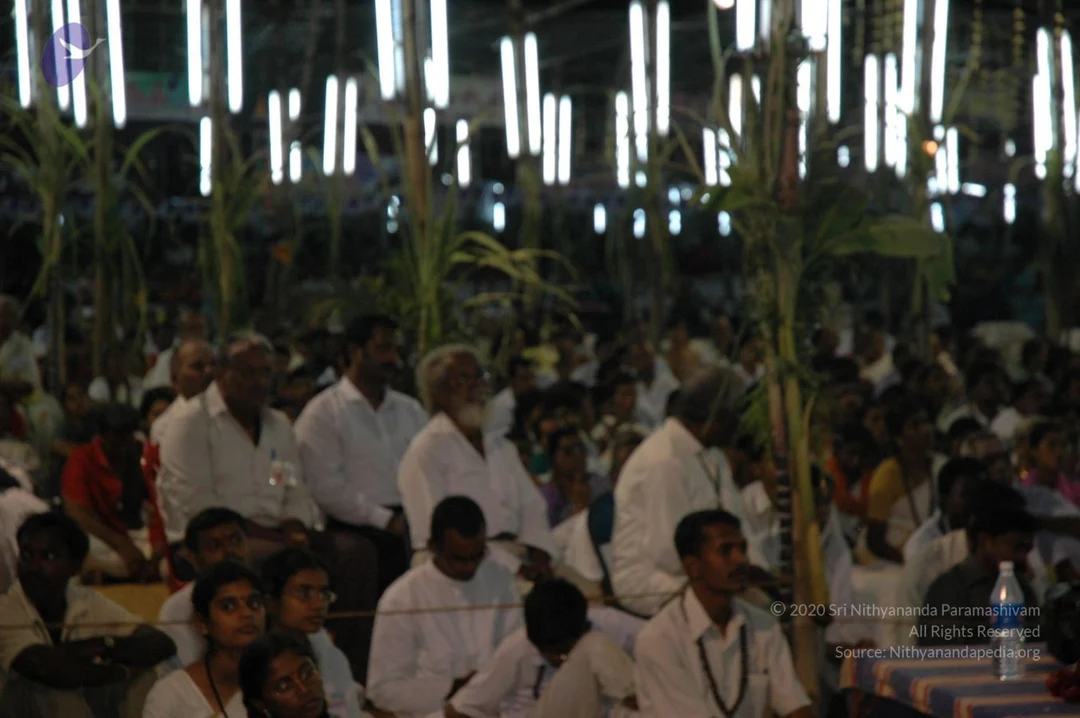
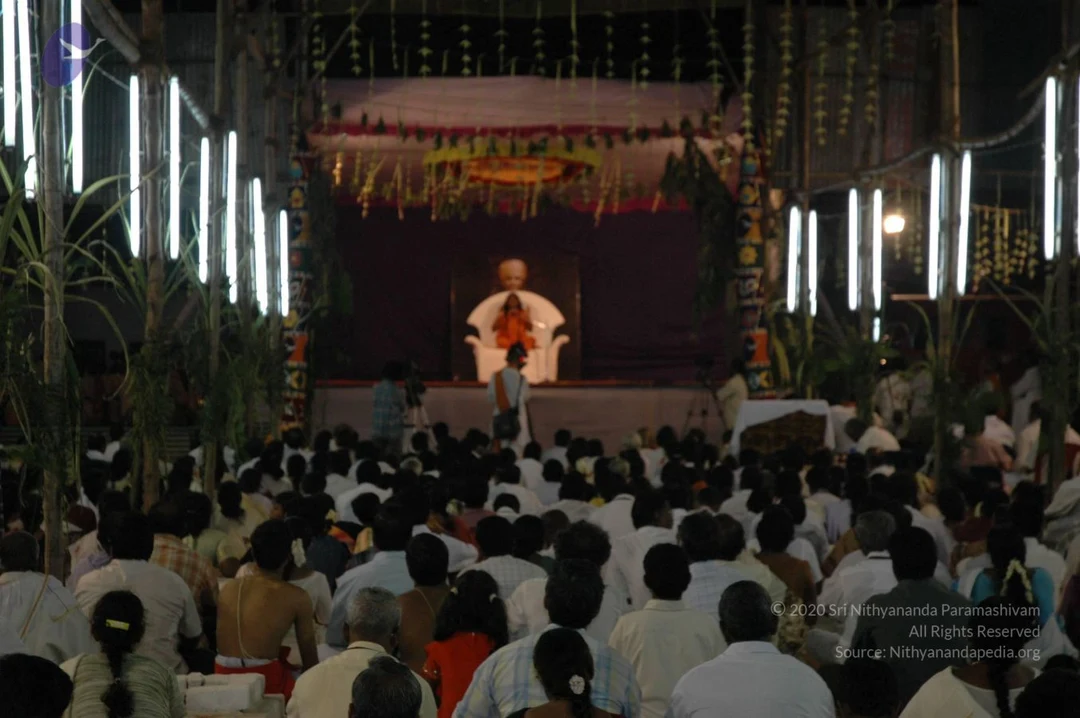
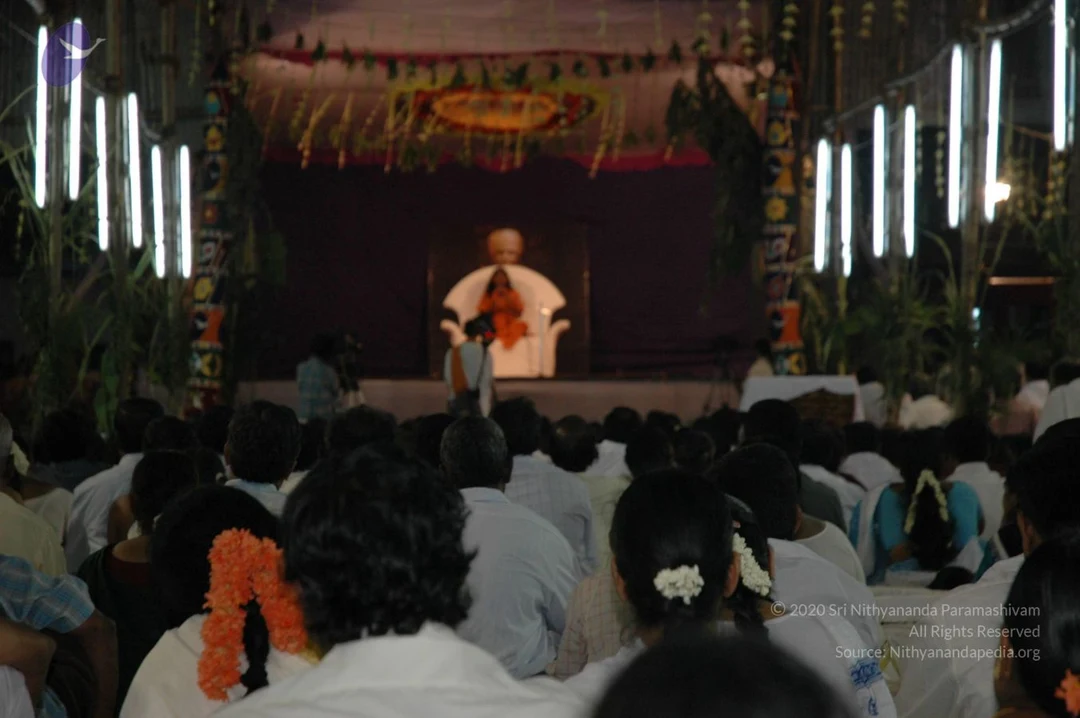
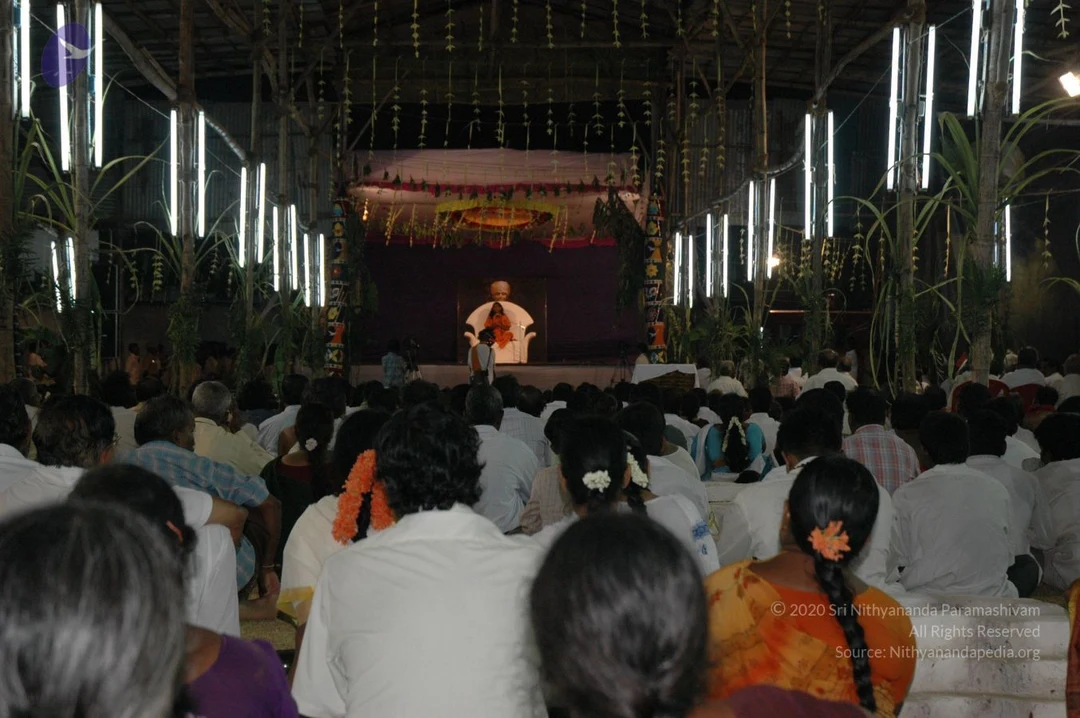
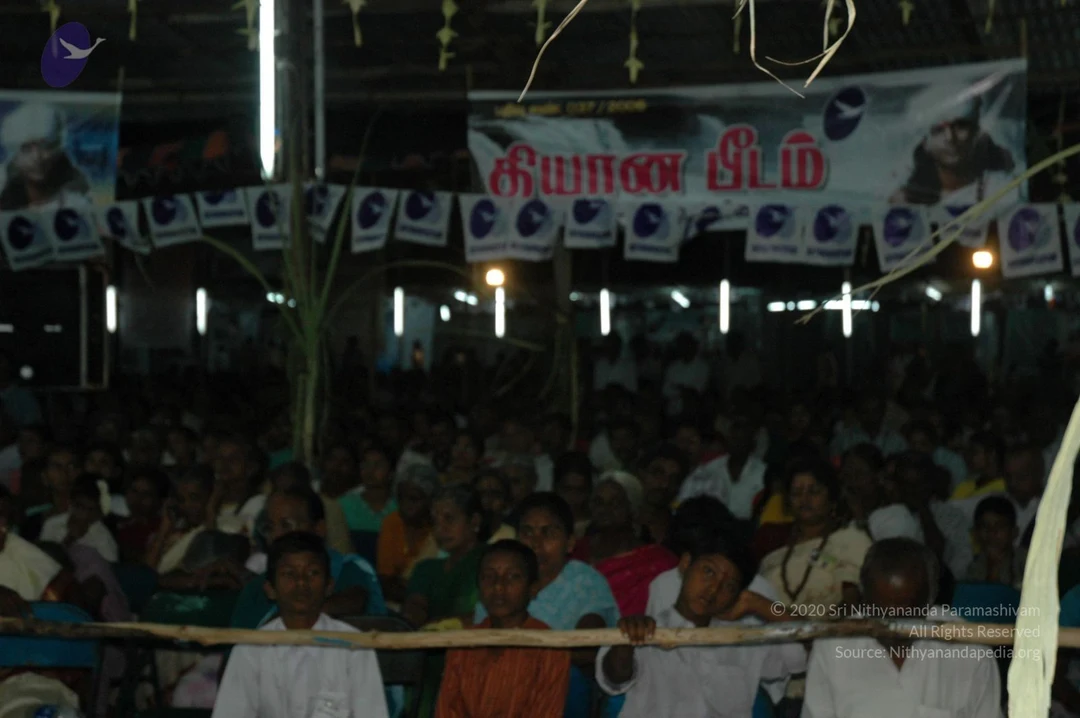
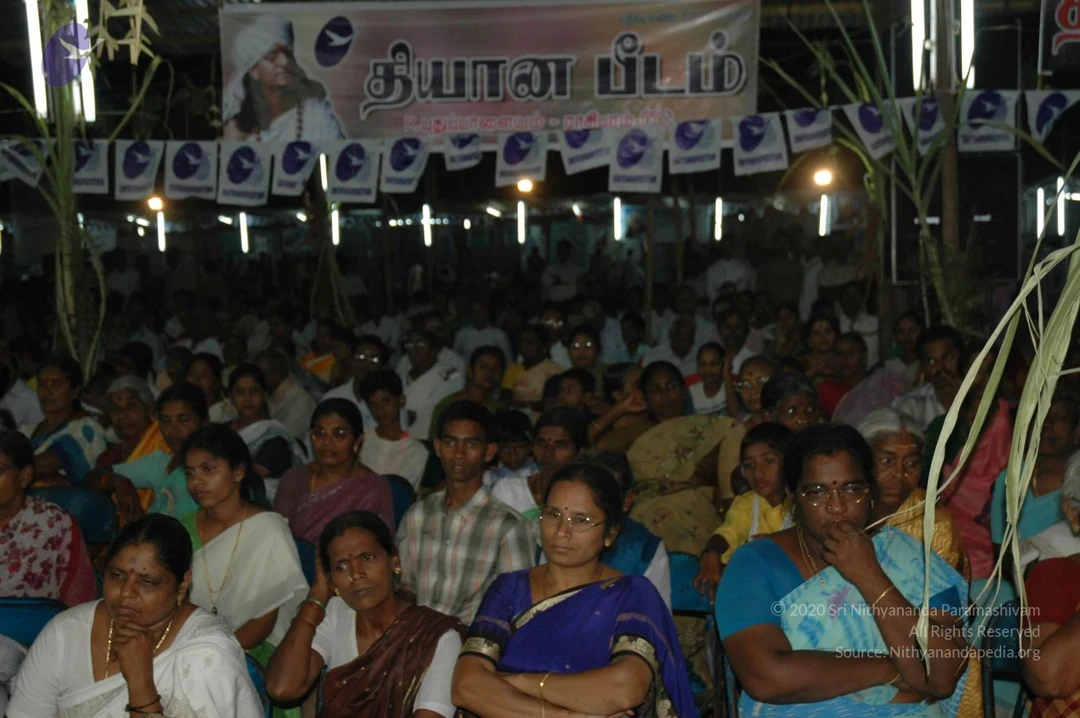
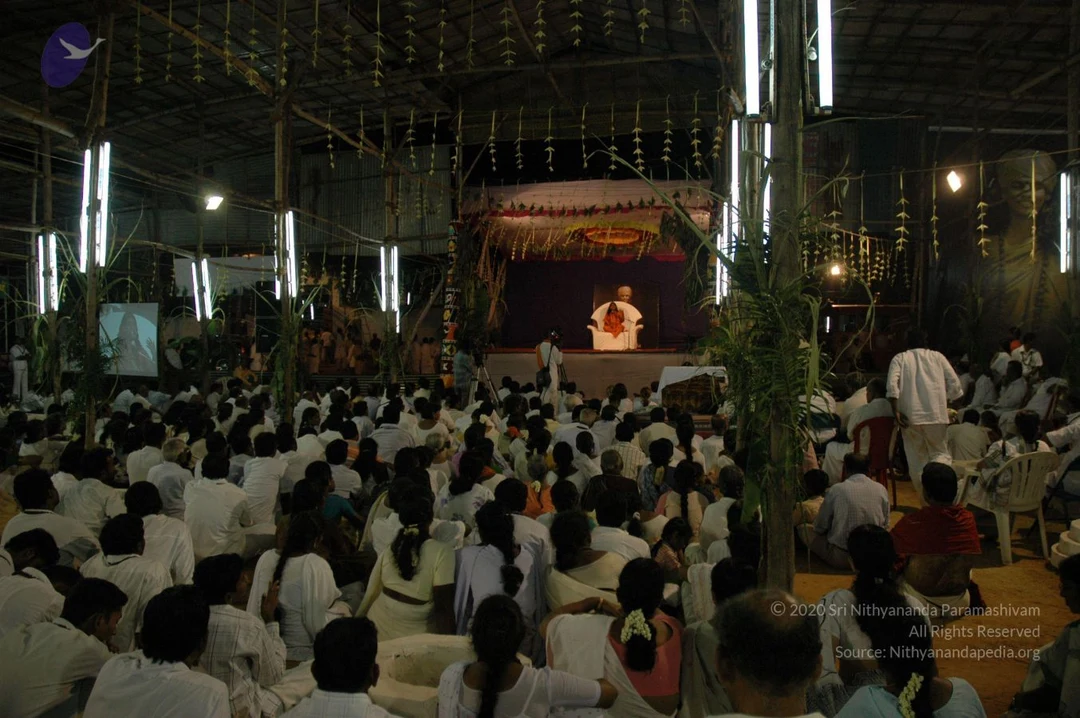
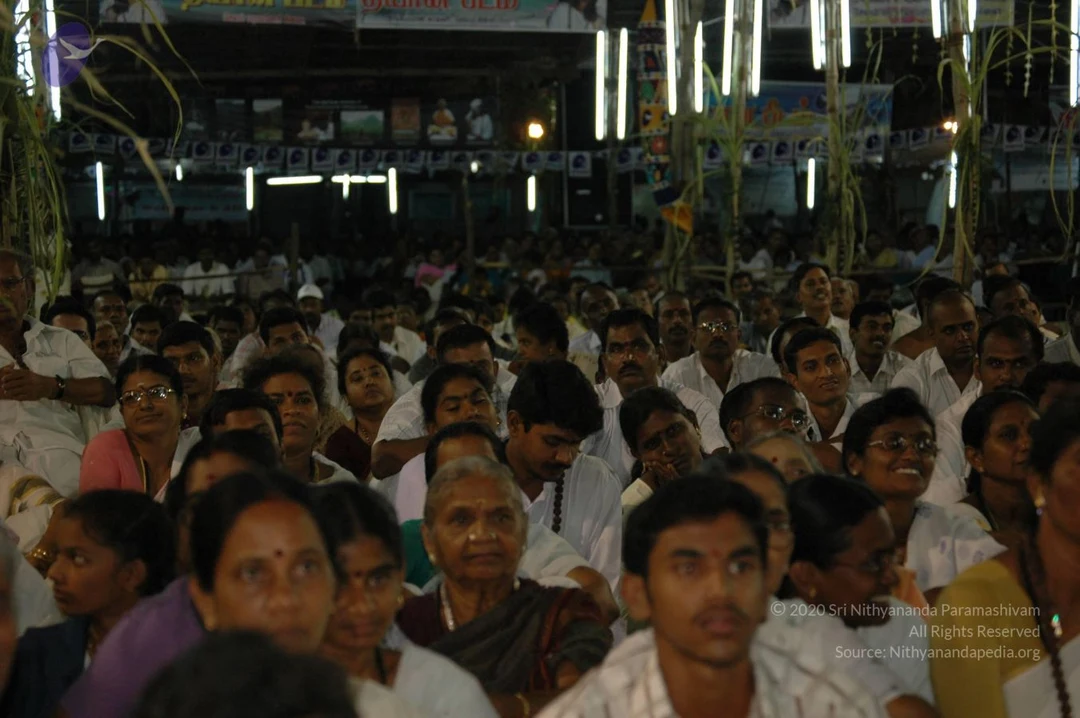
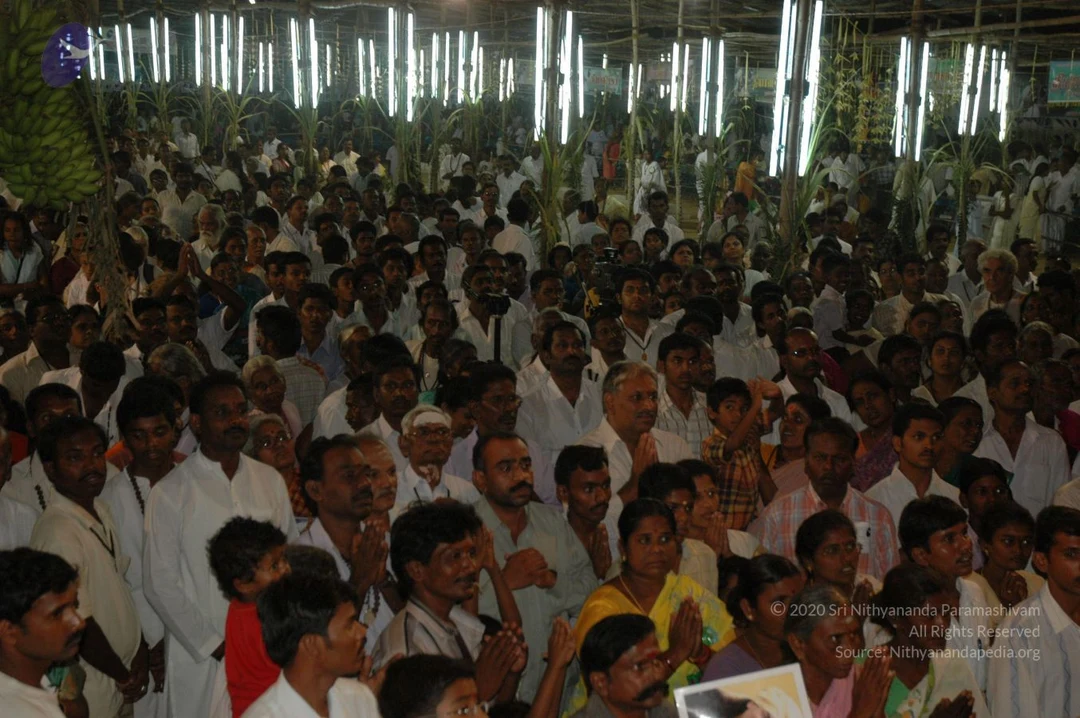
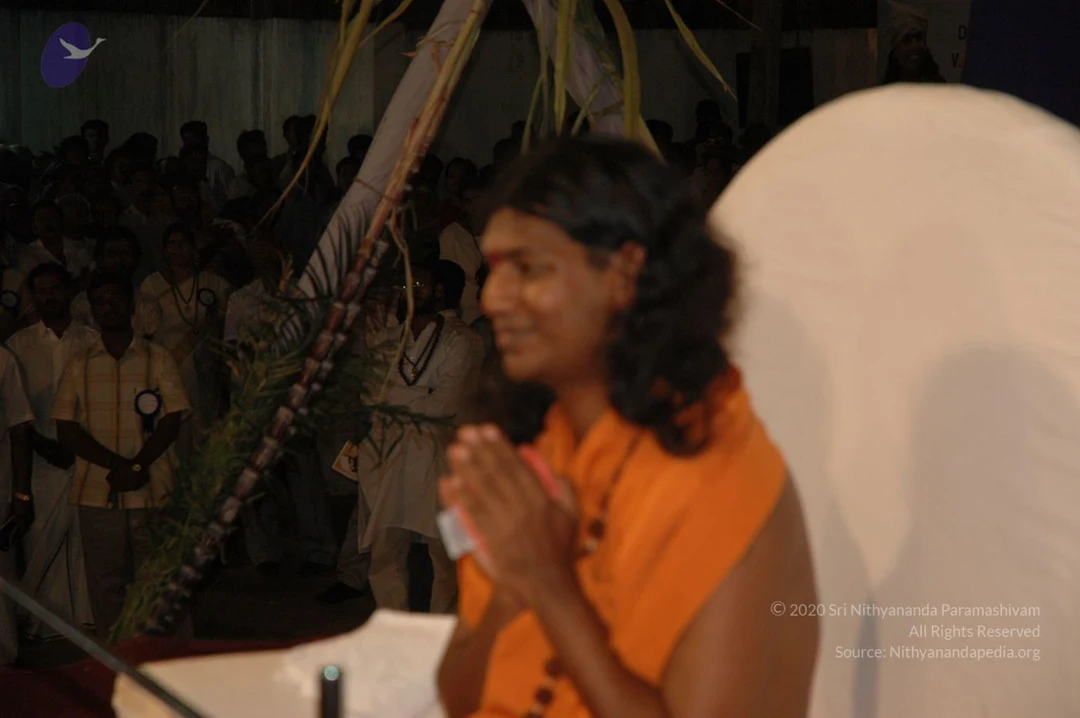
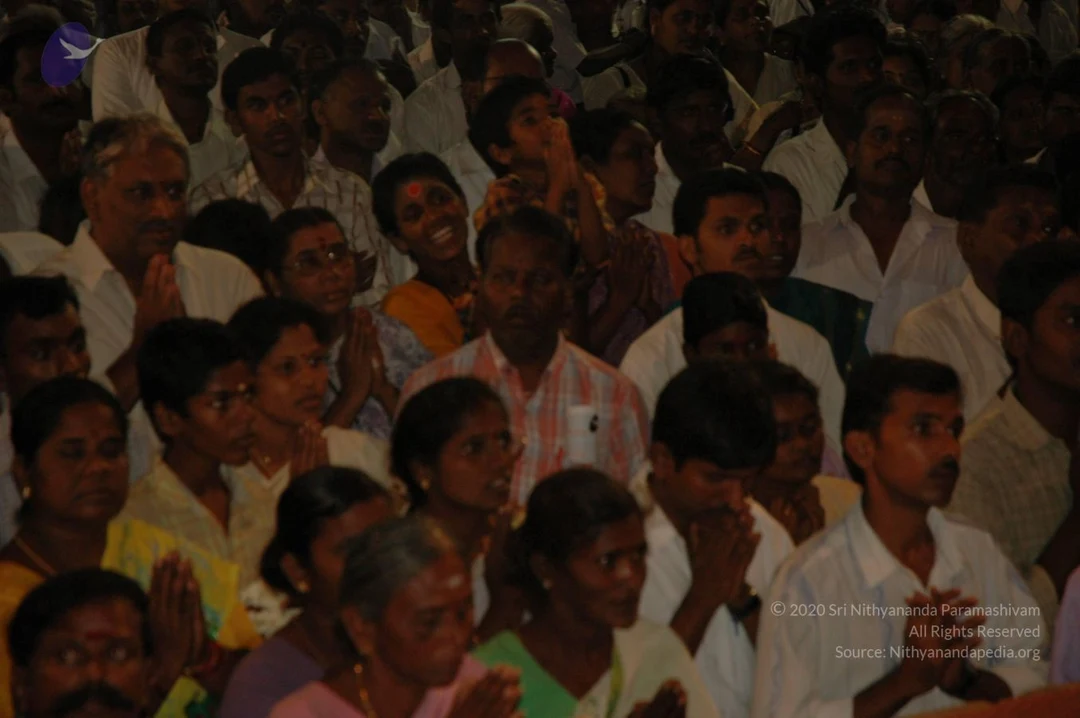
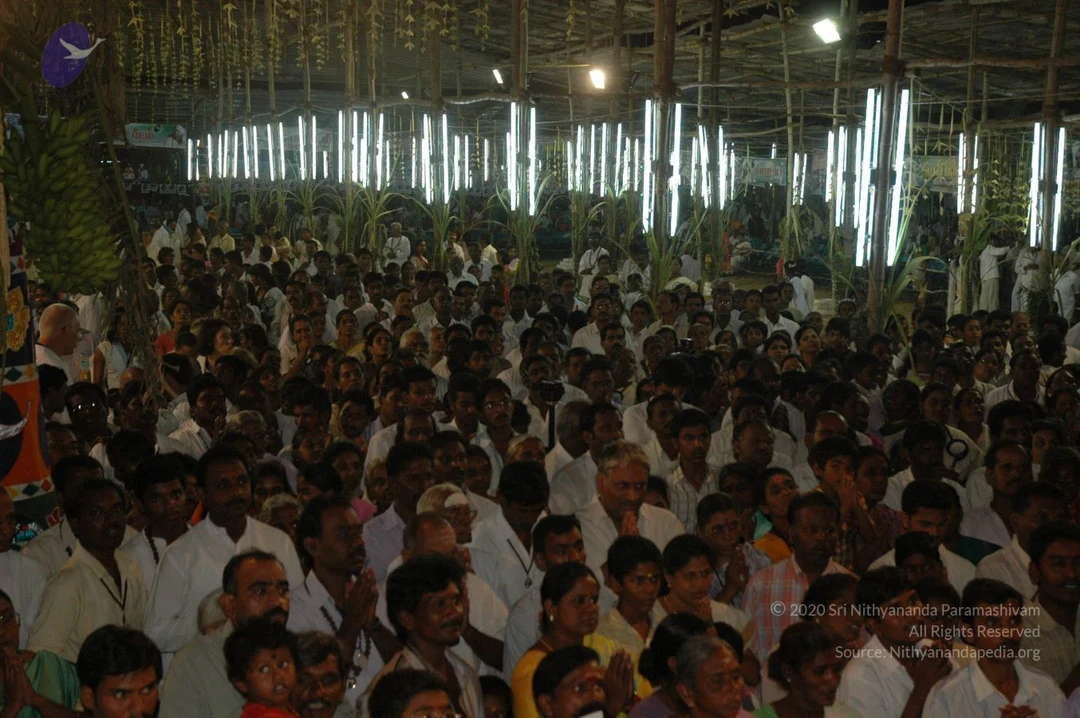
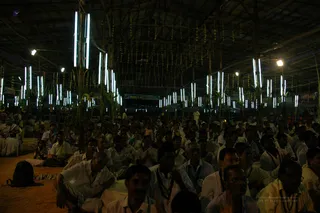
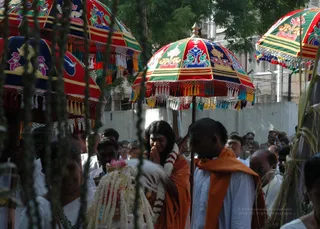
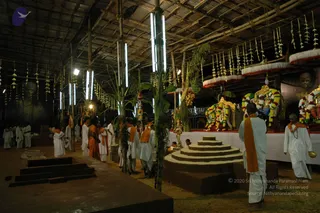
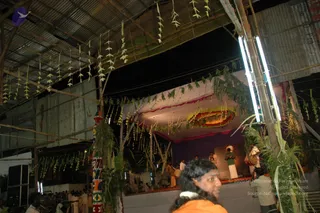
Evening photograph of an open-sided outdoor pandal decorated with hanging leaf garlands, white and red drapery, and painted pillars wrapped in colourful floral patterns. On a raised stage below, a row of performers in white dhotis, green and teal costumes and headdresses stands among drums and ceremonial items. In the foreground at right, the back of a person with long dark hair wearing an orange garment and white shawl faces the stage. A few other people stand at the edges. Bright tube lights hang from the right-hand post.Dim large open-sided pandal at a Sapta Yagam event, with rows of seated devotees in white clothing and many more filling the hall. Tall vertical fluorescent tube lights are set among banana-like pillars hung with green garlands. Several seated men in front, one wearing a rudraksha mala, sit on the sand floor with hands joined. Overhead lights and strings of foliage line the roof. A black bag rests on the left. Few people are clearly visible in the foreground, and the distant crowd is dense across the hall.A street procession in Salem during the Sapthayagam: a central figure with long dark hair, hands pressed in anjali, wears a red-and-orange shawl over a white garment with a white-and-red flower garland. Beside them a bald man in white robes and an orange shawl walks. Behind them, ornate red, green and gold umbrellas (kudais) with tasselled fringes are carried on poles, and a flower-decorated tray or offering with white jasmine garlands is in the foreground. Uniformed police stand among a dense crowd of devotees in white, and green banana leaves and palm fronds frame the scene.

Enriching Materials

2 photosSource gallery
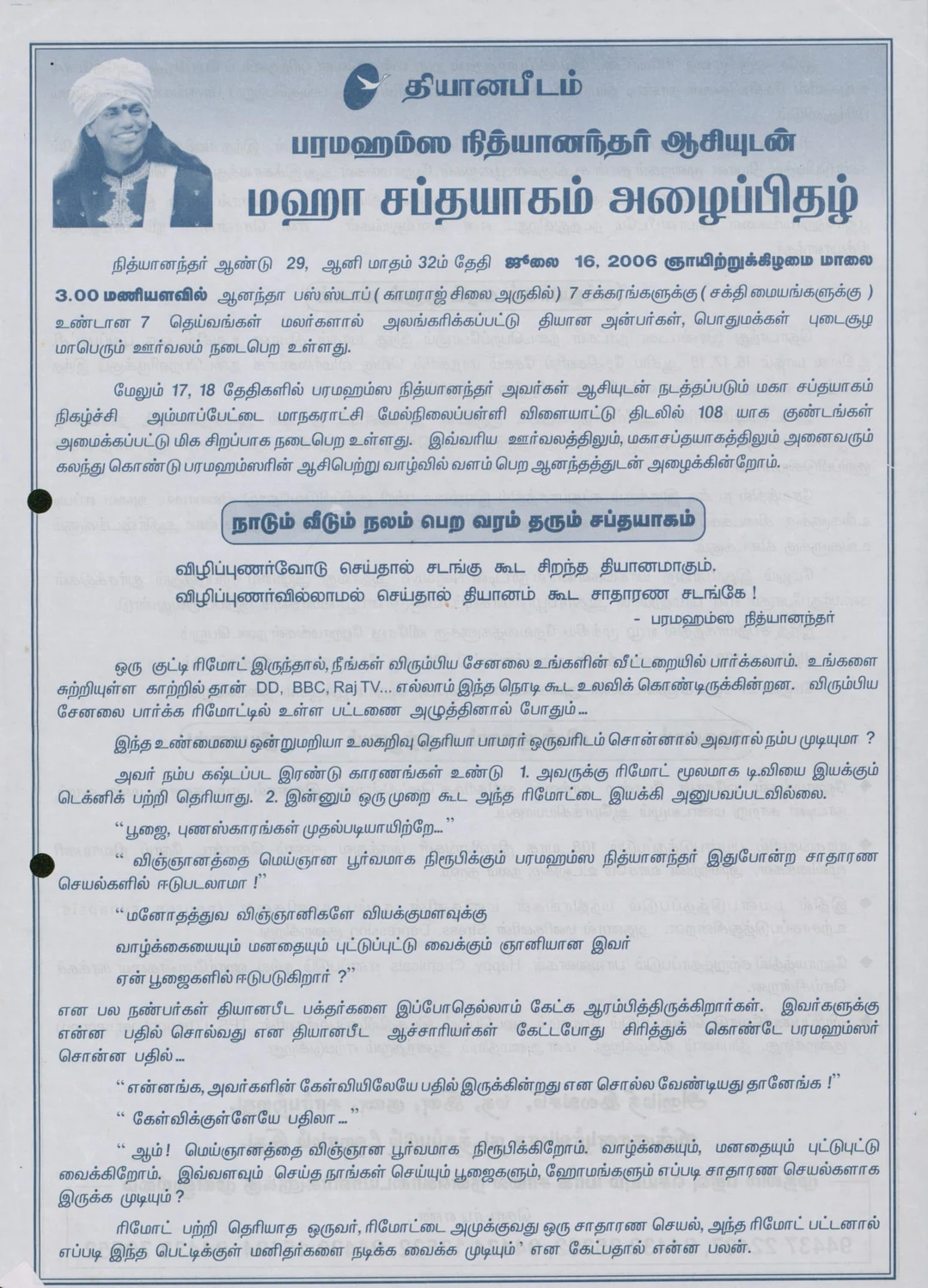
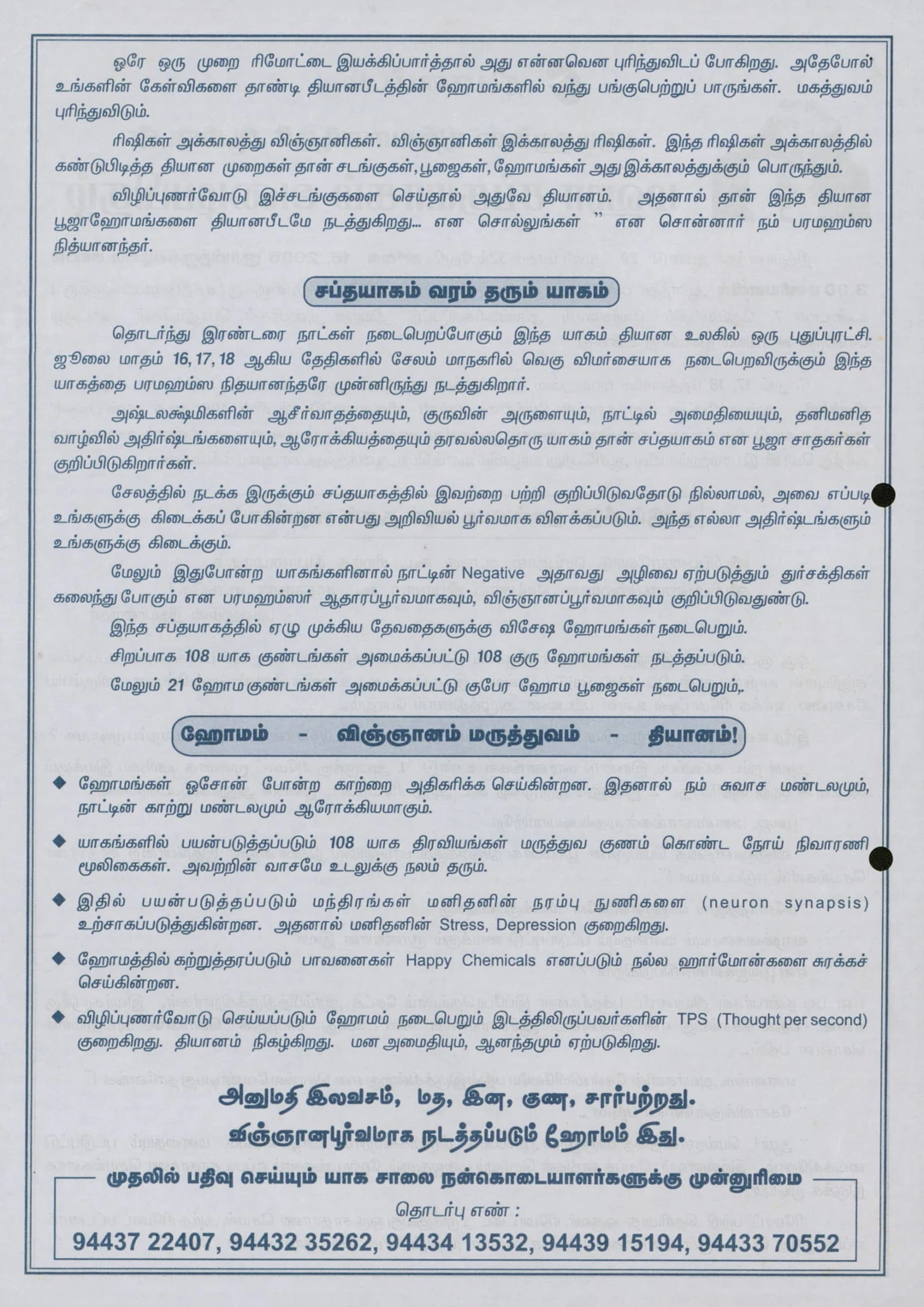
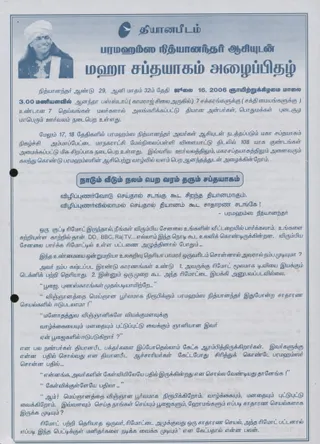
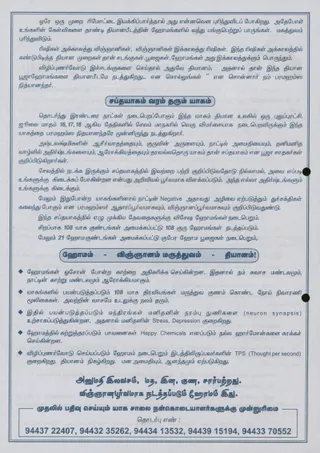
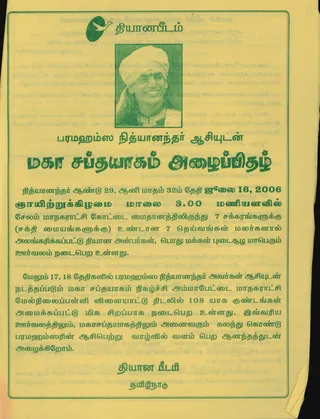
A printed Tamil poster from Dhyanapeetam announcing the Maha Sapthayagam with a person, dated July 16, 2006. A small portrait at top left shows a smiling man in a white turban and dark robe with embroidered ornamentation, captioned by the poster text as Paramahamsa Nithyananda. Below are blocks of Tamil text describing seven-chakra deity worship at Ananda Pass Stop near Kamarajar Silai, flower-decorated seven deities, and 108 fire pits planned for the yagna at Salem. A large heading reads 'Nadum Veedum Nalam Pera Varam Tharum Sapthayagam'. The page has no physical people beyond the printed portrait.A scanned printed page of Tamil text. The page has a double-line border and right-side binding holes. Large headings read சப்தயாகம் வரம் தரும் யாகம் and ஹோமம் - விஞ்ஞானம் மருத்துவம் - தியானம். Bullet points list benefits of homa fire offerings: purifying air, herbs in the offerings, mantras stimulating neurons, reduced stress and depression, and positive emotions. A bold closing line reads that this homa is performed scientifically. Contact phone numbers appear at the bottom. The text describes a Sapta Yagam fire ritual with 108 fire pits and 21 kubera homa pujas.
SAPTHAYAGAM

192 photosSource gallery
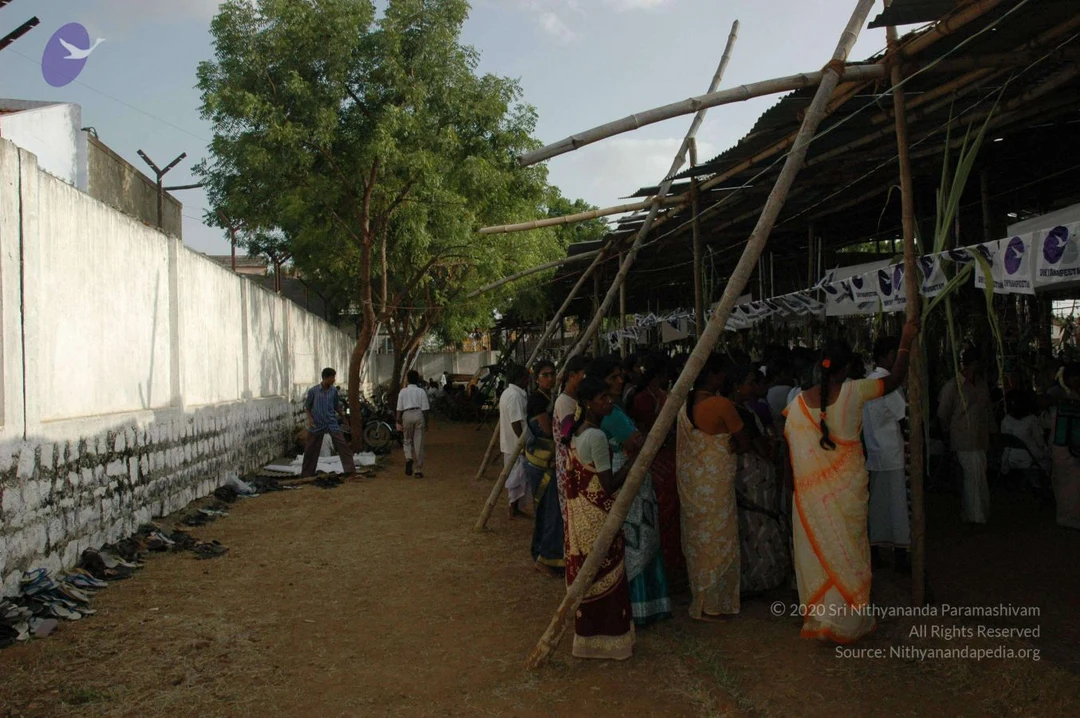
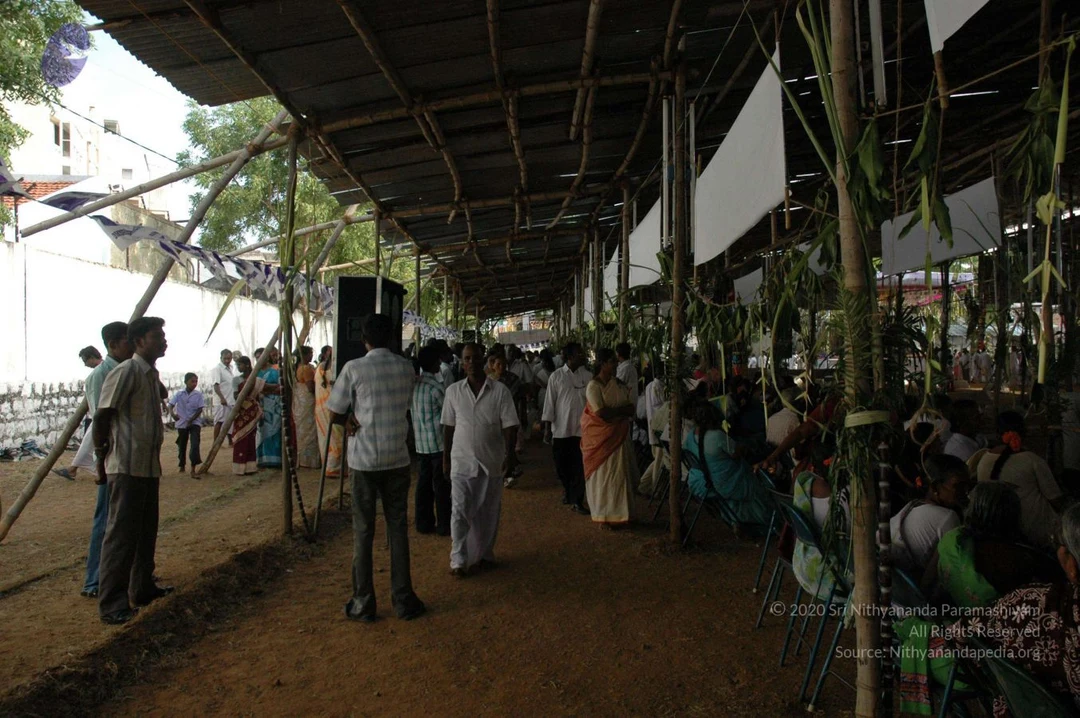
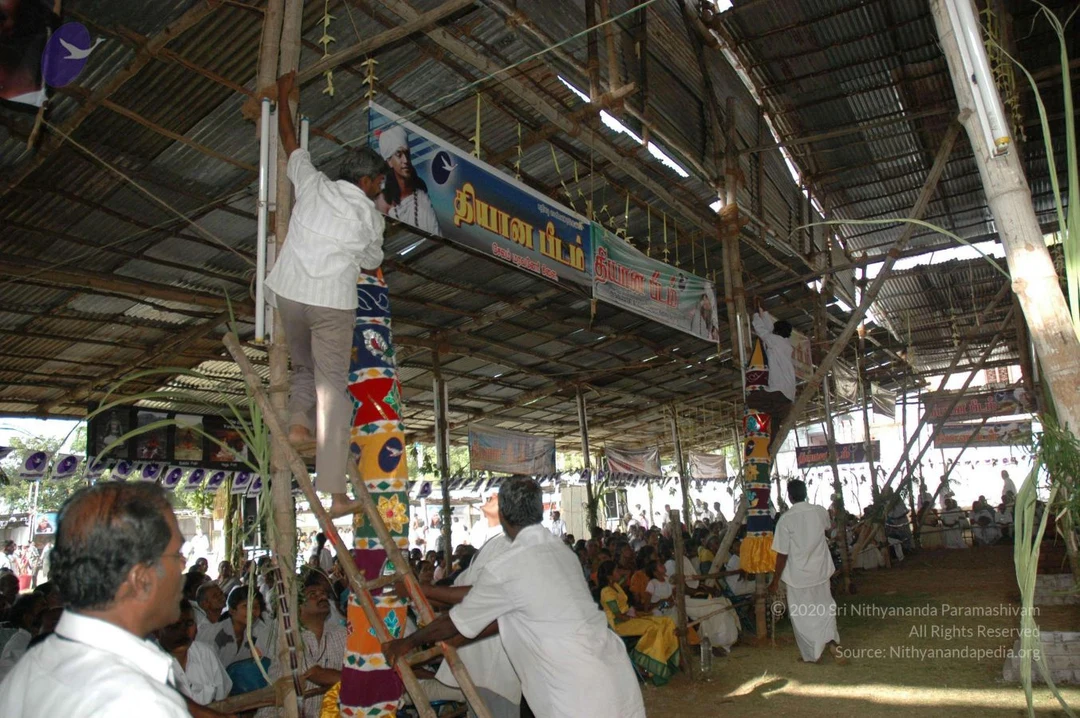
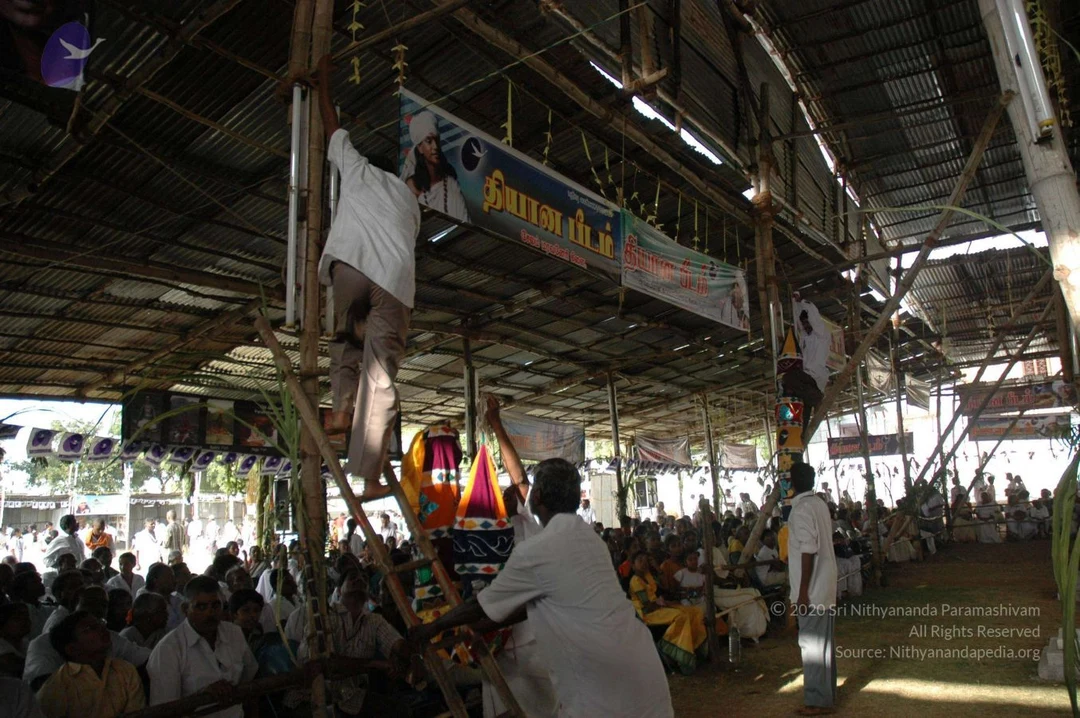
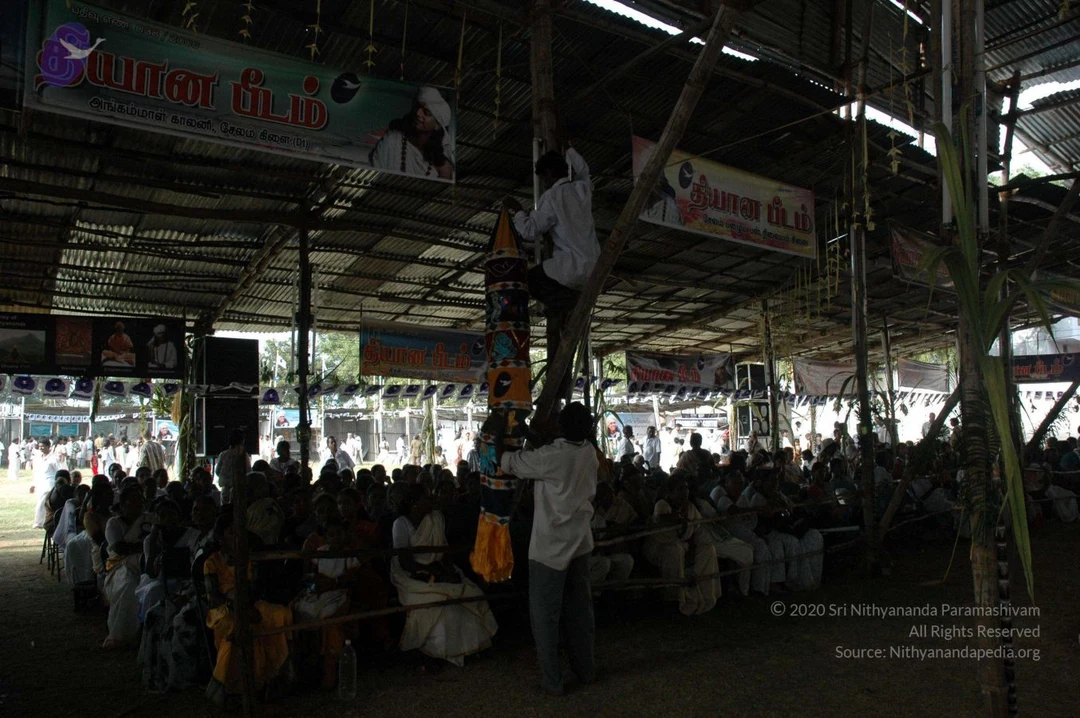
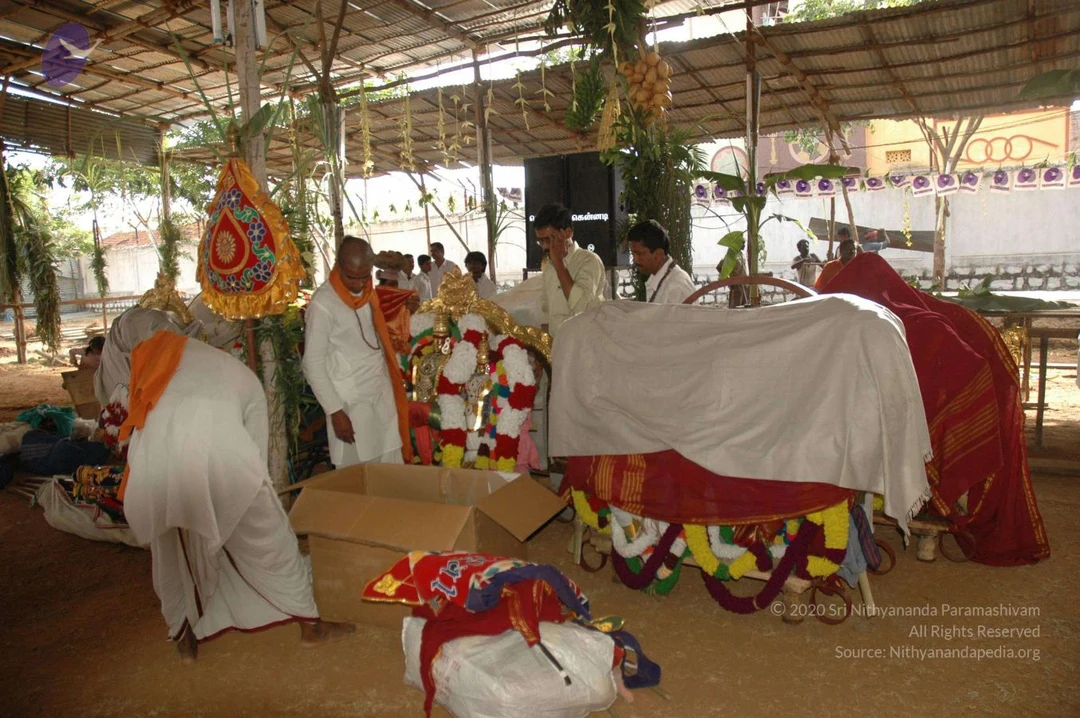
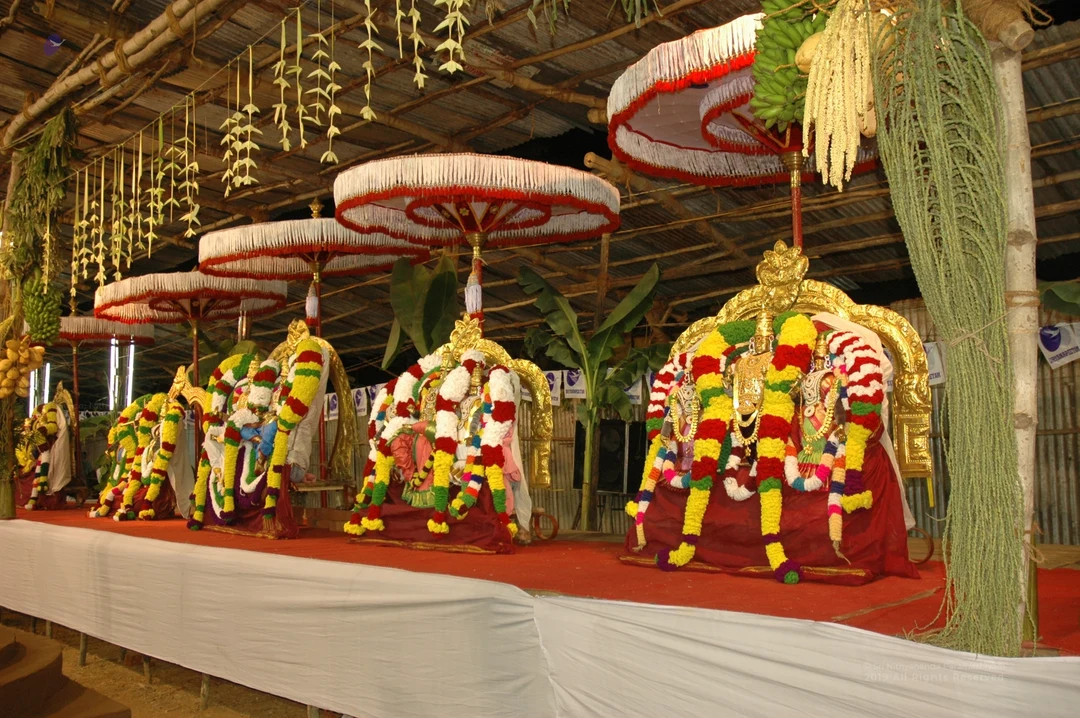
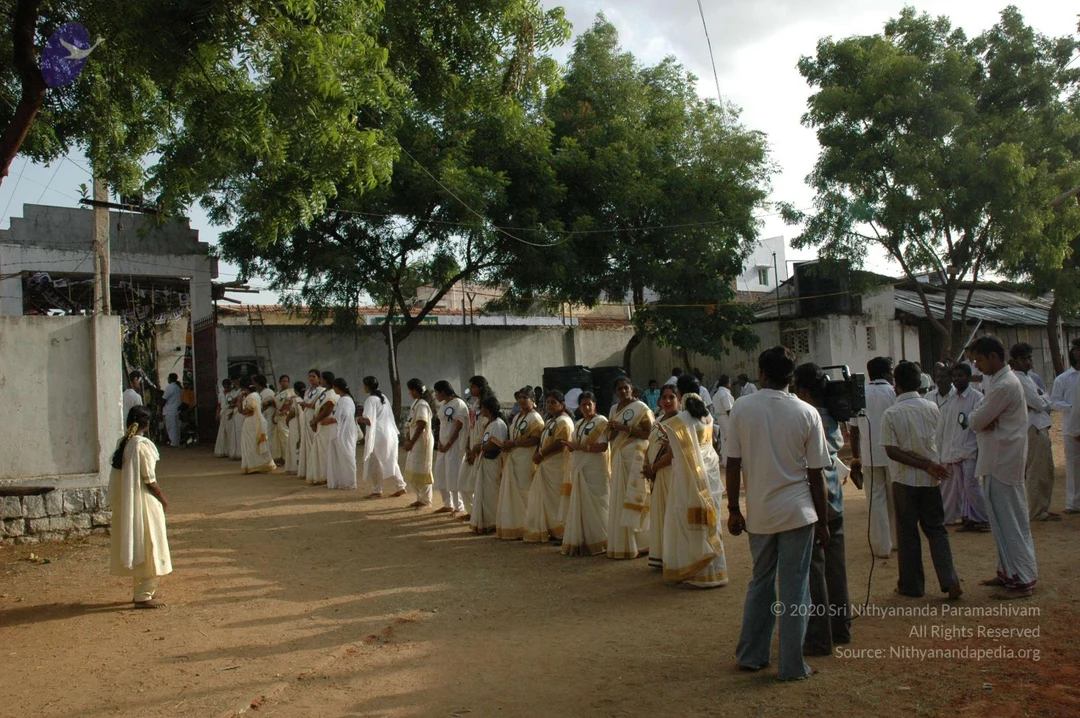
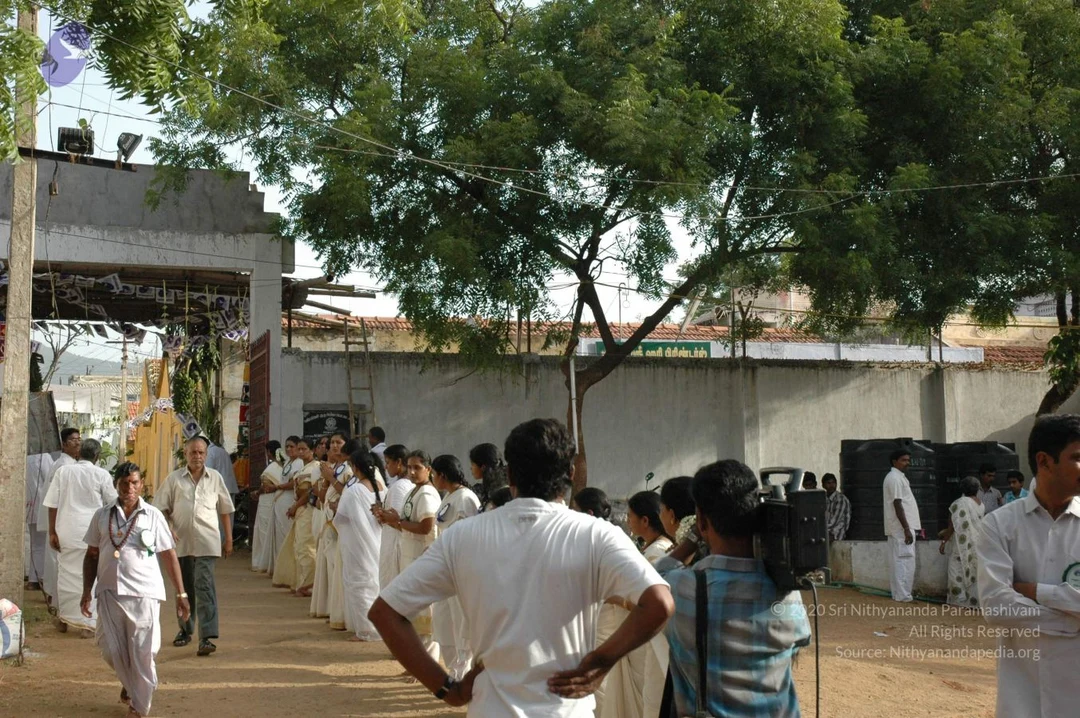
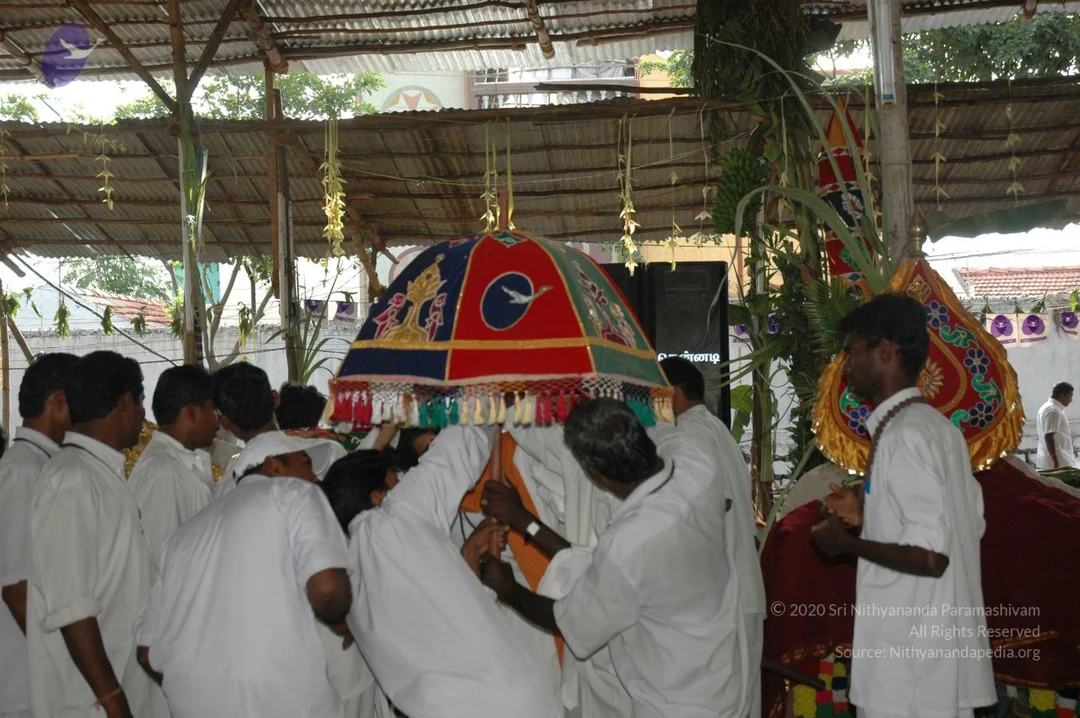
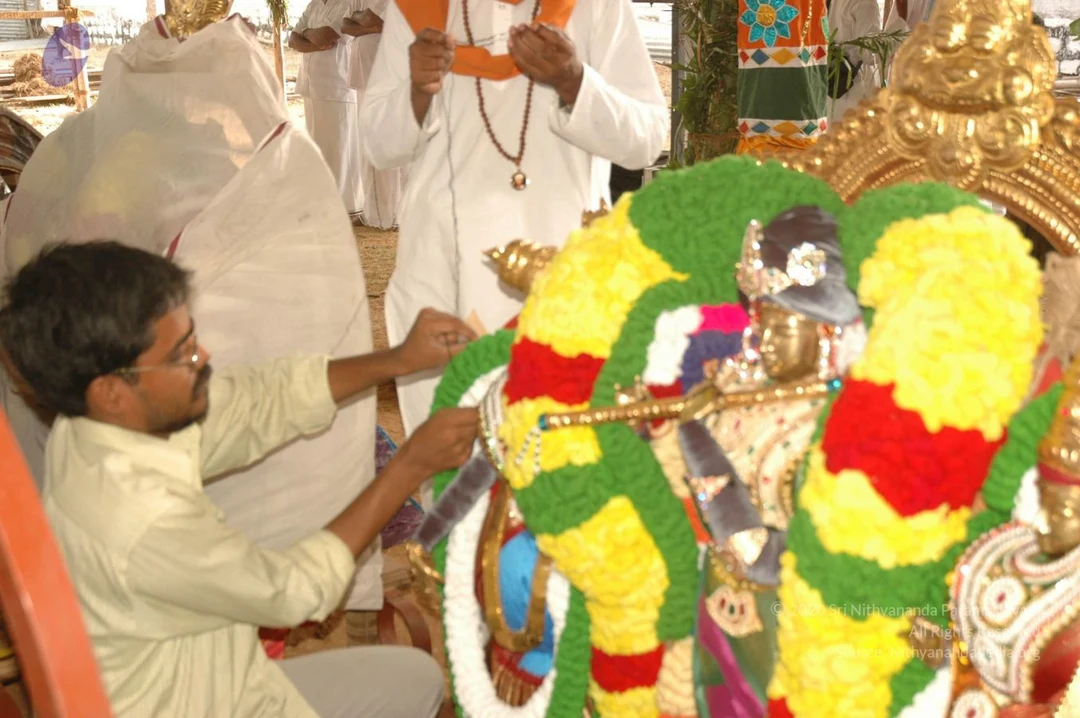
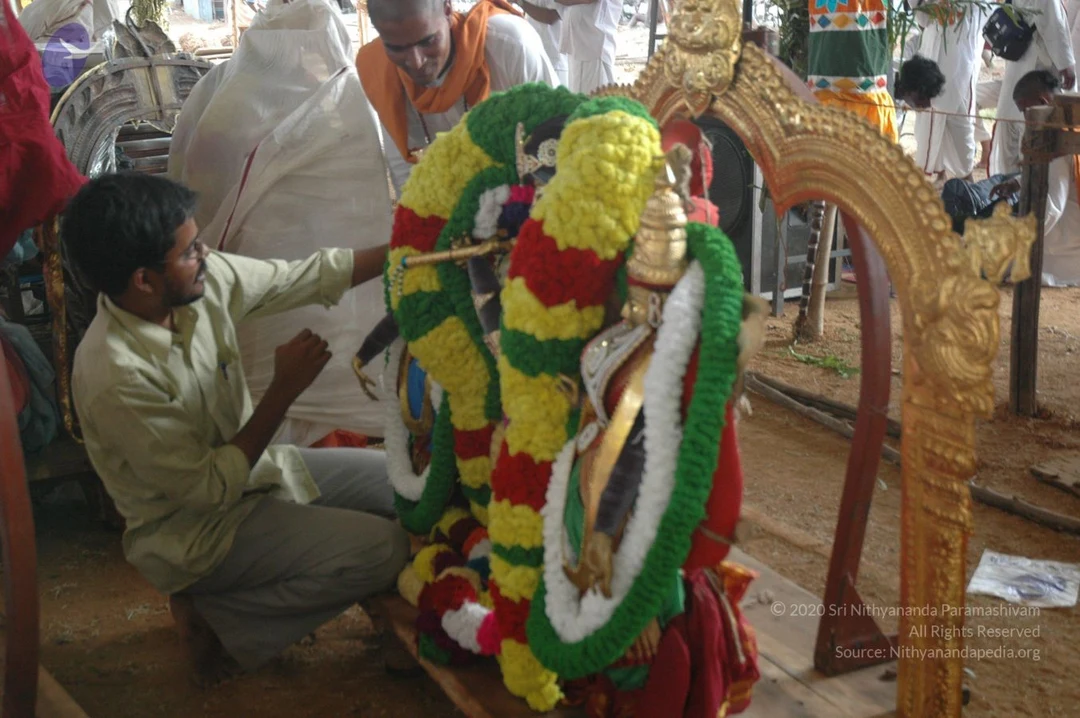
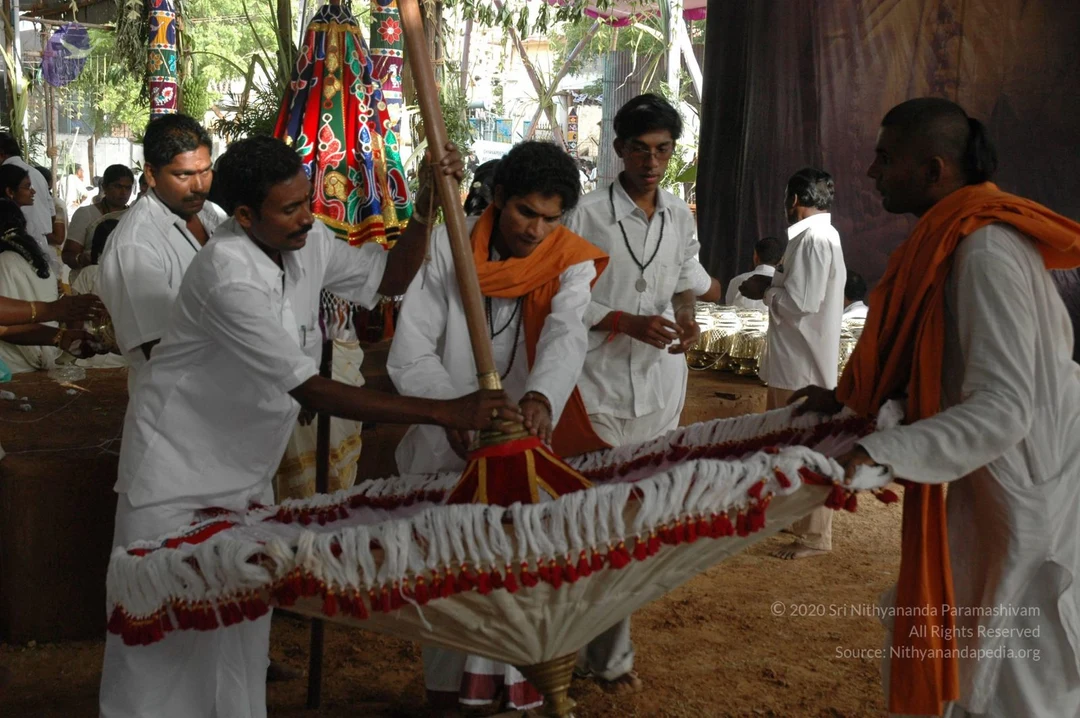
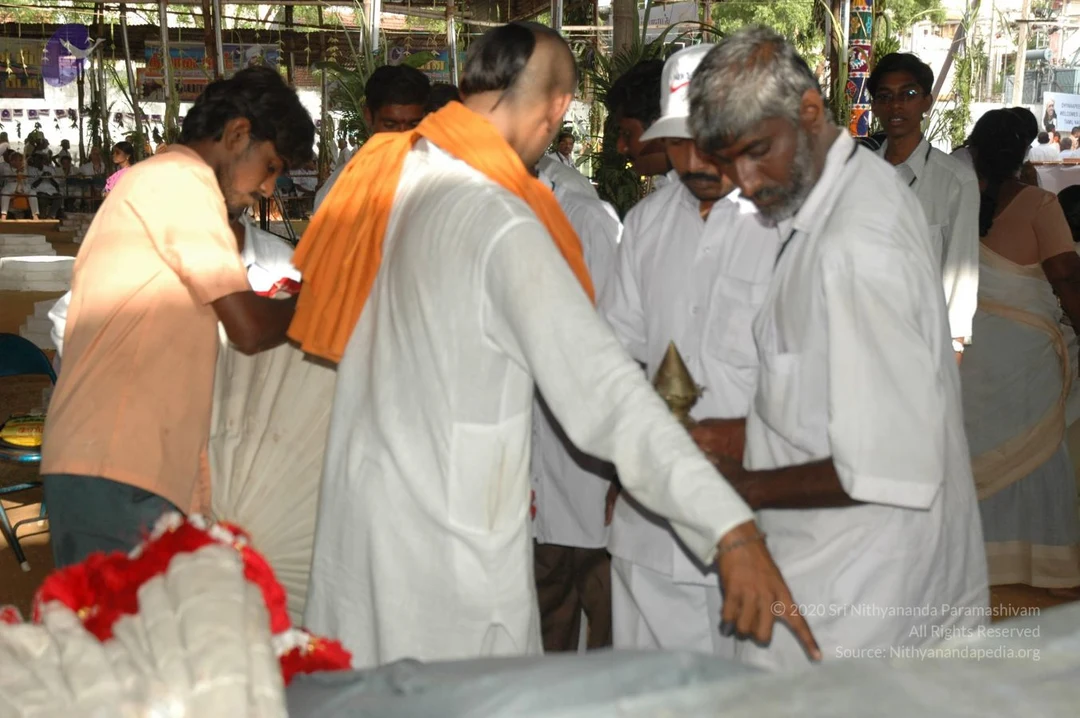
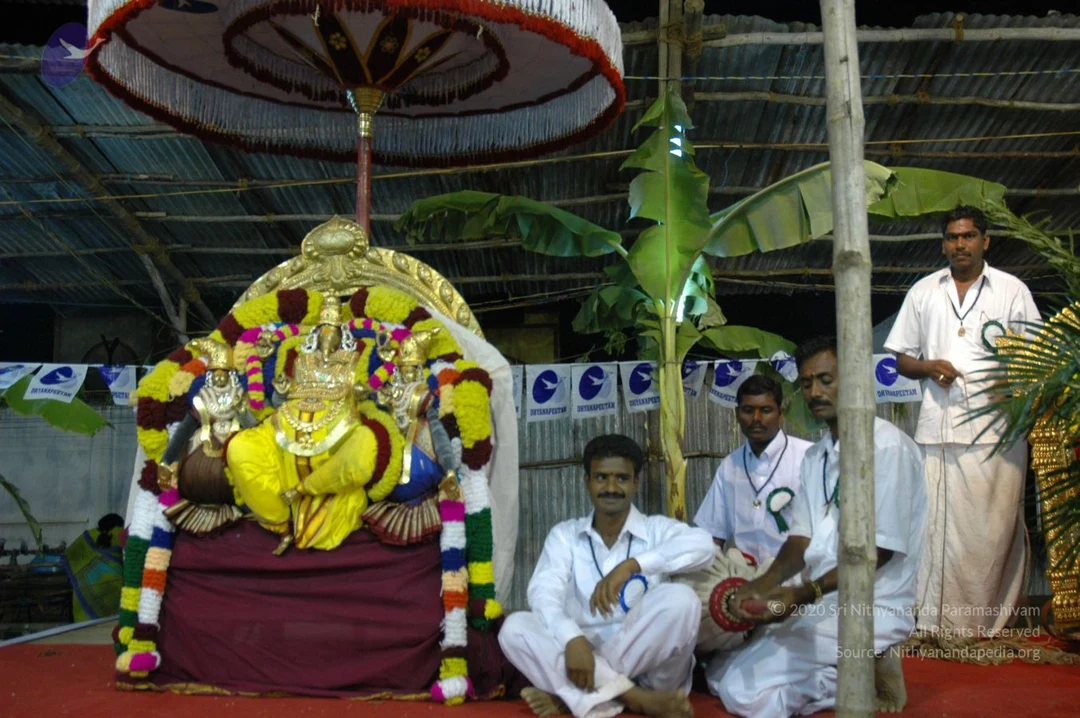
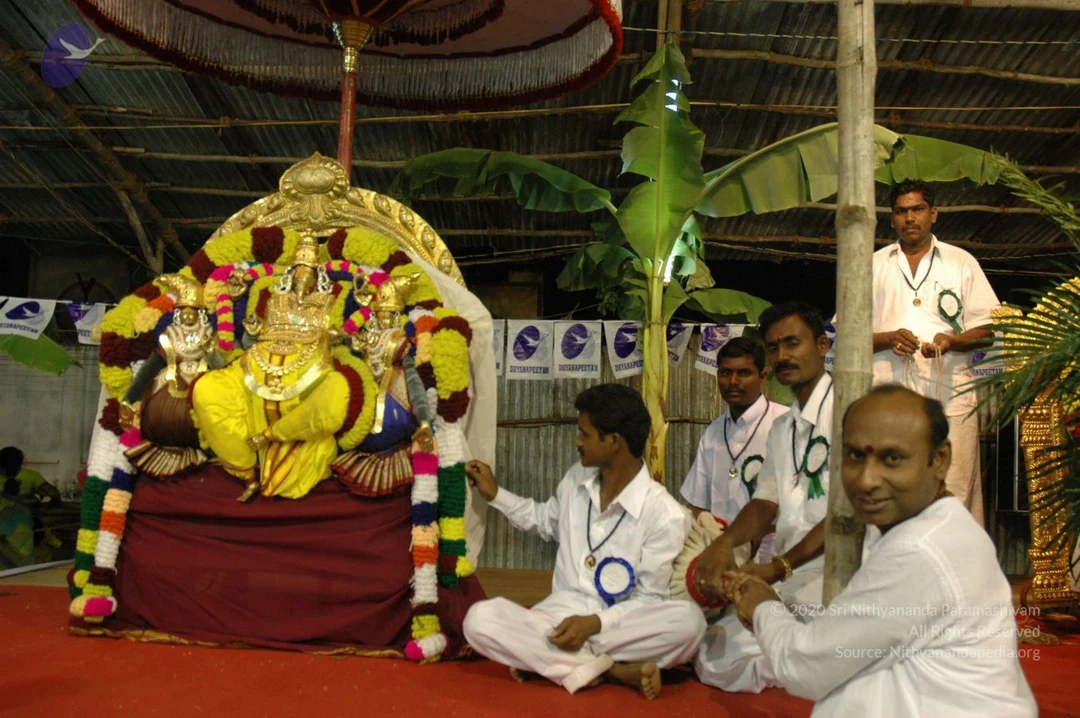
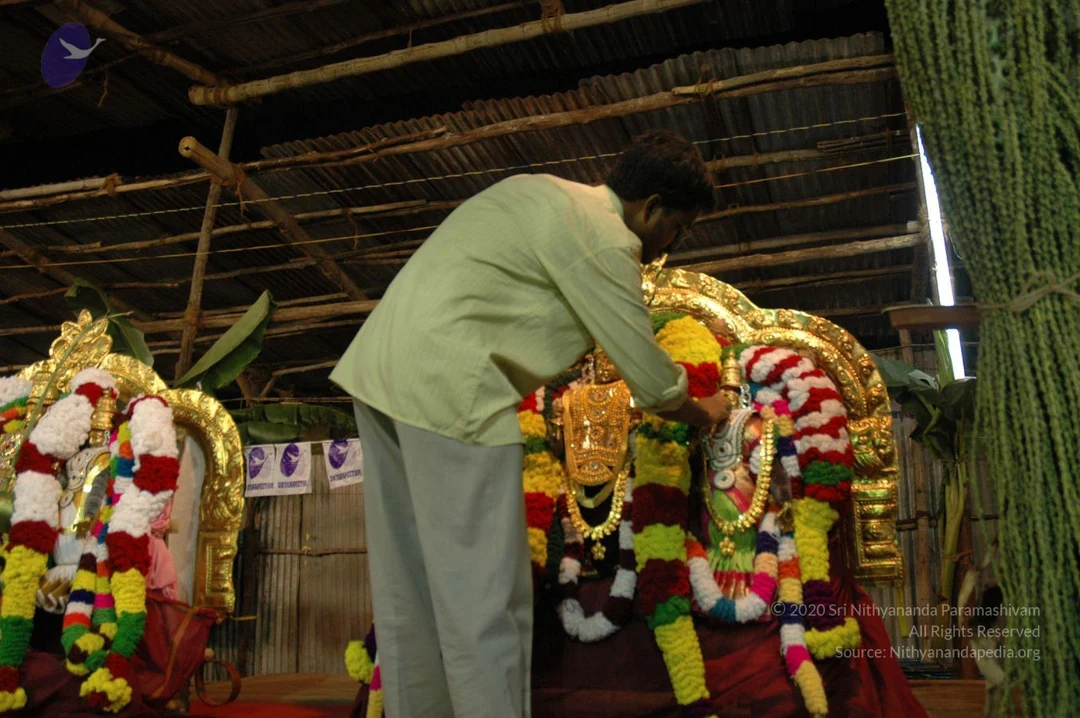
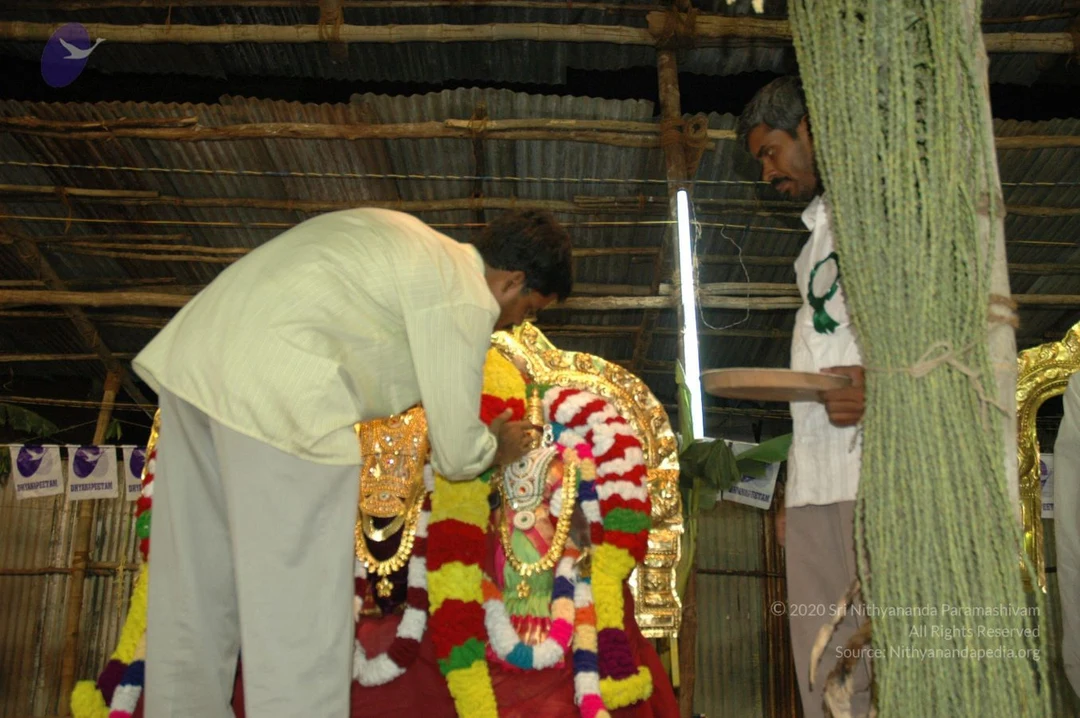
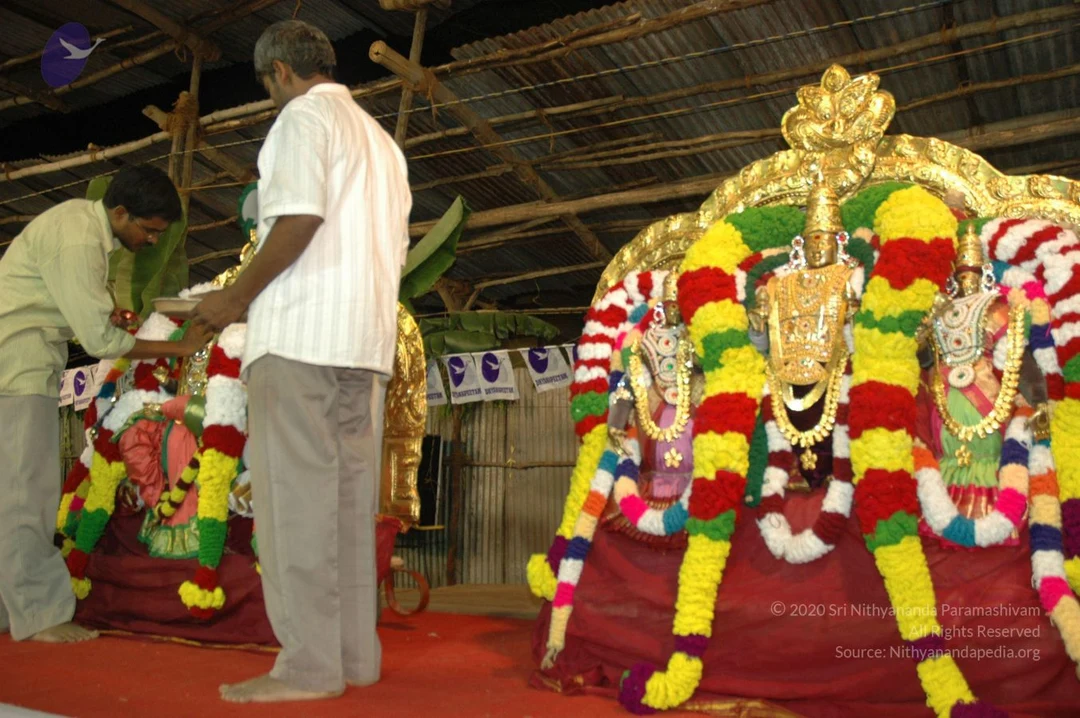
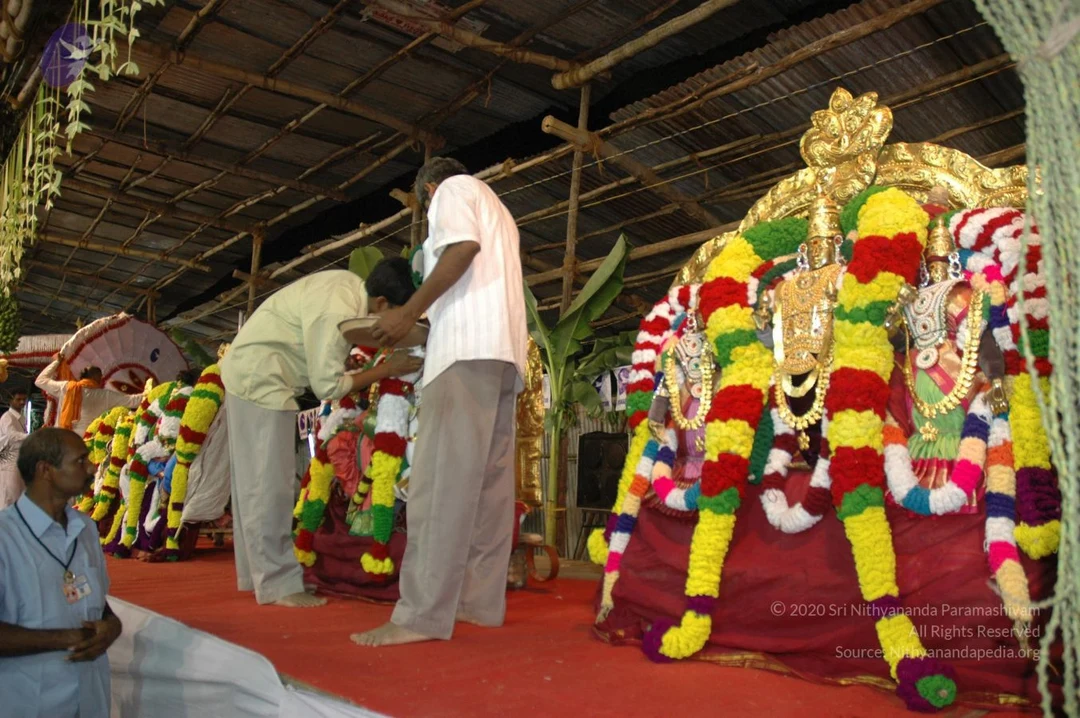
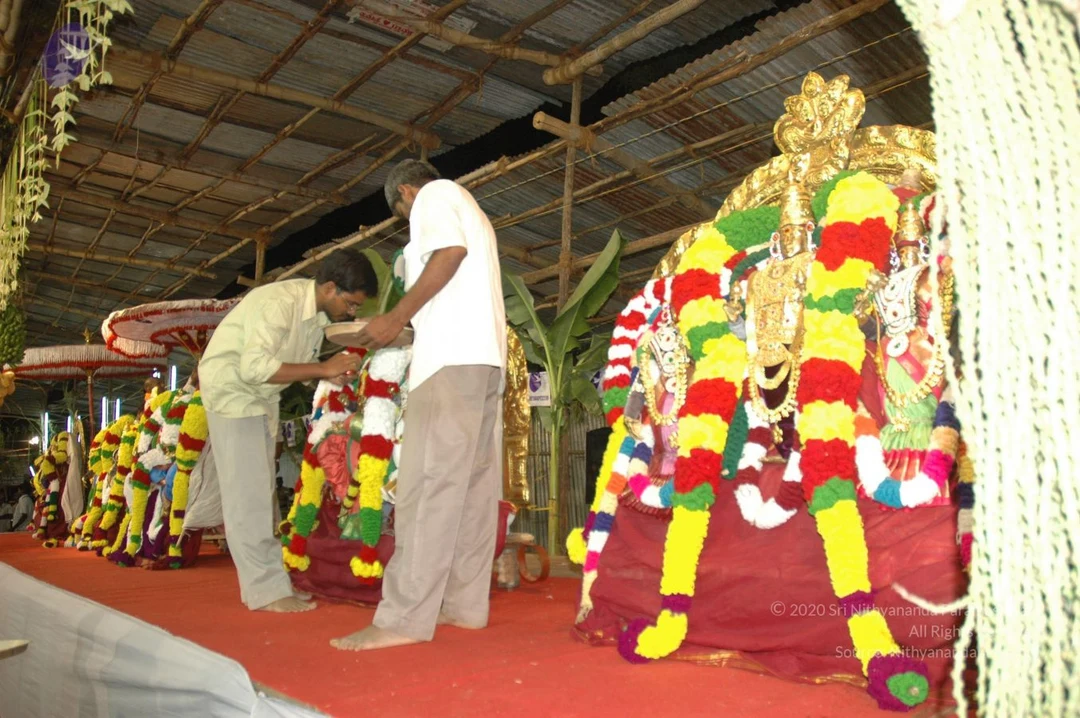
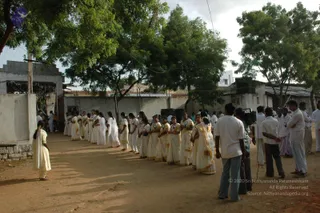
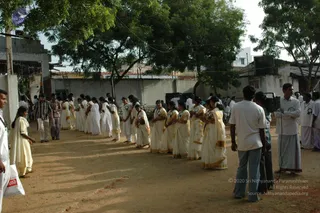
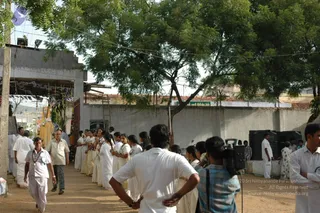
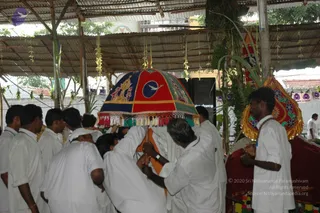
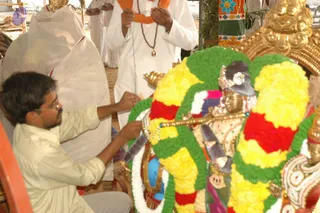
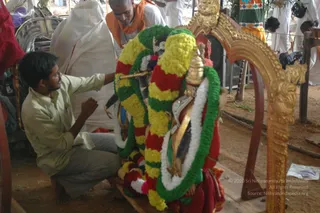
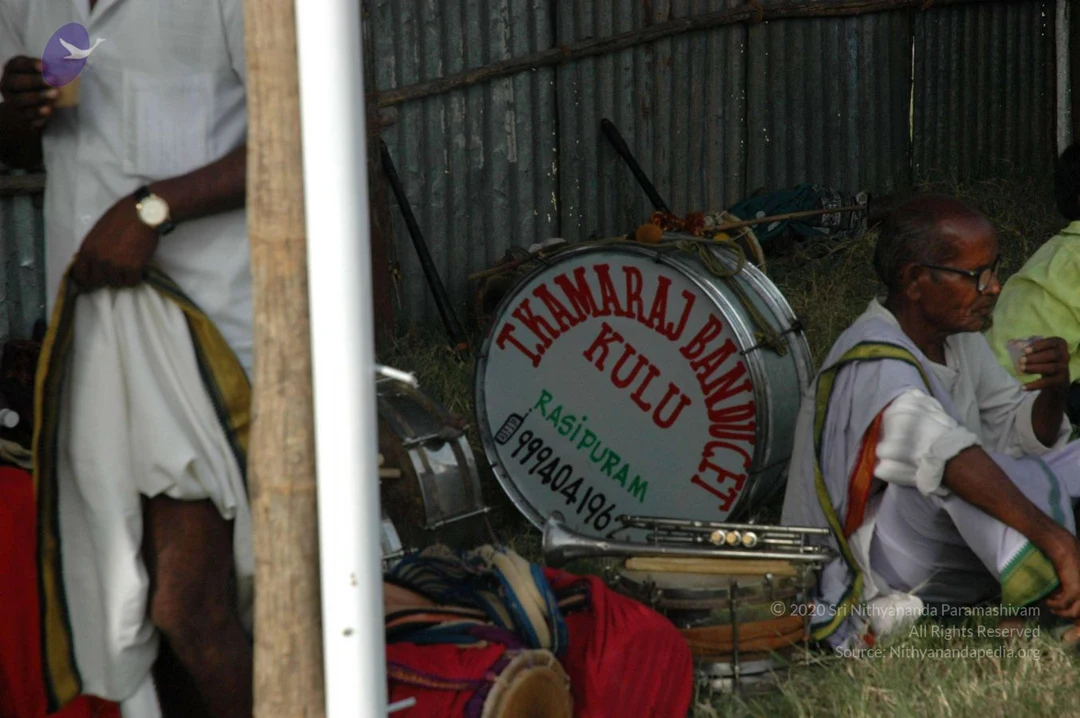
Outdoor photo of a long line of women in white and cream saris with gold borders standing in a dirt courtyard beside a white wall and shade trees. A man in a white shirt and light trousers stands at the right edge facing them, with a video camera on a tripod nearby. Several other men in white shirts and white dhotis stand in the background. A small figure in white stands at the left edge.Outdoor photo of a long line of women in cream and gold-bordered saris standing with hands folded on a dusty ground beside a whitewashed wall and tall trees. Several men in white dhotis and shirts stand nearby, and a cameraman in a white shirt and jeans films the line from the right. Some participants wear small rosettes on their clothing. A few onlookers and a man carrying a plastic bag stand at the left edge.Outdoor scene at a dusty courtyard entrance during a large event. A long line of people in white clothes, mostly women in white saris and men in white shirts and dhotis, stands along a path beside a concrete wall. In the foreground a man in a white shirt stands with hands on hips facing the line, and a cameraman with a shoulder camera and a black monitor films the scene. An older man in a white shirt and white dhoti walks past carrying a garland-like item, and a man in a white shirt with a lanyard walks on the right. Behind the wall is a decorated gate with strings of flags and a green sign, plus black water tanks and a large leafy tree.Outdoor shaded pandal with corrugated roof and bamboo poles, decorated with hanging gold-and-green leaf strands and banana stalks. A large ornate red, blue and green canopy umbrella with tassels is carried by several men in white dhotis and shirts, who press beneath it, with one hand on the pole. A man on the right in white, with a rudraksha-style mala, holds a red-draped ornate palanquin. People in white clothes stand around, and a small pennant and purple decorations hang at the edges. No identifiable a person figure is clearly visible.A photograph of a ritual scene at an outdoor pandal with a bamboo and straw floor. In the foreground a man in cream kurta with glasses and a moustache adjusts a garland of yellow, red and green flowers on a deity murti, which wears a silver crown and holds a golden flute. Behind him a man in white clothes and an orange cloth over the shoulders stands with palms joined in namaskara, wearing a rudraksha mala. Another white-clad figure sits to the left, and a gold kalasha-style finial appears at the top right. Items of the puja are visible on the ground.A photograph of a ceremonial deity murti dressed with thick garlands in green, yellow, red and white flowers, set on a wooden platform beside a gold-trimmed arch. A young man in a pale green shirt and grey trousers crouches at left, adjusting the garlands with one hand. Behind him a man in an orange shawl and another in white ritual clothes stand among a tent-like outdoor setting, with a large speaker and a sandy ground visible. The gold arch and decorated metal frame frame the murti in the centre-right of the image.

SAPTHAYAGAM

70 photosSource gallery
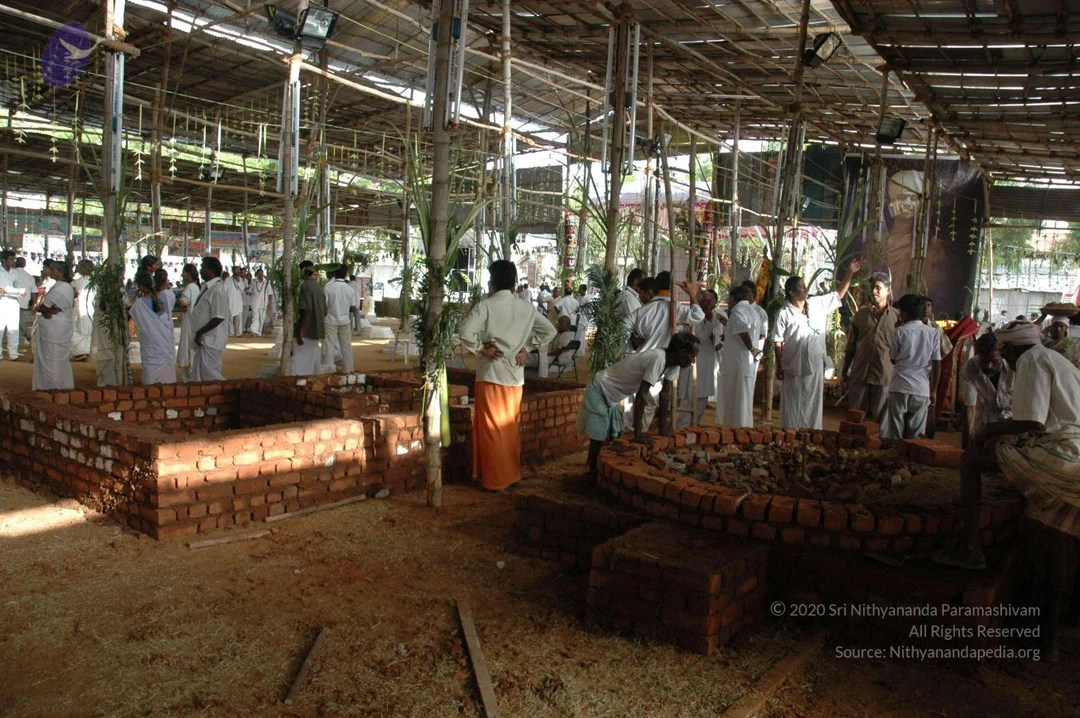
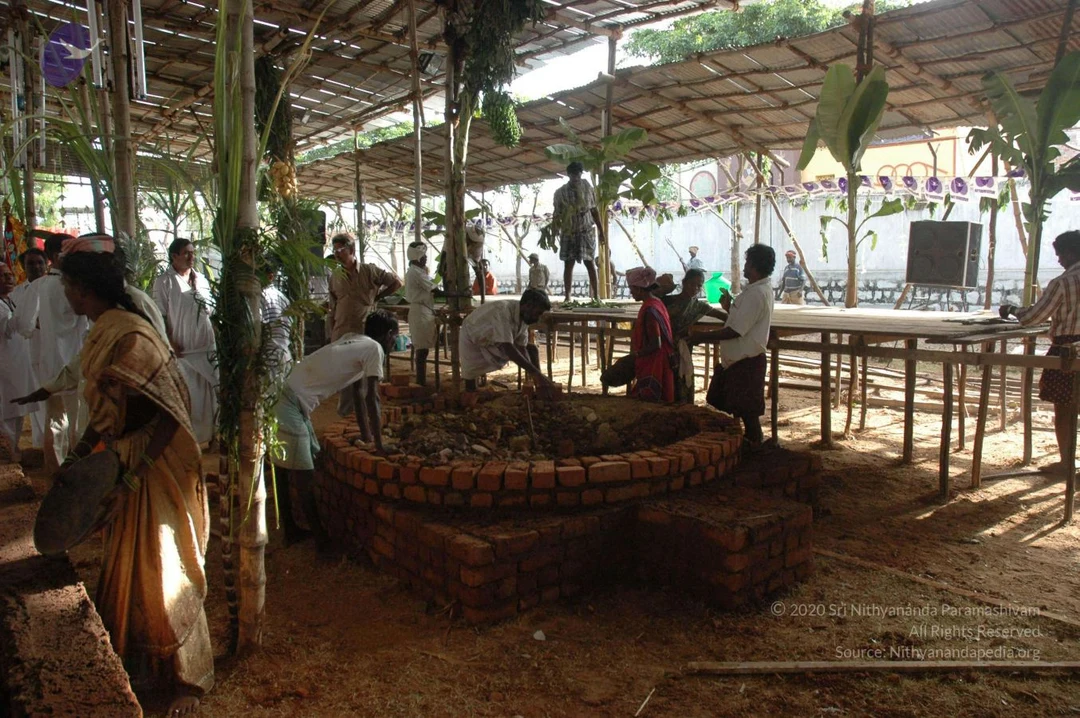
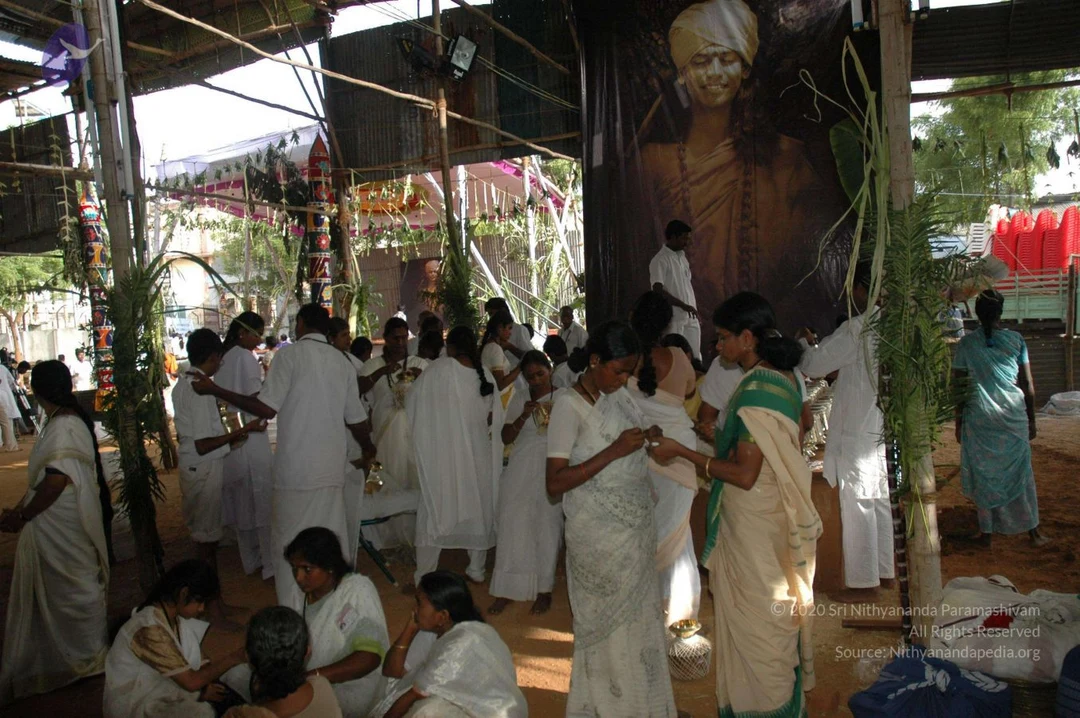
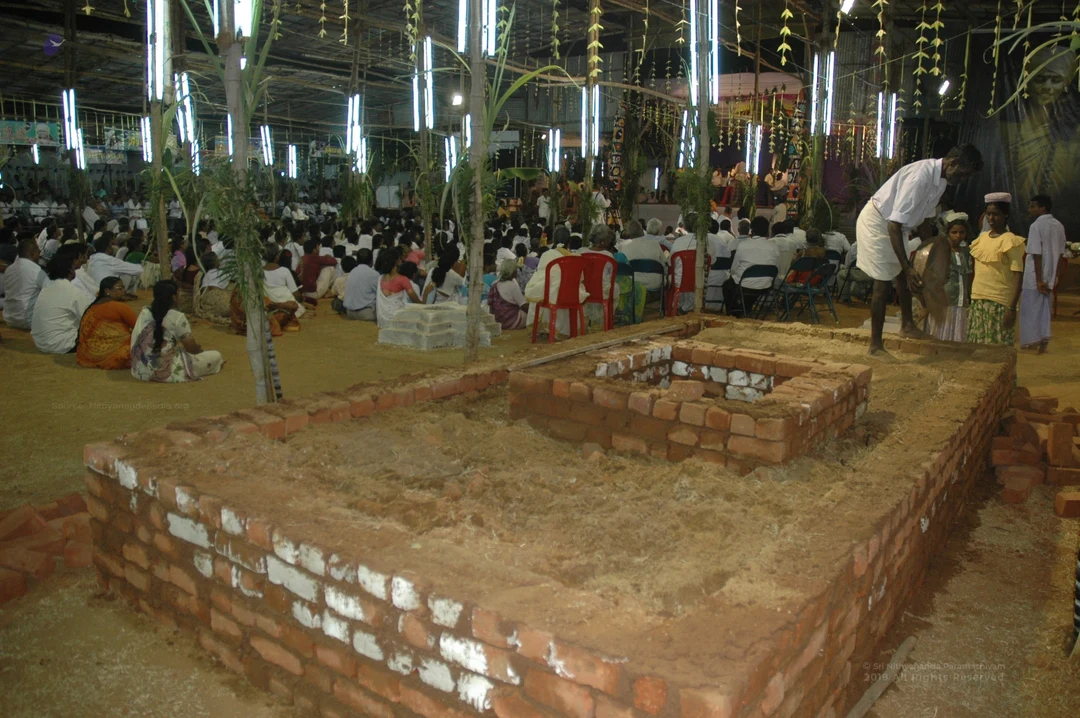
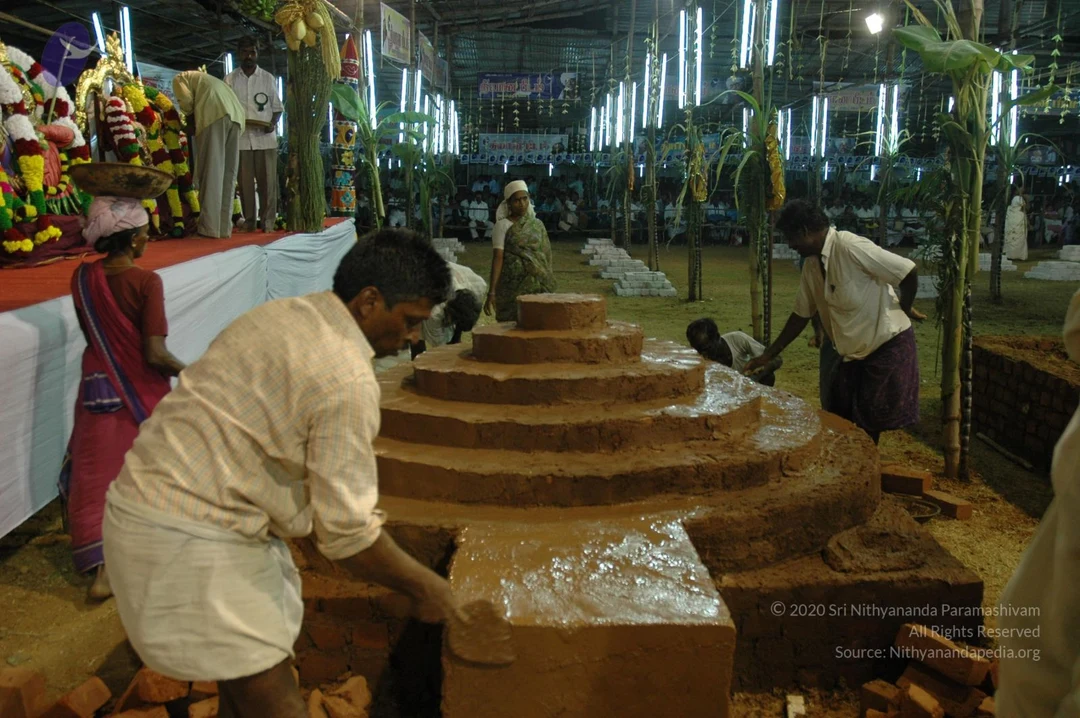
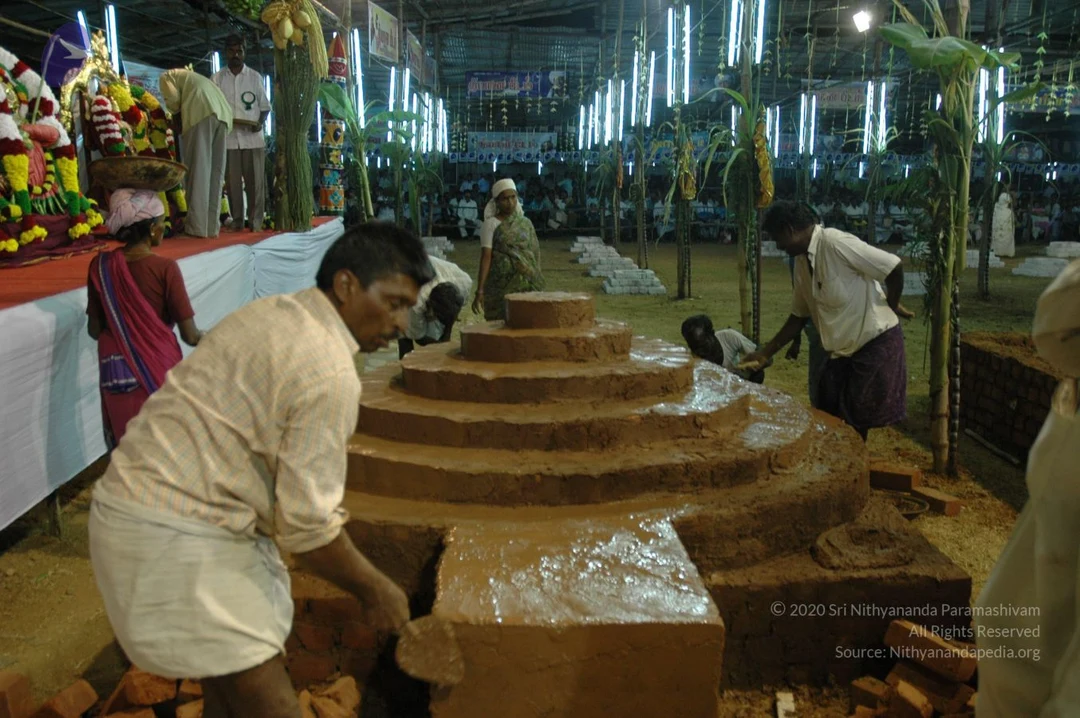
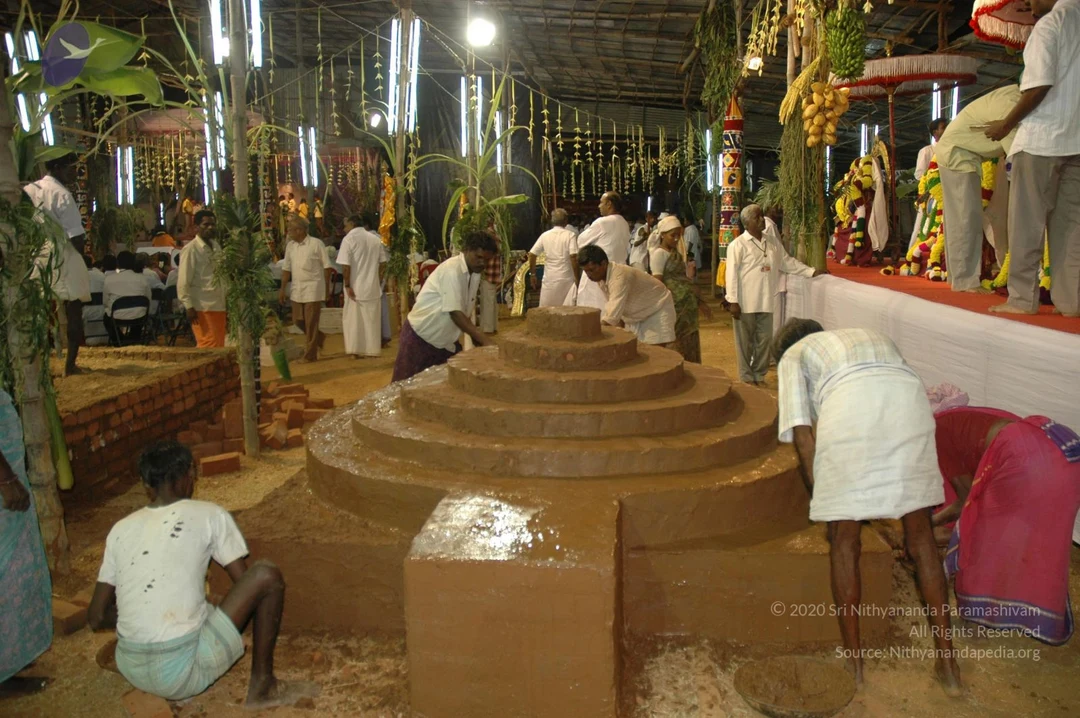
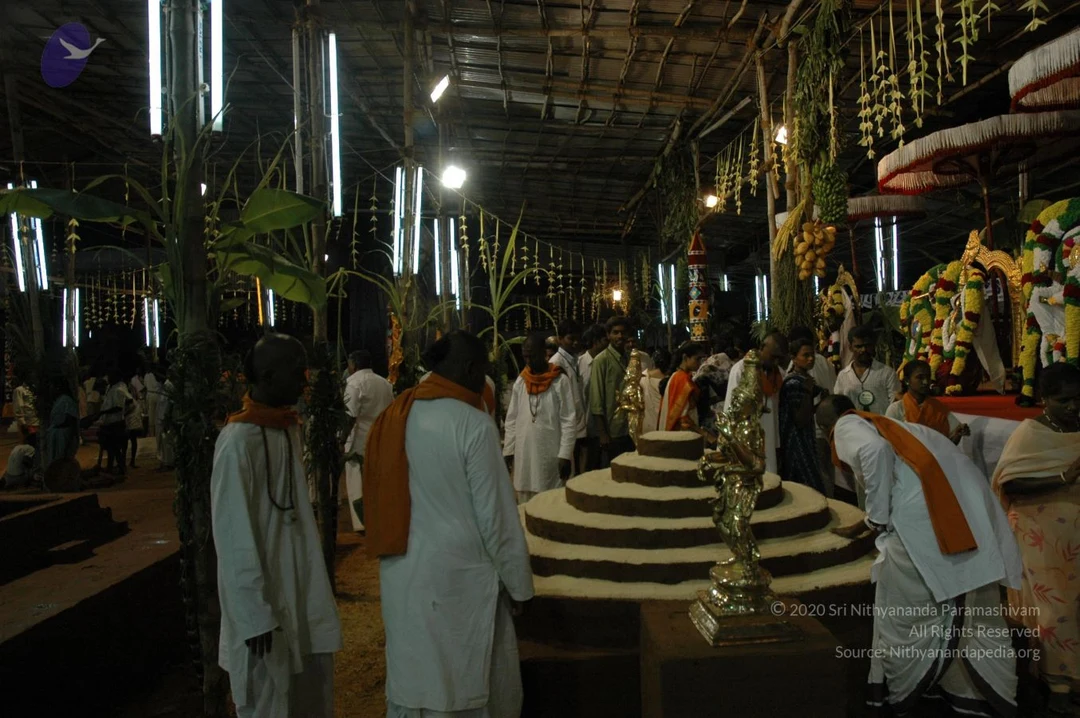
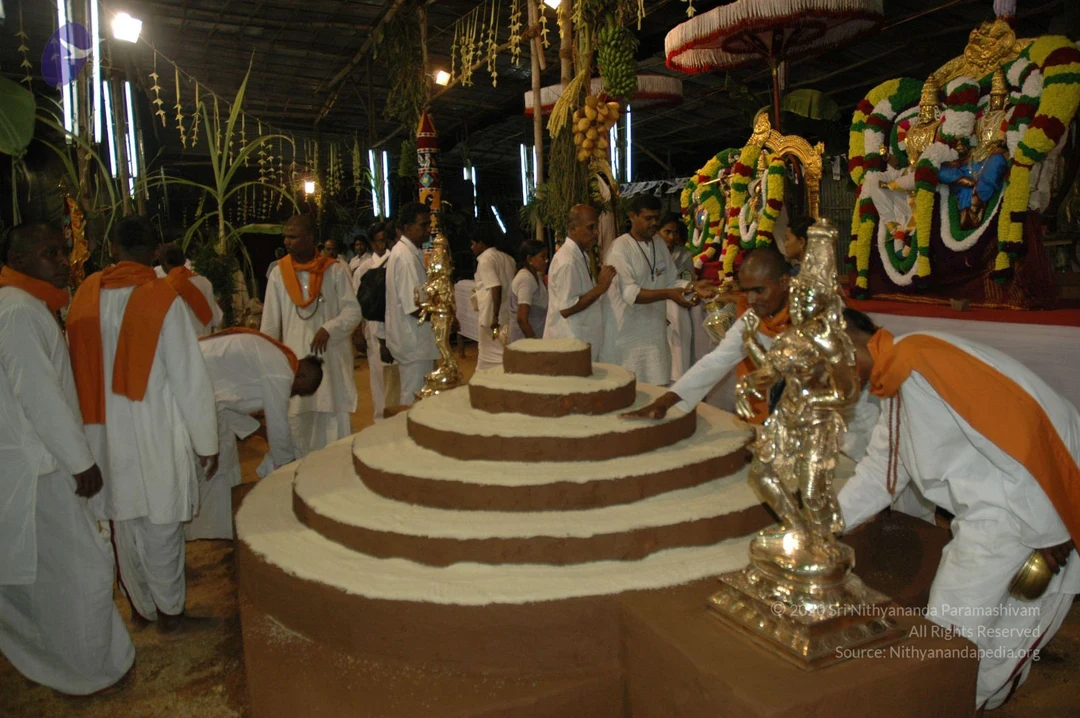
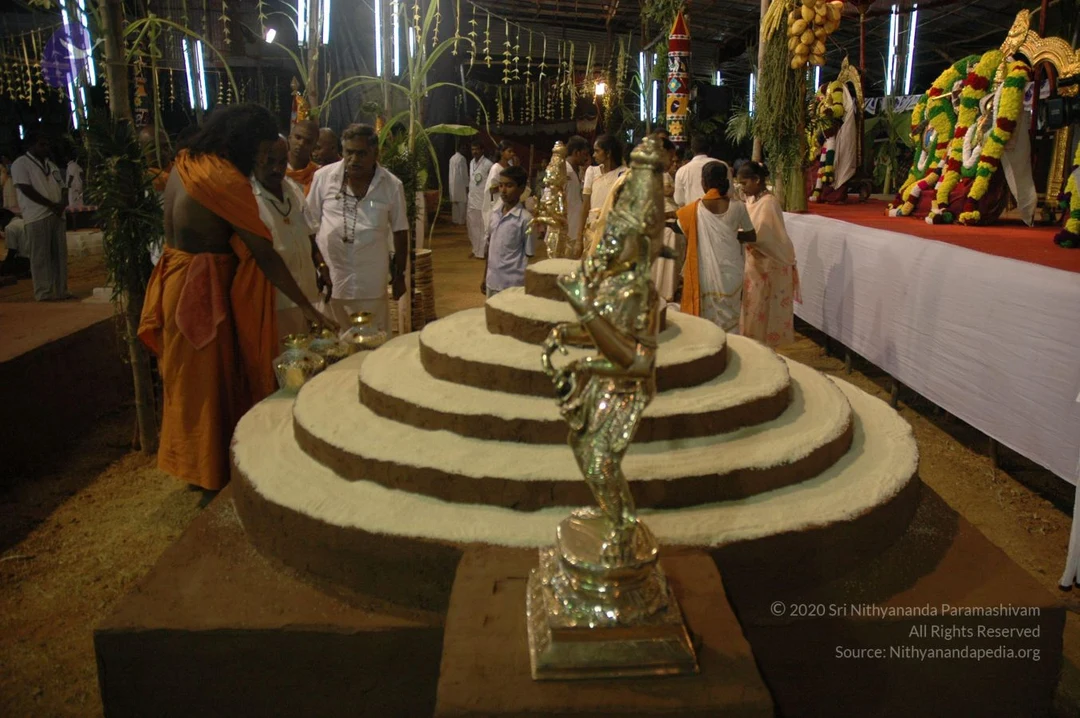
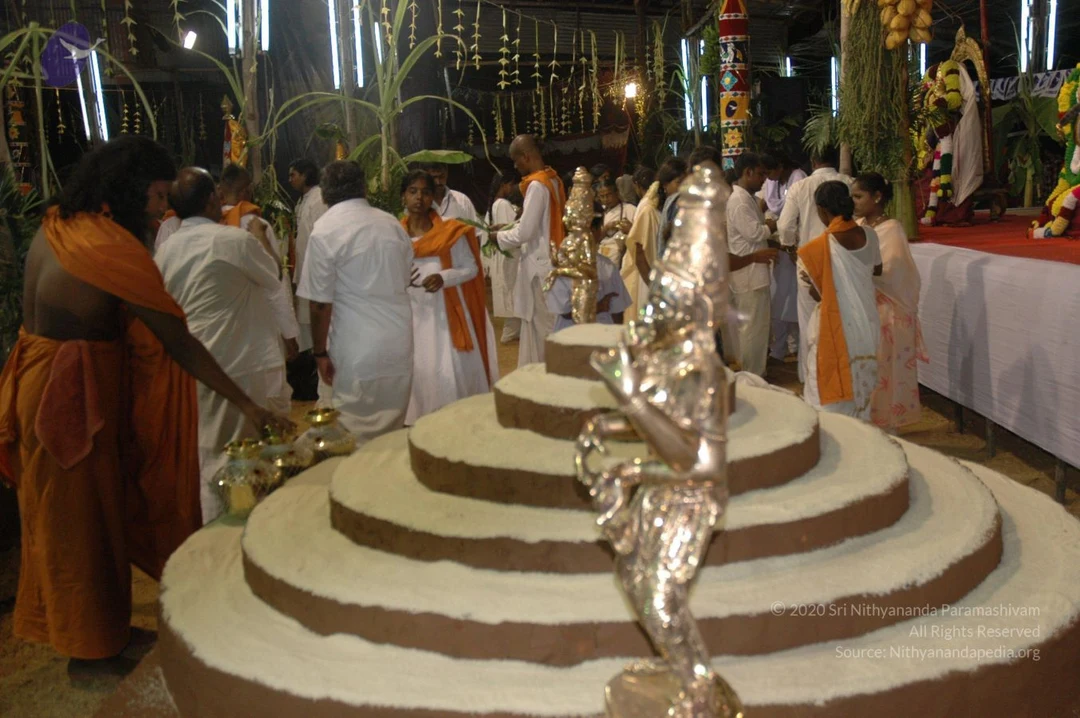
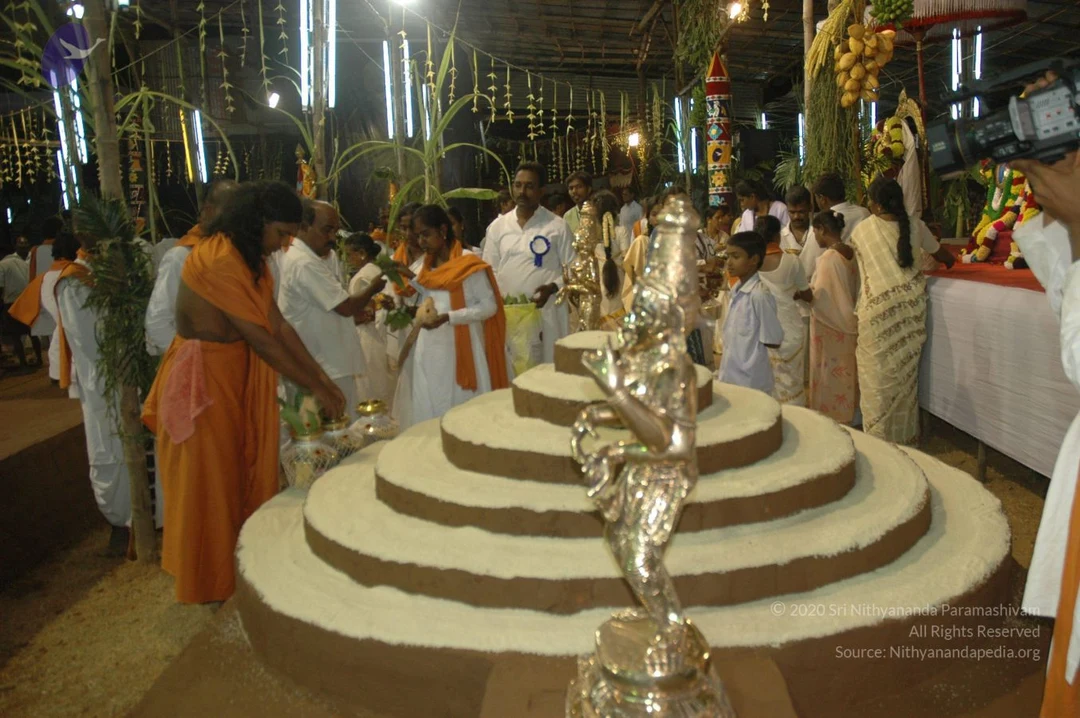
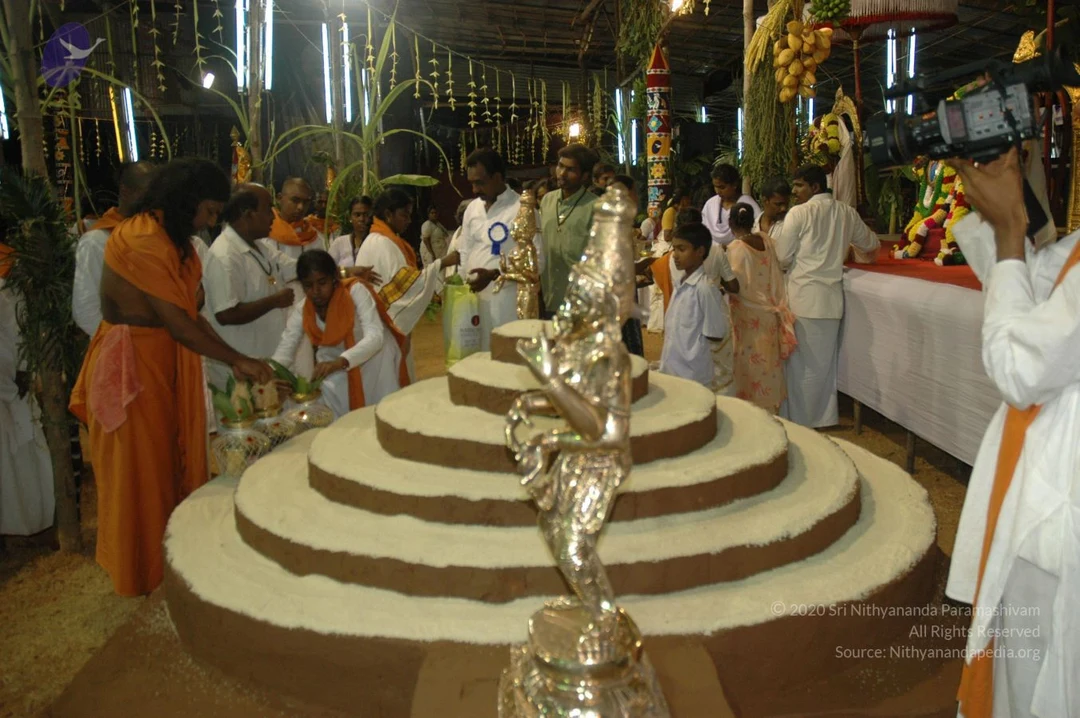
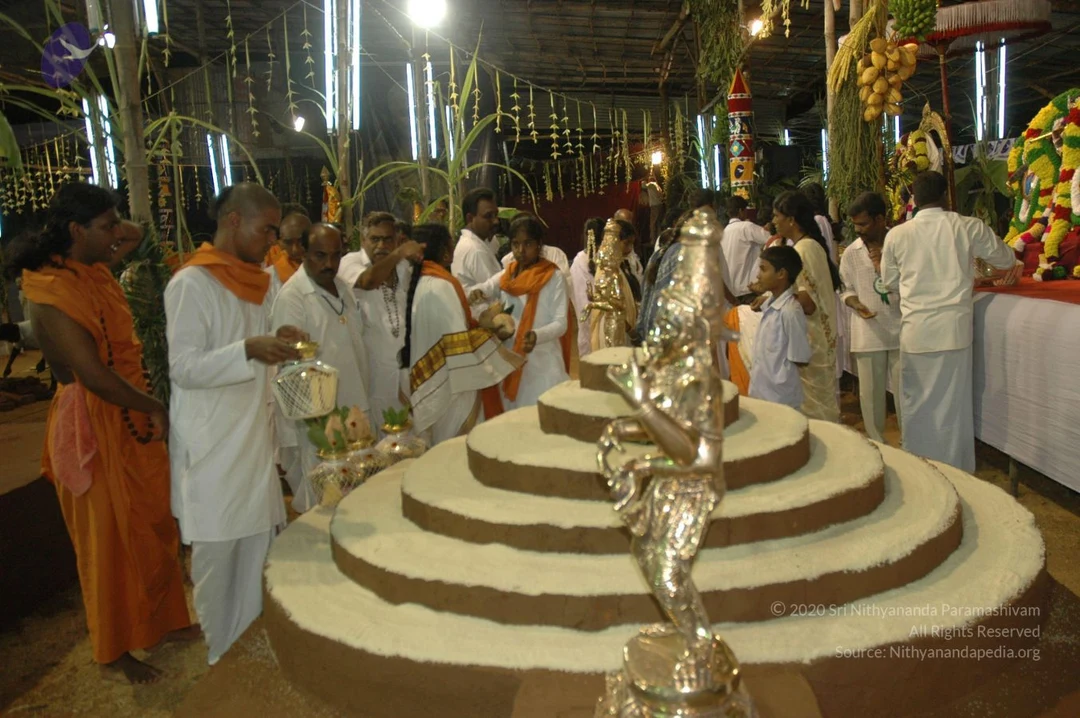
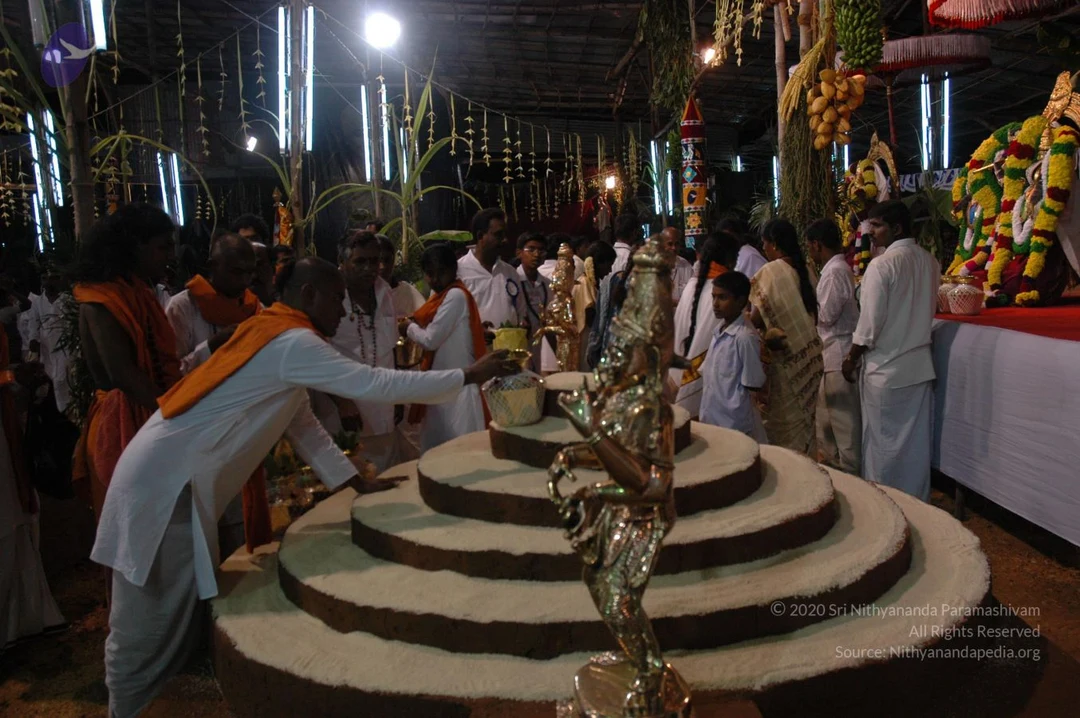
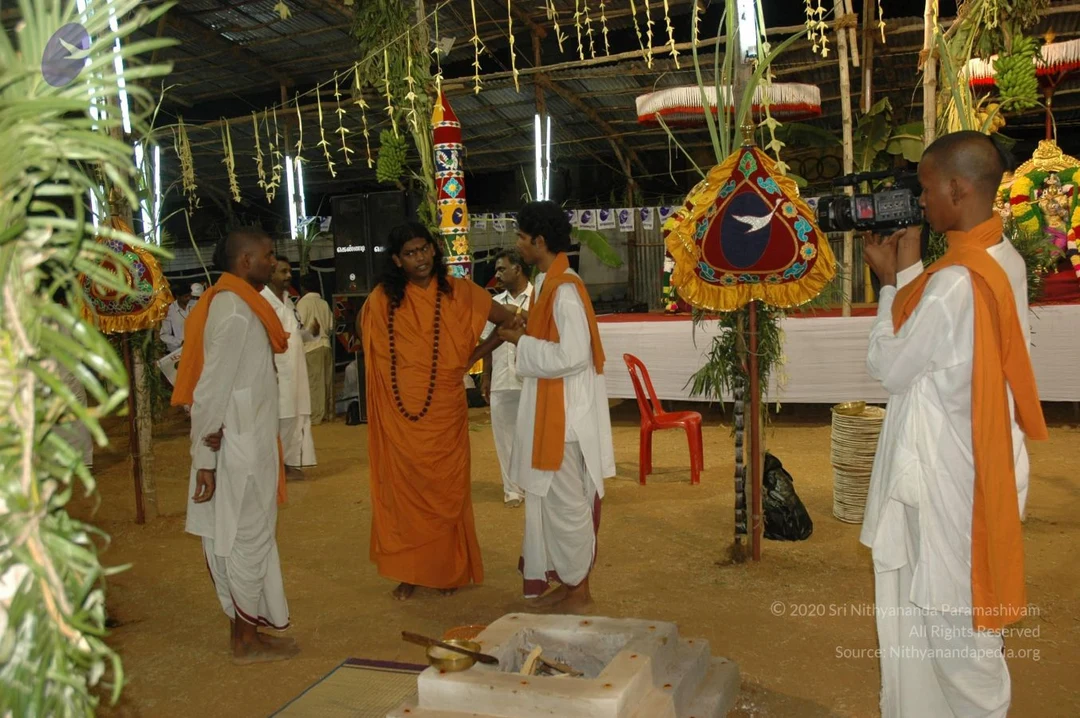
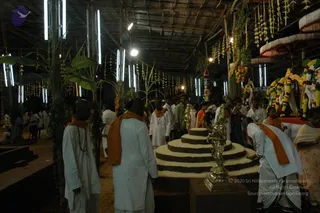
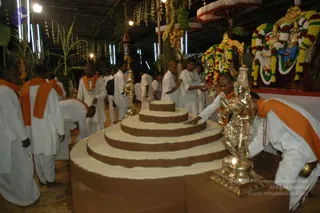
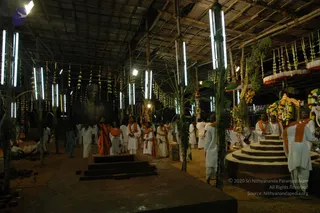
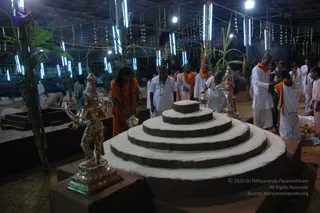
Photograph inside a temporary pandal decorated with banana plants, hanging mango-leaf and flower strings, and tubular lights, showing a tiered earthen or sand altar with several steps at centre. A gilded metal figure stands beside the altar. Several men in white dhotis and white shirts, many wearing orange shawls, stand and bend around the altar, while others in the background move among decorated vehicles and garlanded structures on the right. Partially visible devotees fill the scene.A photograph inside a temple-style pavilion decorated with banana bunches, palm fronds and hanging leaf strings. In the foreground, a tiered mound of earth and white powder sits on a raised platform, with a small golden deity figure beside it. Several men in white dhotis and white shirts, some wearing orange shawls, bend or stand around the platform, one reaching toward the tiers. Behind them, a shrine decorated with marigold garlands holds a blue-skinned deity murti under a golden canopy. Oil lamps and a red umbrella are visible overhead.Photograph of a large open-sided ritual pavilion with a bamboo and thatched roof, hung with strings of yellow-green flower garlands and banana or palm fronds, lit by long white tube lights. A group of men in white dhotis and saffron-orange shawls stand and move among raised platforms and a decorated seat draped with flower garlands, near a brass kalasha-style lamp stand. Devotees in white and orange move through the hall during a Sapta Yagam fire-offering ritual at Salem. A large portrait is visible on a back wall, with a figure in saffron and orange clothing standing at the left-centre with an arm raised. Several people are visible, mostly in white ritual clothes with orange shawls.Photograph of an indoor yagna venue decorated with banana palm trunks, hanging green and yellow leaf festoons, and fruit bunches under rows of tube lights. A large dark portrait backdrop of a man with long hair stands at the far end, which is a depiction. In the foreground a rectangular brick-red fire pit with stepped sides dominates the floor, with scattered red bricks nearby. Several men in white dhotis and shirts and a few in saffron-orange robes with orange shawls stand and move around the altar area, some carrying offerings. A man in white at the right edge holds a bunch of leaves. Sand covers the ground, and a red-and-white banner hangs at the right.A photograph inside a large open-sided bamboo pavilion with a corrugated roof, where a yagna ritual is being performed. Tall bamboo posts and banana plants frame the hall, and strings of marigold garlands hang from the ceiling. In the centre a stepped earthen altar stands on a white-draped table beside a decorated deity murti with flower garlands. Several people in white dhotis and saffron-orange shawls walk through the hall, and one man in white with an orange shawl carries a brass vessel. Large portrait banners line the back wall.A photograph inside a temple-like hall decorated with hanging green leaf strings and tall banana-type plants, with bright tube lights overhead. In the centre, a tiered circular stepped structure of wooden or stone rings is dusted with white powder, and a gilded standing deity murti with raised arms stands at its left. A man in an orange cloth and a long-haired figure in orange robes stand near the structure; the figure in orange holds a silver pot. Several men in white dhotis and white shirts, one with a white shawl, stand behind and beside it with orange shawls over shoulders, while others in white and orange are visible on the right. About eight people are visible, with more partially in view at the edges, and a row of offerings is seen at lower right.

SAPTHAYAGAM

46 photosSource gallery
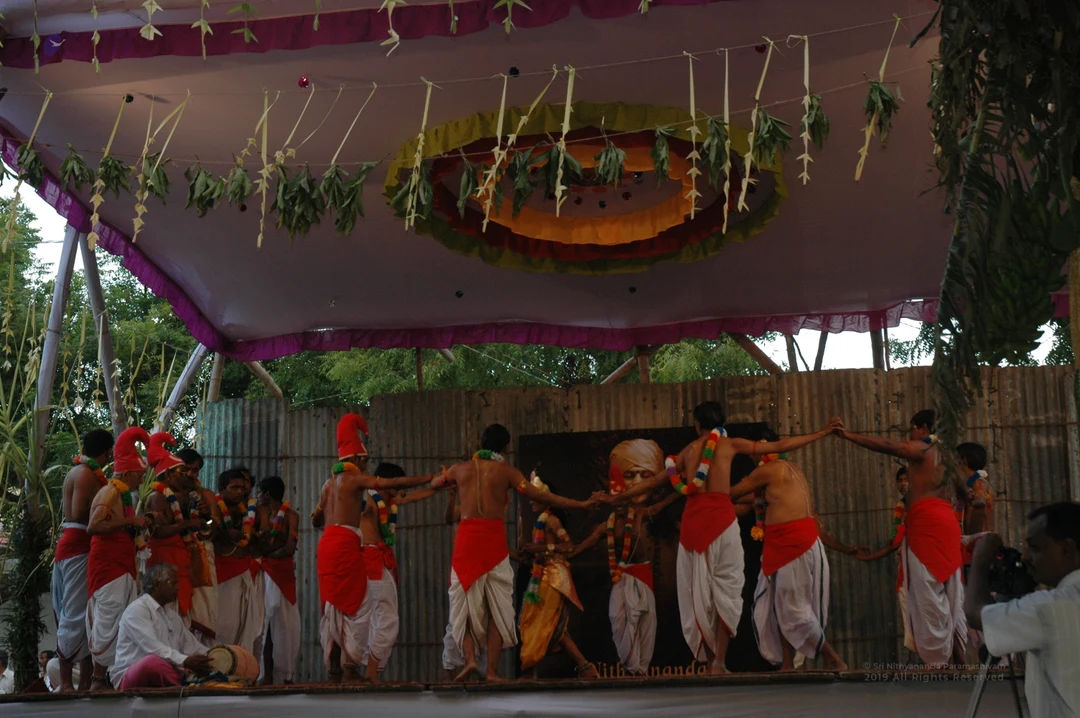
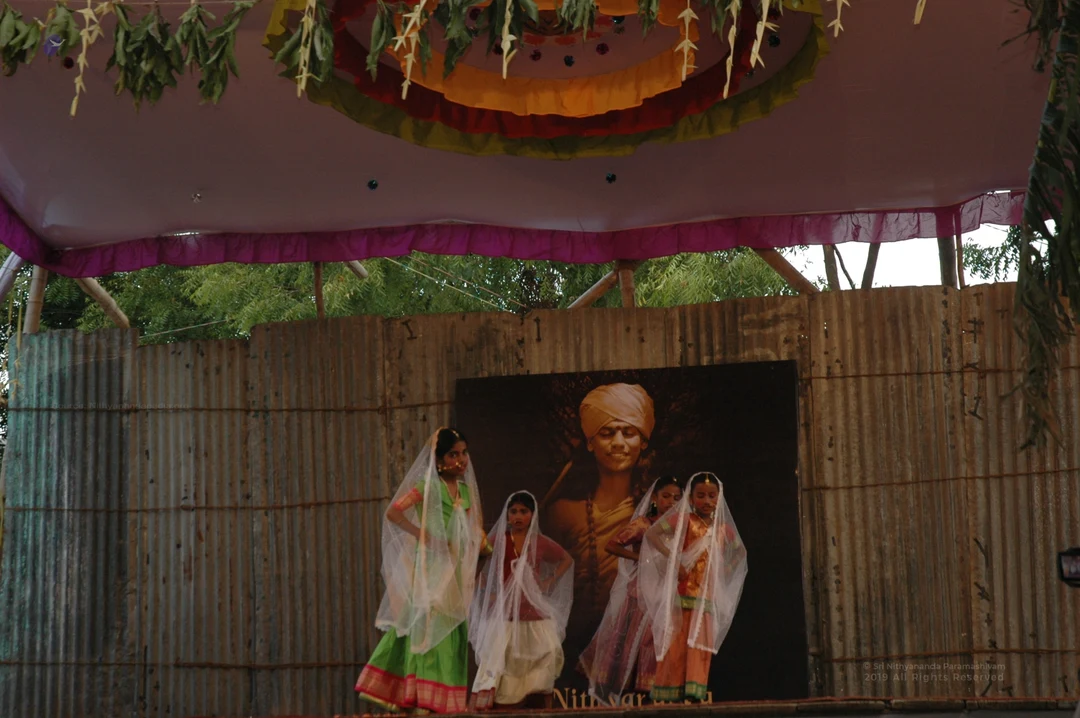
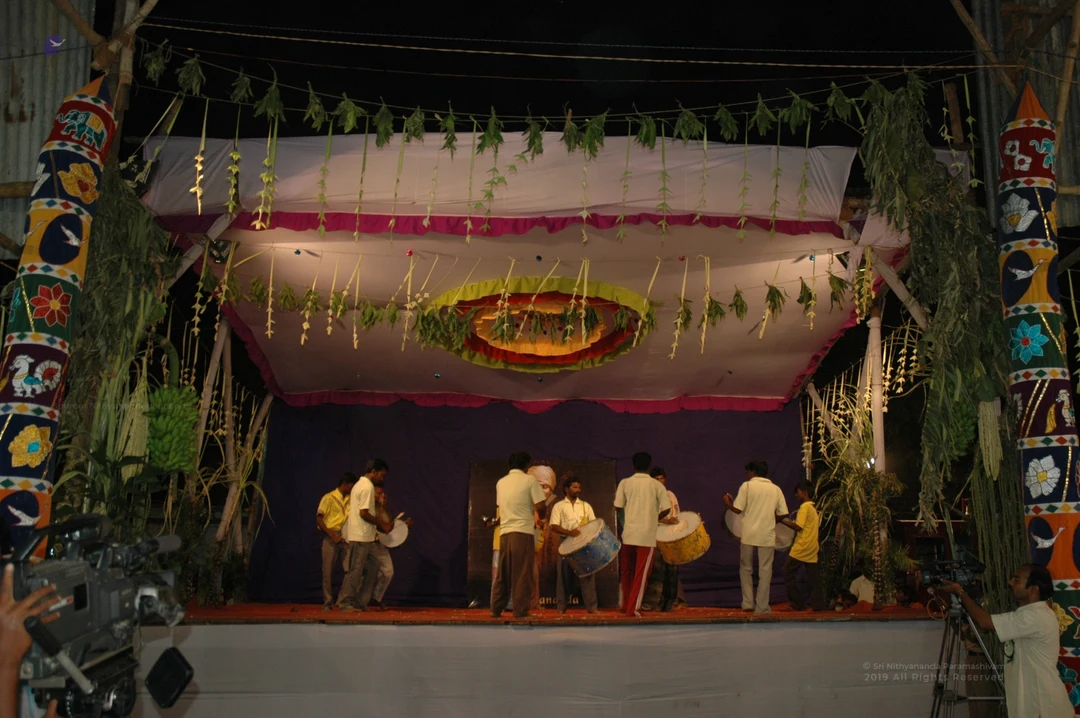
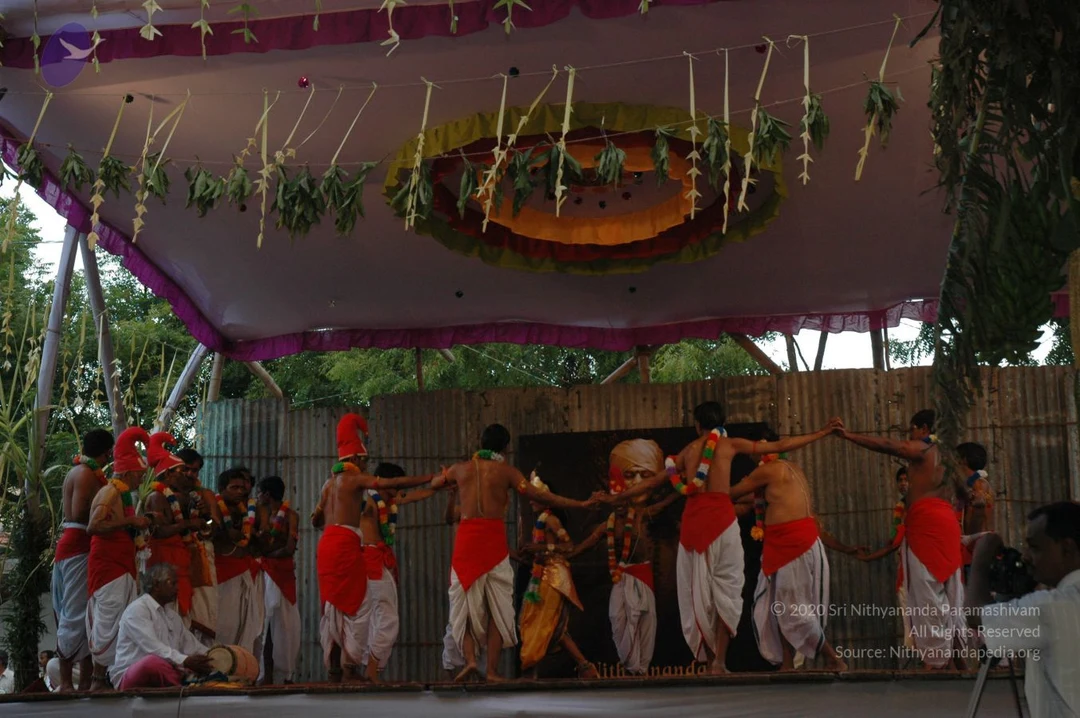
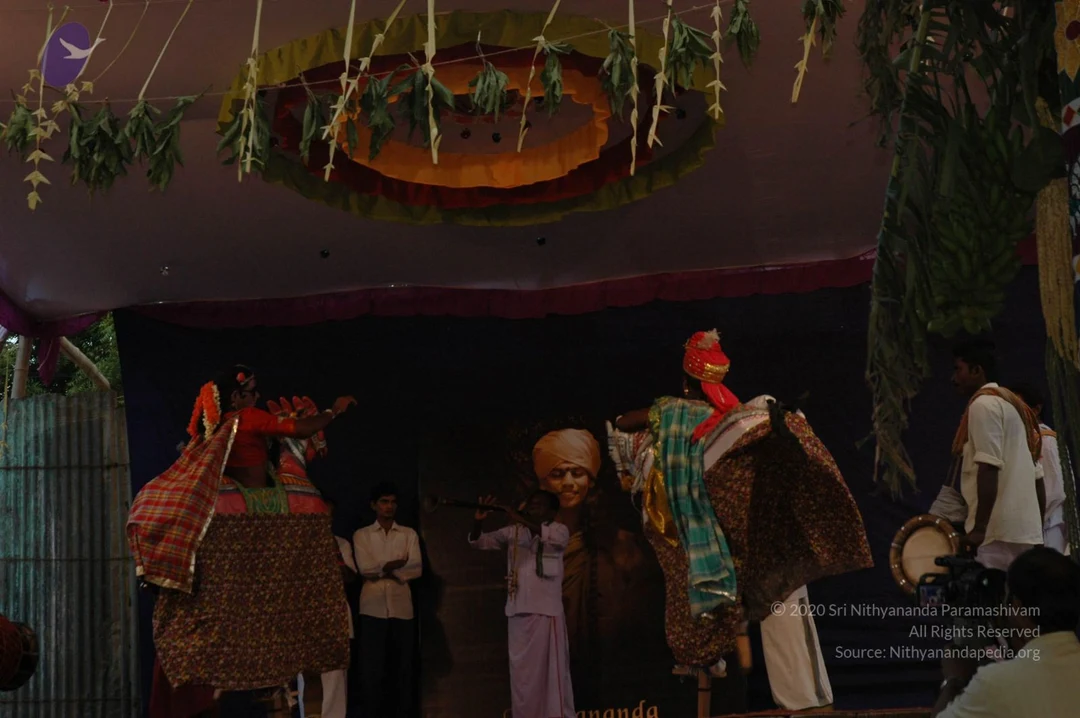
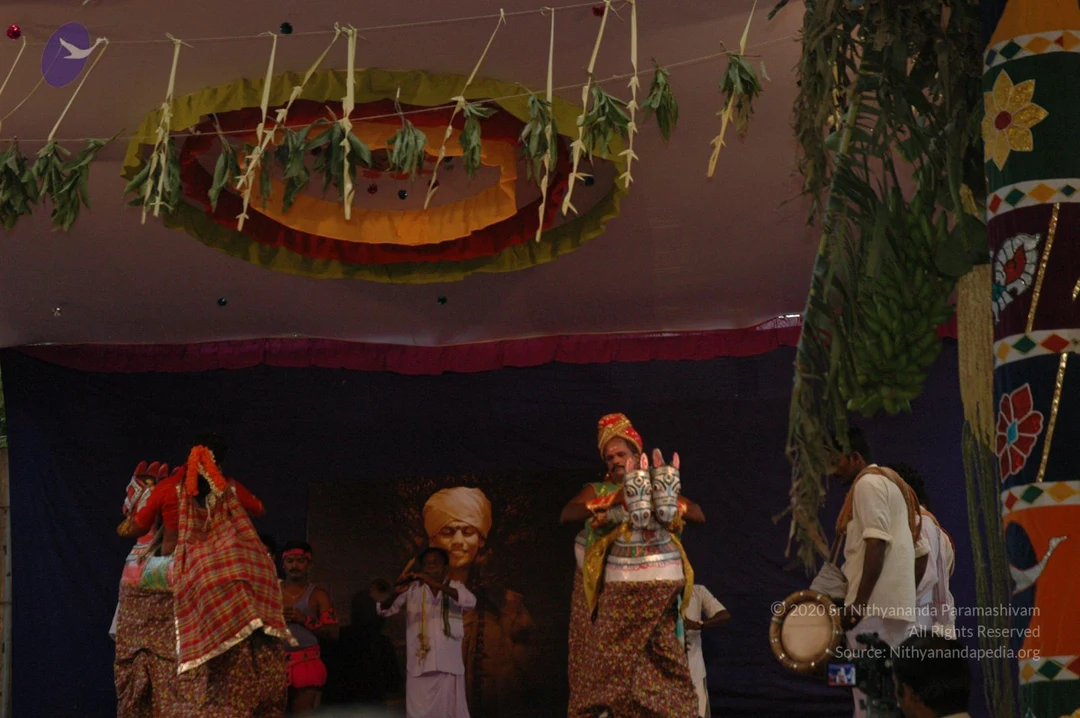
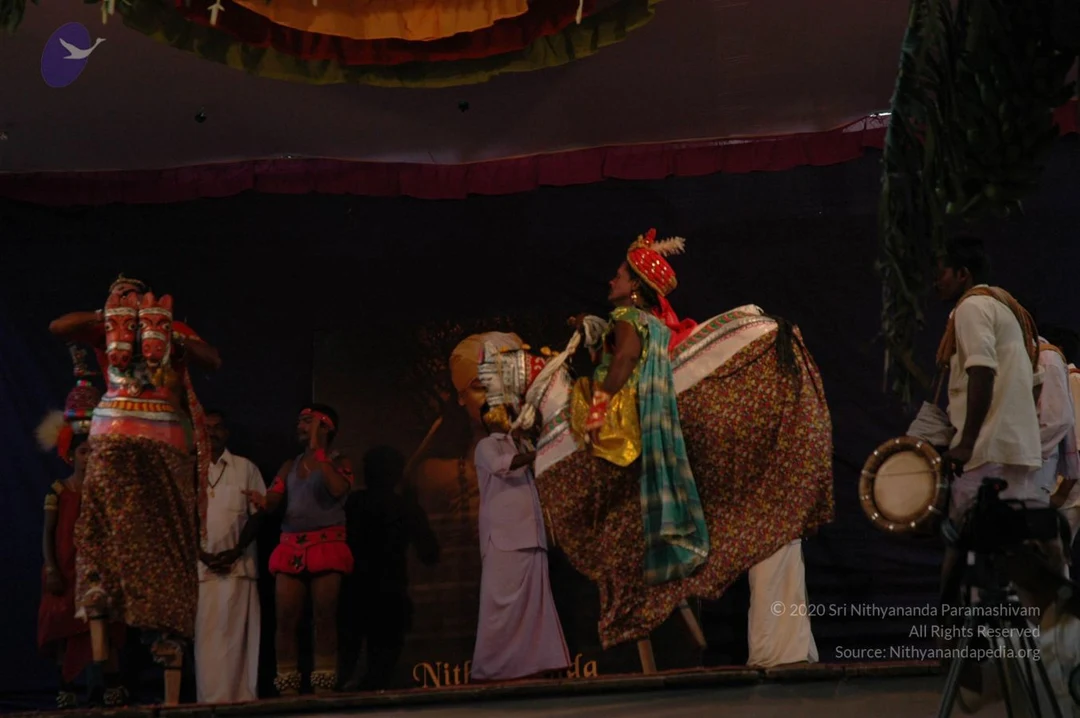
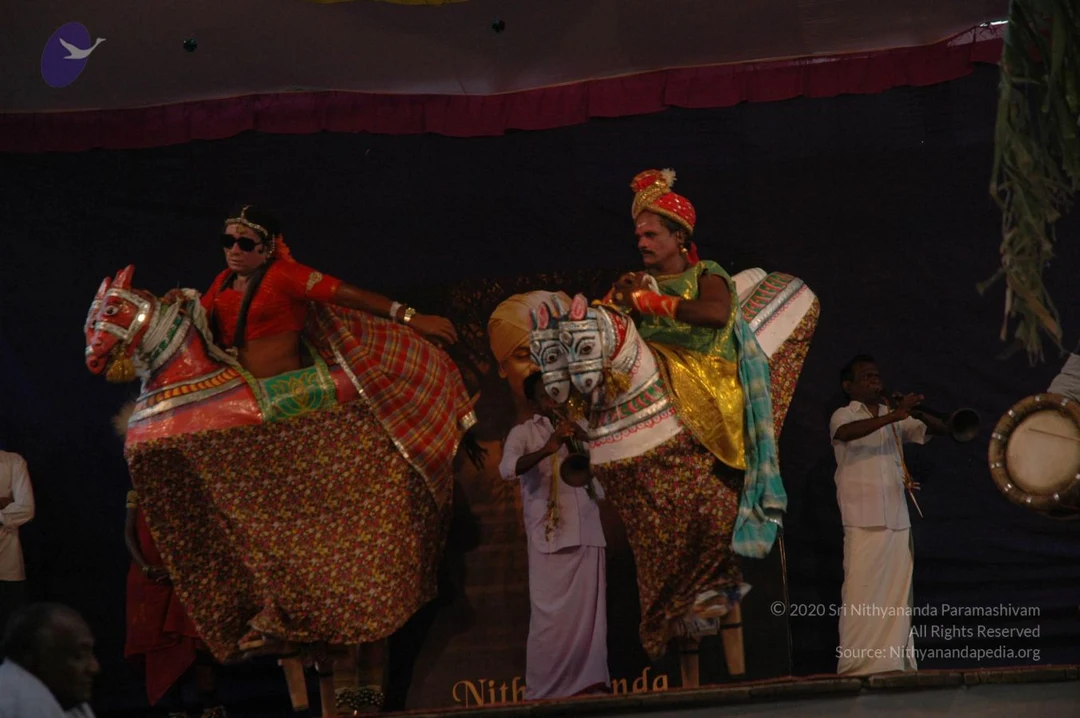
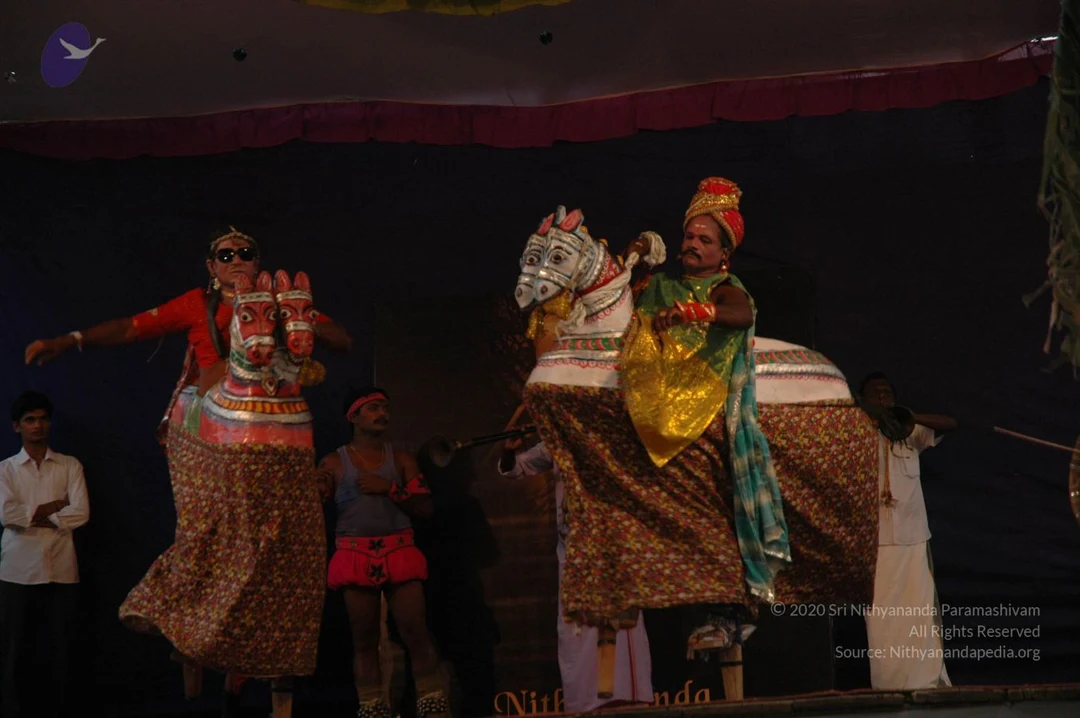
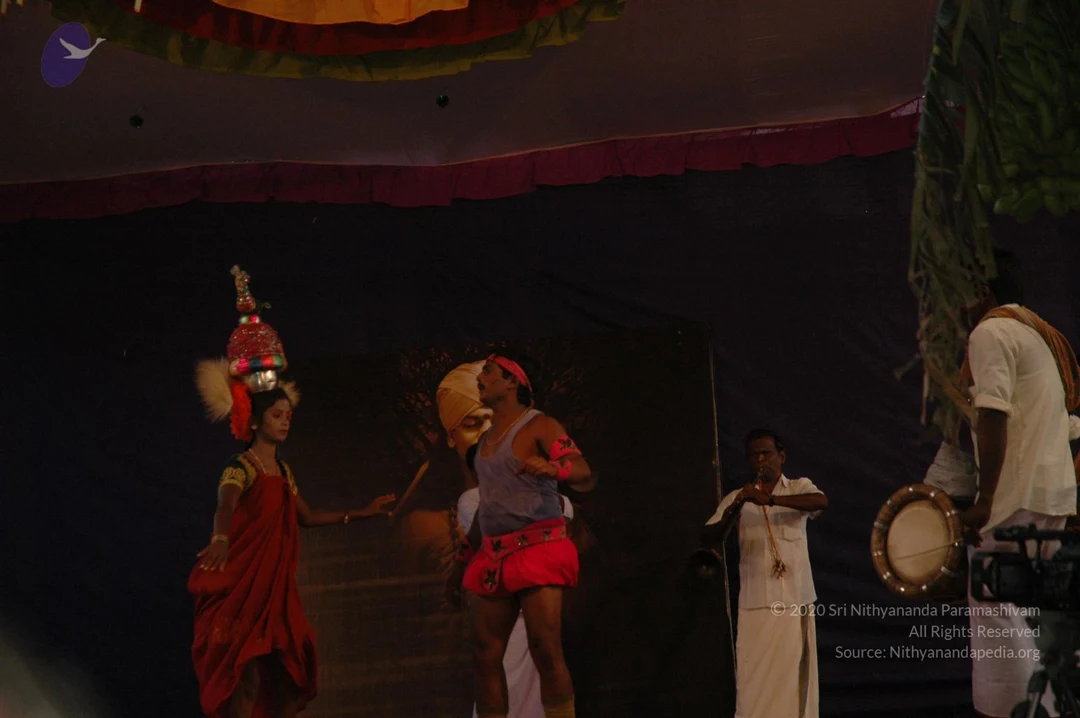
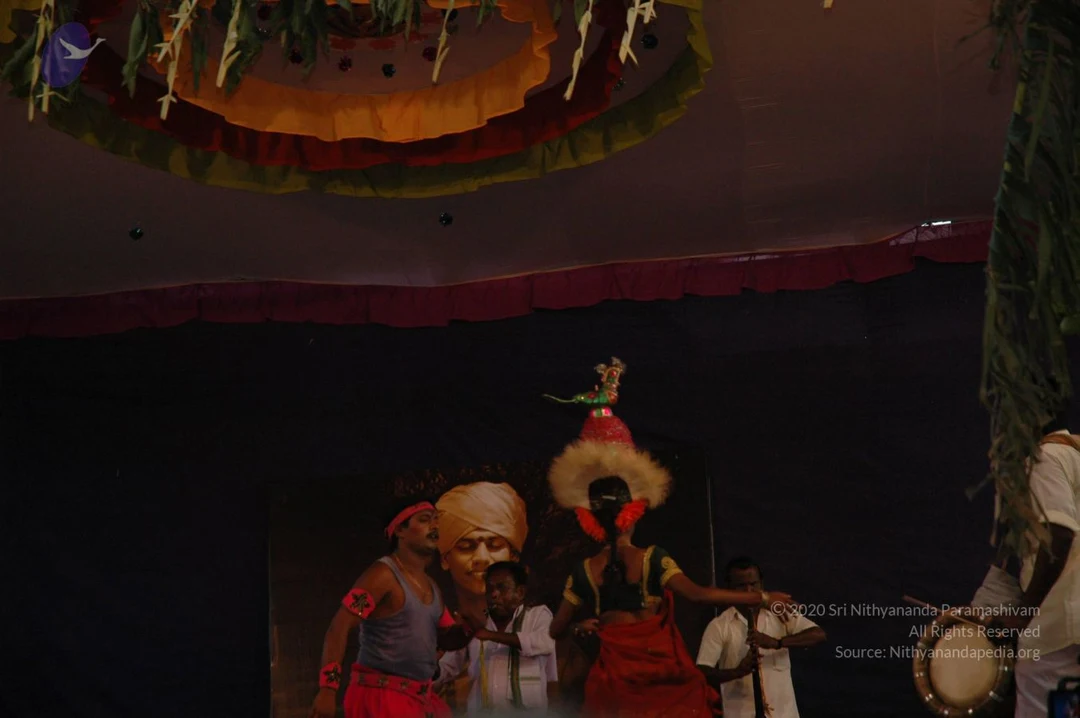
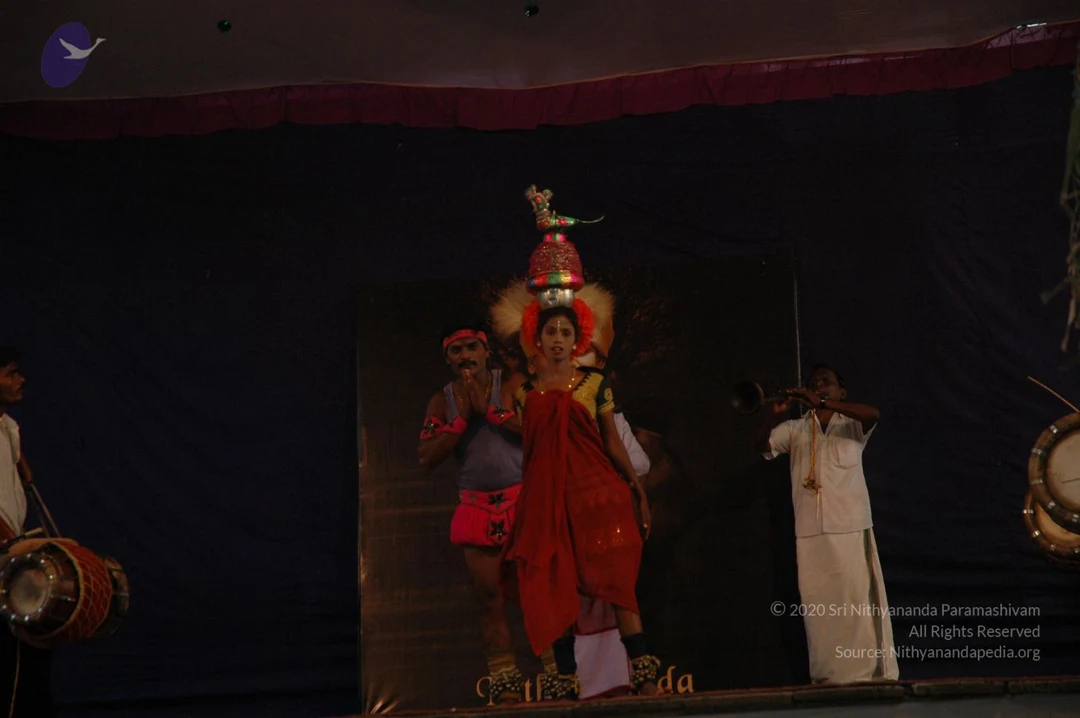
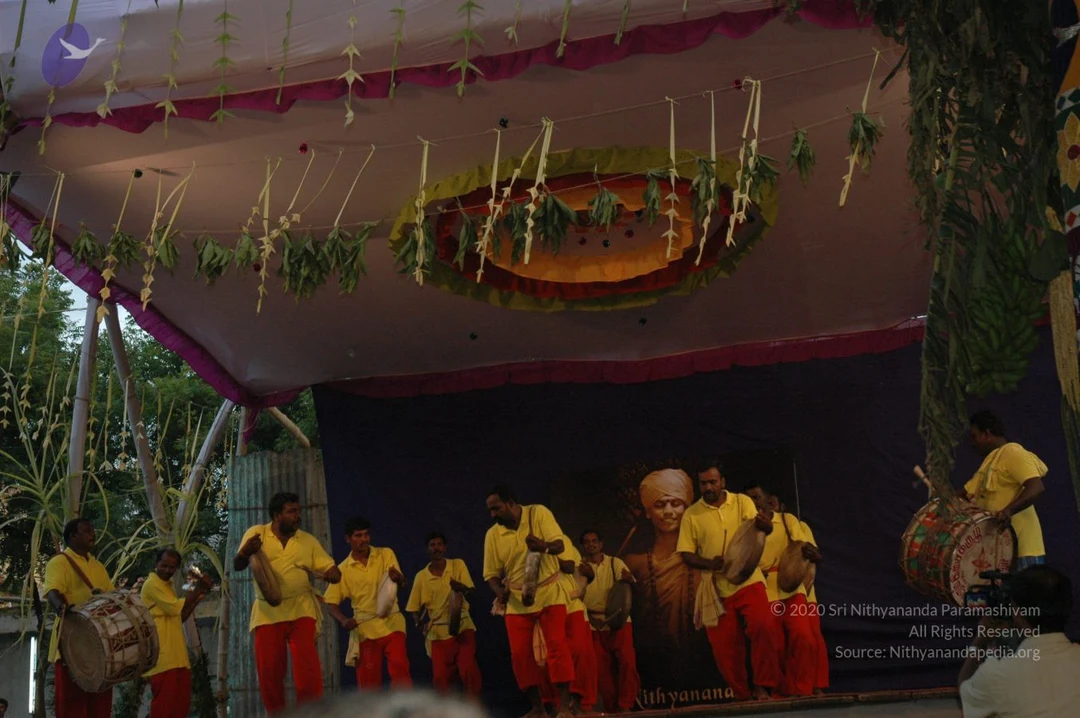
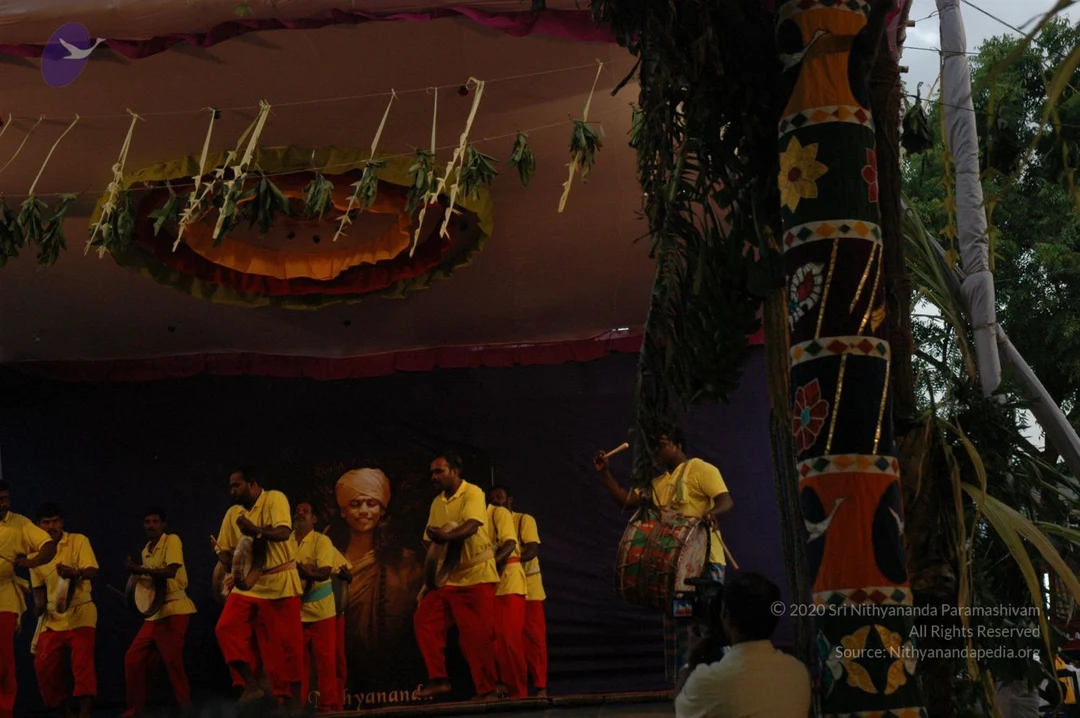
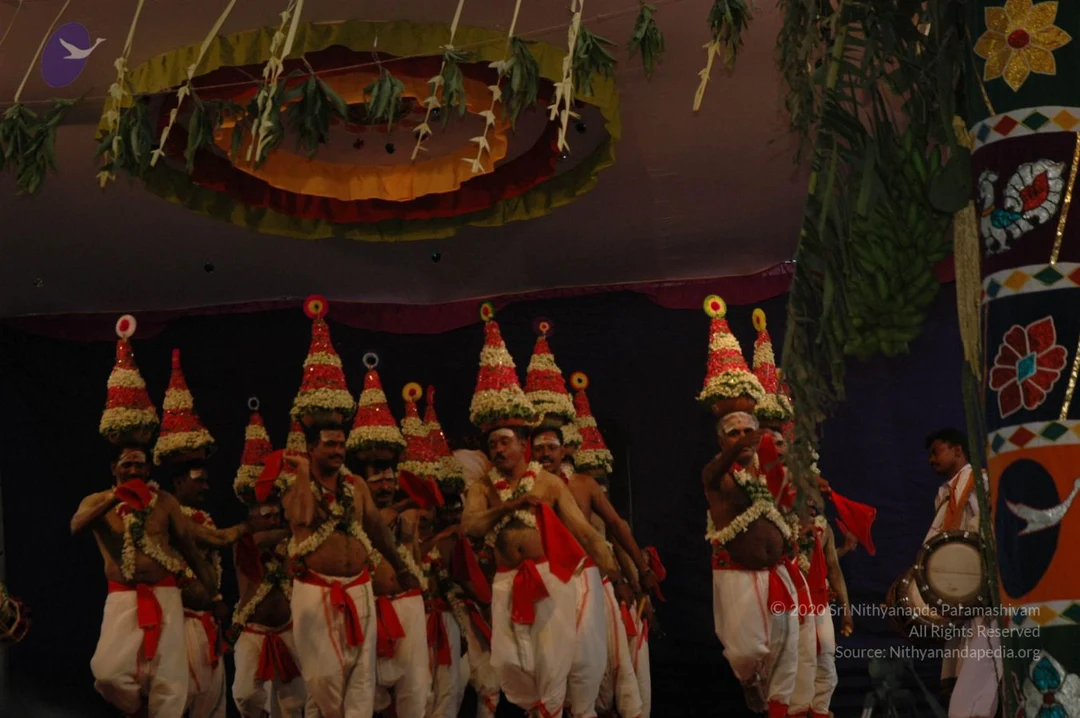
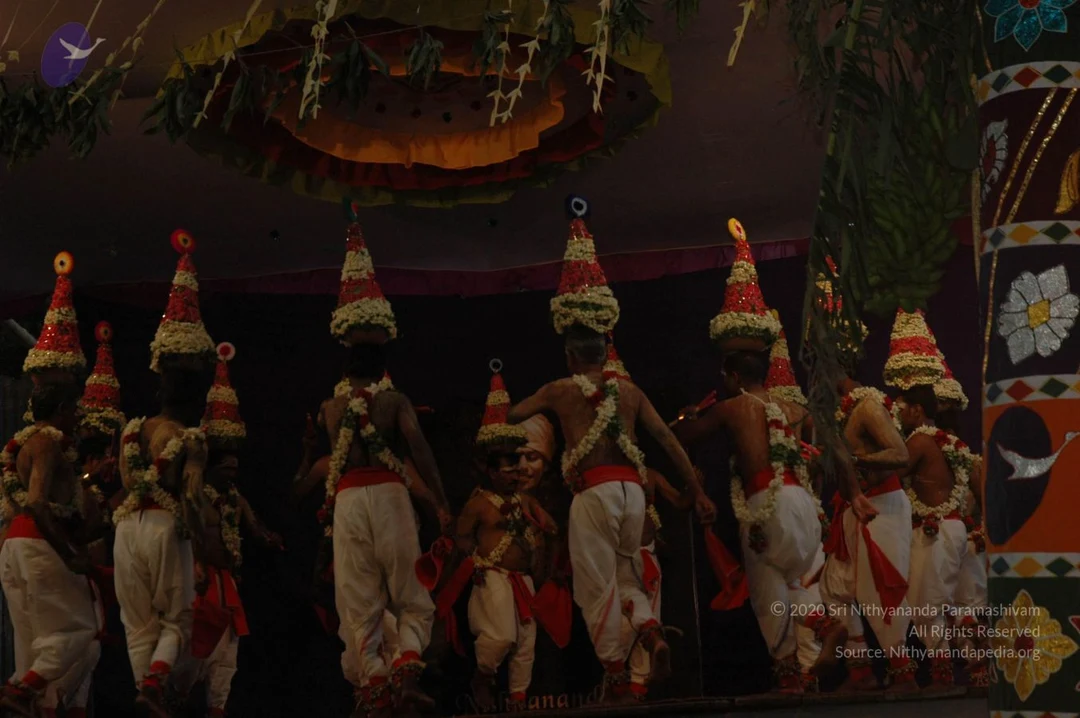
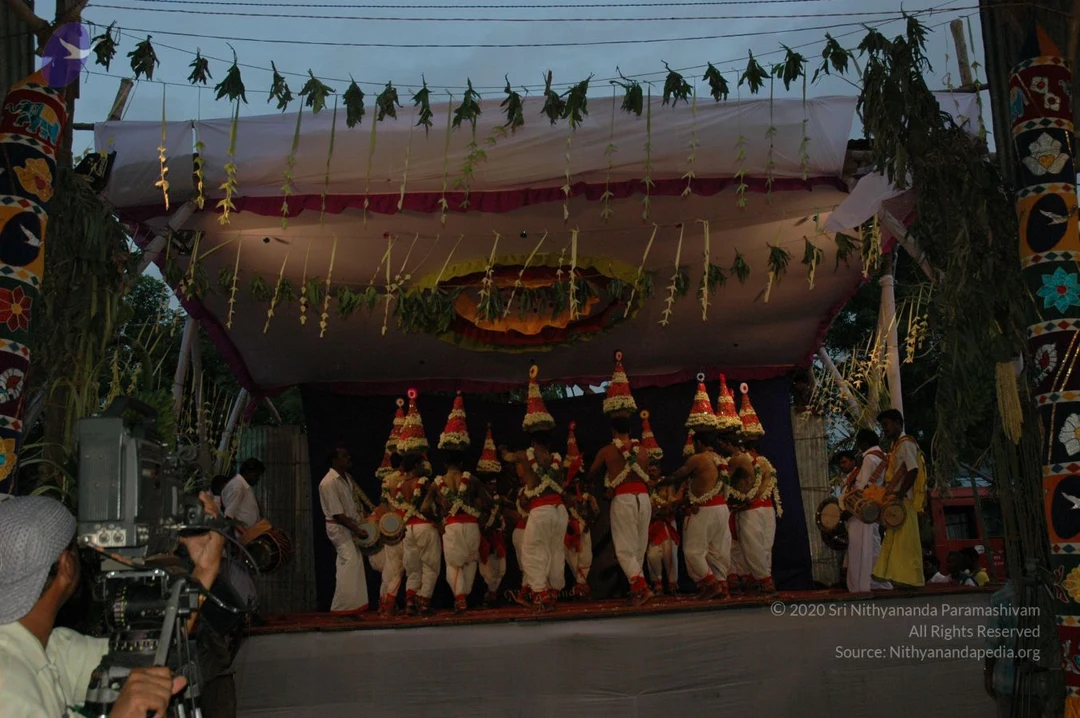
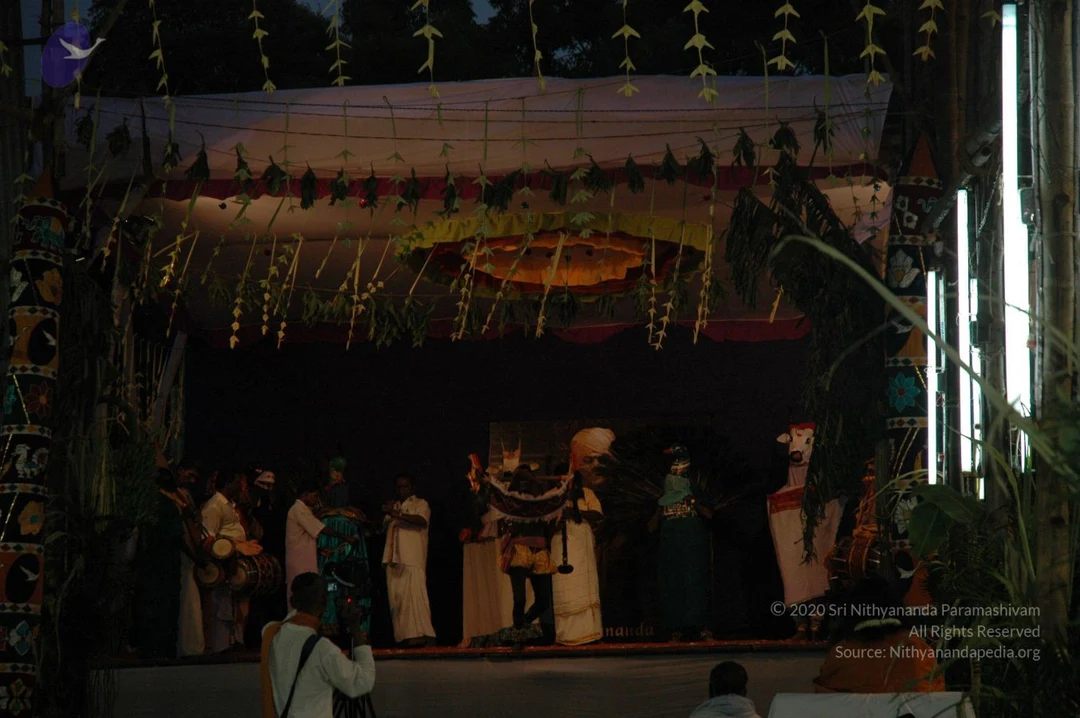
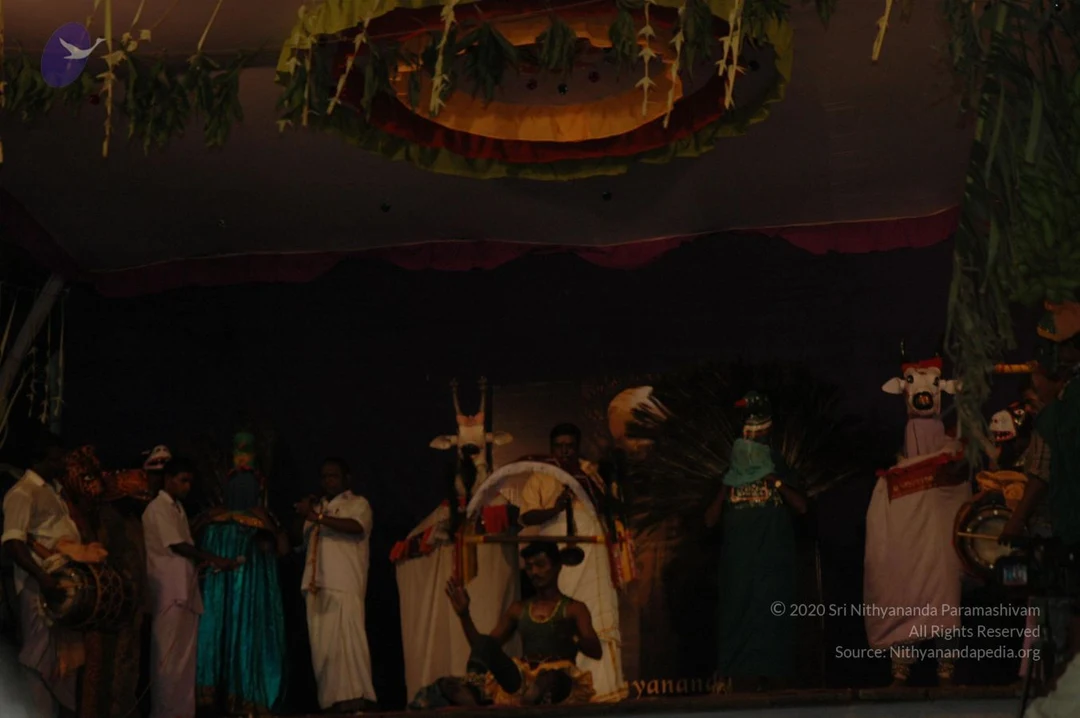
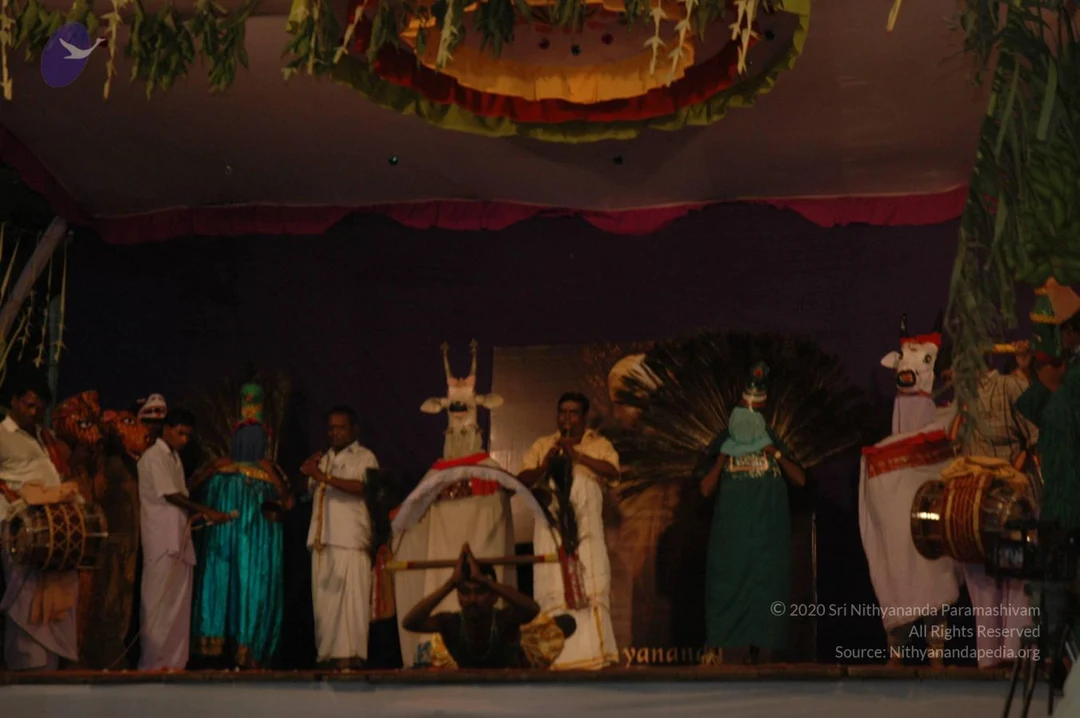
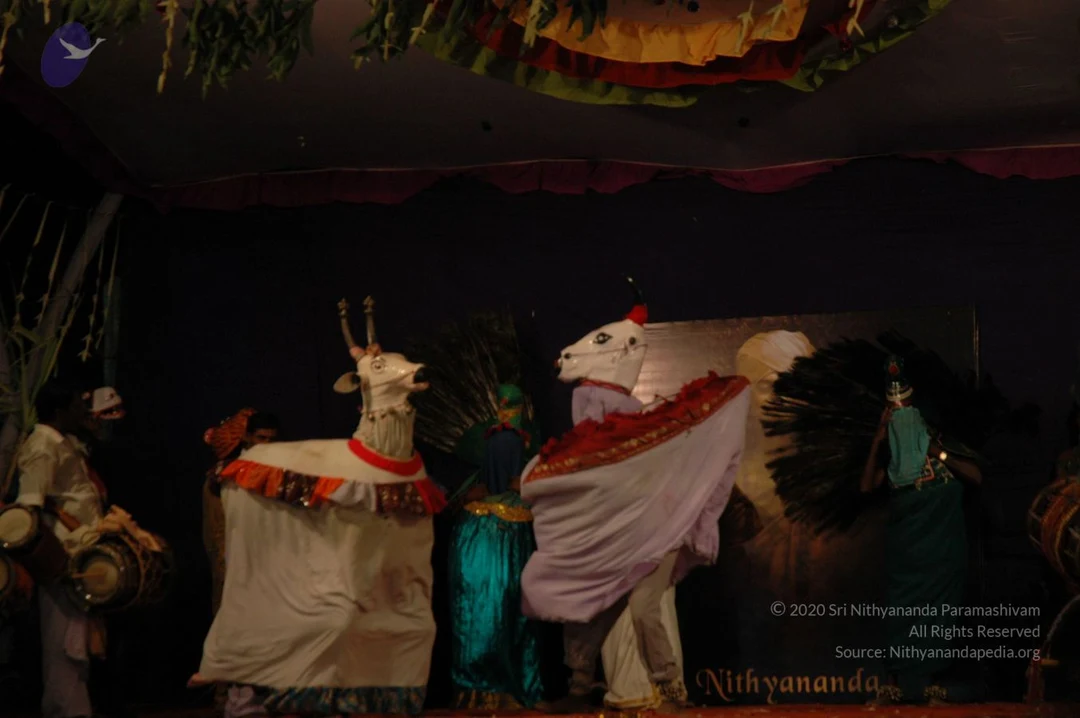
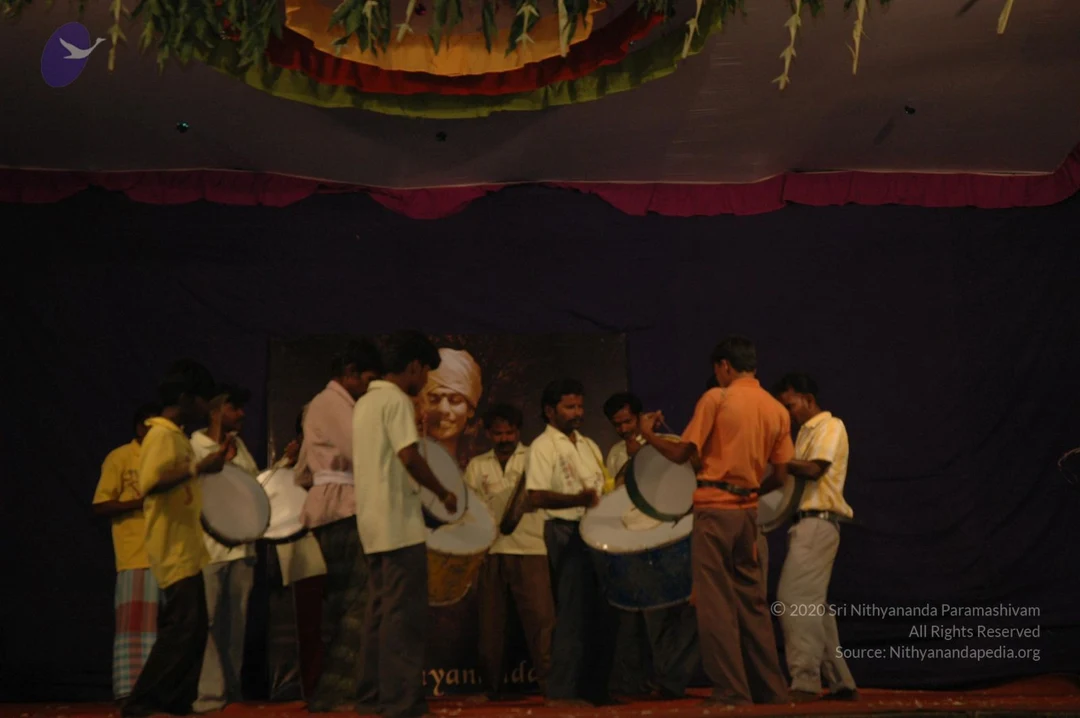
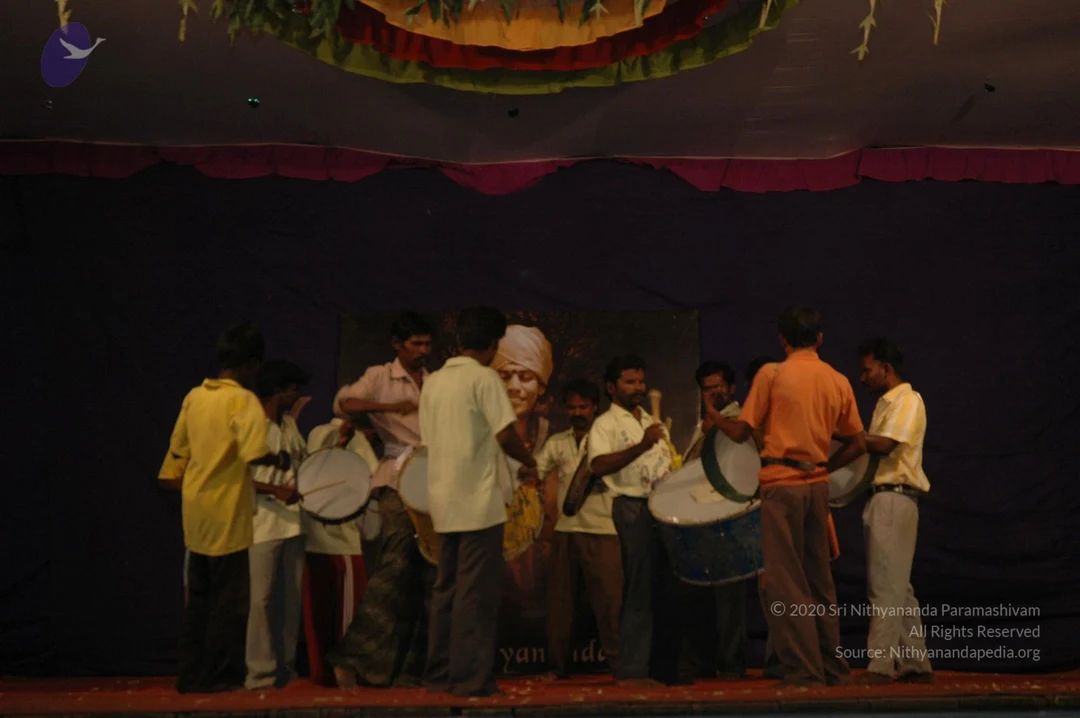
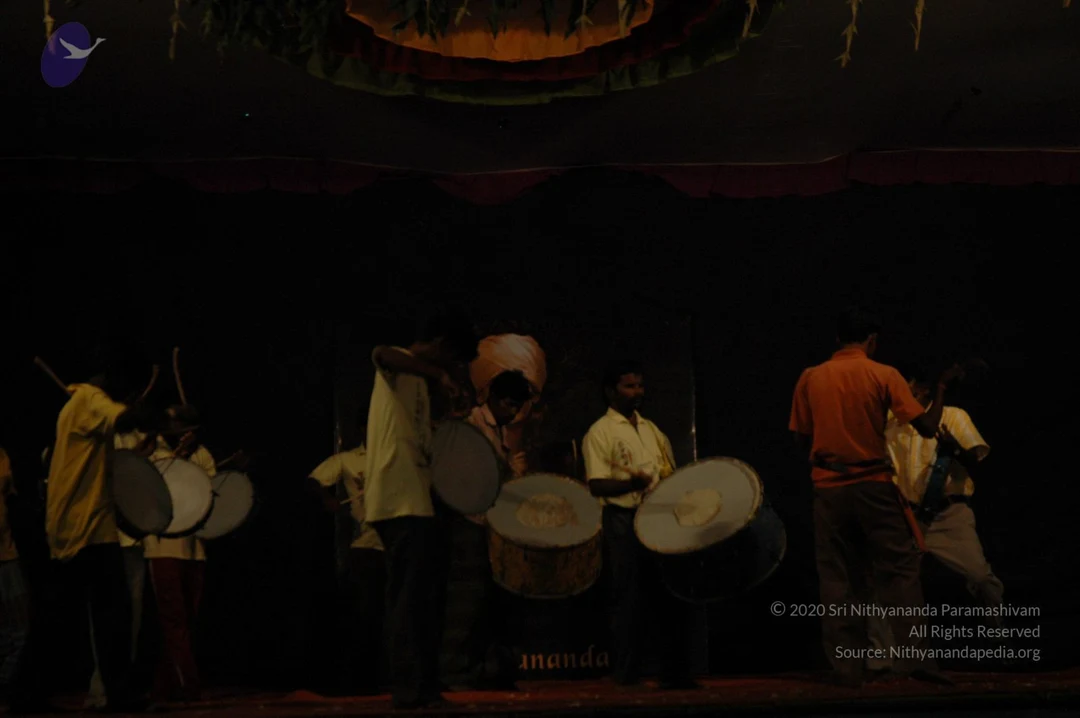
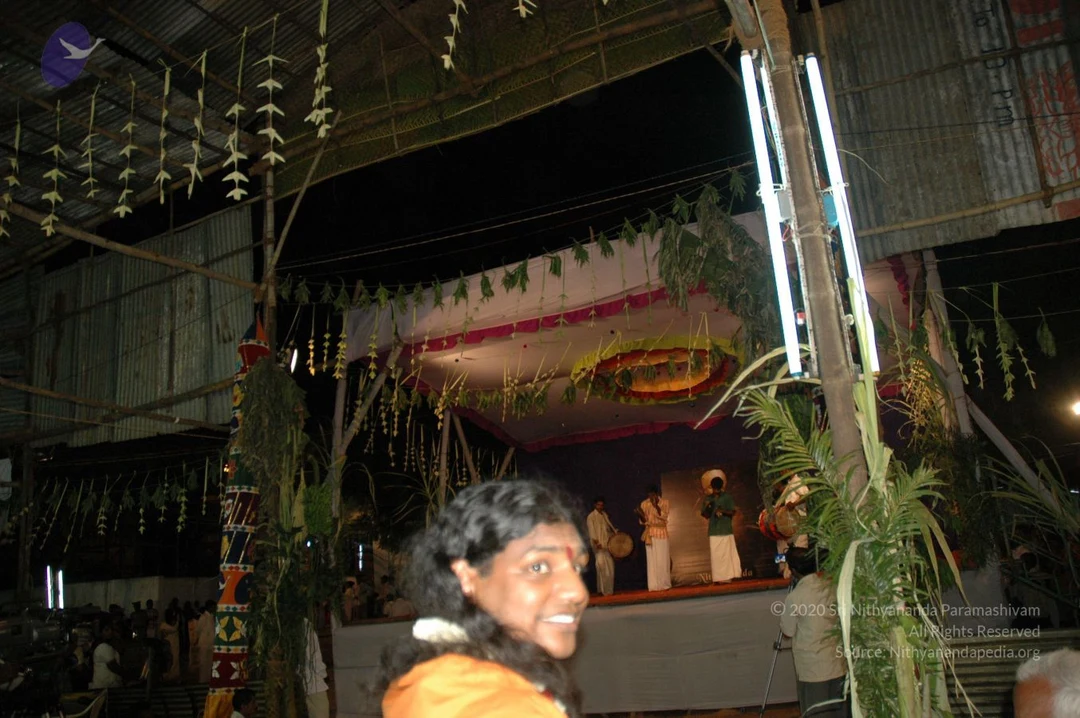
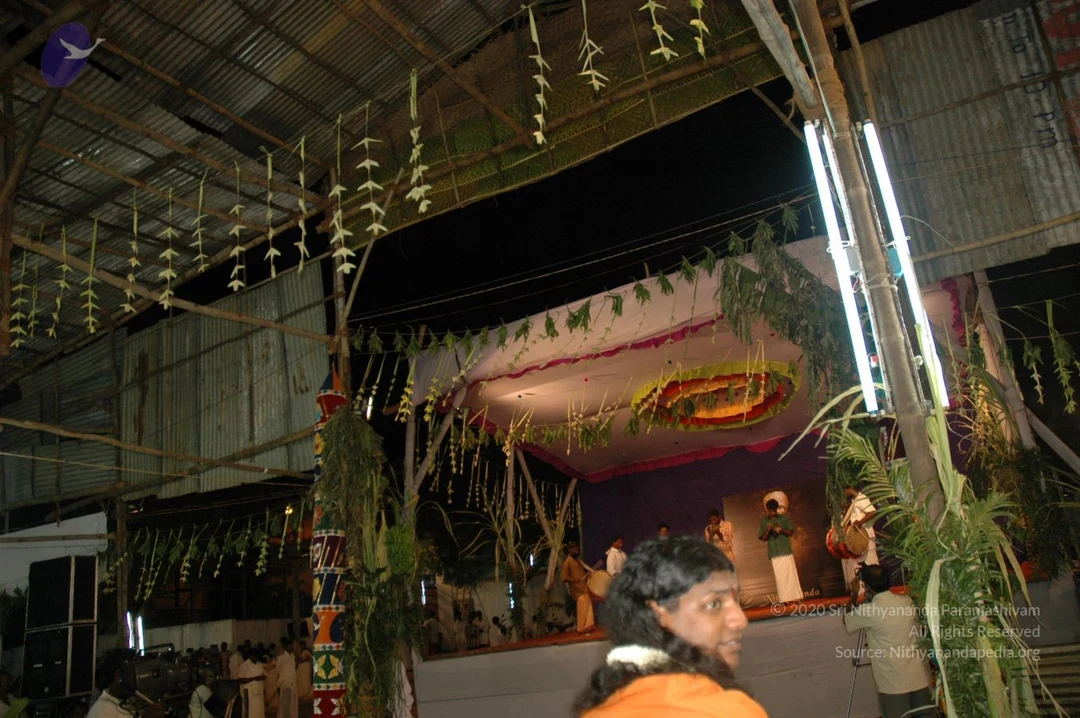
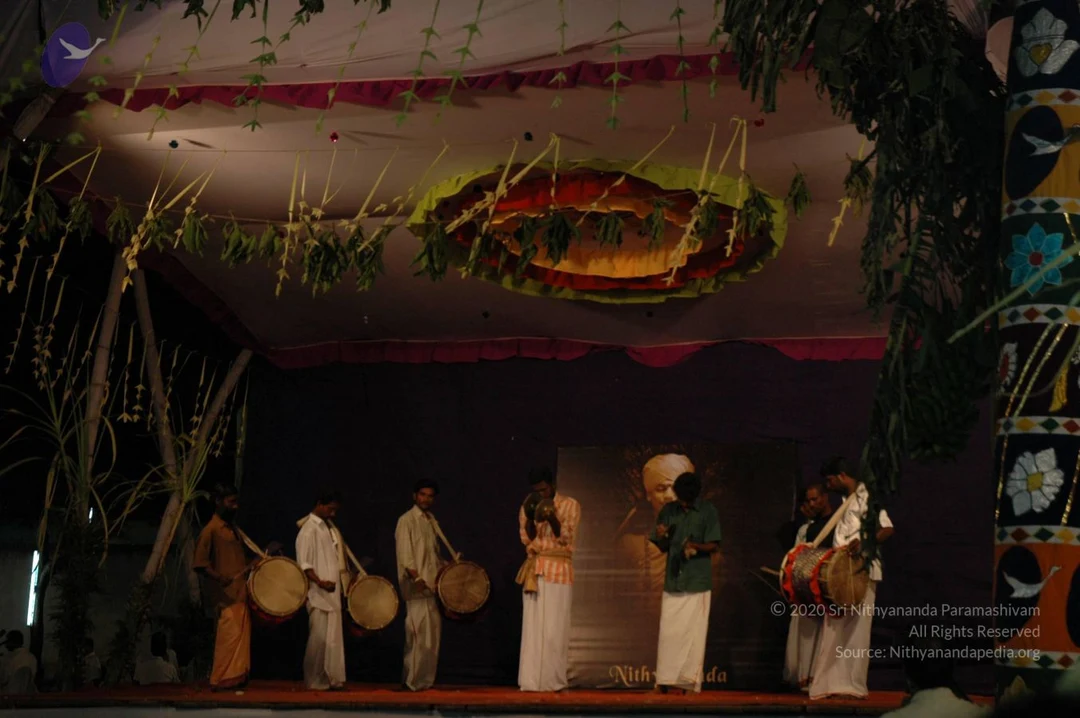
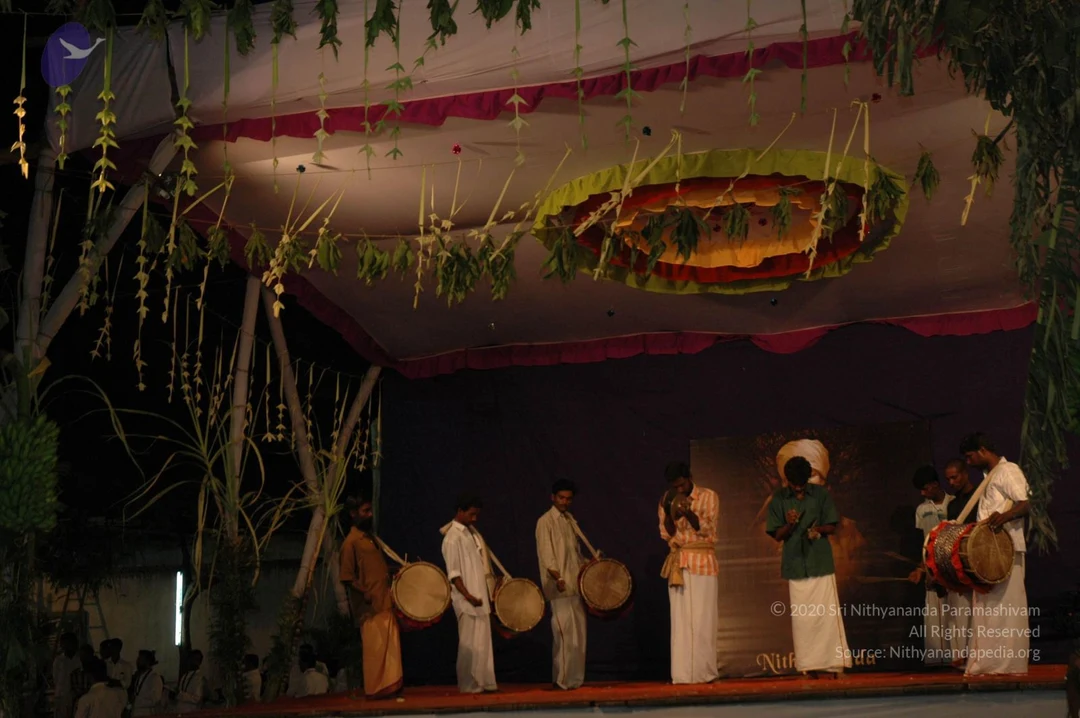
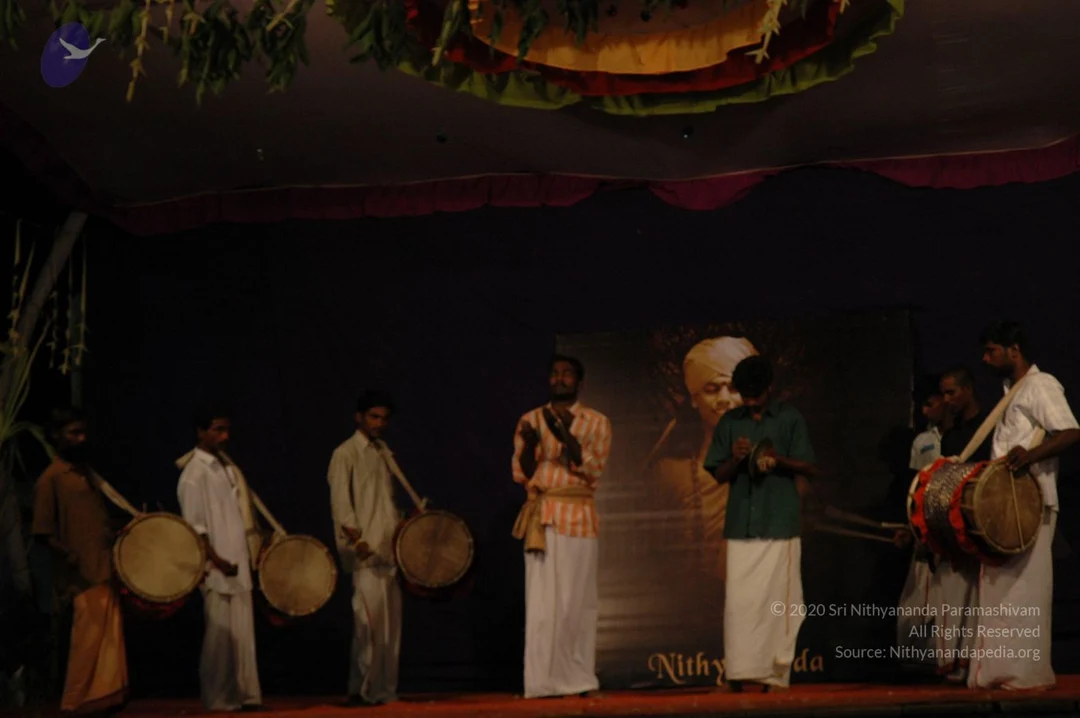
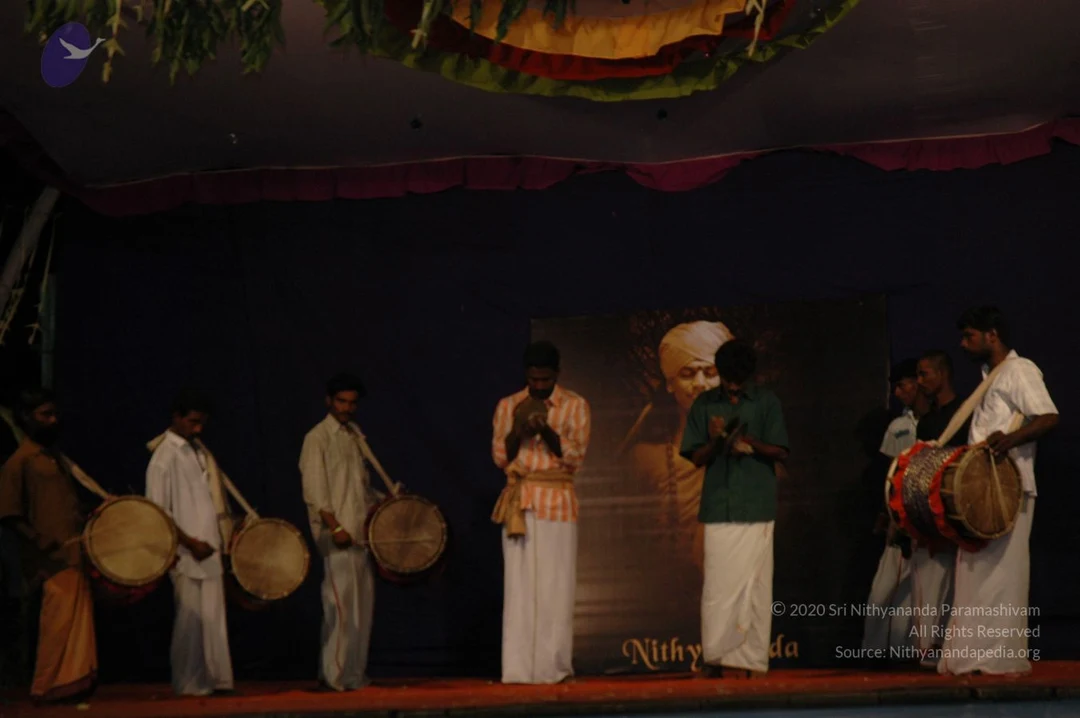
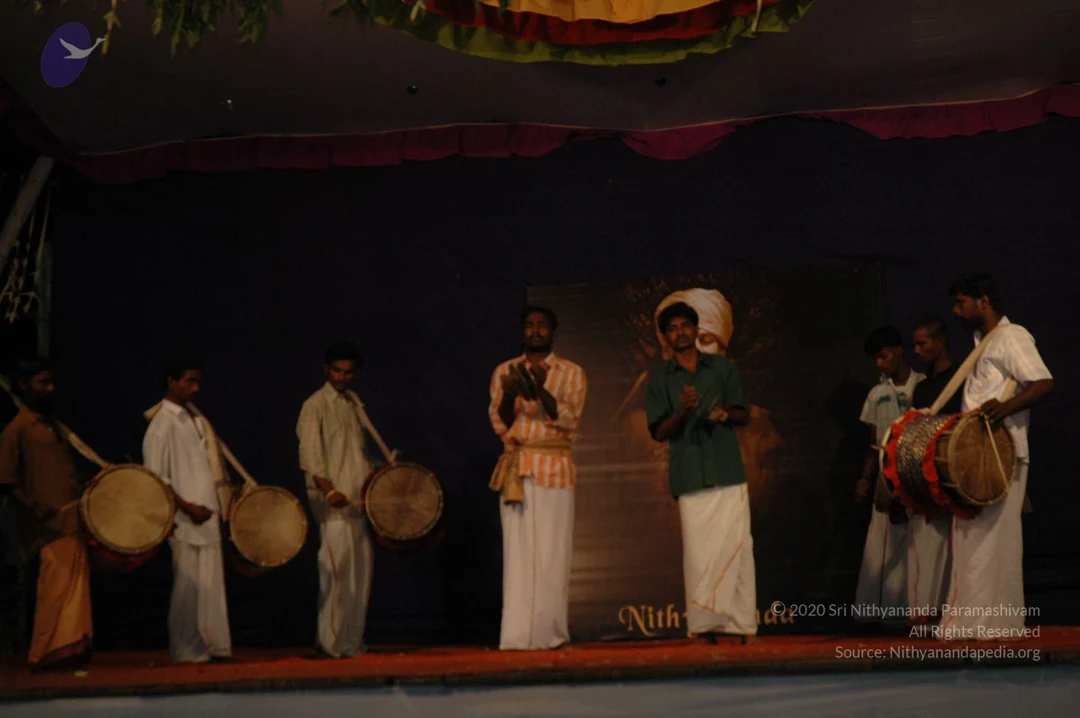
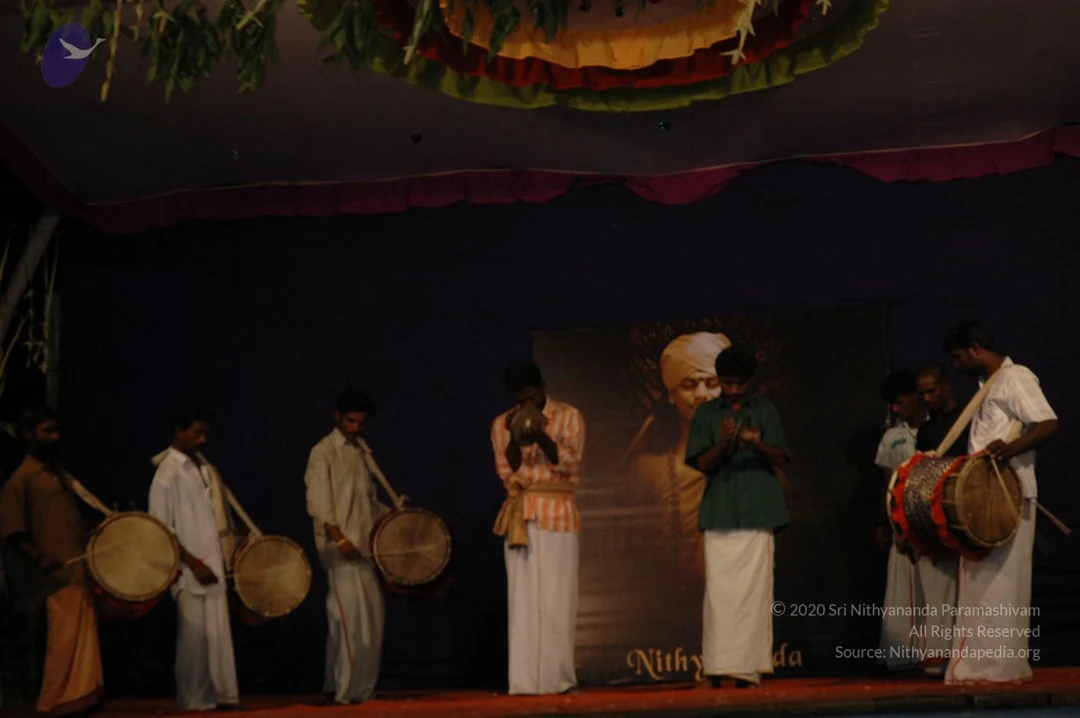
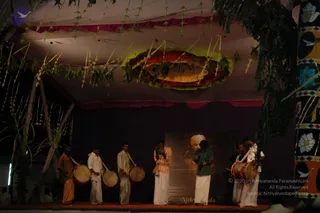
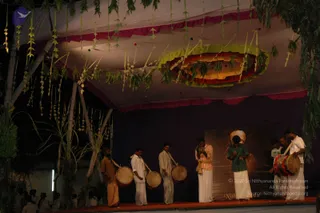
Night photograph of an outdoor stage at a Sapthayagam venue, decorated with hanging green mango leaves, strings of yellow flowers, a white canopy with red valance and a circular floral garland mounted above. Five men in white dhotis and a woman in a light sari play large hand drums on the stage. In the foreground, the back of a dark-haired head with a white band is visible, wearing an orange garment on the shoulder, observing the performance. Bright fluorescent tubes light the scene, and a tall decorated pillar stands at the left.Photograph of a festival stage under a temporary pandal decorated with hanging green leaves, flower strings and palm fronds, with a tubelight at the edge. A smiling woman in the foreground wears an orange top and a white flower garland, looking toward the camera. On the raised stage, three men stand in white dhotis and a green shirt, one playing a drum and another holding a tall drum, while a figure in a green shirt and white dhoti holds a hand drum. The stage backdrop is pale with a saffron and red arch above. Devotees stand at the side in the dim hall.Night photograph of an open-sided pandal decorated with hanging white flower strands, green mango leaves and banana-leaf festoons under a corrugated metal roof. A stage at the back is draped with pink and purple cloth and a circular floral-garland decoration, with a large portrait panel bearing the word a person. A bare-chested drummer plays on the right, and several men in white dhotis stand on the stage and at the left edge. In the foreground, a long-haired person in an orange robe and white flower garland faces the camera, with a white-shirted photographer beside them and white-clad devotees along the lower left. Tube lights hang on a pole at the right.Night stage performance under a pale canopy decorated with green leaves, paper flowers and hanging ribbons. Seven drummers stand in a row playing large barrel-shaped drums: from left, a man in an orange-brown lungi, men in white shirts and white dhotis, and at right a man in a white shirt playing a drum. At centre a woman in a white sari with a pink-striped blouse holds a small child. Behind them a large backdrop shows a portrait of a man in a golden-yellow turban and a caption reading 'Nithyananda', and a man in a green shirt and white dhoti stands near it. Colourful patterned fabric hangs at the right edge.Night photo of an outdoor stage under a white canopy decorated with green leaf garlands, a large circular floral-style hanging, and bamboo poles. Several men in white dhotis and shirts stand in a row playing large cylindrical drums, with one drummer in an orange-brown garment at left and another in a green shirt and white dhoti at right. A person in a striped top and white dhoti stands near the centre, and a printed backdrop behind them shows a faint portrait of a figure in white headwear. Partly visible audience members sit in the lower left foreground.Night stage performance under a draped canopy with green leaves hanging above. Several male drummers stand in white dhotis and shirts, playing large drums with leather straps; one wears an orange-brown cloth and another a striped pink-and-white shirt. A young man in a green shirt and white dhoti plays a small hand instrument at center. Behind them is a backdrop portrait of a figure in a golden turban and orange-gold clothing, with a backdrop caption reading Nithyananda at the bottom.
July 16 2006

1 photoView all
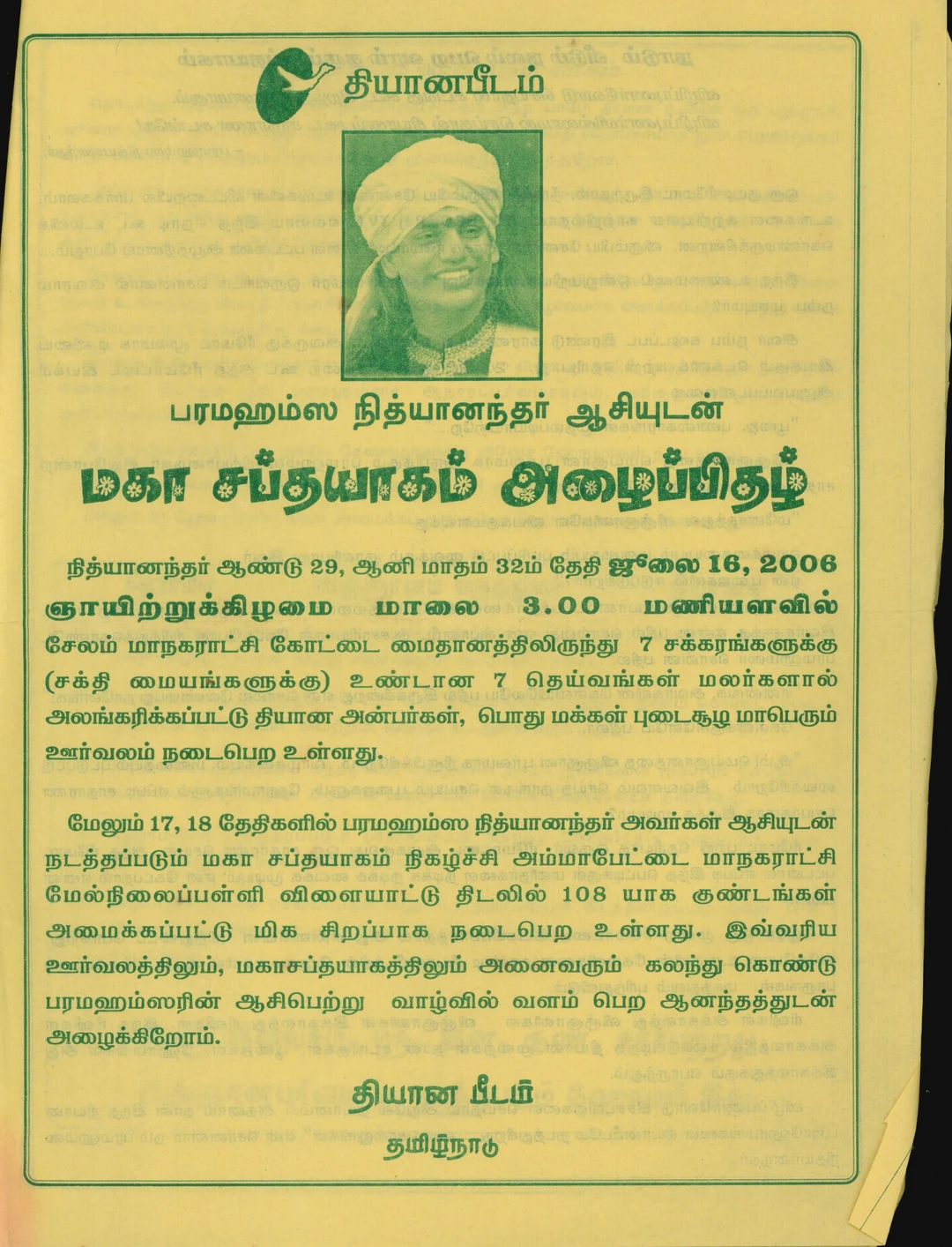
A yellow printed Tamil invitation flyer for the Maha Sapta Yagam, issued under the Dhyanapeetam logo with a green bird emblem. A framed green-toned portrait of a smiling man wearing a white turban and a beaded necklace sits at the top; the flyer does not name him in a caption, and the flyer's text does not identify the portrait subject by name in a way visible here beyond the printed title 'a person' above the event headline. The body text announces a Maha Sapta Yagam with a procession from Salem Maanagarat Kottai grounds on July 16, 2006, honouring seven deities for seven chakras, and a 108-fire yagna on the 17th and 18th at a school ground. The layout is entirely text and a portrait, with no physical people in the scene.