Wednesday
12 July 2017
Solve Any Problem of Your Life with Integrity
- Dated photos
- 184
- Source pages
- 1
- Media
- 4
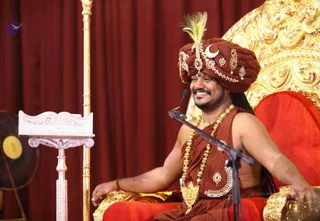
July 12 2017
Original wiki pageTitle
Solve Any Problem of Your Life with Integrity
Narration
Video - Solve Any Problem of Your Life with Integrity
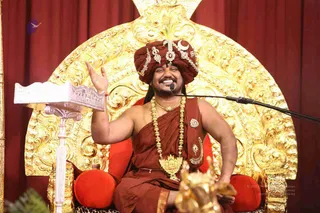
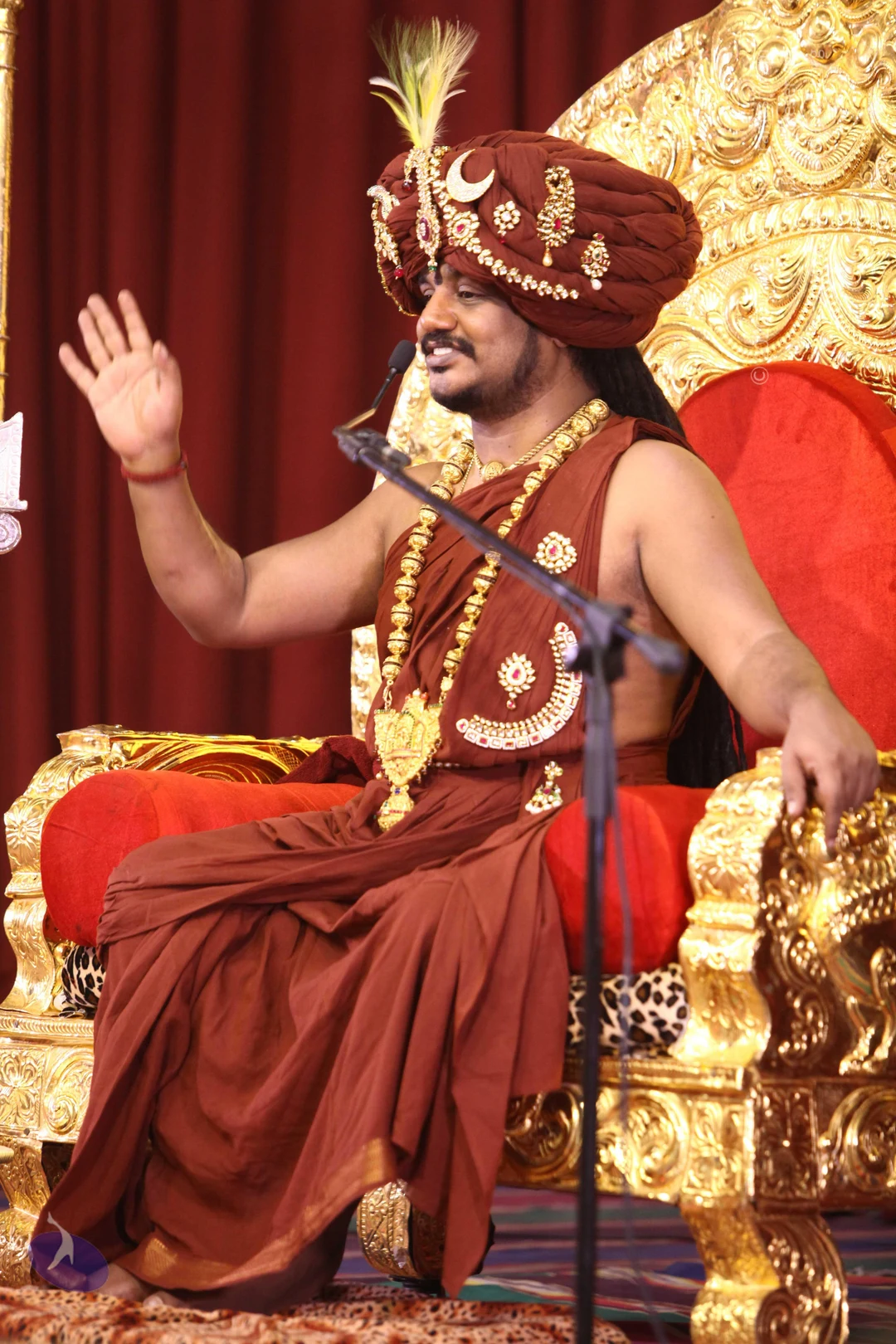
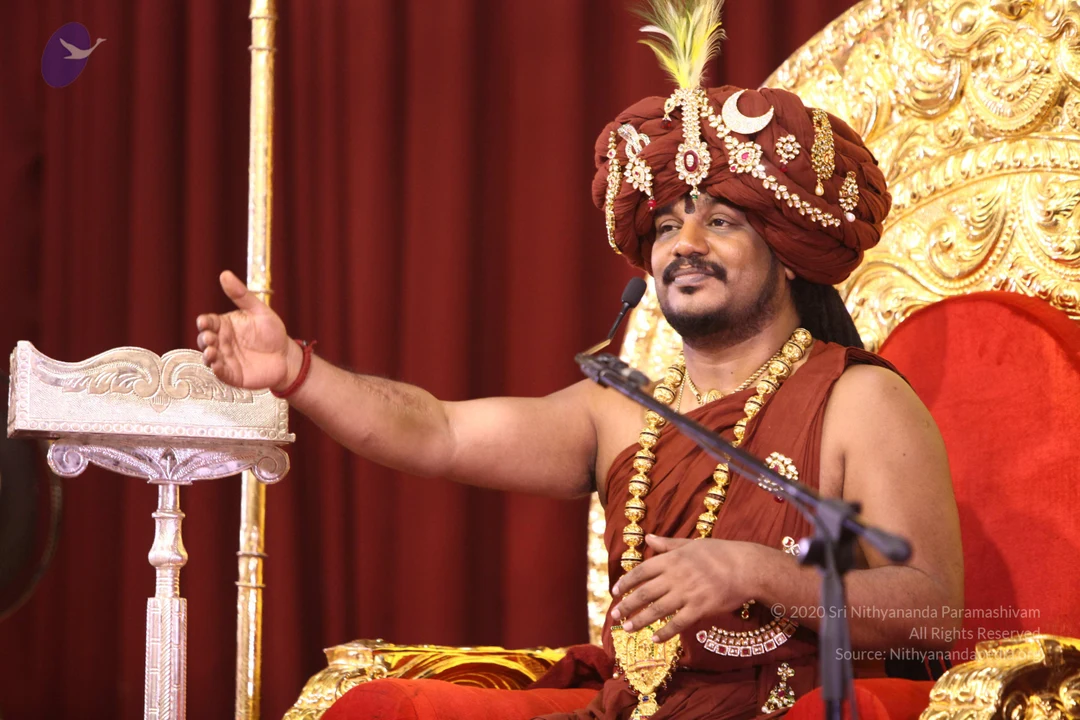
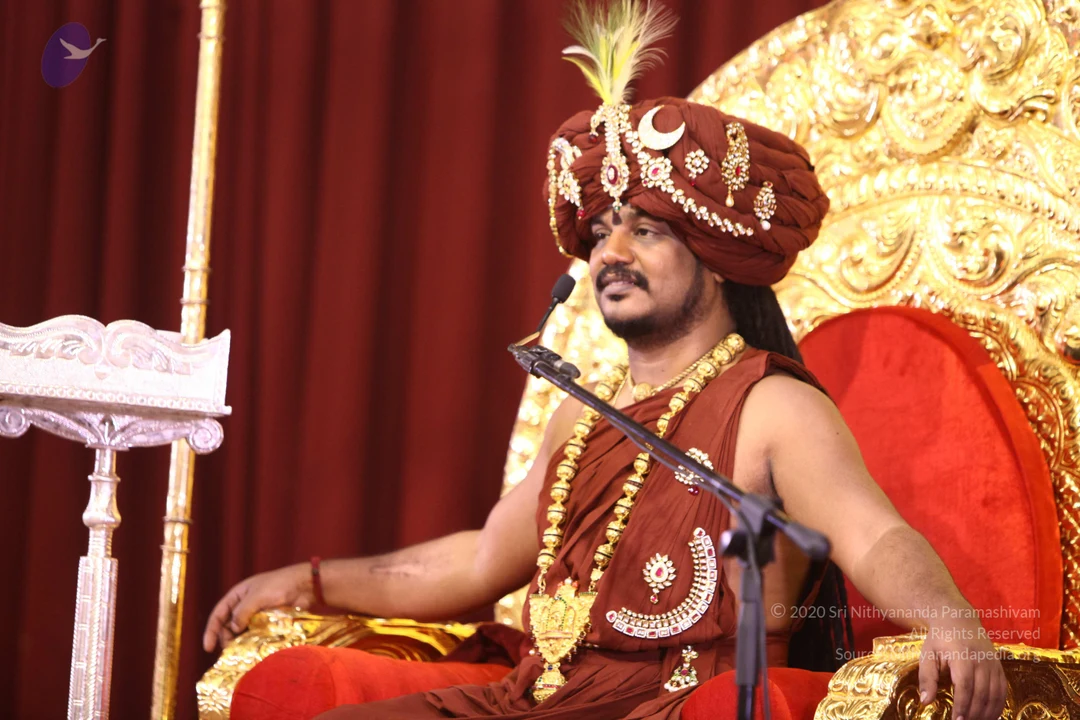
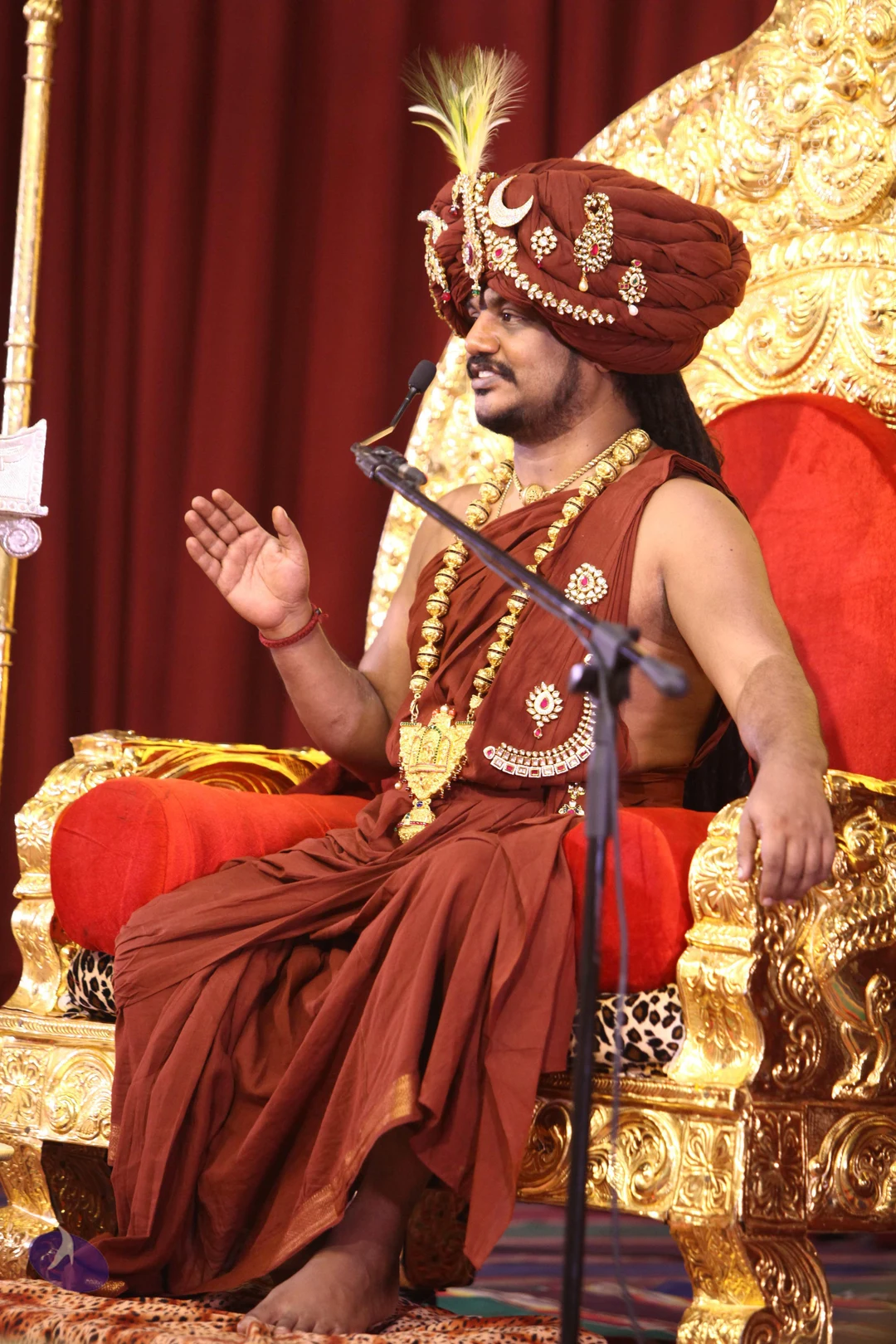
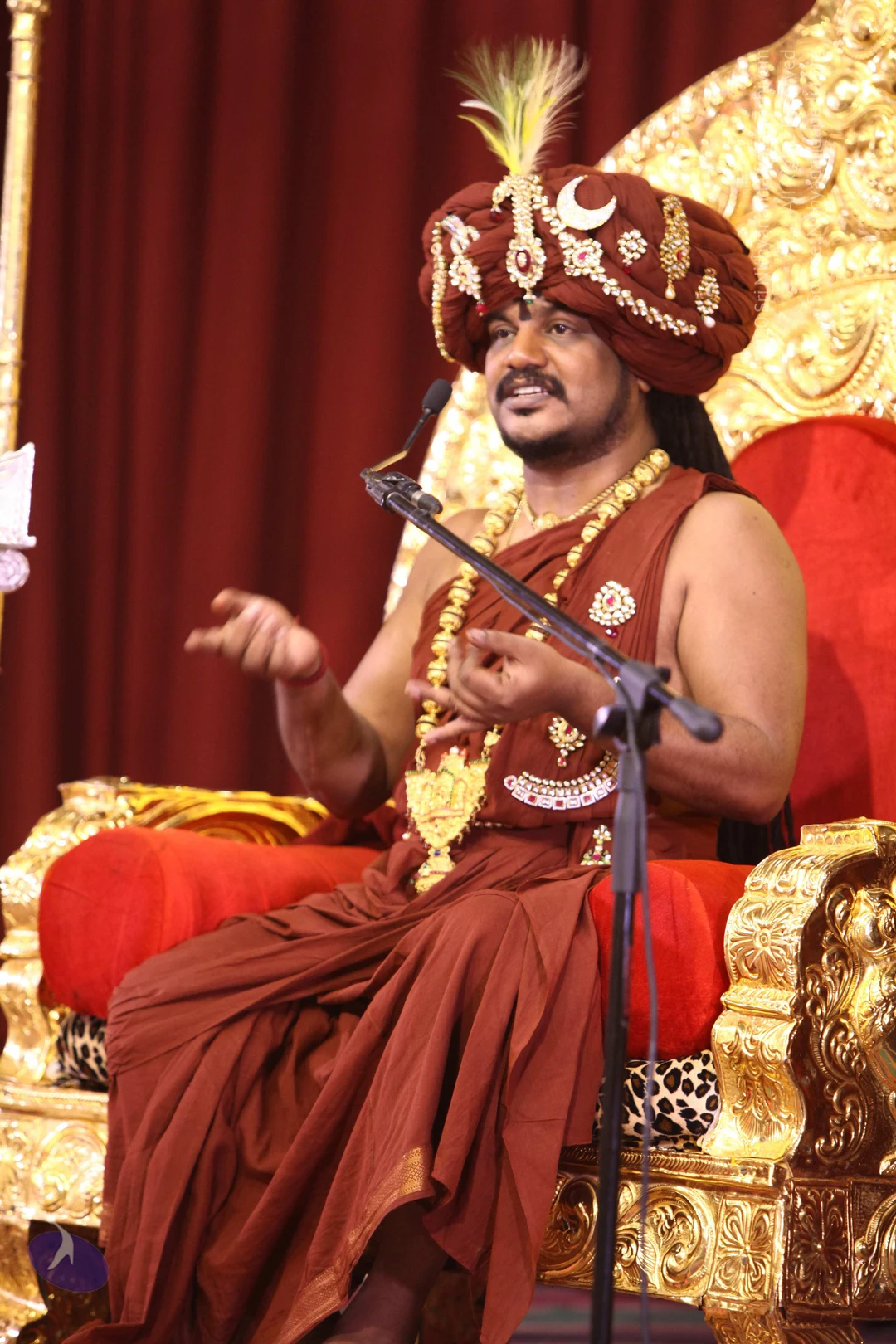
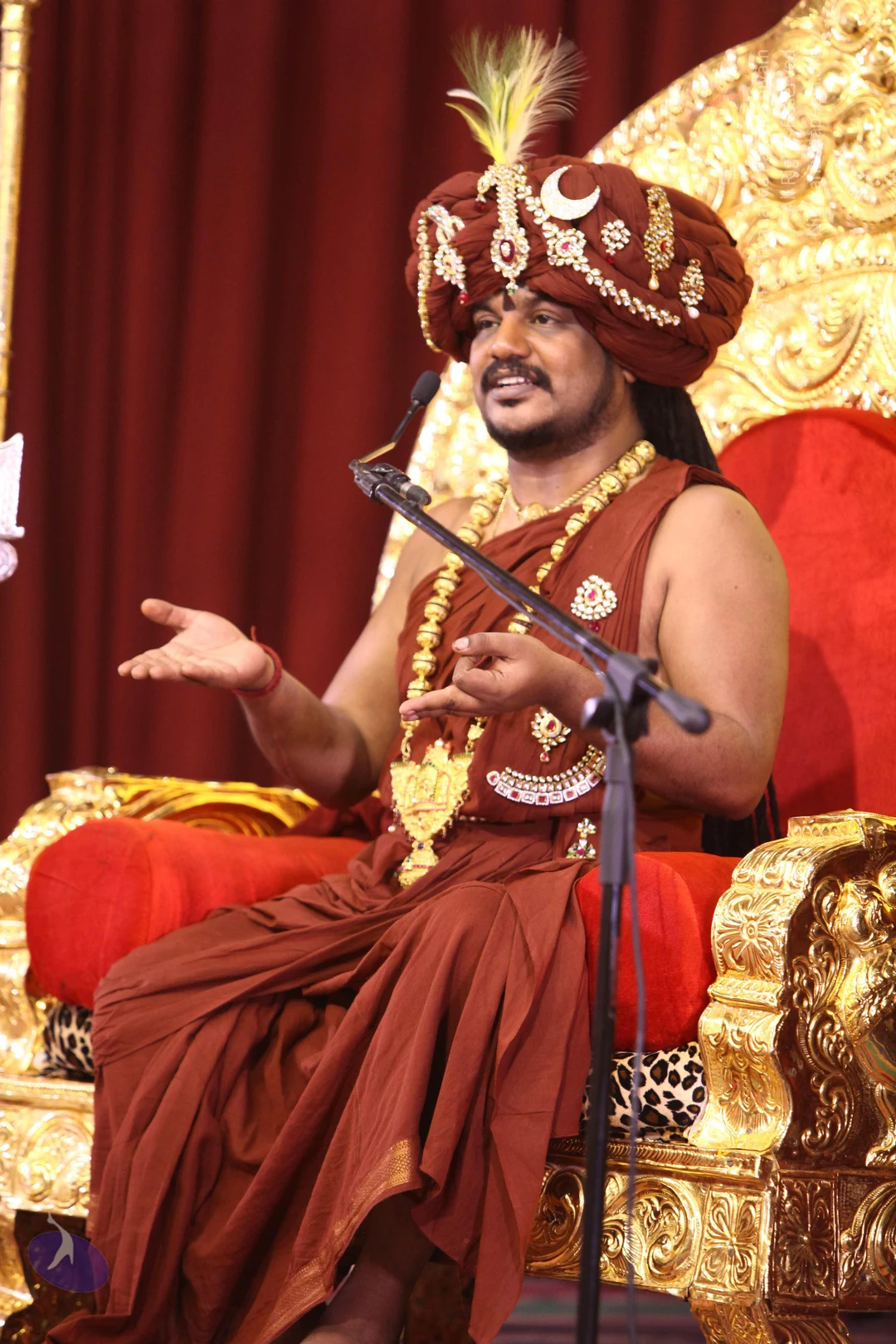
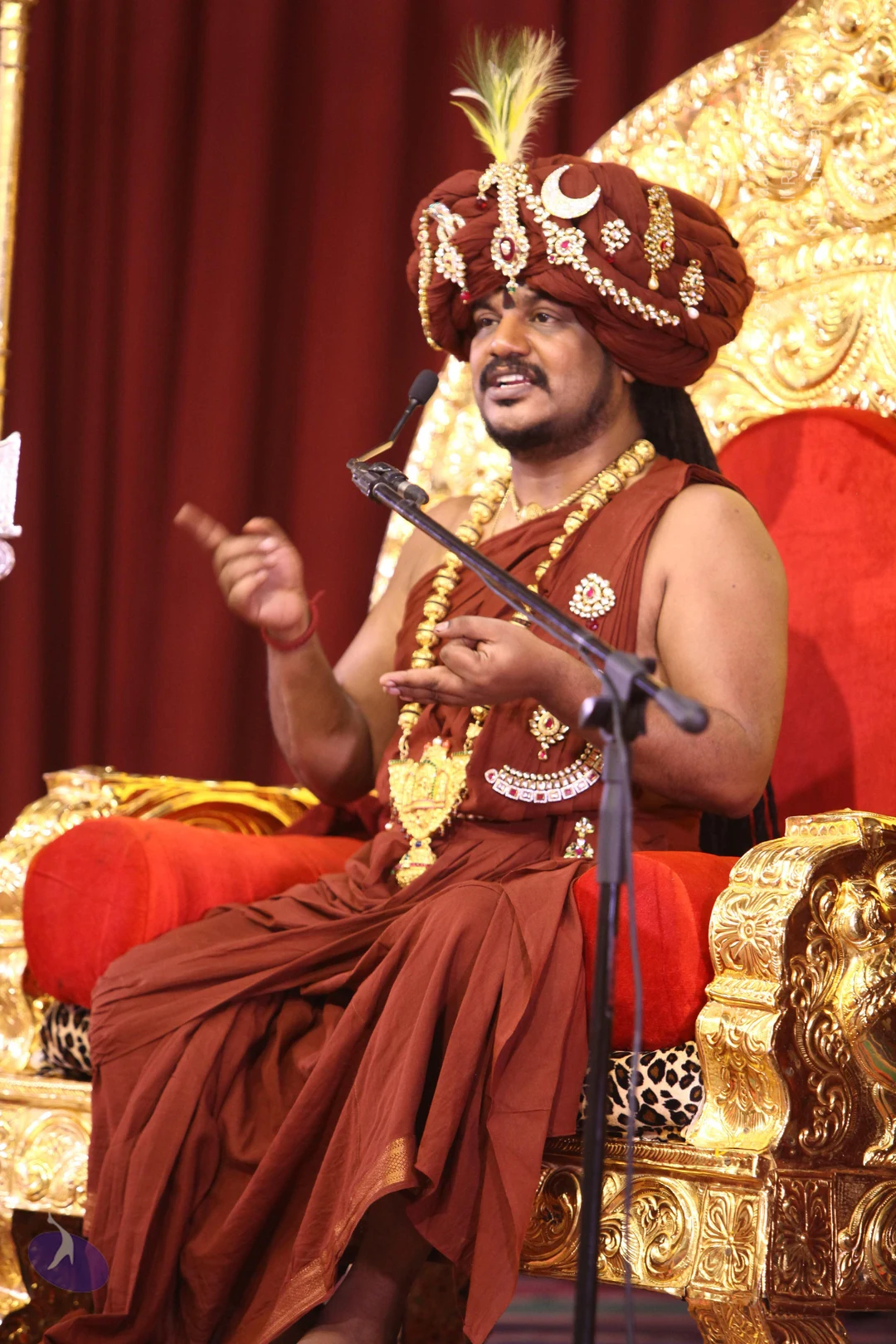
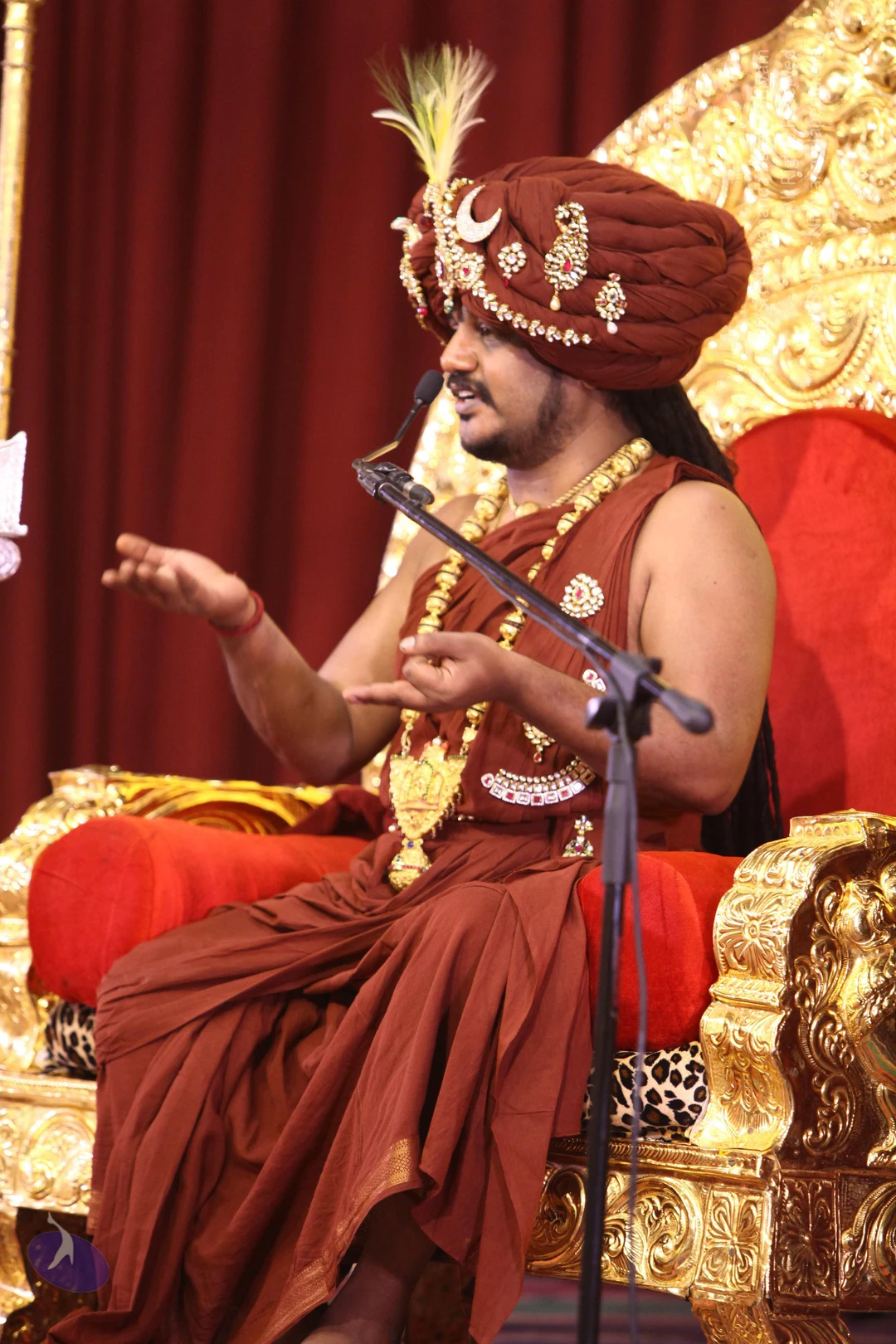
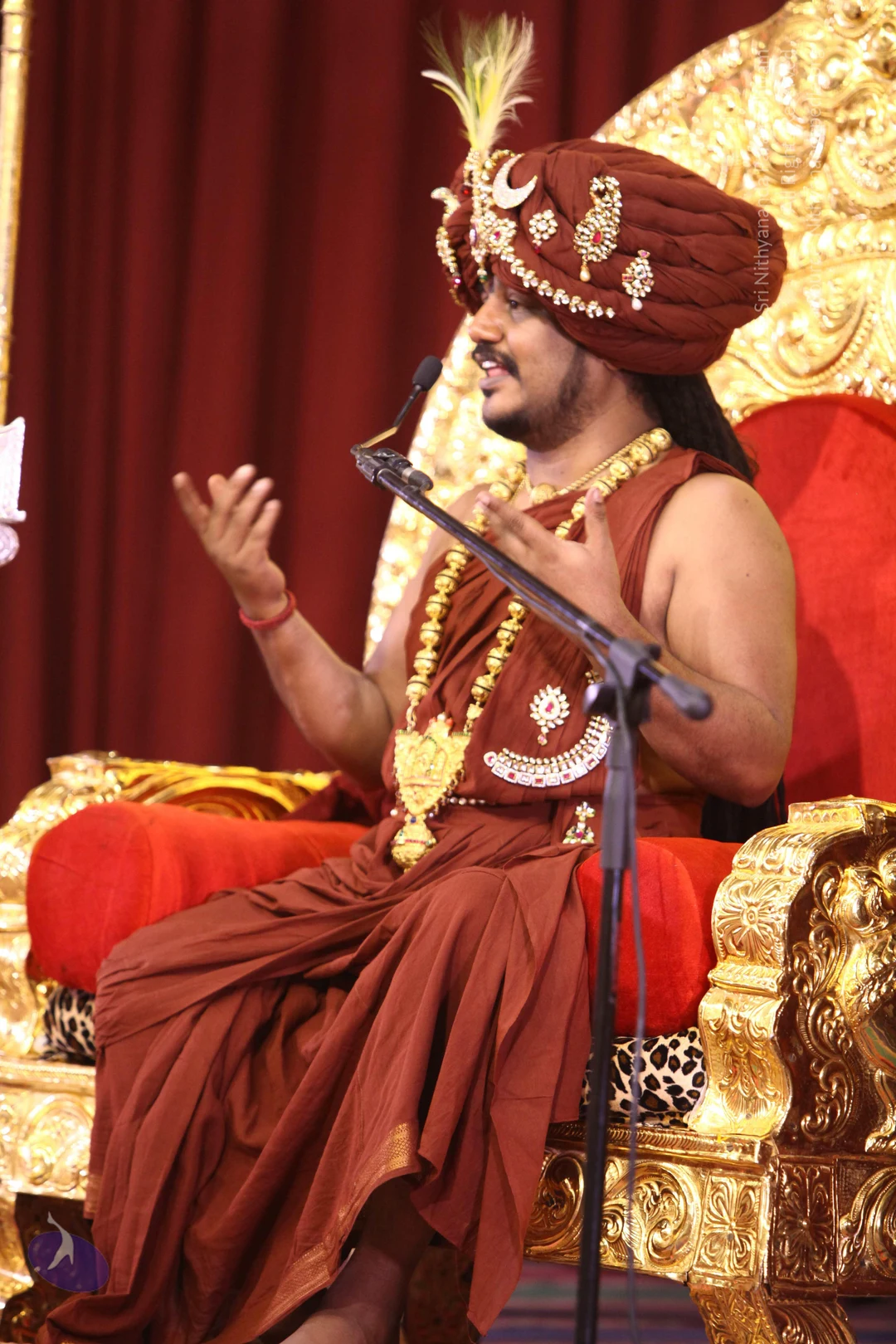
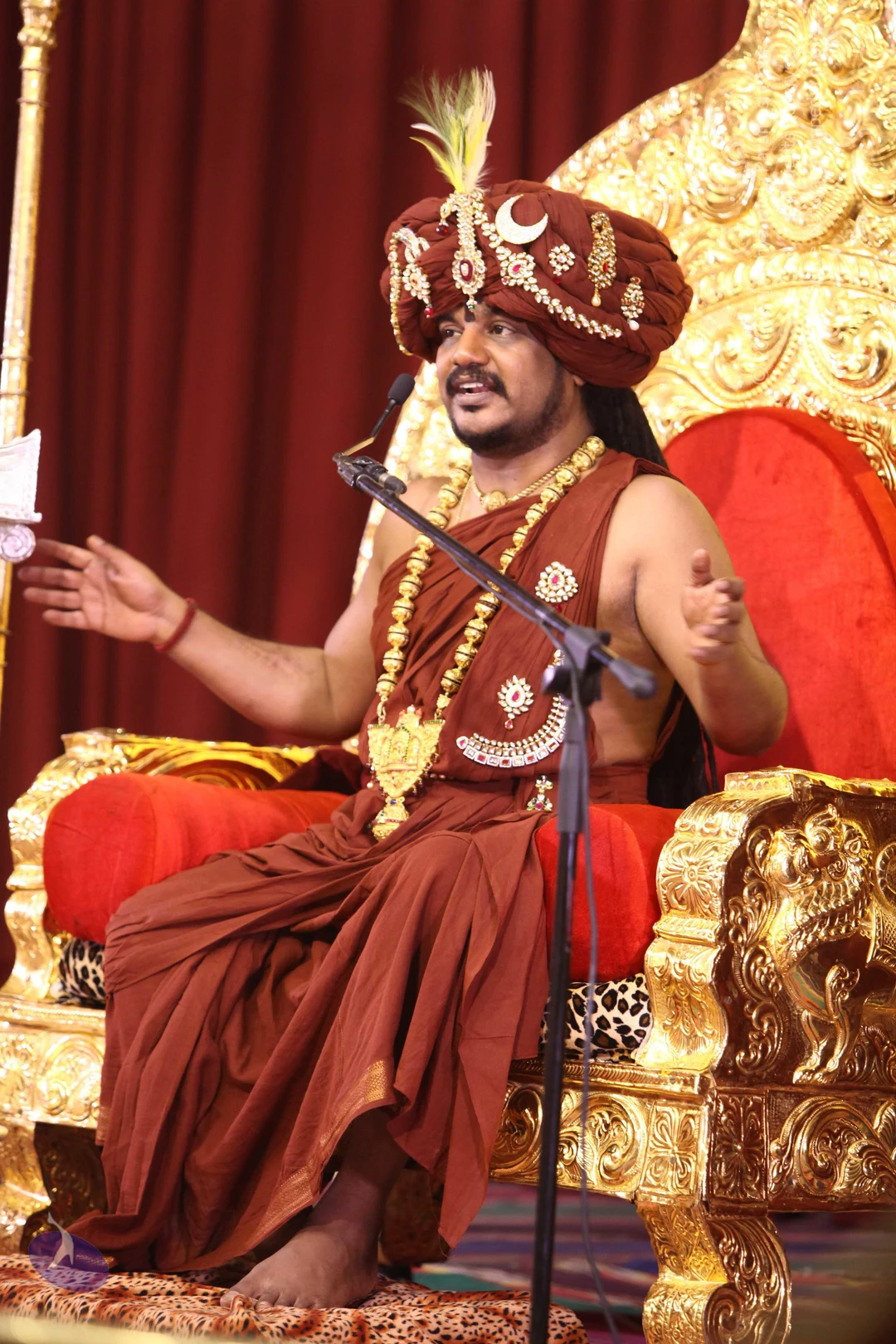
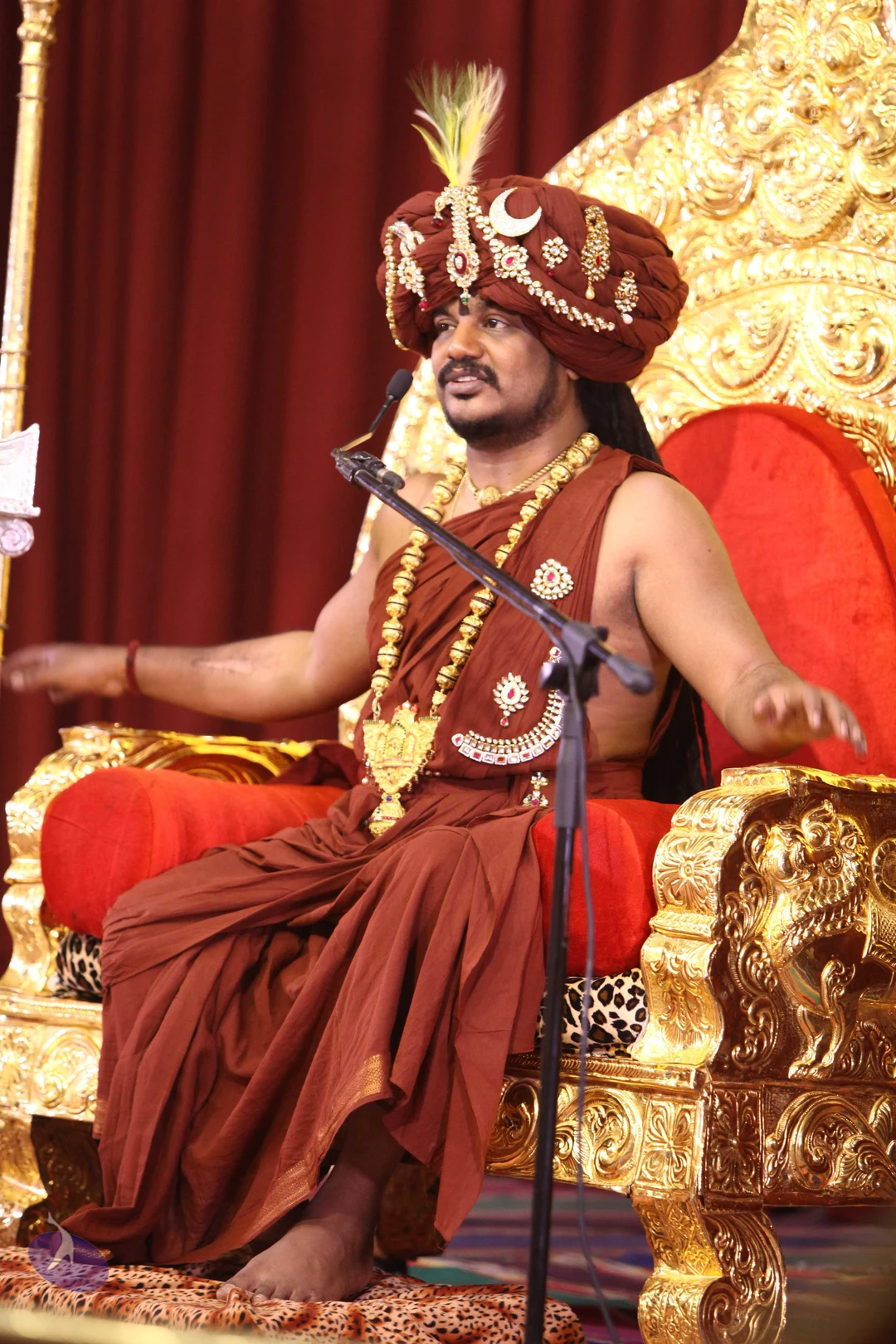
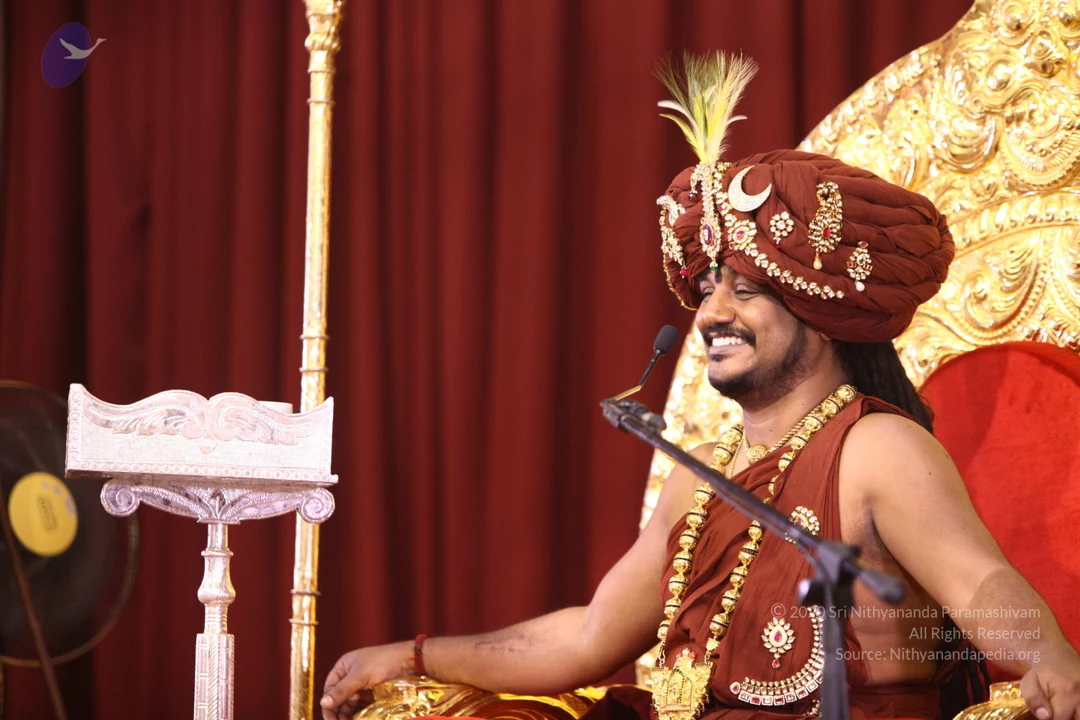
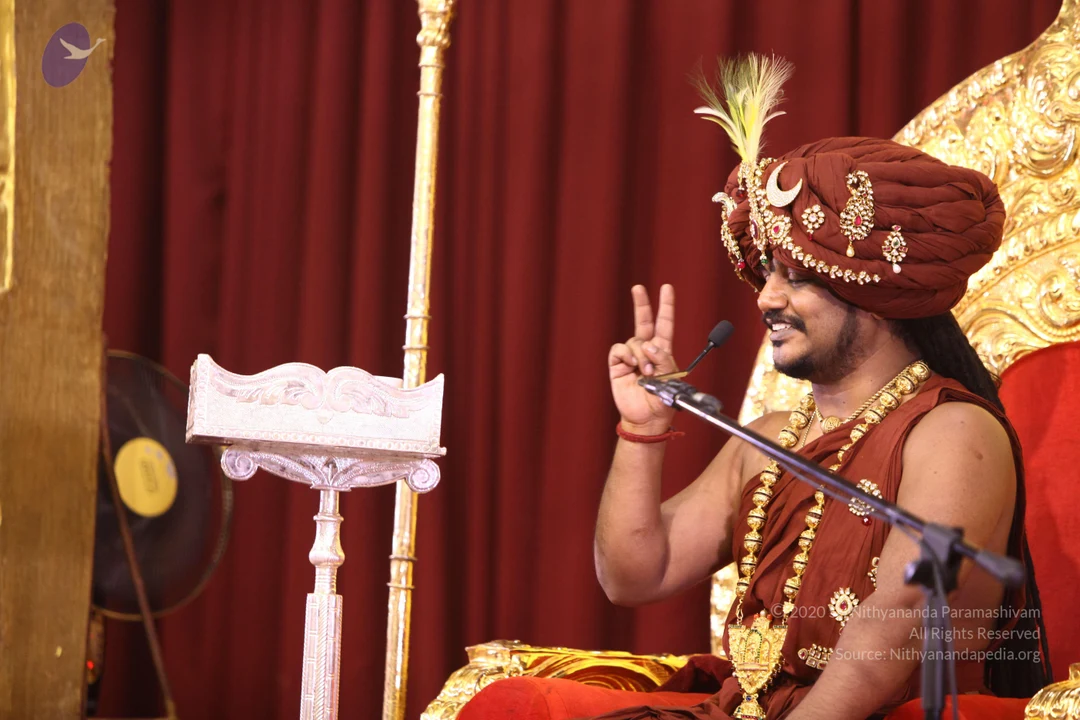
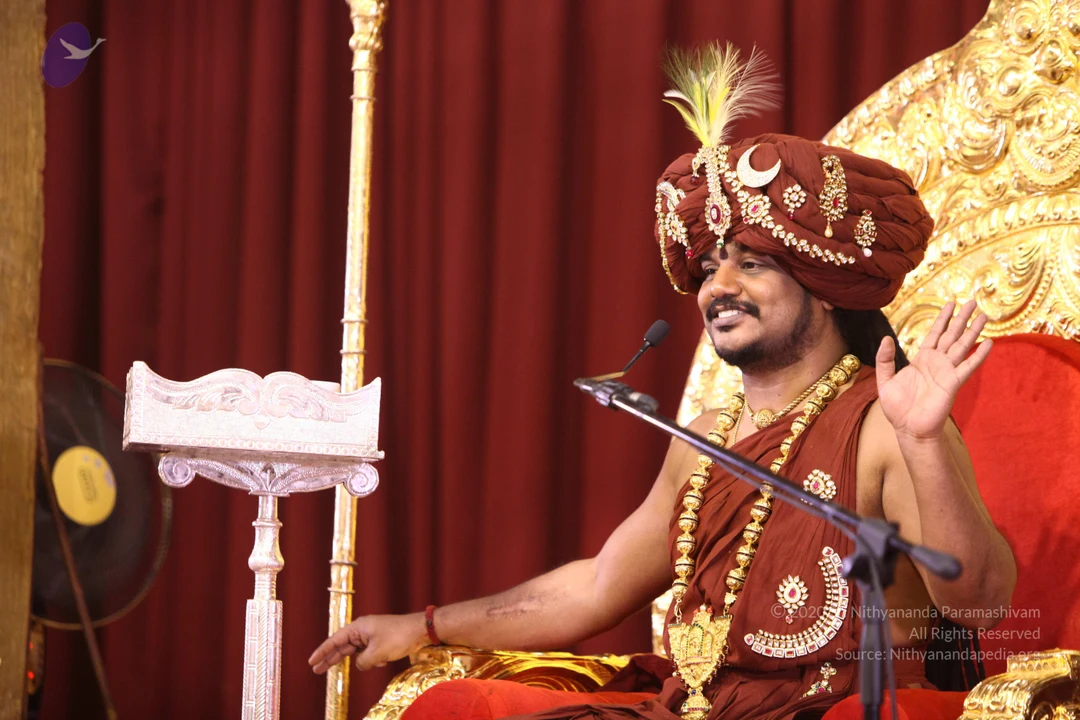
In this discourse from 12 July 2017, His Holiness Paramahamsa Sri Nithyananda Swamiji explains about the deeper secrets of oneness.He explains oneness is recognizing (i.e.,) re-cognizing integrity, we do not need to practice integrity, just need to recognize to what your Integrated to.
| Video | Audio |
Transcript - Solve Any Problem of Your Life with Integrity
nithyānandeśvara sadāśiva samārambhām nithyānandeśvari ādiśakti madhyamām | asmat āchārya paryantām vande guru paramparām || I welcome you all with my love and respects. I welcome all the devotees, disciples, samajis, satsangis, sitting with us all over the world through Nithyananda TV, Facebook live, YouTube live, through hundreds of aadhenavasi’s channels, Kalki TV and two way video conferencing. I will continue on Aadheenam chalo series. Some of the deeper secrets of Oneness .Understand, Oneness means, recognizing... understand, re-cognizing is recognizing. Re-cognizing ... your integrity is always alive. Listen carefully; your integrity is always alive. It is not that you need to become integrated, no. Your Integrity is always alive. Only your Integrity did not know the priorities and directions to which it should be integrated. Listen carefully; it is like, somebody tells you, a bag full of pennies, coins and billion dollar cheque. See, is a paper [pointing towards one side] full bag, full bag full of pennies and just billion dollar cheque [pointing towards other side]. You are Integrated to this full bag of pennies because it attracts your immediate attention, does not even let you cognize what this billion dollar cheque can do. It is not that you are not integrated; you are integrated stupidly to this bag full of pennies. Even the whole bag, what will be there? Two hundred and seventy three dollar.
(04:16)
If you look at the life, listen carefully; just few micro milligram pleasure injected in your body due to certain chemical and hormonal ups and downs becomes your goal, unfortunately you are integrated to what you believe brings that same ups and downs and that idea of pleasure… and that idea of pleasure. Listen carefully; please listen intensely, because this understanding will liberate you from waste of life. Many time working twenty five years for something and after achieving it suddenly feeling empty about being the owner of what for you gave twenty five years of your life! Sometimes not even twenty five years, twenty five janmas and then recognizing, Oh God, it is waste. Everyone tries to enjoy that vacation; I tell you the secret of vacation. When you feel you are free, whole day and there is nothing to be done, suddenly your breathing becomes long and sharp, the prana level going in becomes more, you enjoy that chemistry change in your system and you falsely associate that with the place you visited or the idea that ‘holiday’. All you need is just try three day enema and Haritaki, you will have a ten times better vacation feeling. All your vacation idea - the time you wait and then the plans you do and then the execution you do, everything - end of the day what it produces in your system, what you enjoy, you can get not just that hundred times better experience just by three days of enema and Haritaki… Jalabasti and Haritaki. Night Haritaki and morning jalabasti will bring that same long breath, prana inflow and that chemical balance, the chemistry. “Oh God, just for this, I was wasting my whole life imagining about vacation.”!! Listen carefully; I gave you one example. This same thing for everything you call as goal of life. The kind of false security you feel with your 401(k)3; that’s a biggest scam on humanity… the false sense of ownership.
(9:09)
The other day I was reading a one liner, if you have a gun you can rob a bank; if you have a bank you can rob anybody. ☺ No this whole faltu system of currency based economy… understand, currency based economy is a conspiracy against the humanity. We should get back to the fundamentals, survival needs based economy, not somebody’s greed based economy. Understand, we should get back to the economy of what we need for our existence. Those items should be the currency. They should be the material which is exchanged not the false promissory notes which finally gets reduced not even in the form of notes, just electronic zeros. The false confidence you cherish, because of the idea of currency, the false wealthy feeling you cherish because of the idea of the currency, understand, this faltu cognitions lets you down so badly you do not recognize you have been let down till you die. That’s the worst thing. That’s the worst thing.
(11.29)
See in Hindu tradition that is why, however rich you may be, you may be a king, but after certain age, everything should be given up. Dharma, Artha, kama is over, now start moksha. The moment you land on the Planet Earth, learning the values of existence, methodology to exist, way to exist, - Dharma. Then Artha - way to expand, contribute, be a meaningful member of humanity. In Sanskrit, Artha means meaning and wealth. It means how much you mean that much you will be wealthy; how much you mean to society, that much you will be wealthy… so becoming a meaningful part of the humanity. Understand, only wealth generated by being meaningful member is Wealth; everything else cannot be considered as wealth. How you contribute, by contributing what you generate is wealth, nothing else. Artha is being contributing, meaningful part of humanity. Then Kama - Manifesting what you want, means, celebrating your existence by your own creative unique whims and fancies. Understand what a beautiful structure; first you understand the values of existence. Then you understand to be a meaningful member of the humanity. Now you are given the freedom to dance as per your whims and fancies. Once you understand, it’s all after all whims and fancies, you are asked to drop and move towards moksha.
(14:28)
Listen to this fundamental truth, listen to this fundamental understanding. You may be integrated to the bag full of pennies, because you do not know the value of billion dollar cheque; but you are integrated! Integrity itself need not be practised. Understand, this is one of the biggest relief a seeker can experience. “I do not need to practise Integrity. I need to re-cognize to what I am integrated.” First be very clear, all of you are hundred percent integrated. To what? To what? When you cognize ‘to what’, you yourself will feel shy, “eh God, eh, where is billion dollar and where is two seventy three dollar and forty three cent. You will simply re-cognize your priorities. You will not plan for million dollar vacation after the end of one year, you will just have Haritaki in the night and Jalabasti in the morning because you know the feeling is what you enjoy. I am not saying don’t go for vacation, I am saying don’t go just for the feeling which can be created by Haritaki and Jalabasti. Go for some other reason maybe you want to have a family fight ☺ usually that's where vacation ends; go as family and fight and come back ☺ Then you can go, no problem. But if you want only that feeling, then what is the use. You can get it here. Understand, re-cognizing your integrity and to what you are integrated solves literally every problem. And you need to know as long as you think you need to practise or build Integrity you will feel stressed and use all the bad words externally or internally to the Integrity Officers, to Sadashiva Ganas, “Oh God, these demons have come in the morning itself to wake me up, they cannot tolerate me sleeping. They do not know I went to bed only night nine o clock. Morning four-thirty itself they are there to push me to do Yoga. I don’t know, Sadashiva doesn’t know early morning sleep is very tasty. Why did he write in Agama, ☺ maybe there is some spelling mistake or translation mistake? ☺ Should we tell Swamiji to refer the Agama once more. ☺Is it really, really morning ☺ or by any chance it is evening four-thirty? Can we have one more translation verified and the original scripture verified? Is it only supposed to be done in the morning Brahma Muhurtham? We will remember up to the origin of the Agama. May be somebody manipulated who can’t get to sleep in the early morning. These old fellows don’t get sleep so I think they would have changed the Agama. May be Shiva lives in another time zone ☺
(19:07)
Understand, if you think Integrity needs to be practised, built, you will be highly stressed. That is not... and that cannot be the truth. Not only that is not true, that cannot be the truth. That goes against the fundamental principles of Advaita of ‘you are already Complete’. Understand, you are already Integrated, already Complete, already Authentic, already Responsible, already Enriching... but to what? If you are integrated to sleep, you will be enriching everyone to sleep, by your very presence. [Swamiji yawns and acts like sleepy person] Let him talk, why are you disturbing me and others? After few days you will also...New ah? If you are integrated to sleep, that is what you will be enriching. If you are integrated to Guru, that is what you will be enriching. If you are a mixture of little sleep and little satsang, that is what you will be enriching. Understand, re-cognize, recognize you are already integrated. You are already authentic, you are already responsible, You are already enriching, you are already complete... but to what? If it is for sleep, you will have that as a result of your life. As I said few days before in a satsang, “Don’t diet; eat as per your Goals.” That’s all. You should know every act is leading you to some result. If you want that result, do this action. If you don’t want that result, don’t do this action; that’s all. Diet or die, that’s all; eating as per your goals. You are already integrated, maybe integrated to become overweight or integrated to be healthy, that’s all. But you are integrated. Recognizing to what you are integrated awakens you, that is what I call Inner Awakening. Understand, re-cognizing to what you are integrated, to what you are authentic, to what you are responsible, to what you are enriching? Today I wanted this as a homework to be done by all the aadheenavasis and the Sadashivatva batch II participants. Spend half an hour or one hour; find out to what you are integrated? Whatever you are experiencing in your life, you are integrated to that. Are you feeling poverty? You are integrated to that. Are you feeling wealth? You are integrated to that. Are you feeling rich? You are integrated to that. Are you feeling healthy? You are integrated to that. Are you feeling sick? You are integrated to that. Are you feeling, “Wow! I have a great future with Swamiji and Sangha here”? You are integrated to that. Are you feeling hopeless, “I don’t know where I’ll fit I don’t know, what I’ll do, I don’t know whether I’m going to climb the Shivastamba or hang in the Shakti rope”? I’ve decided to give a new name to Rope Yoga, Kundalini Yoga, Rope Yoga. It’s a kundalini snake that is Shiva stamba. So Shiva Stamba will give you strength, Kundalini rope will give you flexibility.
(24:44)
To something you are integrated. Re-cognize to what you are integrated, that re-cognizing will awaken you; it will awaken inside your inner being. All the problems of life can be solved by re-cognizing to what you are integrated. If you are highly integrated to your laziness, then... that is what you are integrated. Many people come and tell me, “Swamiji I surrender myself to you but can you exempt me from the morning routine?” It means what? You are more integrated to your morning sleep, tiredness and laziness than to Me. If I just remove this morning routine, I’ll have ten thousand aadhenavasis here by tomorrow. What is the use? What is the use? We have three thousand snakes in this campus before I came, what is the use? Understand, whether you have problem with your laziness, whether you have problem with your inefficiency, whether you have problem with your behaviours, whether you have problem with your food patterns, whether you have problem with your sleep patterns, whether you have problem with your thought current patterns, whatever may be the problem, just understand you are integrated, you just need to re-cognize to what you are integrated. Re-cognize to what you are integrated. If you just scan your whole day, do this like a exercise. Scan your whole day... what is the best thing you love to do in your whole life? Whole day whenever you get time for yourself, Jileeeepppp [sleep] Jileeeepppp. Nidradevi puja ☺ Either you are integrated to Nithyanandeshwara puja or Nidradevi puja[sleep] and to what you are integrated, you are going to have the result of that in your life. But you are Integrated, recognize that.
(28:26)
I tell you, beauty of light is it cannot co-exist with darkness. The beauty of awakening is, it cannot coexist with blind spots. If you feel, “I know Swamiji, I am integrated to sleep but I don’t know how to get out of it.” No, then you do not know the ill effects of that in your life. You have not cognized. Still you think, you can continue to sleep and suddenly overnight somebody will build the Kailaasa for you and gift it to you. Even if you snatch Kailaasa from somebody you can never live in peace. See Ravana, snatched Kailaasa from Sadashiva and took it to Lanka. Still you don’t find peace there. Lanka was the city Ravana took it from Sadashiva, abusing the compassion of Sadashiva that is why never peace existed there. This Ravana is a Brahmana who does all the rituals. So Sadashiva called Vishwakarma and asked him to build a golden city for Devi. Parvati was newly married and she was little unable to settle with that weather and vatavarana and all that and he said, “All right, for the sake of Parvati, build a Golden city.” Vishwakarma just made it and “Mahadeva it is there. Please accept.” And then you need to do all the rituals to start living there. Ravana was well known Purohit. He was called to do all the rituals and he did all the Grihapravesam, Purohitya ceremonies and end of the ceremony Sadashiva was very happy and as usual bholenatha. He said, “Ask what you want, I will give.” This fellow says, give me this whole city. Sadashiva never bothered. “Haa tathastu, take it.” And of course He called Vishwakarma and said, “Hey make another one golden city.” Only twice... in the whole Puranas I verified, in all available records, all the Purana, Itihasa, Vedas, Upanishads, in everything. Only twice Sadashiva called Vishwakarma and built only two cities. One was taken away by Ravana as Lanka. Unfortunately because he took it in a adharmic way, you cannot go and do the purohita for the Grihapravesam and ask the whole Griha. That is not the right way of getting daana. It’s abusing the compassion, the charitable mind of a donor. Understand, even when the person is giving, he has a highest charity mind, you need to be responsible, what you demand. Its greatness of Sadashiva he gave but not the right of Ravana. That is why the place never experiences peace. Only if you are a Shaivaite, practising Shaivaite you will be peaceful in Sri Lanka not otherwise. Not otherwise.
(32:31)
Unfortunately, the incompletion he caused by abusing the compassion of Sadashiva, fell as a curse on Lanka and never ever peace existed there. The second city he built is Arunachala; not even Madurai, I tried my best to get some reference and... not even Madurai. It is Arunachala. Both decided to shift the residence... not even Varanasi. I really thought, Varanasi would have called Vishwakarma and built it, No. One is Lanka, became useless for Sadashiva, second is Arunachala, they decided to move in and still they live there happily ever after. Not even Varanasi, not even Madurai - that was really shocking for me.
(34:18)
We are all integrated to something; find out to what we are integrated. Do not expect, you will be integrated to your sleep whole day, to your laziness whole day, and suddenly somebody will build a great kingdom and make you head or they will build all the best comforts of life and they will put you there, no. If you are integrated only to your laziness and sleep, get ready to rot and die in dustbin in the old age... because to that is what you have been integrated. You never bothered about humanity. Why should humanity bother about you when you need it? To what you are integrated, you will get that. If you are integrated to responsible activism, you will get that kind of a life. If you are integrated to your laziness and cunningness and tiredness, naturally you will get the life of rotting; rotting psychologically, rotting physically and dying... worst old age, not just old age, your middle age will become your old age. So find out if you are integrated to your withdrawing, “Oh if I take responsibility, I will be only questioned, I will not be supported.” Then you are completely integrated to your fears. So naturally you will be shivering and dying. Your middle age will become old age. Actually if you are integrated to your fear, not even your middle age your youth will become old age. Understand... integrity to passion and lust is thousand times better than integrity to fear and negativity. I am not promoting passion and lust, understand. I am saying that is much better than being integrated to fear and negativity. At least there you are living... when you are integrated to passion, you will learn some experience; things are not in status quo. Either you get beaten ☺ or enjoy some ups and downs, at one day you come to an understanding you are alive, moving. But this integrated to fear and negativity, I tell you, all your inefficiency is integrity to fear and selfishness and negativity; all inefficiency, non-involvement. Be very clear, do not be in a dream that everything will be allright one day. No. You need to be rudely awakened or new word Rudraly Awakened to the Reality – to what you are integrated that is going to get back to you, to what you are Integrated that is going to get back to you.
(39:08)
So today’s first work, sit for half an hour, forty five minutes, find out to what you are integrated. And I am going to initiate all the Sadashivatva participants today on manifesting the depth dimension. See, integrity is your existence, your depth. Re-cognizing and Re-aligning your Integrity, when you re-align you manifest the powers of depth. When you manifest the powers of depth you can easily re-align your integrity. If you can move the coconut outside, why can’t you move the thought currents inside? That’s all. All these power manifestation is to manifest the state of Sadashiva and space of Sadashiva. If you re-cognize them, not practise them, no. Practise is ugly four letter word. No. Satya will not need Sadhana. Understand if something needs Sadhana, it is not Satya. Why will Satya need Sadhana? Morning Sun rises in the east is Satya, does that need your Sadhana, no. Satya will never need Sadhana. If something needs Sadhana it cannot be Satya. Satya will only need manifesting, re-cognizing - Nididhyasana - manifesting. That is why in Vedic tradition there is no Sadhana. It is all about re-cognizing; in authentic original Vedic traditions, no Sadhana. Re-cognize. Maybe the re-cognizing can be called as Sadhana, roughly. It is not equivalent to the idea of Sadhana. Roughly.
(42:06)
Understand, first of all find out to what you are integrated, to what you are authentic. You are very authentic to your pillow and bed... because you spend best of your life there and you are very authentic to your confusion. You worship it. Om confusioney Swaha, Om confusioney namaha, Om confusioney naivedyam Samarpayami, Om confusioney paadapujam Samarpayami, Om confusioneyVastram Samarpayami. You glorify your confusion with nice, nice words. I think this is the way Sadashiva directly taught us to live. See how polite I am. When you are constipated also, you will be polite because you can’t move anywhere. Understand, to what you are integrated, to what you are authentic, to what you are responsible, to what you are enriching, that is what is going to be the result of your life. Recognize that, you will wake up and align your integrity, align your authenticity, align your responsibility and align your enriching. Re-cognizing makes you manifest the state of Sadashiva. Understand, state does not need to be achieved. You have it. If Sadashiva is hundred unit Integrity, you have hundred unit Integrity. He is integrated to turiyatita, you are integrated to Sushupti that’s all but the integrity unit is same. Recognizing the integrity to turiyatita builds a extraordinary beautiful brain grooves is equivalent to recognizing billion dollar is more worthy than the bag full of pennies. That recognition is what I call re-cognizing. This whole Sadashivatva – Aadheenavasi orientation program is only helping you to re-cognize, not practice anything. I’m dead against practice, all practices. I am all about re-cognizing. Re-cognizing should be the only practice. Let’s work on re-cognizing today. With this I bless you all, let’s all radiate with Integrity, Authenticity, Responsibility, Enriching, Causing, Living Shuddhadvaita Saivam, Sadashivoham, the eternal bliss, Nithyananda. Thank you. Be Blissful.
Link to Video:
Adheenam chalo Return Series - Solve All your Problems with Integrity!
Photos
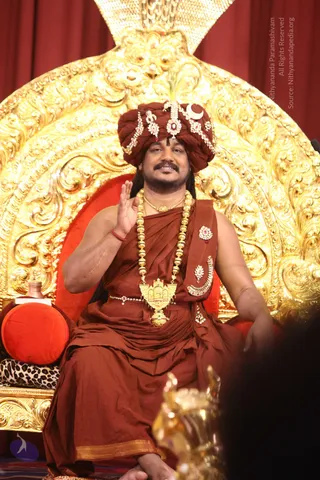
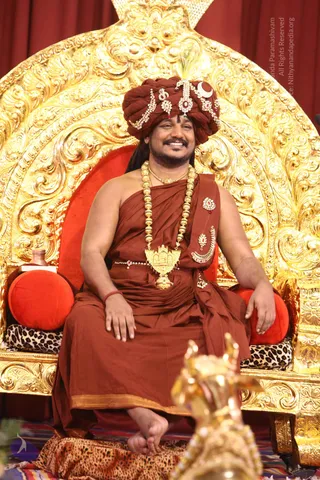
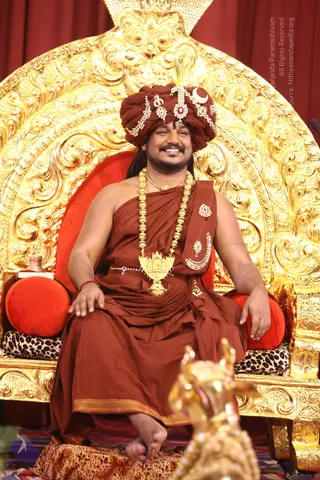
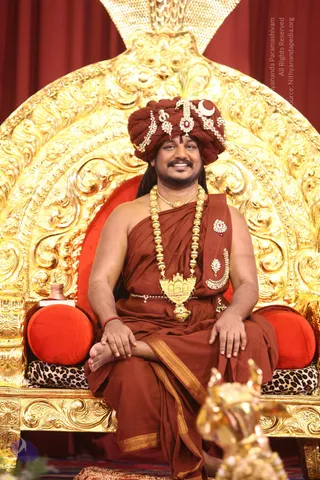
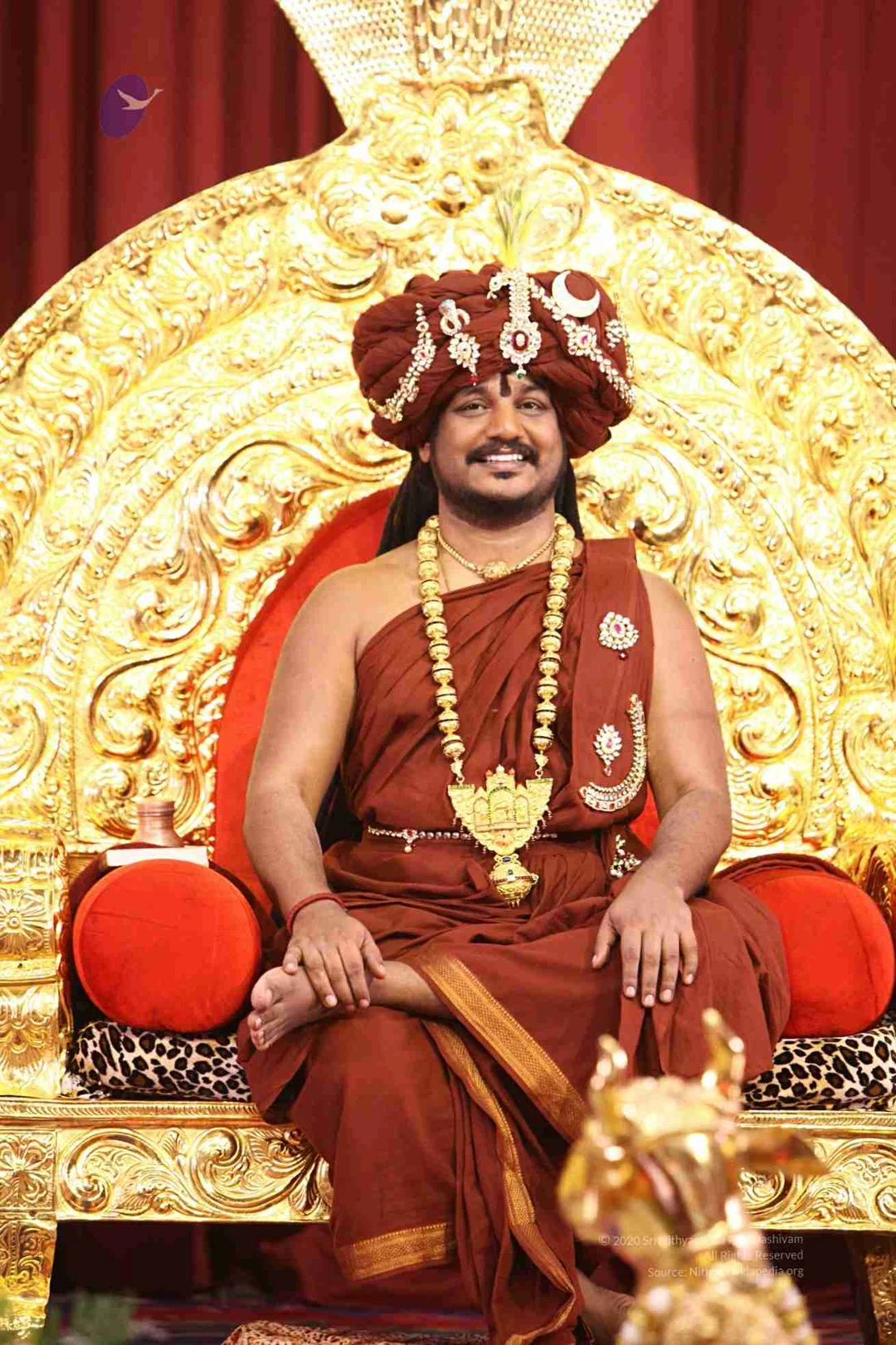
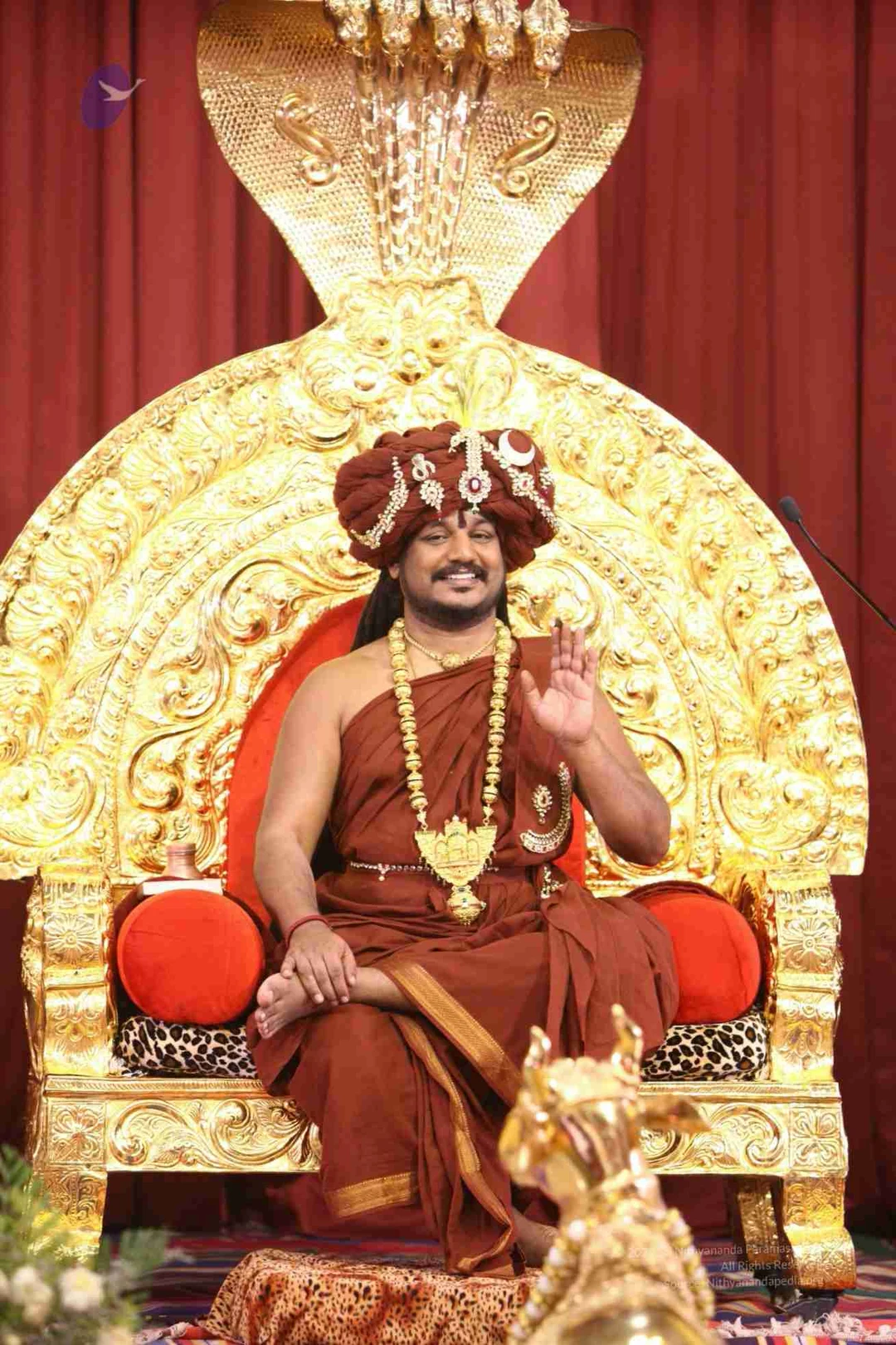
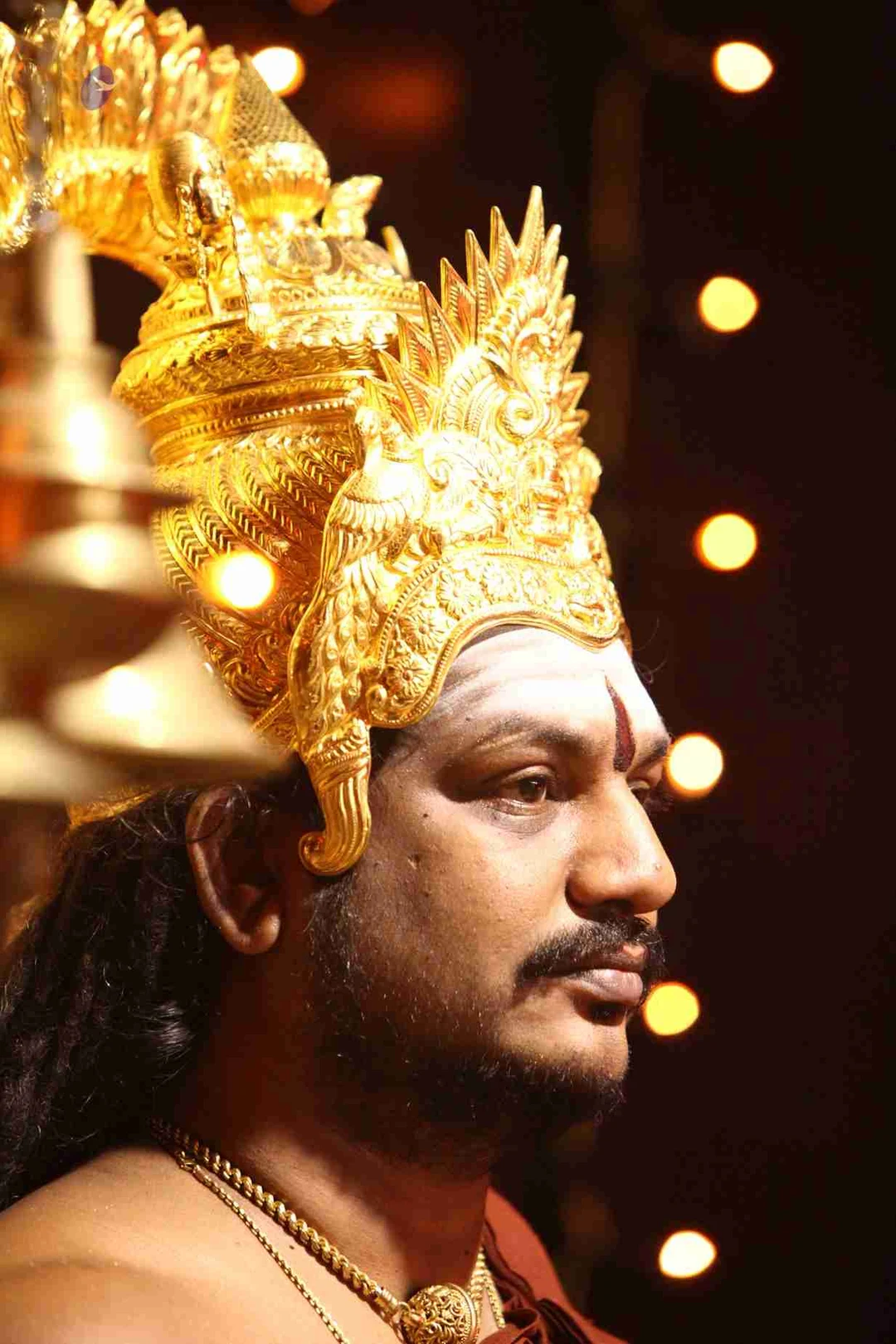
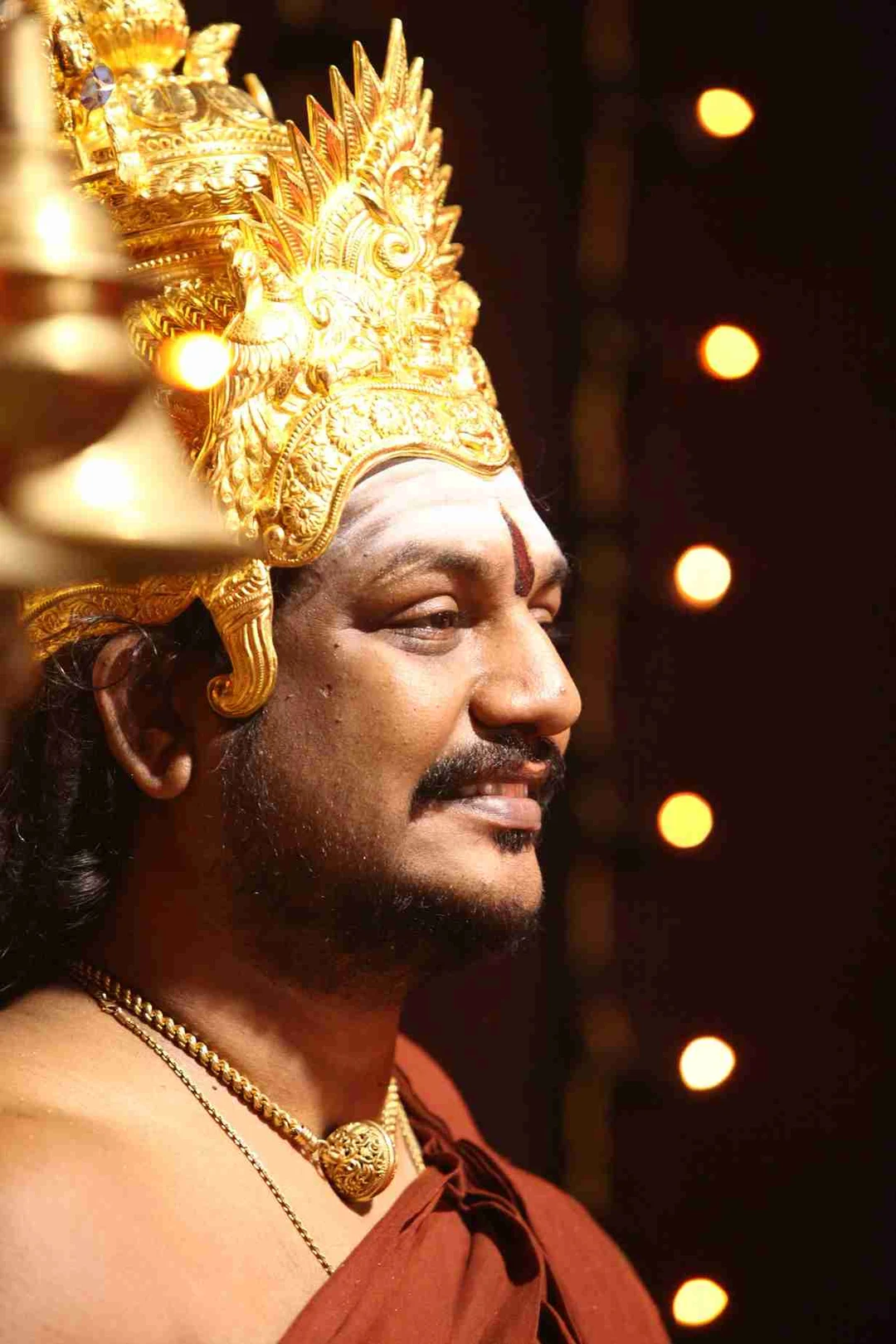
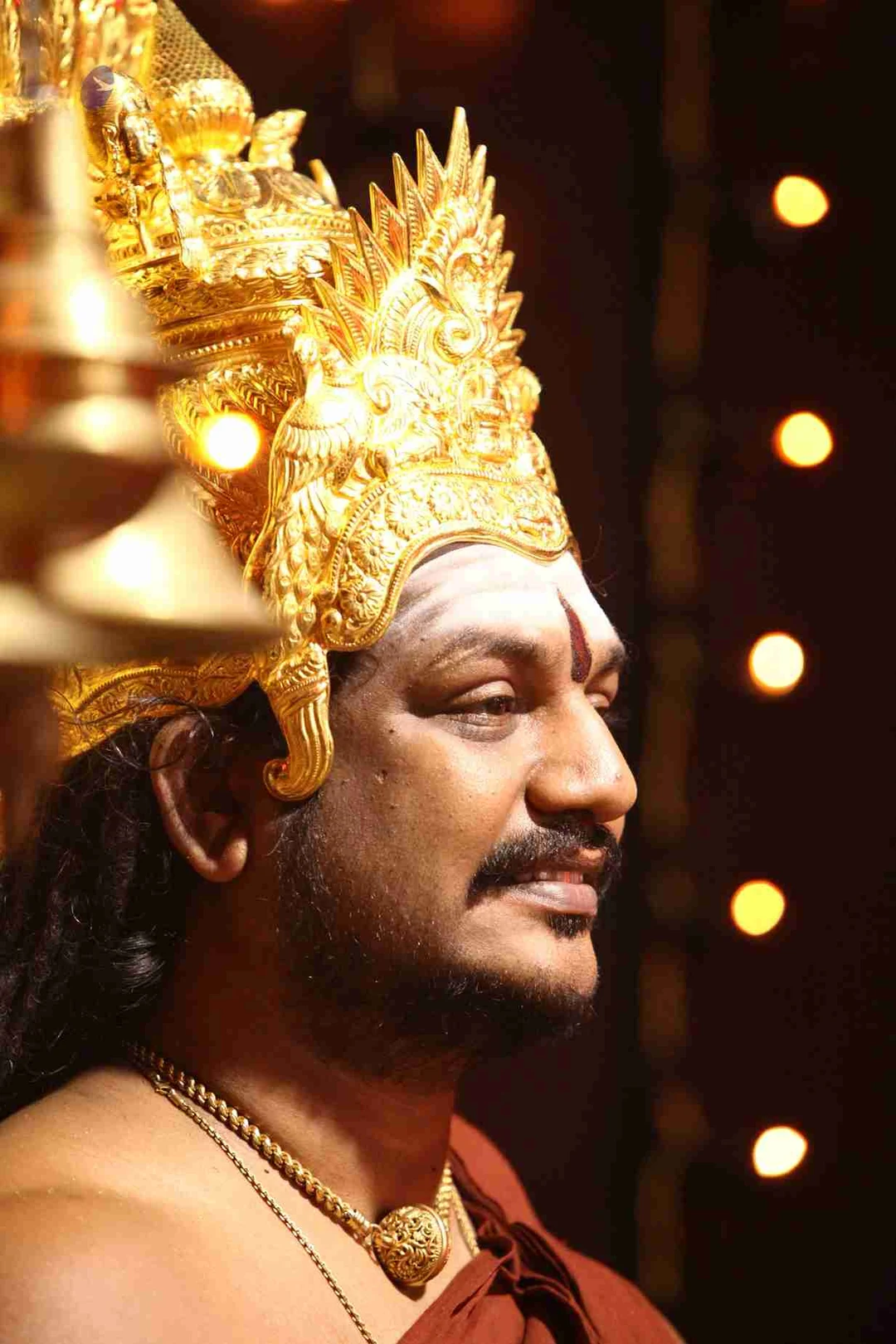
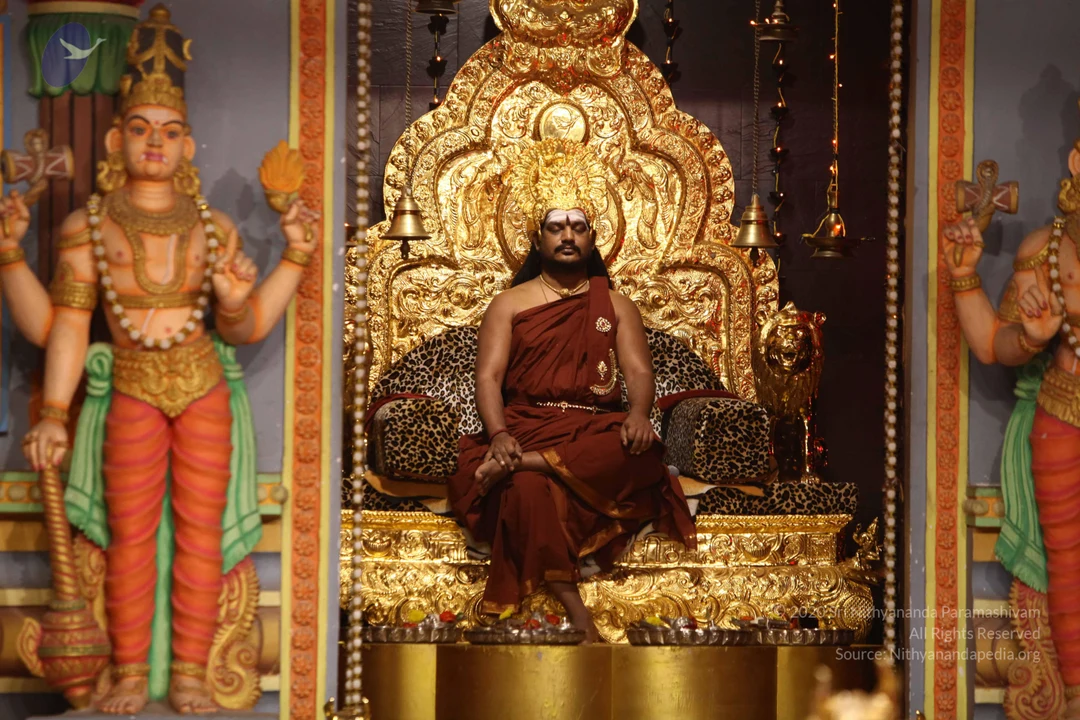
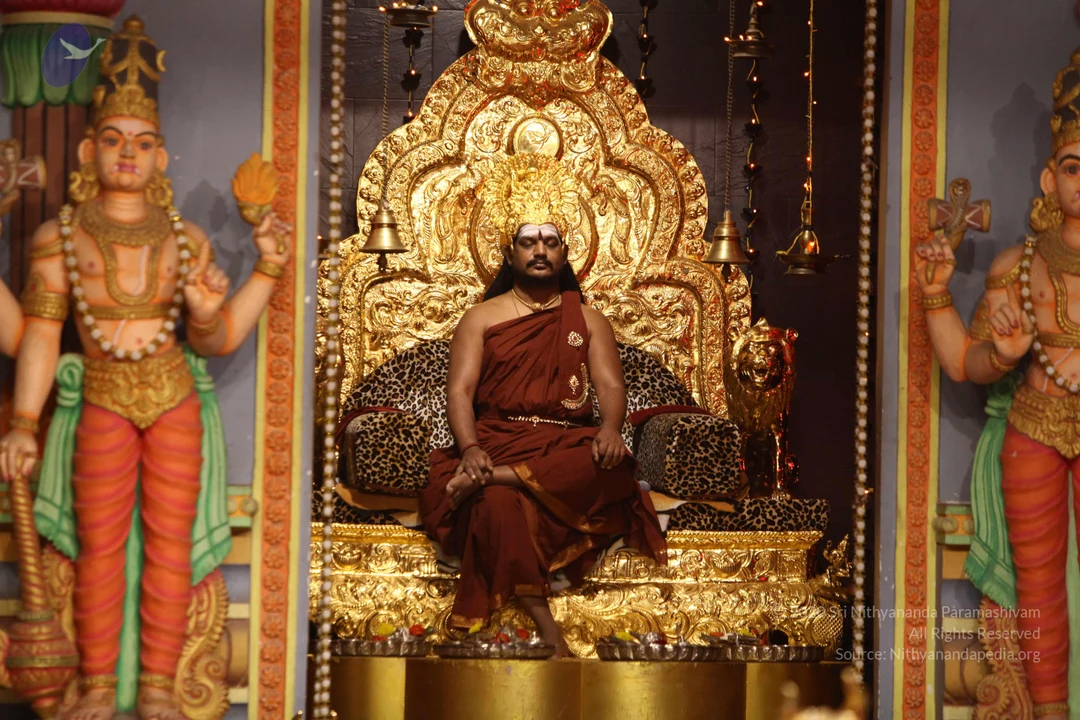
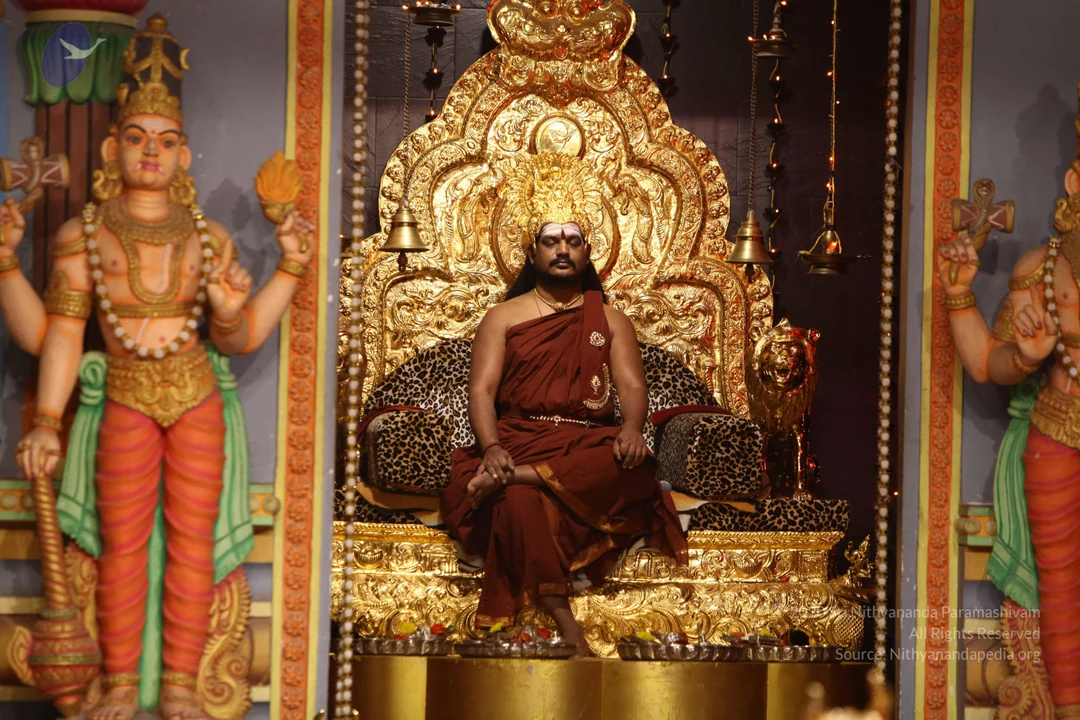
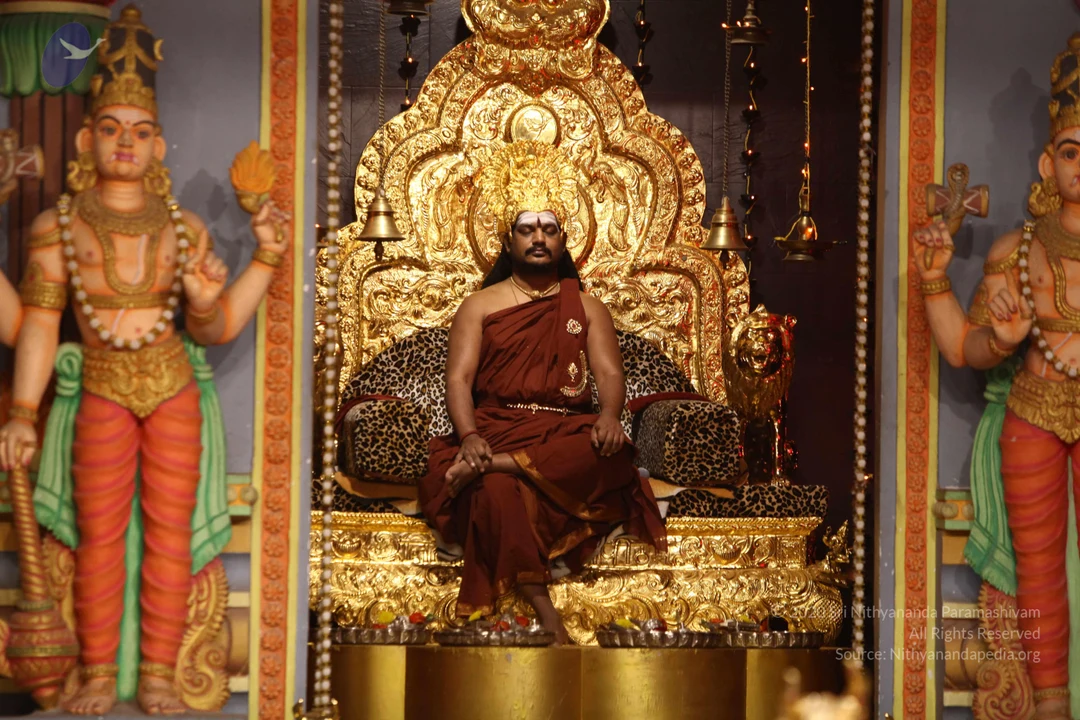
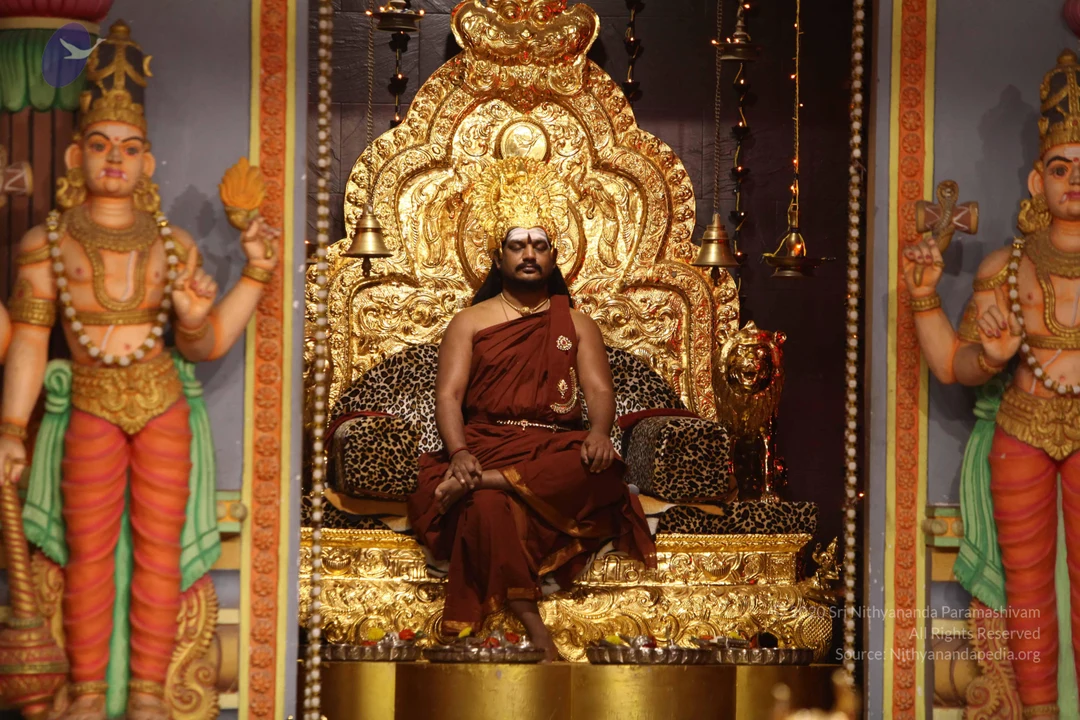
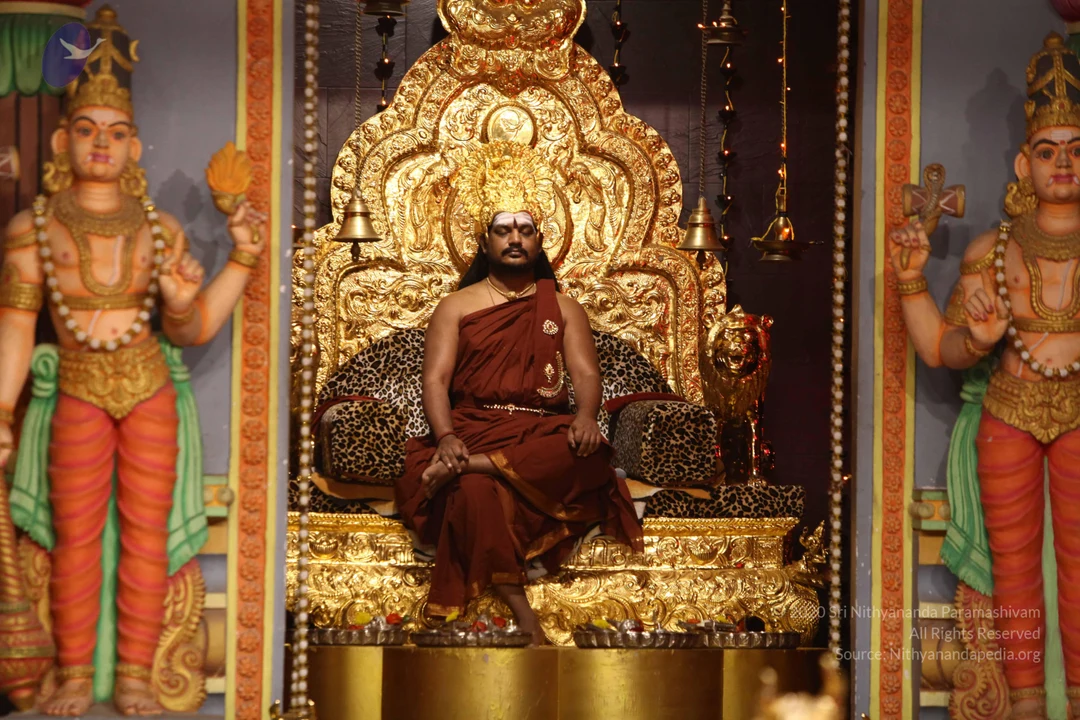
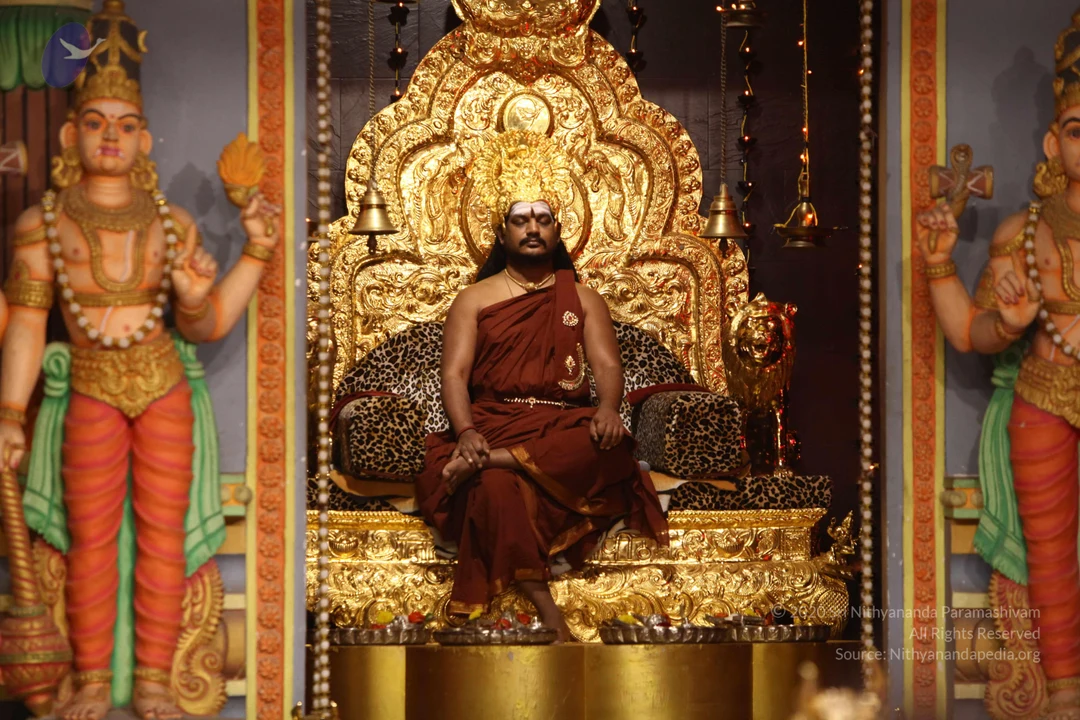
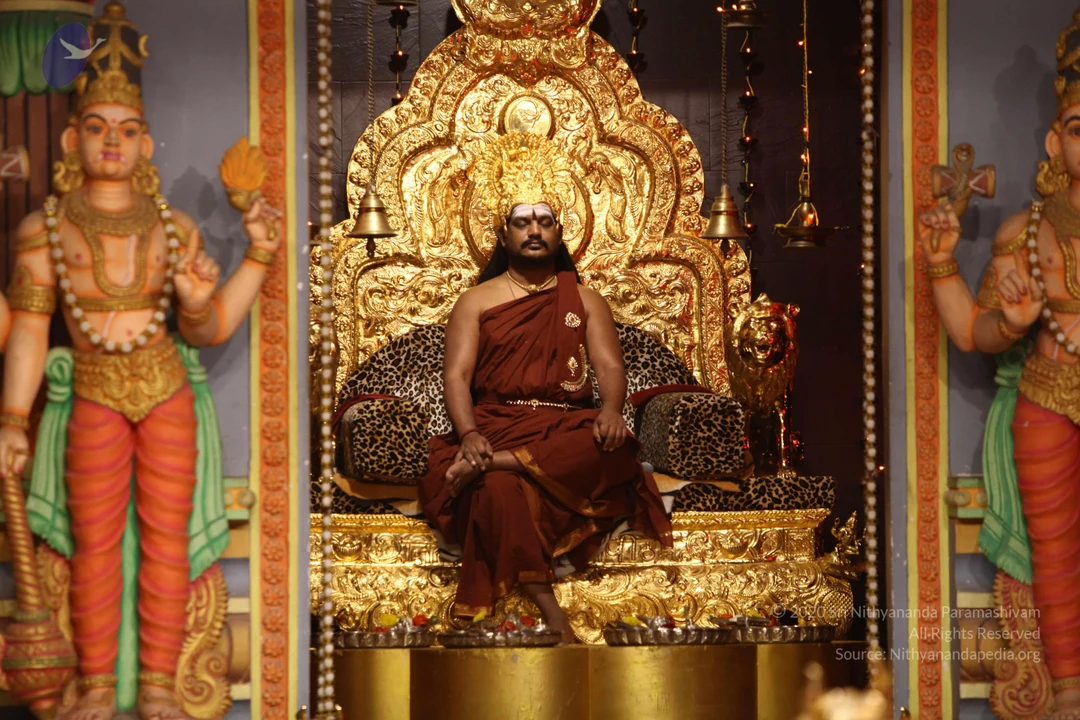
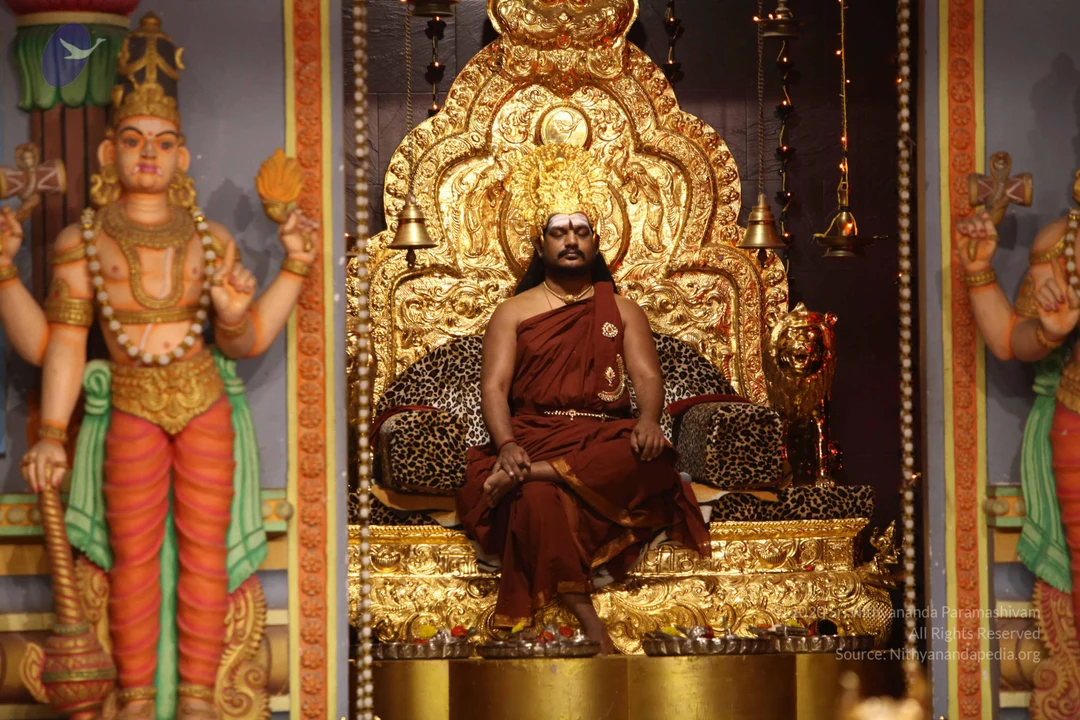
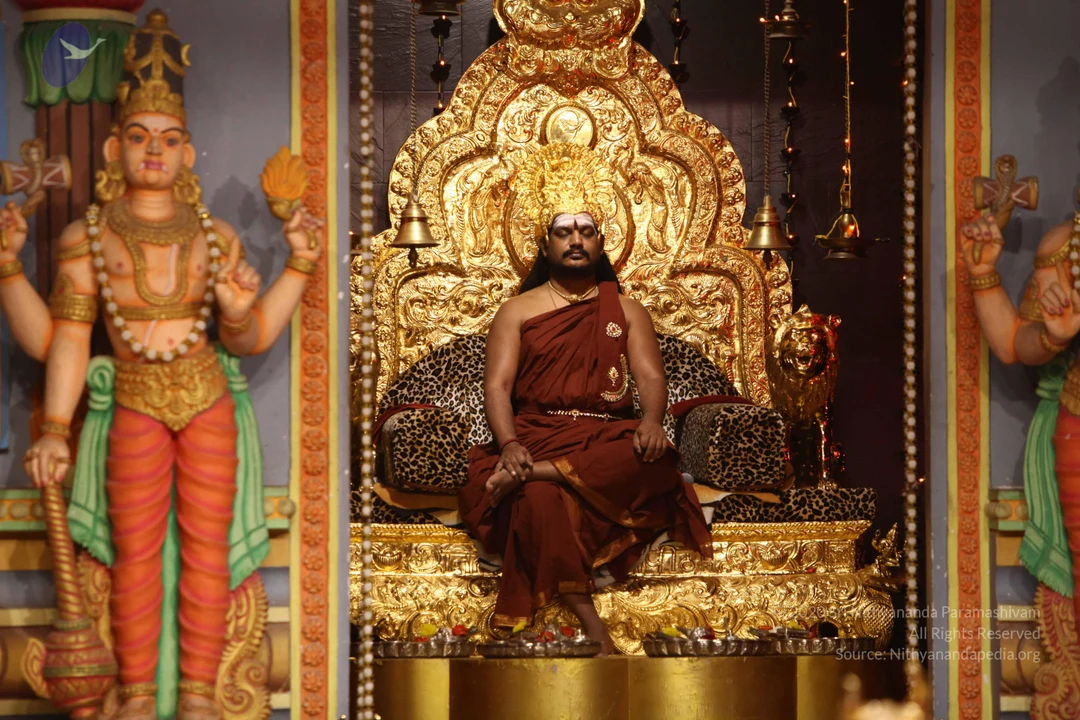
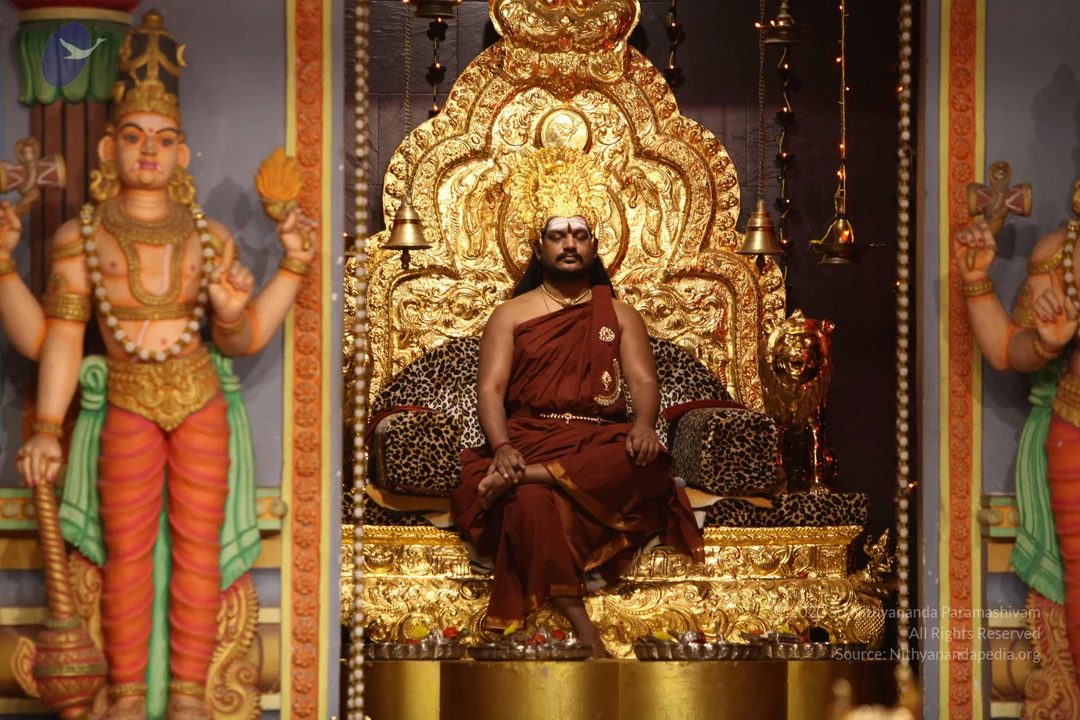
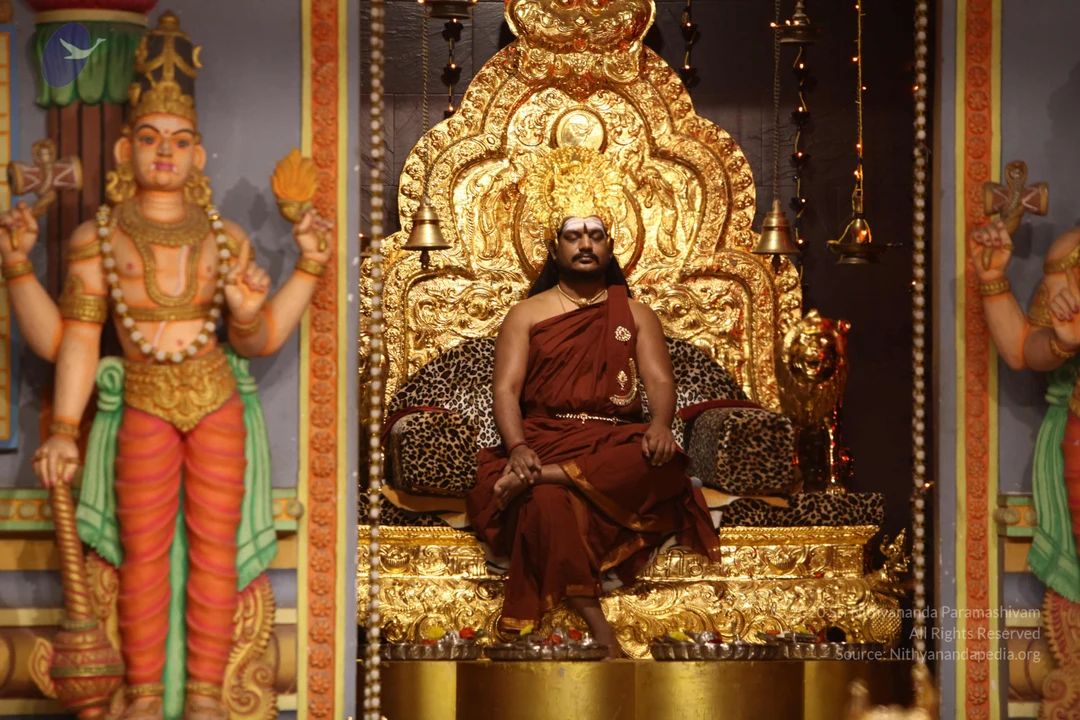
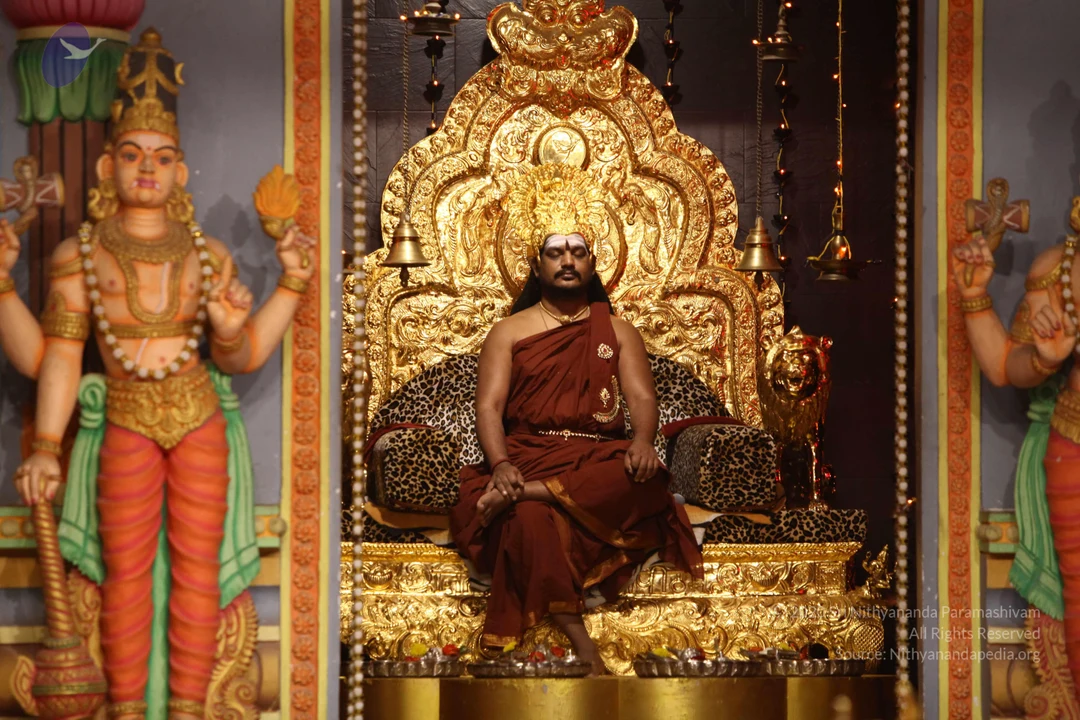
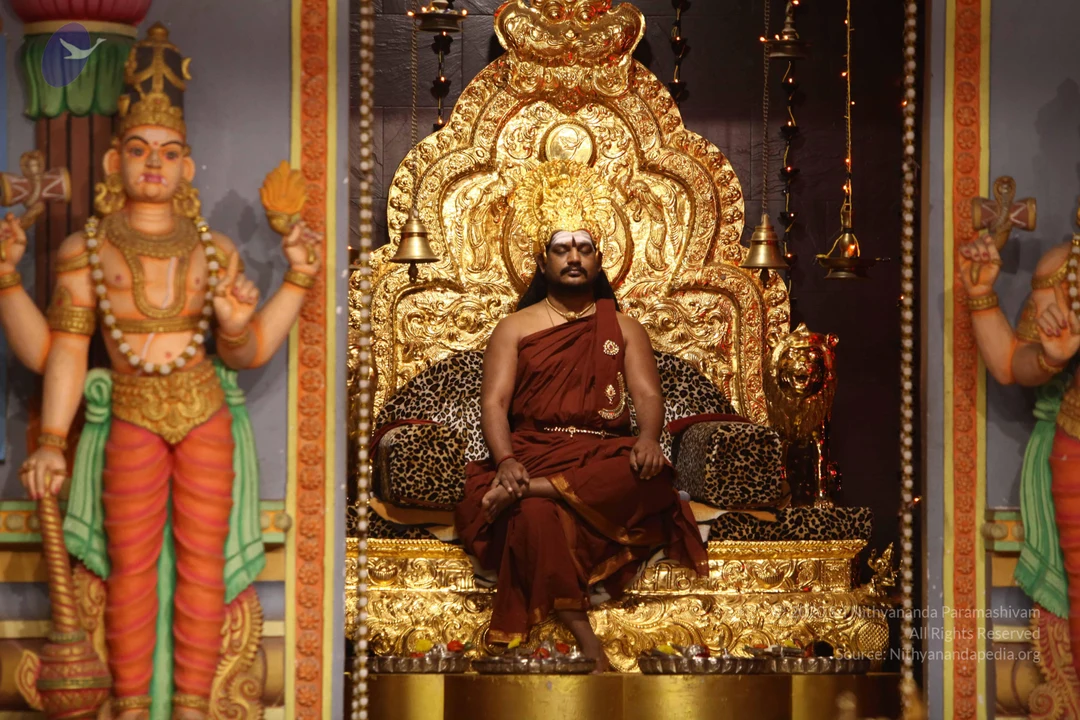
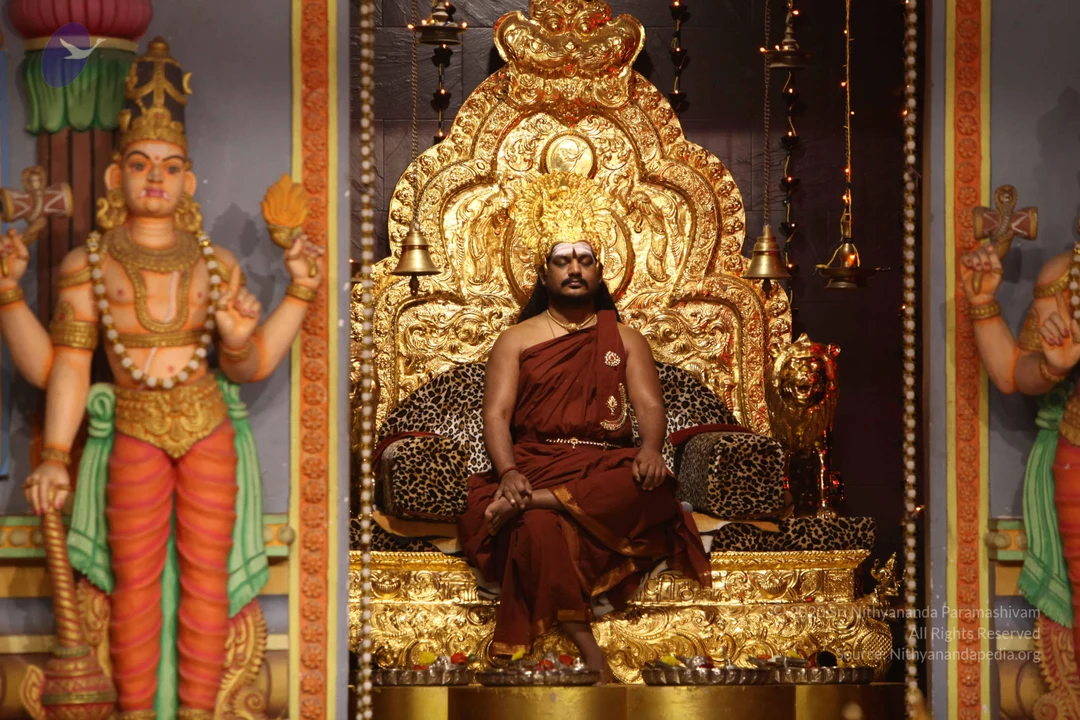
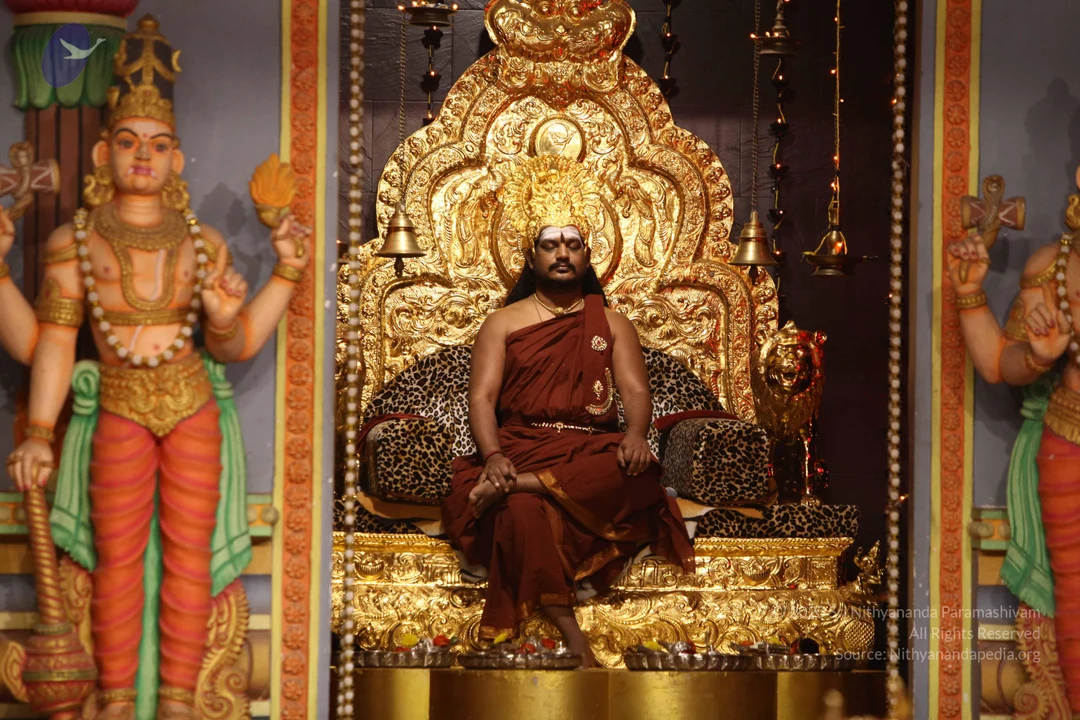
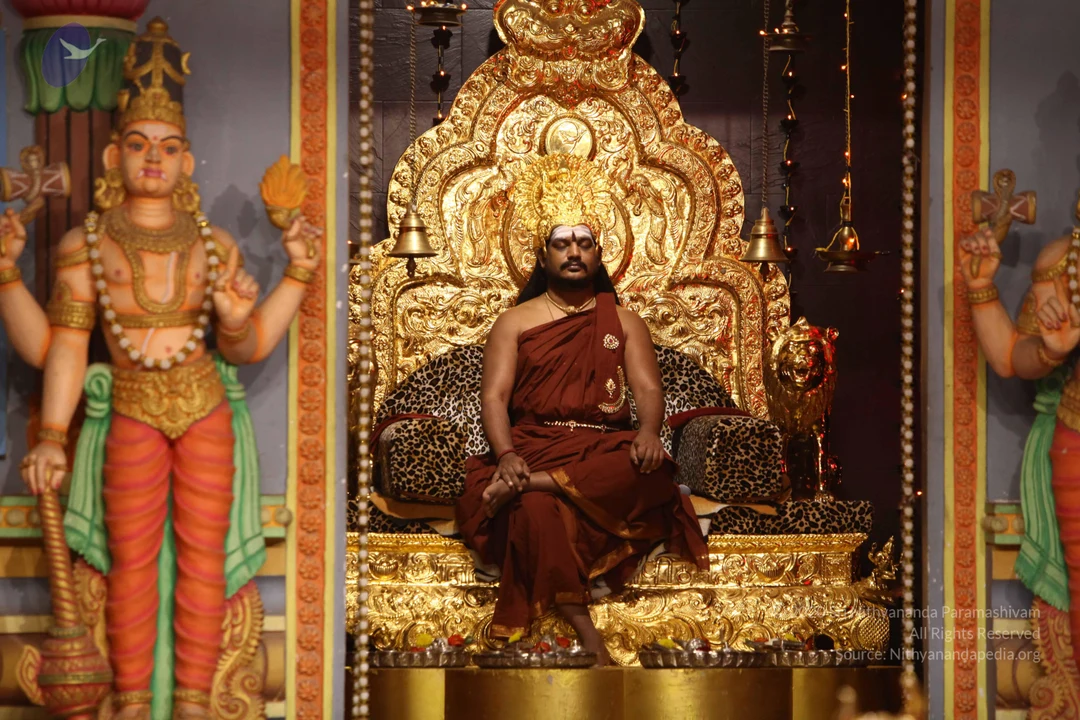
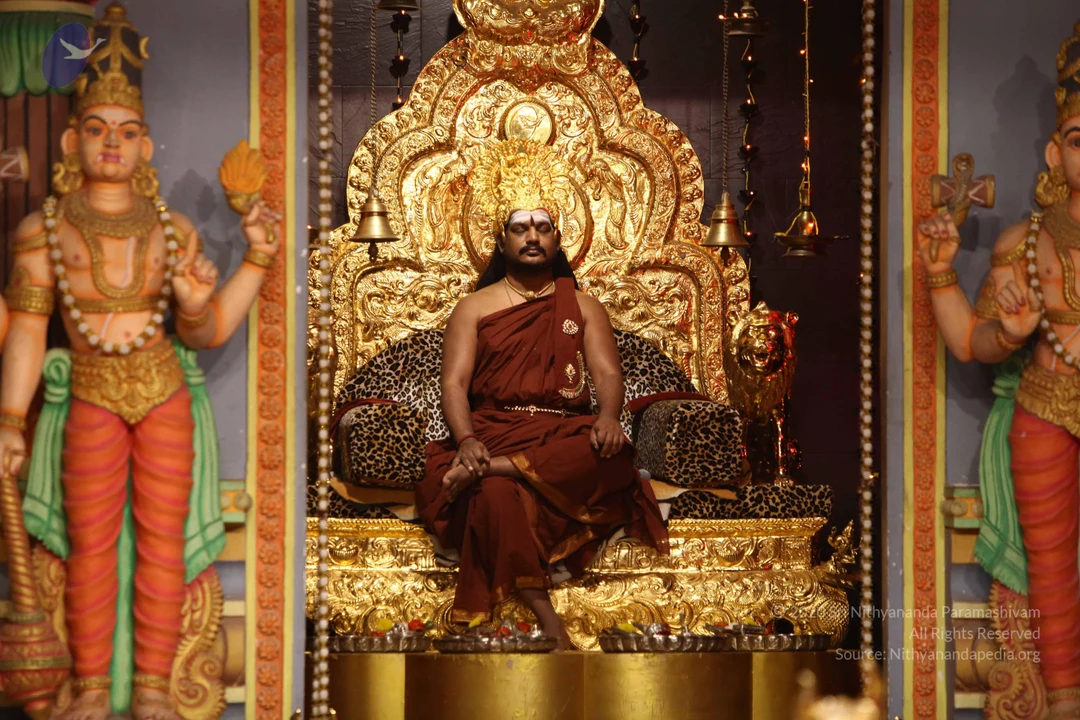
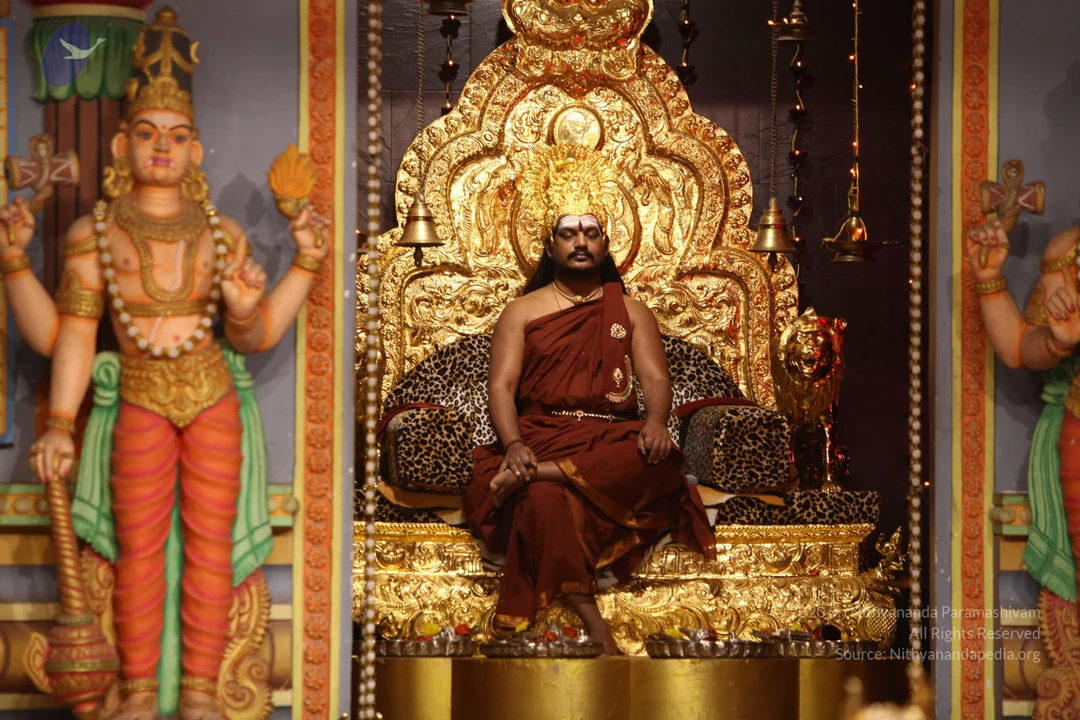
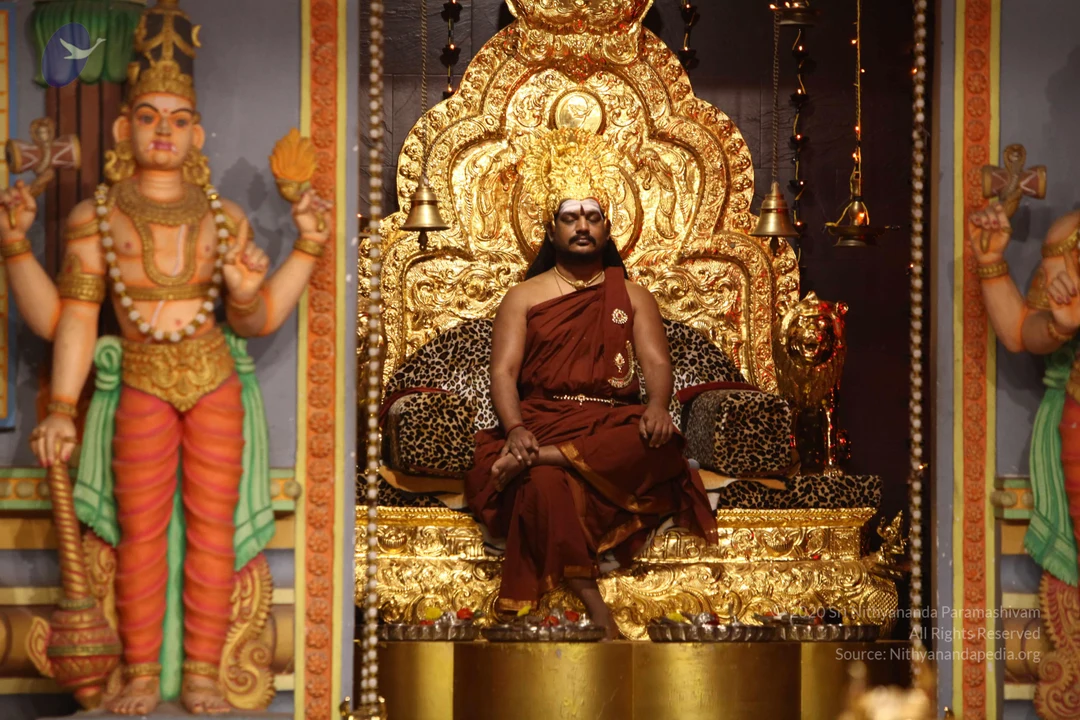
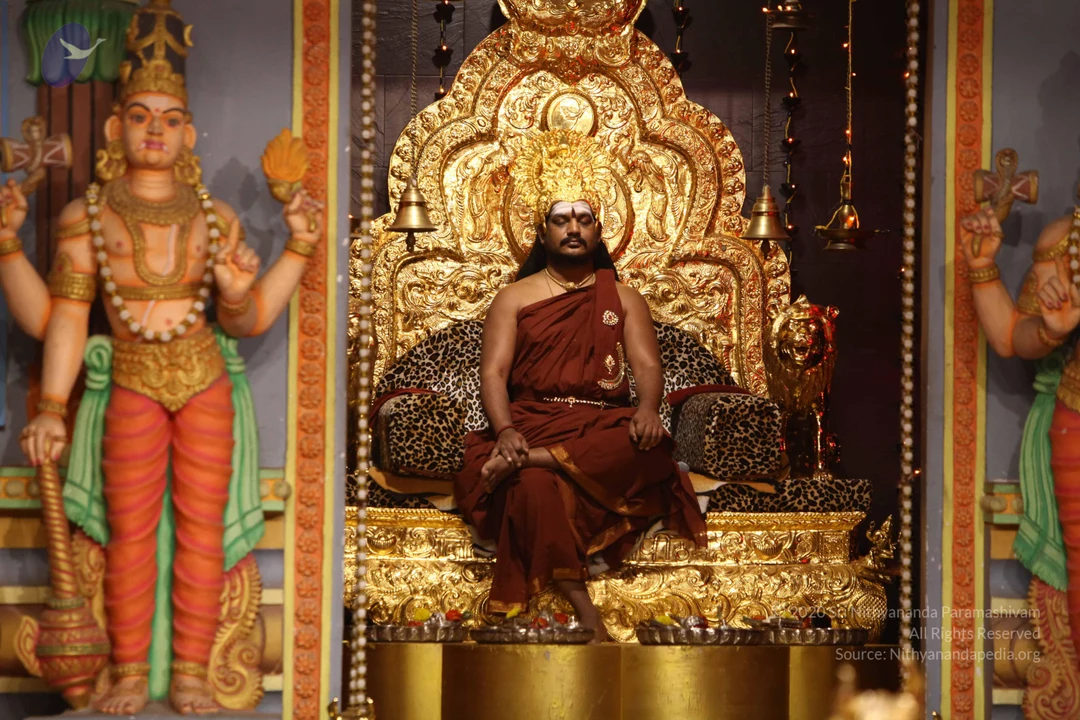
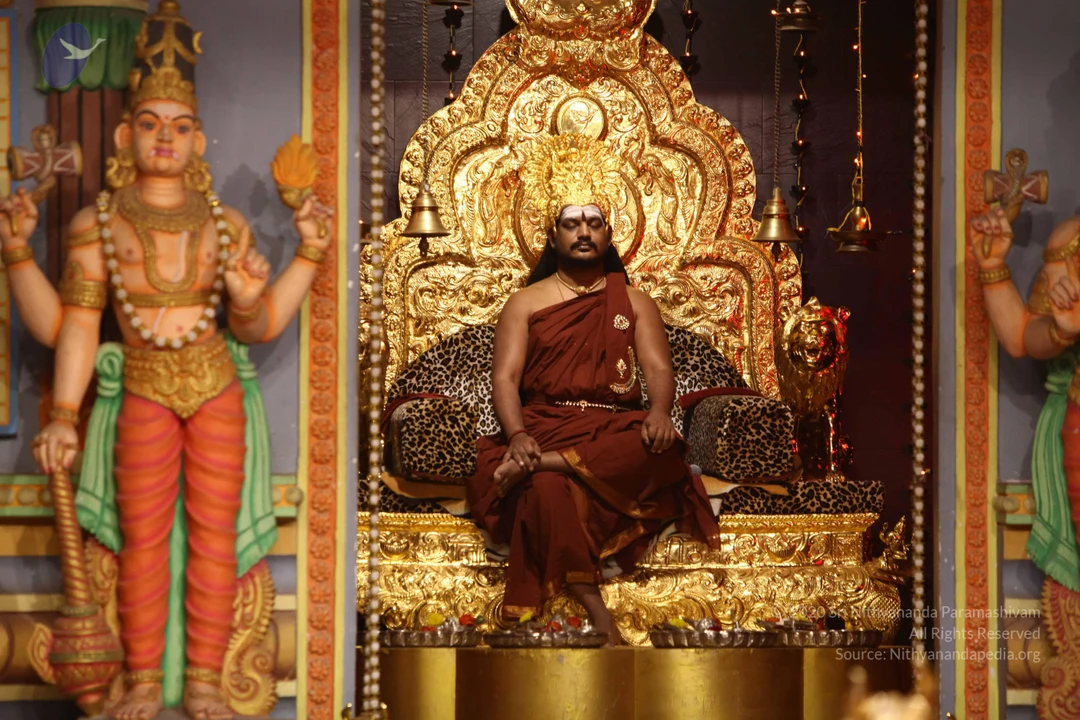
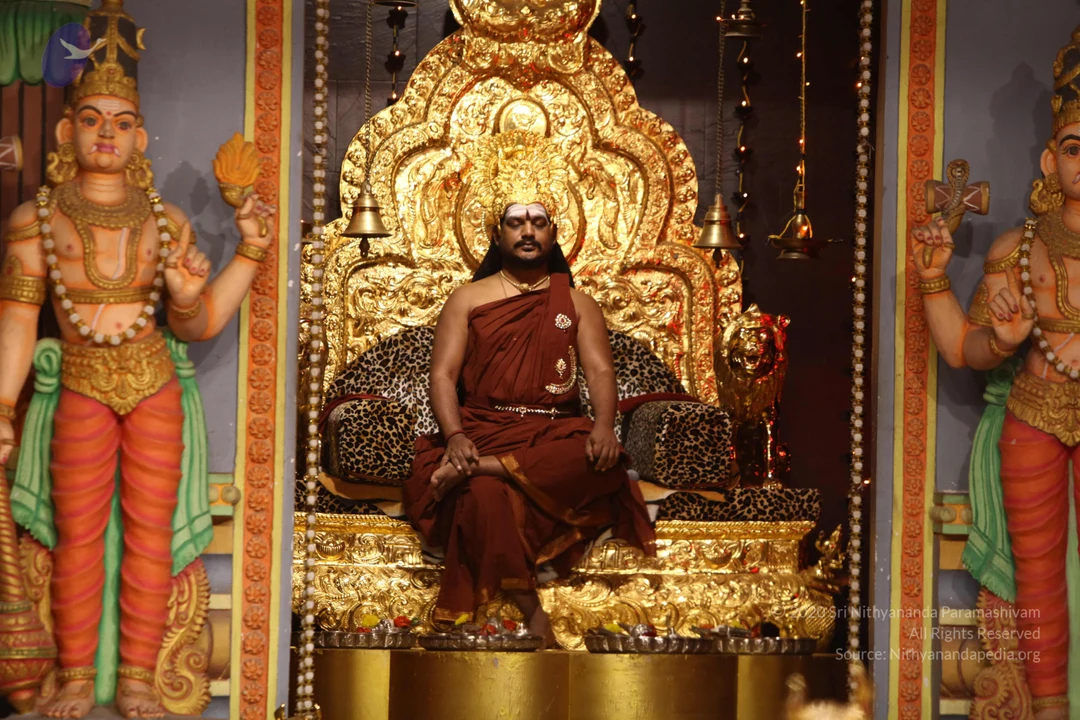
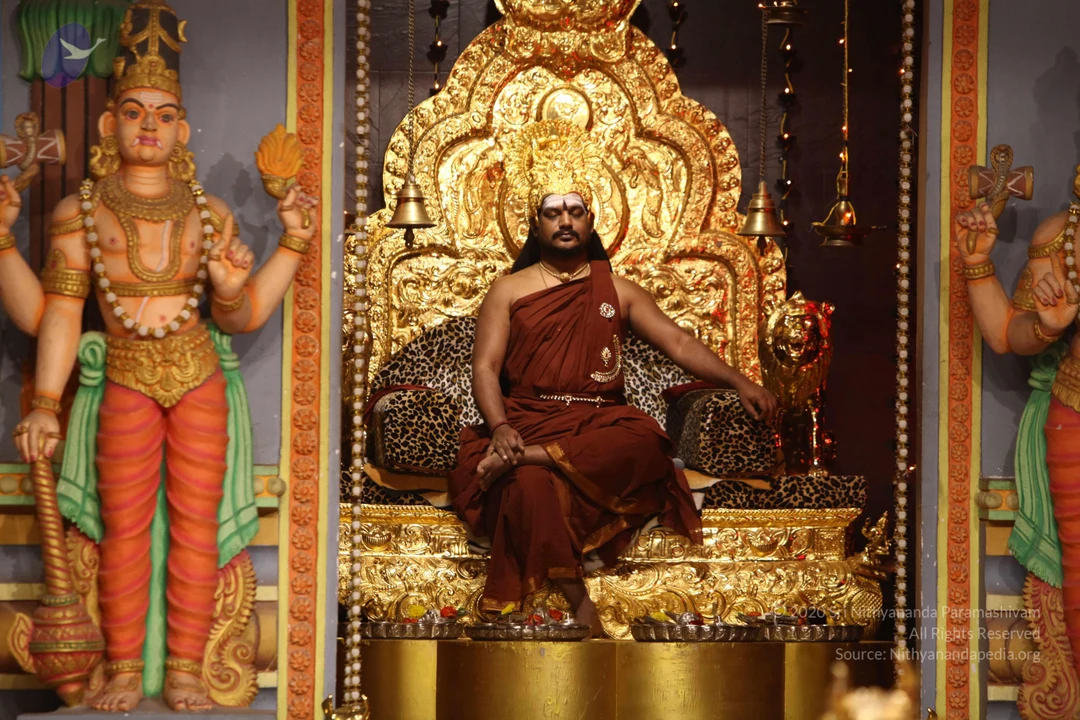
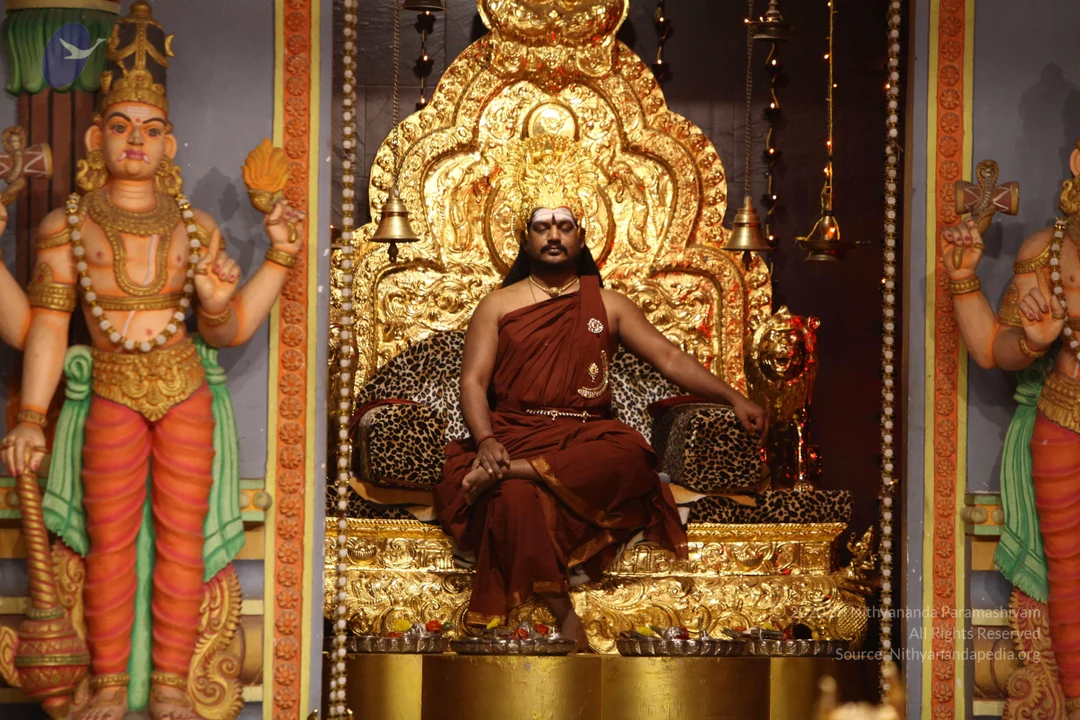
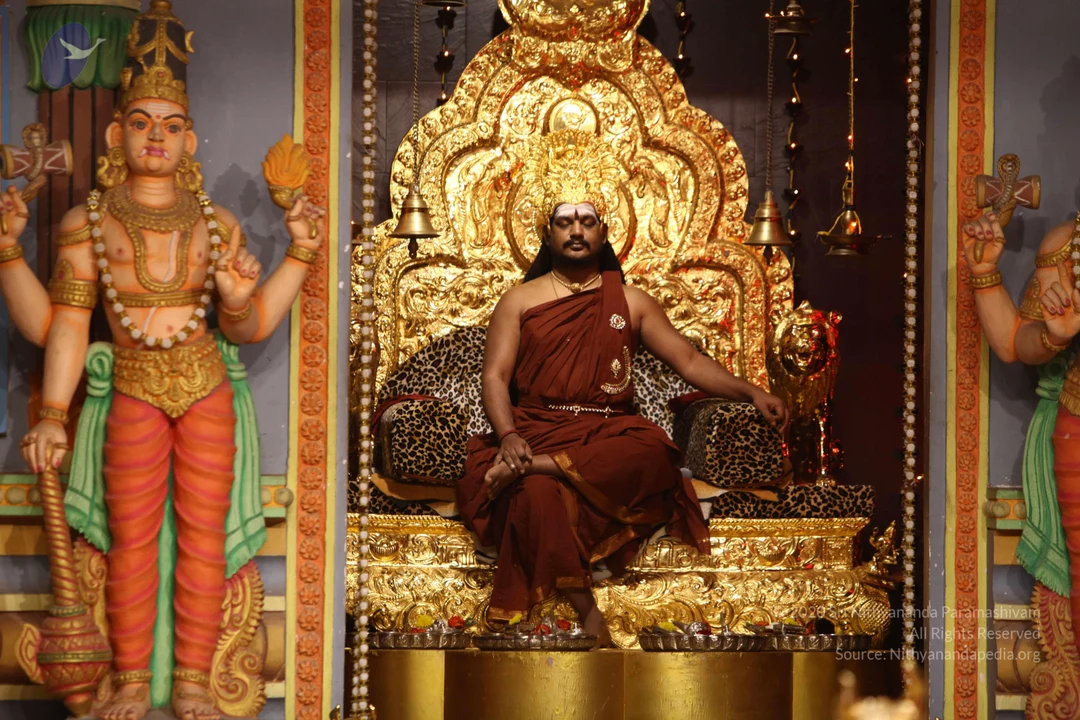
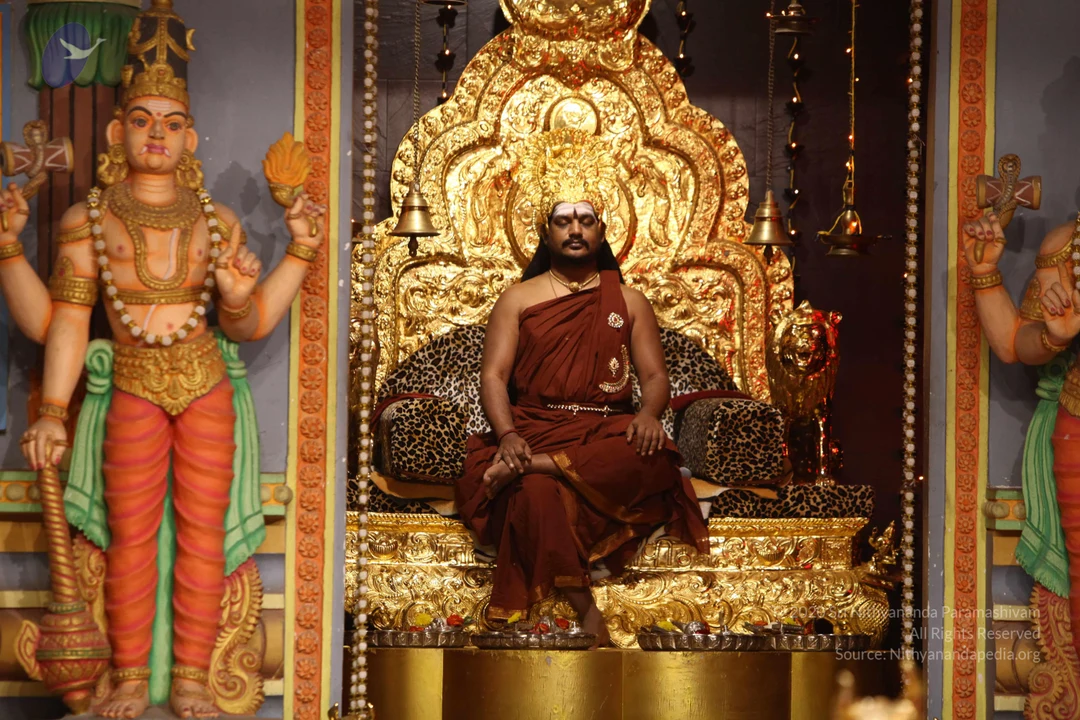
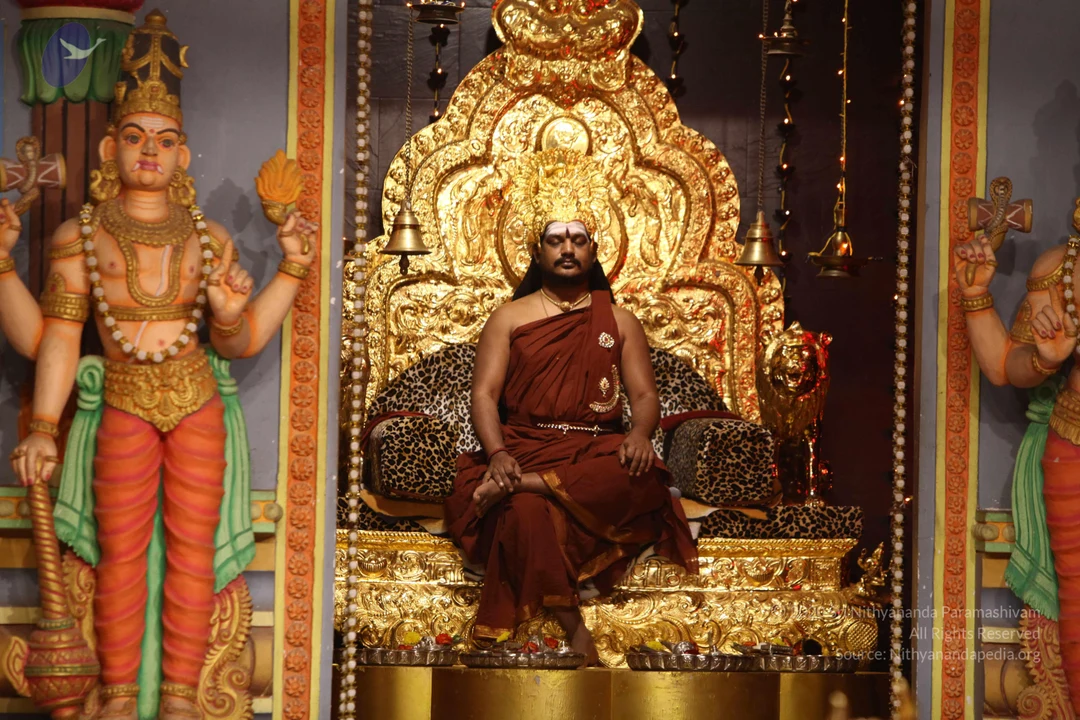
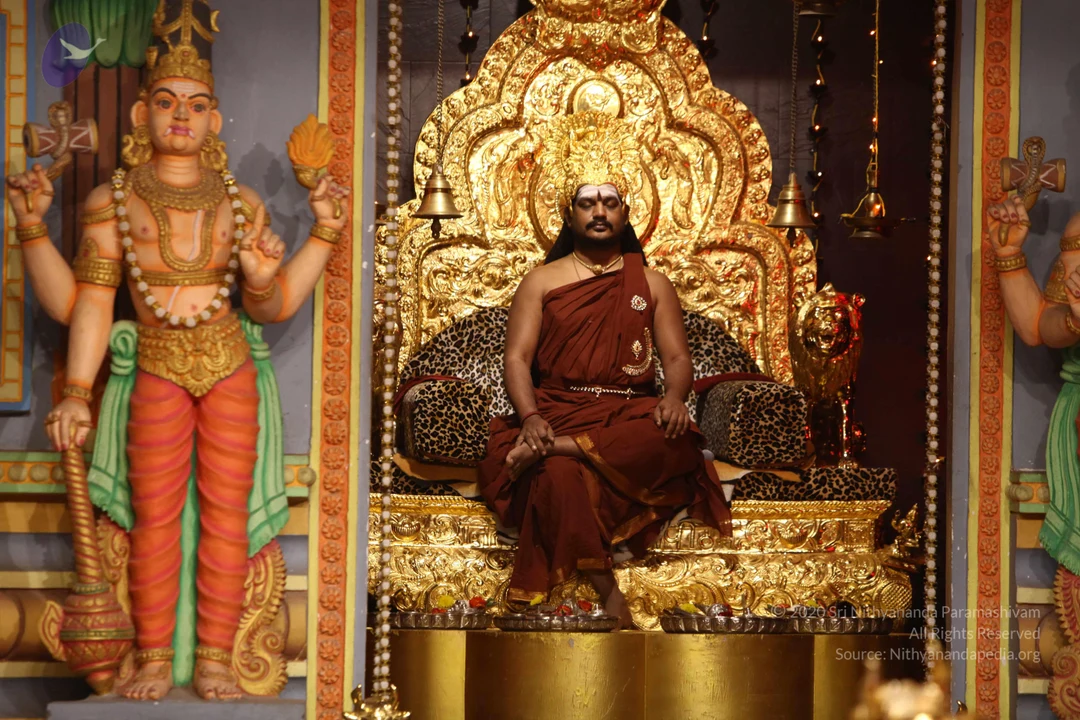
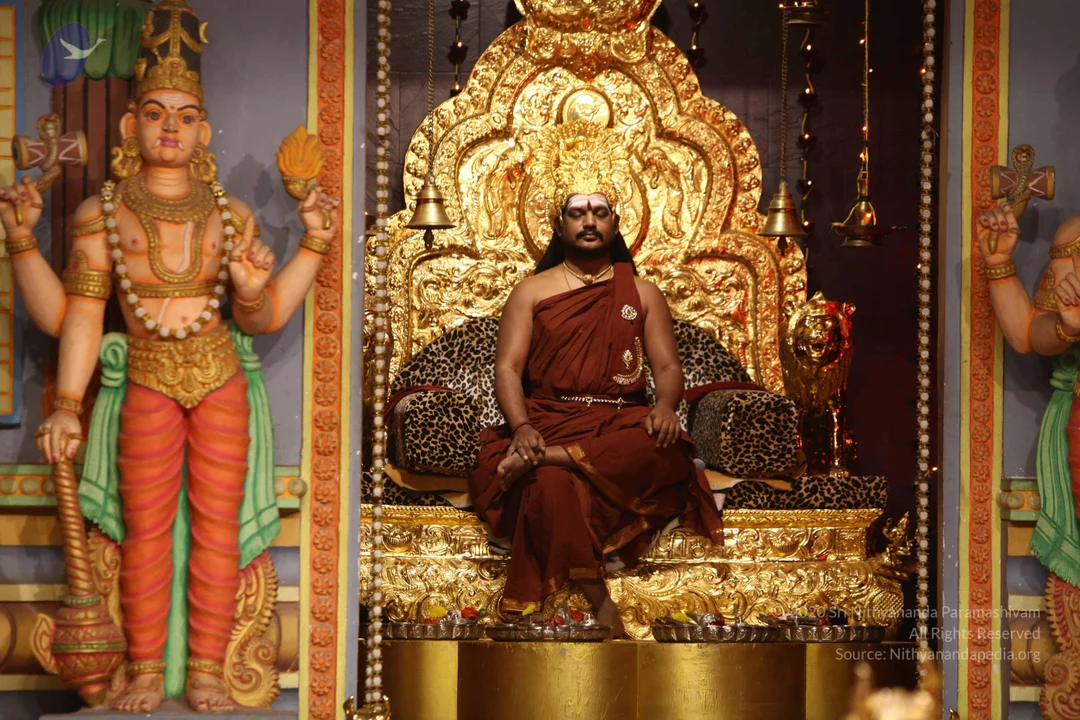
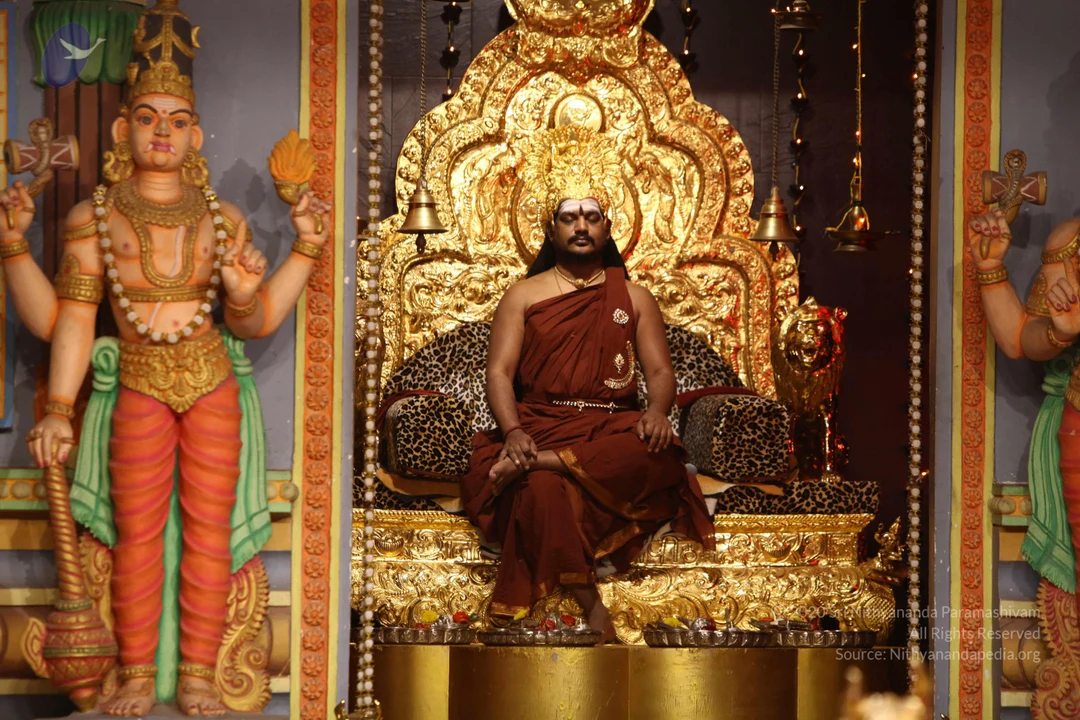
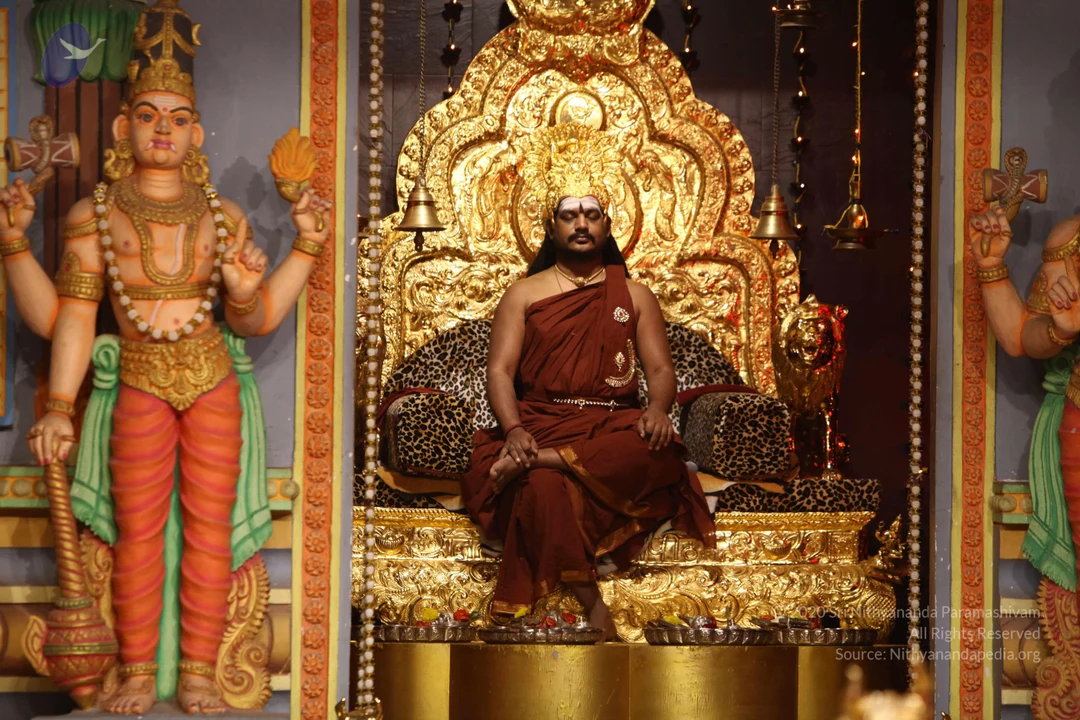
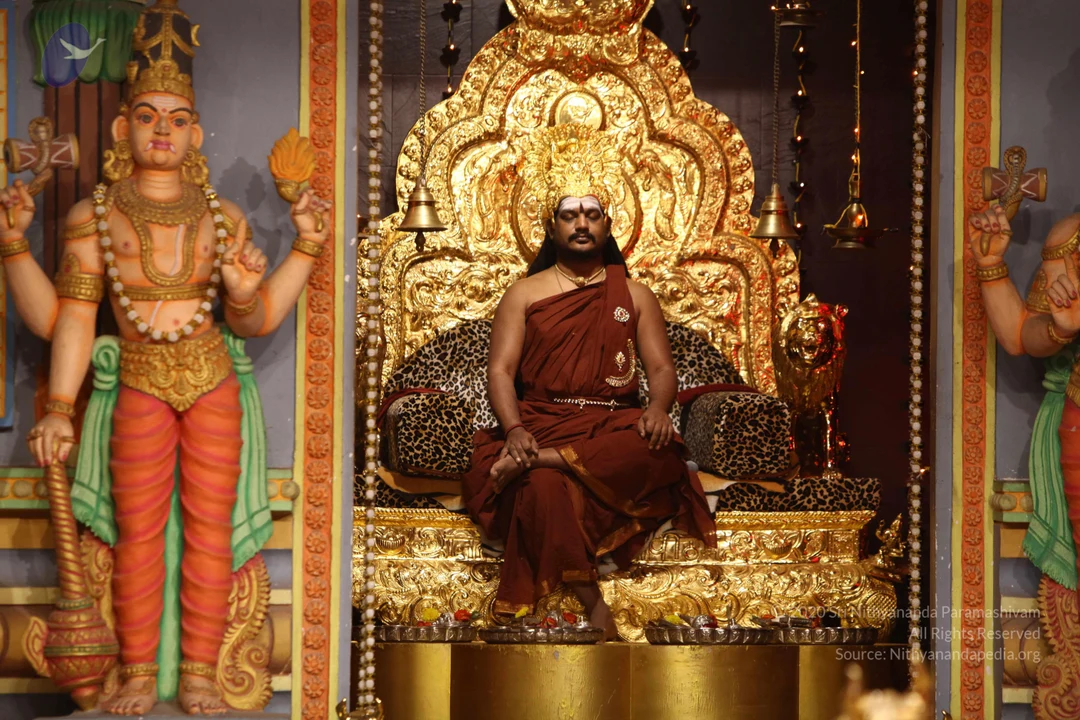
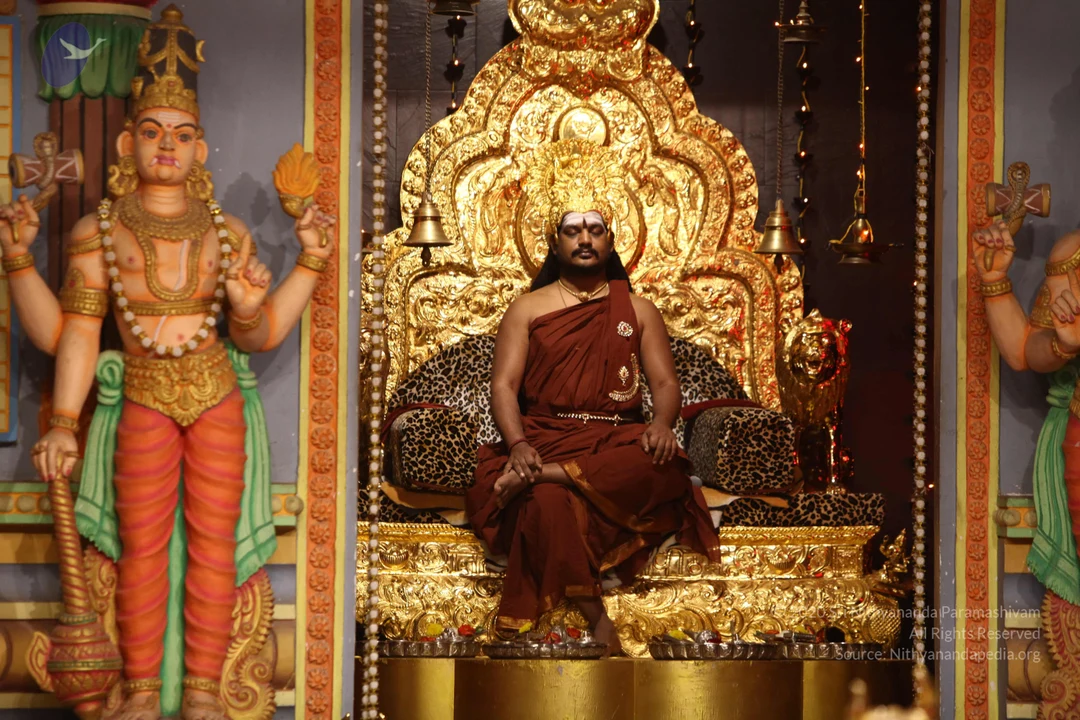
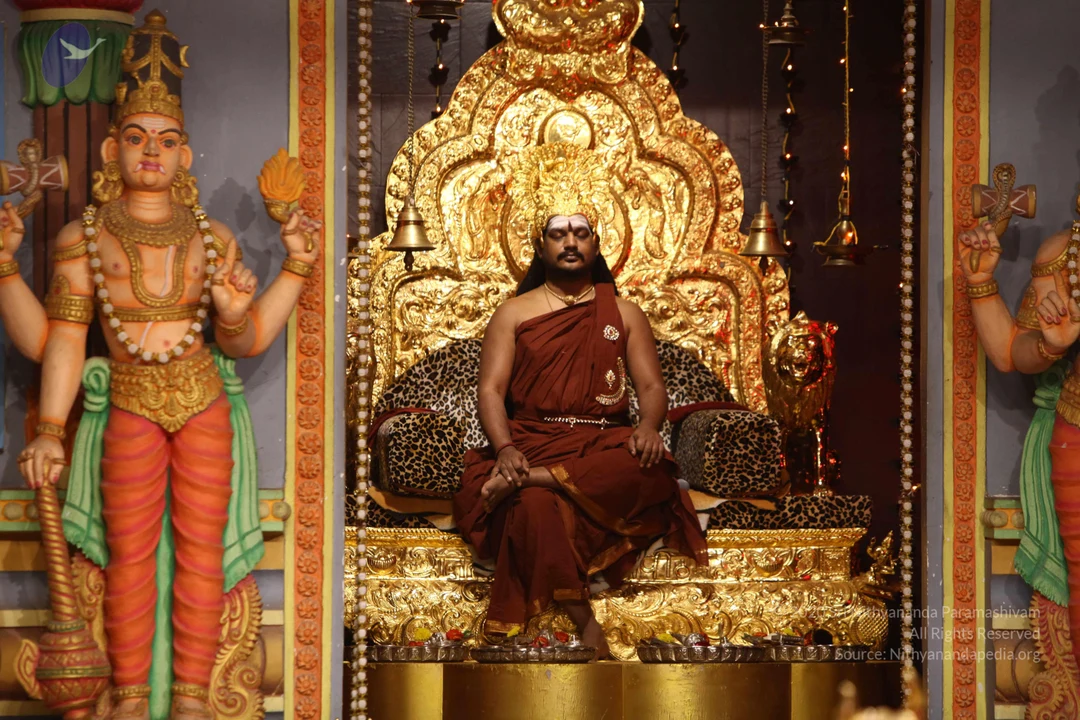
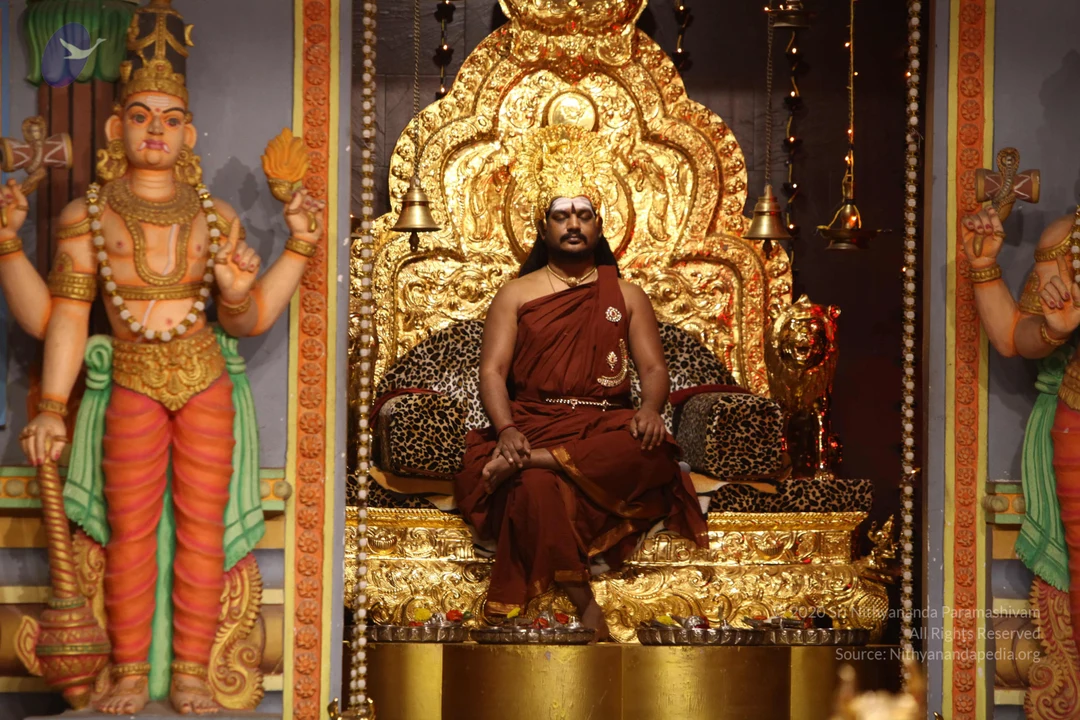
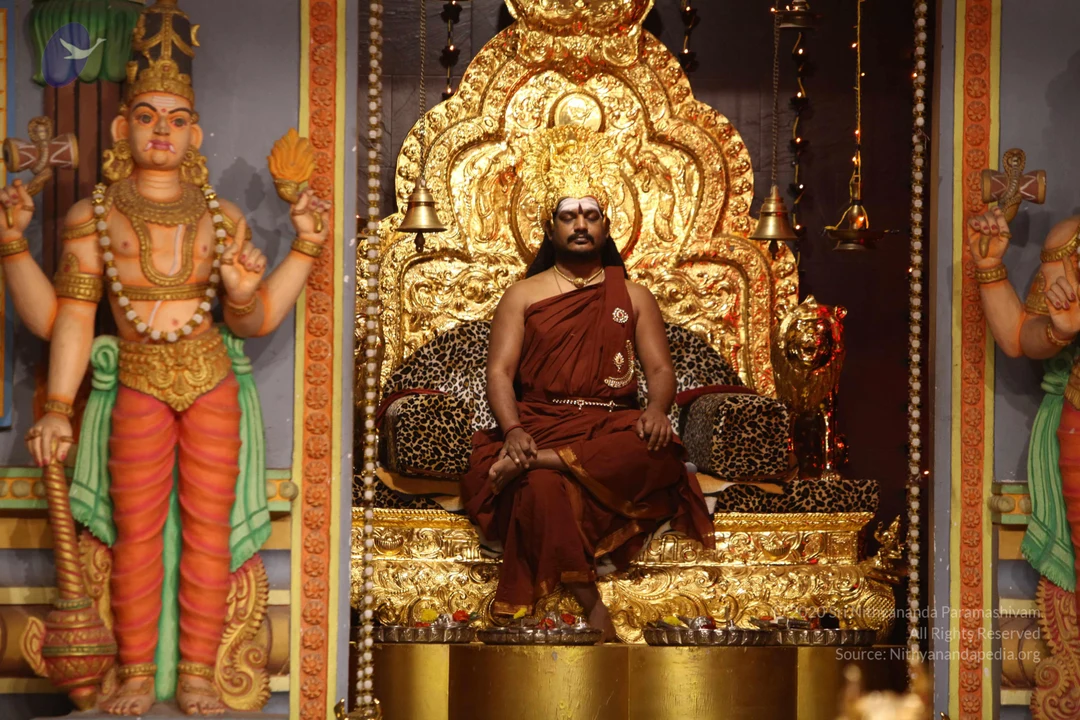
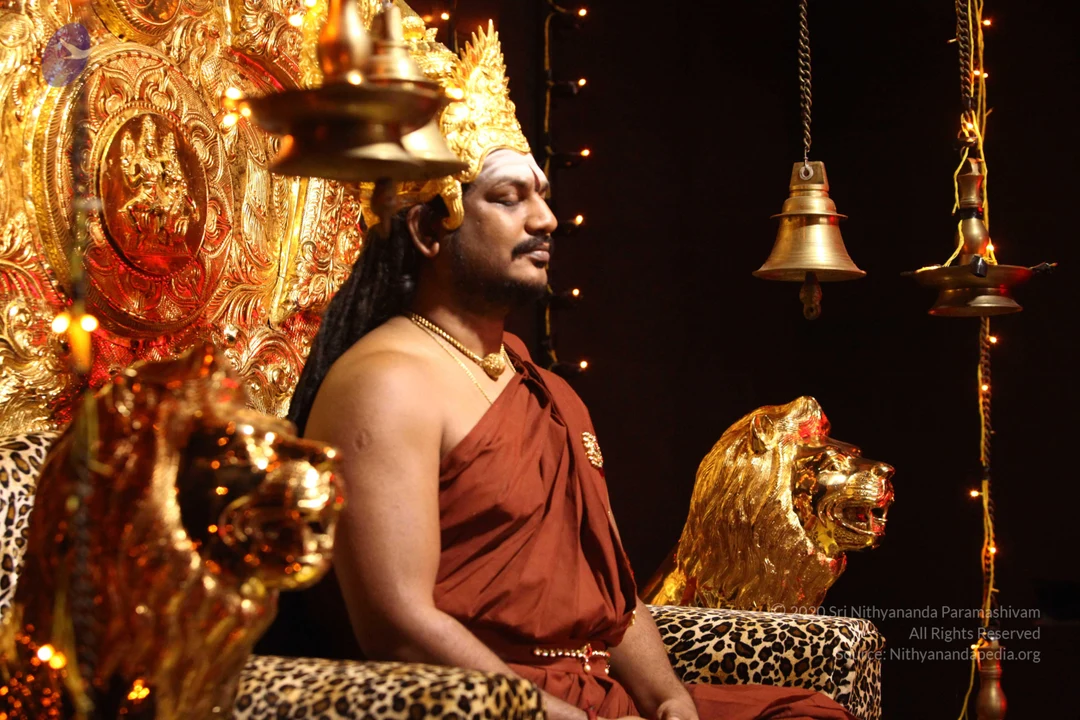
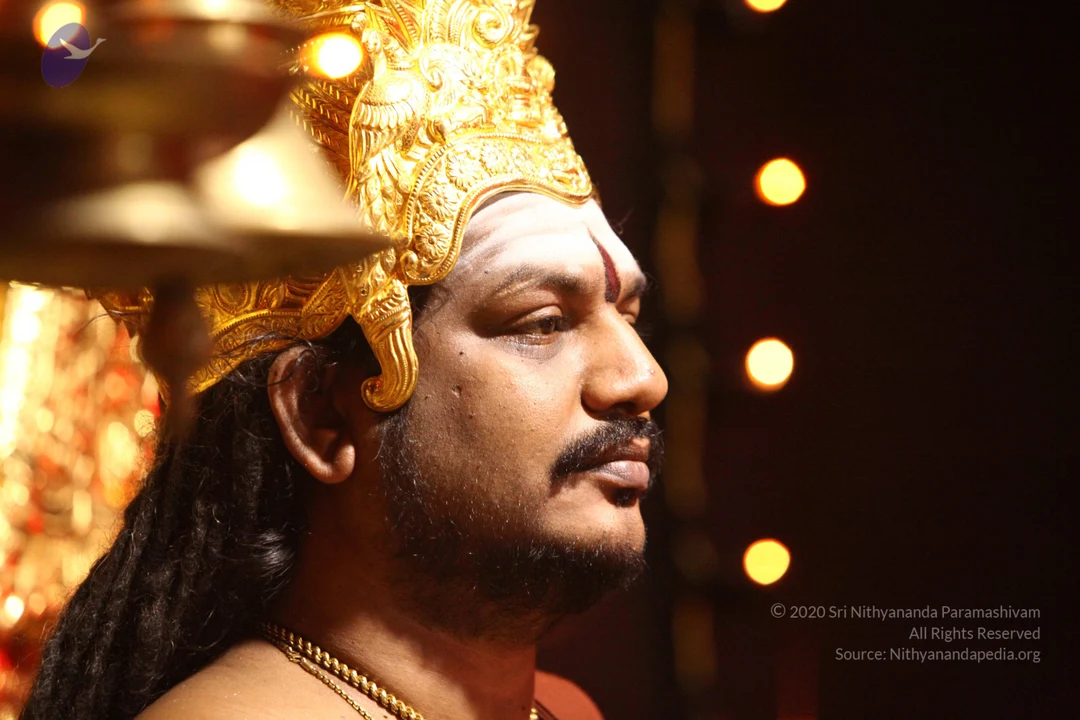
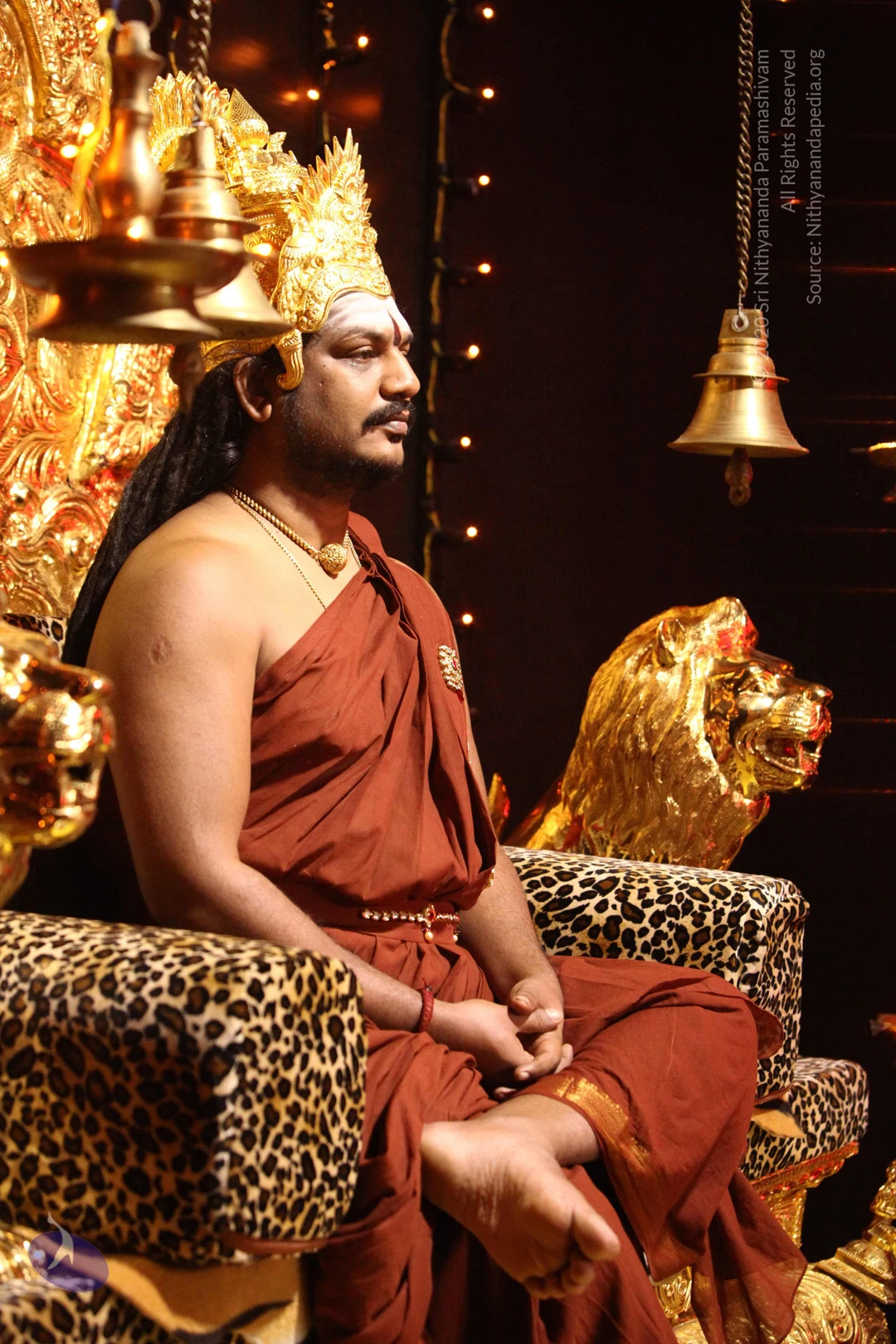
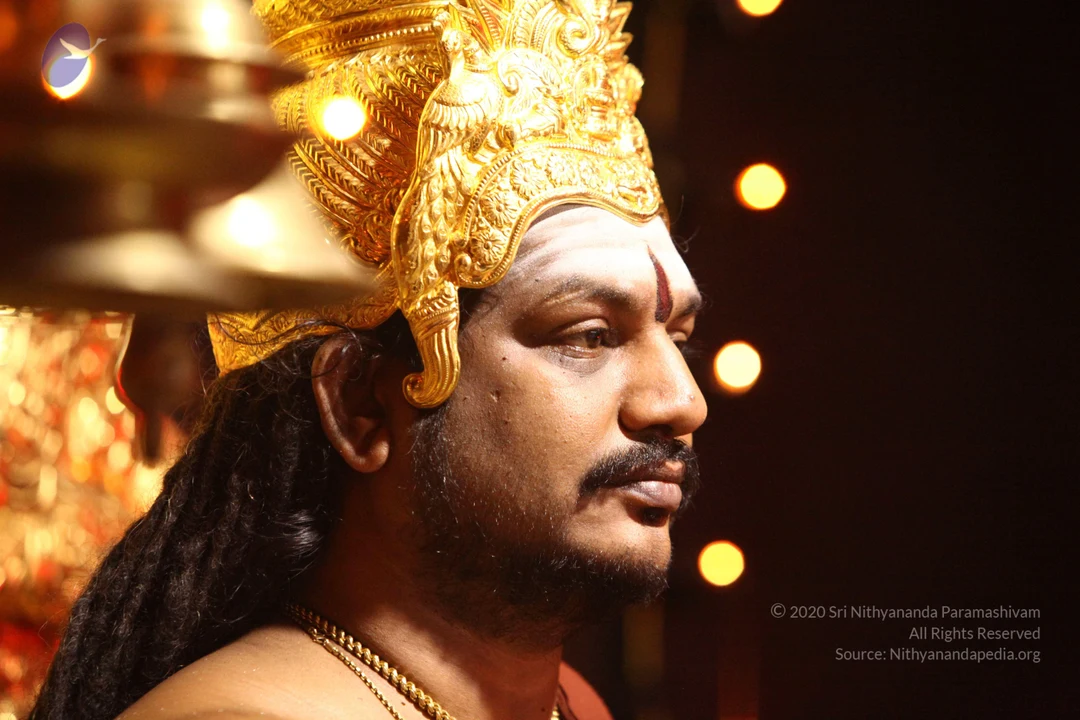
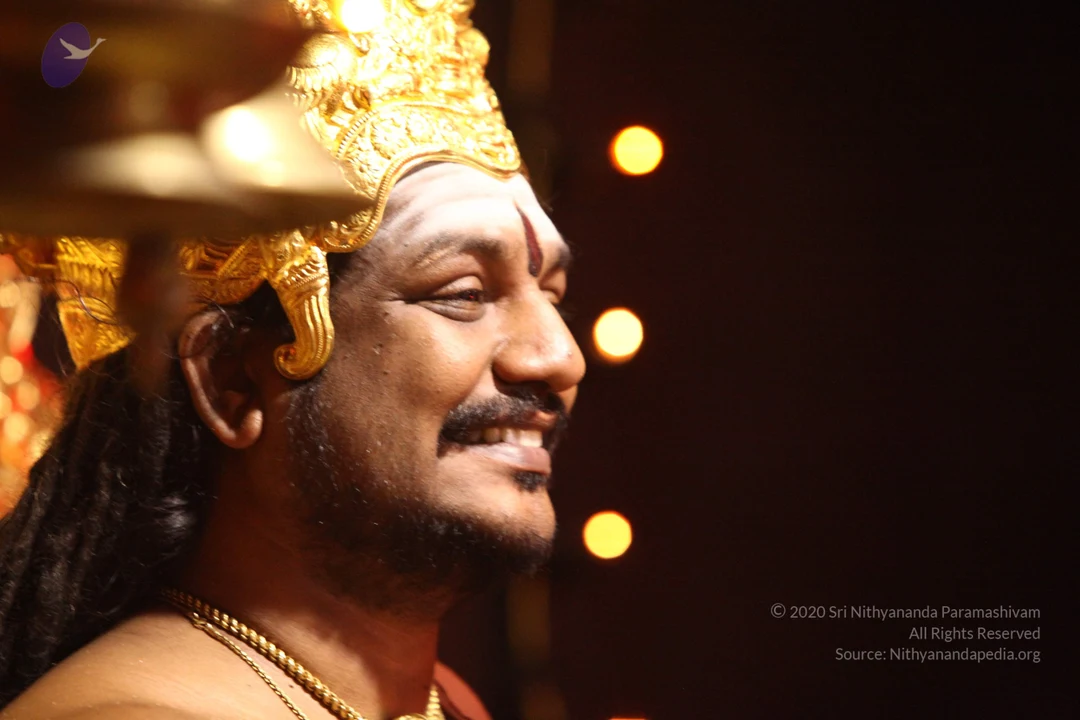
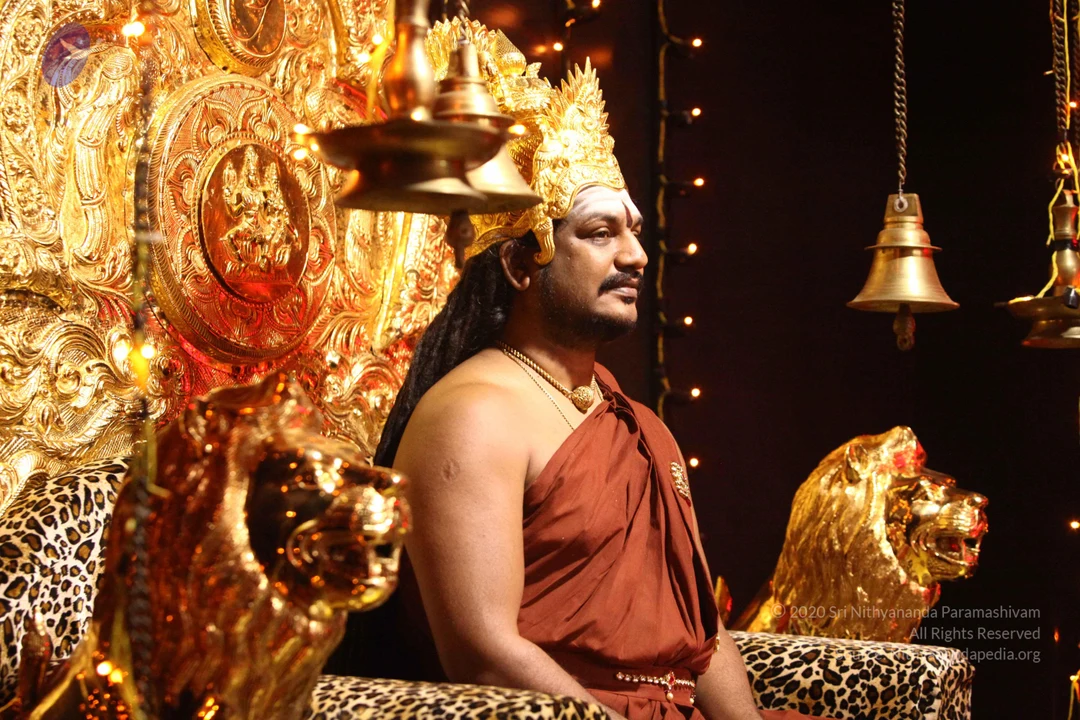
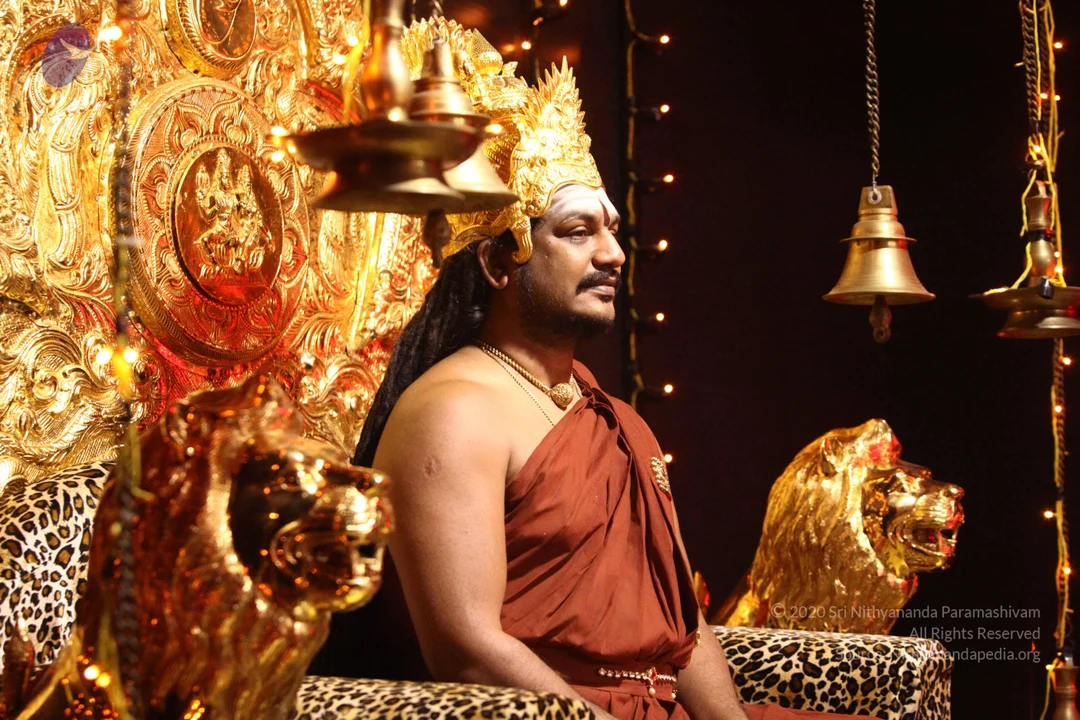
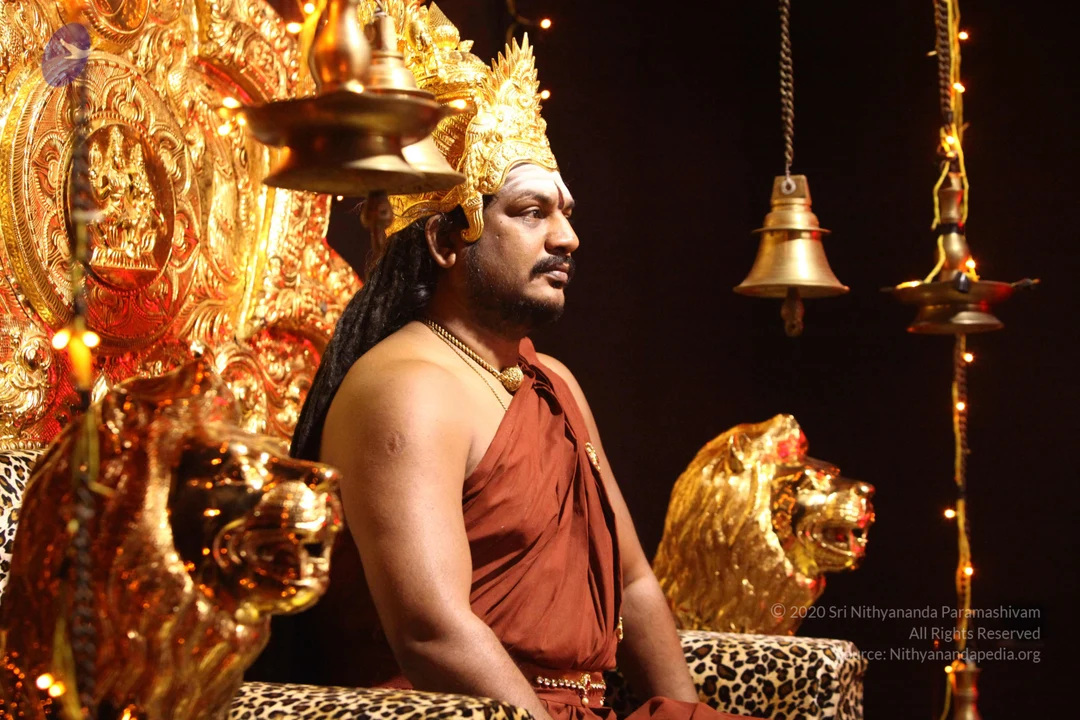
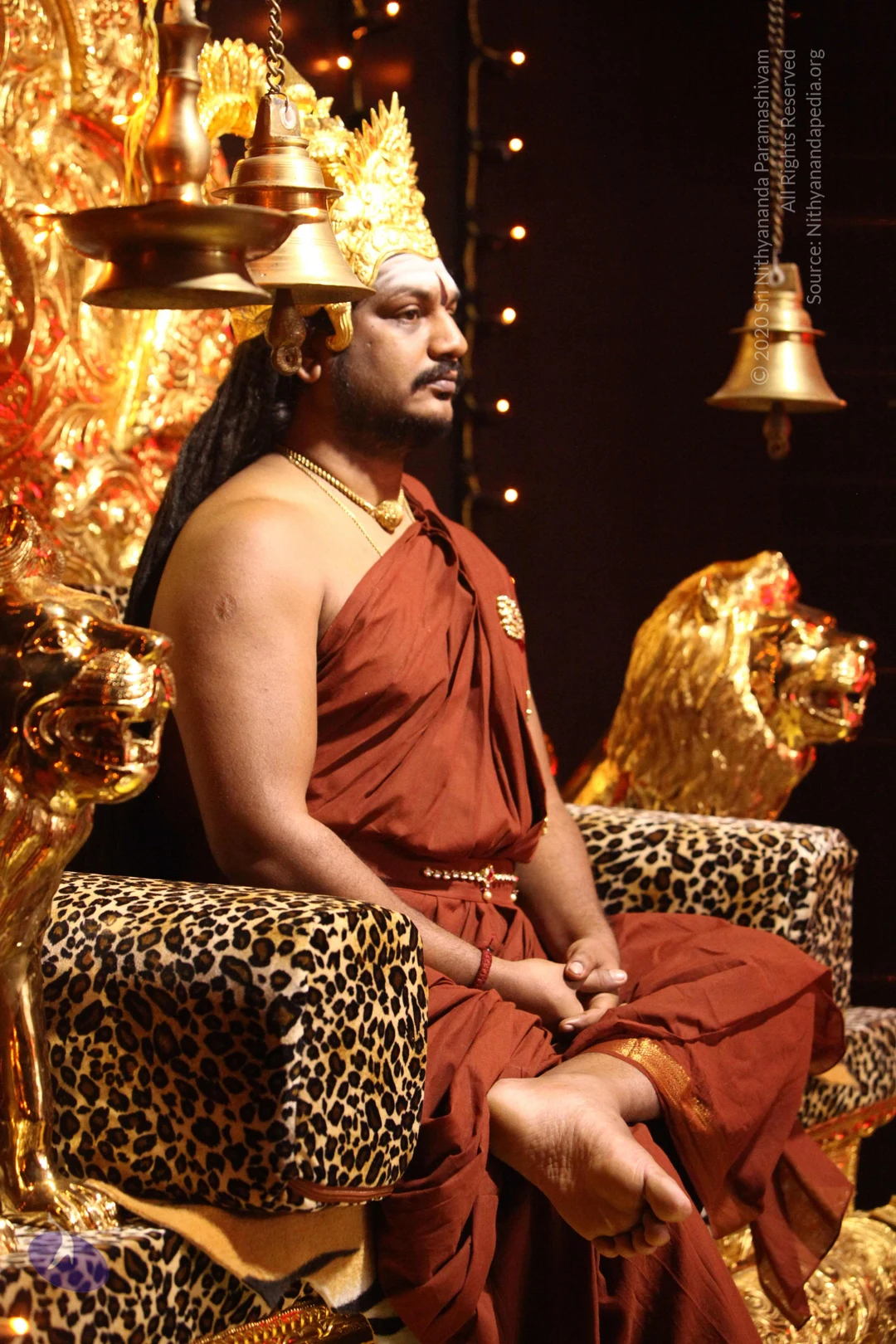
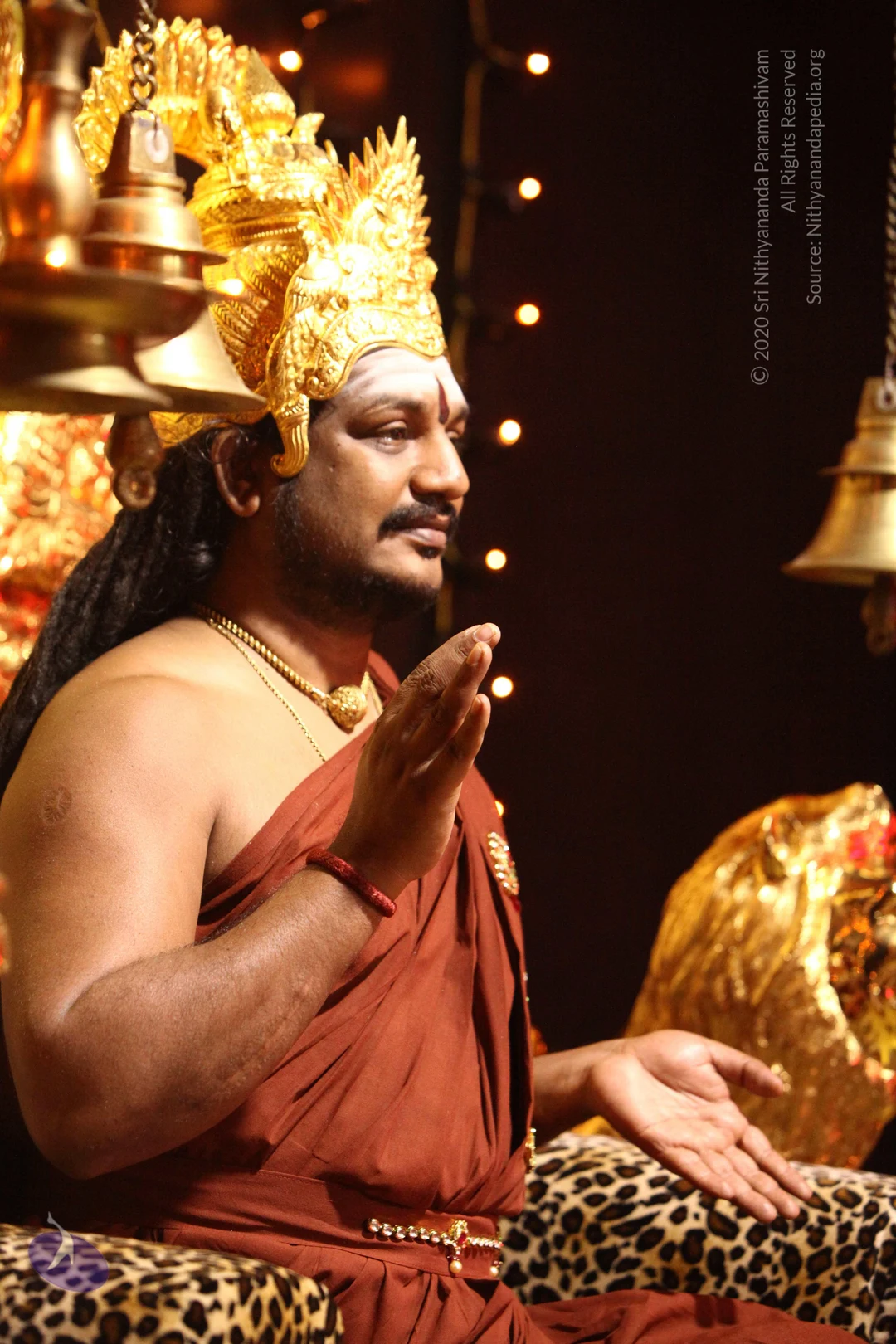
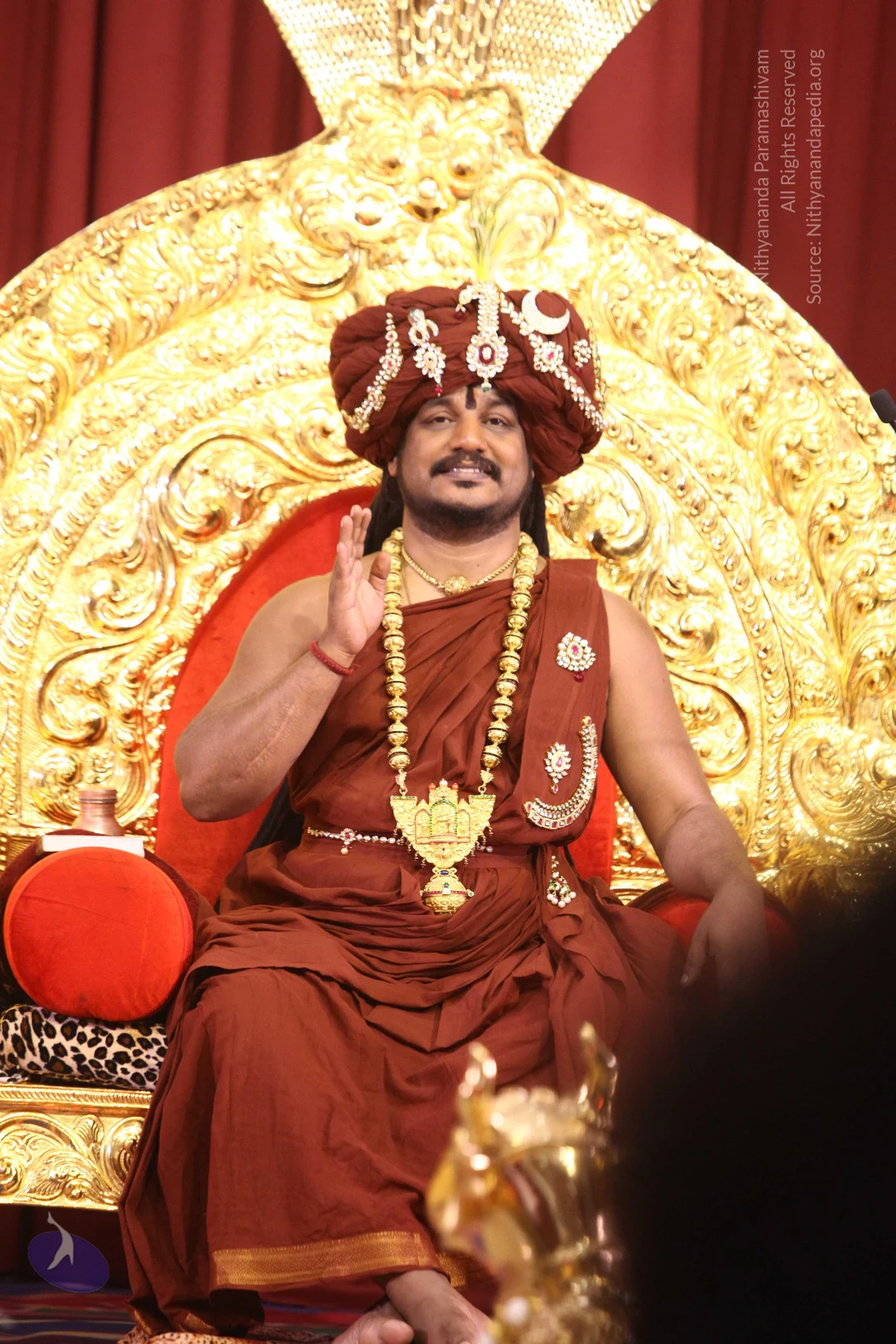
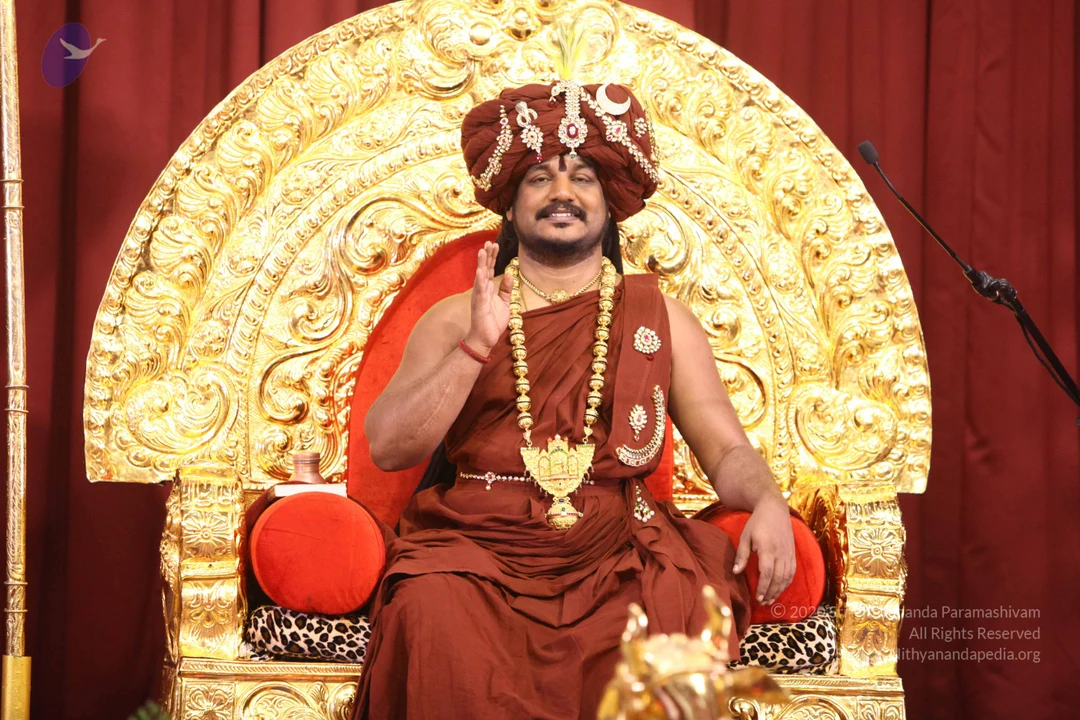
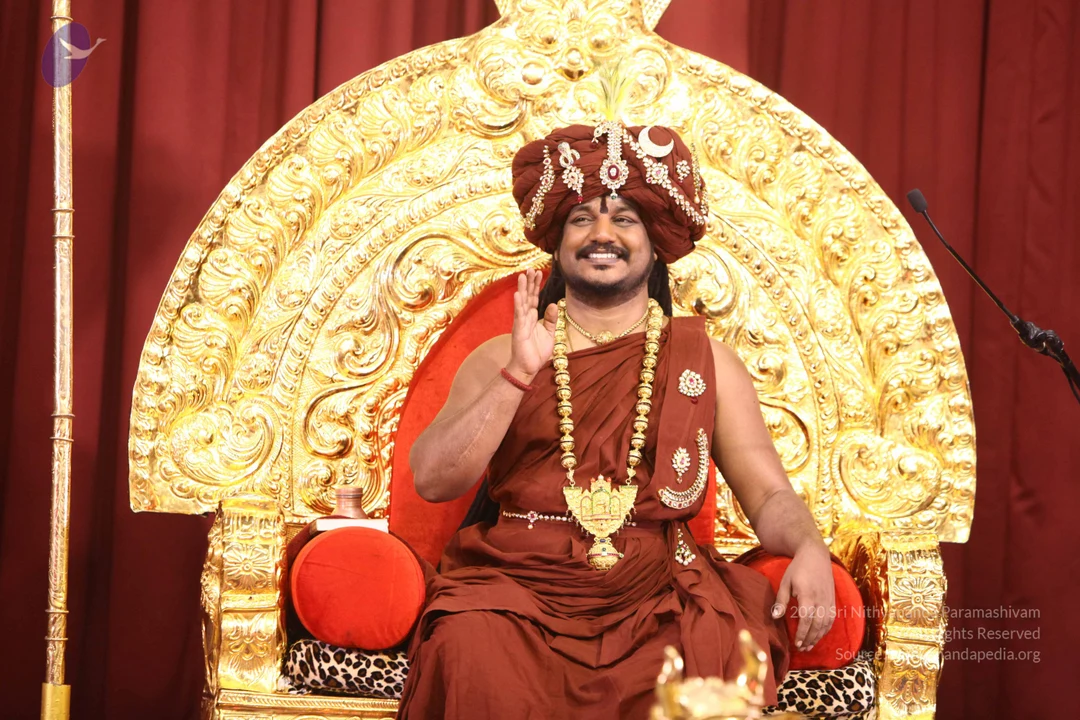
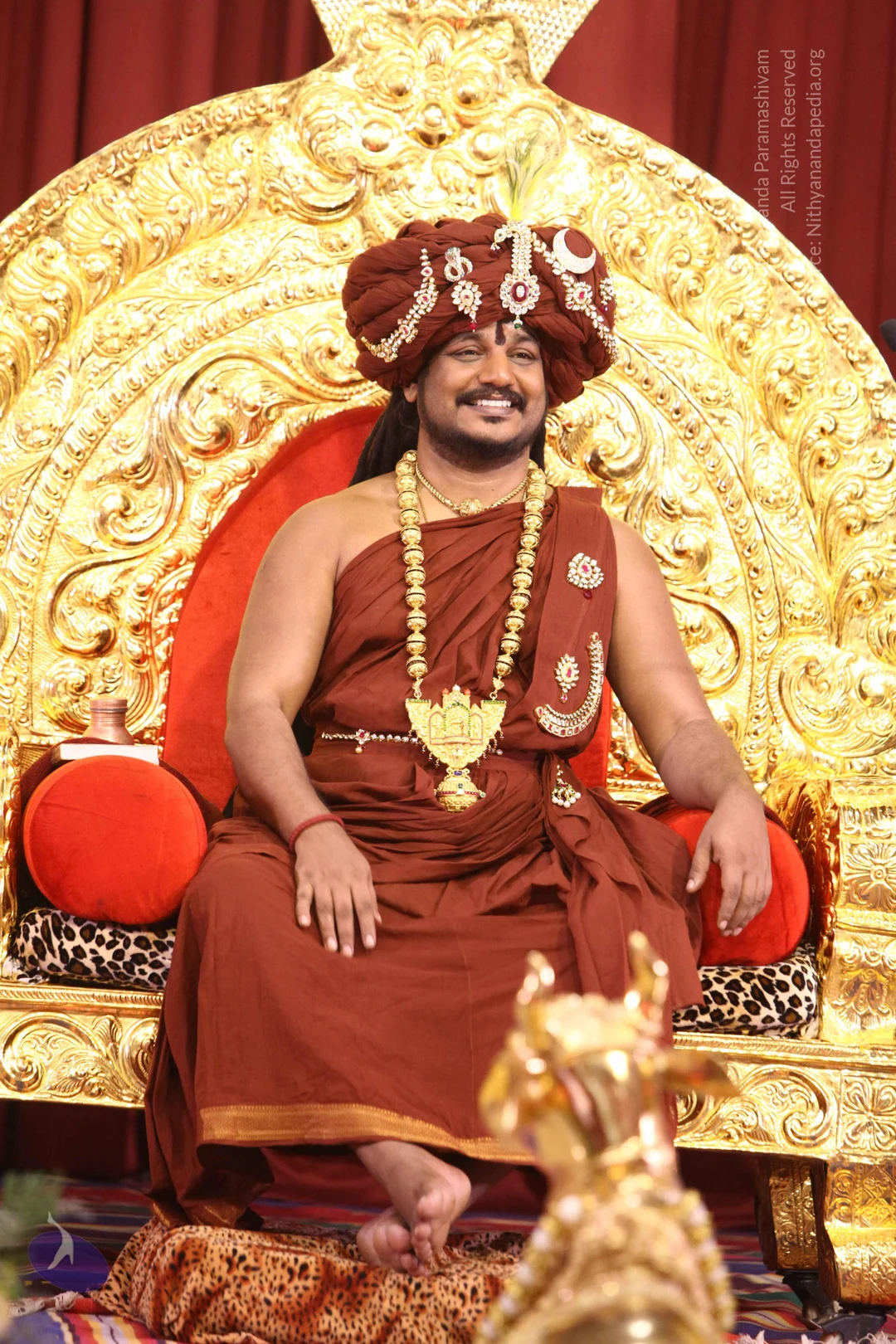
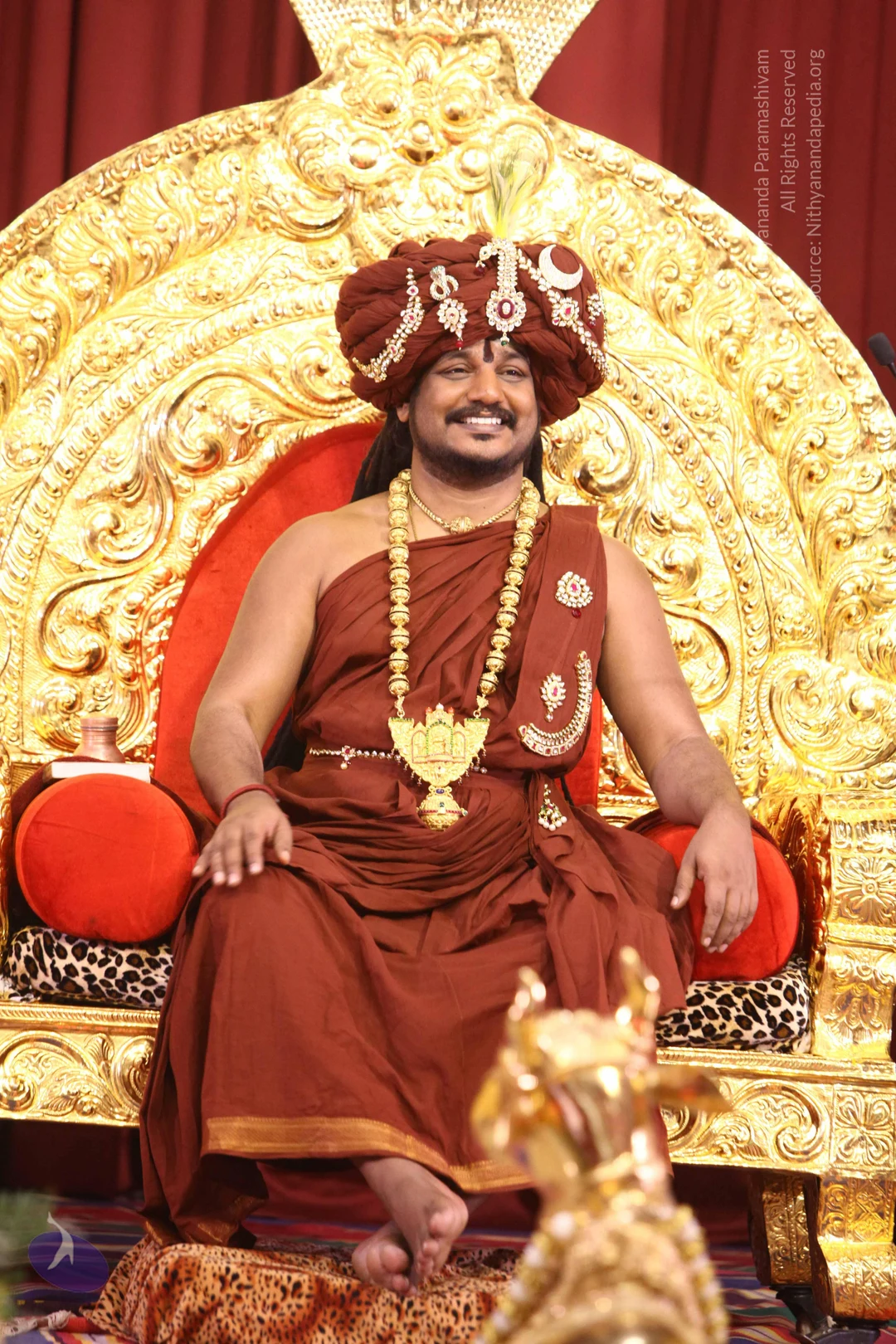
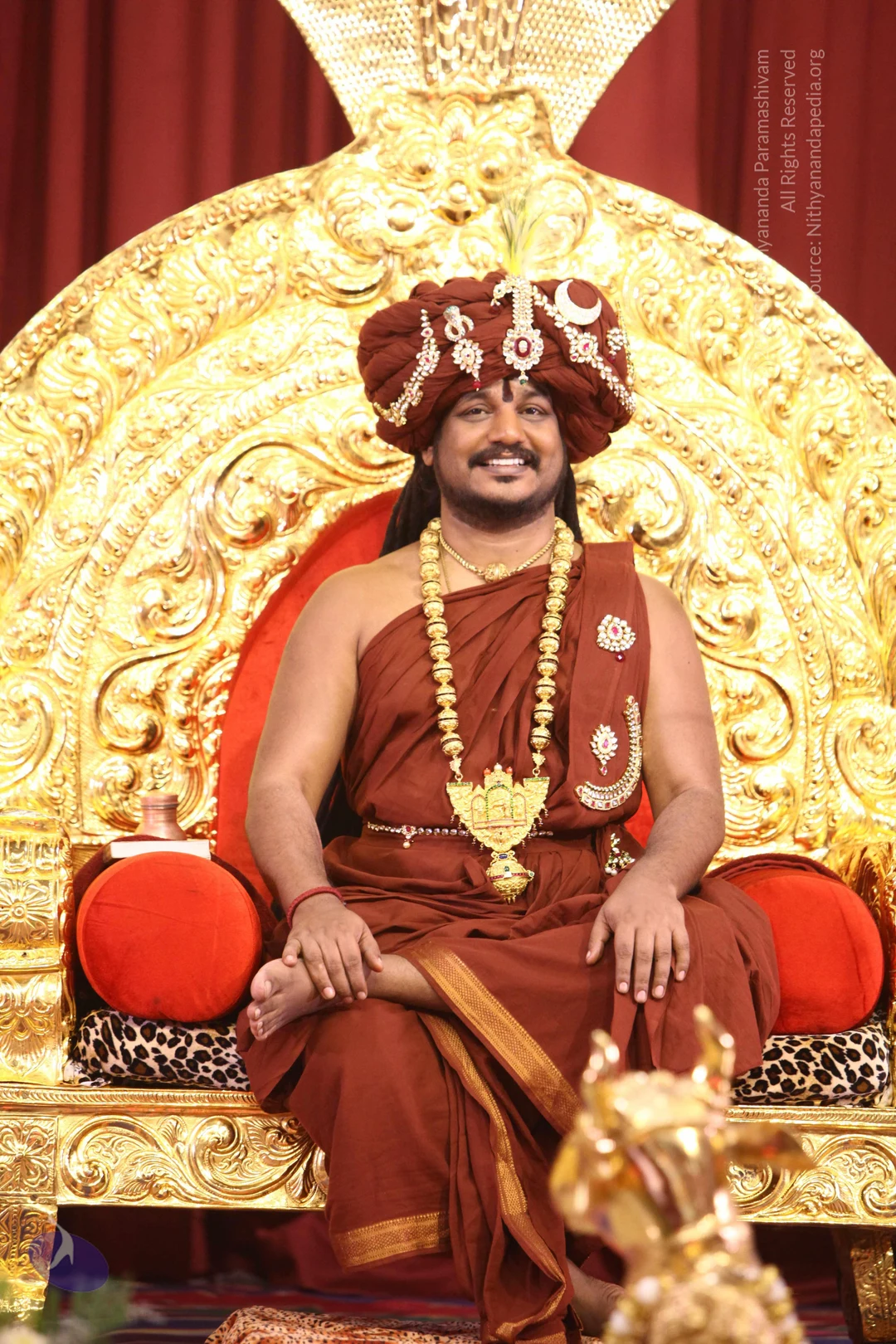
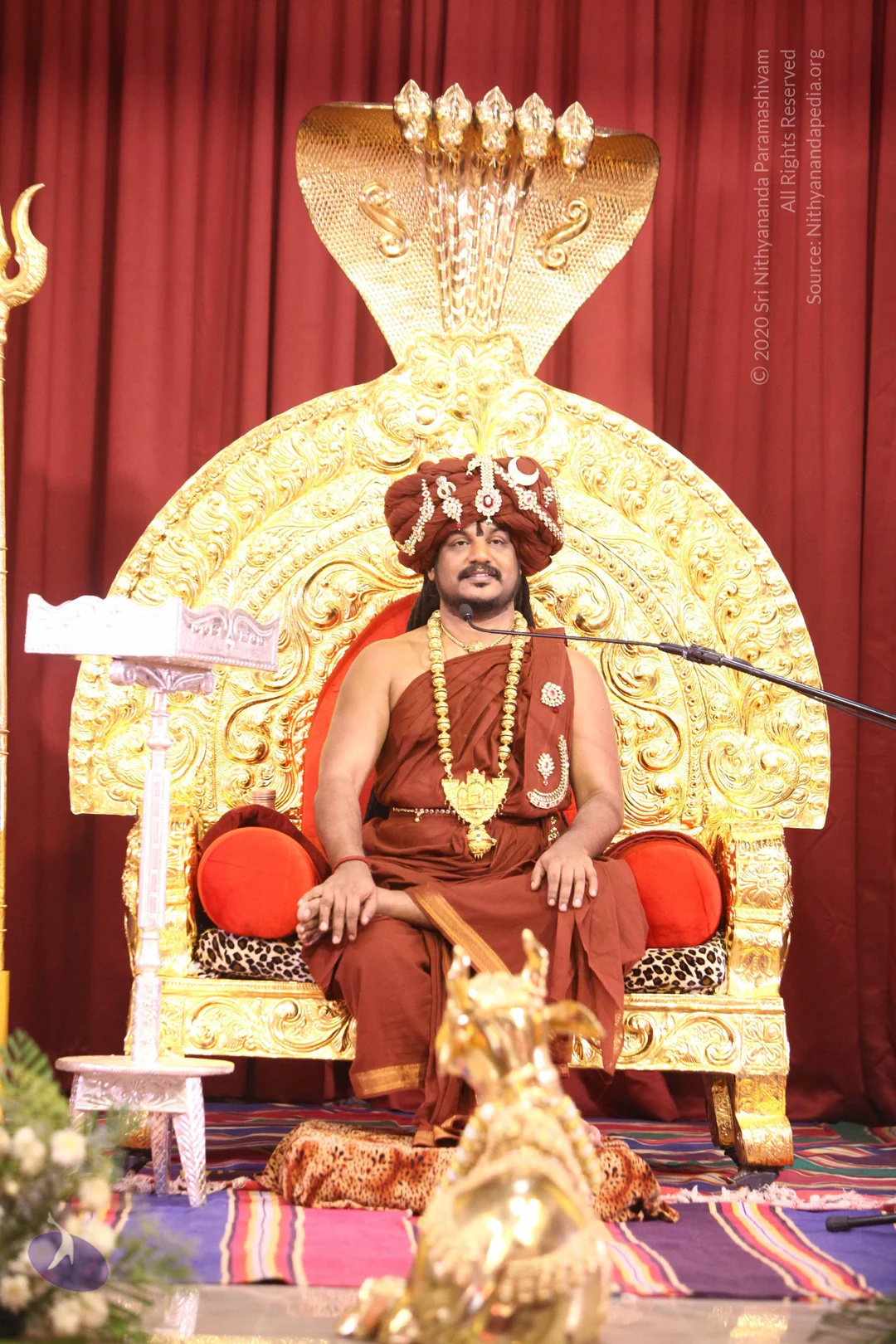
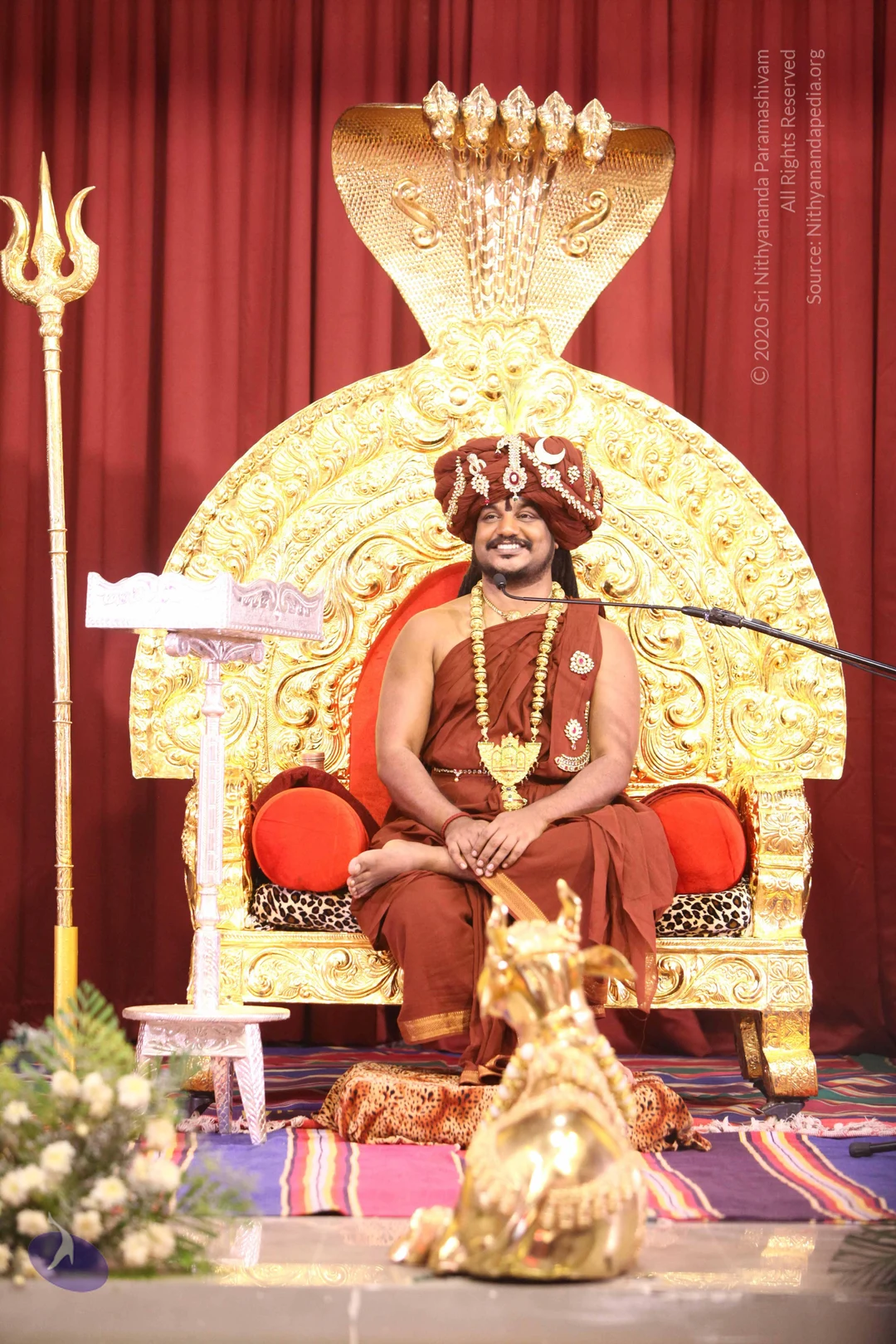
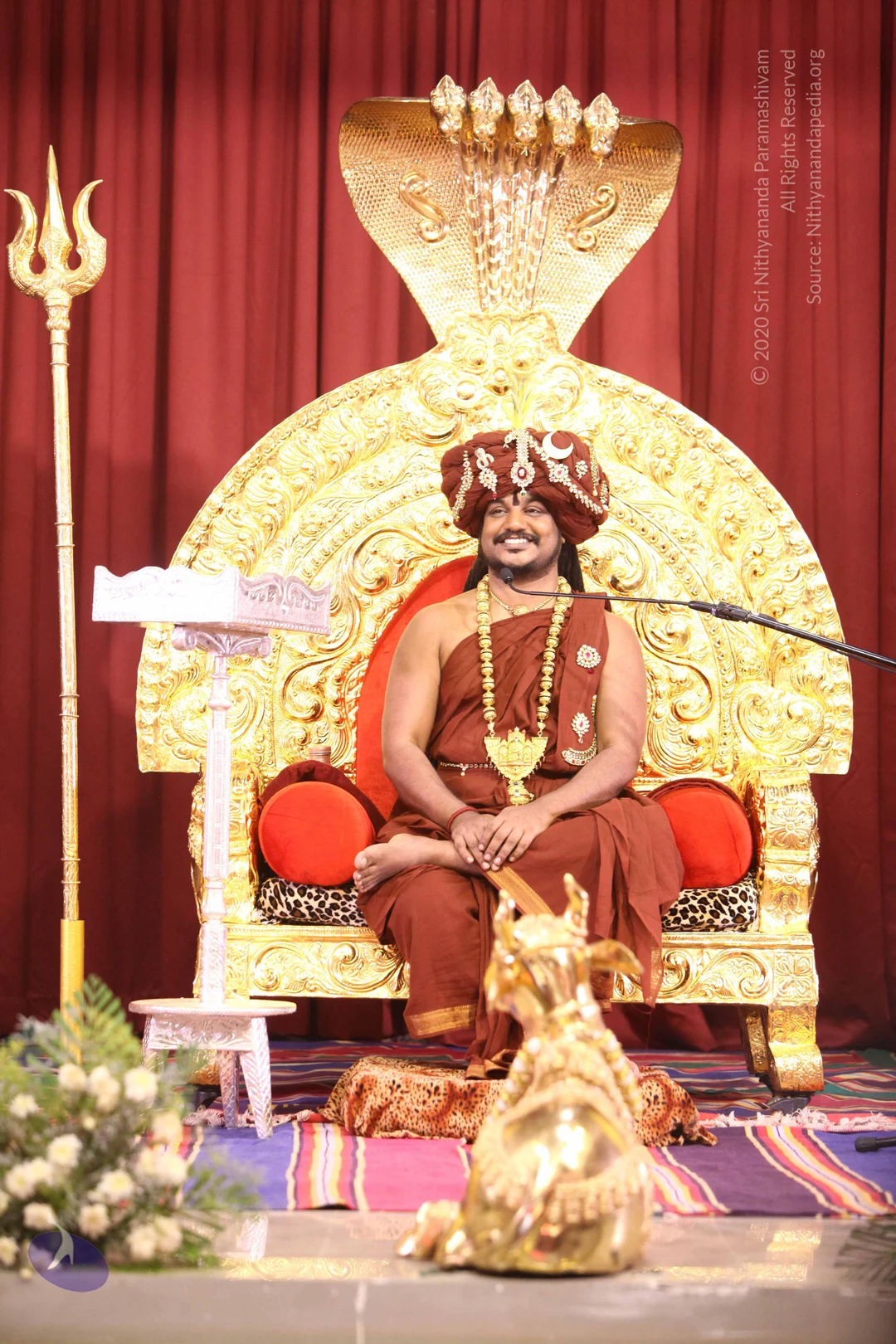
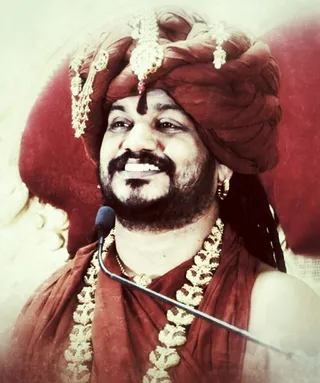
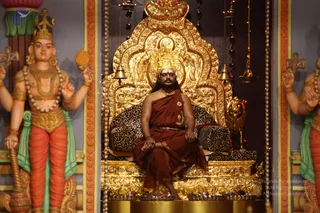
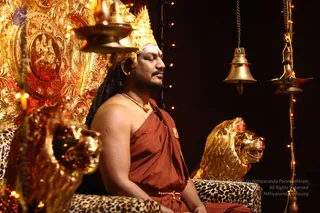
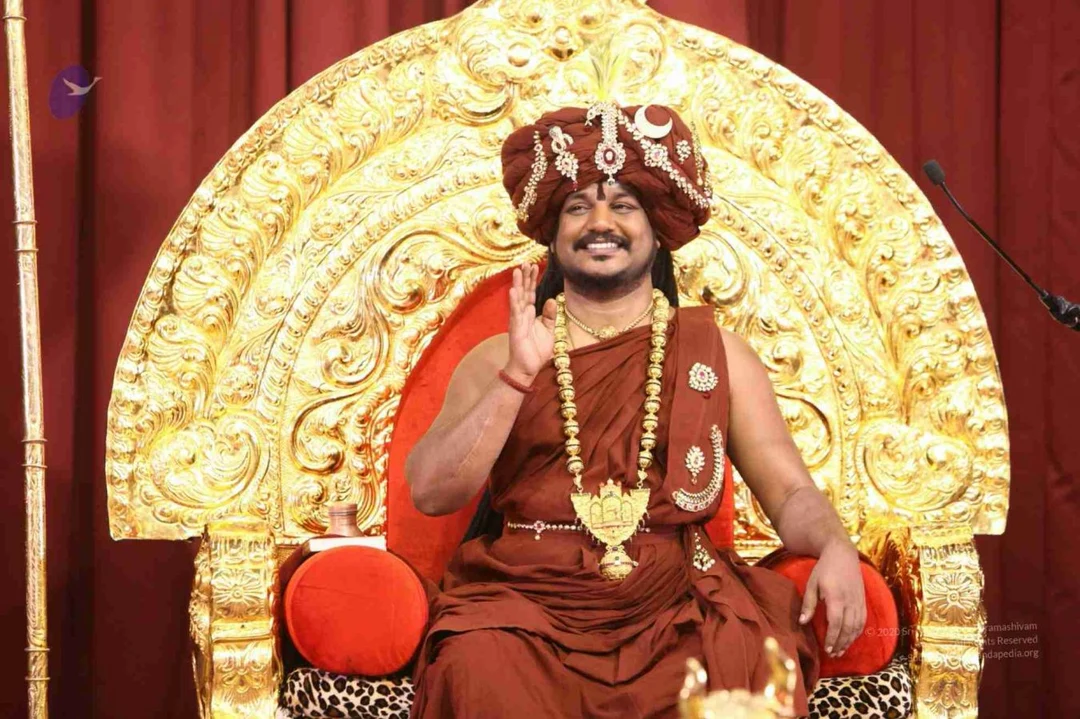 Divine darshan of His Holiness Bhagavan Sri Nithyananda Paramashivam
 Divine darshan of His Holiness Bhagavan Sri Nithyananda Paramashivam
 Divine darshan of His Holiness Bhagavan Sri Nithyananda Paramashivam
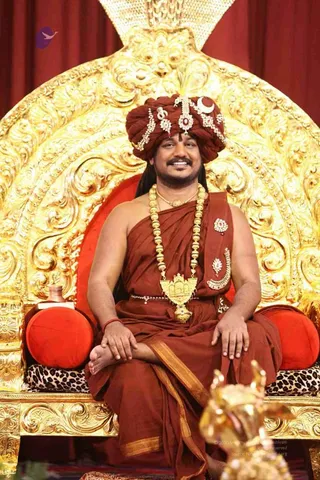 Divine darshan of His Holiness Bhagavan Sri Nithyananda Paramashivam
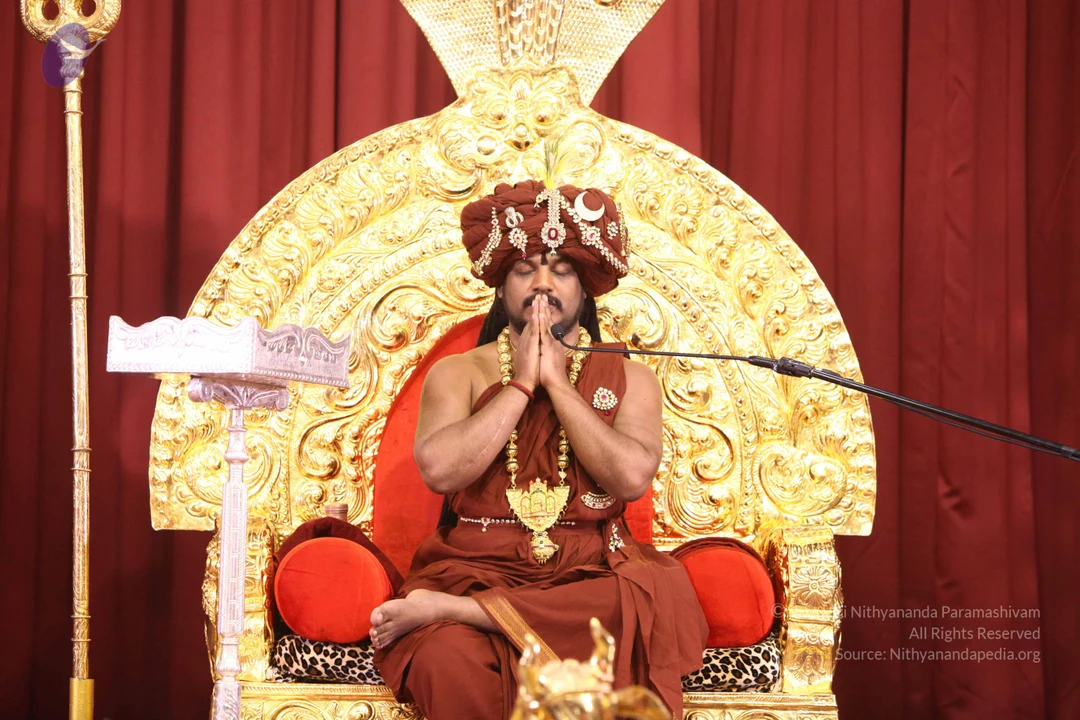
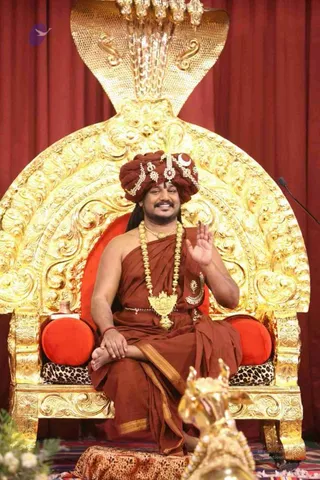 Poorna Ashirvadam - Blessings by Bhagavan Sri Nithyananda Paramashivam
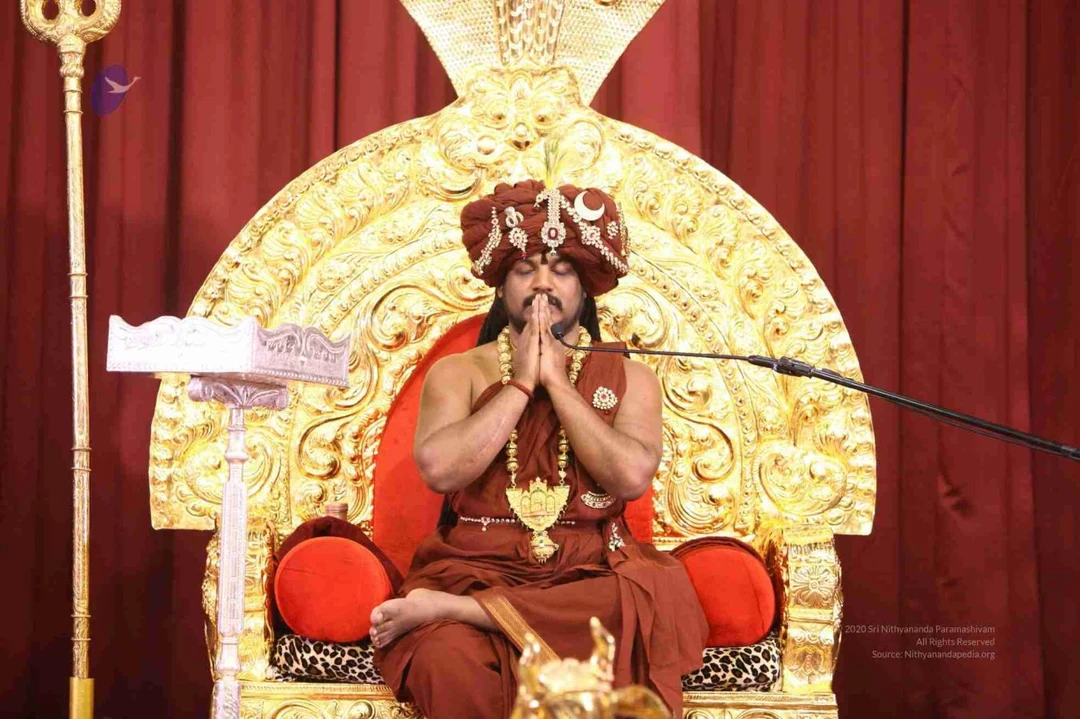 Divine darshan of His Holiness Bhagavan Sri Nithyananda Paramashivam
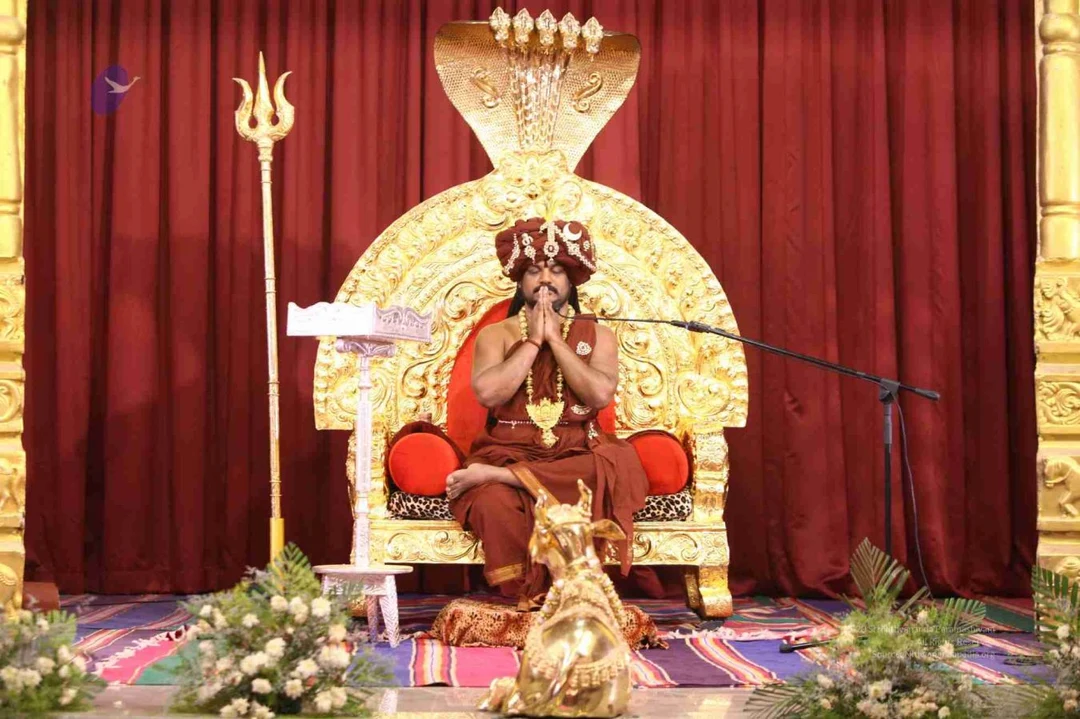 Divine darshan of His Holiness Bhagavan Sri Nithyananda Paramashivam
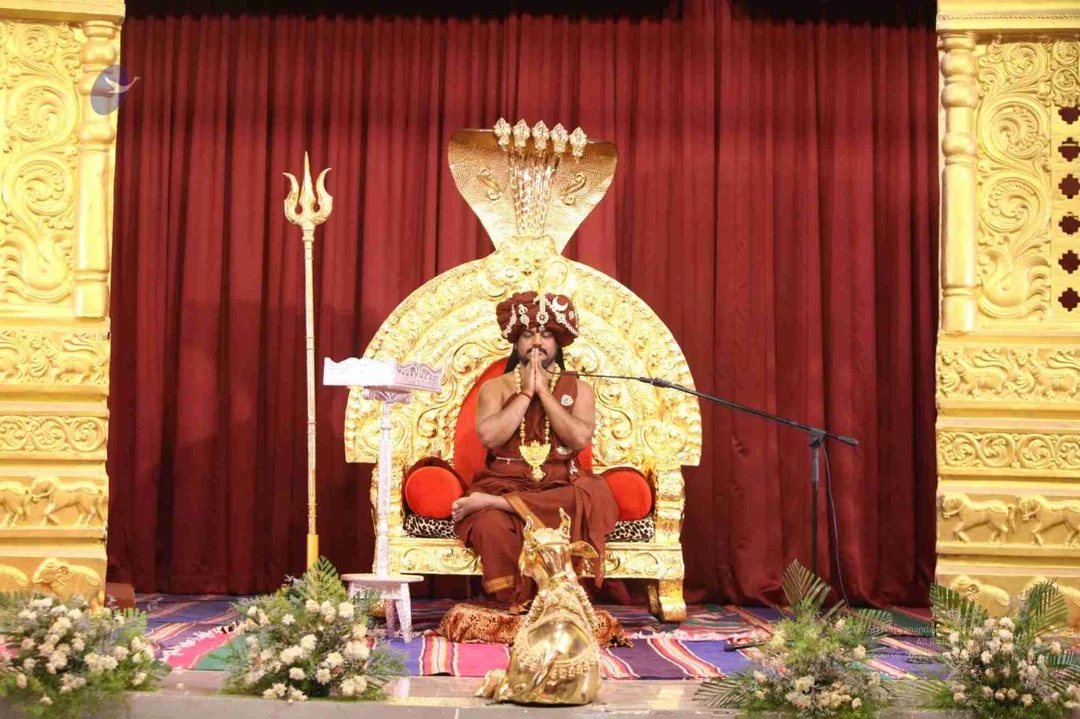 Divine darshan of His Holiness Bhagavan Sri Nithyananda Paramashivam
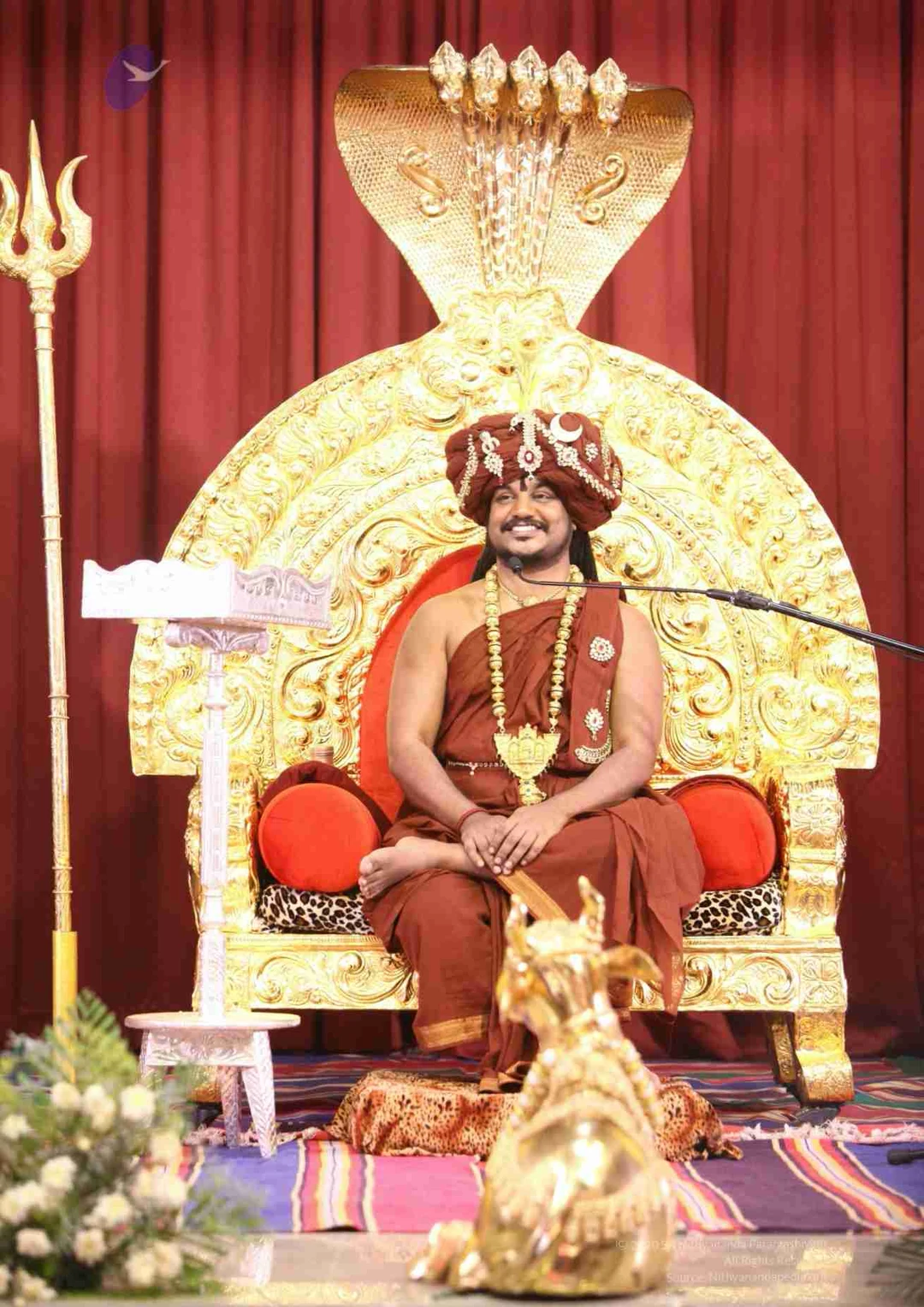
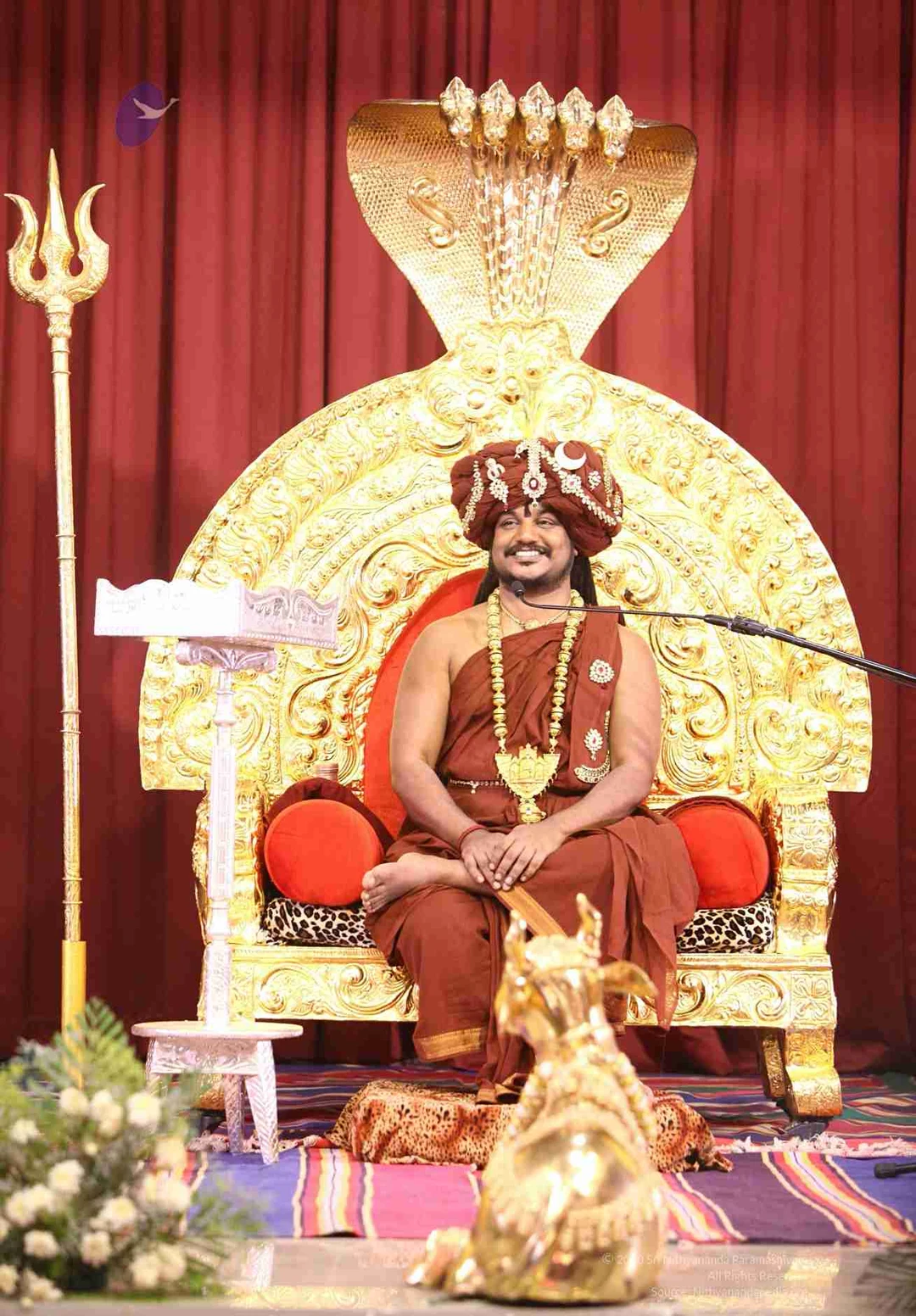
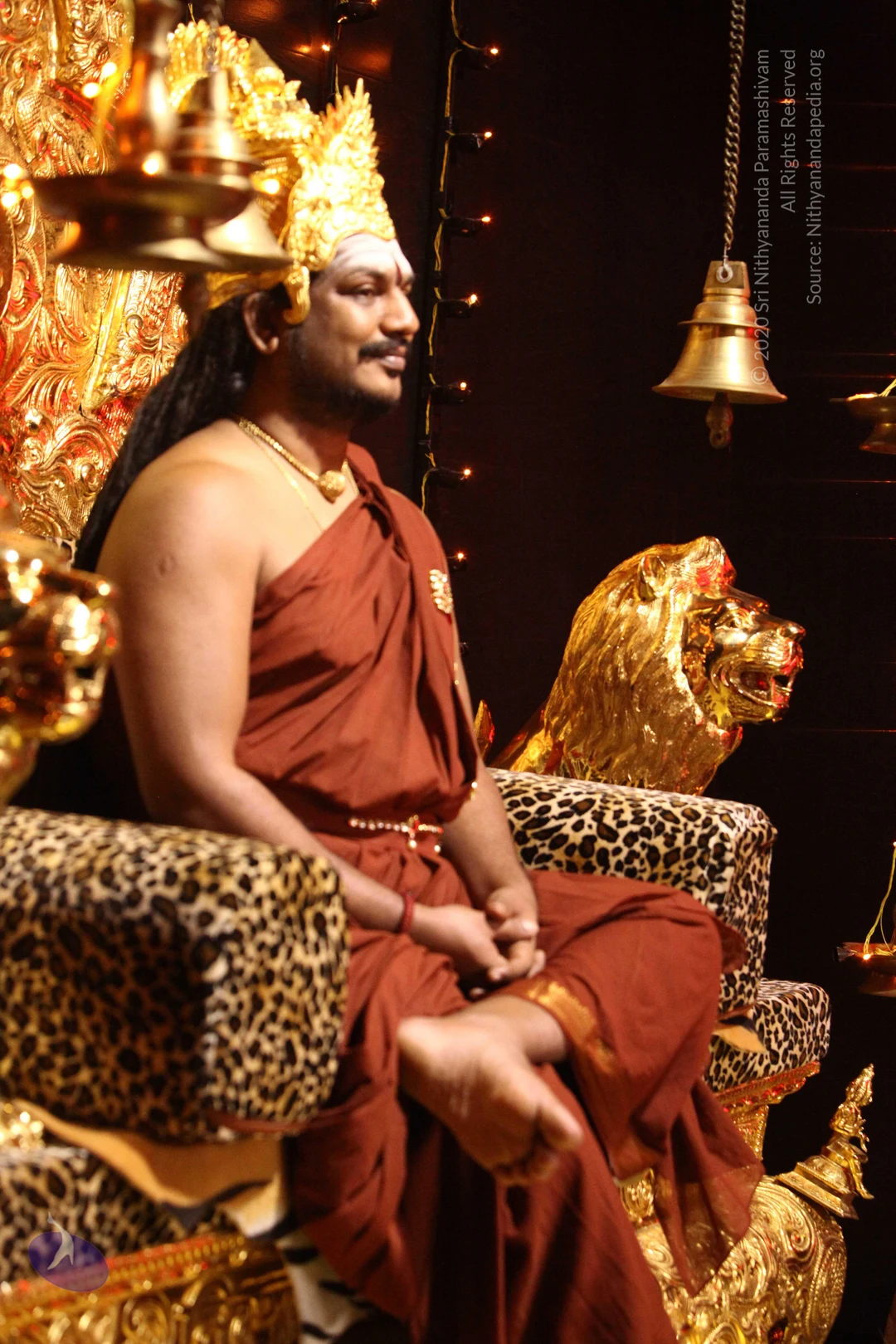
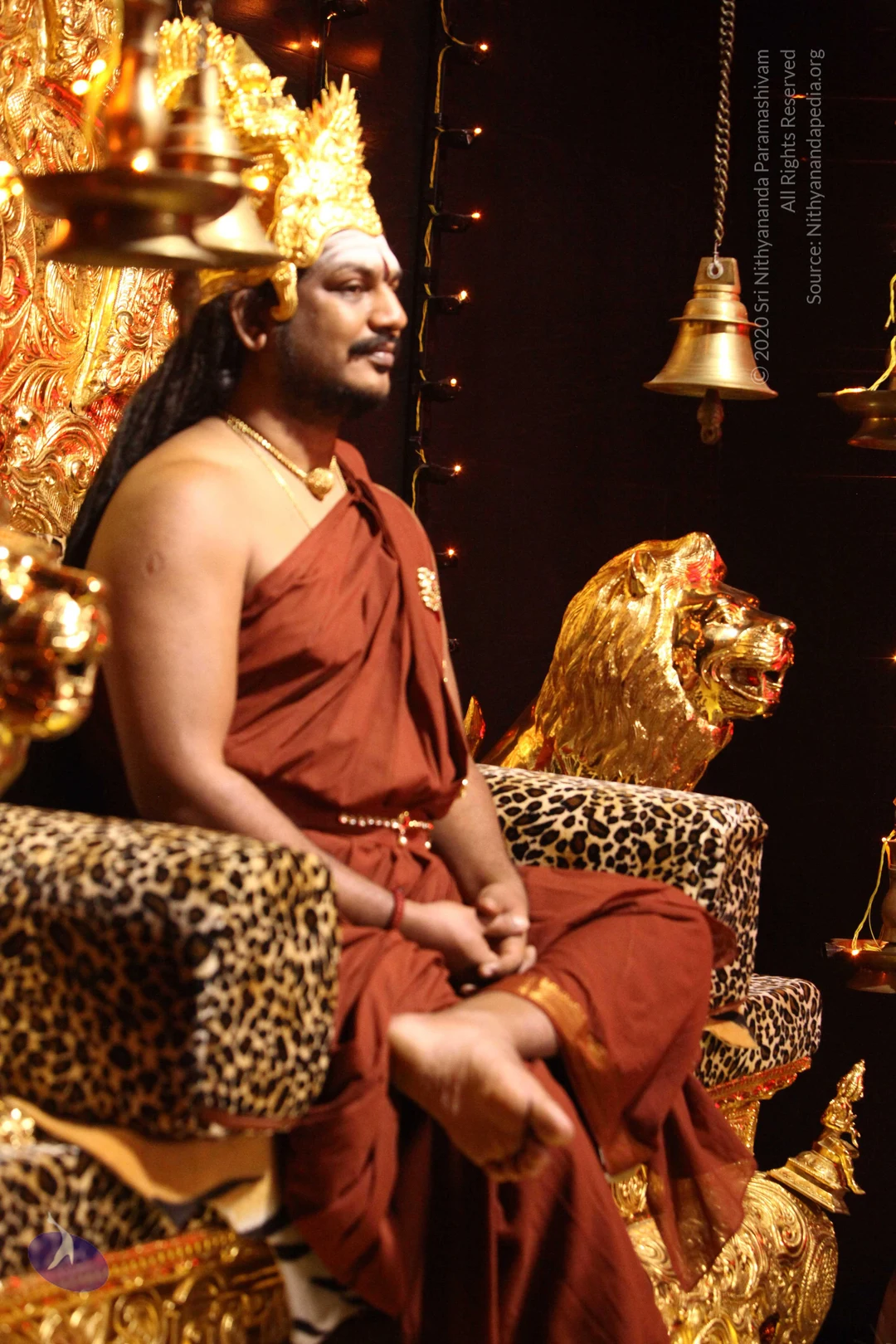
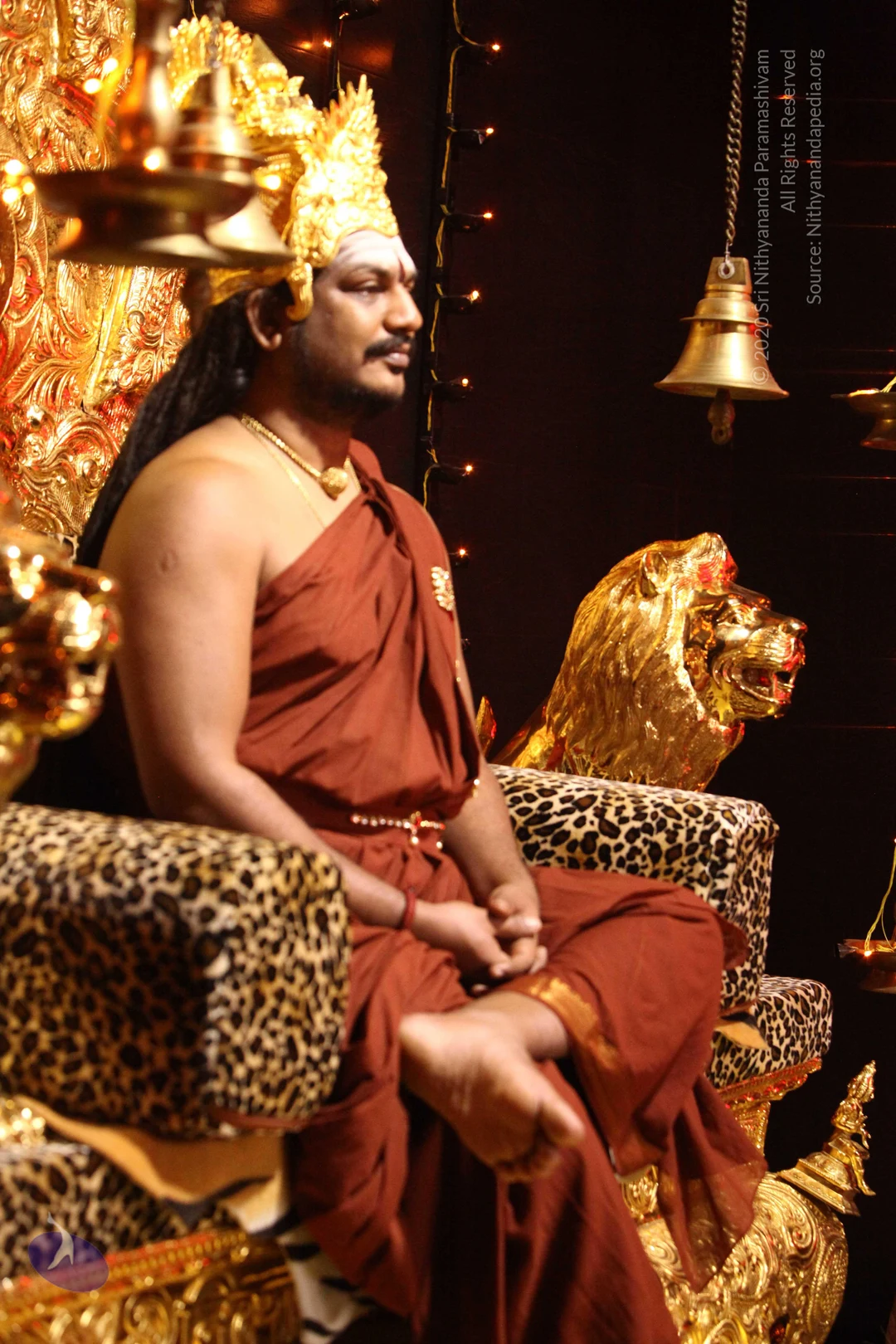
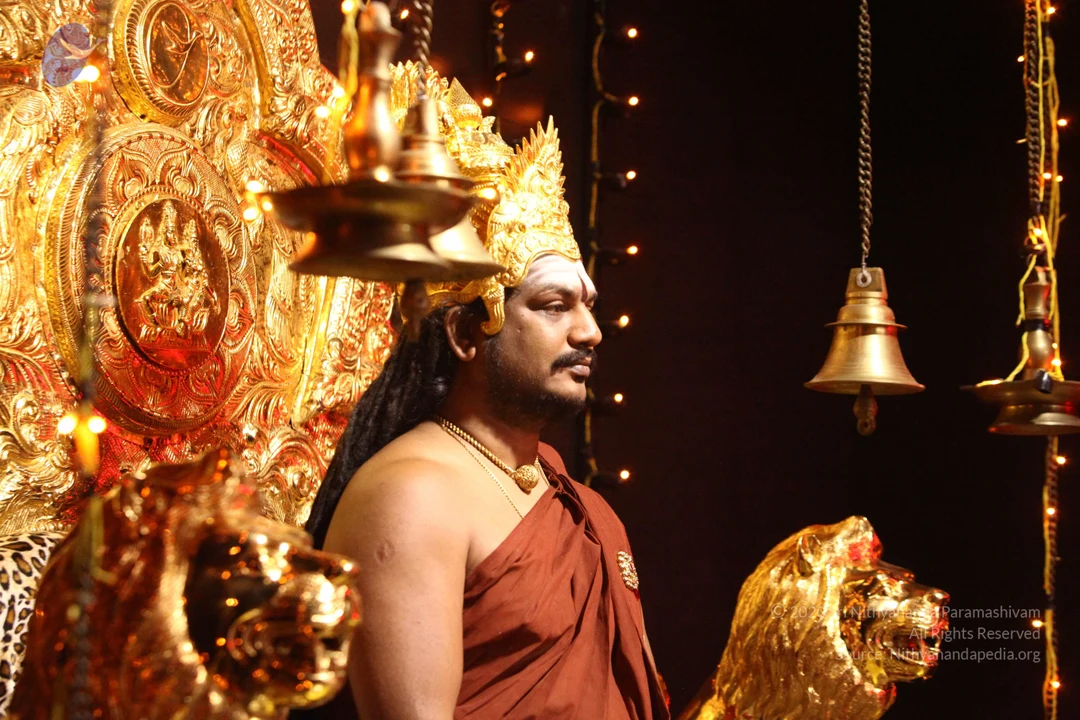
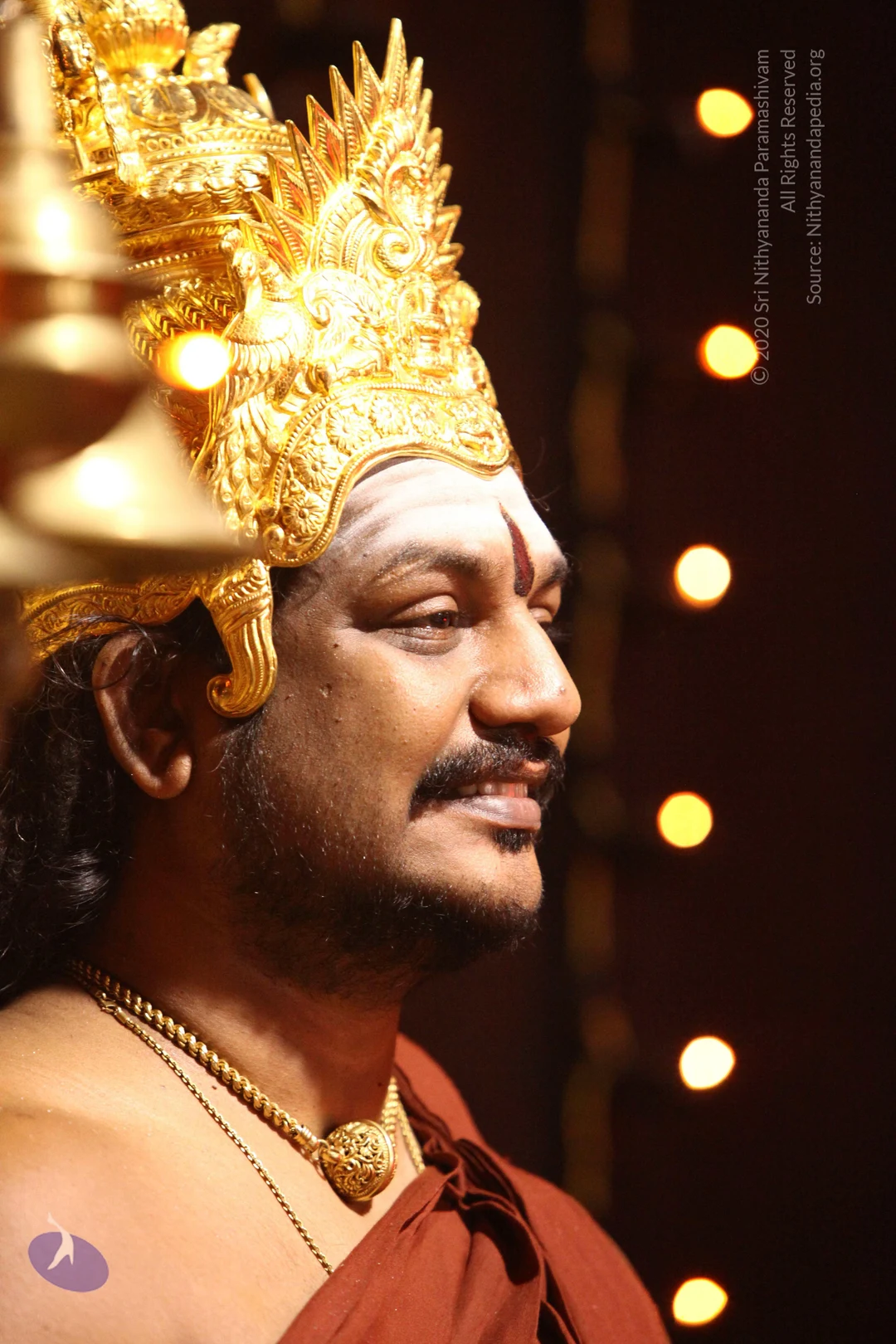
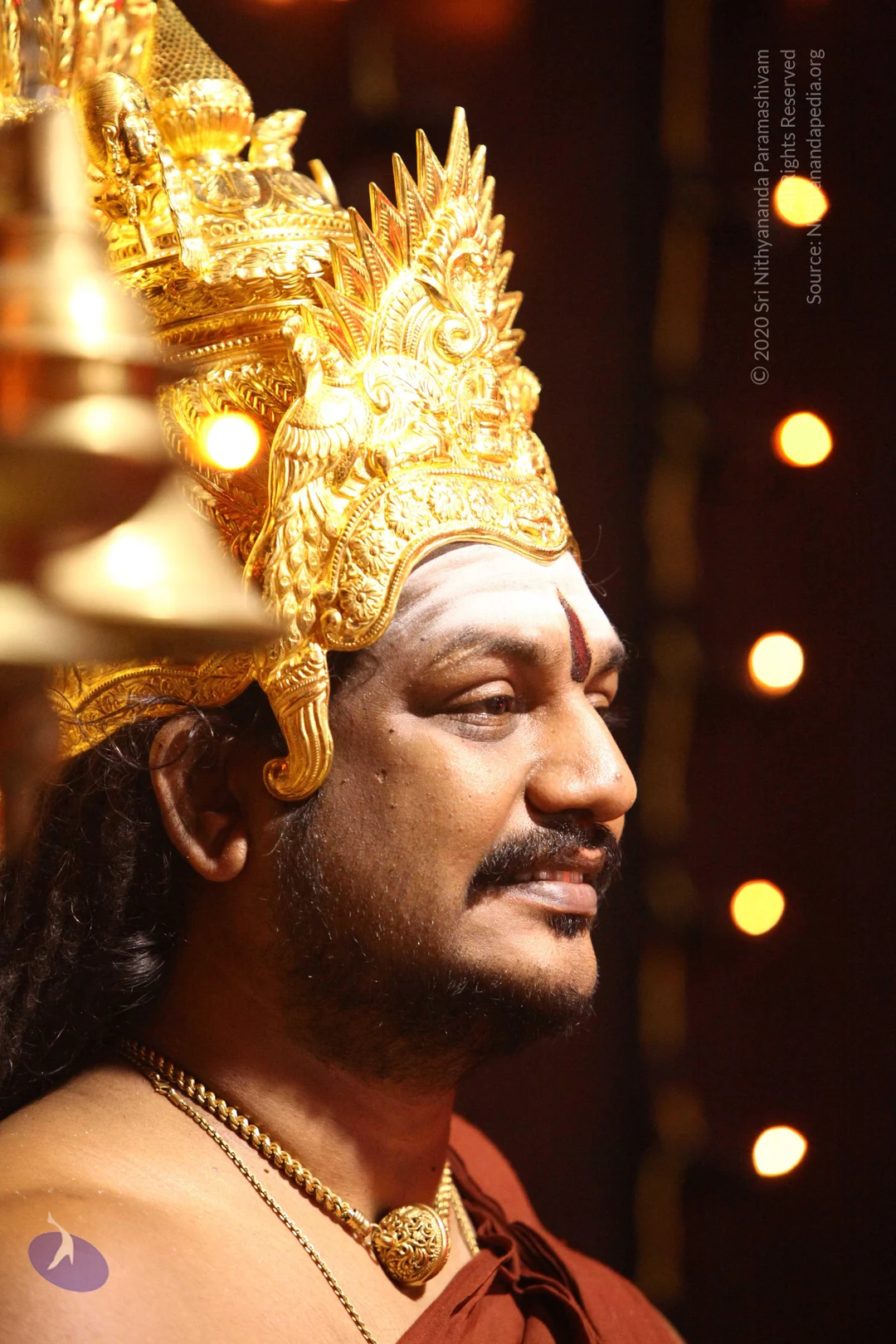
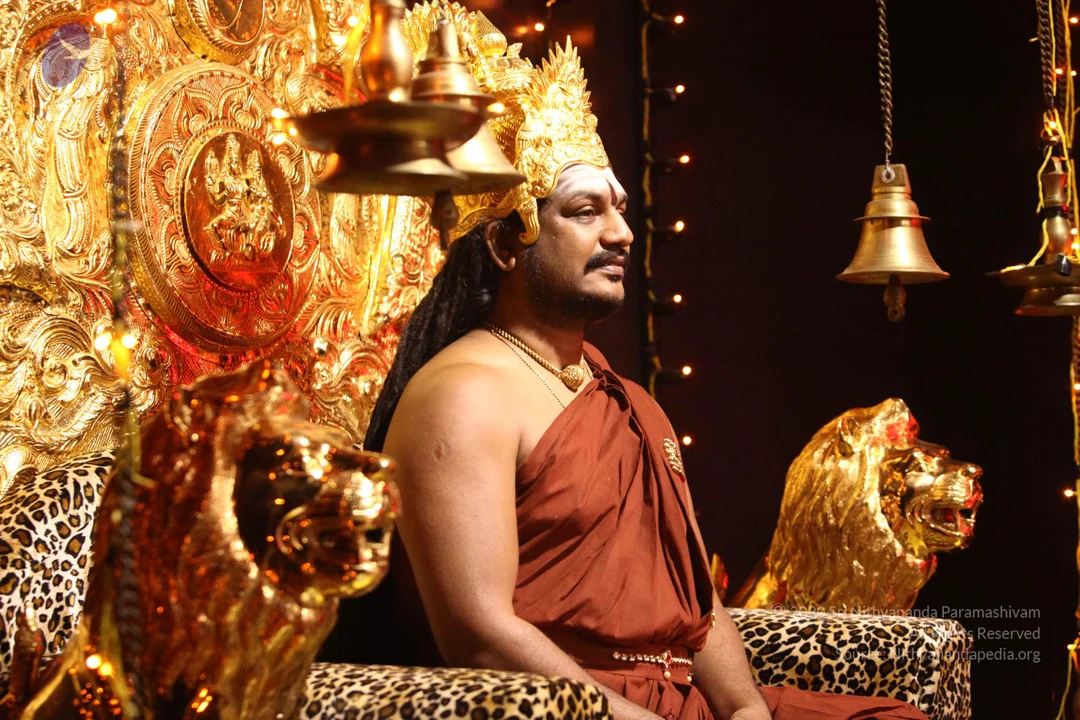
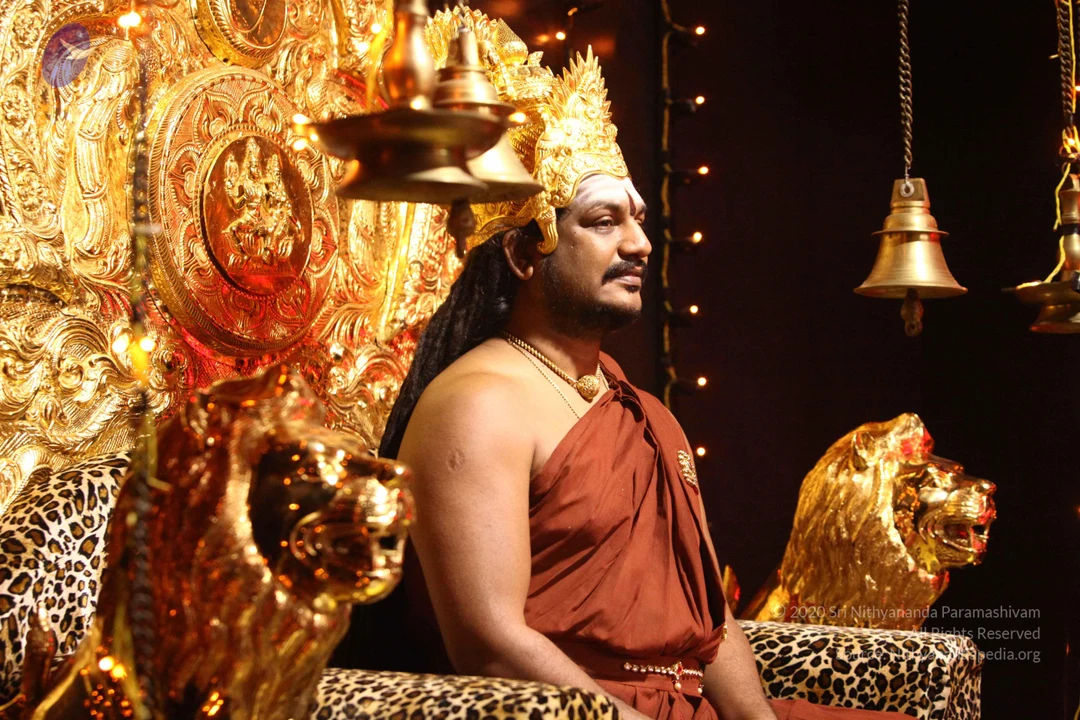
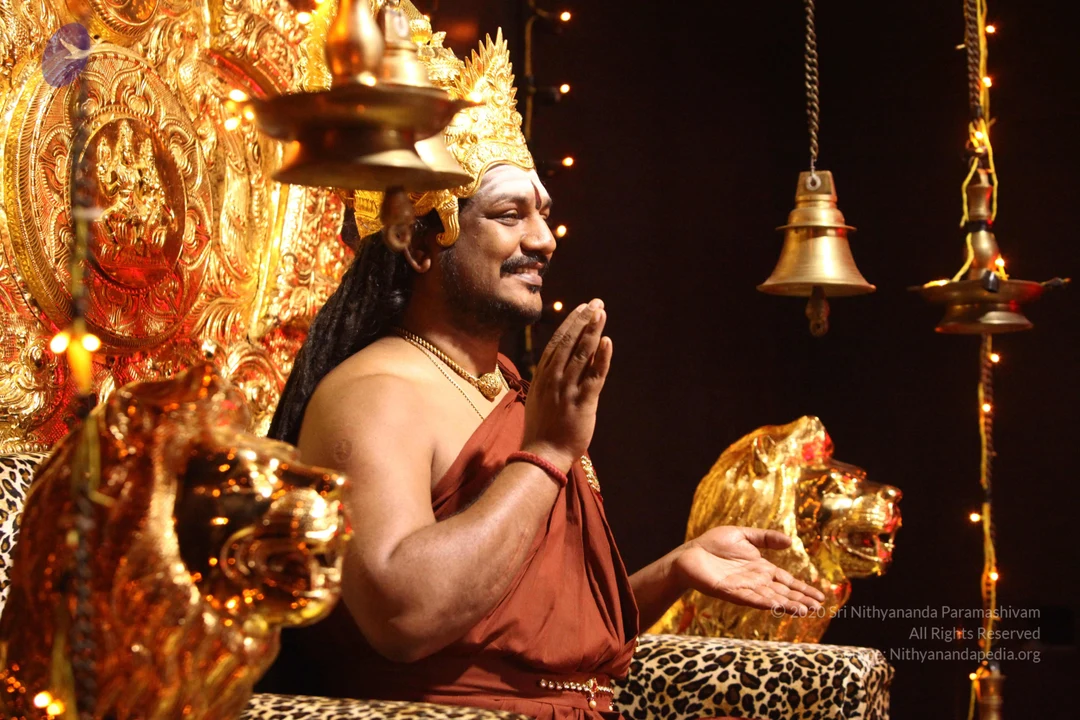
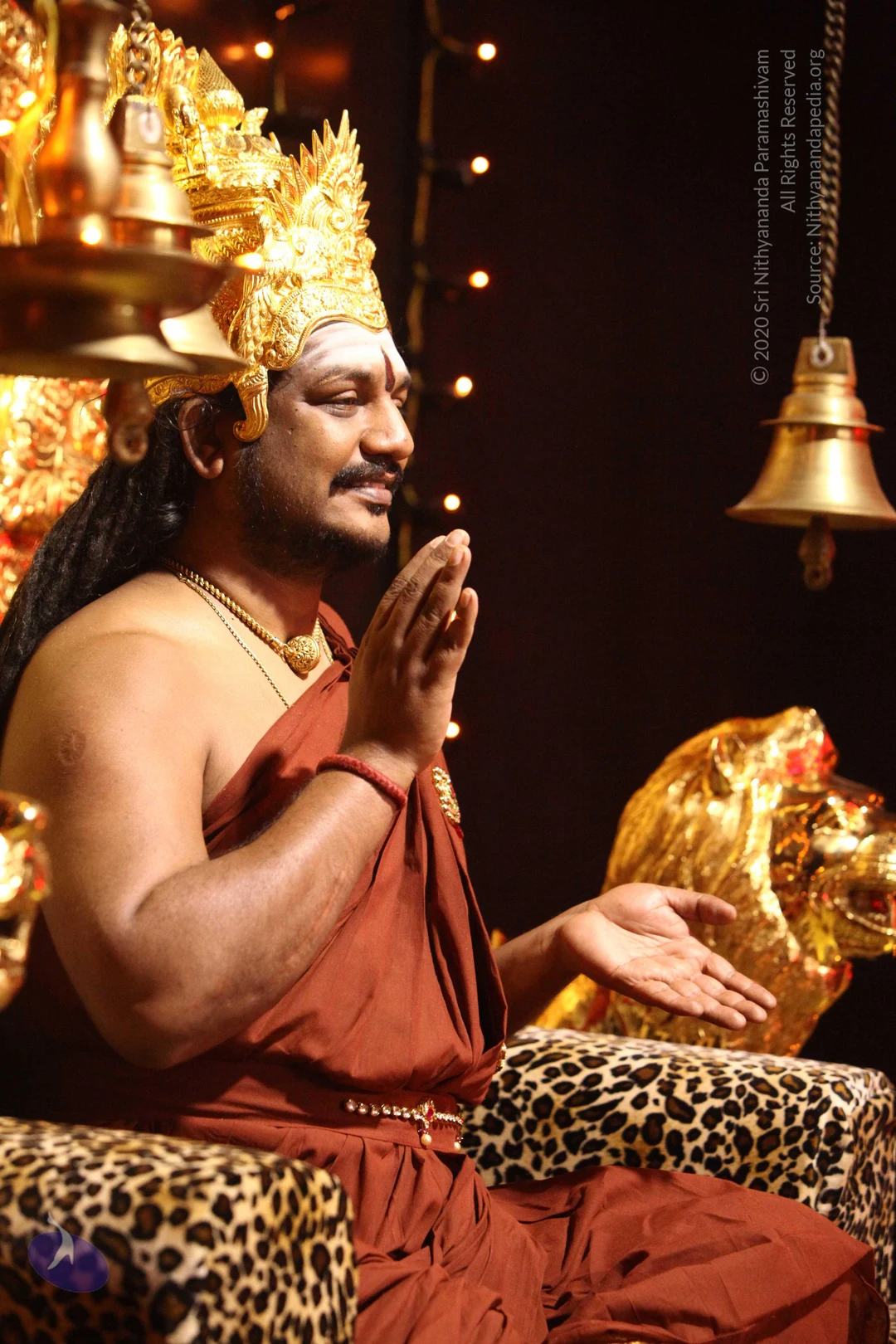
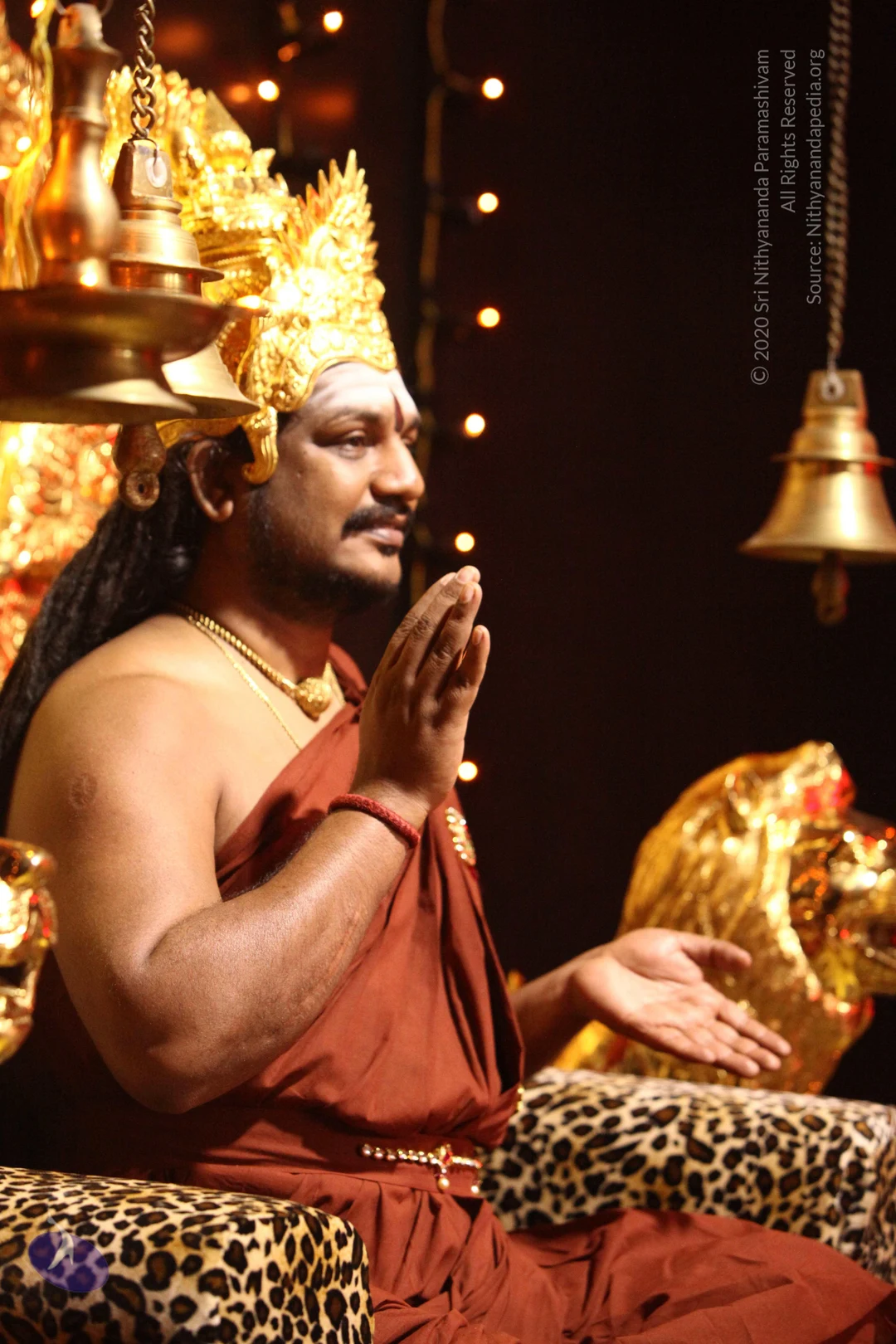
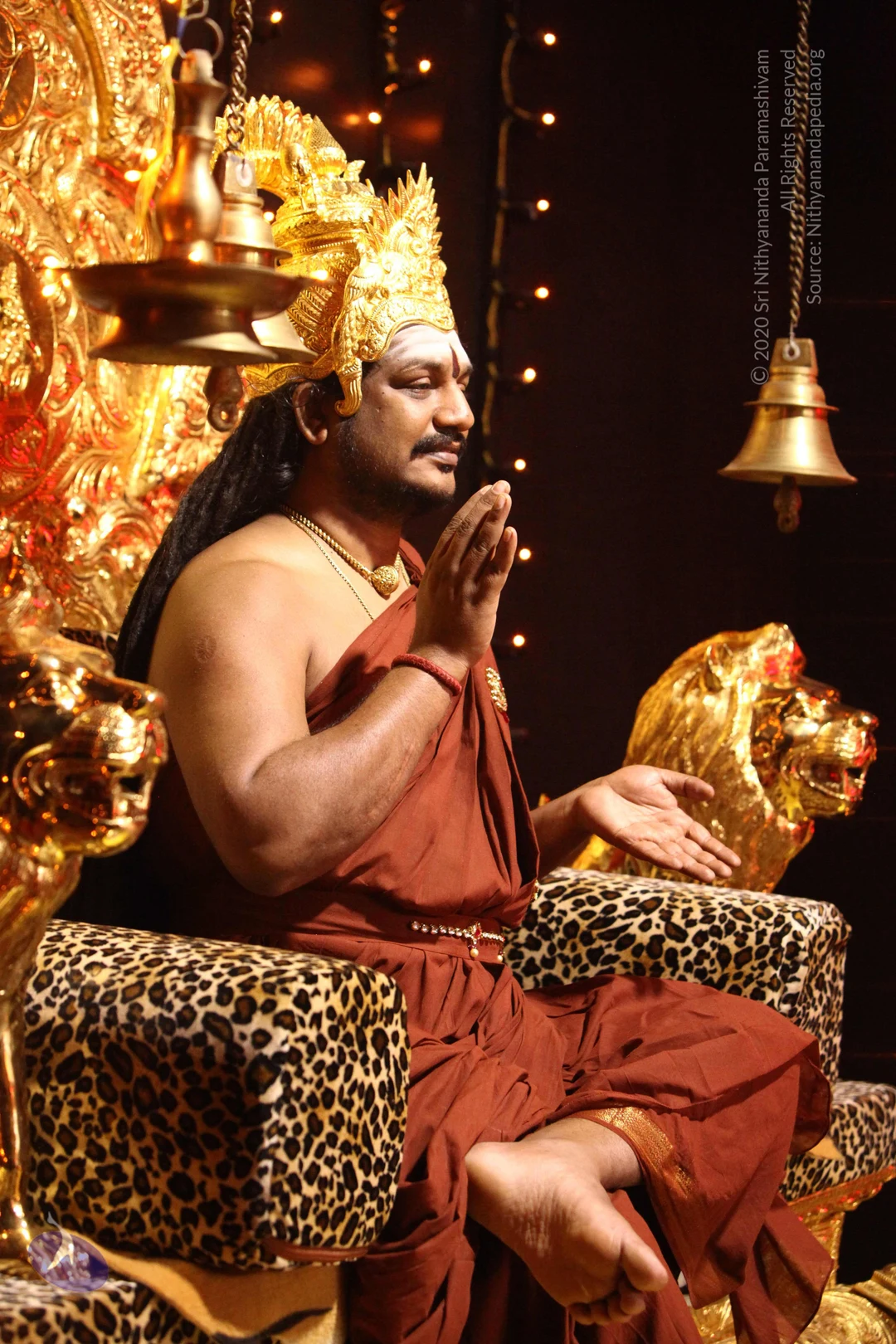
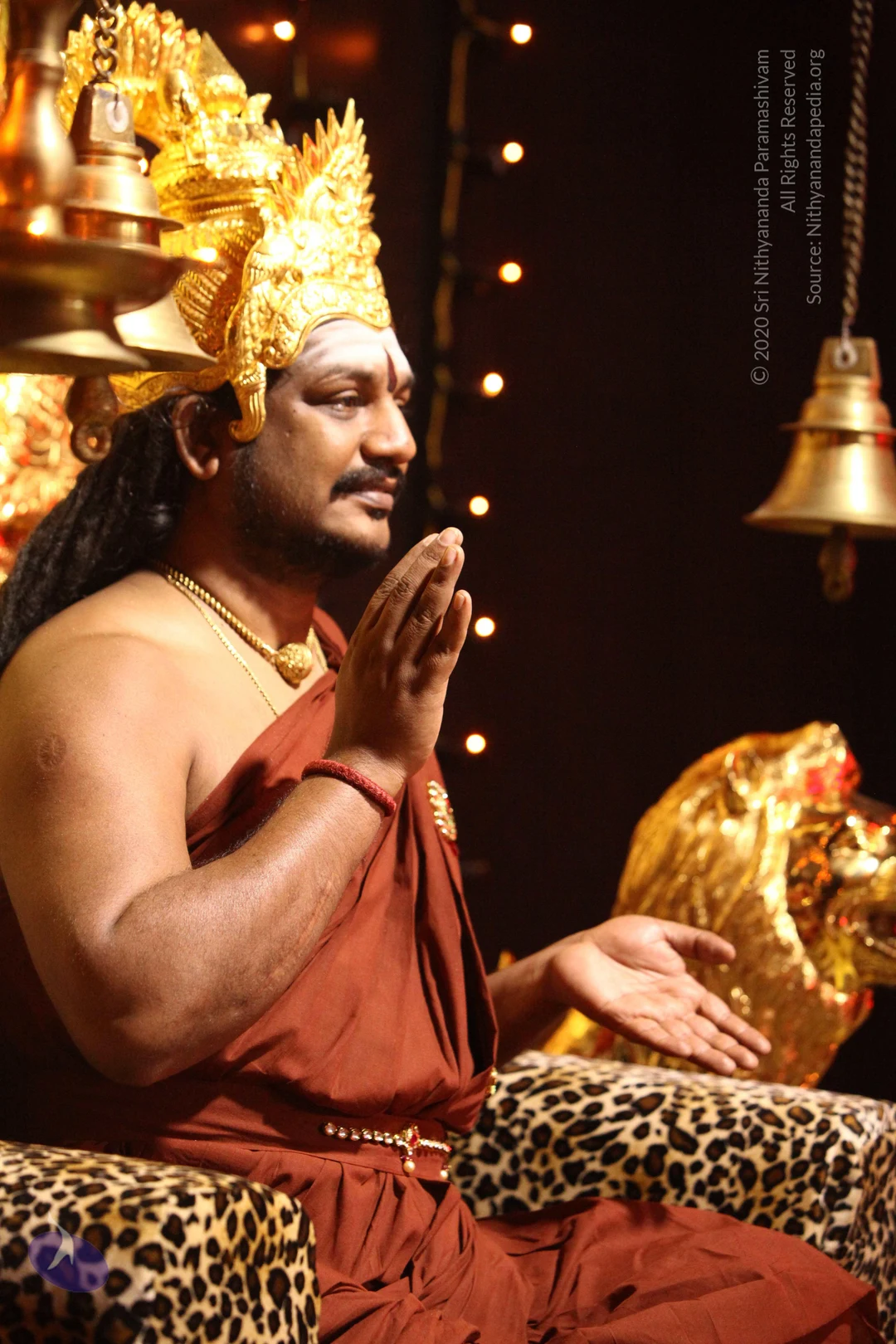
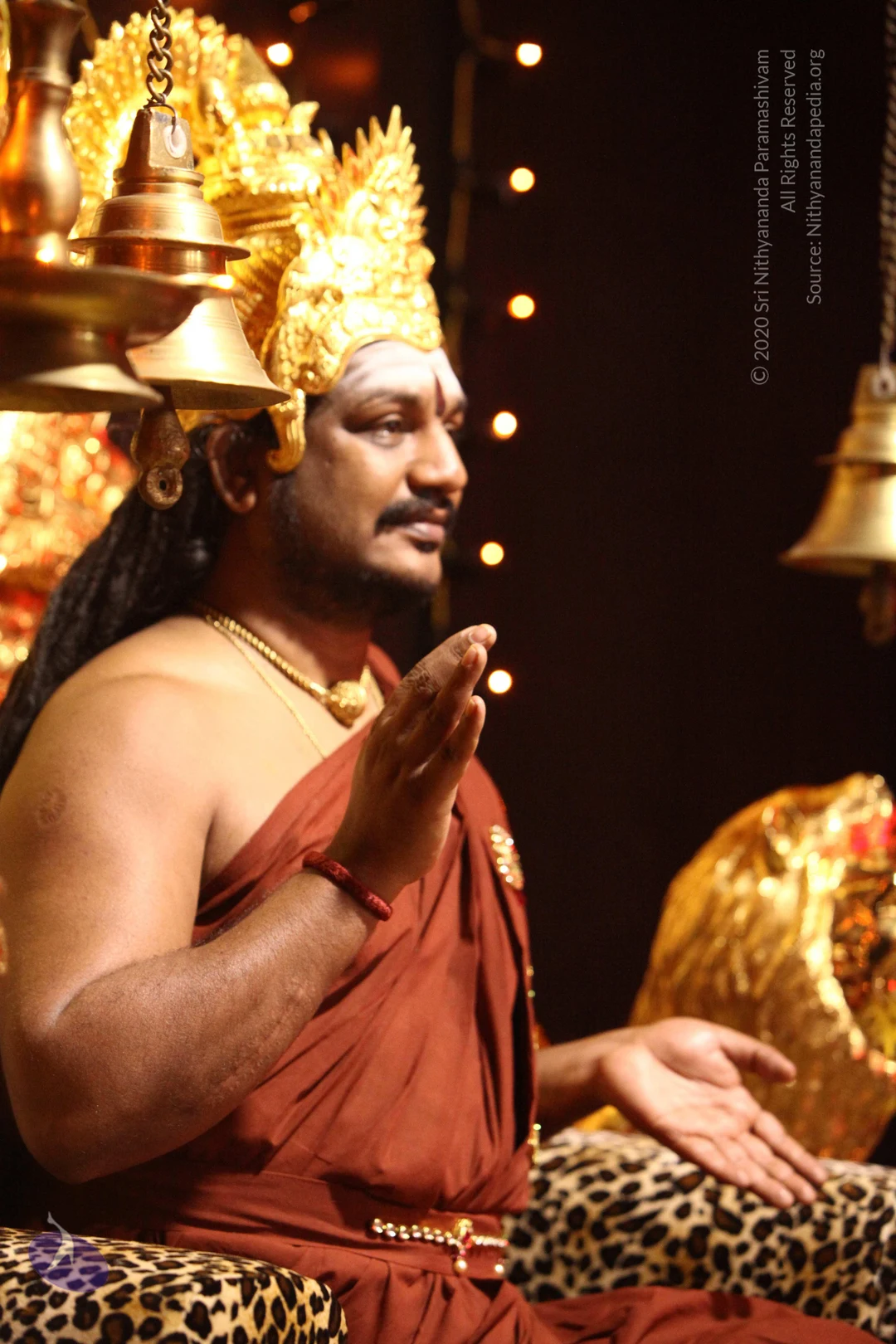
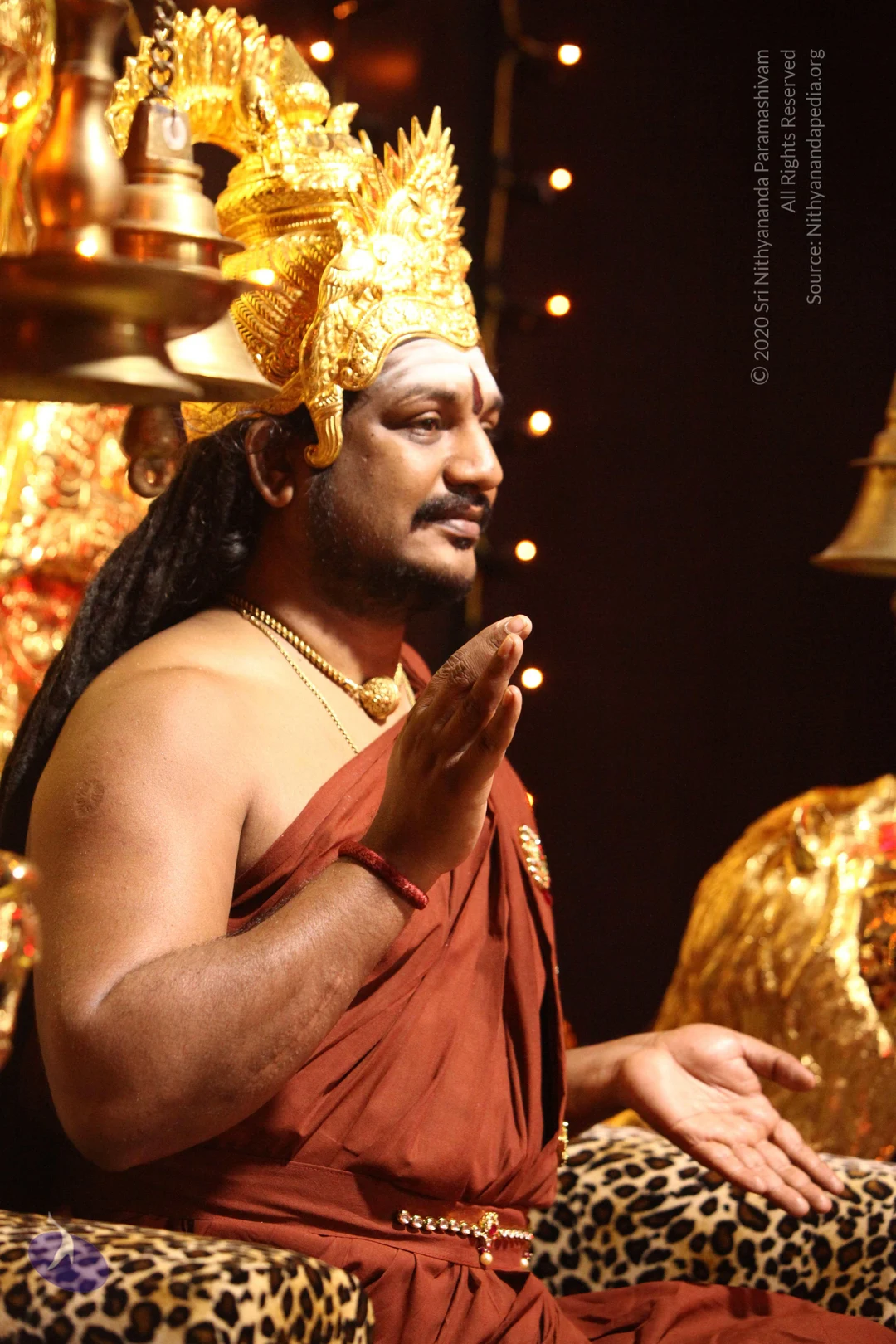
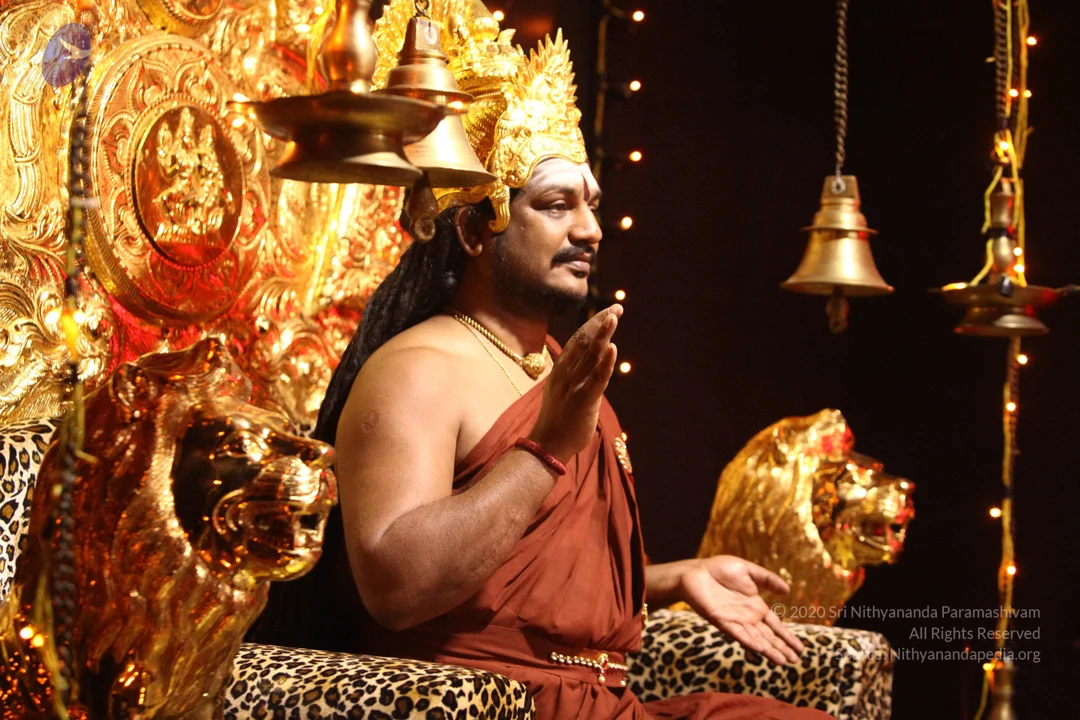
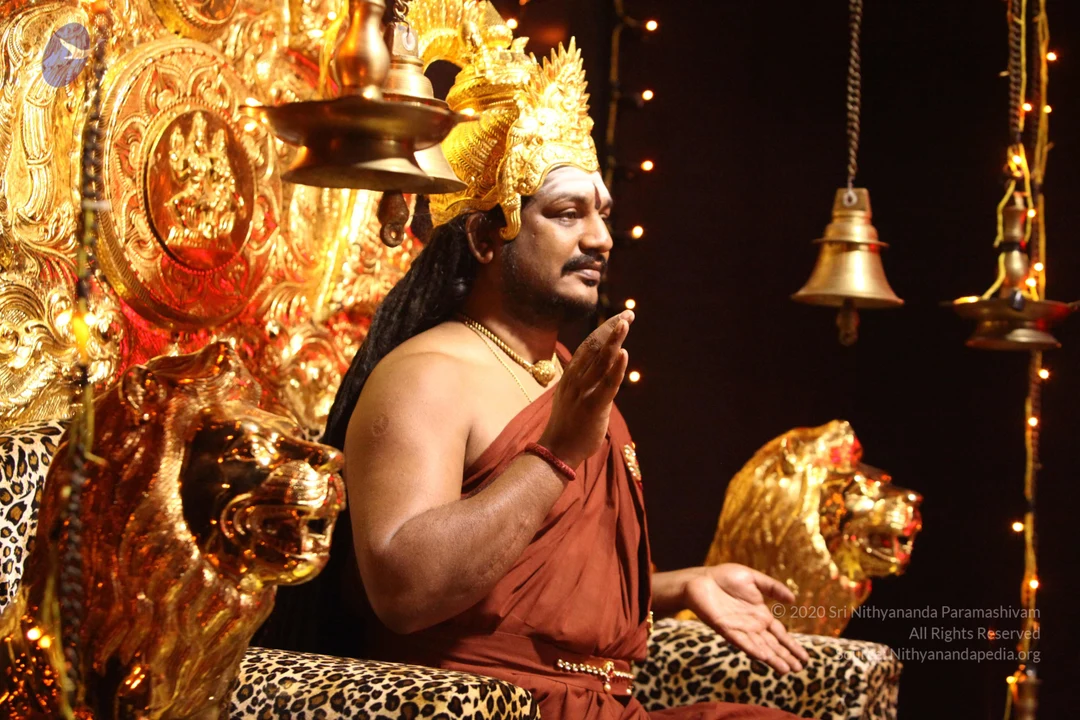
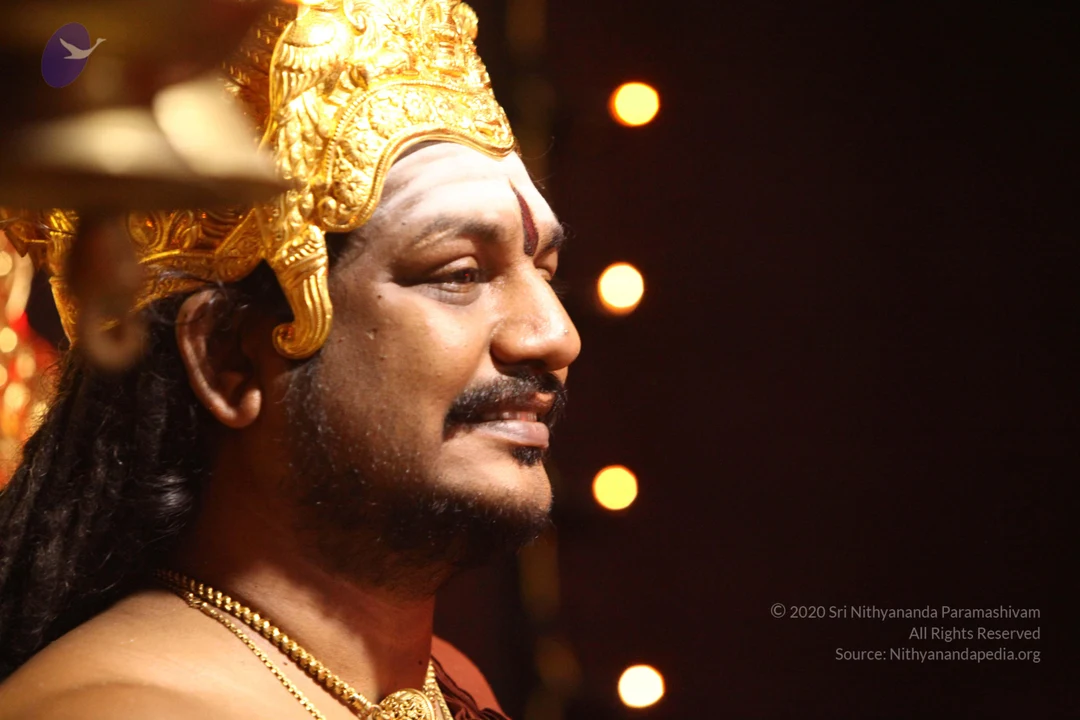
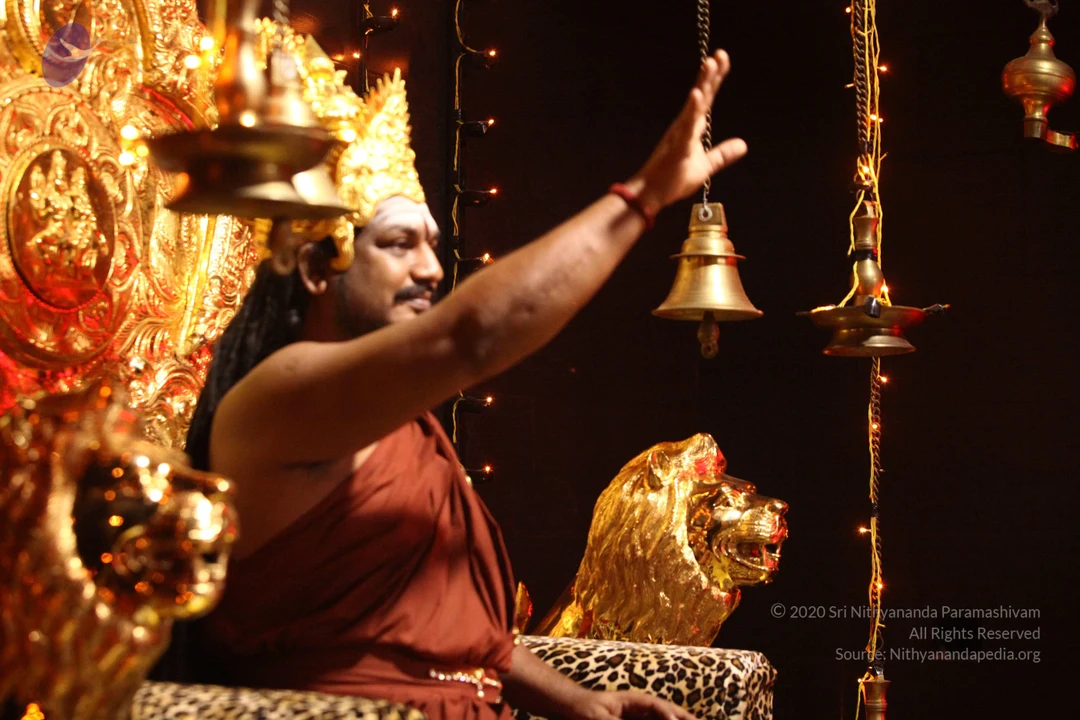
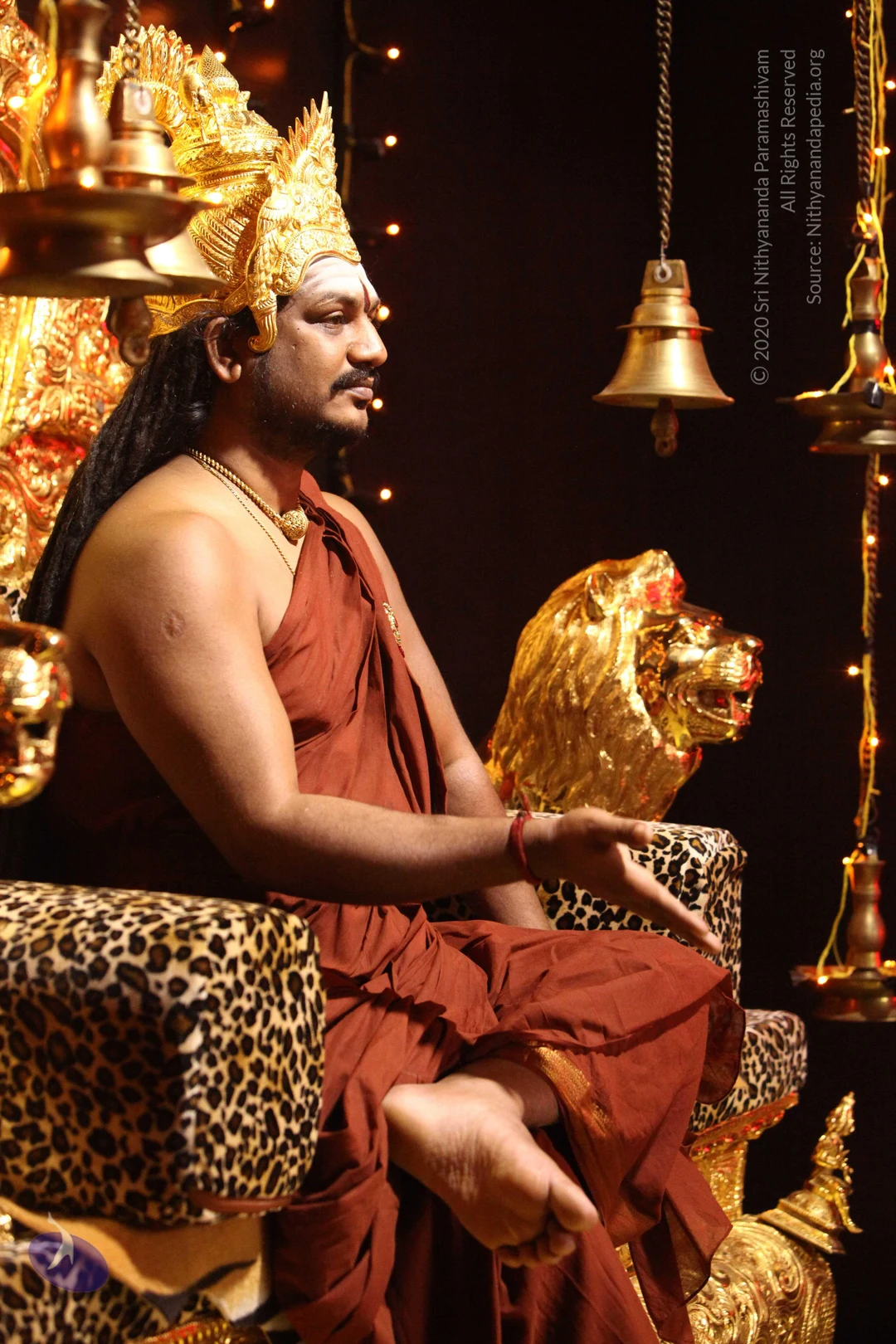
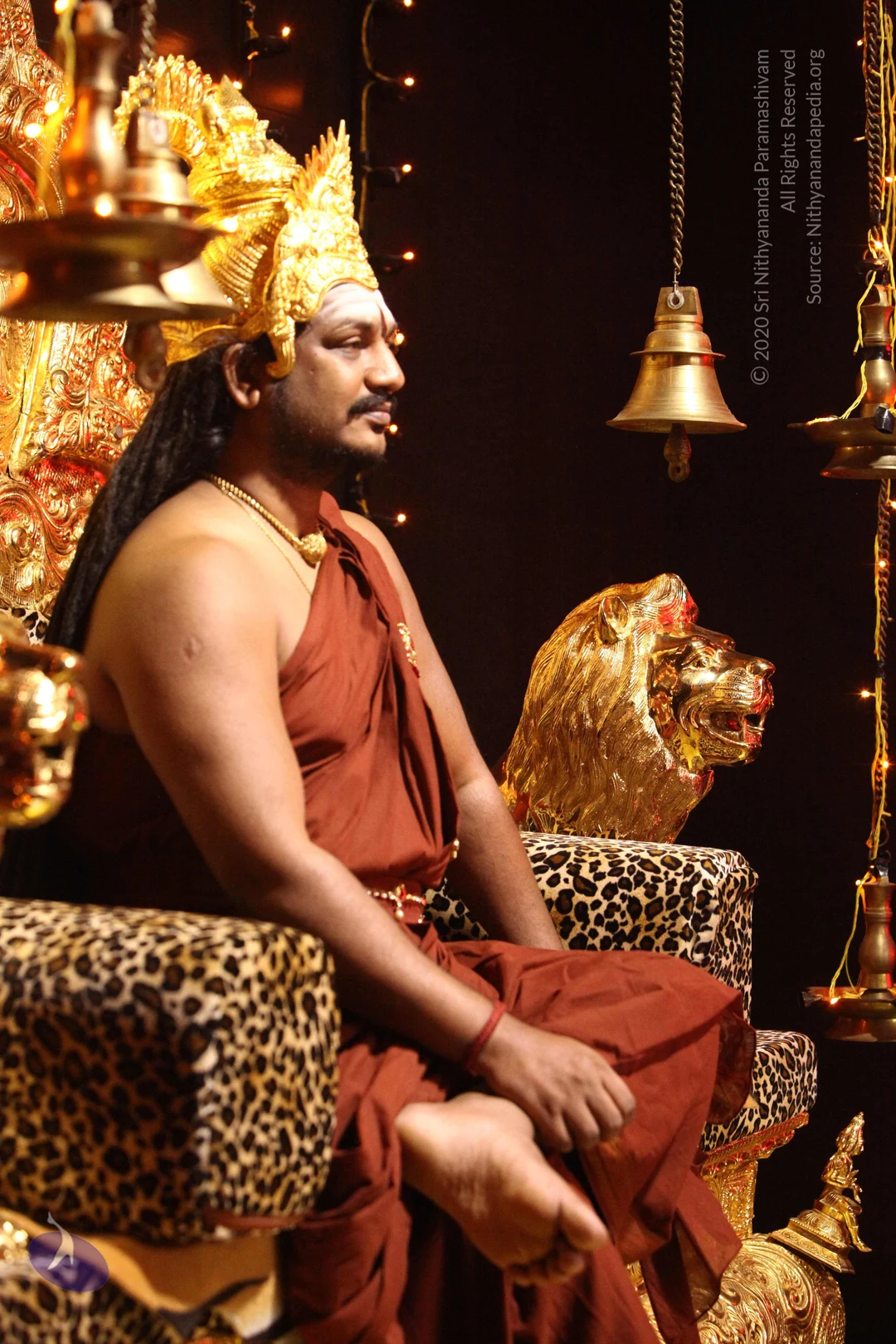
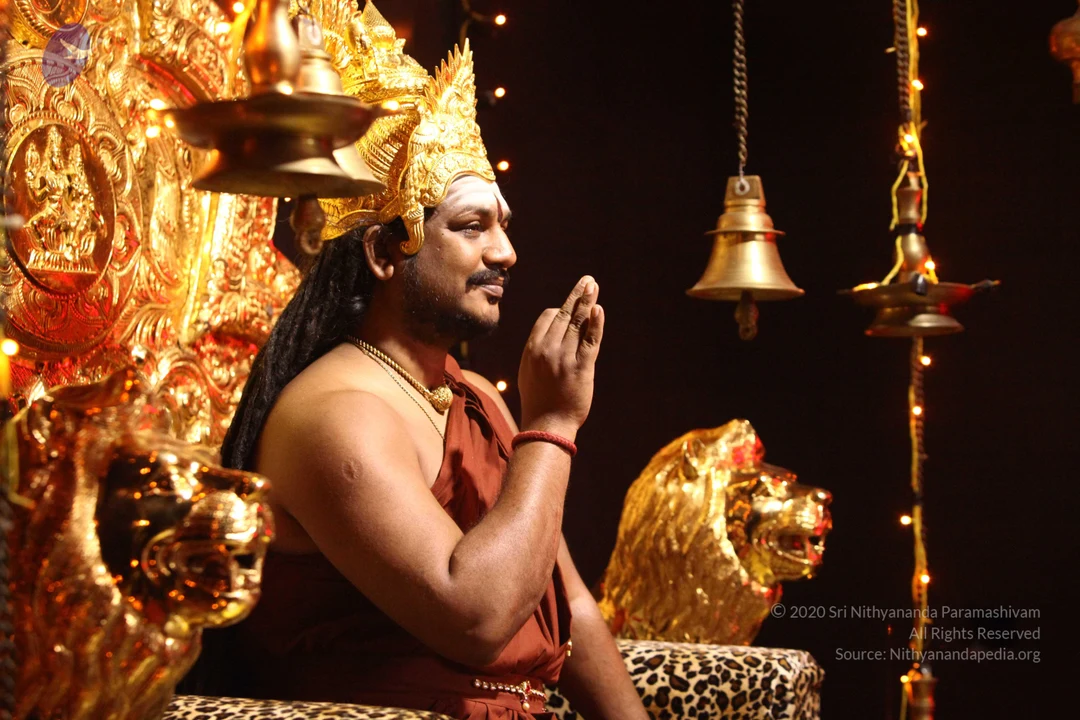
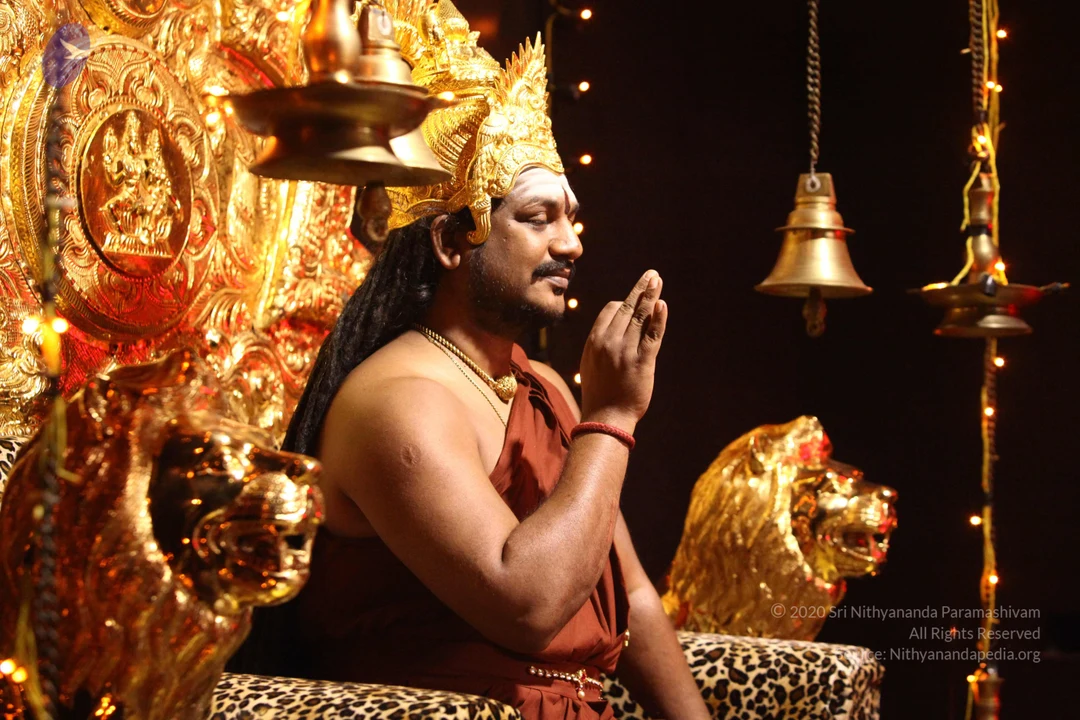
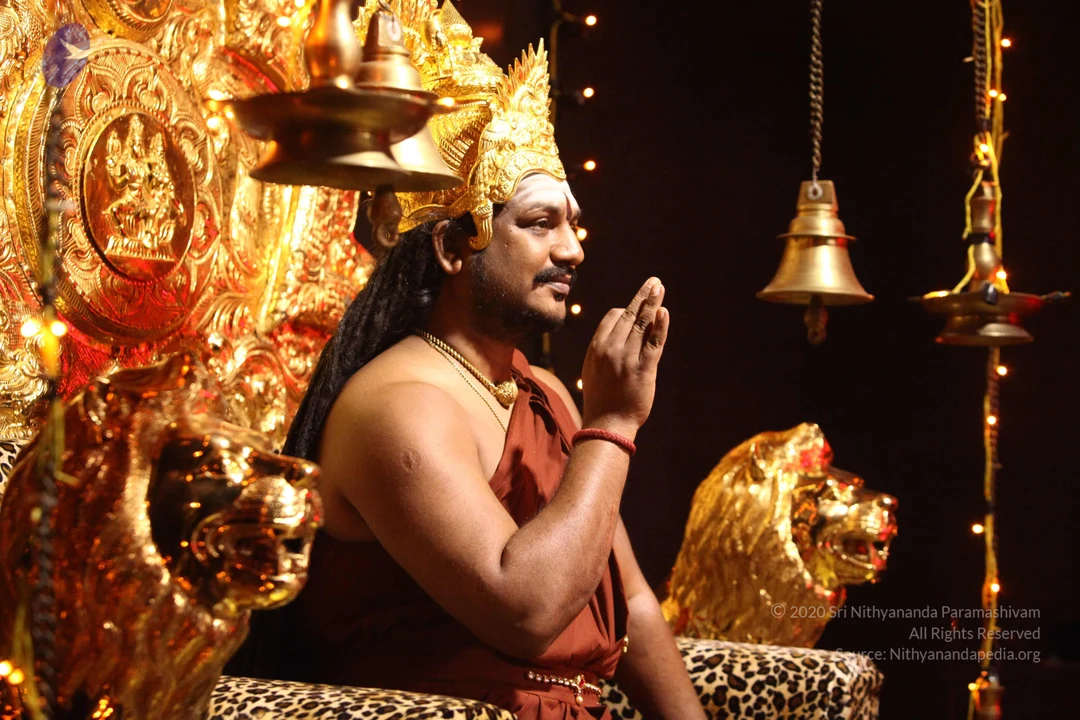
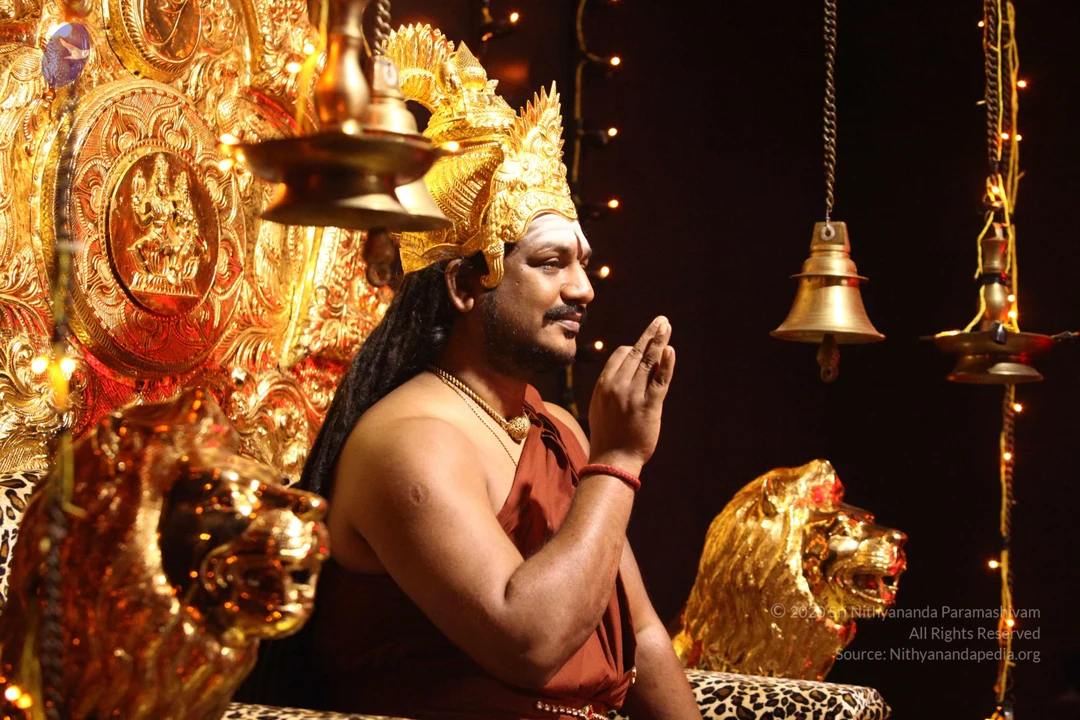
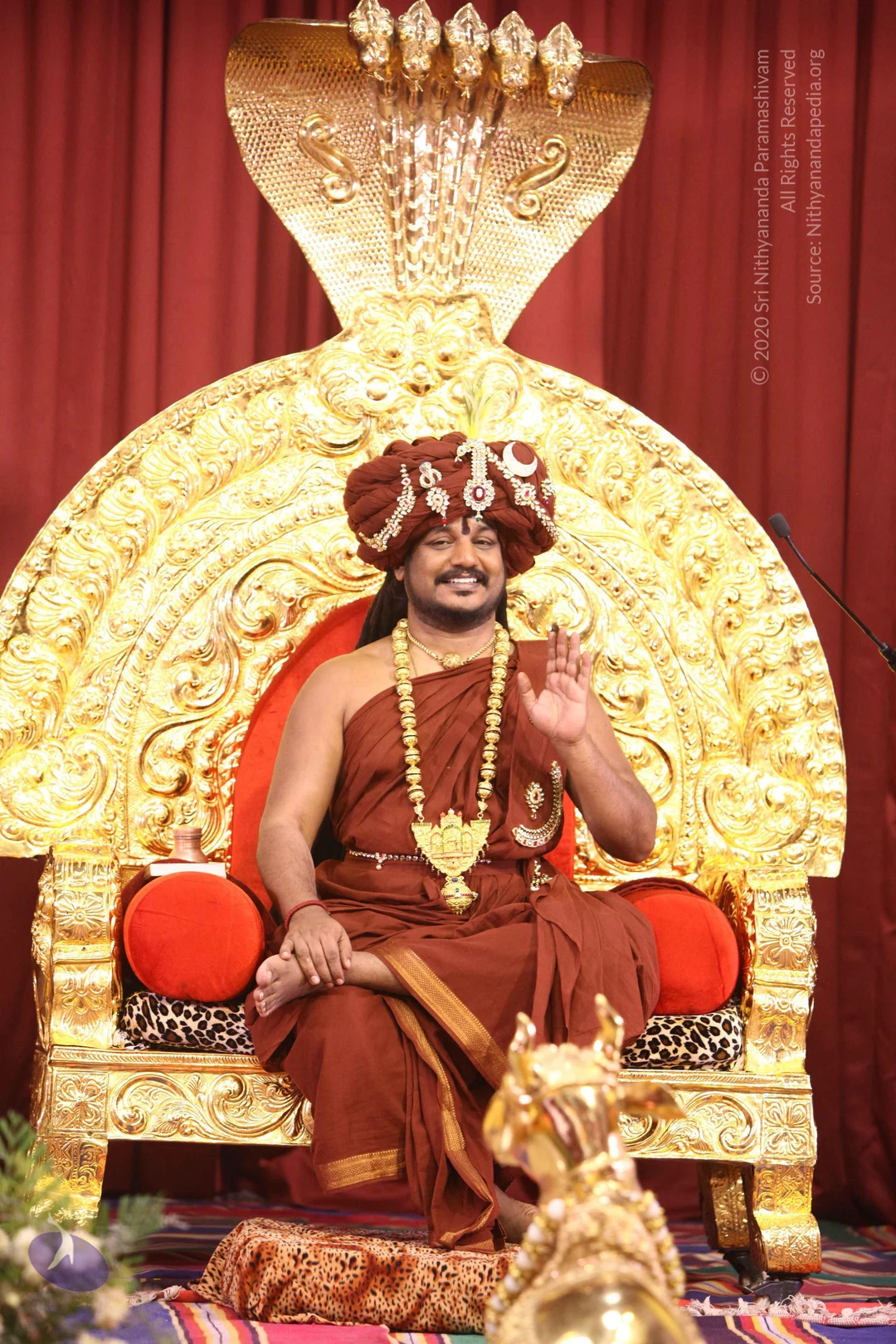
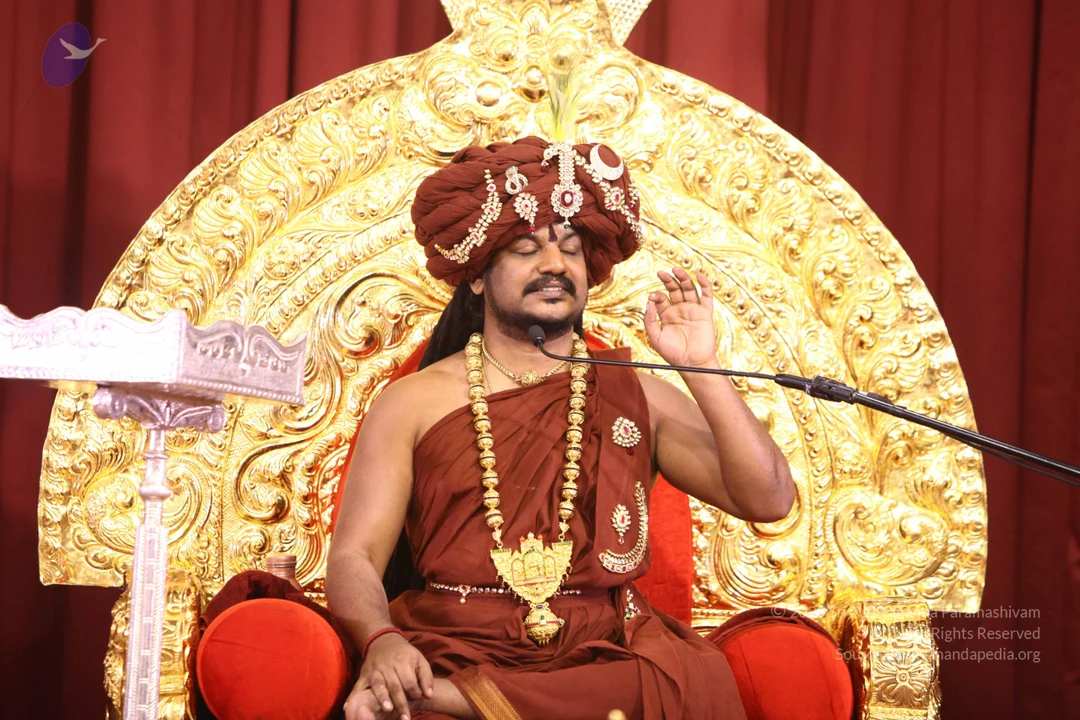
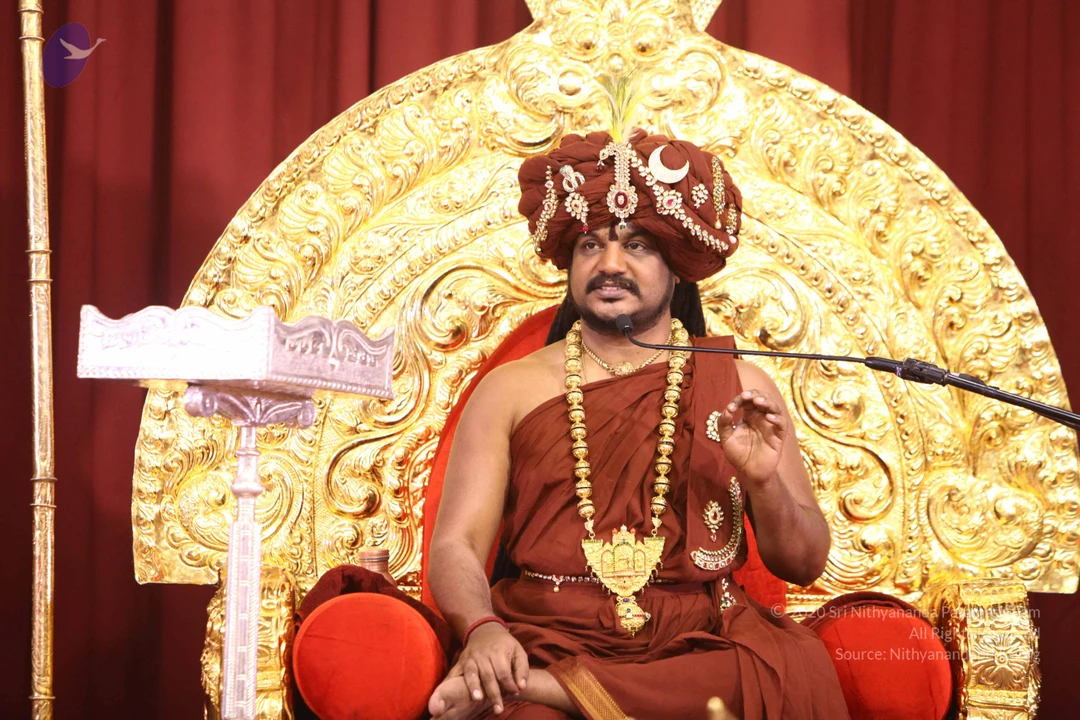
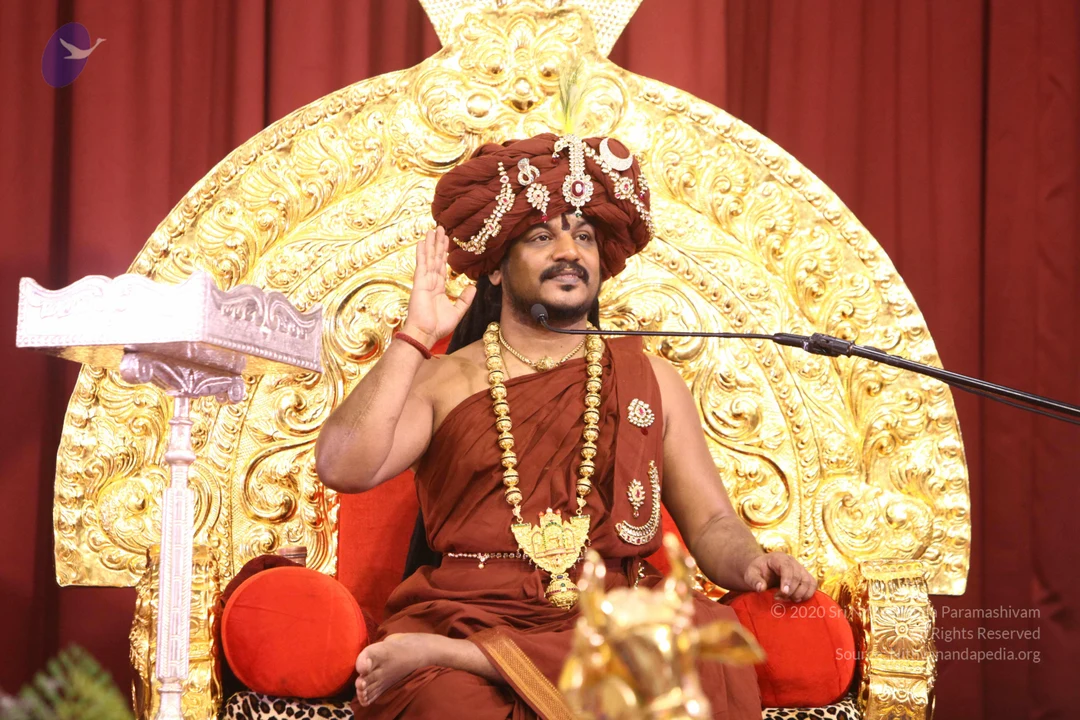
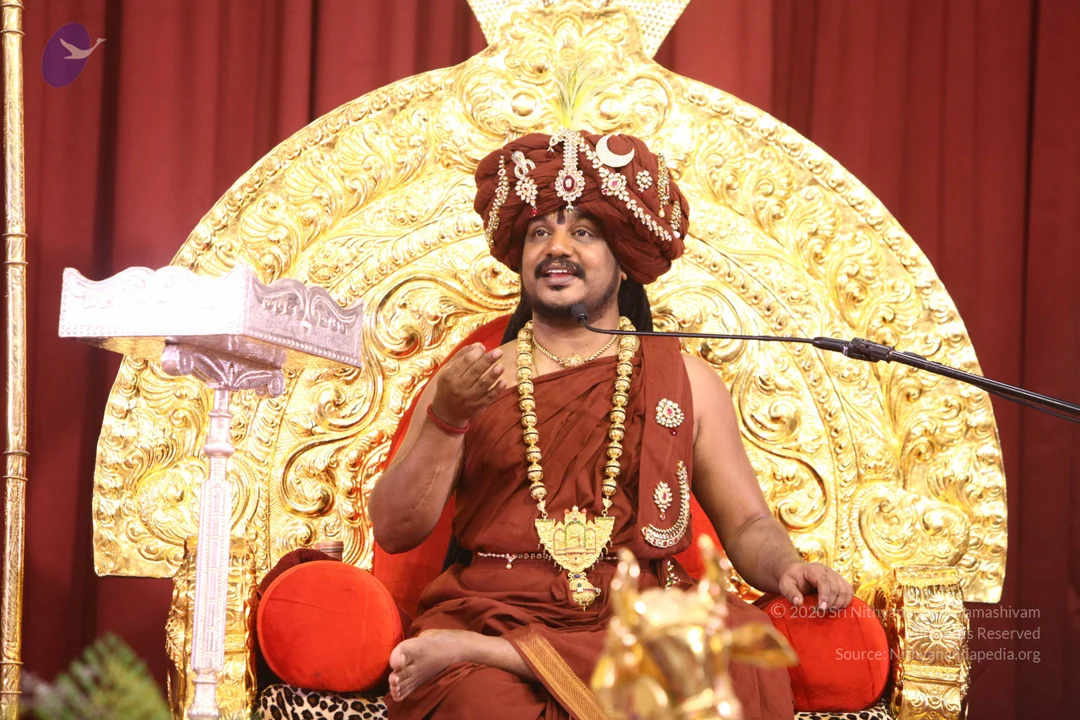
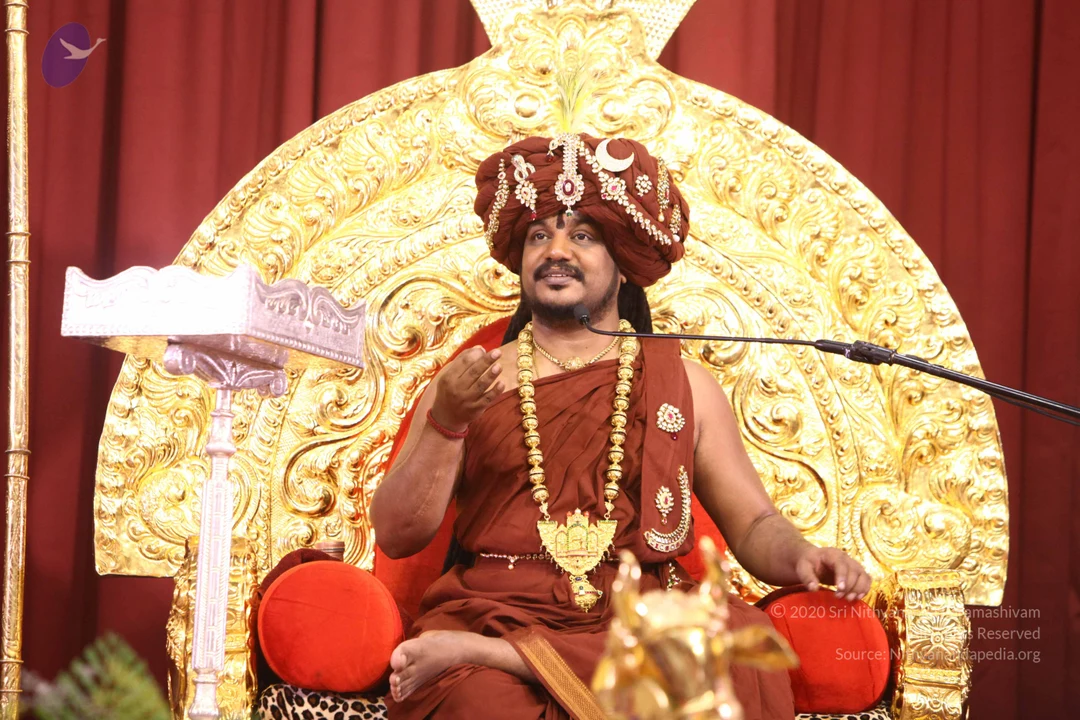
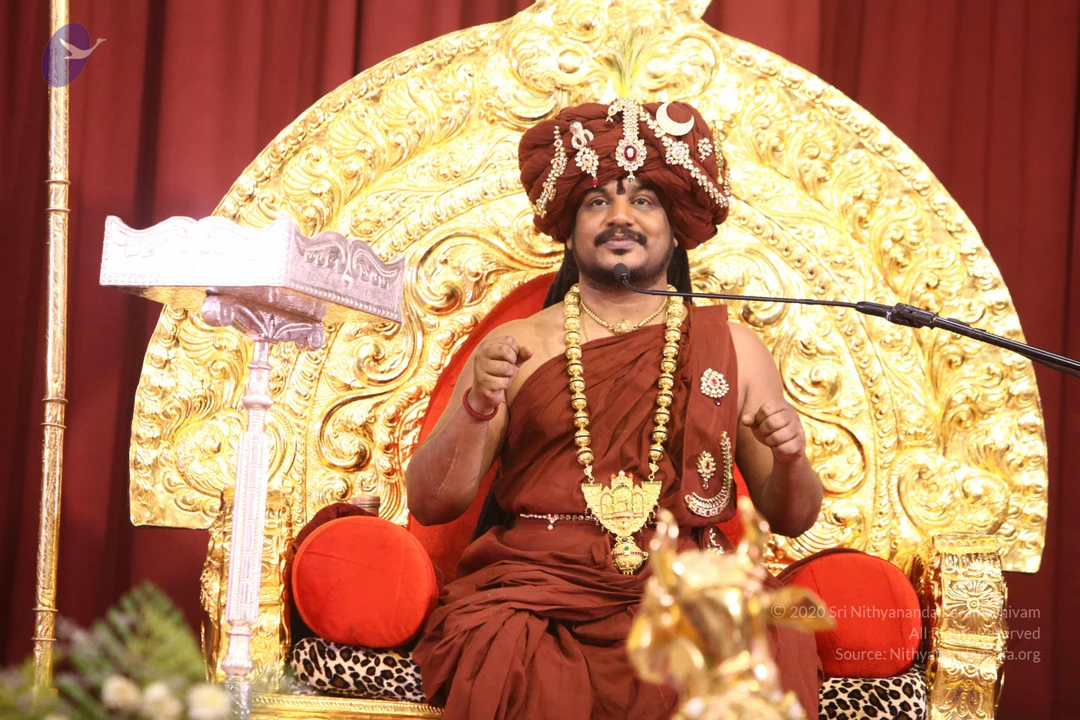
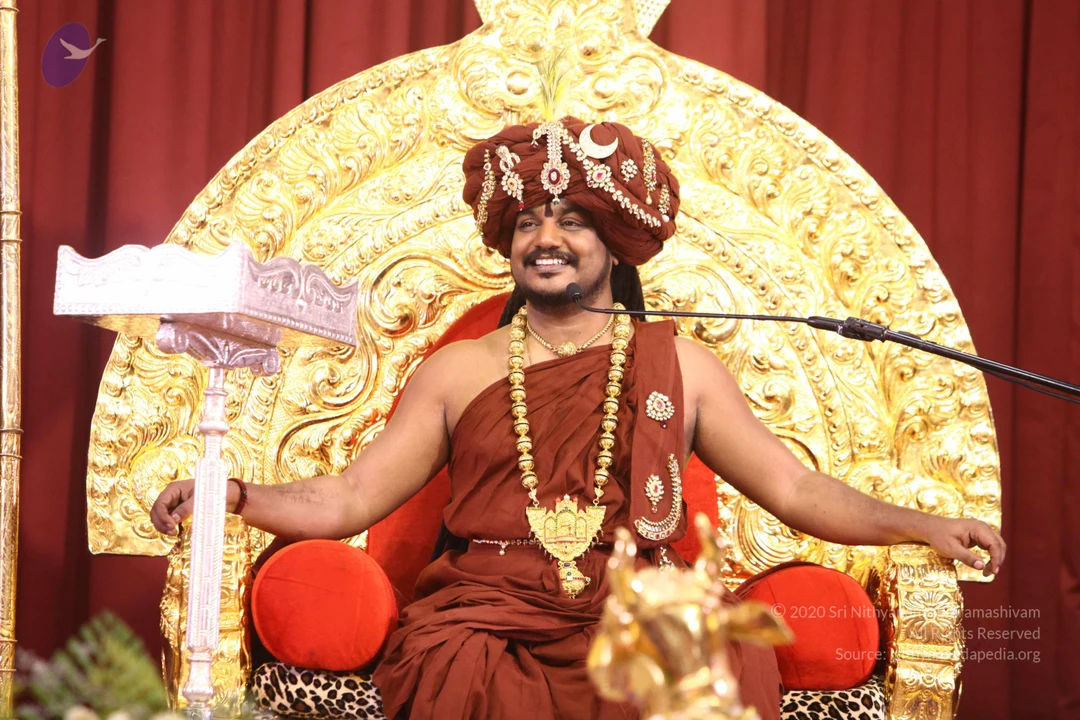
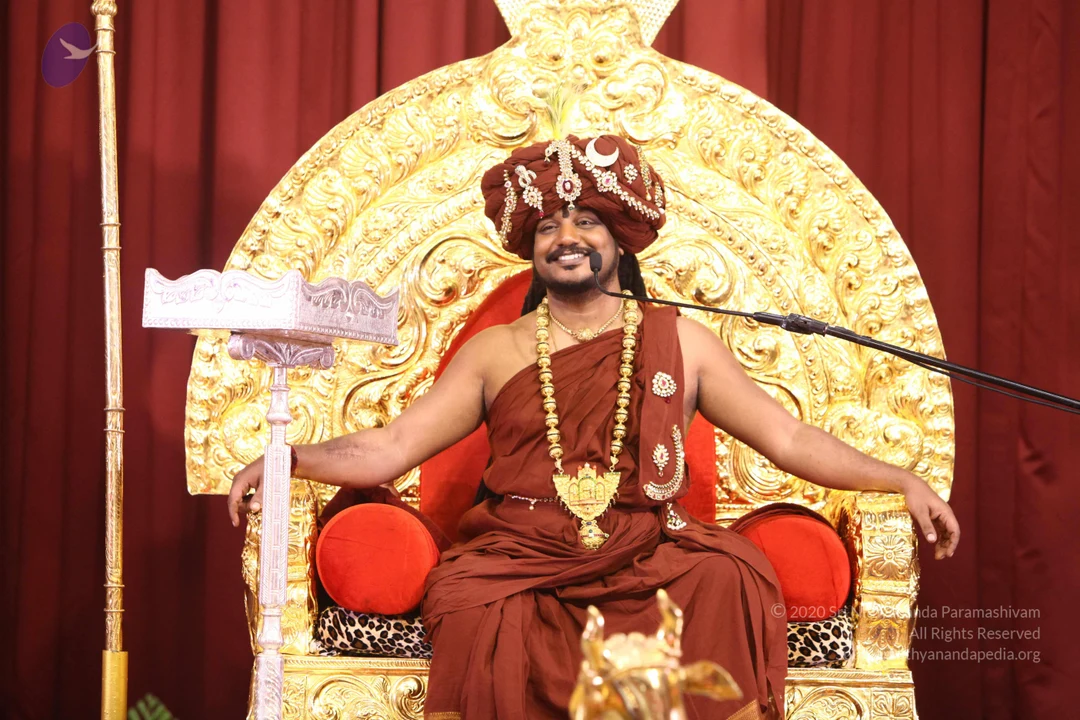
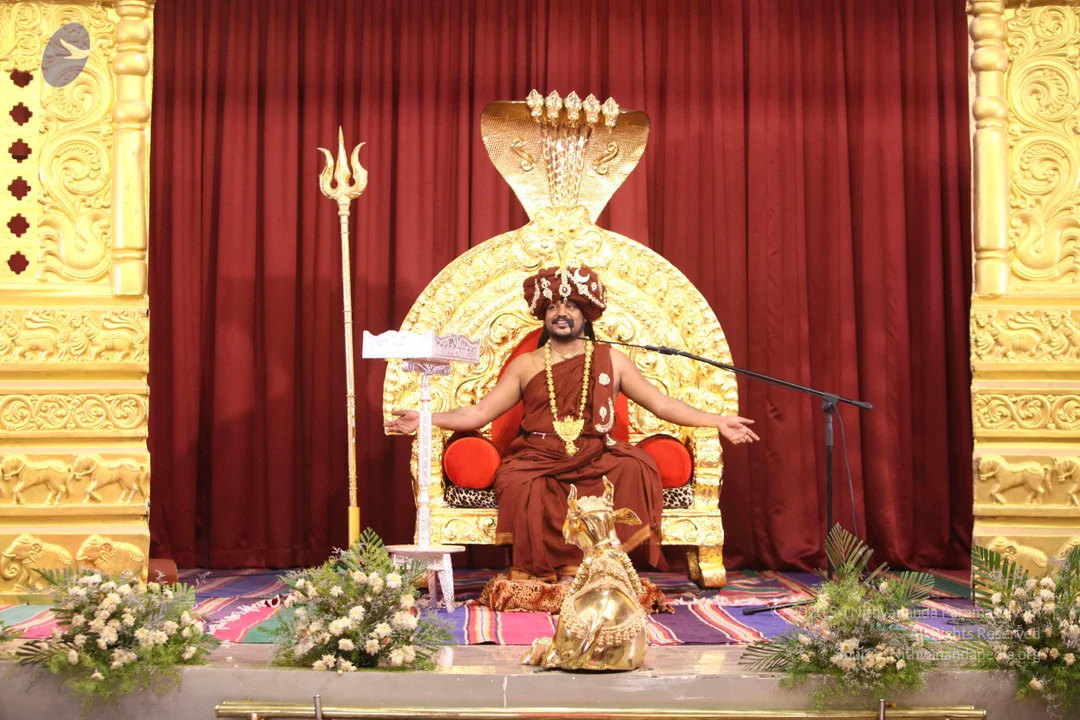
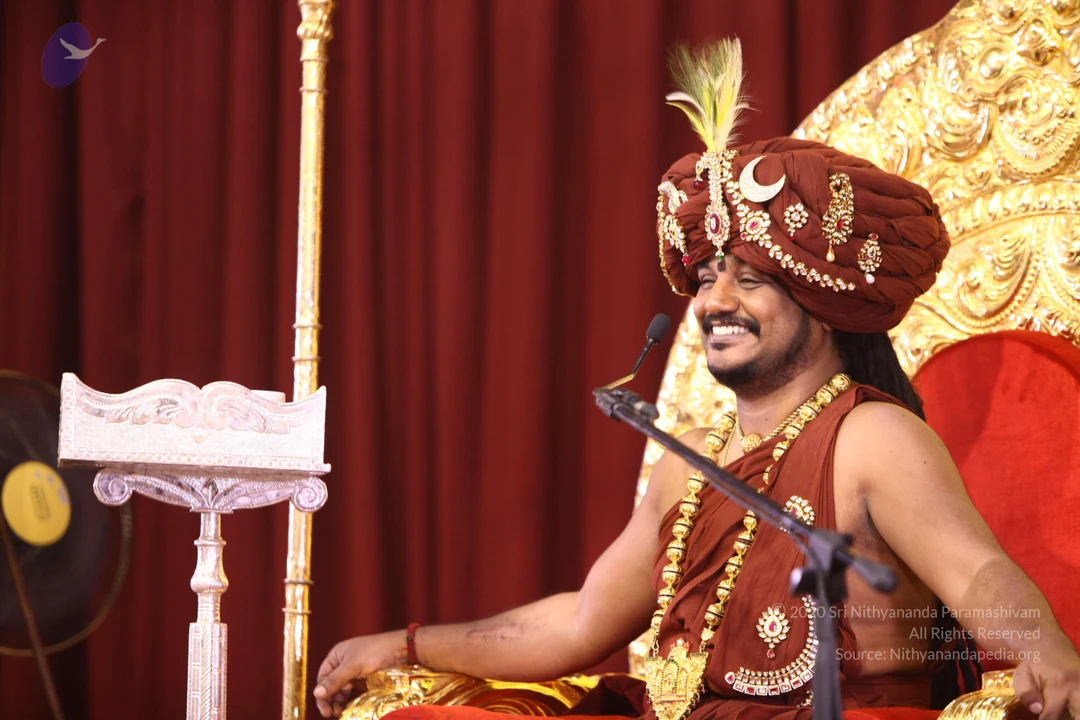
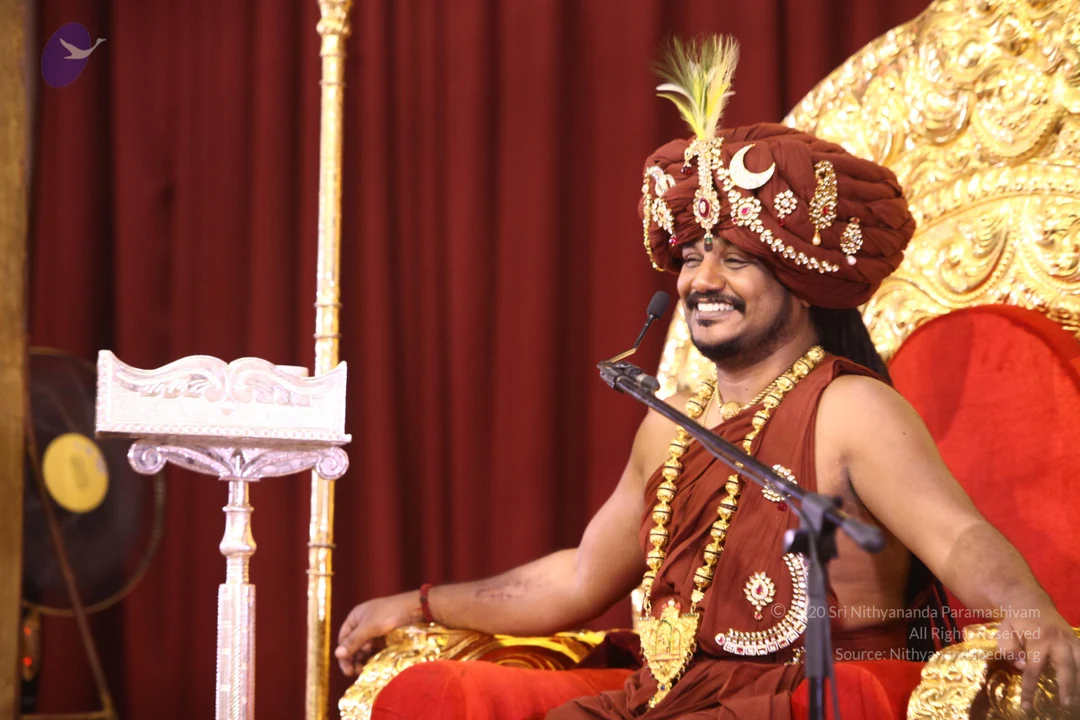
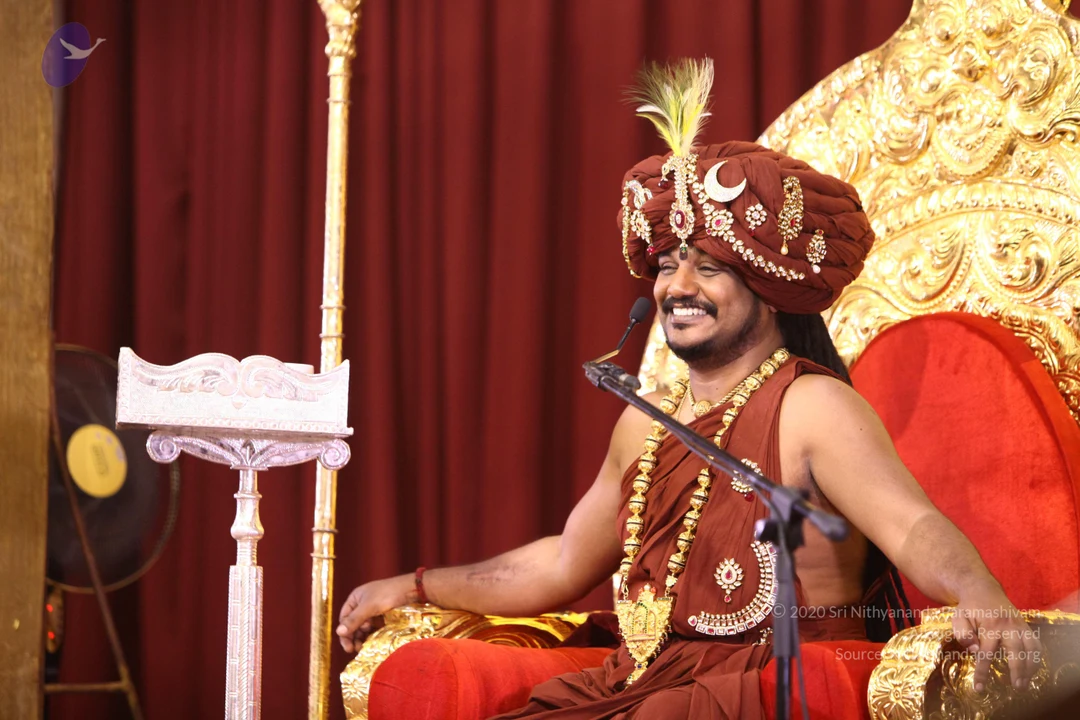
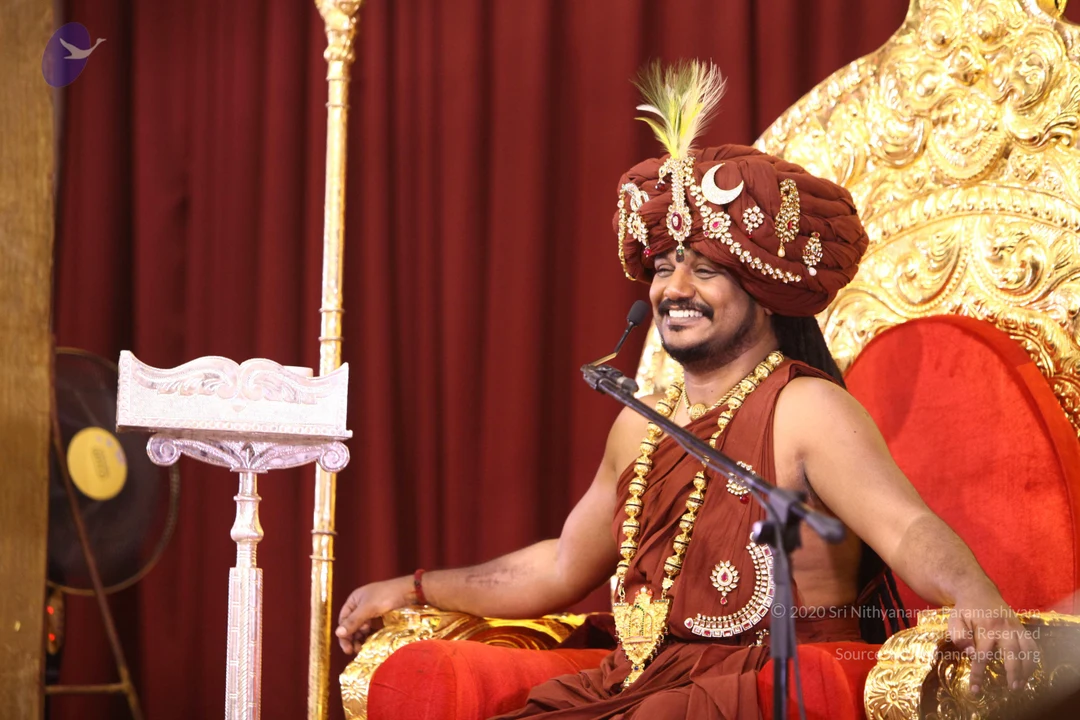
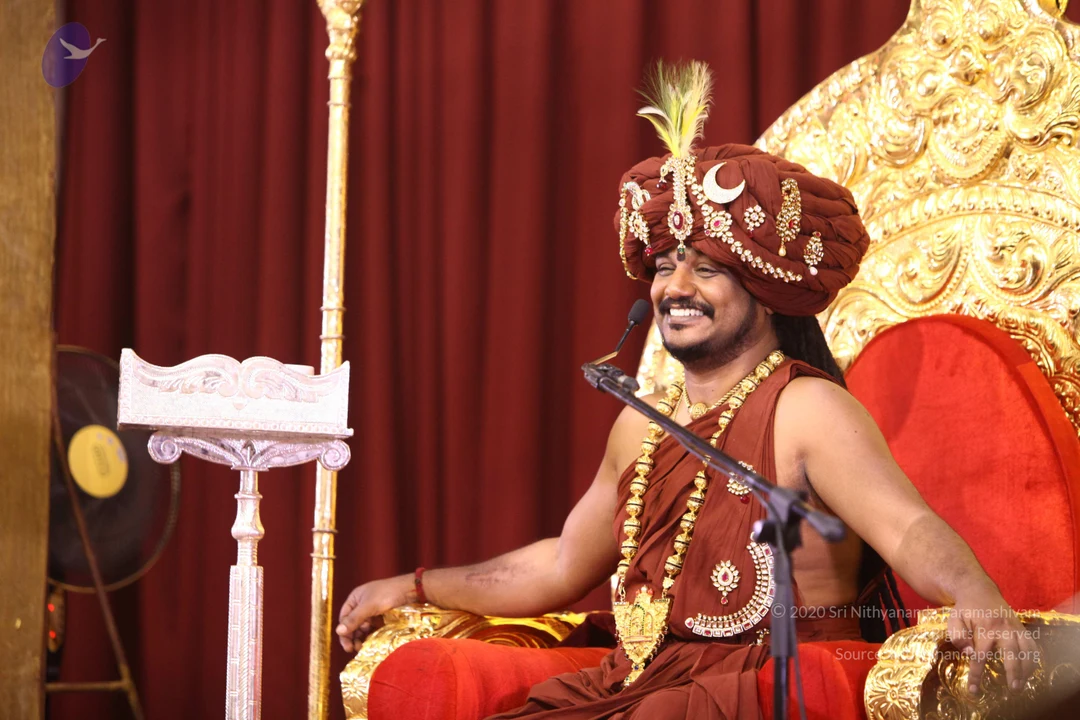
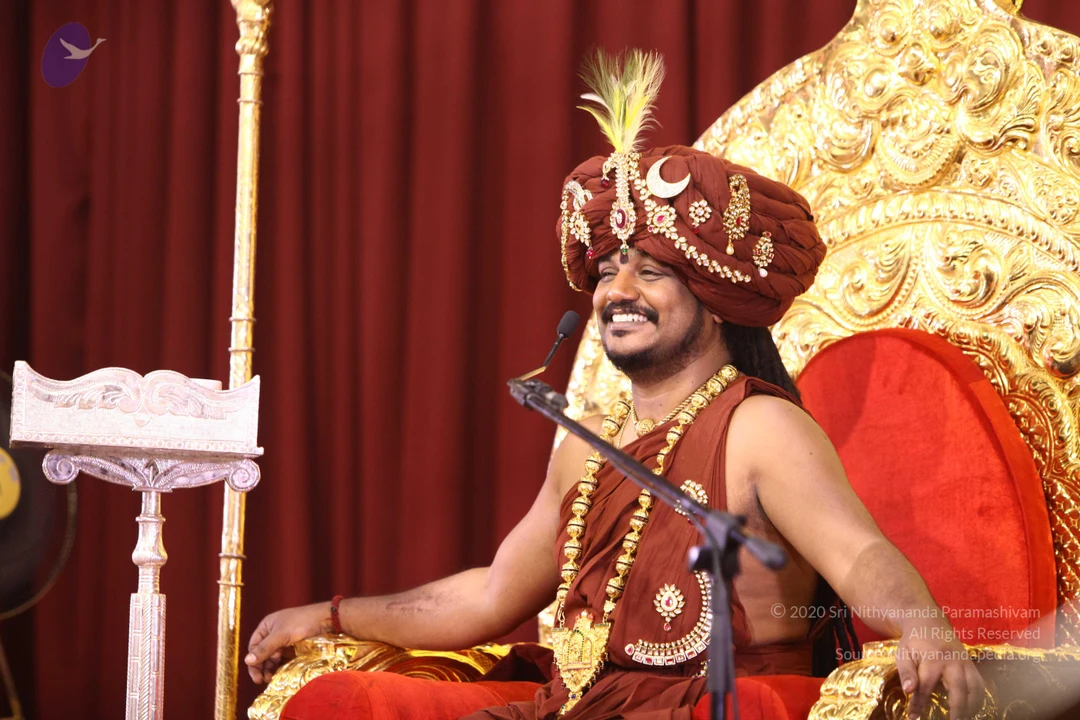
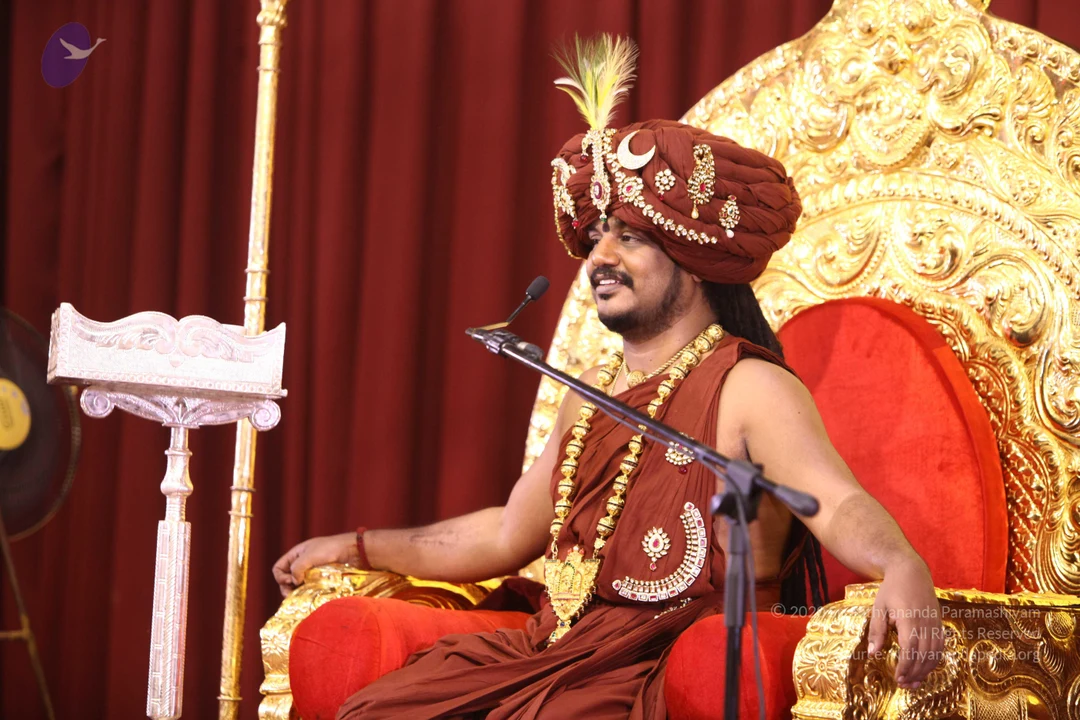
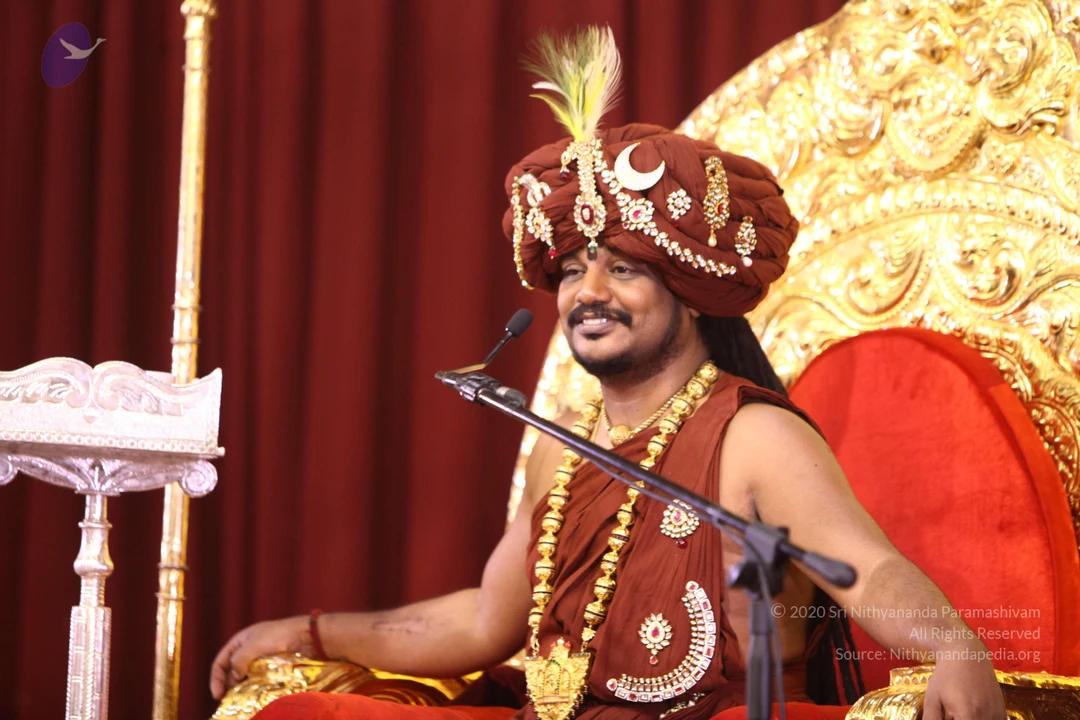
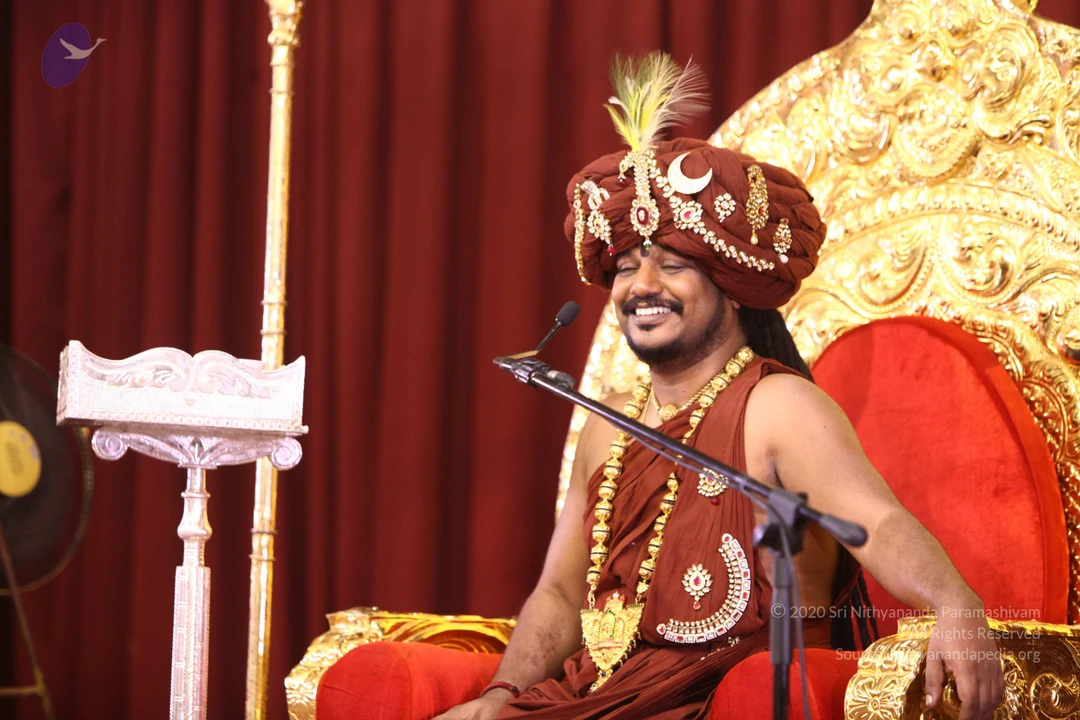
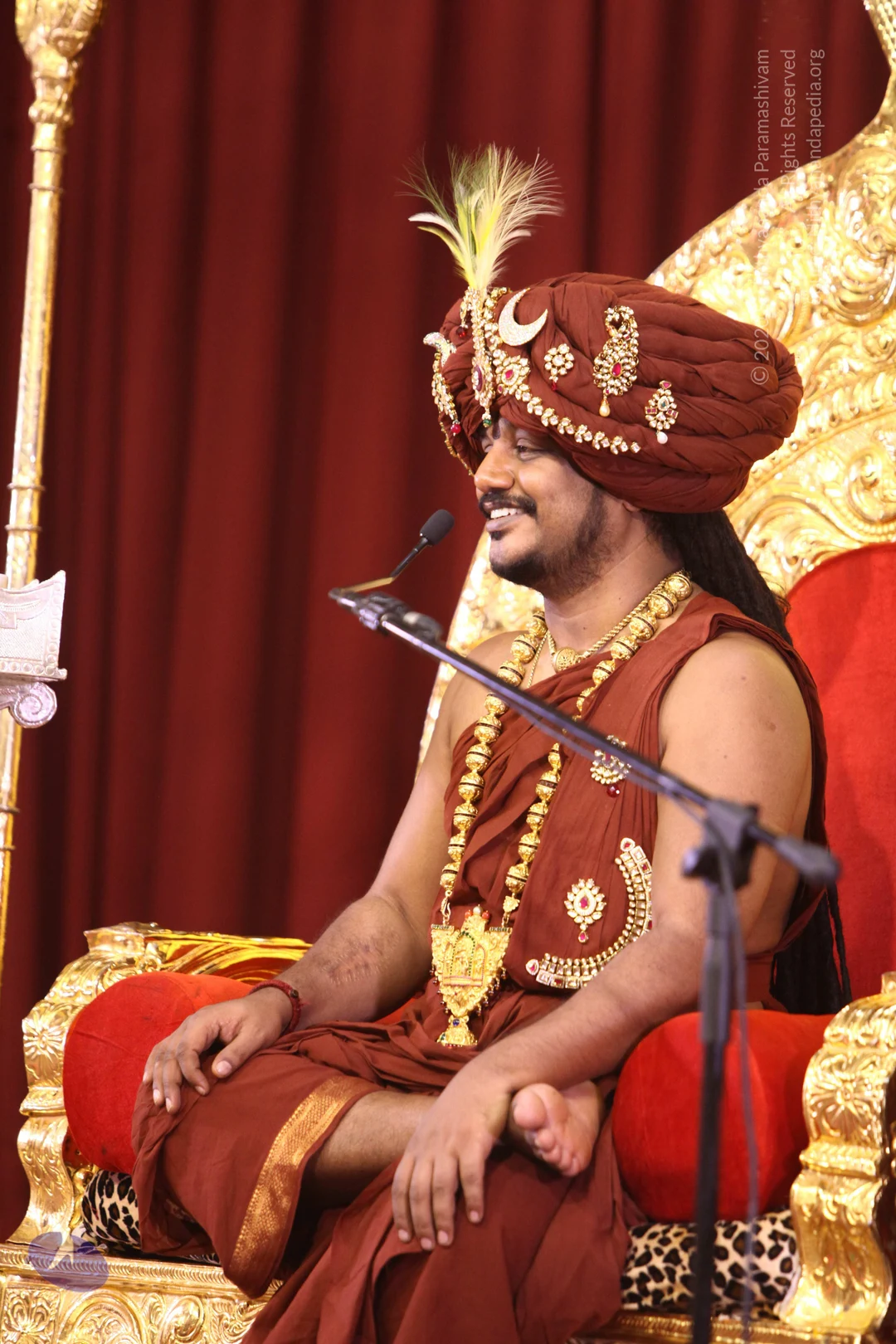
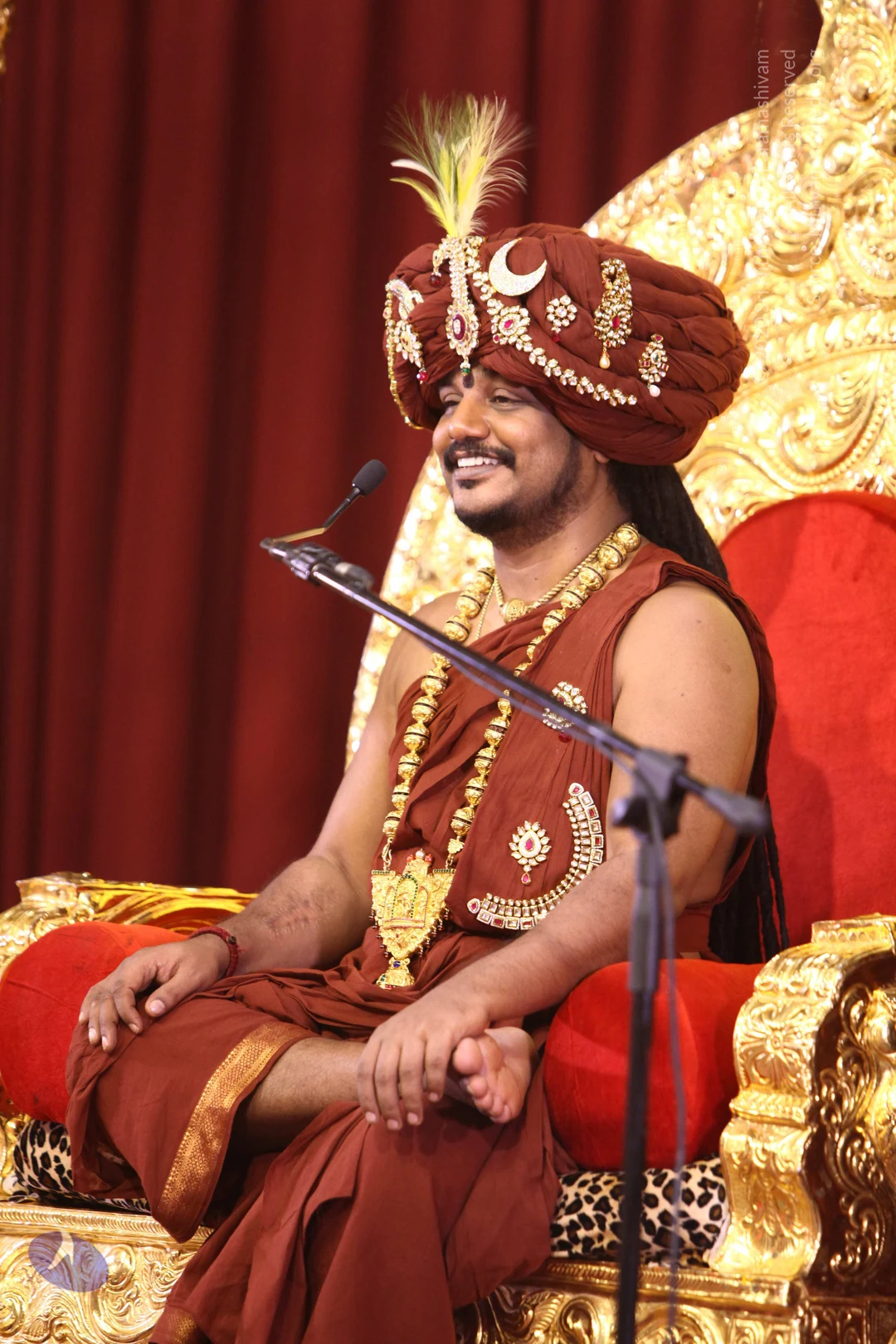
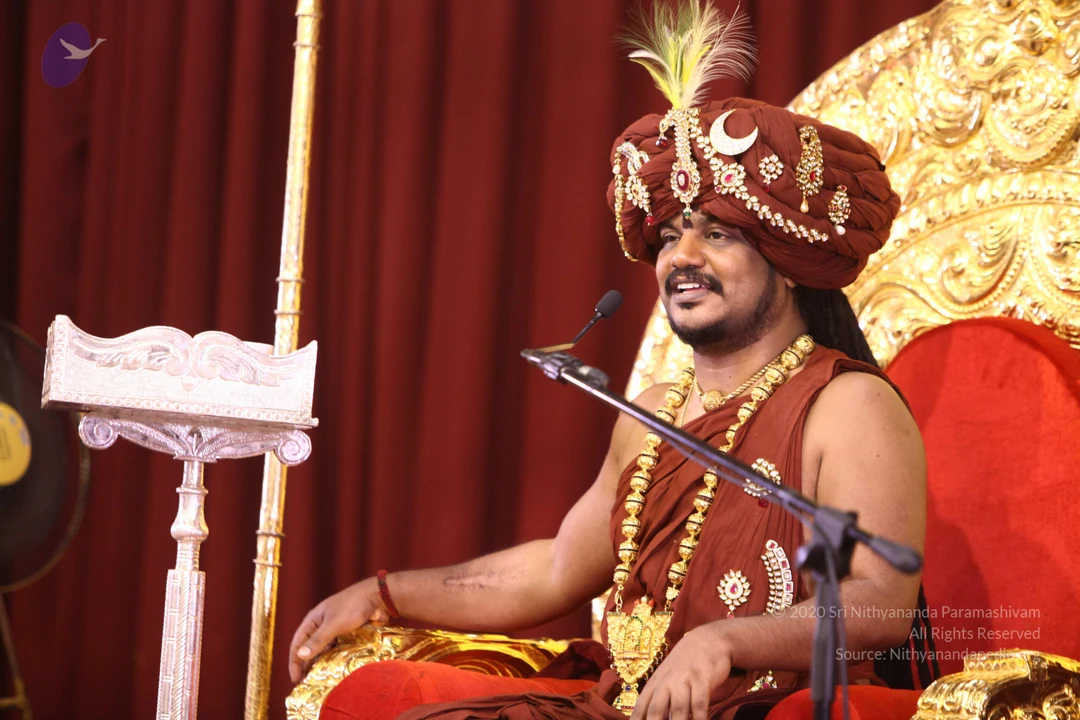
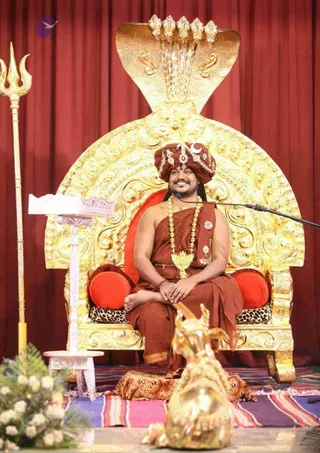 Nithya Satsang on "Solve Any Problem of Your Life with Integrity"
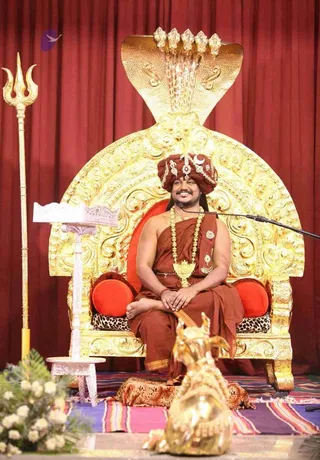 Nithya Satsang on "Solve Any Problem of Your Life with Integrity"
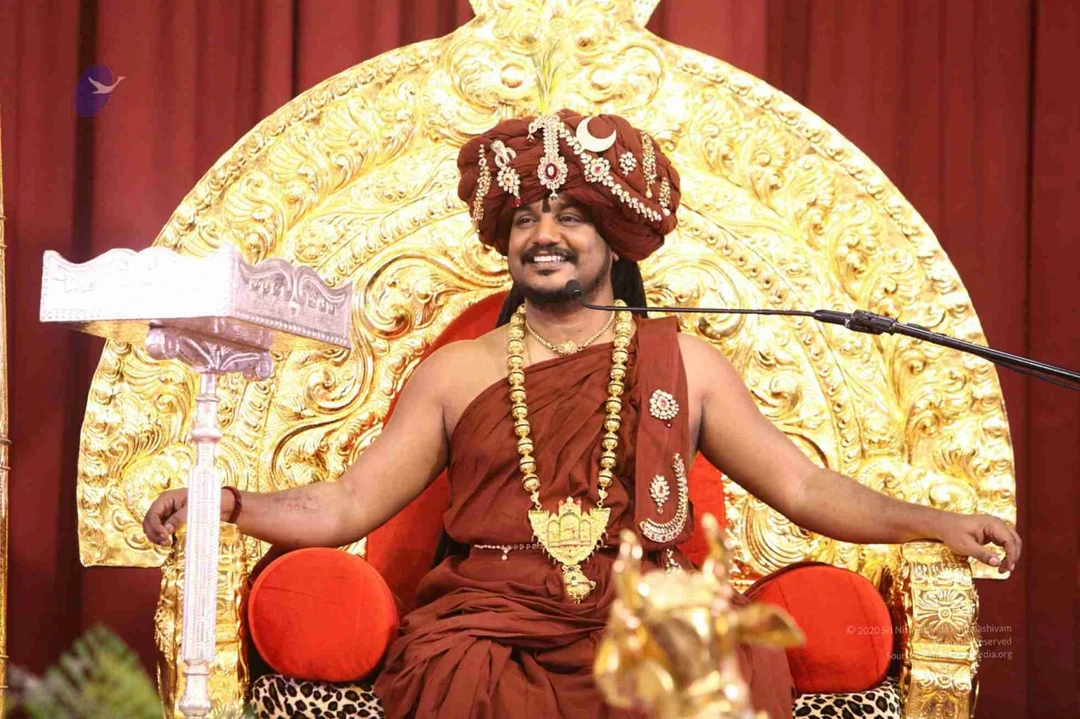 Nithya Satsang on "Solve Any Problem of Your Life with Integrity"
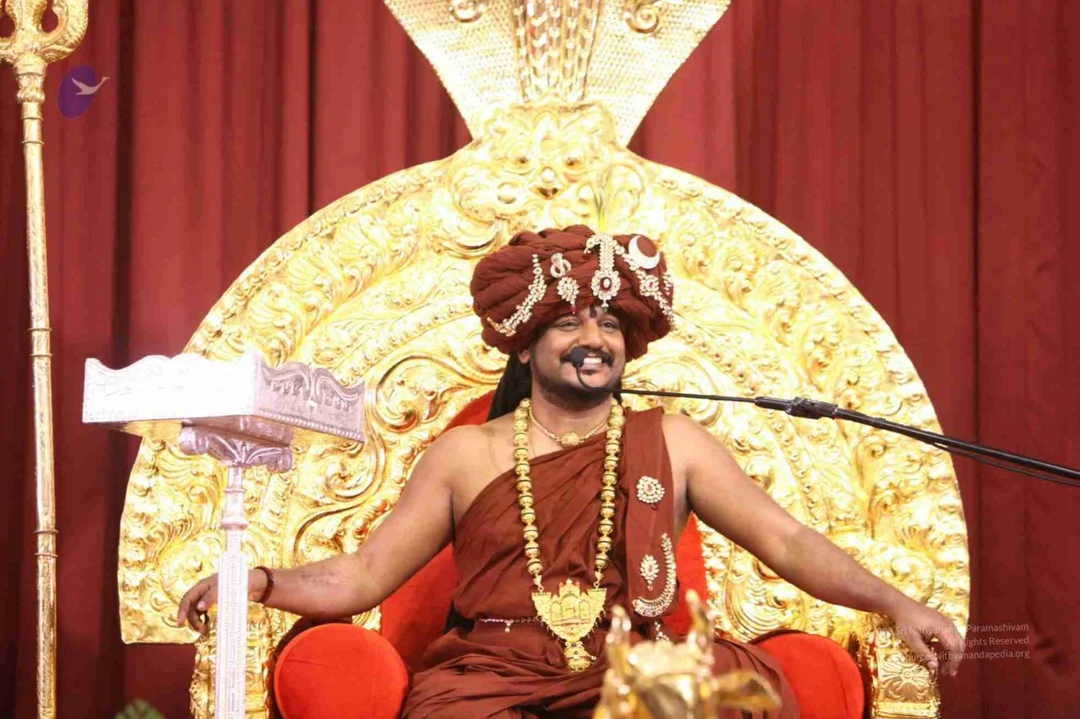 Nithya Satsang on "Solve Any Problem of Your Life with Integrity"
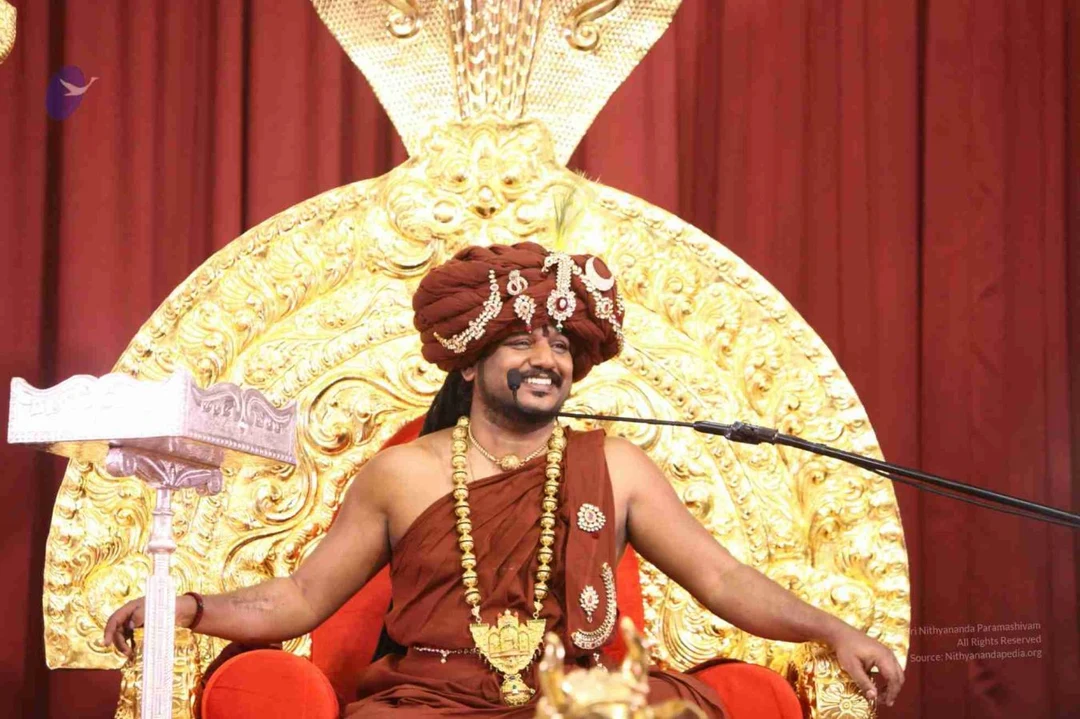 Nithya Satsang on "Solve Any Problem of Your Life with Integrity"
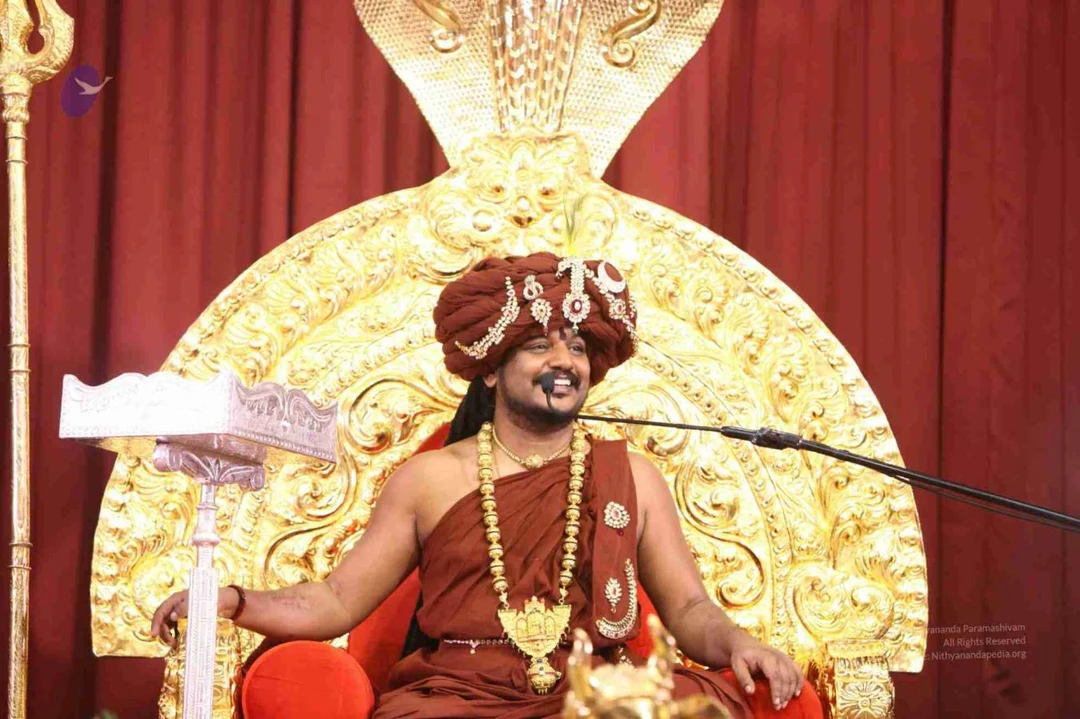 Nithya Satsang on "Solve Any Problem of Your Life with Integrity"
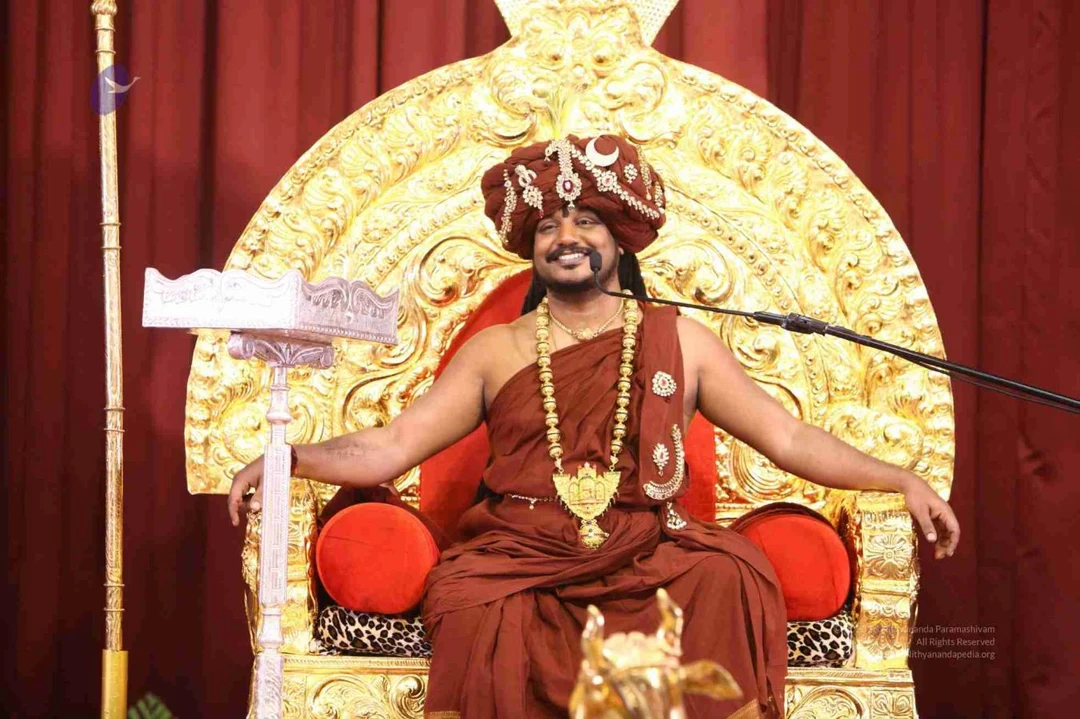 Nithya Satsang on "Solve Any Problem of Your Life with Integrity"
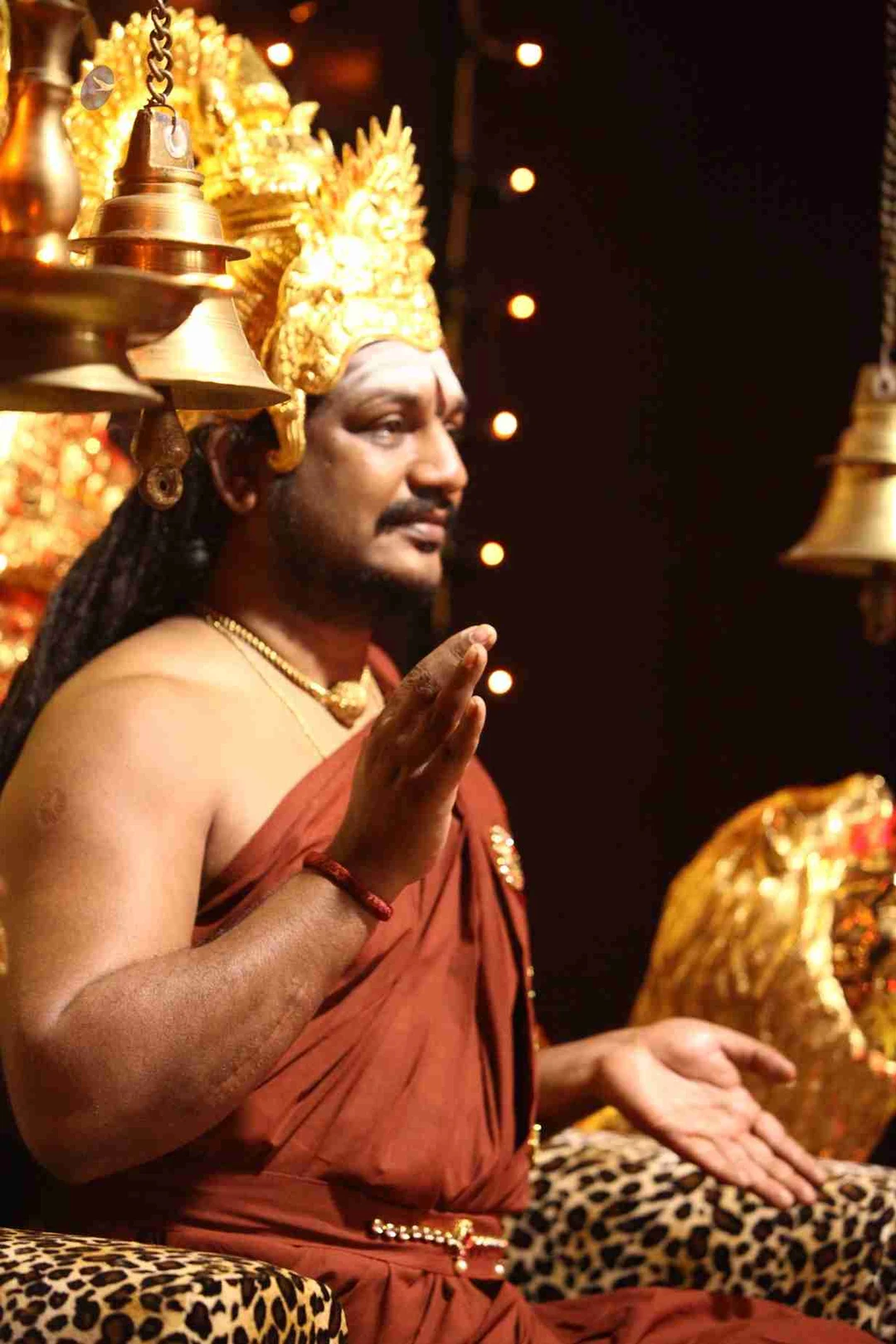
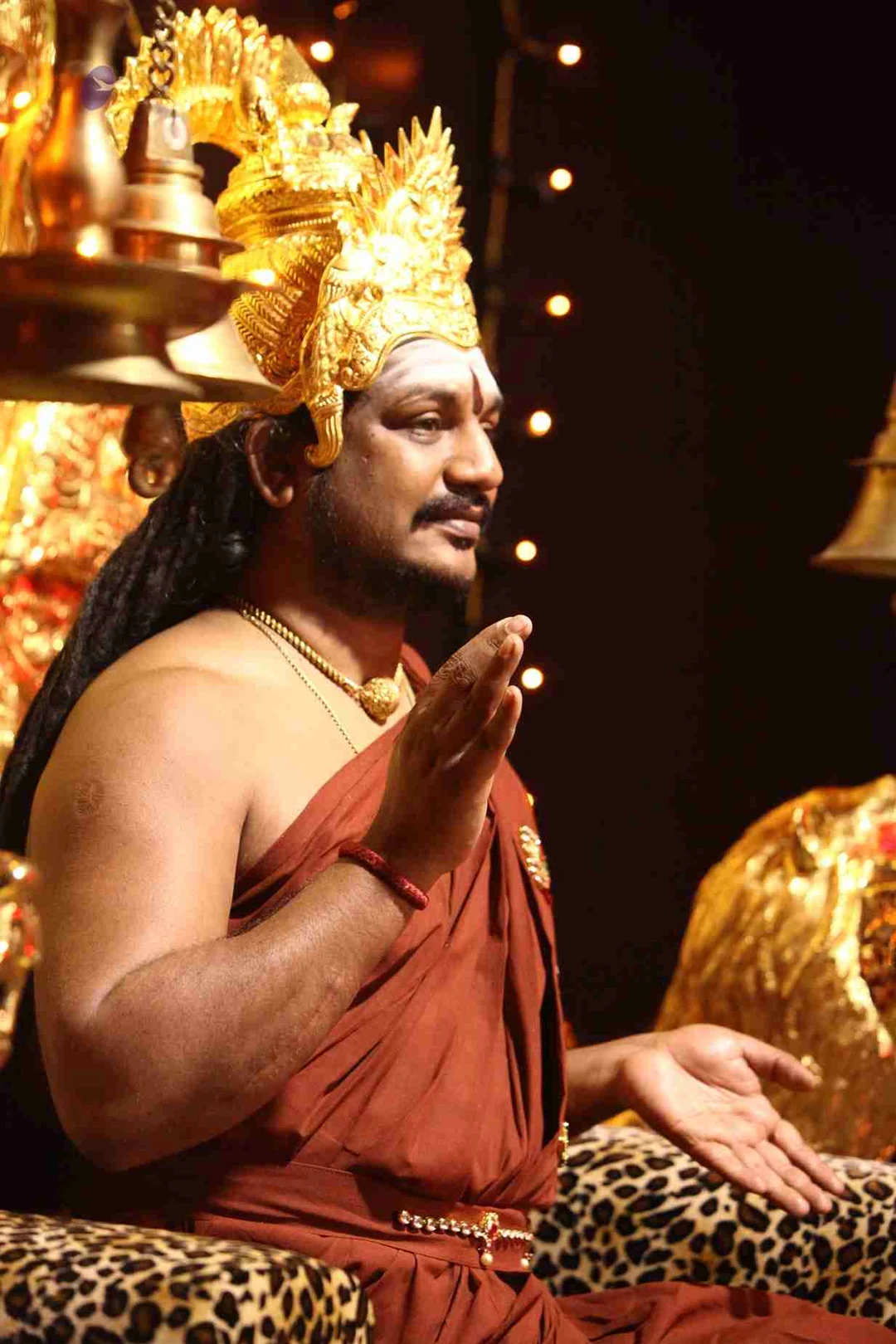
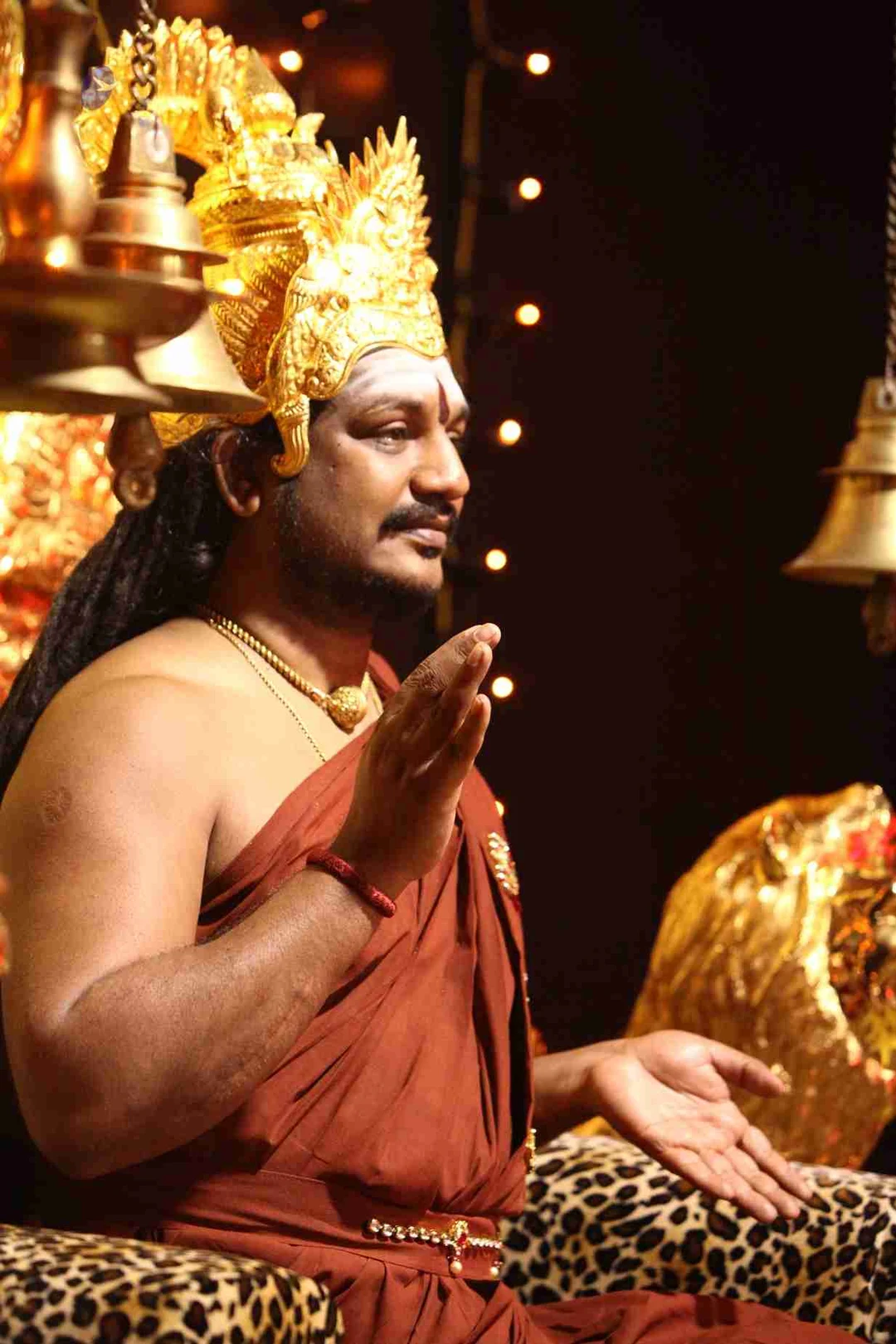
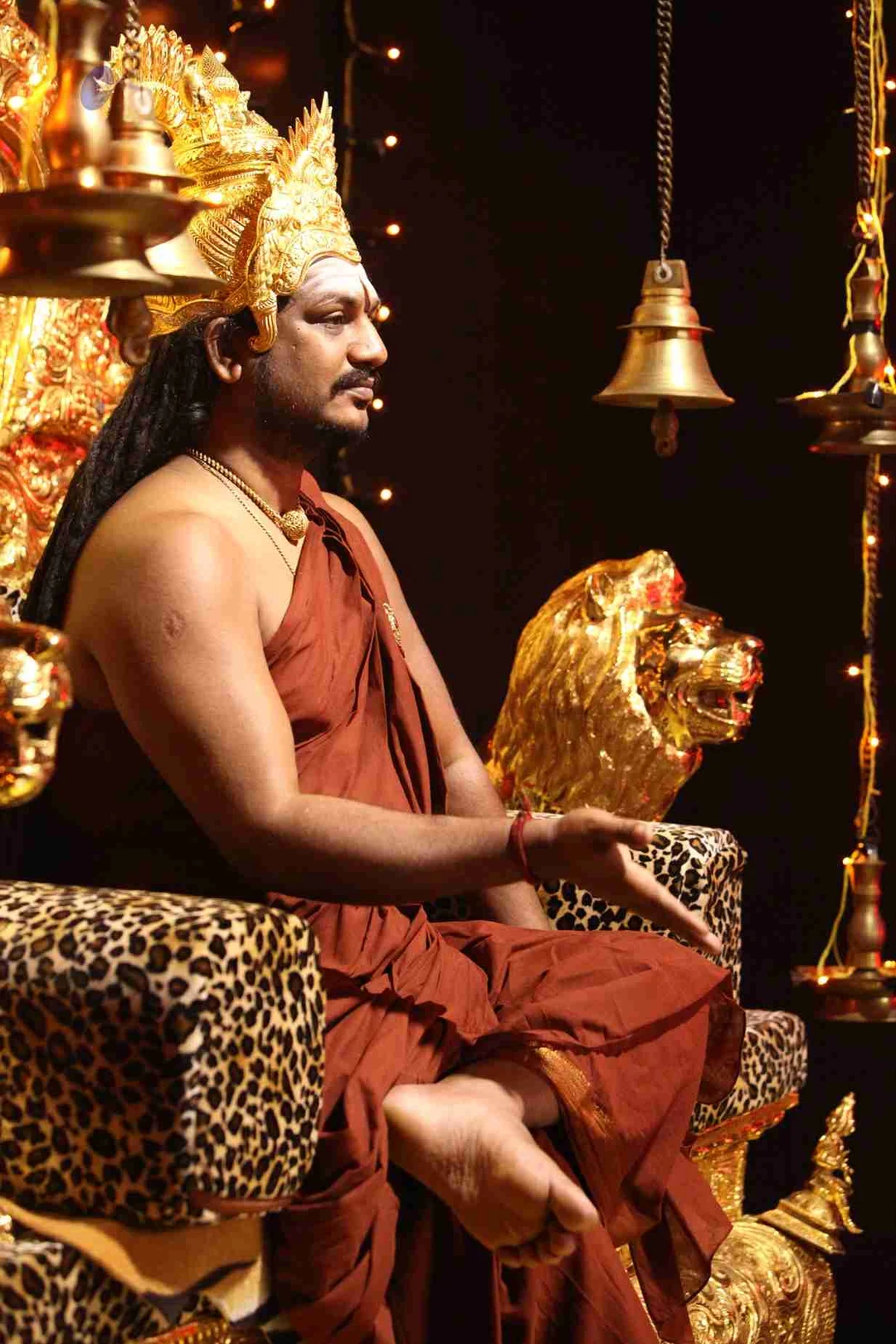
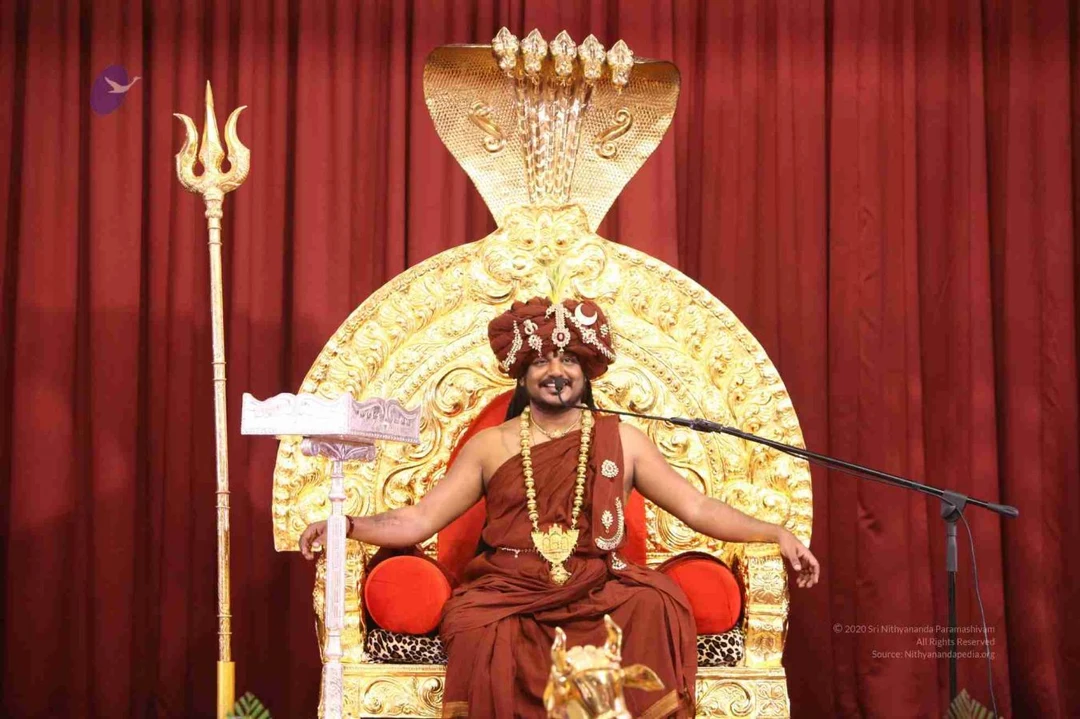 His Holiness Bhagavan Sri Nithyananda Paramashivam shares deeper secrets of oneness
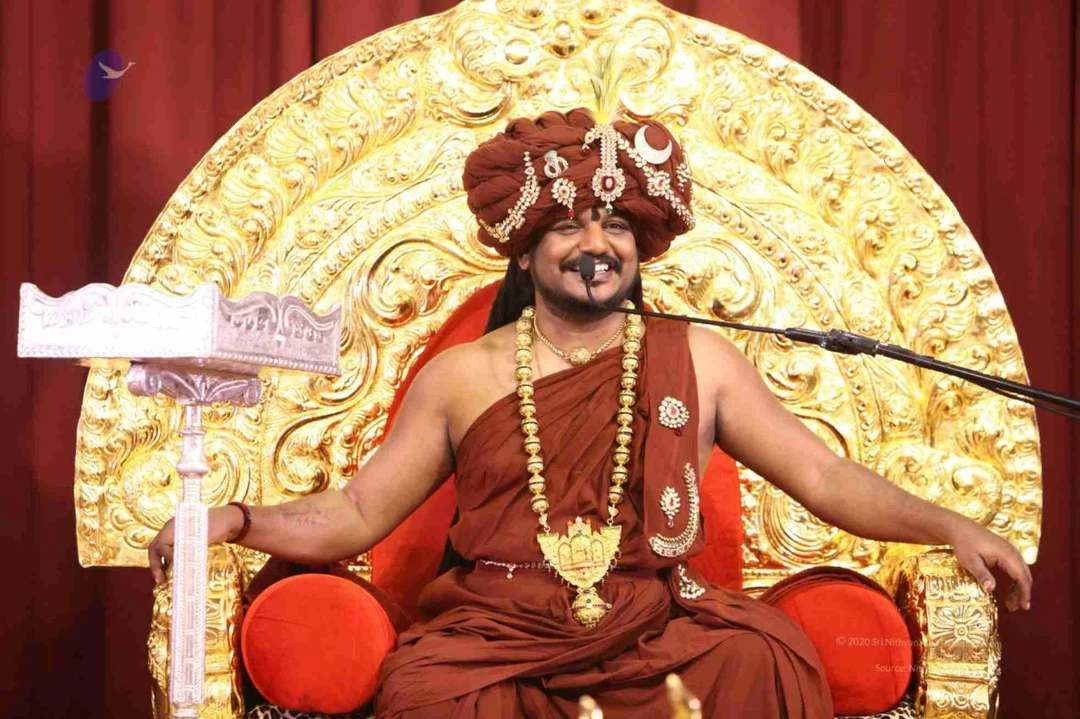 His Holiness Bhagavan Sri Nithyananda Paramashivam shares deeper secrets of oneness
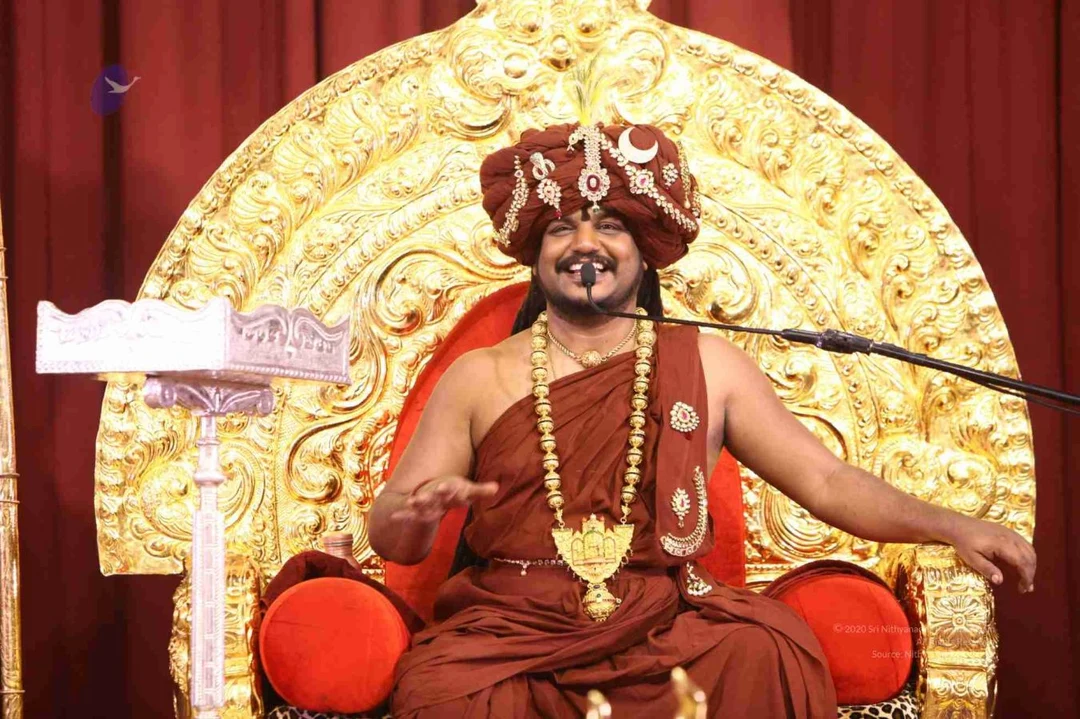 His Holiness Bhagavan Sri Nithyananda Paramashivam shares deeper secrets of oneness
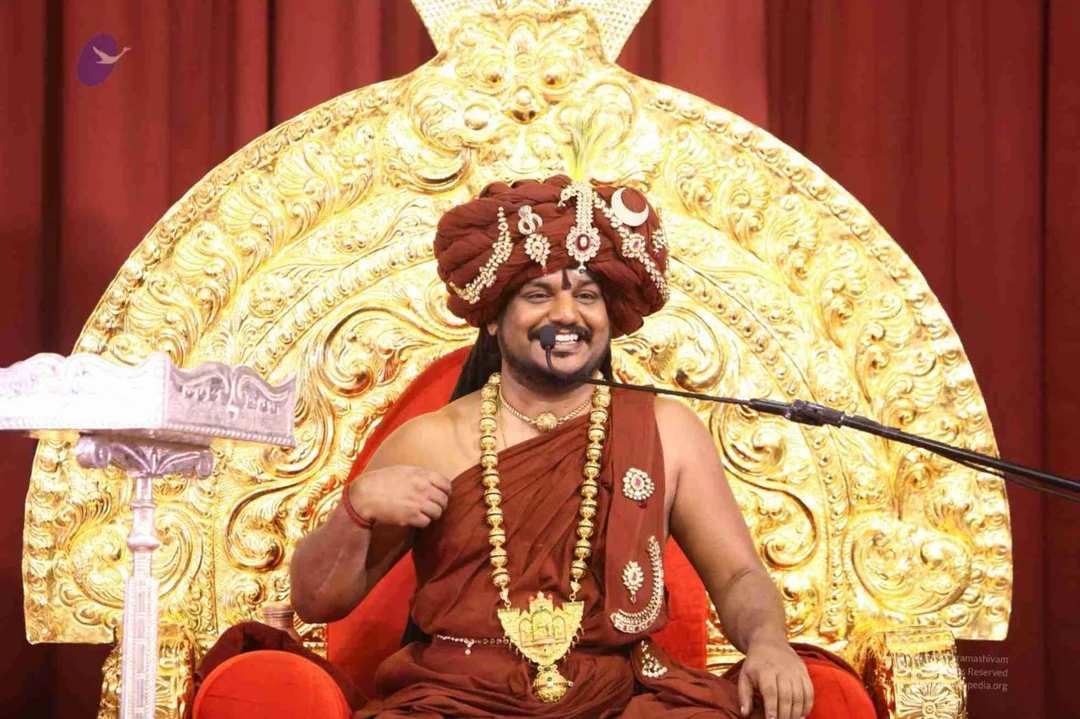 His Holiness Bhagavan Sri Nithyananda Paramashivam shares deeper secrets of oneness
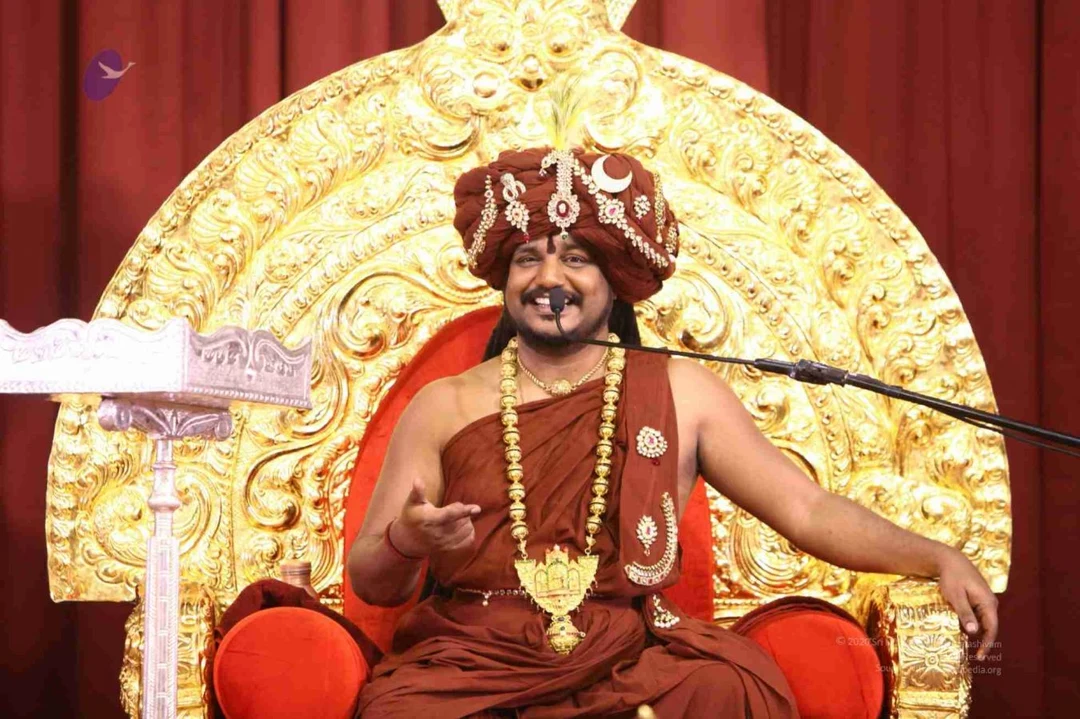 His Holiness Bhagavan Sri Nithyananda Paramashivam shares deeper secrets of oneness
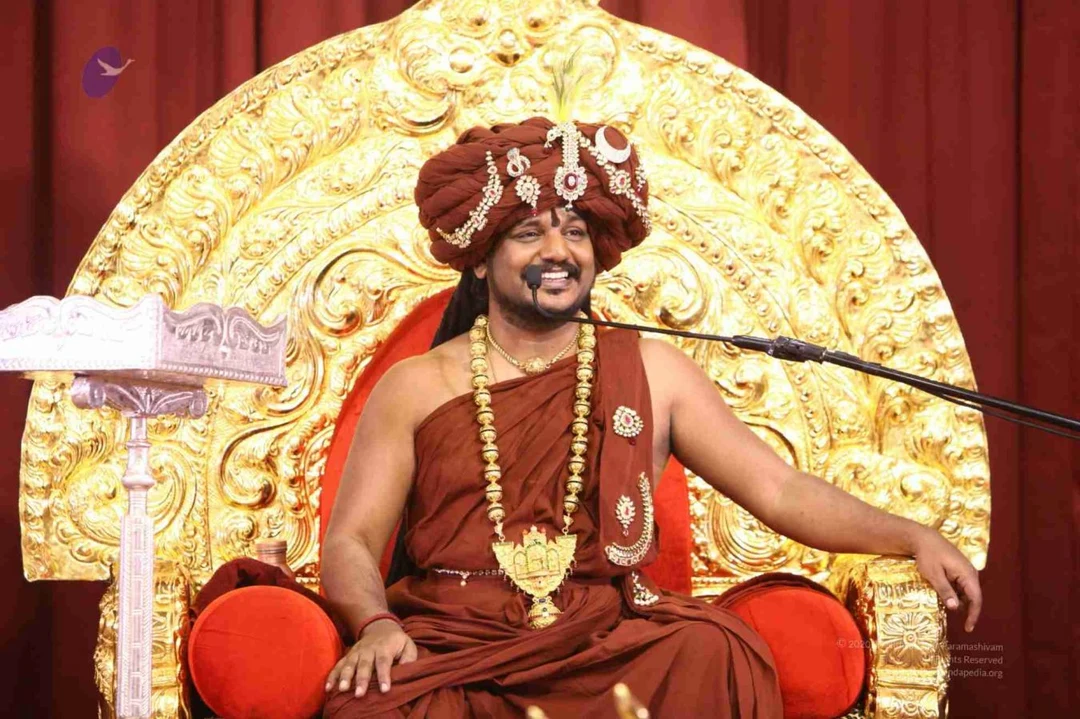 His Holiness Bhagavan Sri Nithyananda Paramashivam shares deeper secrets of oneness
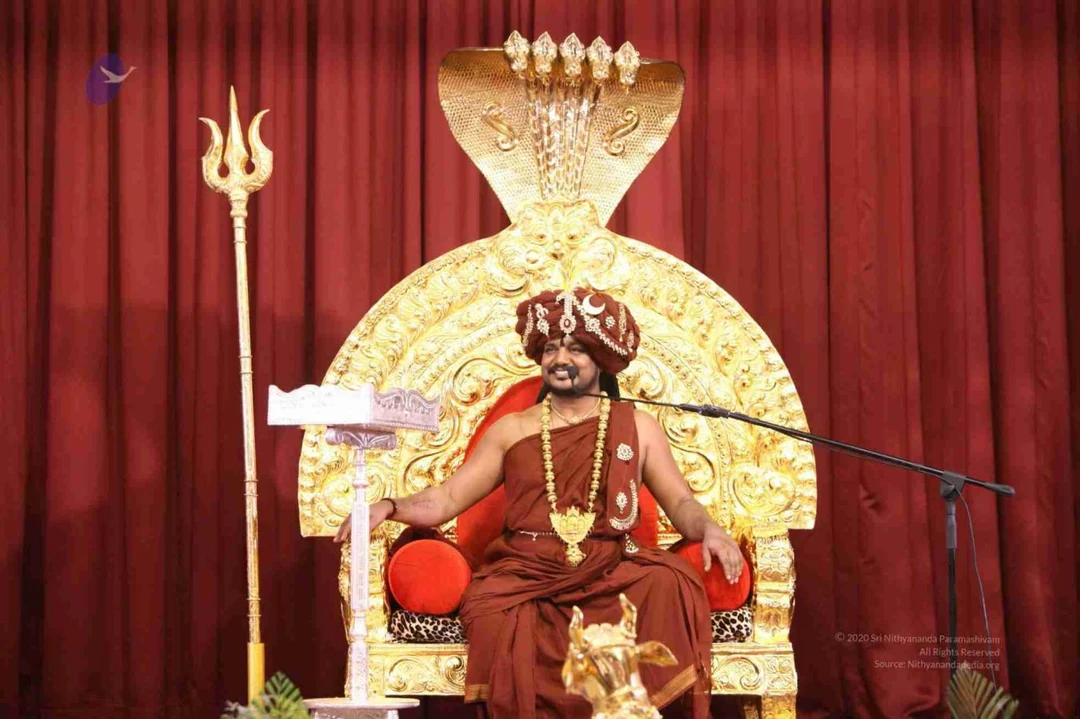 His Holiness Bhagavan Sri Nithyananda Paramashivam shares deeper secrets of oneness
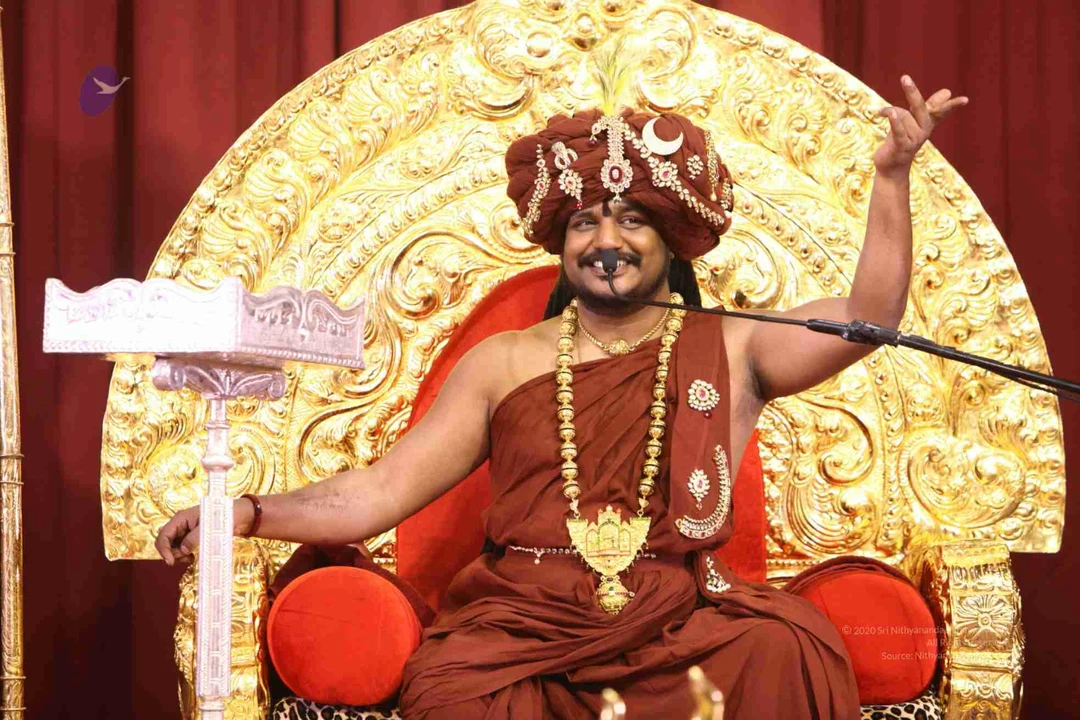 His Holiness Bhagavan Sri Nithyananda Paramashivam shares deeper secrets of oneness
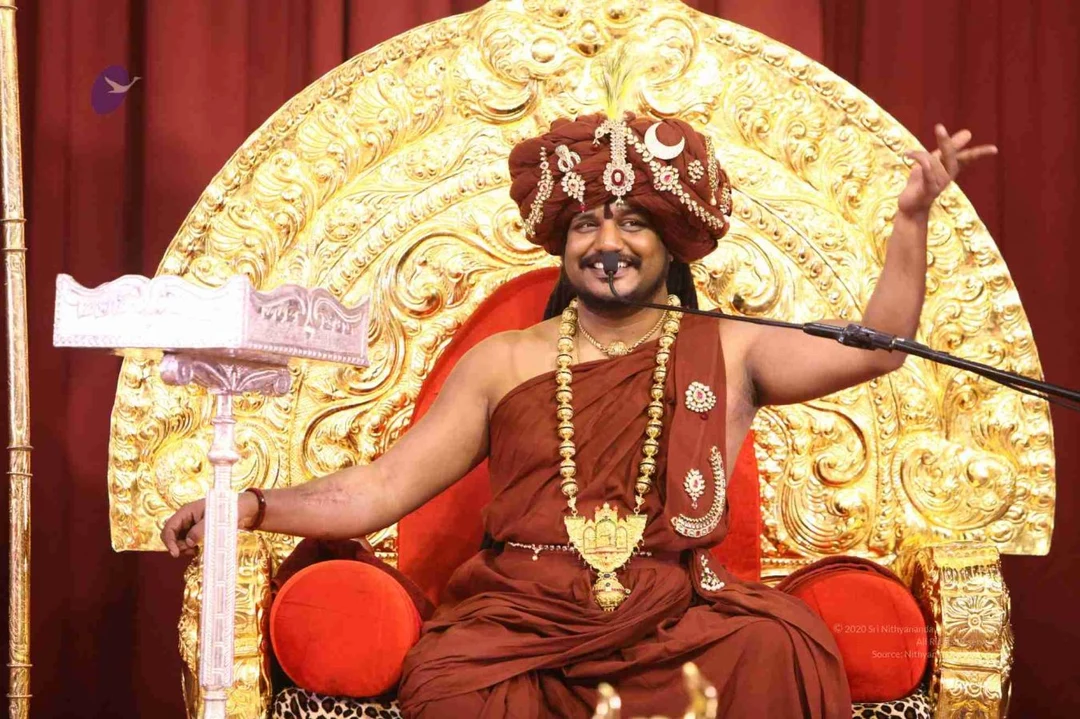 His Holiness Bhagavan Sri Nithyananda Paramashivam shares deeper secrets of oneness
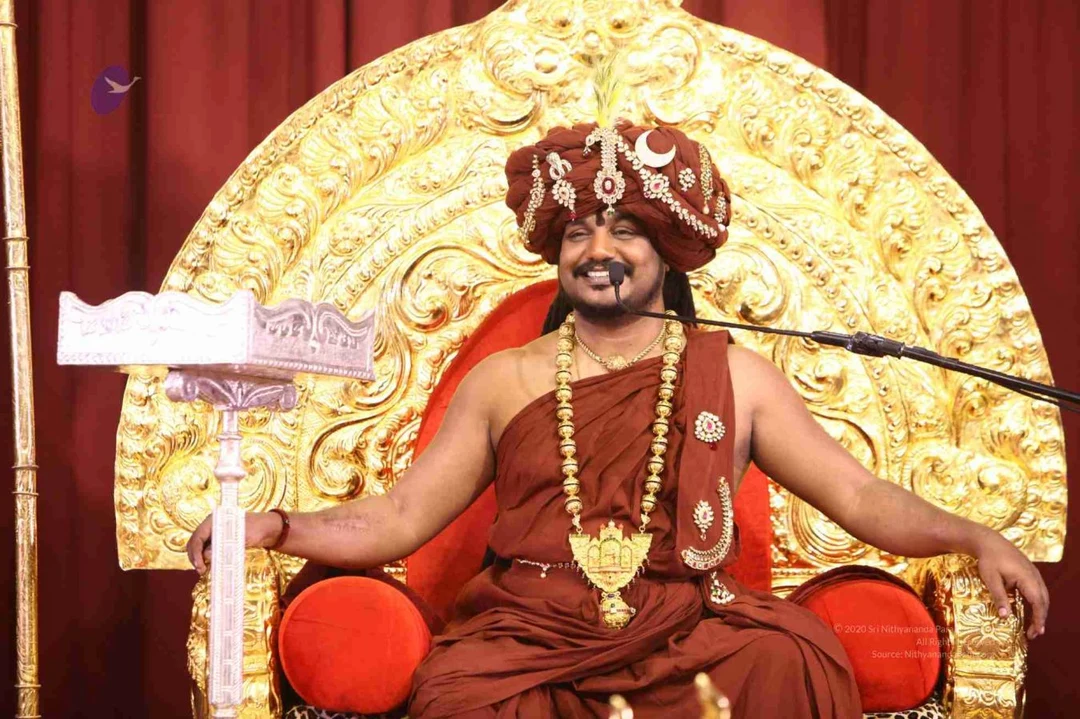 Oneness is recognizing, re-cognizing integrity, we do not need to practice integrity, just need to recognize to what your Integrated to
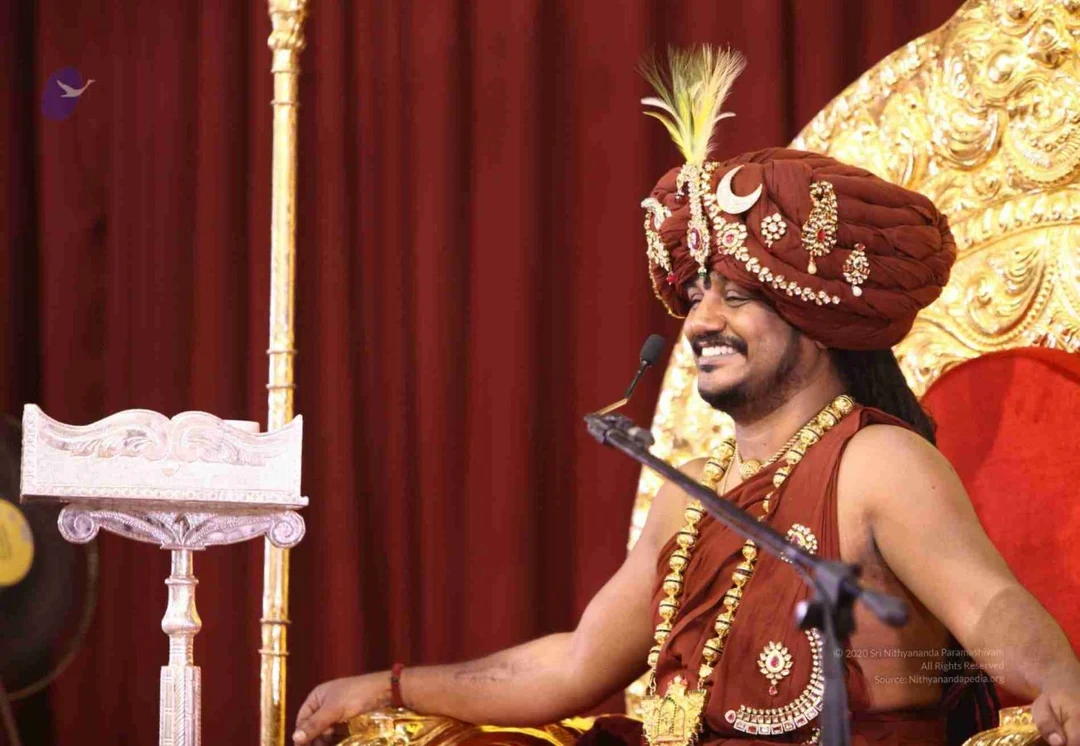 Oneness is recognizing, re-cognizing integrity, we do not need to practice integrity, just need to recognize to what your Integrated to
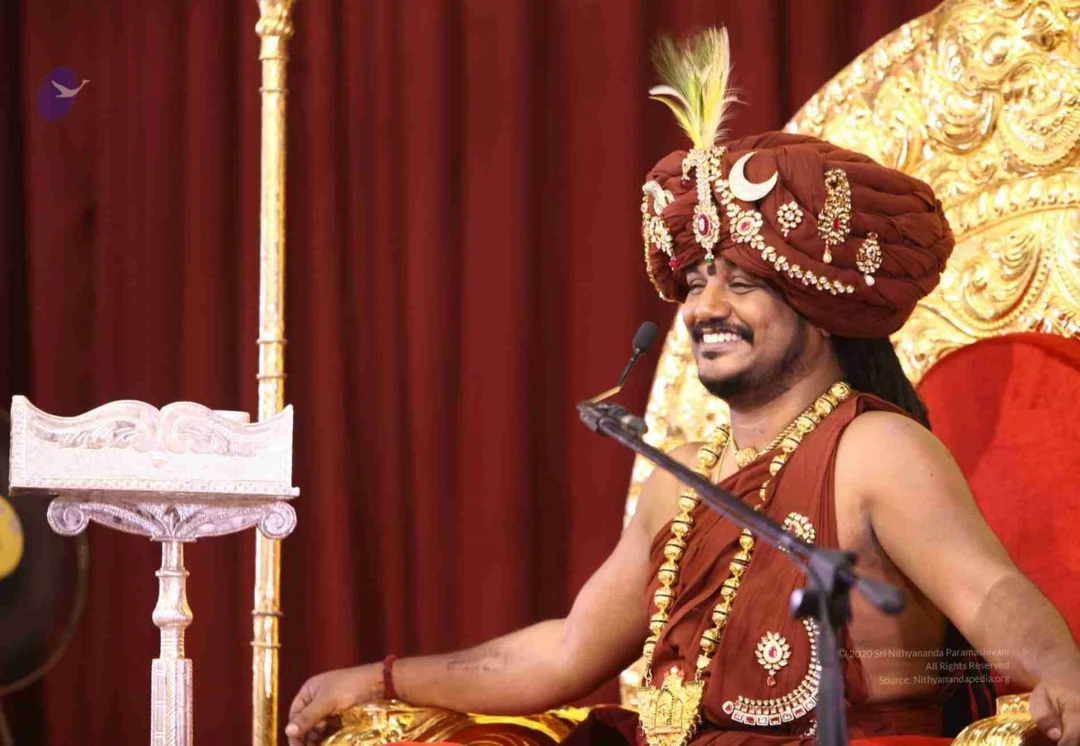 Oneness is recognizing, re-cognizing integrity, we do not need to practice integrity, just need to recognize to what your Integrated to
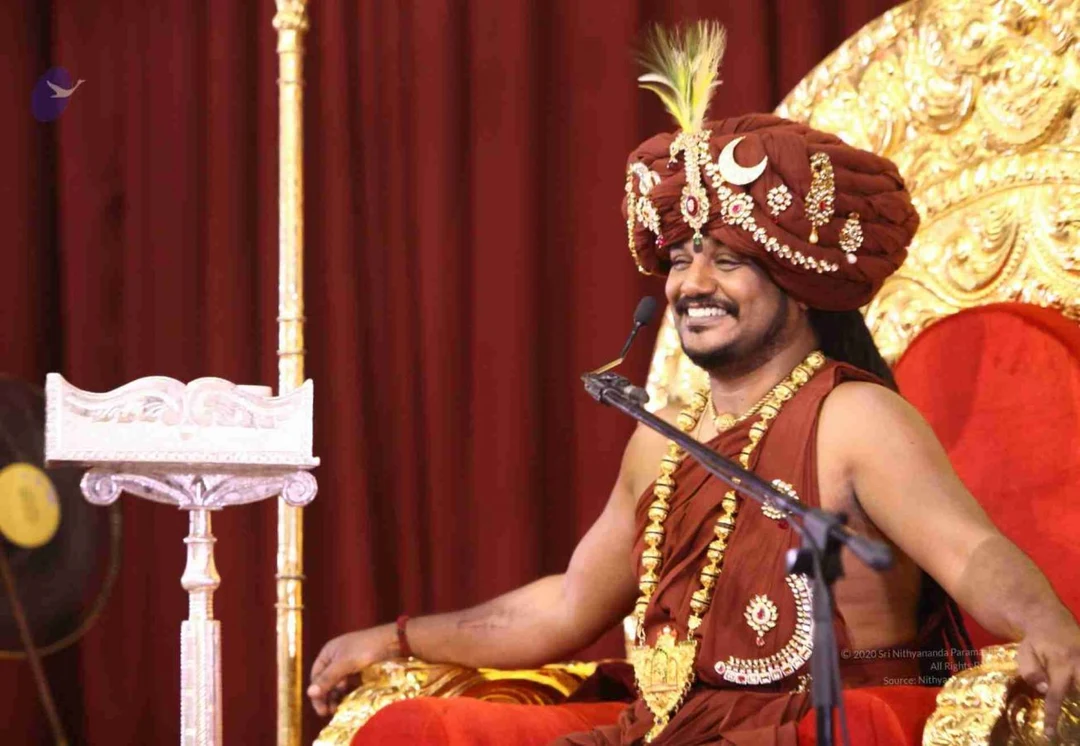 Oneness is recognizing, re-cognizing integrity, we do not need to practice integrity, just need to recognize to what your Integrated to
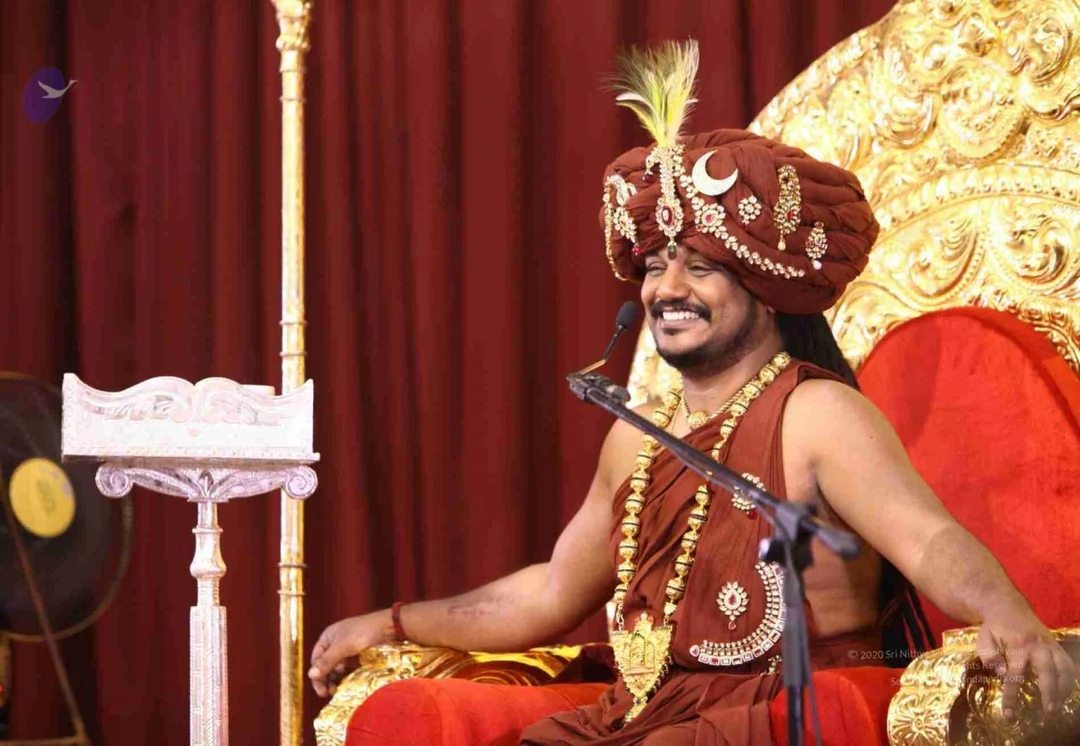 Oneness is recognizing, re-cognizing integrity, we do not need to practice integrity, just need to recognize to what your Integrated to
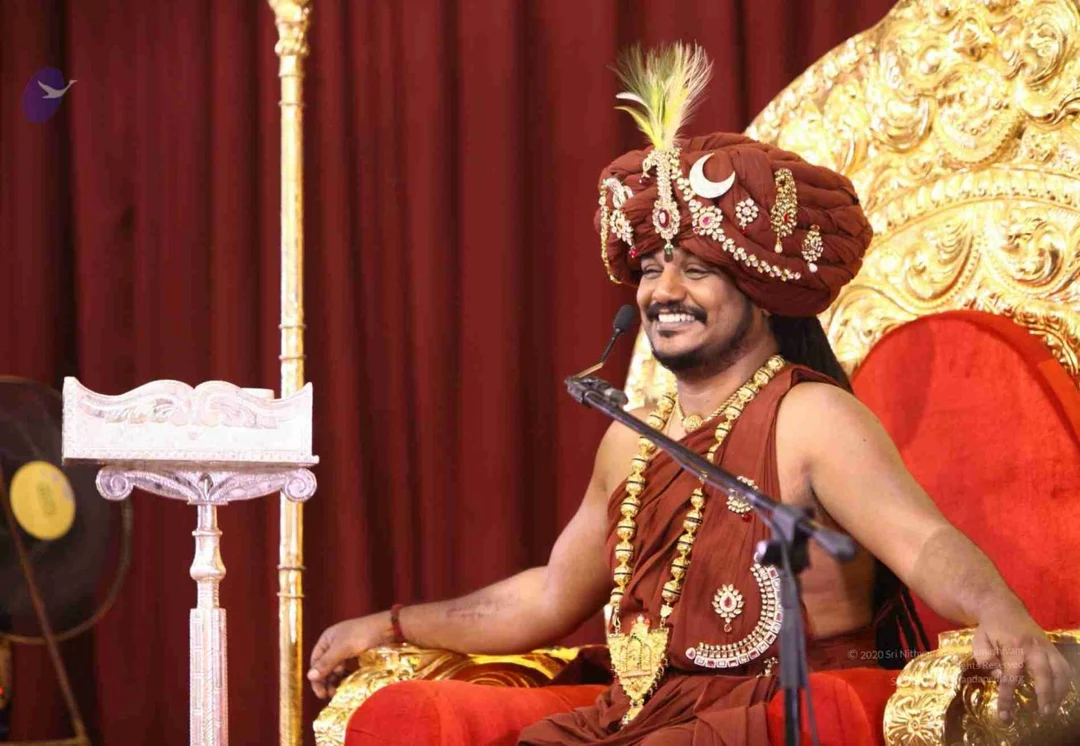 Oneness is recognizing, re-cognizing integrity, we do not need to practice integrity, just need to recognize to what your Integrated to
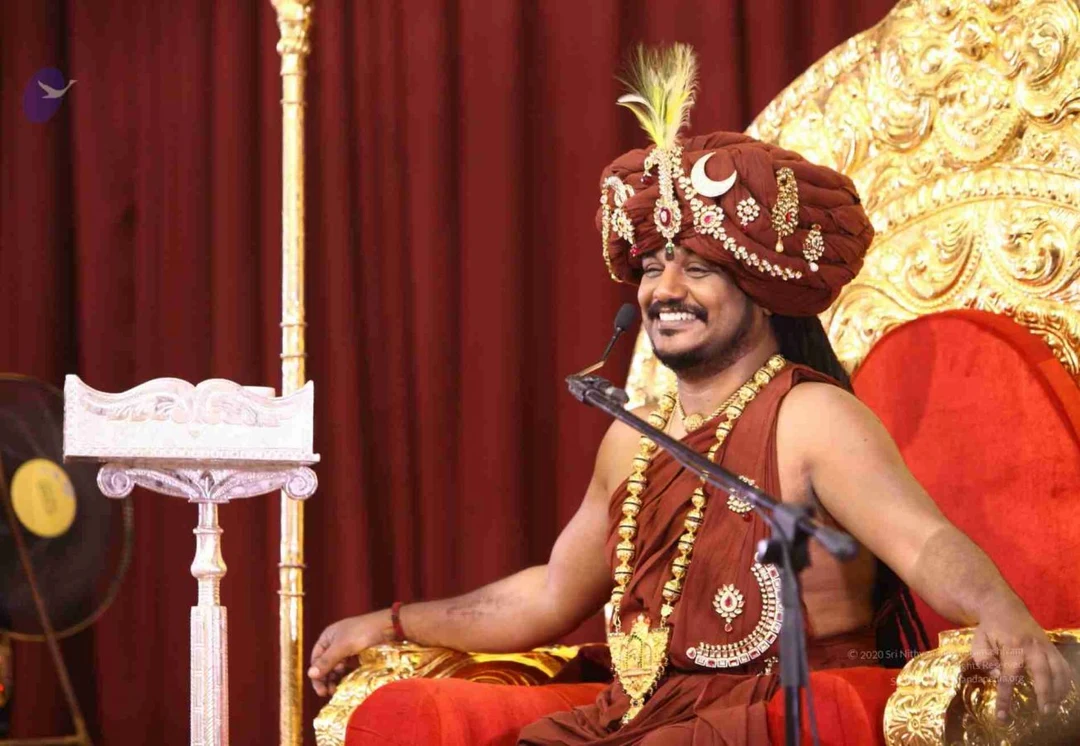 Oneness is recognizing, re-cognizing integrity, we do not need to practice integrity, just need to recognize to what your Integrated to
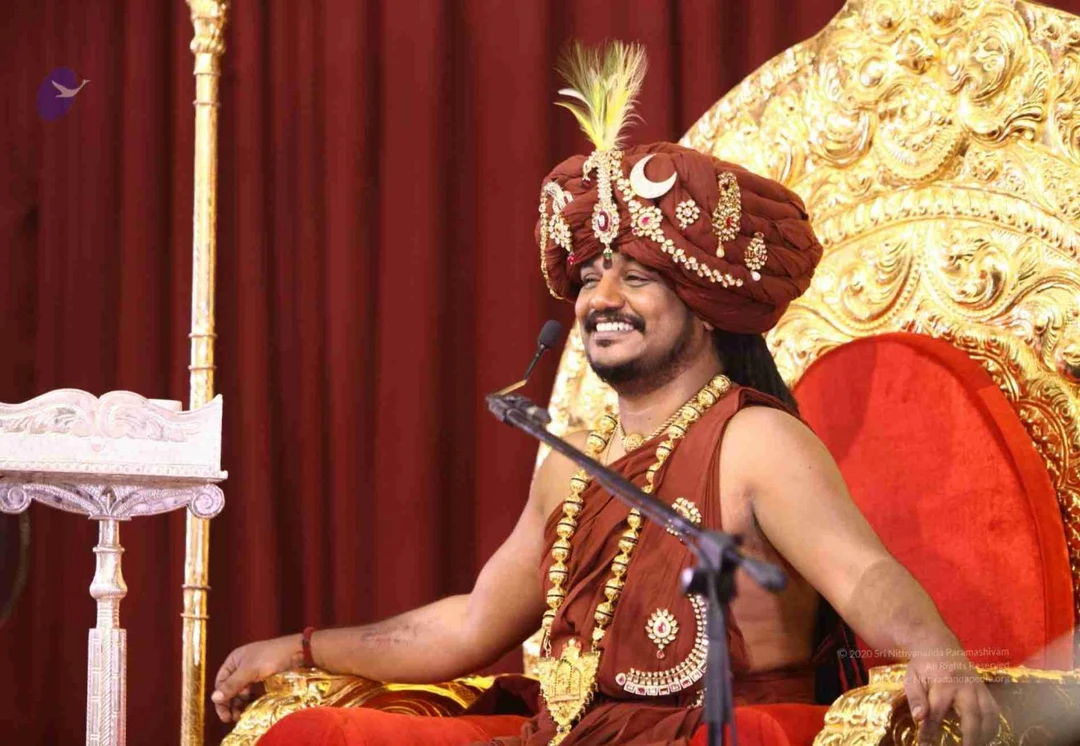 Oneness is recognizing, re-cognizing integrity, we do not need to practice integrity, just need to recognize to what your Integrated to
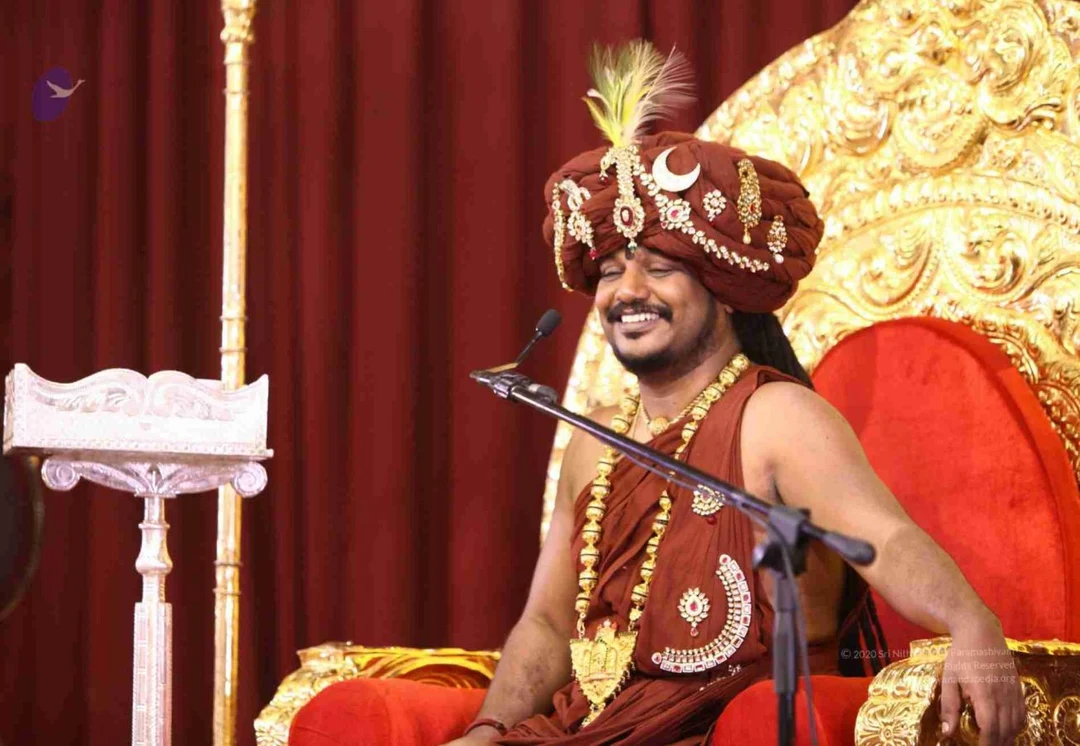 Oneness is recognizing, re-cognizing integrity, we do not need to practice integrity, just need to recognize to what your Integrated to
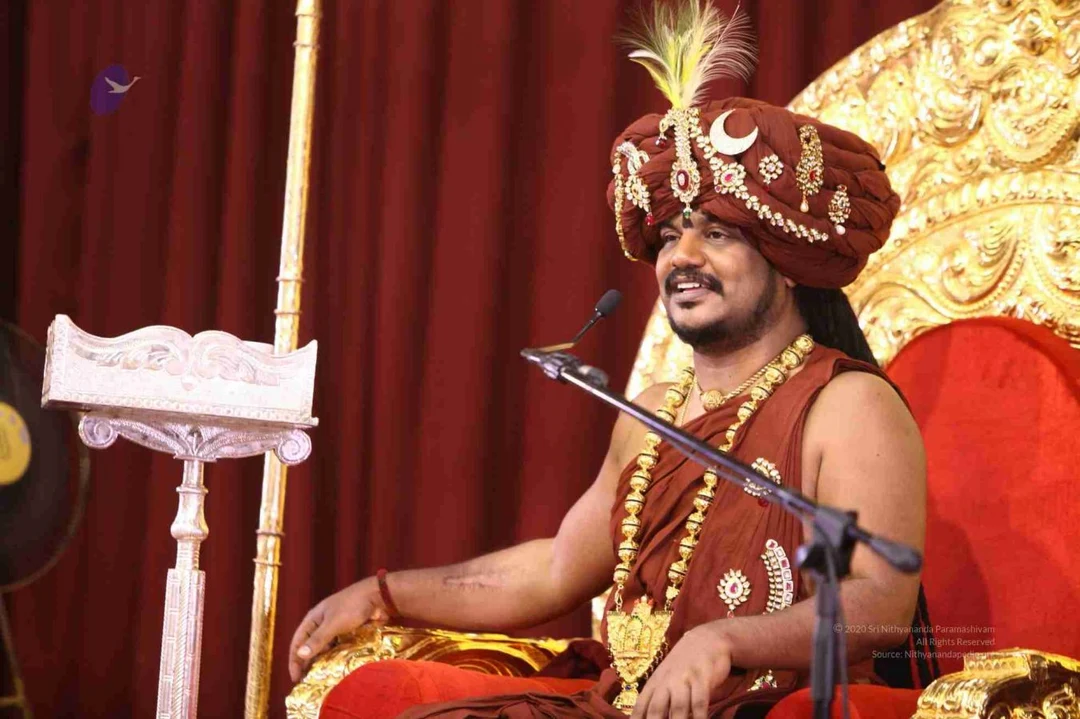 His Holiness Bhagavan Sri Nithyananda Paramashivam shares deeper secrets of oneness
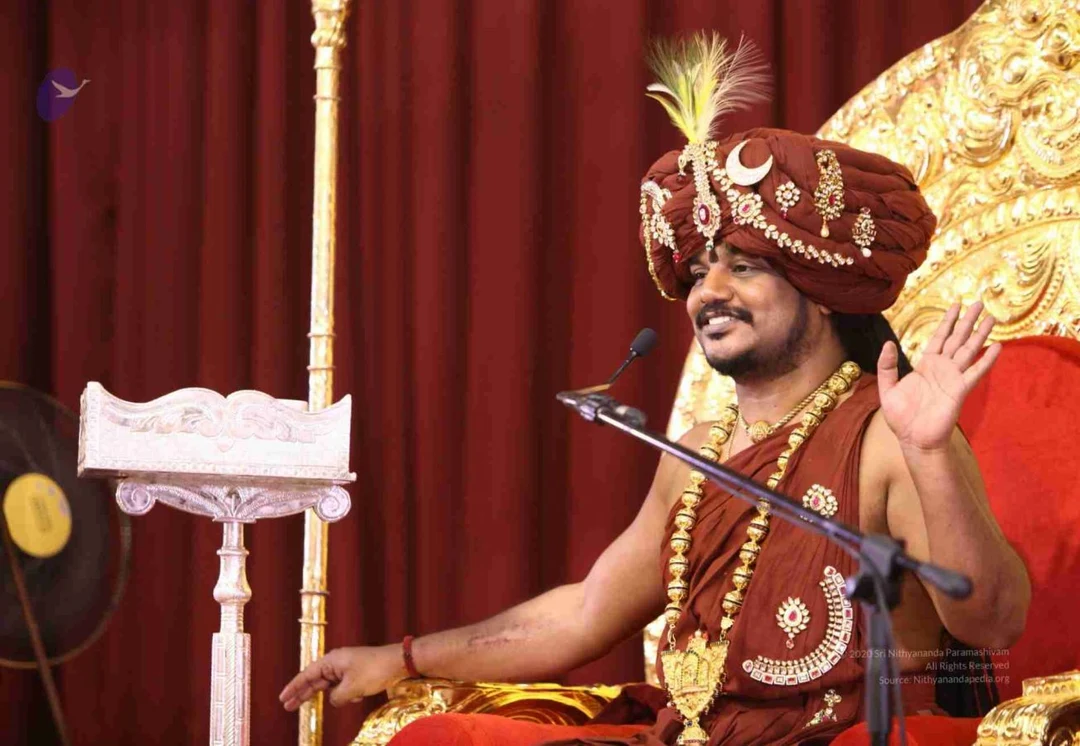 His Holiness Bhagavan Sri Nithyananda Paramashivam shares deeper secrets of oneness
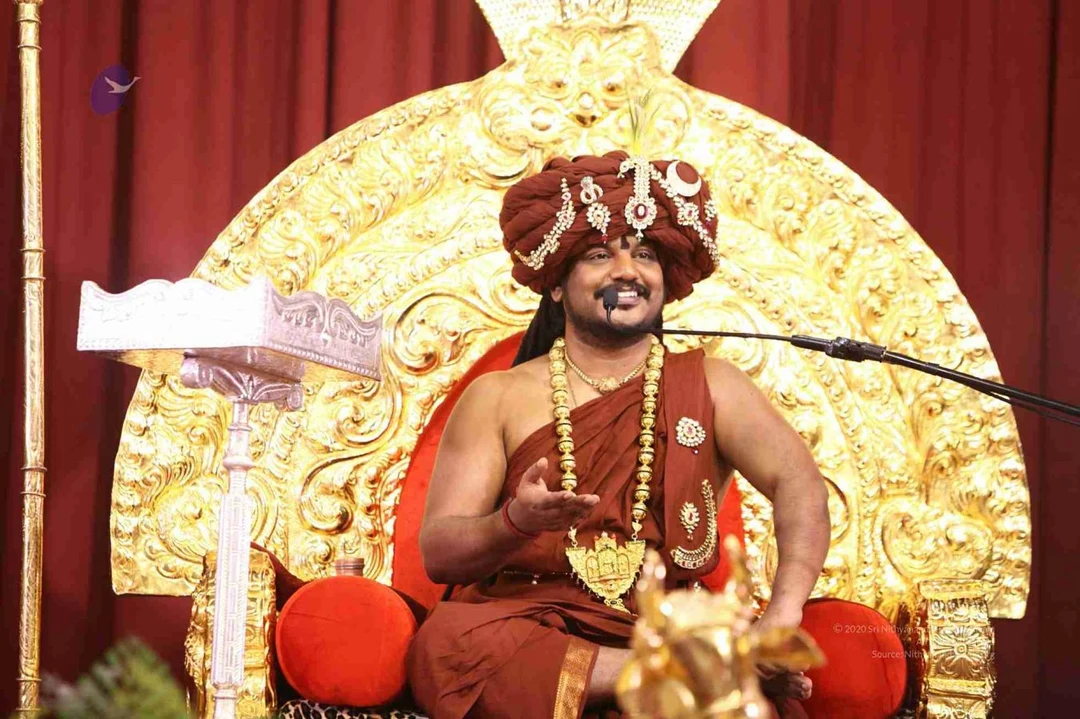 His Holiness Bhagavan Sri Nithyananda Paramashivam shares deeper secrets of oneness
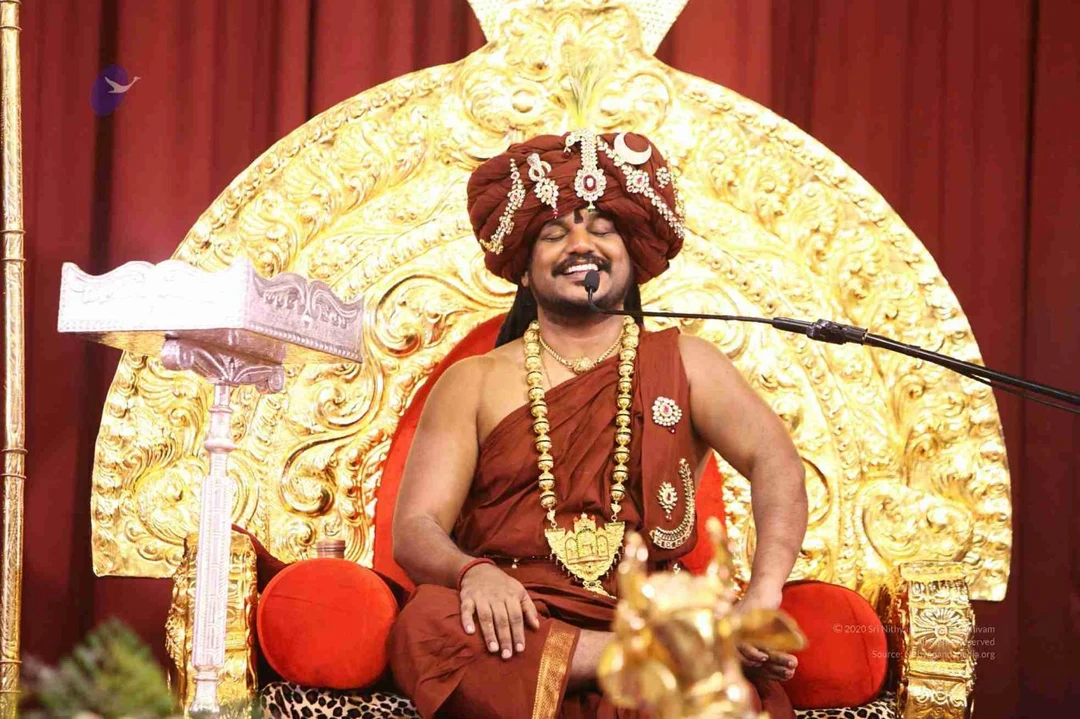 His Holiness Bhagavan Sri Nithyananda Paramashivam shares deeper secrets of oneness
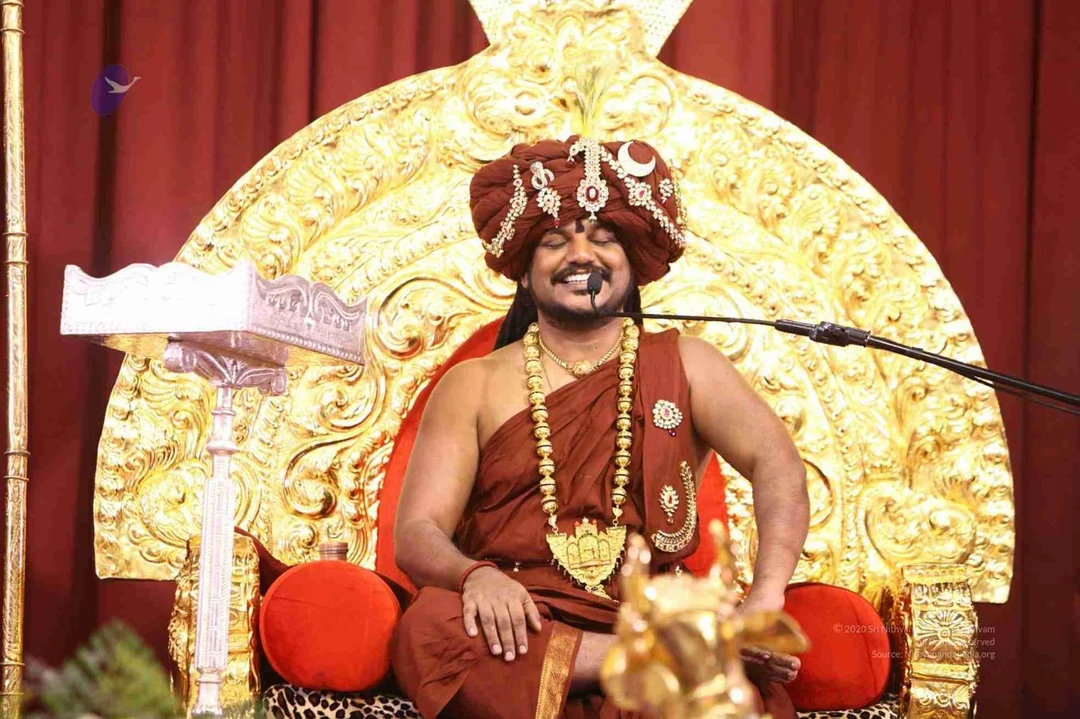 His Holiness Bhagavan Sri Nithyananda Paramashivam shares deeper secrets of oneness
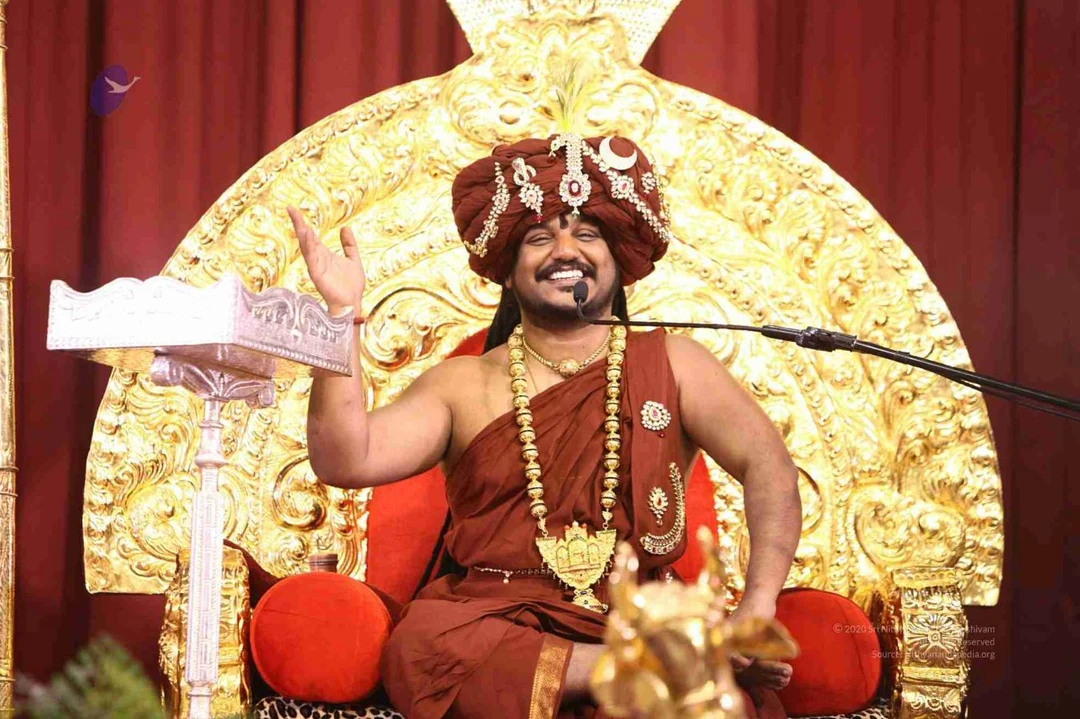 His Holiness Bhagavan Sri Nithyananda Paramashivam shares deeper secrets of oneness
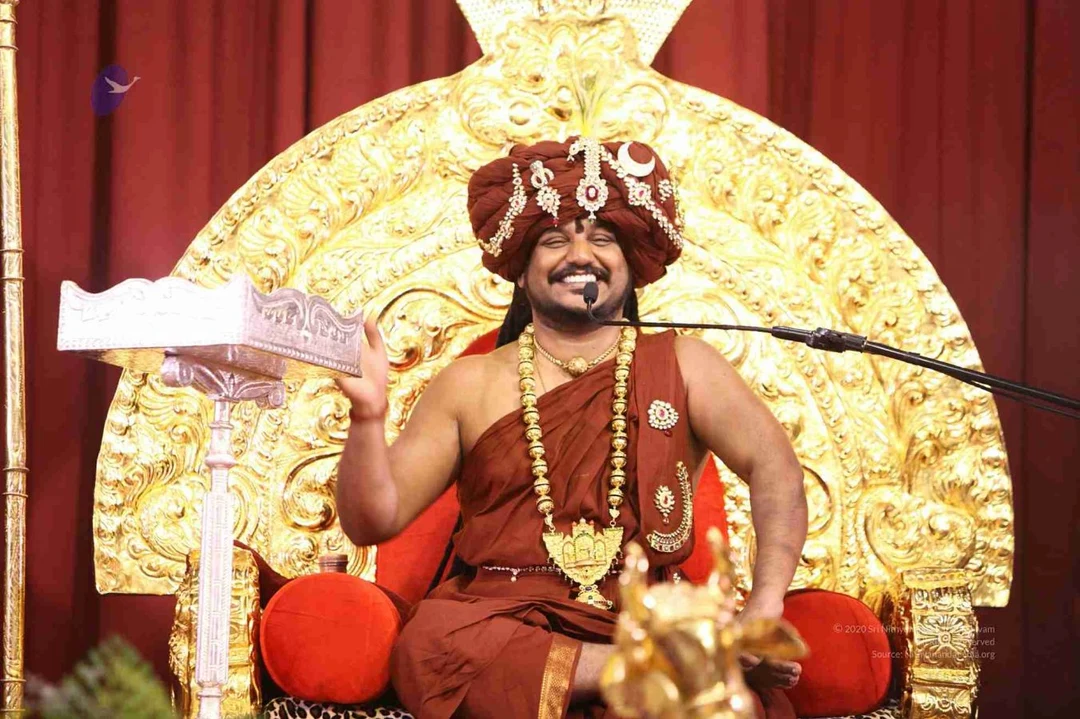 His Holiness Bhagavan Sri Nithyananda Paramashivam shares deeper secrets of oneness
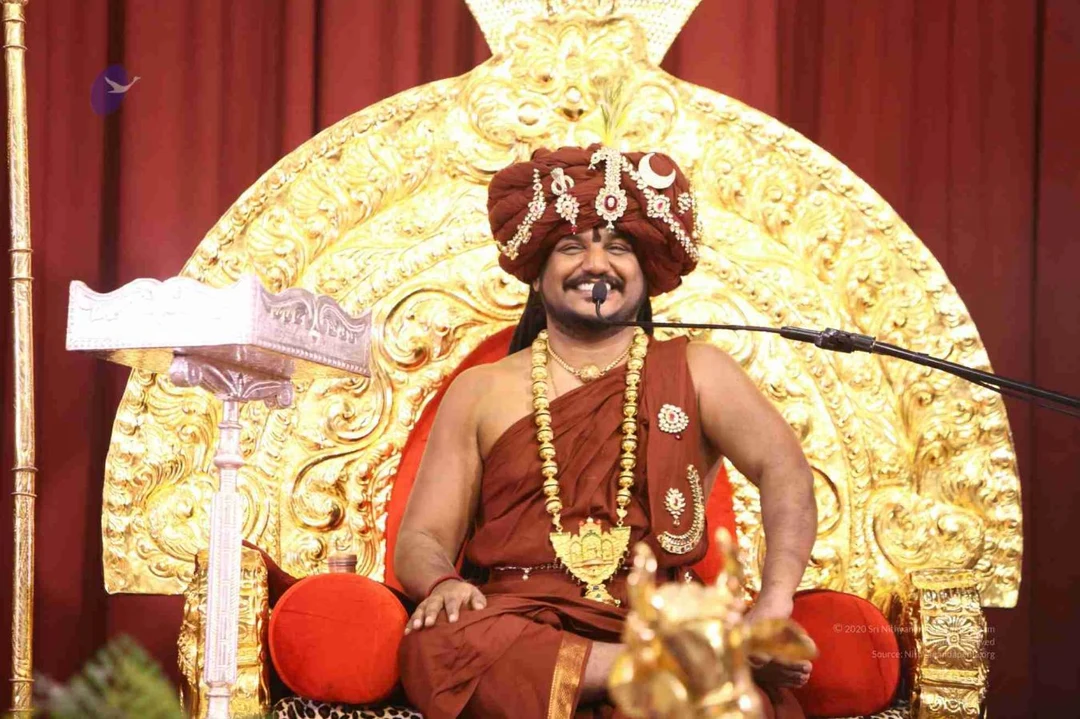 His Holiness Bhagavan Sri Nithyananda Paramashivam shares deeper secrets of oneness
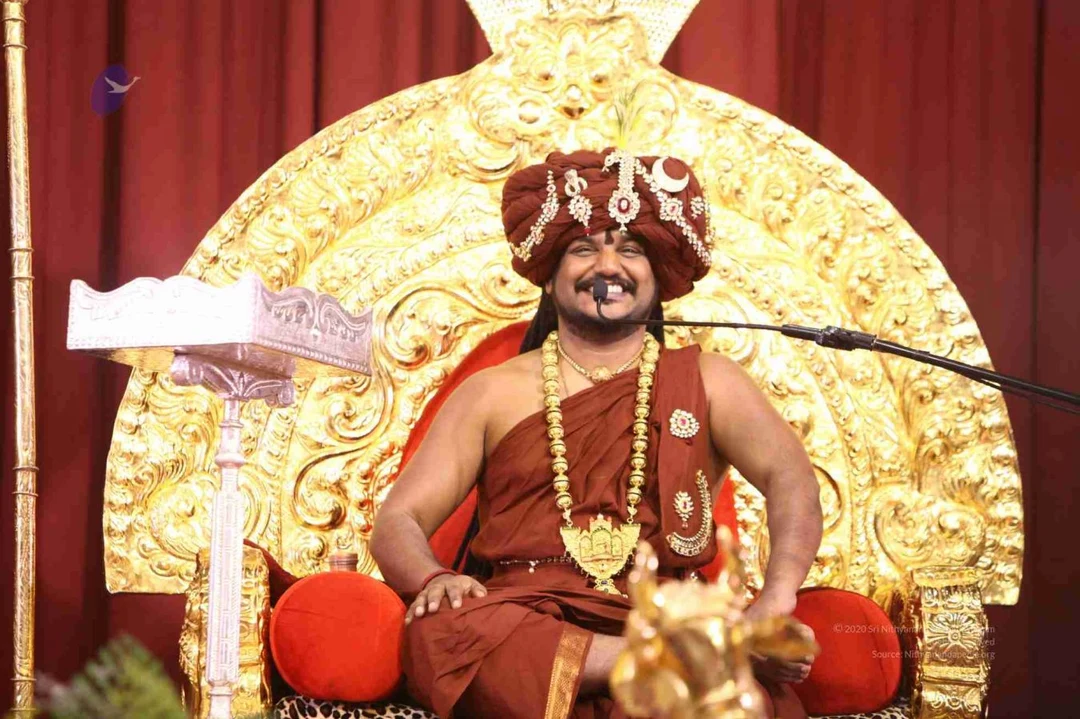 His Holiness Bhagavan Sri Nithyananda Paramashivam shares deeper secrets of oneness
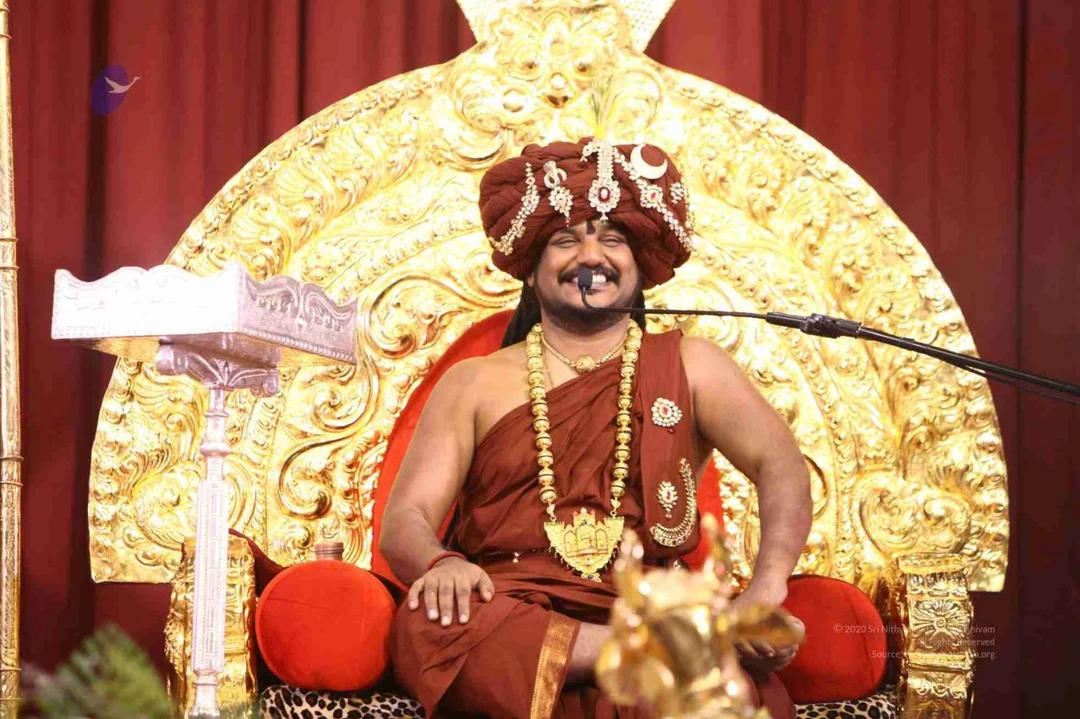 His Holiness Bhagavan Sri Nithyananda Paramashivam shares deeper secrets of oneness
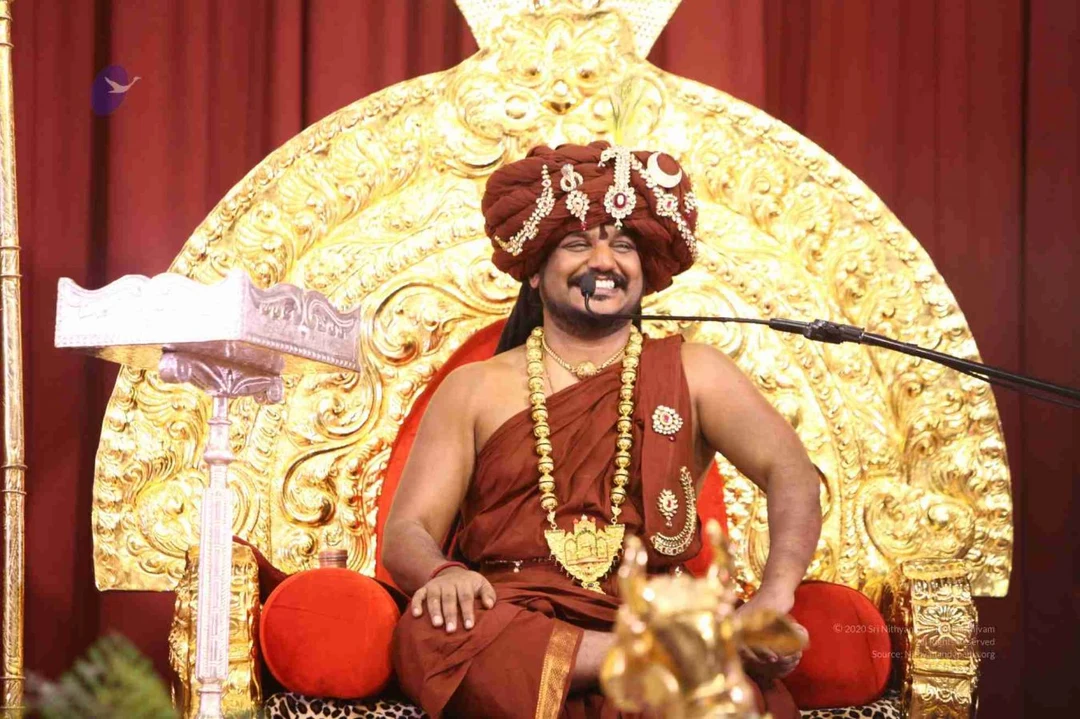 His Holiness Bhagavan Sri Nithyananda Paramashivam shares deeper secrets of oneness
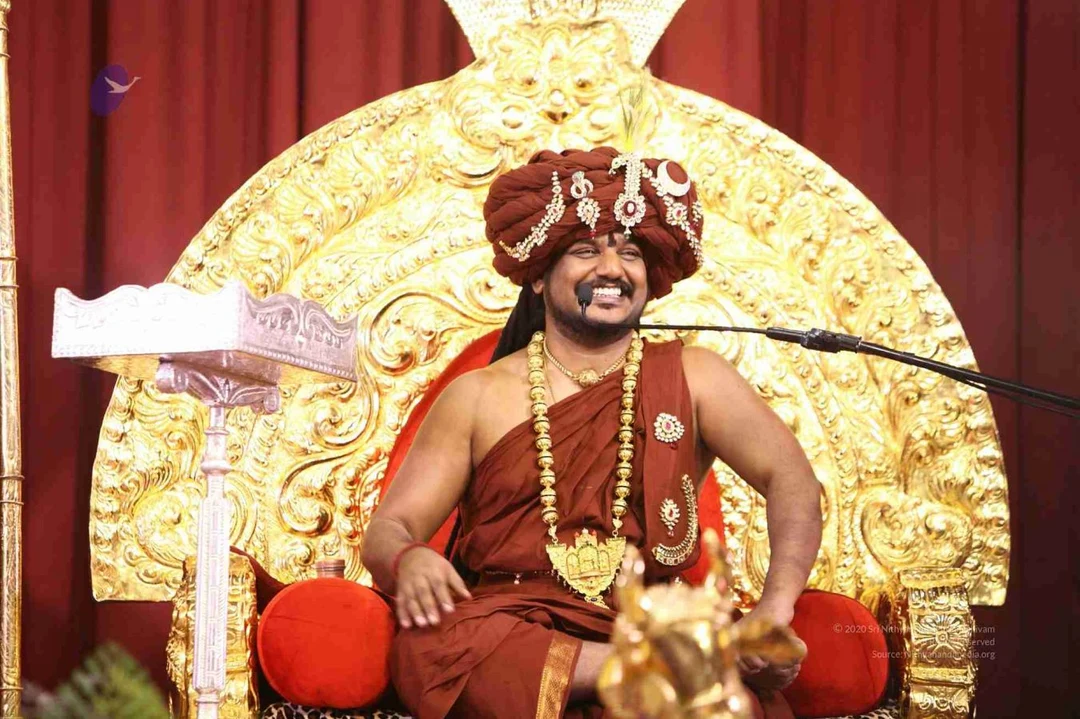 His Holiness Bhagavan Sri Nithyananda Paramashivam shares deeper secrets of oneness
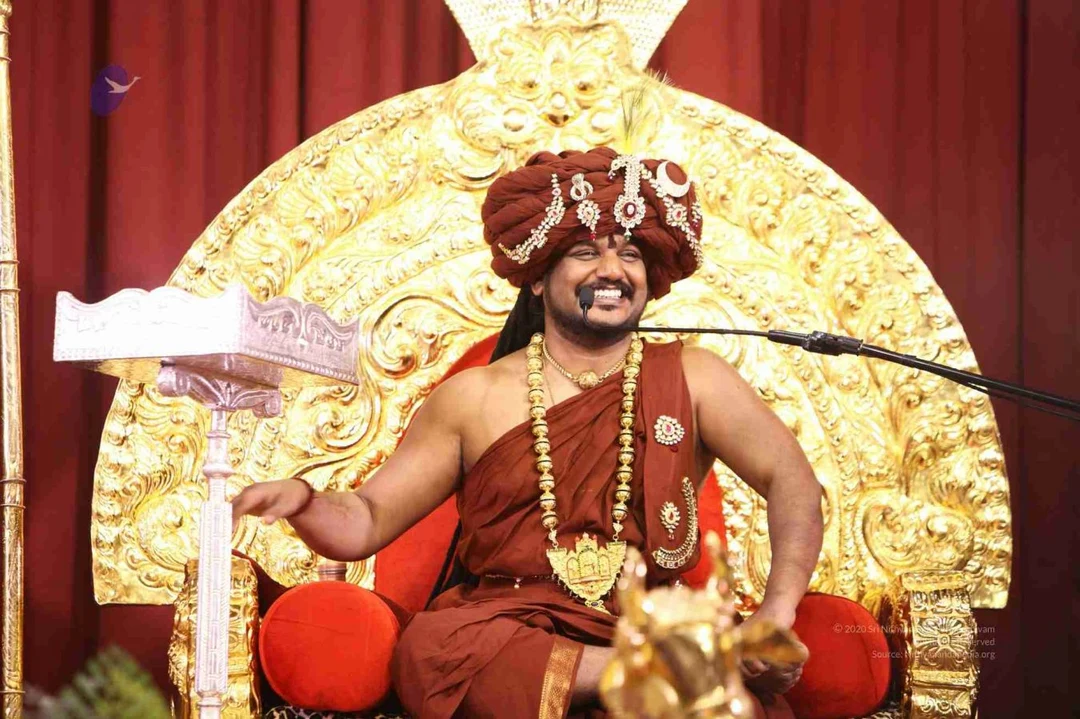 His Holiness Bhagavan Sri Nithyananda Paramashivam shares deeper secrets of oneness
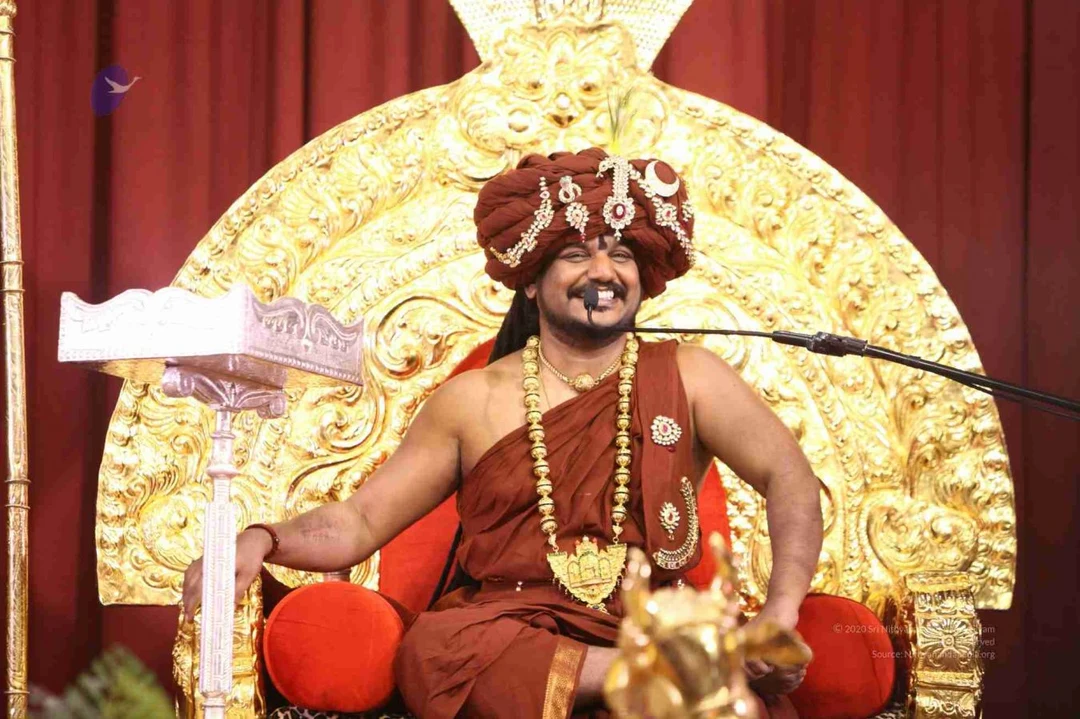 His Holiness Bhagavan Sri Nithyananda Paramashivam shares deeper secrets of oneness
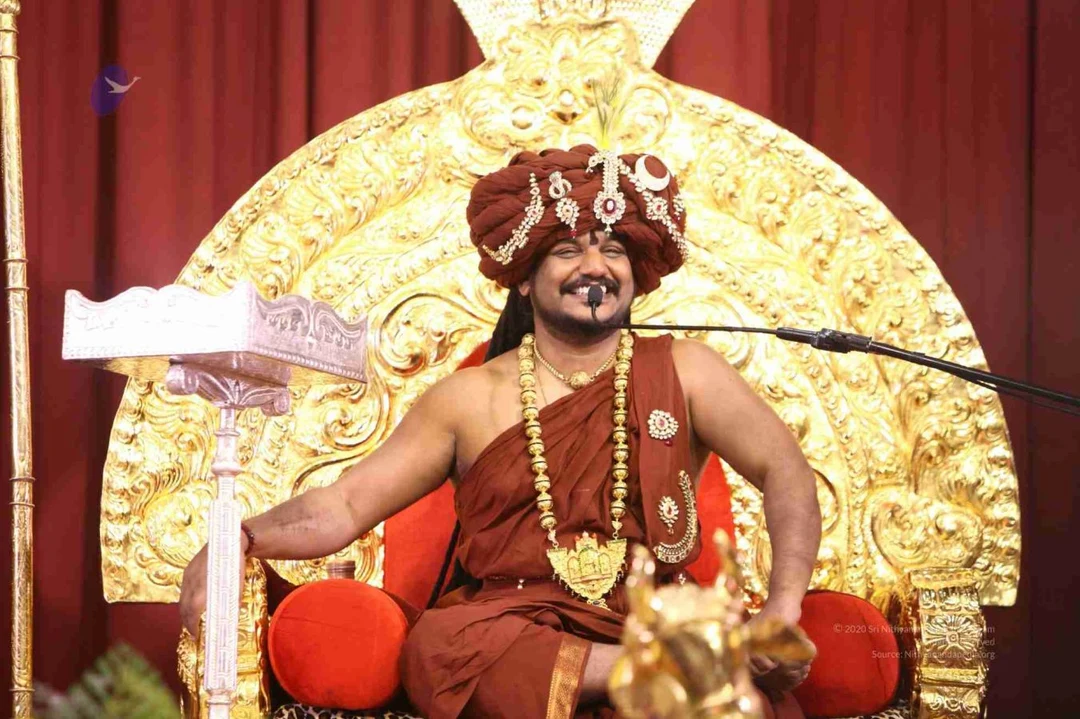 His Holiness Bhagavan Sri Nithyananda Paramashivam shares deeper secrets of oneness
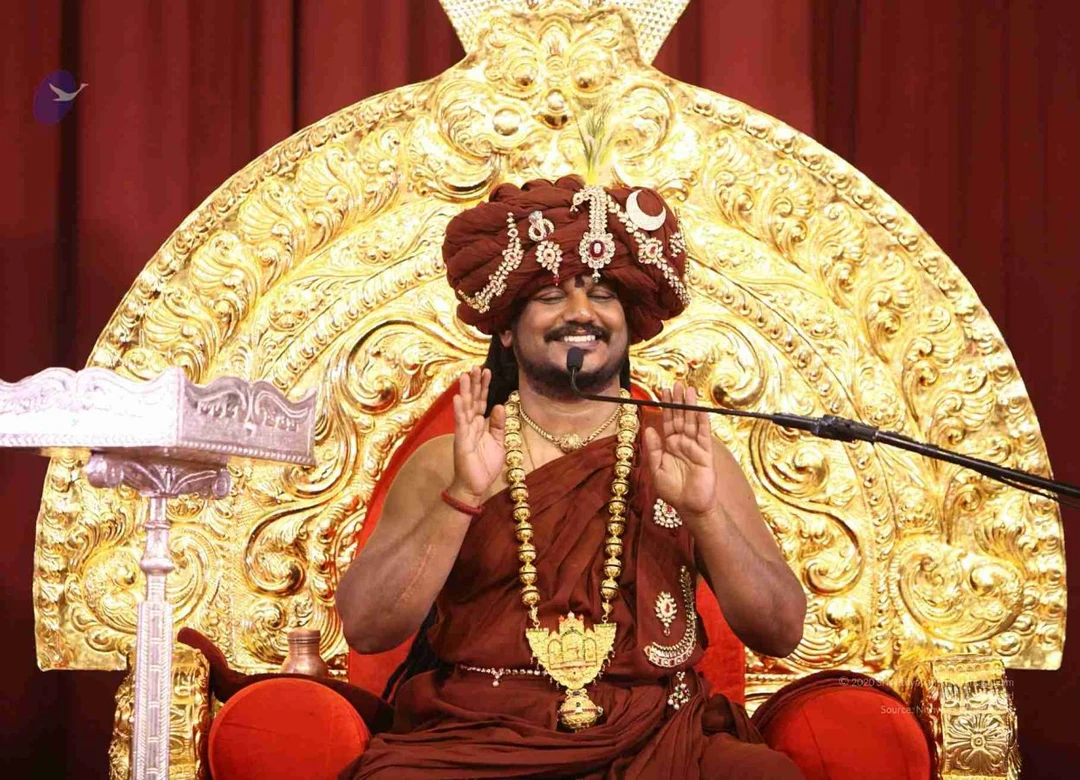 His Holiness Bhagavan Sri Nithyananda Paramashivam shares deeper secrets of oneness
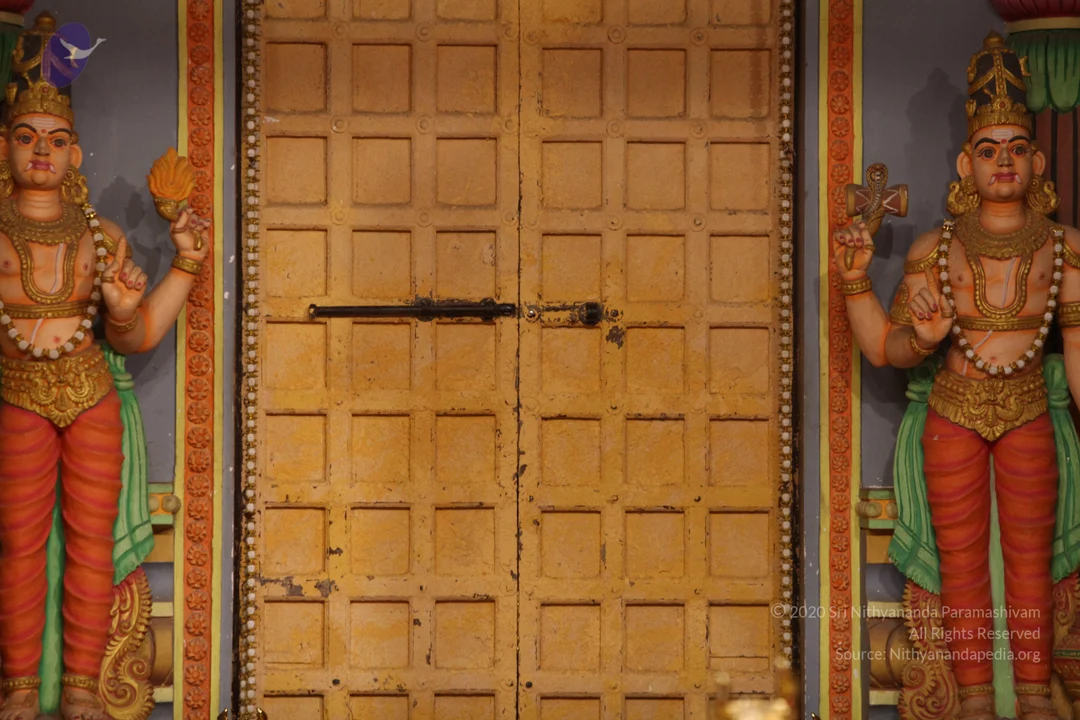
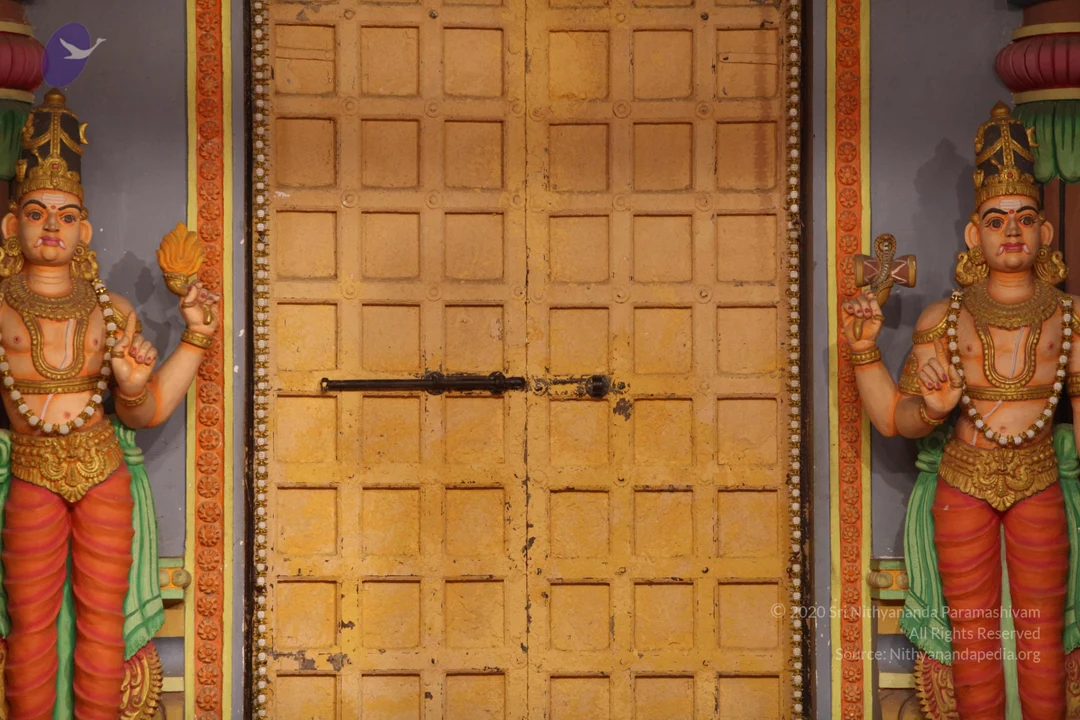
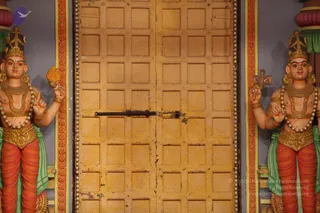
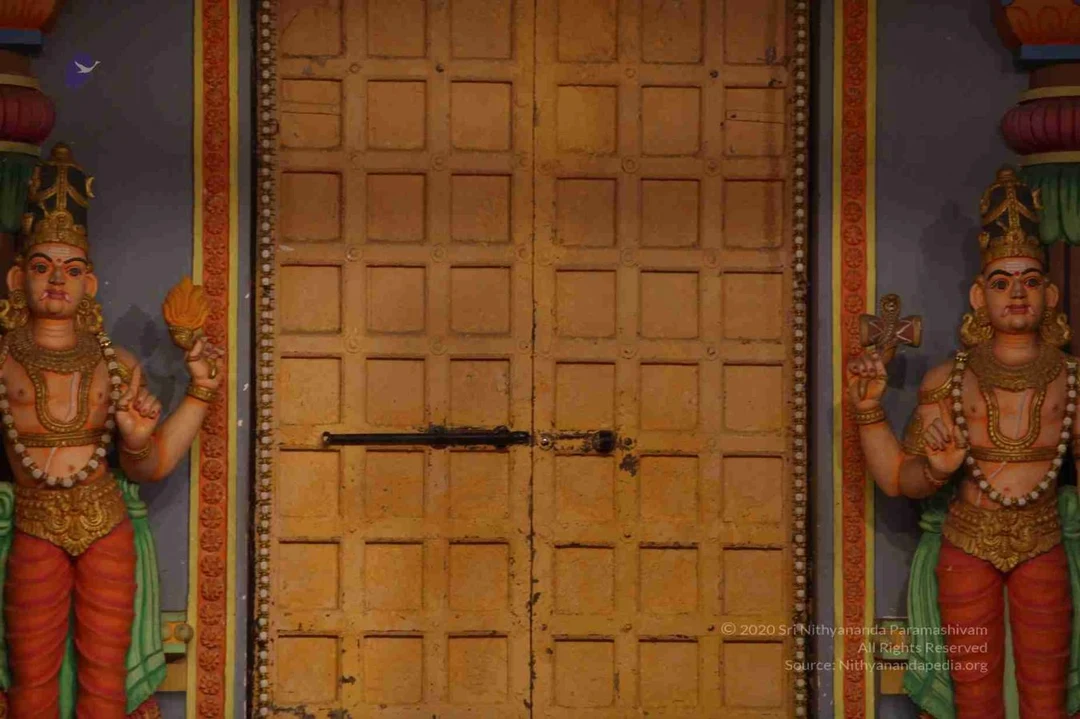 Doors of Garbha Mandir ( Sanctum Sanctorum) - Devotees awaiting the darshan of the divine
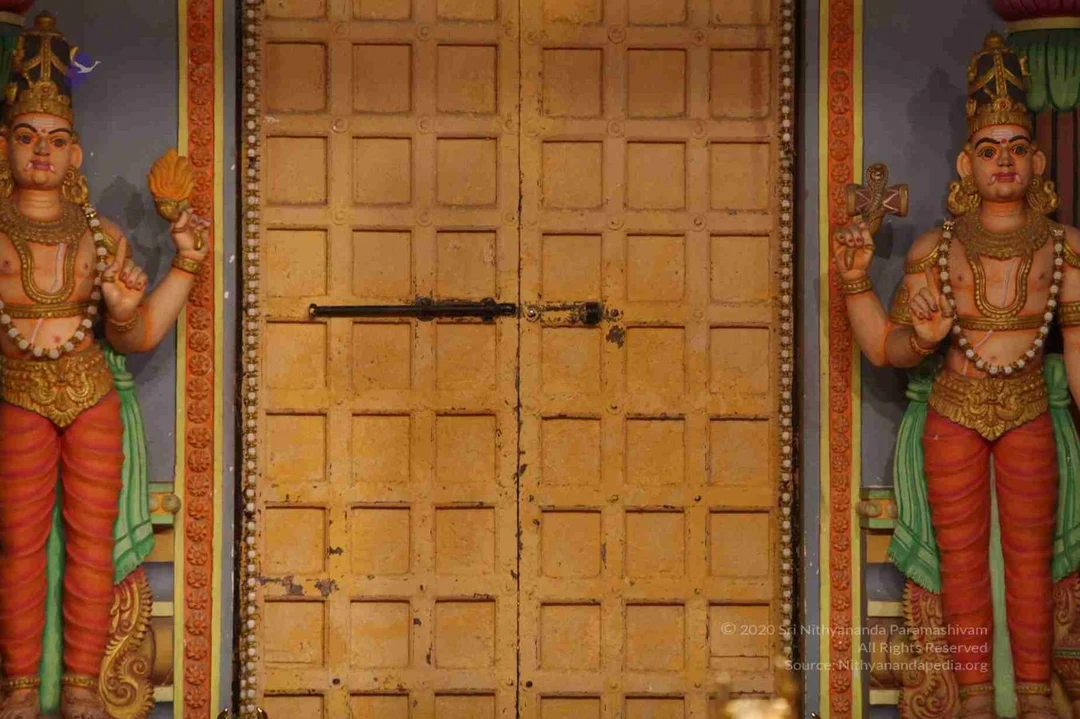 Doors of Garbha Mandir ( Sanctum Sanctorum) - Devotees awaiting the darshan of the divine
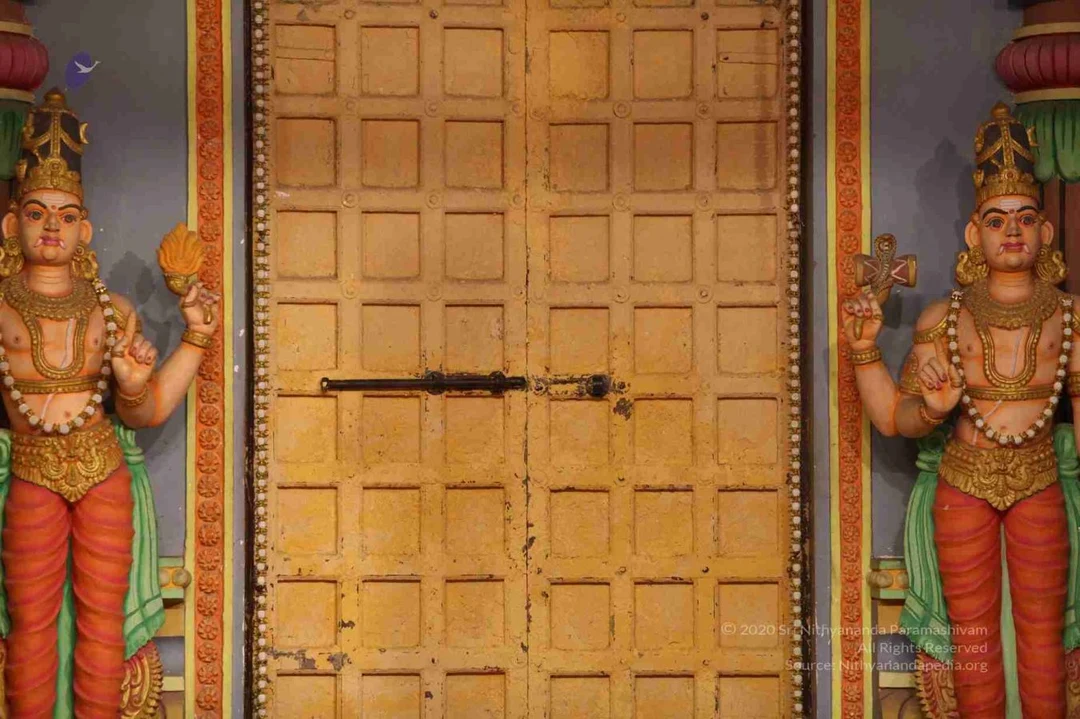 Doors of Garbha Mandir ( Sanctum Sanctorum) - Devotees awaiting the darshan of the divine
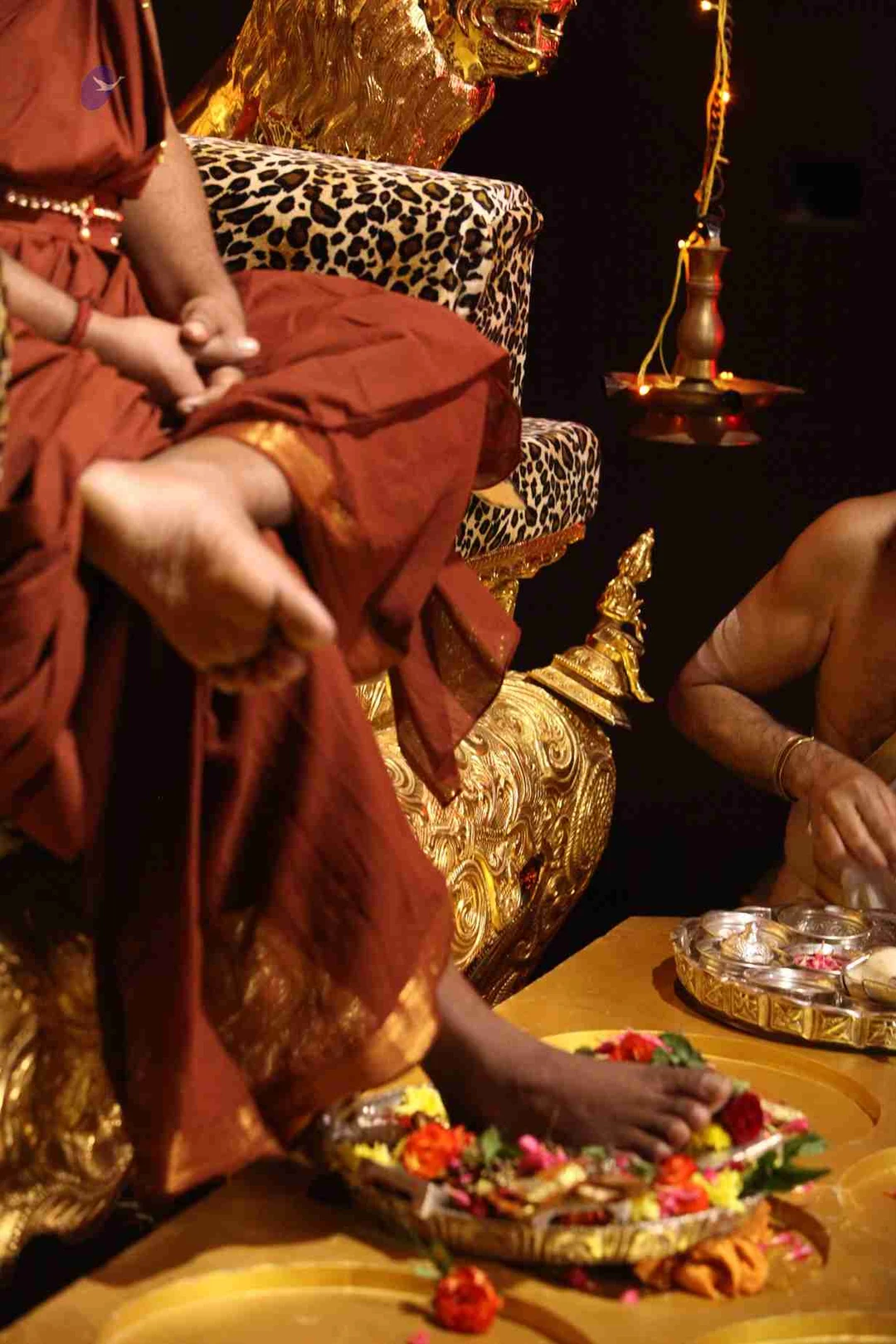
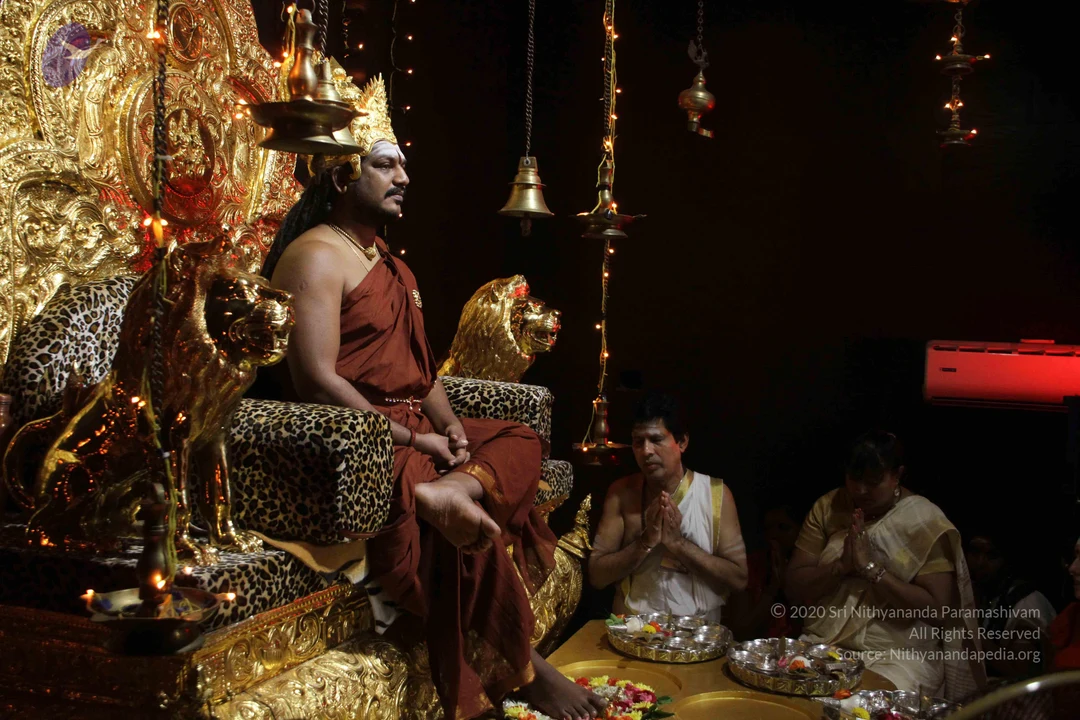
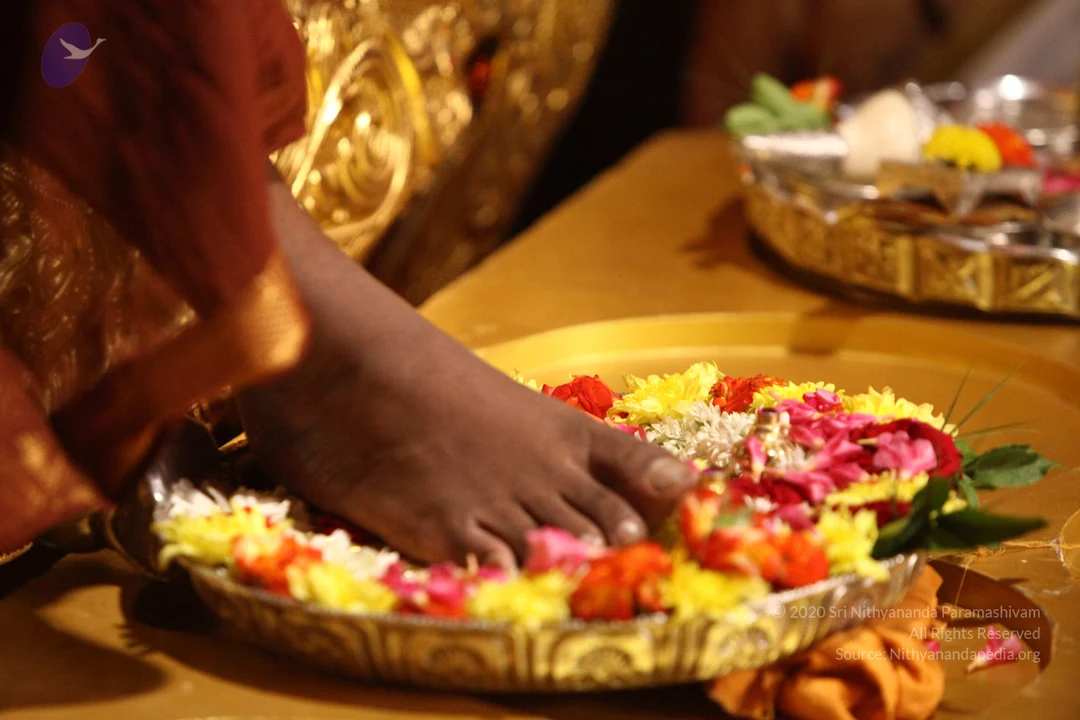
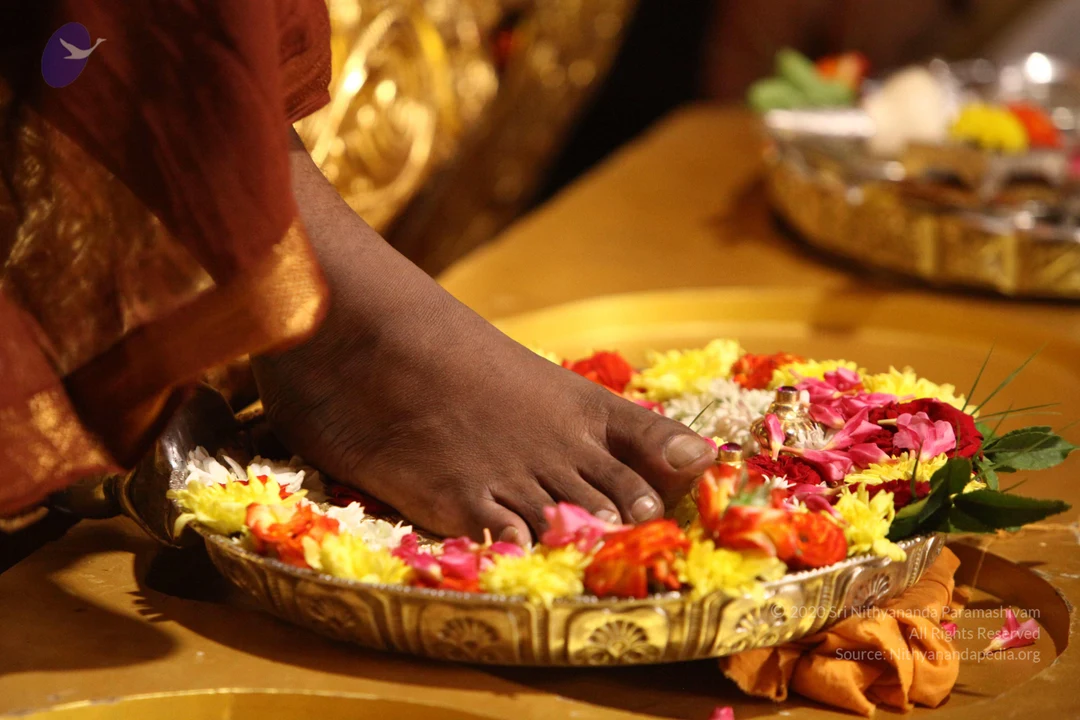
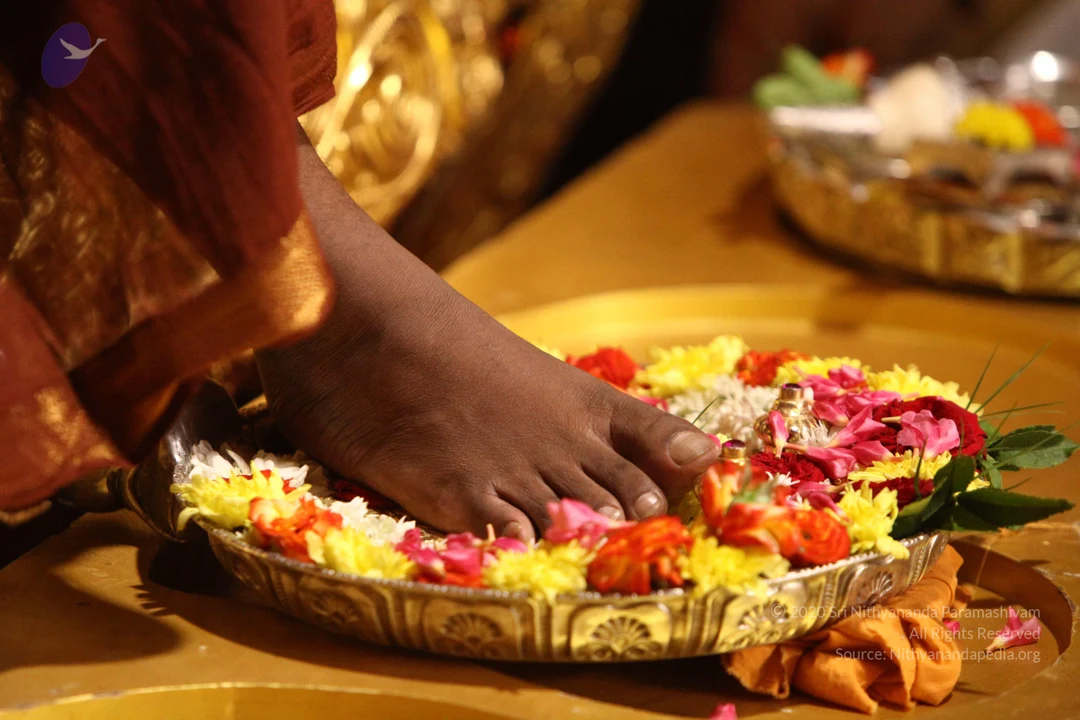
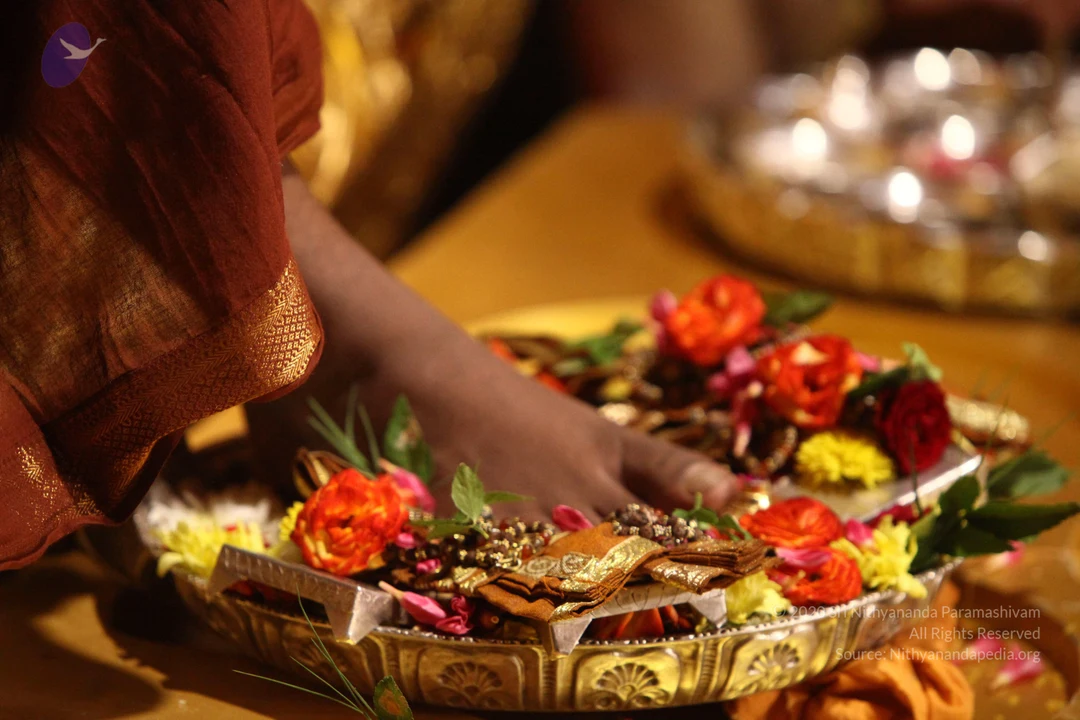
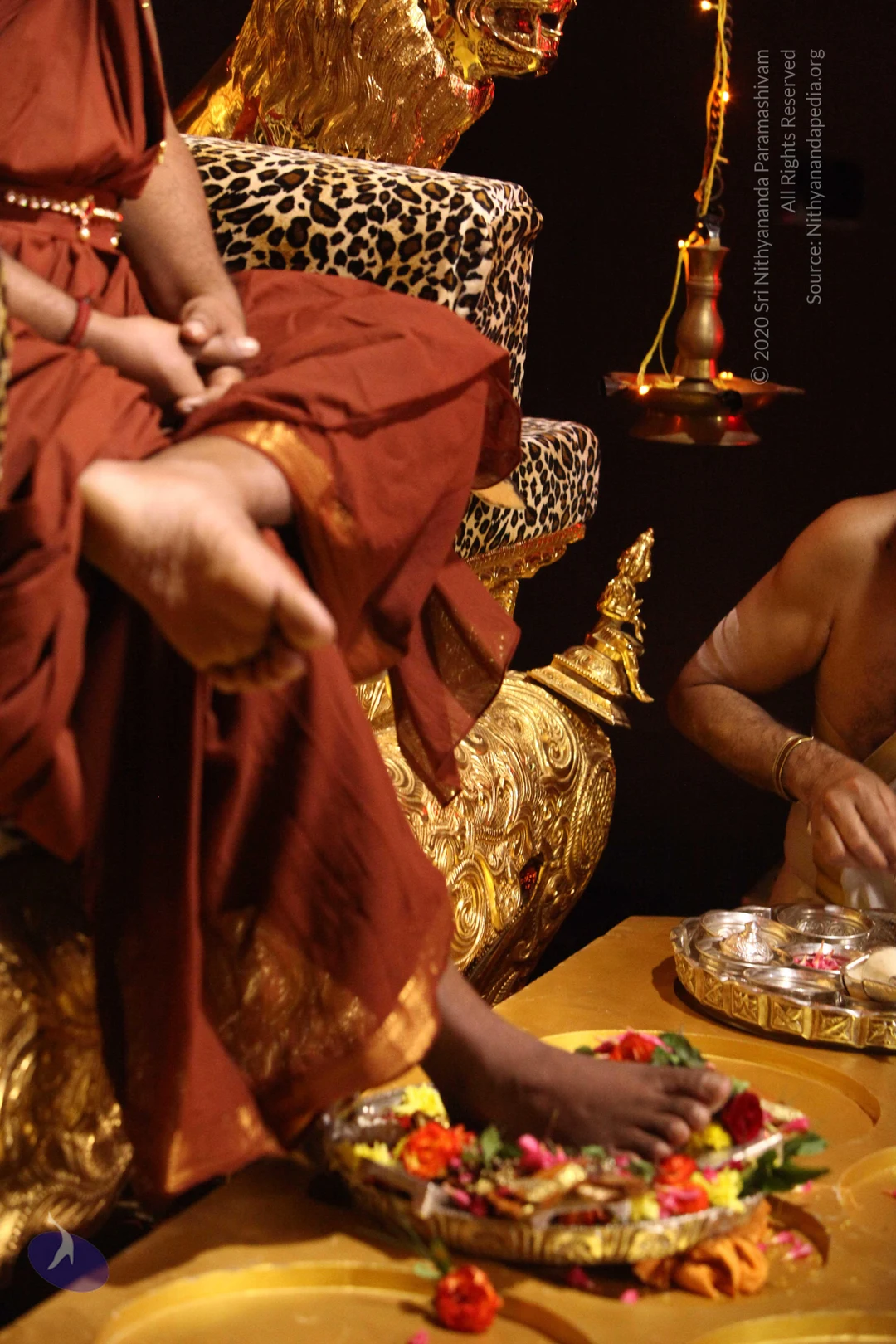
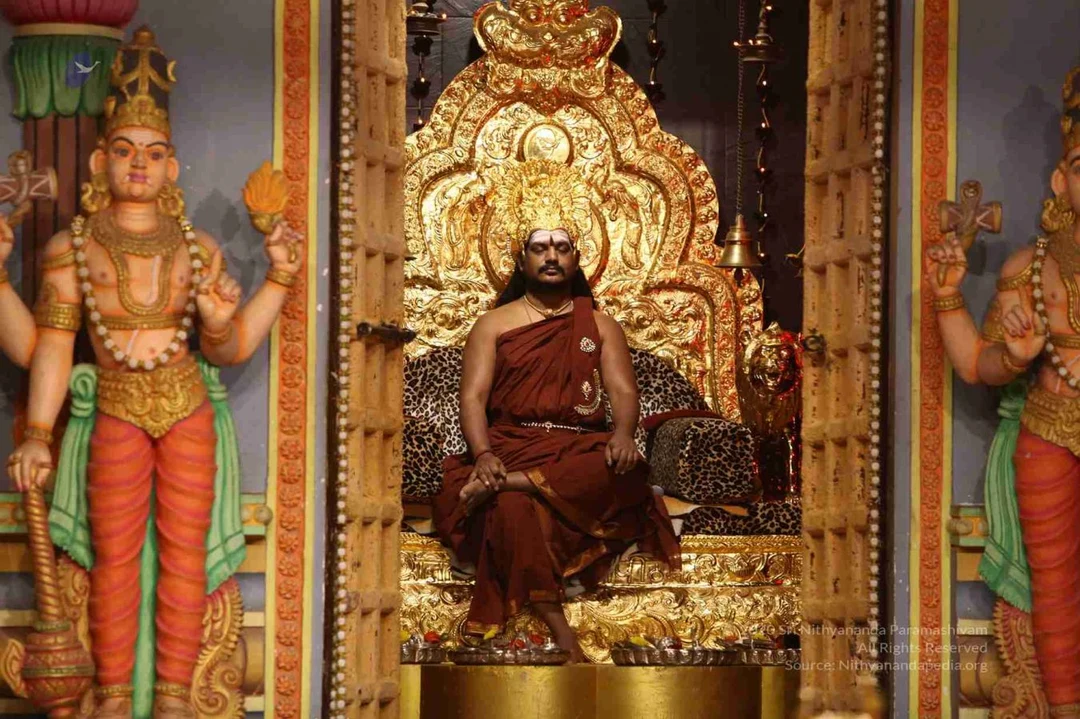 Pratyaksha Pada Puja with His Divine Holiness Bhagavan Sri Nithyananda Paramashivam
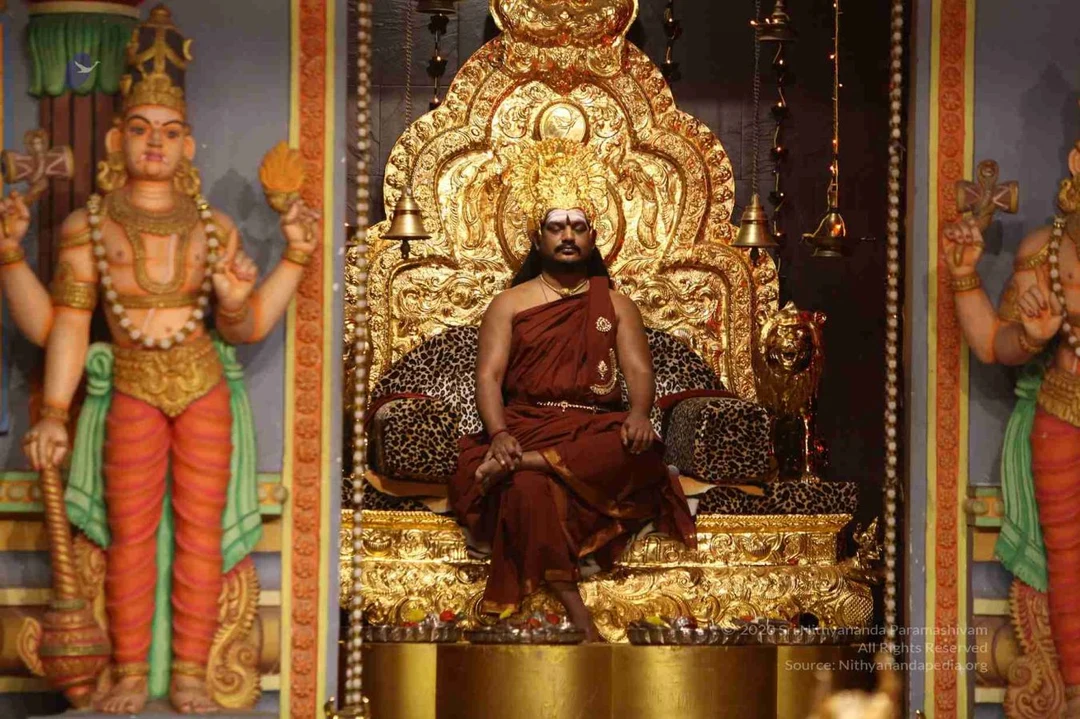 Pratyaksha Pada Puja with His Divine Holiness Bhagavan Sri Nithyananda Paramashivam
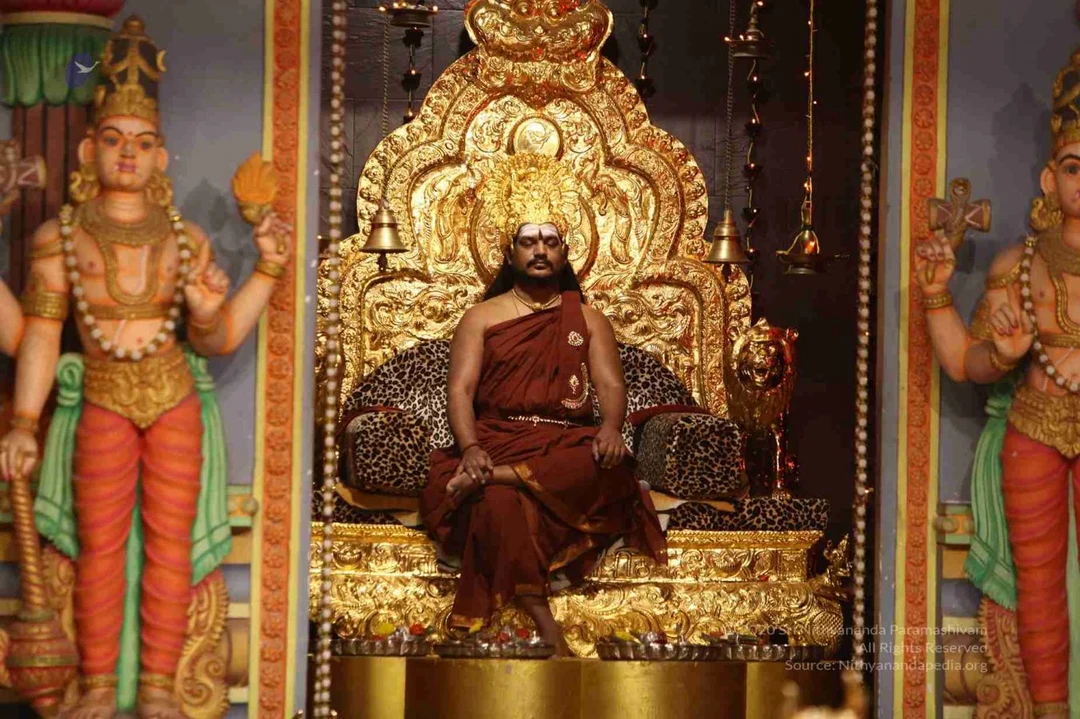 Darshan of His Divine Holiness Bhagavan Sri Nithyananda Paramashivam For Pratyaksha Pada Puja - The Celebration of Happening of The Avatar As Guru in our lives
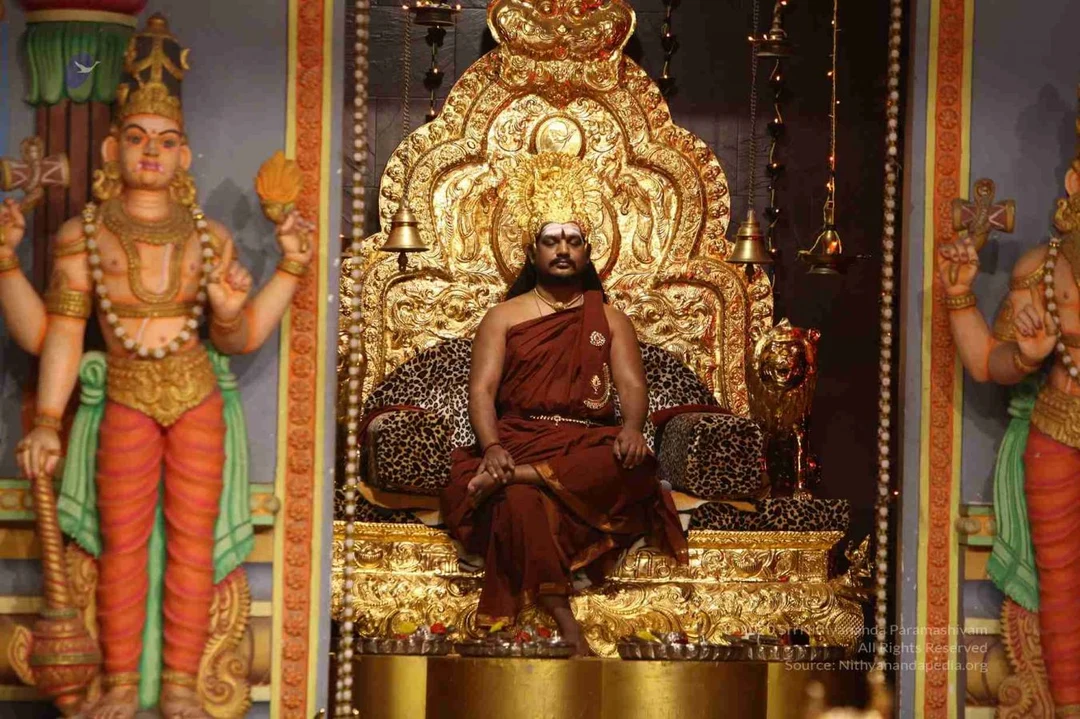 Darshan of His Divine Holiness Bhagavan Sri Nithyananda Paramashivam For Pratyaksha Pada Puja - The Celebration of Happening of The Avatar As Guru in our lives
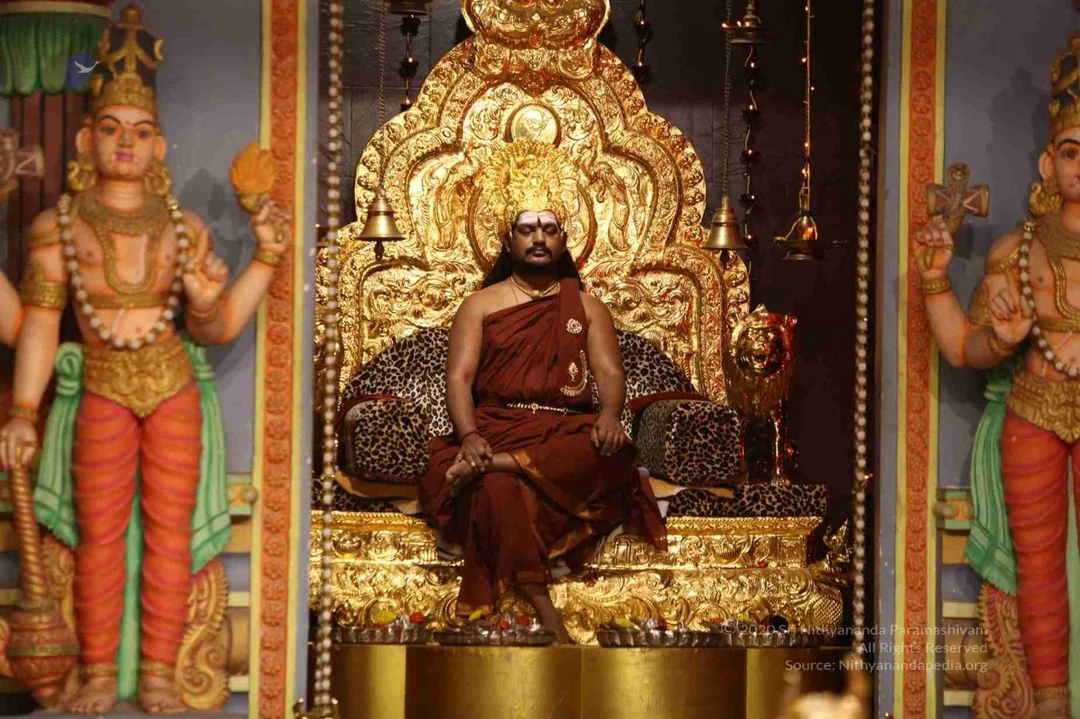 Darshan of His Divine Holiness Bhagavan Sri Nithyananda Paramashivam For Pratyaksha Pada Puja - The Celebration of Happening of The Avatar As Guru in our lives
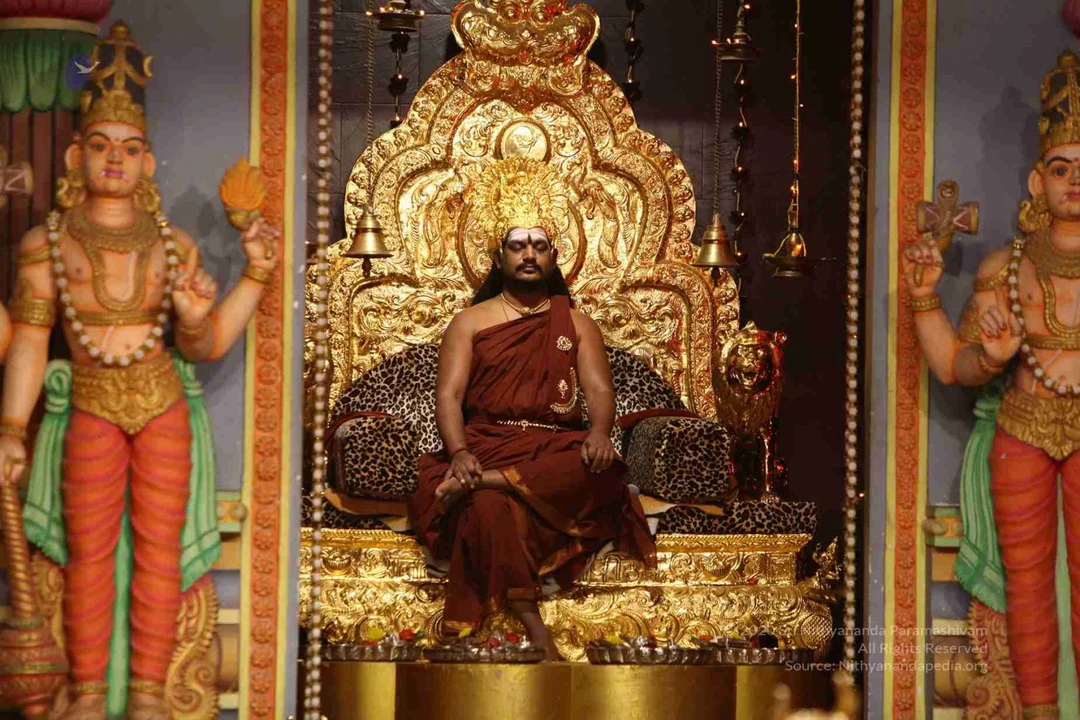 Darshan of His Divine Holiness Bhagavan Sri Nithyananda Paramashivam For Pratyaksha Pada Puja - The Celebration of Happening of The Avatar As Guru in our lives
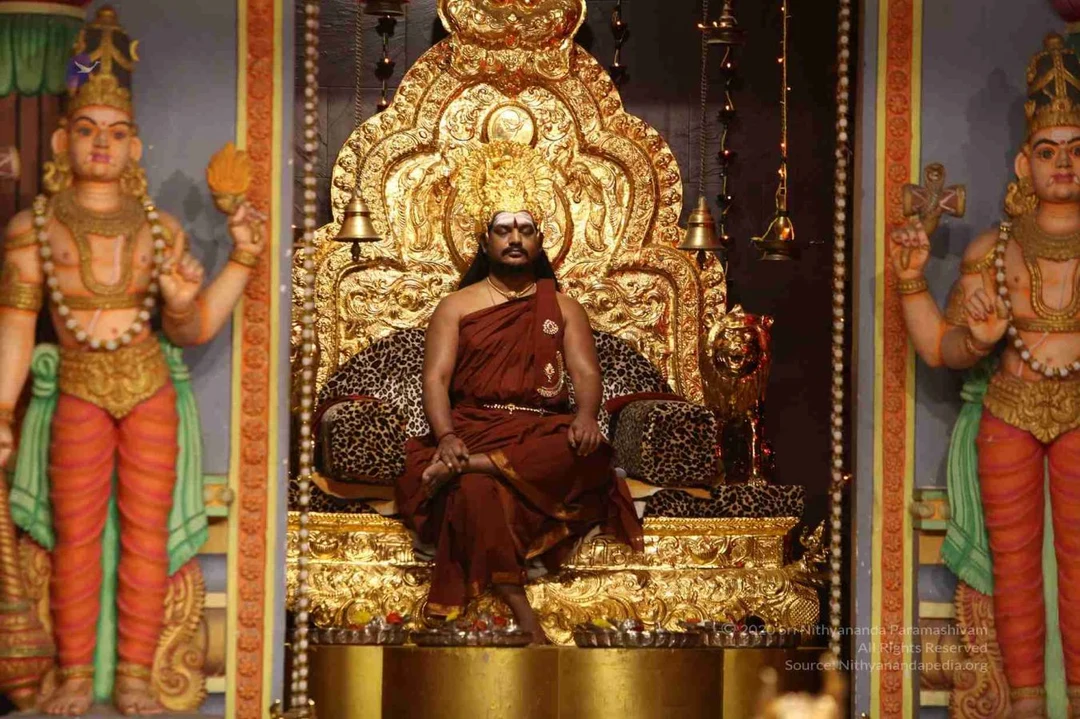 Darshan of His Divine Holiness Bhagavan Sri Nithyananda Paramashivam For Pratyaksha Pada Puja - The Celebration of Happening of The Avatar As Guru in our lives
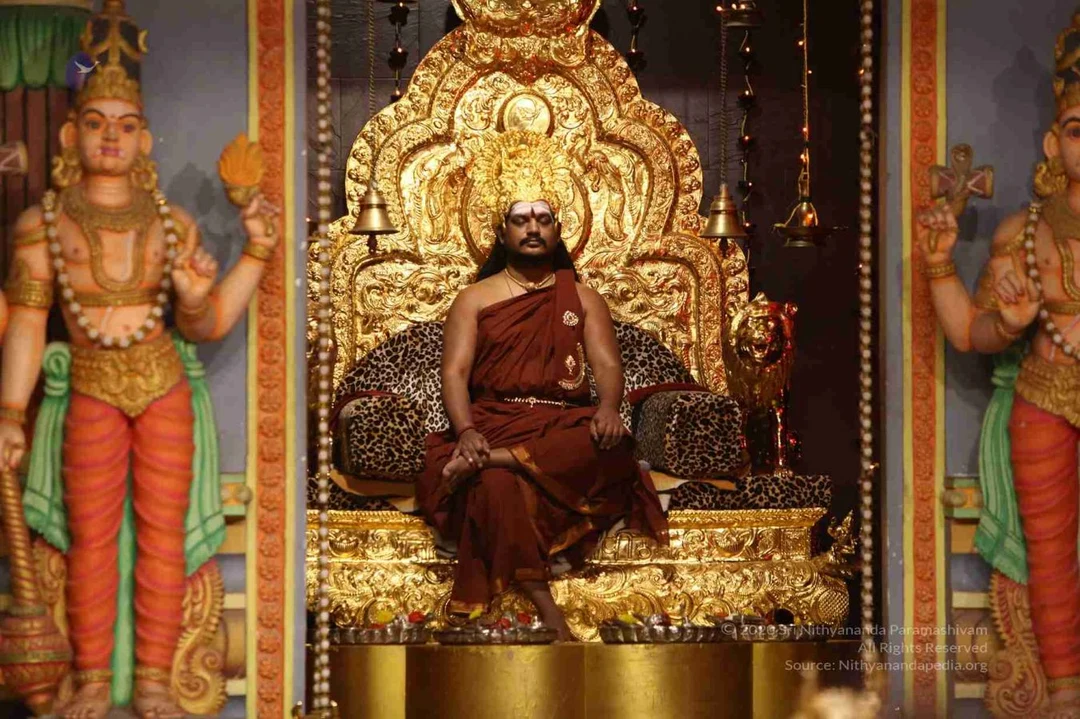 Darshan of His Divine Holiness Bhagavan Sri Nithyananda Paramashivam For Pratyaksha Pada Puja - The Celebration of Happening of The Avatar As Guru in our lives
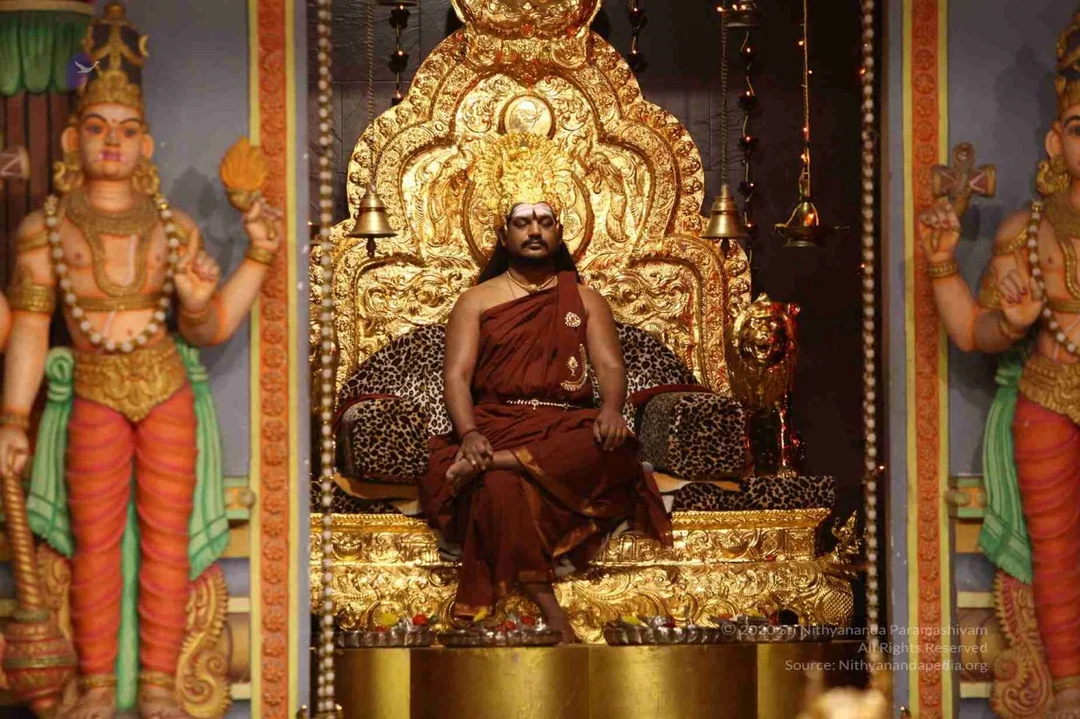 Darshan of His Divine Holiness Bhagavan Sri Nithyananda Paramashivam For Pratyaksha Pada Puja - The Celebration of Happening of The Avatar As Guru in our lives
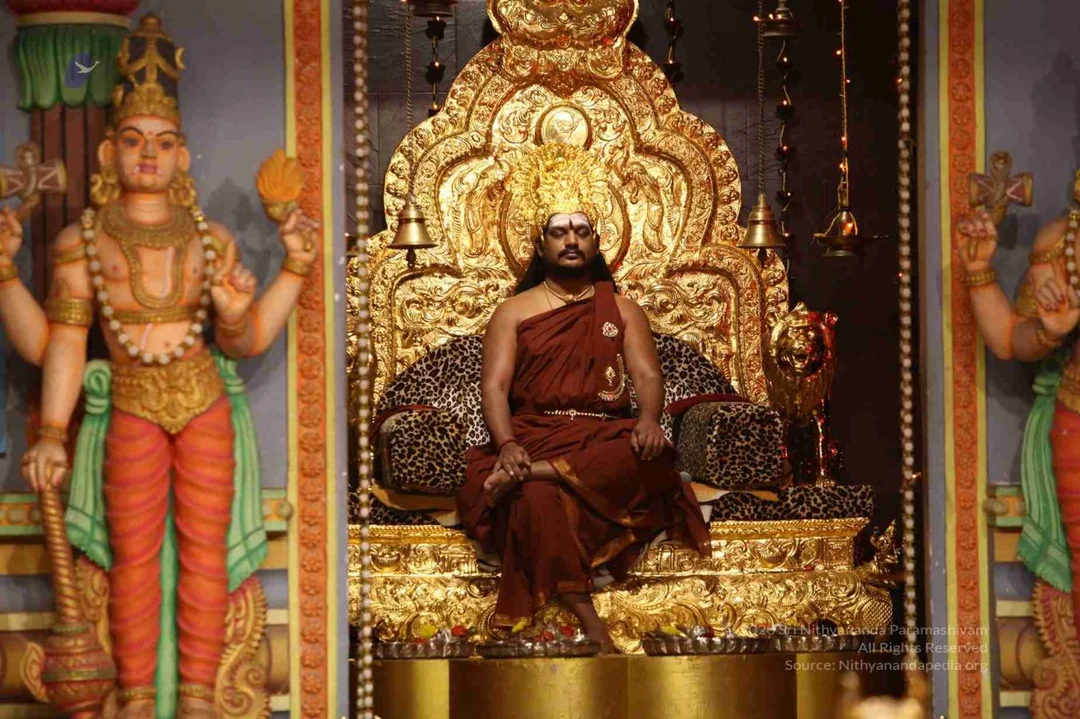 Darshan of His Divine Holiness Bhagavan Sri Nithyananda Paramashivam For Pratyaksha Pada Puja - The Celebration of Happening of The Avatar As Guru in our lives
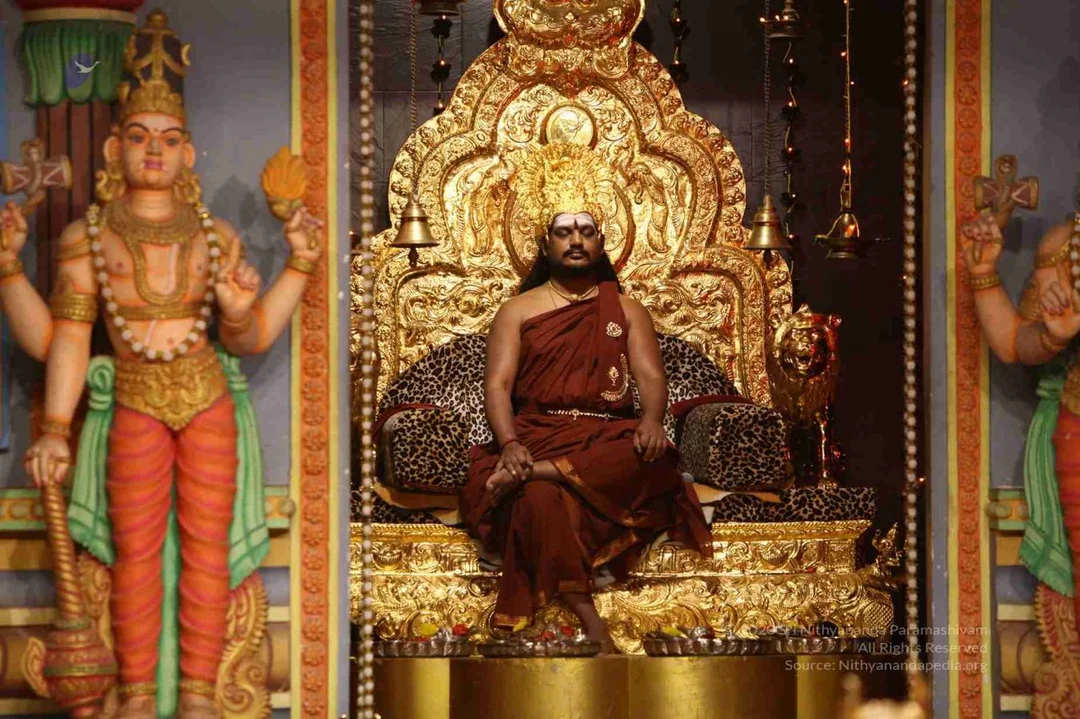 Darshan of His Divine Holiness Bhagavan Sri Nithyananda Paramashivam For Pratyaksha Pada Puja - The Celebration of Happening of The Avatar As Guru in our lives
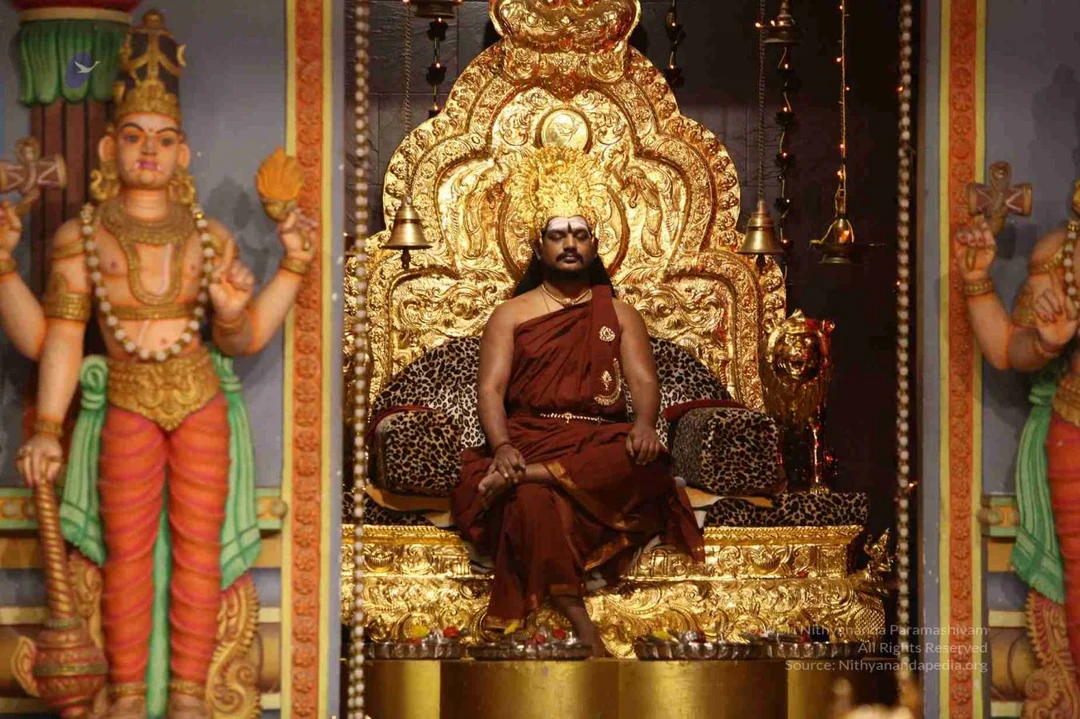 Darshan of His Divine Holiness Bhagavan Sri Nithyananda Paramashivam For Pratyaksha Pada Puja - The Celebration of Happening of The Avatar As Guru in our lives
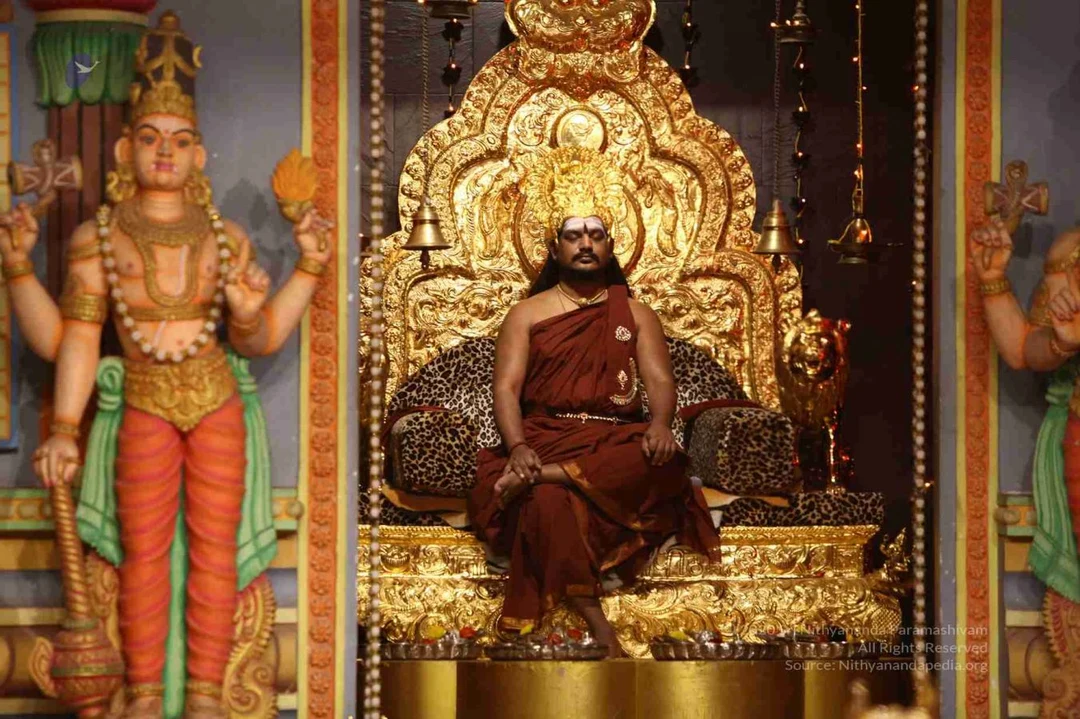 Darshan of His Divine Holiness Bhagavan Sri Nithyananda Paramashivam For Pratyaksha Pada Puja - The Celebration of Happening of The Avatar As Guru in our lives
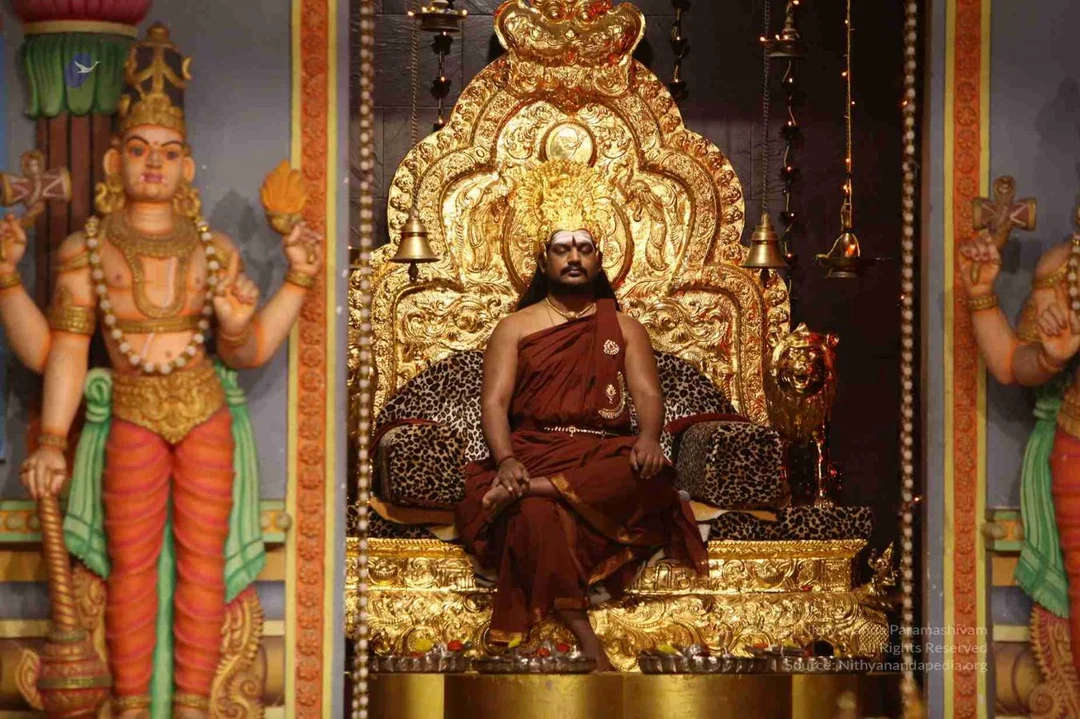 Darshan of His Divine Holiness Bhagavan Sri Nithyananda Paramashivam For Pratyaksha Pada Puja - The Celebration of Happening of The Avatar As Guru in our lives
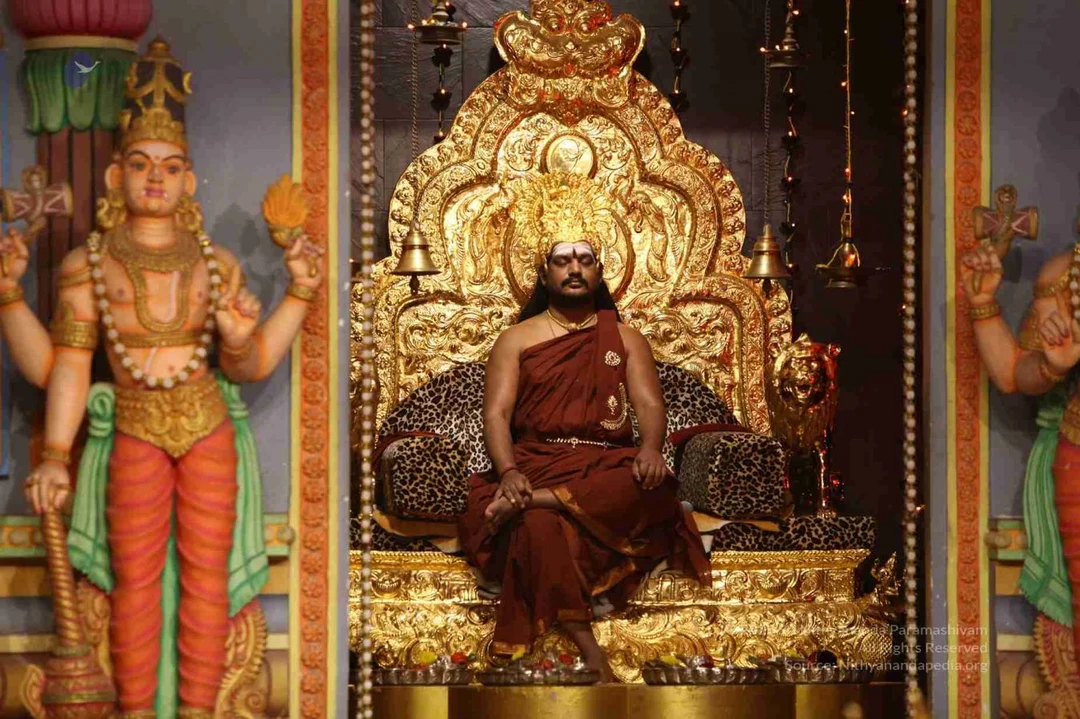 Darshan of His Divine Holiness Bhagavan Sri Nithyananda Paramashivam For Pratyaksha Pada Puja - The Celebration of Happening of The Avatar As Guru in our lives
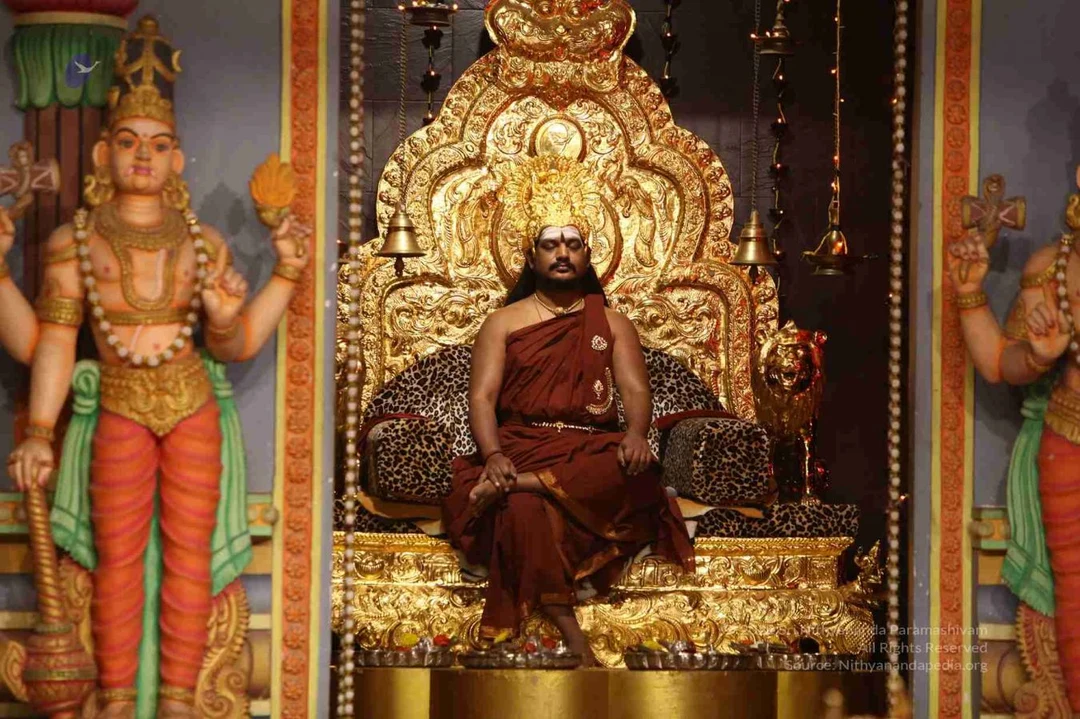 Darshan of His Divine Holiness Bhagavan Sri Nithyananda Paramashivam For Pratyaksha Pada Puja - The Celebration of Happening of The Avatar As Guru in our lives
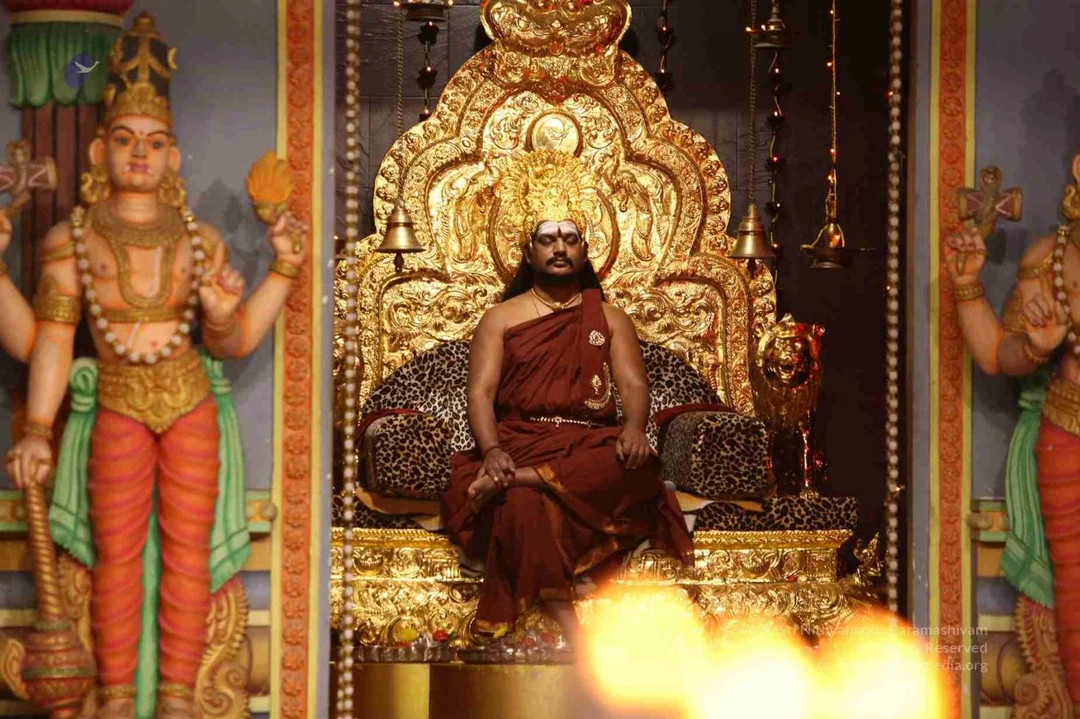 Darshan of His Divine Holiness Bhagavan Sri Nithyananda Paramashivam For Pratyaksha Pada Puja - The Celebration of Happening of The Avatar As Guru in our lives
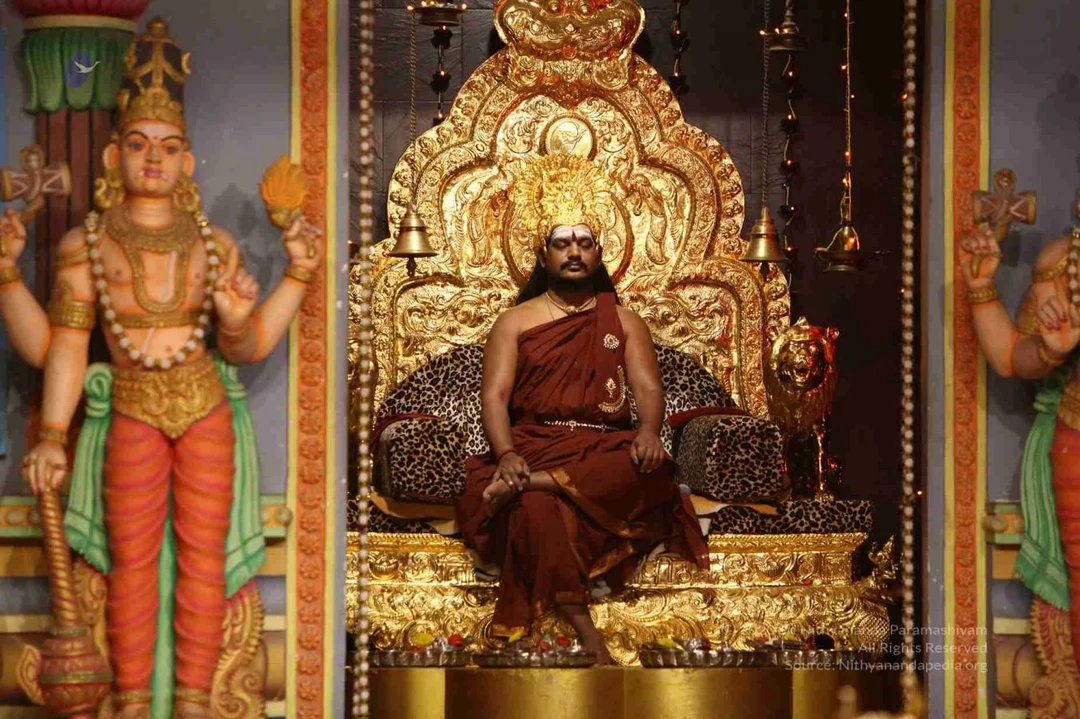 Darshan of His Divine Holiness Bhagavan Sri Nithyananda Paramashivam For Pratyaksha Pada Puja - The Celebration of Happening of The Avatar As Guru in our lives
 Darshan of His Divine Holiness Bhagavan Sri Nithyananda Paramashivam For Pratyaksha Pada Puja - The Celebration of Happening of The Avatar As Guru in our lives
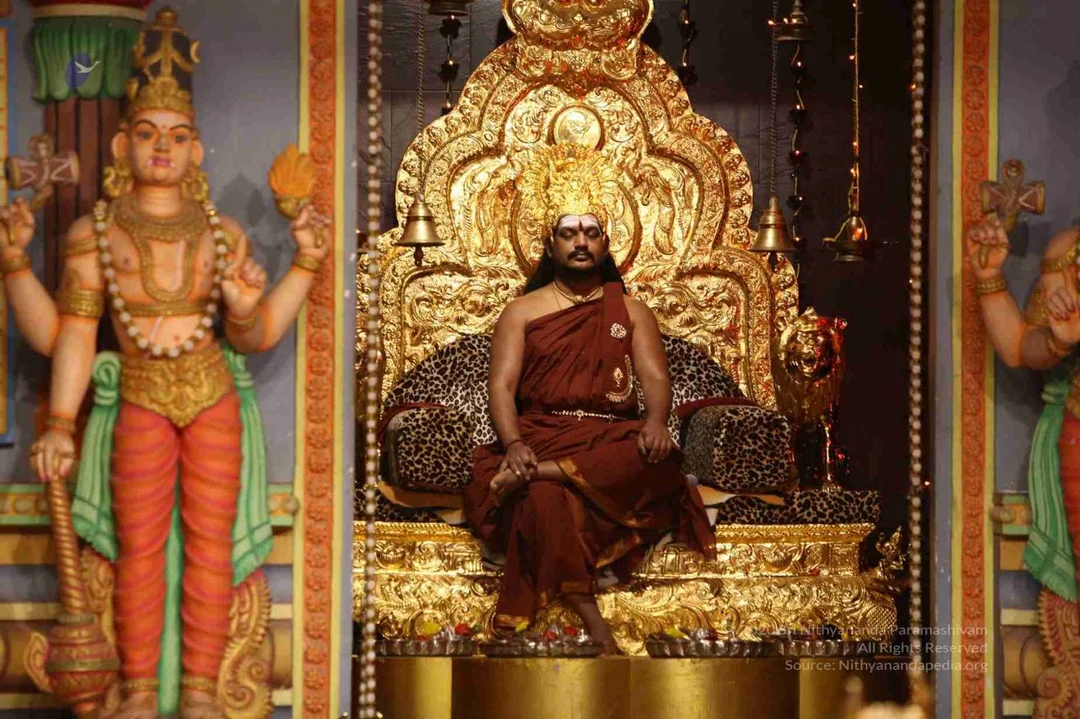 Darshan of His Divine Holiness Bhagavan Sri Nithyananda Paramashivam For Pratyaksha Pada Puja - The Celebration of Happening of The Avatar As Guru in our lives
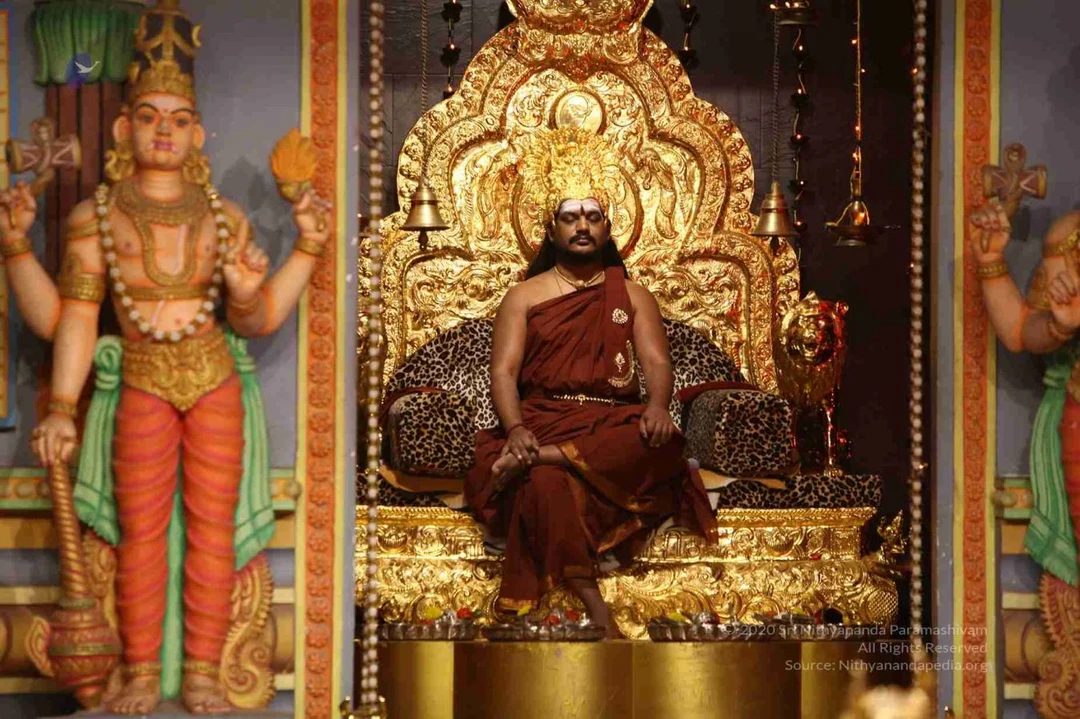 Darshan of His Divine Holiness Bhagavan Sri Nithyananda Paramashivam For Pratyaksha Pada Puja - The Celebration of Happening of The Avatar As Guru in our lives
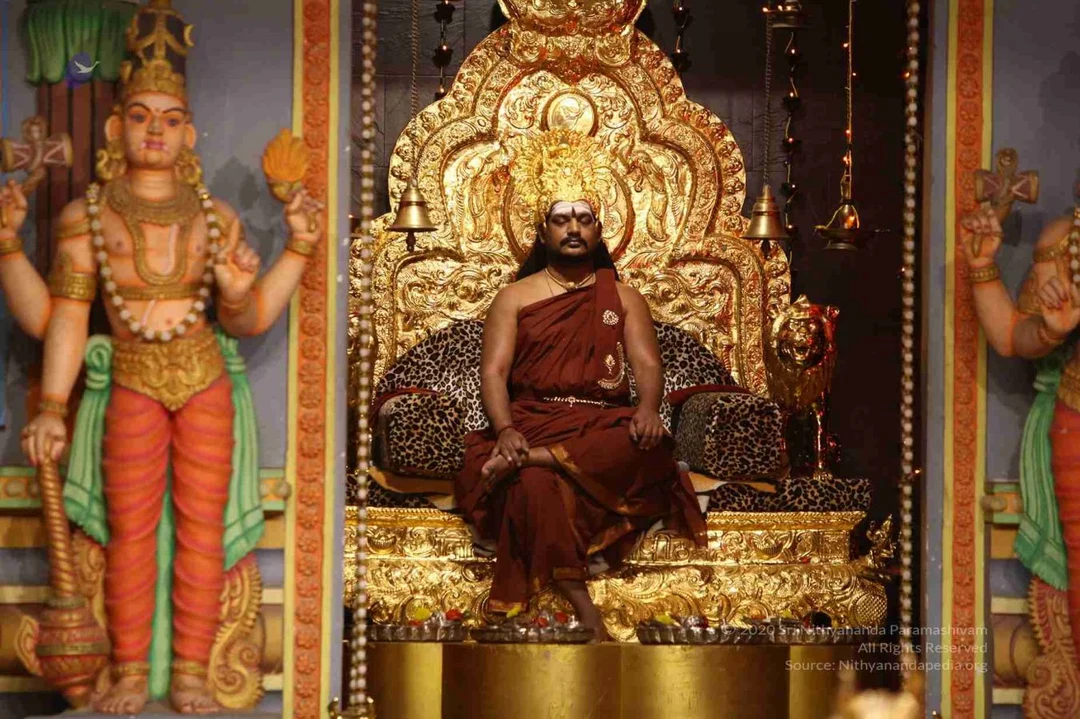 Darshan of His Divine Holiness Bhagavan Sri Nithyananda Paramashivam For Pratyaksha Pada Puja - The Celebration of Happening of The Avatar As Guru in our lives
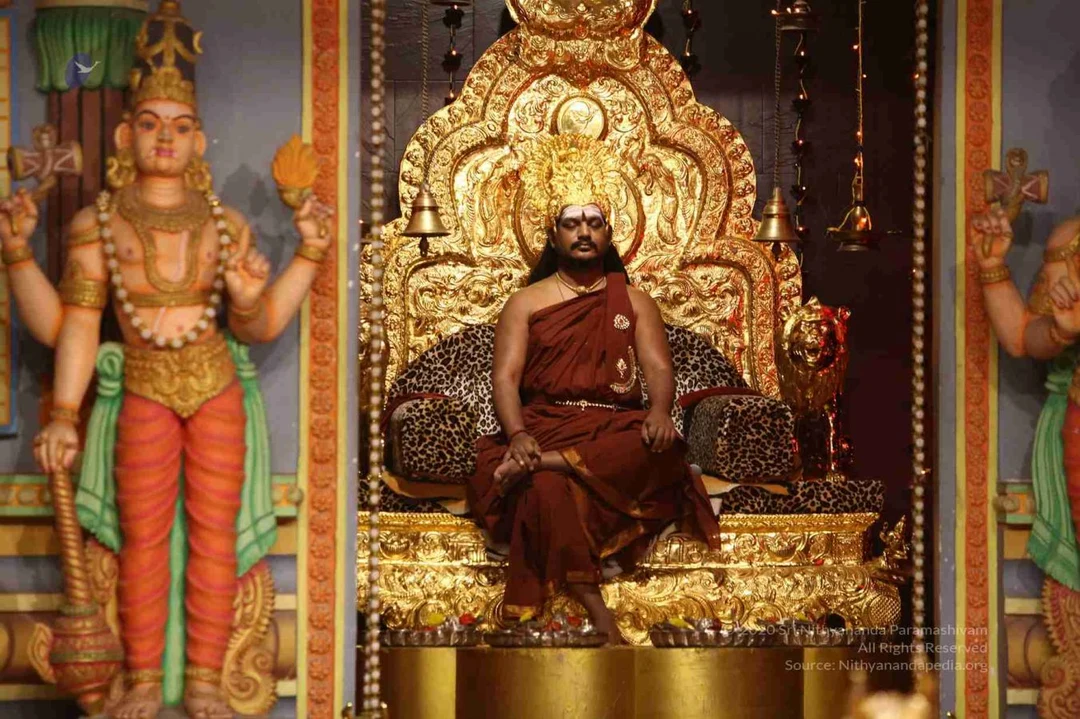 Darshan of His Divine Holiness Bhagavan Sri Nithyananda Paramashivam For Pratyaksha Pada Puja - The Celebration of Happening of The Avatar As Guru in our lives
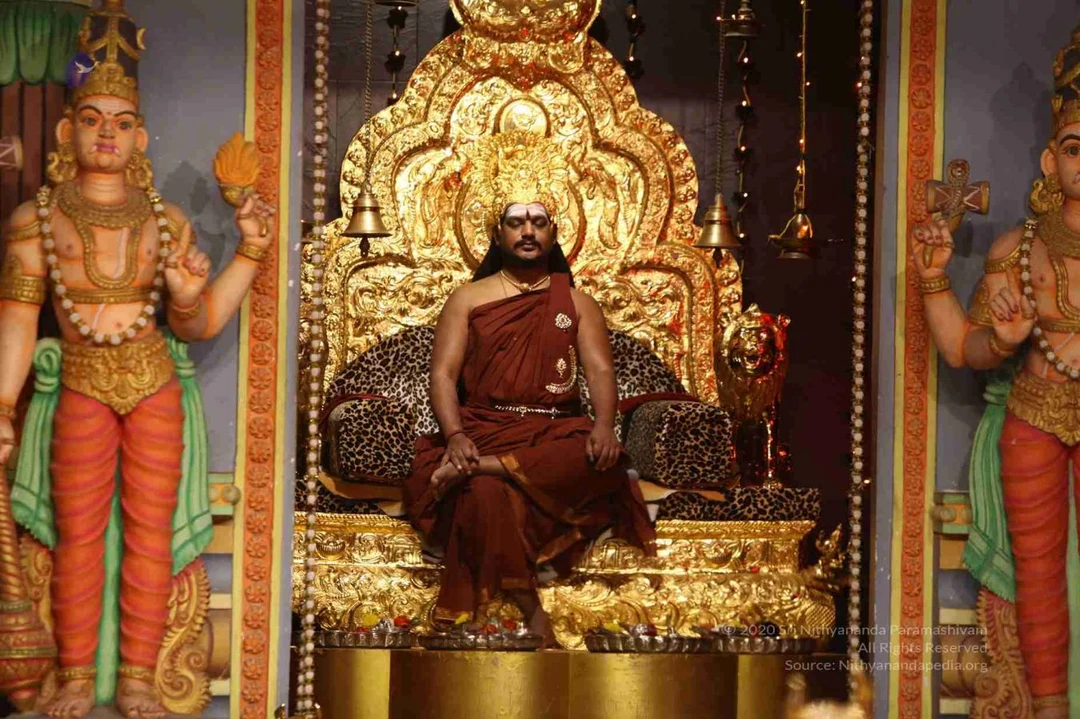 Darshan of His Divine Holiness Bhagavan Sri Nithyananda Paramashivam For Pratyaksha Pada Puja - The Celebration of Happening of The Avatar As Guru in our lives
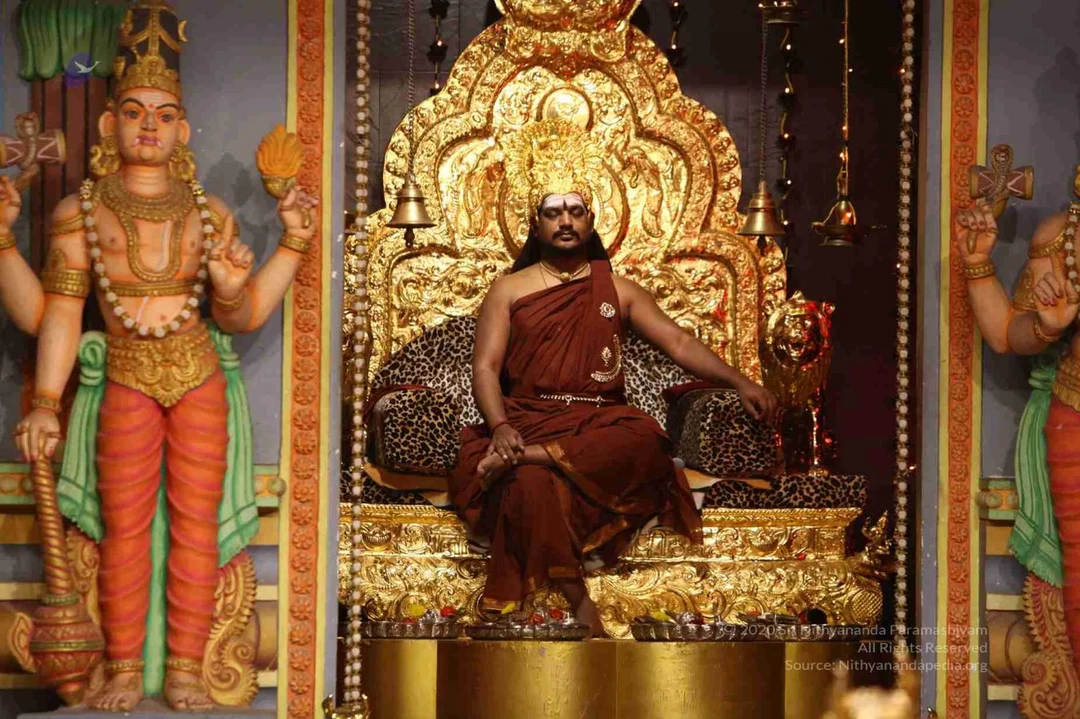 Darshan of His Divine Holiness Bhagavan Sri Nithyananda Paramashivam For Pratyaksha Pada Puja - The Celebration of Happening of The Avatar As Guru in our lives
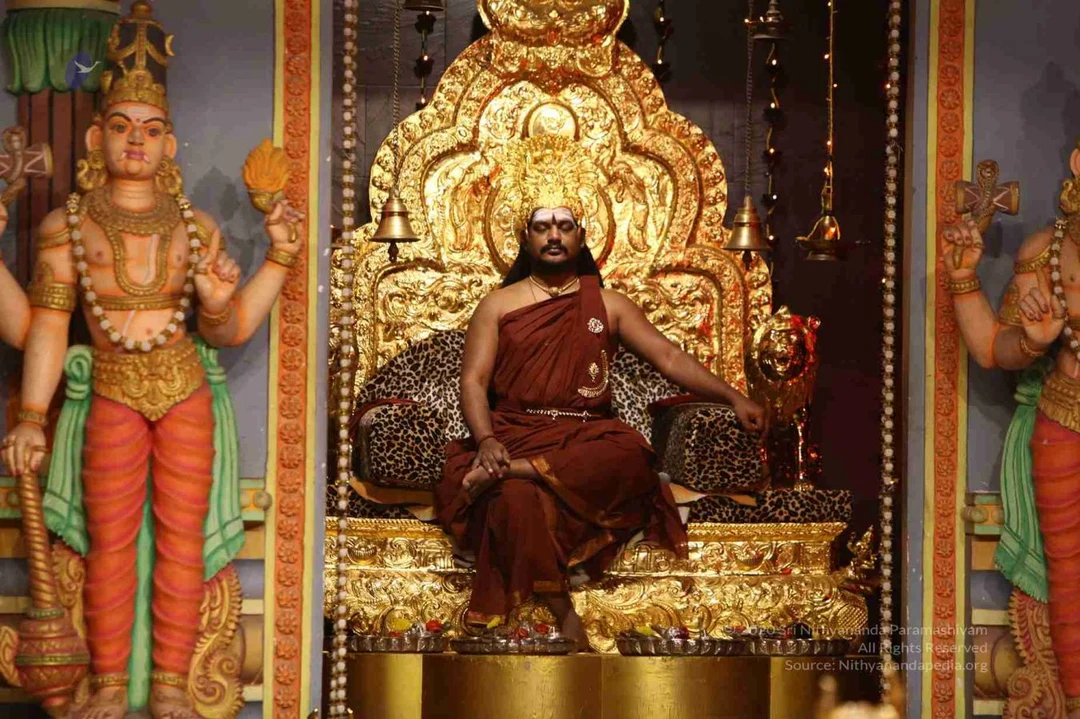 Darshan of His Divine Holiness Bhagavan Sri Nithyananda Paramashivam For Pratyaksha Pada Puja - The Celebration of Happening of The Avatar As Guru in our lives
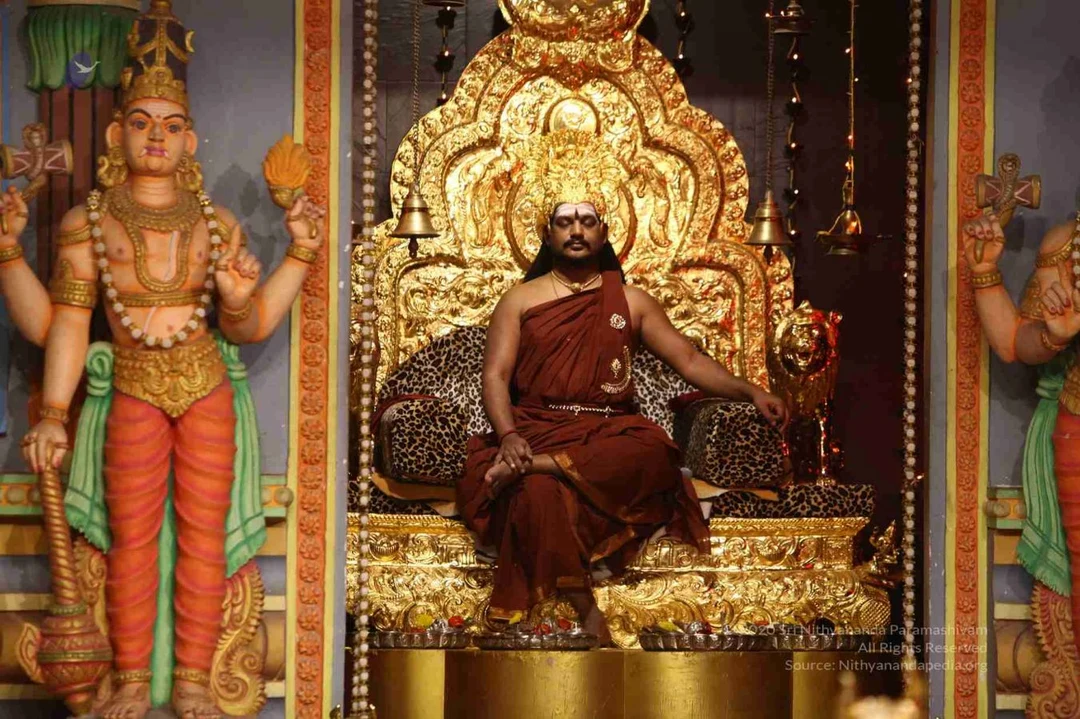 Darshan of His Divine Holiness Bhagavan Sri Nithyananda Paramashivam For Pratyaksha Pada Puja - The Celebration of Happening of The Avatar As Guru in our lives
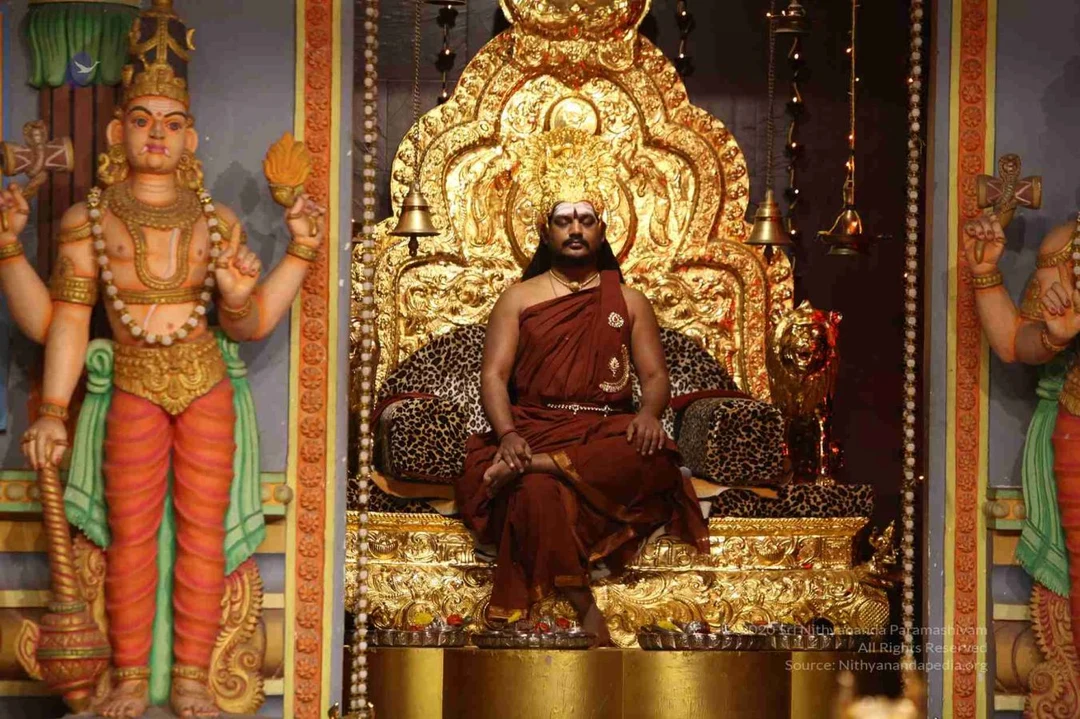 Darshan of His Divine Holiness Bhagavan Sri Nithyananda Paramashivam For Pratyaksha Pada Puja - The Celebration of Happening of The Avatar As Guru in our lives
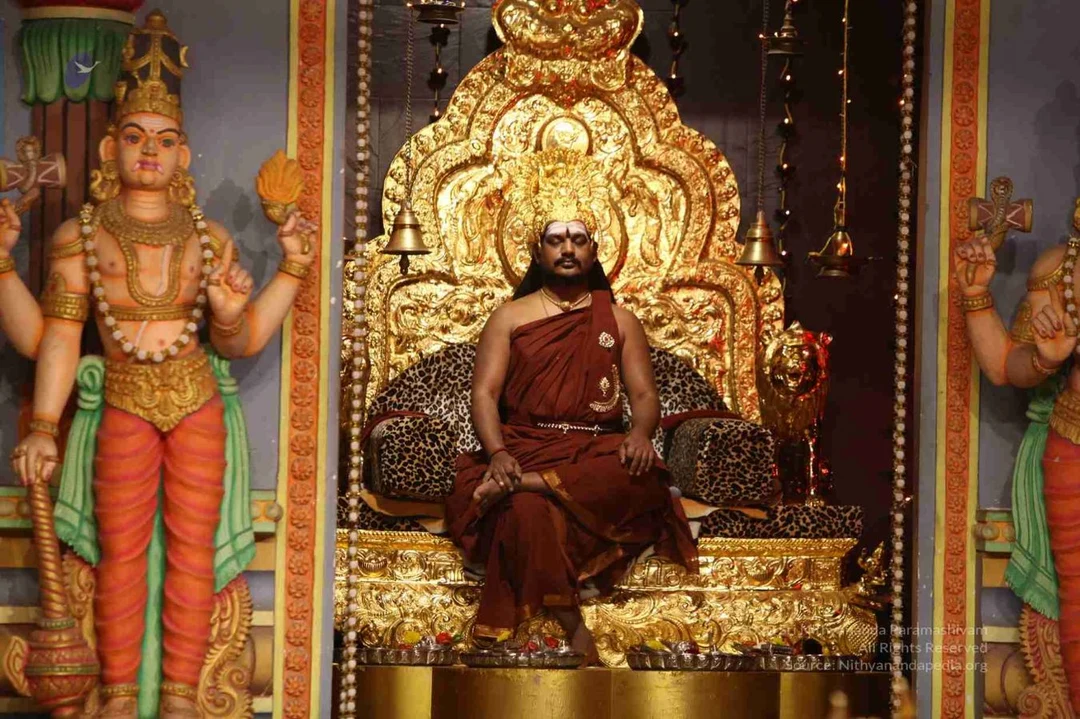 Darshan of His Divine Holiness Bhagavan Sri Nithyananda Paramashivam For Pratyaksha Pada Puja - The Celebration of Happening of The Avatar As Guru in our lives
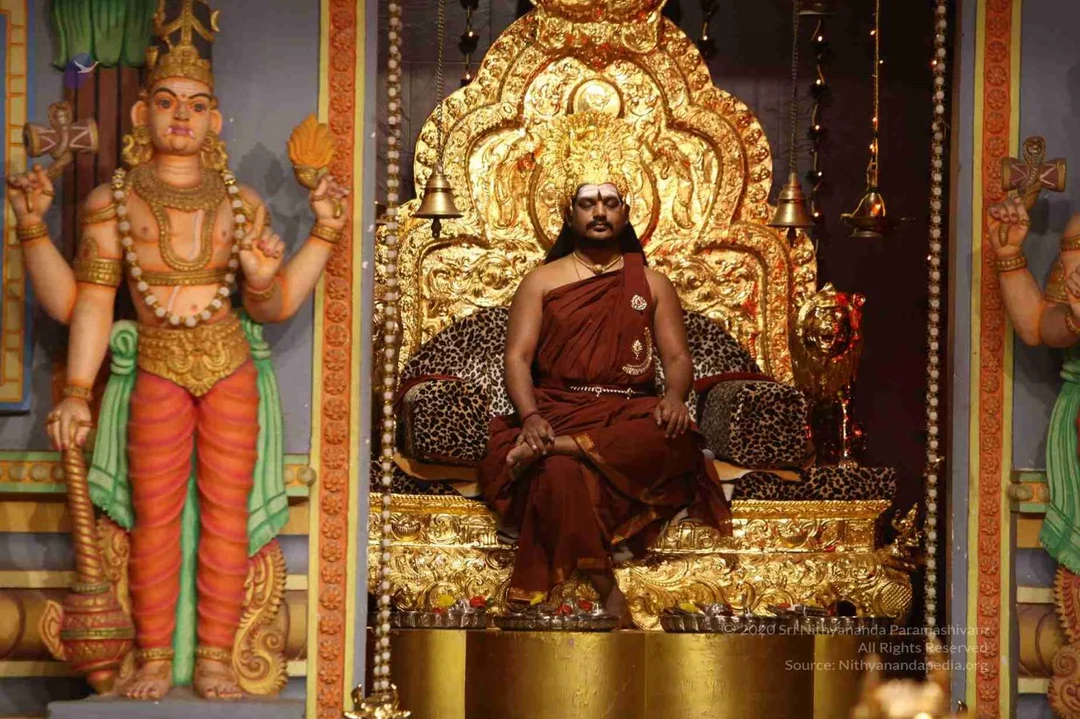 Darshan of His Divine Holiness Bhagavan Sri Nithyananda Paramashivam For Pratyaksha Pada Puja - The Celebration of Happening of The Avatar As Guru in our lives
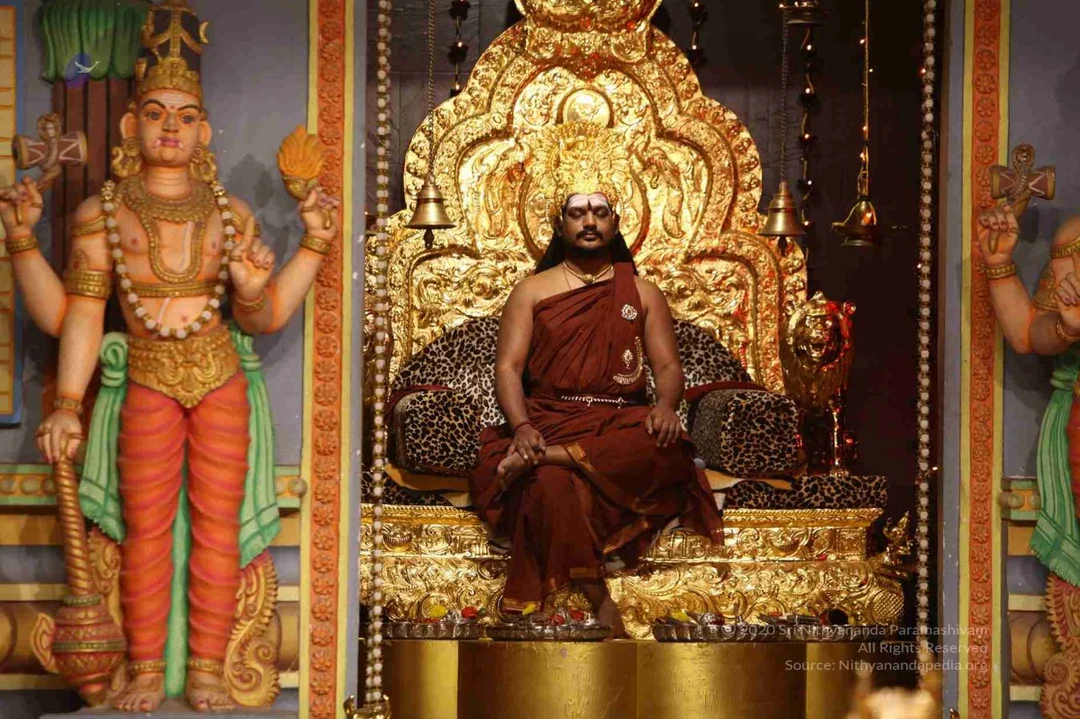 Darshan of His Divine Holiness Bhagavan Sri Nithyananda Paramashivam For Pratyaksha Pada Puja - The Celebration of Happening of The Avatar As Guru in our lives
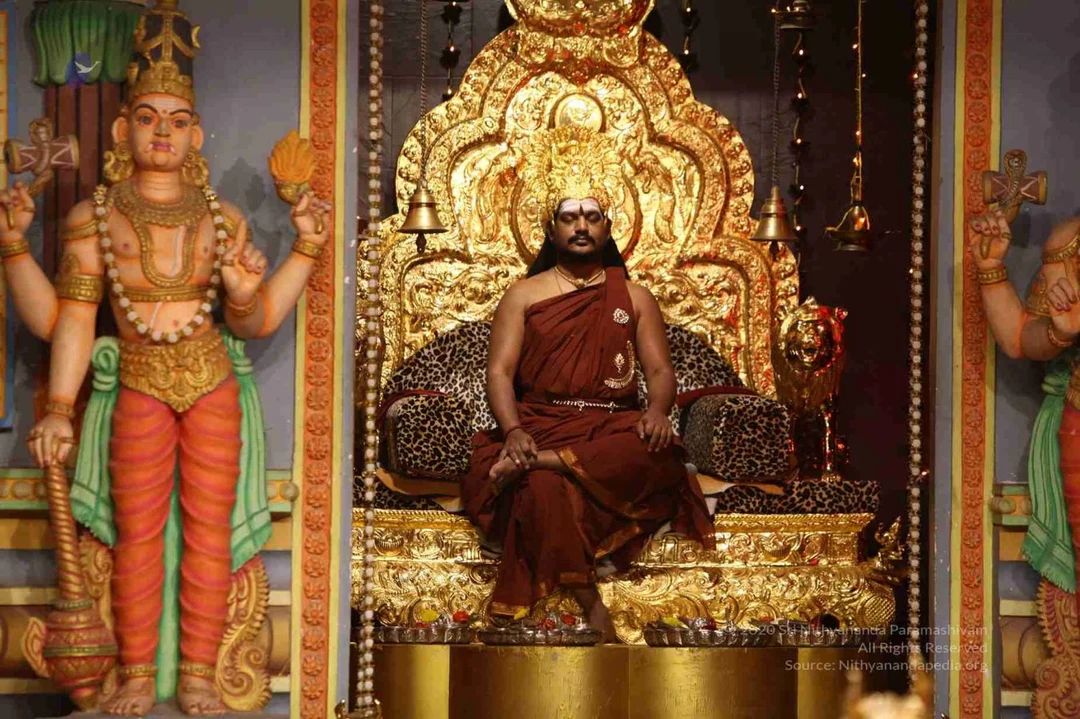 Darshan of His Divine Holiness Bhagavan Sri Nithyananda Paramashivam For Pratyaksha Pada Puja - The Celebration of Happening of The Avatar As Guru in our lives
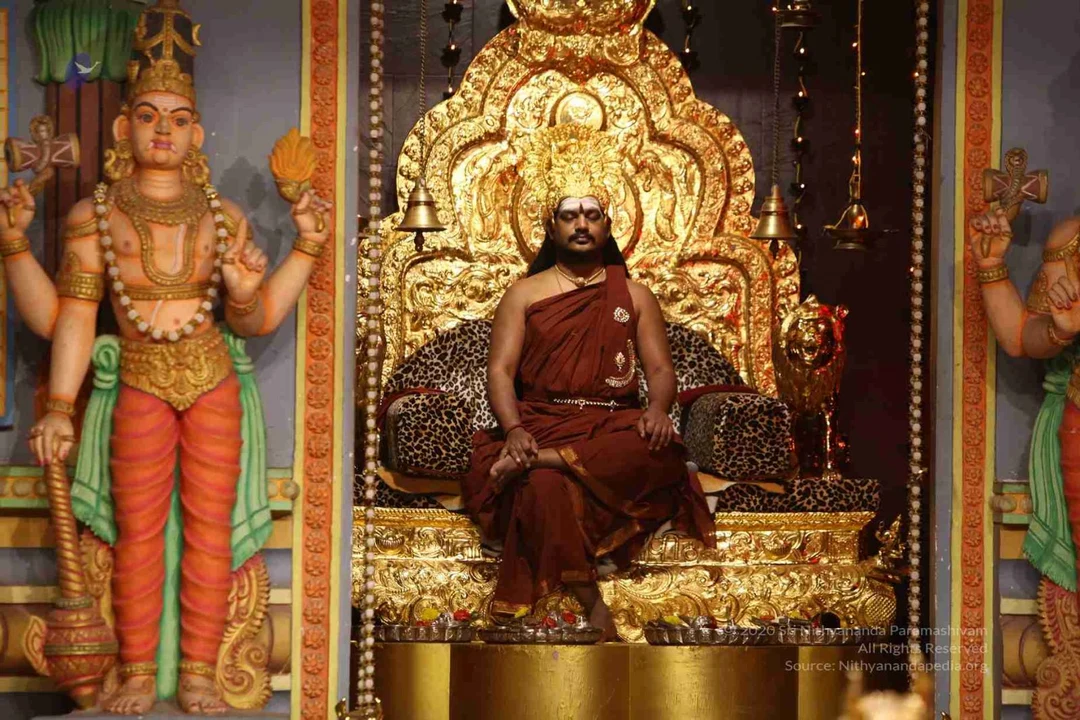 Darshan of His Divine Holiness Bhagavan Sri Nithyananda Paramashivam For Pratyaksha Pada Puja - The Celebration of Happening of The Avatar As Guru in our lives
 Darshan of His Divine Holiness Bhagavan Sri Nithyananda Paramashivam For Pratyaksha Pada Puja - The Celebration of Happening of The Avatar As Guru in our lives
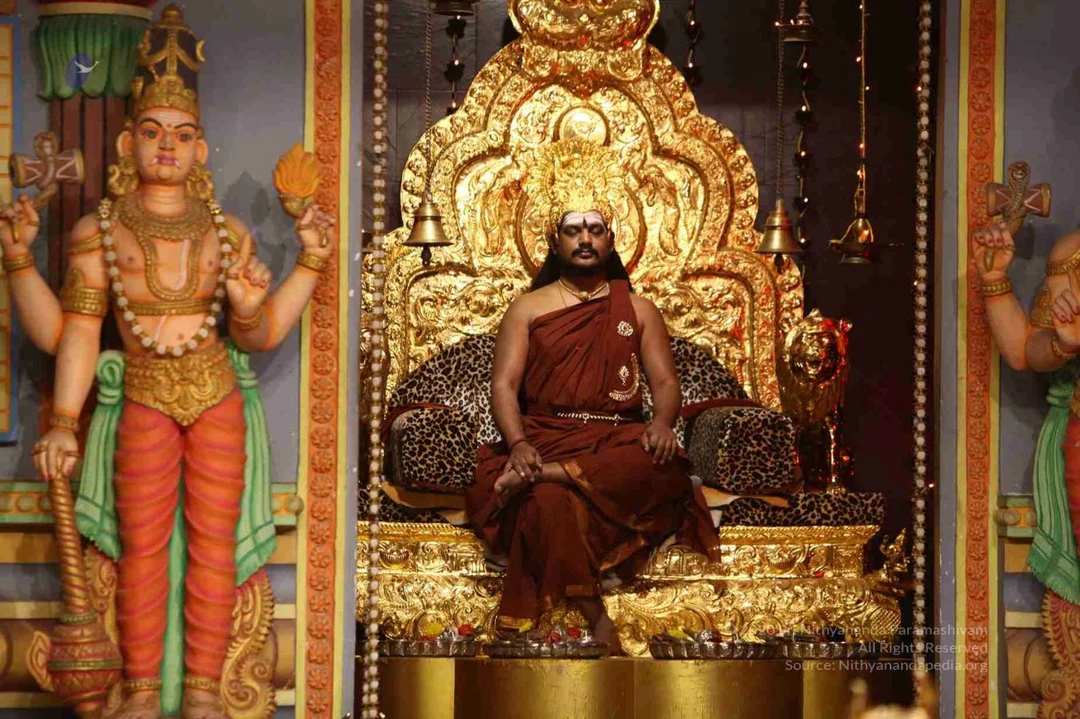 Darshan of His Divine Holiness Bhagavan Sri Nithyananda Paramashivam For Pratyaksha Pada Puja - The Celebration of Happening of The Avatar As Guru in our lives
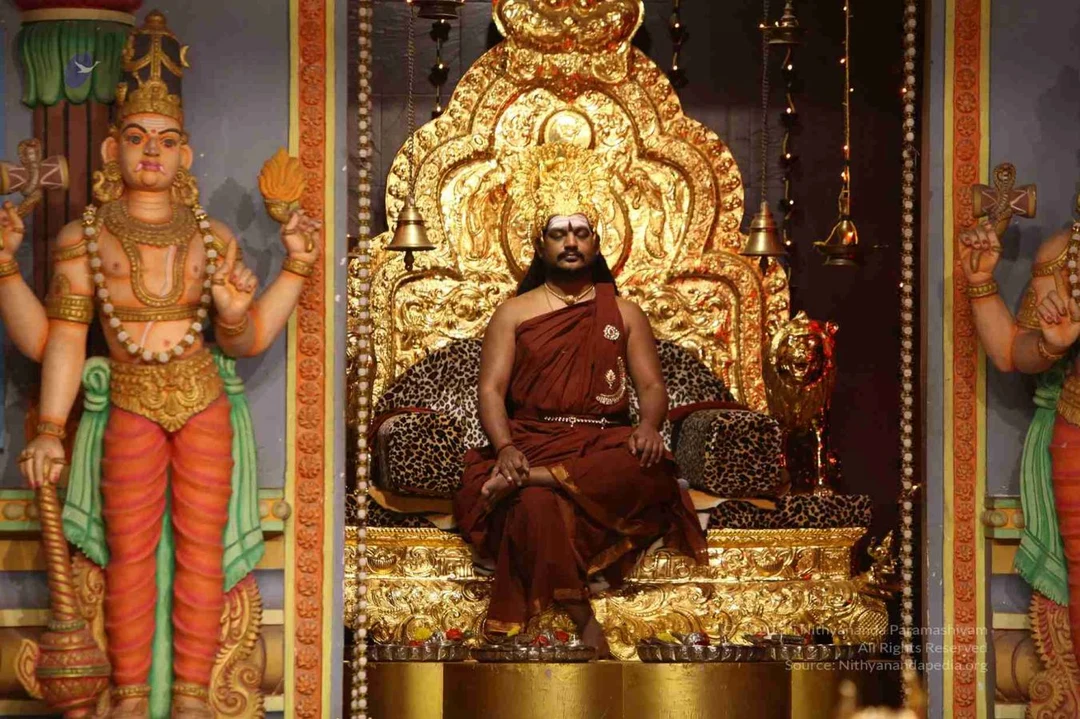 Darshan of His Divine Holiness Bhagavan Sri Nithyananda Paramashivam For Pratyaksha Pada Puja - The Celebration of Happening of The Avatar As Guru in our lives
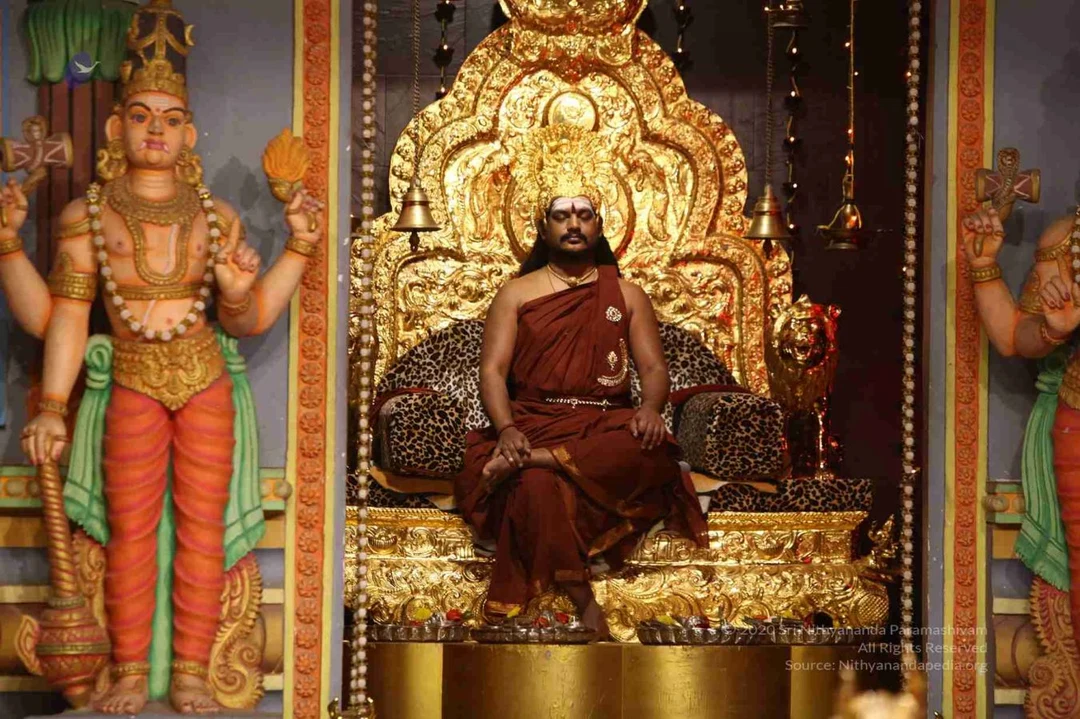 Darshan of His Divine Holiness Bhagavan Sri Nithyananda Paramashivam For Pratyaksha Pada Puja - The Celebration of Happening of The Avatar As Guru in our lives
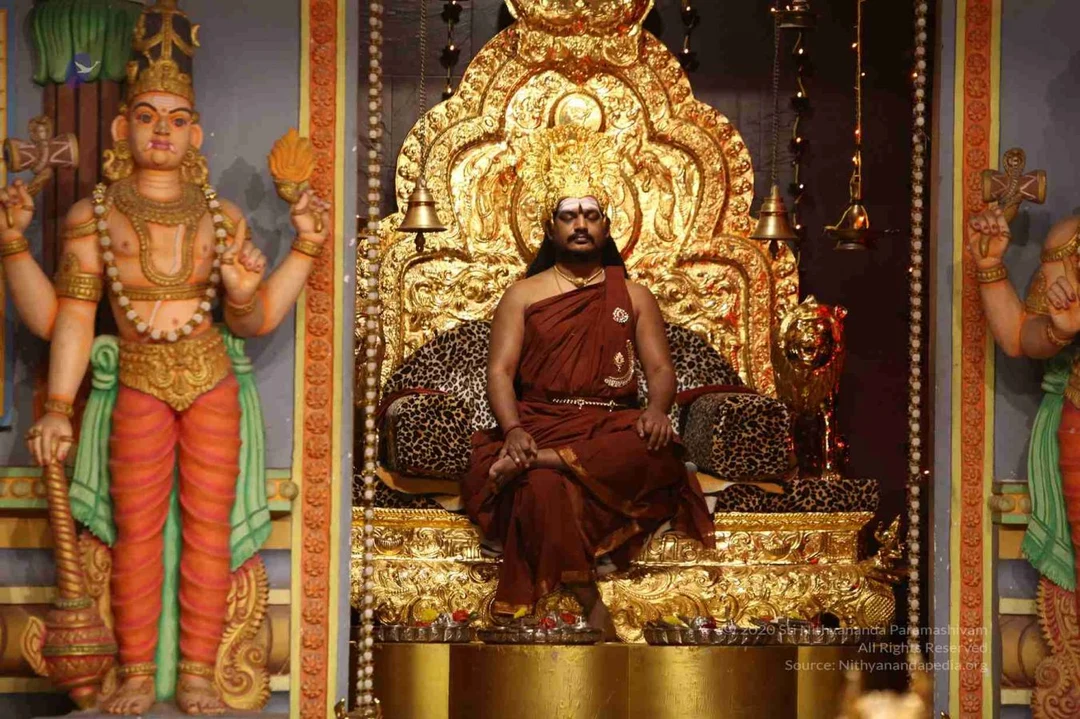 Darshan of His Divine Holiness Bhagavan Sri Nithyananda Paramashivam For Pratyaksha Pada Puja - The Celebration of Happening of The Avatar As Guru in our lives
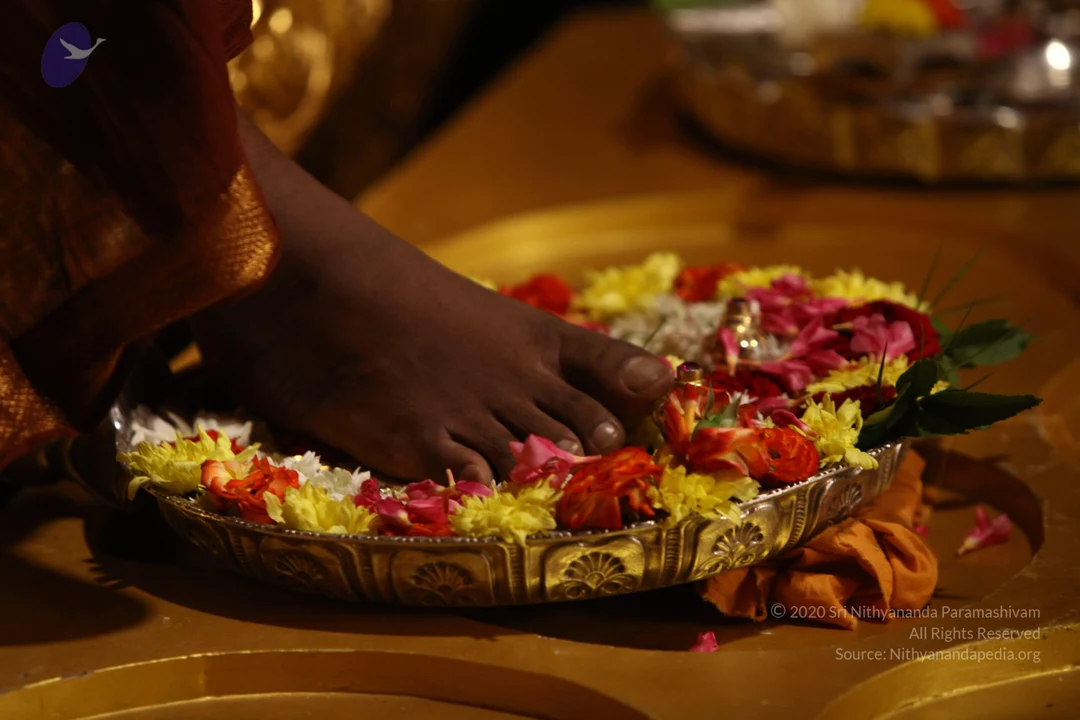
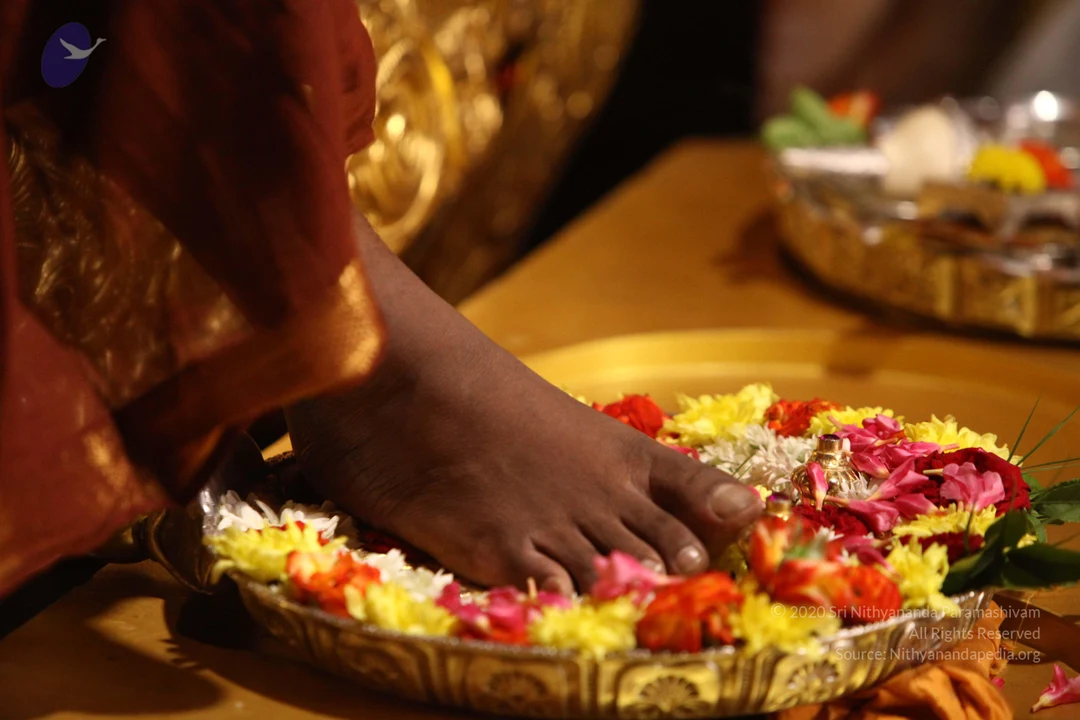
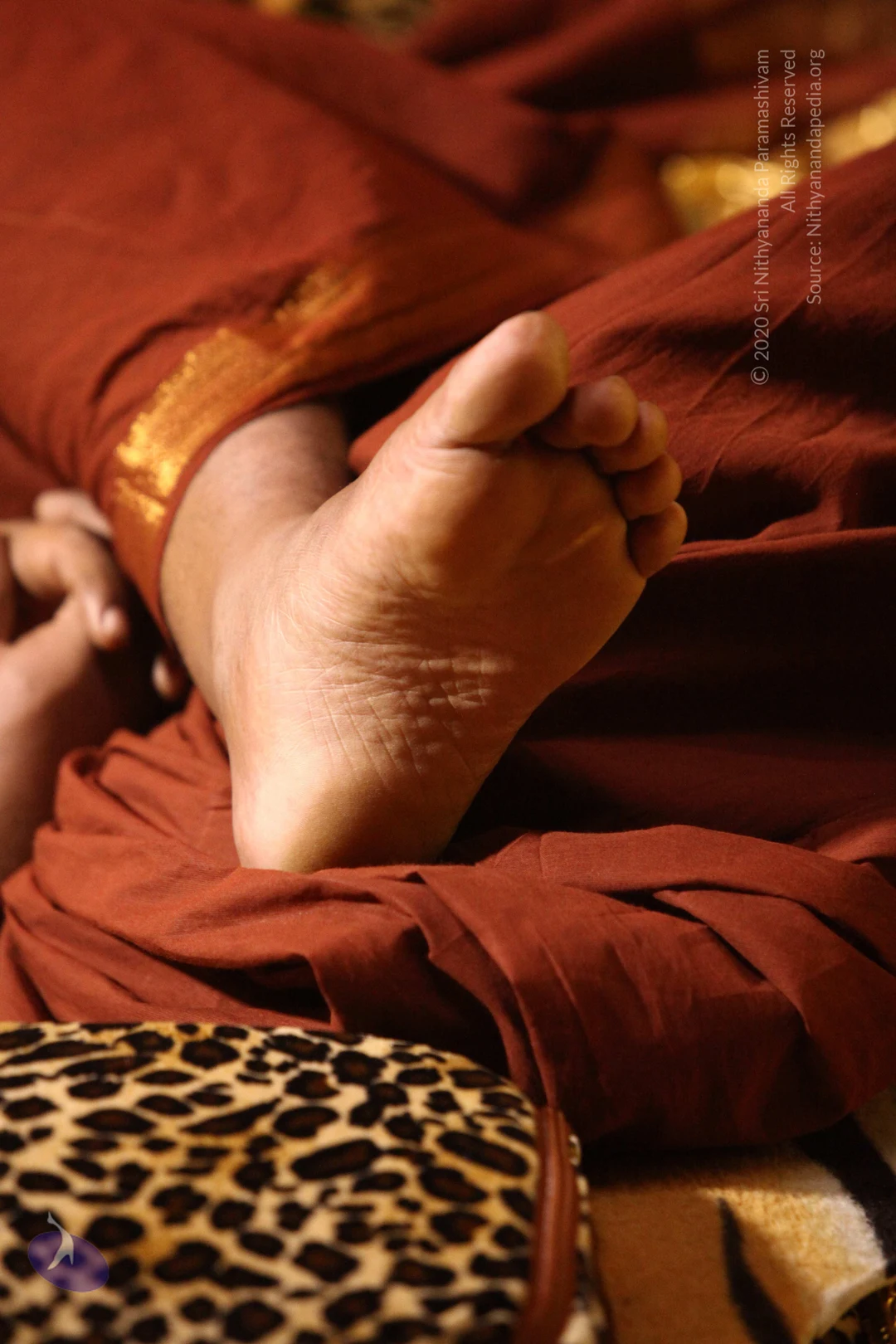
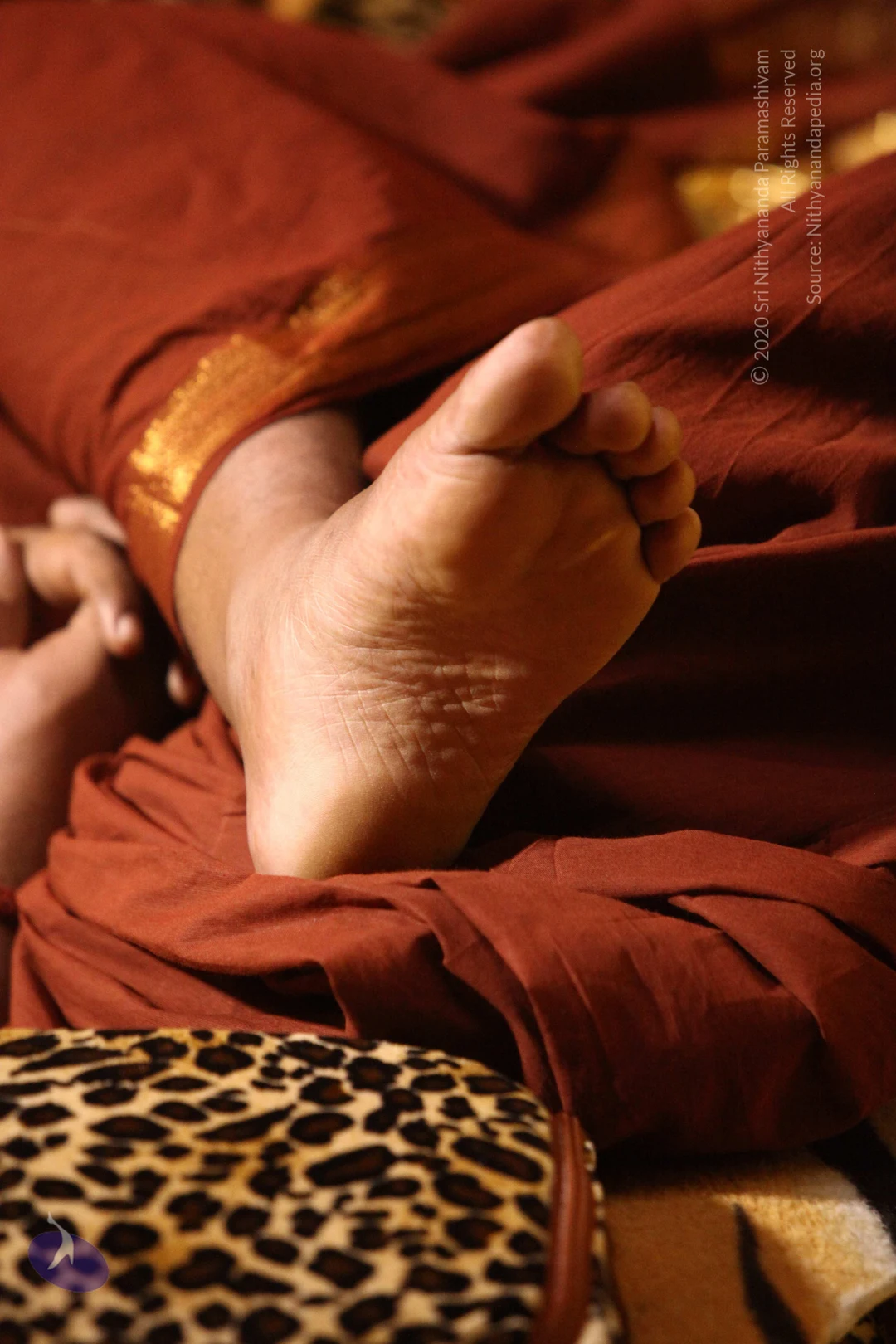
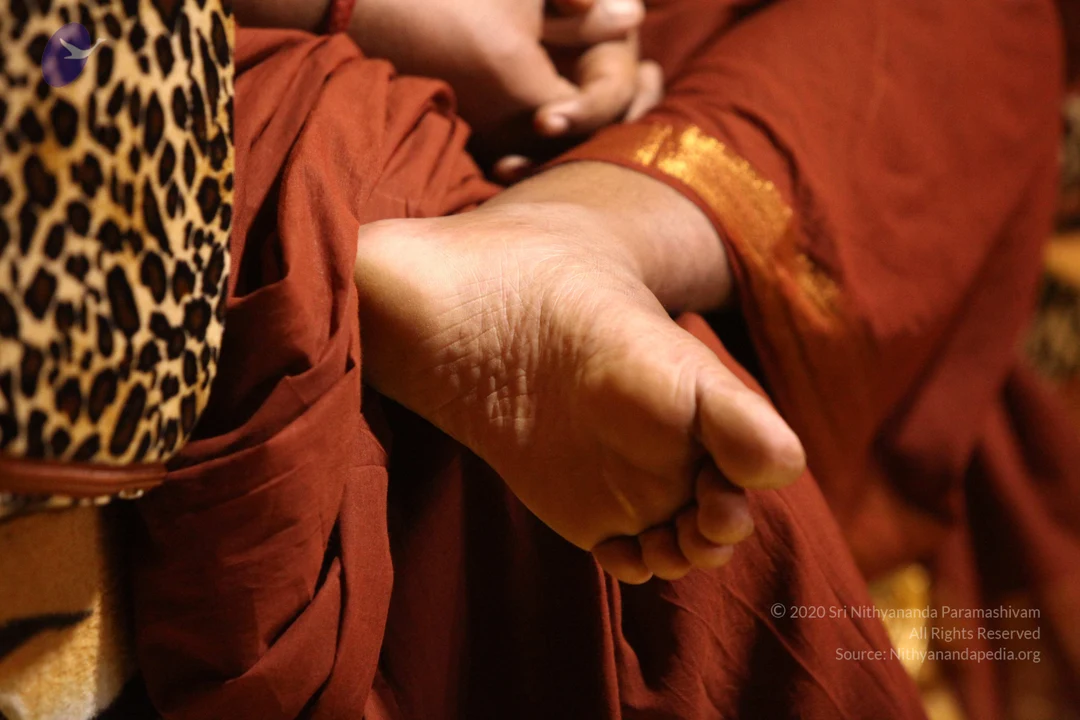
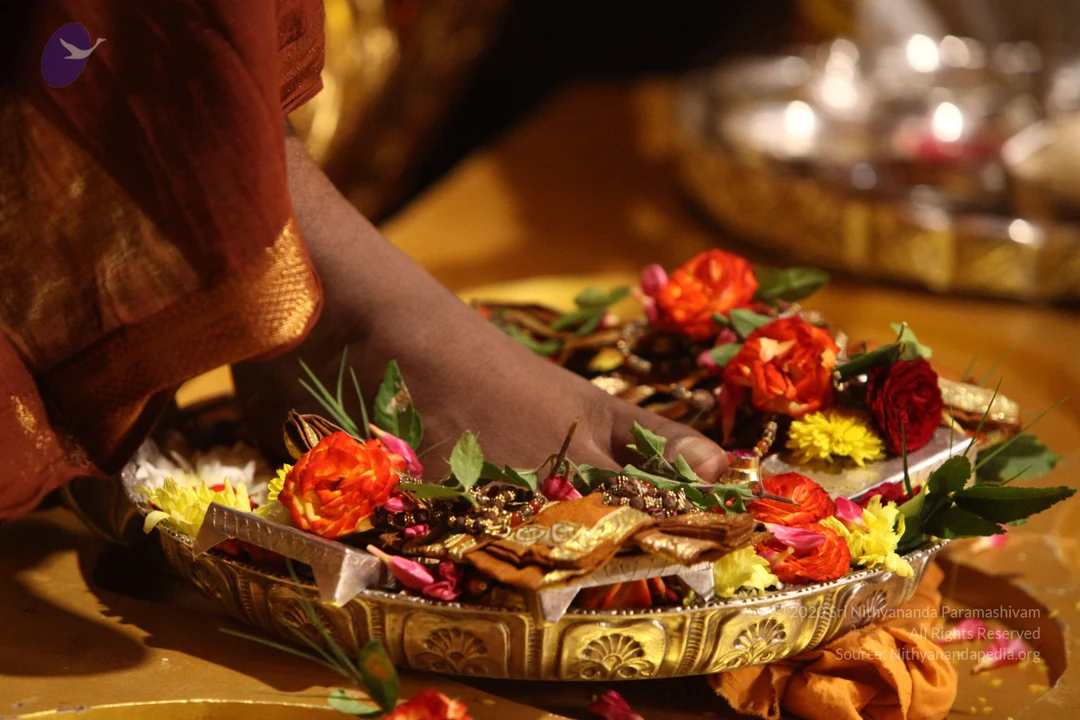
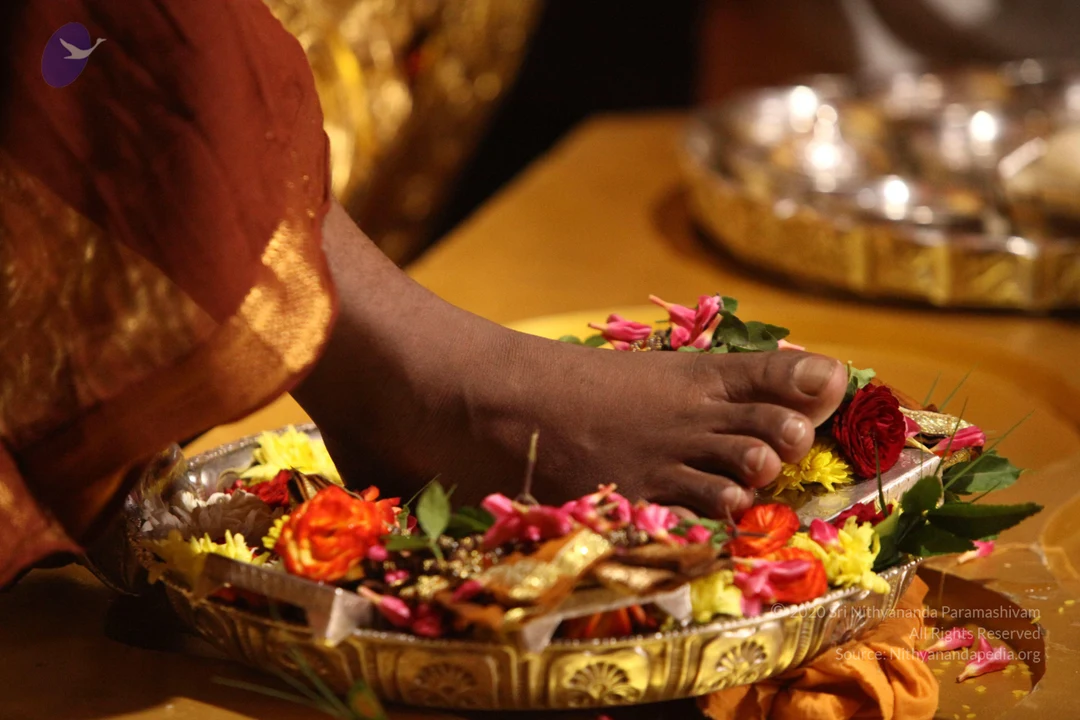
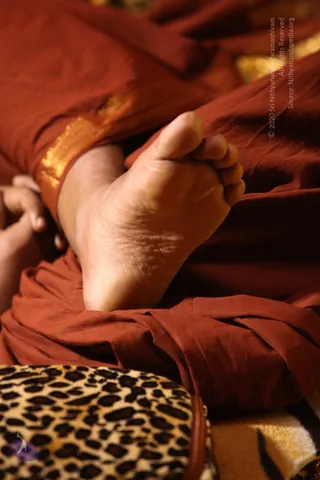
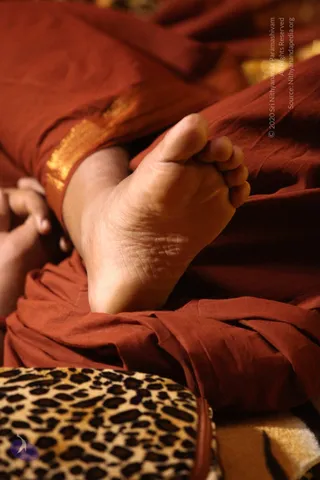
 The Divine Lotus Feet of His Holiness Bhagavan Sri Nithyananda Paramashivam
 The Divine Lotus Feet of His Holiness Bhagavan Sri Nithyananda Paramashivam
 The Divine Lotus Feet of His Holiness Bhagavan Sri Nithyananda Paramashivam
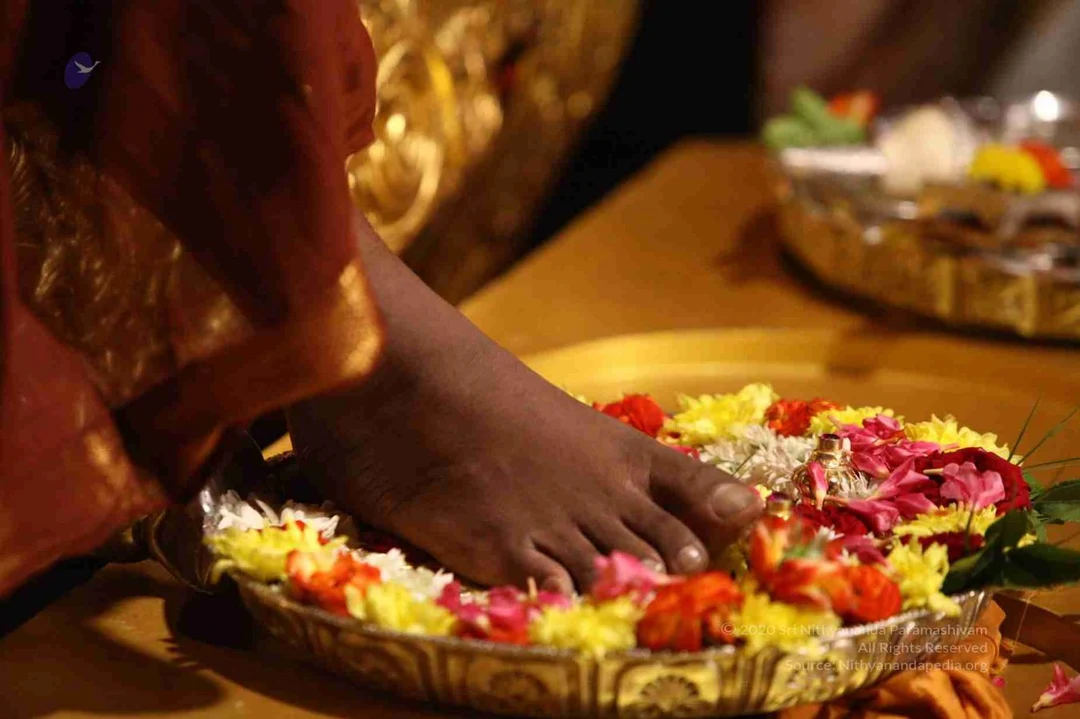 The Divine Lotus Feet of His Holiness Bhagavan Sri Nithyananda Paramashivam
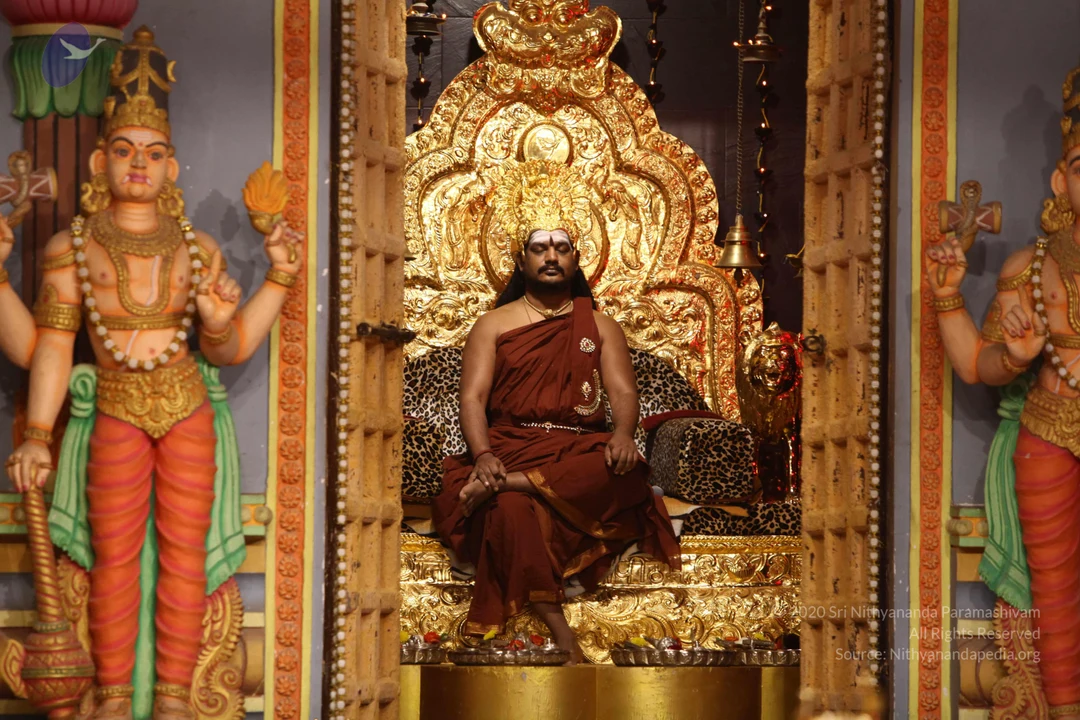
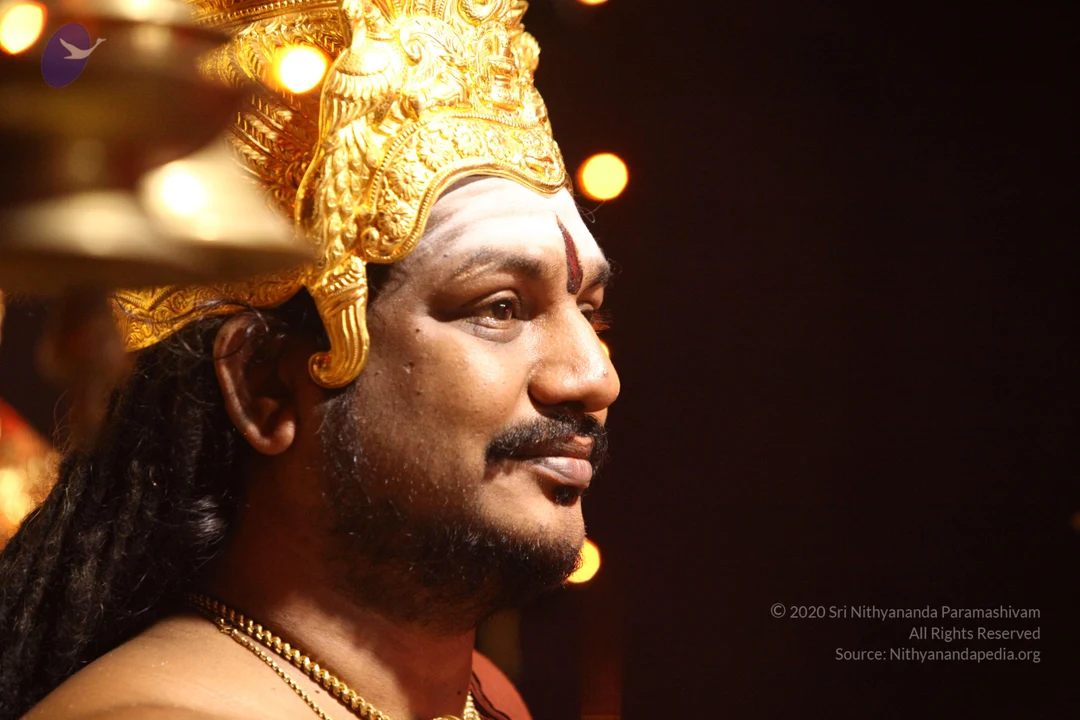
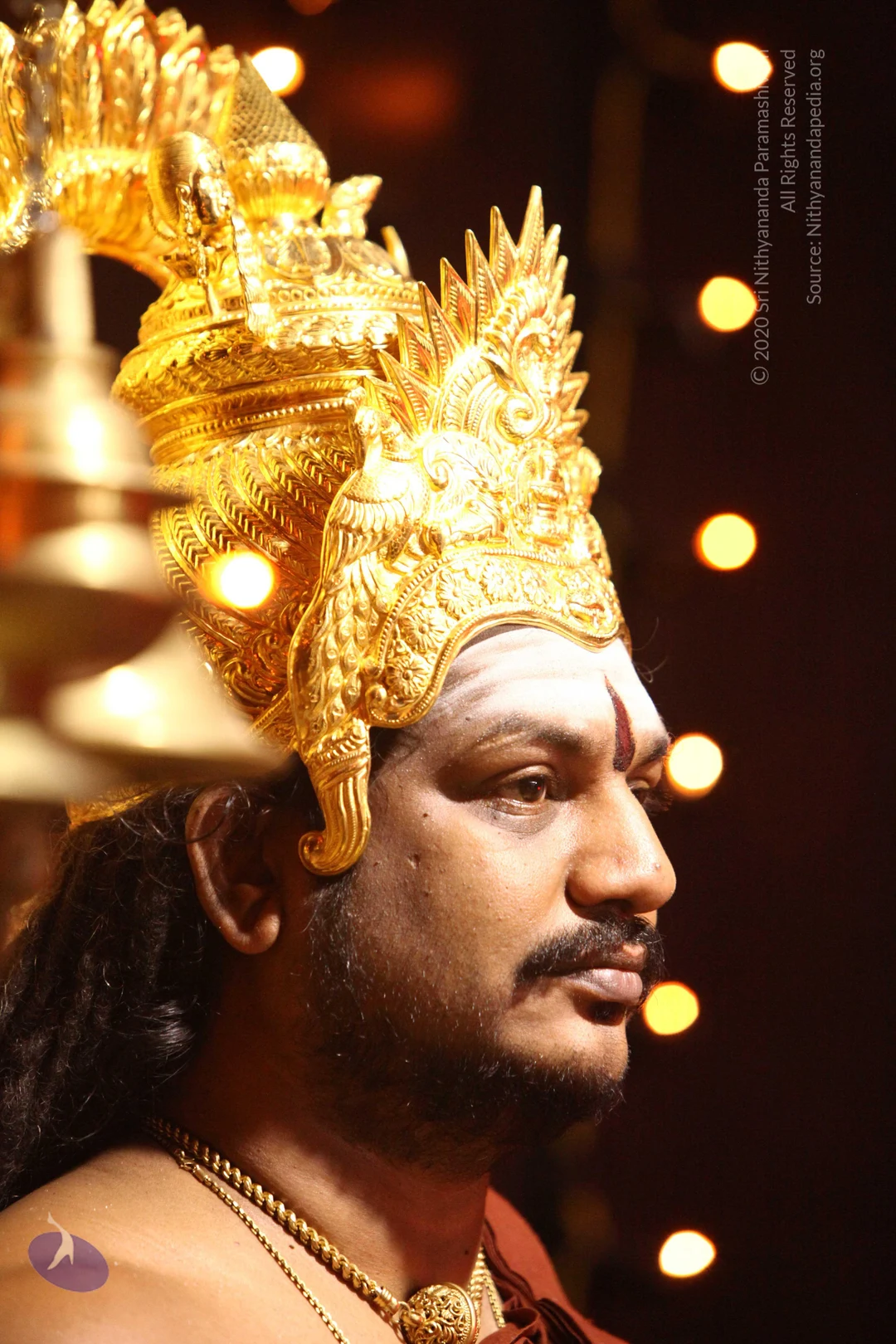
 Divine Darshan of His Holiness Bhagavan Sri Nithyananda Paramashivam blessing the world from the space of Samadhi - Oneness with the Source
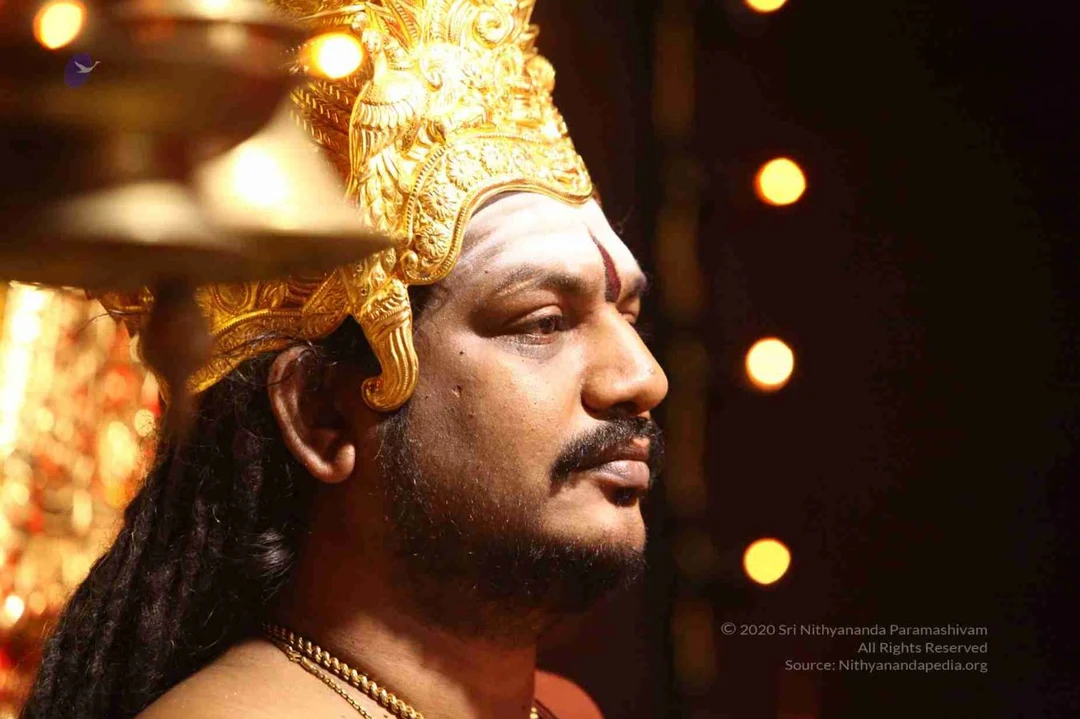 Divine Darshan of His Holiness Bhagavan Sri Nithyananda Paramashivam blessing the world from the space of Samadhi - Oneness with the Source
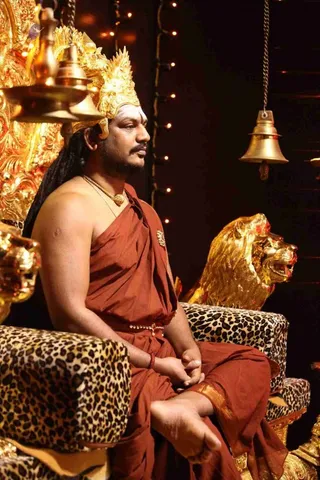 Divine Darshan of His Holiness Bhagavan Sri Nithyananda Paramashivam blessing the world from the space of Samadhi - Oneness with the Source
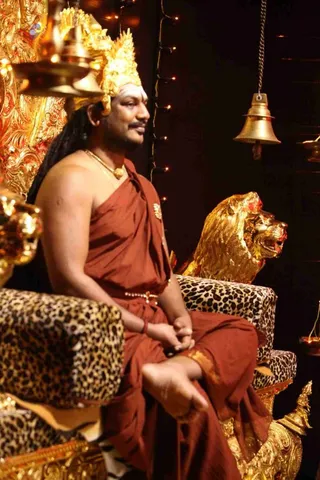 Divine Darshan of His Holiness Bhagavan Sri Nithyananda Paramashivam blessing the world from the space of Samadhi - Oneness with the Source
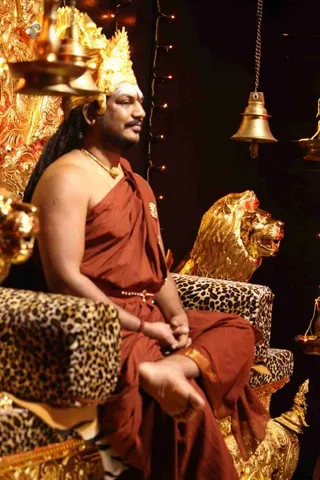 Divine Darshan of His Holiness Bhagavan Sri Nithyananda Paramashivam blessing the world from the space of Samadhi - Oneness with the Source
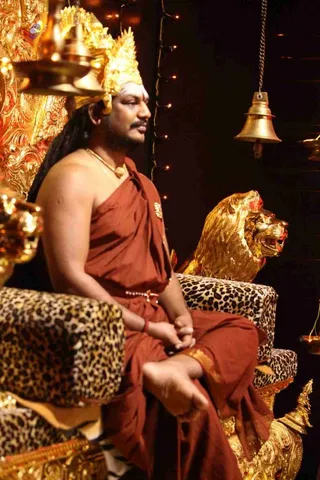 Divine Darshan of His Holiness Bhagavan Sri Nithyananda Paramashivam blessing the world from the space of Samadhi - Oneness with the Source
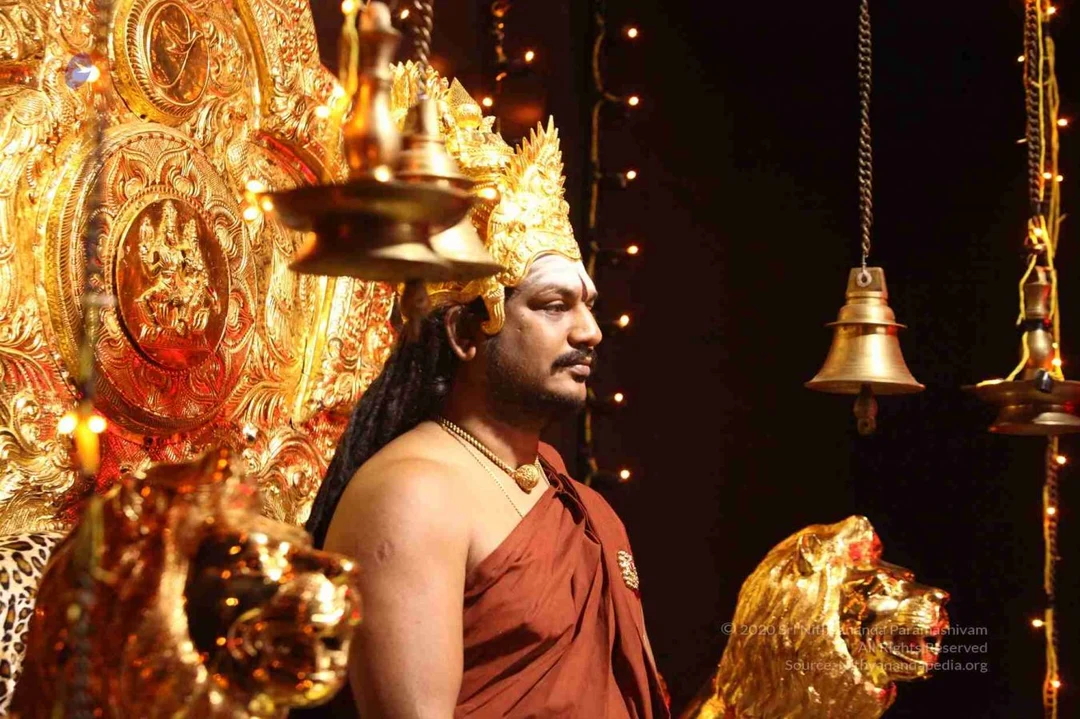 Divine Darshan of His Holiness Bhagavan Sri Nithyananda Paramashivam blessing the world from the space of Samadhi - Oneness with the Source
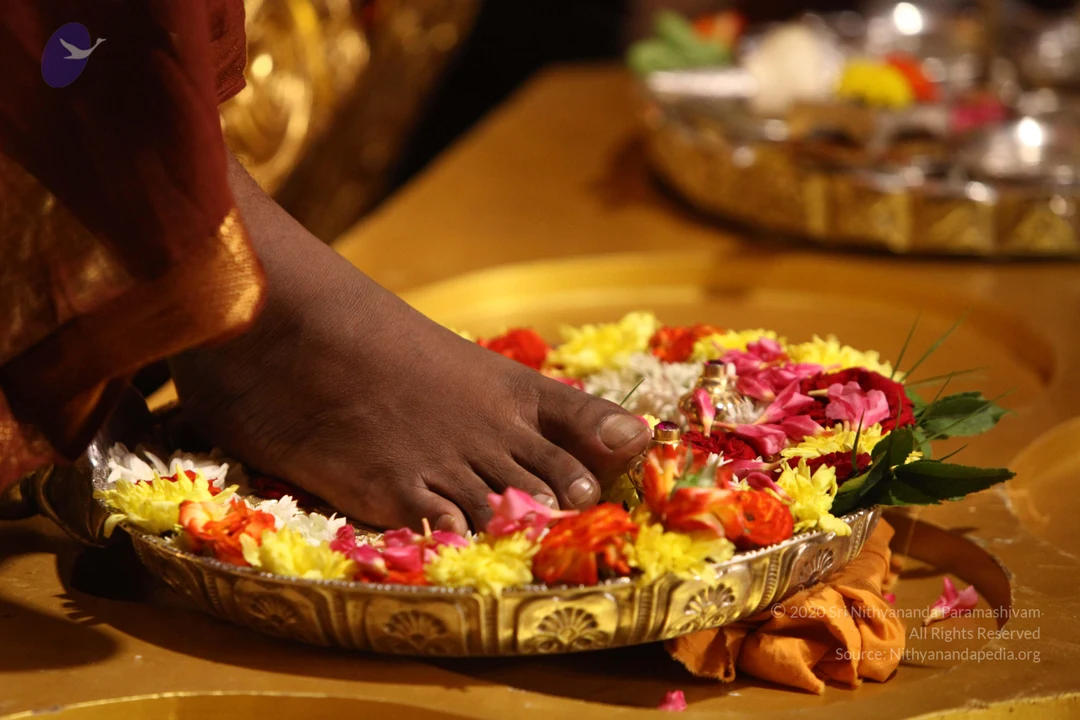
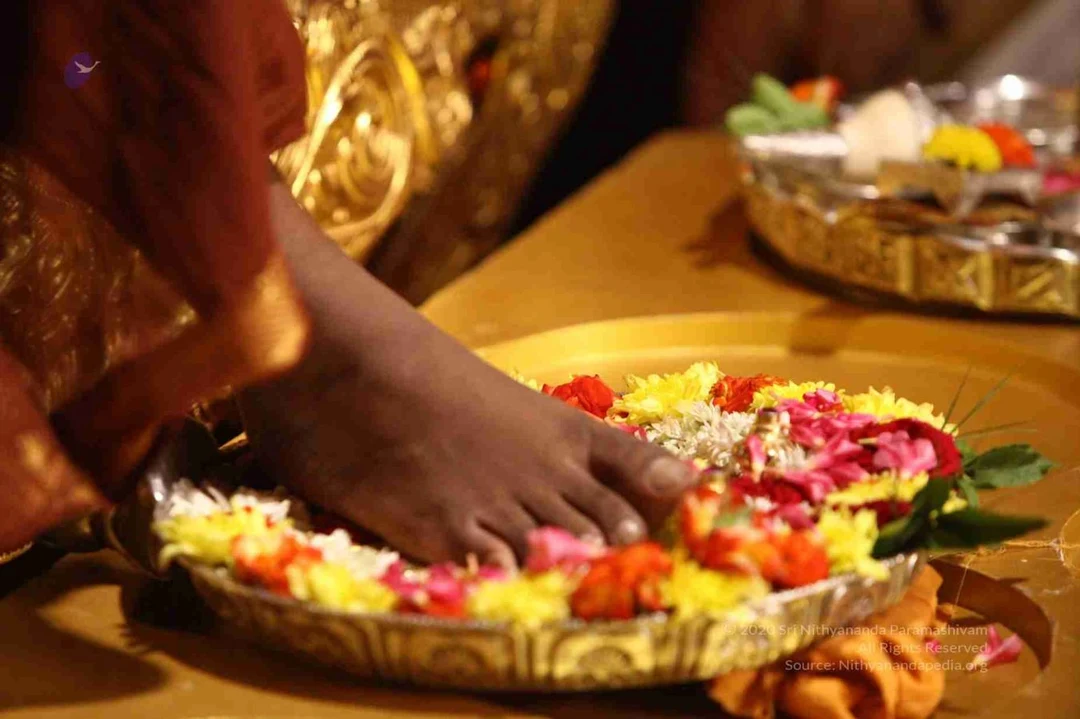 The Divine Lotus Feet of His Holiness Bhagavan Sri Nithyananda Paramashivam
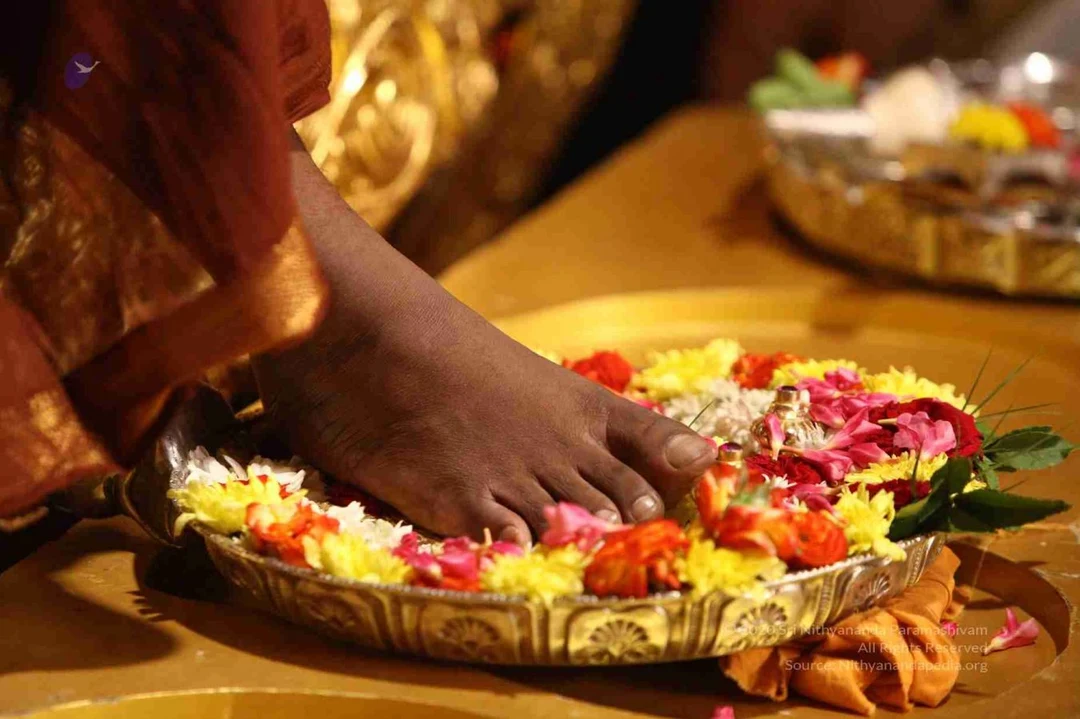 The Divine Lotus Feet of His Holiness Bhagavan Sri Nithyananda Paramashivam
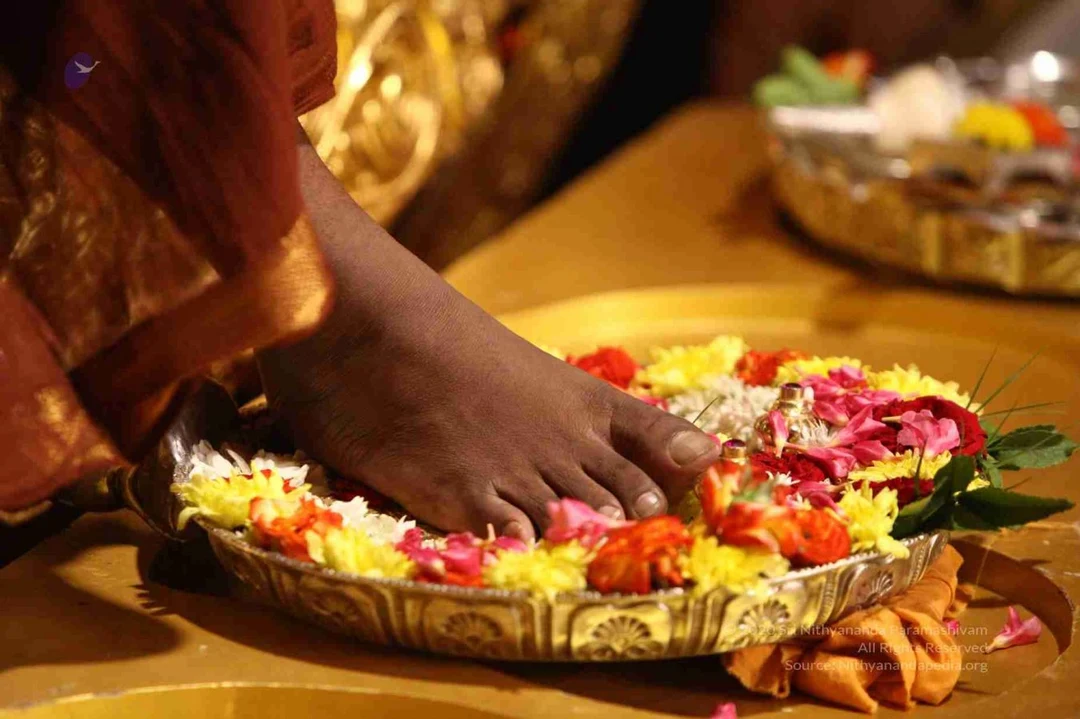 The Divine Lotus Feet of His Holiness Bhagavan Sri Nithyananda Paramashivam
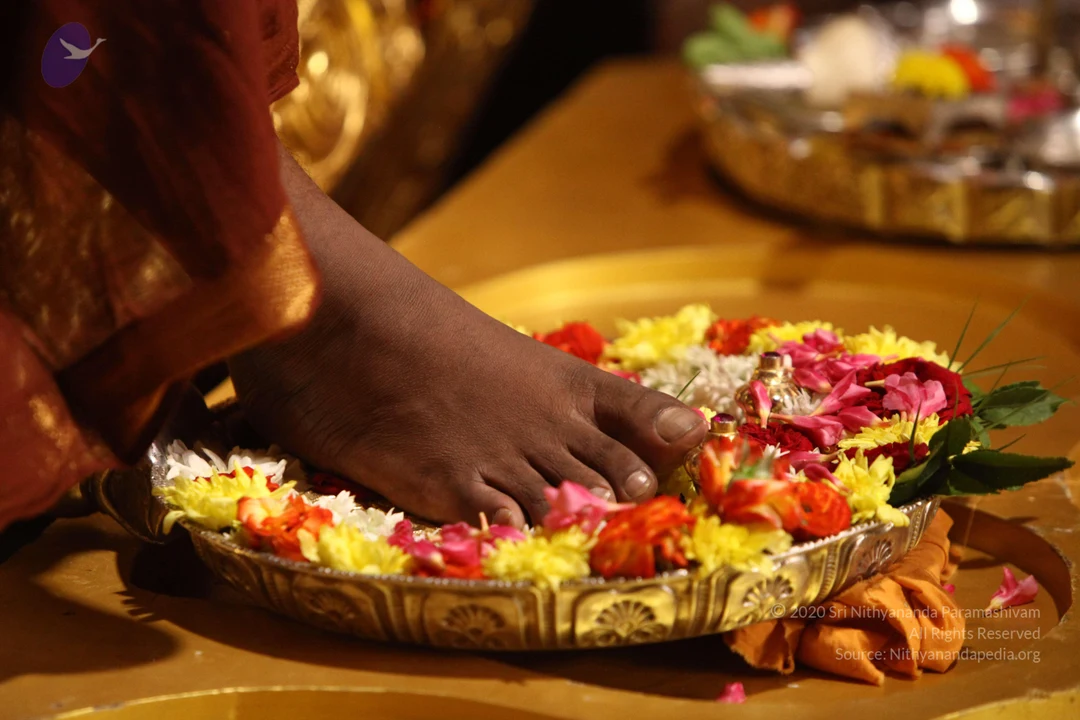
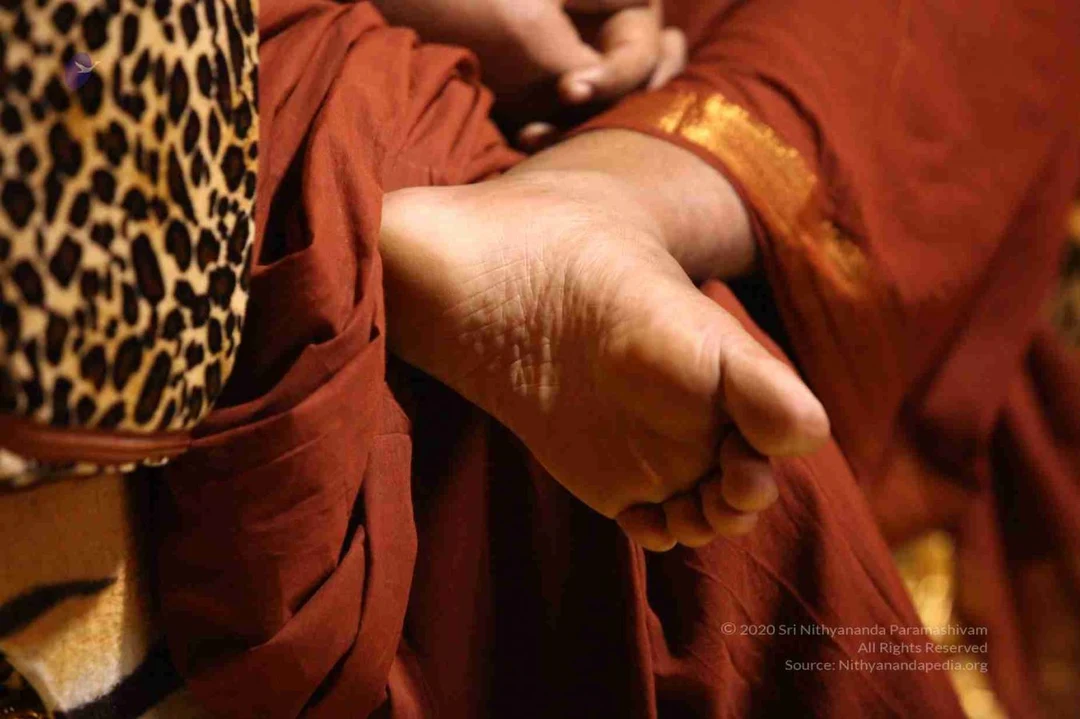 The Divine Lotus Feet of His Holiness Bhagavan Sri Nithyananda Paramashivam
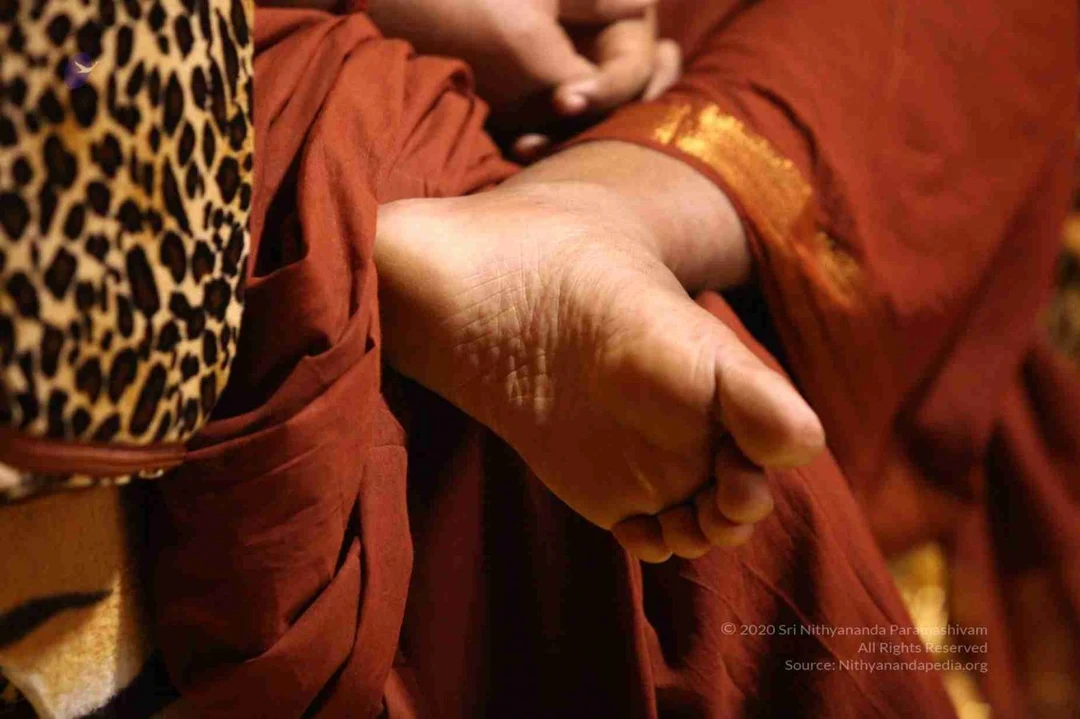 The Divine Lotus Feet of His Holiness Bhagavan Sri Nithyananda Paramashivam
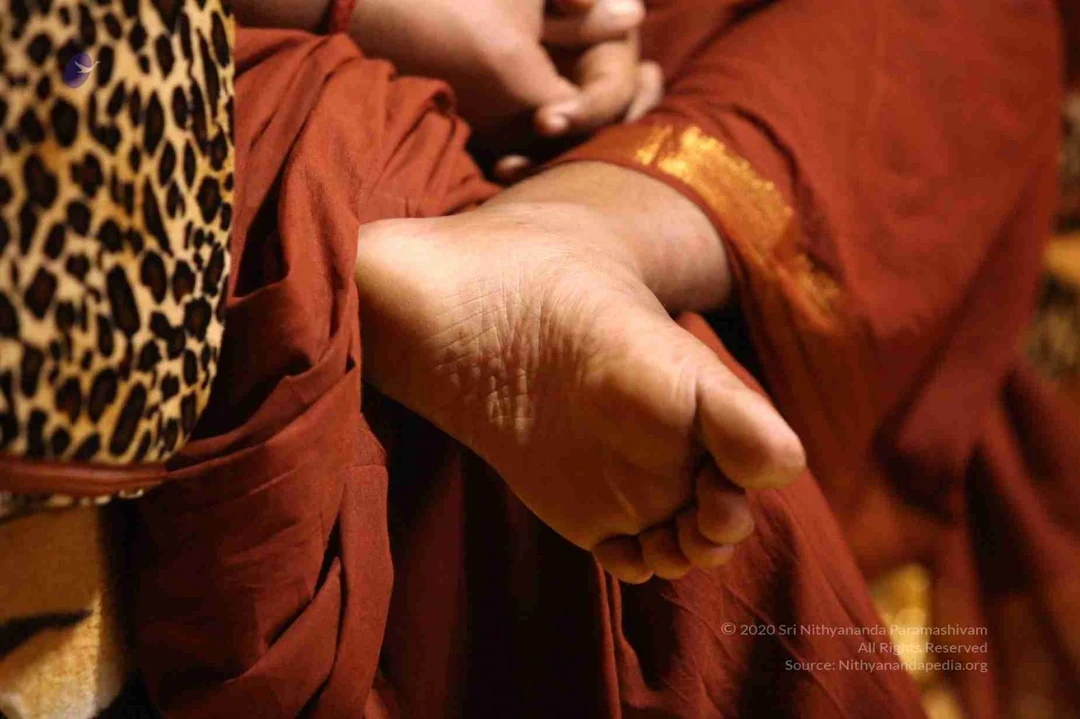 The Divine Lotus Feet of His Holiness Bhagavan Sri Nithyananda Paramashivam
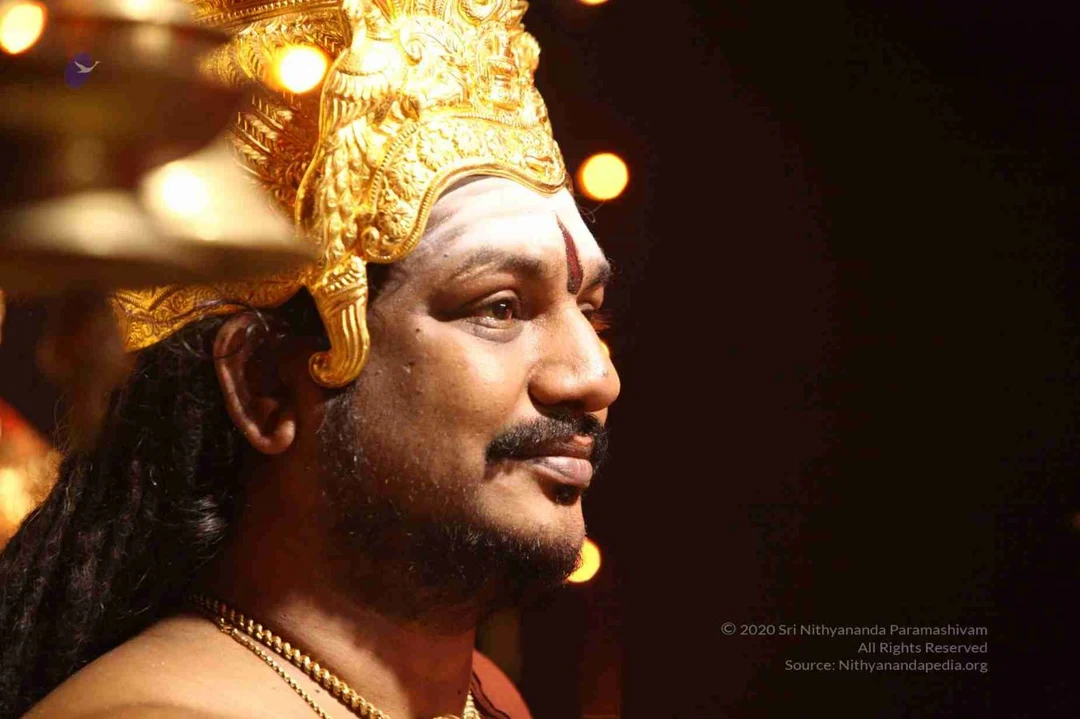 Divine Darshan of His Holiness Bhagavan Sri Nithyananda Paramashivam blessing the world from the space of Samadhi - Oneness with the Source
 Divine Darshan of His Holiness Bhagavan Sri Nithyananda Paramashivam blessing the world from the space of Samadhi - Oneness with the Source
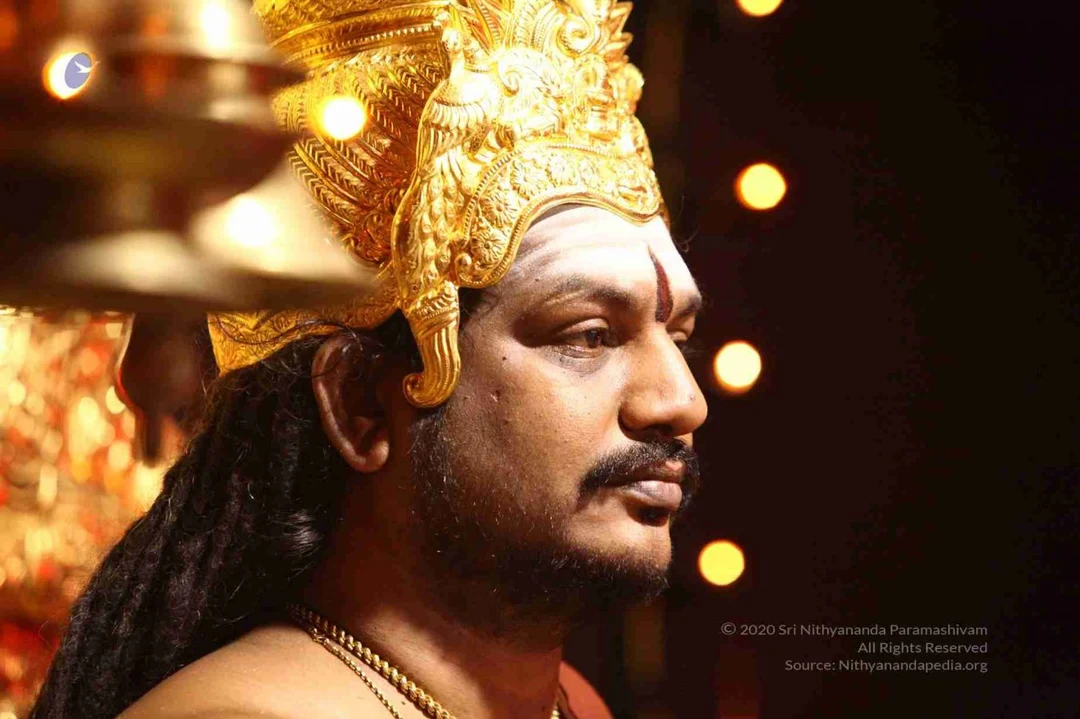 Divine Darshan of His Holiness Bhagavan Sri Nithyananda Paramashivam blessing the world from the space of Samadhi - Oneness with the Source
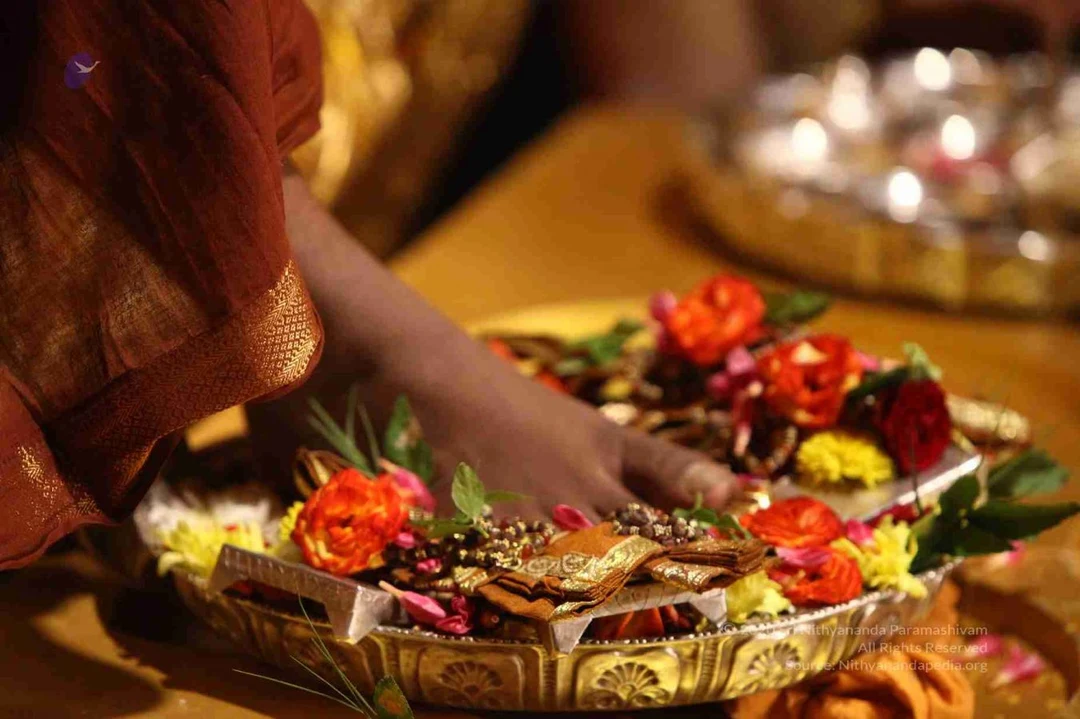 The Divine Lotus Feet of His Holiness Bhagavan Sri Nithyananda Paramashivam
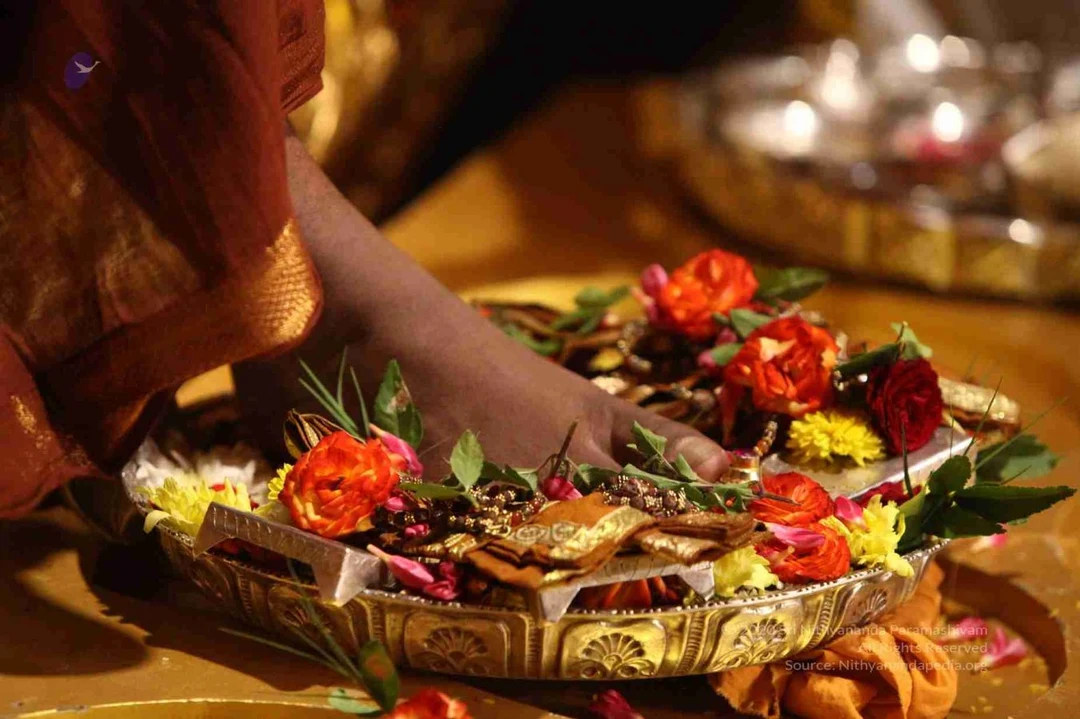 The Divine Lotus Feet of His Holiness Bhagavan Sri Nithyananda Paramashivam
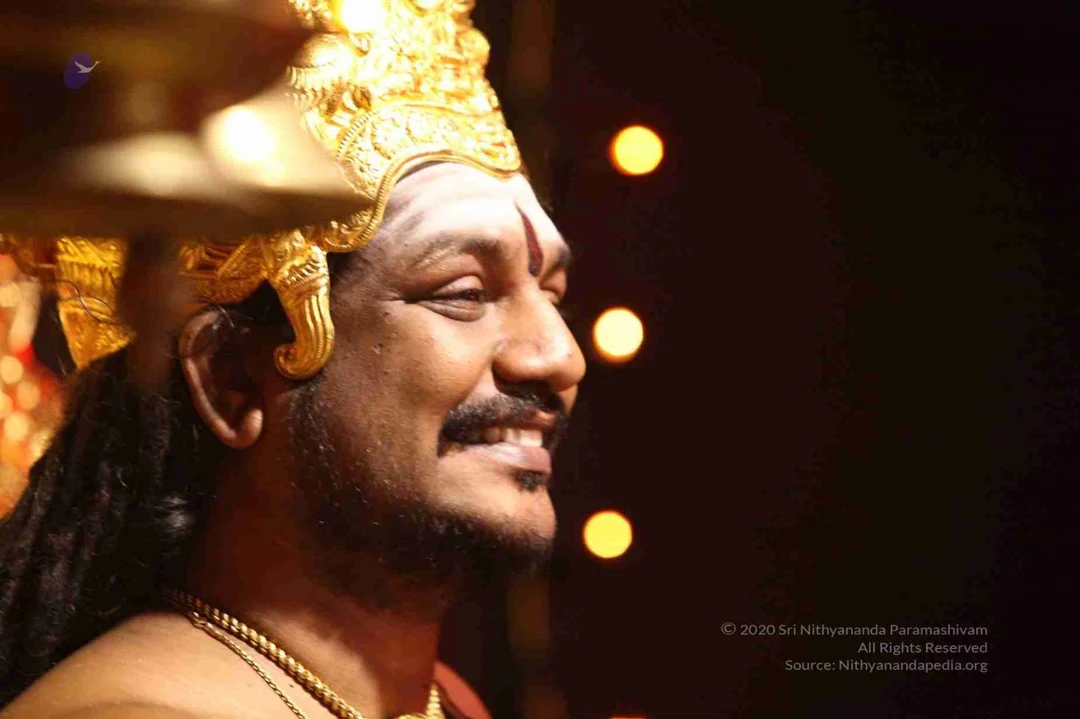 Divine Darshan of His Holiness Bhagavan Sri Nithyananda Paramashivam blessing the world from the space of Samadhi - Oneness with the Source
 Divine Darshan of His Holiness Bhagavan Sri Nithyananda Paramashivam blessing the world from the space of Samadhi - Oneness with the Source
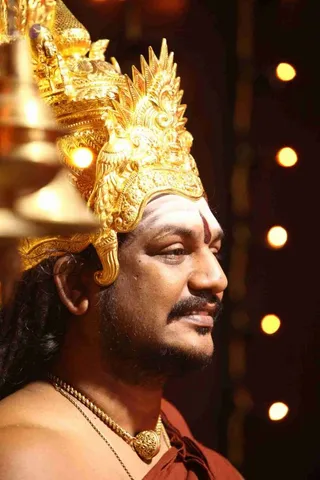 Divine Darshan of His Holiness Bhagavan Sri Nithyananda Paramashivam blessing the world from the space of Samadhi - Oneness with the Source
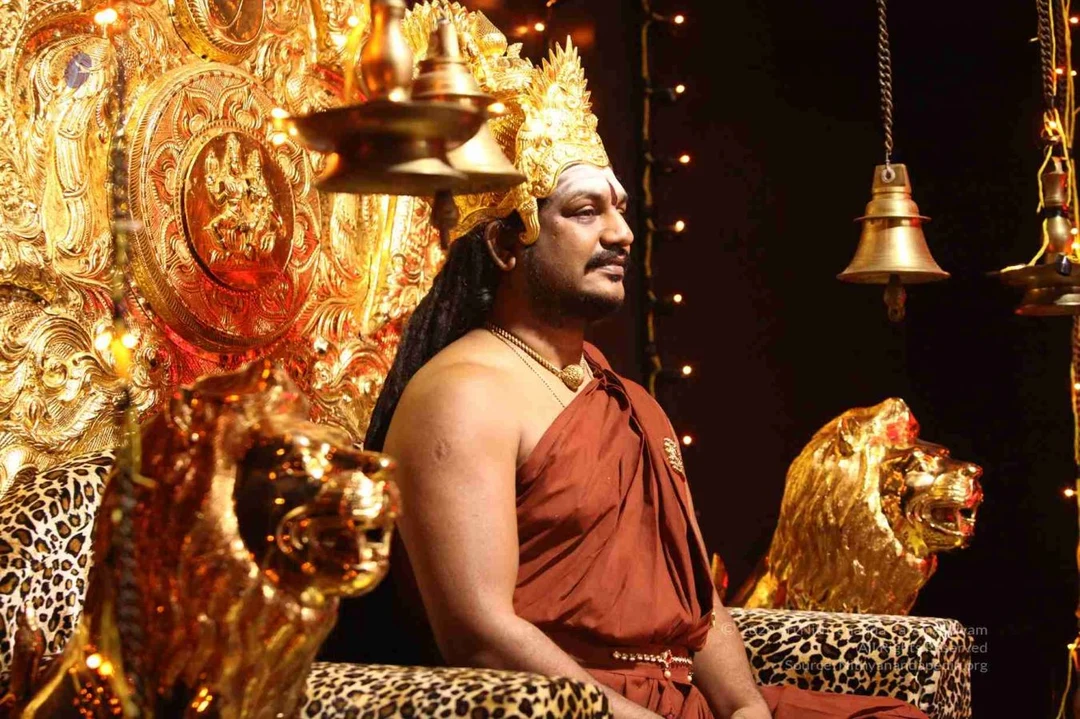 Divine Darshan of His Holiness Bhagavan Sri Nithyananda Paramashivam blessing the world from the space of Samadhi - Oneness with the Source
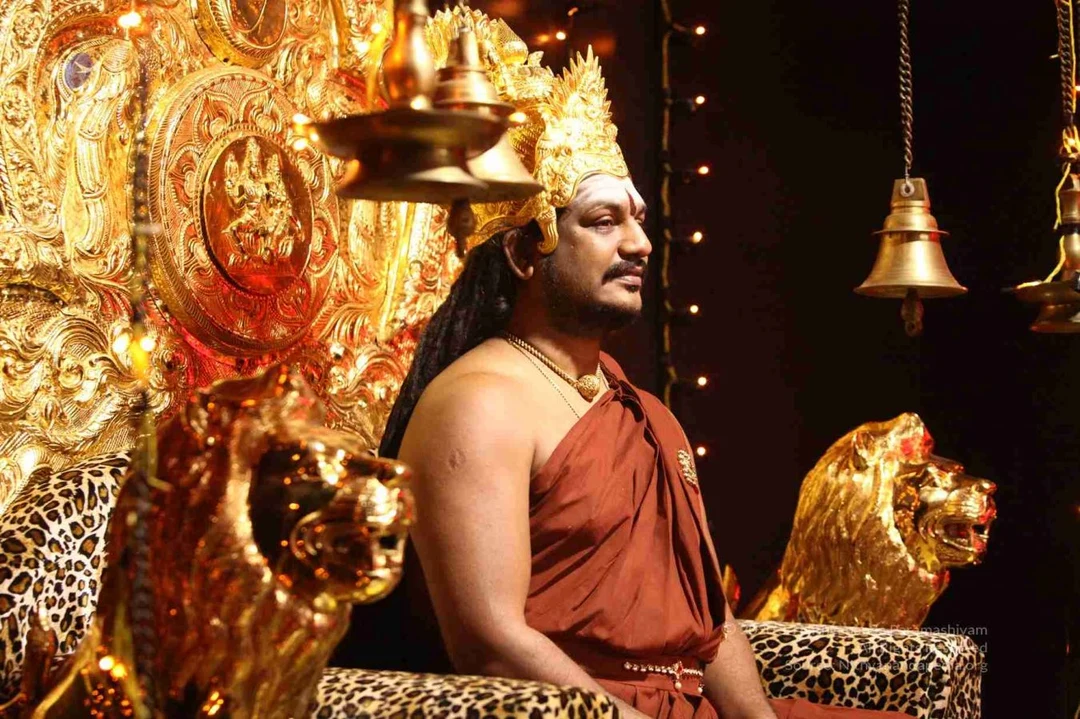 Divine Darshan of His Holiness Bhagavan Sri Nithyananda Paramashivam blessing the world from the space of Samadhi - Oneness with the Source
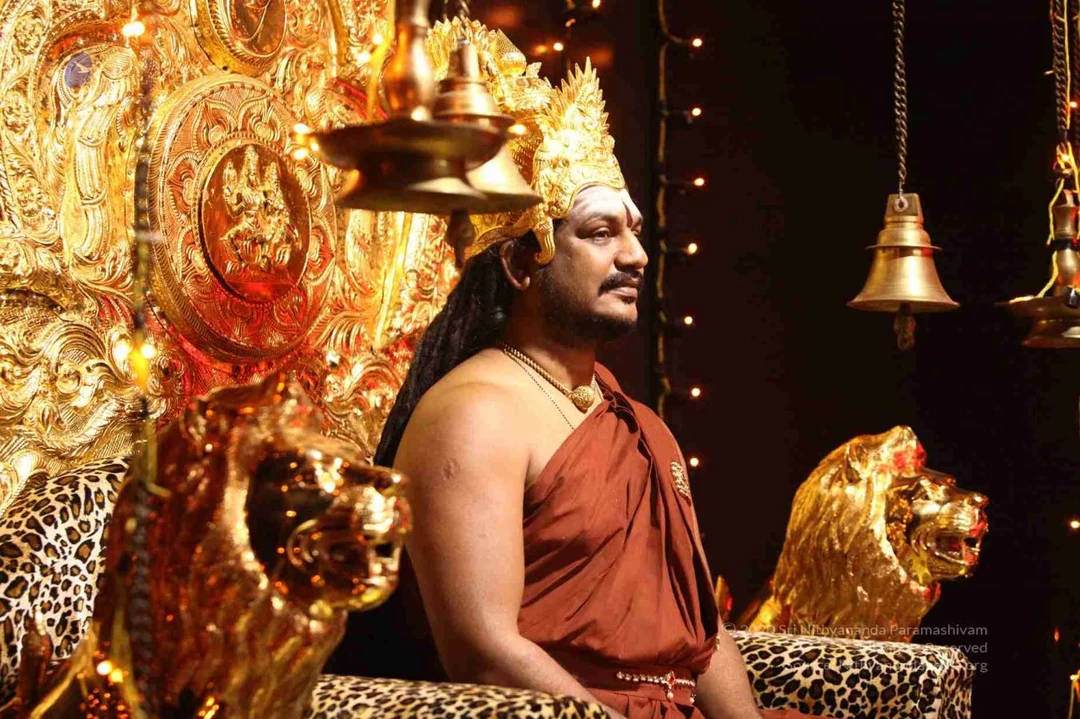 Divine Darshan of His Holiness Bhagavan Sri Nithyananda Paramashivam blessing the world from the space of Samadhi - Oneness with the Source
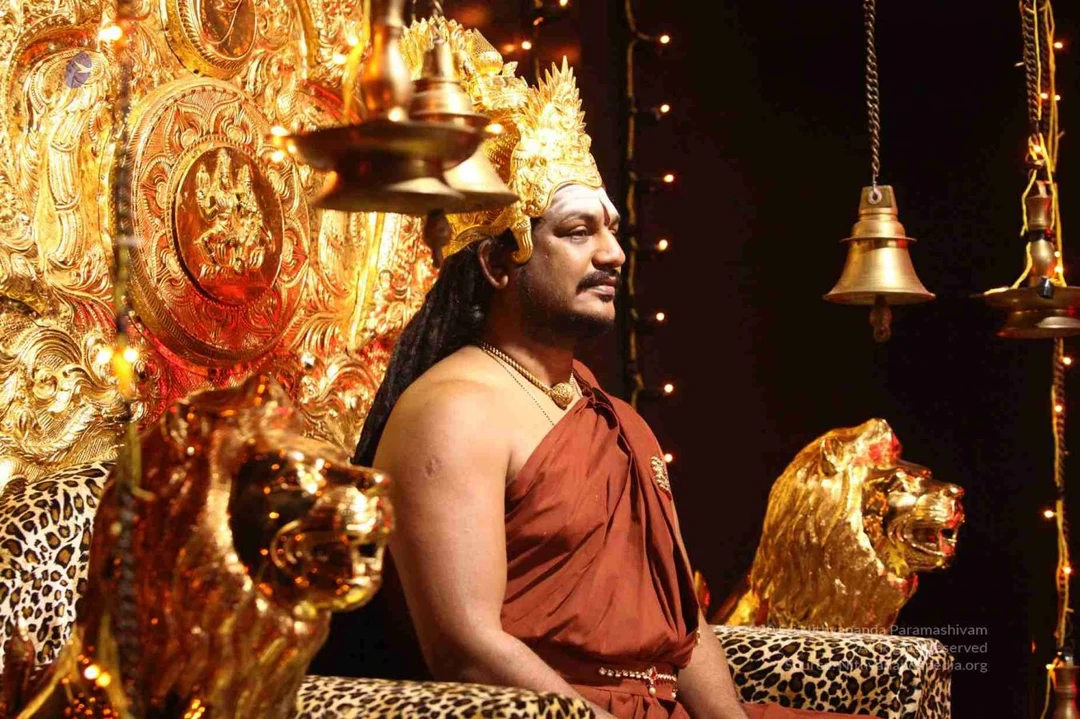 Divine Darshan of His Holiness Bhagavan Sri Nithyananda Paramashivam blessing the world from the space of Samadhi - Oneness with the Source
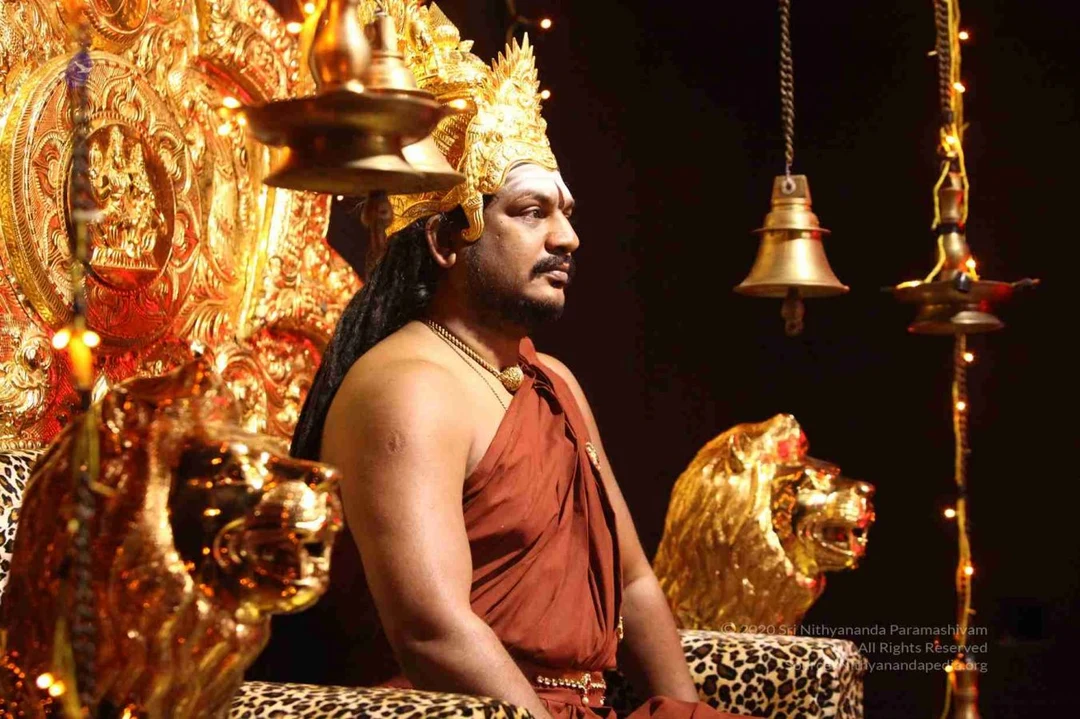 Divine Darshan of His Holiness Bhagavan Sri Nithyananda Paramashivam blessing the world from the space of Samadhi - Oneness with the Source
 Divine Darshan of His Holiness Bhagavan Sri Nithyananda Paramashivam blessing the world from the space of Samadhi - Oneness with the Source
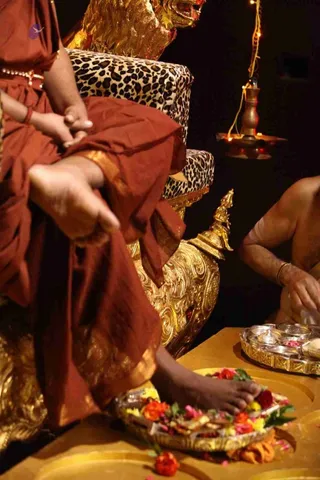 The Divine Lotus Feet of His Holiness Bhagavan Sri Nithyananda Paramashivam
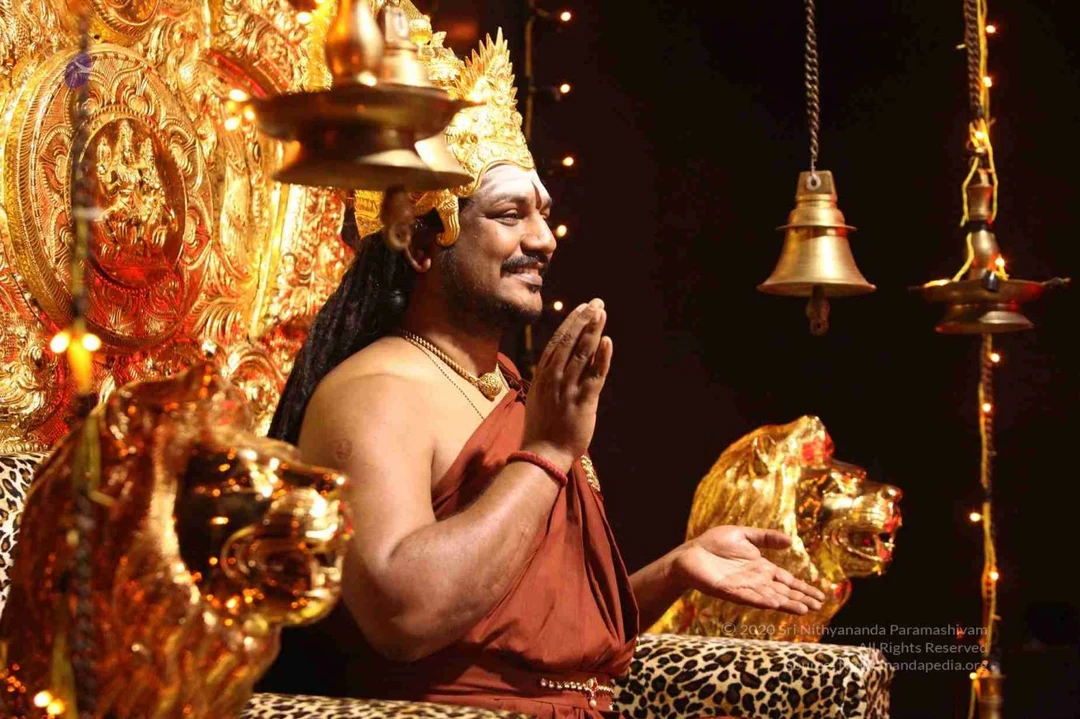 Poorna Ashirvadam - Blessings by Bhagavan Sri Nithyananda Paramashivam
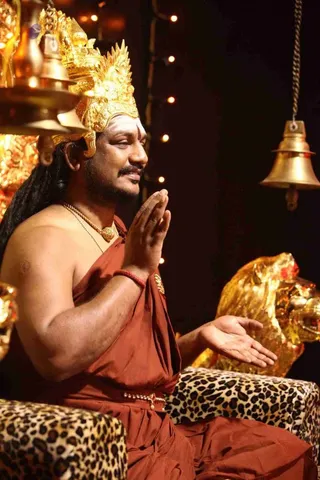 Poorna Ashirvadam - Blessings by Bhagavan Sri Nithyananda Paramashivam
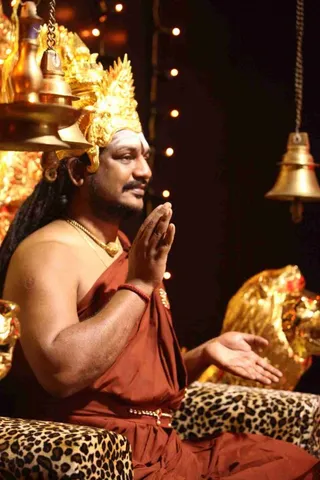 Poorna Ashirvadam - Blessings by Bhagavan Sri Nithyananda Paramashivam
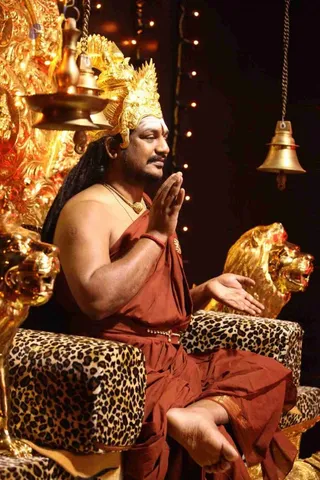 Poorna Ashirvadam - Blessings by Bhagavan Sri Nithyananda Paramashivam
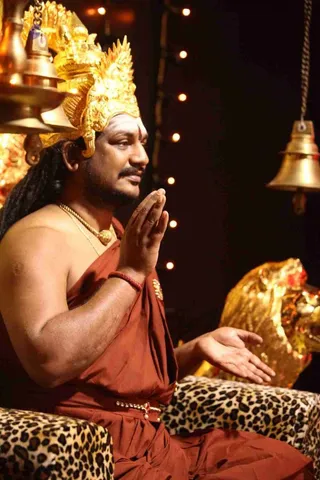 Poorna Ashirvadam - Blessings by Bhagavan Sri Nithyananda Paramashivam
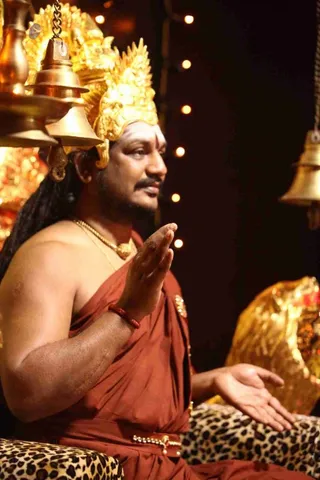 Poorna Ashirvadam - Blessings by Bhagavan Sri Nithyananda Paramashivam
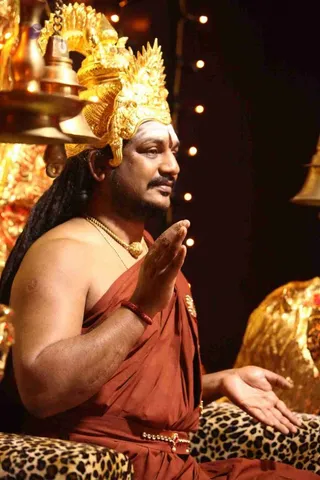 Poorna Ashirvadam - Blessings by Bhagavan Sri Nithyananda Paramashivam
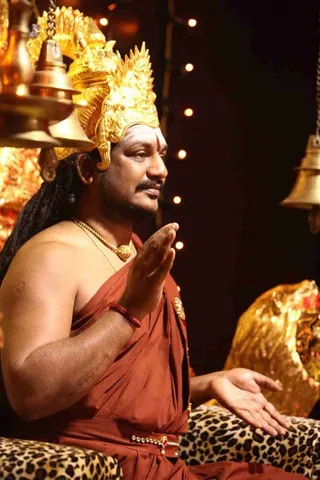 Poorna Ashirvadam - Blessings by Bhagavan Sri Nithyananda Paramashivam
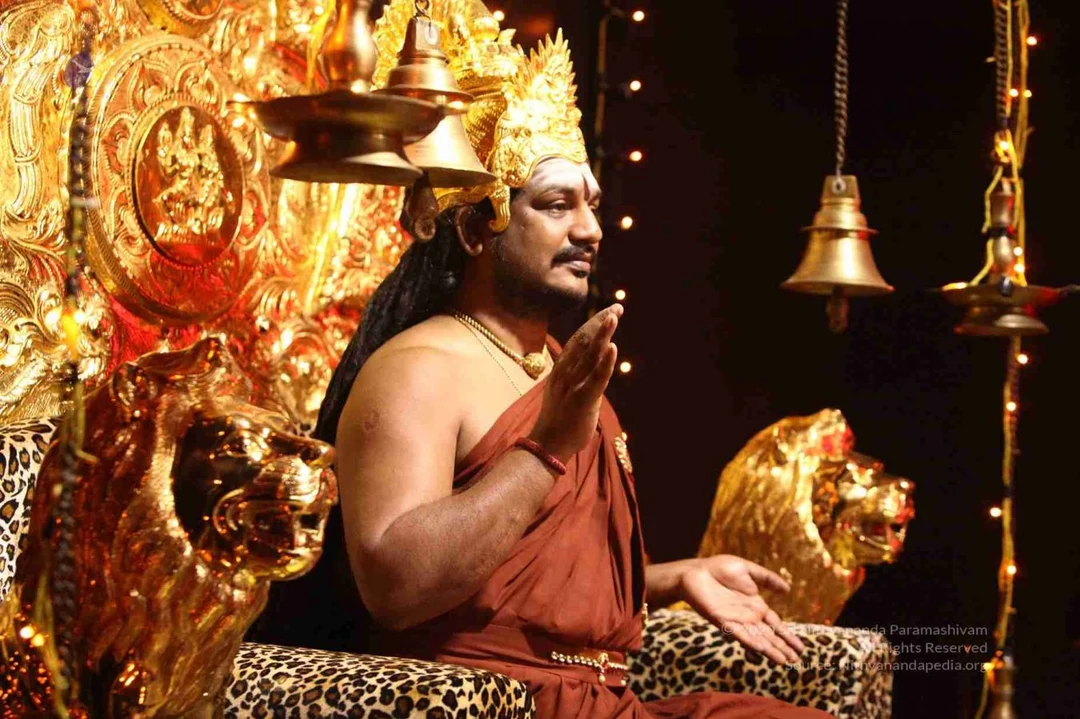 Poorna Ashirvadam - Blessings by Bhagavan Sri Nithyananda Paramashivam
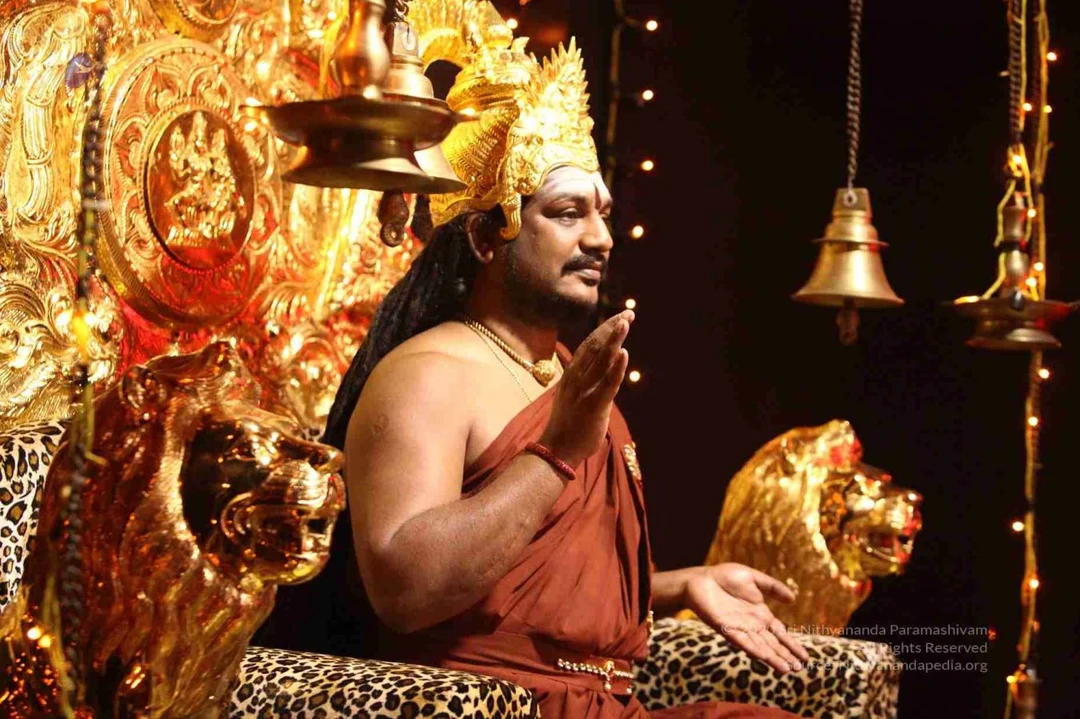 Poorna Ashirvadam - Blessings by Bhagavan Sri Nithyananda Paramashivam
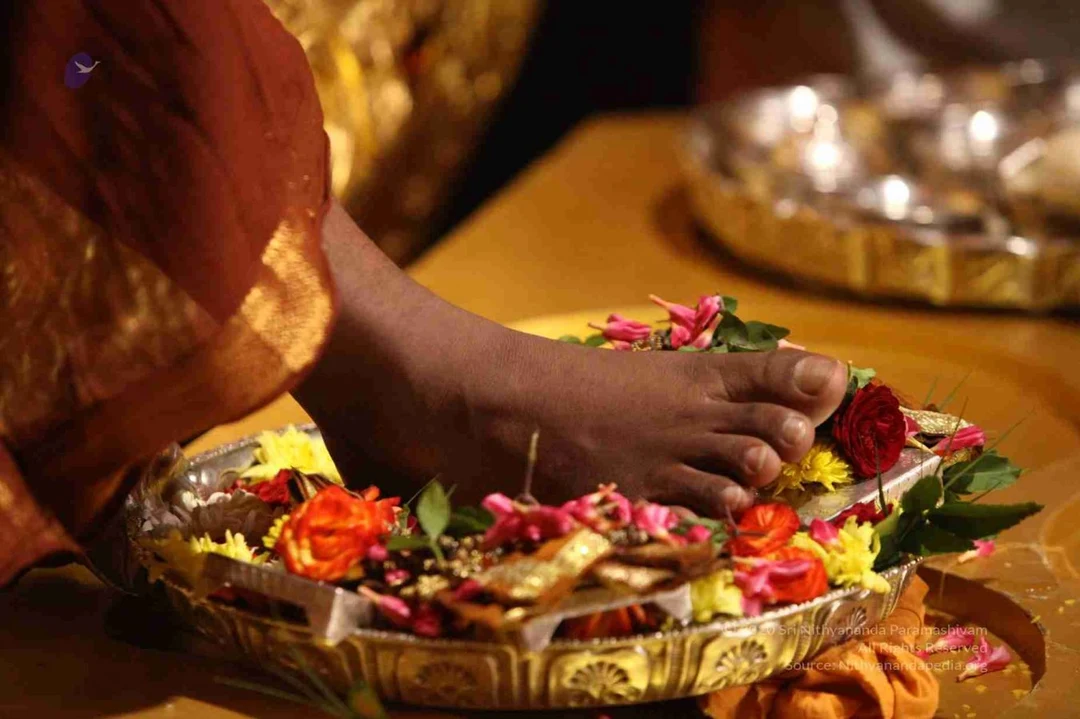 The Divine Lotus Feet of His Holiness Bhagavan Sri Nithyananda Paramashivam
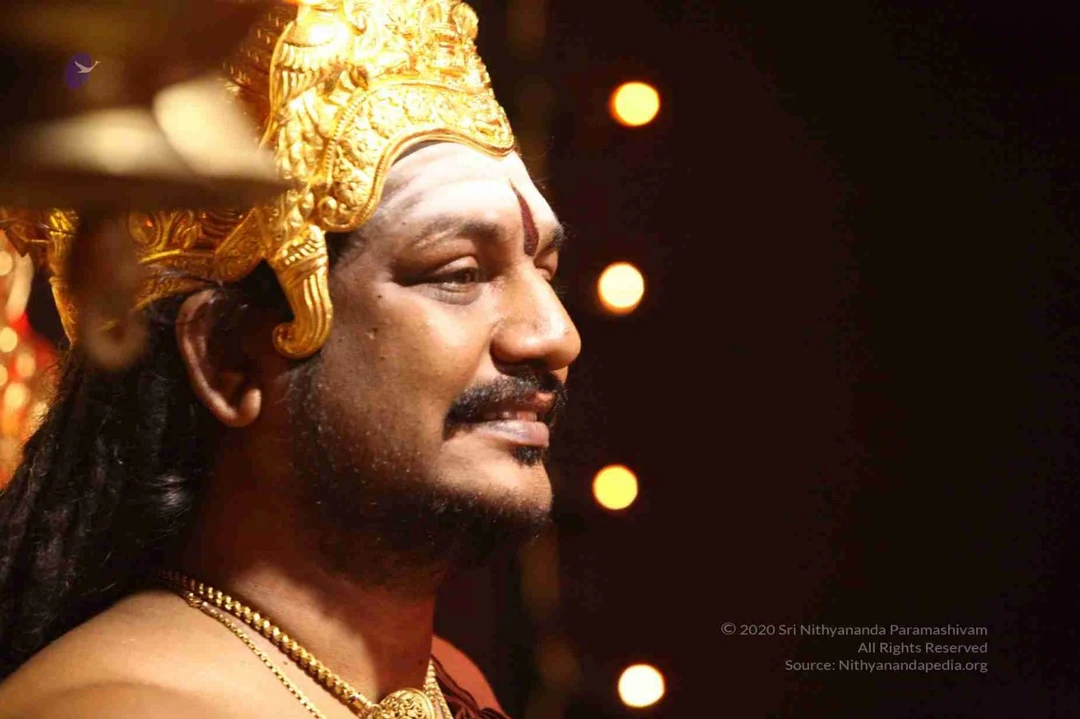 Divine Darshan of His Holiness Bhagavan Sri Nithyananda Paramashivam blessing the world from the space of Samadhi - Oneness with the Source
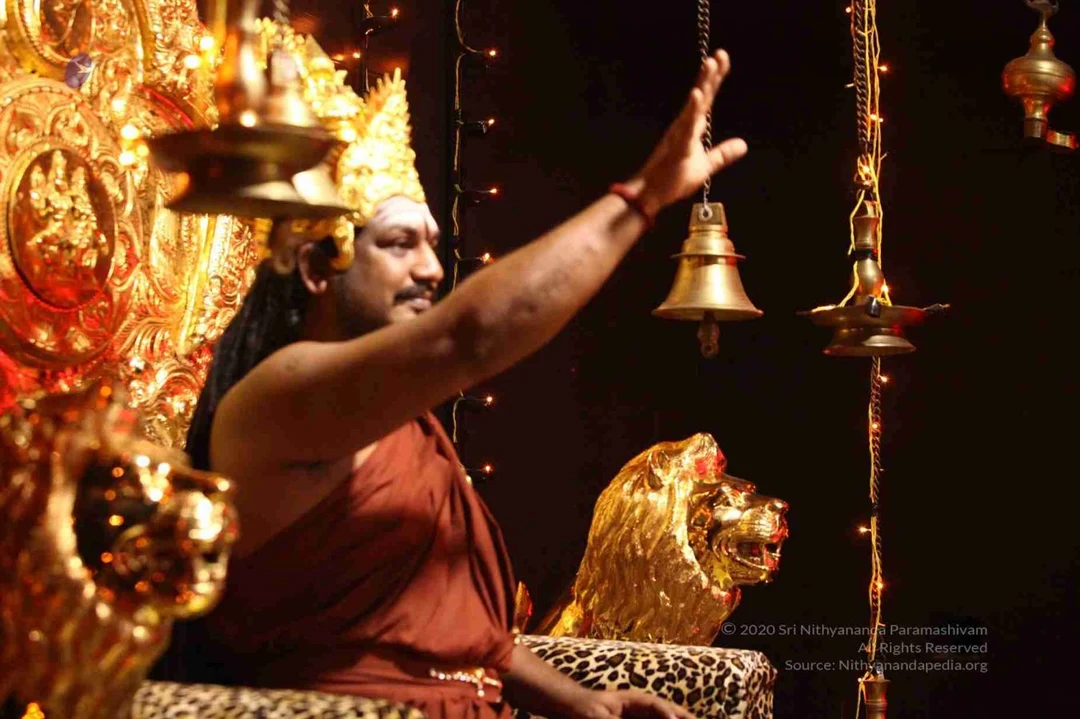 Poorna Ashirvadam - Blessings by Bhagavan Sri Nithyananda Paramashivam
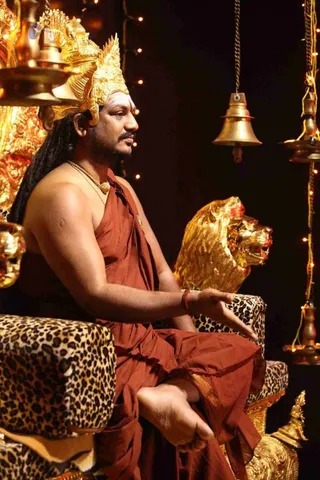 Divine Darshan of His Holiness Bhagavan Sri Nithyananda Paramashivam blessing the world from the space of Samadhi - Oneness with the Source
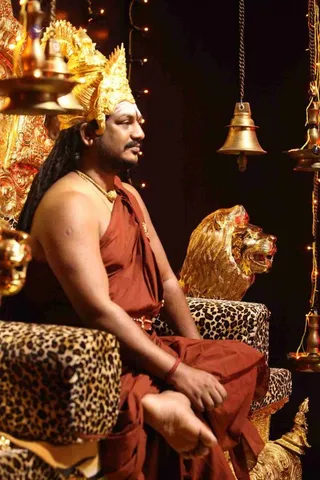 Divine Darshan of His Holiness Bhagavan Sri Nithyananda Paramashivam blessing the world from the space of Samadhi - Oneness with the Source
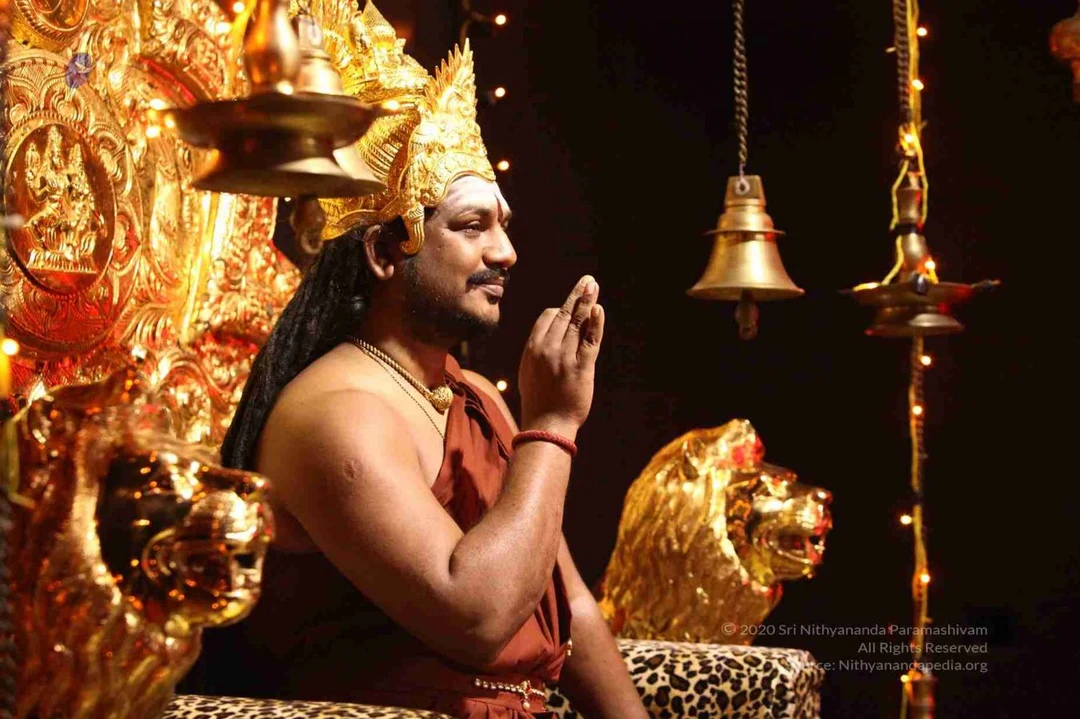 Poorna Ashirvadam - Blessings by Bhagavan Sri Nithyananda Paramashivam
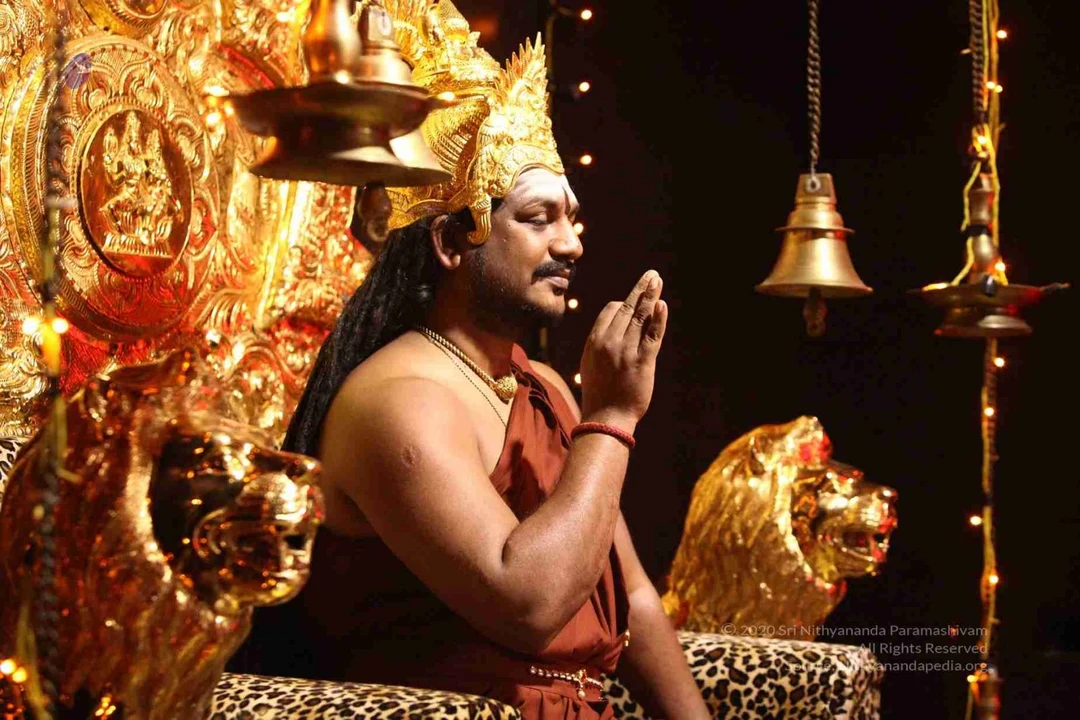 Poorna Ashirvadam - Blessings by Bhagavan Sri Nithyananda Paramashivam
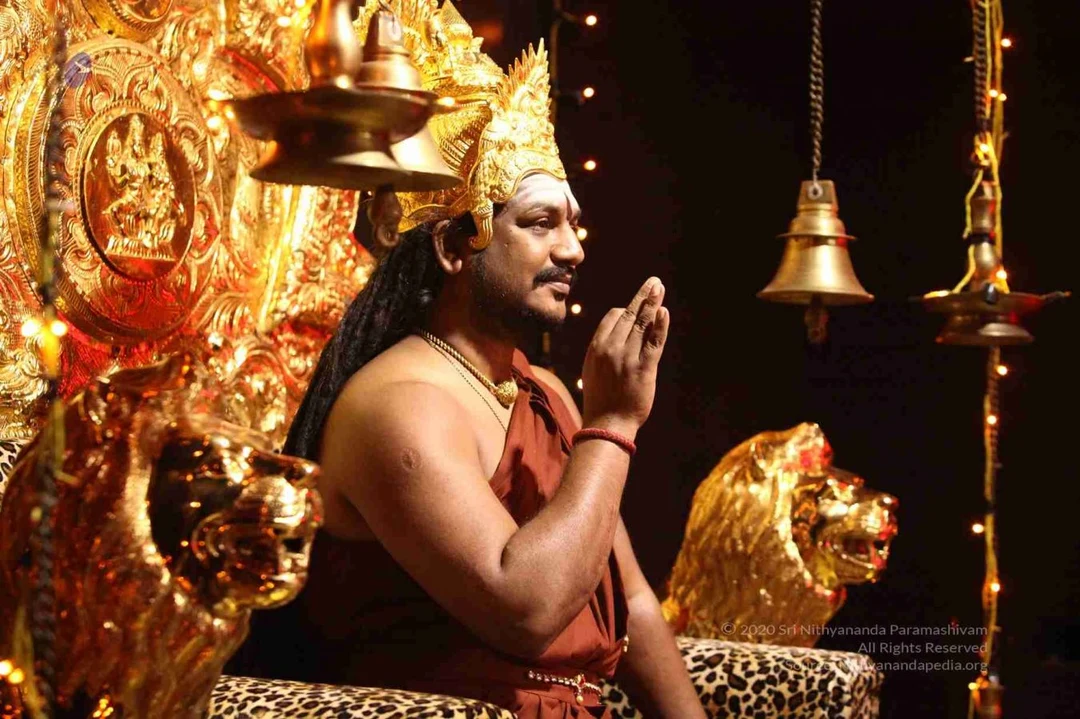 Poorna Ashirvadam - Blessings by Bhagavan Sri Nithyananda Paramashivam
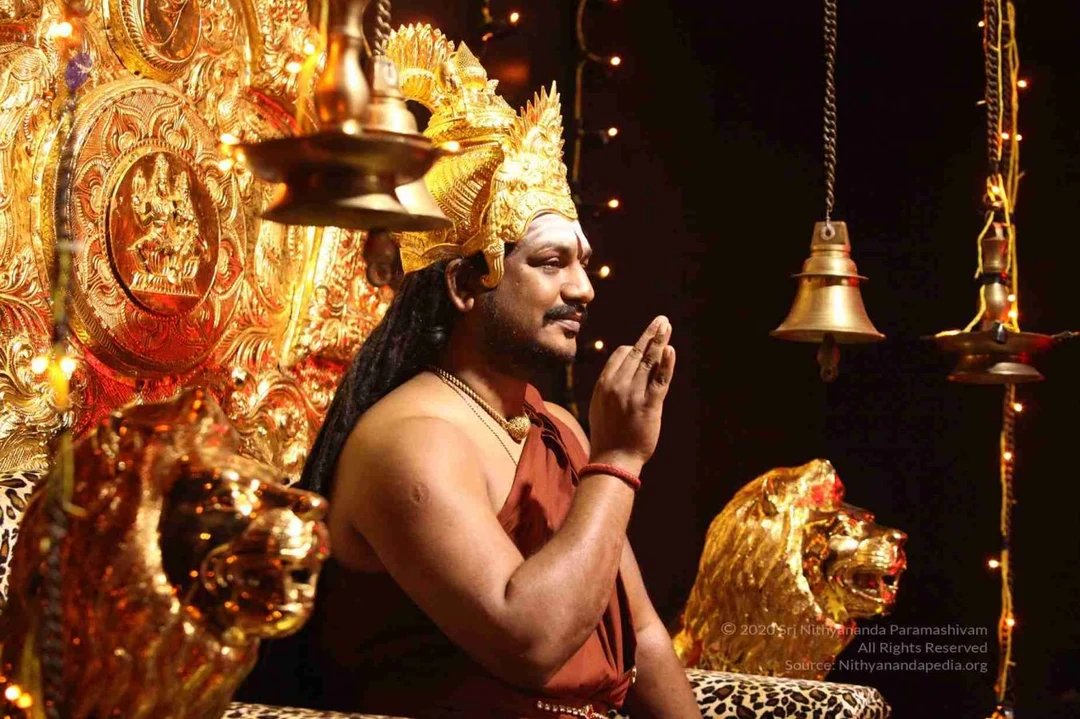 Poorna Ashirvadam - Blessings by Bhagavan Sri Nithyananda Paramashivam
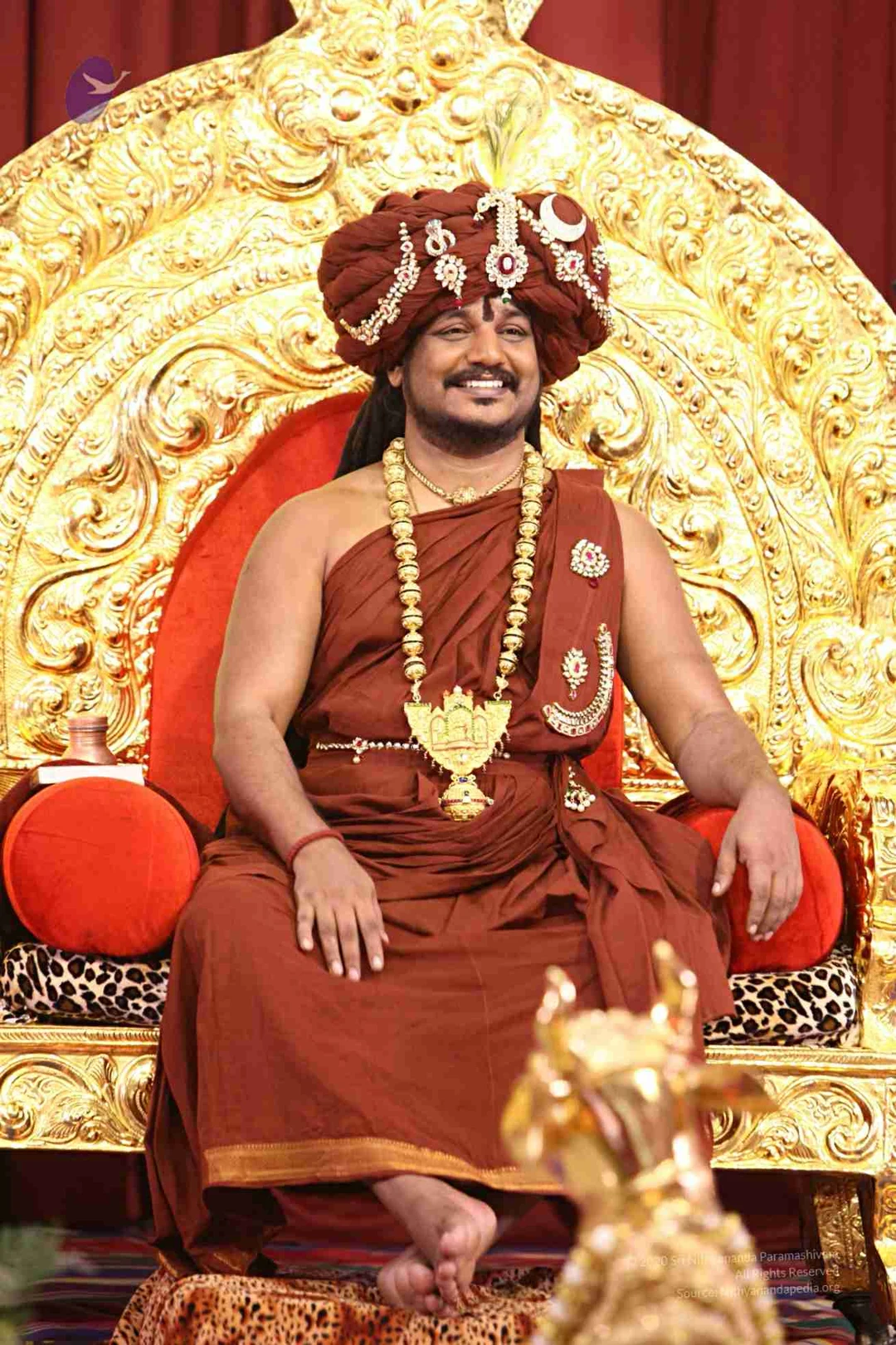
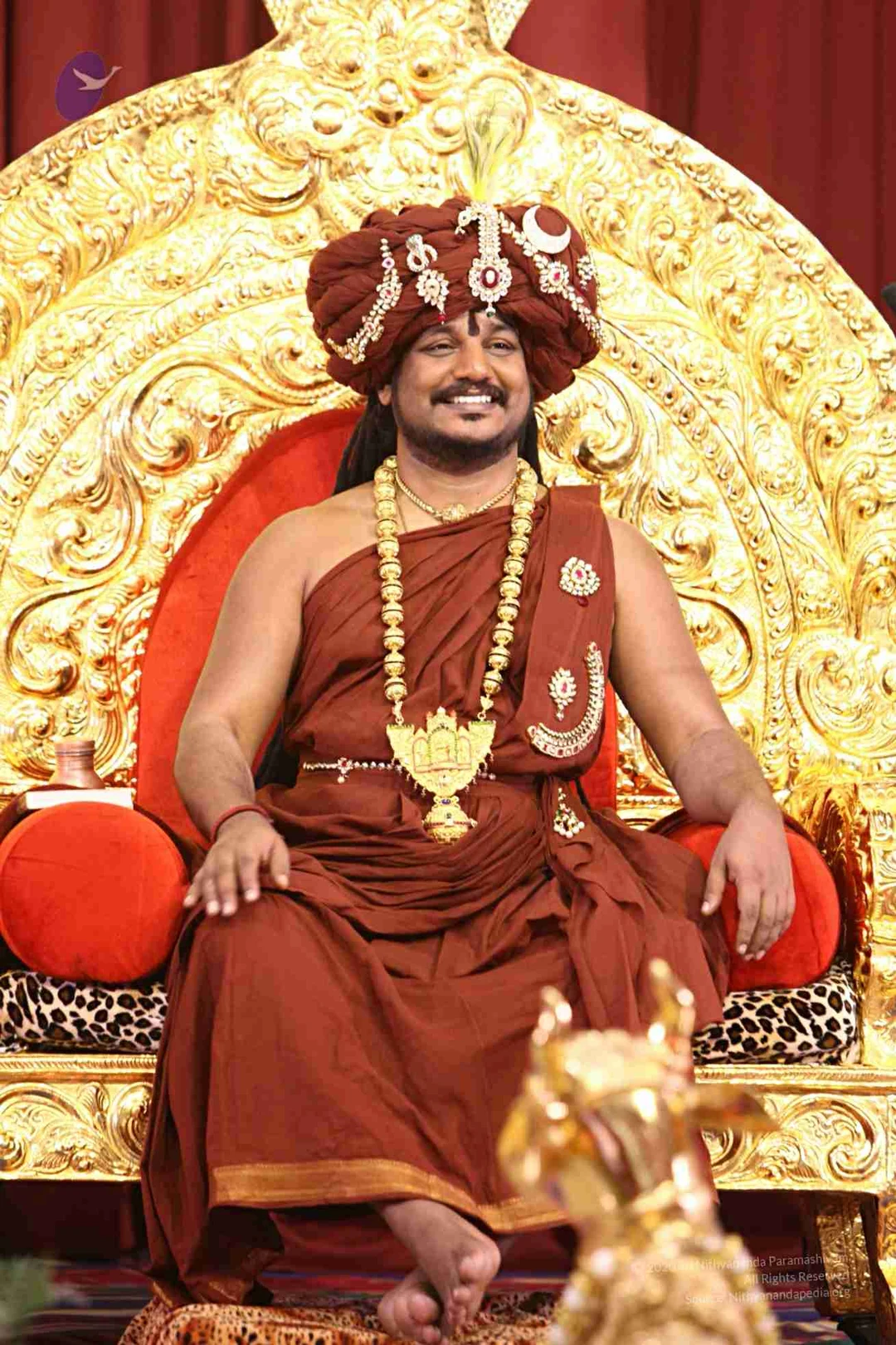
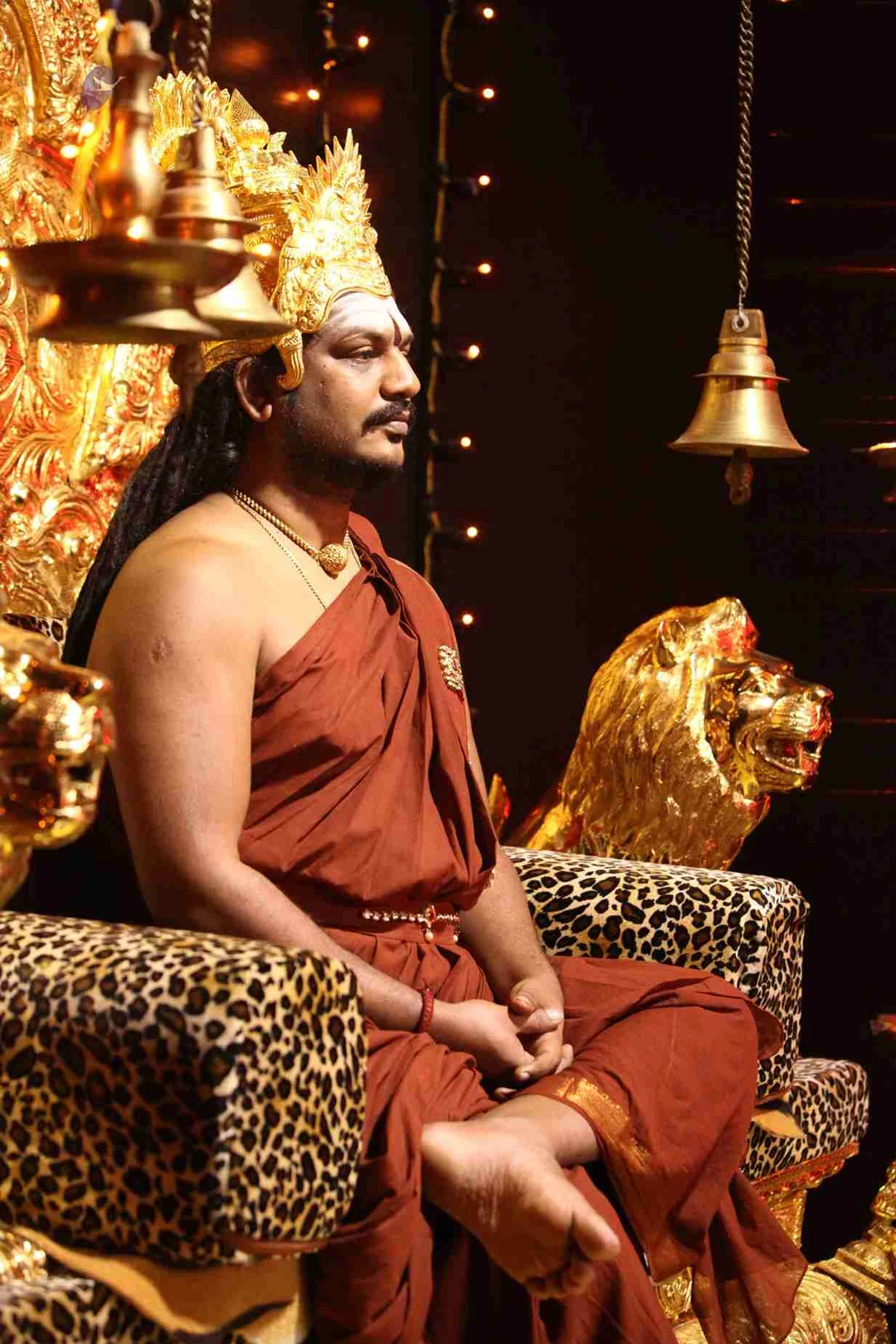
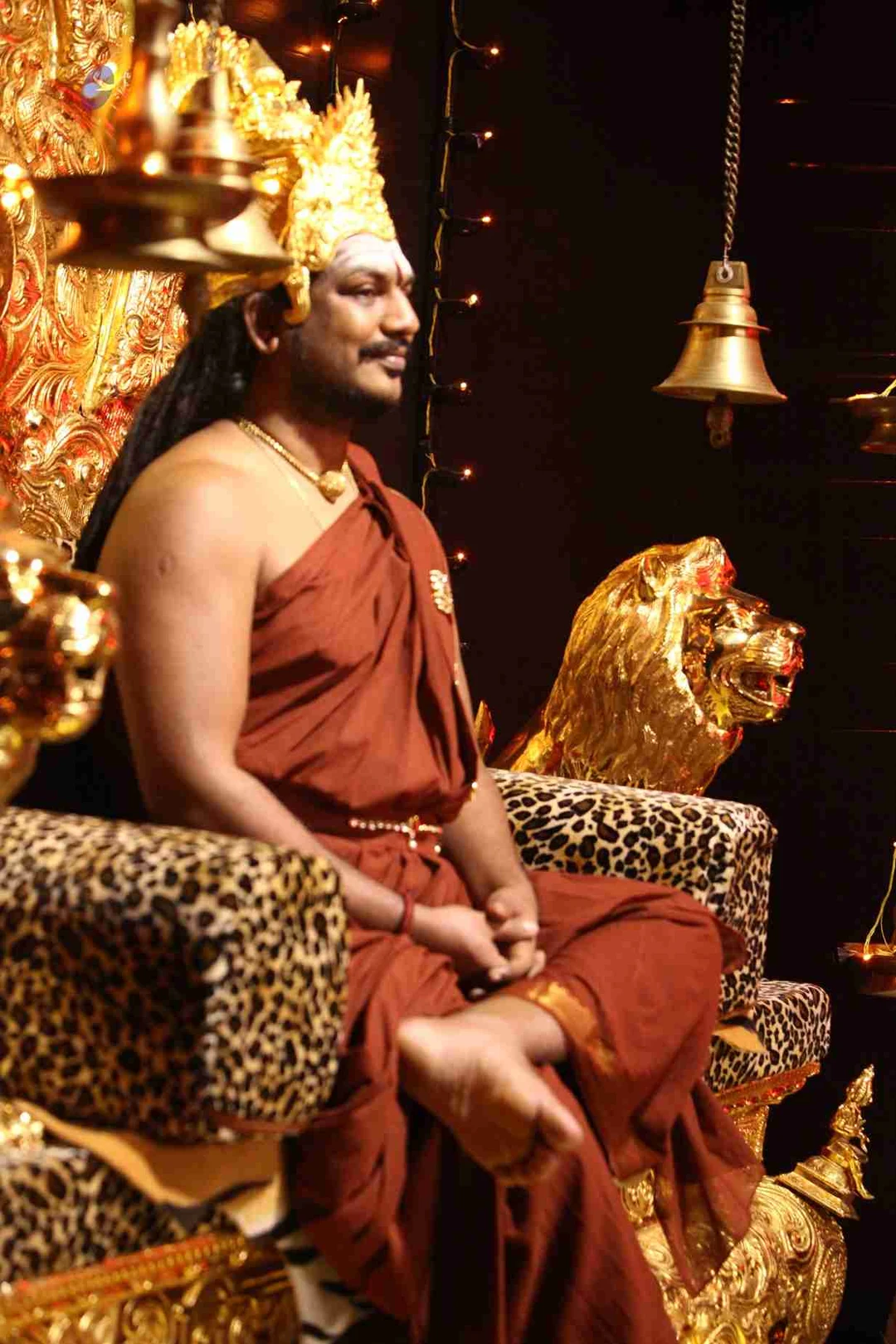
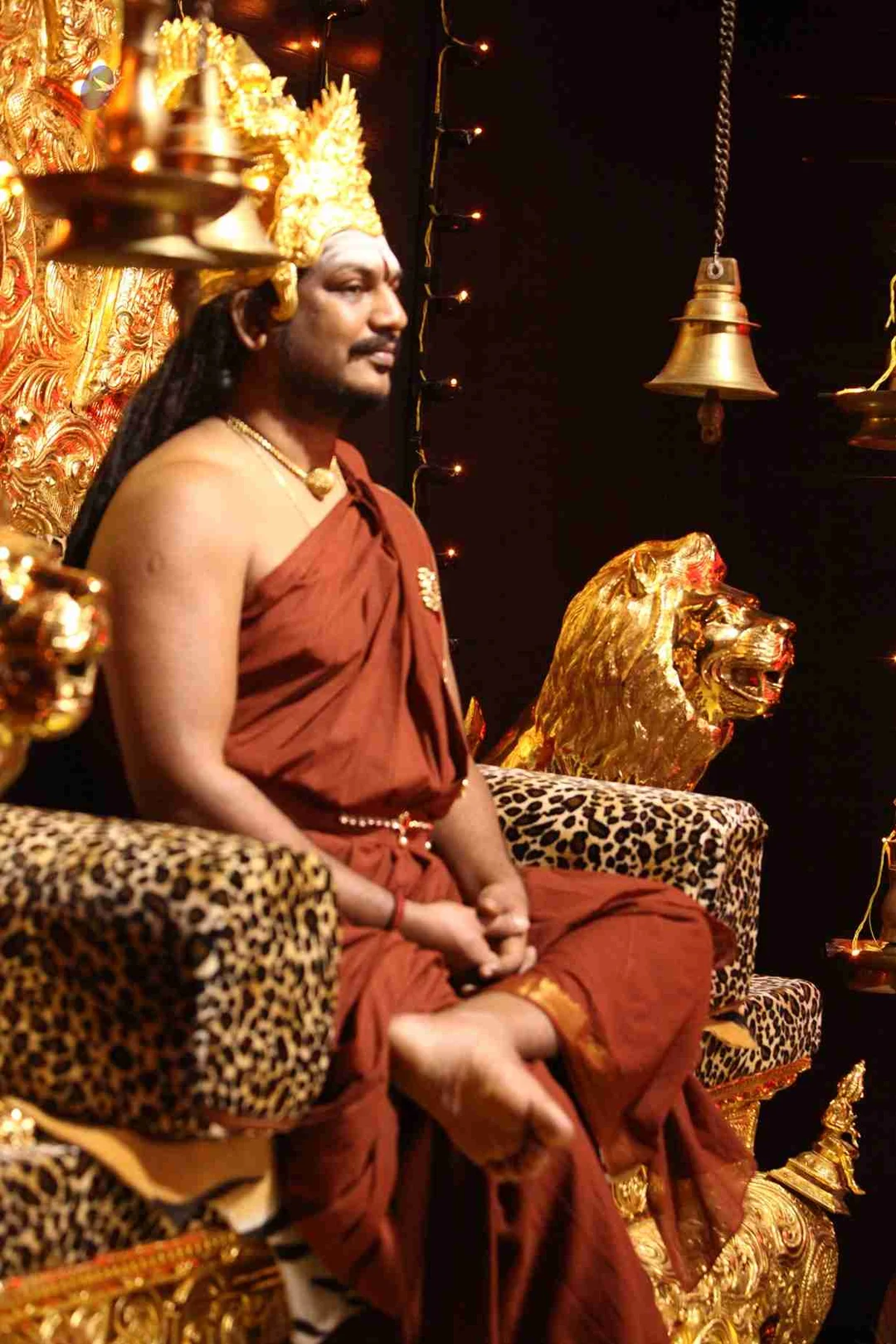
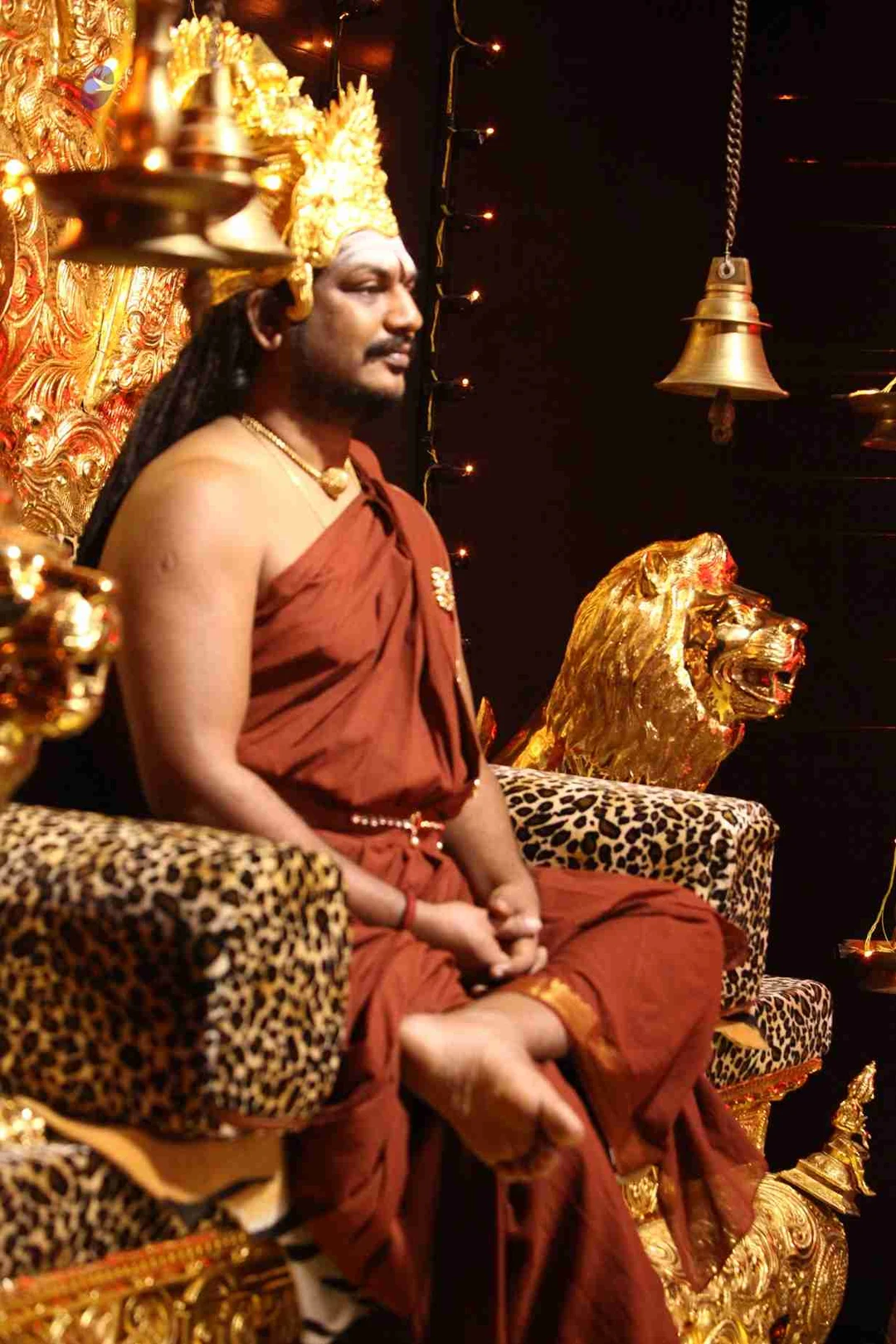
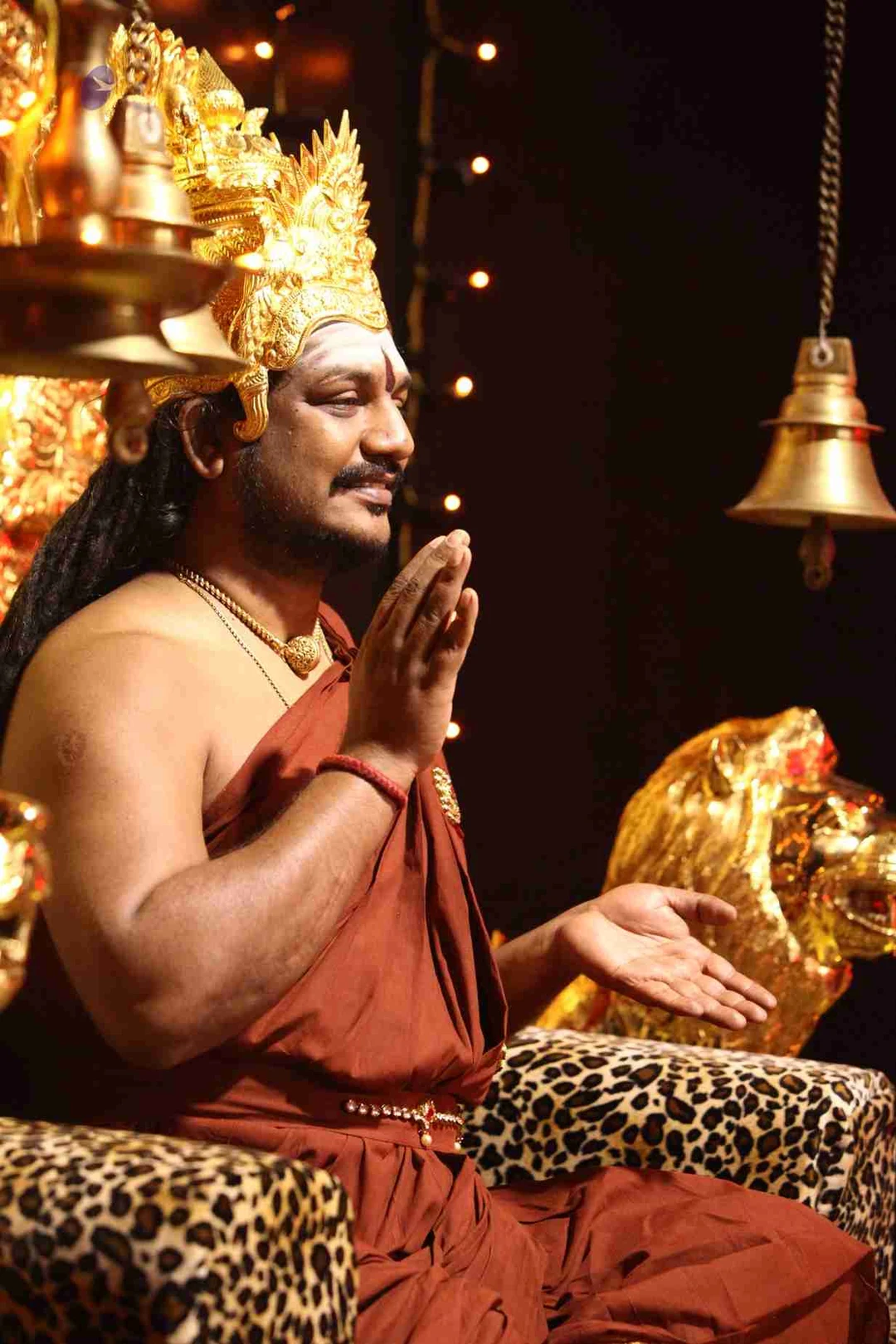
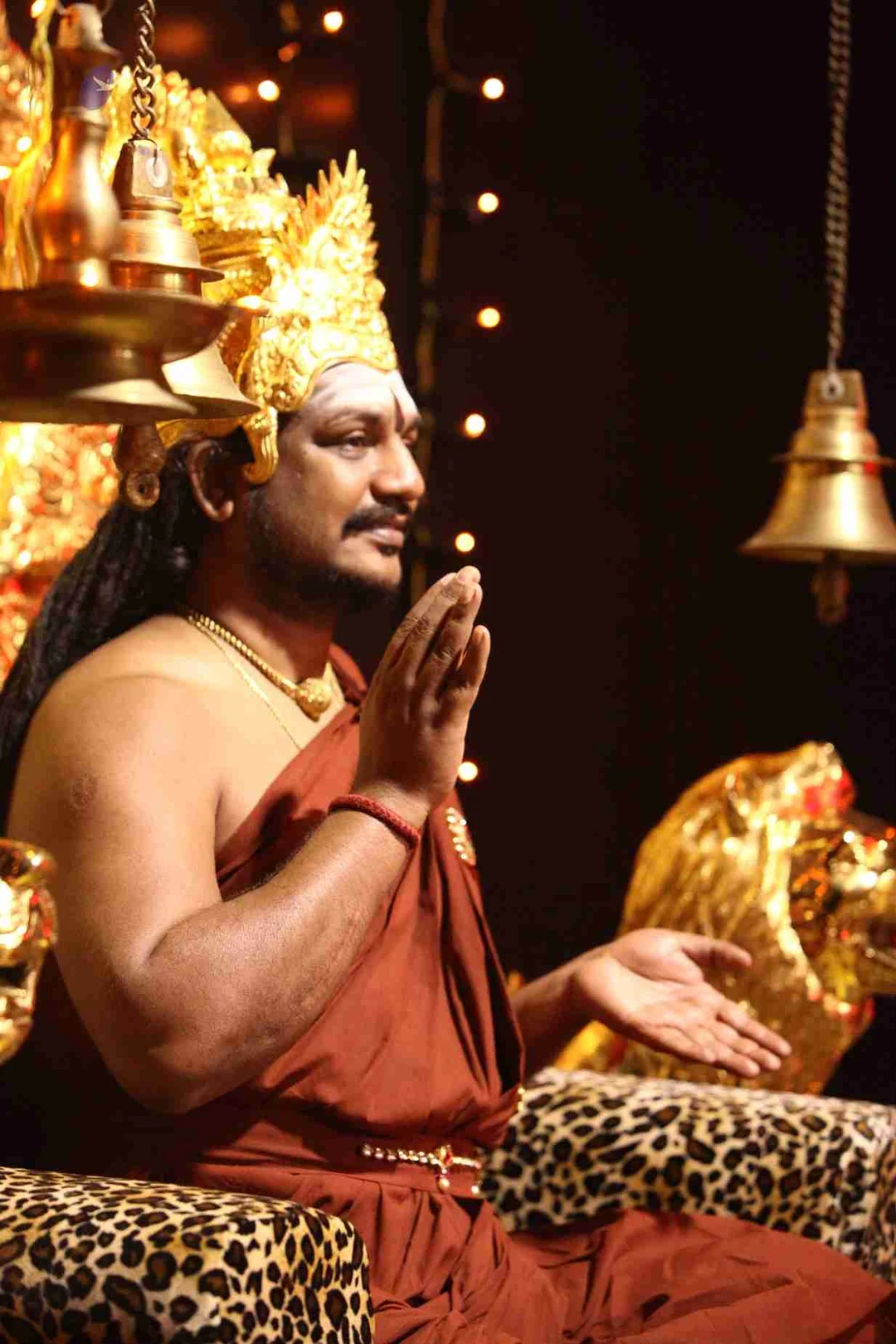
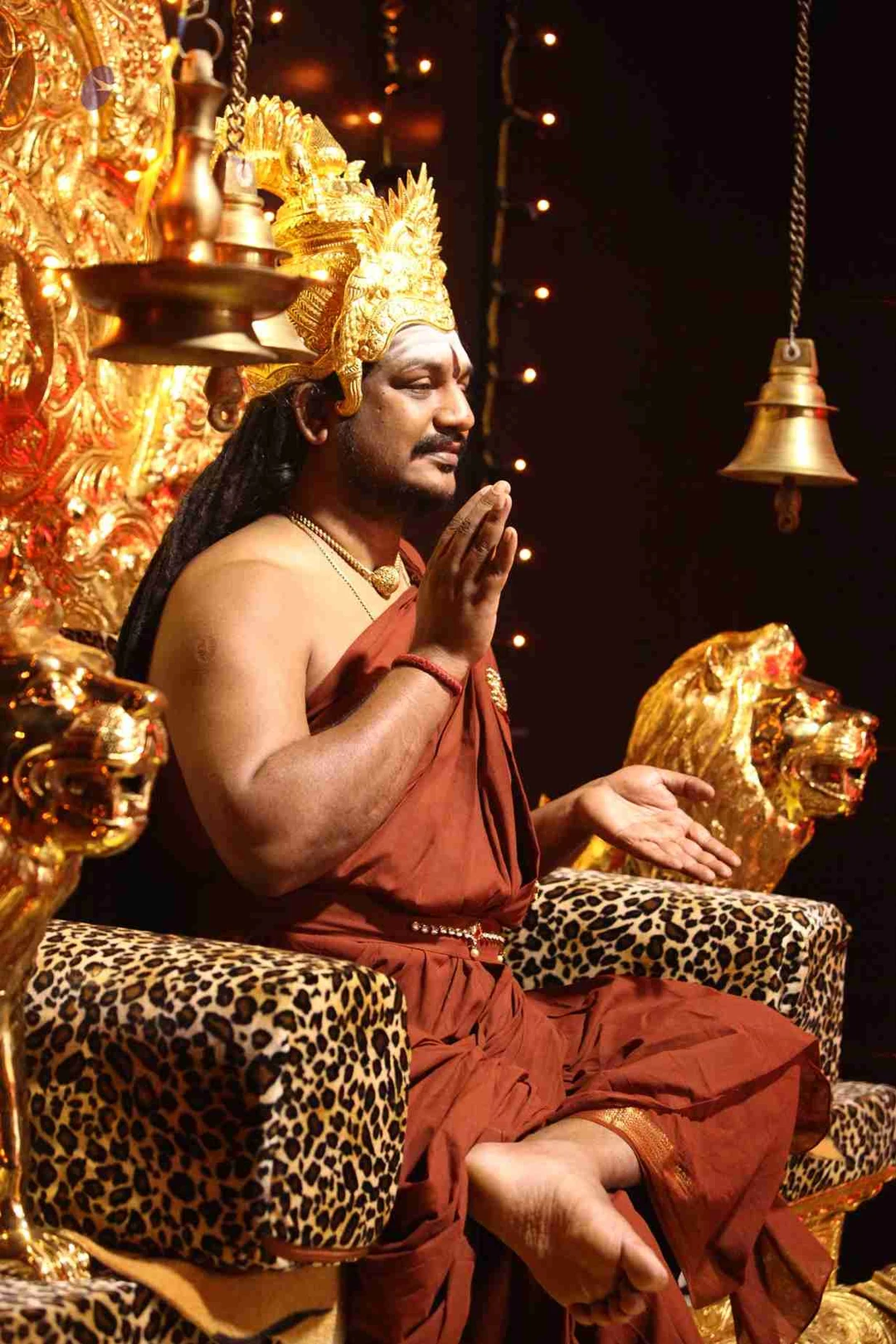
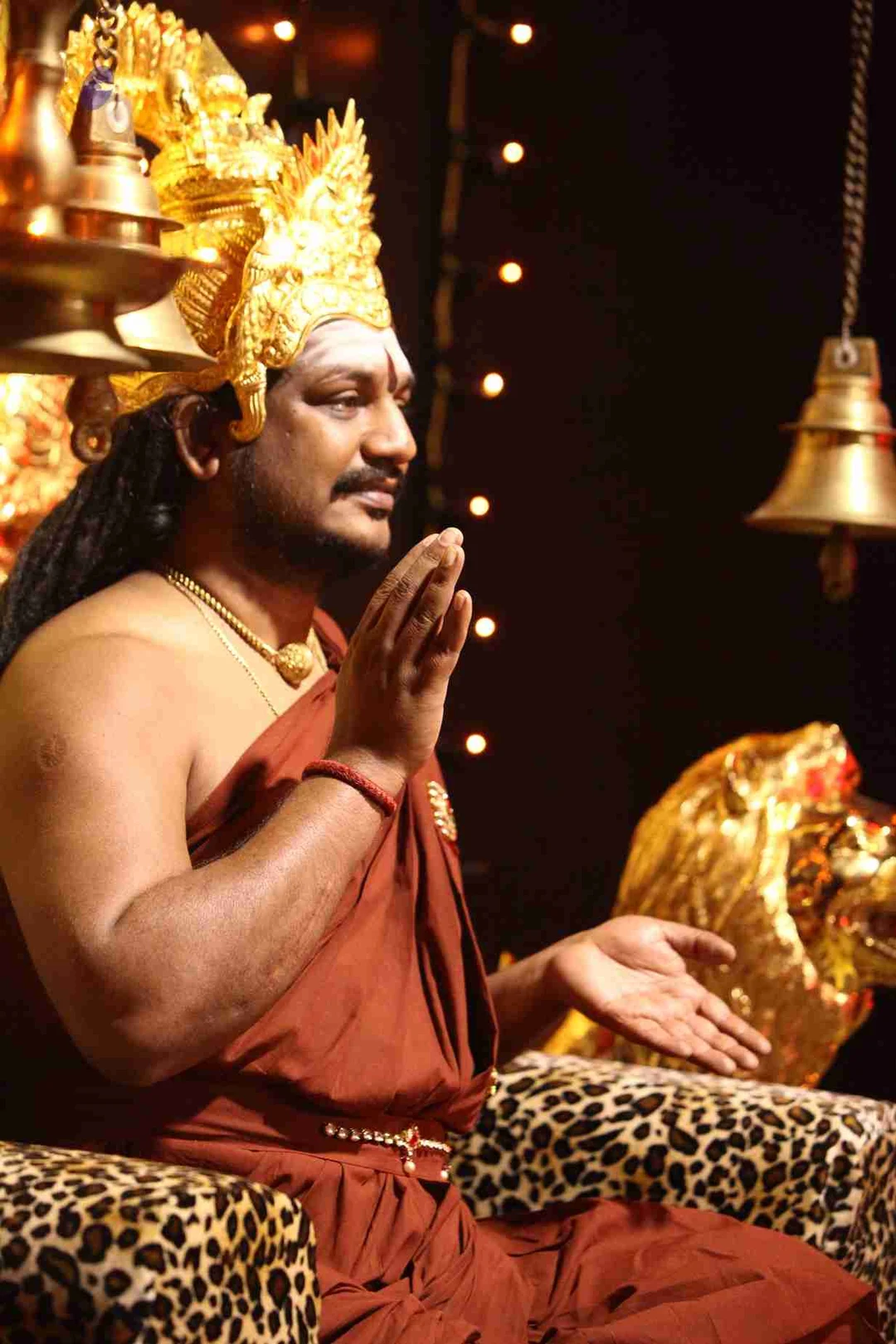
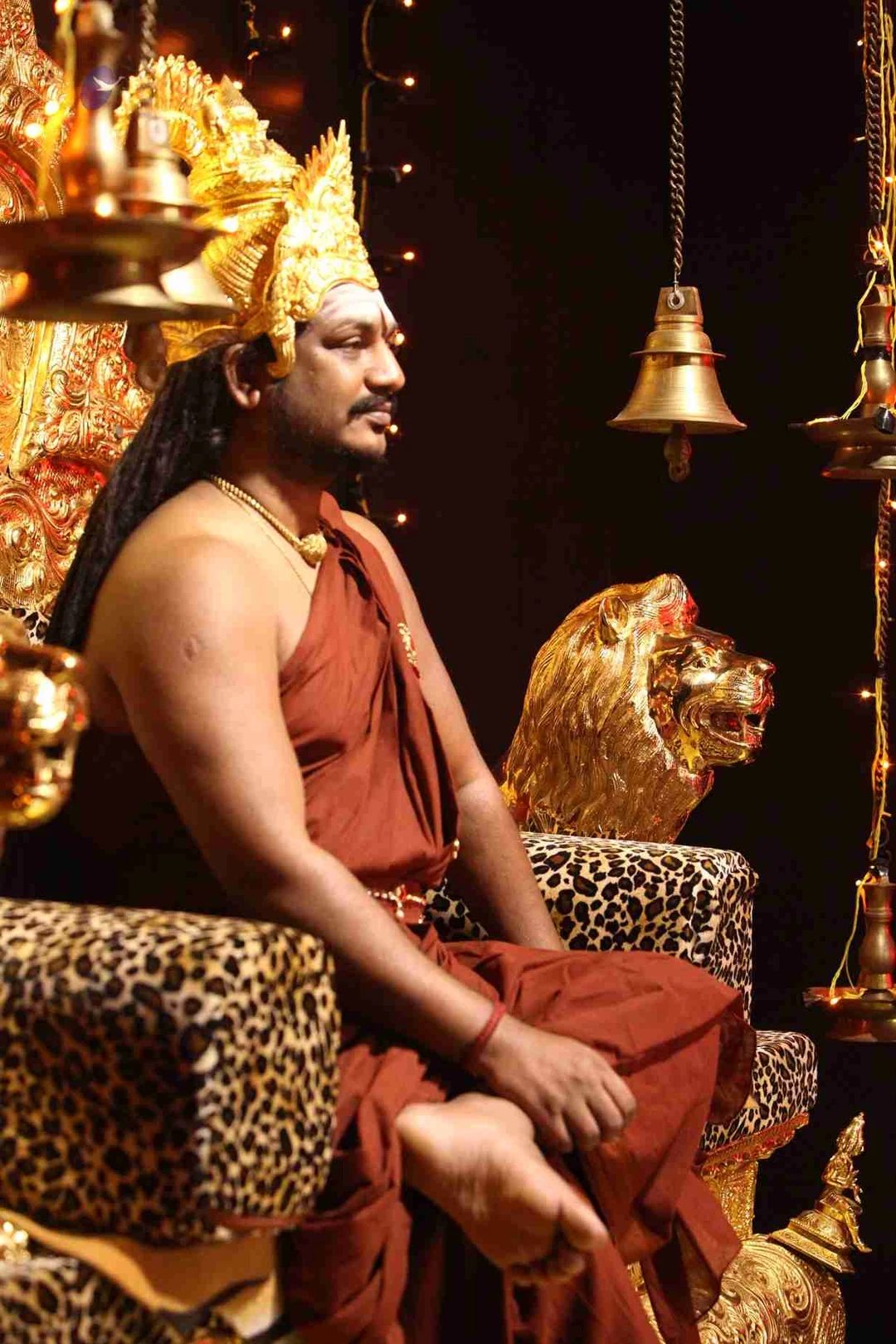
Sakshi Pramana - Sharing from INNER AWAKENING
Sharing from INNER AWAKENING
Link to Facebook page
https://www.facebook.com/ParamahamsaNithyananda/photos/a.321615927926264/1444766432277869
https://www.facebook.com/ParamahamsaNithyananda/photos/a.321615927926264/1444545335633312
https://www.facebook.com/ParamahamsaNithyananda/photos/a.321615927926264/1449905631763949
Photos Of The Day:
FB-photo-of-the-day
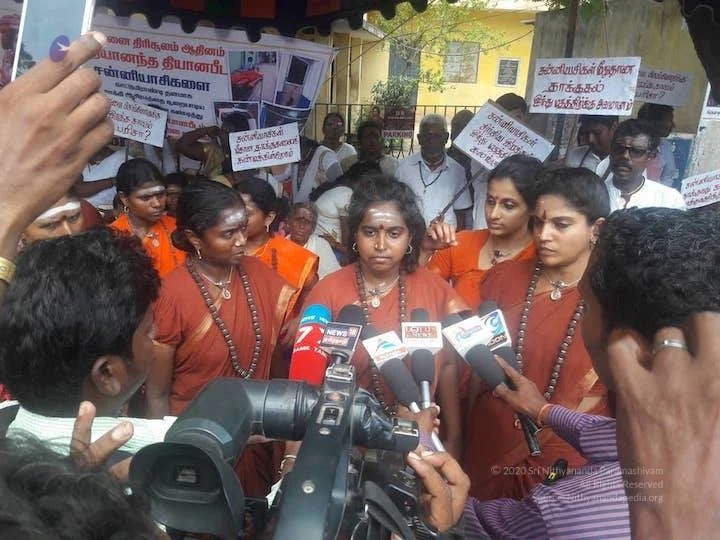
Photos Of The Day:
FB-photo-of-the-day
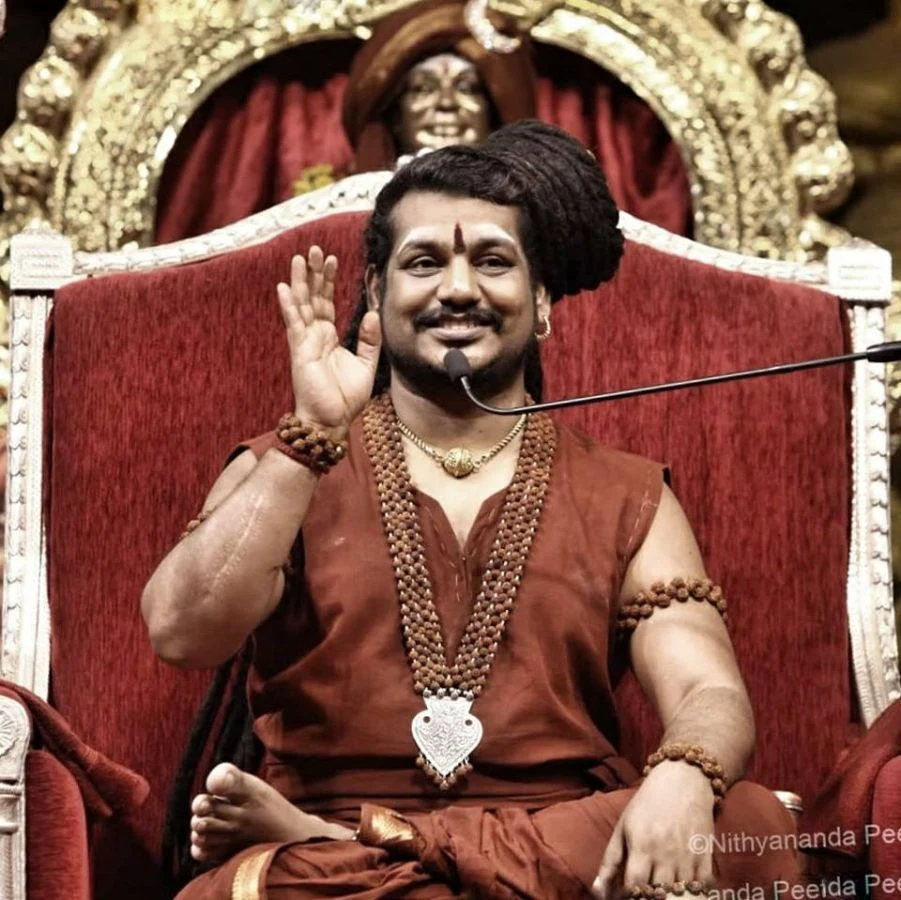
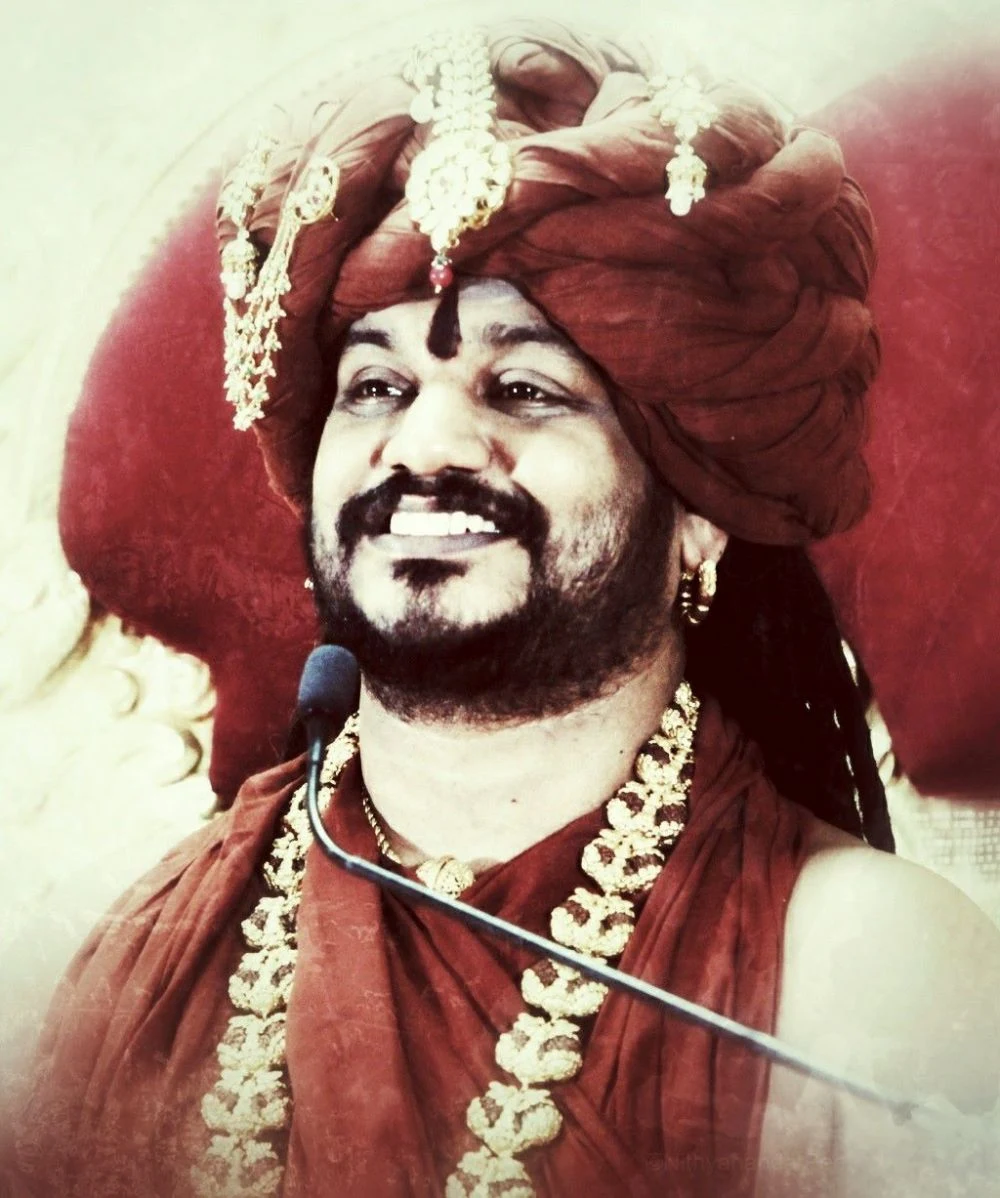
01-PADA-PUJA
02-NITHYA-SATSANG
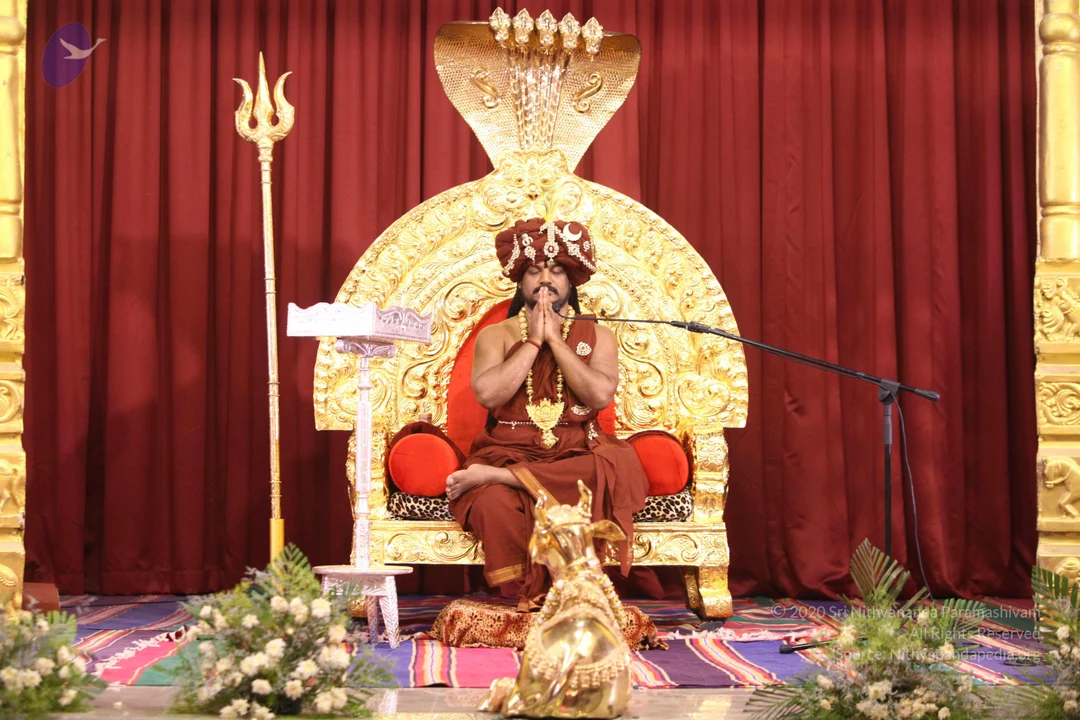
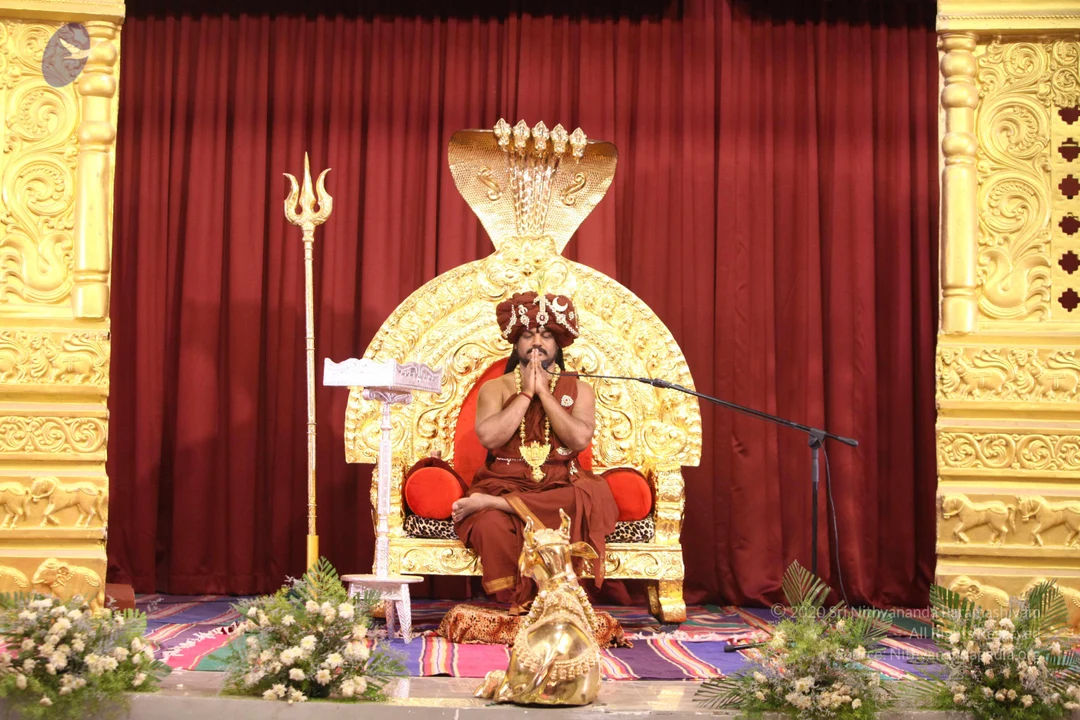
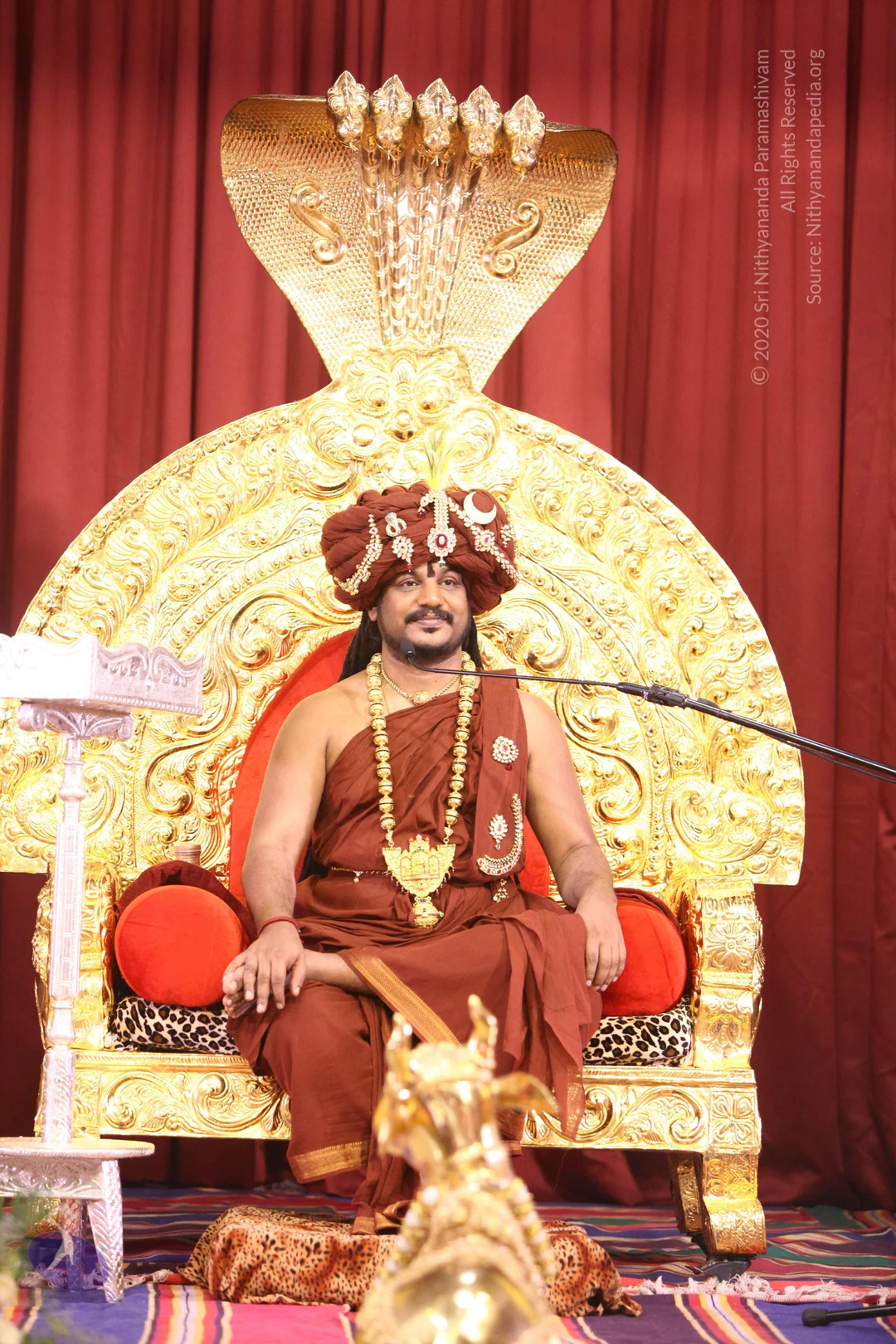
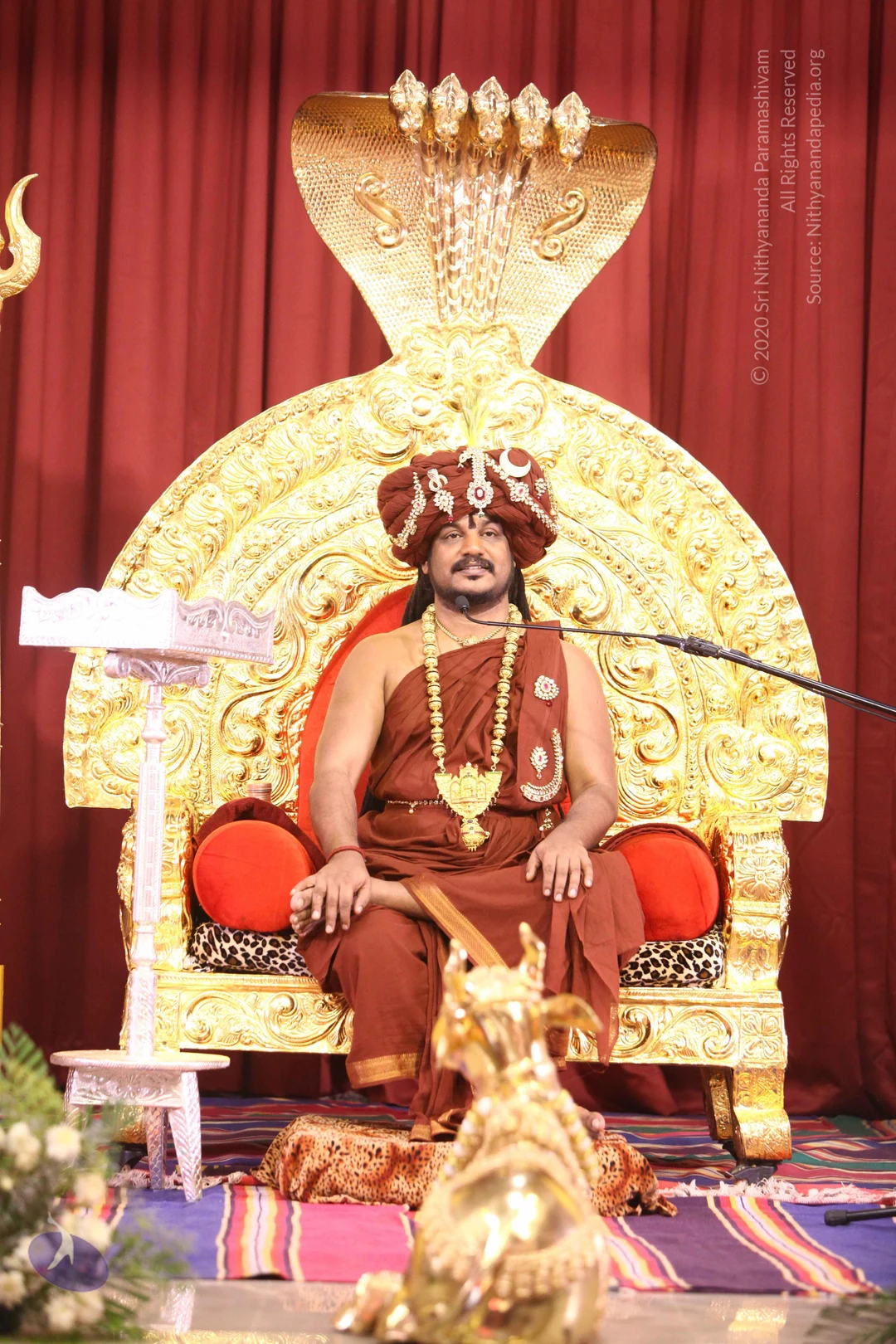
,
Photos from this day
View all 184 photosPhotos
131 photosSource gallery
FB-photo-of-the-day
1 photoSource gallery
FB-photo-of-the-day
2 photosSource gallery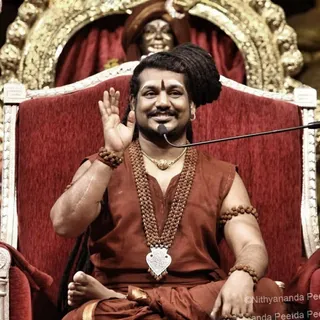
01-PADA-PUJA
7 photosSource gallery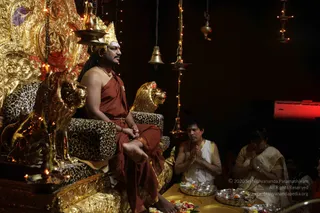
02-NITHYA-SATSANG
43 photosSource gallery