Wednesday
6 July 2016
The Sacred Secrets of Sadashiva, Mahadeva Rahasya
- Dated photos
- 64
- Source pages
- 1
- Media
- 4
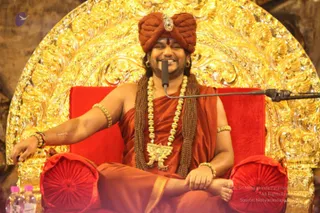
July 06 2016
Original wiki pageTitle:
The Sacred Secrets of Sadashiva, Mahadeva Rahasya
Description
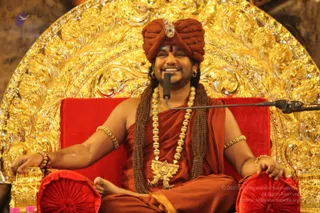
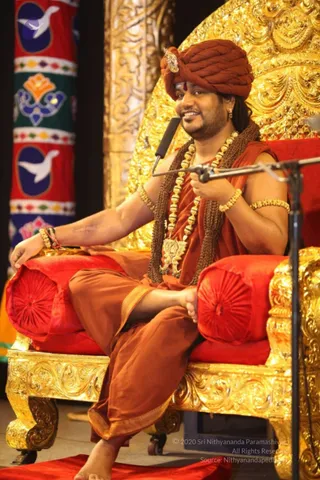
On this Day HDH Bhagavan Sri Nithyananda Paramashivam expands on Listen. This verse, the Shanti Patha of Kenopanishad starts with a declaration, understand. Even prayer becomes a spiritual practice, when you have a right inner image. Many time people come and tell me, “Why somebody’s prayer is answered? Why somebody’s prayers are not answered?” Listen carefully. The person who carries right inner image, his prayers are always answered. And more and more he prays, more and more he becomes part of the whole, part of the Cosmos. Today I wanted to reveal these two sacred secrets - very important sacred secrets. Humbleness is not powerlessness. In the earlier satsang on Ishavasya Upanishad I explained very clearly, for you to be humble, you don’t need to be powerless. For God to be great, you don’t need to be low, please understand. For somebody to be great, you need to be low is political mental setup, not religious.
| Video | Audio |
Transcript:
I welcome you all once again with my love and respects. Especially Swami Atmaram Ji Maharaj from Aghor Peethadheeshwar, from the Keenaram Baba’s Sampradaya. He is actually a direct descendant of a great Avadhuta (अवधूत, Avadhūta) - Keenaram Baba. On behalf of me and Nithyananda Sangha, I welcome Atmaram Maharaji, Aghor Peethadheeshwar with all my respects. We are honour to have you here Swamiji.
(Speech by Swami Atmaram Maharaji being presented by Atmapujananda Swami in Hindi)
01:49 So I’ll continue the satsang on Kenopanishad. As usual everyday Nithya Satsang, so I’ll recite the Shanti Patha, and please recite along with me.
औं आप्यायन्तु ममाङ्गानि वाक्प्राणश्चक्षुः श्रोत्रमथो बलमिन्द्रियाणि च सर्वाणि। सर्वम् ब्रह्मोपनिषदम् माऽहं ब्रह्म निराकुर्यां मा मा ब्रह्म निराकरोदनिराकरणमस्त्वनिराकरणम् मेऽस्तु। तदात्मनि निरते य उपनिषत्सु धर्मास्ते मयि सन्तु ते मयि सन्तु। औं शान्तिः शान्तिः शान्तिः॥
auṃ āpyāyantu mamāṅgāni vākprāṇaścakṣuḥ śrotramatho balamindriyāṇi ca sarvāṇi | sarvam brahmaupaniṣadam mā'haṃ brahma nirākuryāṃ mā mā brahma nirākarodanirākaraṇamastvanirākaraṇam me'stu | tadātmani nirate ya upaniṣatsu dharmāste mayi santu te mayi santu | auṃ śāntiḥ śāntiḥ śāntiḥ ||
04:11 Listen. This verse, the Shanti Patha of Kenopanishad starts with a declaration, understand. Even prayer becomes a spiritual practice, when you have a right inner image. Many time people come and tell me, “Why somebody’s prayer is answered? Why somebody’s prayers are not answered?” Listen carefully. The person who carries right inner image, his prayers are always answered. And more and more he prays, more and more he becomes part of the whole, part of the Cosmos. Today I wanted to reveal these two sacred secrets - very important sacred secrets. Humbleness is not powerlessness. In the earlier satsang on Ishavasya Upanishad I explained very clearly, for you to be humble, you don’t need to be powerless. For God to be great, you don’t need to be low, please understand. For somebody to be great, you need to be low is political mental setup, not religious.
06:29 He can be great, you can be great because both are from same source. Both are ultimately one and the same. If you have low inner image, sometimes your prayers may get answered, but, you will never be out of suffering. You will never be out of suffering. When you have the right inner image, not only you will manifest your prayers you will be experiencing Oneness with the reality, understand. Experiencing Oneness with the reality is not only your ambition, it is the ambition of even the Whole! Sadashiva is waiting for you to declare, “You are Shiva,” understand. He doesn’t feel angry or jealousy when you declare, “Shivoham.” No! I am giving you the insider secret. Many of you believe if I declare, “Shivoham,” Shiva will say, “Eeh, what do you mean? Are you qualify for it? Get qualified. How dare you are.” No, that is not the response you are going to receive from Sadashiva.
08:11 Even superficially with all your great self-doubt, self-hatred, self-denial, you declare, “Mee… I think I am Shivoham but for my wife in my life.” “But for this disease in my life, if this poverty is not there, maybe I think I am Shiva.” Even if it is meagerly done with so much of self-doubt and self-hatred and self-denial - Sadashiva feels tremendous joy and He just opens up and He only fills what all the parts and corners of your inner space He can enter, and make that Shivoham as a permanent reality to you, understand. Feeling jealousy, competitive, claiming exclusivity, authority is not the space of Sadashiva. I am telling you as an insider. Even if you struggle, and declare, “Shivoham” - Sadashiva only looks how He can make that more and more as your reality, more and more into your reality. Understand.
10:11 The other day I was explaining to Inner Awakening participants - everybody has three life. Public life means social life; private life with the family, close family; secret life. Very rarely, maybe only one or two persons will be part of your secret life. Understand, public life is your friends, relatives. Private life maybe, maybe one or two person from your family or close friend. Secret life, very rarely one or two, surely it will not be from the family. Very rare somebody from your family becomes part of your secret life. Understand! When you are praying with the low self image, low inner image, “Ooh God, you are great but I am sinner. You are rrr… I am powerless.” You can maximum be only part of Sadashiva’s public life. Only from the right inner image, when you declare, “Shivoham,” you enter into His private life. When you understand He is not jealous of you, He is not unhappy having you as Him, when you catch the secret - He is also celebrating you. He is waiting for you. 12:31 Not only He is not jealous, He is waiting to celebrate you, and He is waiting to make your declaration as reality, even if it is with all the self-doubt, self-hatred, self-denial. When you understand this secret and declare, “Shivoham,” as your reality, you become part of Sadashiva’s secret life. Understand, God is not one, God is Oneness. If God is one, the God has to be jealous. He has to be holding His seat, authority, throne! But Sadashiva knows the reality - Oneness is God, not one. So, He is waiting for everyone of us to celebrate the Oneness, to celebrate His existence, understand. This is the most important secret you need to know. When you try to declare, when you try to raise yourself, when you want to experience “Shivoham,” “You are Shiva,” “the space of Sadashiva” - He is not jealous of you. He is not angry with you. He is not disturbed by you. He welcomes you and celebrates you. Understand.
15:02 Sadashiva’s social life, public life is what you read in puranas - He went and killed that demon, He went and blessed that devotee, all that. Whatever He shared personally as the original secret of enlightenment as Agama to Devi, Subramanya, Nandi - all of them are part of His private life. Rare beings who are able to understand the secret just like yearning, devotion. Seeking for Shiva is in your eyes, the same seeking is there in Sadashiva’s eyes for you to be one with Him. Understand, the seeking and yearning you carry in your eyes when you gaze at me, is there in my eyes when I see you. This is the secret of the secret. Whoever catches that secret of the secret and declares the truth, “Yes, when I decide to be He, He is waiting to have me as He. Just like I was waiting, He was also waiting.” Whoever understand this secret and declares, “Shivoham,” they become part of Sadashiva’s secret life.
17:38 Understand. Powerful declaration integrates your body, mind, Consciousness - brings tremendous completion with Sadashiva, makes you experience the inner space of Sadashiva and manifest the powers of Sadashiva. Don’t even bother about powers. When you become part of His secret life, He simply manifest through you. He is waiting to have more bodies through which He can manifest. If your eyes are carrying deep yearning, seeking - I guarantee you, when He sees you, His eyes also have to carry that same seeking, yearning for you. You are not a poor orphan human being or sinner. Amritasya Putraha! You are born from His very DNA. When you want Him, He has to want you. If this truth does not click with you, then you can continue to be part of His public life.
19:58 Doing bhakti, means being part of Sadashiva’s public life. Doing sadhana, spiritual practices as per His instructions in Agamas means you are becoming part of His private life. Declaring, knowing this secret, “Eh, when I want you, I know you want me.” “Eh, eh, I know because you want me only, you put the seed of me wanting you.” When you catch that secret, and start enjoying that in your heart, in your being, celebrating, even your seeking, “Eh, I think He wants me, that is why He puts the seeking that I want Him in me.” The moment you catch that secret of the secret, and declare, “Shivoham, Sadashivoham. I am He. He is me. He is waiting for my yes to manifest through me. I am waiting for Him to manifest through me. Why are we waiting, when we both want each other? What stupidity.” When you understand the whole stupidity and declare, “Sadashivoham” from your being, you become part of His secret life.
22:10 There will be enough of fools on the planet earth, “No, no, no, how can we be part of Him? He, He, He... we, we, we... He, He, He… me, me, mee…” There will be enough of fools, make sure you are not influenced by those fools but you are influenced by the fellow who reveals the secret of Sadashiva in you. Ask a person who tasted the inner space of Sadashiva, established in the inner space of Sadashiva. I reveal this Mahadeva Rahasya, understand. You might heard many Deva Rahasya. What Yama Dharma speaks about death is Deva Rahasya. What Sri Krishna teaches to Arjuna is Raja Vidya, Raja Guhyam (राजविद्या, राजगुह्यं, Rājavidyā, Rājaguhyaṃ) - the royal secret, royal knowledge. That is what Krishna taught to Arjuna is royal secret. What Yama Dharma taught to Nachiketa is divine secret - Deva Rahasya. Now what I am telling you is Mahadeva Rahasya.
23:56 Jivatma, the individual existence: the moment the individual existence - Jivatma, starts yearning and seeking for Oneness with the Paramatma, Sadashiva, the Whole - understand, calls never starts from individual, it always has to be initiated by the Sadashiva. Individual has no capacity to start, initiate the call. He can only pick up the phone. Individual Jivatma has no outgoing facility available. You only has an incoming. All the outgoing is only with Sadashiva, only He can call, He can invoke, He can provoke seeking in you. The moment the bell is ringing in your heart, understand, He called. Don’t think you are calling. Don’t think you are calling, He called - answer it. Knowing this Mahadeva Rahasya: seeking itself is a signal He wants you. Seeking itself is a signal He want to manifest through you. Seeking itself is a signal He wants Oneness with you. Understand.
25:47 You can go on believing either your self-doubt, self-hatred, self-denial or the secret I am revealing now. It’s up to you. The moment what I am saying clicks with you, you have started understanding Deva Rahasya, start, you start understanding Mahadeva Rahasya. Start declaring clearly, “The seeking in me is the signal you have a secret crush on me.” It is Sadashiva’s secret crush on you, only expresses as seeking in you. Seeking is a too powerful gift which ordinary human beings can’t afford. Only if you have tasted honey, you will start searching for honey. Only if you have tasted the Oneness knowingly or unknowingly, sometimes you may not know it is Oneness, you may not know how to articulate or verbalise, somewhere you have hit, somewhere it has hit you - that is why you even want it. Understand. Your seeking is the clear note, a clear signal Sadashiva has secret crush on you. Proceed with courage.
27:50 I am the ambassador. I am responsible for what I am talking. The moment seeking starts He is calling. He is calling. Don’t be fool to think He needs something from you. No. He just needs you. Not something through you. He just needs you. Understand, He is waiting to manifest Himself through you. He is waiting to expand Himself through you. He is waiting the you in Him to experience He in you. The truth “Sohamasmi” declared by Ishavasya Upanishad. “Sohamasmi.” He is waiting to explode. The truth is waiting to explode. Sadashiva is waiting to possess you. He is waiting to fill you. He is waiting to overflow. Understand. He is not jealous God. He is joyful God. Remember this one thing, Jivatma has no outgoing facility. He only has incoming facility. If you are having seeking, be very clear, it is call from the other side, not the call from you, because you have no outgoing facility. You only have incoming facility. You can only pick up the call. You can’t make it. You can’t make the call. You can only pick up the call. Only Sadashiva can call.
30:23 Understand this secret, and declare with all your will deeper and deeper, greater and greater, “Sadashivoham, Sadashivoham, Sadashivoham.” With this declaration, everytime you declare, how much ever it is filled with self-doubt, self-hatred, self-denial - He doesn’t care. Sadashiva comes closer and closer to you everytime you declare. Makes it more and more as reality everytime you declare. Understand this Mahadeva Rahasya. And with this understanding, when you declare, “Sadashivoham,” you became part of His secret life. Nothing more actually need to be told. I let the Mahadeva Rahasya as a open secret today. Live it. Live it. I don’t have one statement for today’s status. Today’s whole satsang has to be your status. Share it. I cannot give the gist. I cannot give the gist. Maybe I can give the title for it - Mahadeva Rahasya. But I cannot give the gist. Every line is a essence. In rahasya, in the secret - you cannot remove any word. Every word uttered is a secret of the secret. Catch it. Start manifesting it. Shivatvamasi.
With this, I bless you all. Let you all radiate with integrity, Authenticity, Responsibility, Enriching, Causing, Living Shuddhadvaita Shaivam, The Eternal Bliss, Nithyananda. Thank you. Be blissful.
Title:
Paramahamsa Nithyananda receives Aghora Peetadeeshwar in Varanasi
Description:
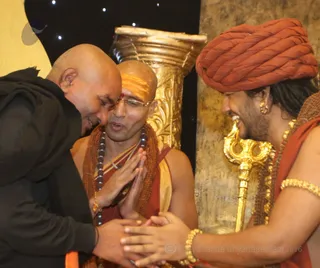
In the 6 July Satsang in Varanasi, Paramahamsa Nithyananda receives an honoured guest. Atmaram Maharaj ji is the current Aghor Peetadeeshwar and direct decendent of legendary saint Kinaram Baba.
Link to Video:
Transcript:
|| nithyānandeśvara paramashiva samārambhām nithyānandeśvari parāshakti madhyamām | asmatācārya paryantām vande guruparamparām ||
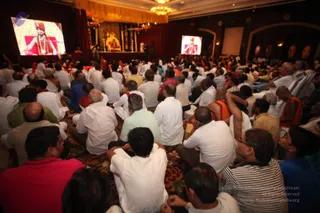
(0:34) I welcome you all with My love and respects. I welcome all the Devotees, Disciples, Sarvajnapeetha Yajamans, Samajis, Satsangis, Shri Mahants, Mahants, Thanedar, Kothari, everyone sitting with us through Nithyananda TV and 2-way Video Conferencing, having Nayana Deeksha all over the world.
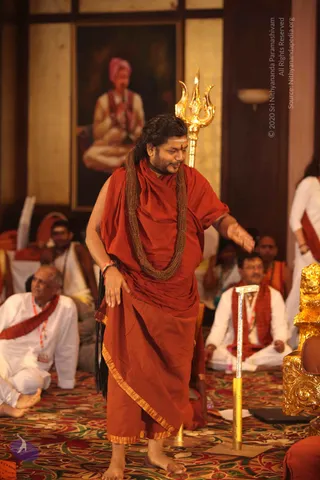
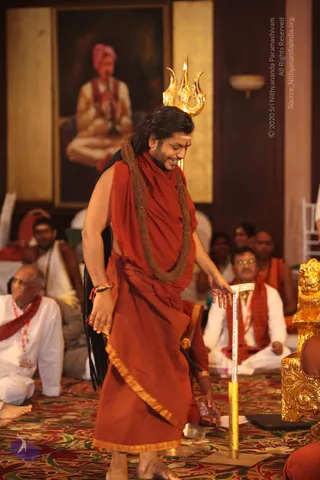
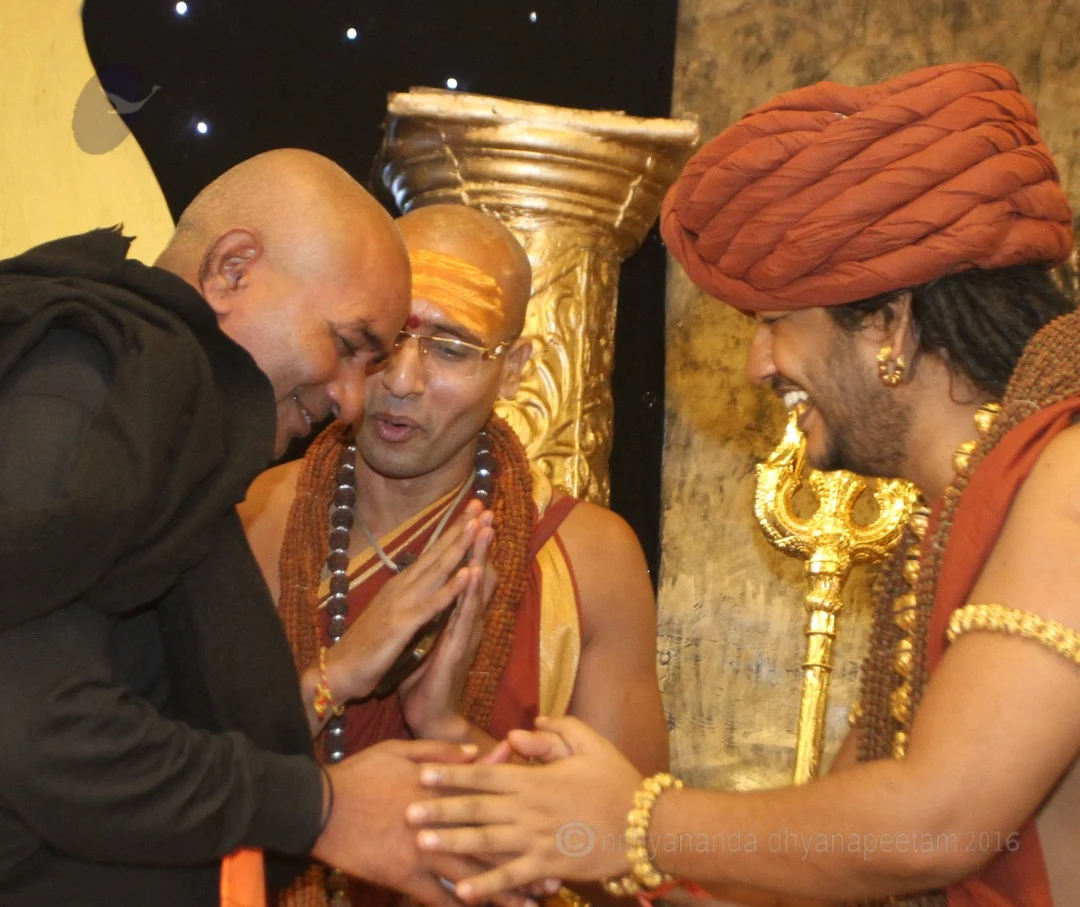
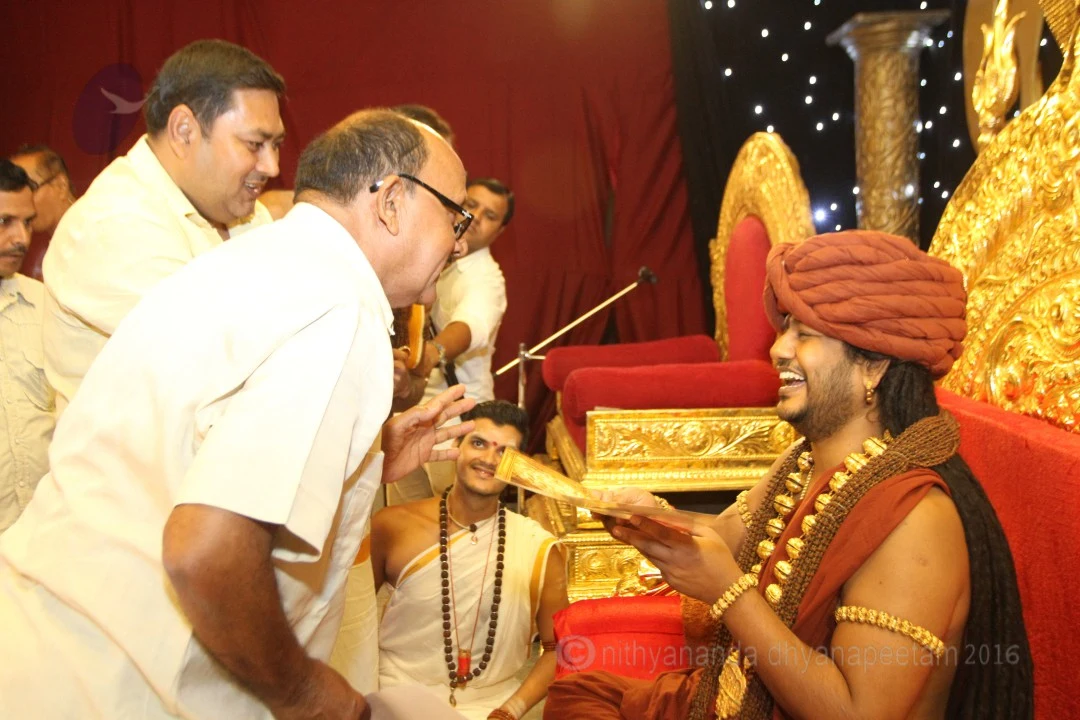
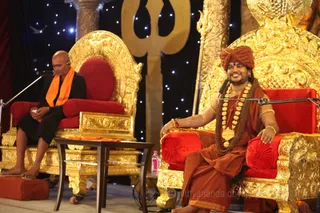
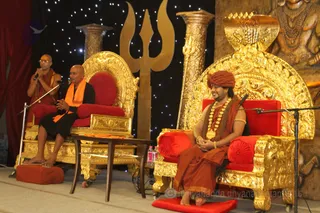
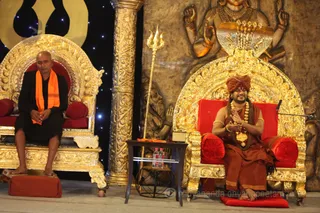
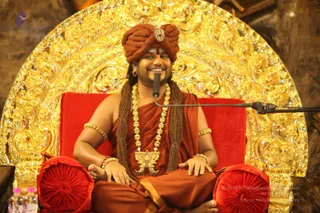
(01:15) Swamiji receiving an honored guest - Atmaram Maharaj Ji.
(1:40) Jnanatma Swami speaking. It’s my privilege and honor, on behalf of the Nithyananda Sangha- I would like to kindly welcome Aghora Peetadeeshwar, Atmaram Maharaj Ji, from Kinaram Matt, Hariharpur. He is from the Aghora Sampradaya and he is in the lineage of the great Aghori Baba - Kinaram Maharaj Ji. And I would first like to give a little bit introduction about Kinaram Baba. (2:16)
Actually, last year, we were having Inner Awakening in the same place. On the night of 1st July 2005, when Swamiji was resting in samadhi, Swamiji suddenly heard a flight sound. Usually in samadhi, Swamiji won’t hear any sound or he won’t see anything. But Swamiji was shocked. Then slowly, Swamiji started recognizing the external atmosphere. He thought, “We are nowhere near an airport and even if there is a airport, when I fall into Samadhi, I never hear any sound of flight moving and all that. How come?” When Swamiji was wondering like this. He suddenly saw Kinaram Baba Ji was flying in his cot. (3:10) Atmapujananda Swami speaking in Hindi.
(03:42) Jnanatma Swami speaking. Kinaram Baba is a great Aghori, who used to fly just by touching his cot. Wherever he wants to go, he will just touch that cot. He used to sit on a wooden cot and that cot is still there in his Ashram in Varanasi. He is not using his body anymore. His body is in Jeeva Samadhi, but he doesn’t need that body and all that. Like helicopter, that cot used to go along with him. When Swamiji saw him, He asked, “Where are you going?” Kinaram Baba replied, “No, I came to give Darshan. This time, I will express through You. This time I will express through You, and give all the initiation.” (04:38) Atmapujananda Swami speaking in Hindi.
(5:17) Jnanatma Swami speaking. “This time I will express though You and give all the initiation. Make all these people do whatever need to be done, through this Kundalini Awakening.” And Swamiji just bowed down in respect and offered him His respects.
(05:34) Atmapujananda Swami speaking in Hindi.
(05:43) Jnanatma Swami speaking. And by the time, in 2 to 3 seconds, in just 2 to 3 seconds, when Swamiji was offering His respects, the entire idea of respect, respected and the person respected - all that disappeared and Swamiji fell into the space of Advaitha. (05:59) Atmapujananda Swami speaking in Hindi.
(06:24) Jnanatma Swami speaking. Not only in those days, even now, the Great Beings who achieved the space of Shivoham, are just moving around here and there. They are all very much available in this sacred land of Varanasi. (06:39) Atmapujananda Swami speaking in Hindi.
(6:52) Jnanatma Swami speaking. Kinaram Baba is one of the great Aghori, whose recorded biography goes to 440 years. (07:01) Atmapujananda Swami speaking in Hindi.
(07:13) Jnanatma Swami speaking. Kinaram Baba used to have a cot. Wherever he wants to go and give Darshan to some devotees or wants to see someone, he will just tap the cot and it will fly. It will fly wherever he wants to go. He will go and he will bless the people and he will come back, using his physical body. (07:32) Atmapujananda Swami speaking in Hindi.
(07:53) Jnanatma Swami speaking. There is no physical, psychological, physiological rules for them. They just break everything. (07:58) Atmapujananda Swami speaking in Hindi.
(08:16) Jnanatma Swami speaking. And Kinaram Baba’s Samadhih, e has a Jeeva Samadhi here, through which he is still alive. (08:24) Atmapujananda Swami speaking in Hindi.
(08:32) Jnanatma Swami speaking. When he was alive, they built that tomb. He just sat and told his devotees, disciples, to build a tomb - a Jeeva Samadhi - around him. (08:43) Atmapujananda Swami speaking in Hindi.
(08:56) Jnanatma Swami speaking. He just told his disciples, “Cover the stone, enough. I am going to be sitting here forever and blessing all of you.” He just said like that and that is called his Jeeva Samadhi, which is still here in Varanasi. The tomb build, where you are alive is called Jeeva Samadhi. (09:13) Atmapujananda Swami speaking in Hindi.
(09:39) In the same Sampradaya, the disciple of Kinaram Baba Ji - Aghora Peetadeeshwar - Atmaram Maharaj Ji, is here with us today, sharing the stage with Swamiji and it’s a great privilege and a blessing for all of us, that Maharaja Ji has come today to grace all of us. (09:55) Atmapujananda Swami speaking in Hindi
(10:18) Jnanatma Swami speaking. We now, we now request the Maharaj Ji to share a few words. (10:26) Atmapujananda Swami speaking in Hindi (10:37) Atmaram Maharaj Ji speaking in Hindi.
(11:26) Atmapujananda Swami translating. Maharaj is feeling so great that in this rainy season and all of you are here and he is welcoming on behalf of The Mutt, all of you present here.
(11:39) Atmaram Maharaj Ji speaking in Hindi.
(12:09) Atmapujananda Swami translating. Swamiji is doing extraordinary work for the religion, for Santana Dharma. All across the world, His work on the Dharma is going on. (12:21) Atmaram Maharaj Ji speaking in Hindi.
(12:45) Atmapujananda Swami translating. Whenever divine soul comes, there is change happens in the society and Swamiji is a divine soul, after which arrival there have been changes happening in the society all around. (13:05) Atmaram Maharaj Ji speaking in Hindi.
(14:37) Atmapujananda Swami translating. Swamiji is talking about Baba Kinaram Ji. He said, this is the place of Lord Shiva and Kinaram Ji is a great Saint, who has come here and Kinaram Ji had done a great Tapasya - Aghora Tapasya - of 12 years. And he was telling about, during the tenure of Kinaram Baba, there used to be a King, the dharma was in a very bad shape at that time and the Rajas used, the kings used to do the rule, very strong and rude ruling at that time. (15:21) Atmaram Maharaj Ji speaking in Hindi.
(16:14) Atmapujananda Swami translating The King was...suddenly the King, was kept one….catch one person and put in the jail. Bur when Baba protested, he also caught Baba and put him in the jail. Then suddenly Kinaram Baba just touched the mixture, the grinder, that time there used to be stone grinder in the jail. So when he touch the grinder, it continuously started moving and then it didn’t stop. Even everybody got stunned; “How it is moving on its own?” Then the information went to the King. The King came to saw, then he saw that the Baba’s power is so much, that anything you want, he can do. So he surrendered to Babaji and then Babaji came out. (17:00) Atmaram Maharaj Ji speaking in Hindi.
(17:50) Atmapujananda Swami translating Today, in the world, everybody wants peace and peace can be attained by Sadbhav and right thinking. And today he is so happy to see Swamiji, radiating that and leading people into the path of peace. And he is so happy for that. (18:19) Atmaram Maharaj Ji speaking in Hindi.
(18:40) Atmapujananda Swami translating He wants to tell the people - some people who just criticized Swamiji, that when you are criticizing a Master, you are criticizing God Himself. And he is telling, you can never criticize God, you can never criticize a Saint, you can never criticize Dharma. (19:06) Atmaram Maharaj Ji speaking in Hindi.
(19:35) Atmapujananda Swami translating Whenever any great soul comes, like Shakaracharya, always came down to protect religion.nAnd whenever a Saint appears, is to spread and protect religion. (19:48) Atmaram Maharaj Ji speaking in Hindi.
(19:57) Atmapujananda Swami translating Tulsidas Ji has mentioned in his Scriptures, that Saints is to be worshiped. (20:06) Atmaram Maharaj Ji speaking in Hindi.
(20:14) Atmapujananda Swami translating Saint sacrifices everything, gives everything to the society, so he is to be most respected. (20:23) Atmaram Maharaj Ji speaking in Hindi.
(20:50) Atmapujananda Swami translating The person who does everything for others, for others benefit - he is... he is to be….he is to be worshipped only. (21:03) Atmaram Maharaj Ji speaking in Hindi.
(21:21) Atmapujananda Swami translating Today, the whole world is looking towards peace. Everyone is looking towards peace. But in such time, some elements, they wants to create ruckus in the society. (21:35) Atmaram Maharaj Ji speaking in Hindi.
(21:36) Atmapujananda Swami translating God, let God give him...give them right knowledge. (21:42) Atmaram Maharaj Ji speaking in Hindi.
(21:50) Atmapujananda Swami translating They should come into the mainstream society and live with the mainstream society. (22:00) Atmaram Maharaj Ji speaking in Hindi.
(22:07) Atmapujananda Swami translating Truly speaking, seeing you, I am feeling so happy. You all have come from various countries. (22:14) Atmaram Maharaj Ji speaking in Hindi.
(22:19) Atmapujananda Swami translating You are guest here and you are like God, you are...you are the God…. the guest is God. (22:26) Atmaram Maharaj Ji speaking in Hindi.
(22:46) Atmapujananda Swami translating I pray to Lord Shiva, Kashi Vishwanatha. I pray to Ma Gangamaya and also I pray to Kalbhairav, that all of you get peace and bliss for your whole life. (23:14) Atmaram Maharaj Ji speaking in Hindi.
(23:24) Atmapujananda Swami translating He is offering his pranam to Swamiji and his blessings to all the devotees and his greetings to all the saints sitting here in the audience.
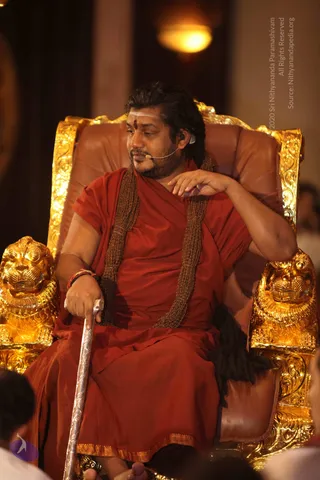
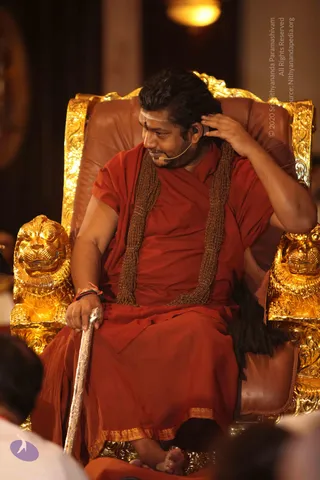
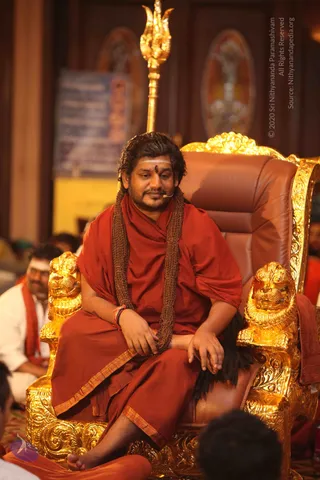
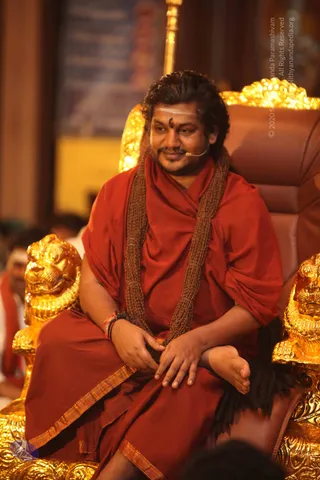
Photos From The Day:
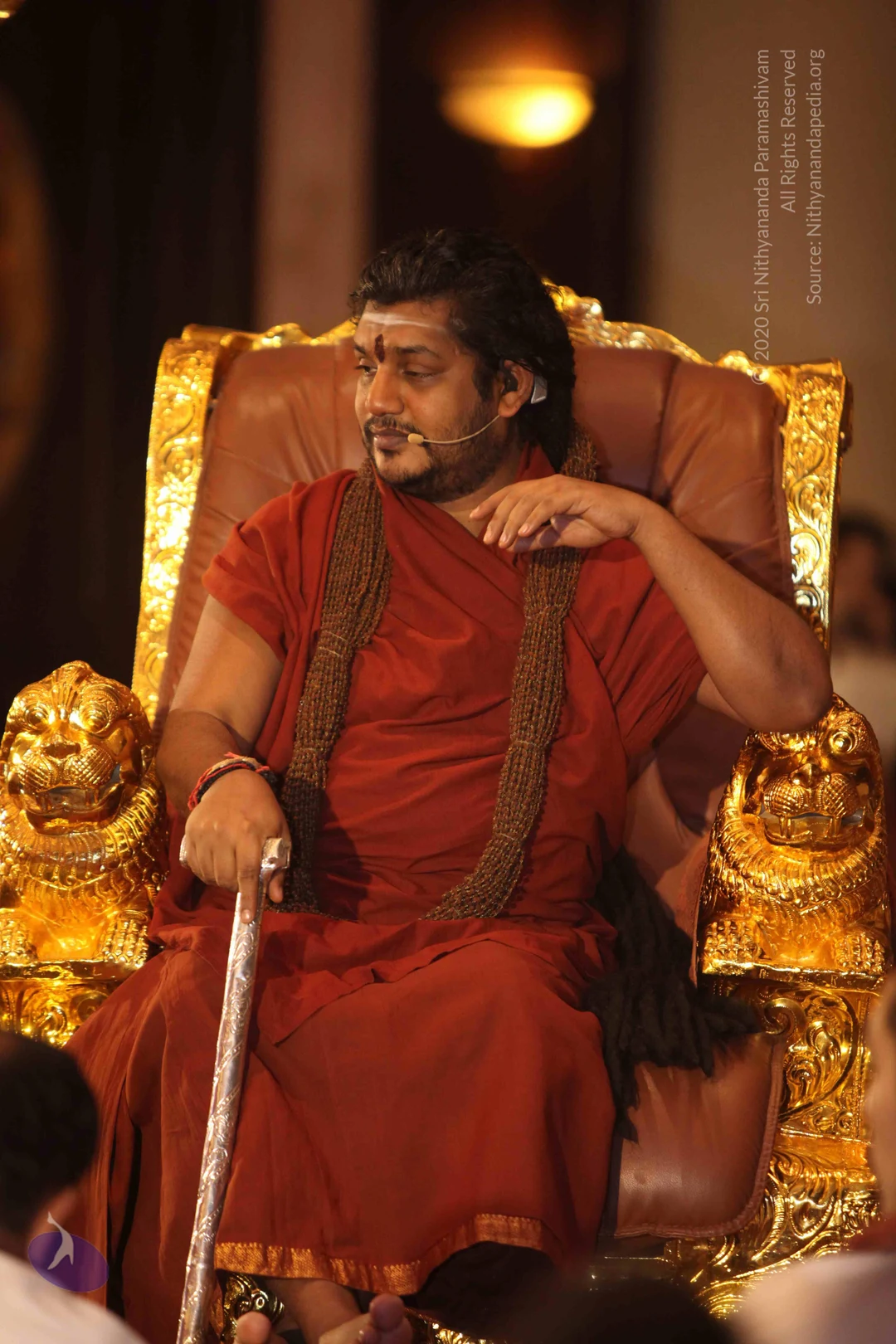
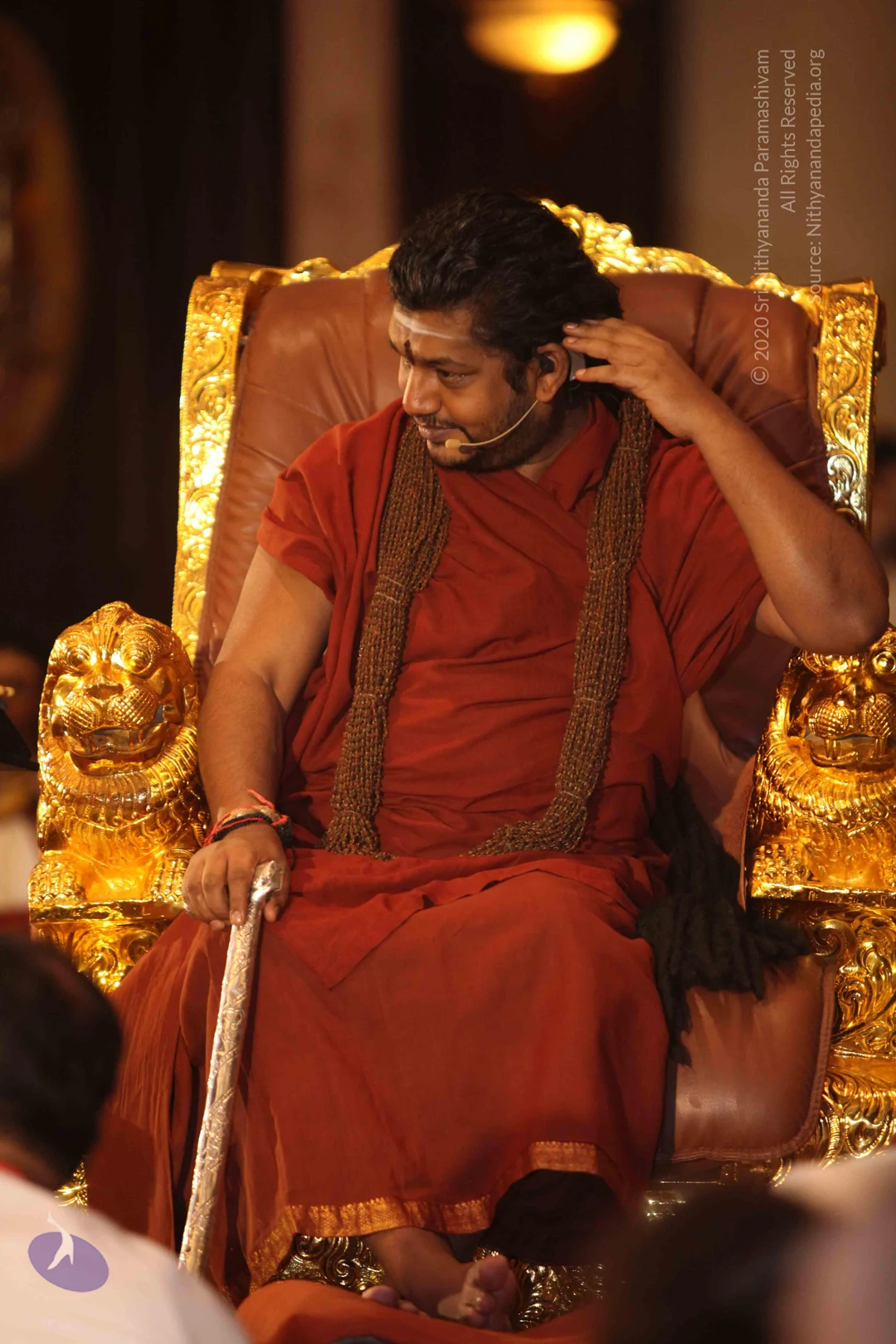
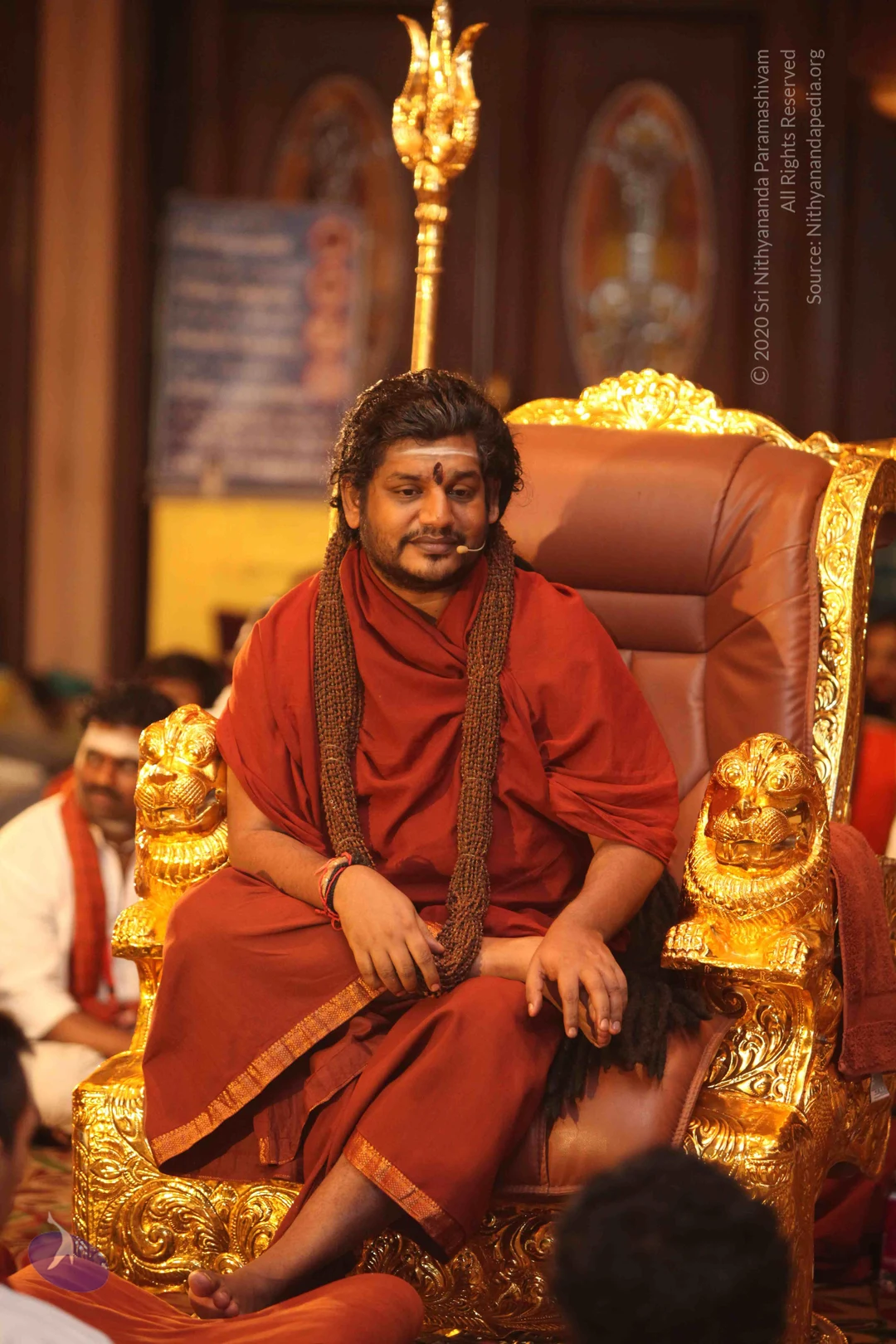
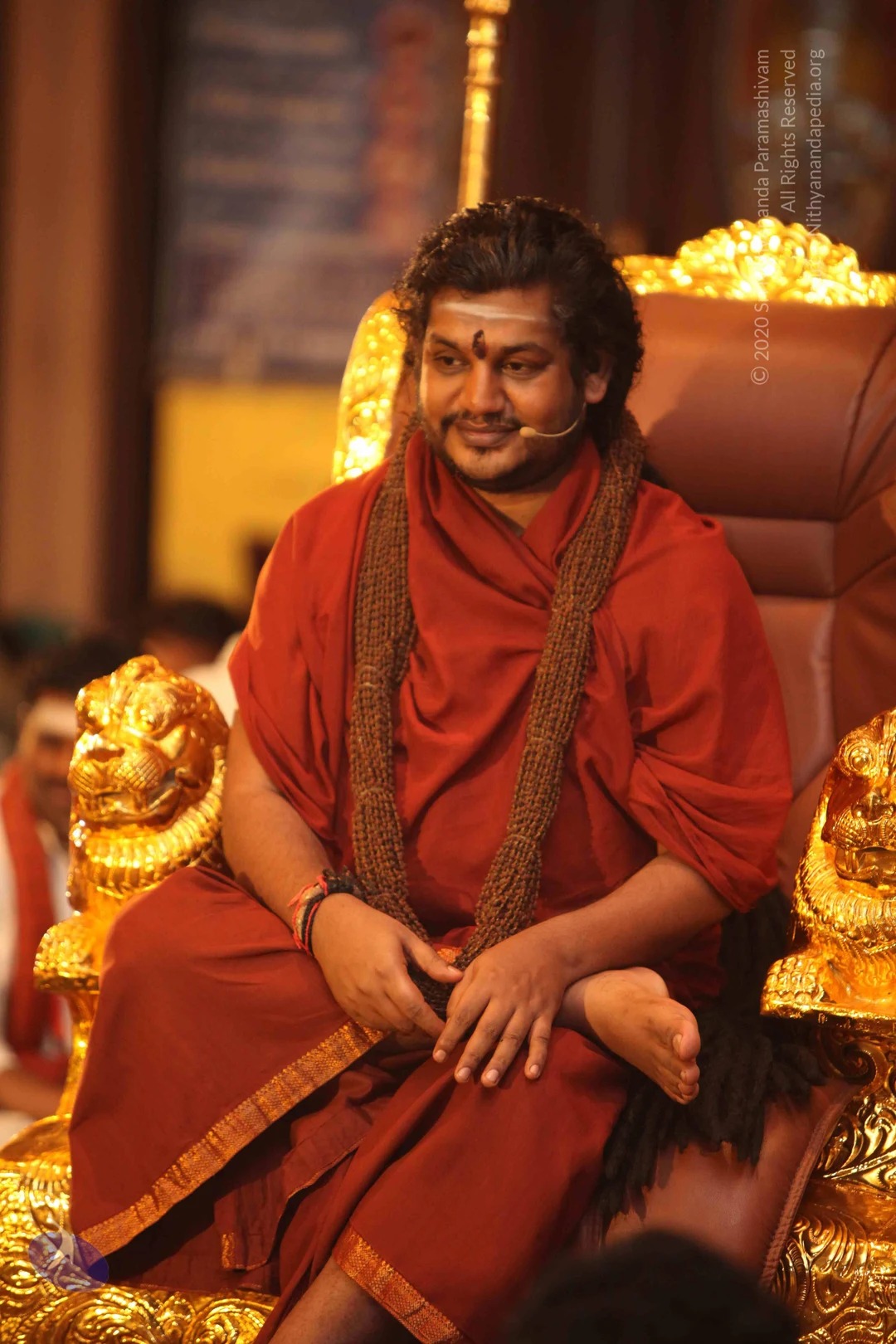
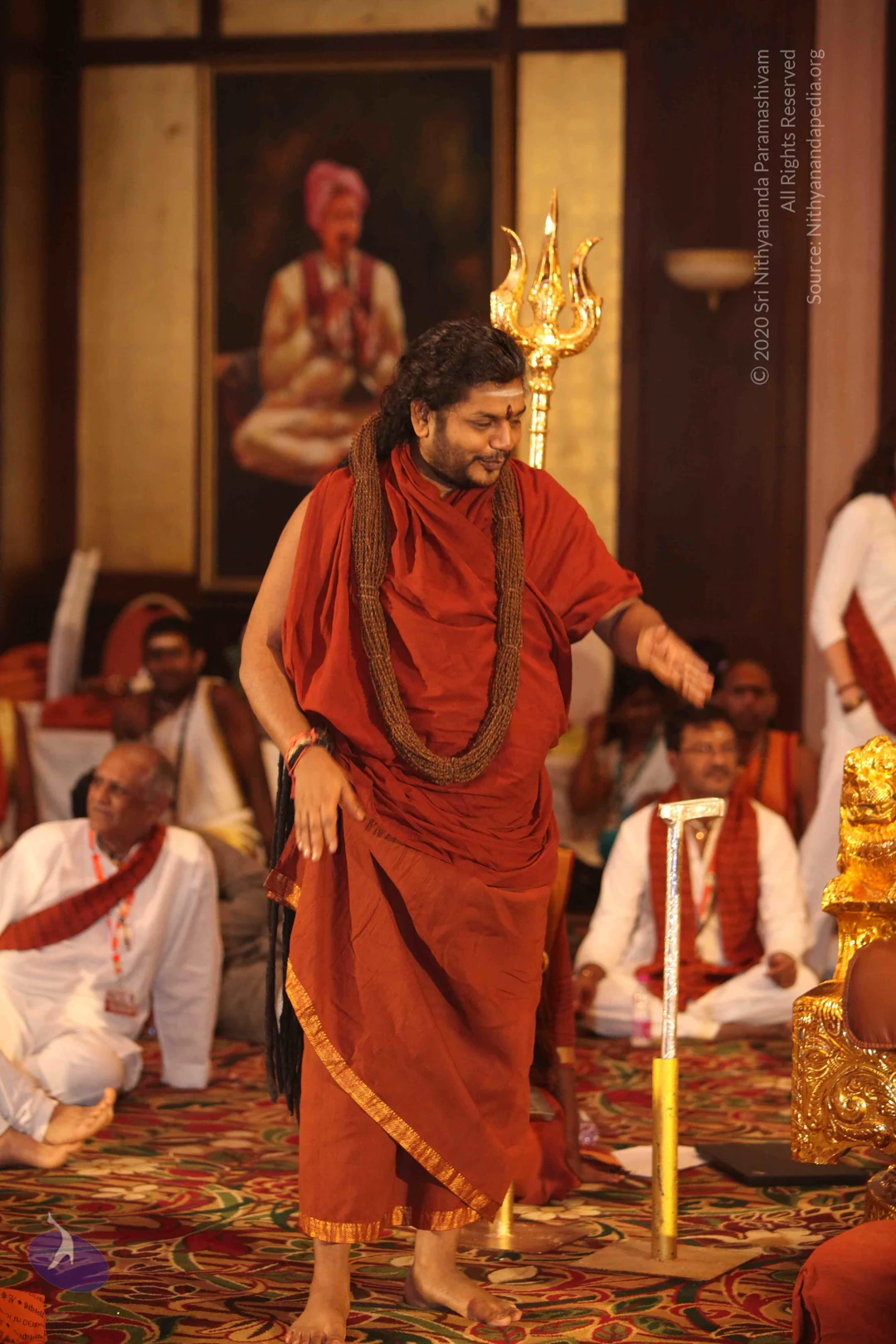
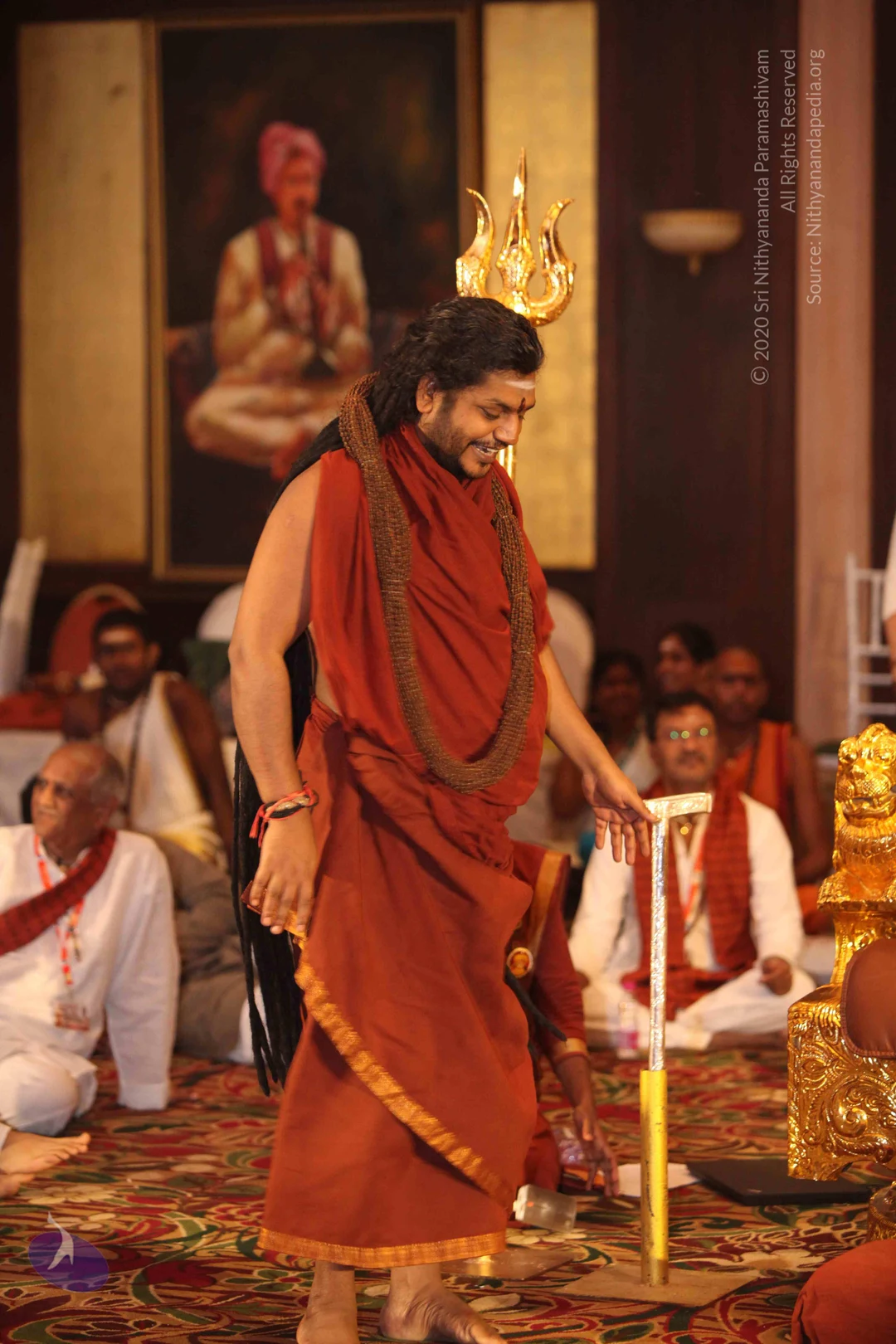
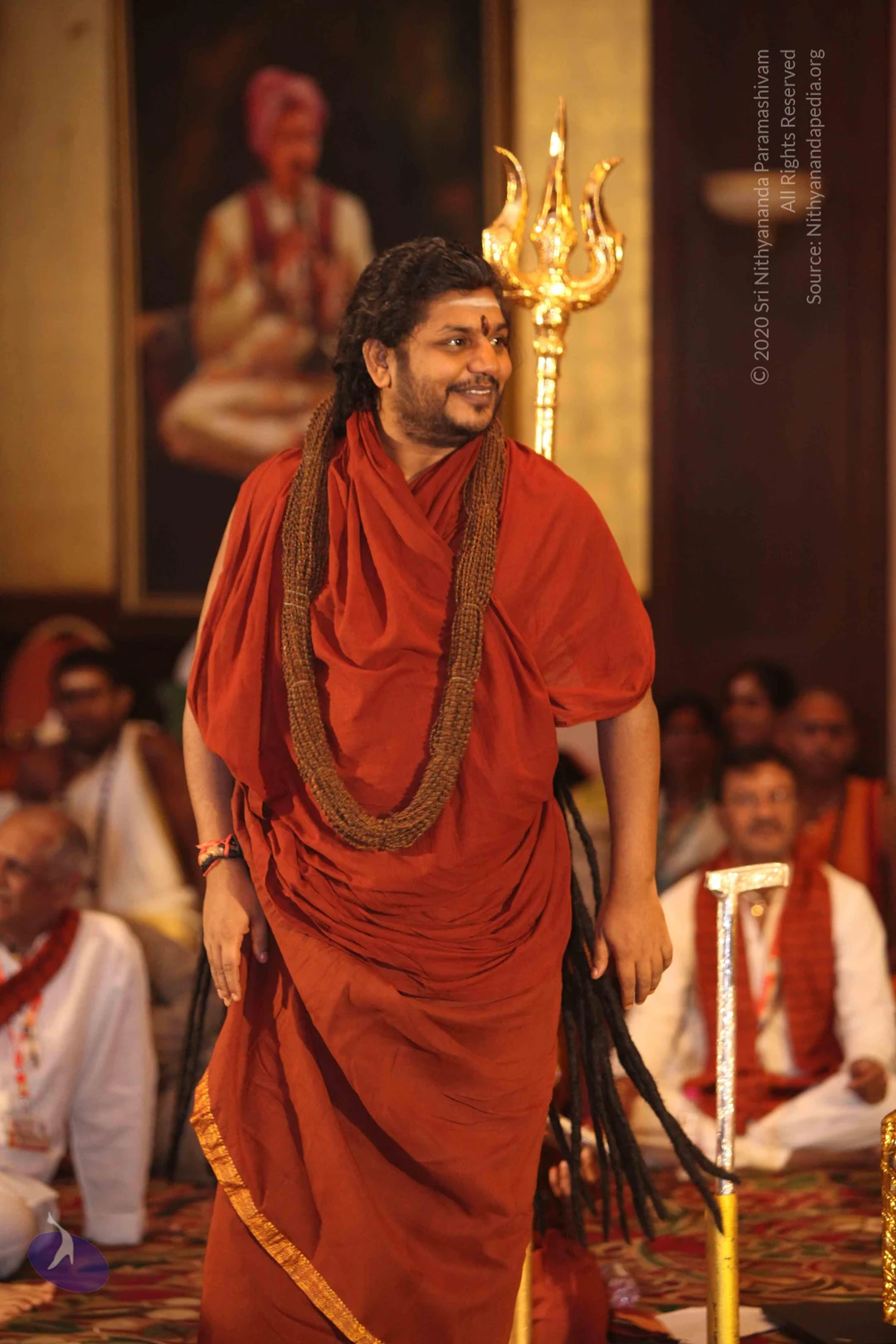
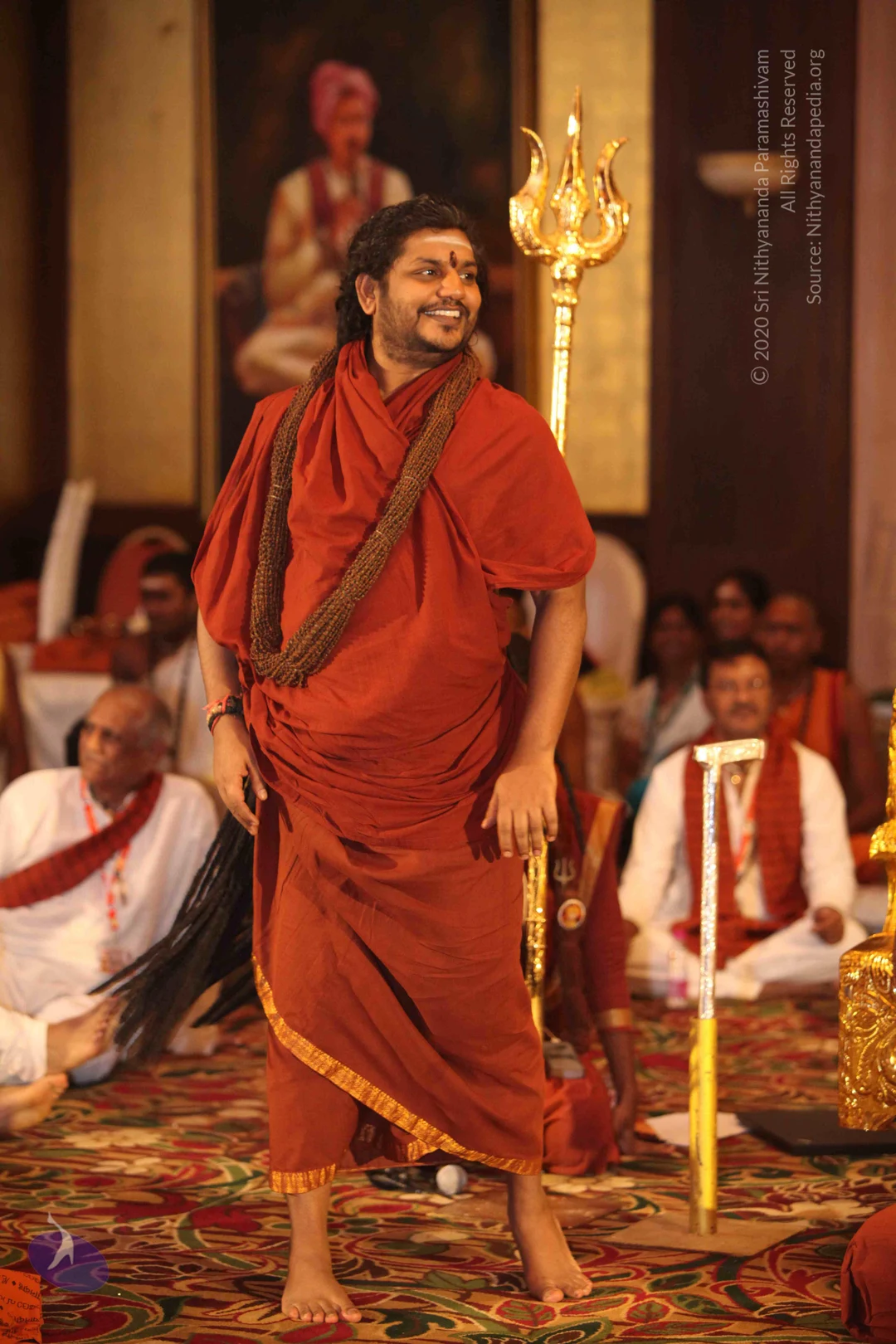
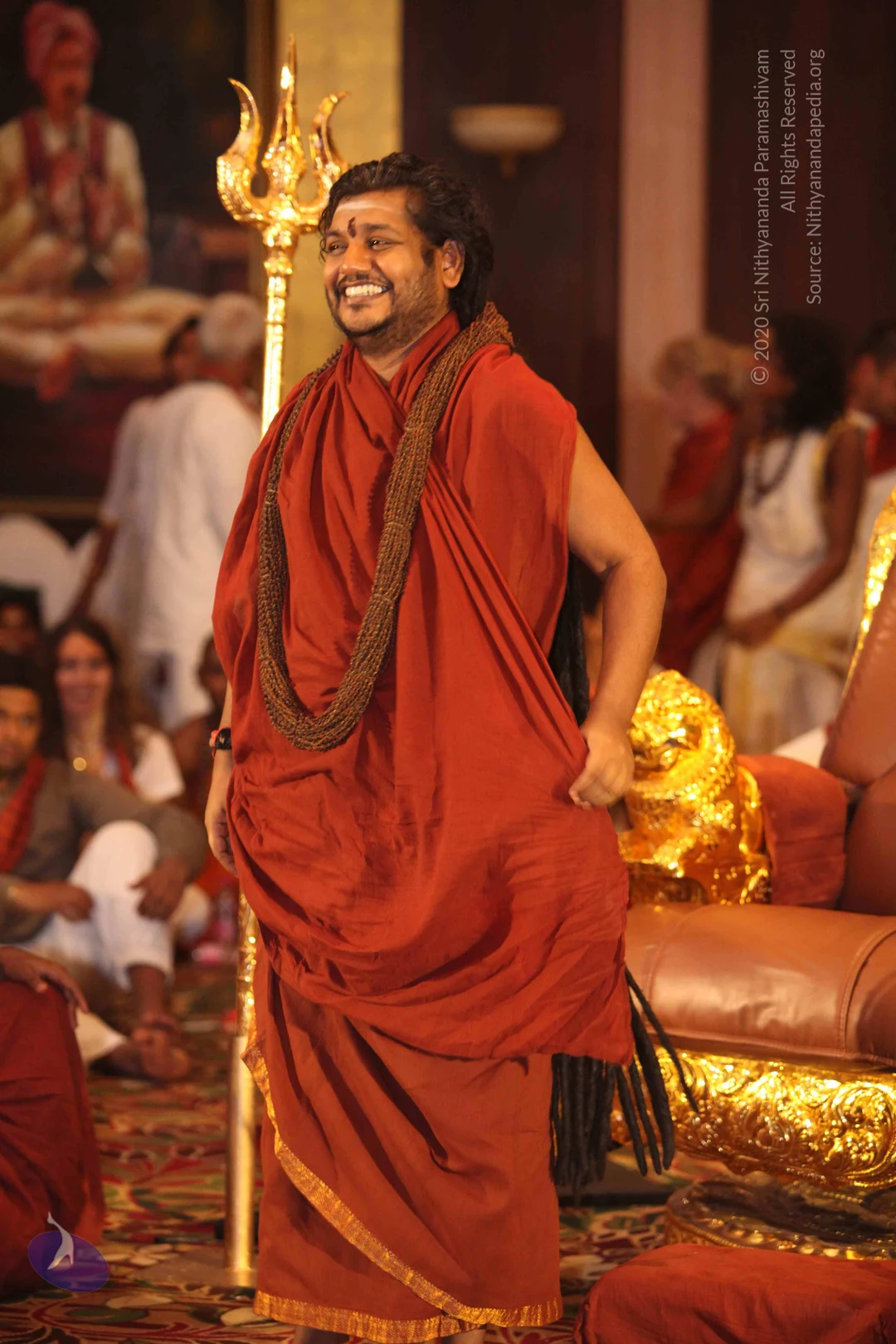
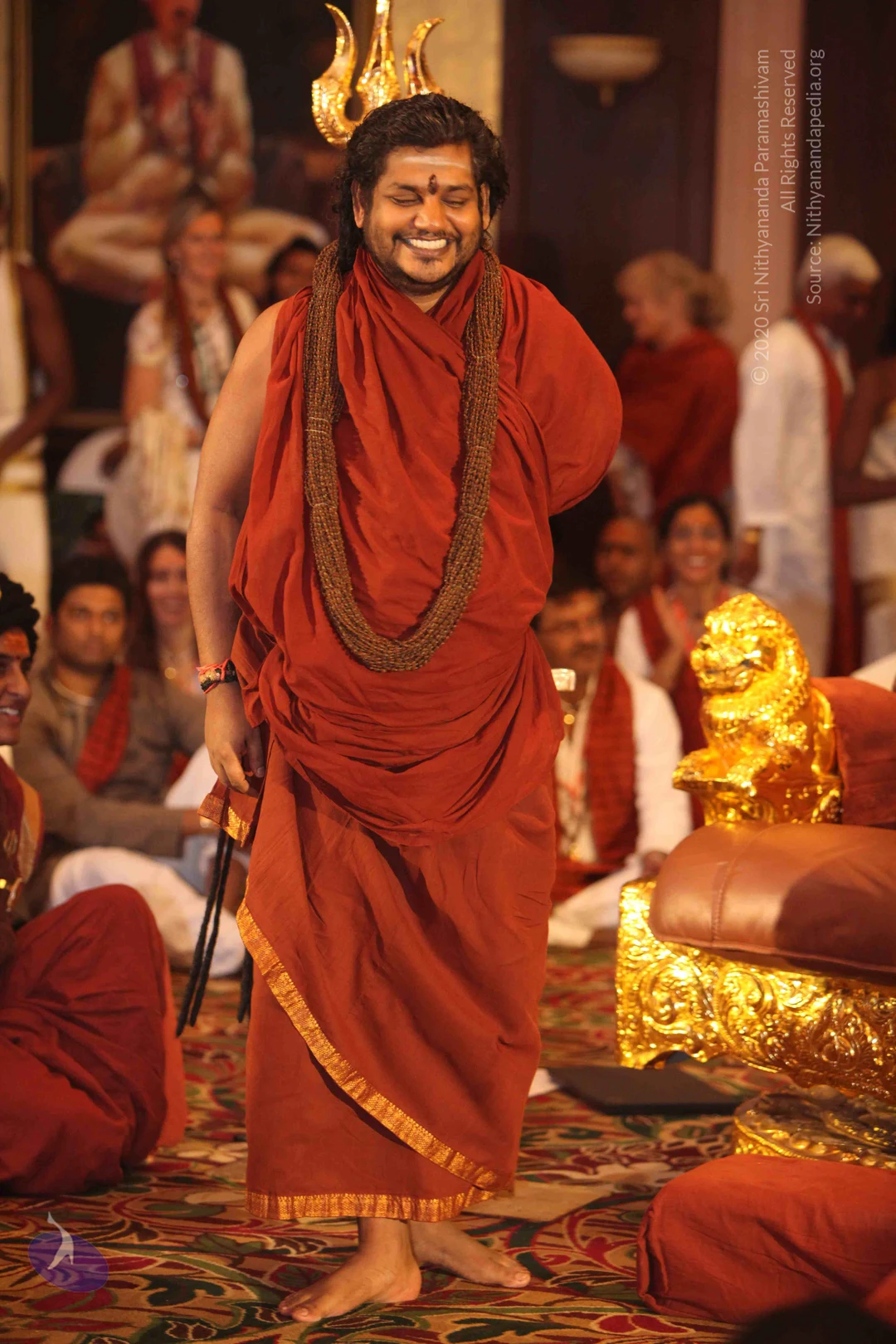
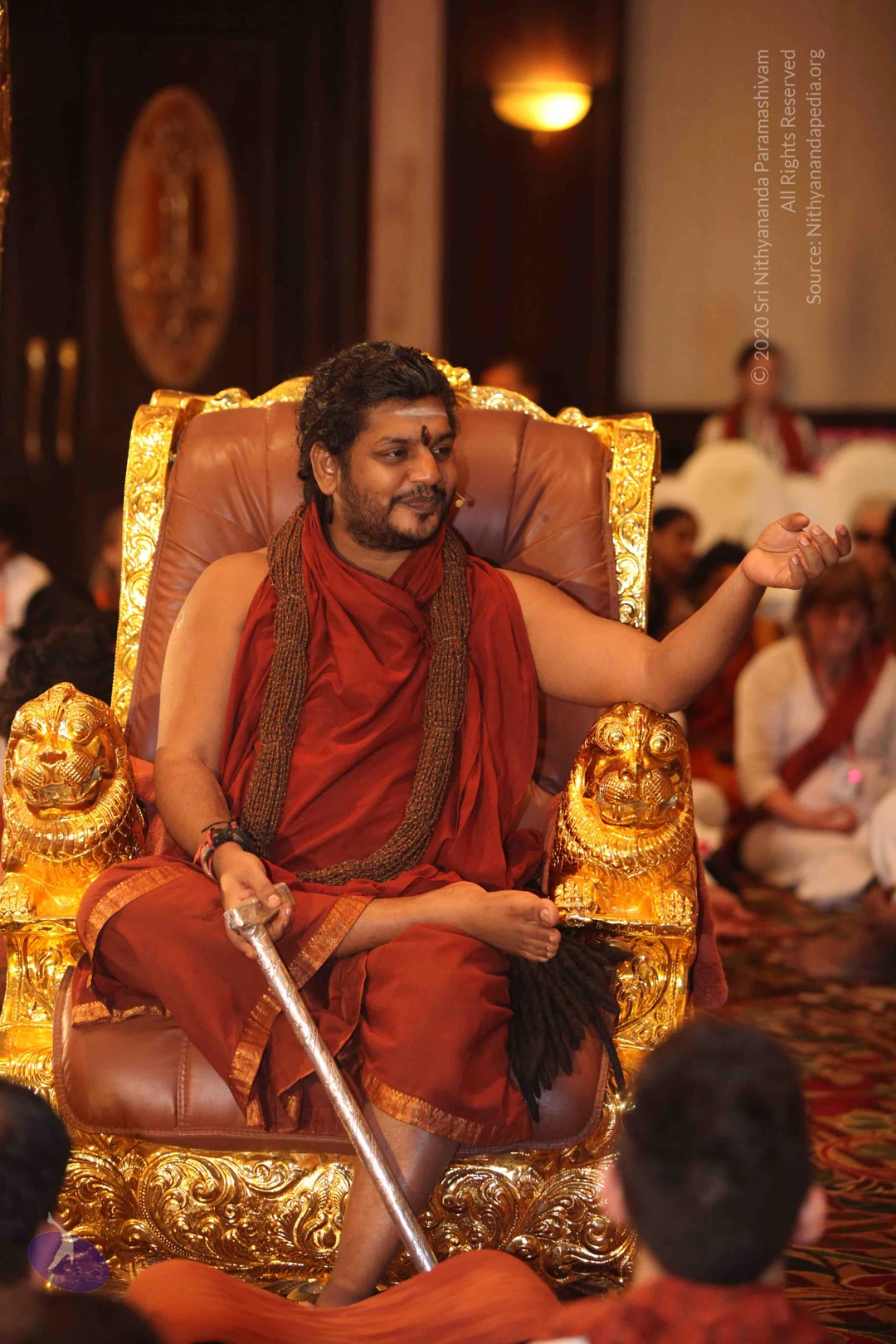
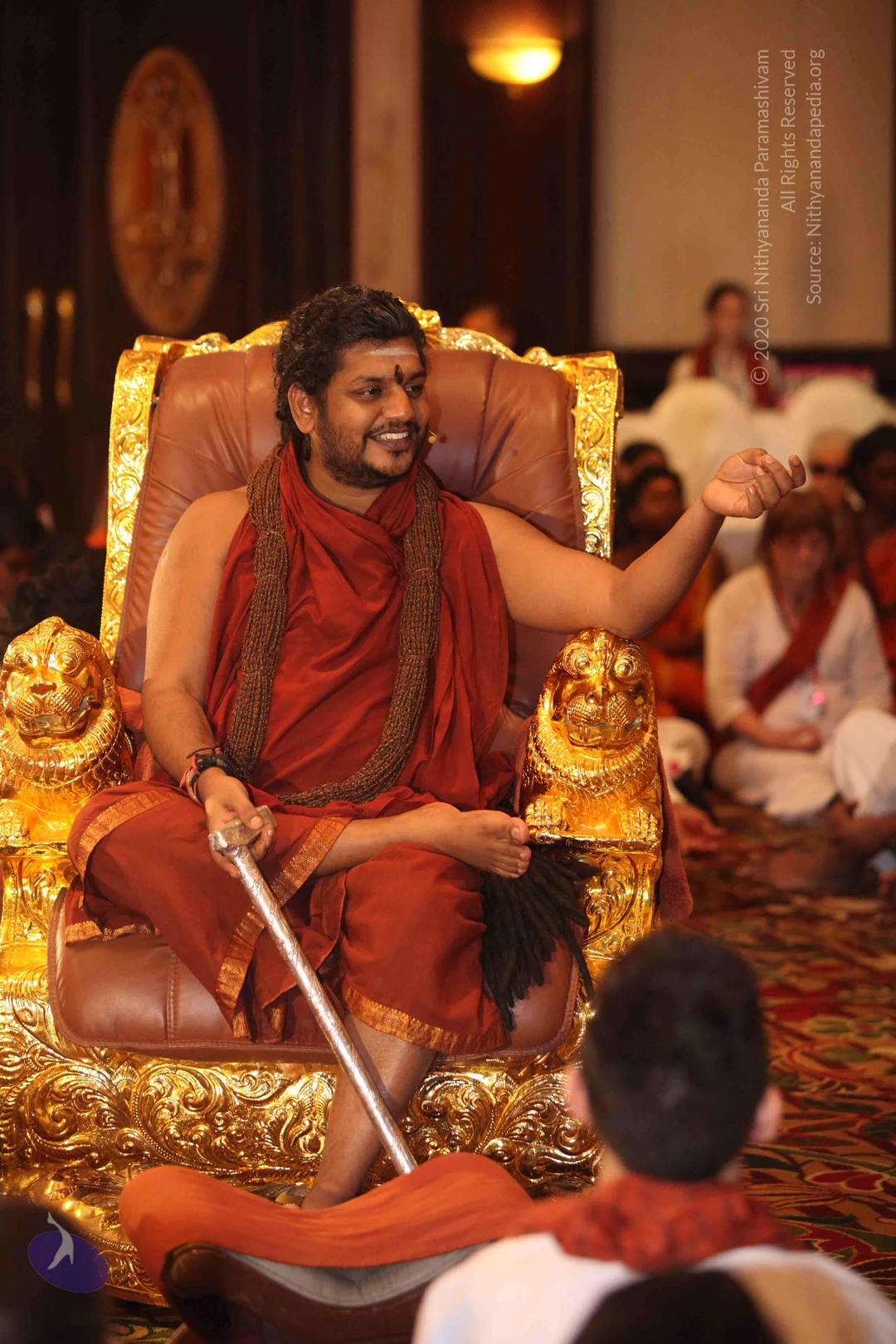
Nithya Satsang
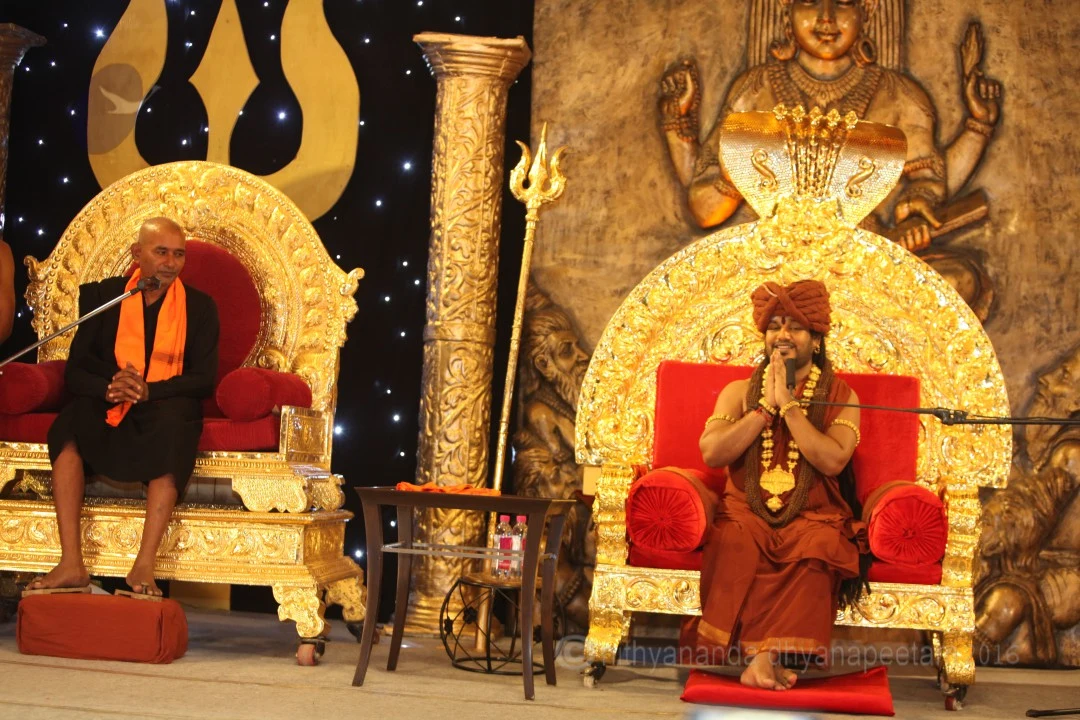
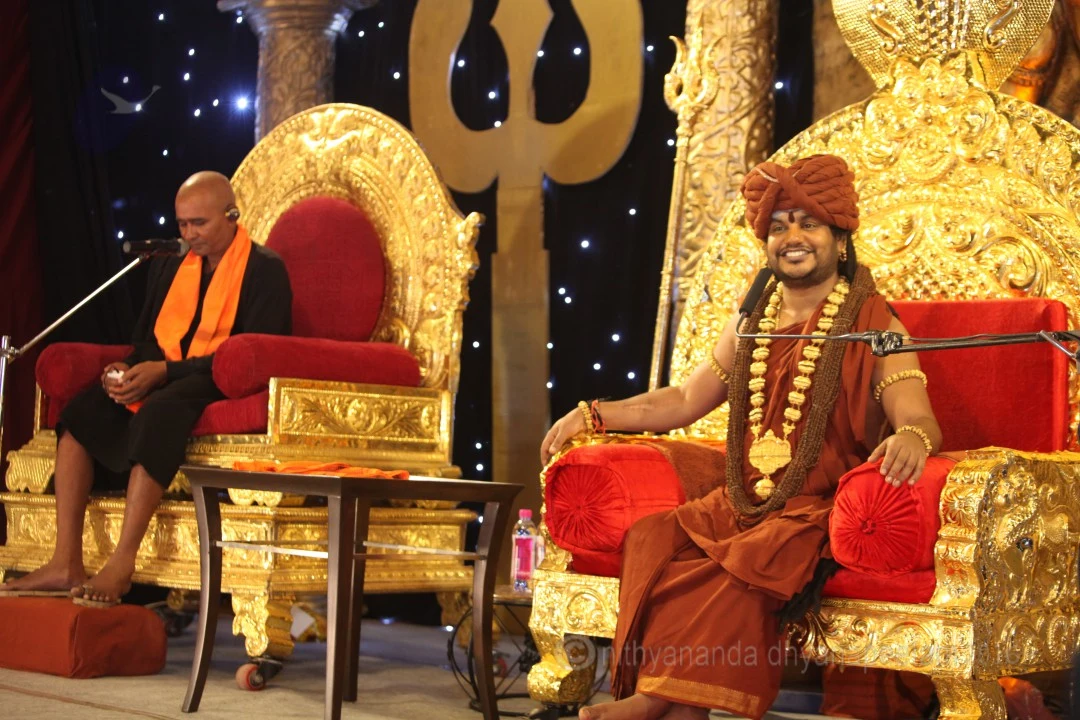
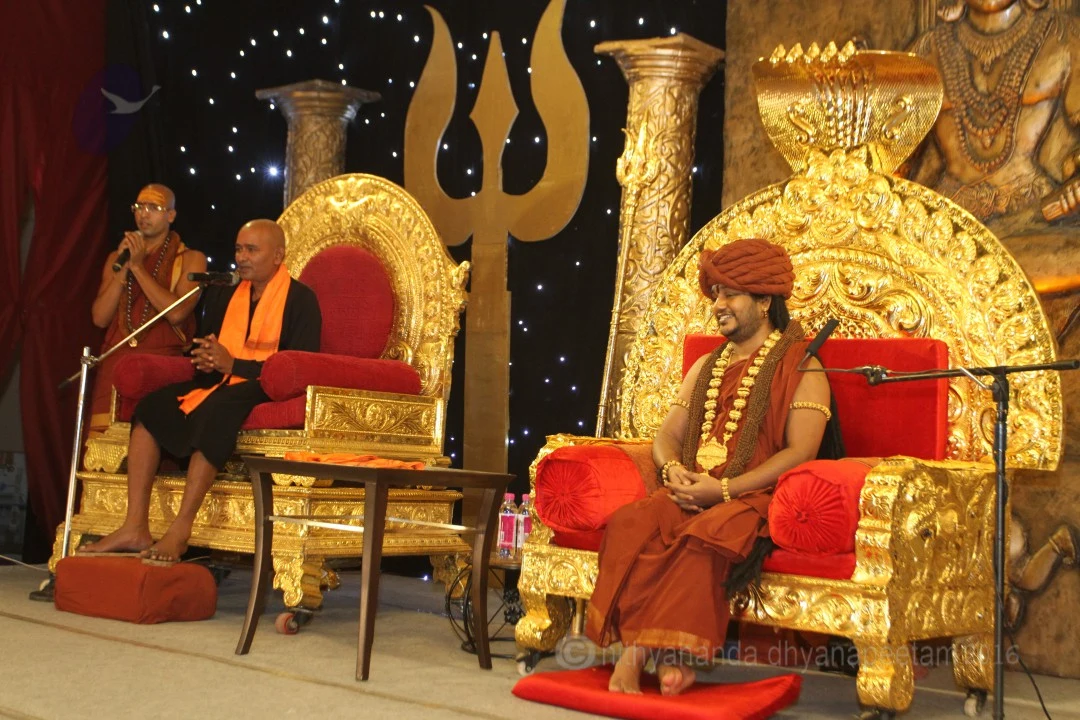
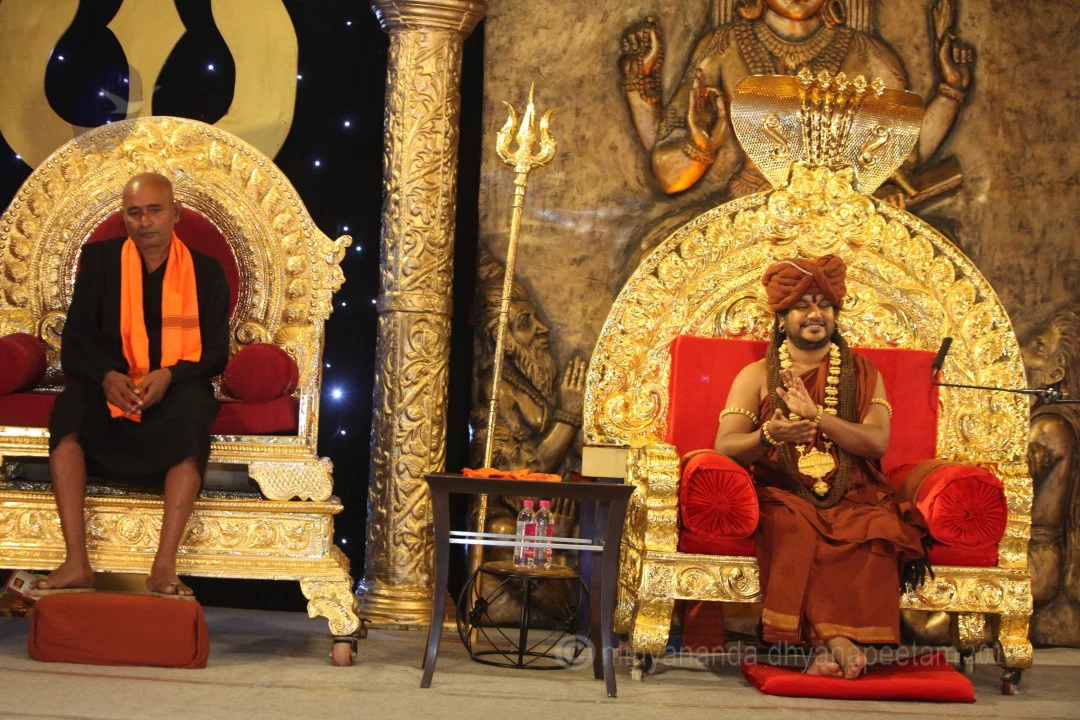
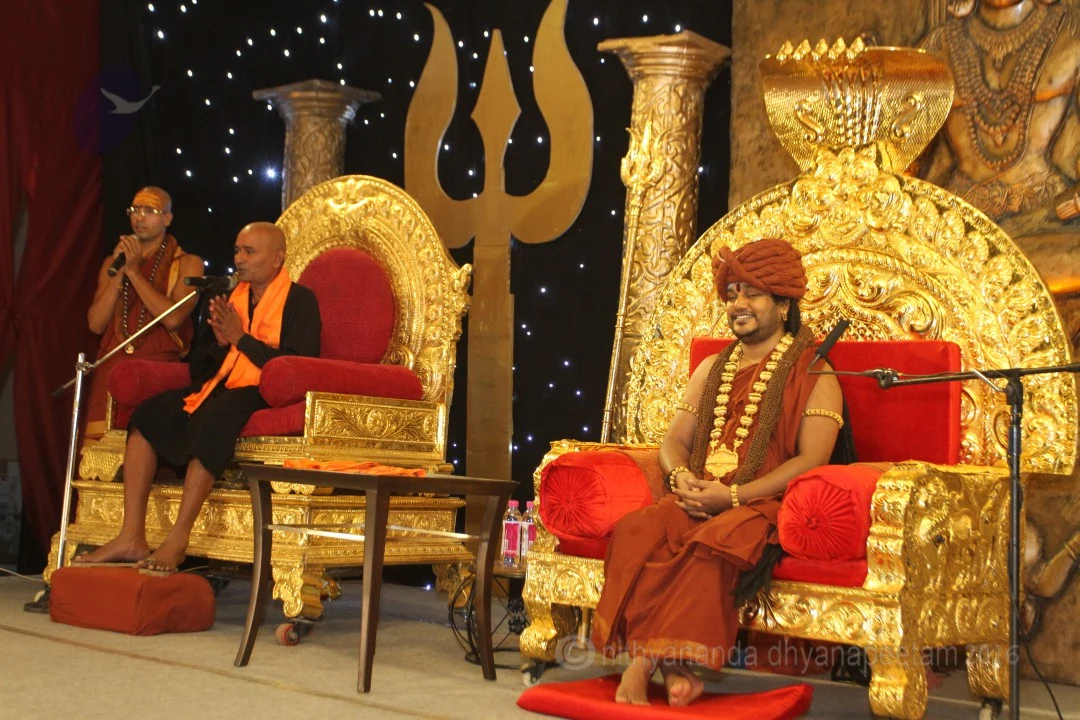
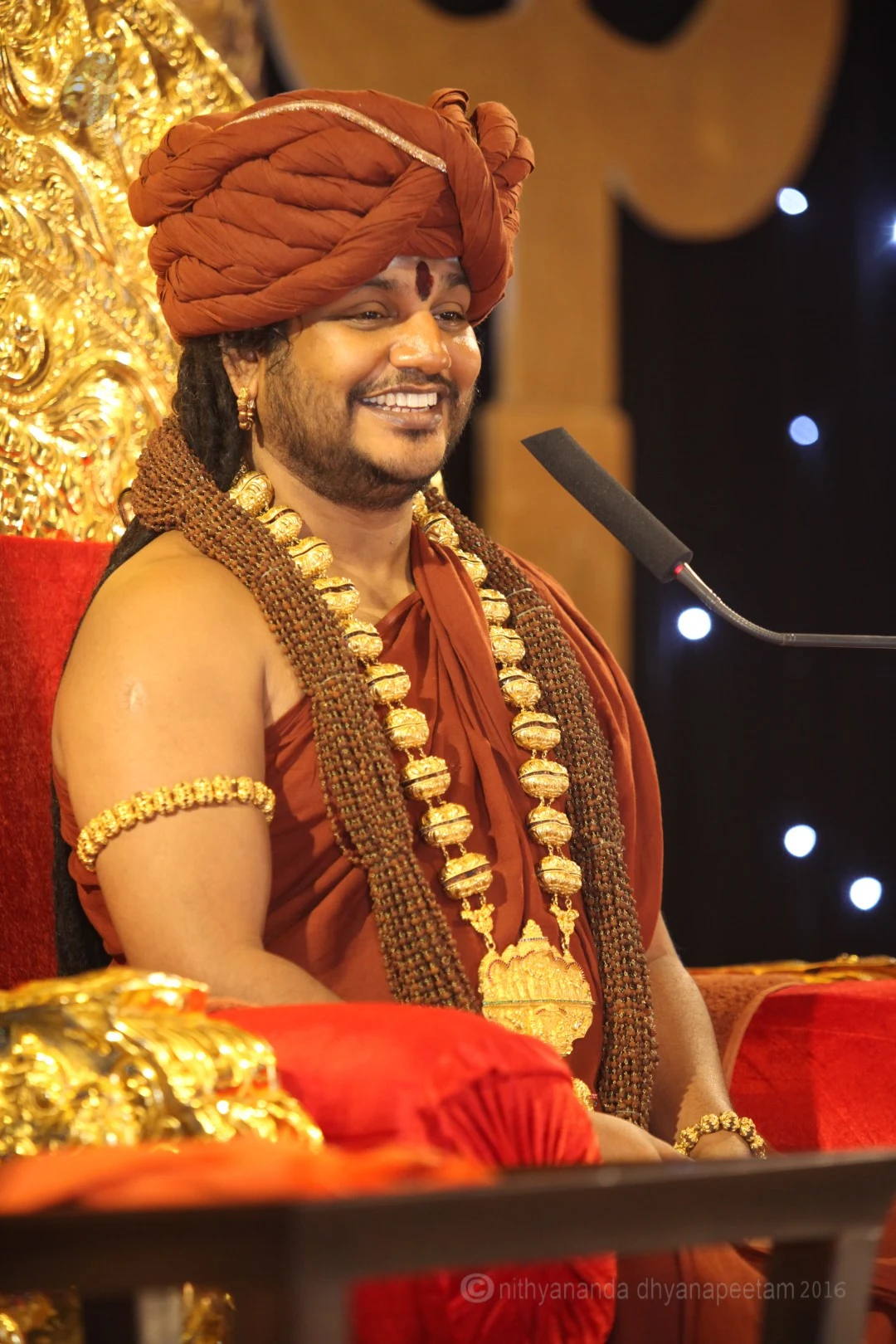
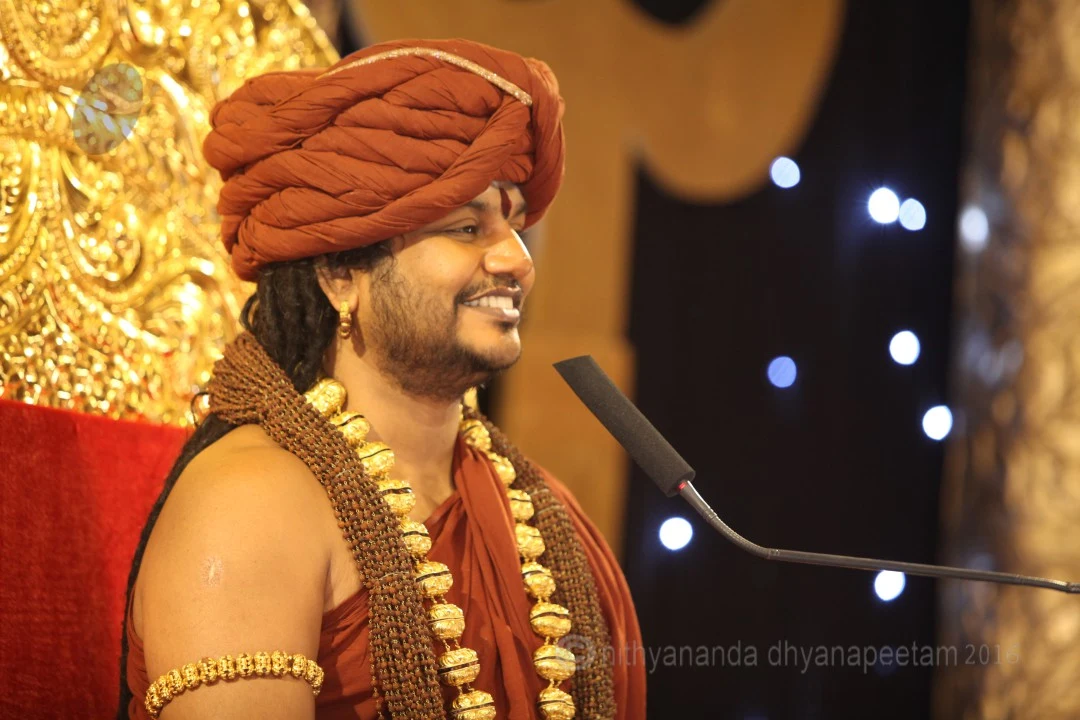
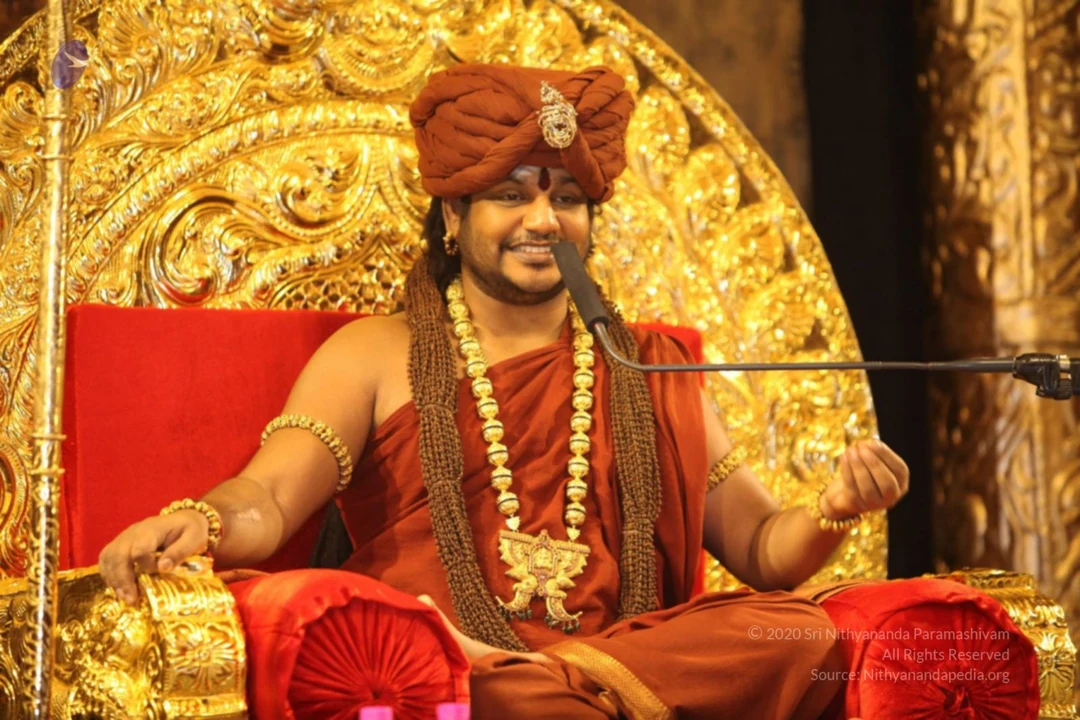
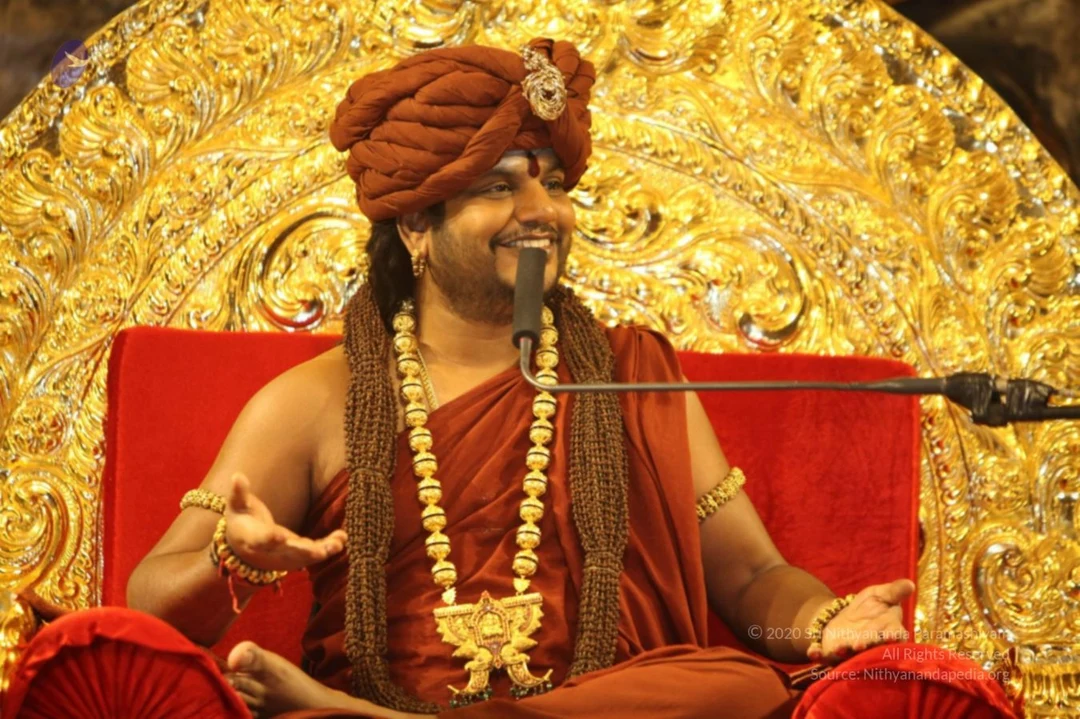
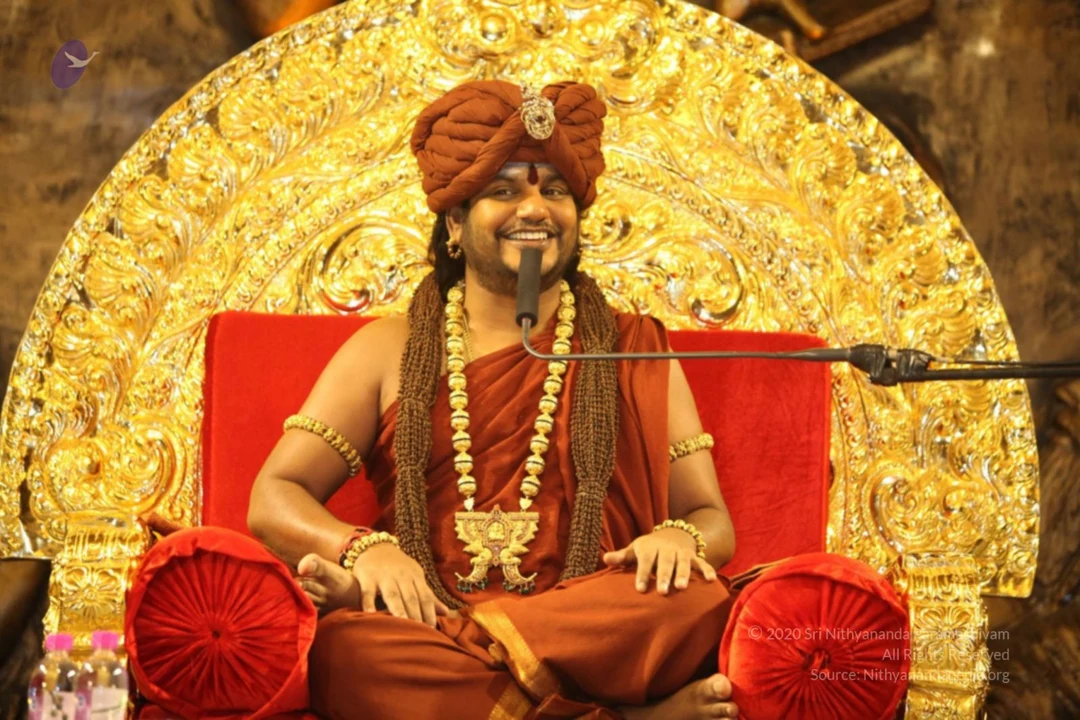
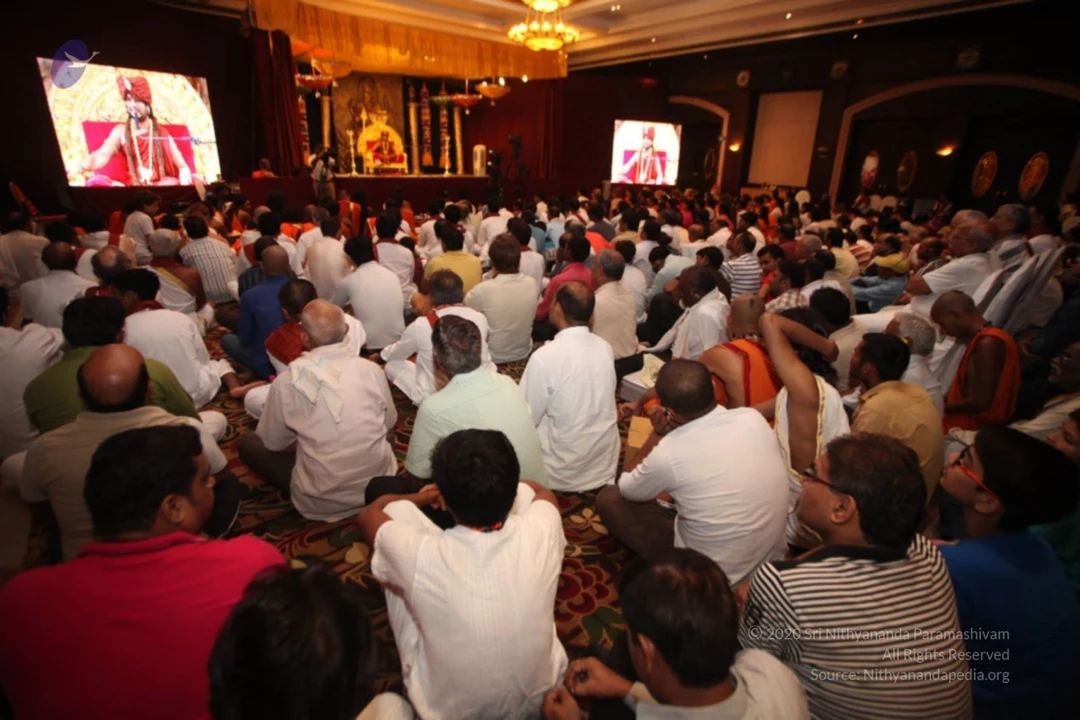
Aghor Peetadeeshwar Atmaram Maharaj Ji Addresses All the Satsangees and Viewers Around the World
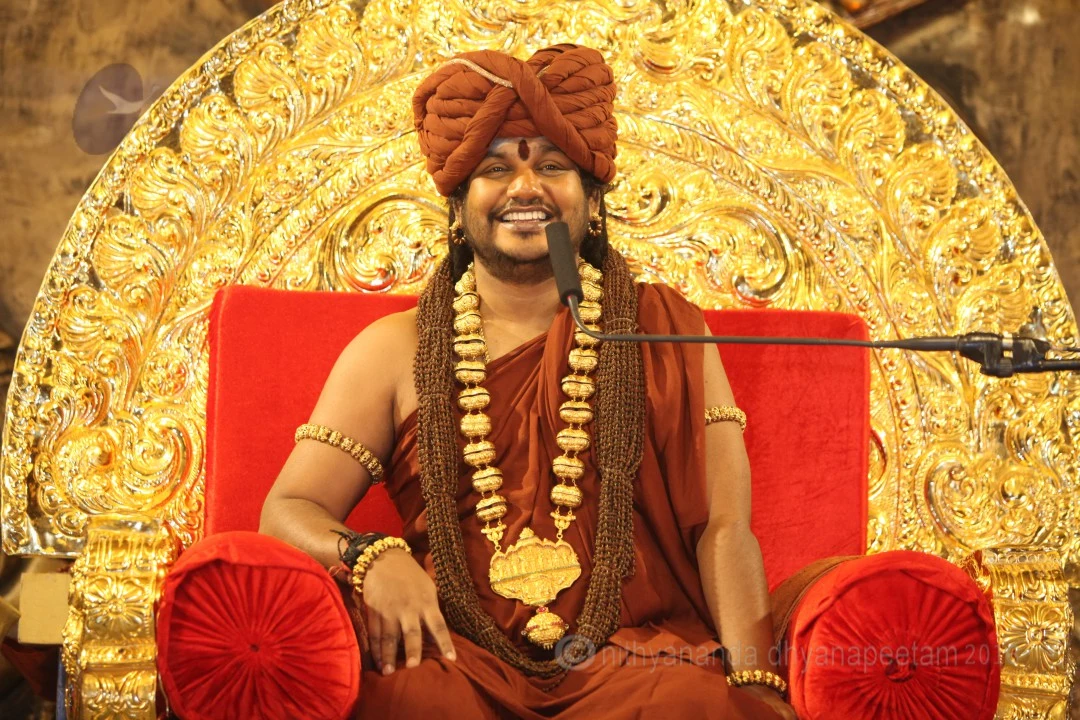
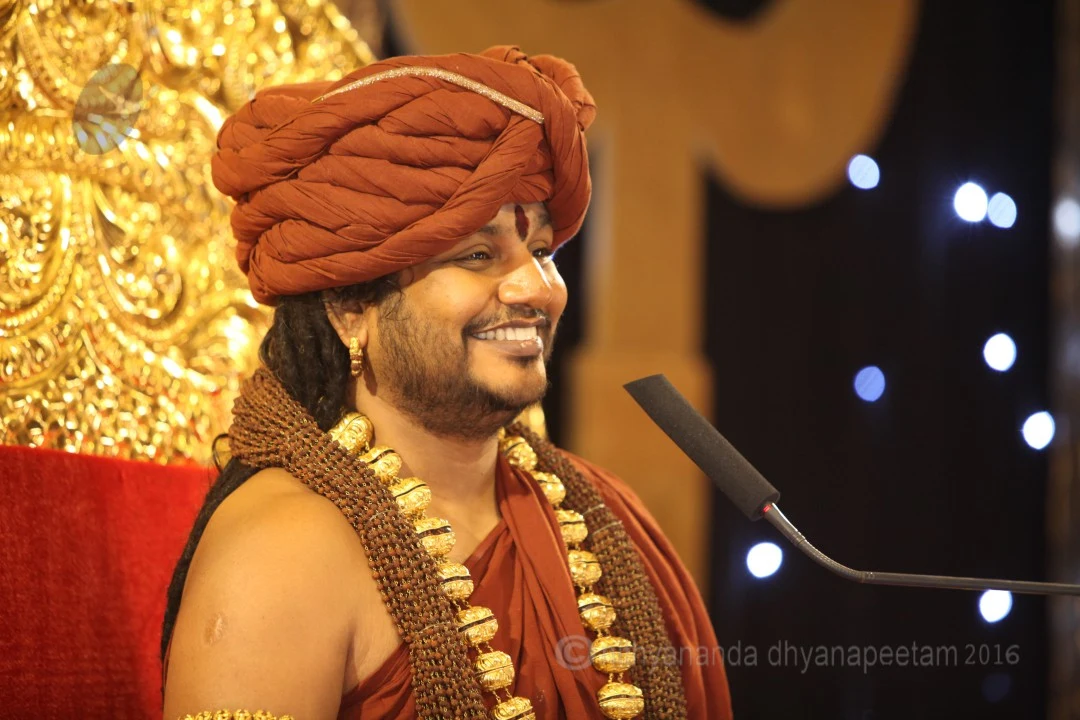
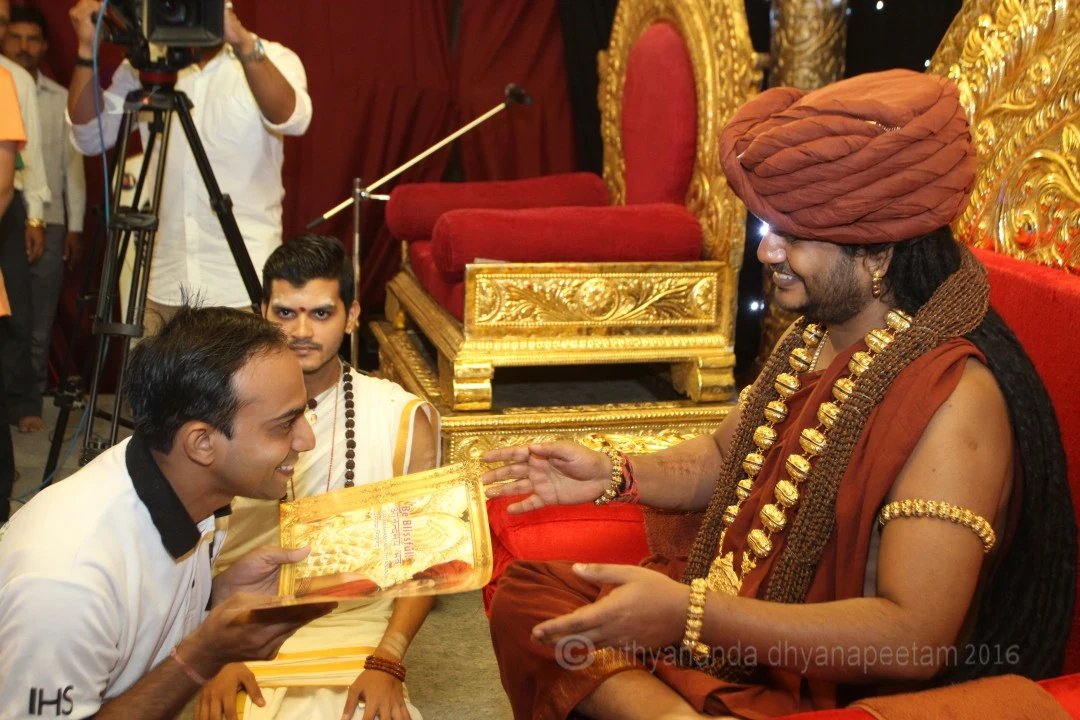
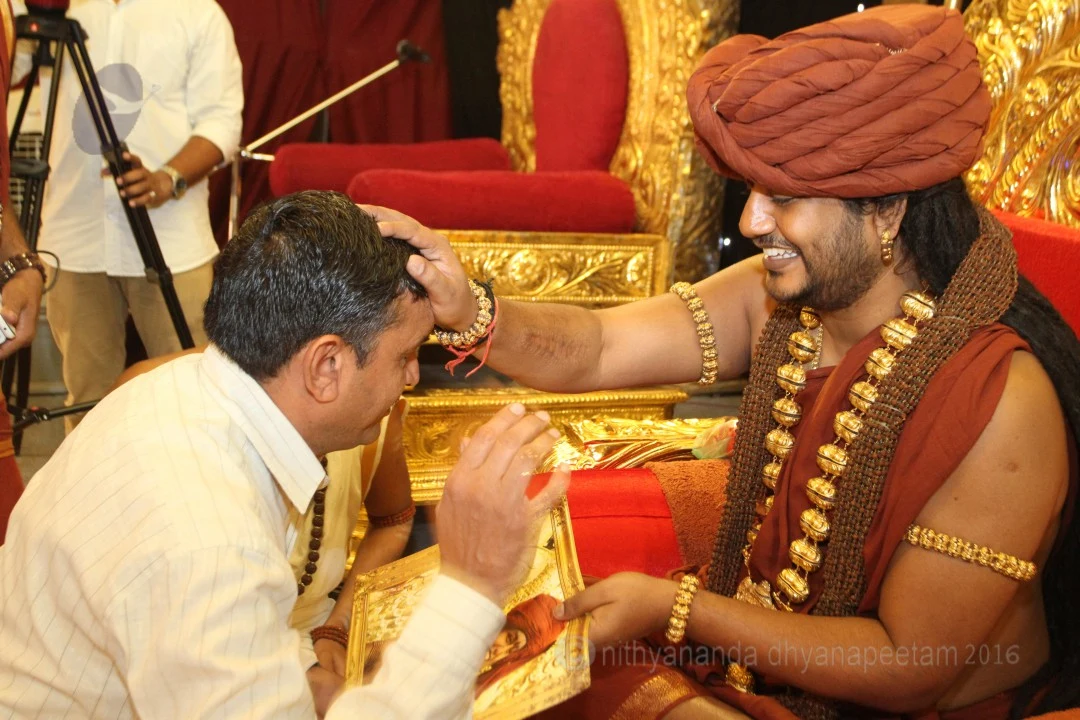
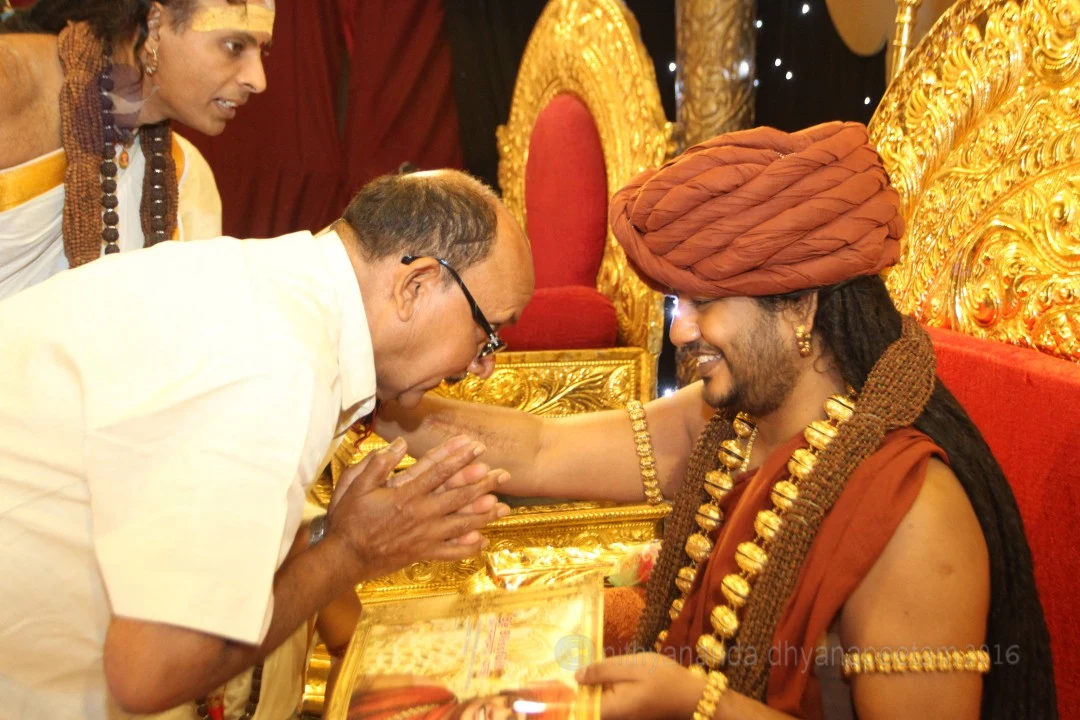
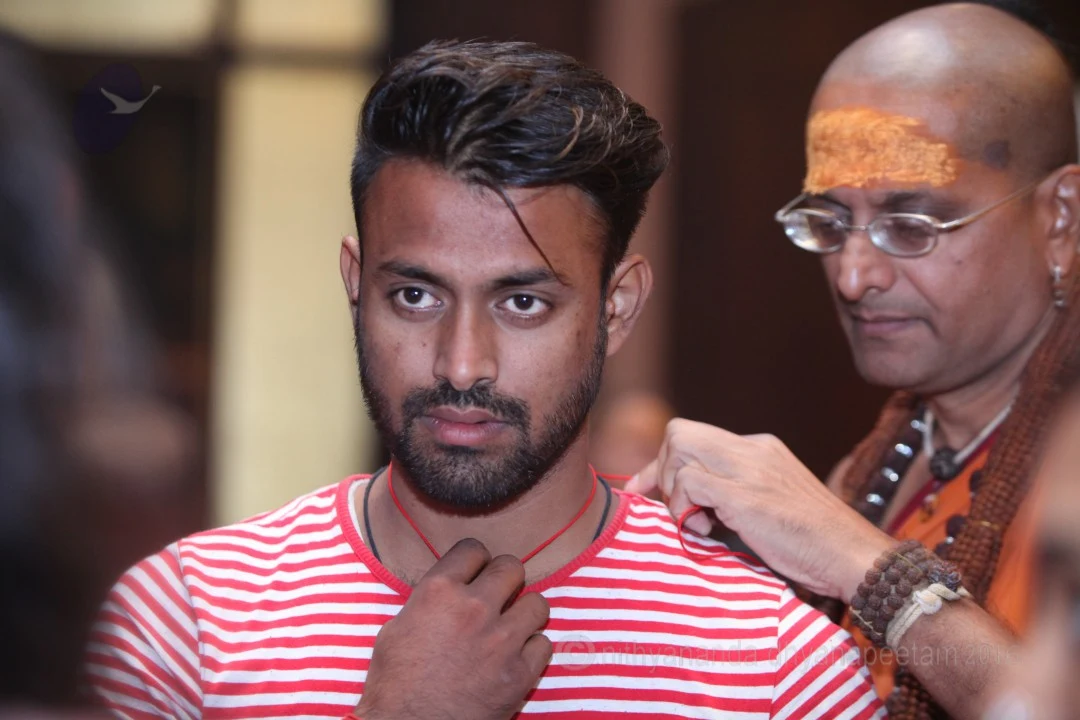
Kalpataru Darshan

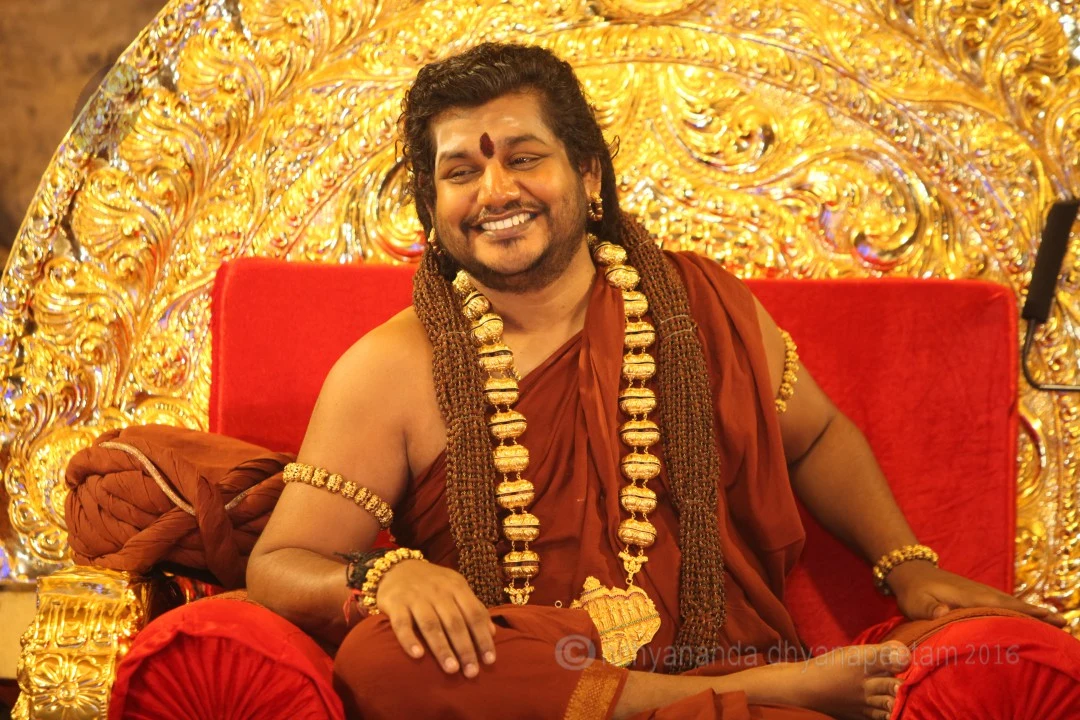
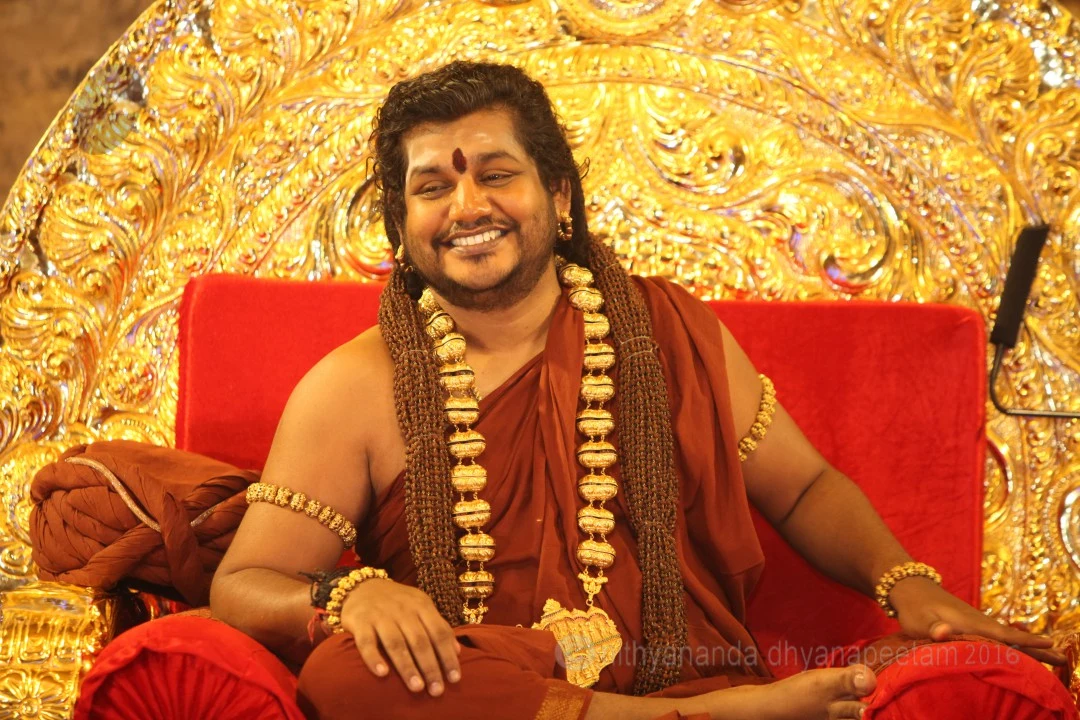
Link to Video:
Photos Of The Day:
FB-Photos-of-the-Day
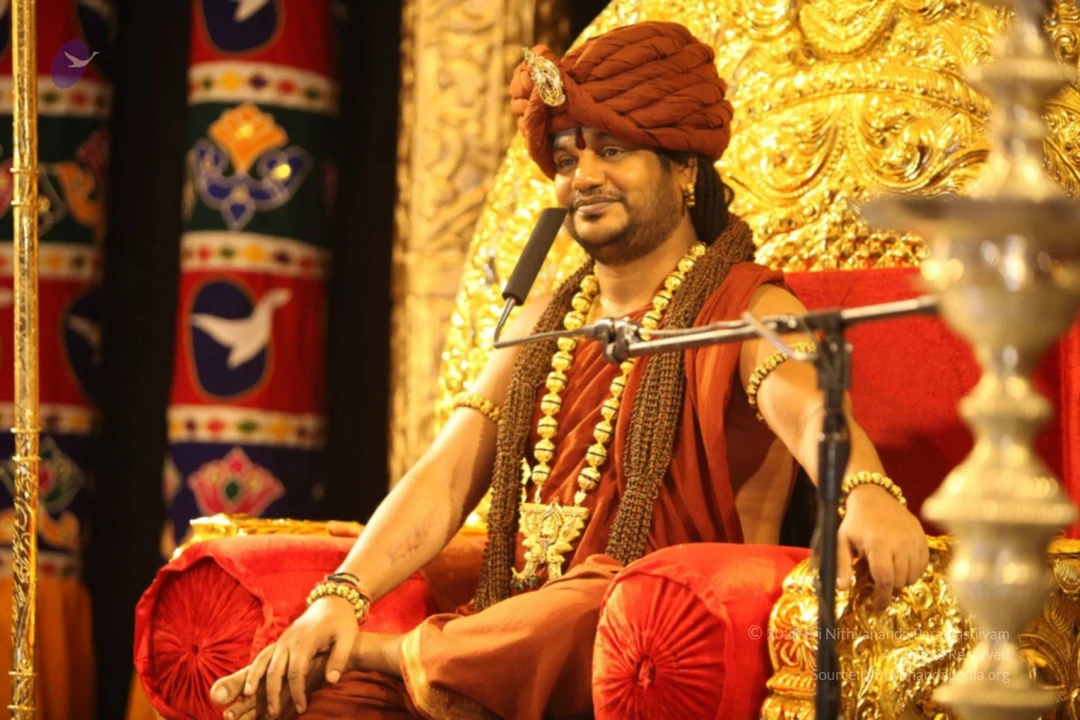
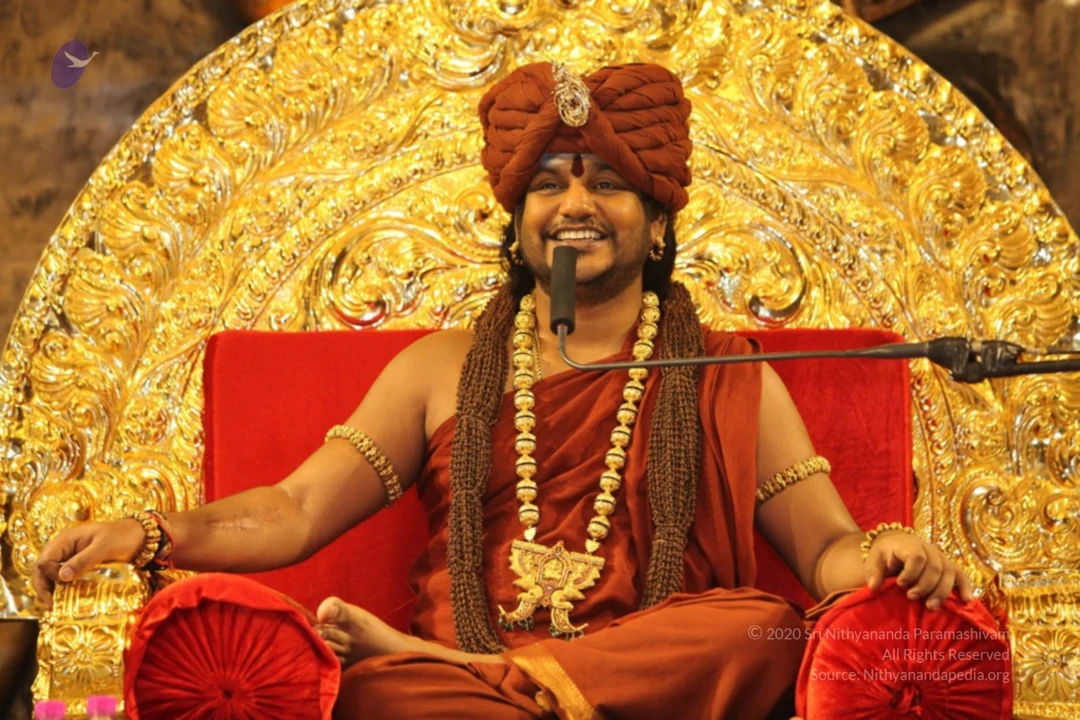

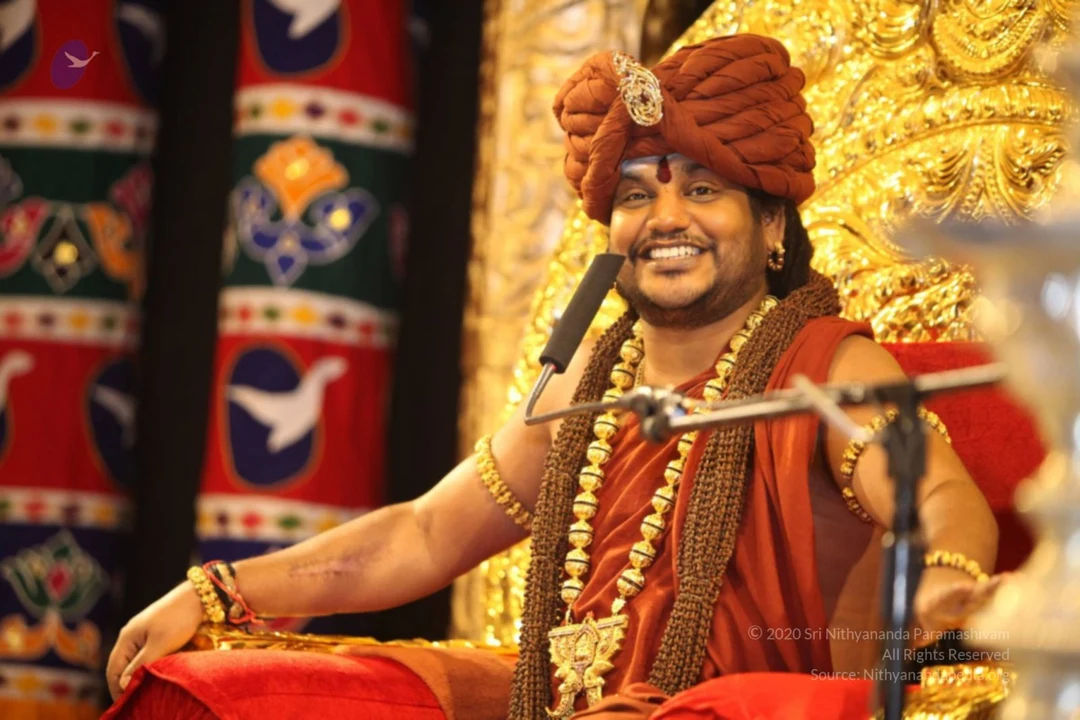
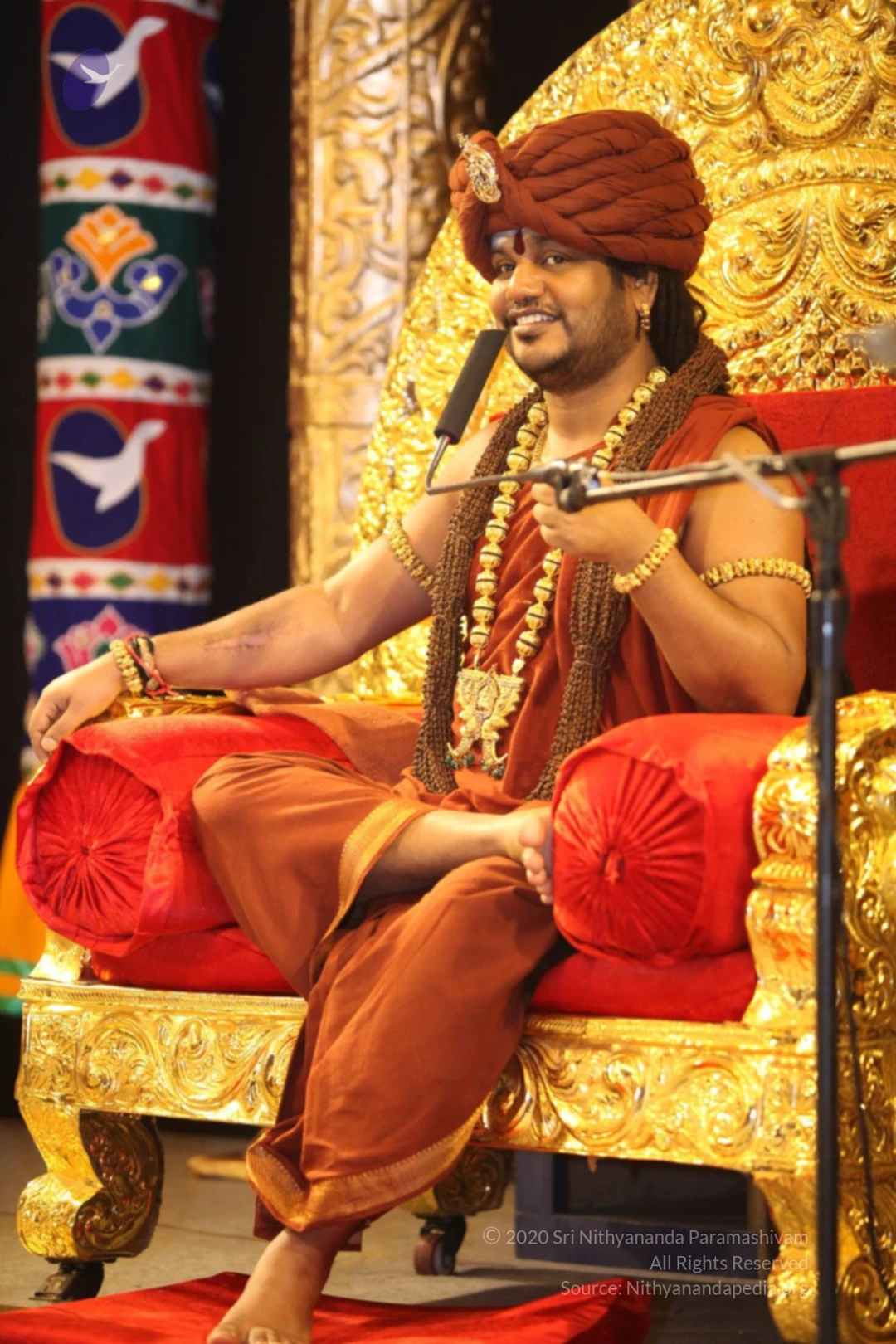
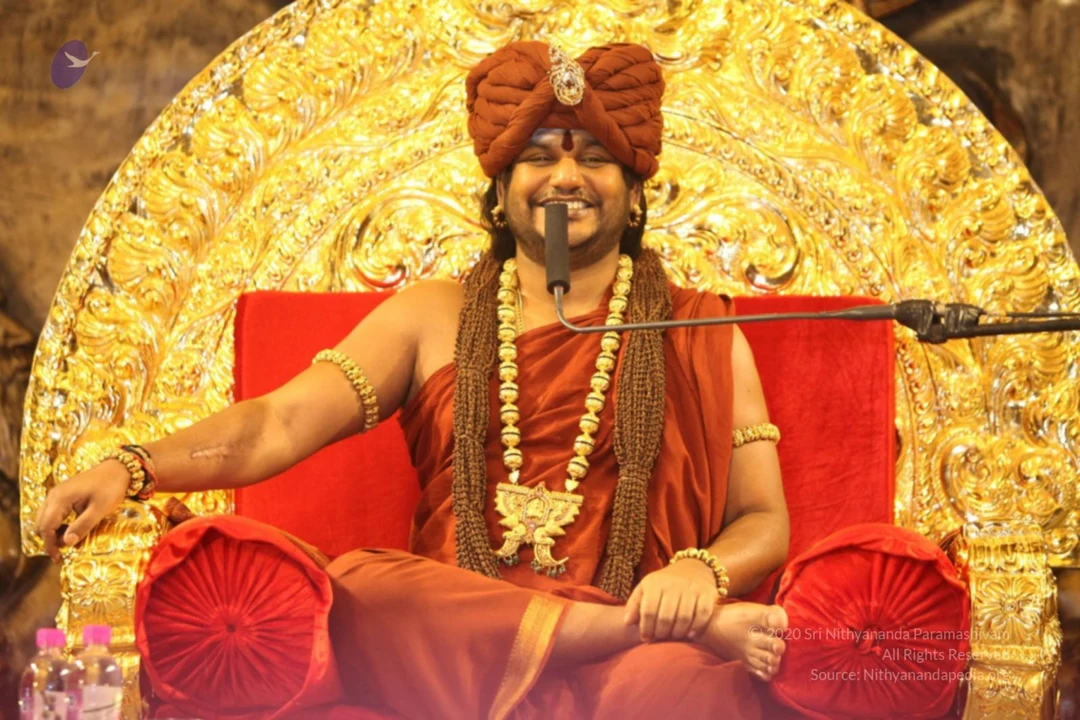
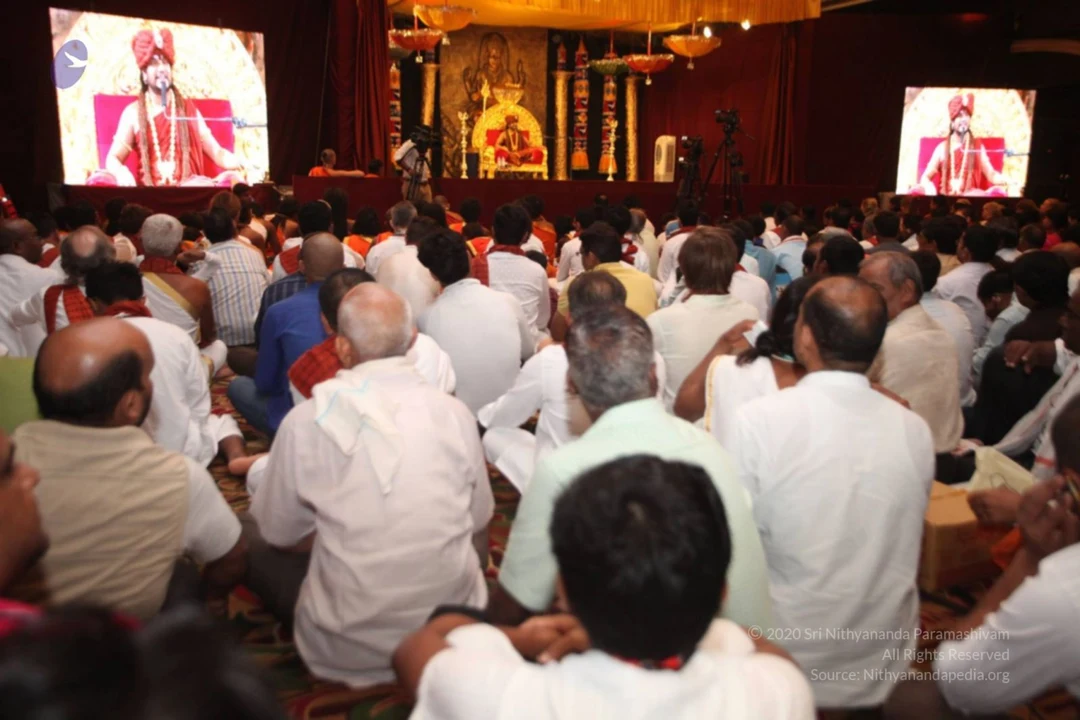
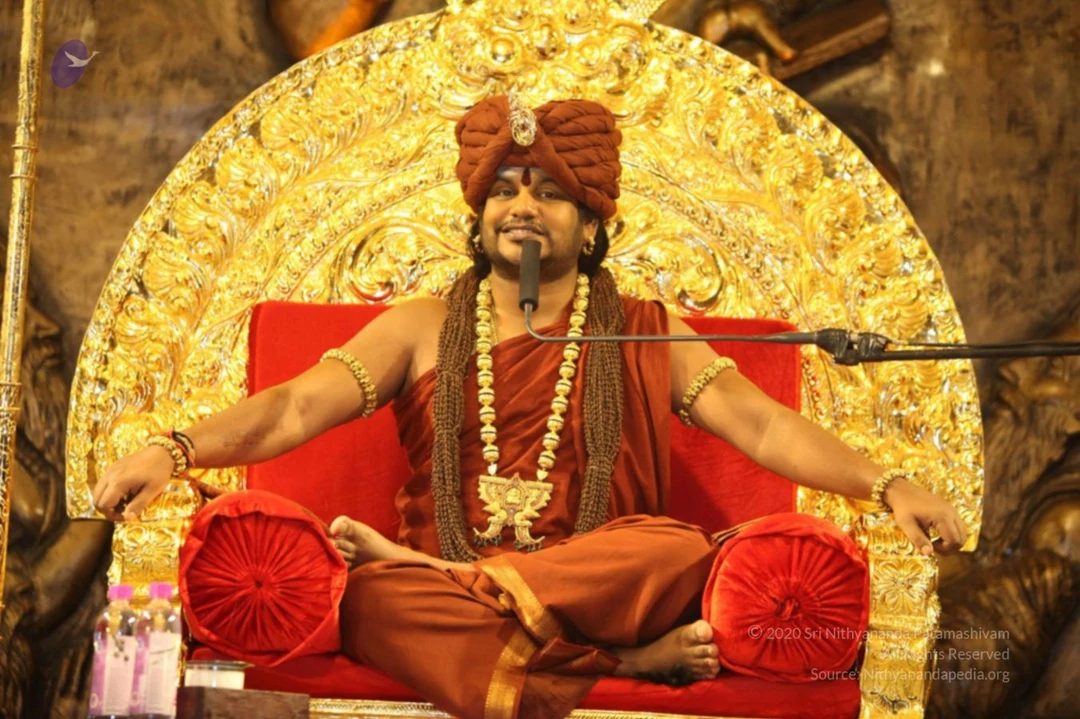
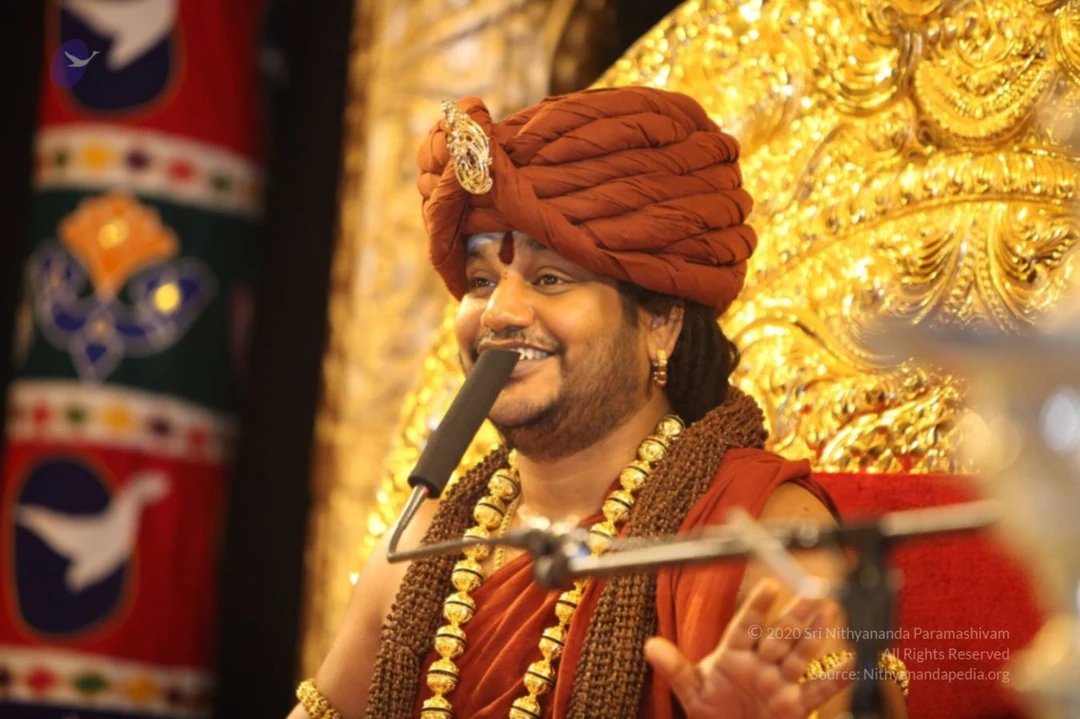
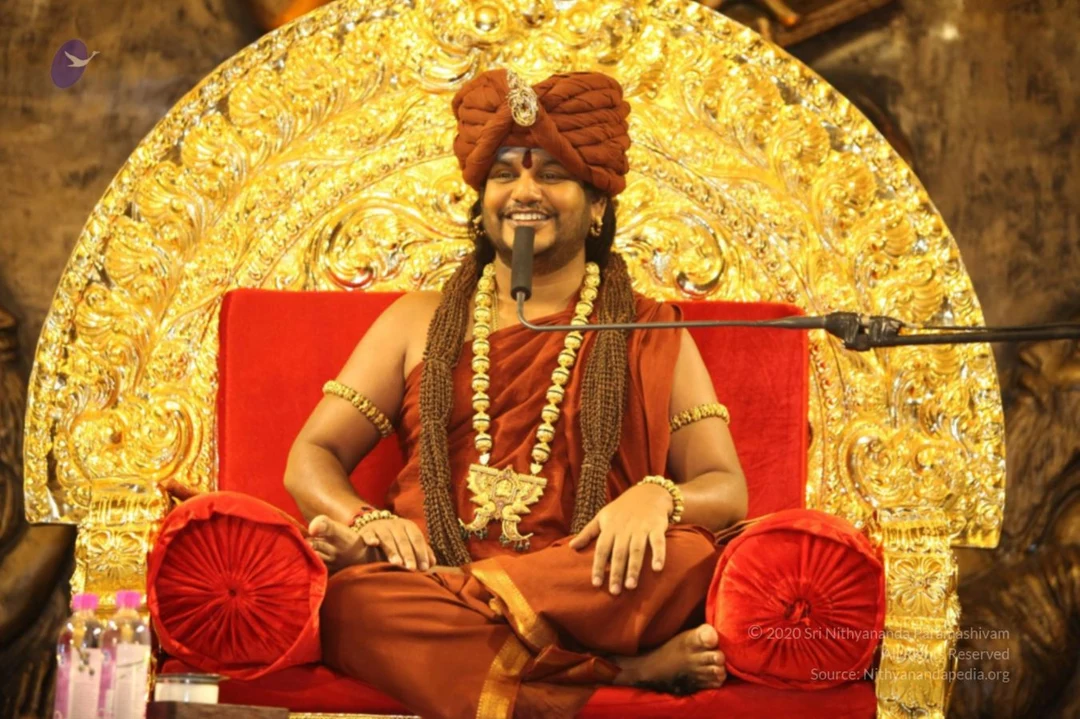
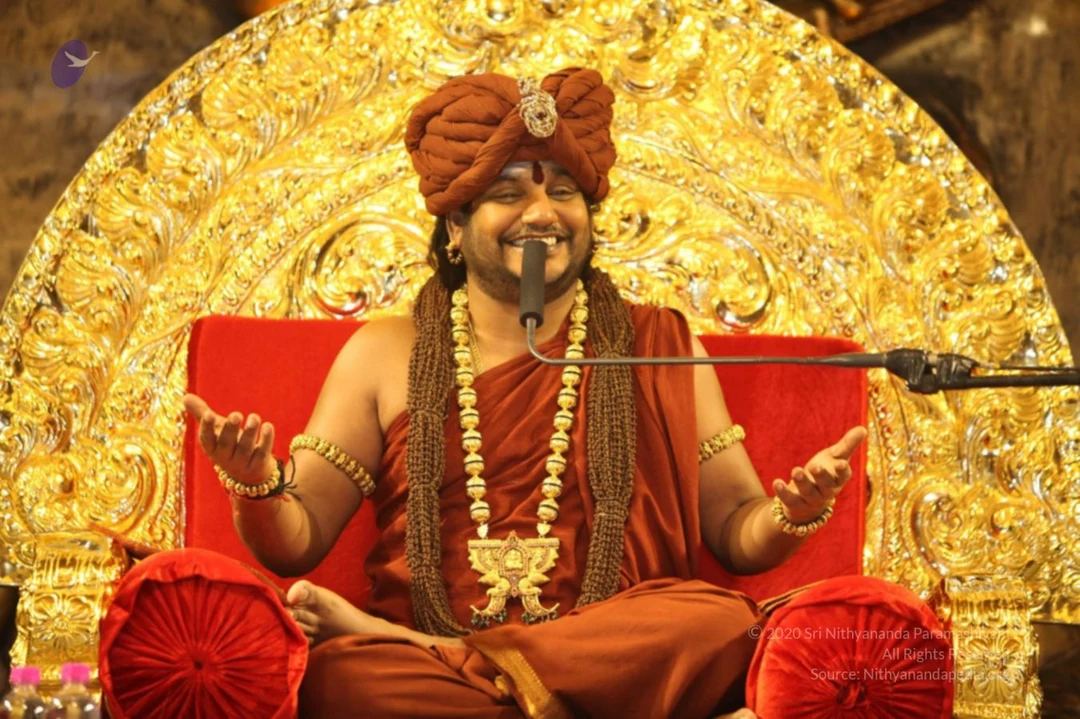
1-MORNING-SATSANG
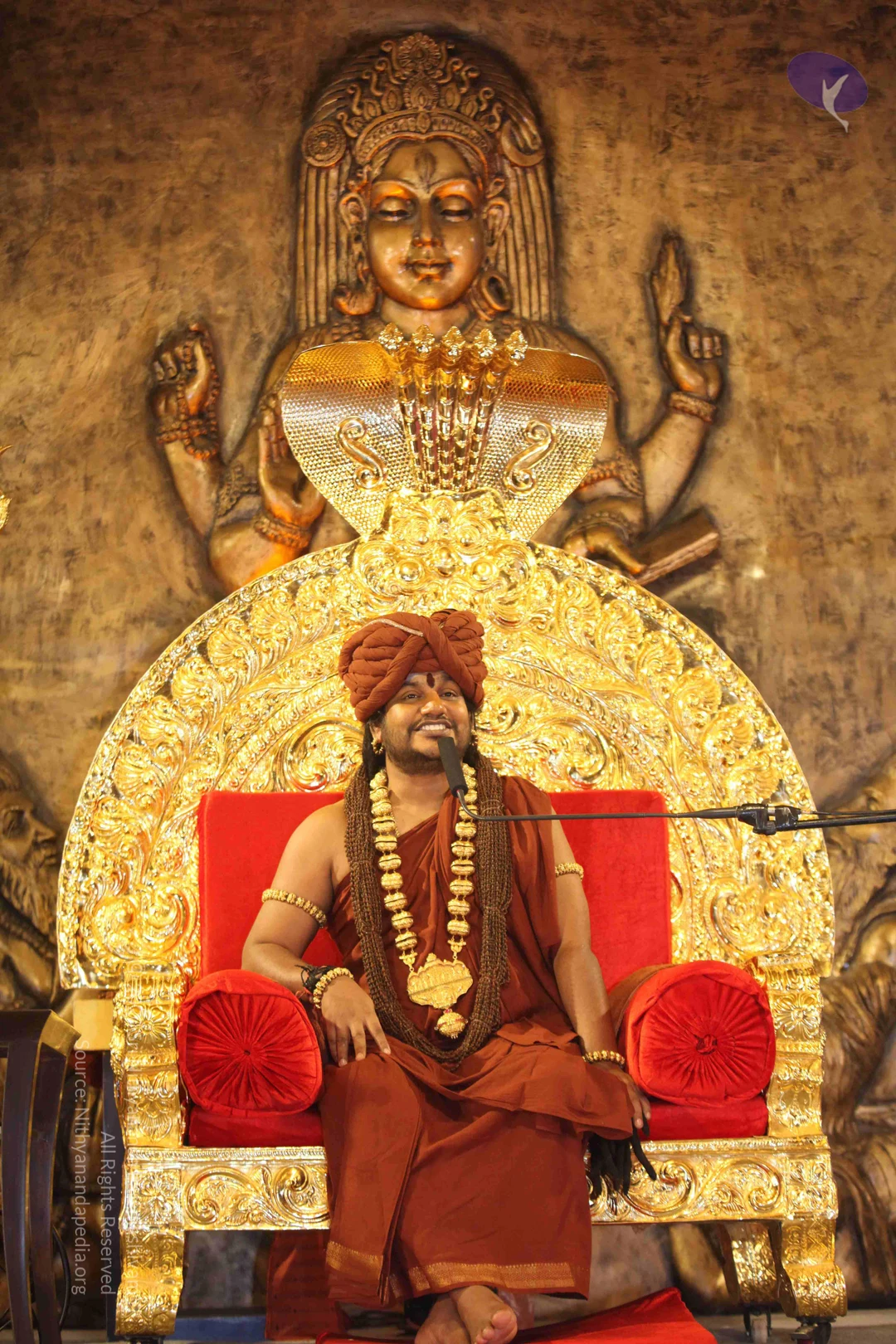
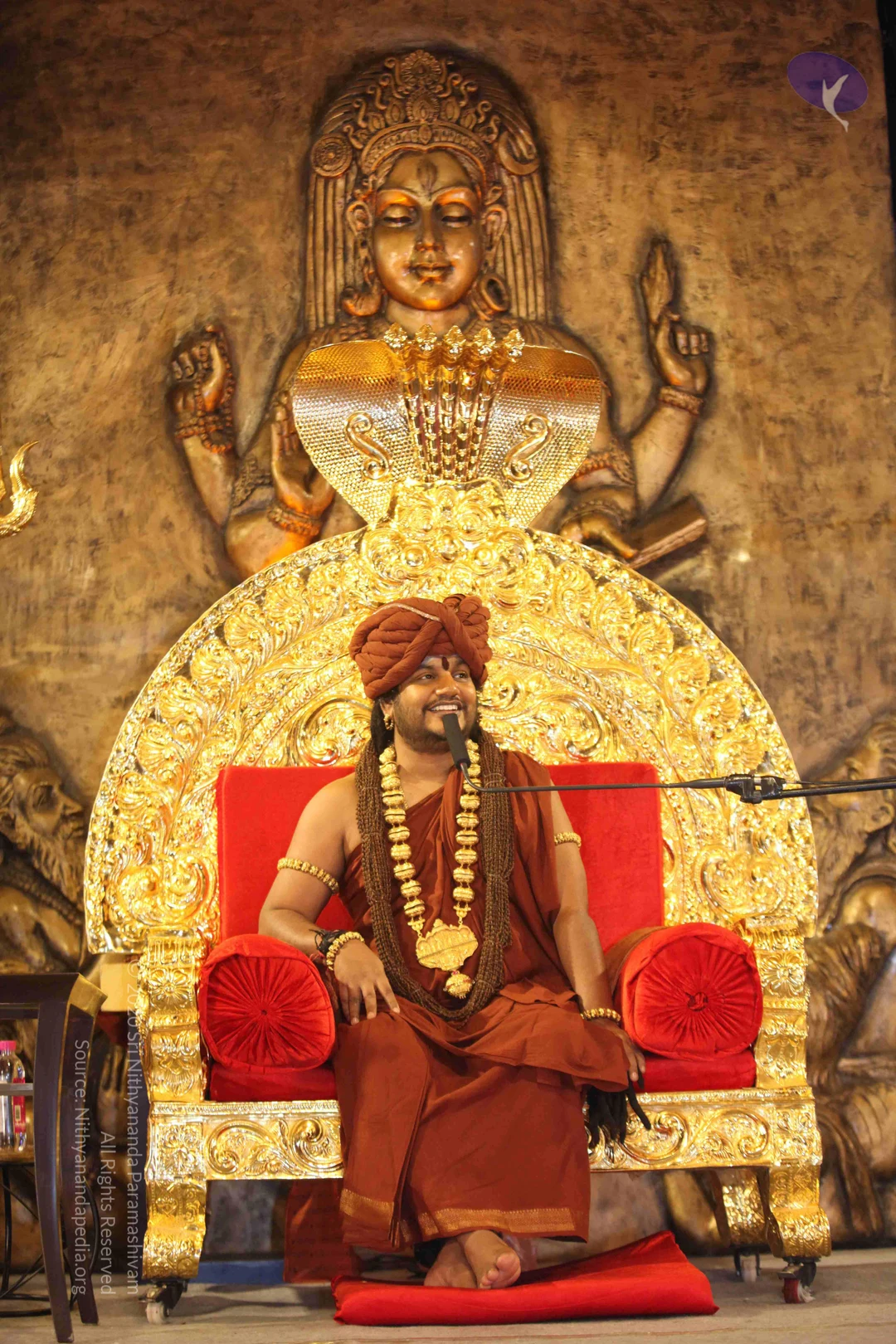
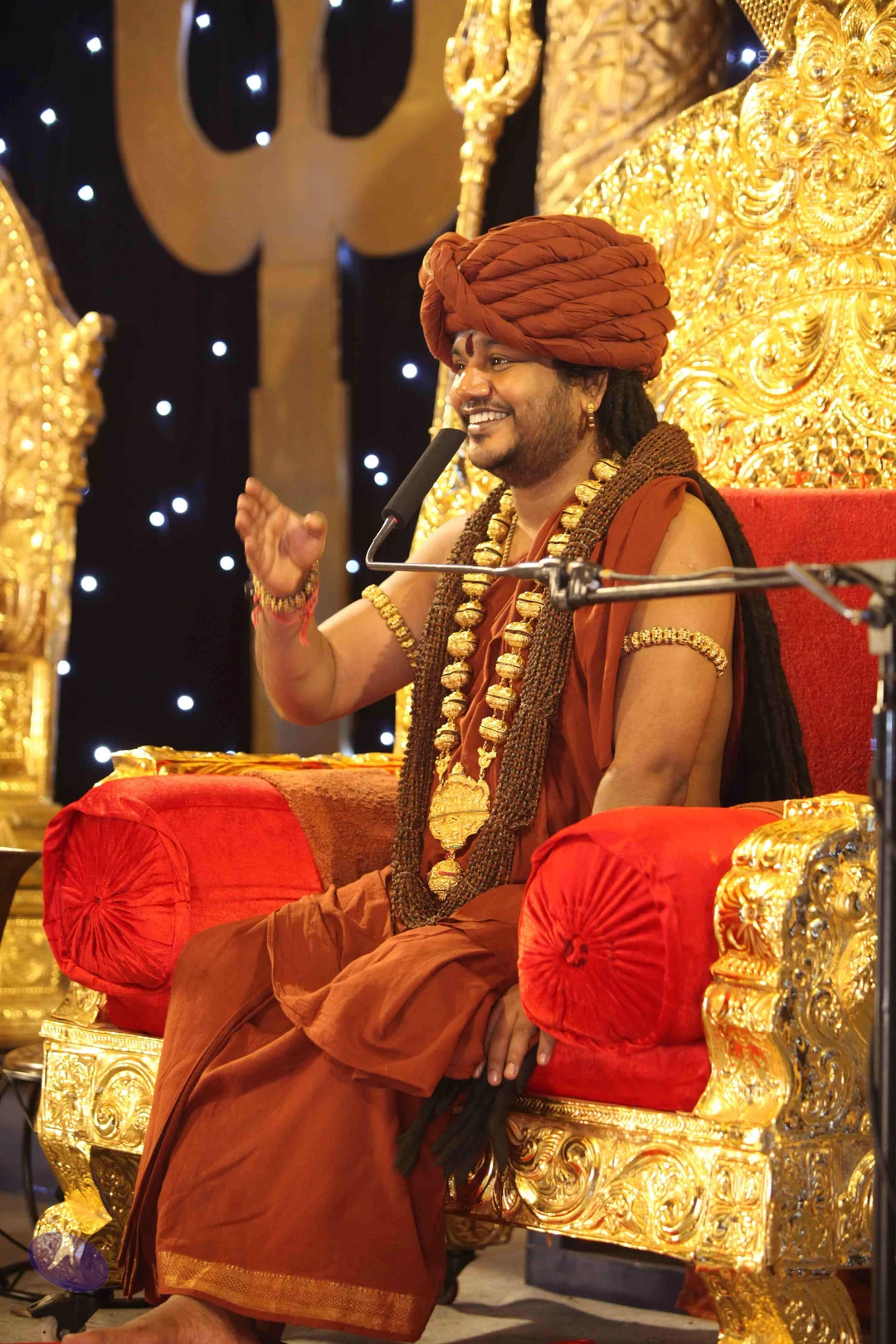
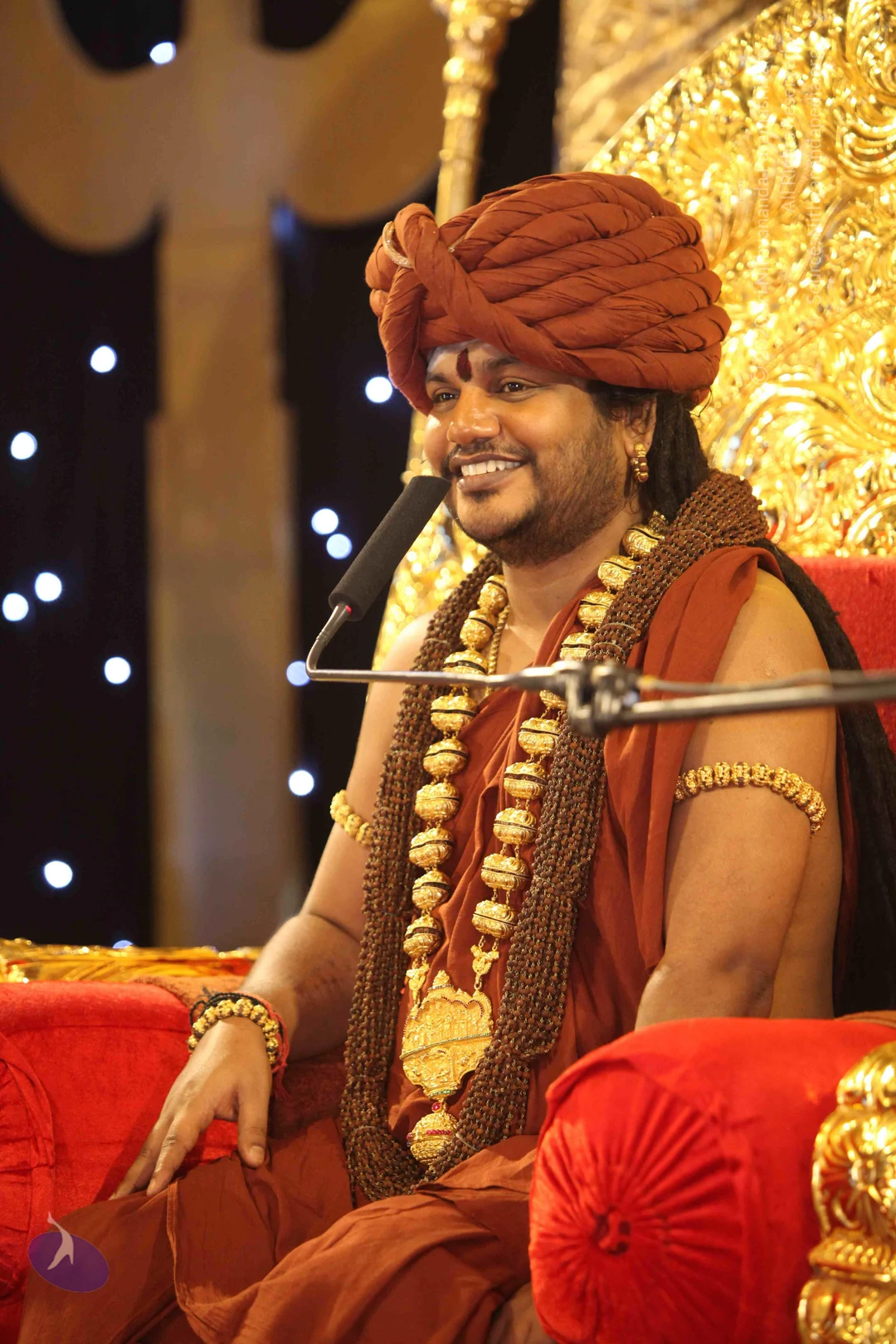
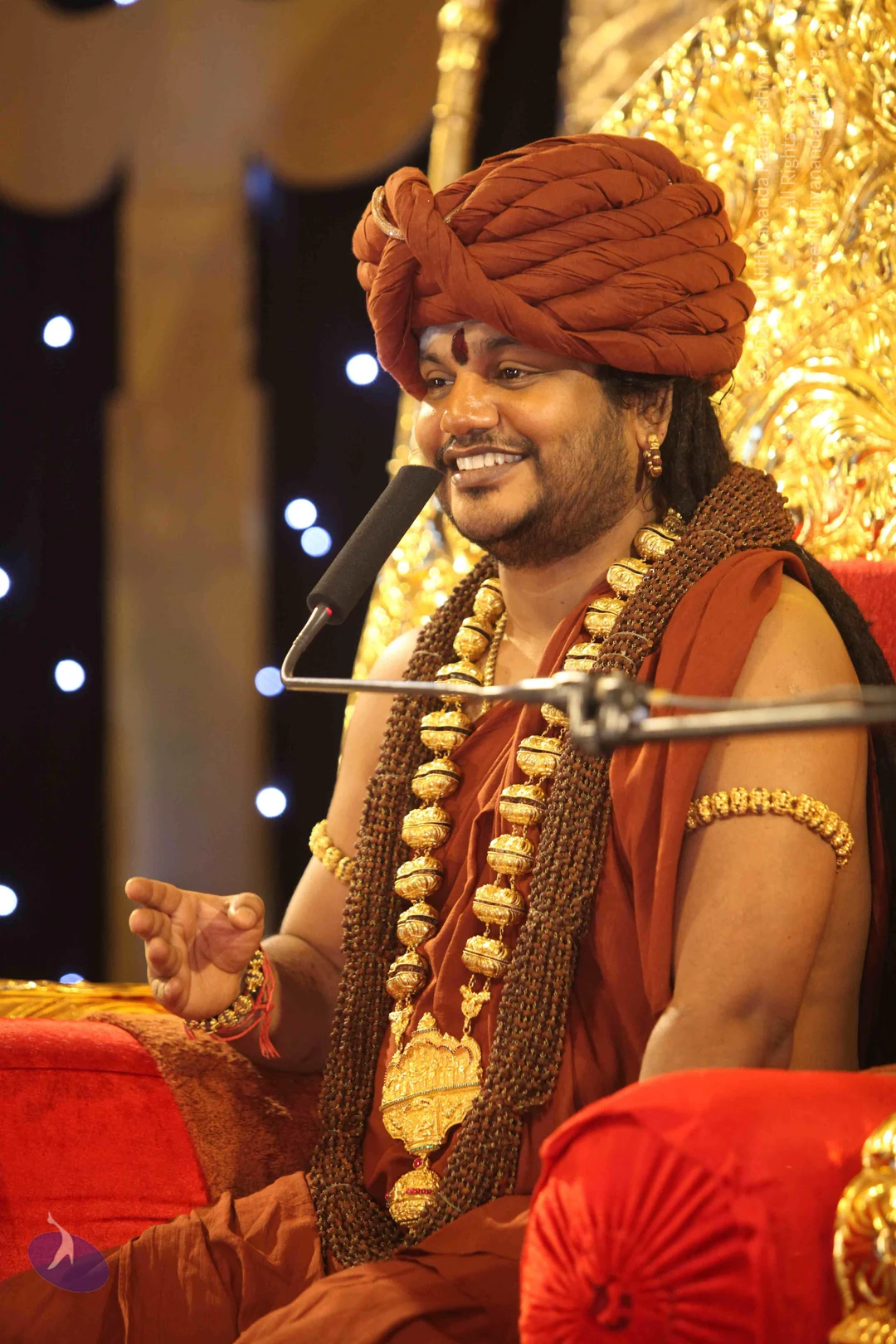
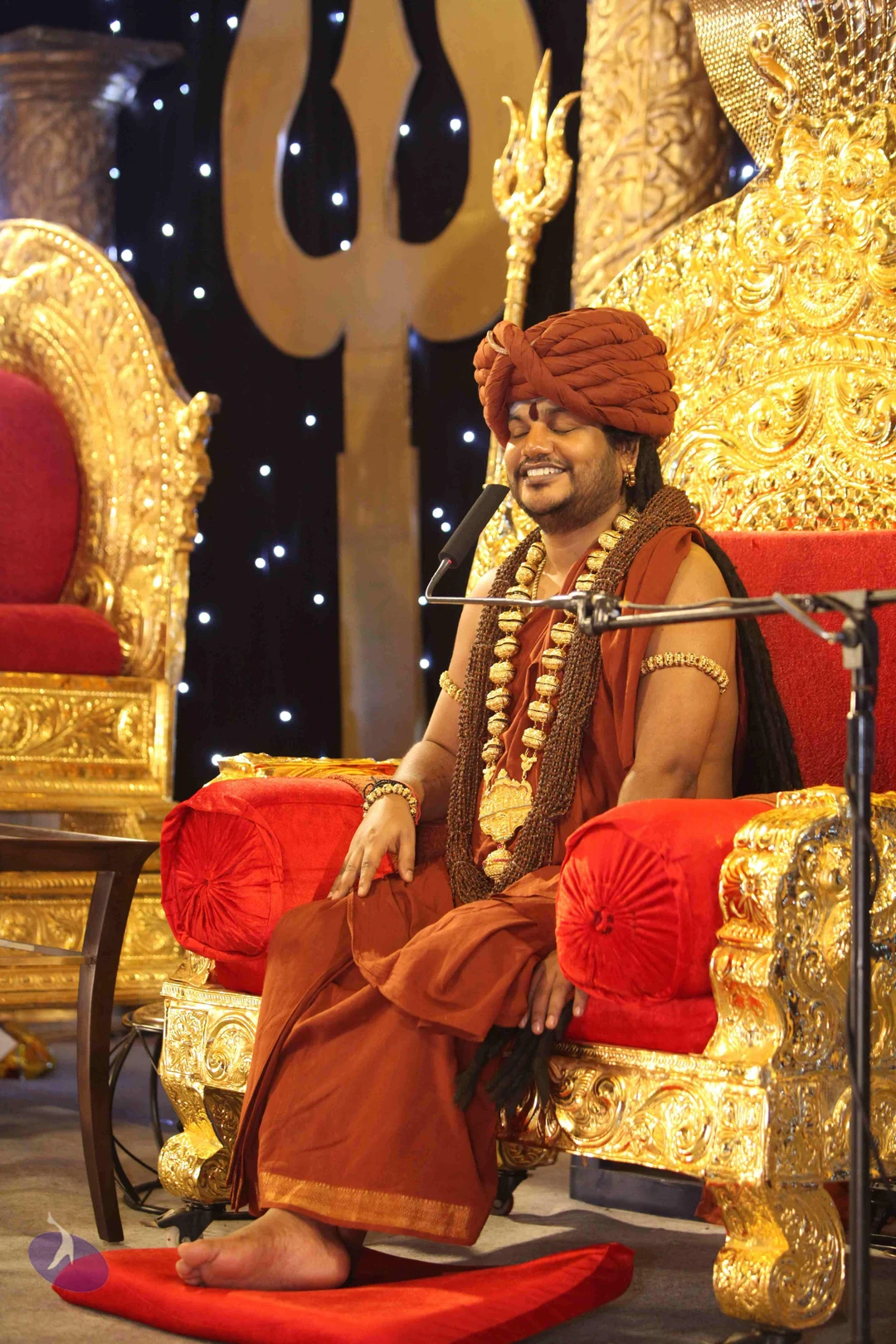
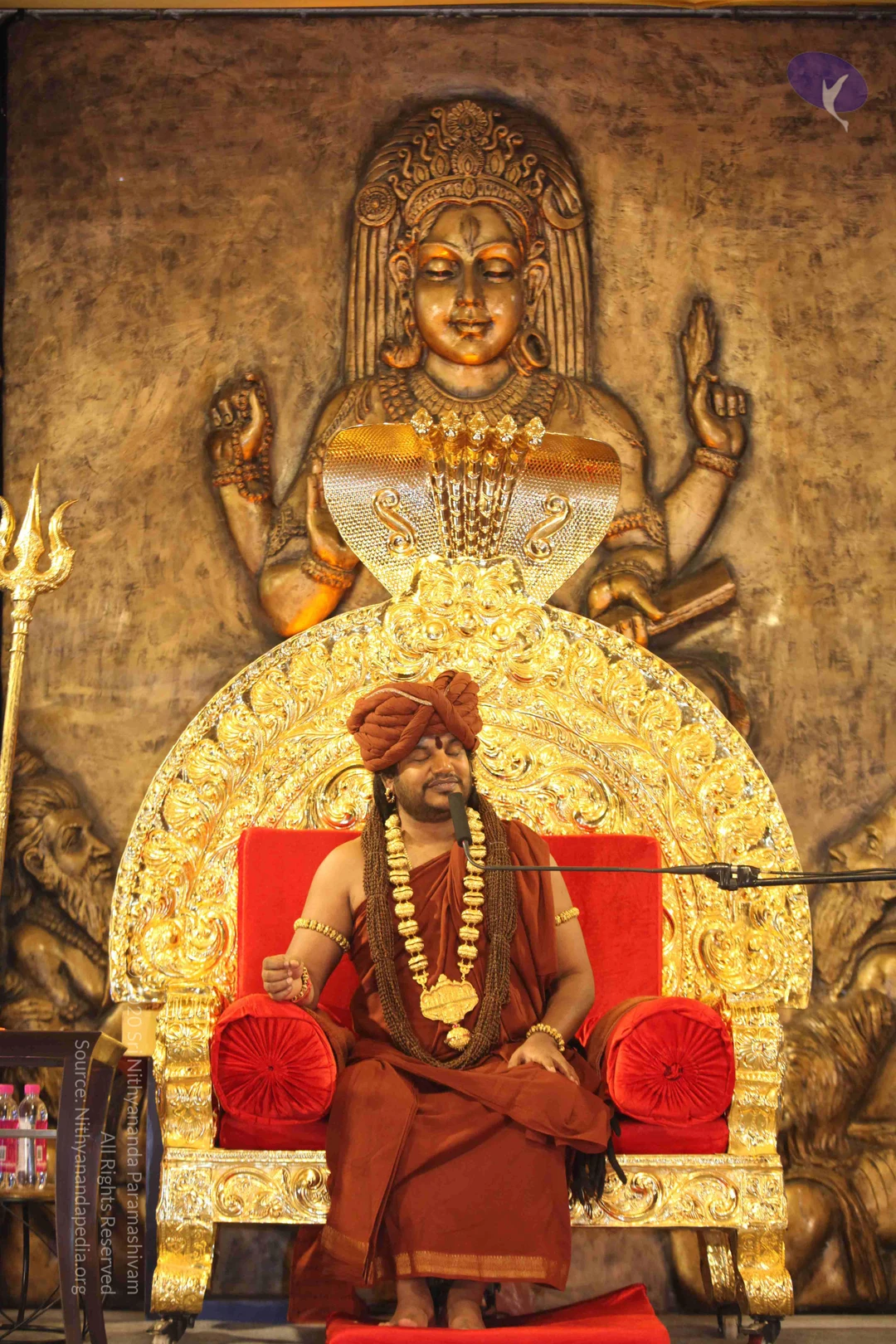
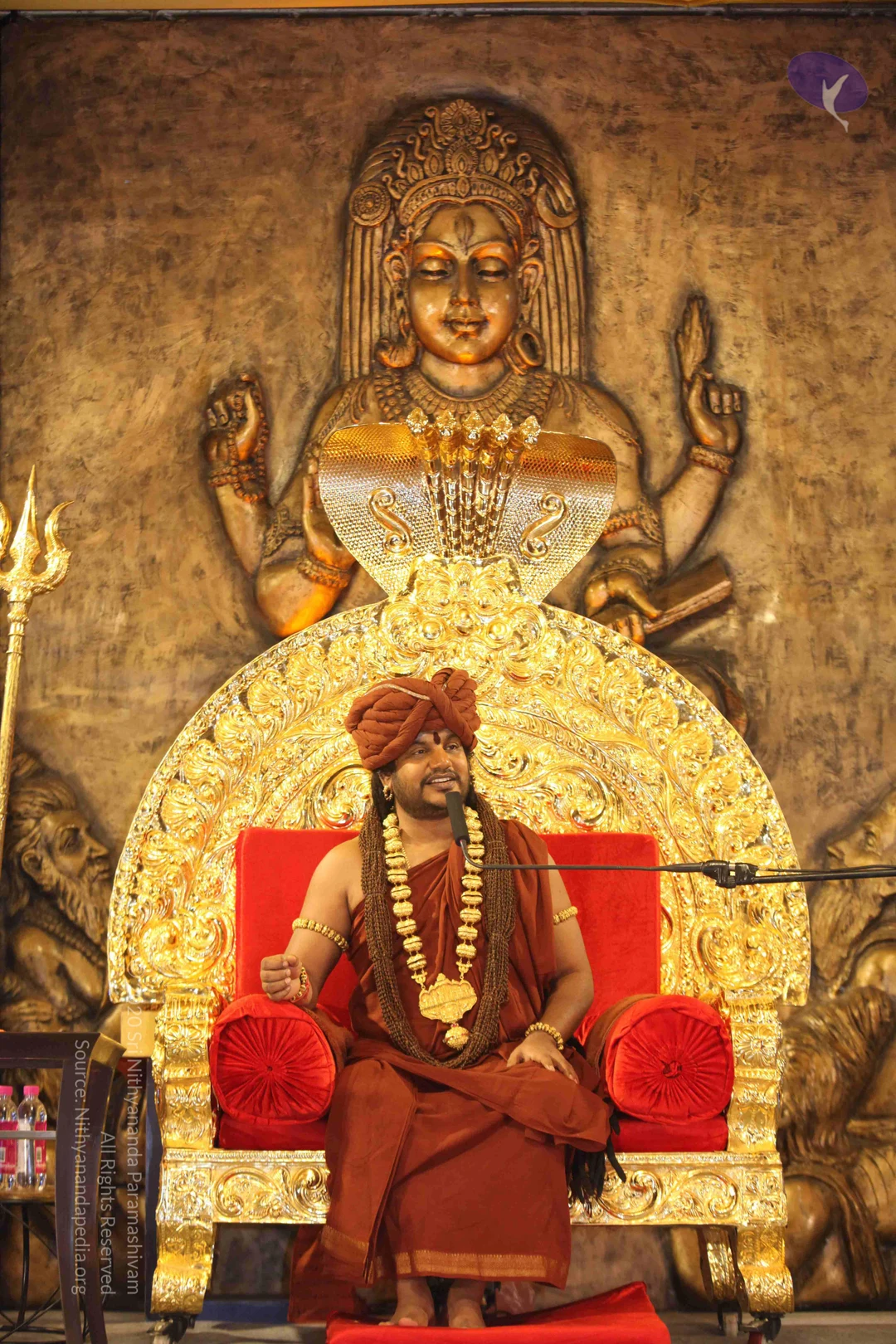
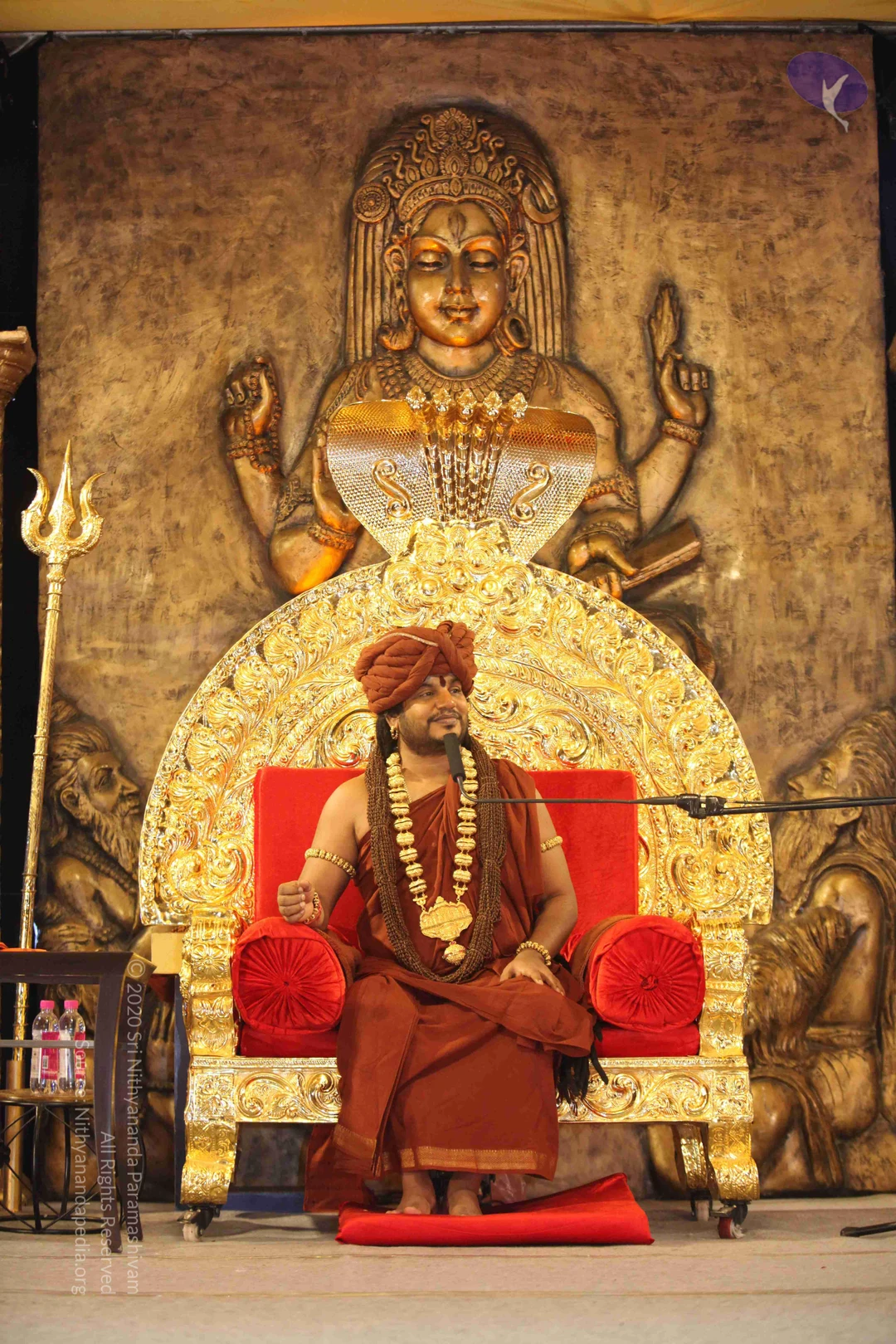
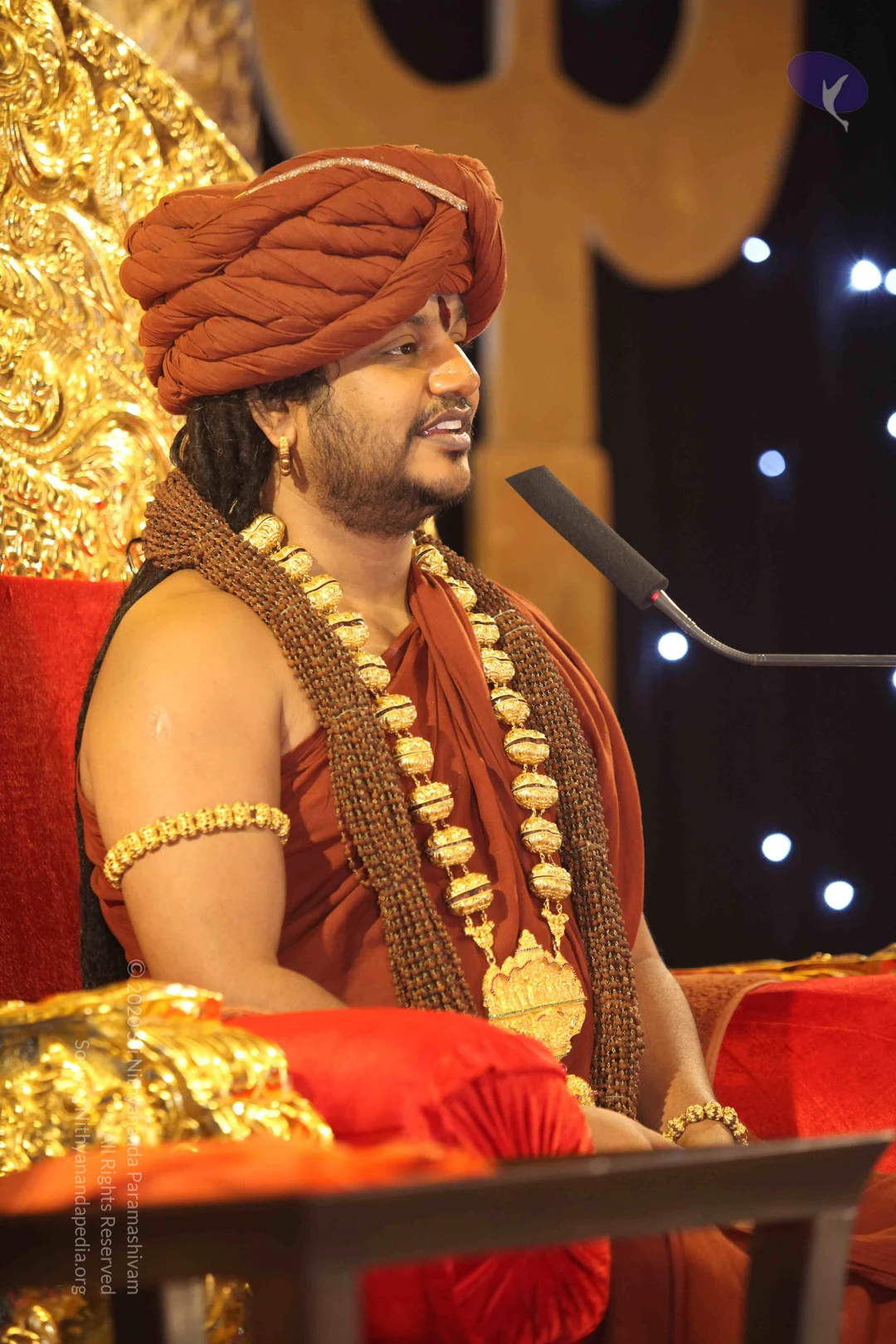
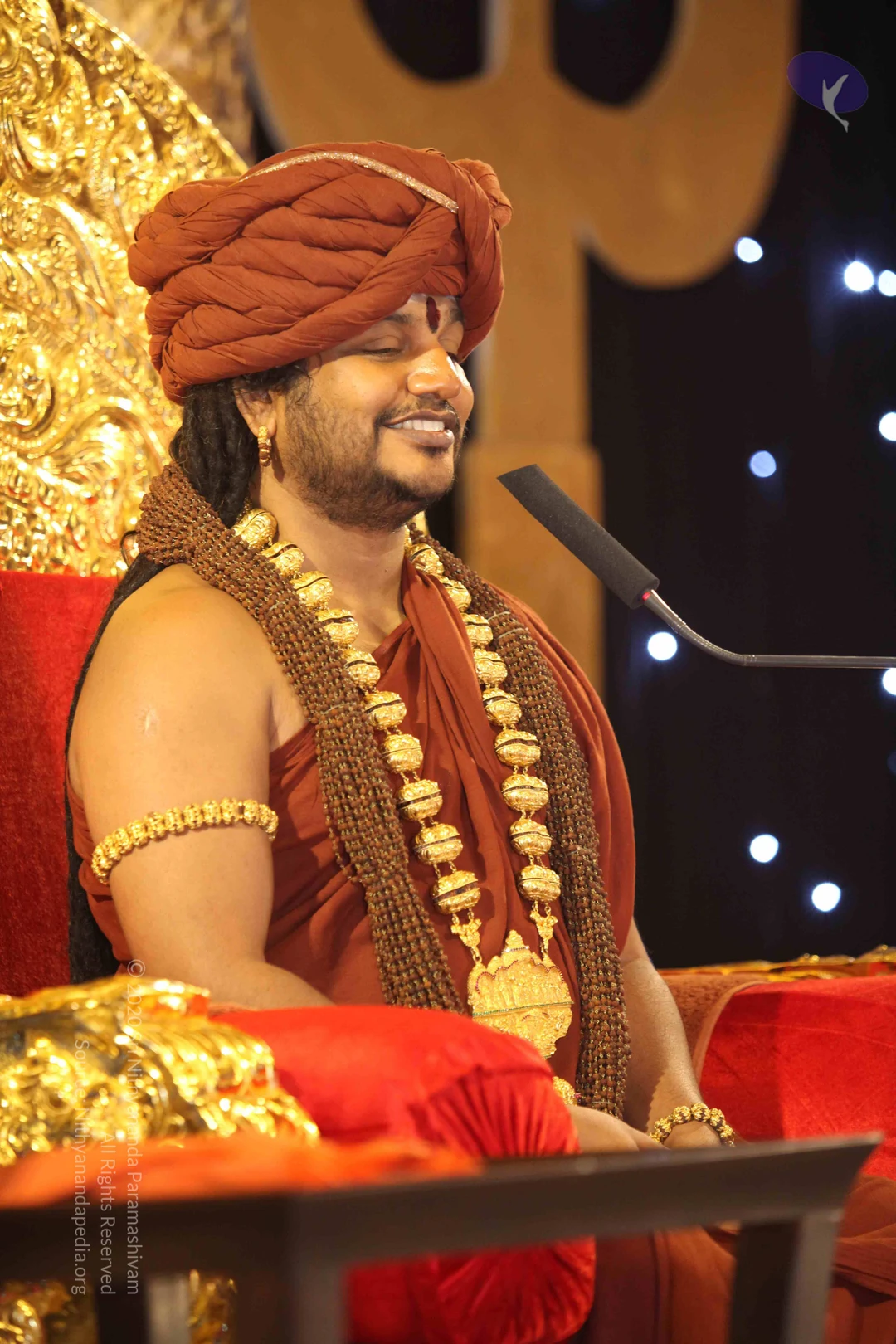
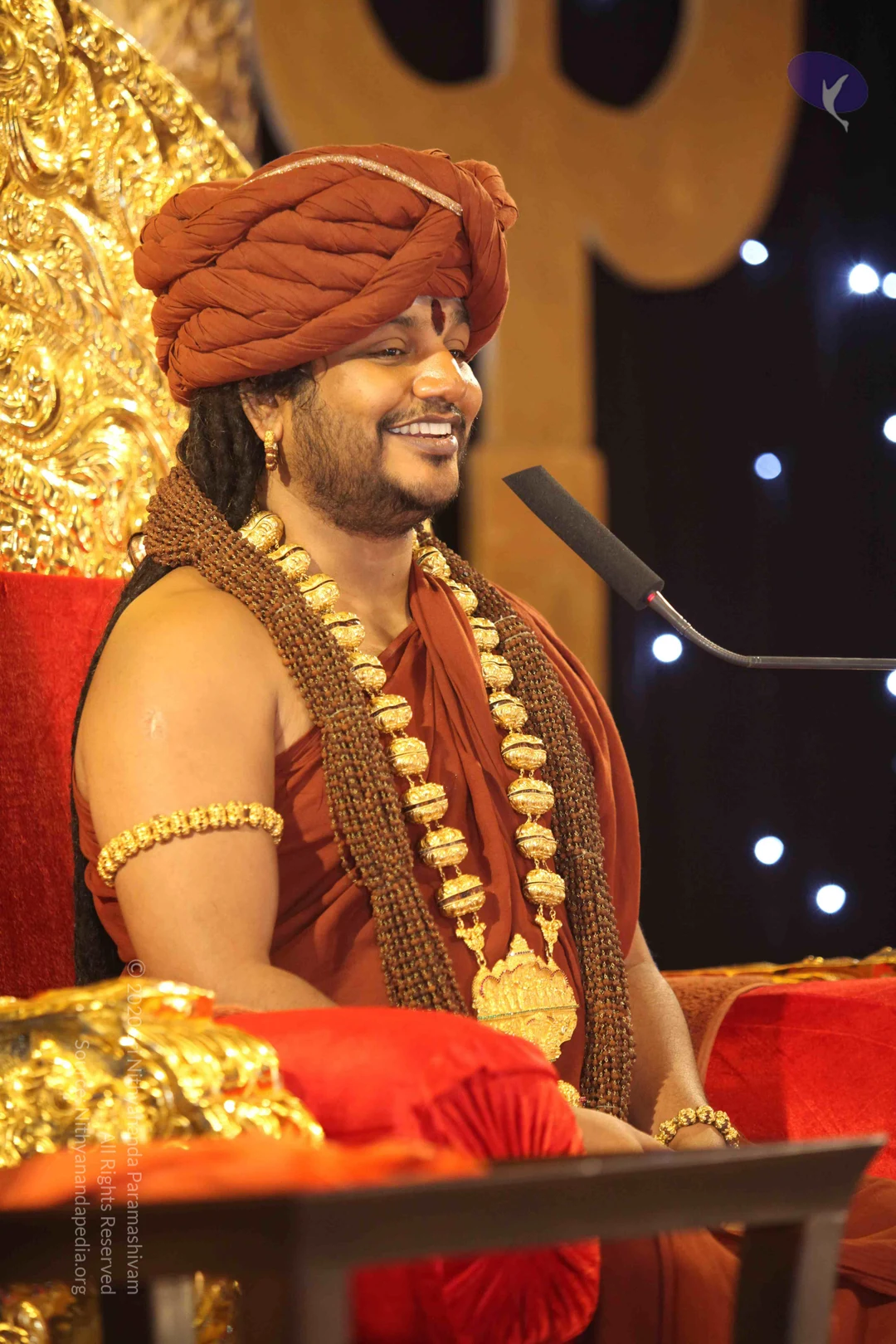
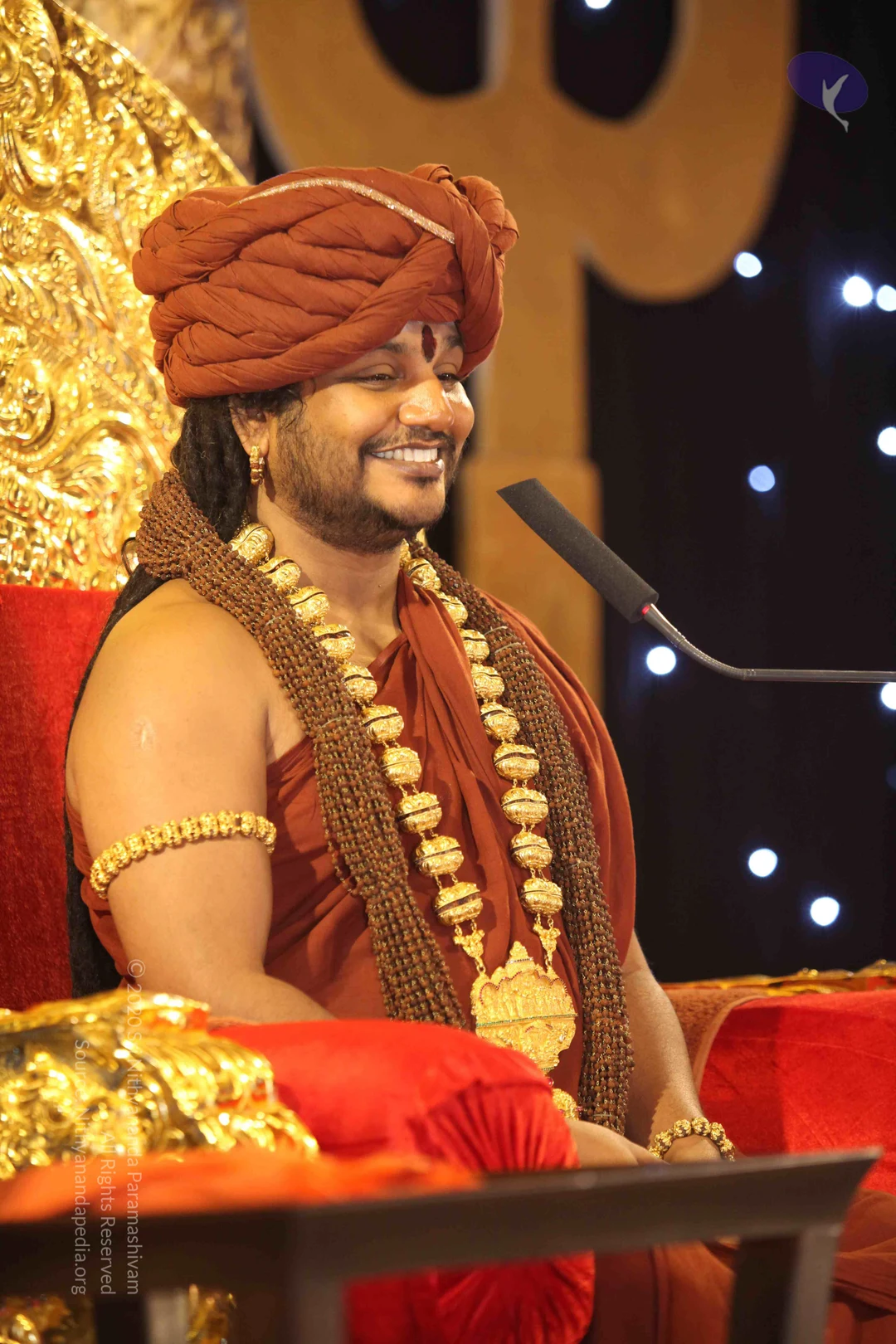
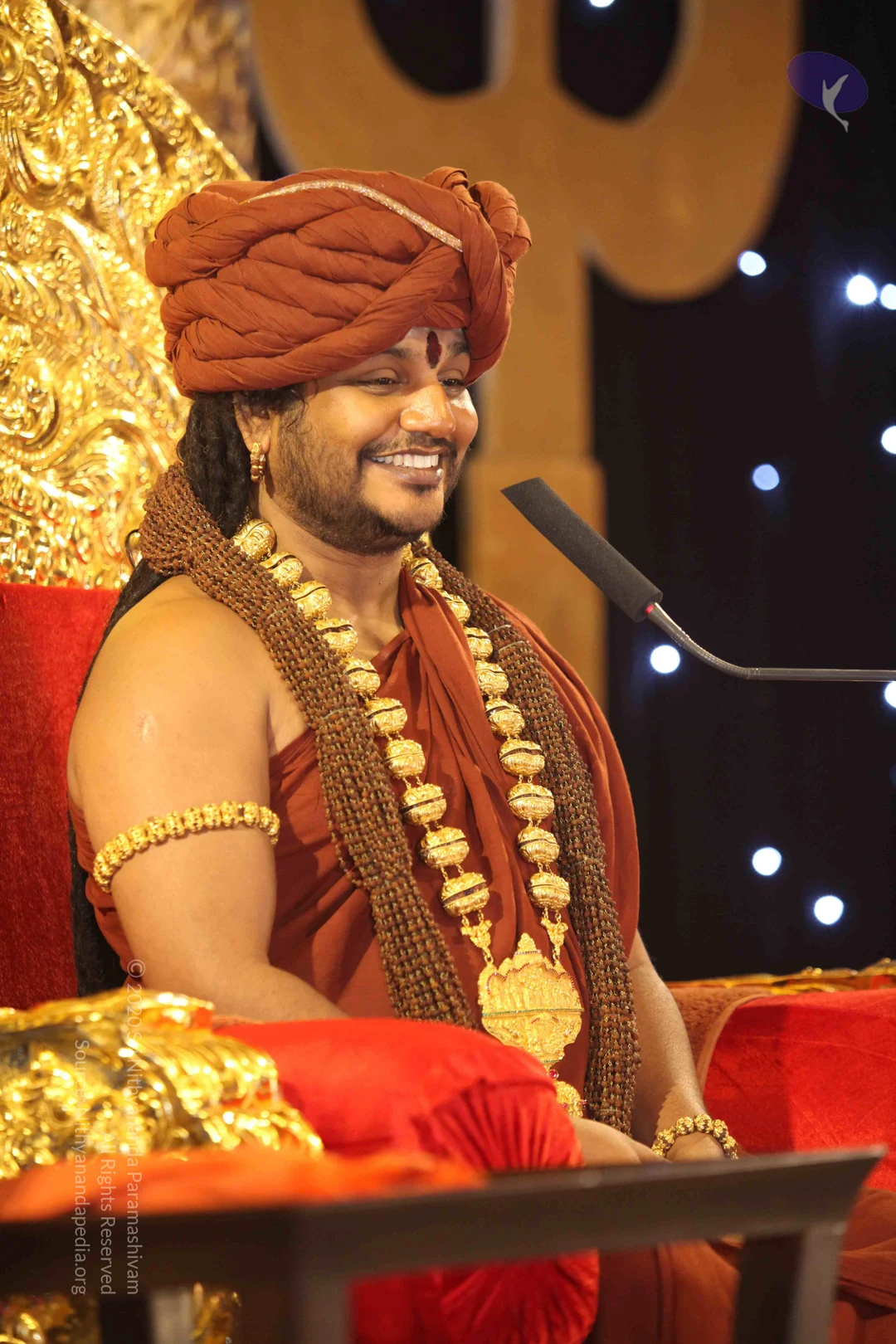
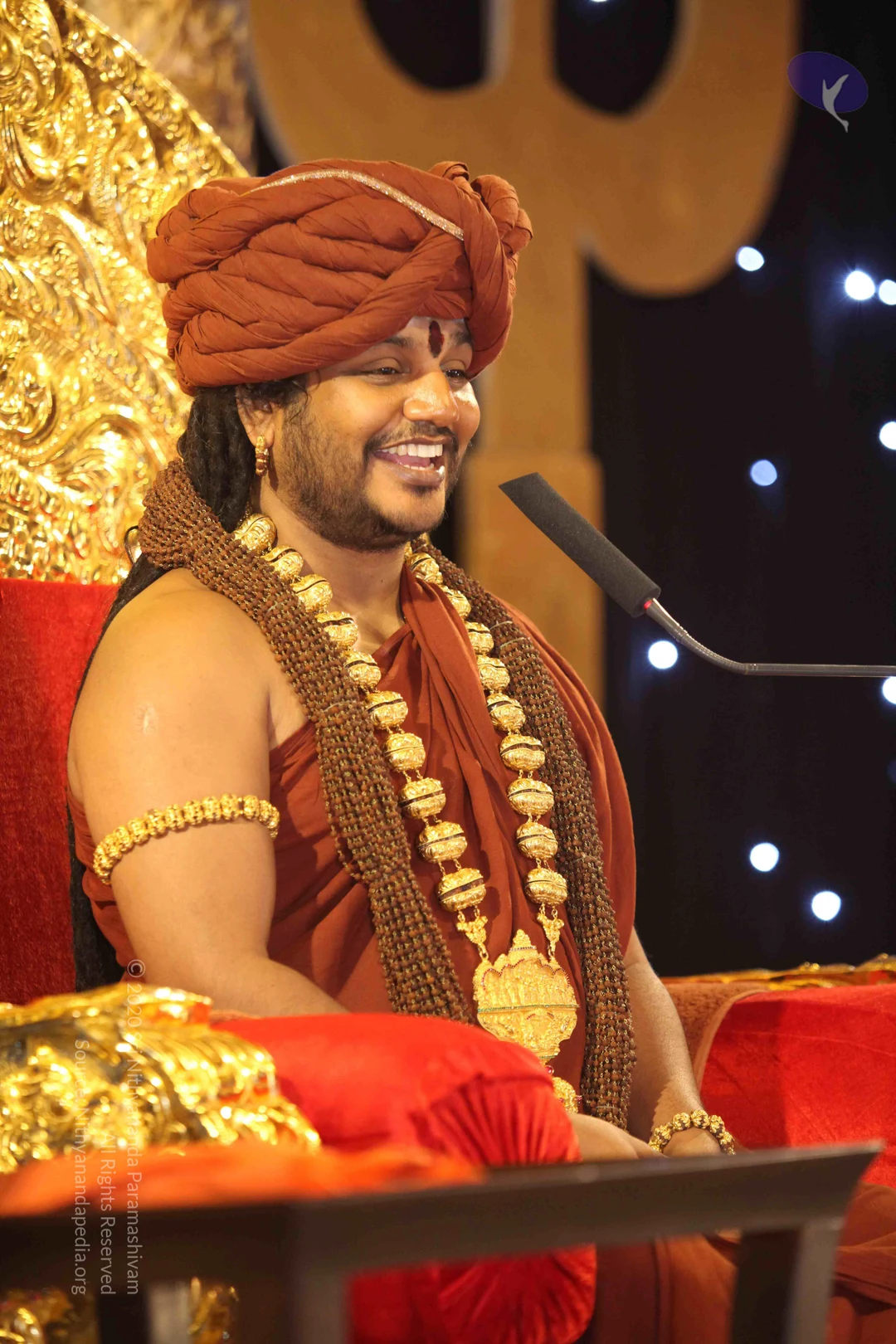
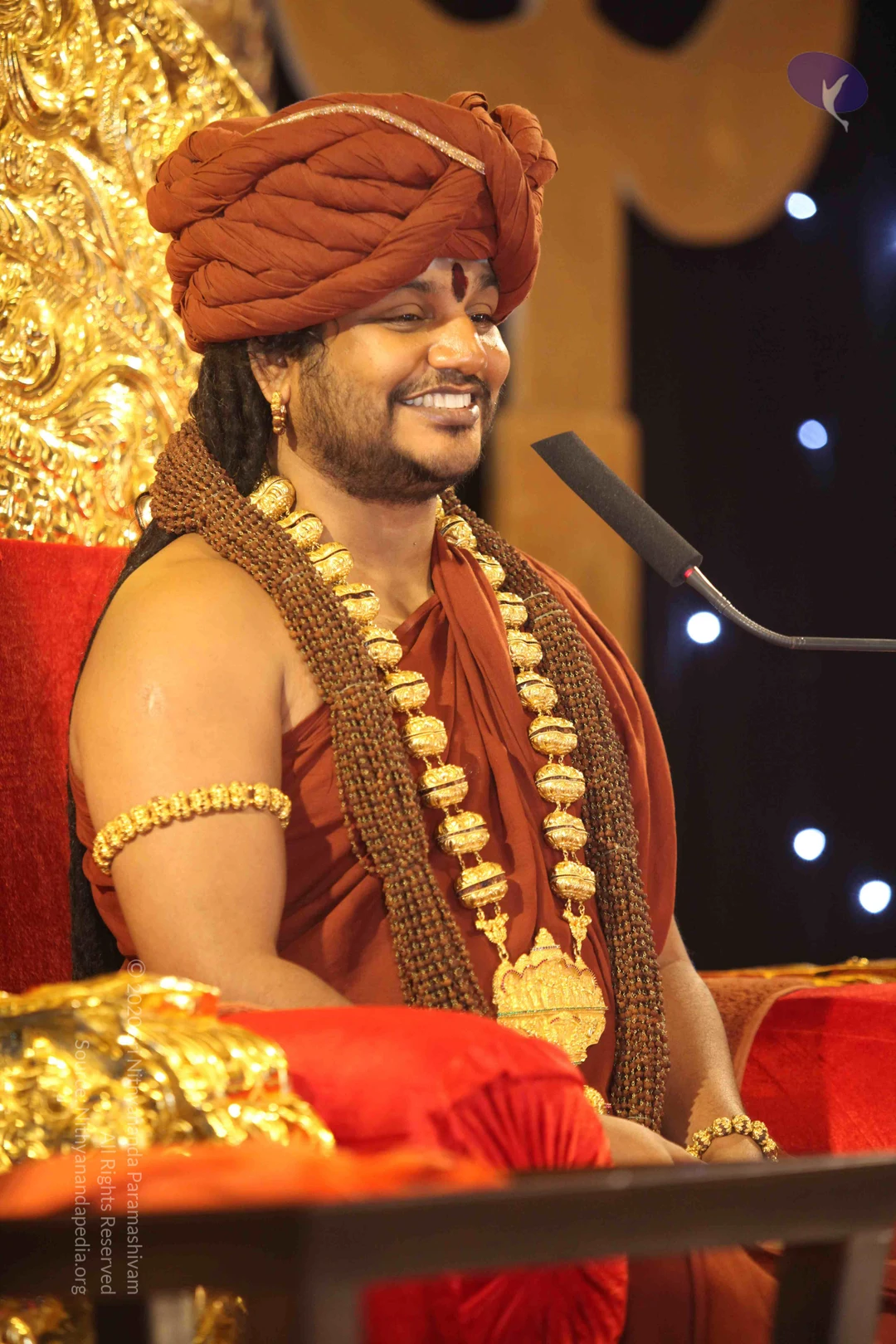
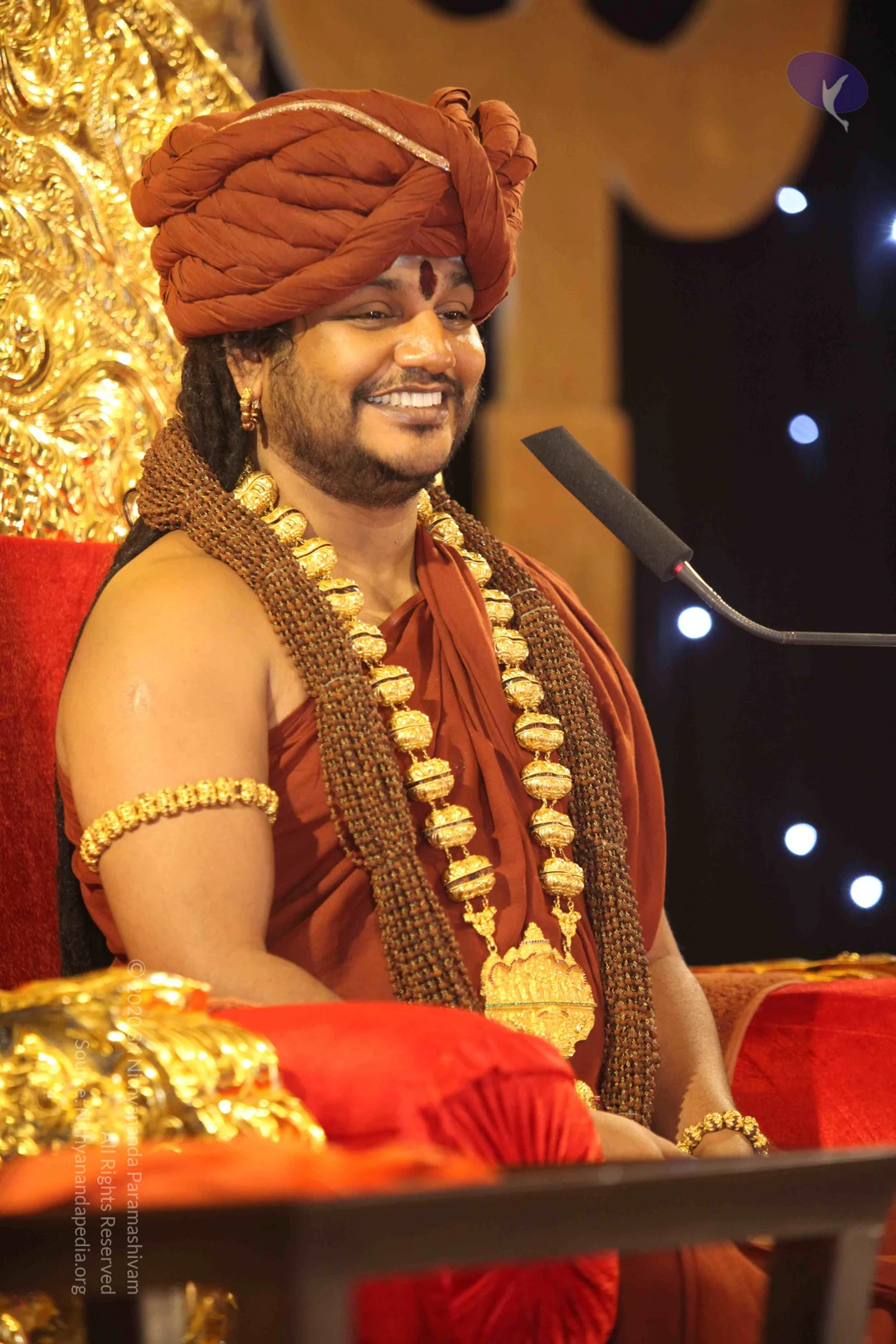
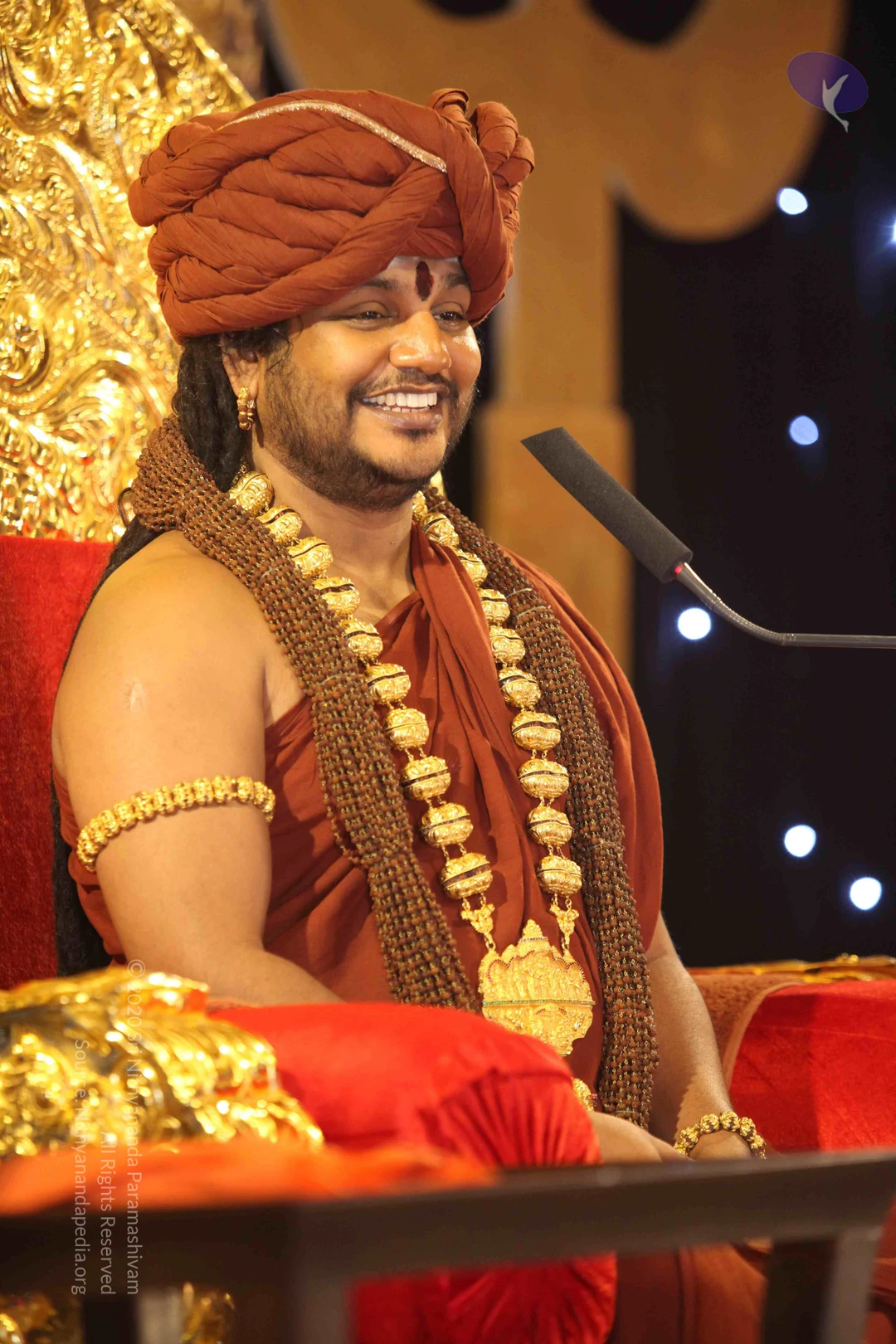
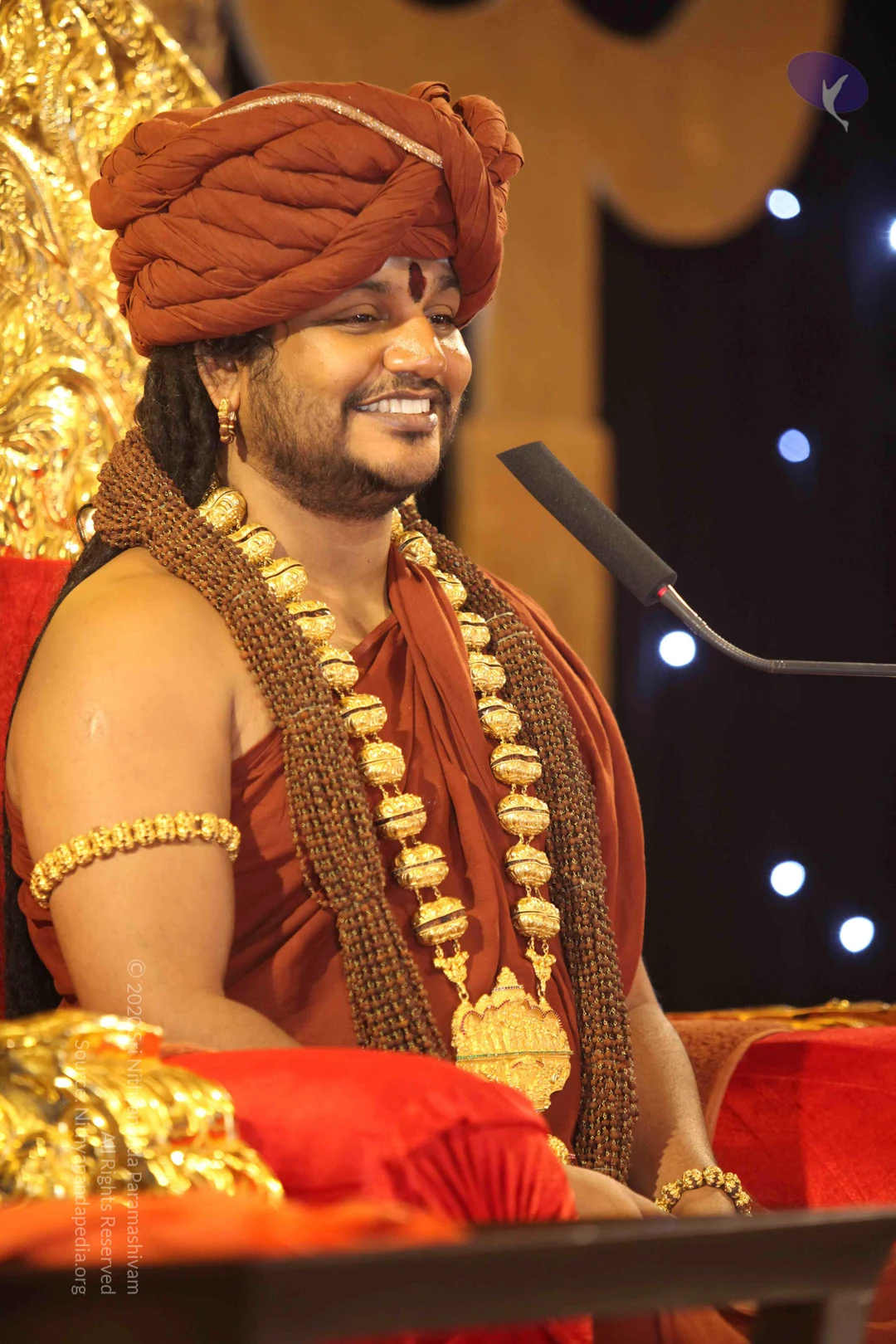
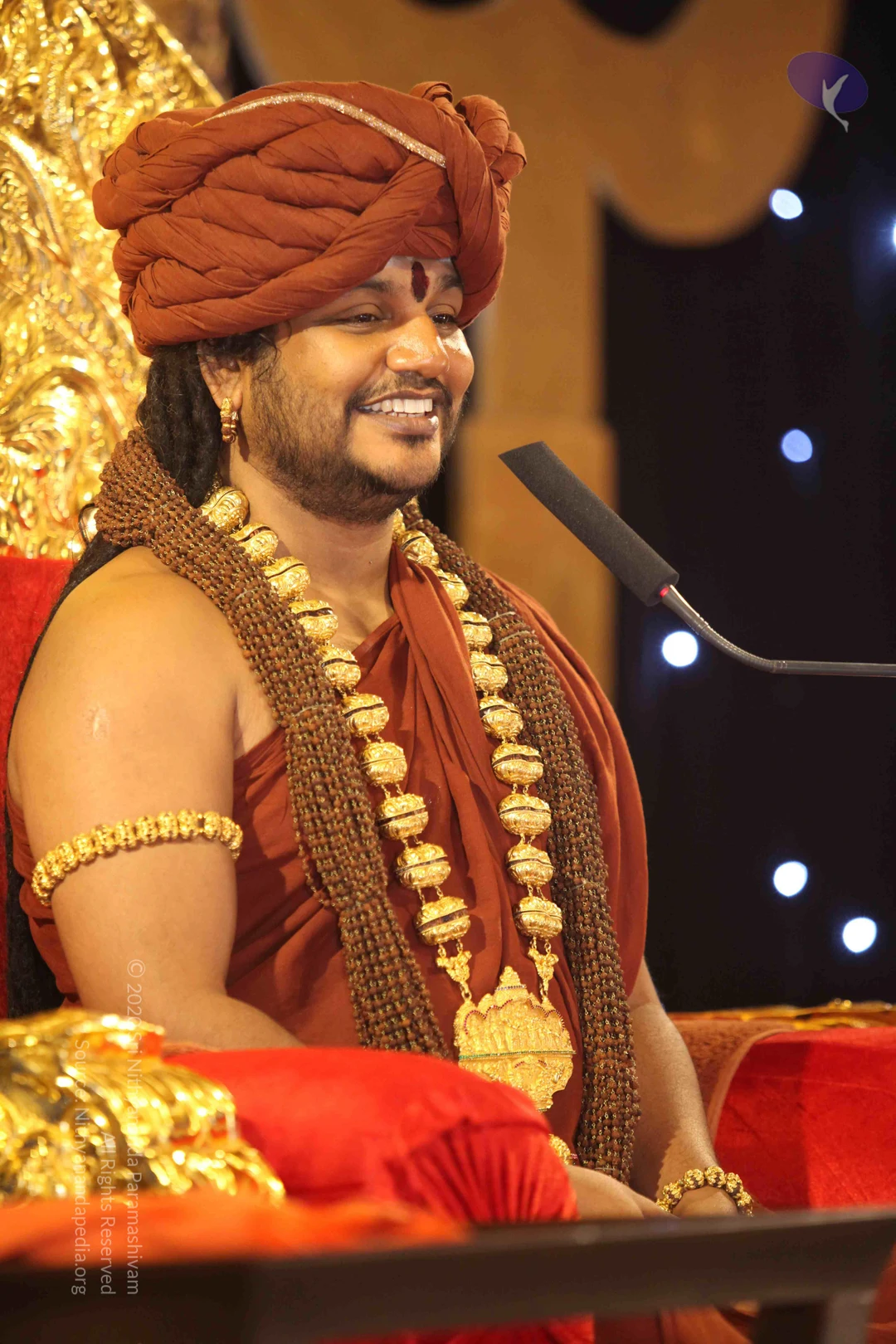
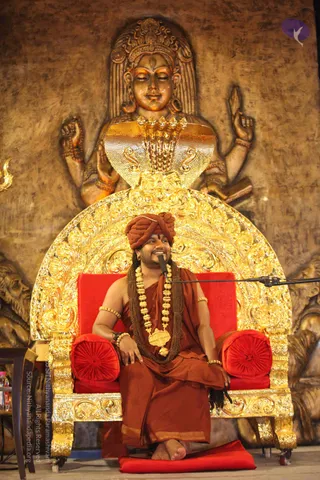
2-INNER-AWAKENING-SESSION
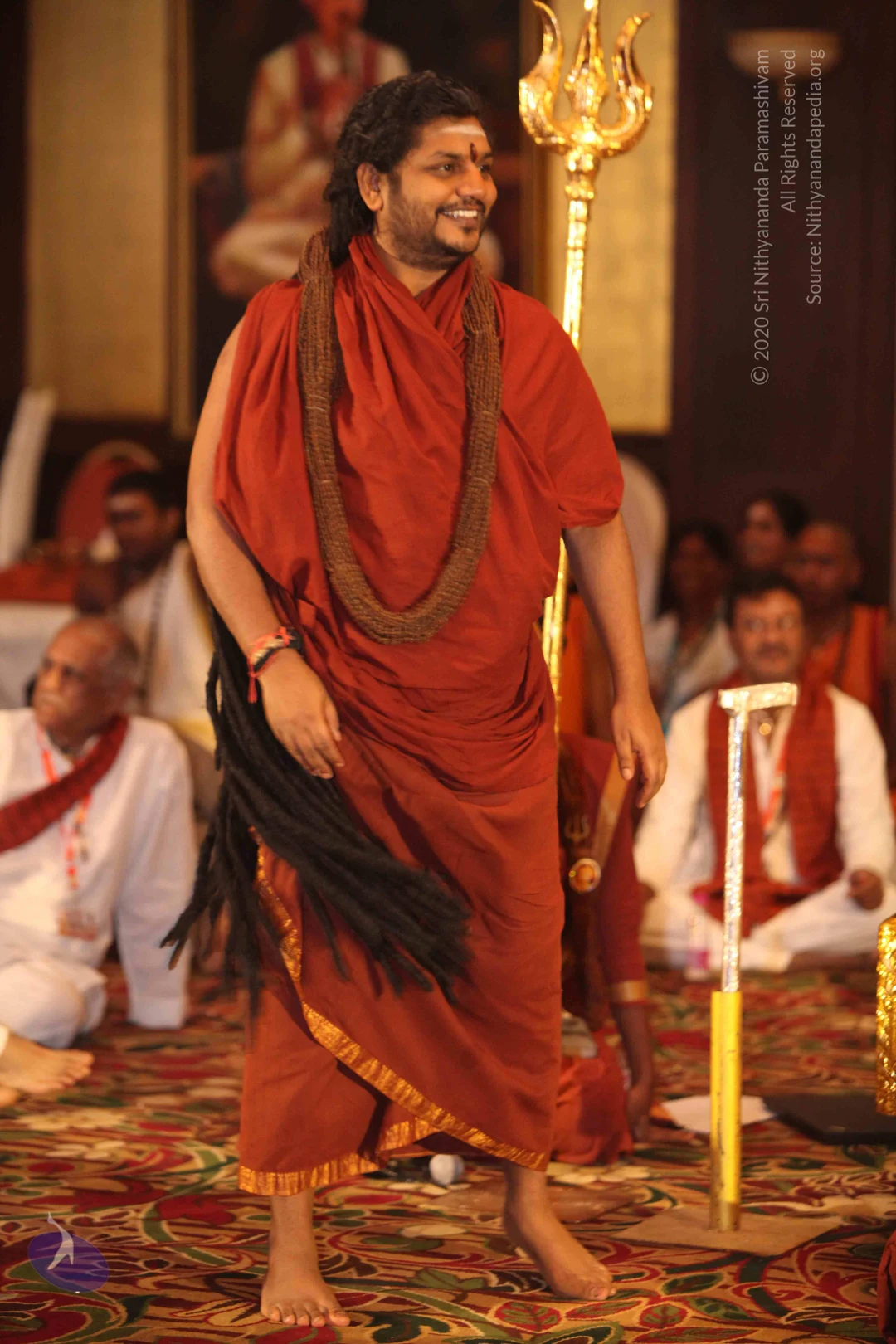
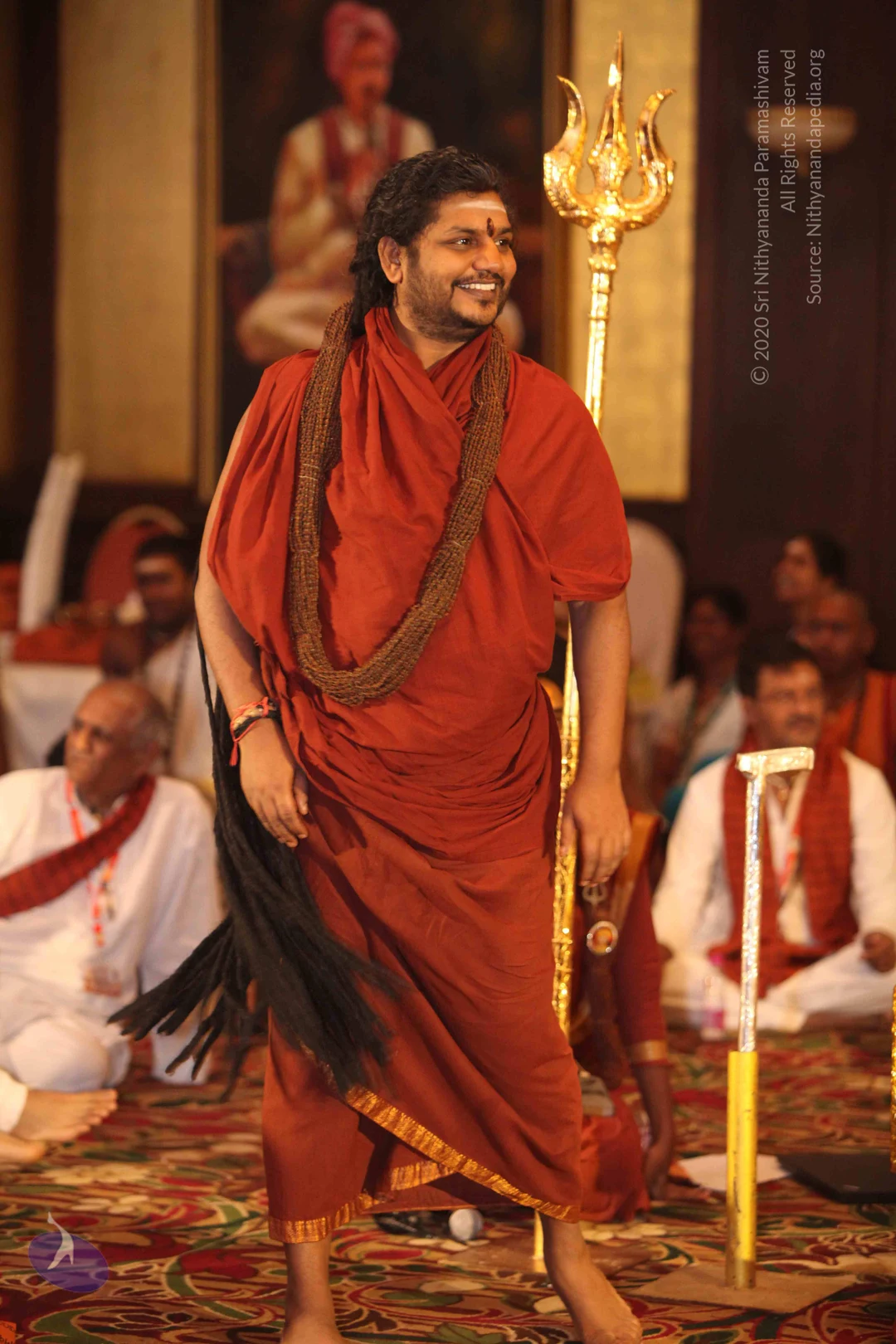
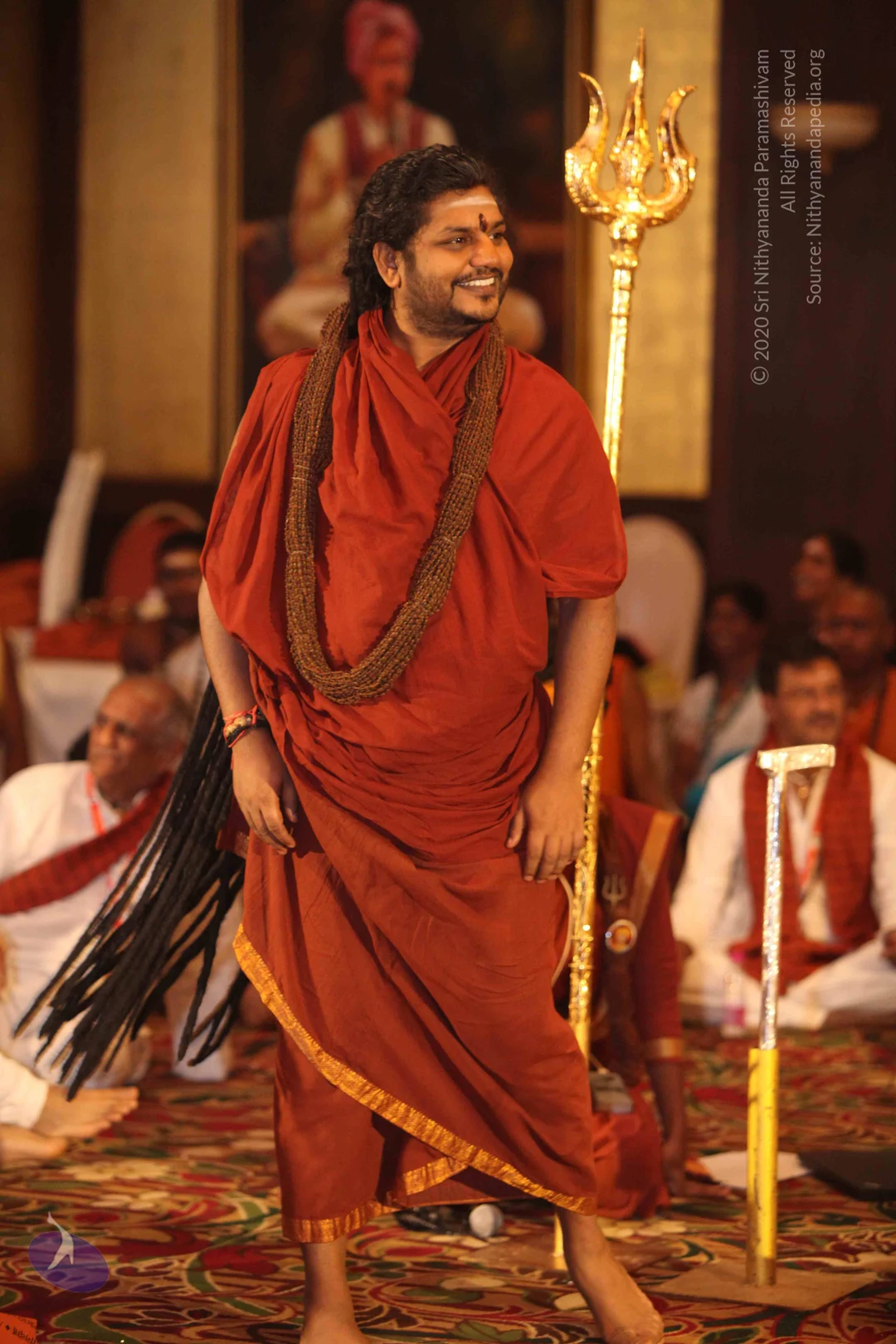
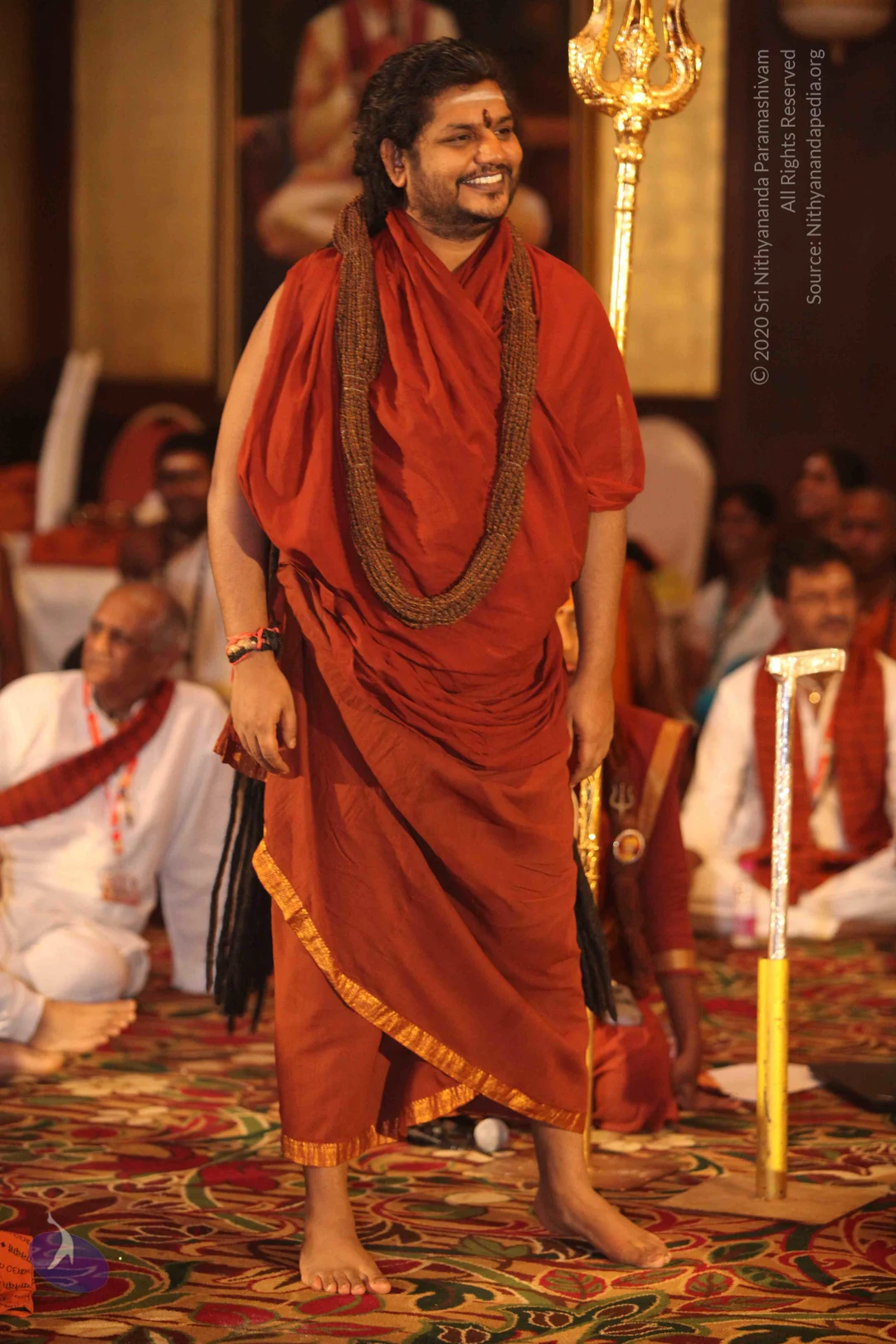
Photos from this day
View all 64 photosNithya Satsang
4 photosSource gallery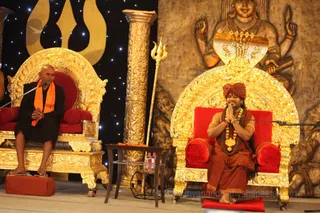
Aghor Peetadeeshwar Atmaram Maharaj Ji Addresses All the Satsangees and Viewers Around the World
5 photosSource gallery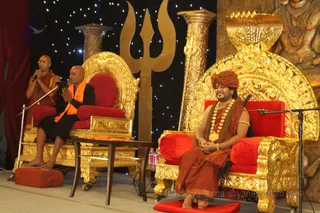
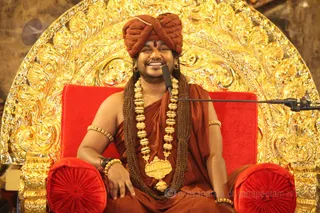
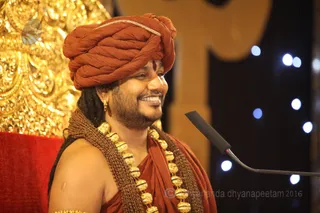
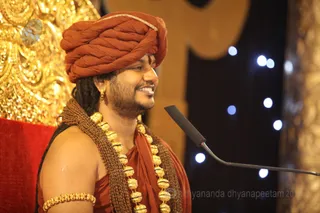
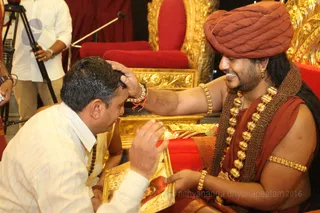
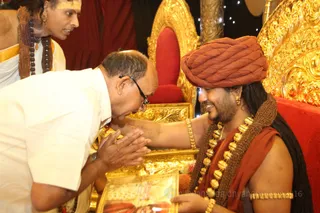
Kalpataru Darshan
8 photosSource gallery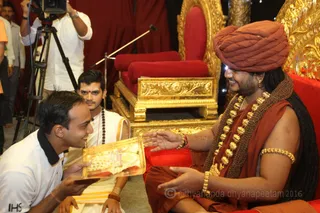

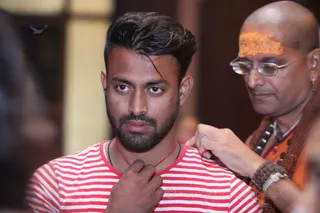

FB-Photos-of-the-Day
14 photosSource gallery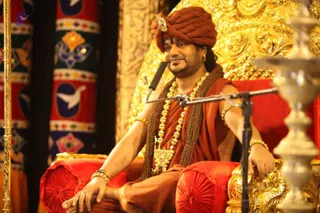
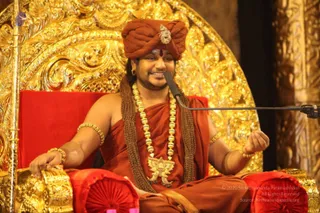
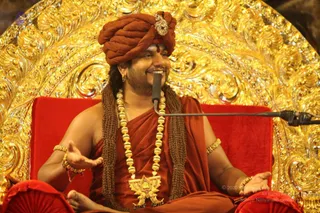
1-MORNING-SATSANG
17 photosSource gallery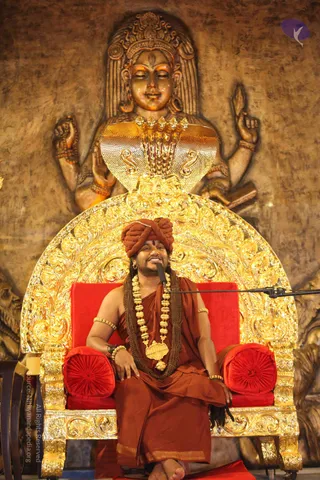
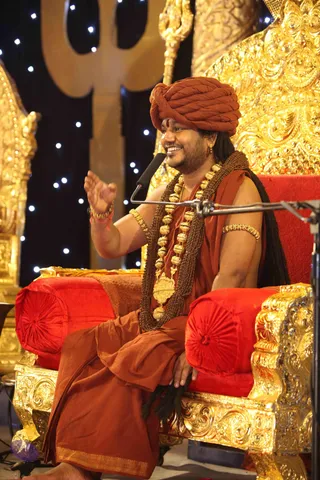
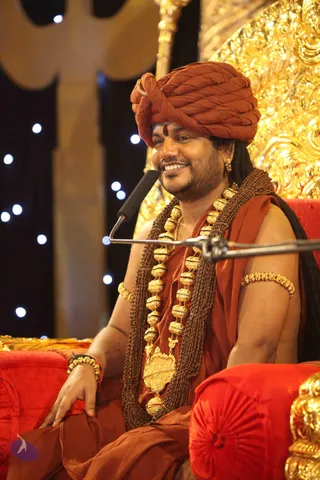
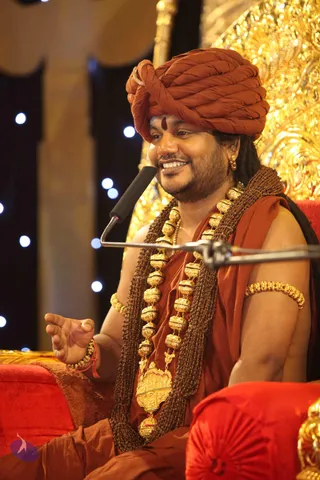
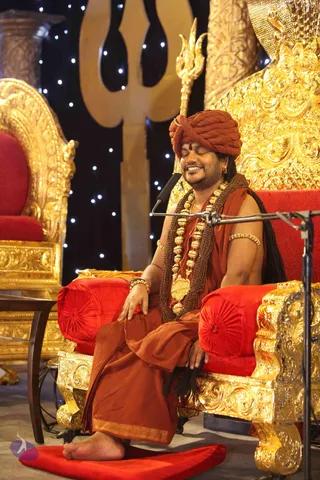
2-INNER-AWAKENING-SESSION
16 photosSource gallery