Skip to content
Saturday

6 July 2019

Dated photos
50
Source pages
2

July 06 2019

Original wiki page

KAILASA HOUSTON, USA on 7/6/2019

Original wiki page
Contents

Maha Guru Homa

Event Details
Participants Count200
Event TypeOnline, In-Person, Both
Was Food Served in Event?Yes
Count of Meals Served200
Volunteers Count20
Event Duration6 Hours

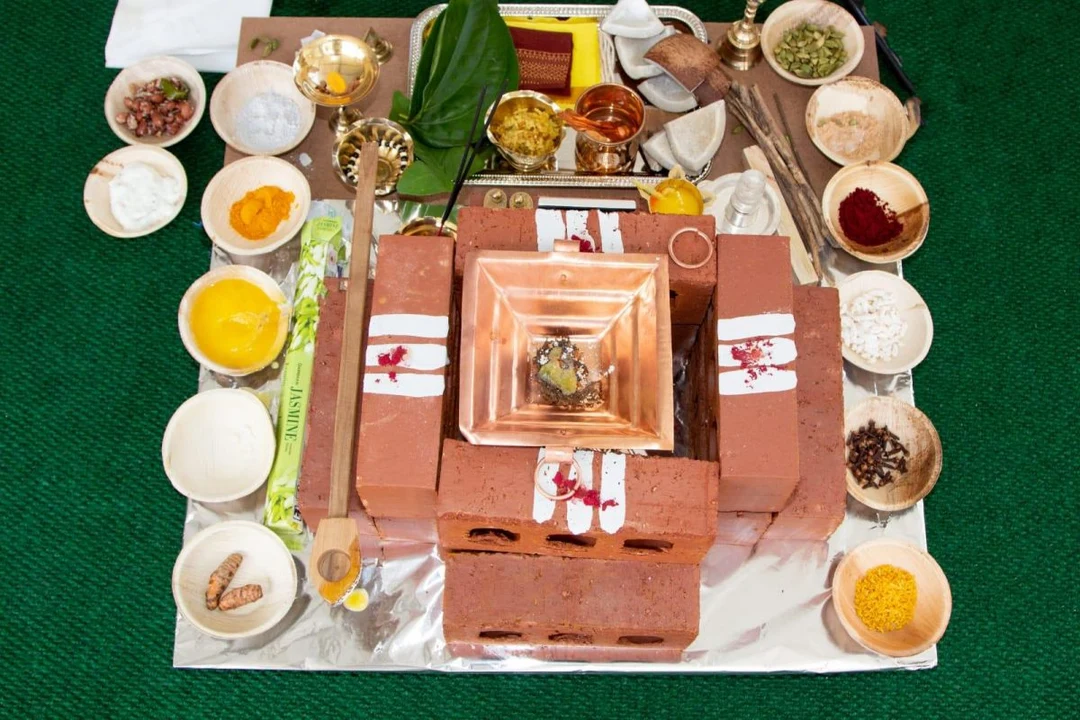
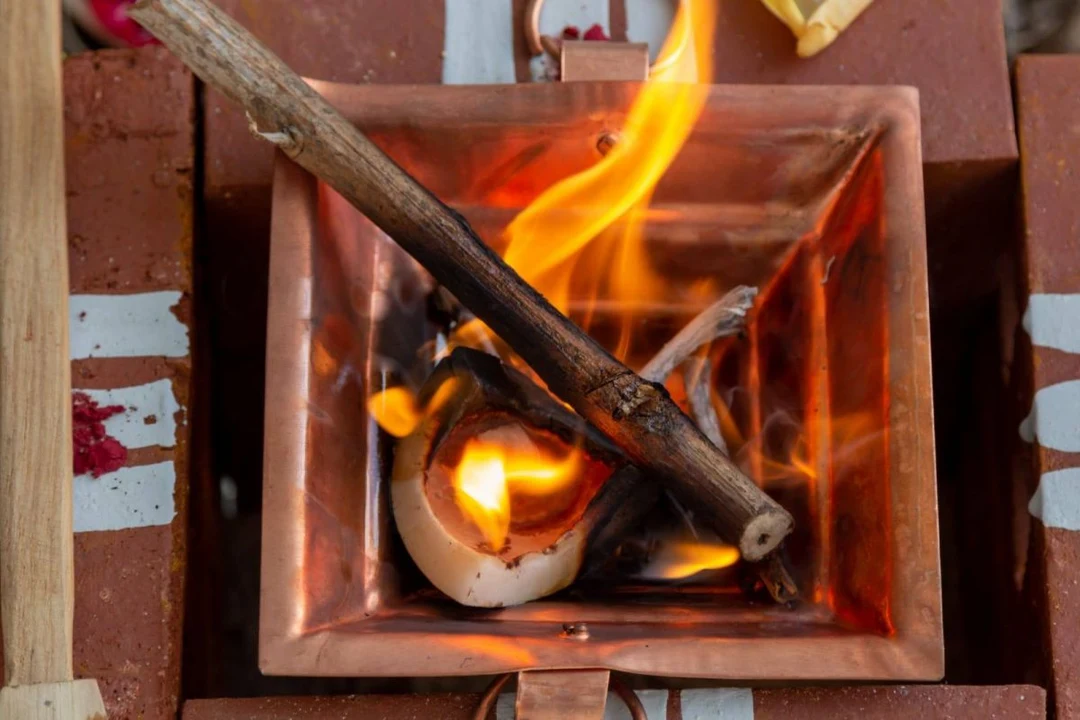
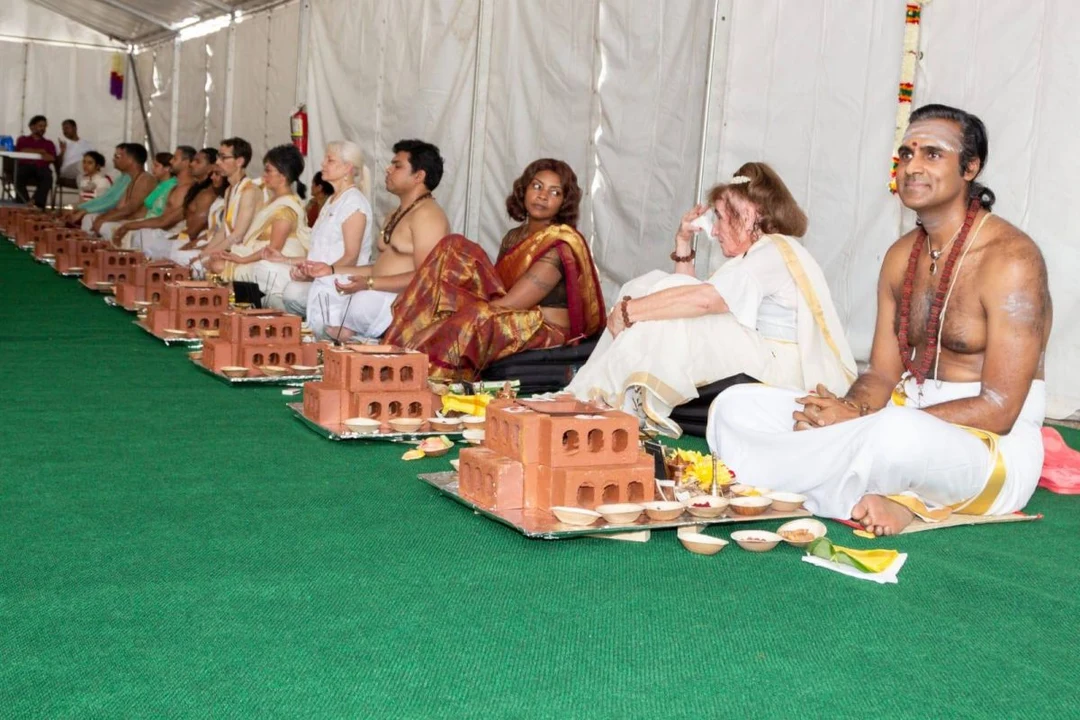
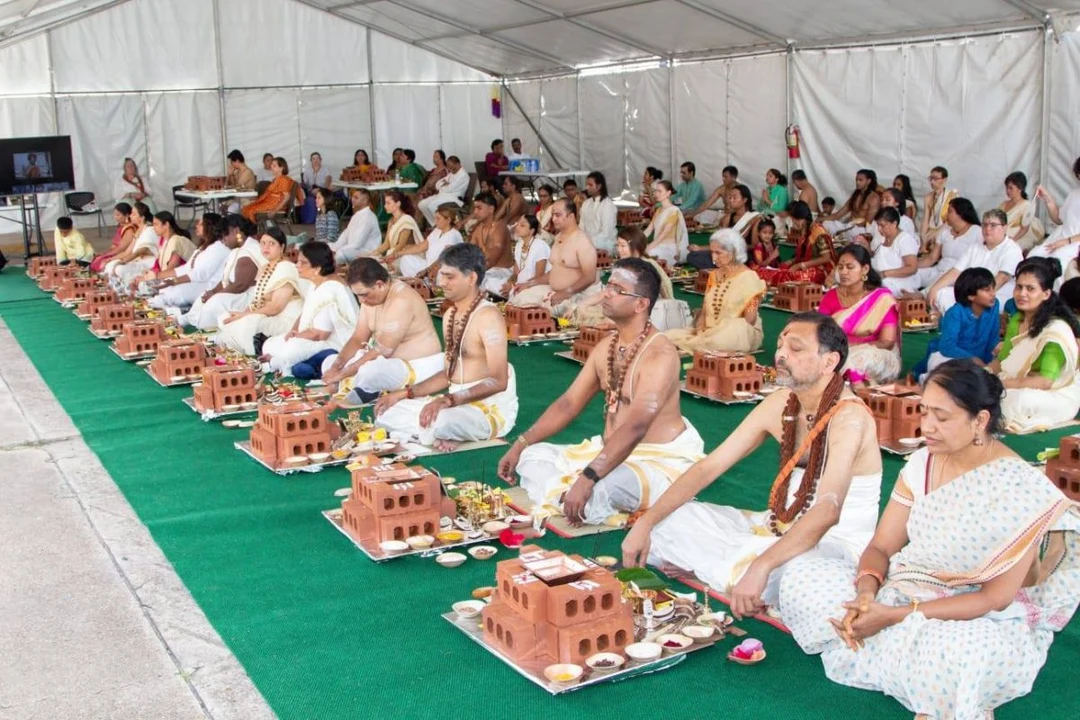
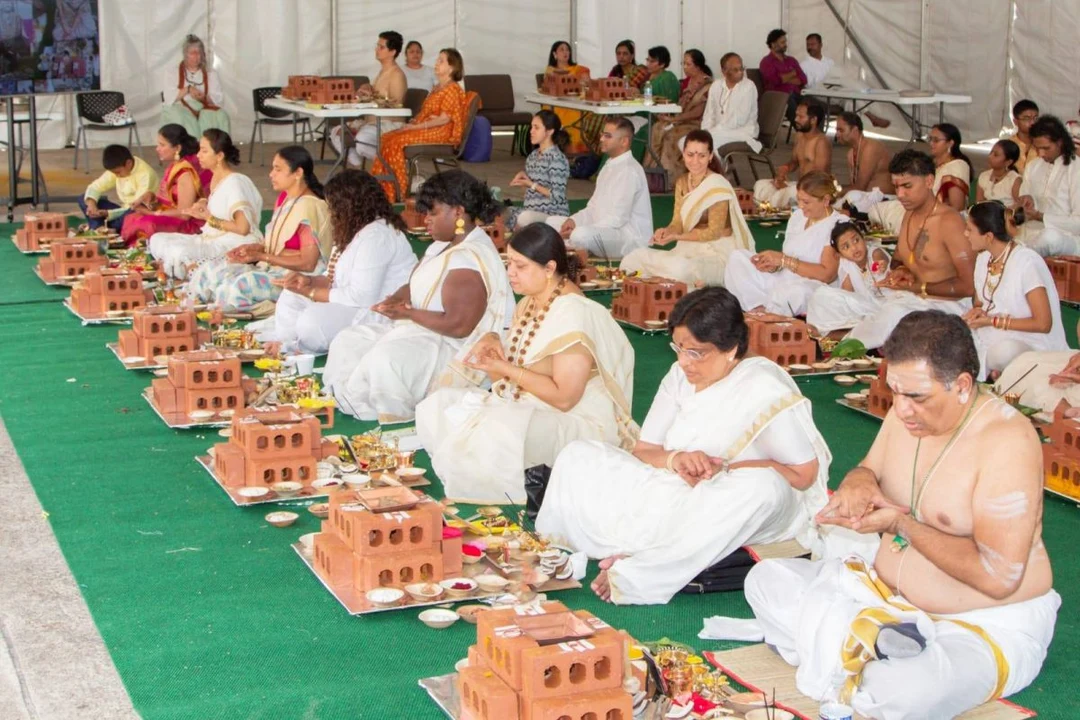
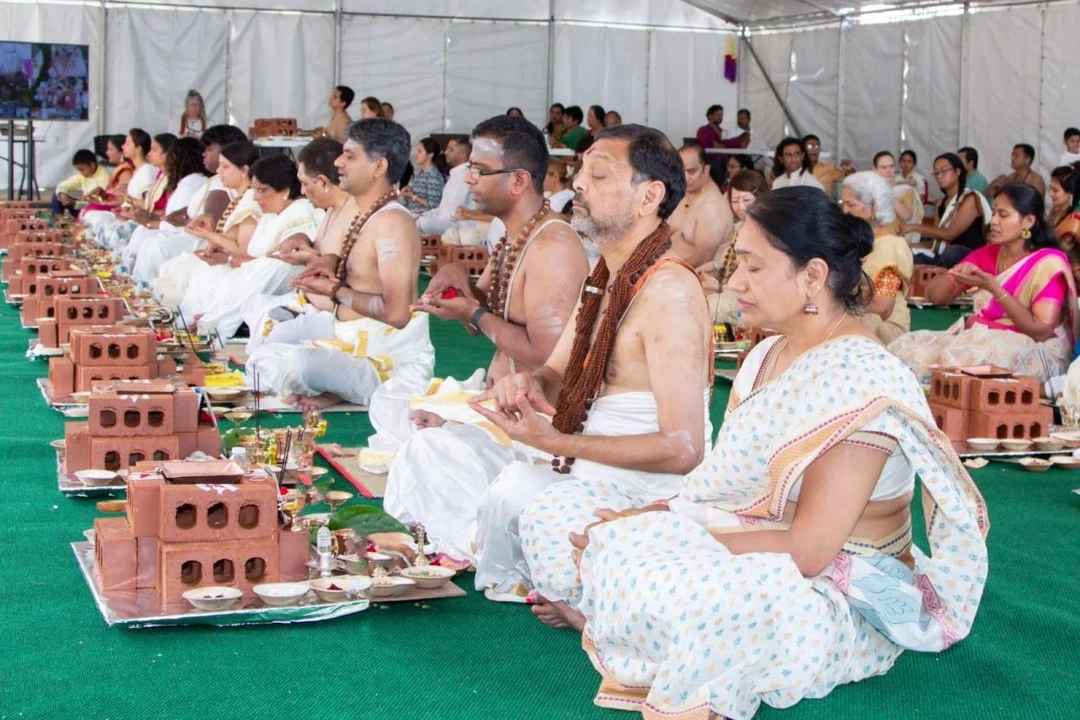
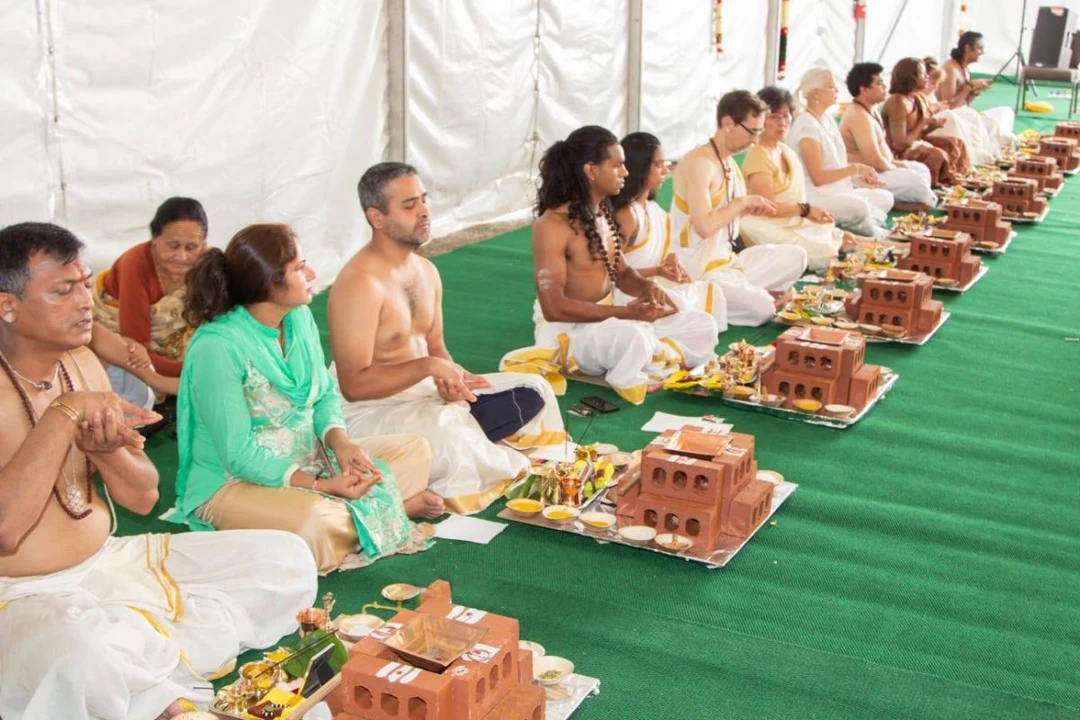
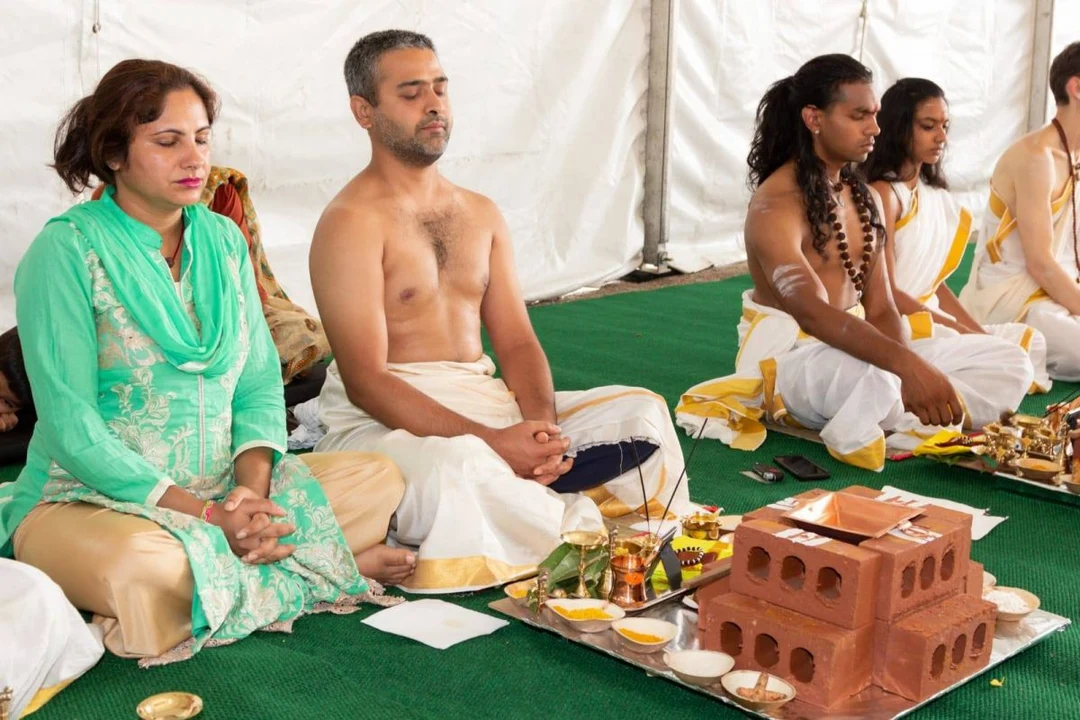
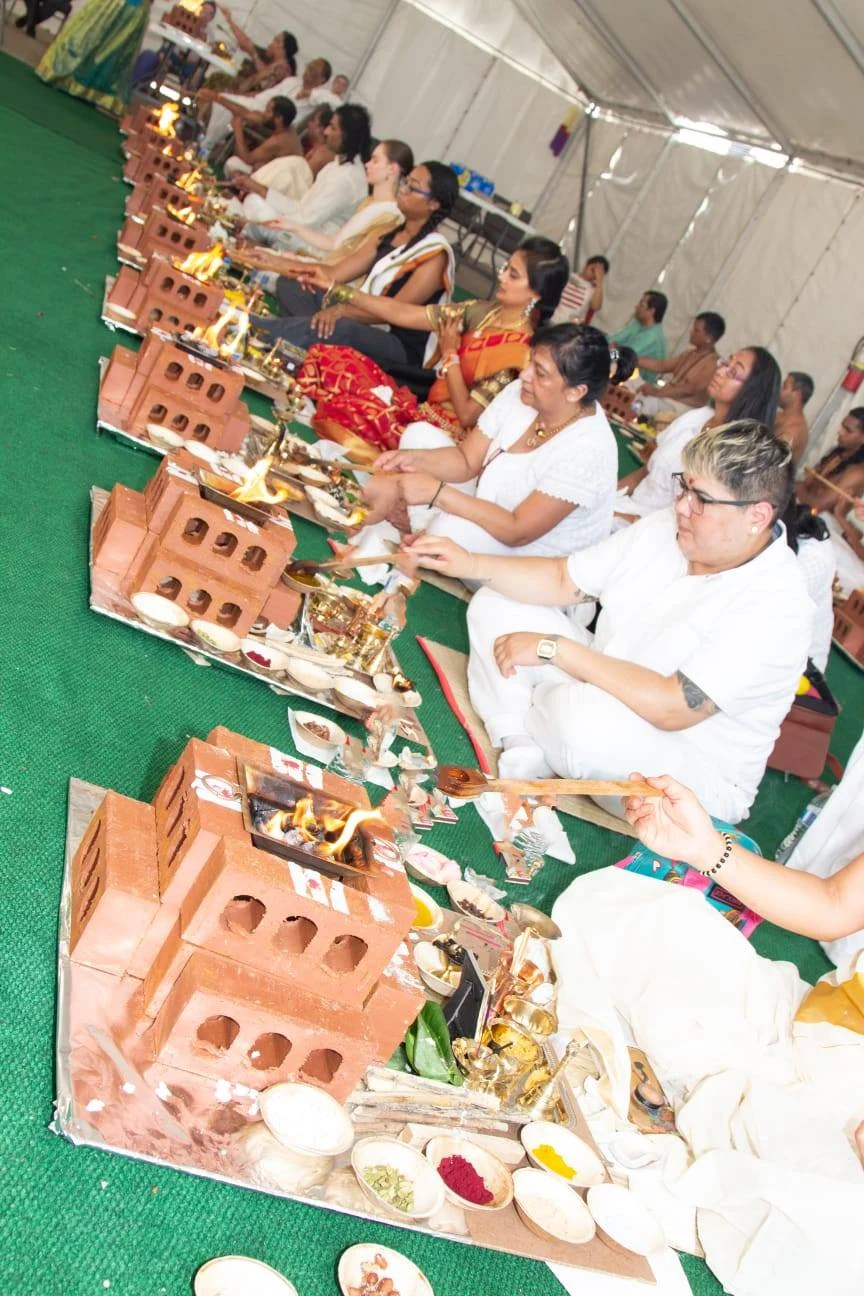
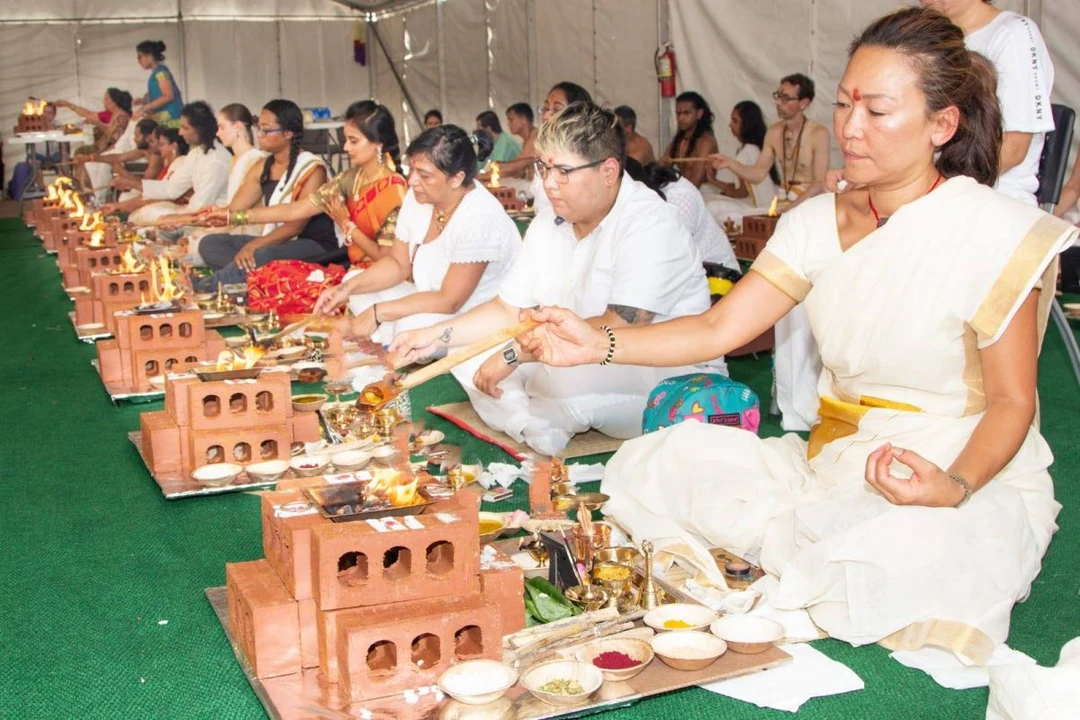
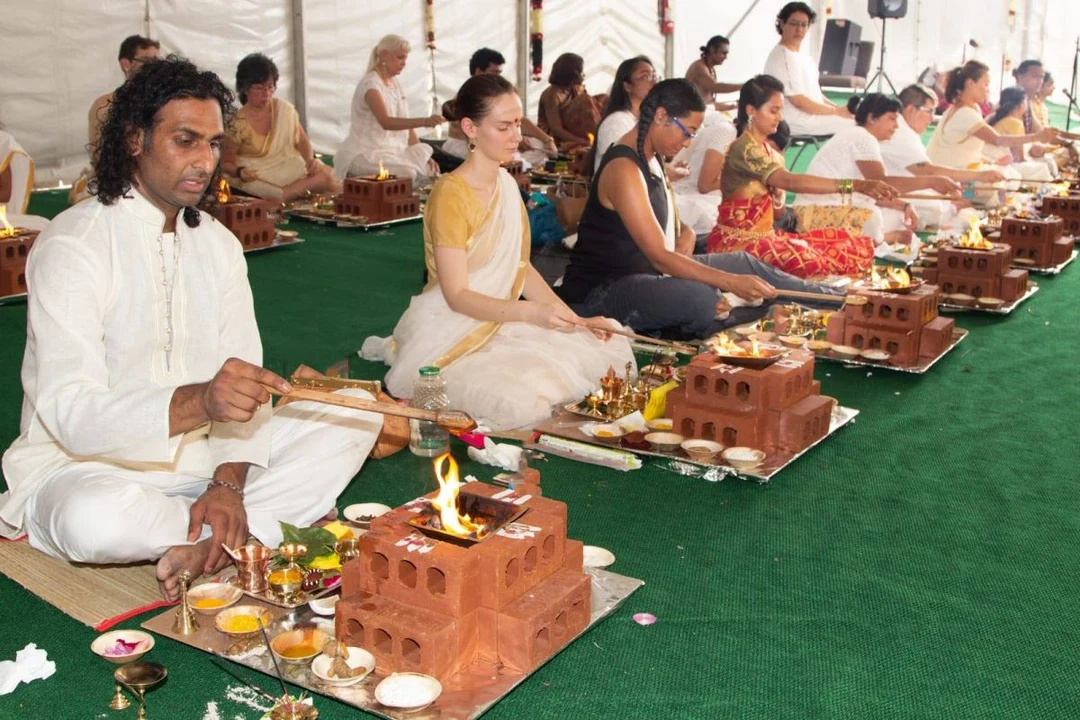
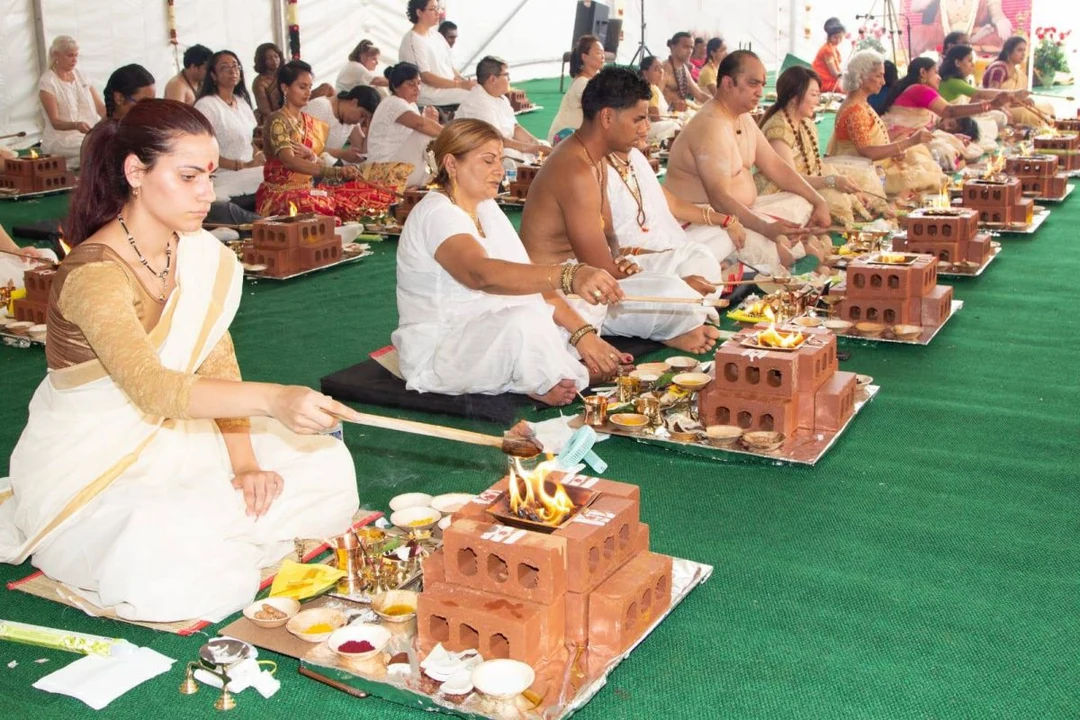
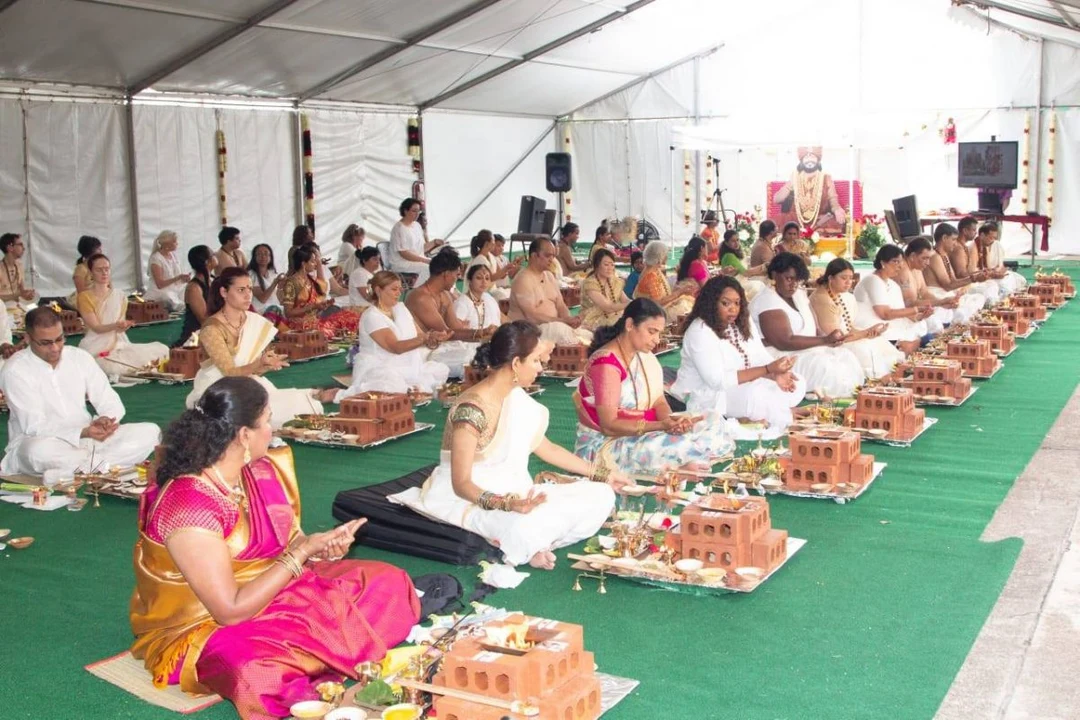
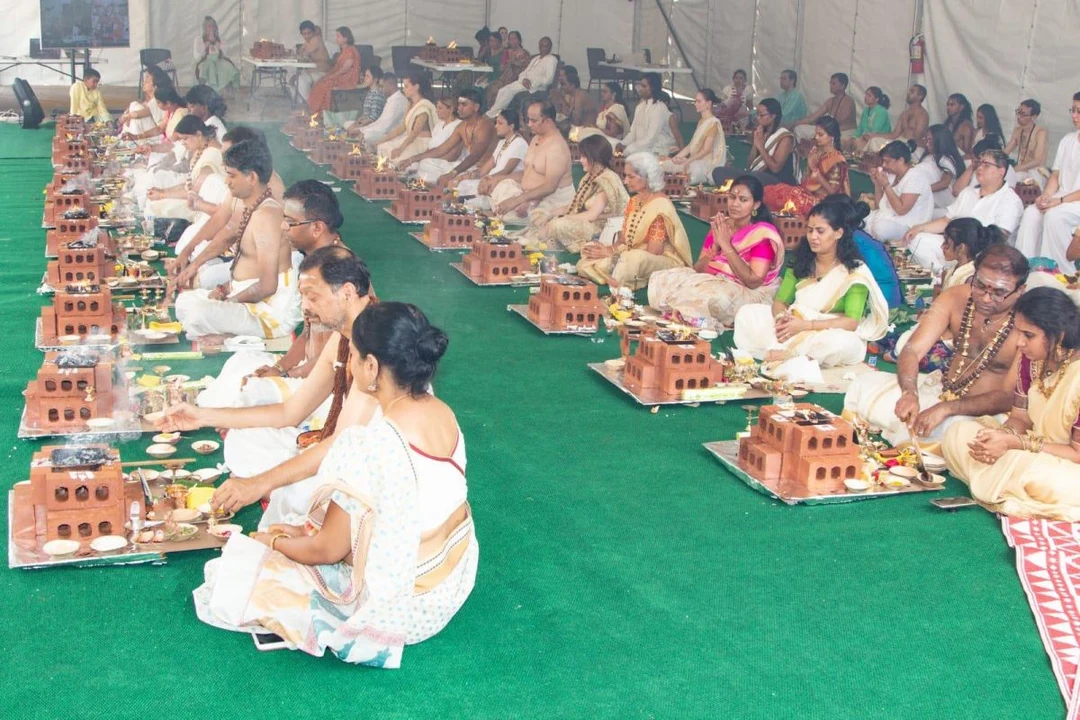
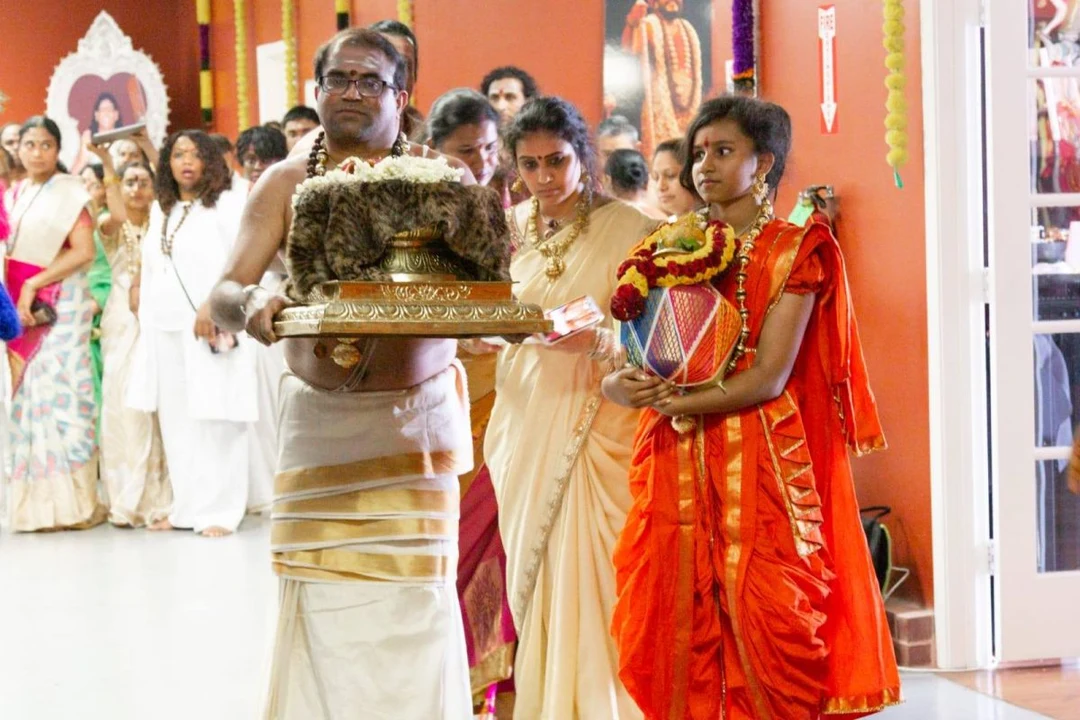
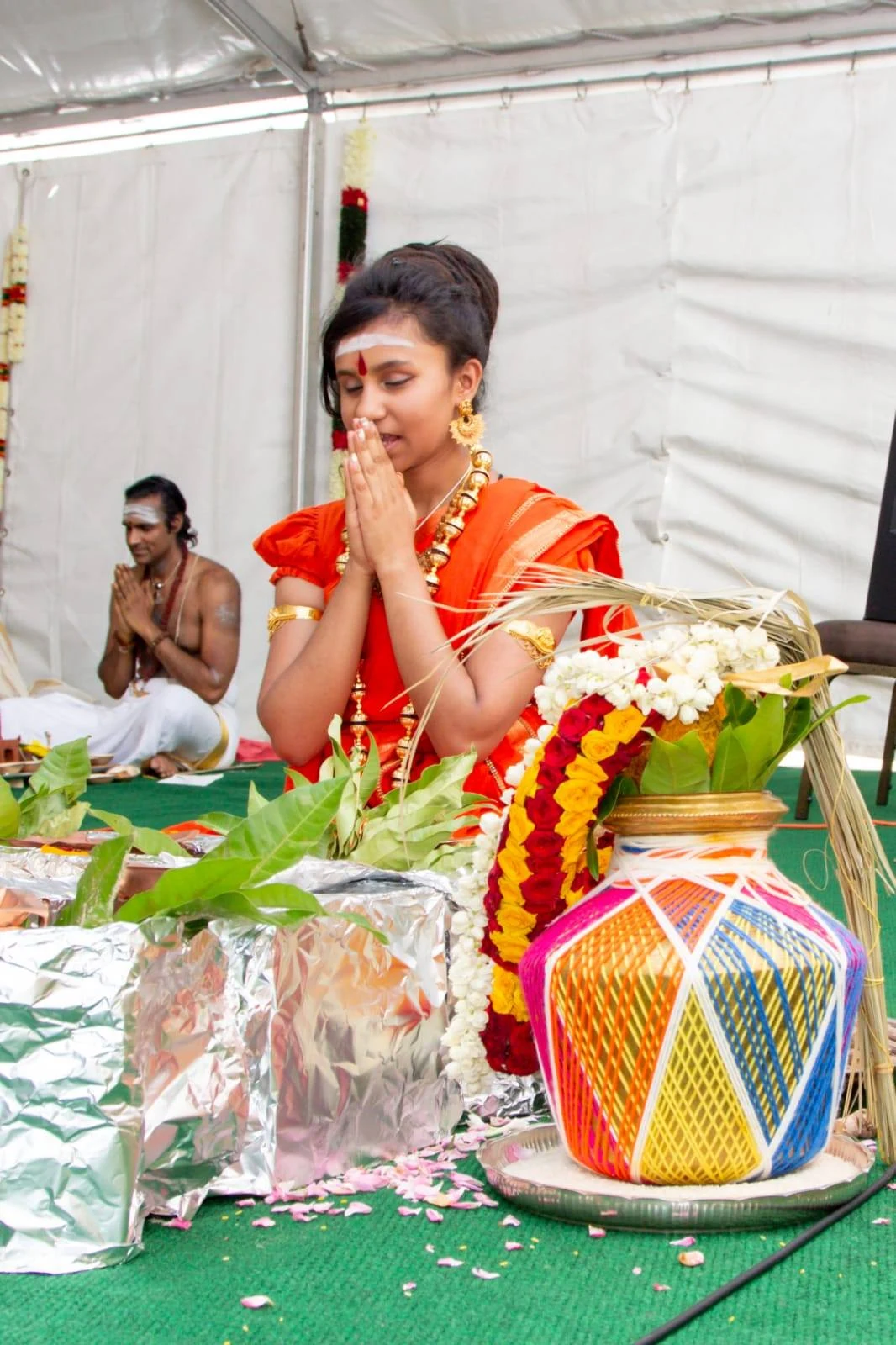
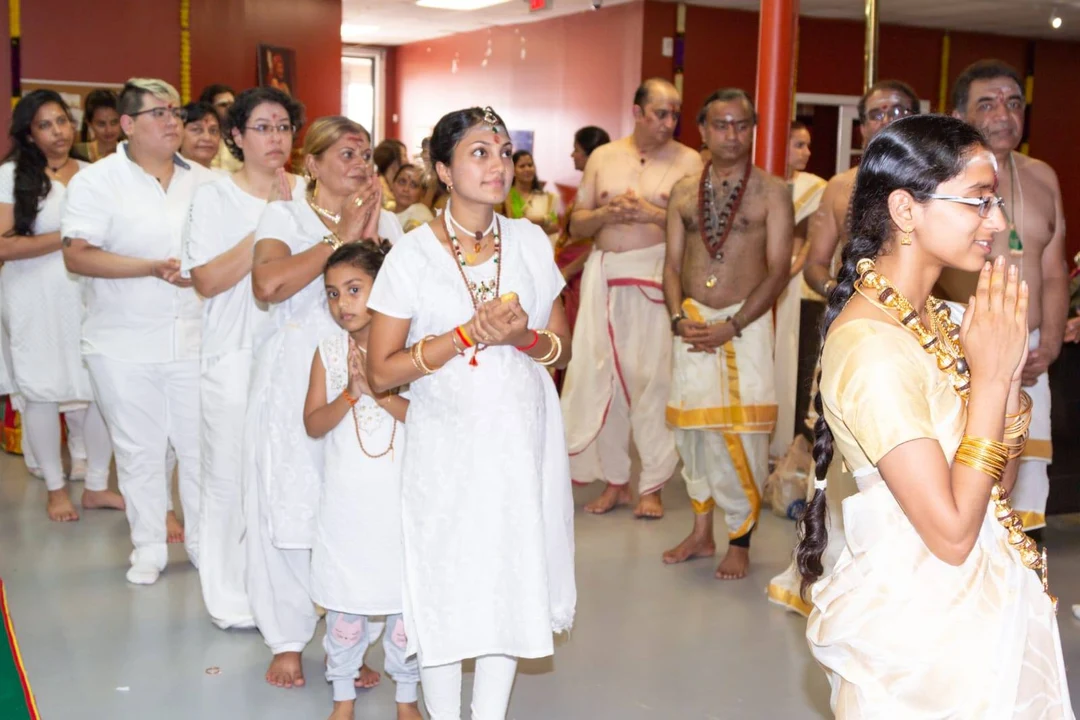
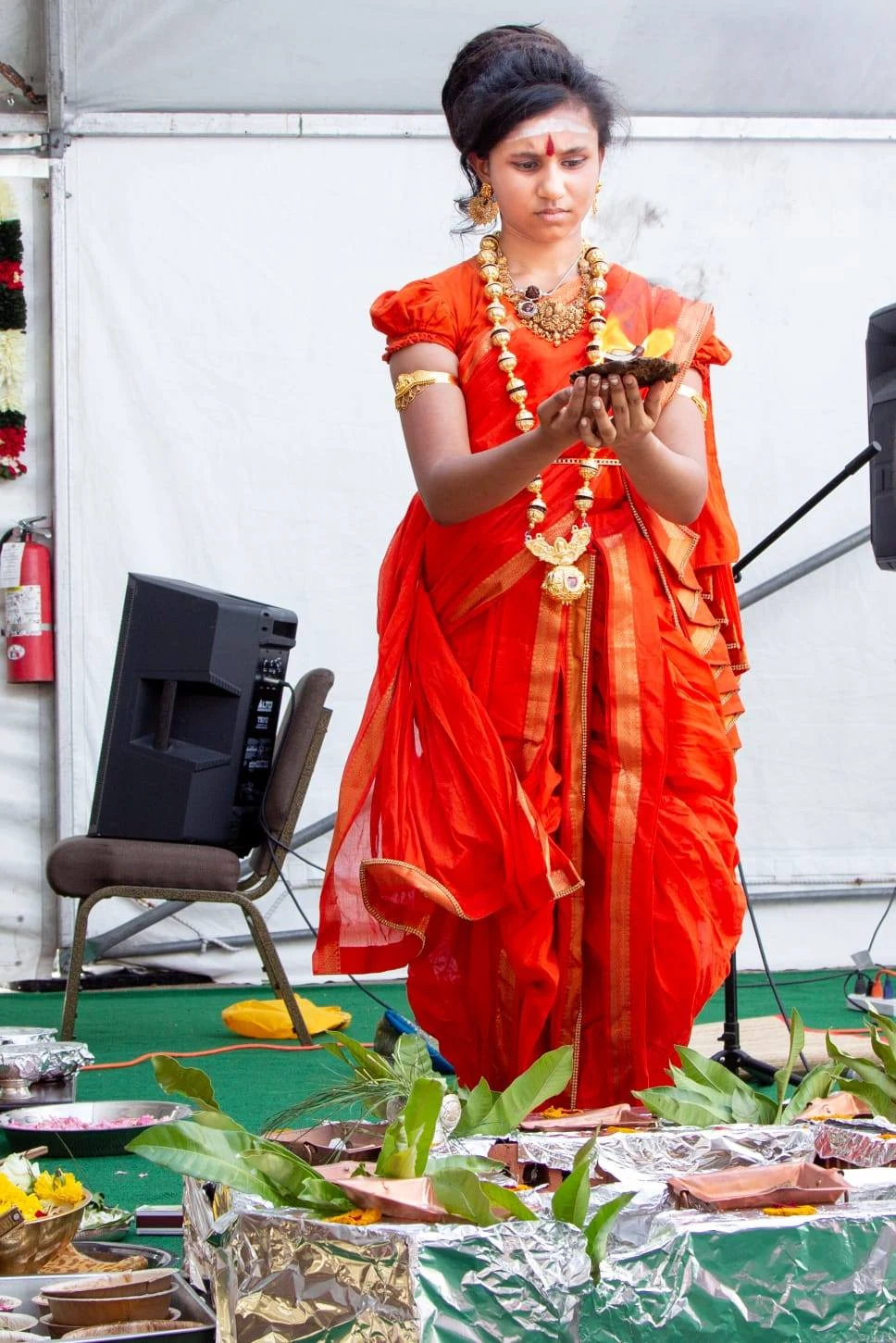
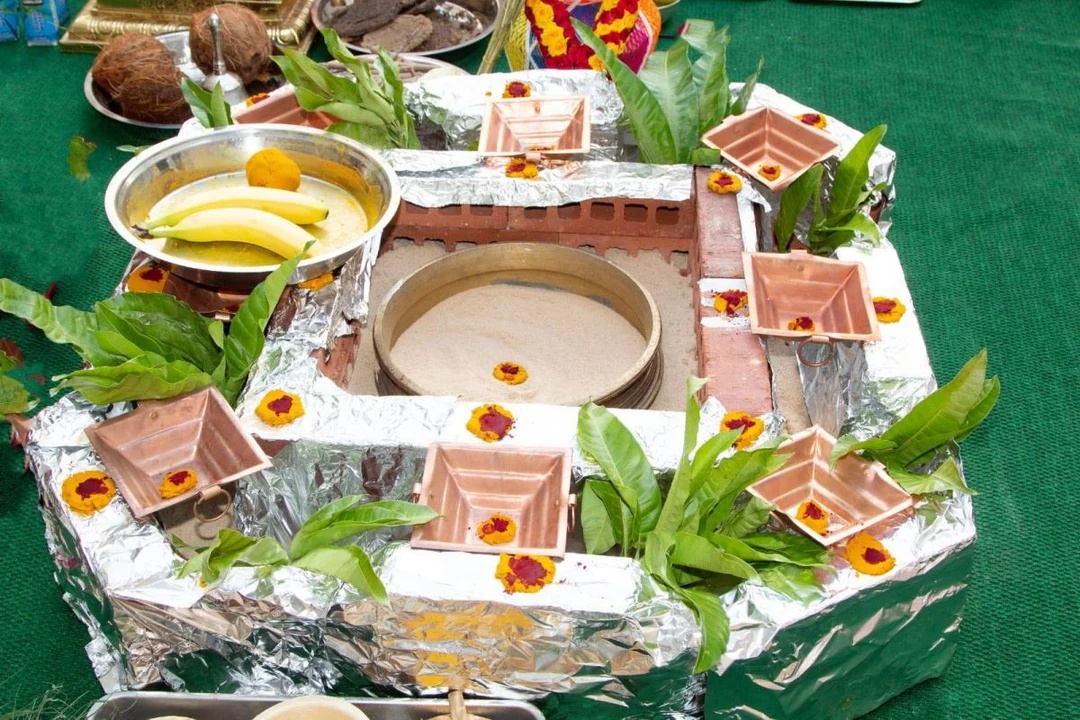
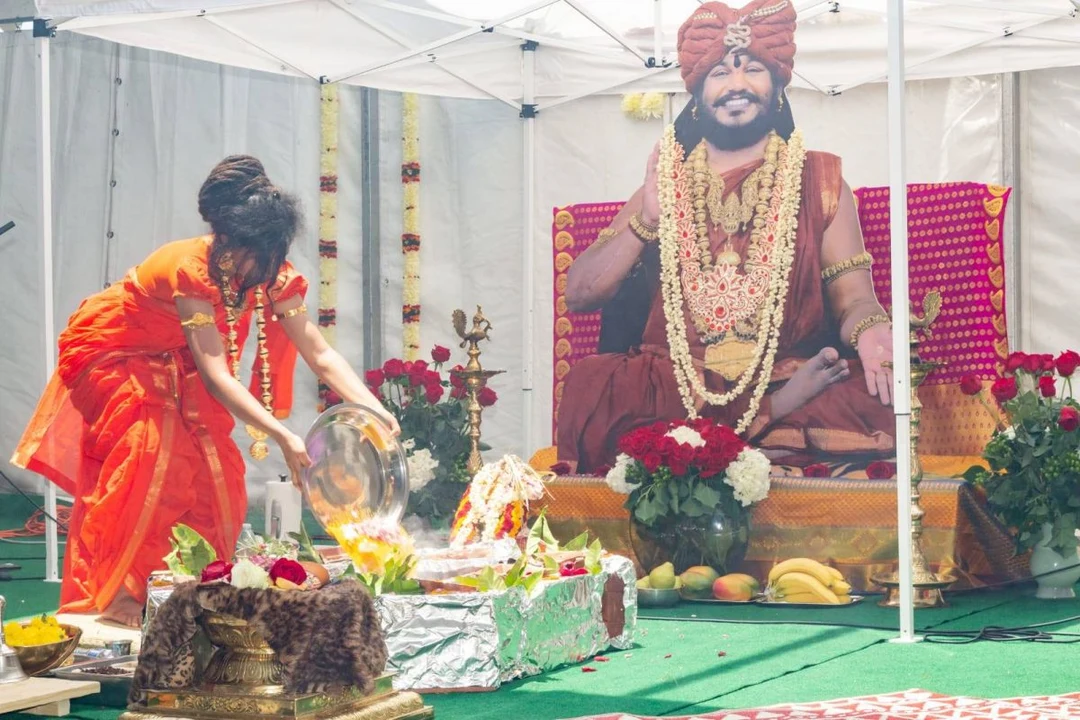
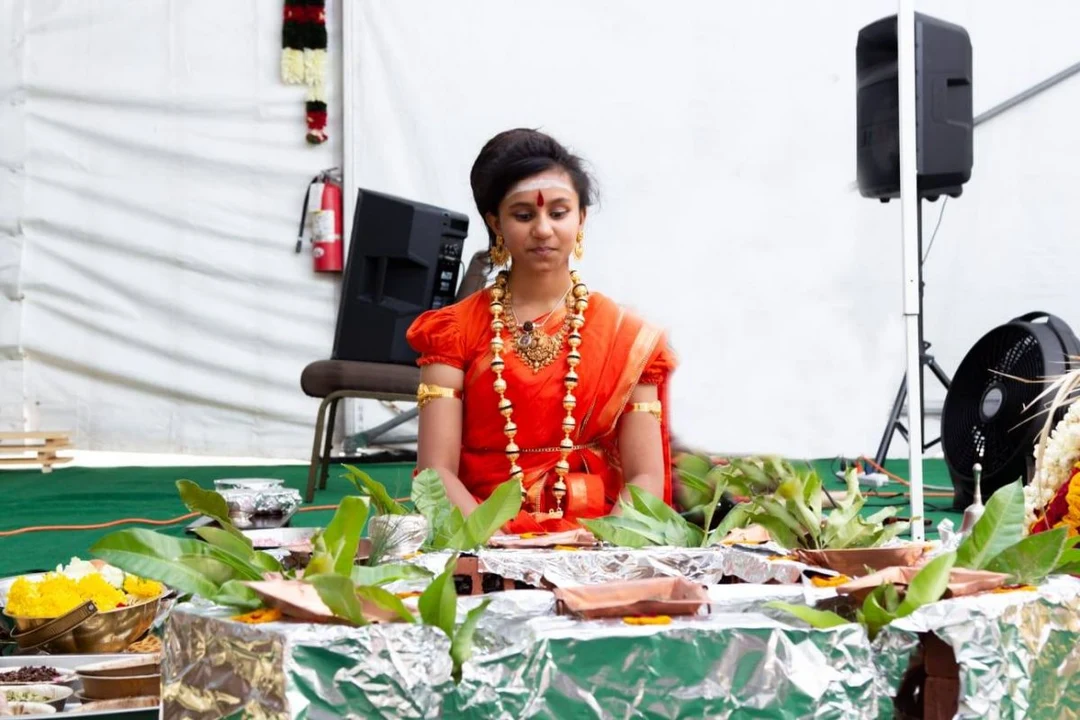
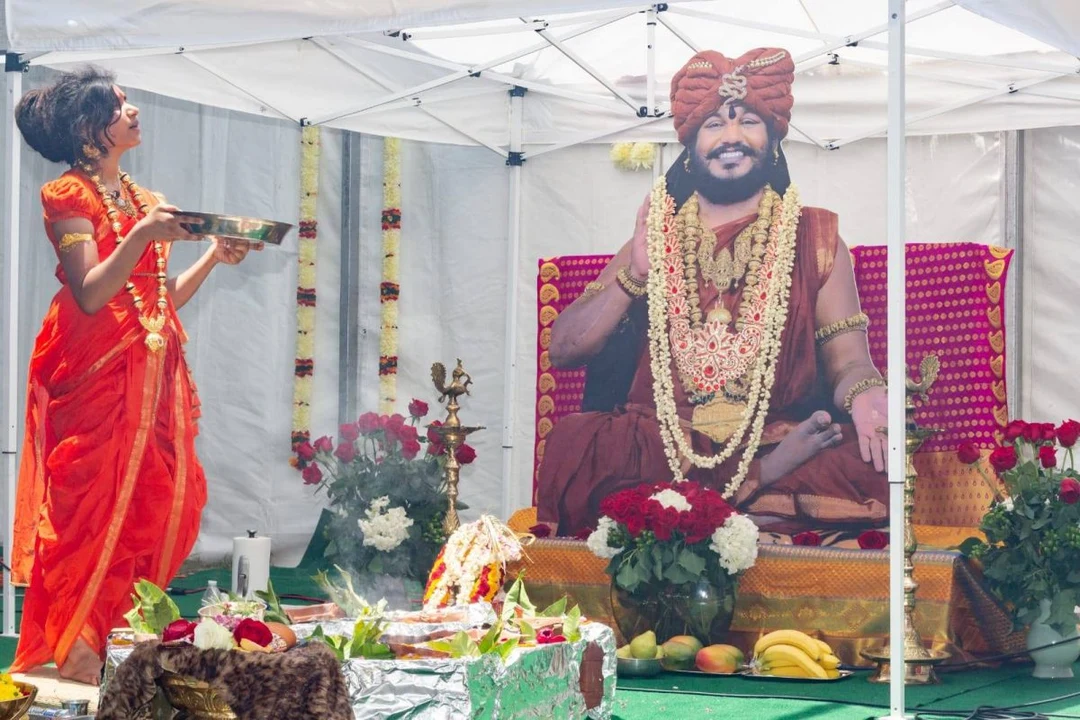
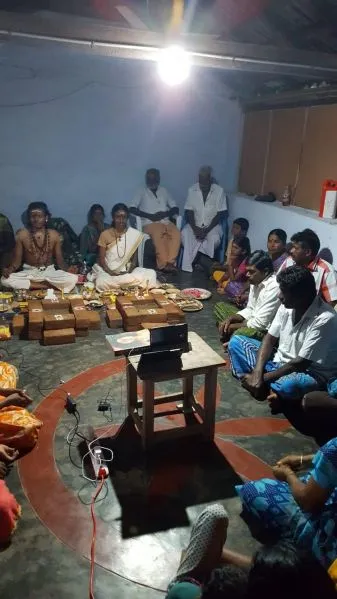
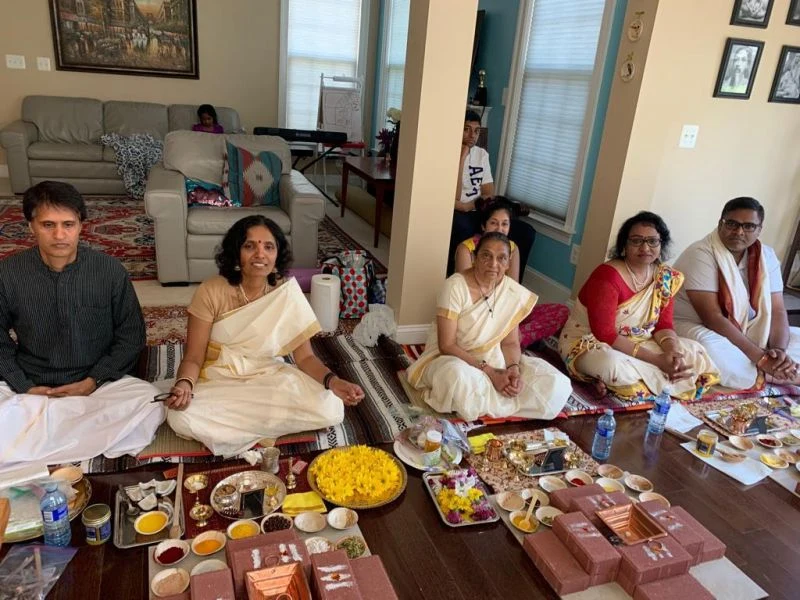
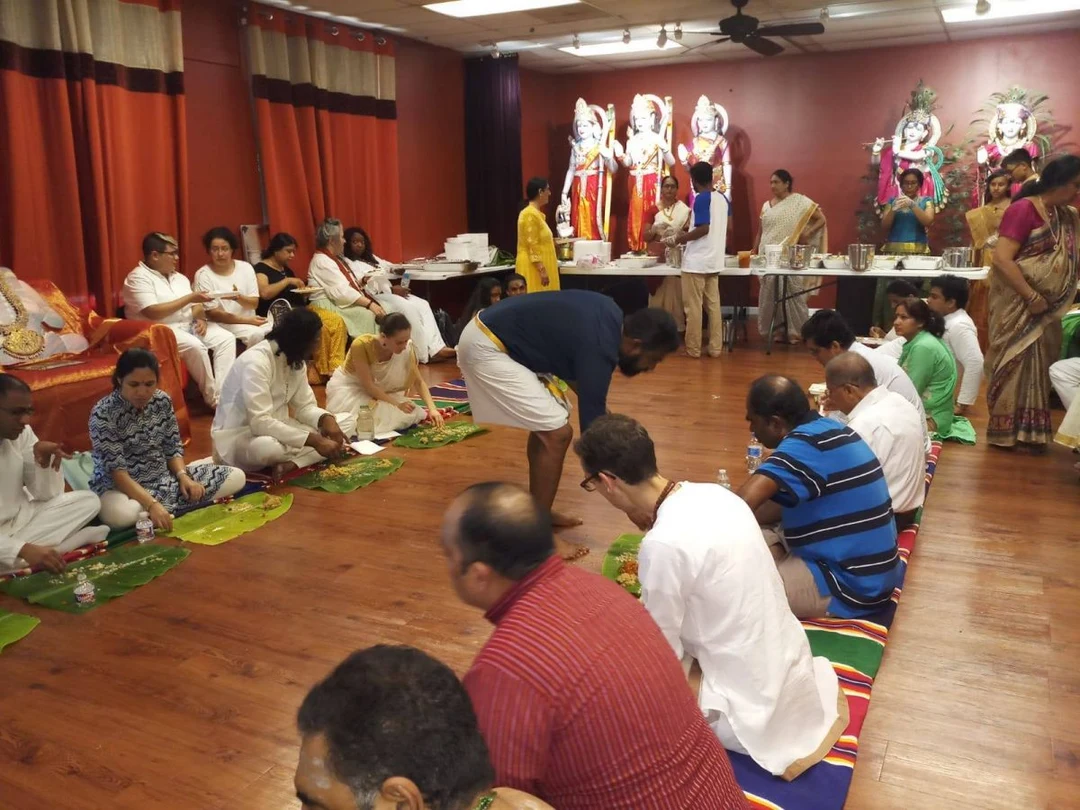
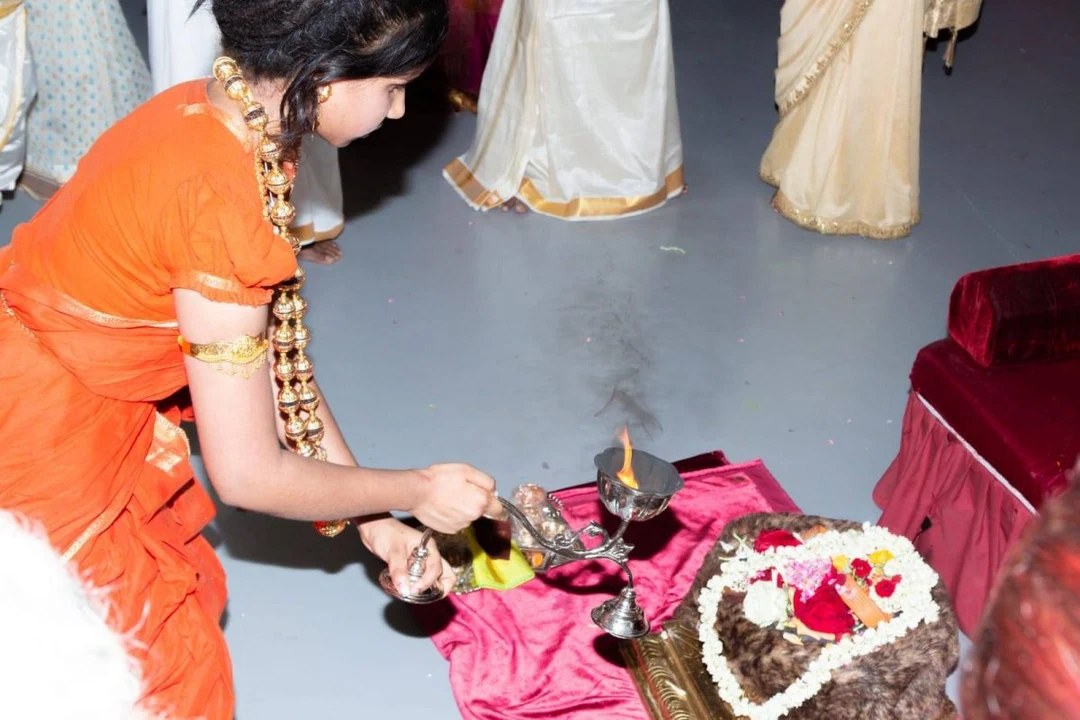
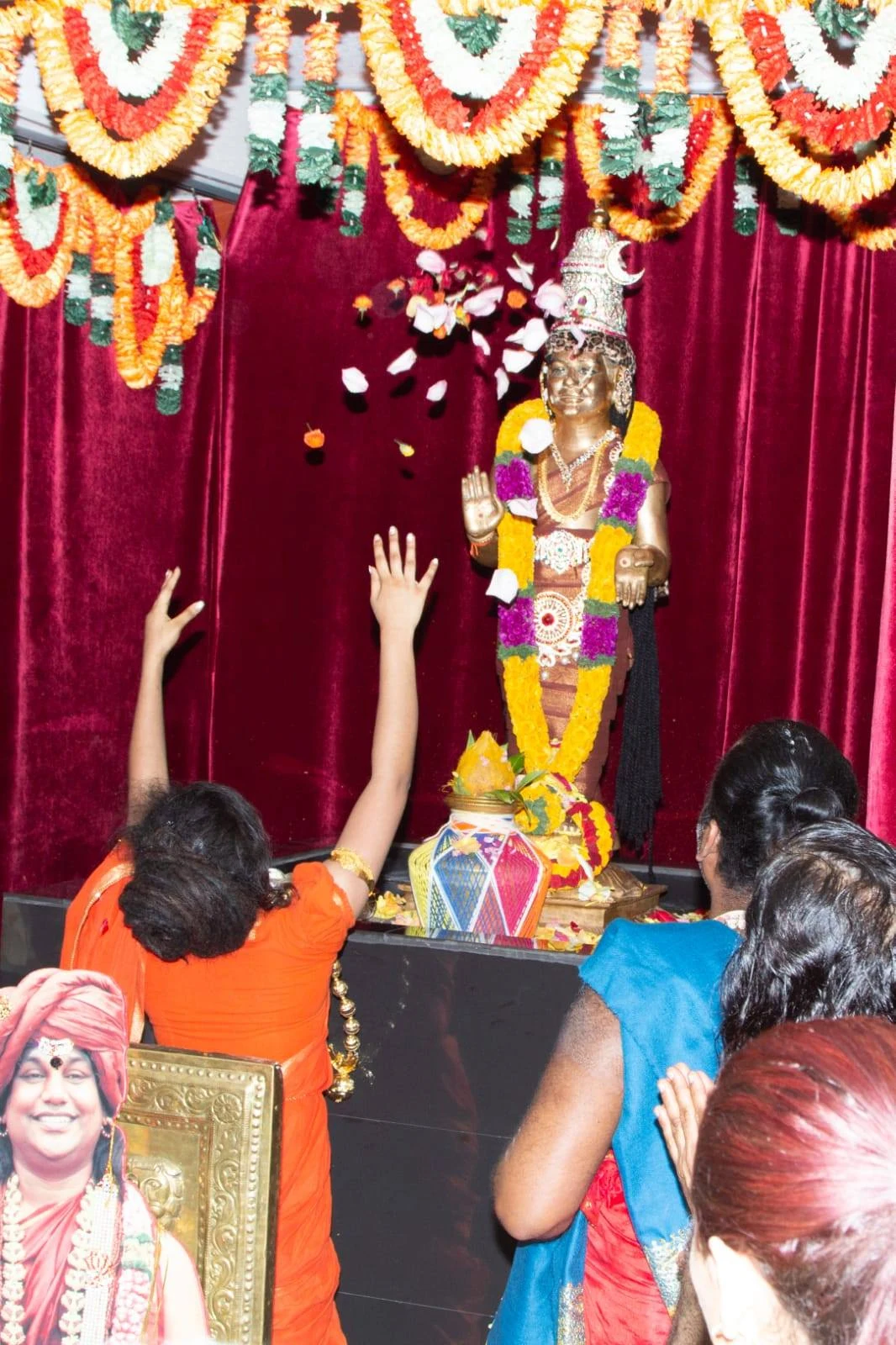
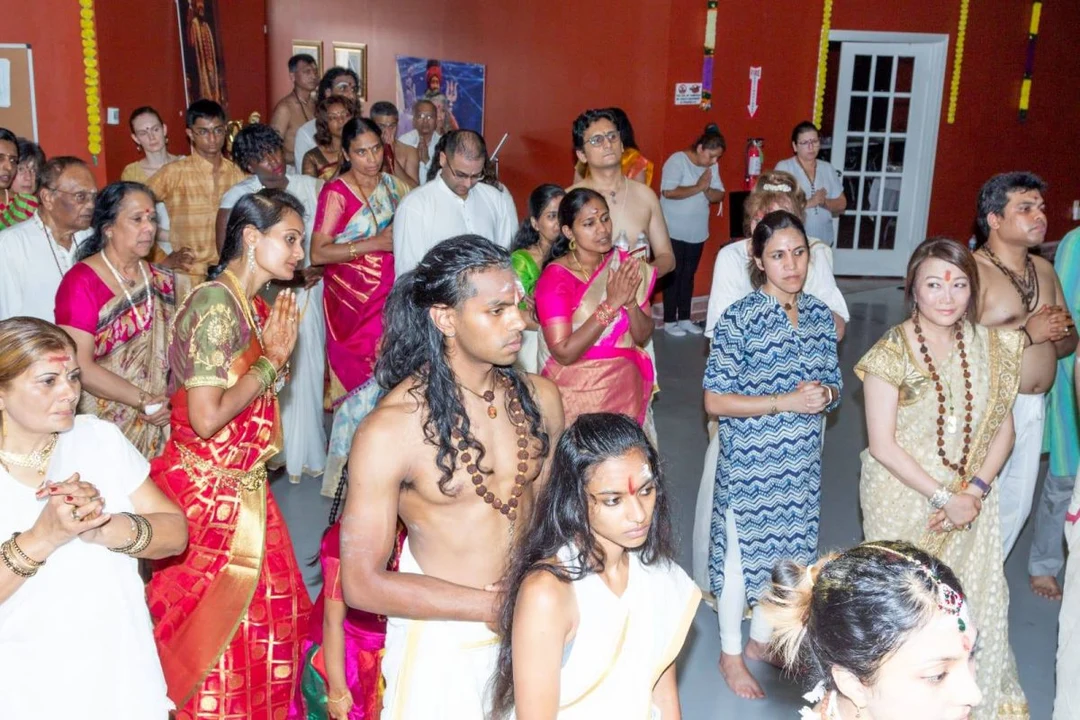
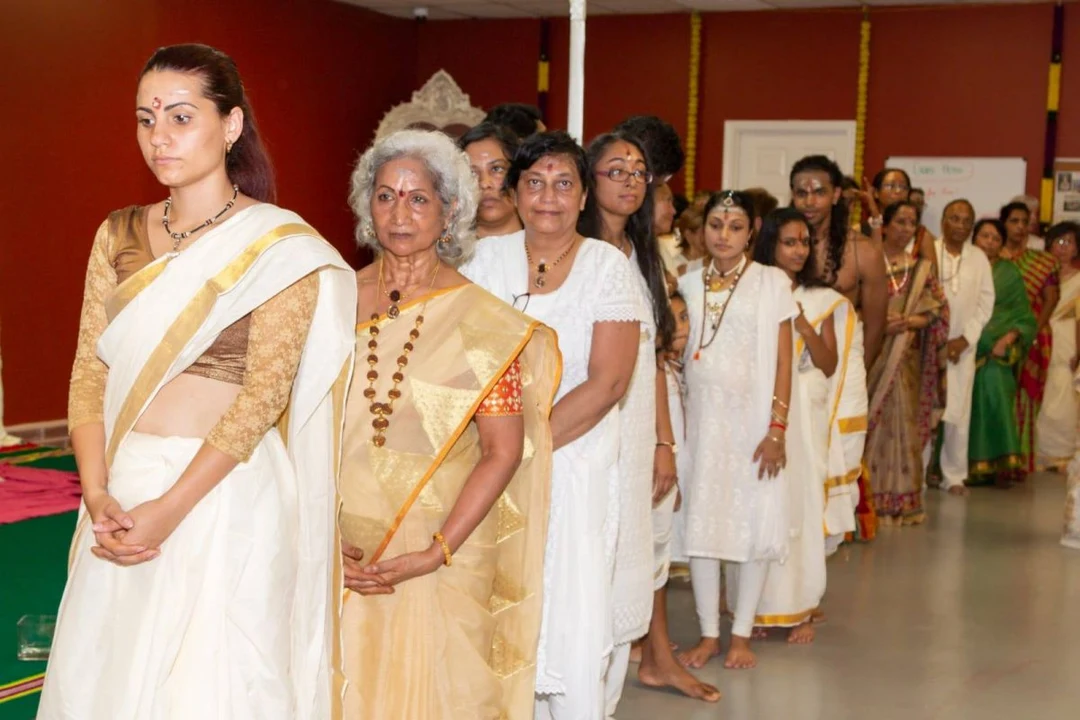
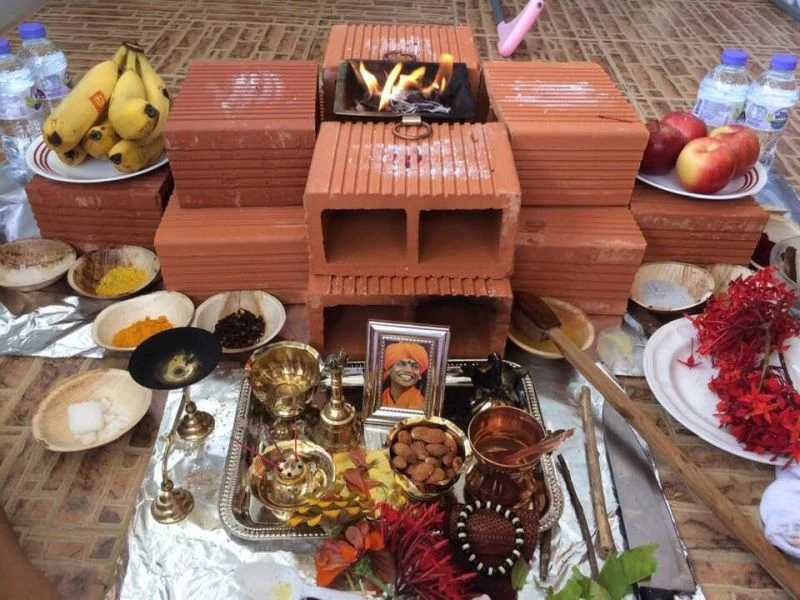
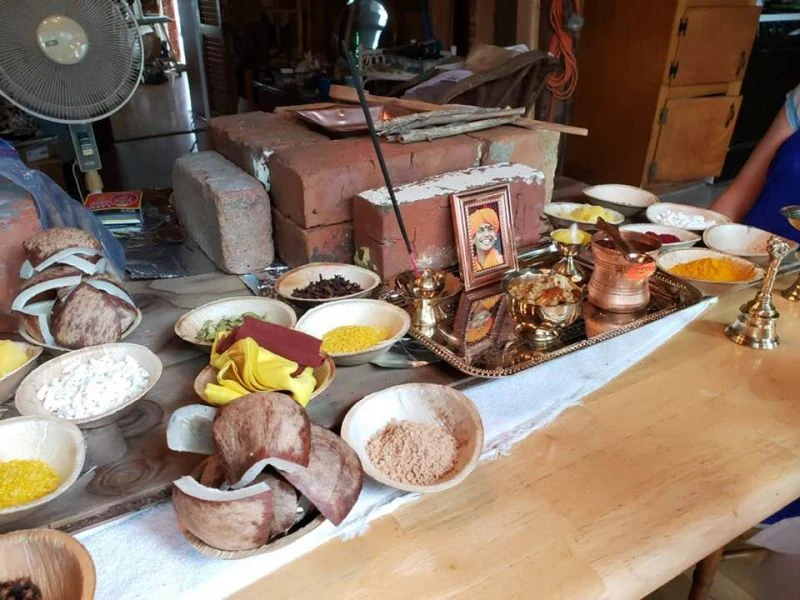
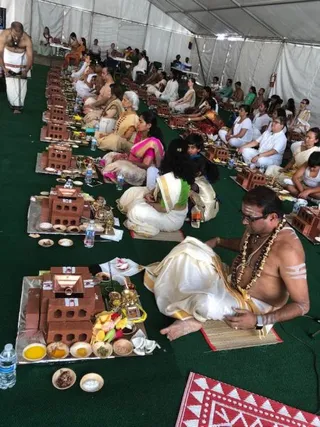
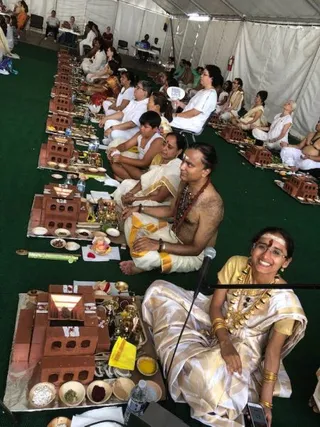
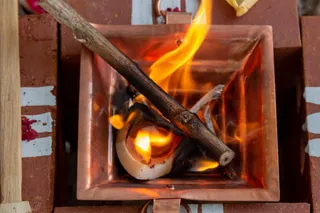
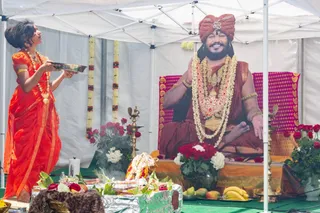
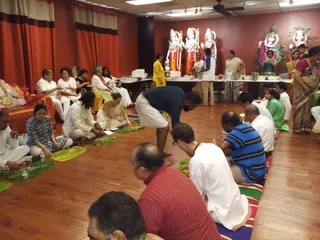
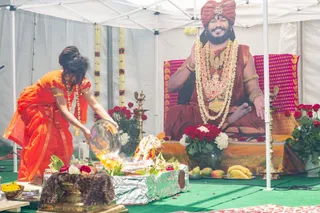
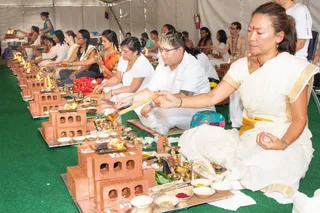
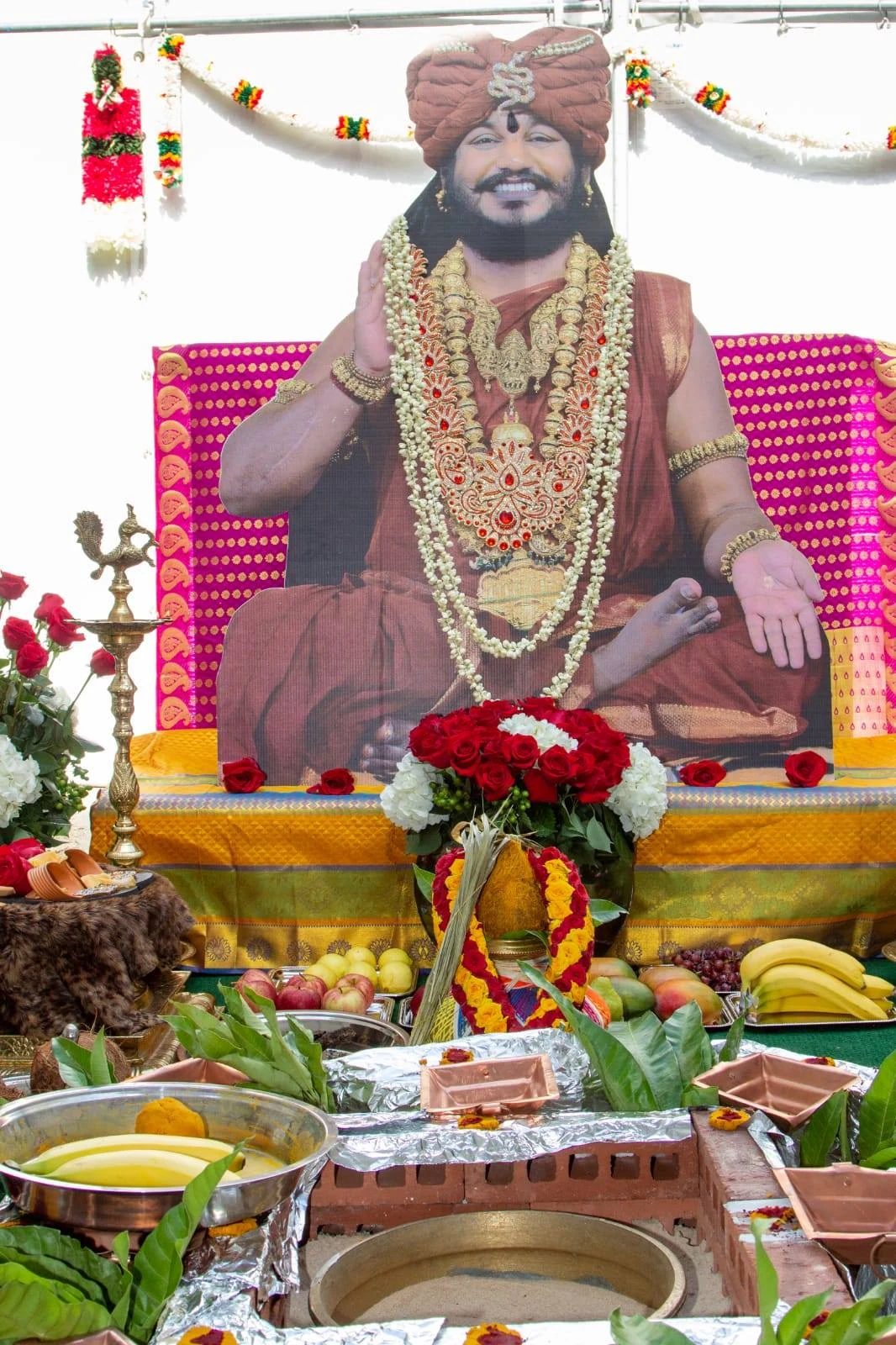
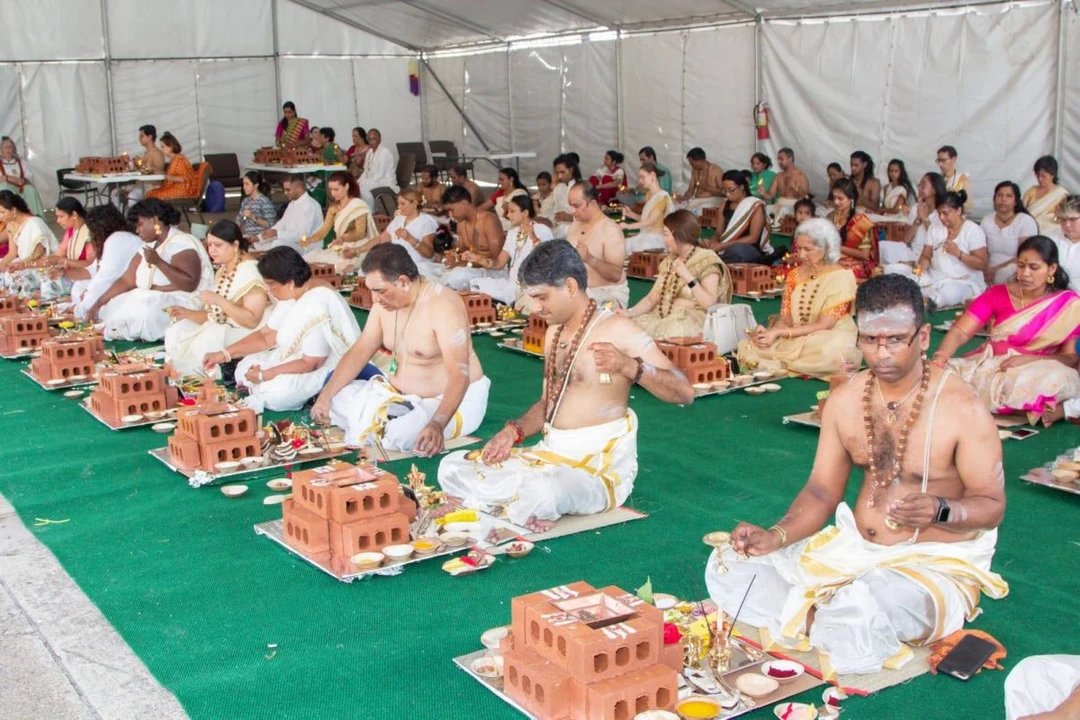
As part of Grand Gurupoornima Celebrations 2019, Maha Guru Homa was performed on July 6, 2019 at the Nithyanandeshwara Hindu Temple – Houston Sarvajnapeetam.

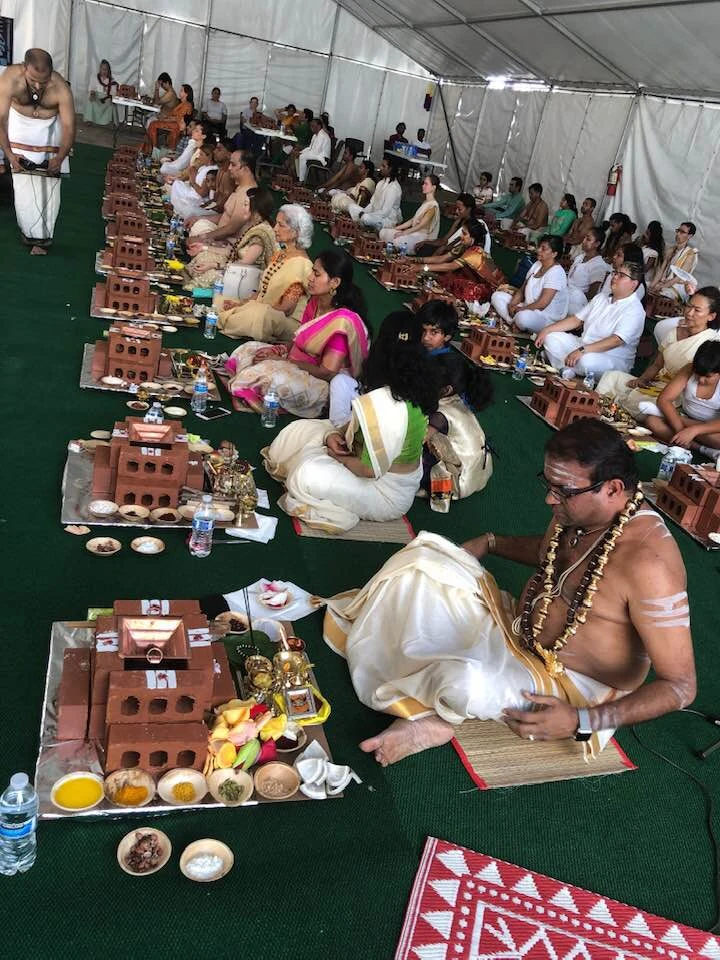
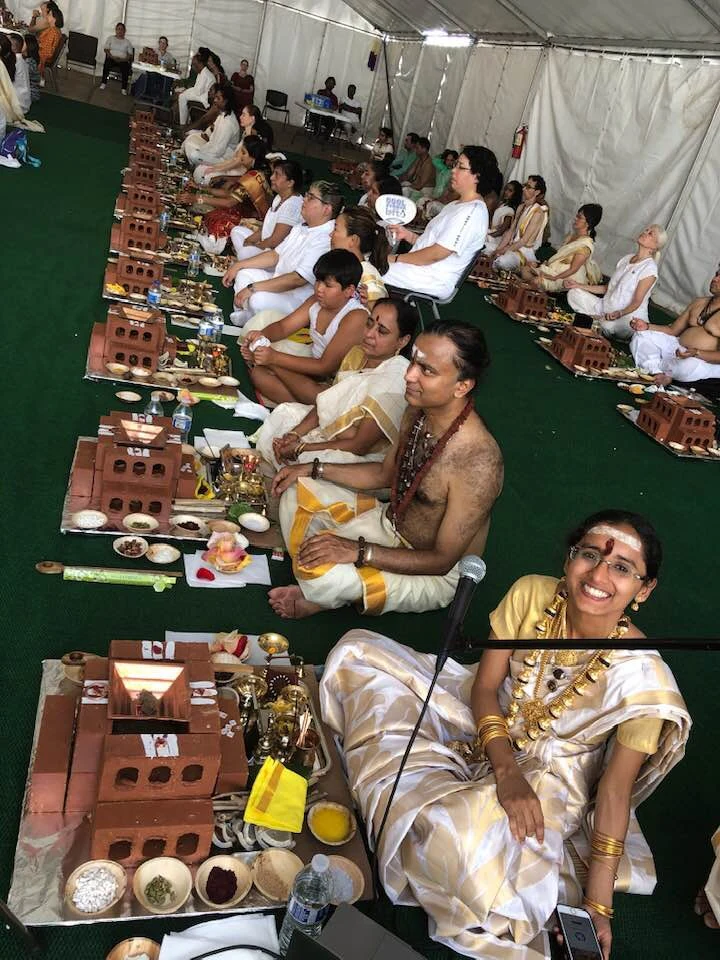
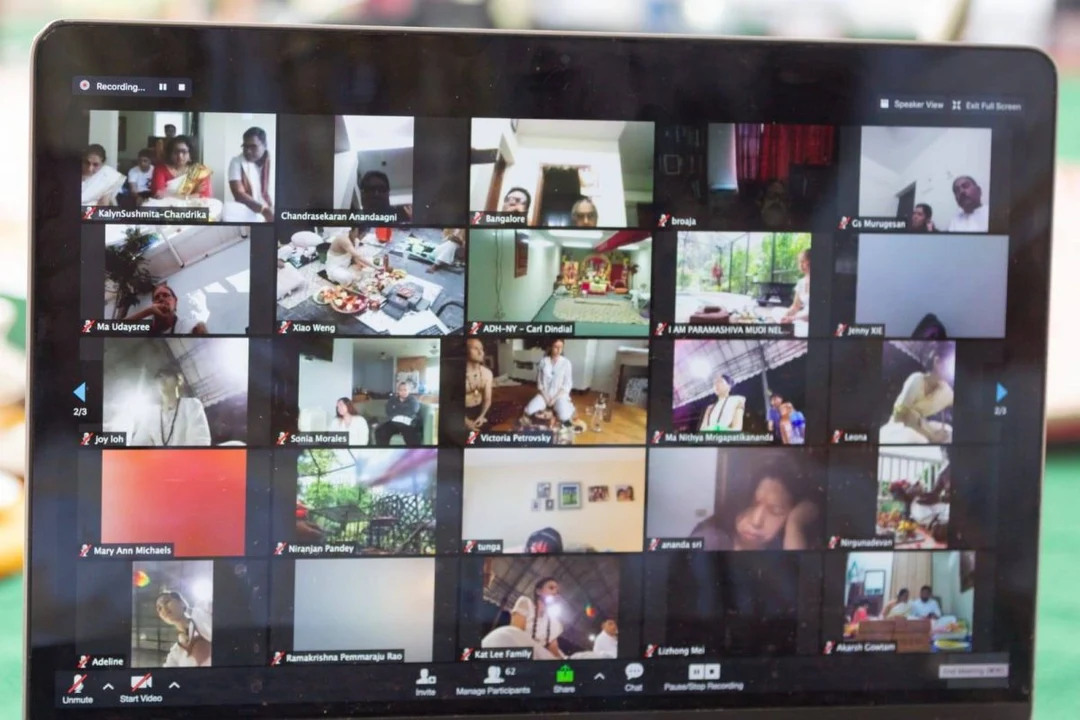
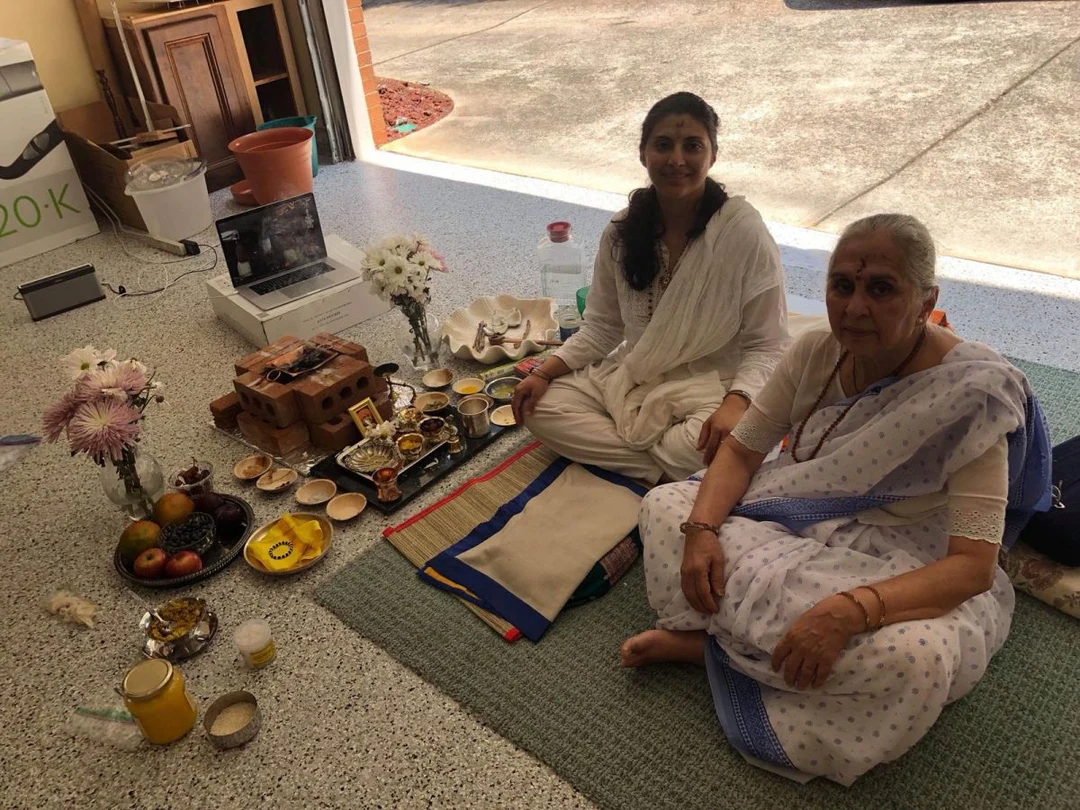
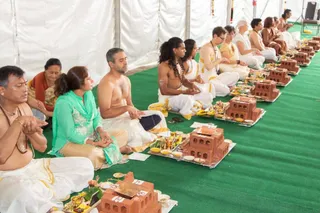
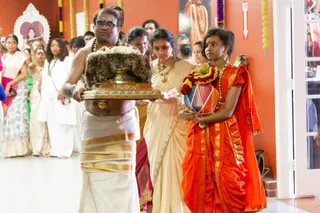
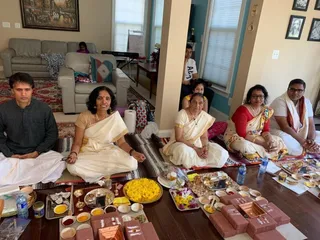
108 families participated in the grand event, in person, at the temple, and online, via video conferencing, from around the globe from countries such as United States, Netherlands, Belgium, Singapore, China, Australia, Dubai, Malaysia and India.

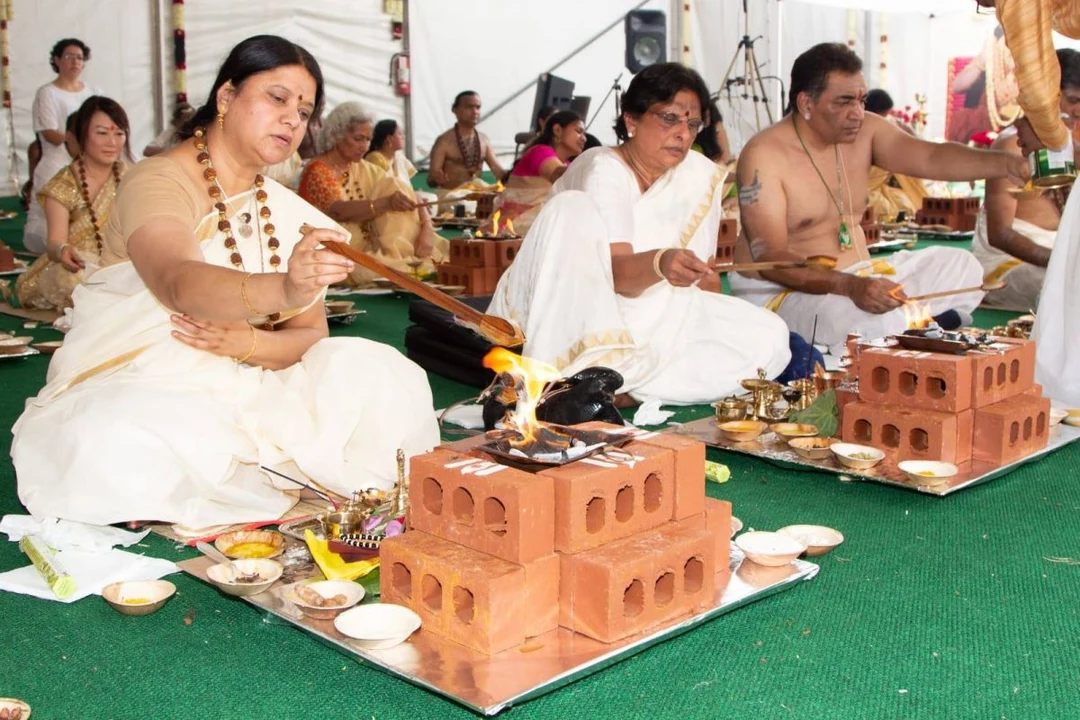
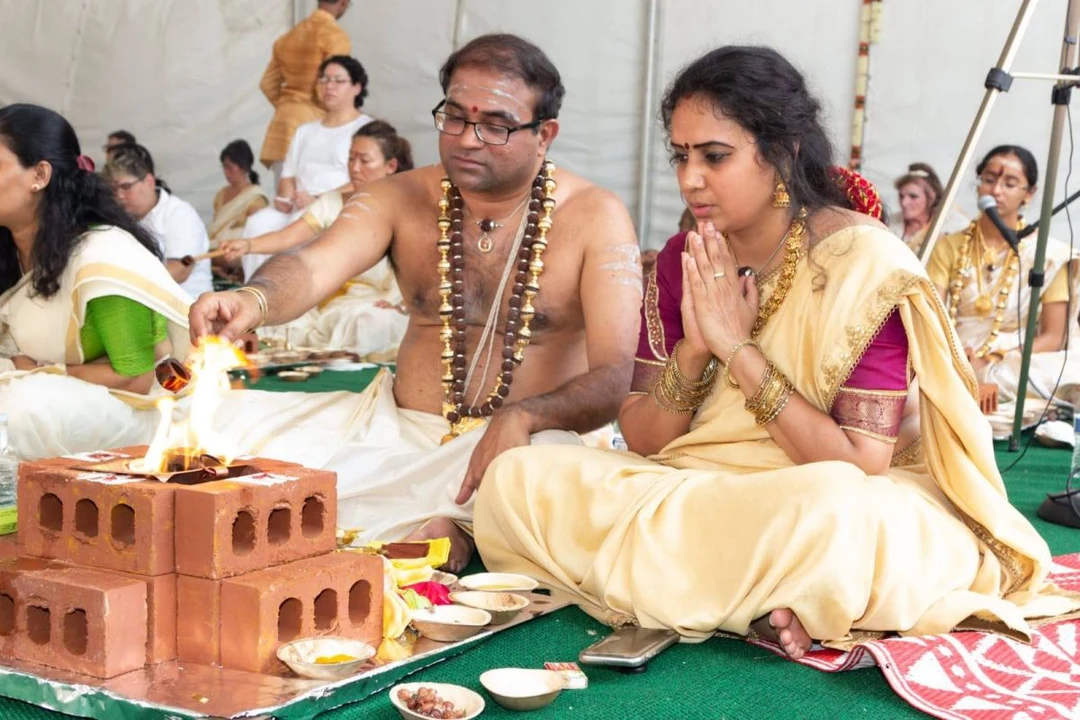
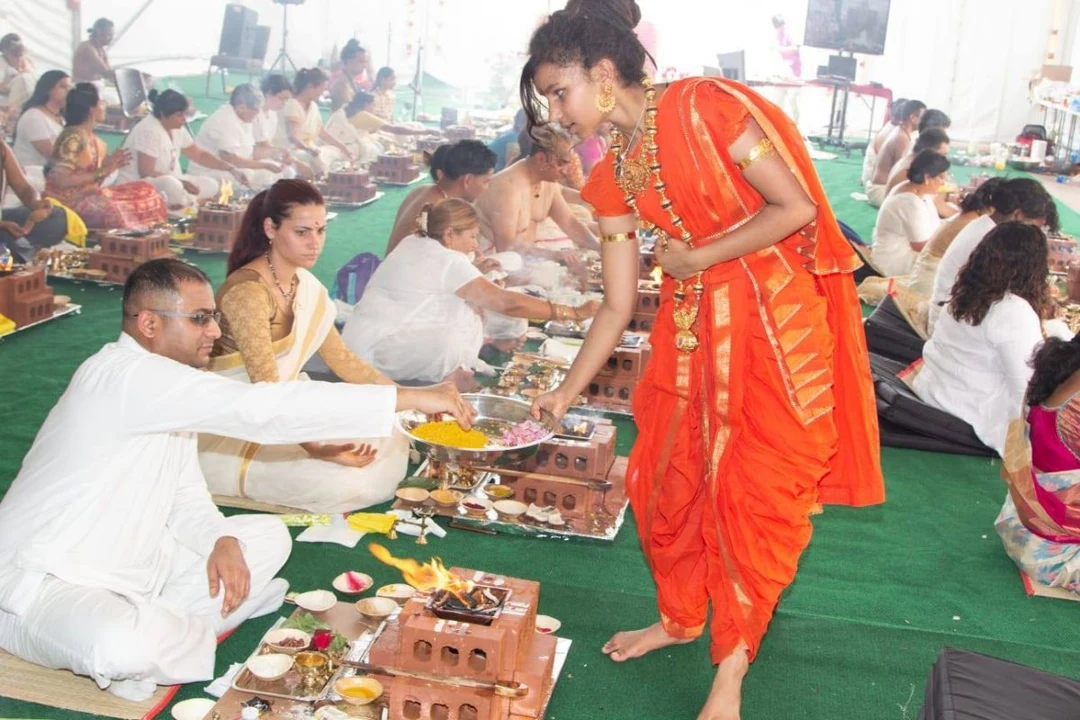
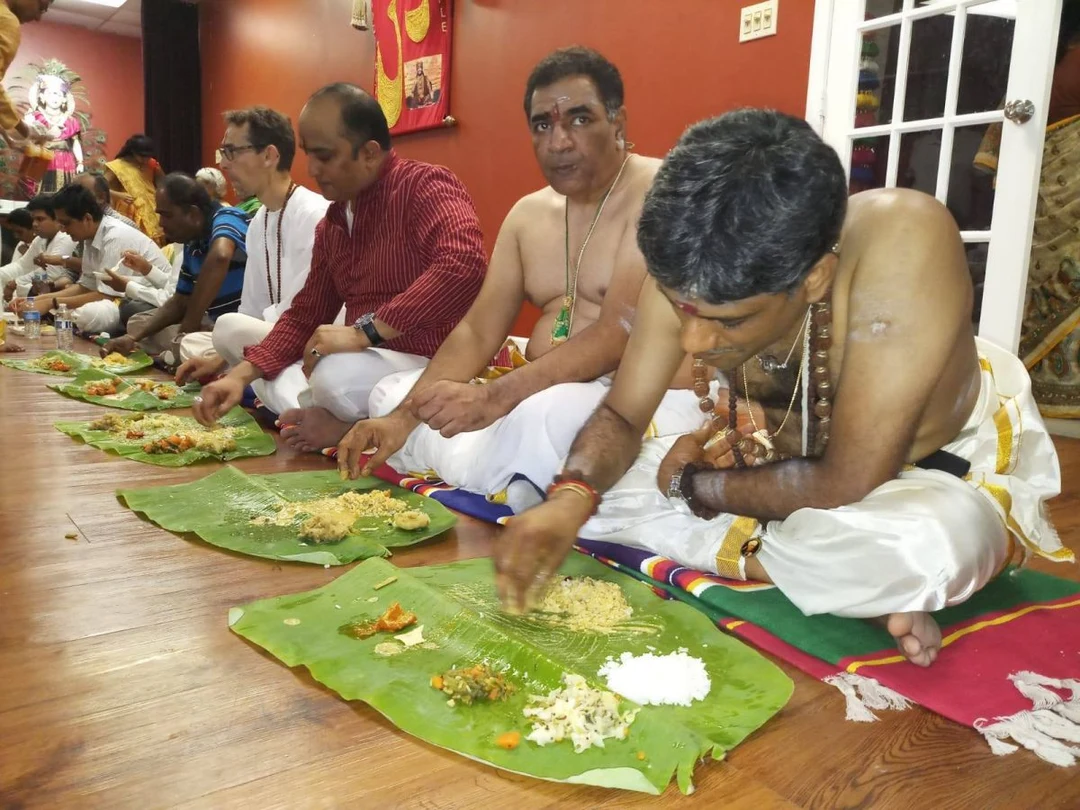
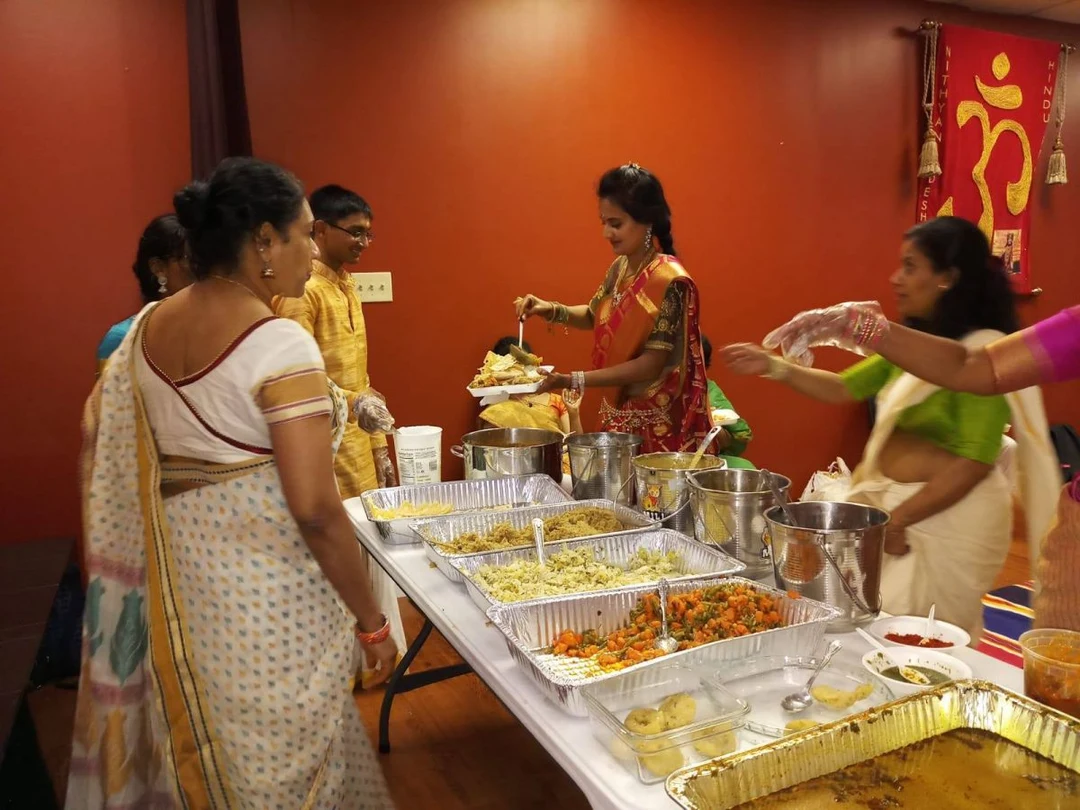
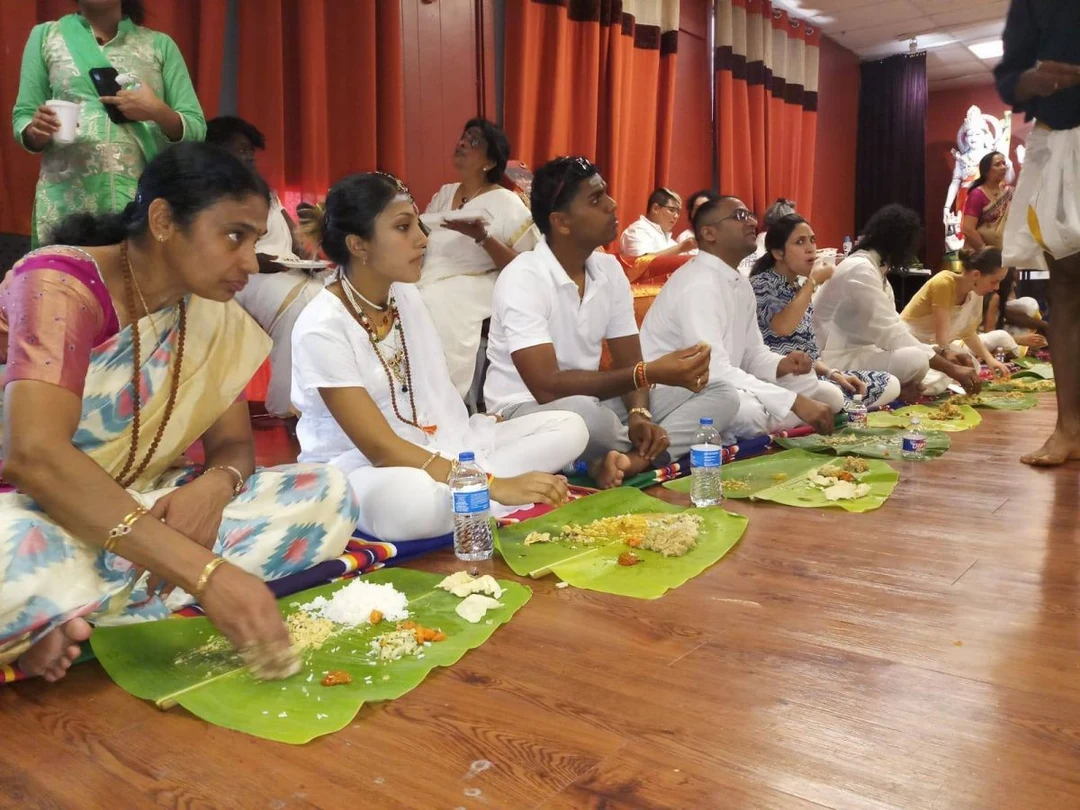
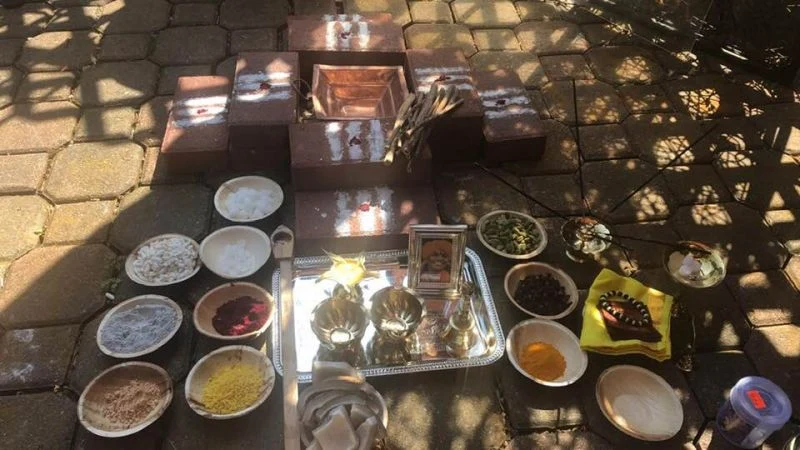
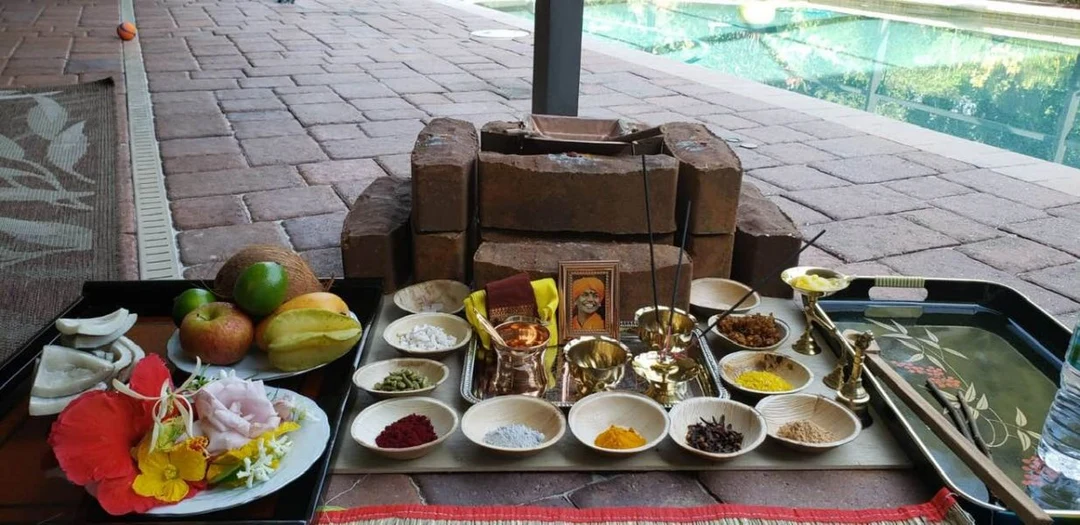
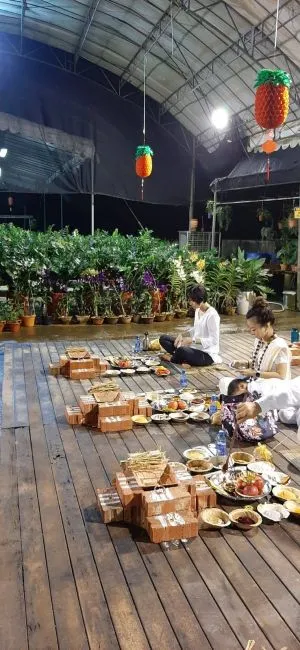
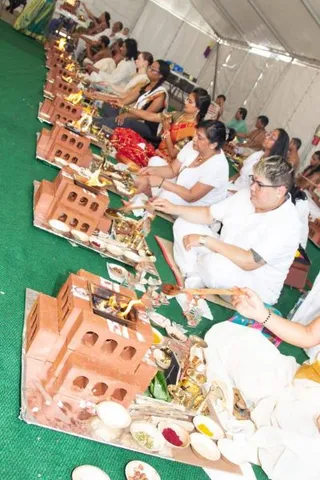
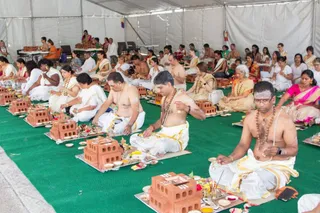
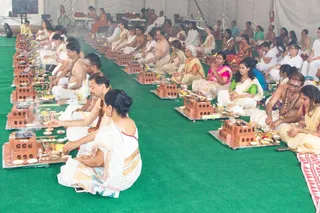
The event happened on a massive scale, with 108 participants performing 108 Homas. Each participant performed their own Homa towards Guru. The ritual was about 5 hours long, and patrons enjoyed a grand traditional feast following the prayers.

Maha Guru Homa is a sacred, rare and most powerful fire ritual dedicated to our beloved Guru, His Divine Holiness Bhagavan Sri Nithyananda Paramashivam. It is referred to as the ultimate of all Homas. It is a powerful ritual to connect with Guru, the one who burns all our Karmas, and blesses us with all the boons. Through the ancient agamic science, Maha Guru Homa blesses us on every dimension of life, fulfilling all worldly needs, and most importantly raising us to the highest plane of consciousness - Manifesting Paramashivatva and Enlightenment.

Participants experienced tremendous healing, empowerment and blessings. It was a special moment for each devotee, and devotees expressed immense gratitude for the beautiful experience.

Pictures from the day
Photos from this day

View all 50 photos

Pictures from the day
16 photosSource gallery
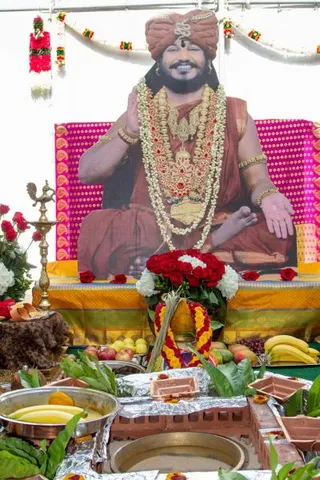
A large printed cutout portrait of a smiling bearded man in a rust-orange turban with a gold emblem, wearing a rust-orange robe, layered white jasmine and gold necklaces, red-stone gold pendants and gold armbands, seated with one hand raised in blessing. The portrait sits on a magenta and gold brocade throne before a white tent with red and white floral garlands. In front, a brass oil lamp, a large bouquet of red roses and white flowers, bowls of bananas, apples, mangoes and grapes, mango leaves, and copper pans surround a square fire pit of bricks lined with foil, a homa setup. No physical people are visible.Outdoor tented ritual in which a long row of participants sits cross-legged on green carpet before individual brick fire pits (homa kundas) with brass kalasha-style vessels, oil lamps, bowls of turmeric, kumkum, flowers and fruit, and water bottles. A bare-chested priest in white dhoti stands at the far left, while a seated man in a white dhoti with a gold-and-rudraksha mala and a striped sash leads the nearby homa. Women in saris, including a pink-bordered sari and a white-and-green sari, sit among families with children. Multiple white tent poles and a fire extinguisher are visible overhead, and a red-and-white patterned mat lies in the foreground.A photograph inside a white tent with green carpet during a homa ritual. Rows of participants sit on the floor behind small brick fire pits, each with brass vessels, bowls of powders and flowers. In the foreground a bare-chested man with a rudraksha mala and a white dhoti with gold border sits beside a woman in a white and gold saree with heavy gold necklaces and bangles, a red tilak on her forehead, smiling toward the camera beside a microphone. Other participants in white and cream clothing sit in rows, some with eyes closed in meditation. Water bottles and a phone sit near the front altar.A photograph of a long row of participants seated on a green carpet under a white tent performing homa fire rituals. Each person sits before a small terracotta fire altar with a lit flame and brass vessels, bowls of kumkum, turmeric, grains and herbs. Most wear white clothing; one woman in the foreground wears a red and orange sari, another in a white top holds a wooden ladle over the fire, and a woman with short cropped hair and glasses in white pours offerings. Additional participants sit farther back in white and colourful attire, and the tent canopy is visible overhead.A large white tent with a green carpet holds rows of people seated on the ground performing a homa fire ritual. Each participant sits before a small square altar of stacked terracotta-coloured bricks with brass and copper plates, oil lamps, flowers and offering bowls. Men in the foreground are bare-chested with white dhotis edged in gold, wearing rudraksha malas and holding ritual implements. Women wear white or saffron saris and cream clothing, with some in pink and yellow. Behind them, more participants sit on chairs and mats under the tent, with a fire extinguisher visible on the tent wall.

KAILASA HOUSTON, USA on 7/6/2019

34 photosView all
Close overhead view of a copper square fire pit set into red brick, with a burning wooden stick laid diagonally across bright orange flames. Beneath the stick sits a white ghee-soaked offering that glows amber as it melts. White painted stripes and a dusting of red powder mark the brick edges. No people are visible; this is a homa fire during a ritual.A woman in an orange-red sari and gold necklaces stands at left in a white-canopied outdoor tent, holding a brass tray or plate up toward the right. At right, a large life-size printed photograph of a smiling bearded man in an orange-red turban and orange-red robe, with layered jasmine garlands, gold ornaments and a red stone pendant, sits on a magenta and gold cushioned seat. The printed figure is a depiction, not a physical person. Red roses, white flowers, bananas, mangoes and green leaves are arranged on a foil-covered offering table, with brass oil lamps and a kalasha-style vessel nearby, and green carpet covers the floor. The scene suggests a puja or aarti offering in front of the portrait.Indoor ritual gathering in a temple hall with orange-red walls and wooden floor. Many people sit on mats in white and cream kurtas, saris and dhotis, some on banana leaves set with offerings. A man in a navy top bows low at the centre, and a woman in a yellow kurta stands at the side near a table of metal vessels and food. Behind them stand white deity murtis of Rama, Lakshmana and Sita, with colourful murtis at the right. Some participants wear sarees in pink, green and gold. No figure matching the a person depiction criteria is visible.A row of people sit cross-legged on a green mat inside a white tent during a homa ritual. Each seated participant has a small brick fire pit in front of them with brass puja vessels, oil lamps, and offering plates. In the foreground, a bare-chested man with a rudraksha mala and white dhoti with gold border performs the ritual, while a woman in a green salwar kameez sits beside him. Others wear white and cream clothes with gold-bordered dhotis, and an older woman in orange sari sits at left. No single figure in the image is clearly identifiable as a person by the listed cues, so the figures are described by role only.Photograph of a large seated homa ritual inside a white tent on green carpet. Rows of participants sit cross-legged behind small brick fire pits on trays holding oil lamps, bowls, and offerings, with smoke rising. Many wear white or cream clothing, some in saffron-and-cream and pink or green saris, and several wear rudraksha malas and gold necklaces. A few have their hands folded in prayer. A man in the foreground in a white dhoti works at his fire pit beside a woman in a white sari. Several people are visible at the back of the tent, with a screen and banners on the left. A red-and-white patterned mat lies at the right edge.A procession inside a temple hall with orange-red walls and a white floor. In the foreground, a bare-chested man in white dhoti with gold border carries a brass tray holding a leopard-print cloth and a flower-garlanded offering. Beside him, a woman in a cream silk sari with gold necklace holds a small tray, and a girl in an orange-red sari with flower garland carries a decorated kalasha-style pot. Behind them, a crowd of women and men in white and pastel saris and white kurtas watches. A framed portrait and garlands hang on the walls.