Friday
20 March 2015
Upanishads -Vakyartha Sadas Can Solve Any Problem
- Dated photos
- 76
- Source pages
- 1
- Media
- 4
March 20 2015
Original wiki pageTitle:
Upanishads -Vakyartha Sadas Can Solve Any Problem
Description:
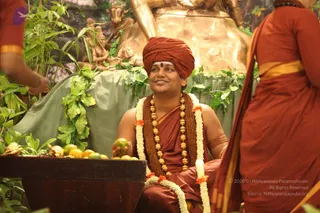
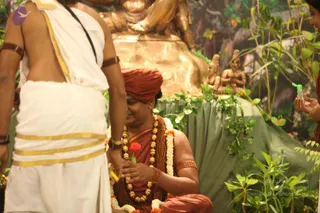
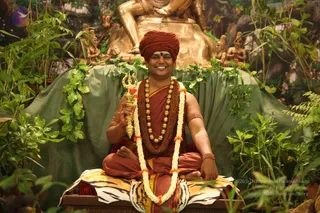
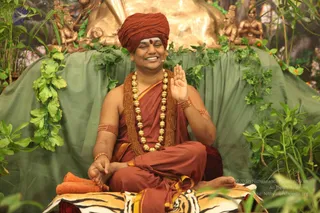
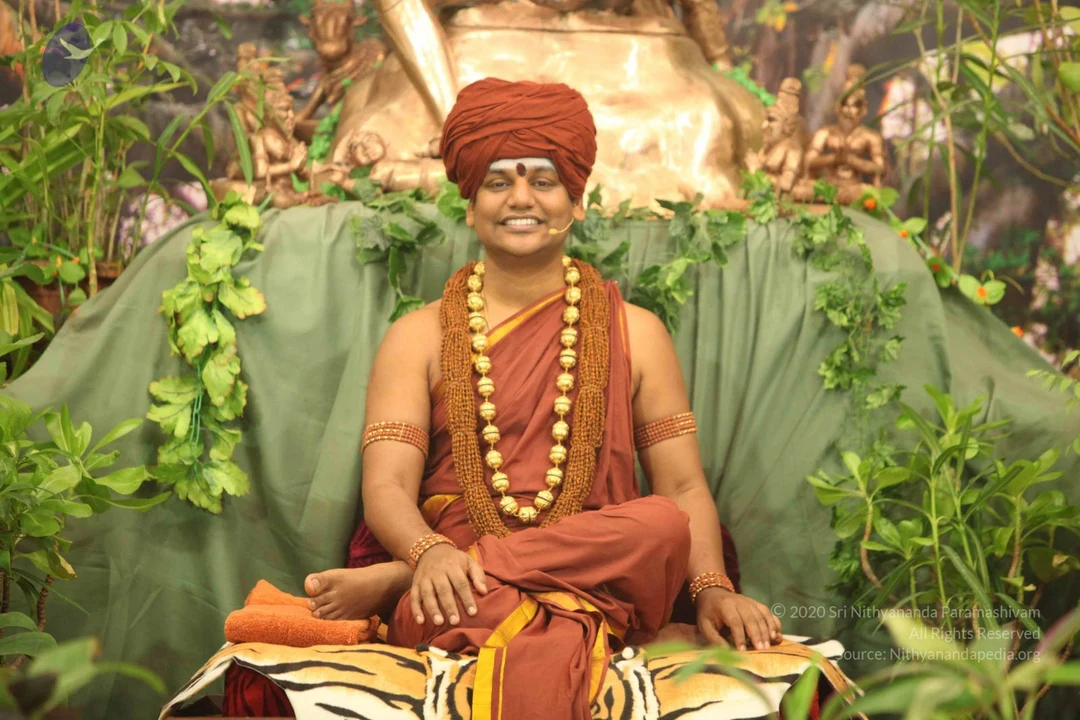
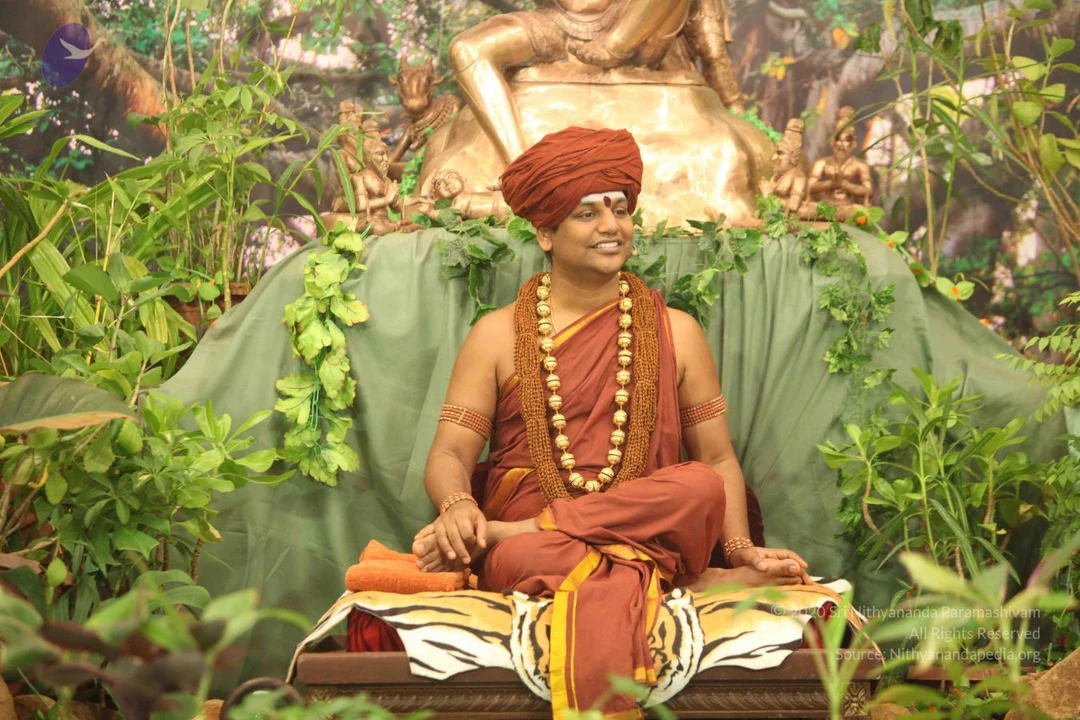
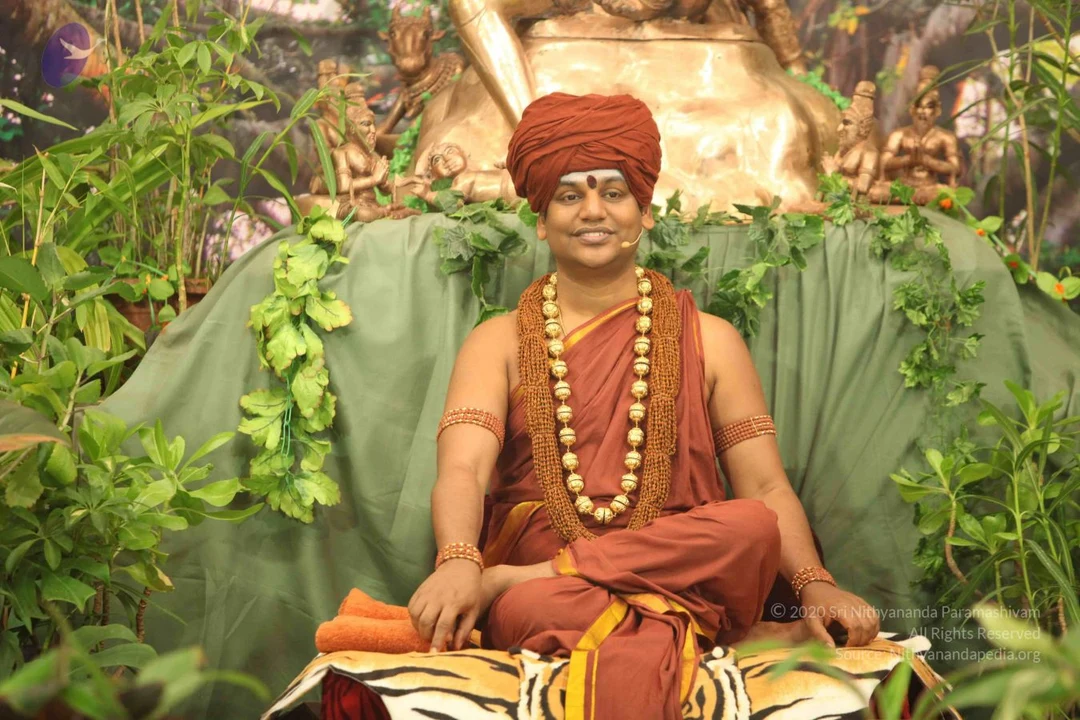
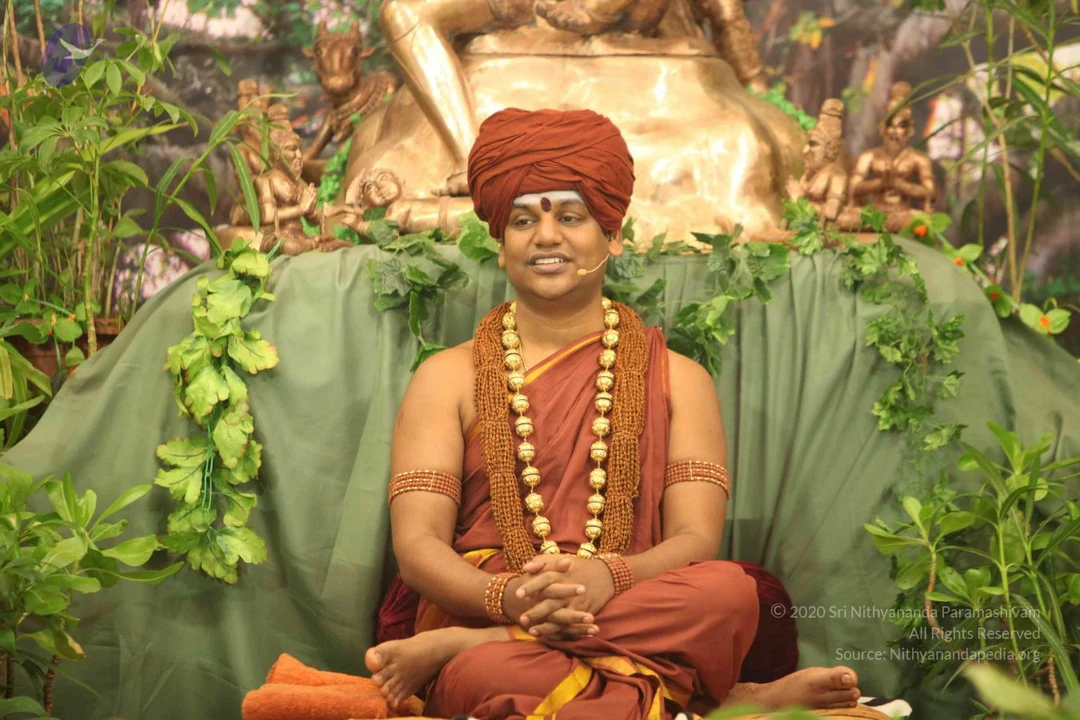
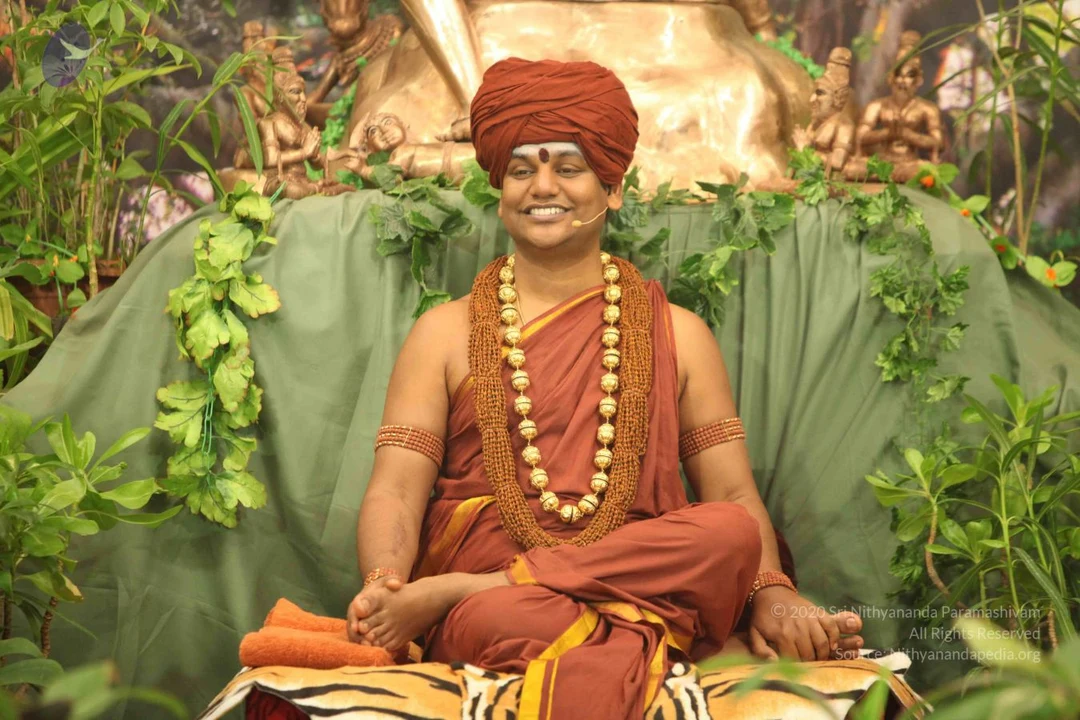
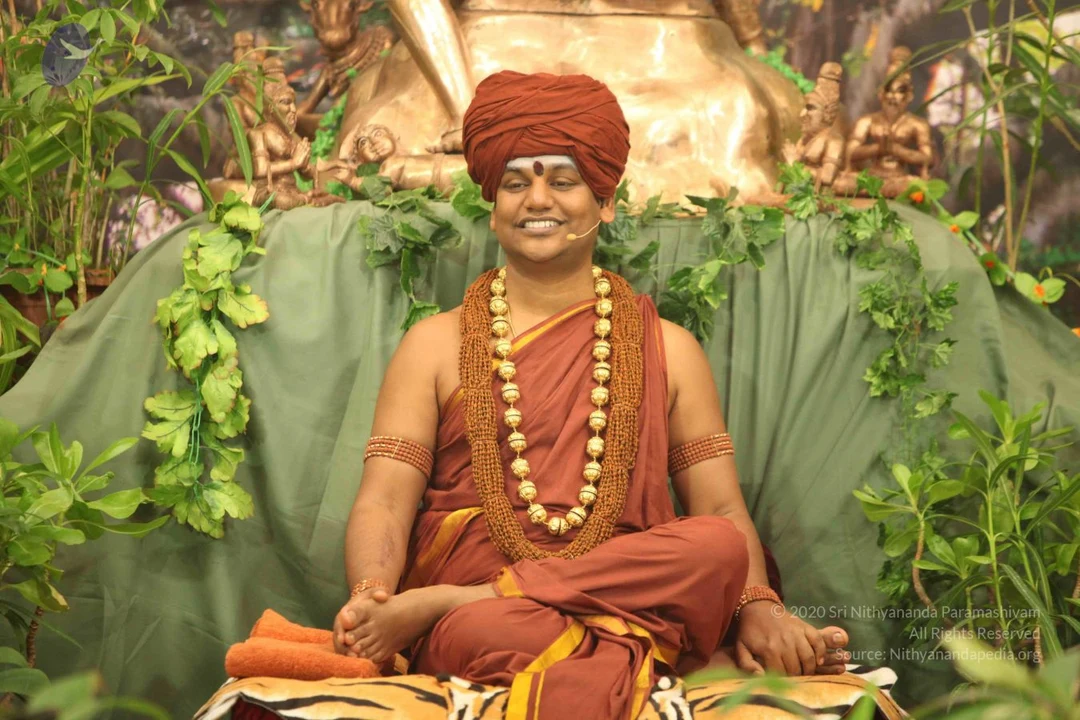
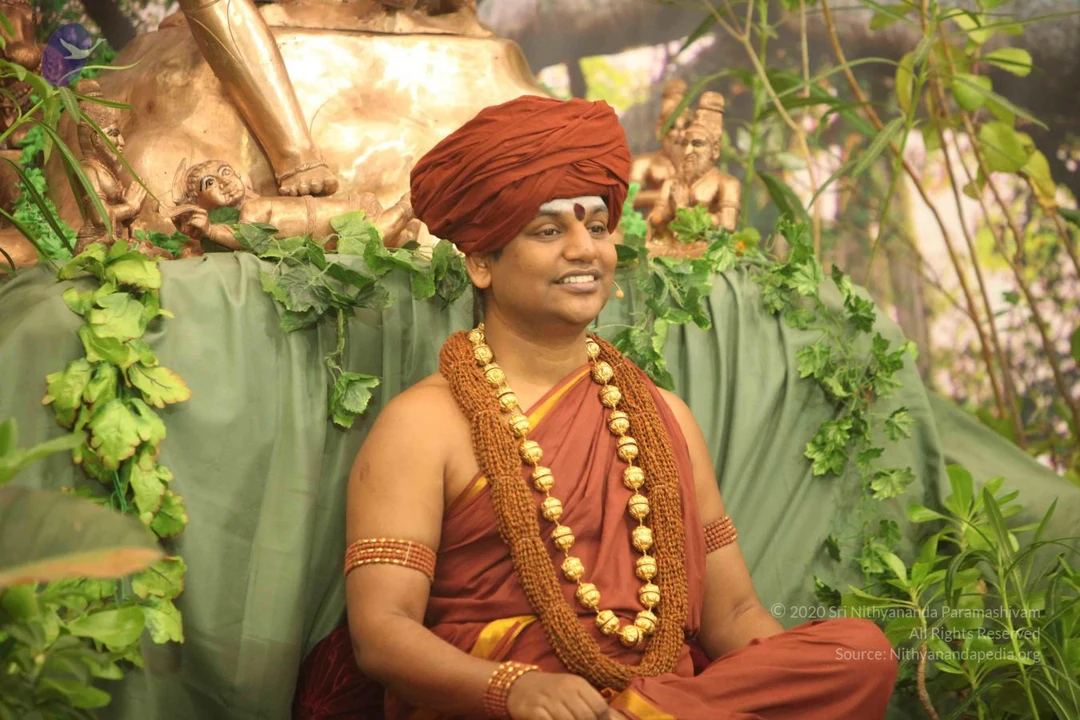
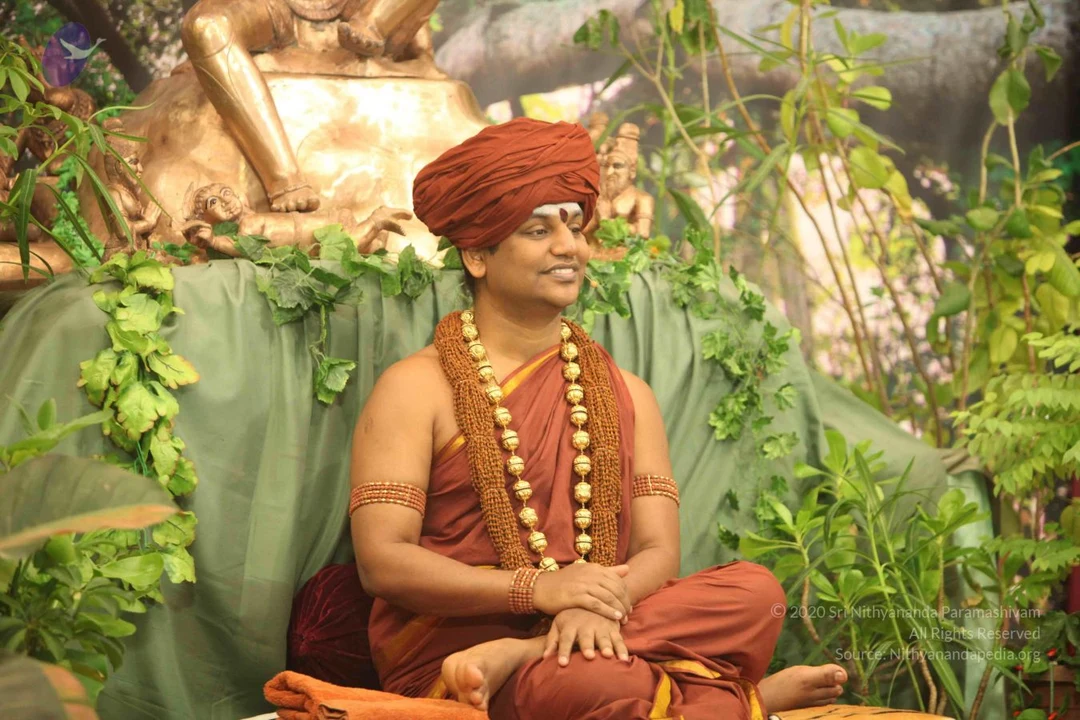
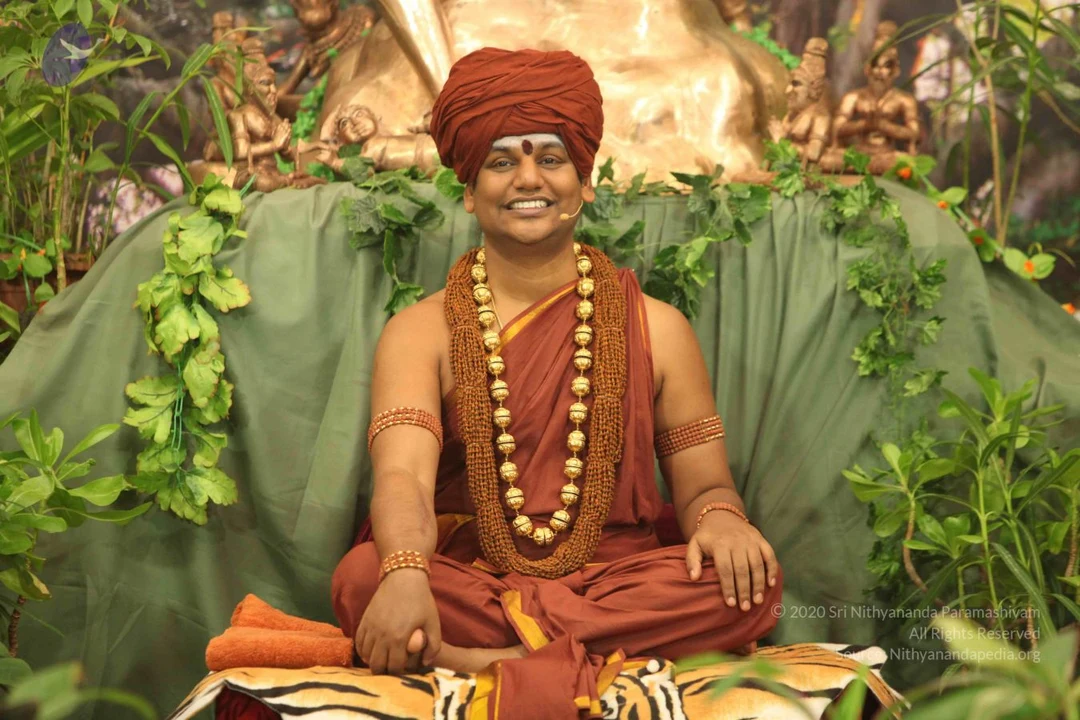
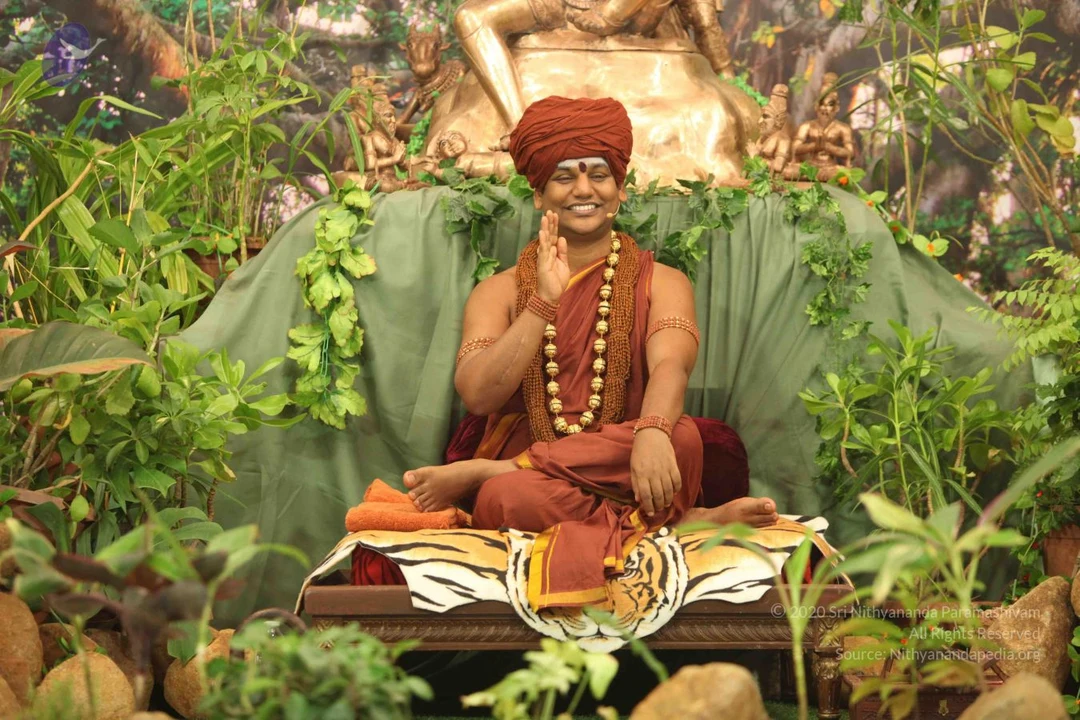
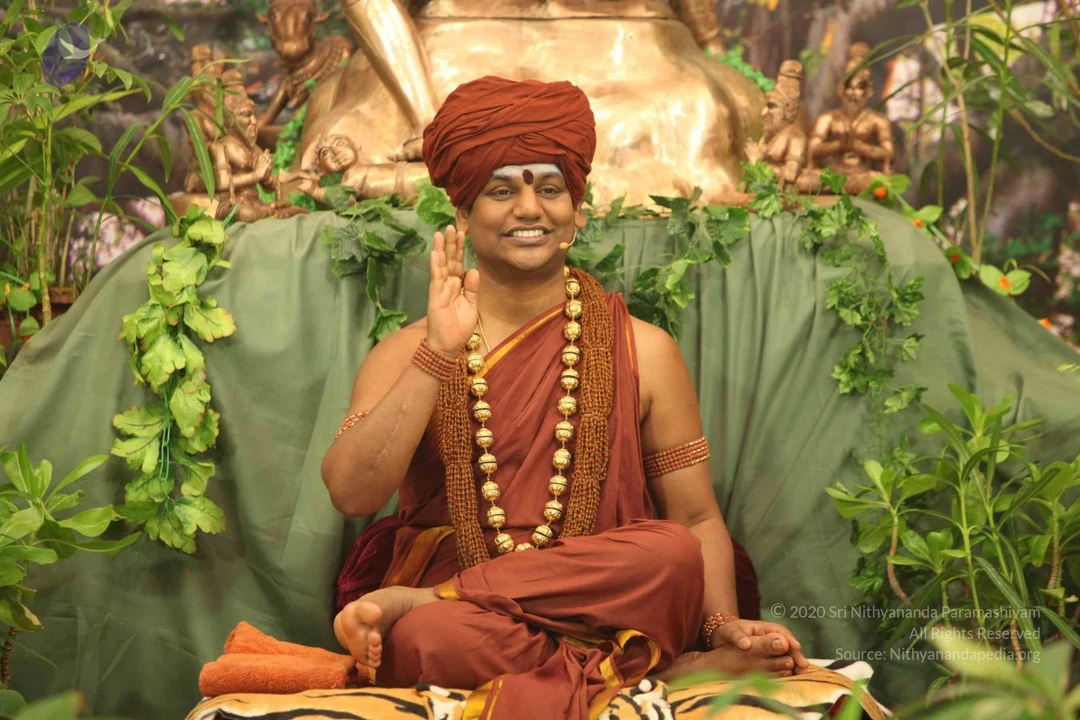
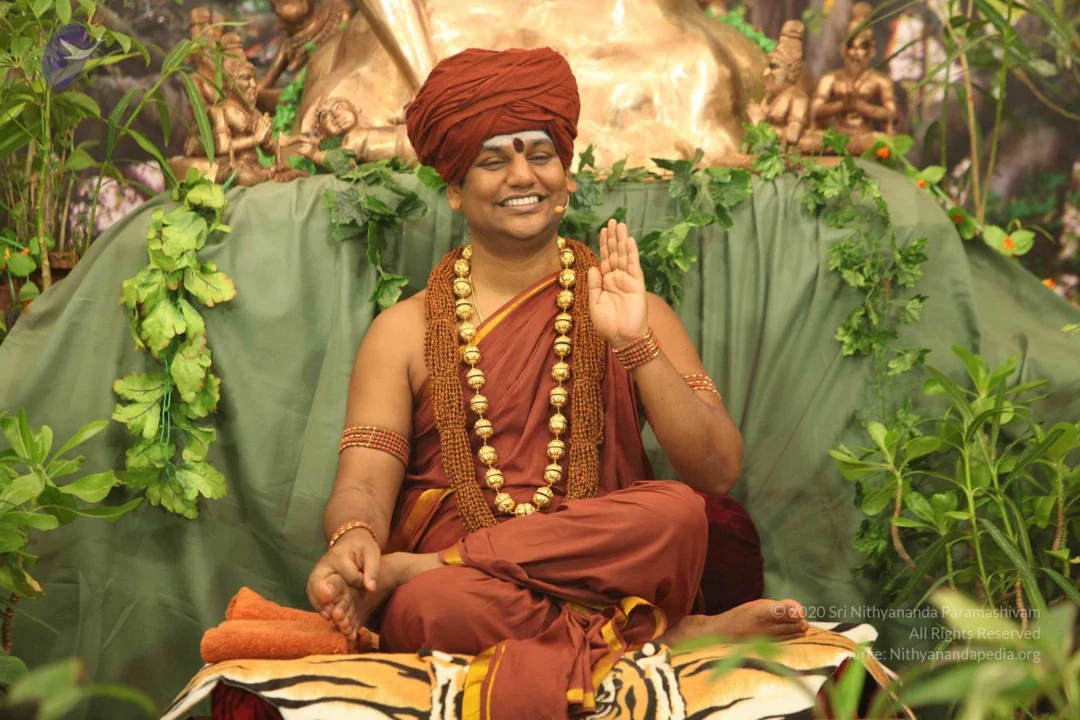
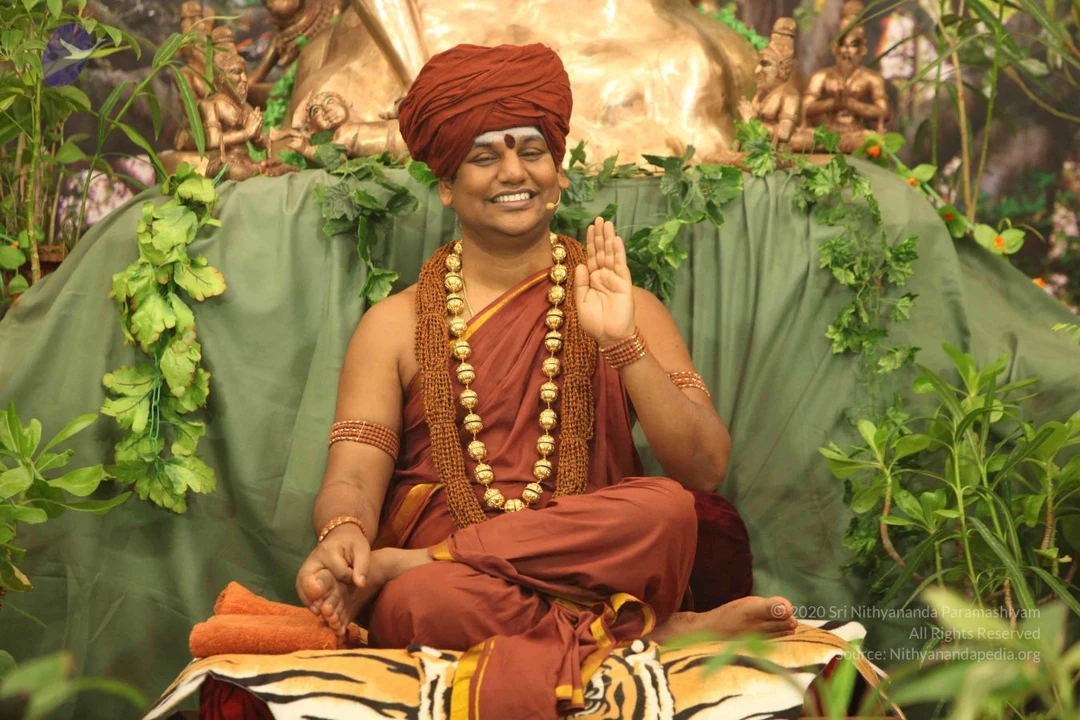
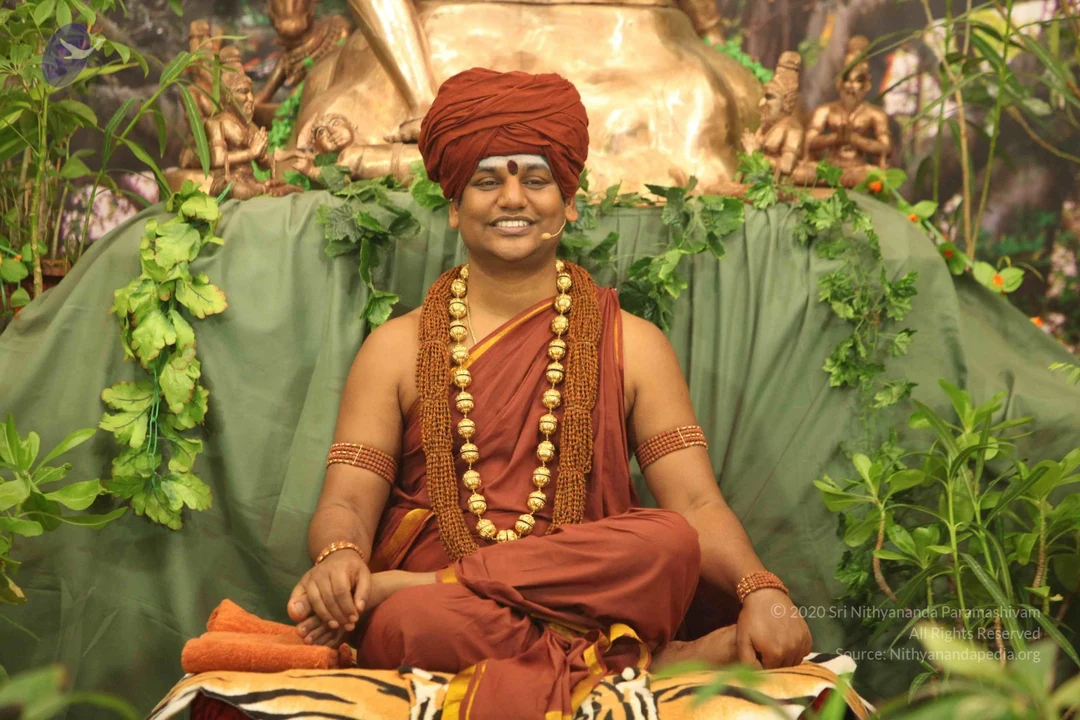
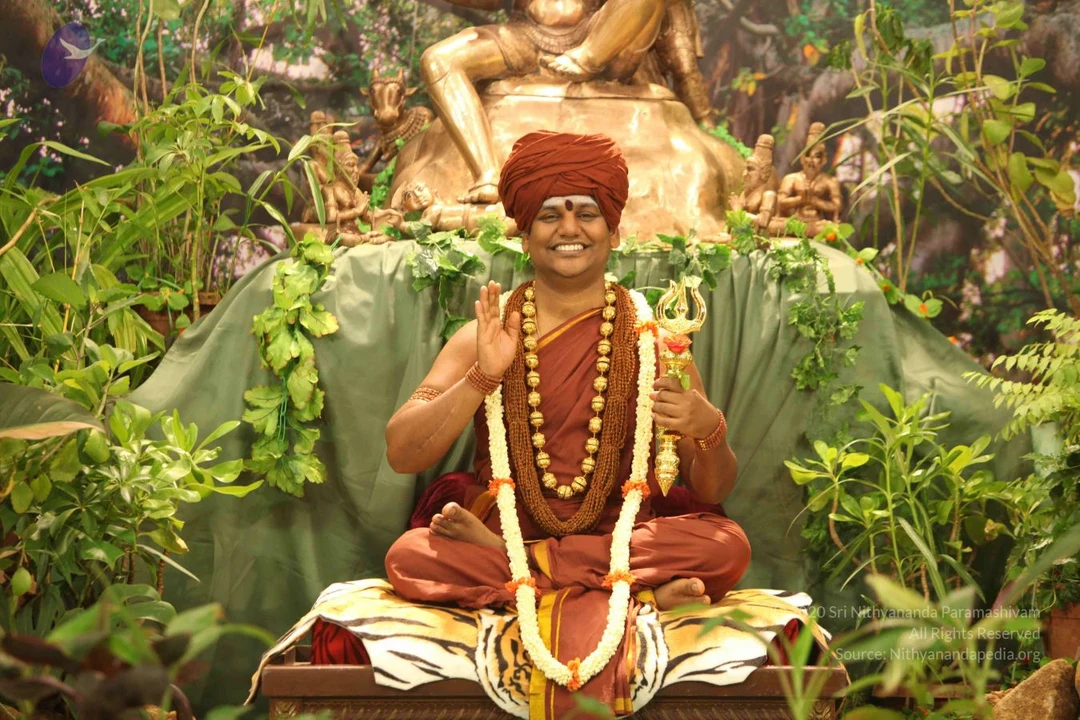
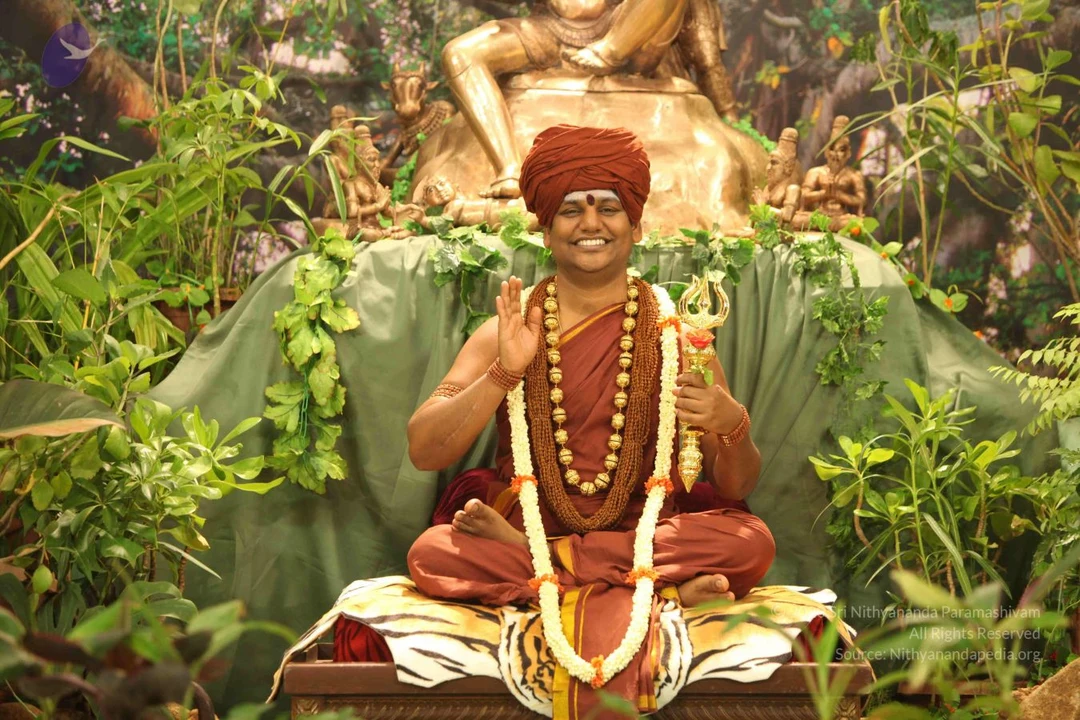
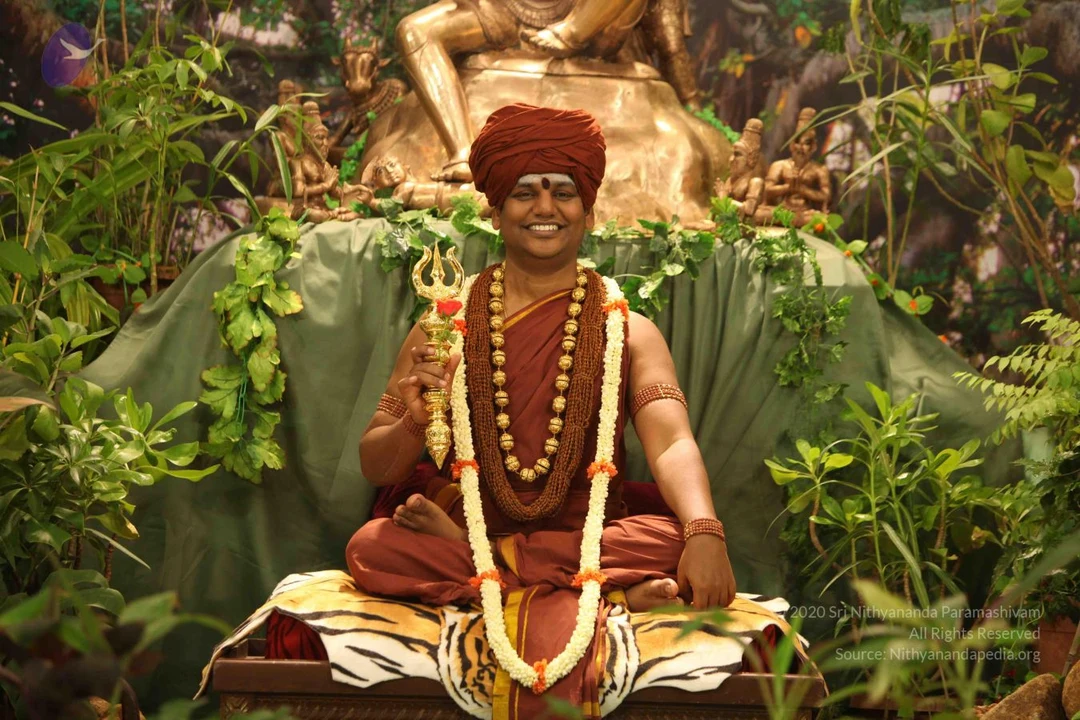
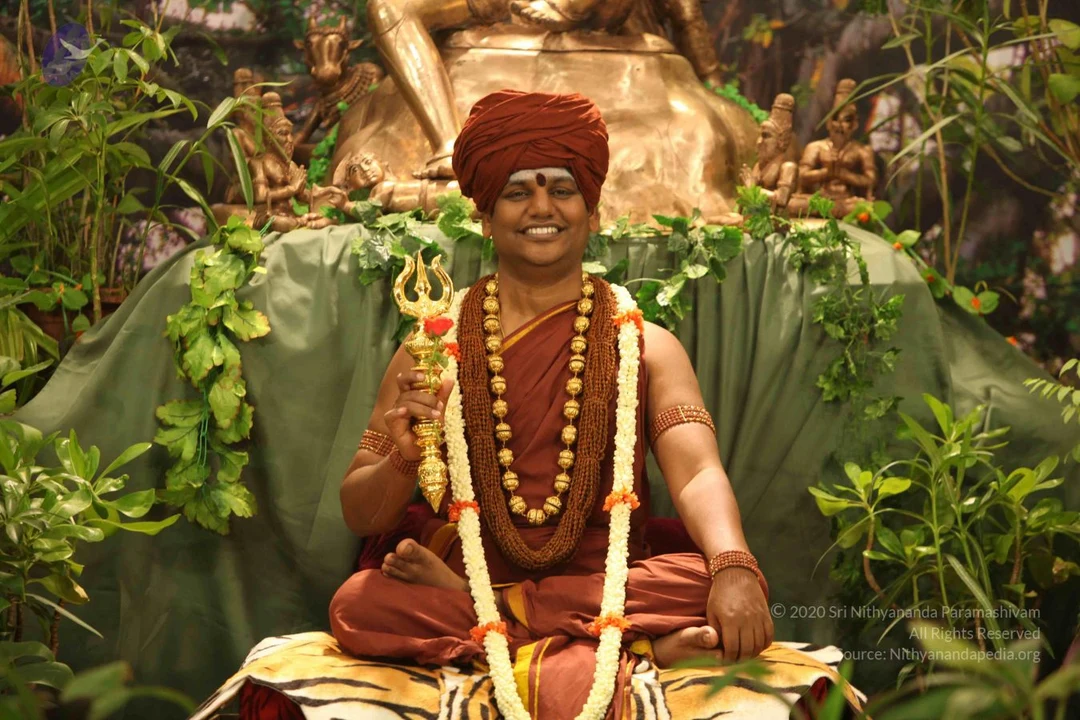
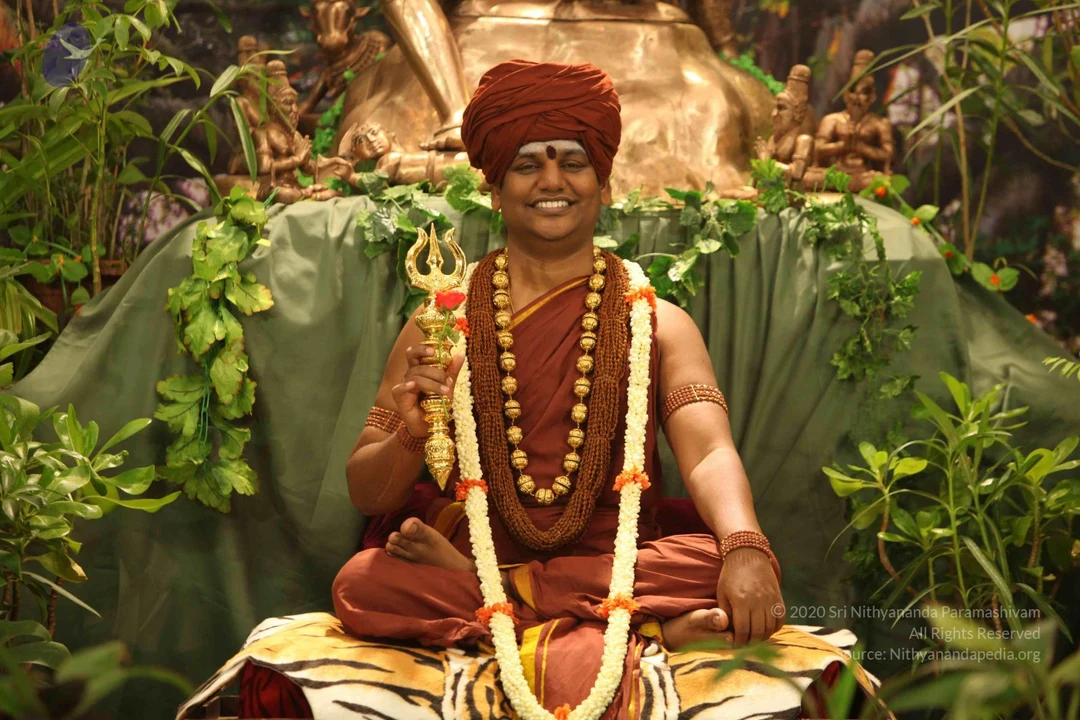
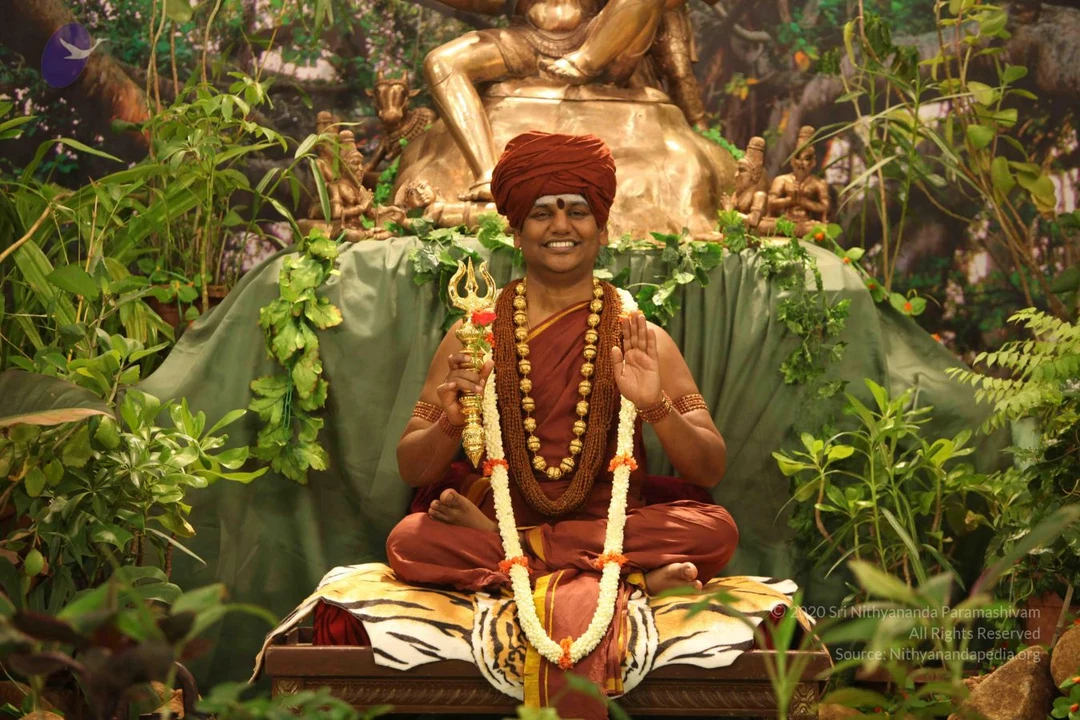
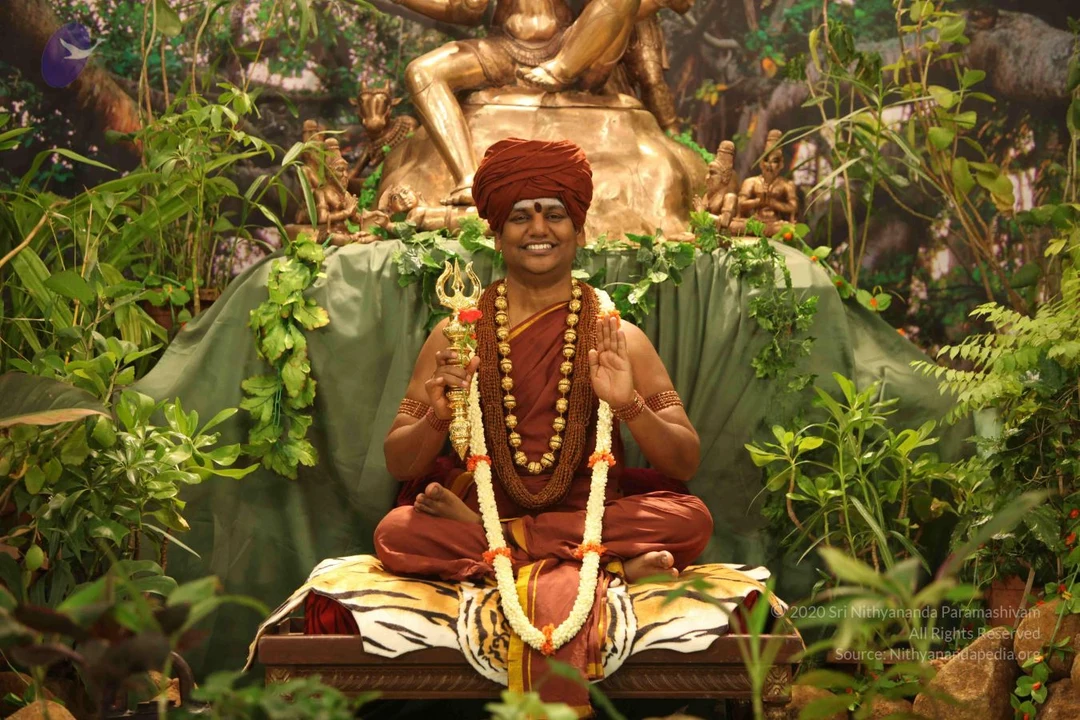
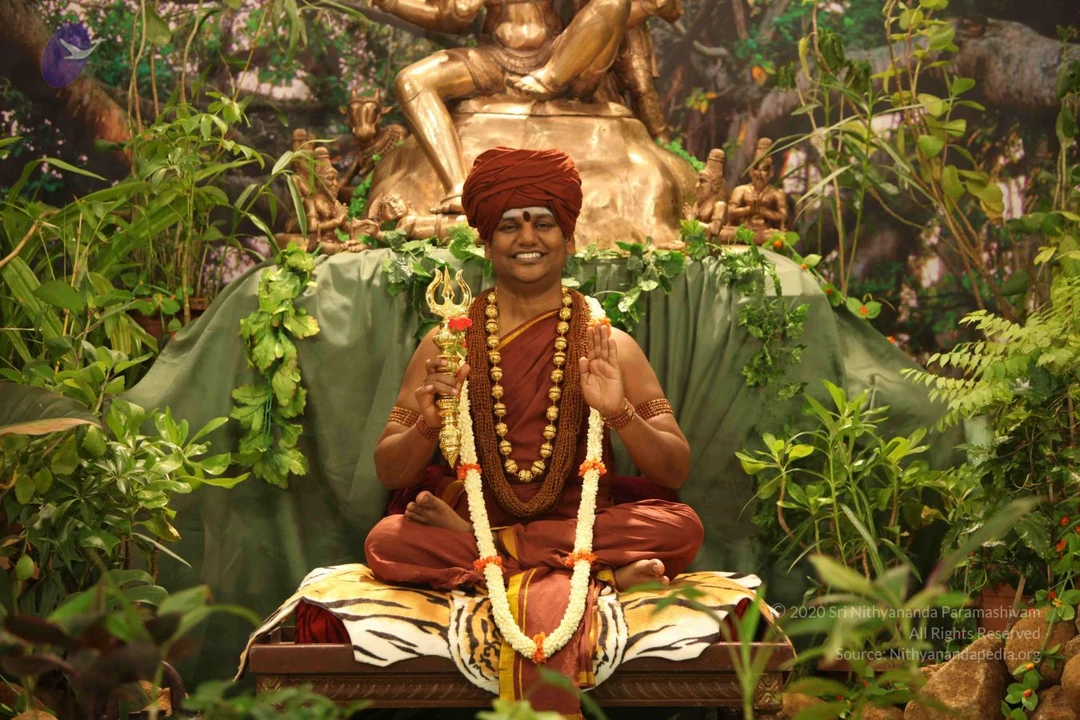
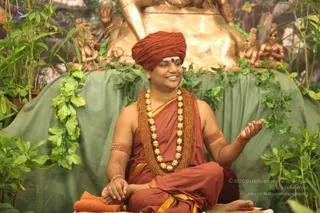
20th March, 2015 Today’s (20th March, 2015) Morning Satsang, in the Upanishad Series - Living Advaita. Isha Upanishad – Verse 7 yasmin sarvāṇi bhūtany ātmaivābhūd vijānataḥ | tatra ko mohaḥ kaḥ śoka ekatvam anupaśyataḥ || 7 || In today’s revelation on Isha Upanishad, Paramahamsa Nithyananda enters into verse 7, that declares the greatness of a Jeevan Mukta, the seer who is in ‘space of oneness, Living Advaita’. These Upanishads are expressed from the Existence of Mahadeva, which can become Reality in us only by doing Vaakyartha Sadas, spiritual discussions, ‘intranalyzing or Manana’, i.e. analyzing the Truth for the sake of internalizing it. He insists on verbalizing our self-doubts to melt down our incompletions, and Live Advaita. Watch, Share and Subscribe to our channel to be notified of the next upload click http://www.youtube.com/subscription_center?add_user=lifeblissfoundation to subscribe. visit: http://www.nithyananda.org http://www.nithyananda.tv http://www.innerawakening.org https://www.youtube.com/user/LifeBlissFoundation https://twitter.com/SriNithyananda https://www.facebook.com/ParamahamsaNithyananda https://plus.google.com/104086565286265959836/posts
Link to Video:
| Video | Audio |
Transcript:
[00:11]
Nithyānandeśvara samārambhām Nithyānandeśvari madhyamām | asmat āchārya paryantām vande guru paramparām ||
[00:41]
I welcome you all with My love and respects. I welcome all the devotees, disciples, samajis, satsangis, Shrimahants, Mahants, Thanedar, Kothari, everyone sitting with us all over the world through Nithyananda TV, Sadhna TV, Arra TV, and two-way video-conferencing having Nayana Deeksha. Cities sitting with us in two-way video-conferencing having Nayana deeksha: Toronto-Thirukailayam, Los Angeles-Arunachalam, Ohio, Guadeloupe, Seattle, Enriching Temple, Phillip Island-Australia, Oklahoma-Somanatham, Suva-Fiji, Kuala Lumpur-Palani, Chennai-Thiruvanmiyur, Phoenix, Melbourne-Thiruvarur, San Jose- Madurai, Vancouver-Bhubaneswar, Ponca City-Oklahoma, Nithyananda Nagaram- Thiruvannamalai, London South West, Madurai, Houston-Texas, Singapore- Singapuram, Indrani-New Jersey, Hong Kong-Sirkazhi, Trinidad-Tobago, Hyderabad- Gupta Kashi, Cluj-Romania, Charlotte-Srisailam, Rajapalayam, Hyderabad, Madurai, Singapore, Houston, Vancouver, Ponca City-Oklahoma, and some more city, cities joining. I welcome all of you with My love and respects.
[02:41]
I will enter into seventh verse of Isavasyopanishad. यस्मिन् सर्वाणि भूतान्यात्मैवाभूद् विजानतः । तत्र को मॊहः कः शॊक एकत्वमनुपश्यतः ॥ Yasmin SarvaaNi Bhoothaani Aathmaivaabhoodh Vijaanathaha | Tatra Ko Mohaha Kah Shoka Ekatvam Anupashyathaha ||
Please recite along with Me. Yasmin SarvaaNi Bhoothaani Aathmaivaabhoodh Vijaanathaha | Tatra Ko Mohaha Kah Shoka Ekatvam Anupashyathaha ||
Many in the two-way video-conferencing, the remote cities are not chanting along with Me. Please chant along with Me. Yasmin SarvaaNi Bhoothaani Aathmaivaabhoodh Vijaanathaha | Tatra Ko Mohaha Kah Shoka Ekatvam Anupashyathaha || Please understand, the meaning explained, expressed and unexpressed in these verses, will become part of your bio-memory when you recite them authentically. That is the reason reciting. That is the reason reciting. Yasmin SarvaaNi Bhoothaani Aathmaivaabhoodh Vijaanathaha | Tatra Ko Mohaha Kah Shoka Ekatvam Anupashyathaha || In one who has cognized the reality, all existing beings become the very Self. Then what delusion, what sorrow of incompletion can be there for that Seer living in the space of Oneness, Living advaita?
[05:58]
Understand. Now the Upanishads are declaring the greatness of Jeevan Muktha. Ekatvam Anupashyataha. Upanishads are not using the word Ekam; Ekatvam. Whenever Upanishads use the word Ekam, even then you should understand it is Ekatvam. You should know, when your wife is really, really angry, even if she uses the word “Honey”, you should know the meaning of it. Understand. You should know the context to make the meaning. Sameway, when your mother is full of love, even if she calls you ‘Monkey! Come here!’, you should know the meaning. She is not scolding you. From the context catch the meaning. So, when Upanishads use.....even when they use the word Ekam, it is not “One”, it is “Oneness”.
[07:24]
Please understand, because of its purity, impossibility to get diluted, I kept the Upanishads as the foremost scripture of our Sangha and Hinduism. Please understand. Agamas are words of Mahadeva. Upanishads are breath of Mahadeva. Agamas are words of Mahadeva. Upanishads are breath of Mahadeva. So, at any time, any conflict, any difference of opinion, always the Upanishads should be followed, Upanishads should be respected. Even using the form of Mahadeva, some kind of a dilution can happen; people can get diluted. With Upanishads no possibility; it is just truth, truth, truth, leading you to reality. “In one who has cognized the reality, all existing beings becomes the very Self. Then what delusion, what sorrow of incompletion can there be for that Seer living in the space of Oneness, Living Advaita?”
[09:23]
Please understand, listen. That is why I again and again insist on Vakyartha Sadas. Vakyartha Sadas is meditation. All of you should know, in Vedic Tradition, there is no meditation! It is manana. In Vedic Tradition, it is very clear, only three steps: Shravana, Manana, Nididhyasana. Shravana means: Right Listening. Manana means: Intranalyzing. Nididhyasana means: Living. That’s all. It is Buddhist period, the concept of meditation got into the Vedic Tradition. Of course, we had “dharanas”, no doubt. We had “dhyanas”, no doubt. But that is not meditation. The Dharana, Dhyana, even they are nothing but Manana – intranalyzing. Even Dharana and Dhyana are intranalyzing.
Yasmin SarvaaNi Bhoothaani Aathmaivaabhoodh Vijaanathaha | Tatra Ko Mohaha Kah Shoka Ekatvam Anupashyathaha ||
[11:08]
Listen. Listen. Manana, Vakyartha Sadas every day, will give you a complete understanding. Not only that, please listen, every time when you keep these spiritual truths in your inner-space, analyze them, think about them, contemplate on them, every moment you spend on intranalyzing these great truths, your incompletions melt down, you are living advaita. Understand how much ever you struggle to find the solution externally, you will never find, you will never find the solution what you expect, externally. If you think, ‘I will finish all the work I took it on myself or Swamiji gave it to me, and then I will rest in peace’, never. Even after you leave the body, we have work for you! Understand if you are expecting the external solution, no. You need to be told you are a fool. Wherever you really need to be told you are a fool, you SHOULD be told; that is the real good thing for you. If you have some disease, you need to be told you have that disease. Only then you will understand the seriousness and start taking medication. Manana, intranalyzing, is really, really, really important, because, the life gets aligned to Living advaita with Manana.
[14:15]
Shankara says beautifully: श्रुते शतः गुणम् विध्यान् मननम् मननात् अपि निदिध्यासनम् लक्ष गुणम् अनन्तम् निर्विकल्पम् Shruthe Shatha Gunam Vidyaan Mananam Mananaath Api Nidhidhyaasanam Laksha Gunam Anantham Nirvikalpam The meaning is: “Manana is hundred times superior to Shravana. Intranalyzing is hundred times superior to listening. And living is hundred times superior to intranalyzing. Nirvikalpa Samadhi, Living advaita is infinitely superior.” Please understand, you need to listen, listen, and intranalyze again and again and again. That is why I am insisting on Vakyartha Sadas. Even if there are two-three sannyasis in your ashram, start the Vakyartha Sadas. Slowly devotees will start gathering. Everywhere, in every ashram, every center, just like puja is compulsory, Vakyartha Sadas should become compulsory. More and more learning, more and more intranalyzing, more and more Completion. Understand other than the spiritual solution, there is no solution. How much ever you try to find any solution for any problem, whether it is personal, professional, organizational, intrapersonal and interpersonal. Interpersonal is direct fight. Intrapersonal is cold war; you won’t fight but you will be waiting. See, it is like a.... directly when you fight, it becomes like an equal fight. But I have seen many cunning fellows, they won’t directly fight. They will wait. At some point they will get that neutral person position. That time they will use that position and attack. When somebody else is attacking him, and he is fighting with somebody else, he is a neutral person. Now, come on! Use that and attack. Violence, how much ever you hide, how much ever you keep inside, and how much ever cunningly you plan, finally it is going to stink inside you, not anybody else.
[17:40]
Whether it is interpersonal problem, intrapersonal problem, organizational problem, professional problem, or personal problem, the only way anything can be solved is spiritual solution. Vakyartha Sadas is the best way for a spiritual solution, discovering spiritual solution for any problem. Please listen, even if there is no center or ashram in your places, in your apartment complex you can start Vakyartha Sadas. It is very simple. Whatever truths revealed in the morning satsang, sit and start sharing. While you are sharing, if you have a doubts, questions, start putting the questions to each other. If the answers come out, start debating on it. That’s all. The more and more Vakyartha Sadas done, the more and more the truth will be revealed to you, and more and more Living advaita will happen to you.
Yasmin SarvaaNi Bhoothaani Aathmaivaabhoodh Vijaanathaha |
Tatra Ko Mohaha Kah Shoka Ekatvam Anupashyathaha ||
[19:35]
Today’s subject for Vakyartha Sadas is: “How Vakyartha Sadas is important to internalize the great truths”. I wanted all of you to do Vakyartha Sadas on “How Vakyartha Sadas is important? Why Swamiji is insisting on it? How it clarifies many of the hidden self-doubts?” And, one more thing, there are many questions which you will not even verbalize, but they will be sitting inside you in the form of self-doubt. Verbalized doubt gets at least clarification. Unverbalized doubt is self-doubt. Verbalized self-doubt is doubt. Unverbalized doubt is self-doubt. Verbalized self-doubt is doubt. When you verbalize it, at least you will get it out. People will catch it. People will get it. You yourself will see the depths of you. As on now, you yourself may not see the depths of you. Only when you sit in the Vakyartha Sadas even you will see your own depth. The depth of you, you will see only when you do Vakyartha Sadas.
[22:11]
I wanted all over the world, all the devotees, either gather for the morning satsang, or try to gather for Vakyartha Sadas. Something, gather, and do Vakyartha Sadas. Your life will be raised, raised, raised, to a different level. Yasmin SarvaaNi Bhoothaani Aathmaivaabhoodh Vijaanathaha | Tatra Ko Mohaha Kah Shoka Ekatvam Anupashyathaha ||
Again and again and again, living, intranalyzing, only will make these great verses as reality to you. In one who has cognized the reality, all existing beings become the very Self. Then what delusion, what sorrow of incompletion can there be for that Seer living in the space of Oneness, Living advaita? Listen. When you start cognizing everything is in your very Consciousness, then that “in” and “out”, that delusion disappears, dissolves. When that “in” and “out” delusion disappears, dissolves, advaita becomes your reality, advaita becomes your lifestyle, what you do will automatically be established in the space of advaita. God, in its pure form – I am not saying “his”, I am saying “its”, please understand. God, in its pure form will be radiating through you, will be living through you. Because, I am addressing God here as “Oneness”, not as “One”.
[25:37]
Agamas are uttered by Mahadeva. Upanishads are expressed from the very existence of Mahadeva. As I said, his breath is Upanishads, his words are Agamas. Listen. Again, today, I wanted all of you to contemplate on why Swamiji insists on Vakyartha Sadas. Even if you are not able to physically come and be in the place where Vakyartha Sadas happens, call in. Join. And from today, even the Enriching Temple Vakyartha Sadas will be live relayed in Nithyananda TV. Or the… we can call it adults Vakyartha Sadas. Vakyartha Sadas by Balasants, and Vakyartha Sahas by Sants. Call in. Join. The more and more you call in, join, in Vakyartha Sadas.... It is like a explanation for what I am talking in the morning satsang. More and more discussion, debate, question-answer. Because, this one truth – seeing all existing beings in your very Self – can be achieved in millions of ways, which I have already spoken in so many satsangs. It can be done by Yoga, Pranayama, Visualization, Verbalization, or just sitting. Thousands and thousands of methods, you can experience this great truth, this great truth. Yasmin SarvaaNi Bhoothaani Aathmaivaabhoodh Vijaanathaha | Tatra Ko Mohaha Kah Shoka Ekatvam Anupashyathaha||
Can be achieved in tons and tons and tons of ways. Catch it. If you have a intranalyzing, Vakyartha Sadas, you will be able to discuss all these hundreds and hundreds of methods, how to make these truths into reality, and it can become your realization, it can become your realization. So, do Vakyartha Sadas today on: Why Vakyartha Sadas is necessary. Do Vakyartha Sadas today on: Why Vakyartha Sadas is necessary.
[30:00]
Title:
Nithyananda Times - 20th March, 2015
Link to Video:
| Video | Audio |
Photos From The Day:
Nithya Satsang
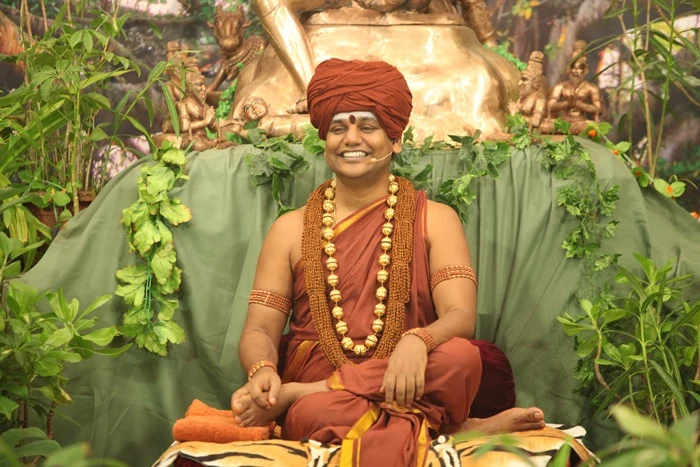
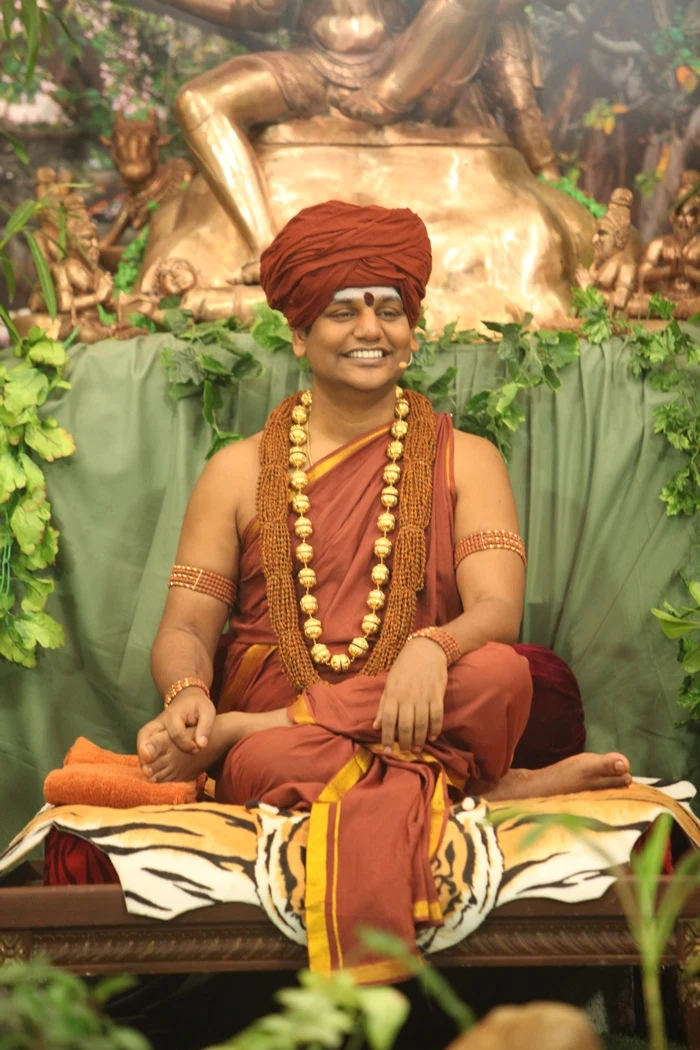
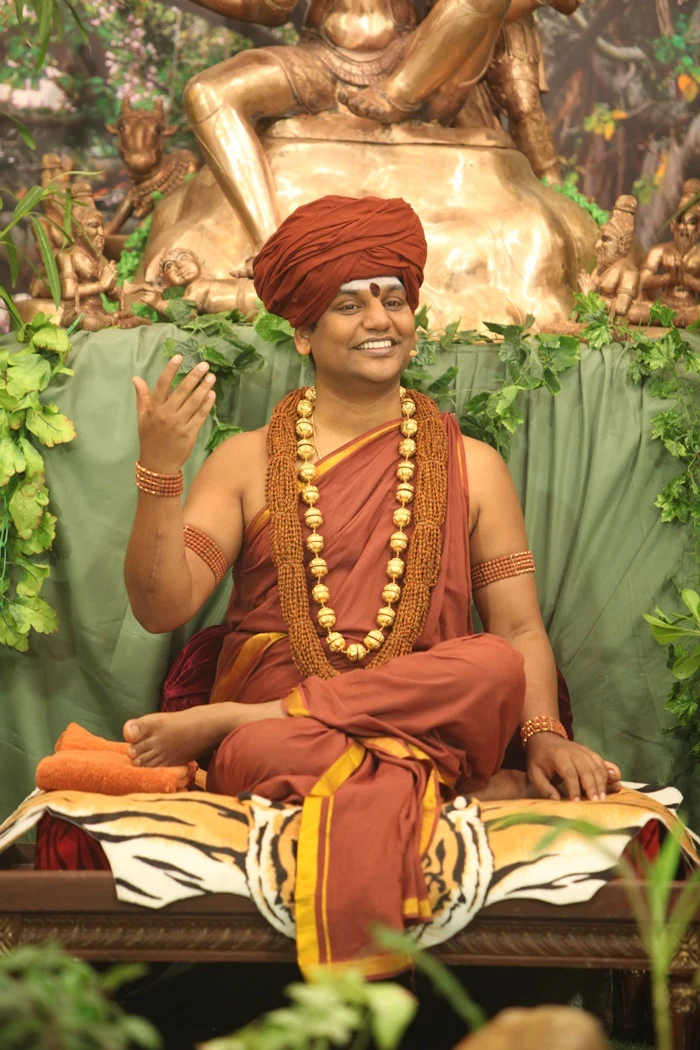
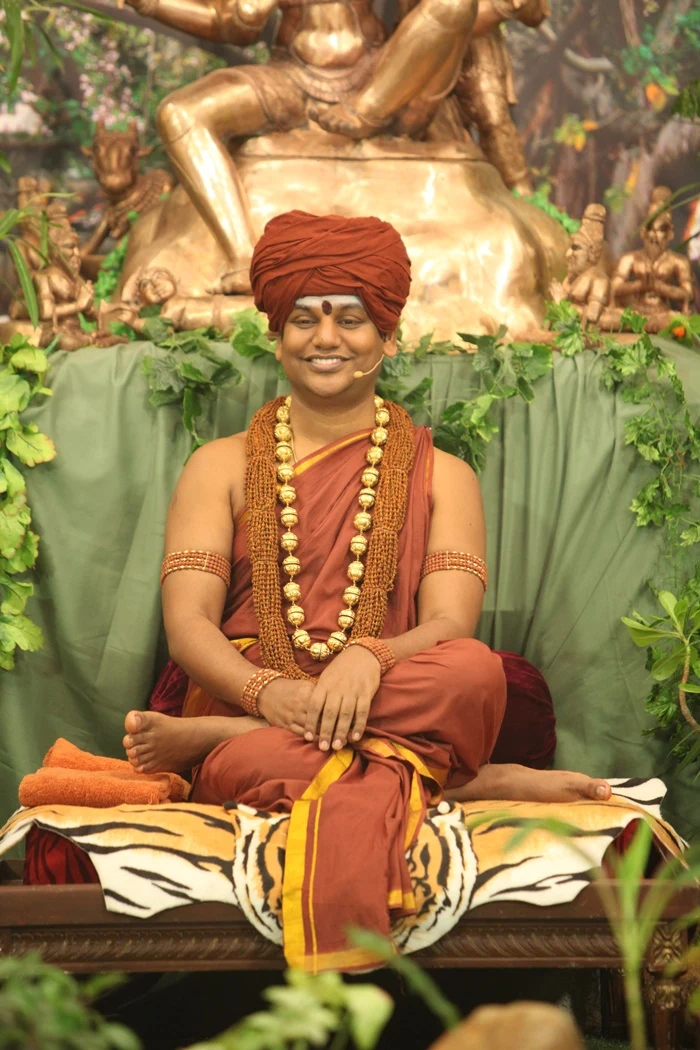
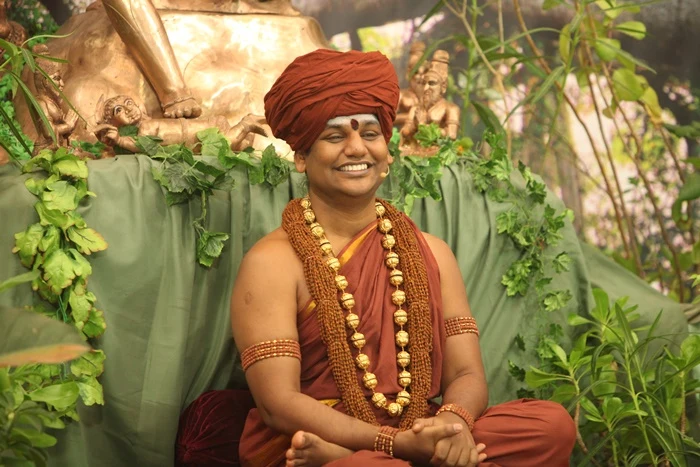
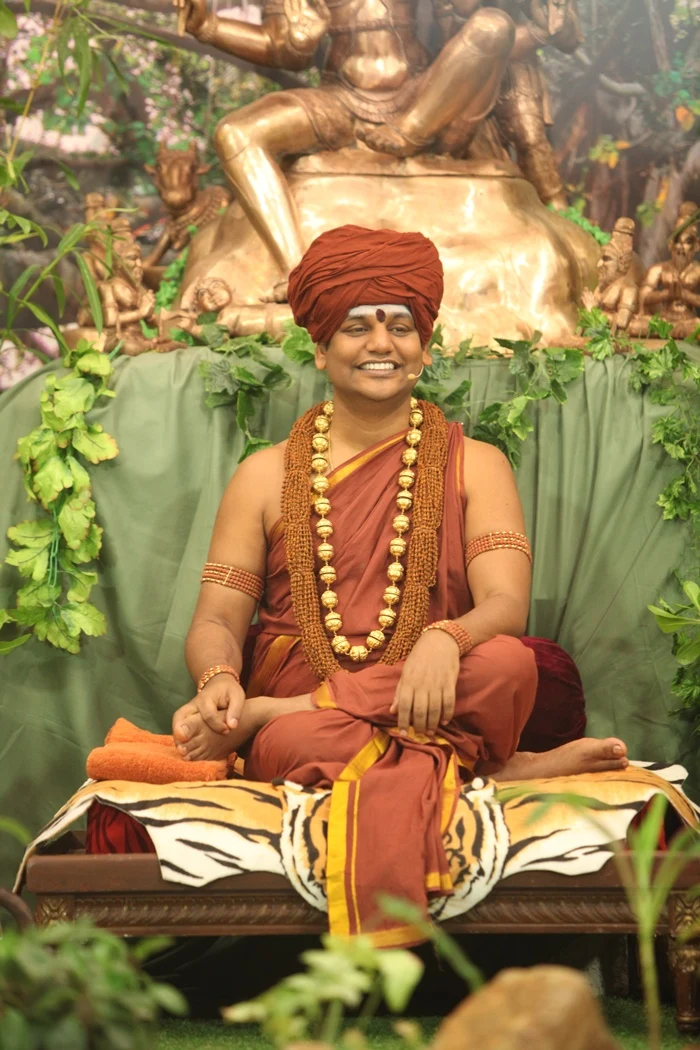
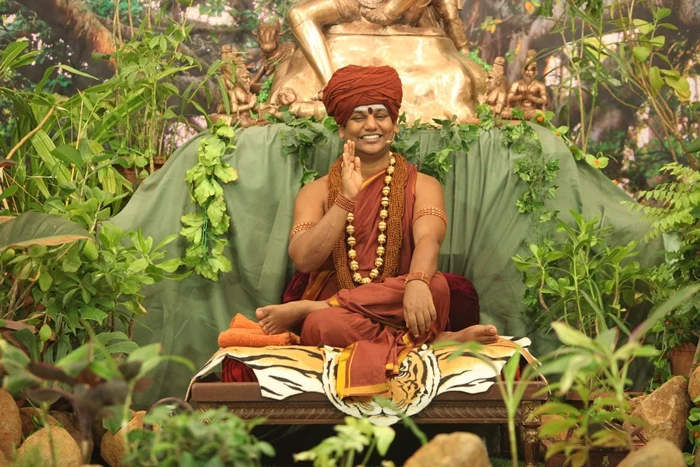
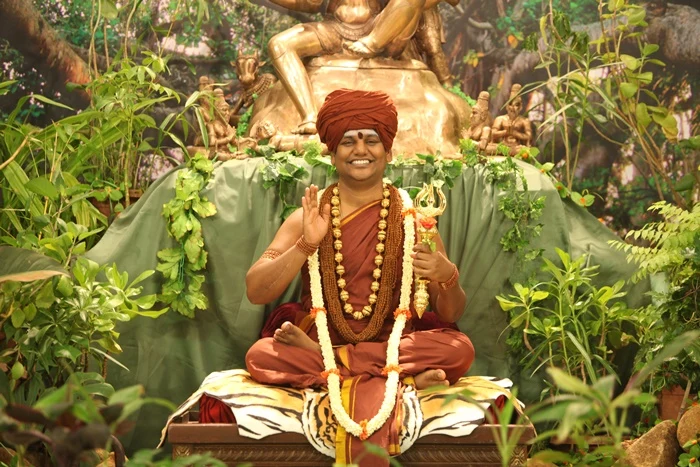
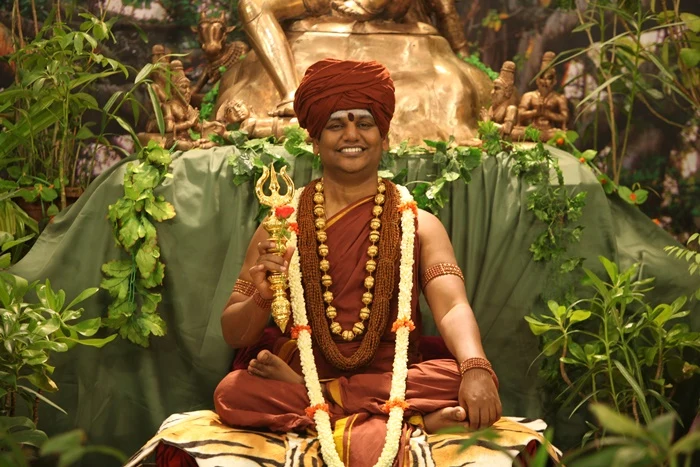
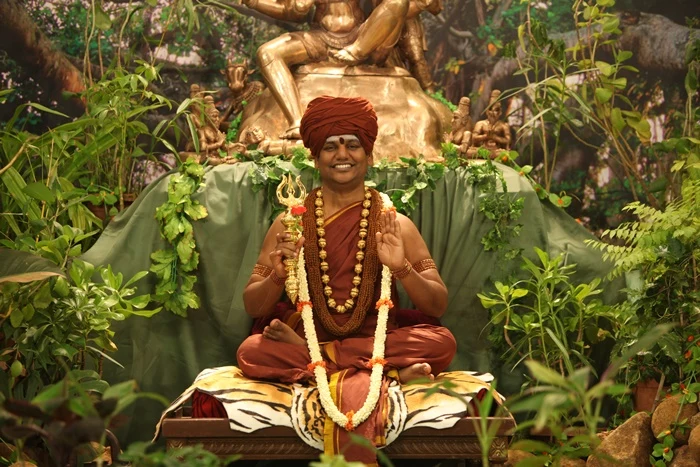
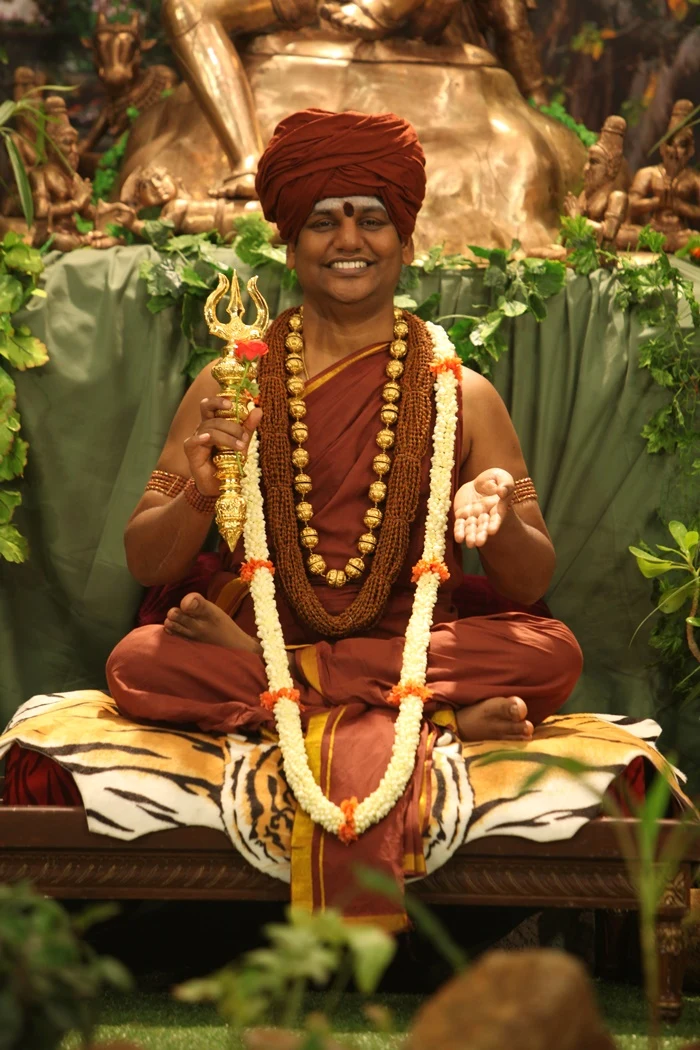
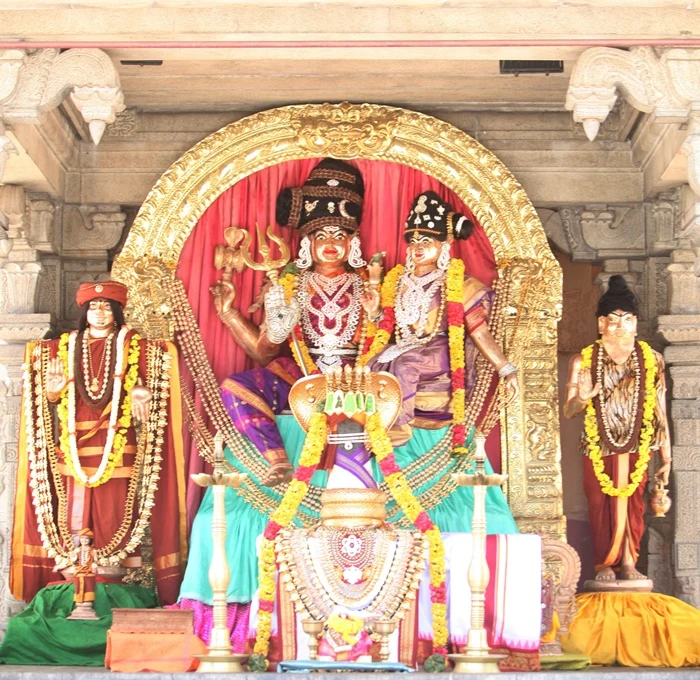
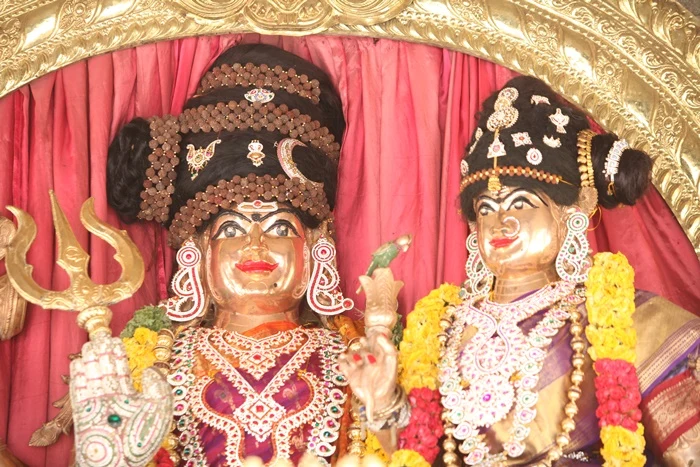
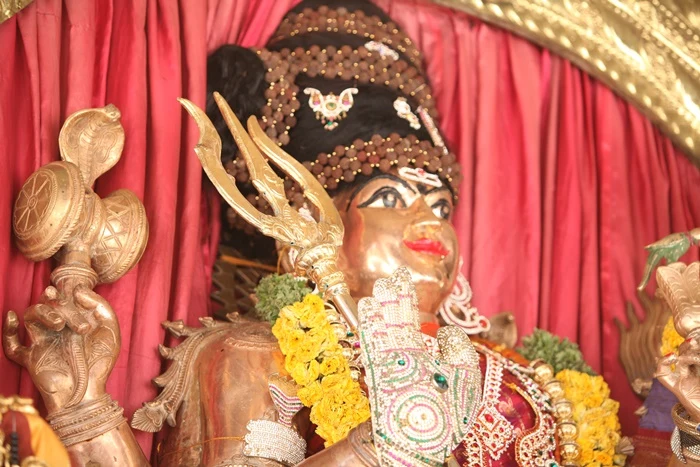
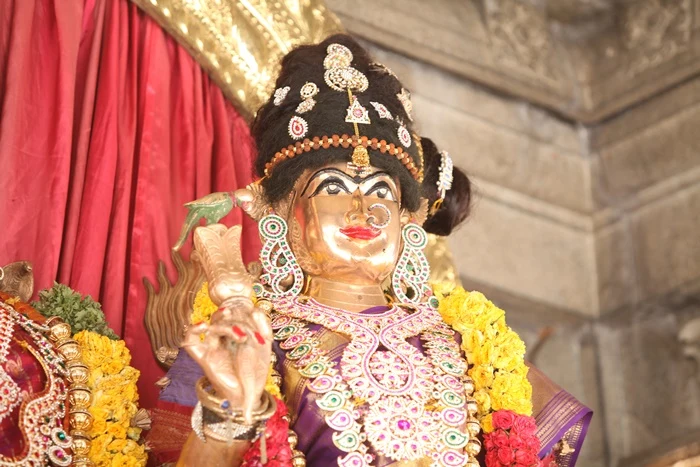
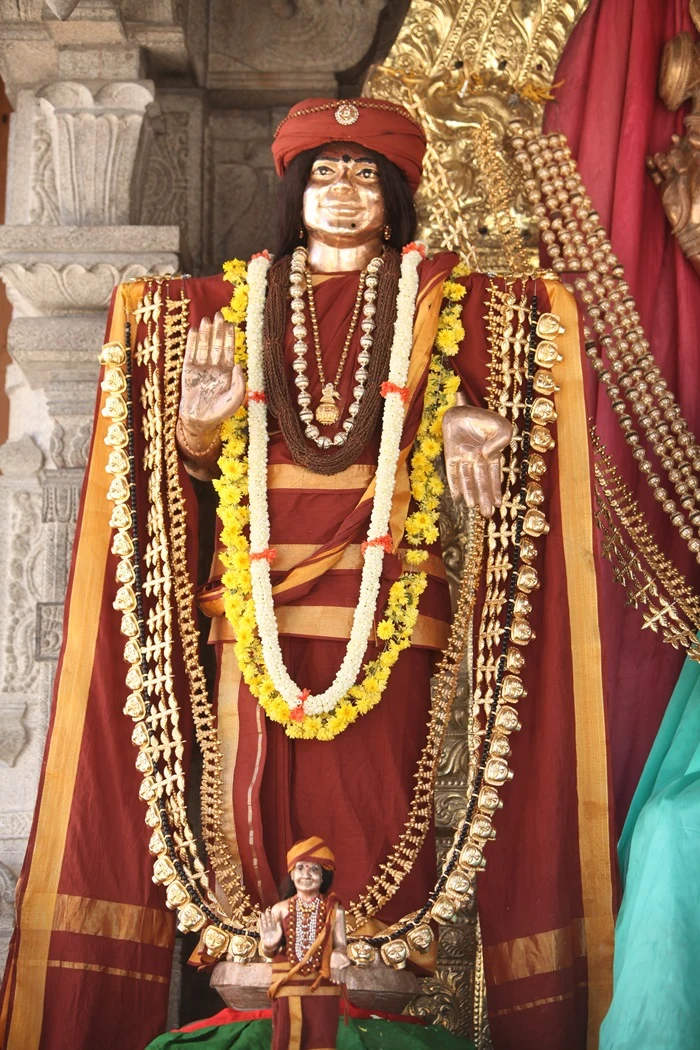
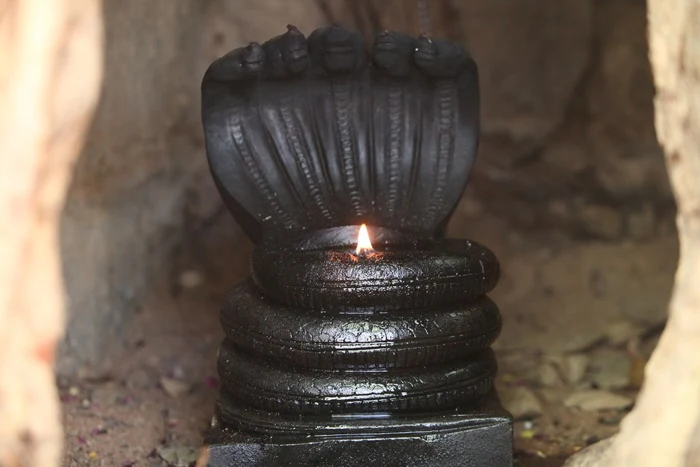
Temple Glimpses


Tags:
Nithyananda, Bhagavan Sri Nithyananda Paramashivam, Paramahamsa Nithyananda, Upanishads,Advaita,Isha Upanishad,Isha Upanishad Verse 7,Paramahamsa Nithyananda,Isha,Satsang,Mahadeva,Shiva,Living Advaita,Oneness,Reality
Photos Of The Day:
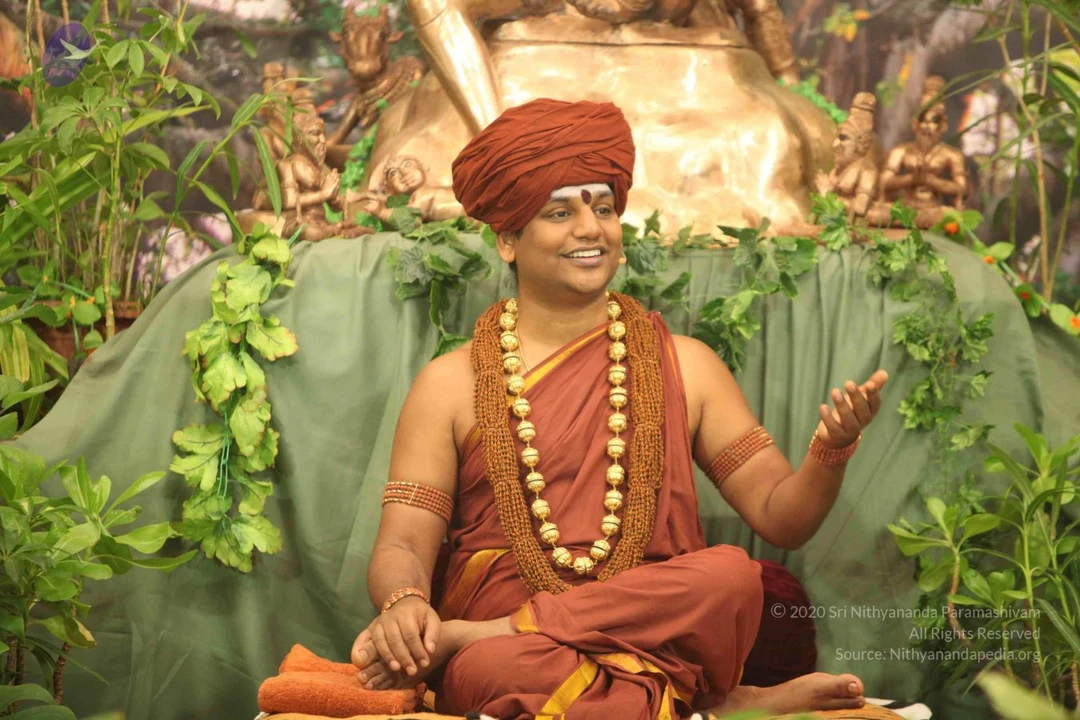
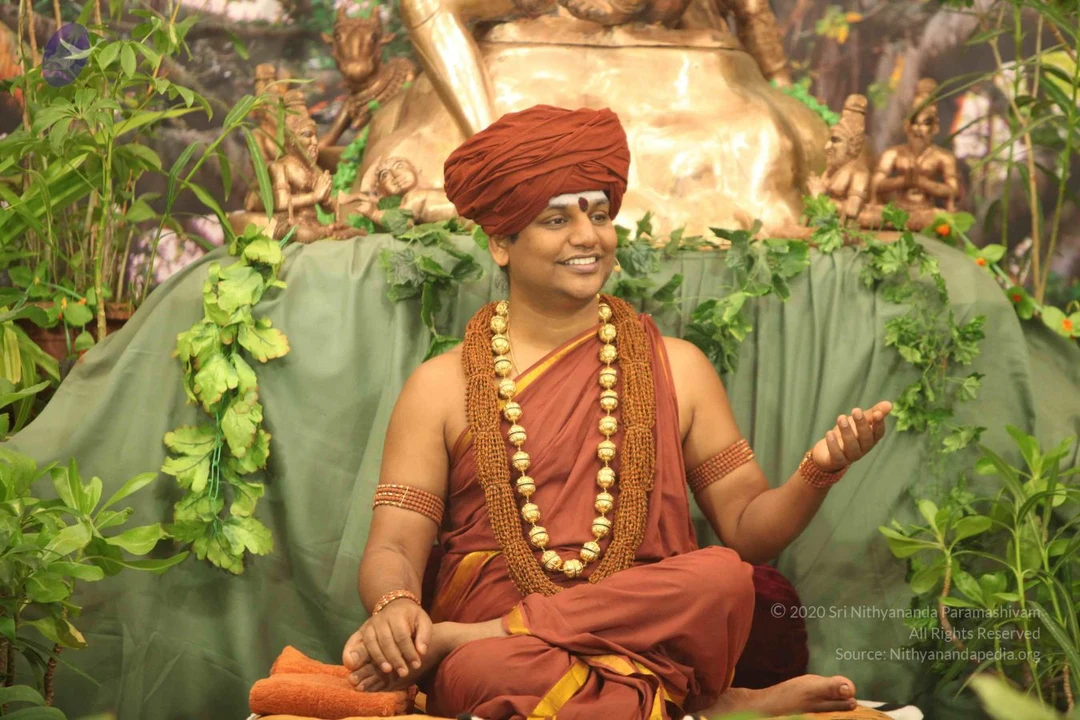
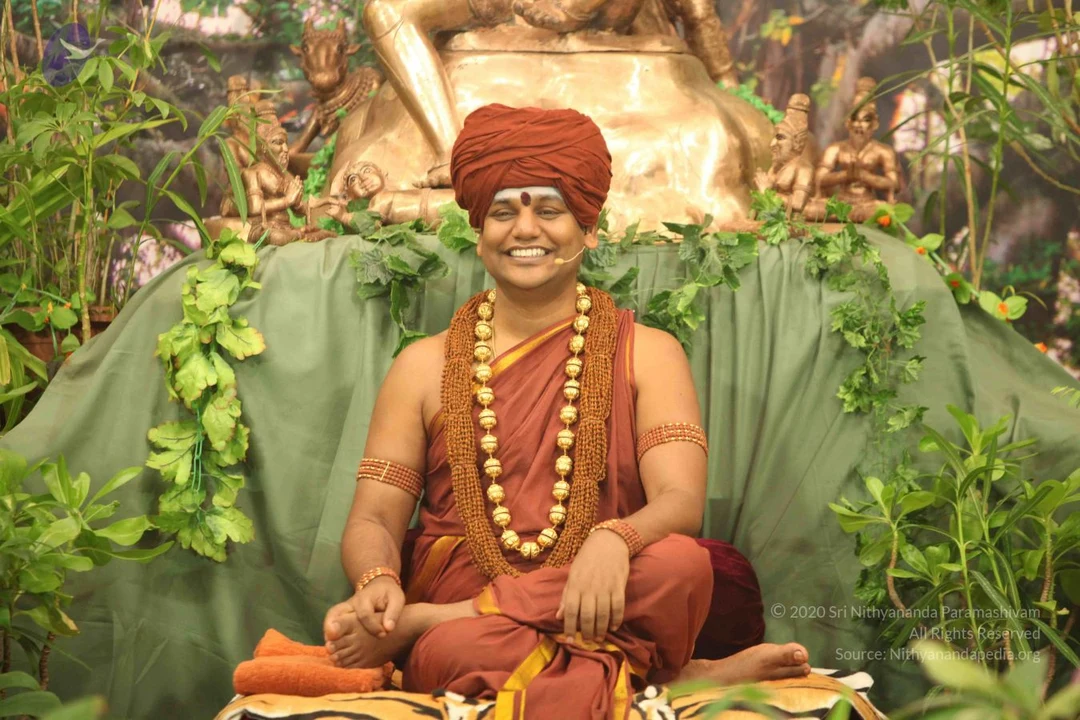
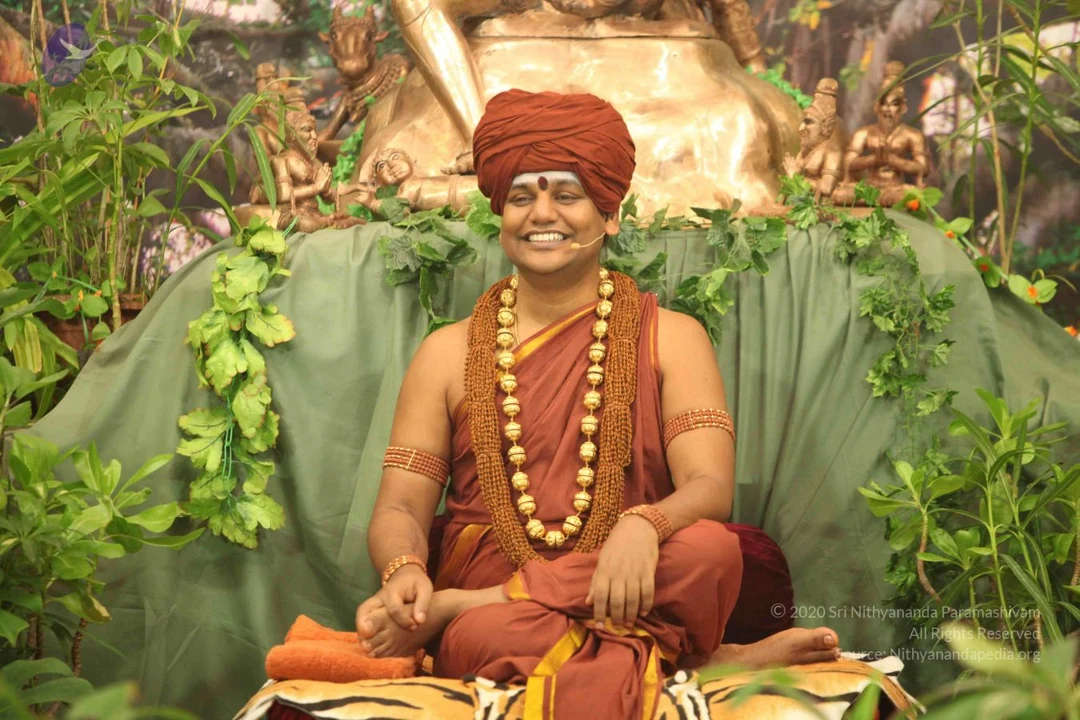
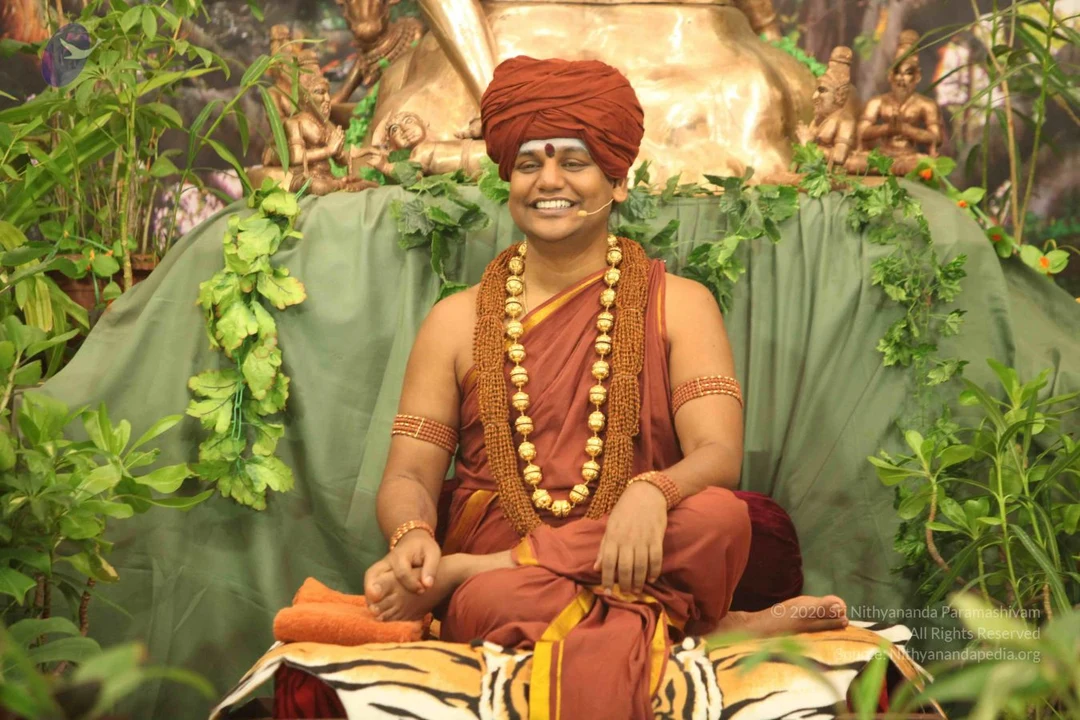
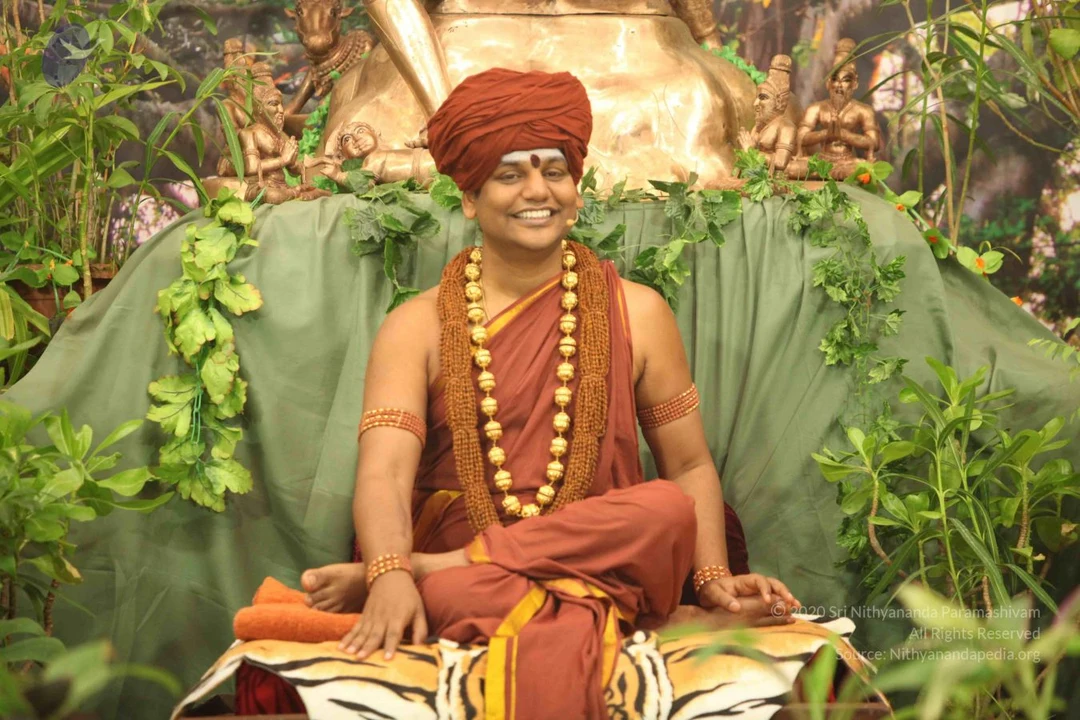
Nithya-Satsang


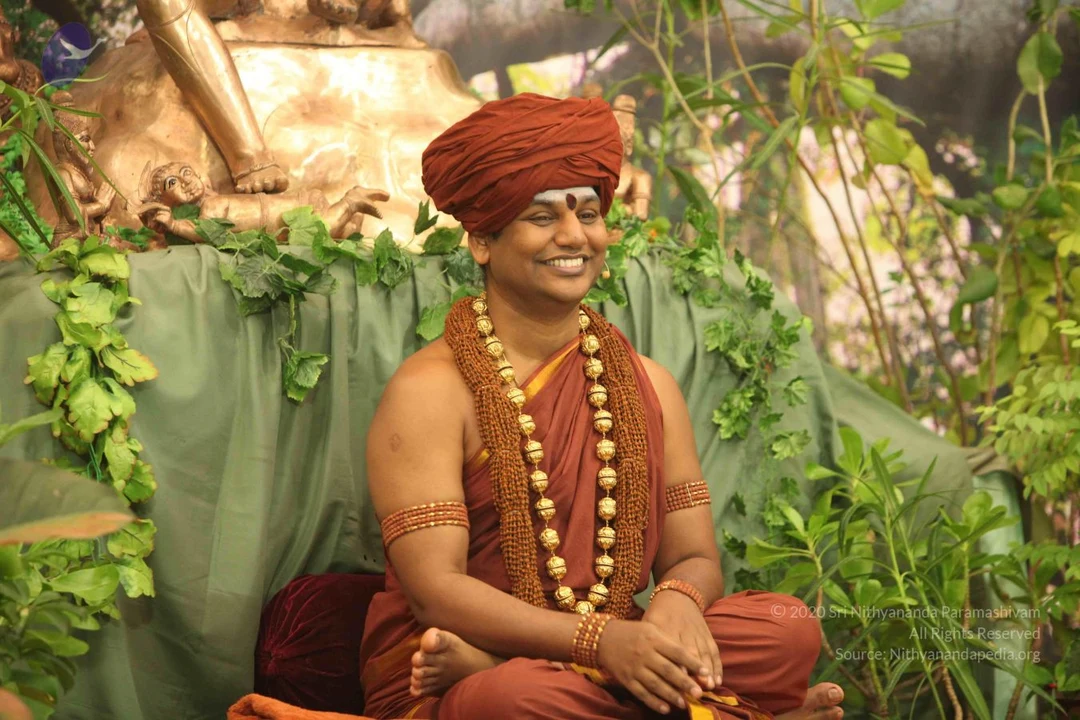
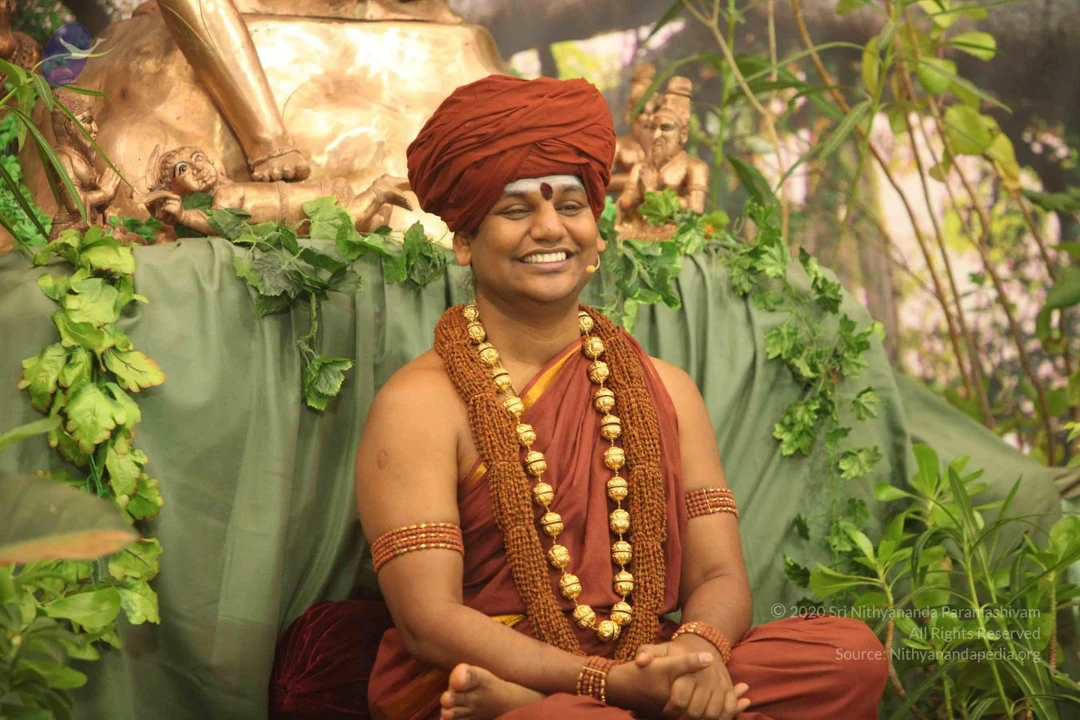

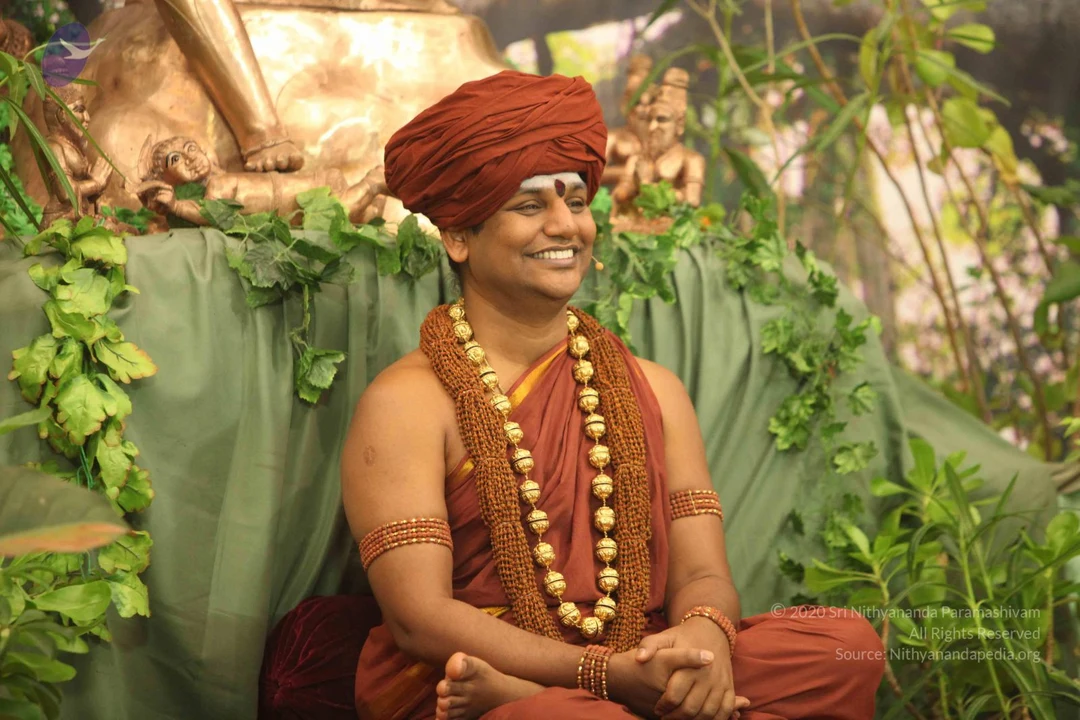
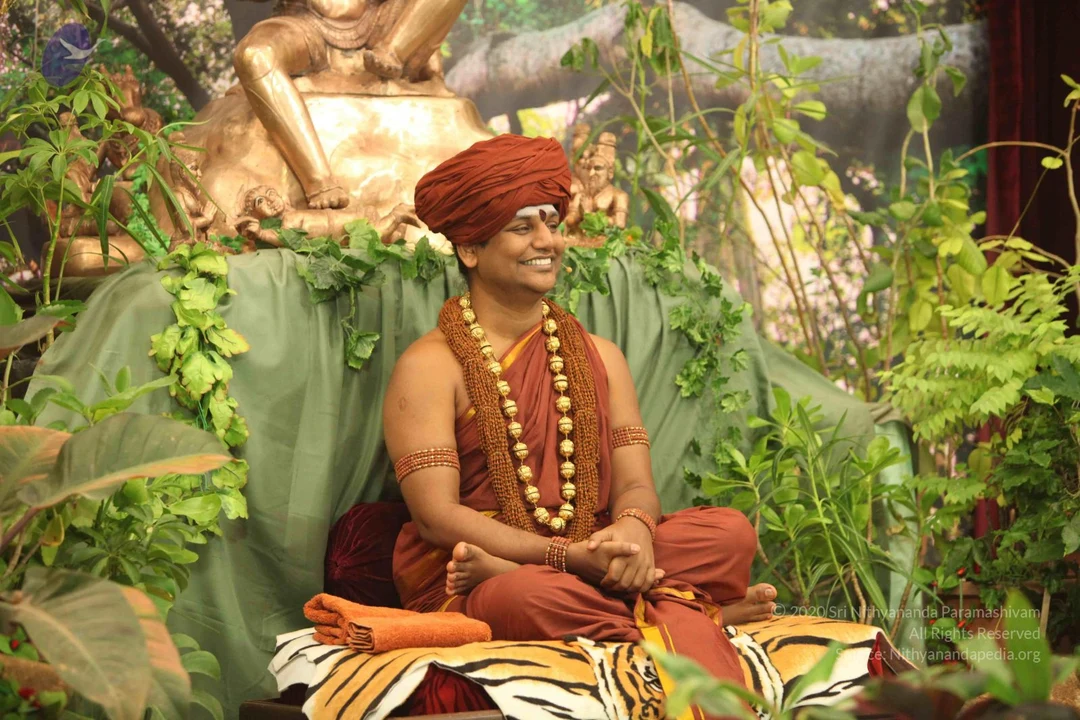
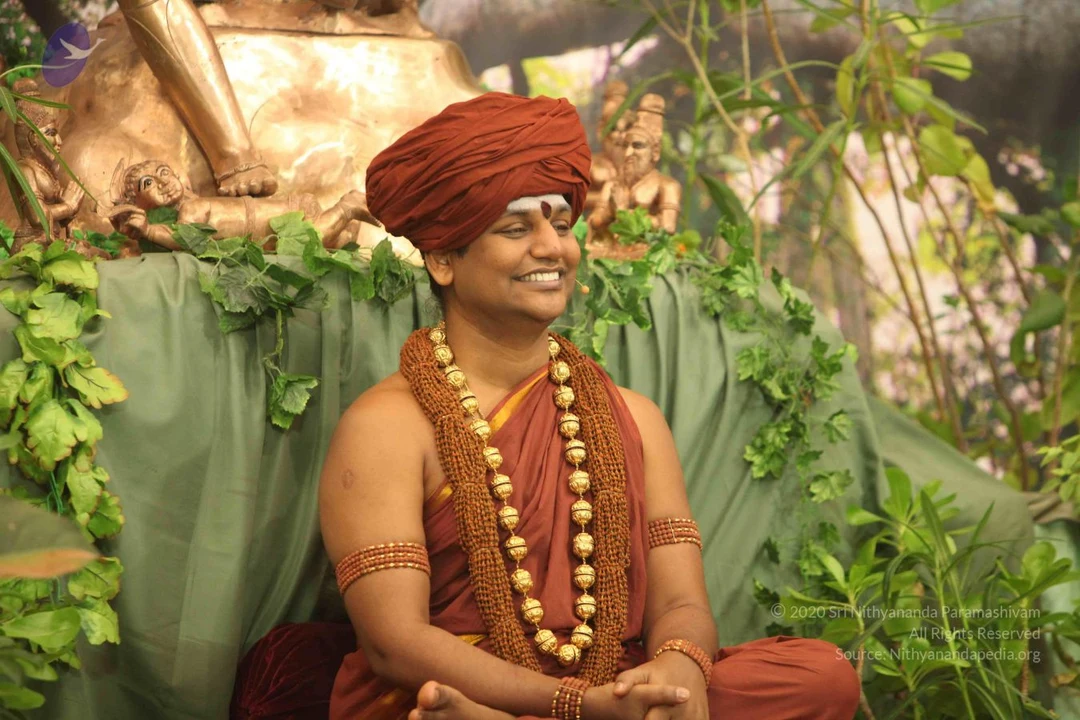
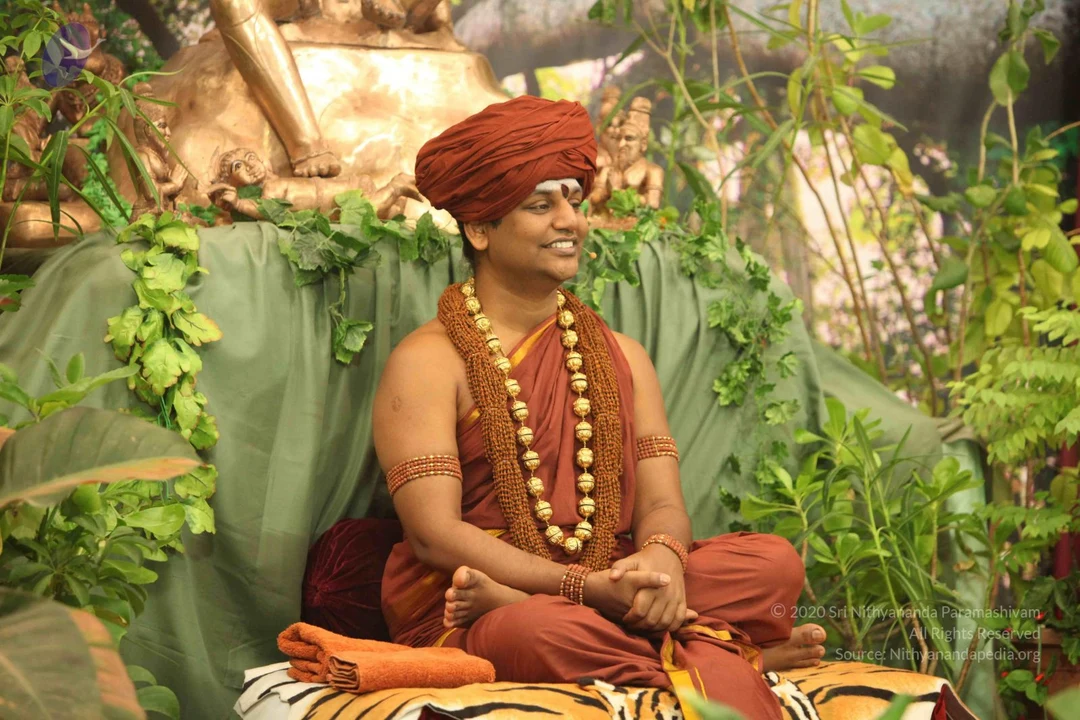
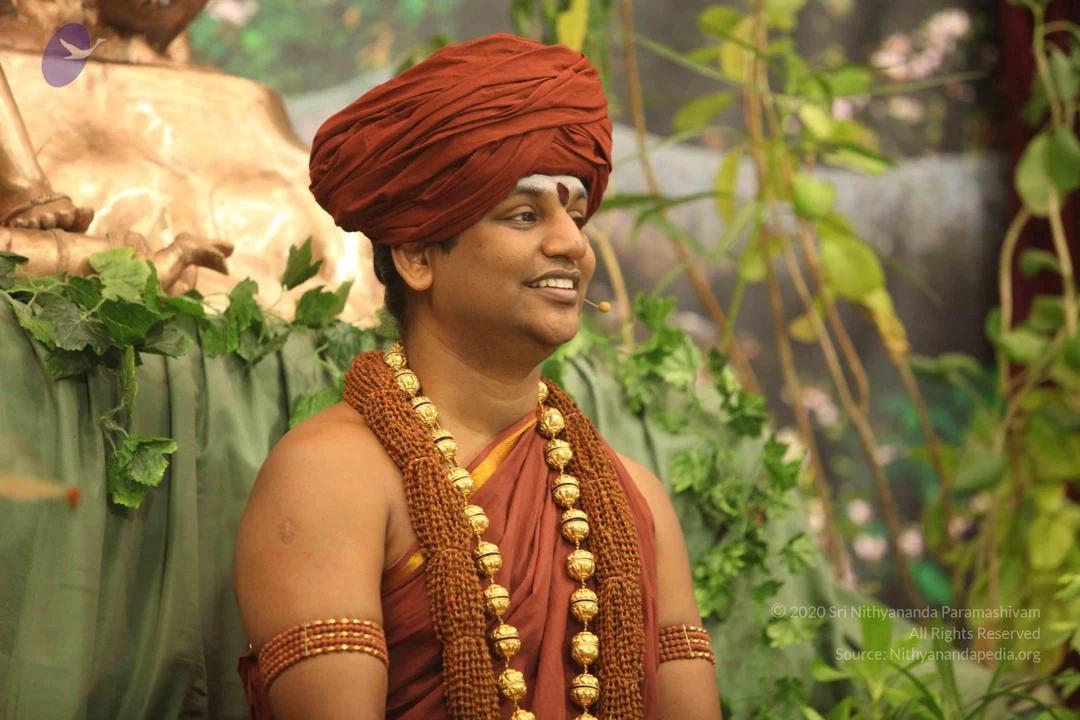
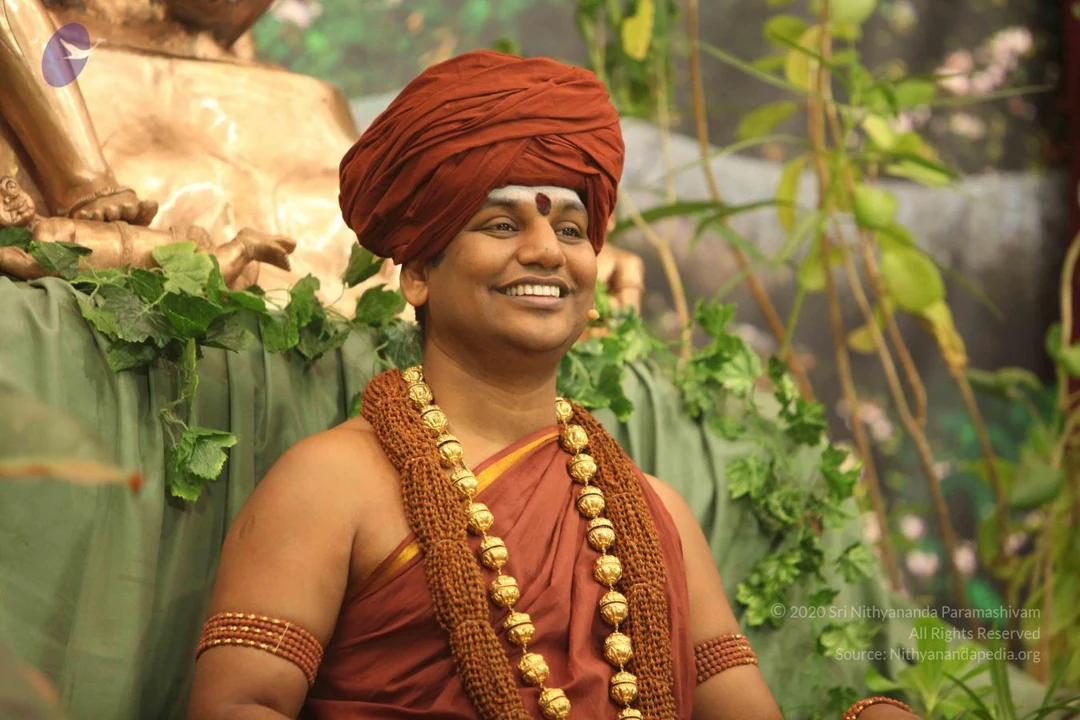
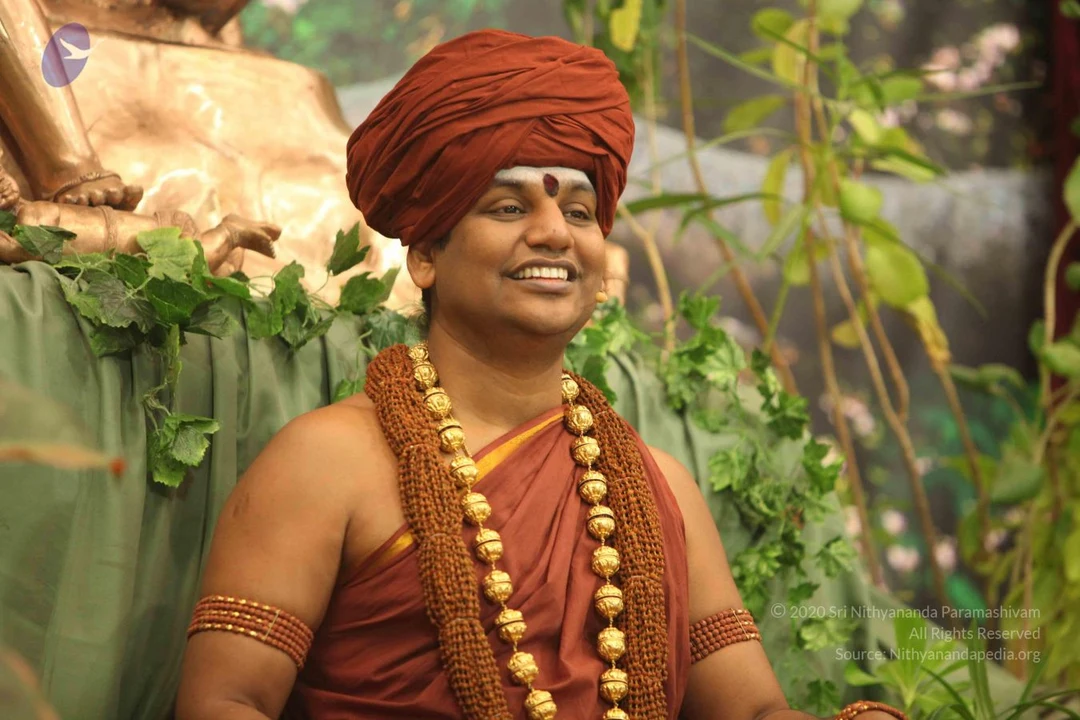
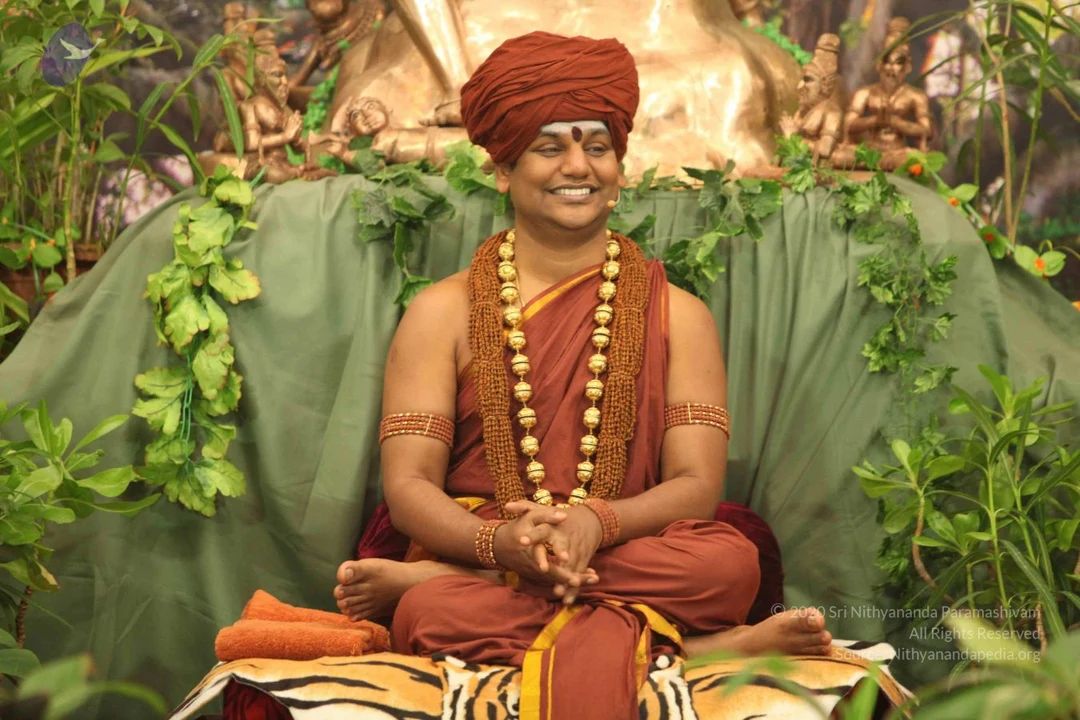
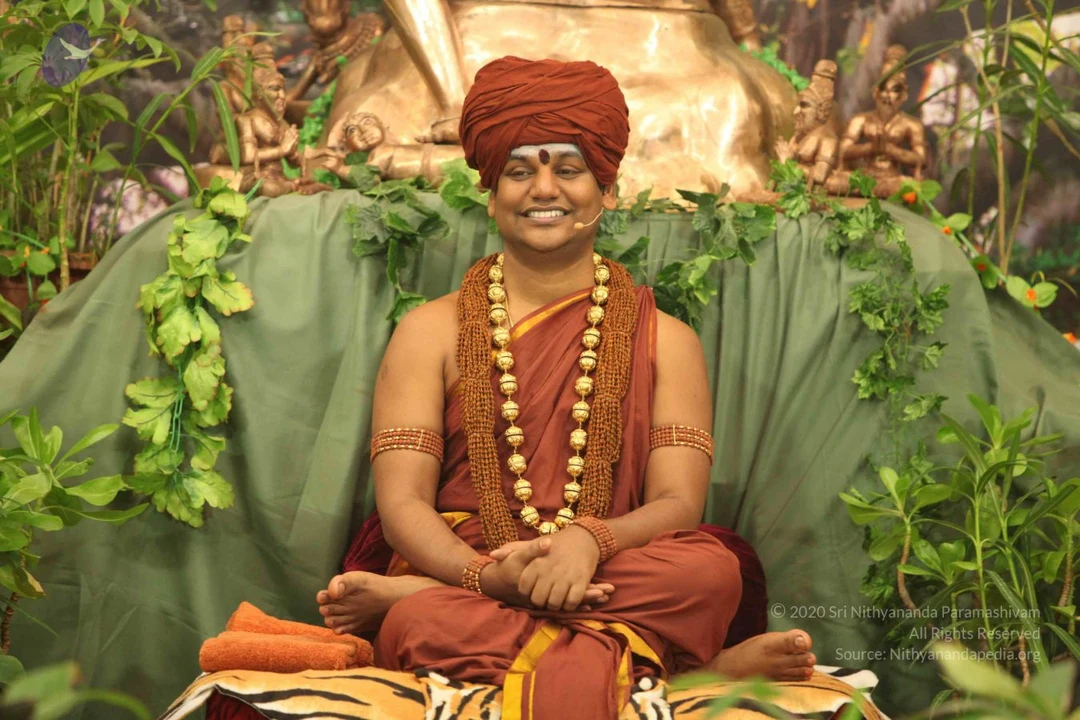
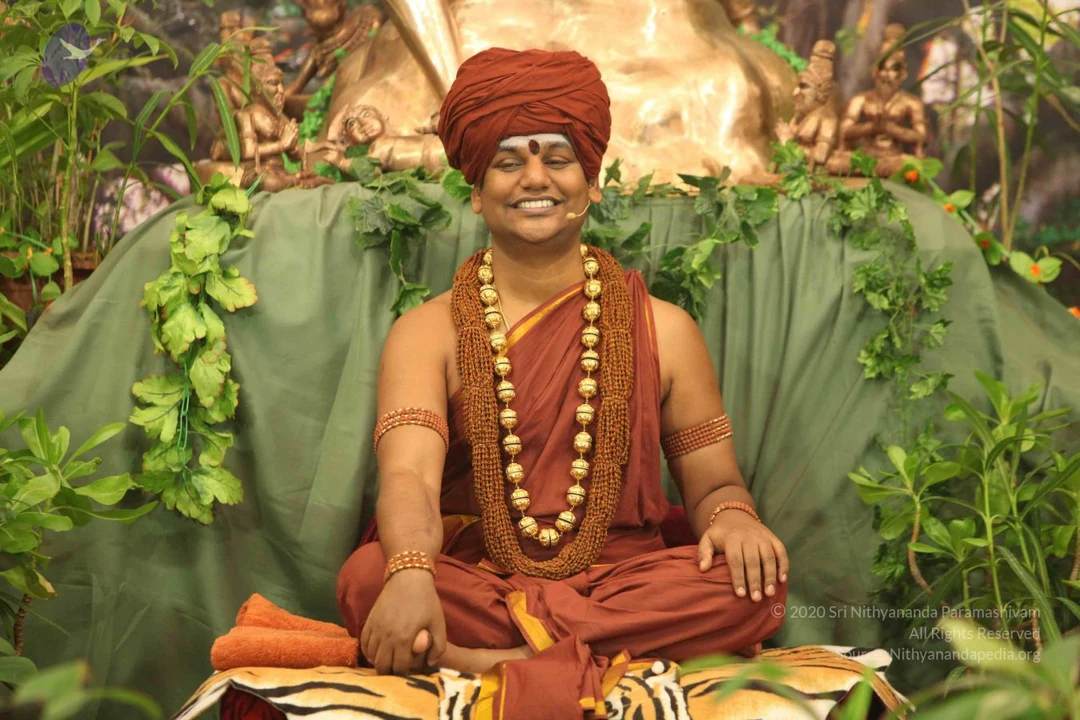
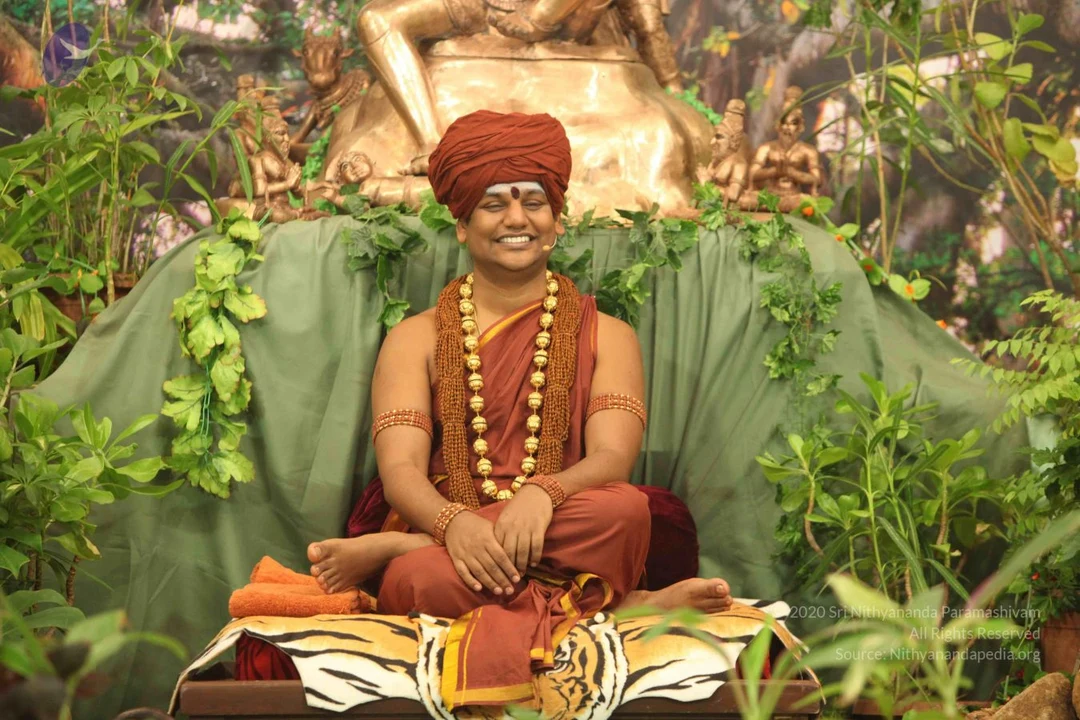
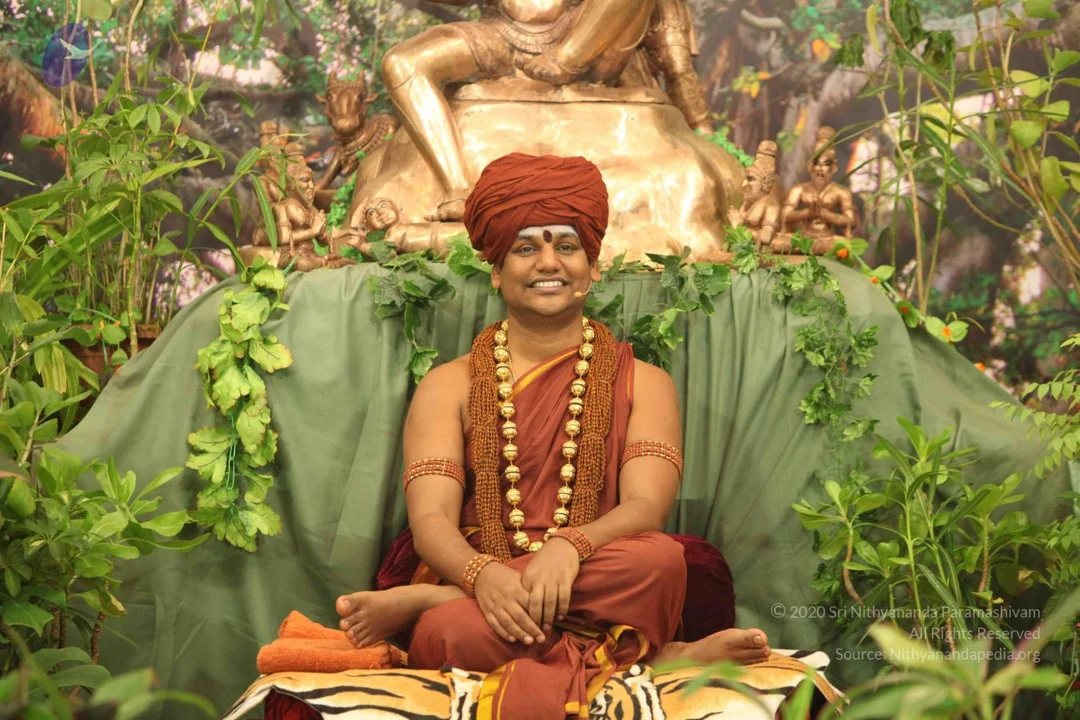
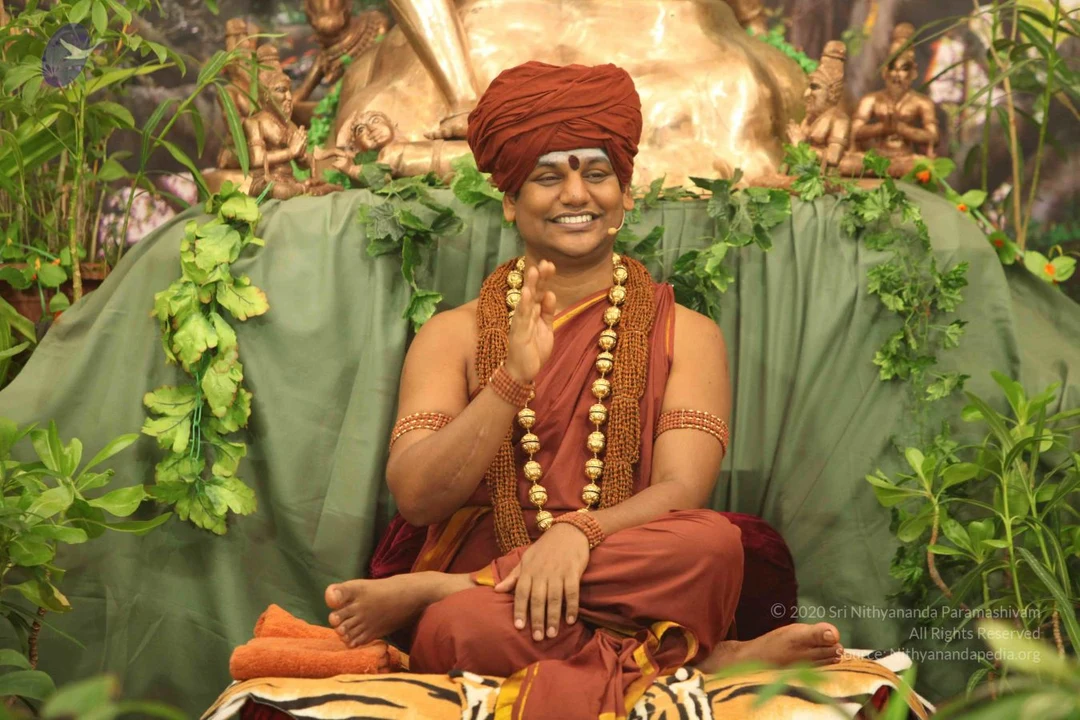
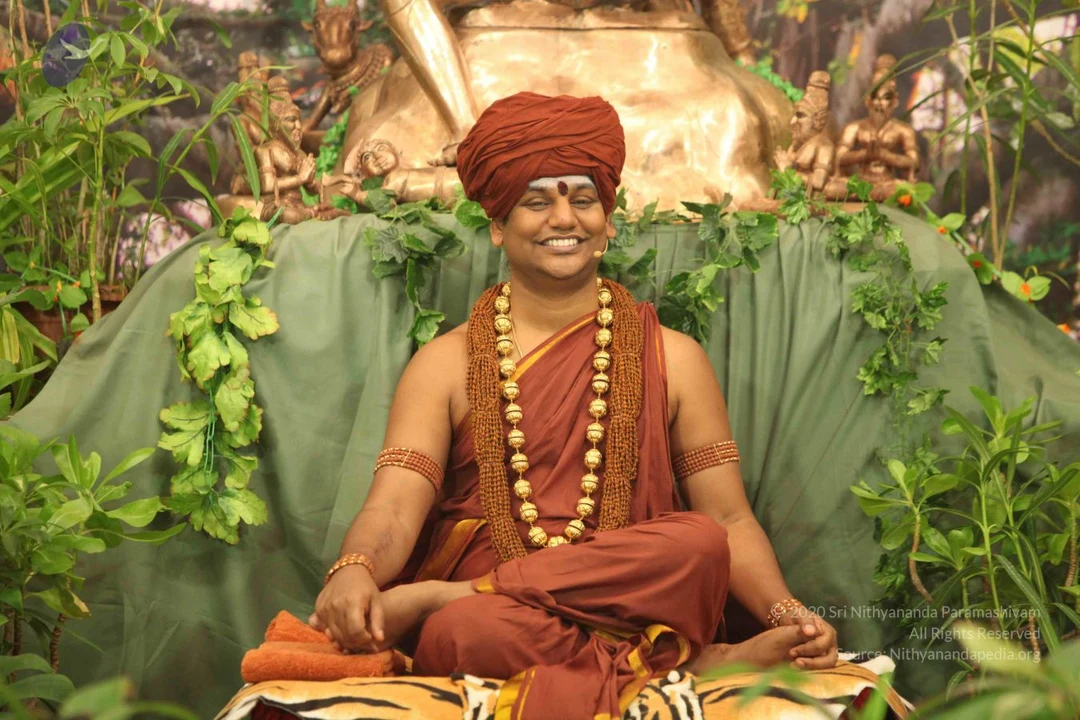
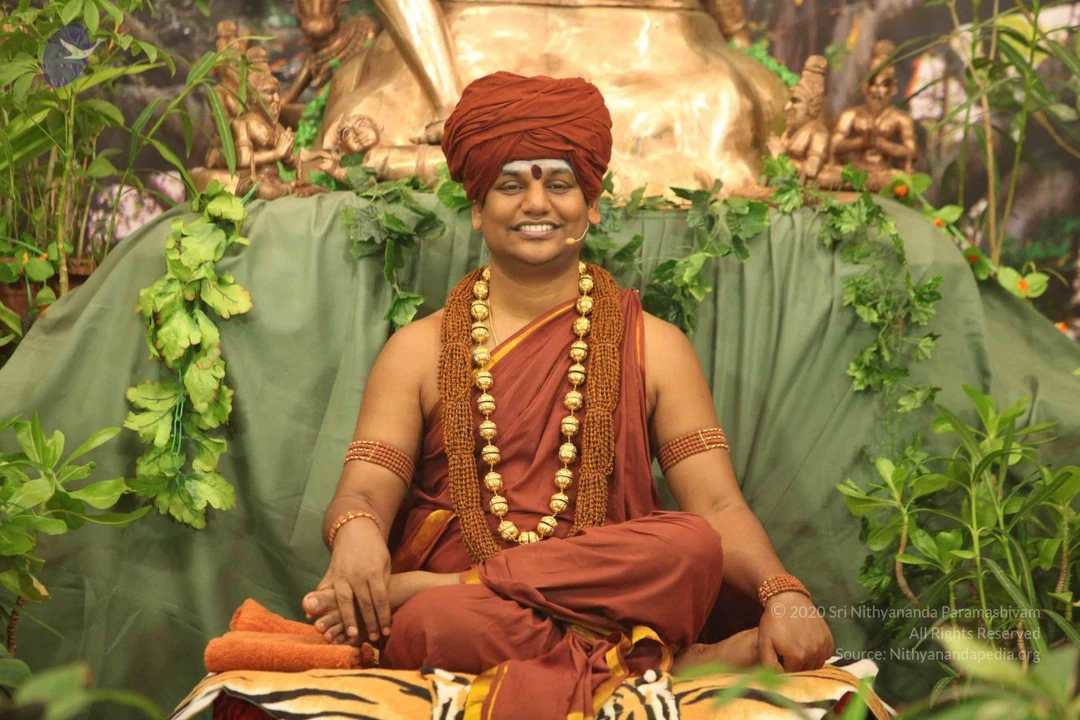
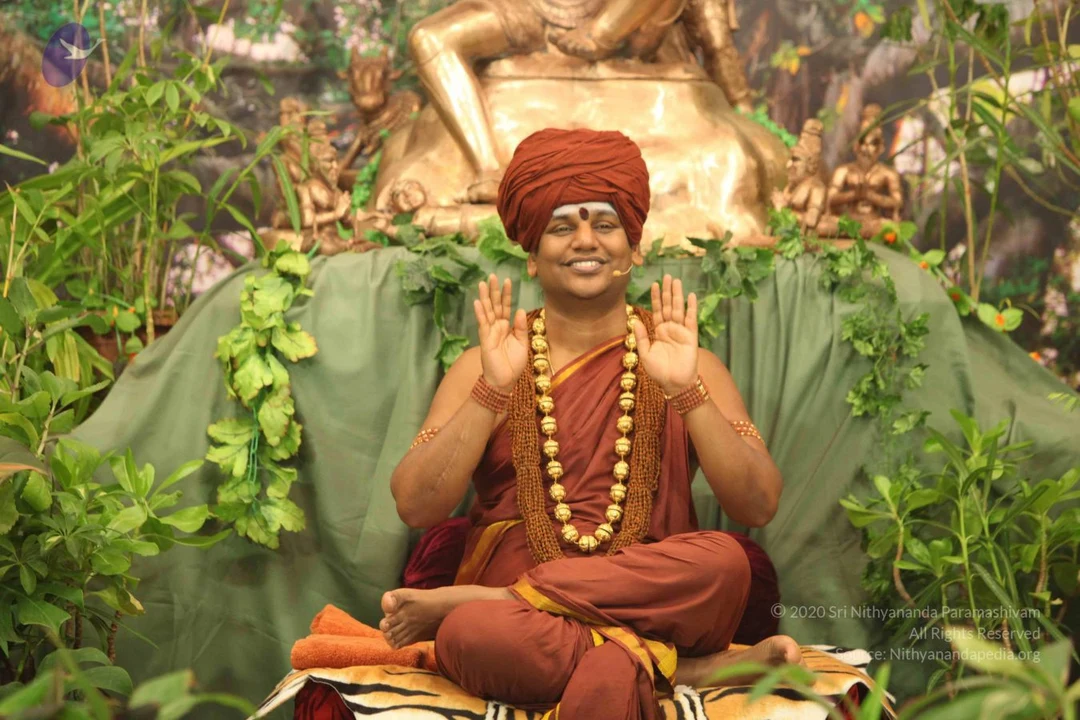
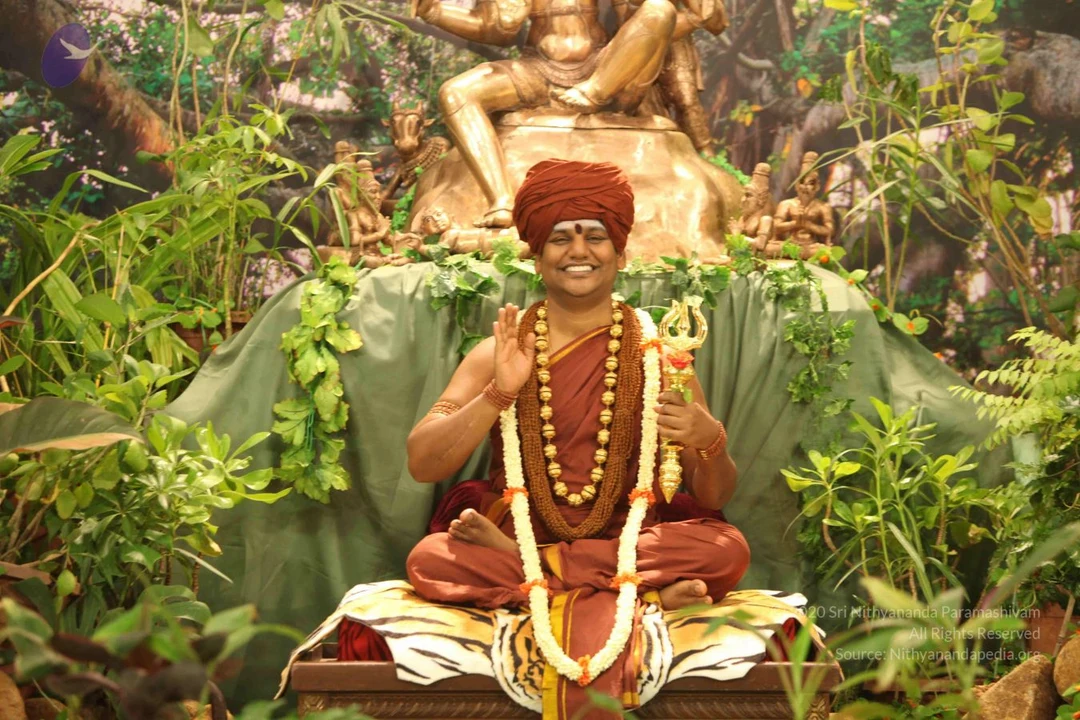
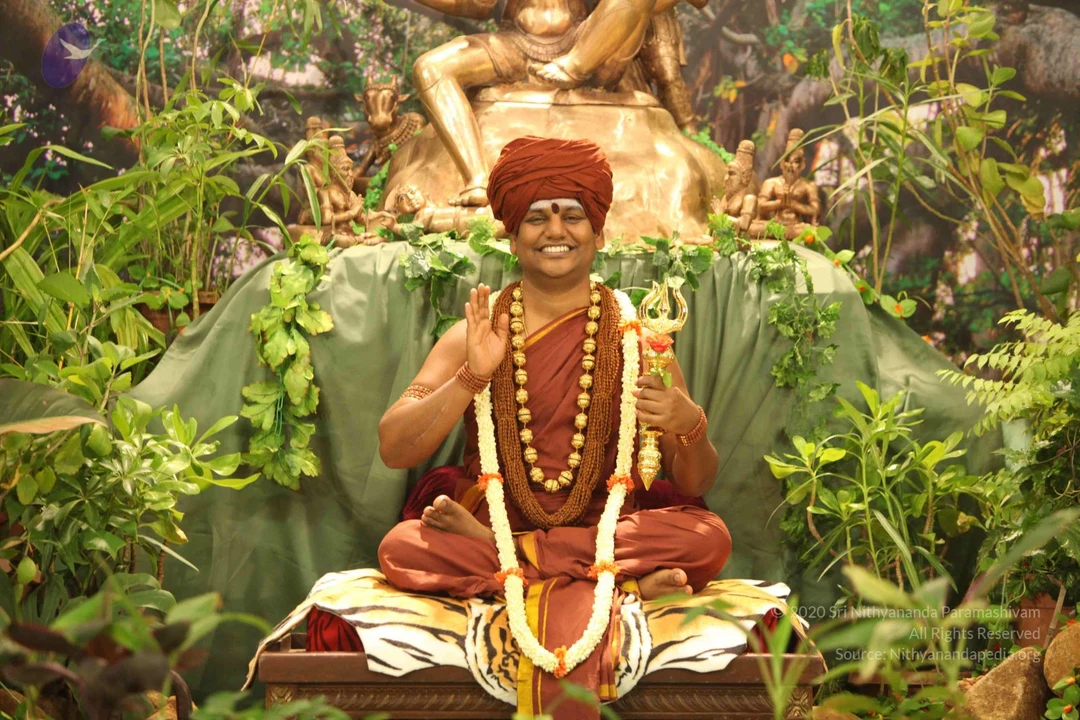
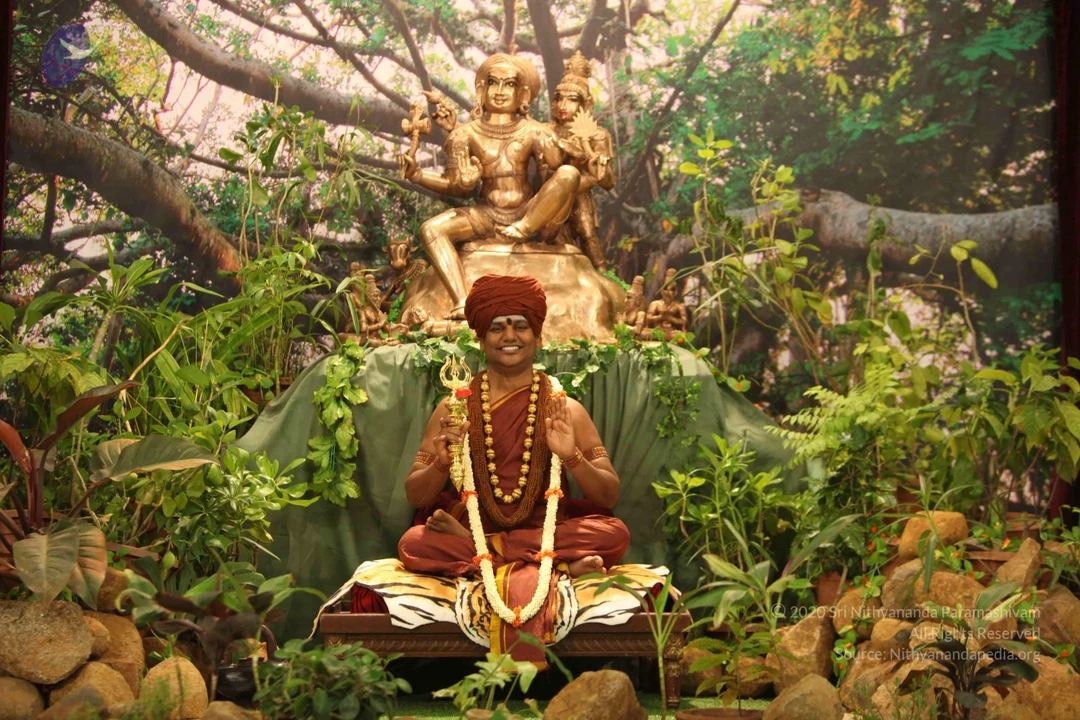
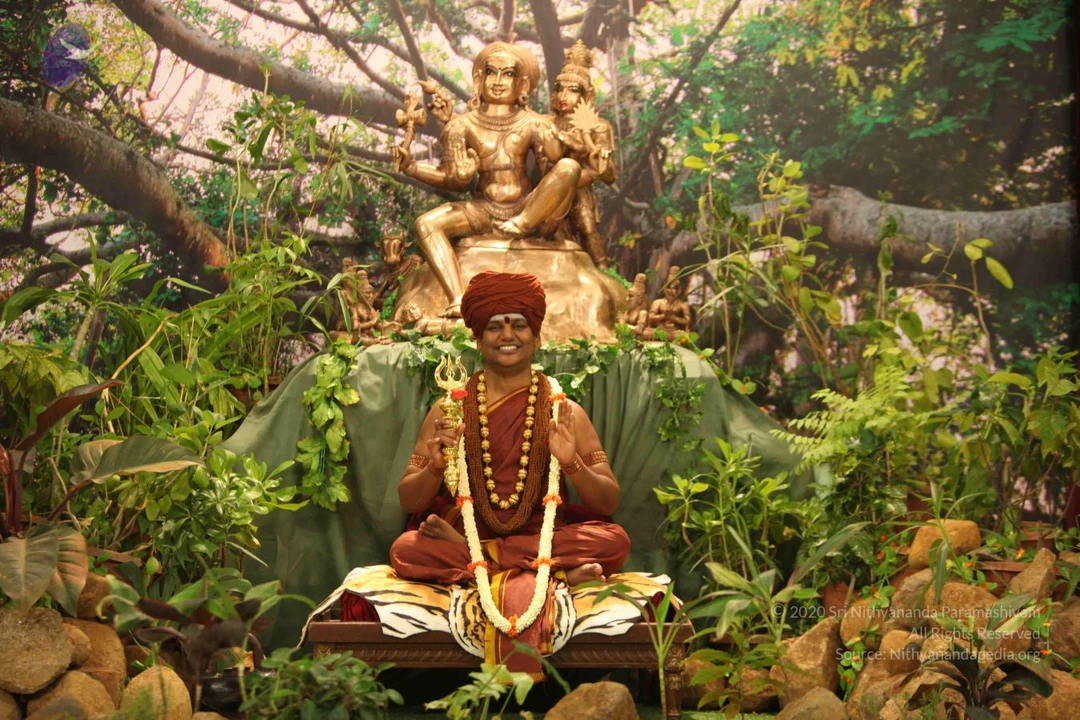
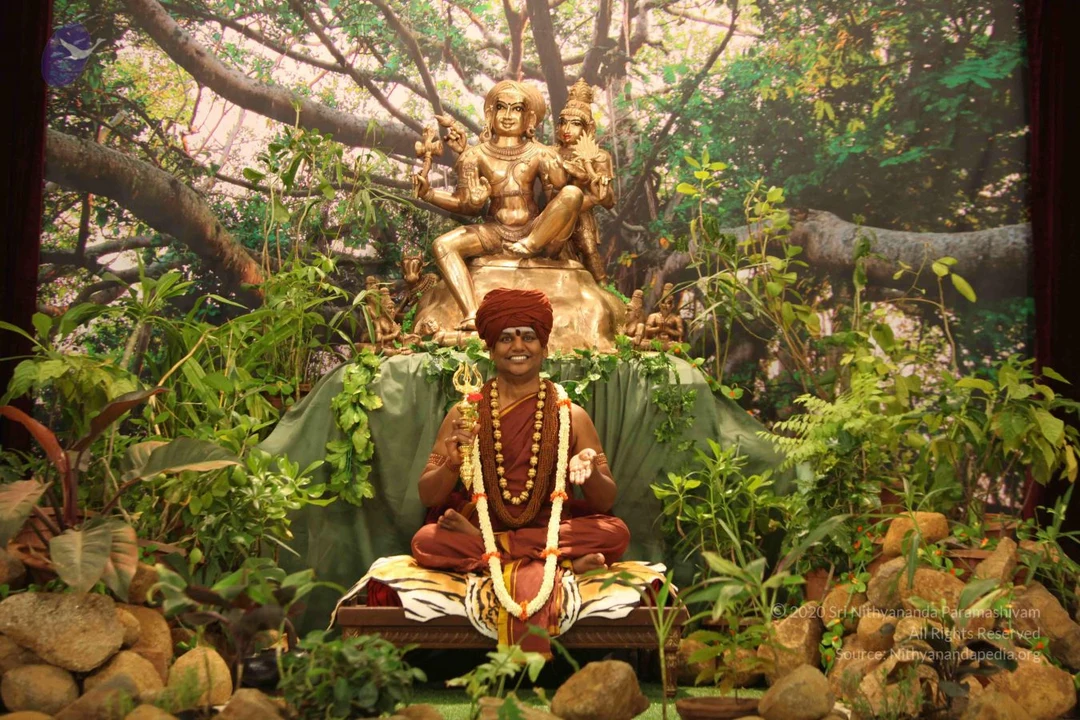
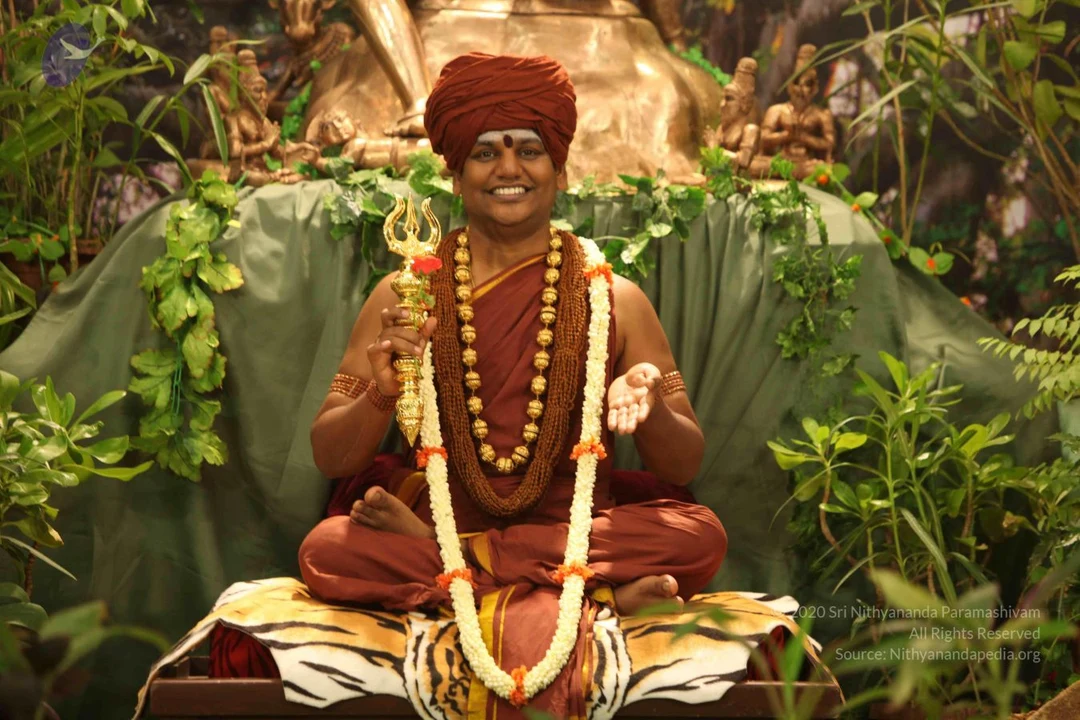
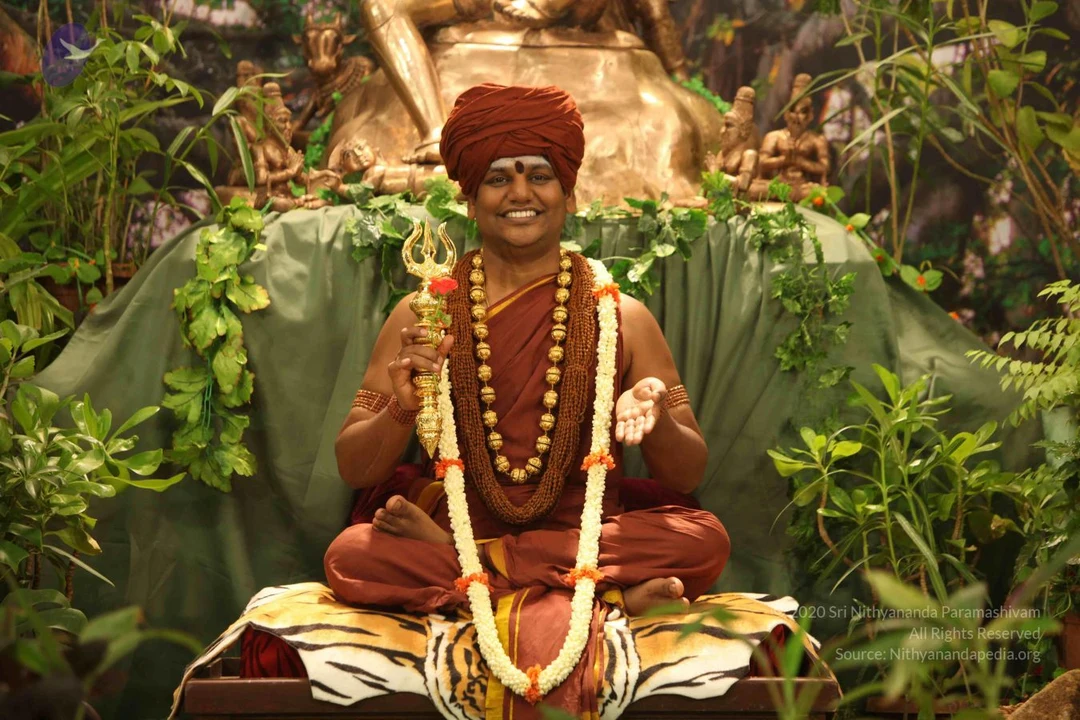
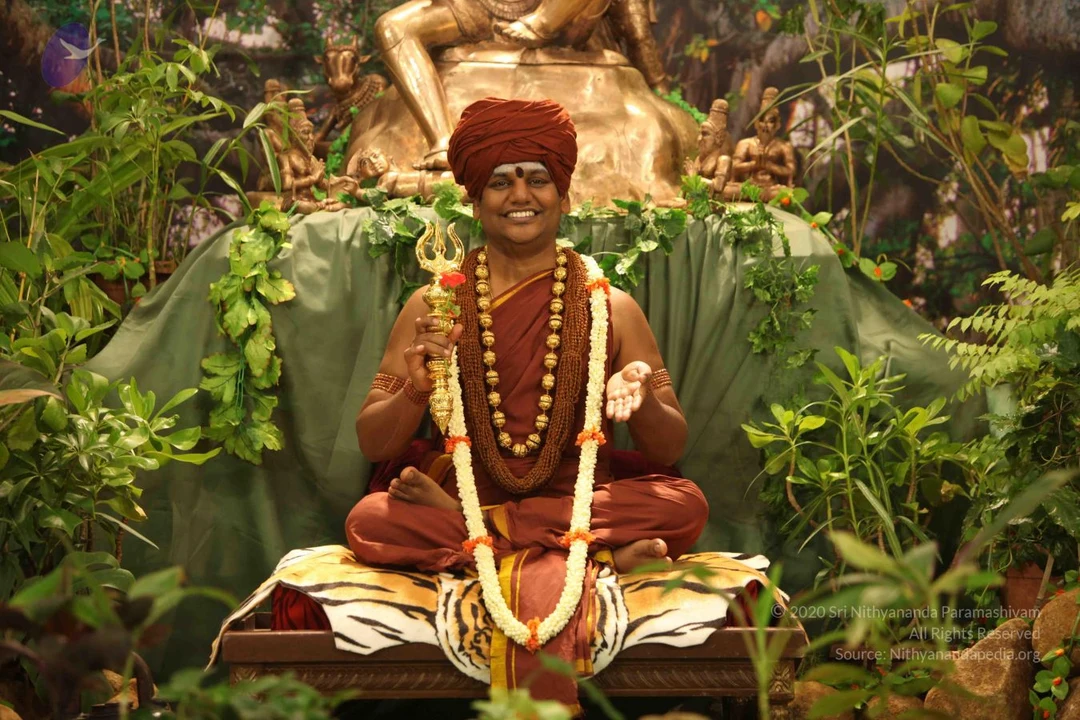
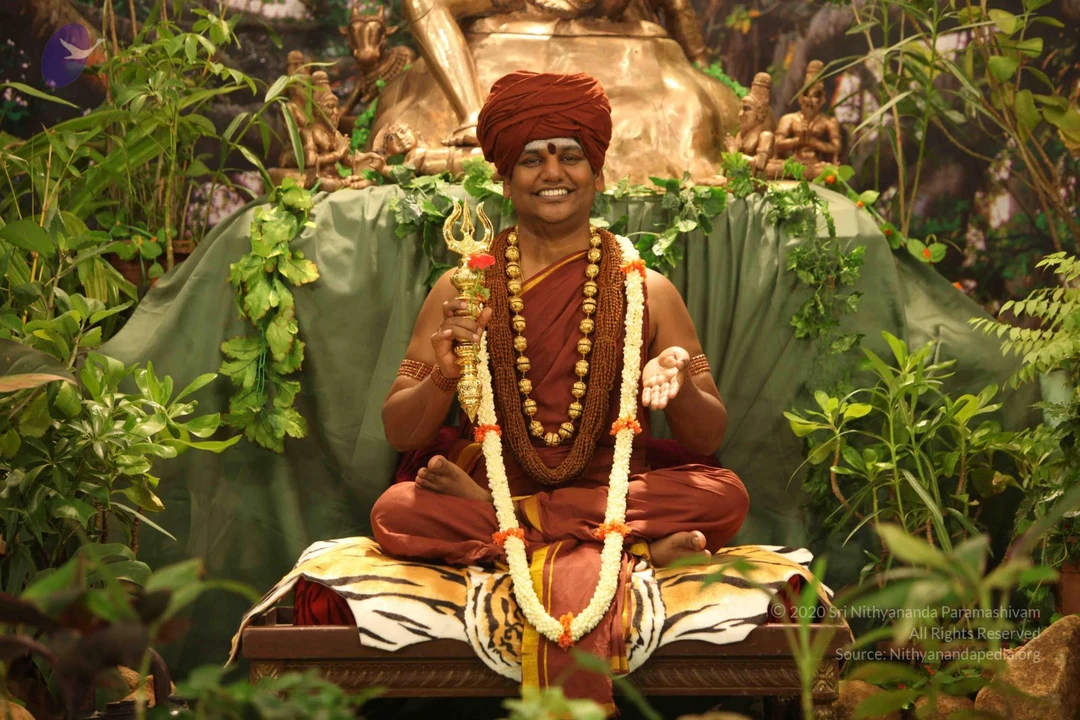
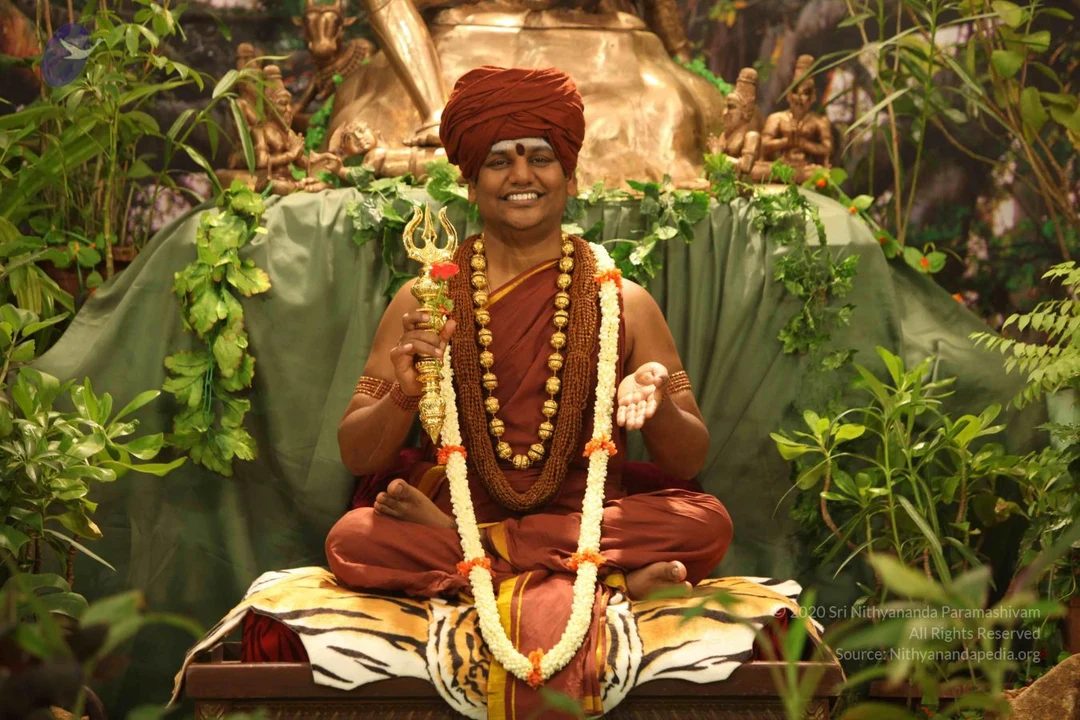
Photos Of The Day:
Kalpaturu-Darshan
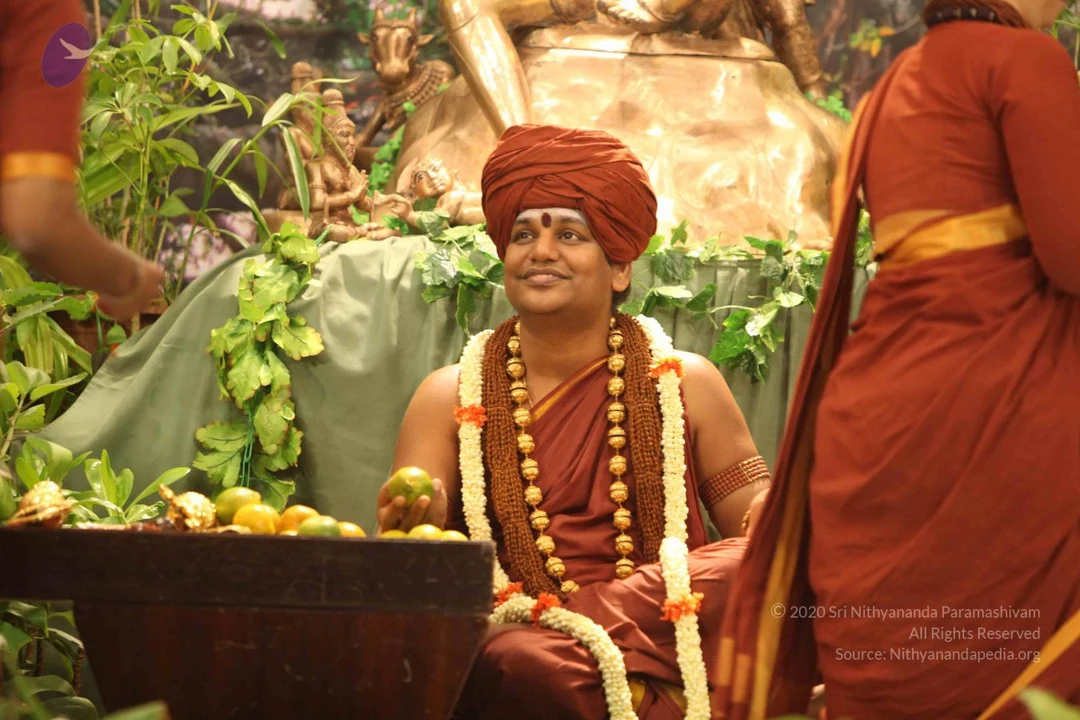
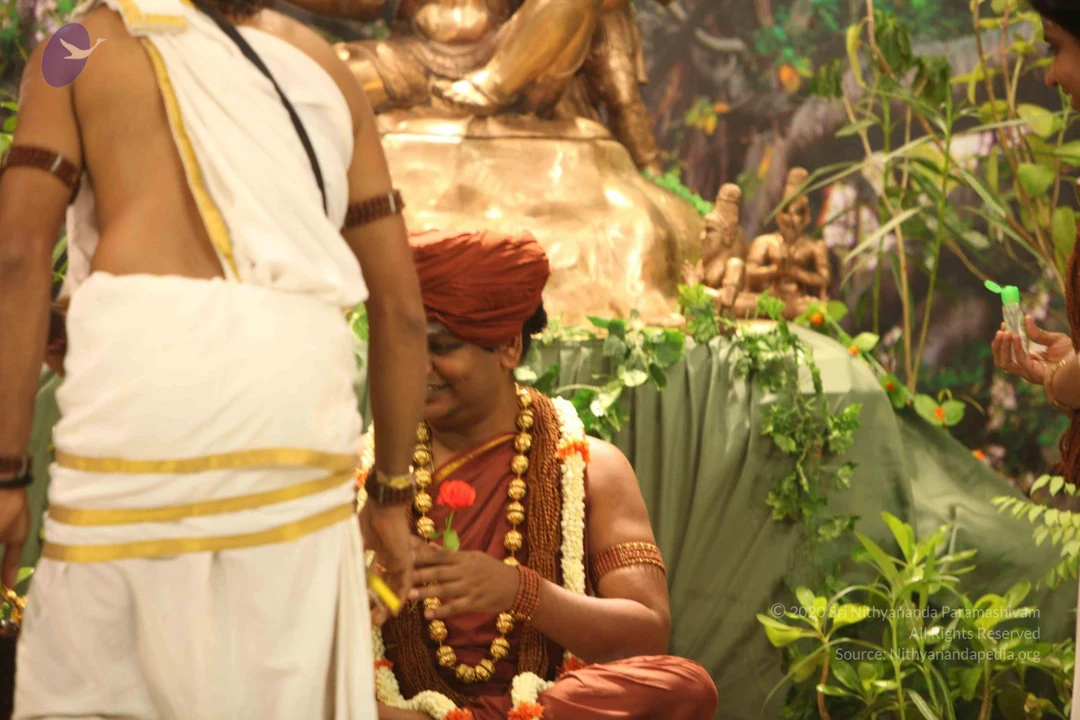
Photos from this day
View all 76 photosNithya Satsang
5 photosSource gallery
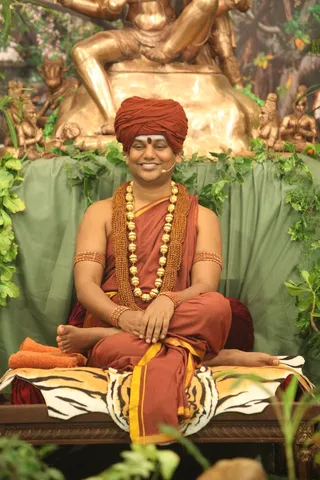
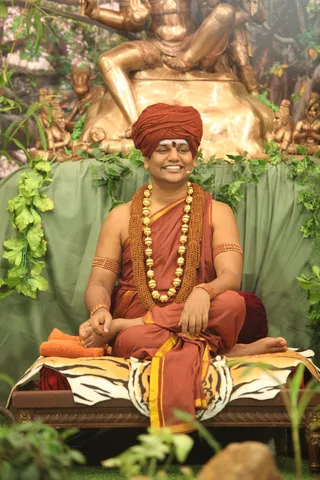
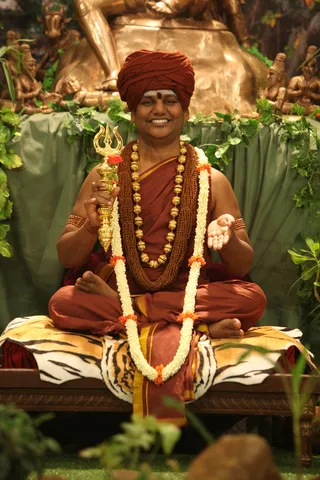
Temple Glimpses
10 photosSource gallery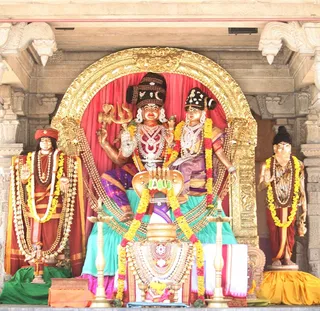
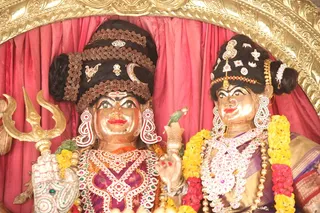
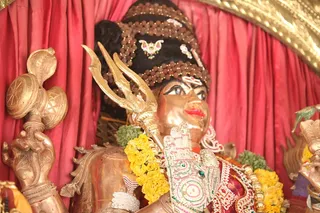
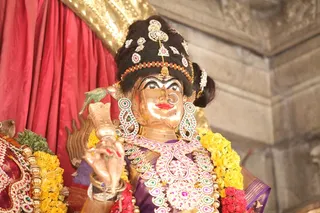

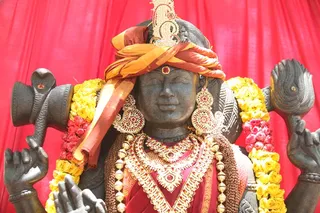
Nithya-Satsang
59 photosSource gallery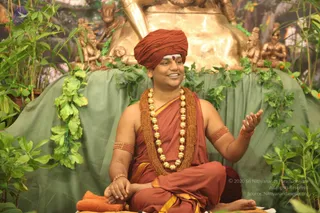
Kalpaturu-Darshan
2 photosSource gallery