Friday
13 March 2015
Upanishads are a Conscious Acid Wash
- Dated photos
- 69
- Source pages
- 1
- Media
- 3
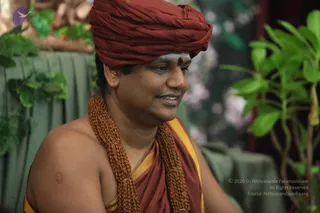
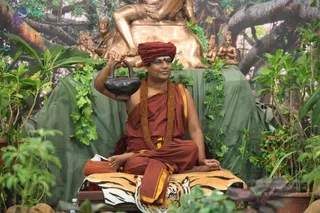
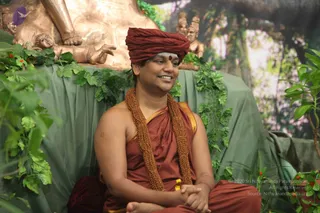
March 13 2015
Original wiki pageTitle:
Upanishads are a Conscious Acid Wash
Description:
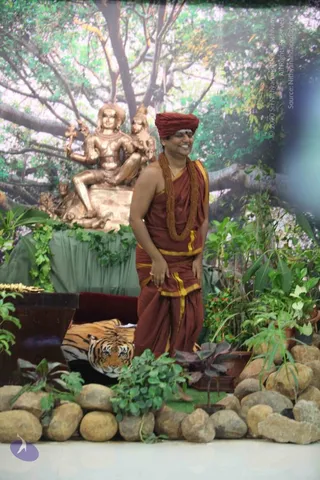
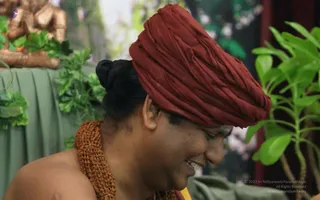
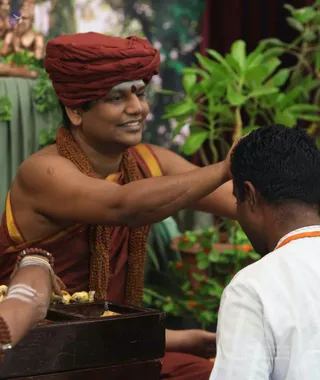
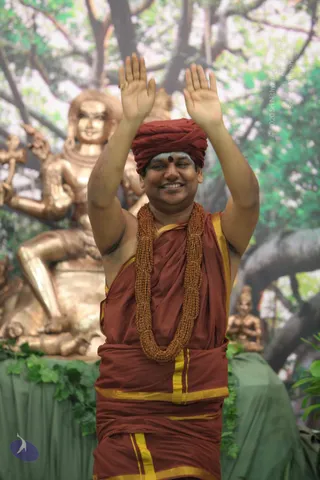
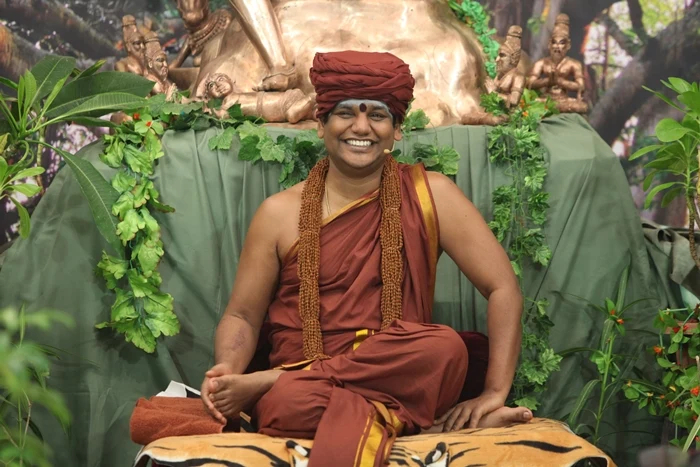
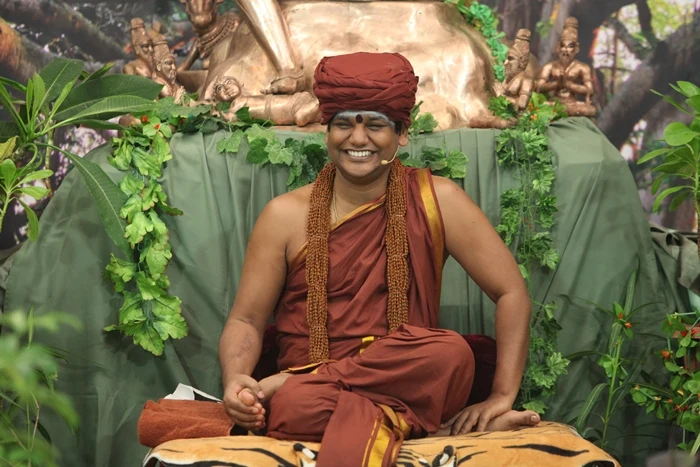
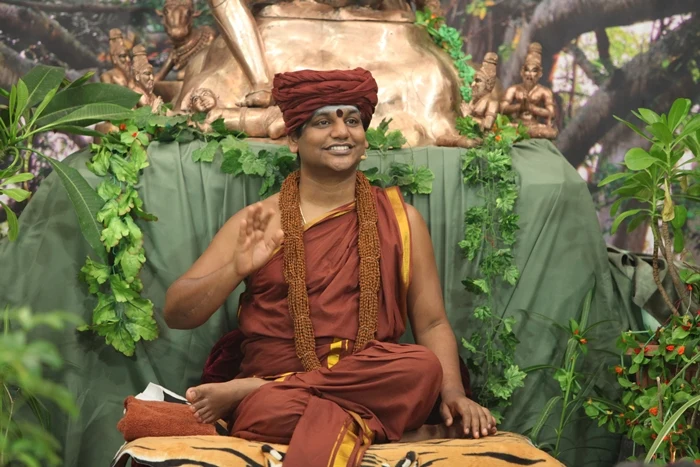
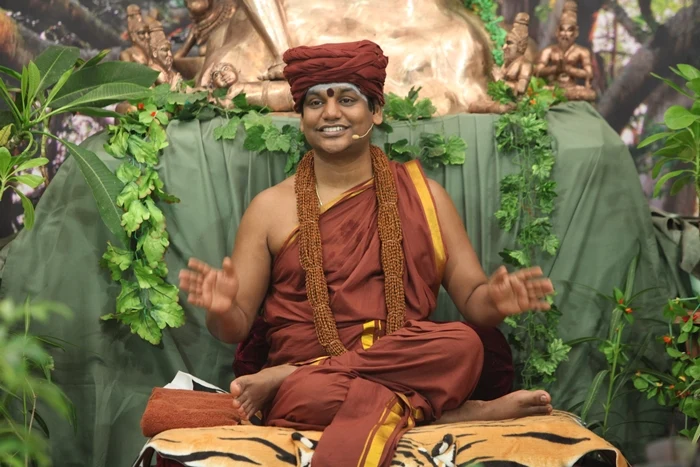
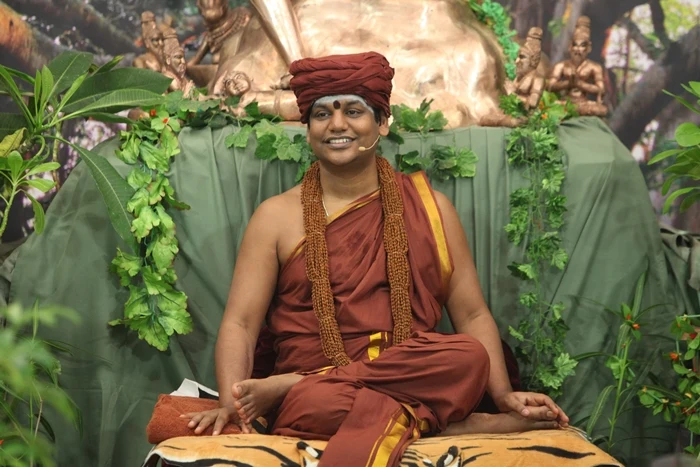
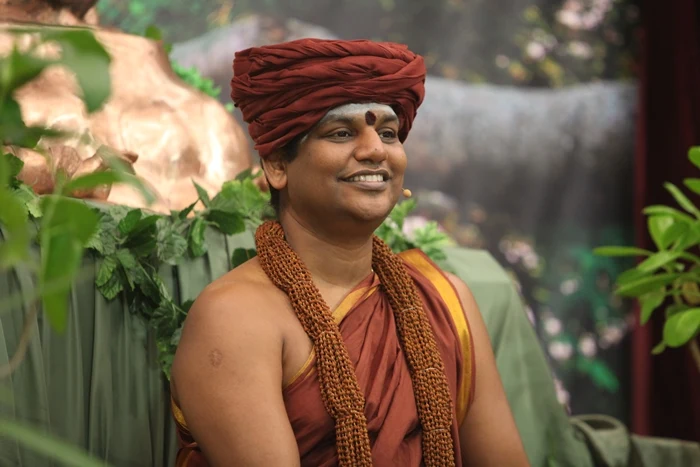
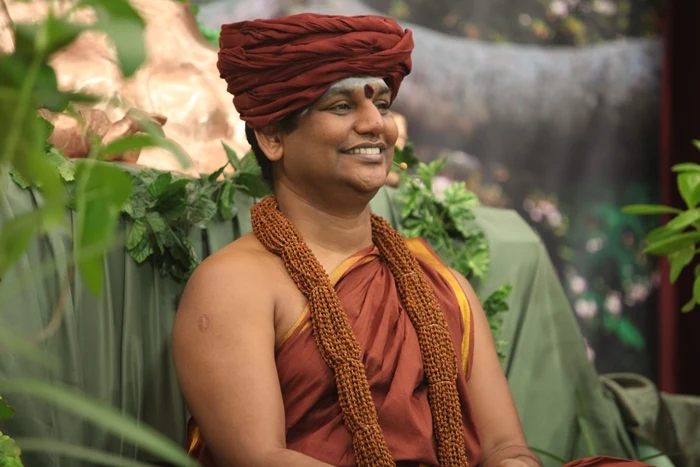
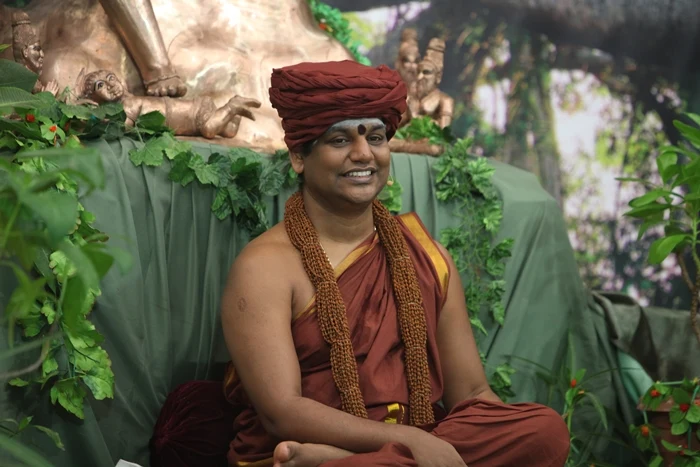
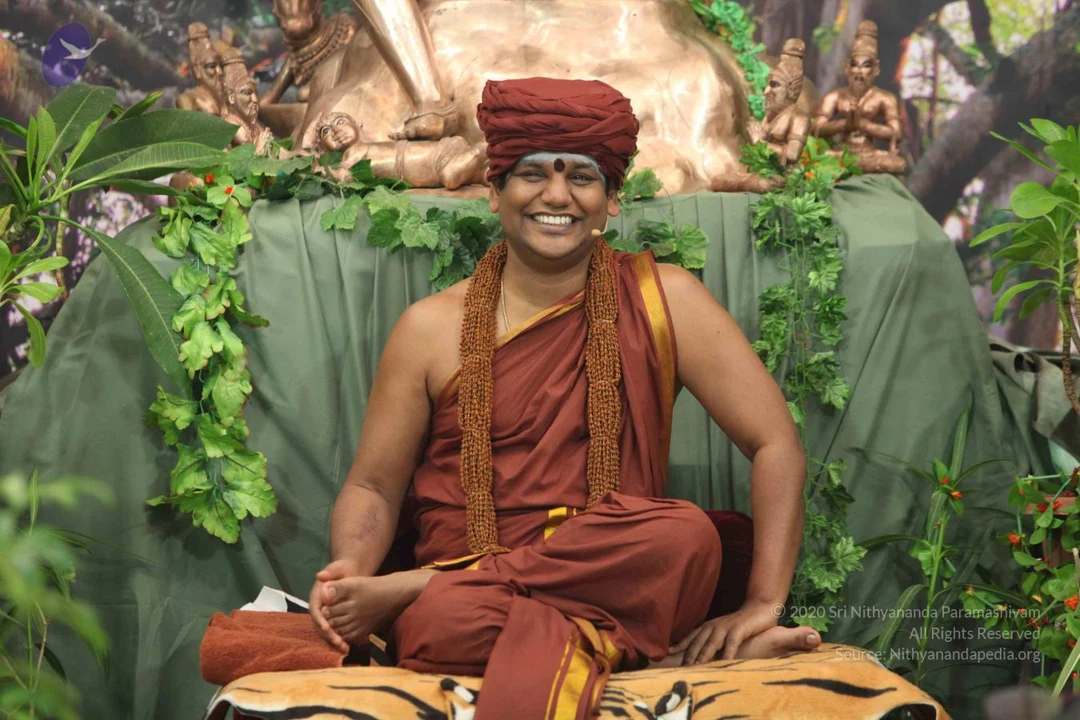
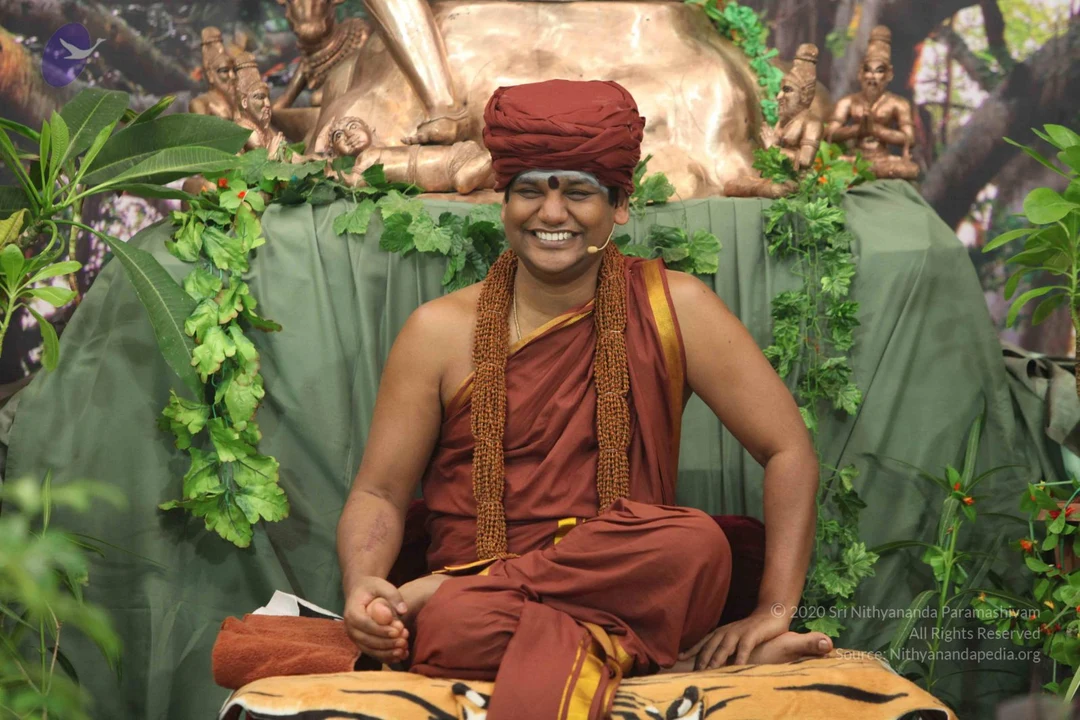
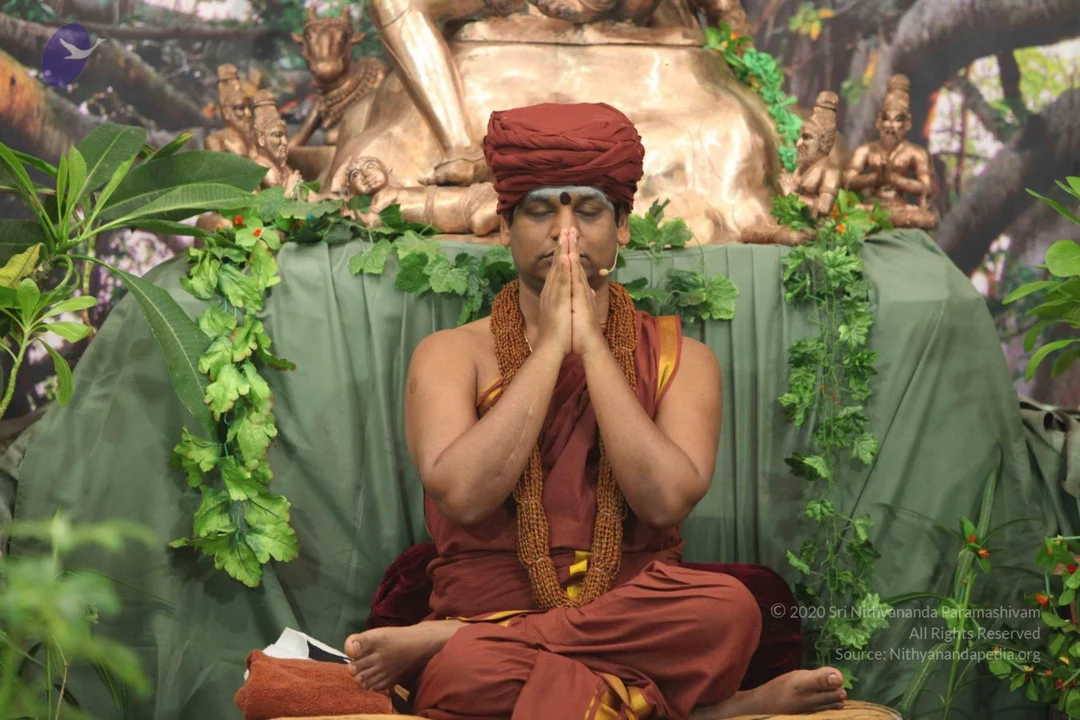
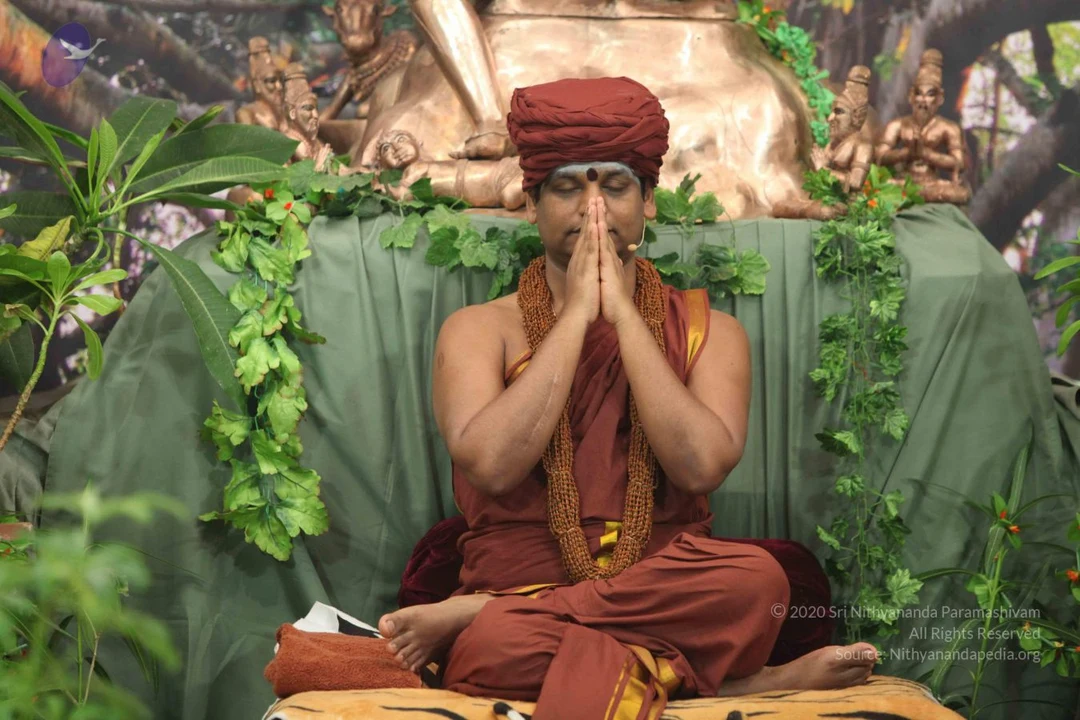
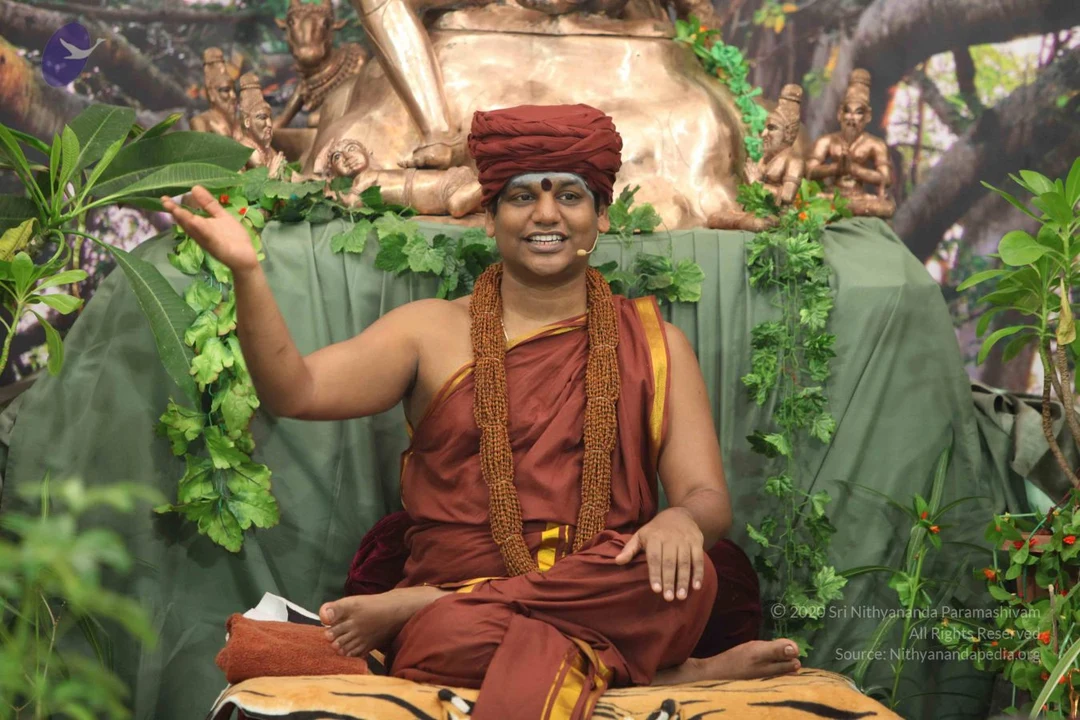
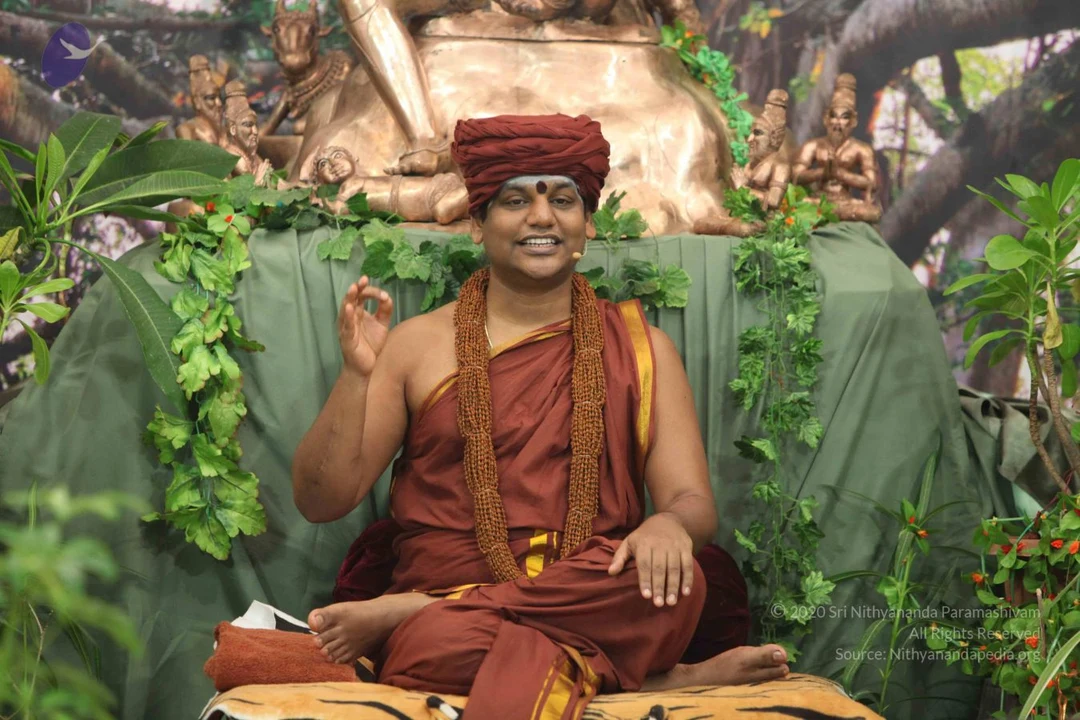
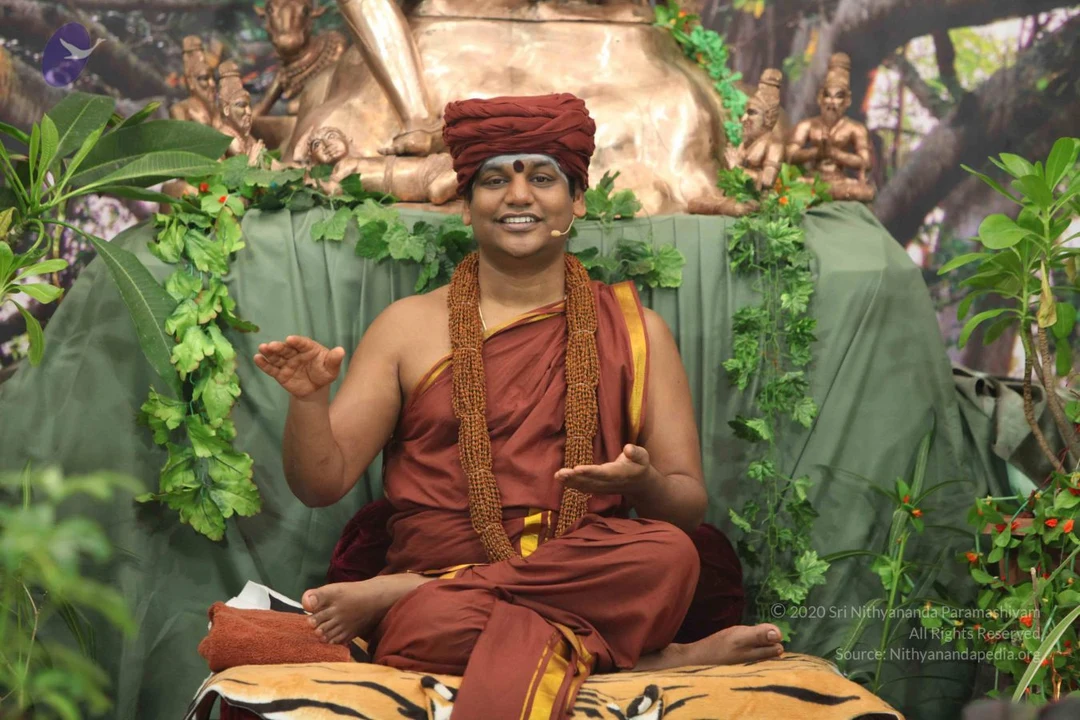
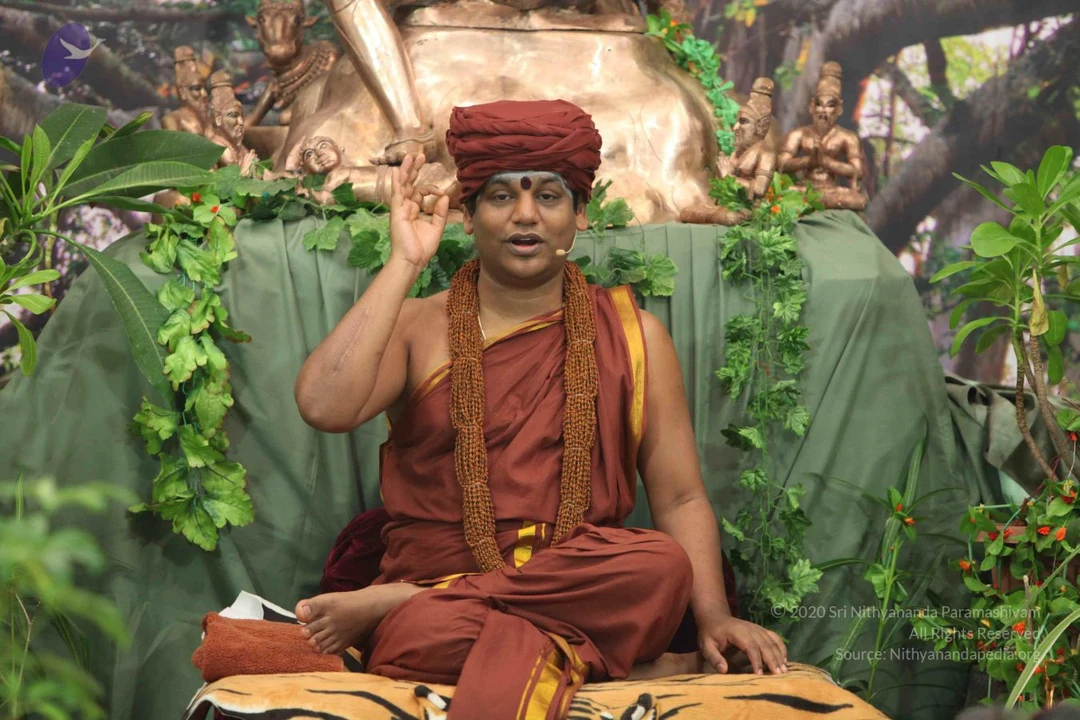
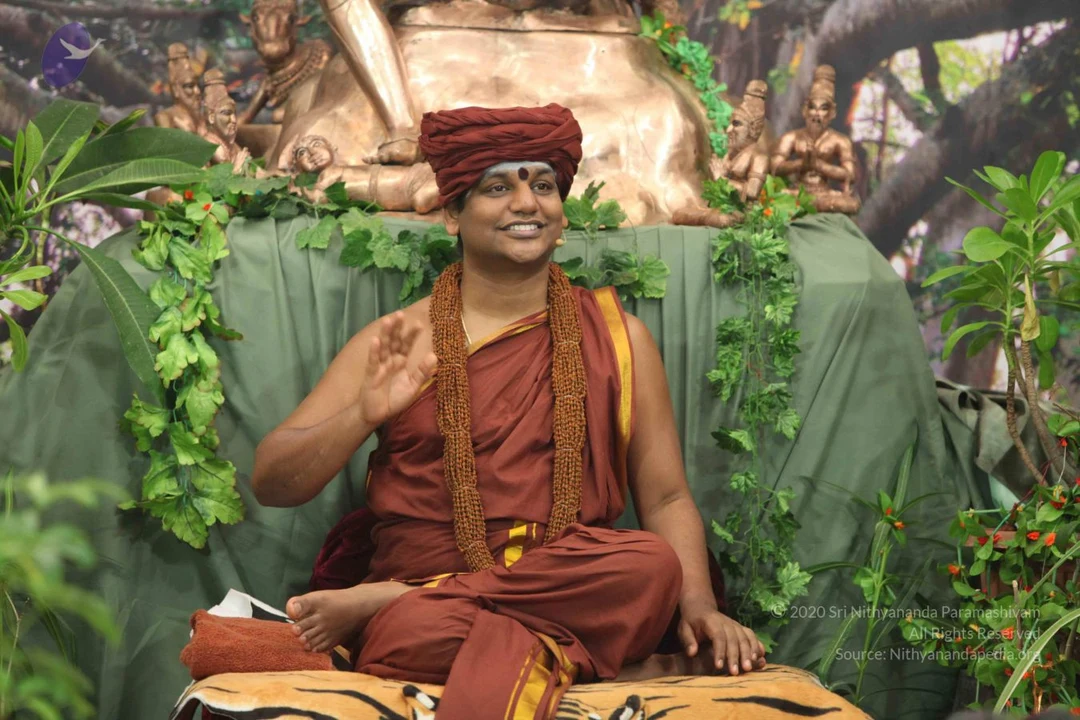
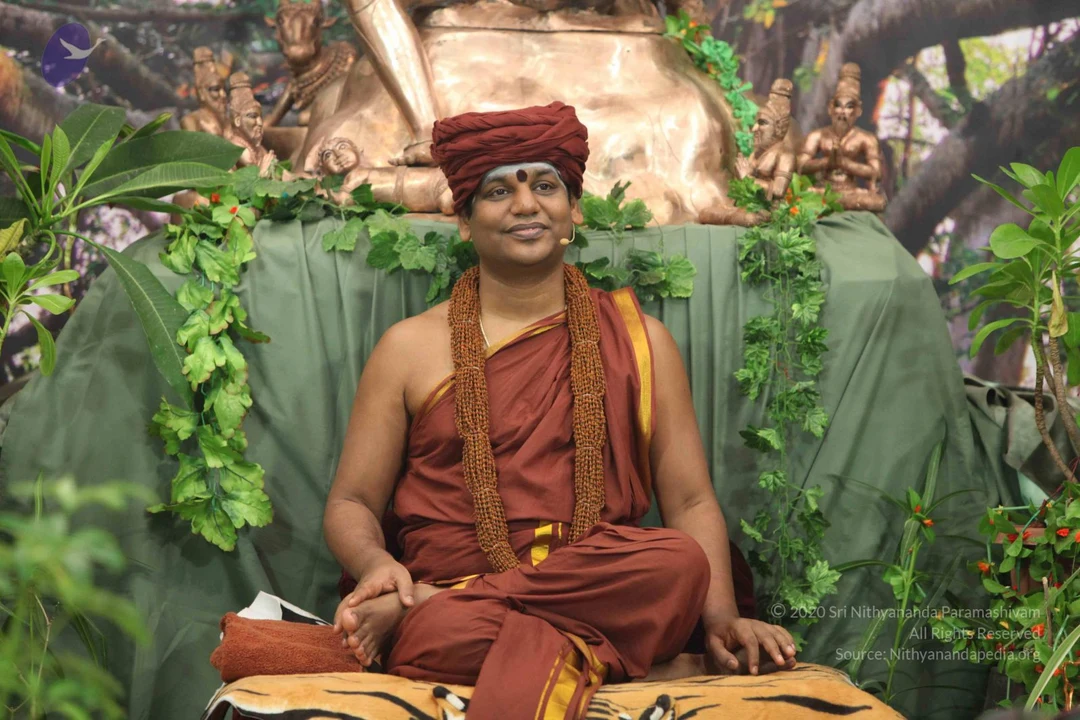
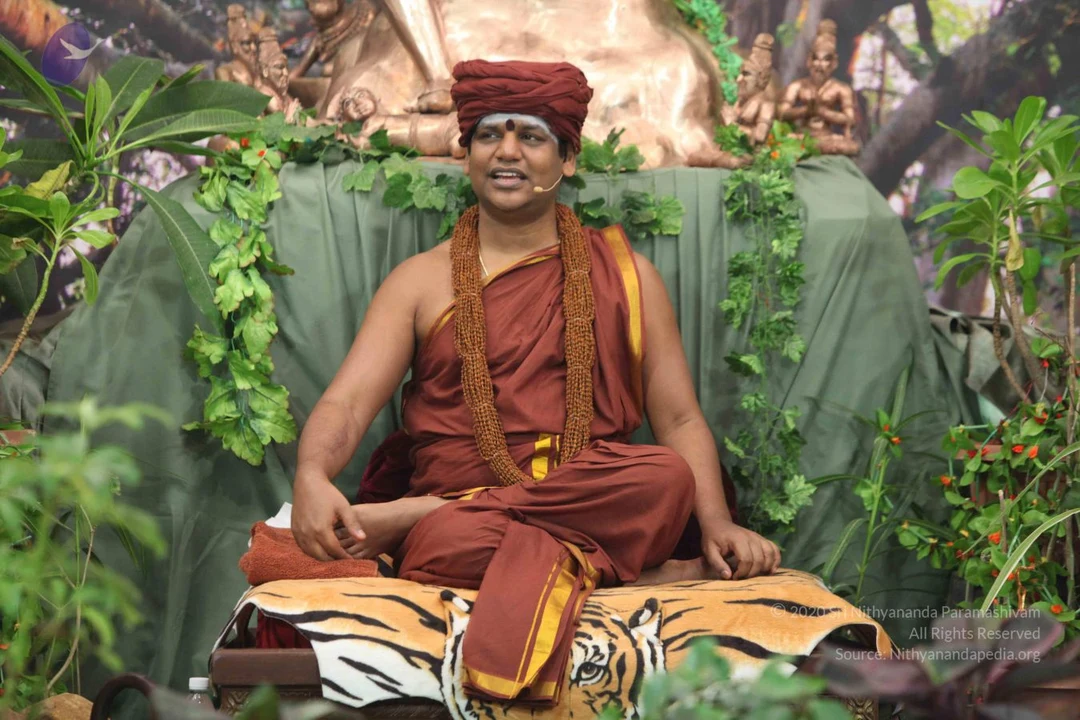
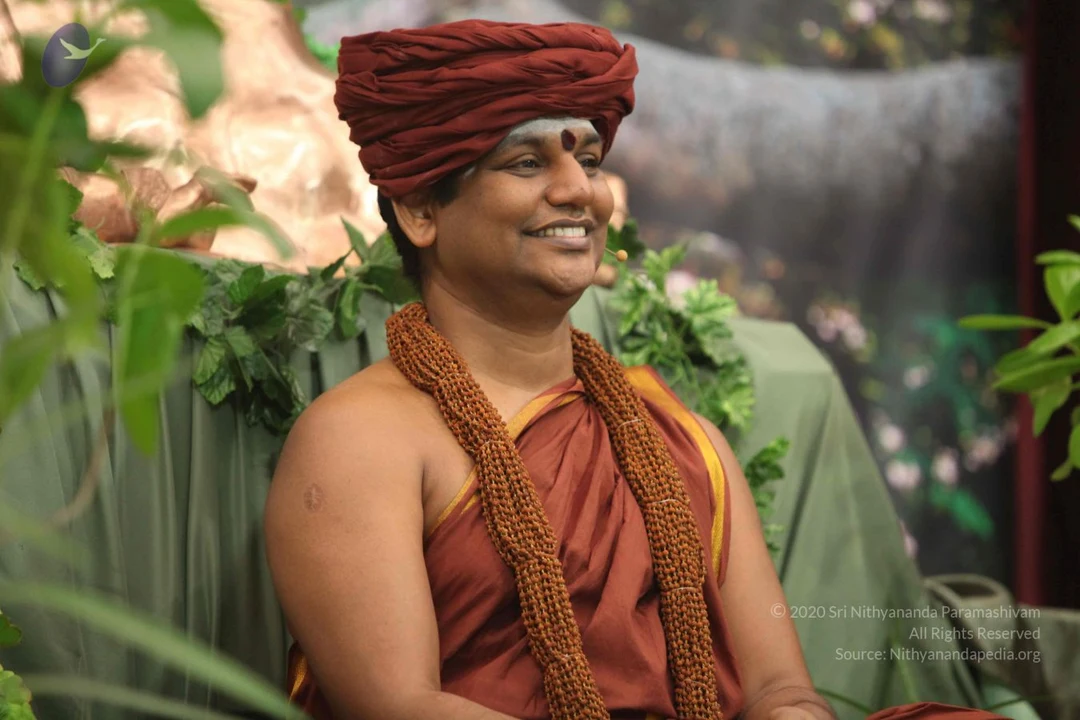
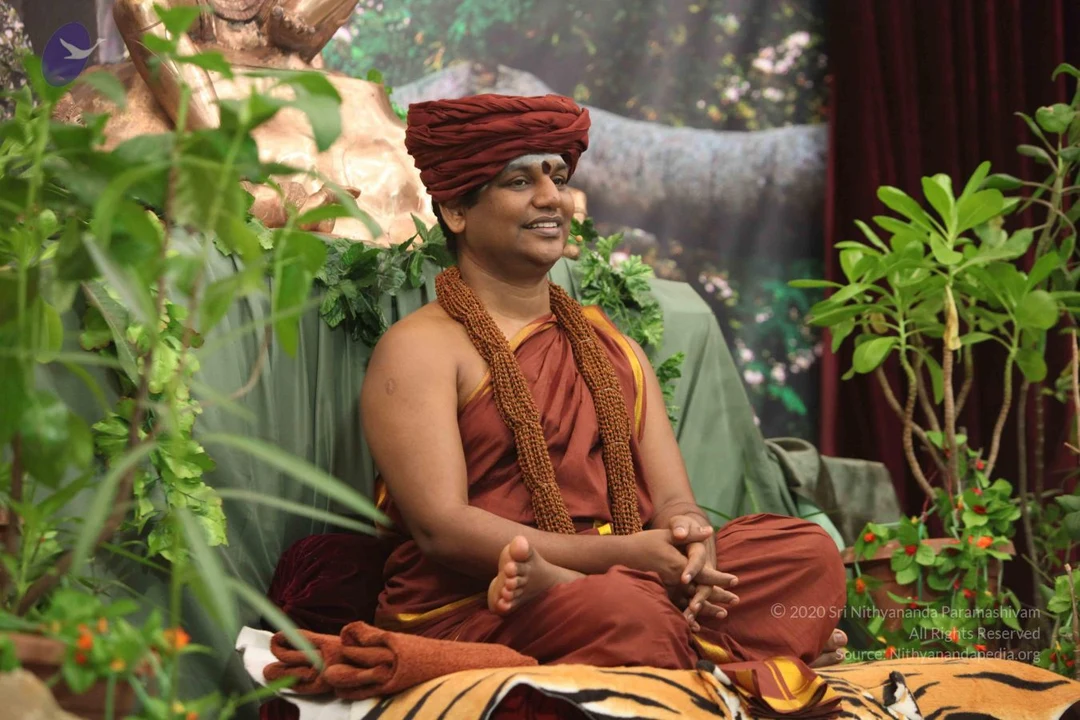
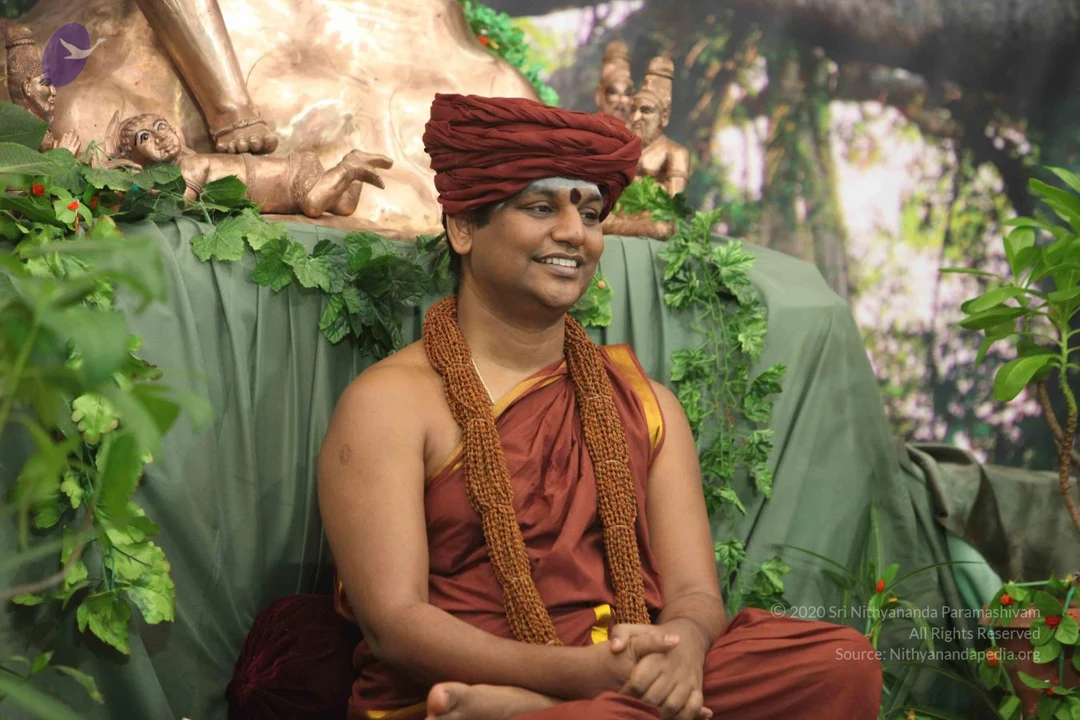
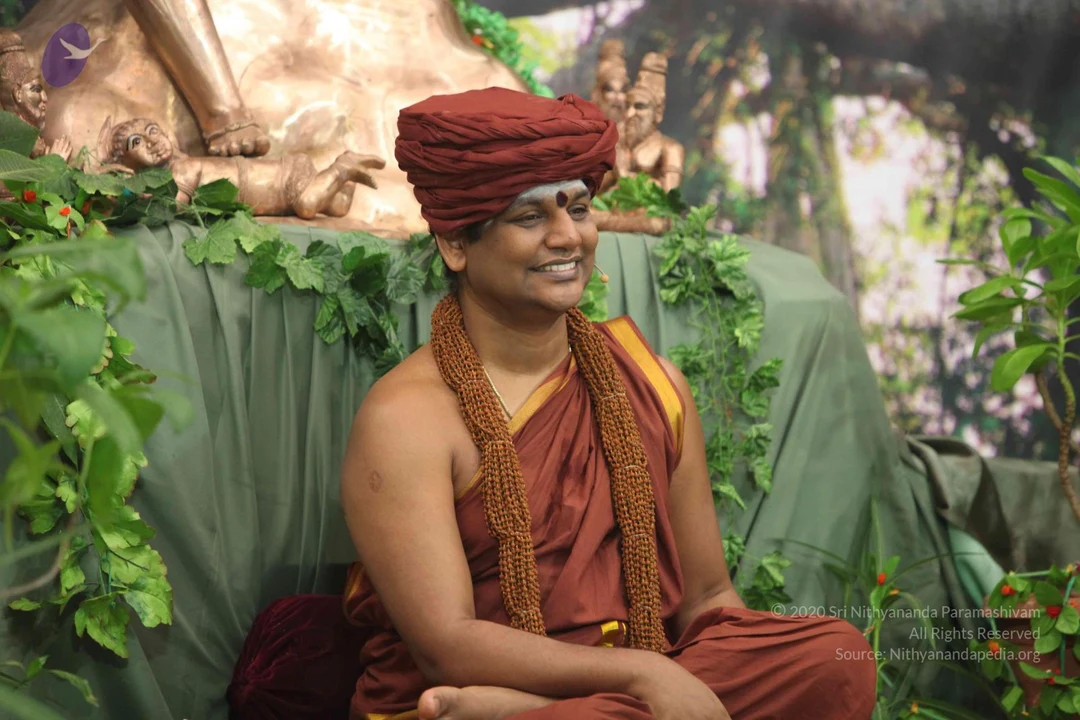
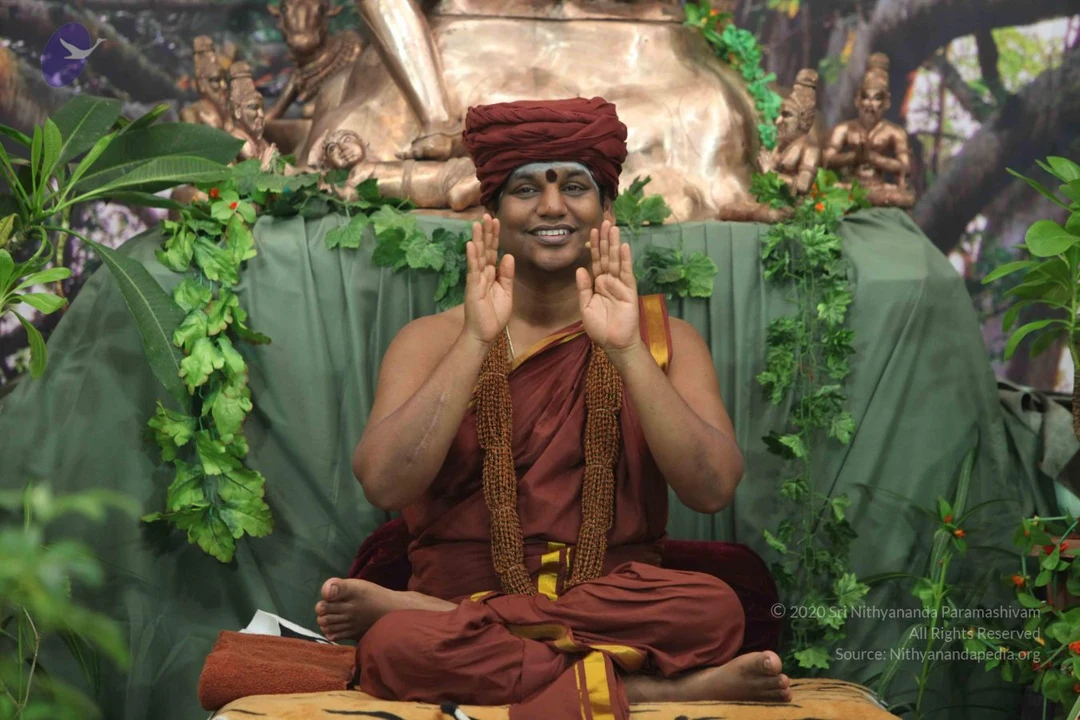
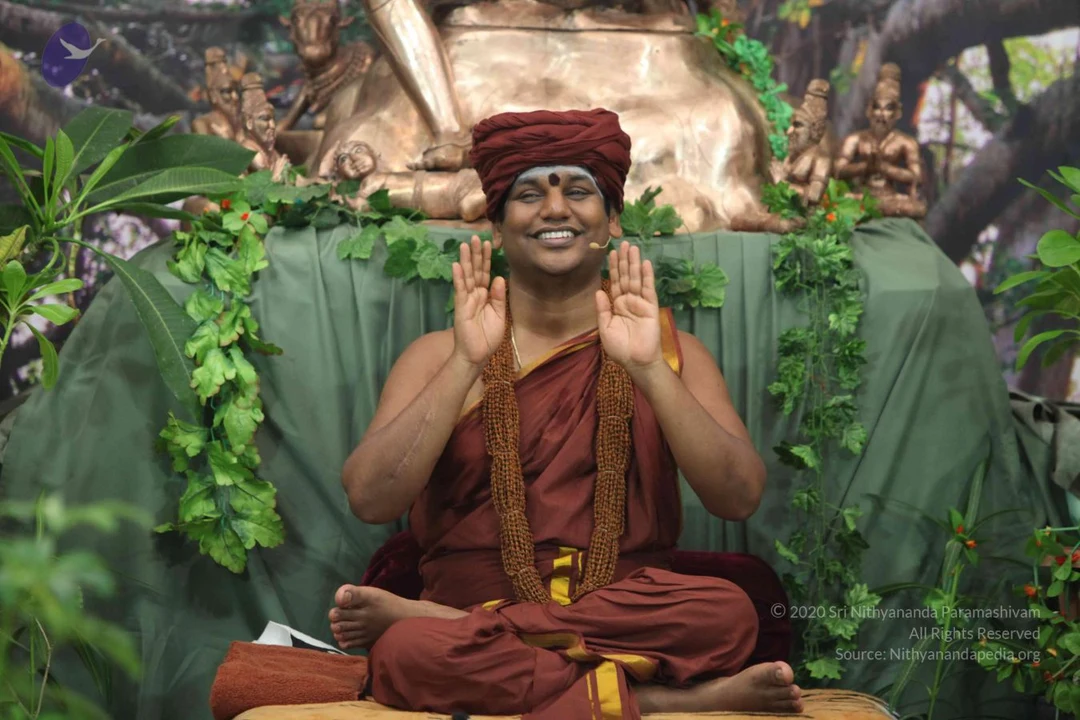
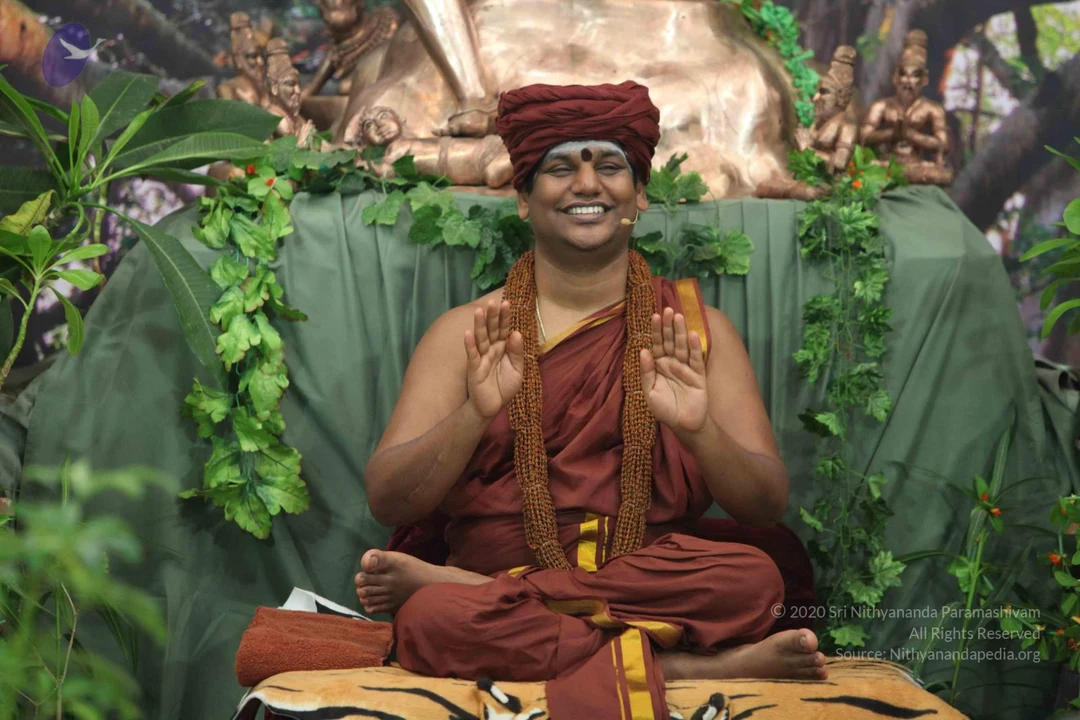
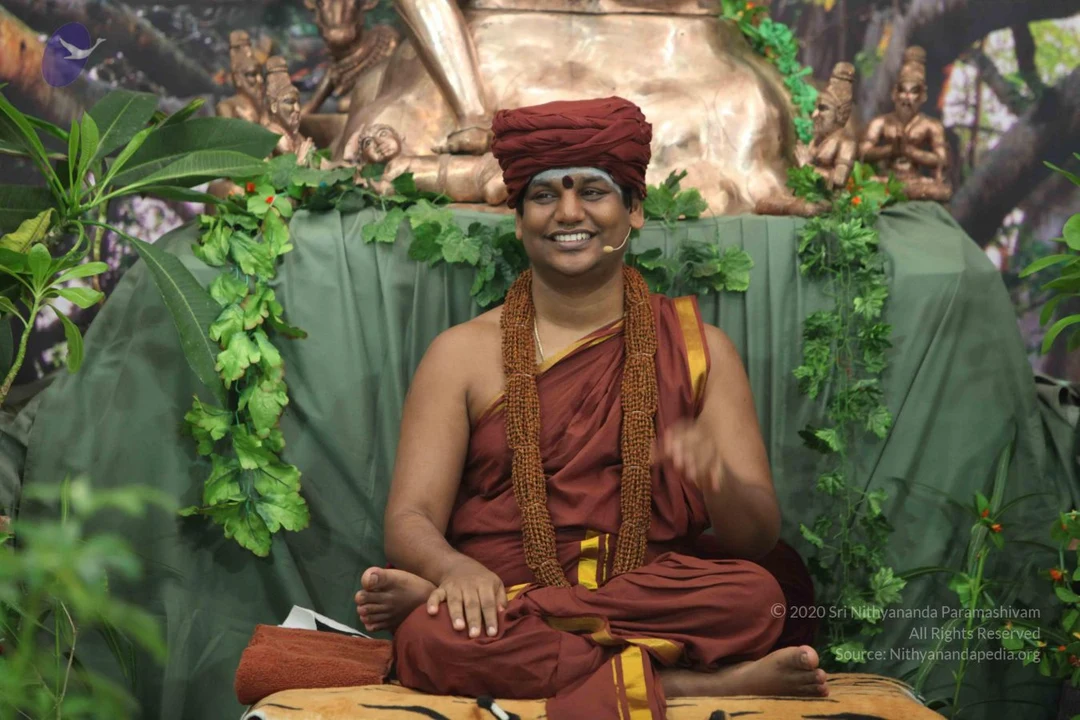
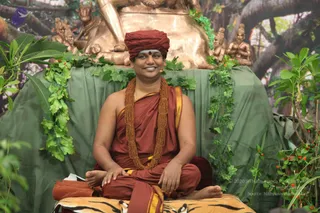
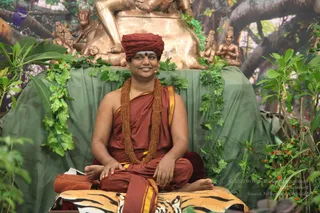
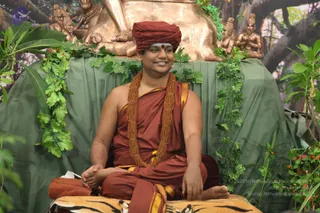
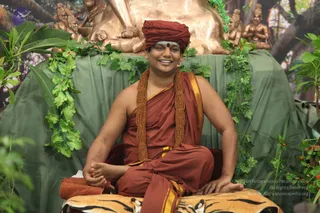
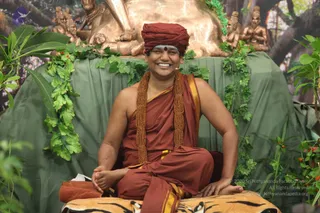
On this day, the Supreme Pontiff of Hinduism (SPH) Bhagavan Nithyananda Paramashivam continued on the Living Advaita Series of Addresses and Initiations from the Upanishads. This day’s Akashic Revelation was a profound delivery of the Isha Upanishad Verse 6 : yastu sarvāṇi bhūtāny ātmany-evānupaśyati | sarva-bhūteṣu cātmānaṁ tato na vijugupsate || 6 || SPH explained how the Upanishads are a conscious acid wash, helping us to mature our aspirations. He provided techniques for internalizing Verse 6 to gain a deep understanding of how we are part of everything and everything is part of us. These techniques reminded us that we are a mirror and those around us are mirrors. Conflicts or completions that exist outside of us, exist inside also.
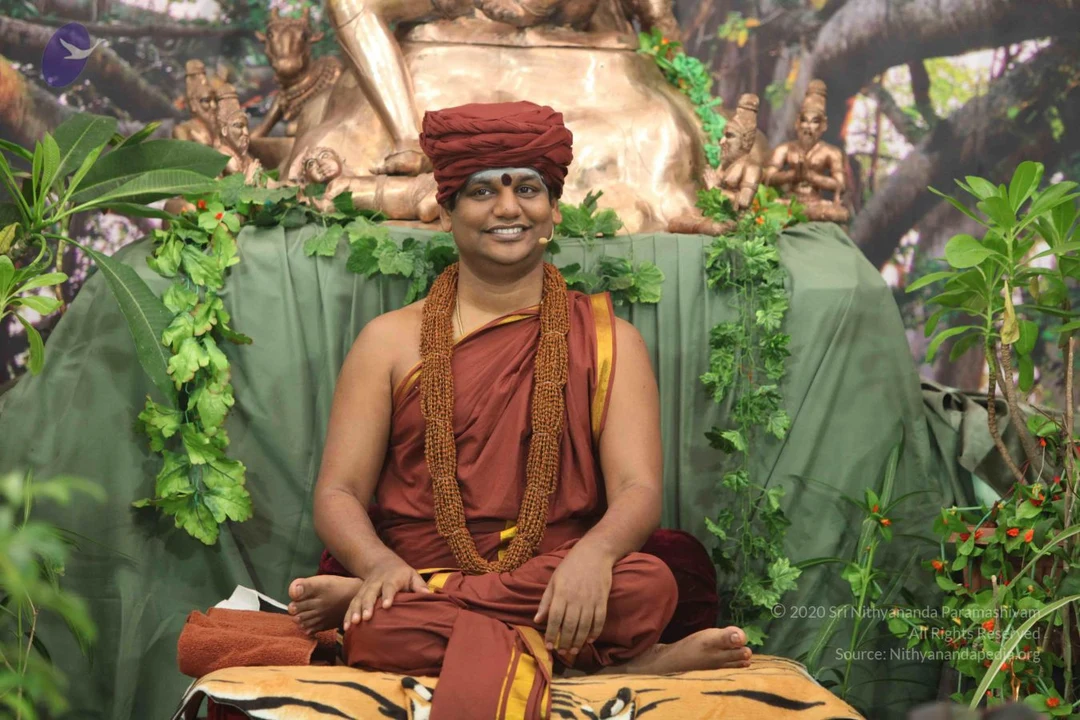
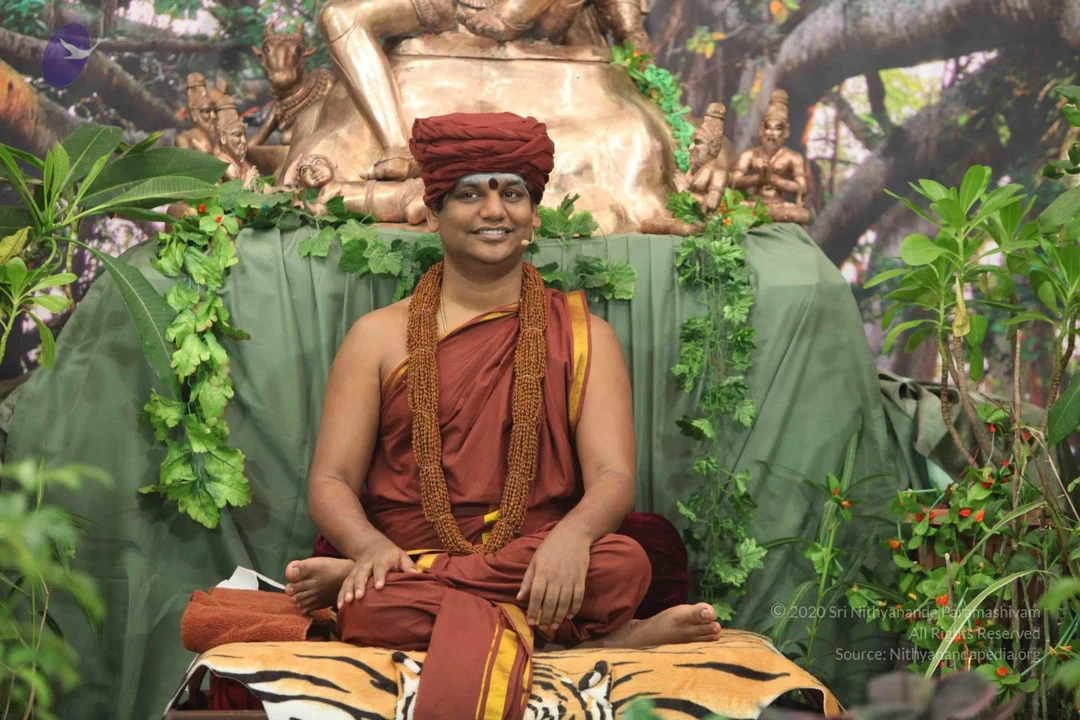
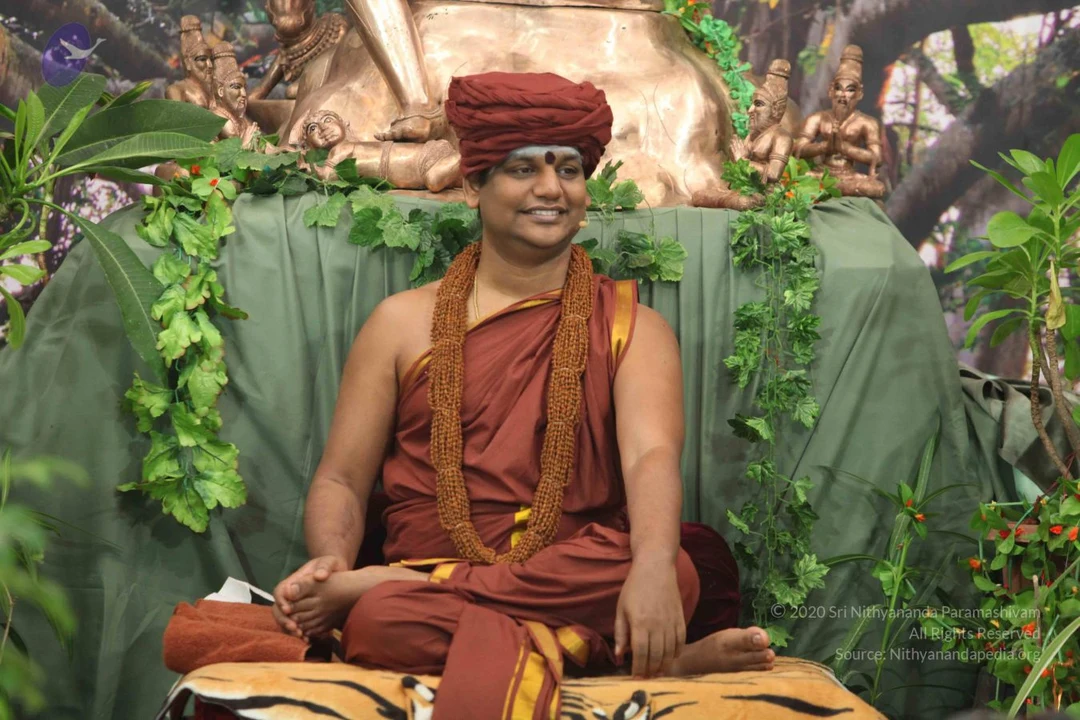
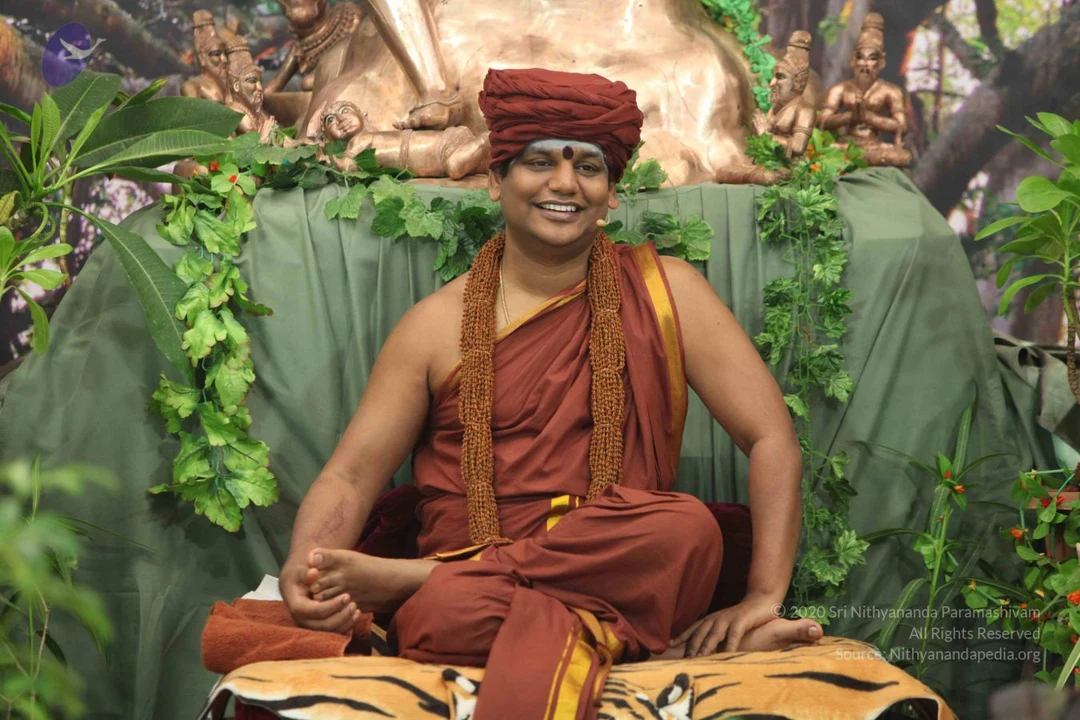
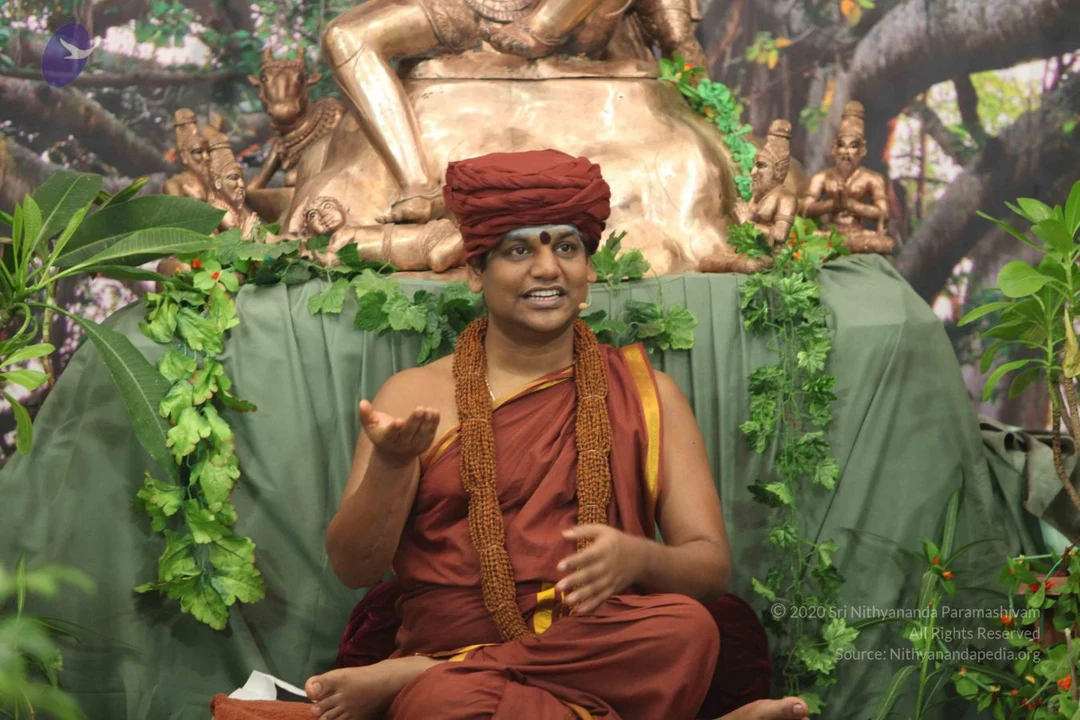
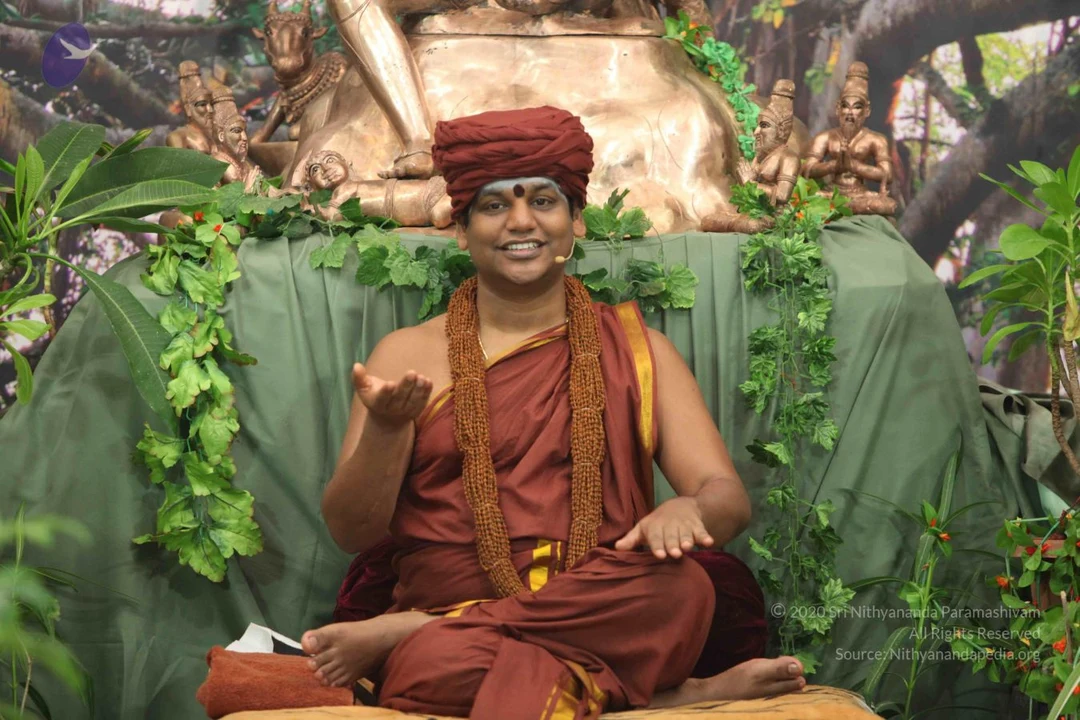
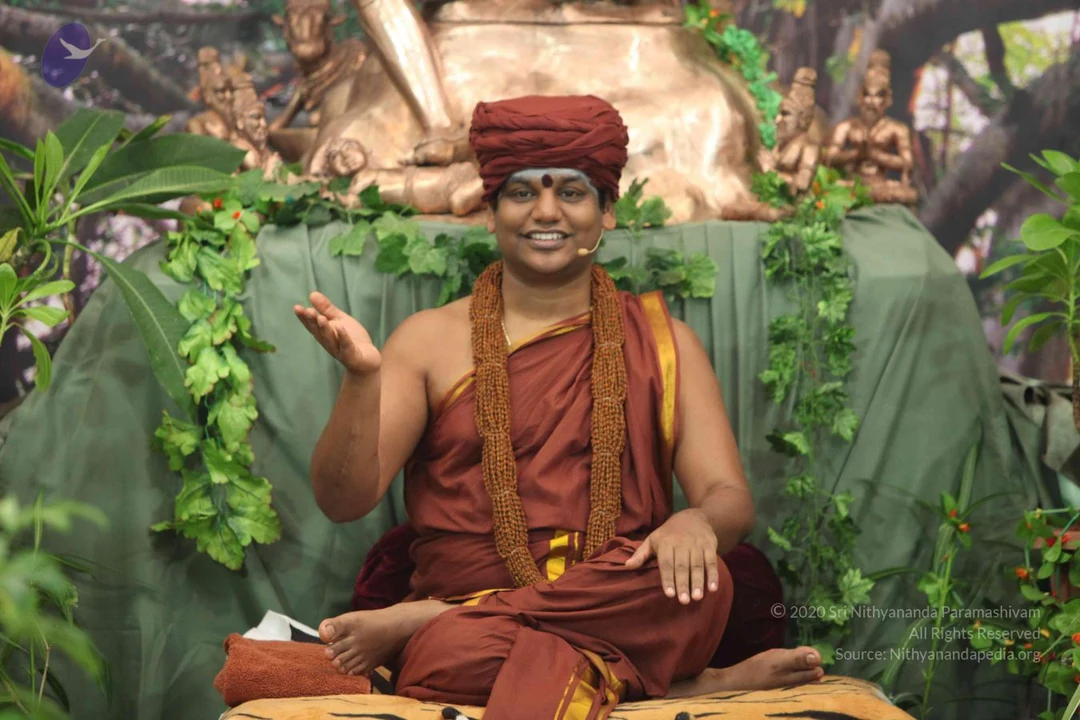
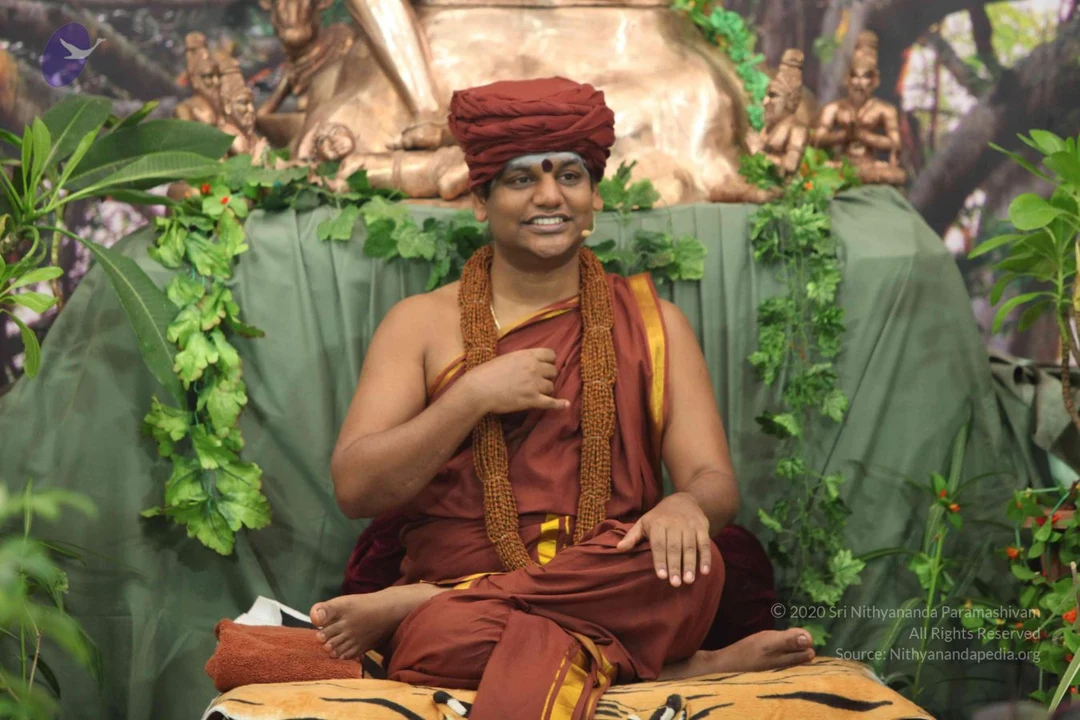
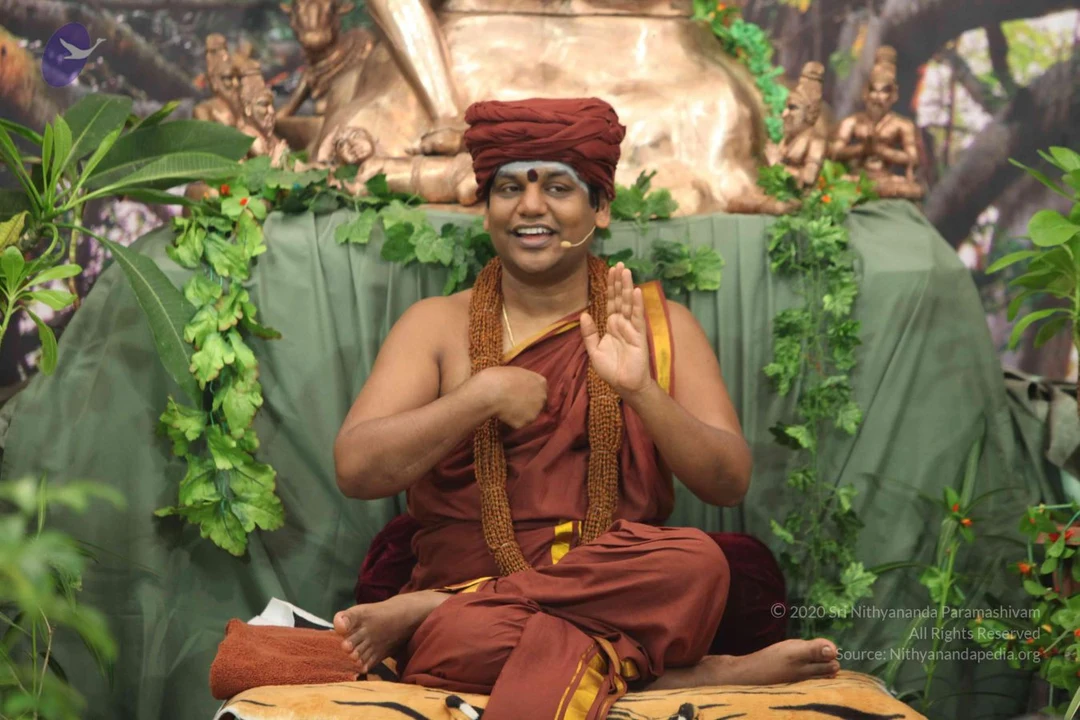
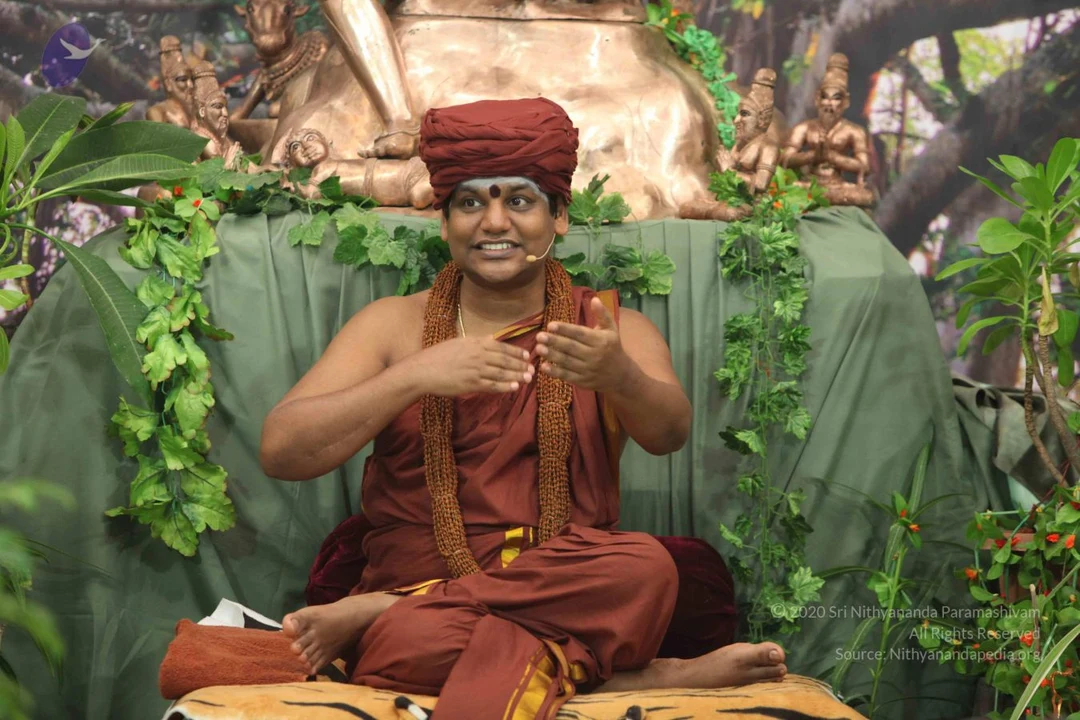
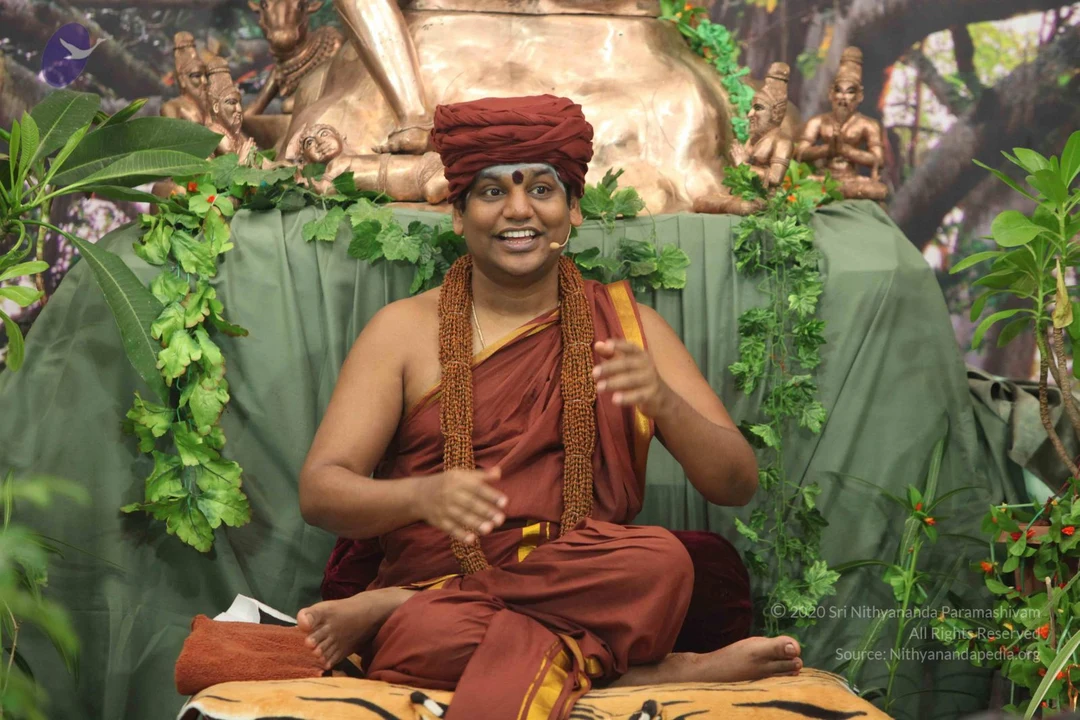
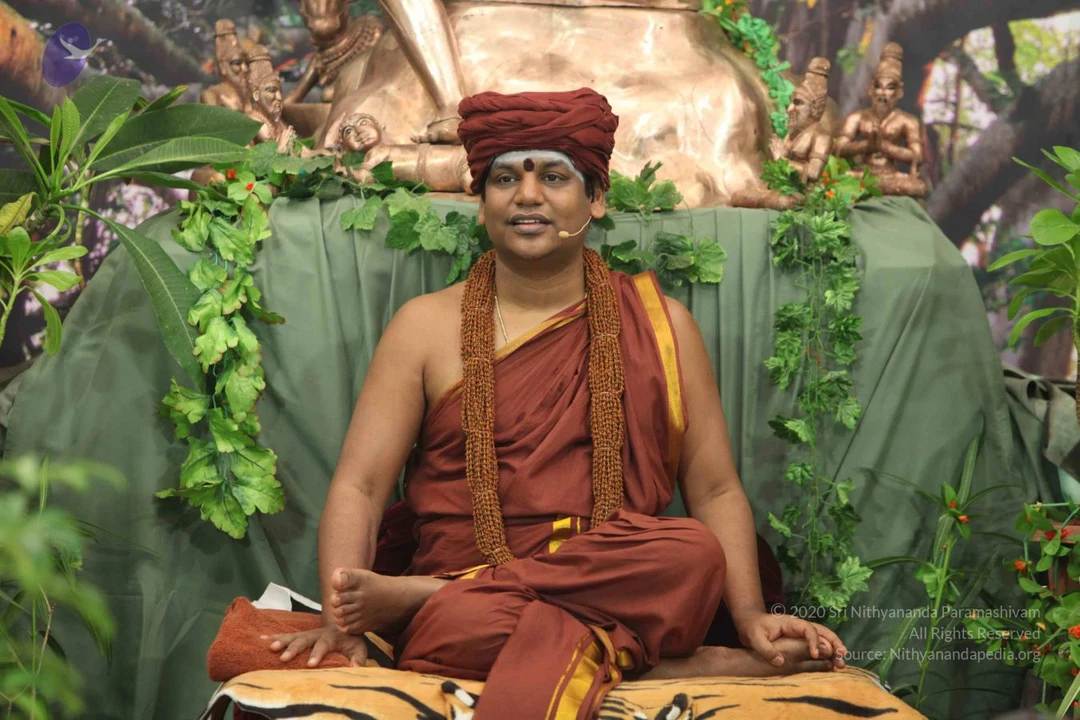
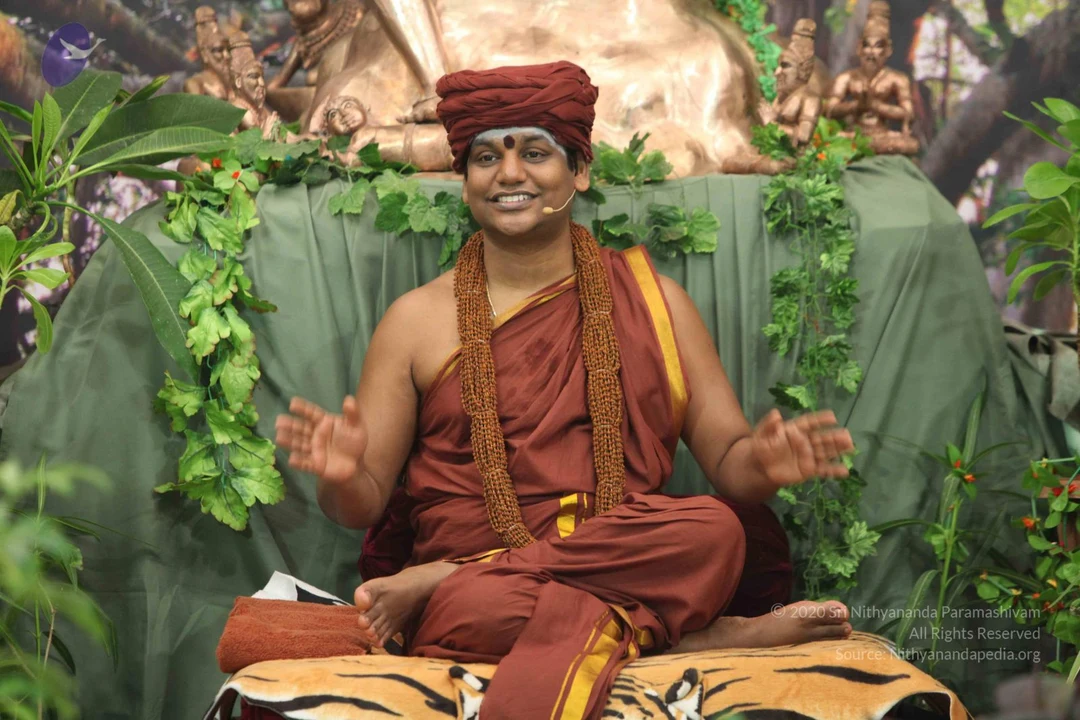
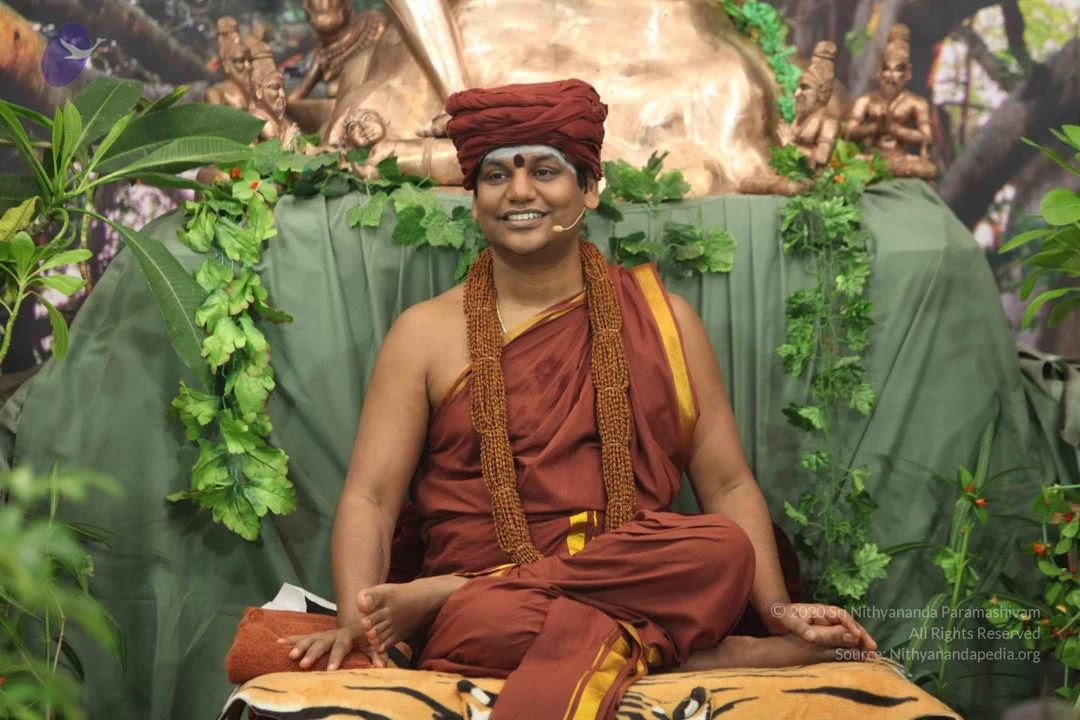
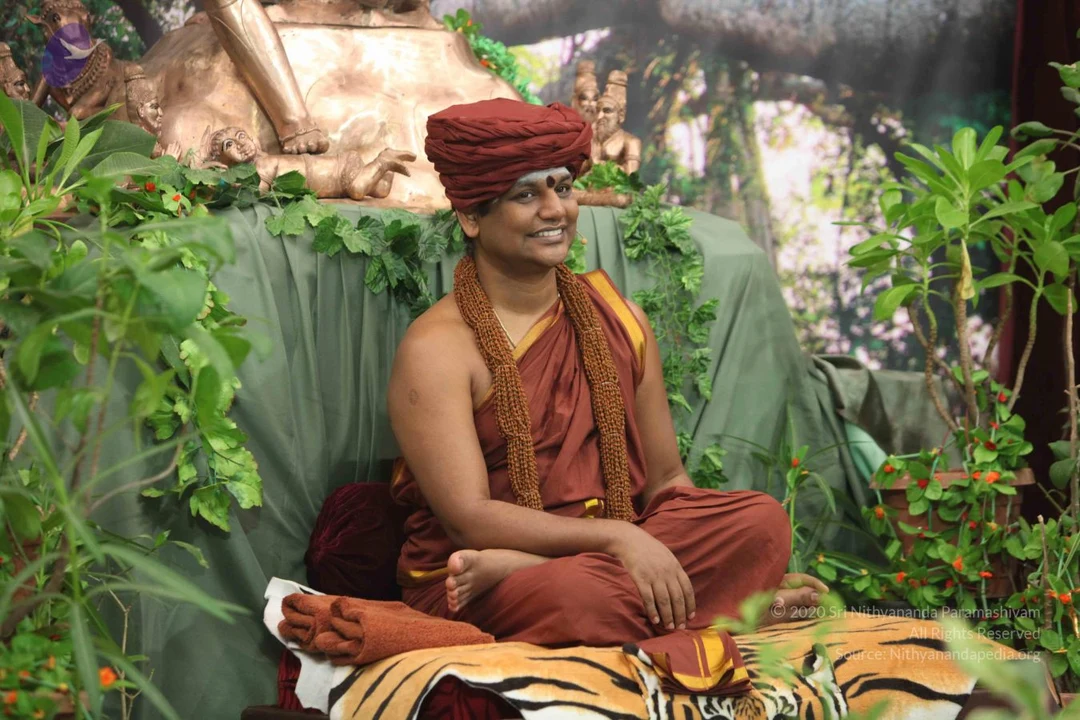
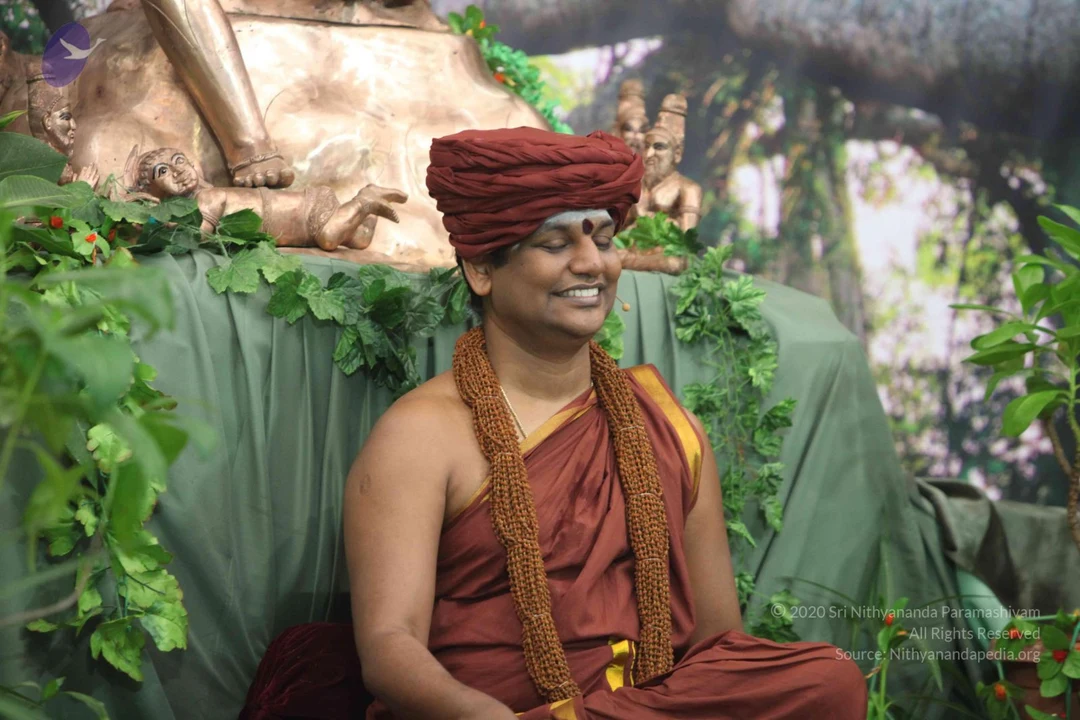
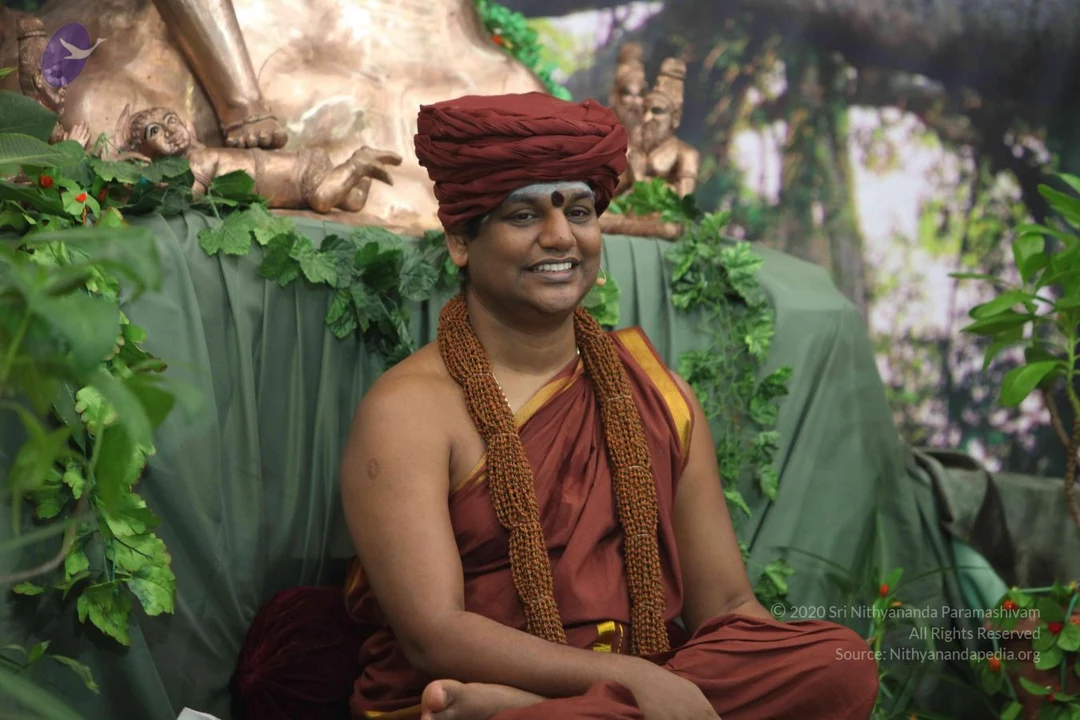
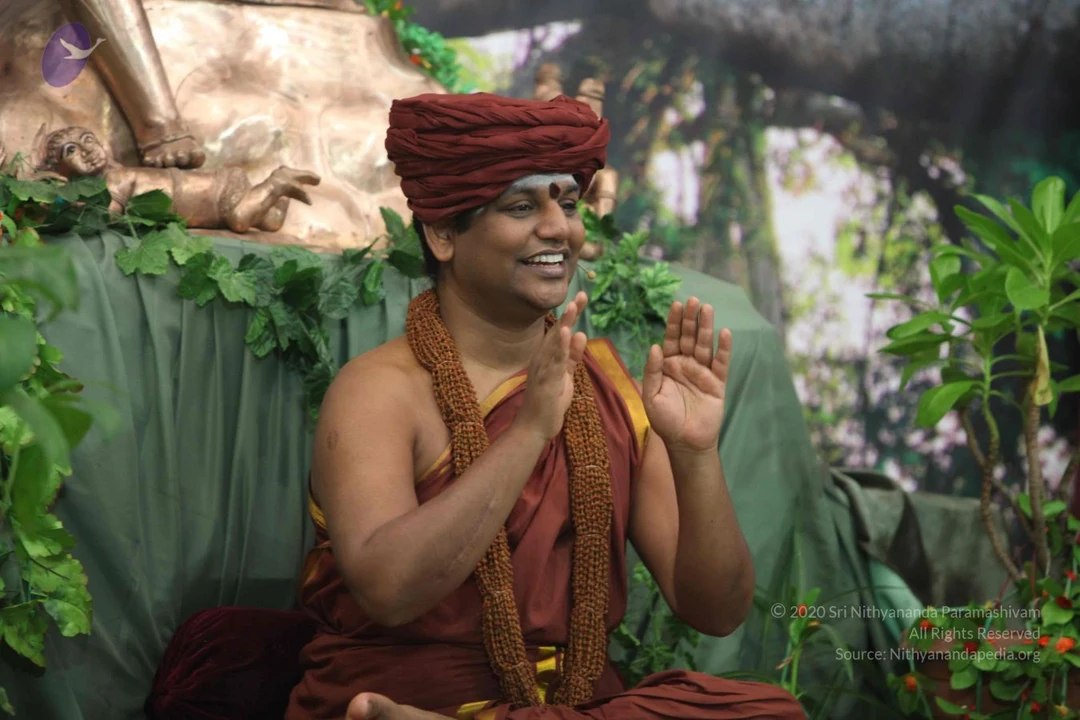
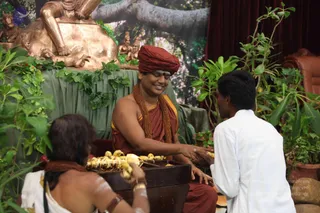
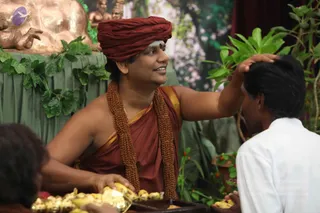
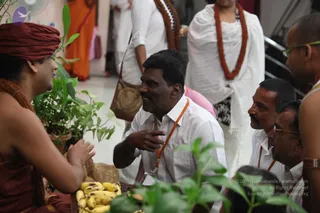
That day's Presidential Address-Nithyananda Satsang was conducted by the Supreme Pontiff of Hinduism Bhagavan Nithyananda Paramashivam on 13 March 2015 in Adi Kailasa, Bengaluru, Karnataka, India.
Link to Video:
| Video | Audio |
Transcript:
[00:19]
Nithyānandeśvara samārambhām Nithyānandeśvari madhyamām | asmat āchārya paryantām vande guru paramparām ||
[00:57]
I welcome all the devotees, disciples, samajis, satsangis Sri Mahants, Mahants, thanedars, kotaris, Balasants sitting with us through Nithyananda TV, Sadhana TV, ARRA TV and two-way video-conferencing having Nayana dheeksha. Cities sitting with us in 2-way video conferencing having Nayana-Deeksha, Chennai, Los-Angeles, Seattle, Redmond, Kuala Lumpur, Toronto, Port Washington-New York, Ohio, Austin, Enriching temple-Bidadi, Melbourne, San Jose, Oman, Thiruvanmayur, Vancouver - Bhuvaneshwar, Dubai, Houston, Warrington-UK, London, Oklahoma, Madurai, Hyderabad, Hyderabad-Gupta Kashi and lot more cities are.. Charlotte, China, Melbourne, Redmond, so many cities are joining. I welcome all of you with My love and respects. I will continue to expand on the sixth verse. Please recite along with me the sixth verse of Īśavāsya Upaniṣad.
[02:51]
यस्तु सर्वाणि भूतान्यात्मन्यॆवानुपश्यति । सर्वभूतॆषु चात्मानं ततॊ न विजुगुप्सतॆ ॥ yastu sarvāṇi bhūtāny ātmany-evānupaśyati | sarva-bhūteṣu cātmānaṁ tato na vijugupsate || 6 || Listen. Listen now. One, who indeed lives by seeing as it is, the whole Existence, all the manifest and unmanifest existing in the Consciousness itself, and the Consciousness existing in the whole Existence, thus does not feel violated or hates anything existing, by virtue of not seeing oneself as separate from the Consciousness.
[04:24]
Listen. Today I am going to explain the subtle nuances. When you put an idea inside you, how your mind creates ripple effects… Please understand. The moment I say, “Everything is in your Consciousness, you are in everything exists,” for a normal person, the first thing will come up, the ripples created in him, “Oh, if everything is in me and I am in everything, why there is so much of suffering and conflict? Whom I love, don’t love me. Who loves me, I don’t feel love towards them.” Please understand. Somehow, love by its very nature is triangle, never circle; because whoever loves you, somehow you already take them for granted and you feel they are already in your kitty, in your pocket. And you want always the adventure, exploring, excitement. So, “Come on, let’s see the next! This already is there in my pocket. It is in my bag only.” It is like, “Let us see the next house. This house already I got what I want to. So, the rice is in my bag. Go to the next house, like bhikśa, when you go for bhikśa.” So your conflicts stand up. “Whoever I love, never love me. Whoever loves me, somehow I feel taking it for granted with them; I don’t show the same love towards them.” This is one of the biggest problem.
[07:00]
“If everything is in me, and I am in everything, why these conflicts”? Sometimes you are even afraid of the people who love you. The way they possess you, you feel “ohhh”, frightened. Instead of awakening love in you, they awaken fear in you. The passion with which they possess you, you are afraid they may bind you, they may take away your freedom. Many time, the Existence starts moving with the conflicts and you even forget you have conflicts. But, that is not the the state to be achieved through this verse. That is not the space this verse is pointing towards.
[08:09]
Listen. These conflicts, how they are handled, how these thought-trends are created… Listen, I am entering into the deeper aspects of practical reality of these verses. When you work with them, the conflicts you will face, I am expanding about them. Please listen. When you look and sit and scan… I will give you precise instruction on how to scan: Just connect with the person whom you love, but who does not shower enough love on you, or you feel unattended. Remember that person. All the incompletions comes up in you about that person, pen down. And see when all these type of incompletions, the same patterns, when it started in your life. Trace back. Pen down those incidents. And people with whom you feel you are loving them, they are also reciprocating you, kind of a complete, happy-happy. Remember them. Connect with them. See, is there any incompletions coming up even about them? Pen down. Go back and see when the same patterns have started in you, with whom, how you started developing. Pen down. And, the third: With whom you feel they love you, they suffocate you, but you don’t feel love towards them. Remember them and pen down... Connect with them and pen down all the incompletions they provoke in you, and when those patterns started in you – persons, incidents, situations. Pen them down.
[10:43]
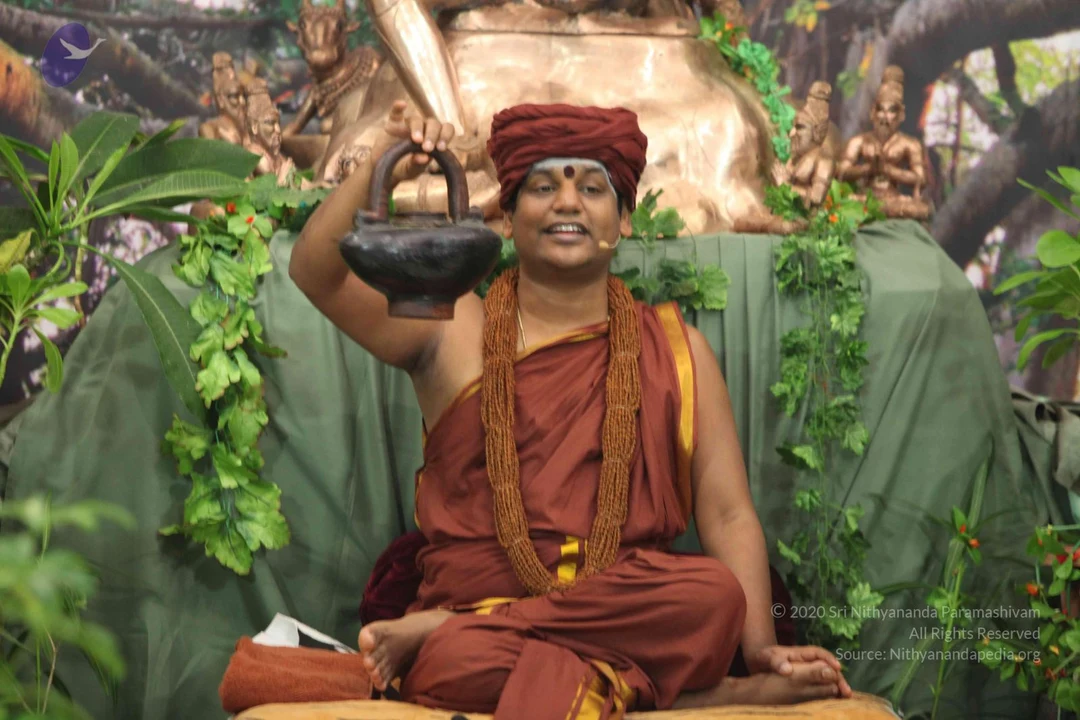
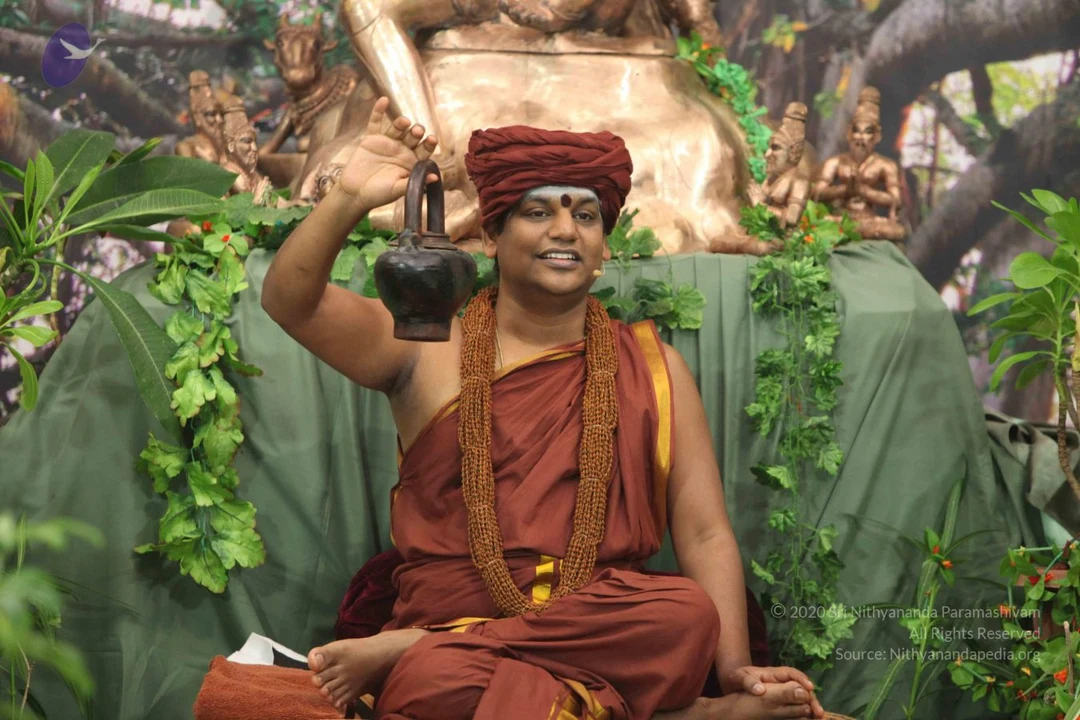
Do these three exercise. Listen. One: With whom you feel love, but they don’t reciprocate, unattended. Second: With whom you feel love, and you feel attended also, reciprocated. Third: With whom you feel love… sorry you don’t feel love, but they love you, they shower so much on you, but either you feel suffocated, or fear that they may possess you, or whatever some other incompletions. They love you, but you don’t feel love. Understand about all these three, sit and do manana, means intranalyzing: What is the patterns each one of them evoke in you; When that patterns have started happening in you; When you started building those patterns with whom. Pen down all that. Do these three exercise, you will understand. Please understand. When you do these three exercise, you will understand the whole thing is a lie, mithyā. Lie is a too small a word. What is lie you know? (Swamiji picks up a black Kamandalu, Vedic water pot) If I say this Kamandalu is white color, that can be called as lie. But, first of all, this Kamandalu itself is not there, and I say, “This Kamandalu not only is white color, made of ivory and gold carved, and diamond studded.” It cannot be called as lie, it is called mithyā.
[13:06]
So, listen. When you do these three exercise, you will understand the whole thing is mithyā. Because, every point sticking out is a lie. Like a, whom you say you love is a lie; whom you think, the person is not responding to your lie is a lie… not responding to your love is a lie; whom you say you love and he also responds is a lie; with whom you say you don’t feel the love, but the other person has so much of love and you are only having fear or fear of being possessed or whatever other incompletions, that is also lie. Whole thing, every inch you will understand the lie. I tell you, Upaniṣads are literally conscious acid wash. Upaniṣads are literally conscious acid wash, and it goes on maturing your aspirations and understandings. A person who works with himself, constantly matures his aspirations, is Seeker. The person who works with himself, matures his aspirations, is Seeker. If two persons decide to work together, mature each other’s aspirations, it is called married life.
[15:12]
So, listen. Go on working with people, go on working with people, maturing the aspirations of the people. If you start maturing your aspirations, the aspirations of people who are around you, you will be able to help them to get their aspirations matured. Listen. The job of a spiritual teacher or religious teacher or acharya is helping people to mature their aspirations. Maturing the aspirations can happen only by the acid wash, which can be done only by Upaniṣads. Just do this one process: Why conflict? See, Upaniṣads are conclusions in the formula type presentation. When you listen to this verse, the thought currents provoked in you, and the follow up you need to do, is what I am opening and explaining to you all. If you do this simple exercise of intranalyzing, doing manana of these three, you will understand; simply you will catch the glimpse. Whatever conflict you see outside is inside you, whatever Completion you see outside is inside you, whatever Completion you see outside is inside you, whatever incompletion and conflict you see outside is inside you. You will understand, really, yastu sarvāṇi bhūtāny ātmany-evānupaśyati, sarva-bhūteṣu cātmānaṁ tato na vijugupsate is THE TRUTH.
[17:37]
Sometimes, if your room is too hot, suffocating, the moment you come out of your room you will feel little breeze, cold, nice, even though the weather is not as you think. As a comparison, you will experience the weather is better. But for somebody who is already standing outside, may want to go into the room. Understand. Comparative realities are not existential realities. Comparative realities are more for the sake of comfort. It is more for the sake of comfort. You plan, “Better shall I do this job or that job”? It is a comparative reality. Most of the time you exist and die in comparative reality itself. No. The biggest conspiracy against human beings is atheism. Atheism, where more than comparative reality, no other reality, not only not accepted, even possibility to explore is denied.
[19:10]
Today in the Nithyananda Times Video, one of my Balasant, Dhyanananda, when he was telling, “‘Jnanatma challenged me to bring rain. I asked, I created space, rain happened. Then I suddenly realized I can play with Nature.” First thing I want to tell you, I studied, I already heard about this whole incident and studied; it was true. It was not that automatically it rained. It rained actually by the space created by Dhyanatma… Dhyanananda. That is true. What he said is true. Second, a kid feeling, “I can play with the Nature.” God! It is just unimaginable boon anybody can receive especially when they are kid. Jnanatma is saying, that is also, only in that town it rained, that village it rained. Nowhere else.
[20:37]
Same way, the other day when I went to temple, some of My Balasants were not chanting properly. When I pointed, “Hey, you are not doing it properly. That is why you are not able to bring the rain.” He immediately… the thought-trend happened in him is, “How can I complete it and evolve?” So he discovered other incompletions, everything, which was inside him, and started taking it out, and started working with Completion. He did not go into the other route, developing anger or inability. I tell you, developing the right thought-current during the crisis means solution. Understand. Solution means developing a right thought current during every crisis. Nothing else. Just do this one simple manana, intranalyzing with all the conflicts you feel in your life. You will suddenly see whatever good outside is inside you, whatever bad outside is inside you, whatever good inside is outside you, whatever bad inside is outside you. Incompletion in, incompletion out. Completion in, Completion out. Completion out, Completion in. Incompletion out, incompletion in. Listen. By understanding Completion out-Completion in, incompletion out-incompletion in, Completion in-Completion out, incompletion in-incompletion out, you will have such big freedom and restful awareness, “Wow. Then I can do as I want. I can play as I want. Everything is in me.”
[23:18]
Freedom is feeling larger and larger number of people, places, spaces, as part of you. Freedom means expanding the boundary you feel about you. Everyone is using something to experience freedom. A rich man uses his money and more and more people dependent on his money. He feels his freedom is expanding, they are all under him. A person who identifies with a political party, he feels everyone in that party is under him, his freedom has expanded. A person who identifies with a language or a State, he feels his whole zone is his freedom.
[24:26]
Listen. Everything in life is nothing but freedom struggle. Freedom struggle; that is the right word I will use. Everything in life is just freedom struggle. But, the real freedom can be received, you can get it only by a person who is already free, not by anybody else. This thought-current I am giving you has liberated Me from My own experience I am sharing with you. The moment you intranalyze and understand: In is out and out is in, there is no in and out, it is only in-out or out-in. If you have seen the out first, you describe as out-in; because what you saw first out, then in, out-in. If you have seen the in first, then you call it as in-out. In-out and out-in. It is like in-out, out-in. In-out, in-out, in-out, in-out, in-out, in-out, in-out, that’s all. You can’t say out-in or in-out. It IS.
[26:22]
In Tamil Siddha Tradition, there is a beautiful mantra: Śiva, Śiva, Śiva, Śiva, Śiva, Śiva, Śiva, Śiva. It becomes: Vaśi, Vaśi, Vaśi, Vaśi. Vaśi, Vaśi, Vaśi means, Let it become part of me, part of me, part of me. Śiva, Śiva, Śiva means, Let me become part of It, part of It, part of It. Śiva: Let me become part of It. Vaśi: Let it become part of me. Śiva, Śiva, Śiva, Śiva, Śiva, Śiva—Vaśi, Vaśi, Vaśi, Vaśi, Vaśi, Vaśi, Vaśi. It is just same thing flowing. This Truth cannot be attained by non-working lazy belief. Understand. Non-working lazy belief– a new word I am coining which is the usual so-called faith of the modern day middle class, neo middle class. The neo middle class has a kind of a non-working faith: “If it is true, let it work immediately.” Arrey, are you prepared? They don’t care about preparation, they are not ready to prepare, but they expect everything should work in their life. That is what is ‘non-working lazy belief’. No. A seeker needs to be responsible. He cannot spend his time and energy in non-working lazy belief. Most of the people who waste their time in the name of seeker are this type of people – Non-working lazy belief.
[28:52]
I tell you, never miss satsang, because that is the only thing will constantly keep you moving. If you miss satsang even for one month, you would have completely lost the track, and you will be going in some other thinking direction in your life. Never miss satsang even for one day, because that will constantly keep you aligned. You will catch wherever you are stuck only with the satsang. You will catch yourself, you will expose yourself to yourself, only with the satsang. So, listen. yastu sarvāṇi bhūtāny ātmany-evānupaśyati | sarva-bhūteṣu cātmānaṁ tato na vijugupsate || 6 || Cannot be handled with non-working lazy belief pattern. You need to intranalyze it, internalize it; you will catch the glimpse. So, today take this as homework: Before today’s sunset you will intranalyze this verse deeper and deeper with these three methods. Intranalyzing these three, manana of these three is enough. By before sunset you will catch the glimpse, “Yes, In is Out, Out is In. Whatever I see in, is only out; whatever I see out is only in.” You will get the glimpse of this verse: yastu sarvāṇi bhūtāny ātmany-evānupaśyati | sarva-bhūteṣu cātmānaṁ tato na vijugupsate || 6 ||
[31:23]
And, tonight, Vākyārtha Sadas is all about, how you got this truth clicking with you. Each one of you have to do this homework; only then you will be able to attend the Vākyārtha Sadas. Because, only if you have done the homework, you will have the clarity and the depth, understanding; you will be able to discuss. And I also want to bless the Yuva Sangha’s Vākyārtha Sadas. Regularly I am seeing it in the Facebook. The American youth, American Yuva Sangha is also doing the Vākyārtha Sadas. My blessings! I wanted each Mahant to hold a group doing Vākyārtha Sadas. Each Mahant to hold a group doing Vākyārtha Sadas. Because, only through Vākyārtha Sadas more and more of your questions will be answered, your answers will be questioned. Every day, the Con-Call, conference call should be done by all the Mahants to all their Kotharis, and anybody else who want to join Vākyārtha Sadas. Because, that is the only way you will help people. See, a formal class like NDY (Nithya Dhyan Yoga), organized Kalpataru, that is one way of helping. But these informal Vākyārtha Sadas is one of the deeper ways of helping, because more and more individuals will be connected.
[33:30]
And, today onwards, I also wanted to open up our Enriching Temple. Every day evening, the same satsang time in the morning, seven to eight, evening seven to eight Vākyārtha Sadas in our Enriching Temple. All the phone lines will be open for Vākyārtha Sadas. You can call in. We will also evolve a system where we have a large conference calls where anyone can call in and participate in those Vākyārtha Sadas. More and more Vākyārtha Sadas need to be conducted. Only then people will work on these great truths, ideas, concepts. yastu sarvāṇi bhūtāny ātmany-evānupaśyati | sarva-bhūteṣu cātmānaṁ tato na vijugupsate || 6 || These great truths need to be celebrated. They need to be celebrated. Celebrate them. With this, I bless you all! Let you all radiate with Integrity, Authenticity, Responsibility, Enriching, Causing Living Advaita, the eternal bliss, Nithyananda. Thank you. Be blissful.
[35:22]
Description:
The Daily Video Magazine of the Nithyananda Sangha. Nithyananda Times - 13th March, 2015
Link to Video:
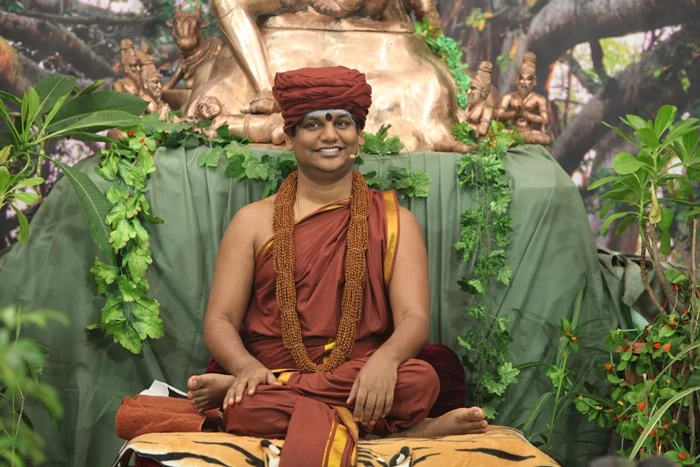
Photos From The Day:
Nithya Satsang
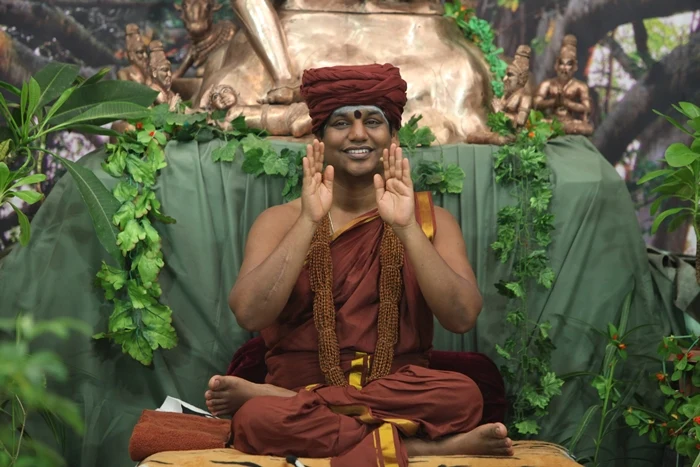
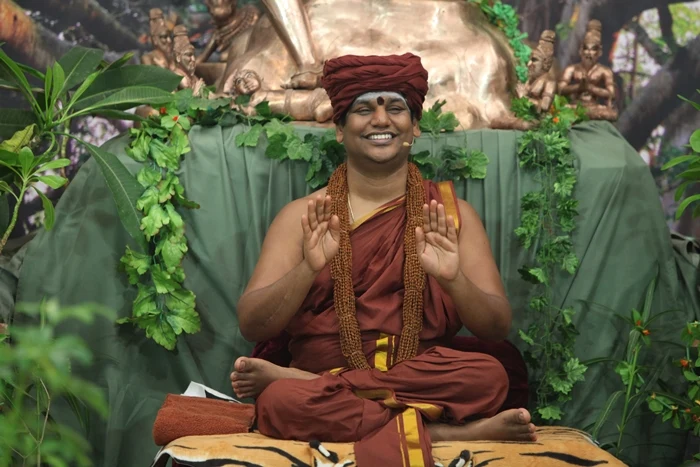
Tags:
Upanishads, Advaita, Isha Upanishad, Isha Upanishad Verse 6, Paramahamsa Nithyananda, Isha, Satsang
Photos Of The Day:
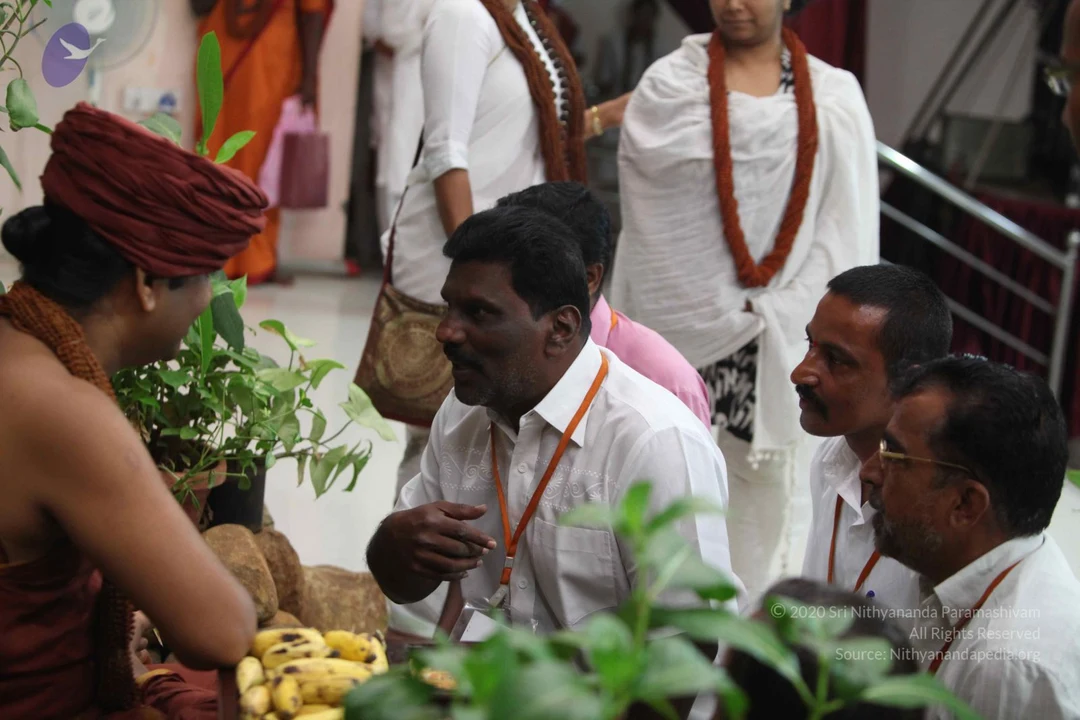
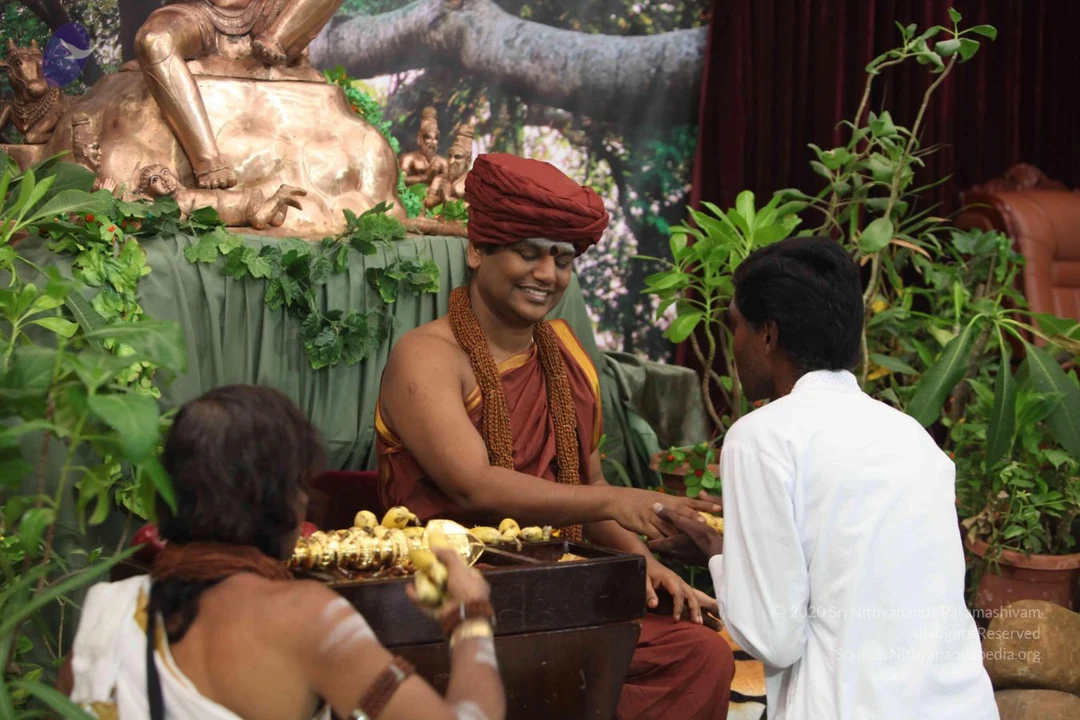
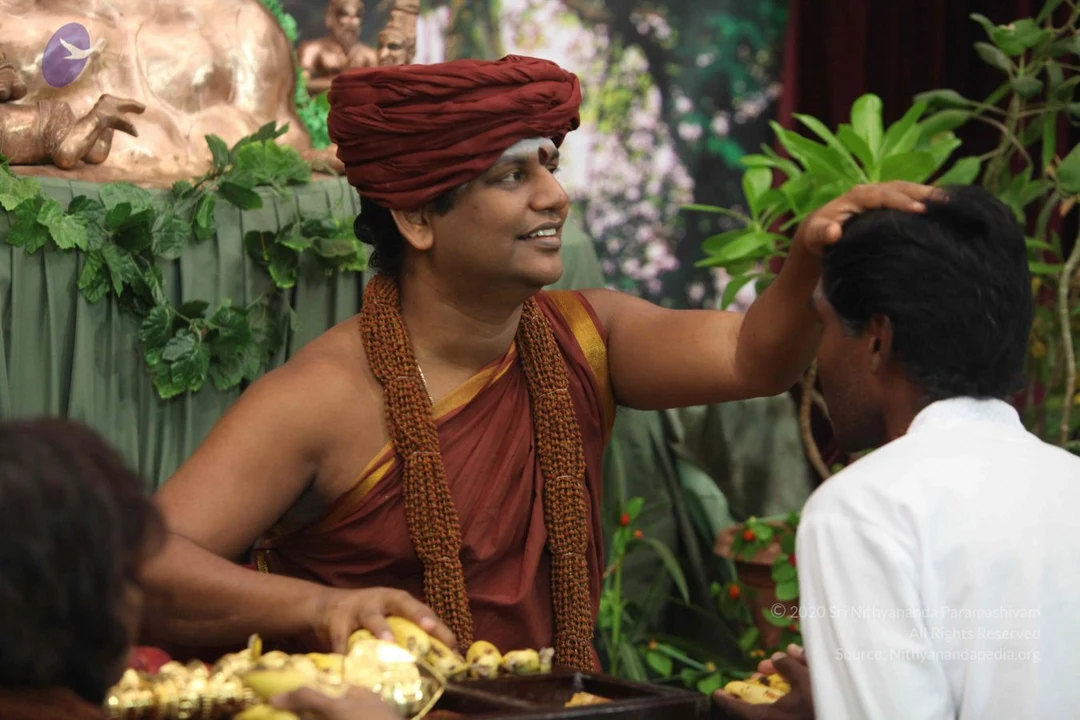
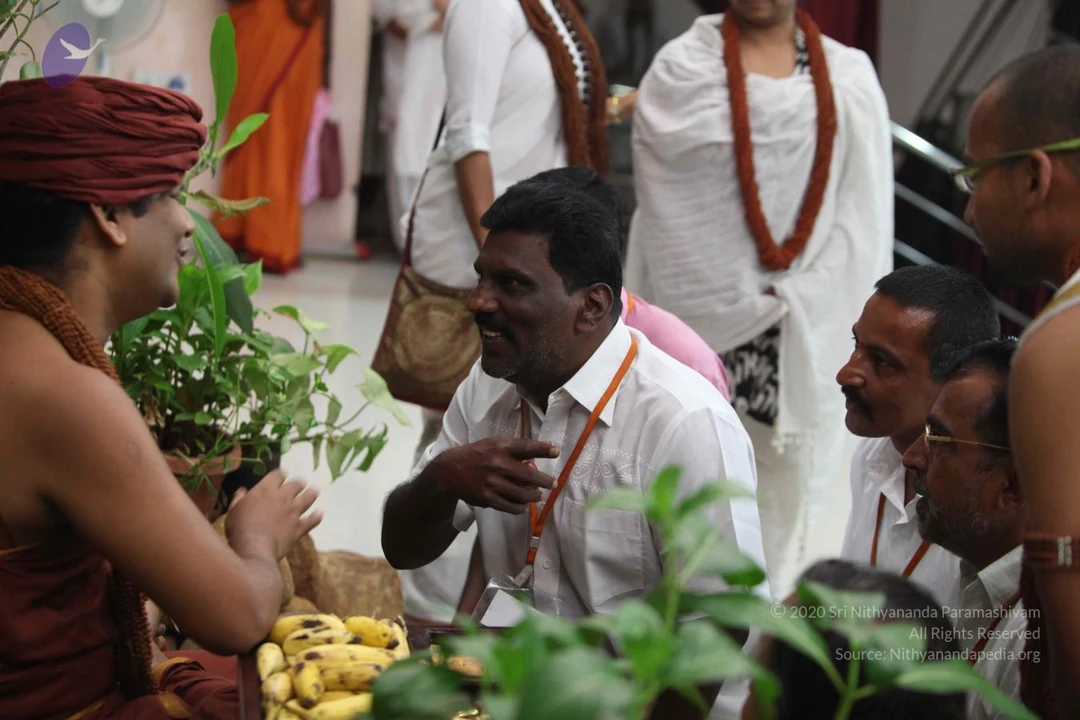
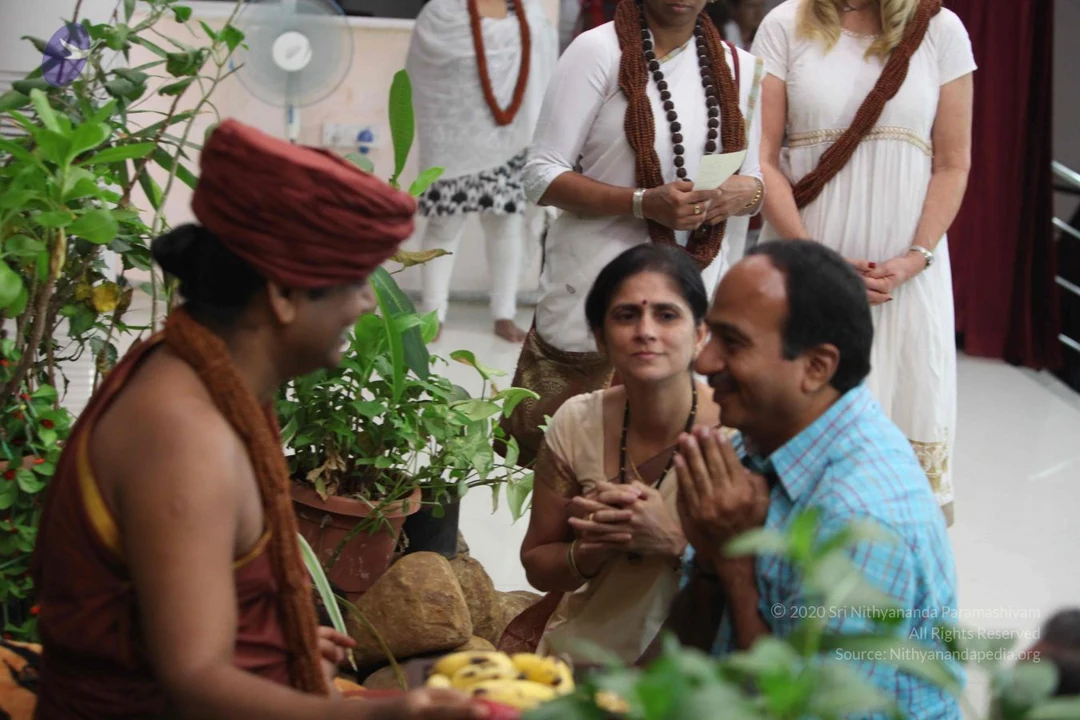
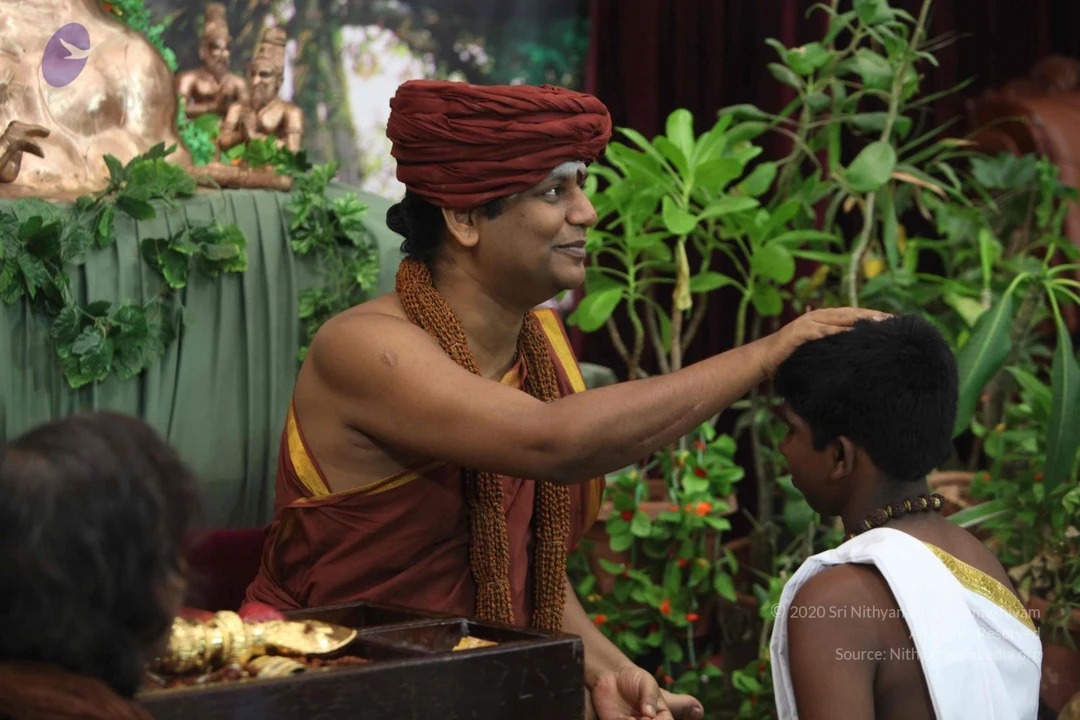
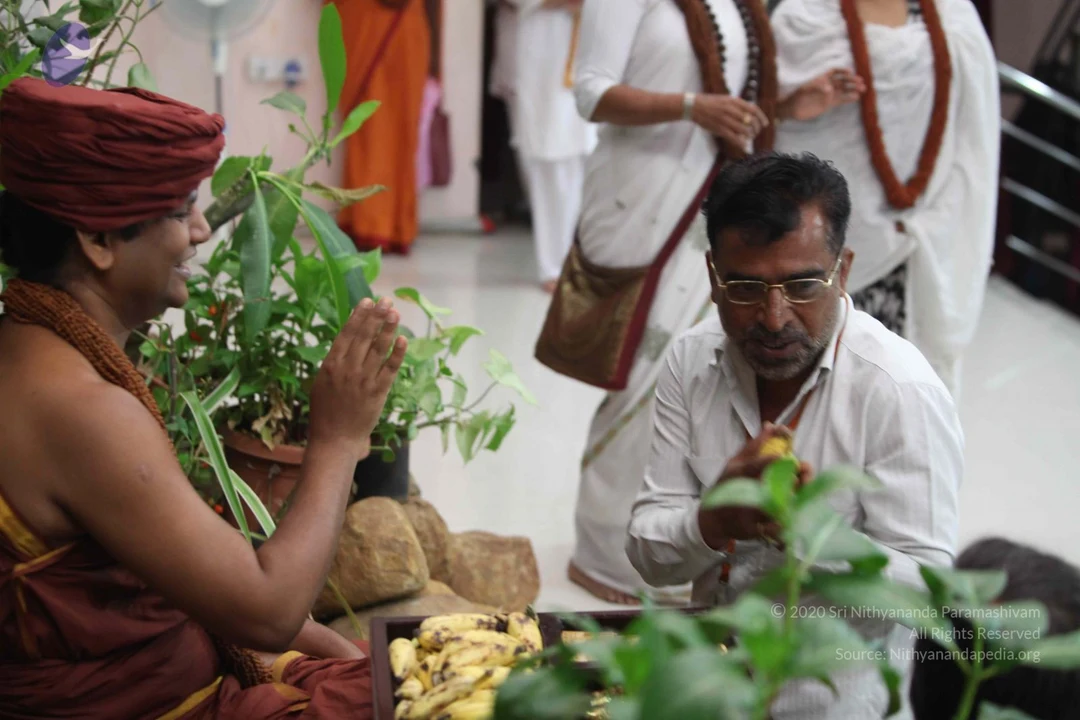
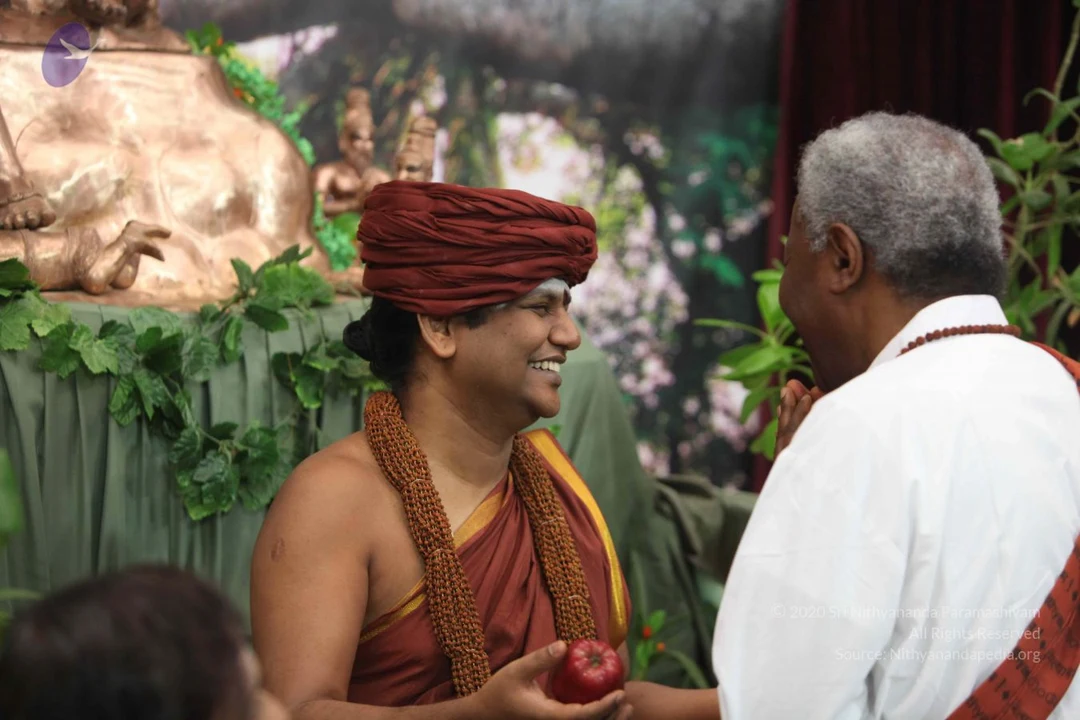
Kalpataru-Darshan
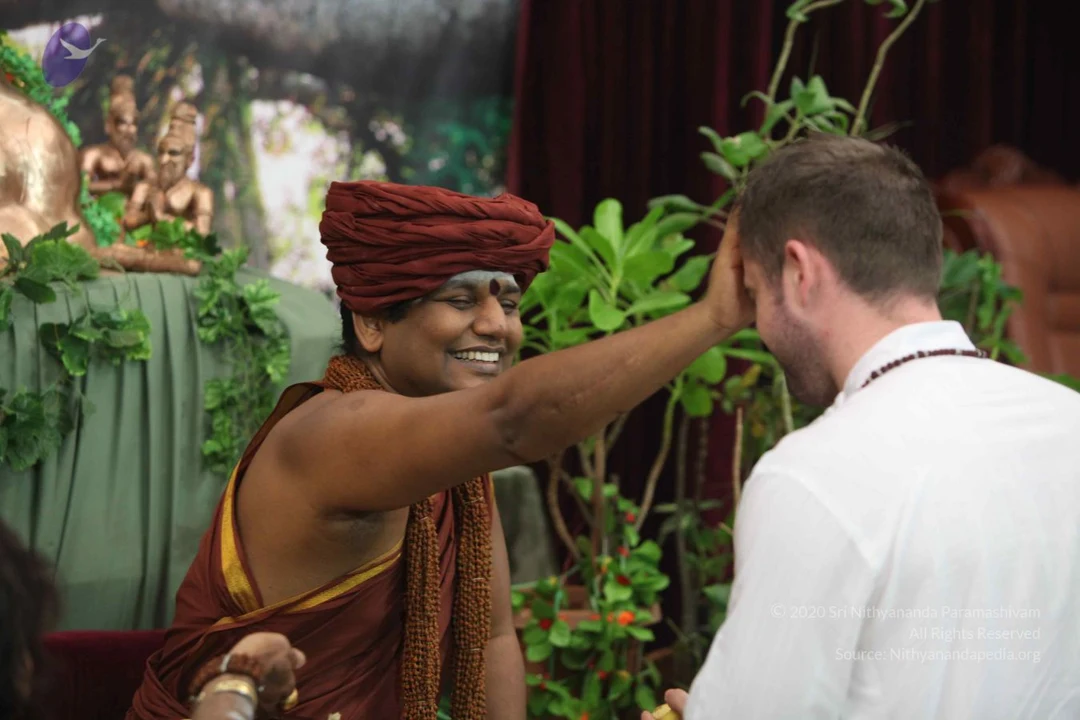
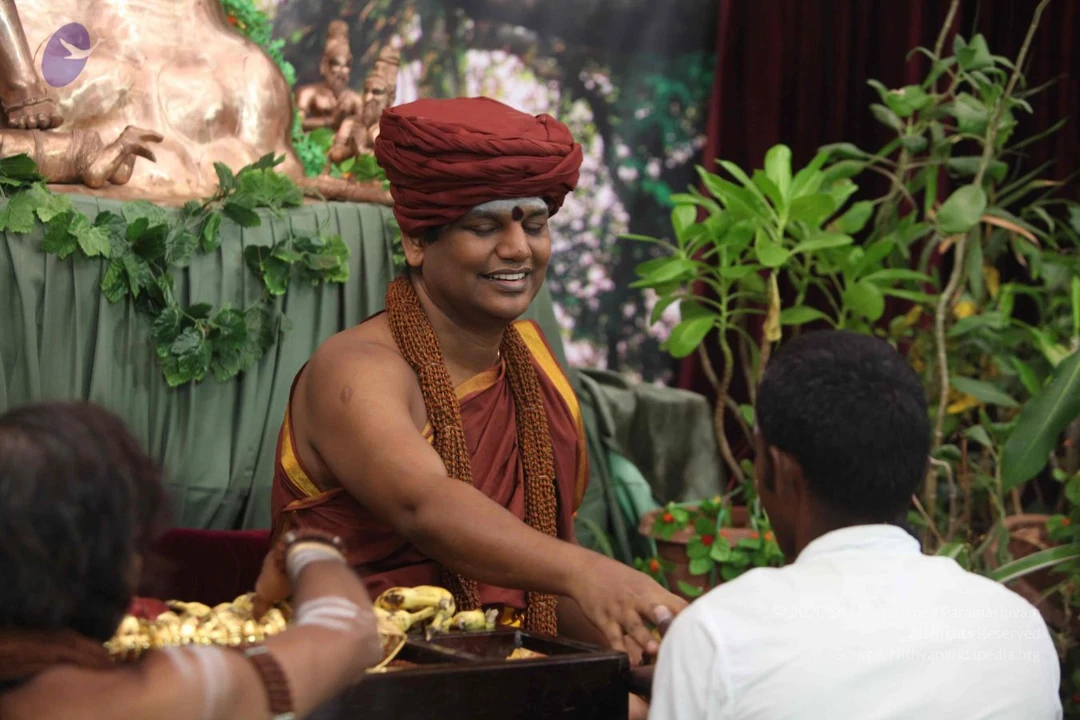


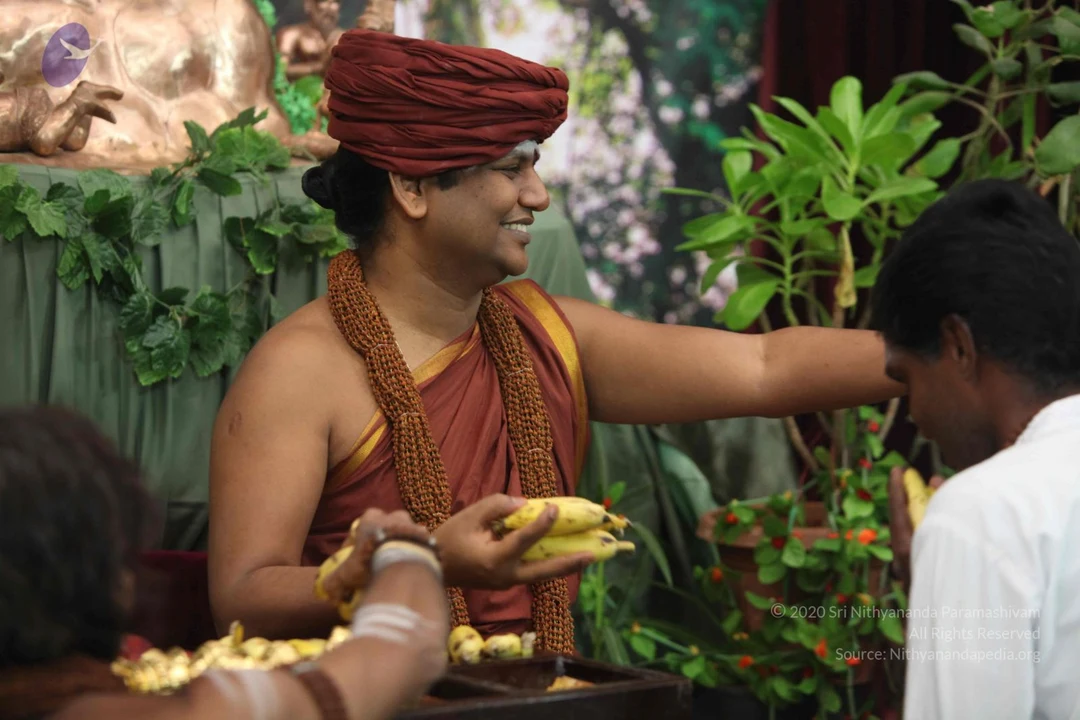
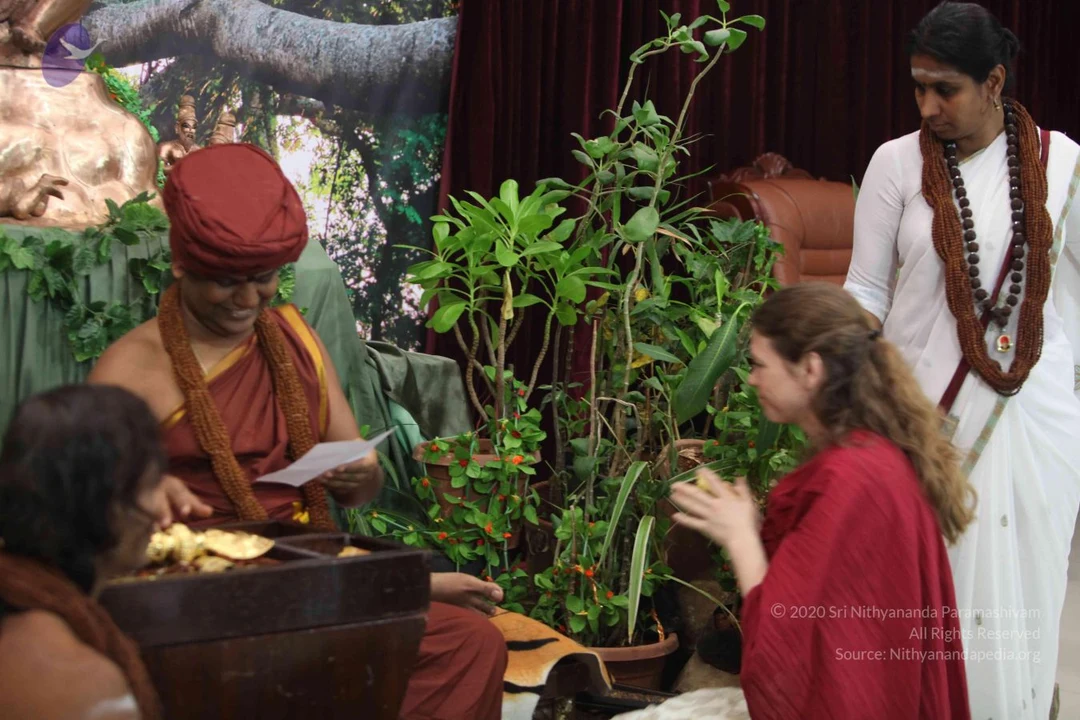
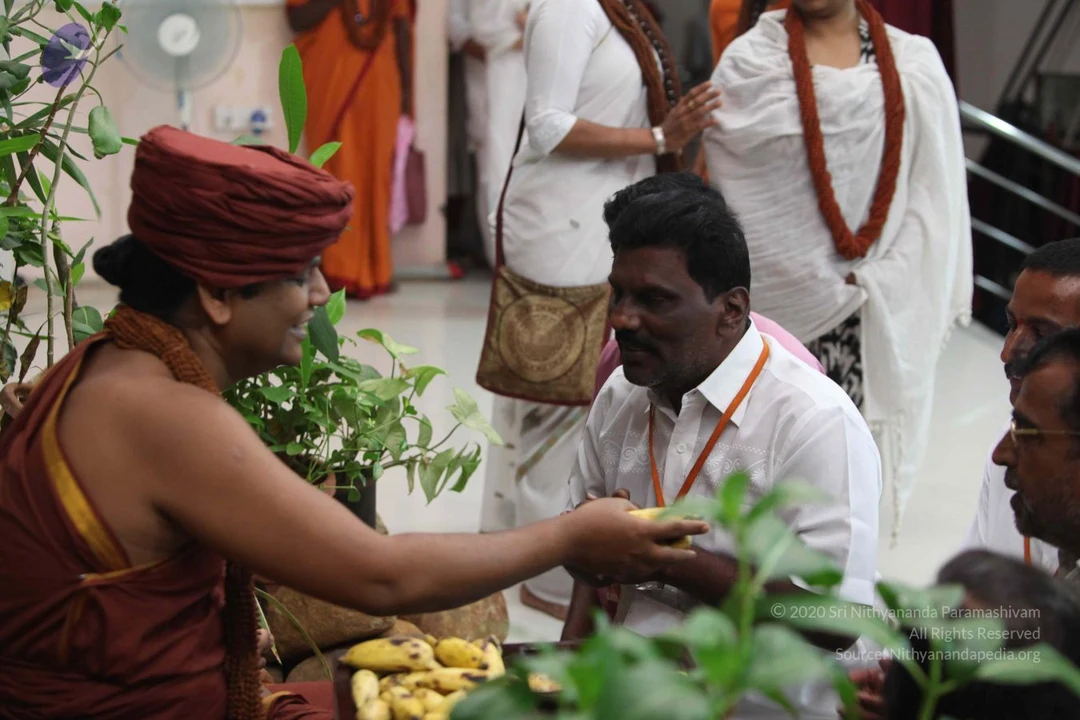
Photos Of The Day:
Satsang
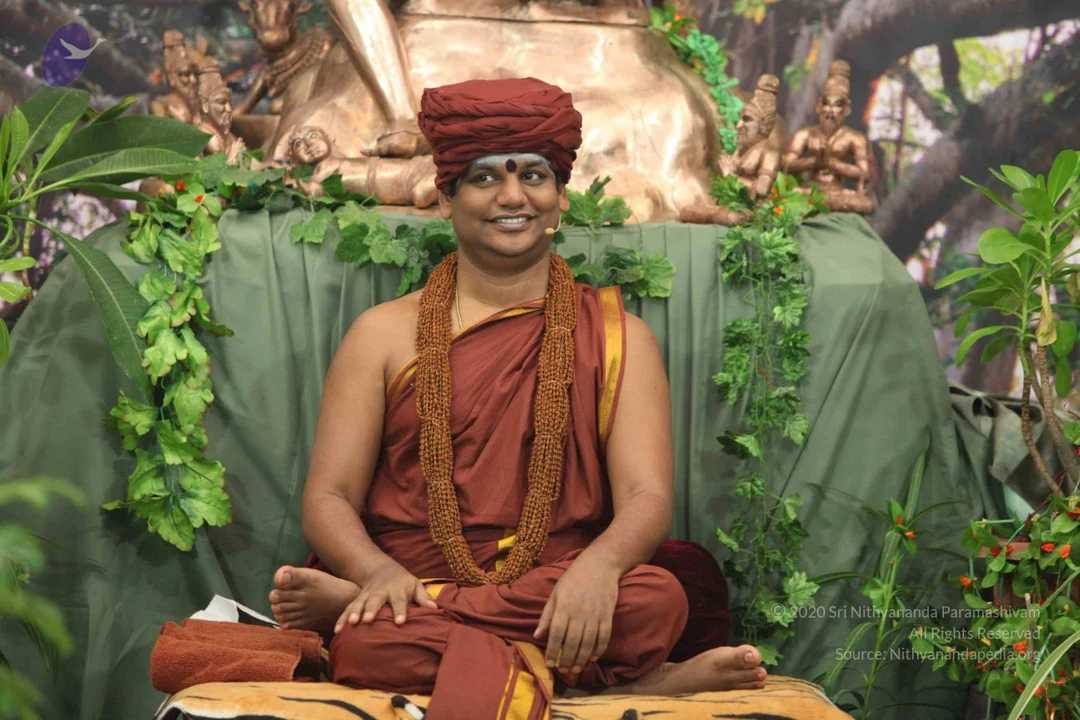


Photos Of The Day:
Kalpataru-Darshan
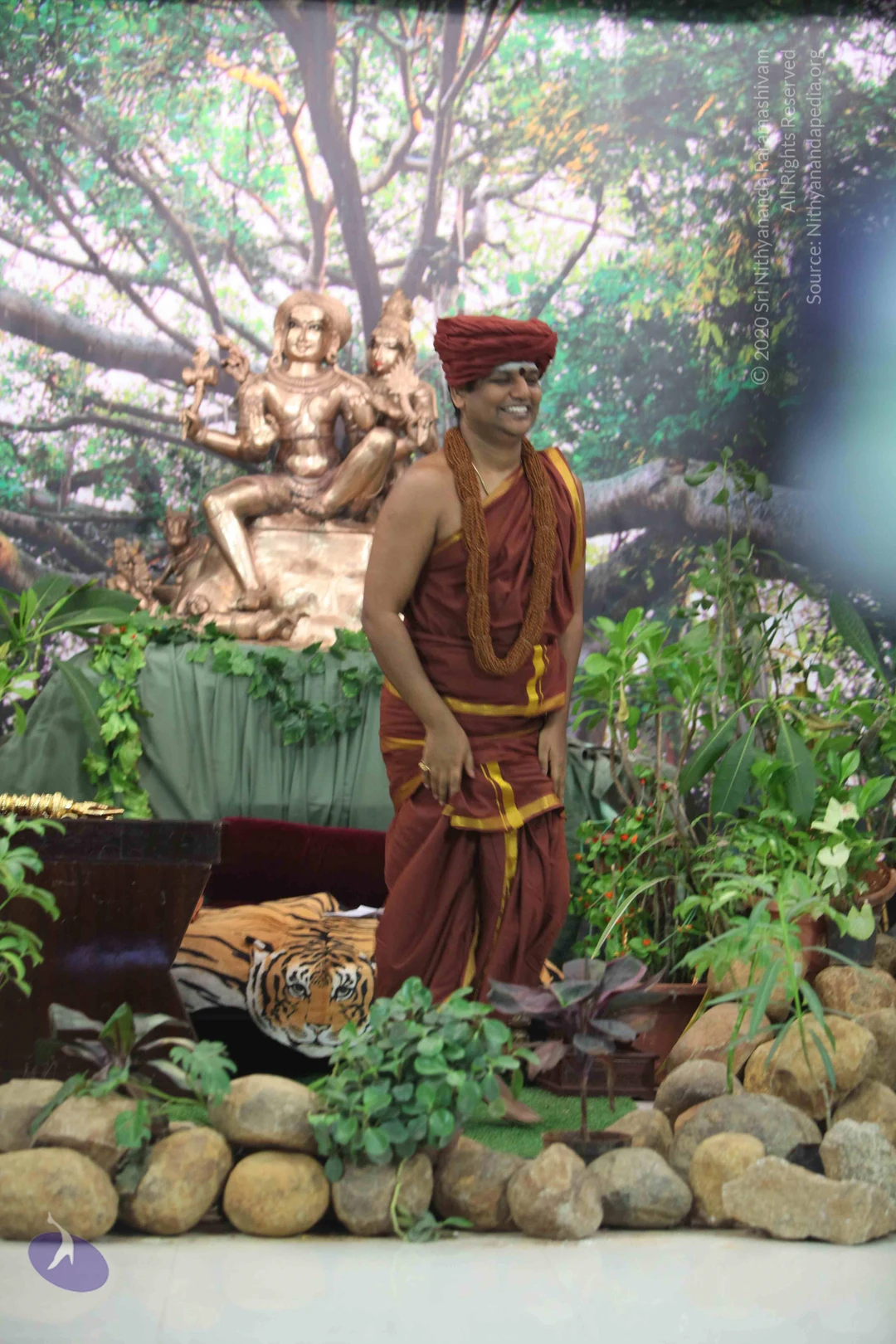
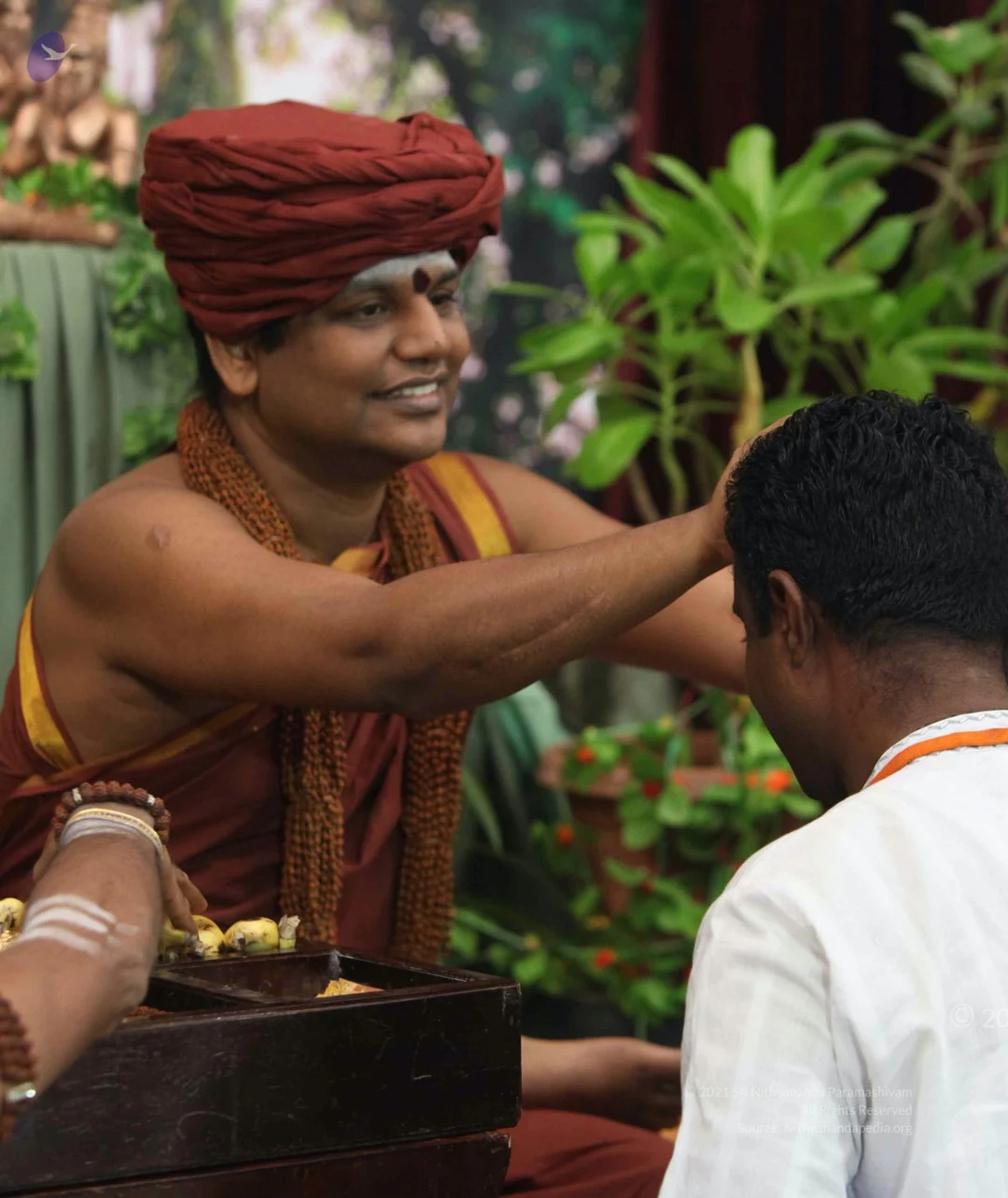
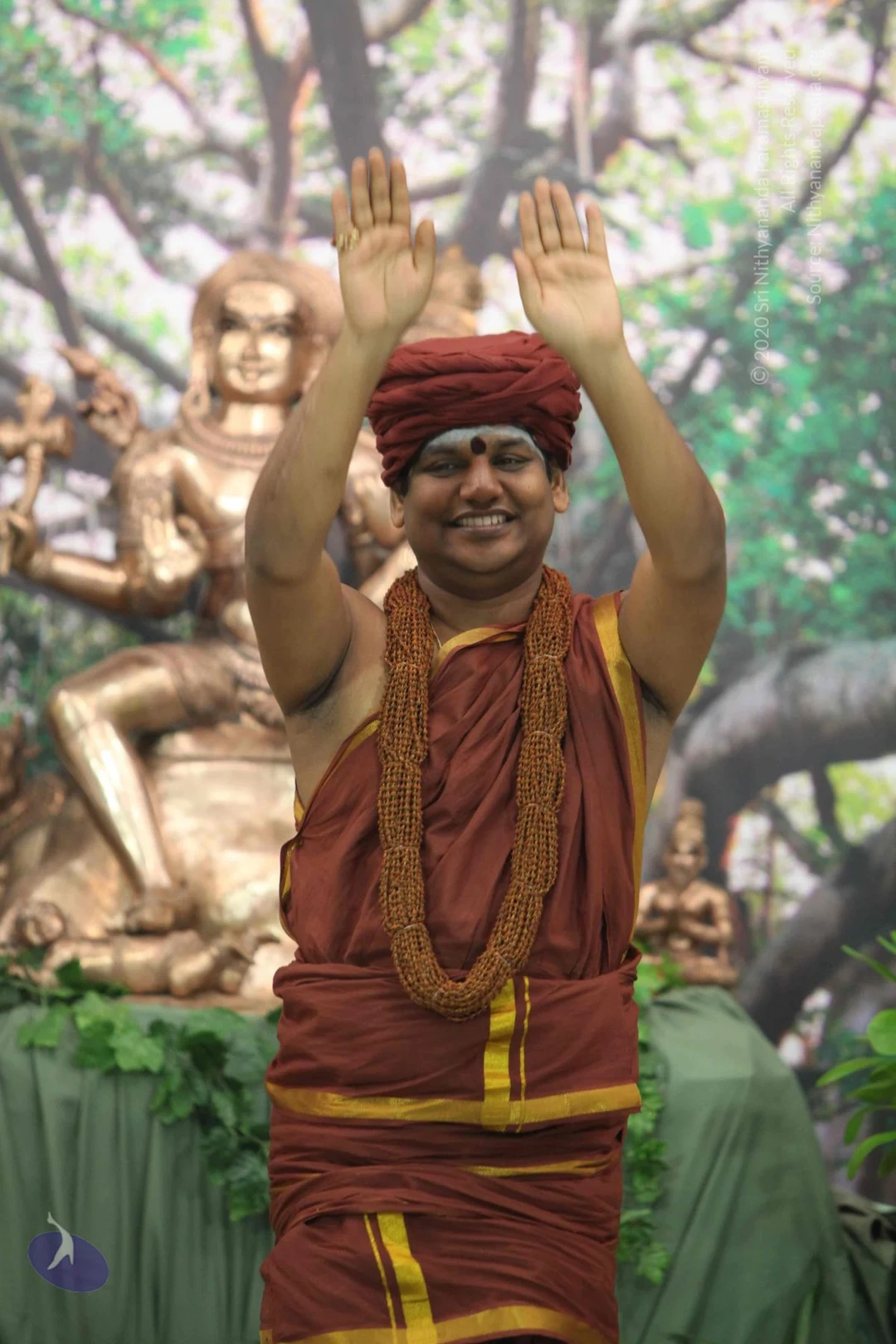
Photos from this day
View all 69 photosNithya Satsang
1 photoSource gallery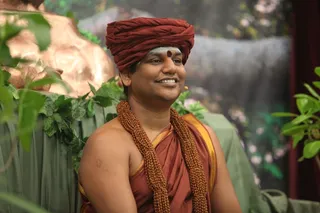
Kalpataru-Darshan
17 photosSource gallery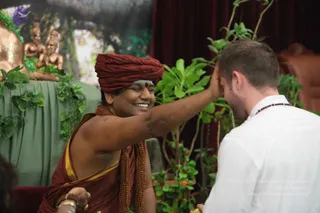
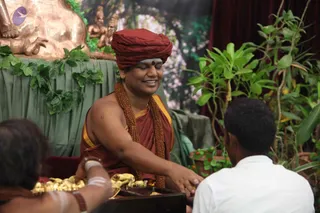
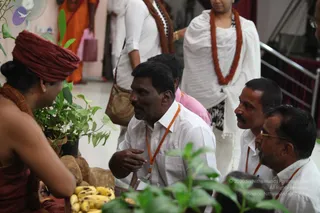
Satsang
47 photosSource gallery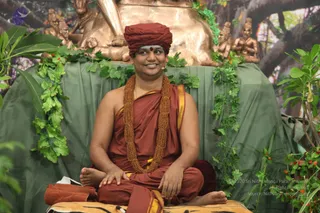
Kalpataru-Darshan
4 photosSource gallery