Thursday
12 February 2015
Life Runs By Inspiration
- Dated photos
- 366
- Source pages
- 1
- Media
- 3
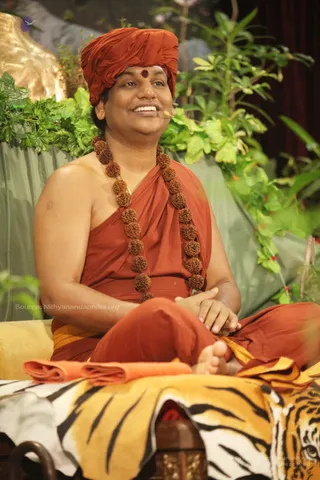
February 12 2015
Original wiki pageTitle:
Life Runs By Inspiration
Description:
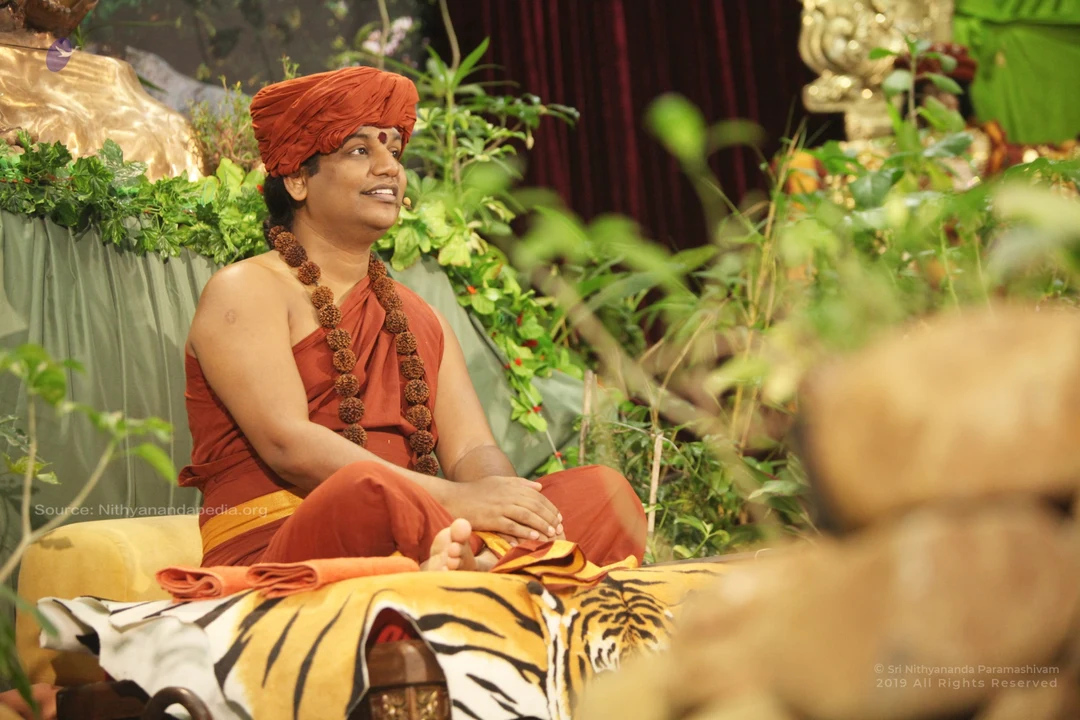
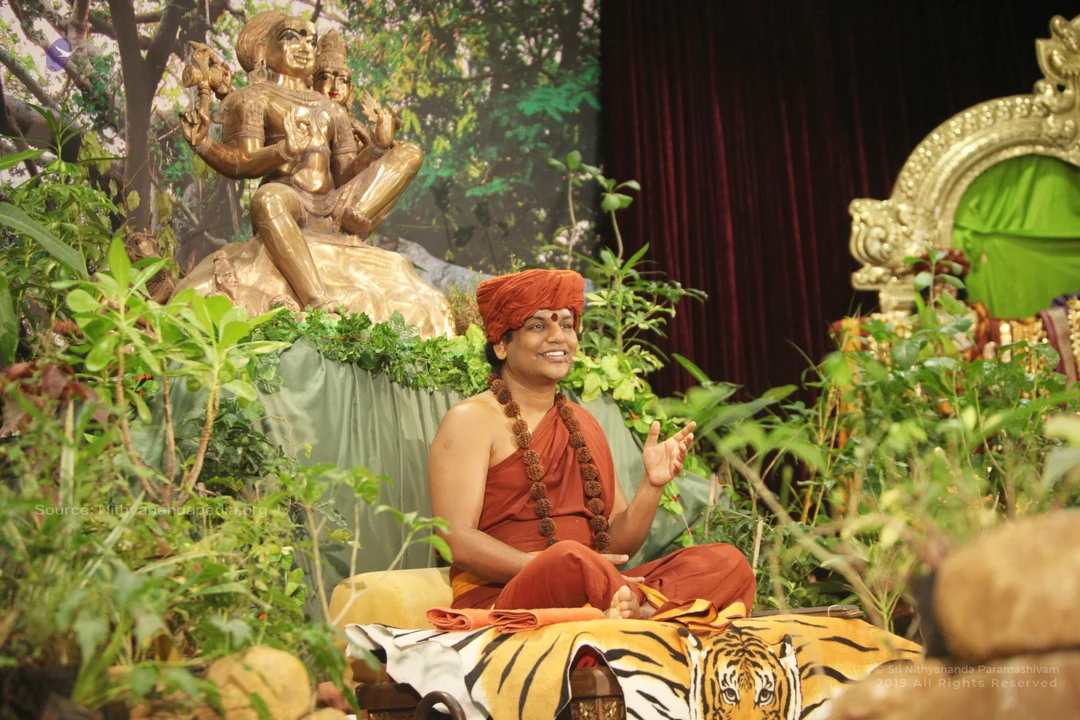
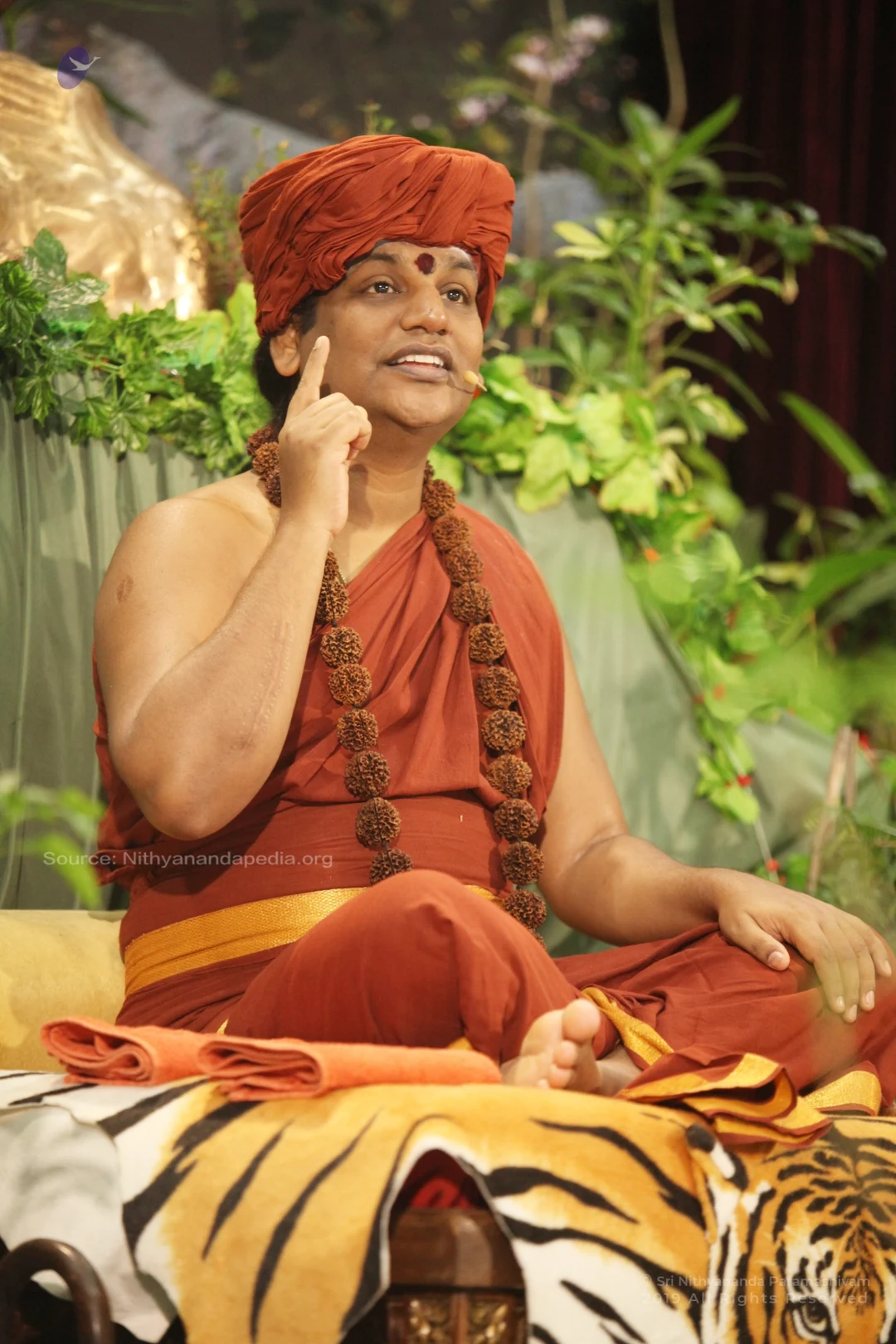
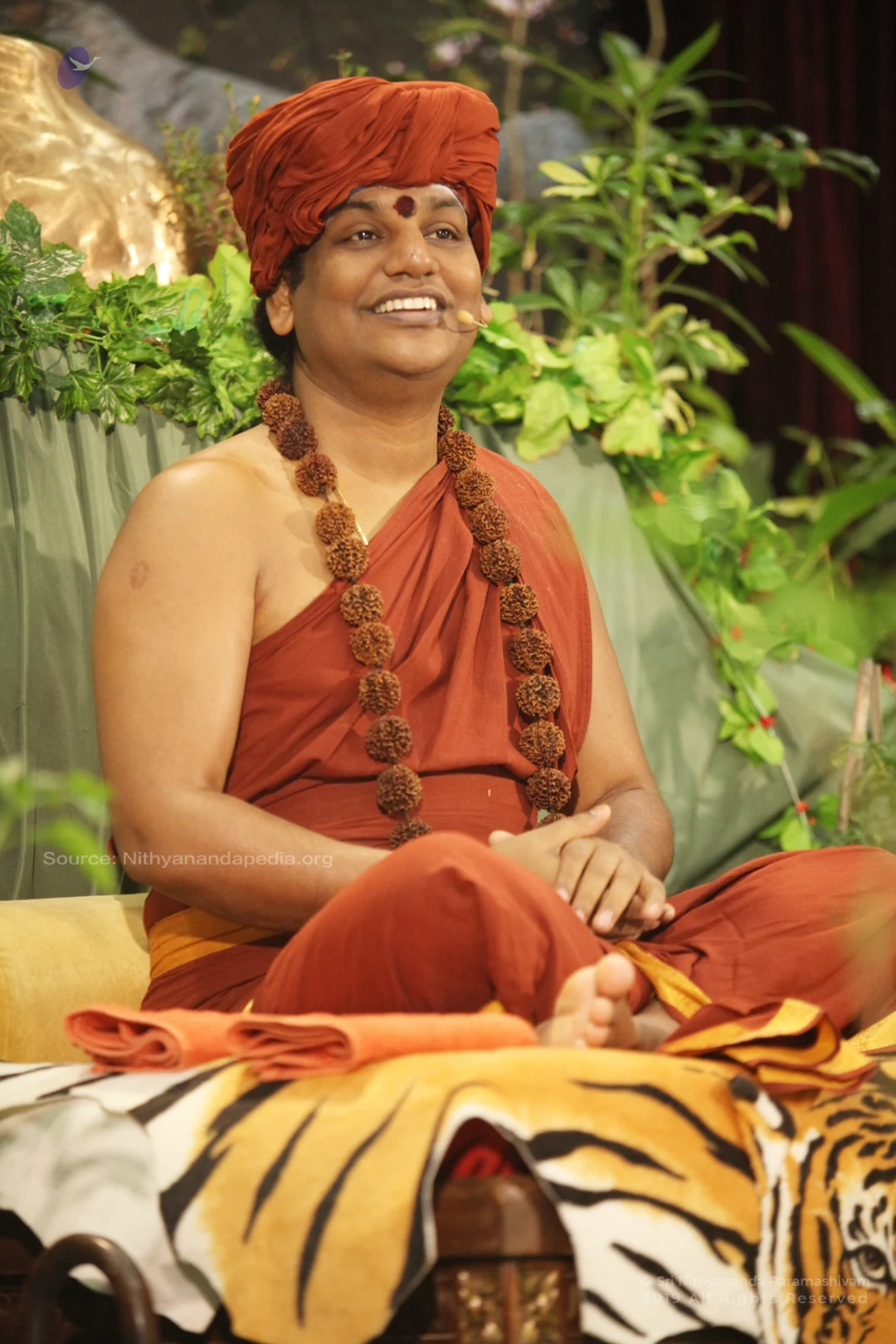
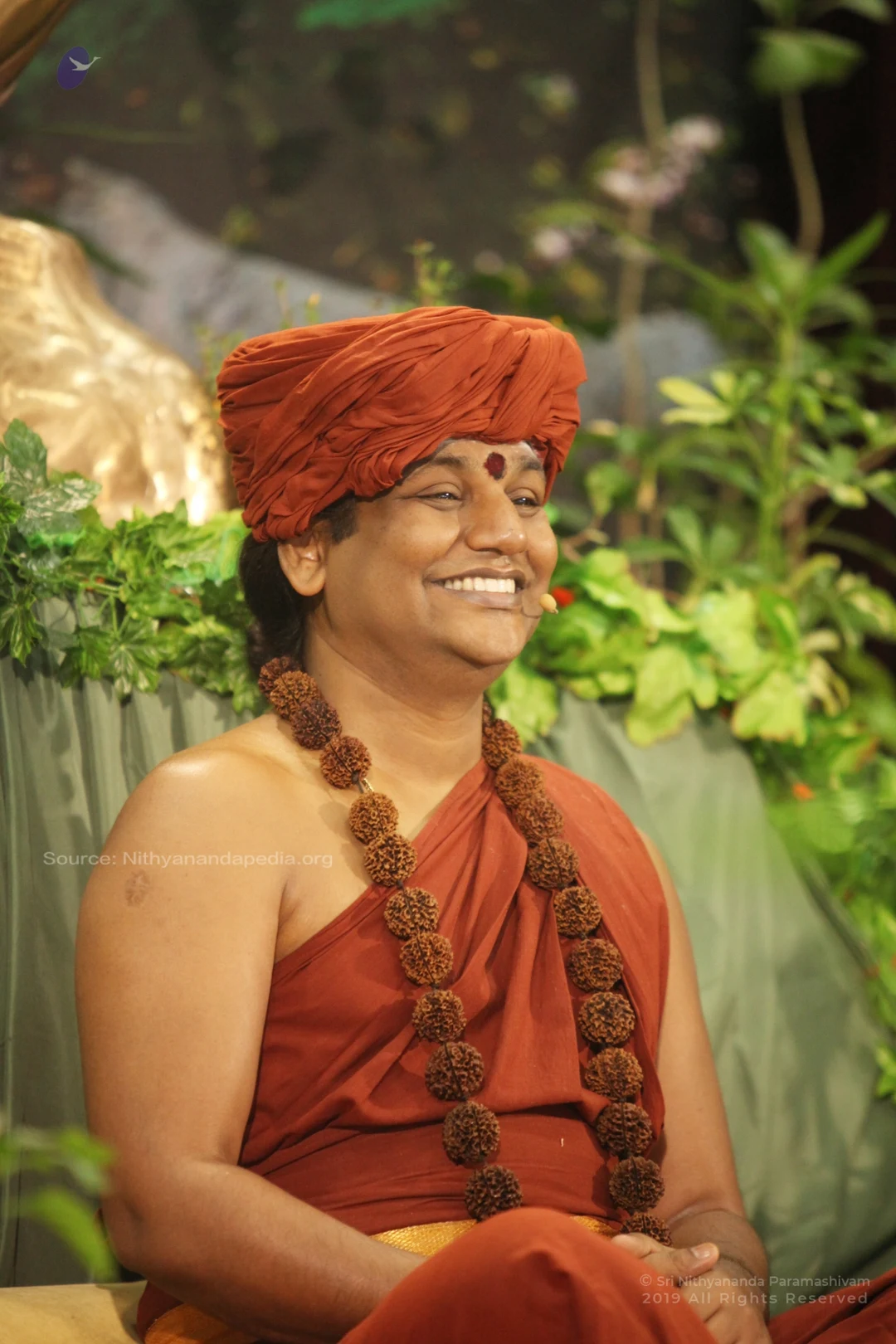
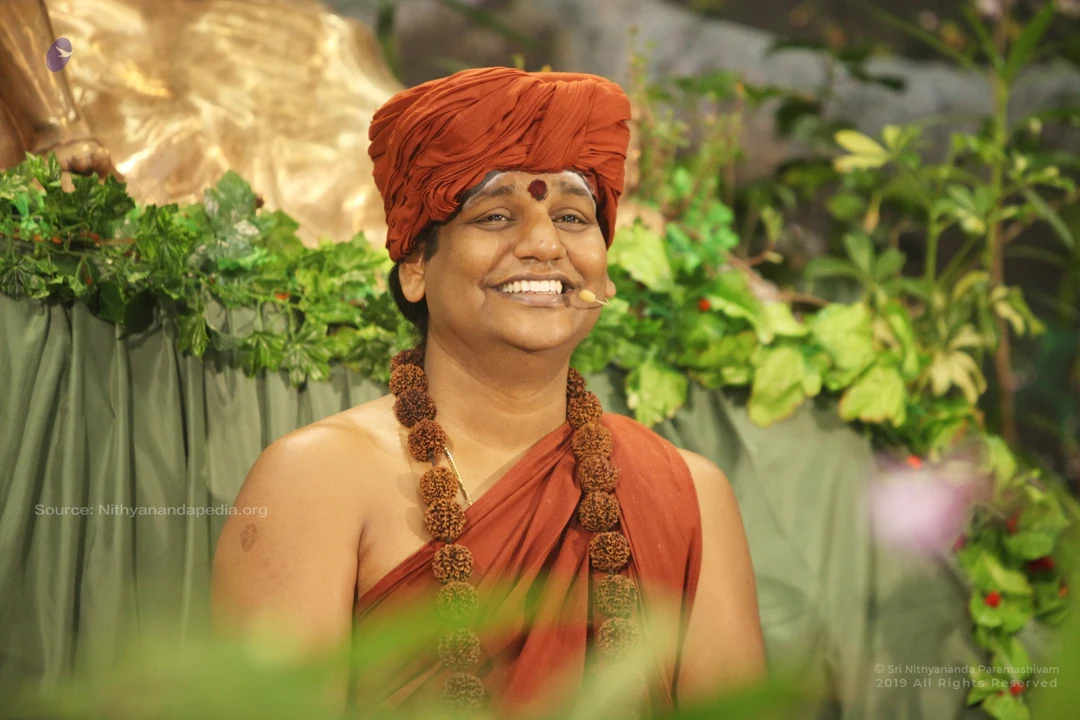
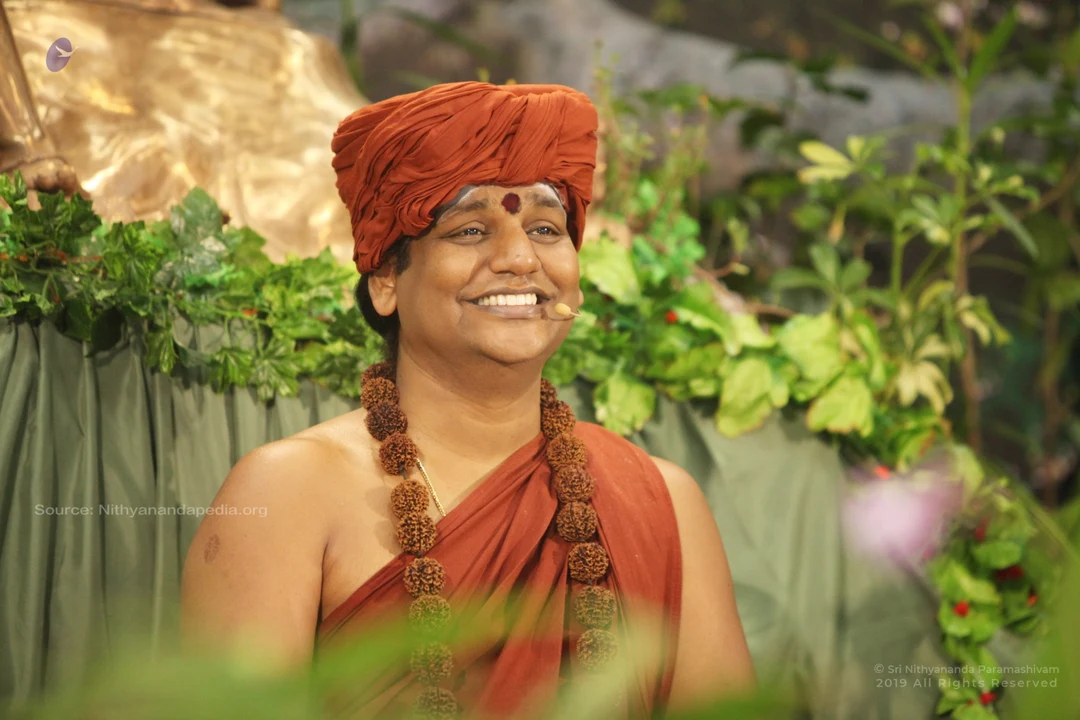
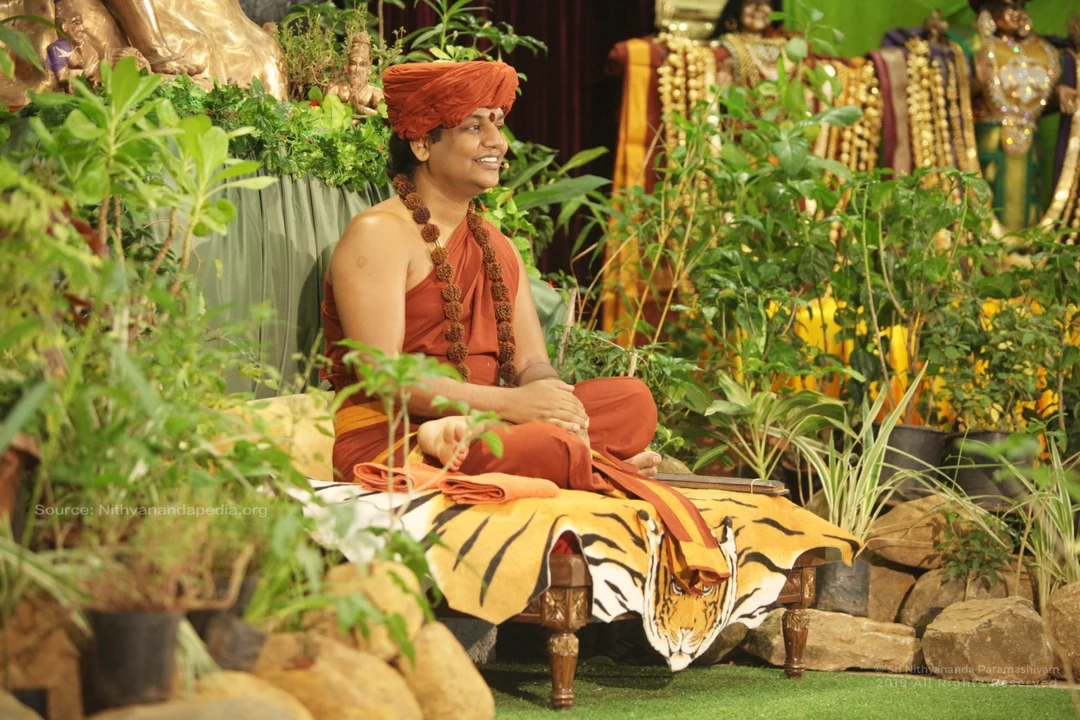
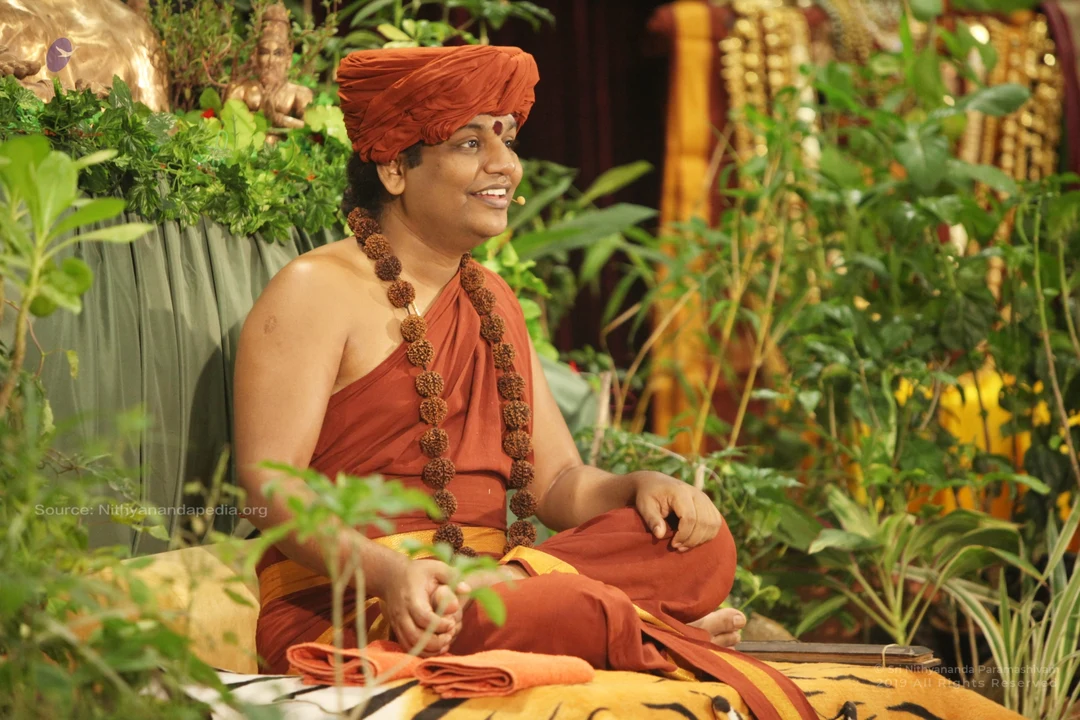
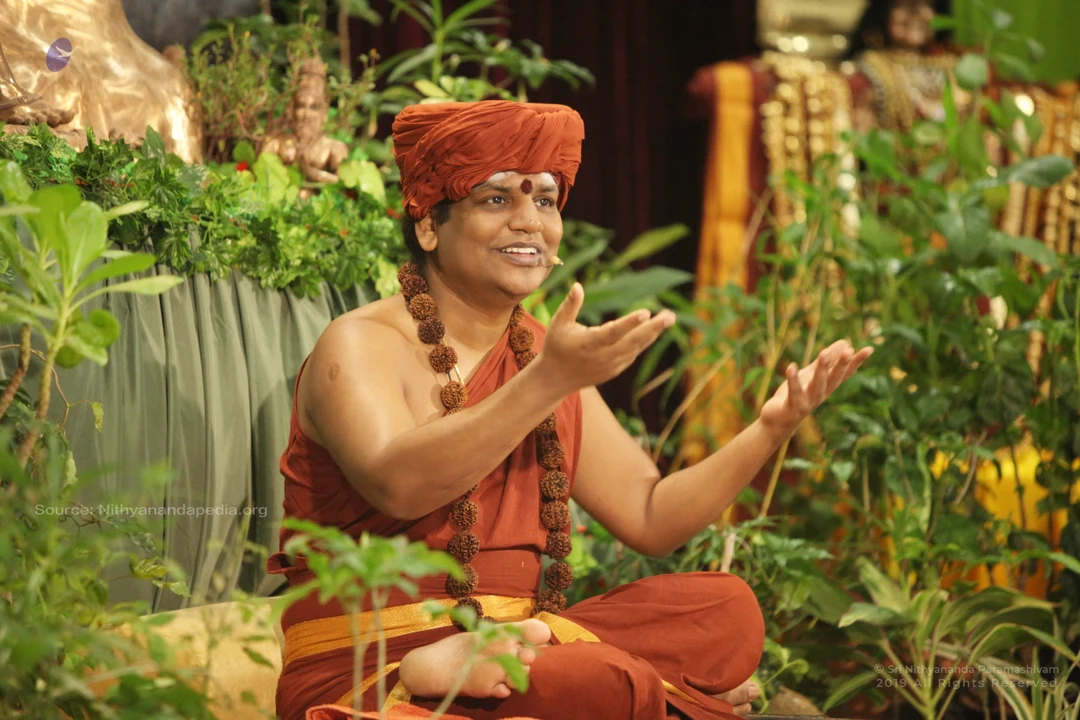
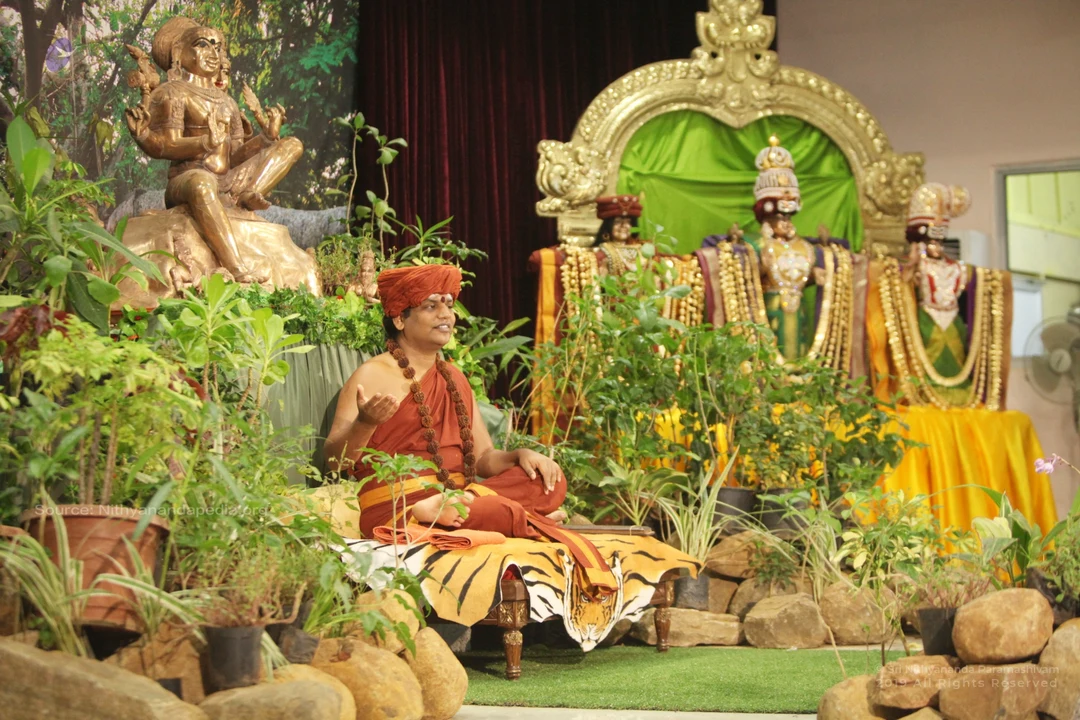
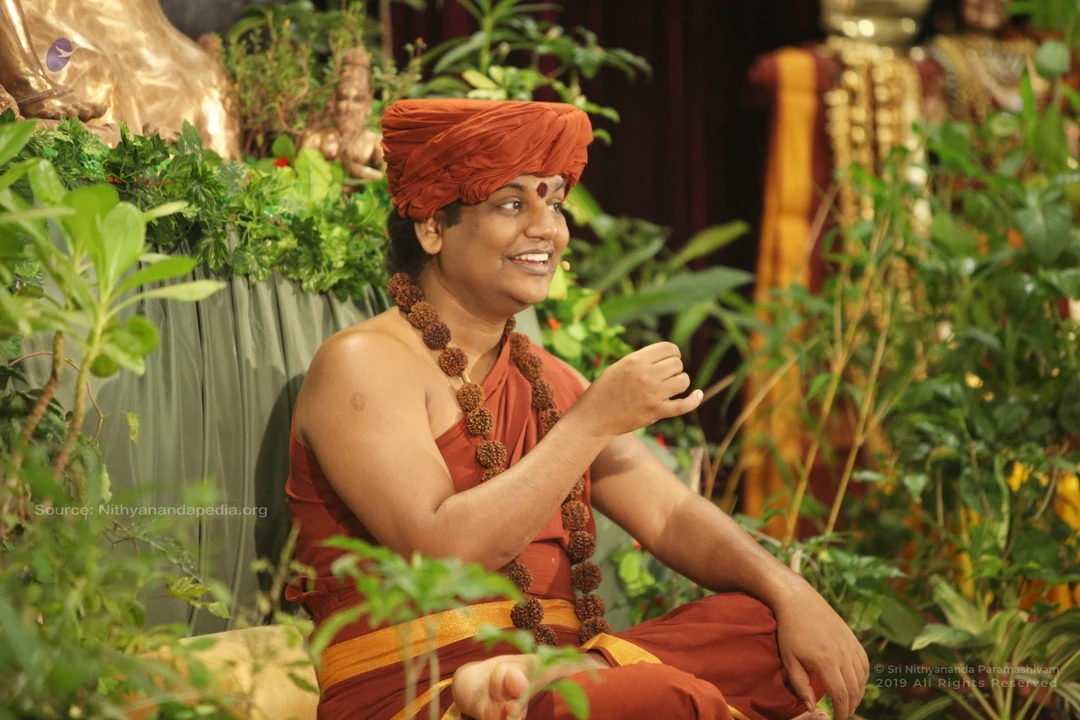
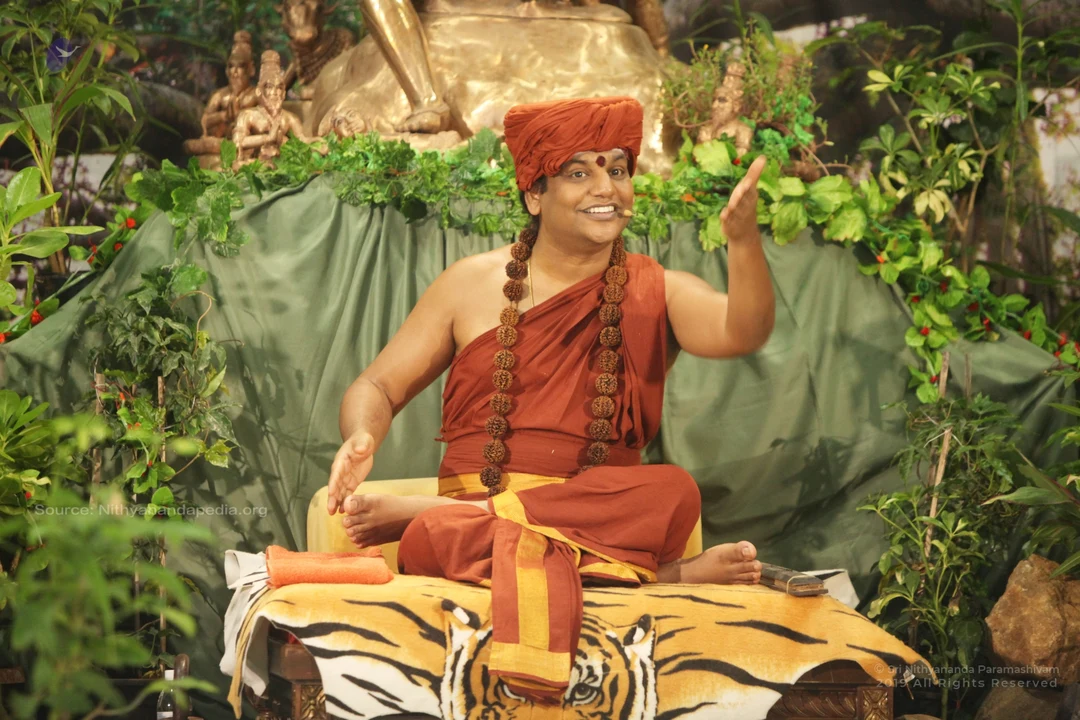
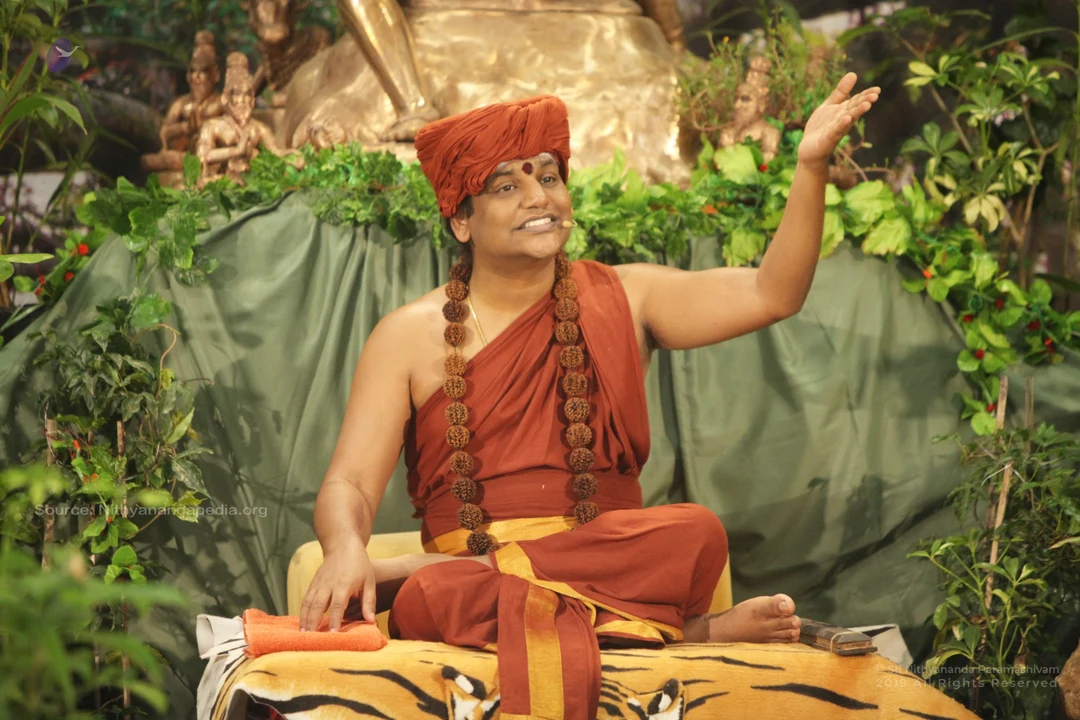
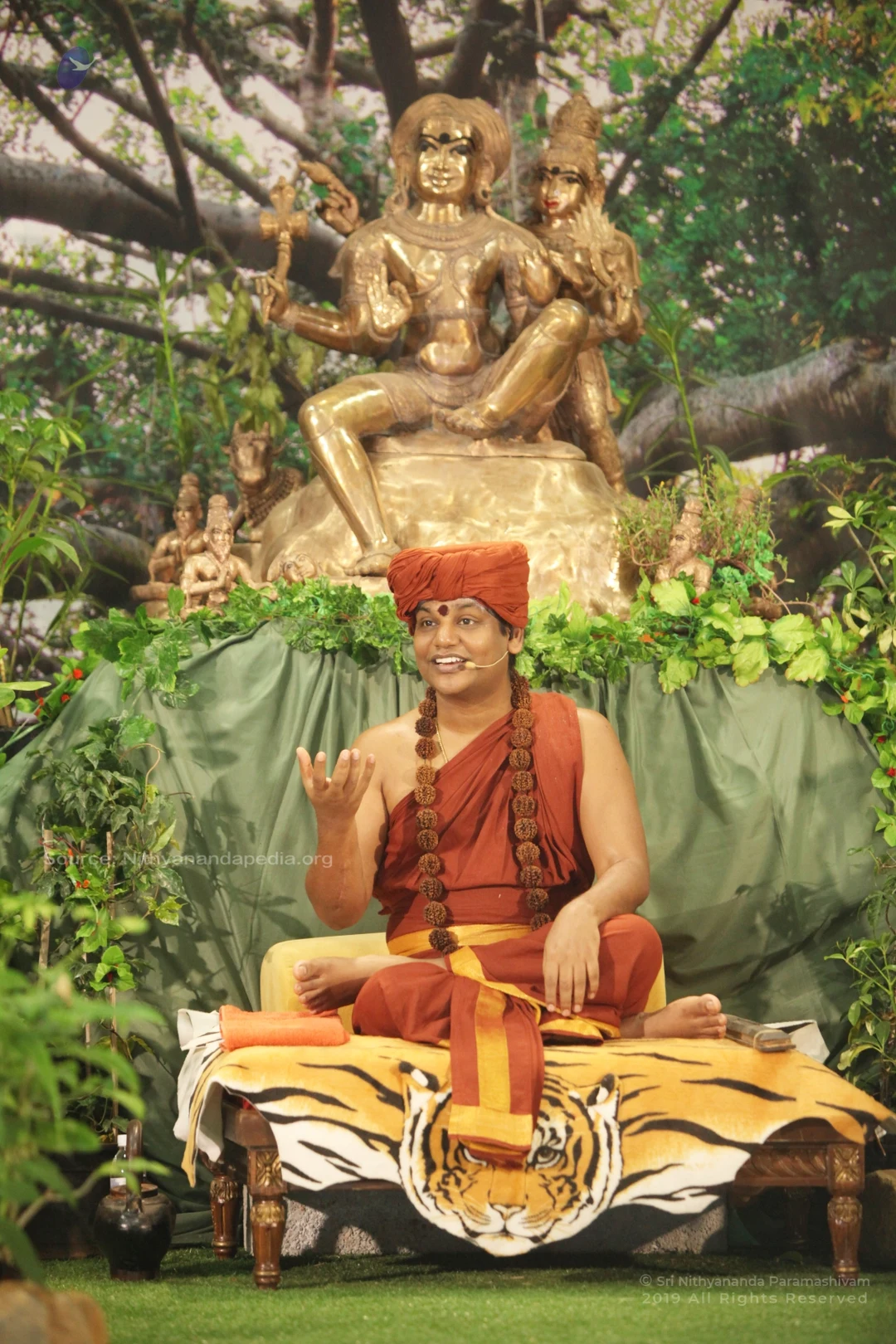
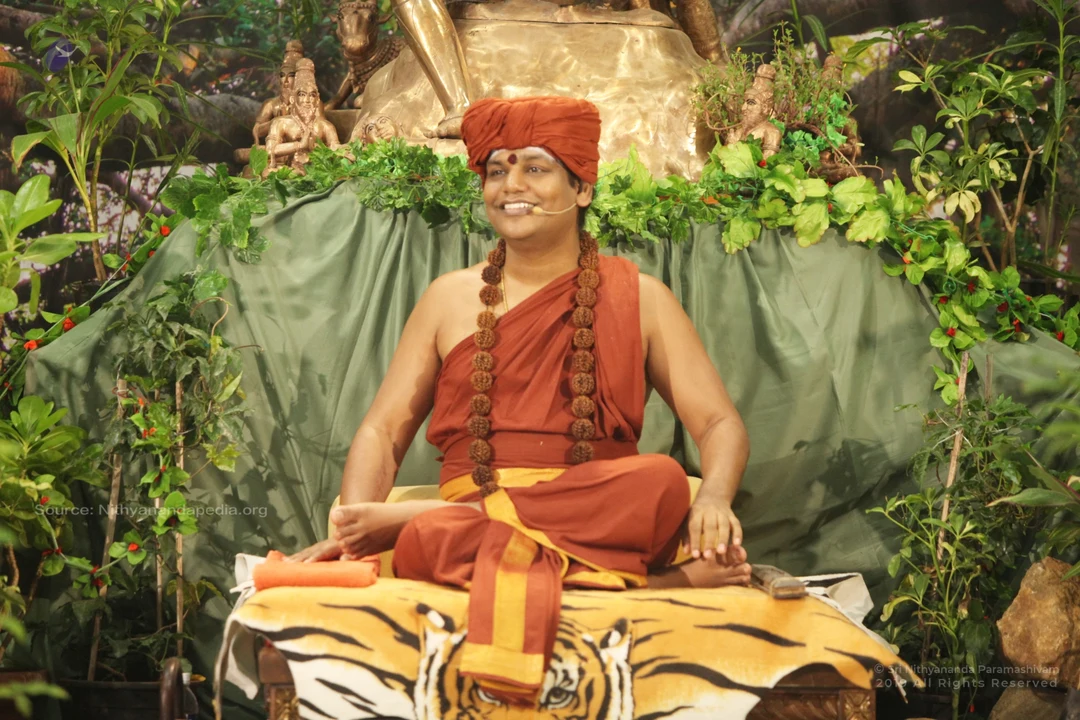
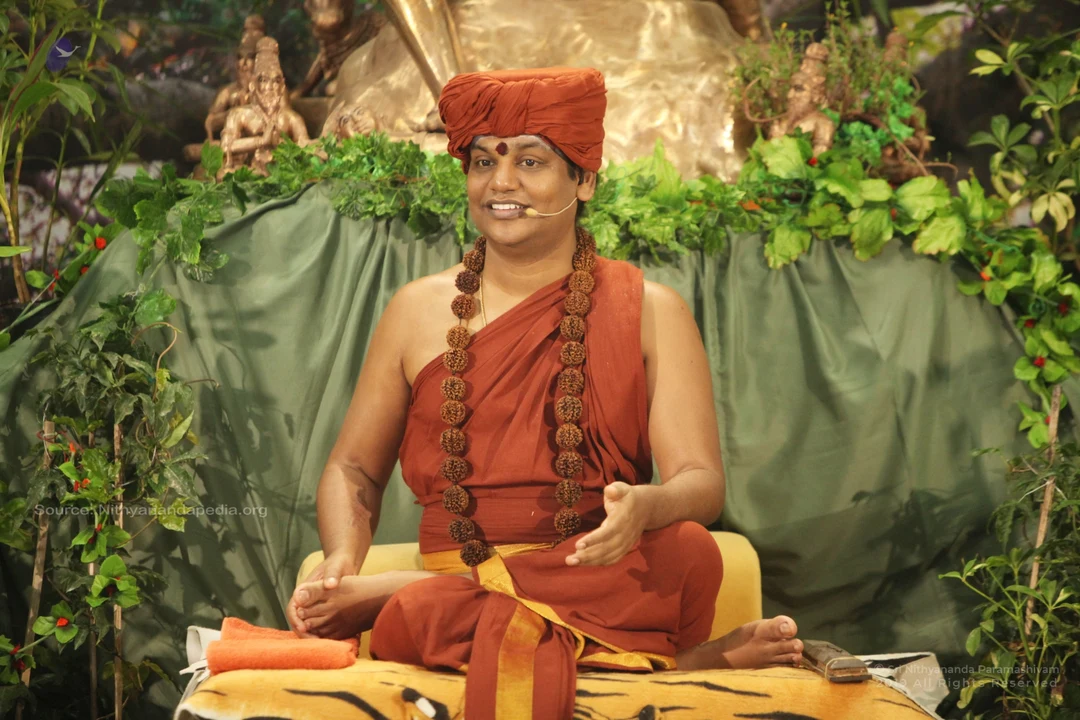
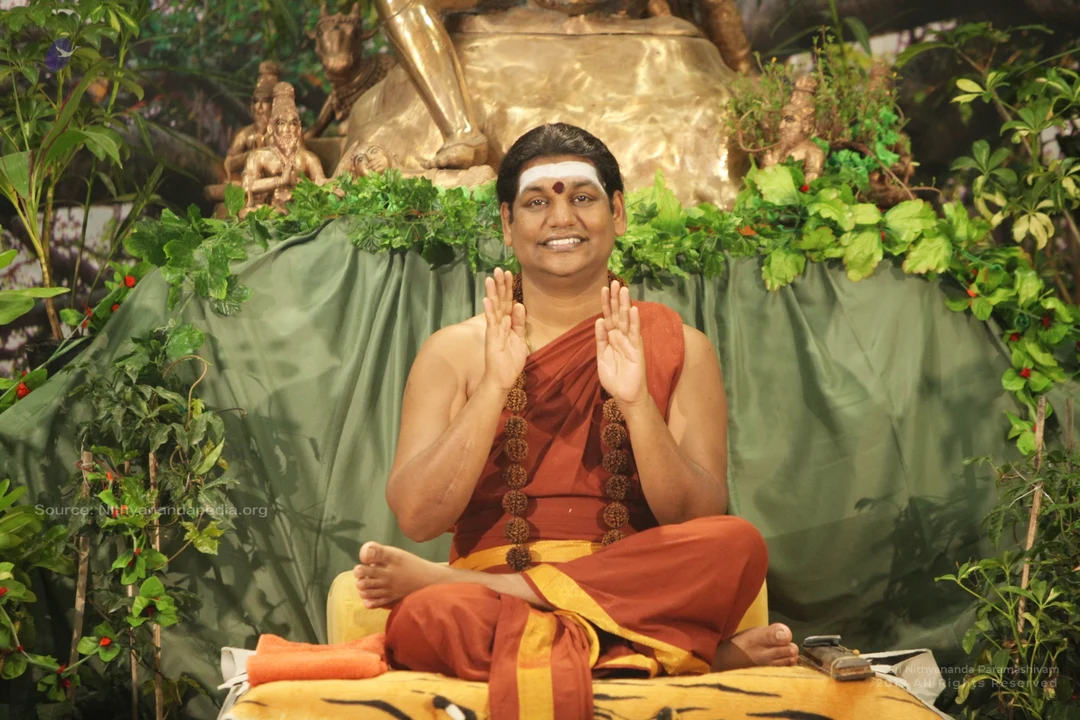
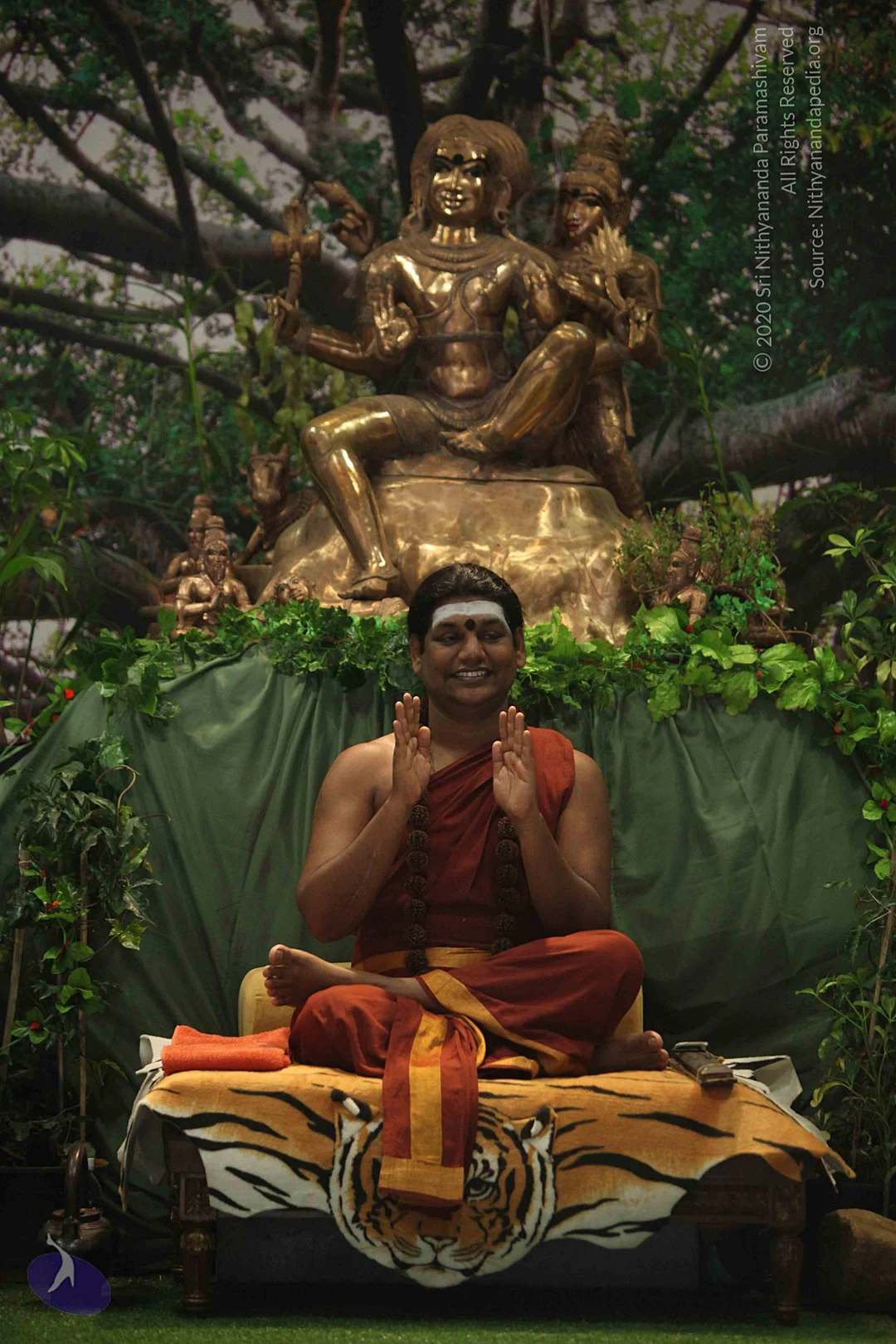
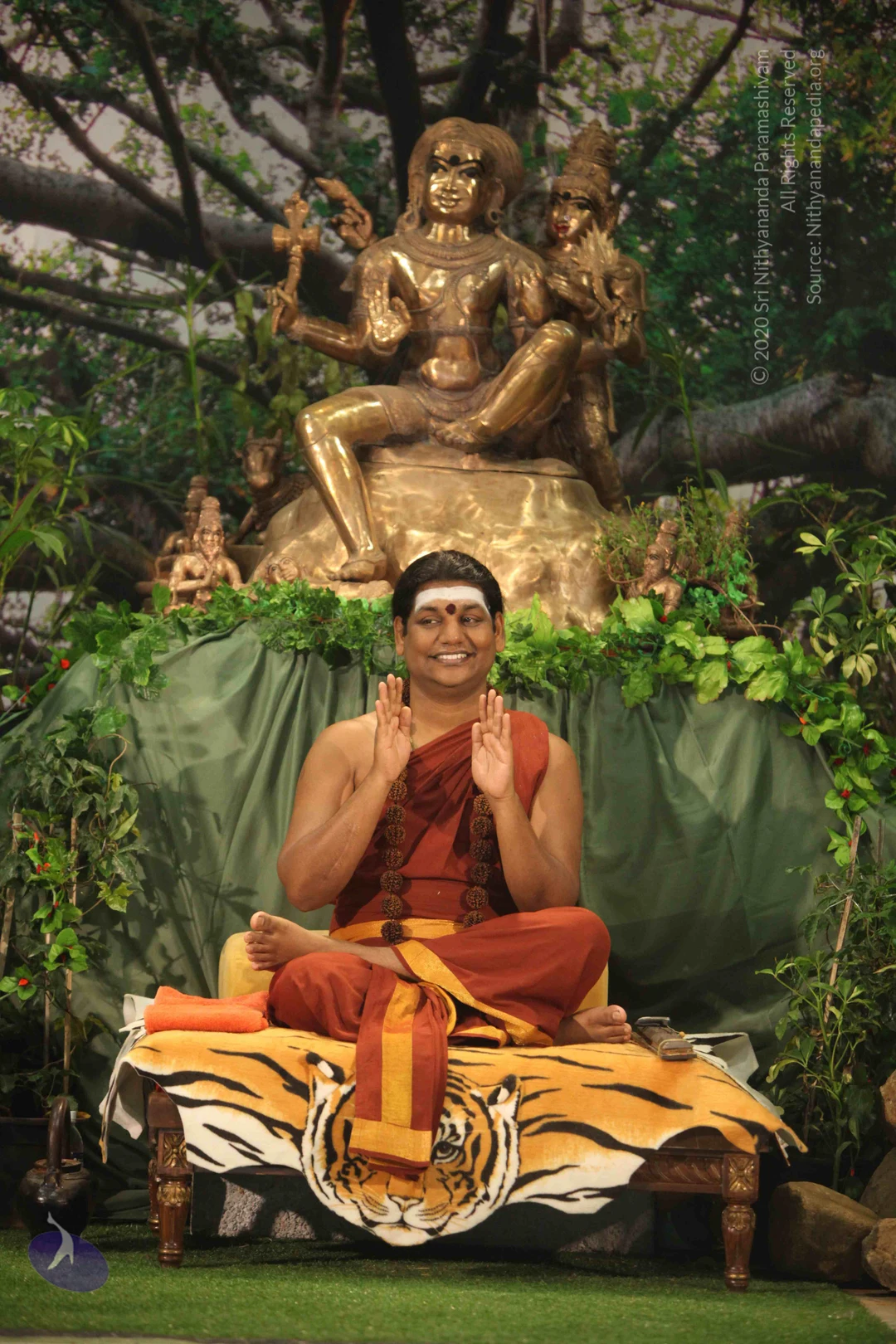
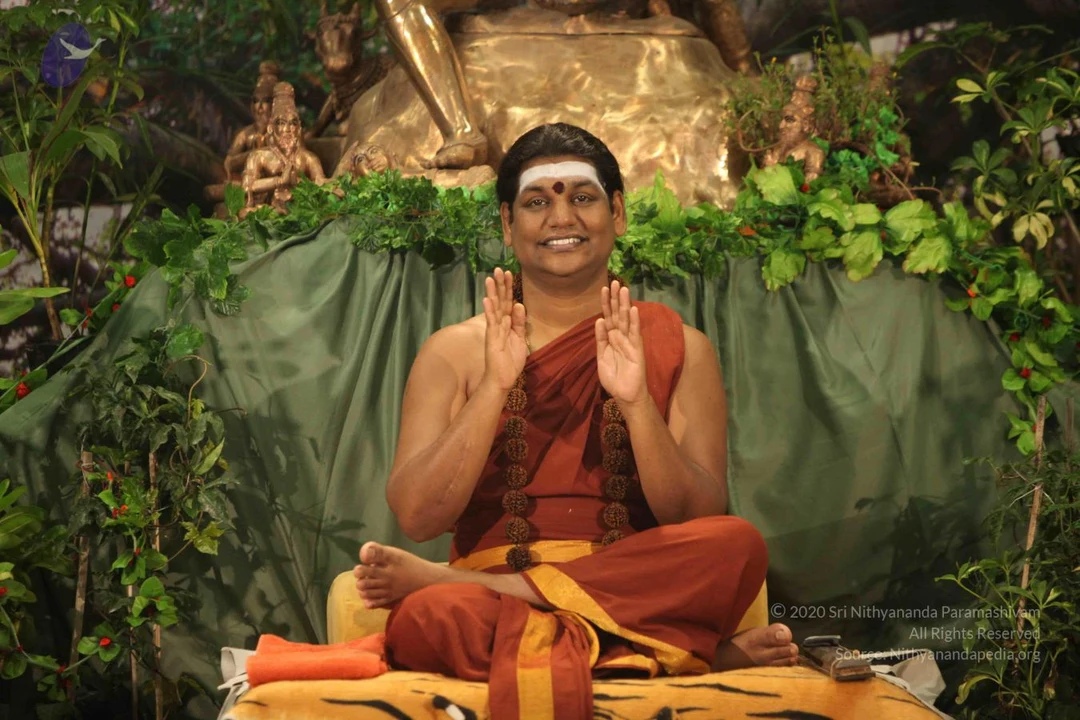
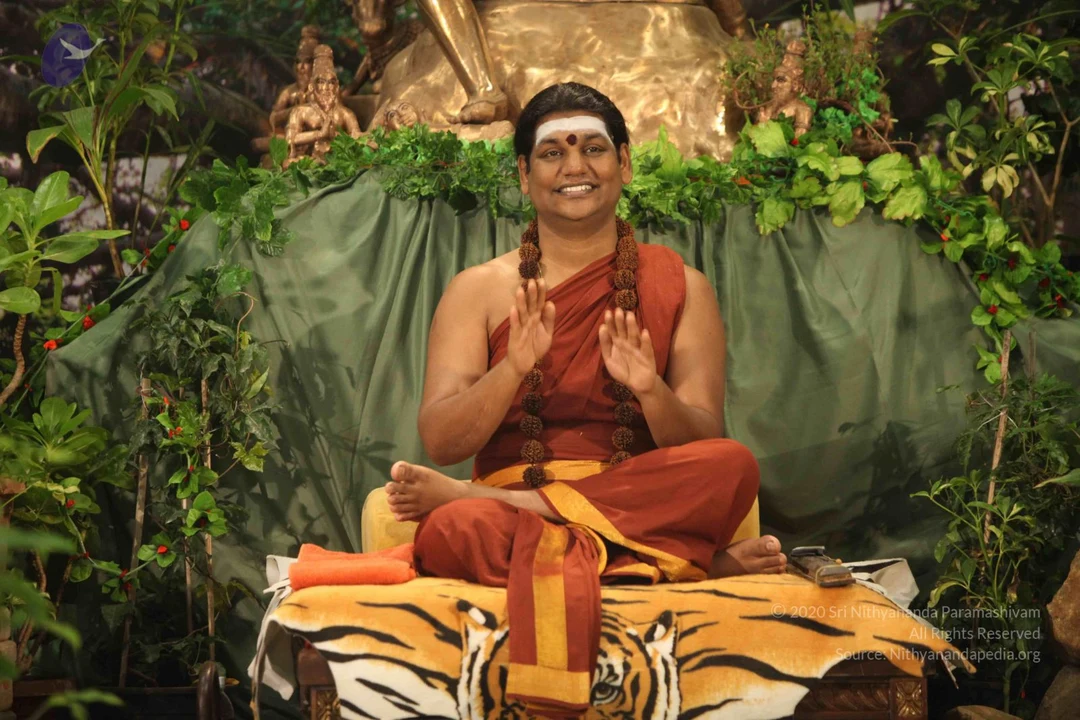
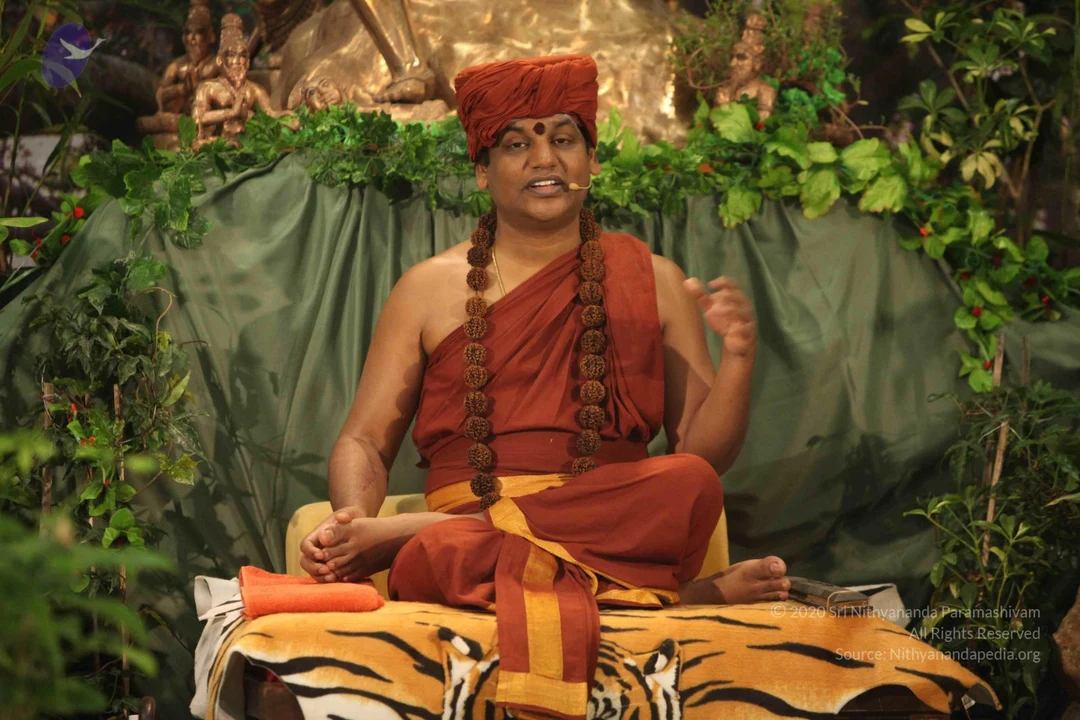
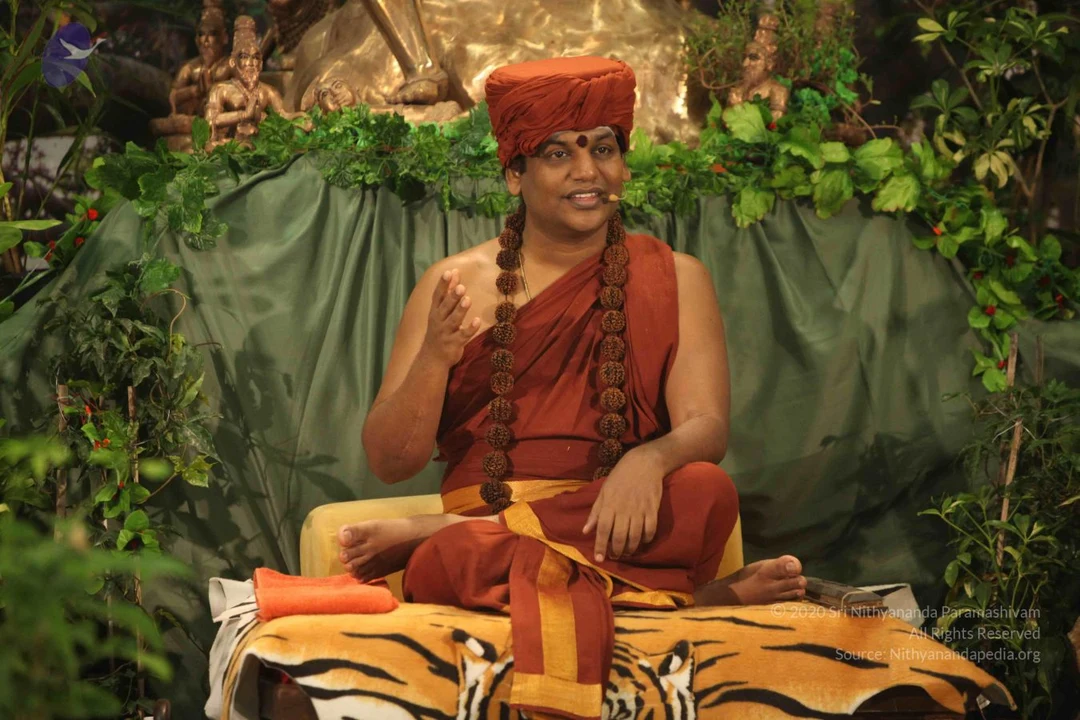
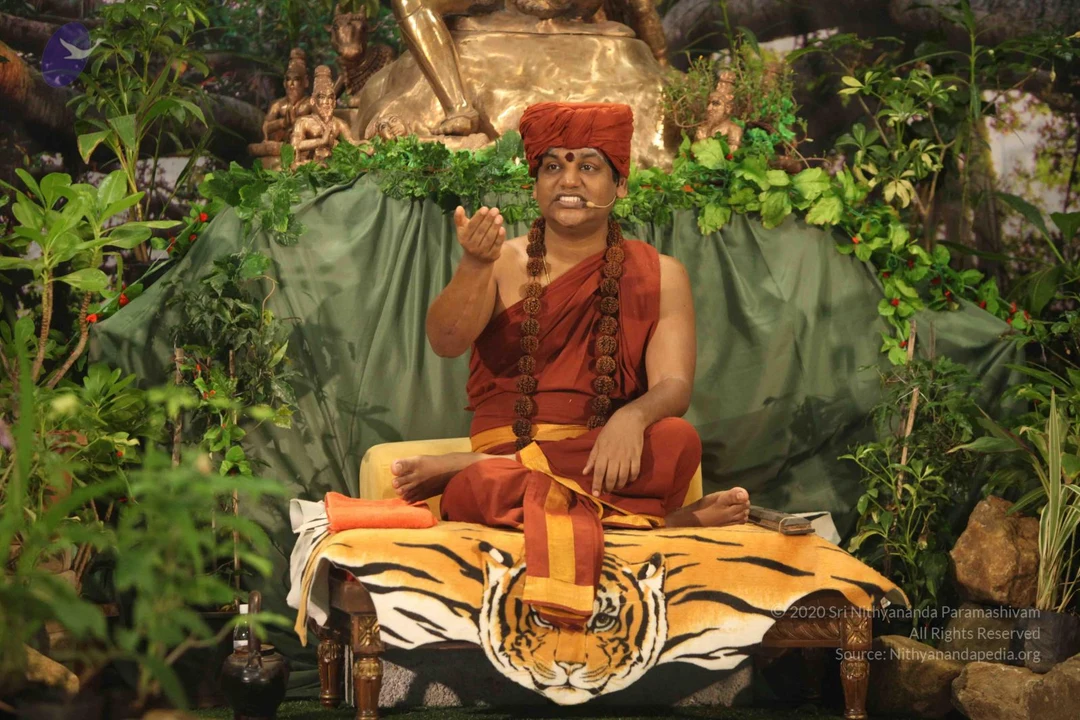
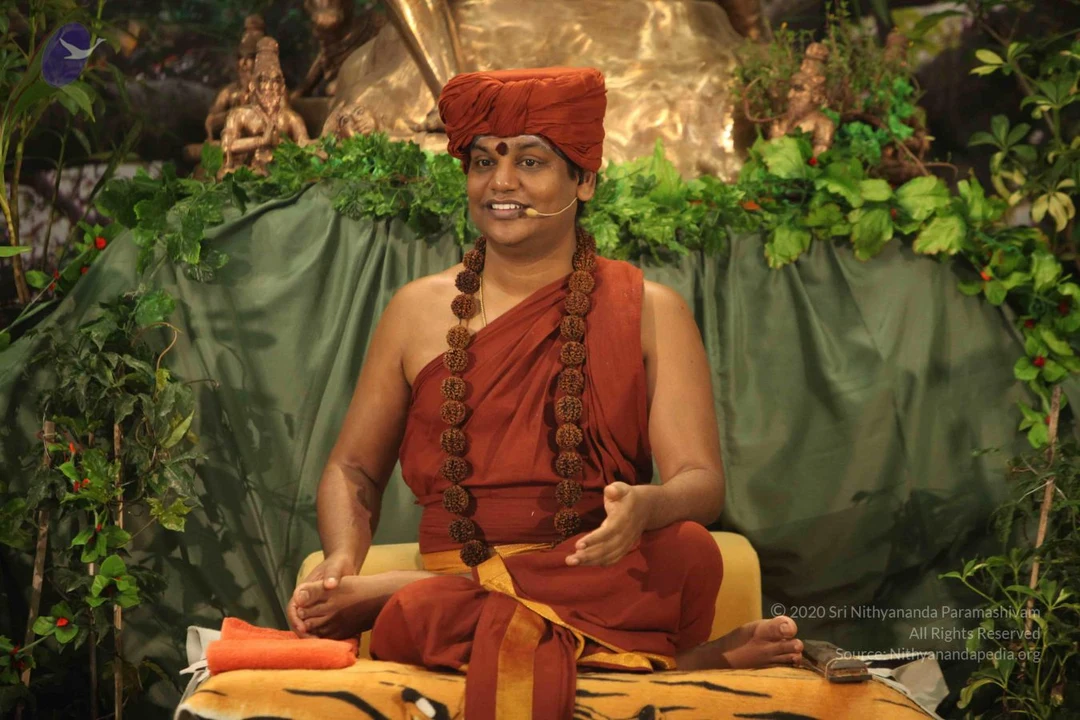
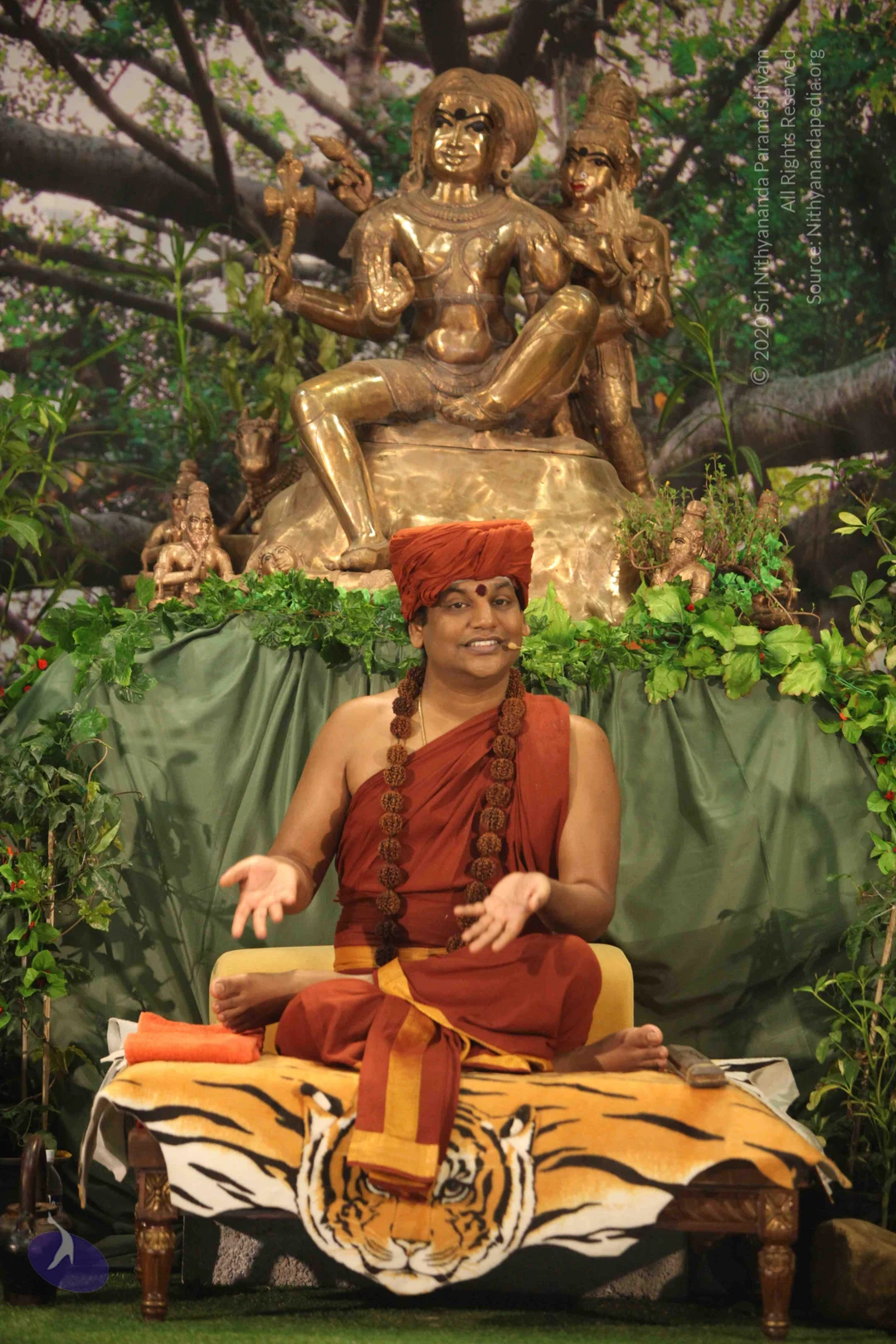
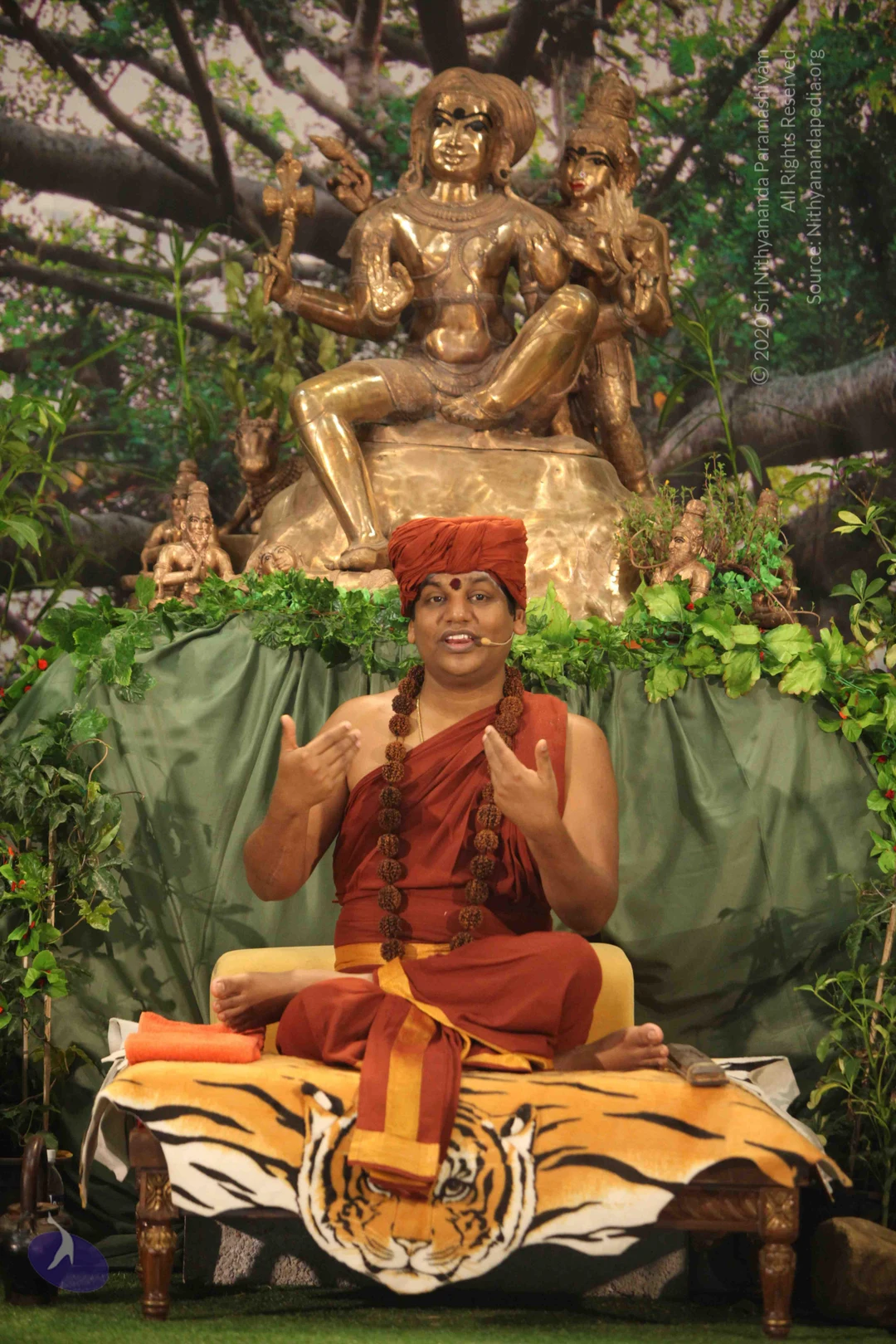
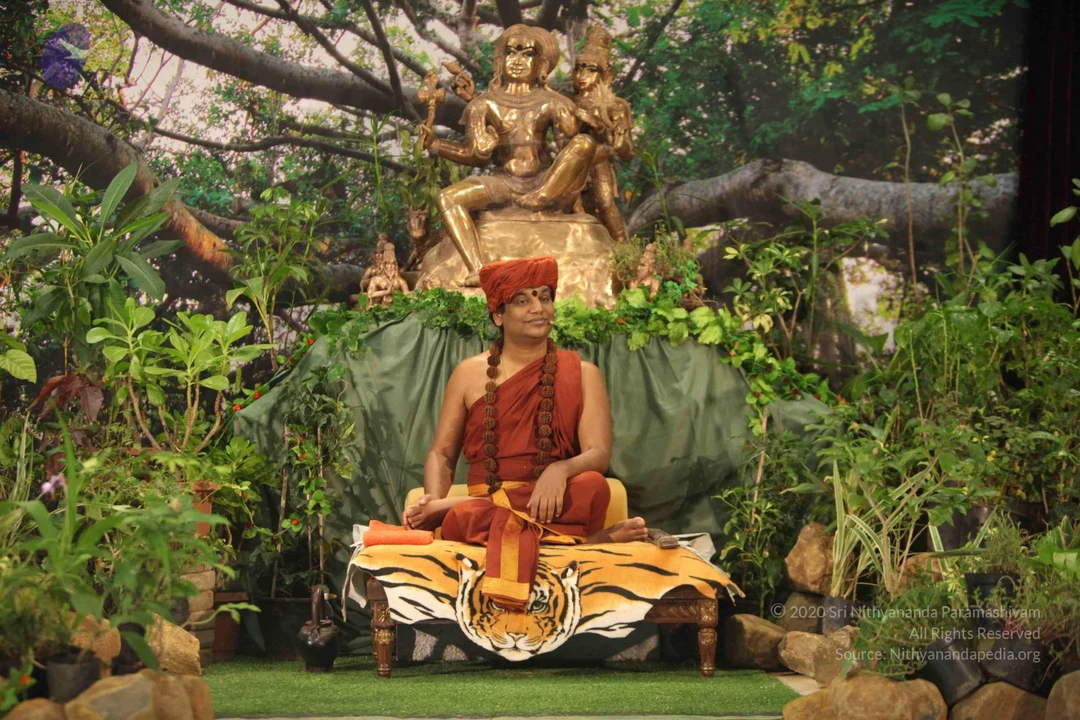
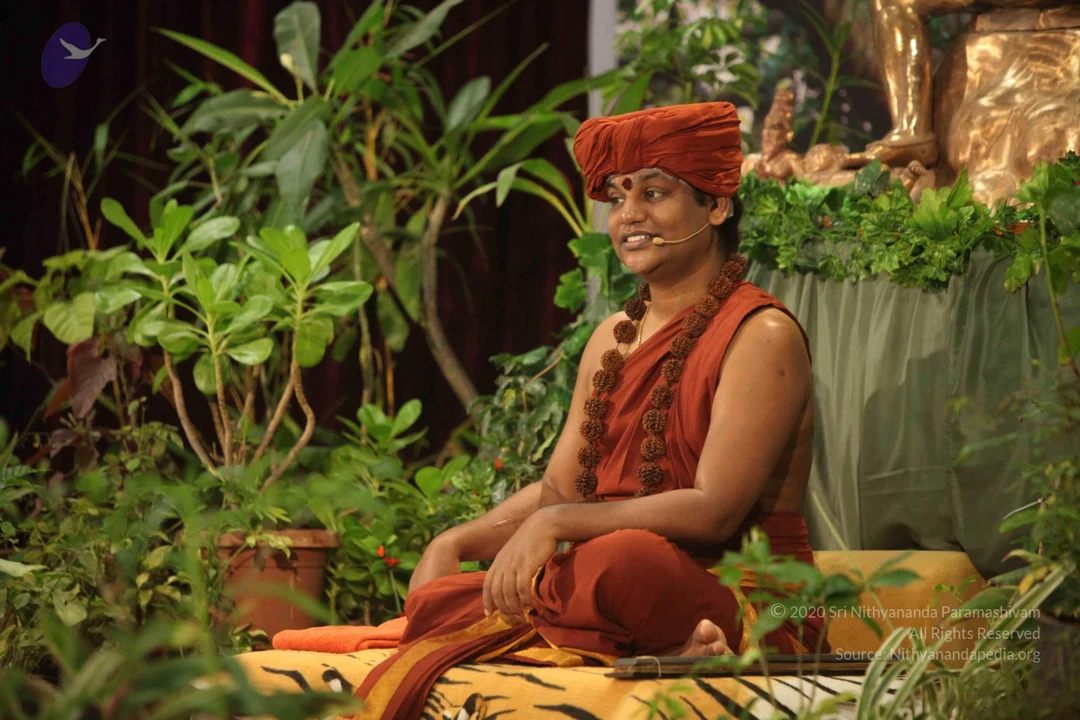
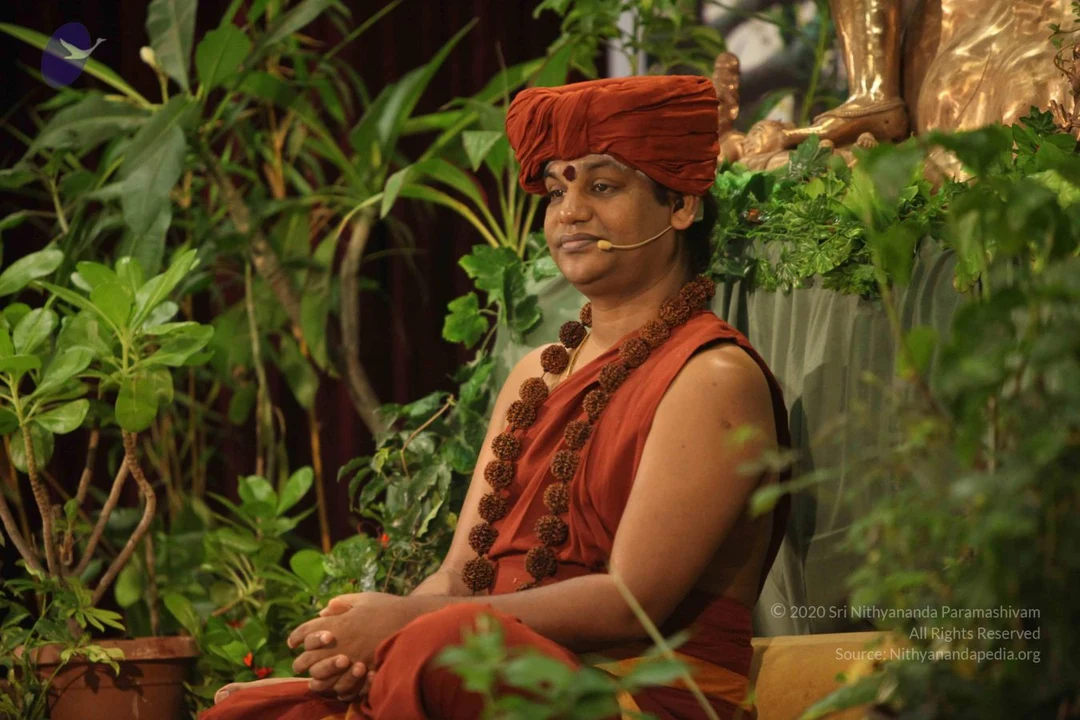
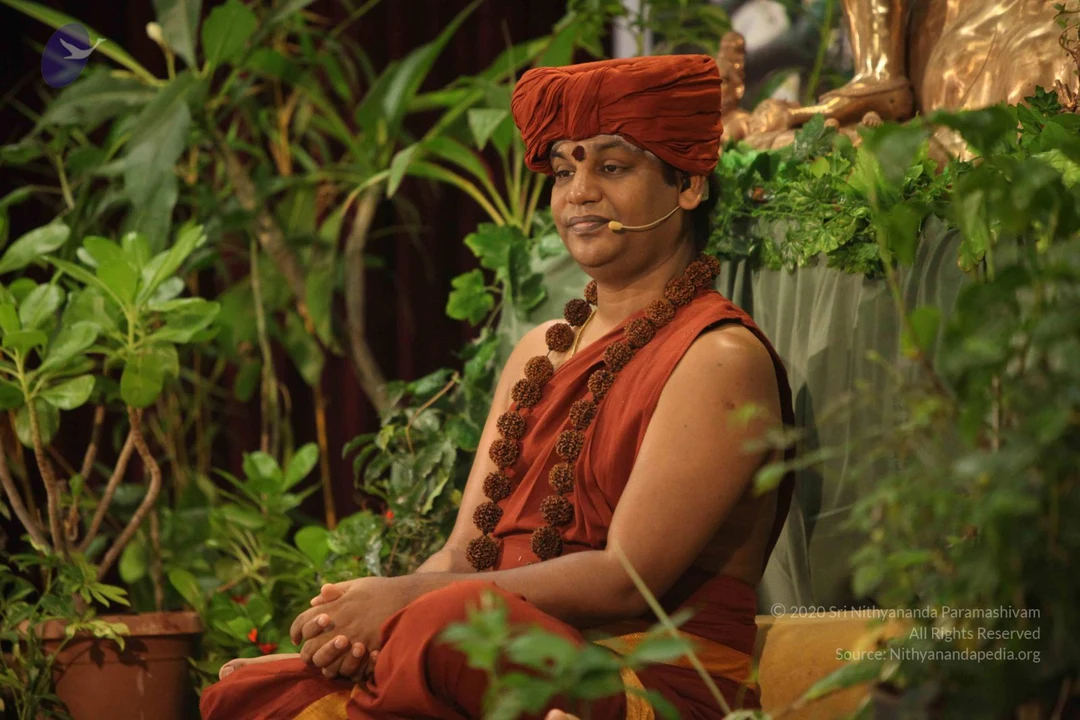
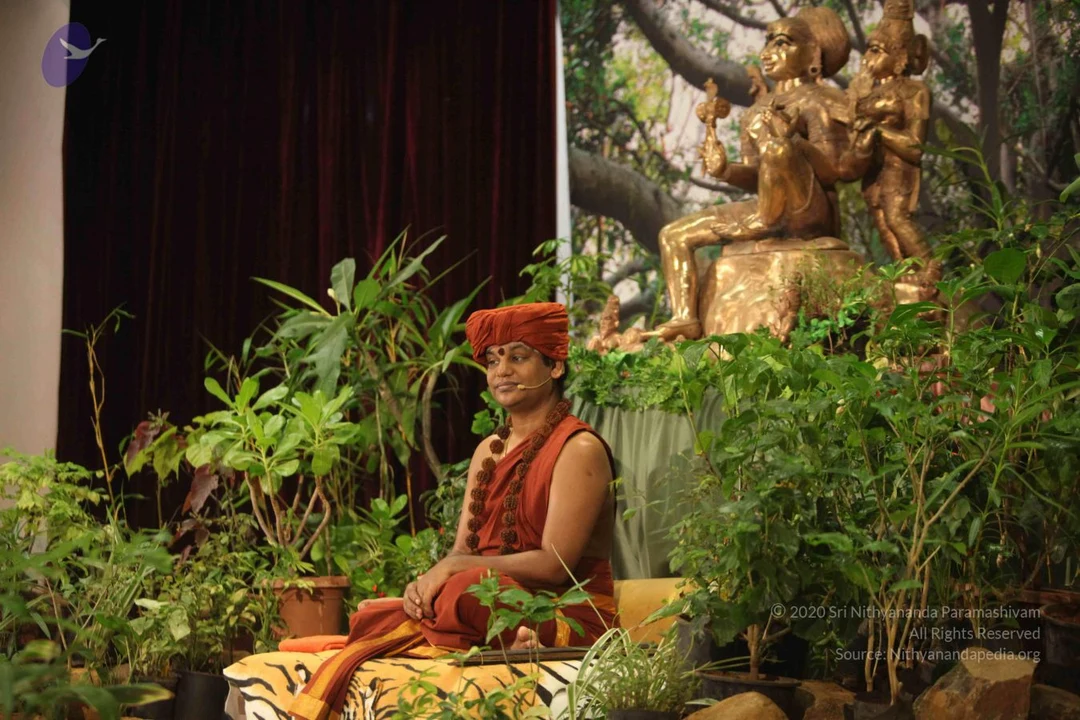
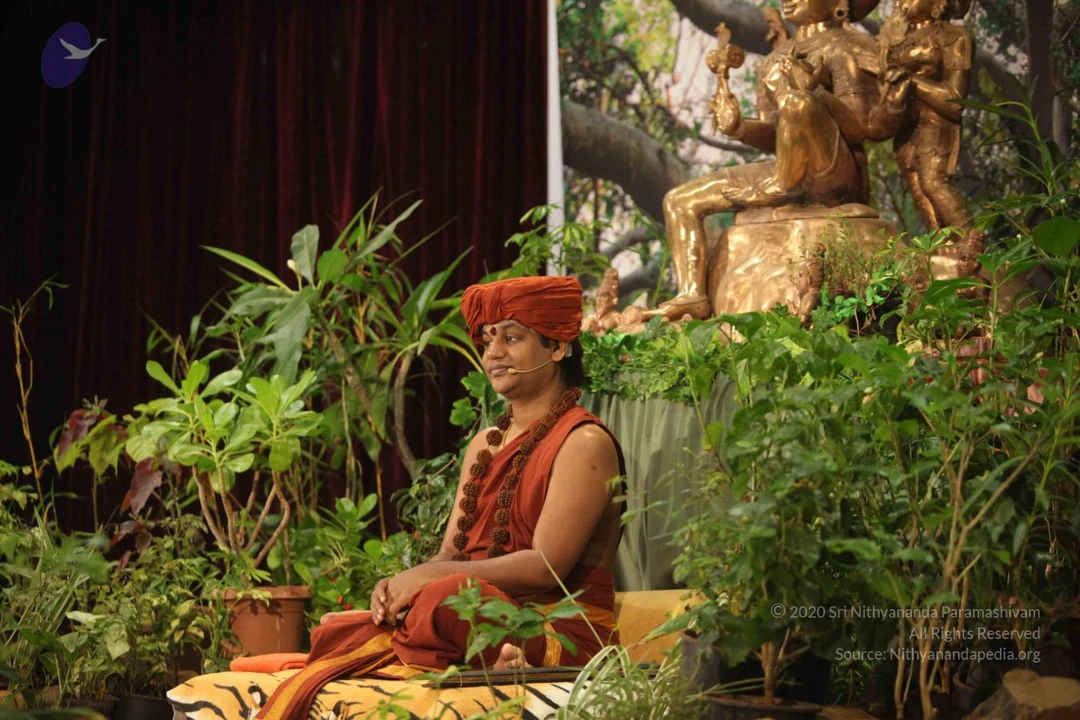
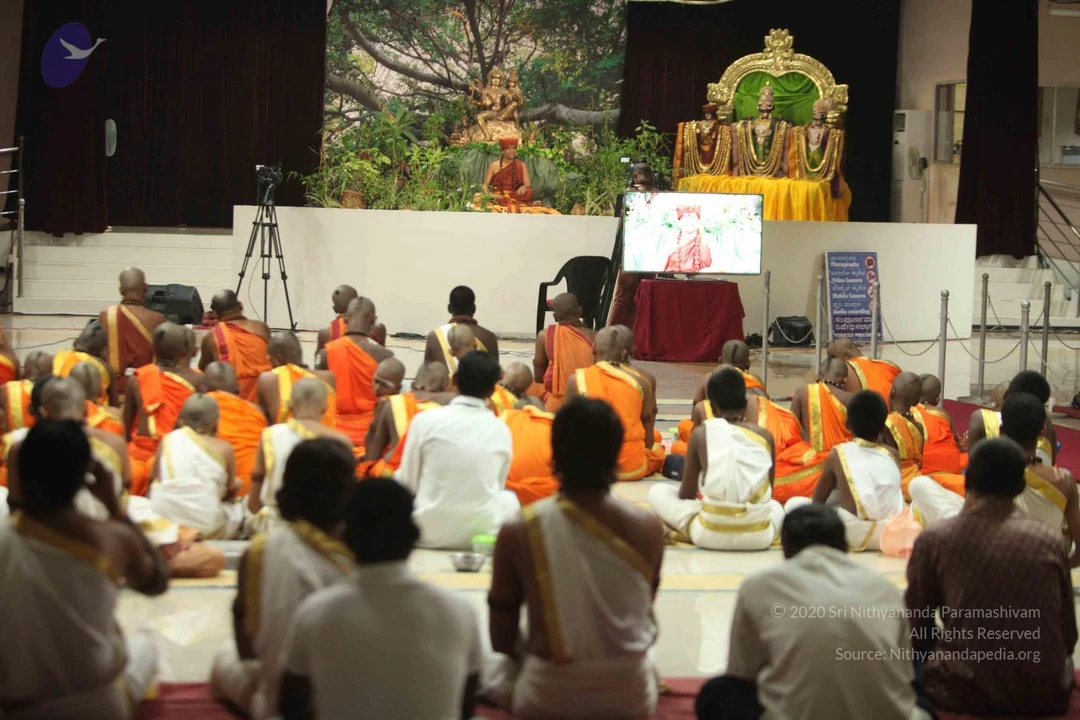
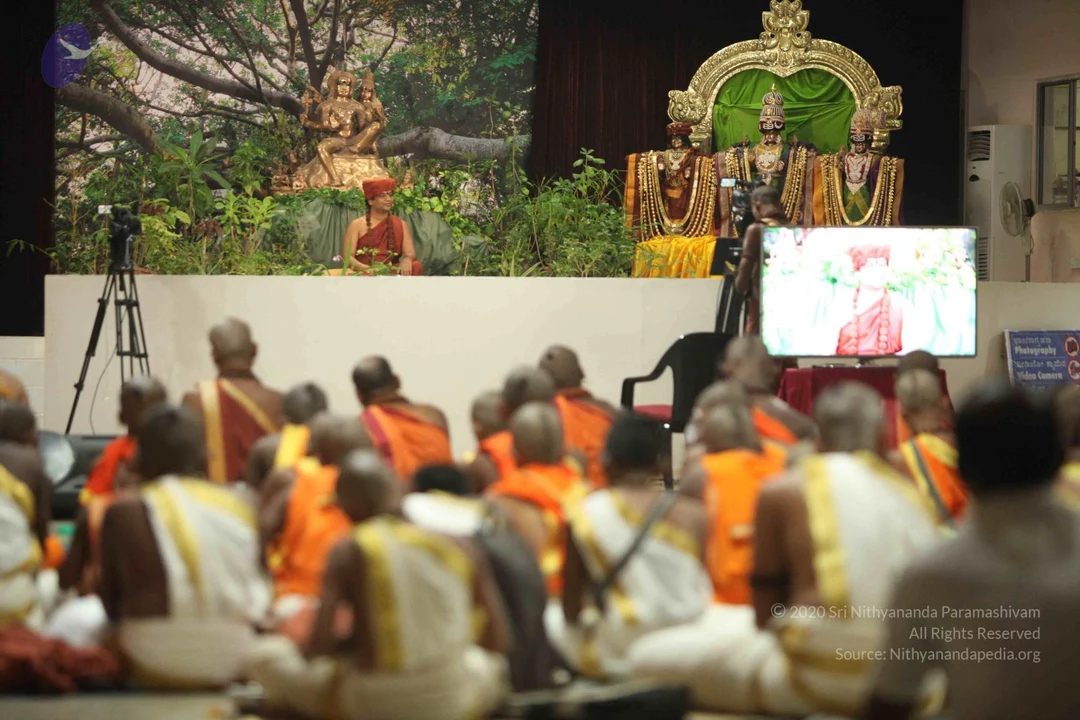
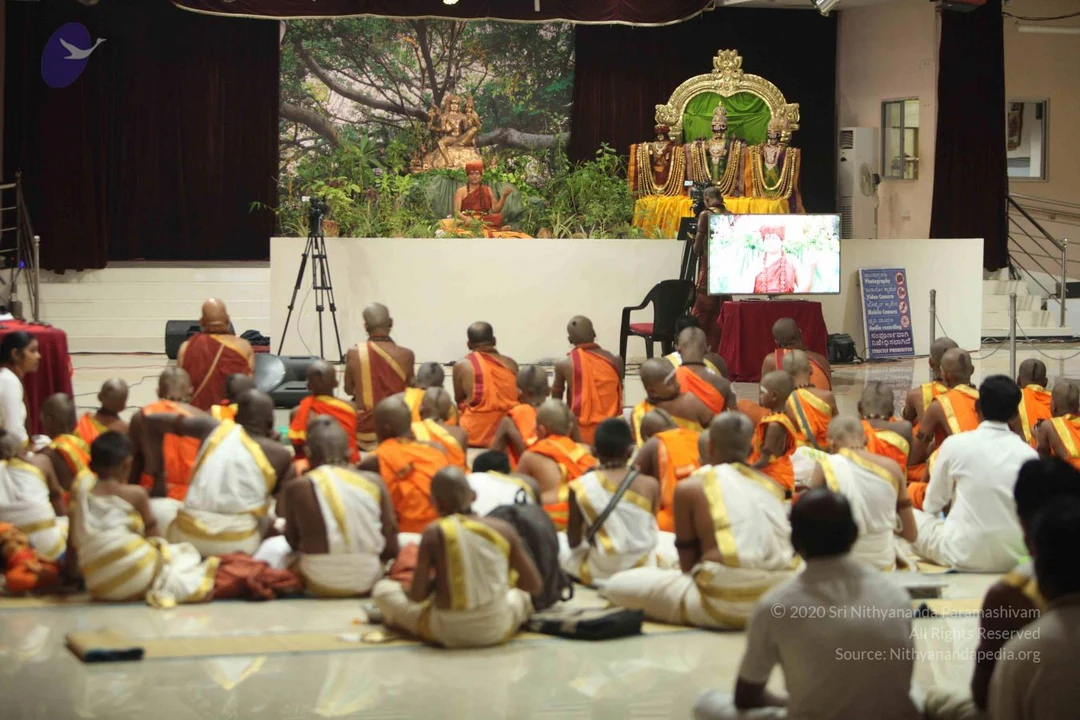
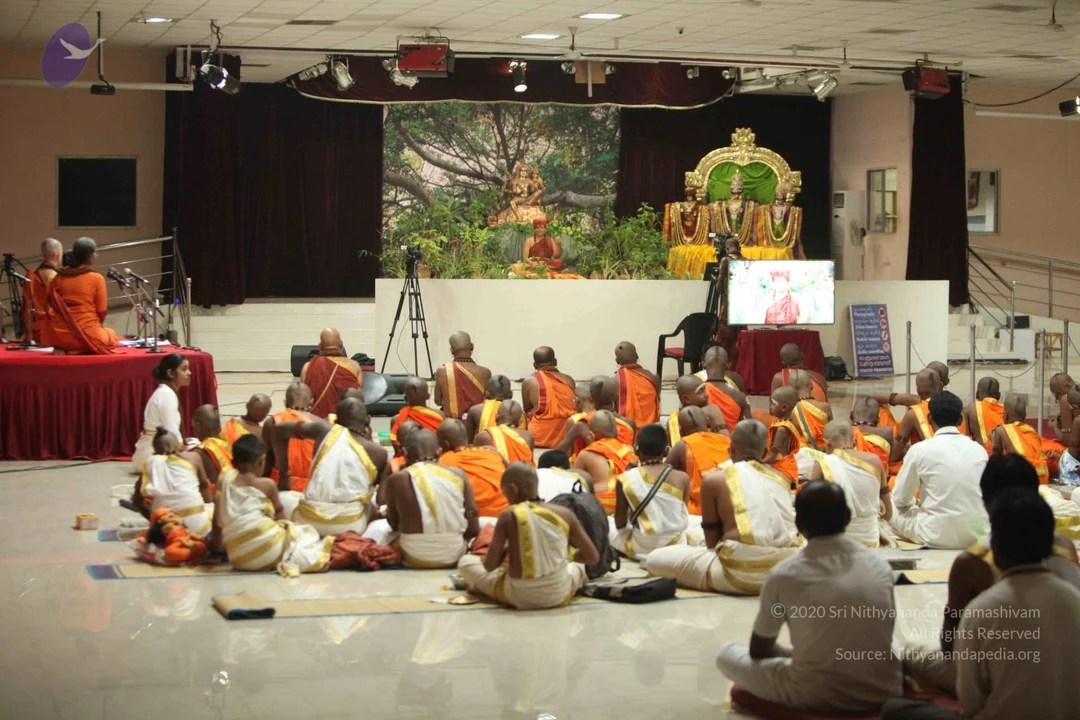
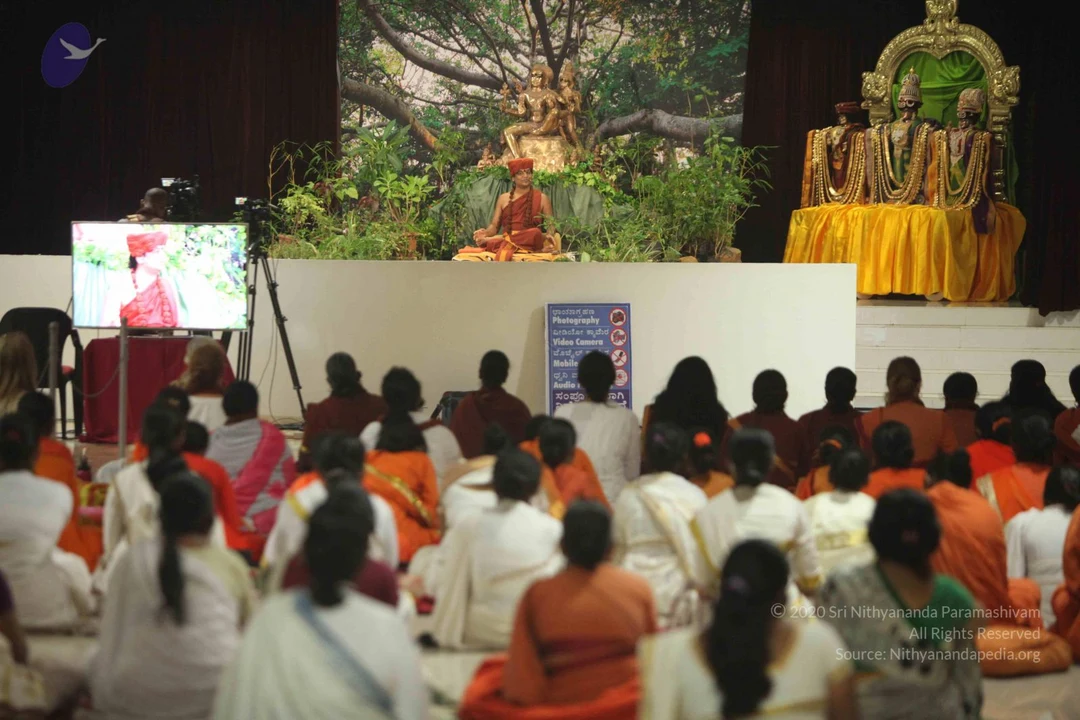
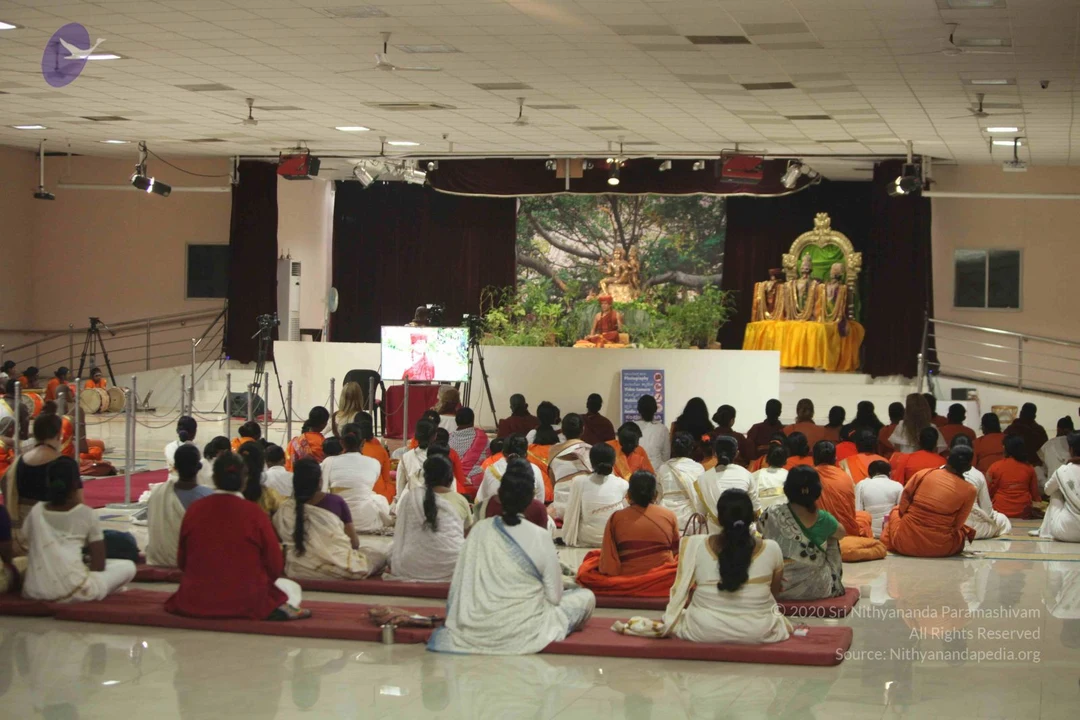
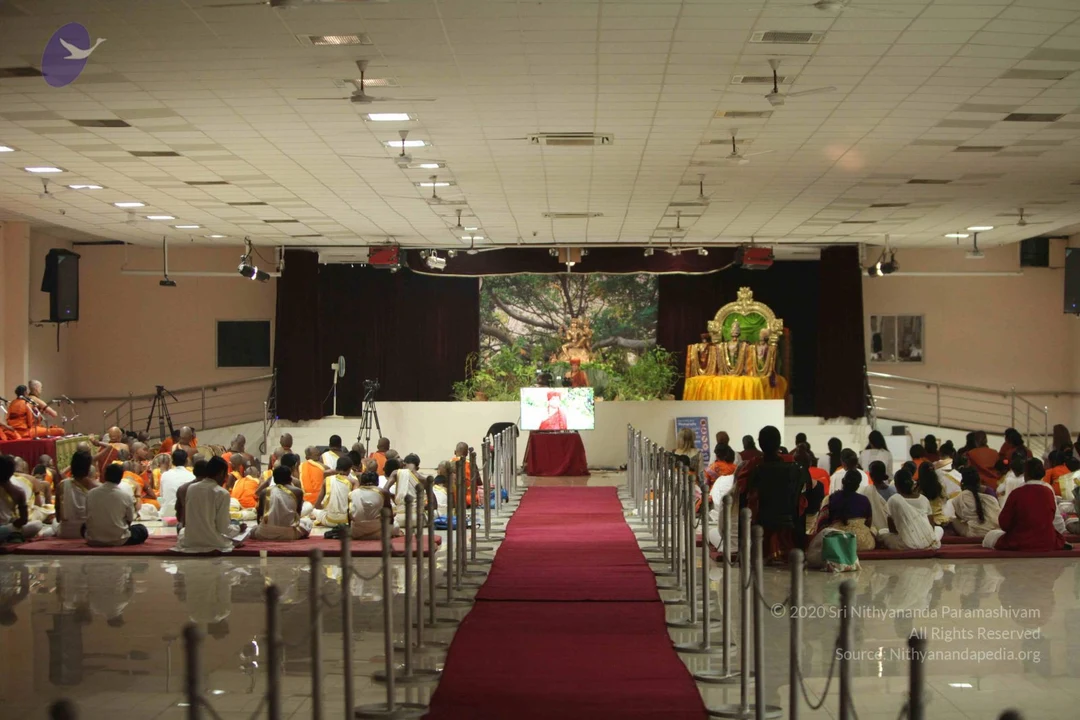
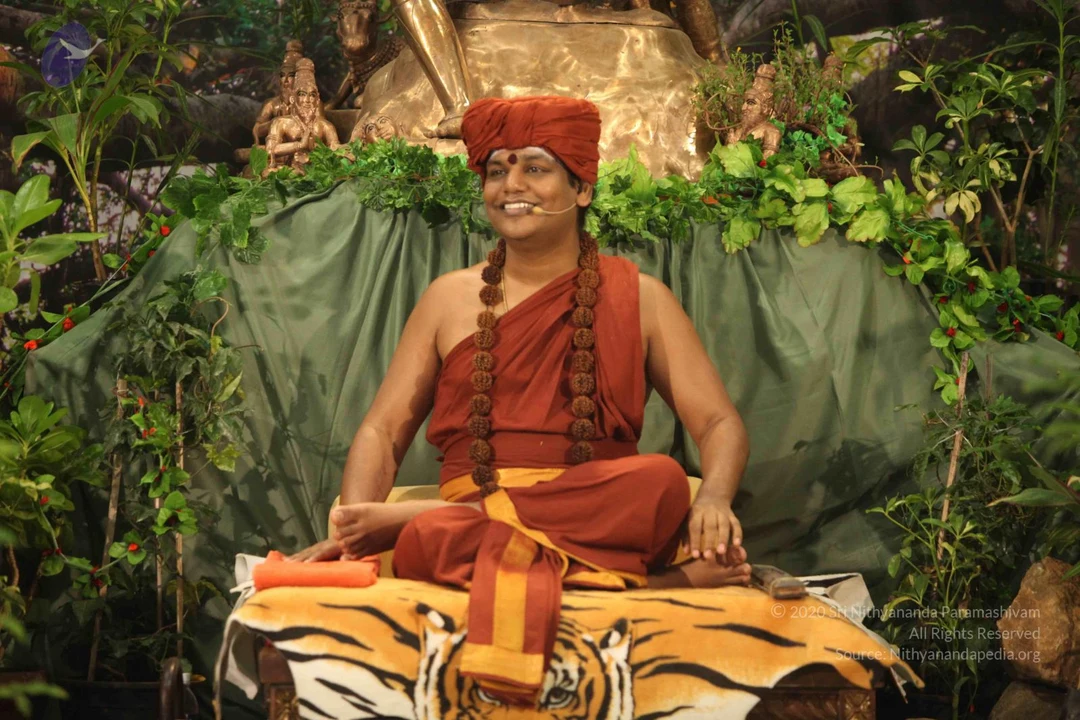
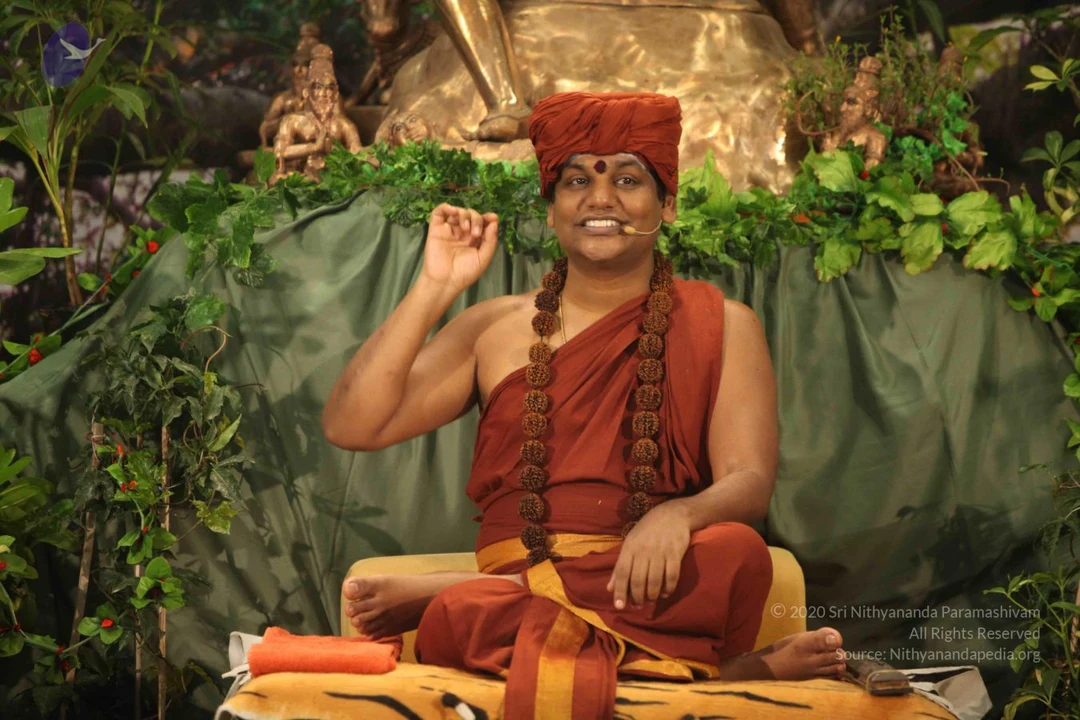
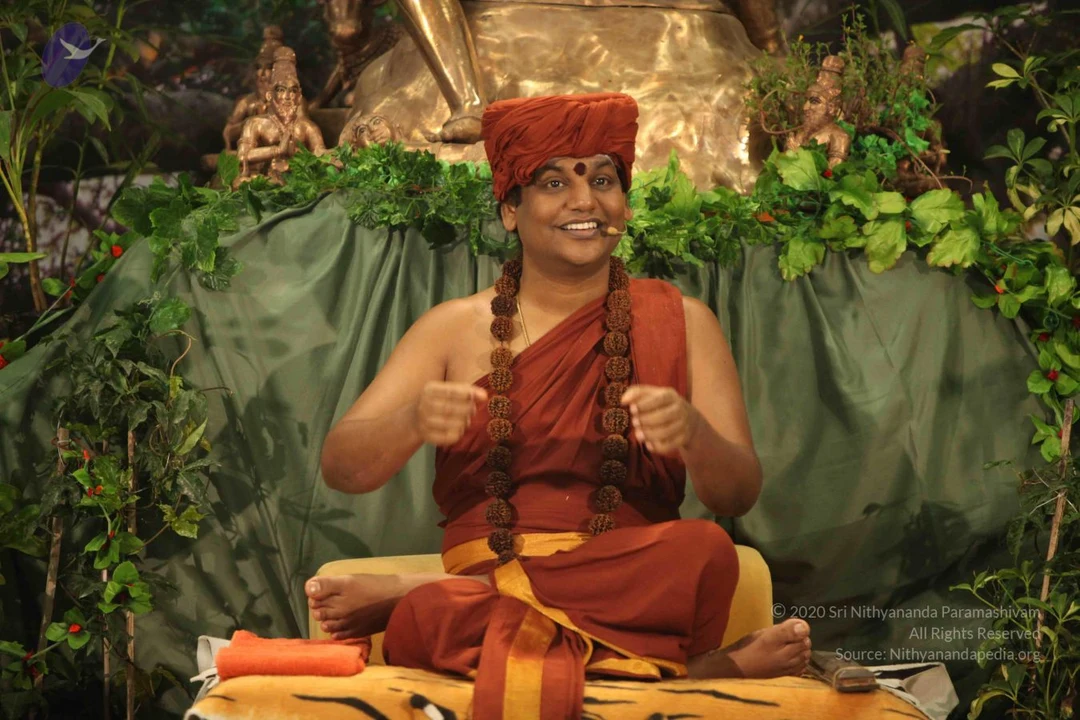
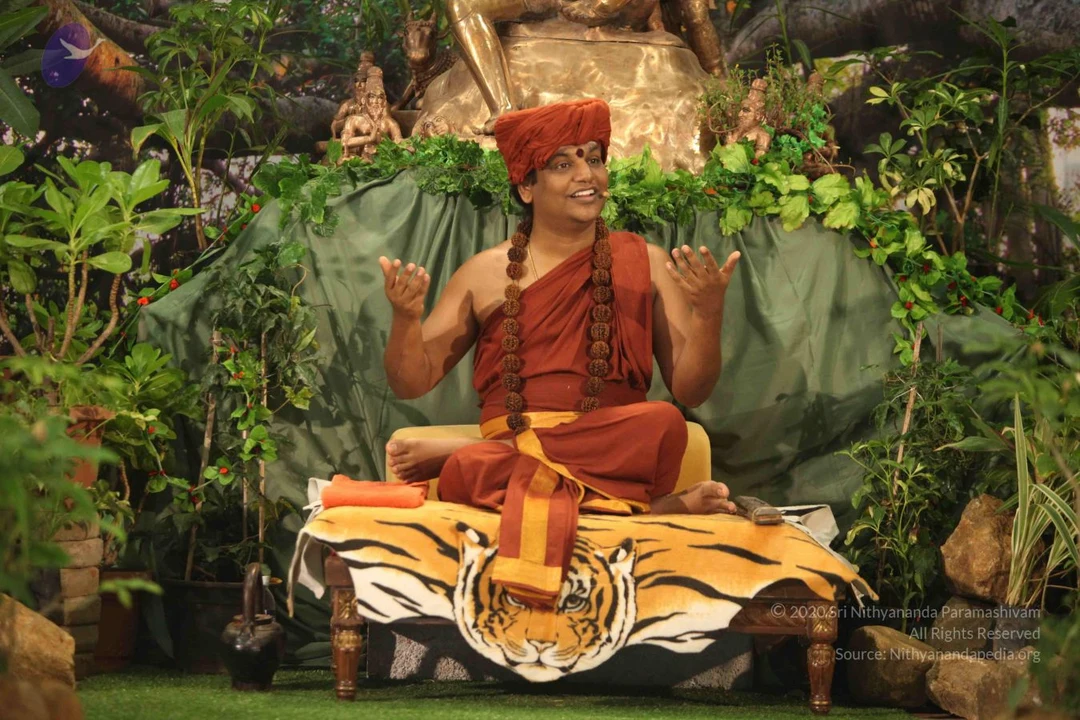
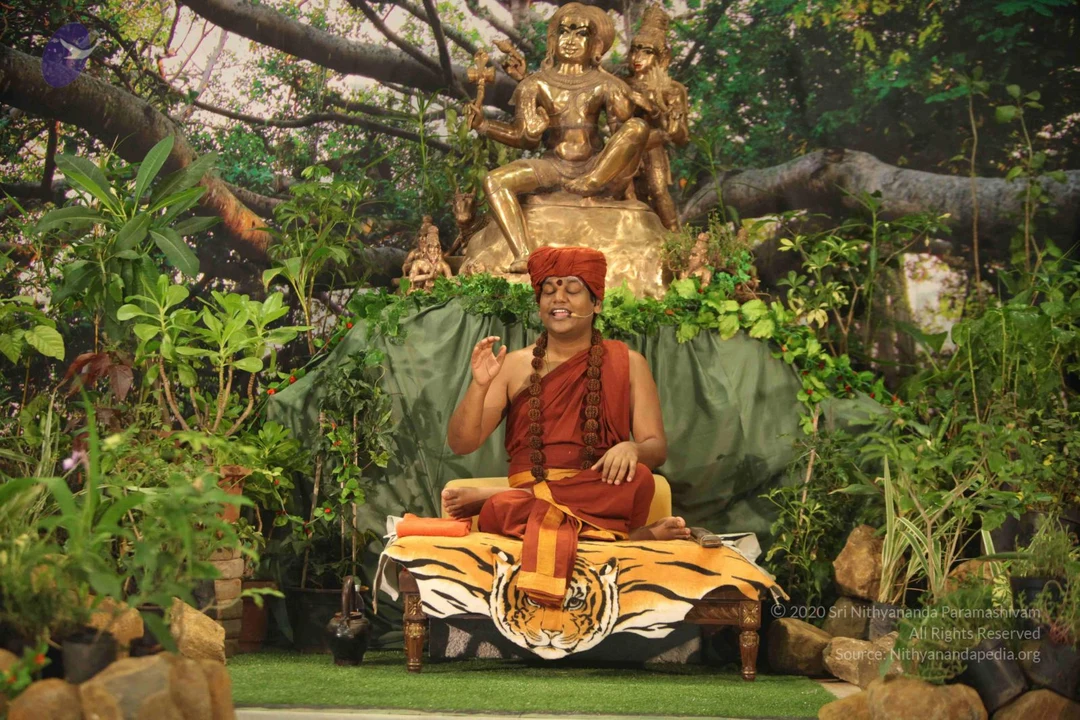
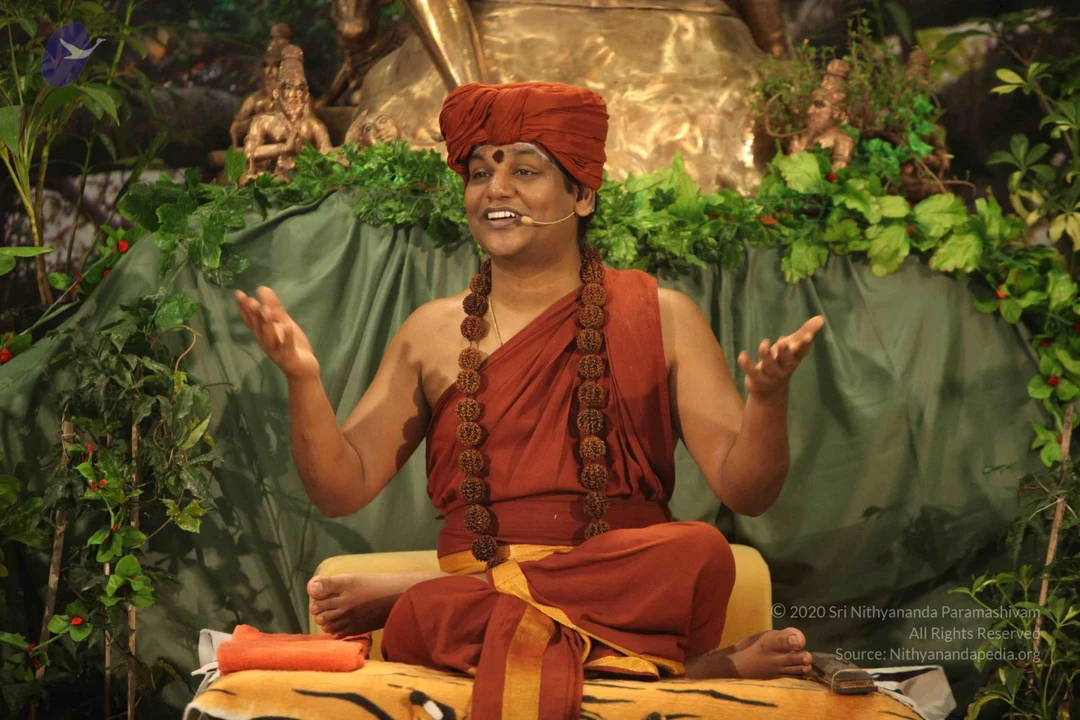
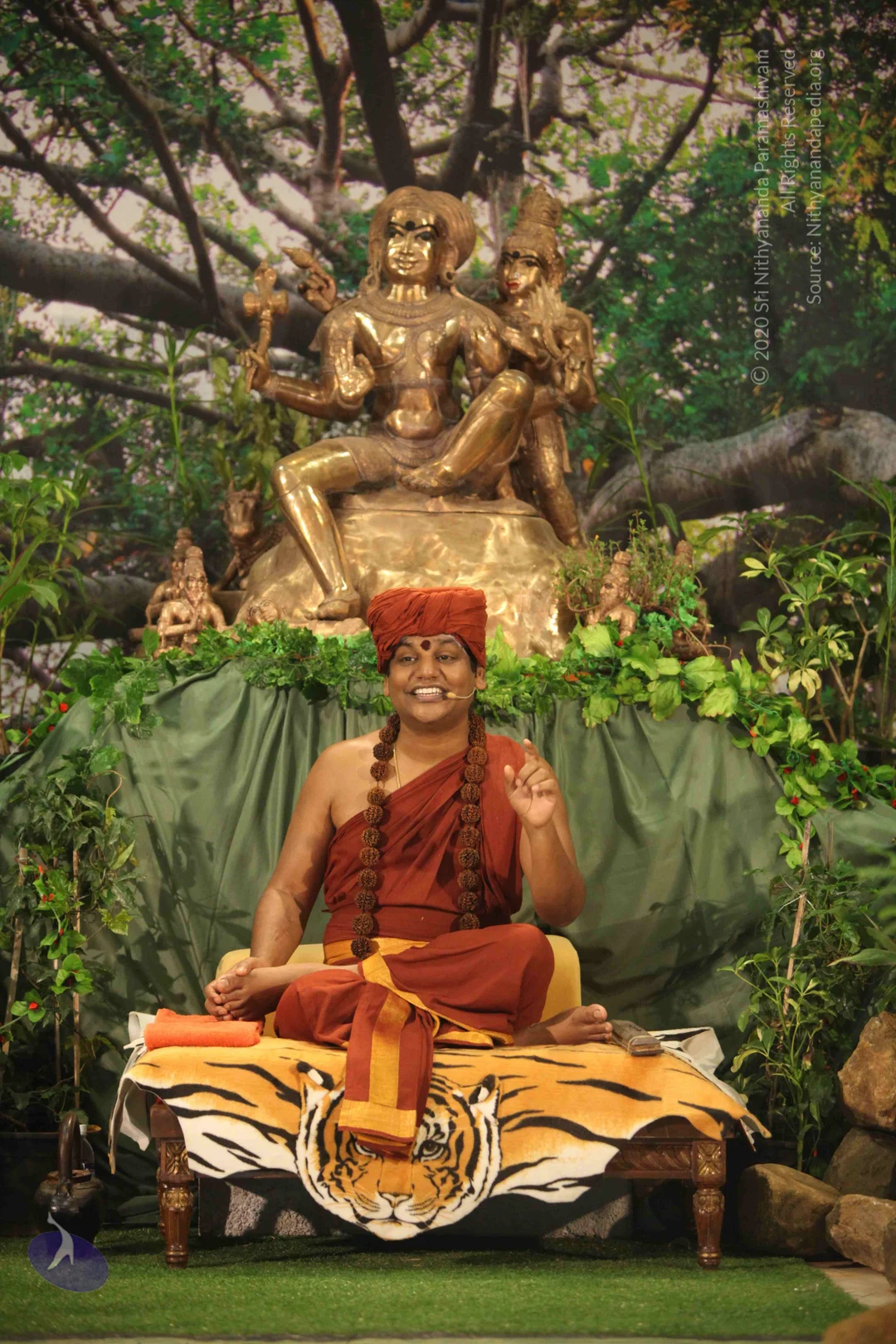
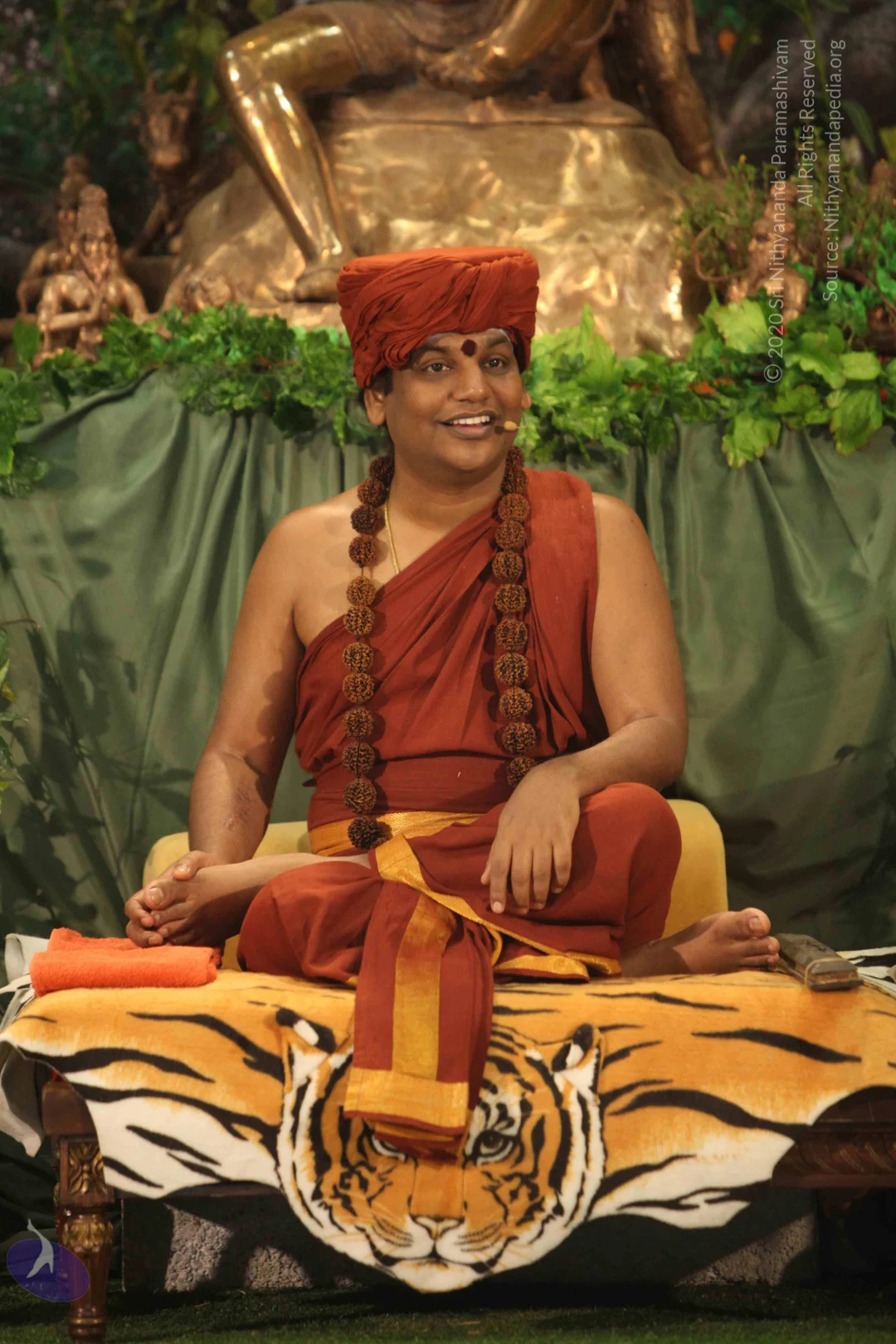
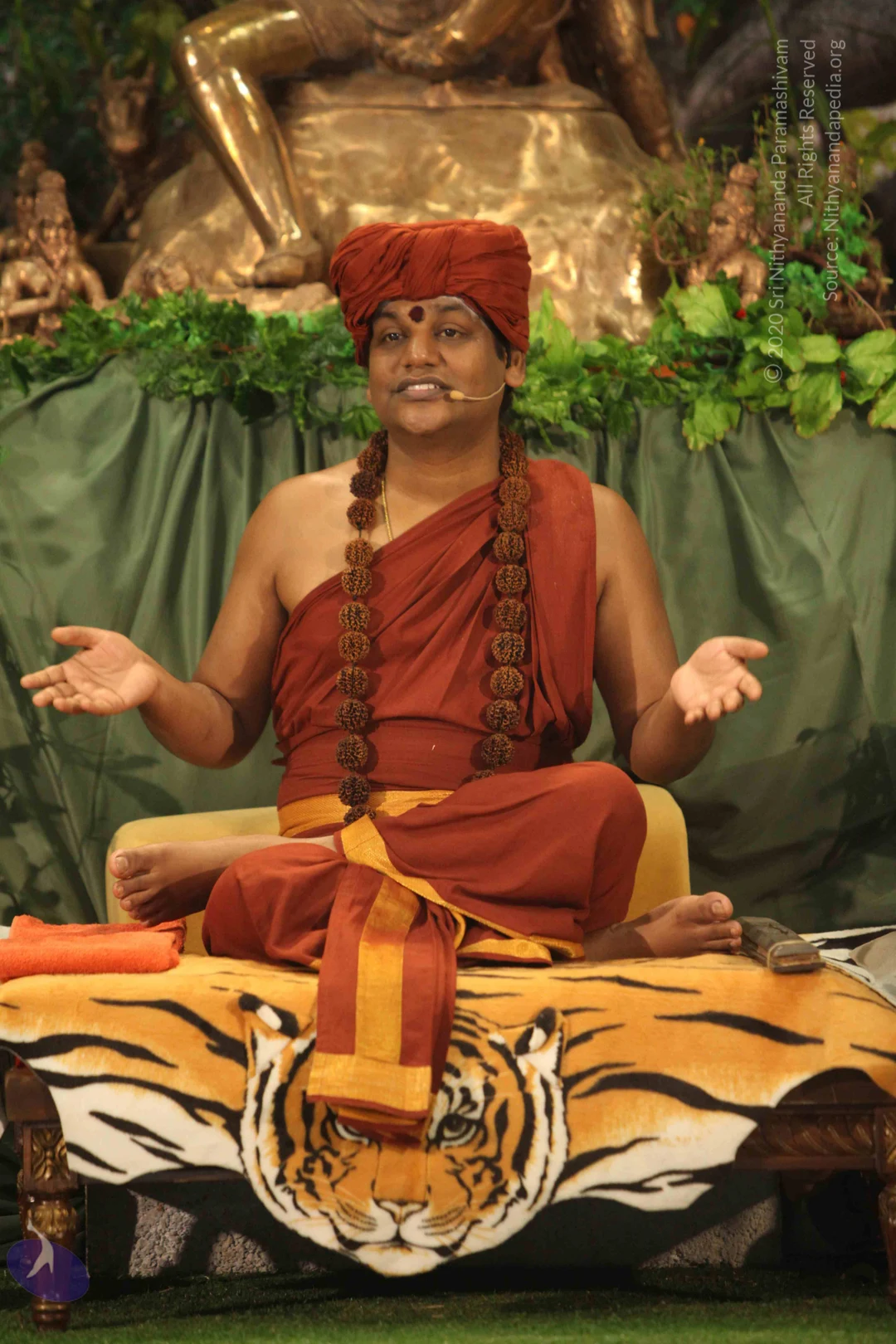
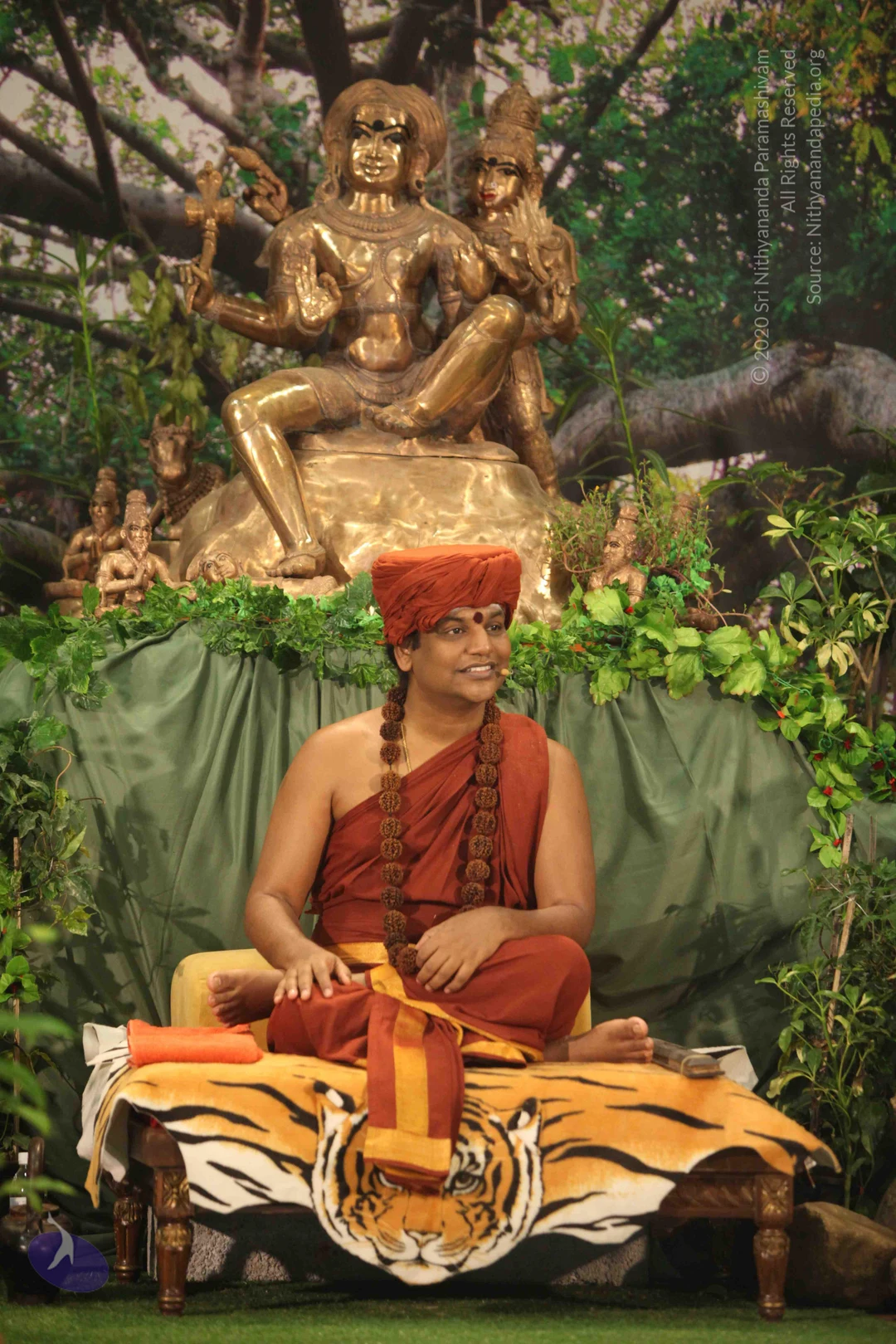
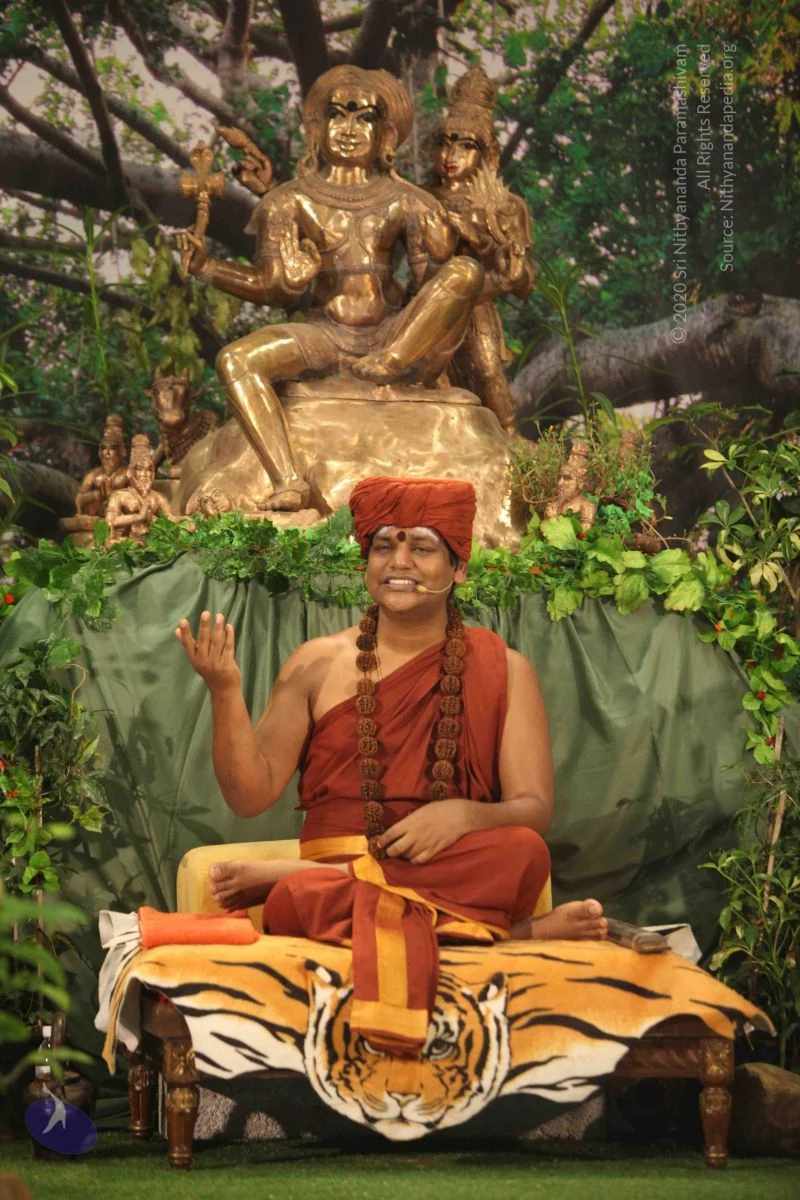
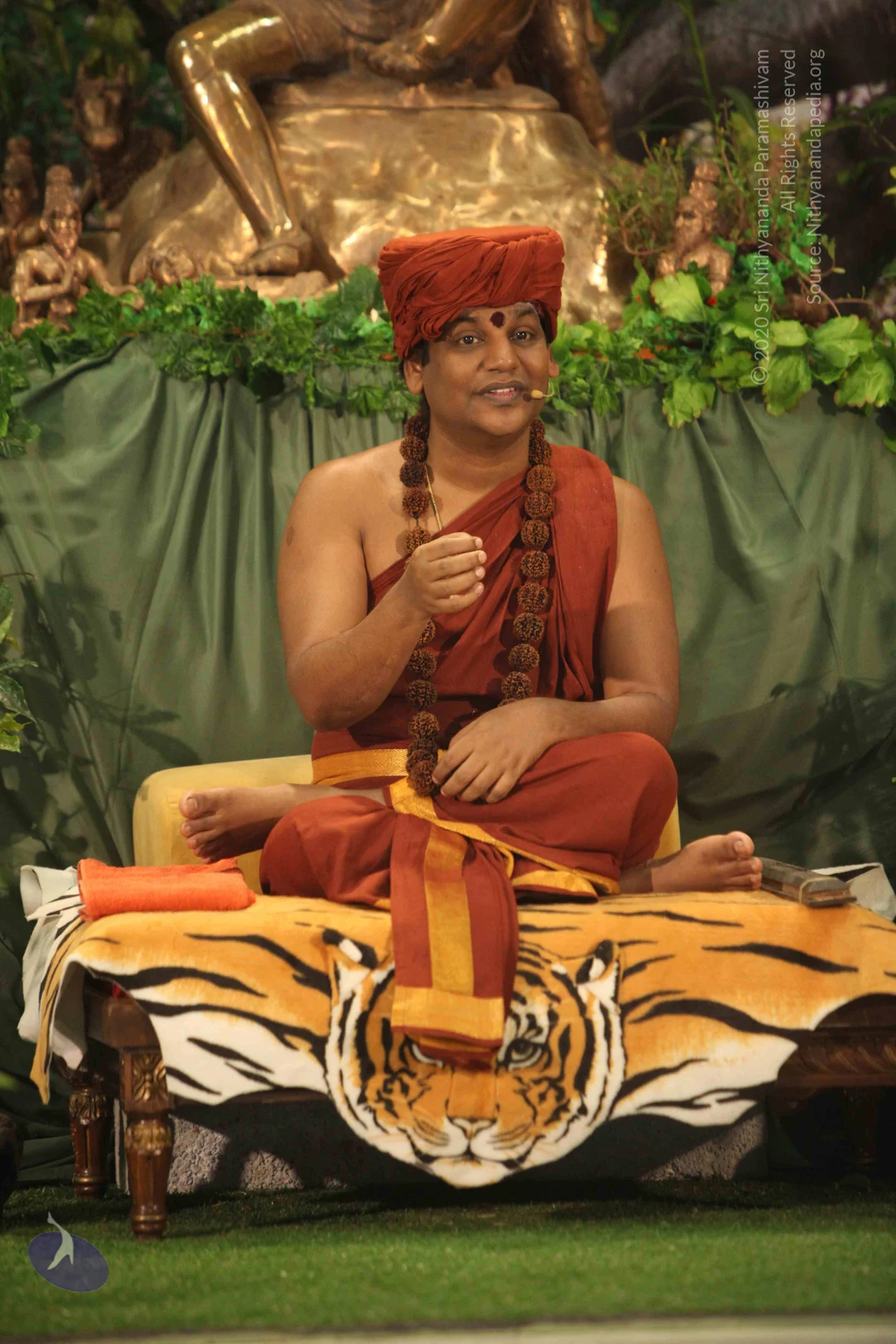
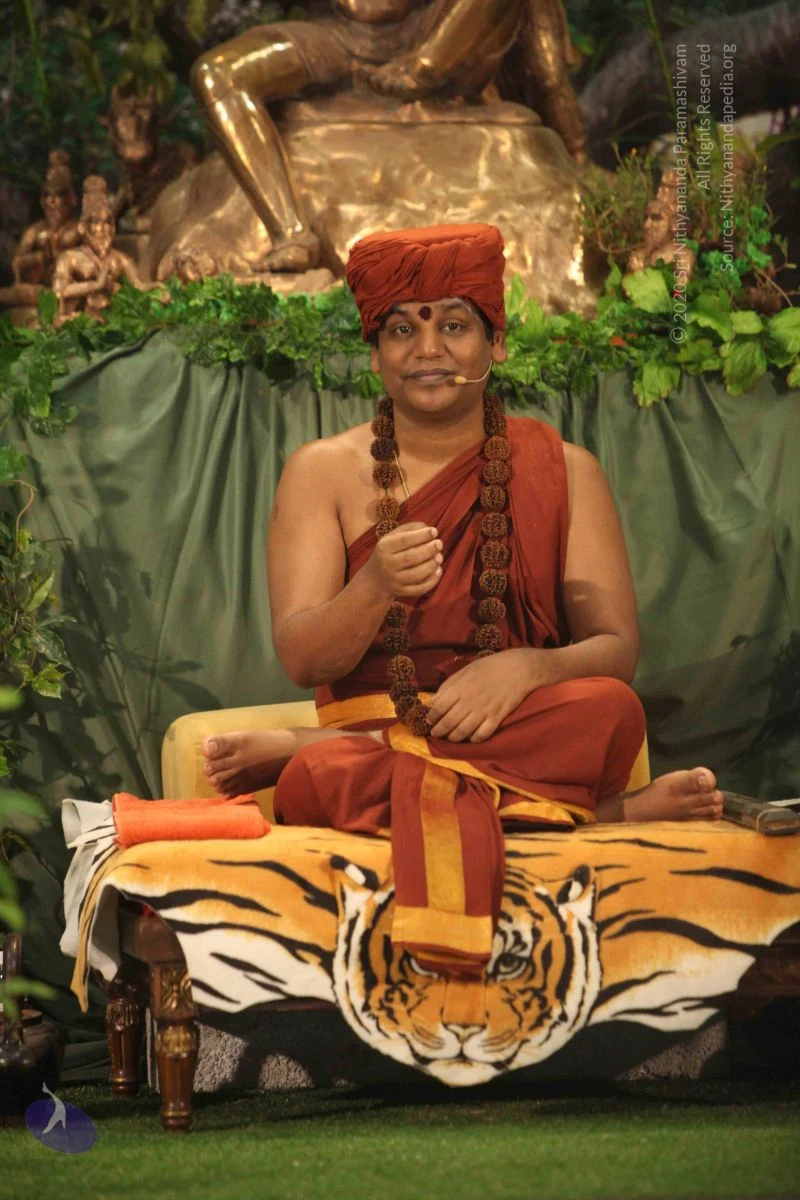
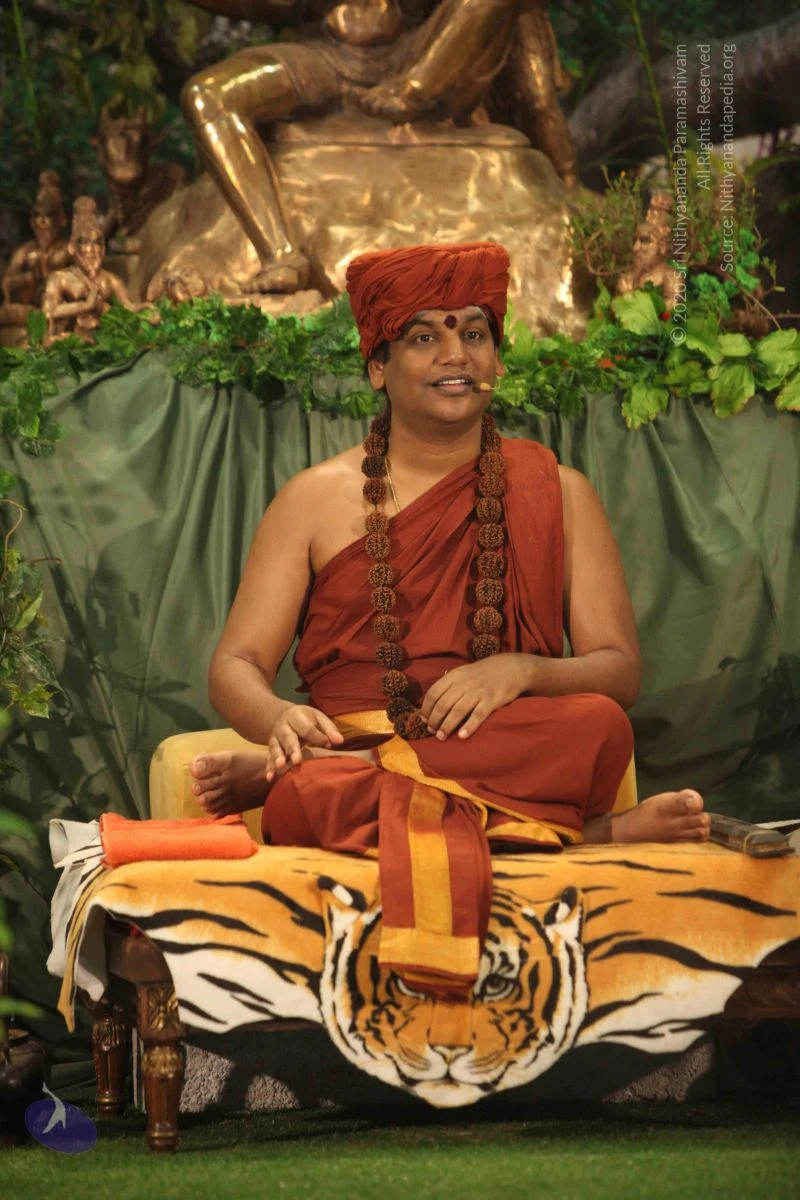
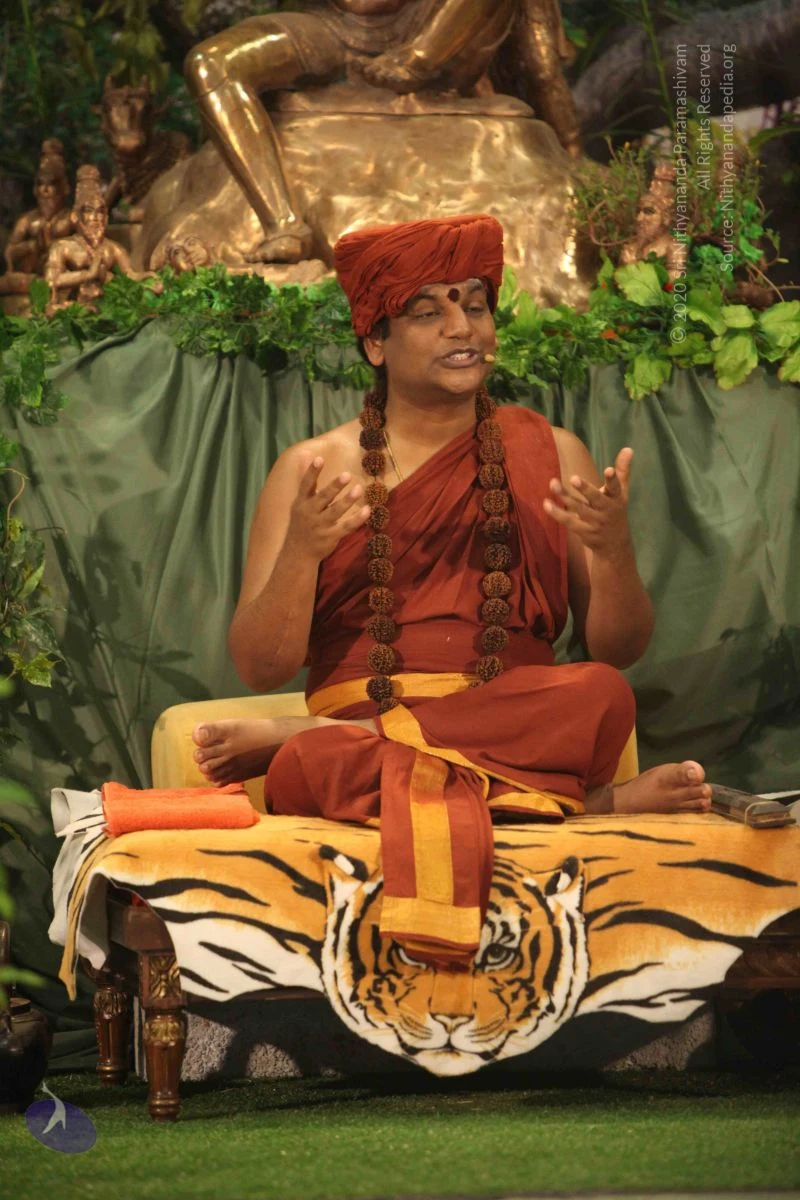
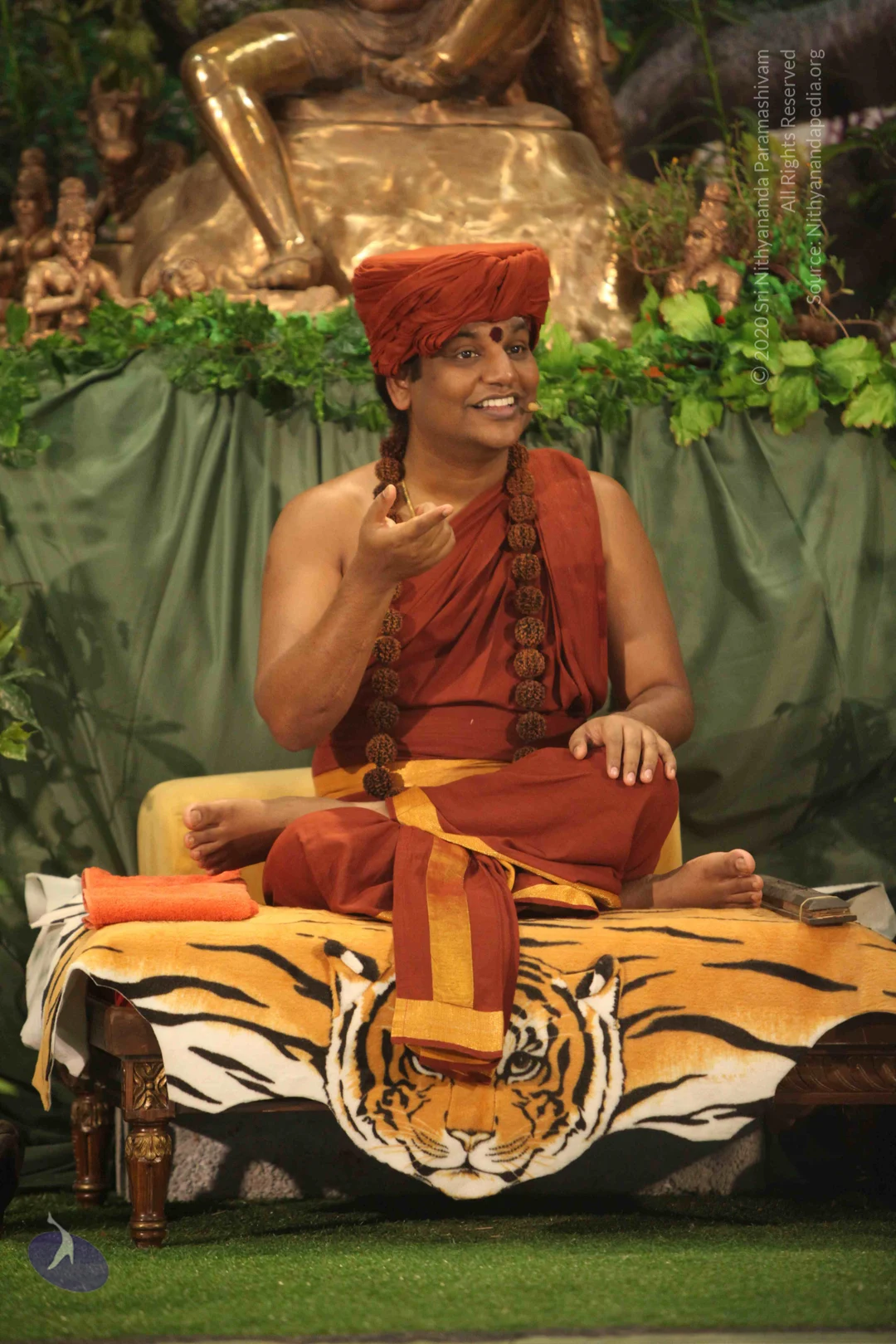
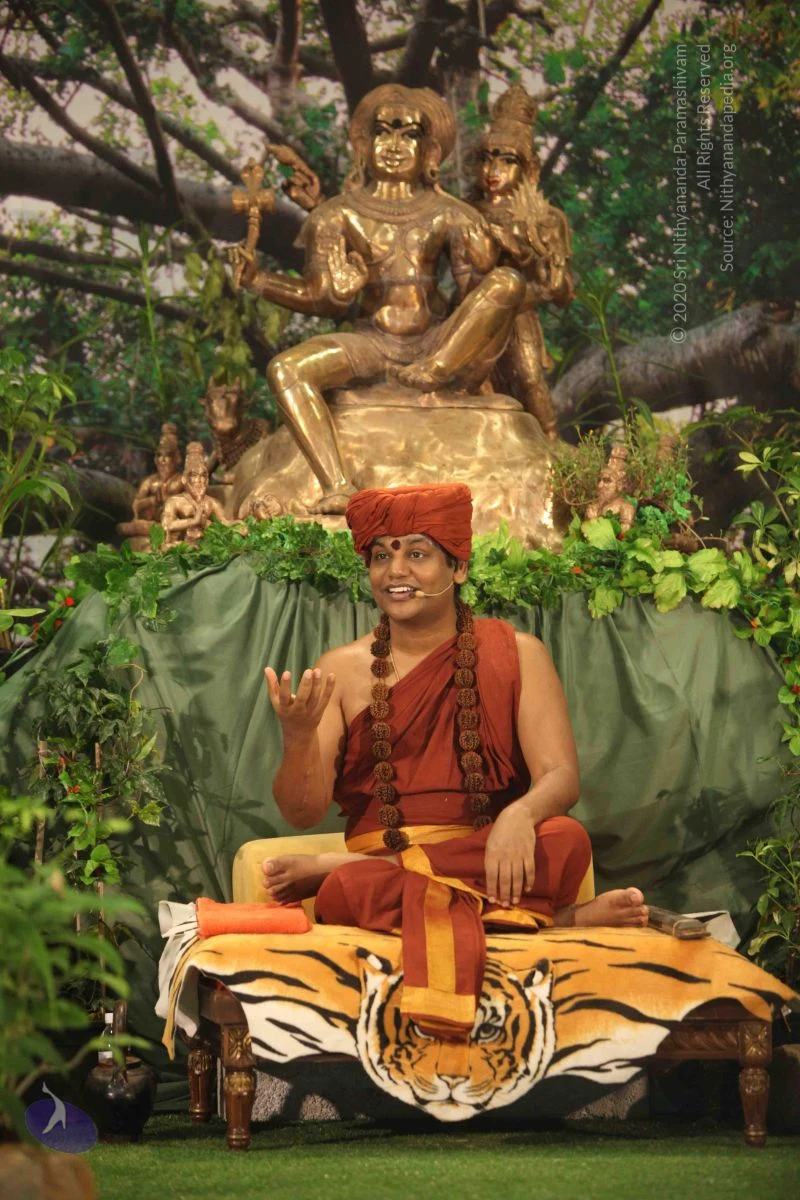
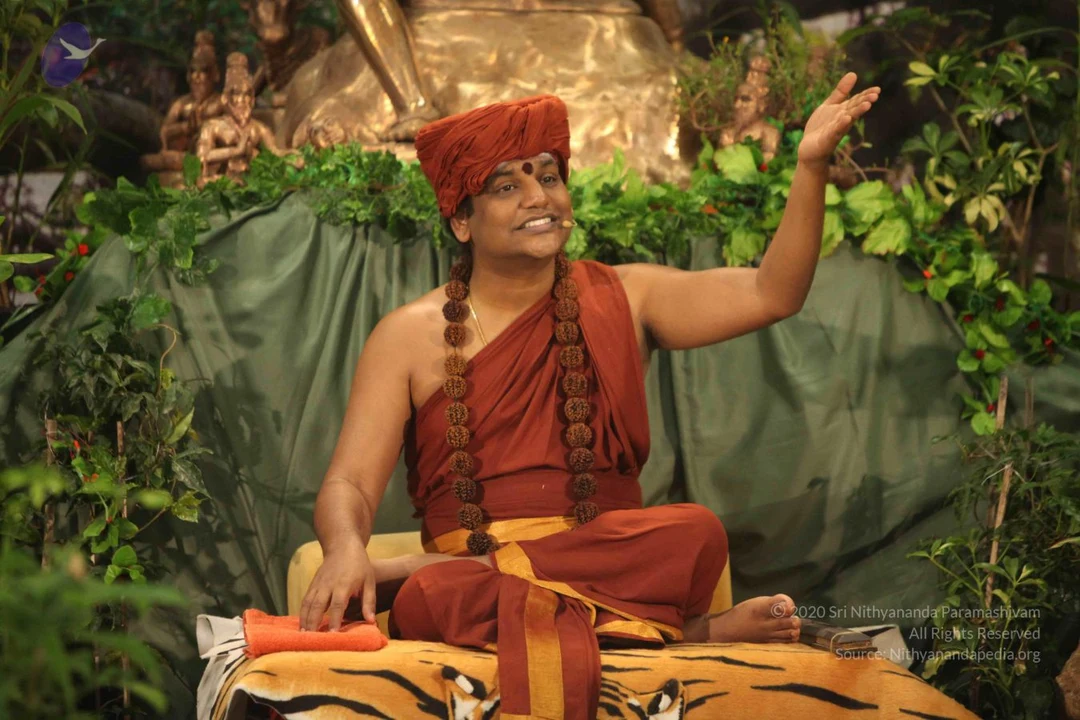
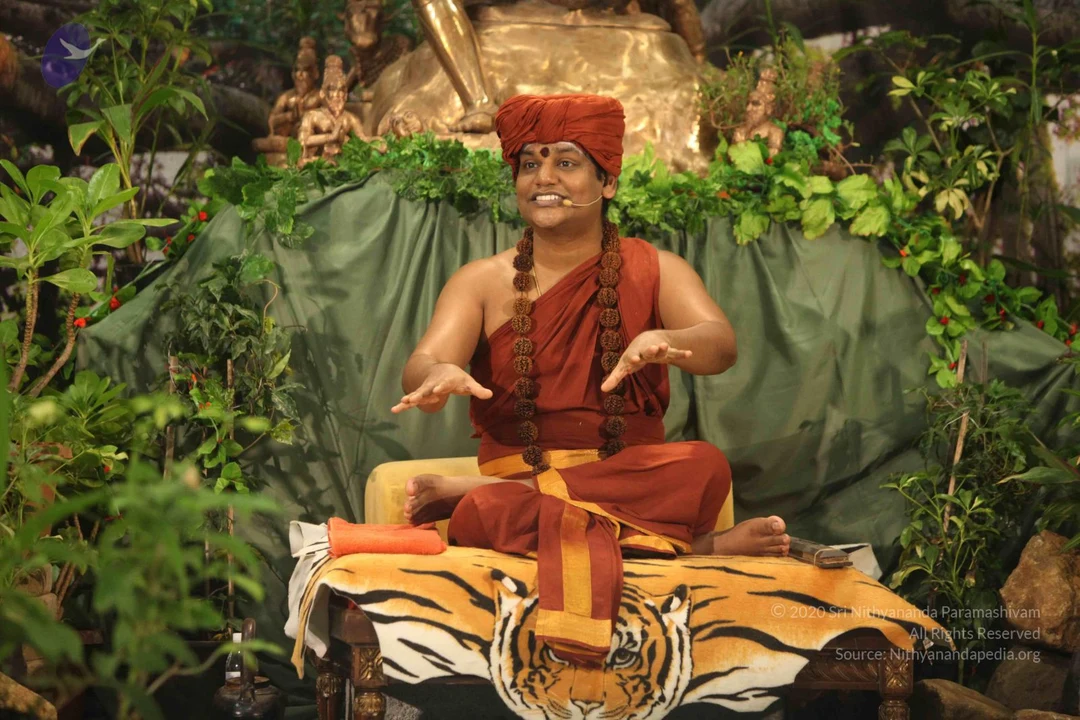
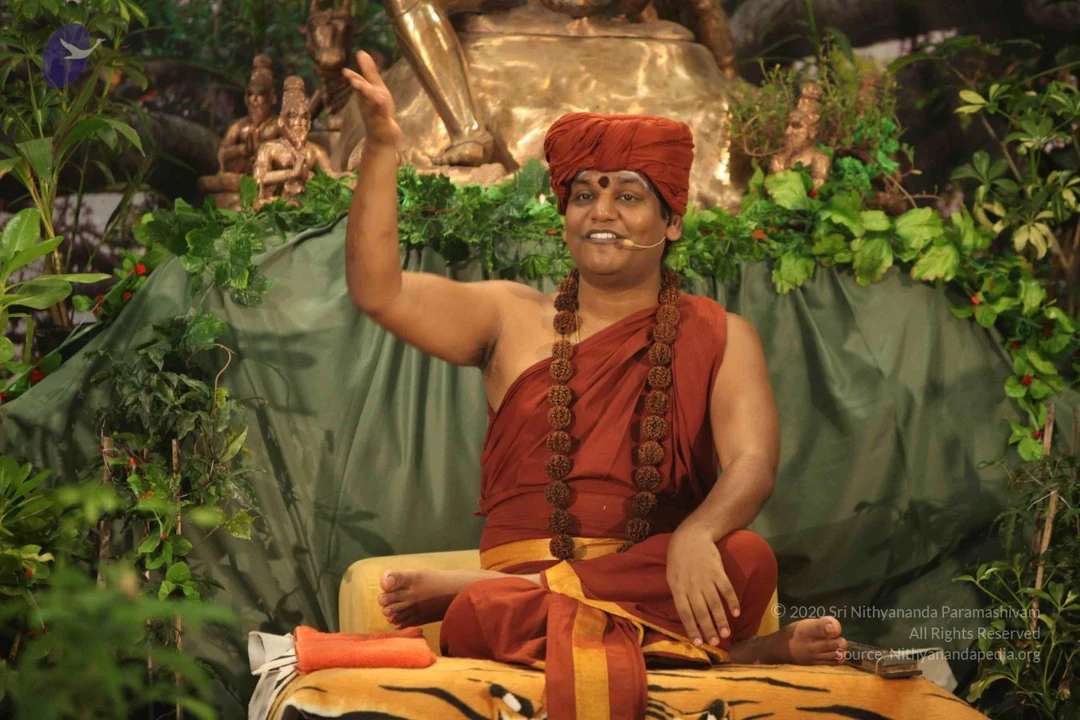
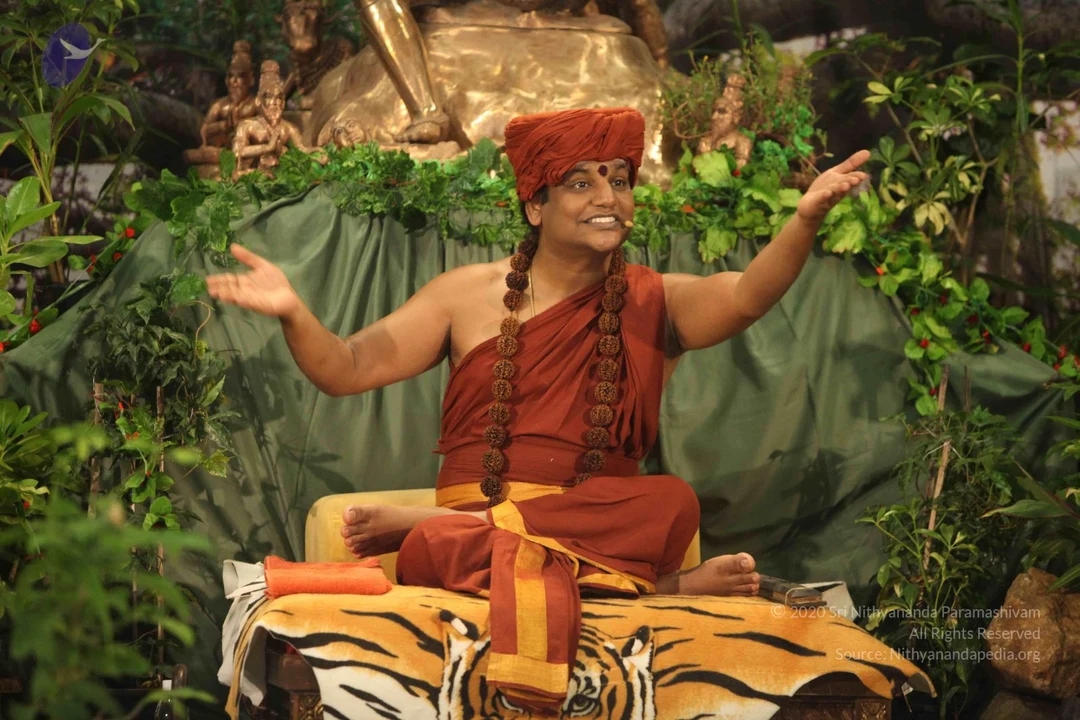
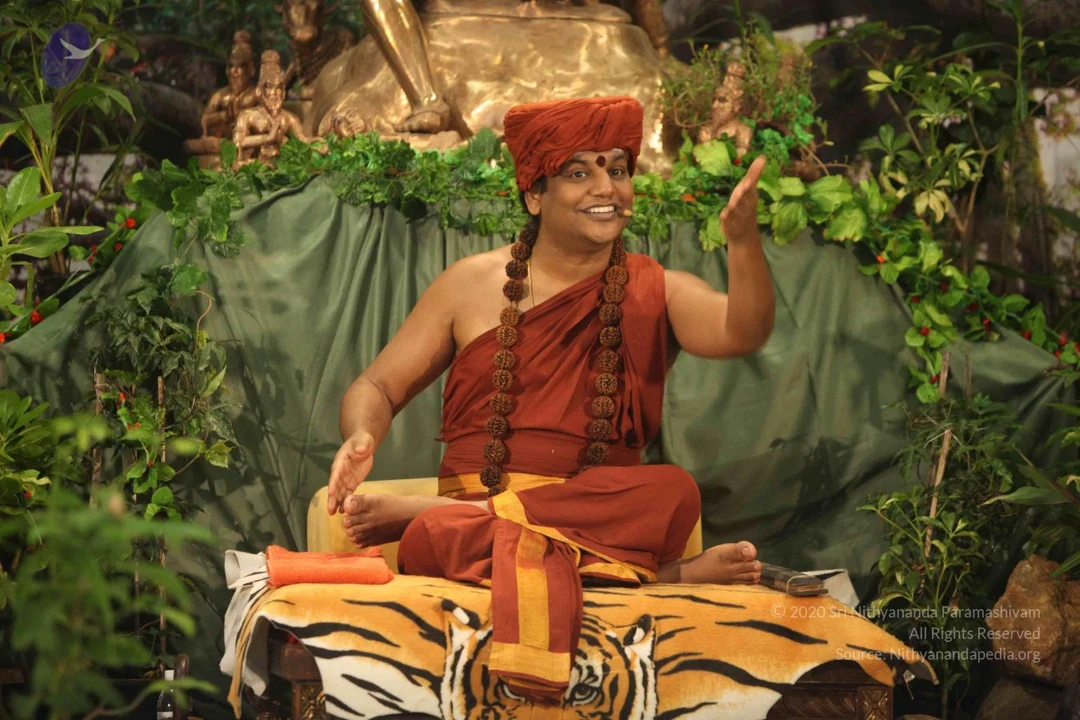
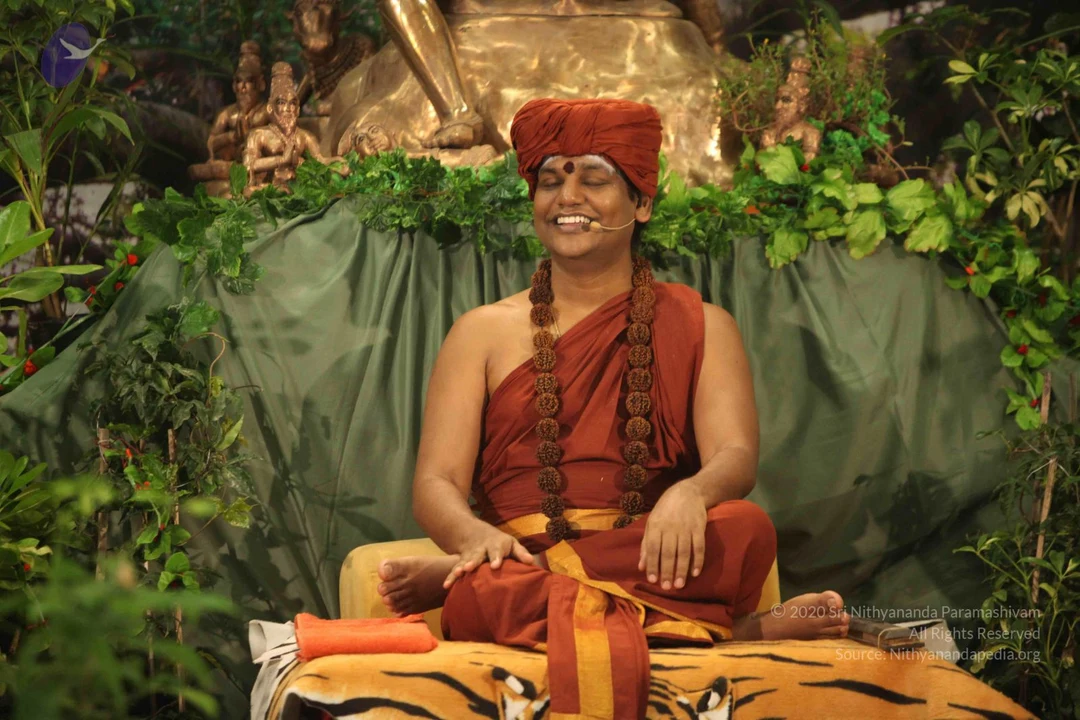
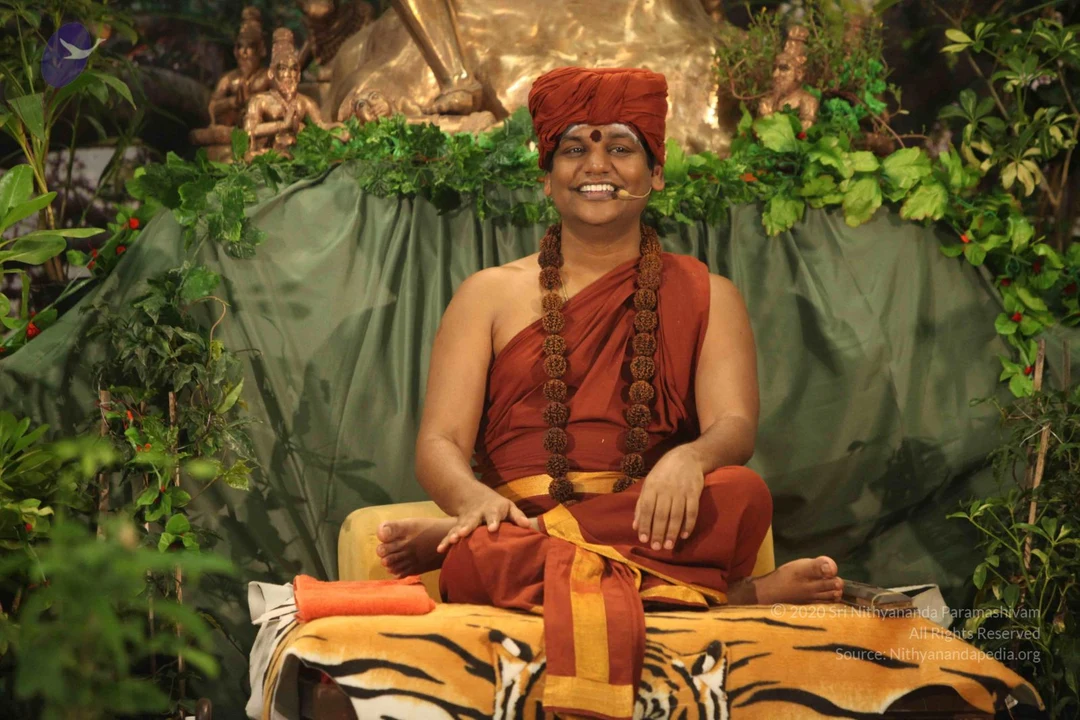
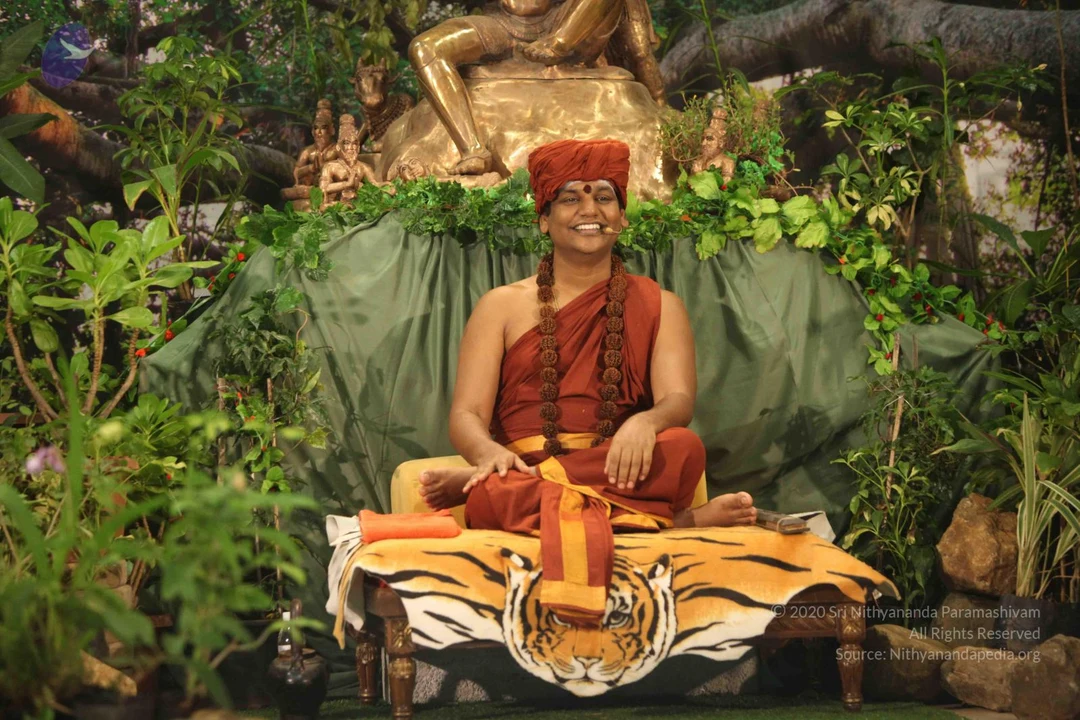
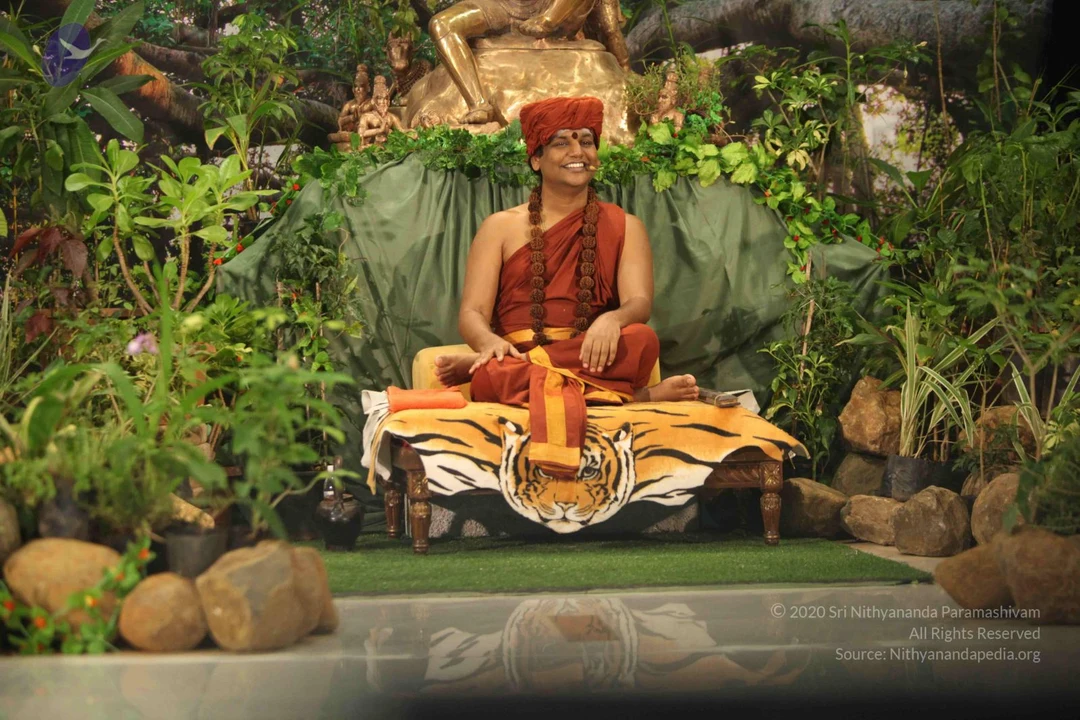
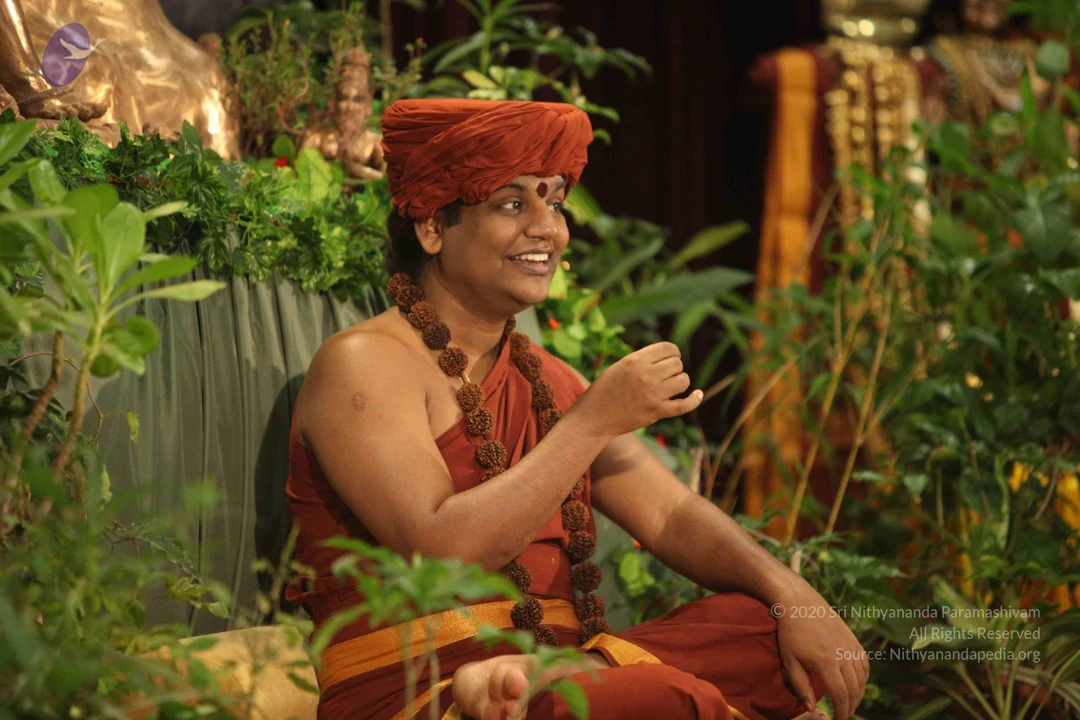
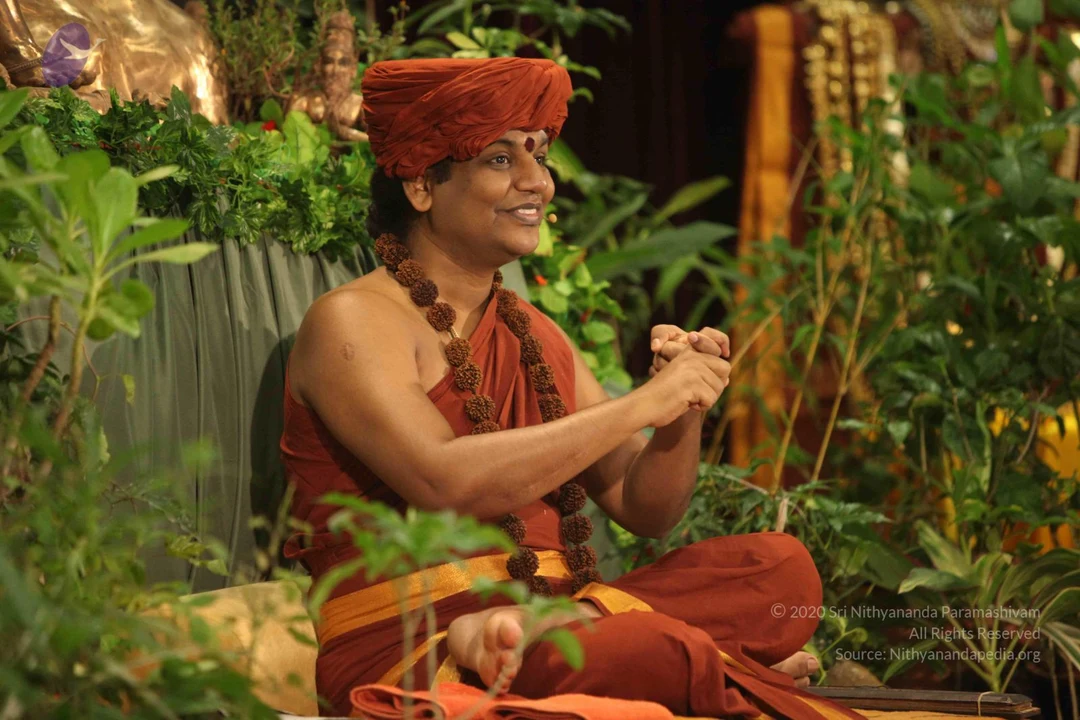
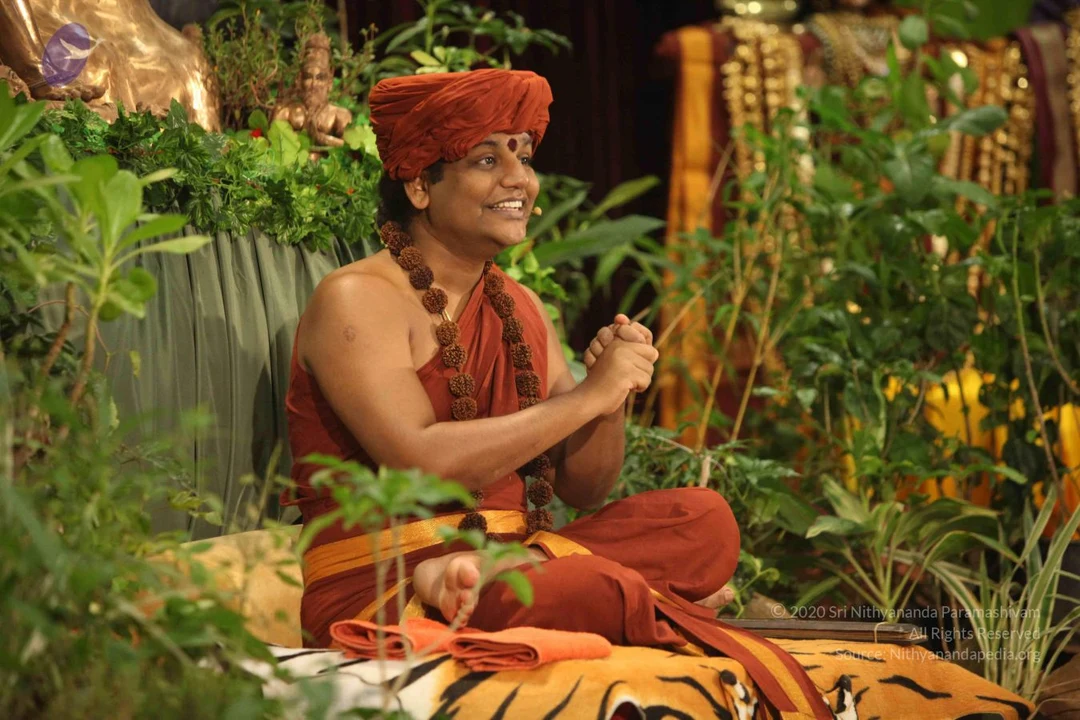
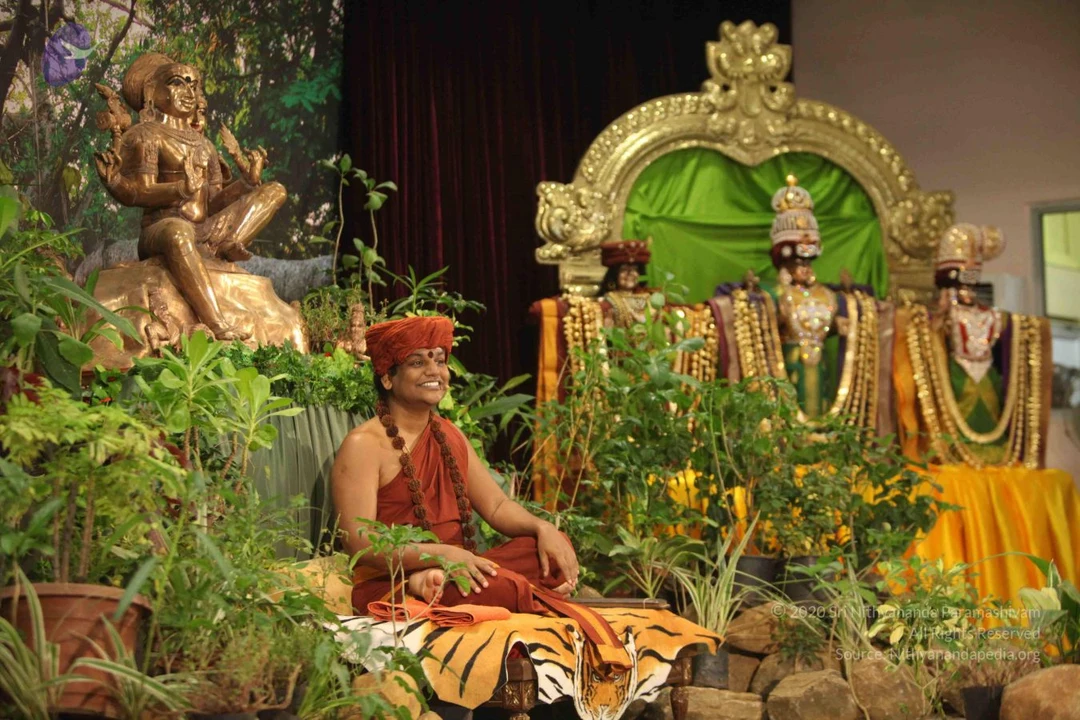
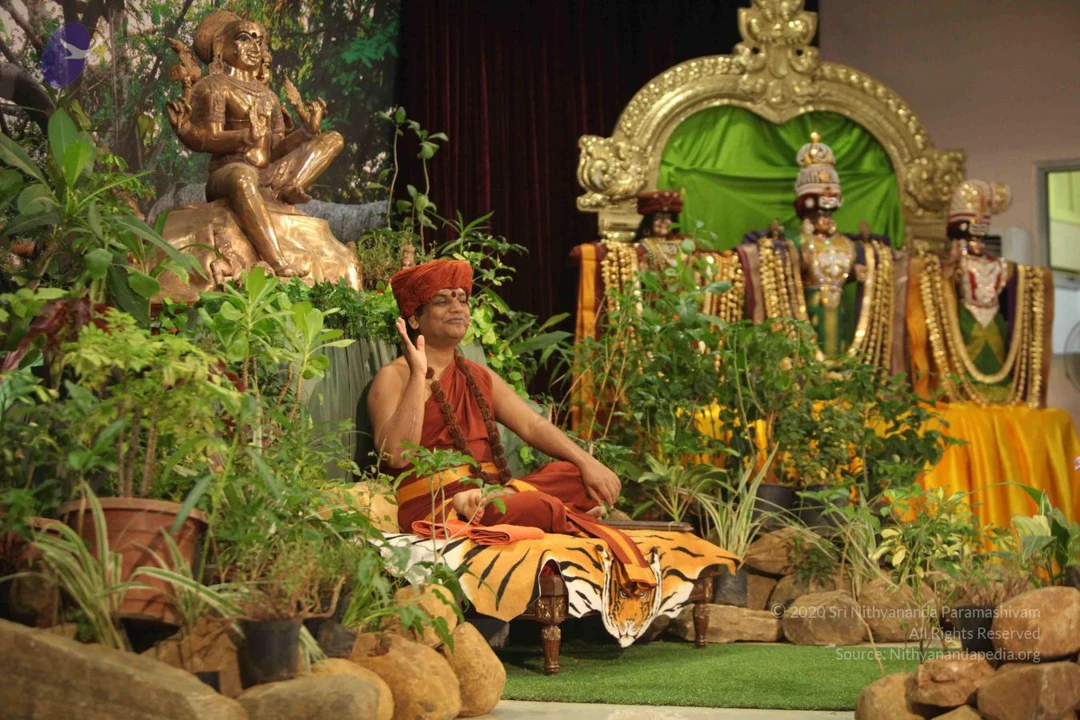
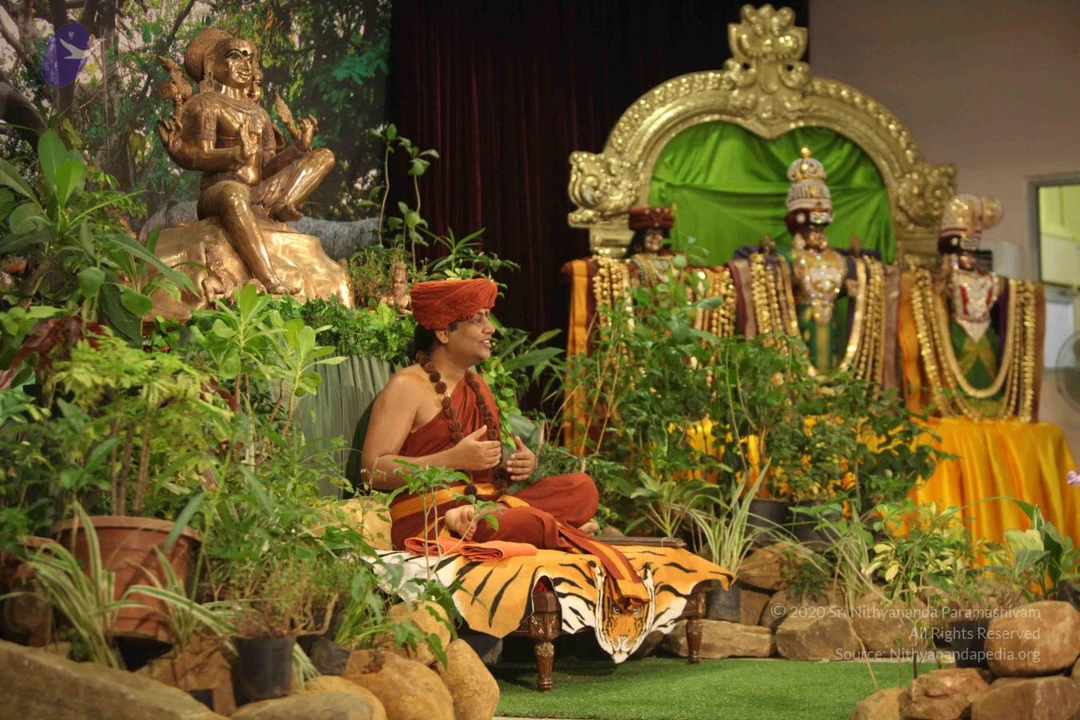
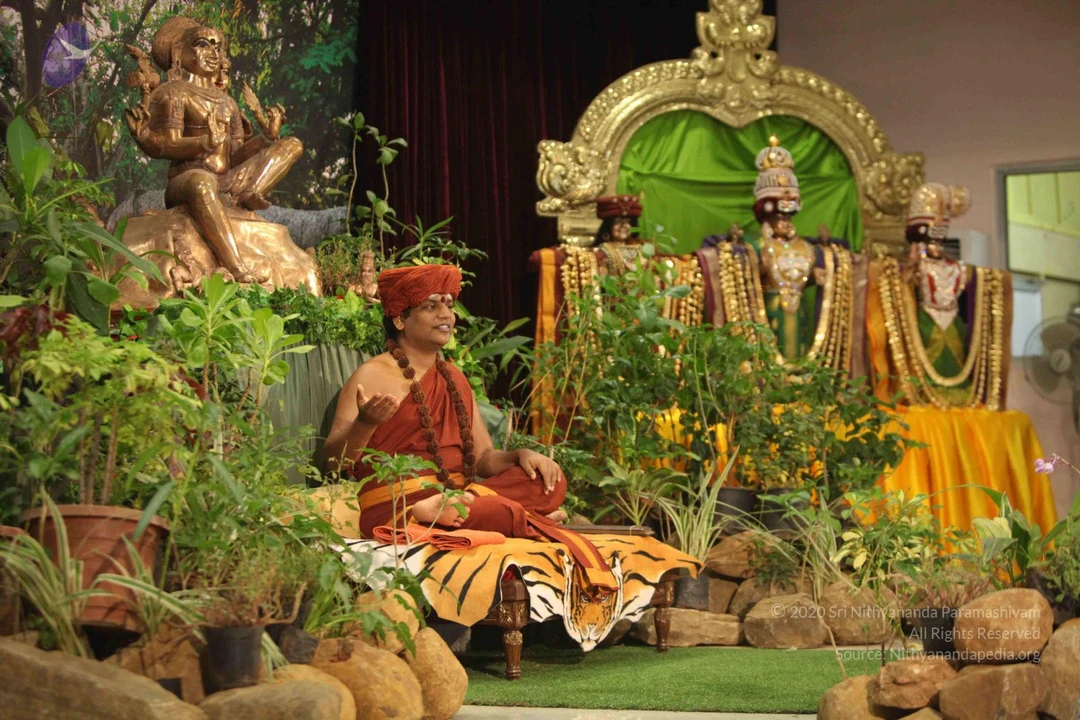
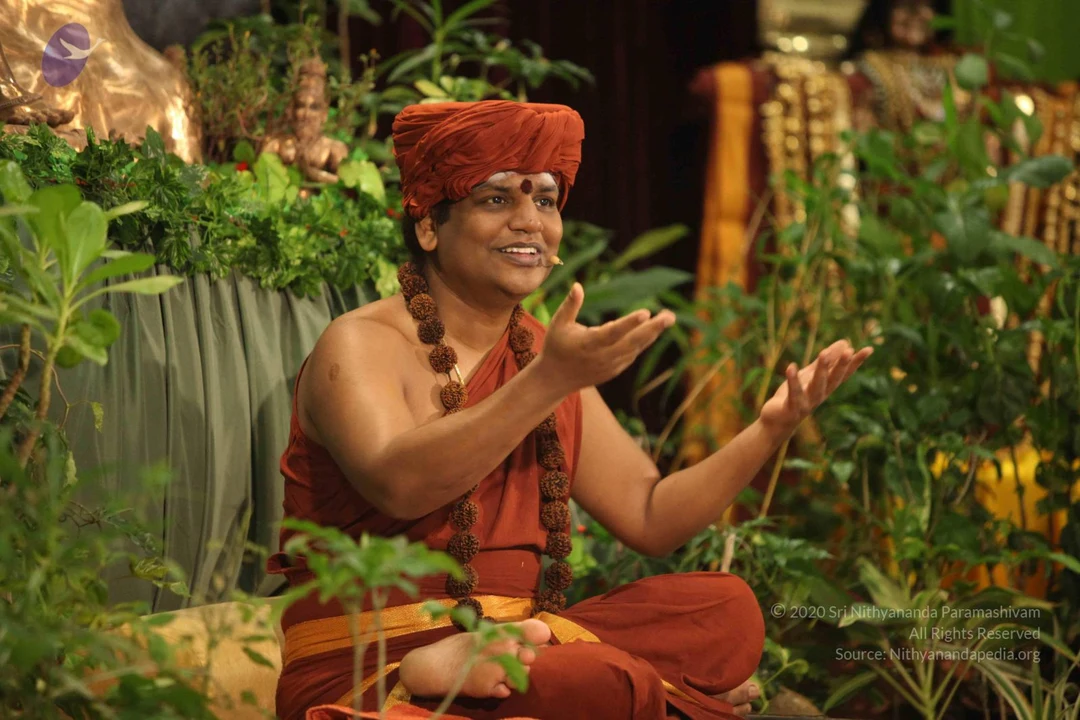
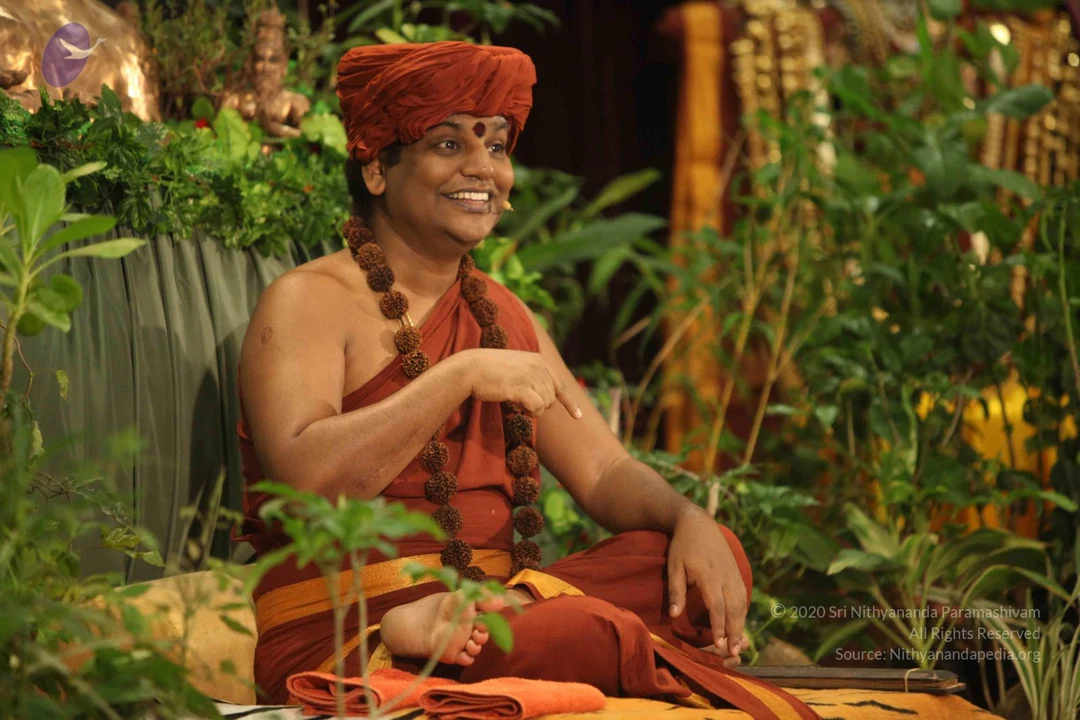
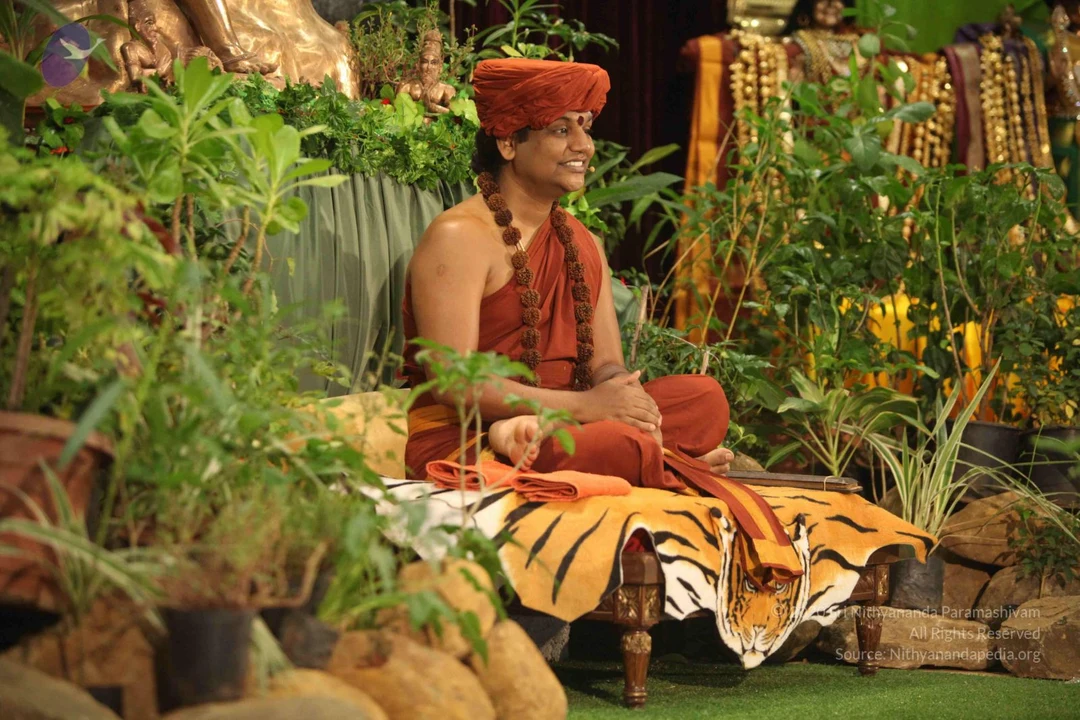
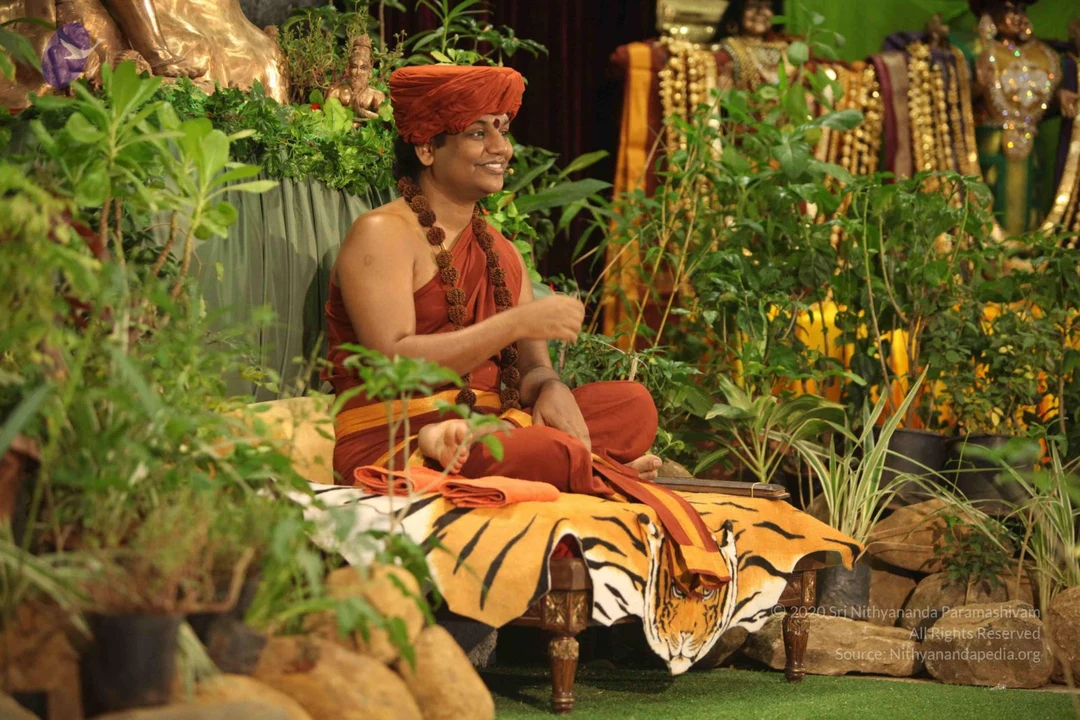
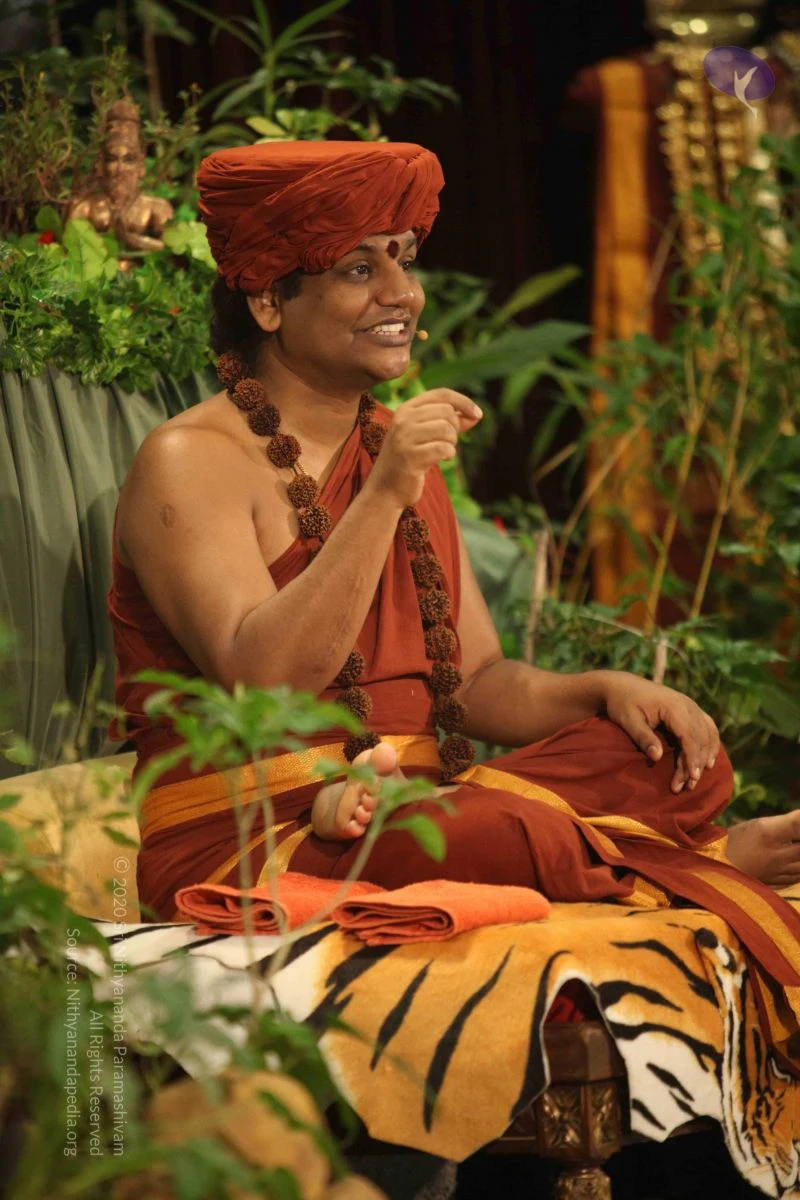
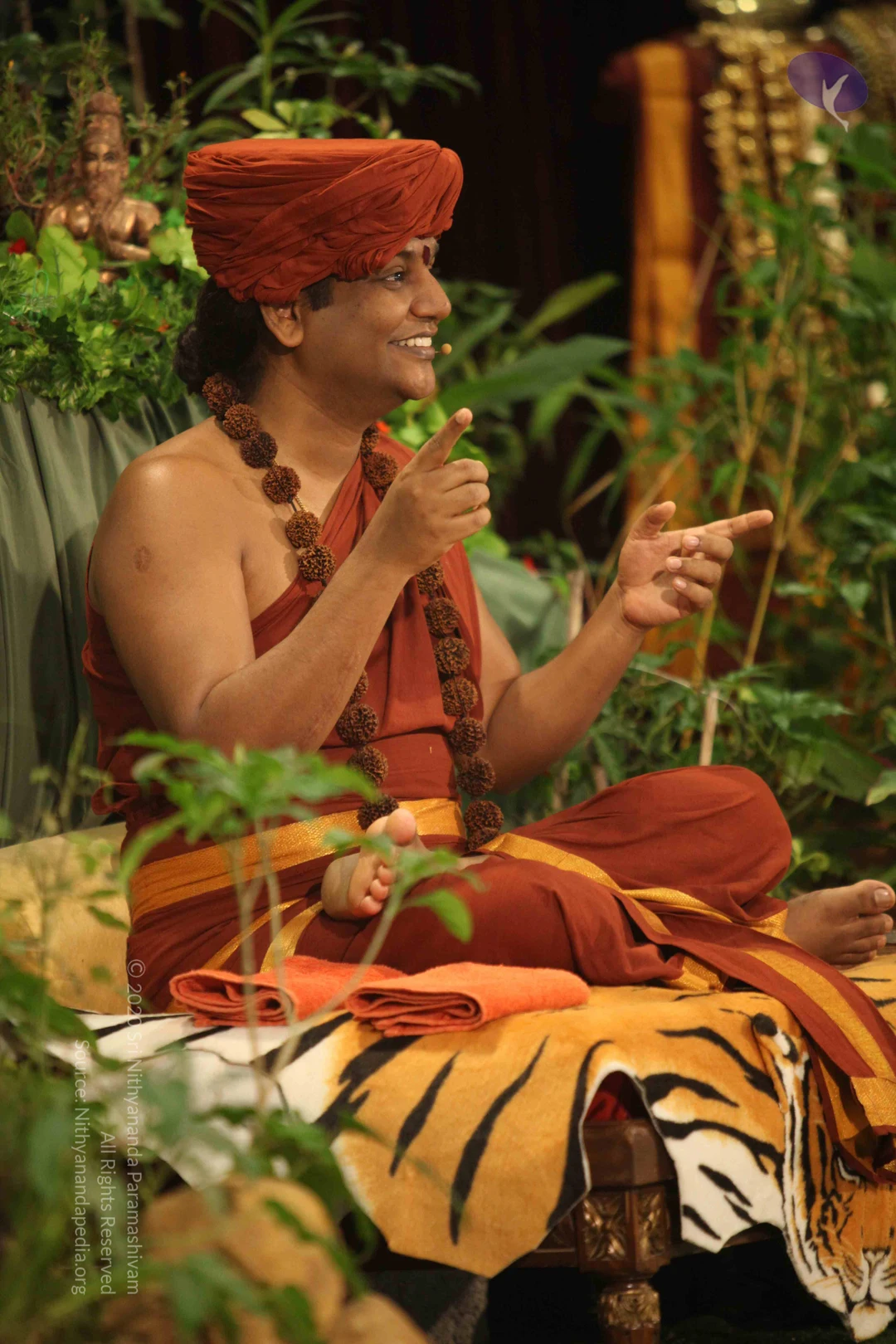
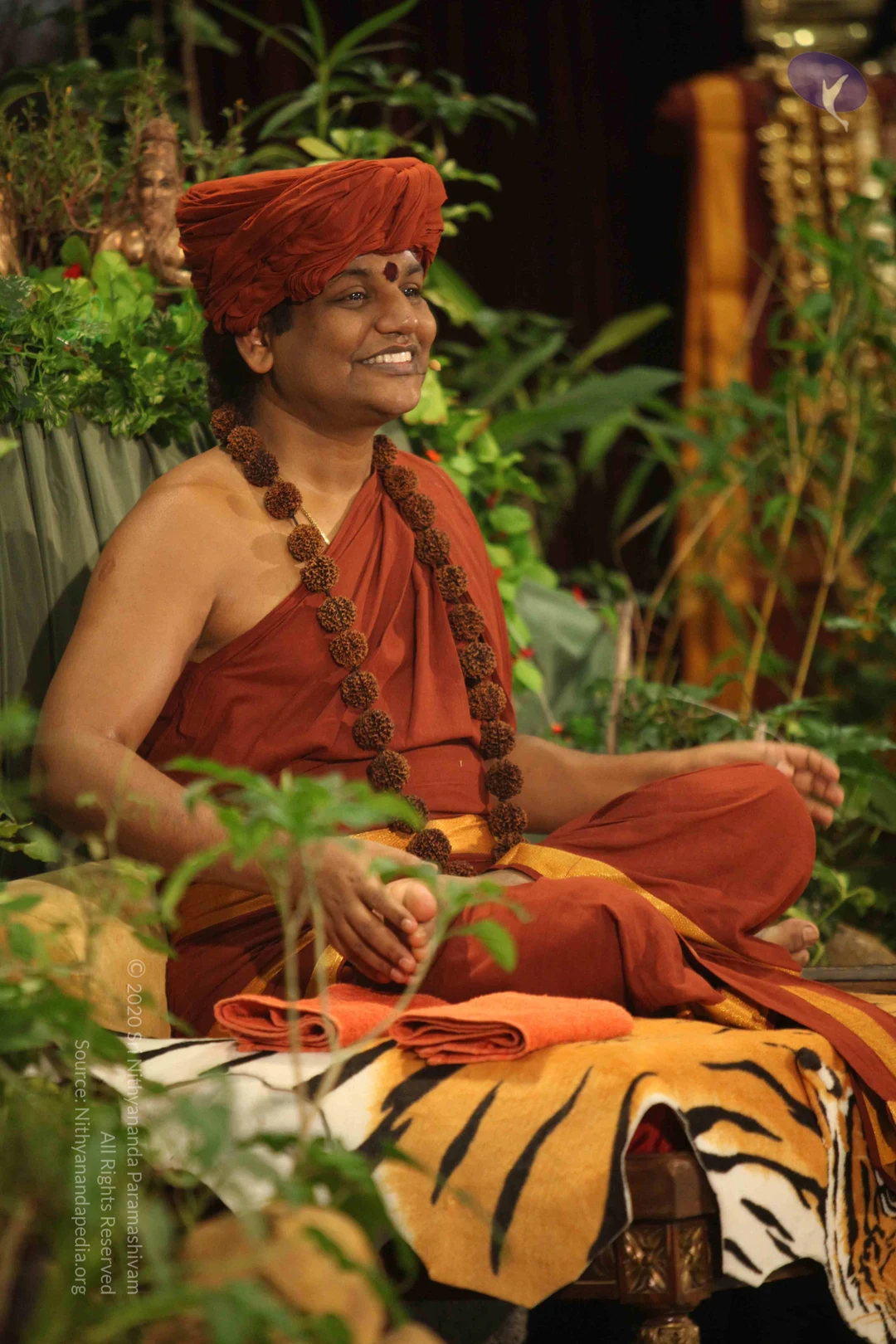
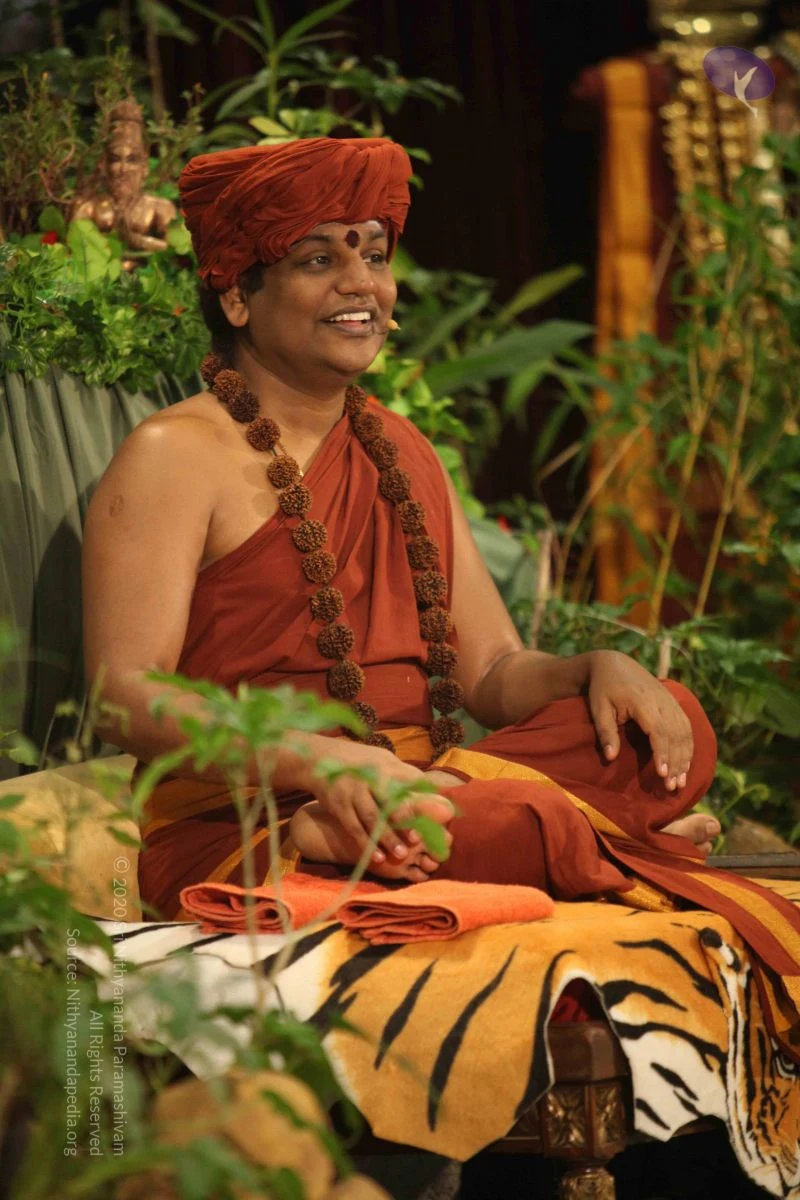
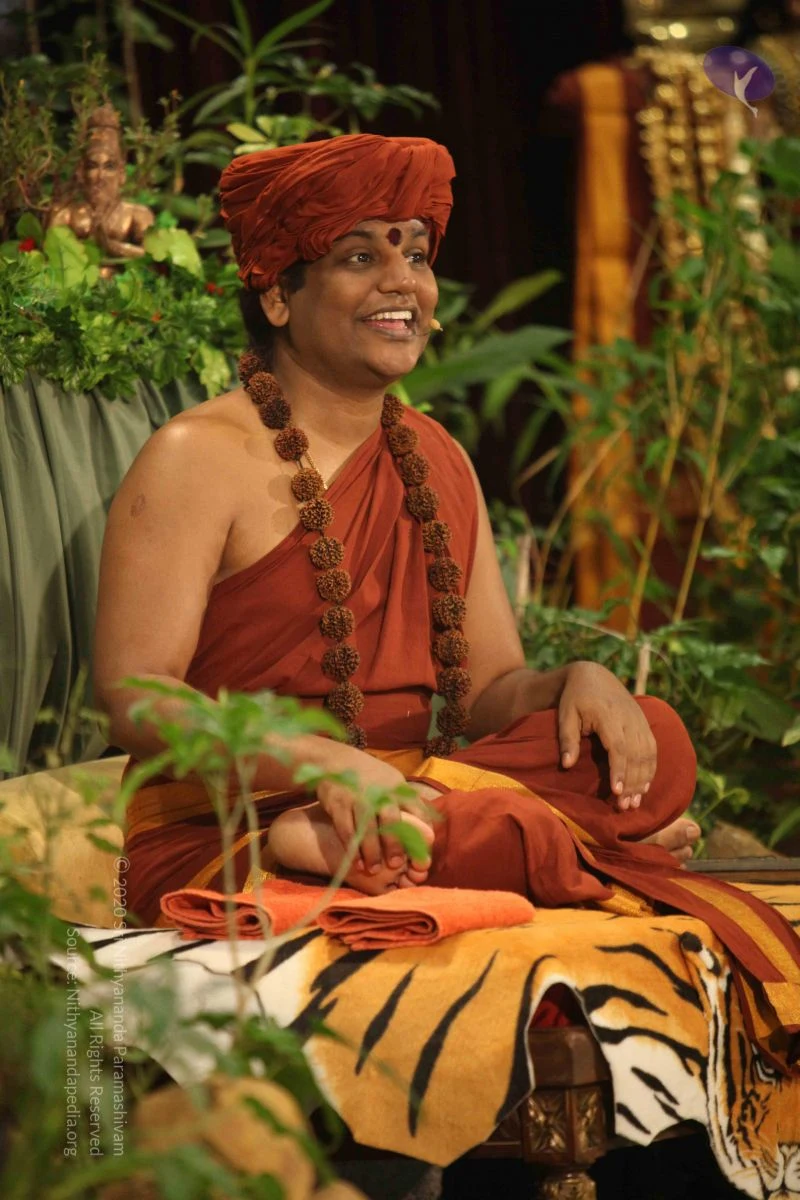
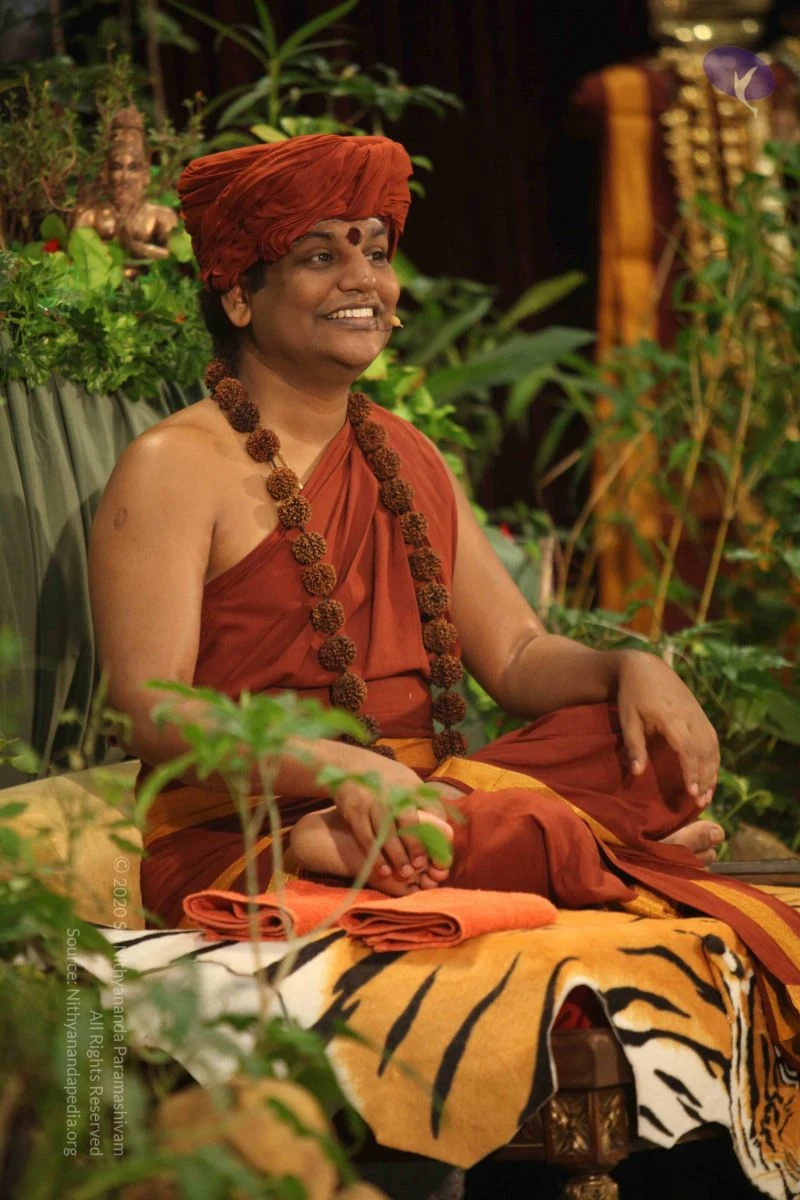
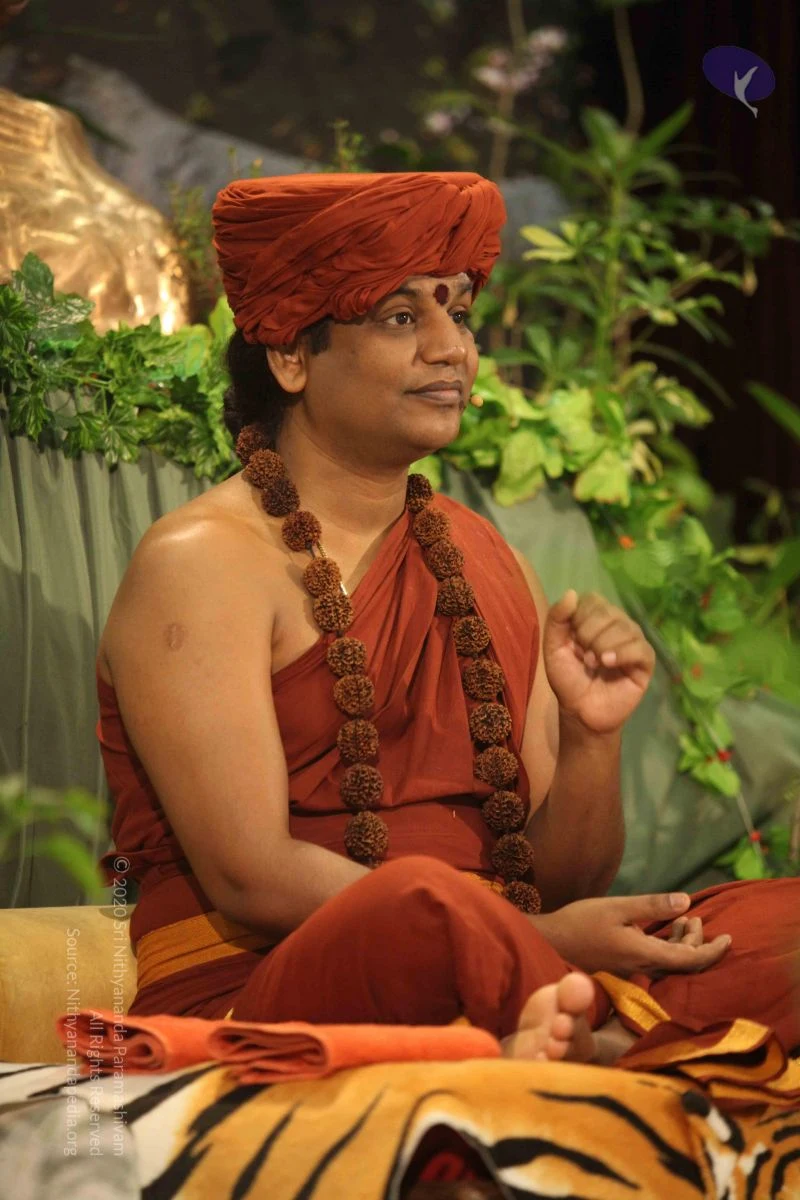
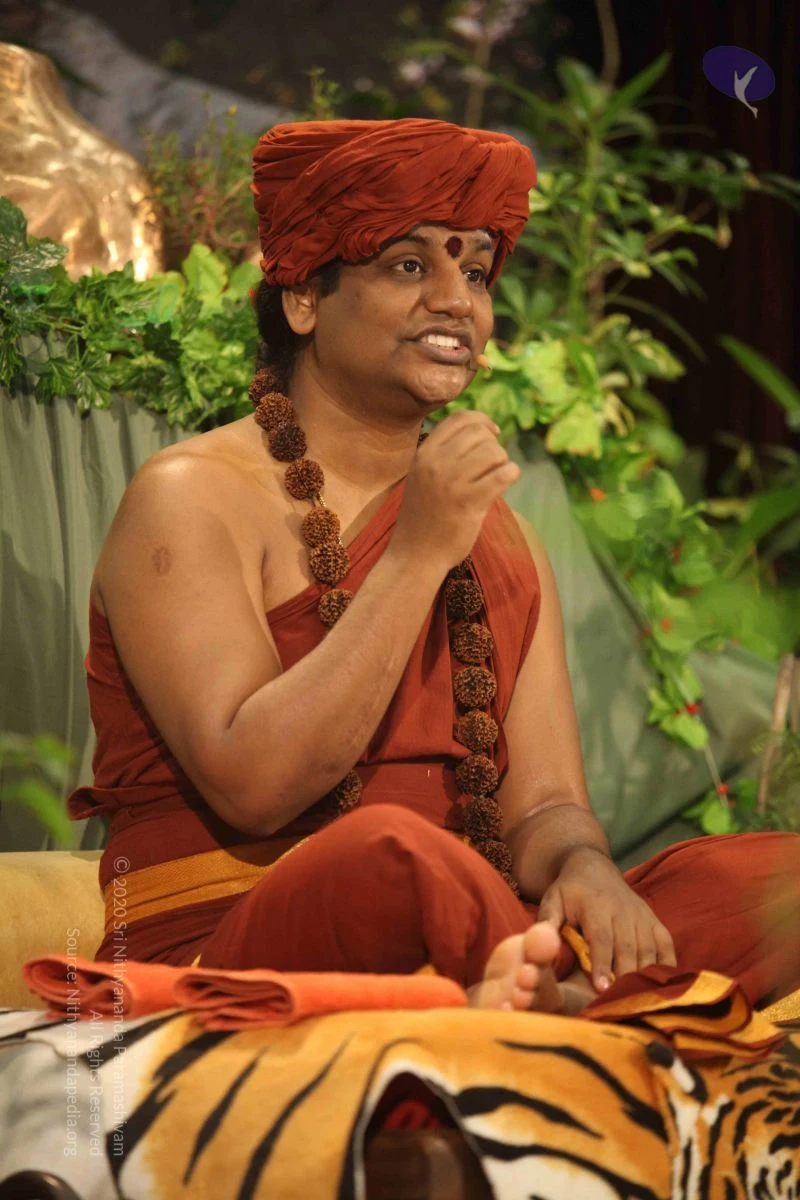
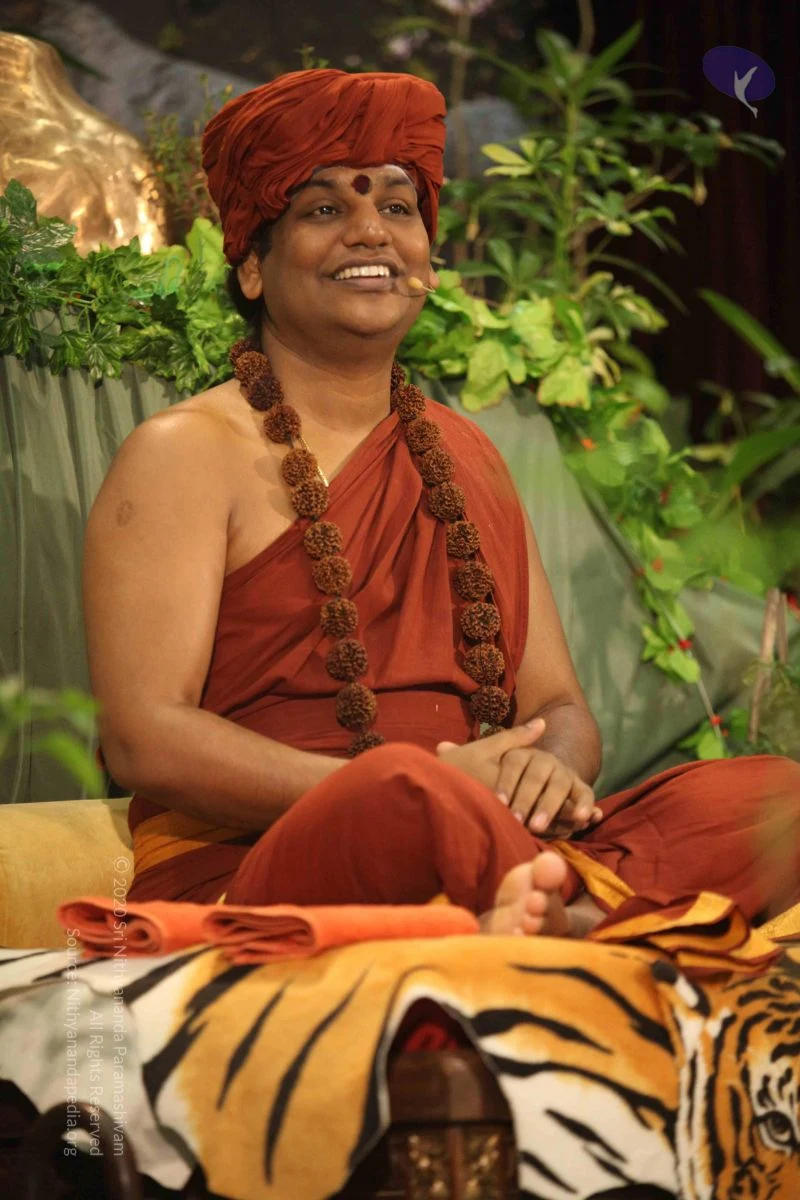
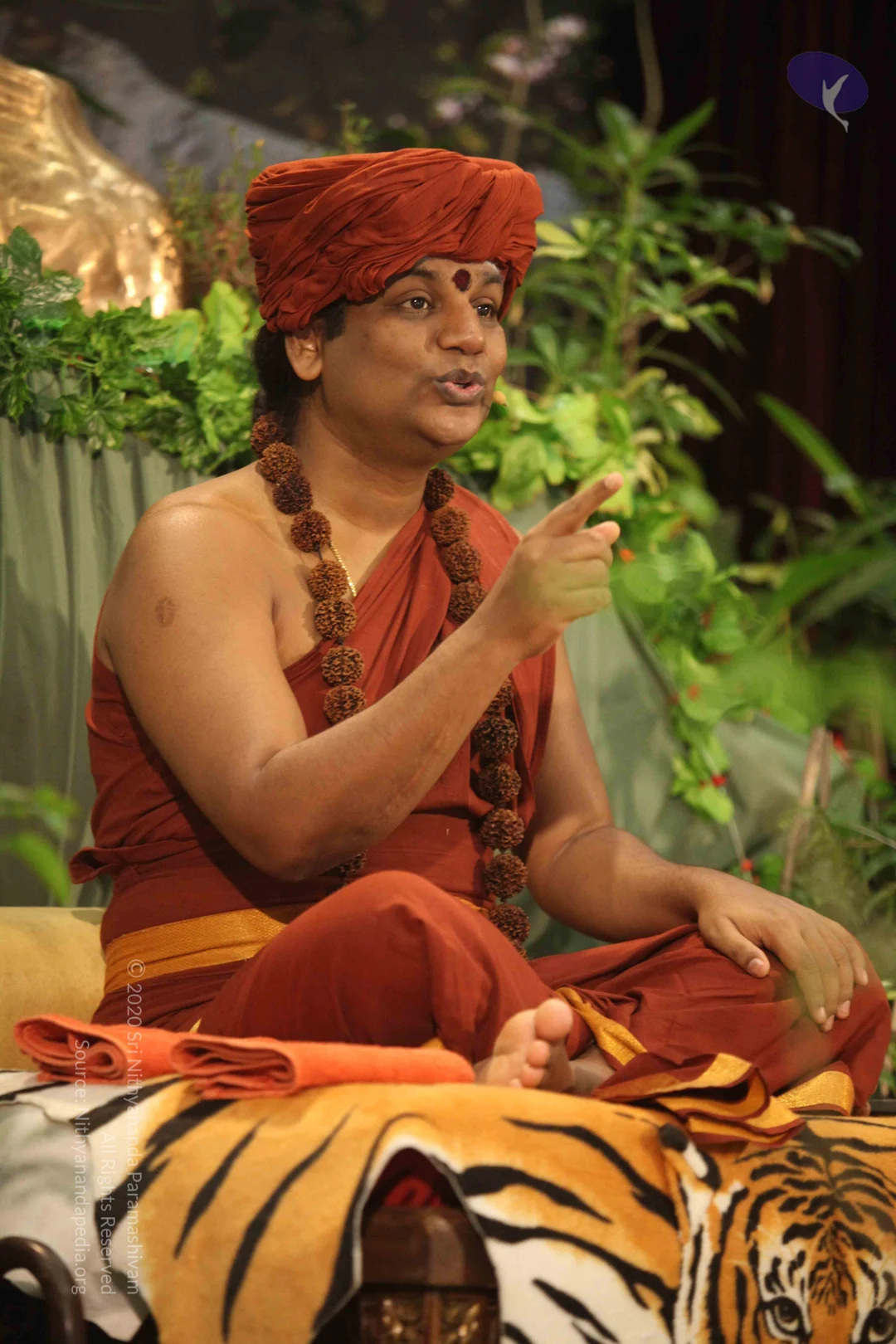
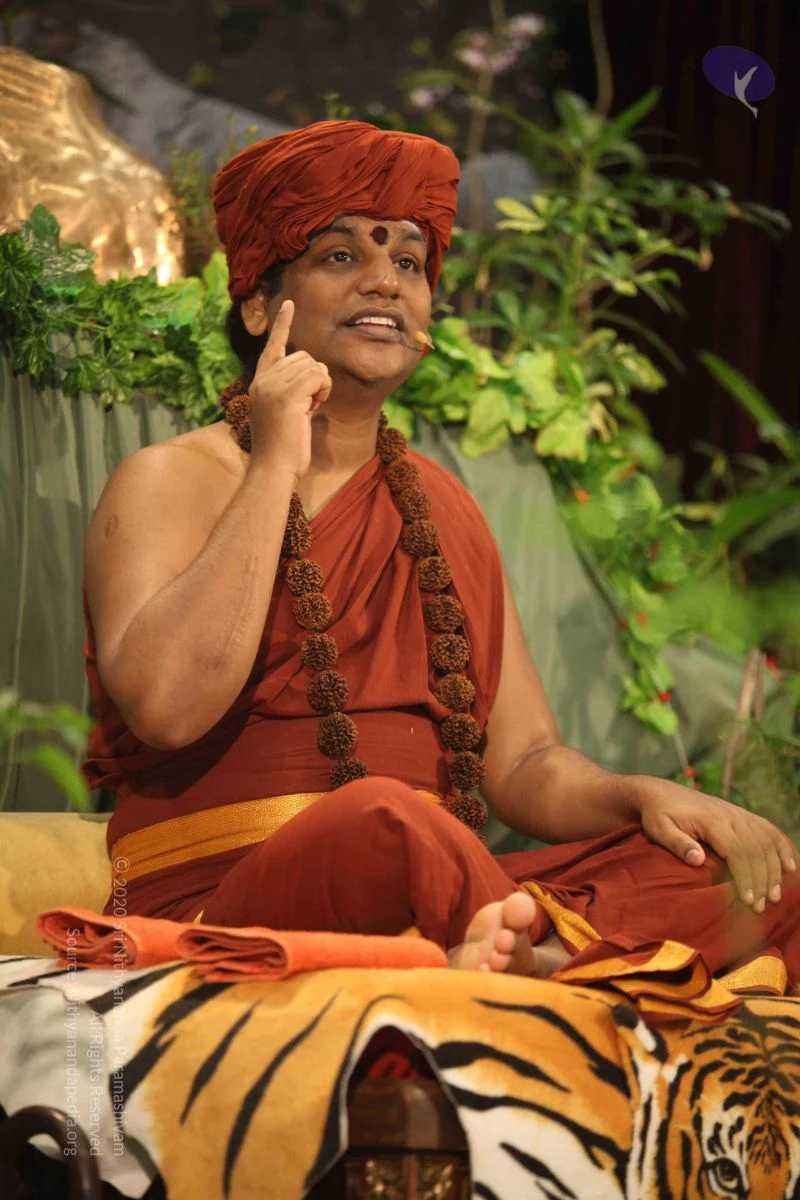
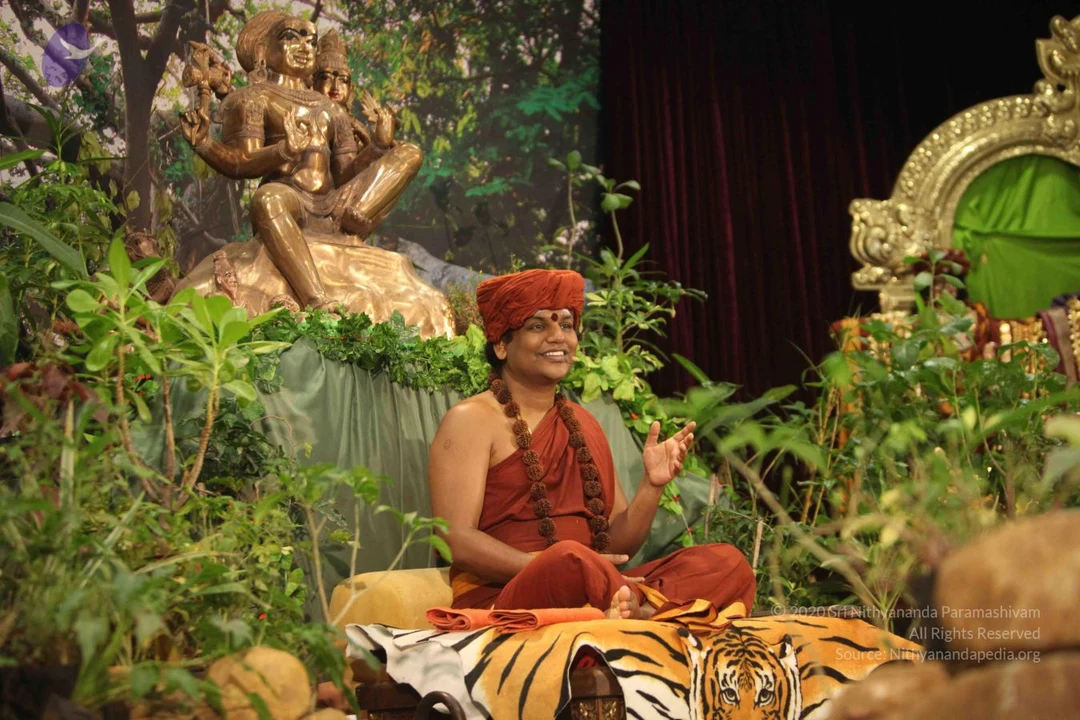
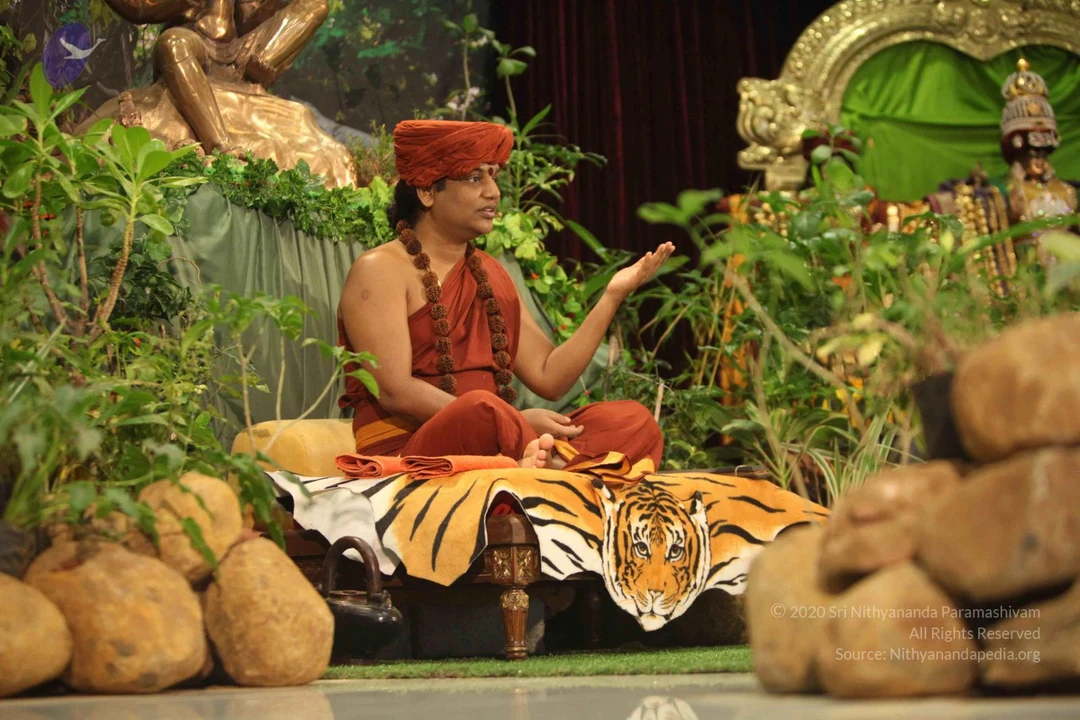
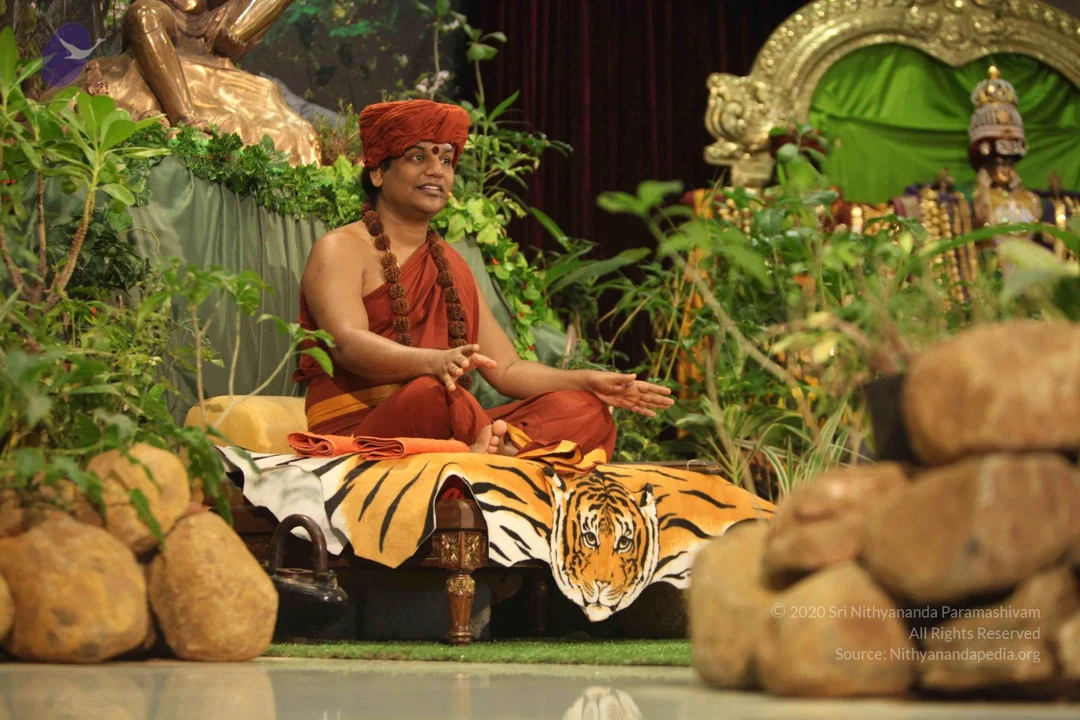
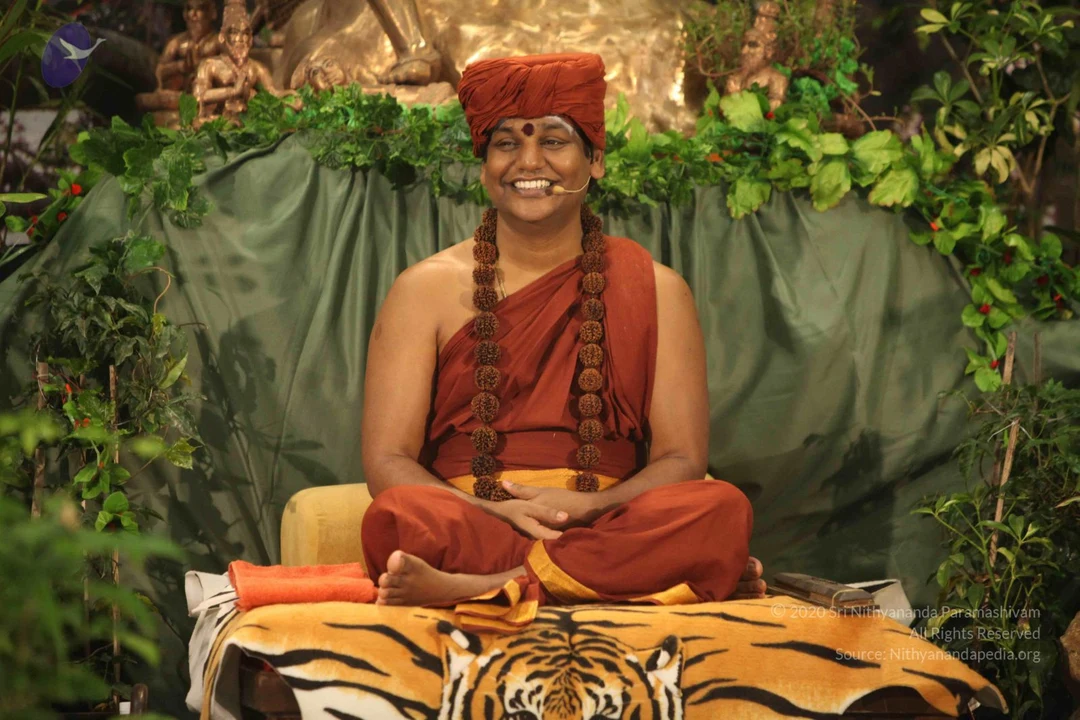
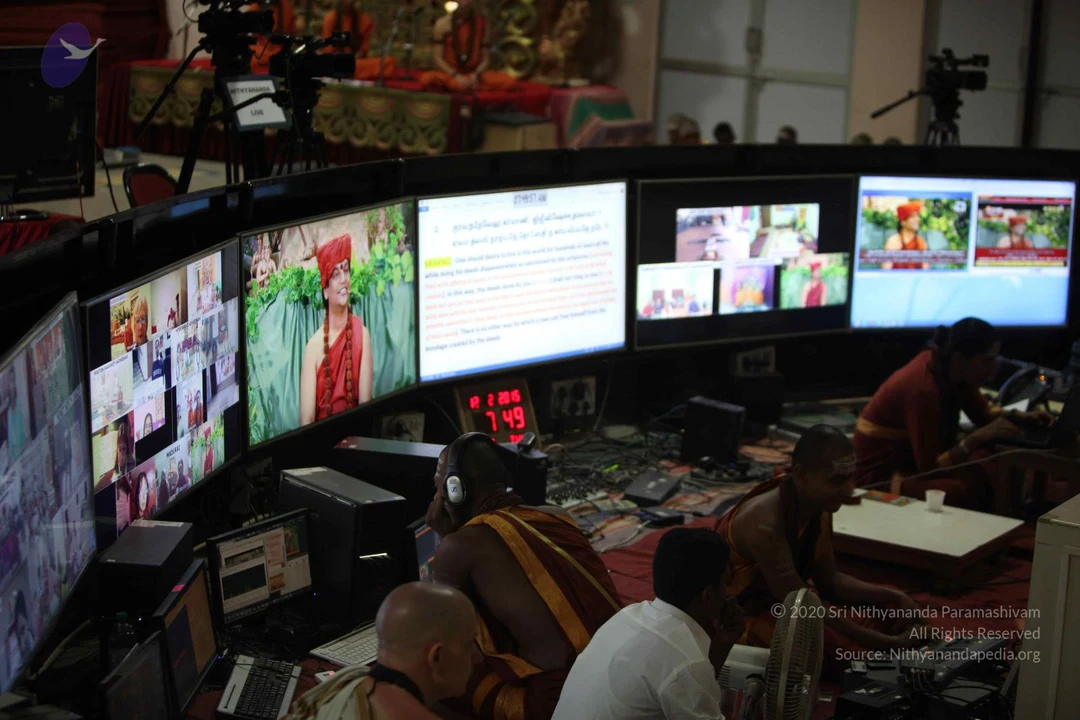
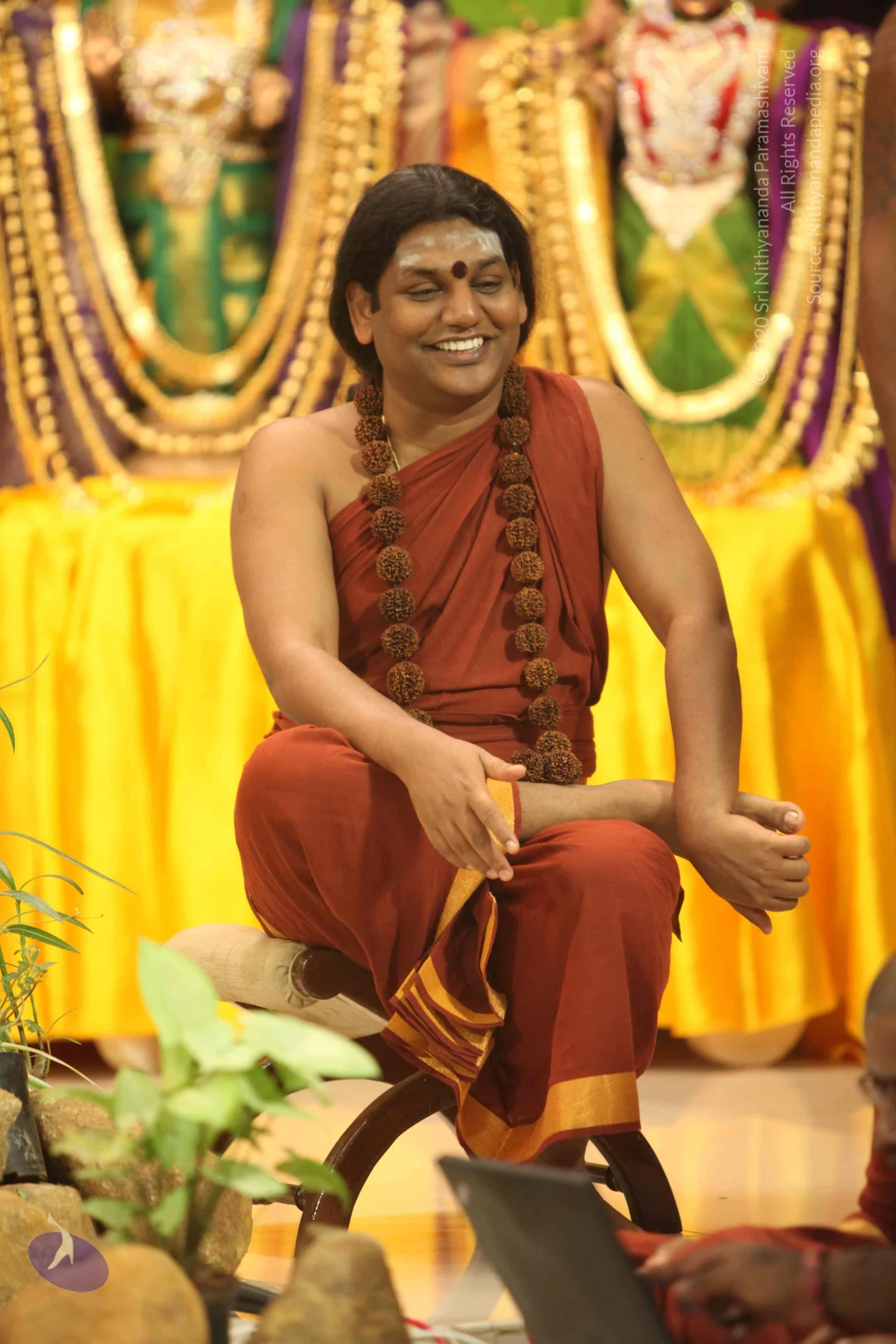
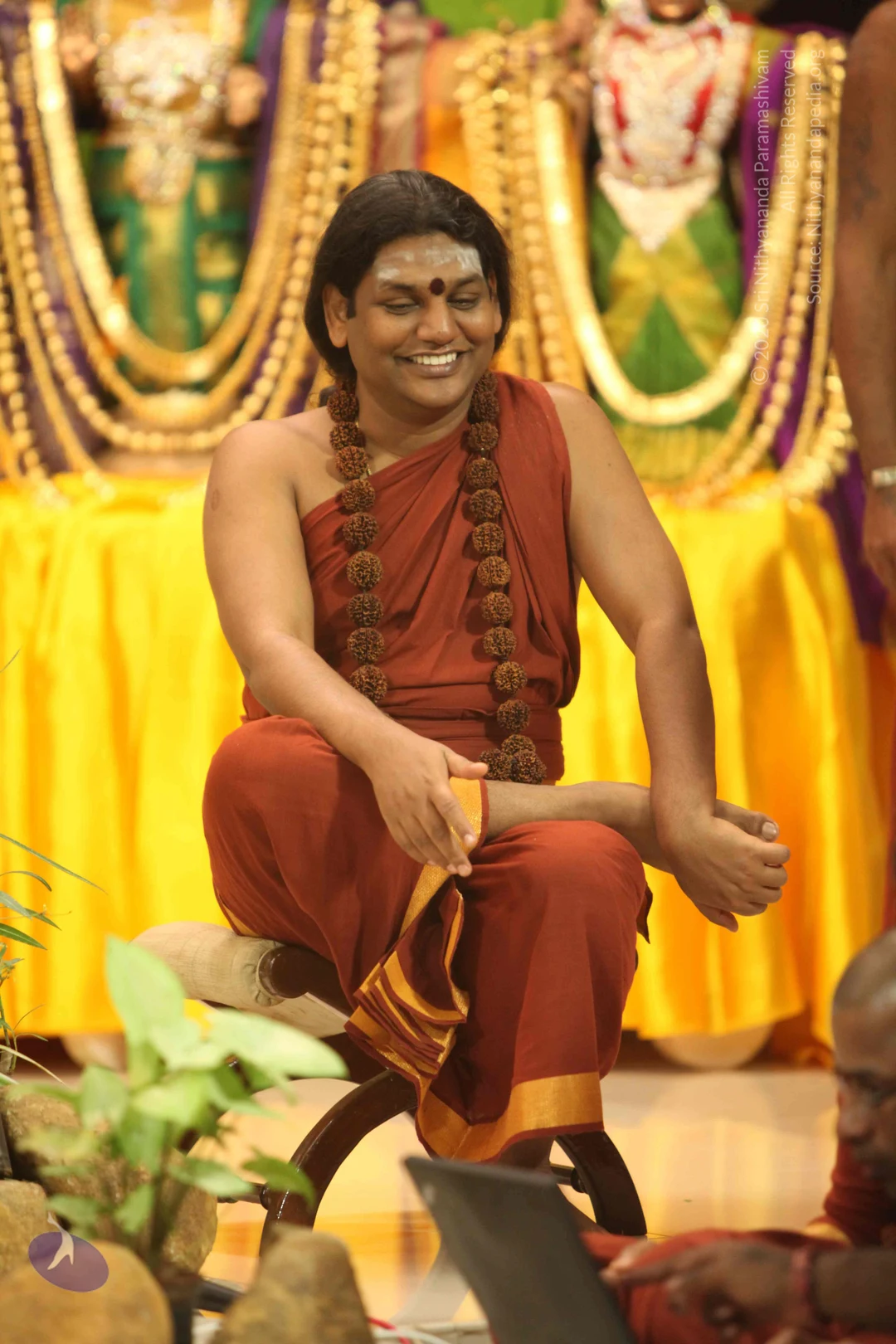
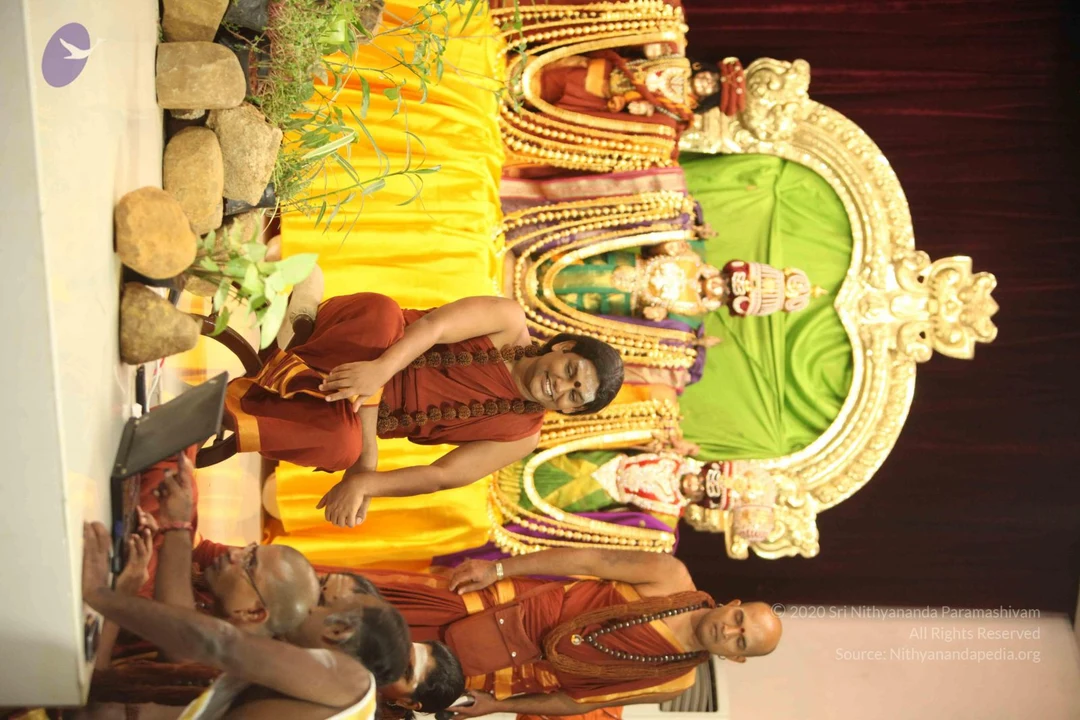
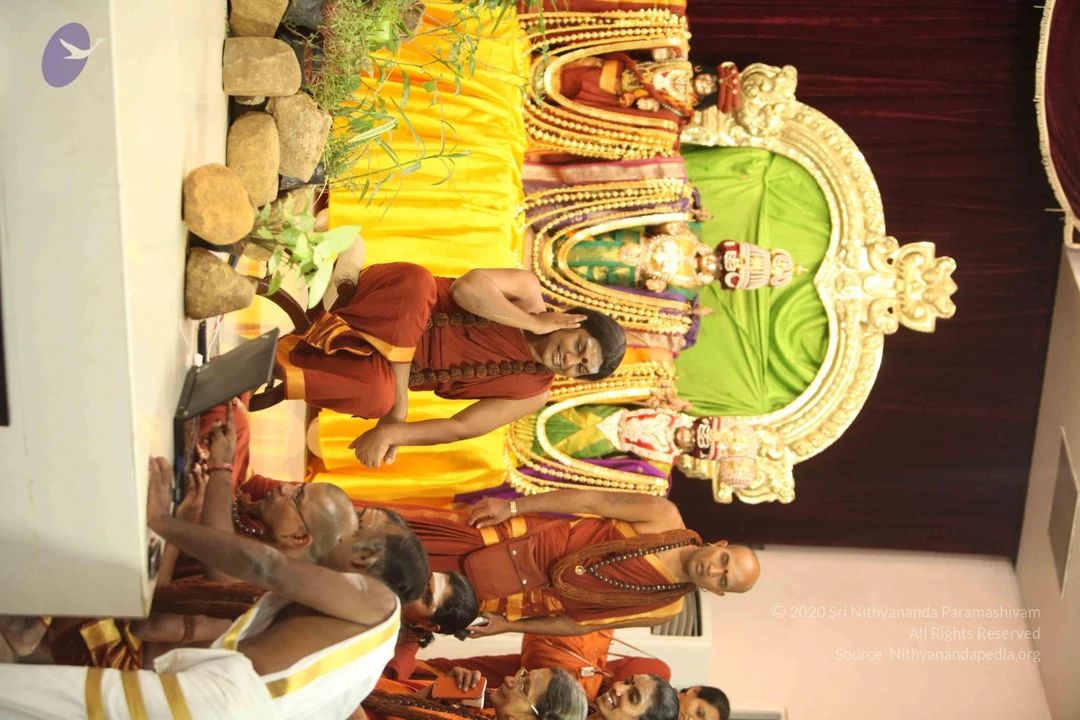
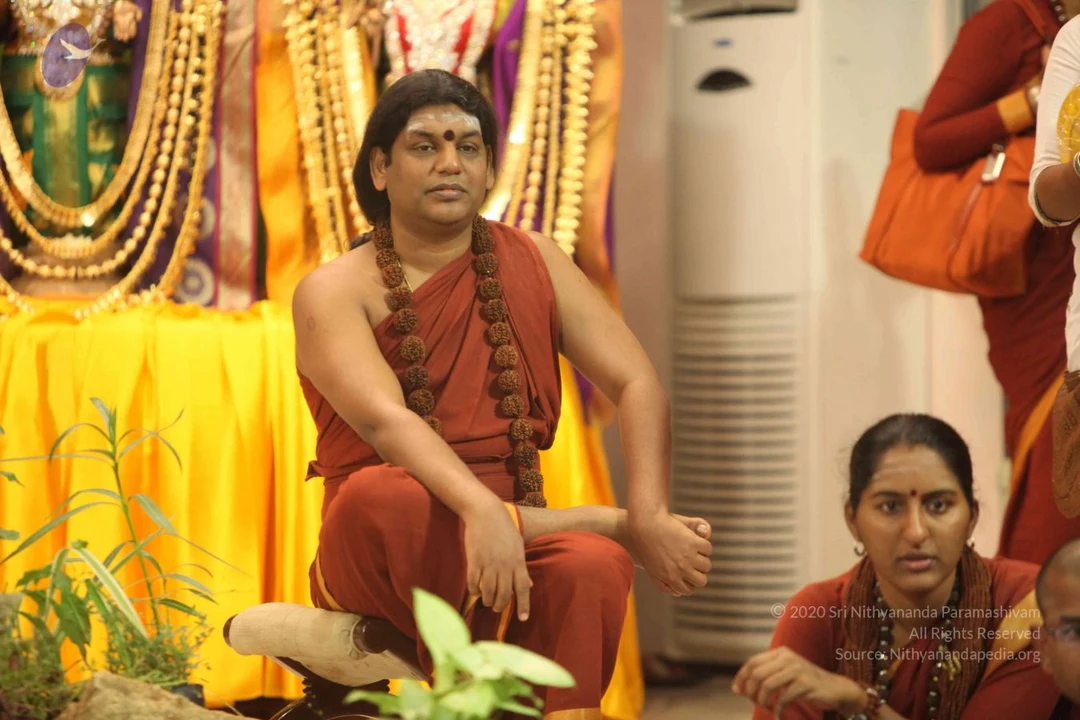
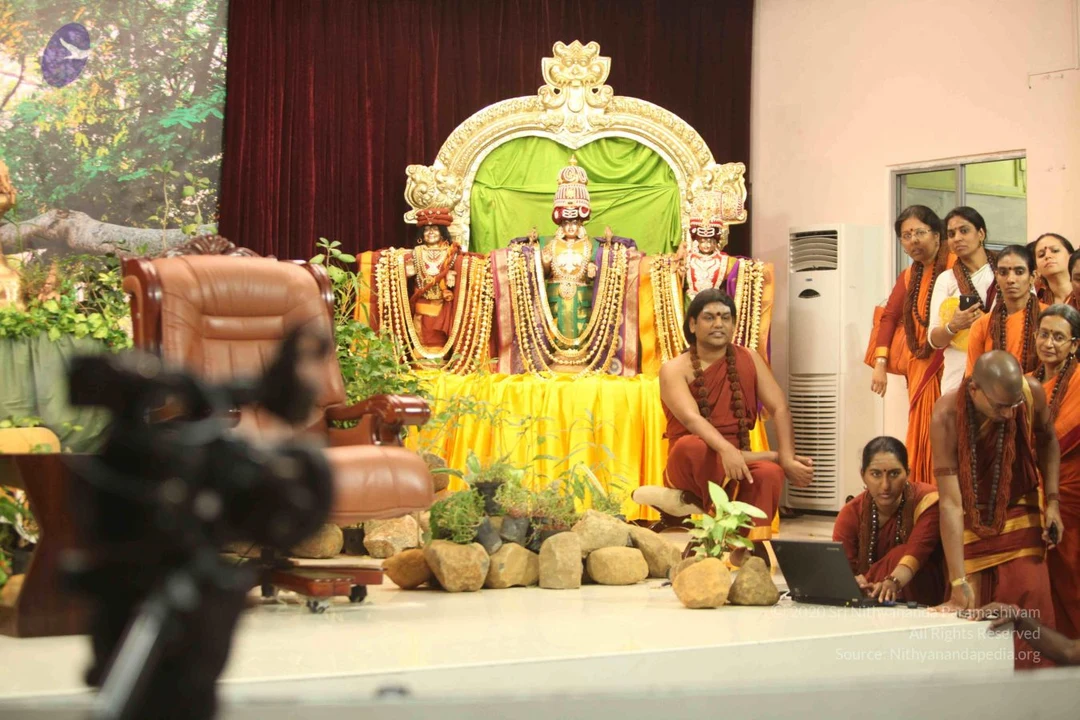
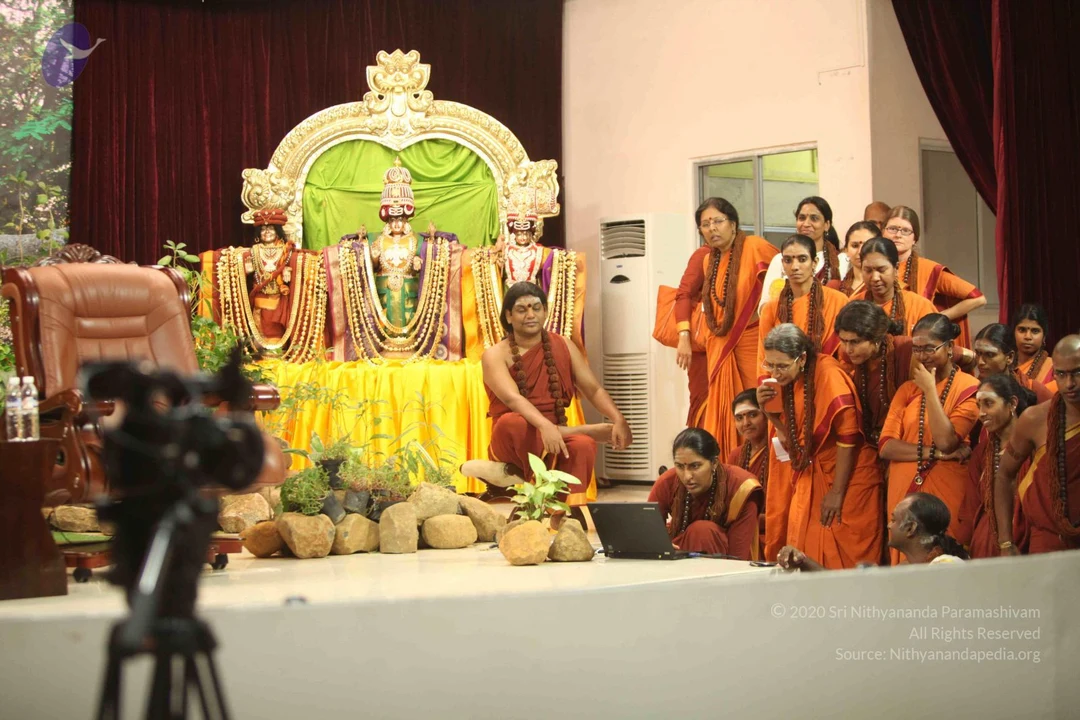
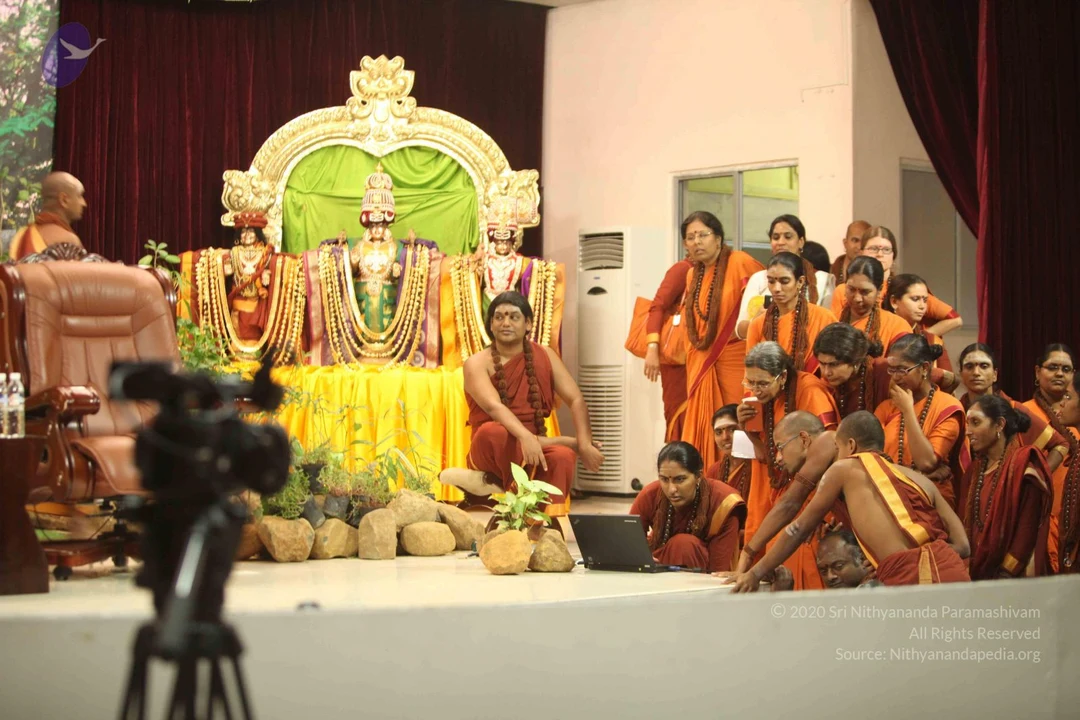
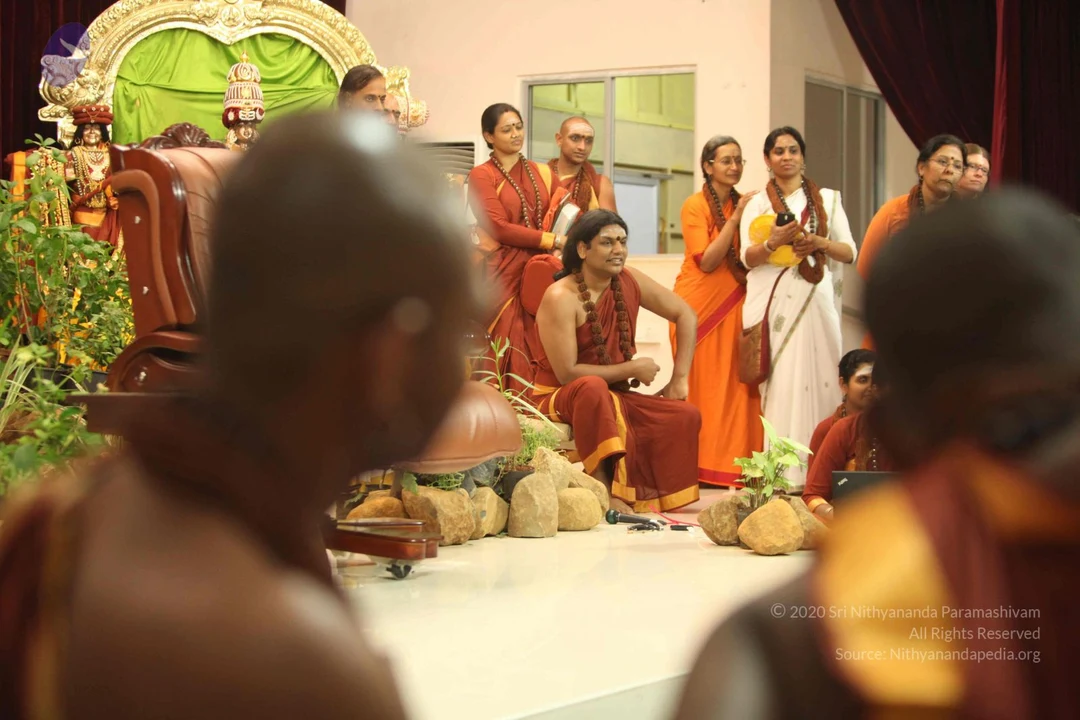
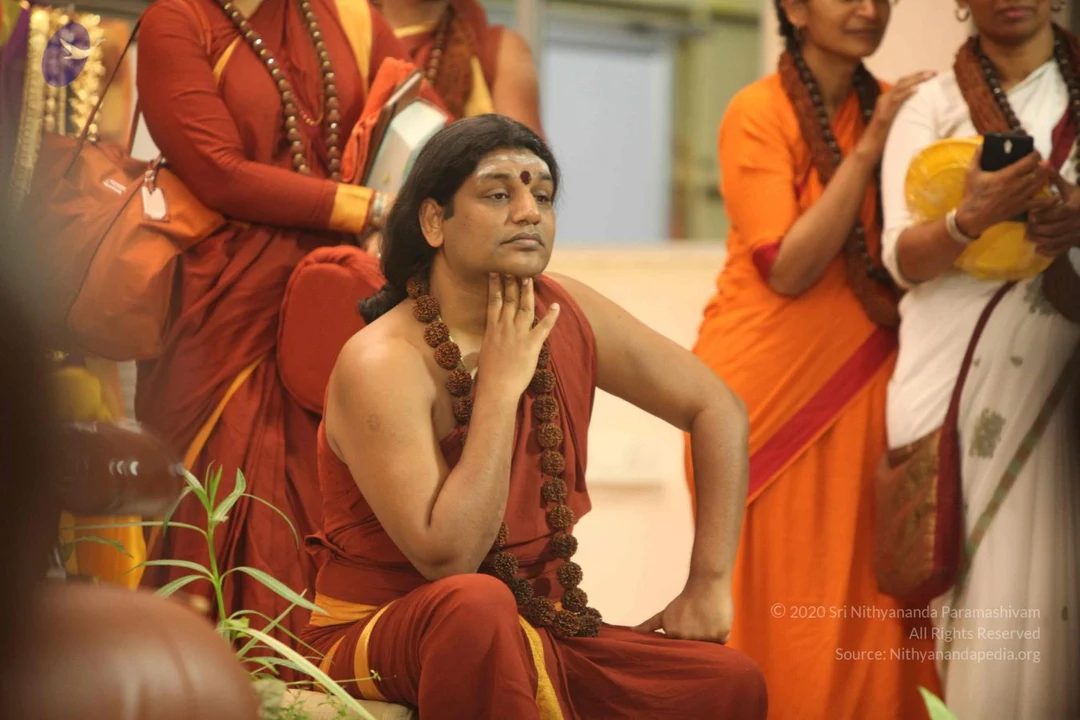
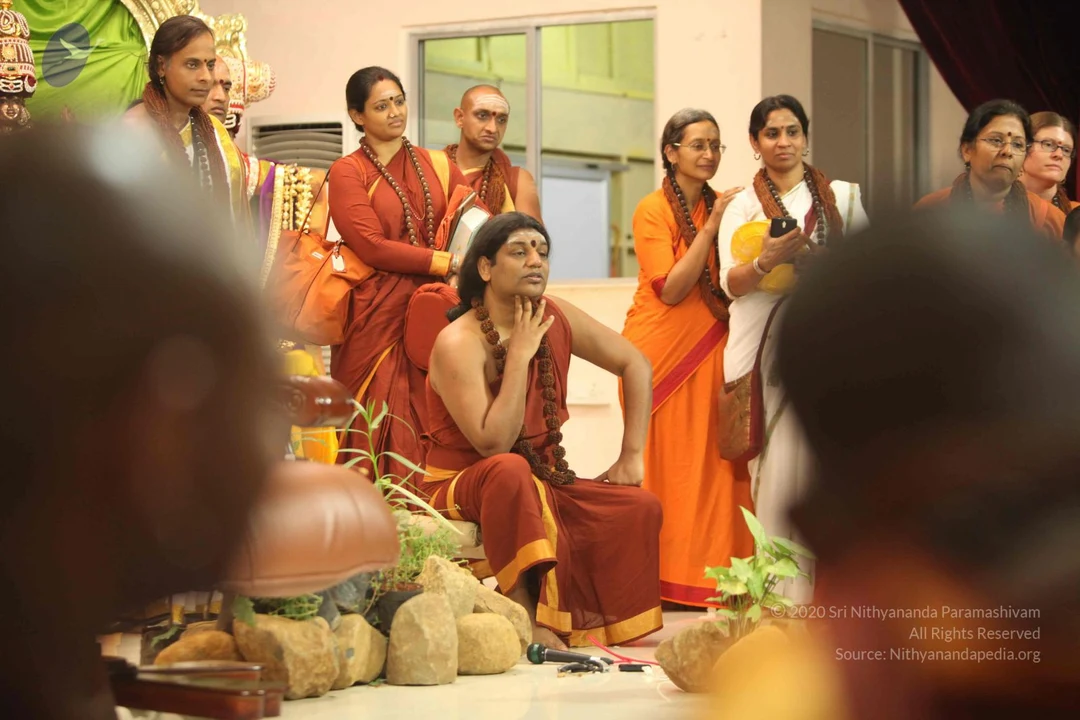
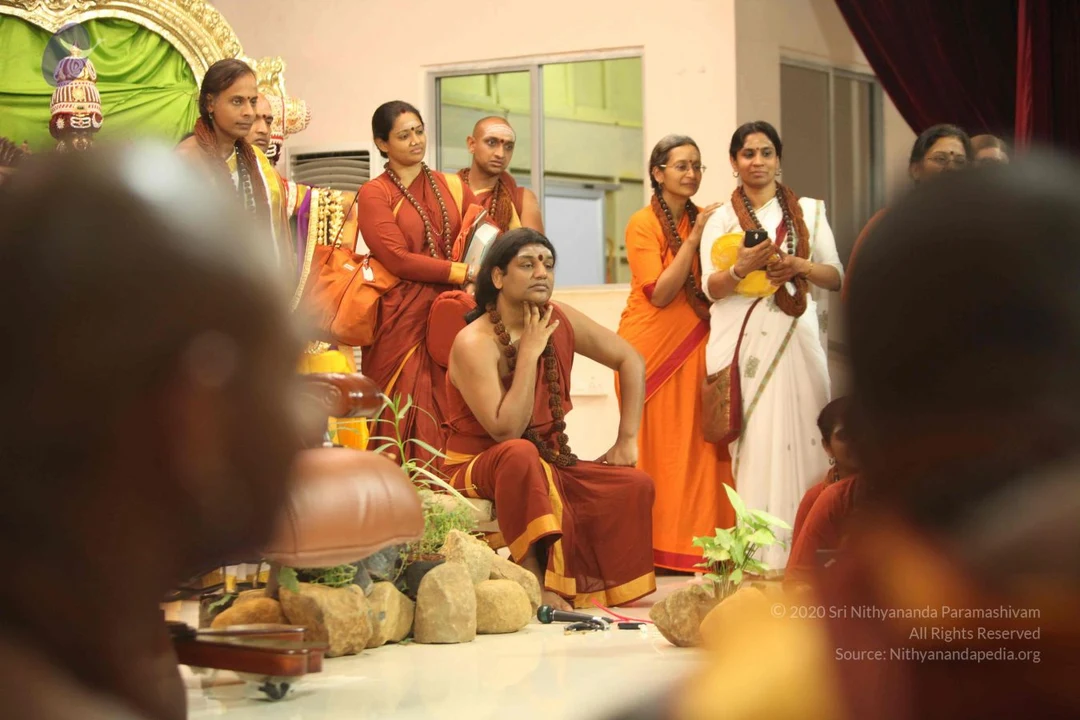
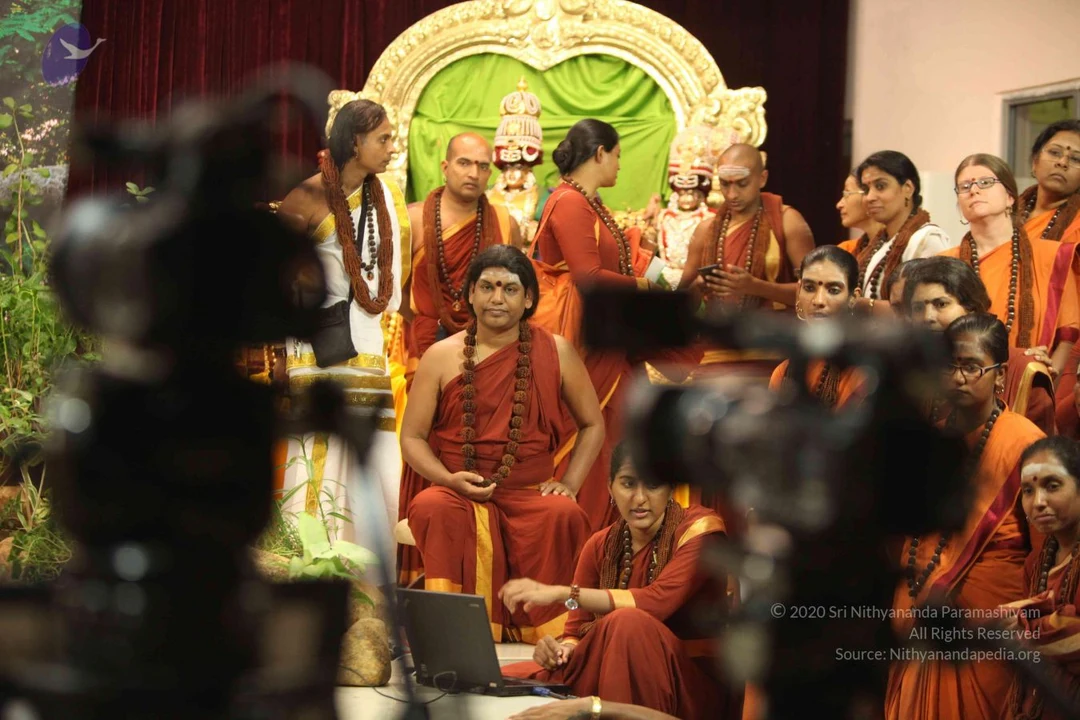
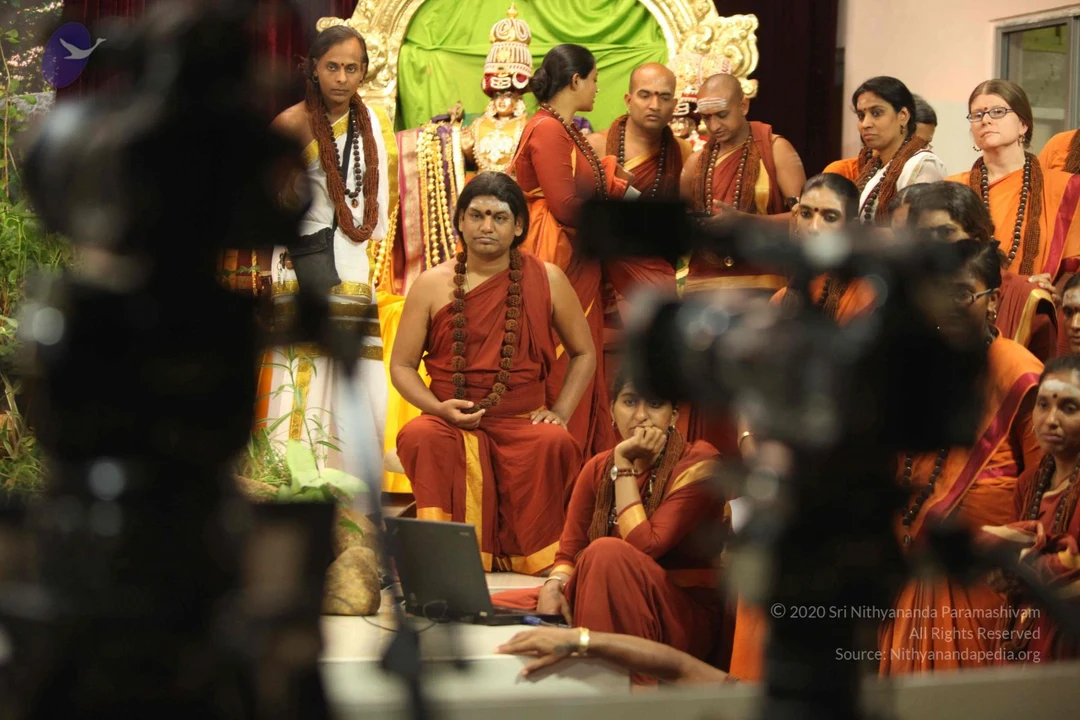
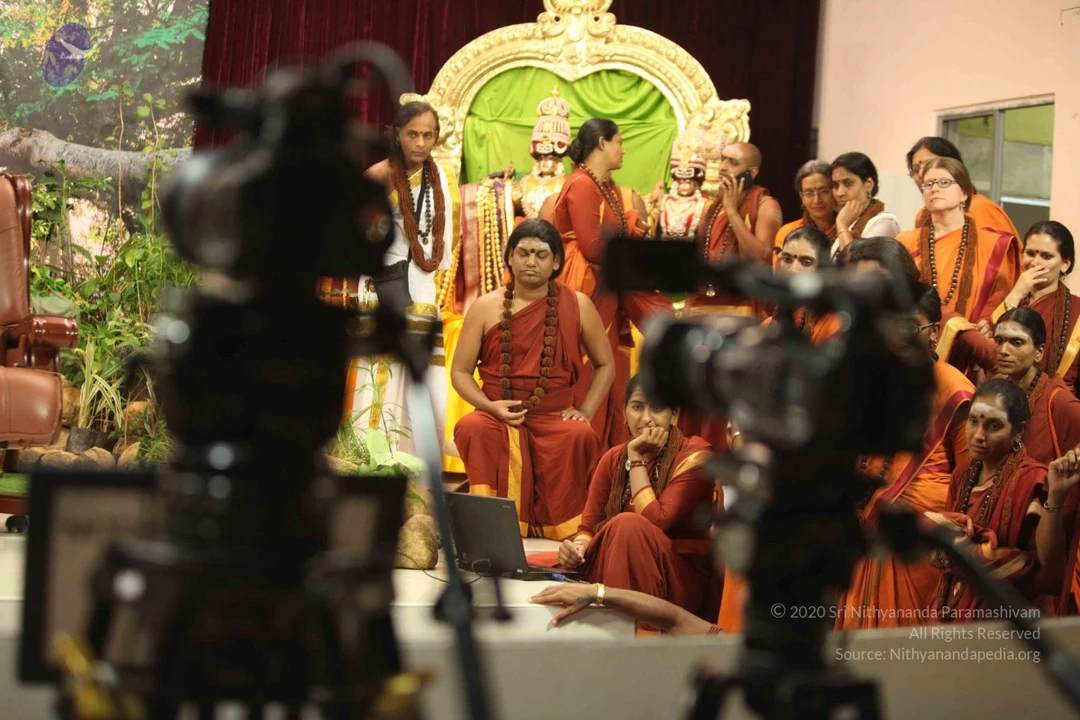
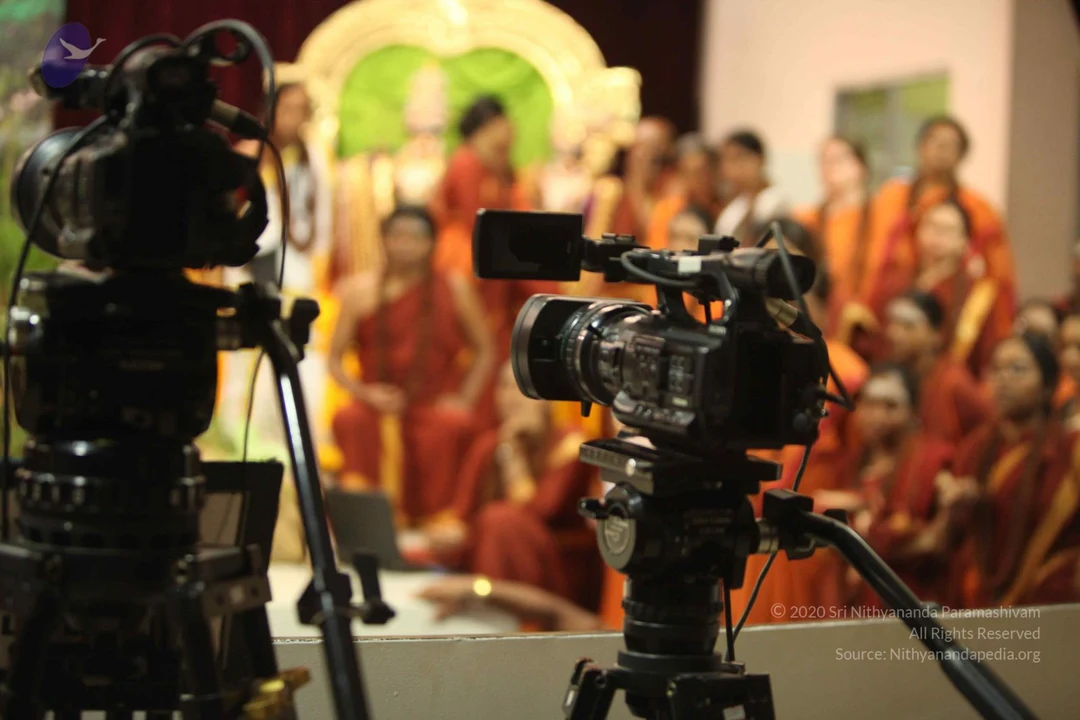
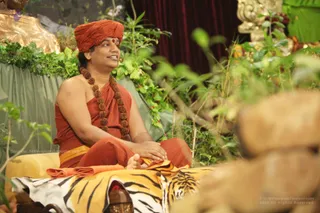
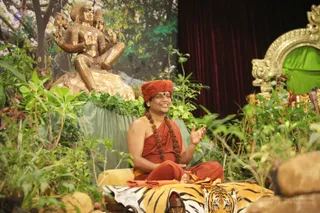
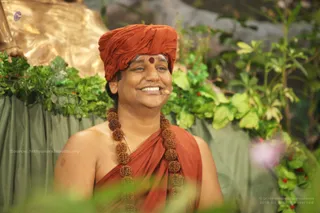
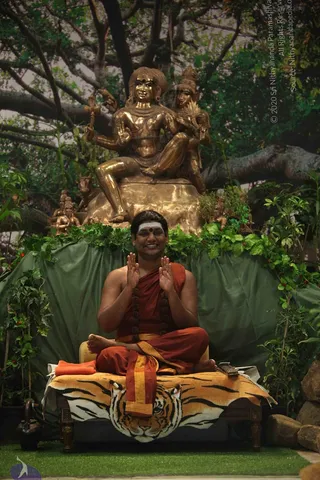
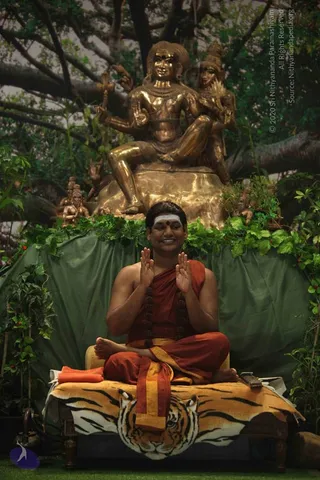
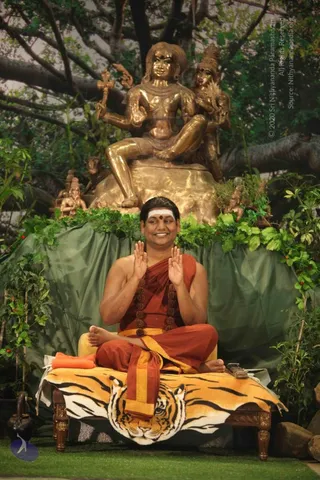
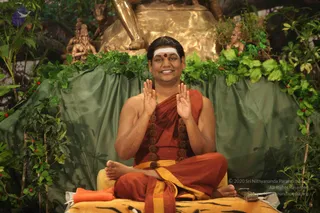
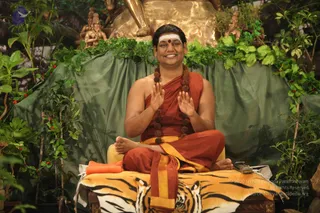
Today’s (12th February, 2015) Morning Satsang continues with the Upanishads Series - Living Advaita. Isha Upanishad–Verse 2 kurvann eveha karmāṇi jijīviṣec chataṁ samāḥ| evaṁ tvayi nānyatheto ‘sti na karma lipyate nare || 2 || In this profound delivery of the Isha Upanishad, Paramahamsa Nithyananda describes the major differences between soft power and hard power or spiritual power and political power. By understanding these two, greater insights into society and life are gained. Living and commanding our lives with soft power, erases our karmas; it is about deciding for life - inspiring, liberating and enlightening.
| Video | Audio |
Transcript:
(00:17)
Nithyānandeśvara samārambhām nithyānandeśvari madhyamām | asmat āchārya paryantām vande guru paramparām ||
(00:40)
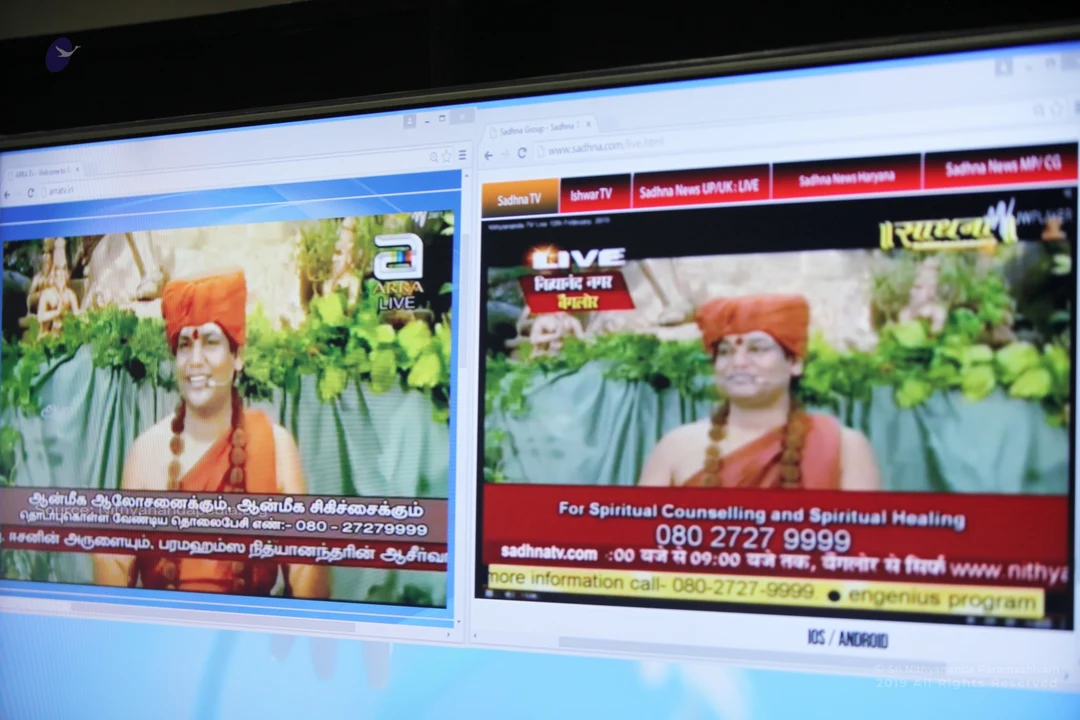
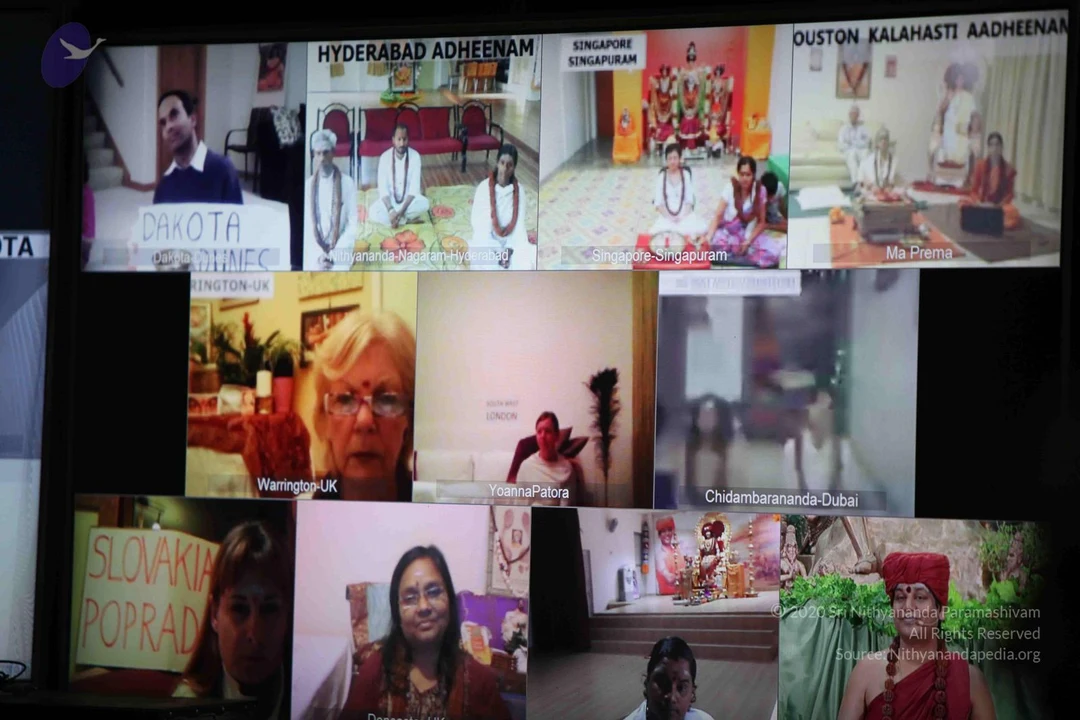
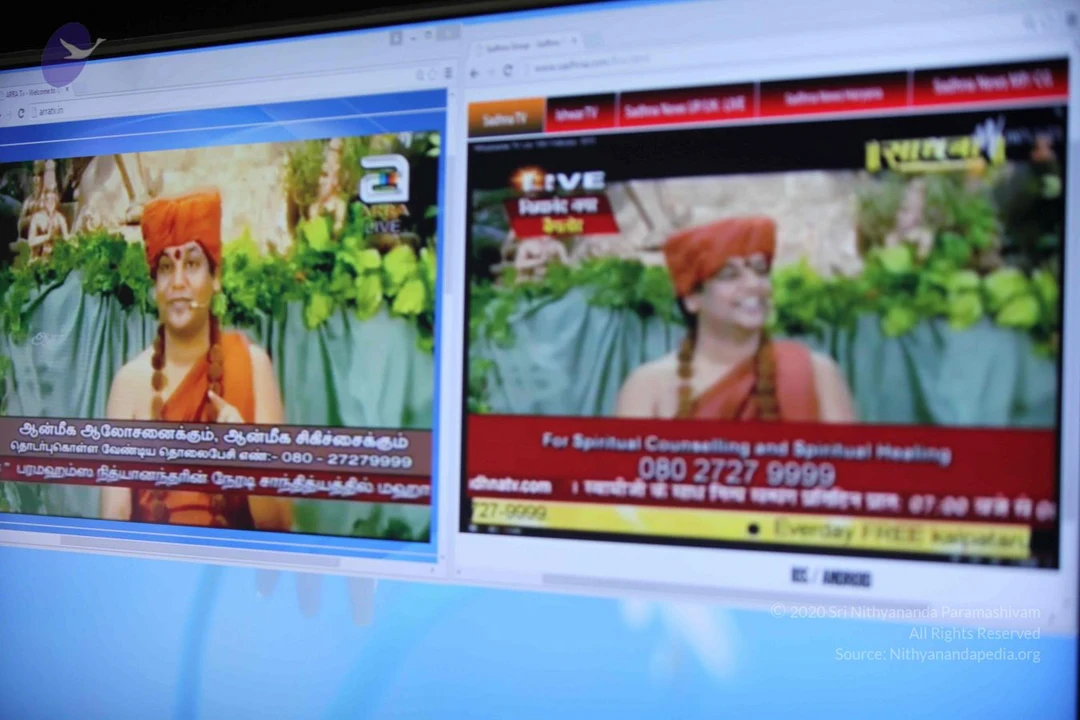
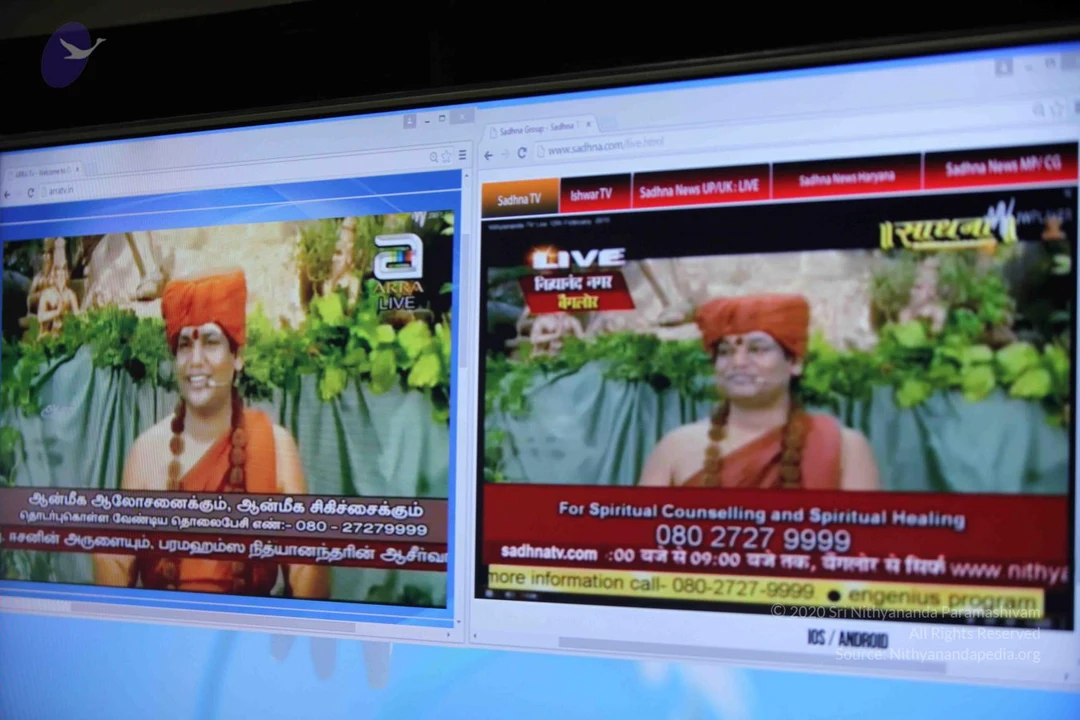
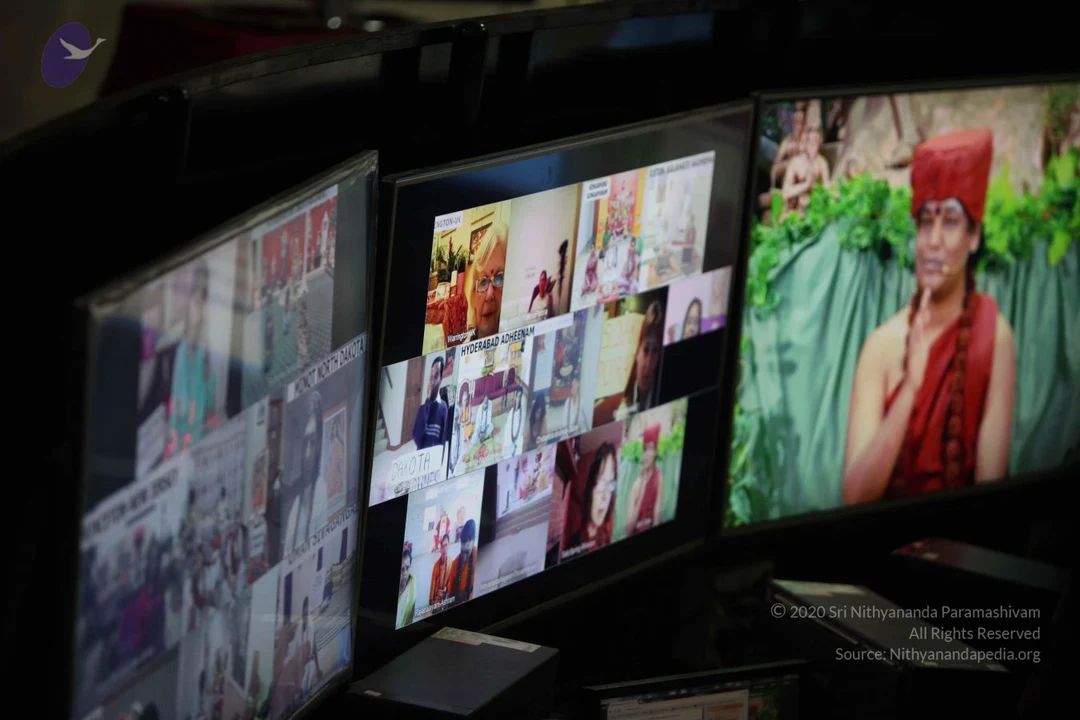
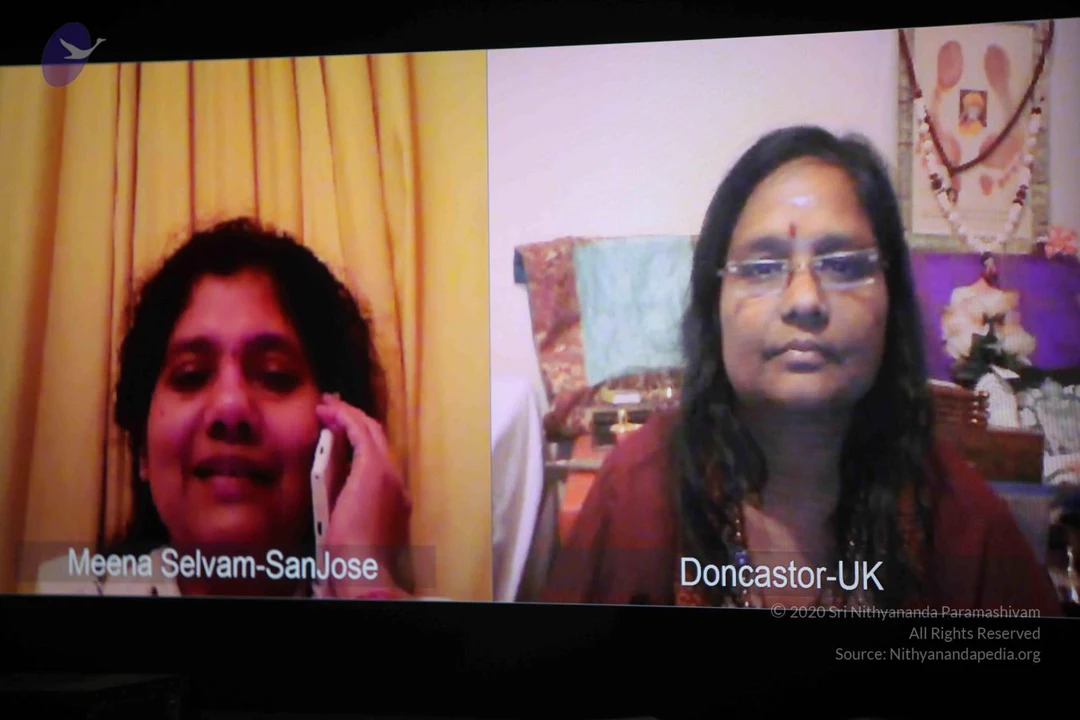
I welcome all of you with My love and respects. I welcome everyone who is sitting with us through Nithyananda TV, Sadhna TV, ARRA TV, and two-way video conferencing having Nayana Deeksha all over the world. And, let Me enter into the Upanishads. Ishavasya Upanishad, the second verse: कुर्वन्नेवेह कर्माणि जिजीविषेच्छत्ग्ण् समाः | एवं त्वयि नान्यथेतोऽस्ति न कर्म लिप्यते नरे ॥ kurvann-eveha karmāṇi jijīviṣec chataṁ samāḥ | evaṁ tvayi nānyatheto‘sti na karma lipyate nare || 2 || One should desire to live in this world for a hundreds of years, all the while doing its.. his deeds dispassionately as sanctioned by the scriptures. In this way, the deeds done by you shall not cling to you. There is no other way by which a man can free himself from the bondage created by the deeds. Listen. Let Me explain what is Karma. Karma is the bondage created in you by your commission or omission of certain acts, which is incomplete with your own cognition about life.
(02:54)
Listen. If you think money is life, some of the acts you did which did not bring money to you, or some of the acts you did not do, again which deprived you from money, commission or omission of certain acts, which is incomplete with your concept of life, is Karma. And, any commission or omission of the acts which is in sync and complete with your concept of life does not bring you any Karma. It does not bring you any incompletion. Commission or omission of acts which brings incompletion with your concept of life is Karma. Now, how will you liberate yourself from this Karma, free yourself from this Karma? I tell you, when you decide for Life, when your core decides for life, automatically your laziness disappears, your boredom disappears. Again and again and again, tirelessly standing up, tirelessly standing up, listen, tirelessly standing up. Listen, tirelessly standing up again and again.
(05:12)
kurvann-eveha karmāṇi jijīviṣec chataṁ samāḥ | Deciding to live again and again, tirelessly standing up again and again, naturally aligns all your acts into the concept of life you carry. So, all your commission and omission of the acts align themself to the idea of life you have .. to the idea of life you have. So, your commission and omission of acts become complete with the idea of life you have. That’s all. Actually, only this one line can solve the issue, the problem, question people have, “Why the bad people are so rich, good people are so poor, bad people are so healthy, good people are having disease?” Listen. Listen…. Whether you are good or bad is going to be decided based on whether your acts are complete with your concept of life! Understand, if your concept of Life is all about pleasure and money, and your acts are complete with it, you will have that. That’s all. There is nobody to judge whether money is the ultimate purpose of life. Forget about that. God is not a judge. Please understand. He only sees the kind of Completion you are carrying. And, ultimately, He doesn't even see that. It is a automated mechanism as far as the functioning goes on. So, listen, if He wants He can interfere, does not mean He goes on interfering. No. So, be very clear, God is not sitting and doing some judgements, passing some judgements about you every day, “Oh, this fellow, all the time running behind money, let Me punish him.” No. In course of time, whenever you are deciding constantly for life, you yourself may realize there is something more prior, you should give more priority, more importance than money. You may evolve. Your idea about life may change. You may reinvent yourself, feeling that, “No, there is something which is a little more than money. There is something in life which is a little more than money.” So, you may start reinventing yourself. Then, let your acts be complete to that new idea of you, the way you reinvented you.
(09:10)
So, understand, deciding FOR LIFE, again and again and again, not entertaining laziness, not entertaining boredom, being in the space of constant excitement, being in the state of constant passion, compassion, excitement. So, understand. The only way to be free from Karmas, the bondage created by acts, by deeds, the only way is, Decide FOR LIFE. Decide FOR LIFE. God is not hard power in Hinduism, in Vedic Tradition. Listen. I am defining two words: Hard power, soft power. Hard Power means the political power, where the administration, bureaucracy, law, court, punishment, reward, all these exists. You have to do this or you will be prosecuted and put in the jail. You should not do this or you will be prosecuted and put in jail, tortured. You may even be hanged. This is hard power. Soft power is the spiritual power.
(11:30)
Thousands of people, I can say, in a way, even millions of people do whatever I am saying in the morning satsang. I don’t have any hard power over them. Sometimes I am just sitting in this hall in Bidadi and saying, “Please close your eyes and start inhaling and exhaling, and chant Shivoham.” I can see all over the world thousands tying the eye band, and closing the eyes, and inhaling and exhaling, start chanting Shivoham. There is no hard power. If they don’t do, there is nothing like they are going to be prosecuted, punished. No. It is a soft power where, if they do, they raise themselves out of their own inspiration; voluntarily, they come and learn to evolve themselves, raise themselves. In Vedic Tradition, Mahadeva is not hard power. He is a soft power, sitting in Kailasa and teaching. Indra is hard power not Mahadeva. Understand. The concept of God in Vedic tradition is so beautiful, so subtle. Because the concept of God is a soft power, we also had always soft power all over the world. We have not sent a single soldier, but we are ruling the whole China for the last thousand years culturally. We have not sent a single soldier across the border, but the whole China is living for the last thousand years as we want. We just sent one young man from Kanchipuram Bodhidharma. Over…. Understand. Because, our concept of God is a soft power….
(13:57)
Understand. Even now world’s largest practiced religion is Yoga. The world’s largest practiced religion is Yoga. And it does not have any hard power. We don’t have our own State. We Hindus don’t have our own State. Be very clear we don’t have any hard power. We don’t have our own bank. We don’t have our own country. Wherever we … we are majority, we always declare that as a secular country because our religion is built on the structure of soft power, not hard power. Because we have not portrayed our gods as hard power, we always portrayed our god and believed our god as soft power, anybody who wants to play the role of God has to be only the centre of soft power. In our society, if somebody has to reach the highest ladder of the society, highest respect, he just has to retire to soft power. Hard power was never our ambition, it was never part of our ambition. Understand.
(15:40)
Buddha ruled practically the whole Asia, not because of hard power. If he was having hard power, he would have been ruling just His kingdom... just his kingdom. But, He left that and took up the soft power and He ruled whole Asia. I tell you, Buddha was ruling a larger area than Krishna. Buddha was ruling a larger area than Rama. Buddha was ruling a larger area than even Meenakshi. Because, He took on soft power, not hard power. Understand. Our concept of God is never: He comes and sits in the seat of the Judge, and there is judgement day, and all the souls come, and the judgements are delivered. No. No. No hard power. It is completely soft power. And, even now, largest-practiced religion of the world - Yoga, understand. People may be born in many religions; largest practicing religion, religion being practiced every day all over the world is Yoga. But, never it was spread through hard power. Never it was spread through a political power. Never it was spread through political clout. Understand. We were slaves to some countries as far as hard power is concerned; and they were living what we were saying as far as soft power is concerned.
(17:43)
Understand. What we should do as far as the legality and political things concerned, how much tax we should pay, all that the British was deciding. But, what he should do as far as his body and mind were concerned, we were deciding. Understand! So, our tradition was never dependent on hard power. That is why we never cared about hard power. We let anybody rule this country for thousands of years. I am not saying that is right. I am saying, the root of that thinking setup, the root of that thought trend. Originally, anyone who starts thinking, in Vedic tradition, comes only to the conclusion of soft power…. Please understand. Finally, I am not going to judge whether hard power is right or soft power is right, all that. I am just explaining to you the mental setup, the mental setup, or the conclusions we come, when we study Upanishads, when we dive deep into the experience of Upanishads. God is not hard power. He is the source of soft power.
(20:15)
See, Mahadeva, He sits in Kailasa. He doesn’t control all the Akhilanda, Andaanda, Bhavananda, Brahmaanda, all the universes, worlds, planets. No. He just sits in Samadhi. Once in a while He opens His eyes and teaches in silence. And, again, when people have a problem, they come to Him, and He blesses them, attends to it, again relaxes into Samadhi. The very description of God is soft power…. In the western religions, the very description, concept of God is hard power. That is why, anybody who wants to play God, they have to become center of the hard power. And, if I go a little deeper into it, that is why the clash between the politicians and priests always was prevalent in the West. In the East, it was always together. Understand. Always the Rajas and Rajagurus were together, because they know their zones are different. Kings never felt threatened by the priests. Kings never felt threatened by the Gurus, because whether the very way of thinking and acting, the Guru was settled in soft power, and the king was always secured.
(22:10)
King never you see…..there are thousands of stories in India about the kings. There are tons of stories where the brother takes over the kingdom, where the son takes over the kingdom from the father, ministers take over the kingdom from father, not a single story where the Guru takes over the kingdom from the king. And, among the son, brother, minister, Guru, Guru knows more secrets about the king and the kingdom, more information about the king and the kingdom, than brothers, ministers, the army Commander in chief, and all of them. We have tons of stories where Commander in chief suddenly imprisons the king and takes over the kingdom, where son imprisons own father and takes over the kingdom, where brother imprisons father … imprisons the king and takes over the kingdom; we don’t have a single reference to say Rajaguru take .. imprisons the king and takes over the kingdom. Because, we are settled with the soft power and hard power. King feels completely secured. The very thinking of the Guru is all about soft power; it has nothing to do with hard power. Understand.
(23:44)
A little understanding about this hard power and soft power will give you lot of clarity about Vedic tradition and even about how to handle yourself. See, if you always handle yourself with hard power, you become insensitive to life. If you all the time think only about the law and move only with that, then your whole life will be controlled only by law. I am not saying breaking the law. All I am trying to tell you is, let the soft power, the spiritual understandings and power decide many things in your life than the fear and greed of the hard power. If you allow more and more the fear and greed of the hard power to decide your life, you are a slave. But, the soft power is always inspiration based; it is not fear based or greed based. Today’s vakyartha sadas subject is – Hard Power and Soft Power. Understand. Lot of thinking has to be done in this line. Lot of exploring has to be done in this line. There is a big difference between ‘you don’t rape somebody because of fear of law’, and ‘you don’t rape somebody just because you don’t want to be violent and you don’t want to enter into somebody’s space.’ You don’t want to rape somebody because of Law & Order is hard power. You don’t want to rape somebody because you don’t want to enter into somebody’s space, or you don’t want to be violent, you don’t want to be abusive into somebody’s space is soft power.
(25:57)
Order comes by soft power is the permanent eternal order. Understand. Order never comes by hard power, it comes only by soft power. Maybe, Law and Order can come by hard power, but order can come only by soft power. Actually, this will answer lot of questions about what is secularism, why the concept of secularism evolved only in the western countries, and why the concept of western secularism is not going to suit for India. Please understand. Secularism in India should be respecting all the great things from all religion, not discarding all religions.... If Bhagavad Gita is introduced, if Surya Namaskar is introduced, immediately a few people cry, “Oh, we are losing our secular fabric, secular fabric.” Relax. Respecting all the religions, respecting all the spiritual traditions as unique. Now I am making a statement. Please understand. Earlier I used to make a statement, “All religions are unique.” Now I am reinventing Myself and updating Myself, “All spiritual traditions are unique. All spiritual components of religions are unique.” I am no more attesting all religions. “All spiritual components of religions are unique and they should all be respected as sacred.” Respecting all the spiritual components.
(28:24)
And if you come and tell Me, “No, no, no, no. My religion itself should be respected. Why are you separating spiritual component and religion? In my religion, spiritual component is very less.” What can I do for that? It is up to you. One good thing with Vedic tradition is, the whole Vedic tradition, the whole religion is spiritual component…. The way you brush in the morning, the way you wash yourself, everything is spiritual. Listen. This contemplating and exploring on hard power and soft power will answer thousands of our questions. It will help us to think. Thousands and thousands of understandings we have in life, it will actually answer thousands of your questions, and it will question thousands of your answers. Understand. A Guru who only answers your questions will lead you to a cult. A Guru who questions your answers also only will lead you to culture…. A Guru who answers only your questions will lead to you a cult. A Guru who questions your answers also only will lead you to culture. If I have to give a simple difference between spiritual component and religion, wherever the truths are given to you for you to assimilate and develop your thinking from perception to fact, fact to truth, truth to reality, it is spiritual. Anything other than this is religion. That’s all.
(30:53)
Understand. This hard power, soft power, thinking need to be done a lot in the vakyartha sadas, only then you will understand the uniqueness of Vedic tradition and why we have so much of freedom, because our religion was never used by its founders or its preservers to control people. Understand. Religion was never a tool for us to control people. Rameshwaram to Kedarnath, the morning till night, the actions of people are same. But we had fifty four deshas. Even a great personalities like Shankaracharya never bothered to create the whole land under which his influence prevailed as a one country. Actually, Shankaracharya, if he wants, he could have done it…. And Jnanasambandar, when he cured the Pandya, Pandya offered the whole kingdom at the feet of Jnanasambandar. Jnanasambandar is from Chola King…. Kingdom. He could have just said, “Alright.” And, Jnanasambandar actually, the Pandya’s wife is a daughter of Chola. Actually, the Chola’s daughter was married to Pandya. Jnanasambandar could have said, “Come on, after all the queen is from my kingdom. Let both kingdoms be merged together and I will be Rajaguru for whole.” He could have said it. He did not. Because the whole Chola Kingdom was at the feet of Jnanasambandar. He didn’t. He just said, “No, you continue to rule. I will appoint a Sannidhaanam who will be Rajaguru for you and guide you.” That’s all.
(33:33)
Understand. We were so clear. We are not interested in hard power. We are only interested in empowering, inspiring, raising human beings. Even in My wildest dreams, I can’t imagine Myself handling hard power, because we are so clear, soft power means deciding FOR LIFE, hard power means controlling. Hard power is always about controlling. Soft power is always about life, inspiring, liberating, enlightening, freeing. The concept of God, society believes, is very important. That holds the key of the whole social structure. Please understand. Don’t even think the concept of God is not that important. No…. One atheist fellow came and told Me, “Aye, what is this? You guys, if you believe in Shiva, you have so many holidays, celebration, festival. If you believe in this God, you have so many holidays; that God, you have so many holidays. You have so much of festivals. If you believe in Vishnu, you have so many festivals. If you believe in Ganesha, you have so many festivals. Atheists don’t have any day to celebrate.” I said, “Why? Who said? There is one important day dedicated to you, April first. Celebrate it.” 😊
(36:12)
Atheists always run behind hard power. Because they are so empty inside, they run behind the hard power. And, brilliant guy, the most intelligent guy will be established in the soft power, and he knows life runs by inspiration…. Life runs by inspiration, life runs by inspiration. Nothing else. Nothing else. And nothing else. I tell you, life runs by inspiration. You may say, “Oh, we allowed politically ourselves to be slaves and ruled by others.” So many things we can say. But, I tell you, we are, and we were, we will be the most stable society. Even after so much of attack, because we know the technology of soft power. When you decide FOR LIFE inside you. Please understand. Even if it is a simple decision you have a headache and you decide, “I will be free from it and I am going to clear it, I am out of it.” Even that simple decision creates a ripple in the Sun and the Moon. Please understand. I am not teaching something superstitious. If you decide, “I will come out of my headache. I will come out of my depression”, that decision heals the hole in the ozone layer. It is directly related to the hole in the ozone layer, and ozone layer is healed, Sun is healed, Moon is healed.
(39:00)
So, understand, look into your life. Work to be free from Karmas. Work FOR LIFE. Think FOR LIFE. Be into life FOR LIFE. kurvann-eveha karmāṇi jijīviṣec chataṁ samāḥ | evaṁ tvayi nānyatheto‘sti na karma lipyate nare || 2 || If you explore this one concept which I introduced today soft power and hard power, you will understand the depth of Vedic tradition. Thousands of your questions; Why secularism evolved in the West and why that concept of secularism is not the right thing for us in this country? And what kind of a secularism we need to evolve for ourself? All these questions will be answered, all these truths will be revealed to all of us. The inclusive secularism is what is going to work out for India, not using the word secularism excluding. No. Inclusive secularism. So, with this, I bless you all. Let you all radiate with Integrity, Authenticity, Responsibility, Enriching, Causing Living Advaita, Eternal Bliss, Nithyananda. Thank you. Be Blissful.
(41:20)
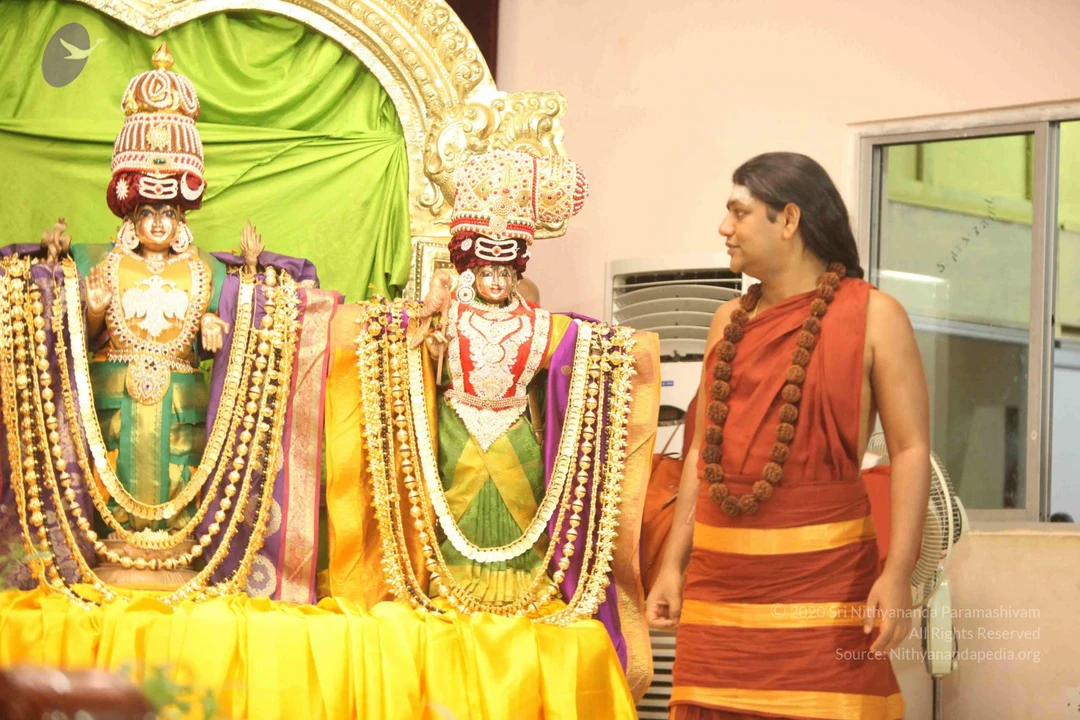
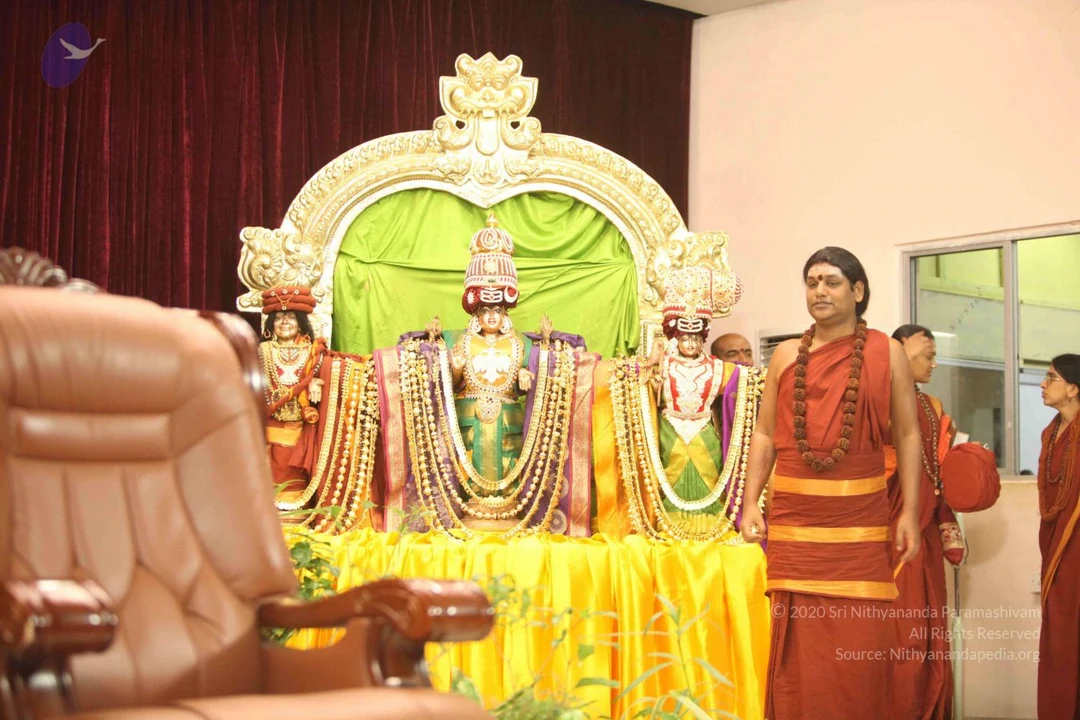
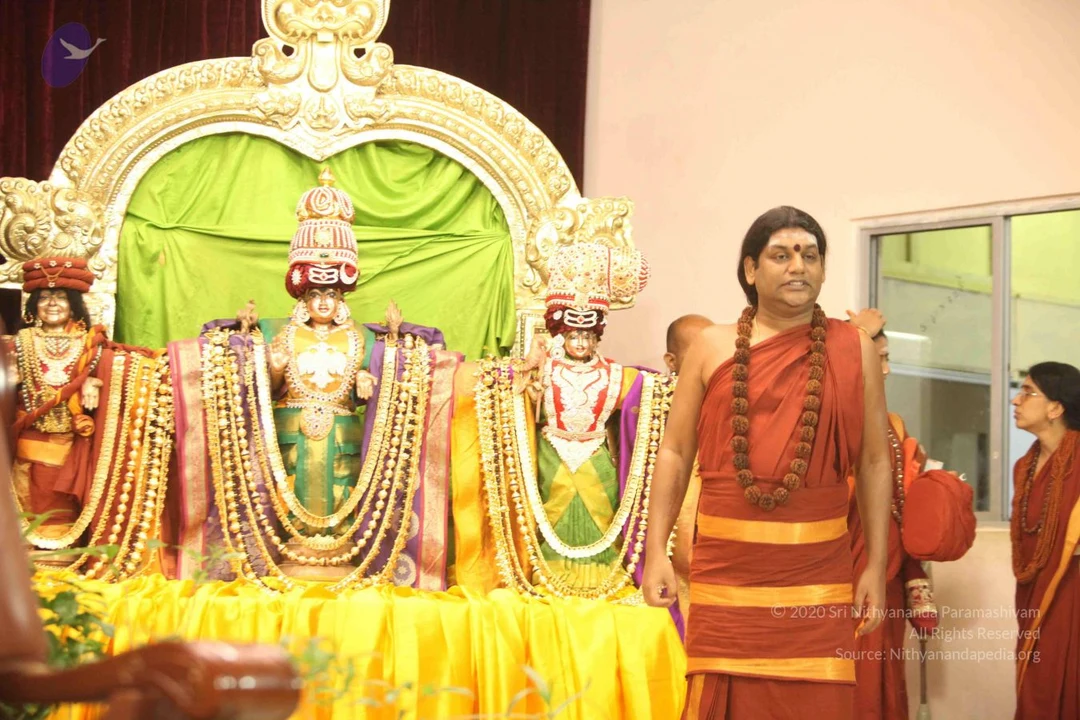
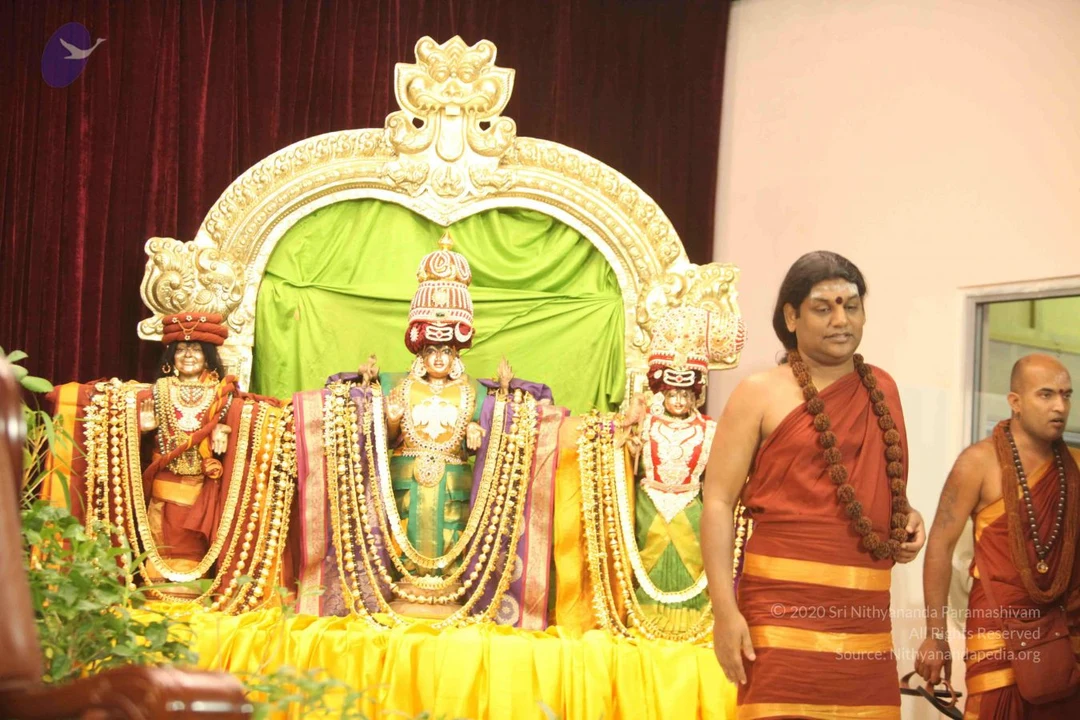
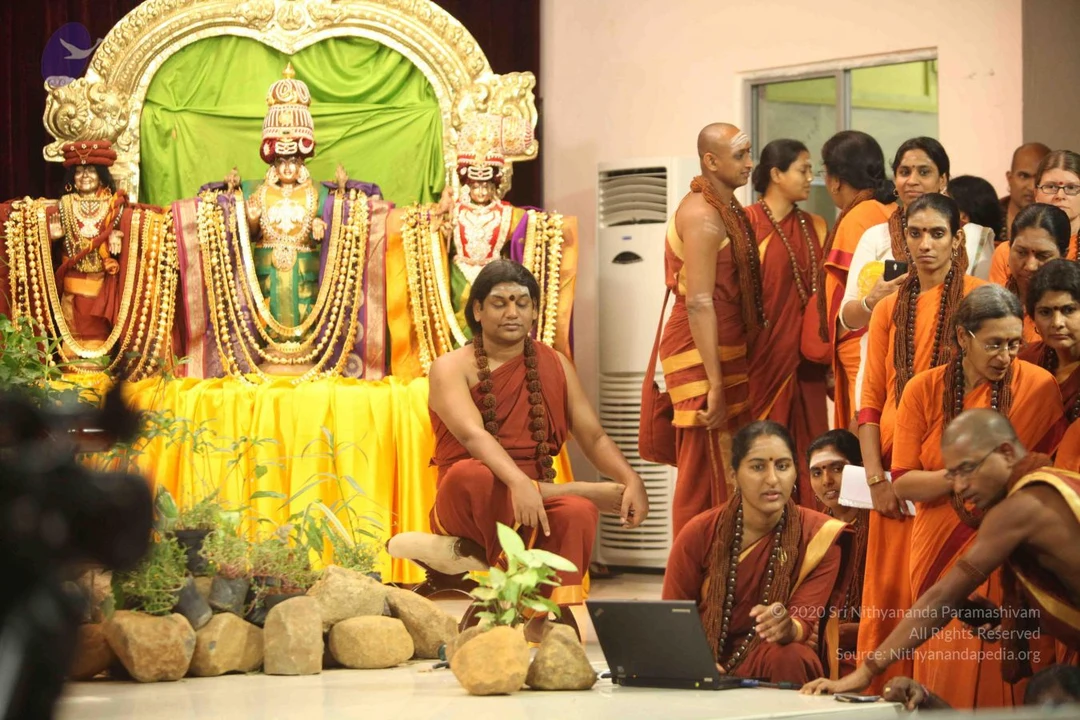
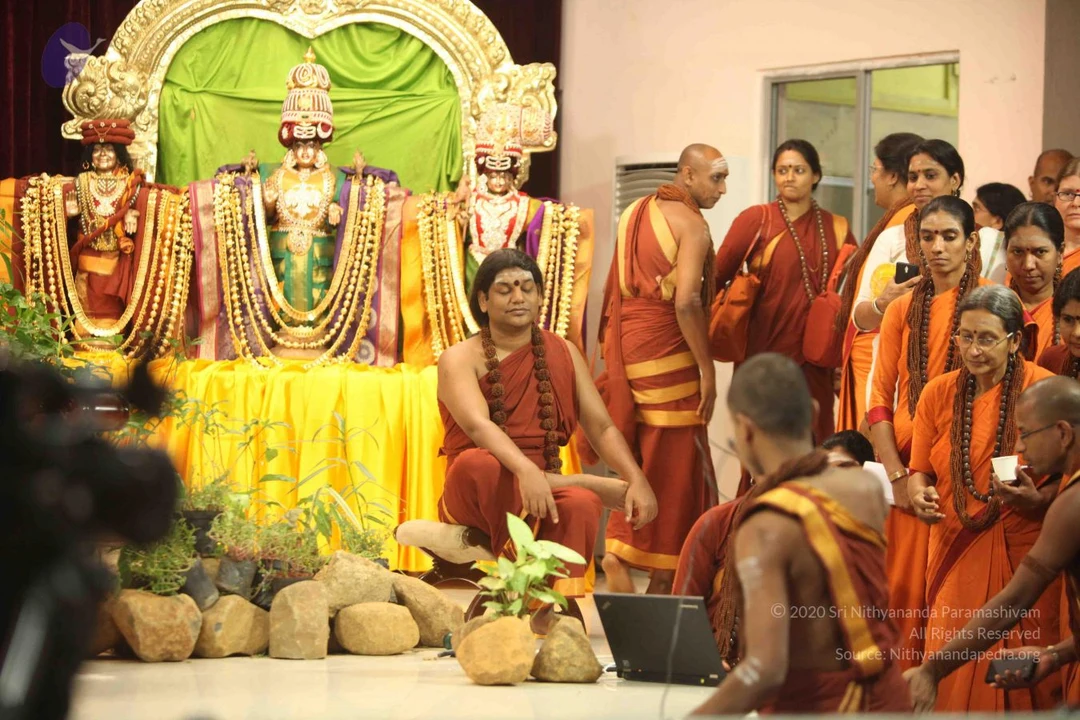
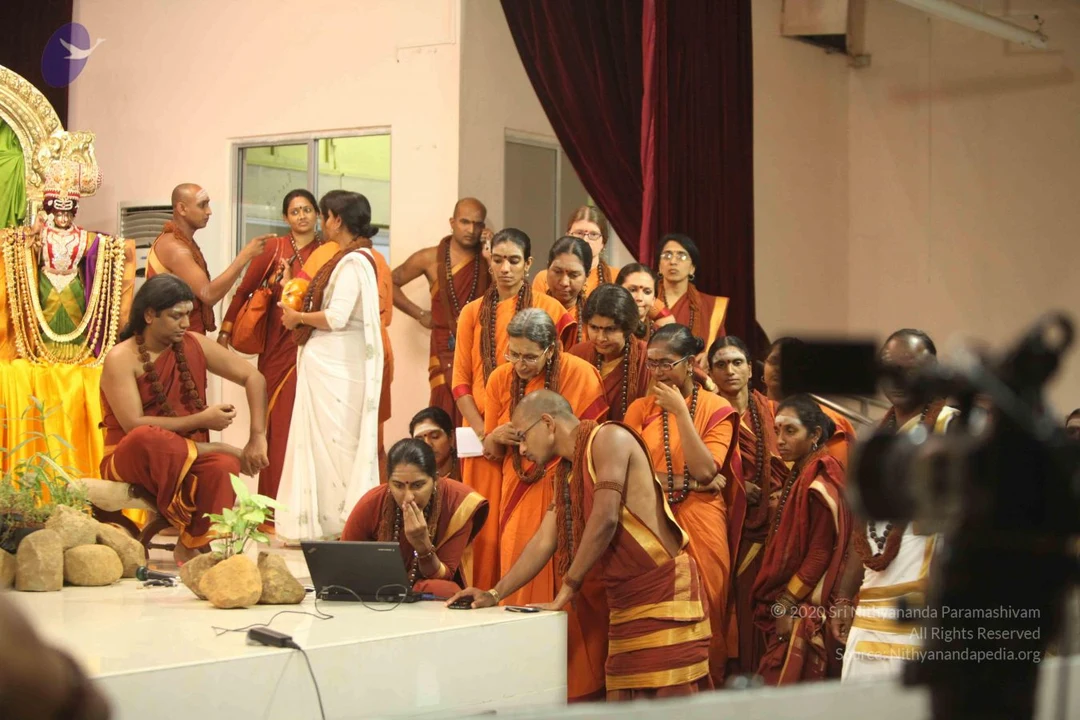
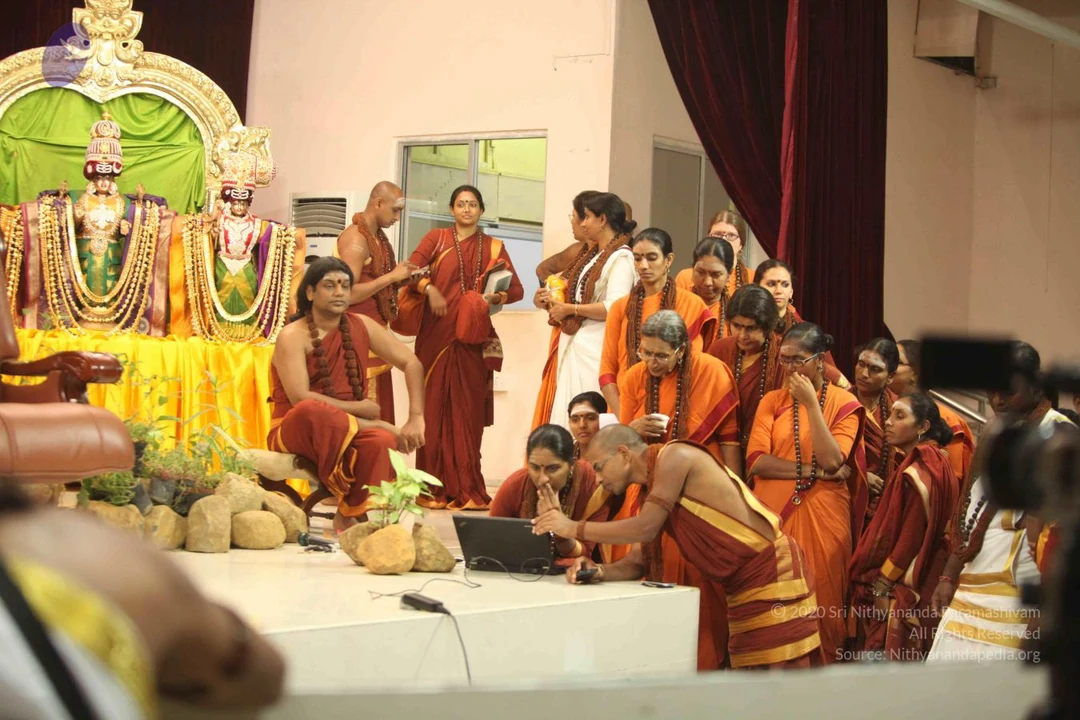
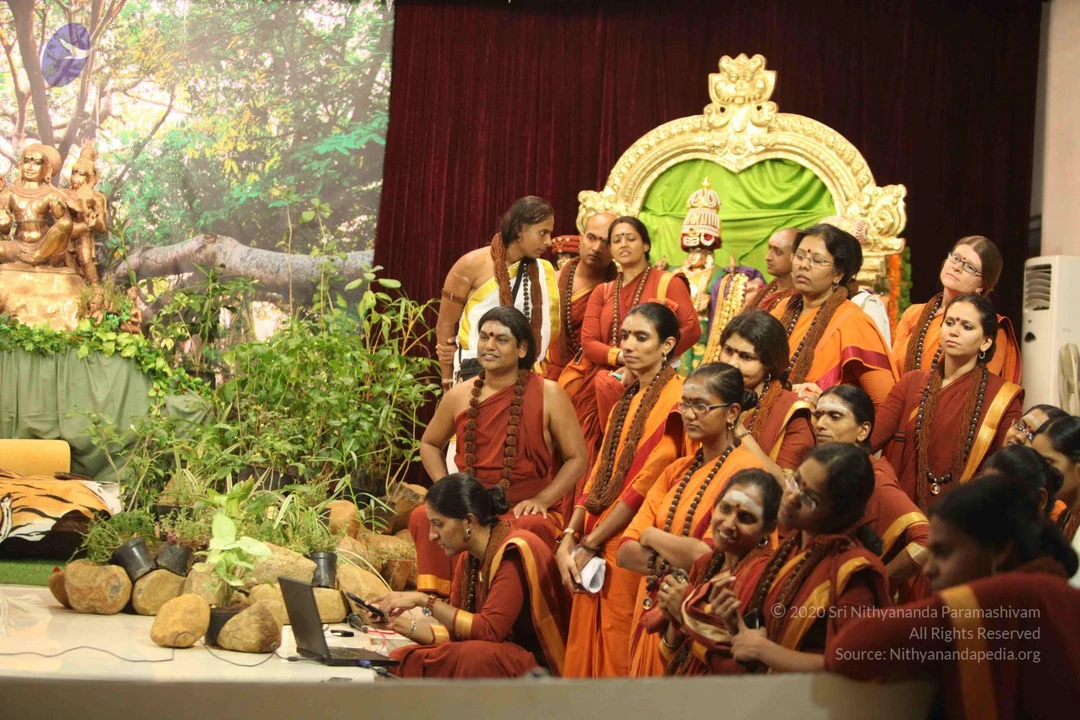
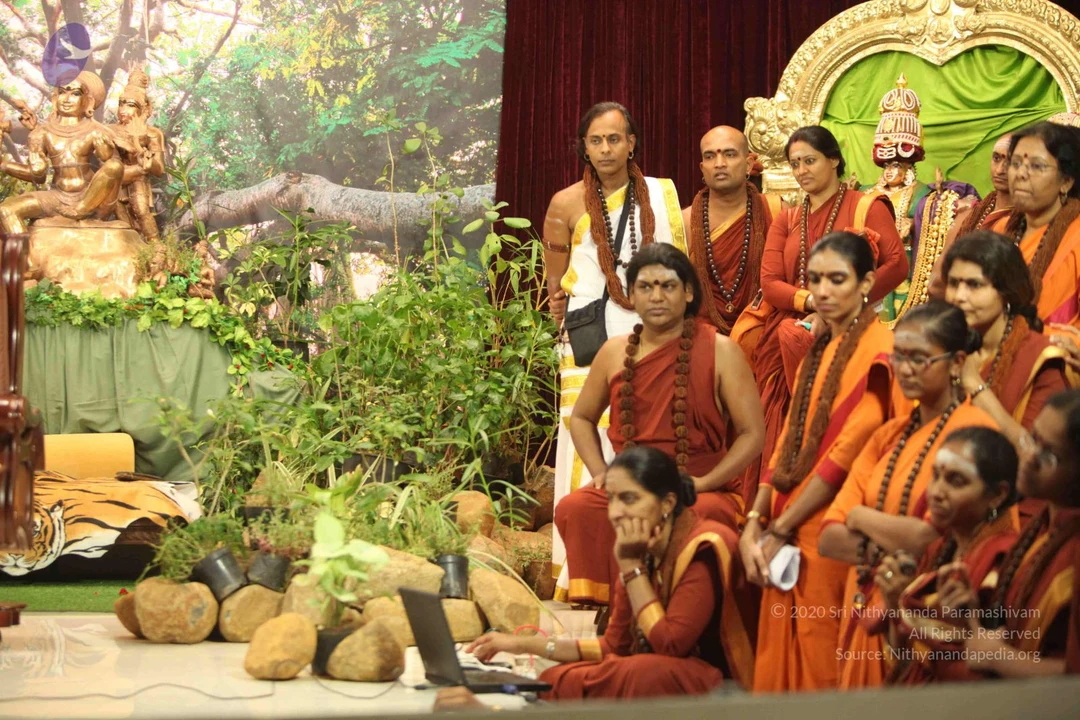
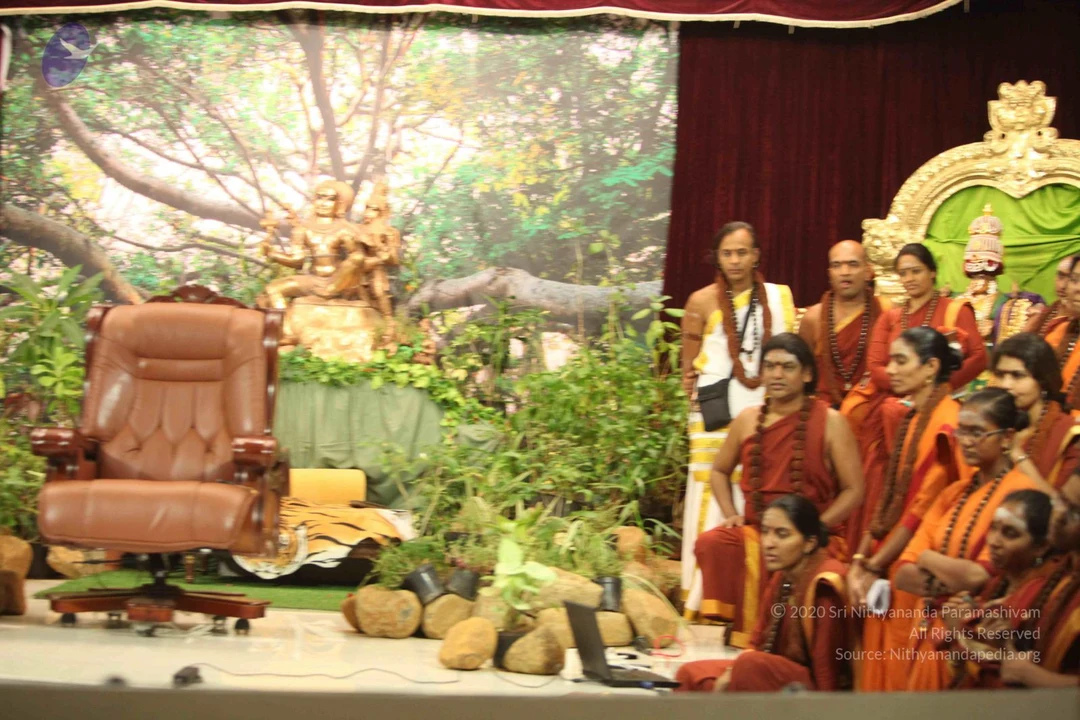
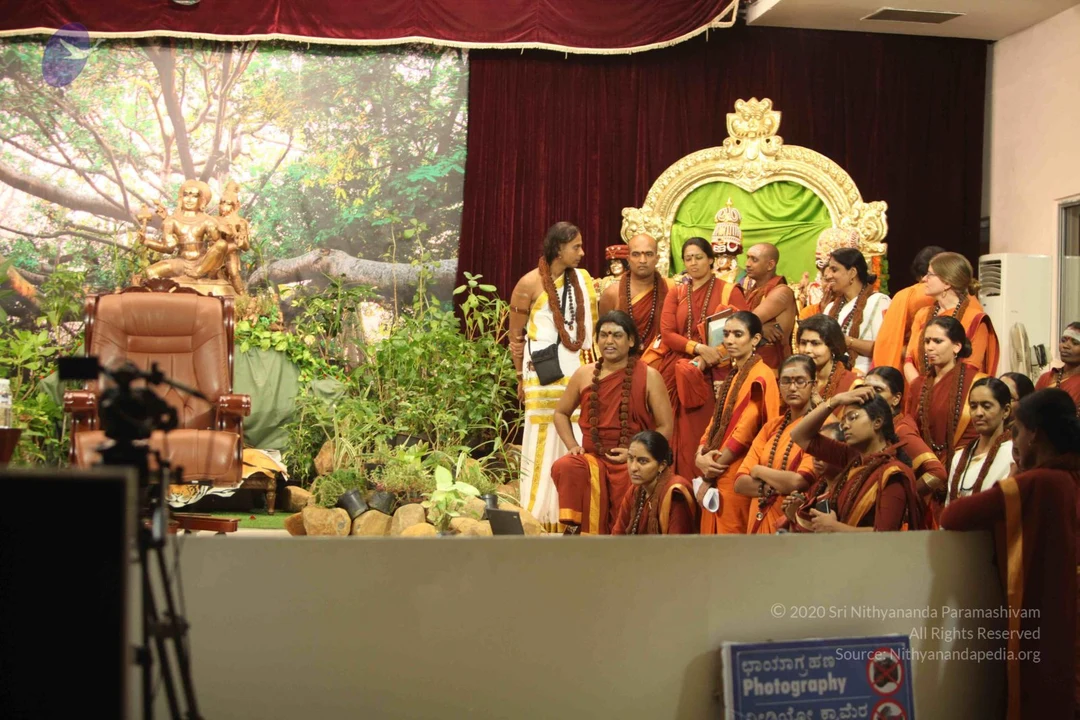
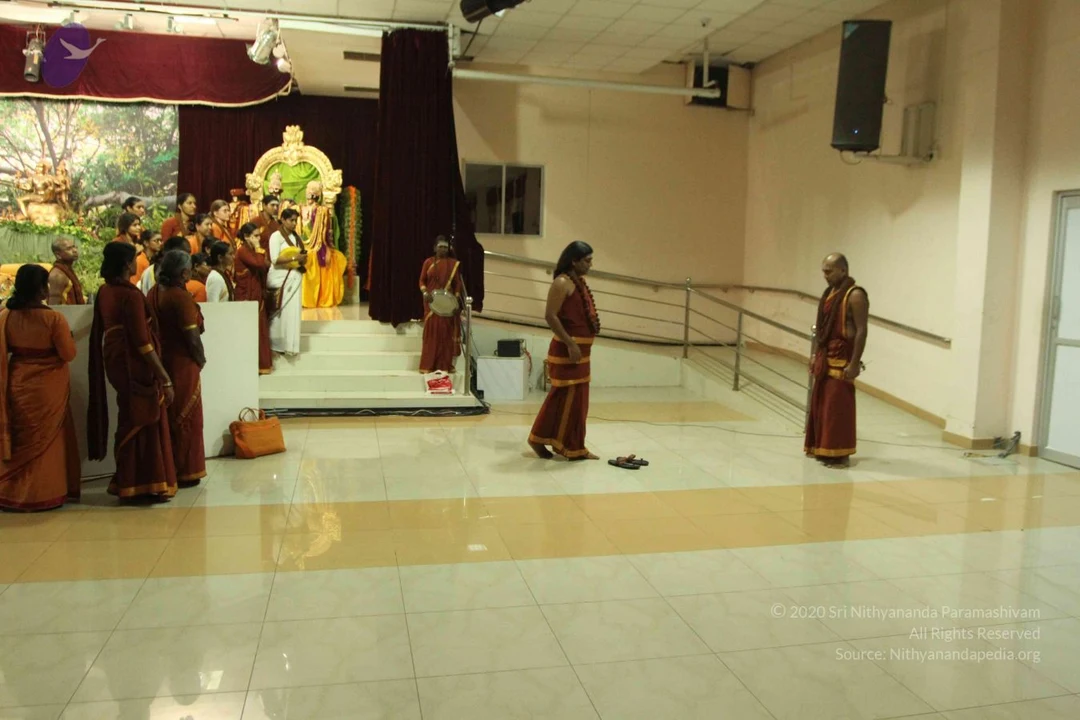
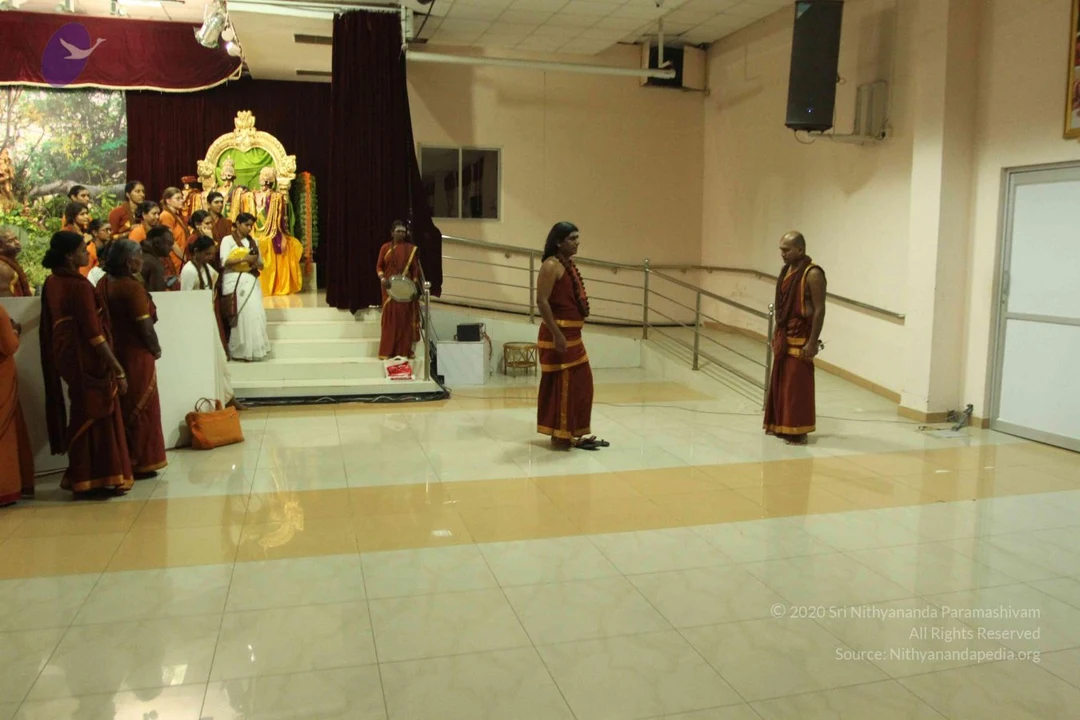
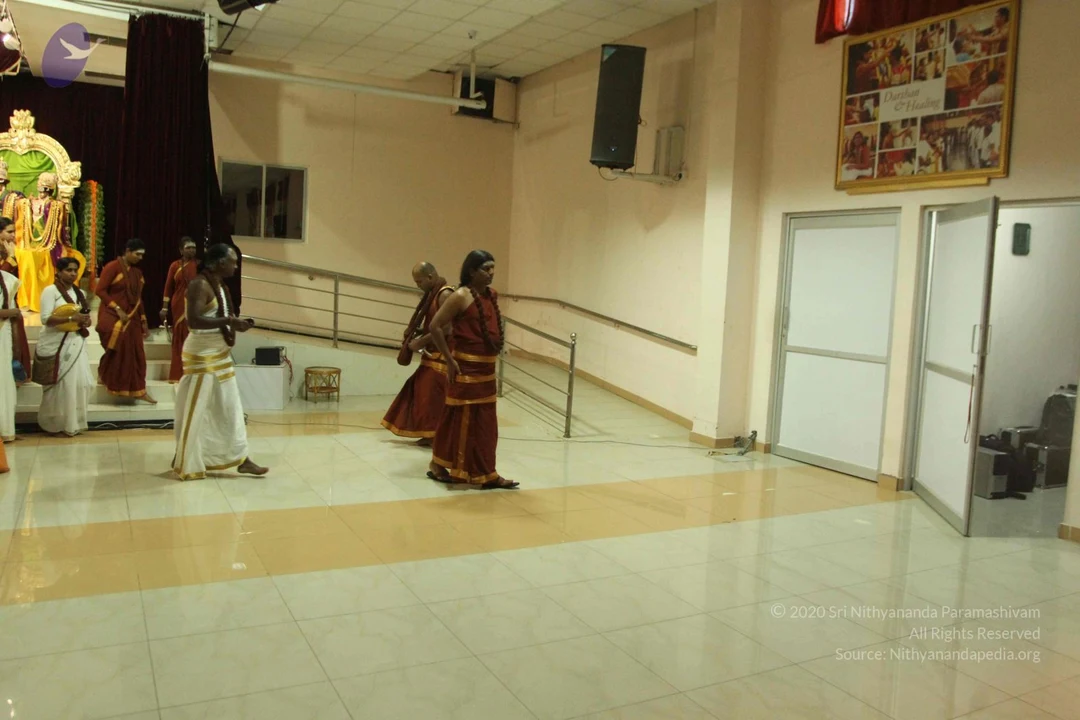
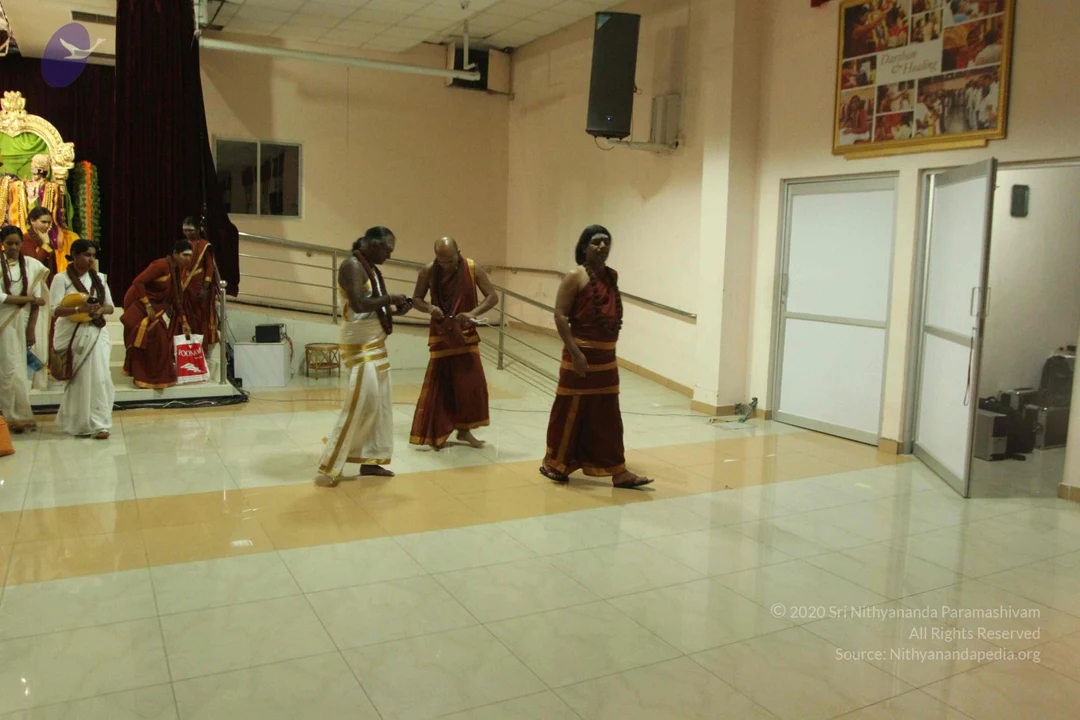
Photos
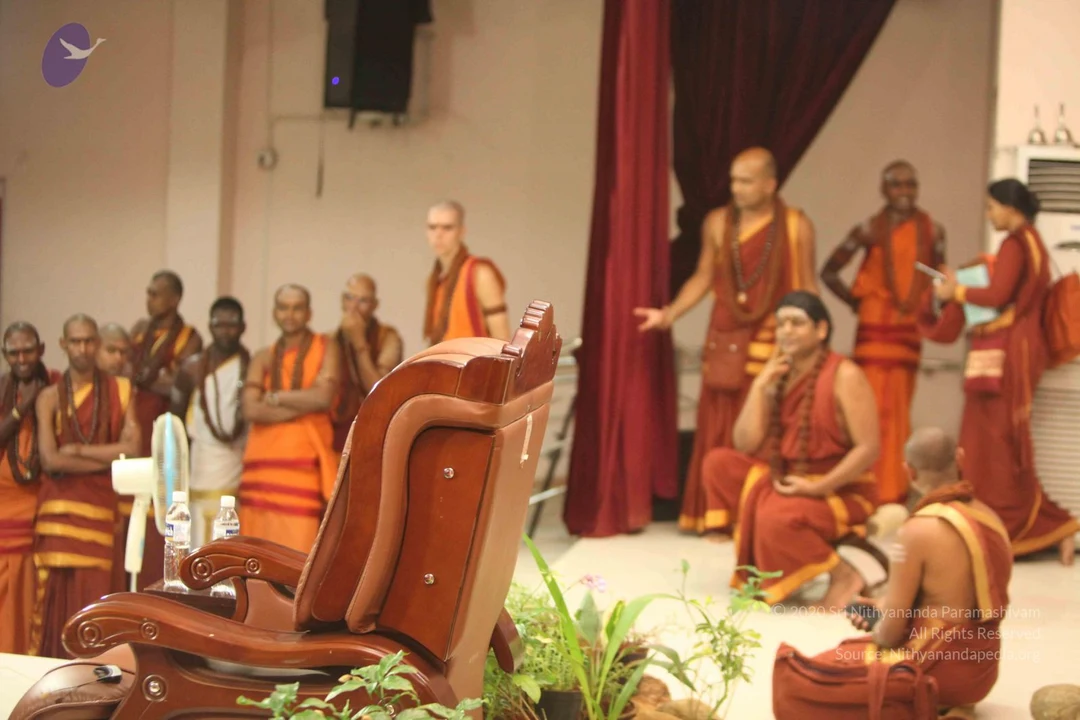
Nithya Satsang
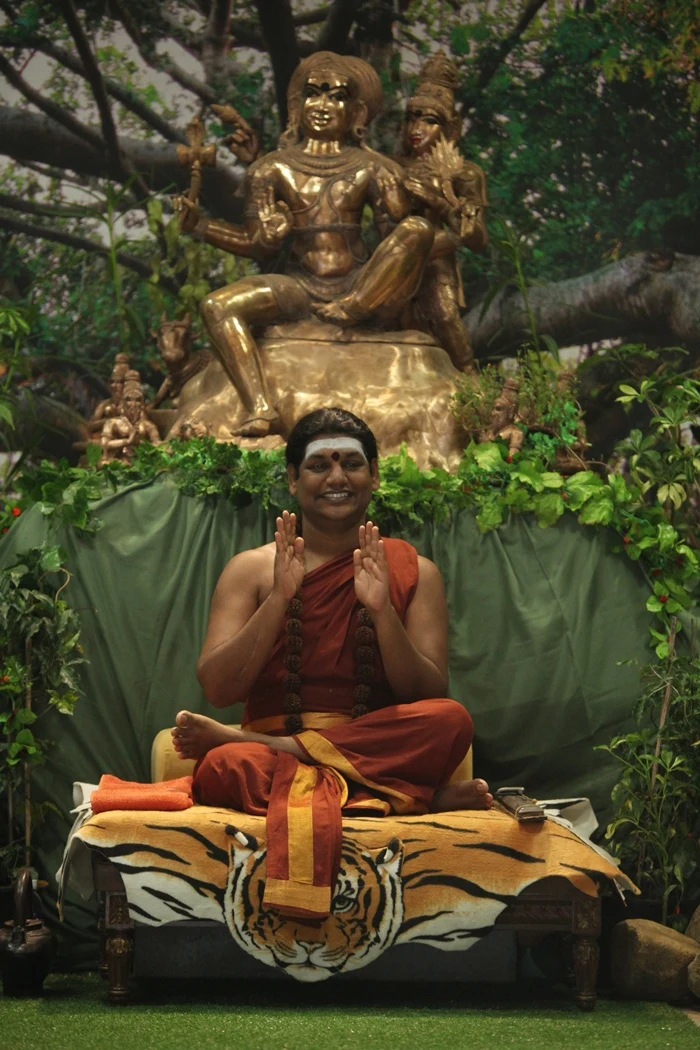
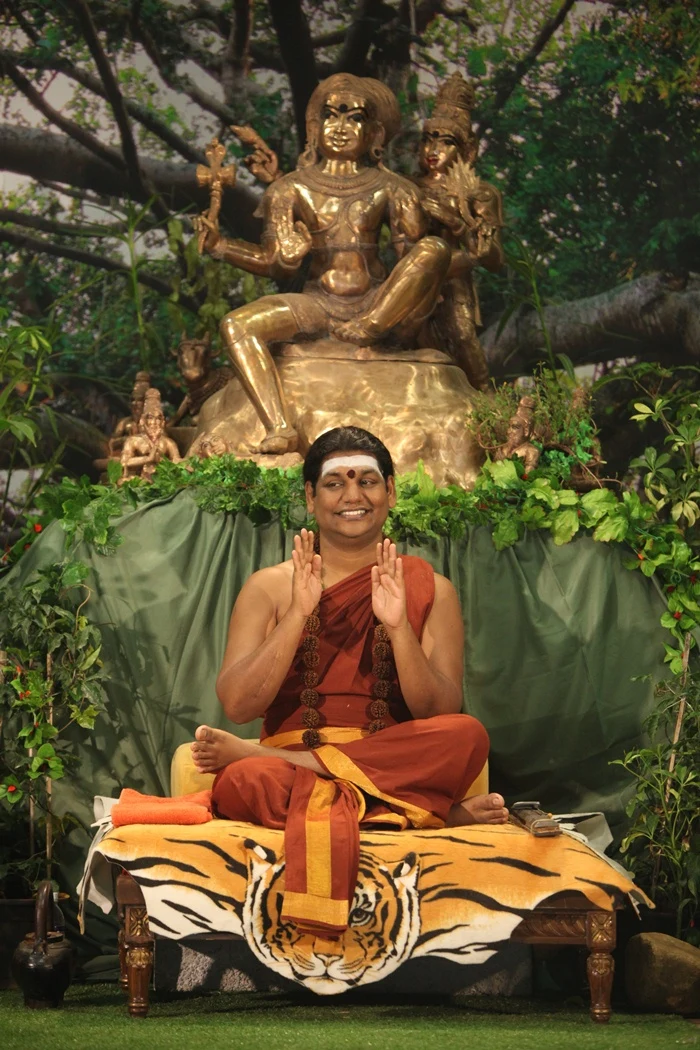
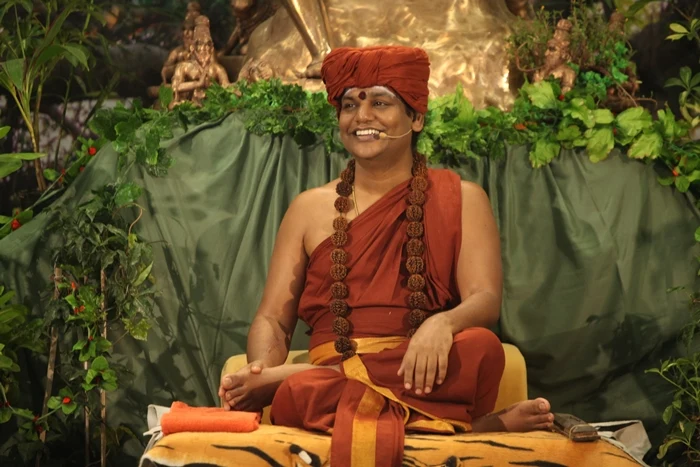
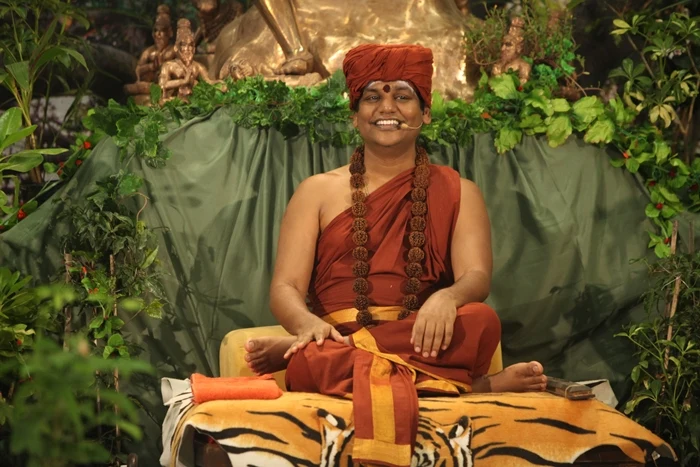
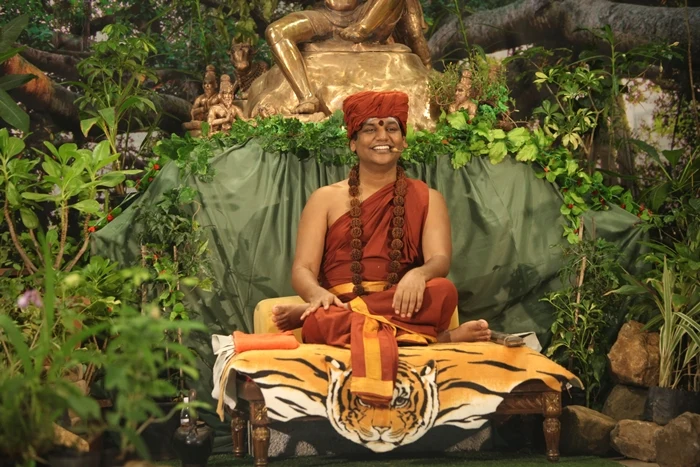
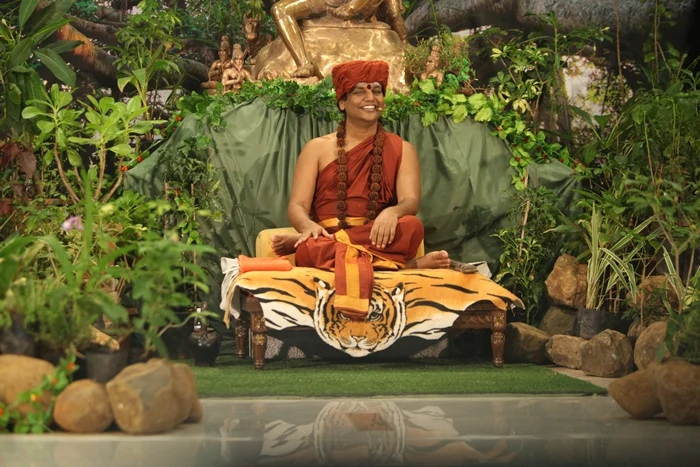
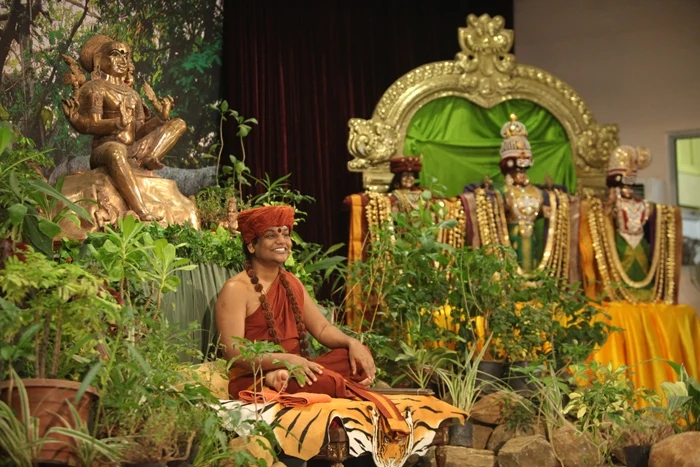
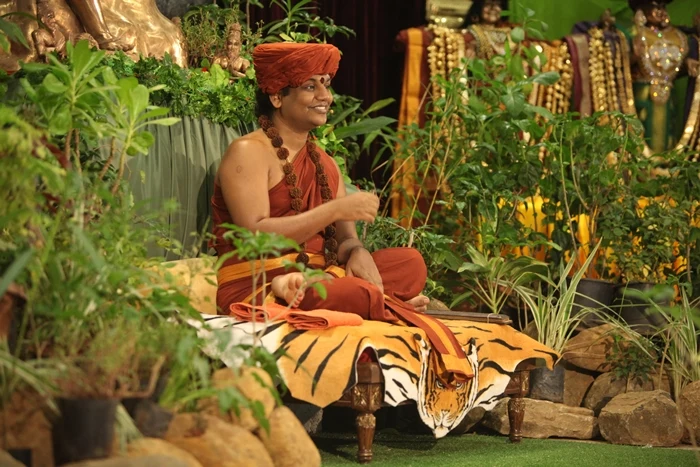
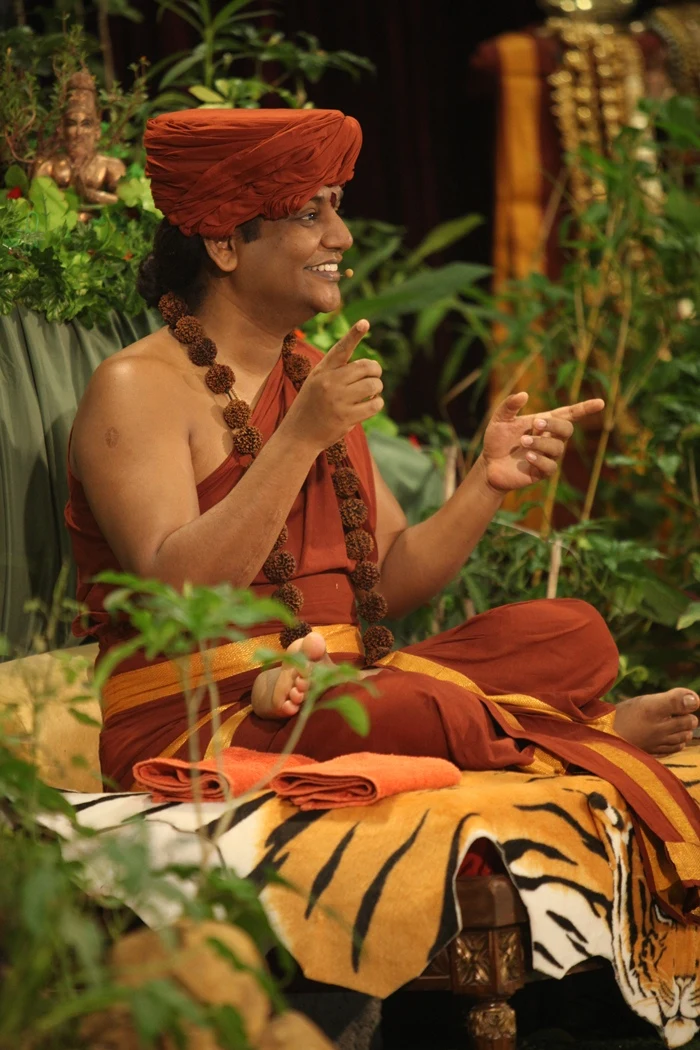
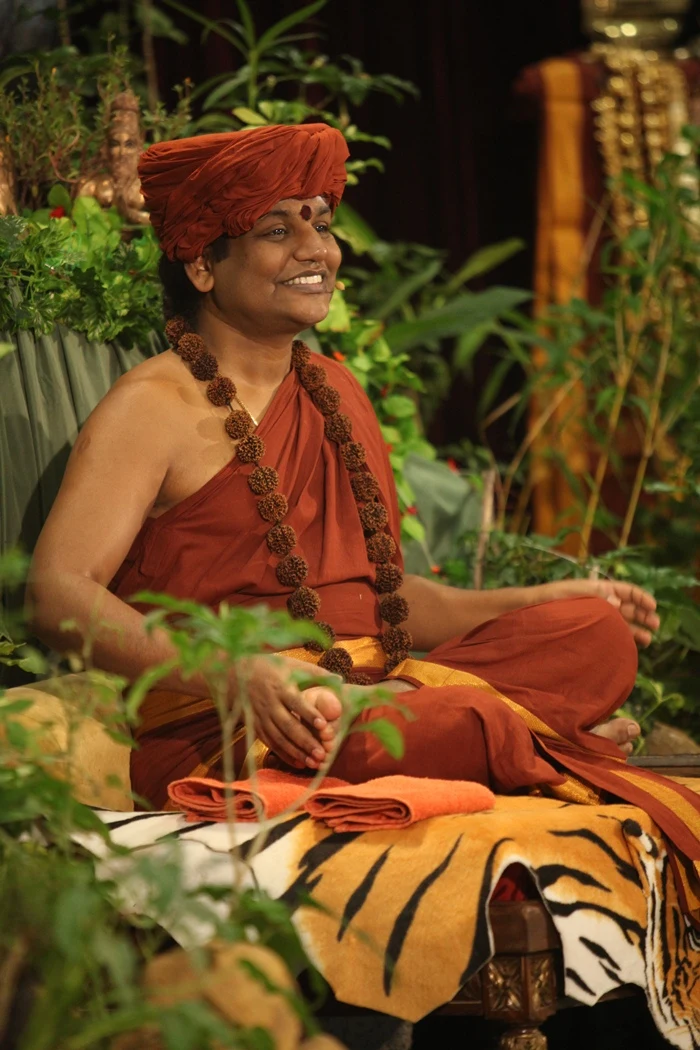
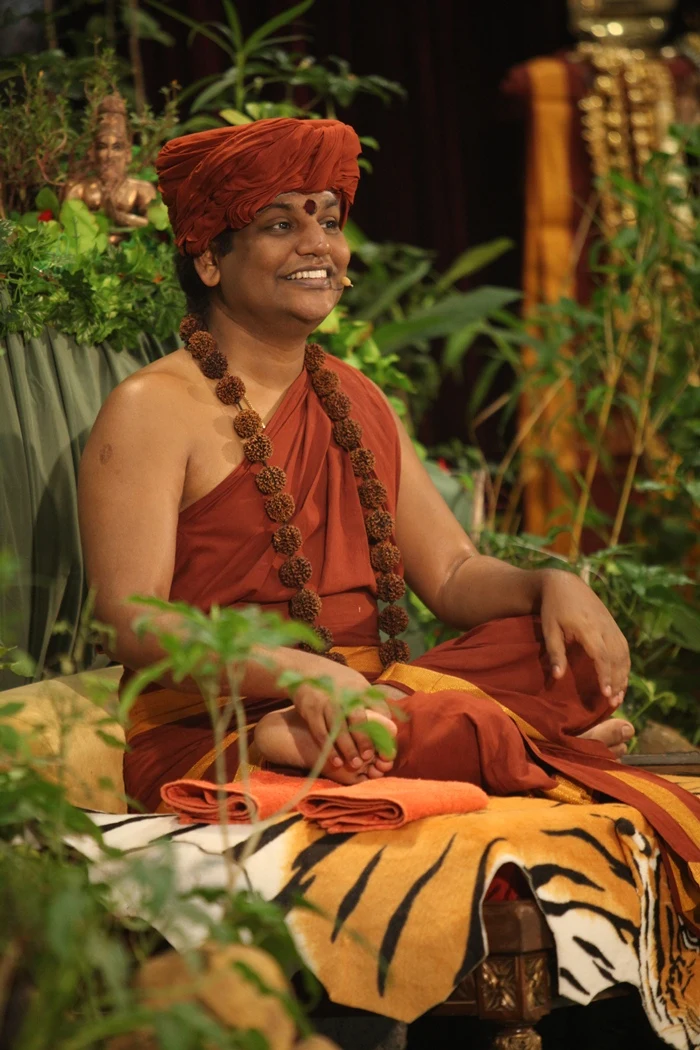
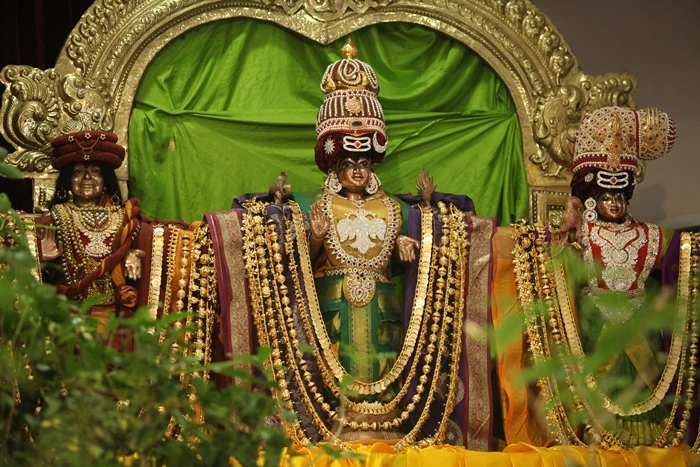
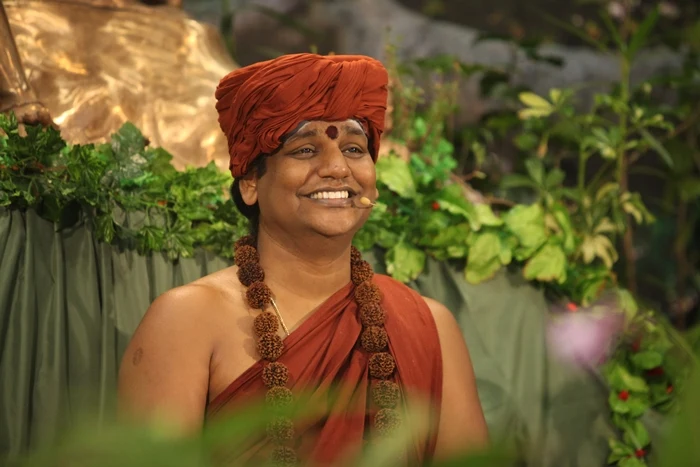
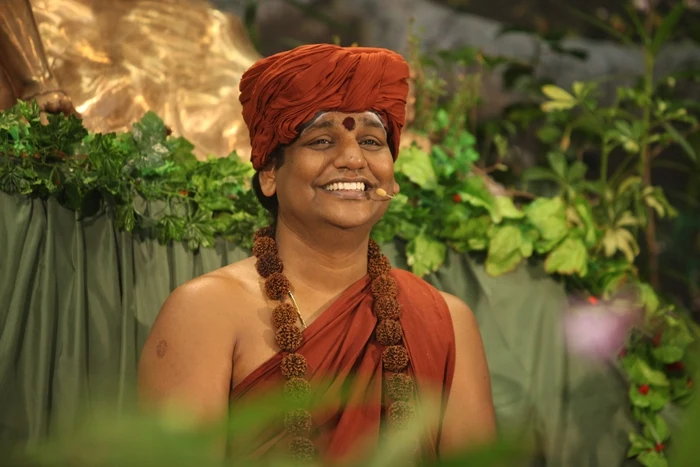
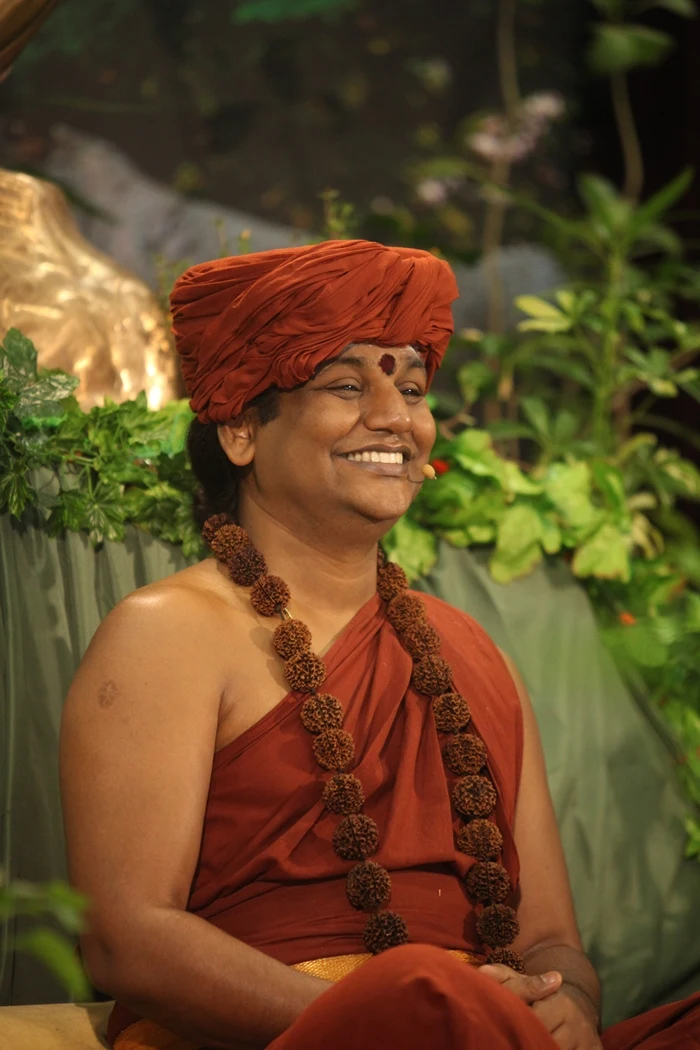
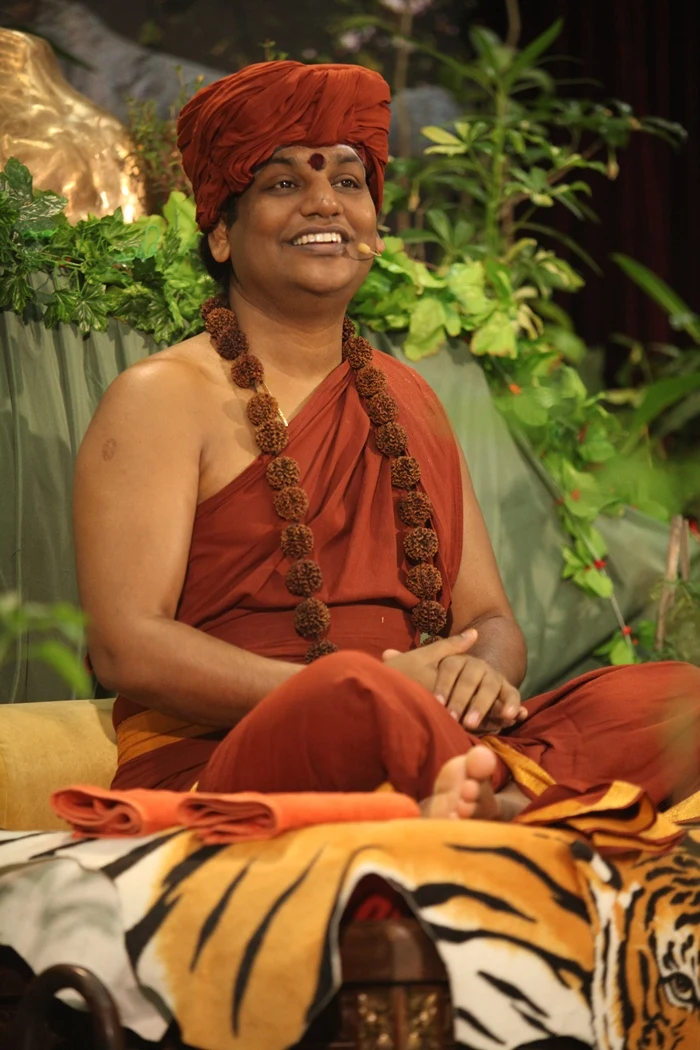
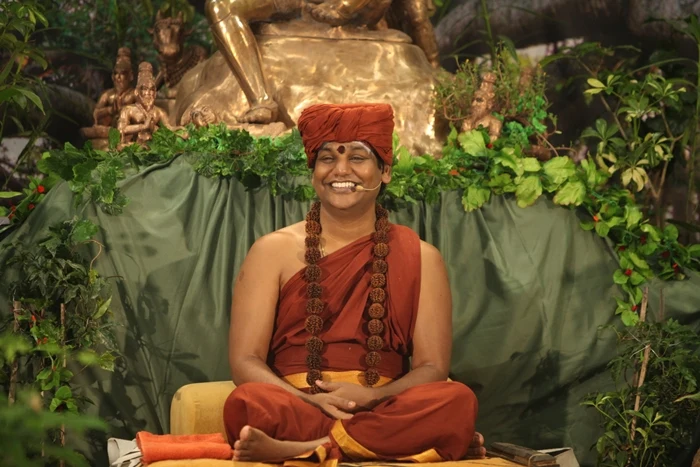
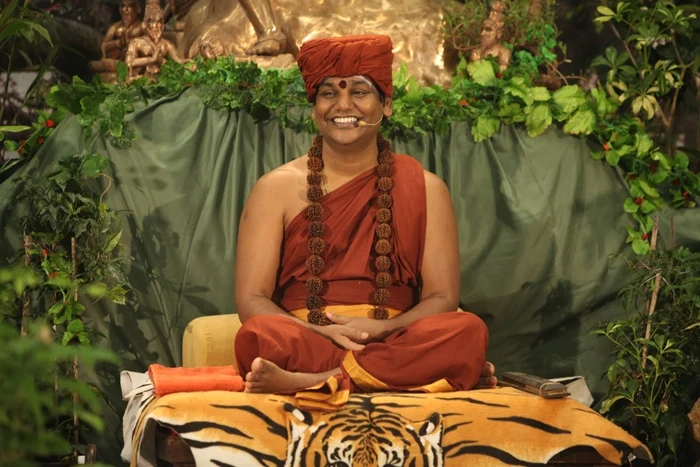
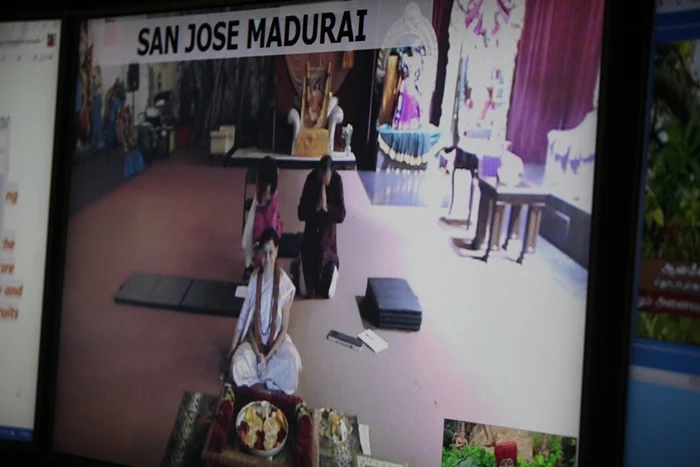
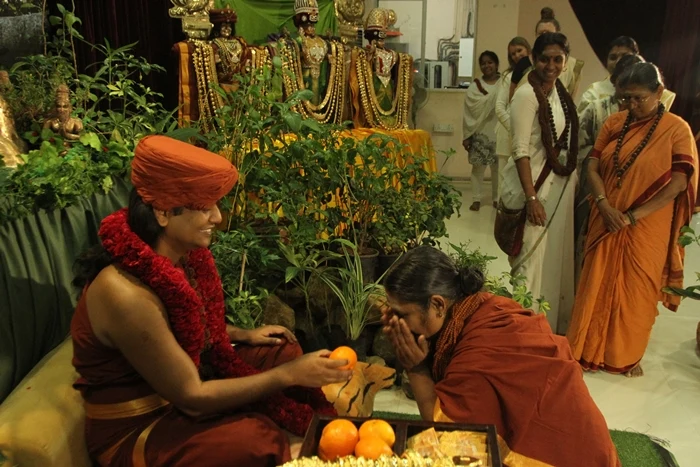
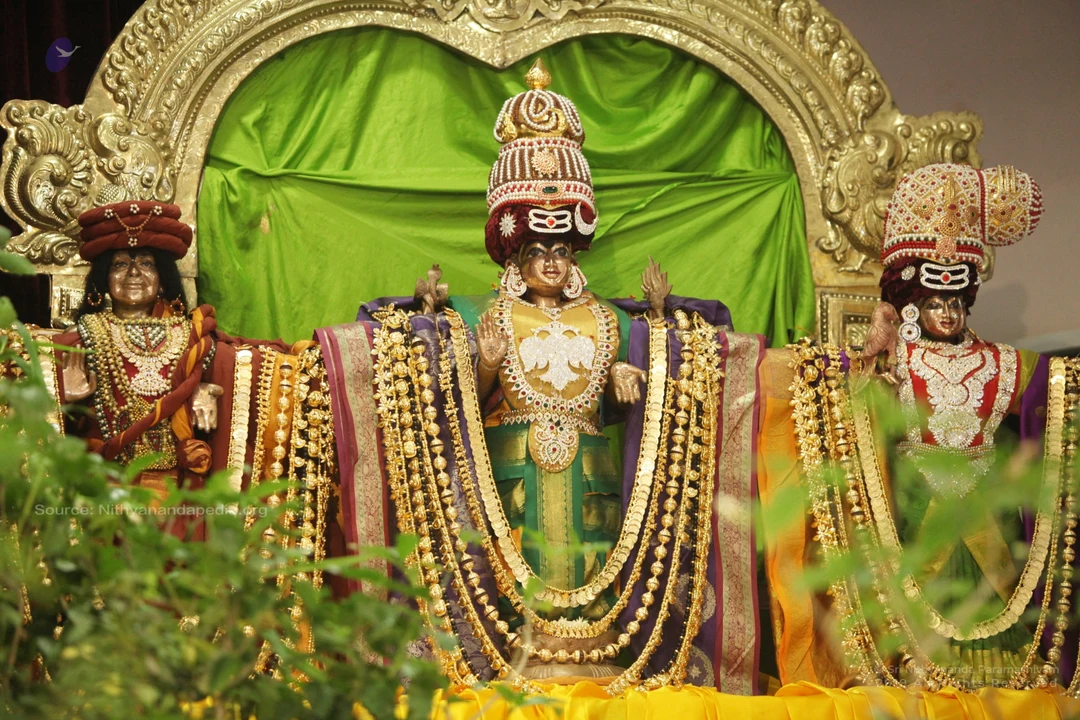
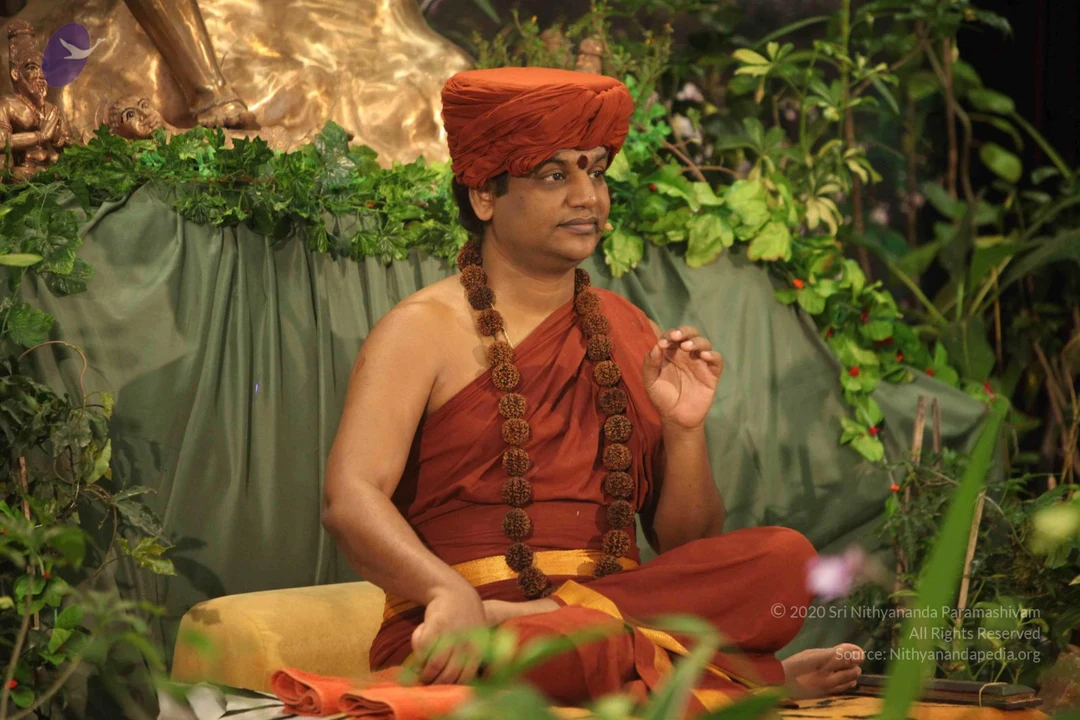
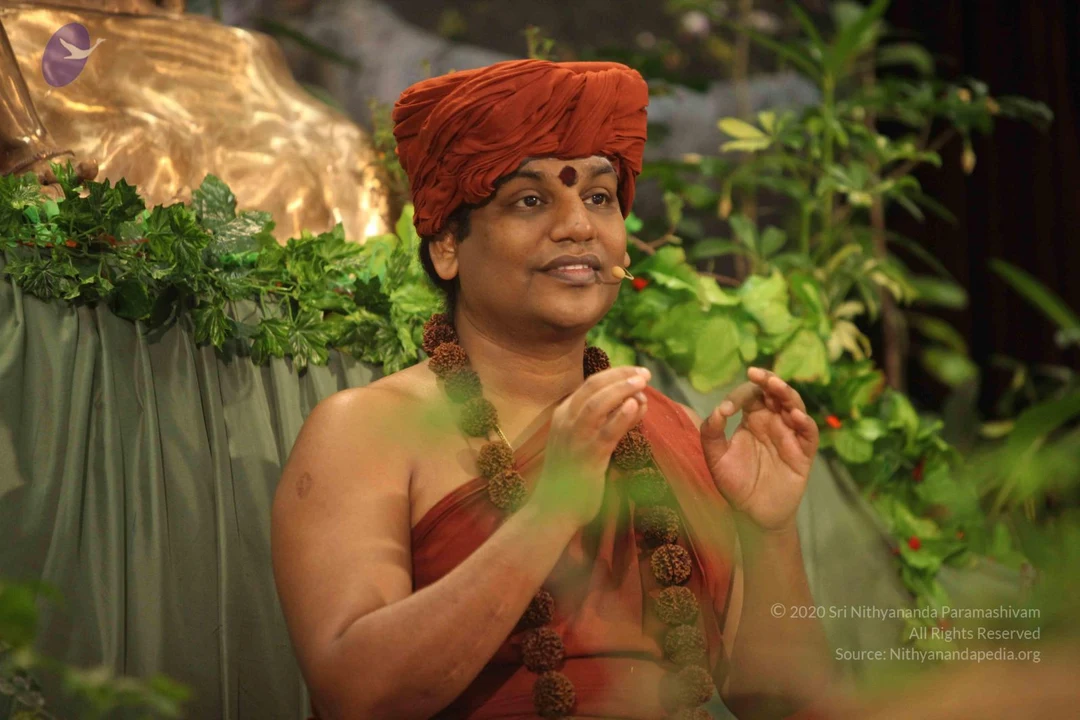
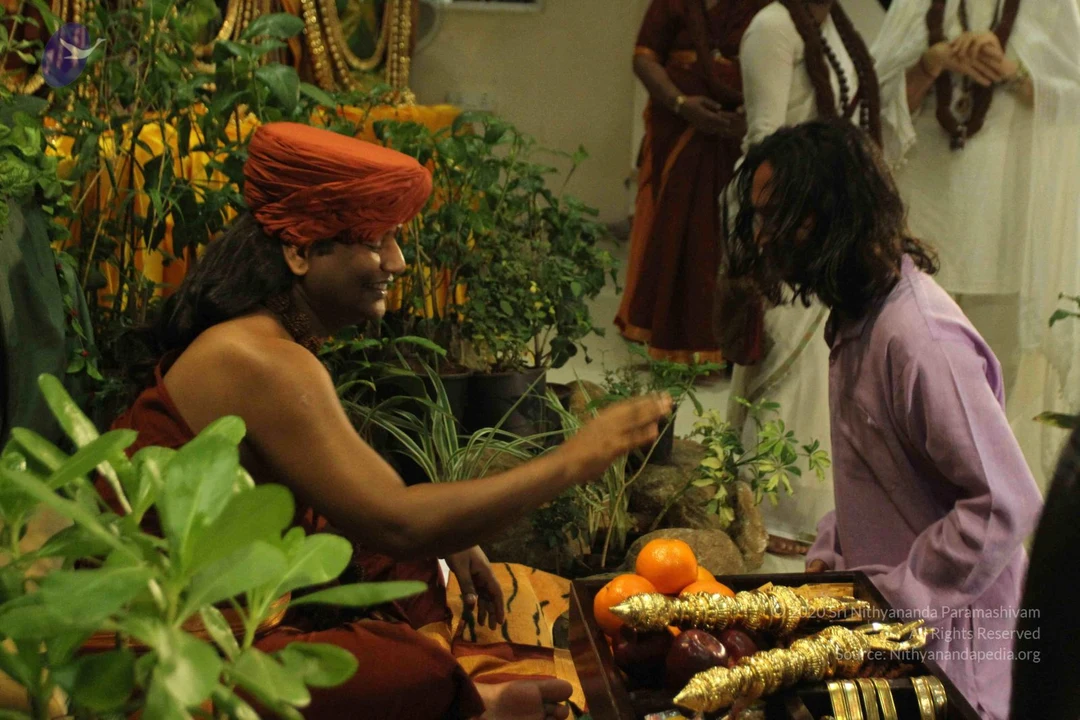
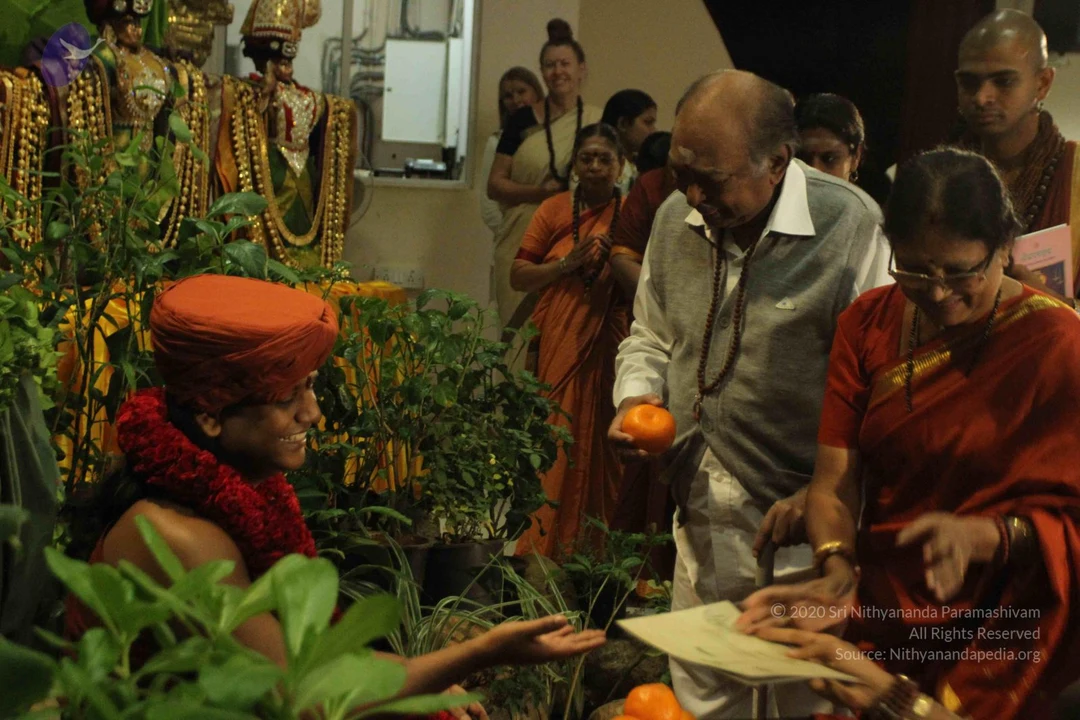
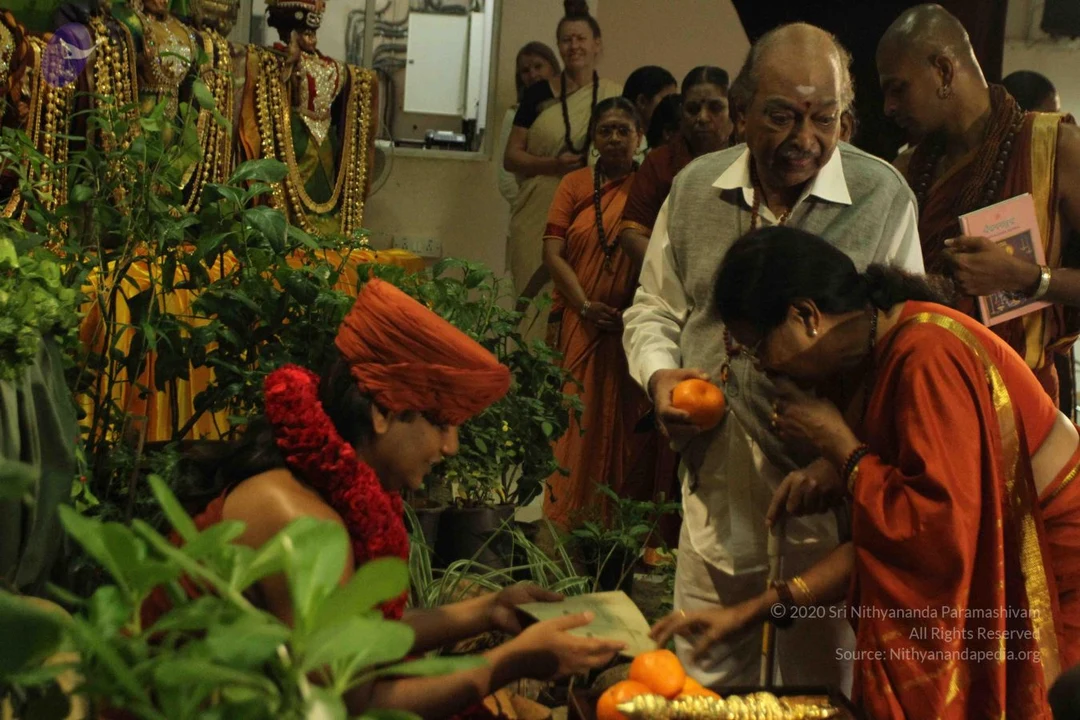
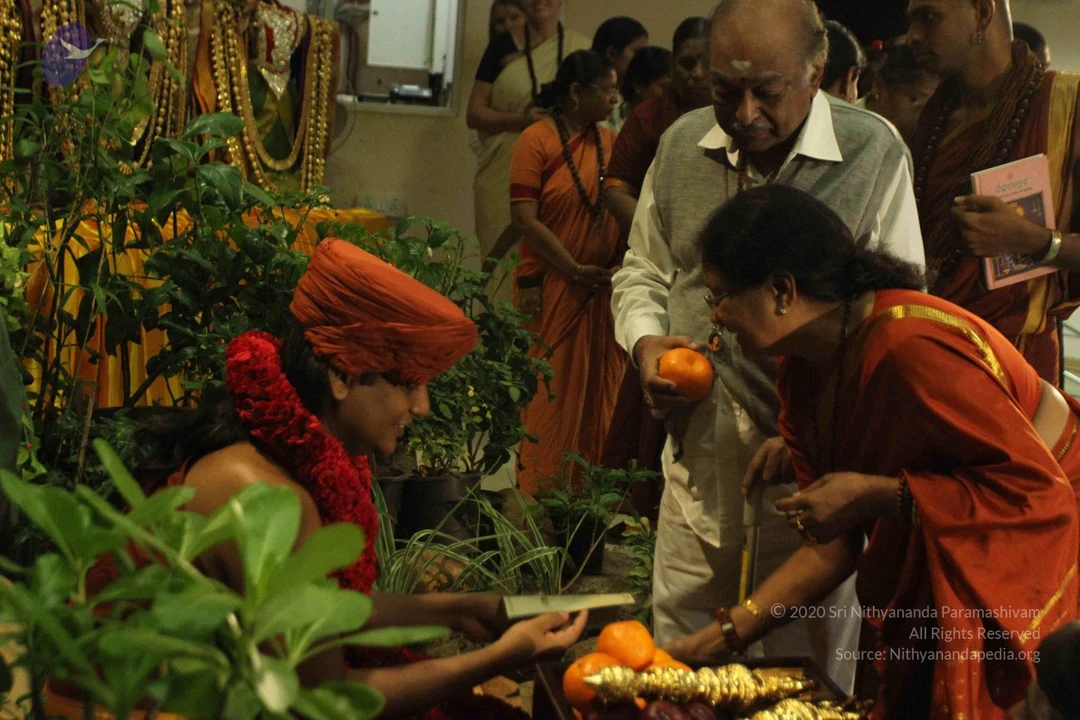
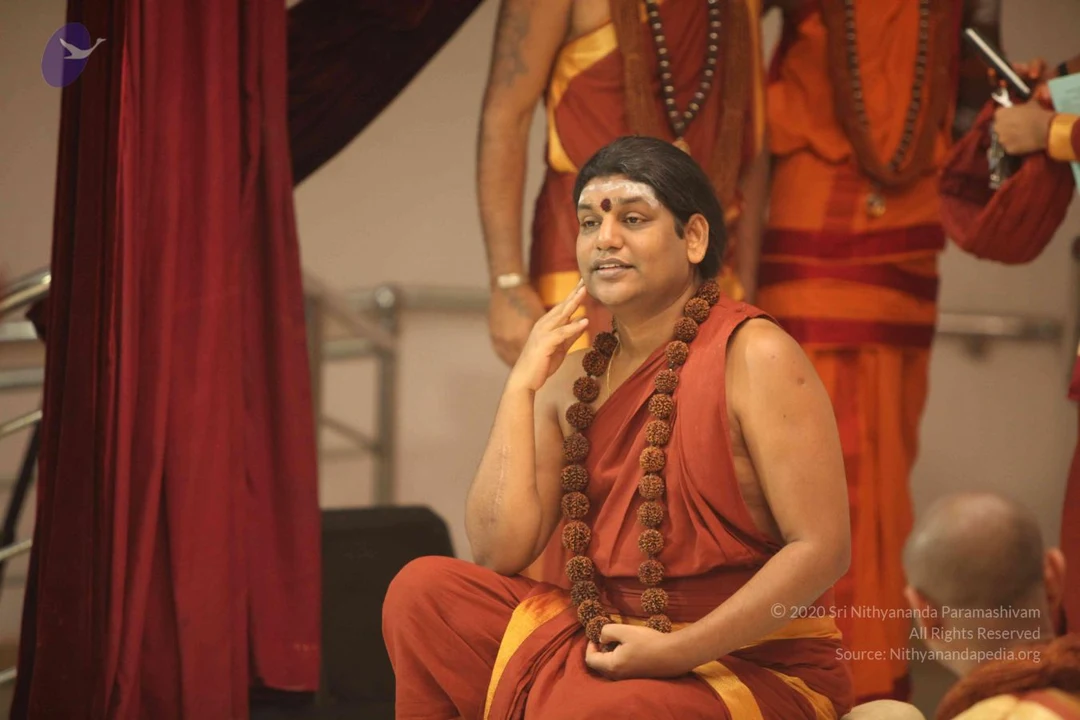
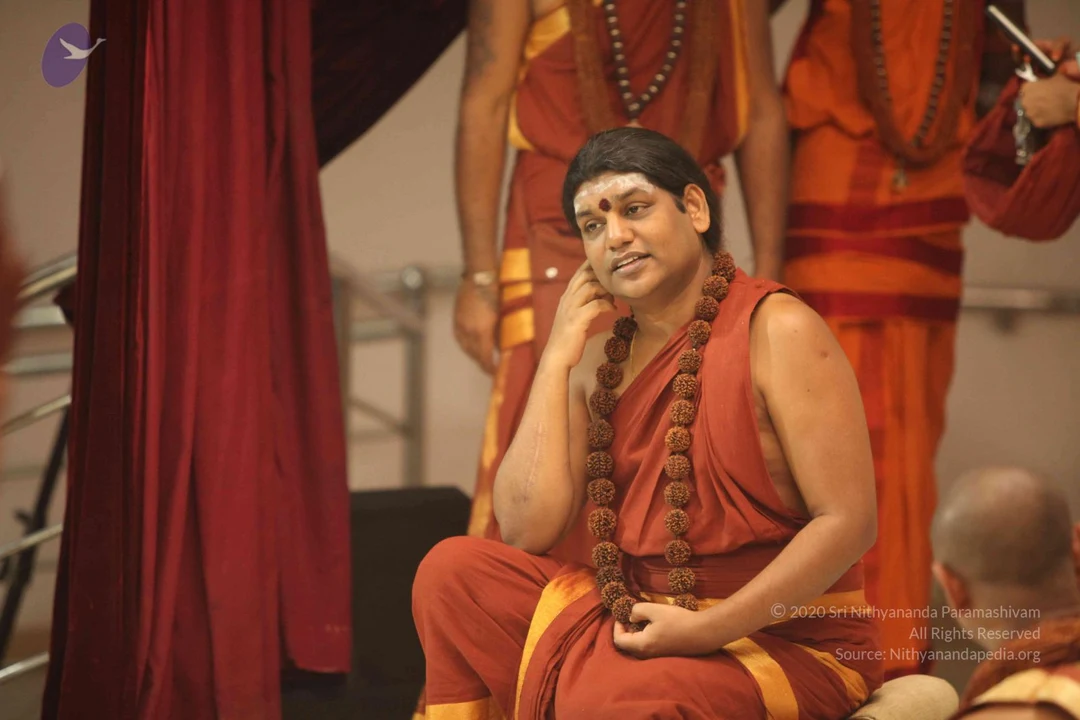
Morning Satsang and Kalpataru Darshan
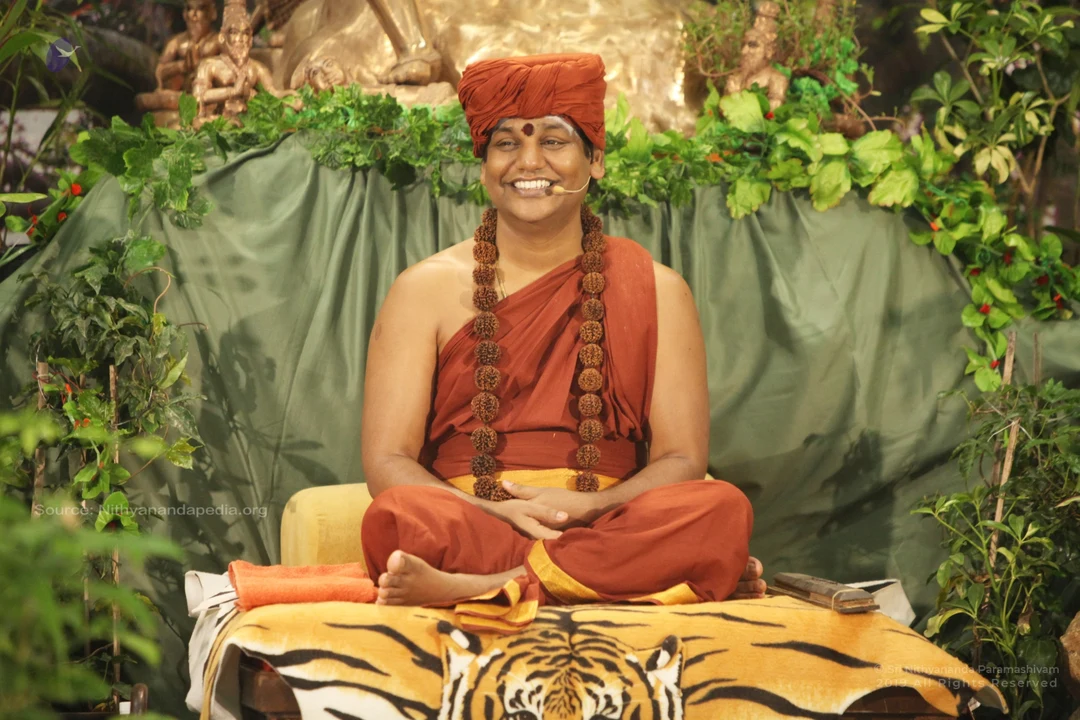
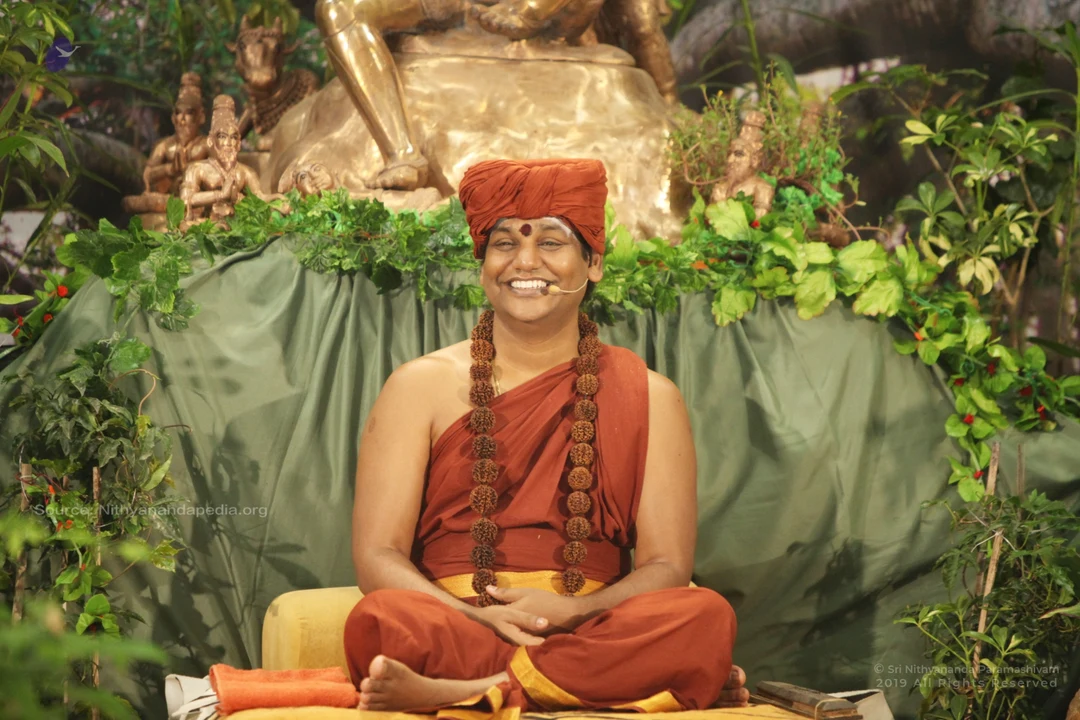
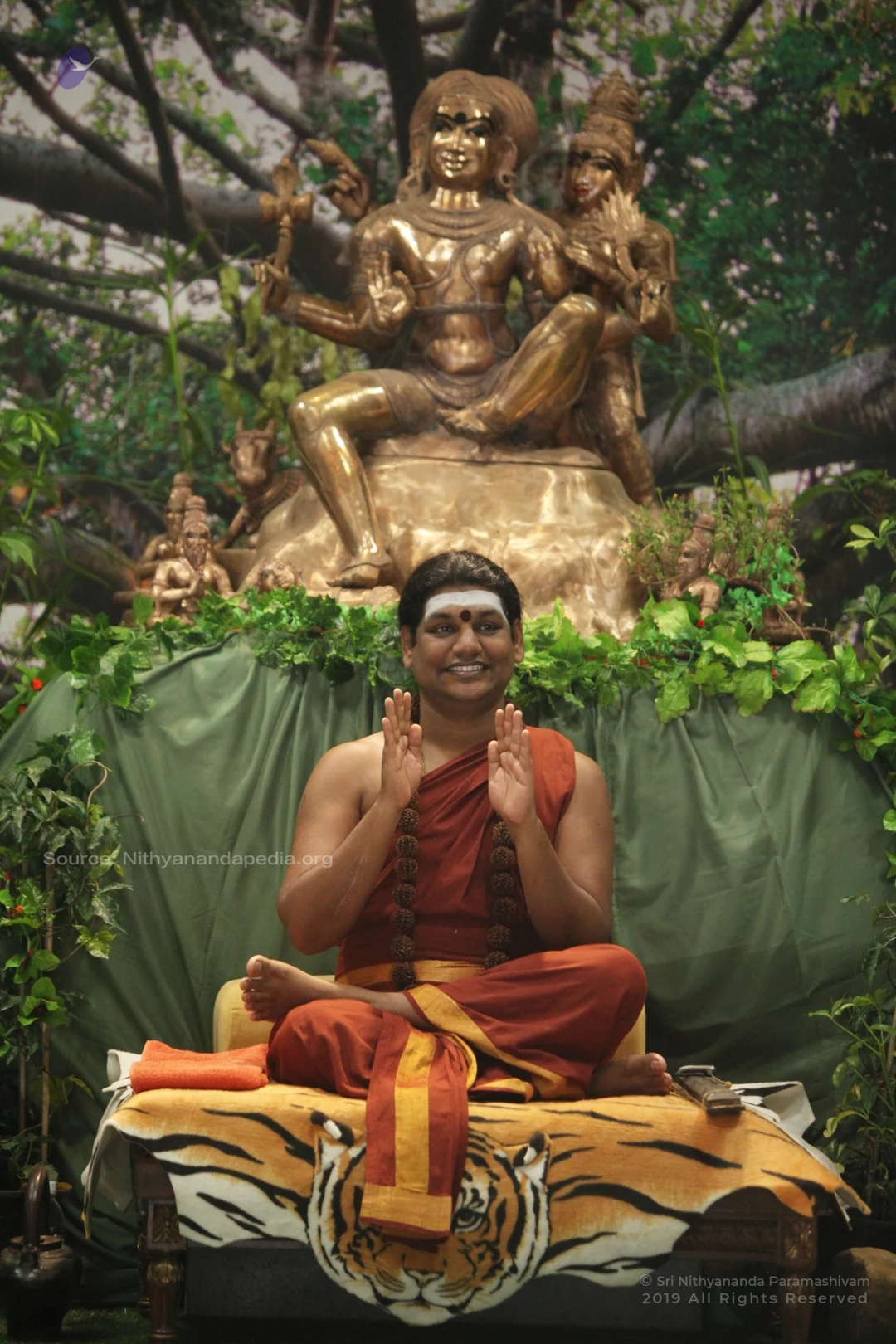
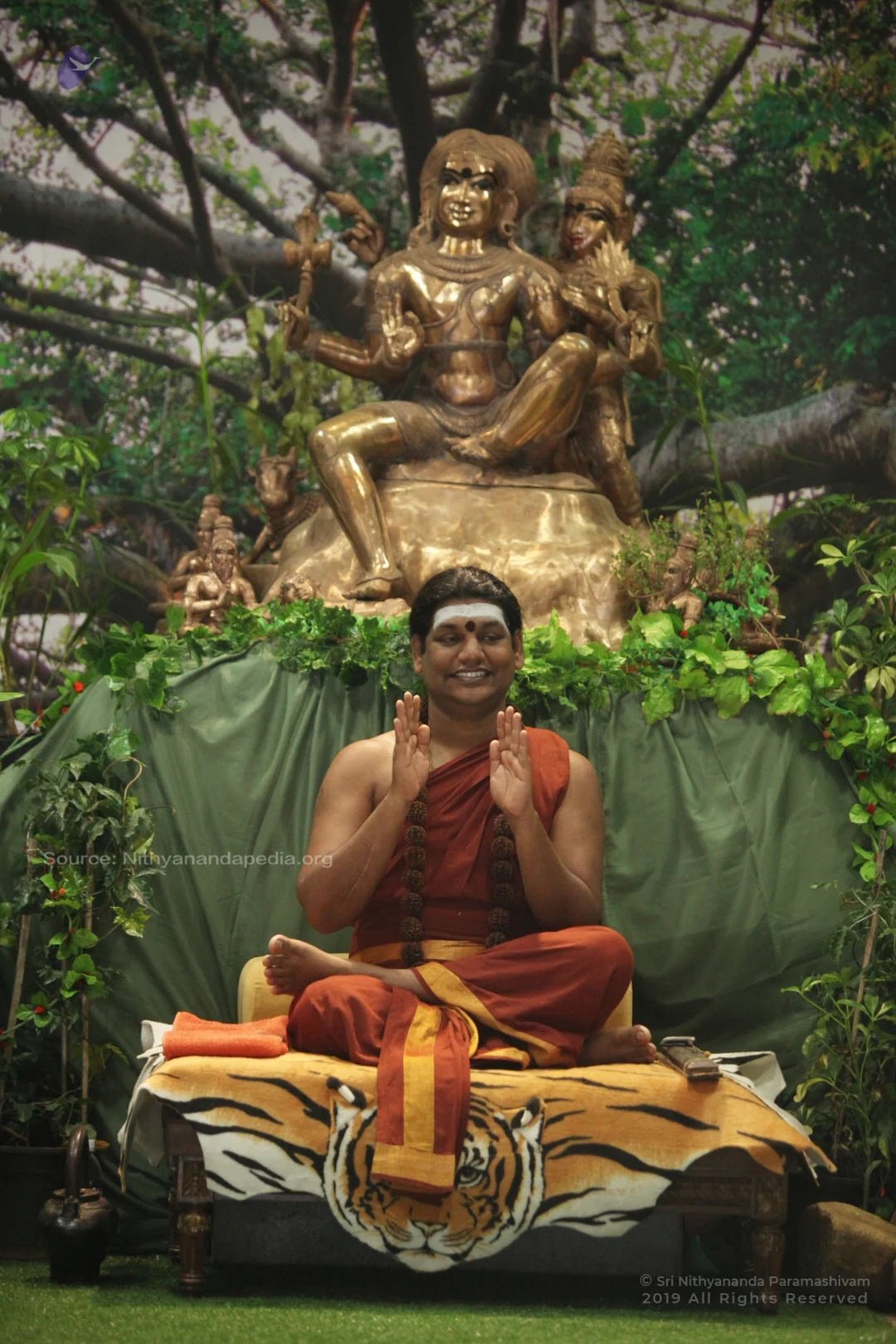
Nithyananda Times
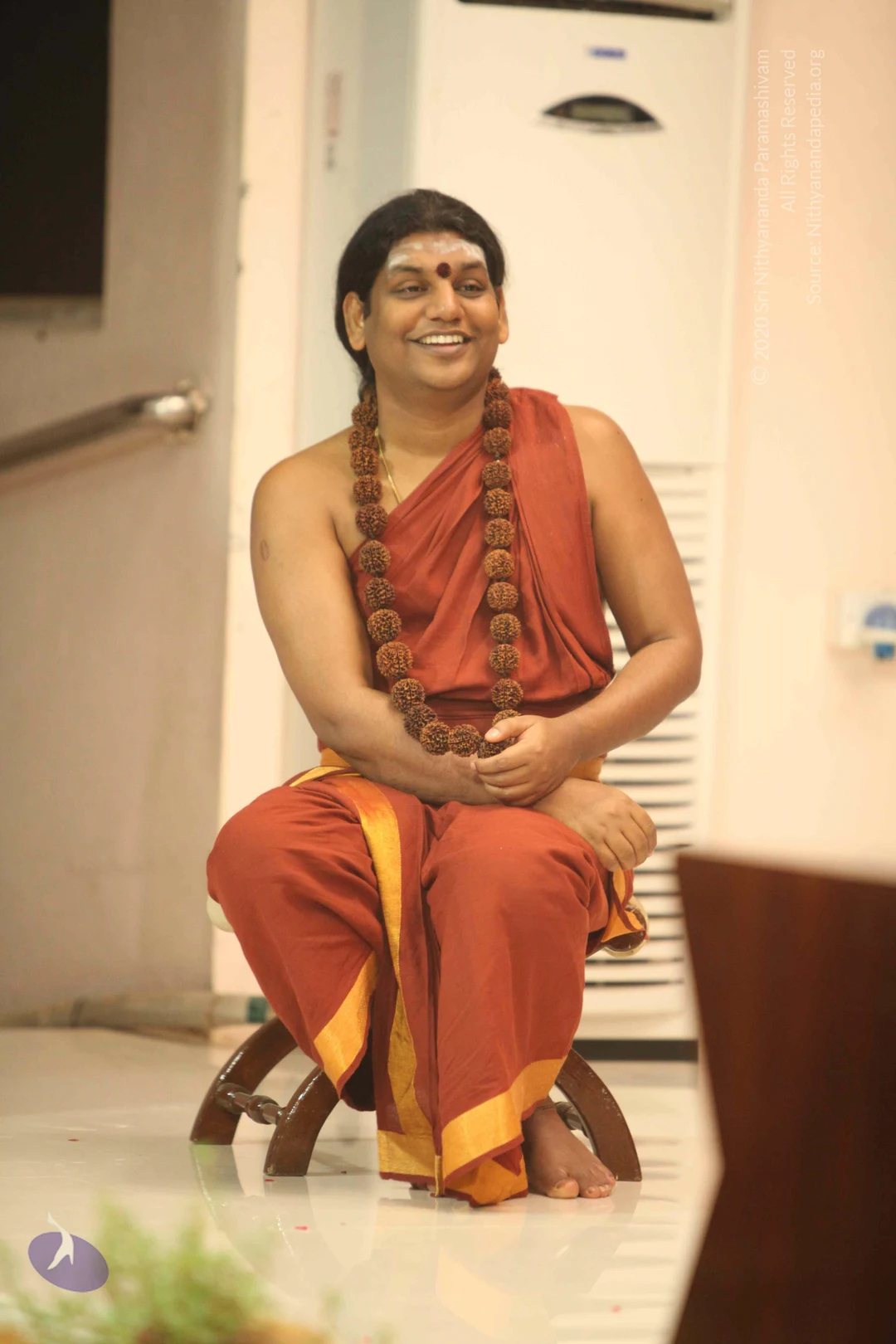
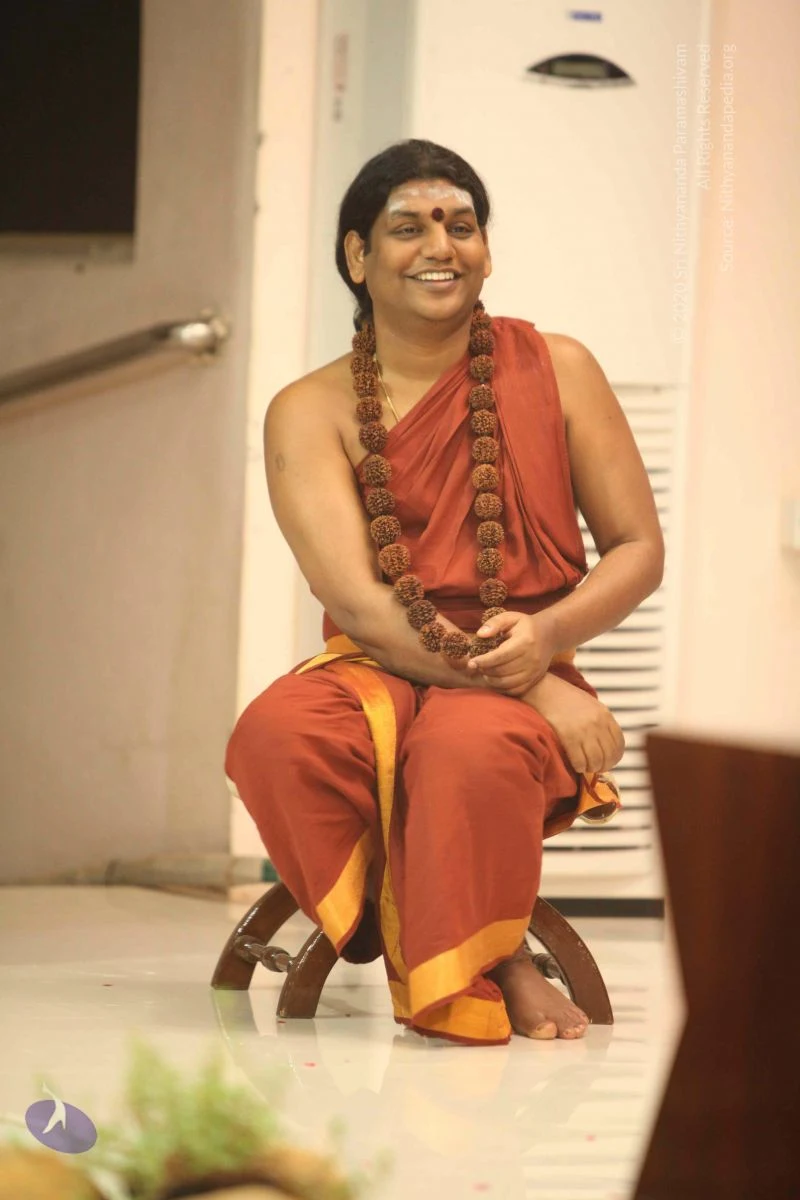
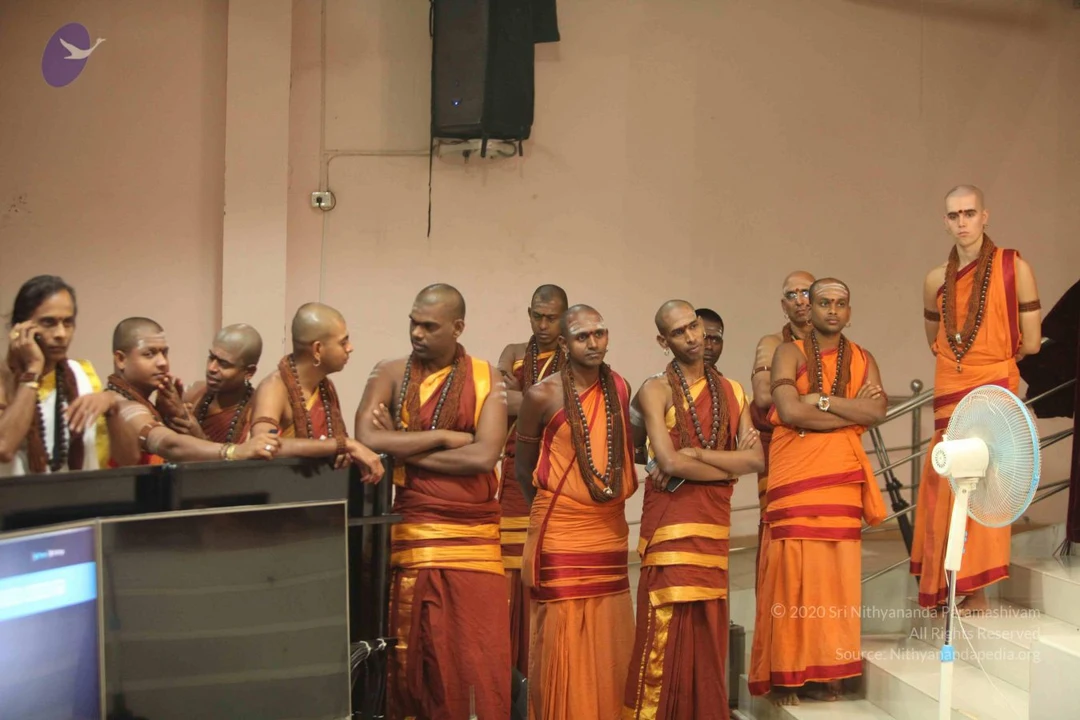
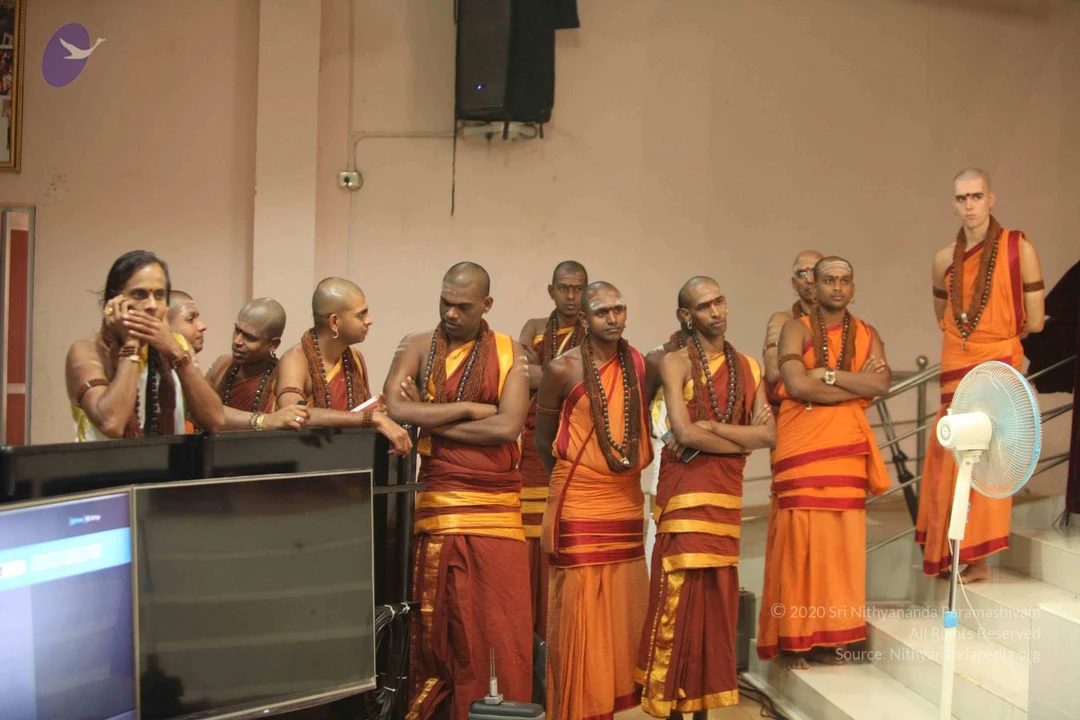
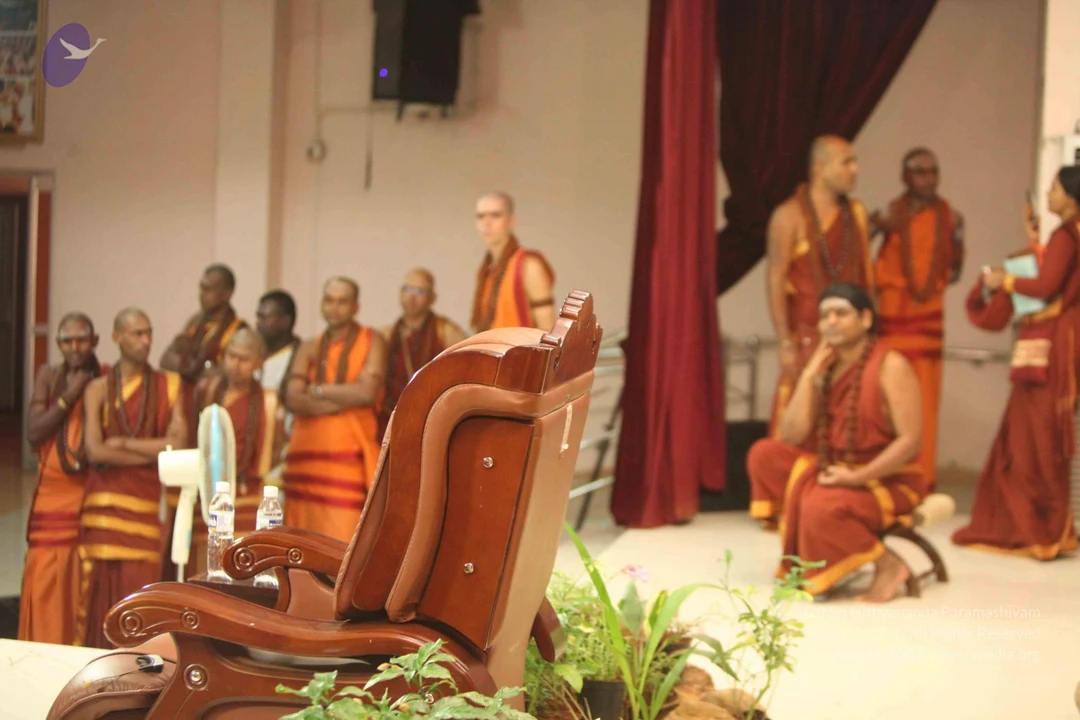
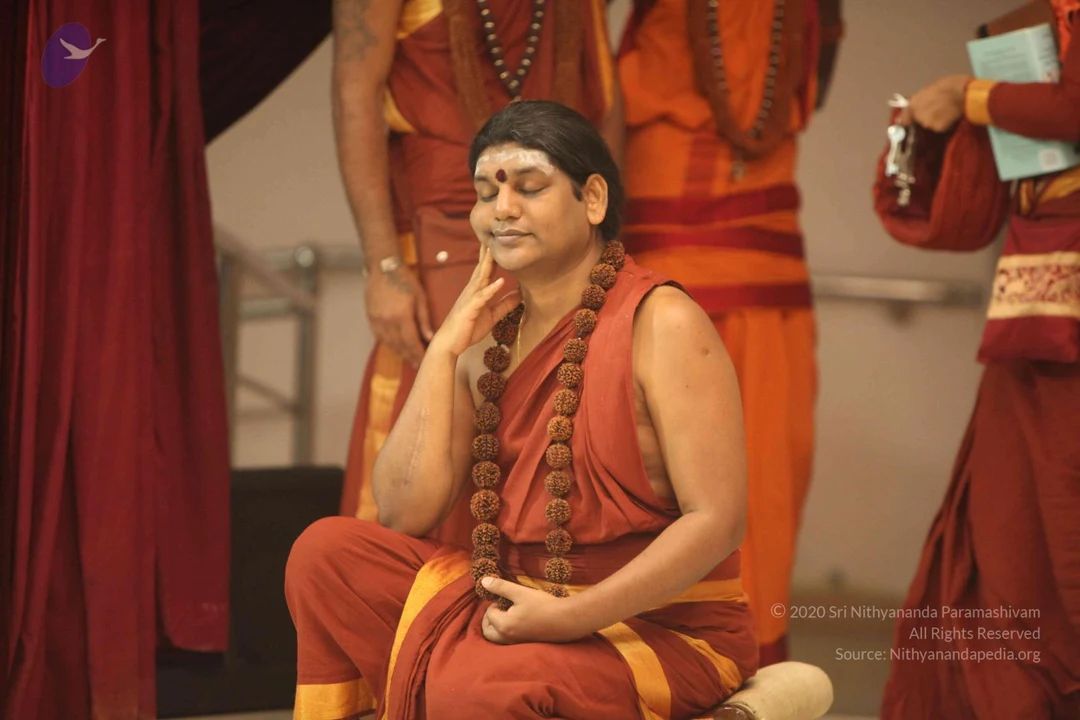
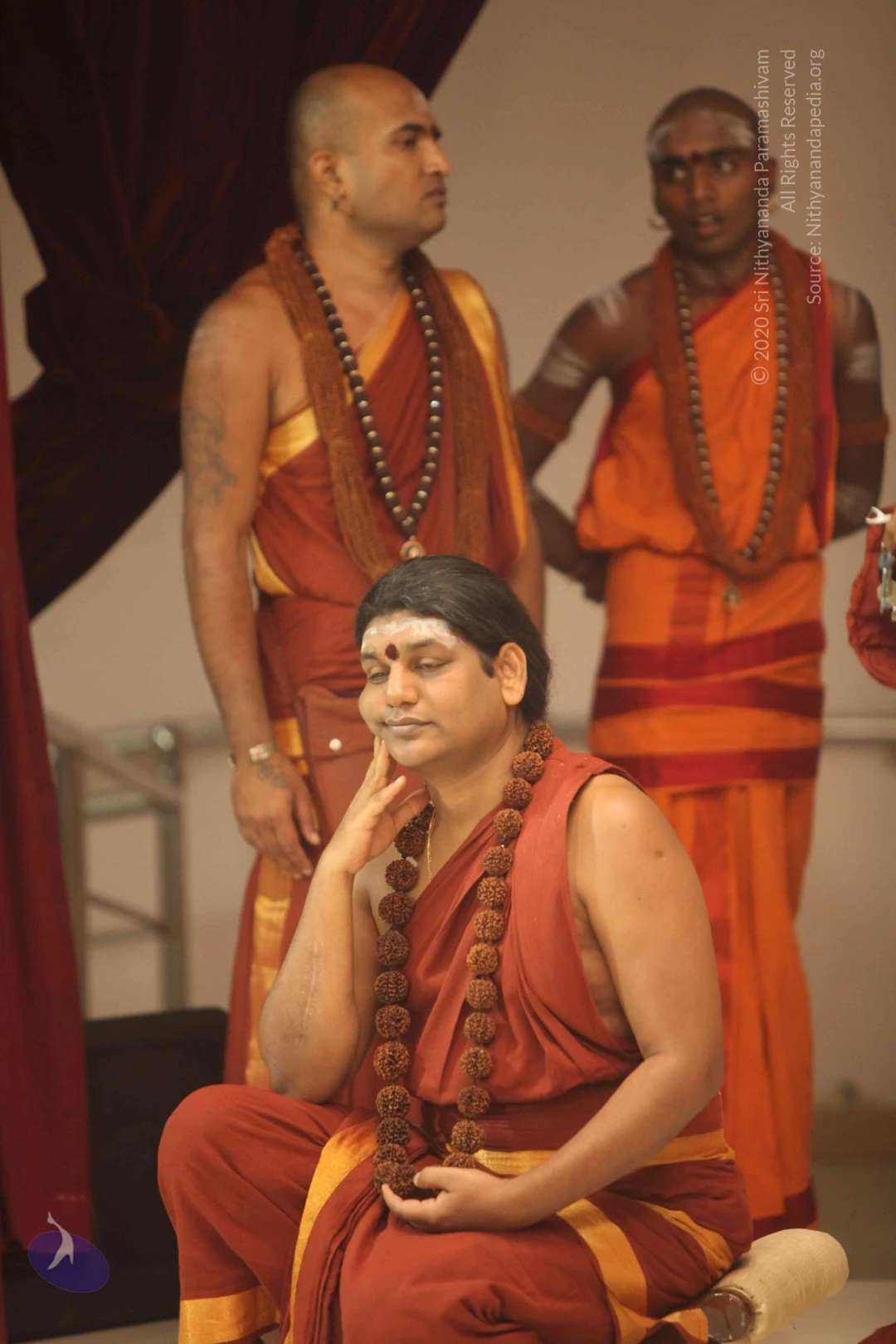
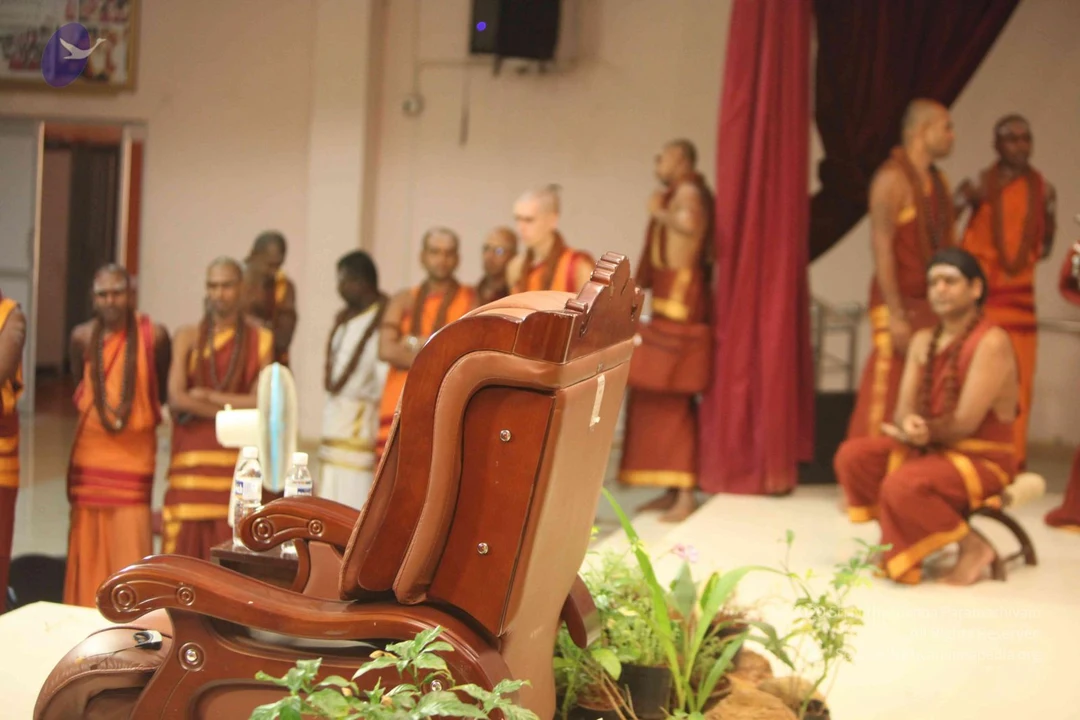
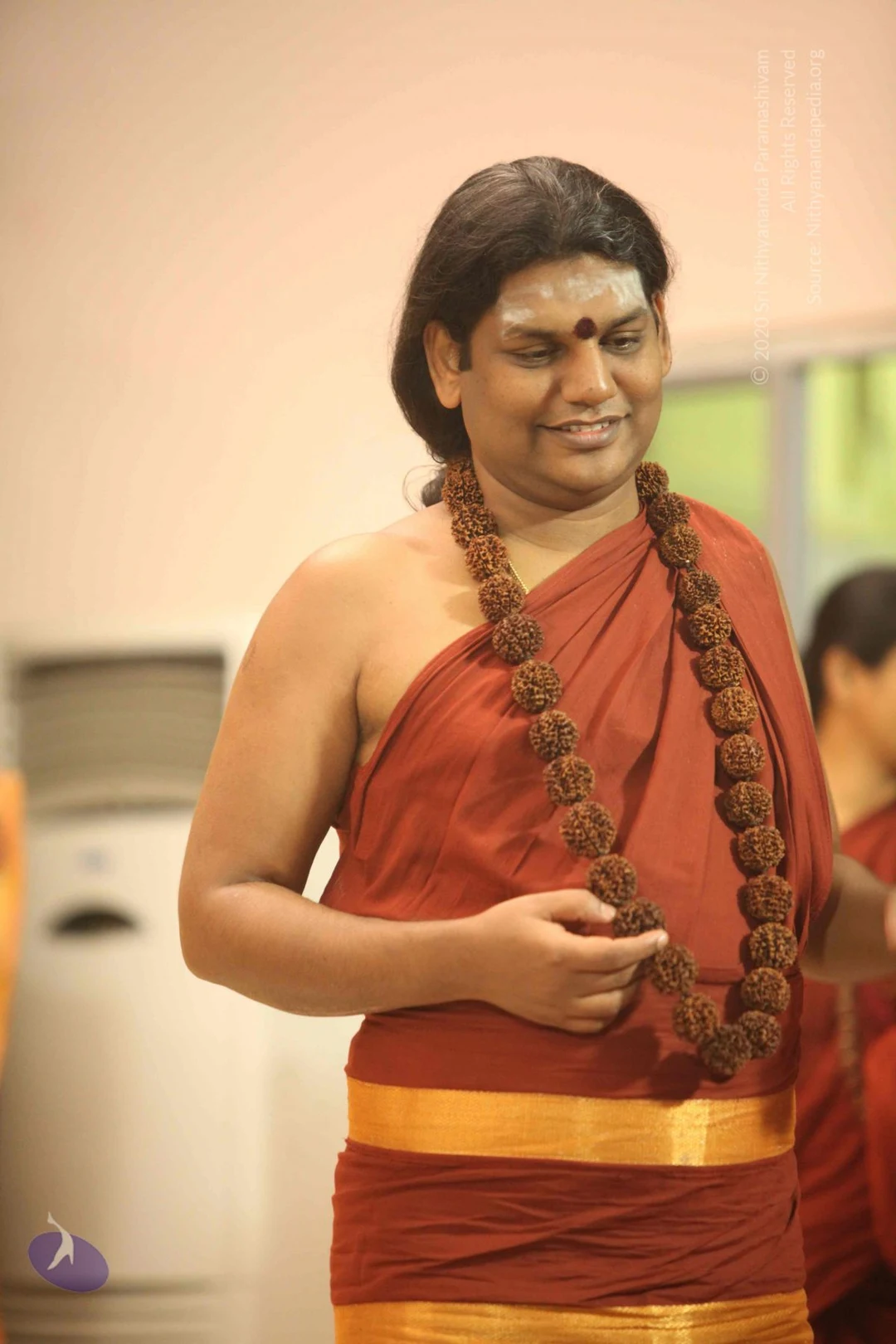
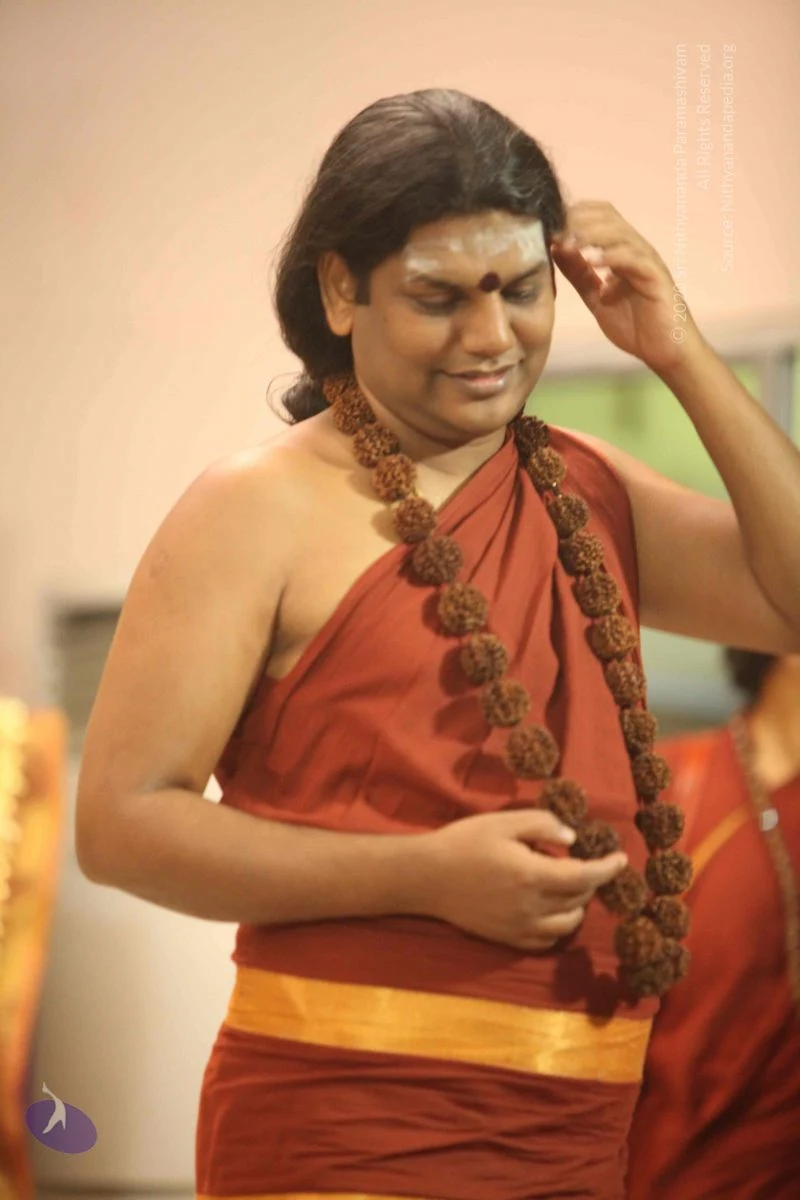
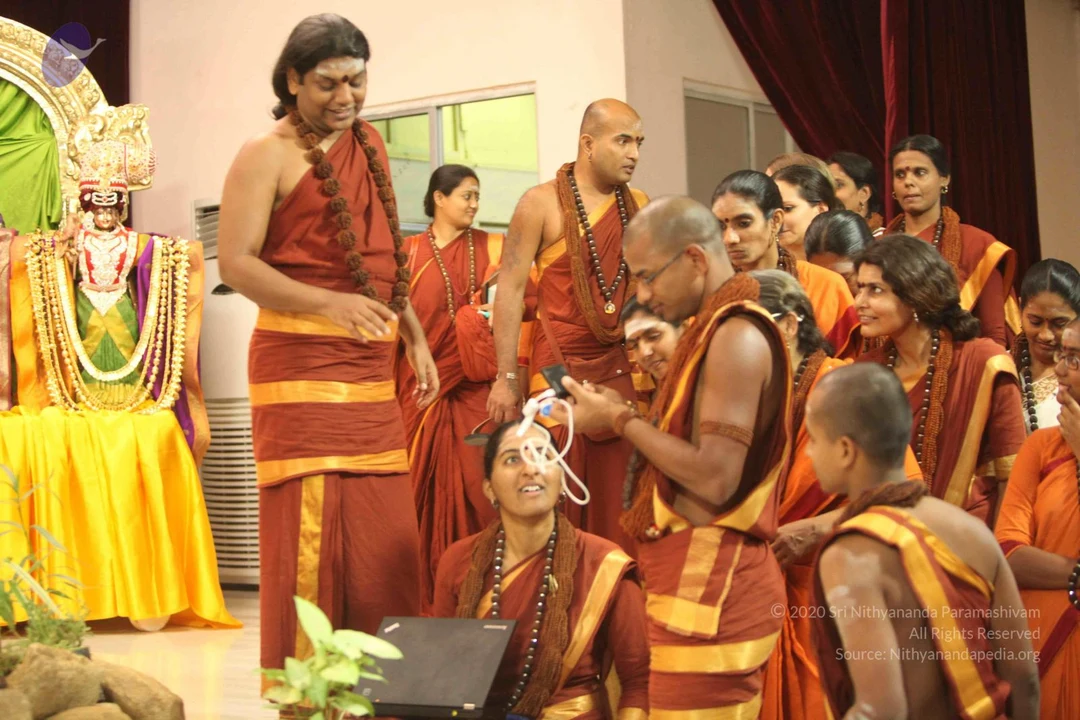
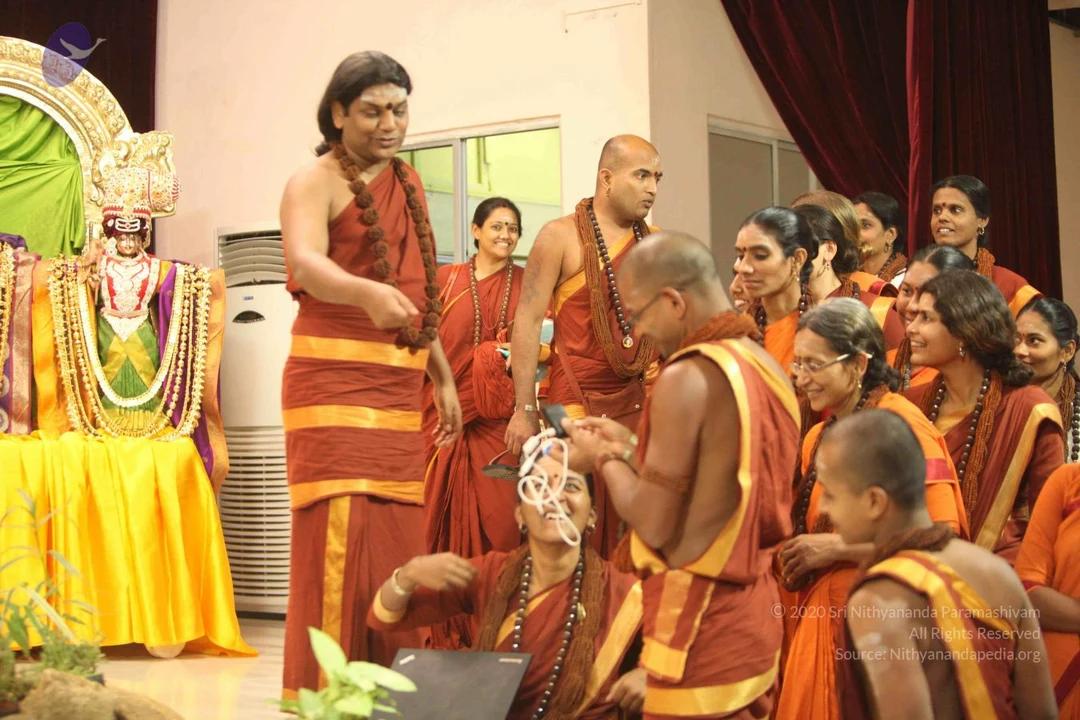
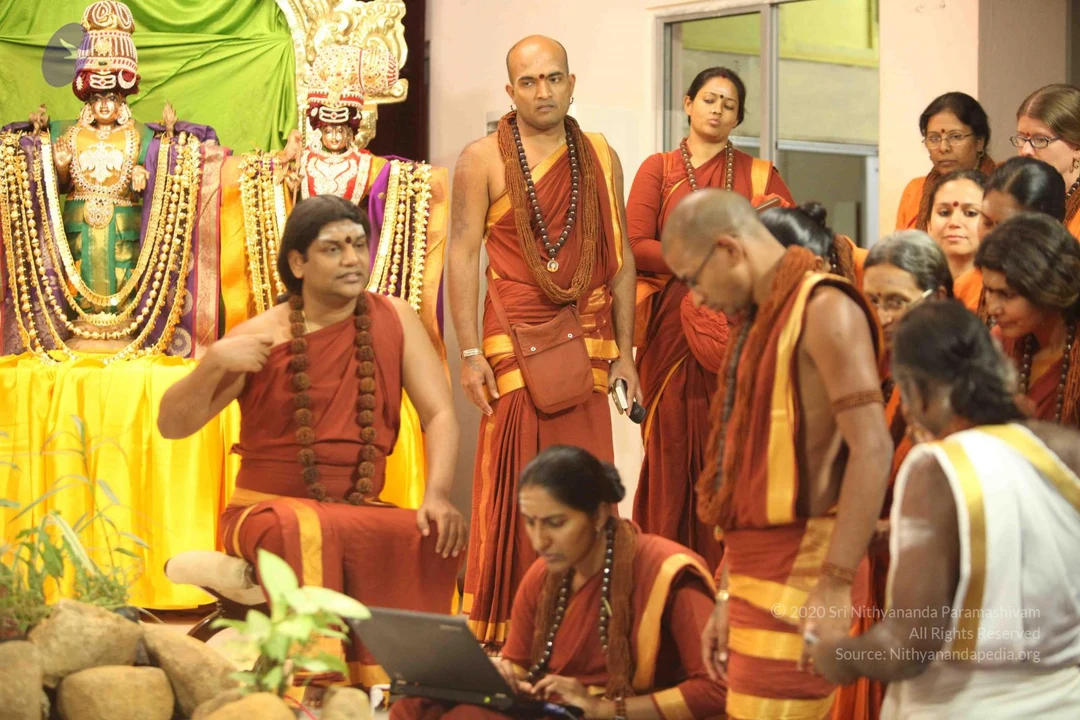
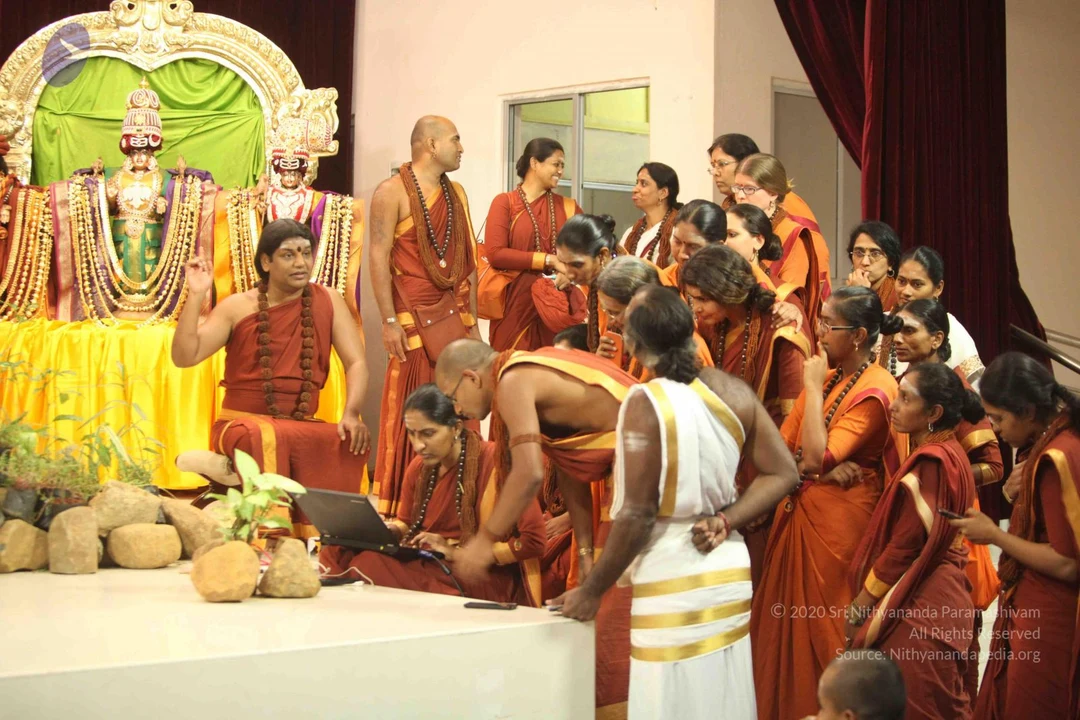
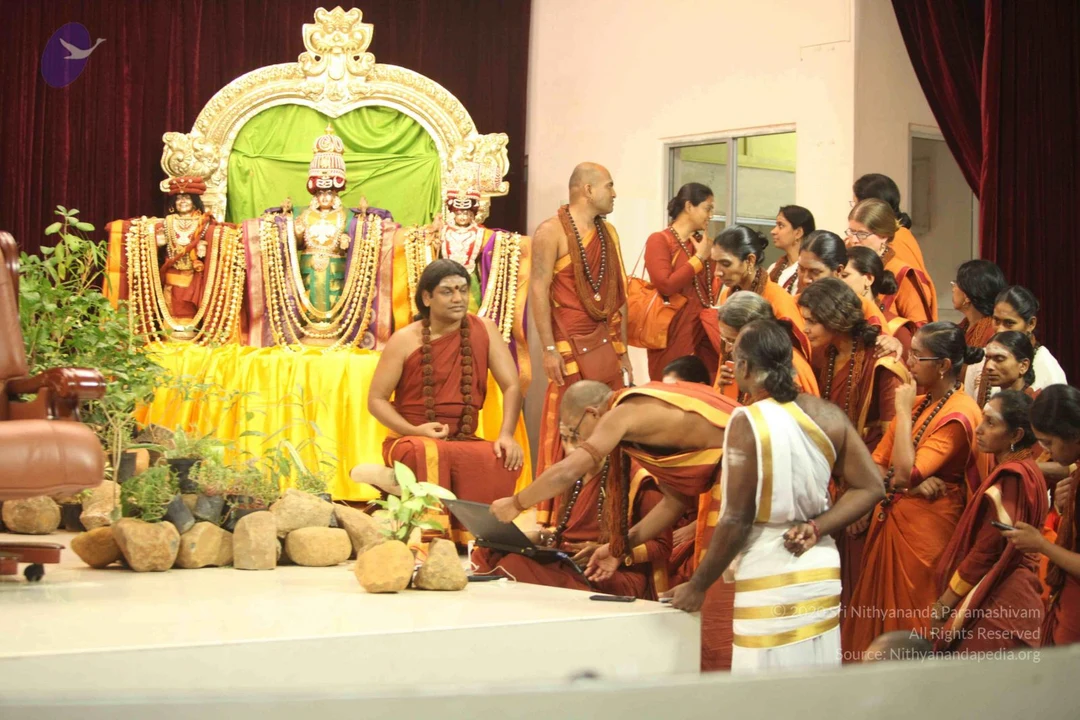
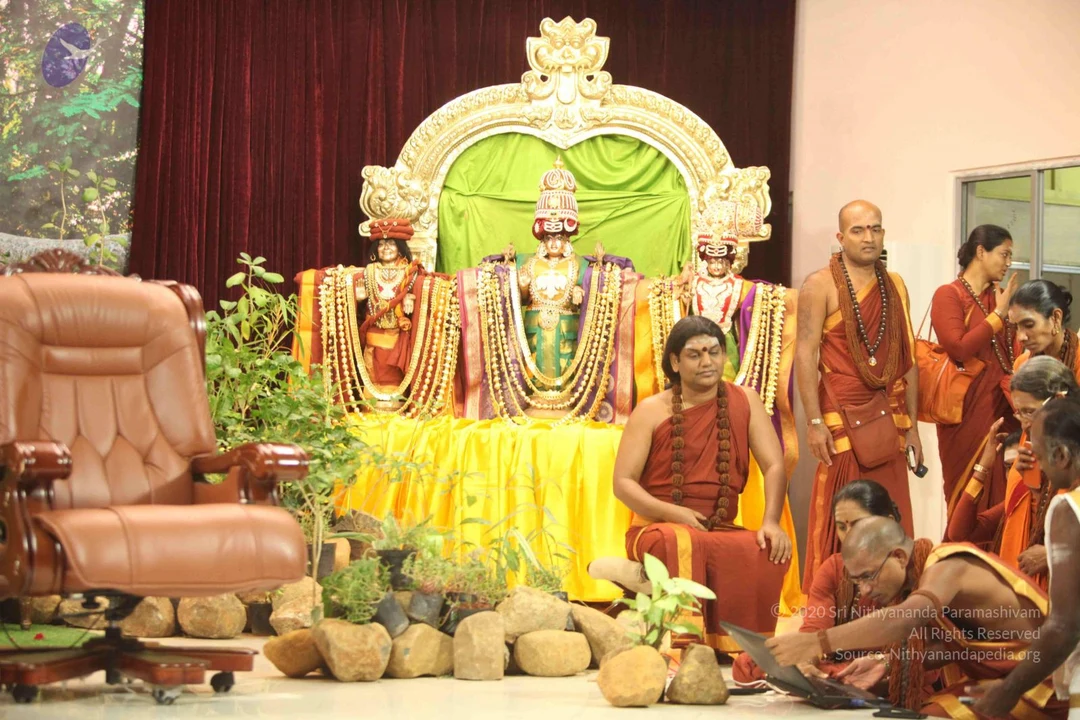
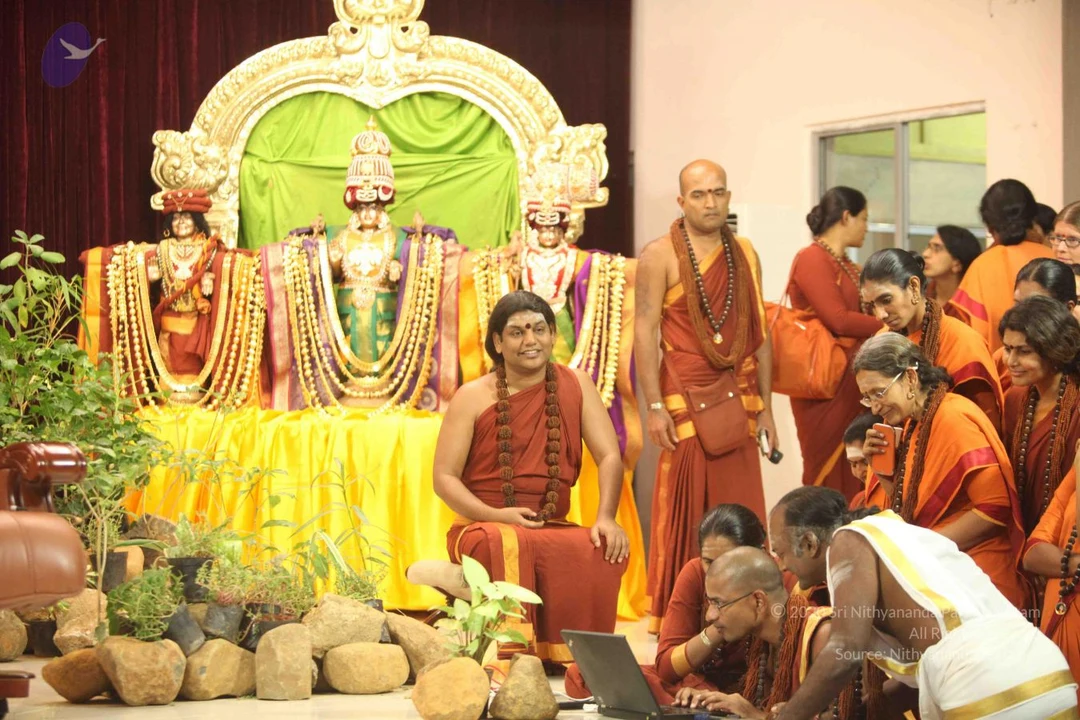
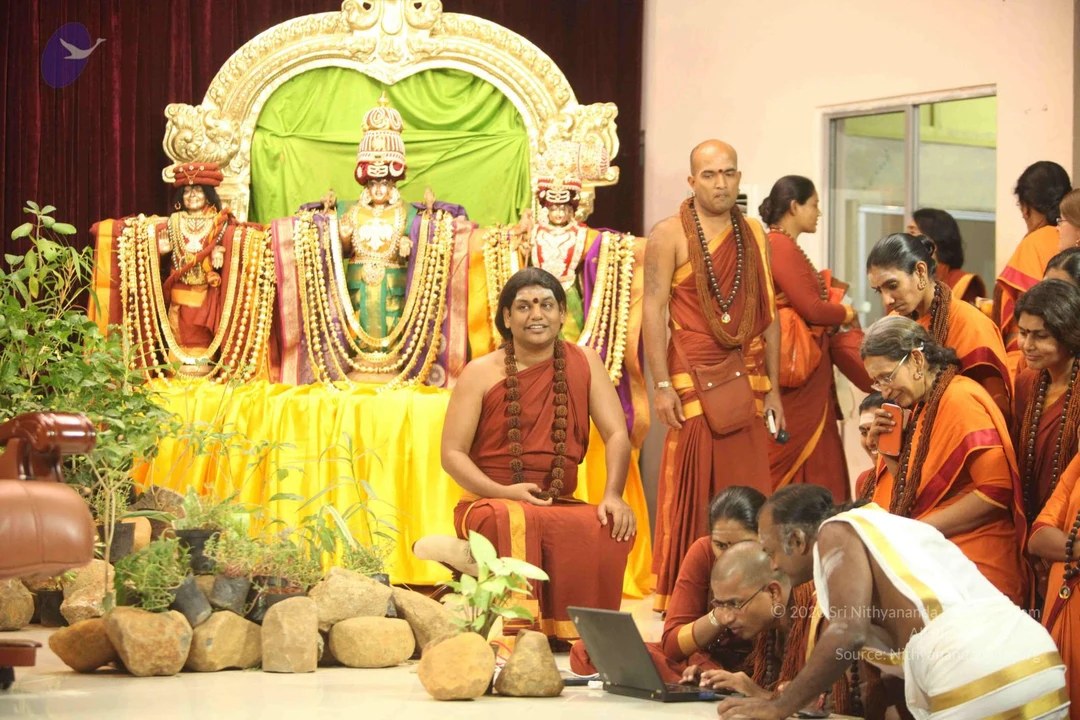
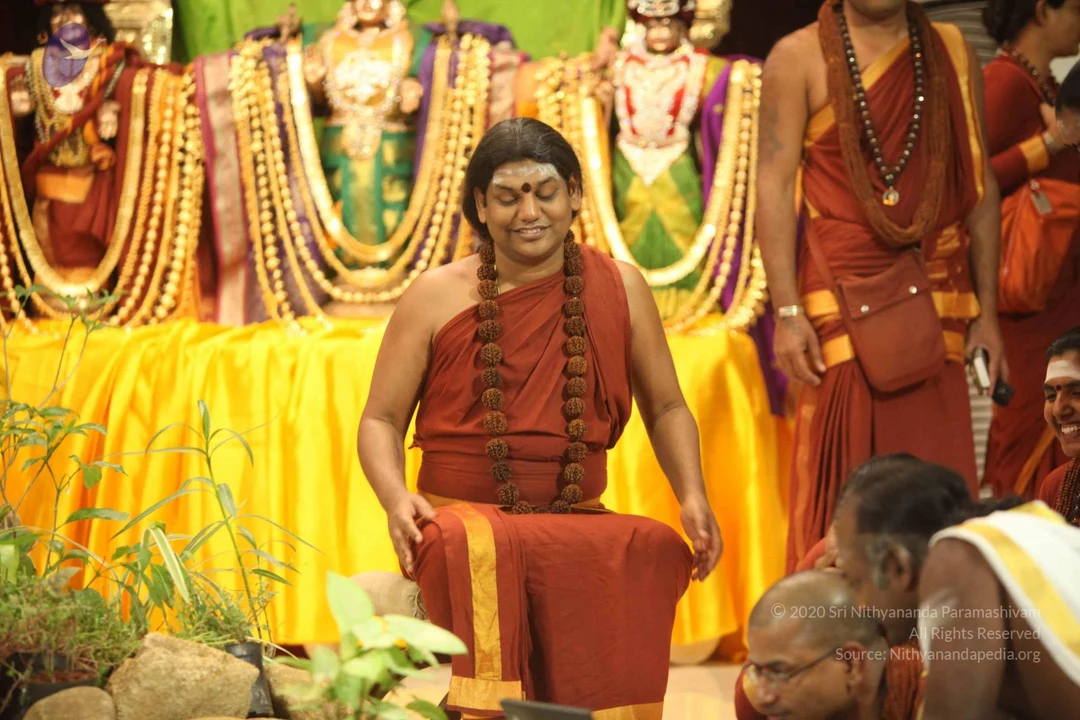
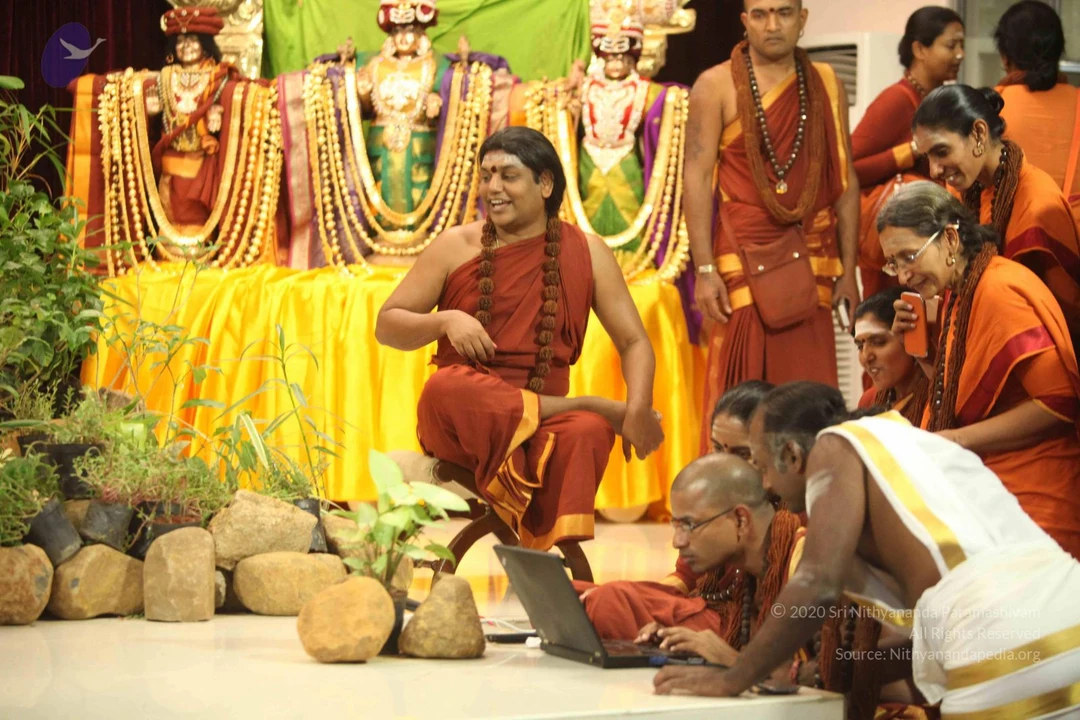
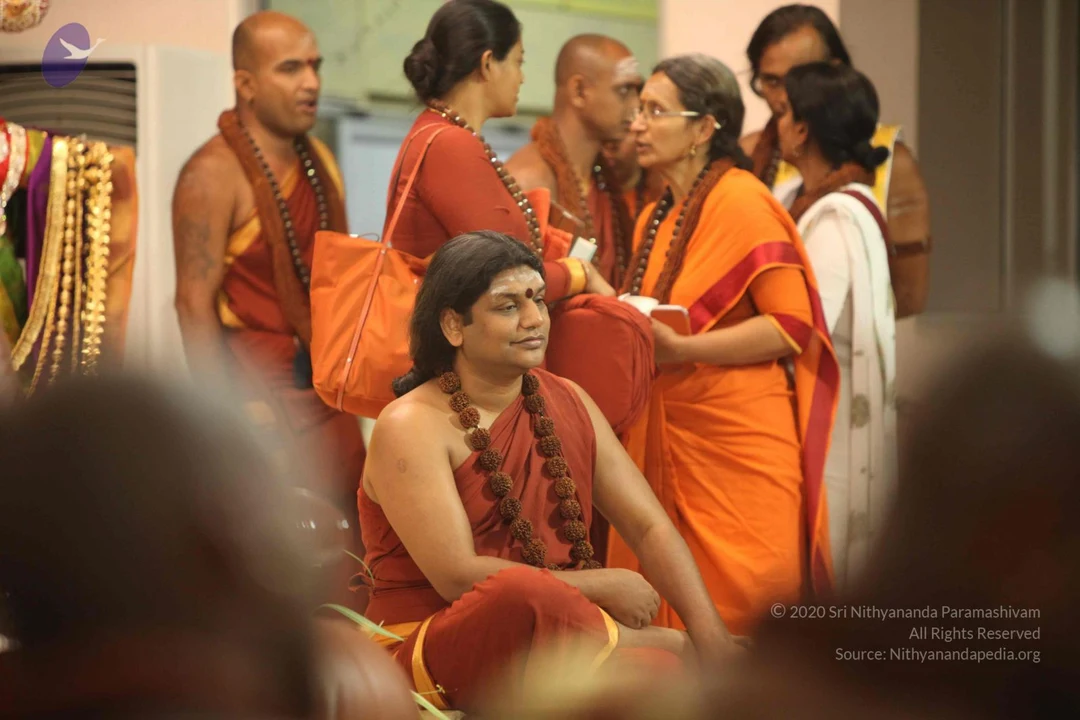
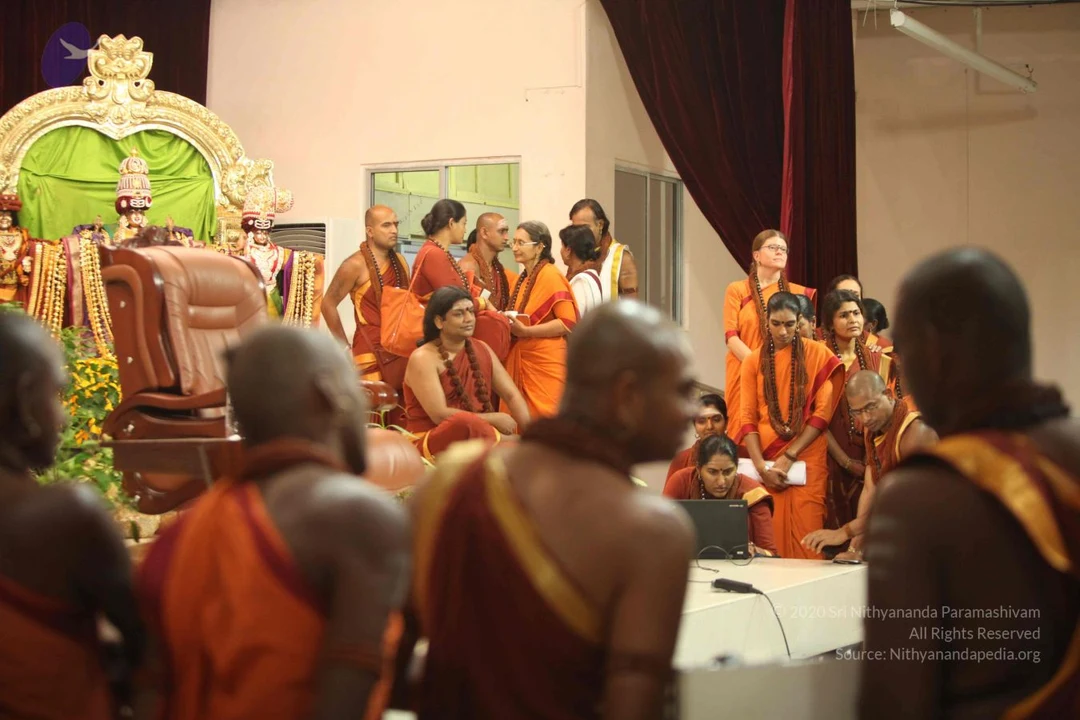
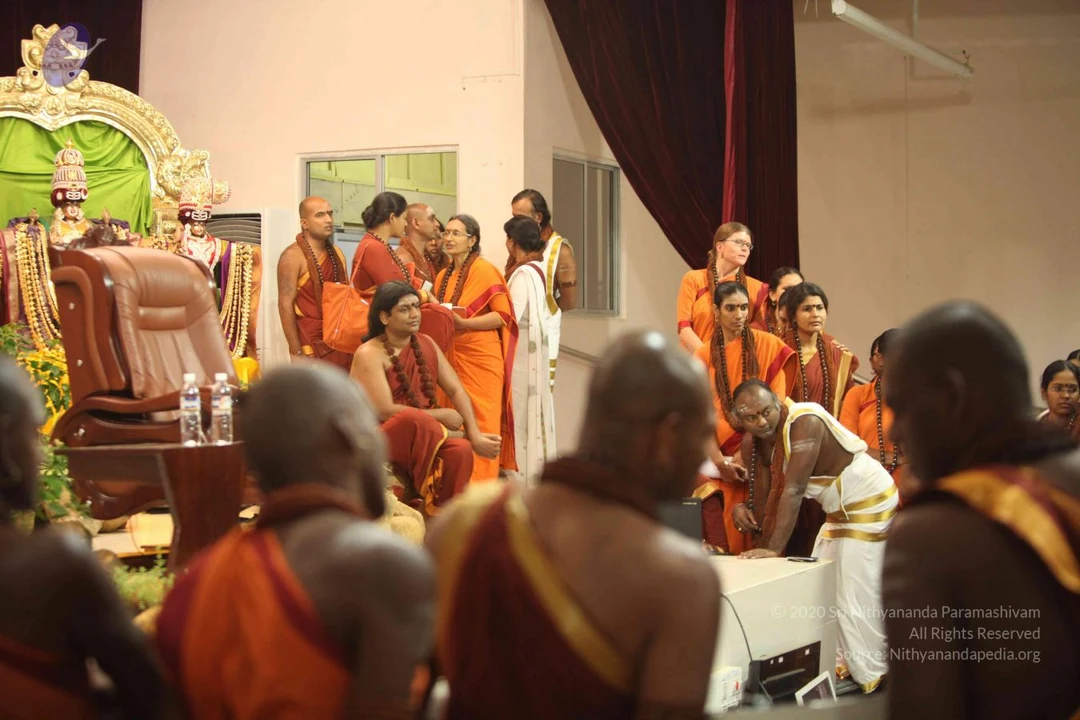
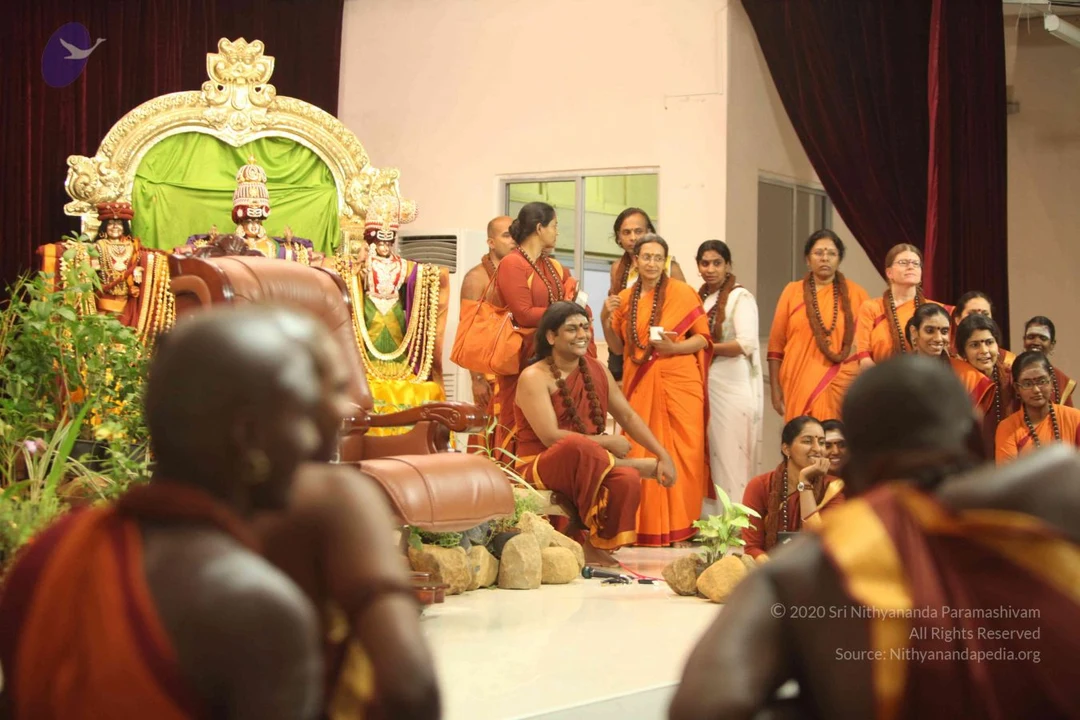
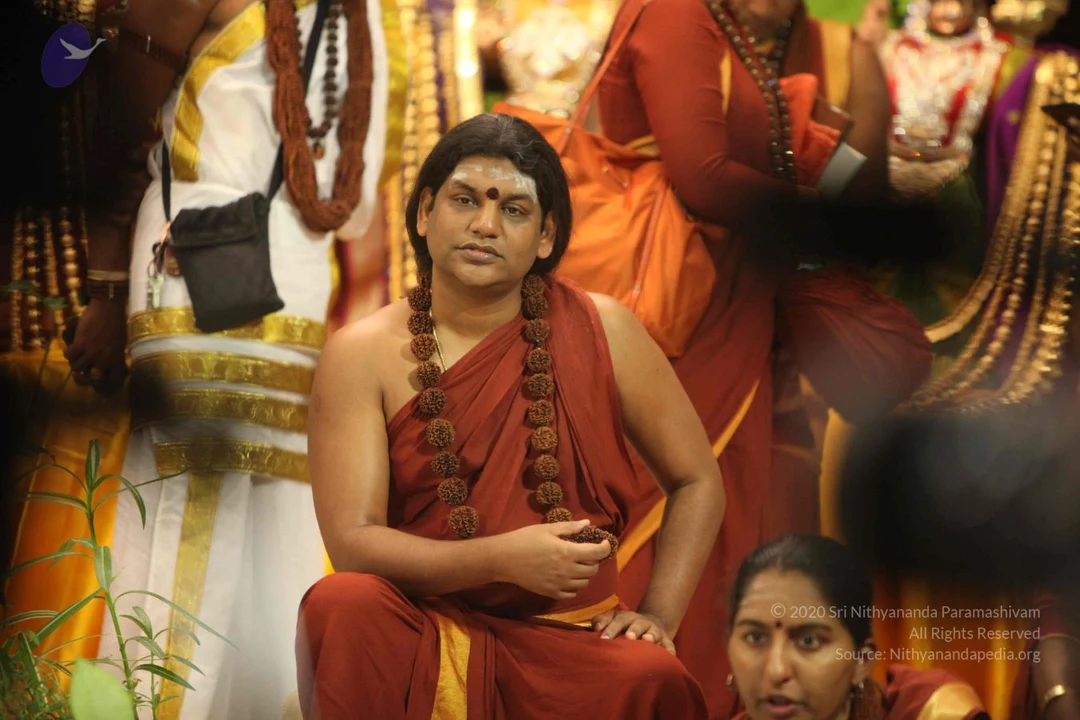
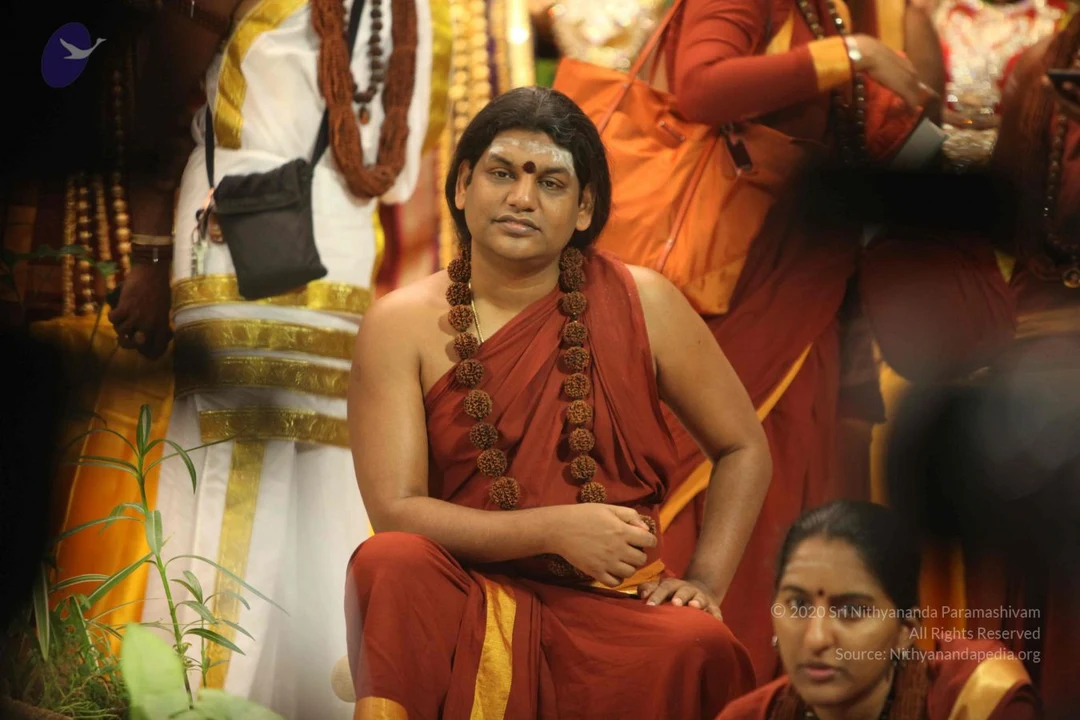
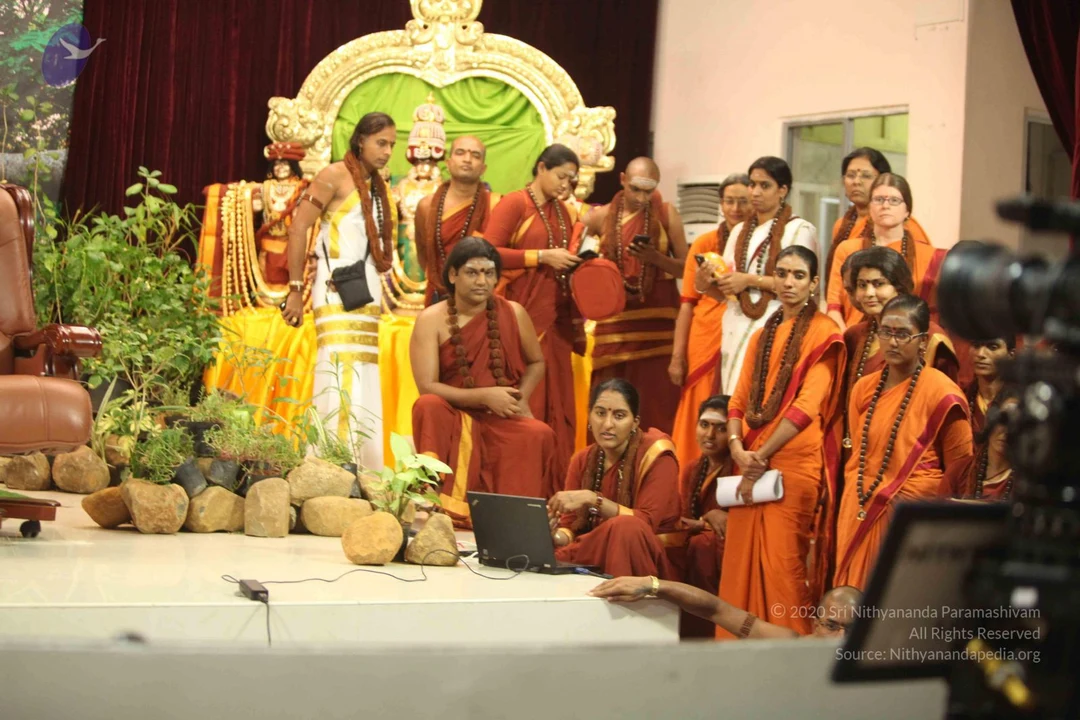
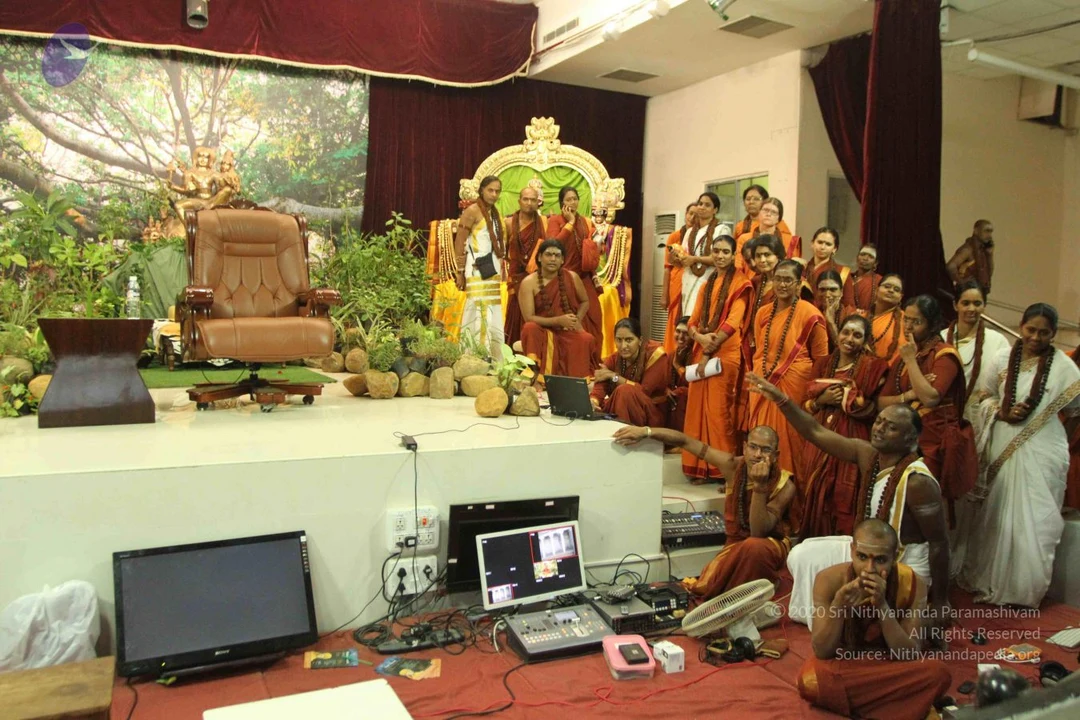
Photos Of The Day:
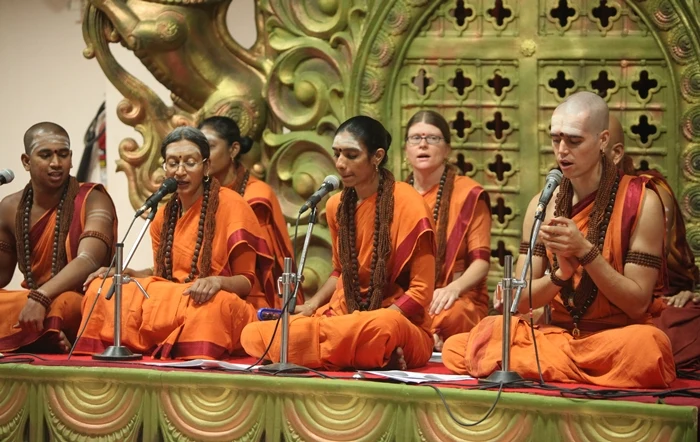
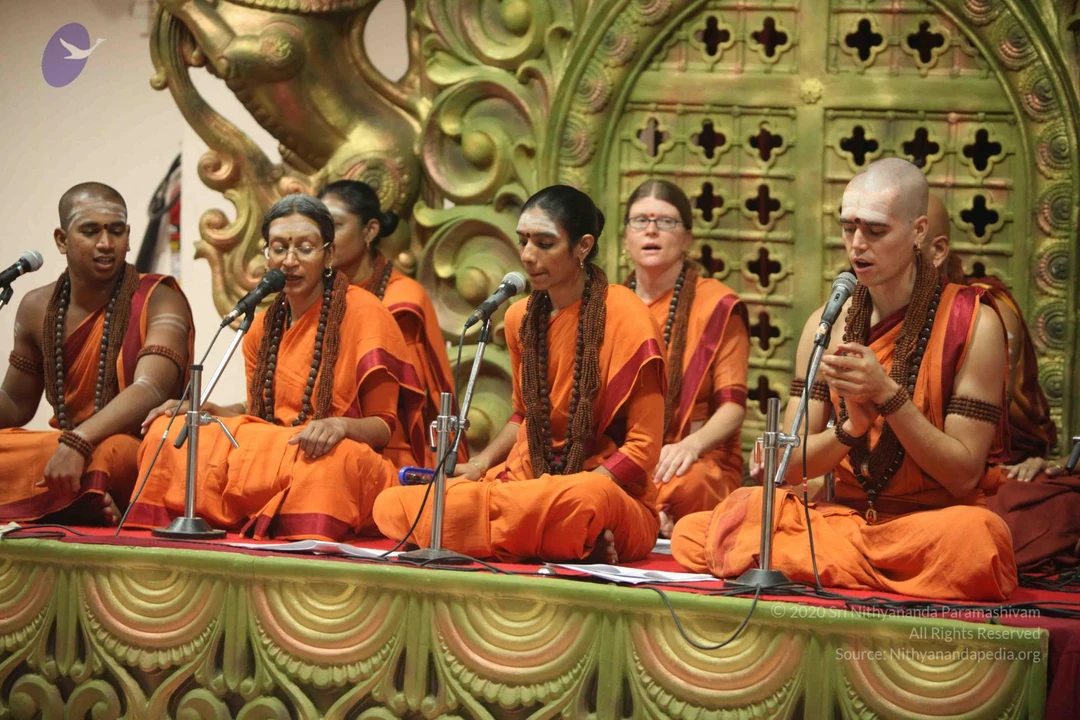
Bhajans-Nithya-Satsang-Darshan
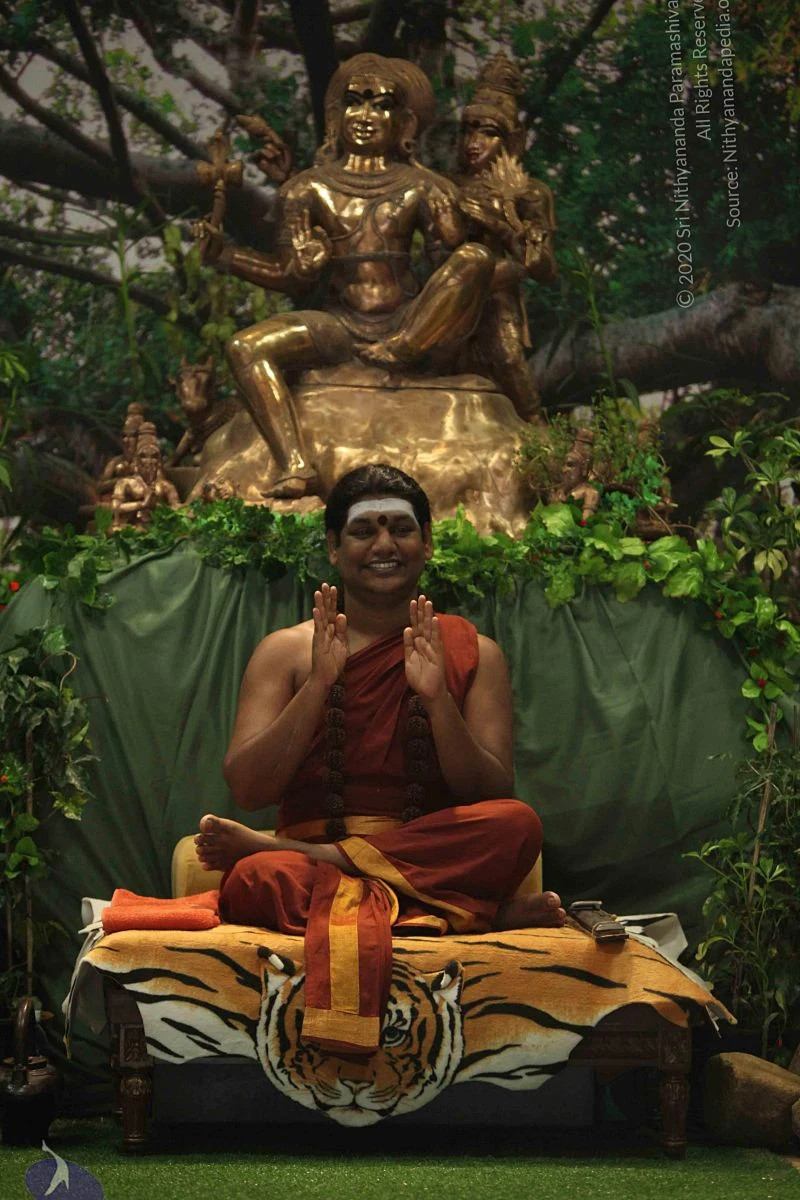
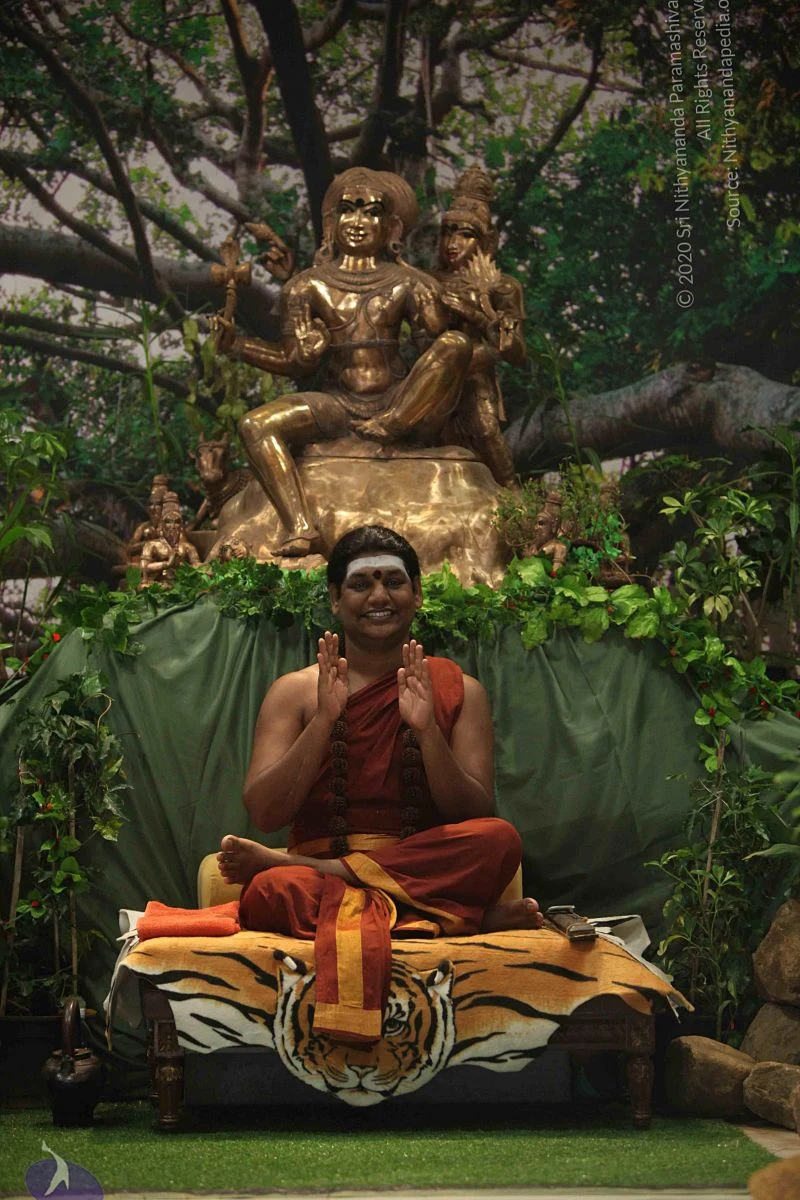






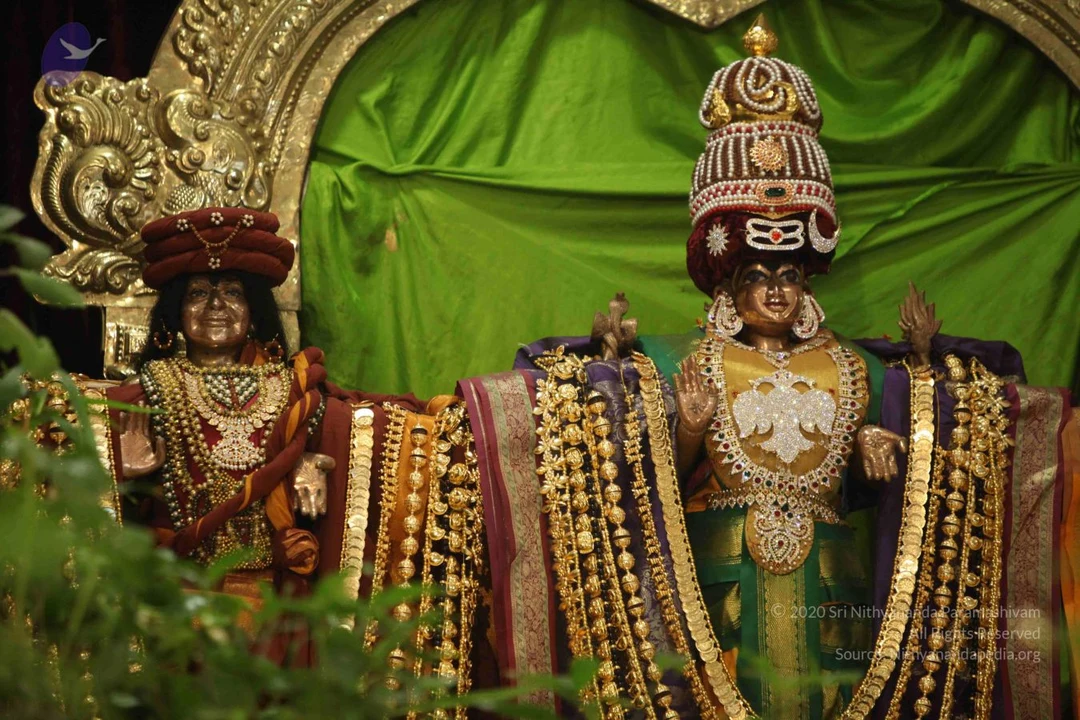
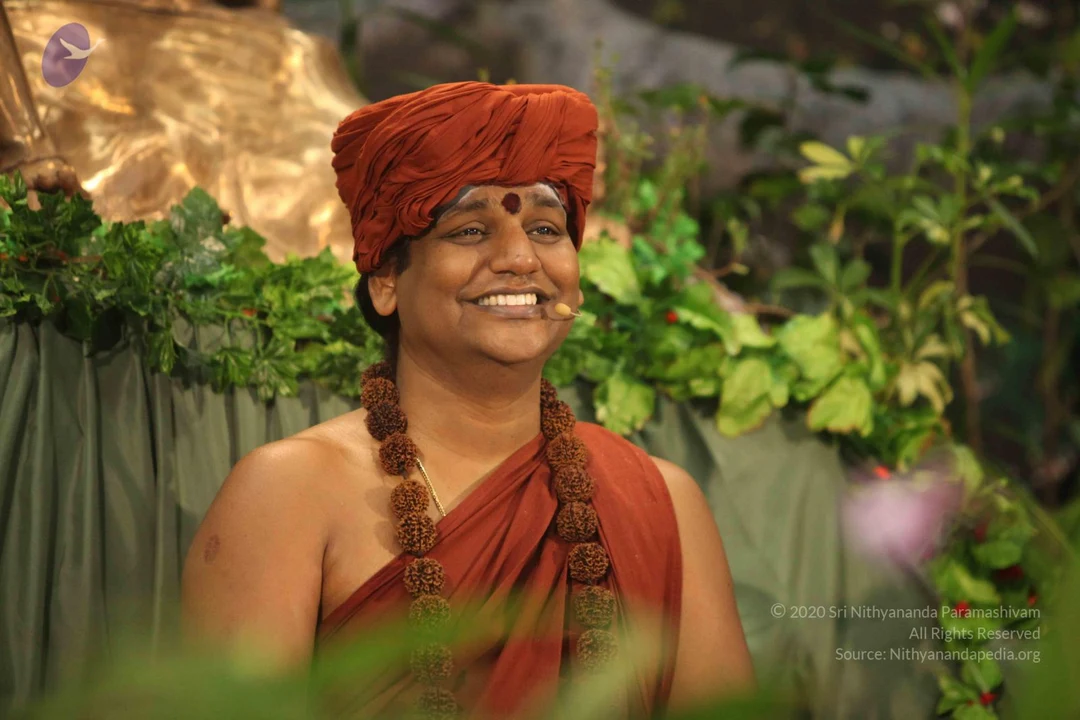
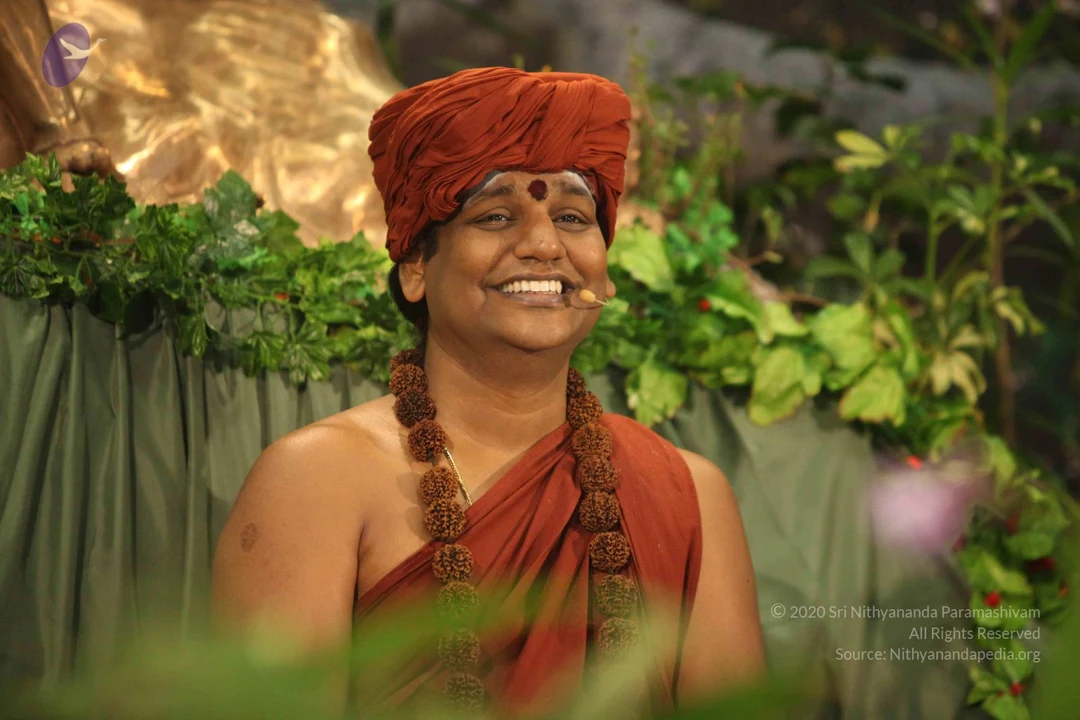
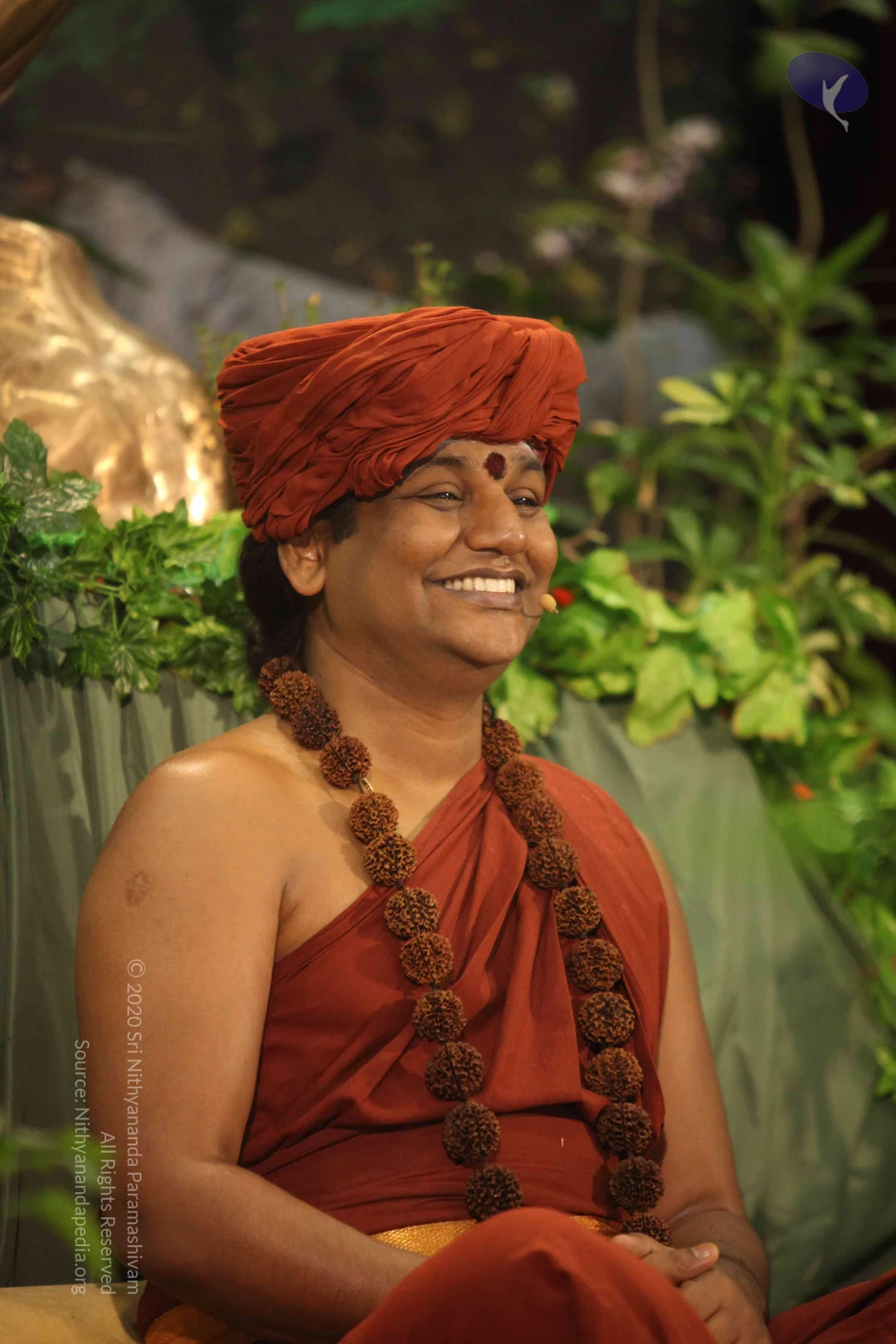
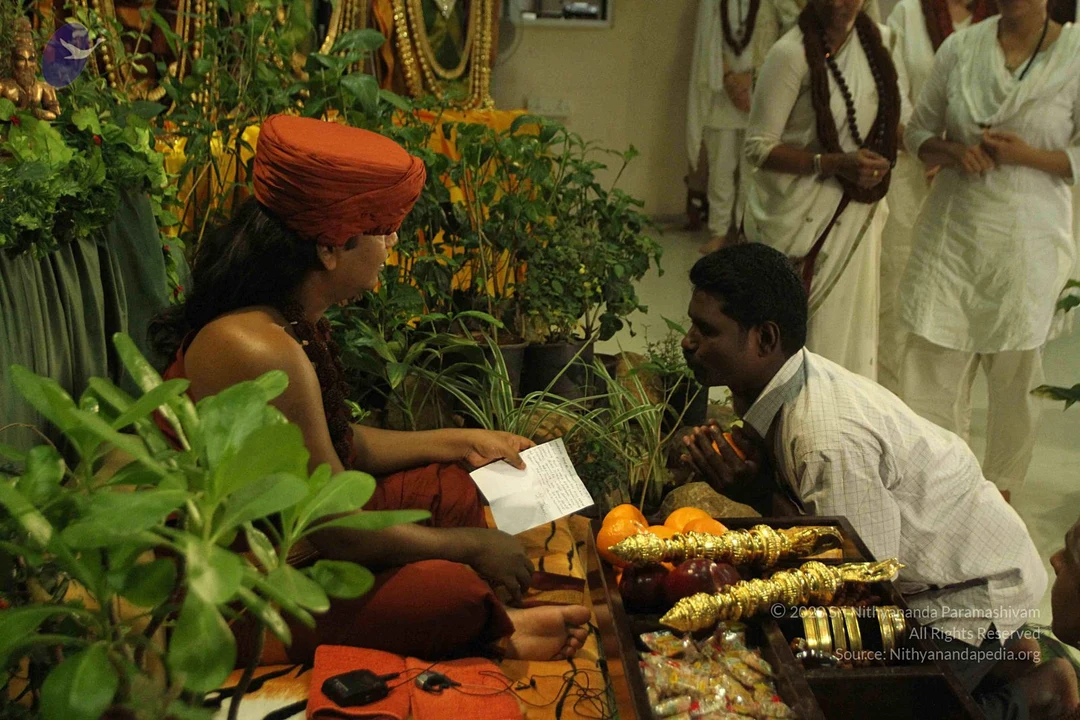

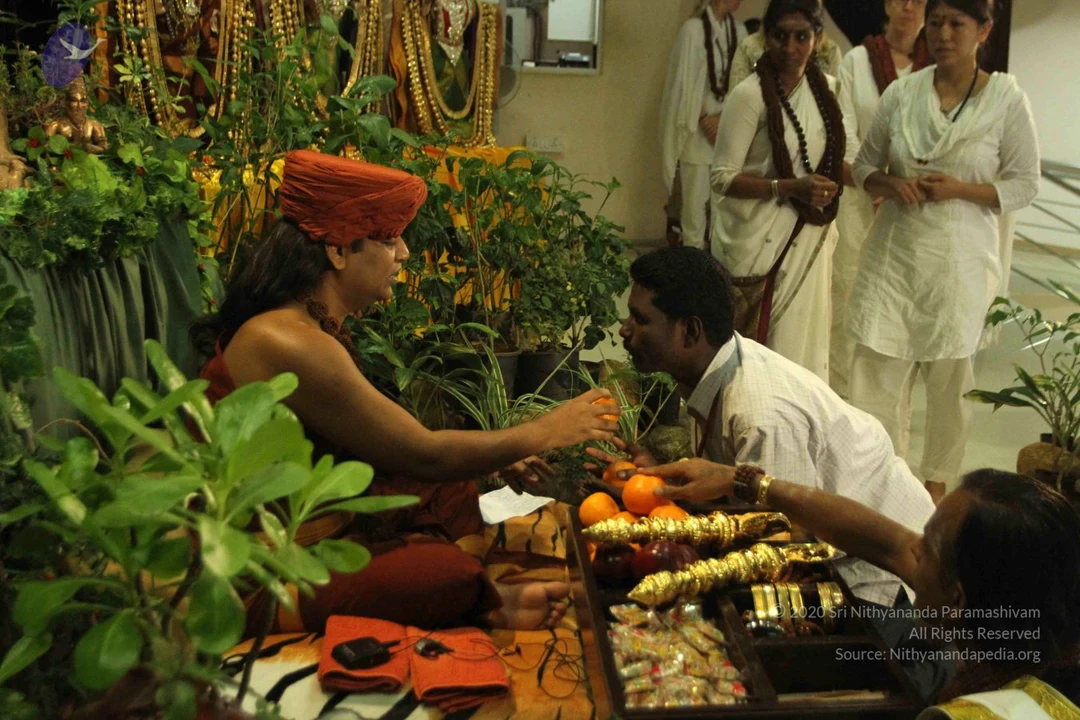
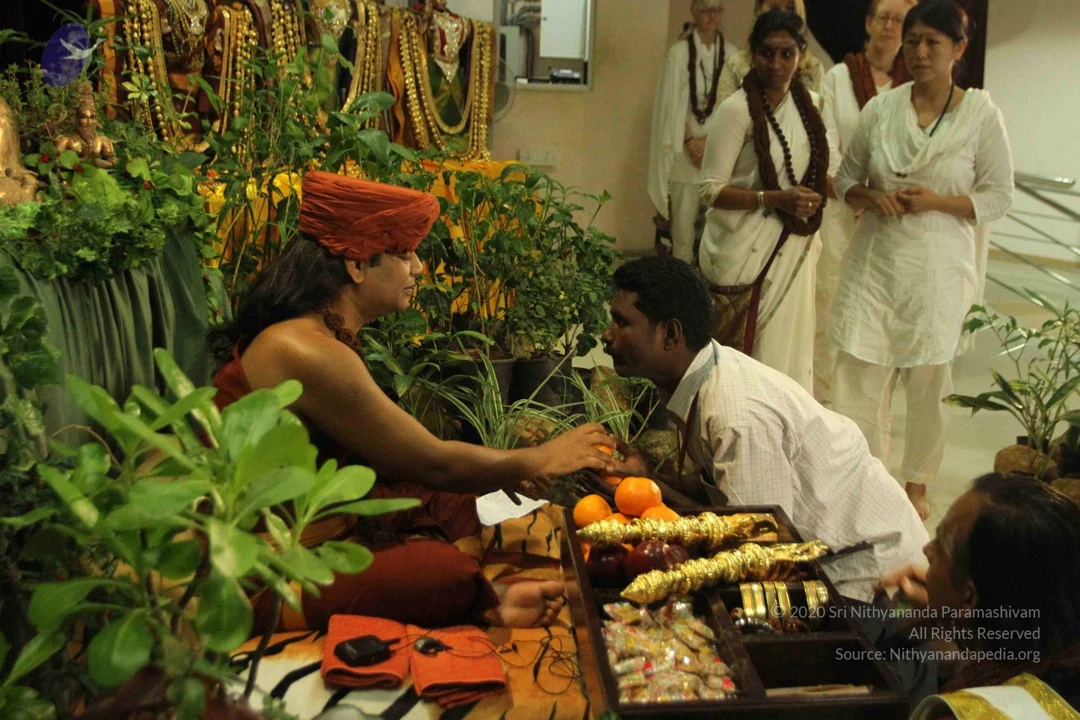
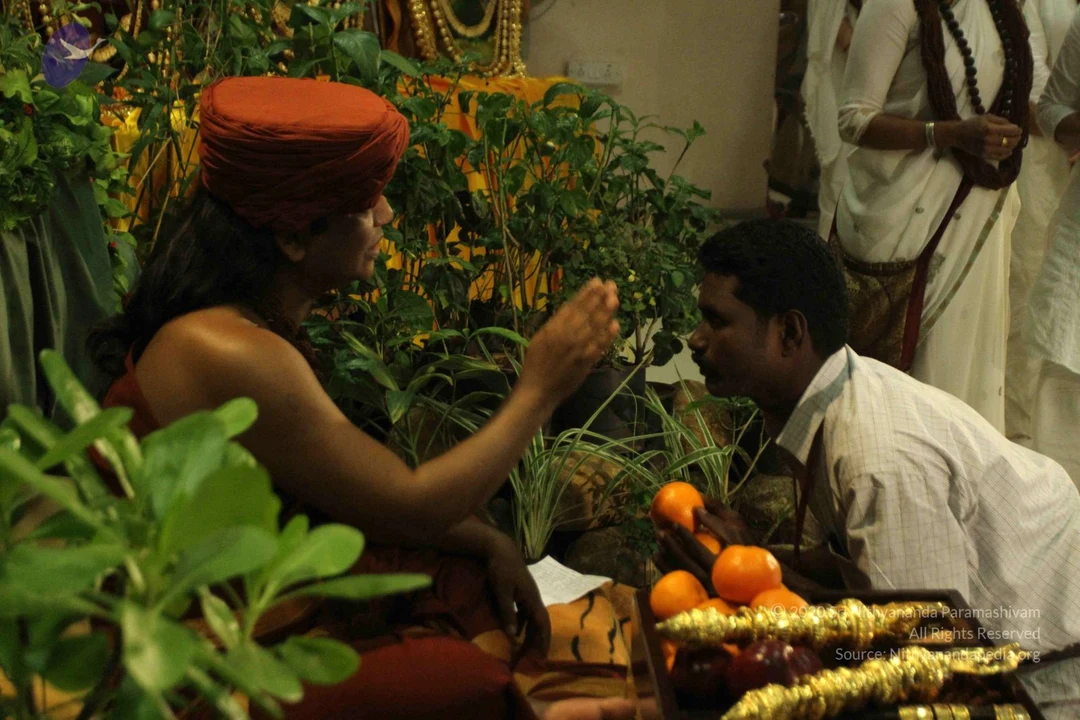
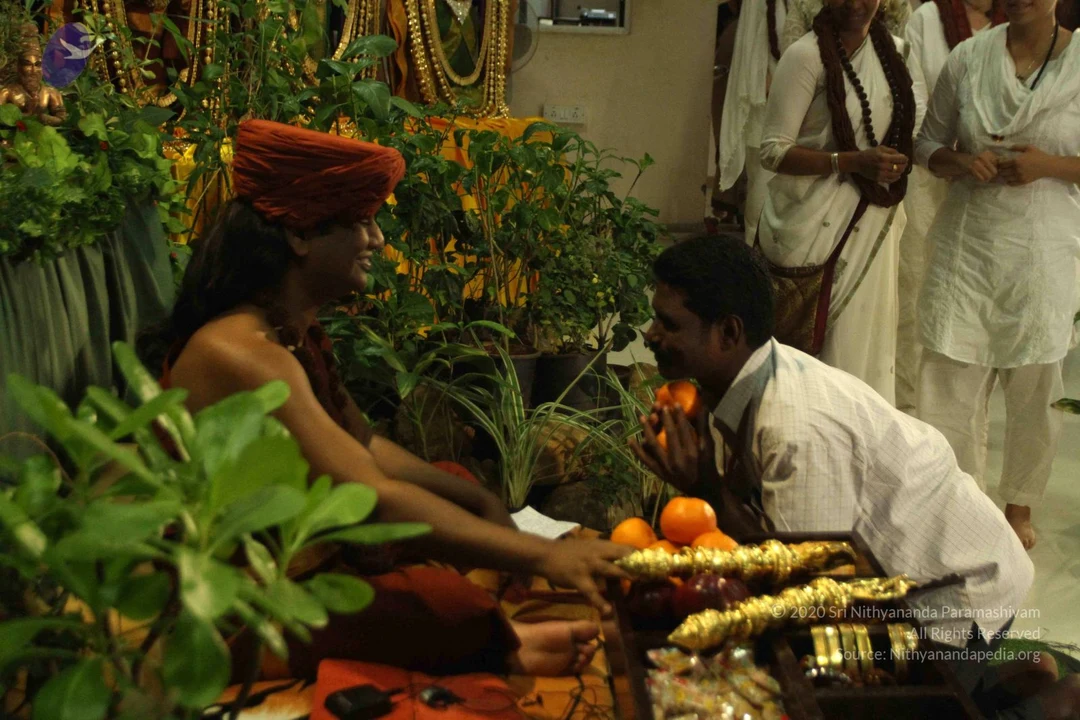
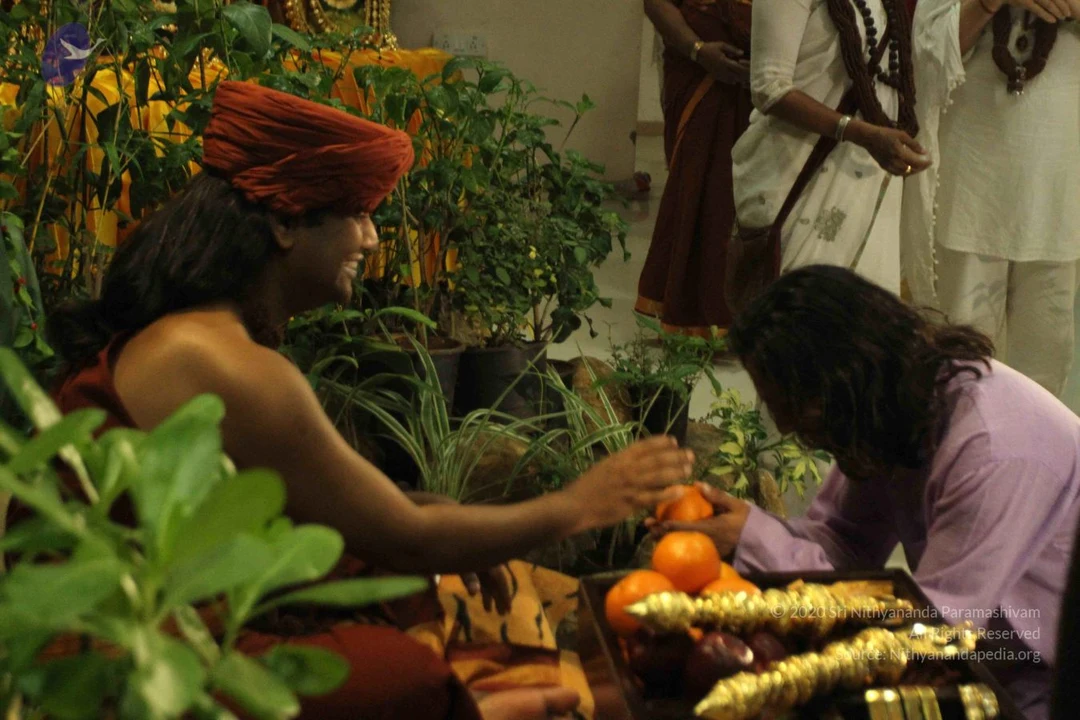
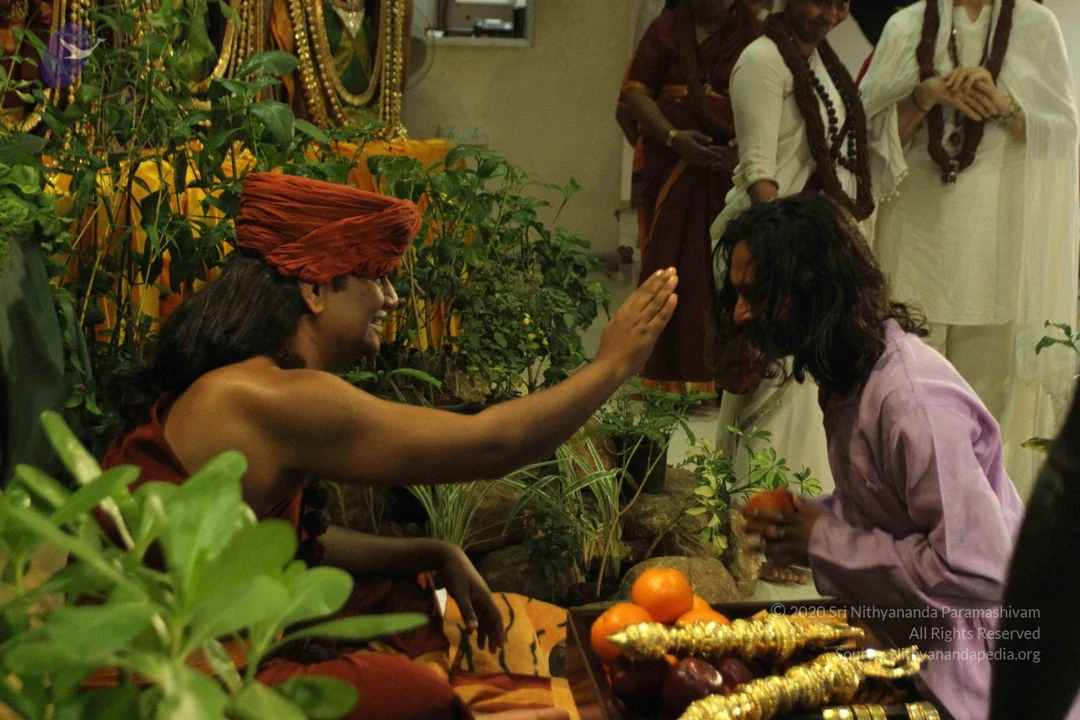
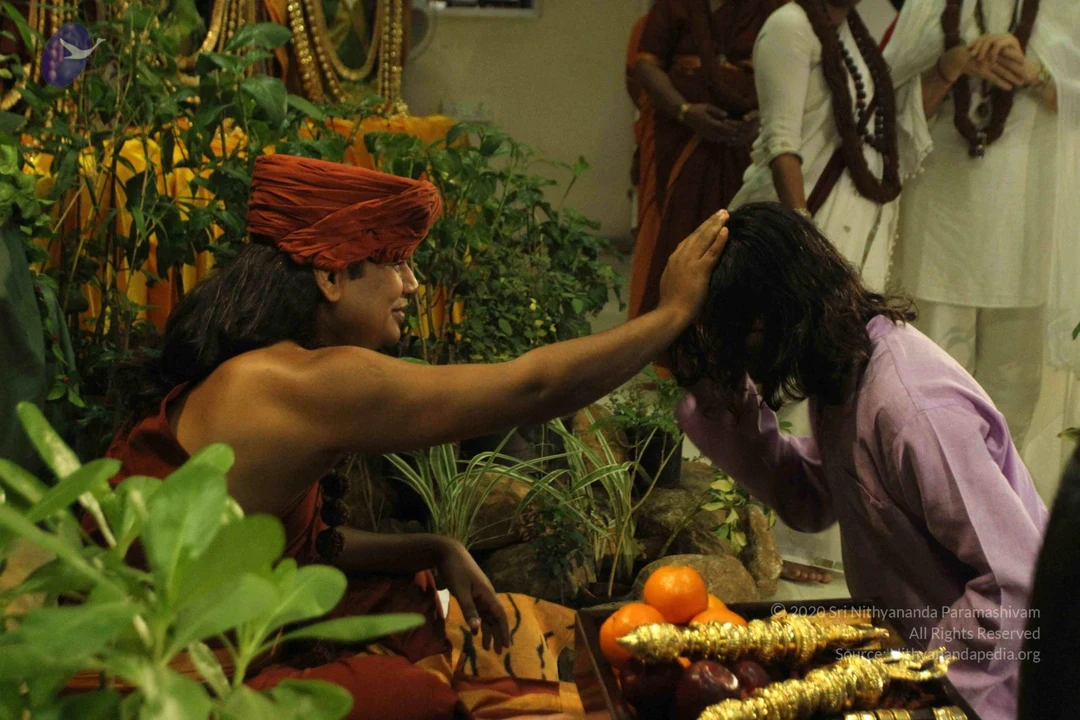
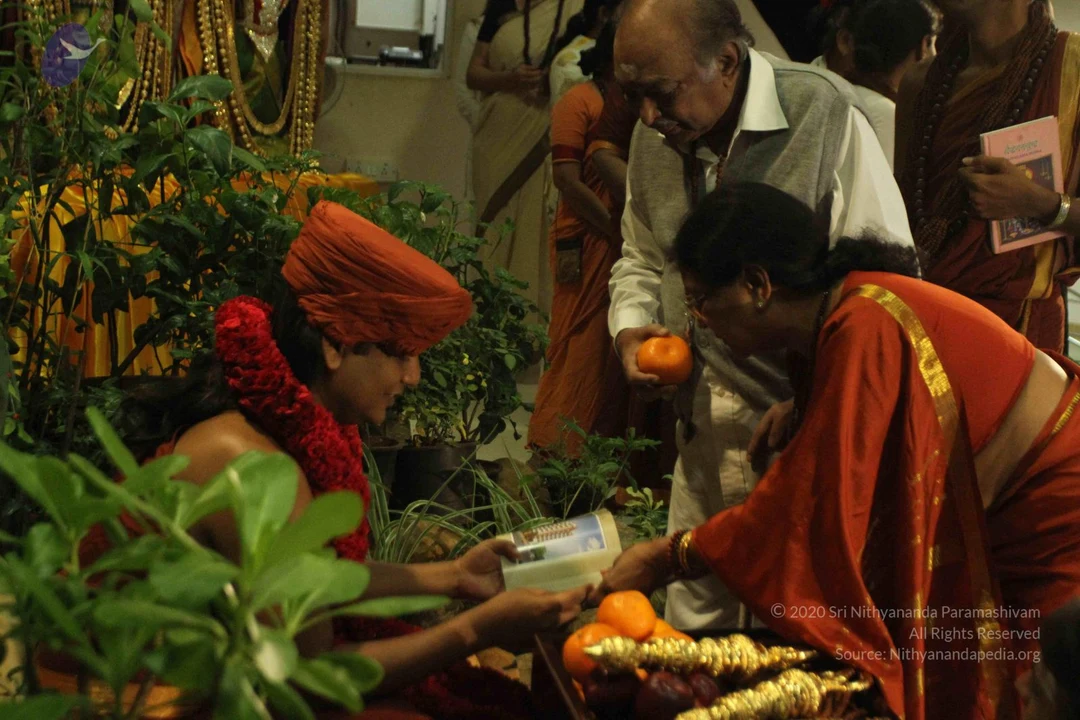
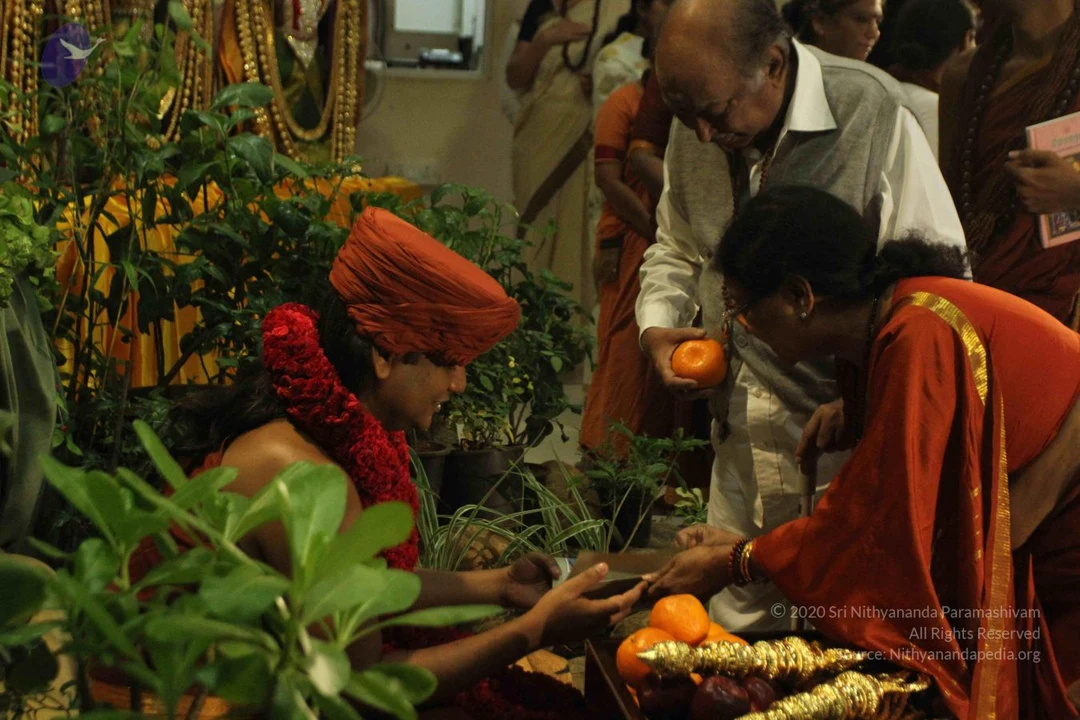
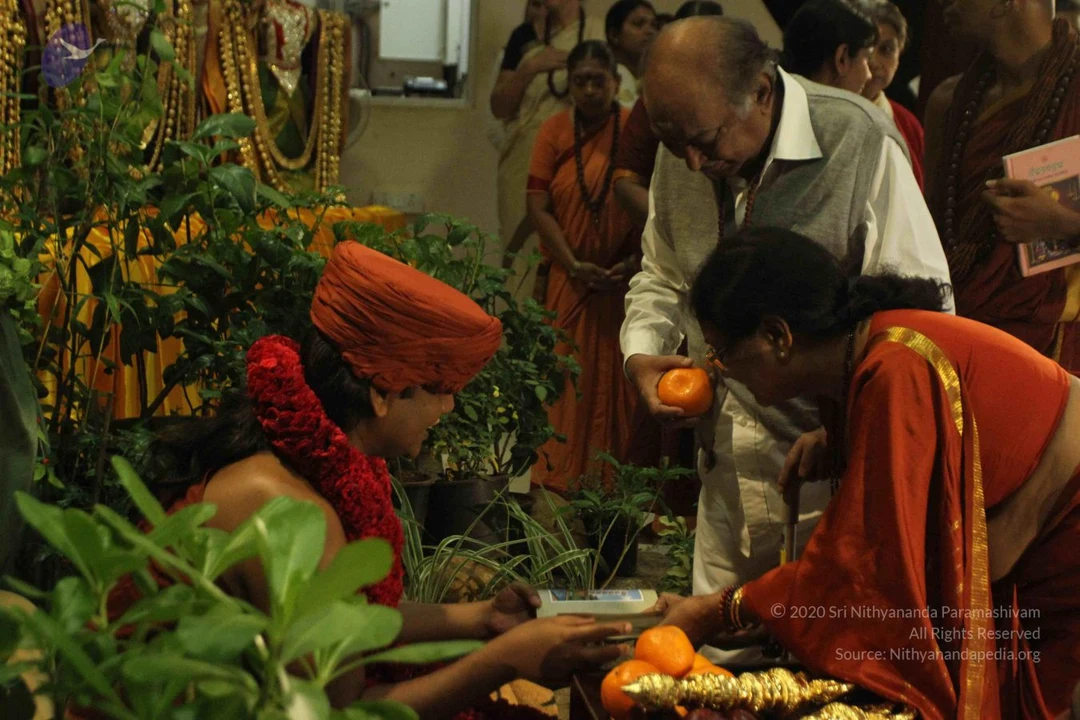
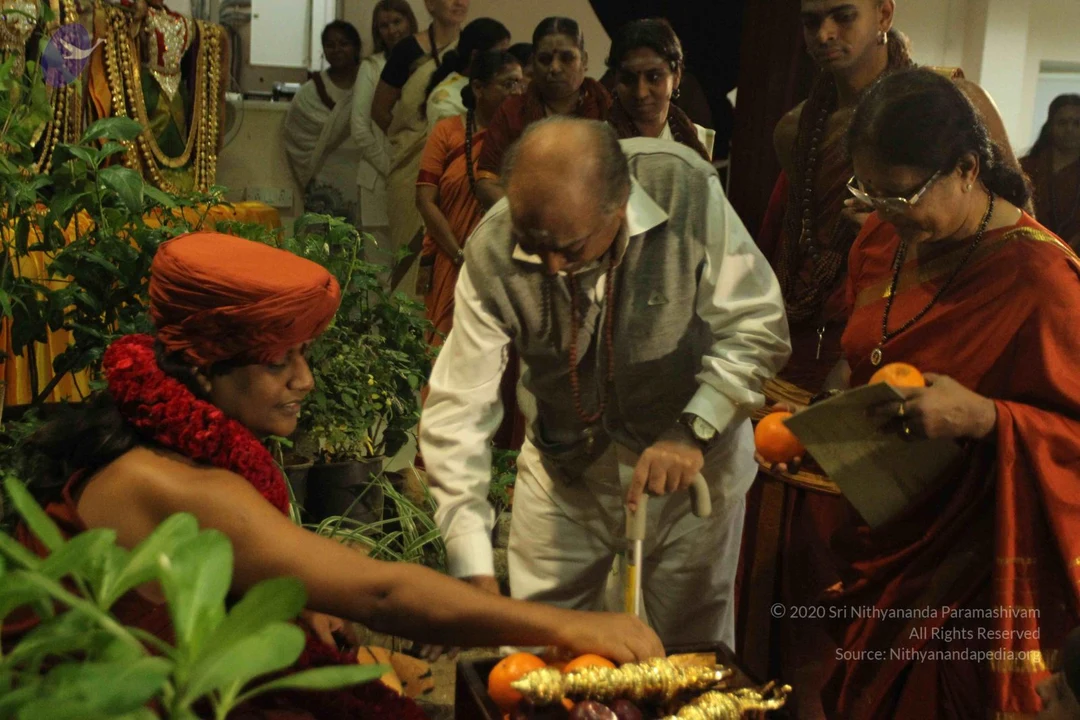
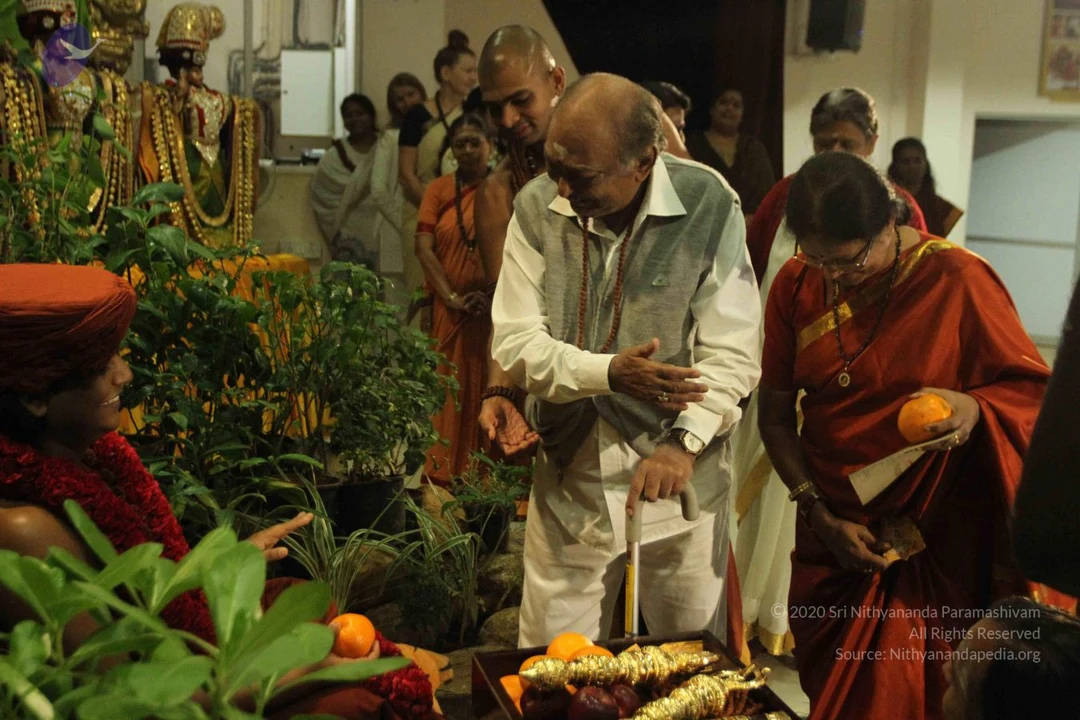
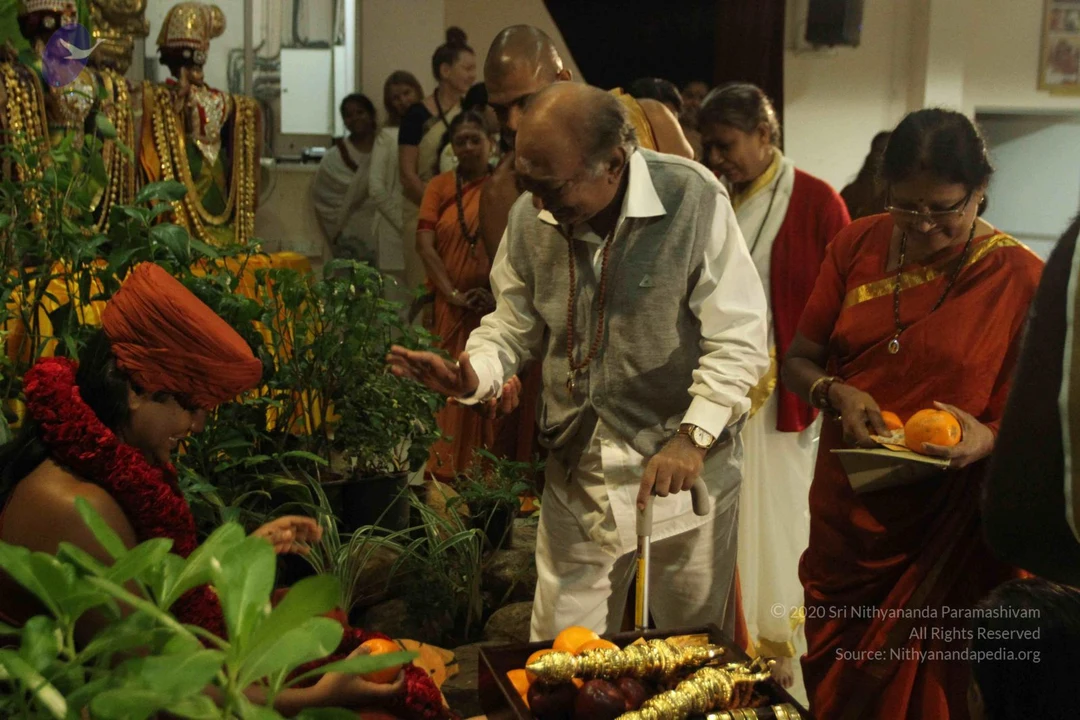
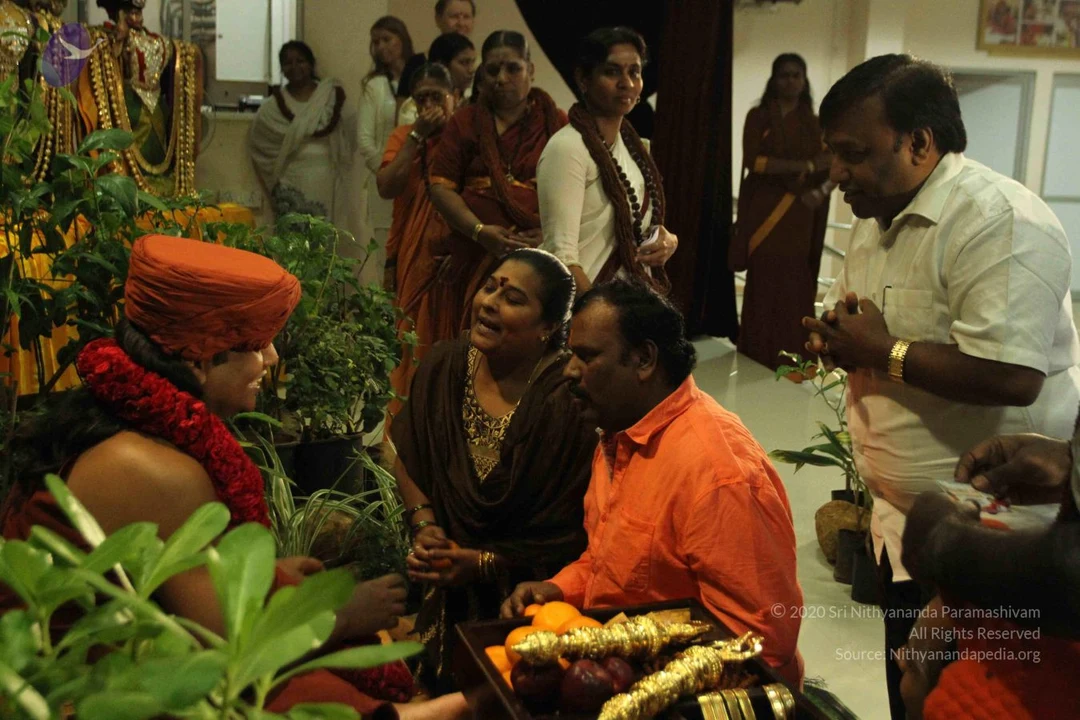
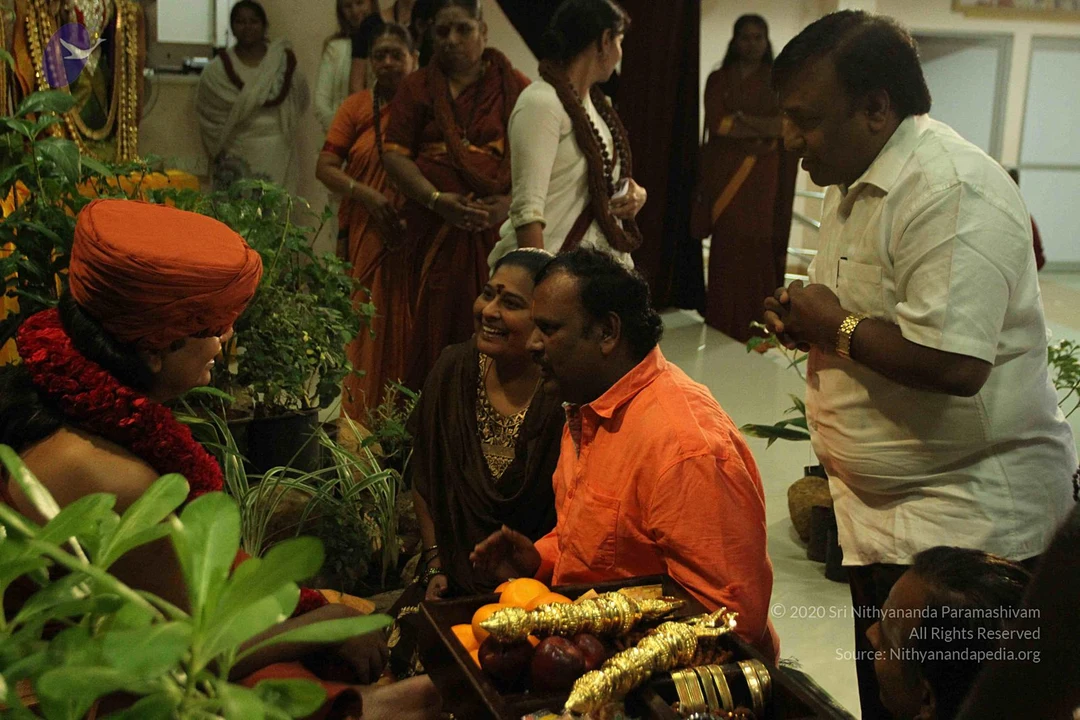
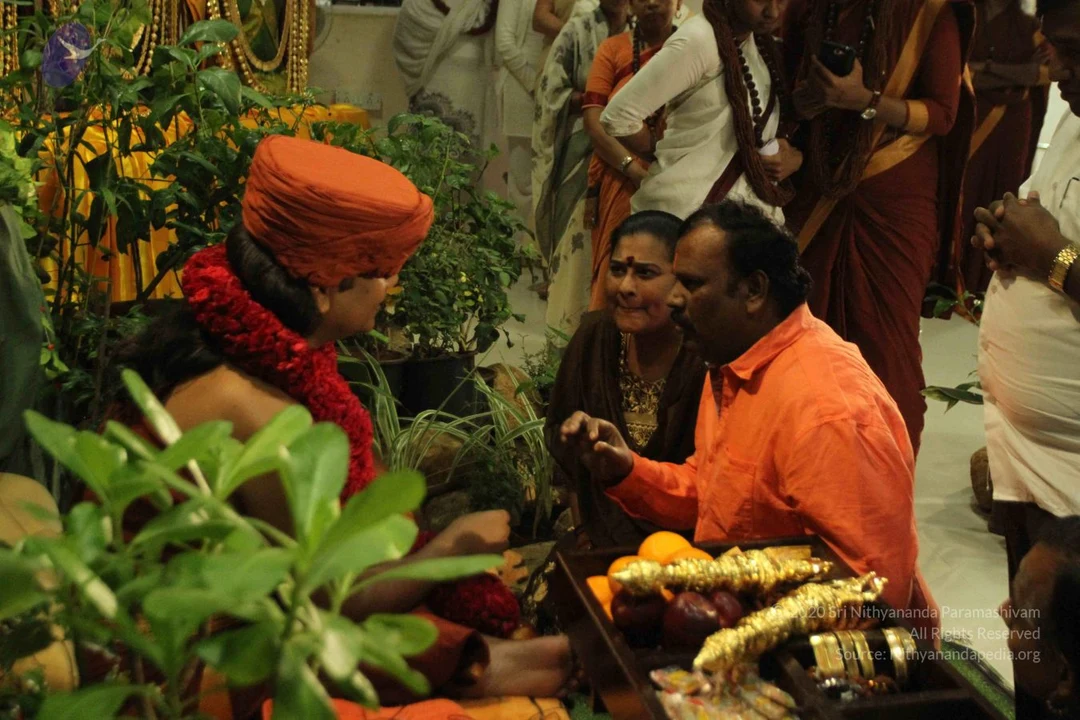
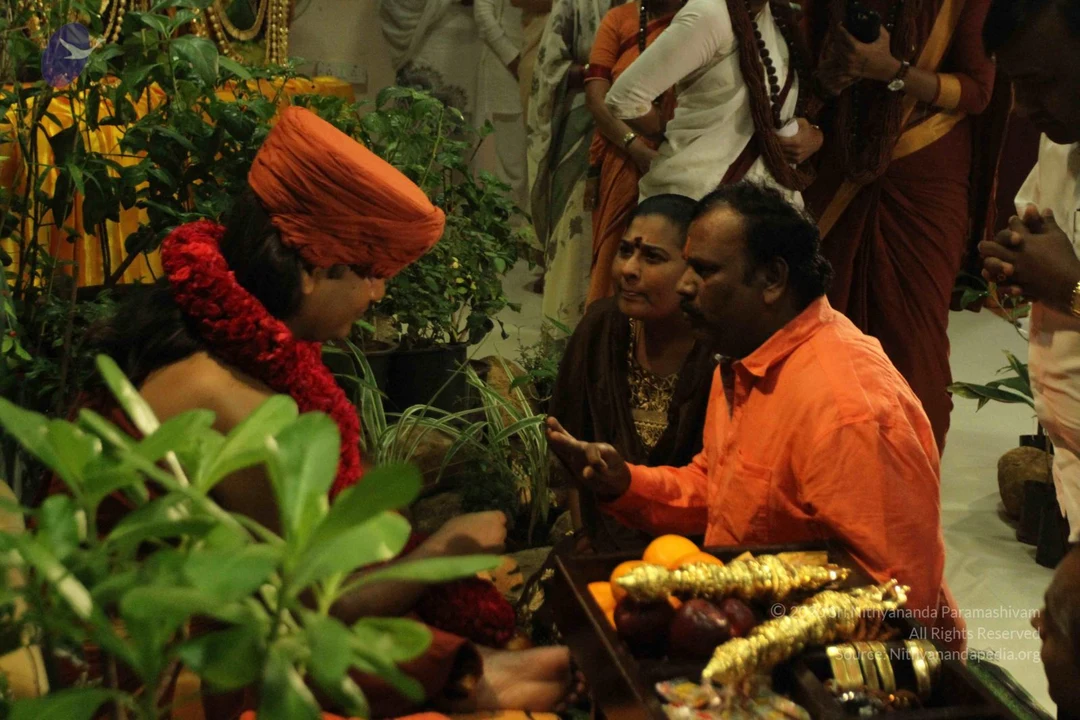
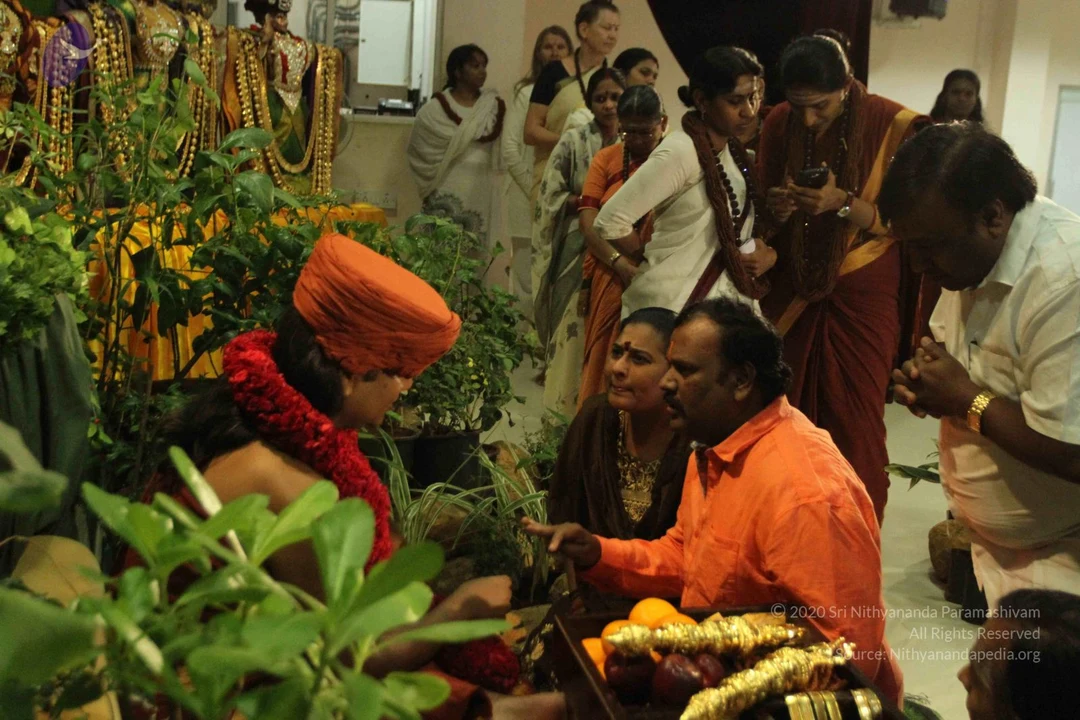
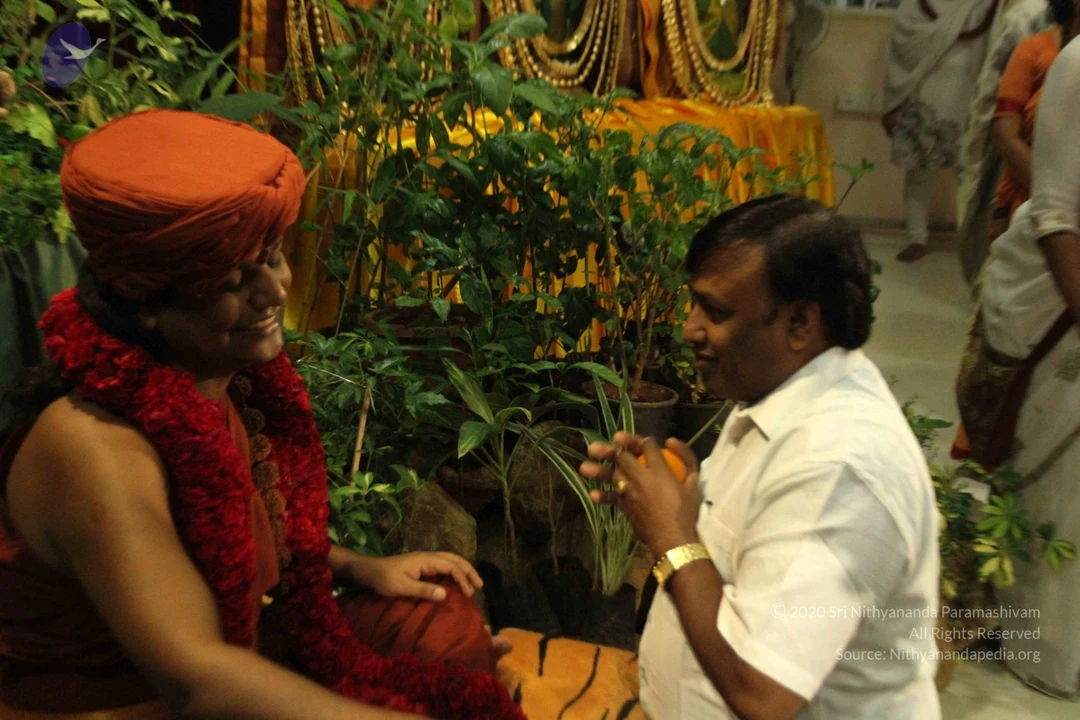
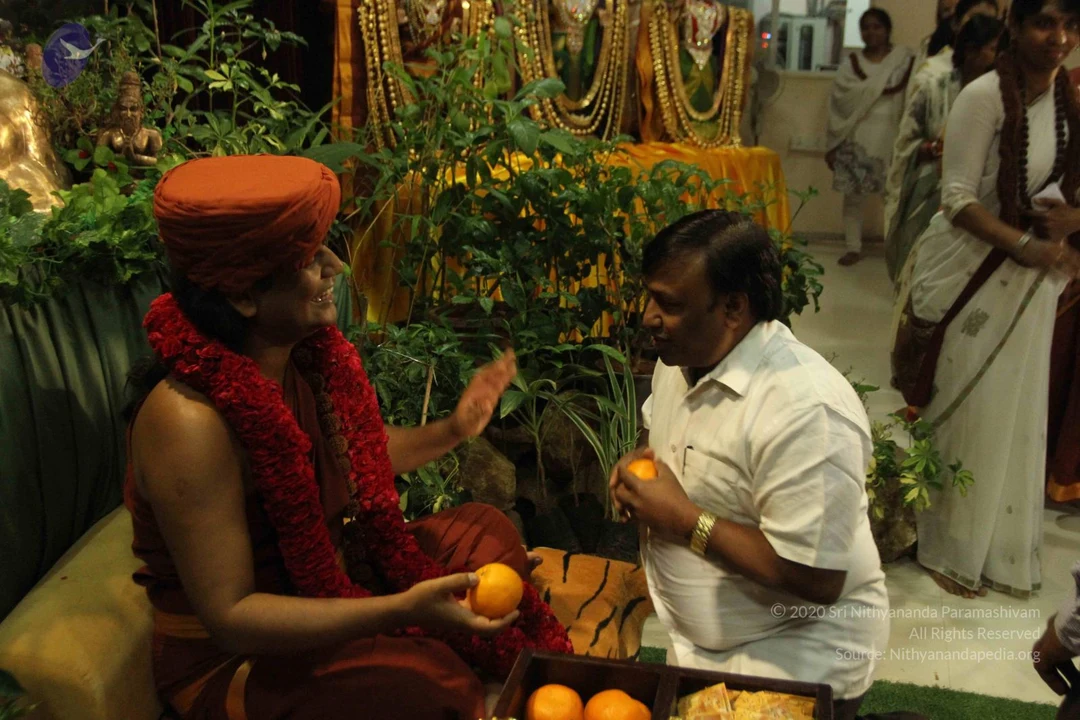
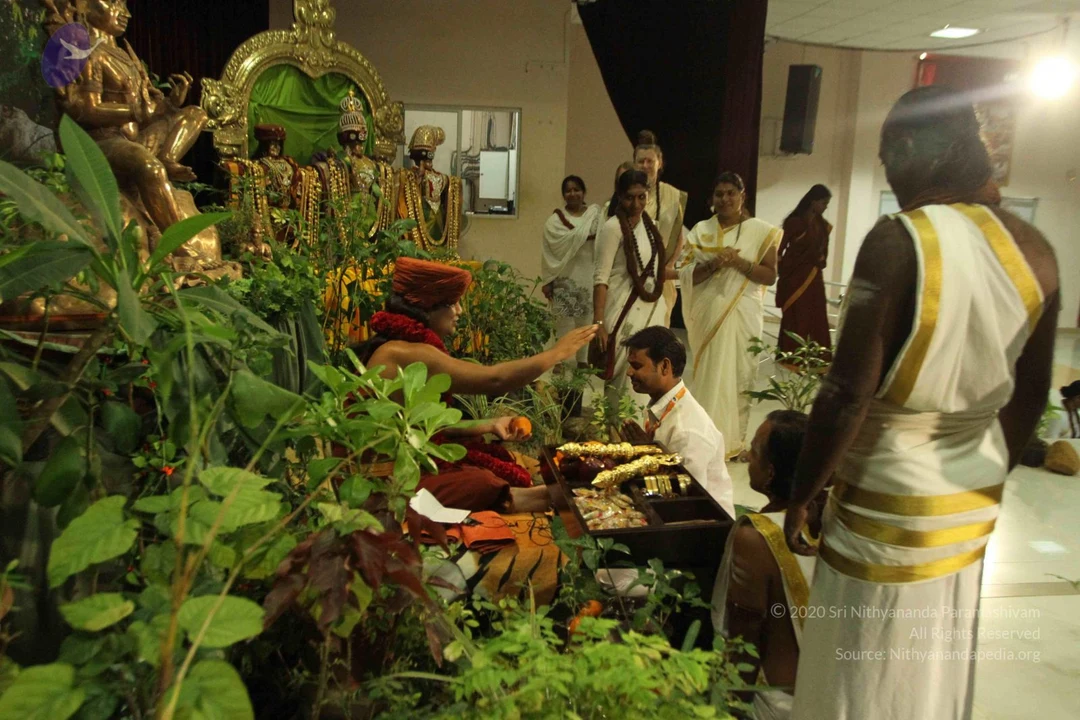
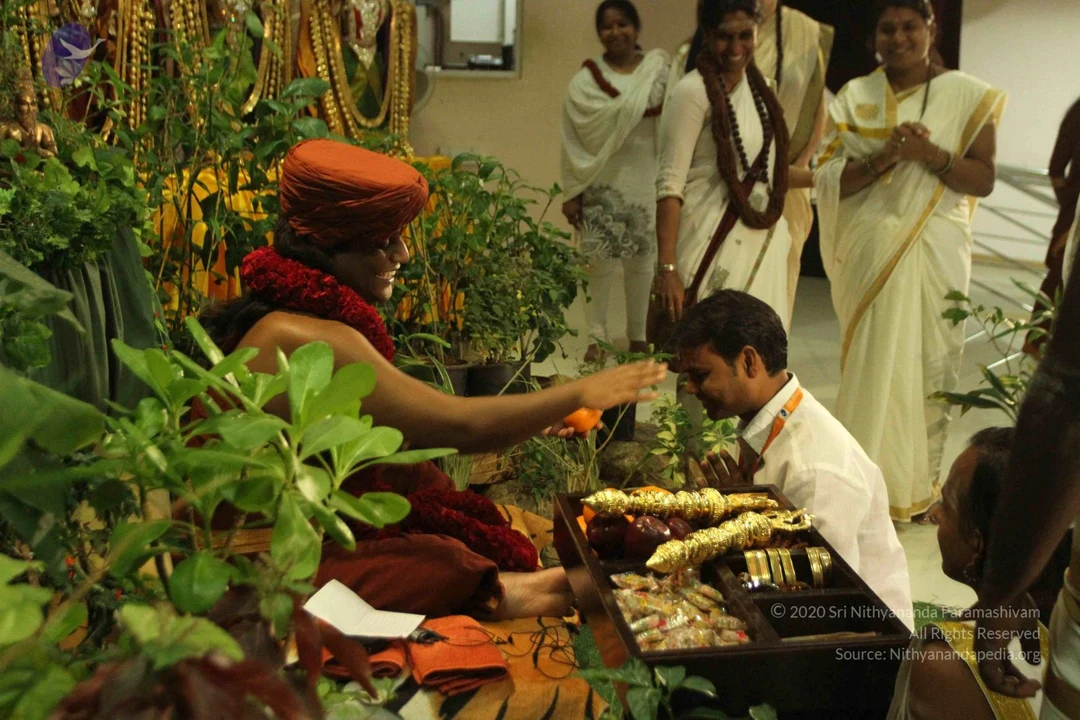
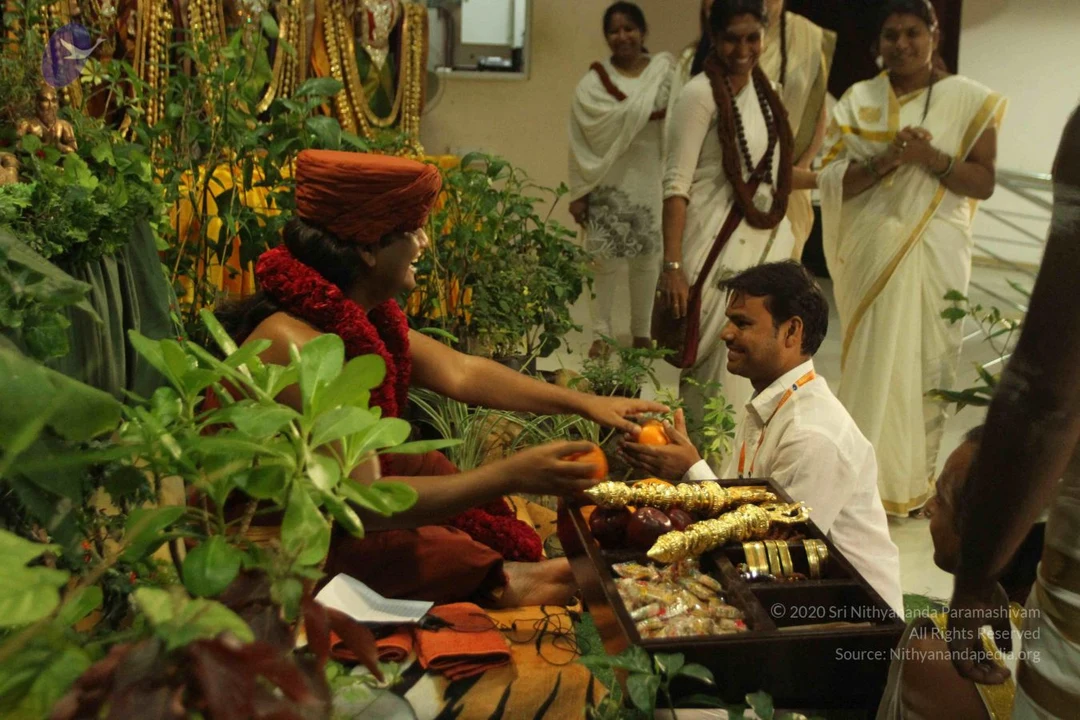
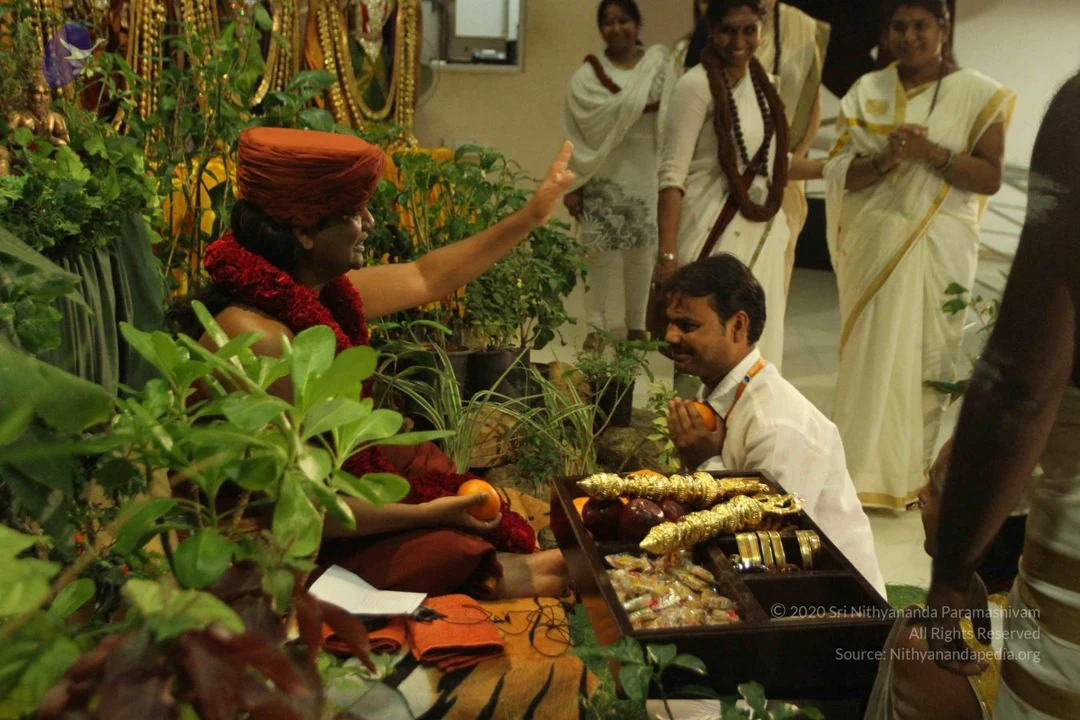
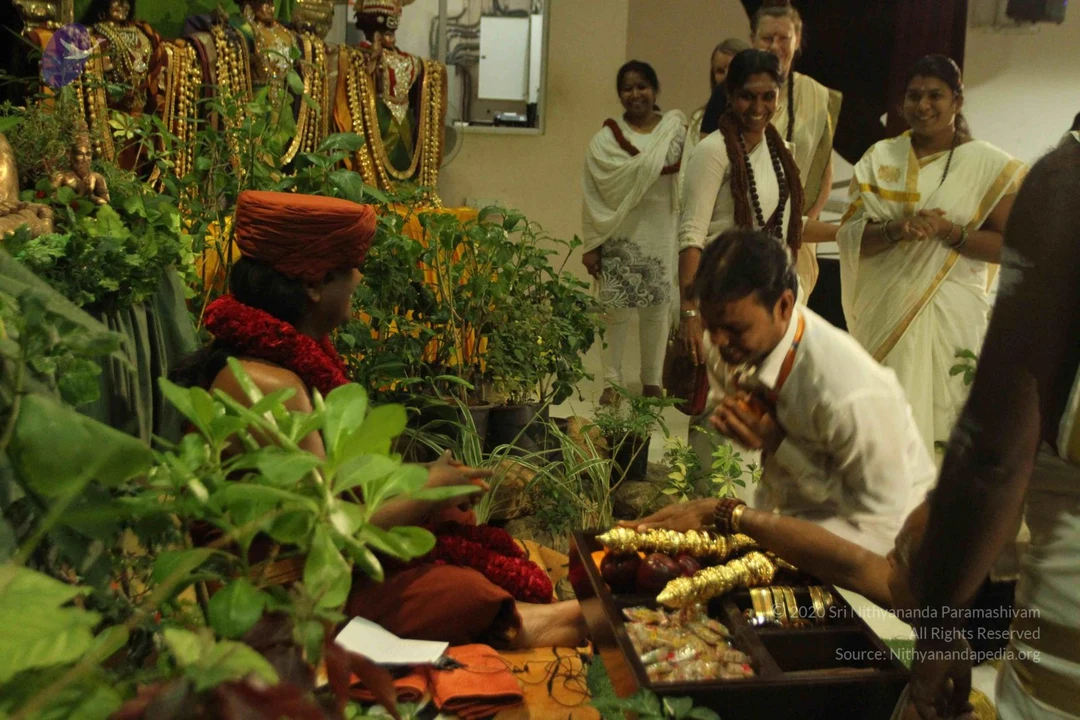
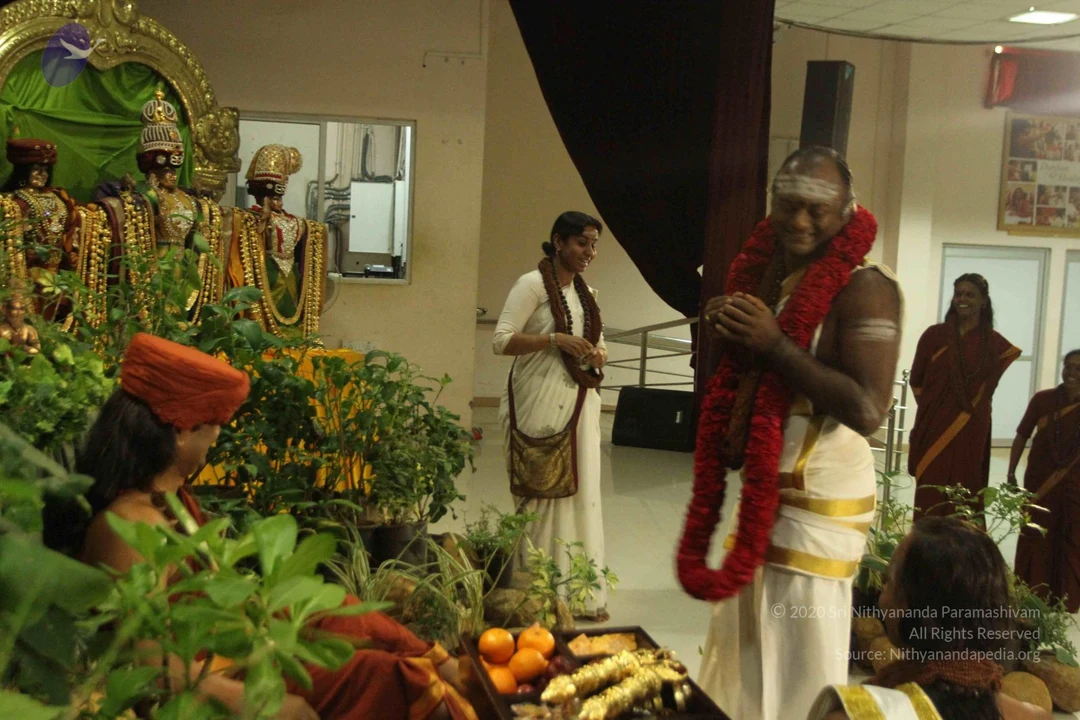
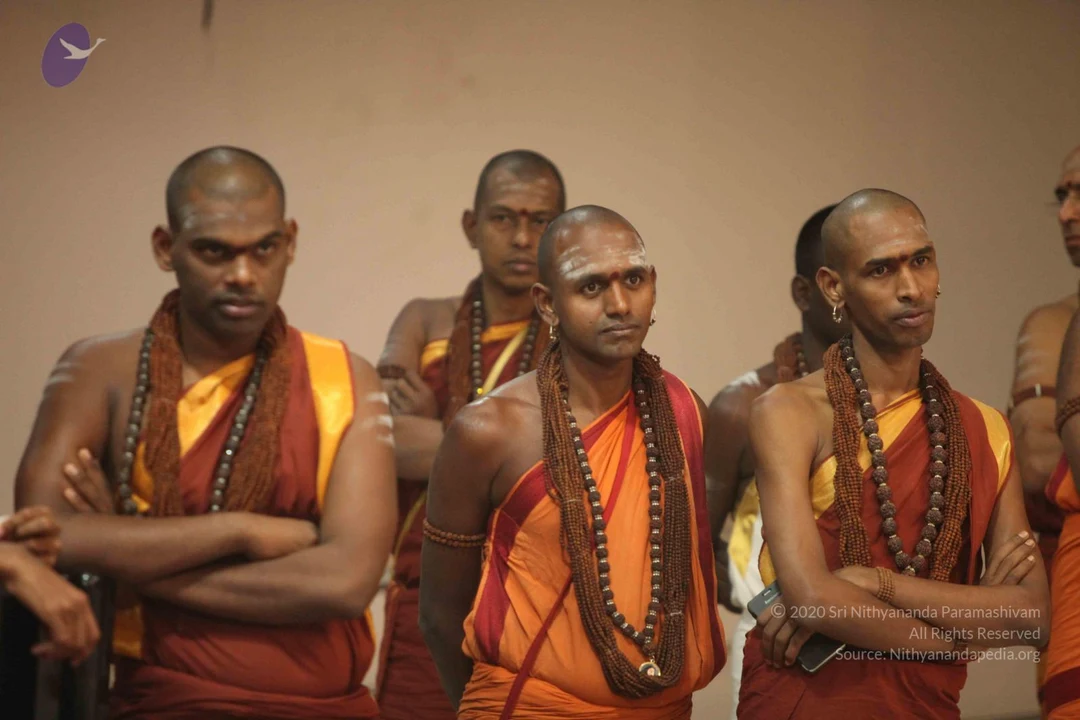
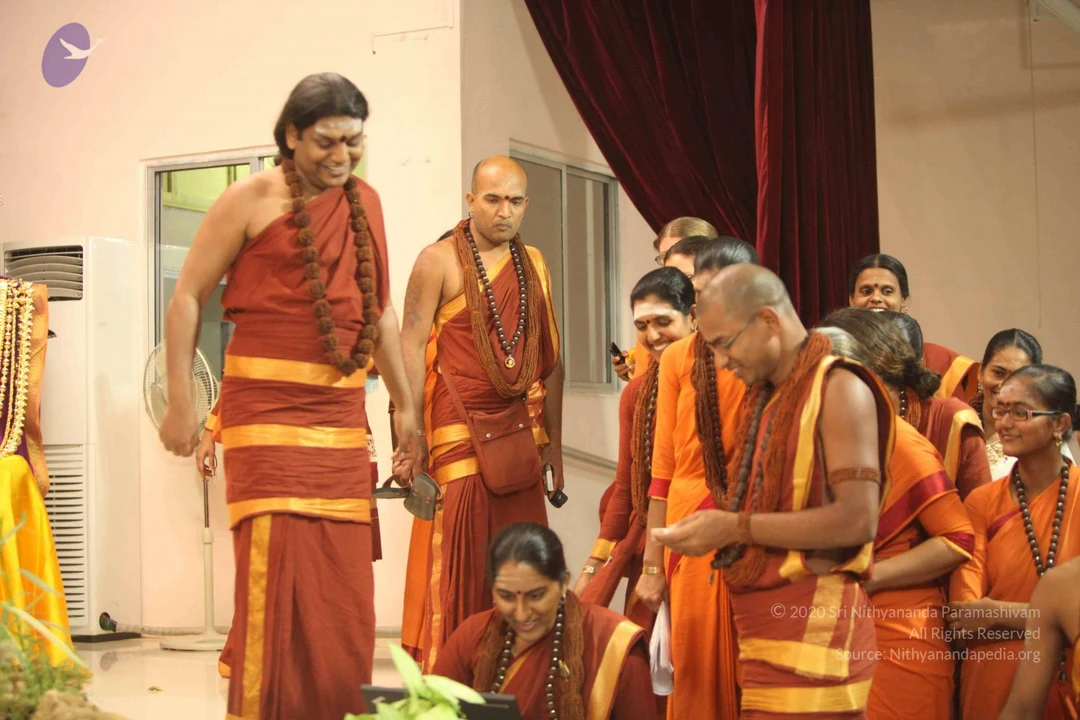
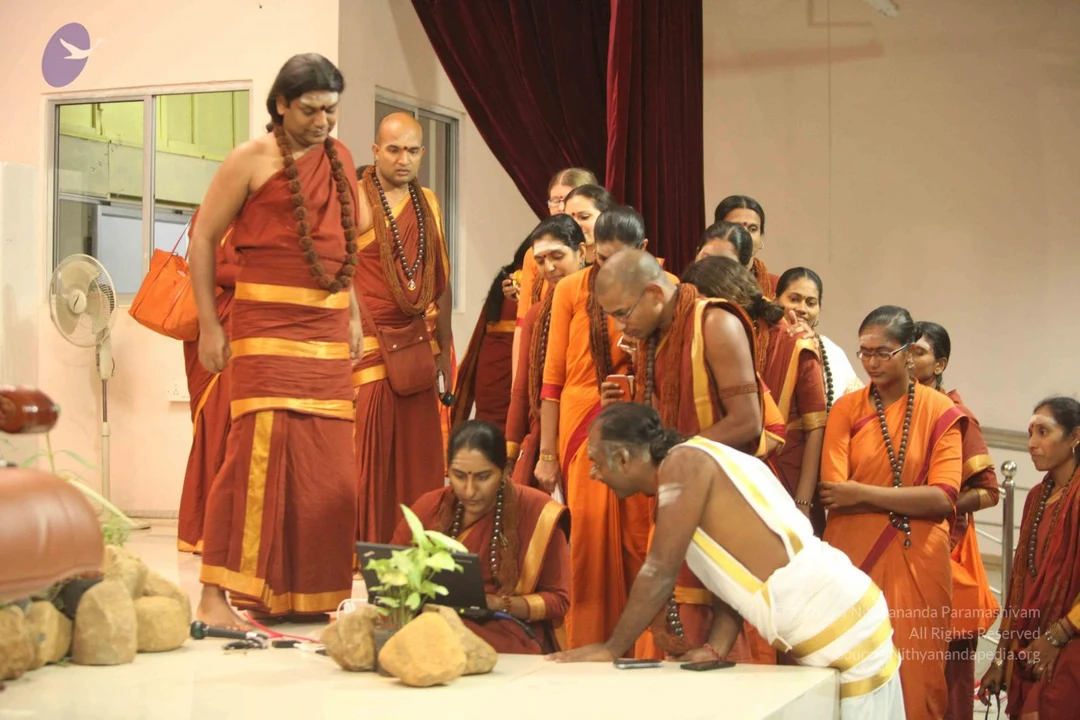
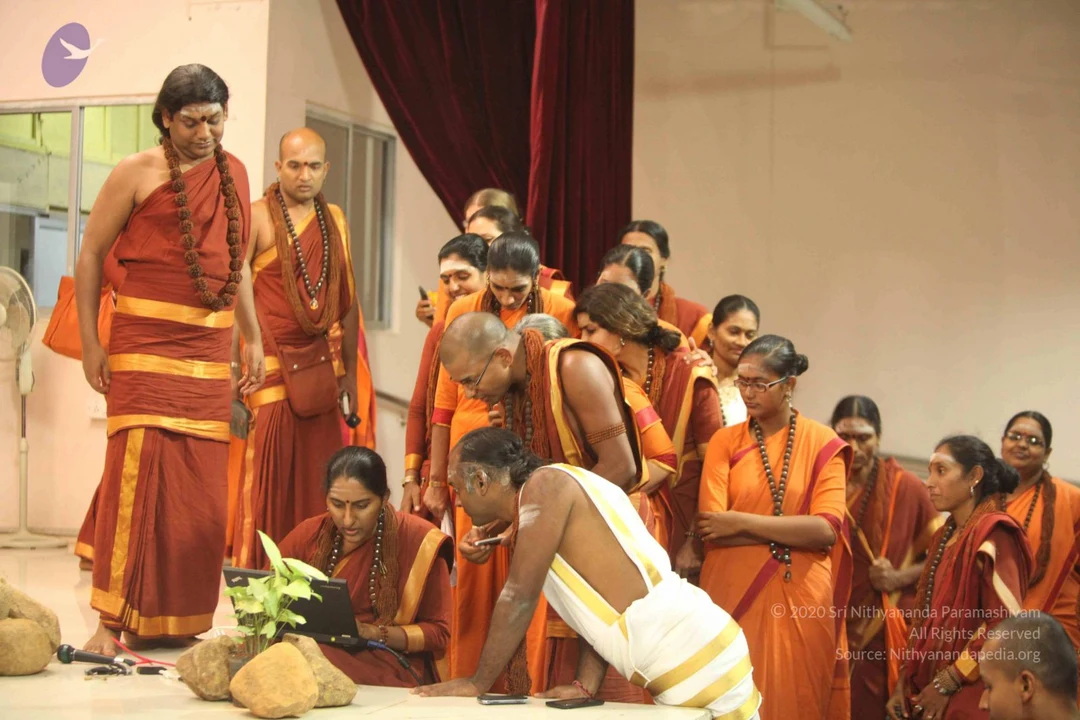
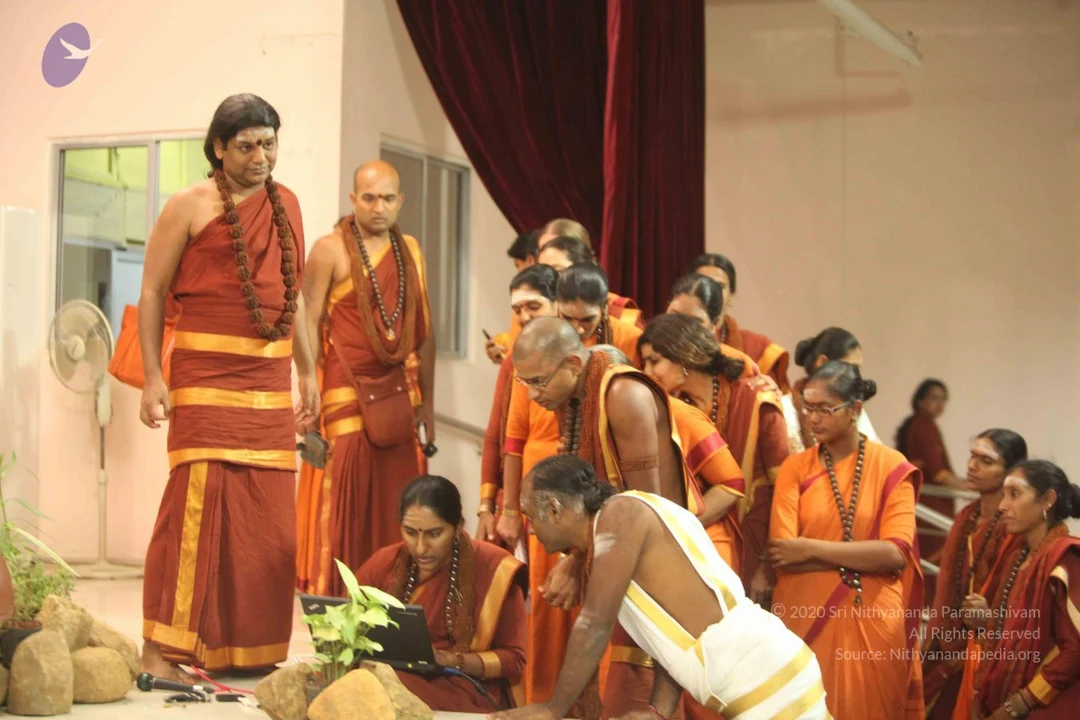
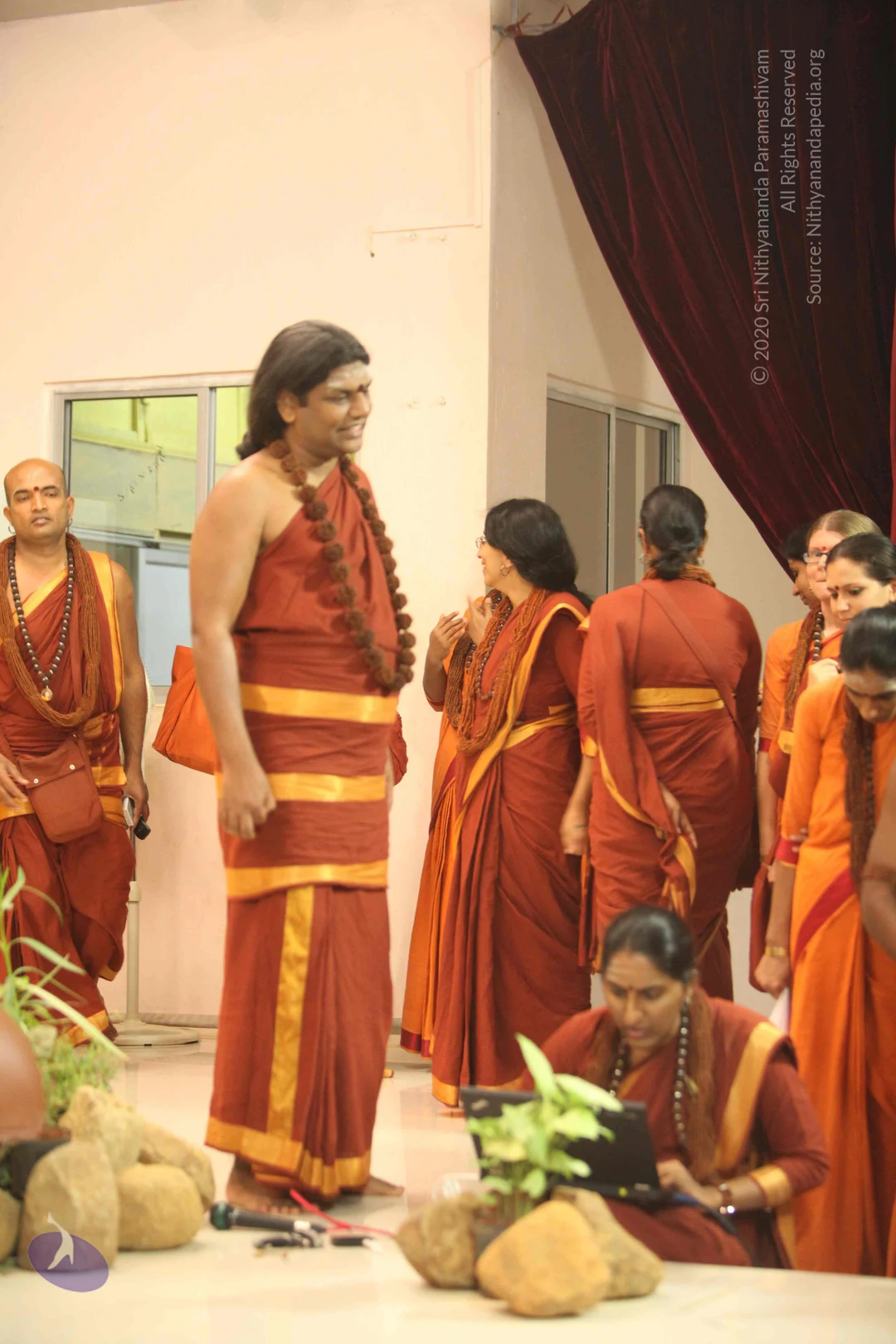
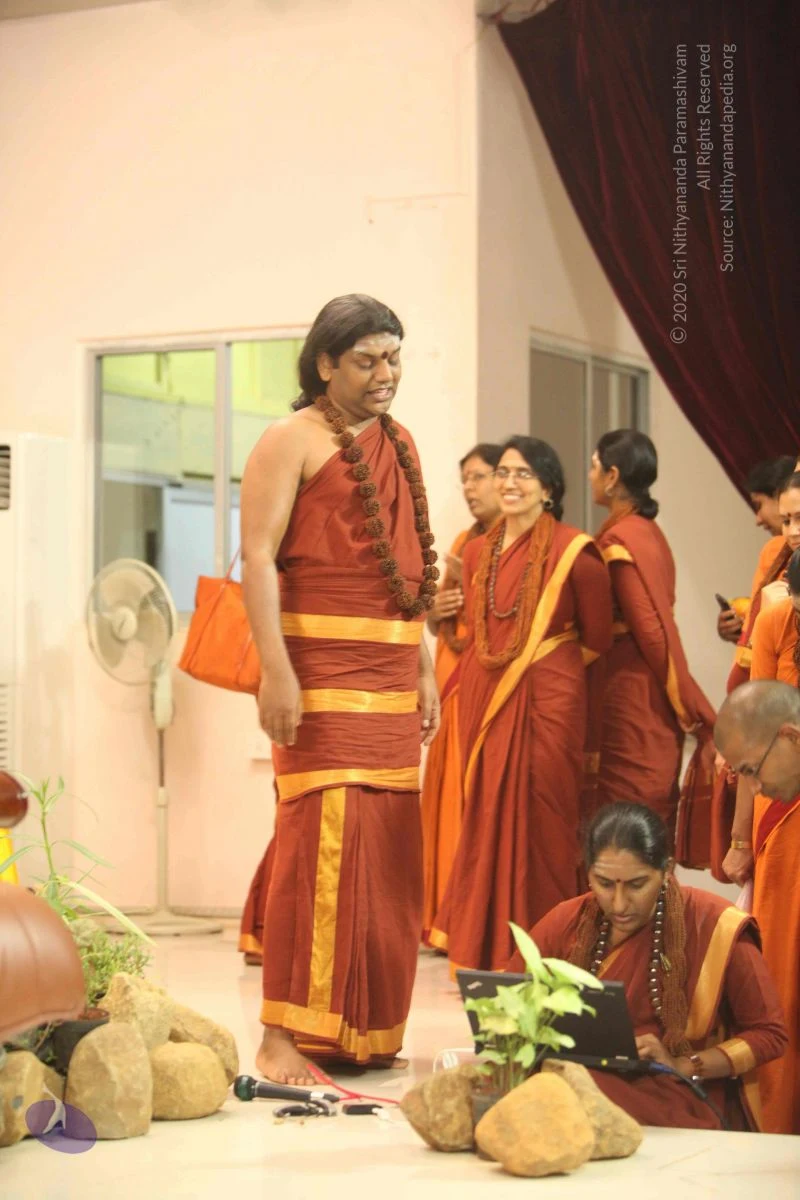
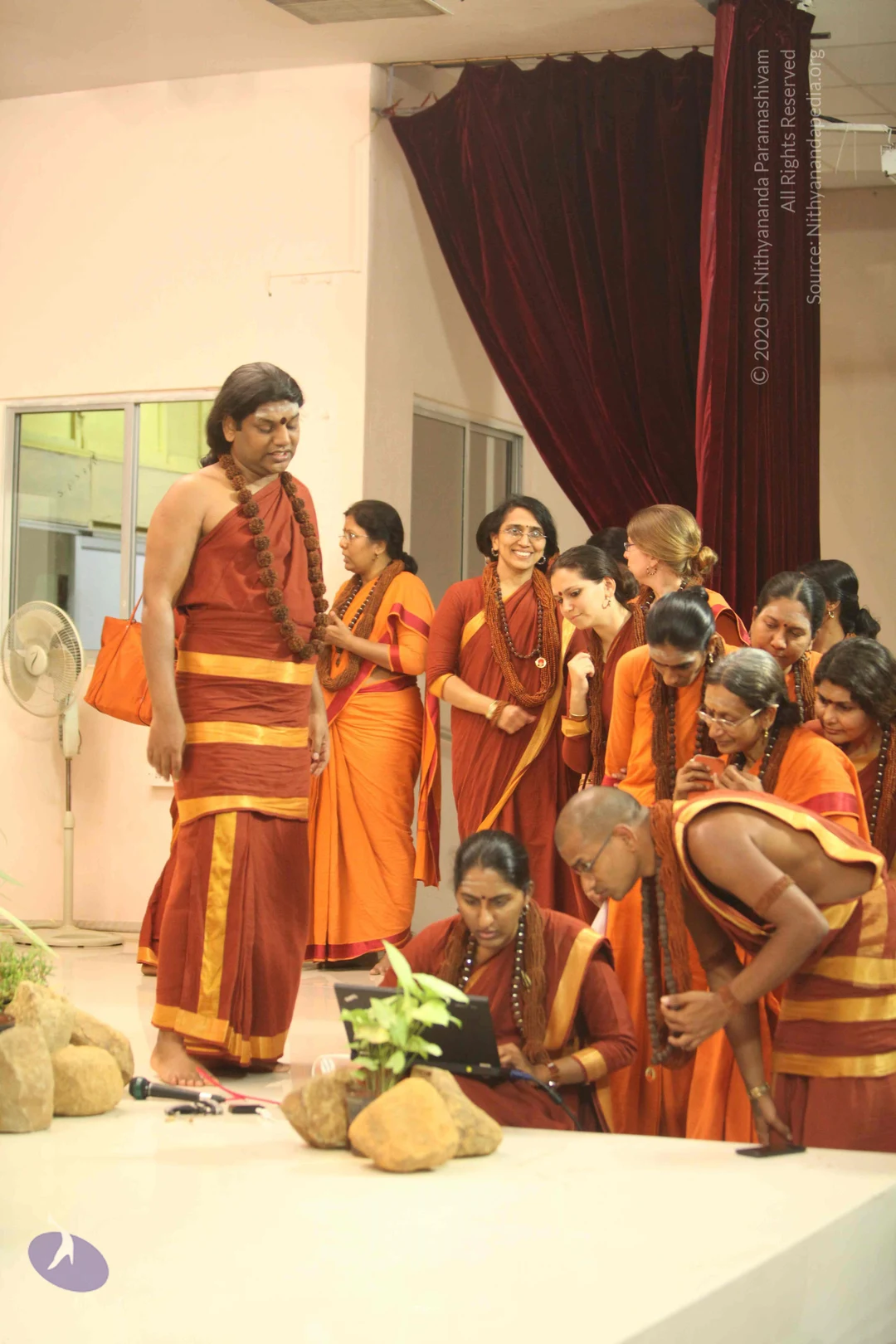
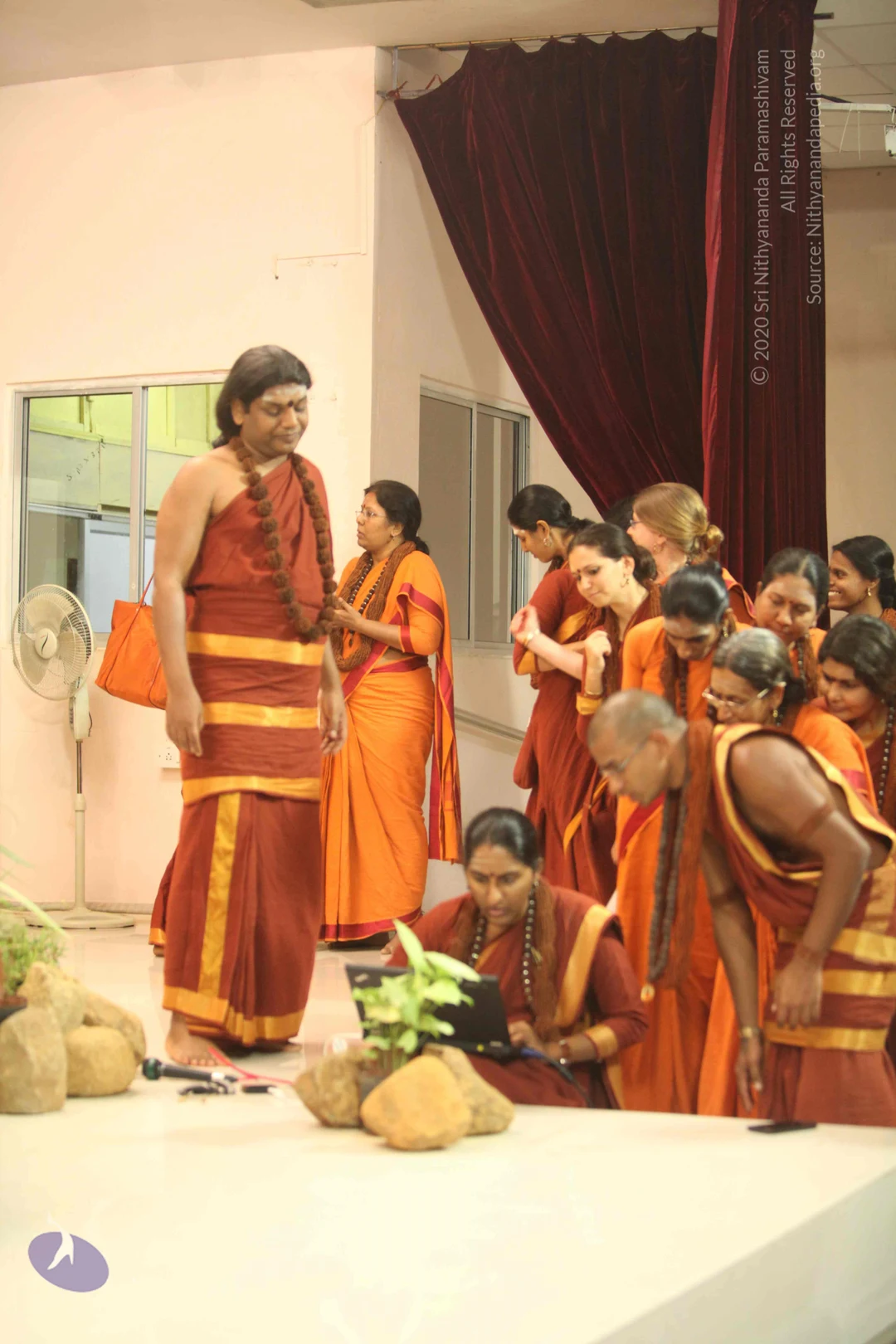
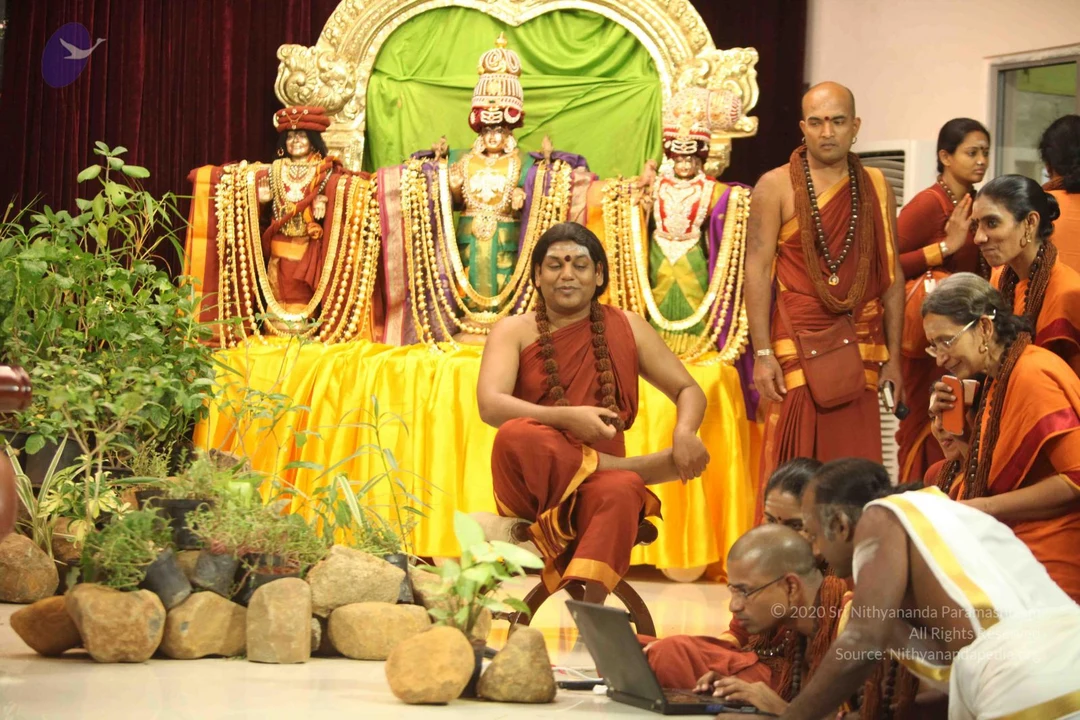
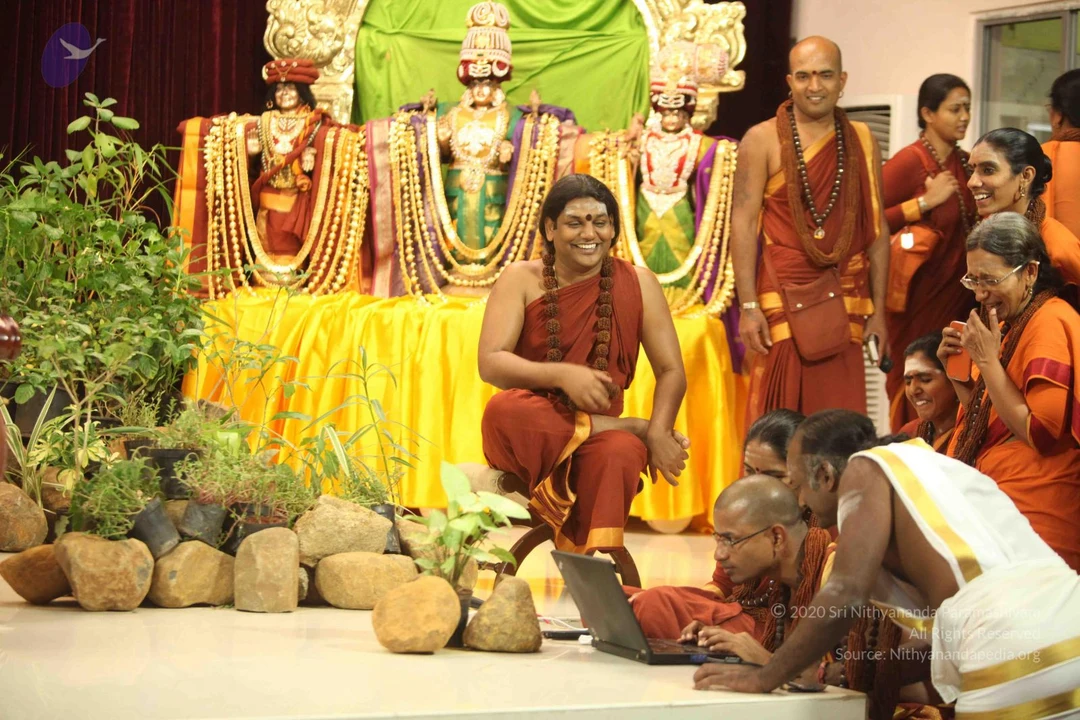
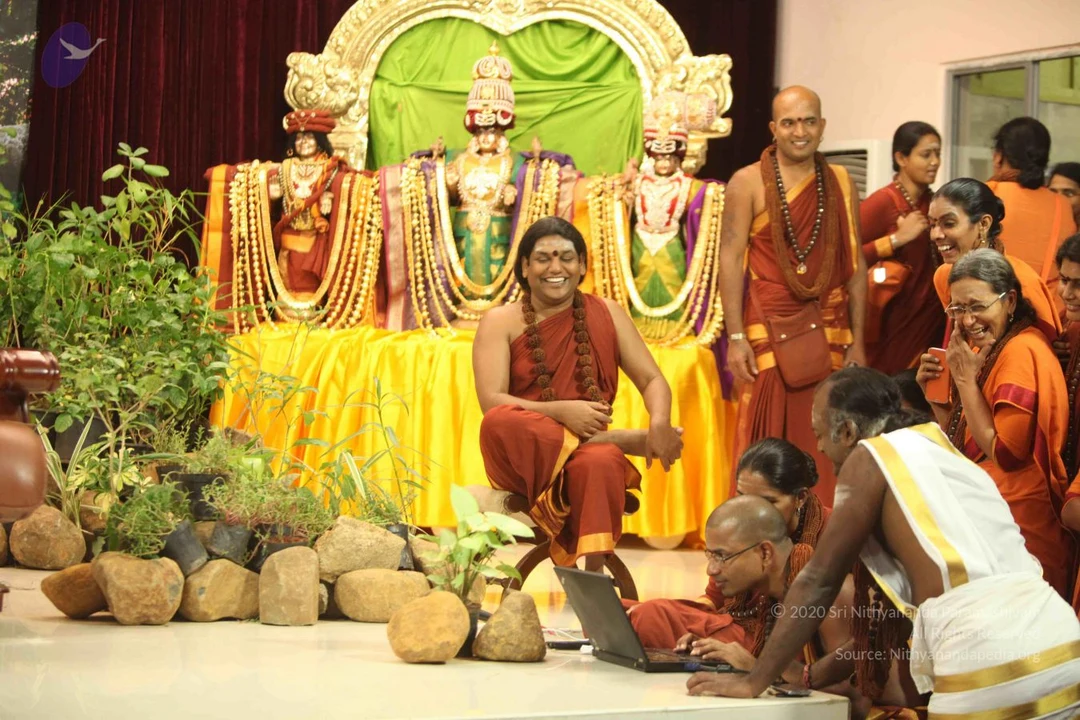
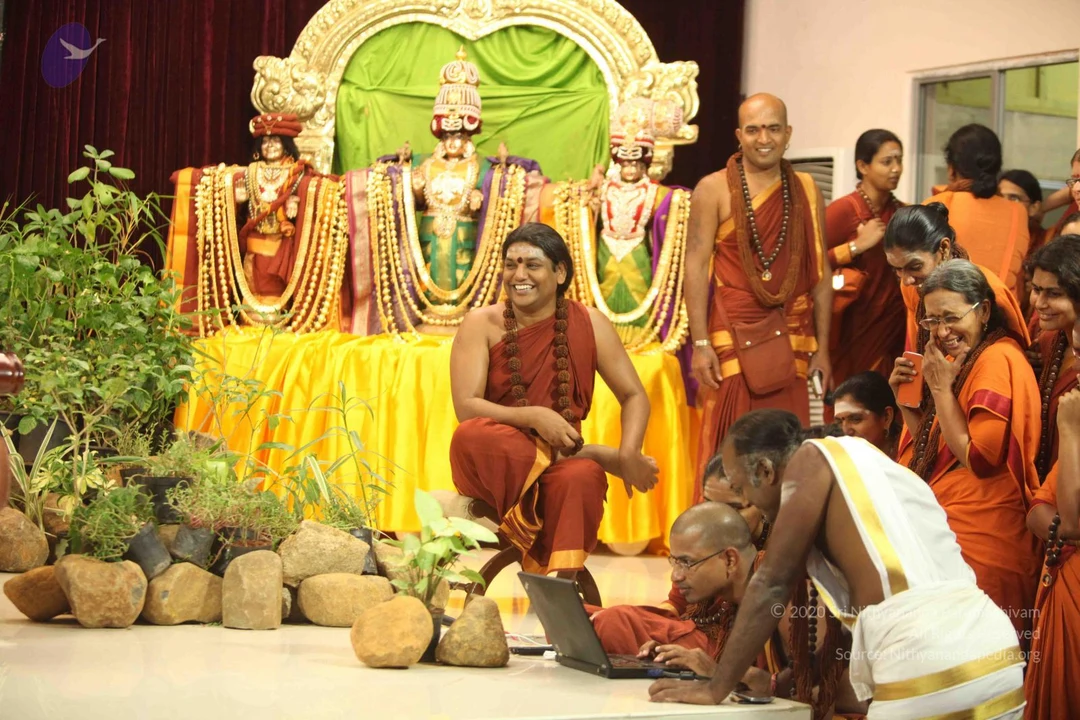
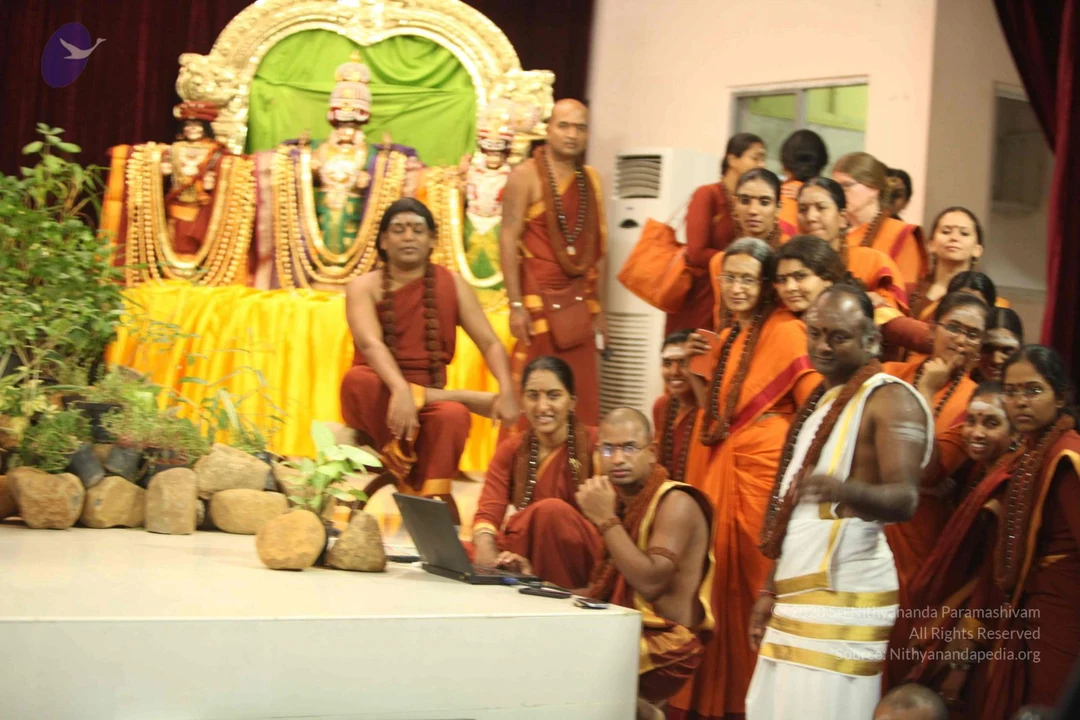
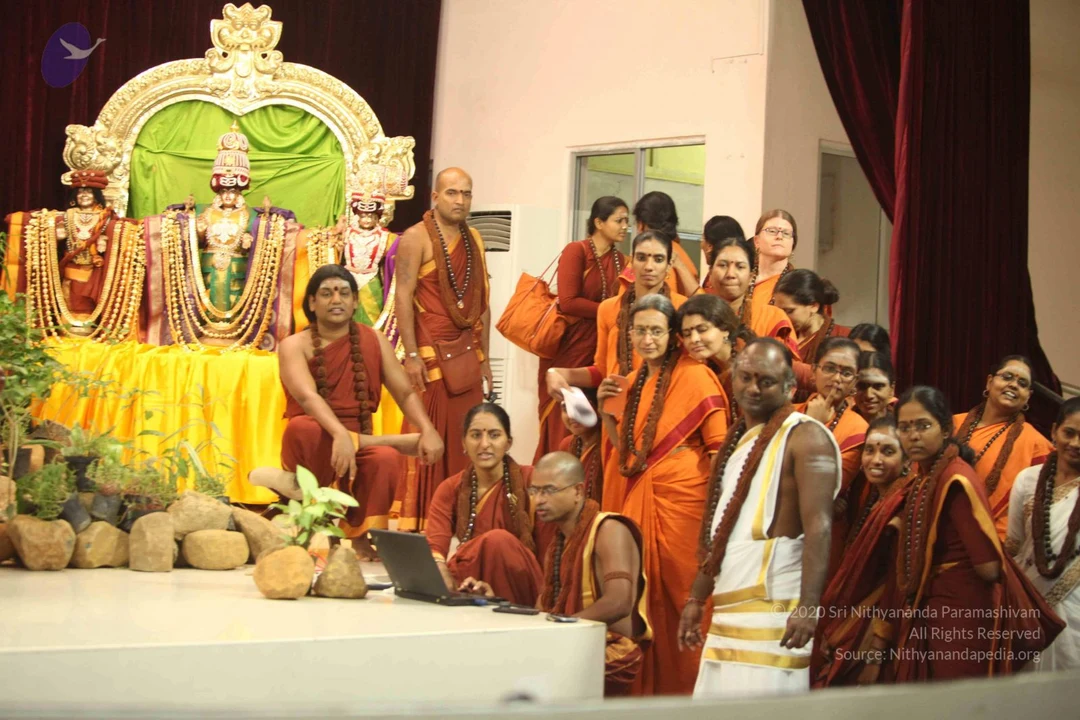
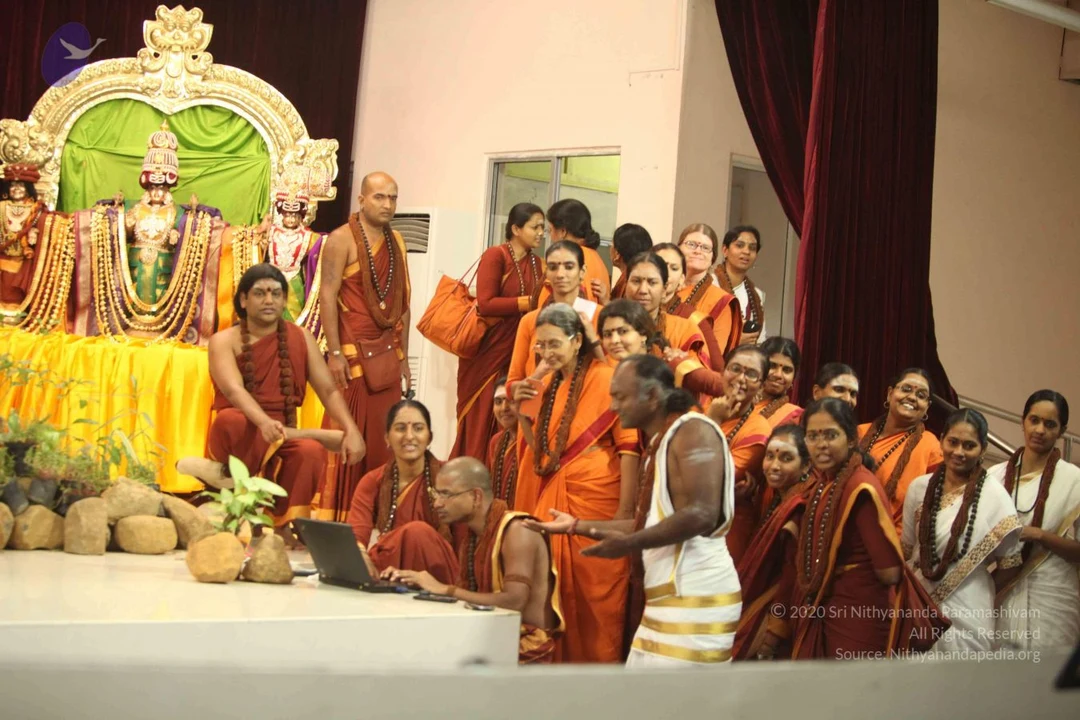
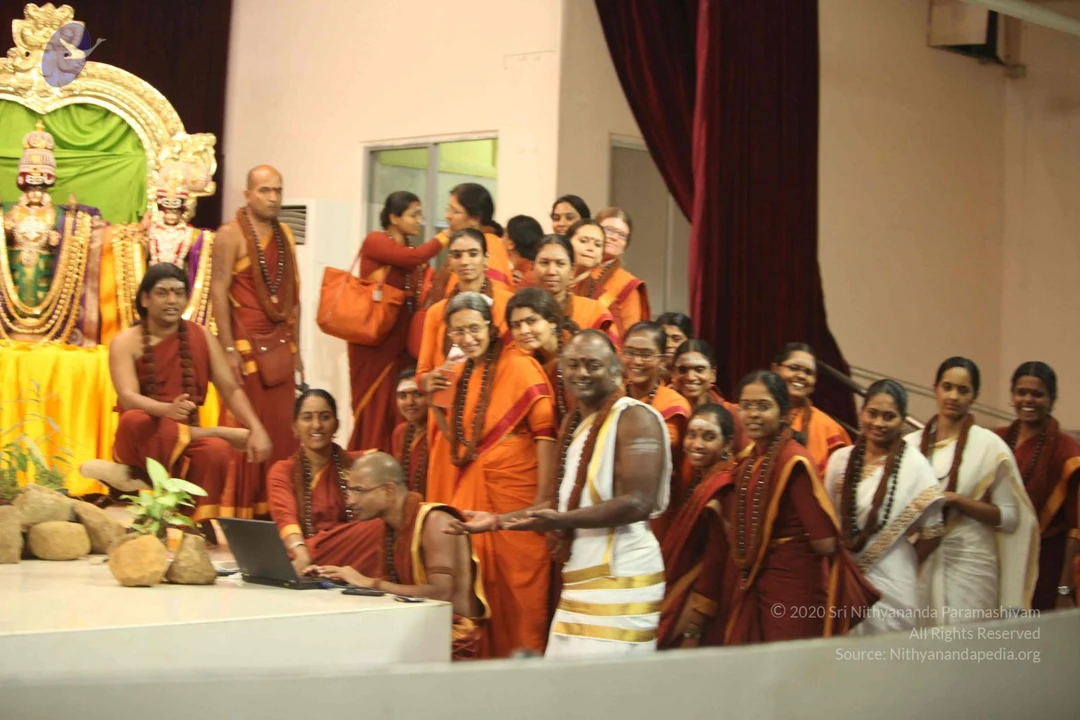
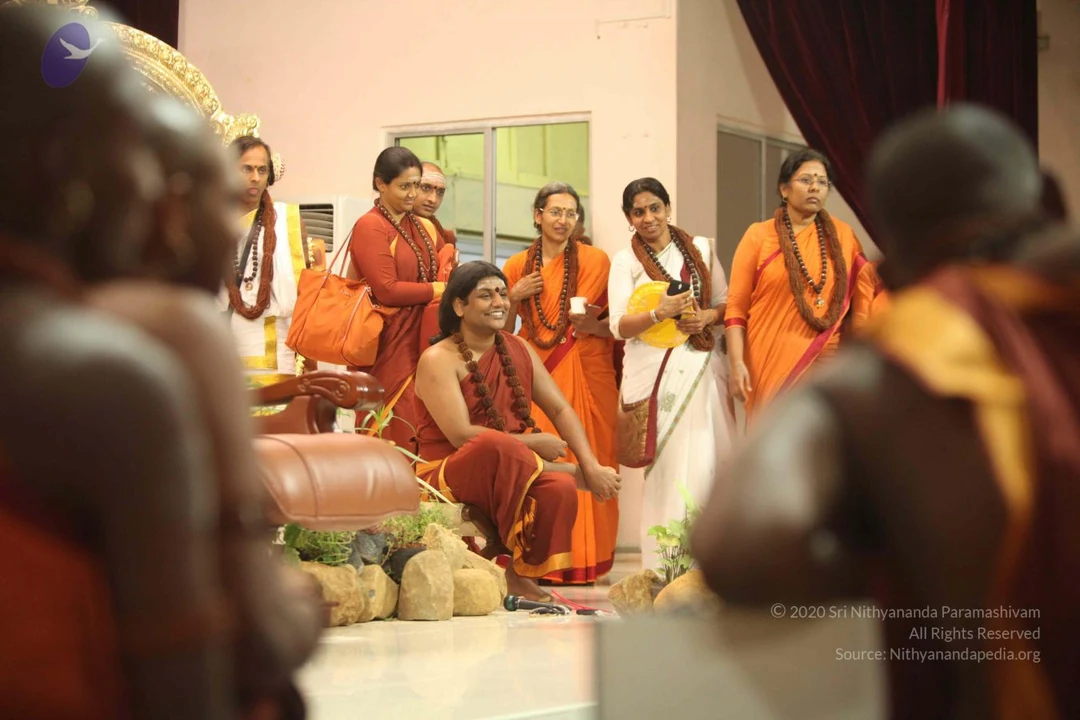
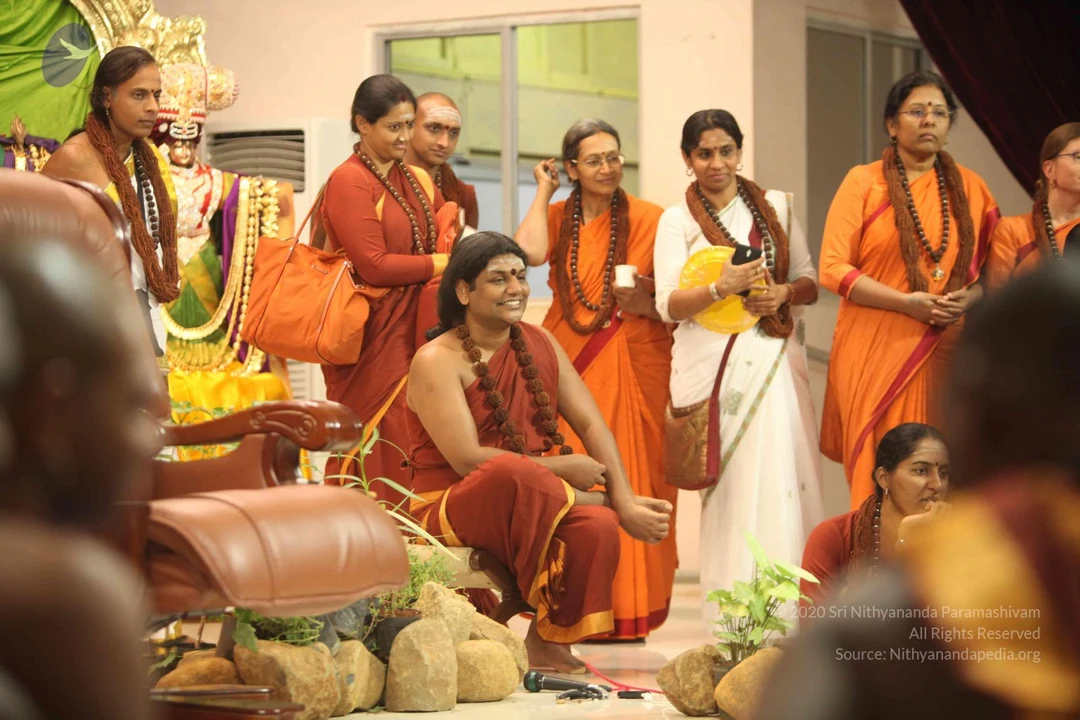
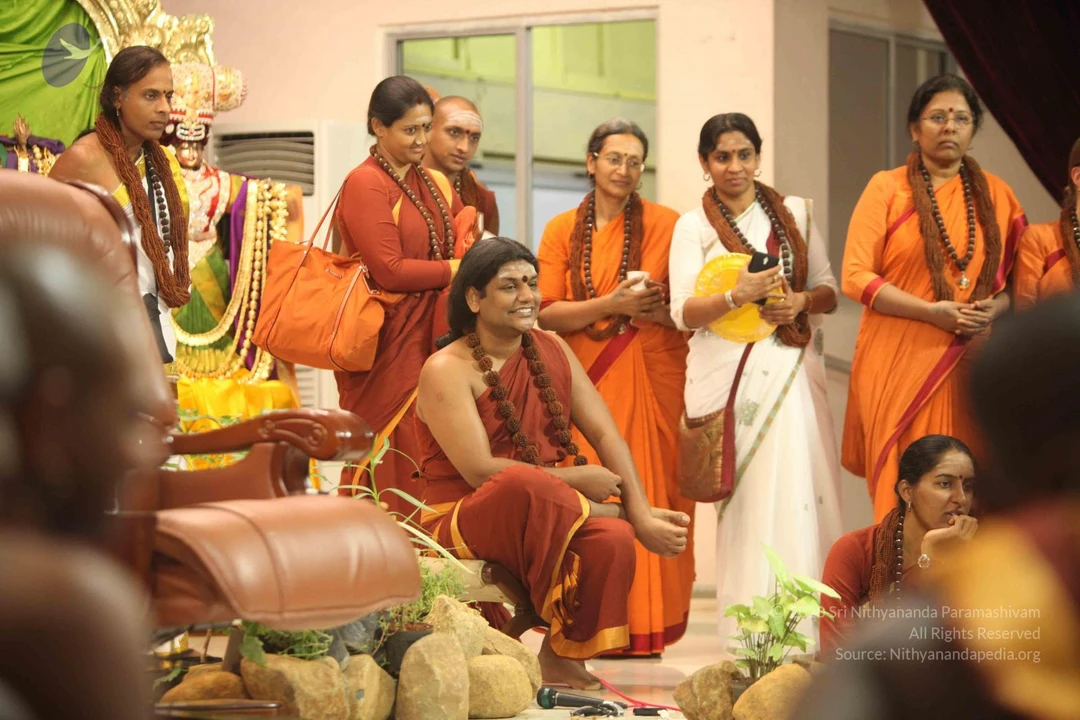
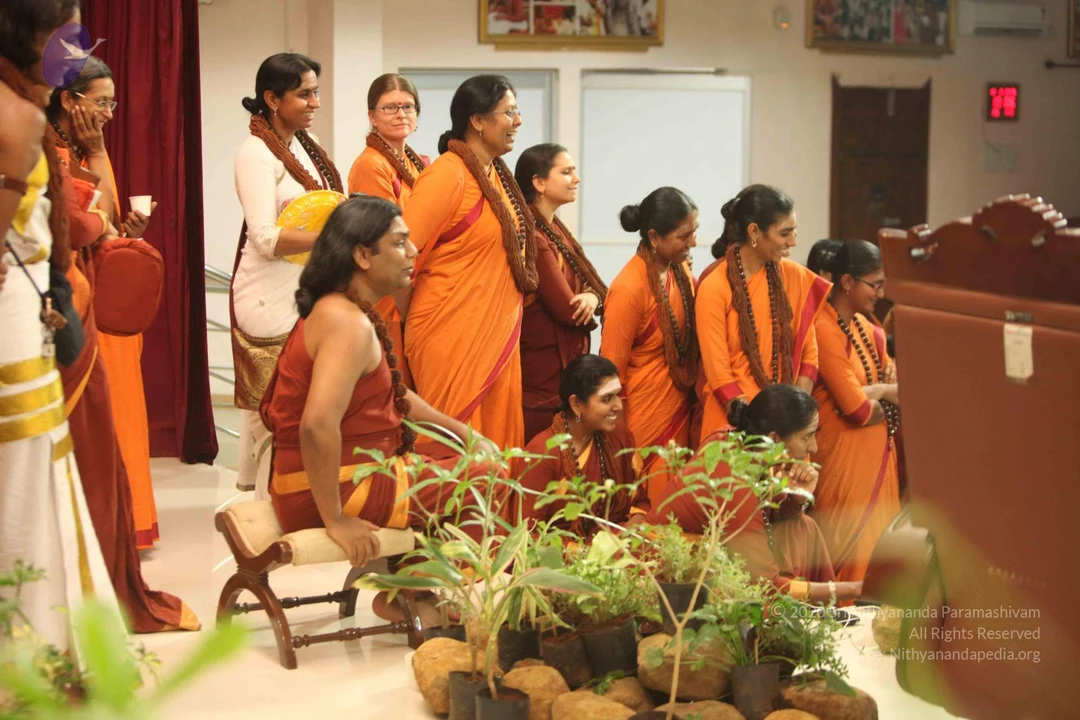
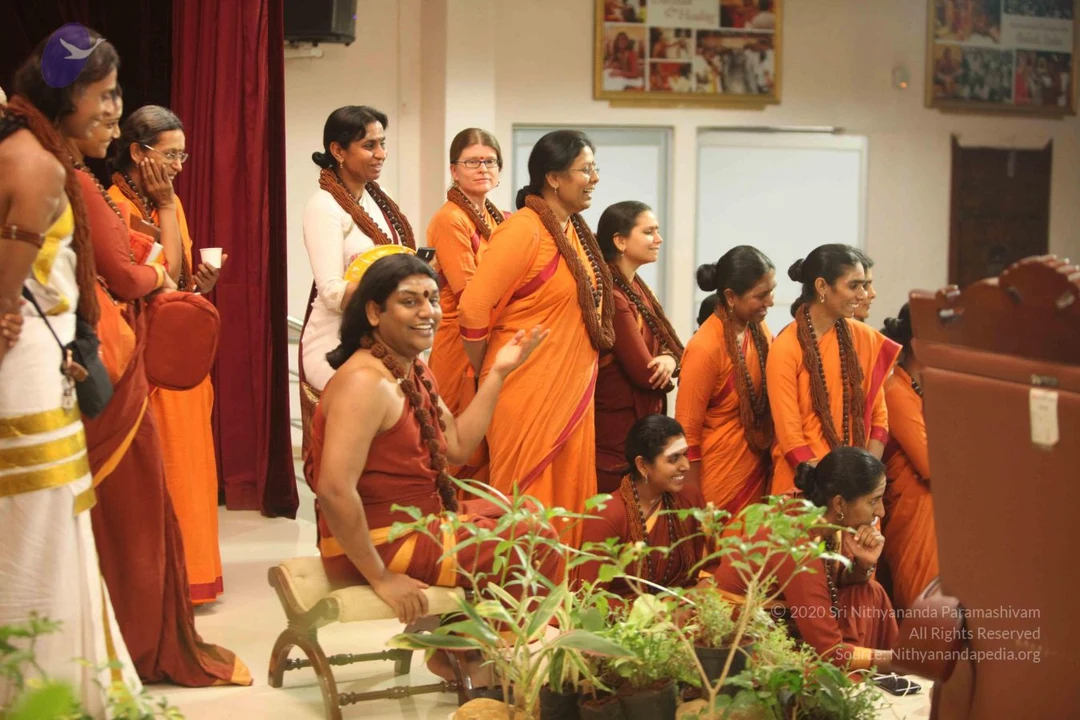
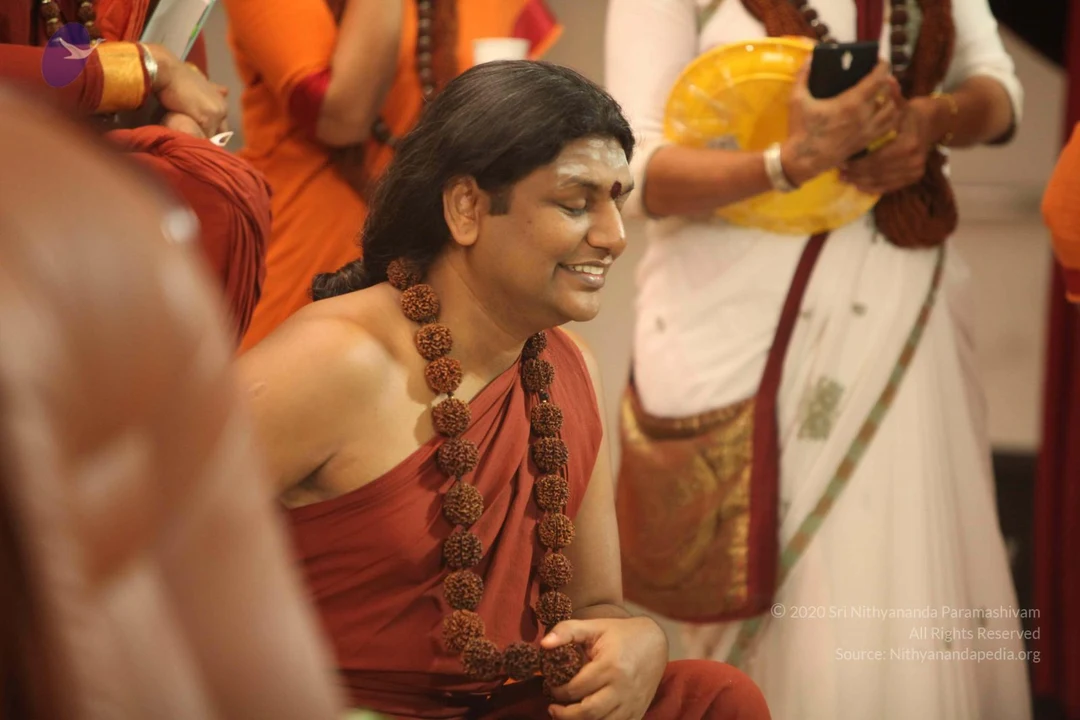
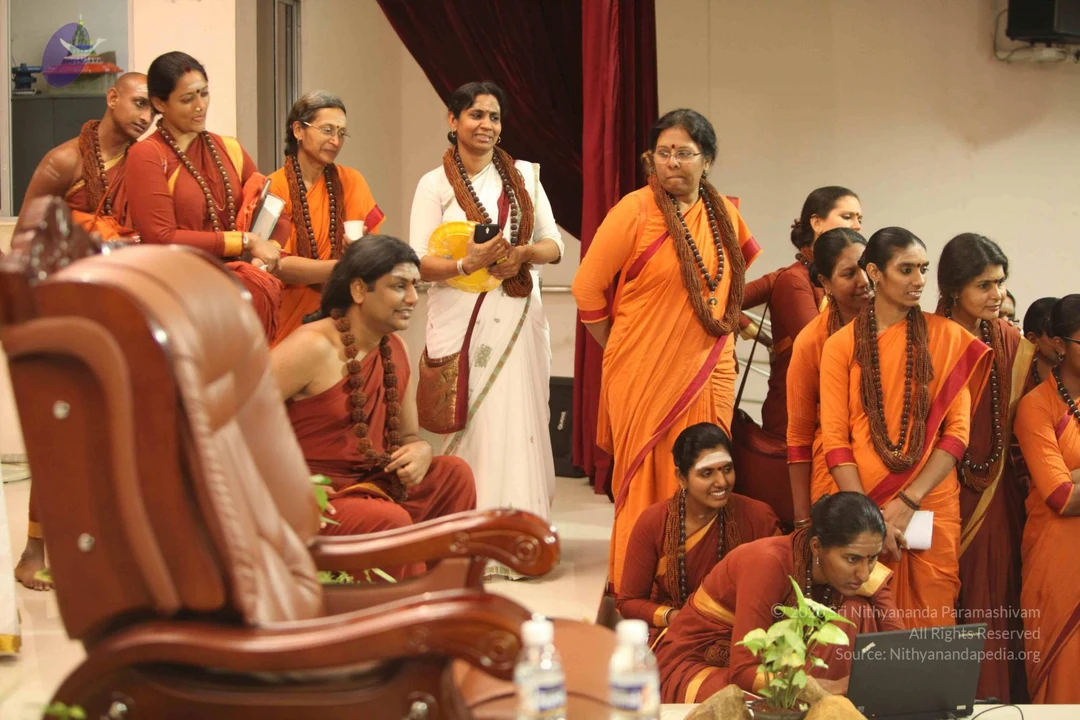
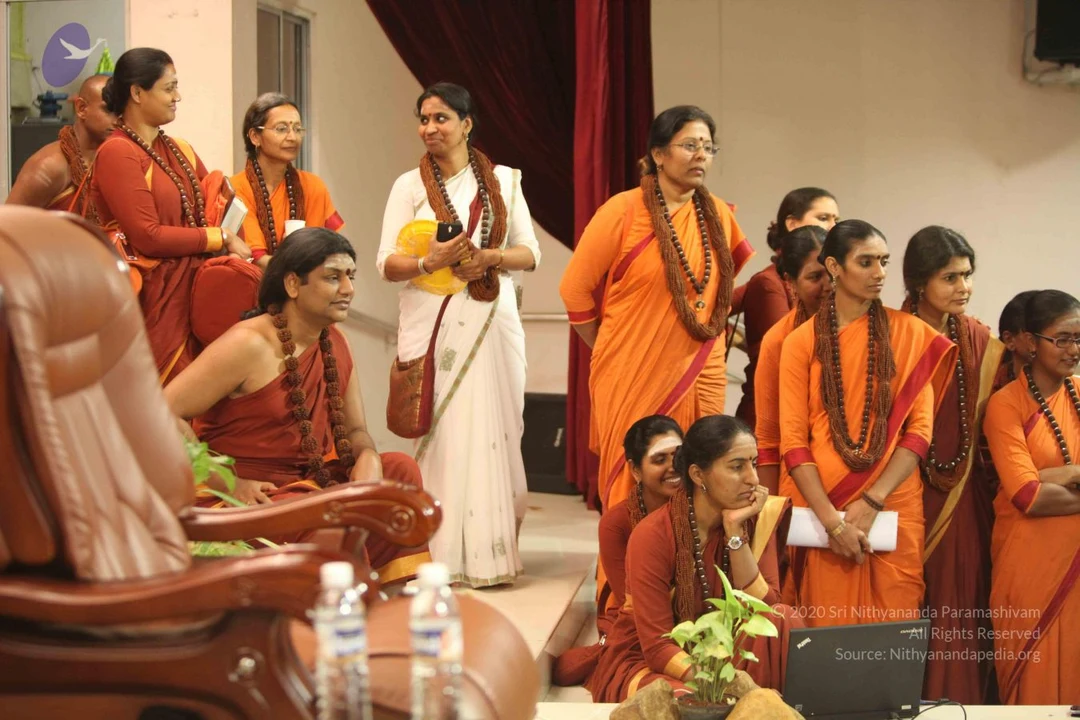
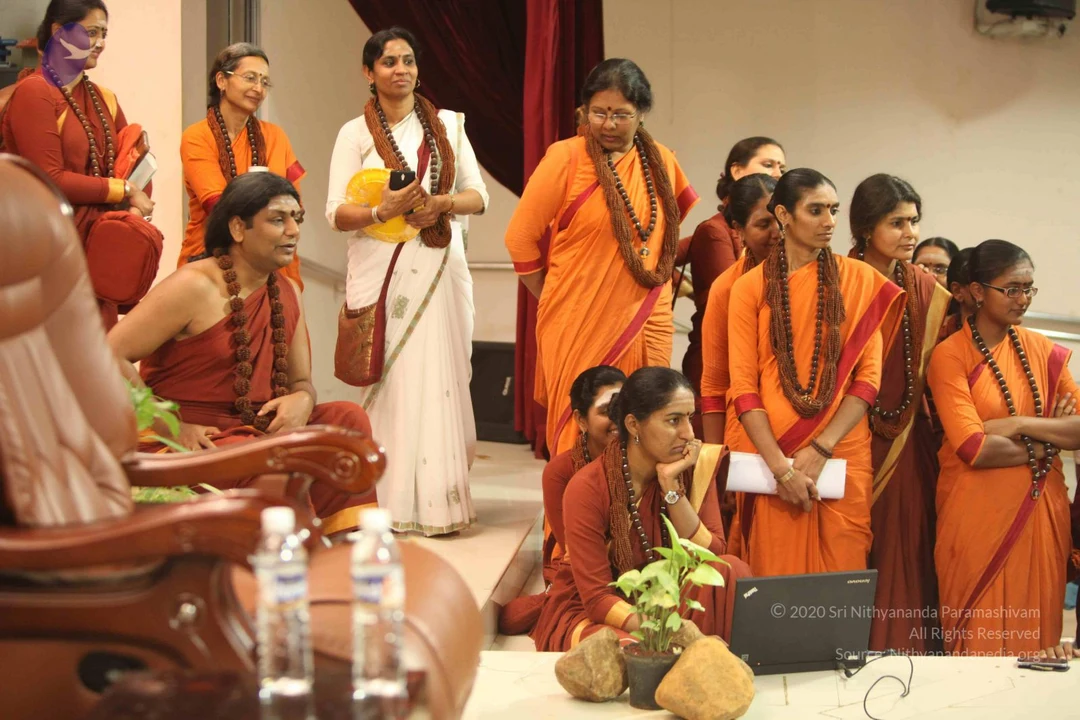
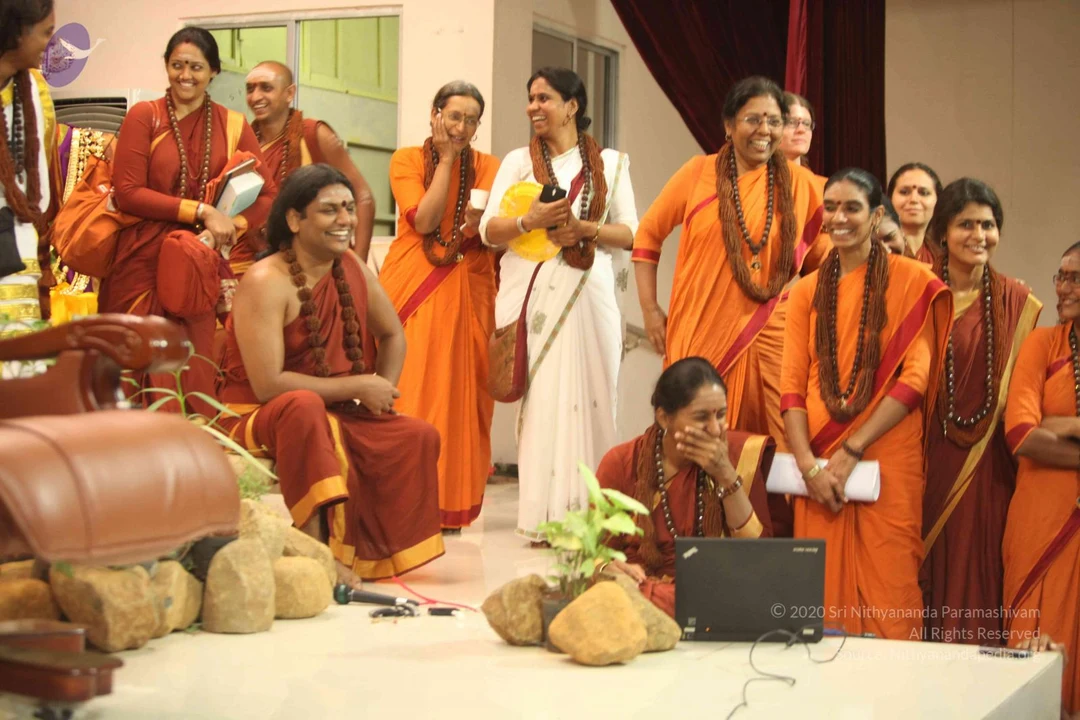
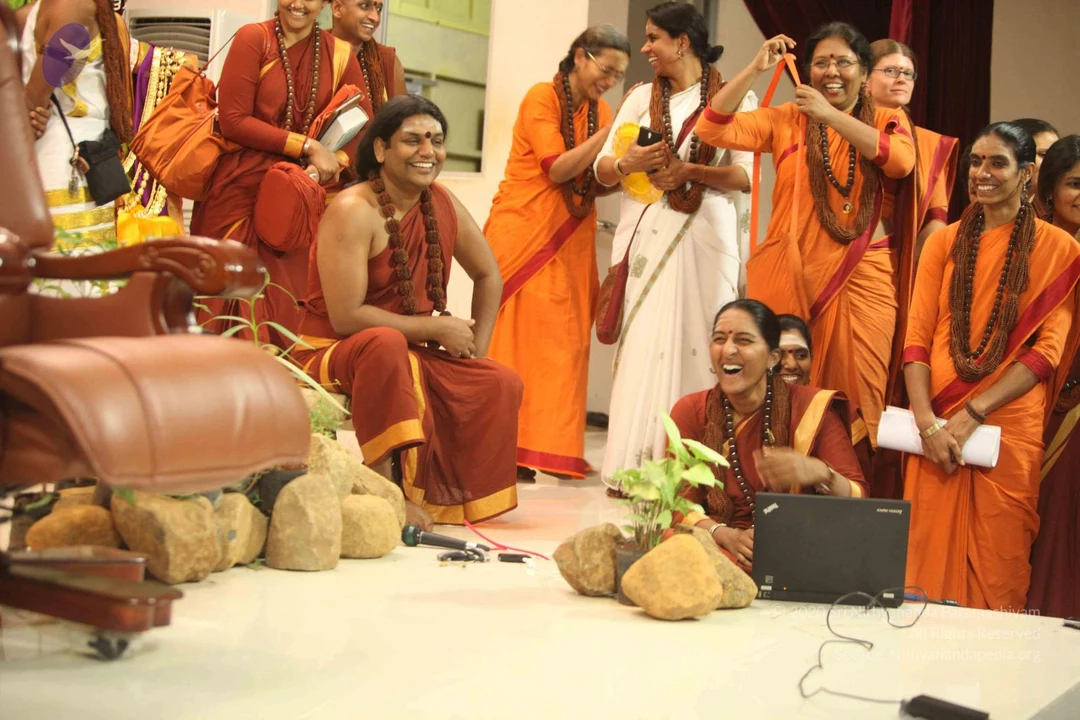
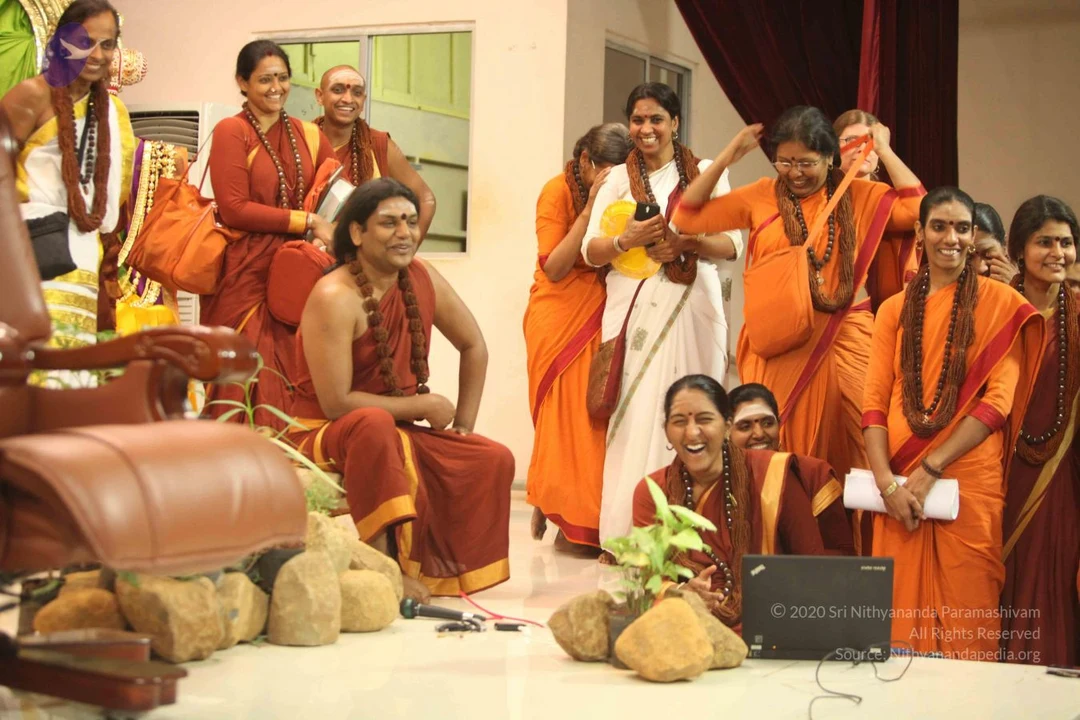
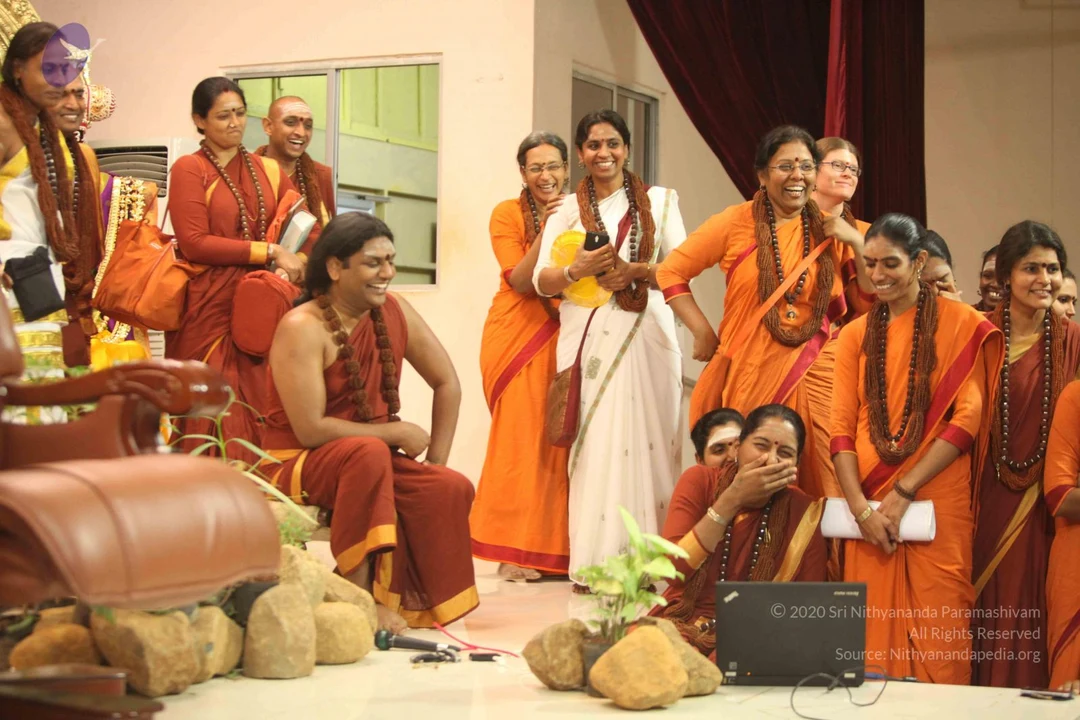
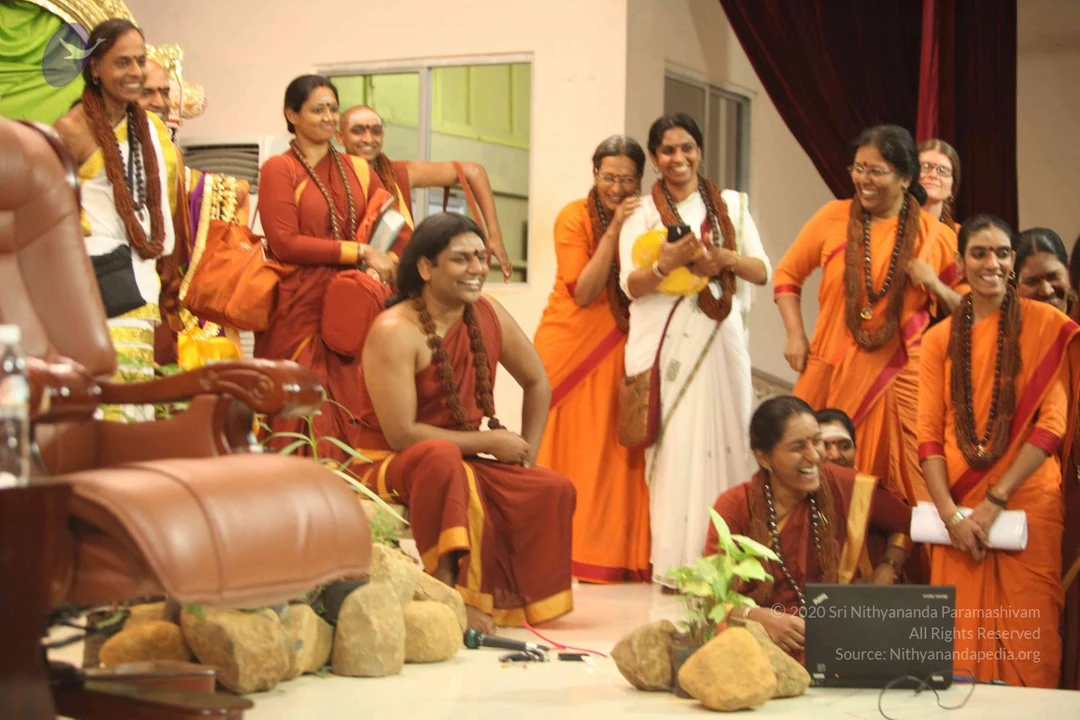
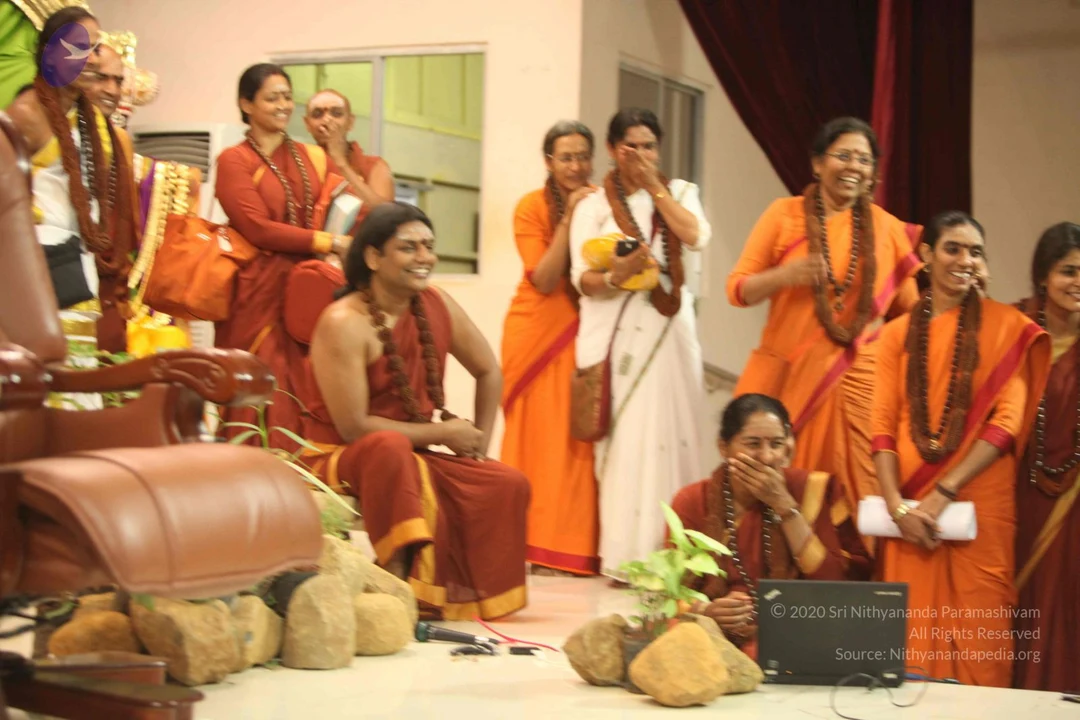
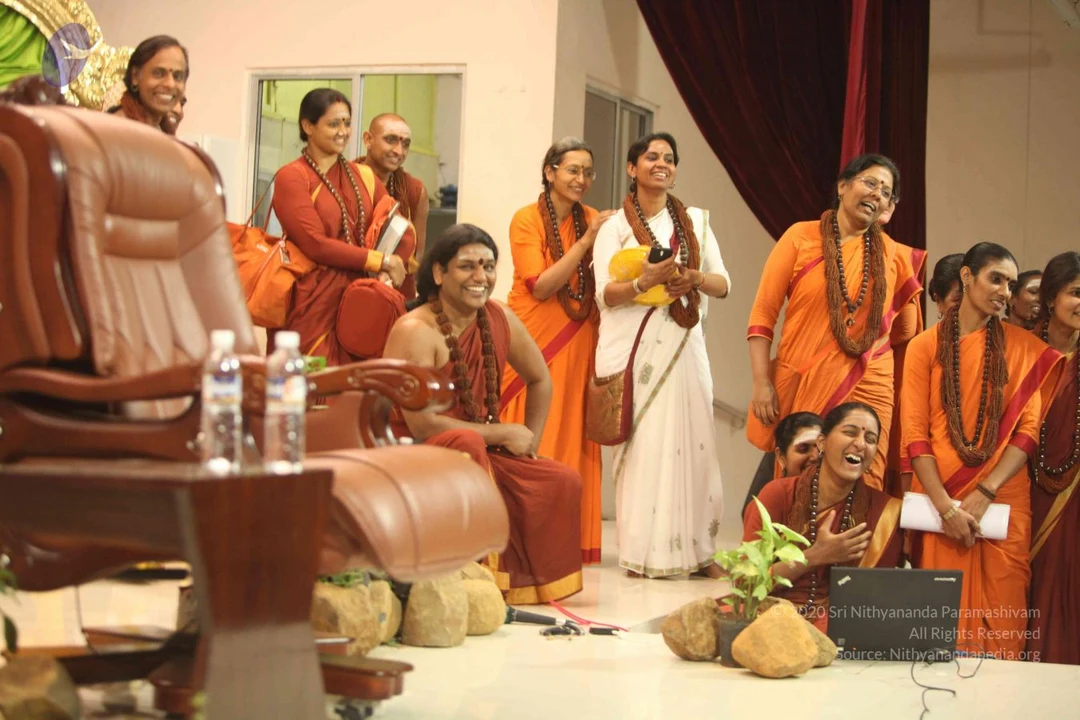
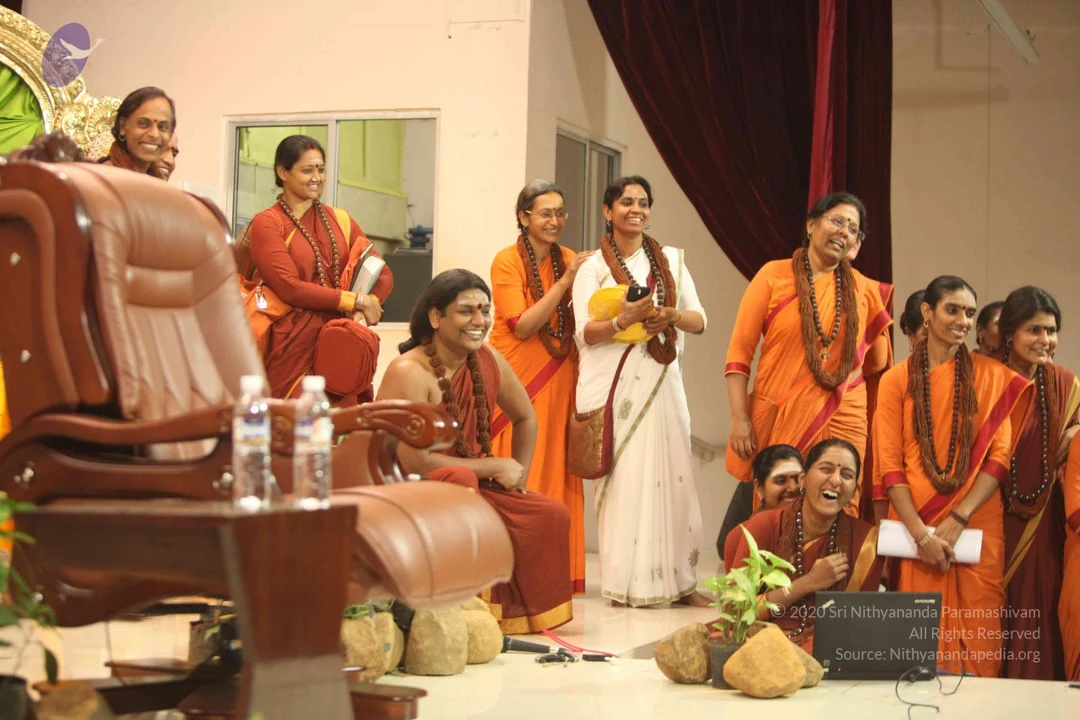
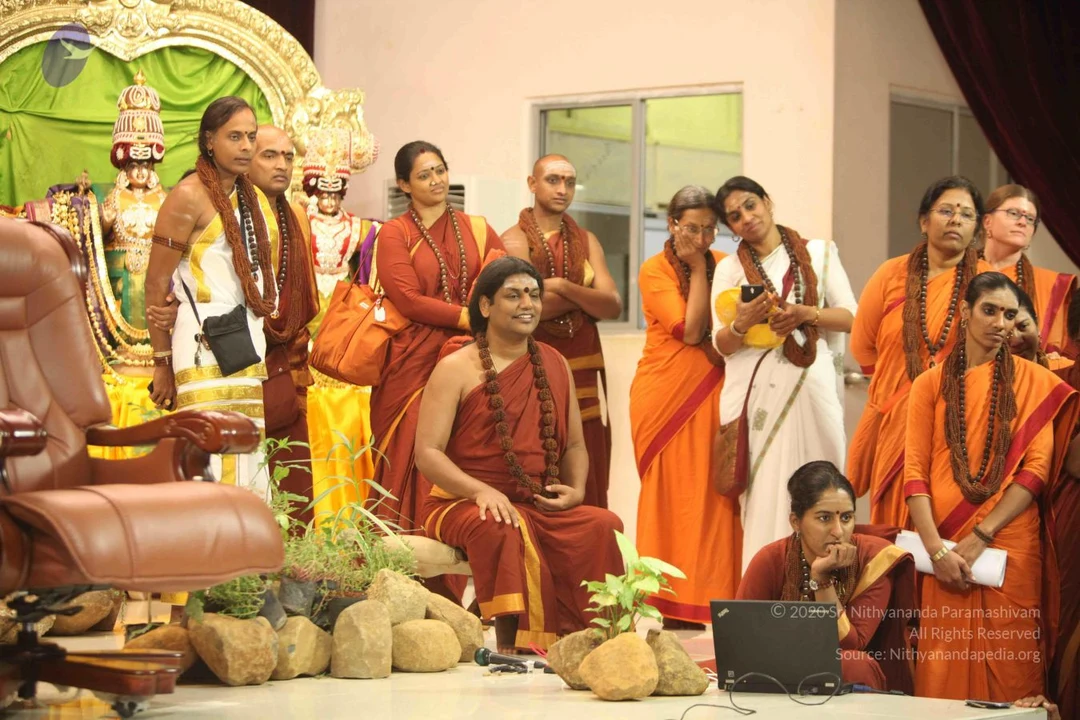
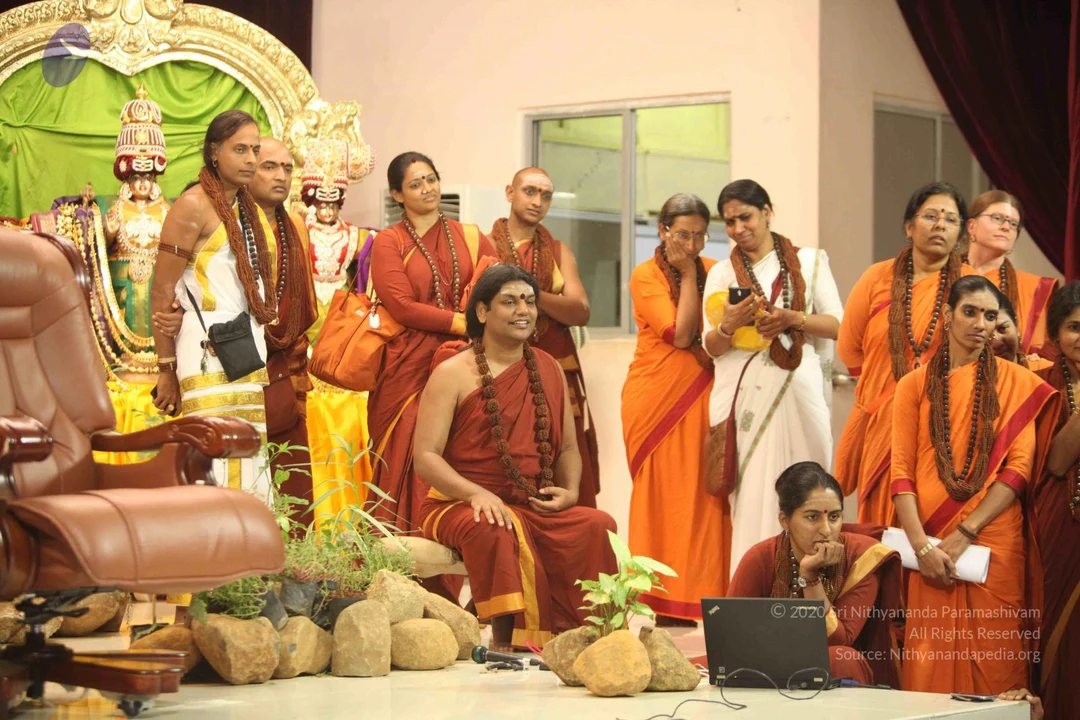
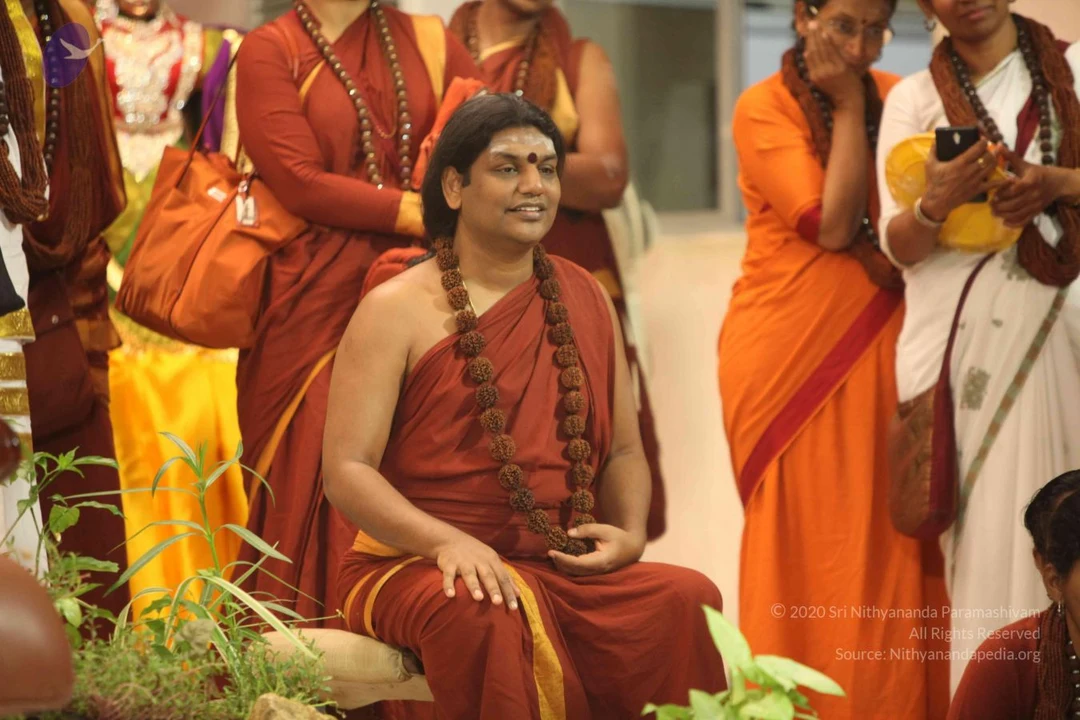
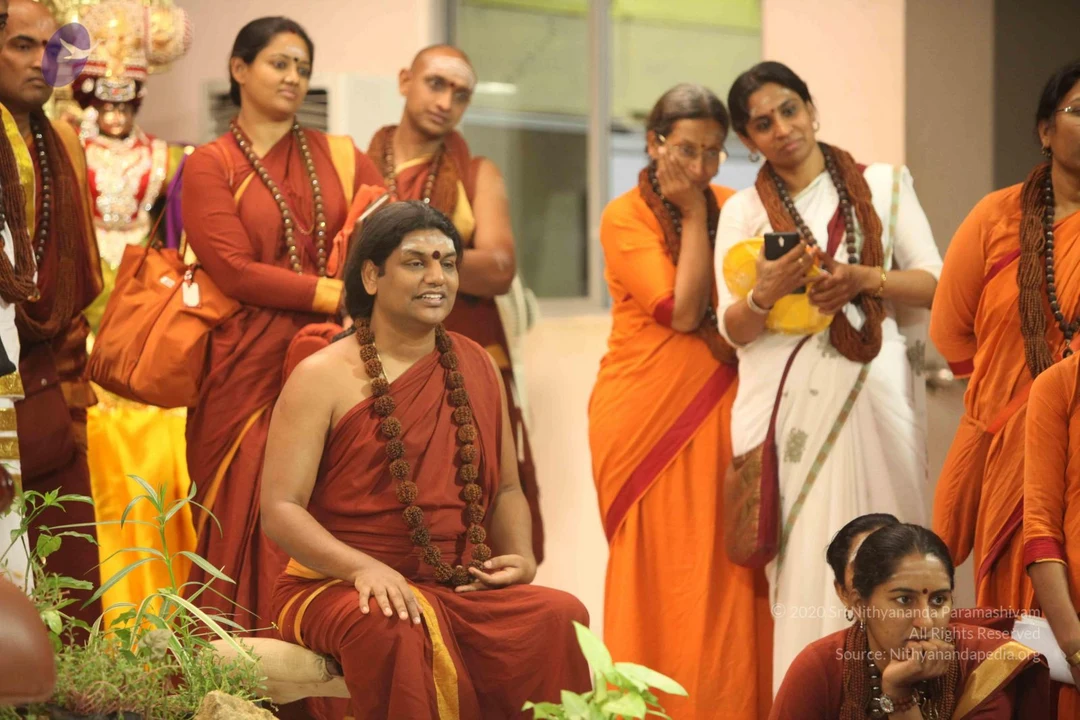
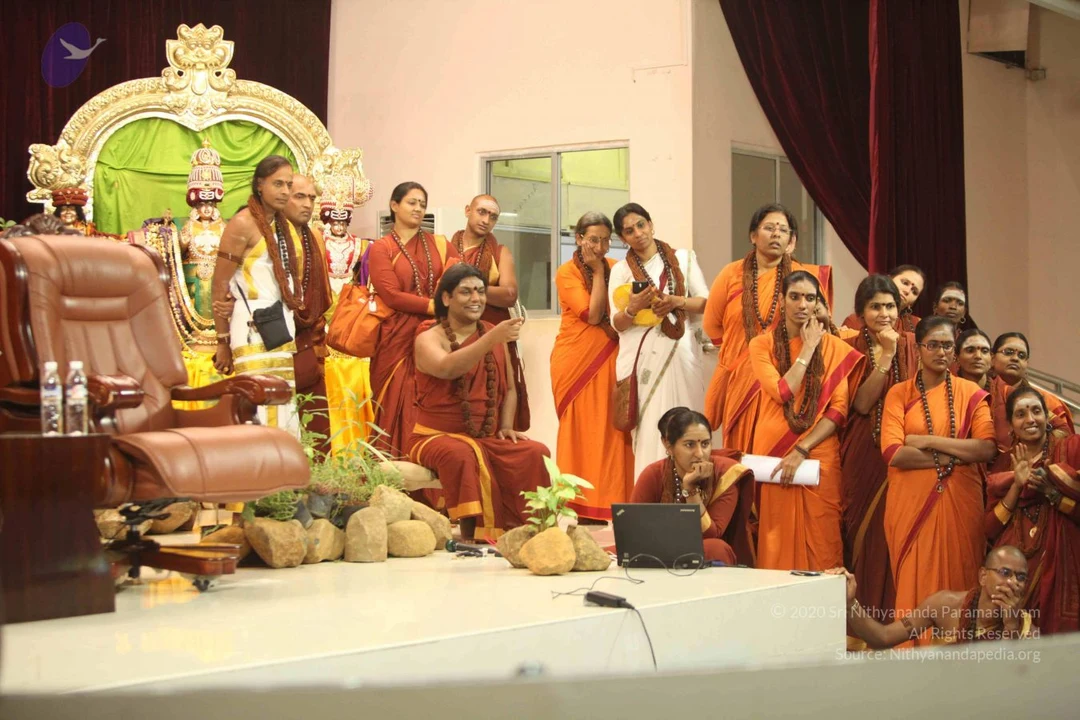
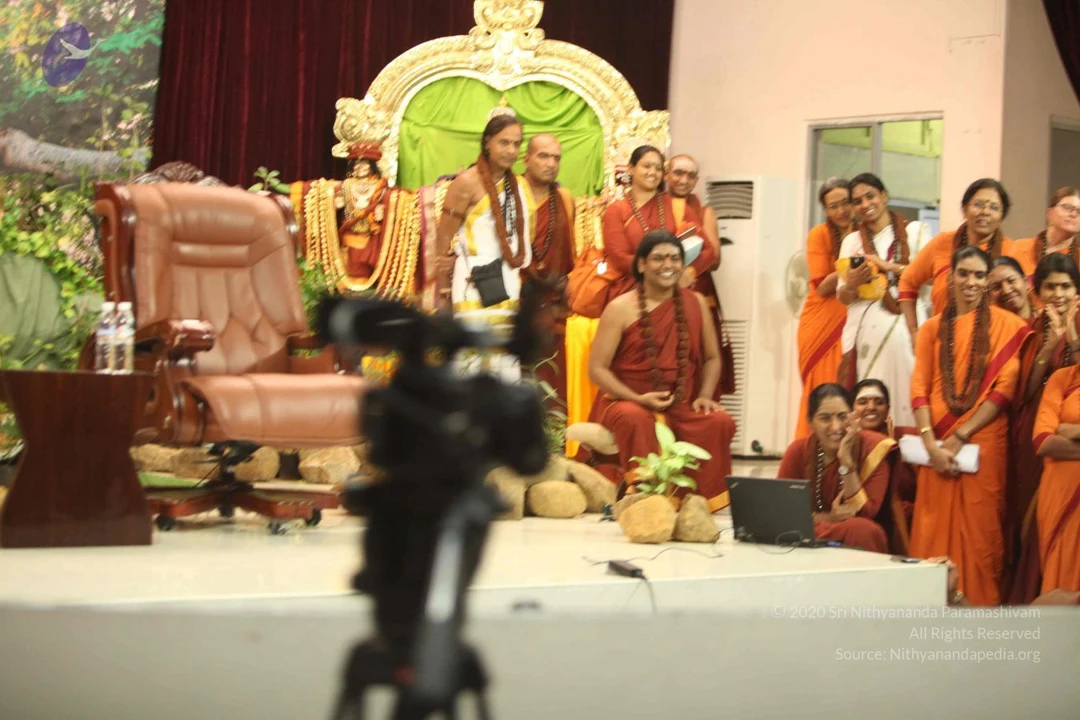
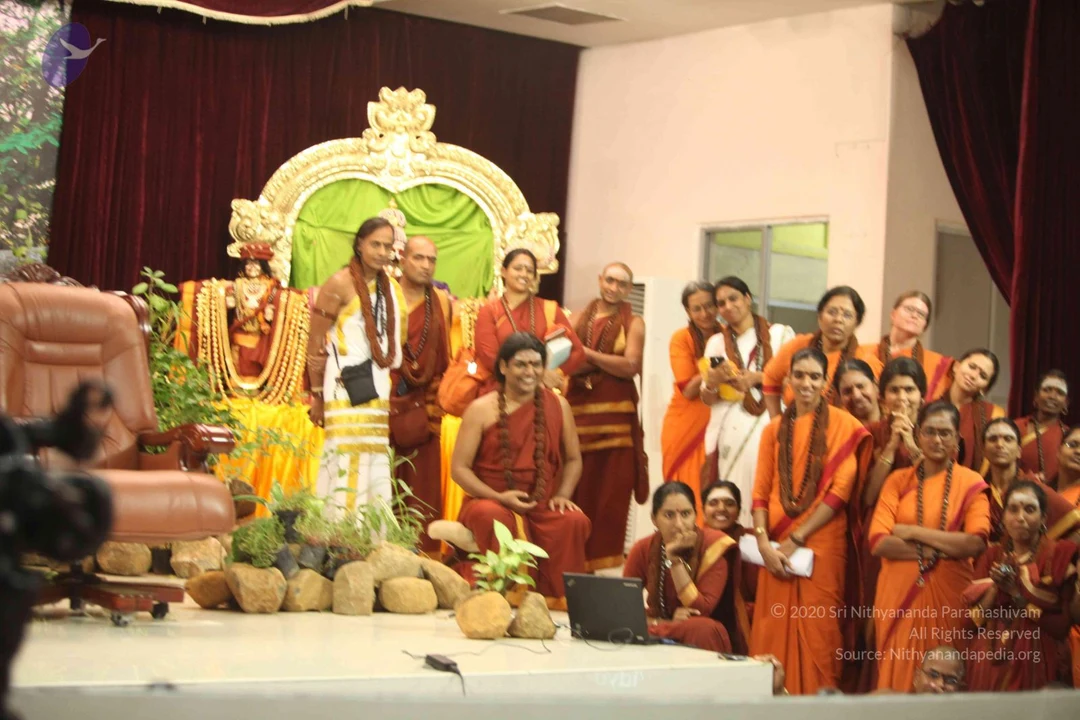
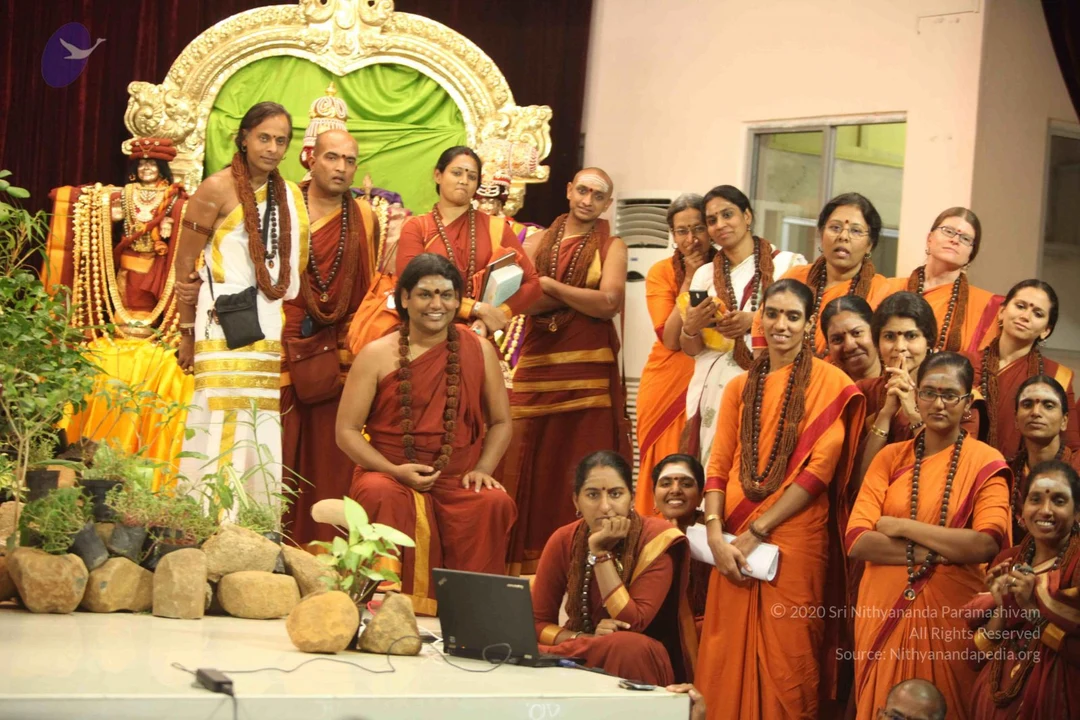
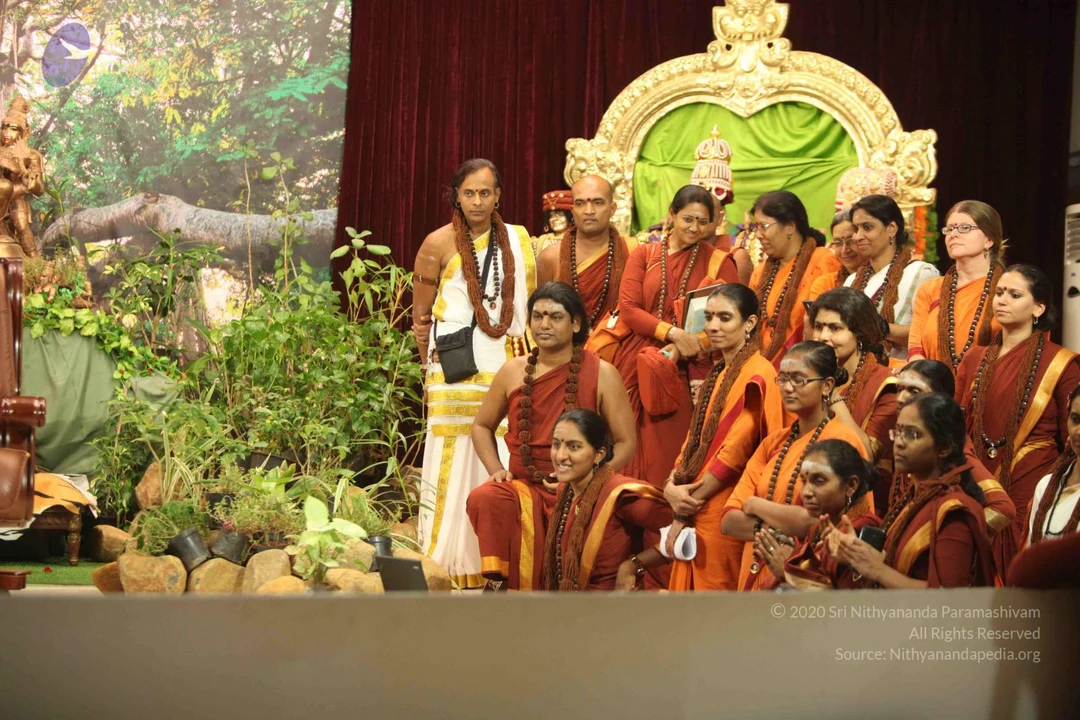
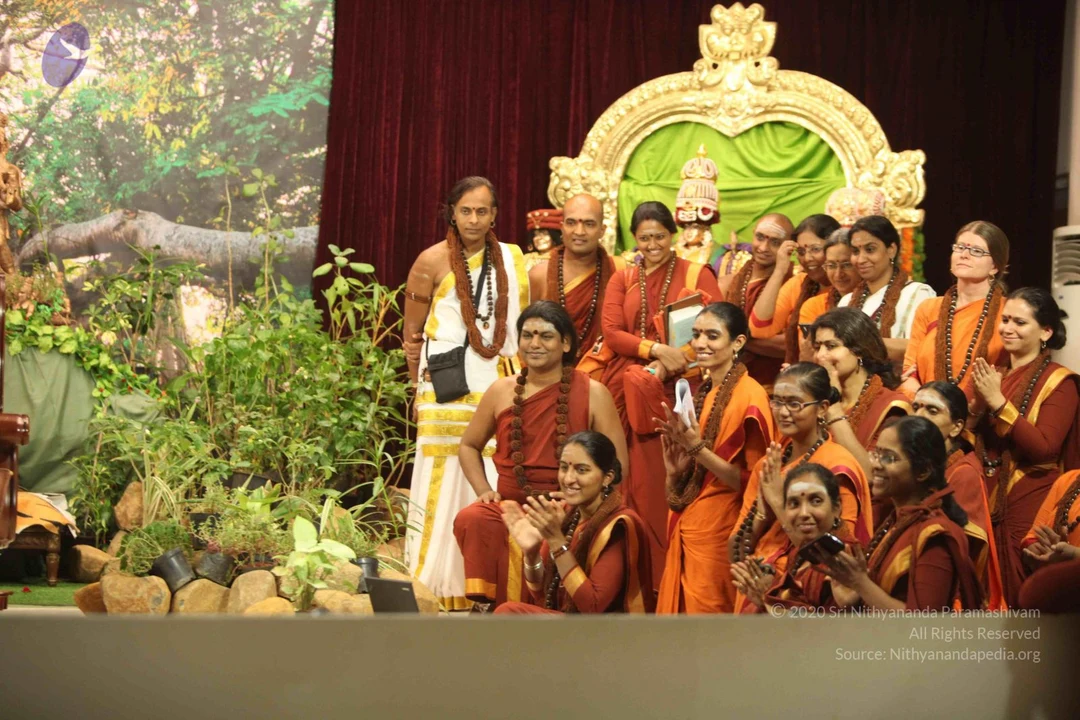
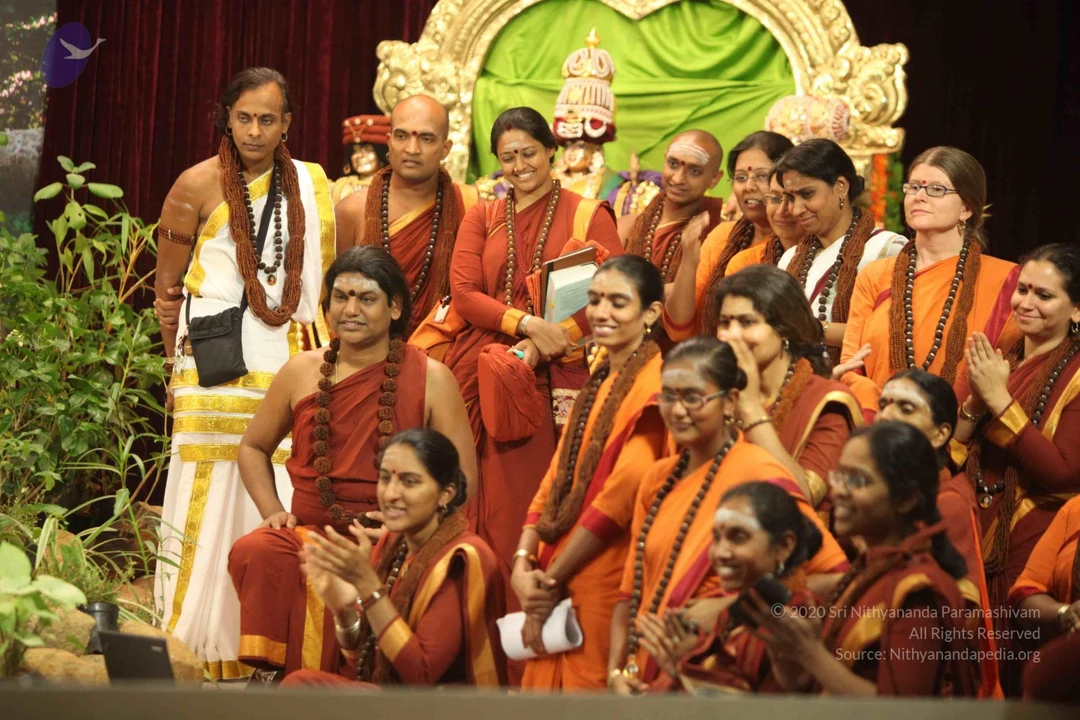
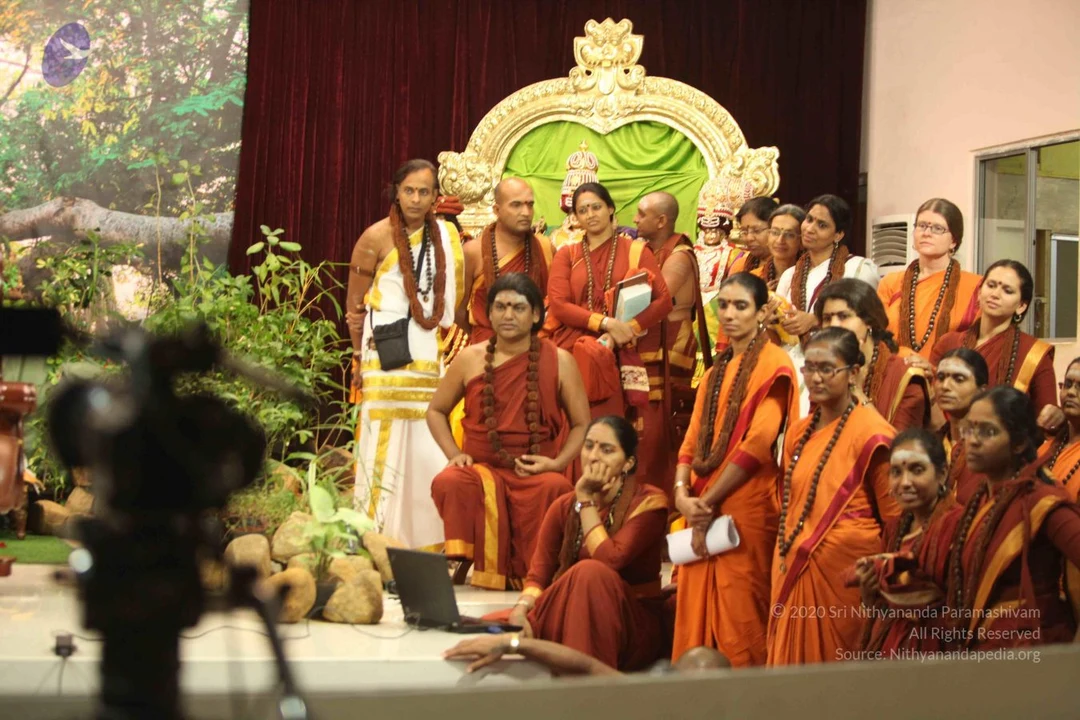
Ashramites-With-SM
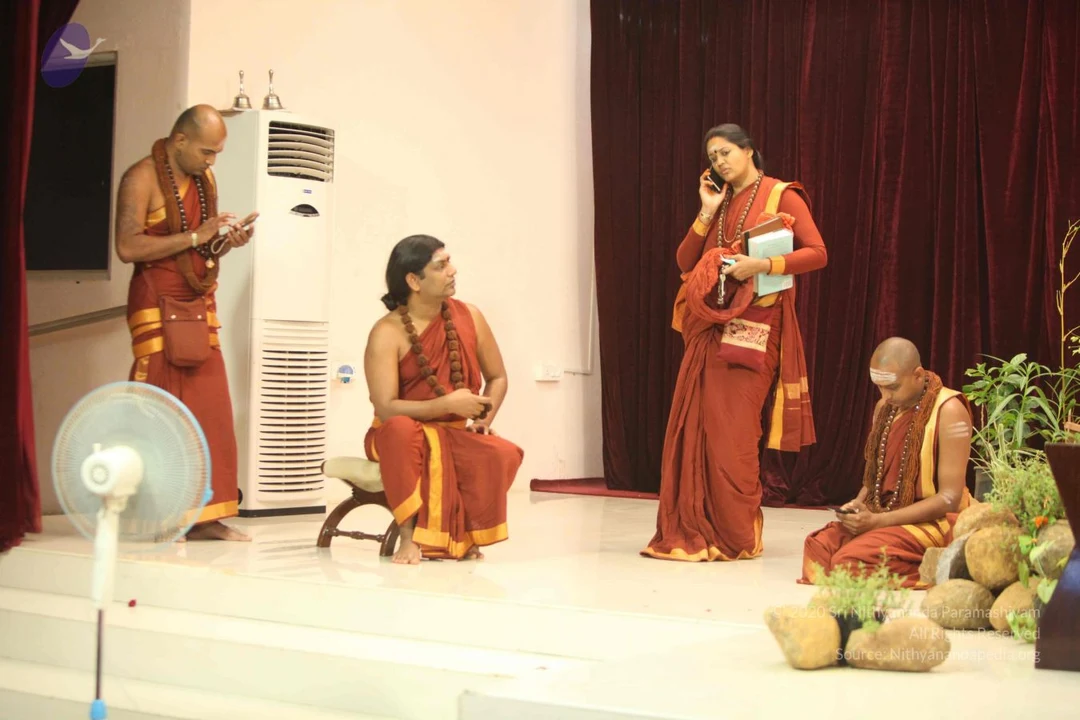

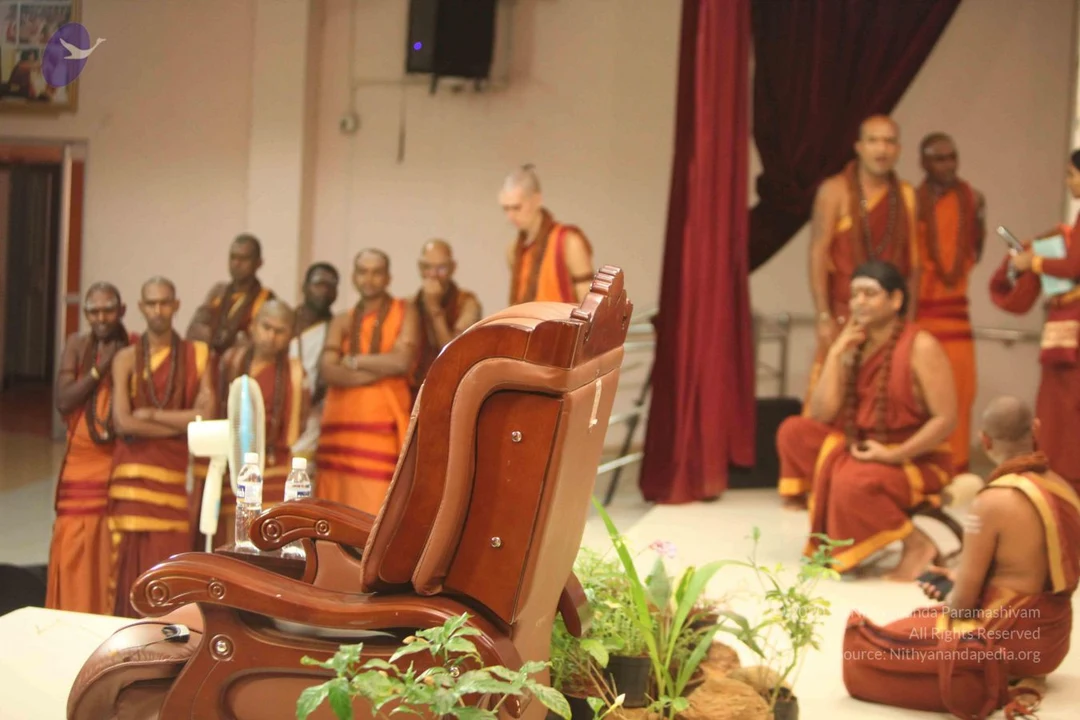
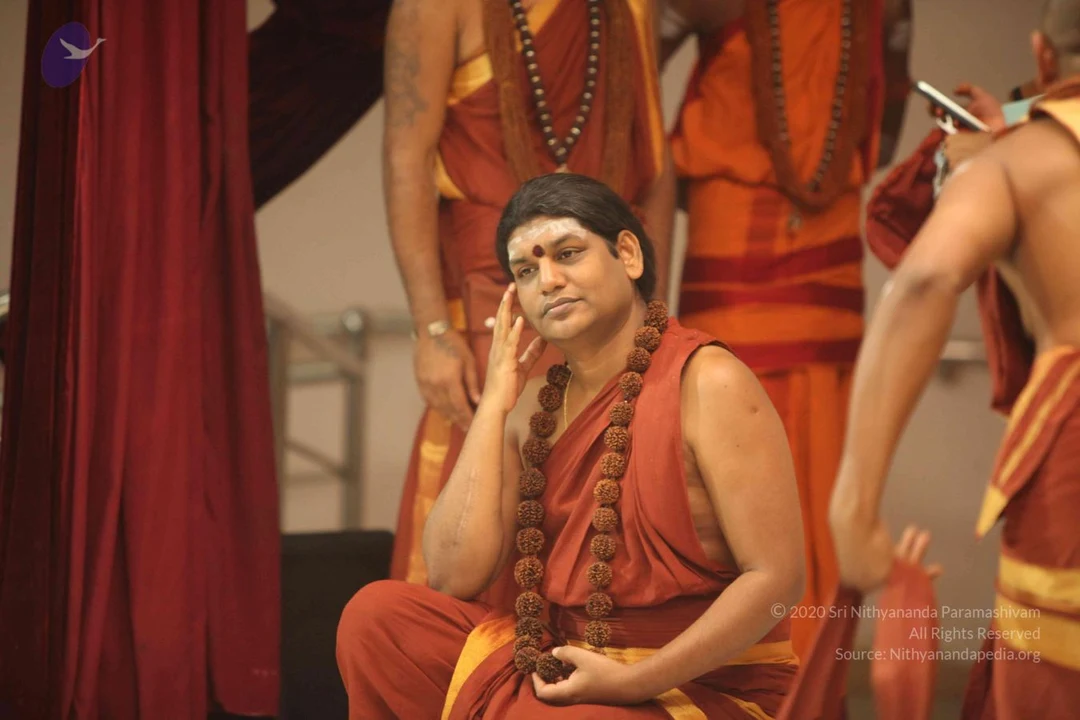
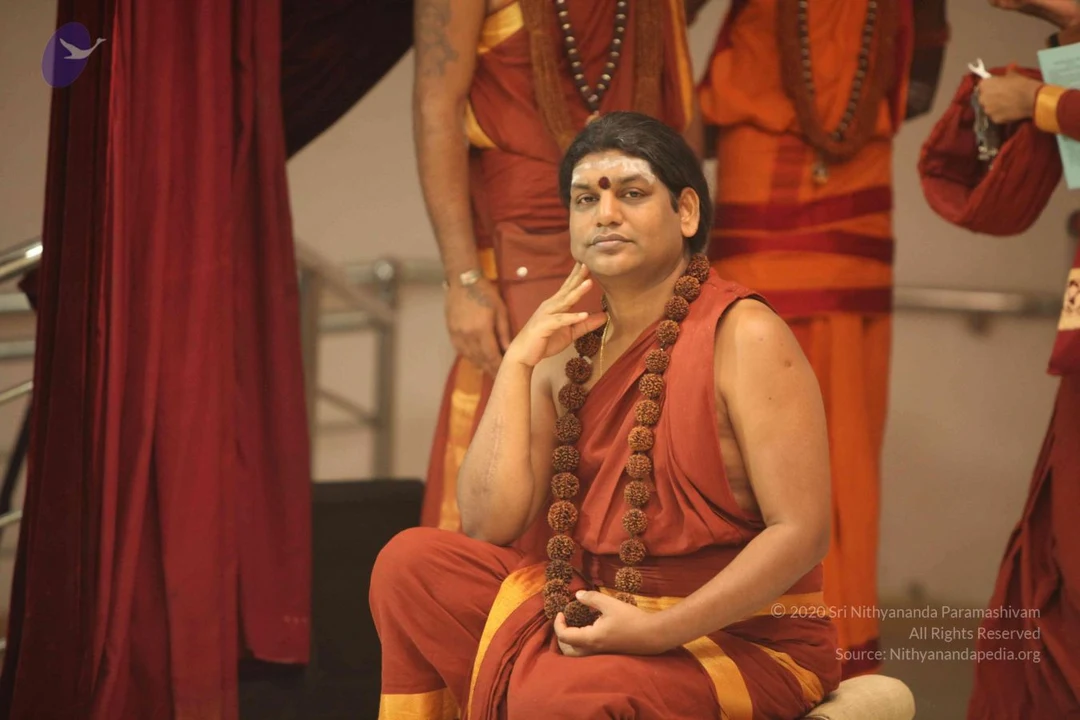
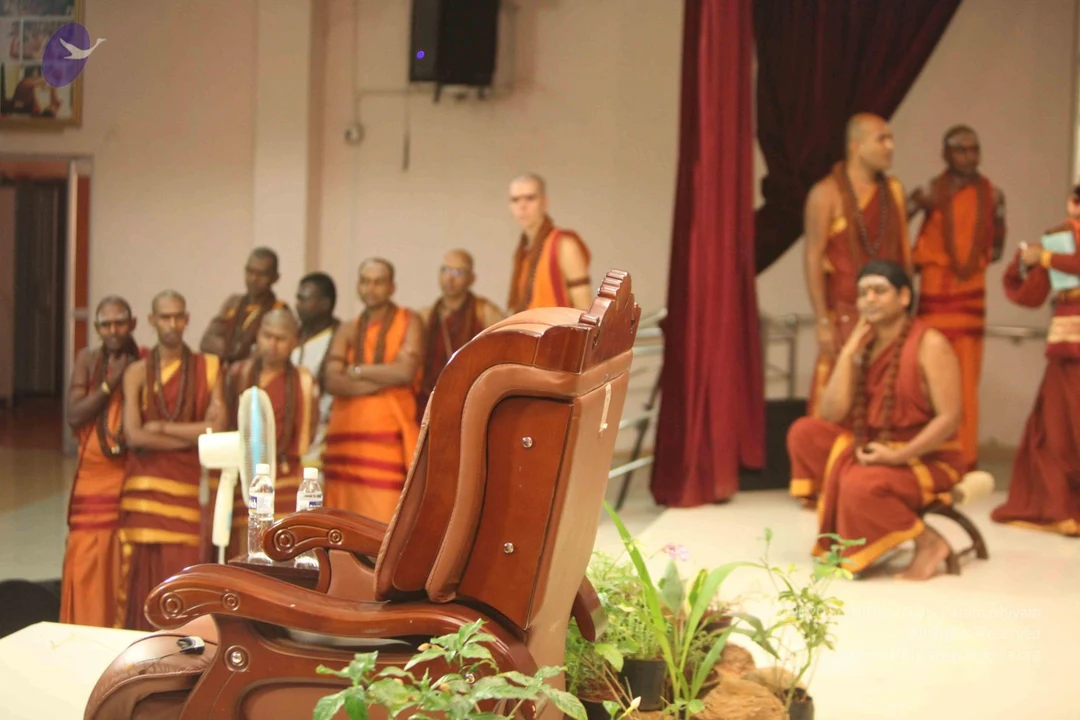
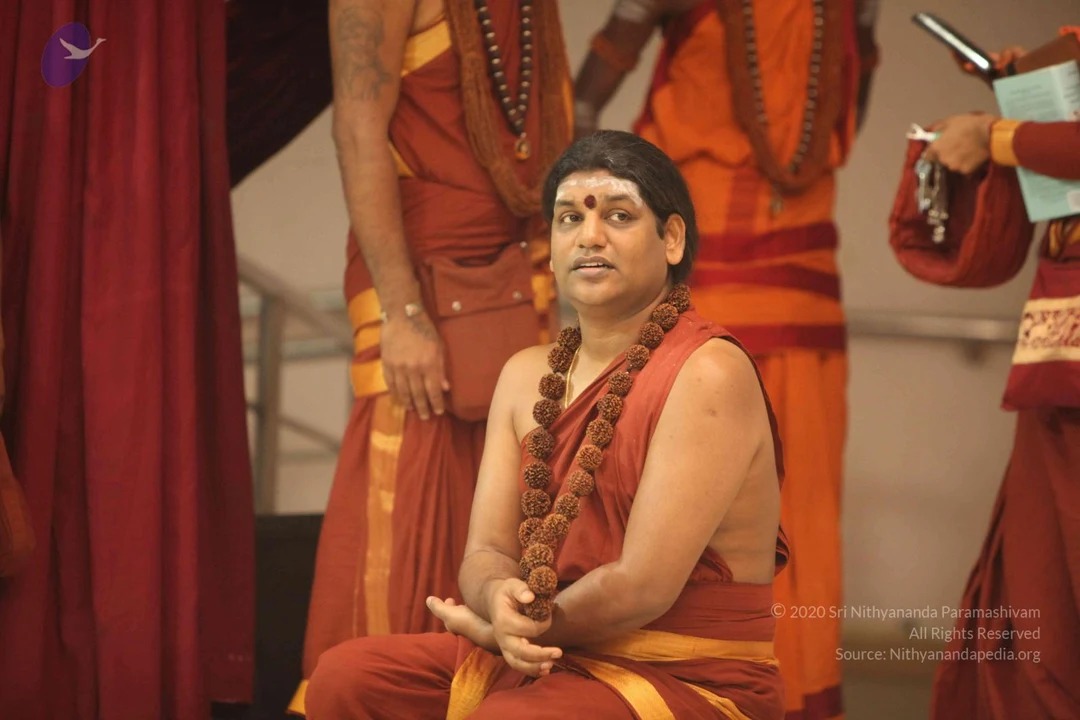
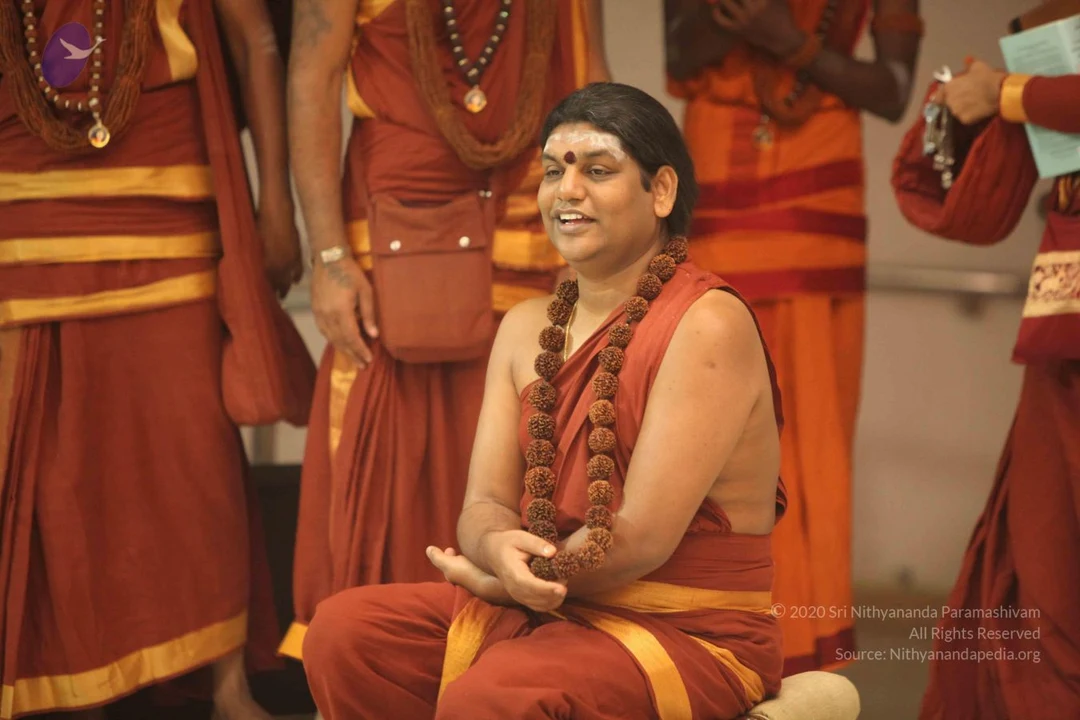

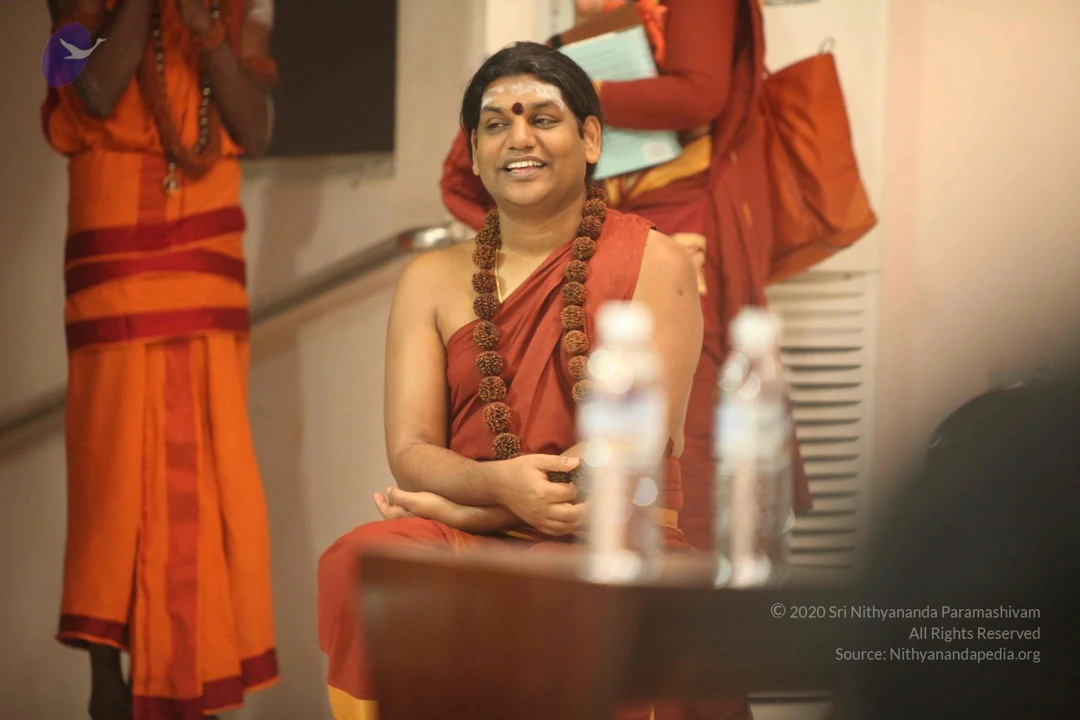
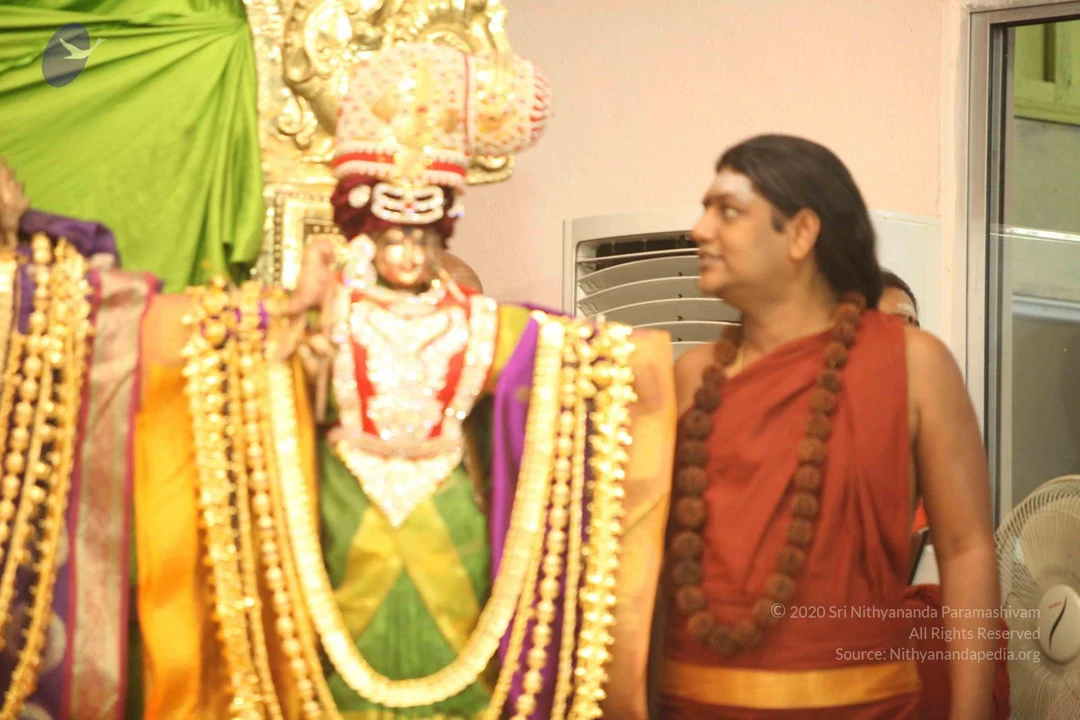
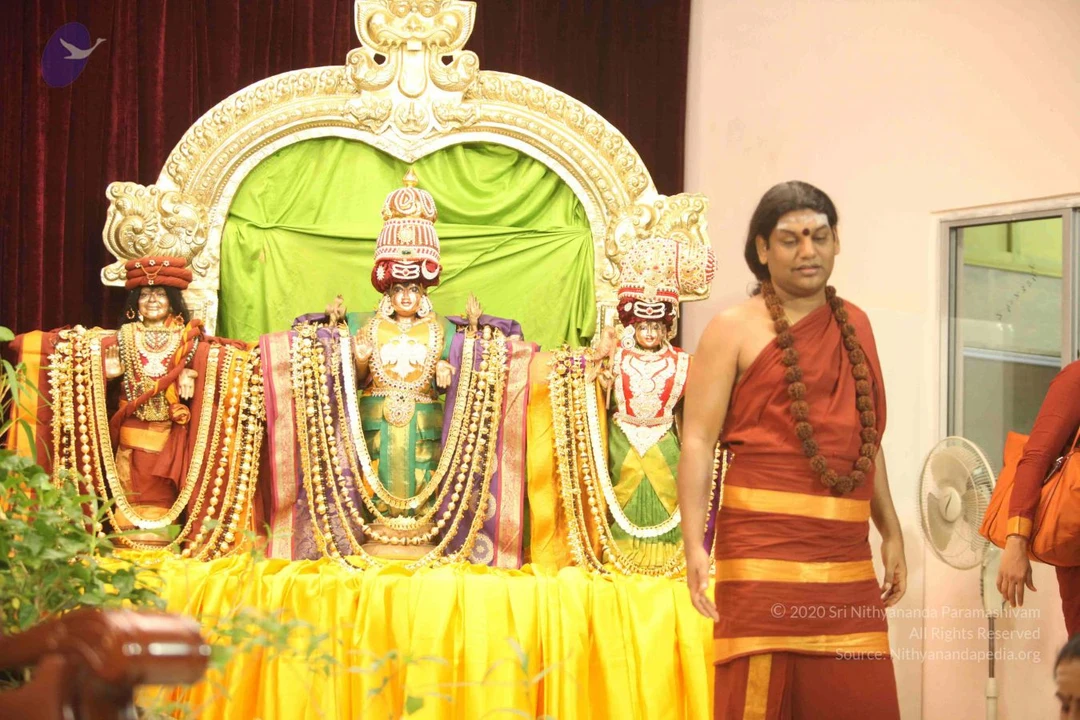
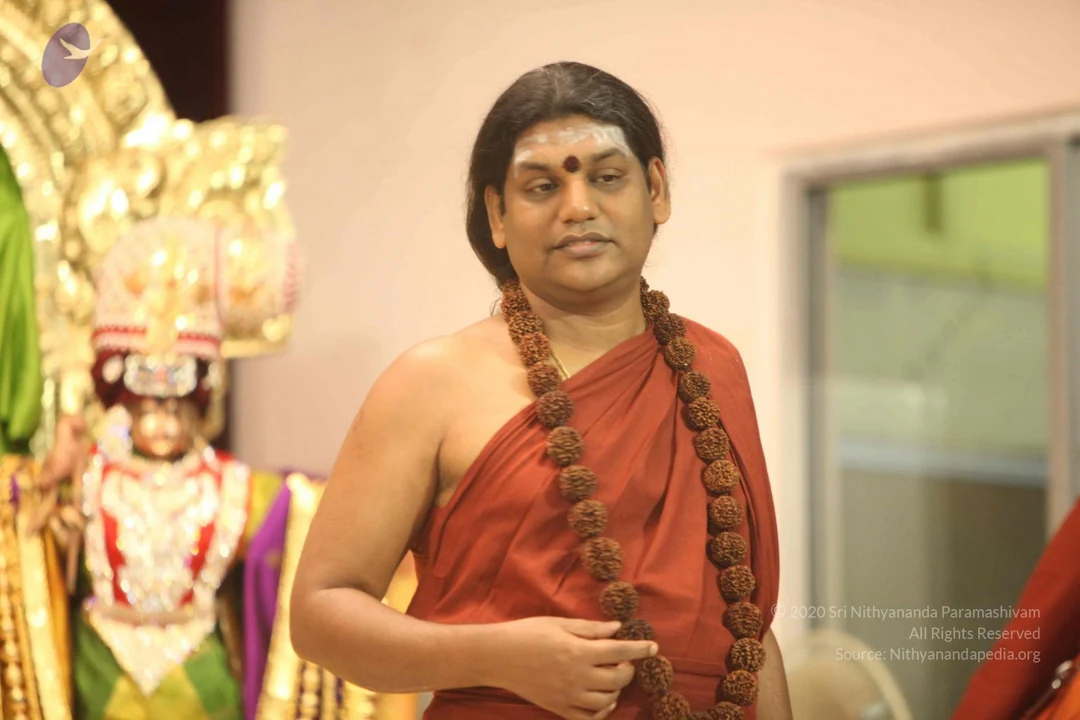
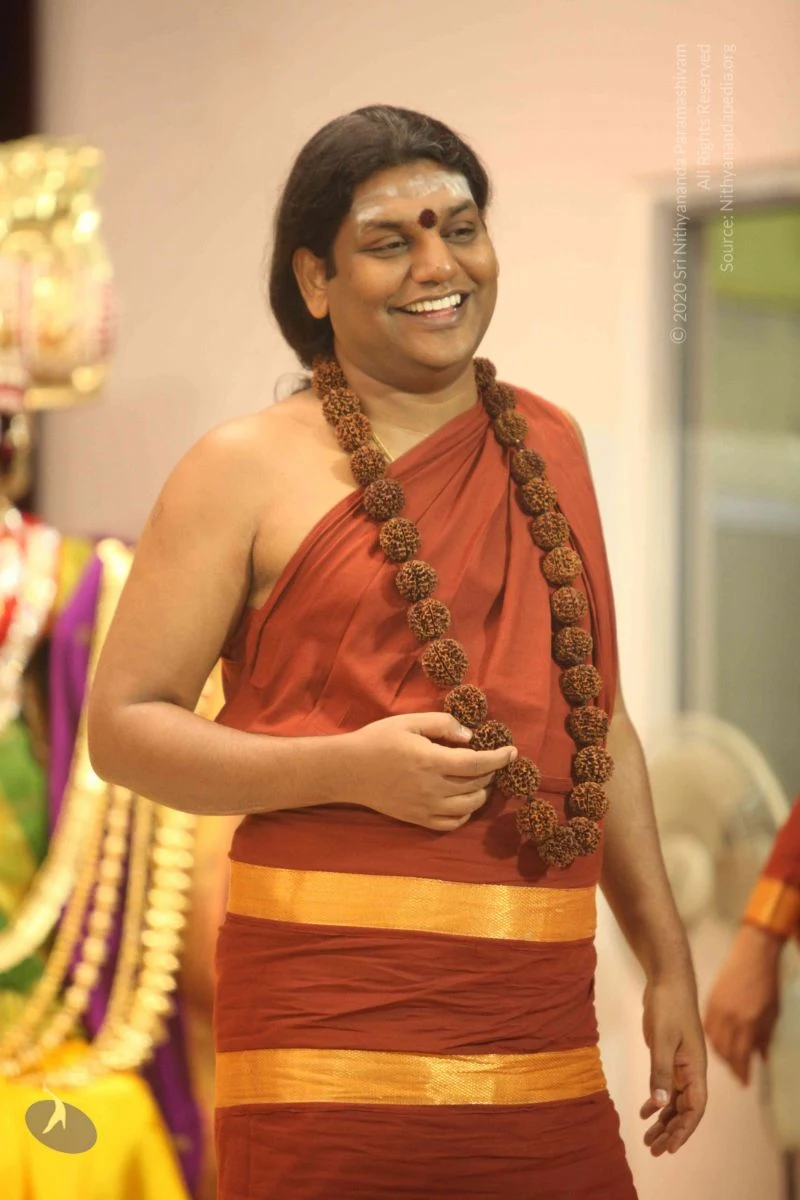
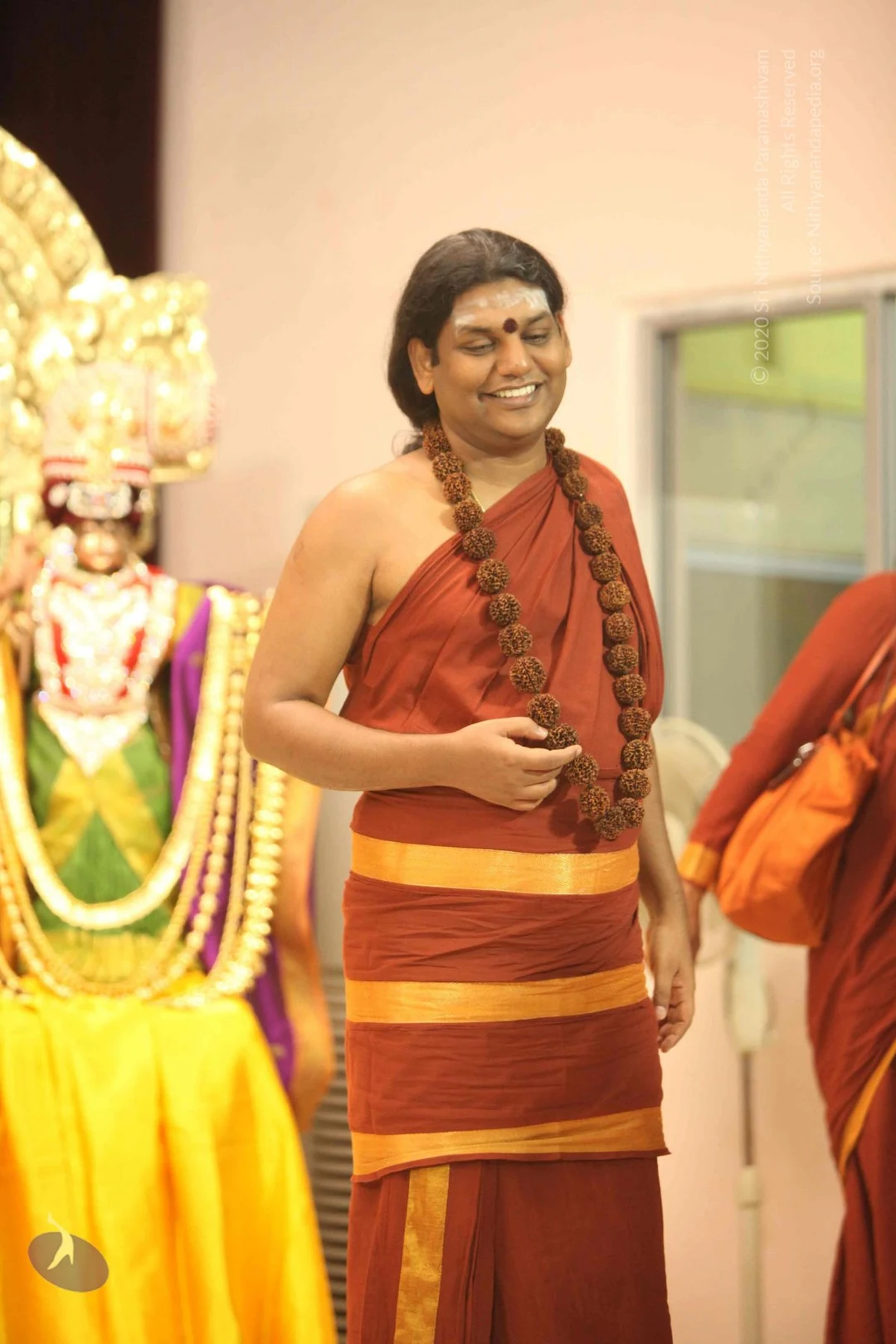


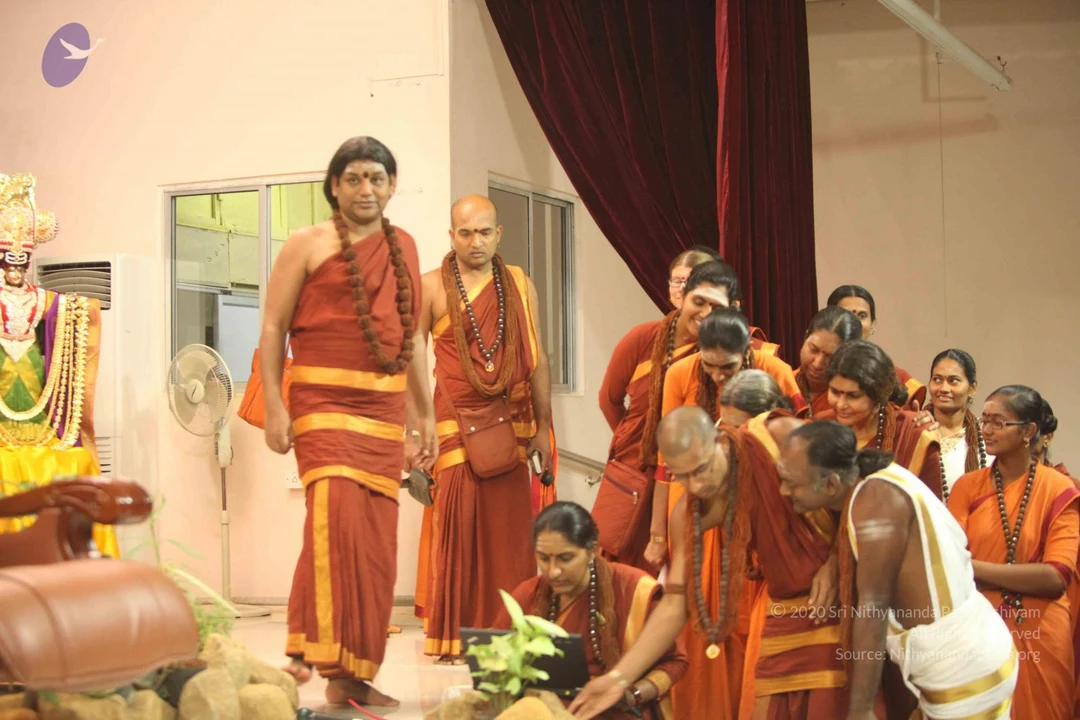
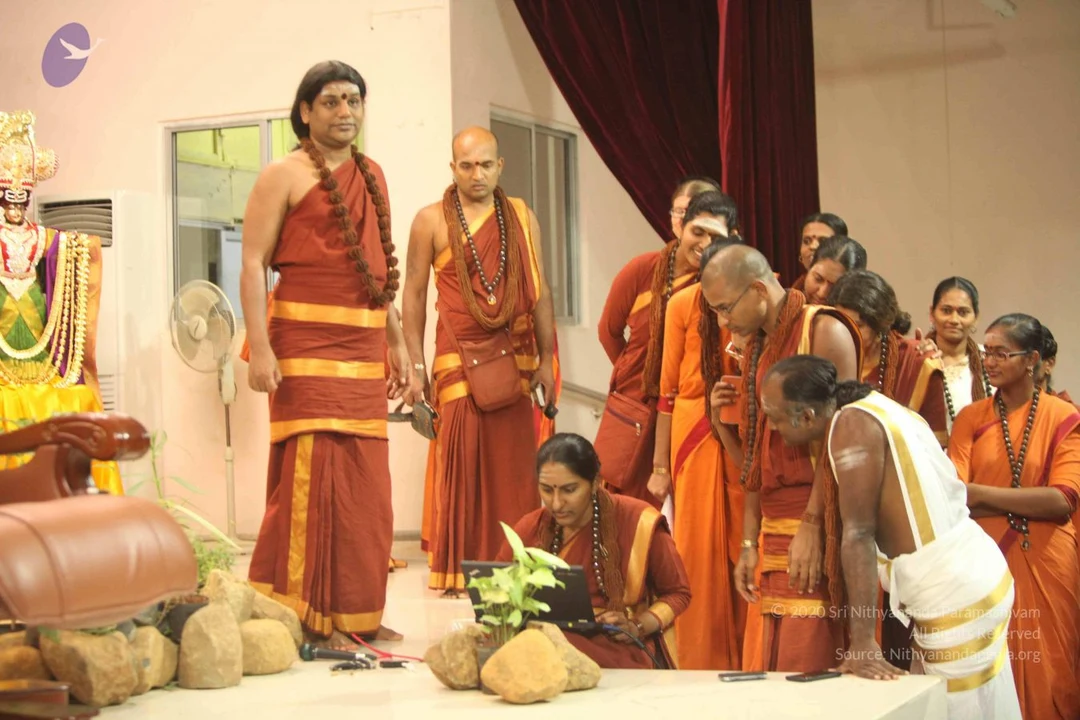
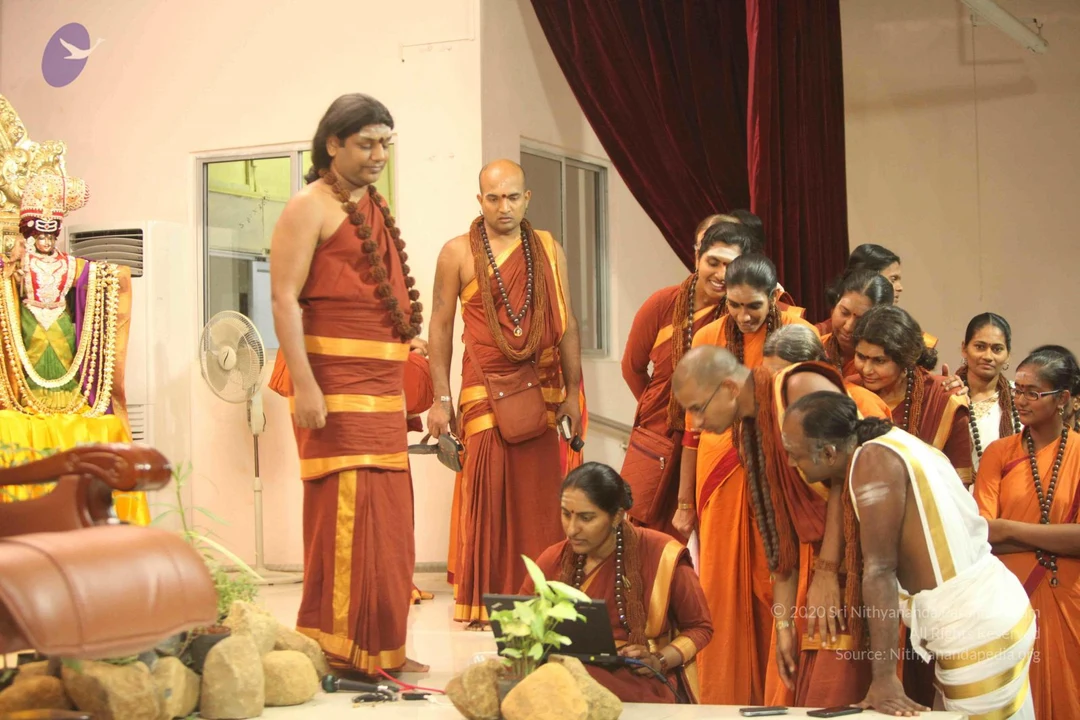
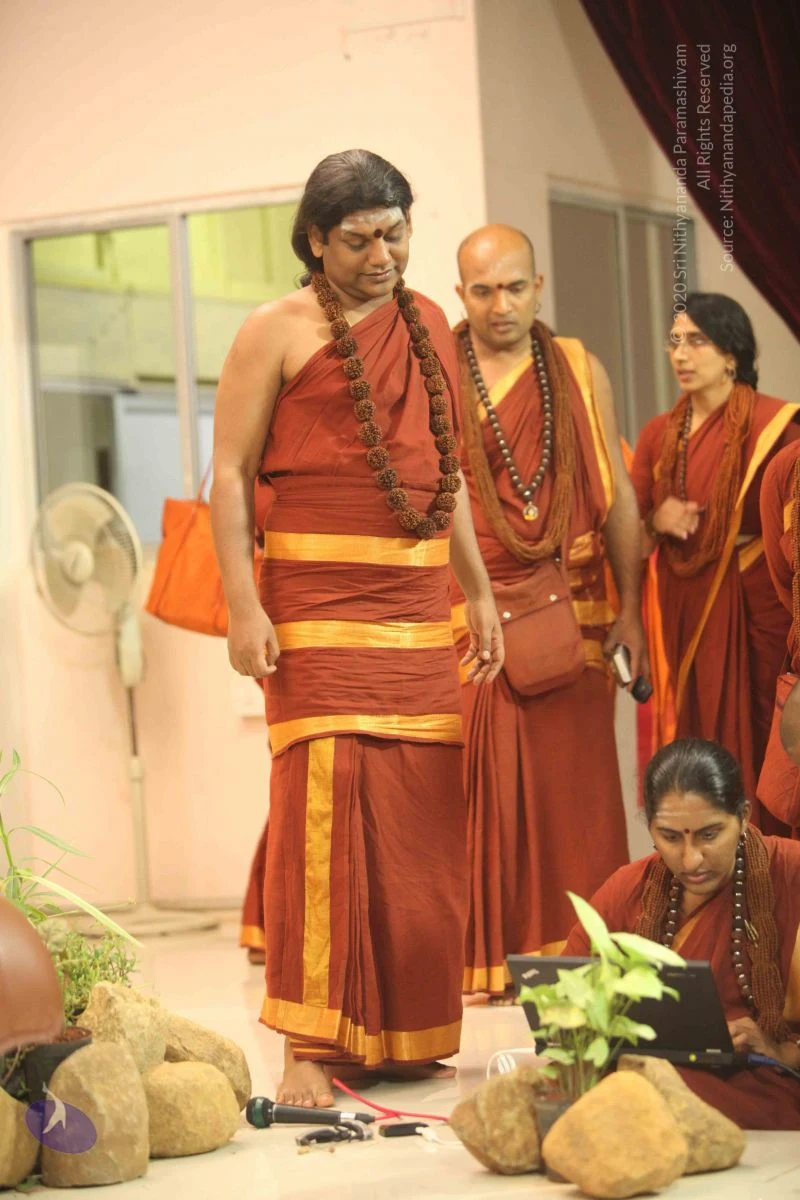
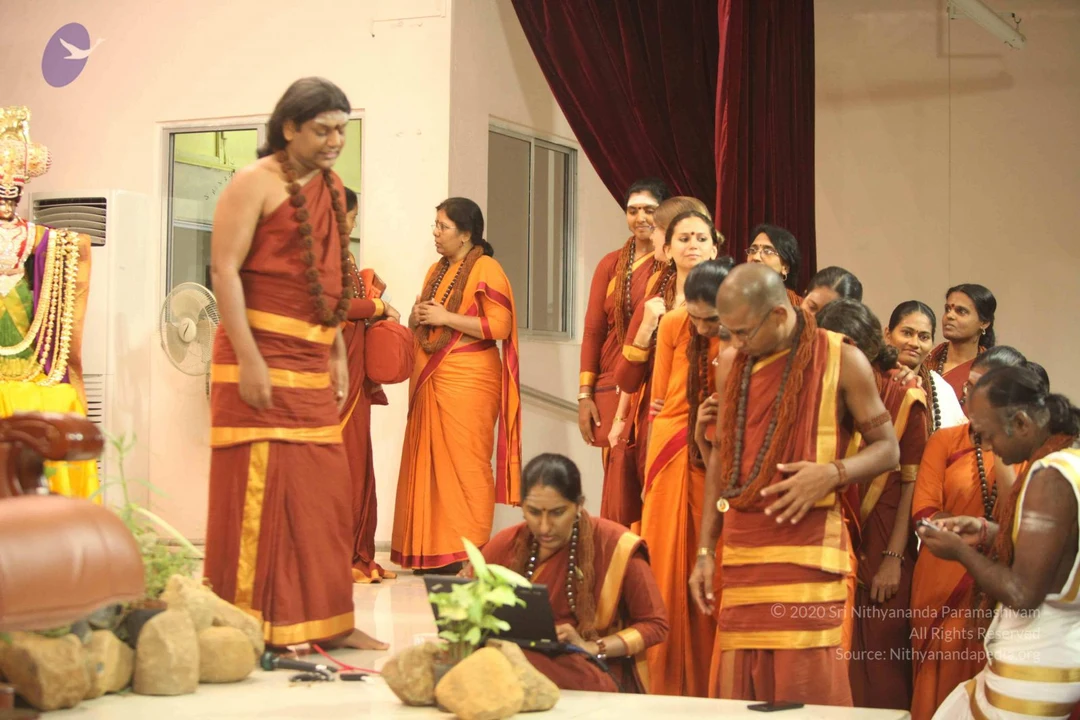

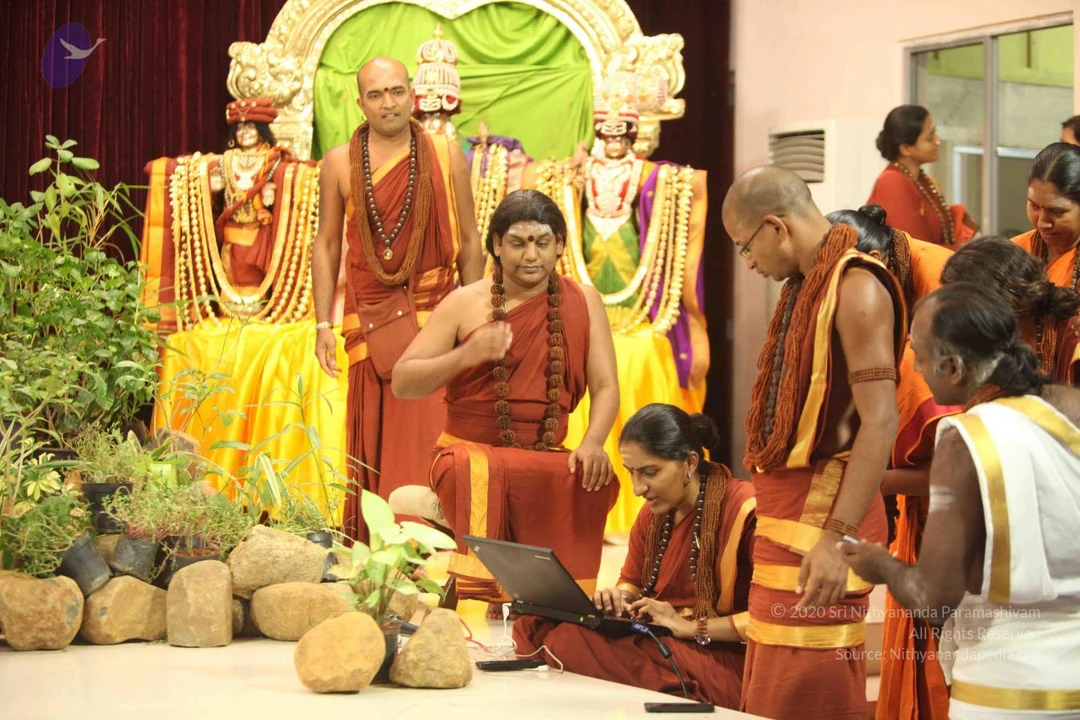
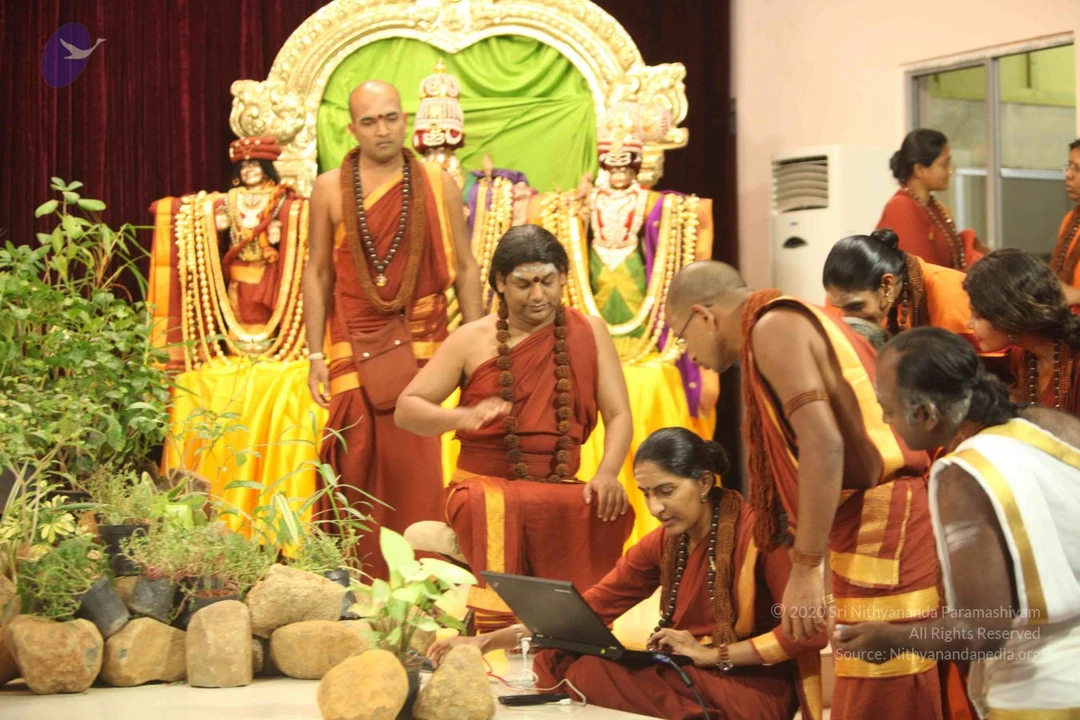
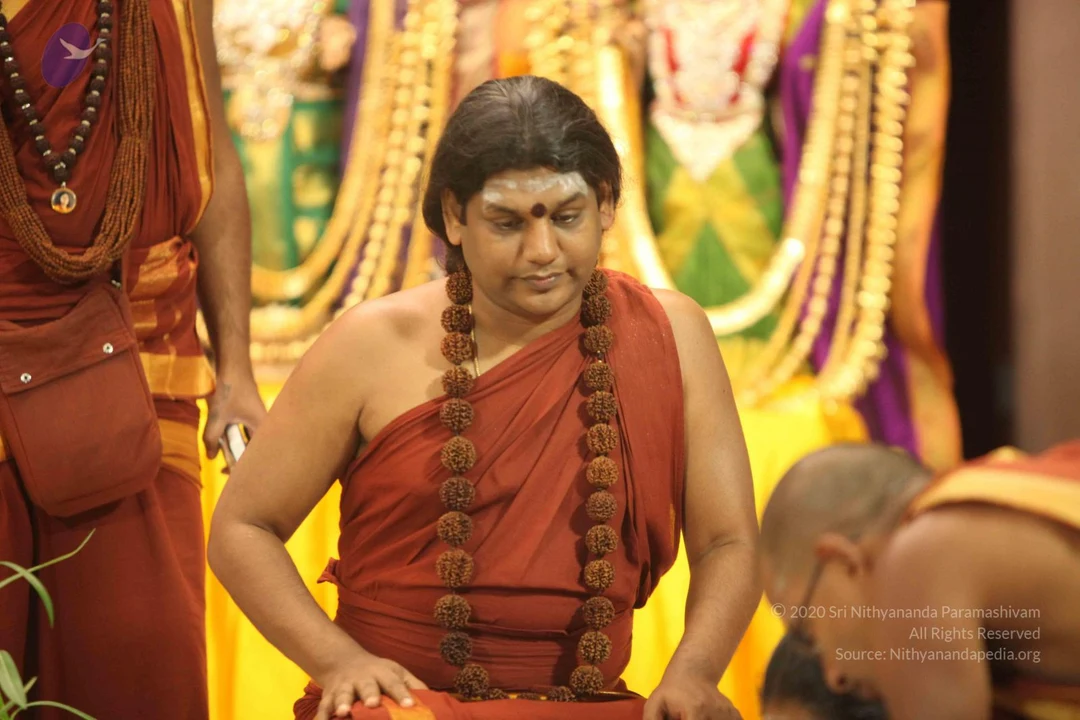
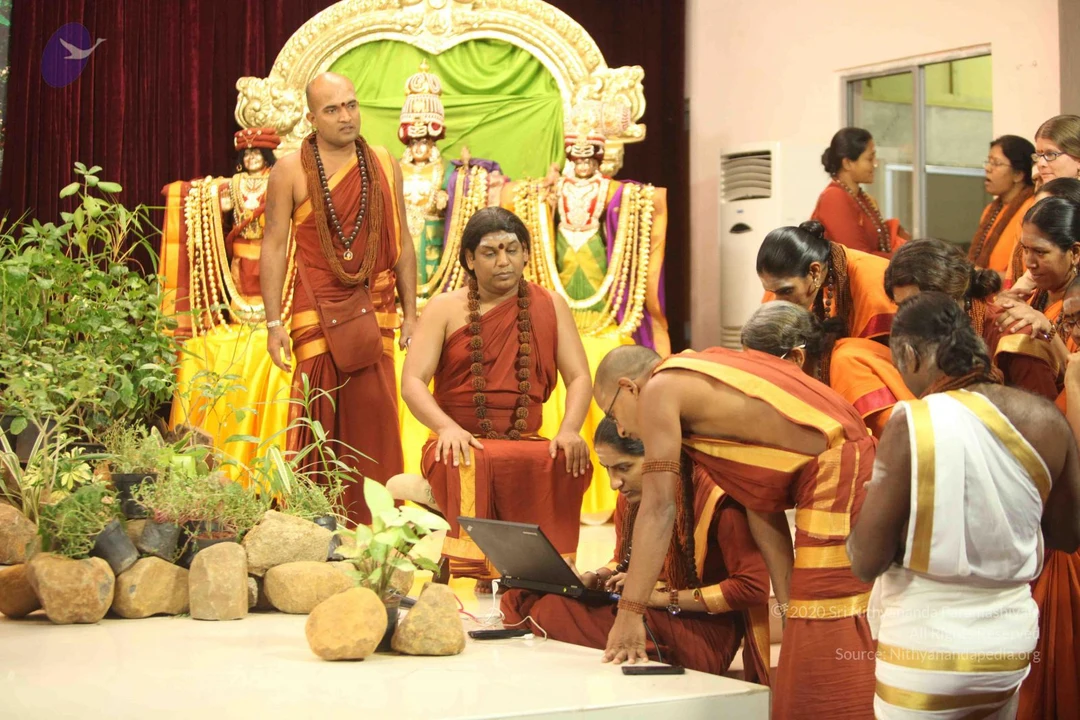
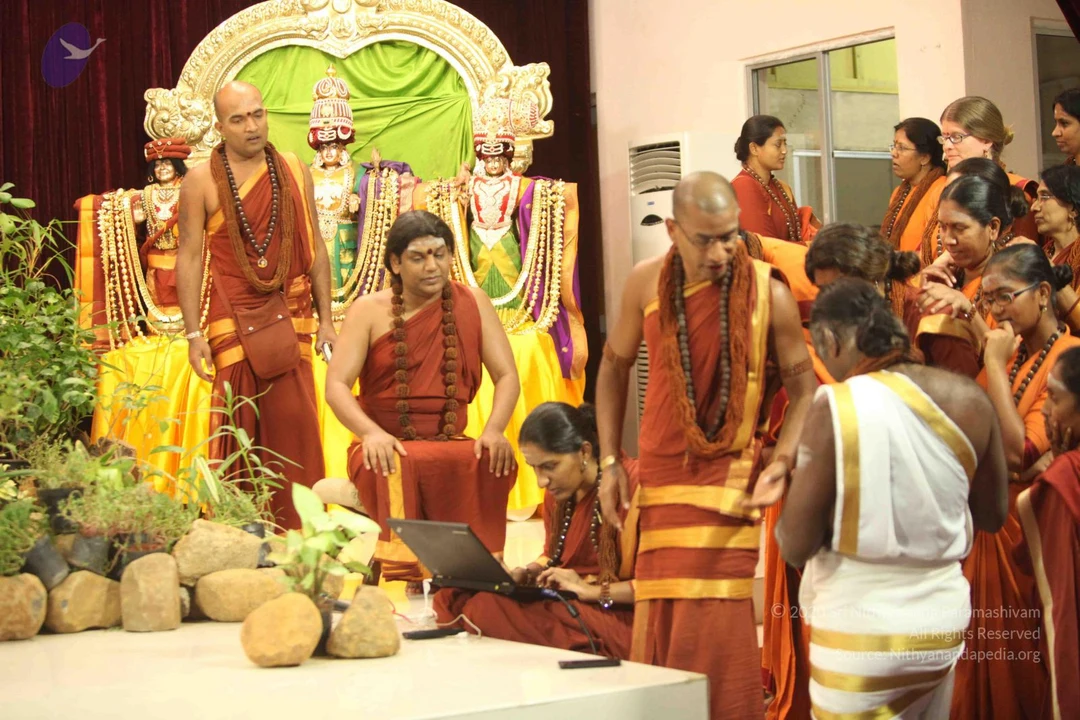
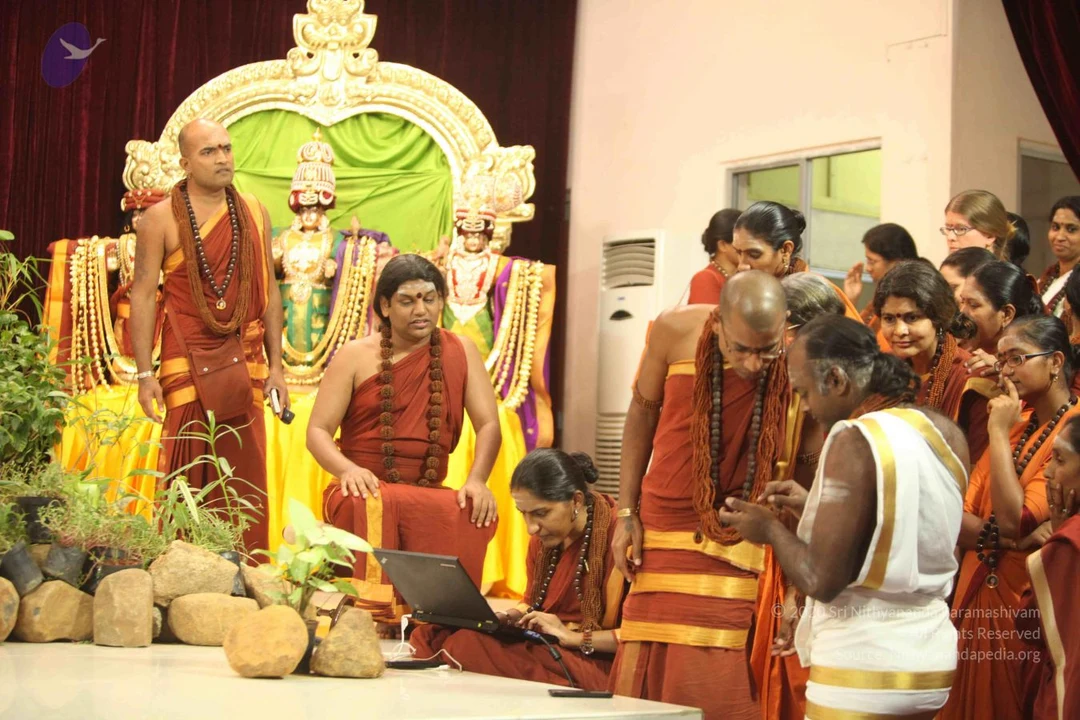
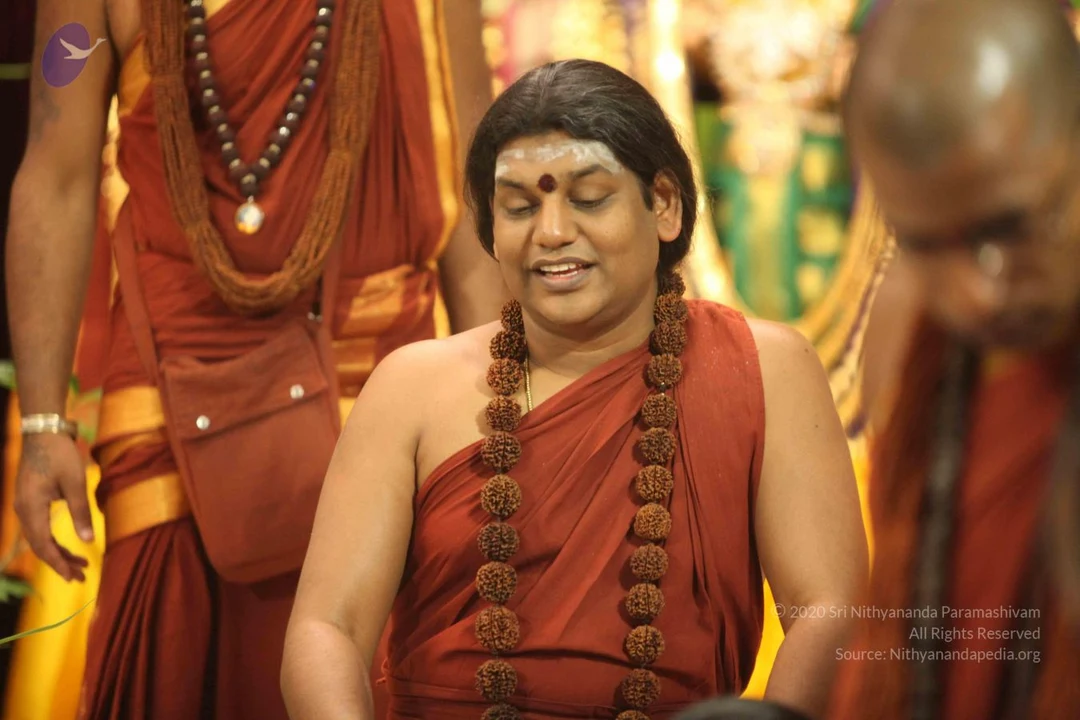
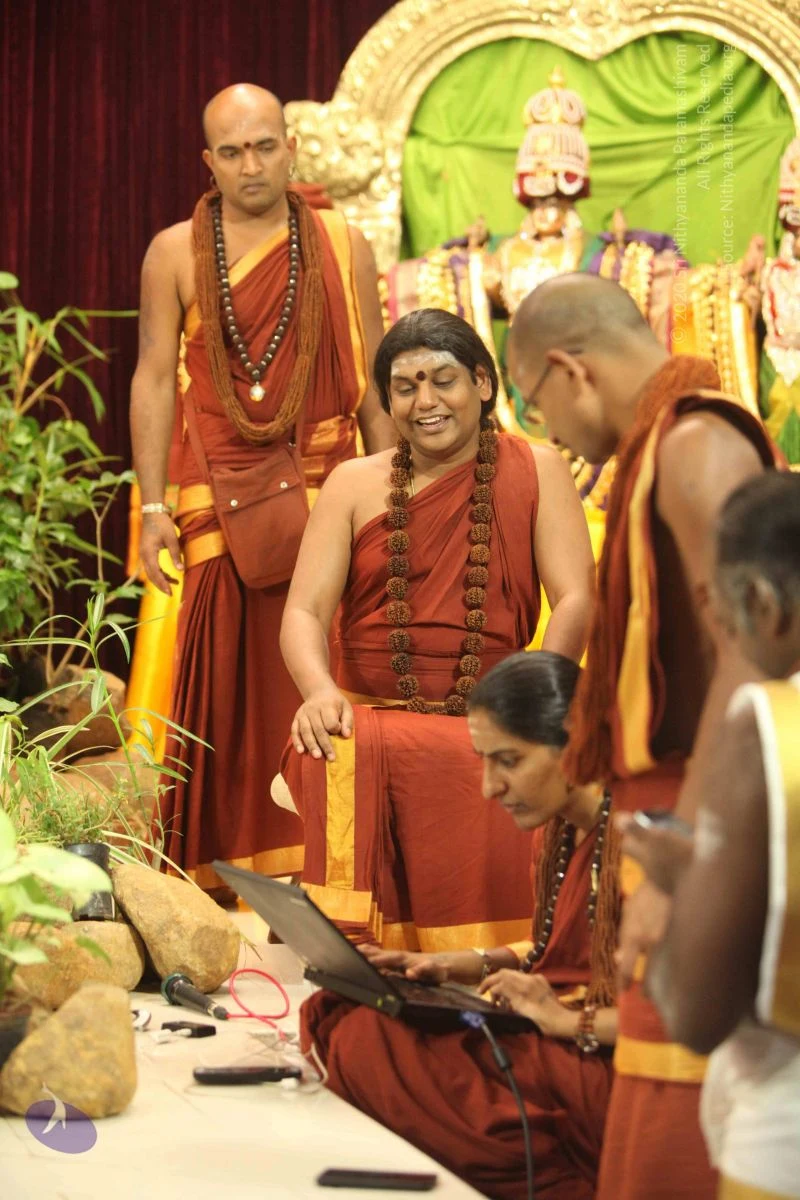
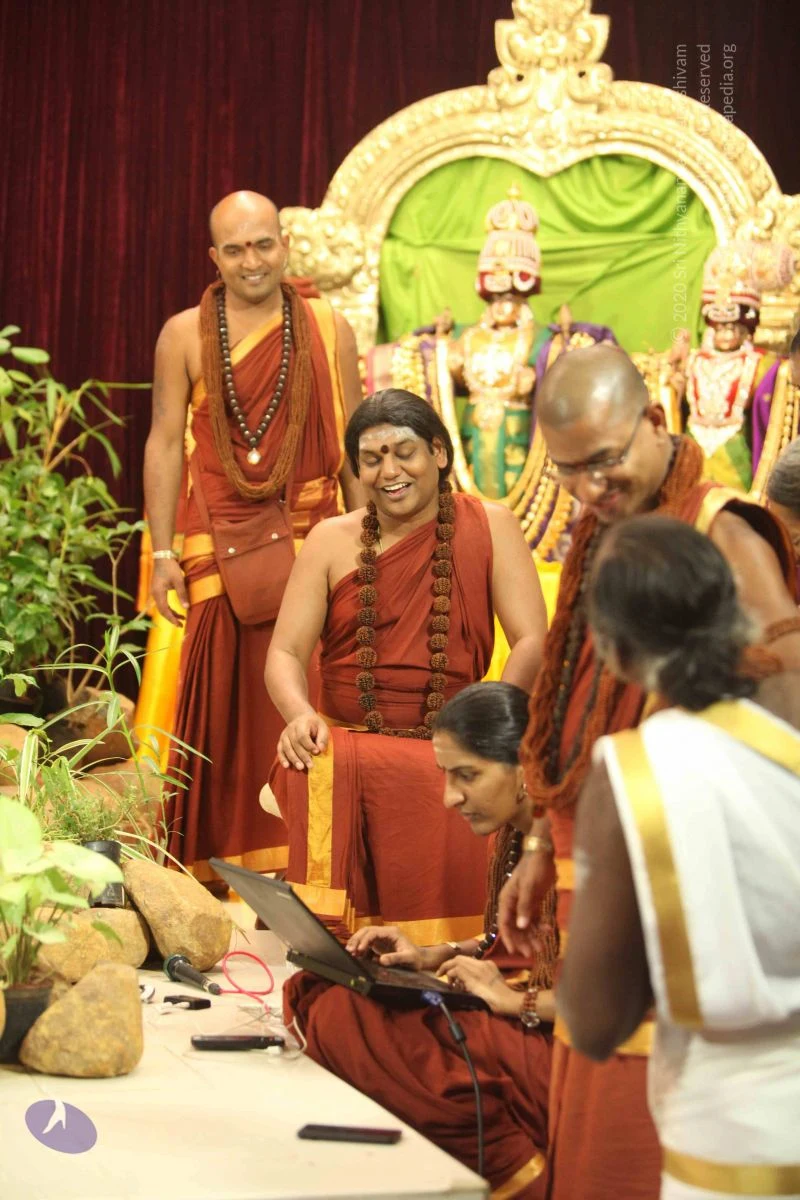
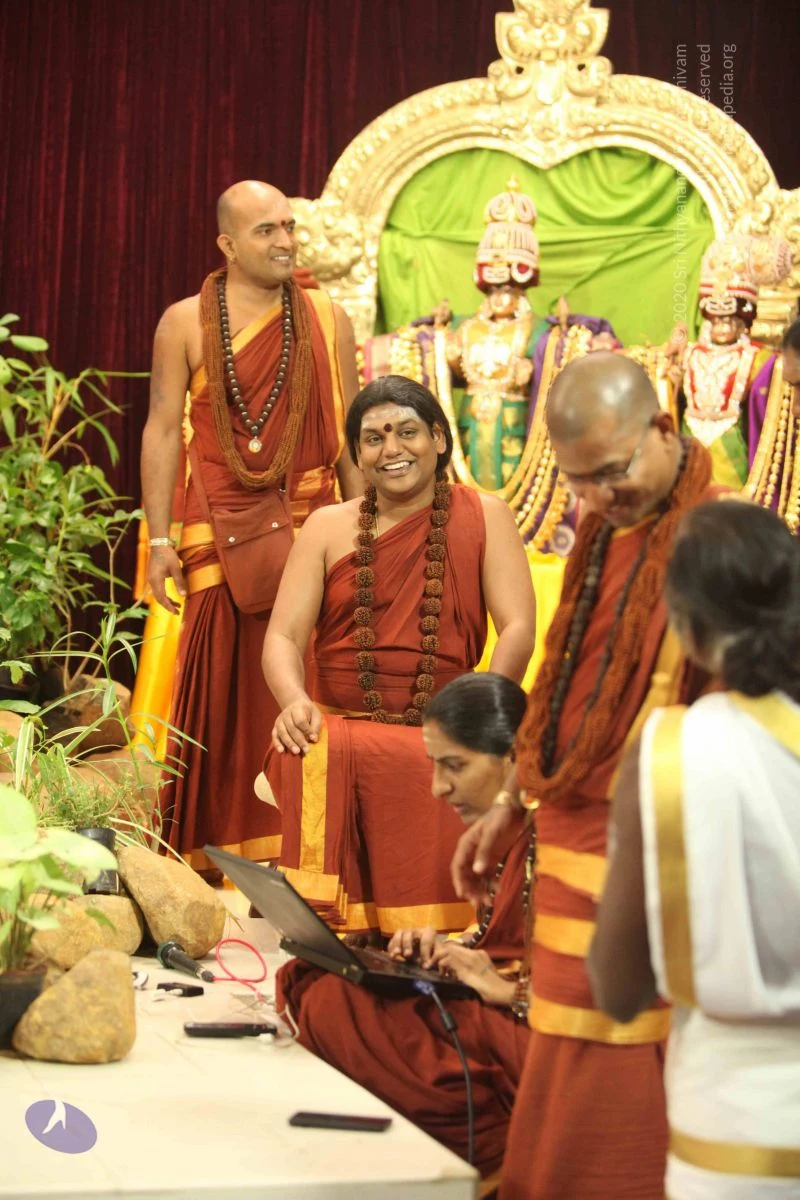
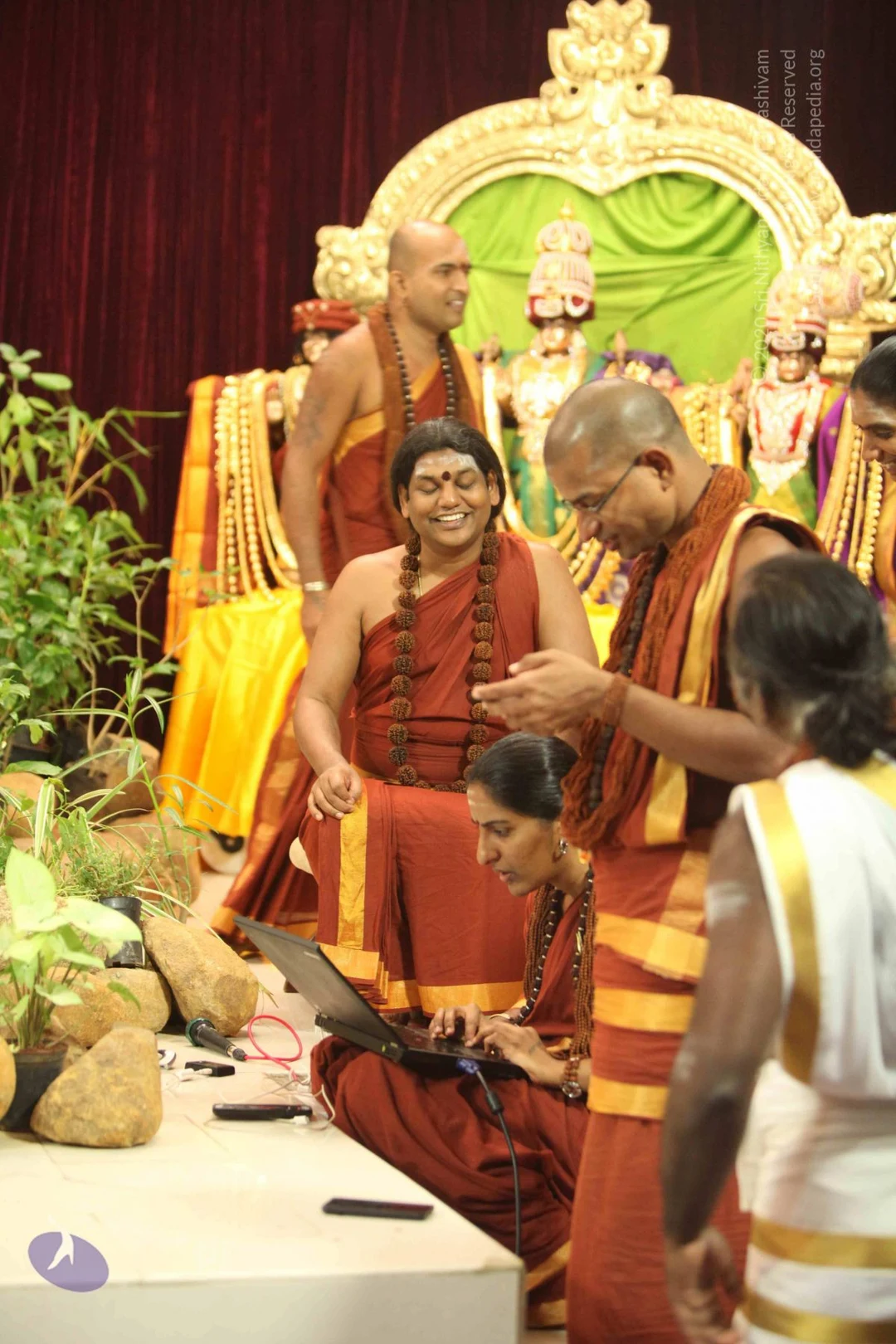
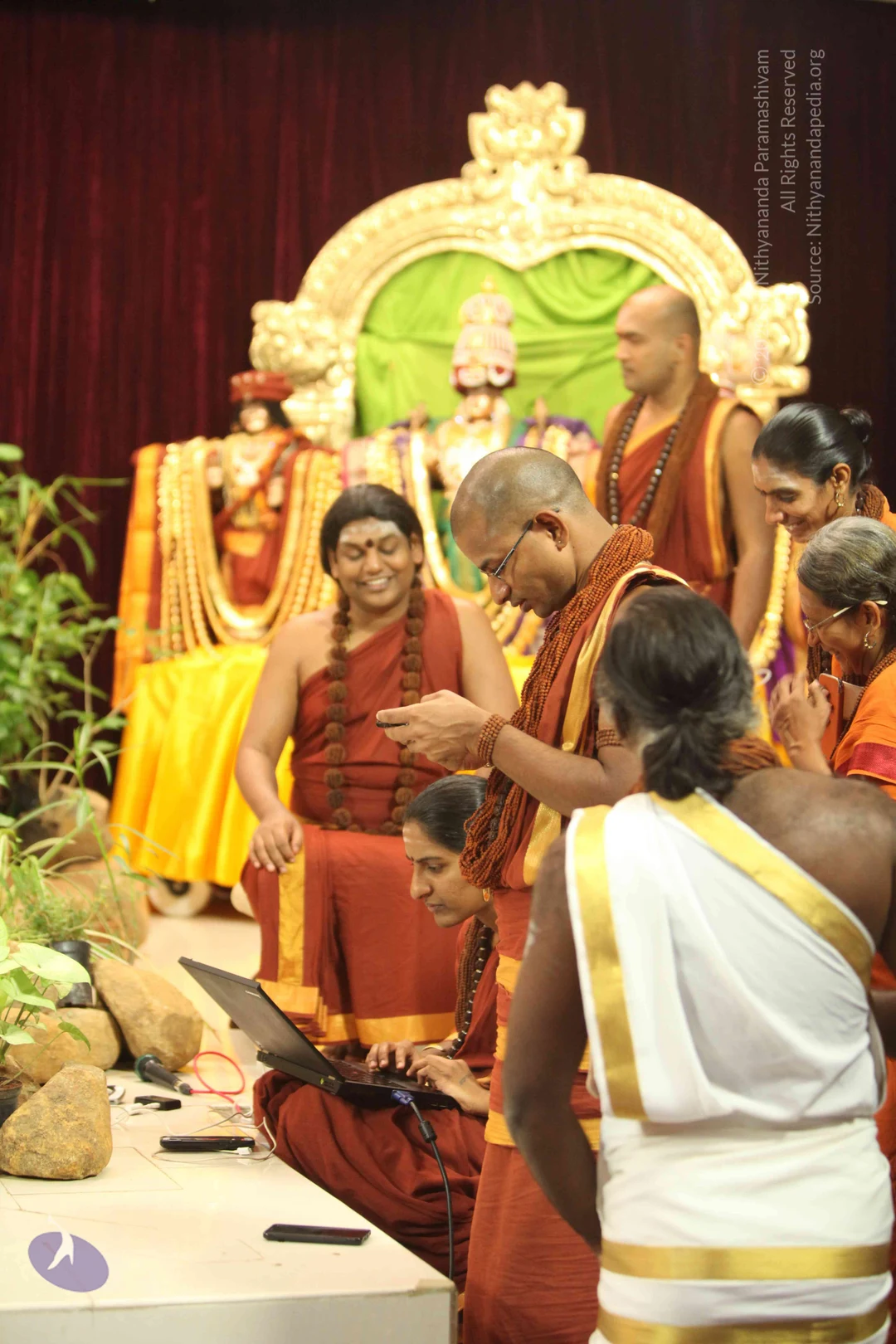
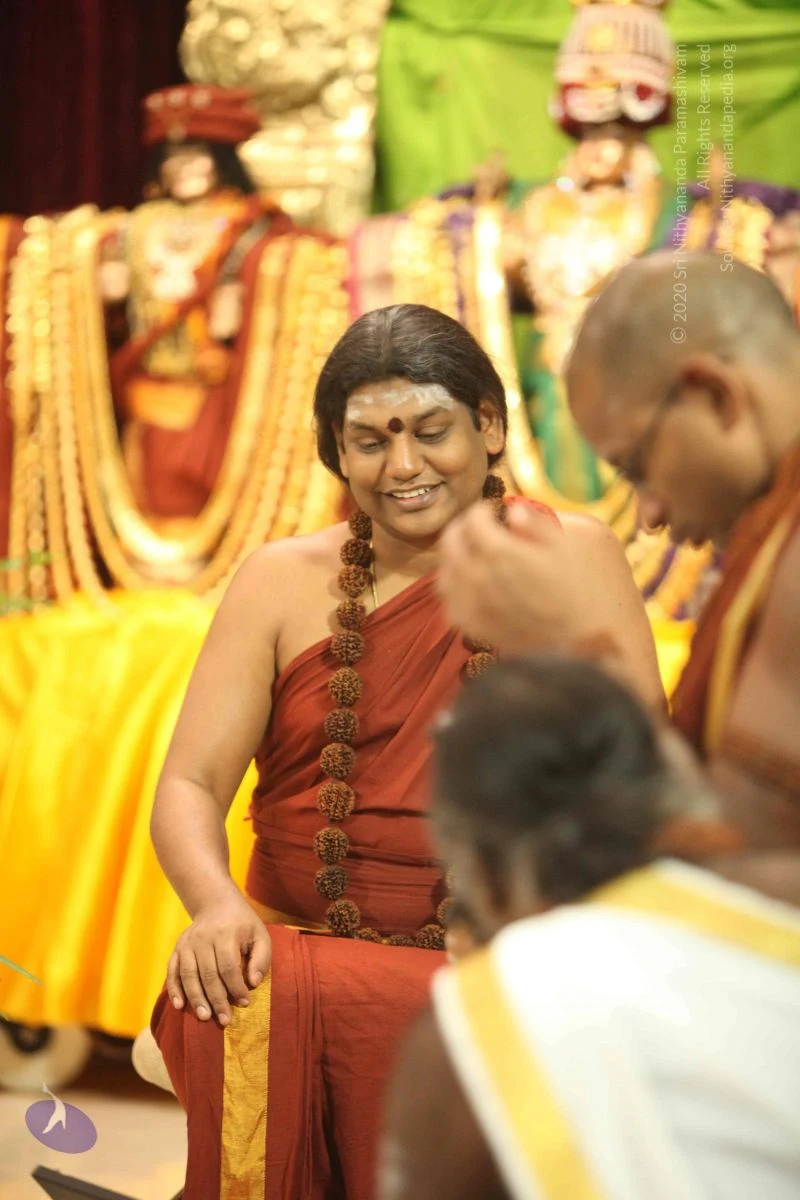
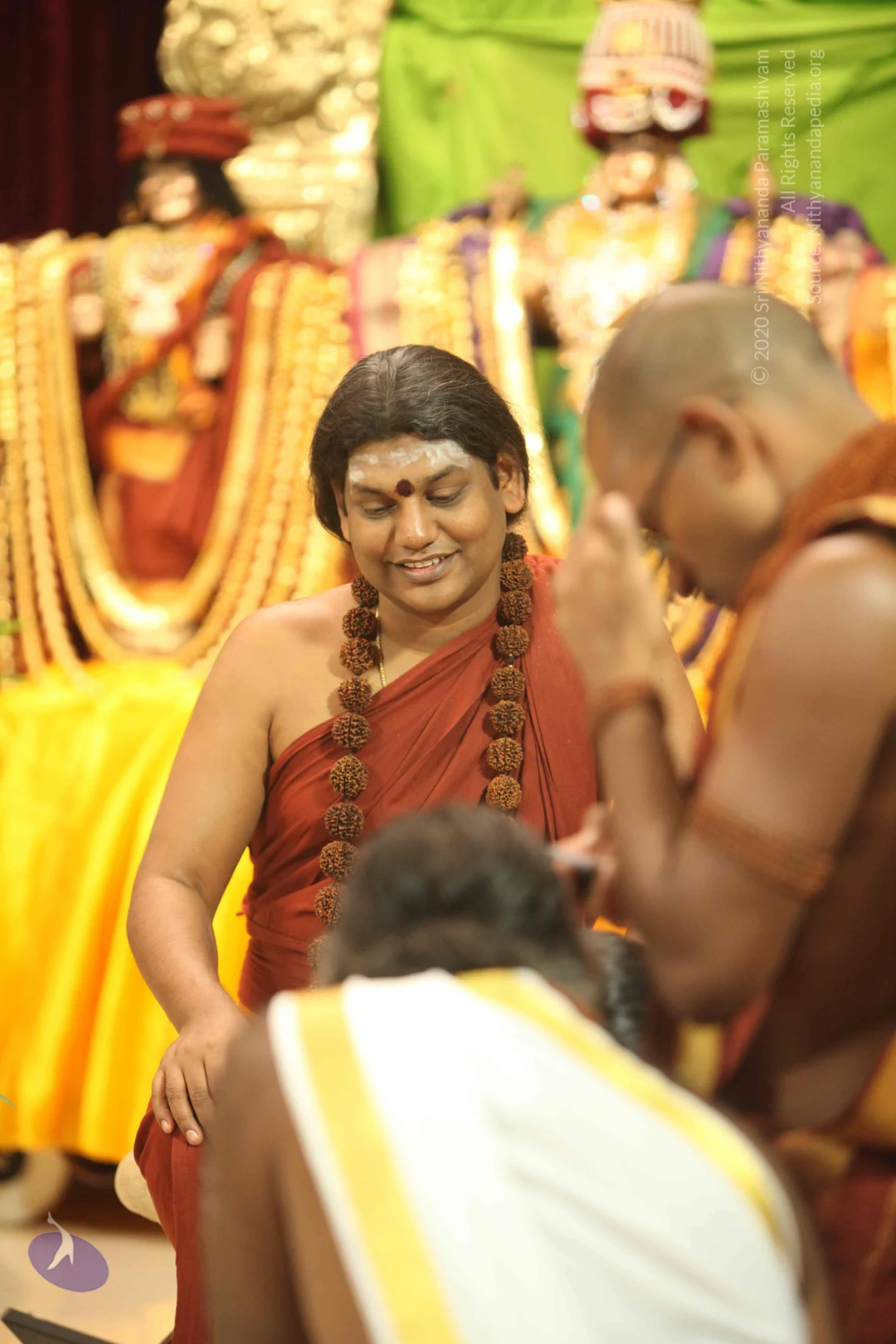
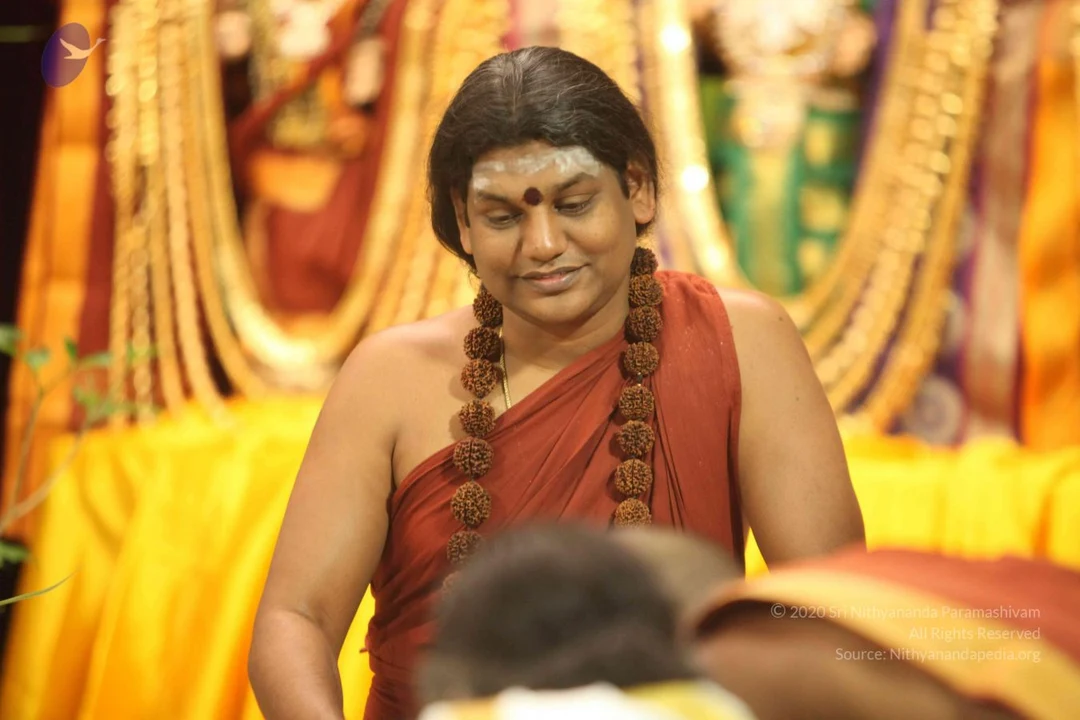
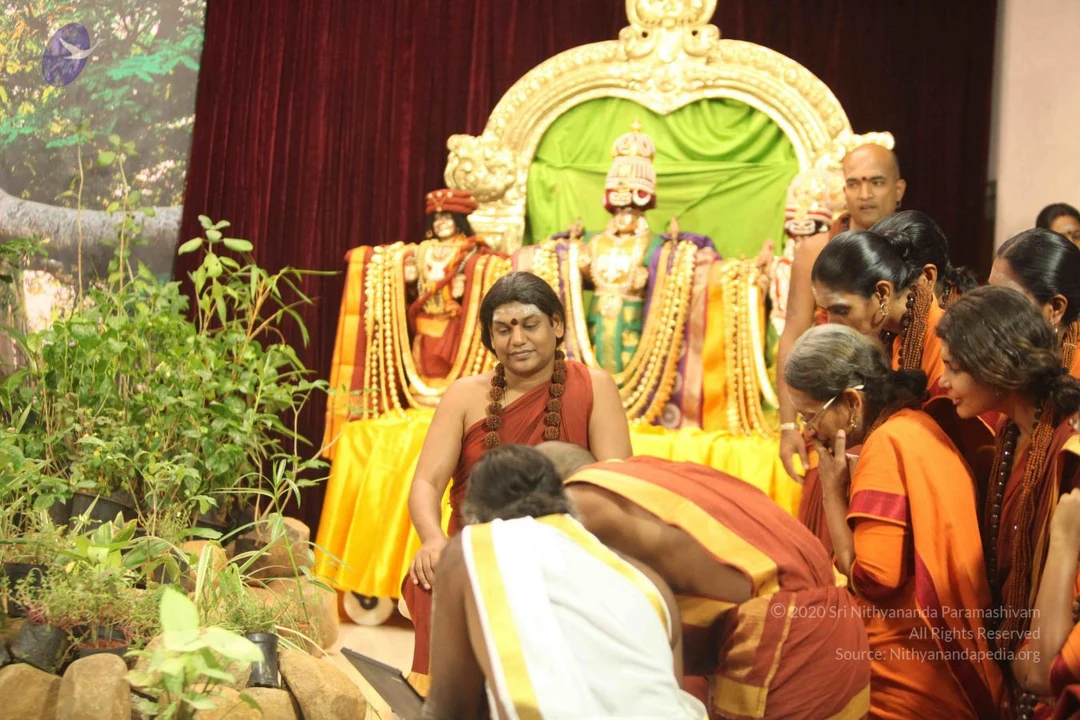
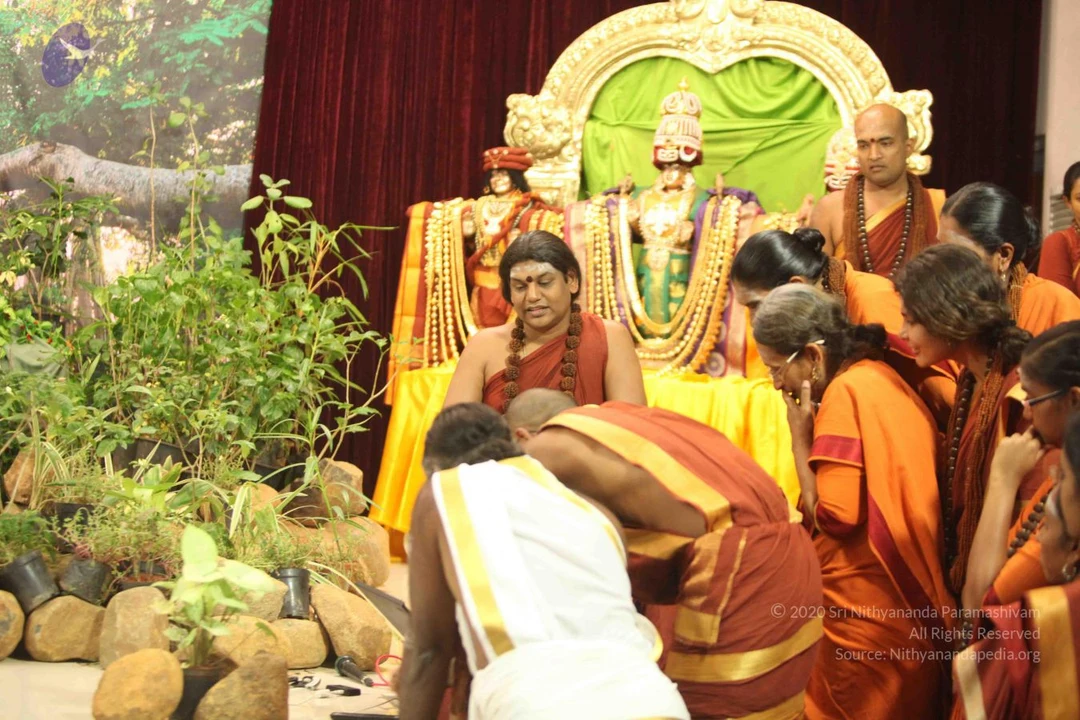
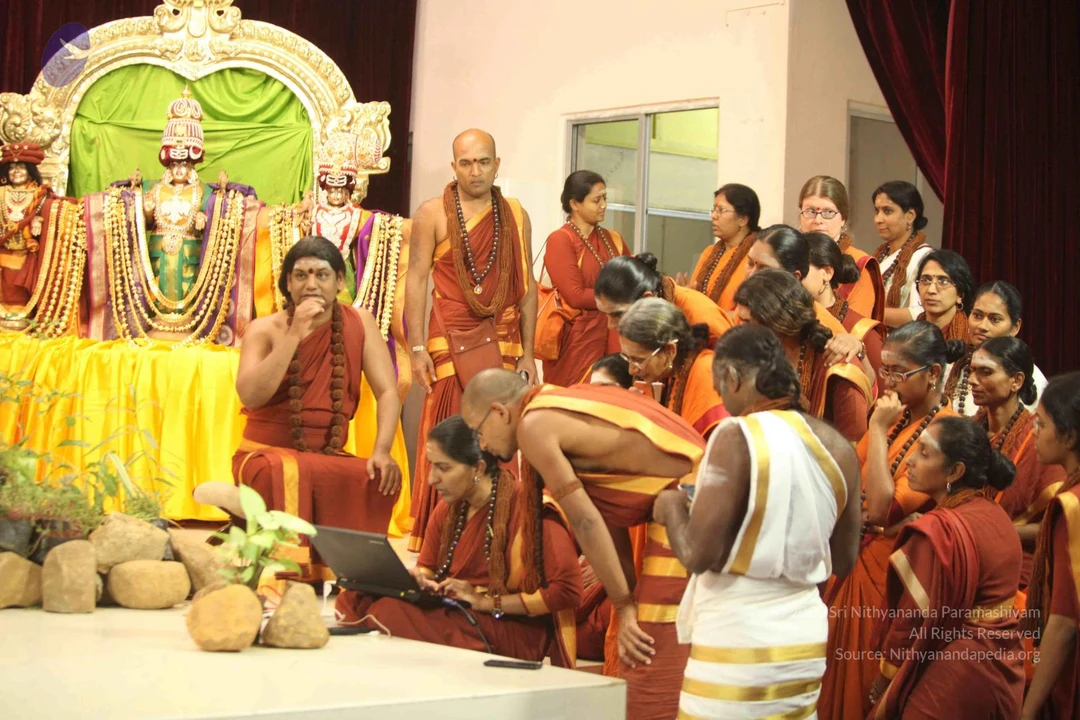

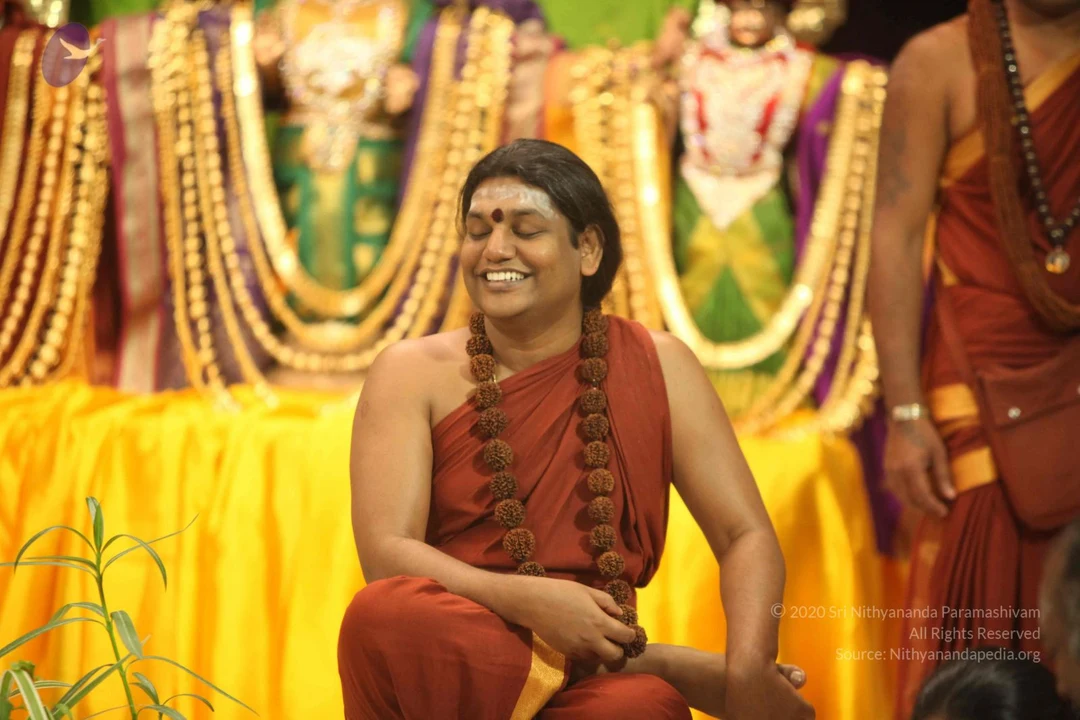
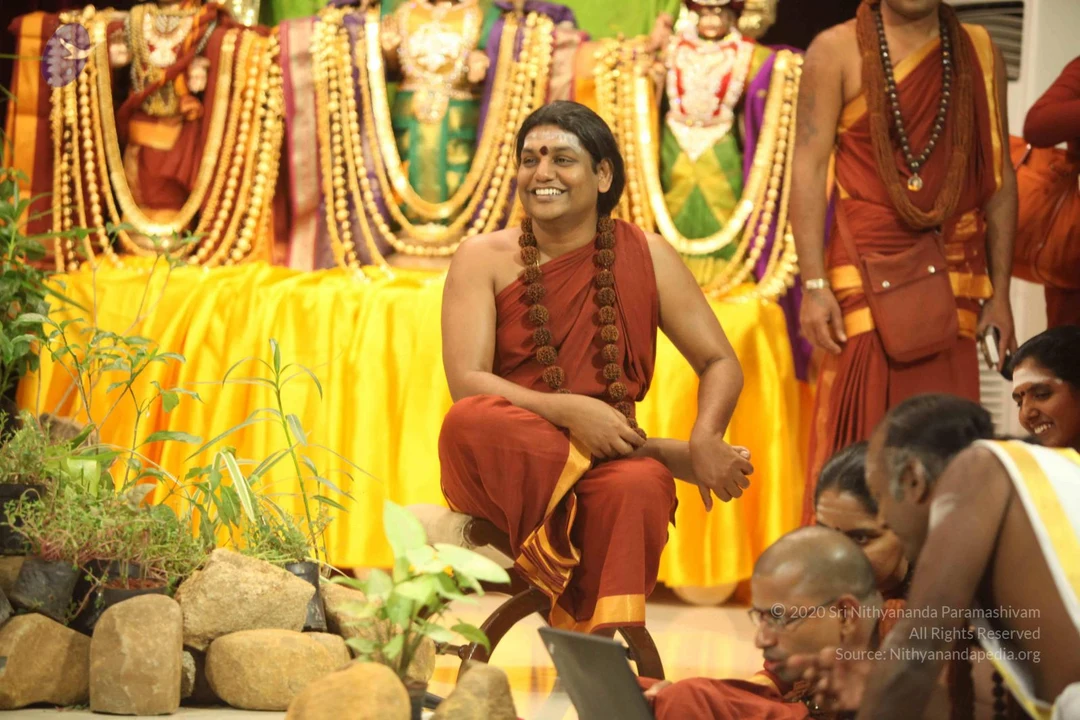
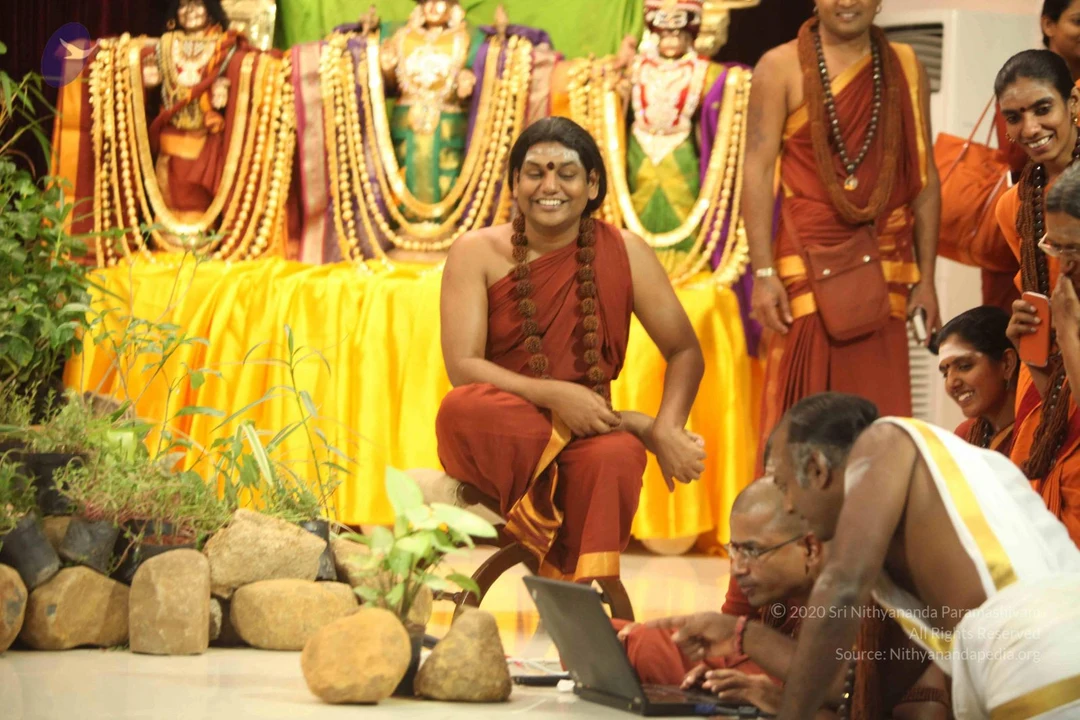
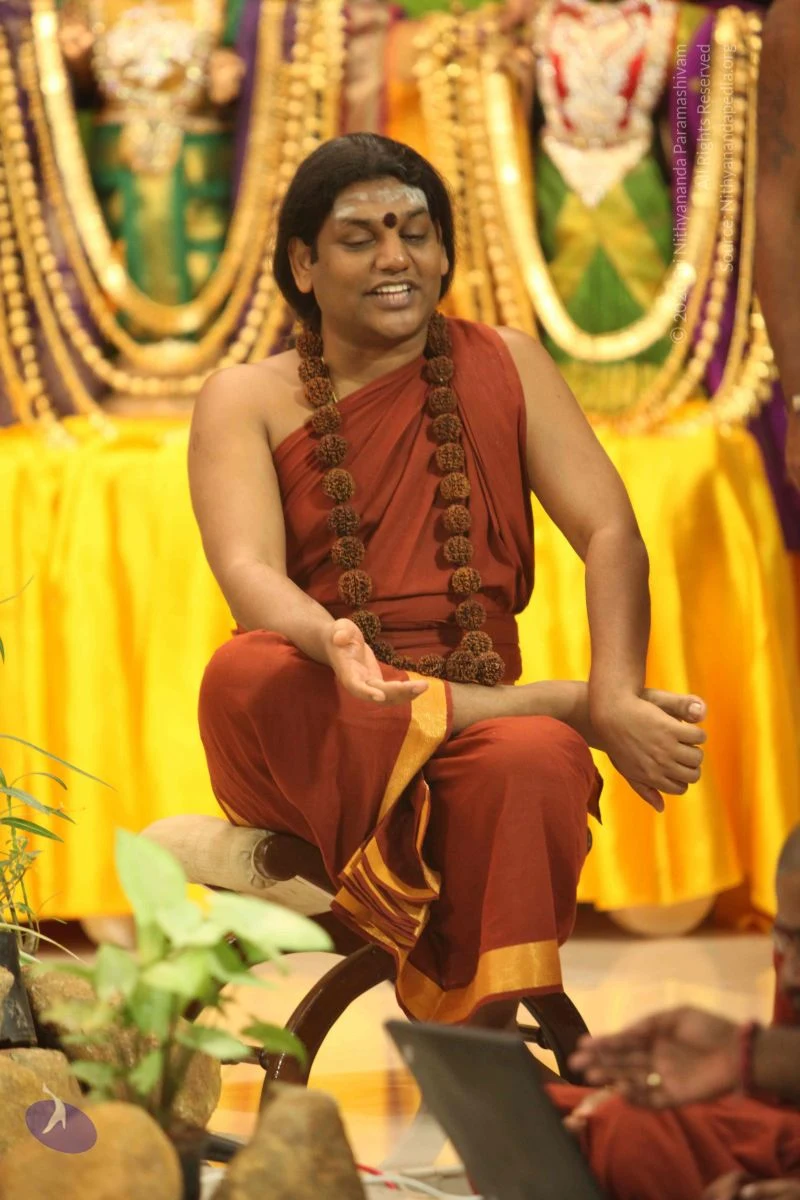
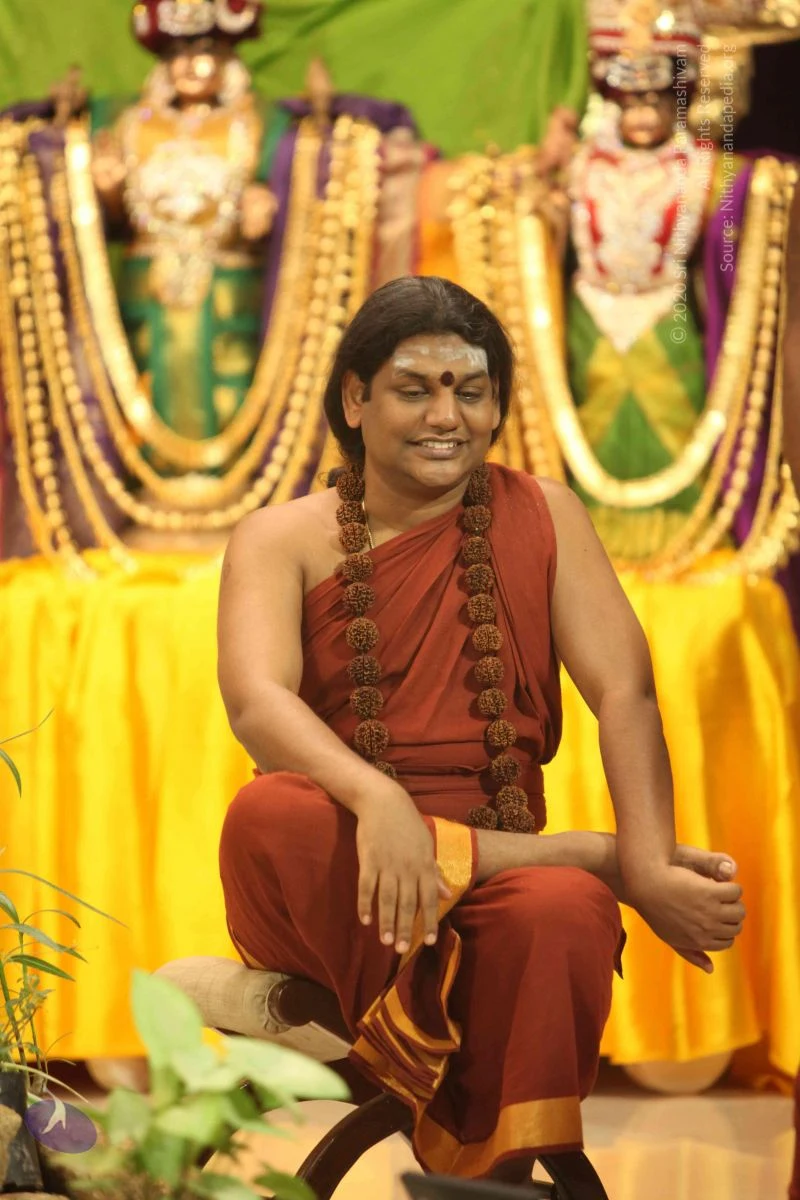
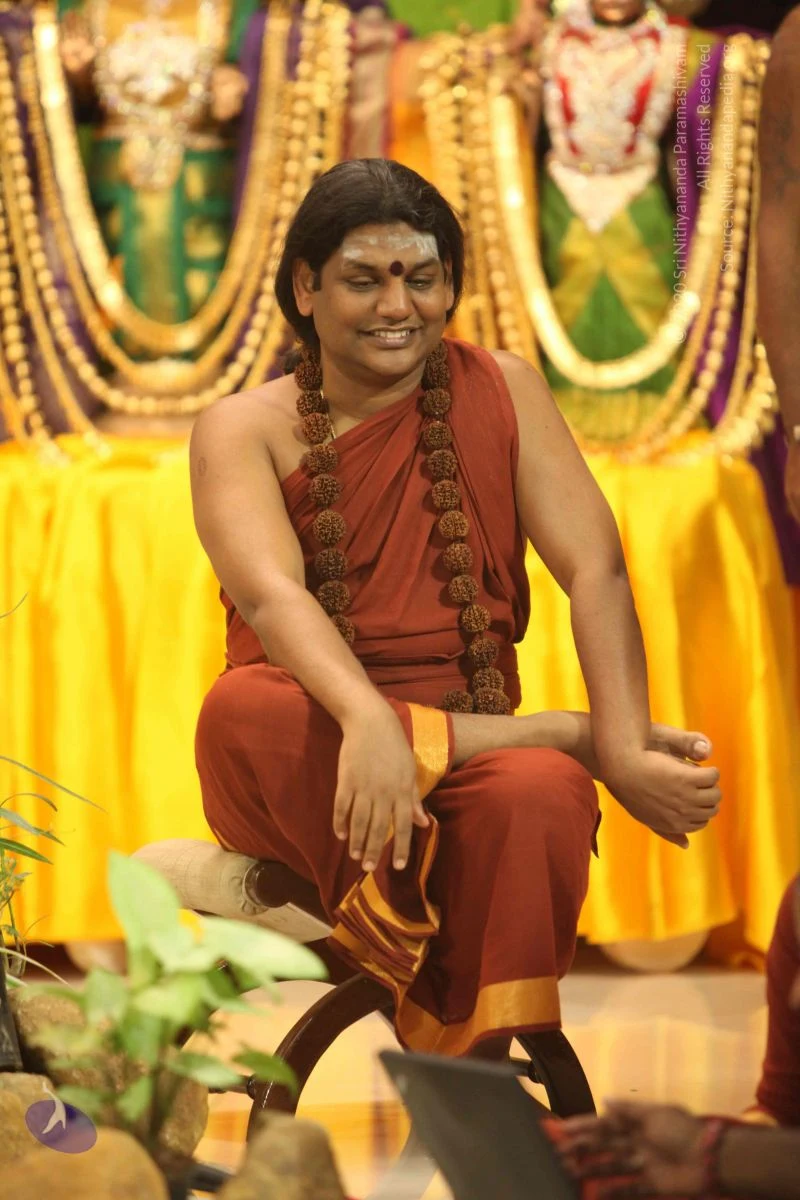
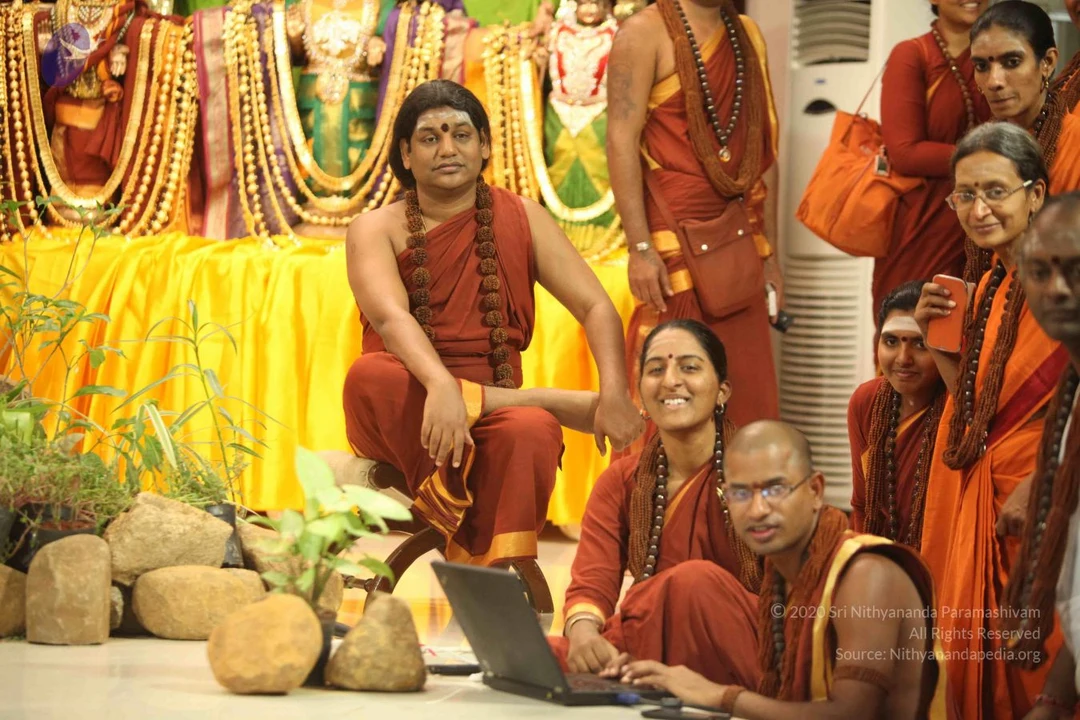
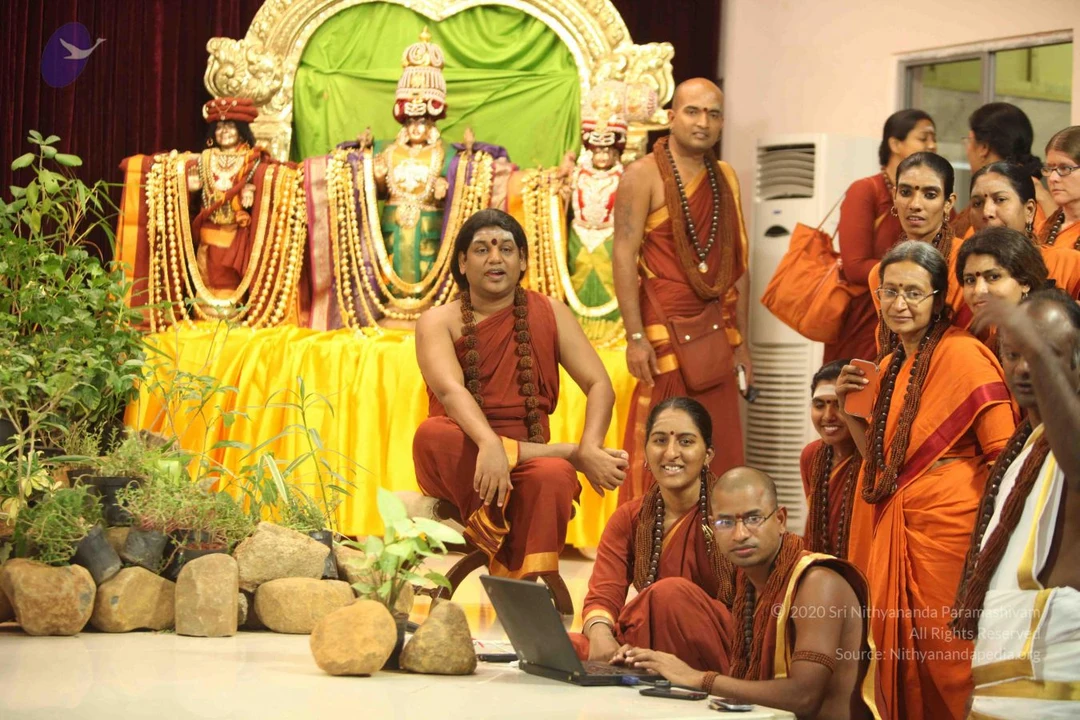


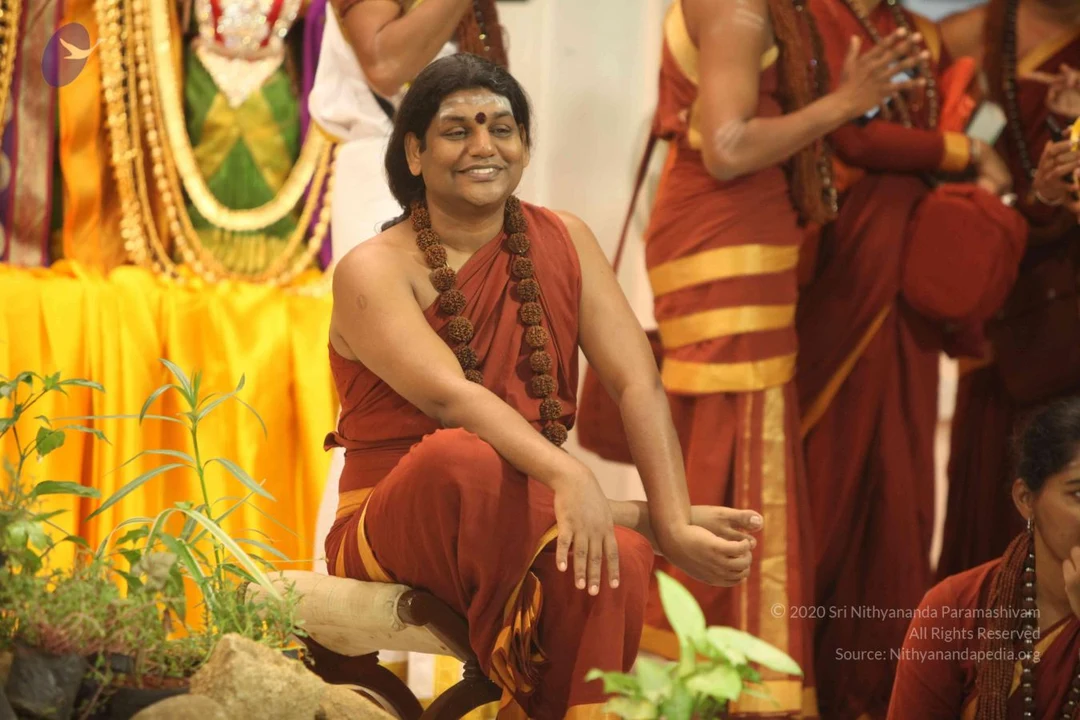
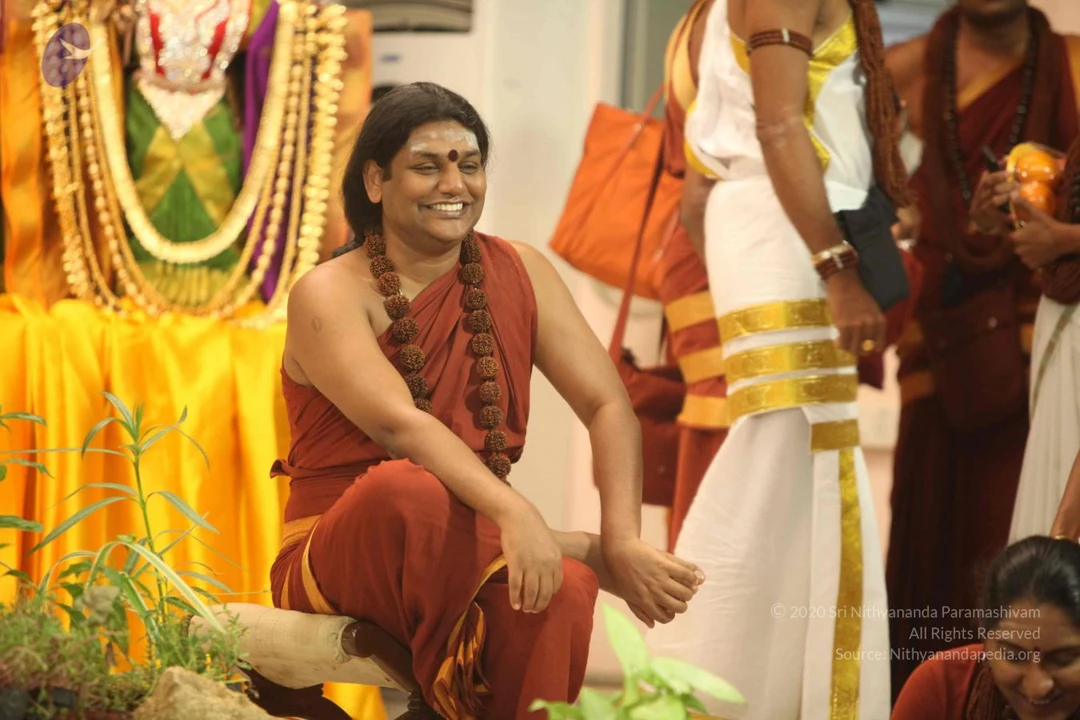
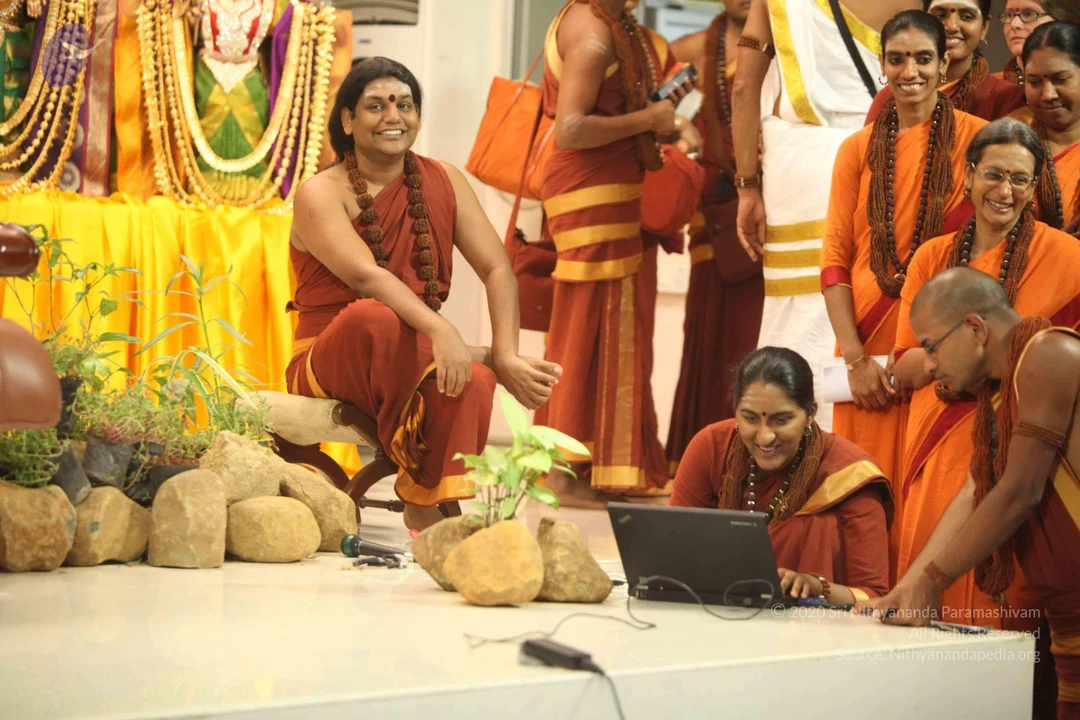

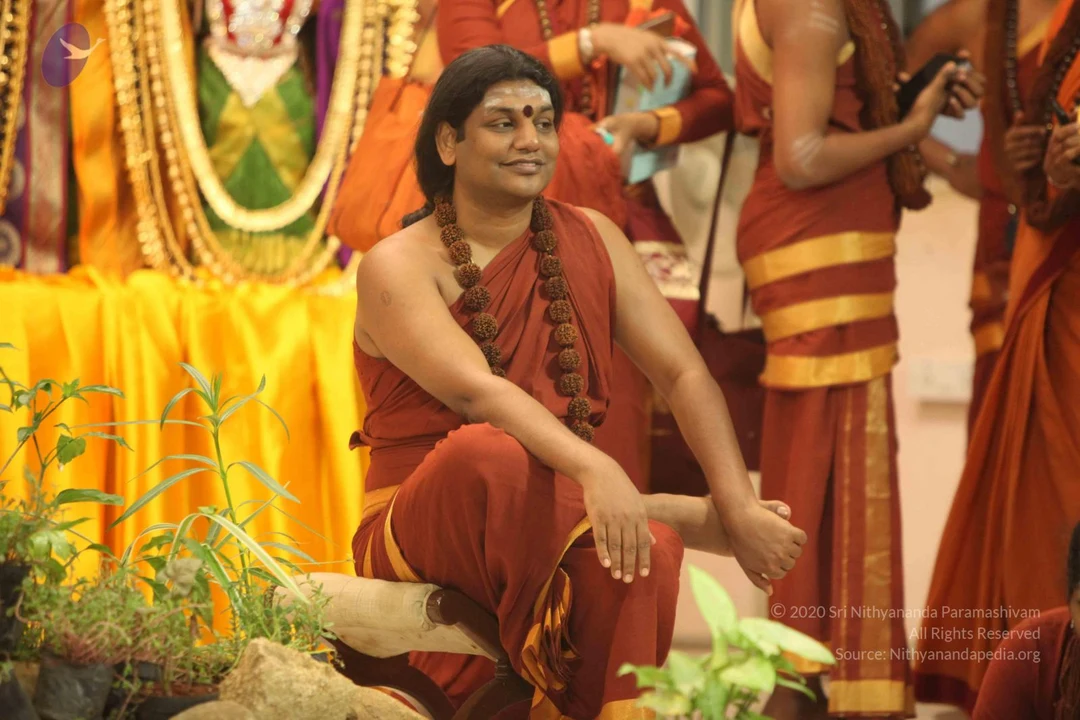

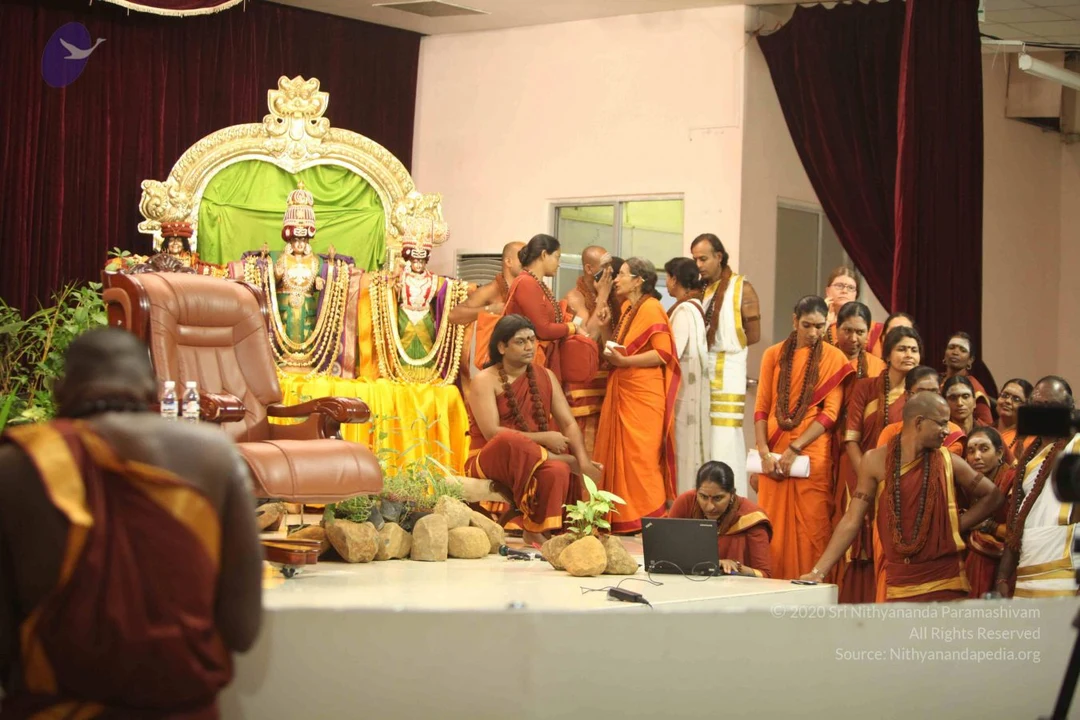
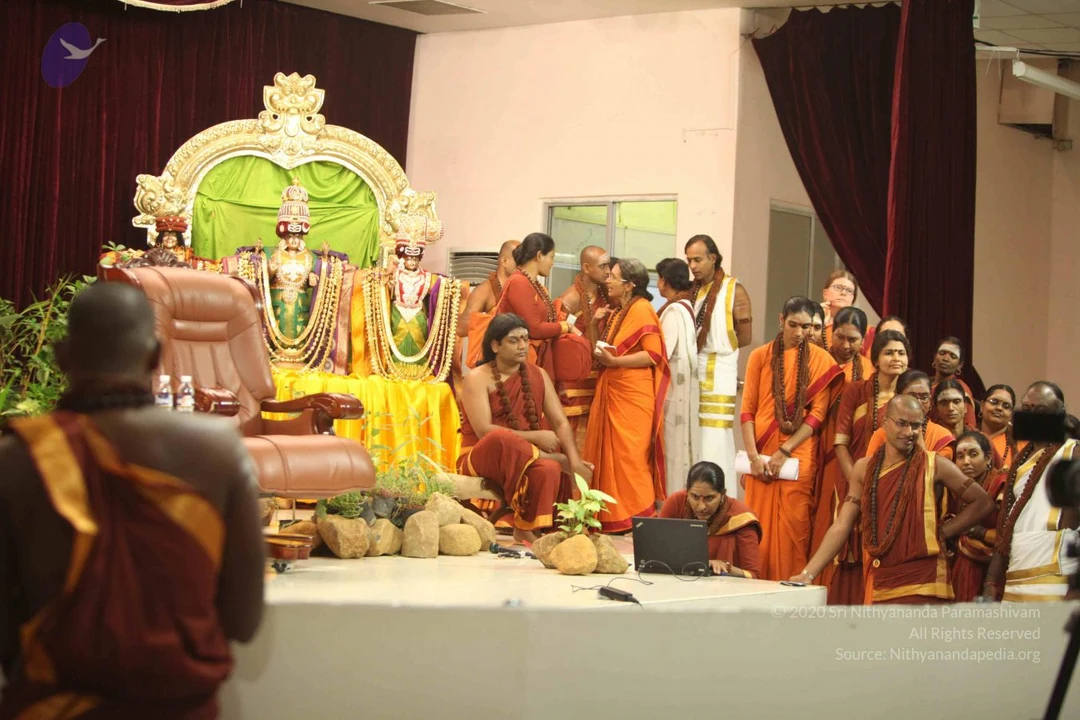
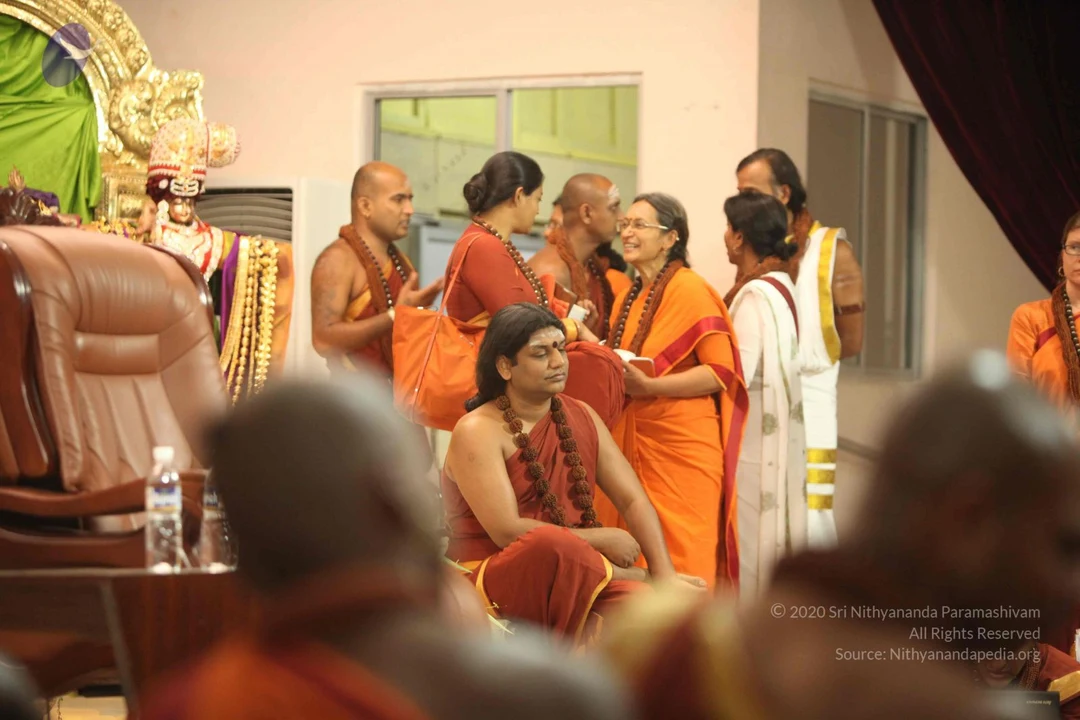
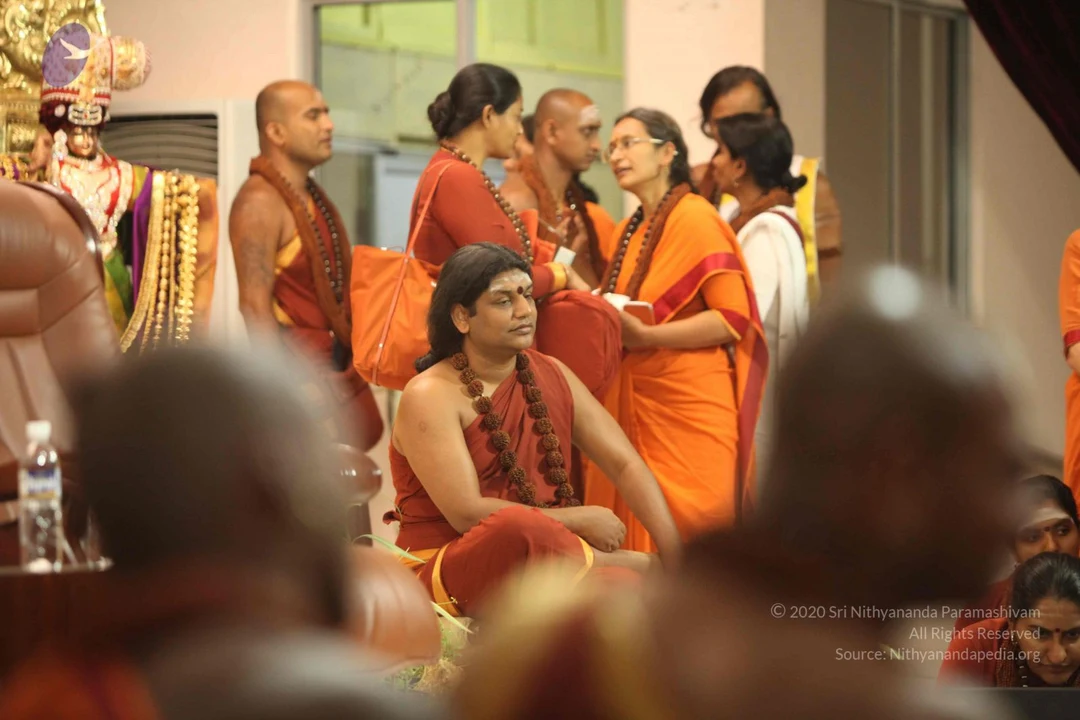


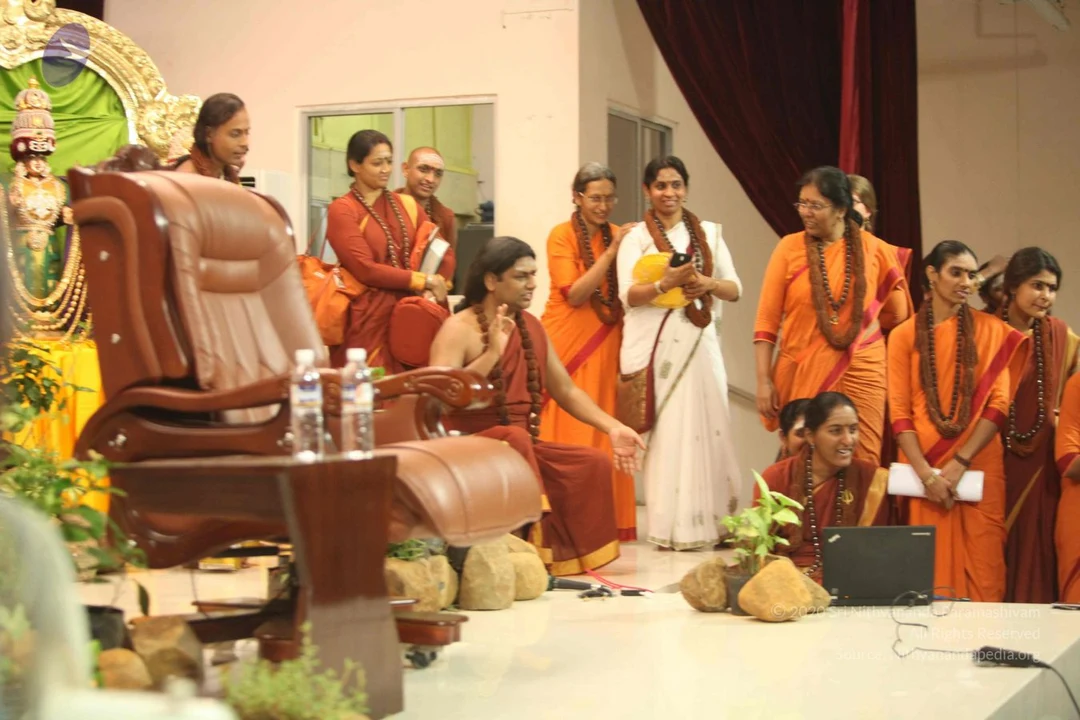
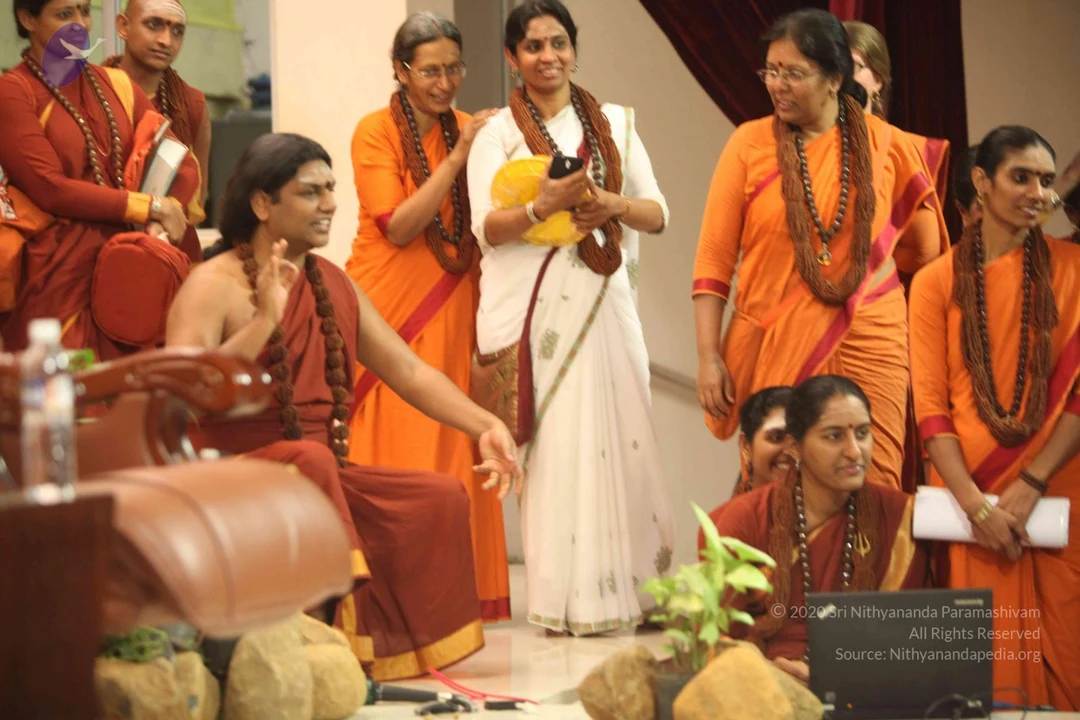
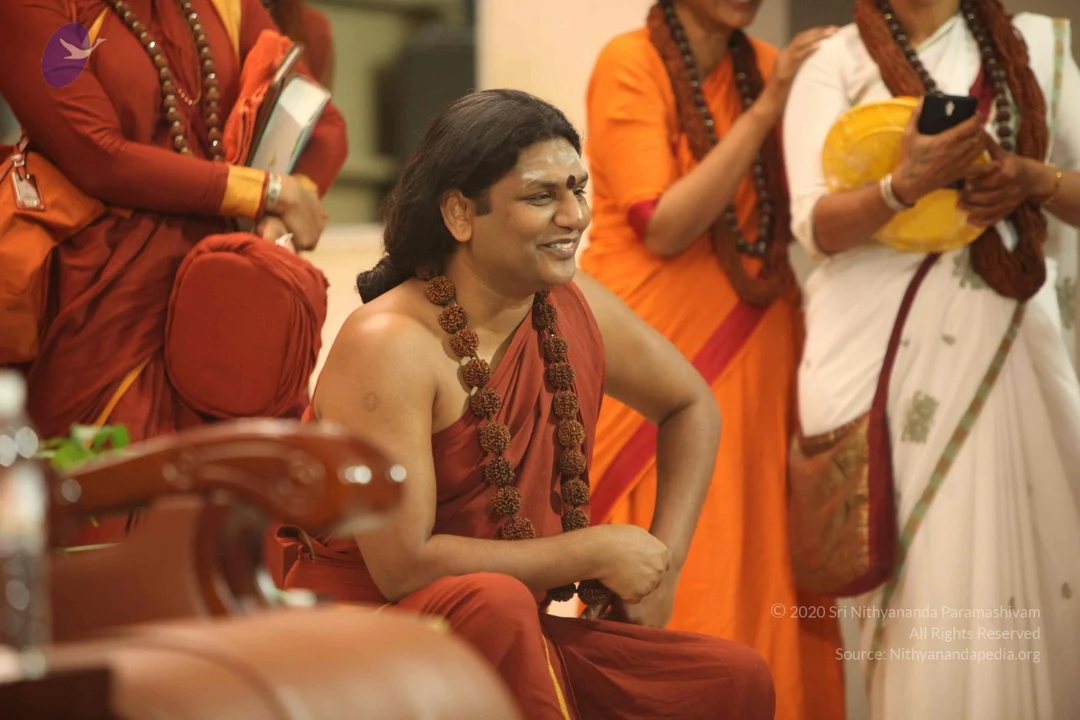
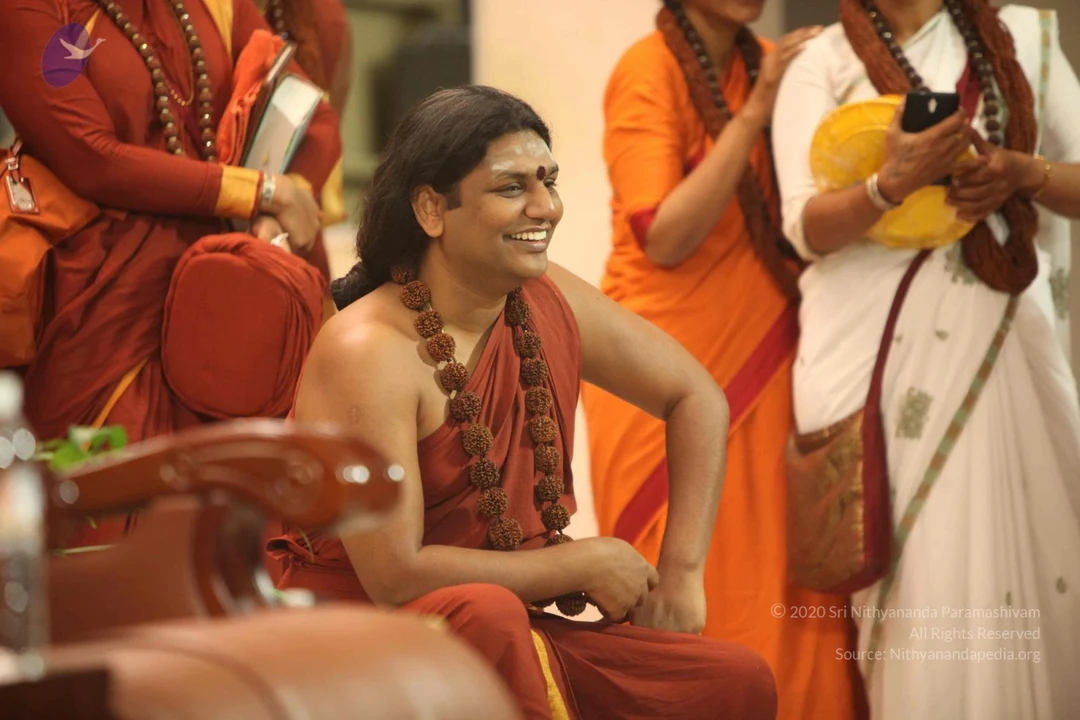
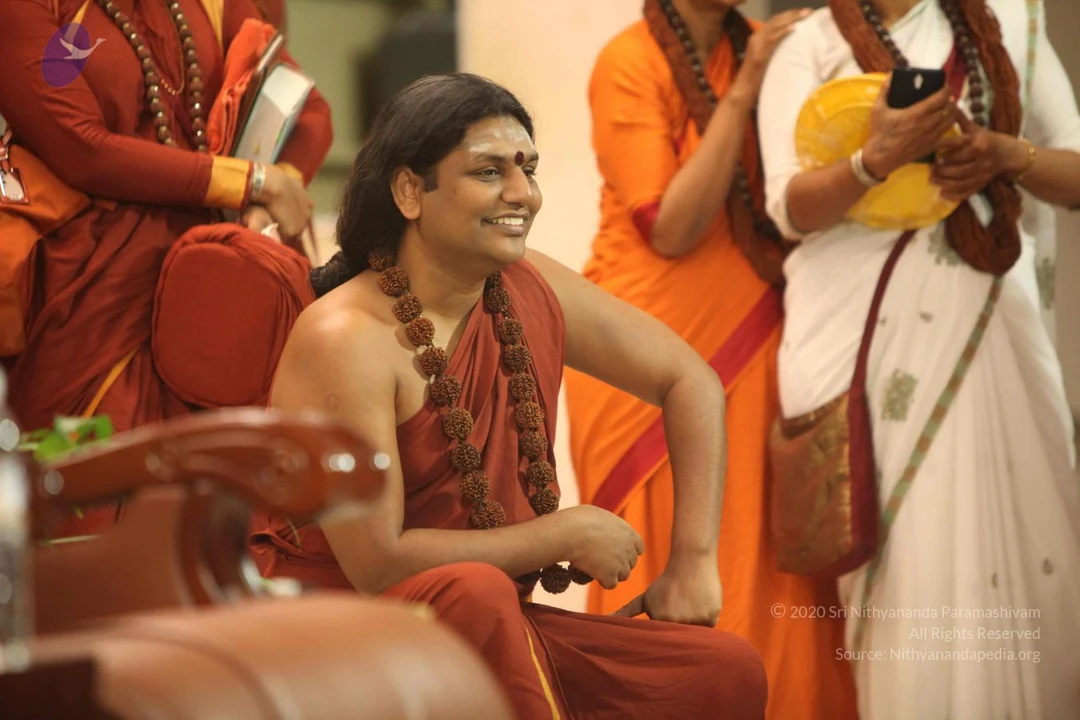
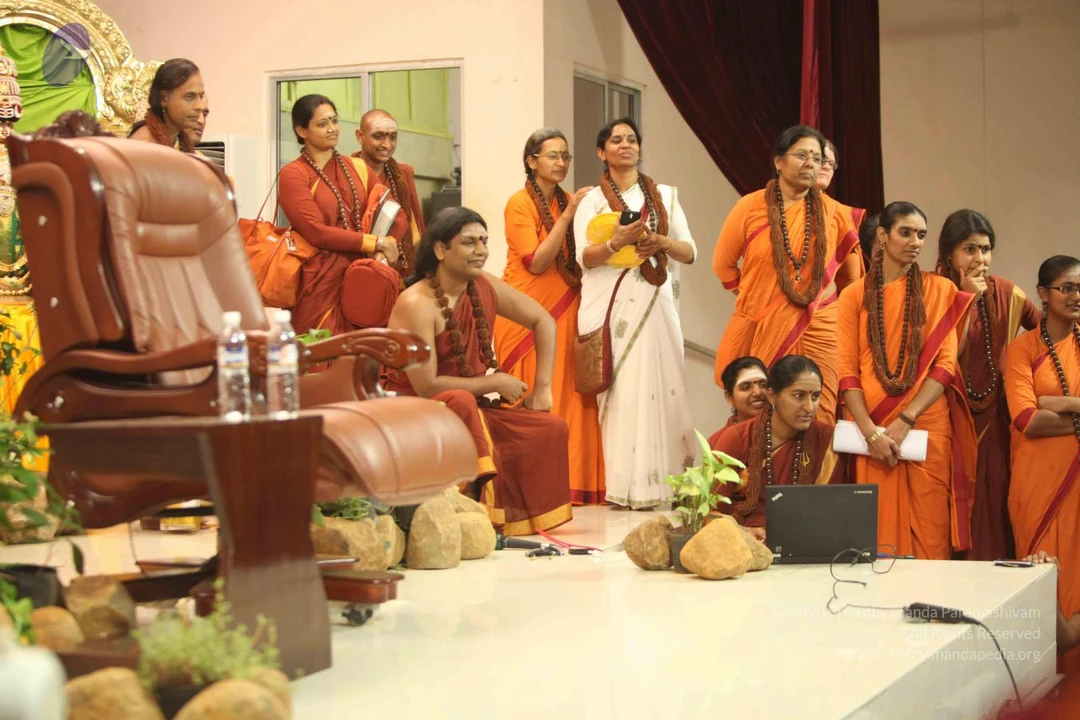
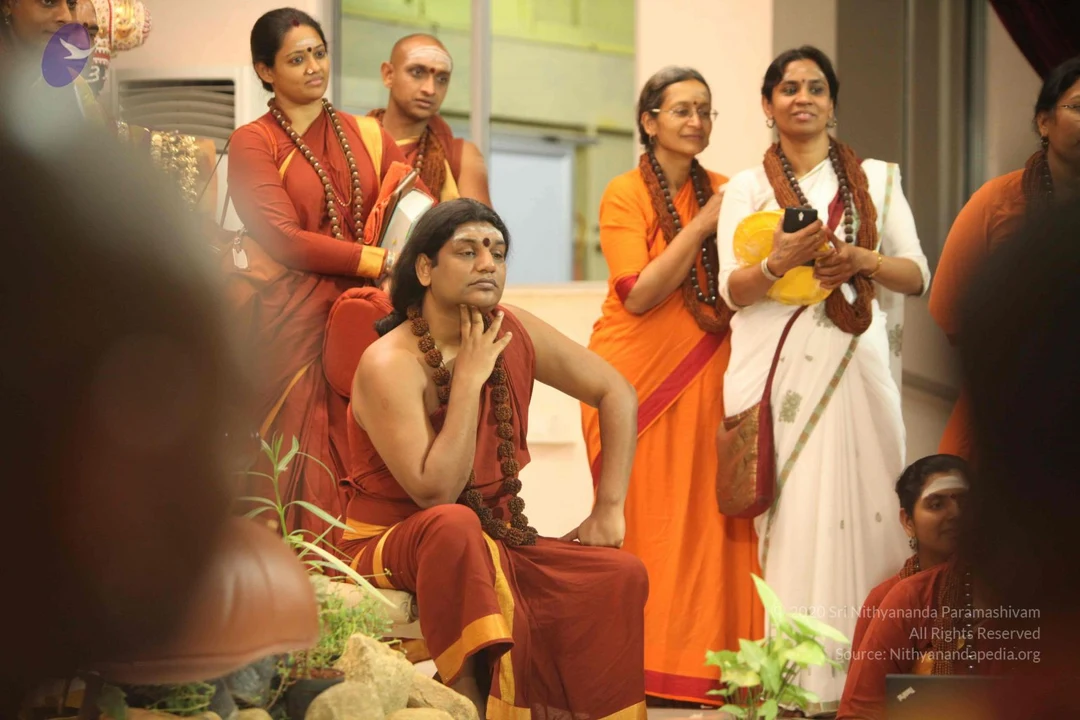
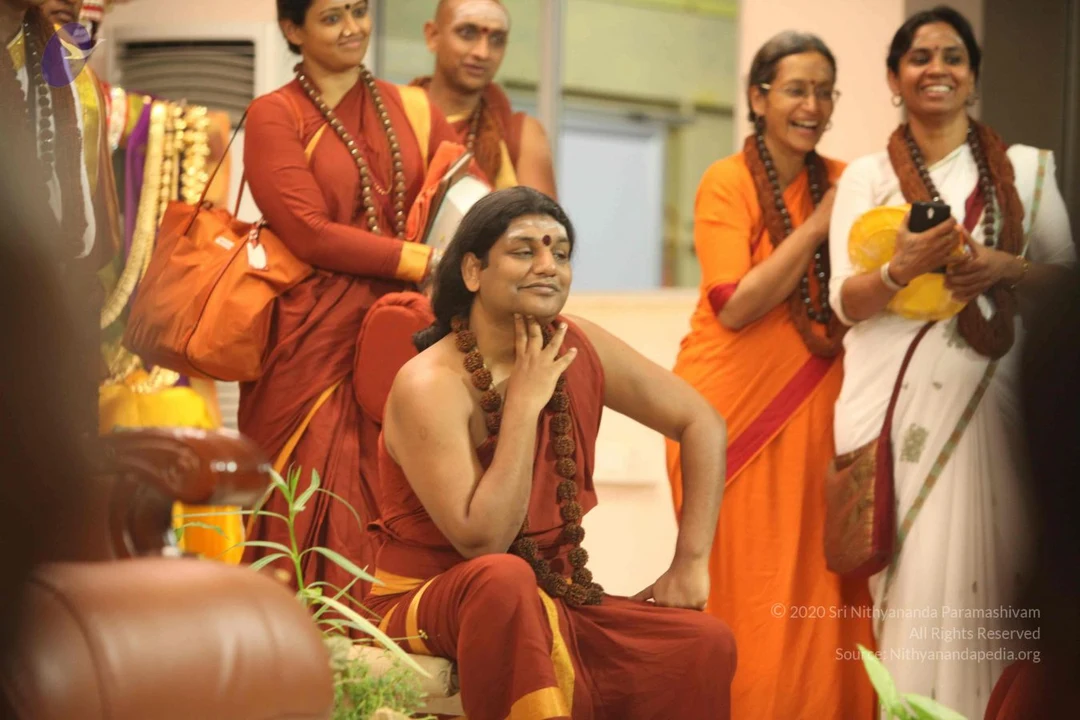
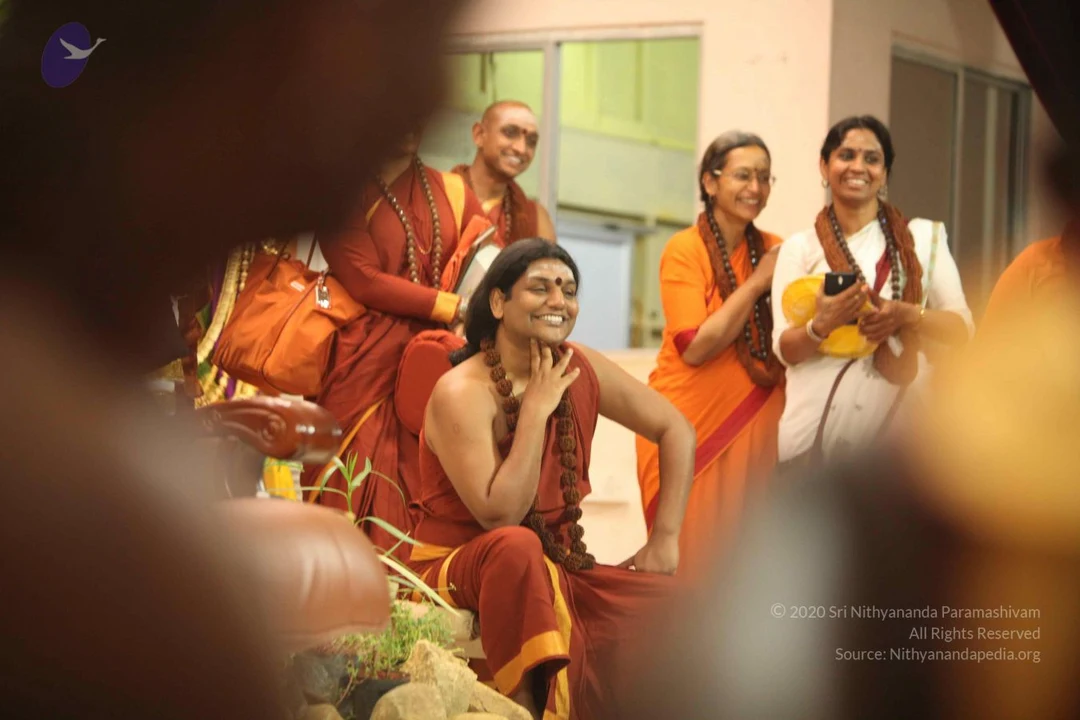
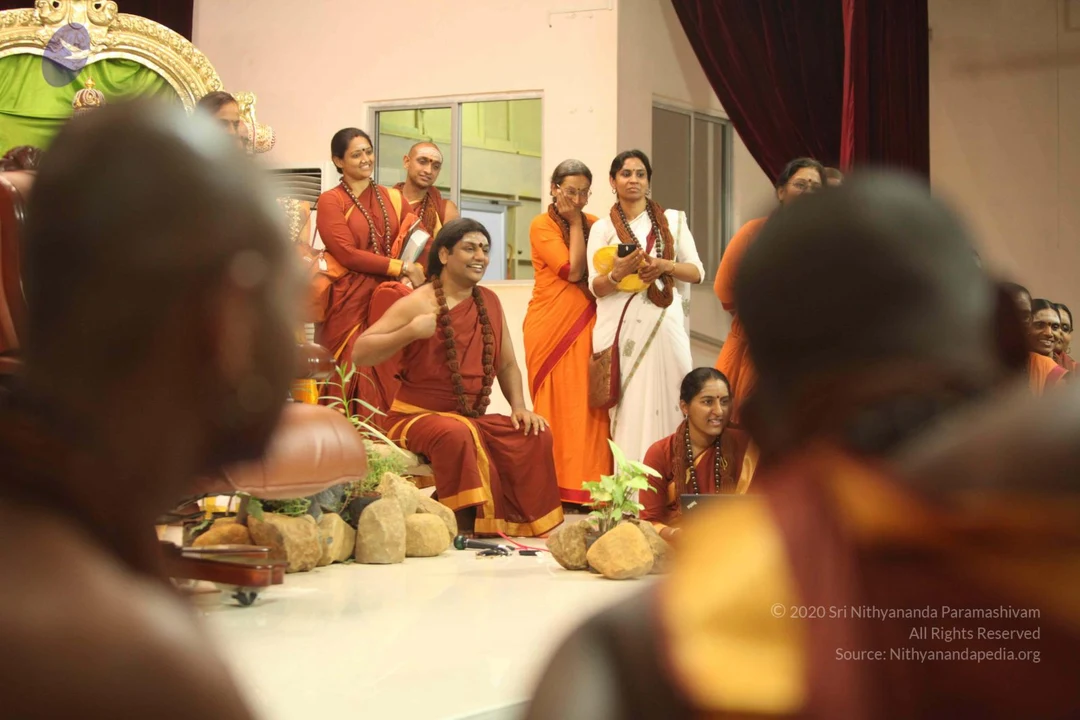
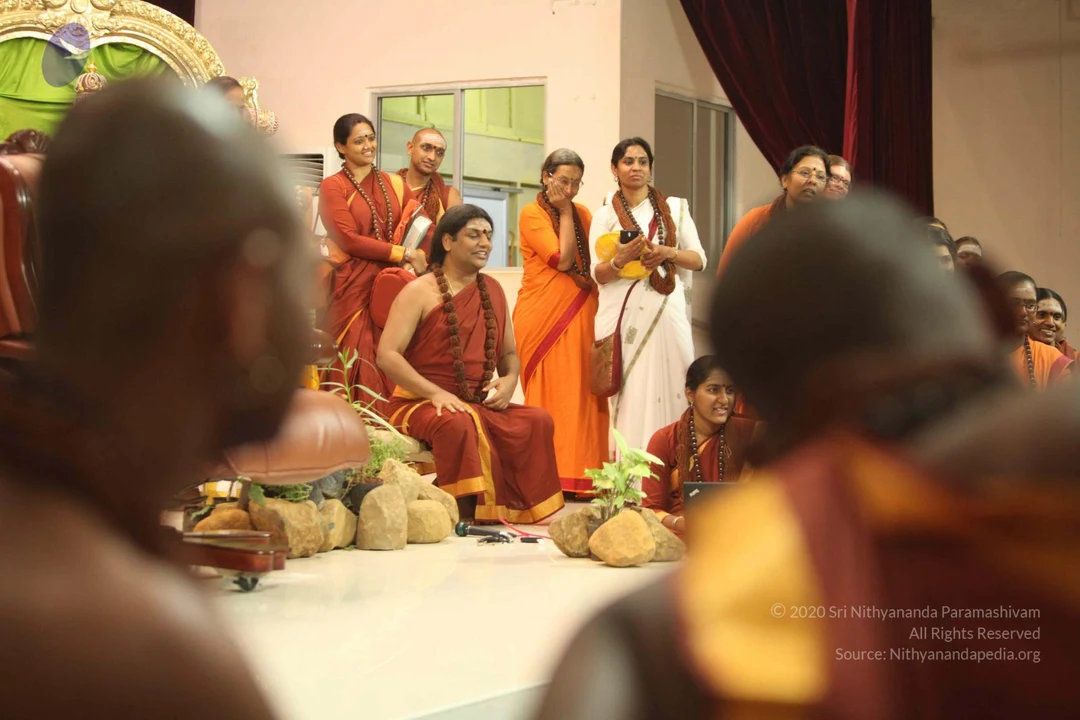
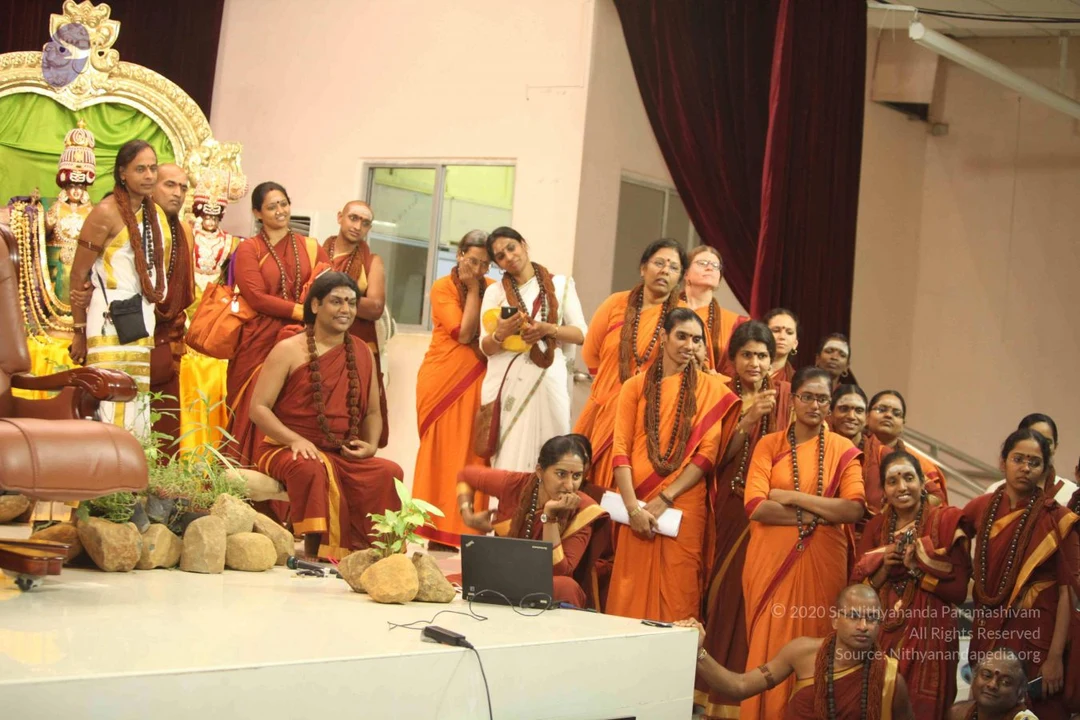
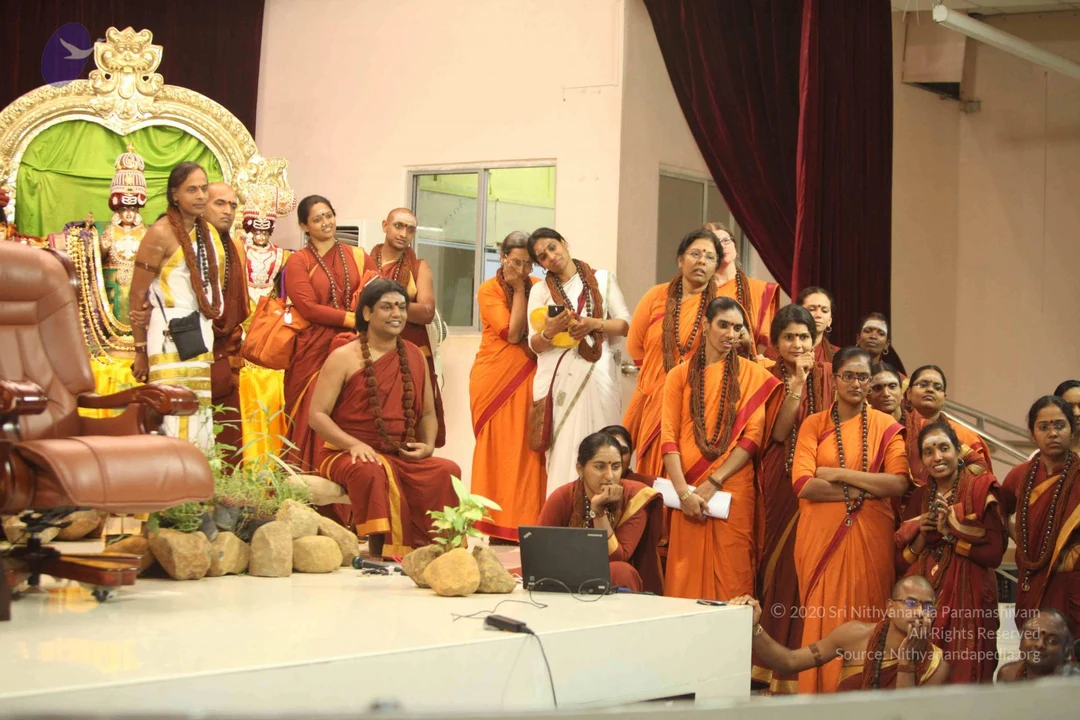
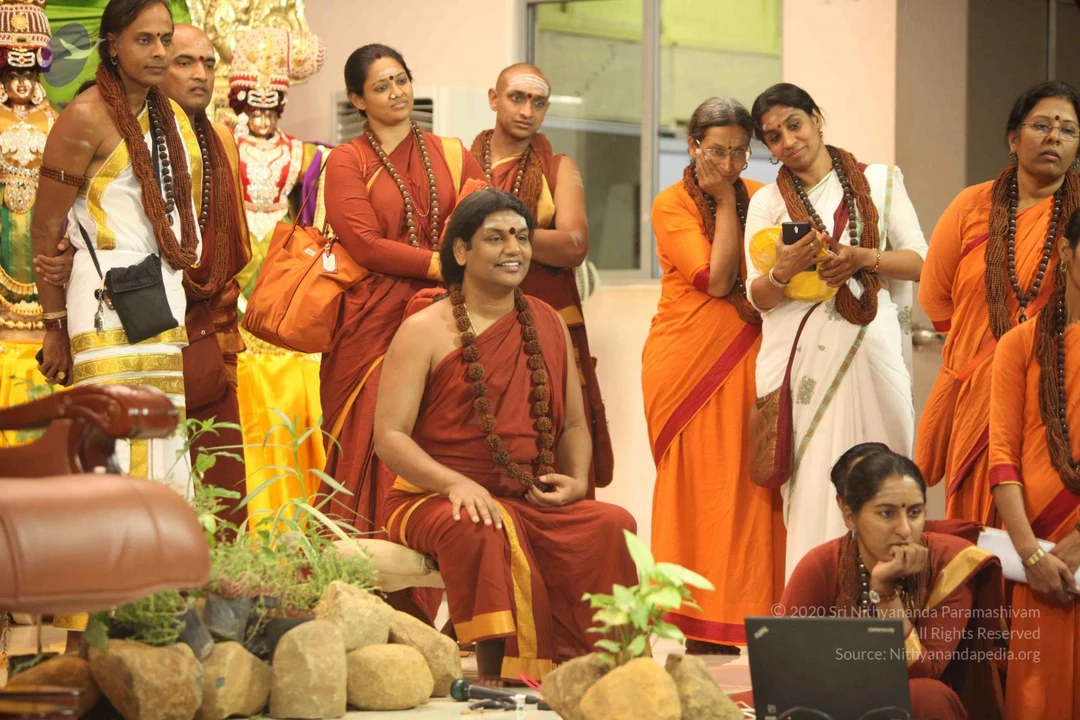

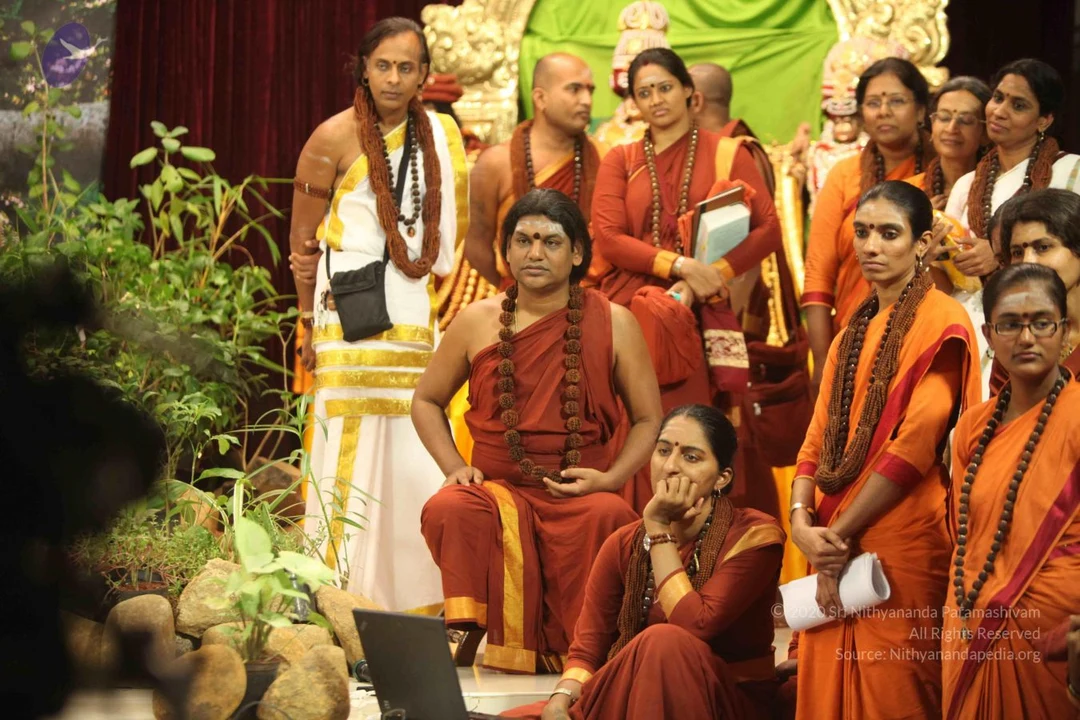

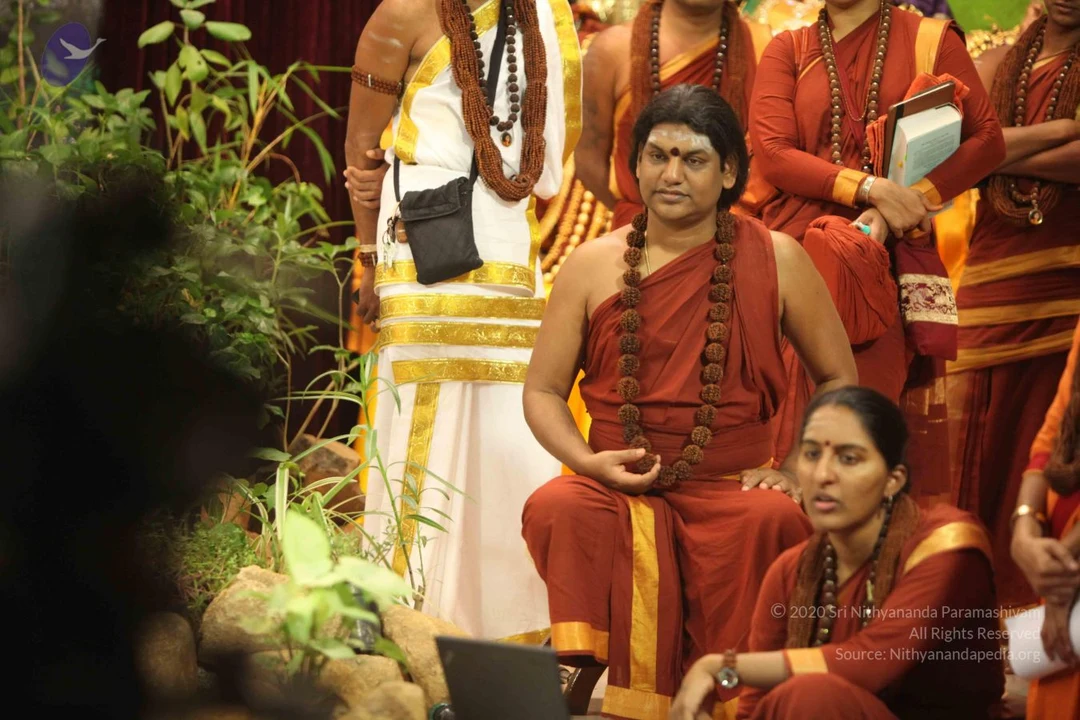
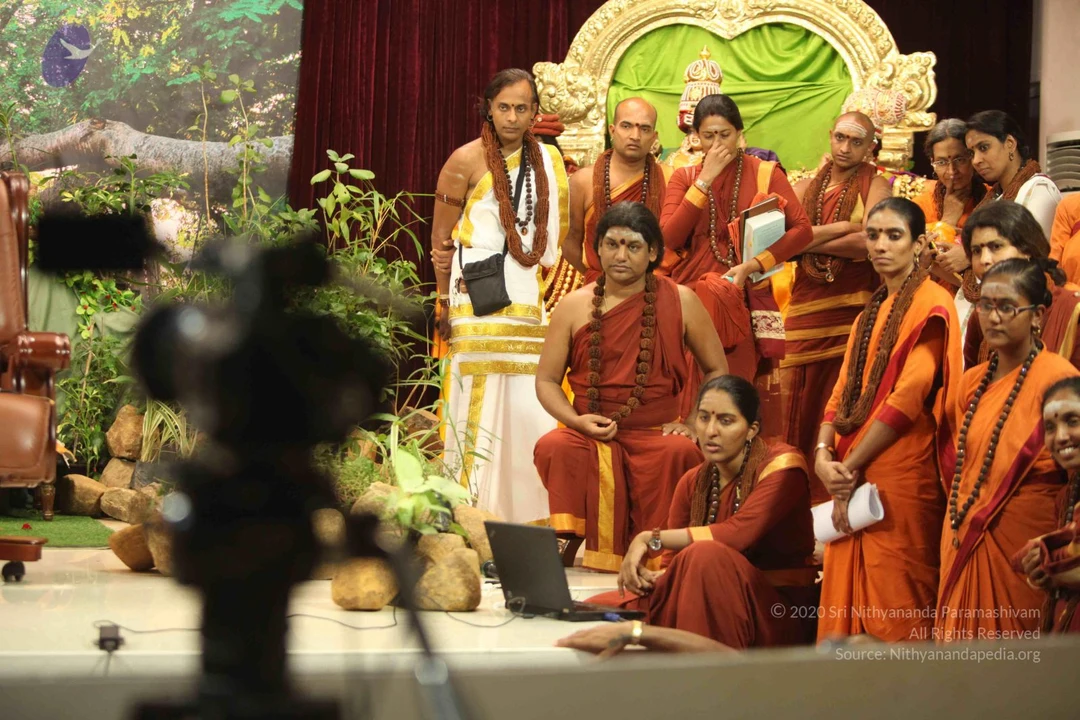
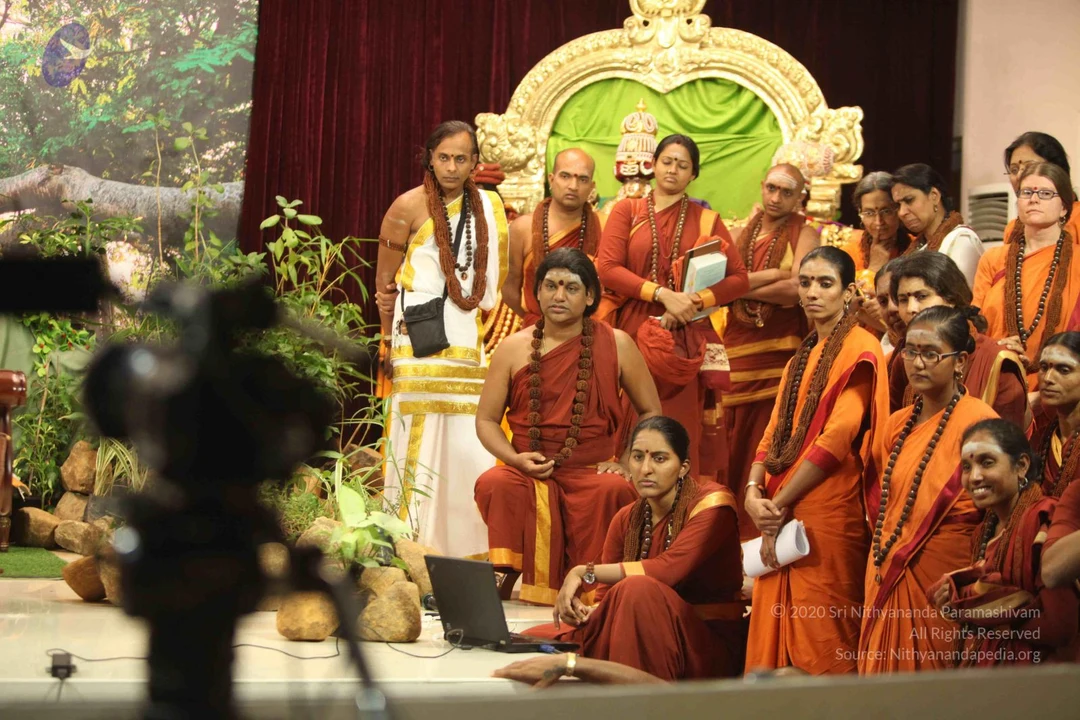
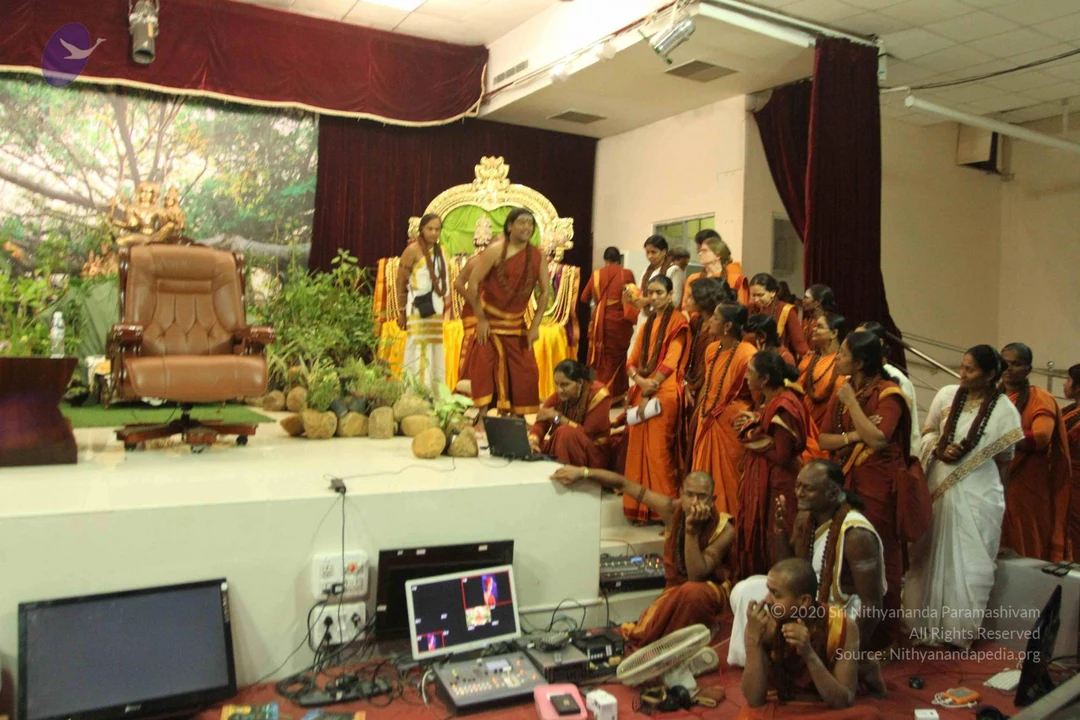
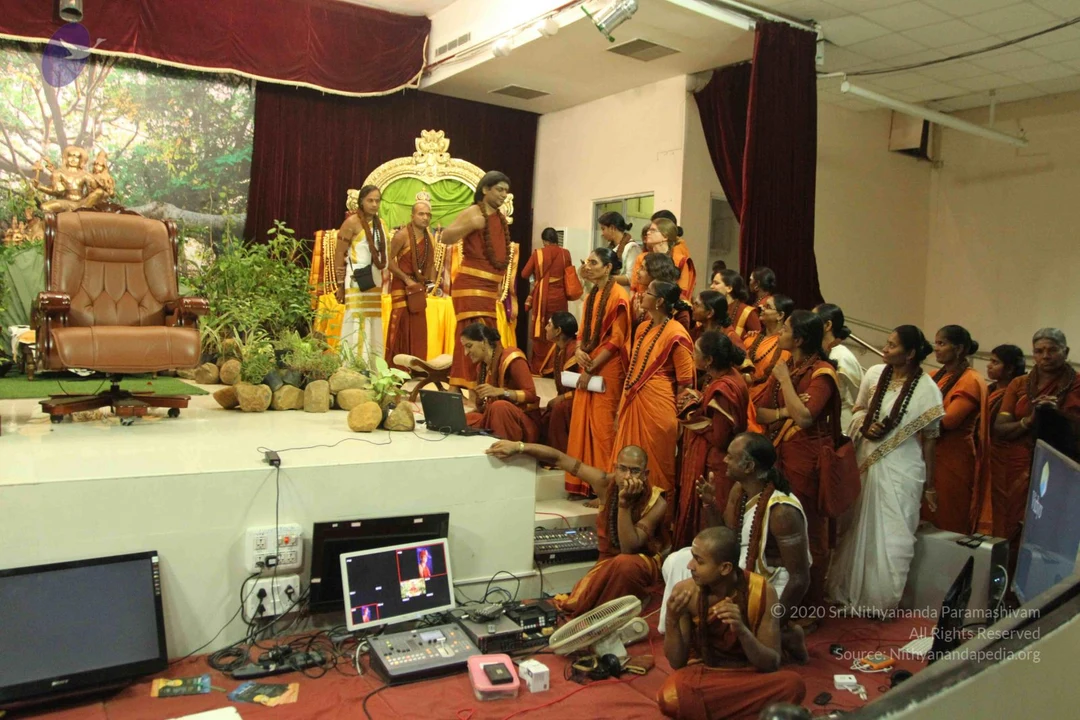
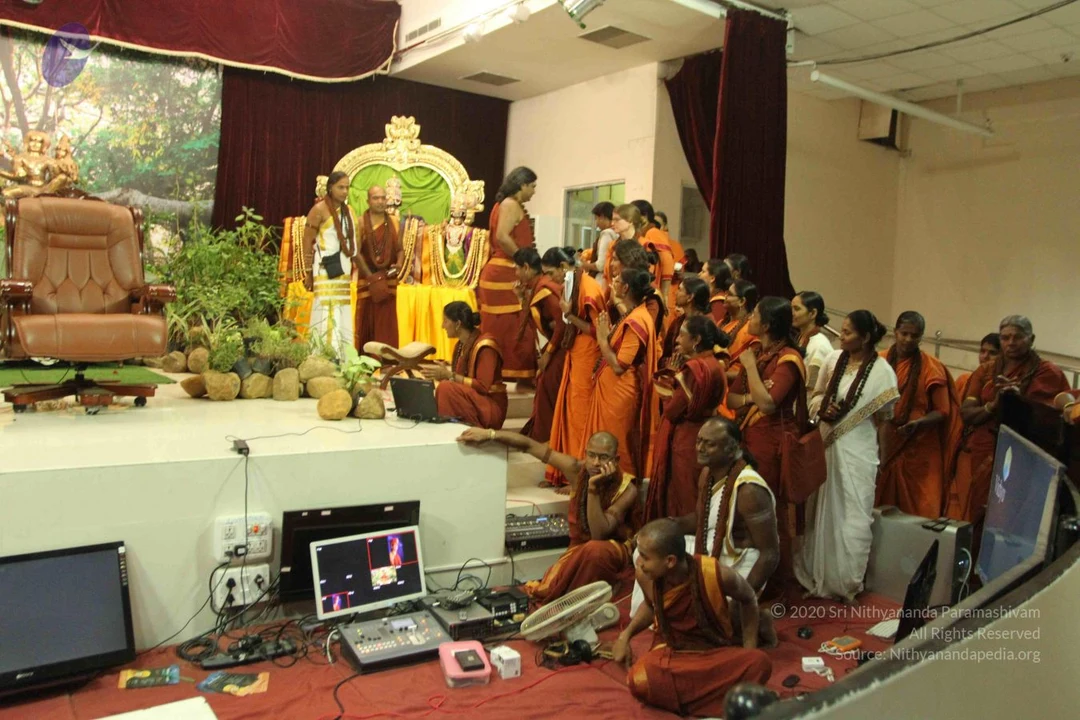
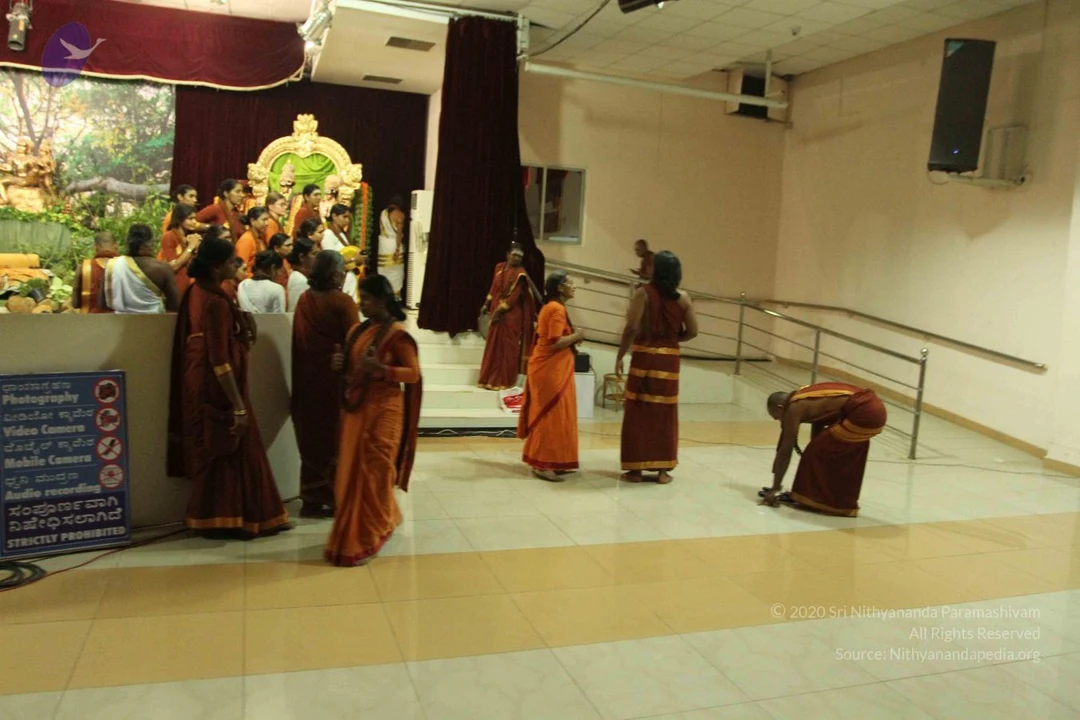
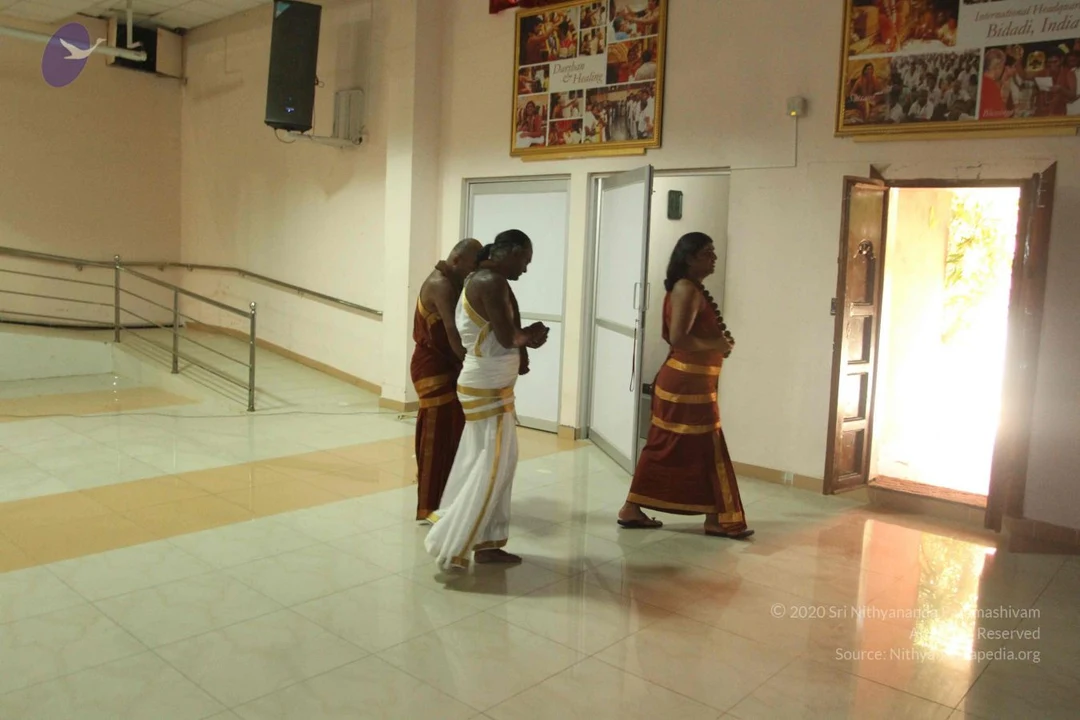
Photos from this day
View all 366 photosNithya Satsang
6 photosSource gallery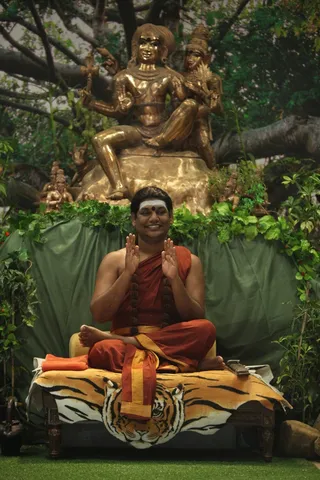
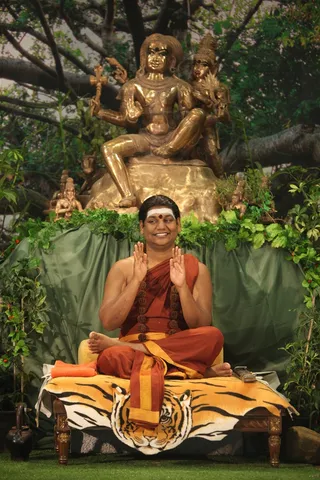
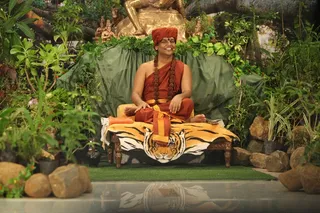
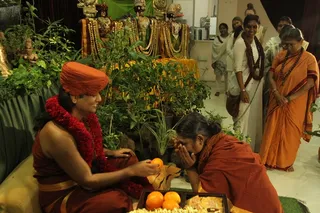
Morning Satsang and Kalpataru Darshan
15 photosSource gallery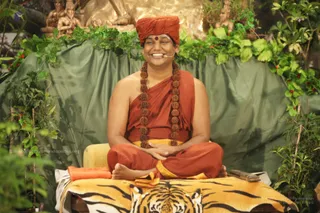
Bhajans-Nithya-Satsang-Darshan
137 photosSource gallery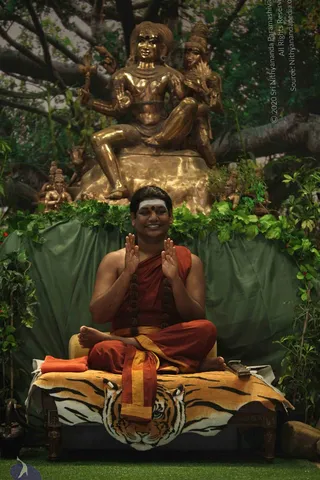
Ashramites-With-SM
208 photosSource gallery