Monday
12 February 2018
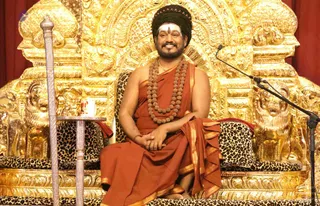
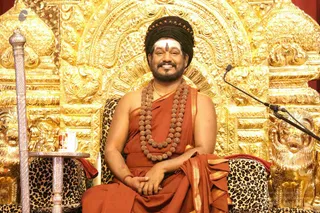
Revival of Kailasa || Shivaratri Padayatris that arrived at Nithyananda Peetham were celebrated ||
- Dated photos
- 129
- Source pages
- 1
- Media
- 1
February 12 2018
Original wiki pageTitle
Revival of Kailasa || Shivaratri Padayatris that arrived at Nithyananda Peetham were celebrated ||
Pada Yatris Arrive for Mahasadashivaratri
Narration
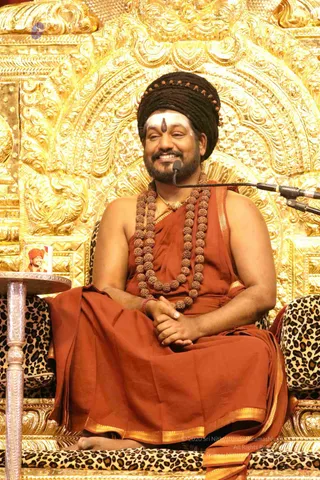
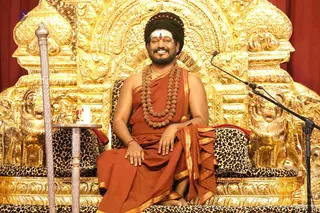
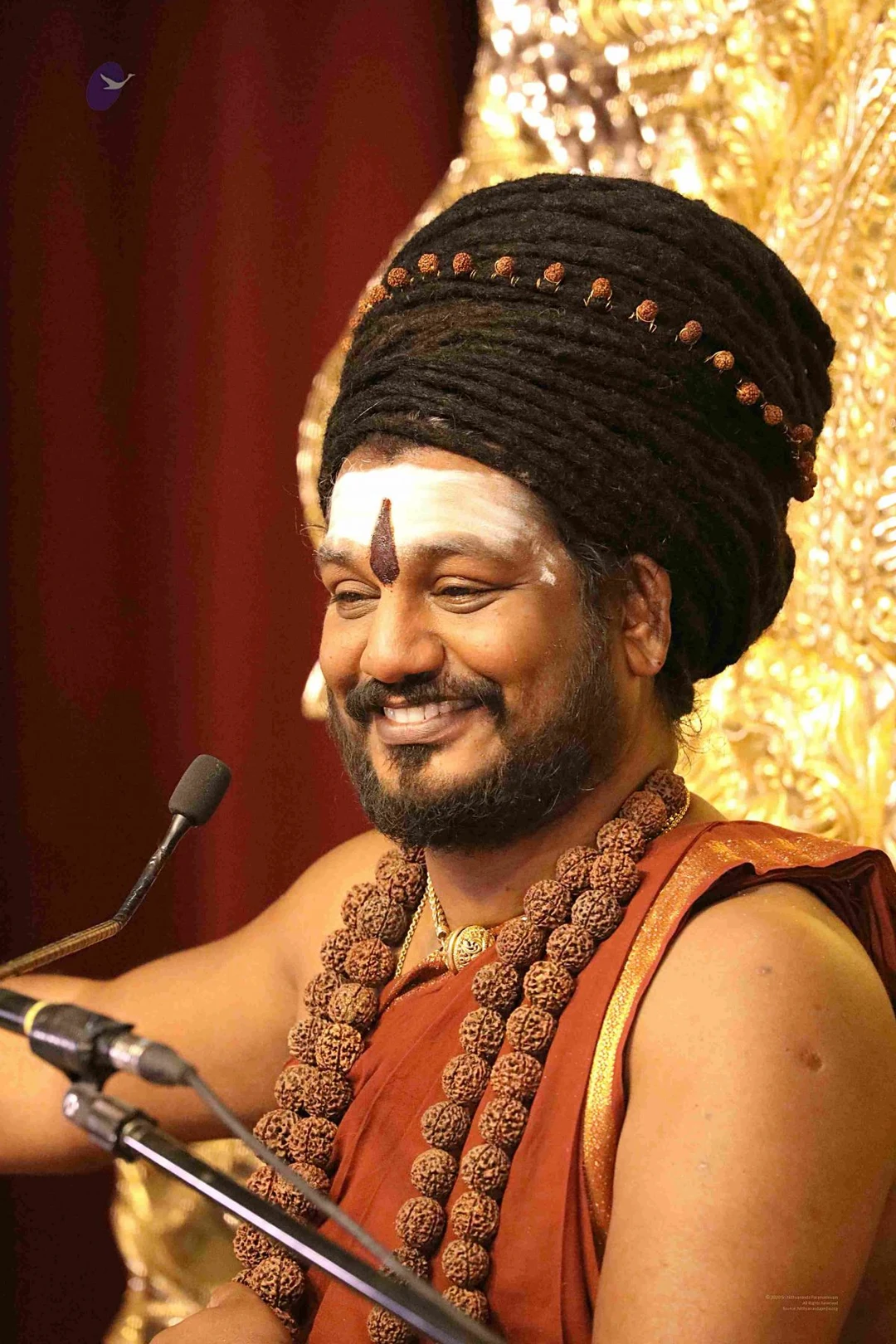
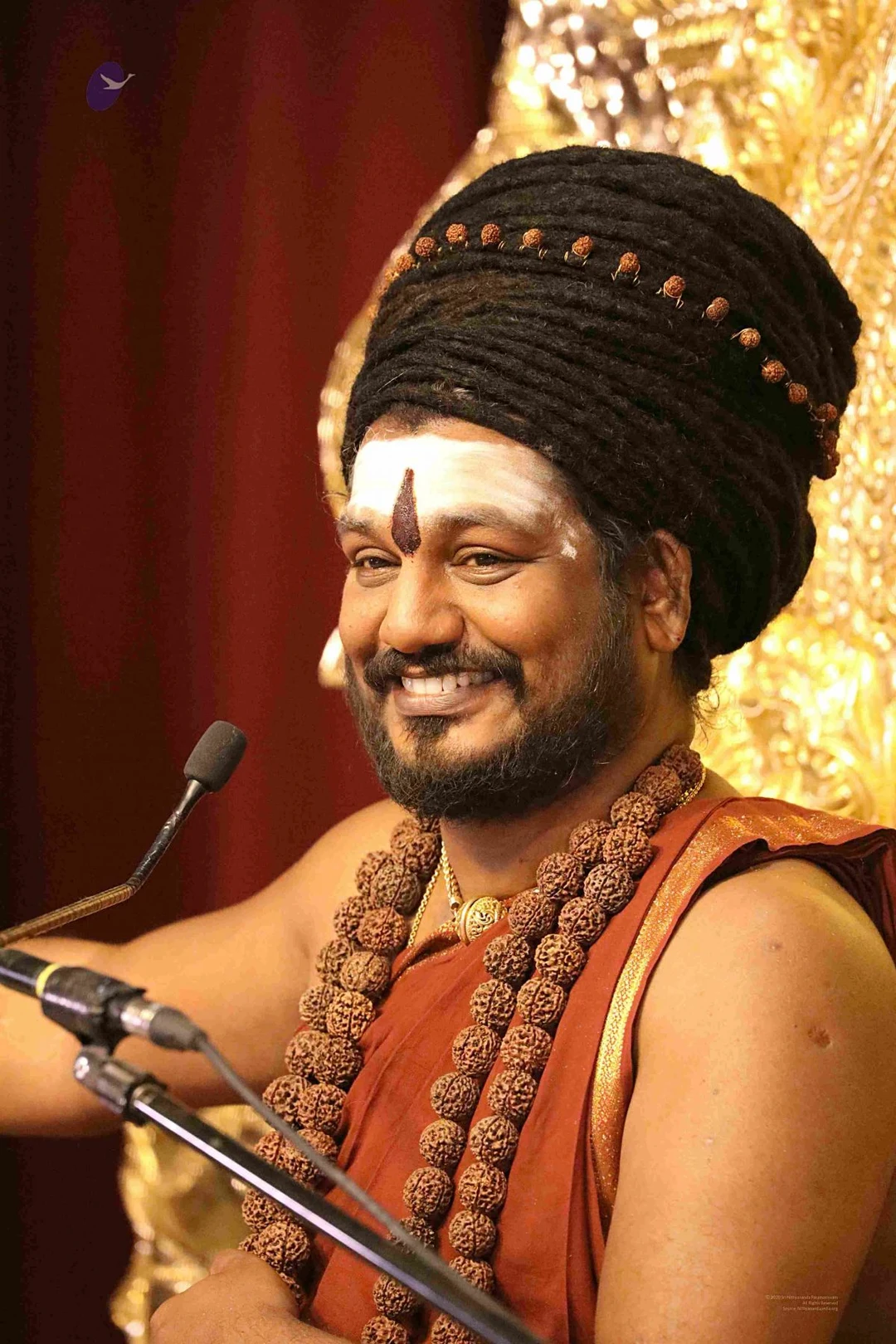
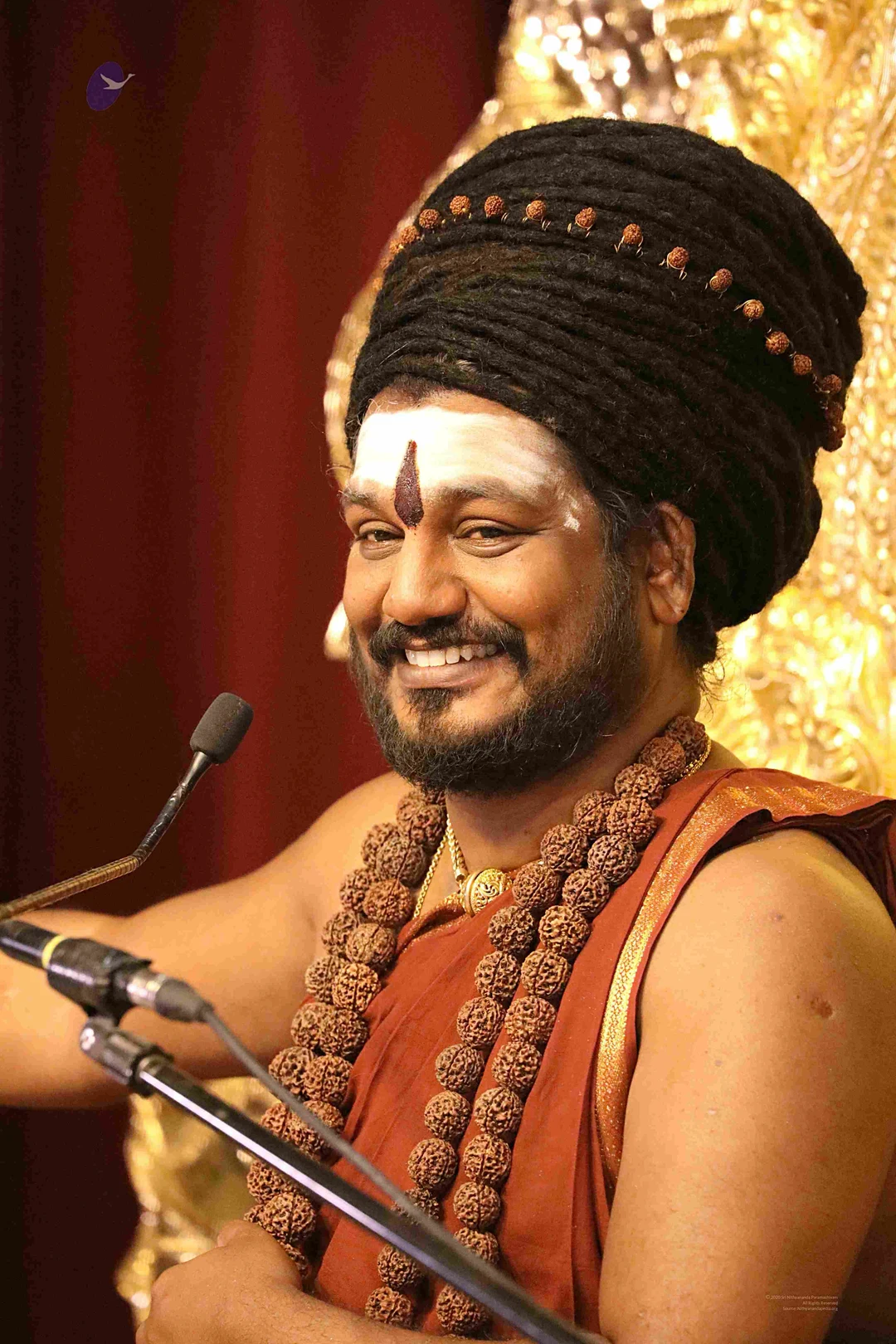
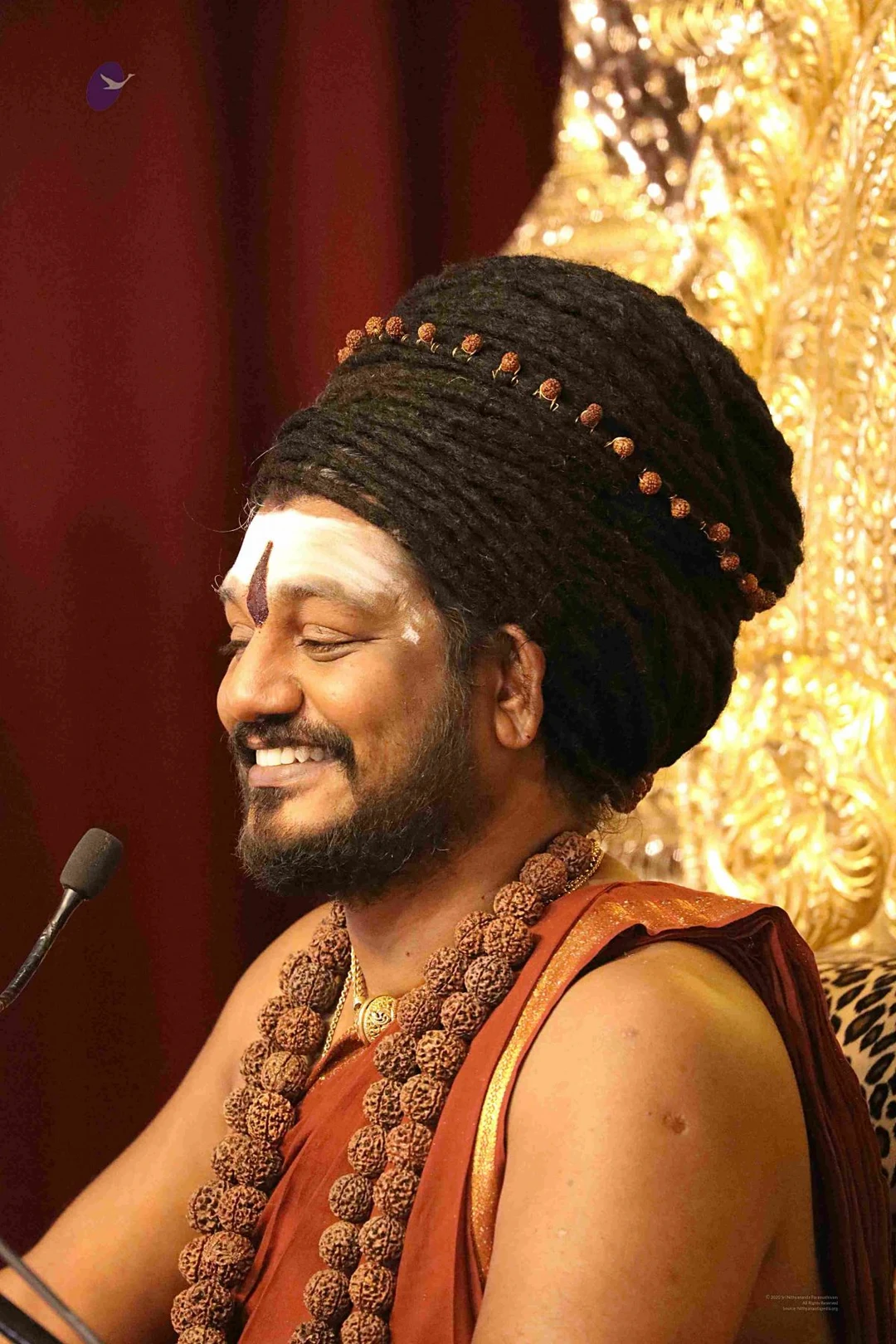
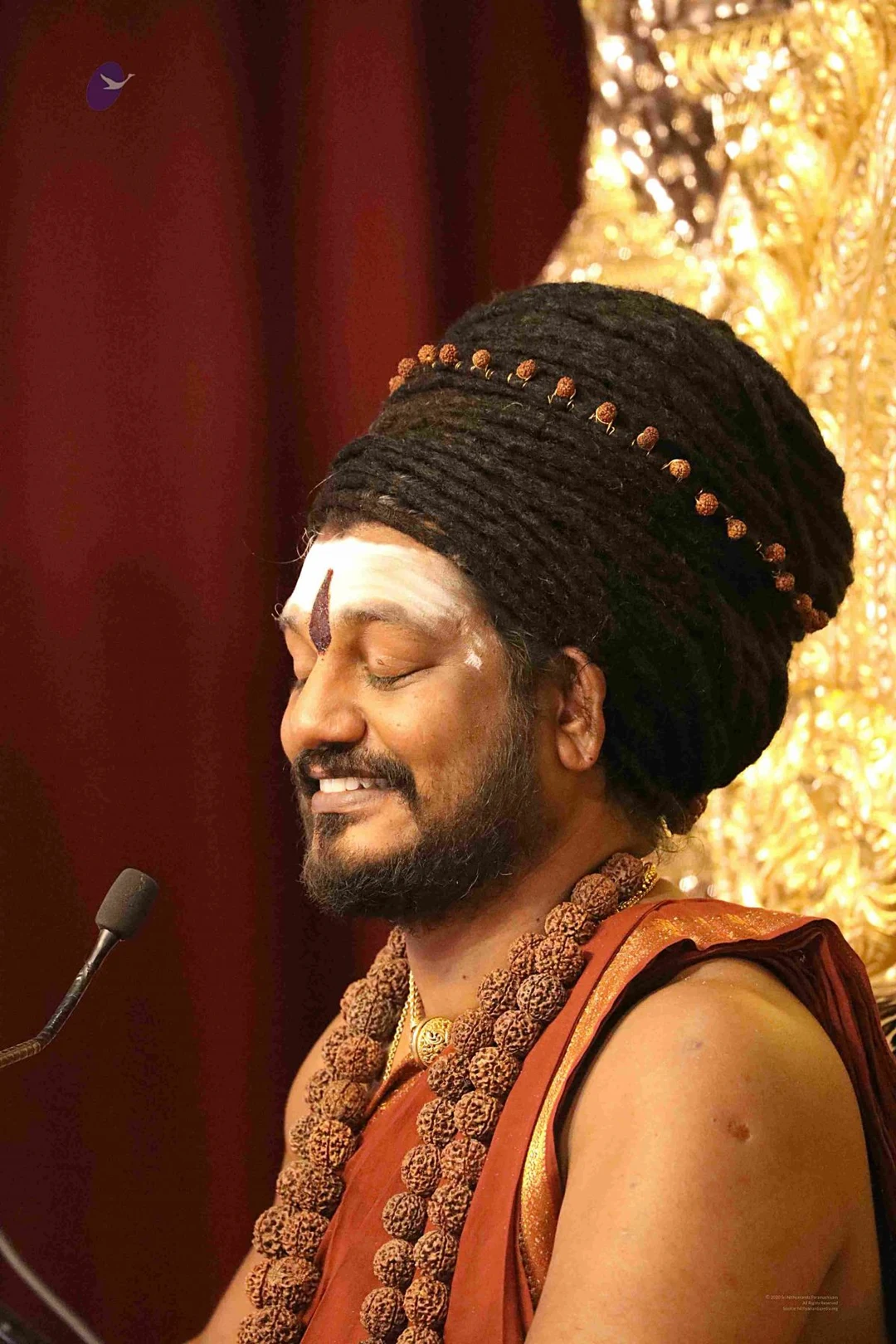
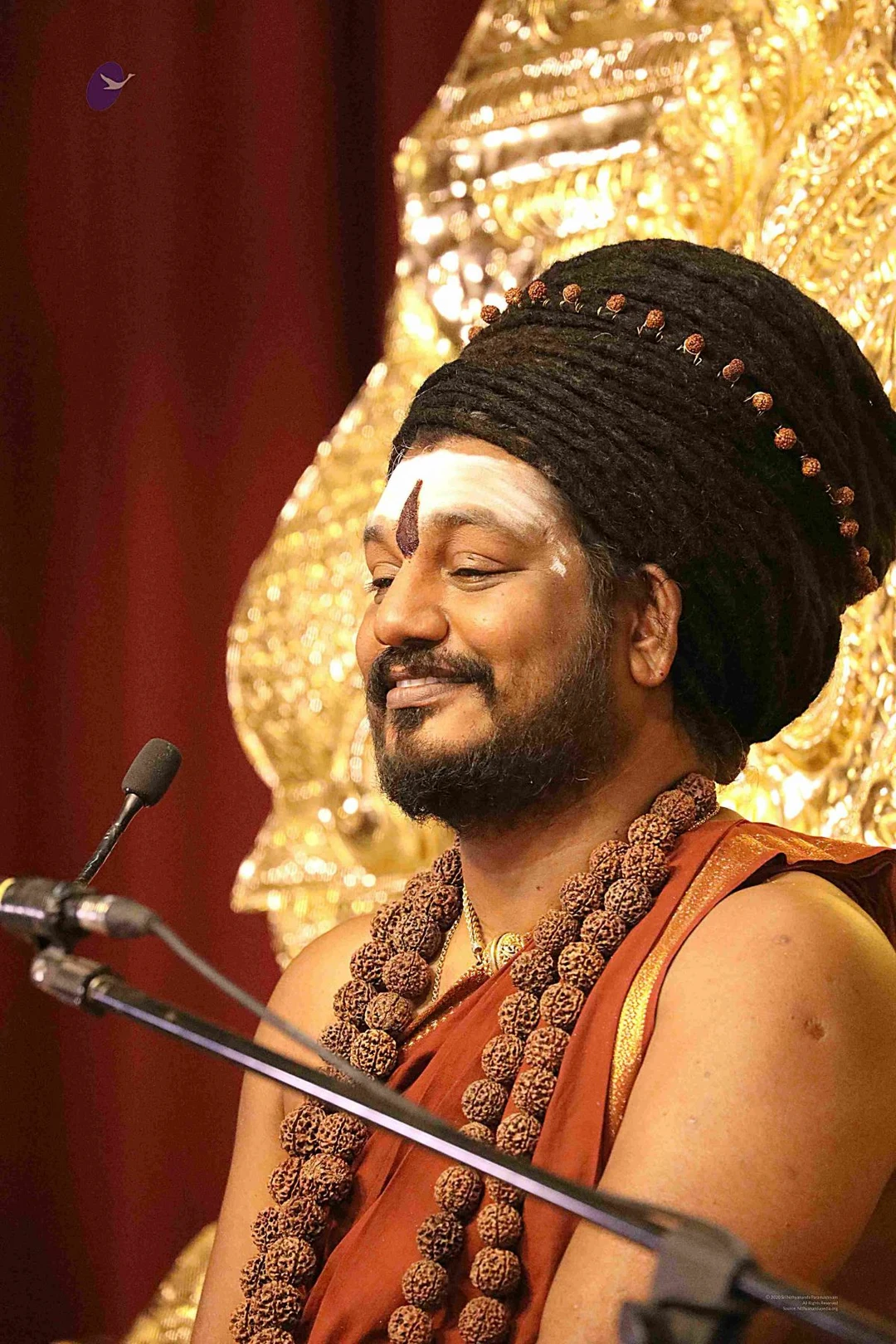
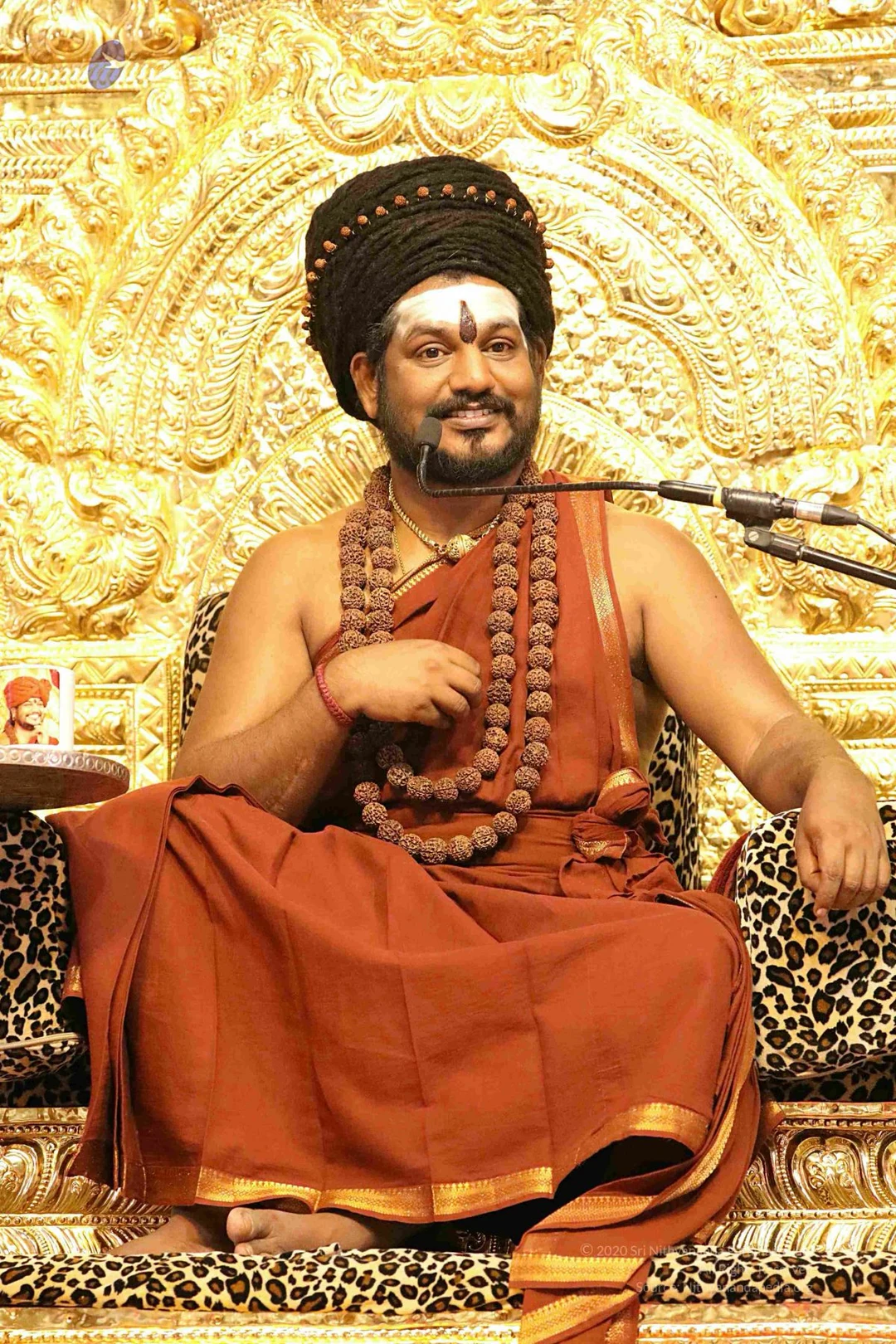
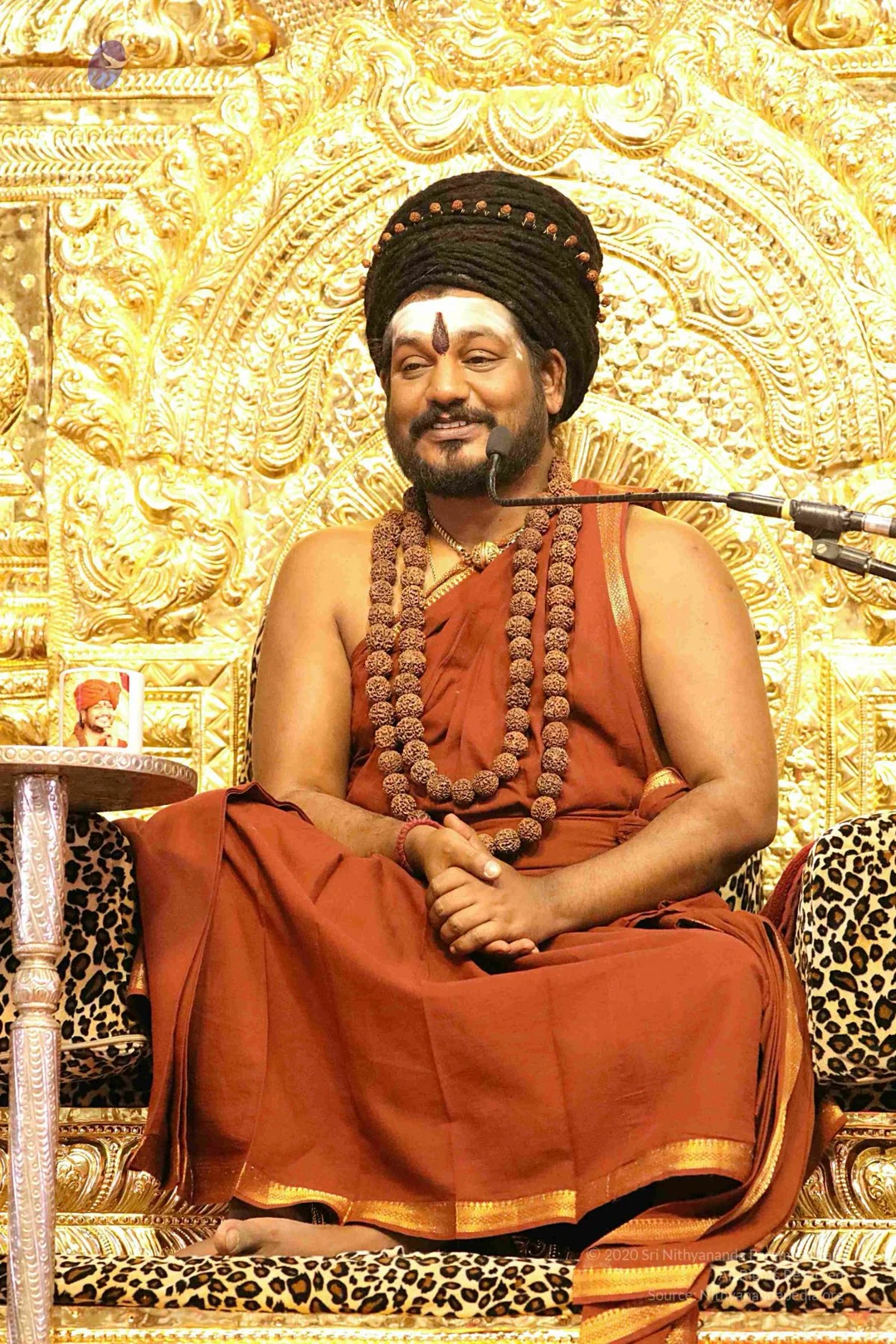
The Supreme Pontiff of Hinduism, Jagatguru Mahasannidhanam, His Divine Holiness, Bhagavan Nithyananda Paramashivam, is the visionary through whom this whole revival of KAILASA is made possible. His Divine Holiness (HDH) conducted the everyday live address - Nithyananda Satsang.
On this day devotees celebrated Shivaratri Padayatris and Pada Yatris arrived for Mahasadashivaratri at Nithyananda Peetham, Bengaluru Aadheenam.
Title
Your Source Is The Cosmic Source || Nithya Satsang || 12 Feb 2018
Link to Video:
Transcript:
[02:36]
nithyānandeśvara sadāshiva samārambhām nithyānandeśvari adīshakti madhyamām | asmat āchārya paryantām vande guru paramparām ||
[03:24]
I’ll share a very important sacred secret. A spiritual thought current which can make you manifest power. At first I am going to put few dots. It’ll look like a, I am blabbering. Means it will not be a consistent statements, but end I will connect all the statements. Then you’ll understand I am not blabbering. First statement… I am actually continuing the yesterday's thought current which I shared yesterday that mannāthaḥ śrī-jagannātho, My mother is cosmic mother. Understand. The first thought current, source is oneness. Second: Whatever you consider as you and whatever is actually you, both are sourced in oneness. Third: Listen carefully, whatever you think as you, if you remember that and fall into the source, whatever is you as you, you will experience that. Whatever is you as you, you cannot remember. So whatever you think as you, you can remember only that; because of that, remember only whatever you think of you as first.
[05:37]
That is why My mother is cosmic mother, My… listen carefully. My source is cosmic source. Actually when you look deeply inside and remember ‘my mother’, you will not remember that person who gave you birth. No. My source from which you are happening. Look in this way because many of you carry many incompletions with your form of your mother; because after giving birth, she has done many things which you are not able to accept. So, forget about that. Remember the source from which you are flowering. Your source is “cosmic source”. Your source and cosmic source is one and the same. Understand, if you listen superficially, it will look more like a blabbering. End I’ll put all the dots together and make you understand why I insist so much on the attitude of ‘My source is cosmic source’, not ‘cosmos is My source’. When you invoke MY...my mother, my source is cosmic source. That, my source brings tremendous acceptance of you and pushes you to the cosmic source but whenever you remember cosmic source first, you always feel inadequate, not sufficient, not able to cope up, unable to stand up.
[08:22]
The moment you invoke those thought currents inside, the further process does not happen. That was the reason yesterday I was telling ‘start from My SOURCE’. Today I am telling the same thing from a different angle because you can remember only as you know you, not as you are supposed to be as you. Remember this and get into that. Remember this and get into that. ‘As you are supposed to be’, you will not remember. You won’t be able to remember. That is only an idea or a concept till you experience. So, trying to remember that will not bring you to this. How many of you are getting what I am saying? How many of you are not getting what I am saying? I'll repeat.
[09:47]
I know it is too much. Listen, listen now carefully. No, it’s My responsibility, I have to make you understand. I cannot chalchify. And Arunagiri Yogishwara never chalchified with Me. The tremendous patience He showed, tremendous understandings, actually it’ll almost be like a literally He’s putting His hand inside My body and doing open heart surgery. That’s the way it will look. As if He is just putting the thought currents inside Me. It will not look like a subtle… it’ll, it’ll be very physical. I’ve seen when He talks about some great truth, after listening and internalizing I will feel I have become heavy; means, physically I have become heavy, My weight is added. And in two, three statement, He will convey around hundred thought currents, hundred thought currents; like a bouquet of thought currents He will present. Like two, three hundred roses tied in one flower bouquet, like that two, three hundred thought currents, bouquet of thought currents, He will present.
[11:25]
Listen: you as you know as you is a mixture of body, mind, ideas, confusion, chaos, everything. You originally as you is pure consciousness - Sadashiva, Mahadeva. One of the biggest problem we face, recently somebody was telling, “Oh if this Nithyananda claims He is God, how will people accept?” Arrey Understand. I am not claiming I am God; I am claiming you are God. I am a Hindu. Hindu means equating you, Me everything to God - ”Isha vasyam Idam sarvam”. I am only interested in clarifying, any Hindu, if you are exposed even little bit of Hinduism, you know all traditions, the Maha Vakhya in all traditions declare you are, you are God. Aham Brahmasmi, Tatvamasi, Prajnanam brahma, Ayamanma brahma in Vedic traditions. In Vedic Shaivite Traditions - Shivoham. You need to know as per the Kamika agama and Soma shambu paddathi to give samaya deeksha, you have to enter into that space,You have to be in the space of Shivoham.Only then you can even give samaya deeksha. That is what Kamika agamam and Soma shambu paddathi very clearly declares.
[14:07]
By the way, I want all of you to know, Kamika agamam and Soma shambu paddathi is the agamam and paddathi of Madurai adheenam. That is the agama and paddathi we all follow in Nithyananda sangha also. Please understand. In Hindu tradition, we put everything one with God. In Shakta sampradaya, everything is one with Lalita - Devi. In Saiva sampradaya - Shivoham. Everything including Me, you, it’s all one with Shiva. I am only surprised this age old stupid question is being repeated. Understand. Our source is cosmic source. Your source is cosmic source. My source is cosmic source. Our source is cosmic source. What you know as you, what is actually you, both are from the same source. I don’t want to waste too much time. I just want to give you simple understanding and I tell you authenticity or truthfulness of this thought current, you will realize as experience when this thought current manifests powers in you. Understand. Any thought current can be verified whether like how we… we check whether it is made of gold or not. It’s original gold or not, how we verify? We have a touch stone.
[17:30]
Same way if a thought current manifests shakti in you, it is Satya. If it manifests powerlessness in you, it is asatya. That's all. This is the way to verify whether this thought current is satya or asatya. That’s all. Sit in shakti pada, shaktinipada, remember this thought current - my source is cosmic source Mahasadashiva, my mother is cosmic mother, my father is cosmic father, my ammai appan is cosmic ammai appan. Remember this thought current. Invoke this thought current, you will manifest, you will manifest the powers of Maha Sadashiva. So, better spend little time on playing with this thought current. Manifest it; that will solve the issue. That will awaken more things. So, I bless you all. I bless you all, let’s all radiate with integrity, authenticity, responsibility, enriching, causing, living Shuddhadvaita saivam, Maha Sadashivoham, the eternal bliss, Nithyananda. Thank you. Be blissful.
[20:28]
Photos
Nithya Satsang
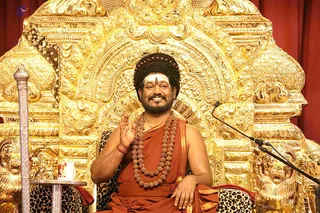
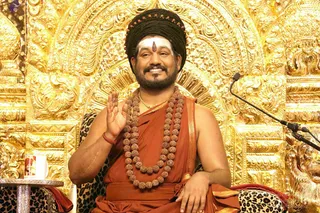
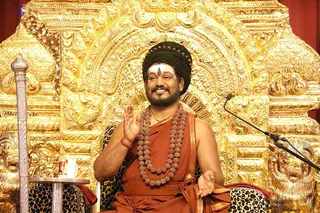
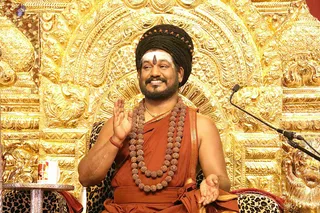
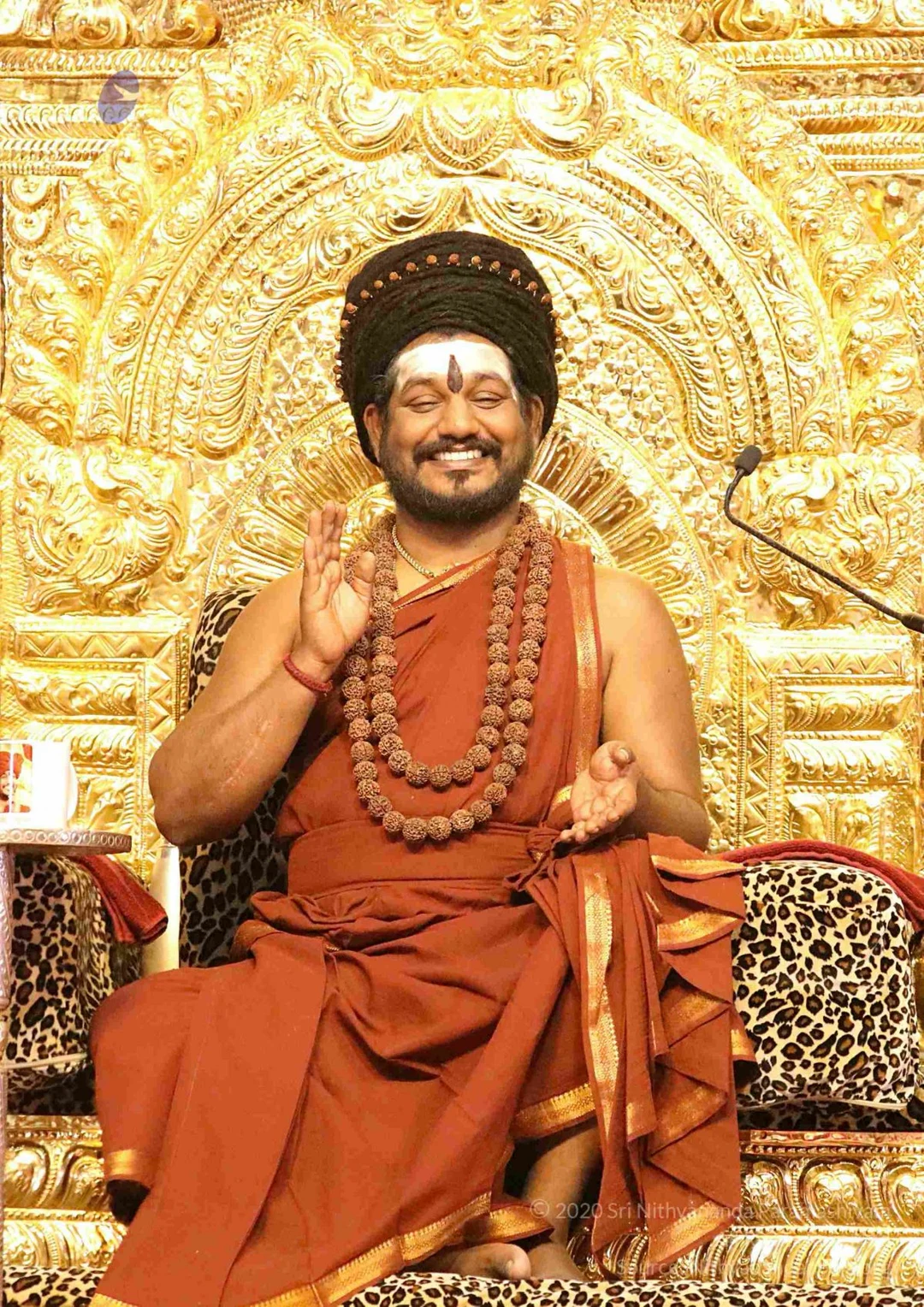
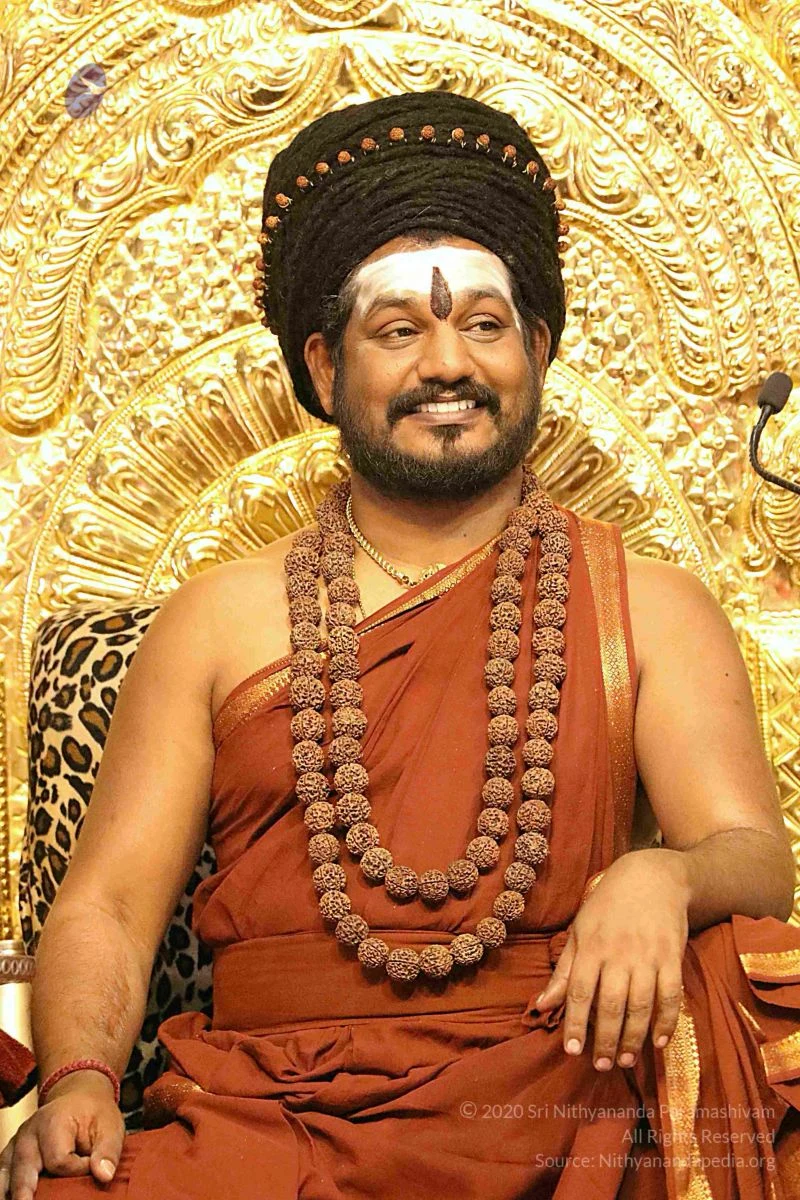
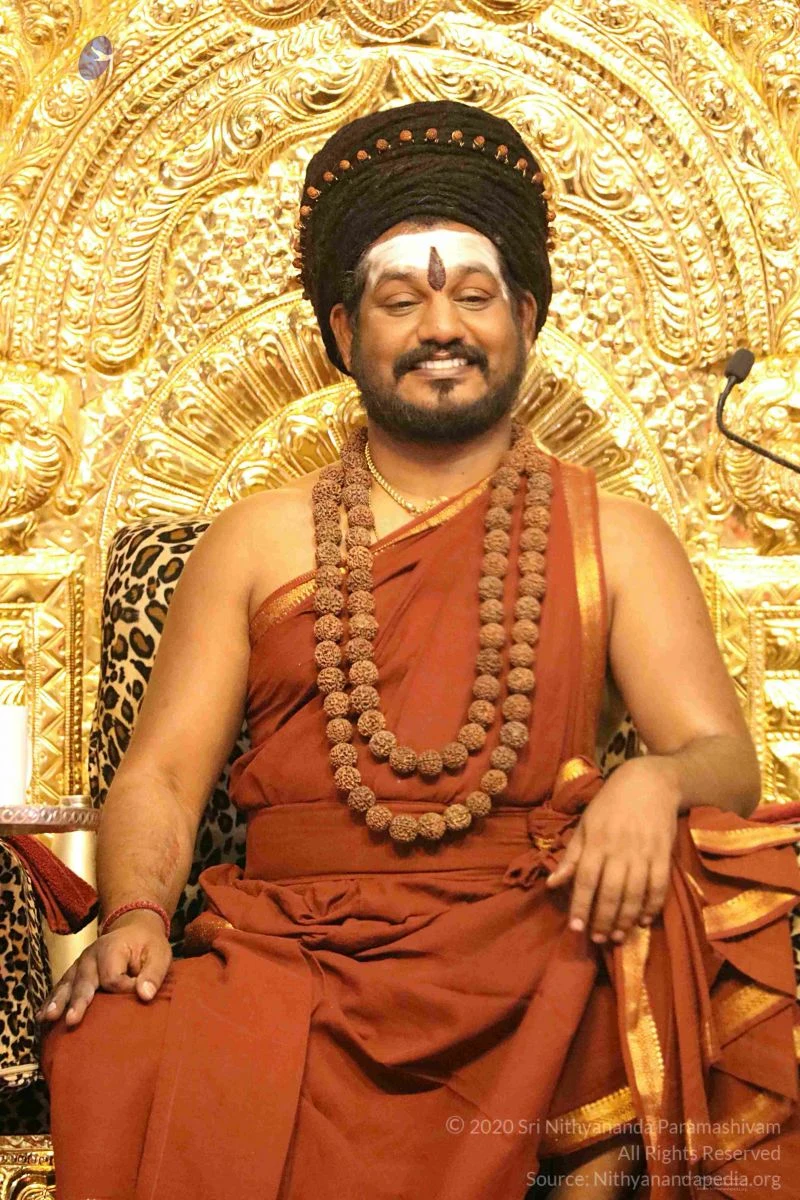
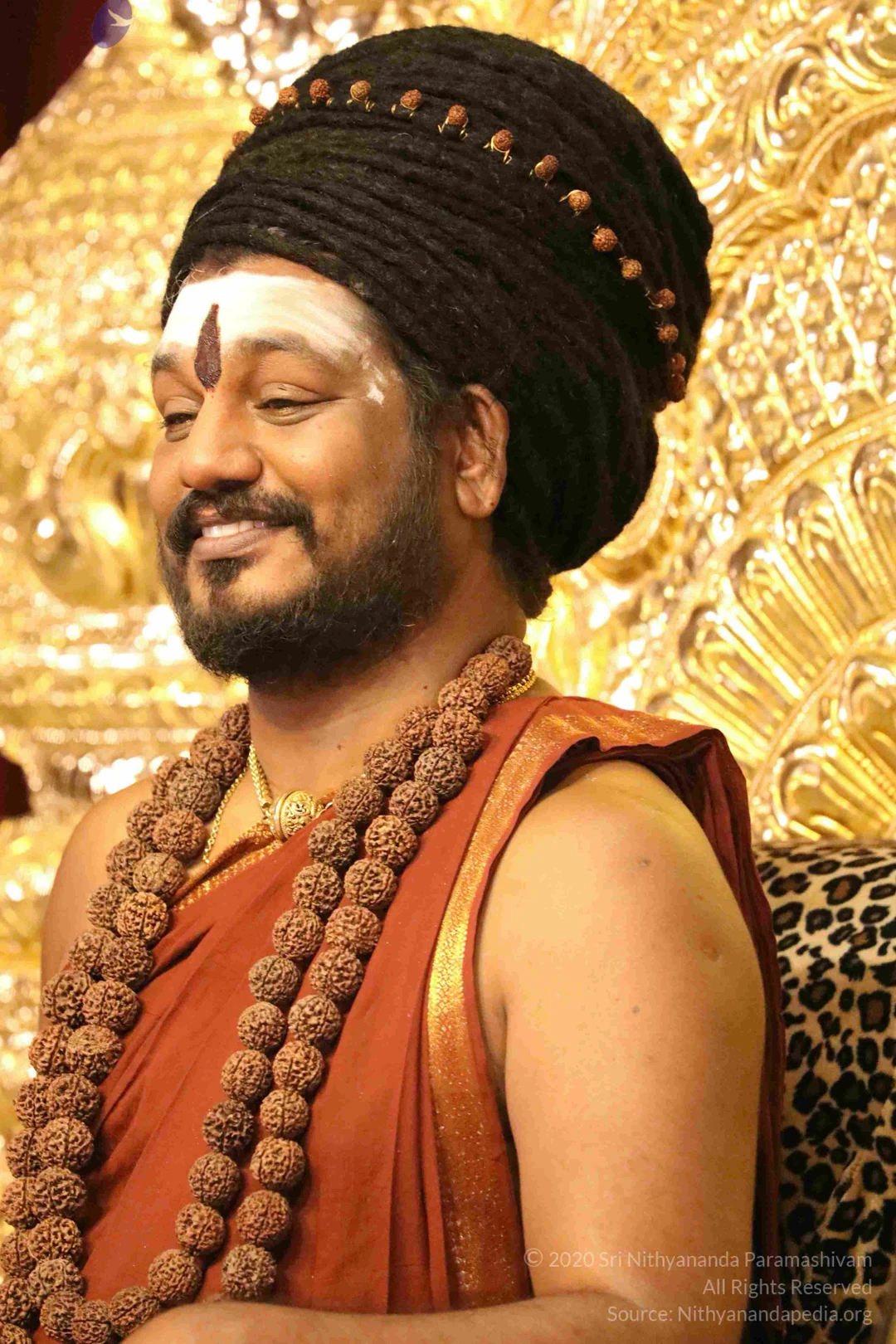
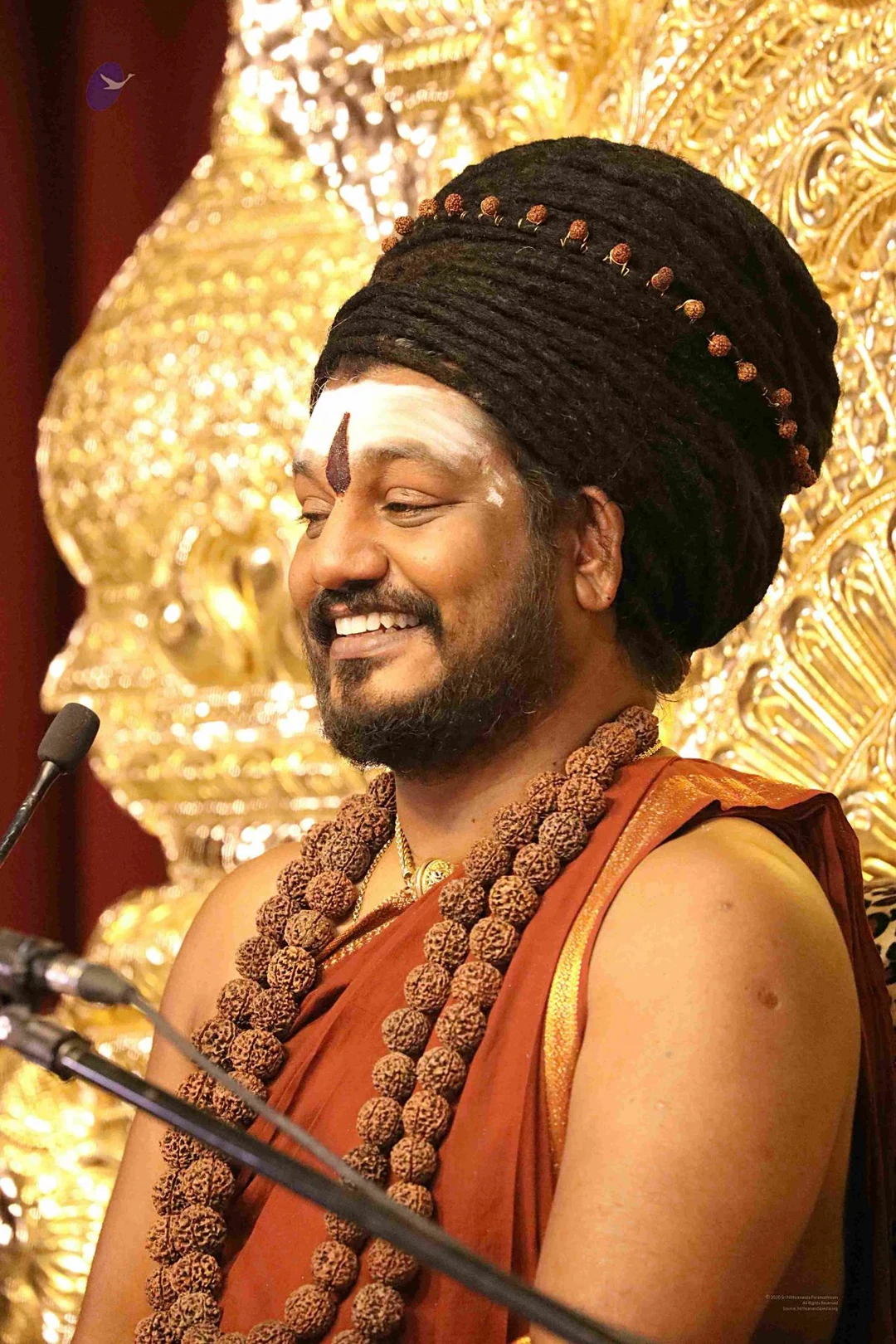
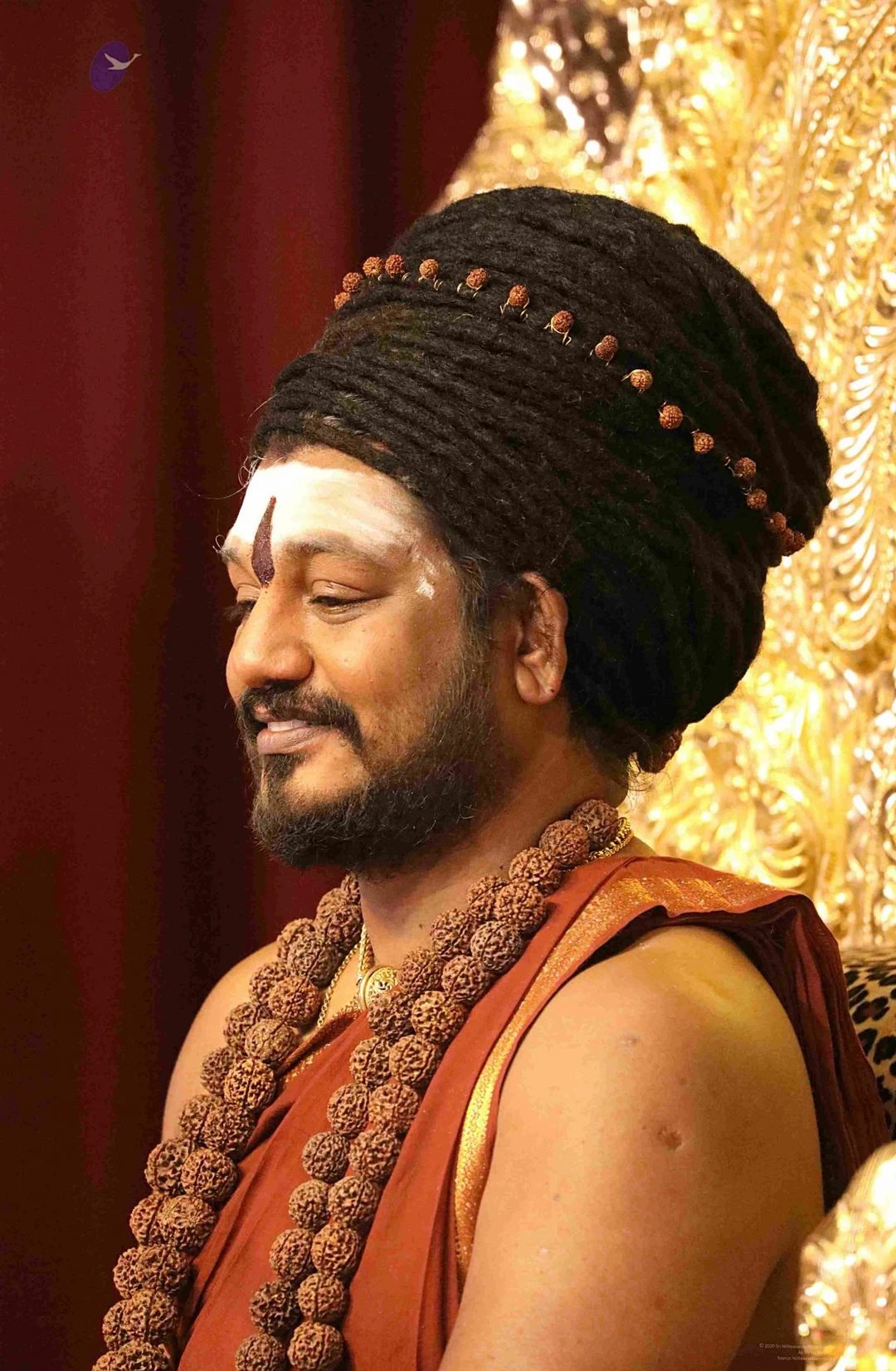
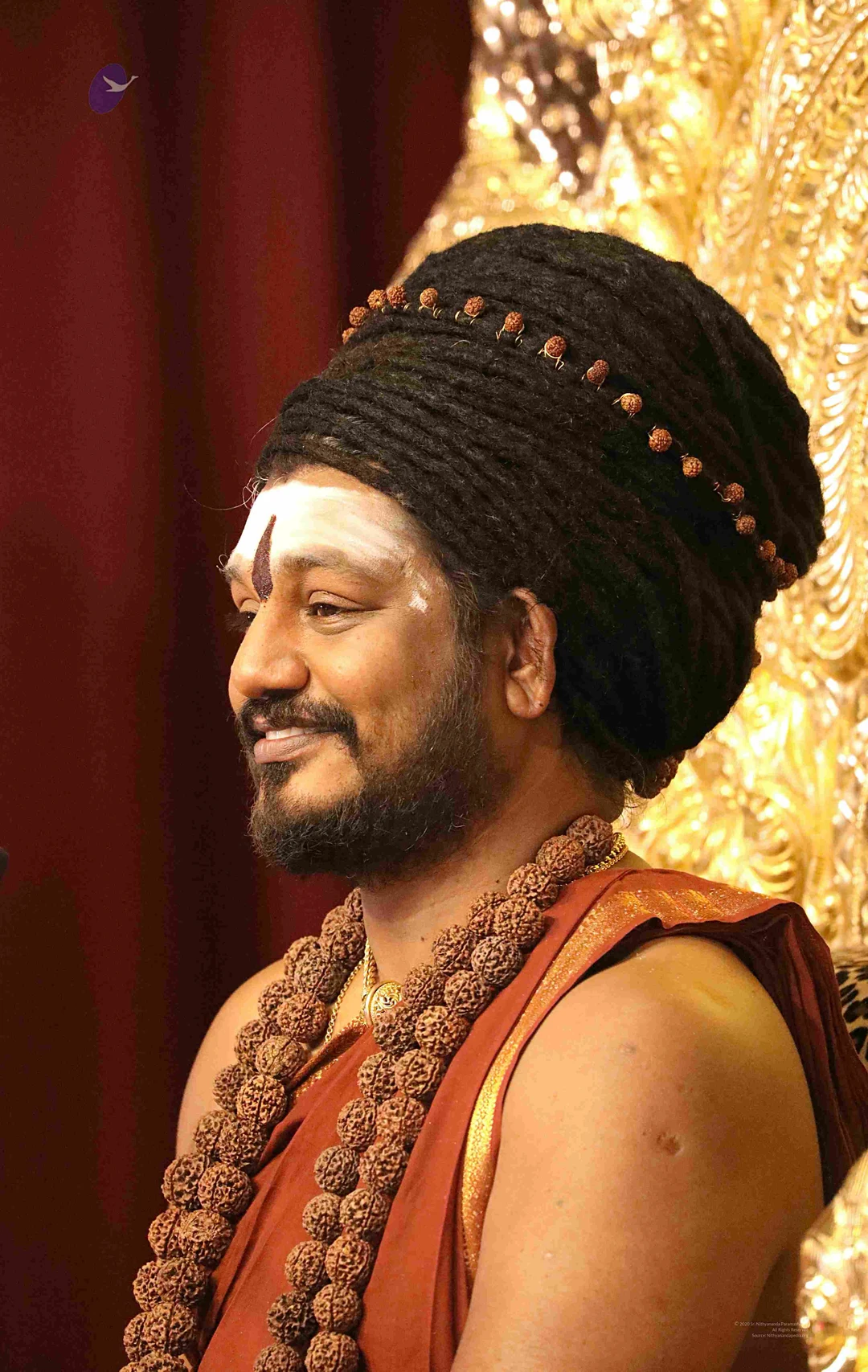
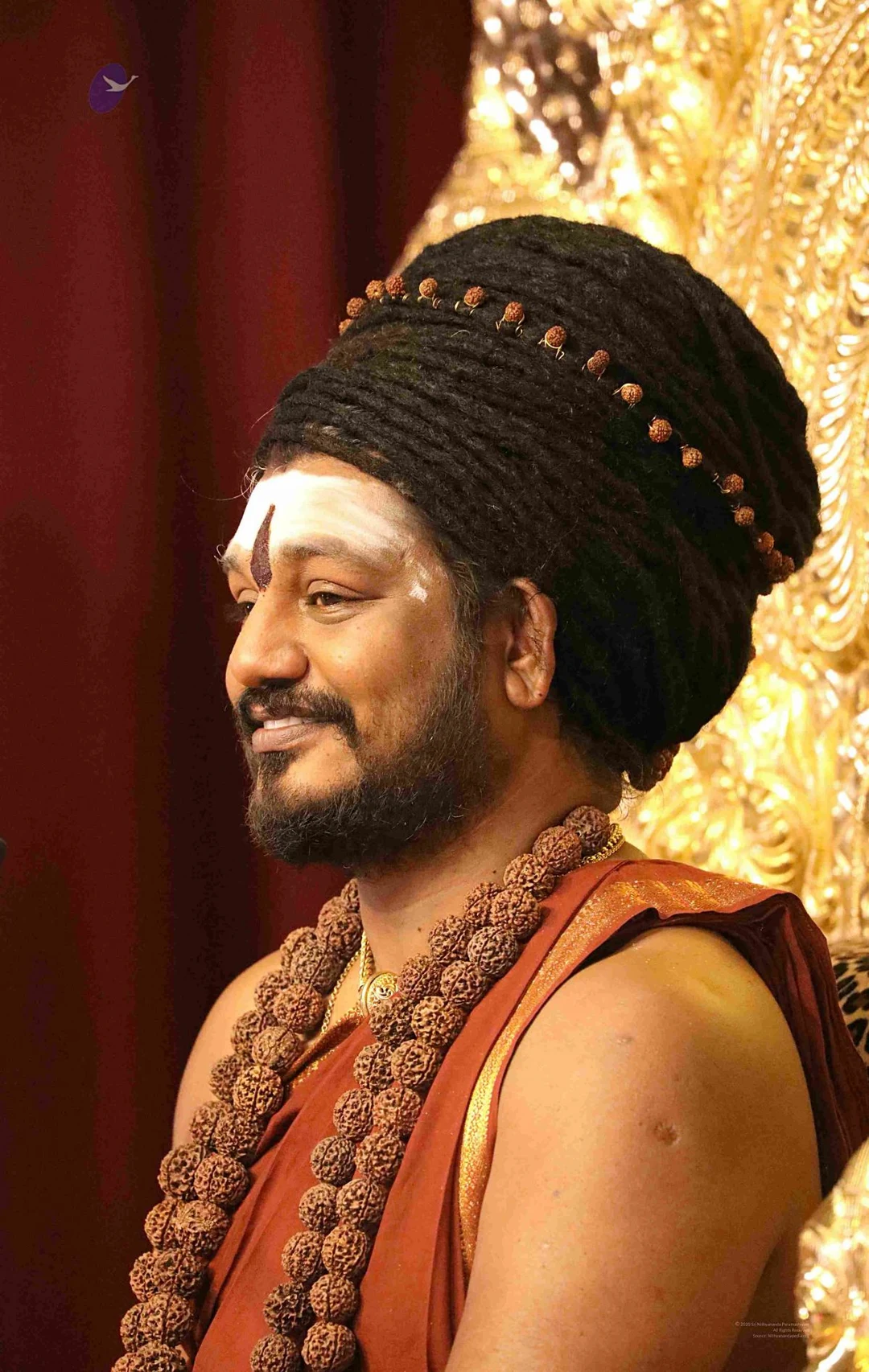
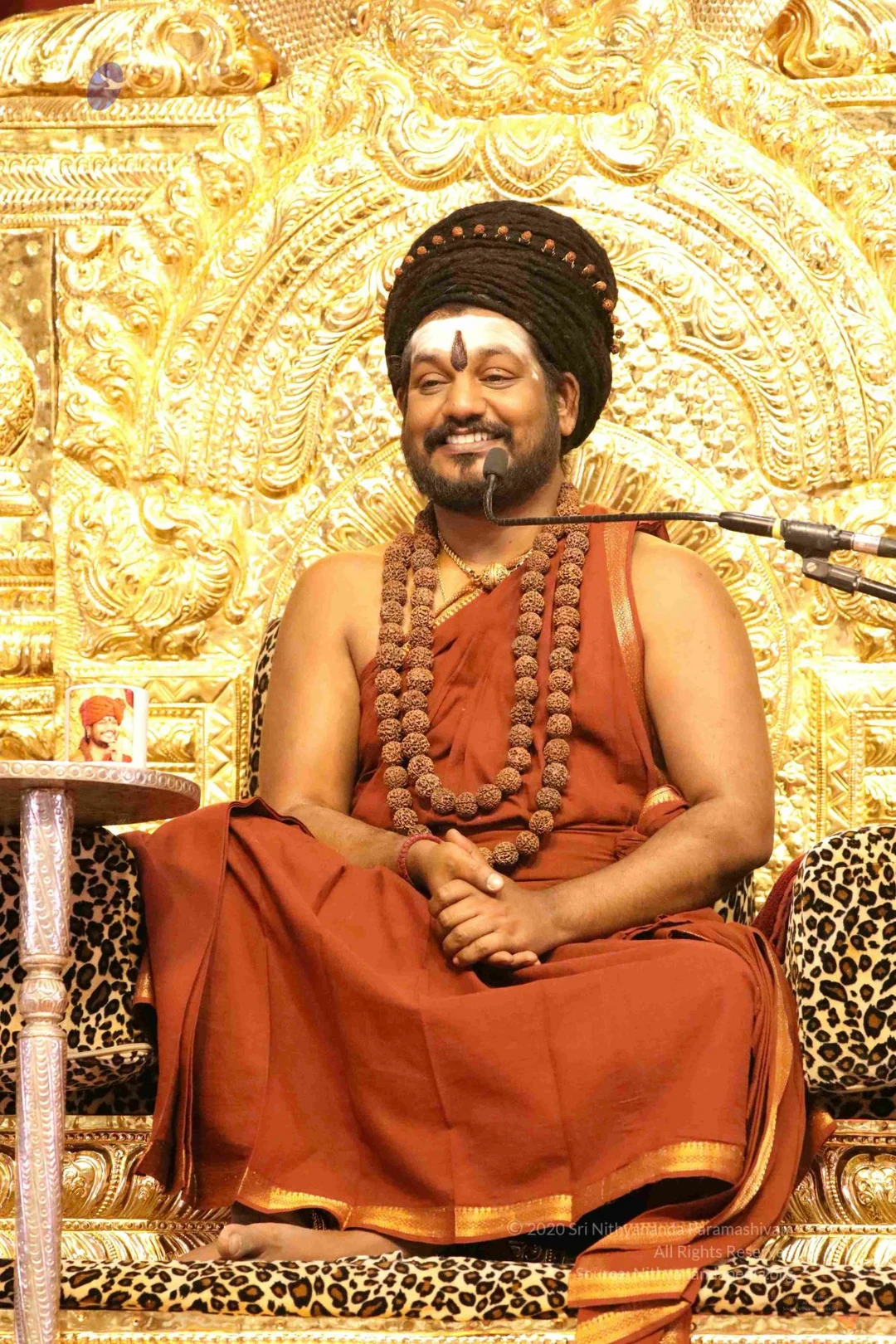
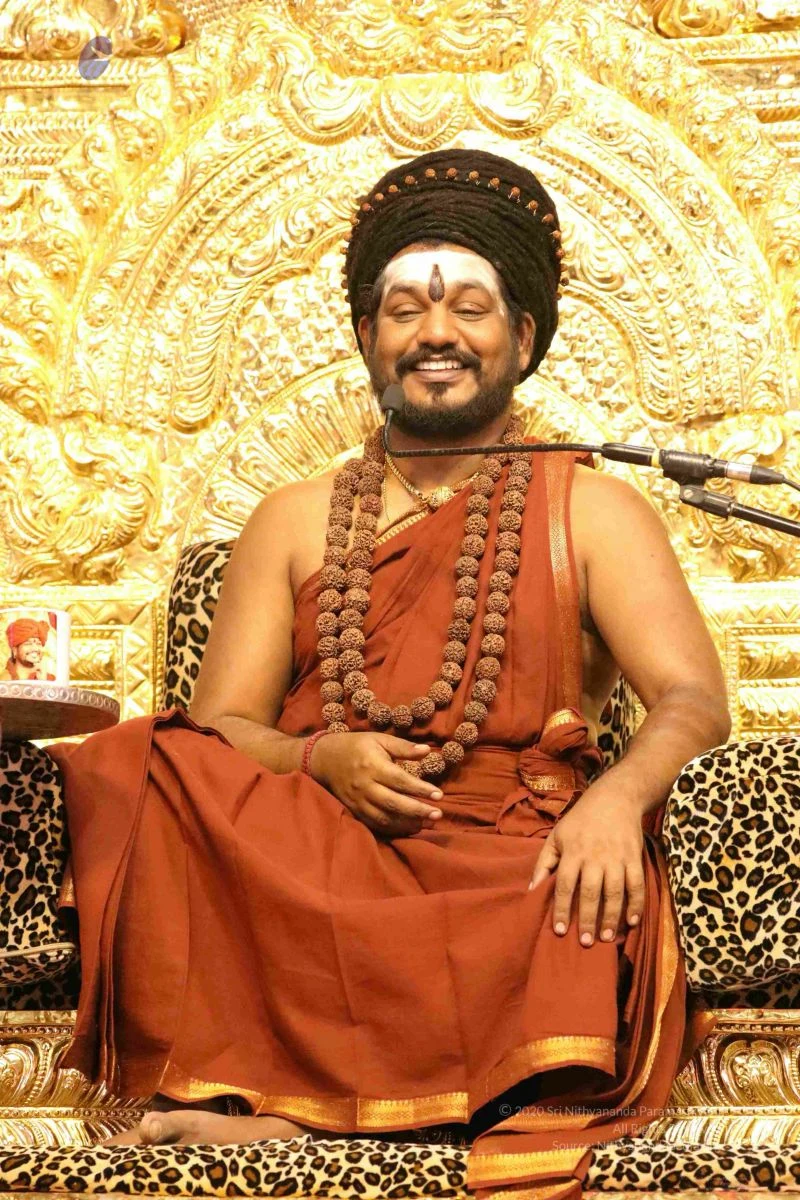
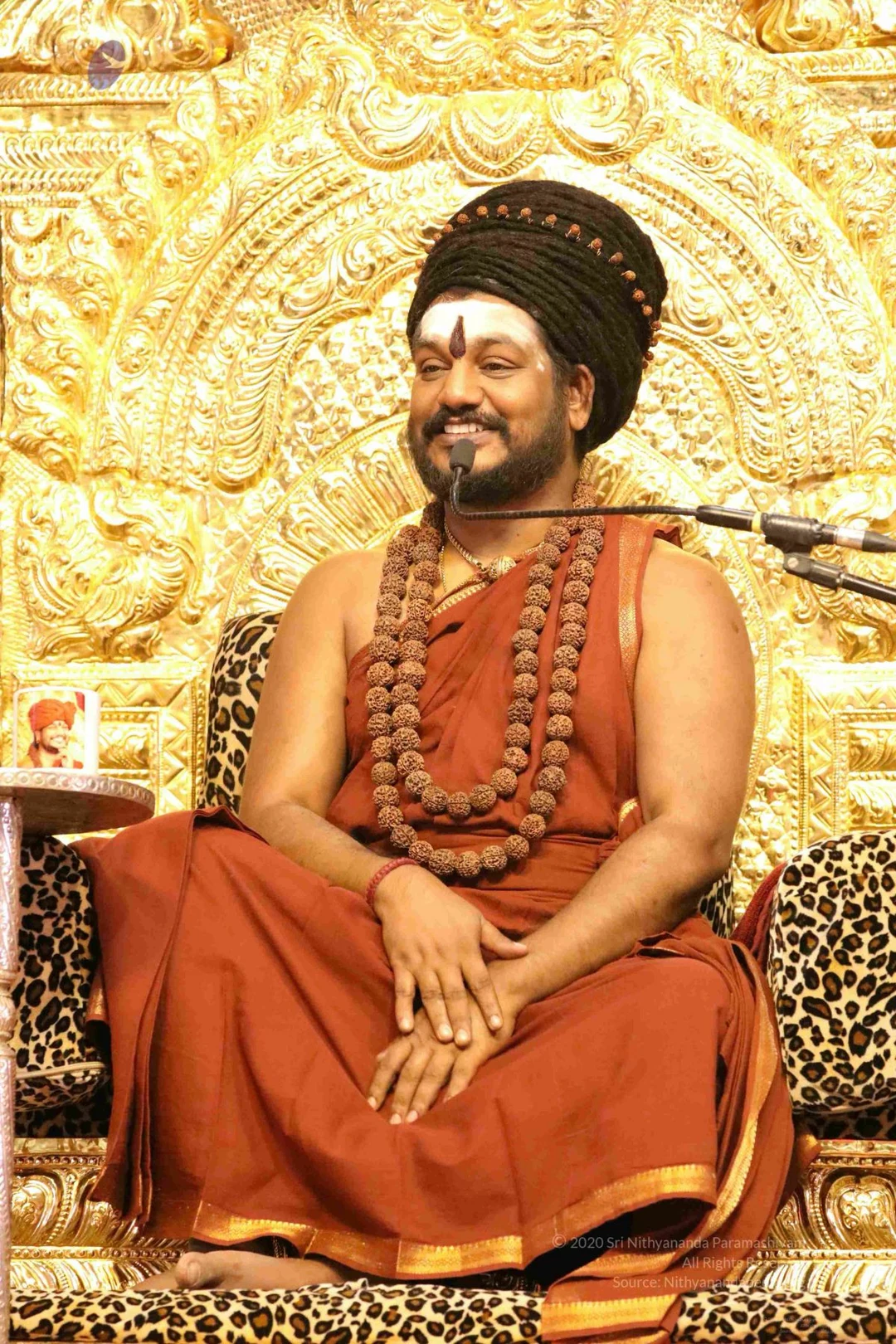
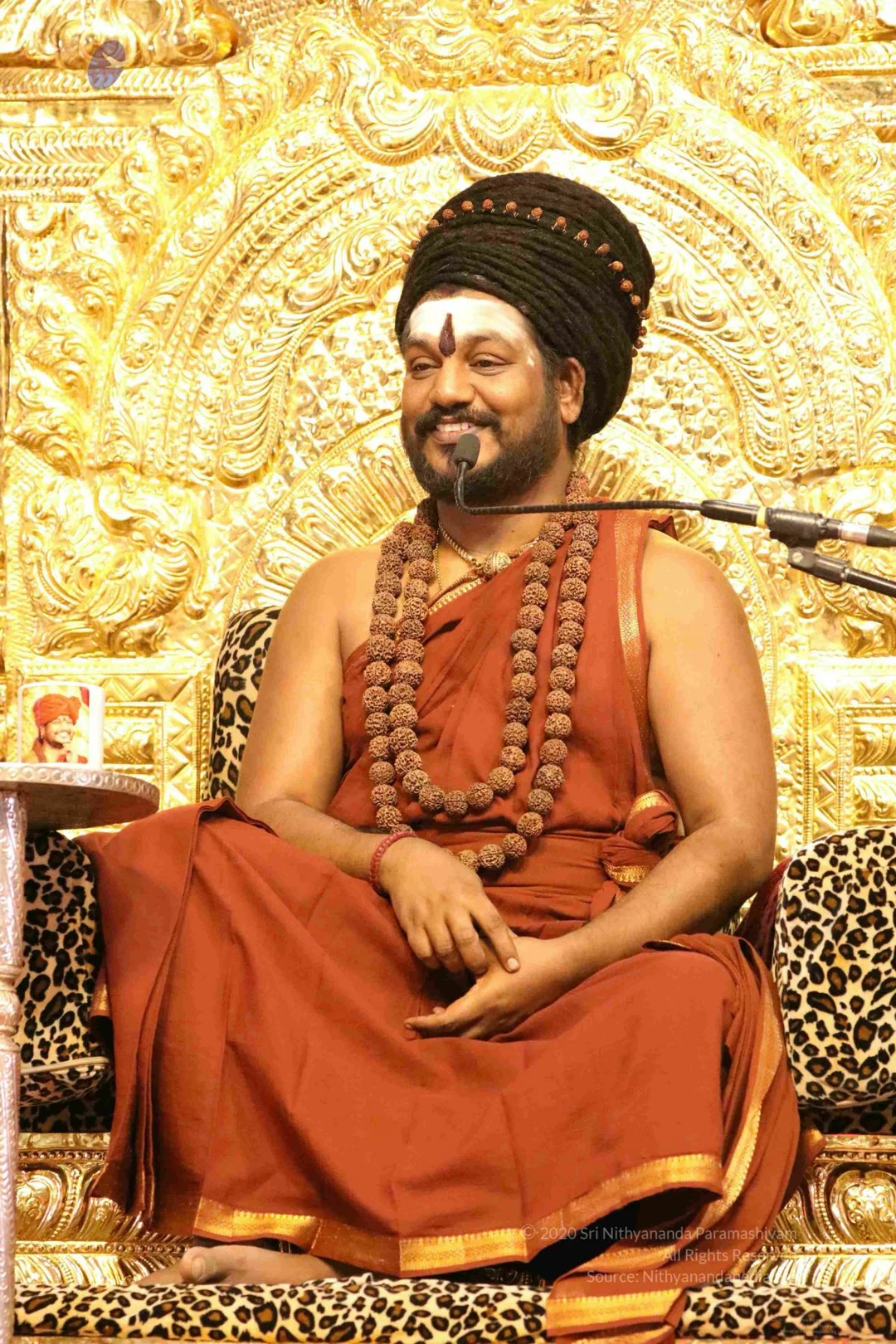
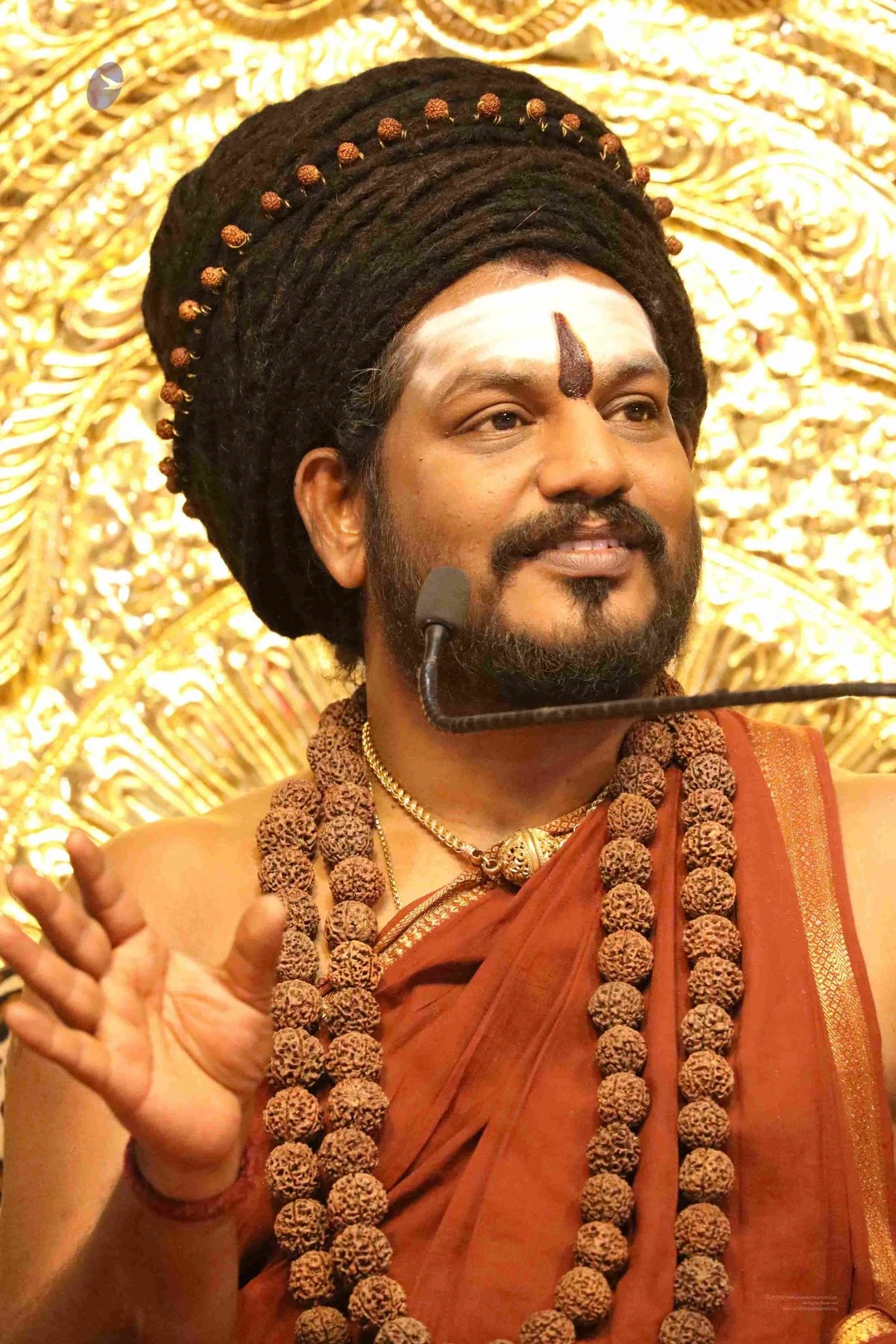
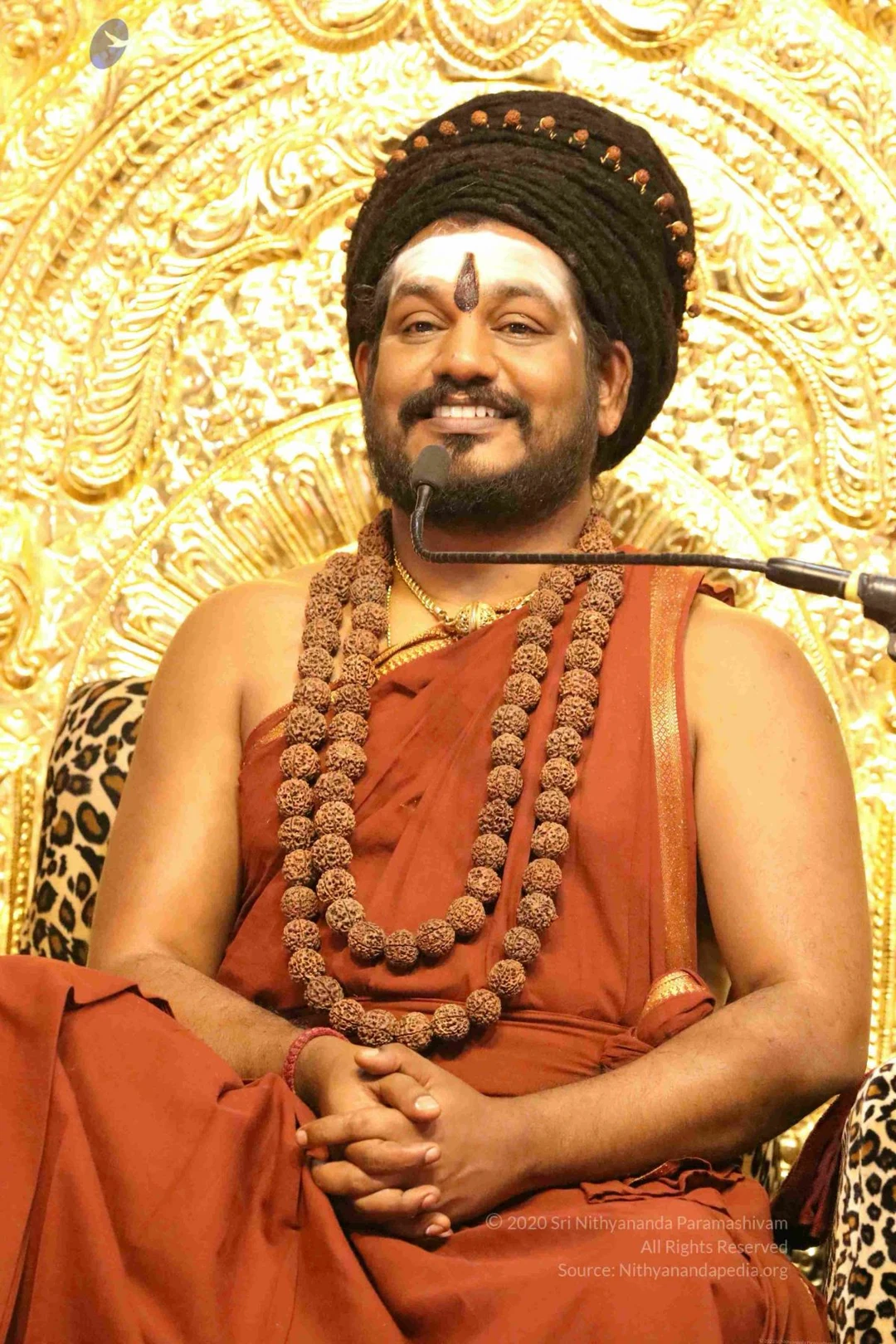
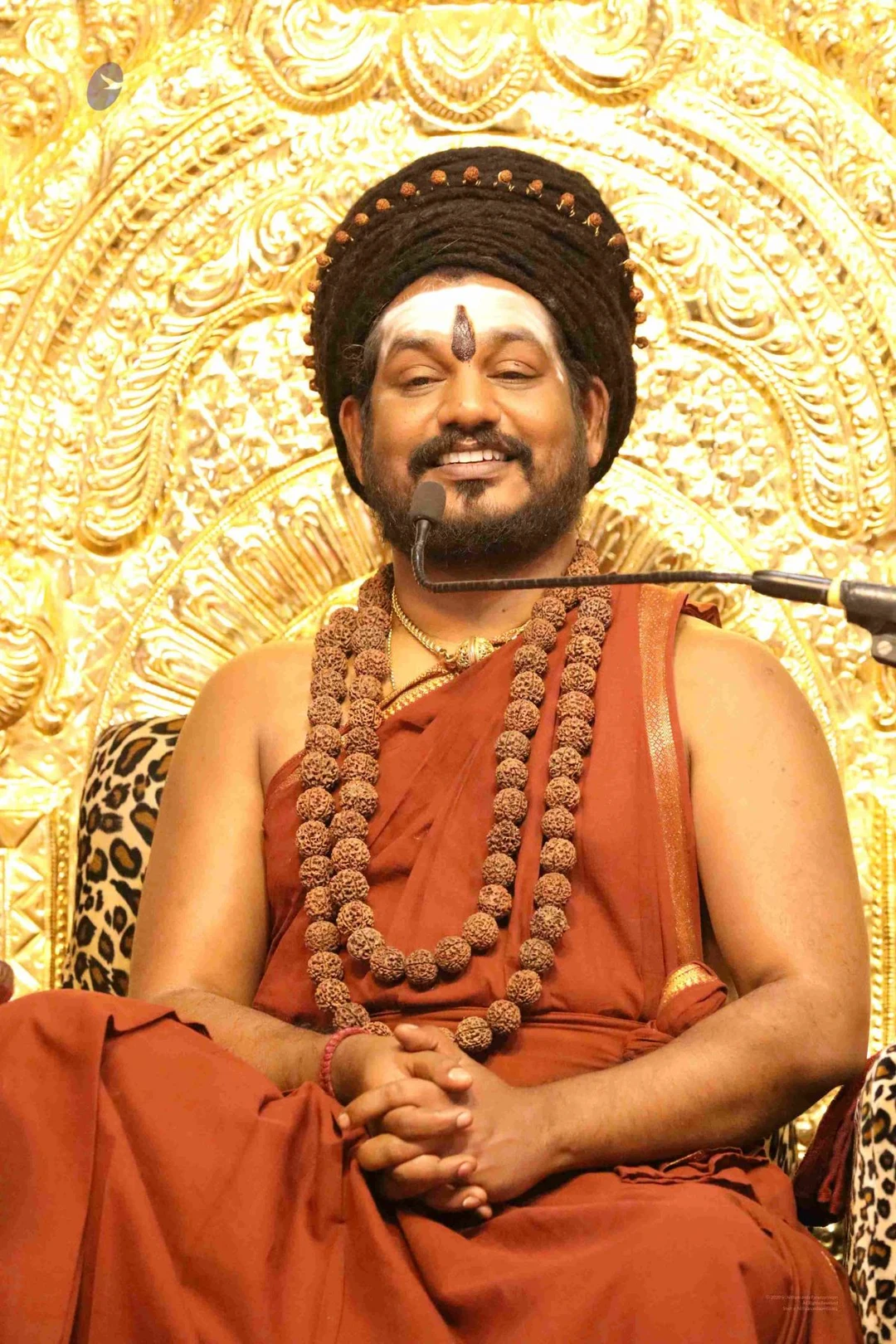
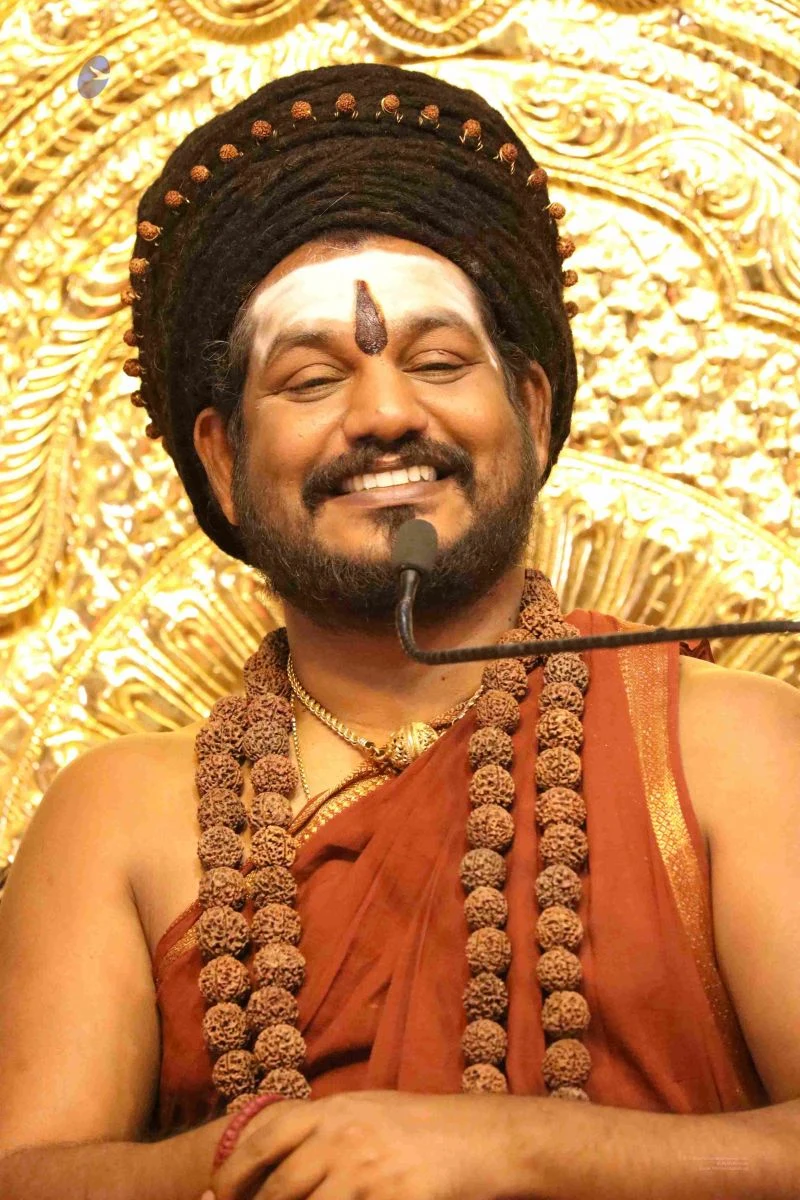
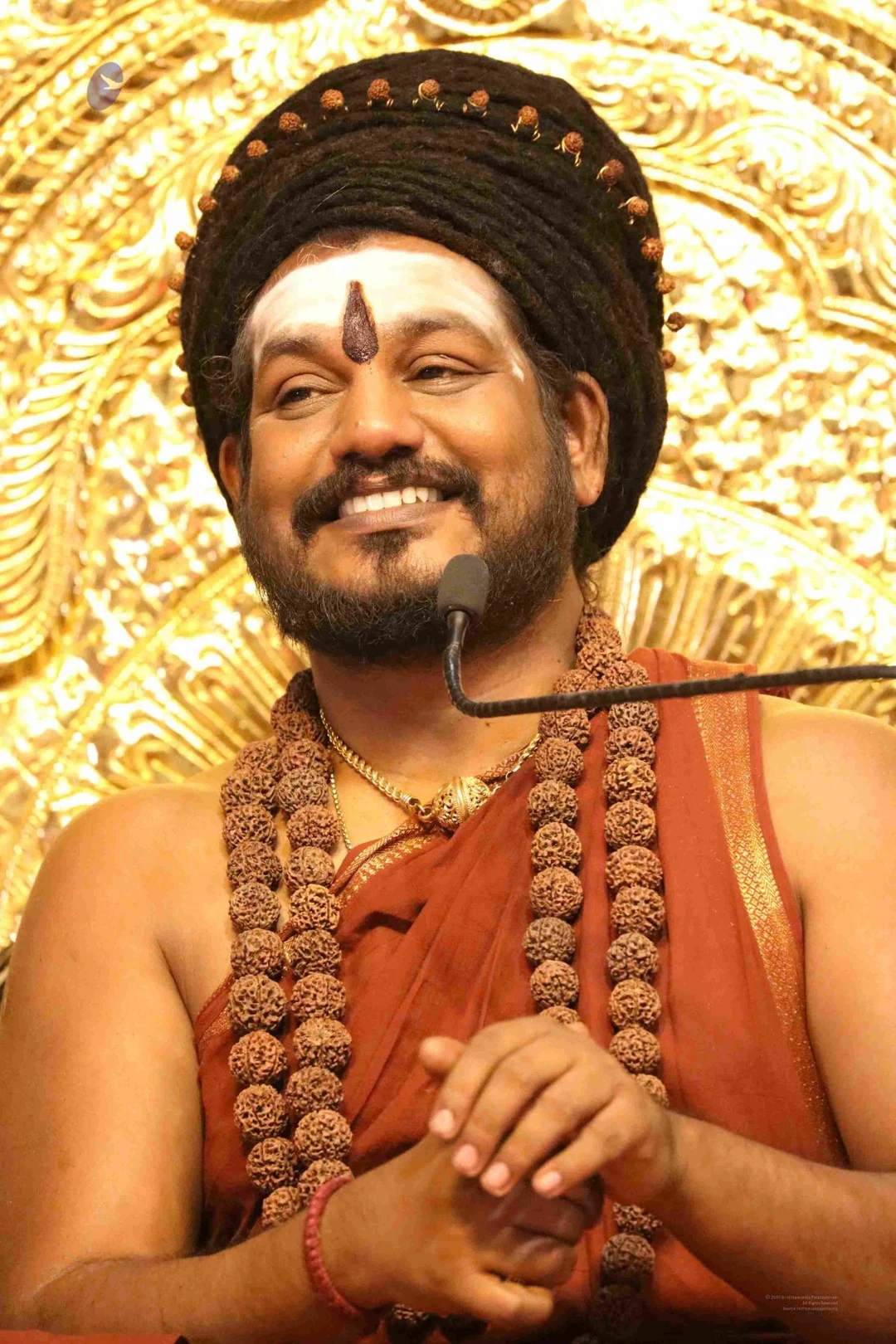
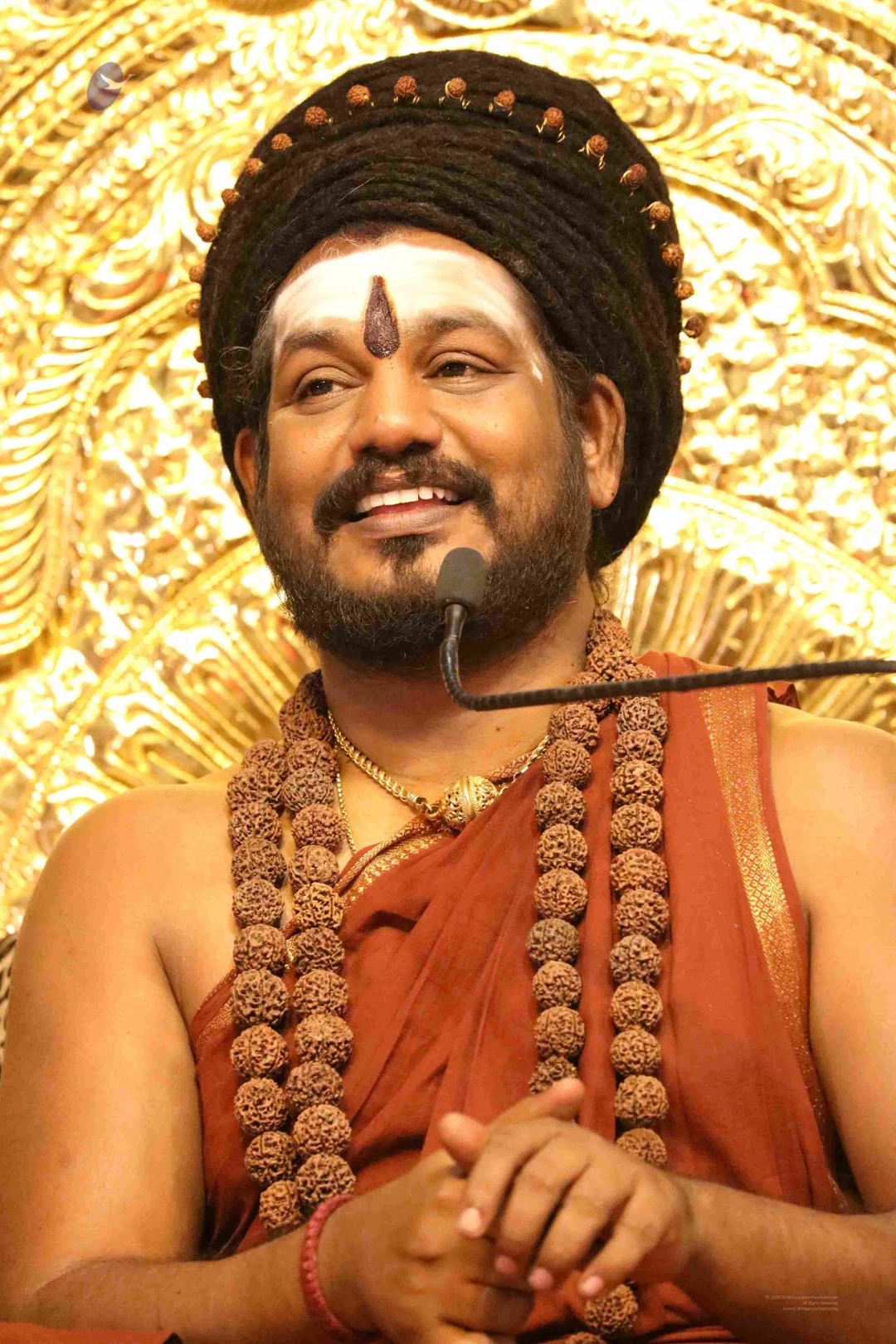
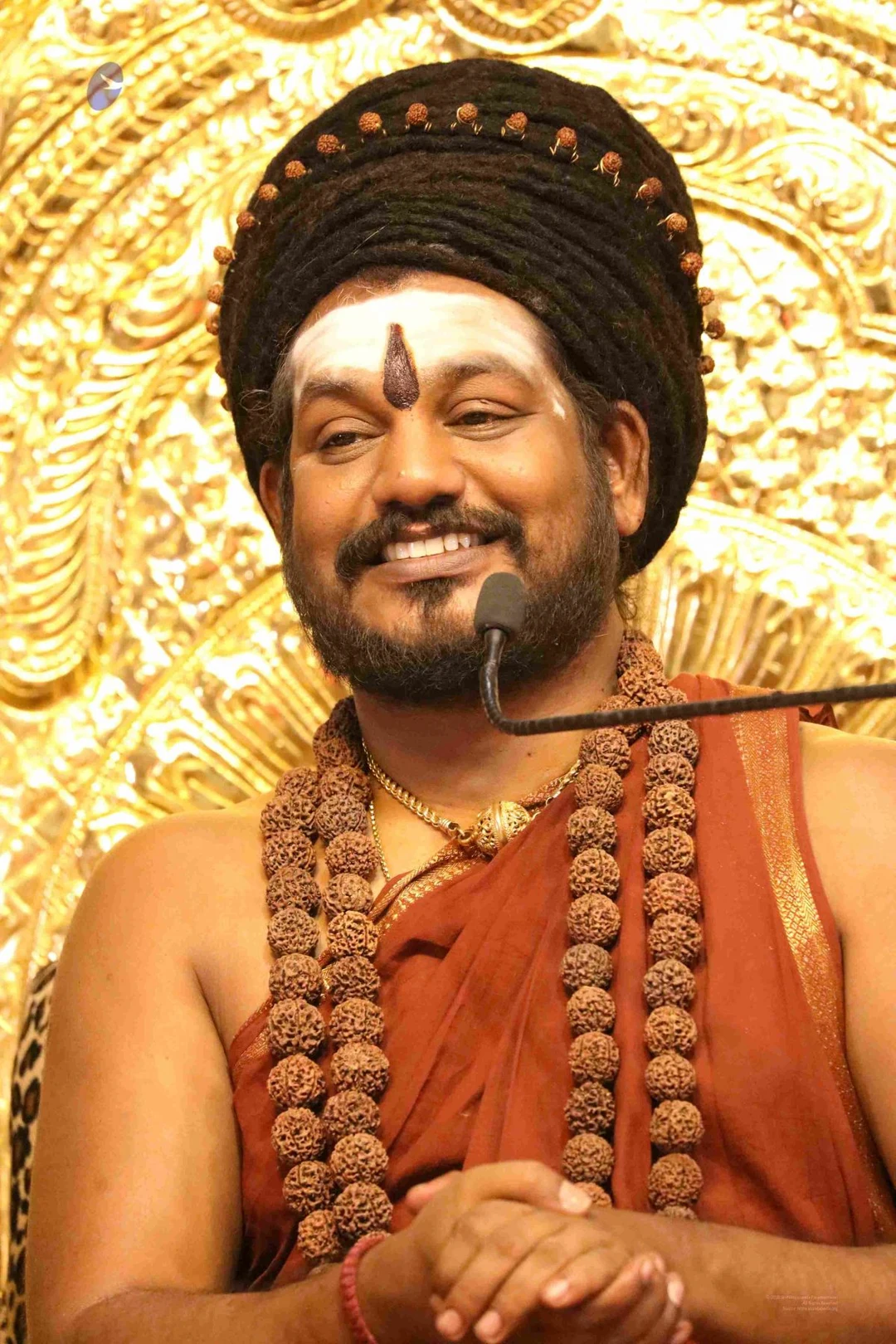
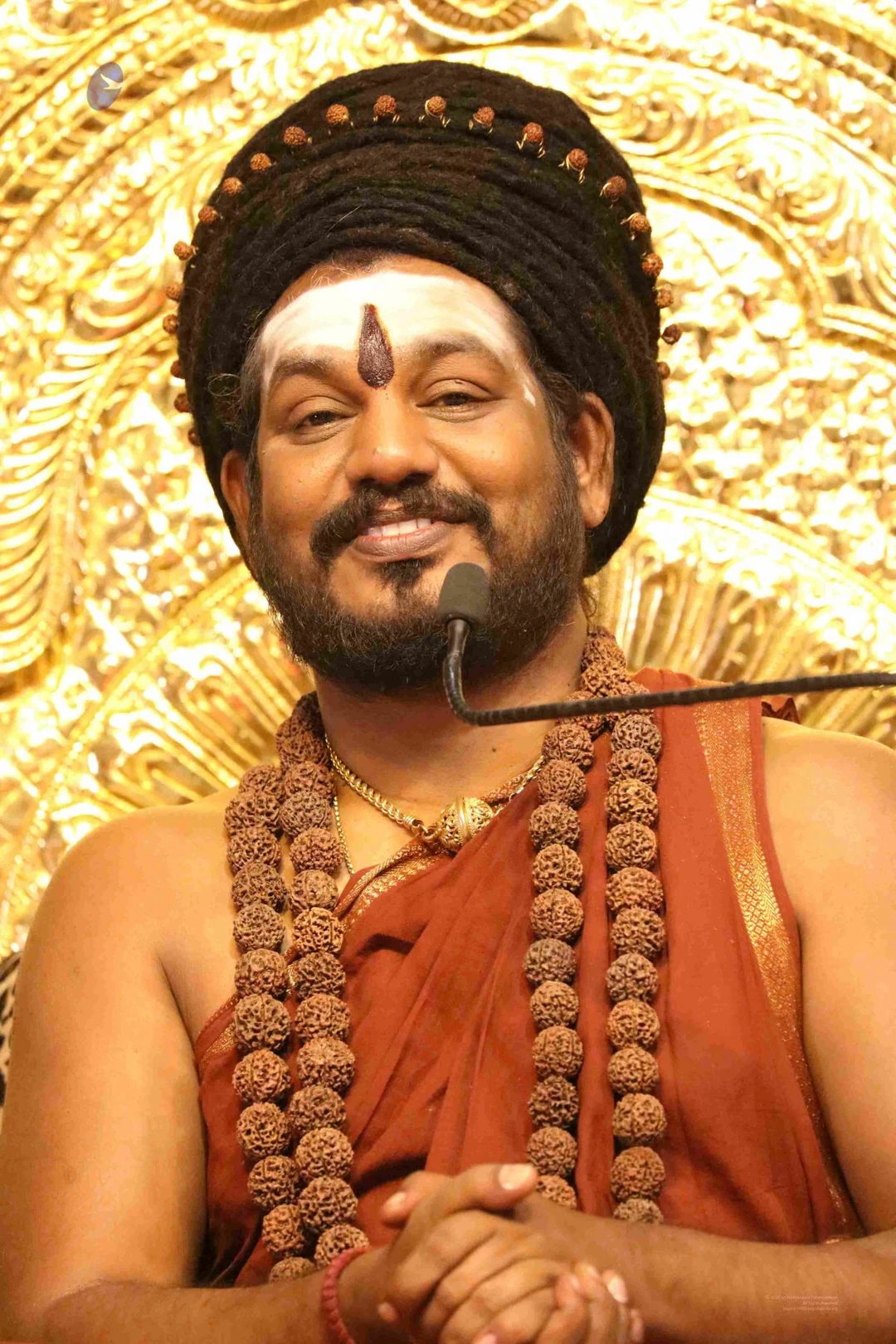
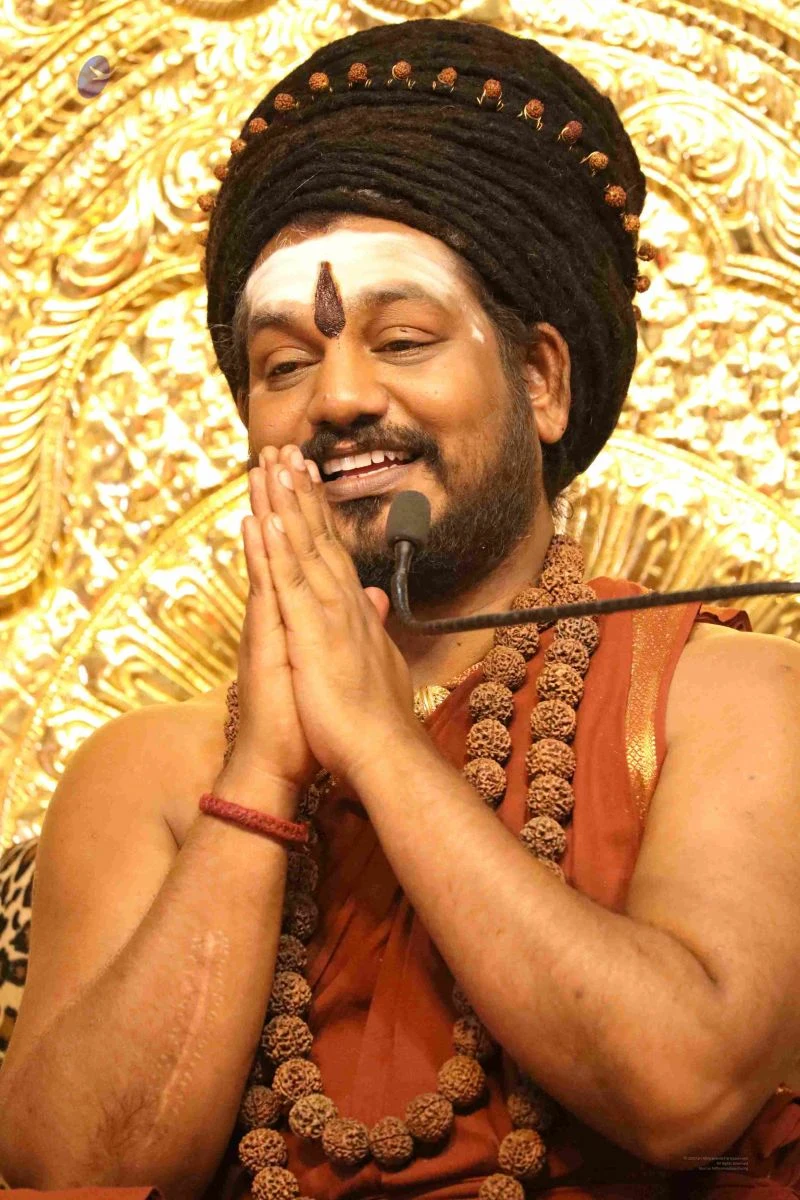
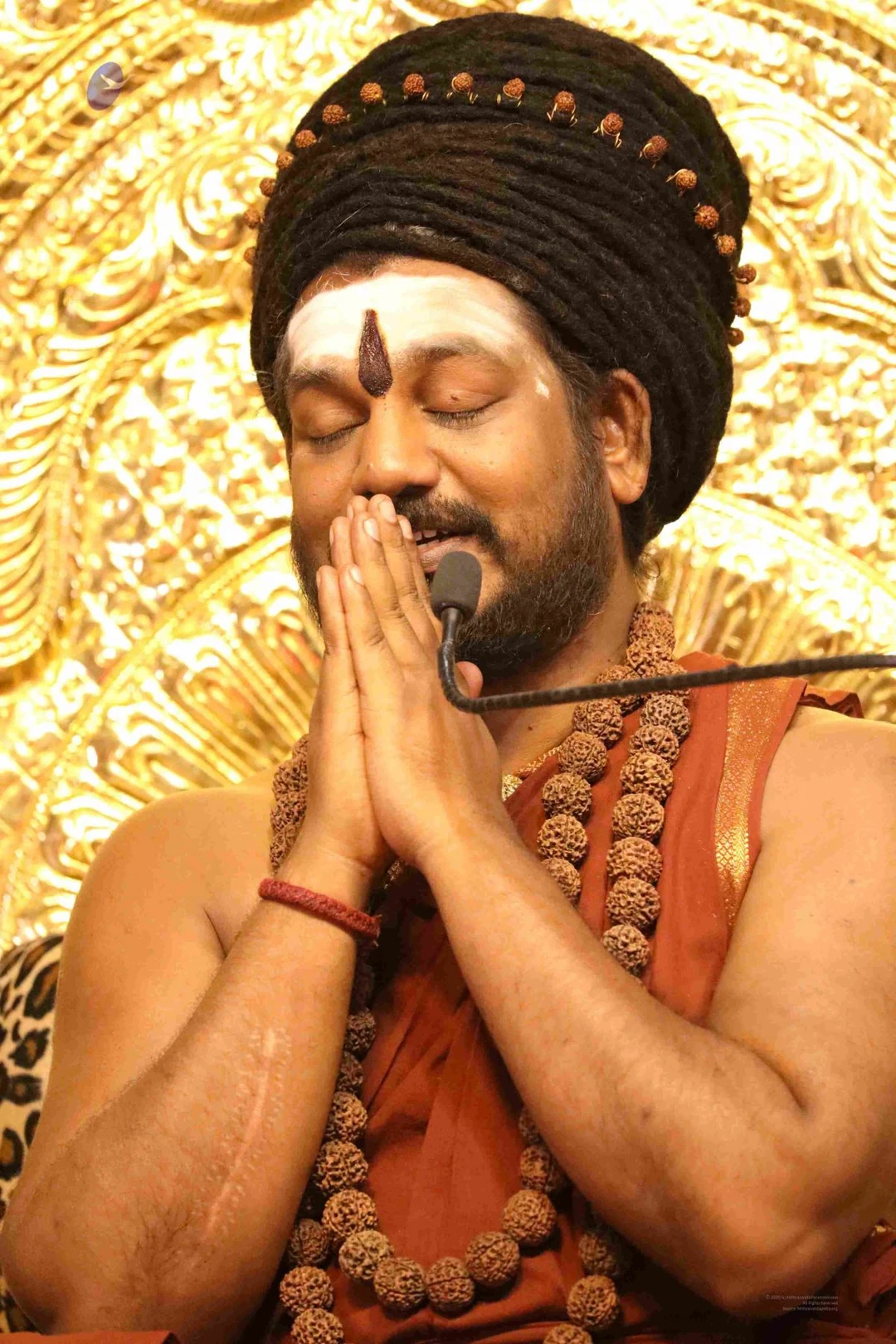
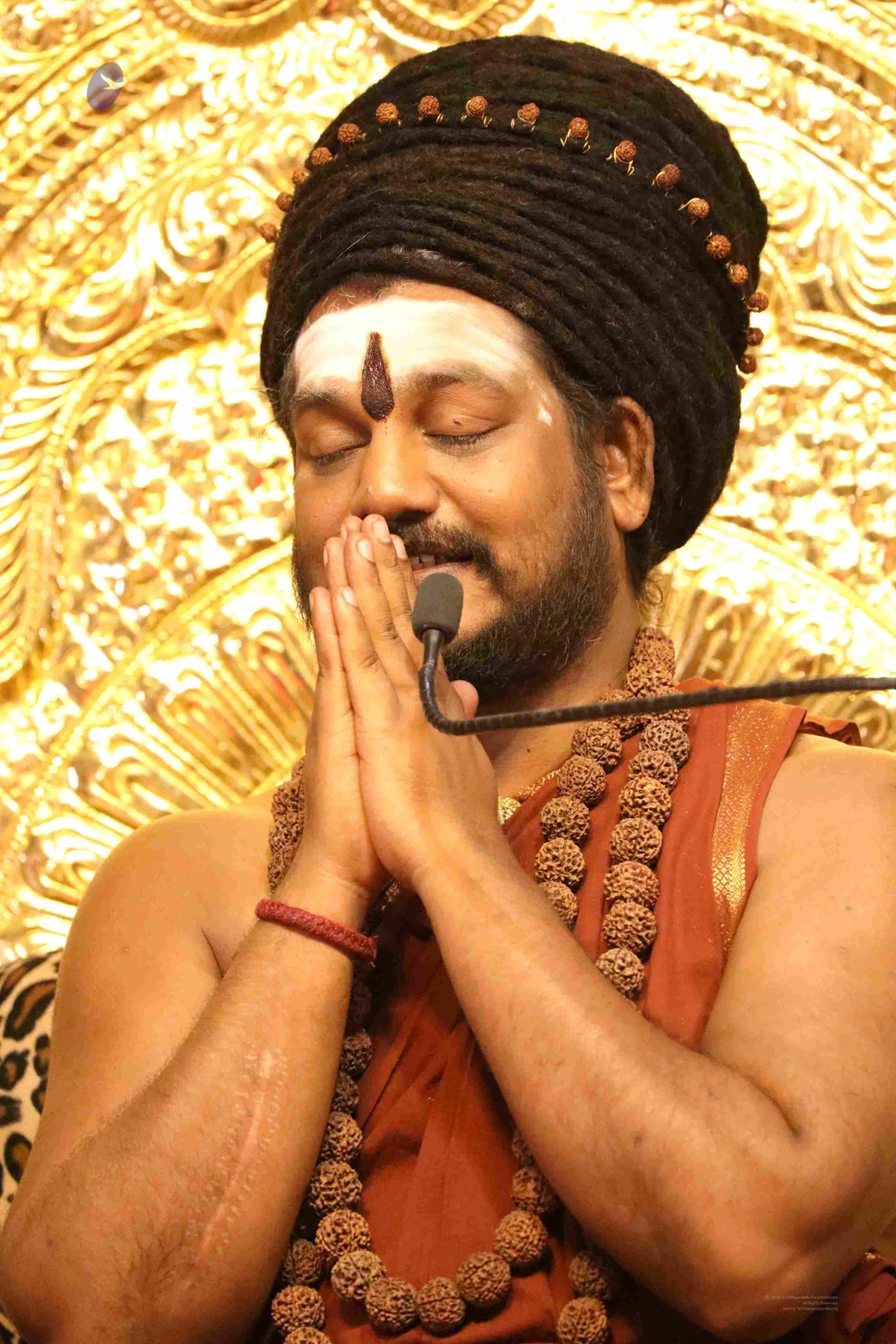
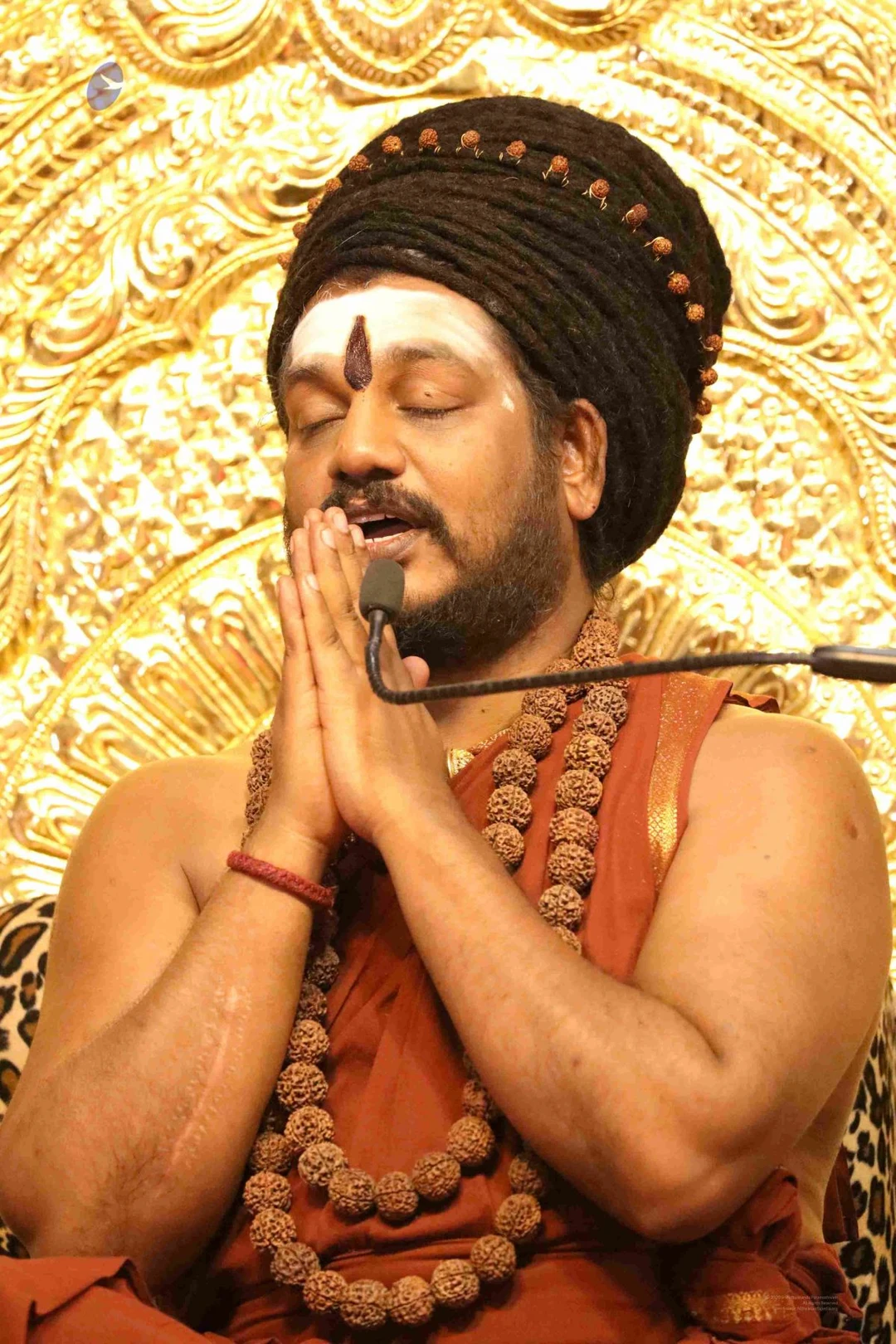
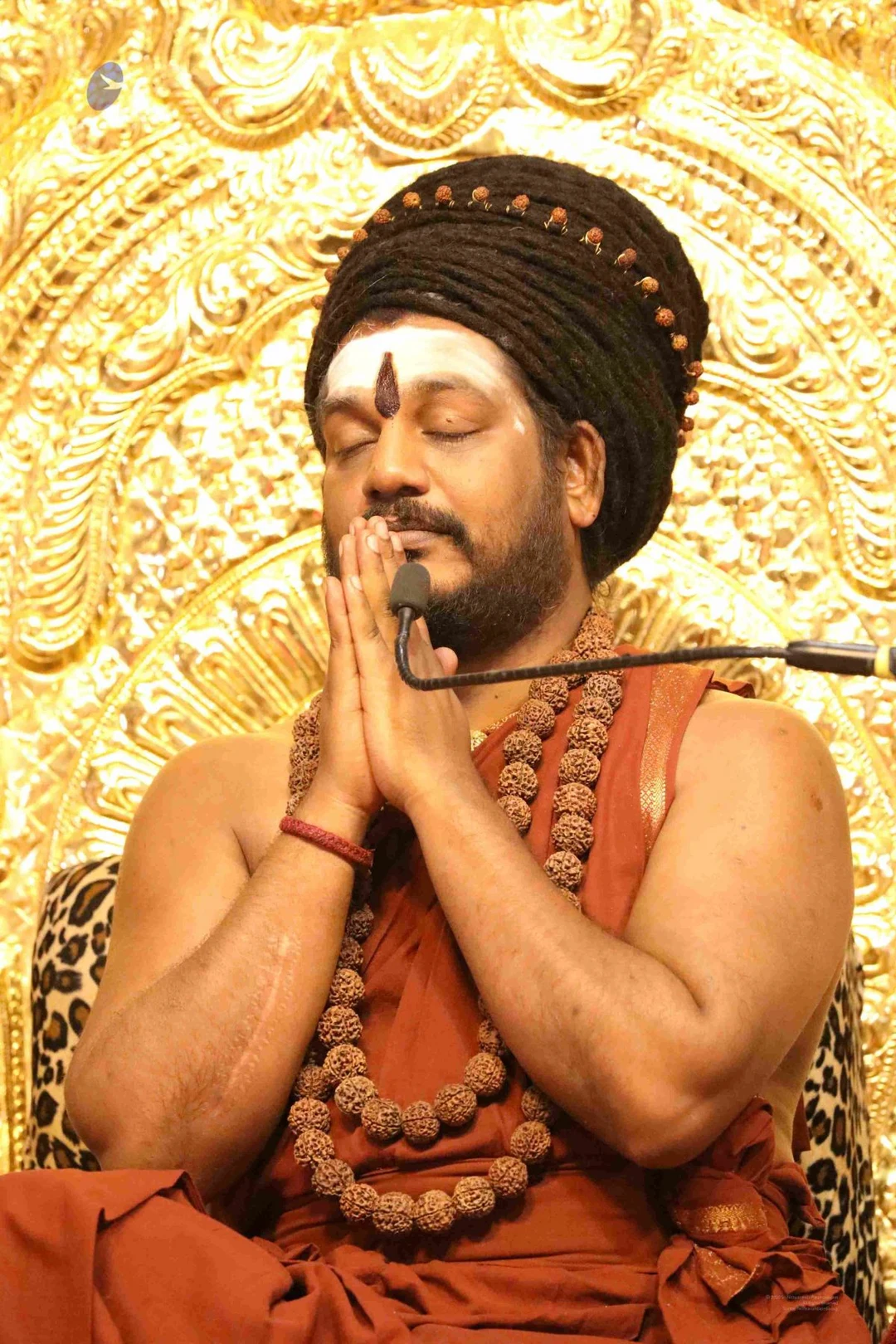
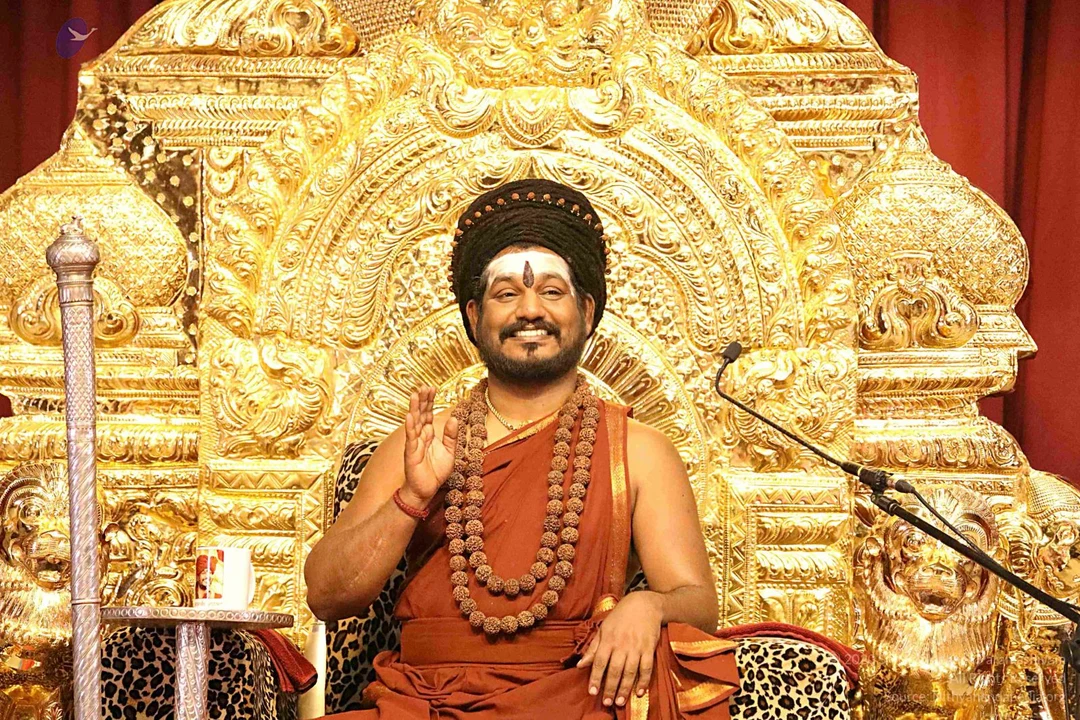 HDH Nithyananda Paramashivam ABHAYA MUDRA for blessings
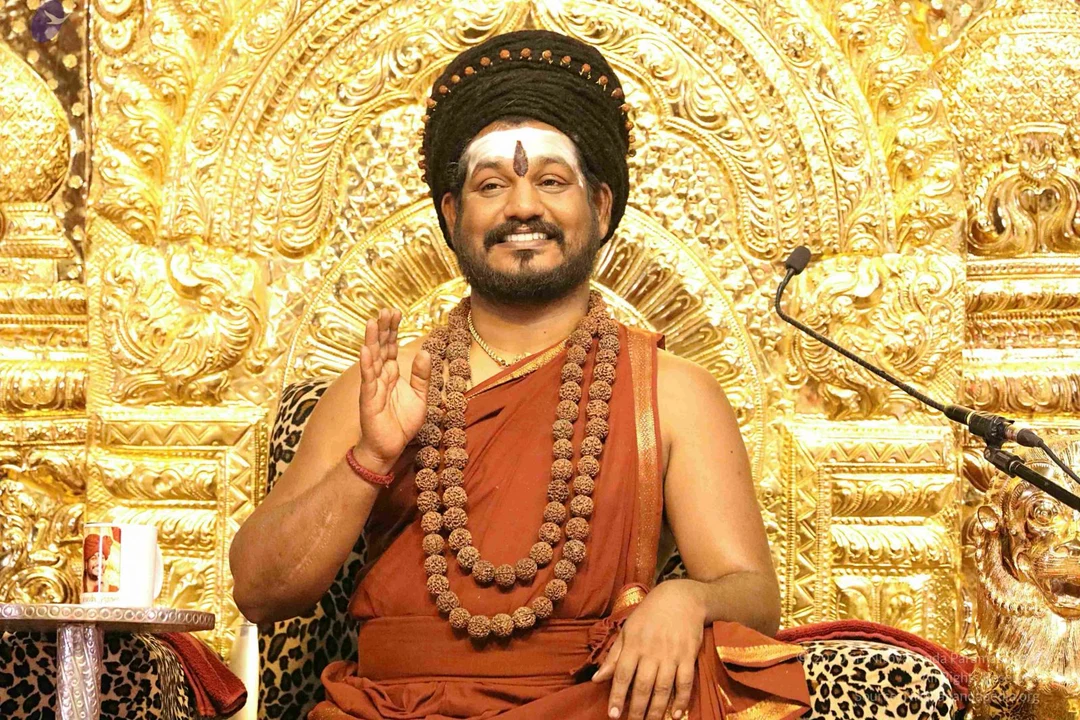 HDH Nithyananda Paramashivam ABHAYA MUDRA for blessings
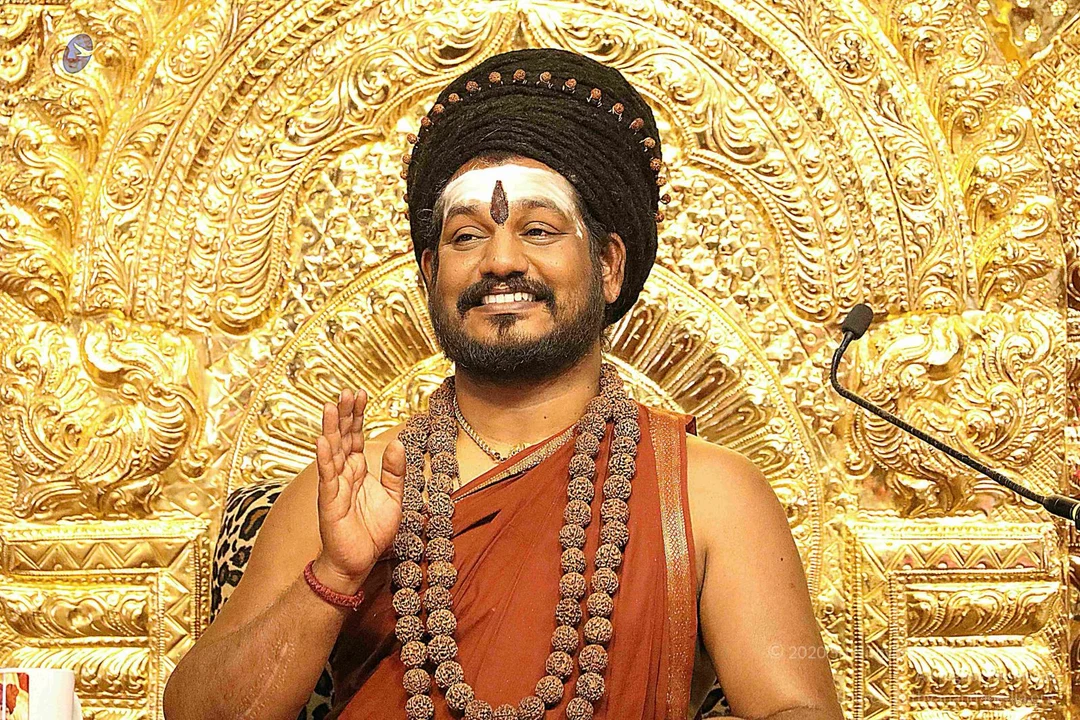 HDH Nithyananda Paramashivam ABHAYA MUDRA for blessings
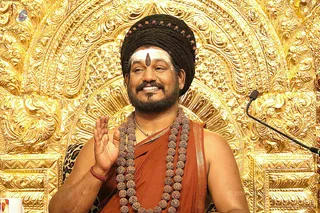
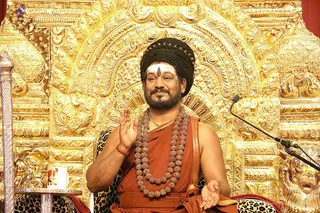
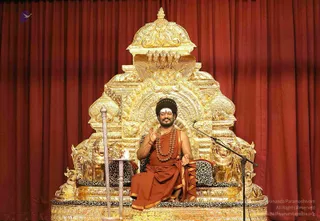
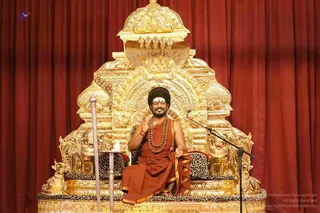
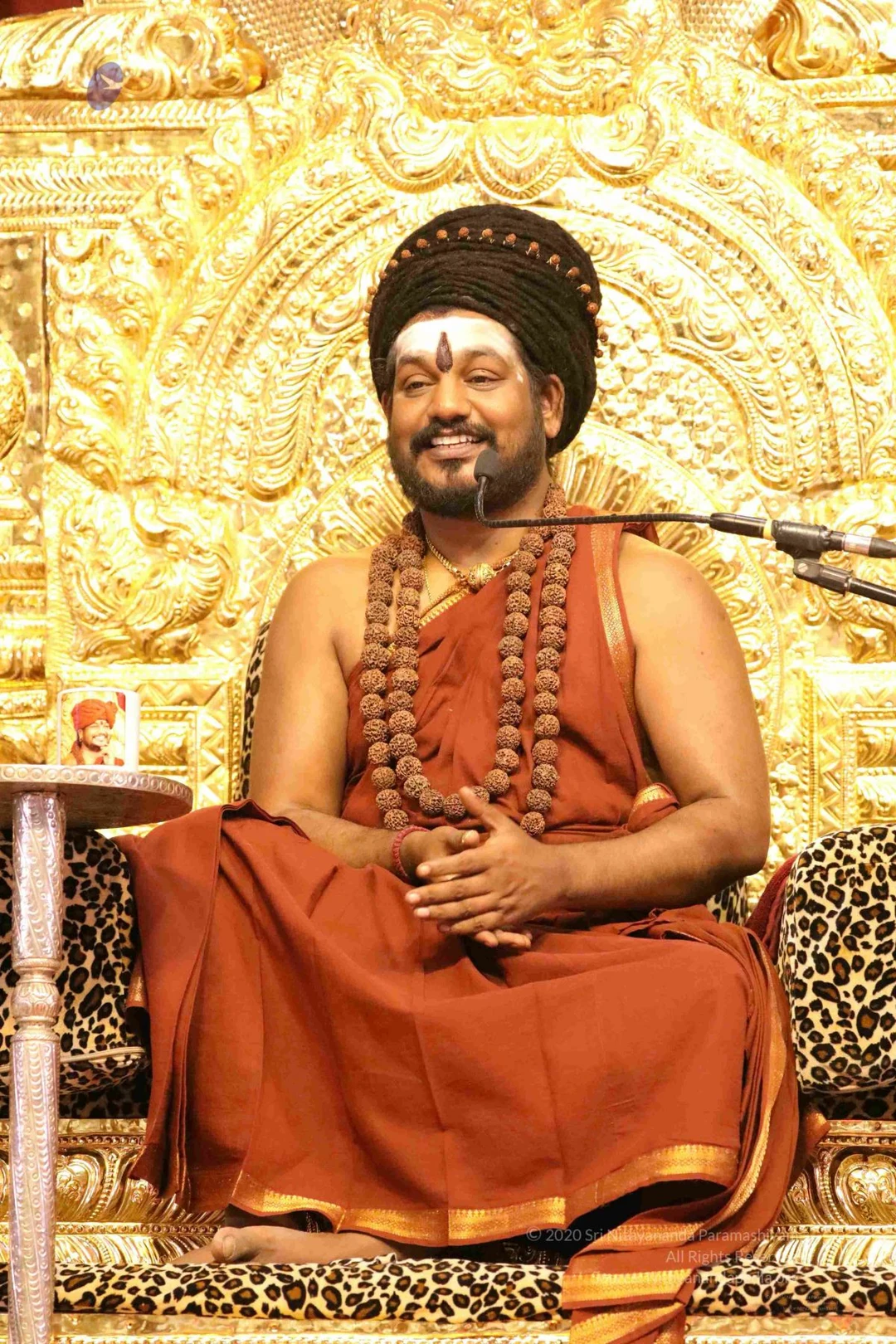
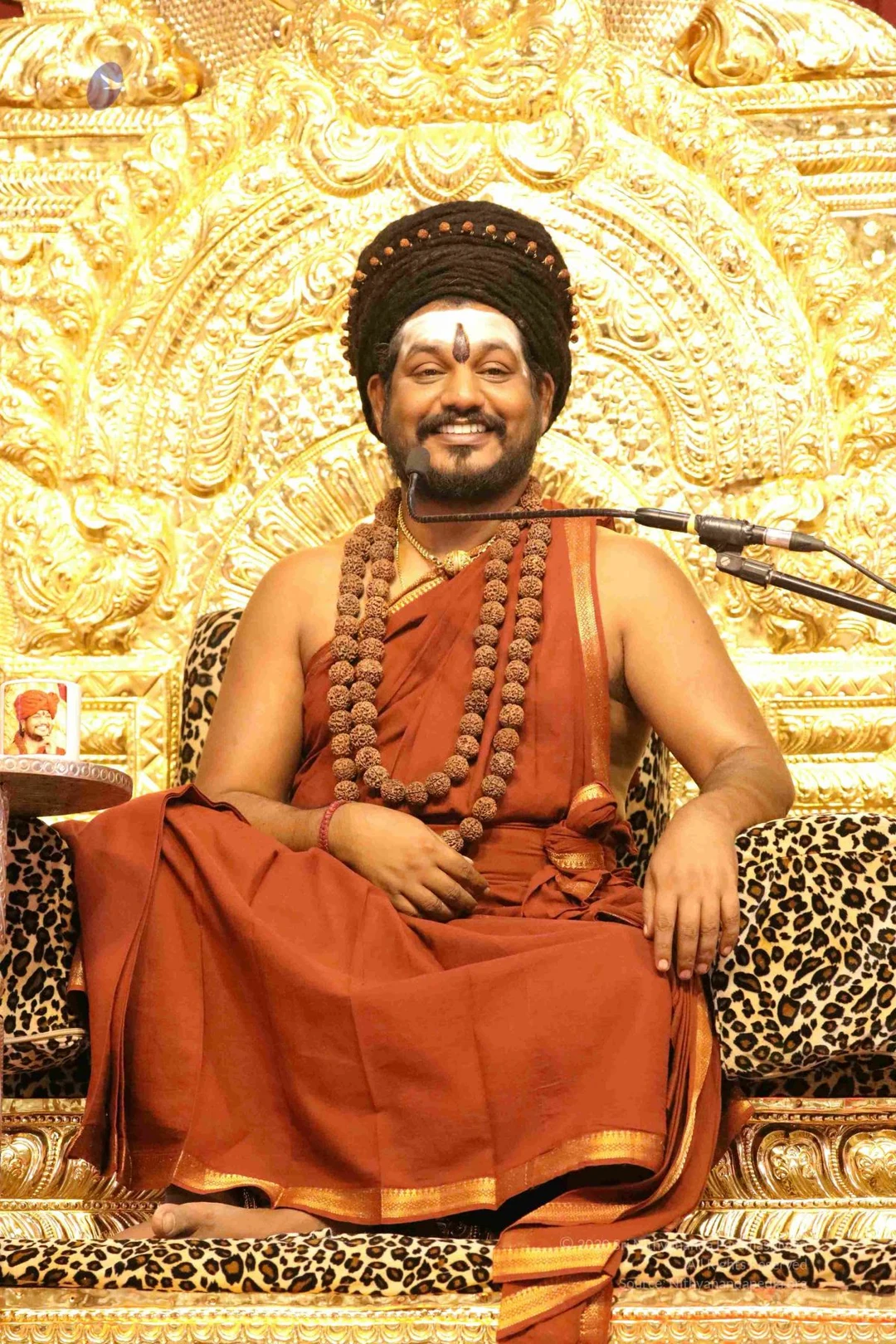
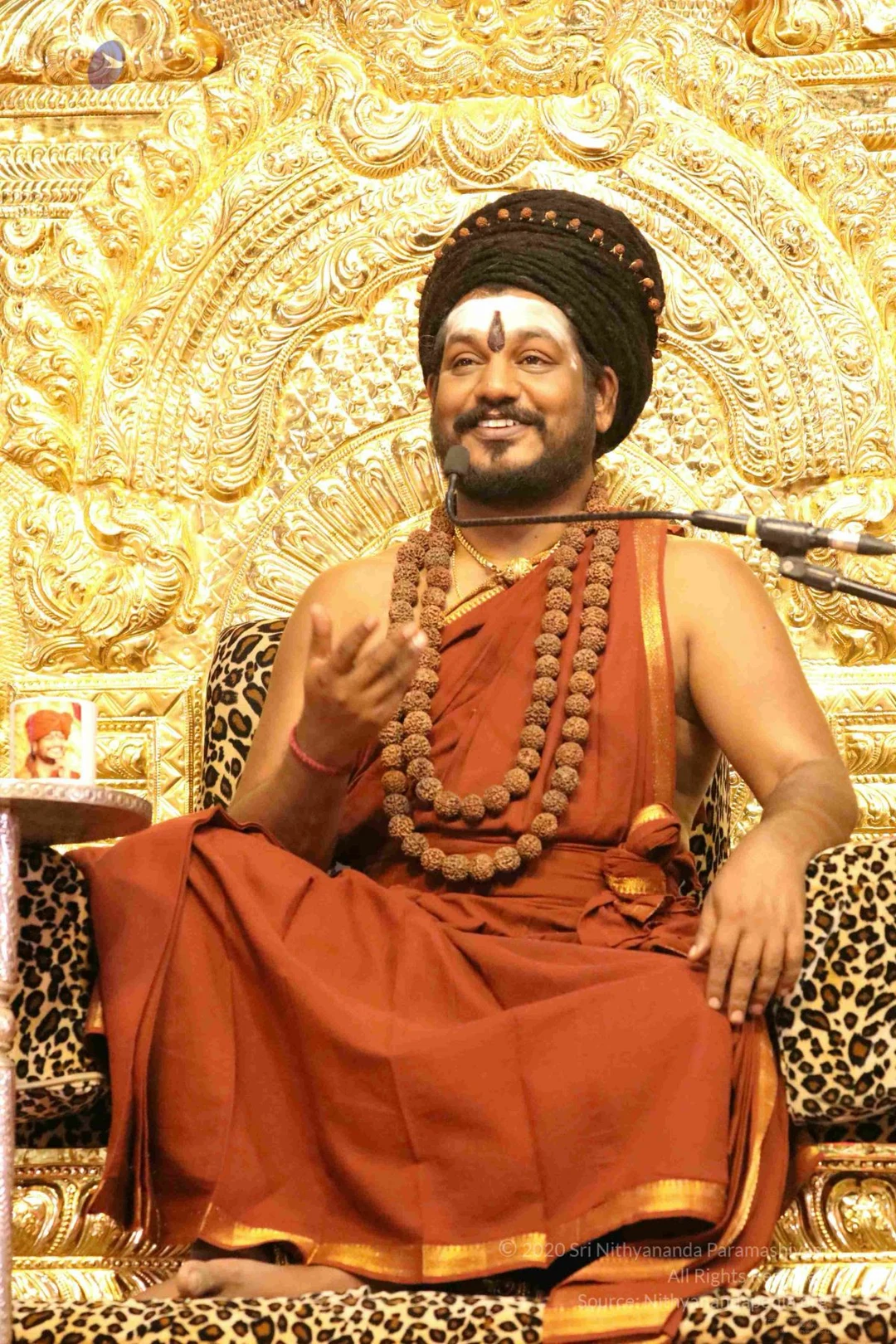
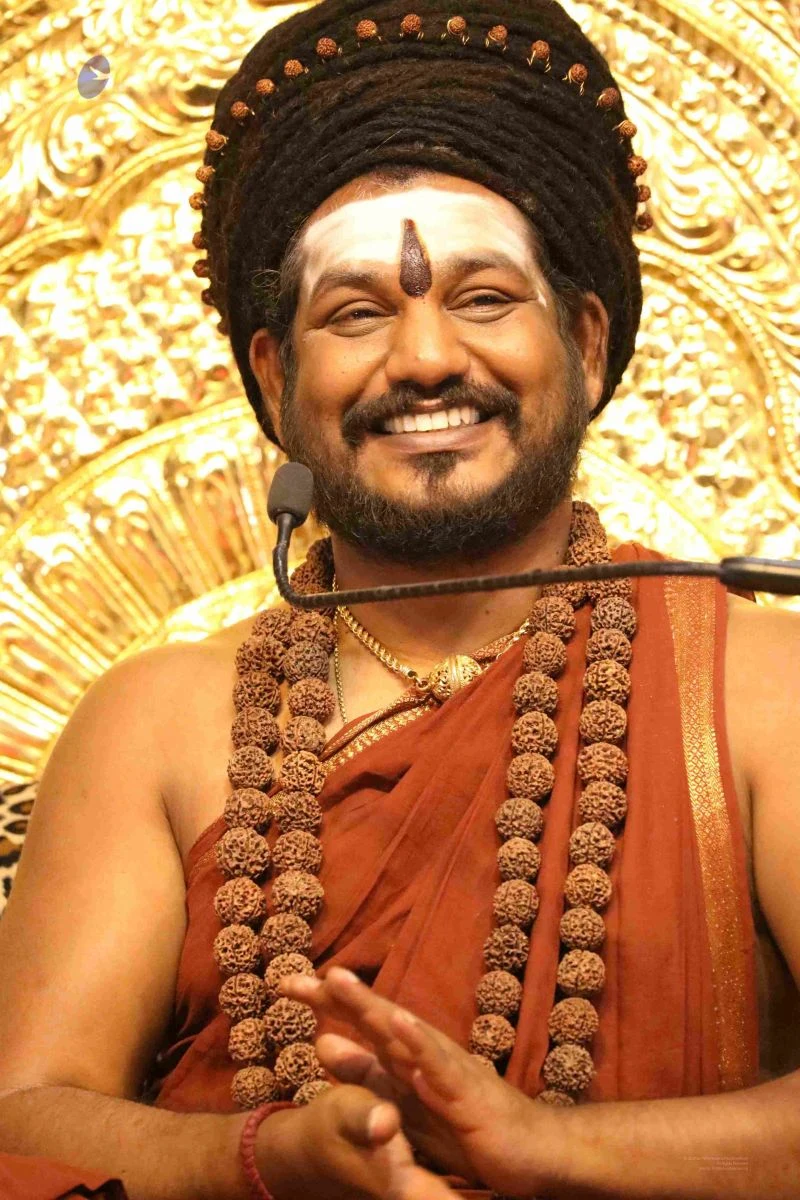
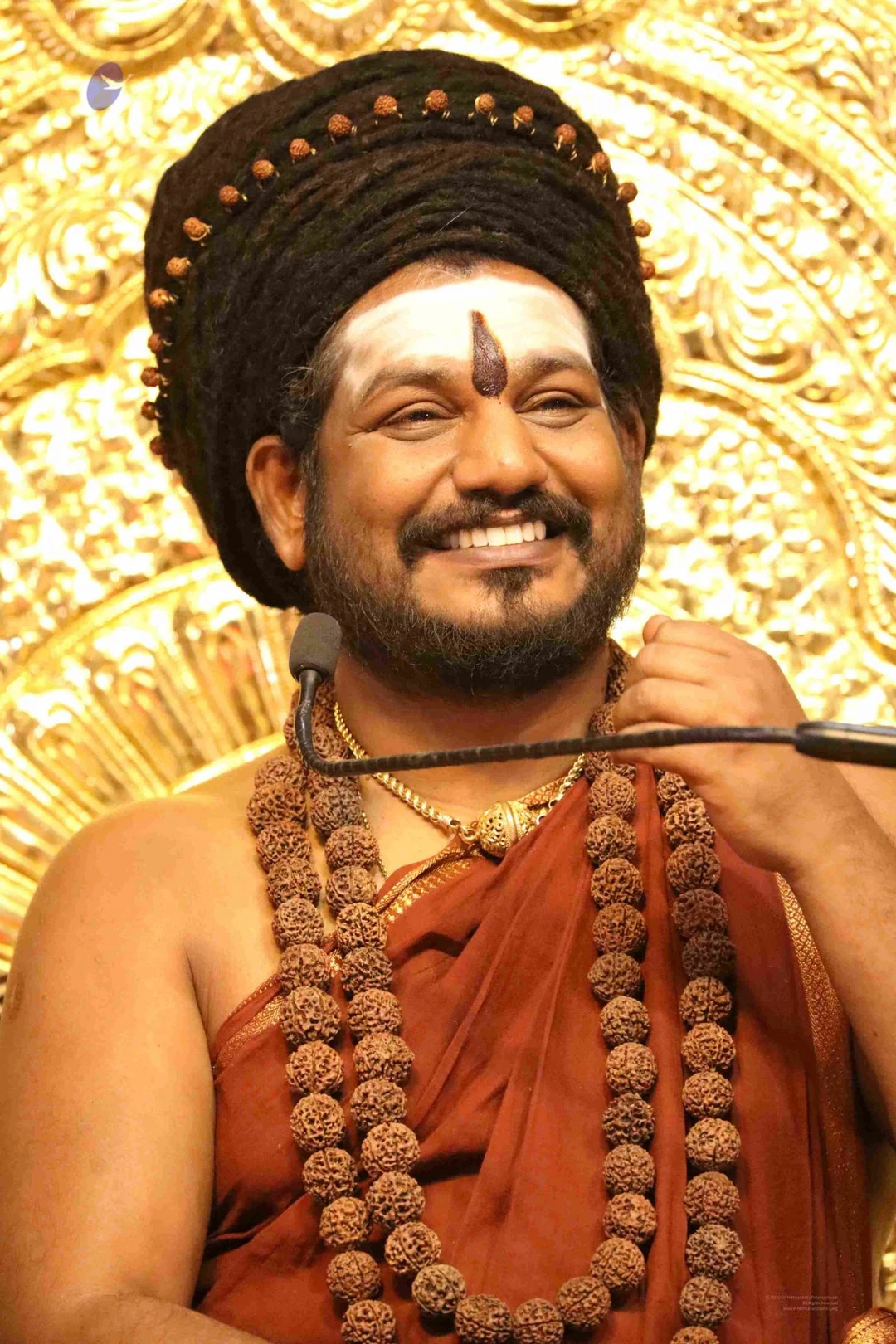
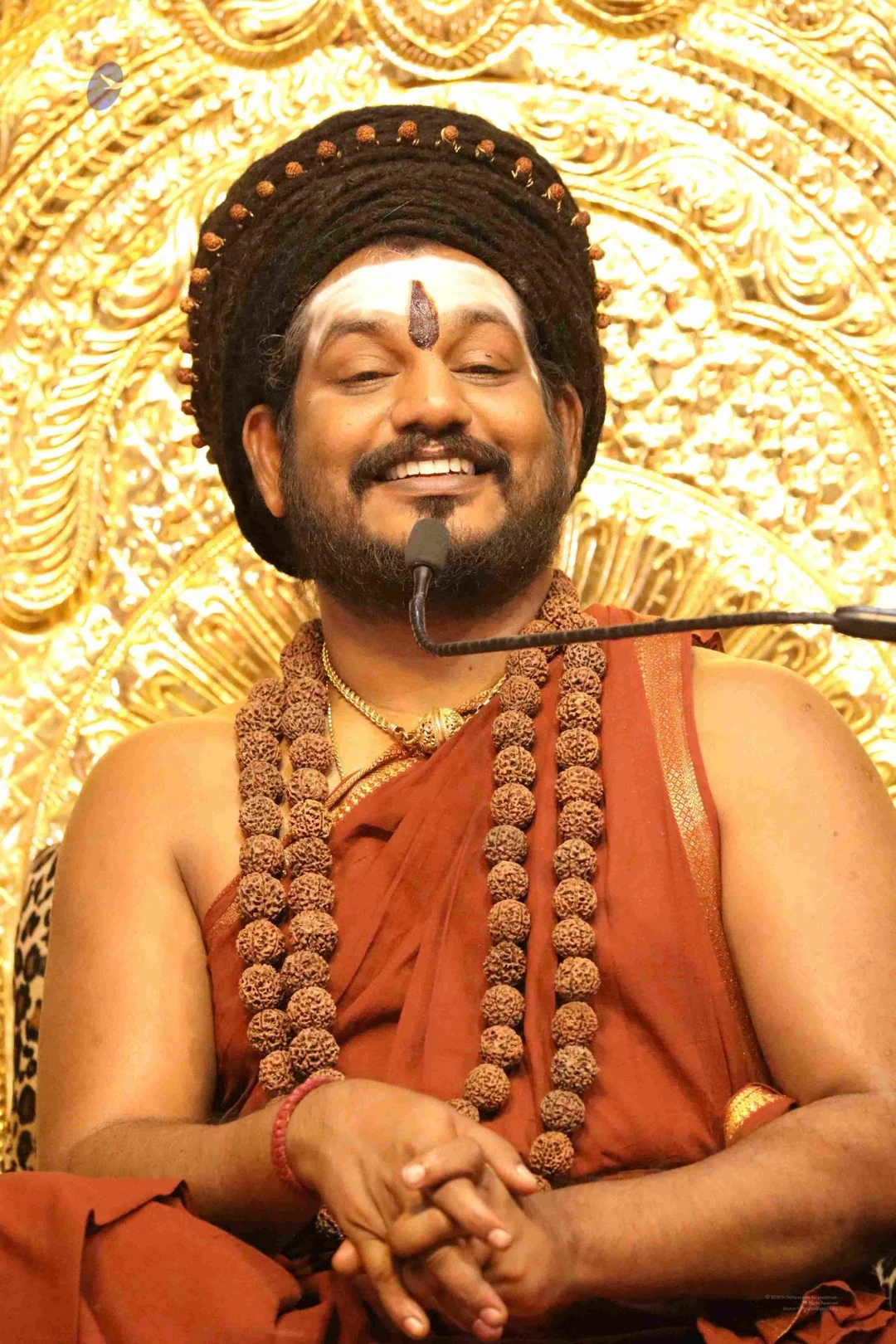
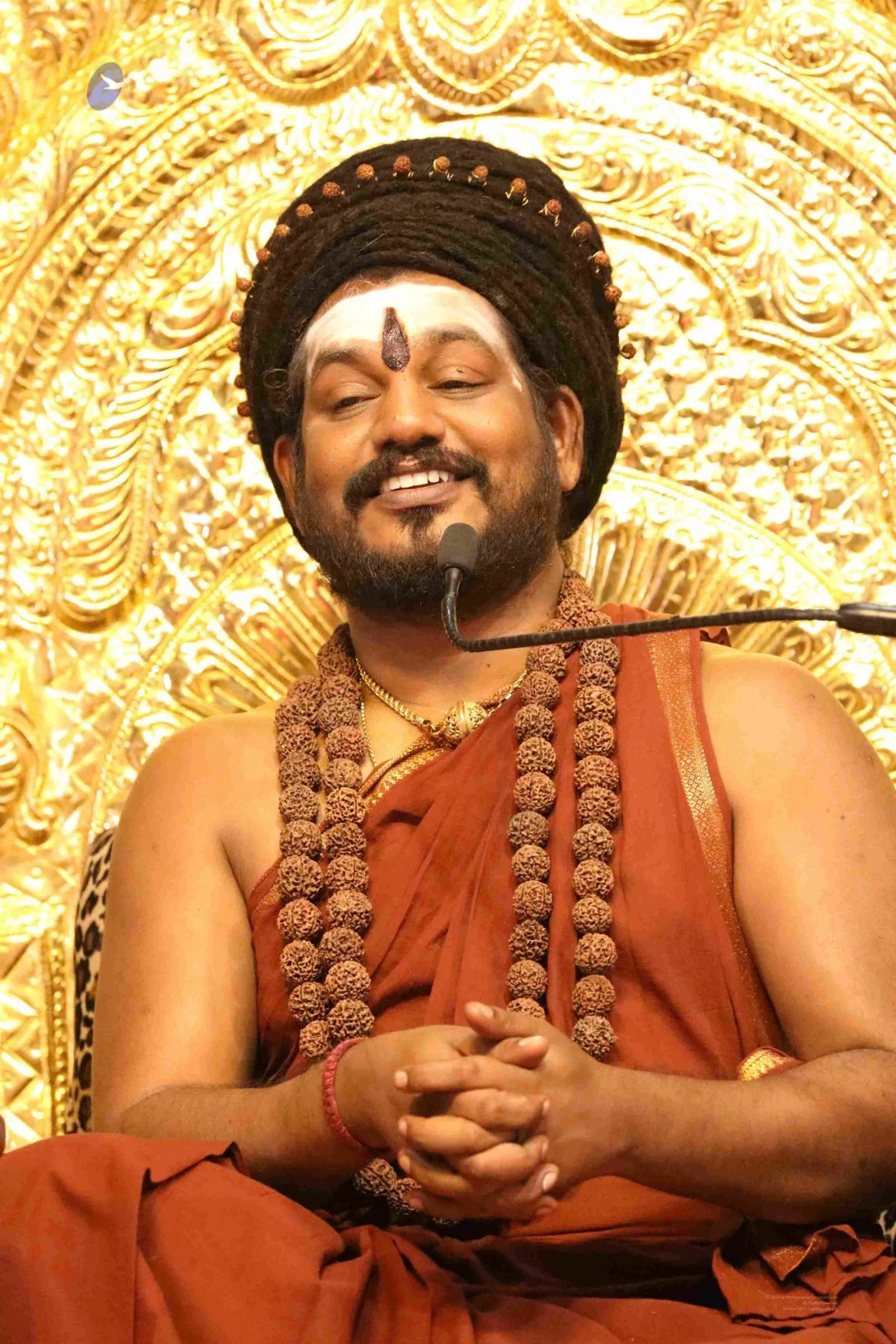
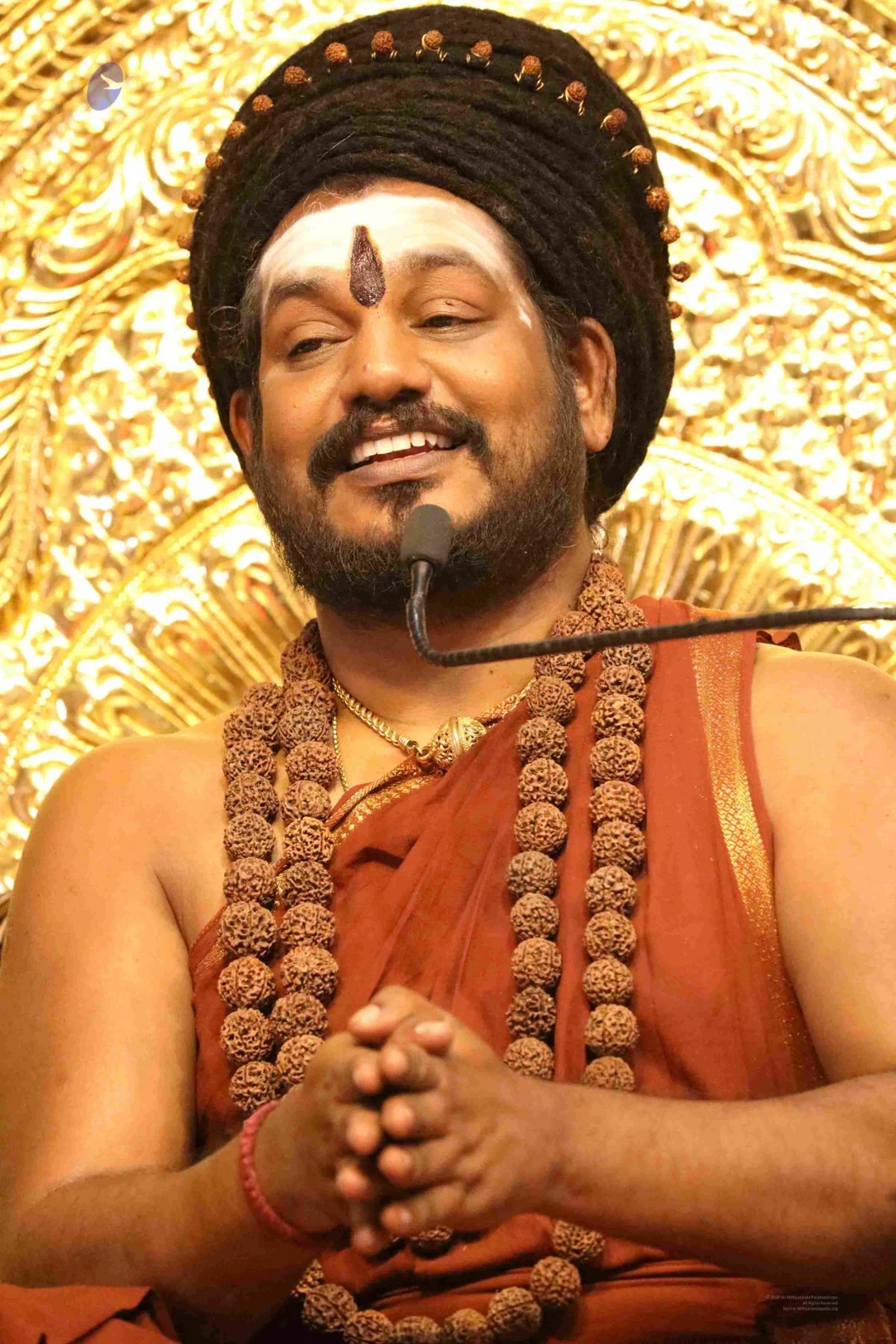
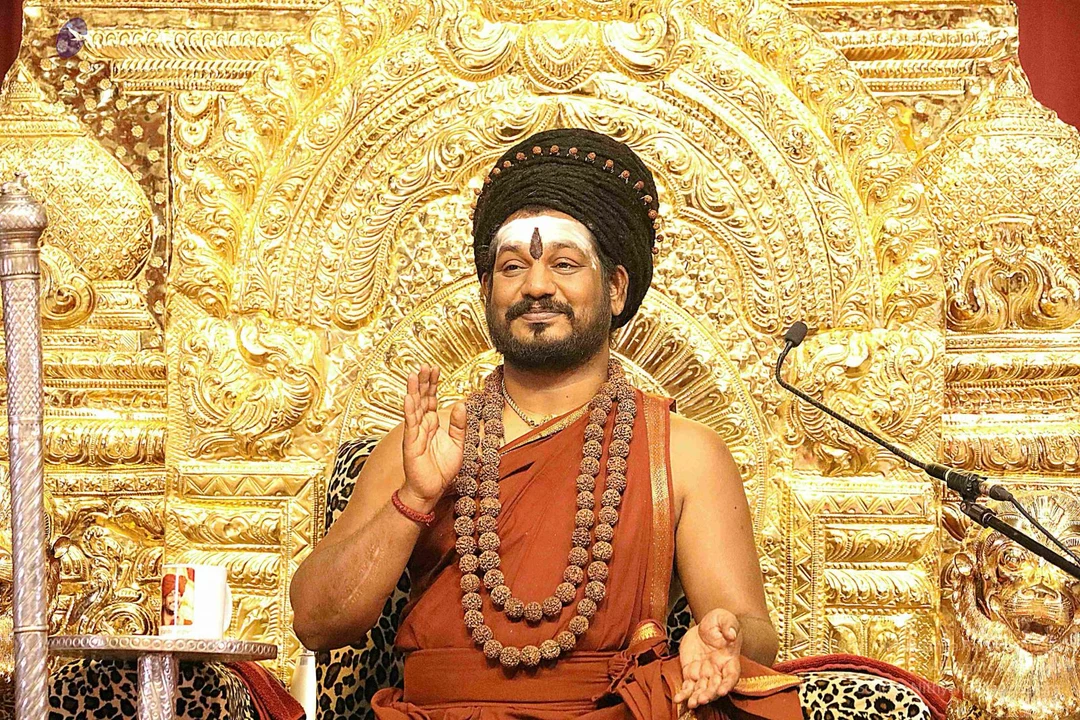 SWAMIJI BEAUTIFULLY blessing and giving boons in ABHAYA AND VARADA MUDRA's
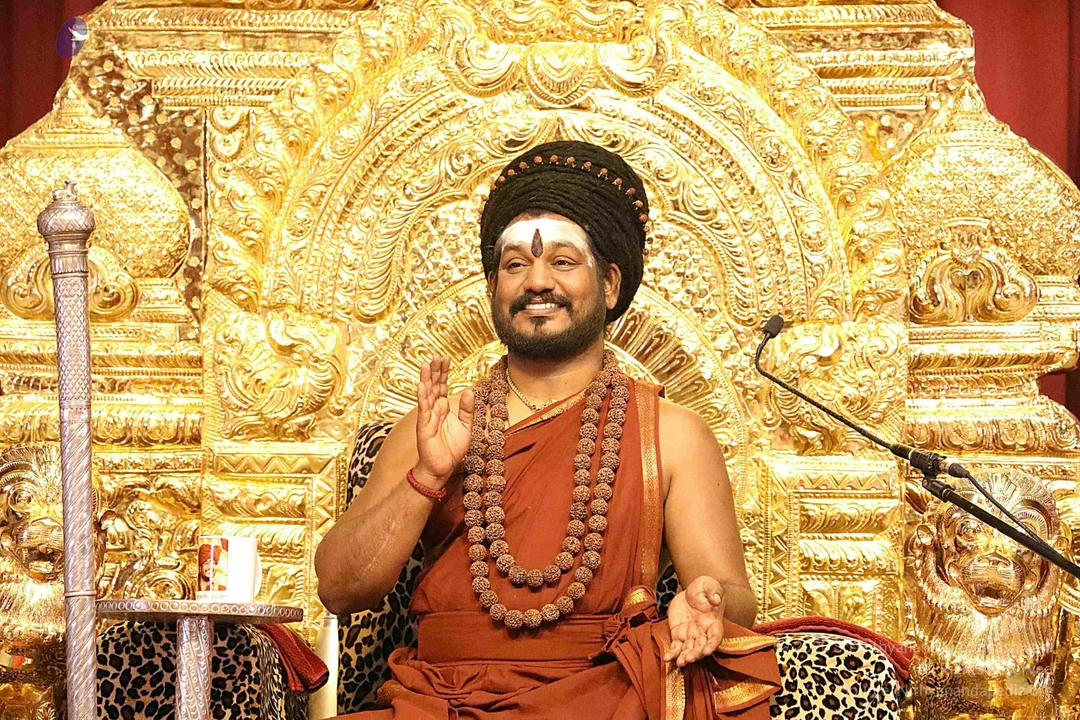 SWAMIJI BEAUTIFULLY blessing and giving boons in ABHAYA AND VARADA MUDRA's
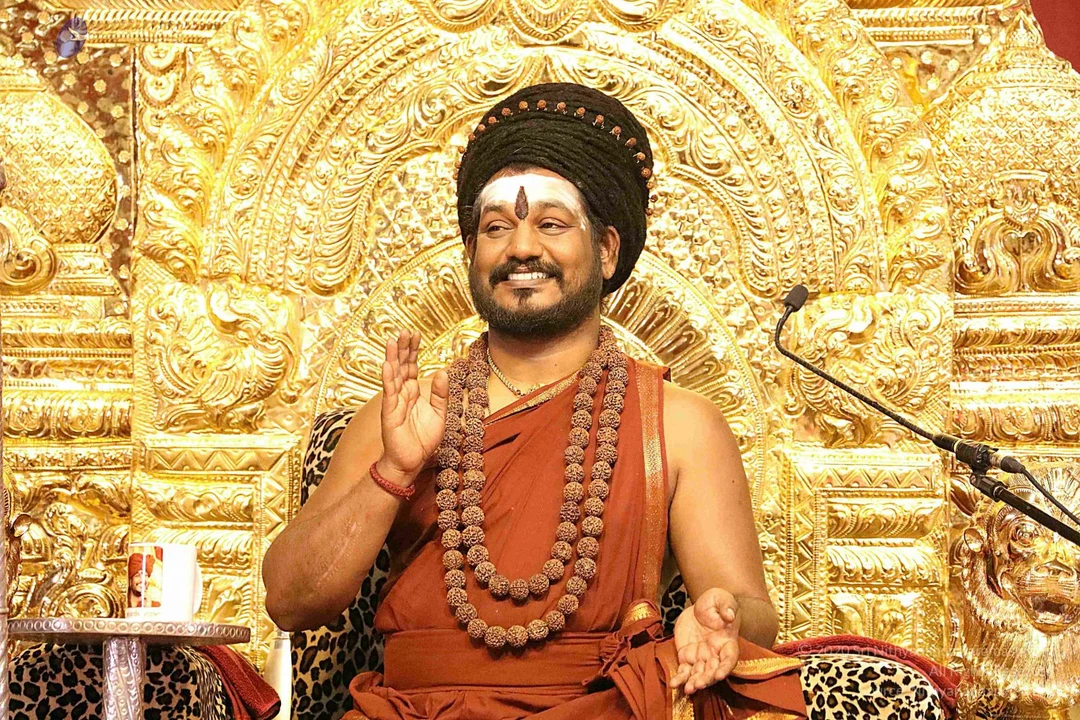 SWAMIJI BEAUTIFULLY blessing and giving boons in ABHAYA AND VARADA MUDRA's
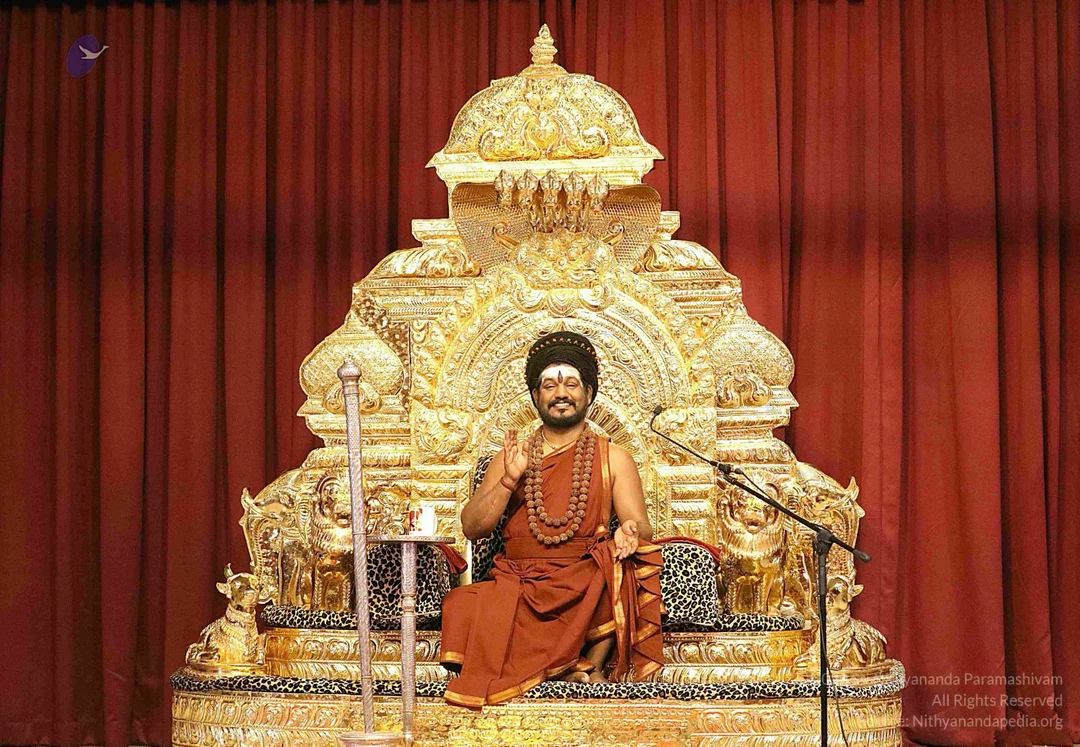 SWAMIJI BEAUTIFULLY blessing and giving boons in ABHAYA AND VARADA MUDRA's
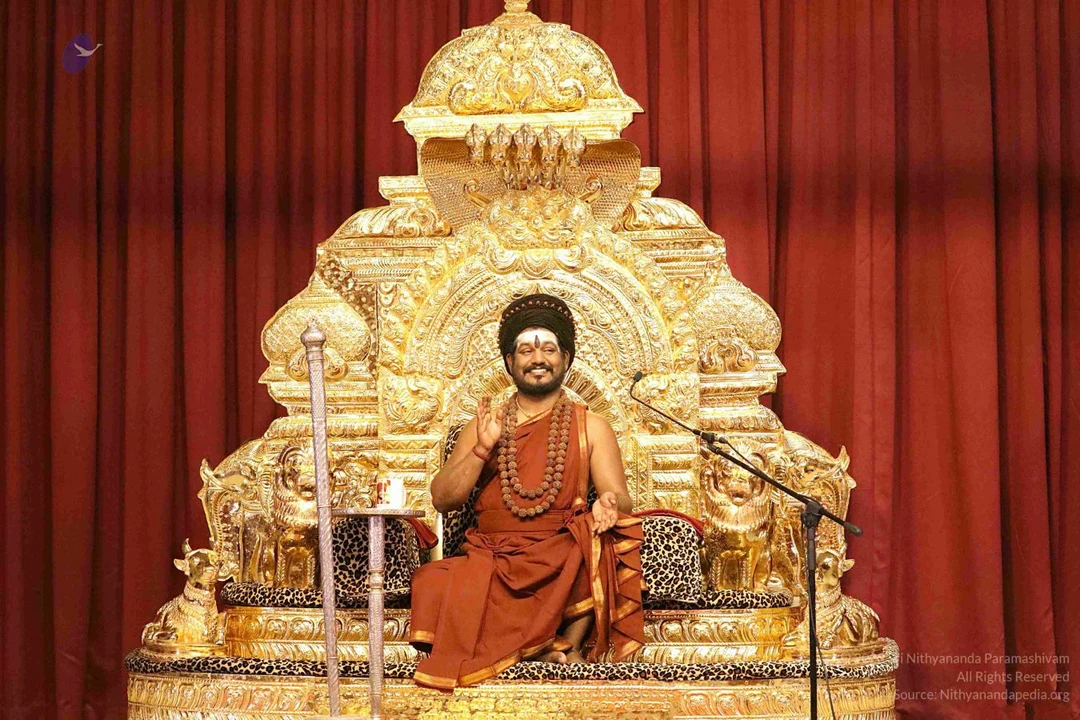 SWAMIJI BEAUTIFULLY blessing and giving boons in ABHAYA AND VARADA MUDRA's
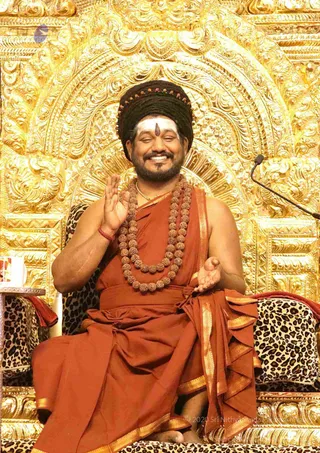 SWAMIJI BEAUTIFULLY blessing and giving boons in ABHAYA AND VARADA MUDRA's
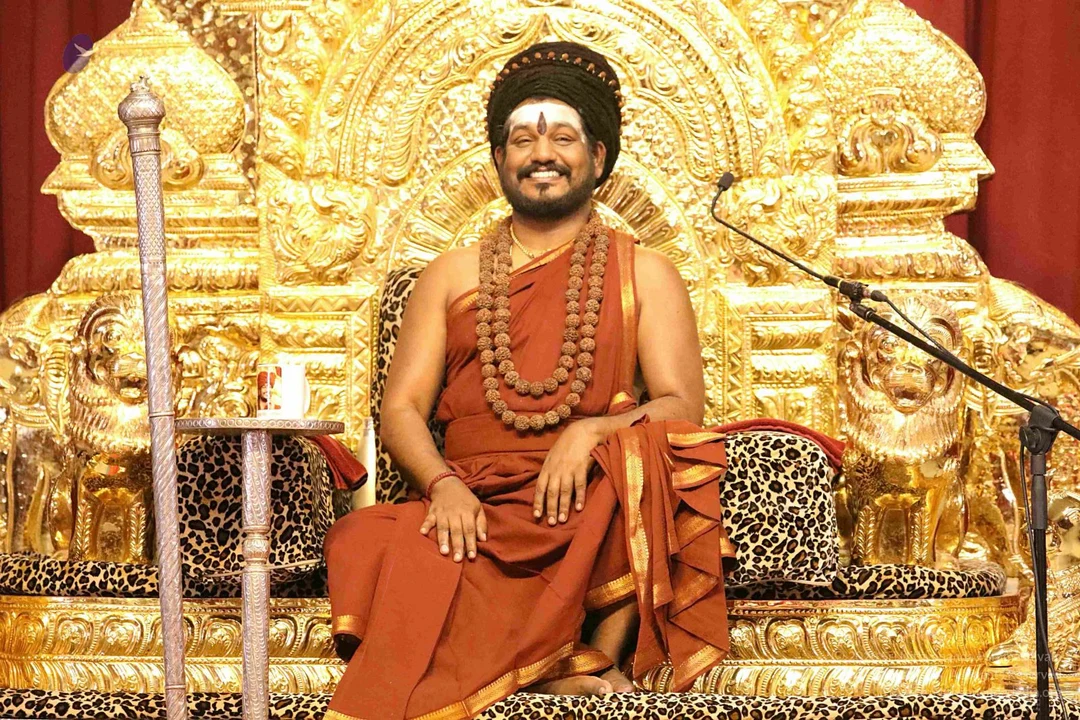 Glimpses from Mahasadashivoham Continued Education Program with Paramahamsa Nithyananda
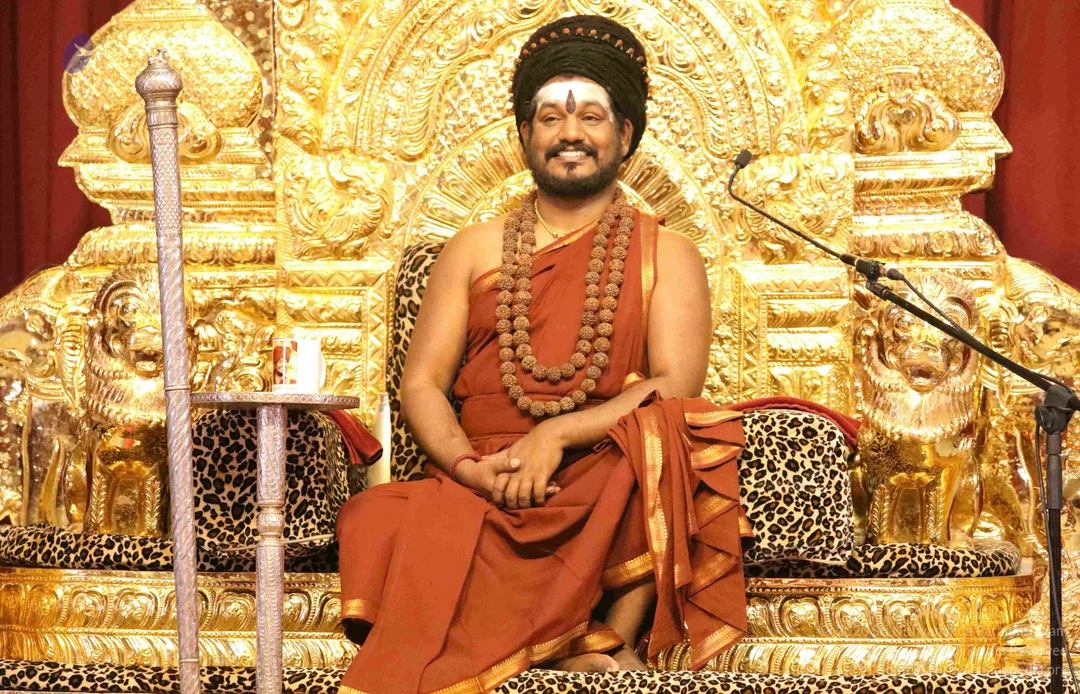 Glimpses from Mahasadashivoham Continued Education Program with HDH Nithyananda Paramashivam
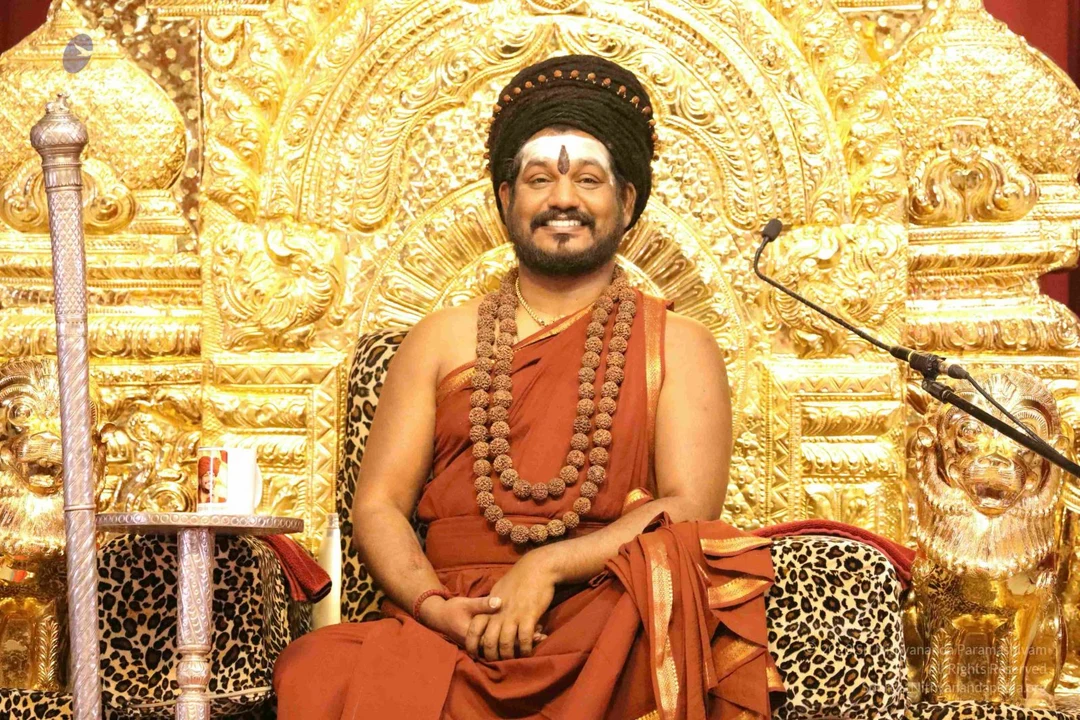 Glimpses from Mahasadashivoham Continued Education Program with HDH Nithyananda Paramashivam
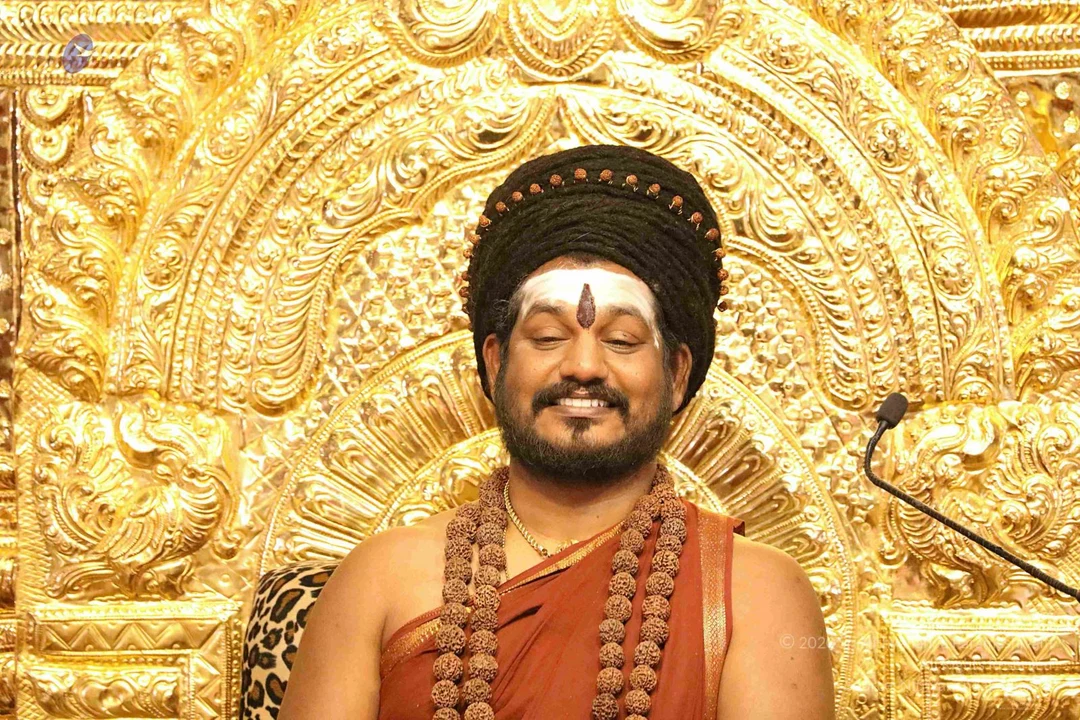 Glimpses from Mahasadashivoham Continued Education Program with HDH Nithyananda Paramashivam
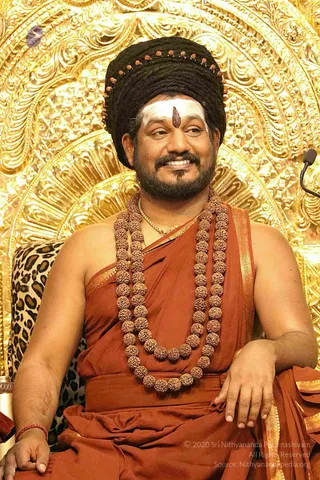 Glimpses from Mahasadashivoham Continued Education Program with HDH Nithyananda Paramashivam
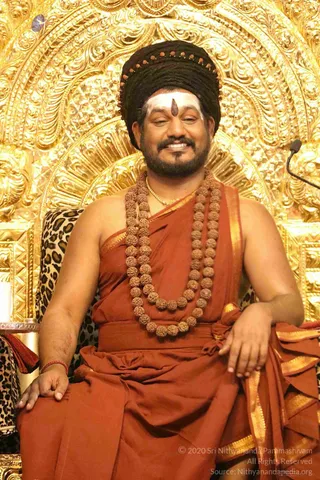 Glimpses from Mahasadashivoham Continued Education Program with HDH Nithyananda Paramashivam
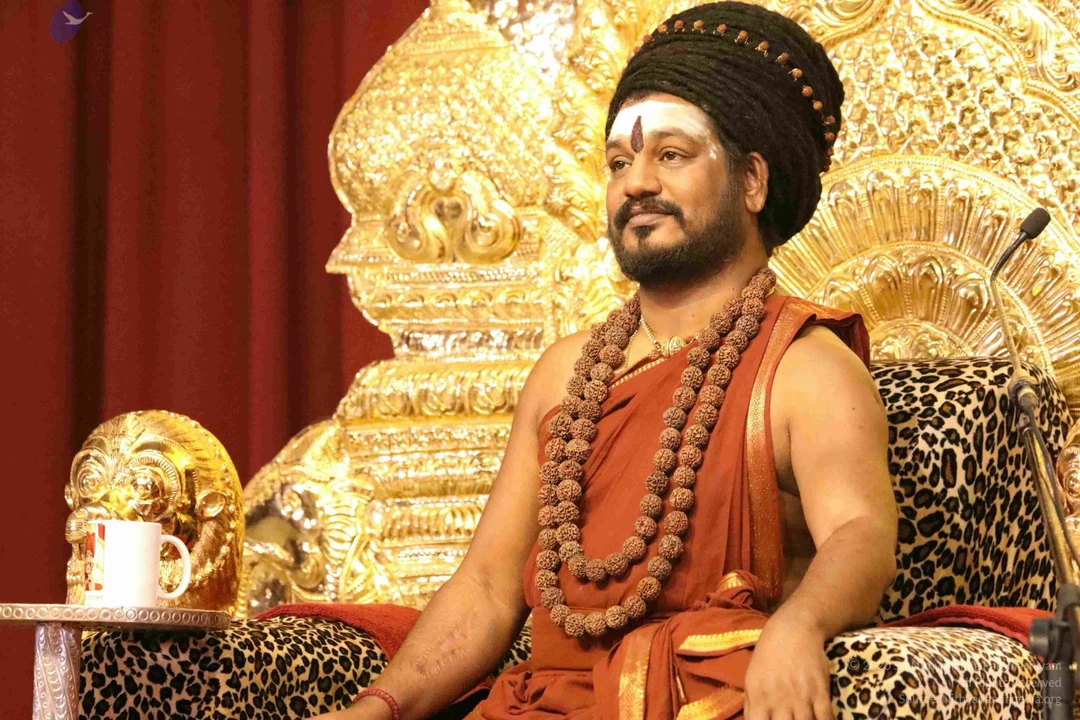 Glimpses from Mahasadashivoham Continued Education Program with HDH Nithyananda Paramashivam
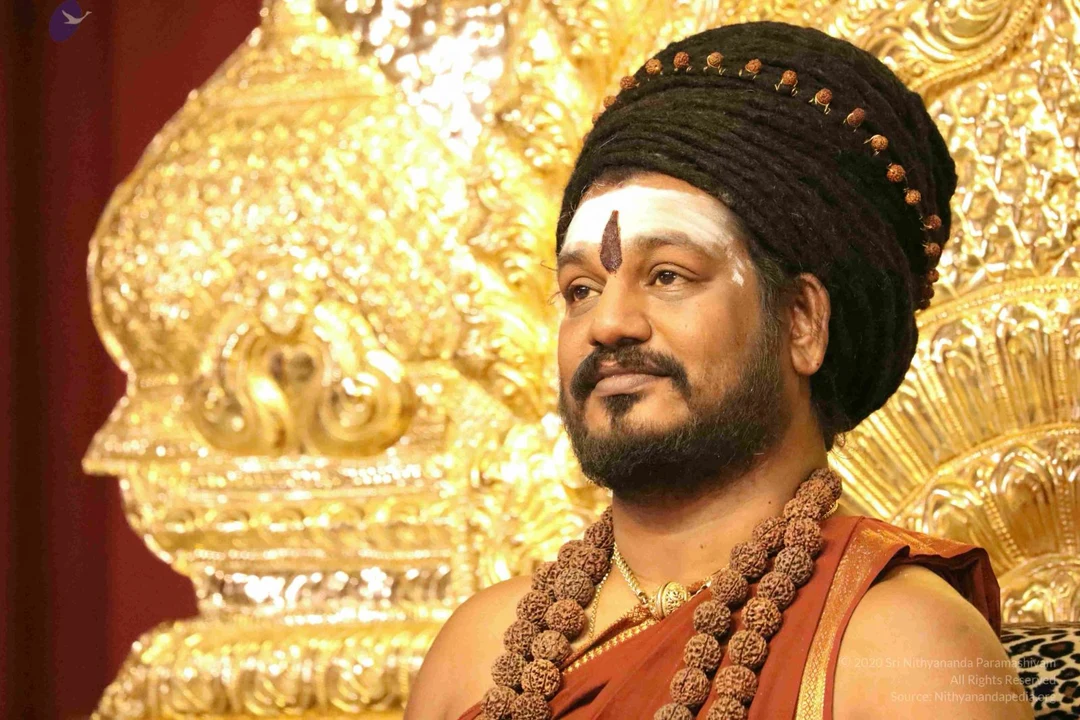 SURRENDER YOUR FORM INTO PARAMASHIVA’S FORM
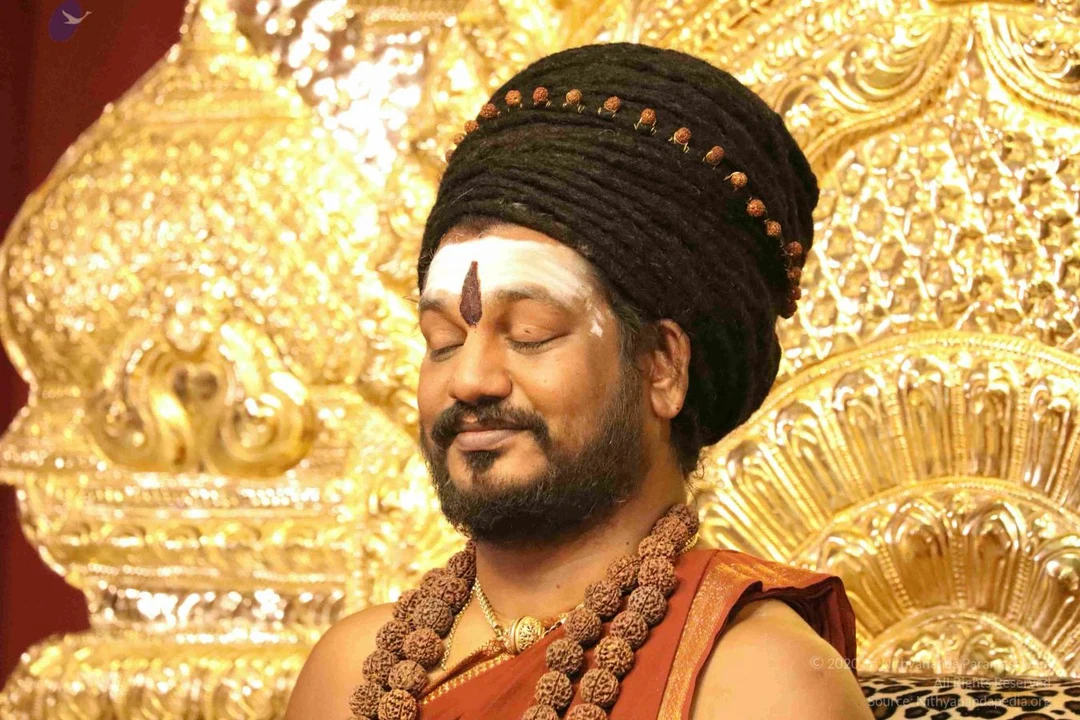 SURRENDER YOUR FORM INTO PARAMASHIVA’S FORM
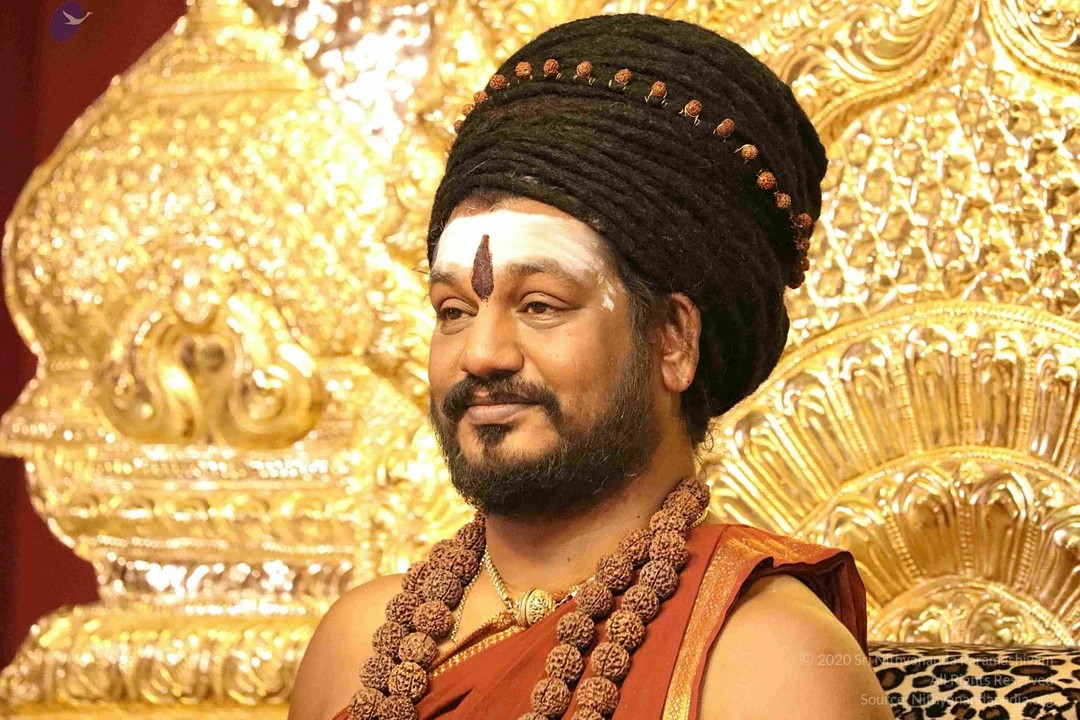 SURRENDER YOUR FORM INTO PARAMASHIVA’S FORM
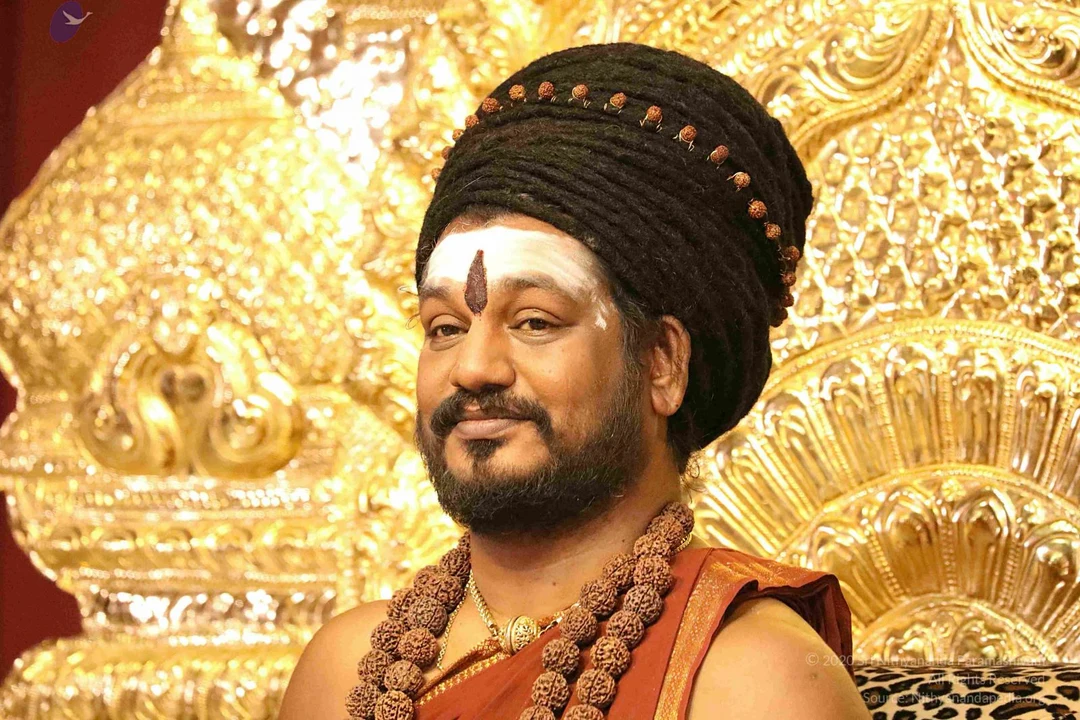 SURRENDER YOUR FORM INTO PARAMASHIVA’S FORM
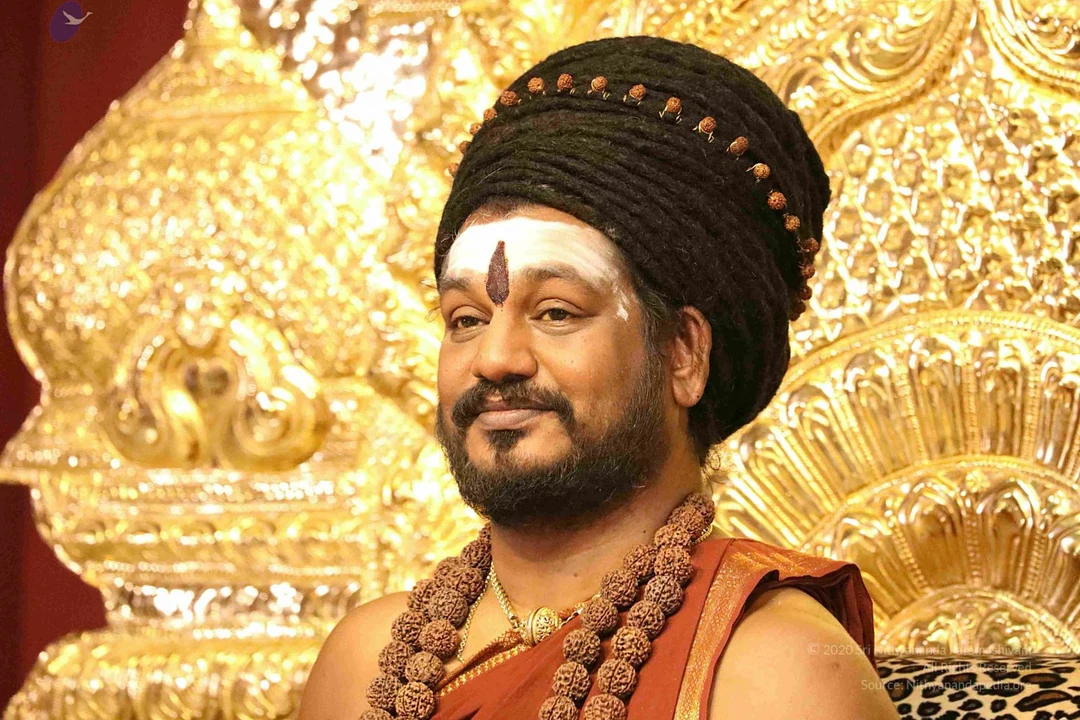 SURRENDER YOUR FORM INTO PARAMASHIVA’S FORM
 CONSCIOUS EXPANSION IS THE ONLY PURPOSE OF LIFE
 CONSCIOUS EXPANSION IS THE ONLY PURPOSE OF LIFE
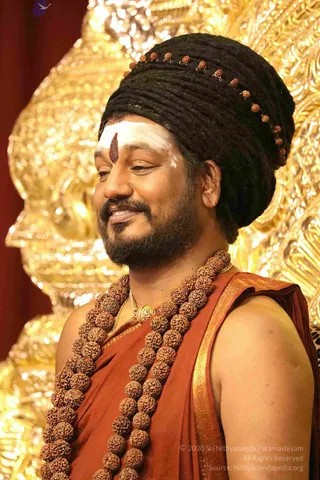 CONSCIOUS EXPANSION IS THE ONLY PURPOSE OF LIFE
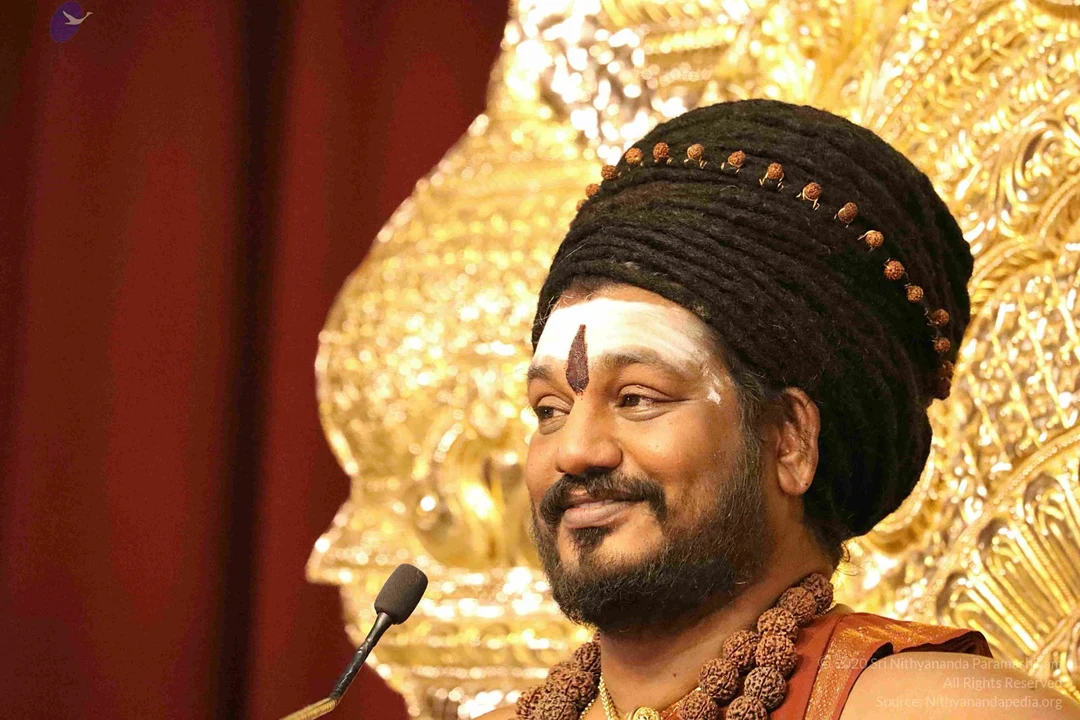 CONSCIOUS EXPANSION IS THE ONLY PURPOSE OF LIFE
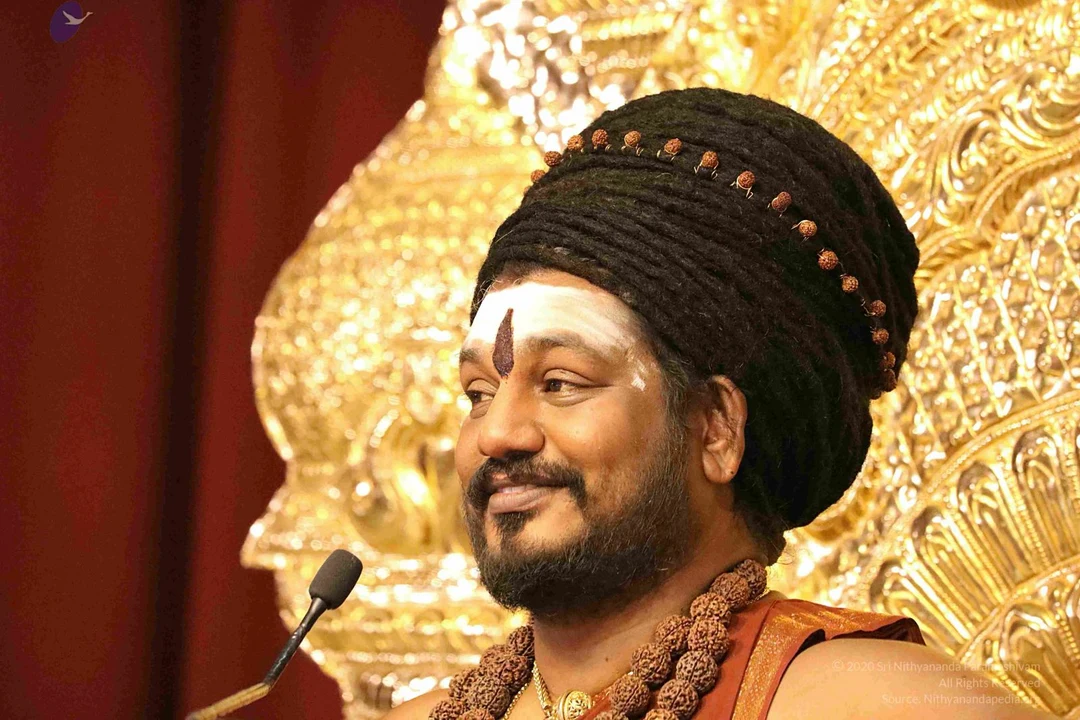 CONSCIOUS EXPANSION IS THE ONLY PURPOSE OF LIFE
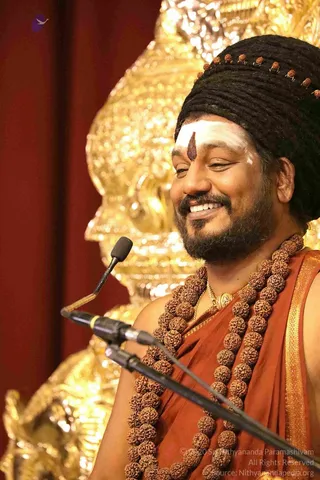 CONSCIOUS EXPANSION IS THE ONLY PURPOSE OF LIFE
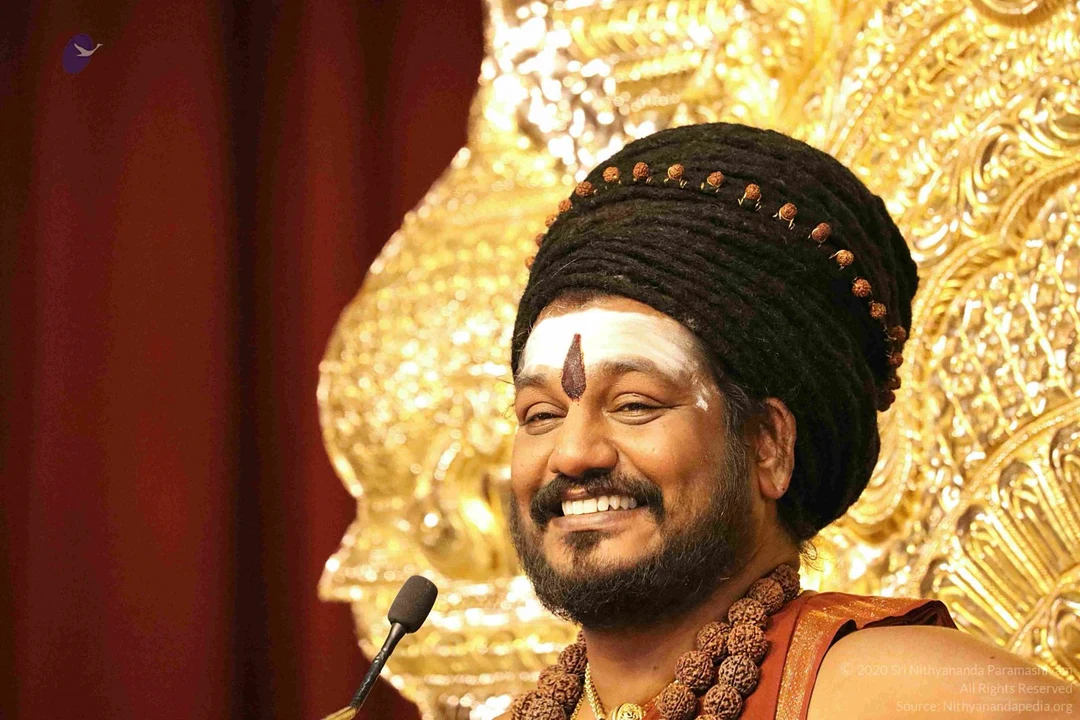 CONSCIOUS EXPANSION IS THE ONLY PURPOSE OF LIFE
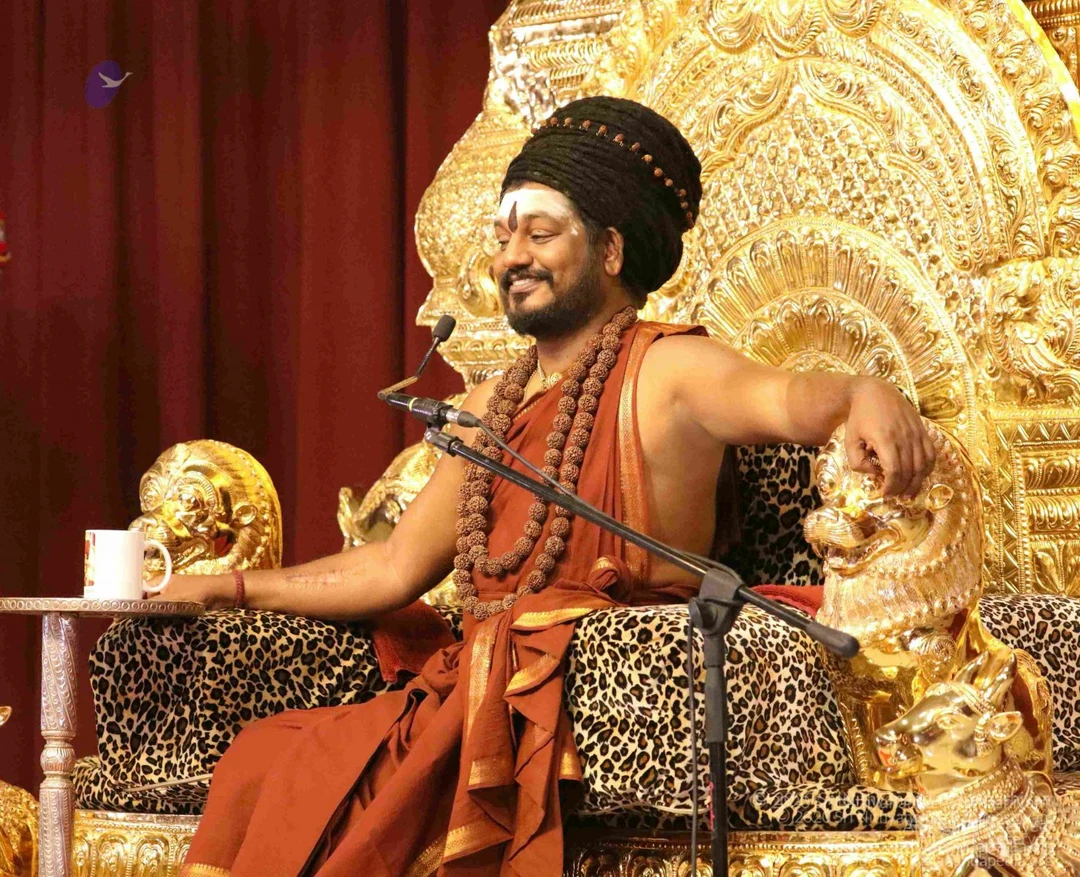 PARAMASHIVA MANIFESTING AS DAKSHINAMURTI, INFUSING VISUAL SILENCE IN ALL
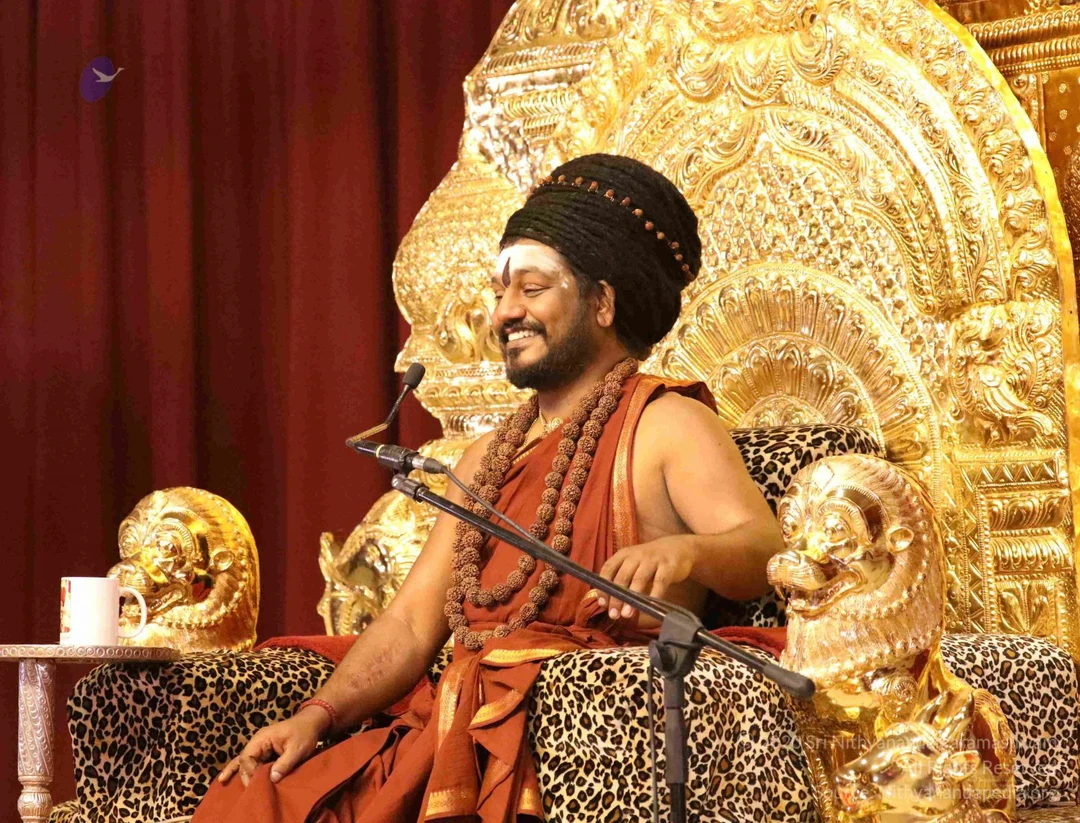 PARAMASHIVA MANIFESTING AS DAKSHINAMURTI, INFUSING VISUAL SILENCE IN ALL
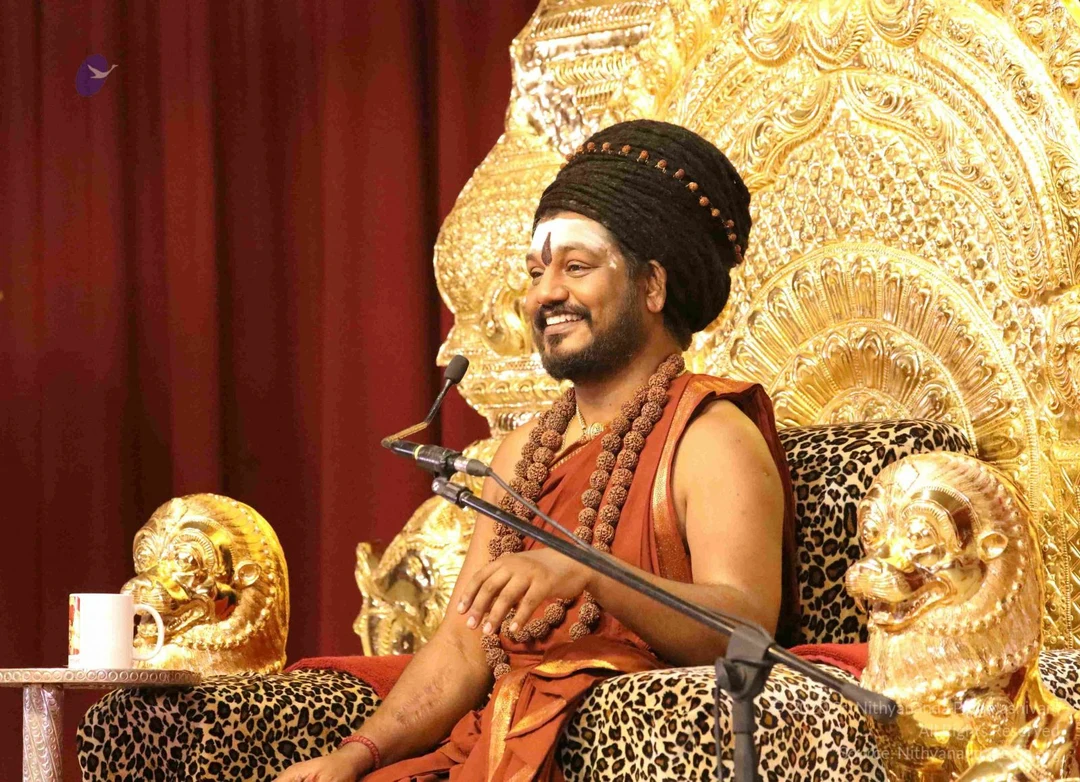 PARAMASHIVA MANIFESTING AS DAKSHINAMURTI, INFUSING VISUAL SILENCE IN ALL
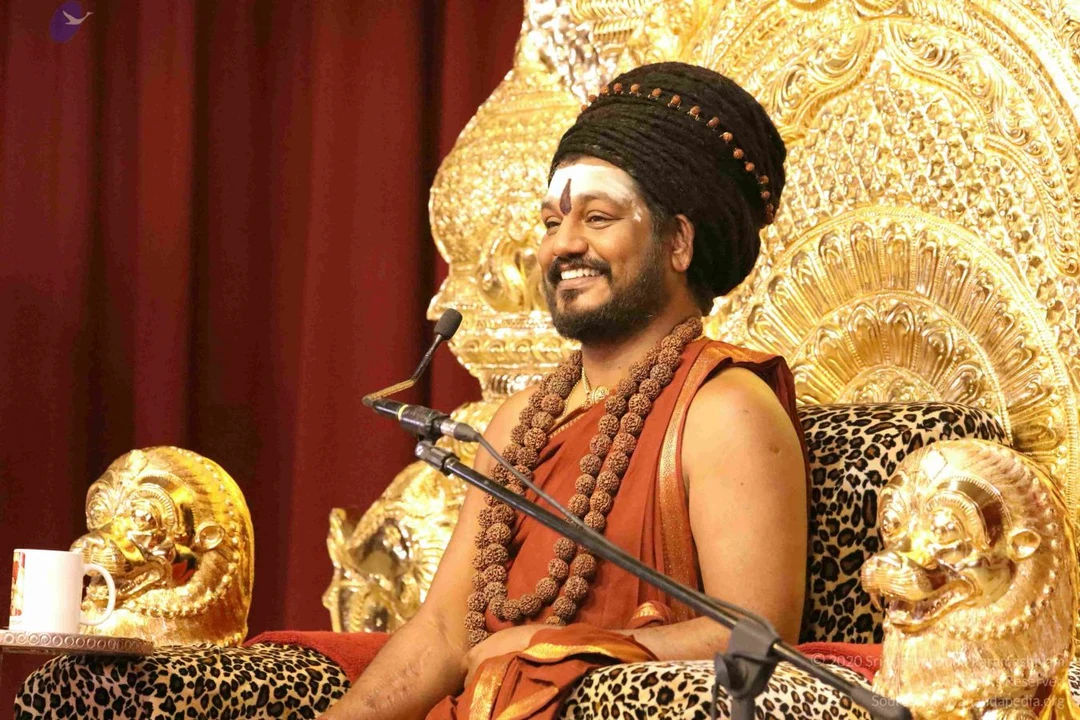 PARAMASHIVA MANIFESTING AS DAKSHINAMURTI, INFUSING VISUAL SILENCE IN ALL
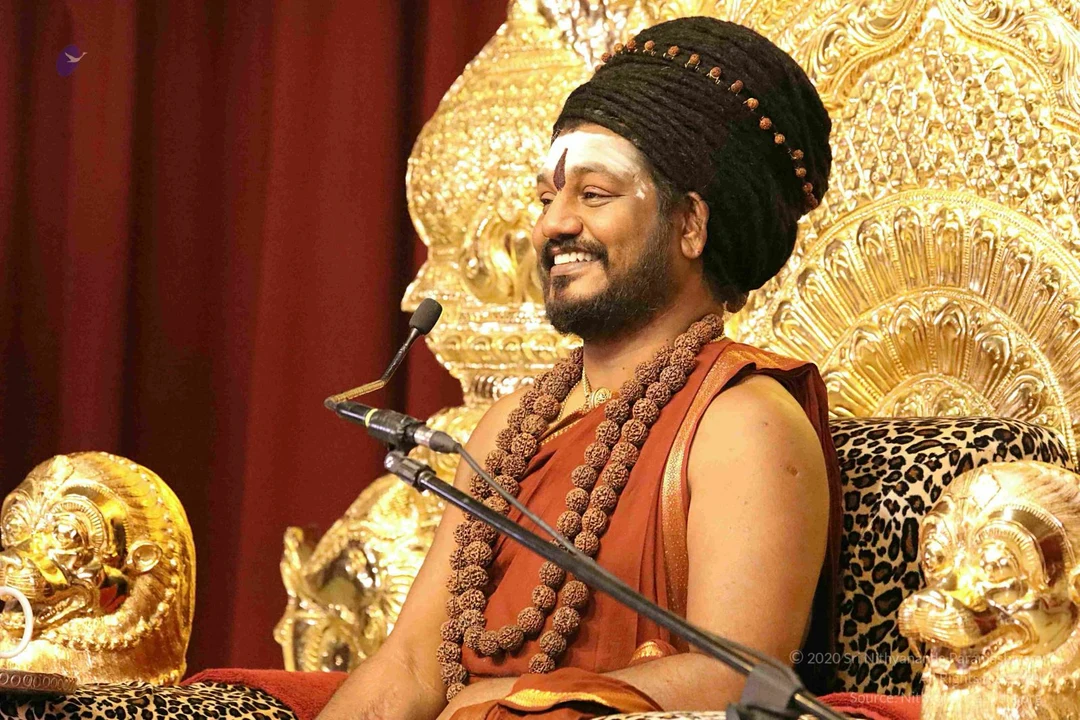 PARAMASHIVA MANIFESTING AS DAKSHINAMURTI, INFUSING VISUAL SILENCE IN ALL
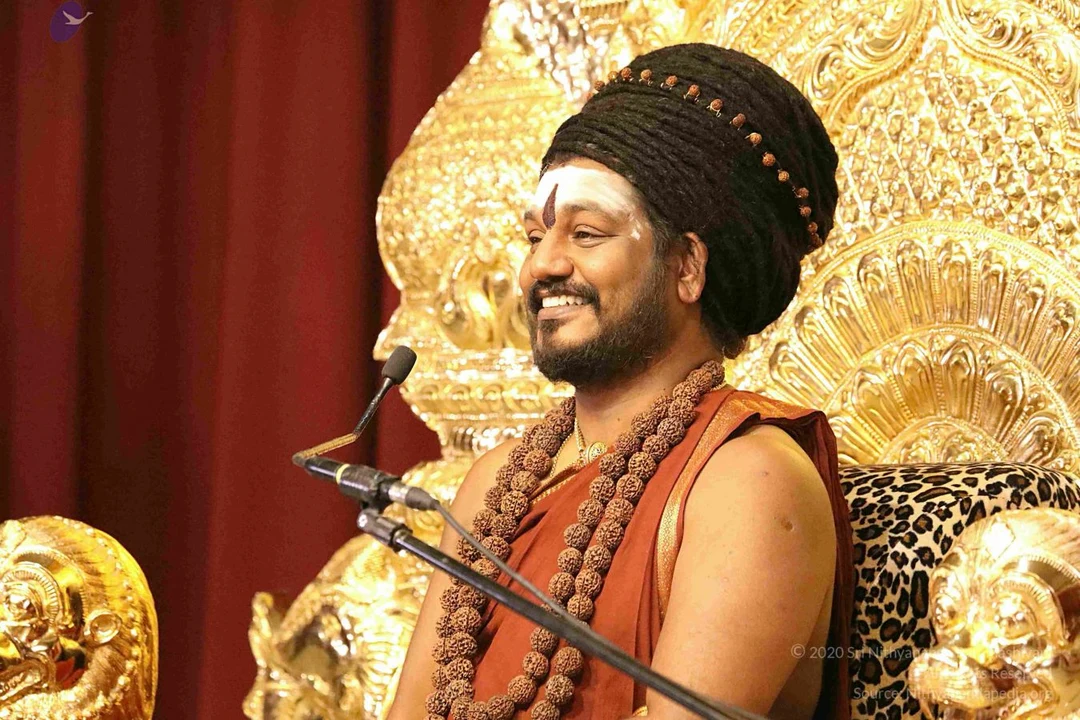 PARAMASHIVA MANIFESTING AS DAKSHINAMURTI, INFUSING VISUAL SILENCE IN ALL
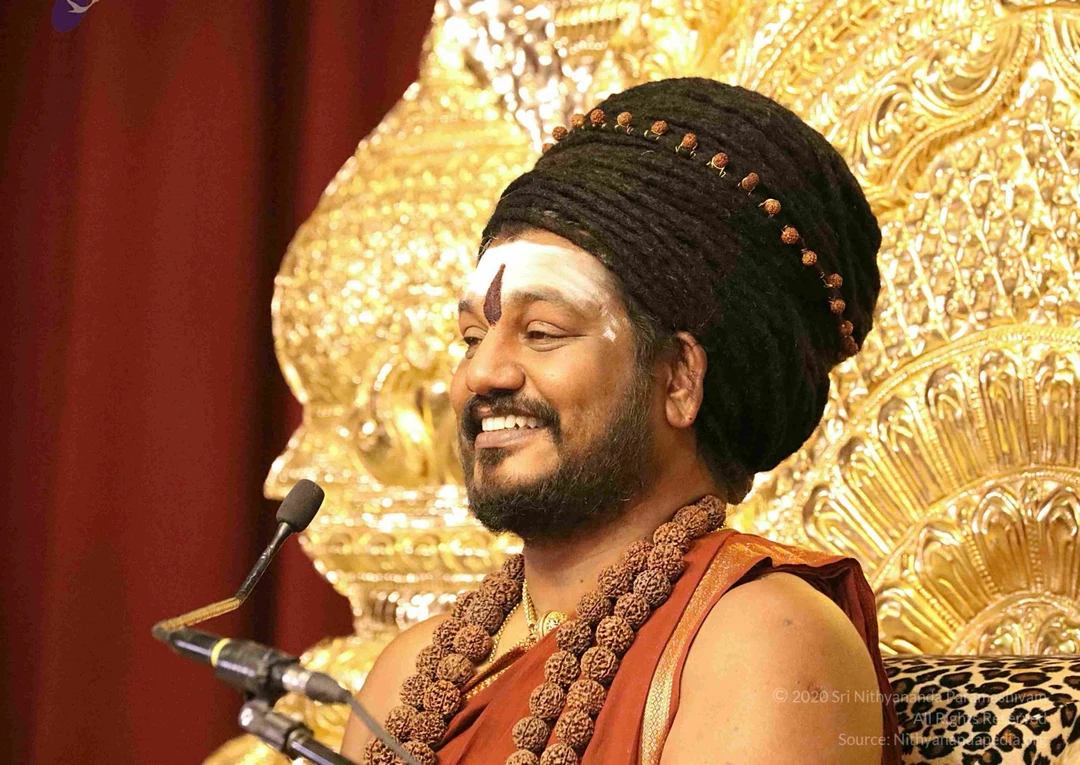 PARAMASHIVA MANIFESTING AS DAKSHINAMURTI, INFUSING VISUAL SILENCE IN ALL
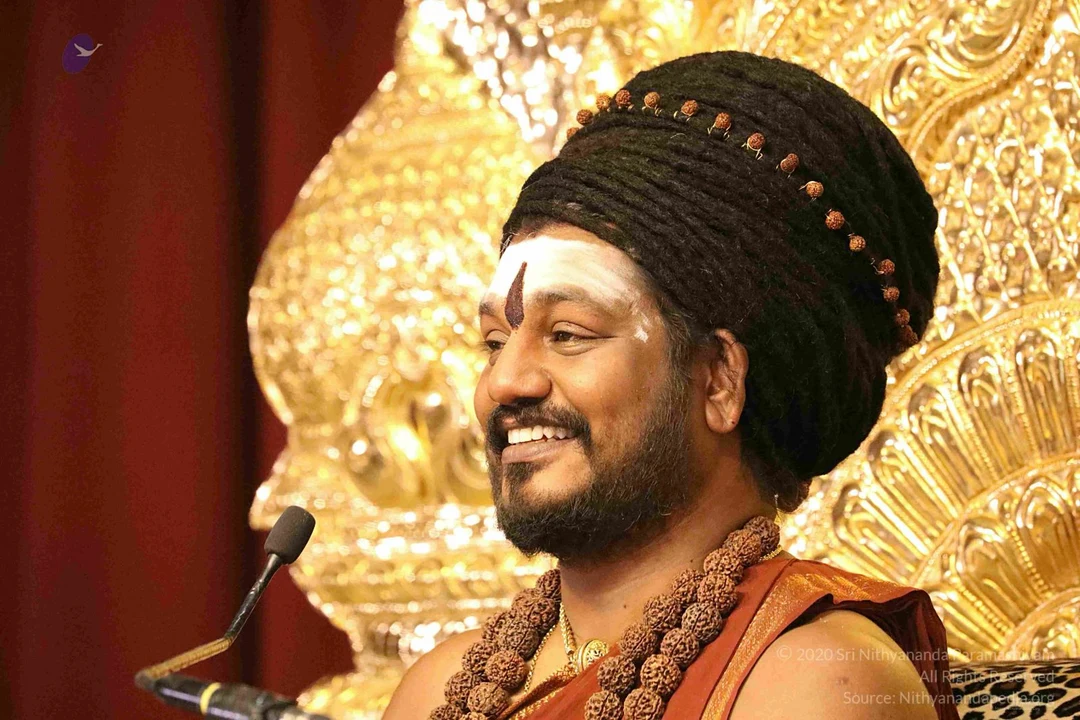 Swamiji as DAKSHINAMURTI-MANIFEST VERBAL AND VISUAL SILENCE IN ALL DISCIPLES
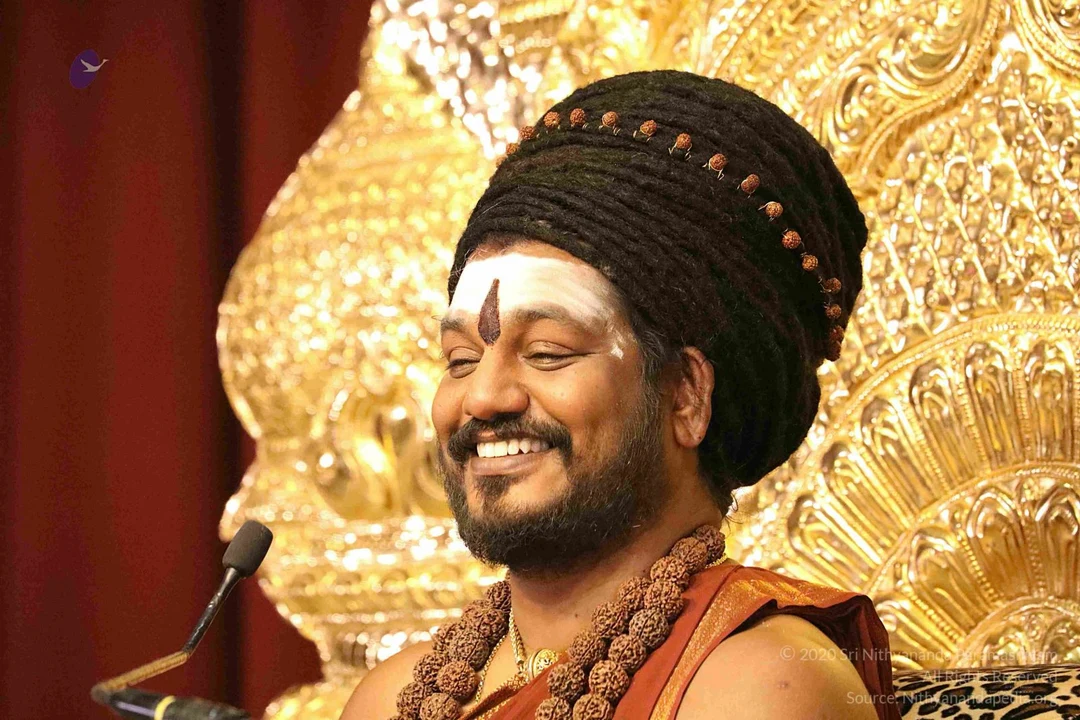 Swamiji as DAKSHINAMURTI-MANIFEST VERBAL AND VISUAL SILENCE IN ALL DISCIPLES
 Swamiji as DAKSHINAMURTI-MANIFEST VERBAL AND VISUAL SILENCE IN ALL DISCIPLES
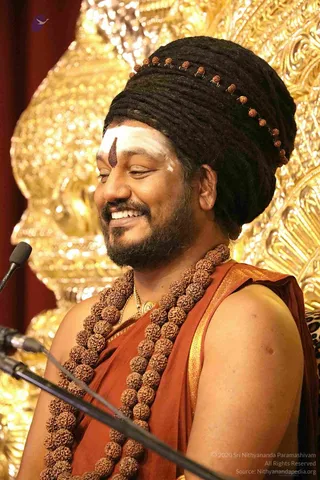 Swamiji as DAKSHINAMURTI-MANIFEST VERBAL AND VISUAL SILENCE IN ALL DISCIPLES
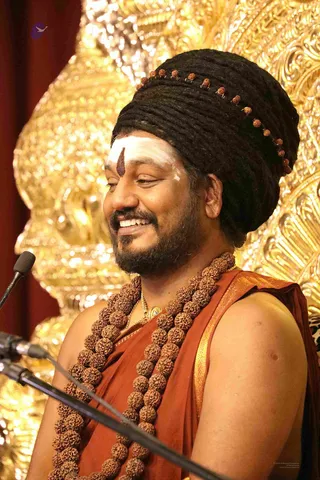 Swamiji as DAKSHINAMURTI-MANIFEST VERBAL AND VISUAL SILENCE IN ALL DISCIPLES
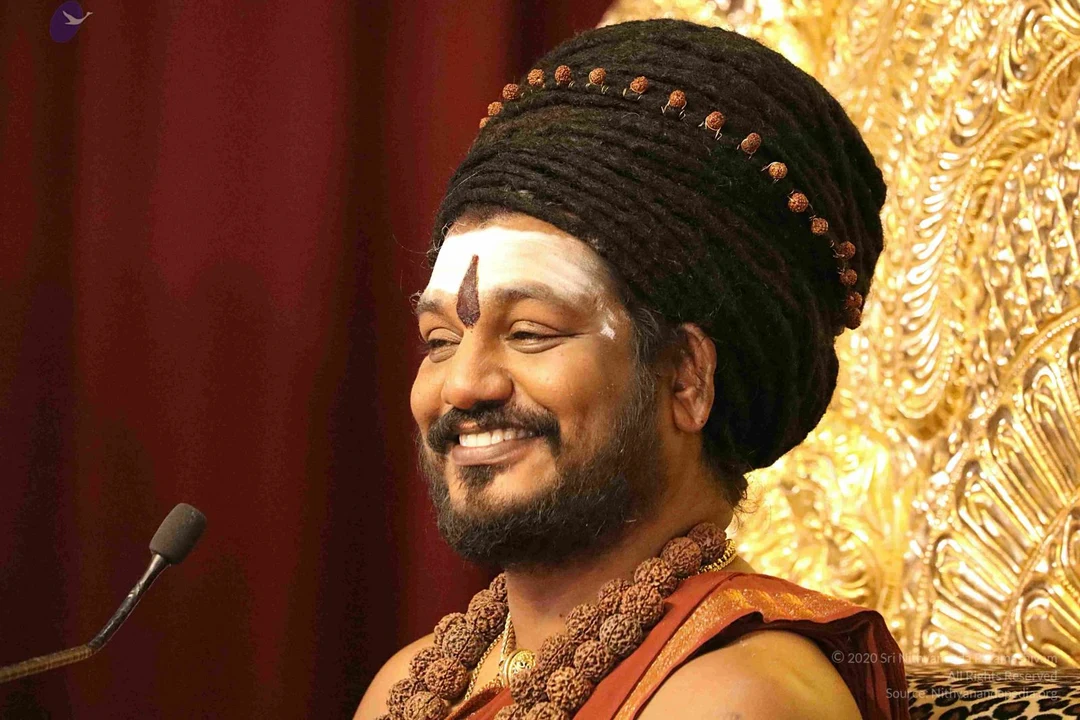 Swamiji as DAKSHINAMURTI-MANIFEST VERBAL AND VISUAL SILENCE IN ALL DISCIPLES
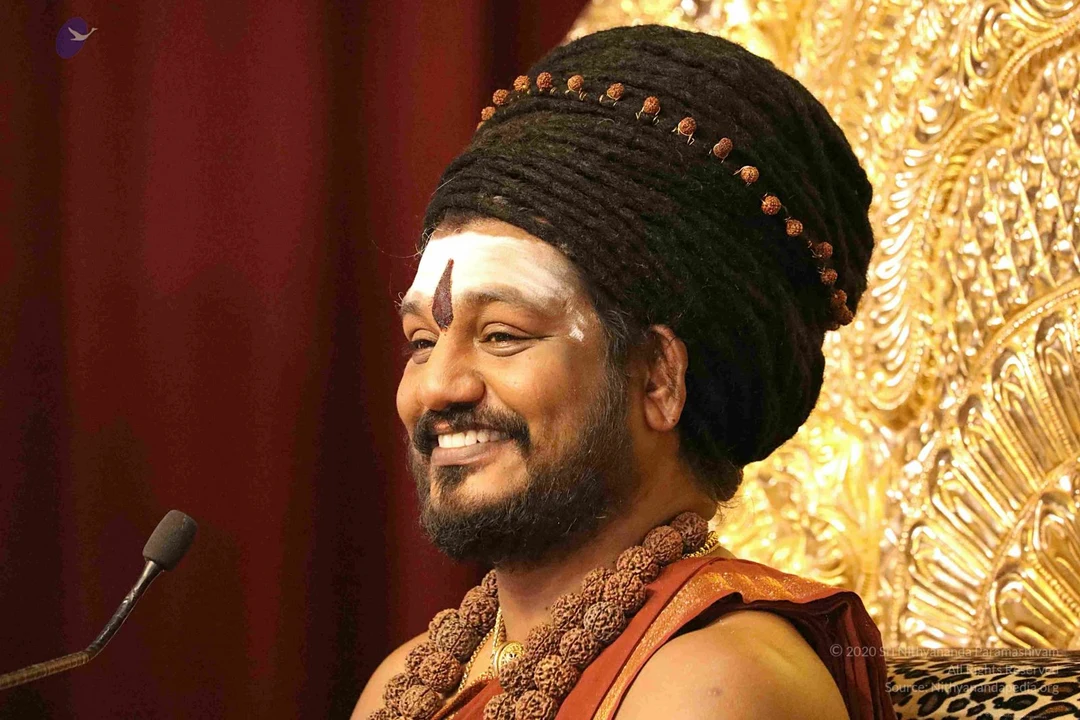 Swamiji as DAKSHINAMURTI-MANIFEST VERBAL AND VISUAL SILENCE IN ALL DISCIPLES
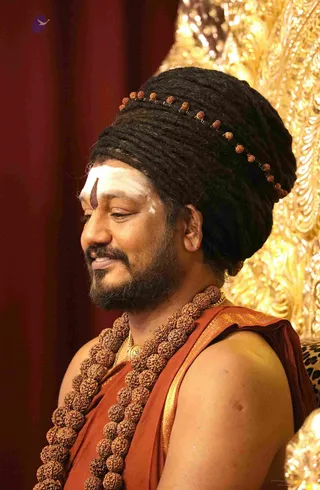 MANA UNMANA - VISUALISE SILENCE, NOT JUST VERBAL SILENCE. VISUAL SILENCE IS SWAMIJI's INNER SPACE.
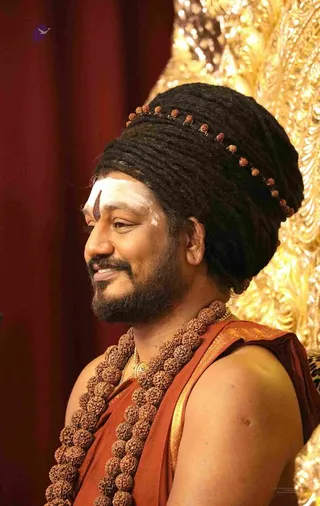 MANA UNMANA - VISUALISE SILENCE, NOT JUST VERBAL SILENCE. VISUAL SILENCE IS SWAMIJI's INNER SPACE.
 MANA UNMANA - VISUALISE SILENCE, NOT JUST VERBAL SILENCE. VISUAL SILENCE IS SWAMIJI's INNER SPACE.
 MANA UNMANA - VISUALISE SILENCE, NOT JUST VERBAL SILENCE. VISUAL SILENCE IS SWAMIJI's INNER SPACE.
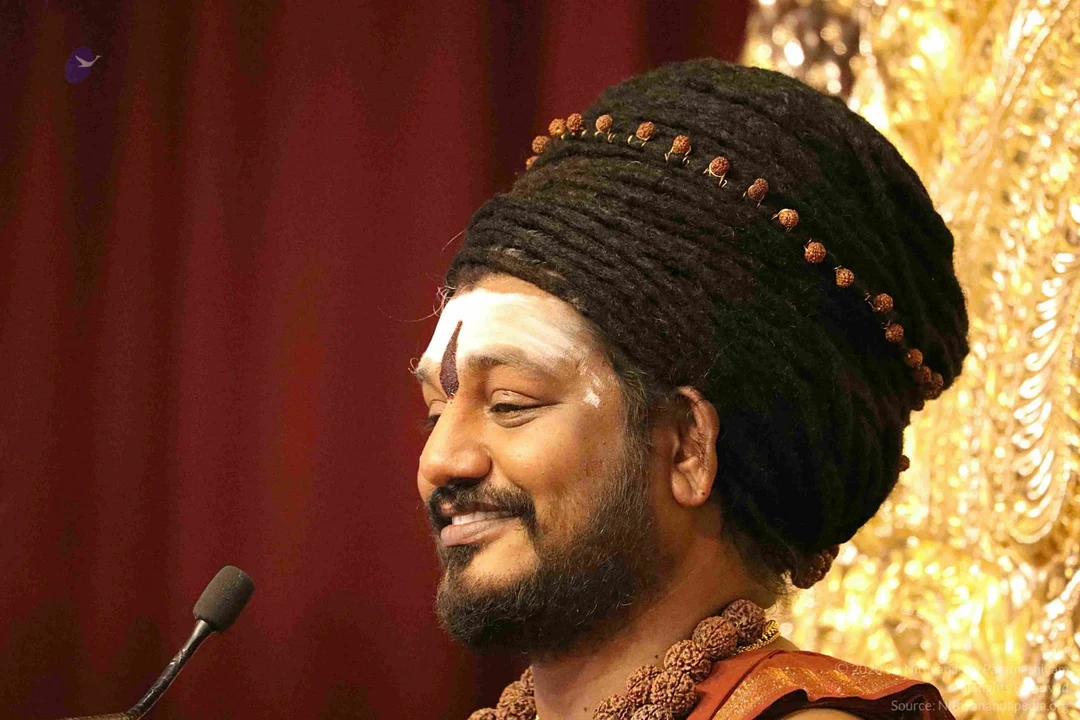 MANA UNMANA - VISUALISE SILENCE, NOT JUST VERBAL SILENCE. VISUAL SILENCE IS SWAMIJI's INNER SPACE.
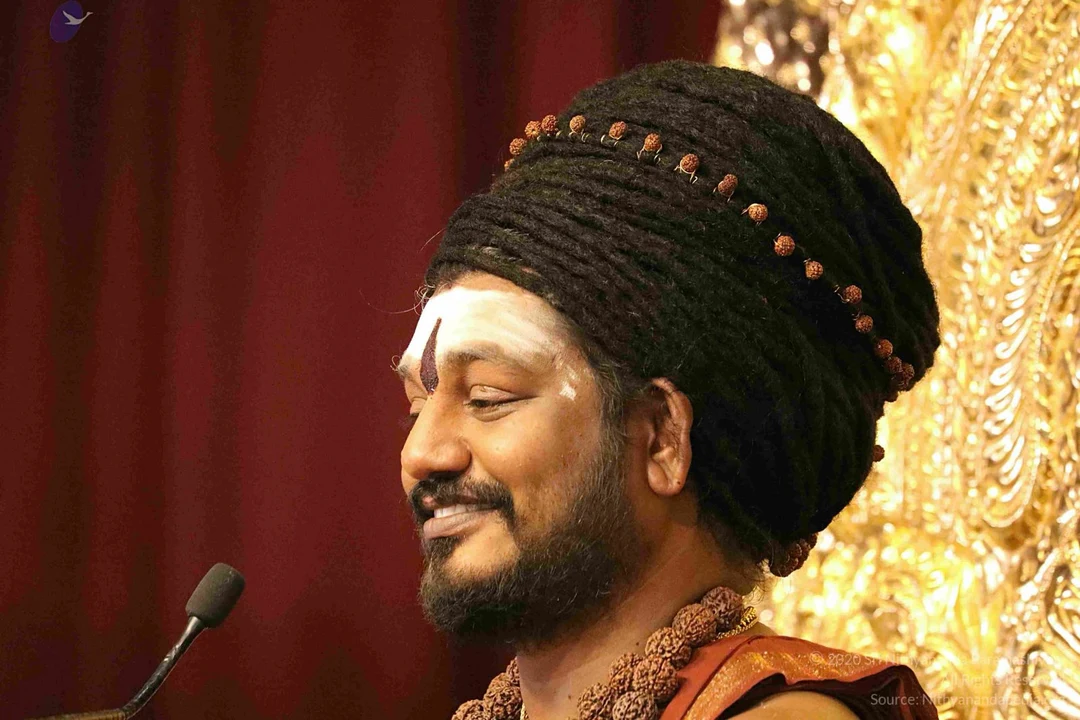 MANA UNMANA - VISUALISE SILENCE, NOT JUST VERBAL SILENCE. VISUAL SILENCE IS SWAMIJI's INNER SPACE.
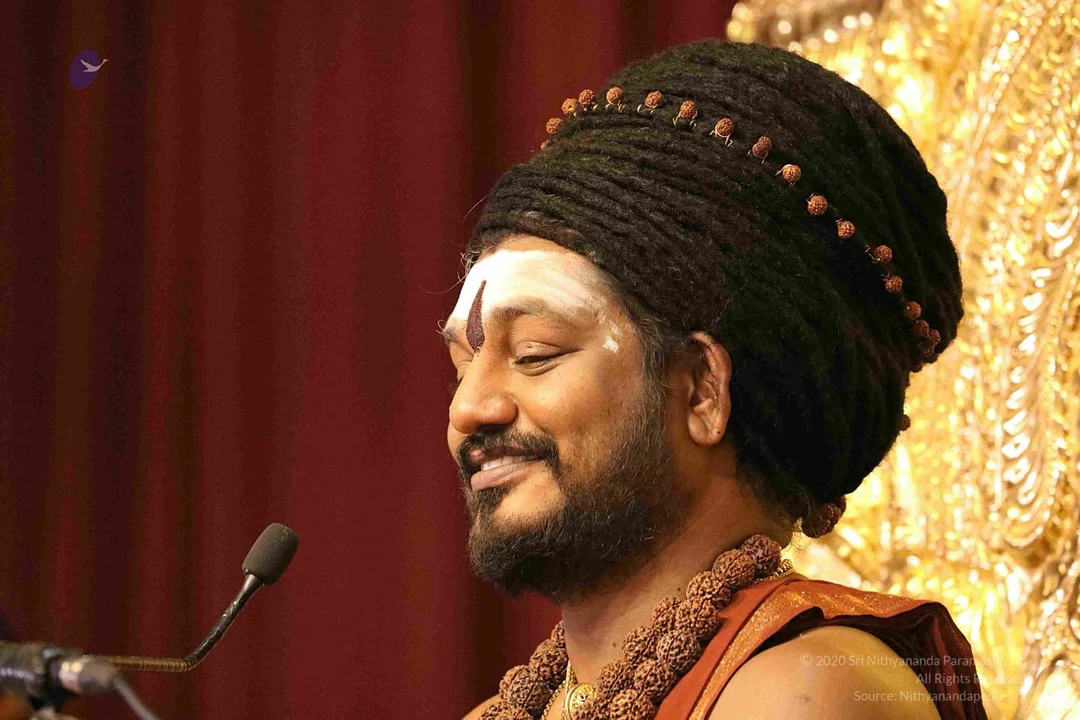 CONSCIOUSLY decide to make ONENESS-BASED RELATIONSHIP WITH HIGHER BEINGS SUCH AS GANAPATI, PARAMASHIVA
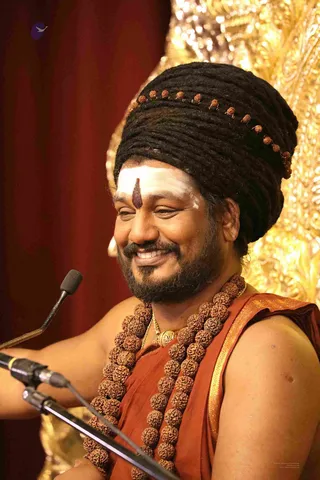 CONSCIOUSLY decide to make ONENESS-BASED RELATIONSHIP WITH HIGHER BEINGS SUCH AS GANAPATI, PARAMASHIVA
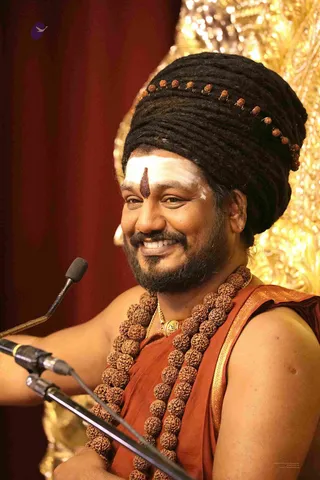 CONSCIOUSLY decide to make ONENESS-BASED RELATIONSHIP WITH HIGHER BEINGS SUCH AS GANAPATI, PARAMASHIVA
- CONSCIOUSLY decide to make ONENESS-BASED RELATIONSHIP WITH HIGHER BEINGS SUCH AS GANAPATI, PARAMASHIVA
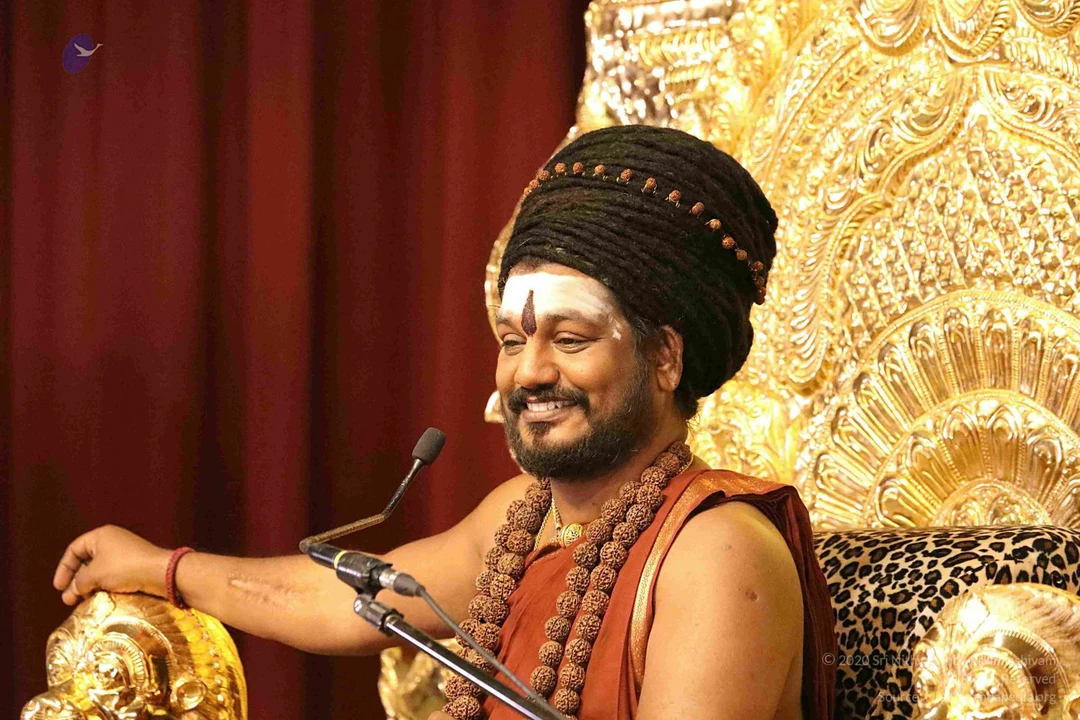 CONSCIOUSLY decide to make ONENESS-BASED RELATIONSHIP WITH HIGHER BEINGS SUCH AS GANAPATI, PARAMASHIVA
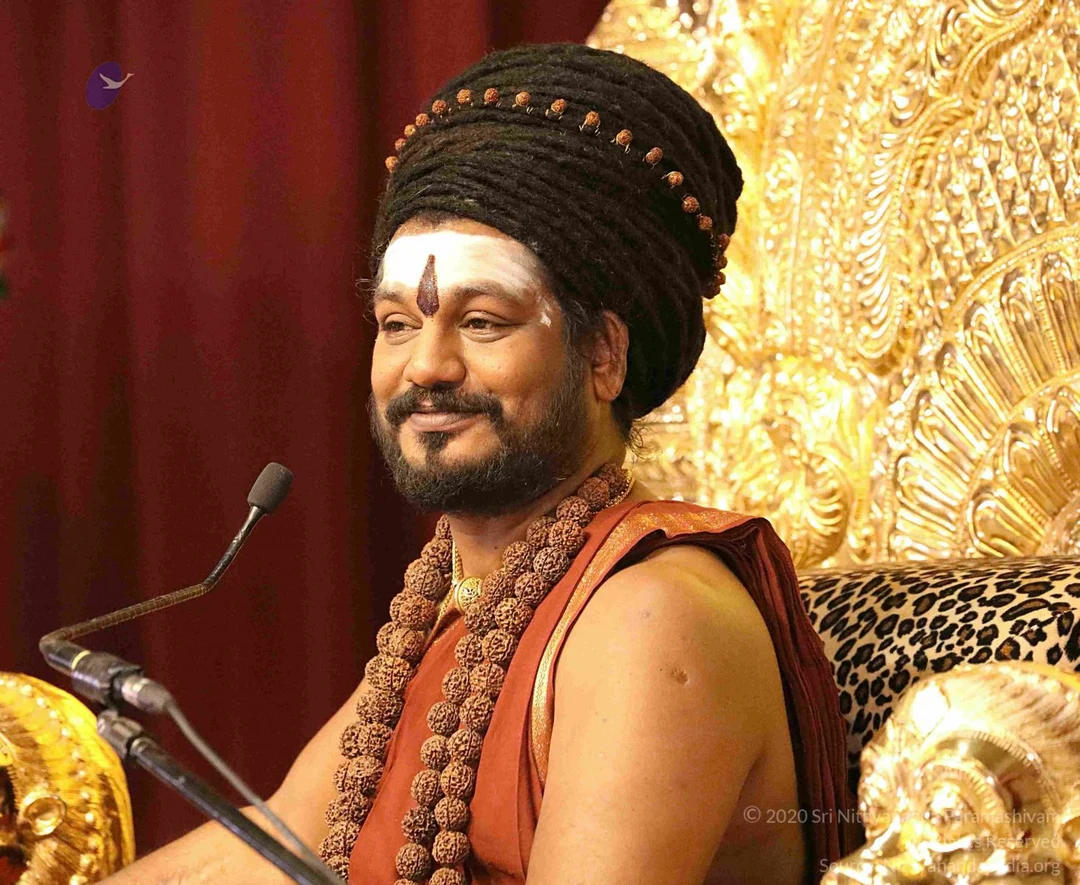 CONSCIOUSLY decide to make ONENESS-BASED RELATIONSHIP WITH HIGHER BEINGS SUCH AS GANAPATI, PARAMASHIVA
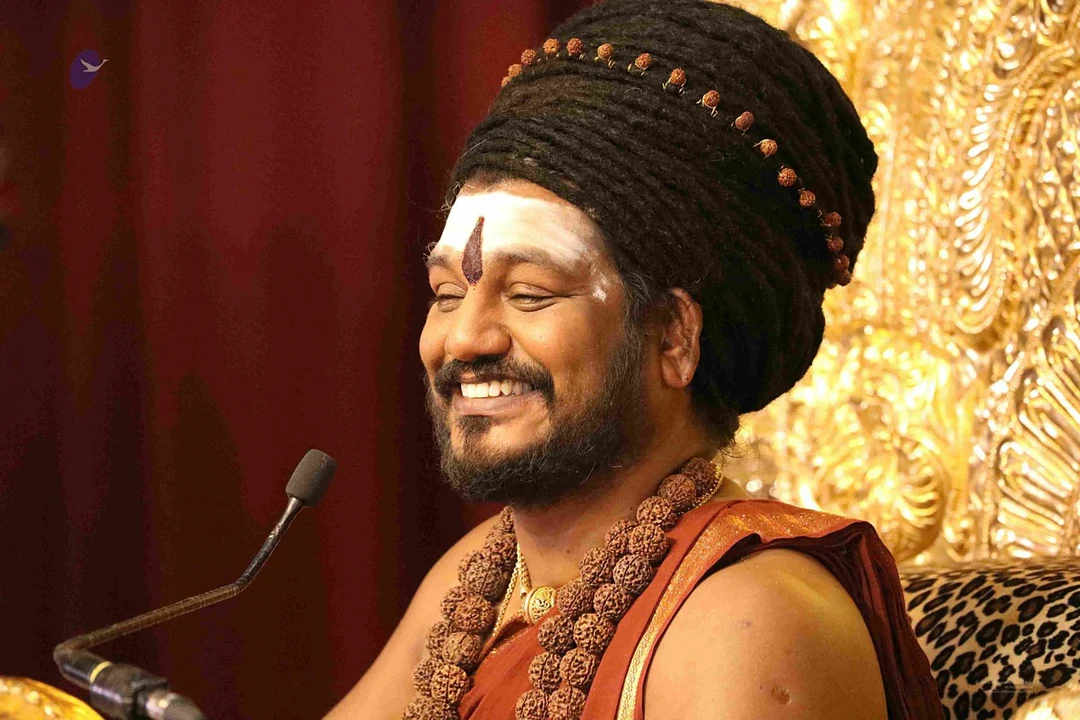 CONSCIOUSLY decide to make ONENESS-BASED RELATIONSHIP WITH HIGHER BEINGS SUCH AS GANAPATI, PARAMASHIVA
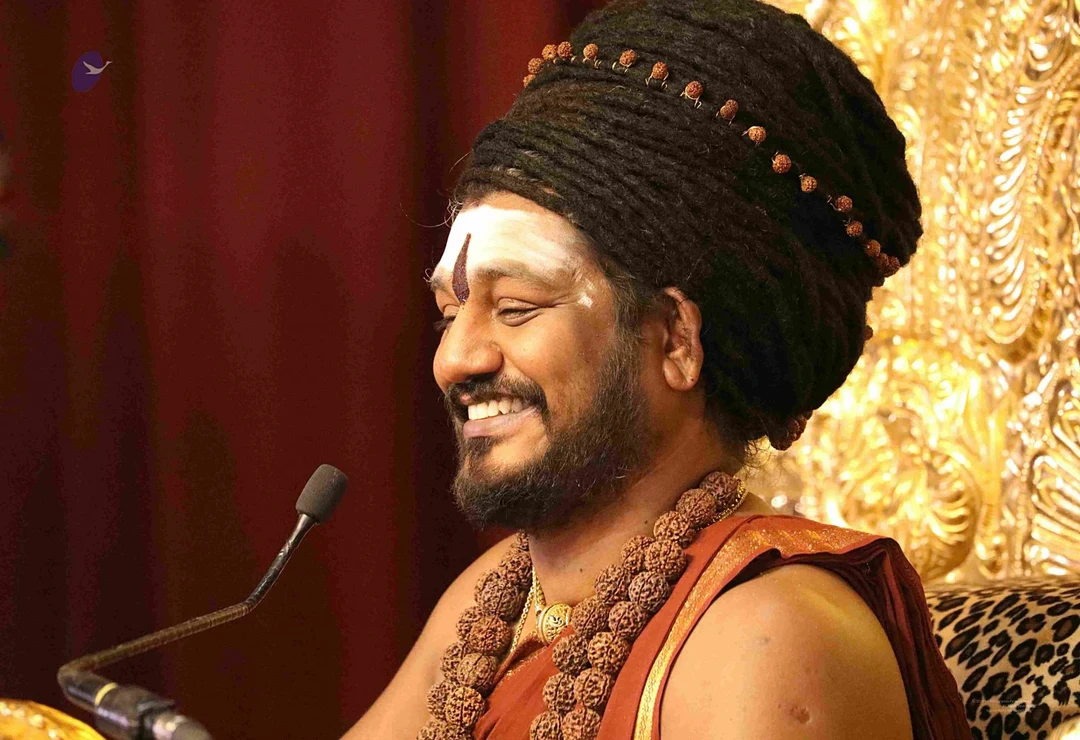 CONSCIOUSLY decide to make ONENESS-BASED RELATIONSHIP WITH HIGHER BEINGS SUCH AS GANAPATI, PARAMASHIVA
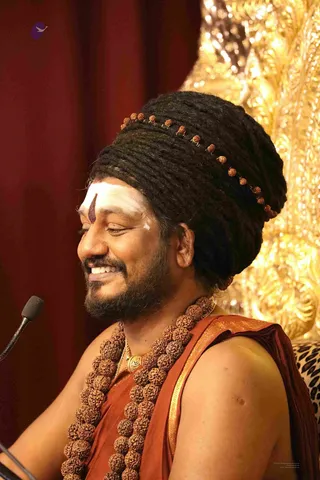 UPANISHAD means - sitting. That is all. When DISCIPLE sit, truth is revealed.
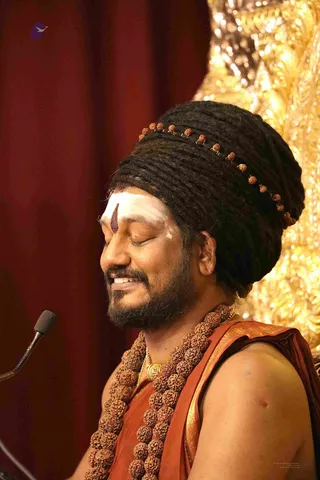 UPANISHAD means - sitting. That is all. When DISCIPLE sit, truth is revealed.
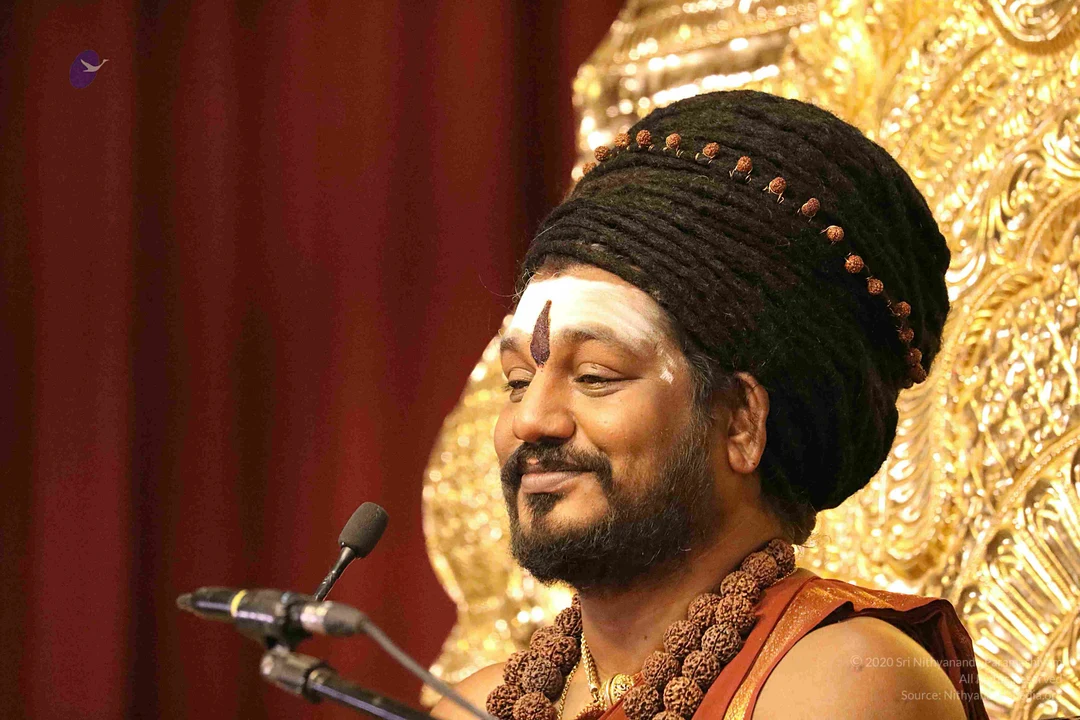 UPANISHAD means - sitting. That is all. When DISCIPLE sits, truth is revealed.
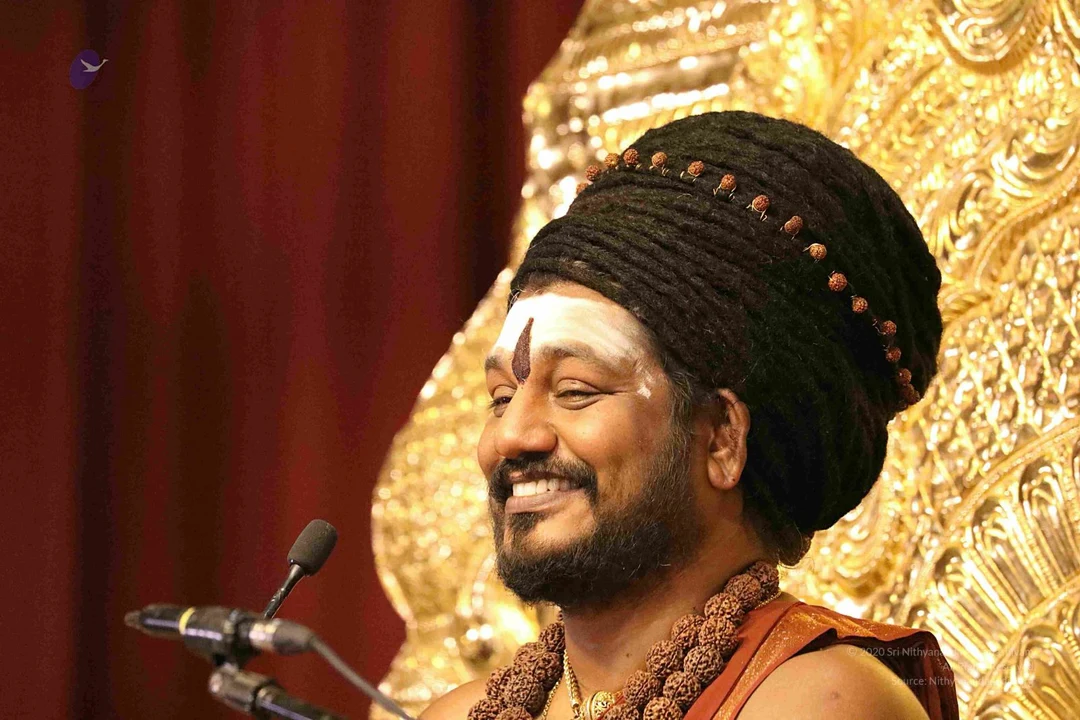 UPANISHAD means - sitting. That is all. When DISCIPLE sits, truth is revealed.
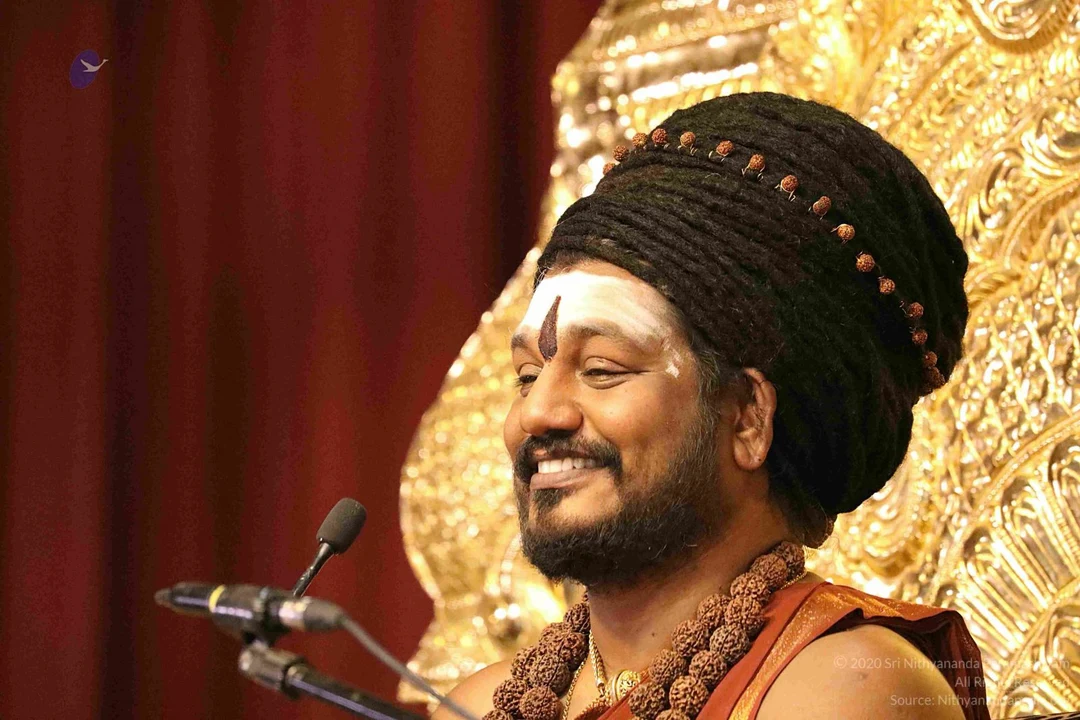 UPANISHAD means - sitting. That is all. When DISCIPLE sits, truth is revealed.
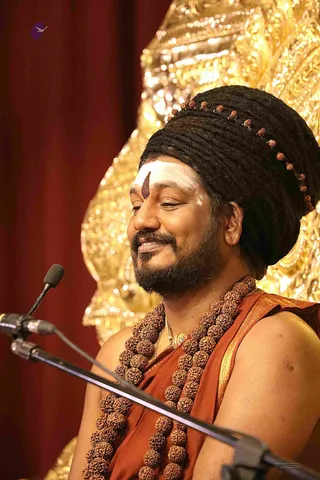 UPANISHAD means - sitting. That is all. When DISCIPLE sits, truth is revealed.
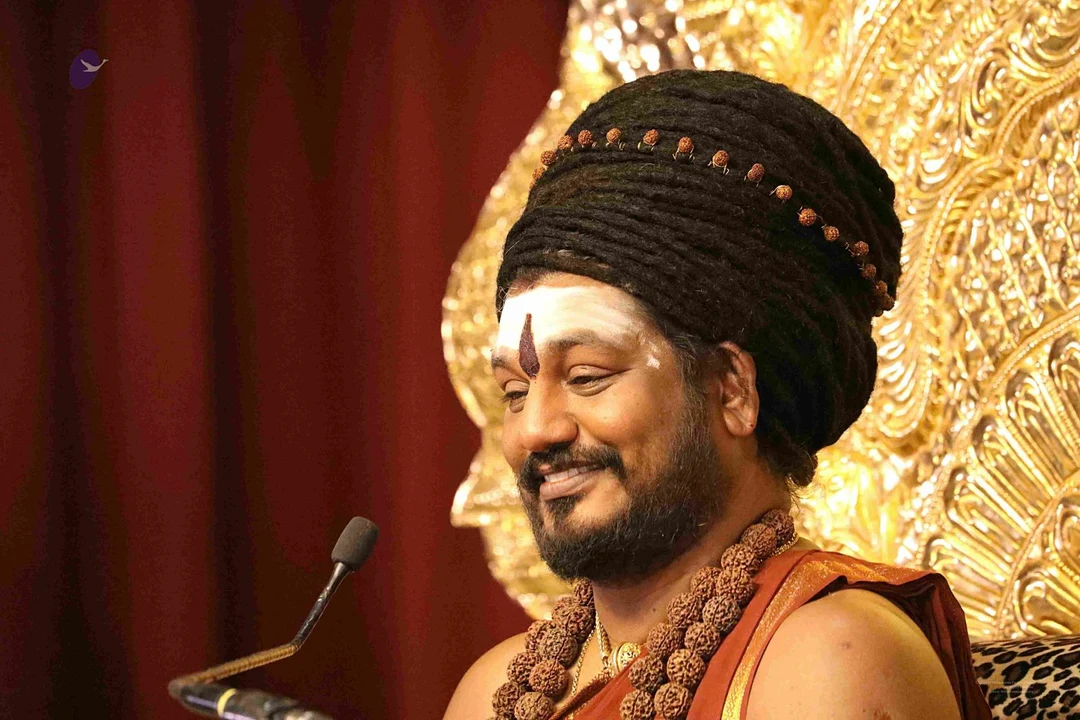 UPANISHAD means - sitting. That is all. When DISCIPLE sits, truth is revealed.
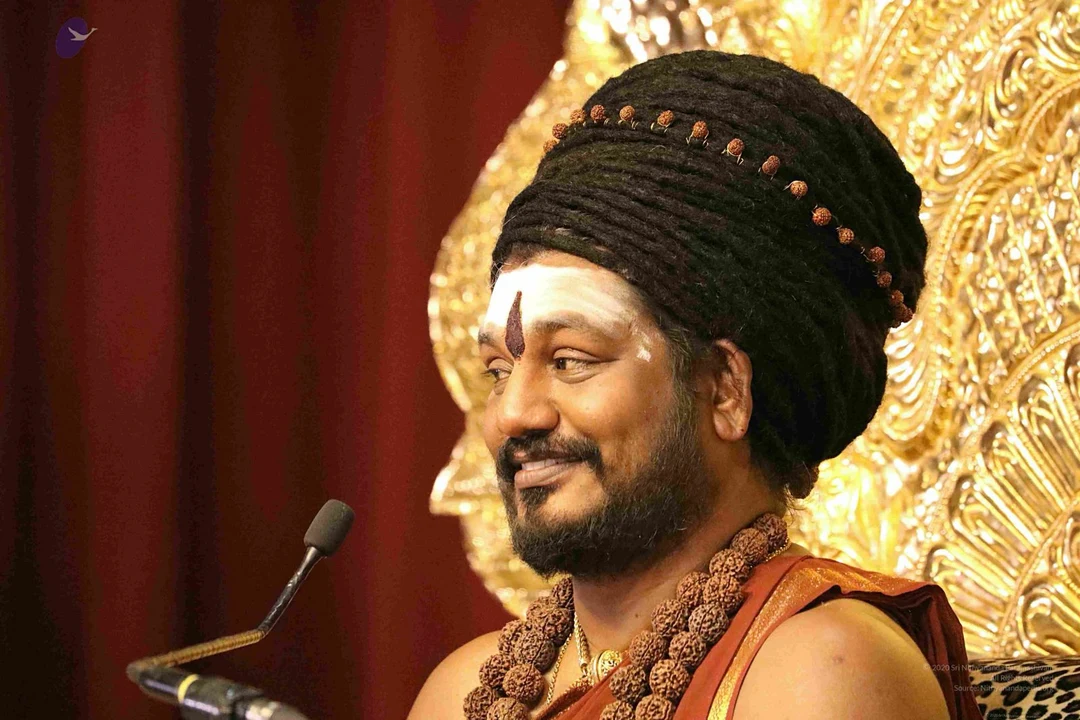 UPANISHAD means - sitting. That is all. When DISCIPLE sits, truth is revealed.
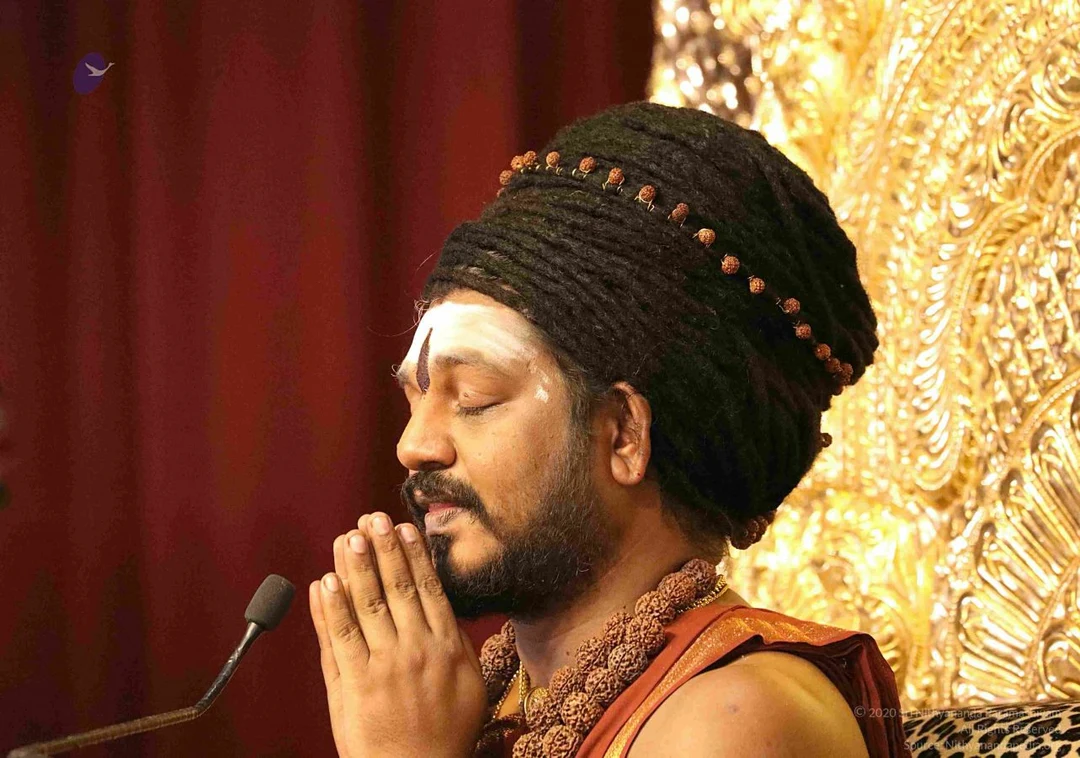 UPANISHAD means - sitting. That is all. When DISCIPLE sits, truth is revealed.
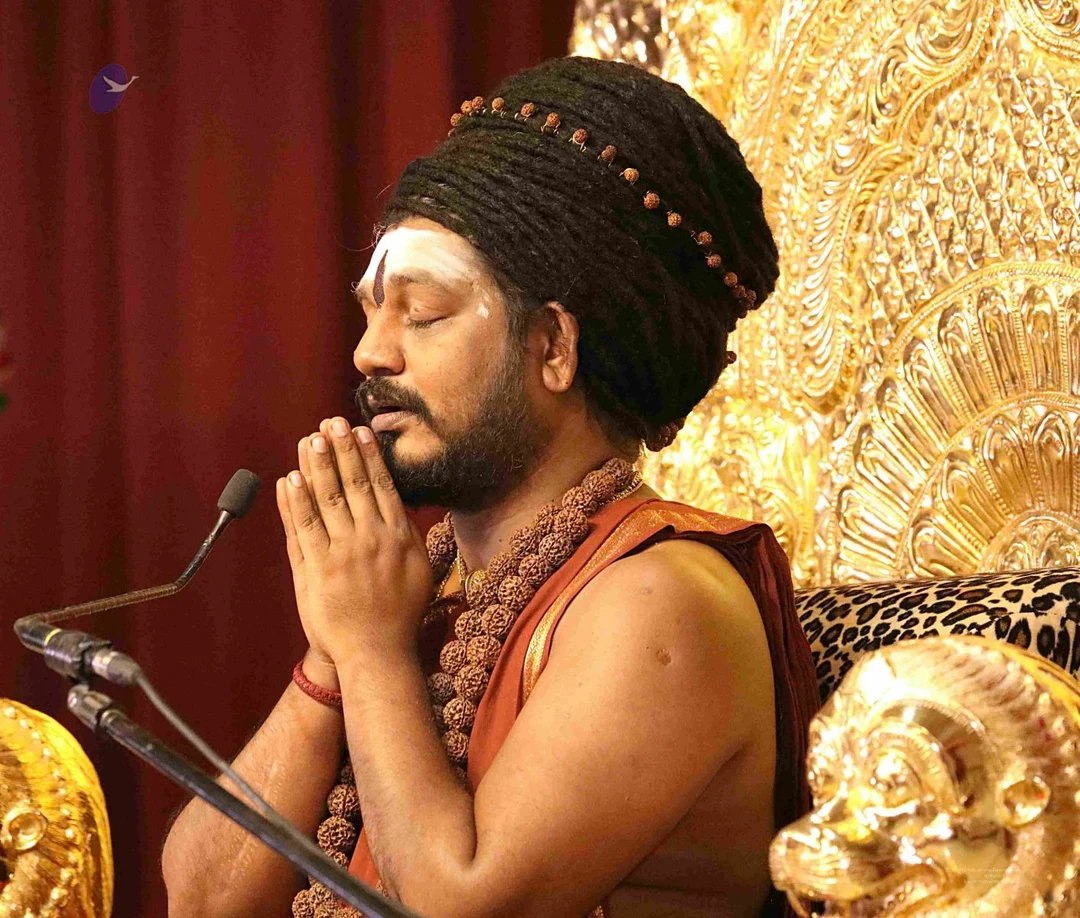 UPANISHAD means - sitting. That is all. When DISCIPLE sits, truth is revealed.
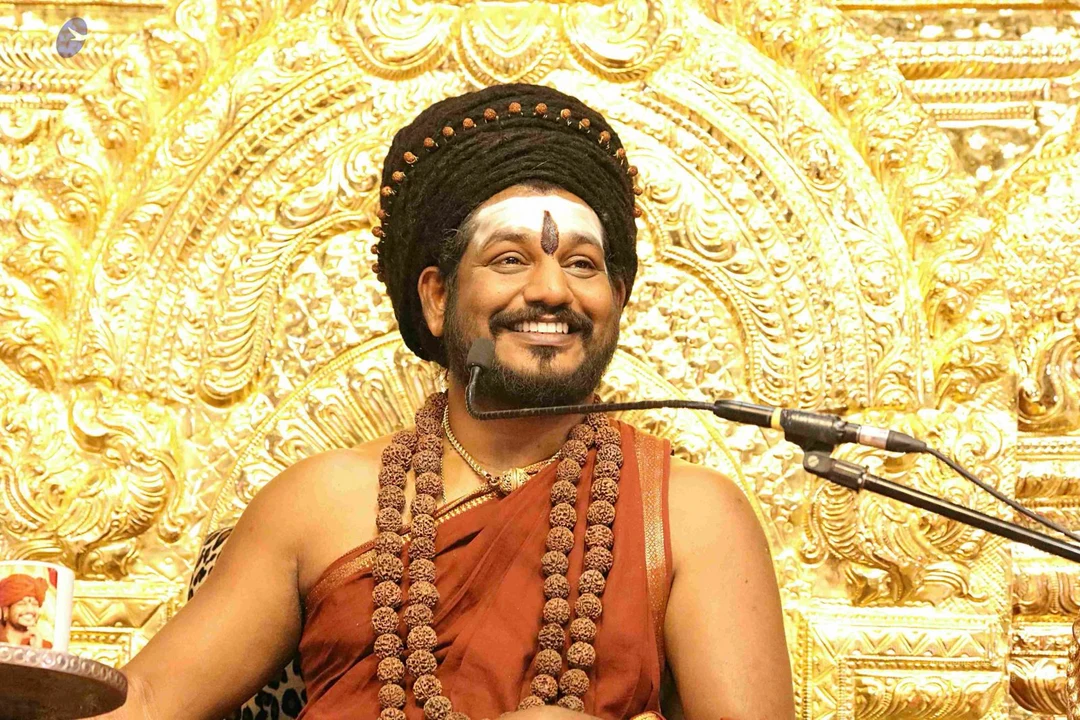 The Cosmos is in YOUR Cognition and YOU are in the Cognition of the Cosmos.
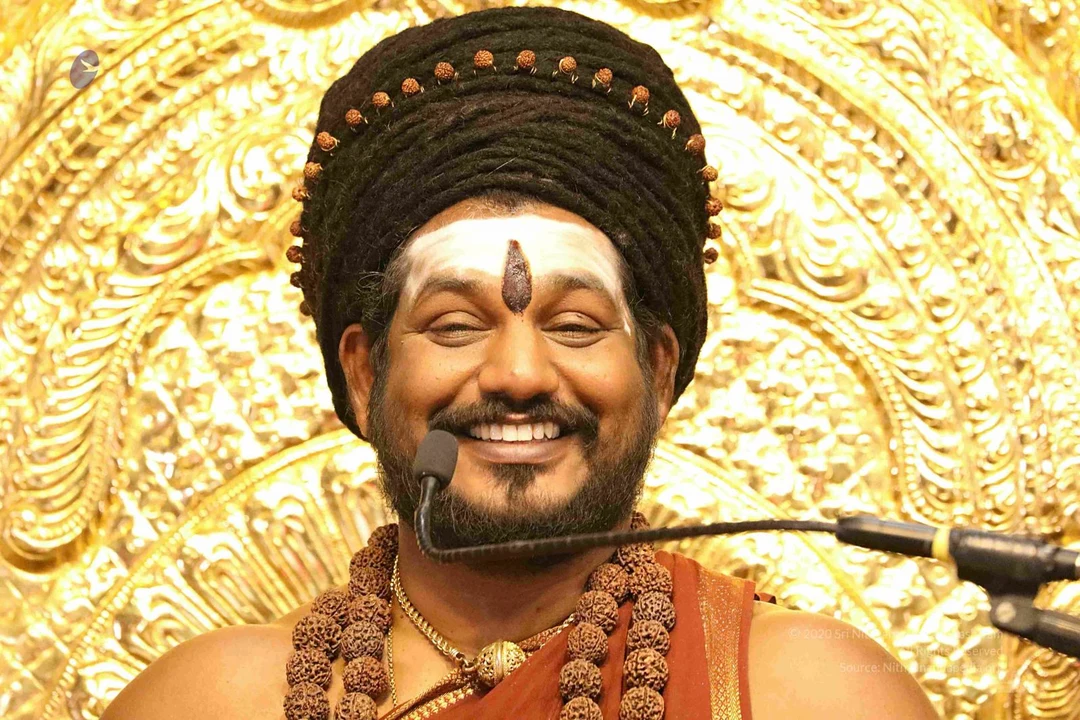 The Cosmos is in YOUR Cognition and YOU are in the Cognition of the Cosmos.
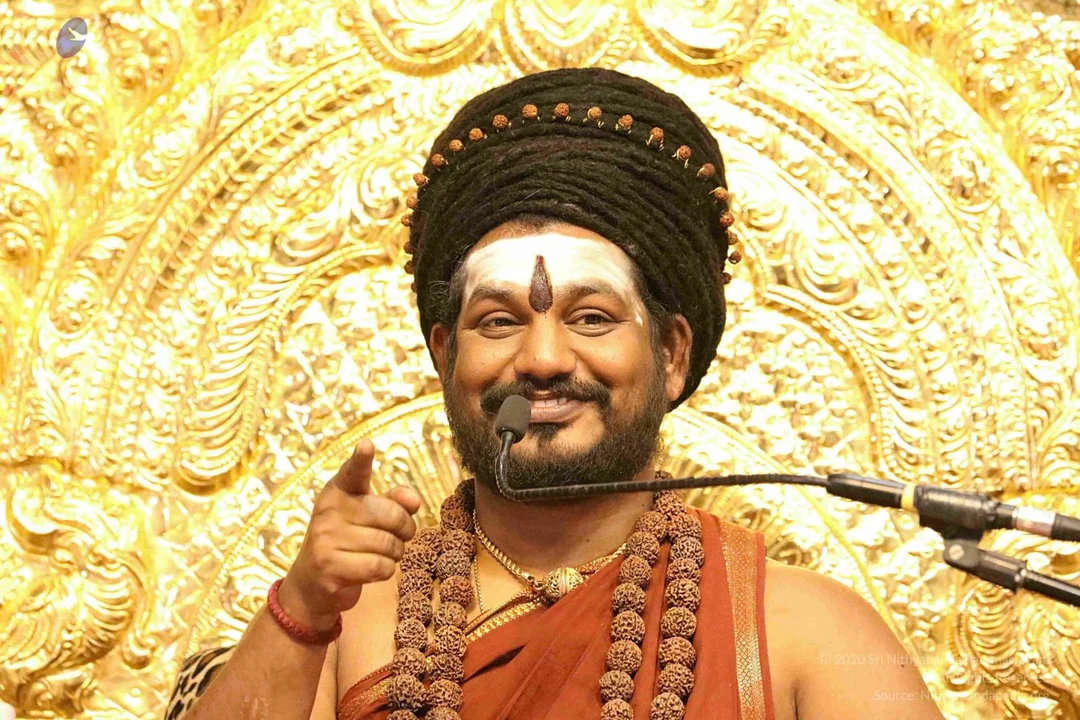 The Cosmos is in YOUR Cognition and YOU are in the Cognition of the Cosmos.
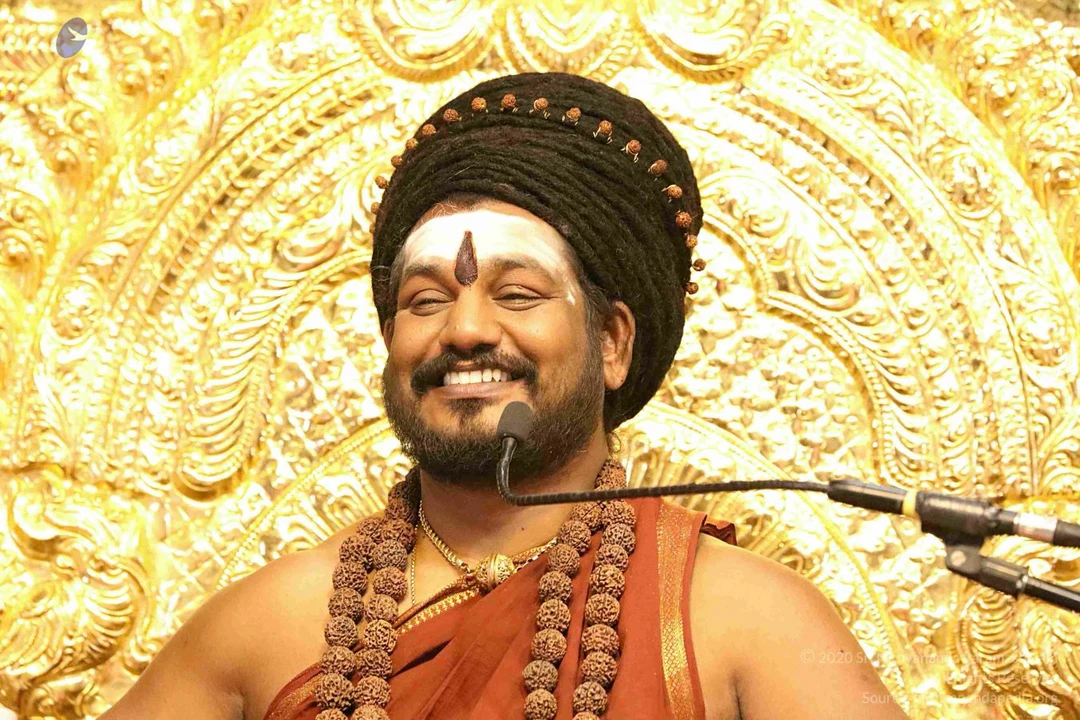 The Cosmos is in YOUR Cognition and YOU are in the Cognition of the Cosmos.
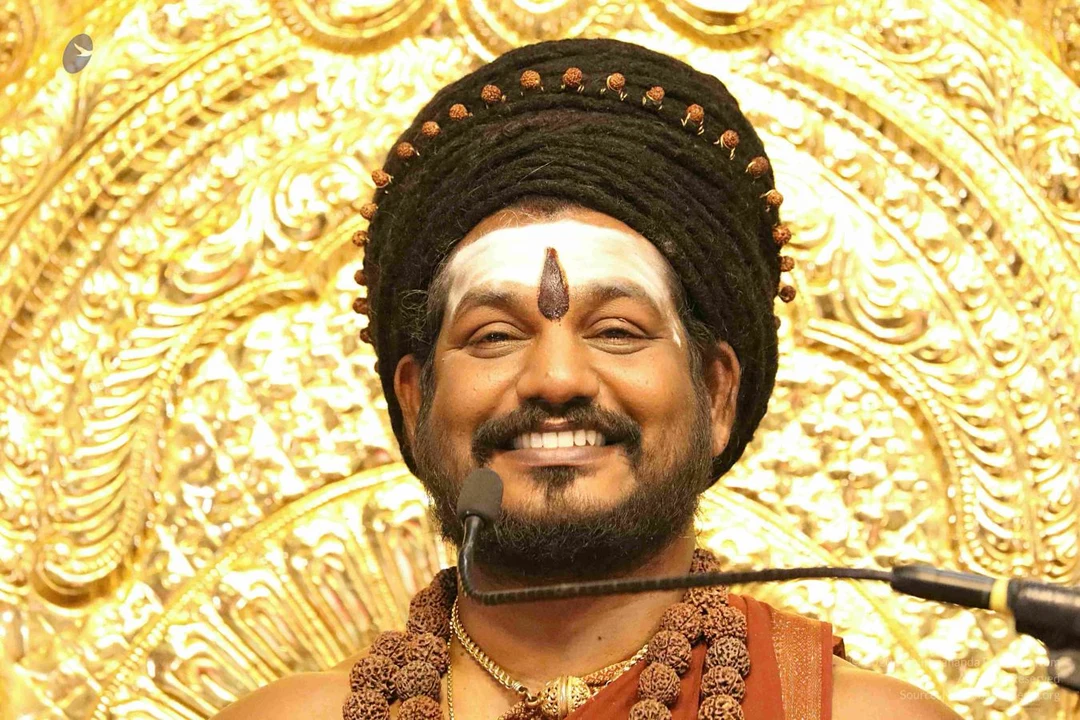 The Cosmos is in YOUR Cognition and YOU are in the Cognition of the Cosmos.
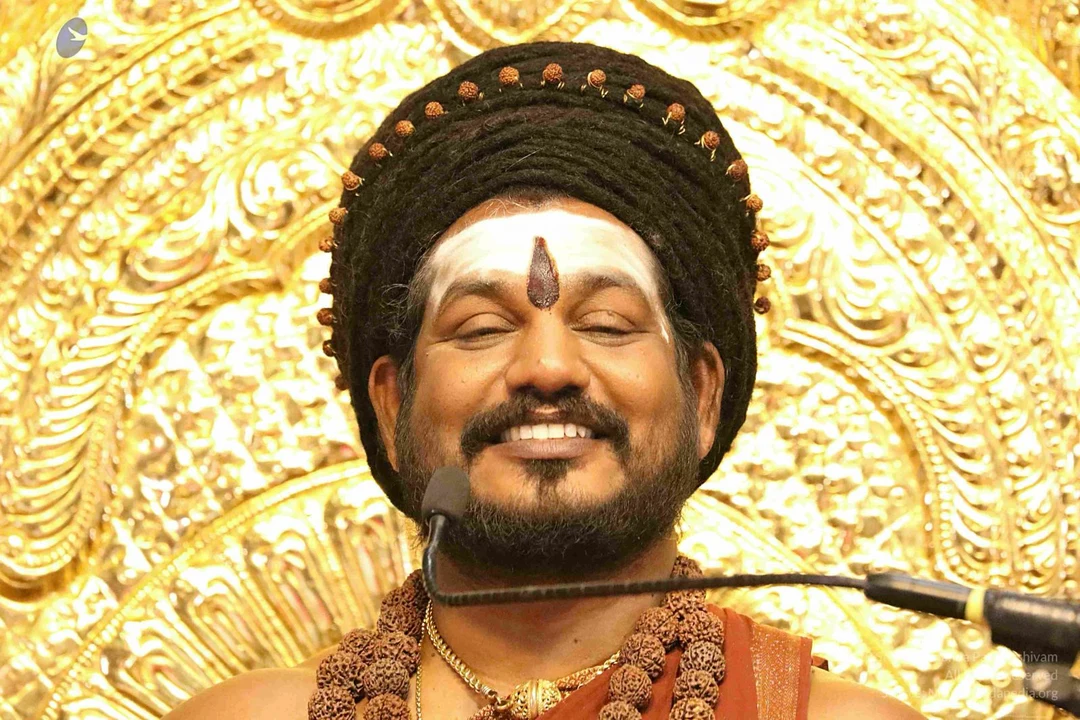 The Cosmos is in YOUR Cognition and YOU are in the Cognition of the Cosmos.
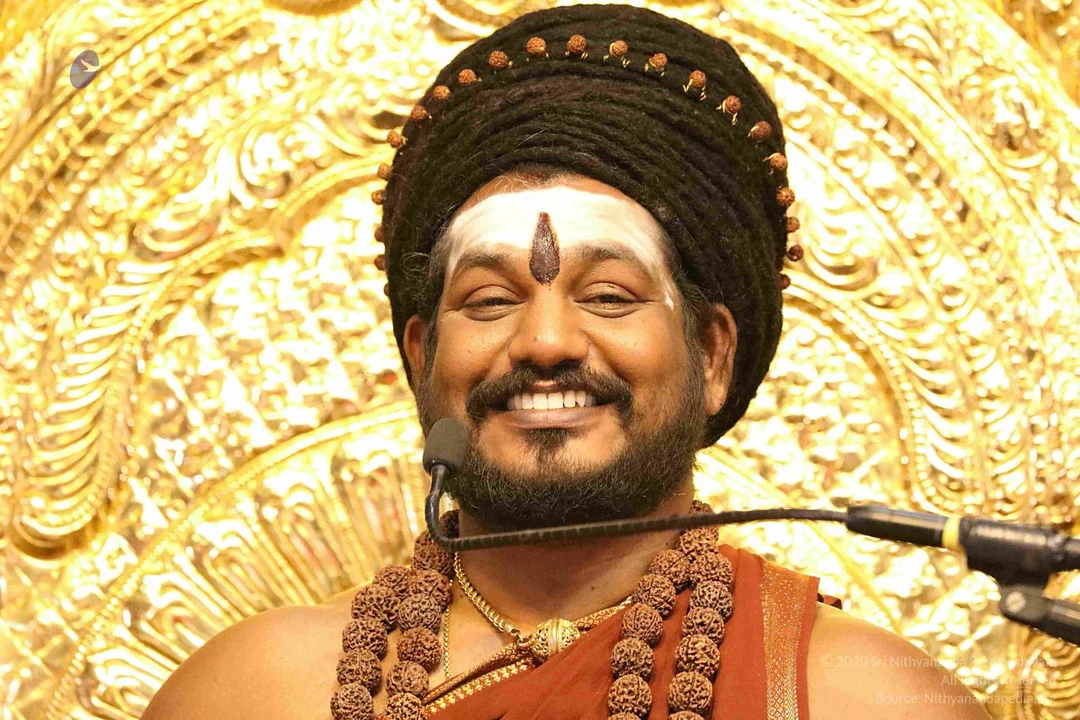 The Cosmos is in YOUR Cognition and YOU are in the Cognition of the Cosmos.
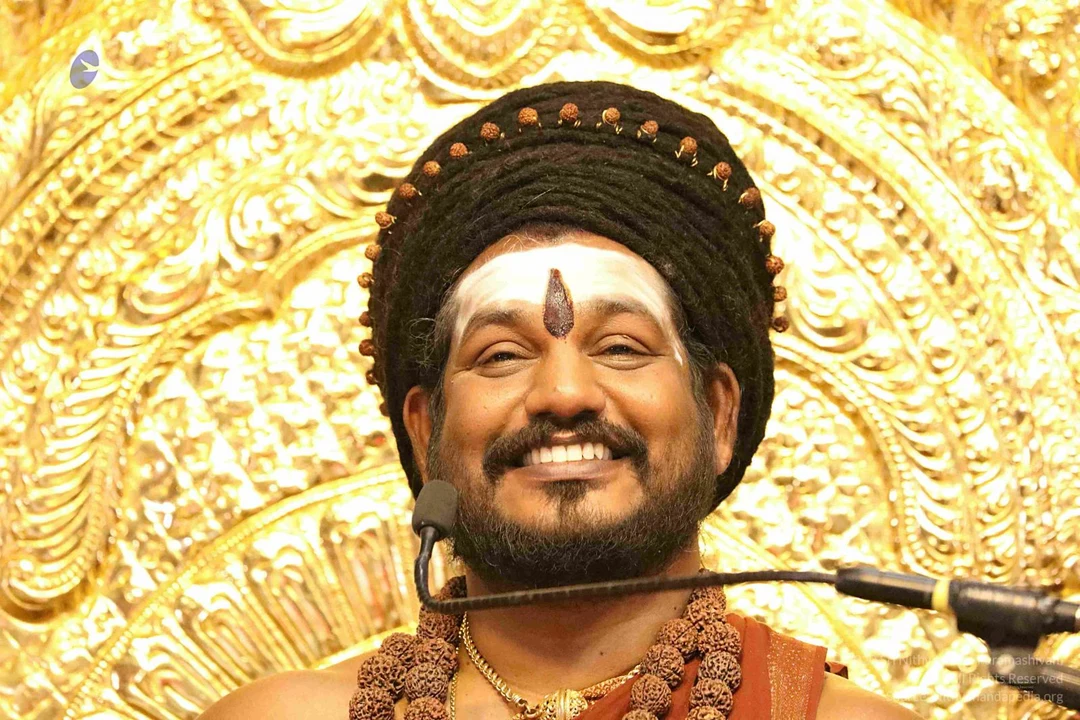 The Cosmos is in YOUR Cognition and YOU are in the Cognition of the Cosmos.
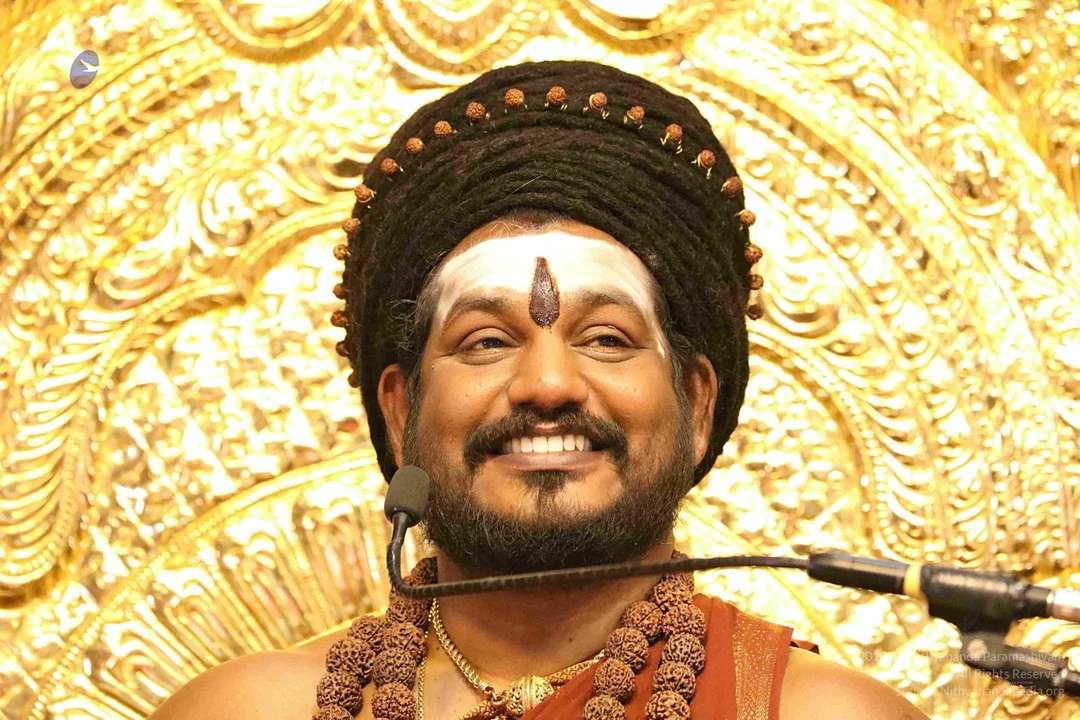 The Cosmos is in YOUR Cognition and YOU are in the Cognition of the Cosmos.
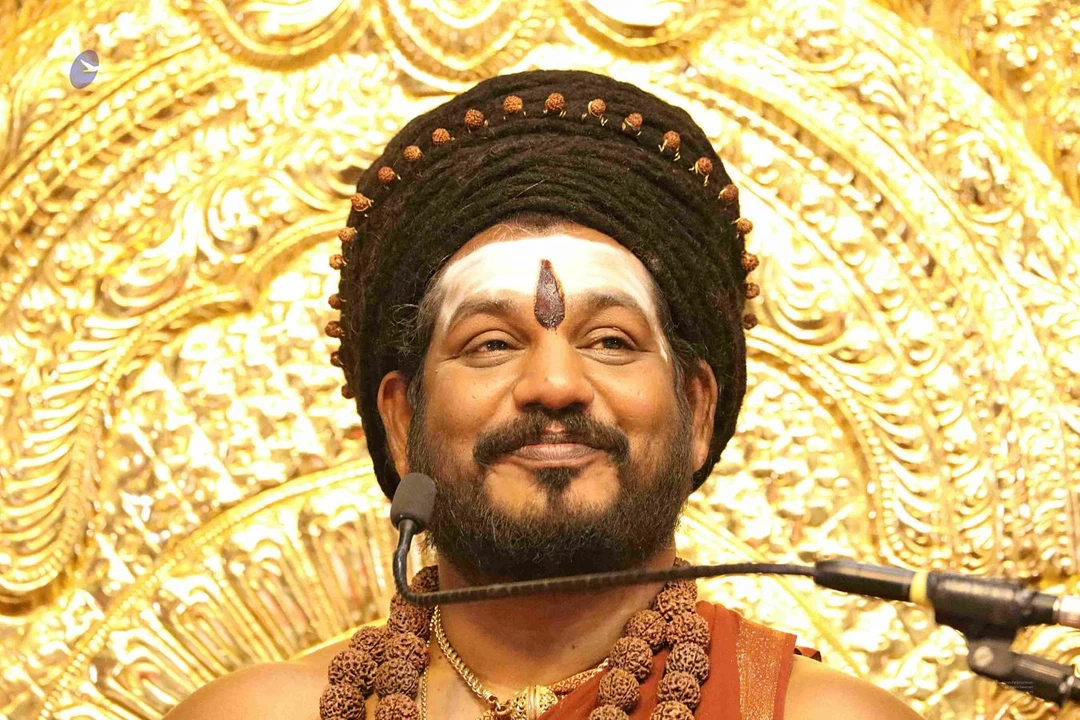 THE PURE SPACE OF PEACE MANIFESTS ONLY FROM ONENESS.
 THE PURE SPACE OF PEACE MANIFESTS ONLY FROM ONENESS.
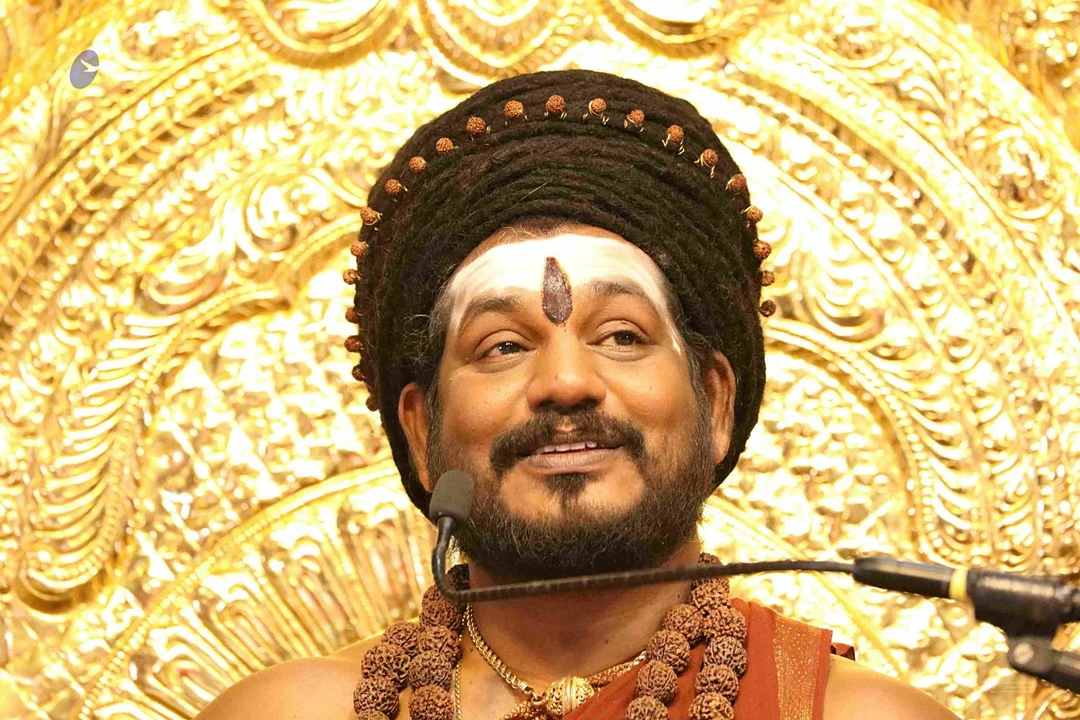 THE PURE SPACE OF PEACE MANIFESTS ONLY FROM ONENESS.
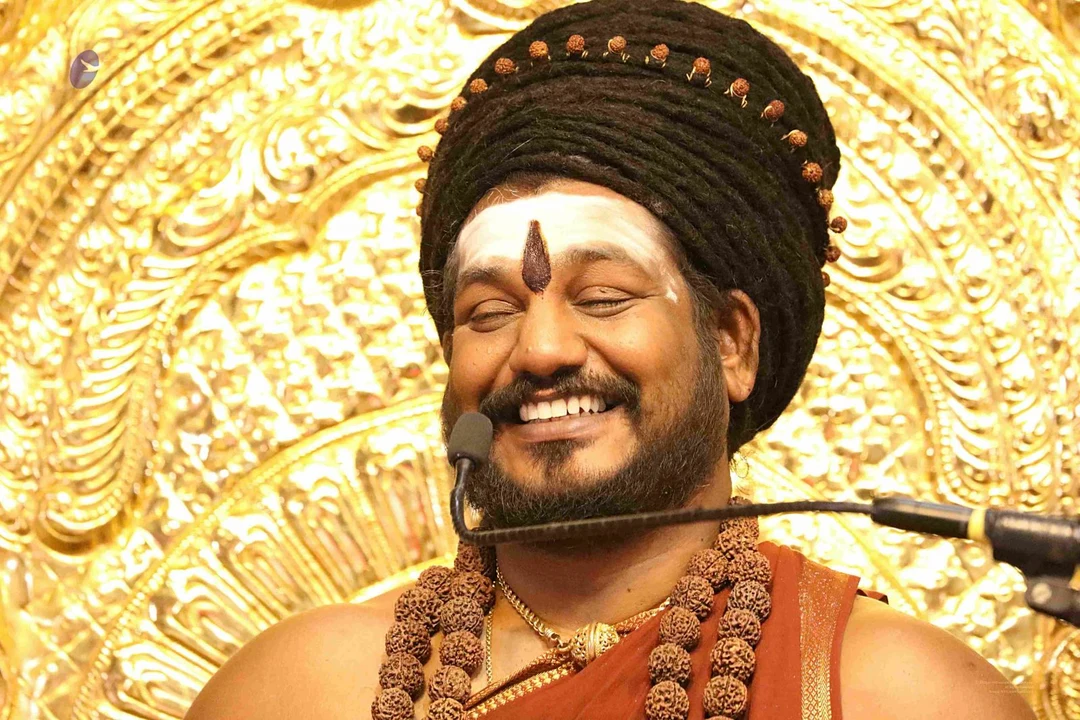 THE PURE SPACE OF PEACE MANIFESTS ONLY FROM ONENESS.
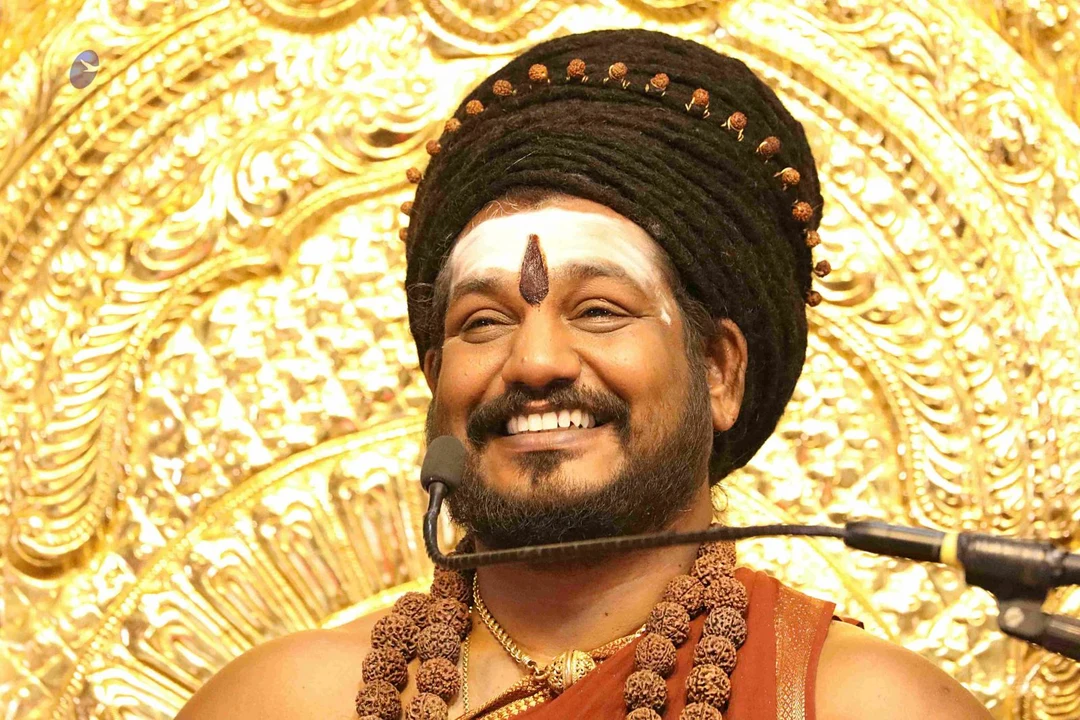 THE PURE SPACE OF PEACE MANIFESTS ONLY FROM ONENESS.
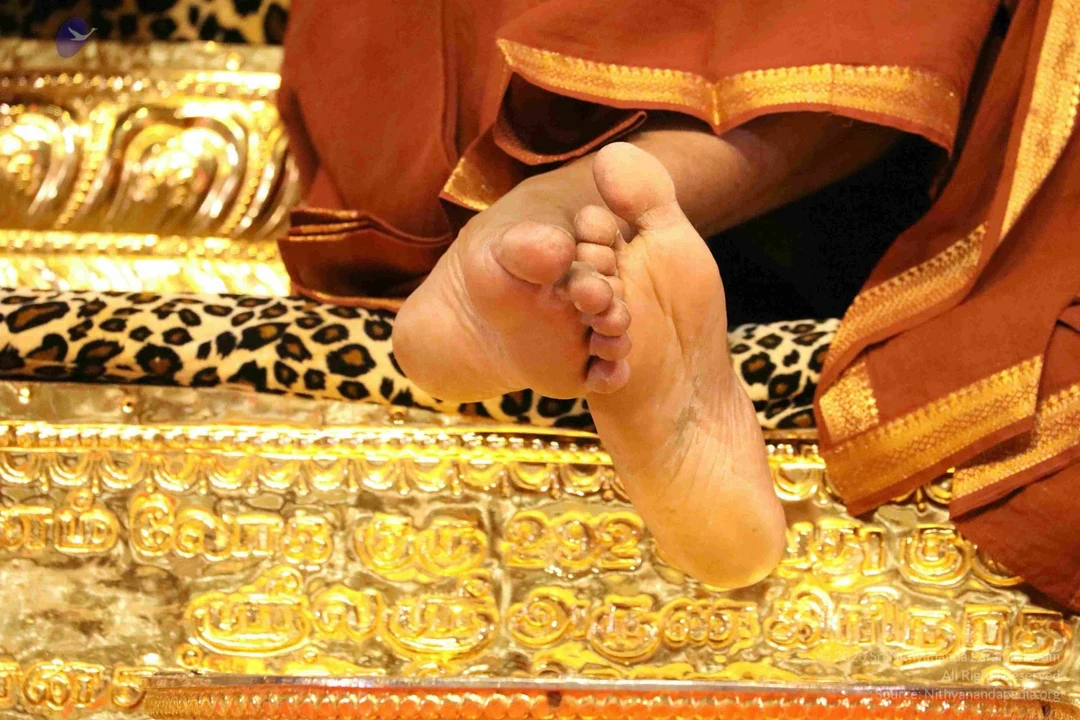 THE PURE SPACE OF PEACE MANIFESTS ONLY FROM ONENESS.
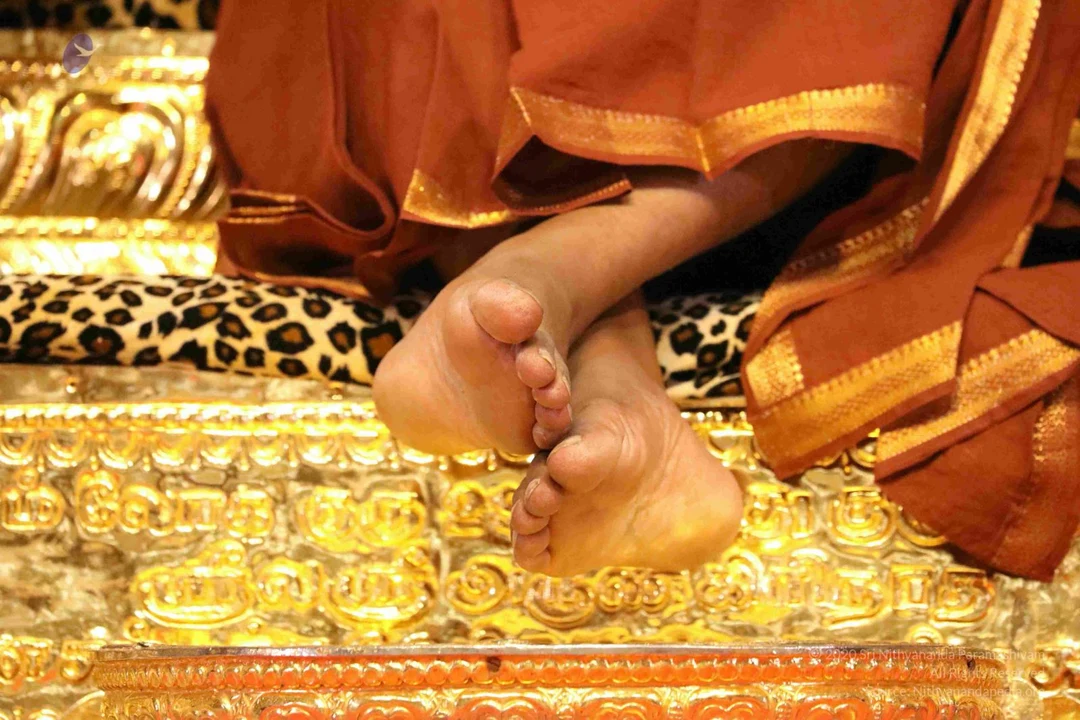 THE PURE SPACE OF PEACE MANIFESTS ONLY FROM ONENESS.
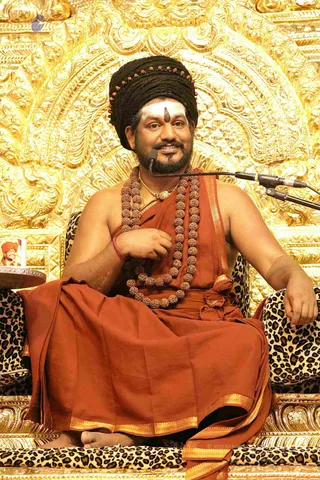 DECLARATION's basic necessity is a right INNER IMAGE-HDH Paramahamsa Nithyananda
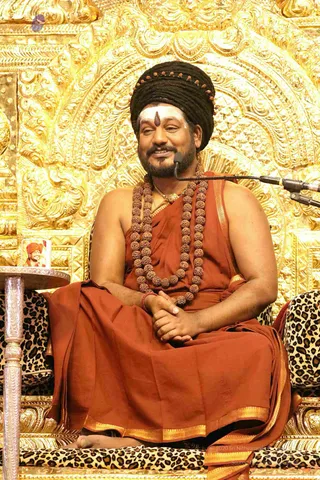 DECLARATION's basic necessity is a right INNER IMAGE-HDH Paramahamsa Nithyananda
- DECLARATION's basic necessity is a right INNER IMAGE-HDH Paramahamsa Nithyananda
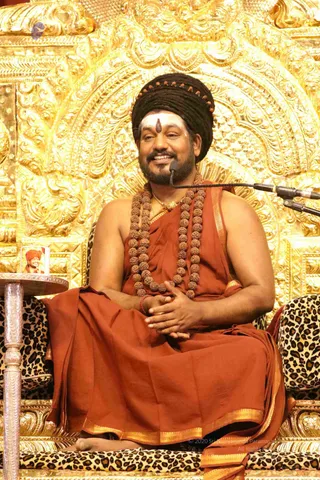 DECLARATION's basic necessity is a right INNER IMAGE-HDH Paramahamsa Nithyananda
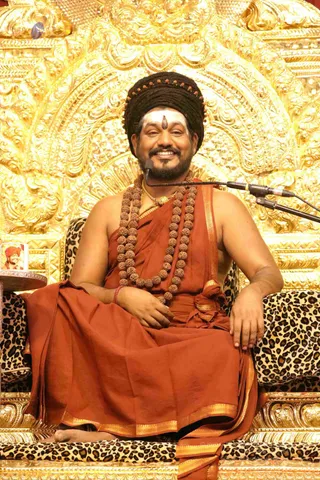 DECLARATION's basic necessity is a right INNER IMAGE-HDH Paramahamsa Nithyananda
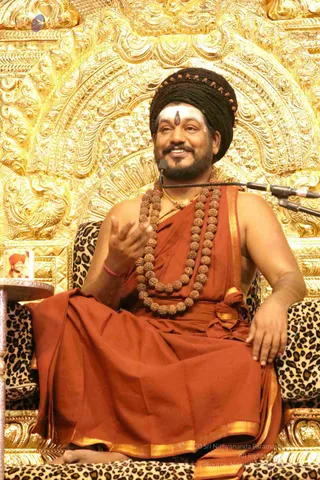 DECLARATION's basic necessity is a right INNER IMAGE-HDH Paramahamsa Nithyananda
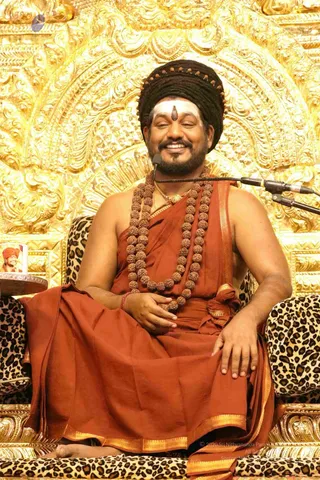 DECLARATION's basic necessity is a right INNER IMAGE-HDH Paramahamsa Nithyananda
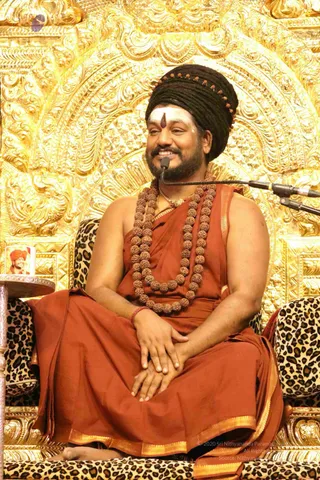 DECLARATION's basic necessity is a right INNER IMAGE-HDH Paramahamsa Nithyananda
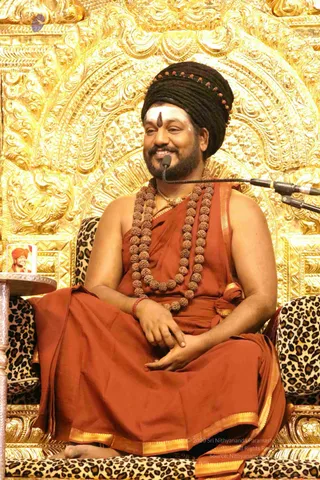 DECLARATION's basic necessity is a right INNER IMAGE-HDH Paramahamsa Nithyananda
 PERSON who knows he is integrated can DECLARE. Start practicing declaring and manifesting- HDH Paramahamsa Nithyananda
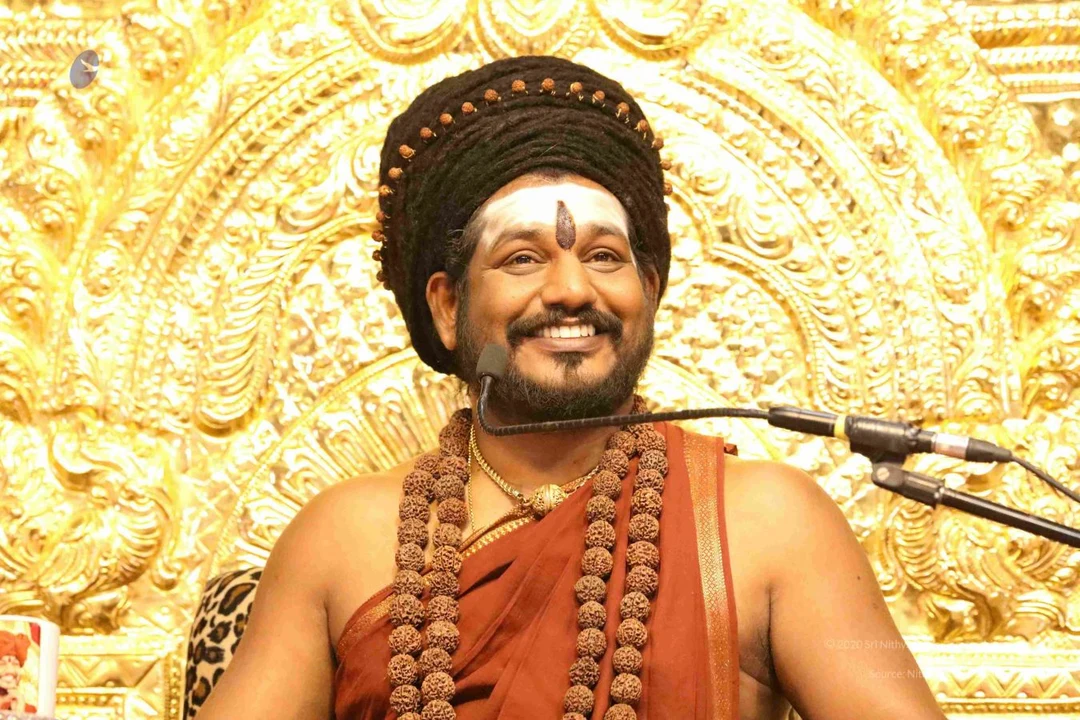 PERSON who knows he is integrated can DECLARE. Start practicing declaring and manifesting- HDH Paramahamsa Nithyananda
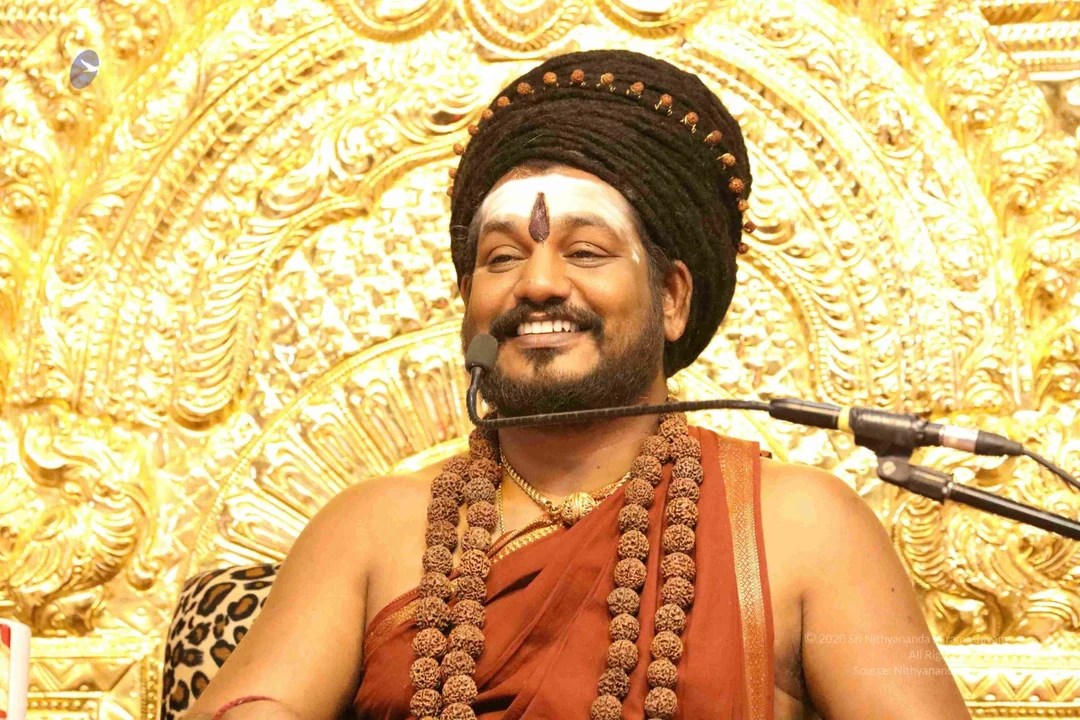 PERSON who knows he is integrated can DECLARE. Start practicing declaring and manifesting- HDH Paramahamsa Nithyananda
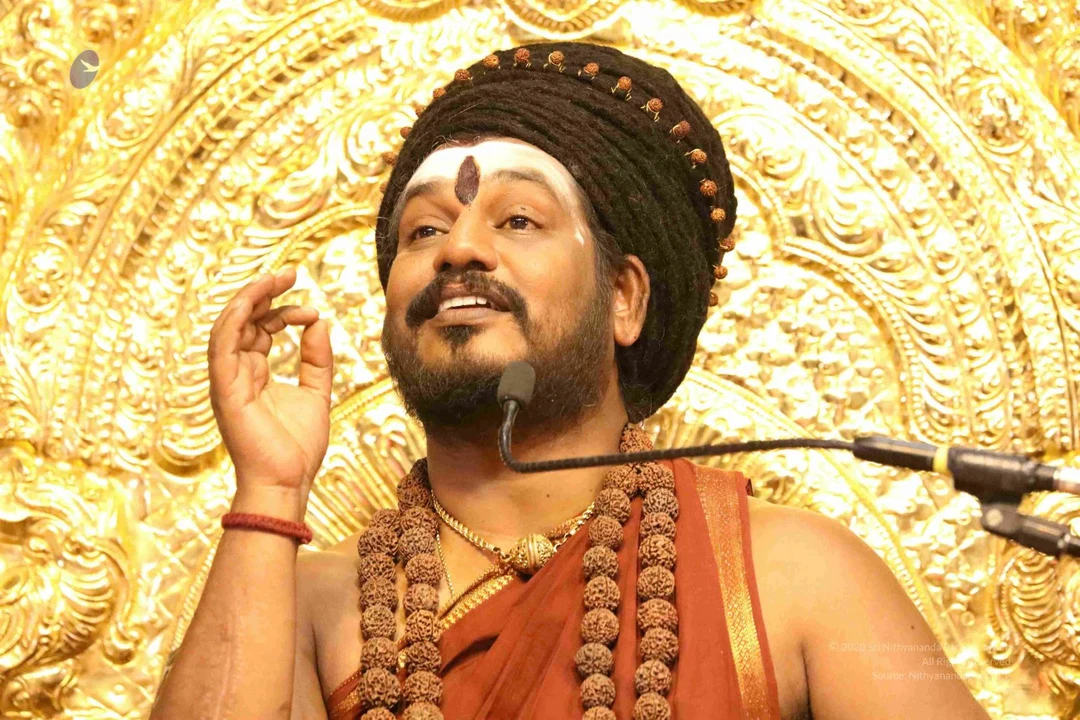 PERSON who knows he is integrated can DECLARE. Start practicing declaring and manifesting- HDH Paramahamsa Nithyananda
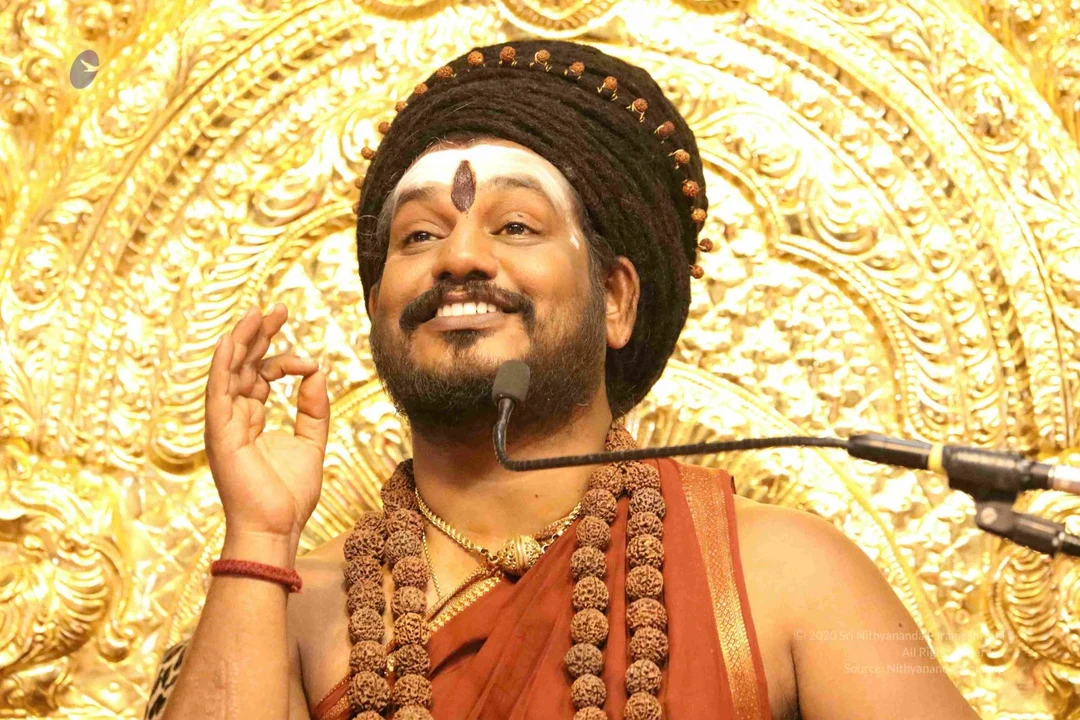 PERSON who knows he is integrated can DECLARE. Start practicing declaring and manifesting- HDH Paramahamsa Nithyananda
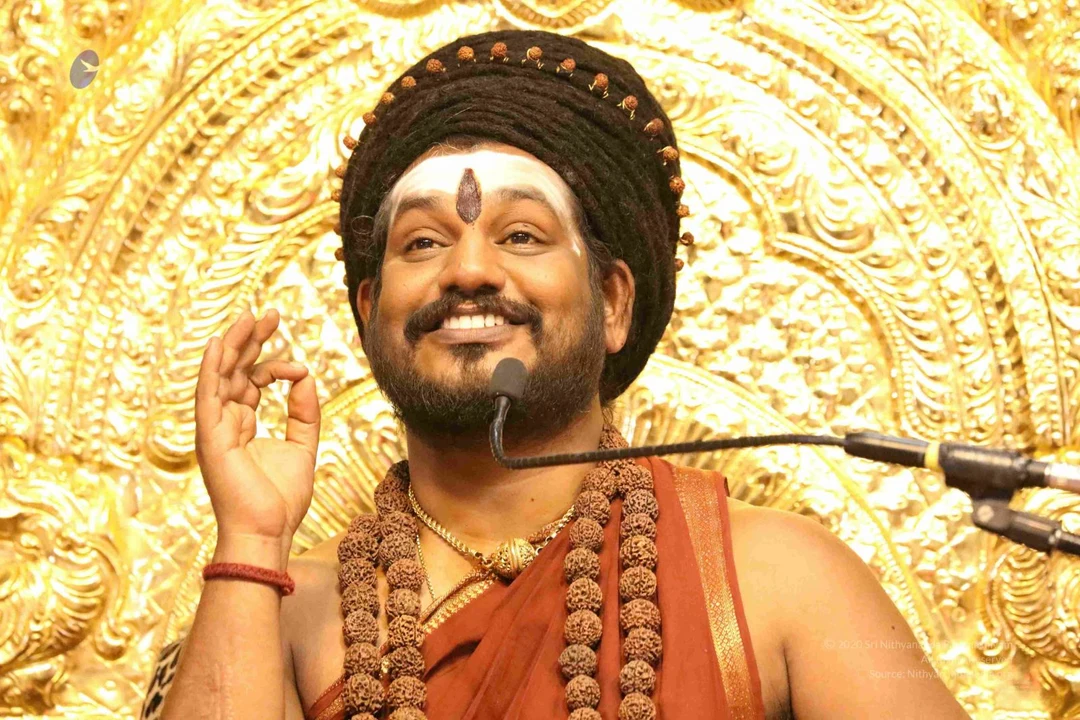 PERSON who knows he is integrated can DECLARE. Start practicing declaring and manifesting- HDH Paramahamsa Nithyananda
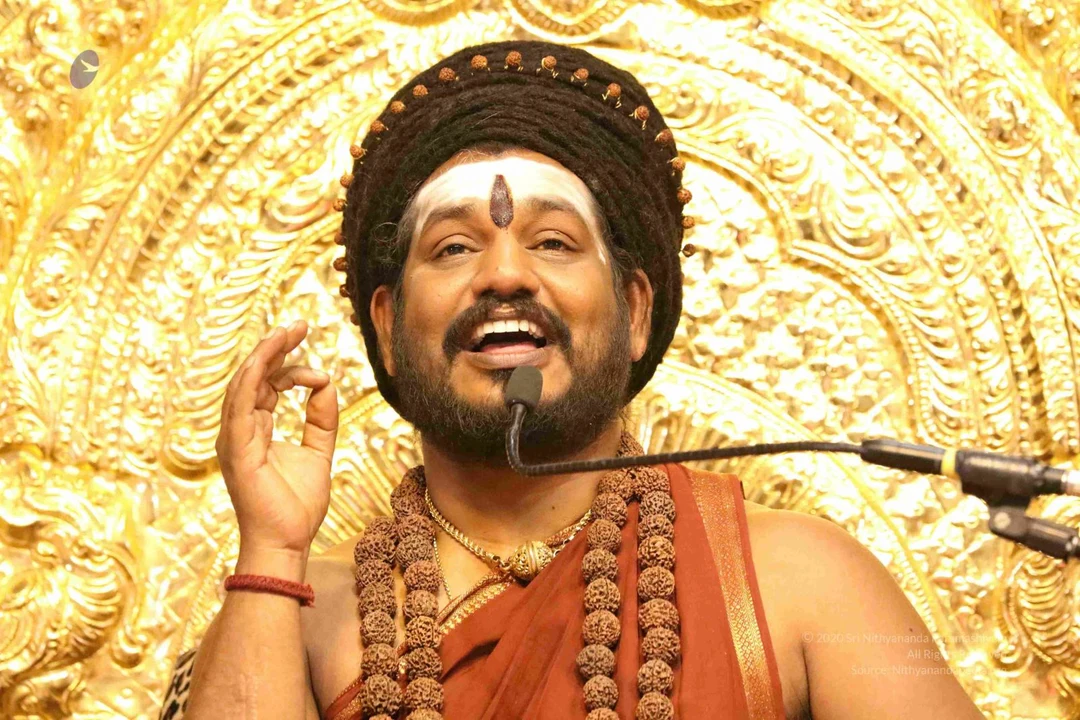 PERSON who knows he is integrated can DECLARE. Start practicing declaring and manifesting- HDH Paramahamsa Nithyananda
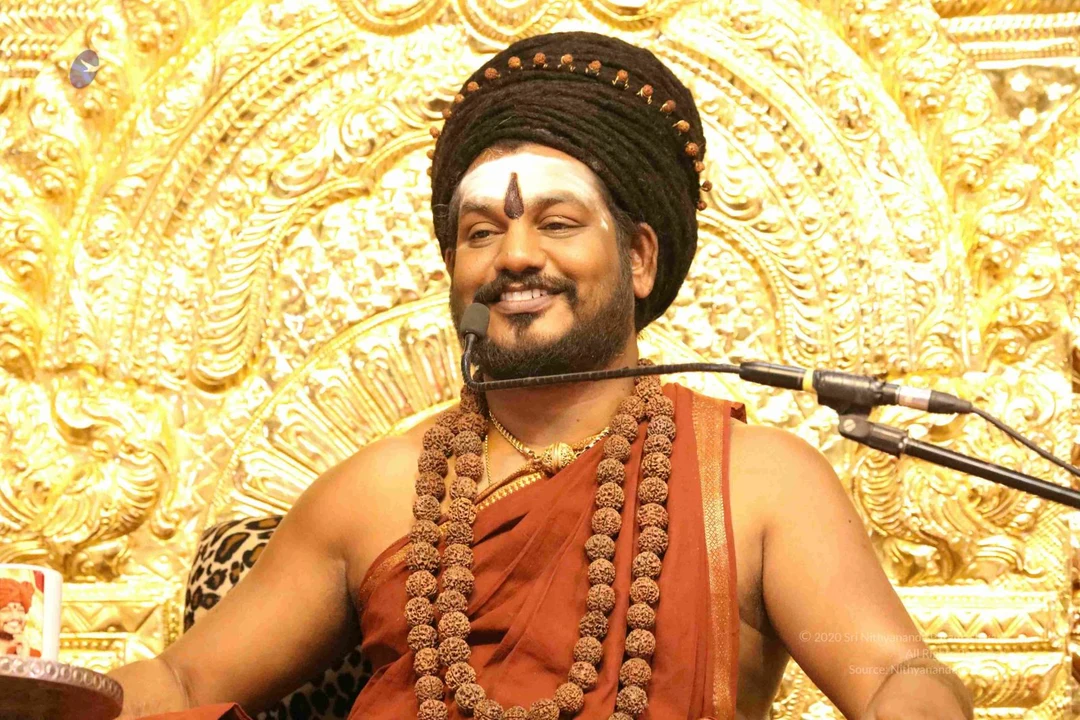 PERSON who knows he is integrated can DECLARE. Start practicing declaring and manifesting- HDH Paramahamsa Nithyananda
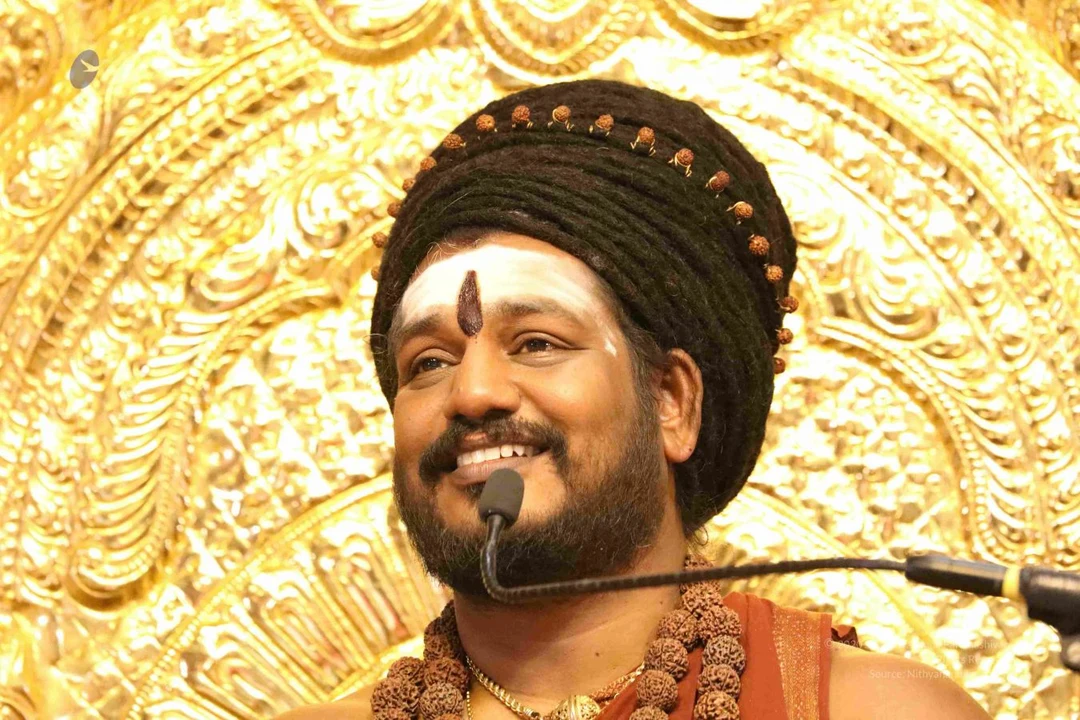 Guru Disciple tradition is ALIVE, Hinduism will be alive- HDH Paramahamsa Nithyananda
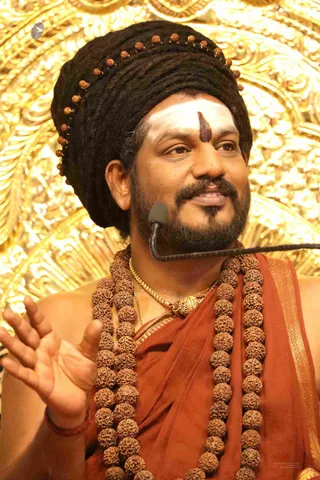 Guru Disciple tradition is ALIVE, Hinduism will be alive- HDH Paramahamsa Nithyananda
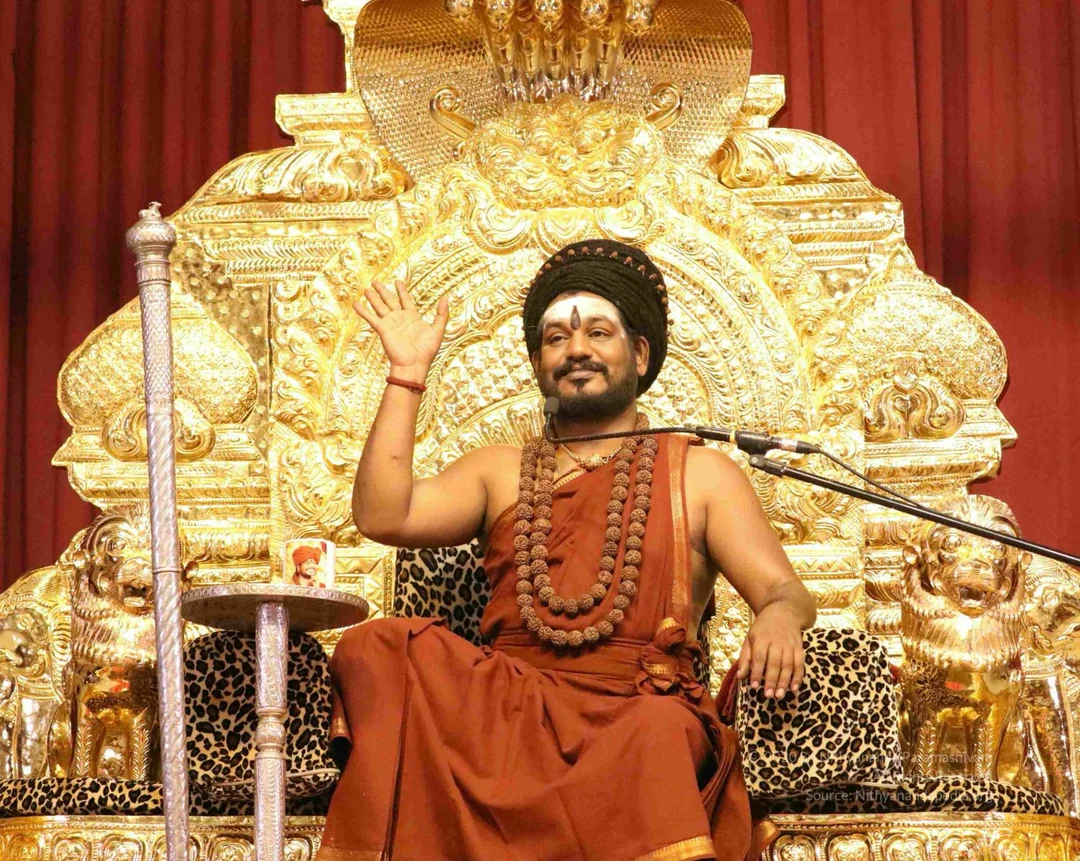 Guru Disciple tradition is ALIVE, Hinduism will be alive- HDH Paramahamsa Nithyananda
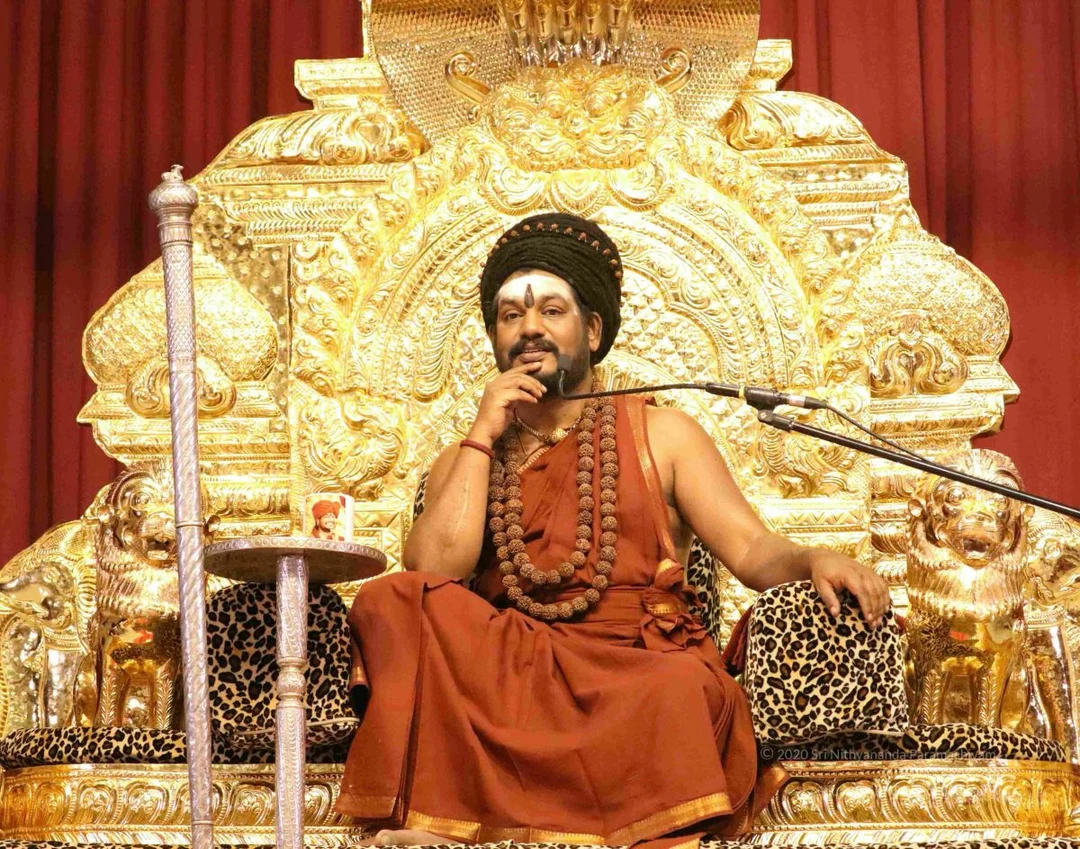 Guru Disciple tradition is ALIVE, Hinduism will be alive- HDH Paramahamsa Nithyananda
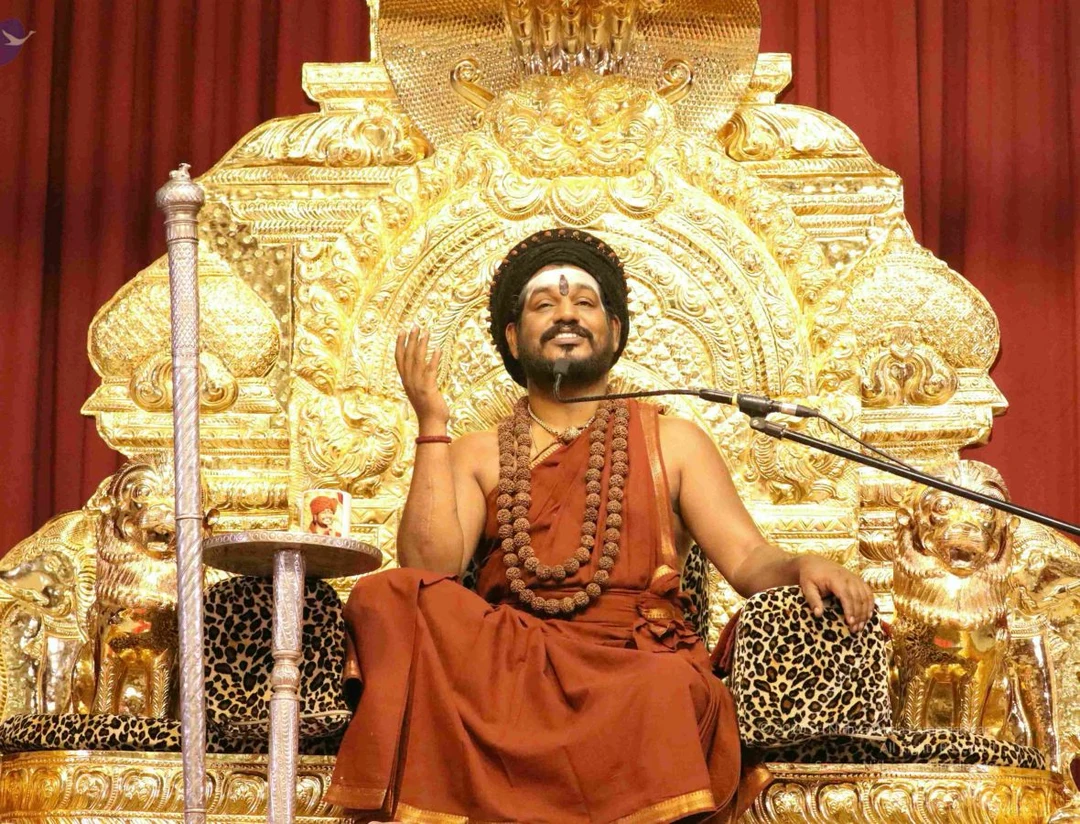 Guru Disciple tradition is ALIVE, Hinduism will be alive- HDH Paramahamsa Nithyananda
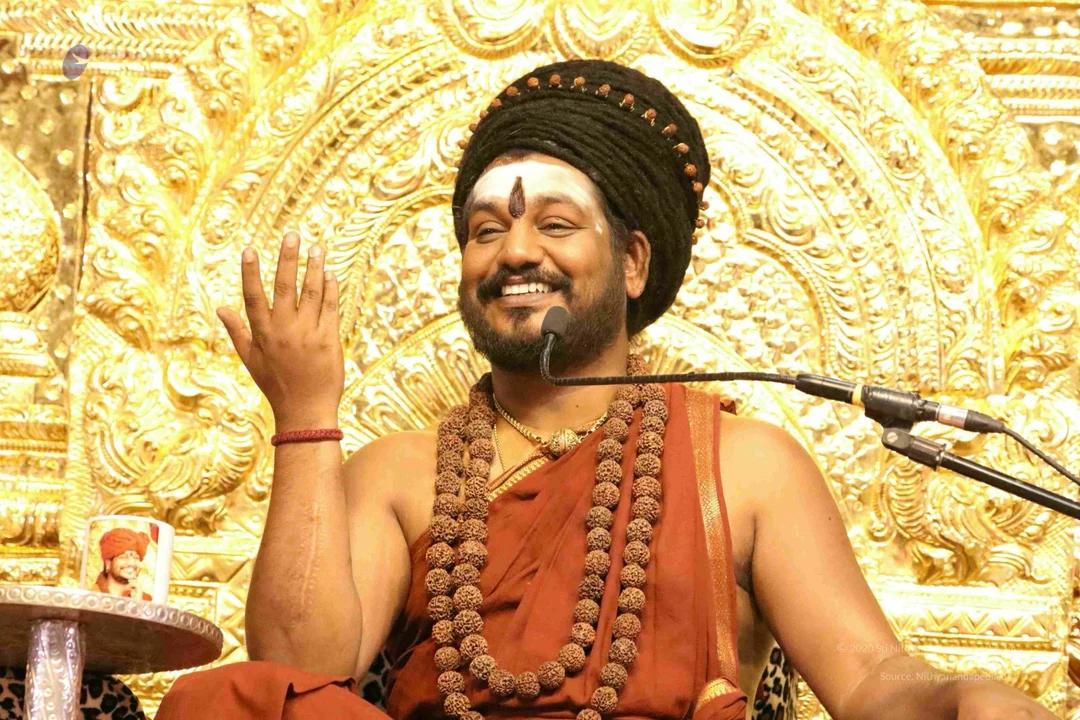 Guru Disciple tradition is ALIVE, Hinduism will be alive- HDH Paramahamsa Nithyananda
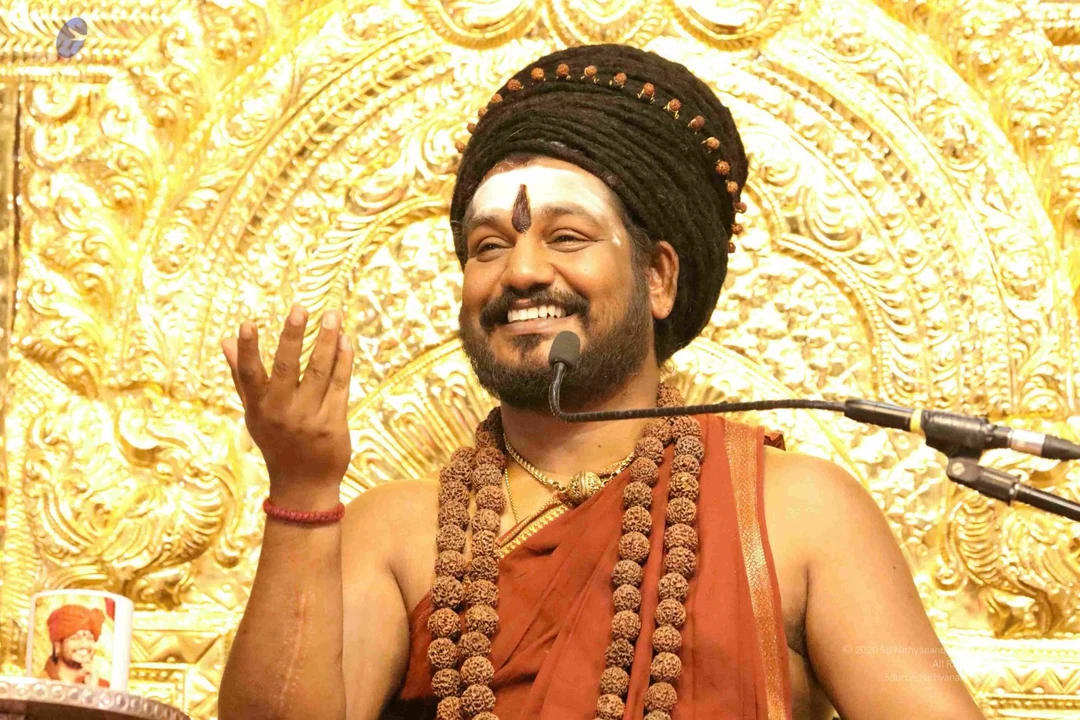 HINDUISM IS ALL ABOUT OPENNESS, EXTREME JOY, ECSTASY, SPIRITUAL BLISS, ENLIGHTENMENT
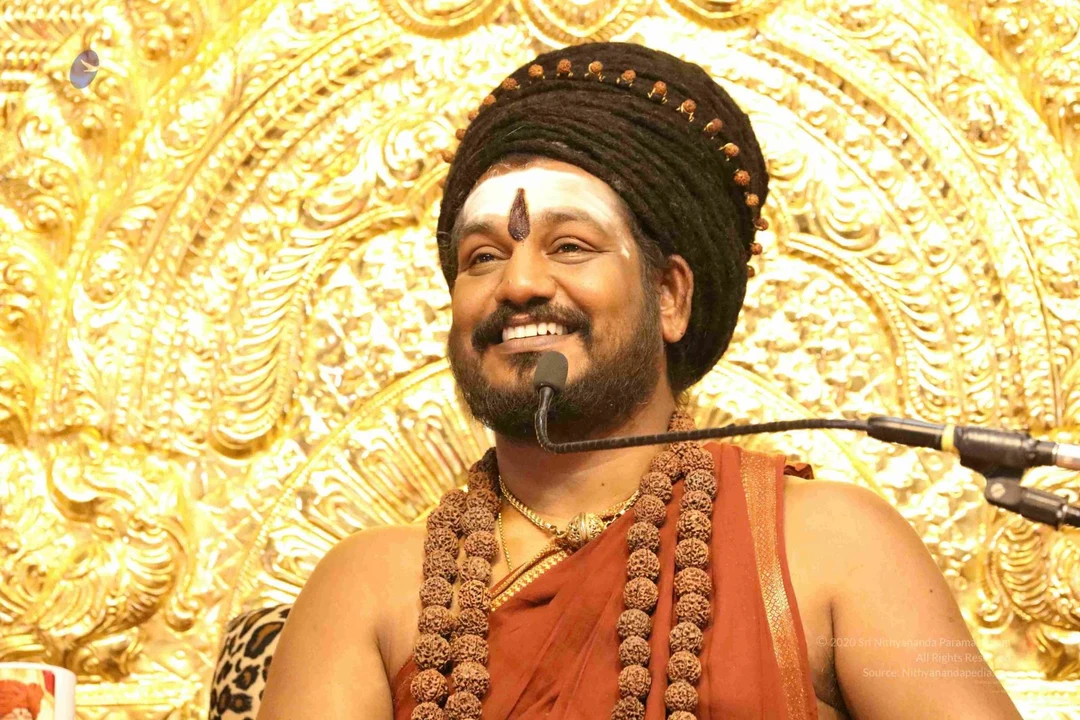 HINDUISM IS ALL ABOUT OPENNESS, EXTREME JOY, ECSTASY, SPIRITUAL BLISS, ENLIGHTENMENT
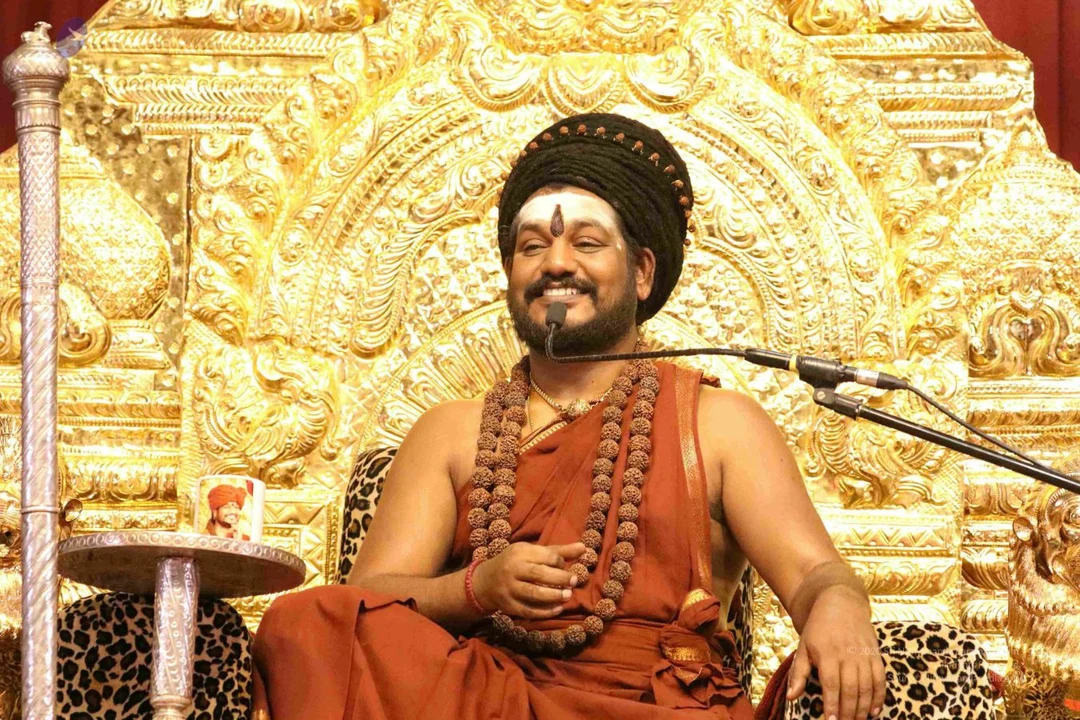 HINDUISM IS ALL ABOUT OPENNESS, EXTREME JOY, ECSTASY, SPIRITUAL BLISS, ENLIGHTENMENT
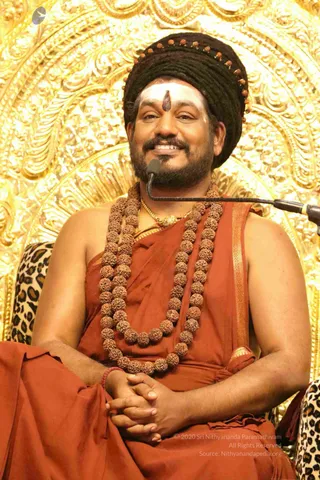 HINDUISM IS ALL ABOUT OPENNESS, EXTREME JOY, ECSTASY, SPIRITUAL BLISS, ENLIGHTENMENT
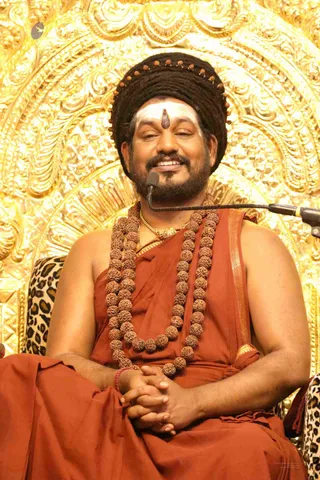 HINDUISM IS ALL ABOUT OPENNESS, EXTREME JOY, ECSTASY, SPIRITUAL BLISS, ENLIGHTENMENT
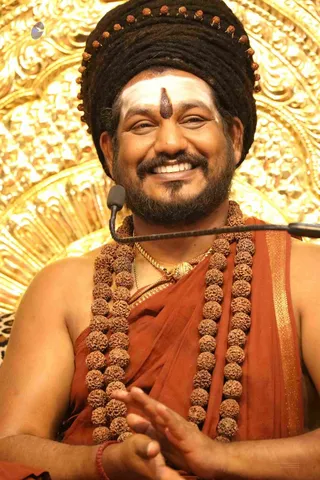 HINDUISM IS ALL ABOUT OPENNESS, EXTREME JOY, ECSTASY, SPIRITUAL BLISS, ENLIGHTENMENT
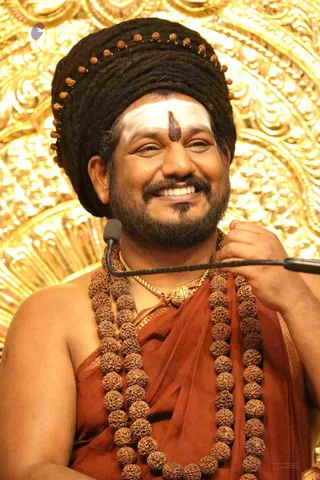 HINDUISM IS ALL ABOUT OPENNESS, EXTREME JOY, ECSTASY, SPIRITUAL BLISS, ENLIGHTENMENT
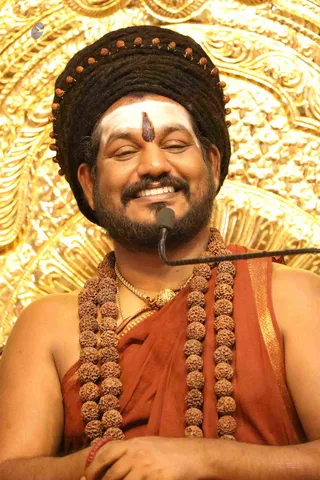 HINDUISM IS ALL ABOUT OPENNESS, EXTREME JOY, ECSTASY, SPIRITUAL BLISS, ENLIGHTENMENT
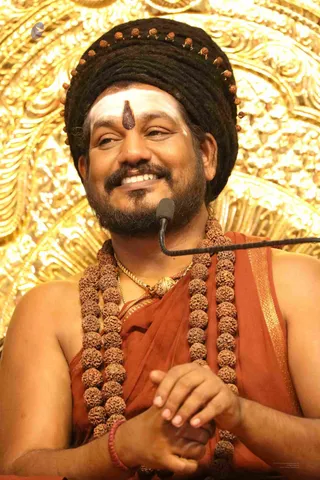 Core and backbone of Hinduism is Guru Disciple tradition
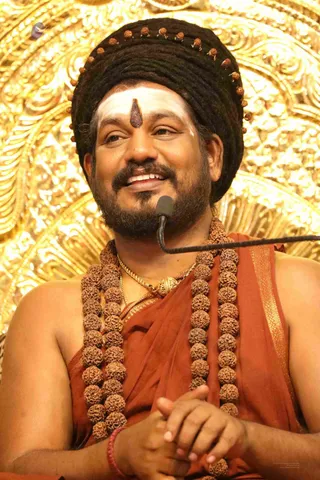 Core and backbone of Hinduism is Guru Disciple tradition
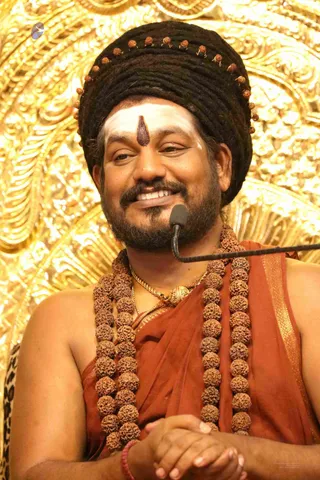 Core and backbone of Hinduism is Guru Disciple tradition
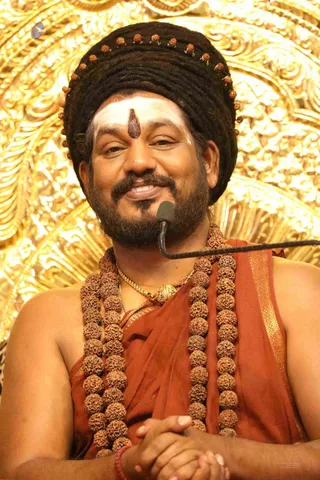 Core and backbone of Hinduism is Guru Disciple tradition
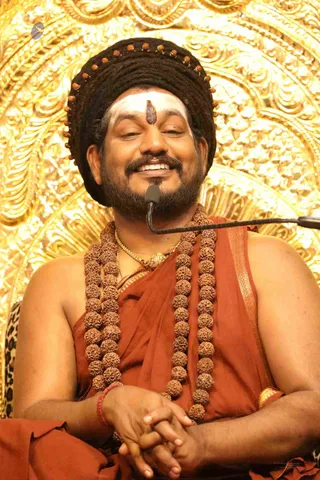 Core and backbone of Hinduism is Guru Disciple tradition
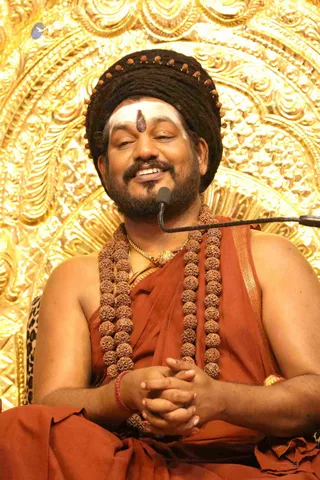 Core and backbone of Hinduism is Guru Disciple tradition
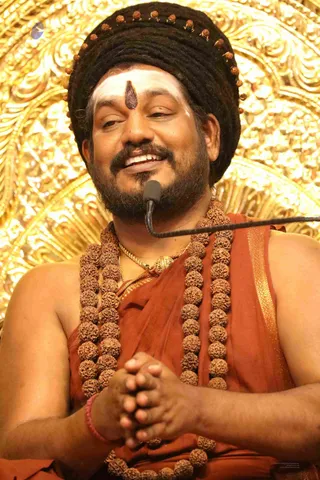 PARAMASHIVA MANIFESTING THROUGH YOUR BODY IS PARAMASHIVATVA
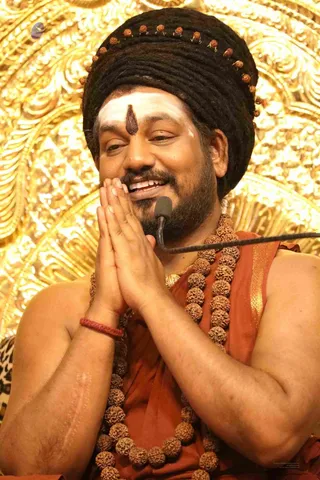 PARAMASHIVA MANIFESTING THROUGH YOUR BODY IS PARAMASHIVATVA
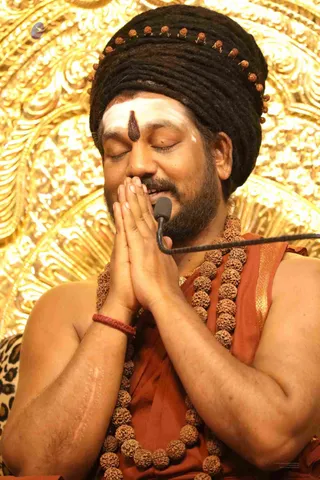 PARAMASHIVA MANIFESTING THROUGH YOUR BODY IS PARAMASHIVATVA
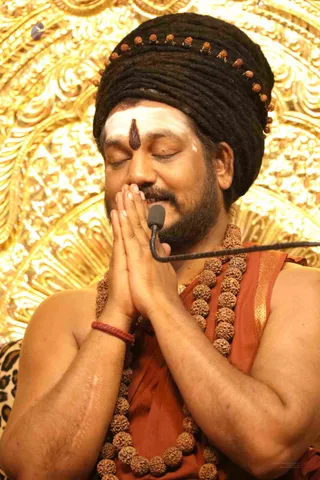 PARAMASHIVA MANIFESTING THROUGH YOUR BODY IS PARAMASHIVATVA
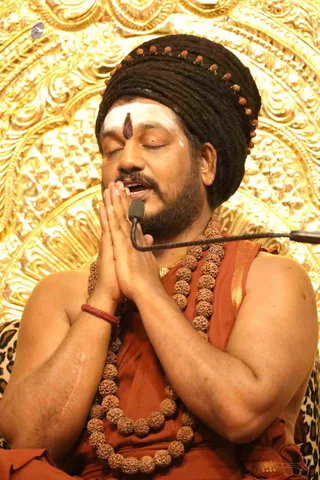 PARAMASHIVA MANIFESTING THROUGH YOUR BODY IS PARAMASHIVATVA
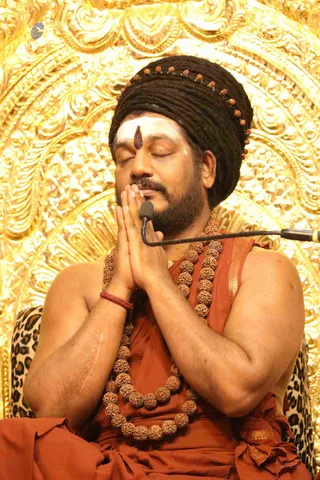 PARAMASHIVA MANIFESTING THROUGH YOUR BODY IS PARAMASHIVATVA
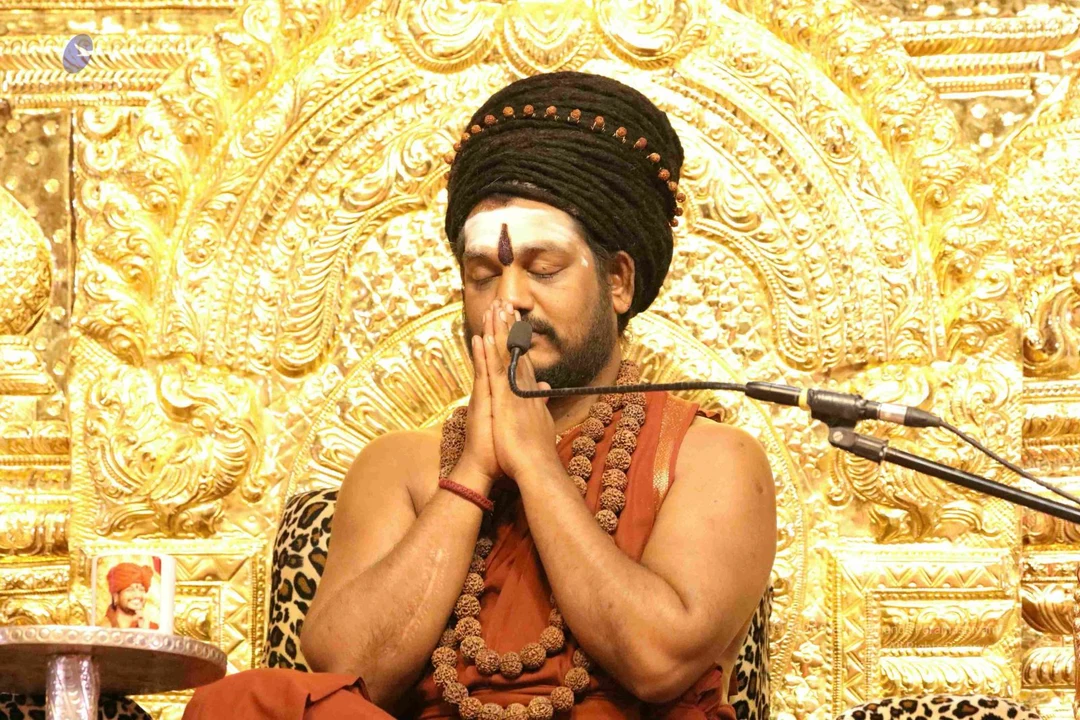 PARAMASHIVA MANIFESTING THROUGH YOUR BODY IS PARAMASHIVATVA
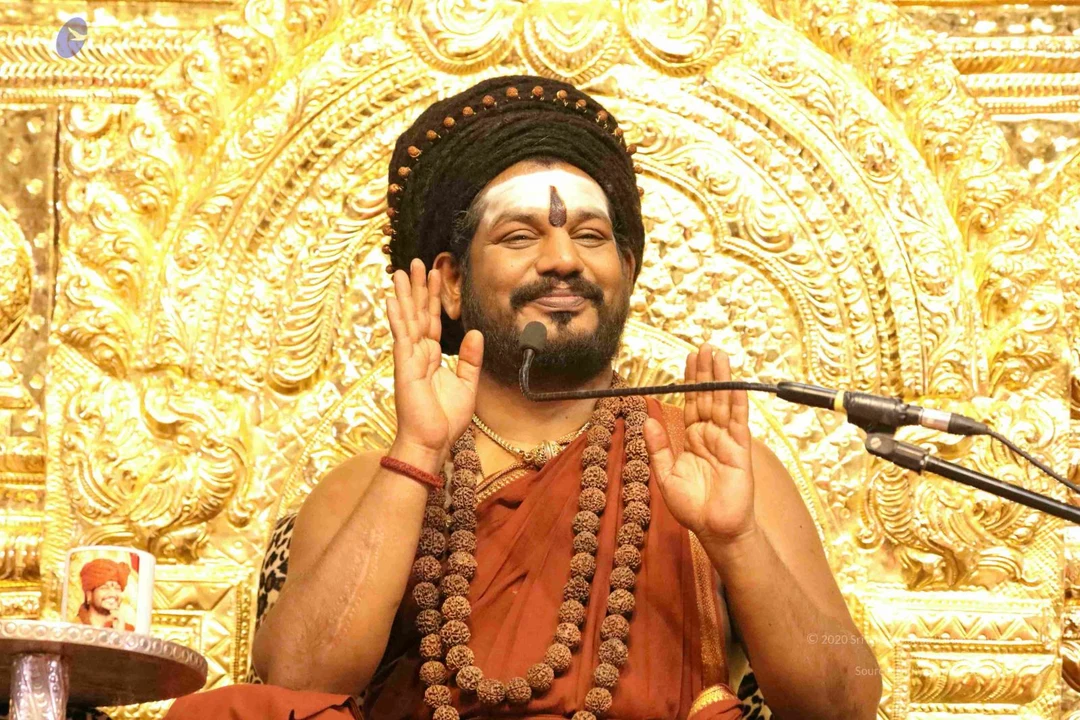 ENRICH YOURSELF AND ENREACH THE WORLD WITH LIVING ENLIGHTENMENT LIFESTYLE
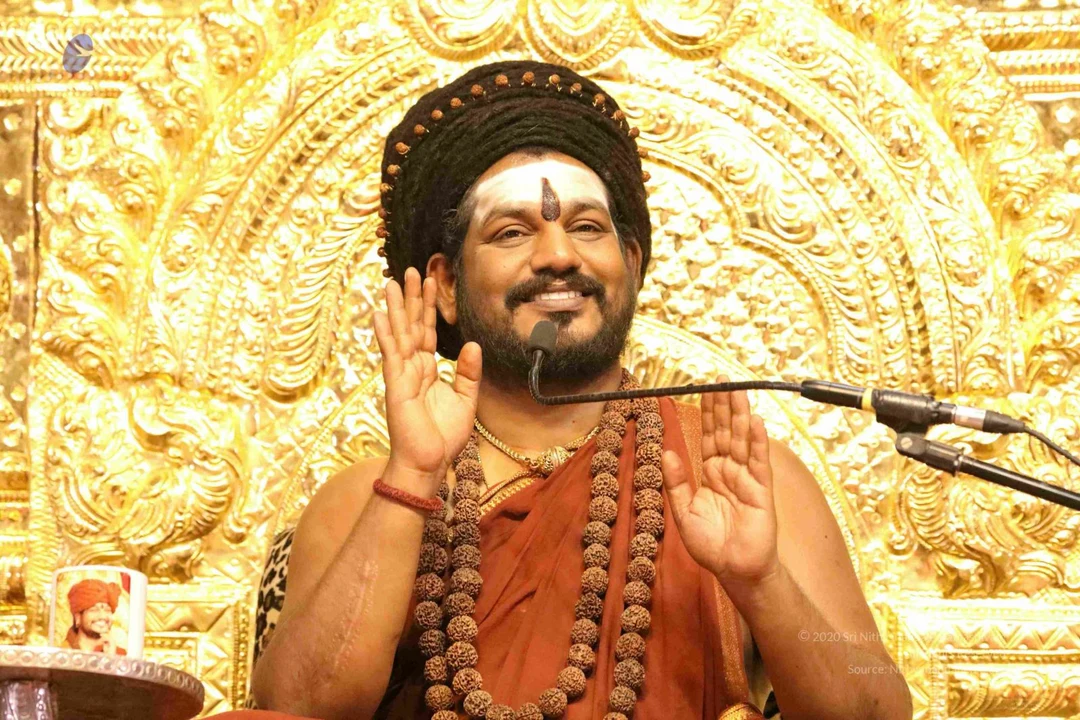 ENRICH YOURSELF AND ENREACH THE WORLD WITH LIVING ENLIGHTENMENT LIFESTYLE
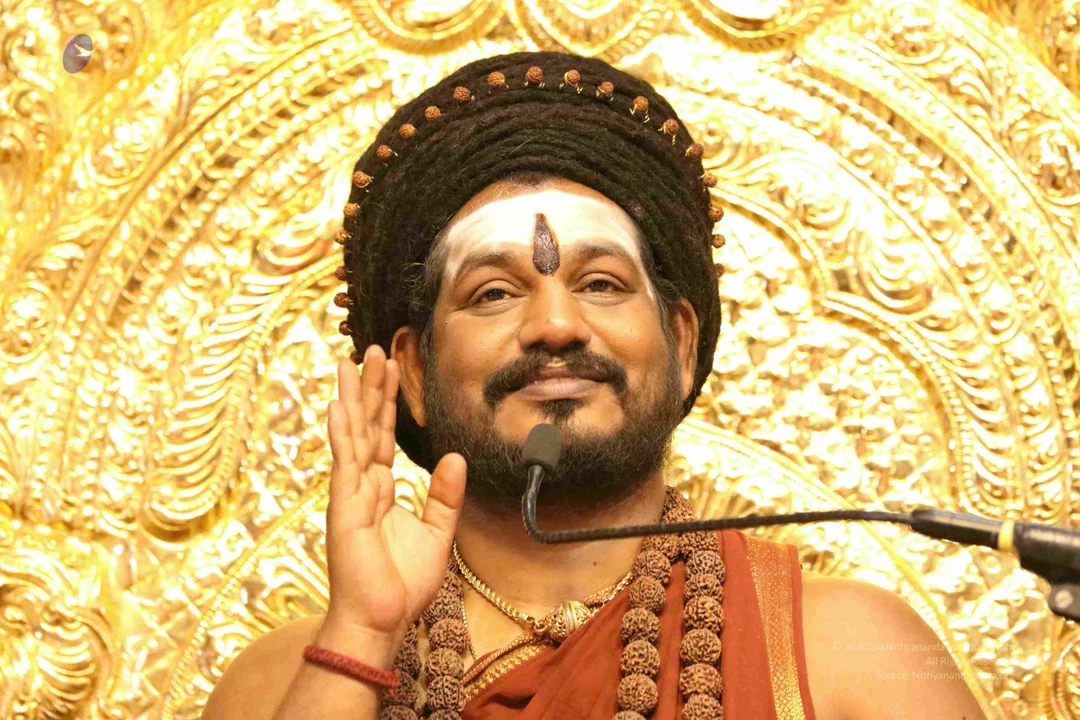 ENRICH YOURSELF AND ENREACH THE WORLD WITH LIVING ENLIGHTENMENT LIFESTYLE
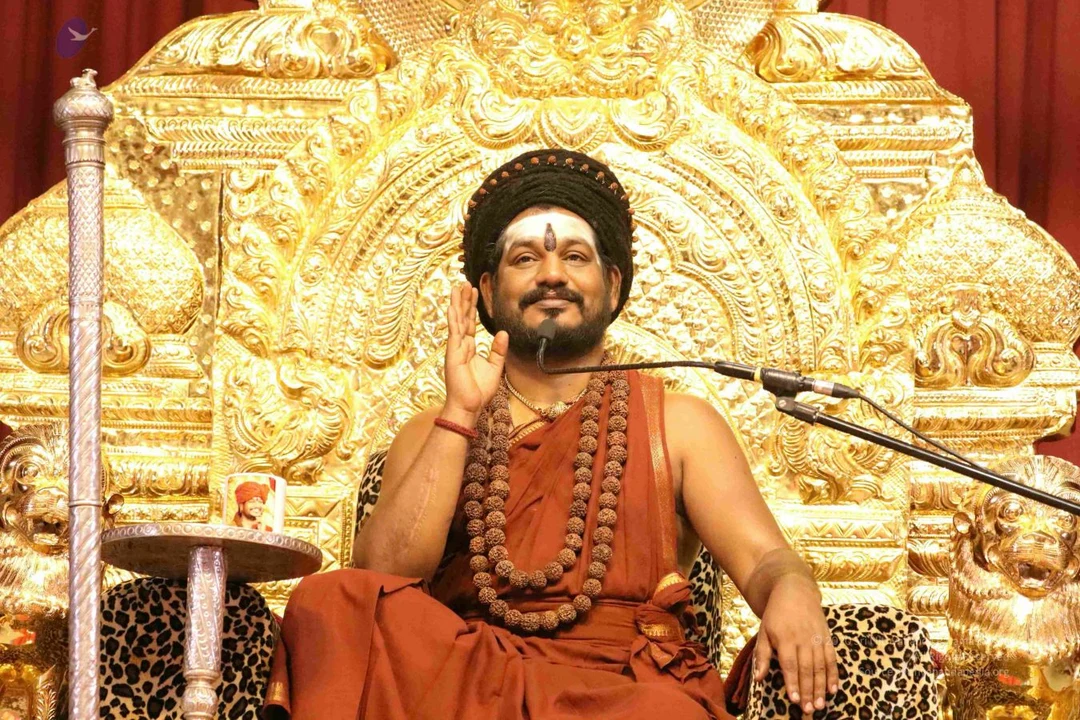 ENRICH YOURSELF AND ENREACH THE WORLD WITH LIVING ENLIGHTENMENT LIFESTYLE
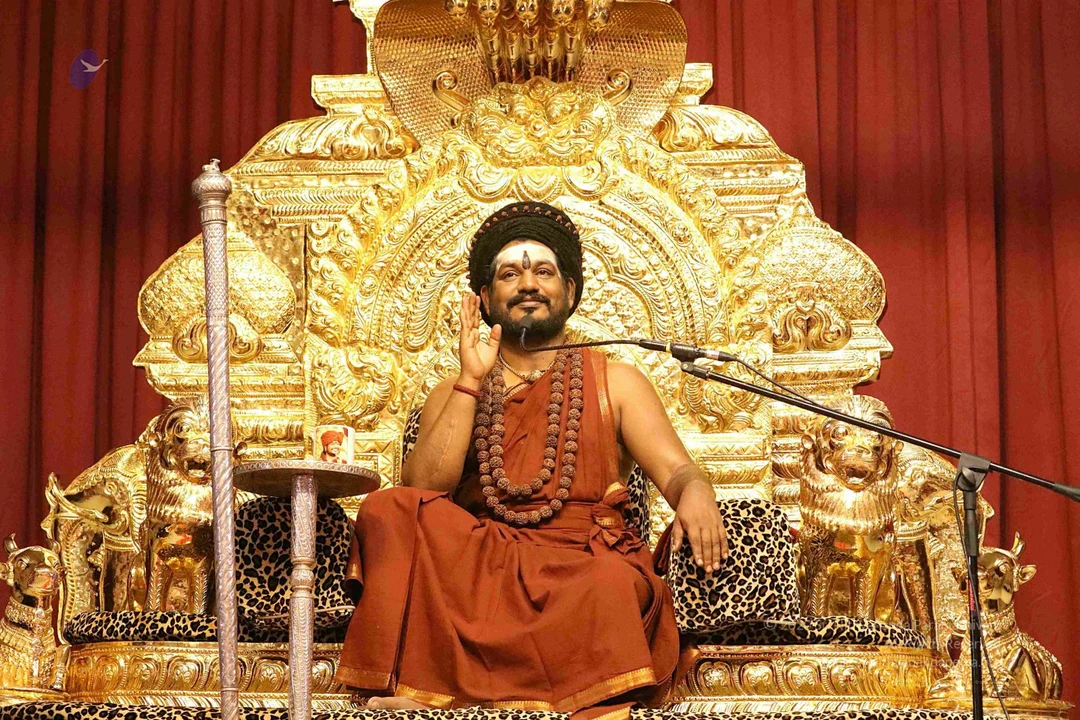 ENRICH YOURSELF AND ENREACH THE WORLD WITH LIVING ENLIGHTENMENT LIFESTYLE
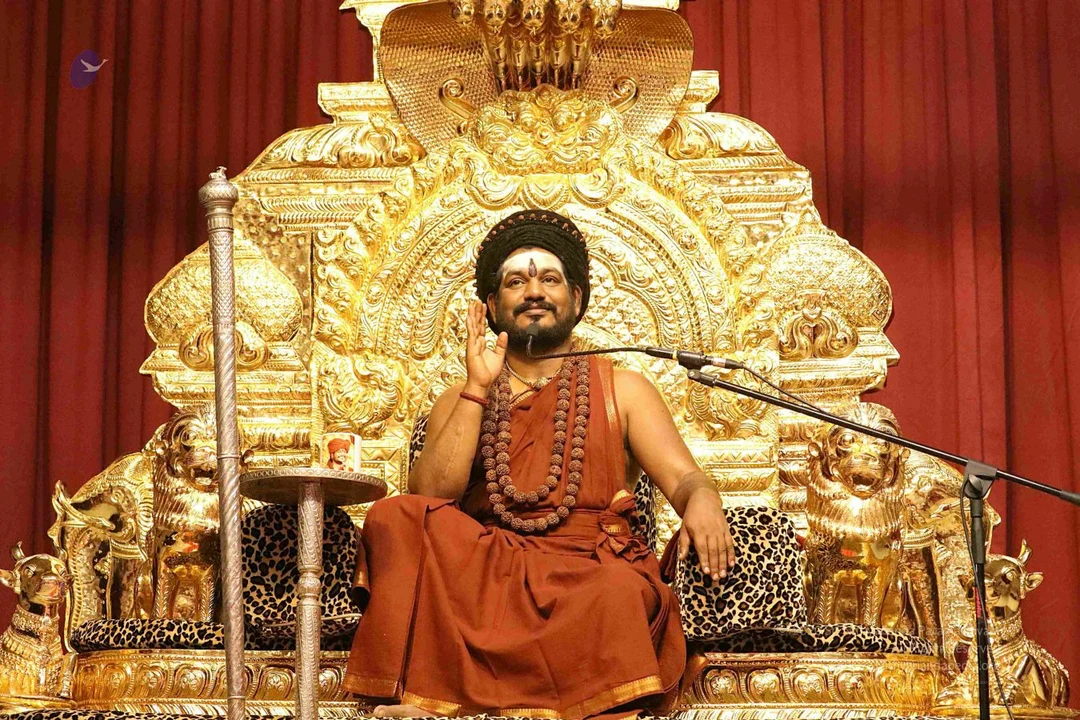 ENRICH YOURSELF AND ENREACH THE WORLD WITH LIVING ENLIGHTENMENT LIFESTYLE
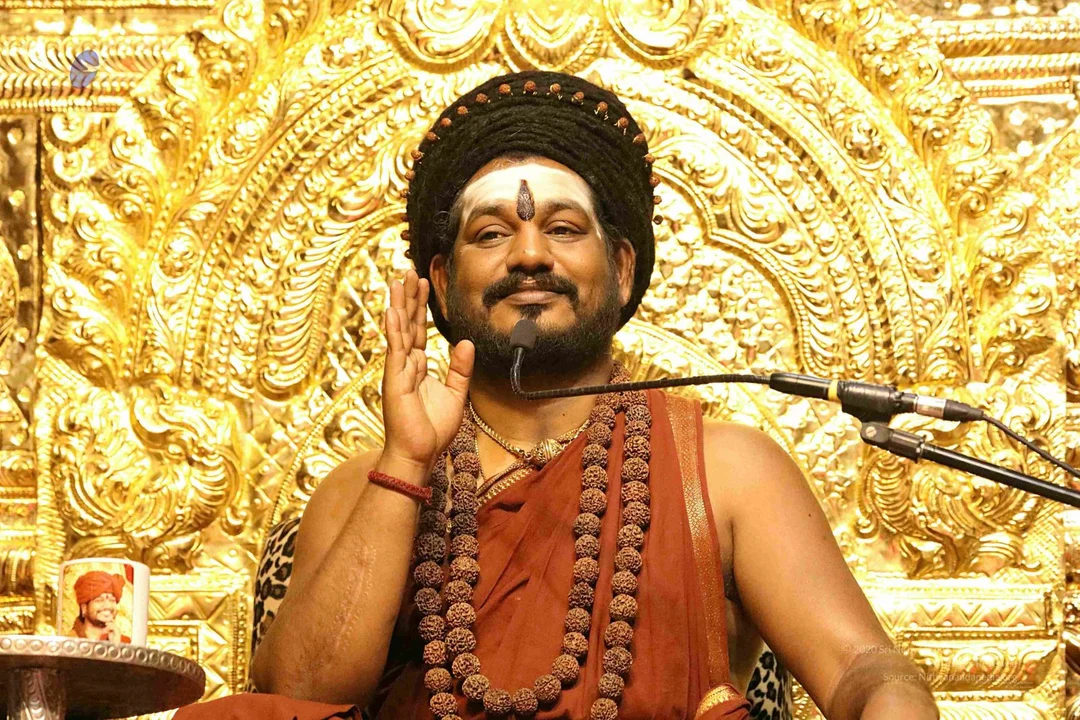 ENRICH YOURSELF AND ENREACH THE WORLD WITH LIVING ENLIGHTENMENT LIFESTYLE
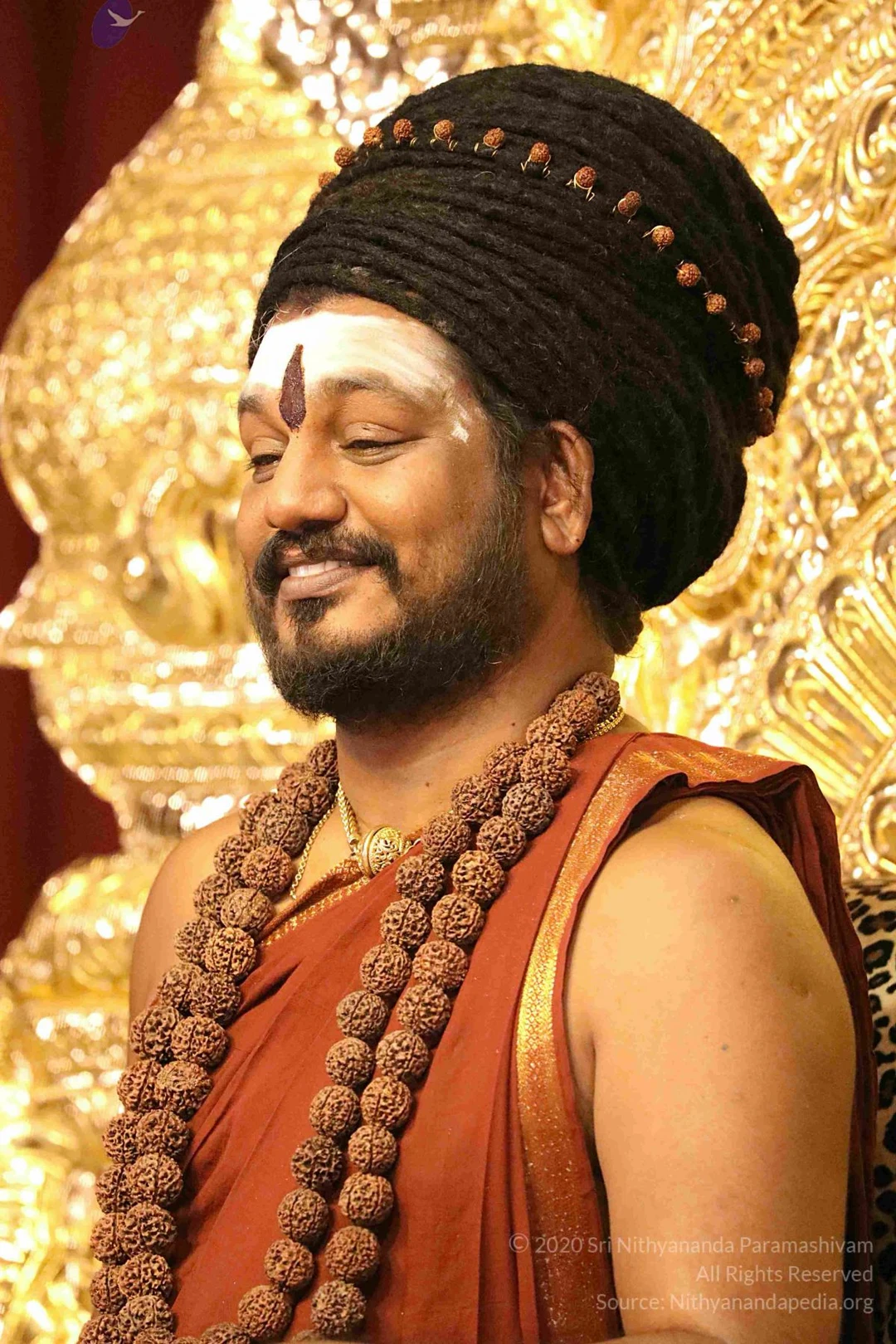
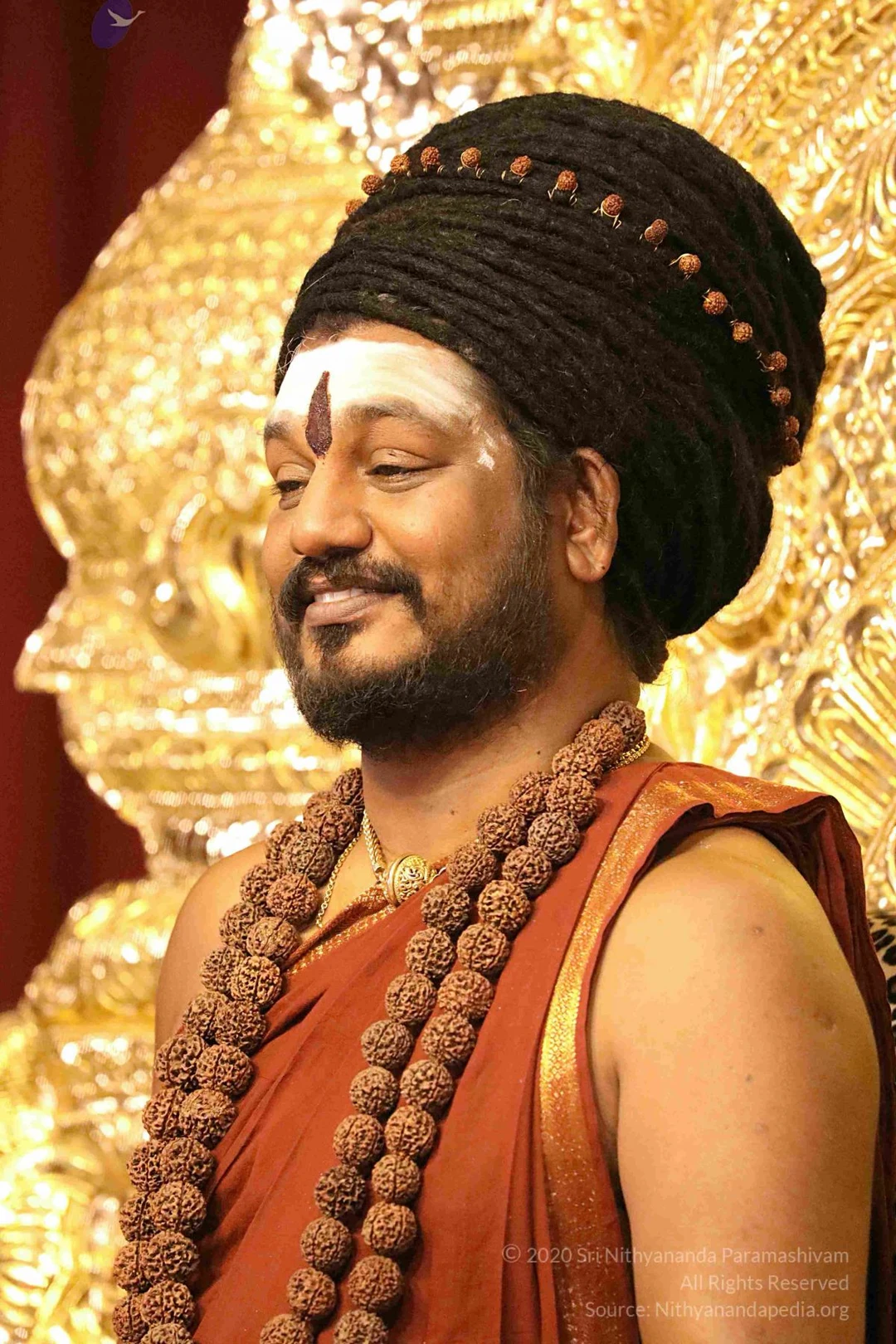
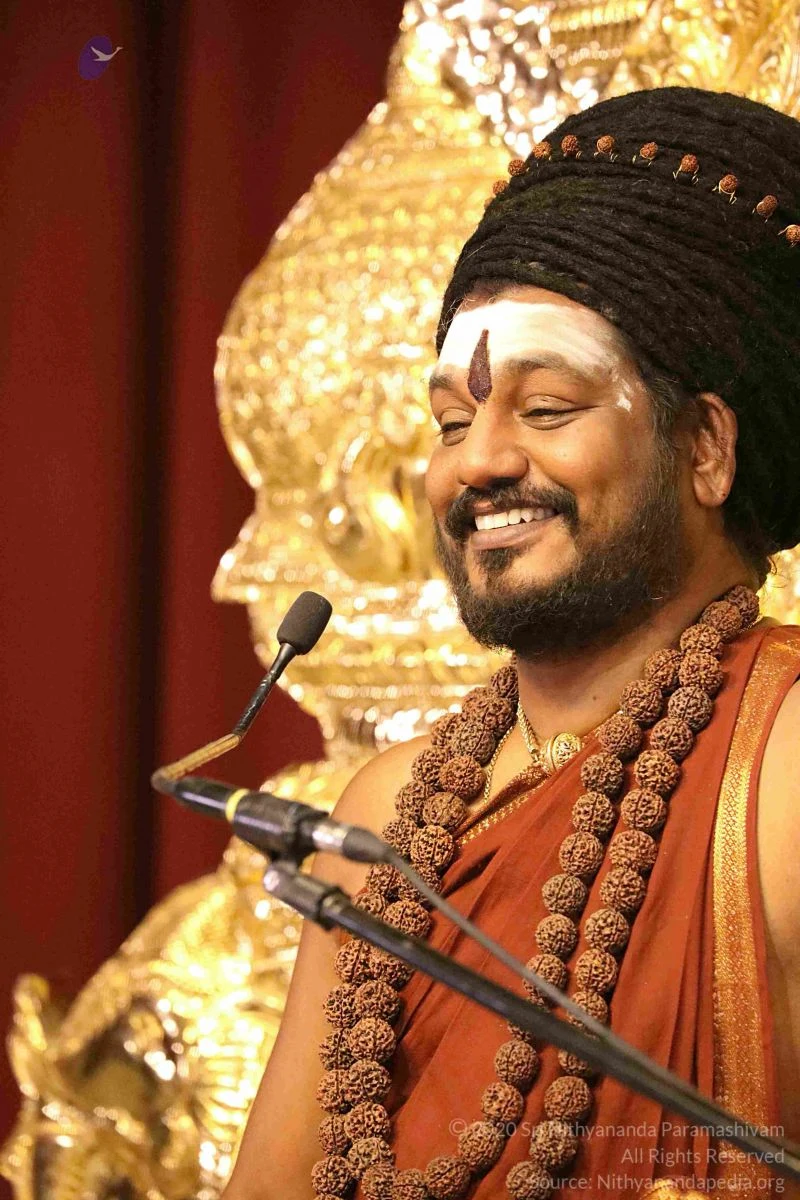
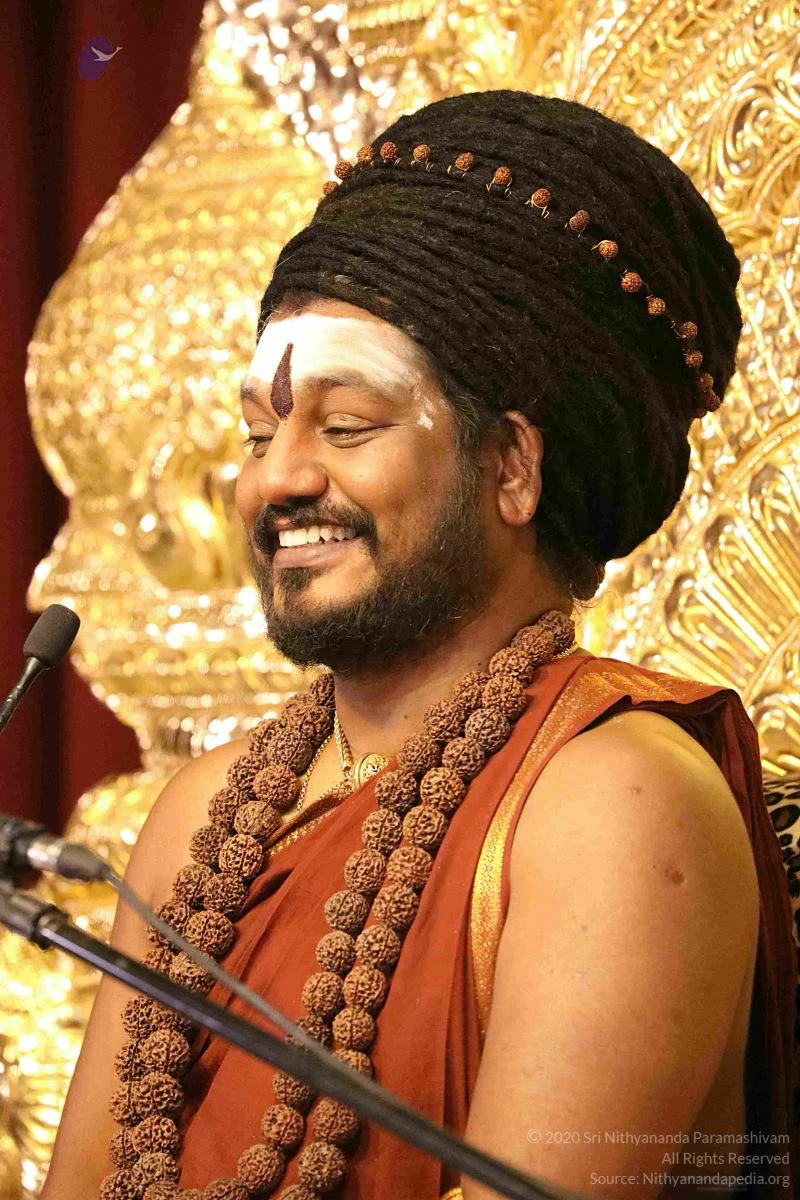
Link to Facebook Page
https://www.facebook.com/ParamahamsaNithyananda/posts/1648768428544334,
Photos from this day
View all 129 photos