Sunday
11 February 2018
Revival of Kailasa || Initiation of into Shiva Deeksha and Kalpataru Darshan at Mahasadashivohum || Secrets of Puja shared ||
- Dated photos
- 425
- Source pages
- 1
- Media
- 3
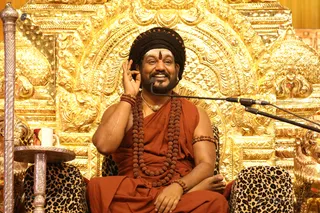
February 11 2018
Original wiki pageTitle
Revival of Kailasa || Initiation of into Shiva Deeksha and Kalpataru Darshan at Mahasadashivohum || Secrets of Puja shared ||
Narration
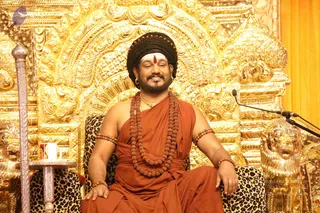
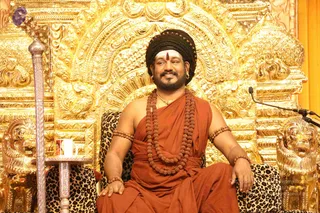
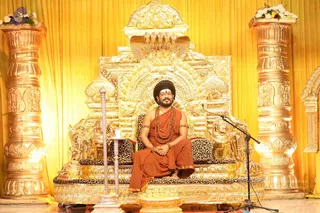
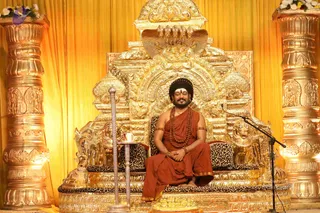
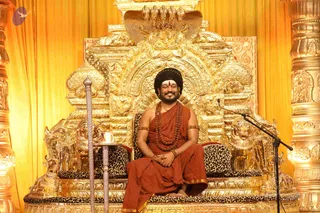
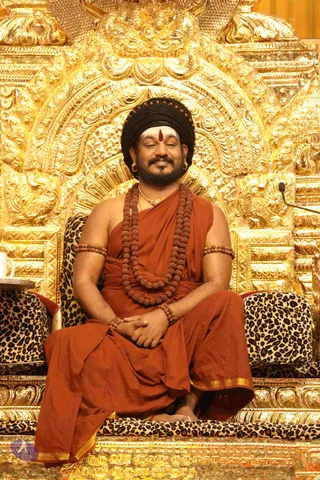
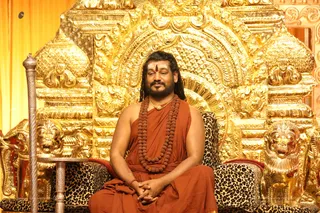
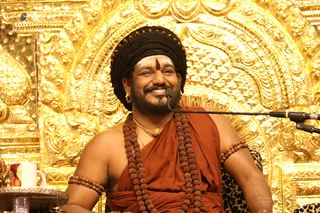
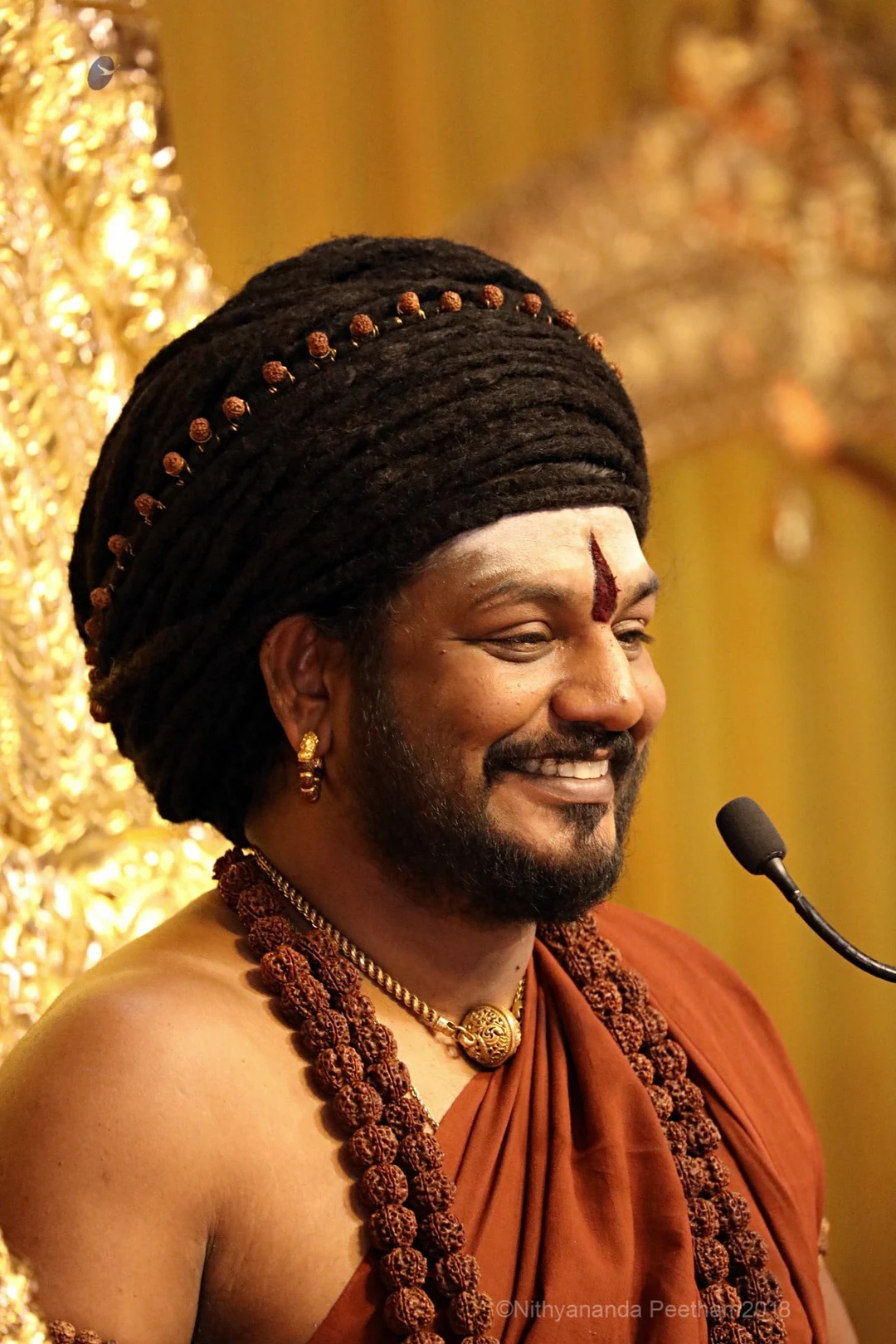
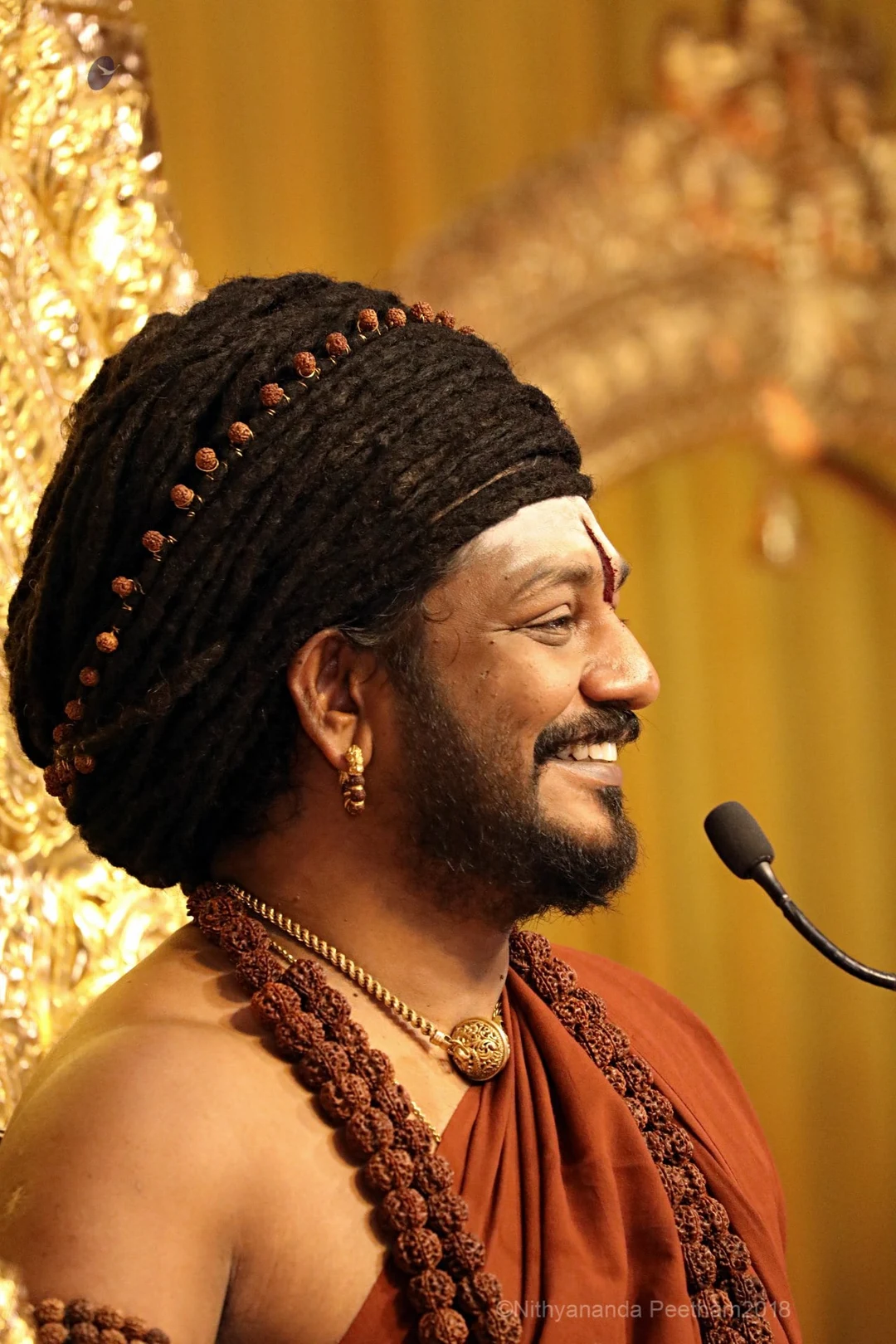
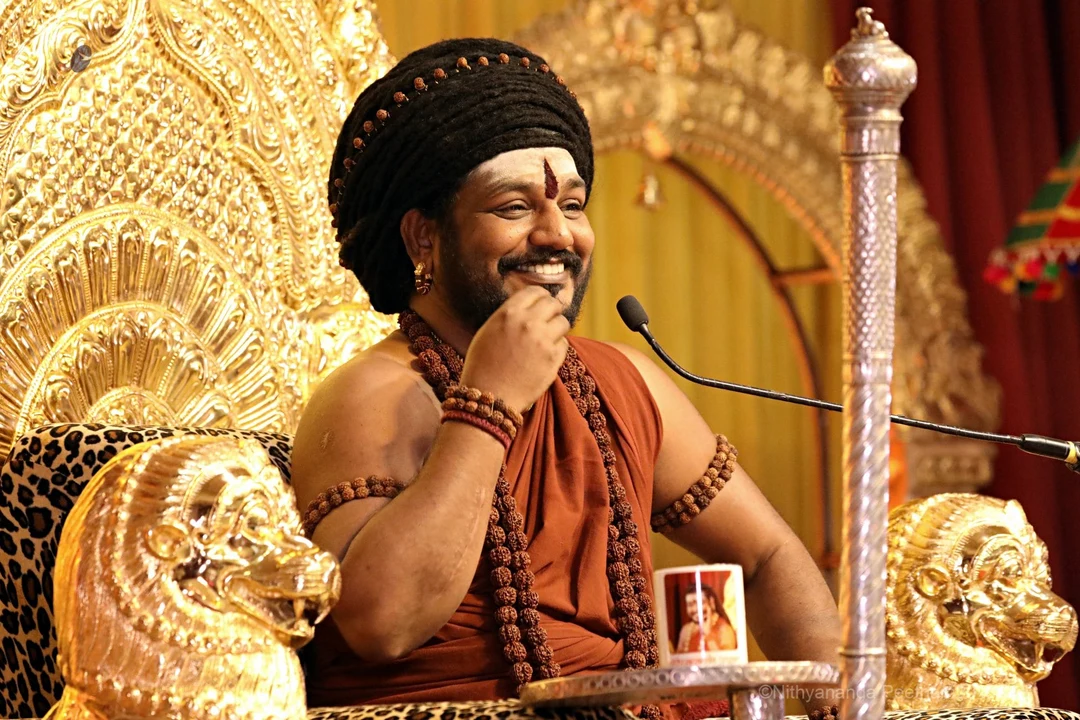
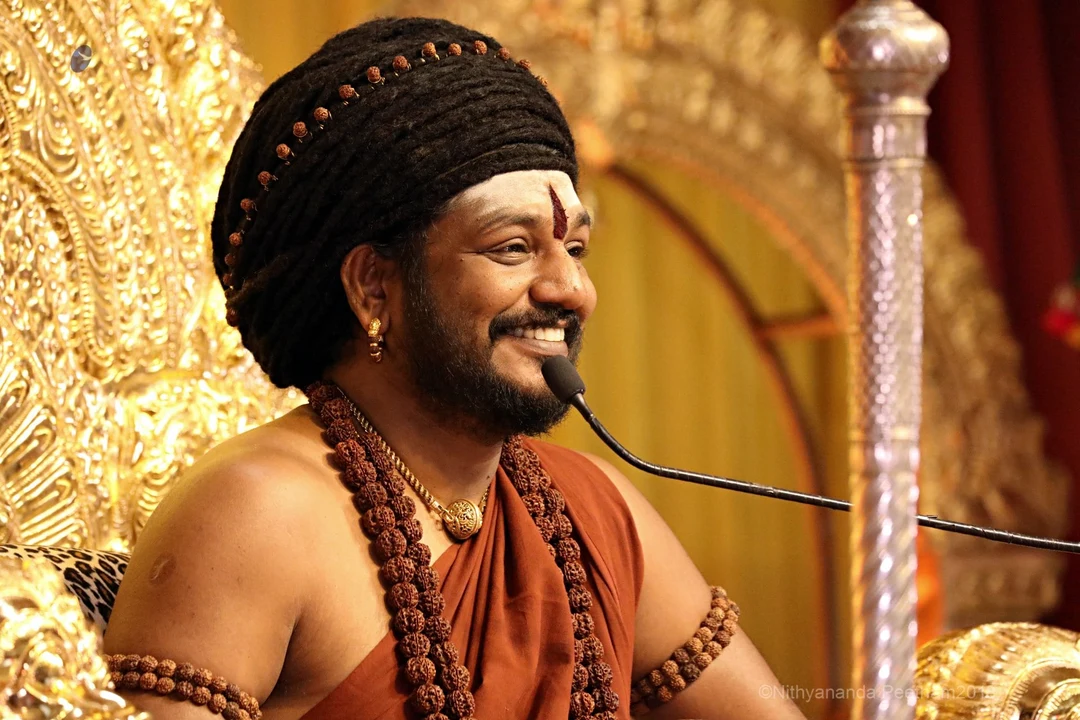
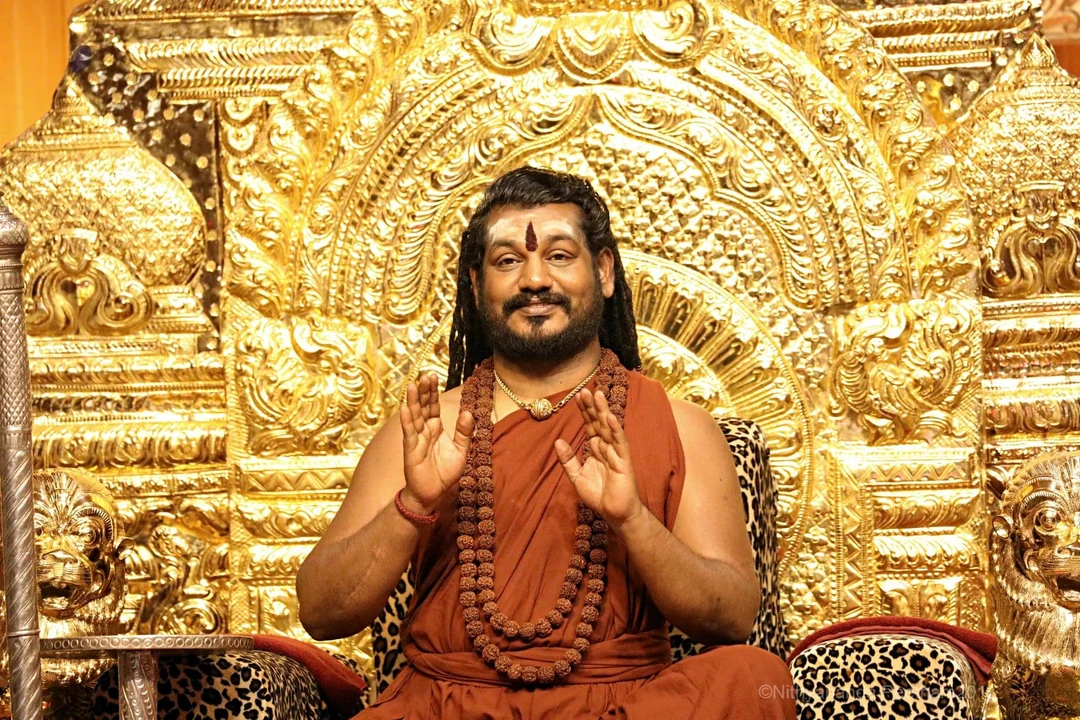
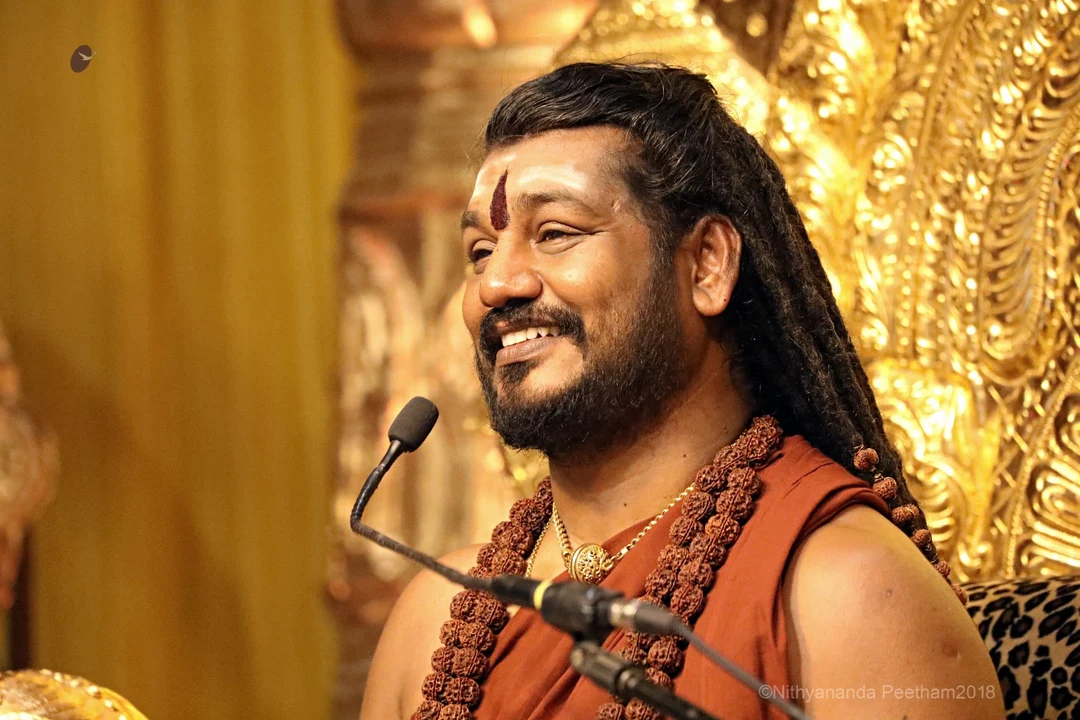
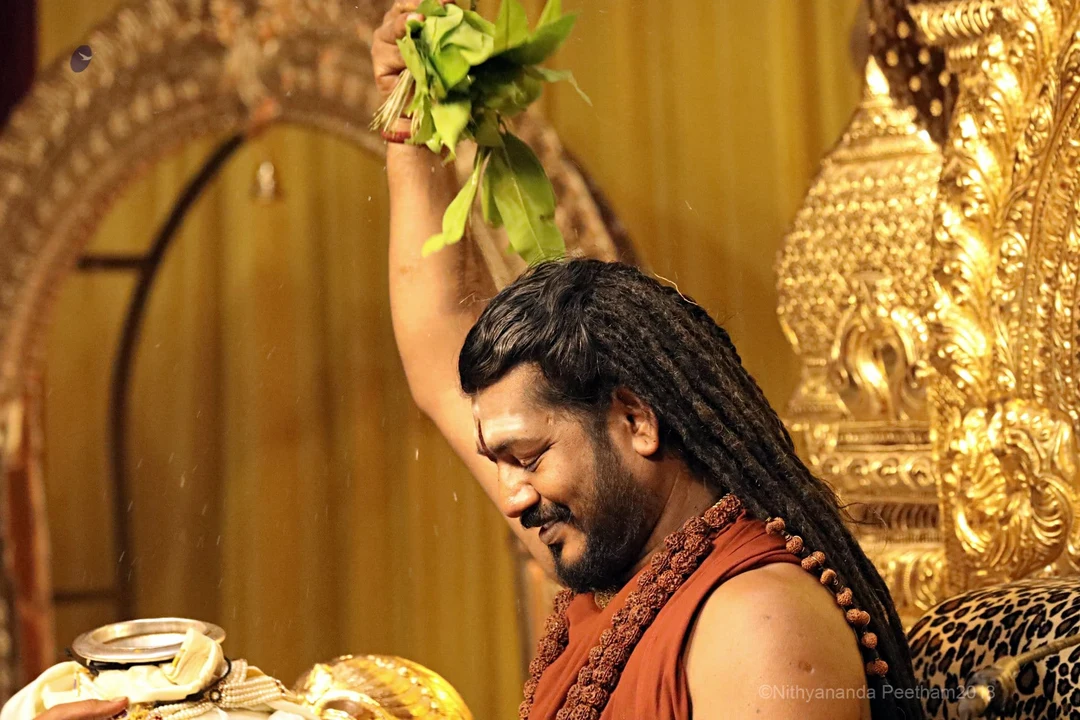
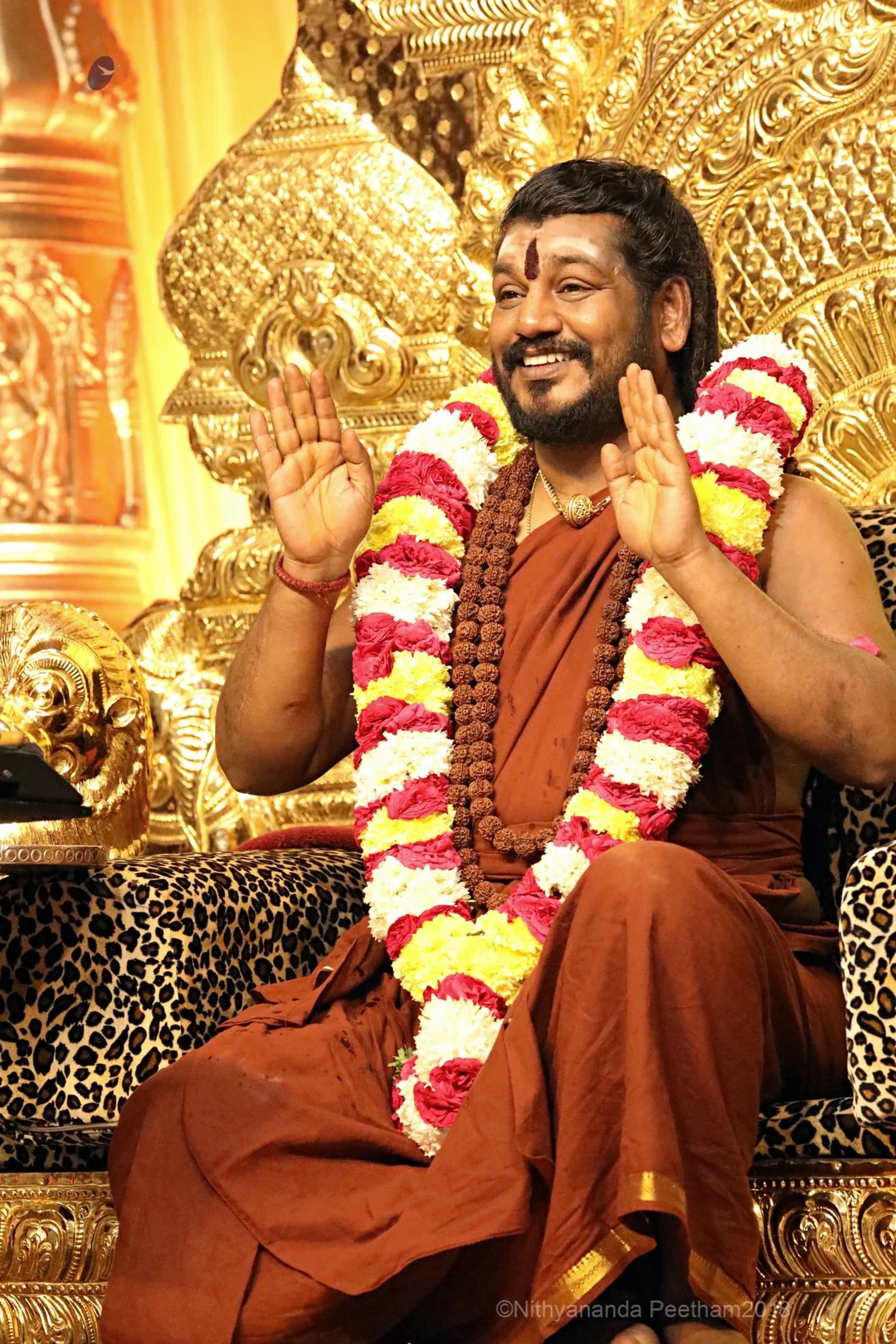
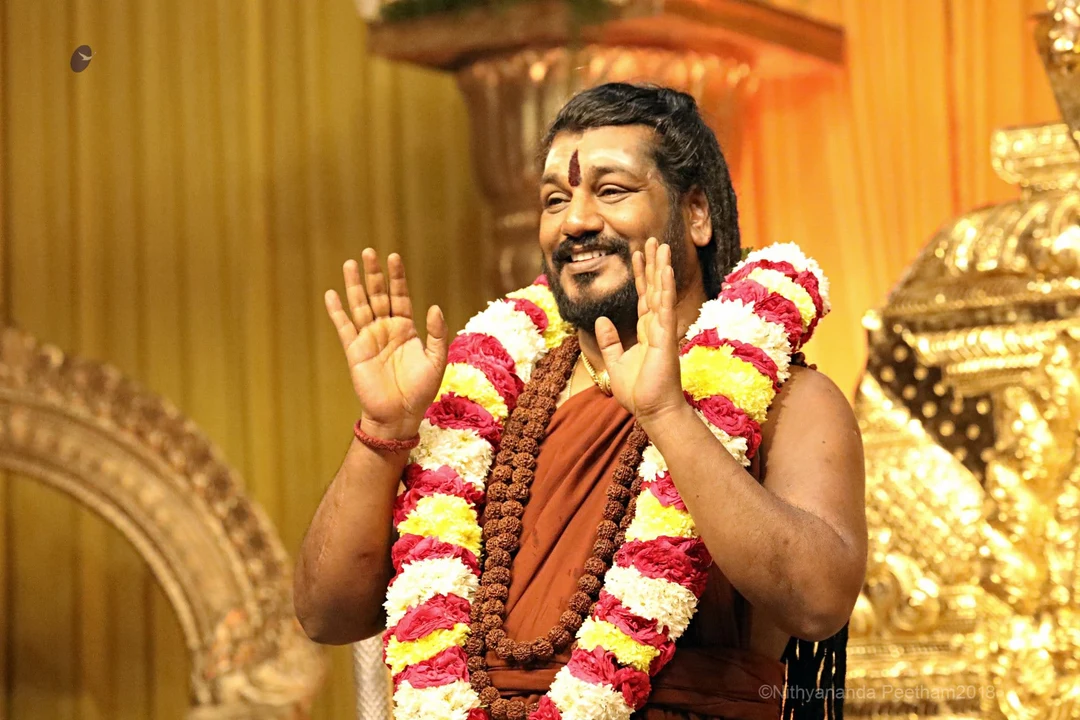
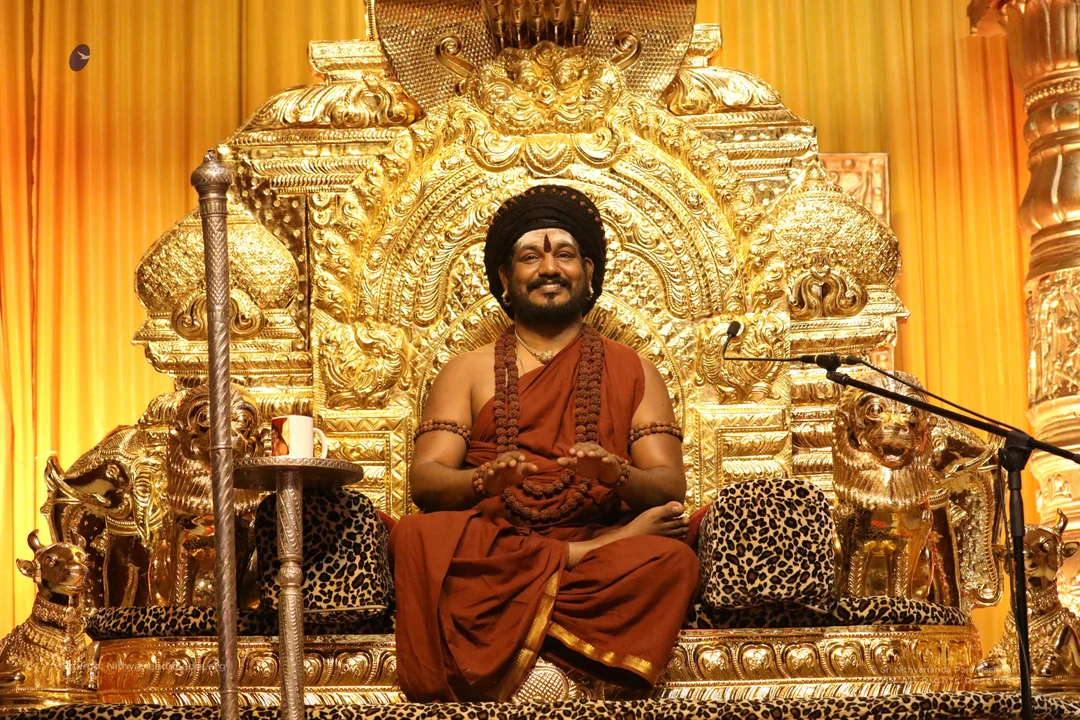
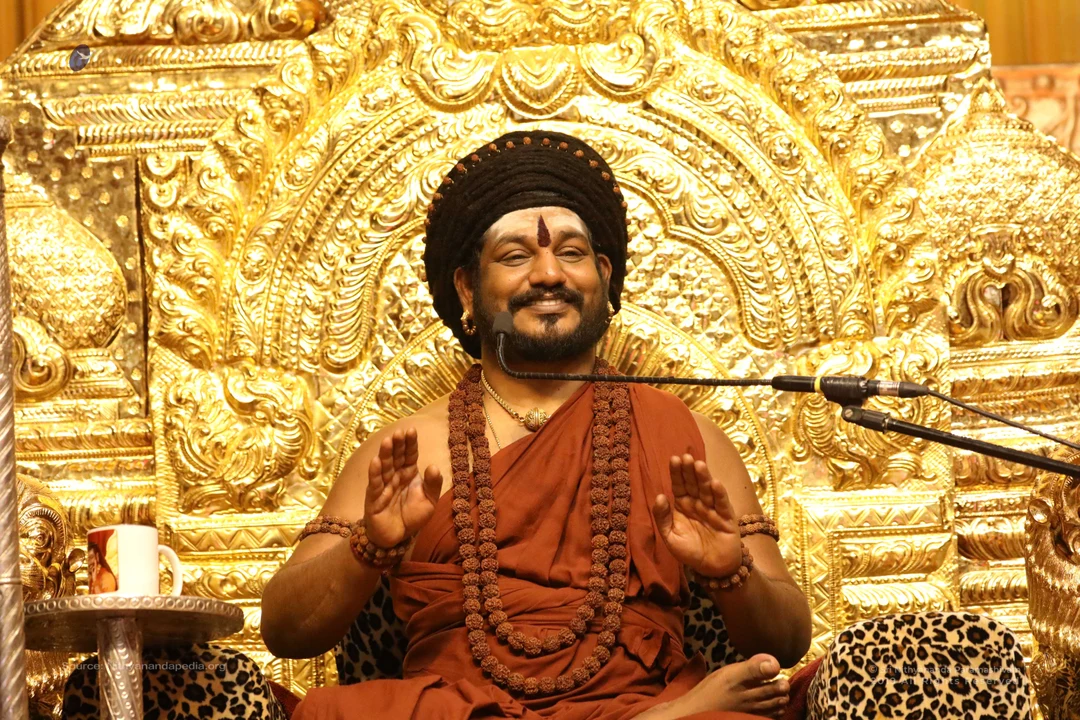
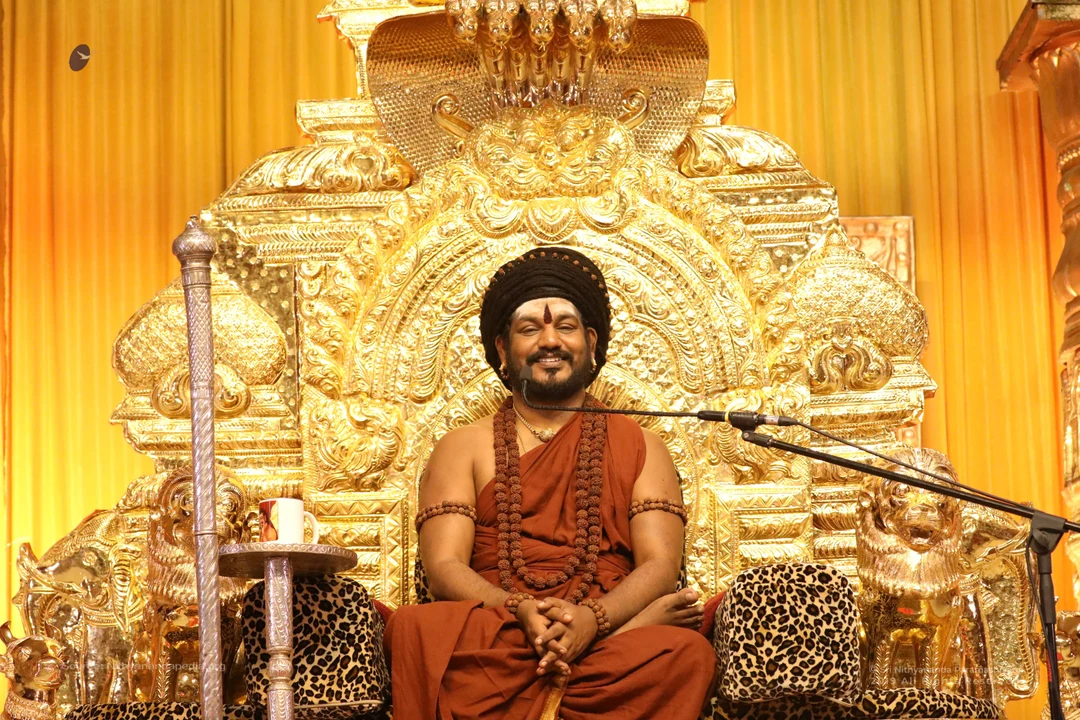
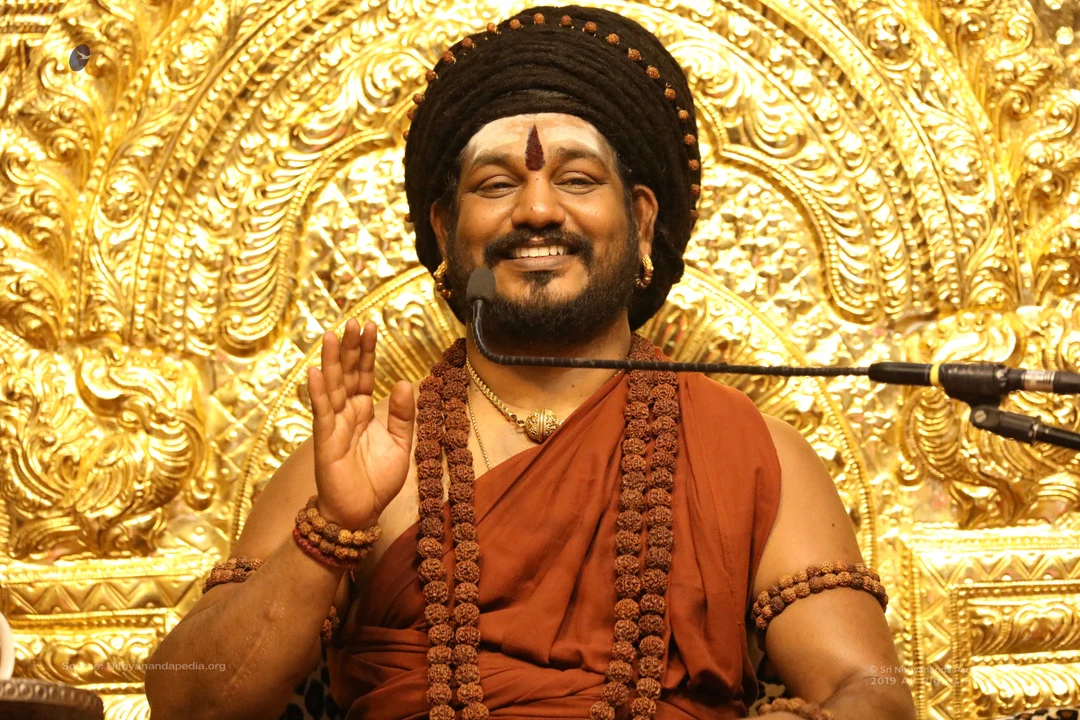
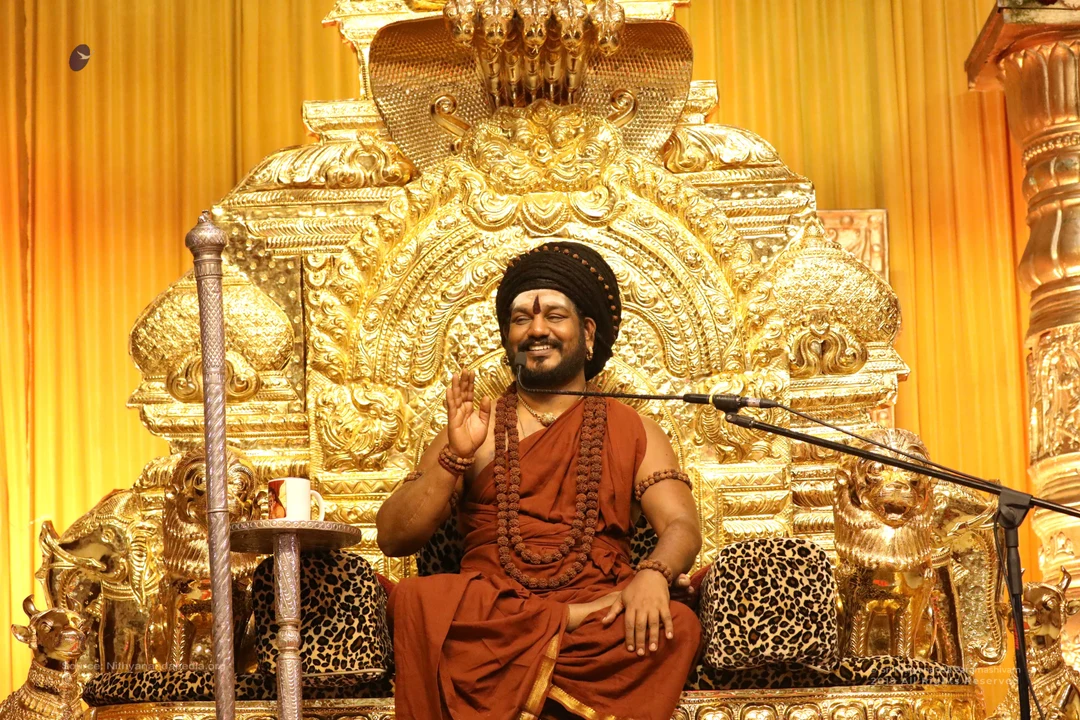
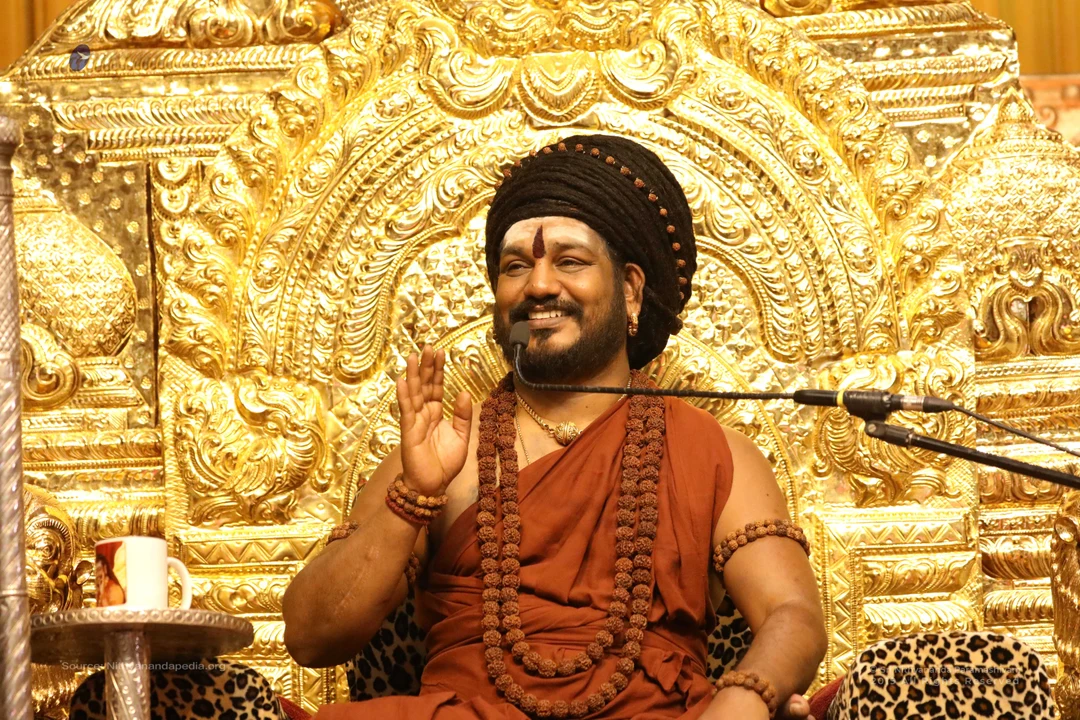
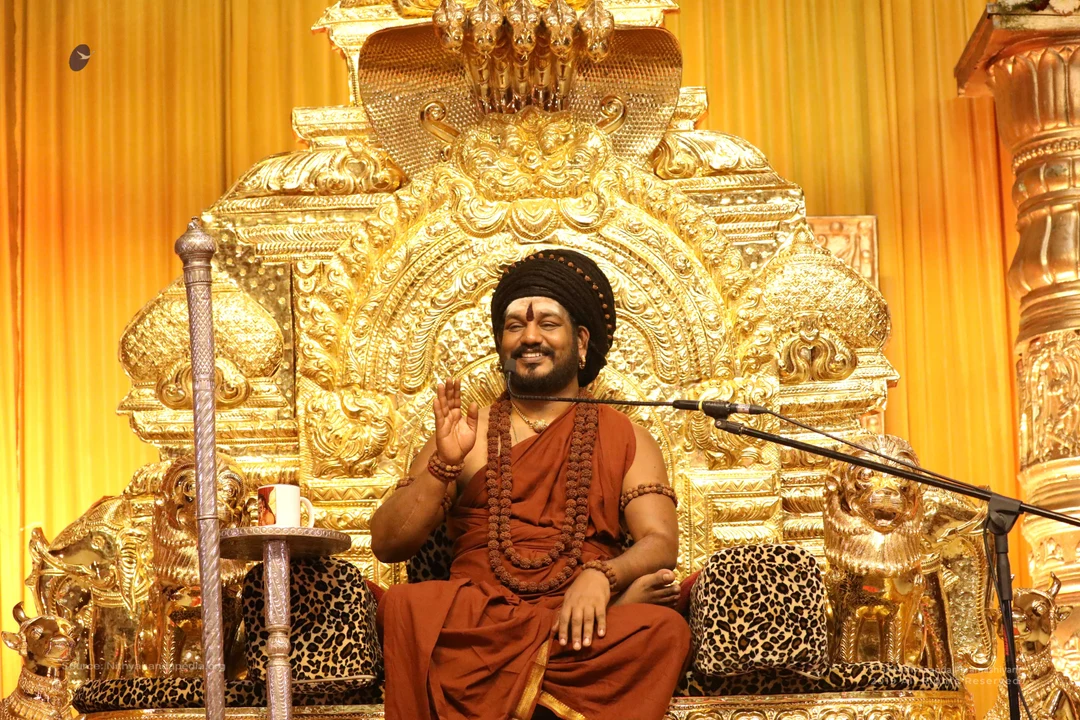
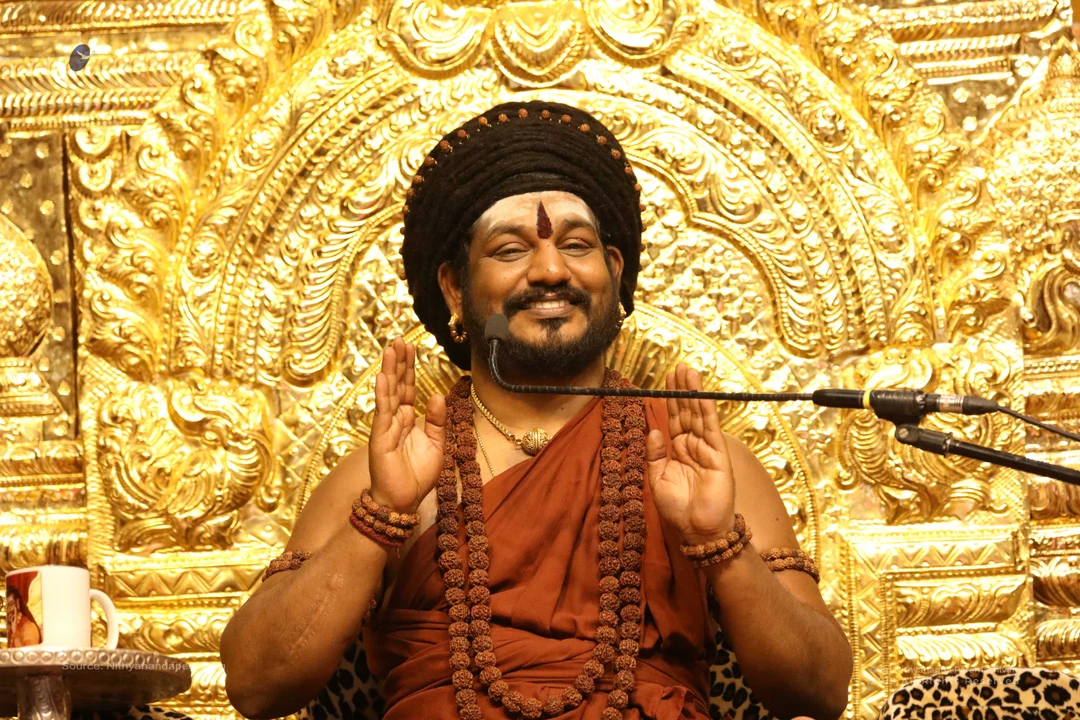
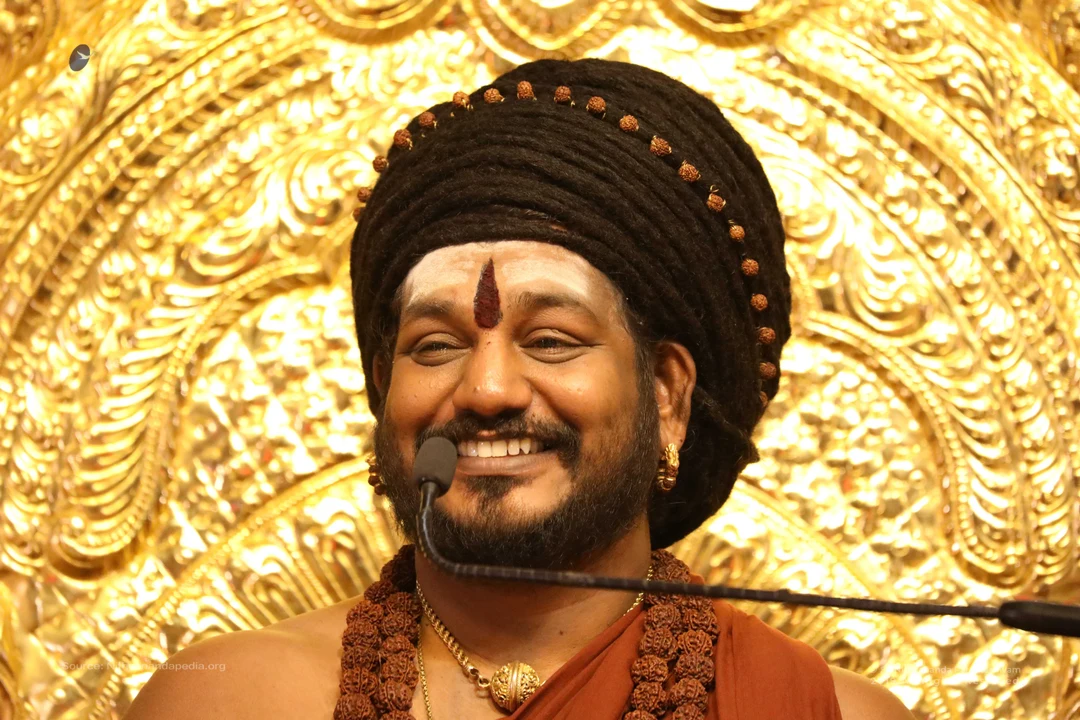
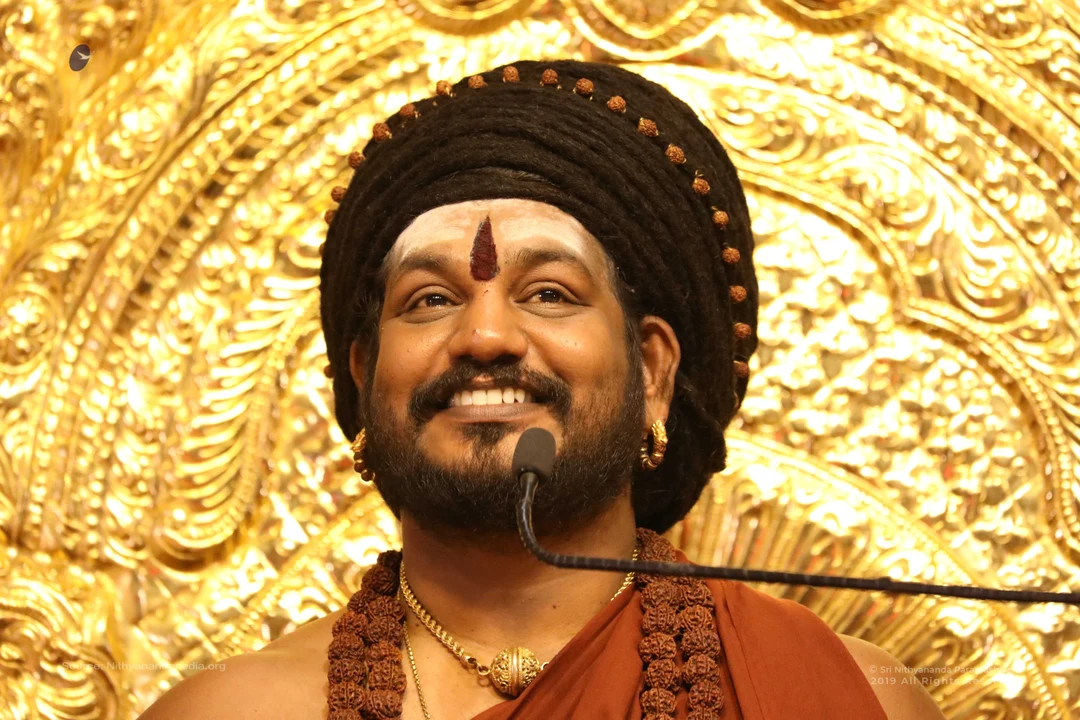
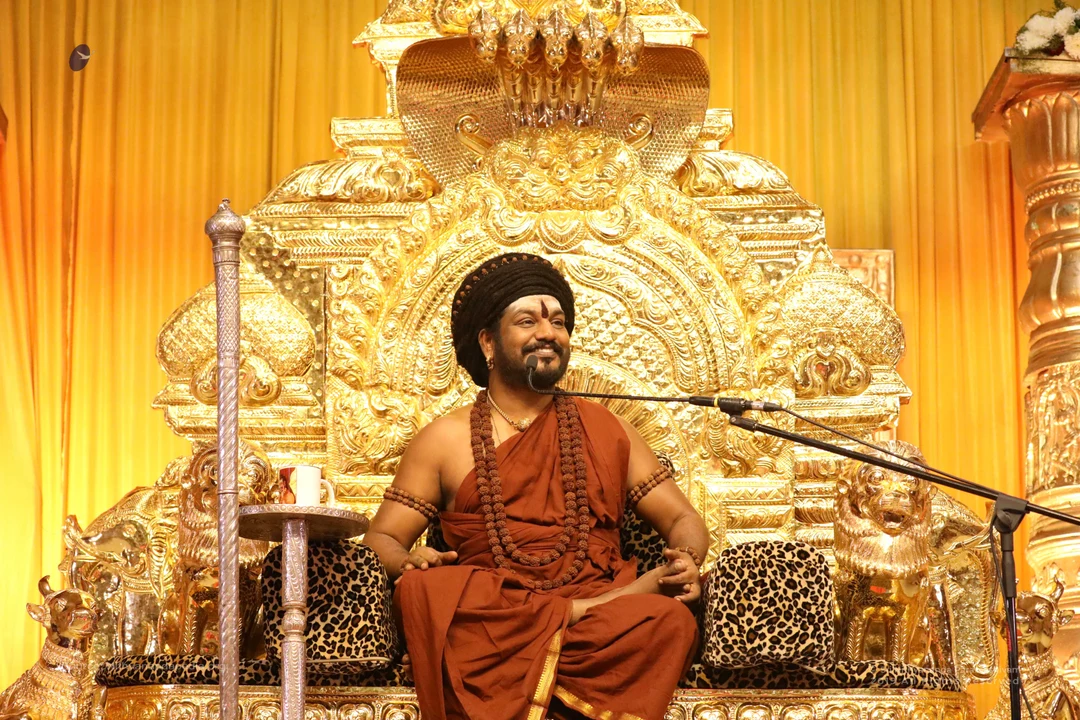
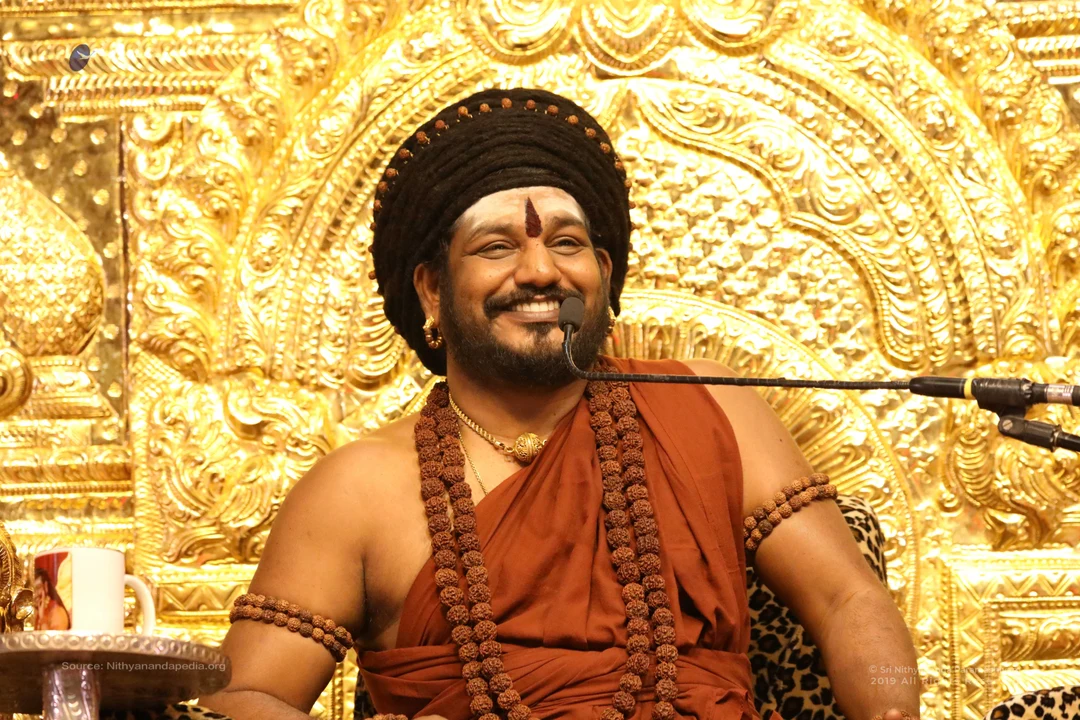
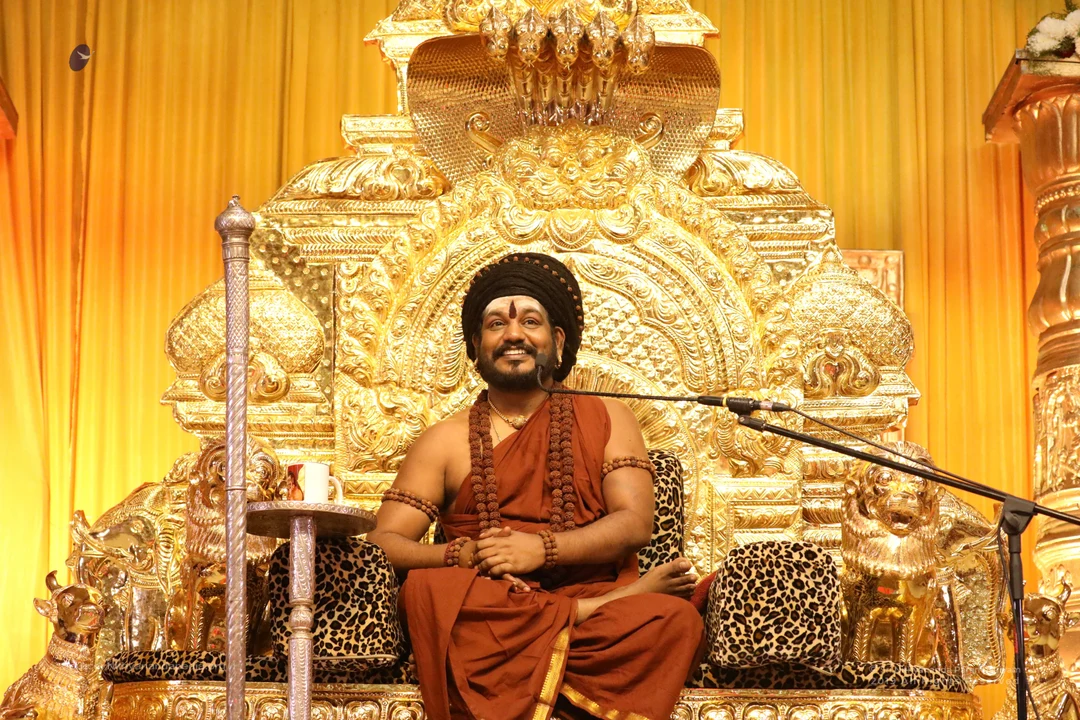
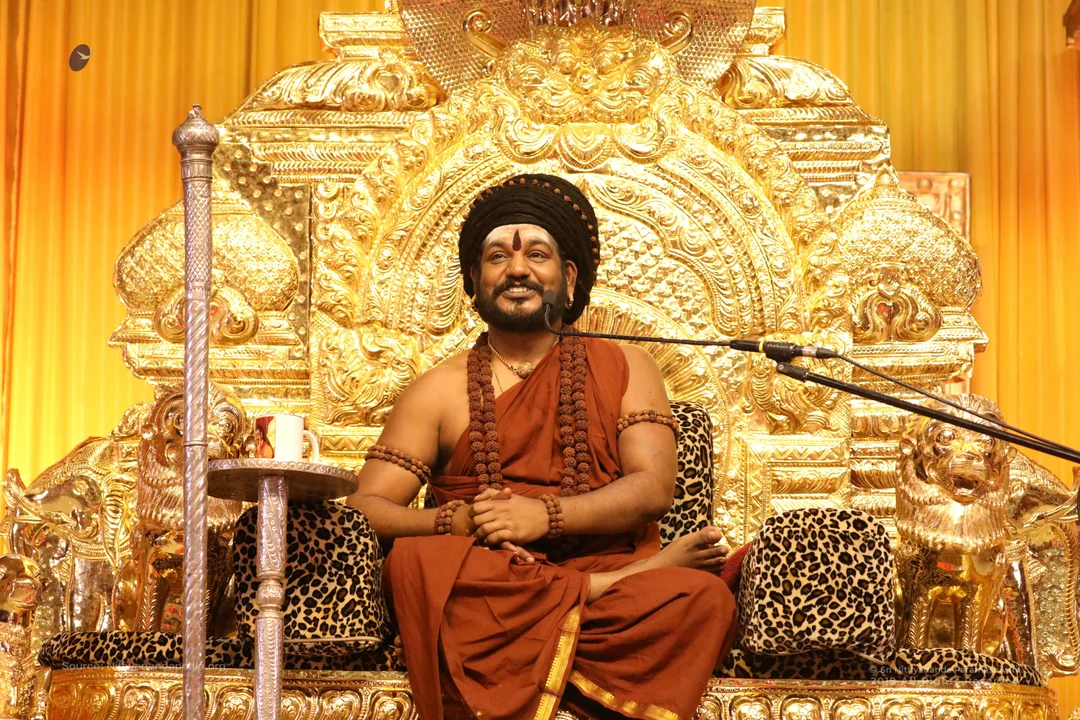
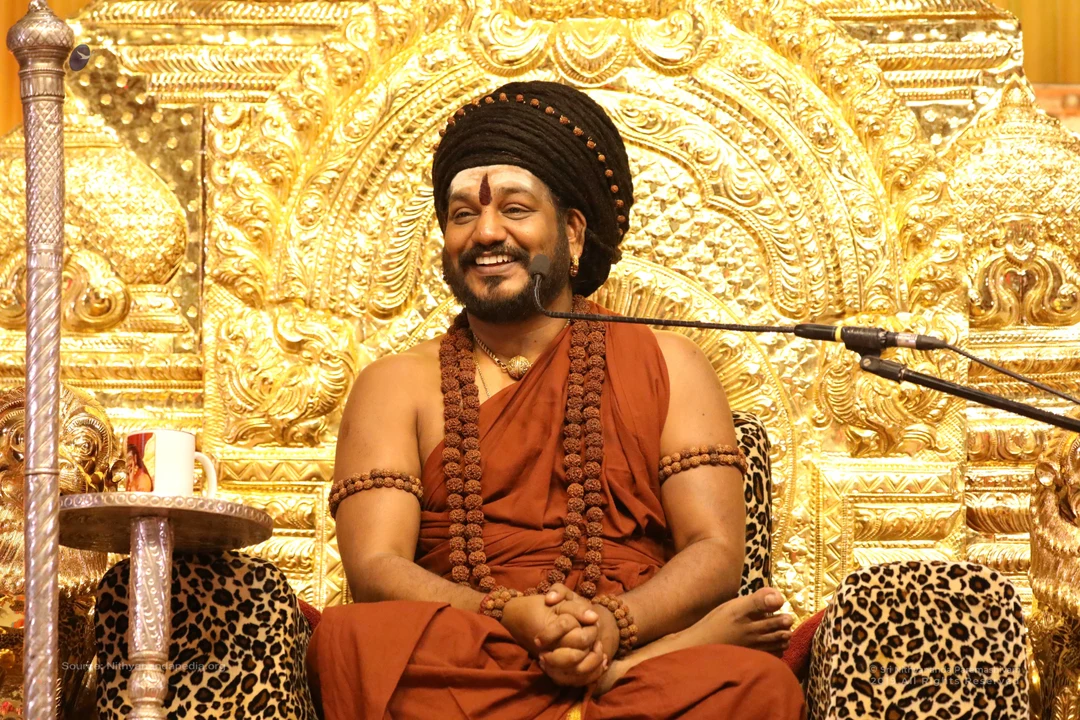
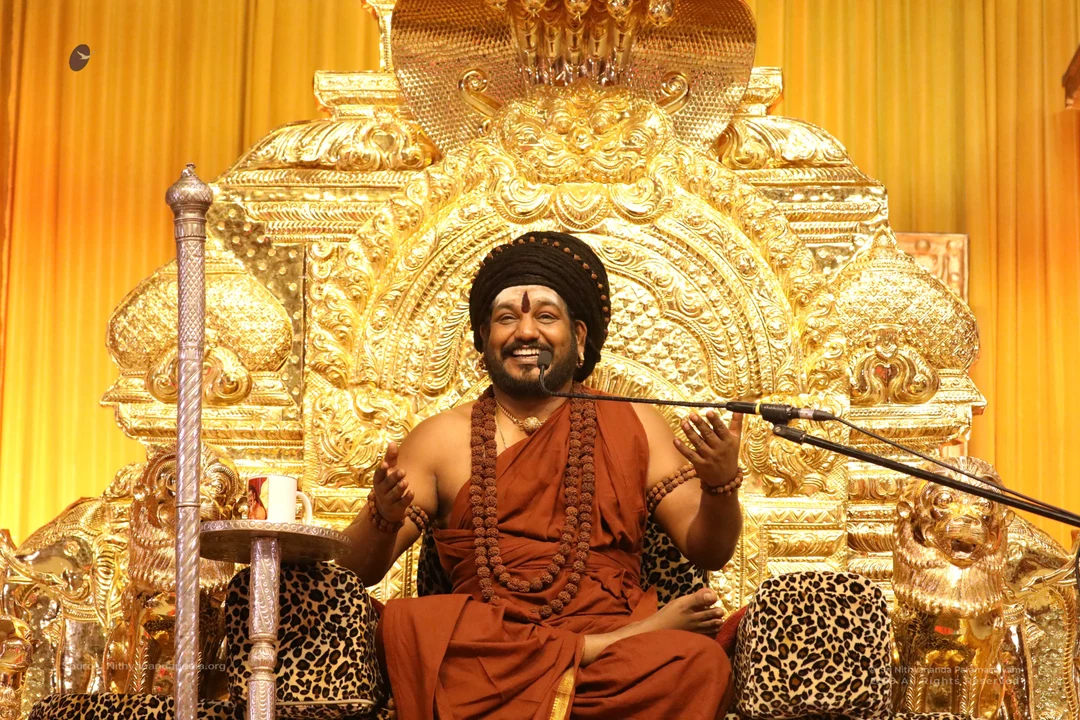
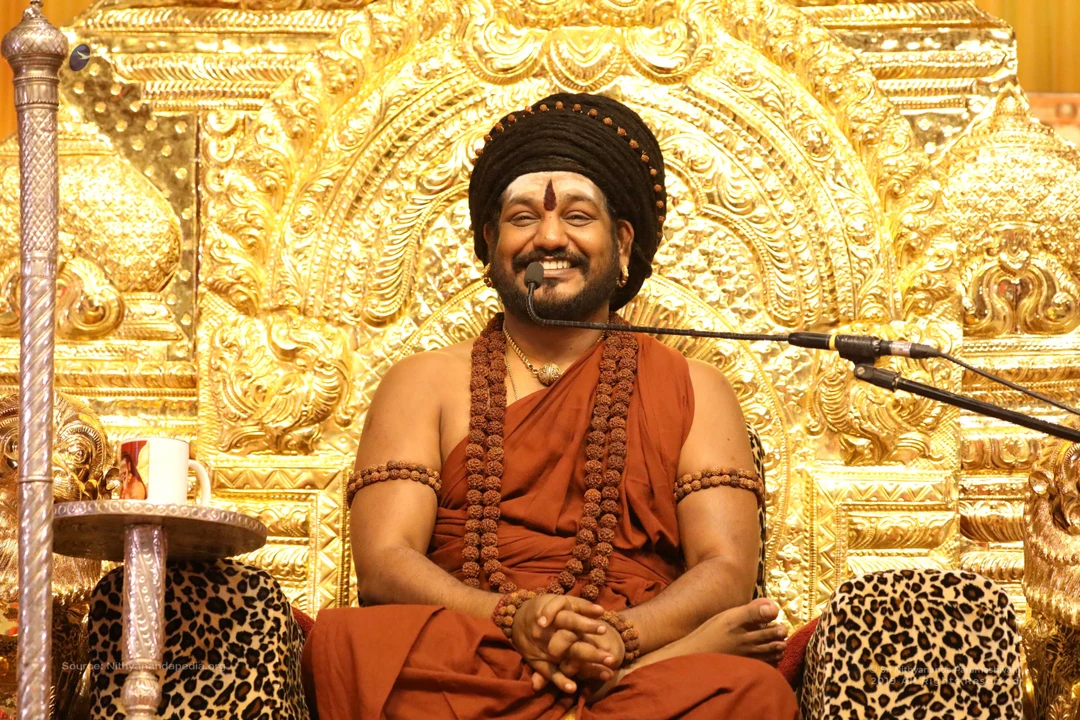
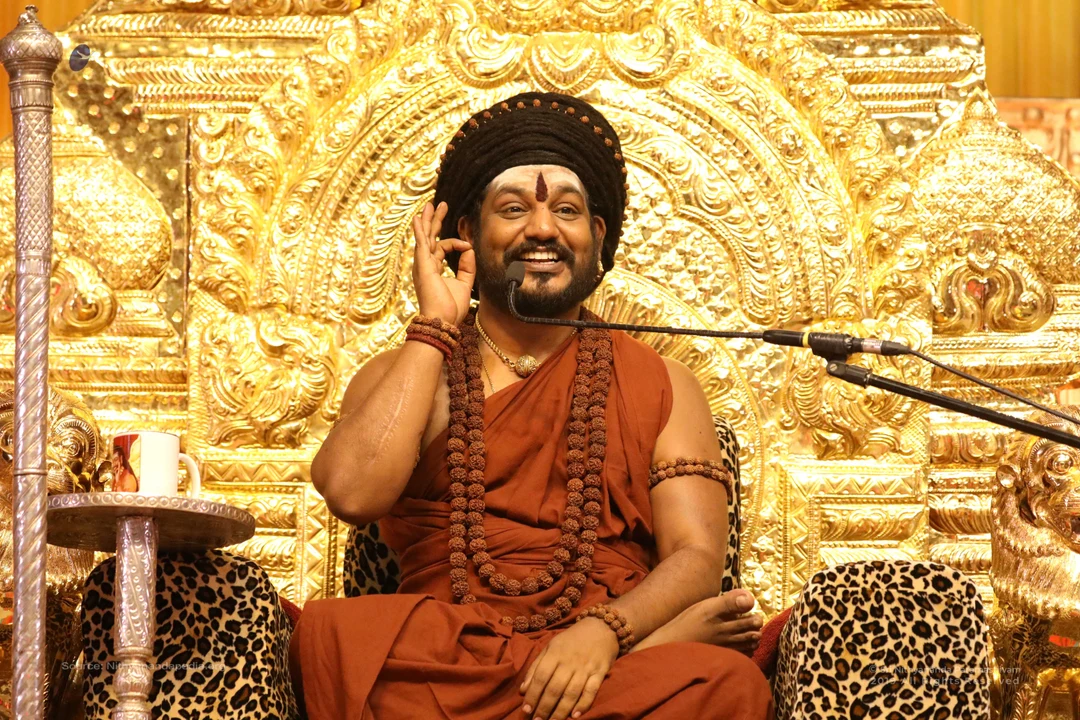
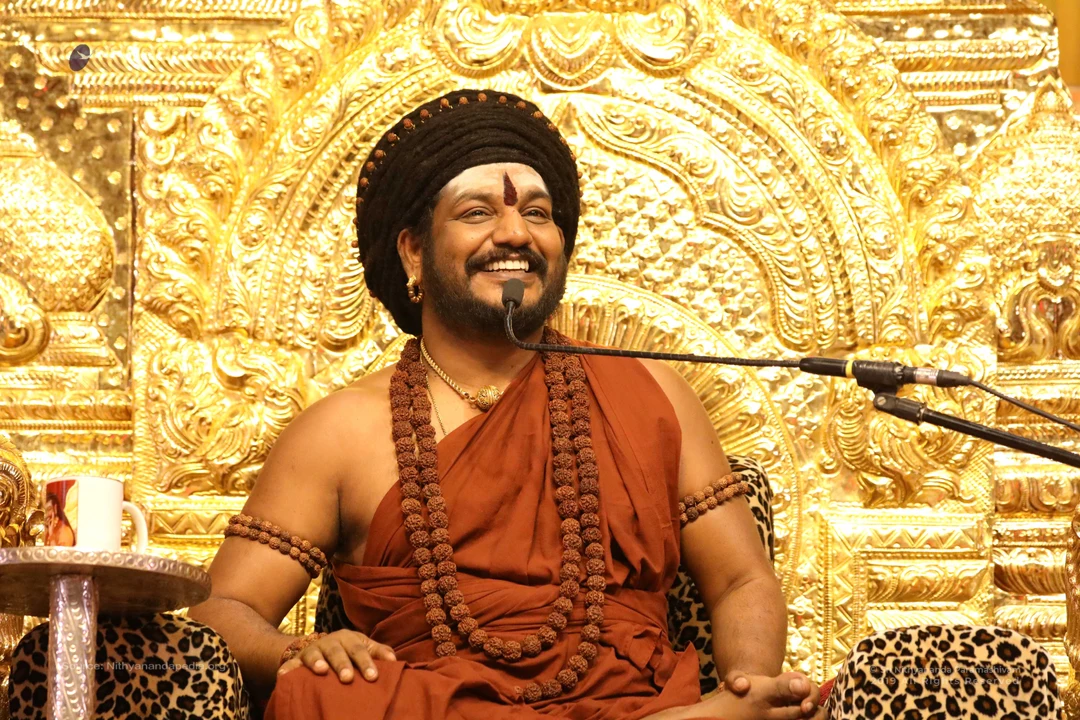
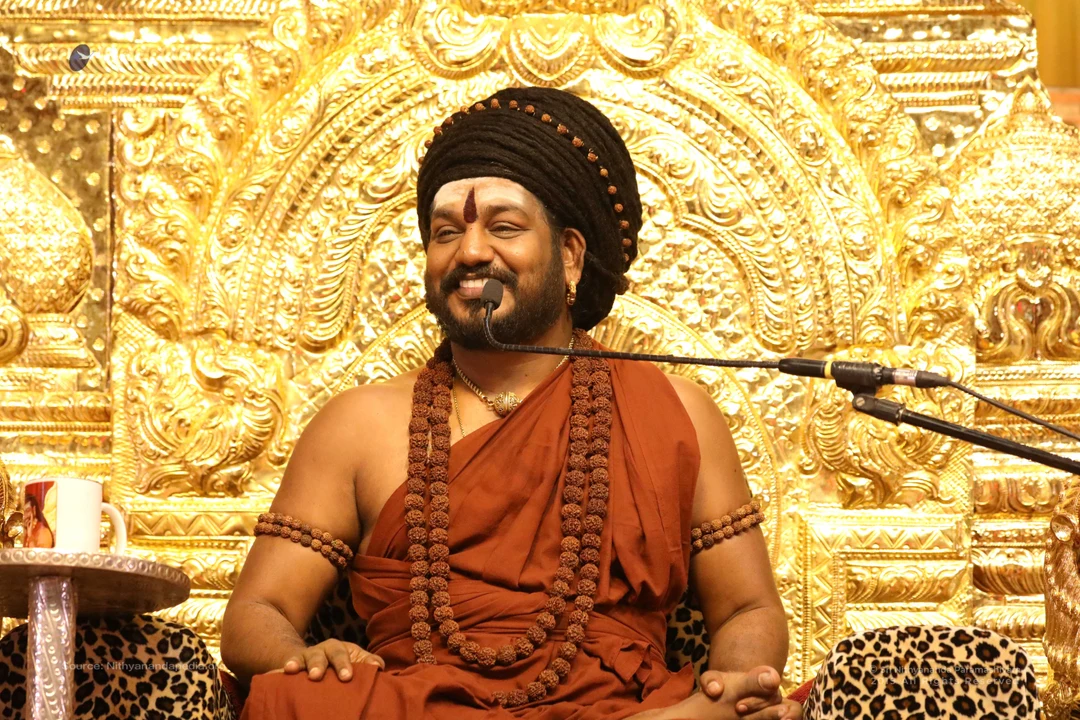
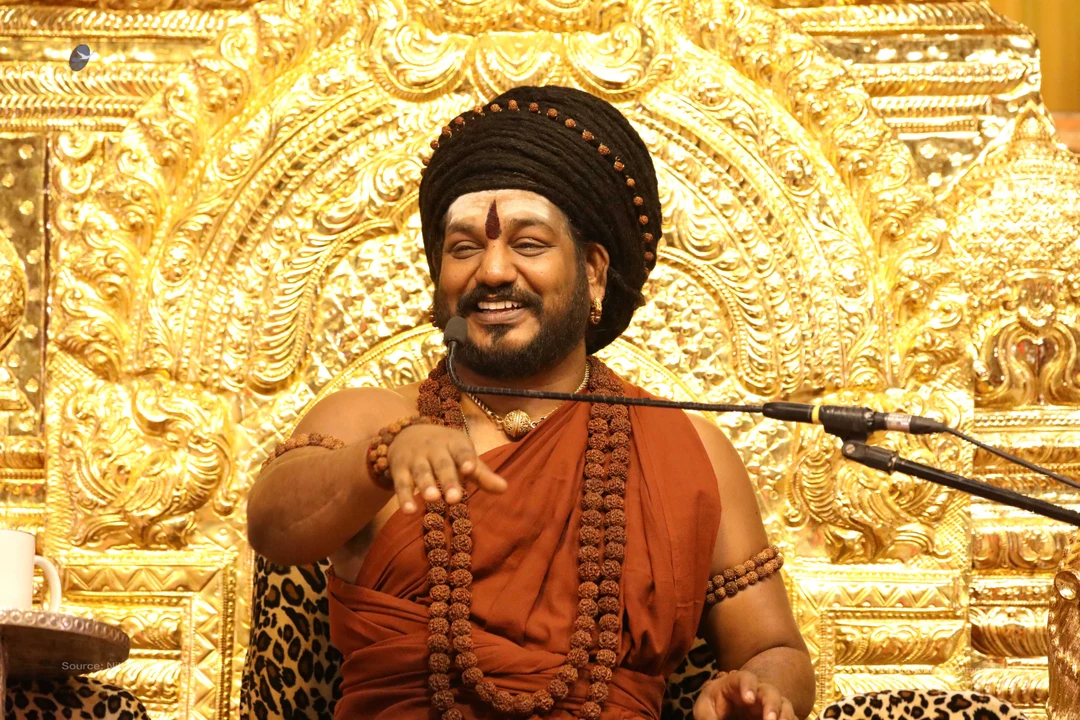
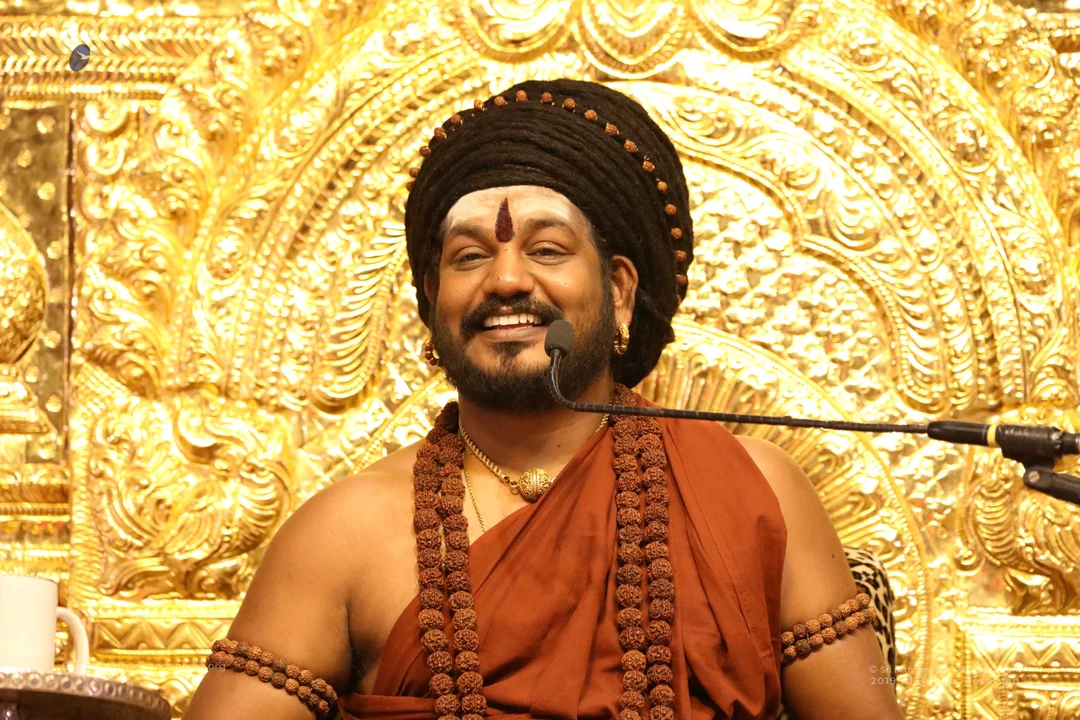
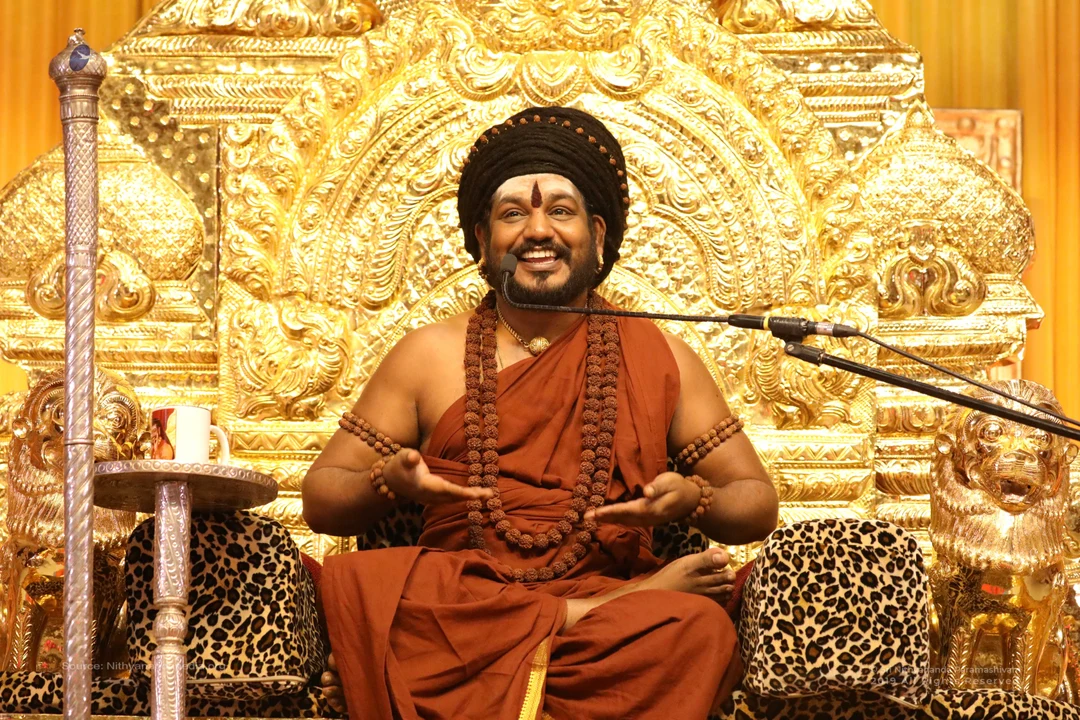
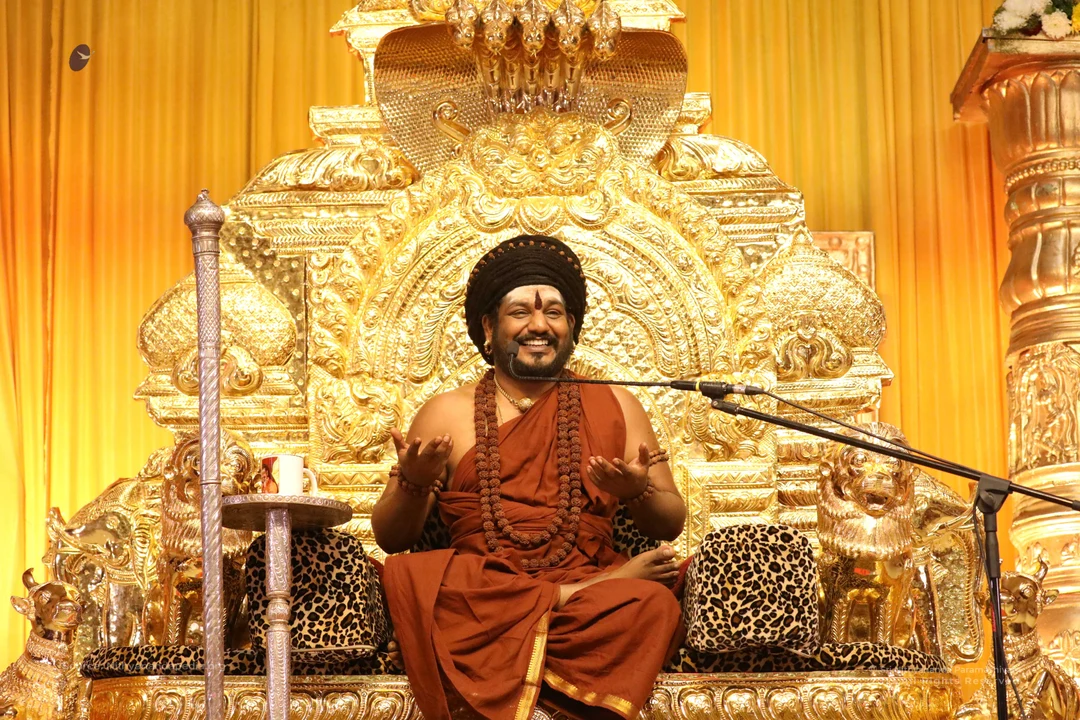
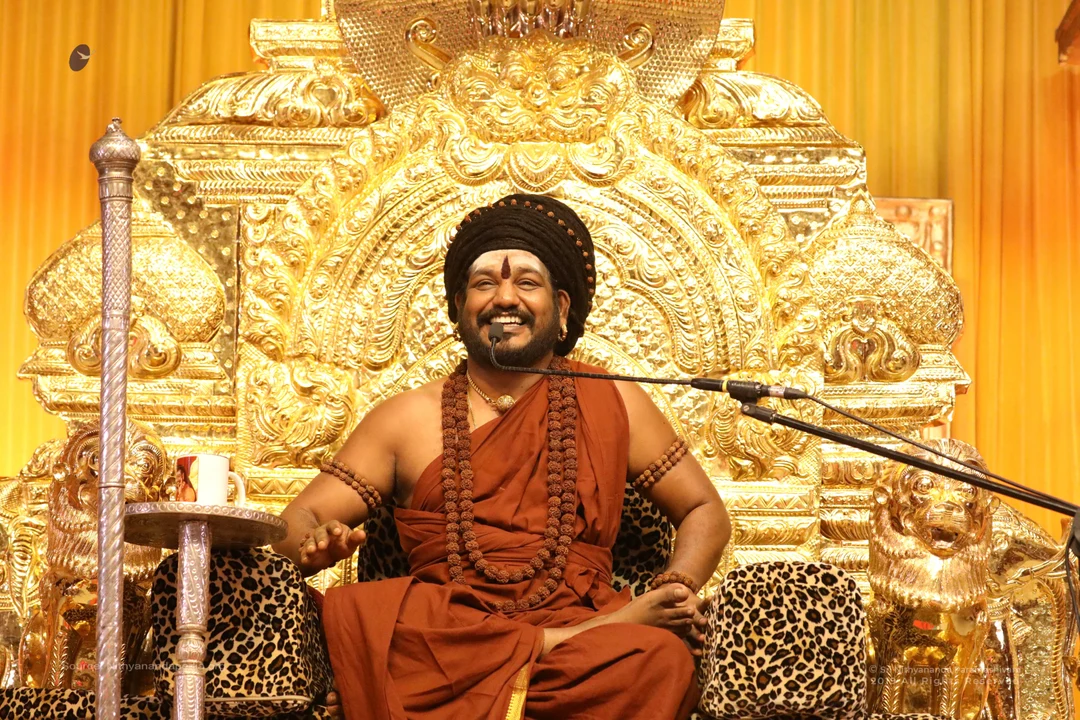
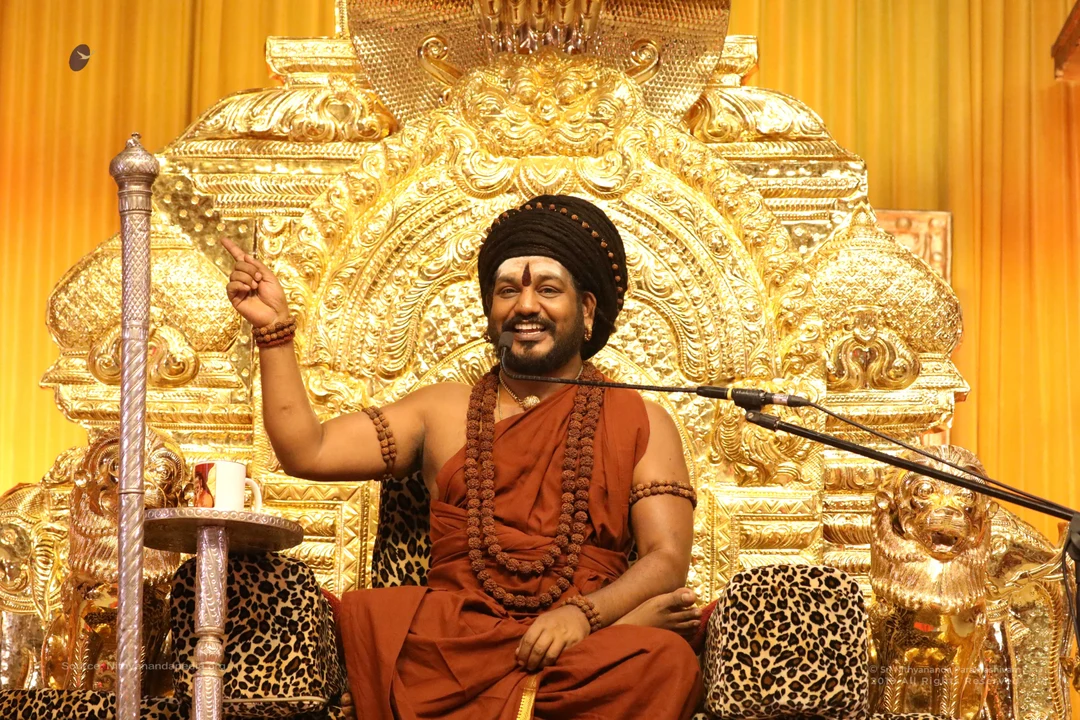
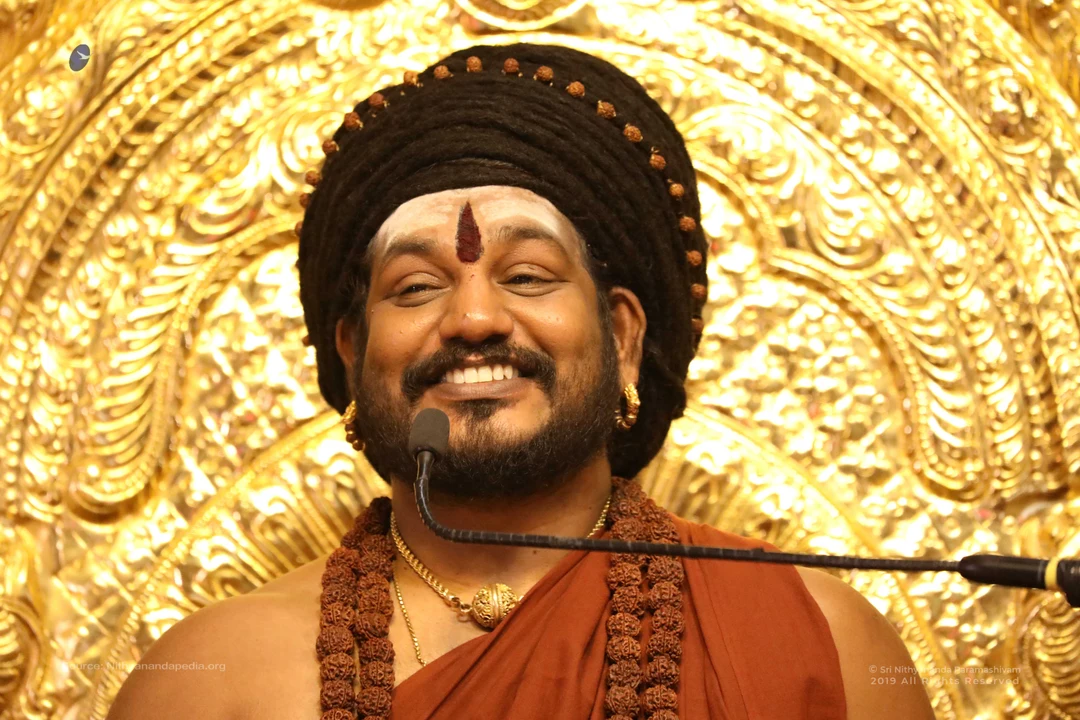
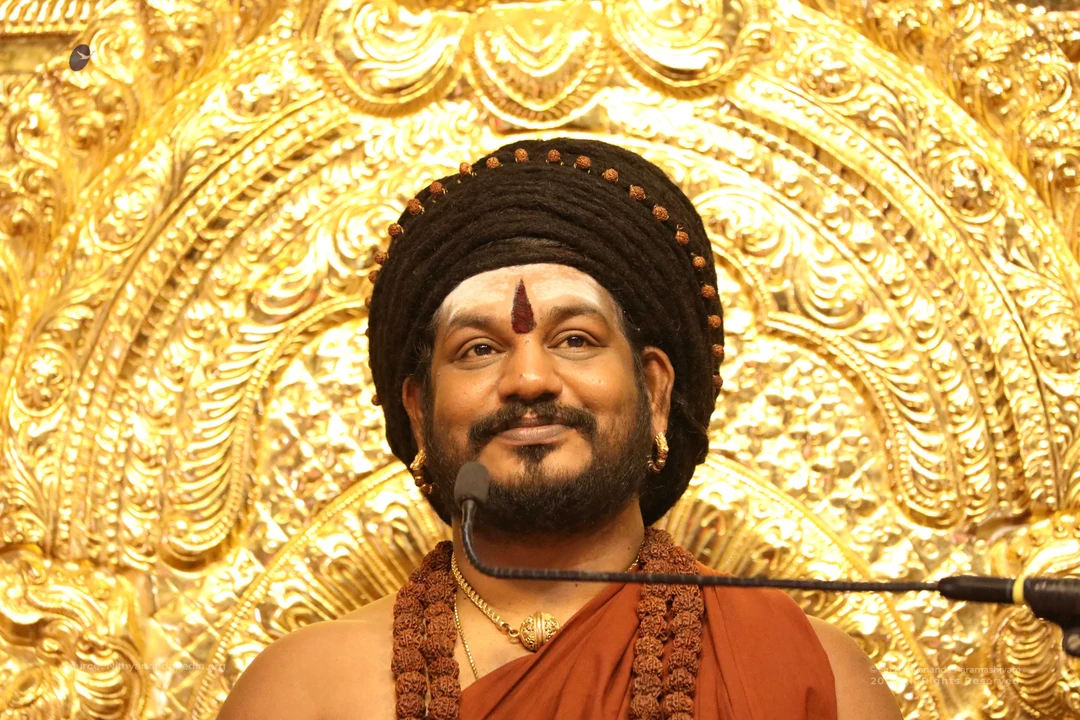
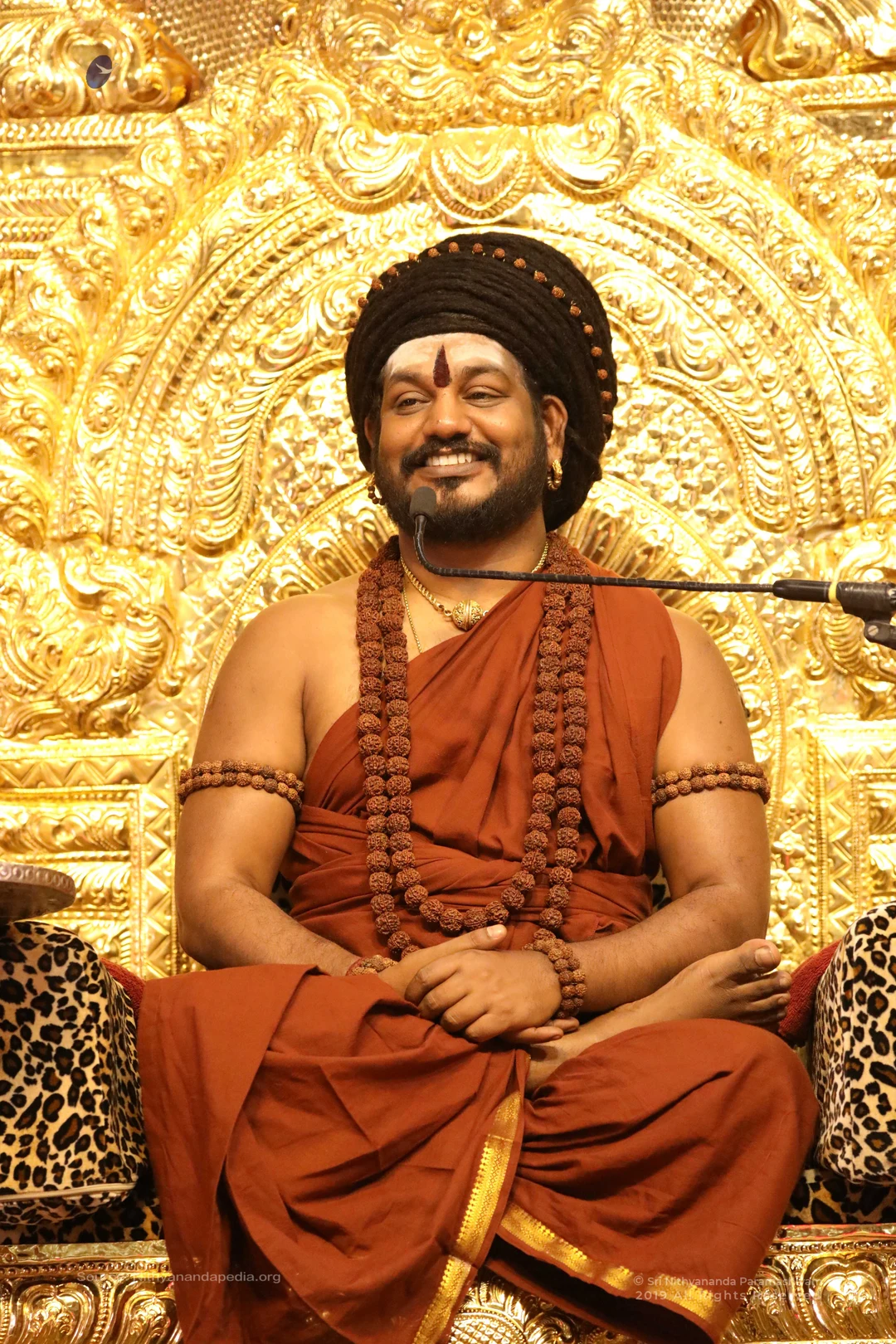
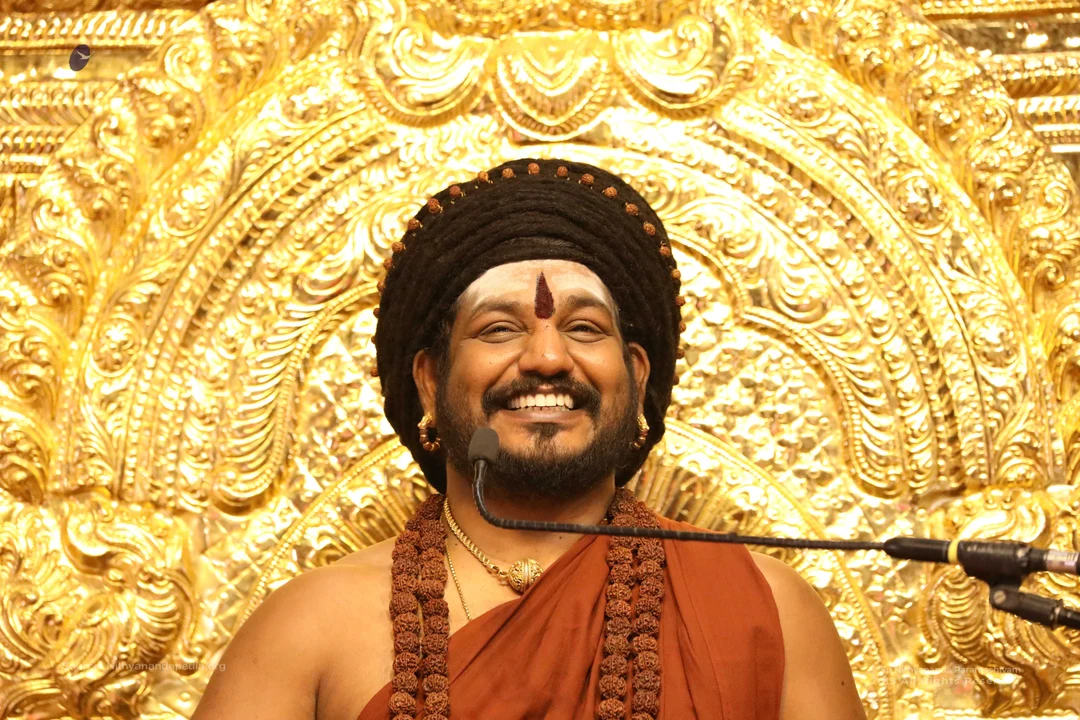
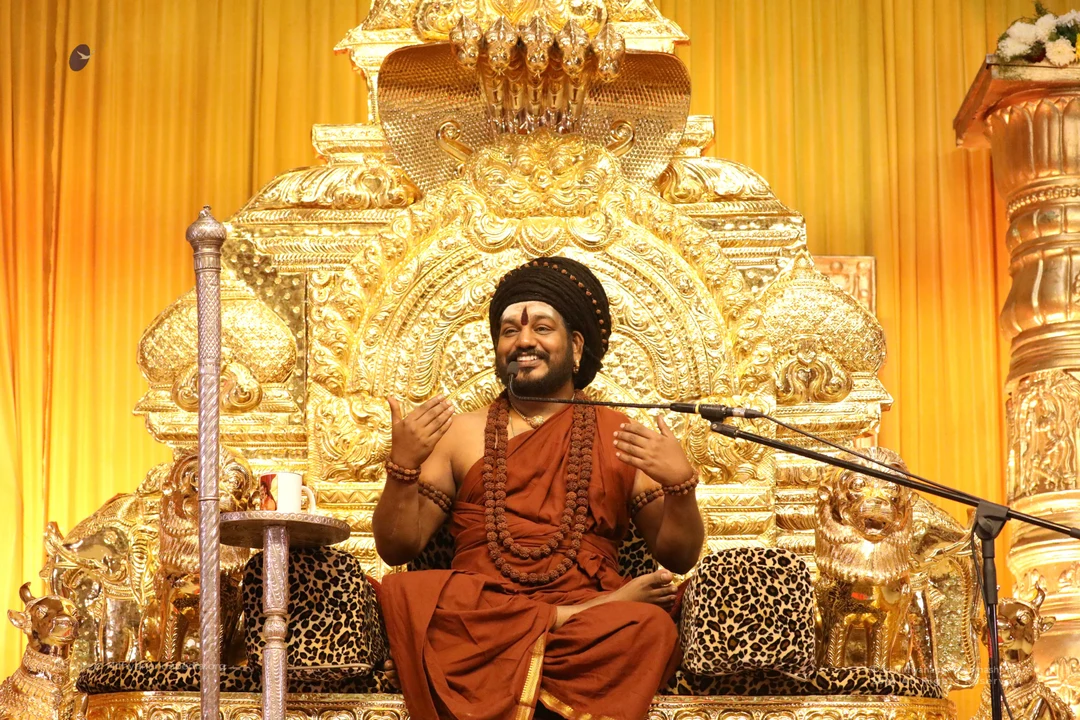
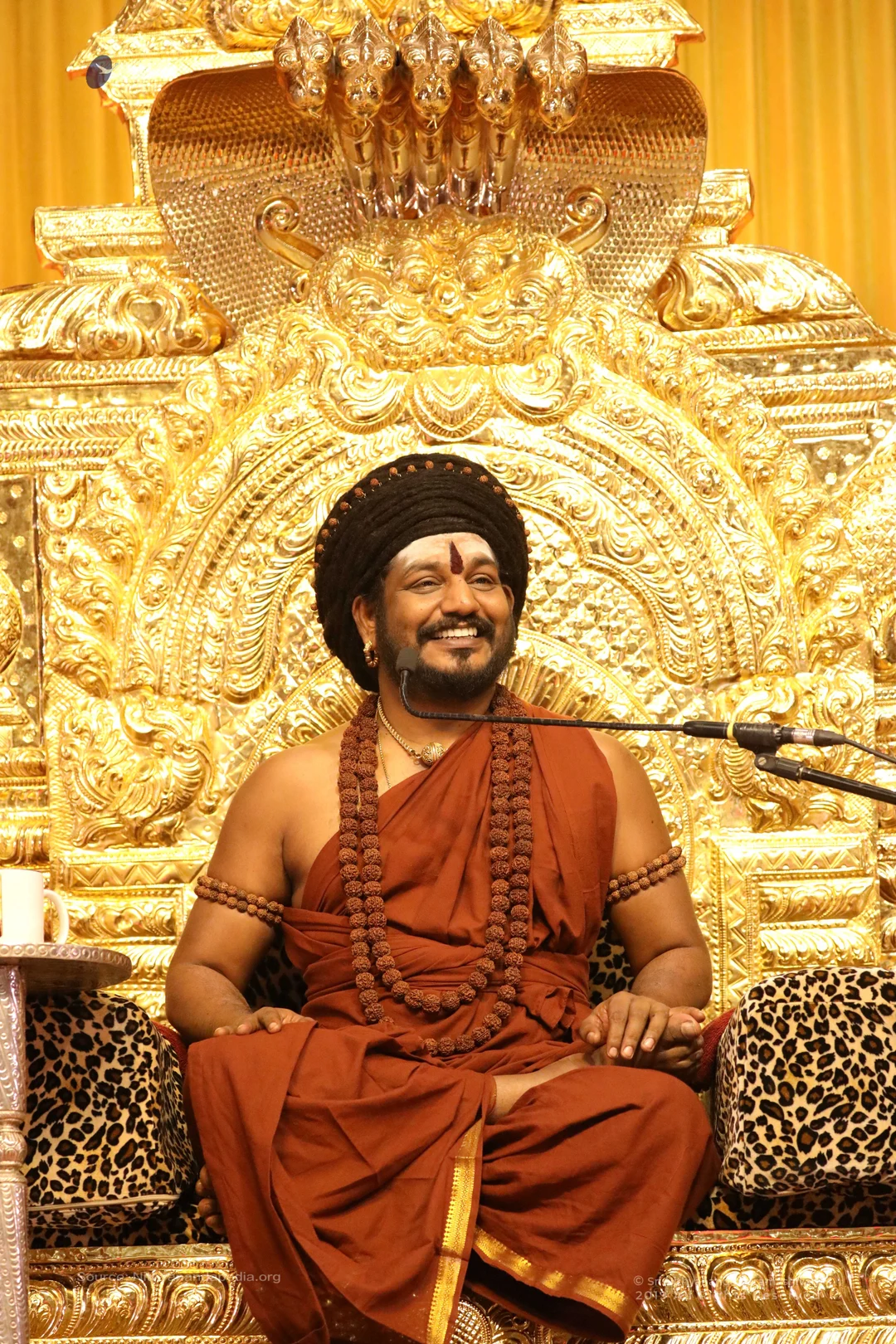
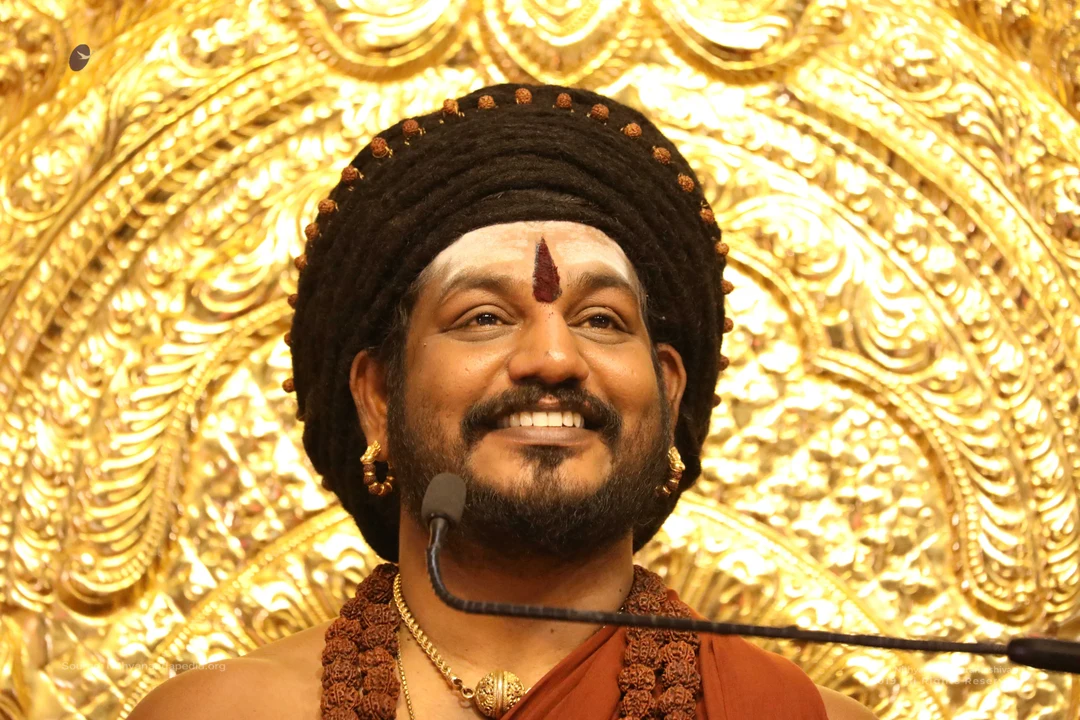
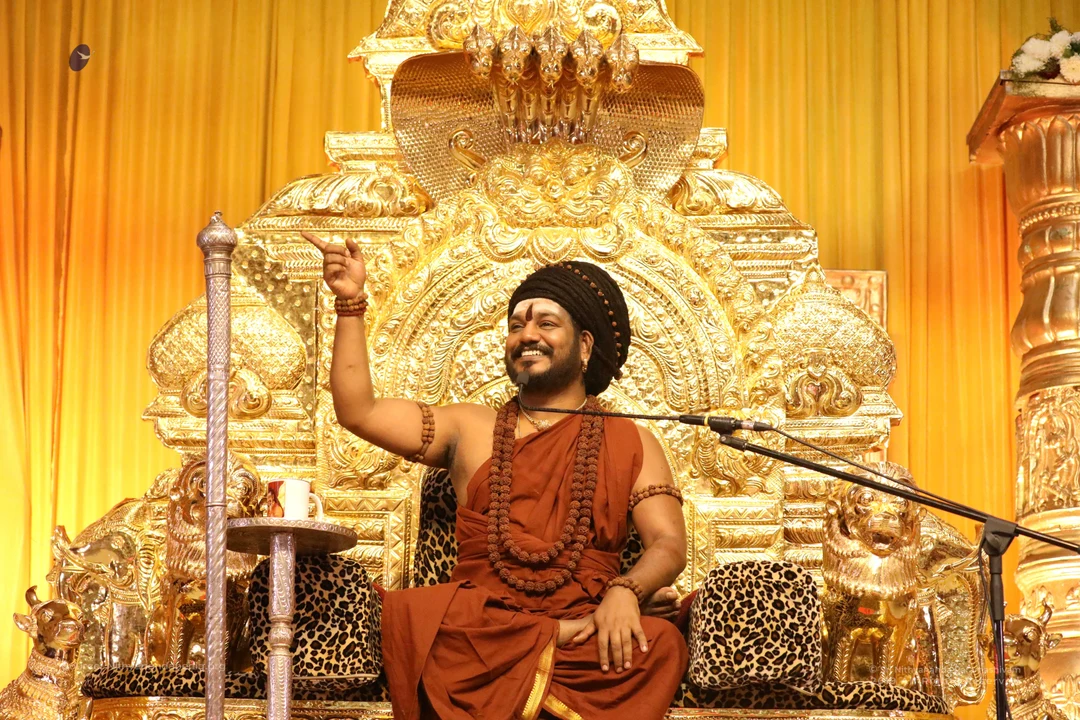
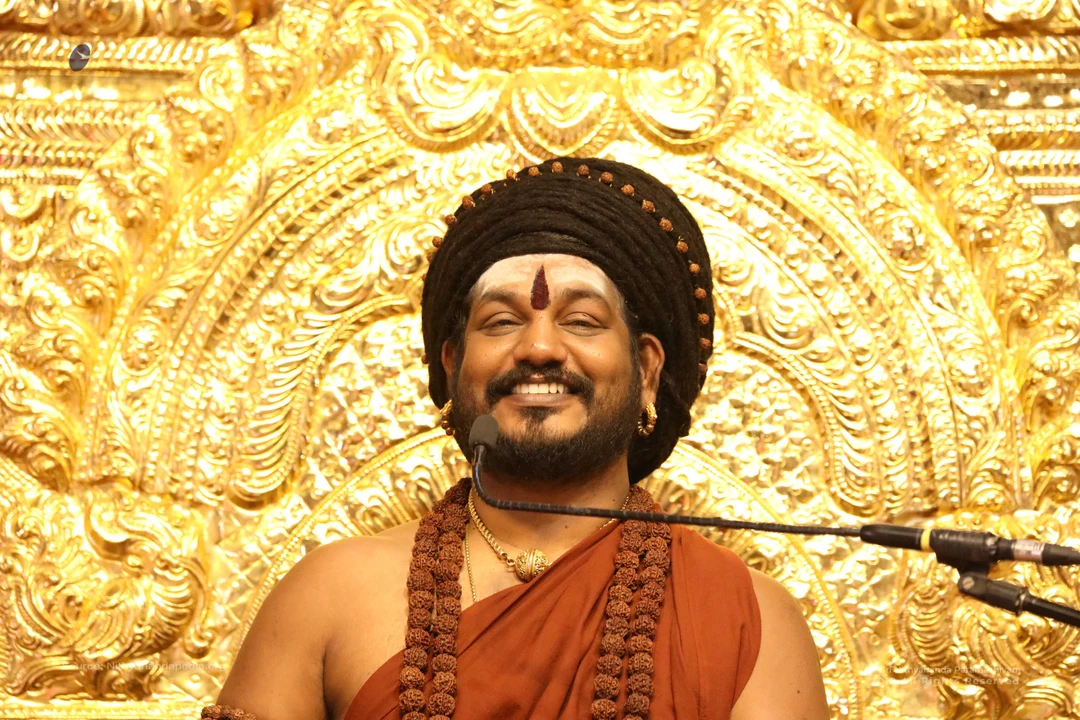
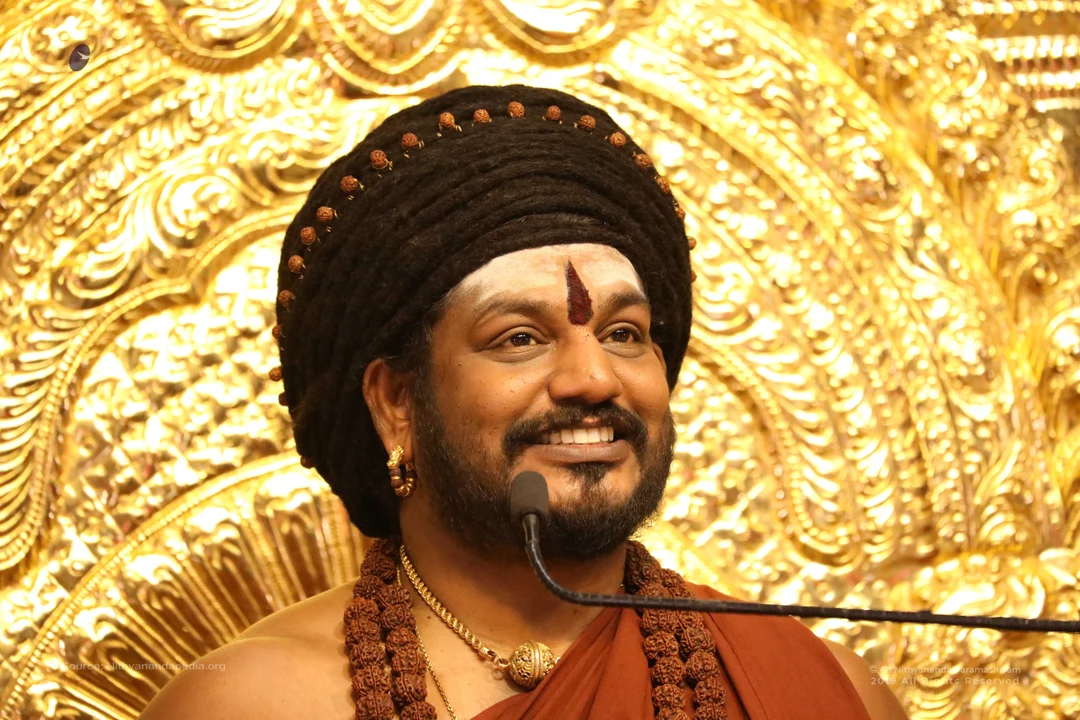
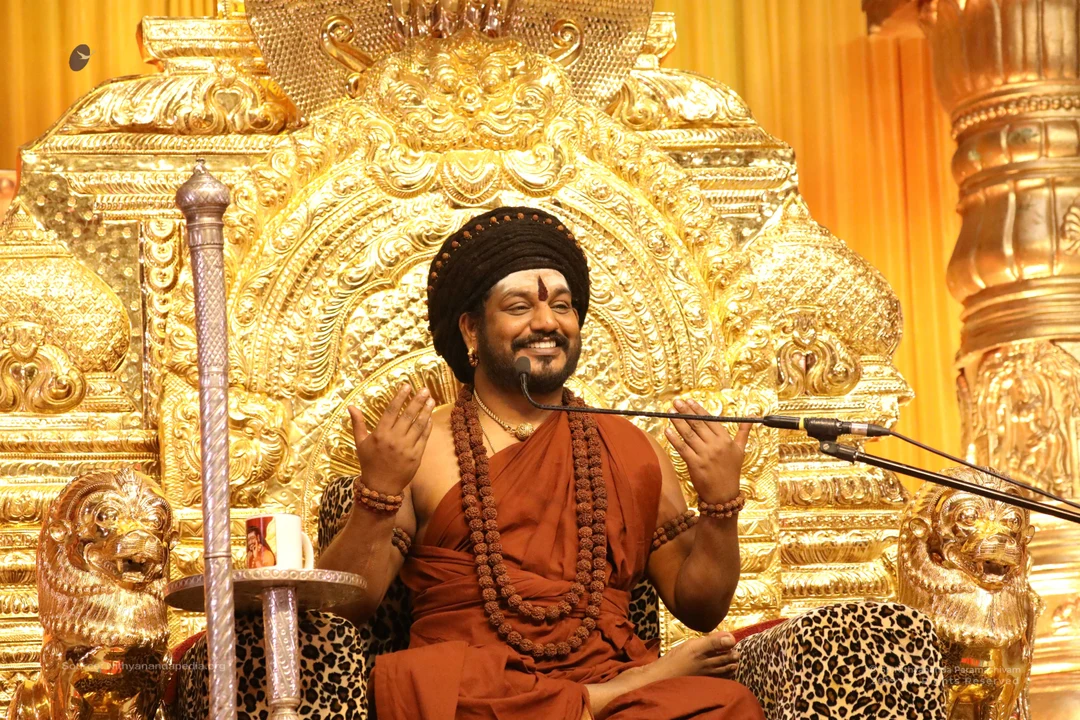
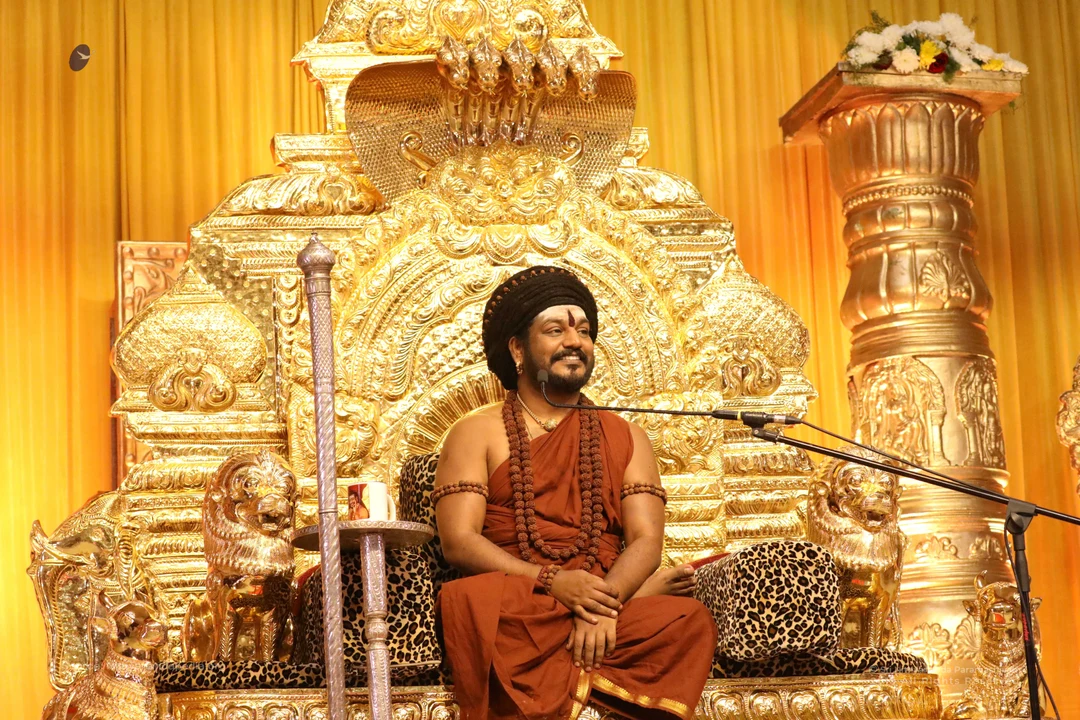
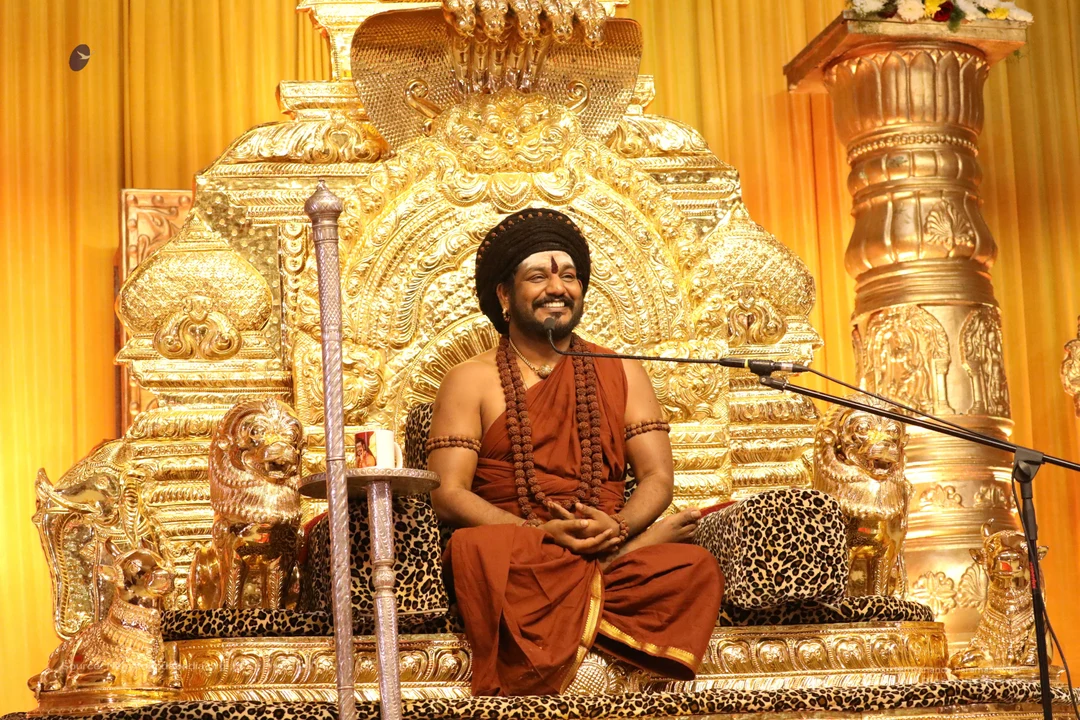
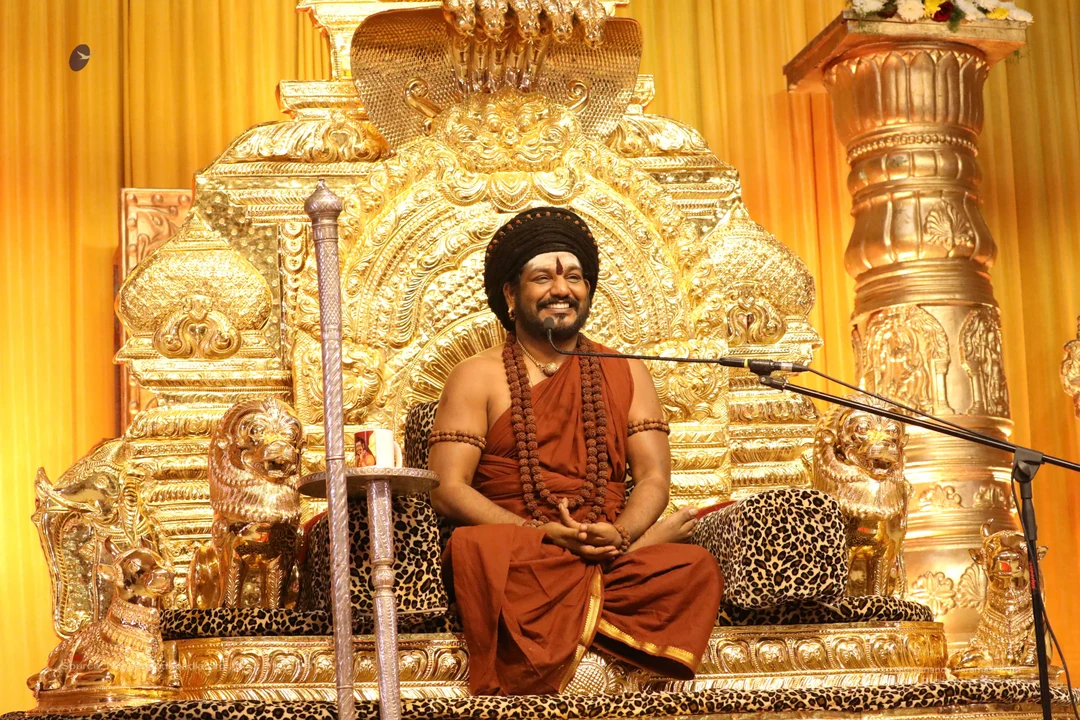
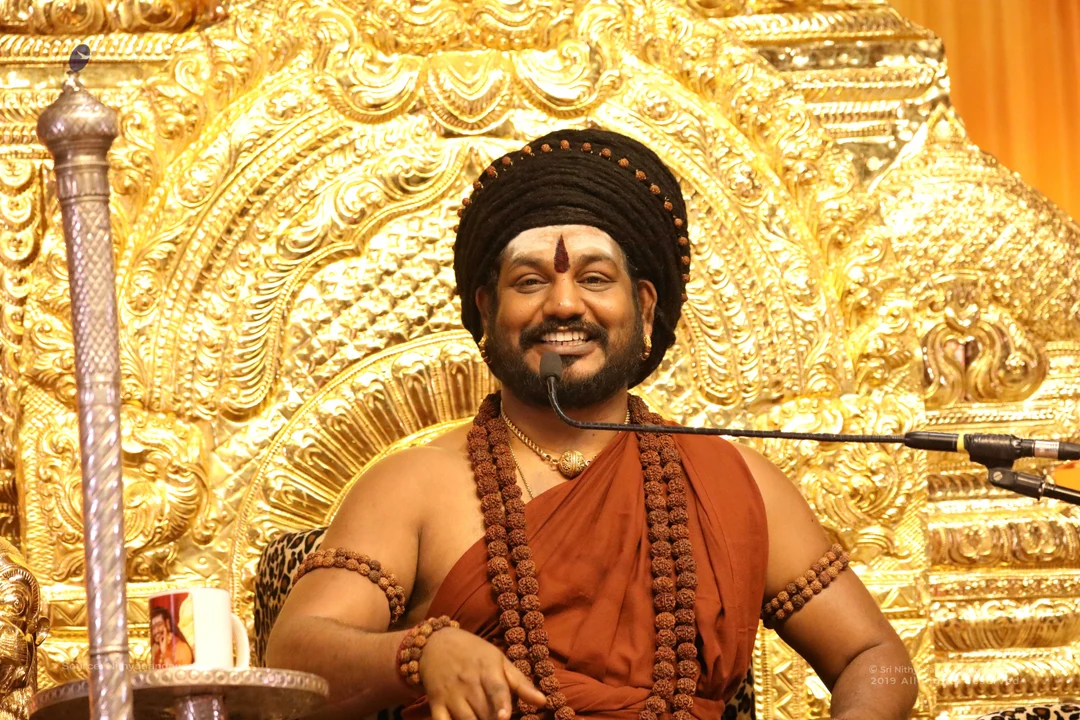
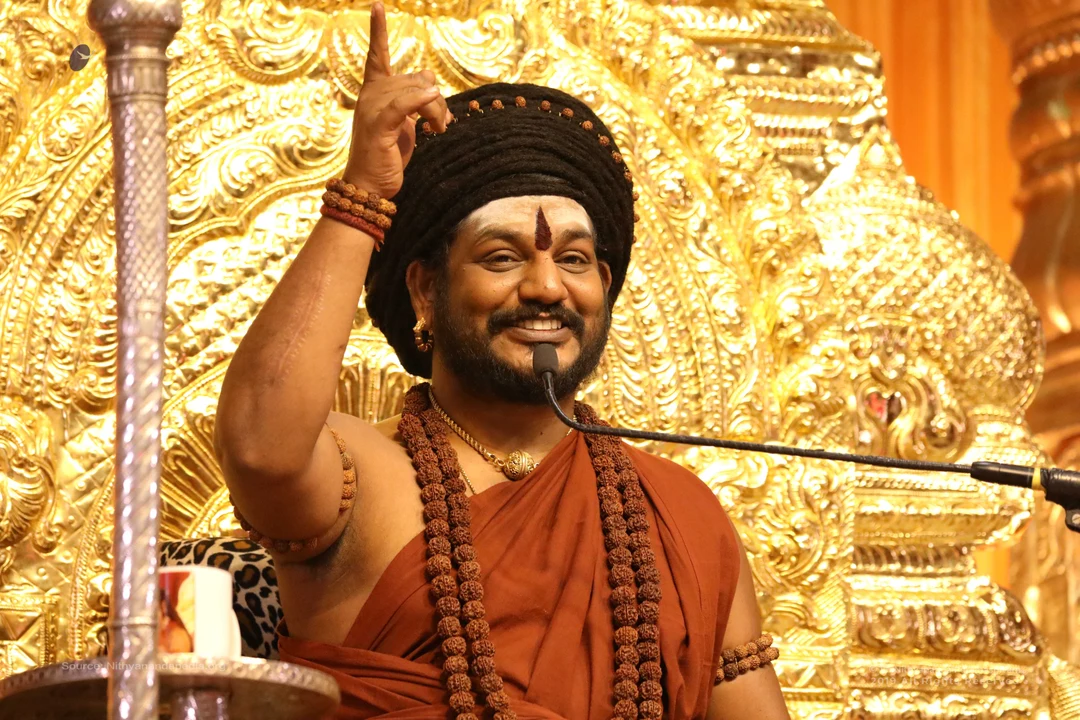
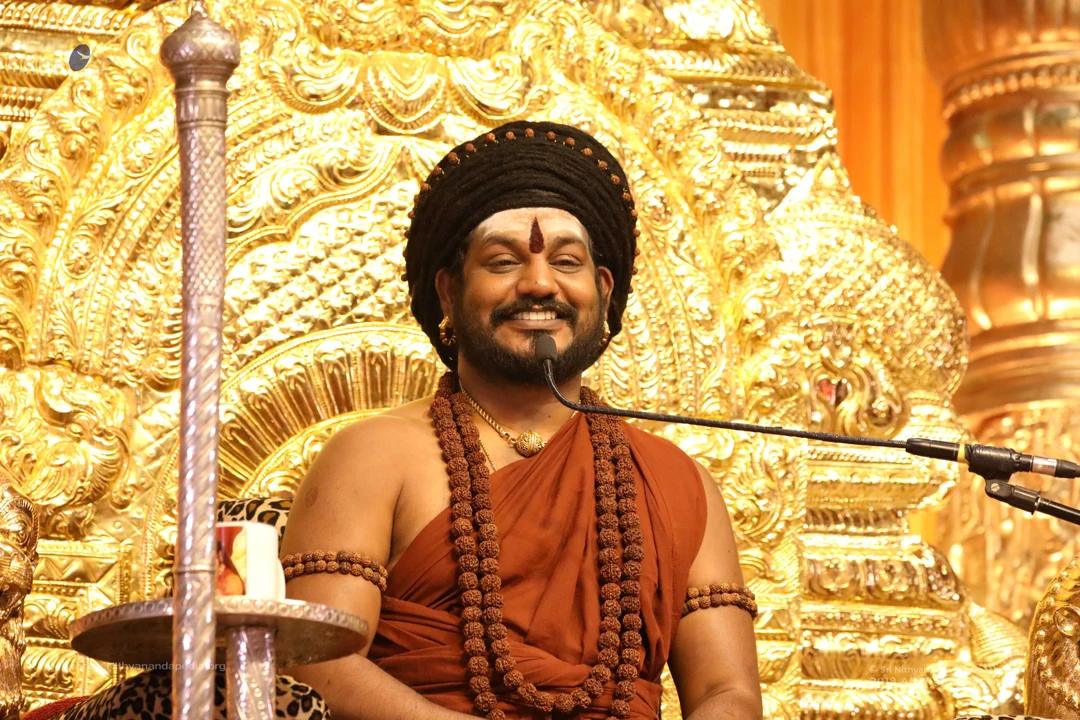
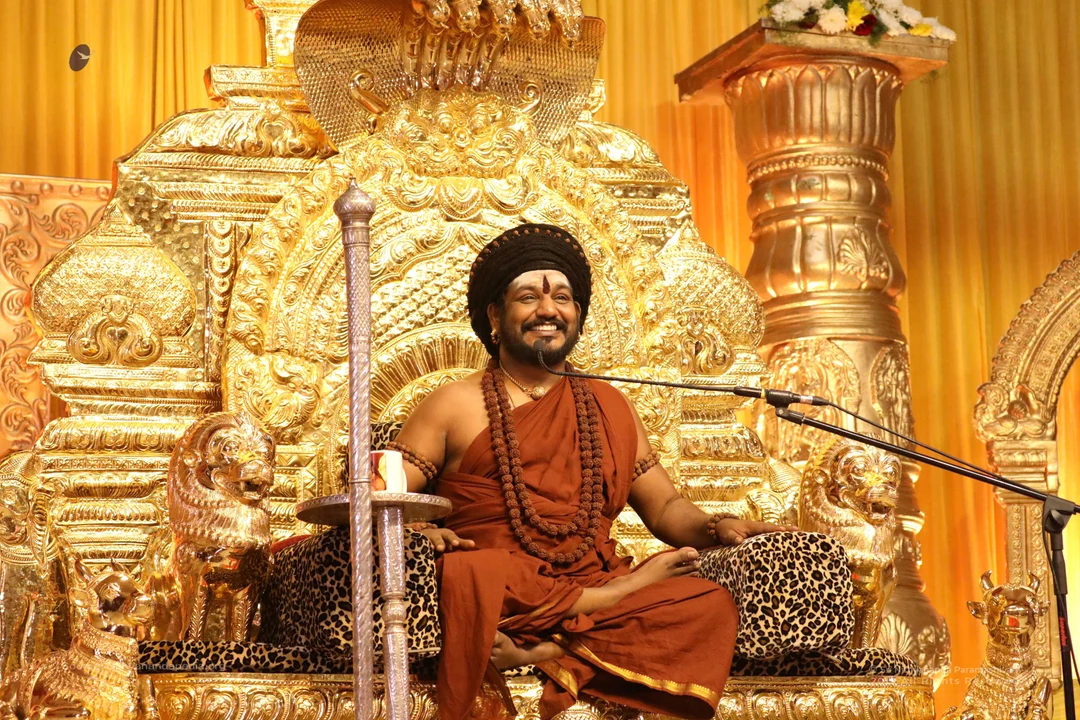
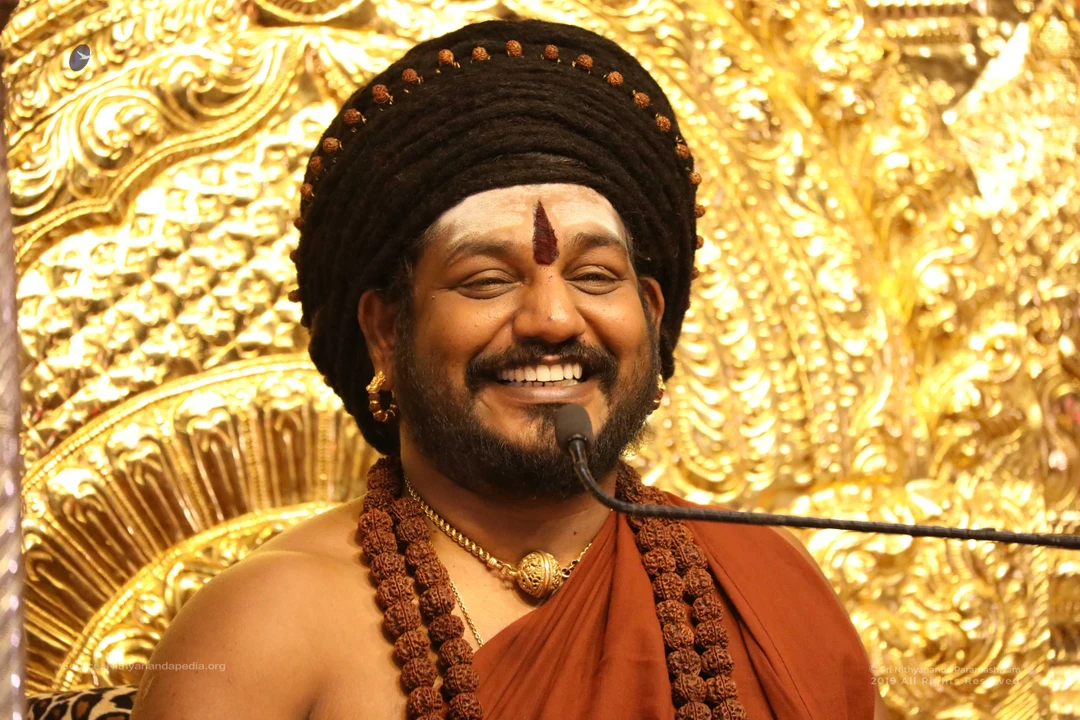
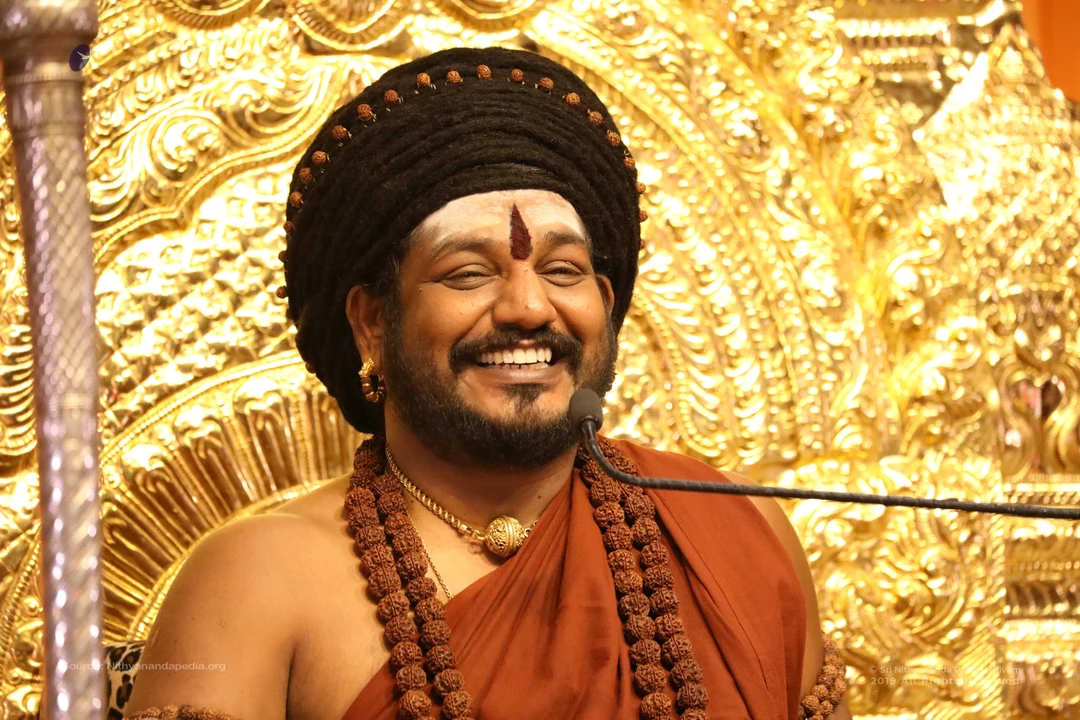
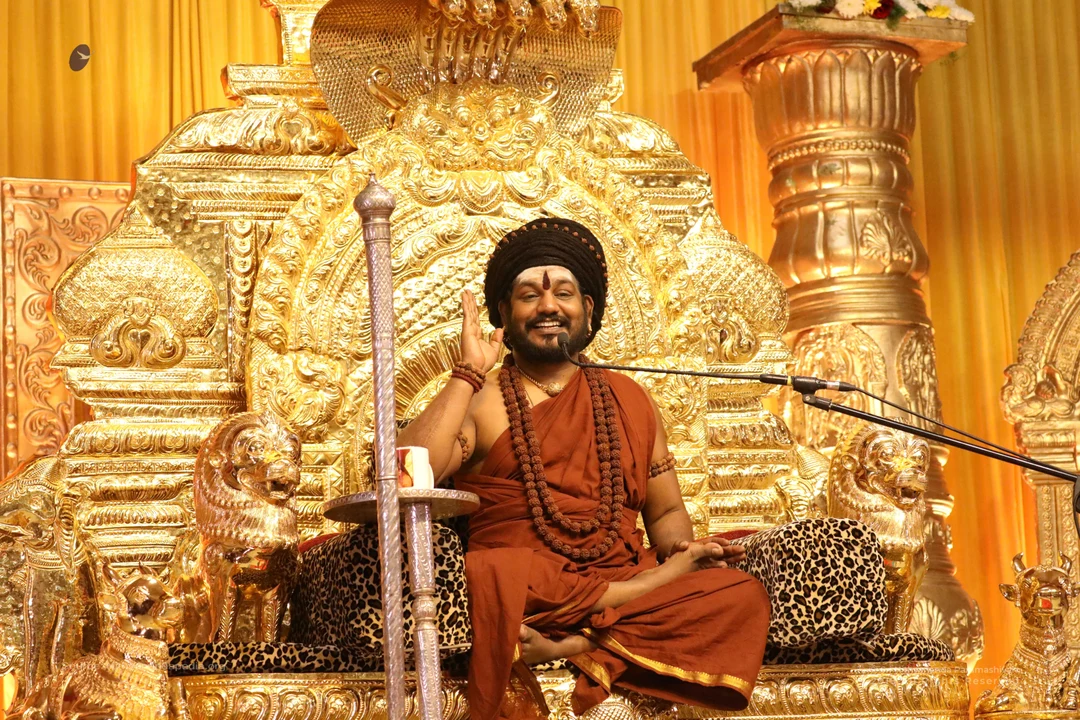
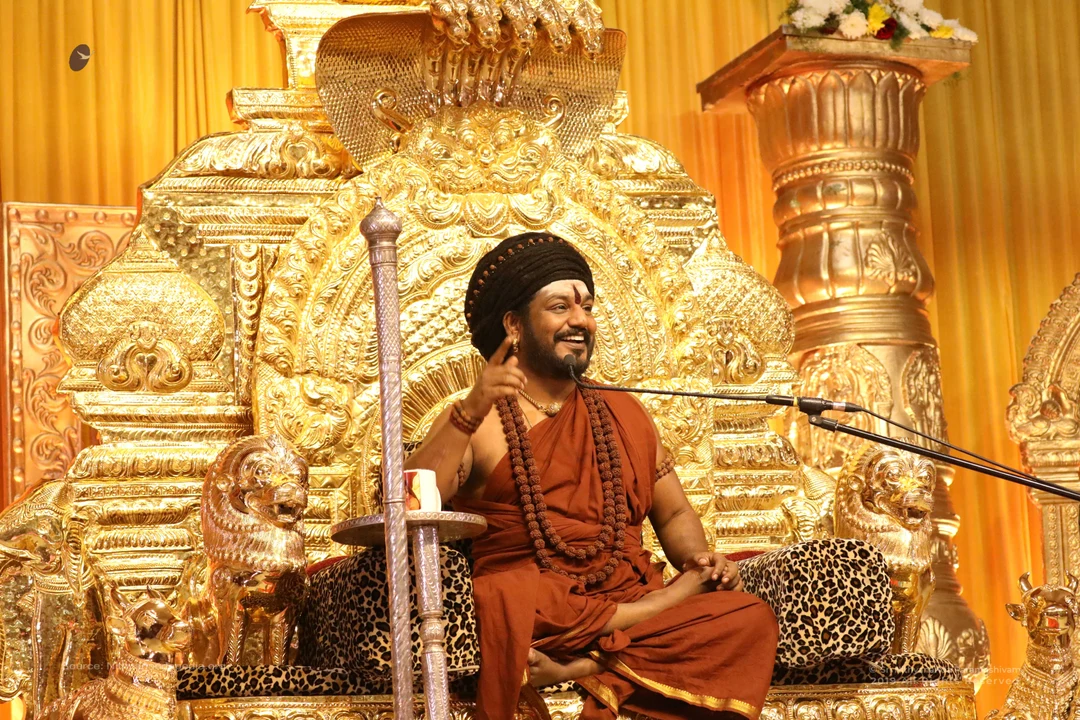
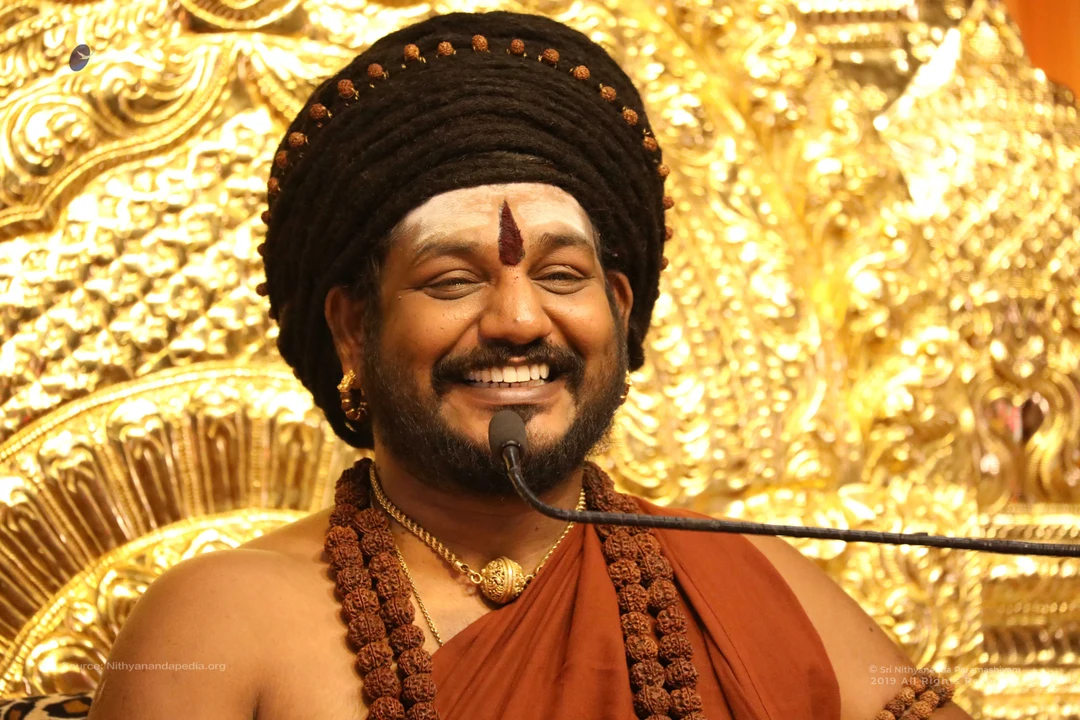
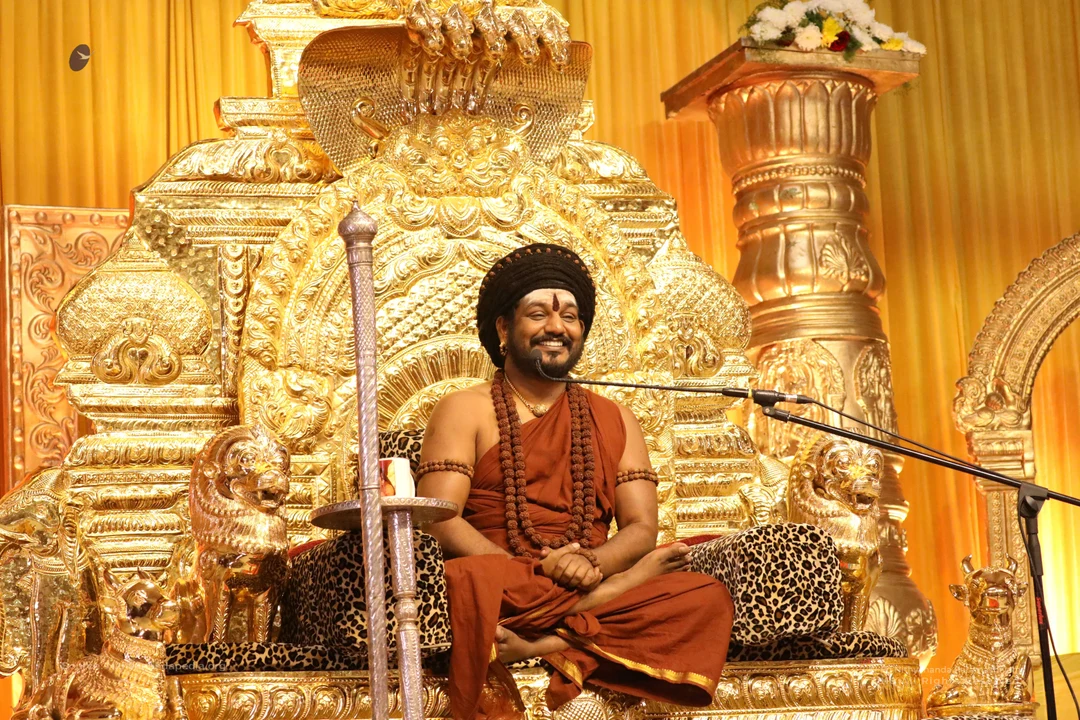
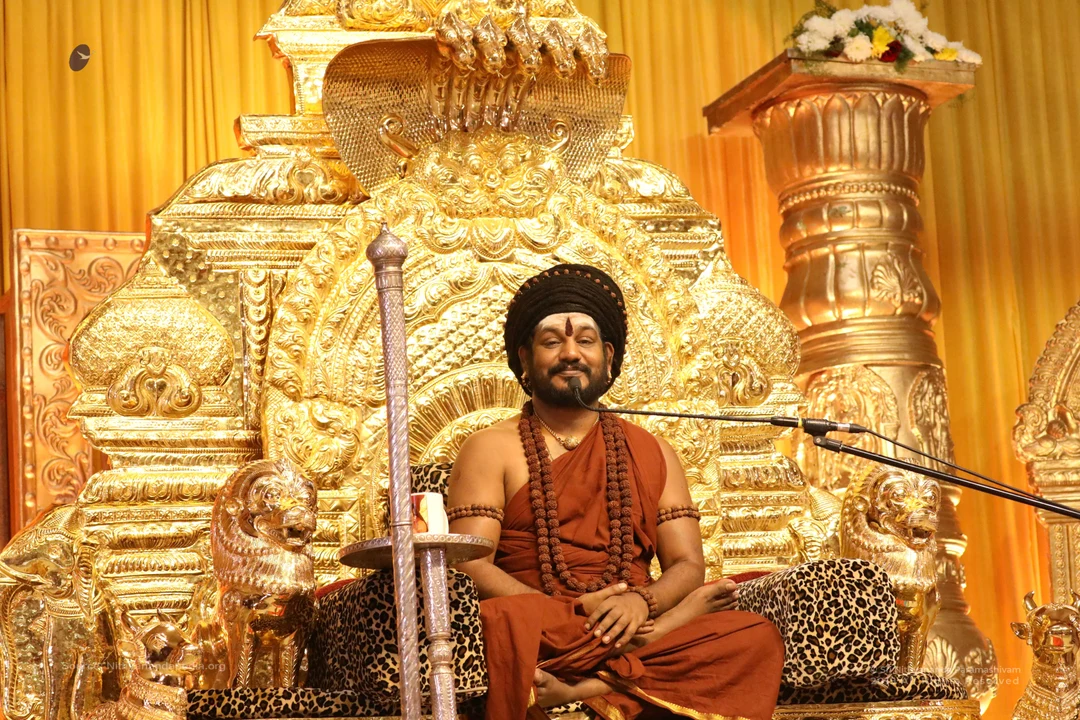
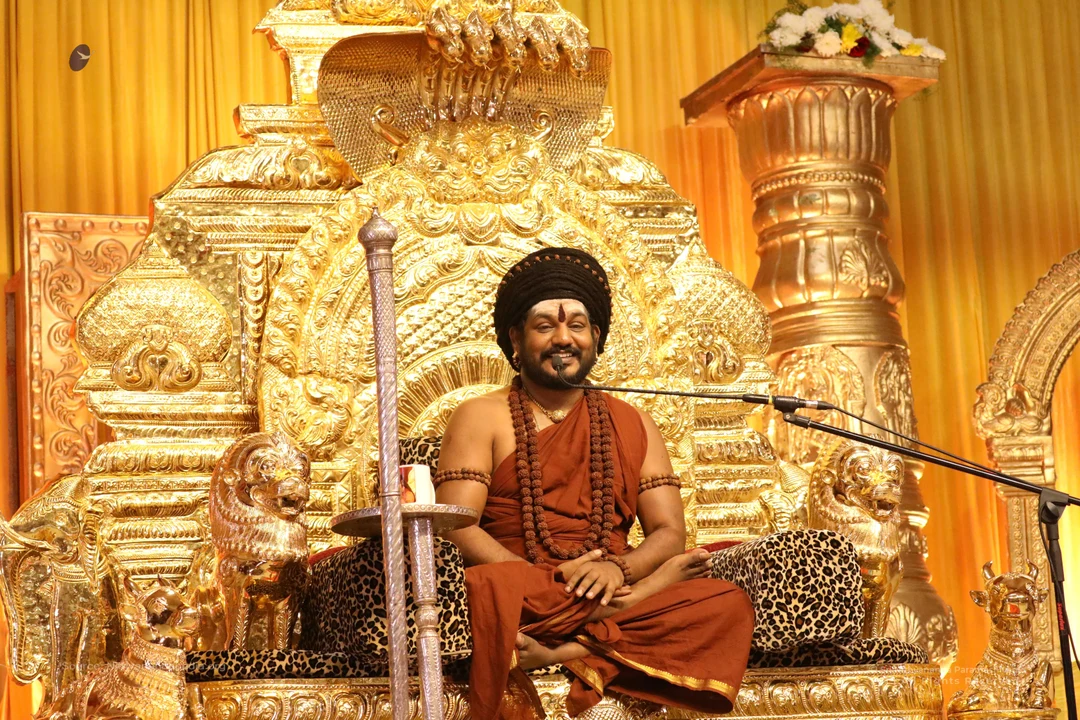
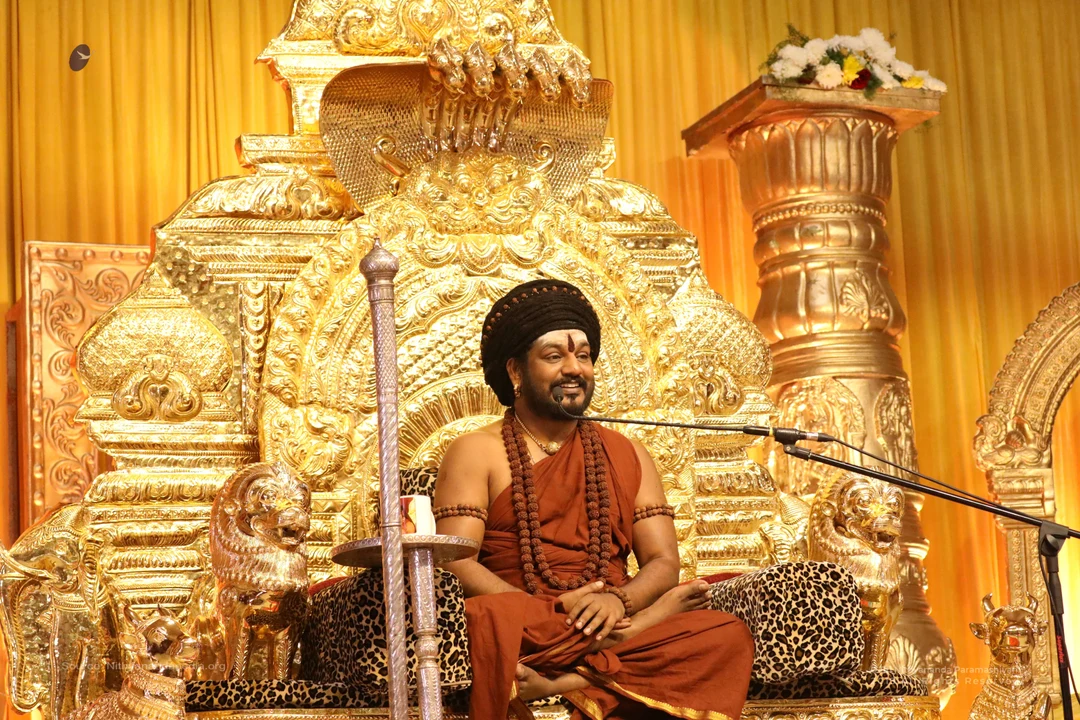
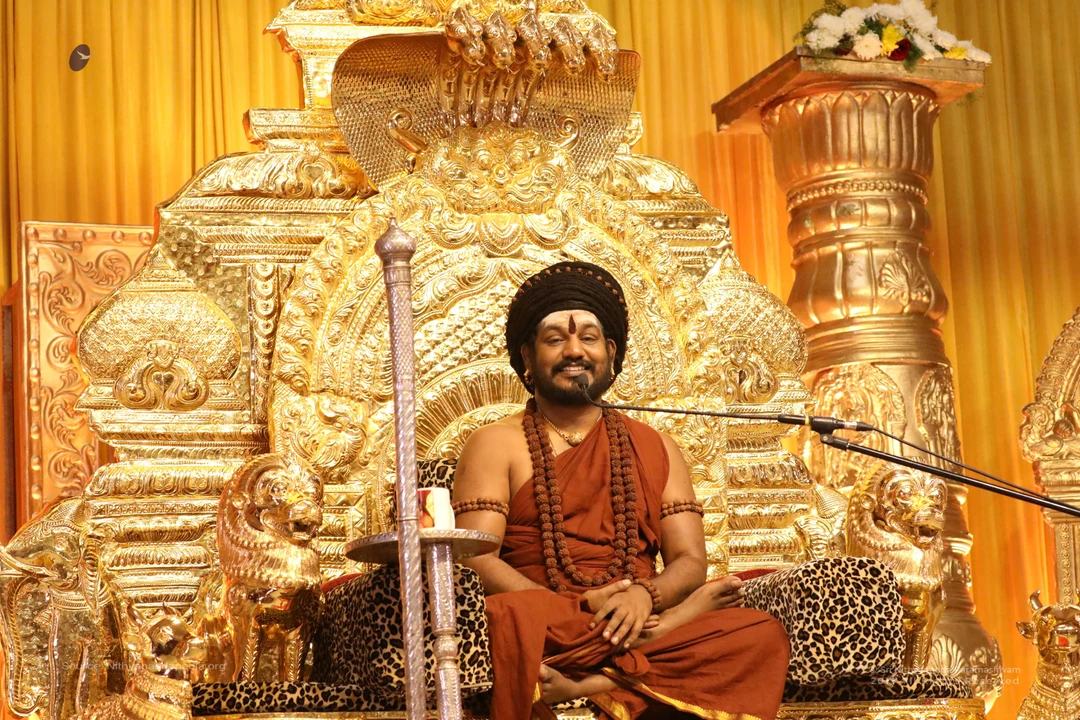
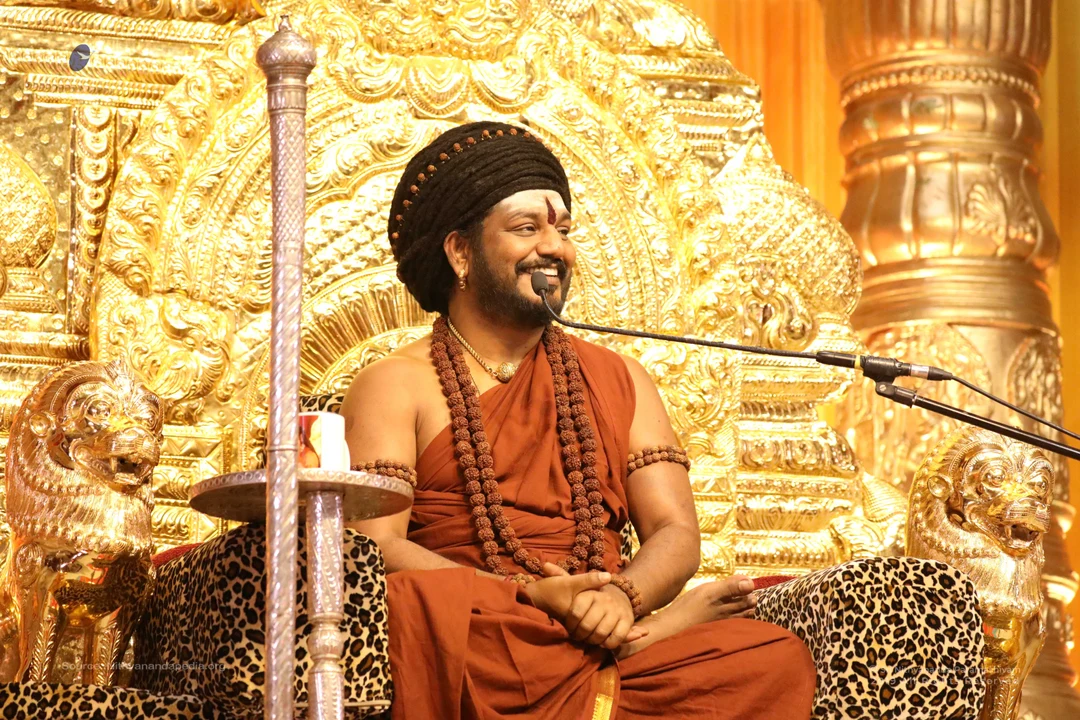
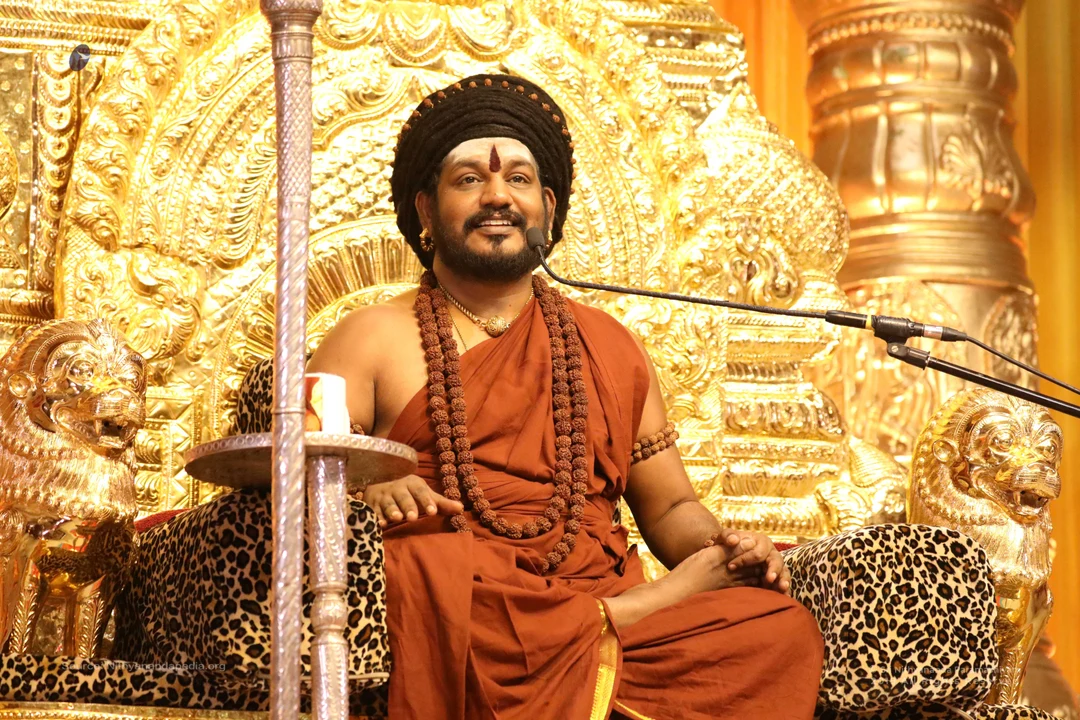
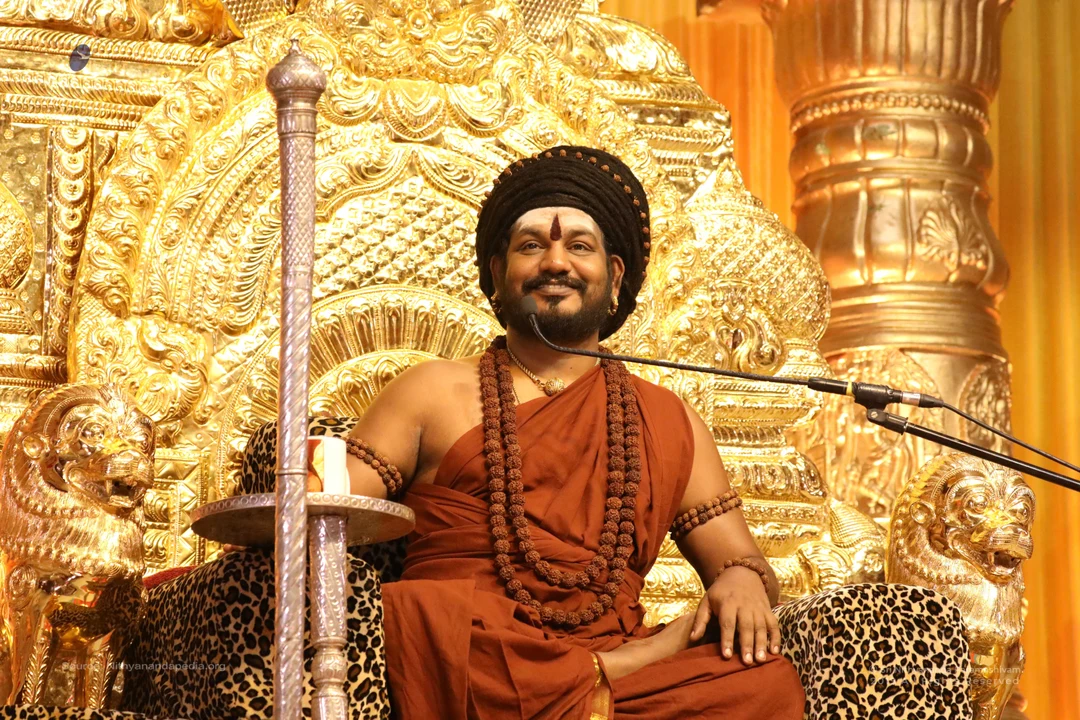
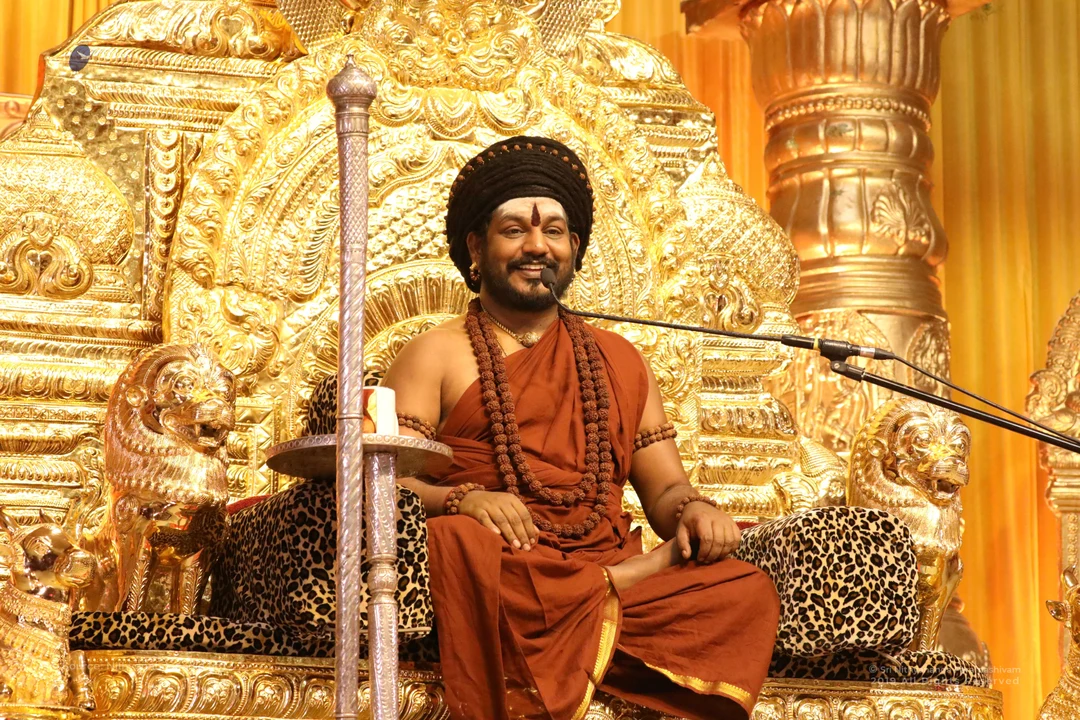
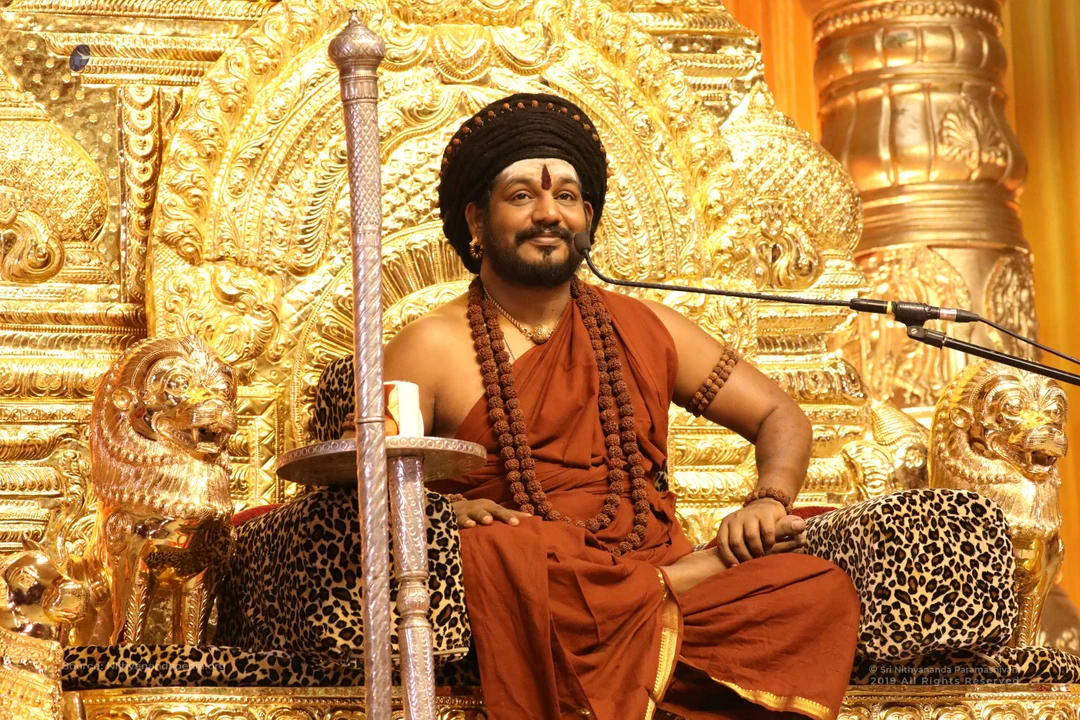
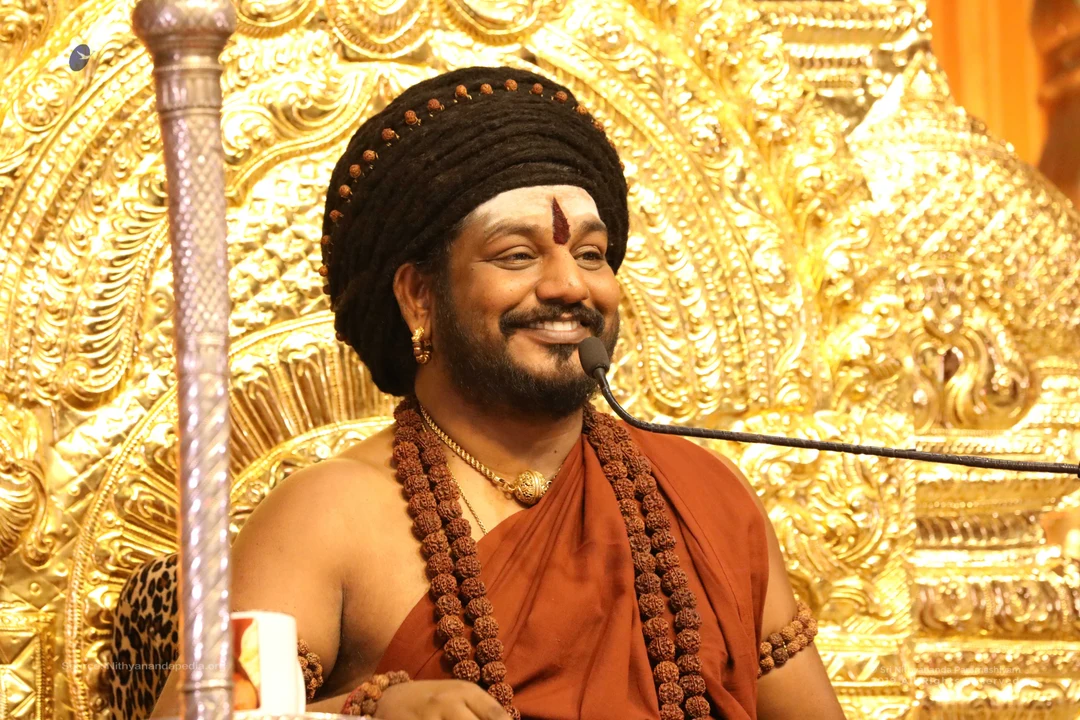
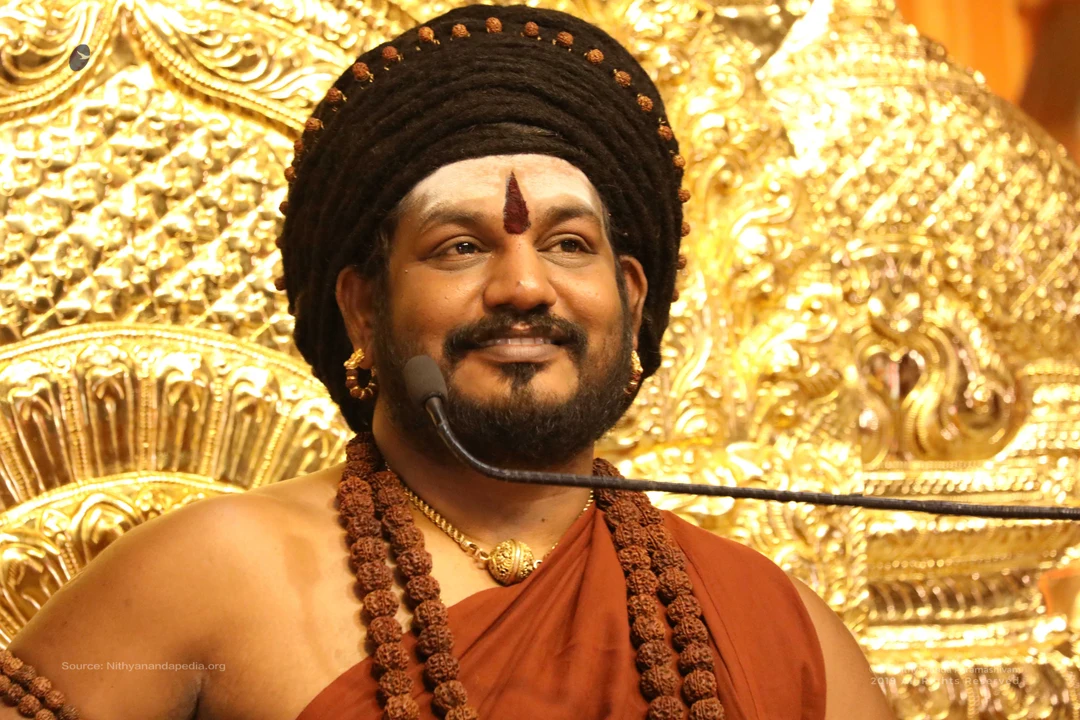
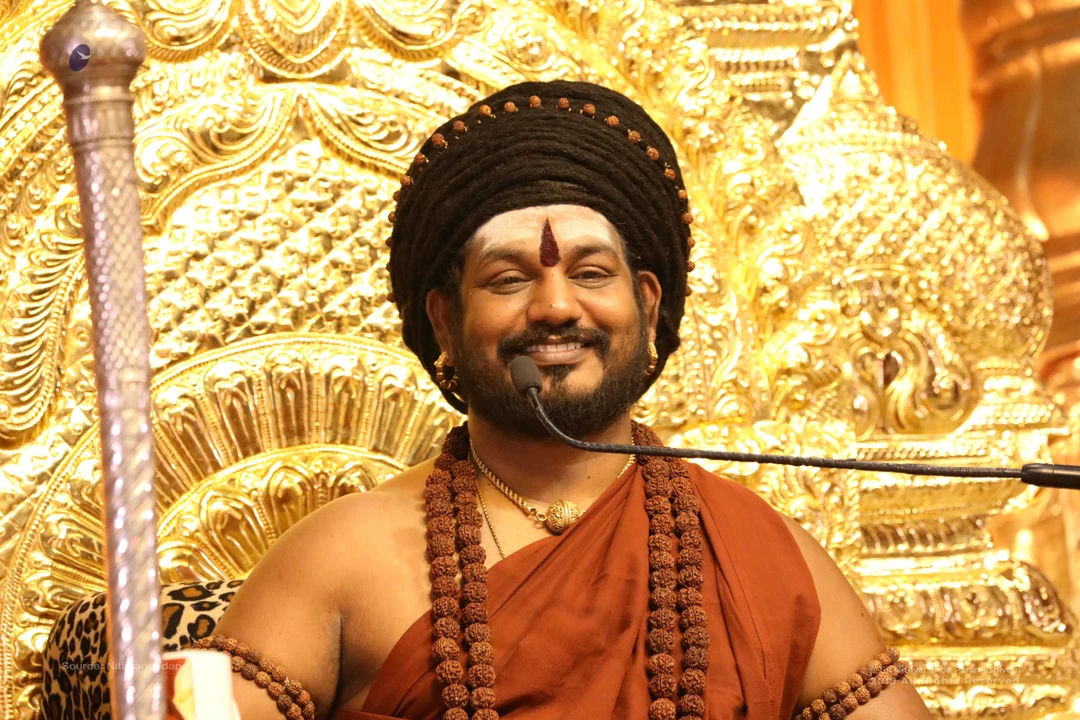
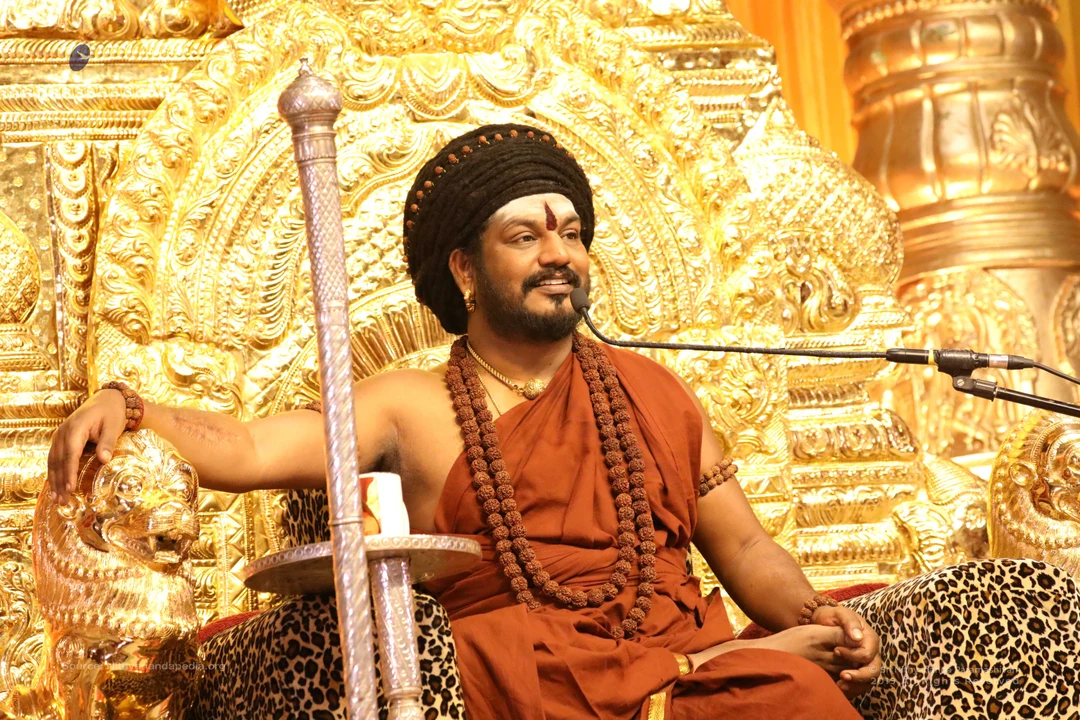
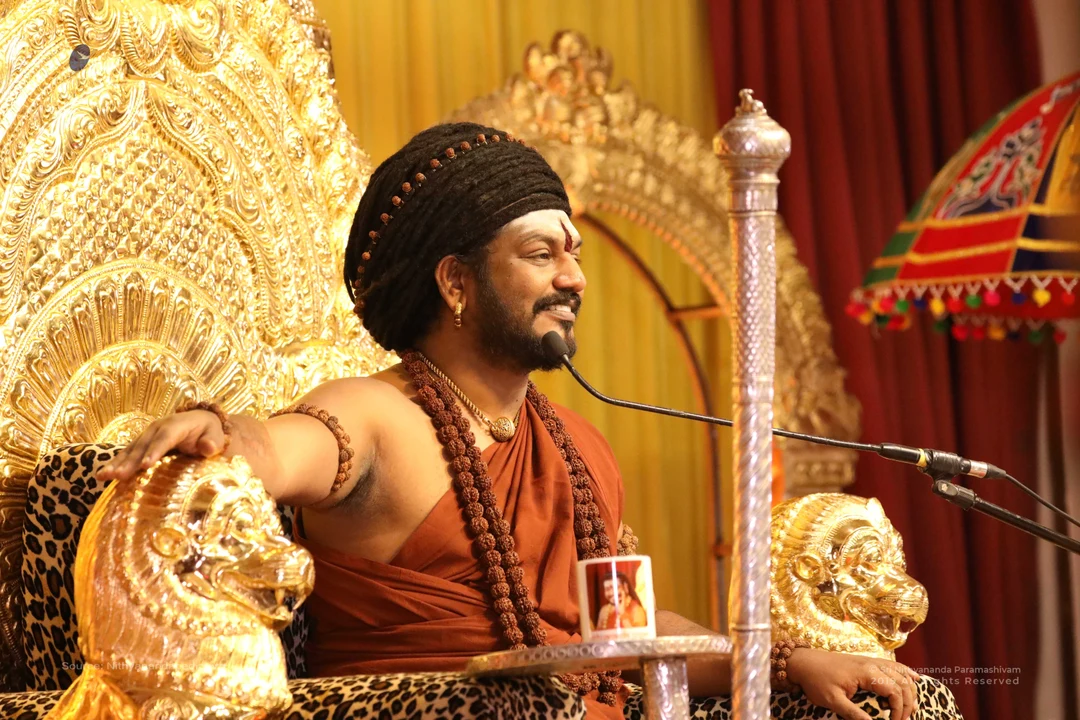
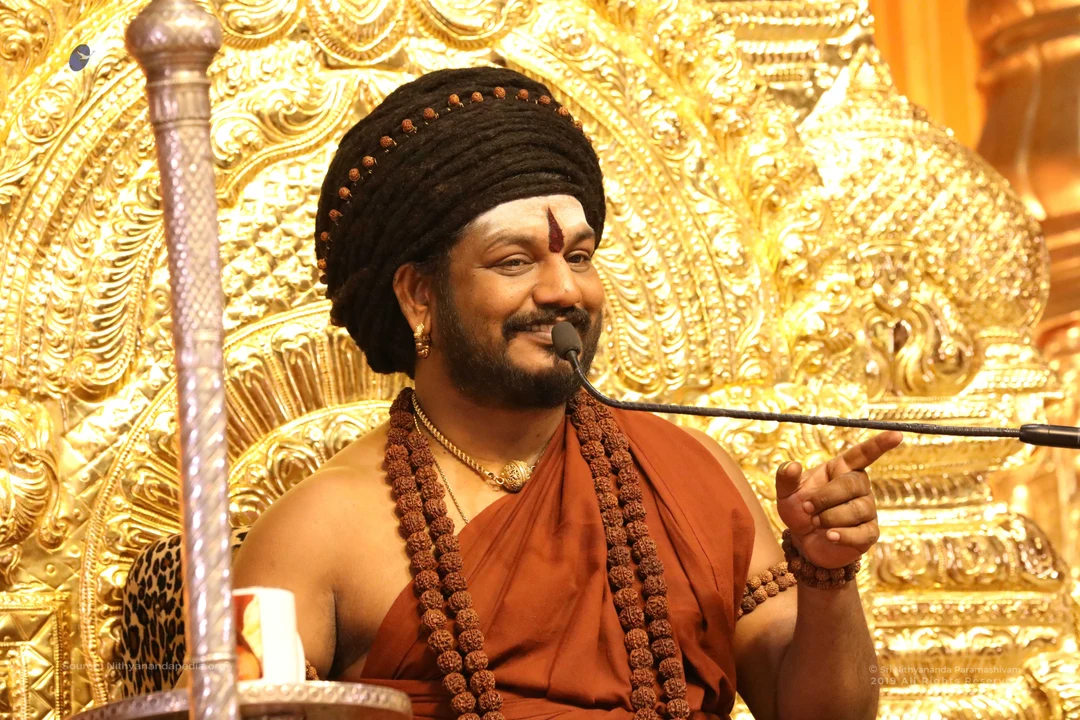
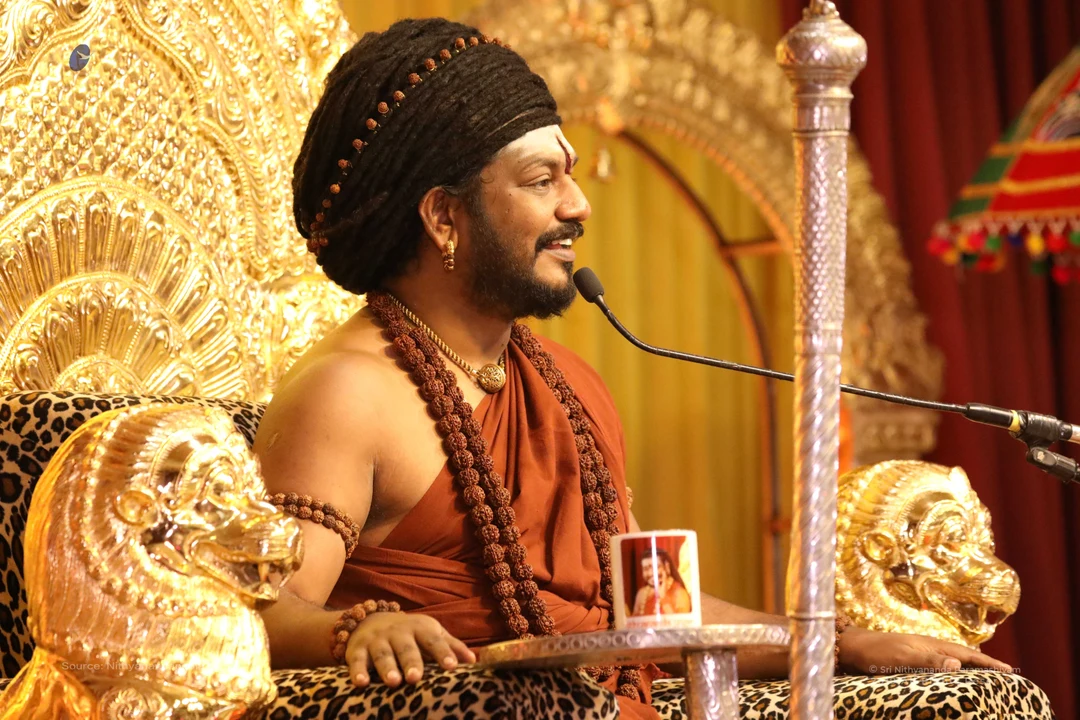
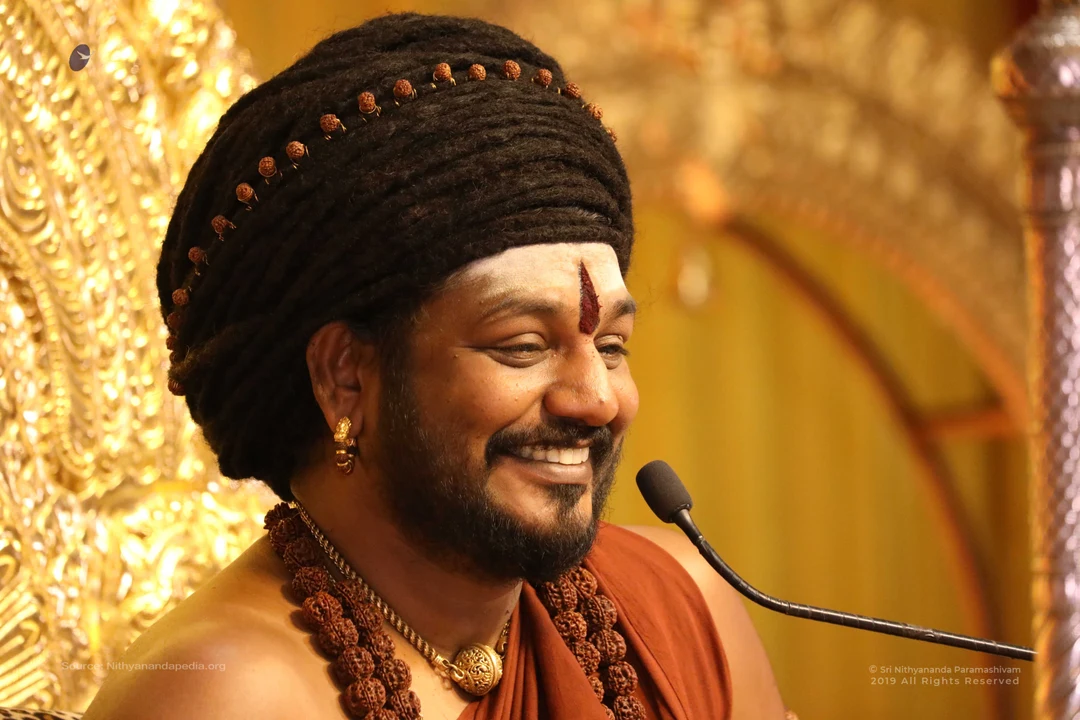
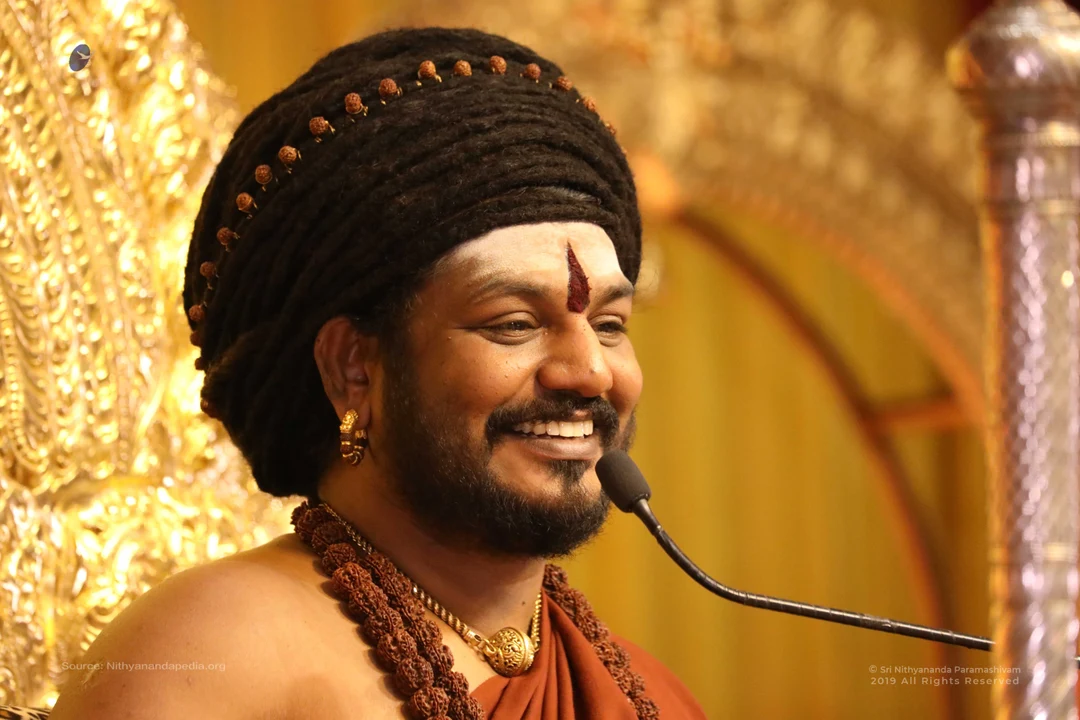
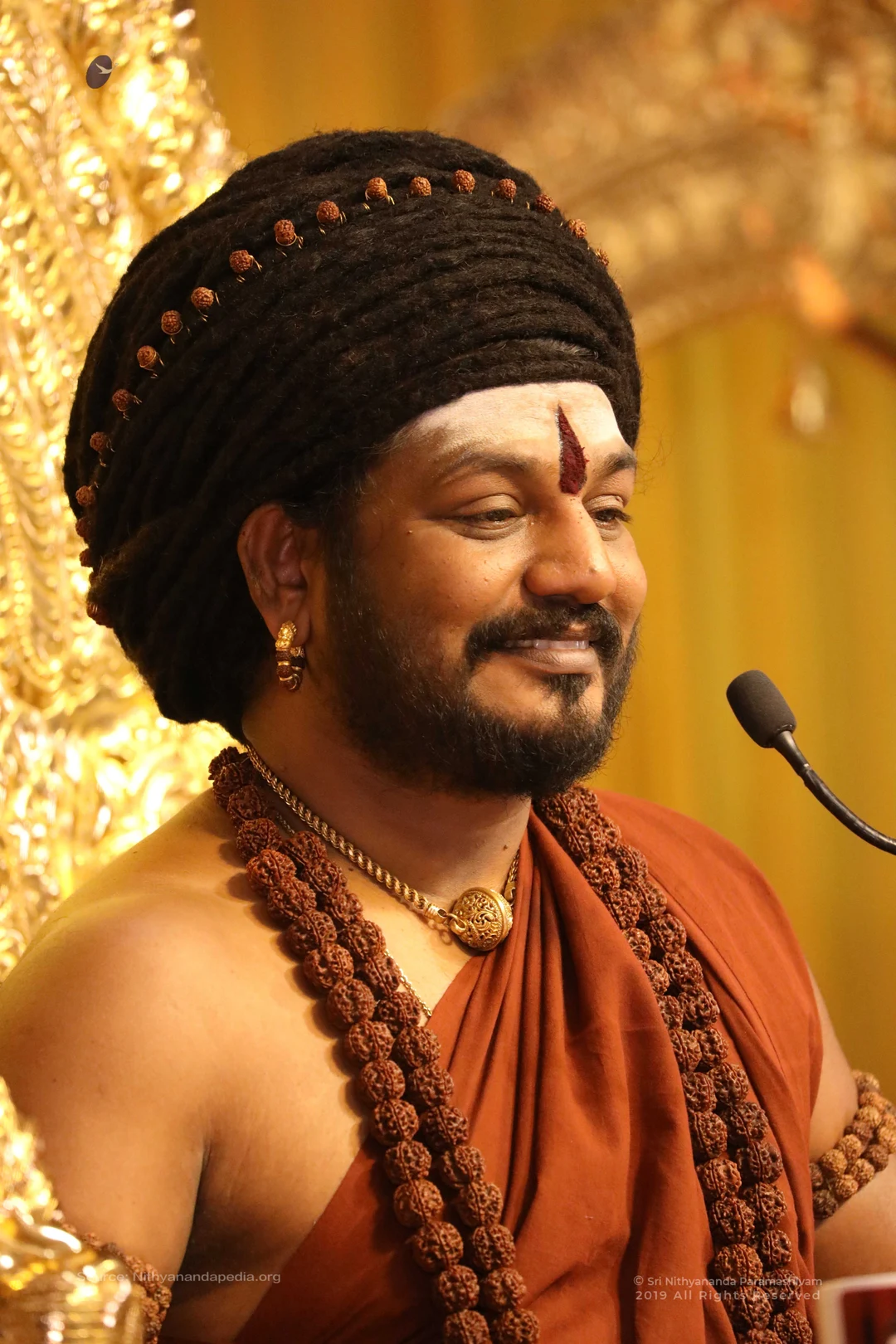
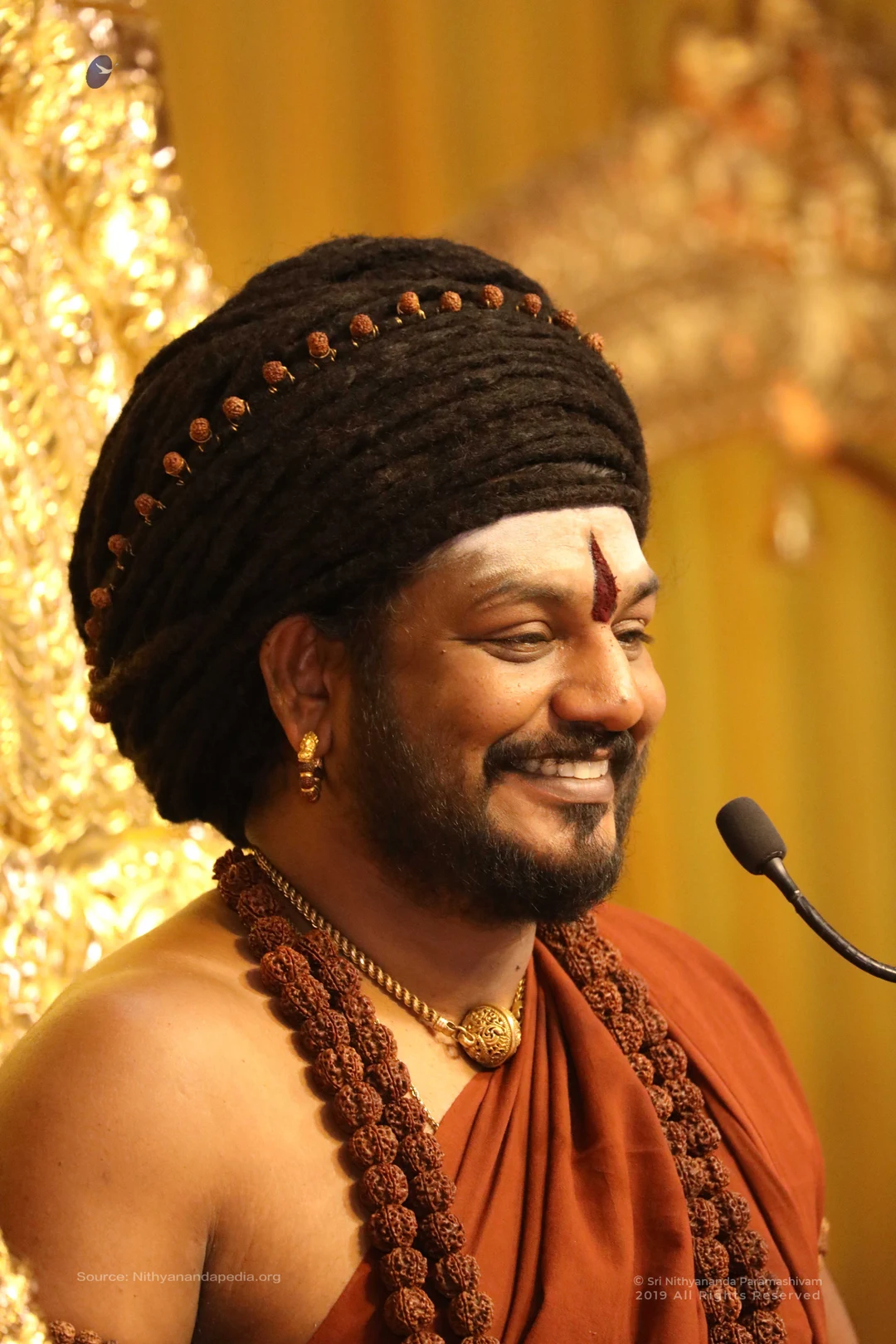
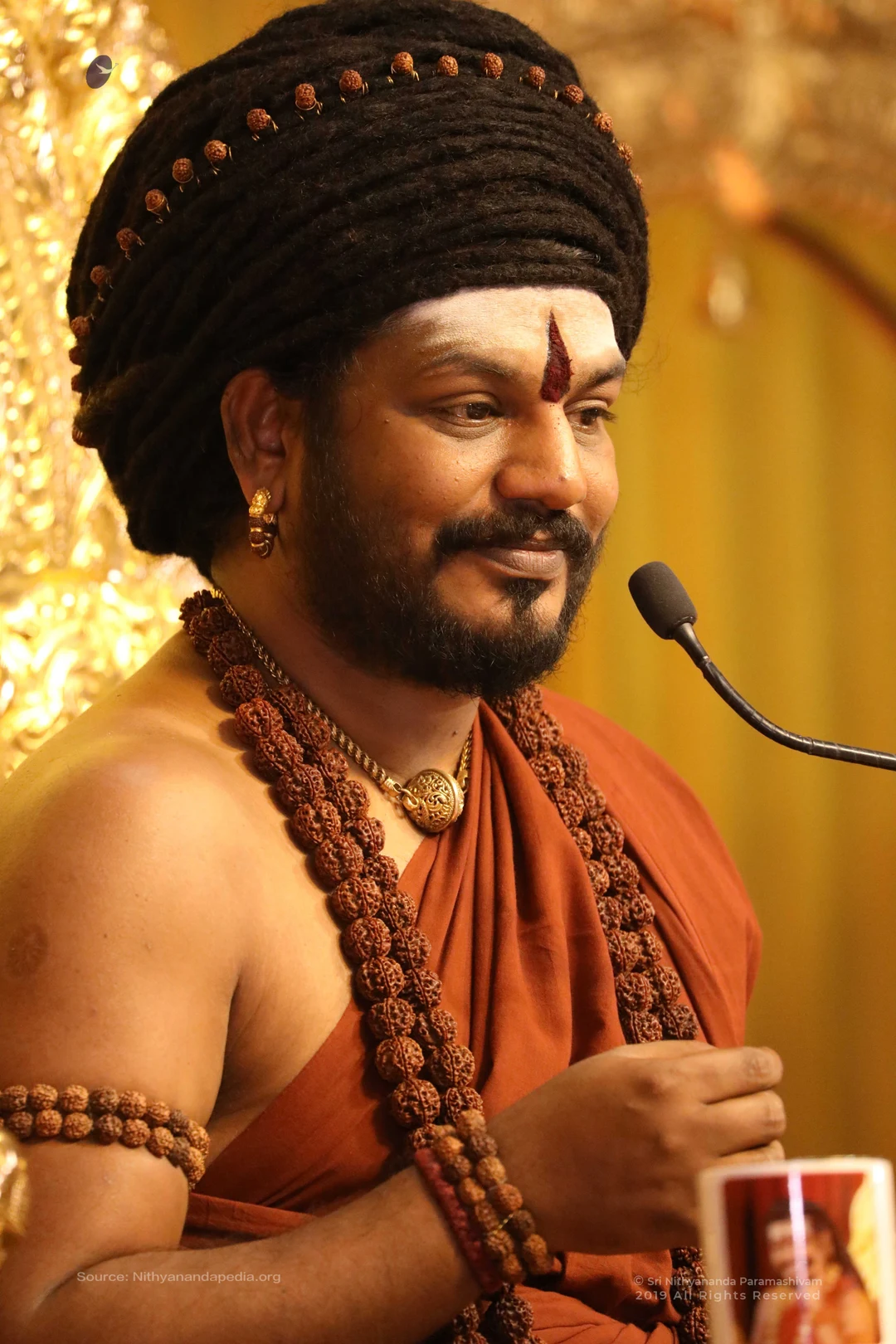
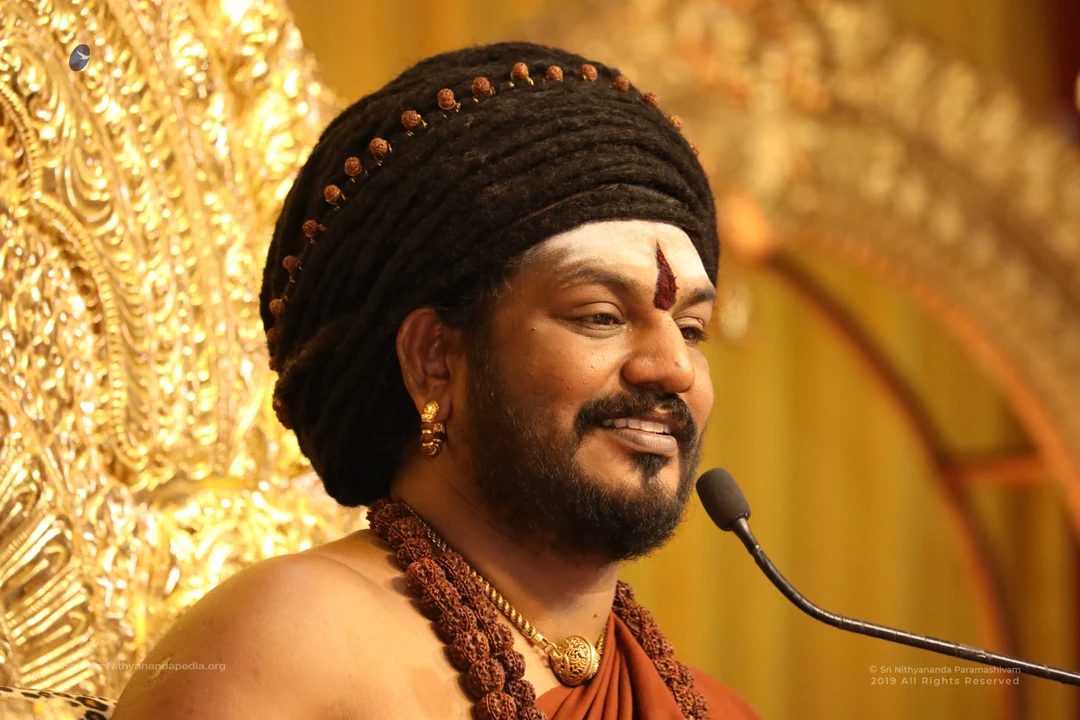
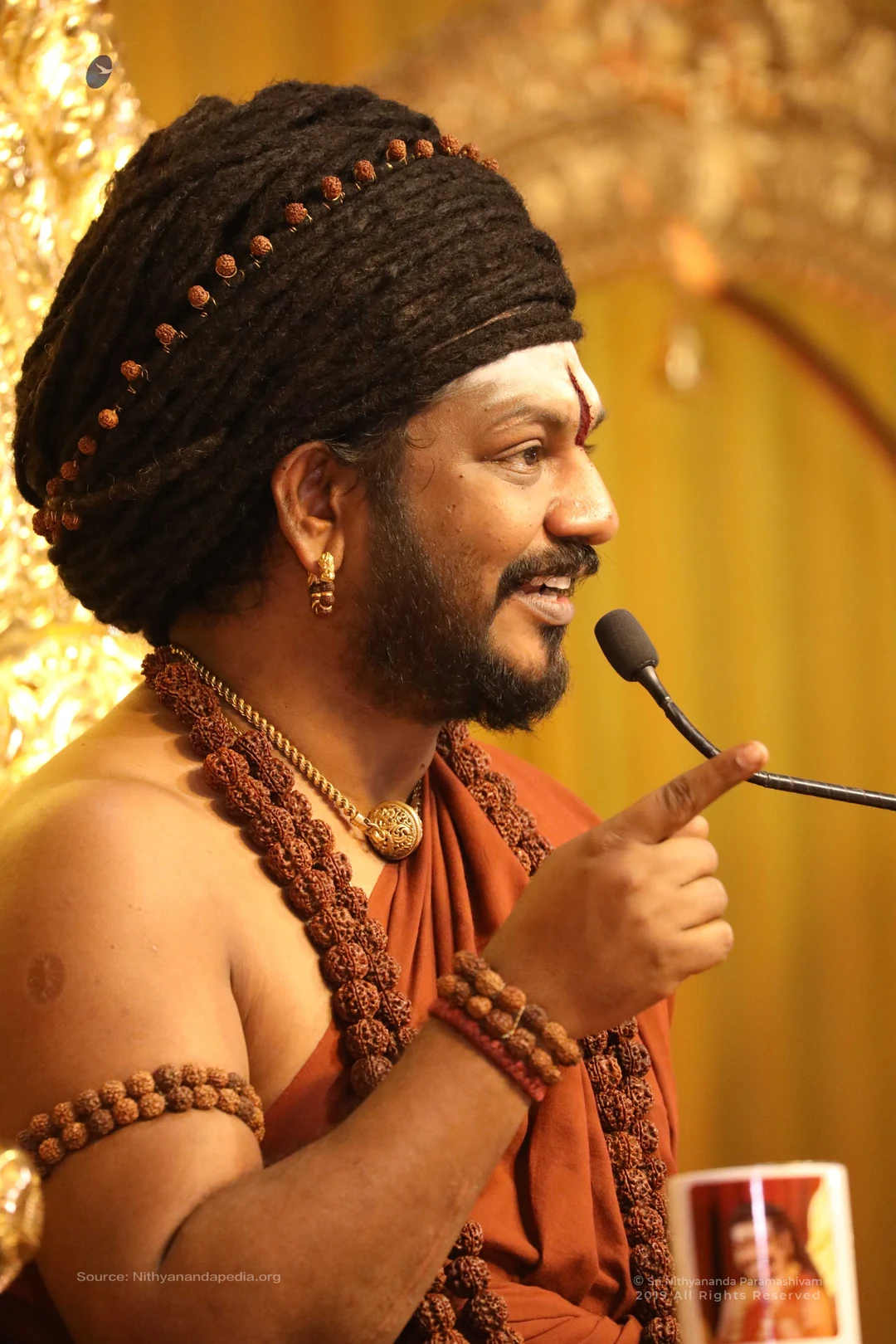
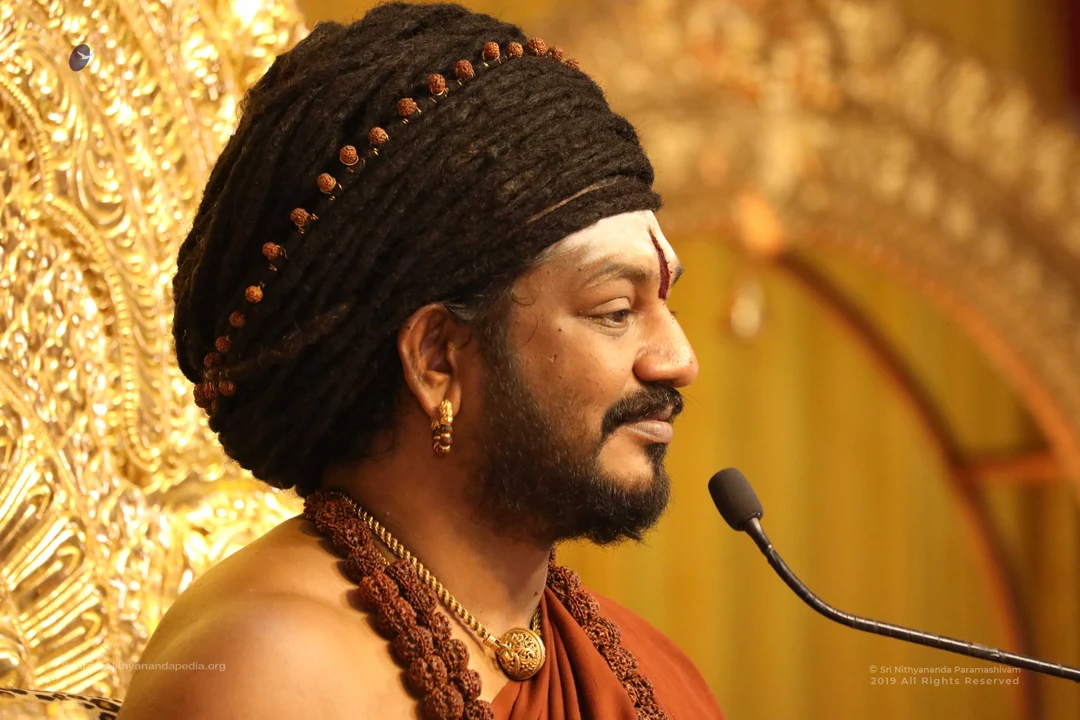
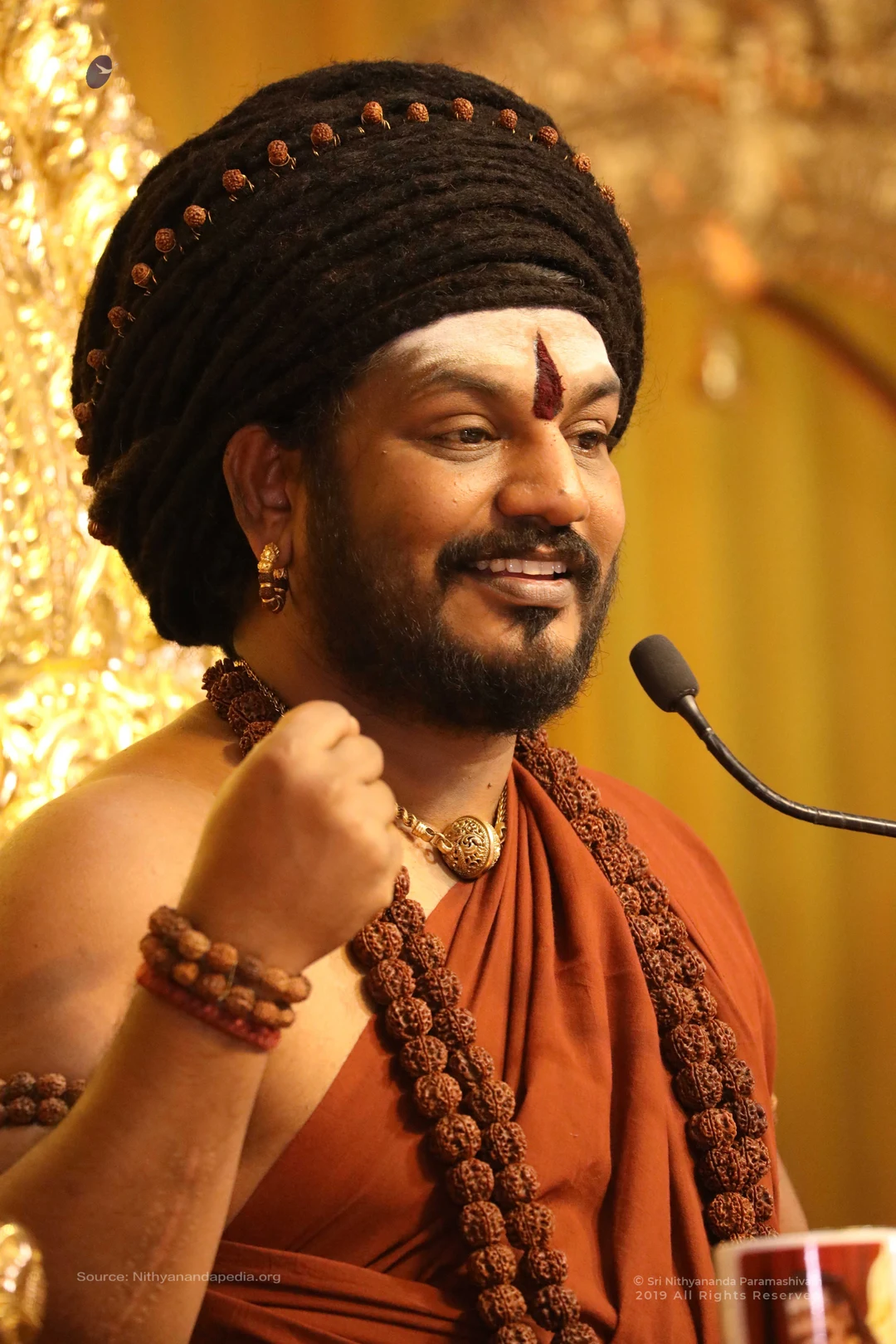
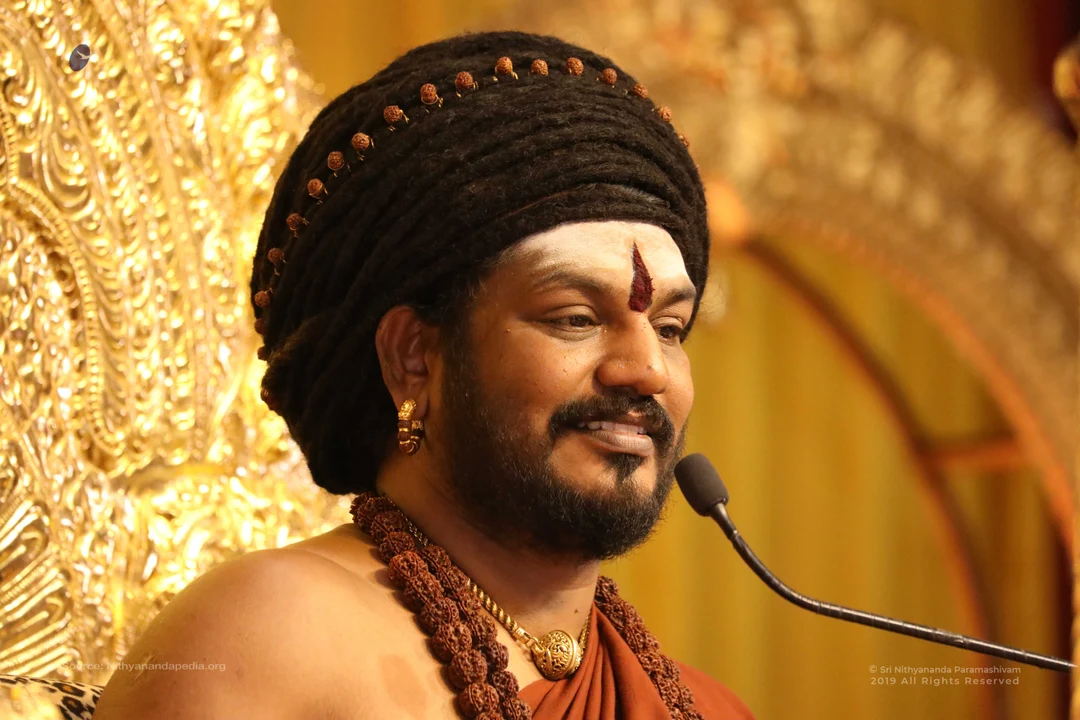
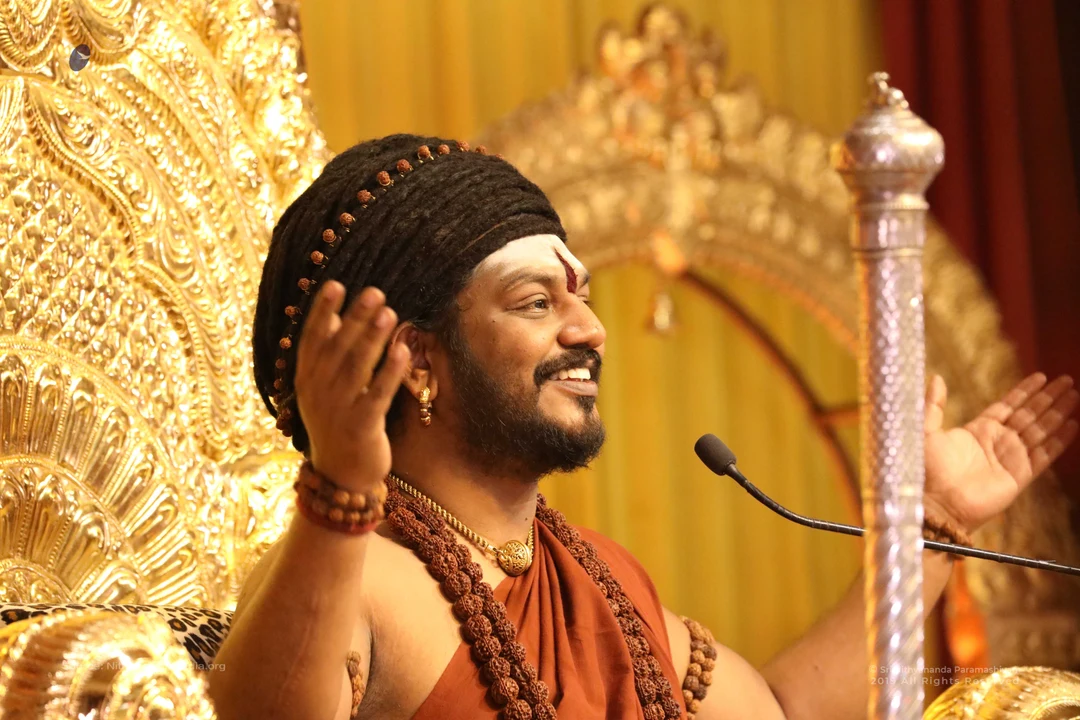
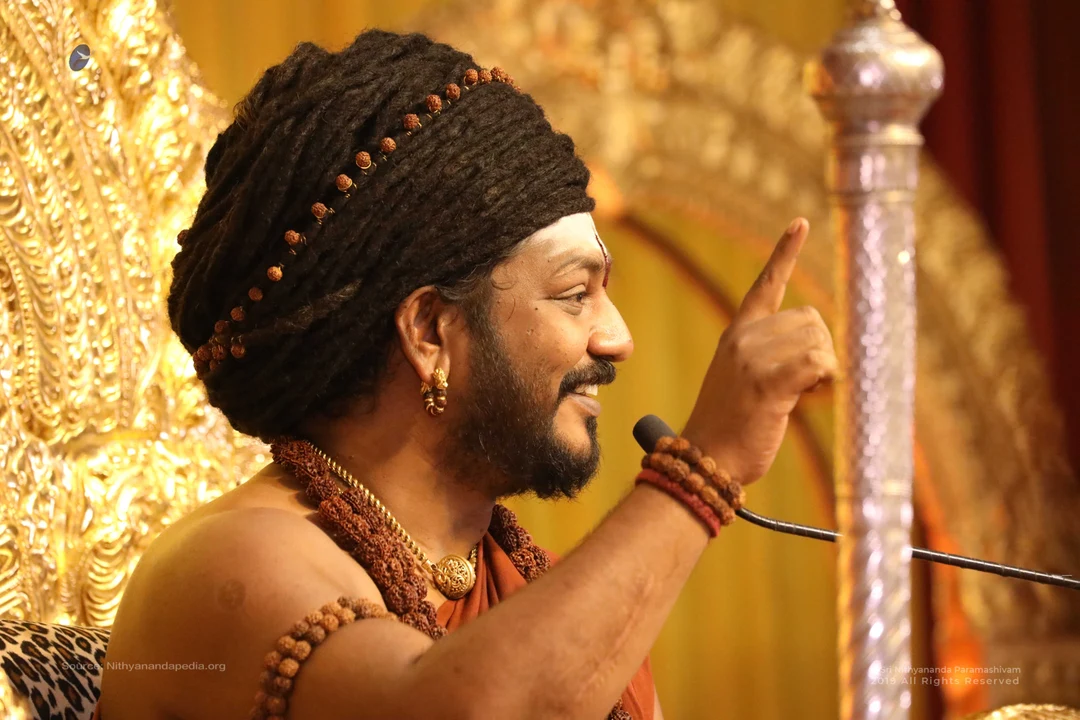
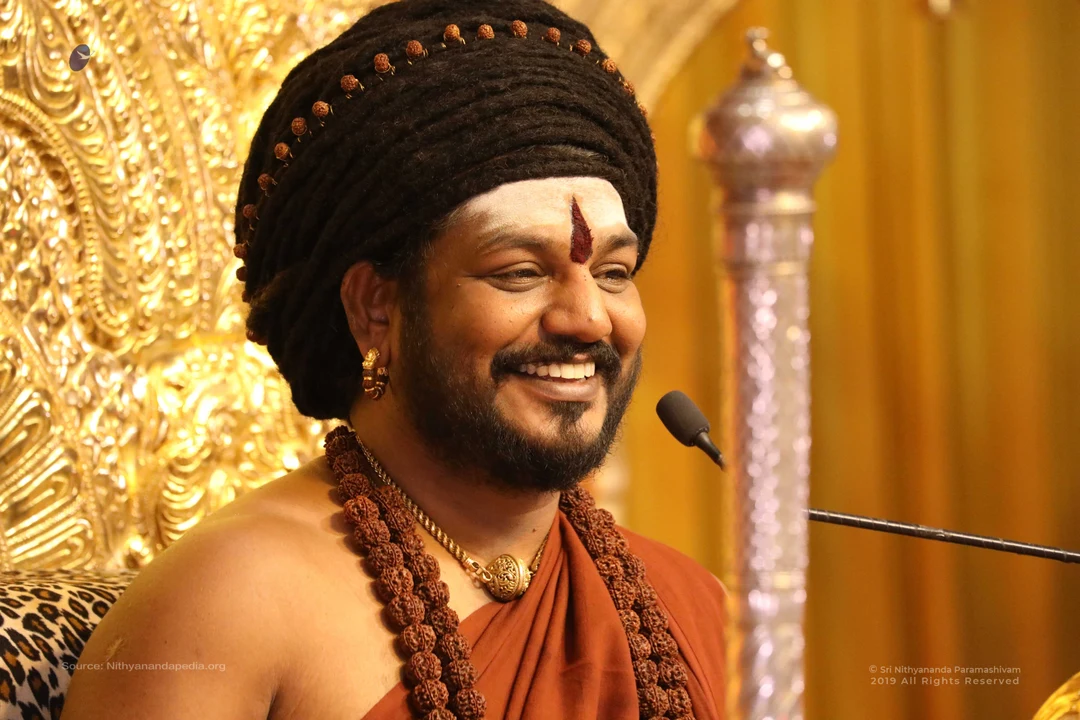
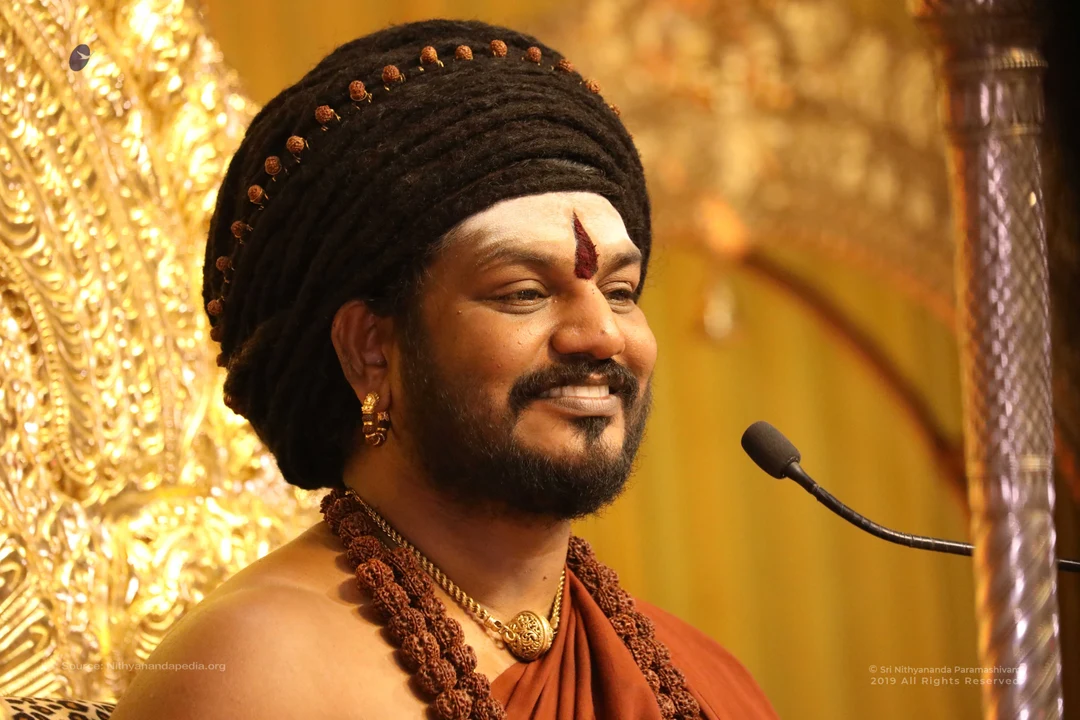
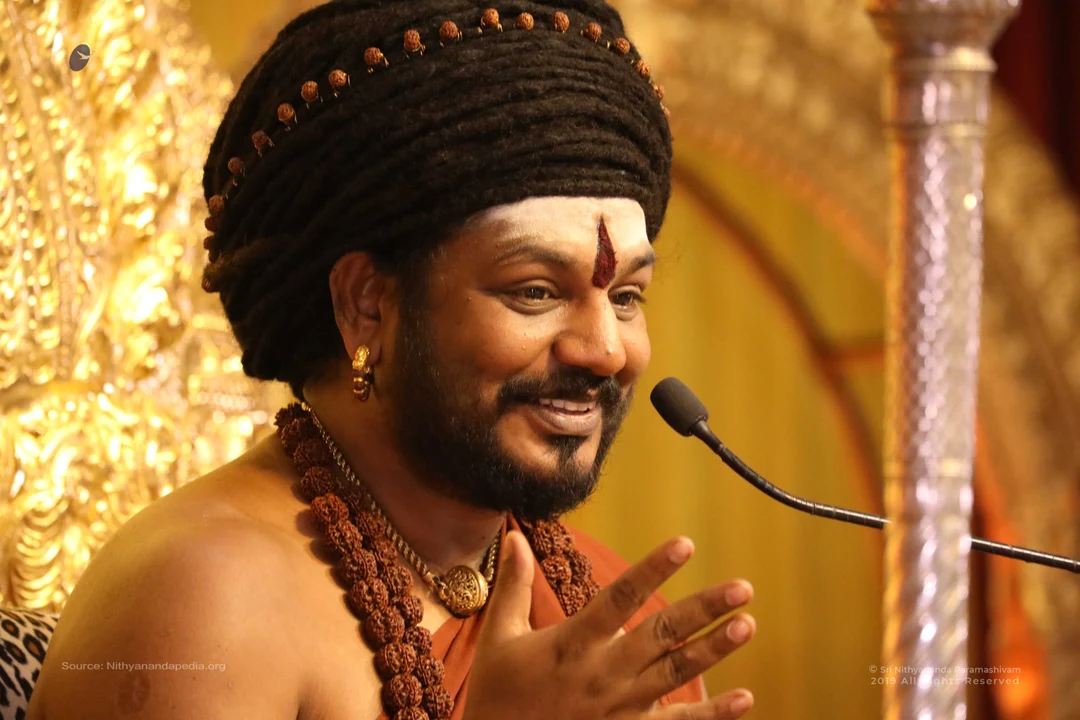
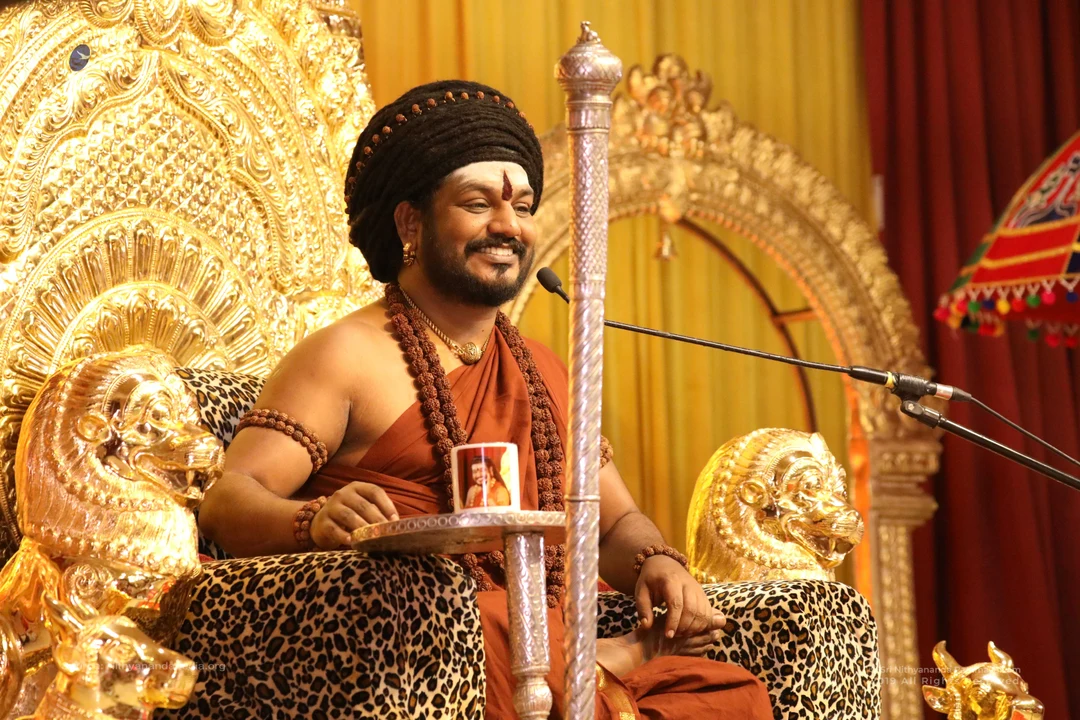
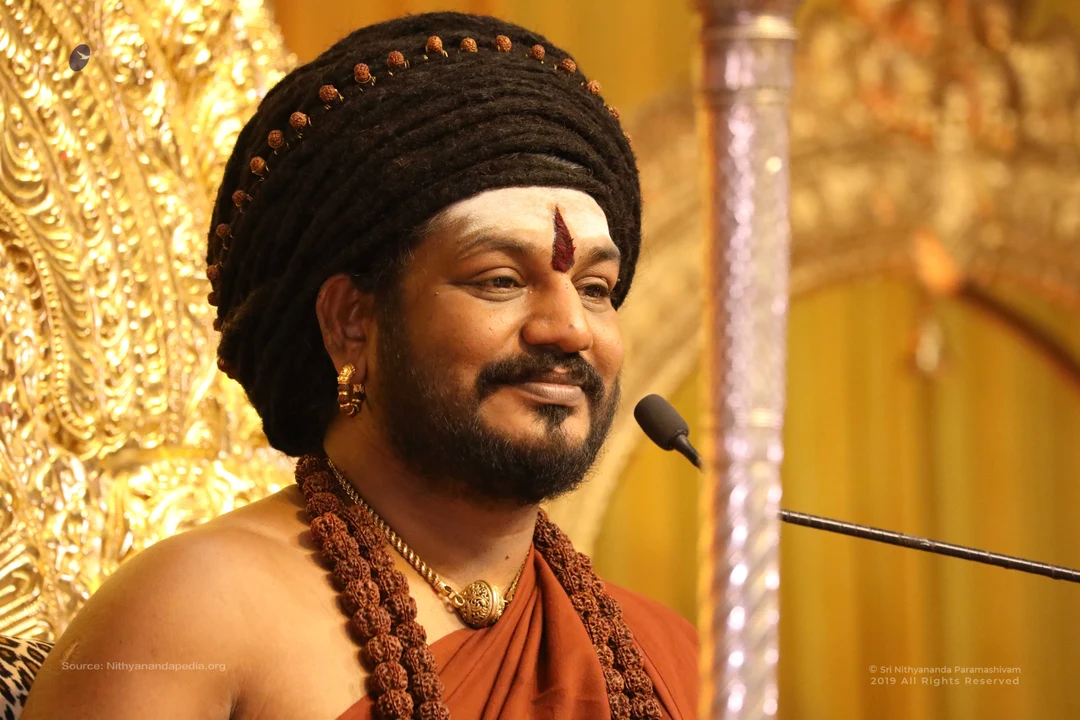
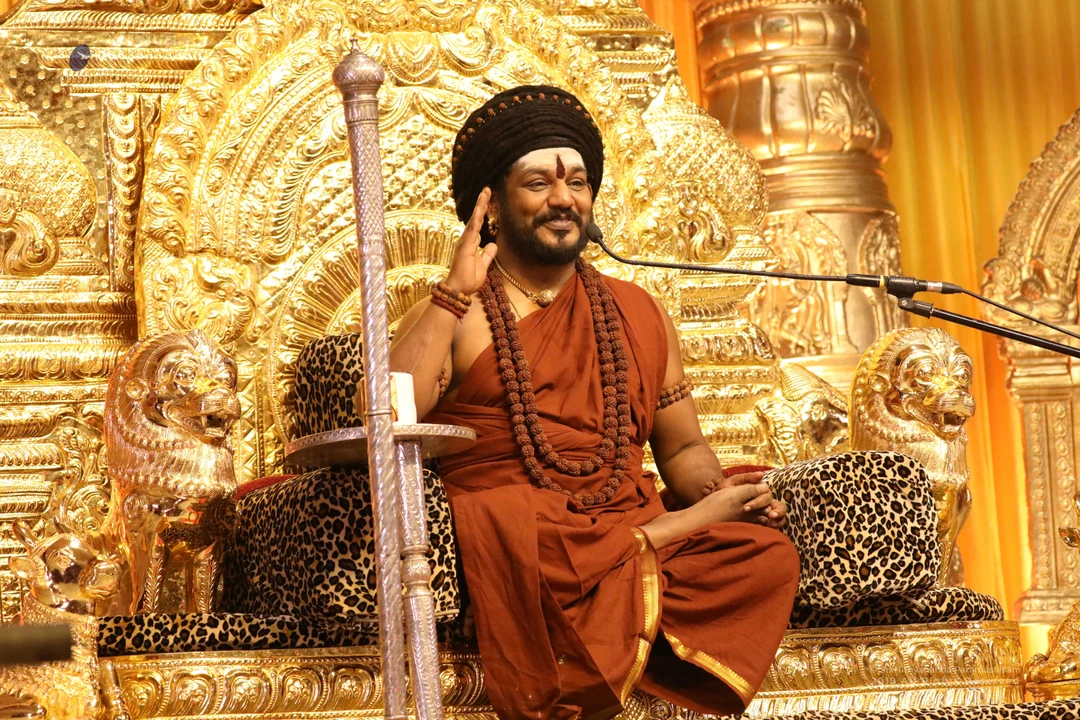
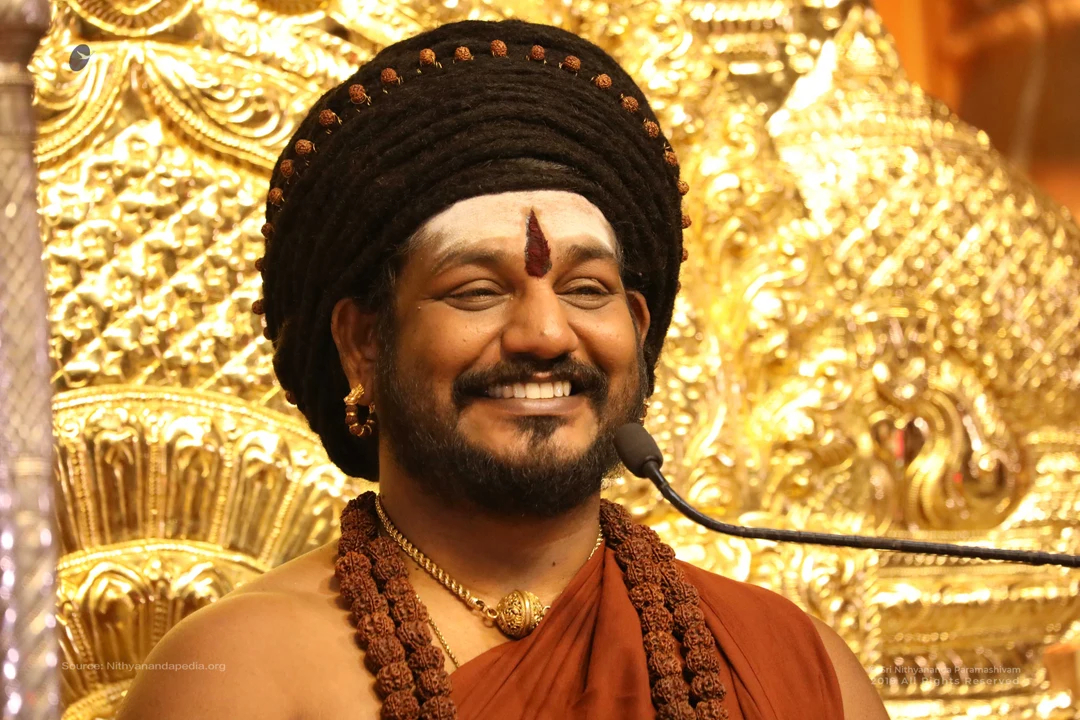
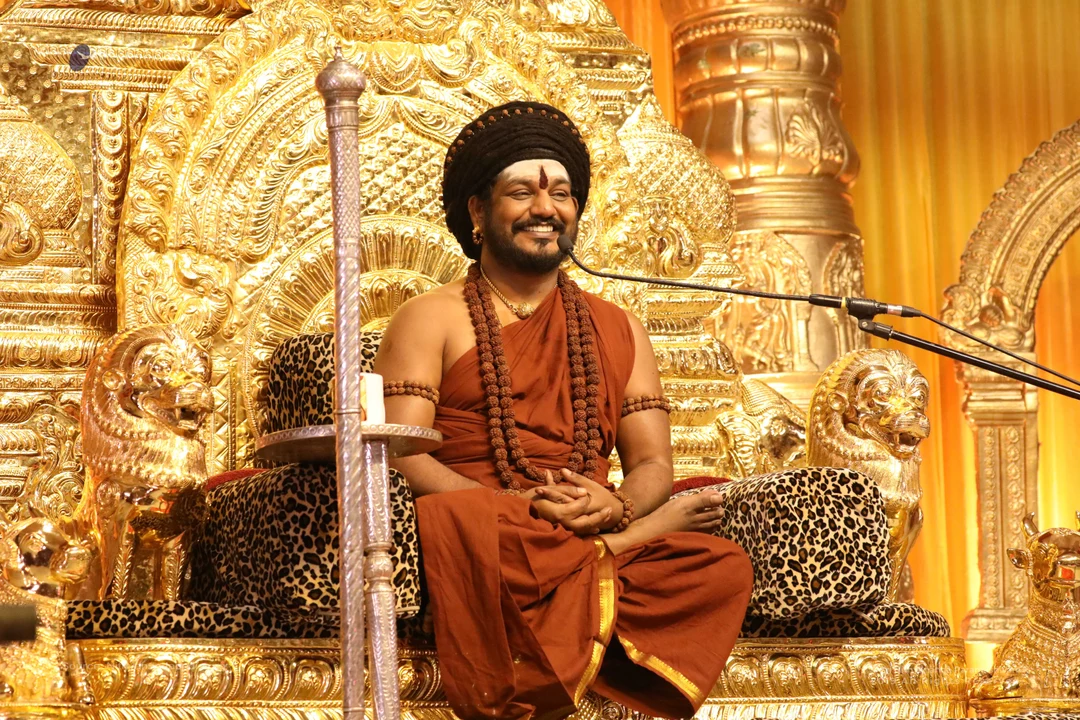
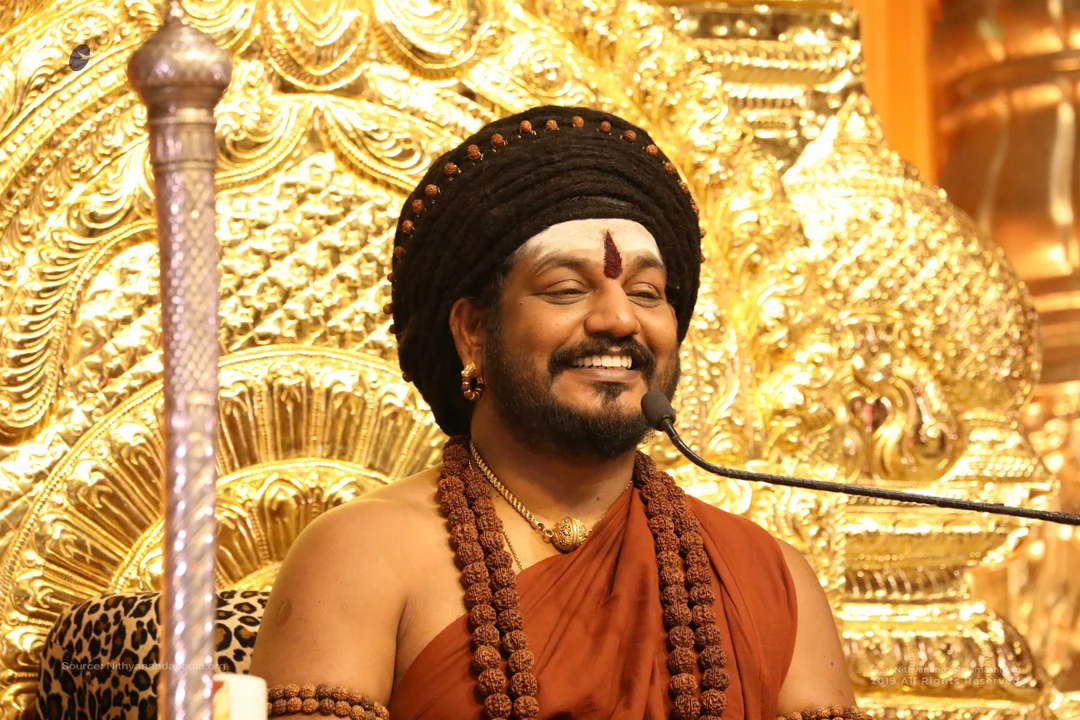
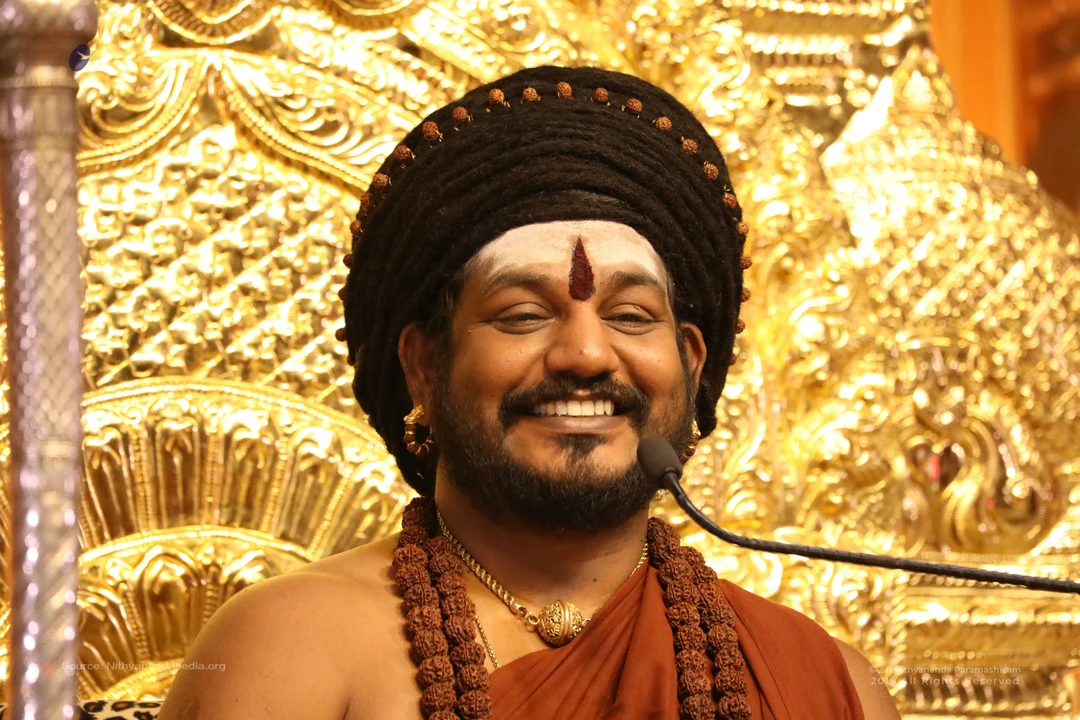
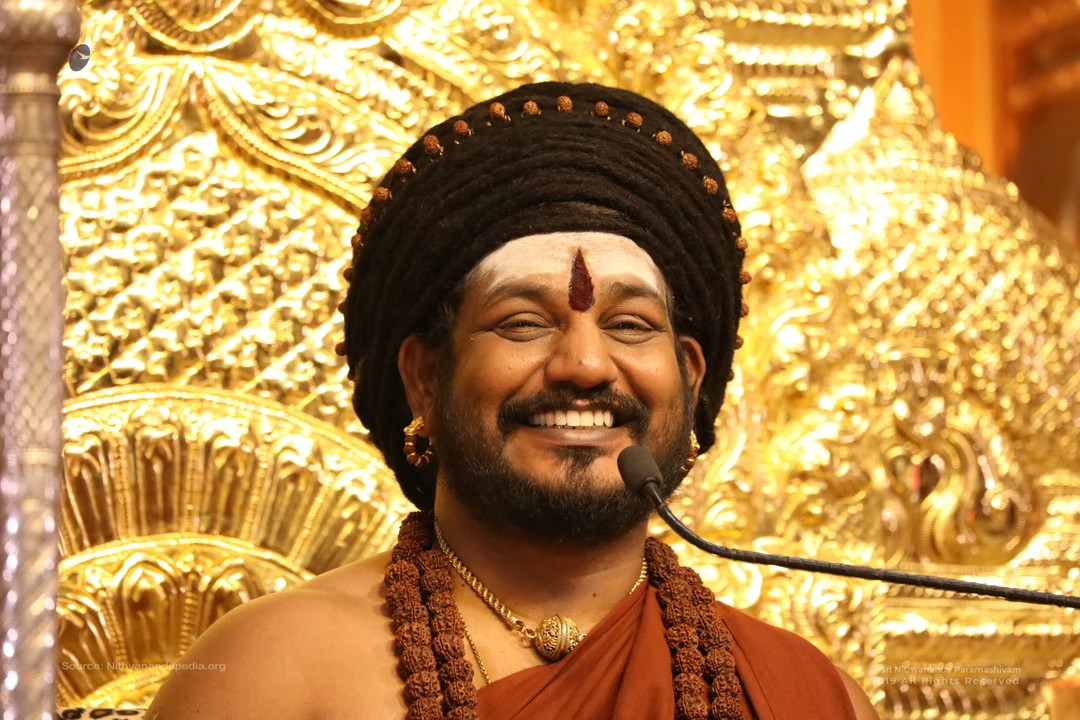
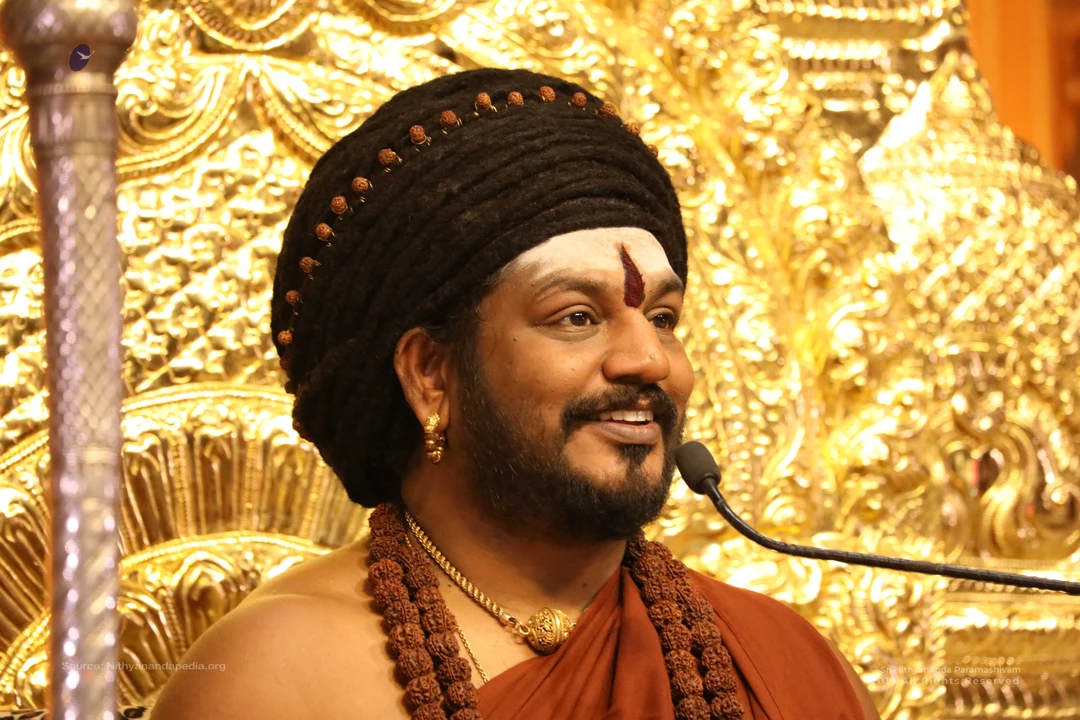
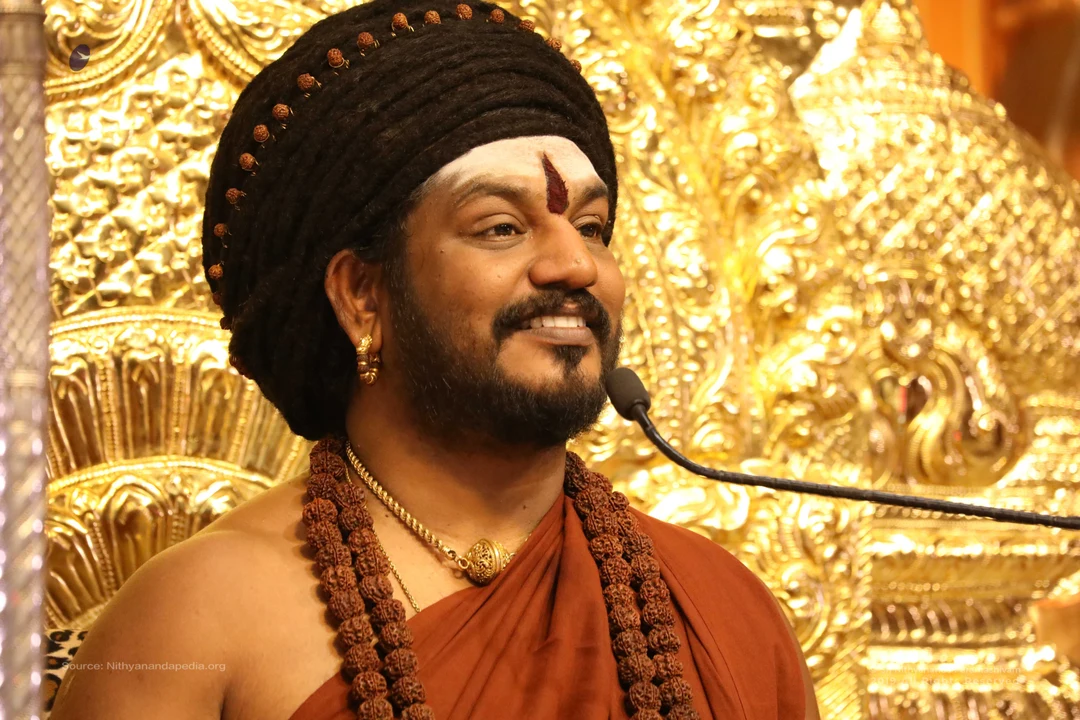
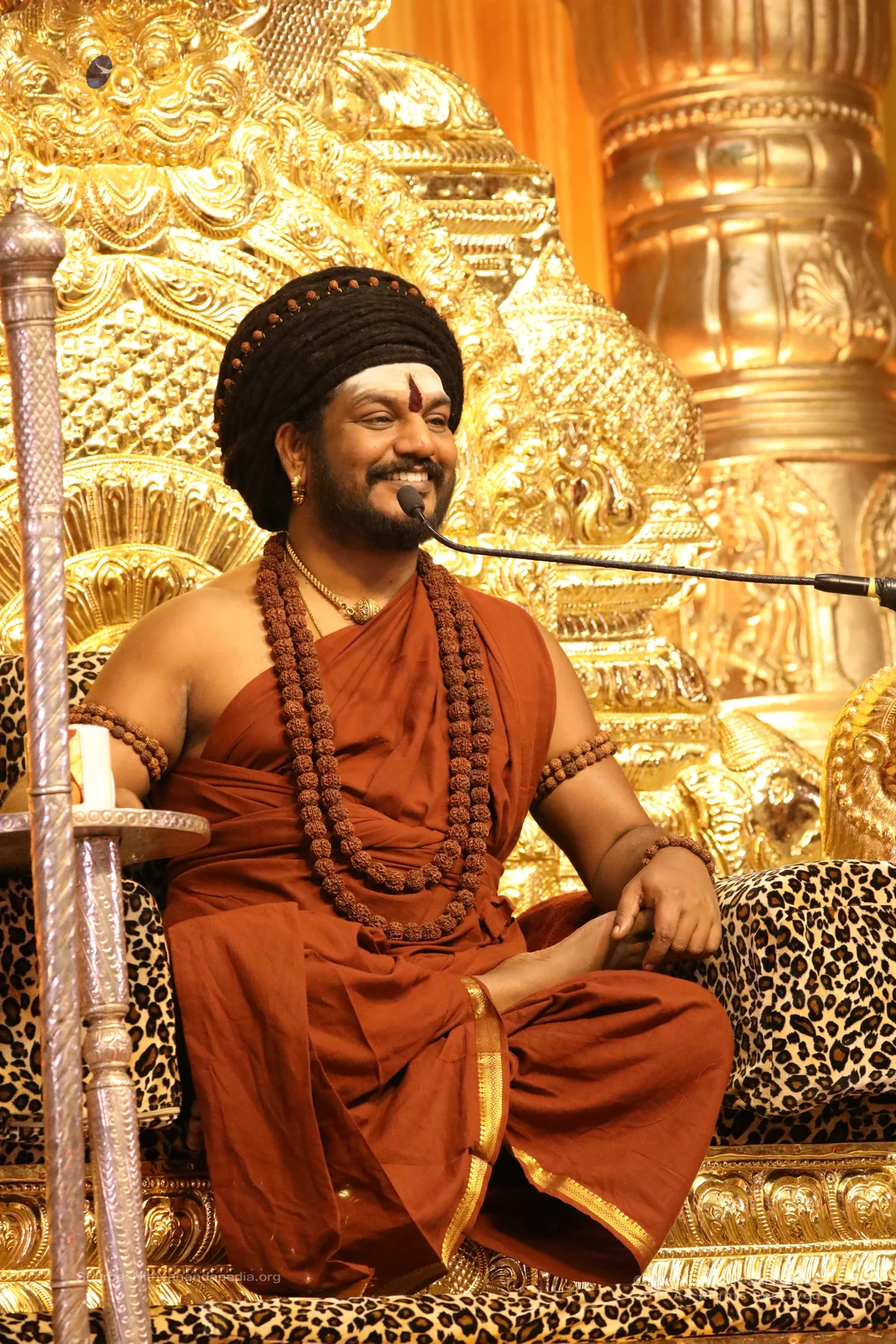
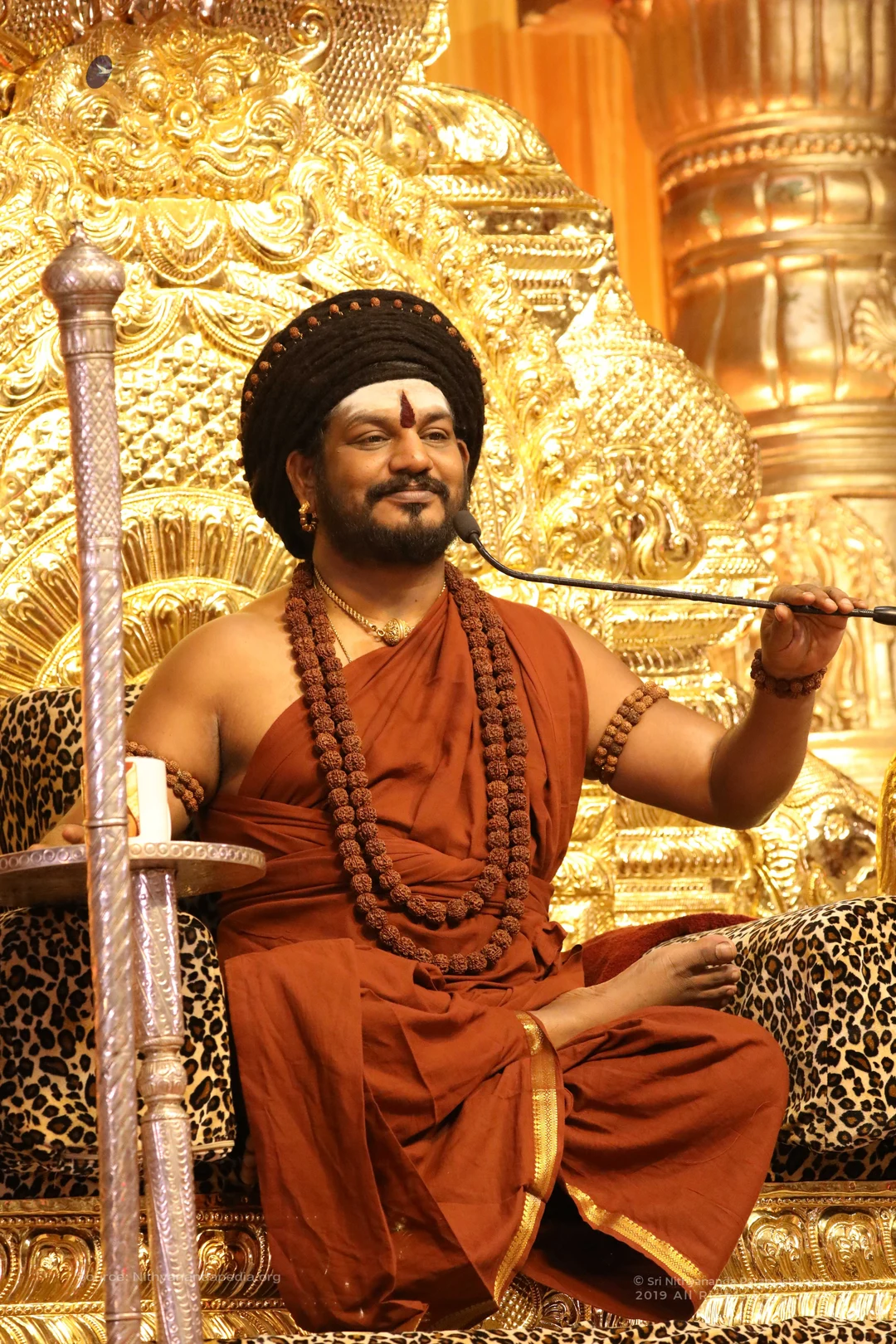
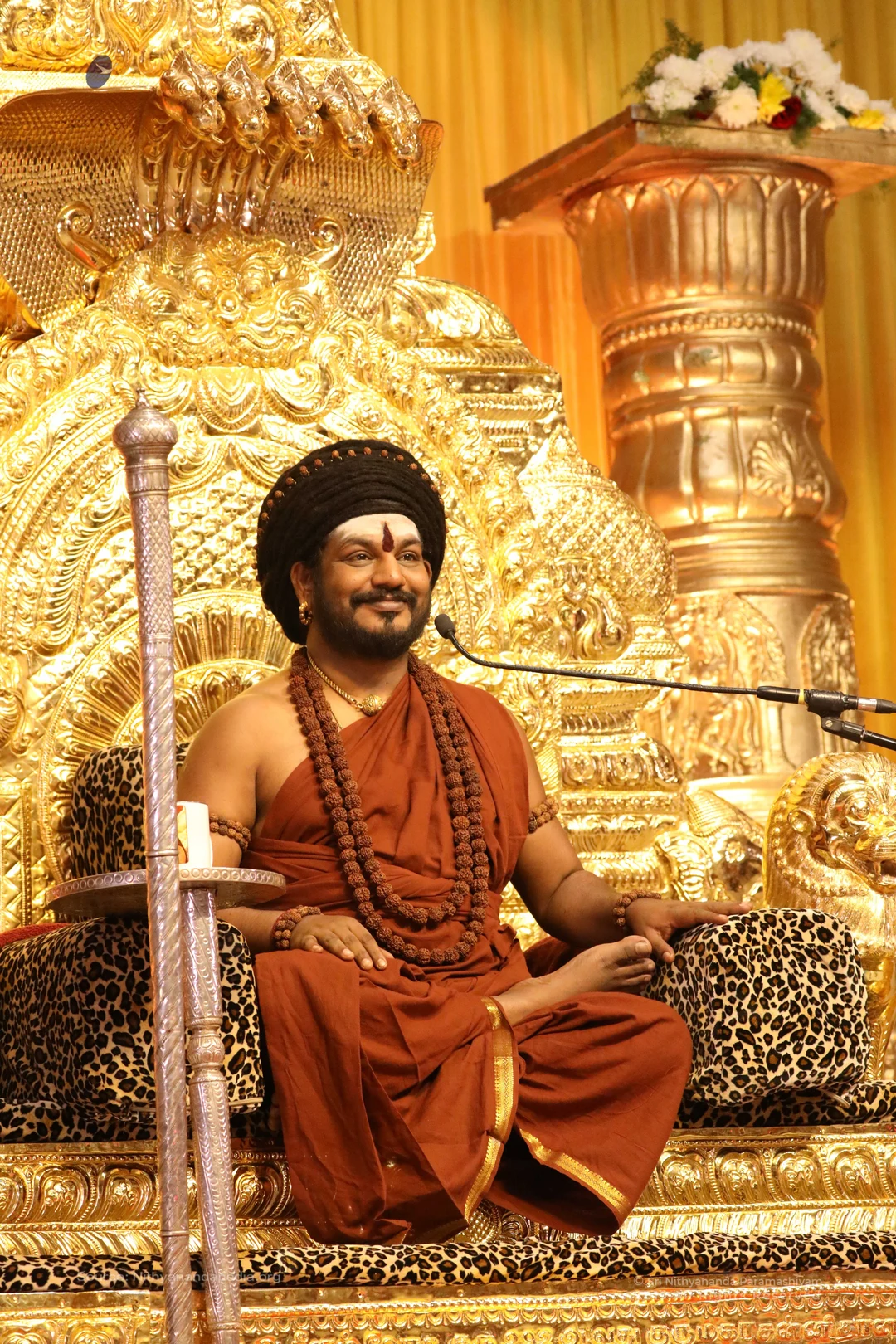
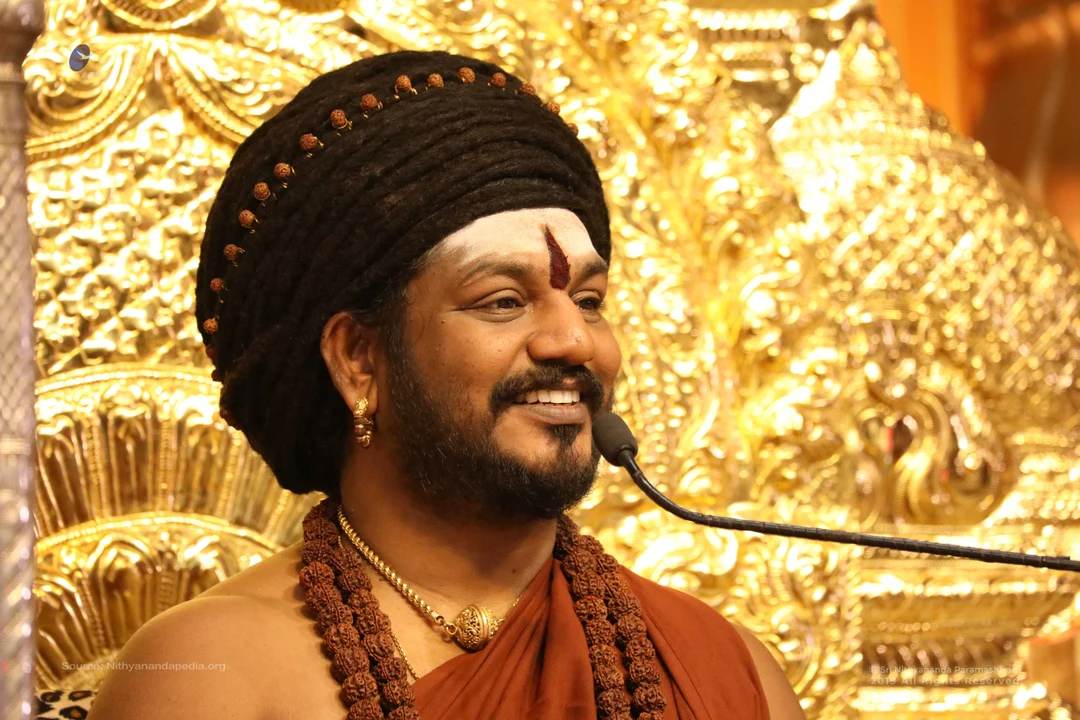
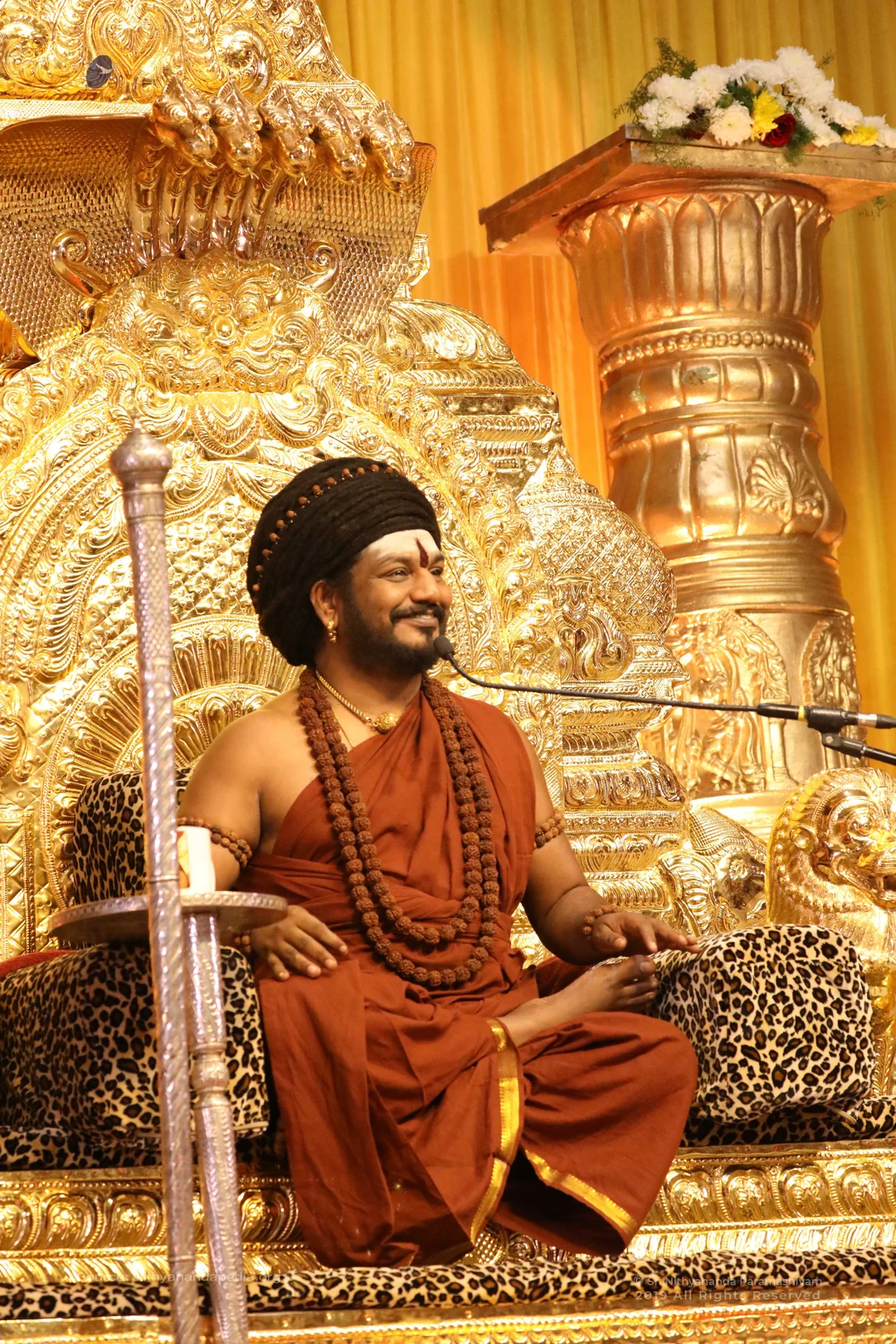
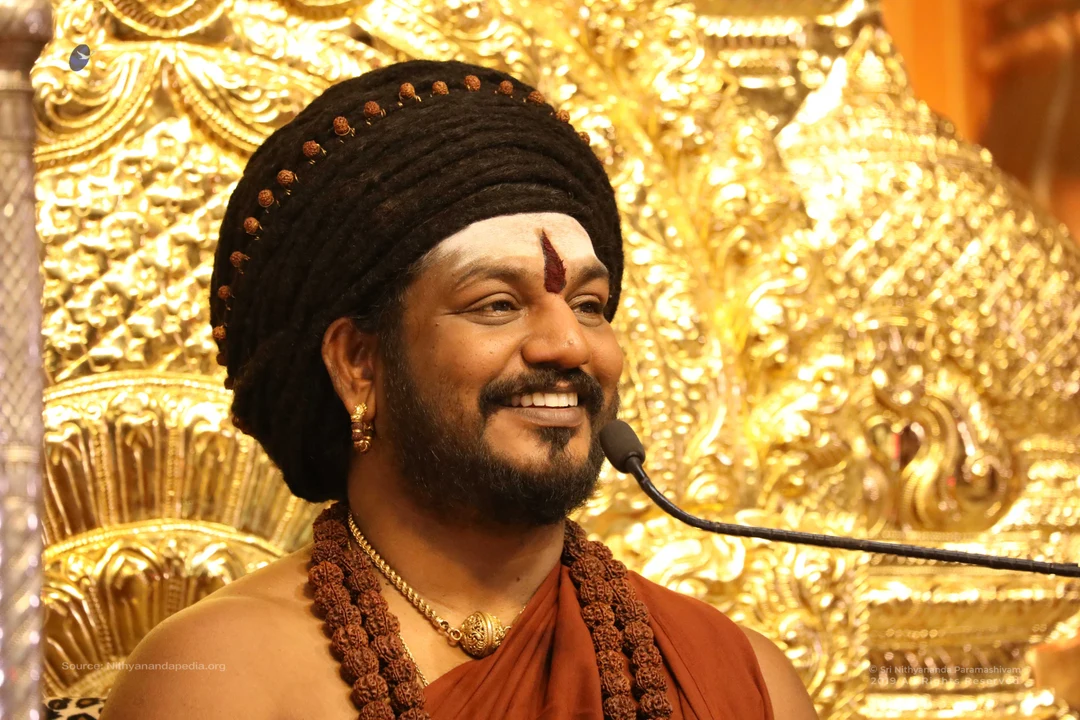
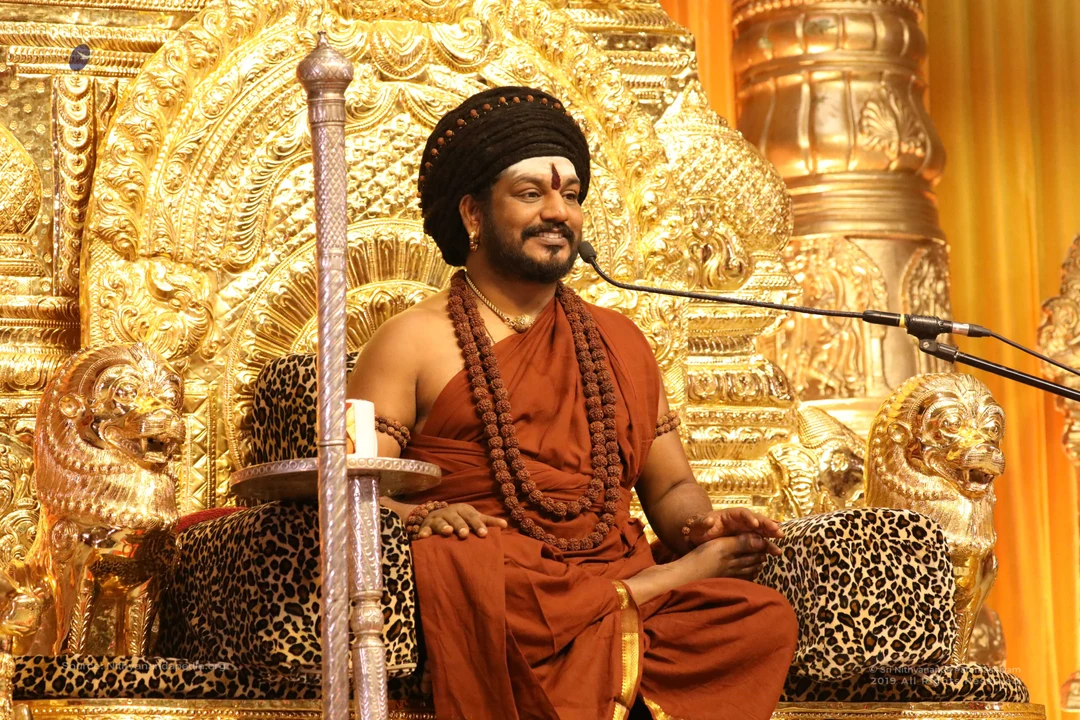
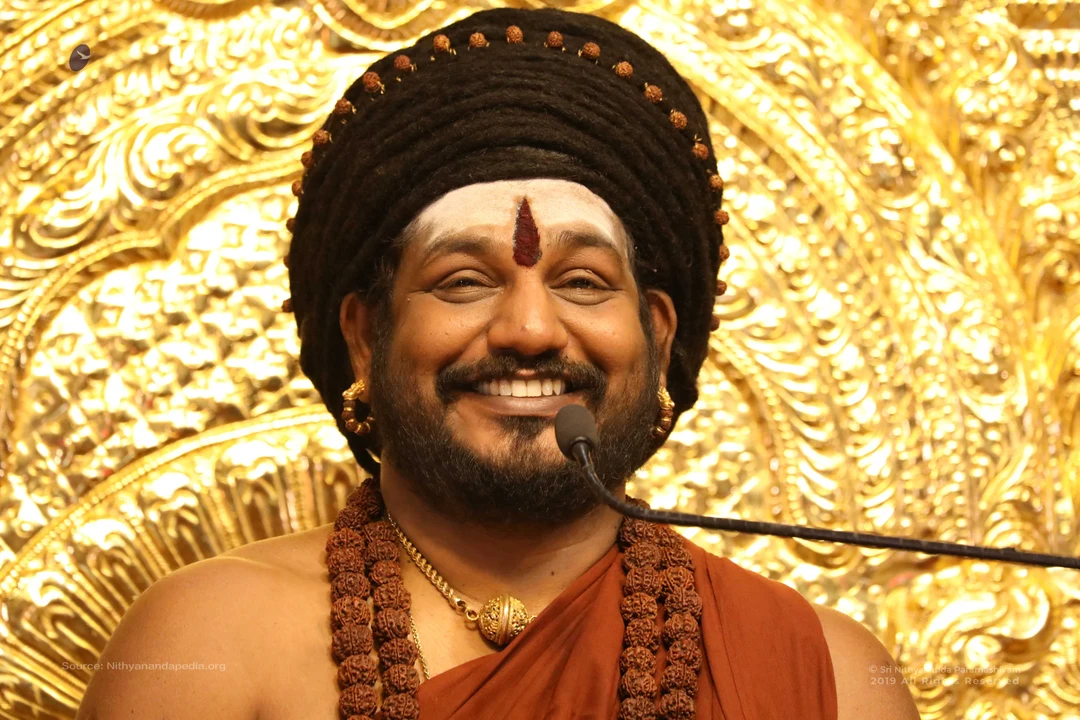
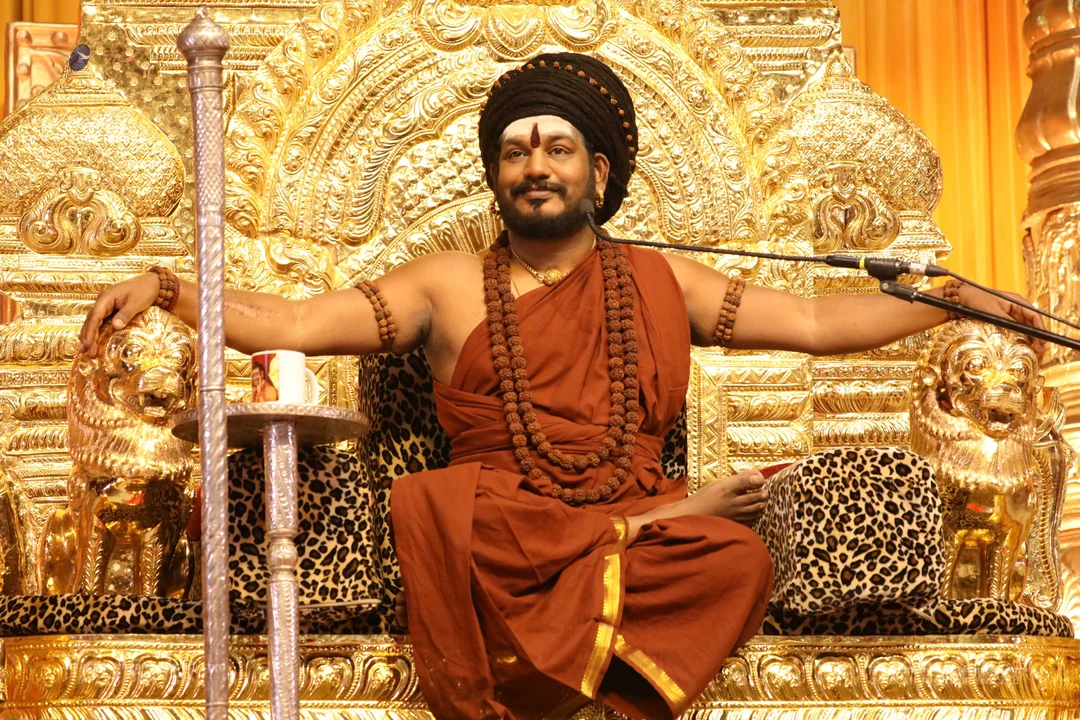
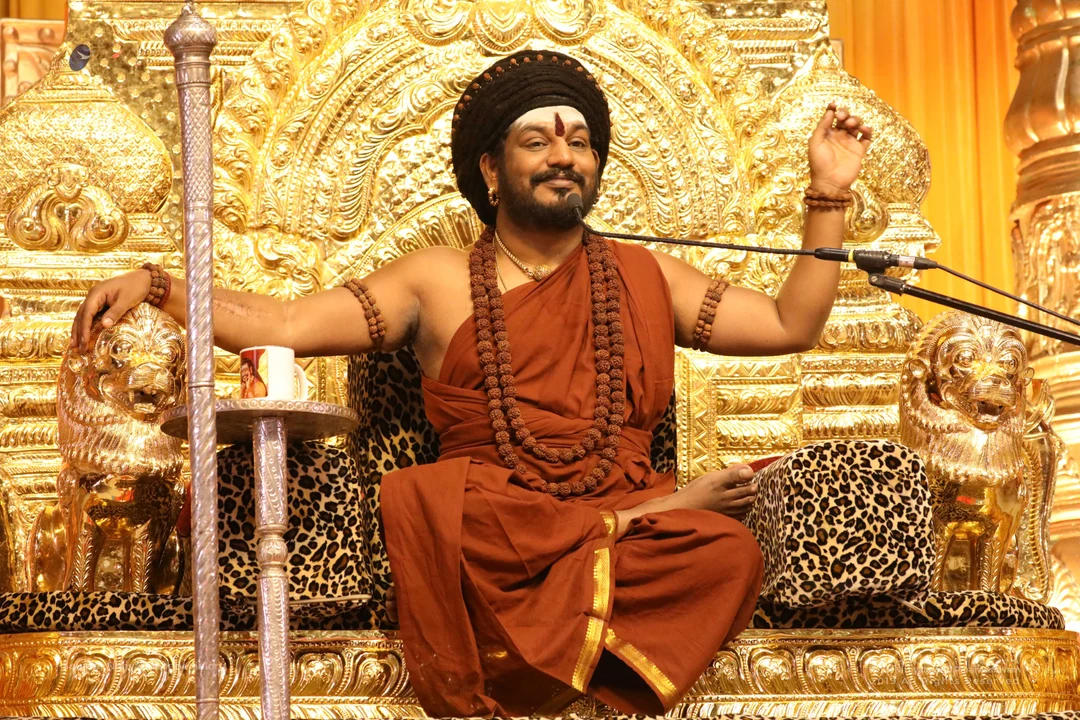
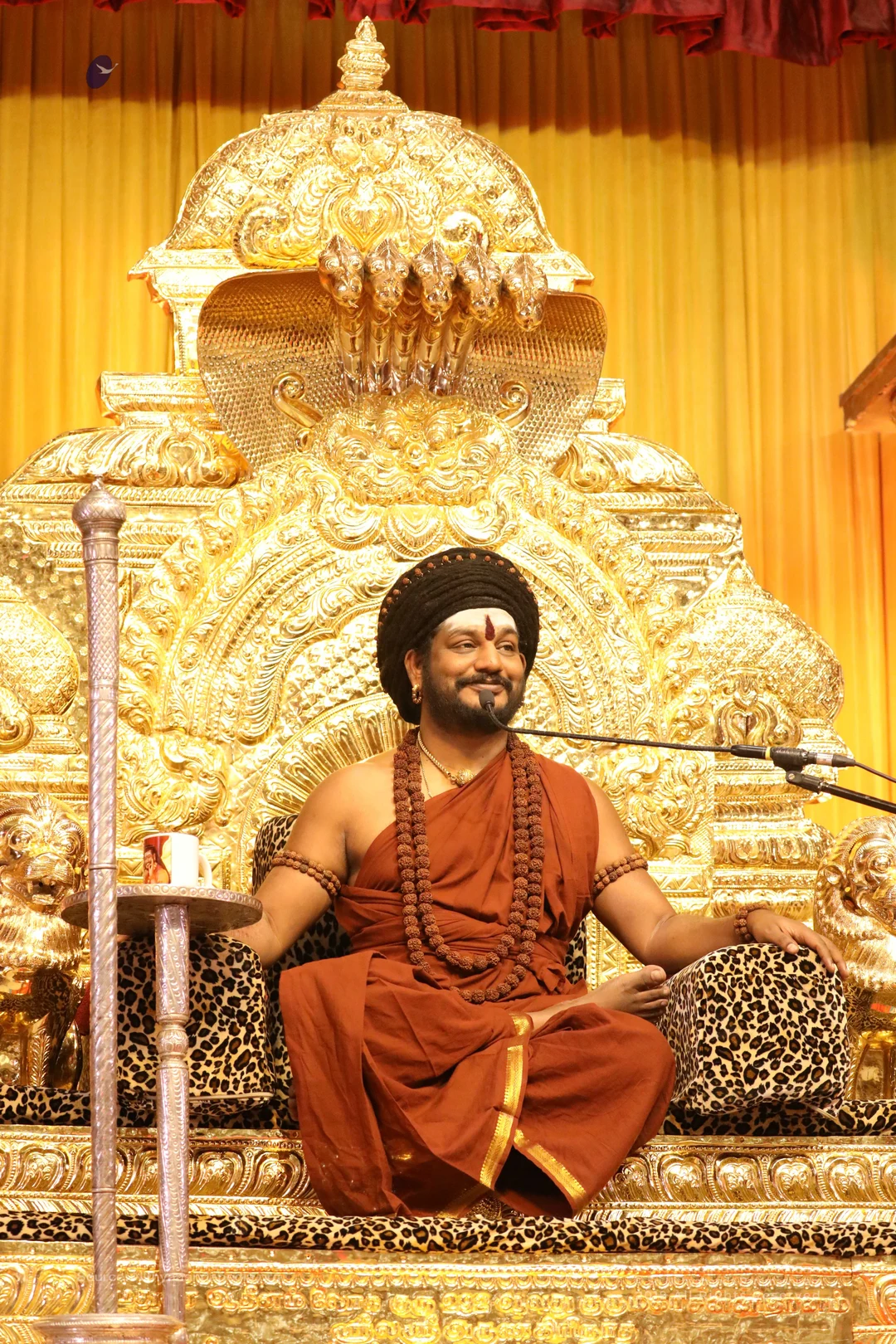
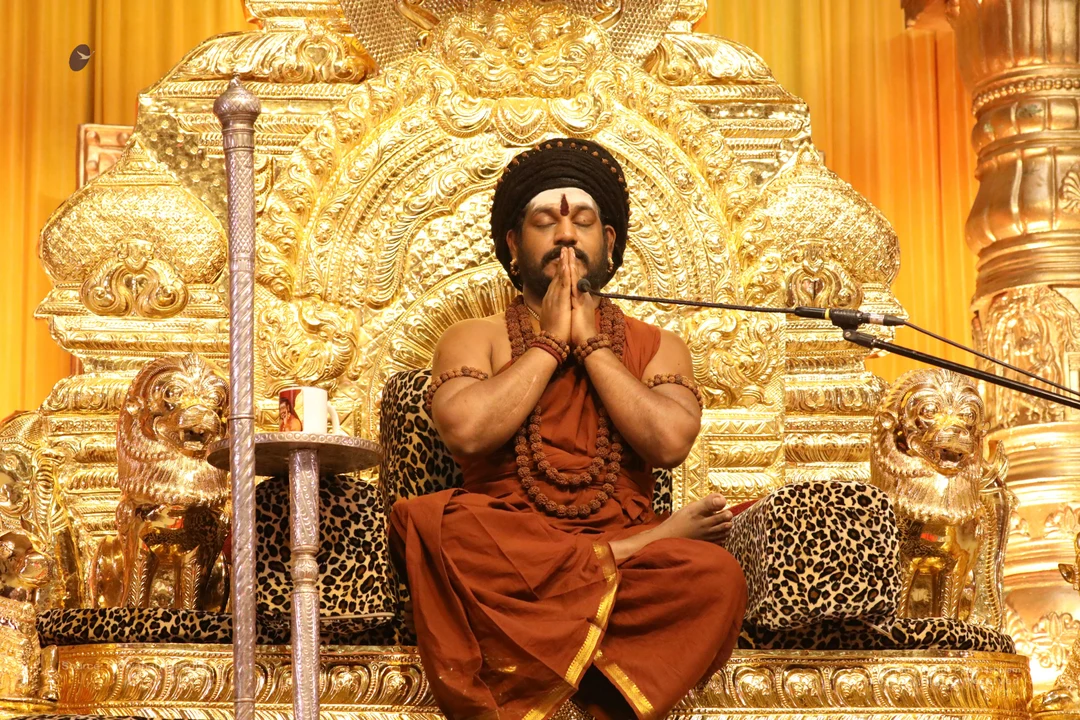
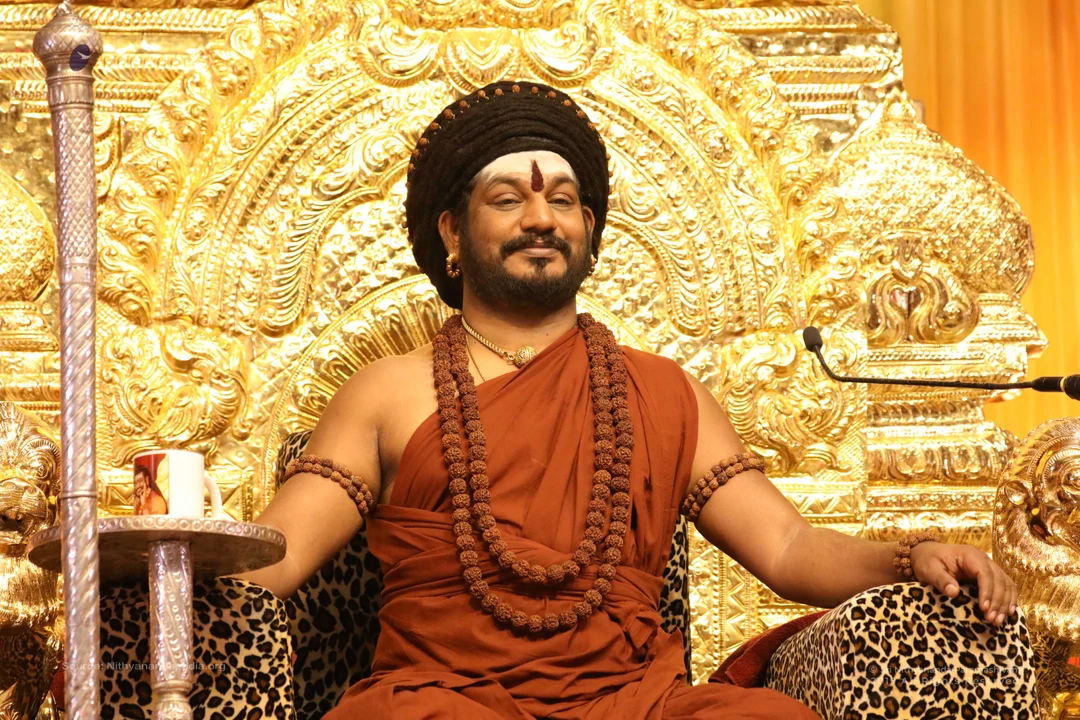
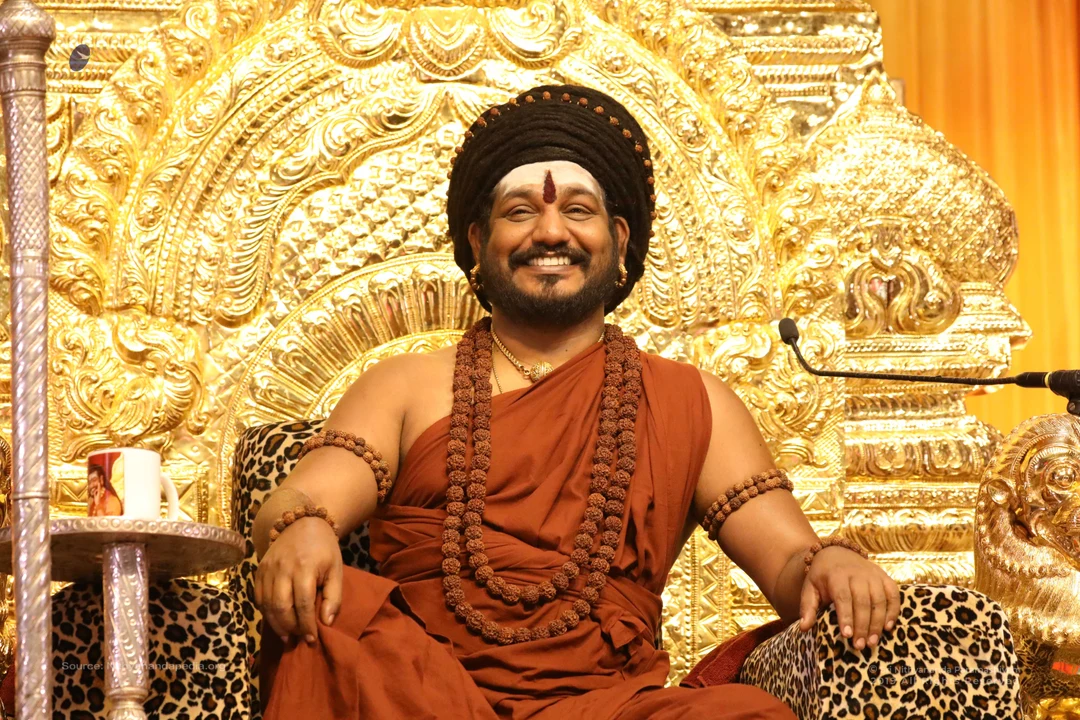
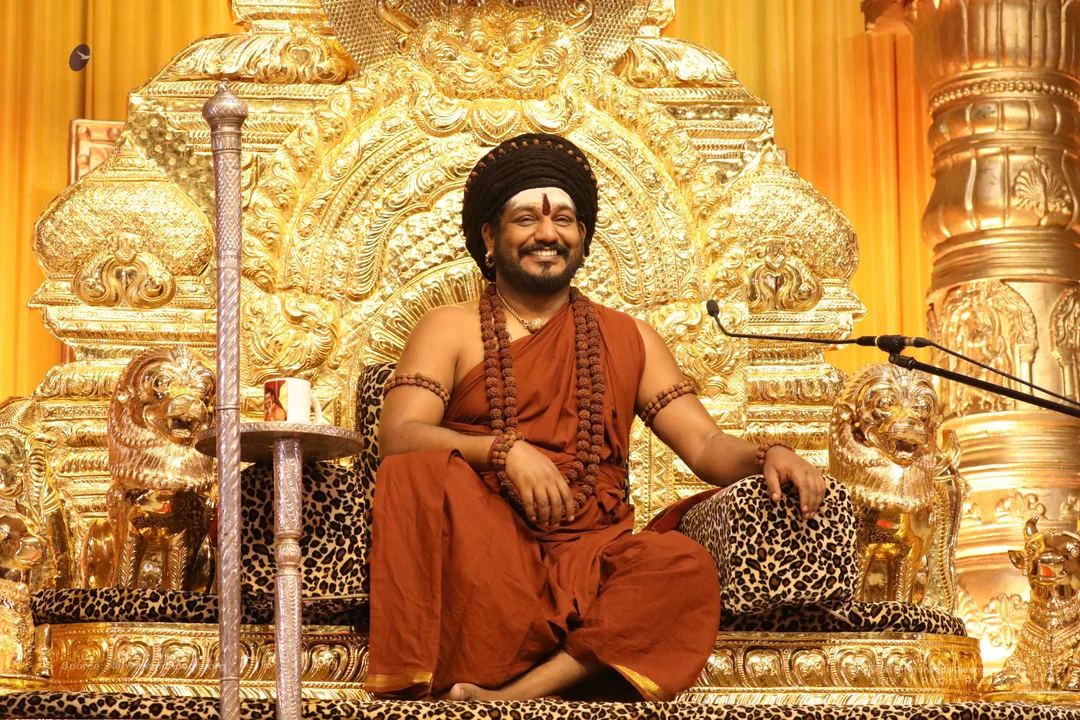
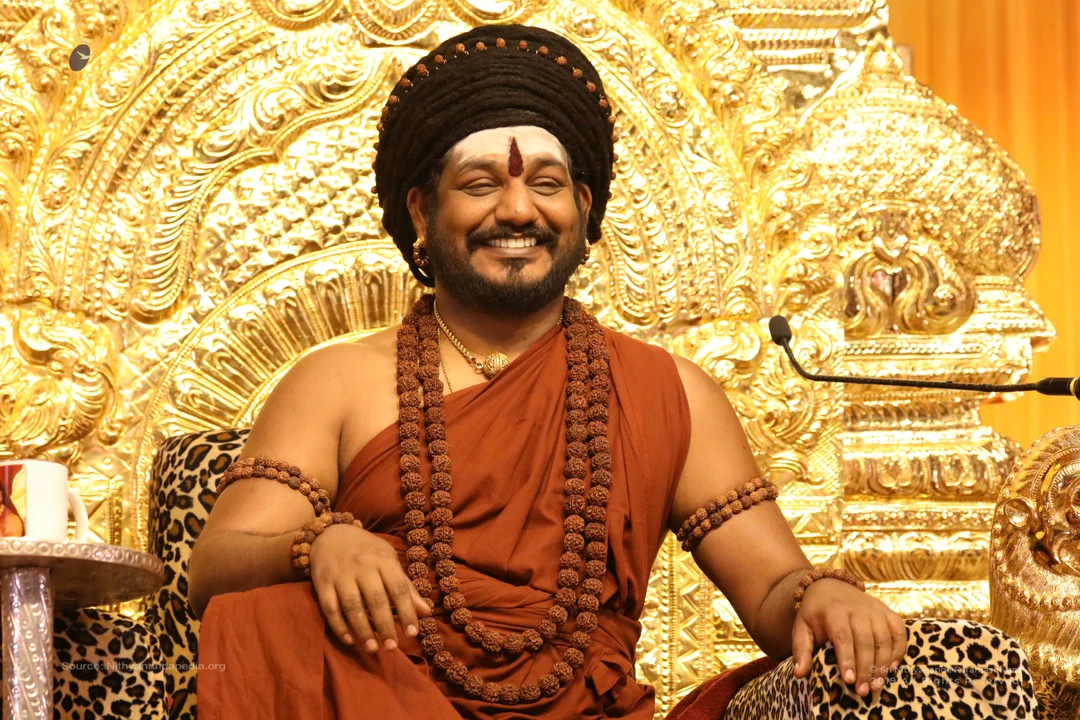
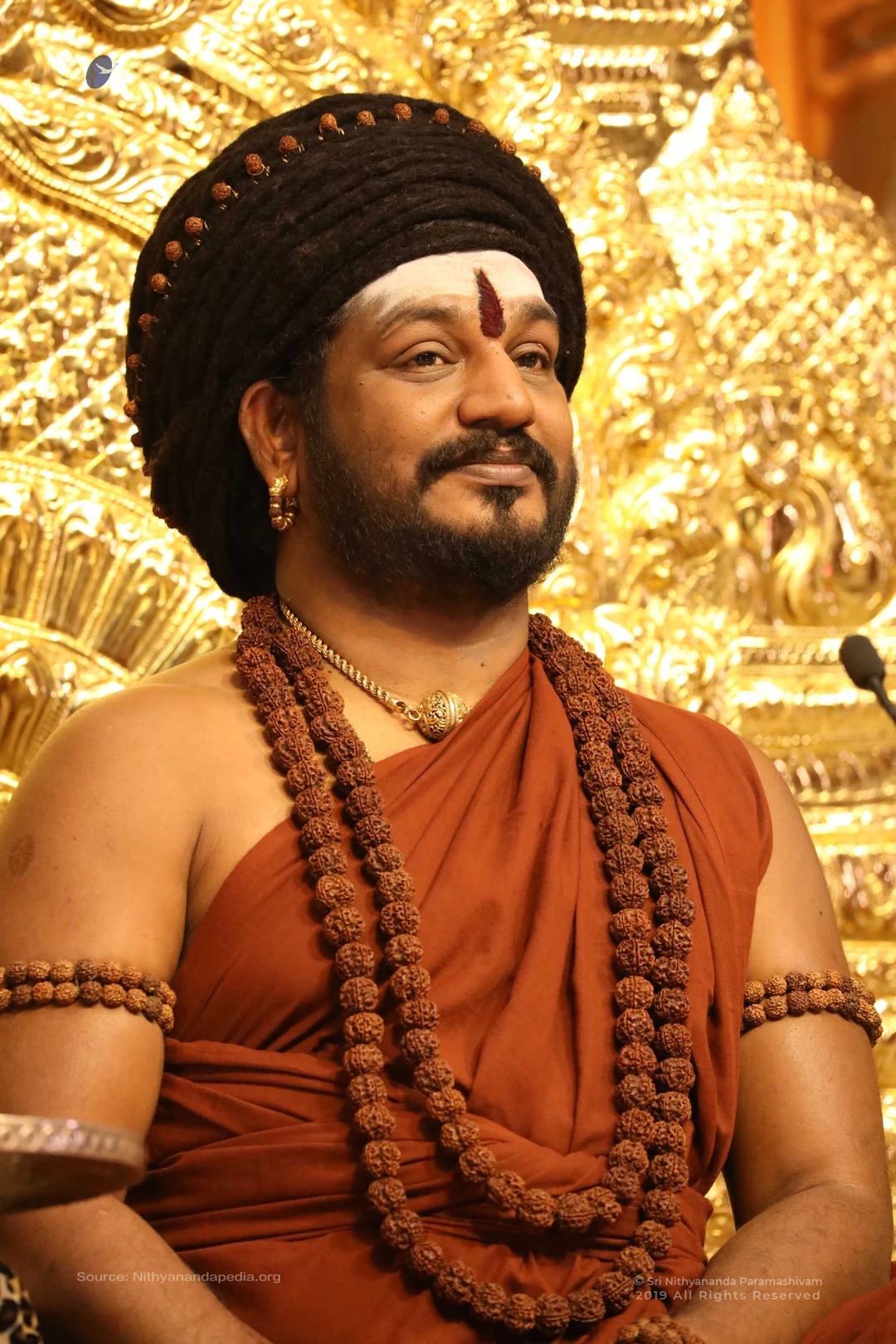
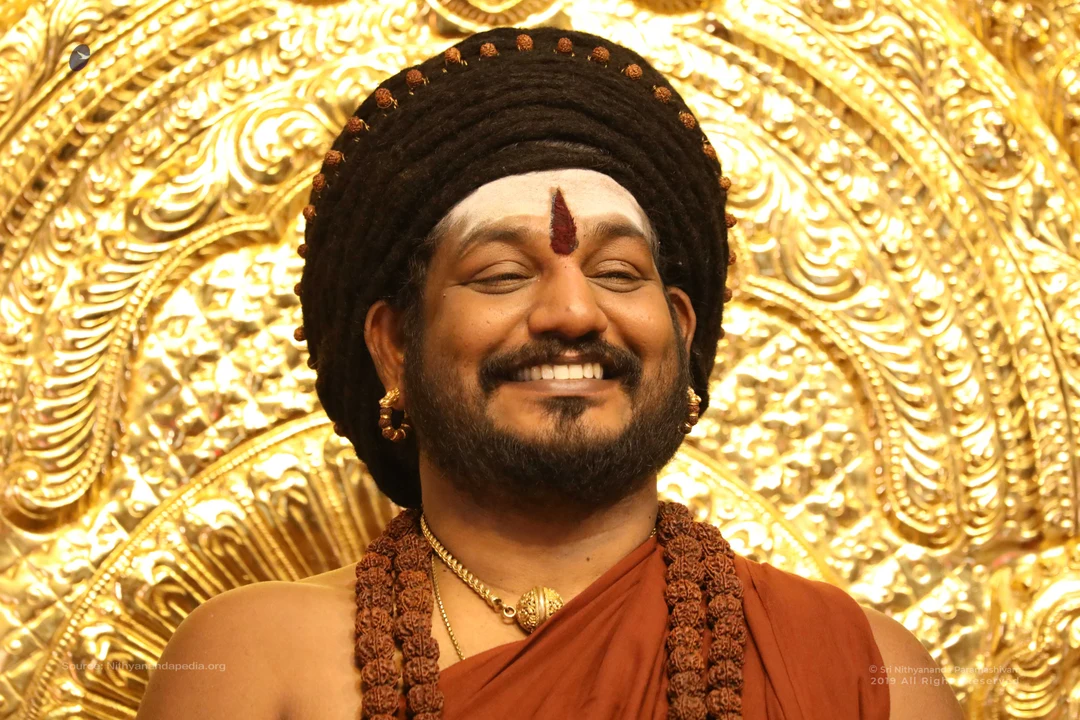
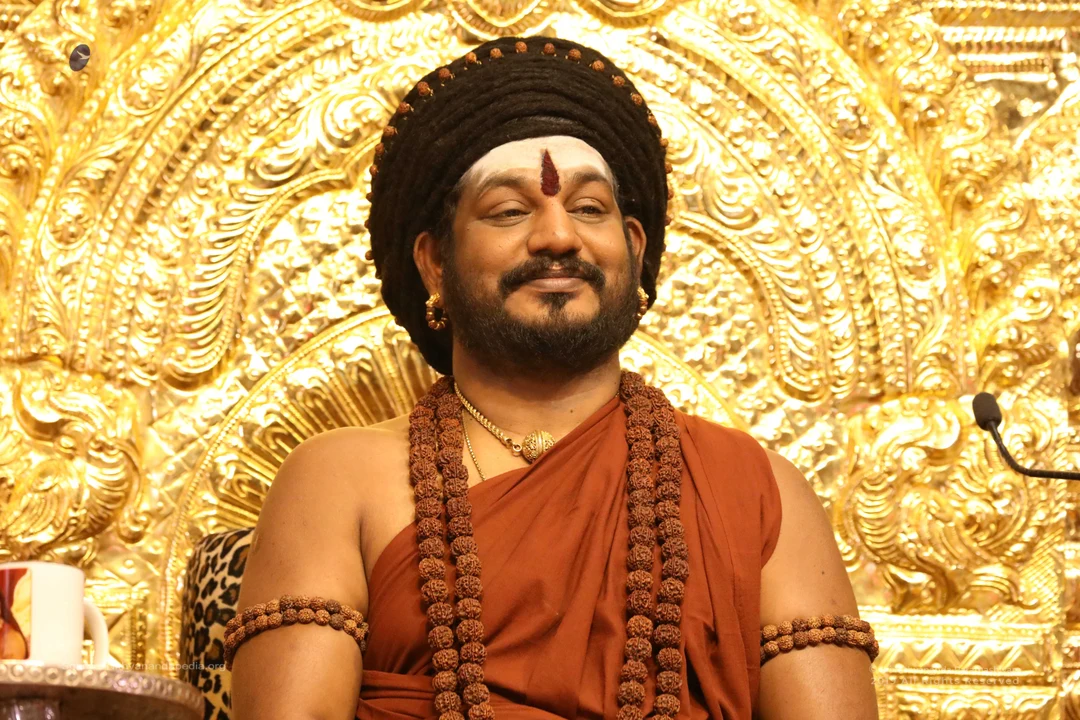
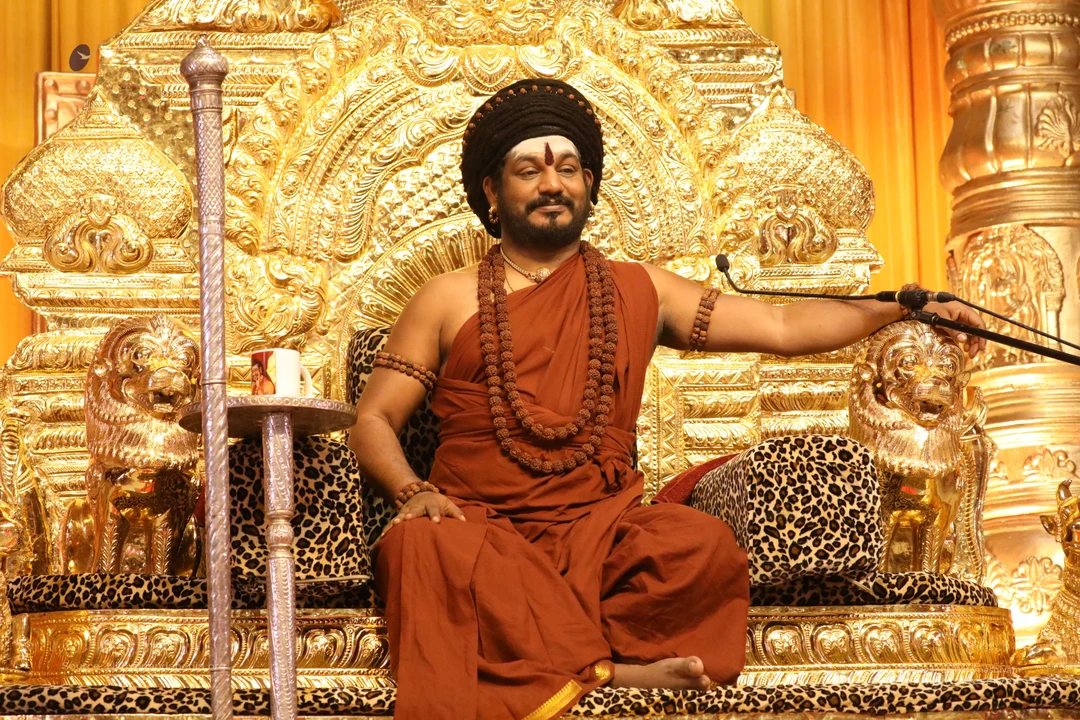
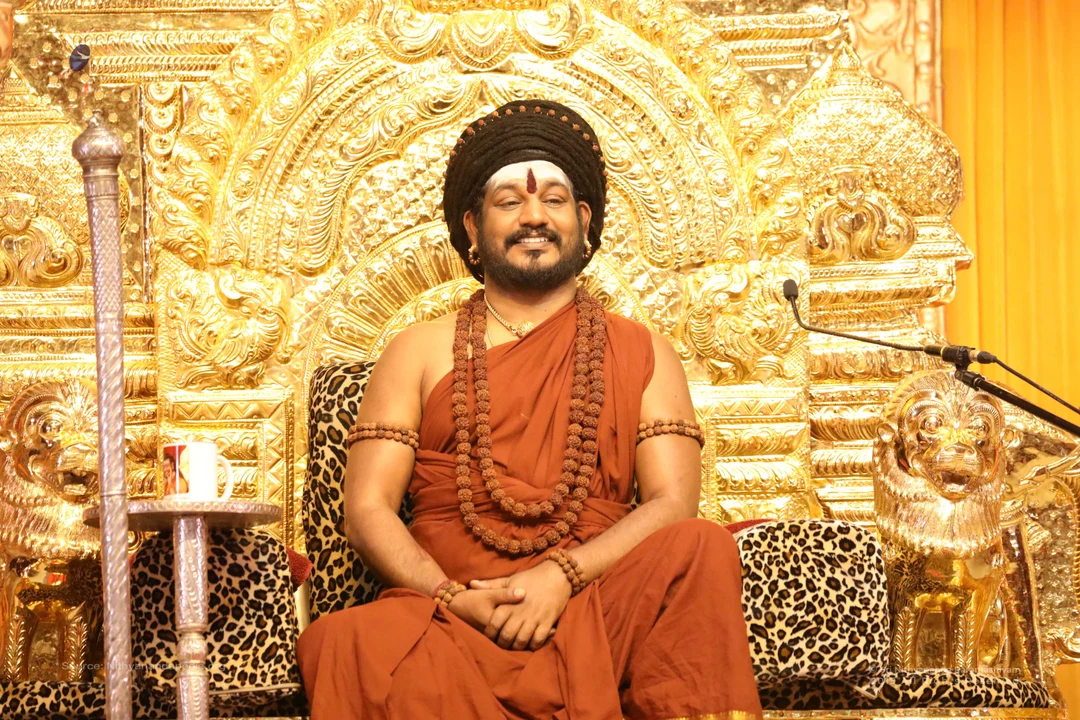
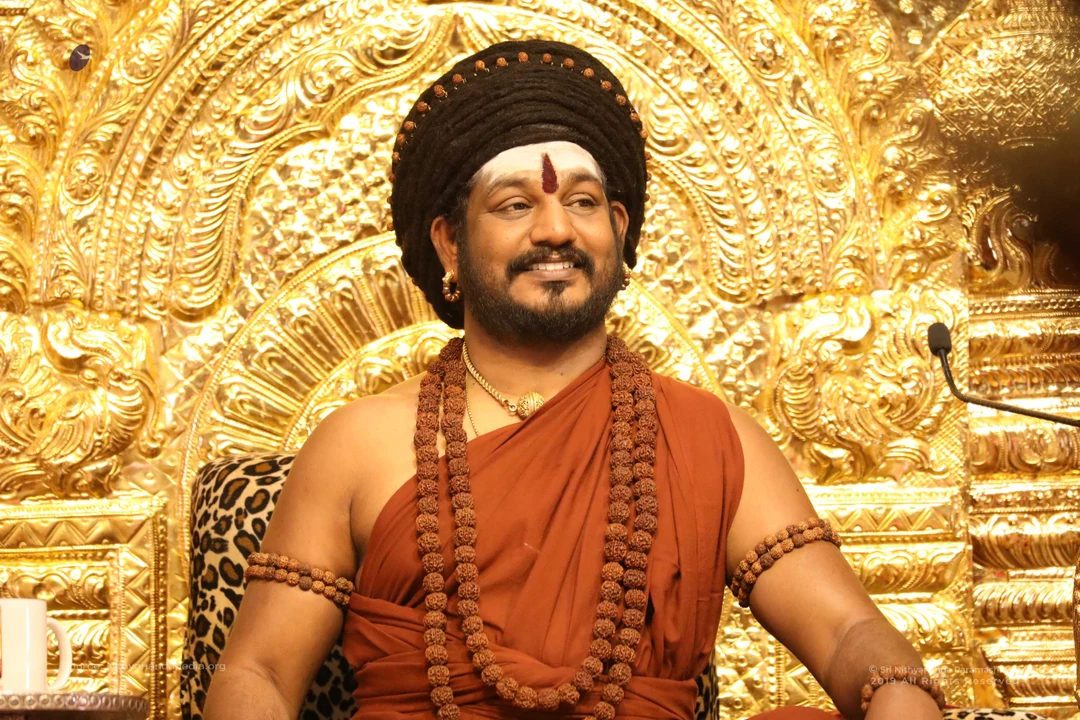
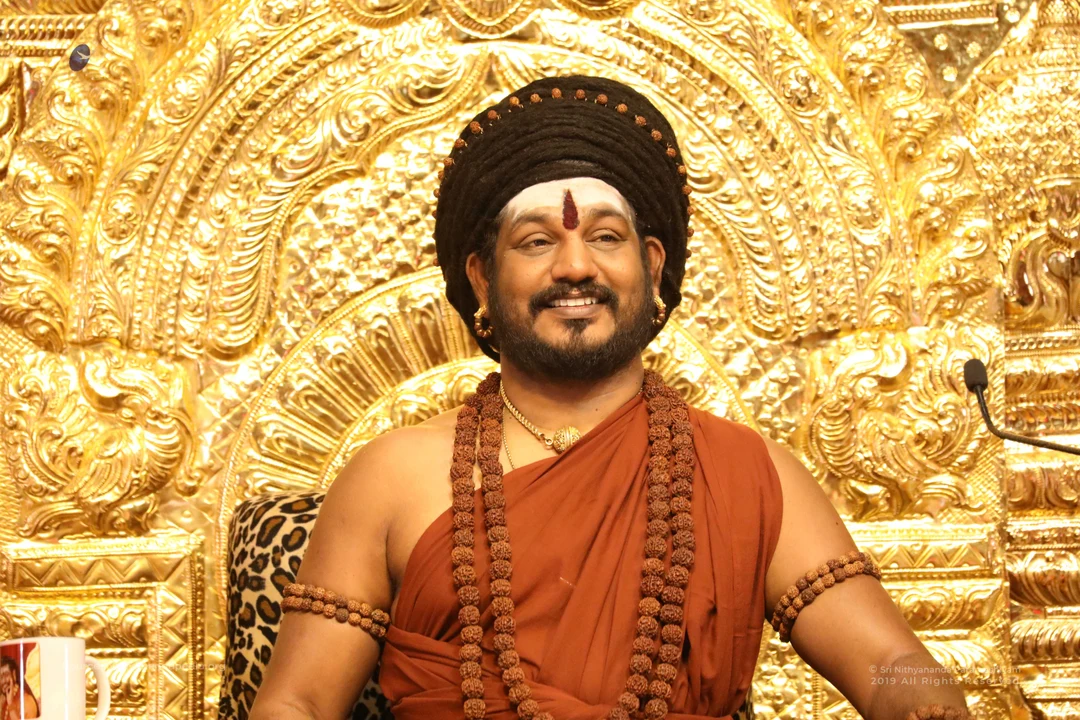
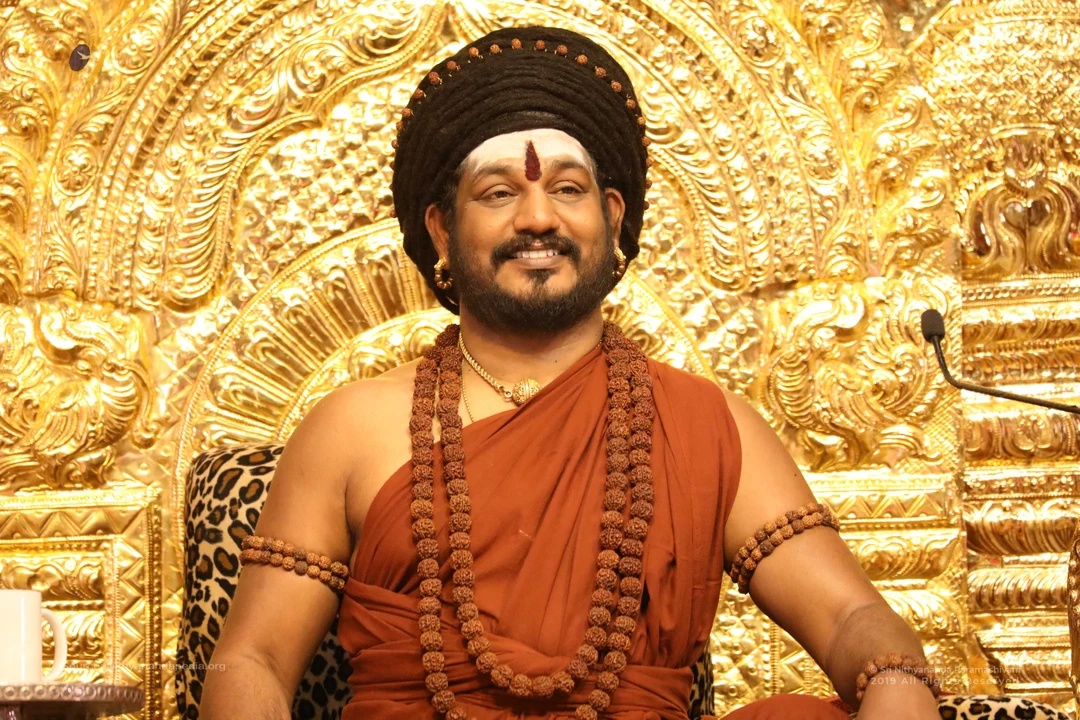
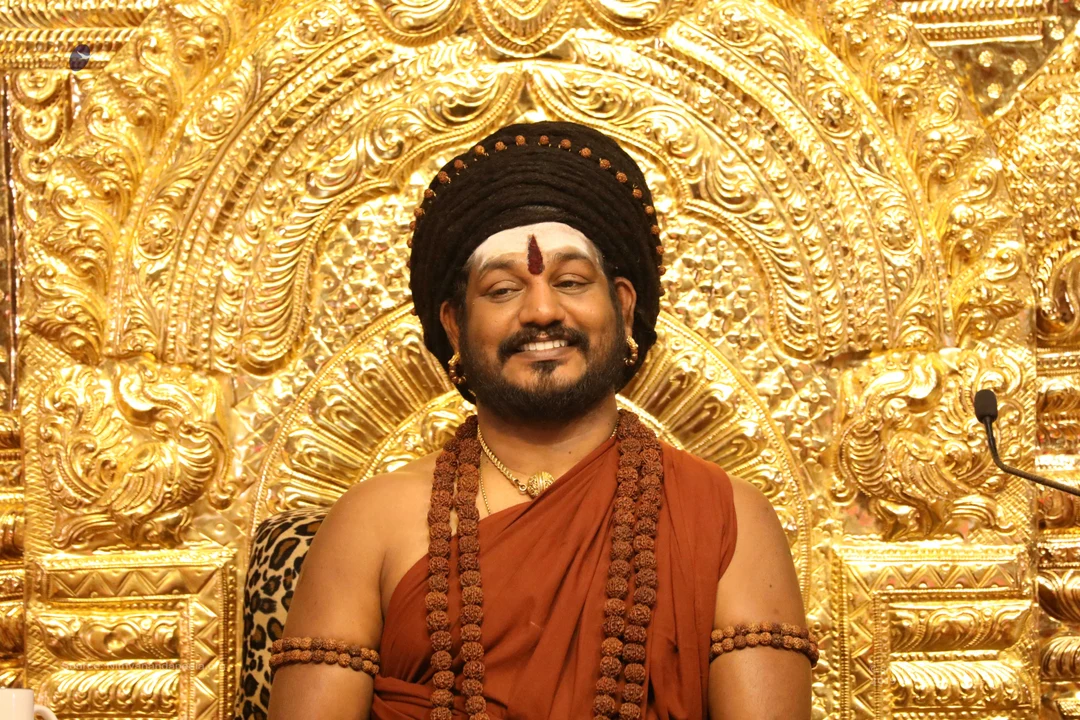
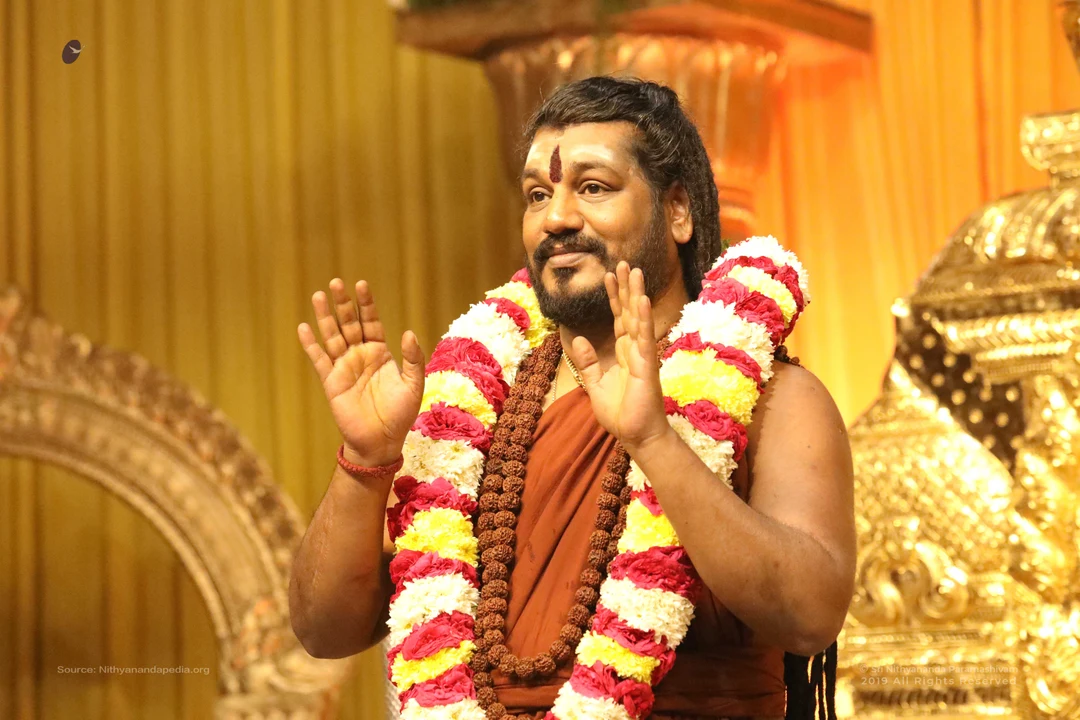
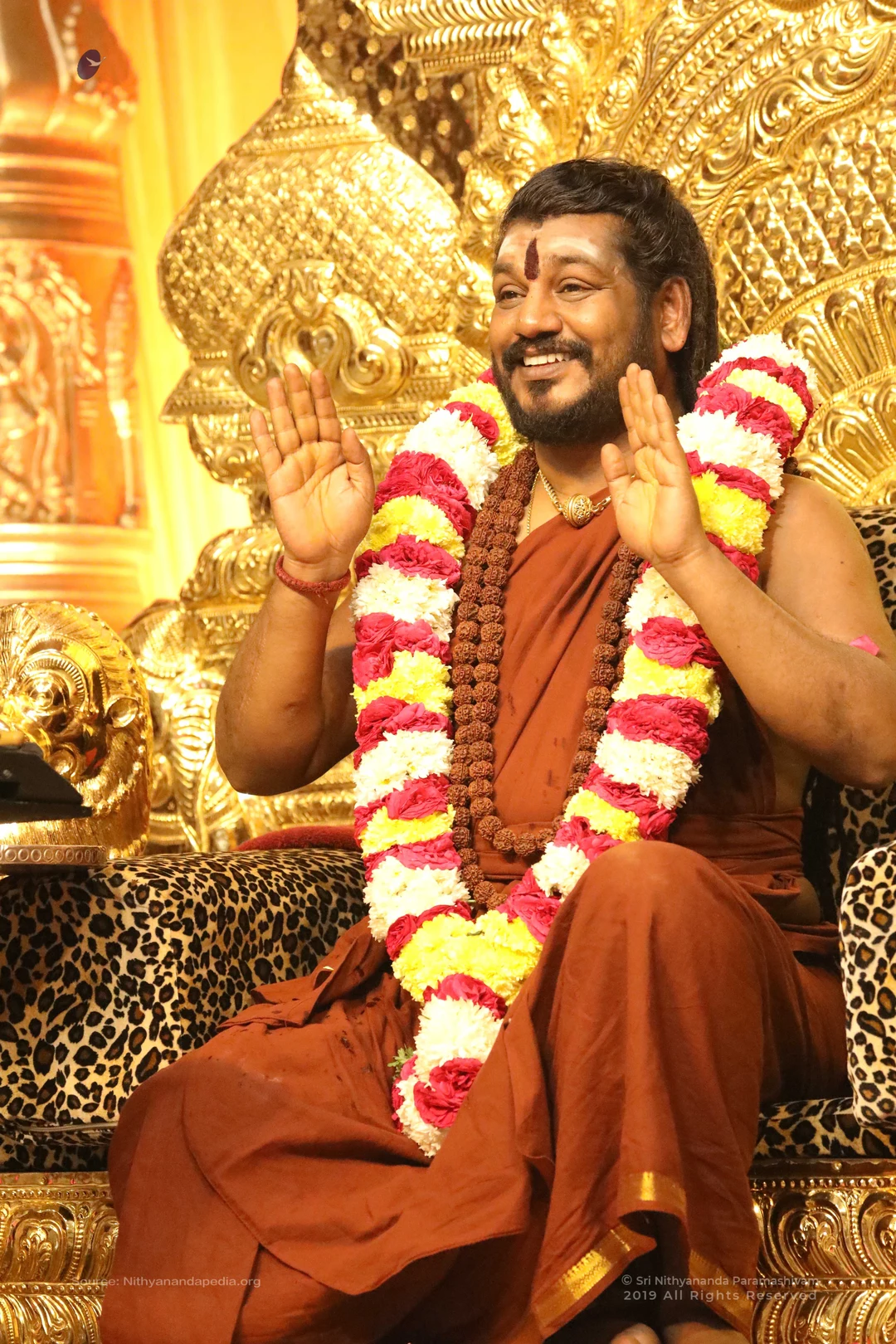
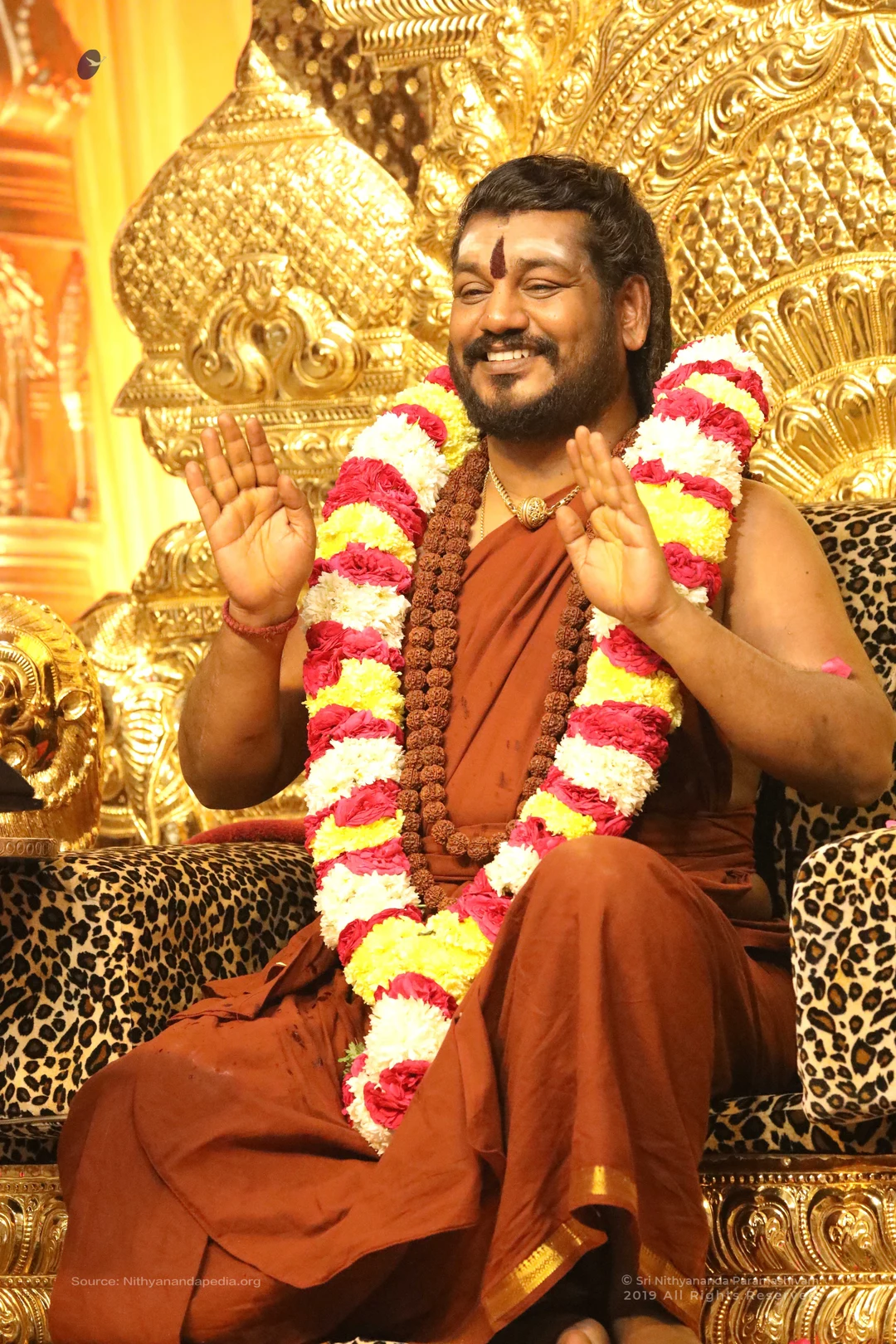
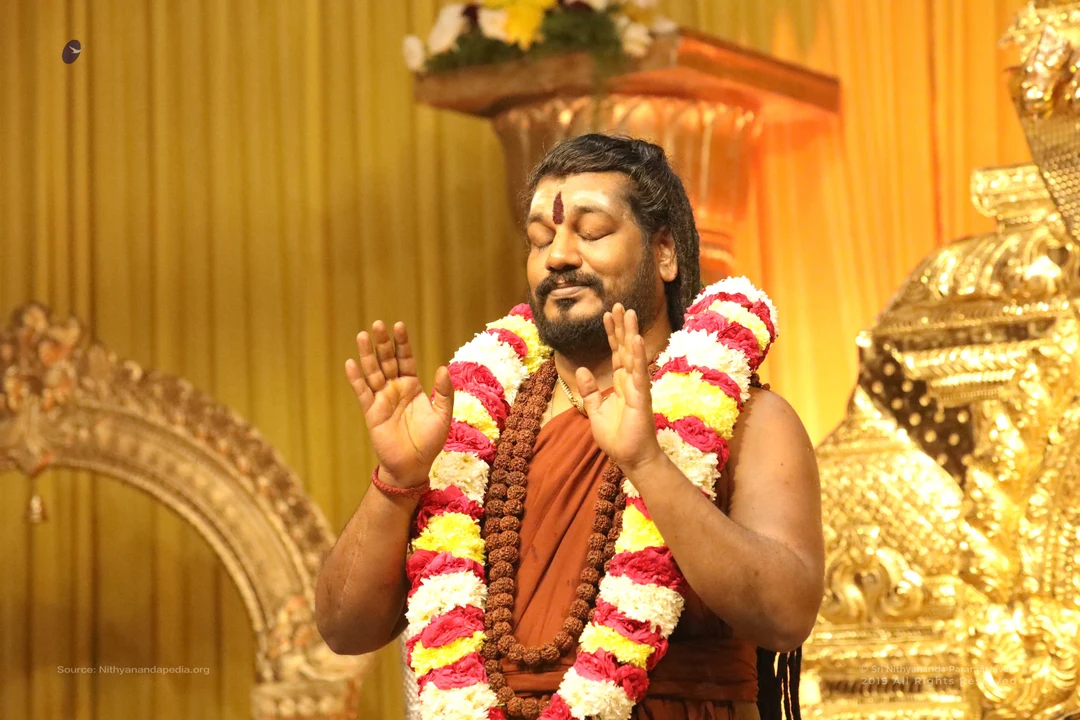
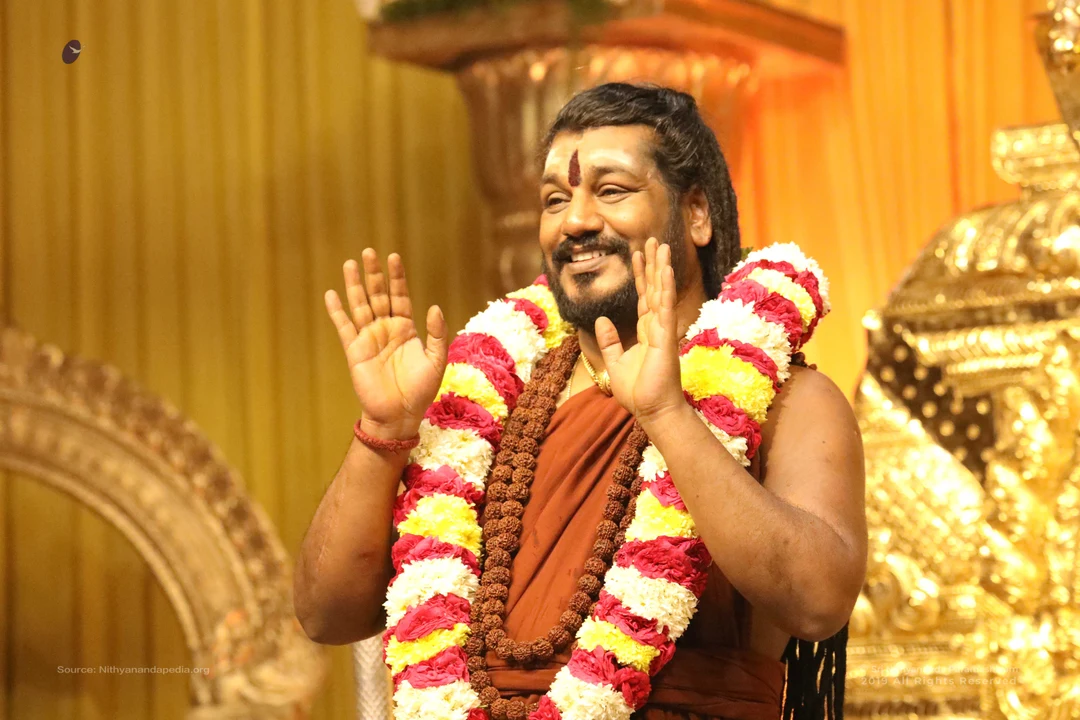
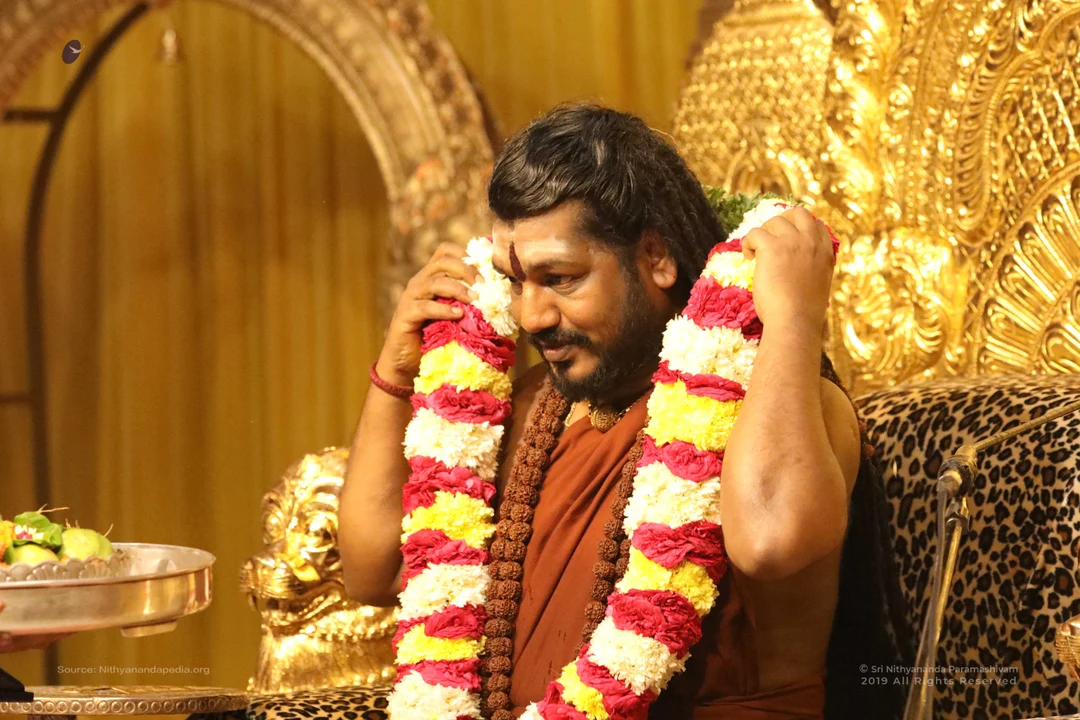
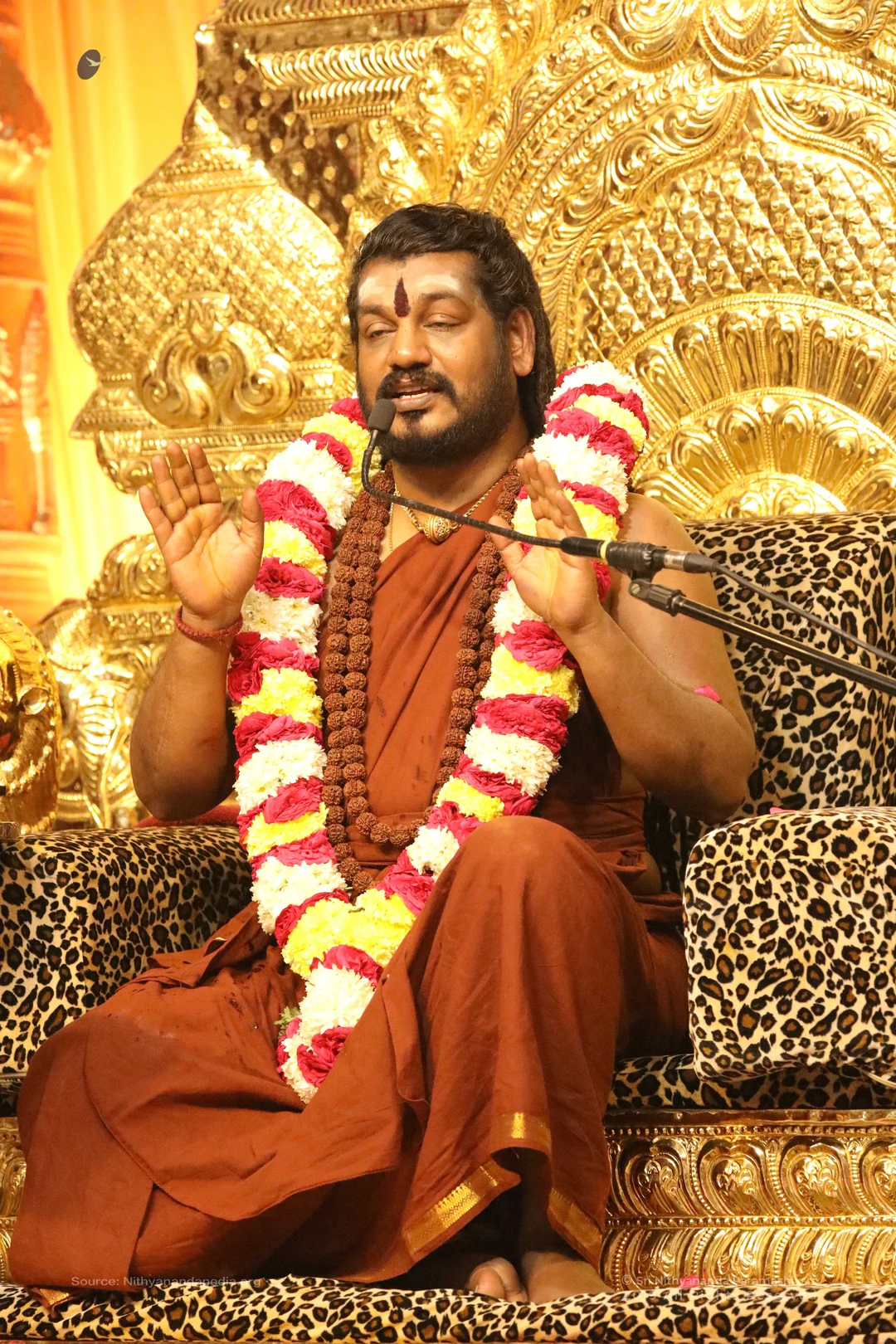
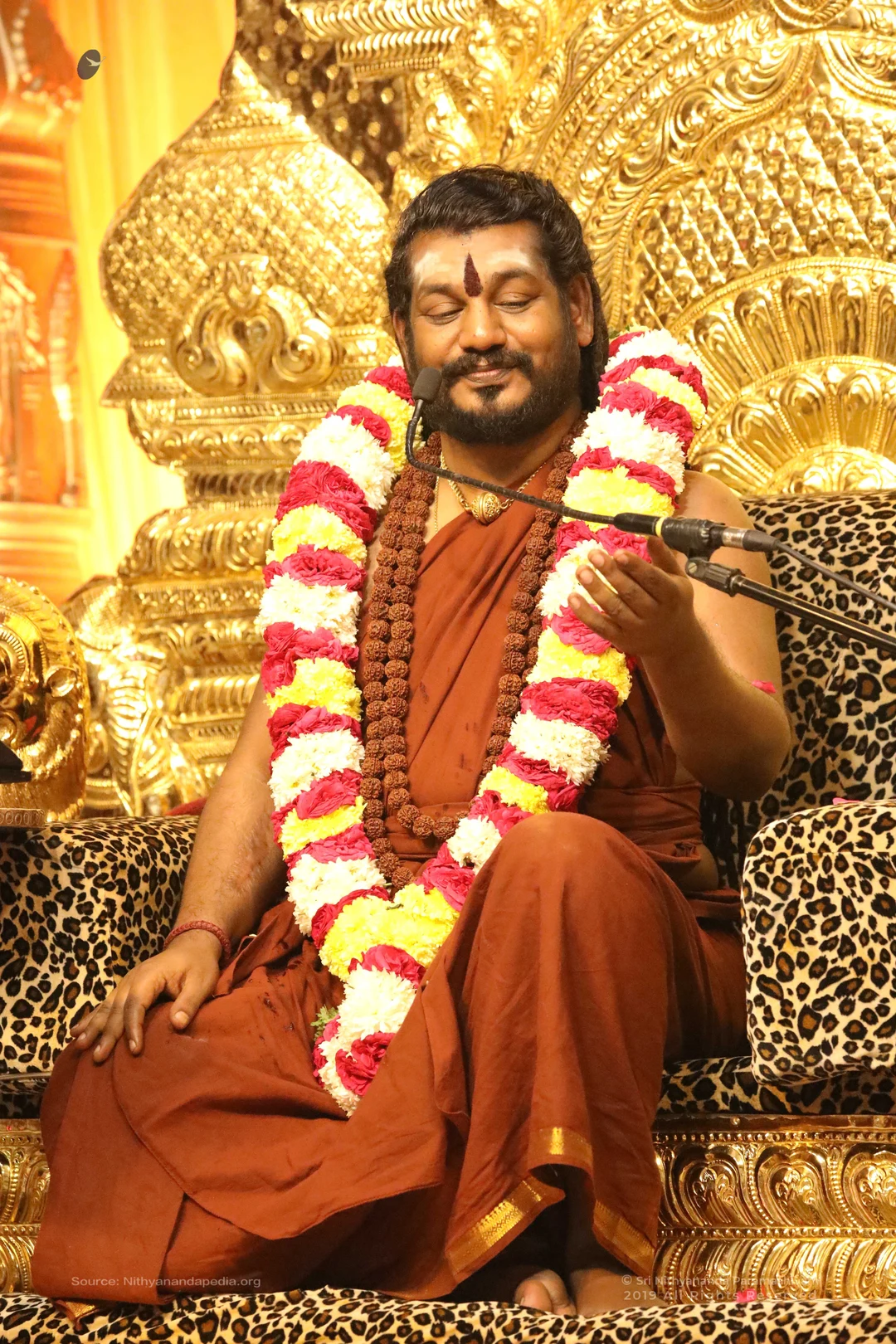
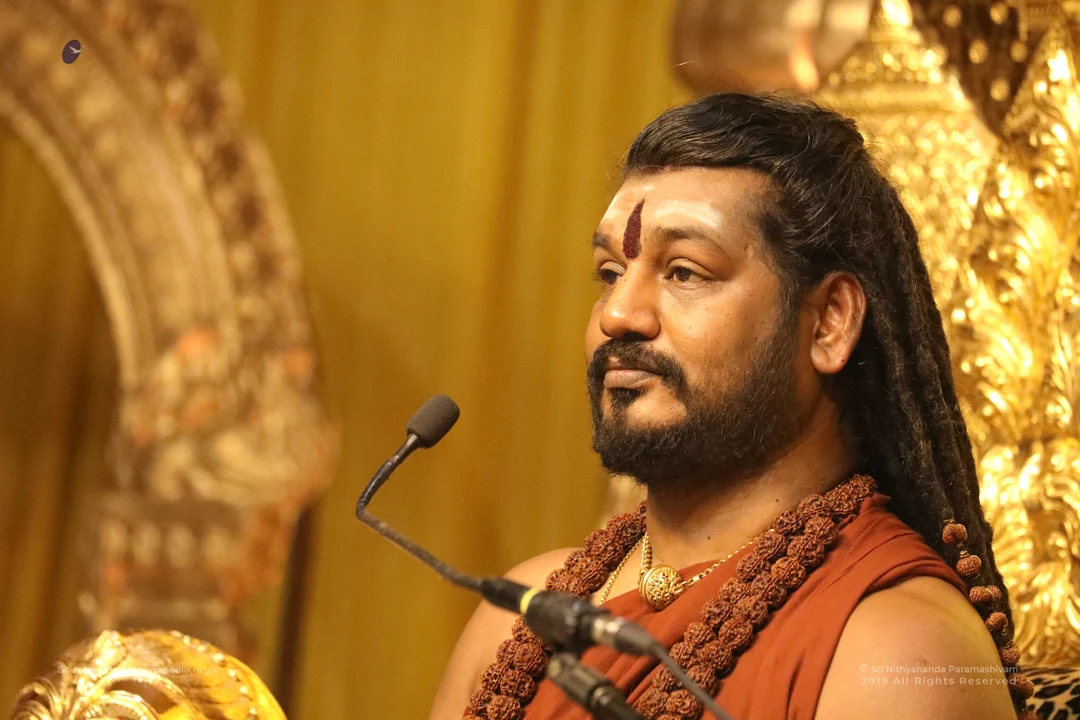
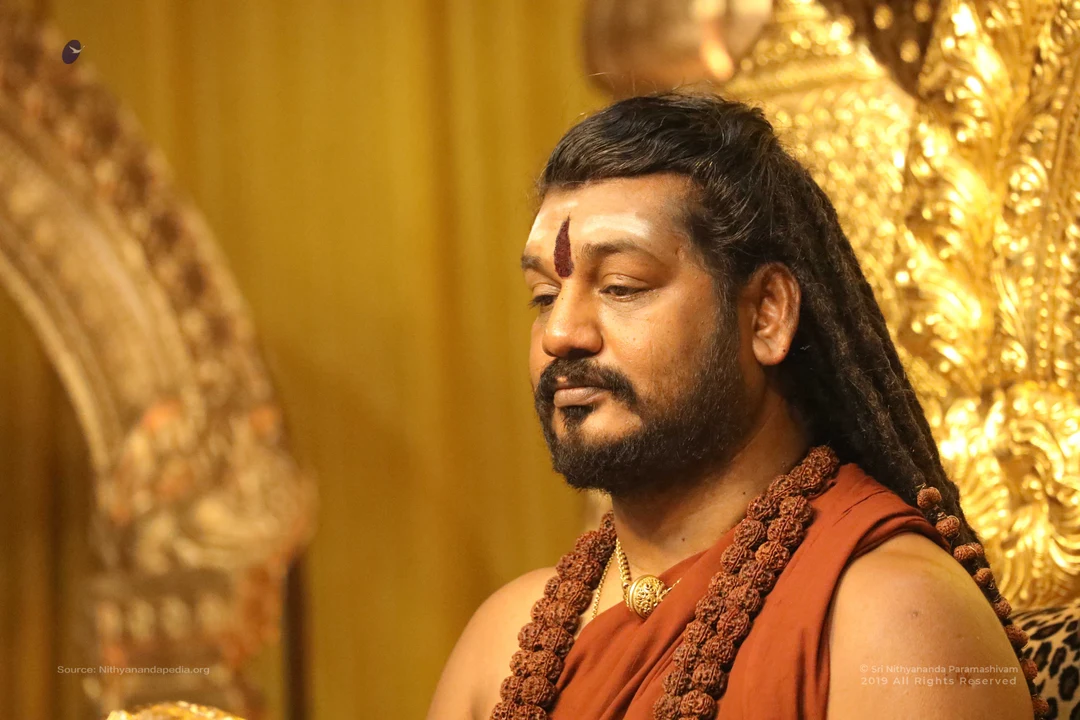
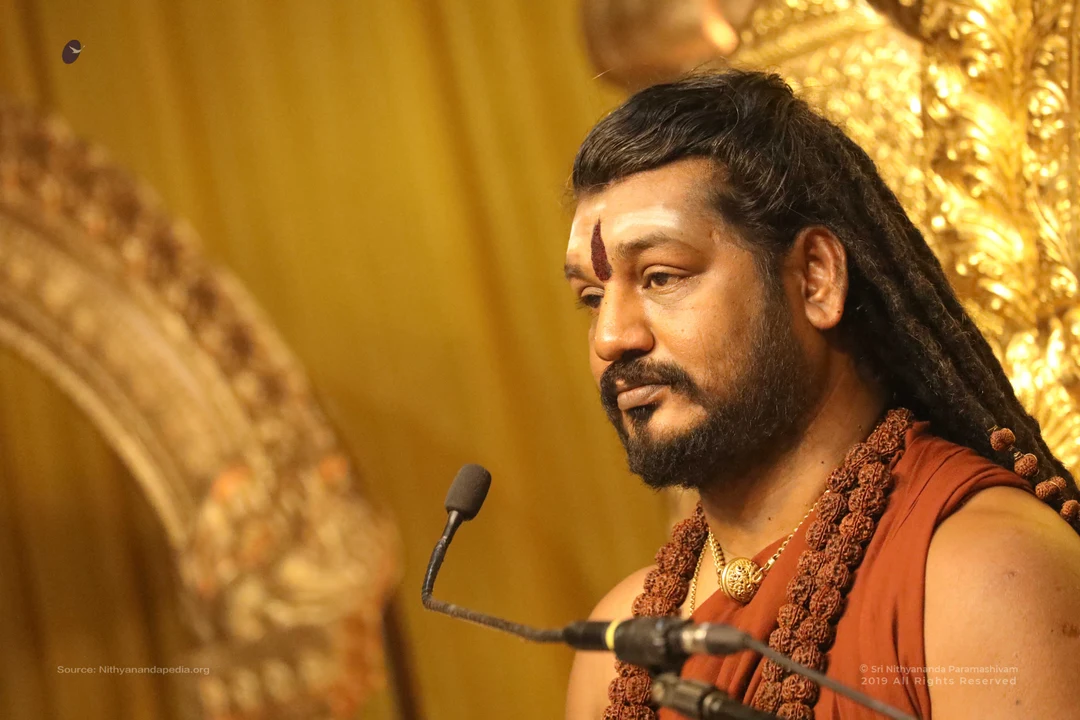
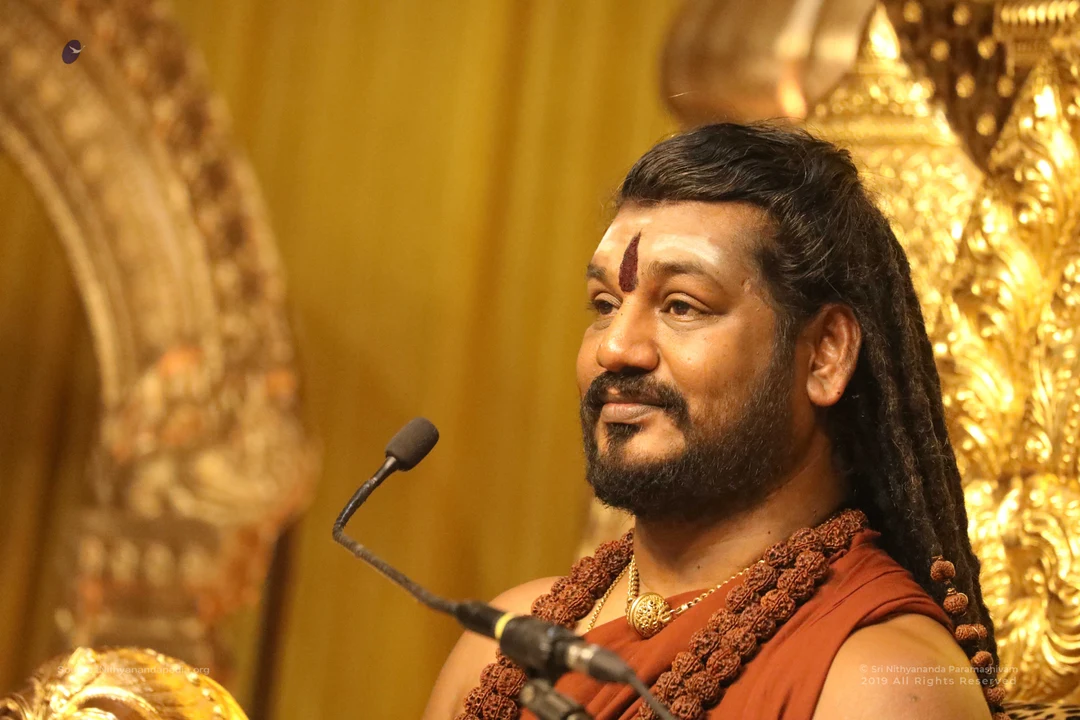
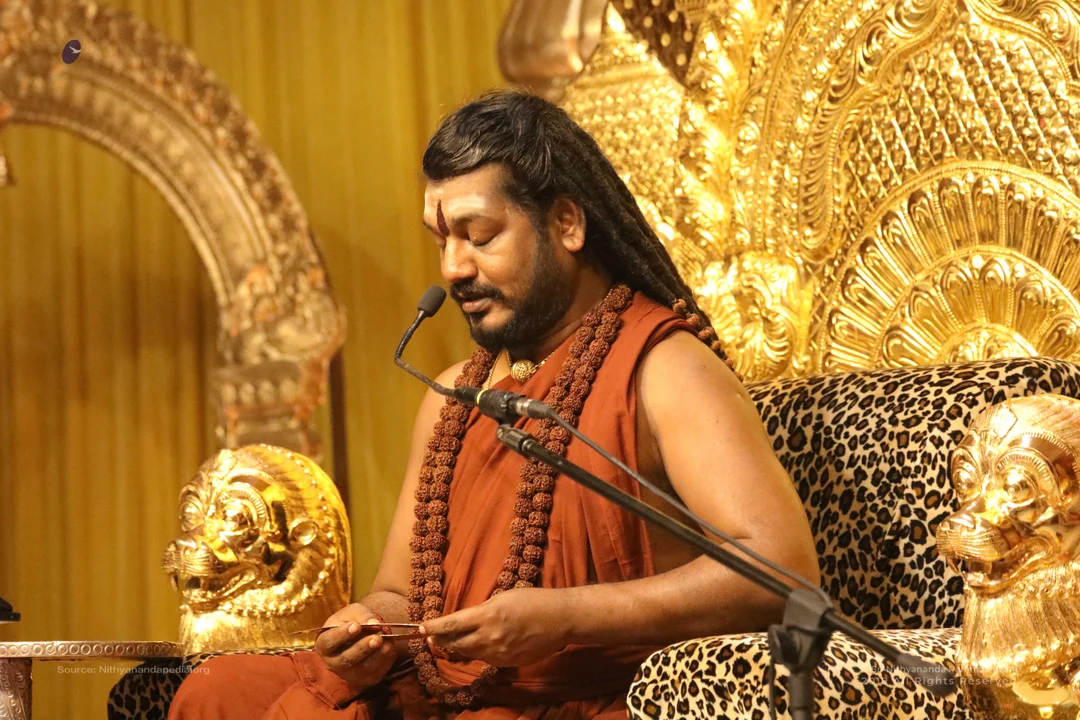
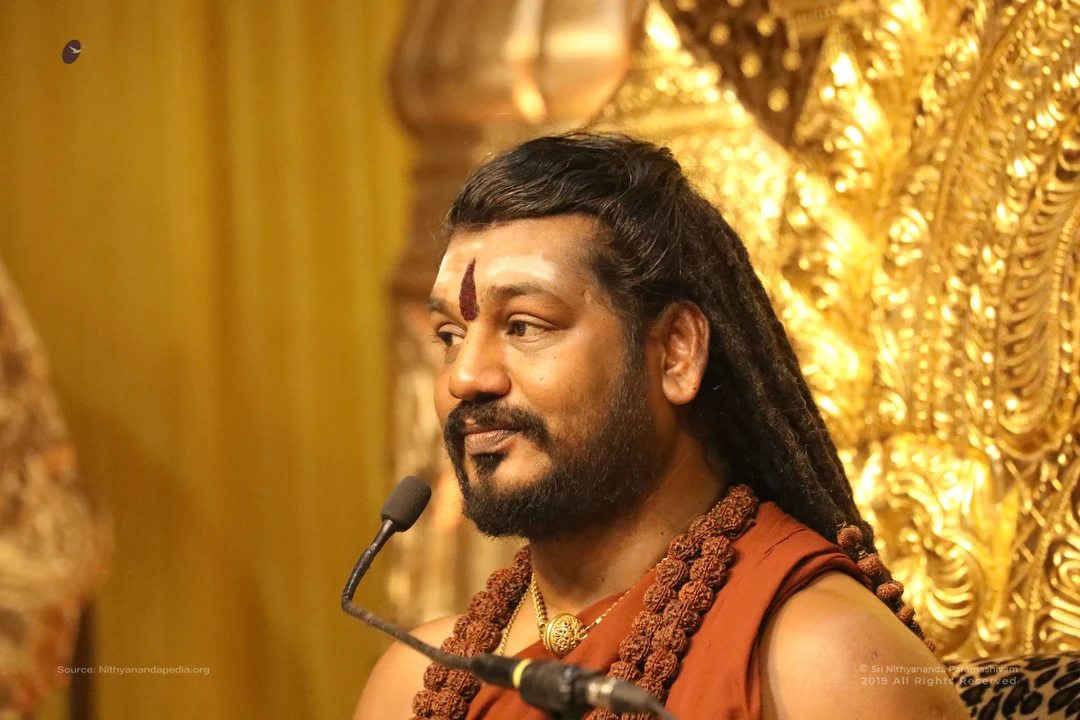
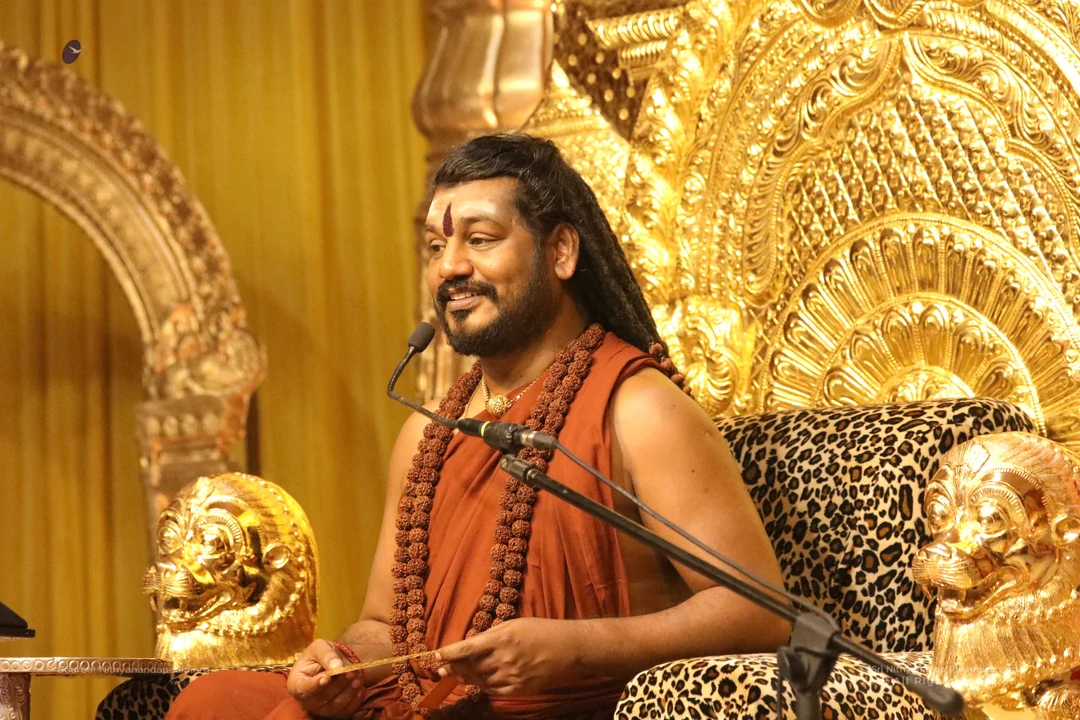
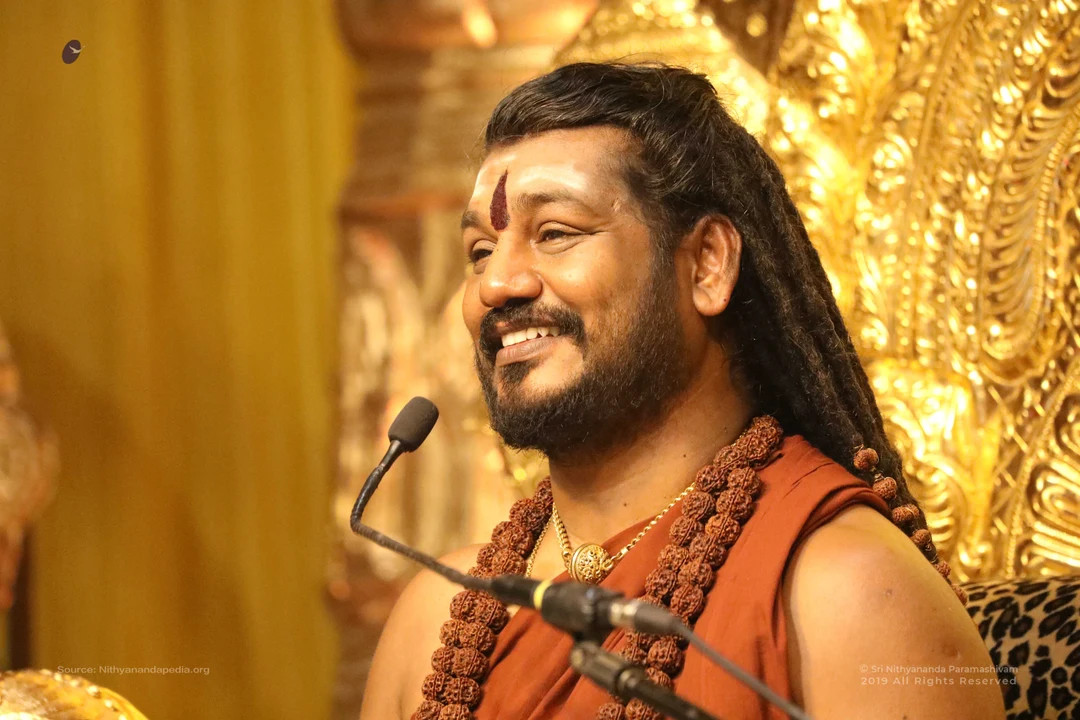
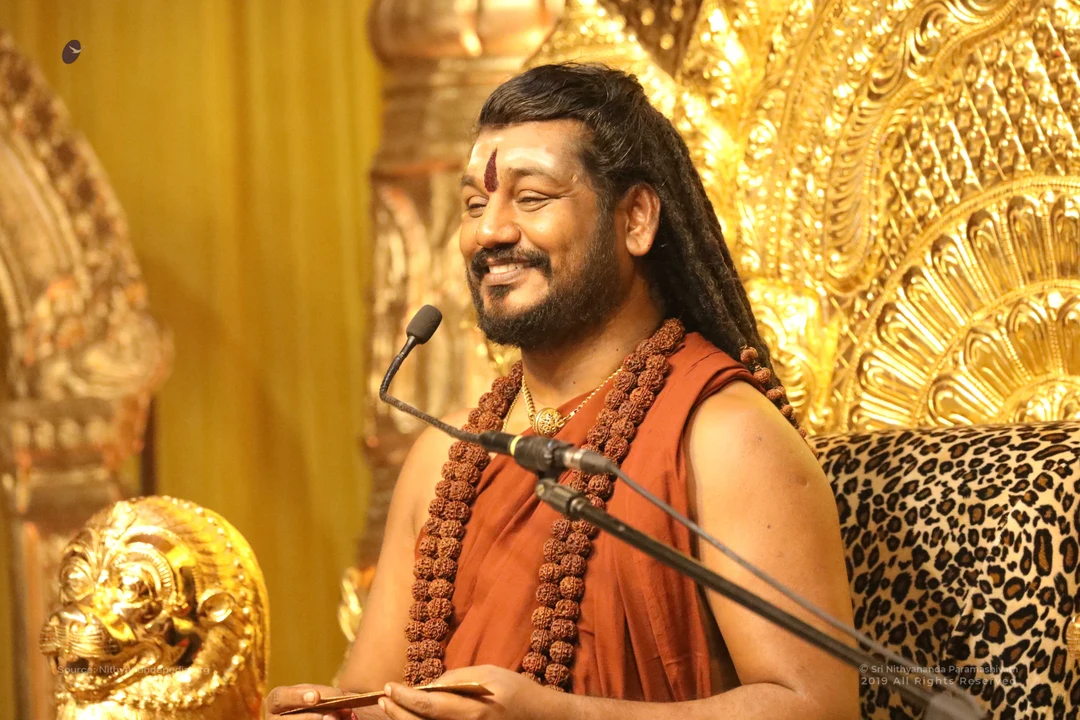
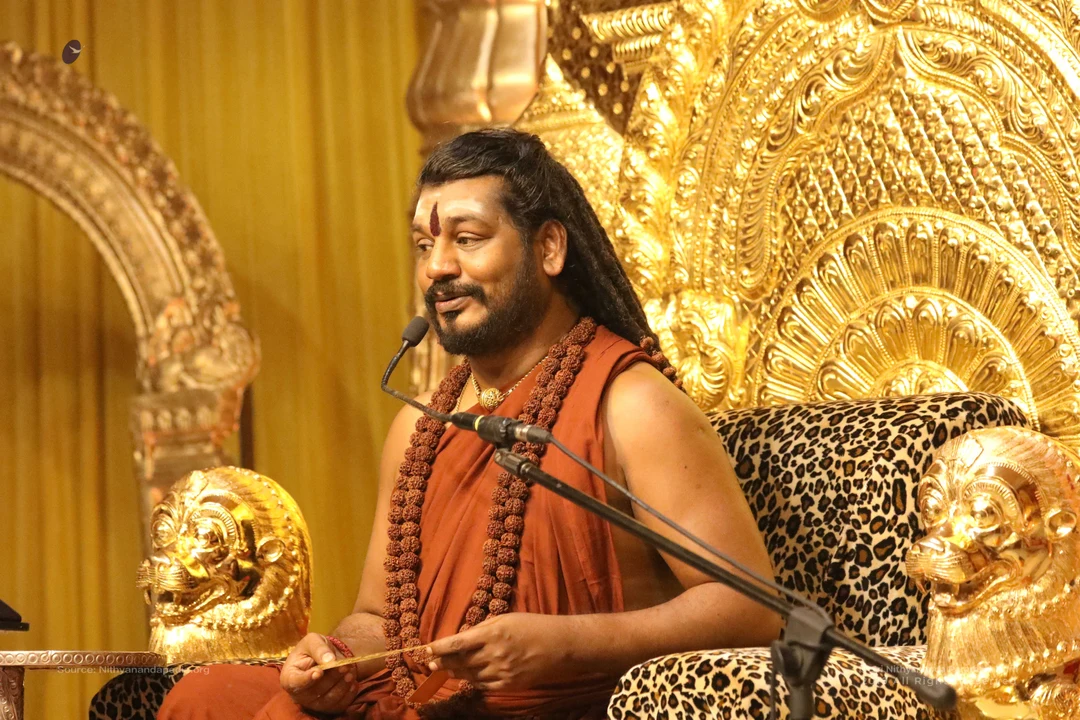
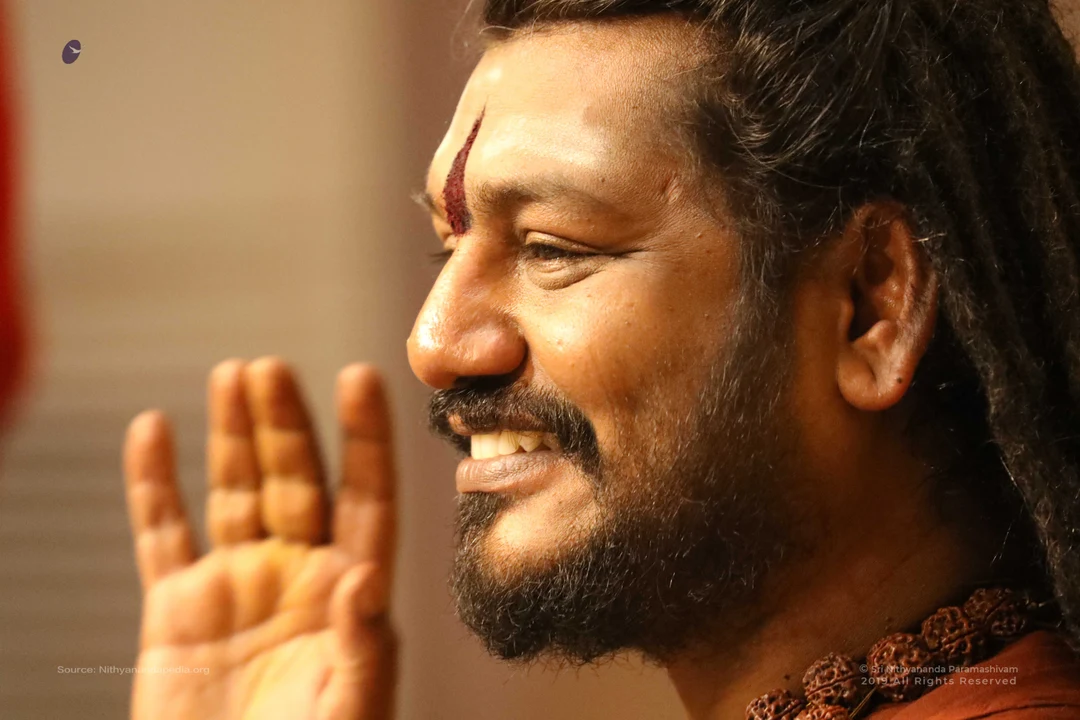
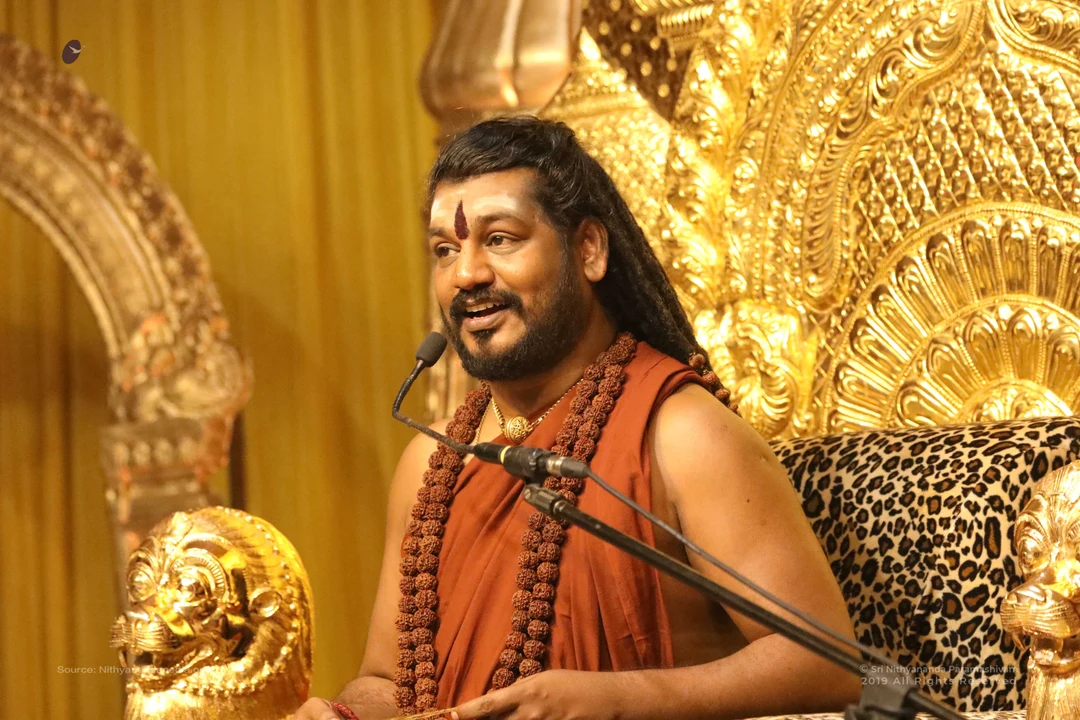
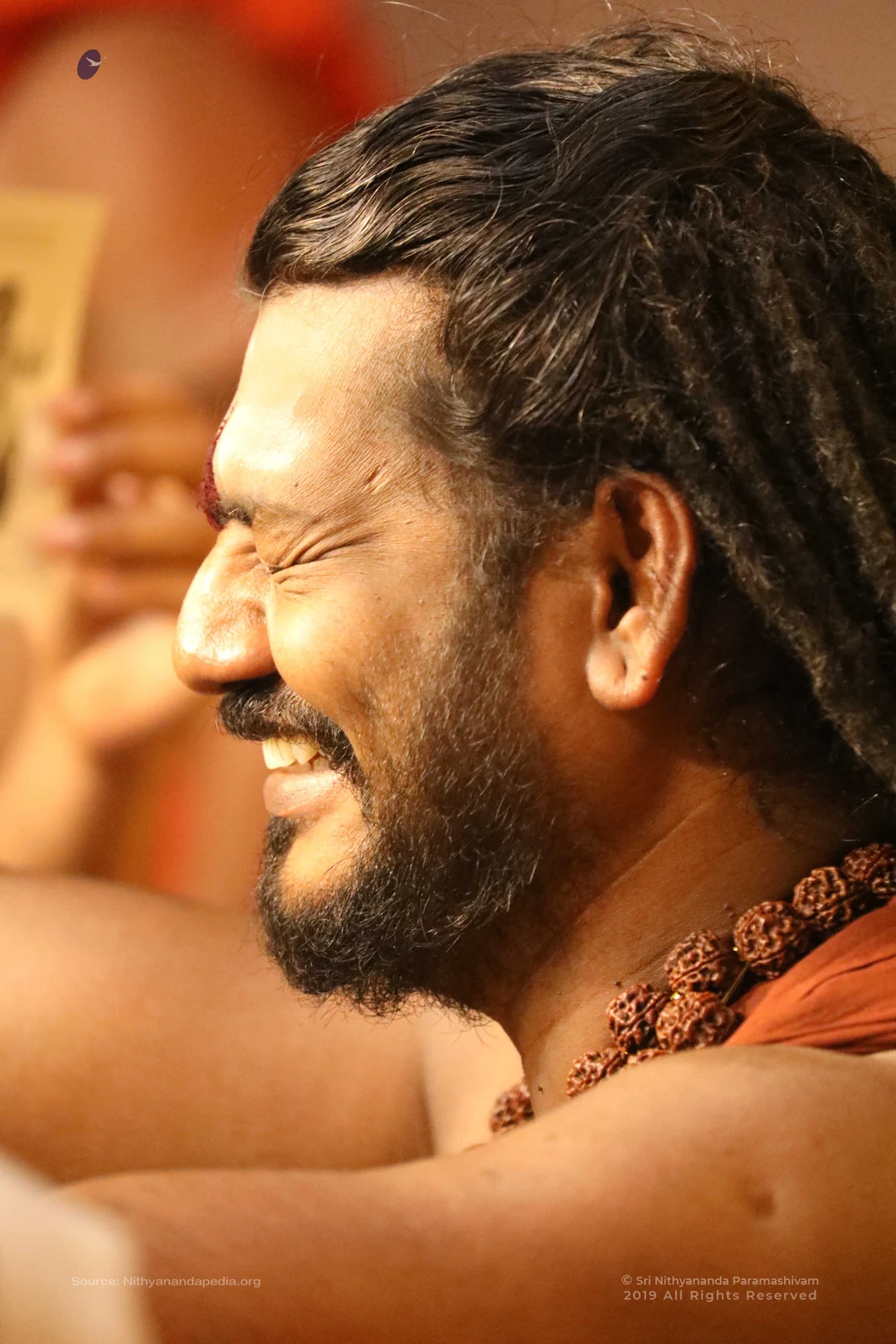
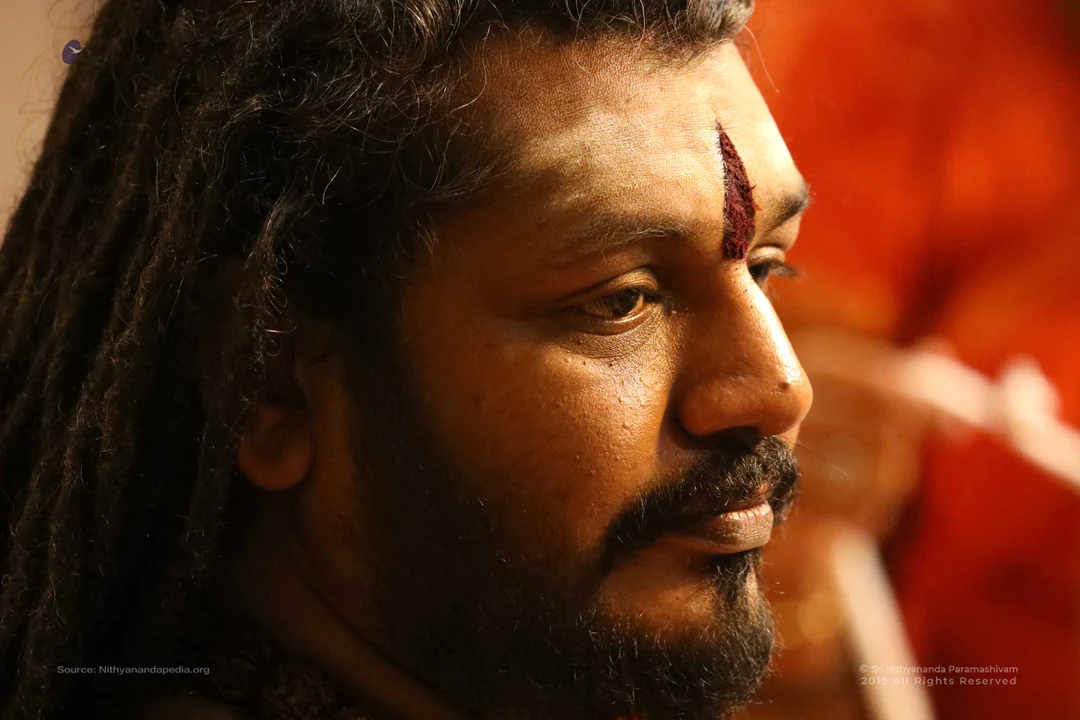
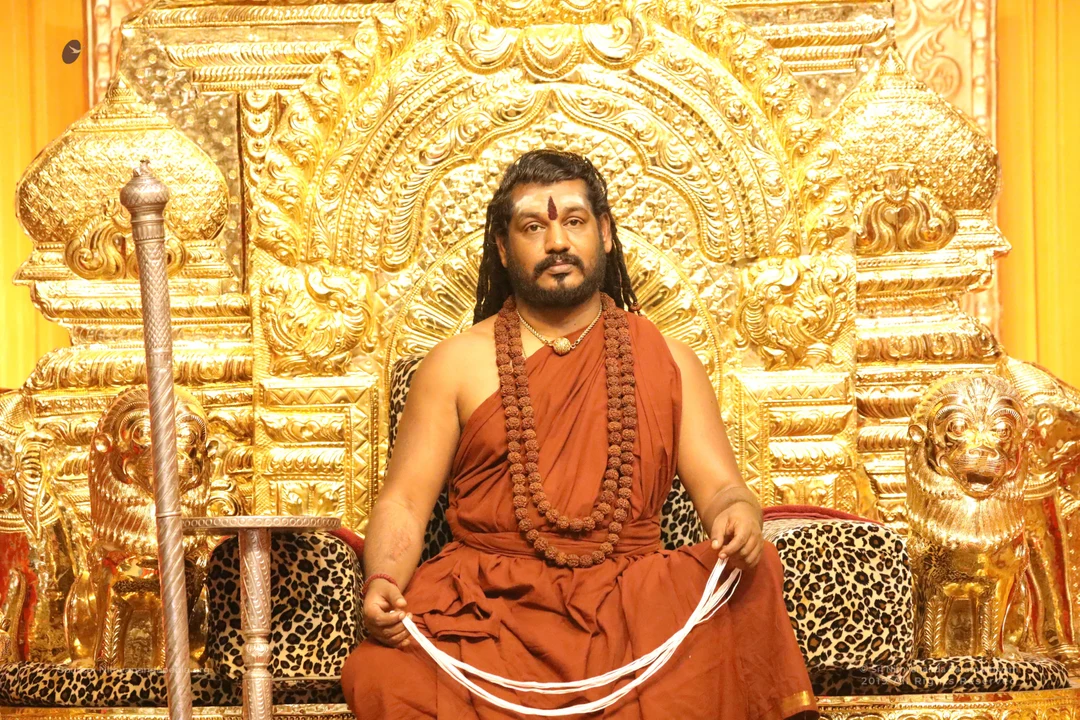
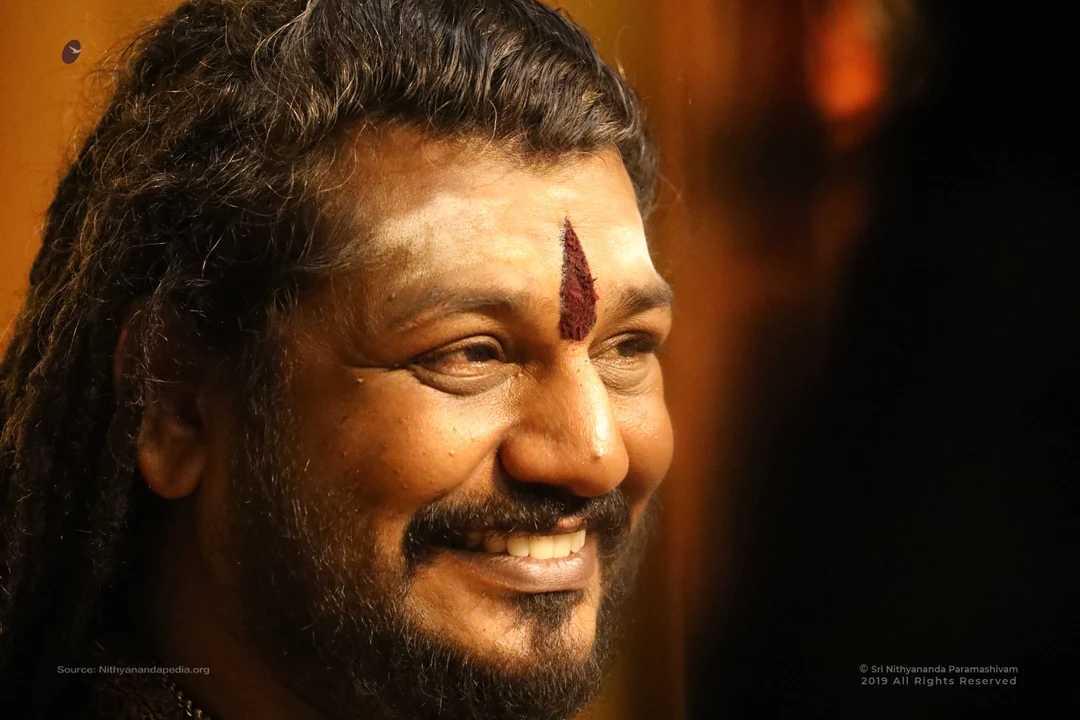
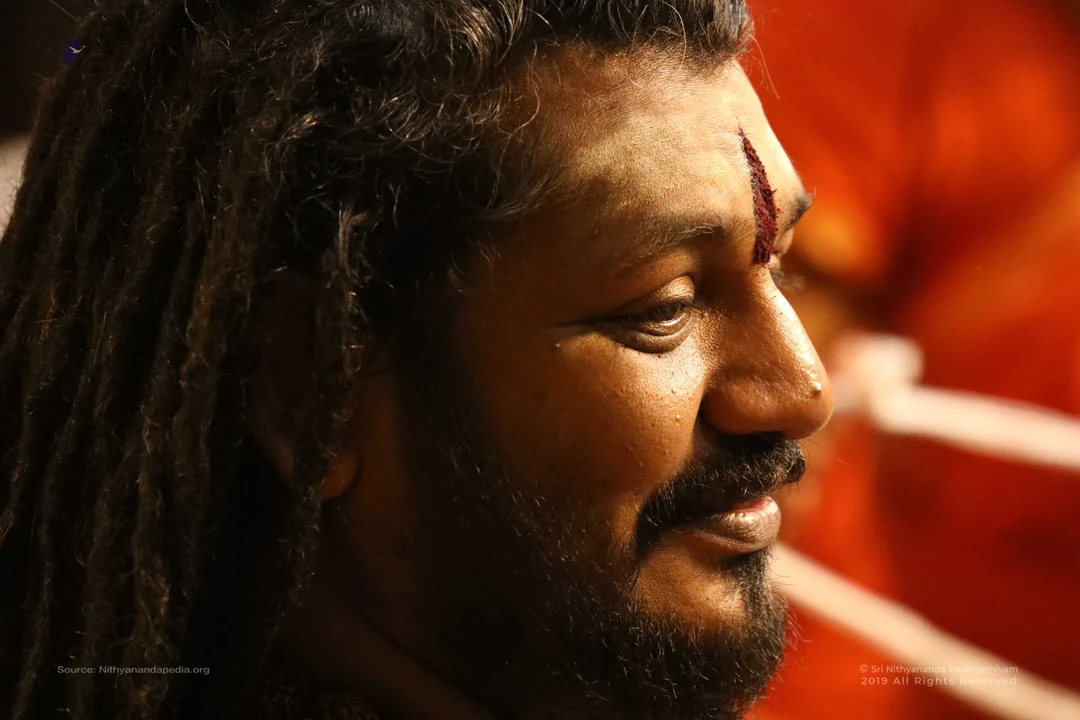
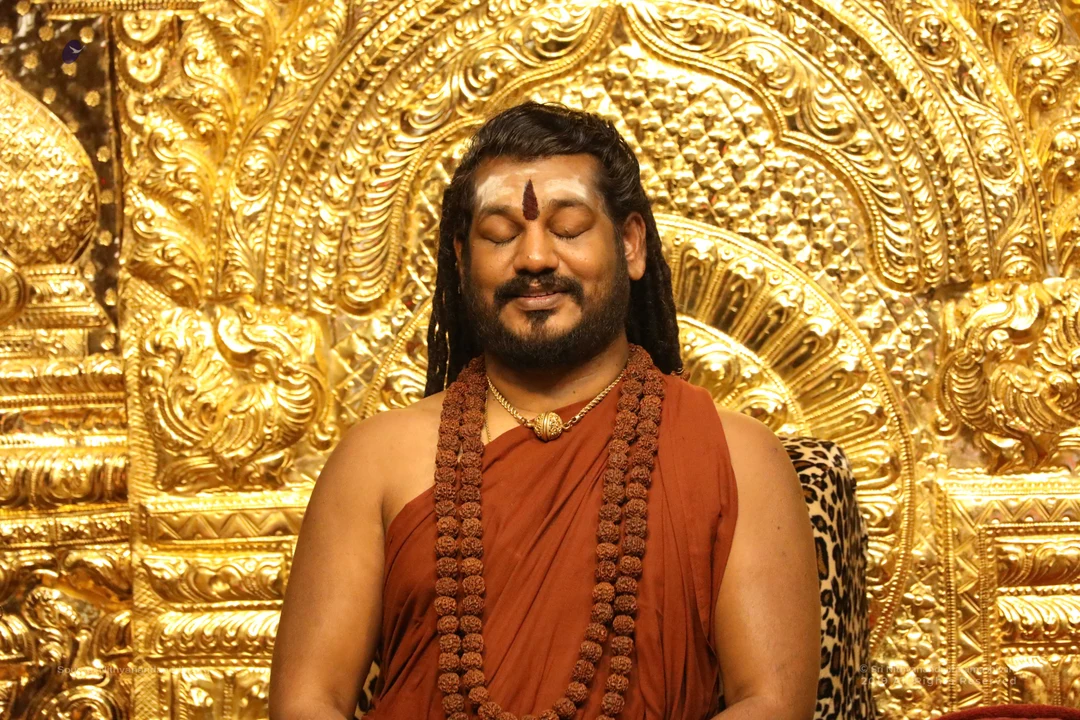
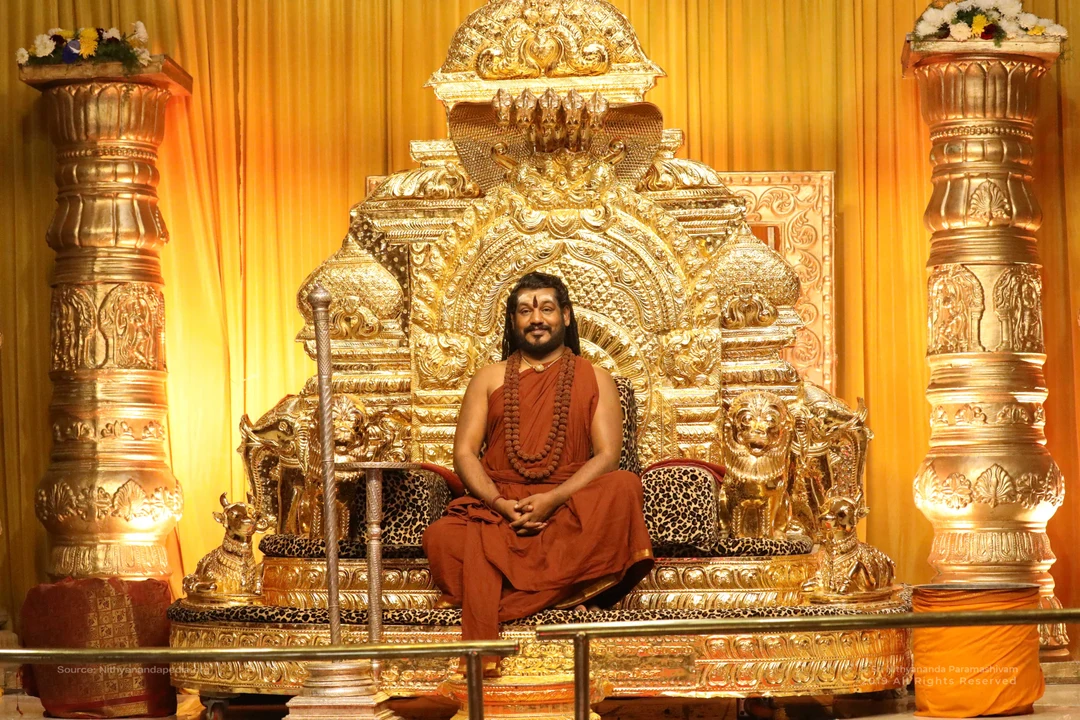
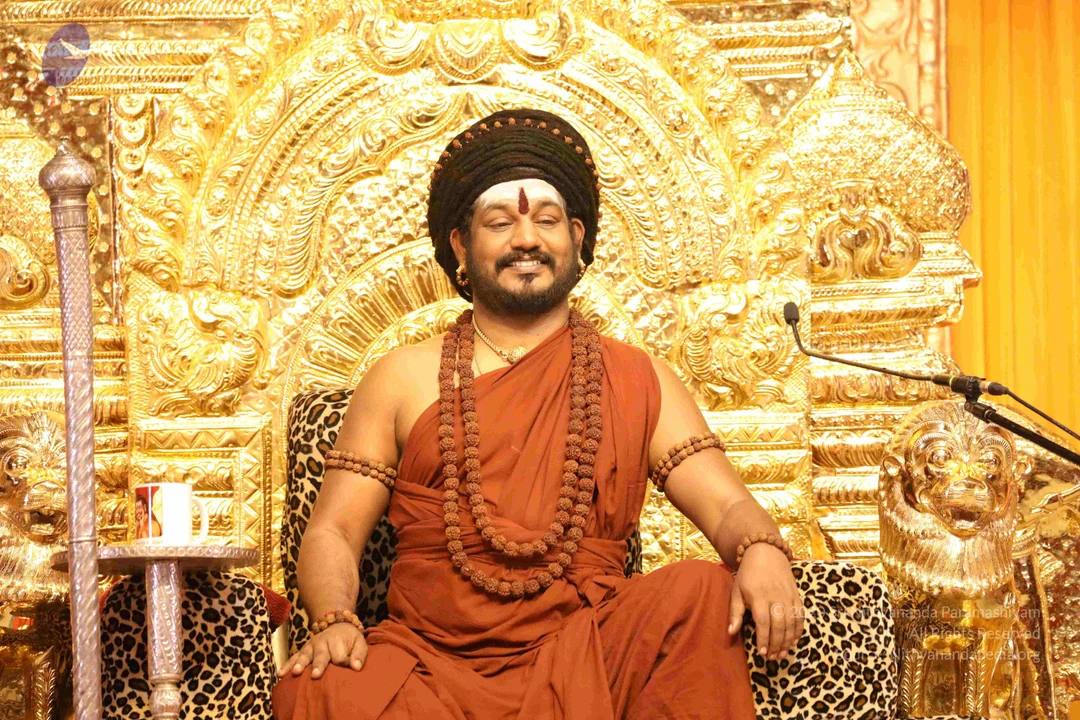
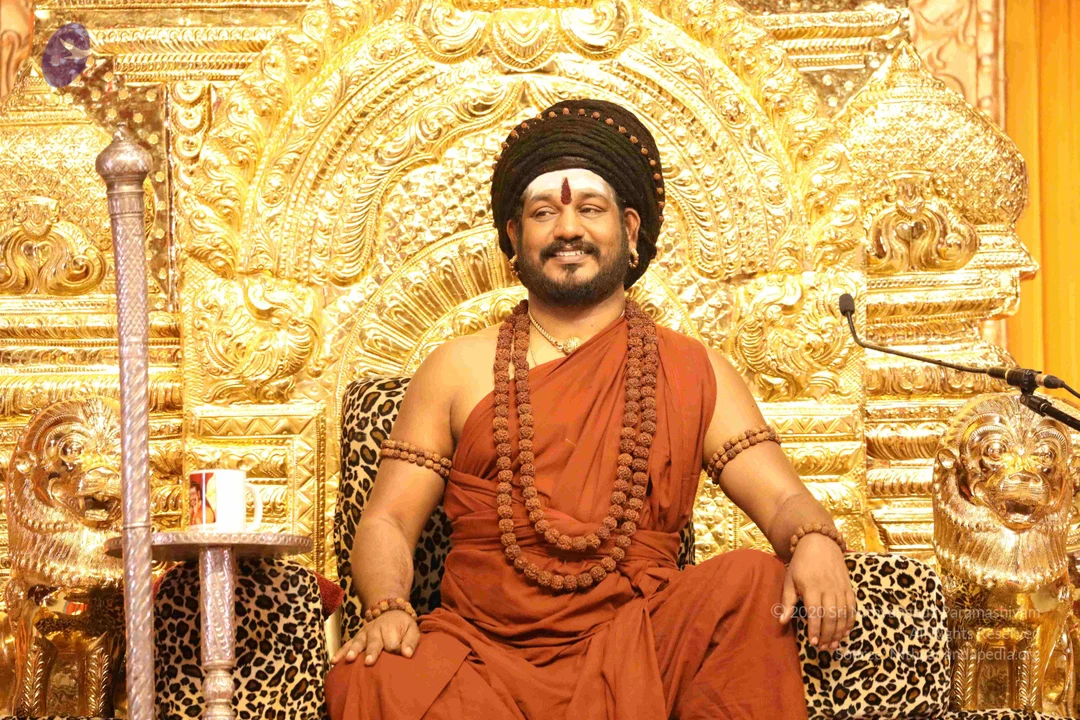
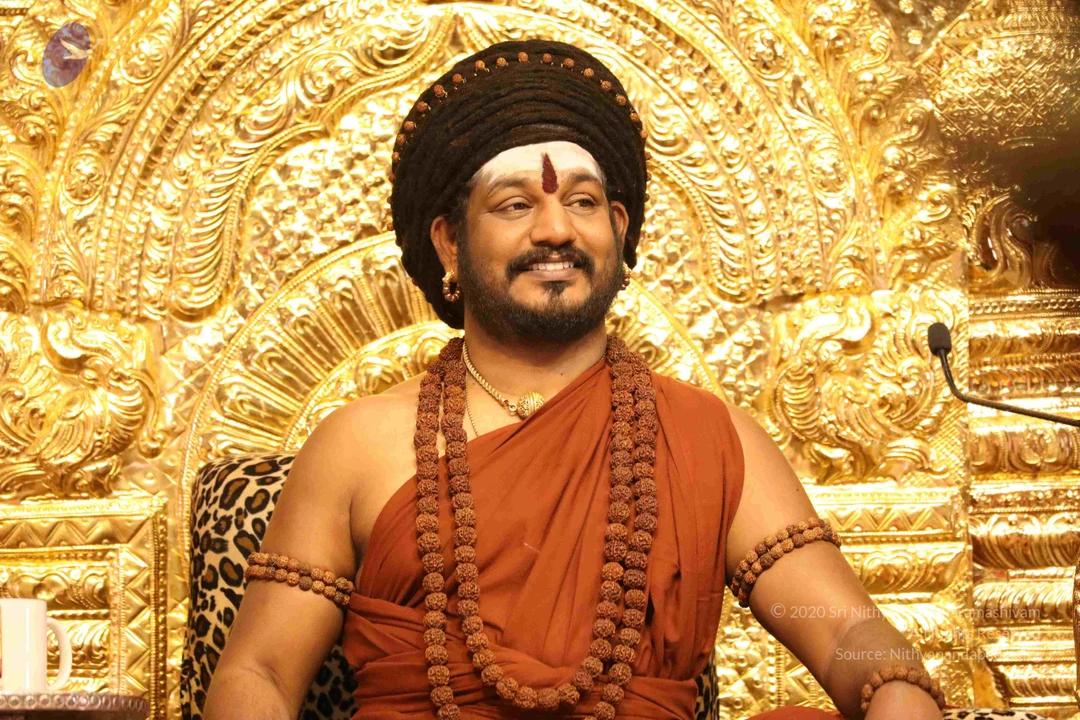
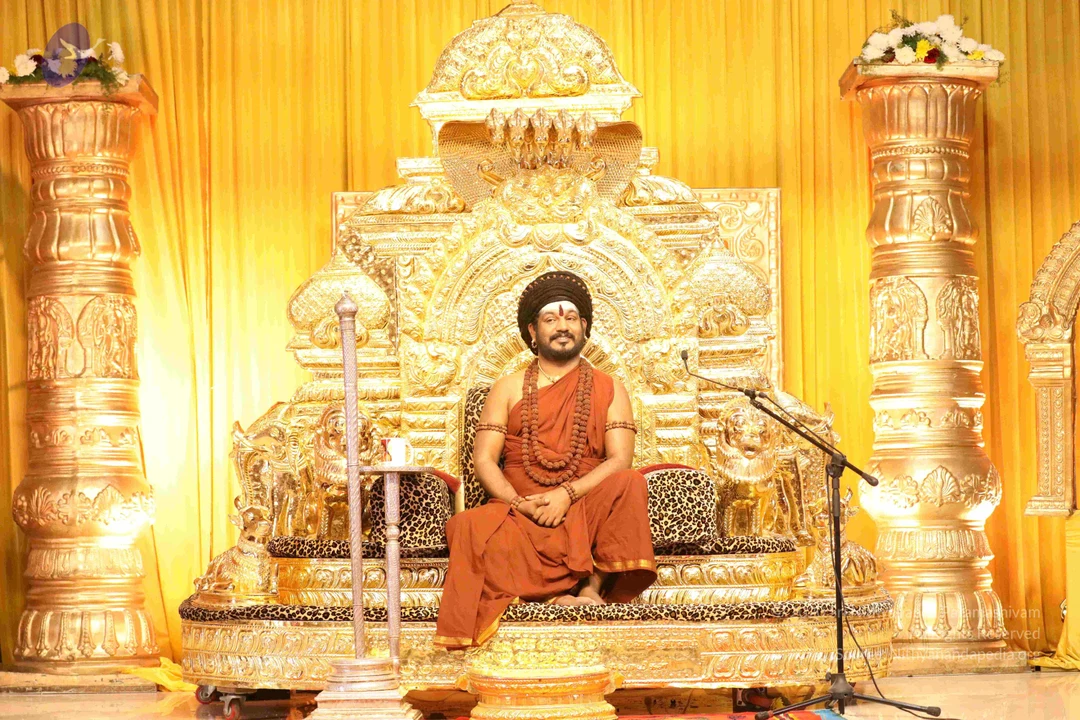
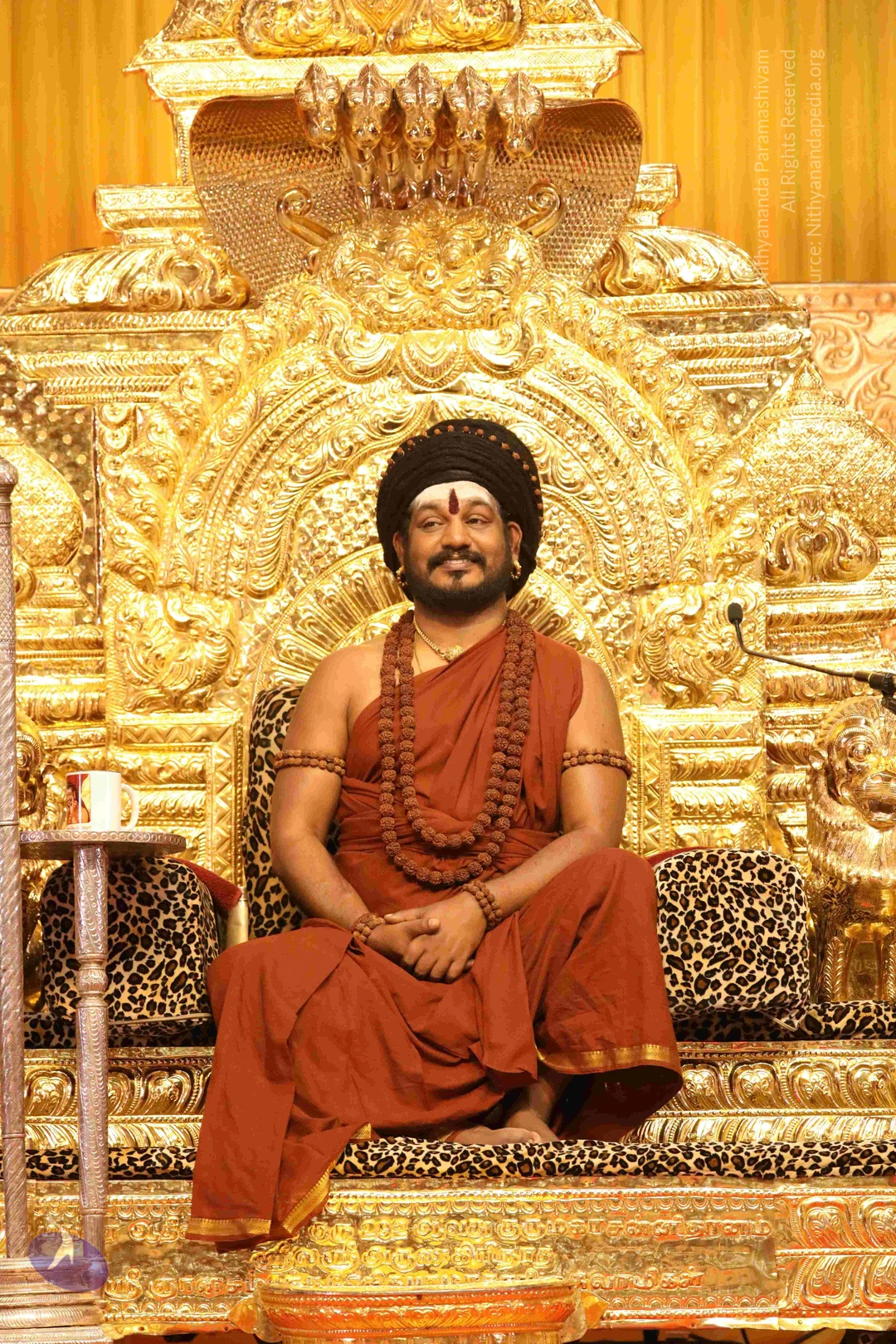
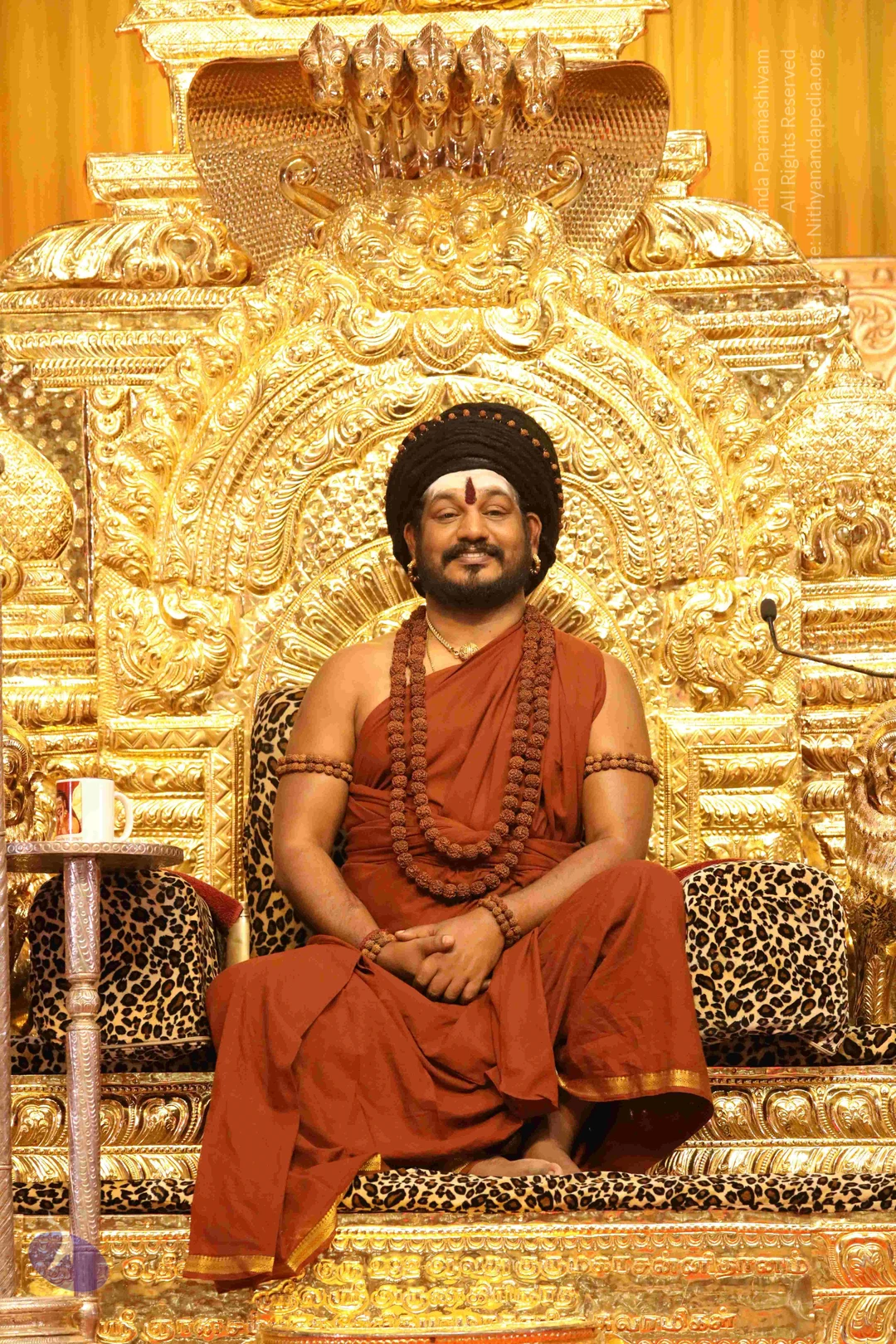
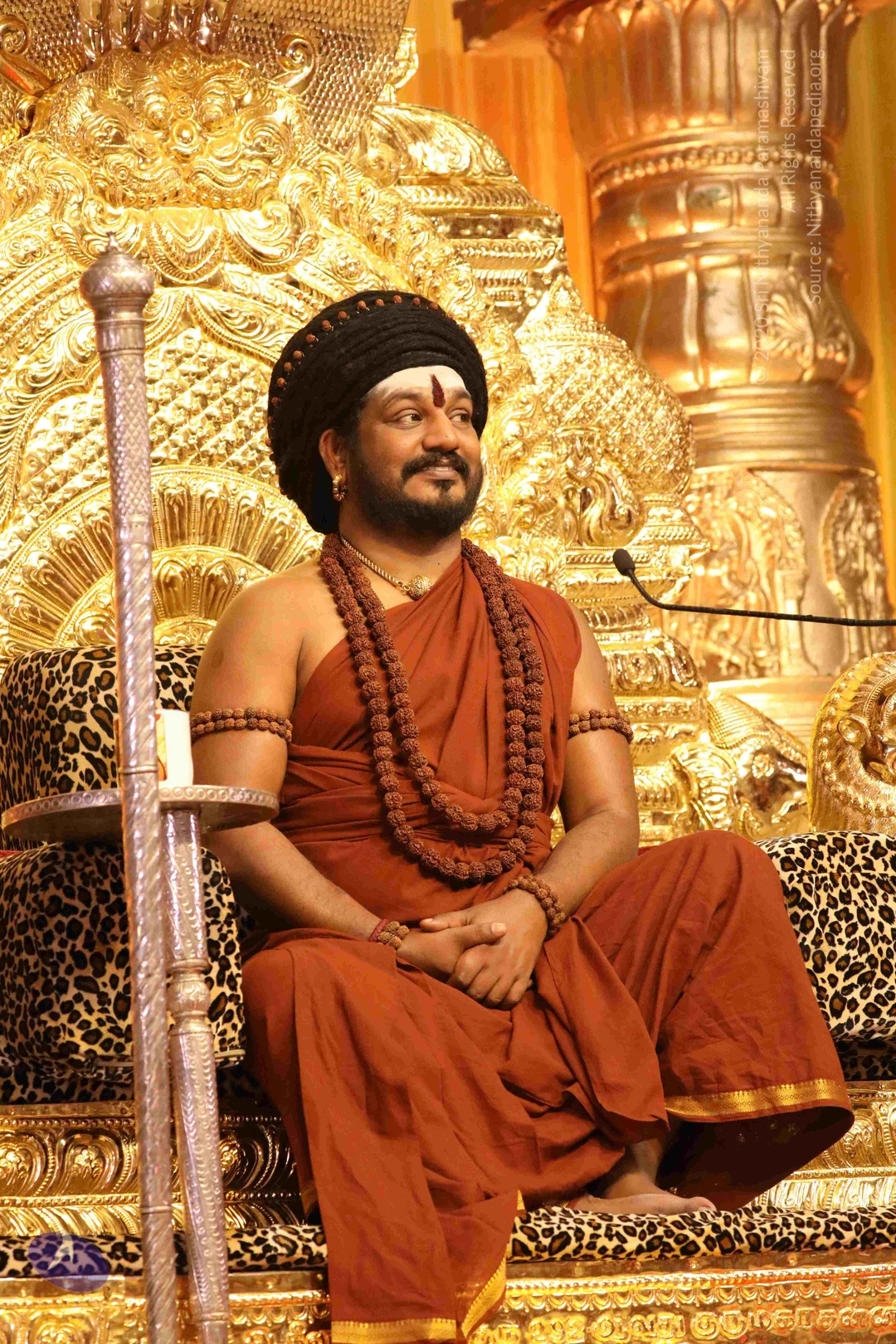
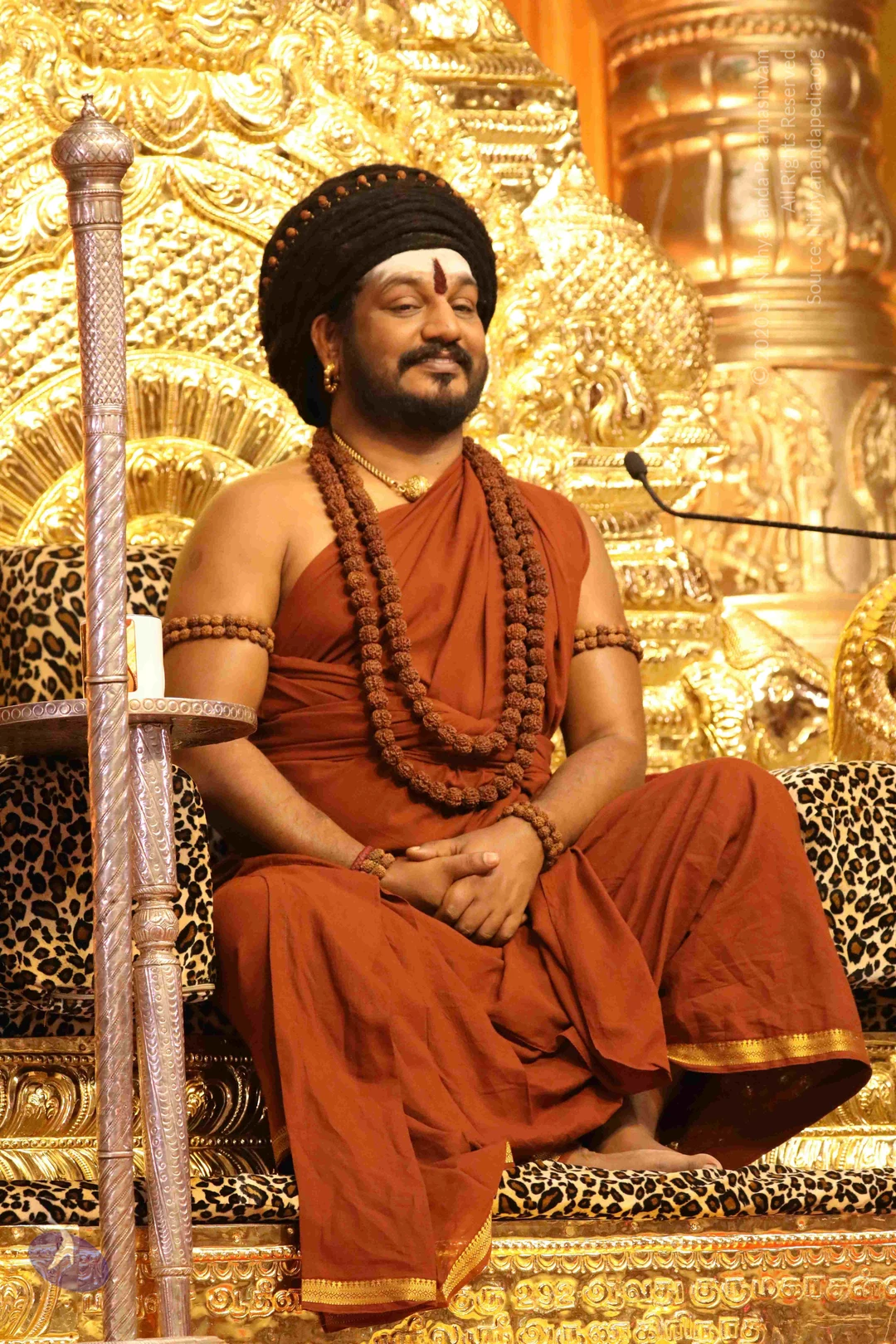
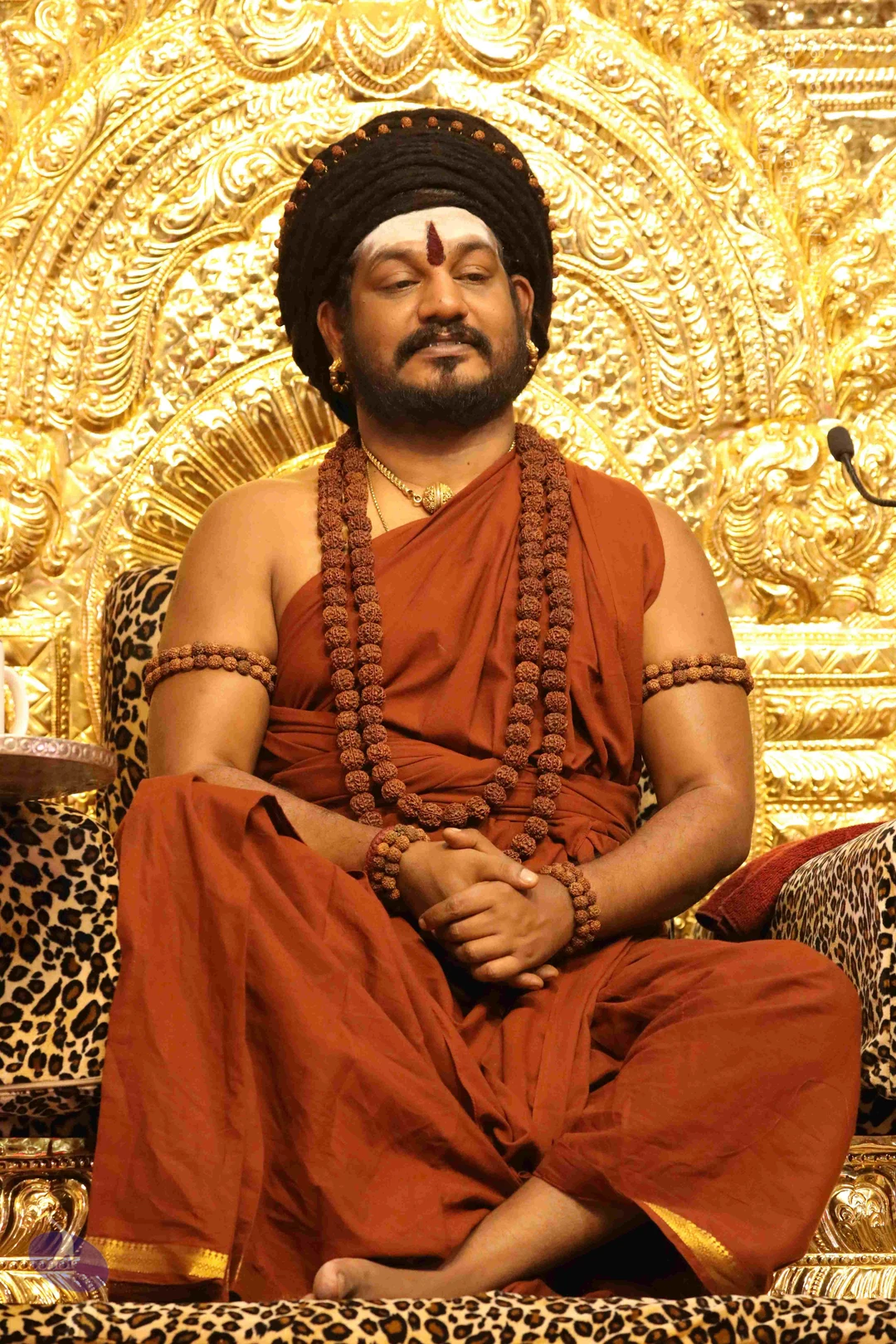
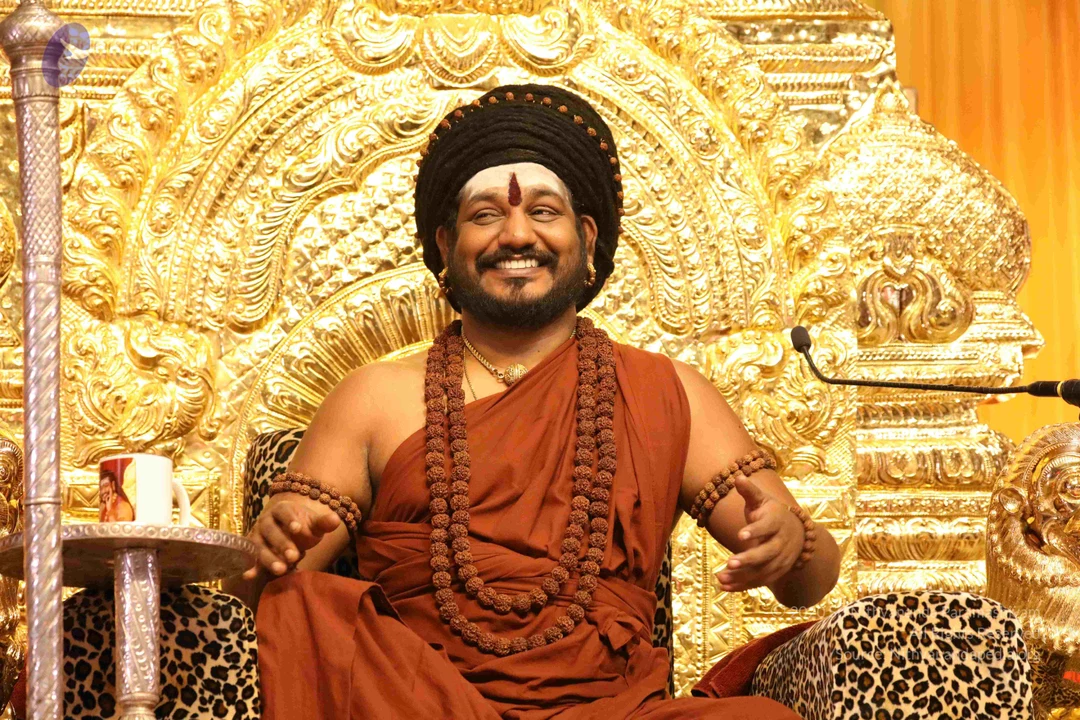
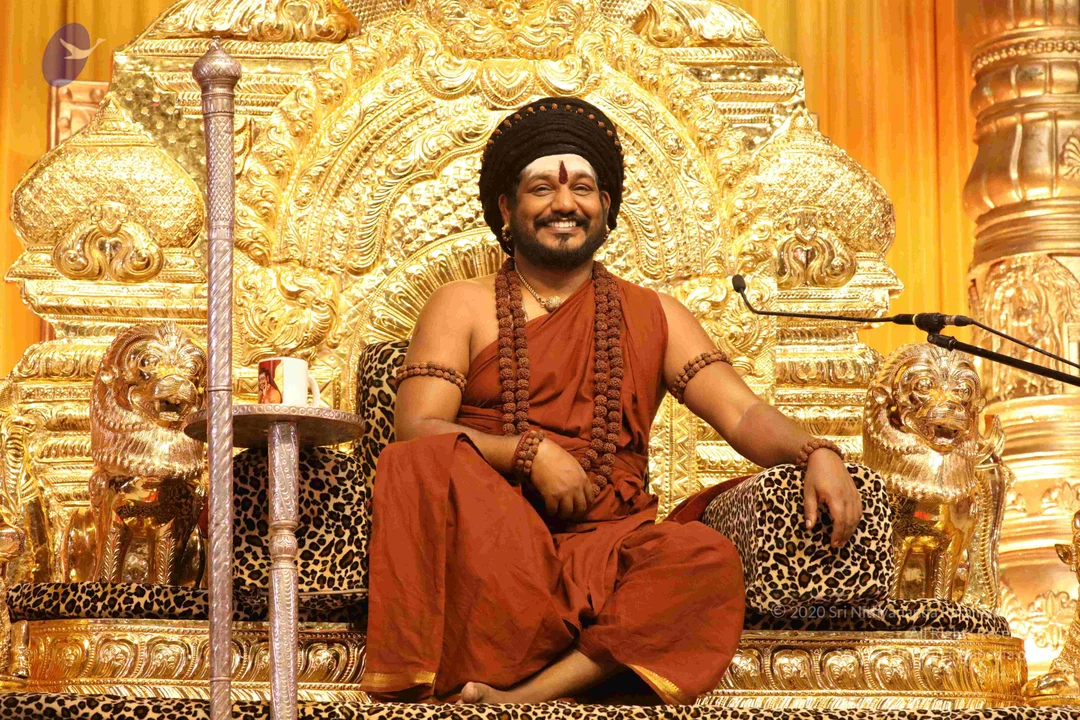
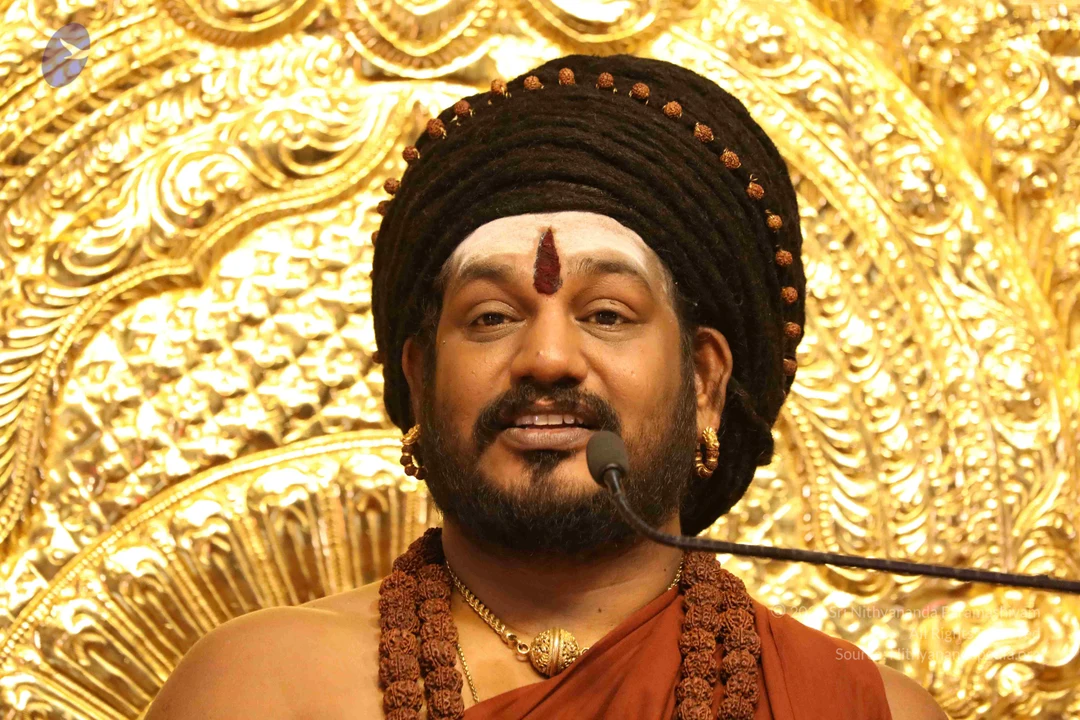
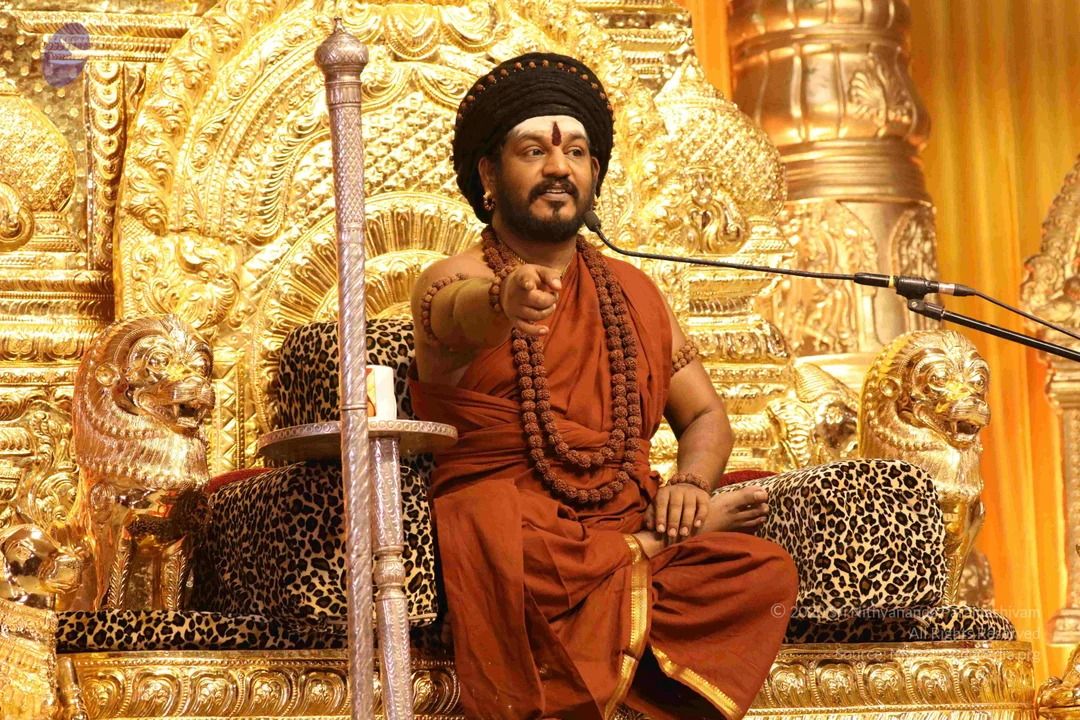
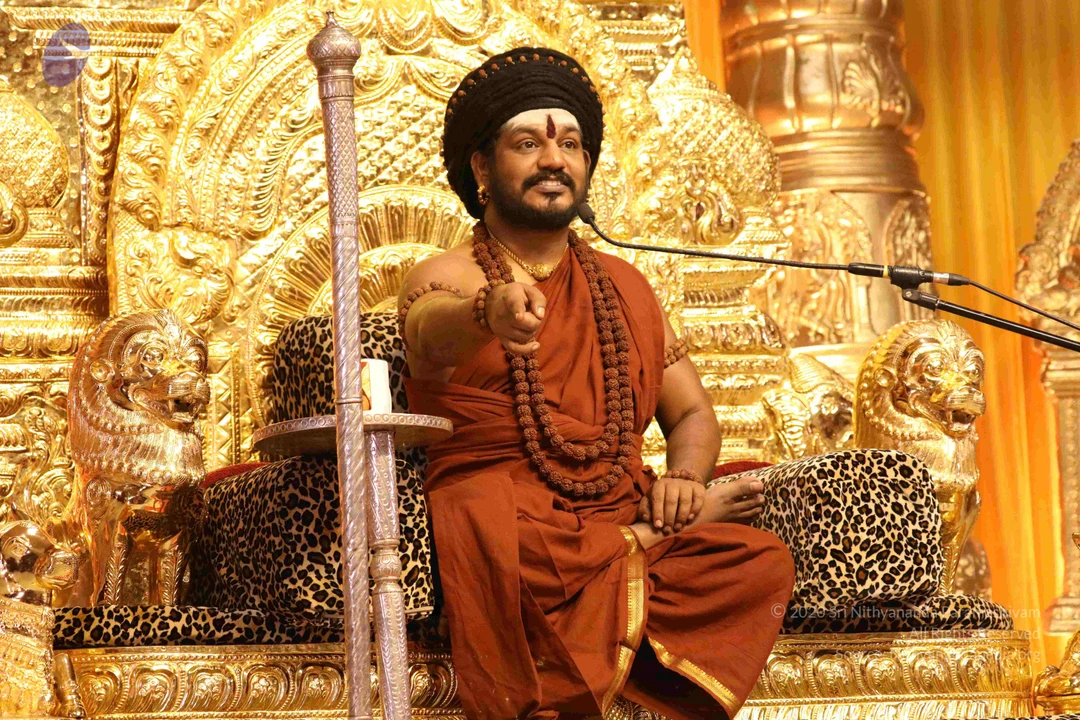
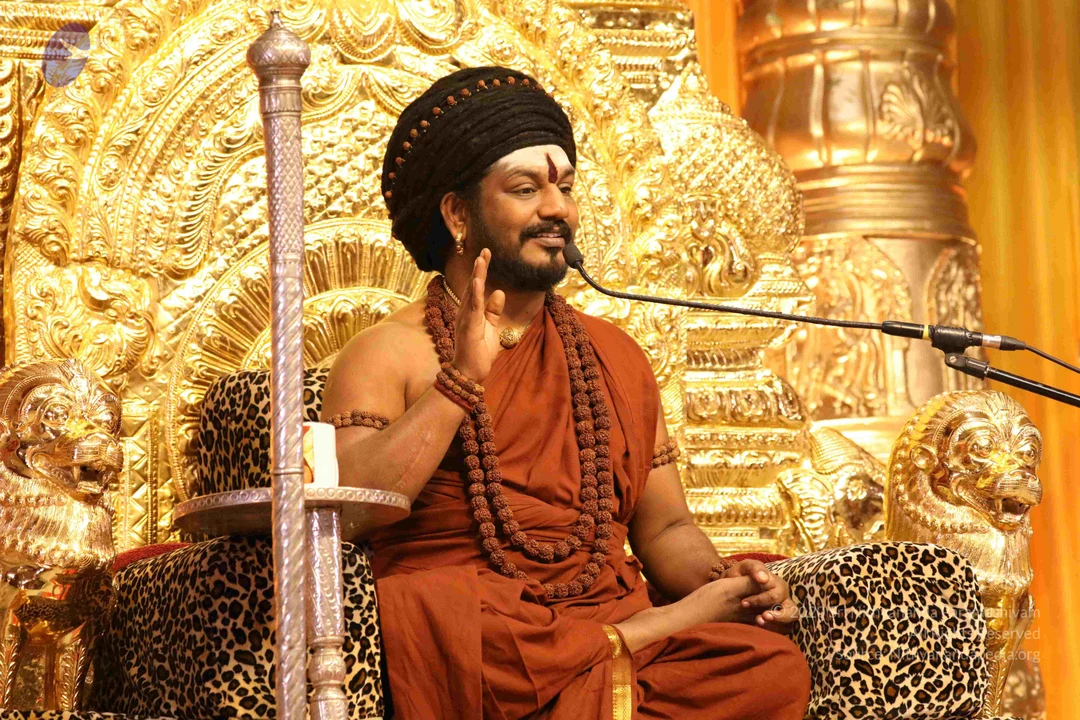
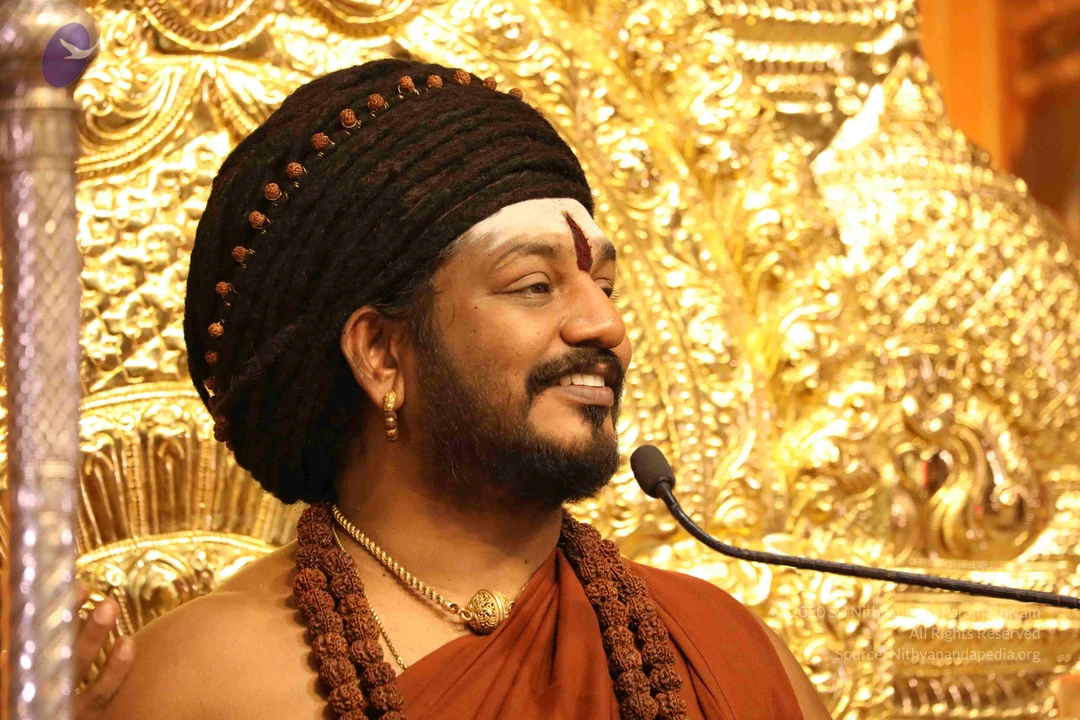
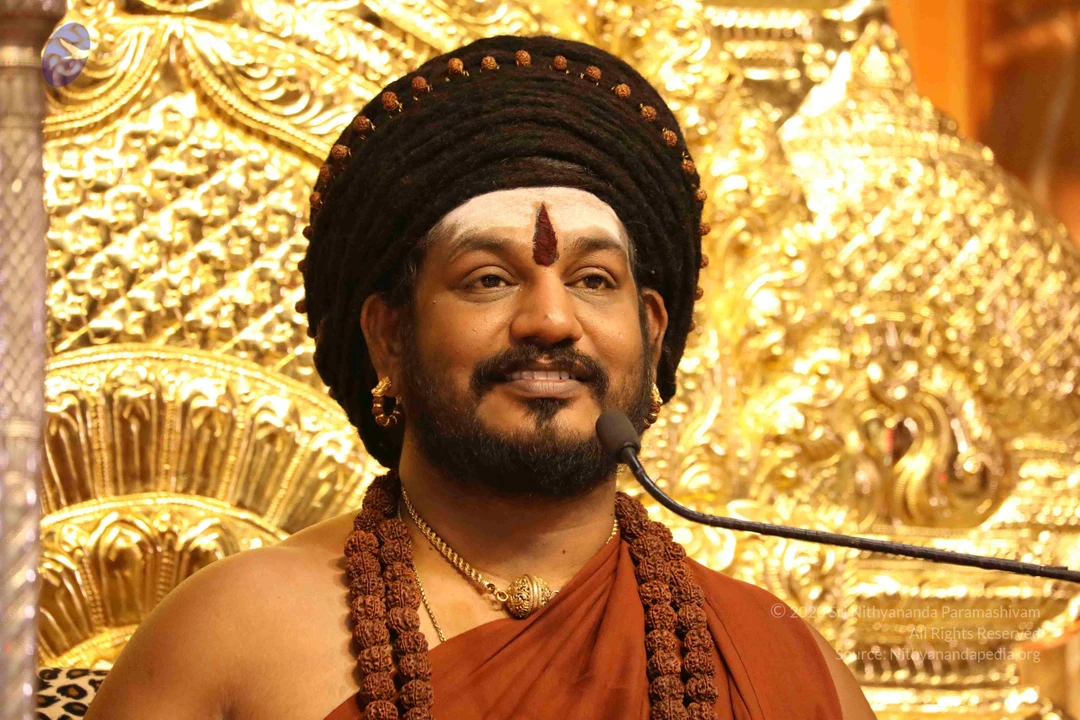
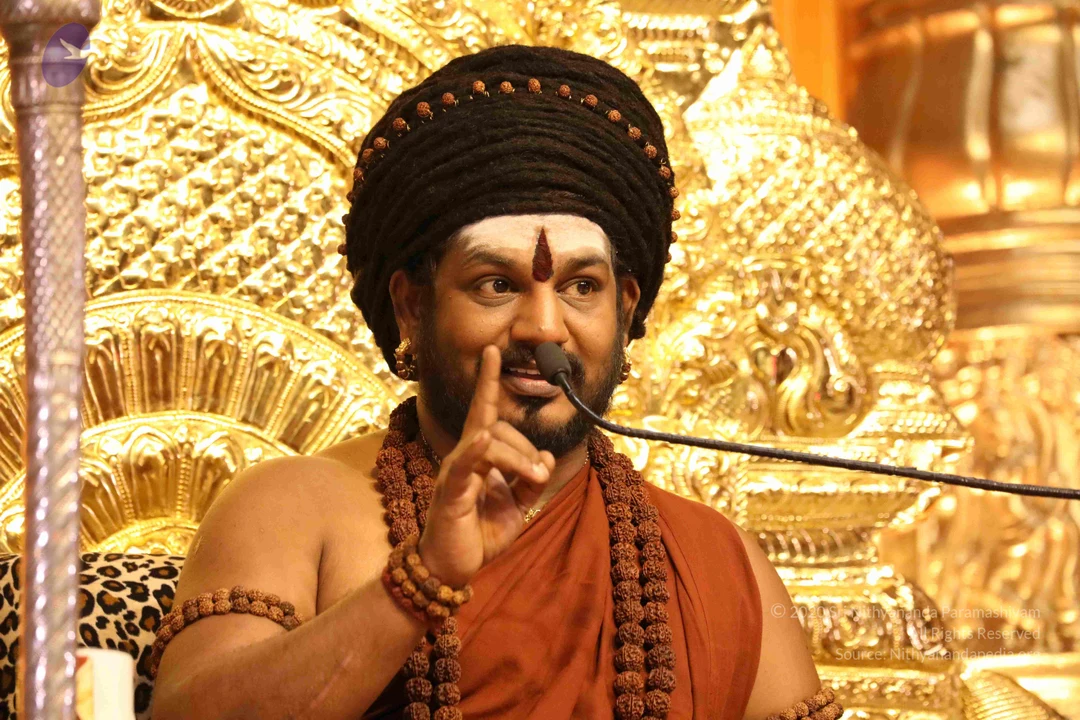
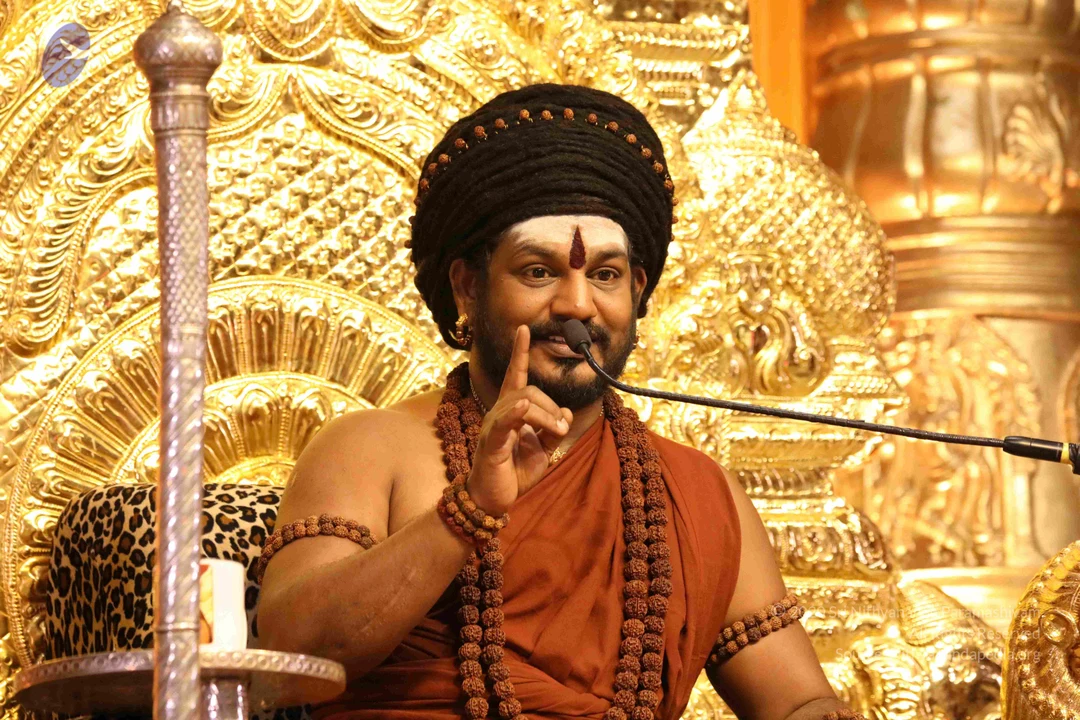
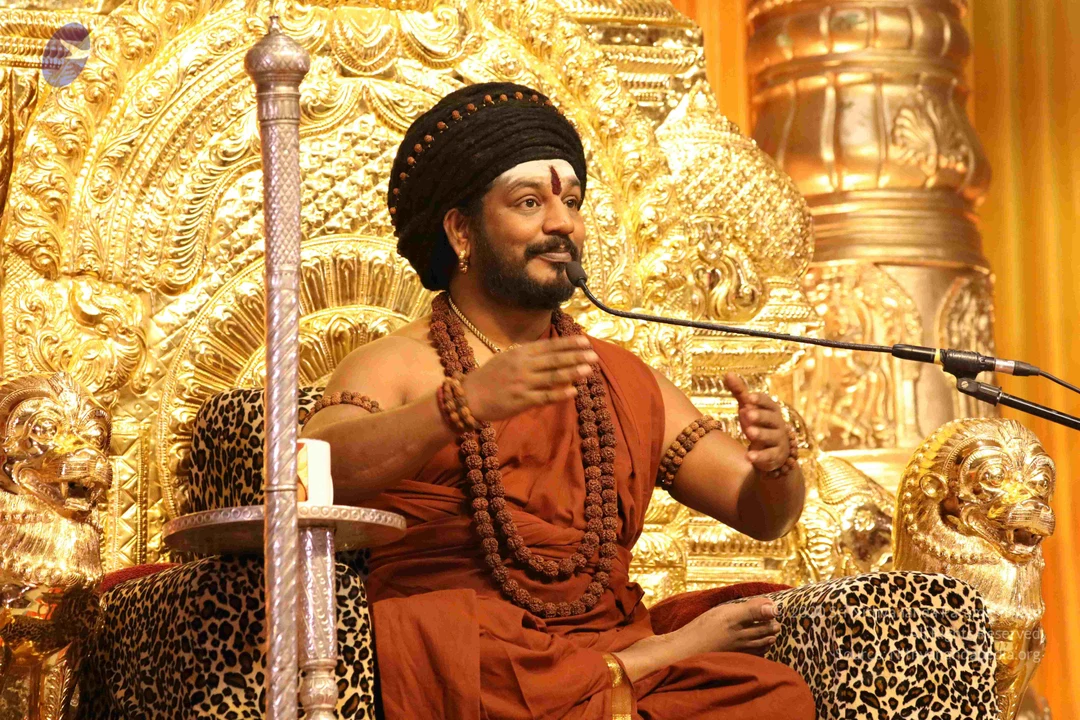
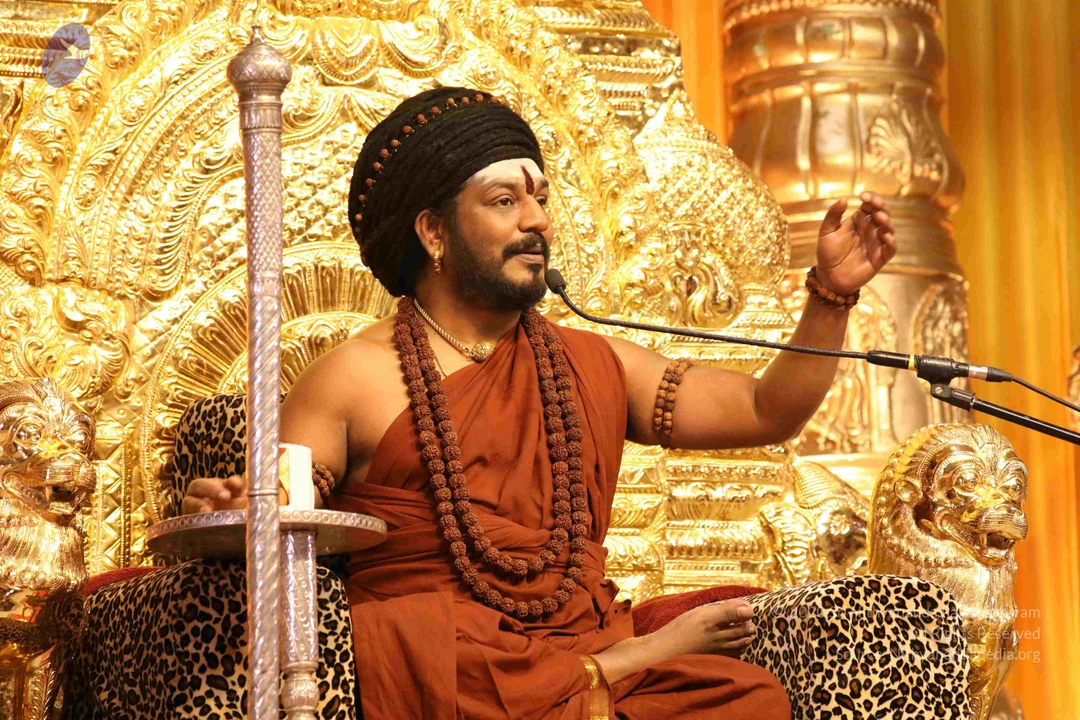
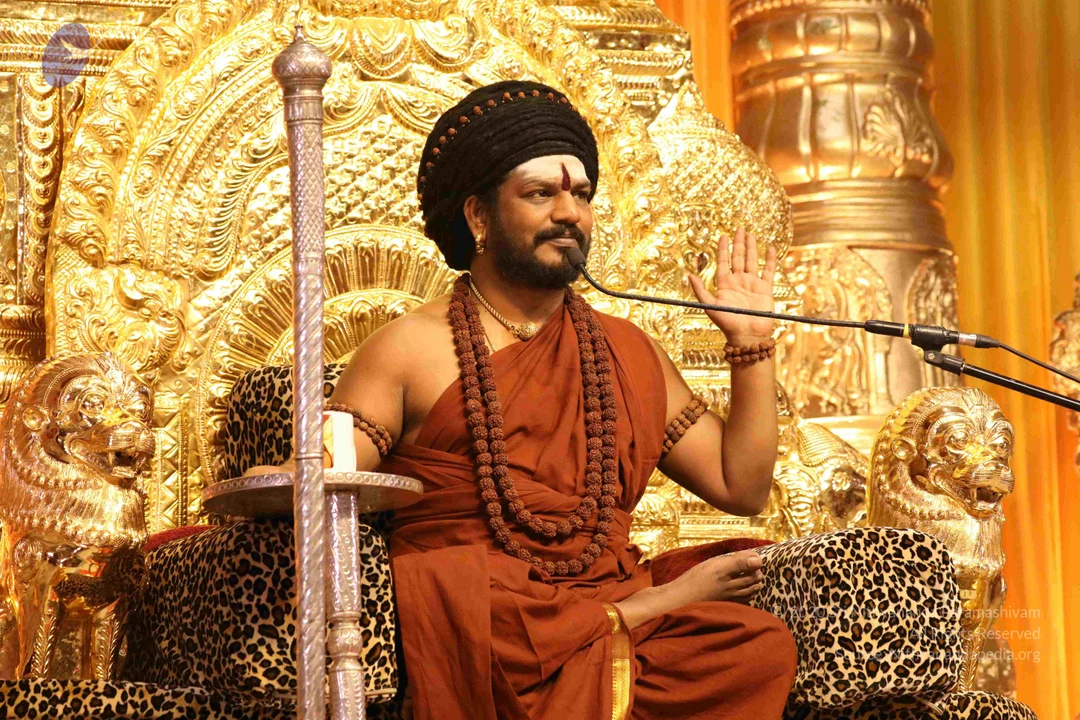
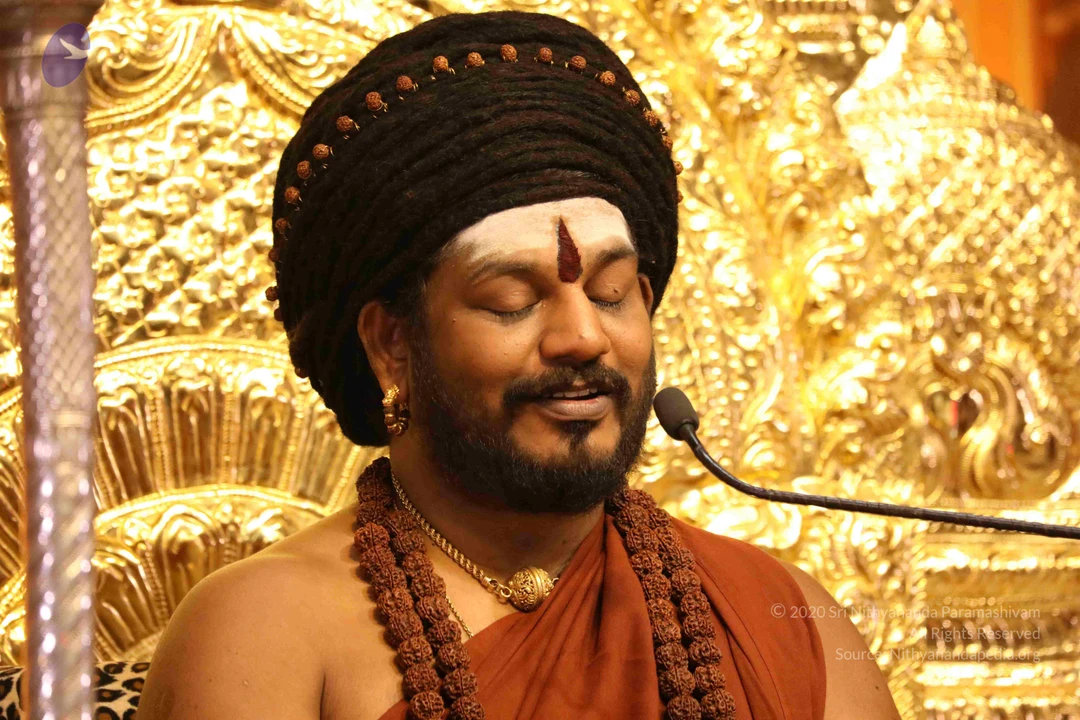
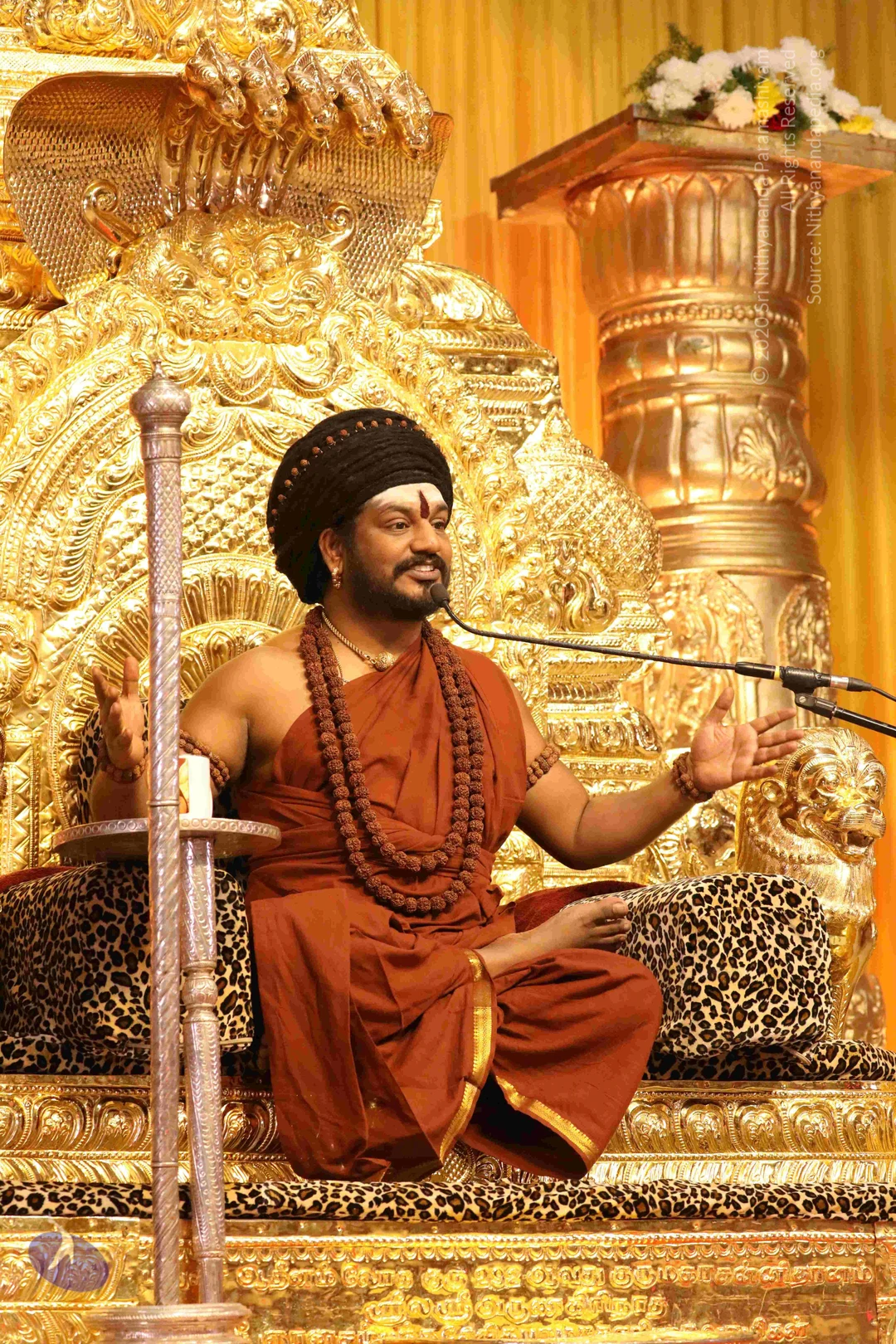
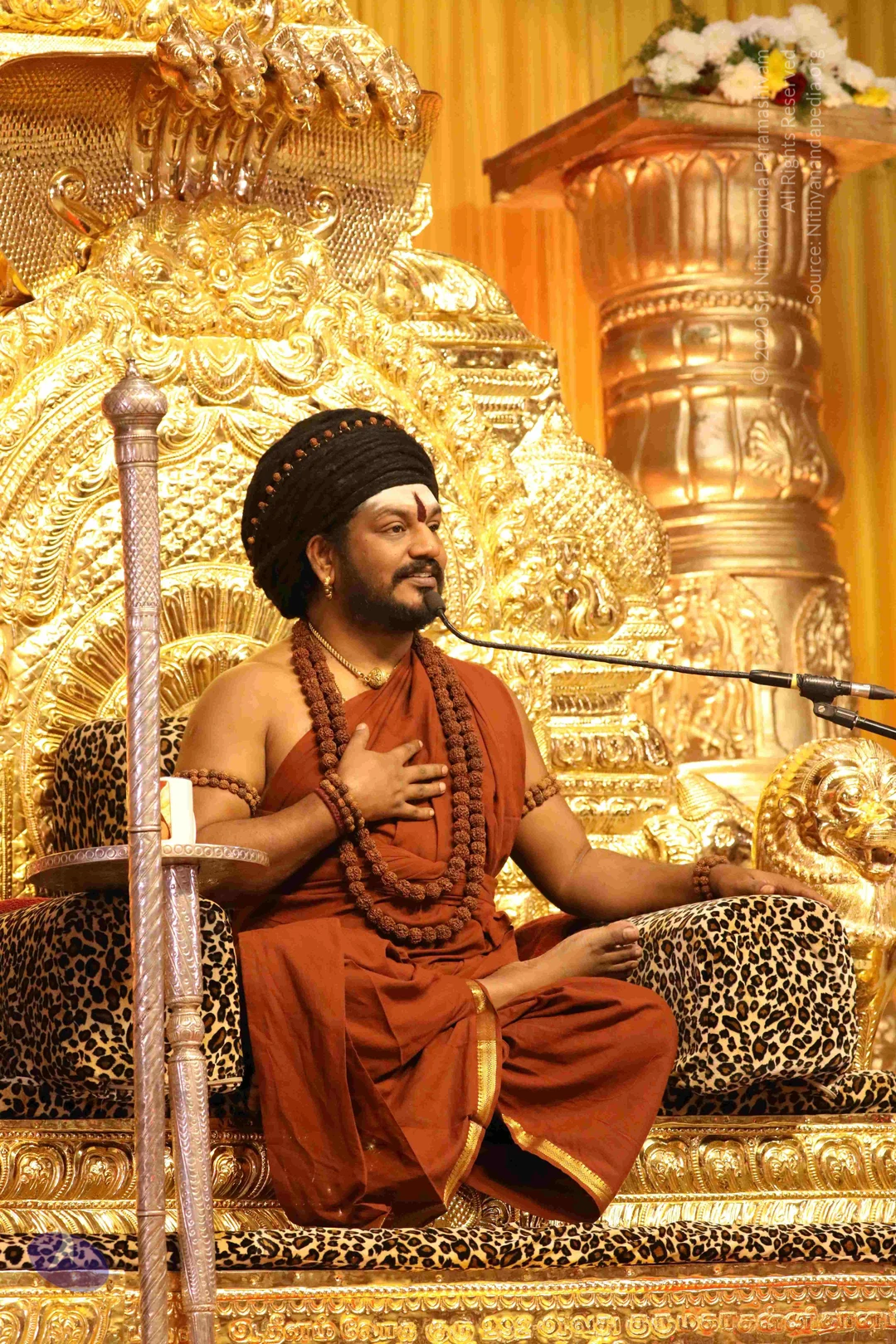
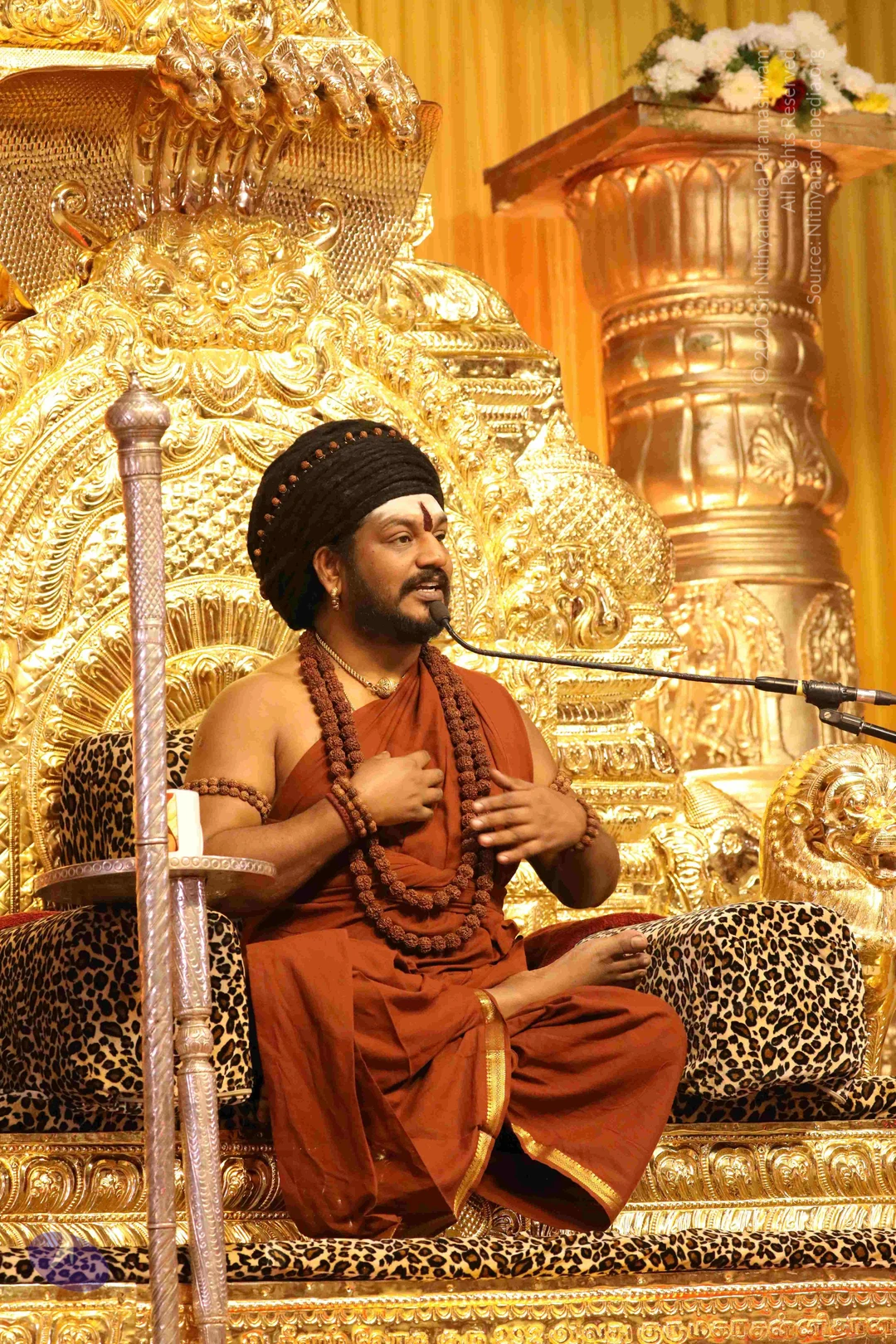
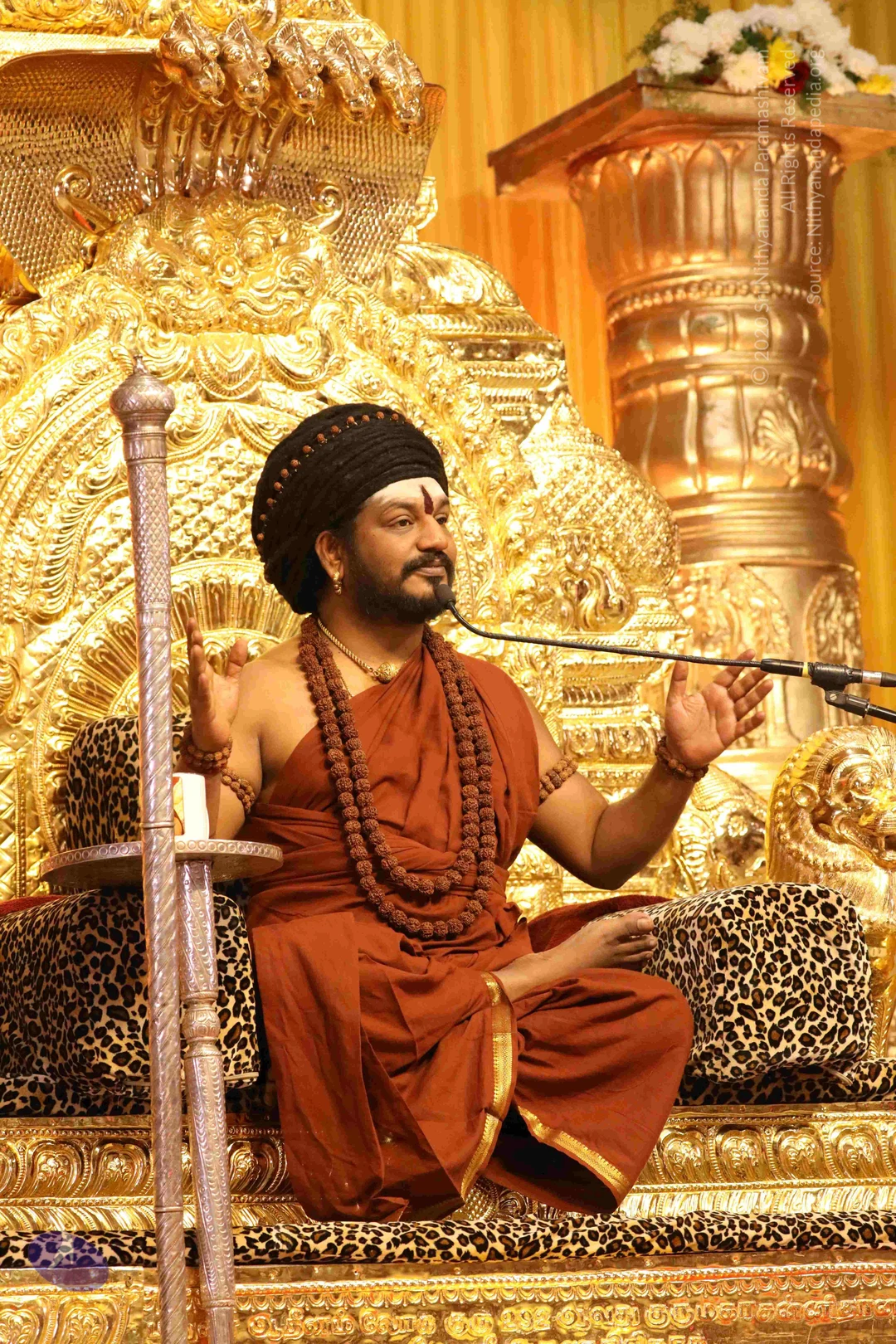
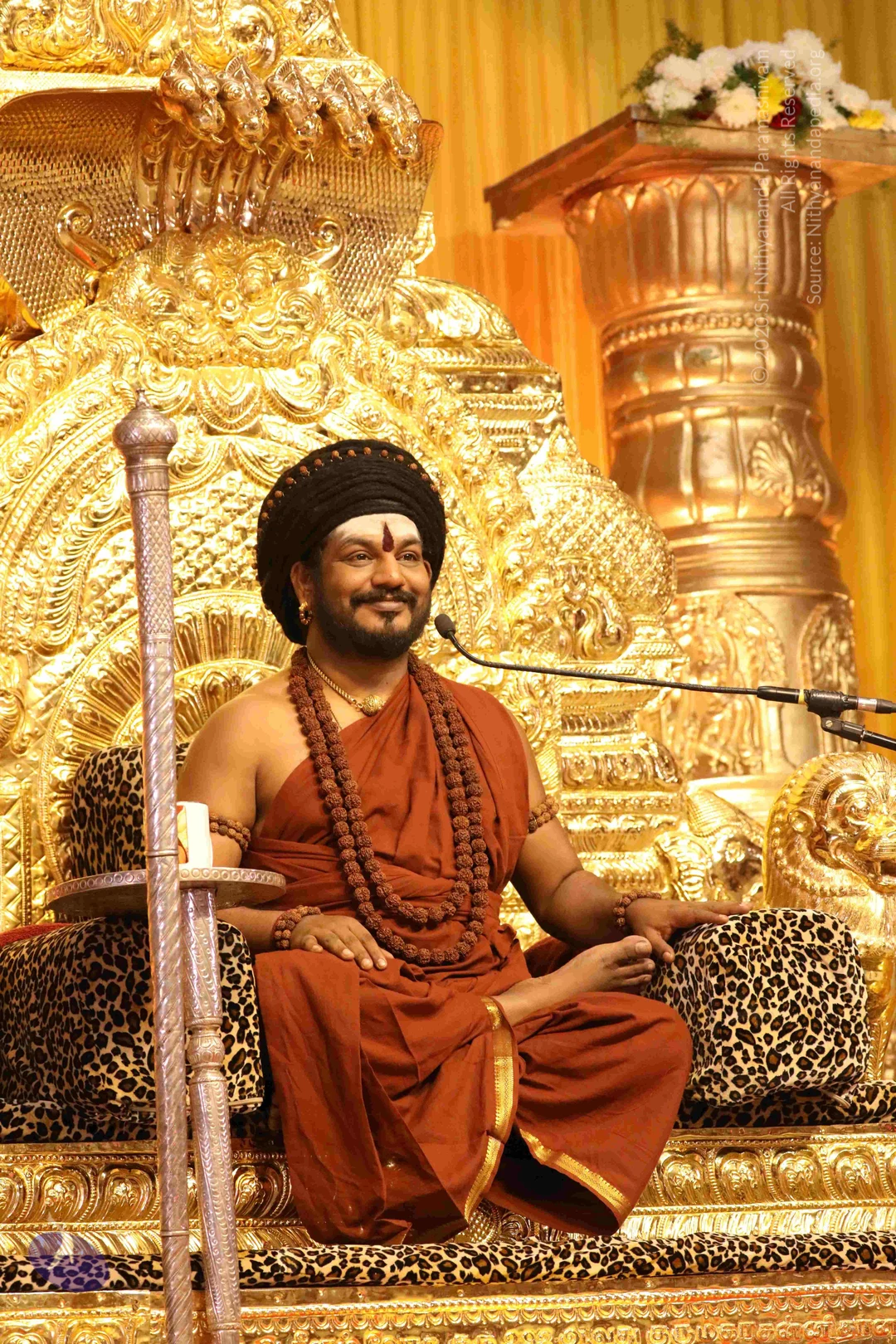
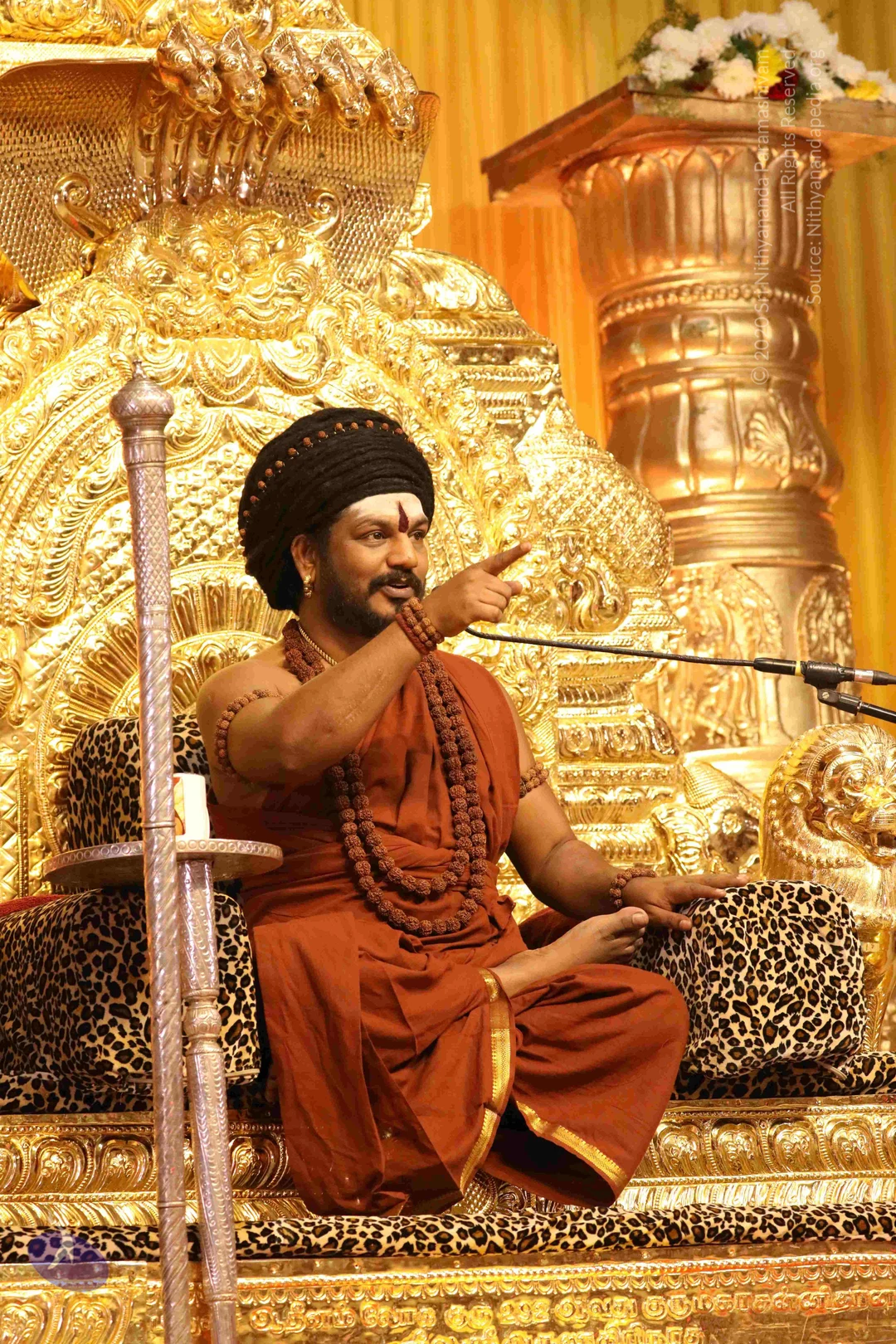
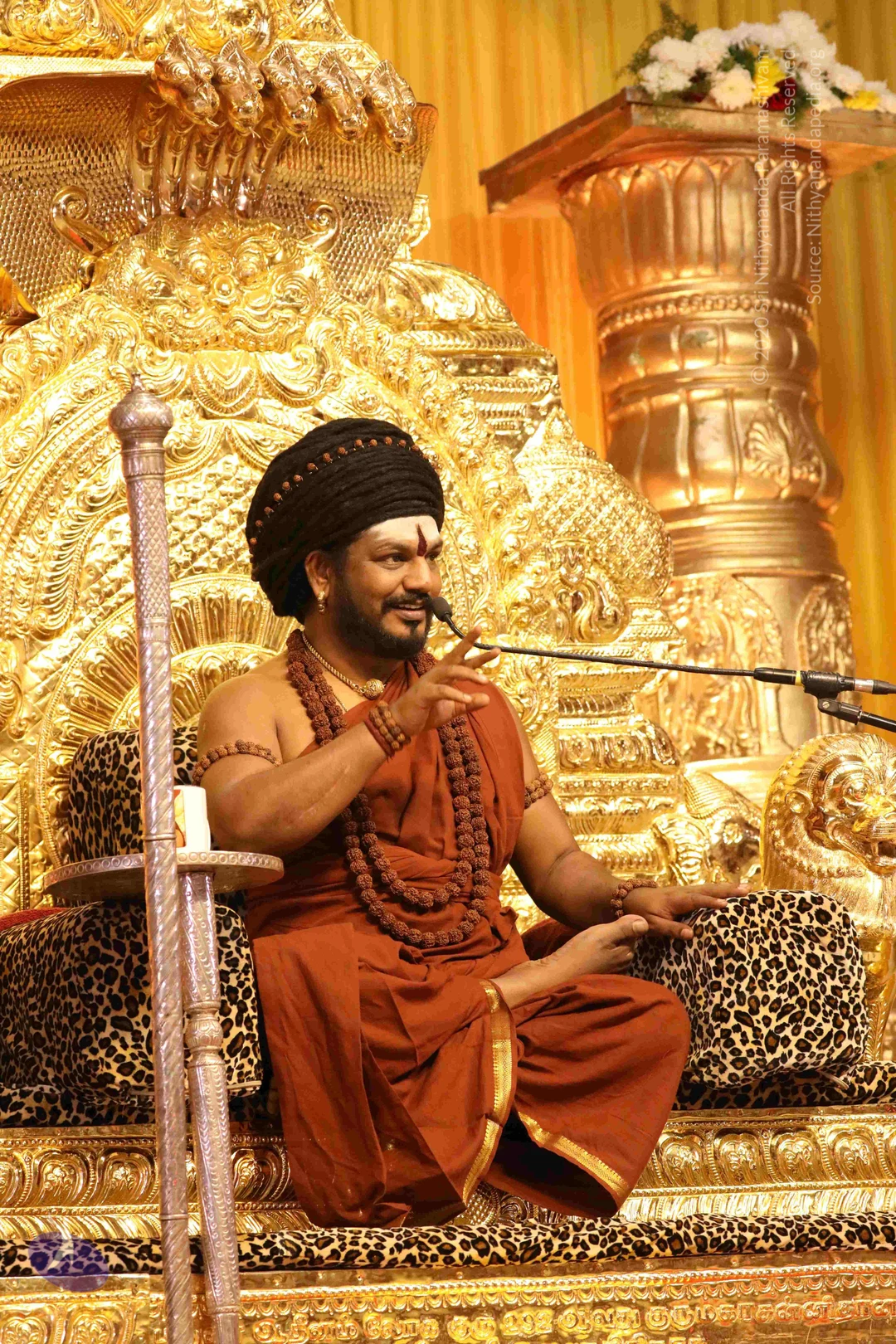
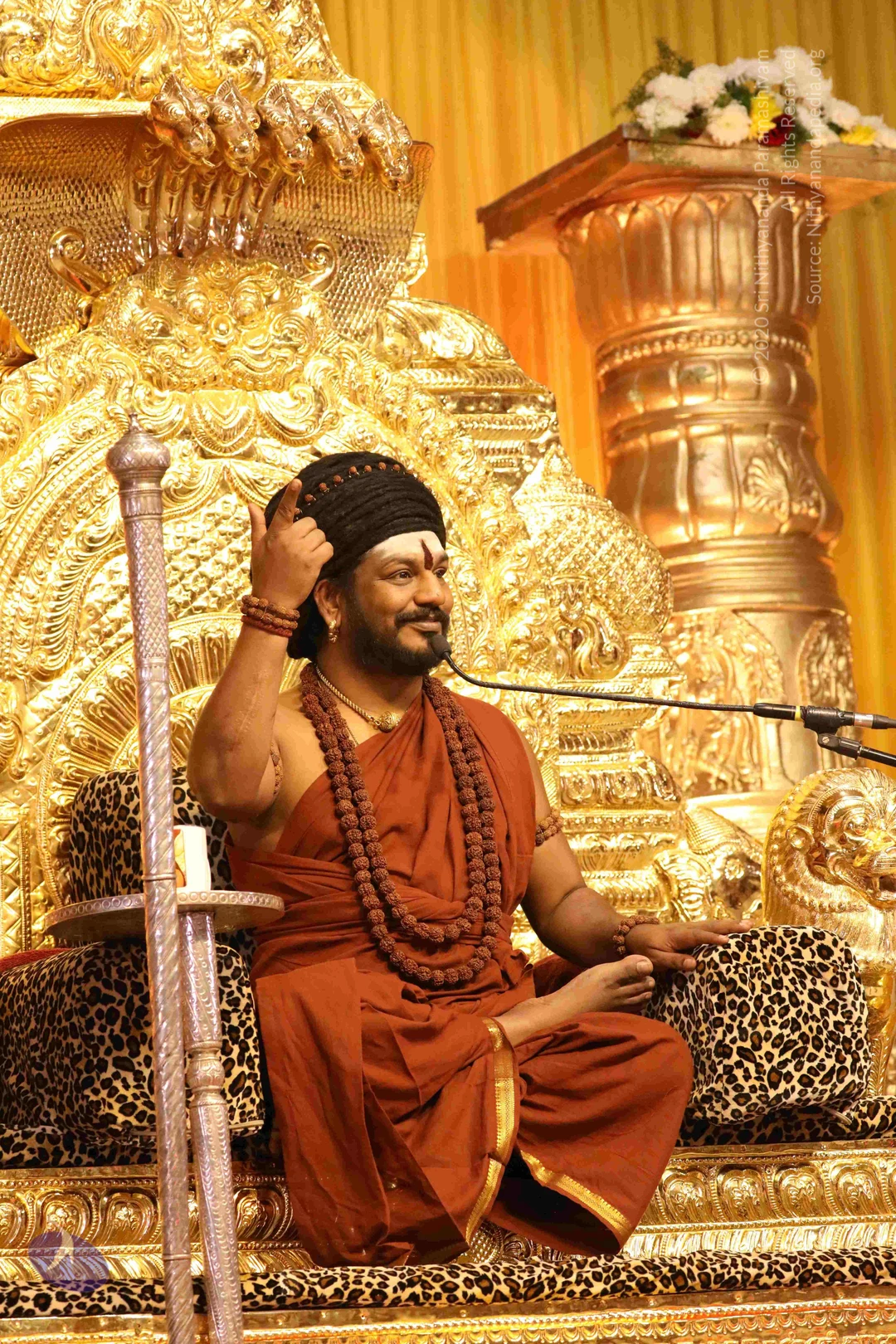
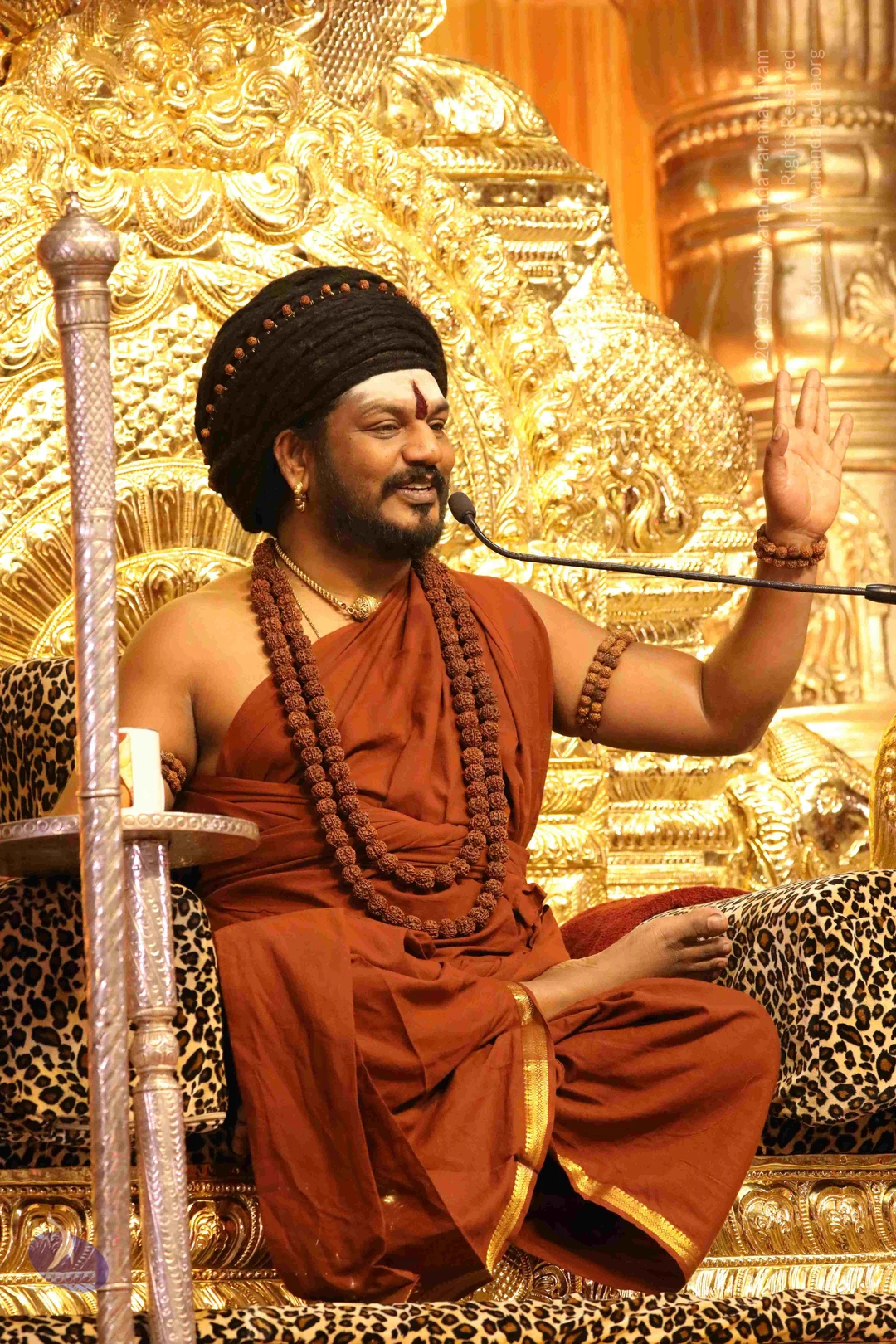
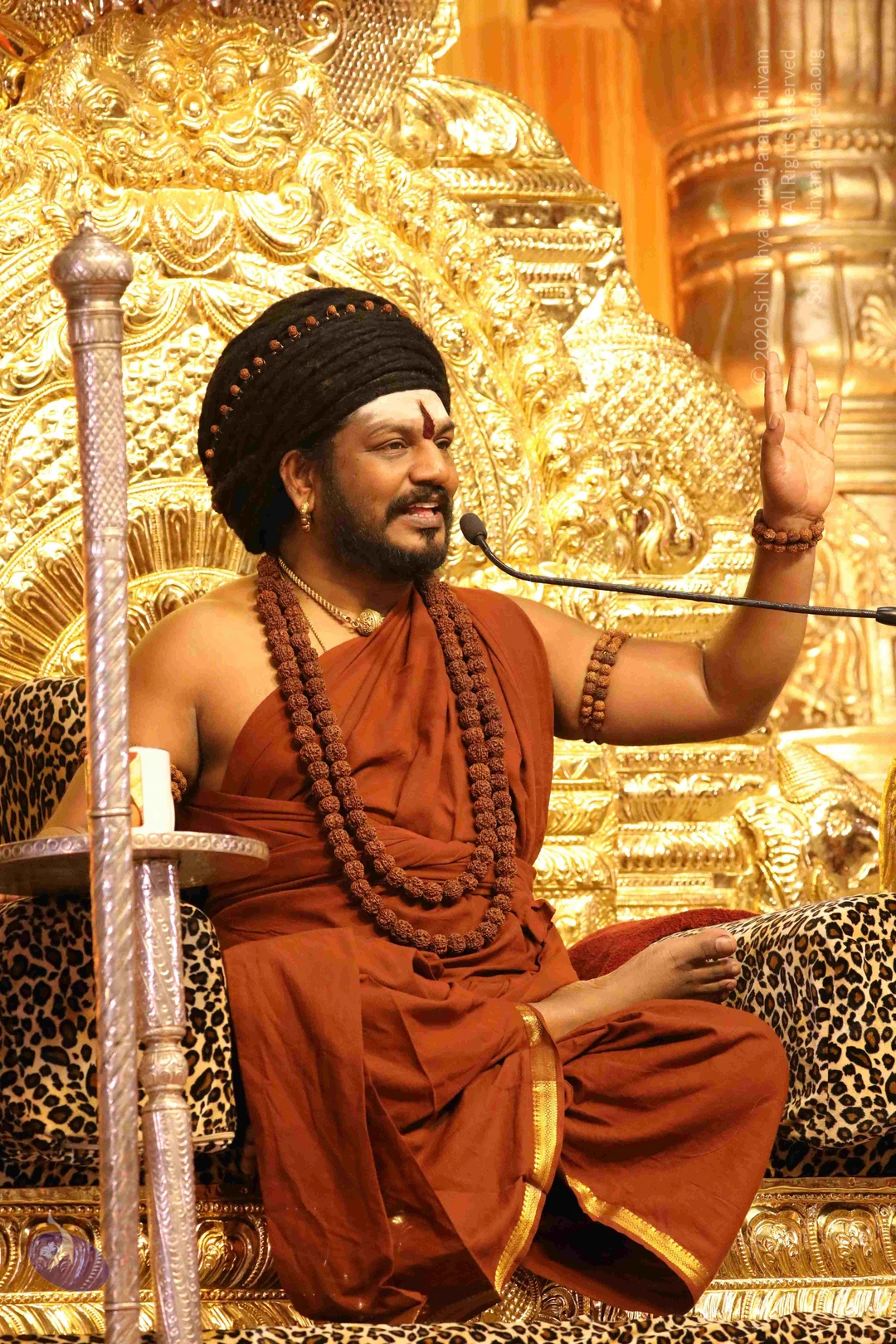
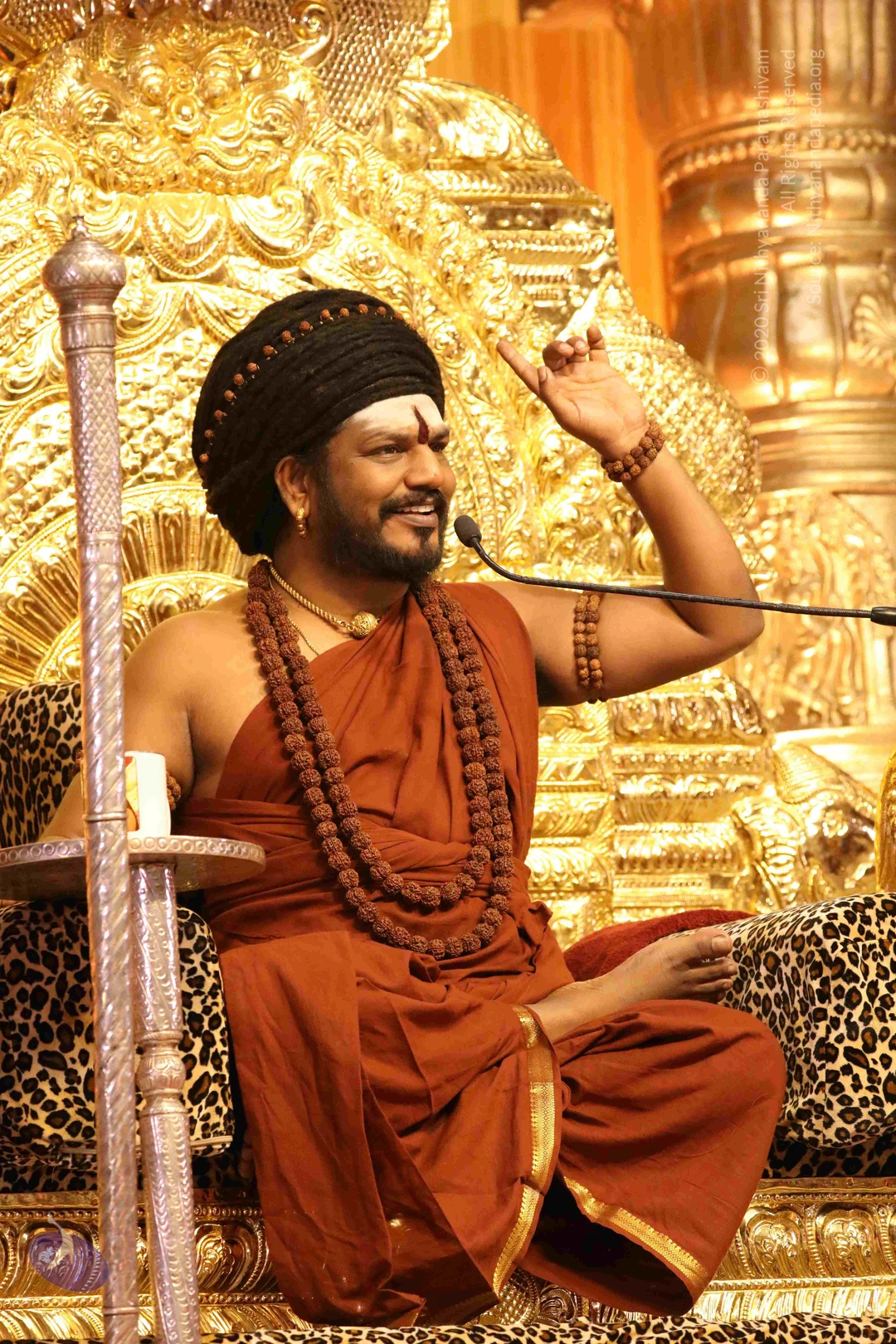
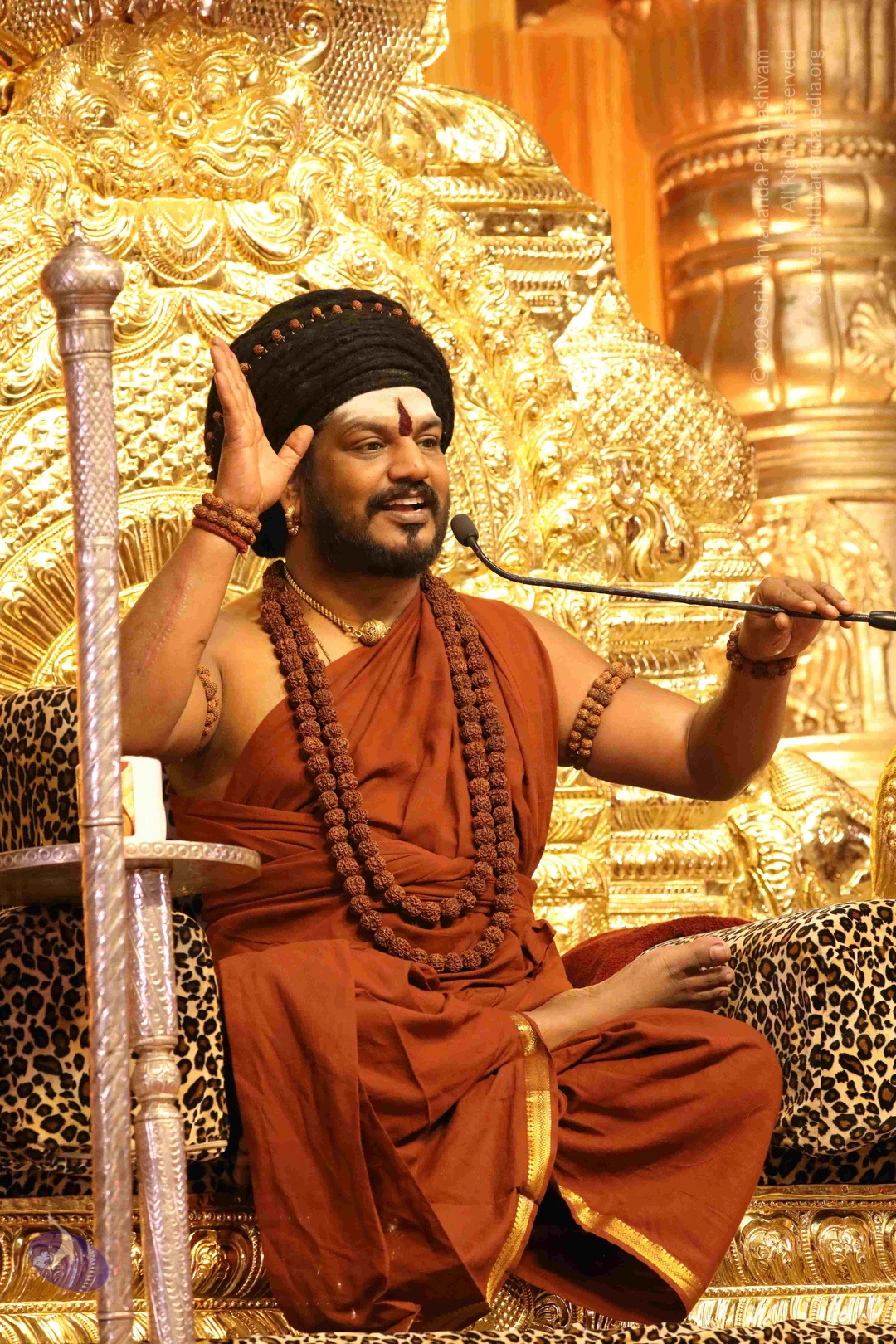
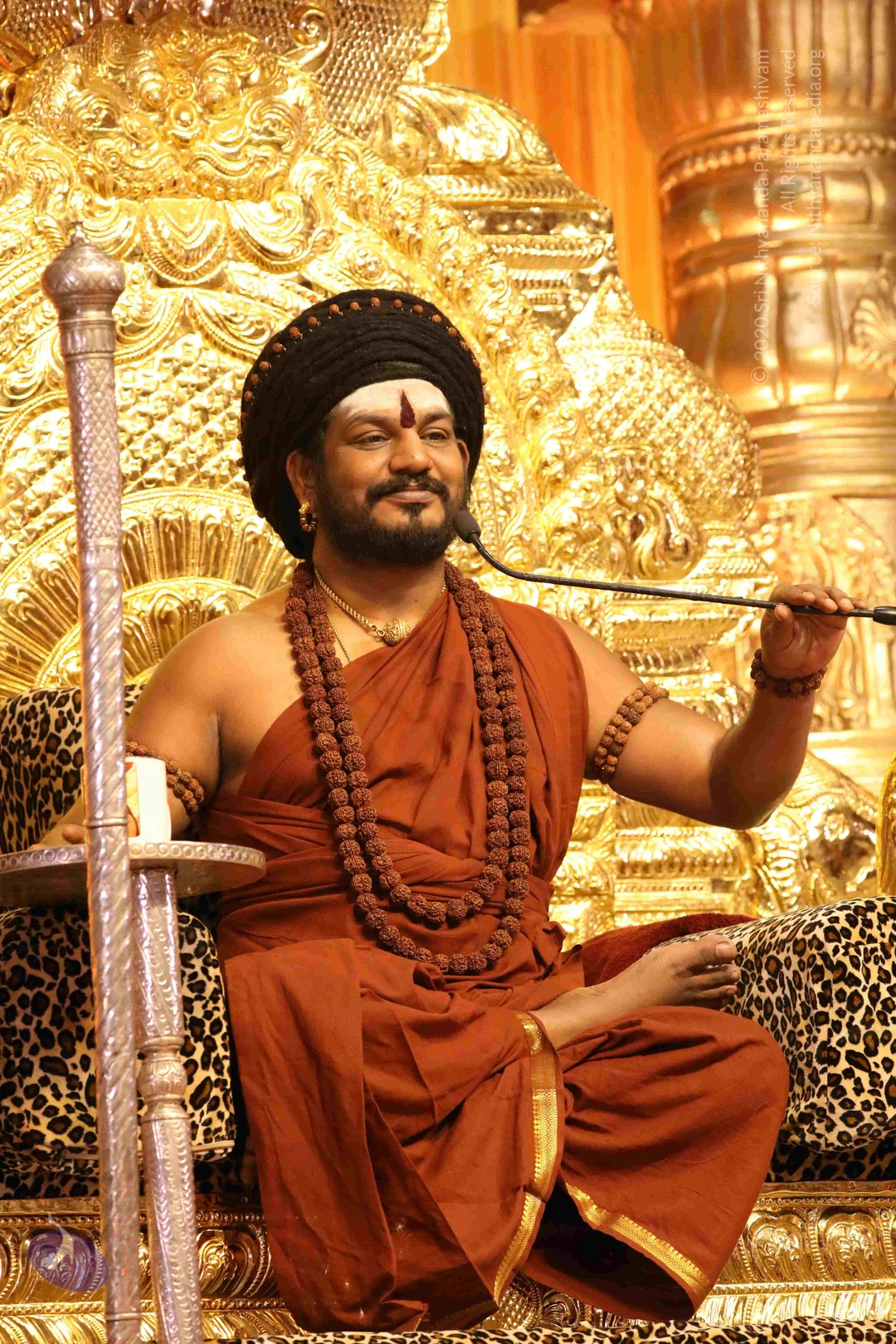
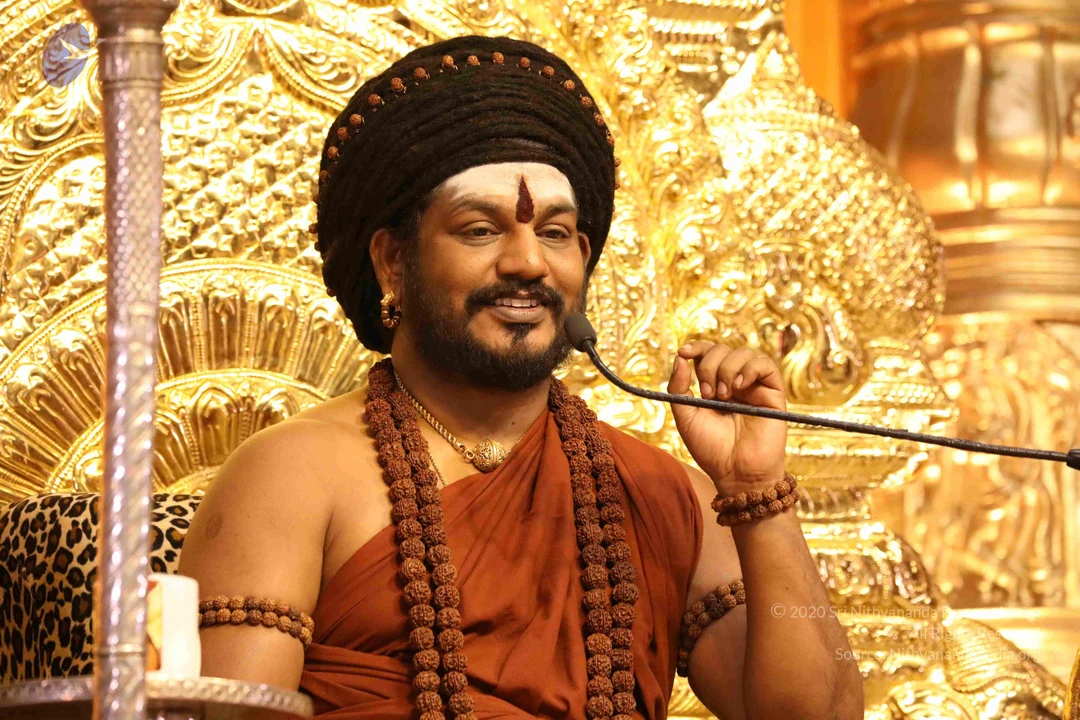
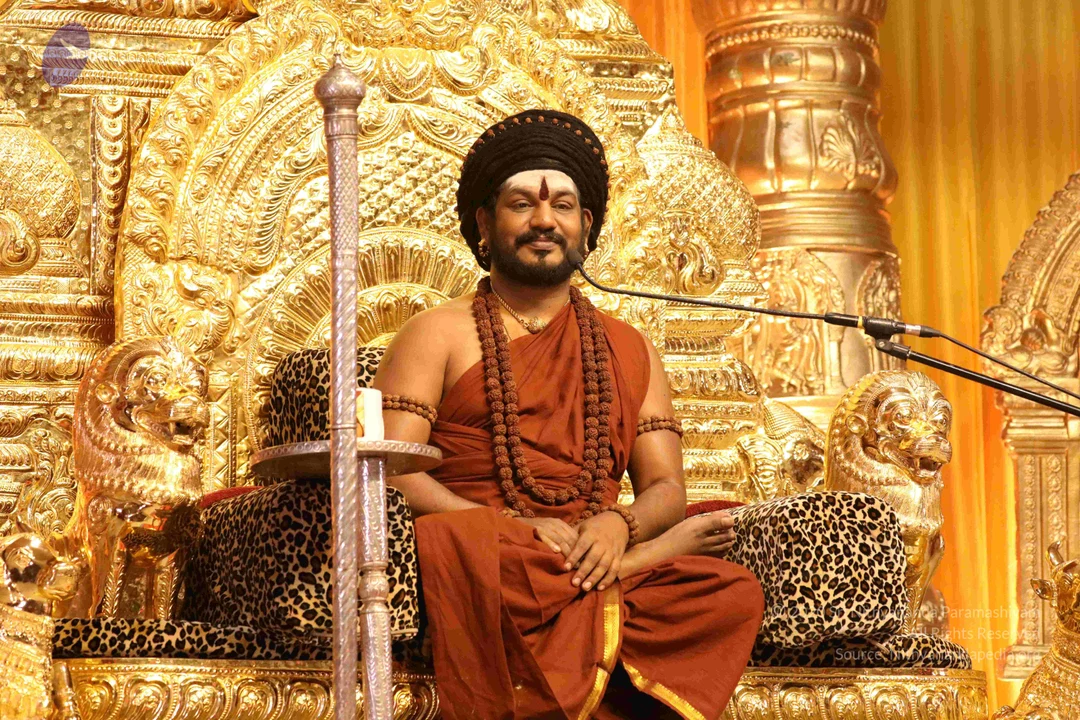
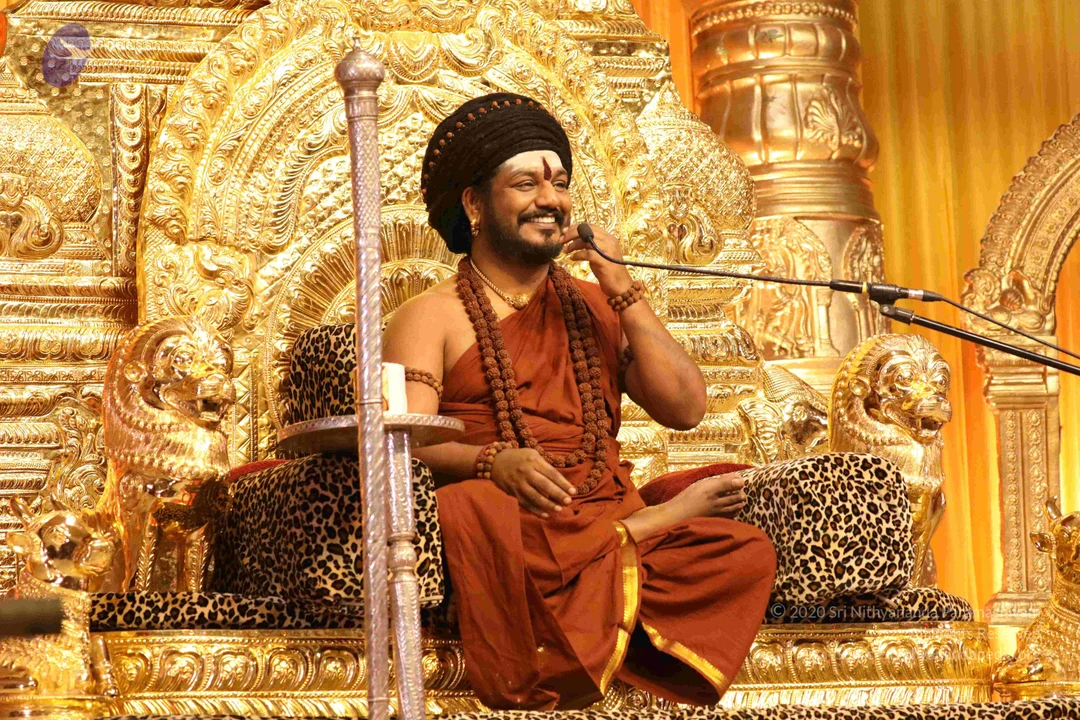
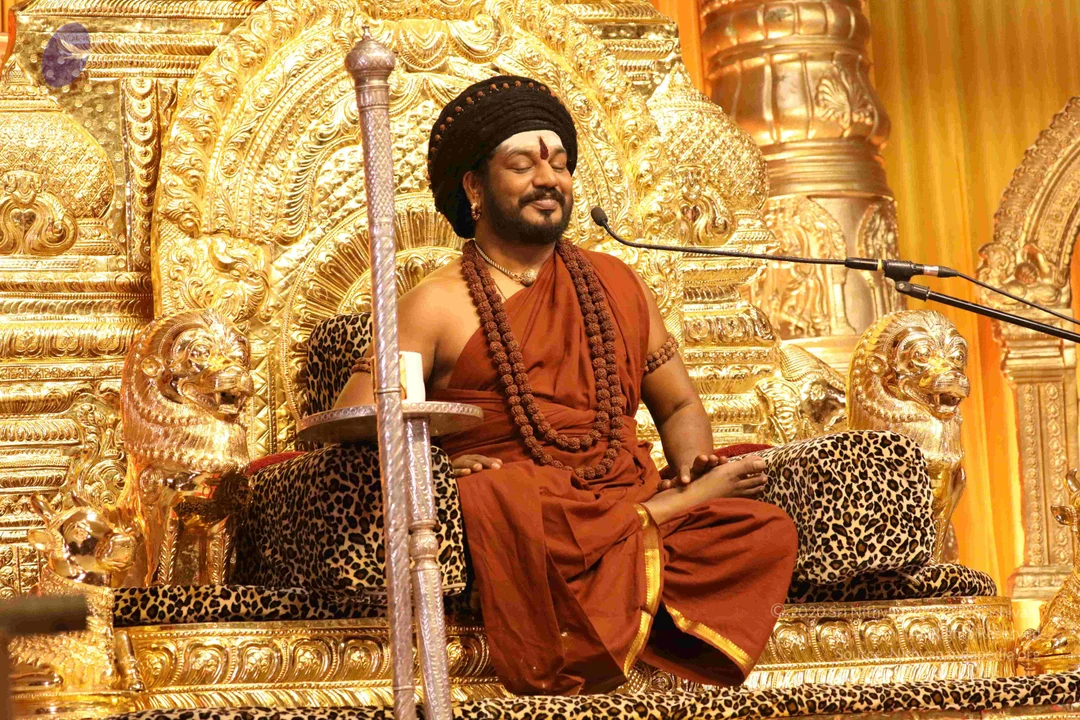
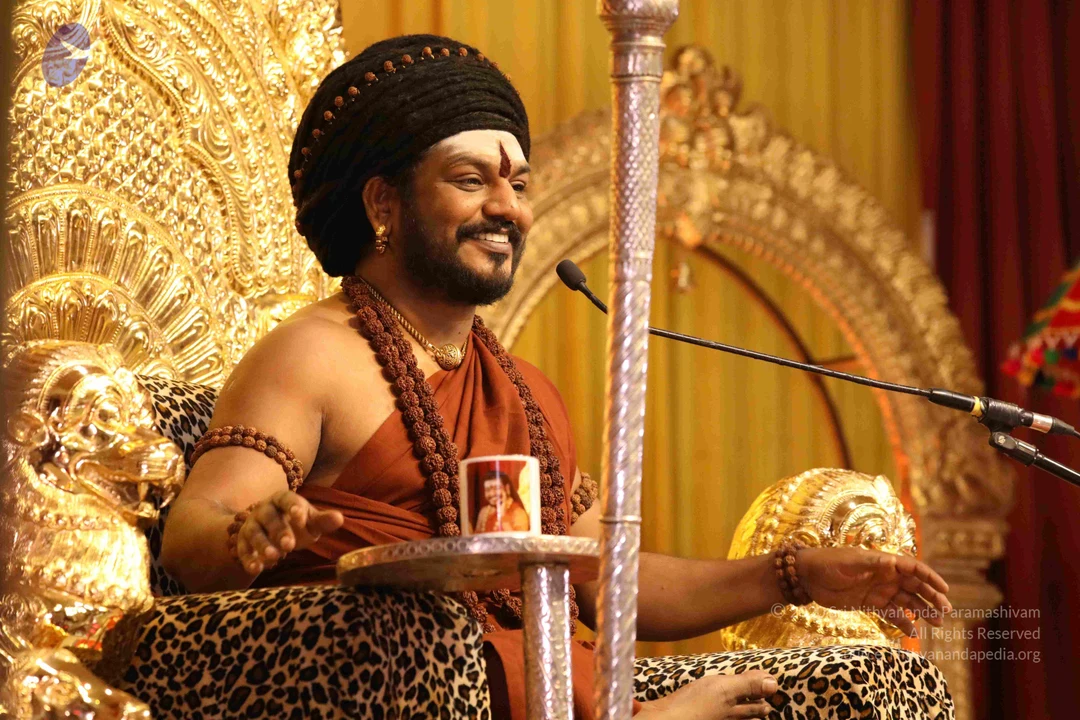
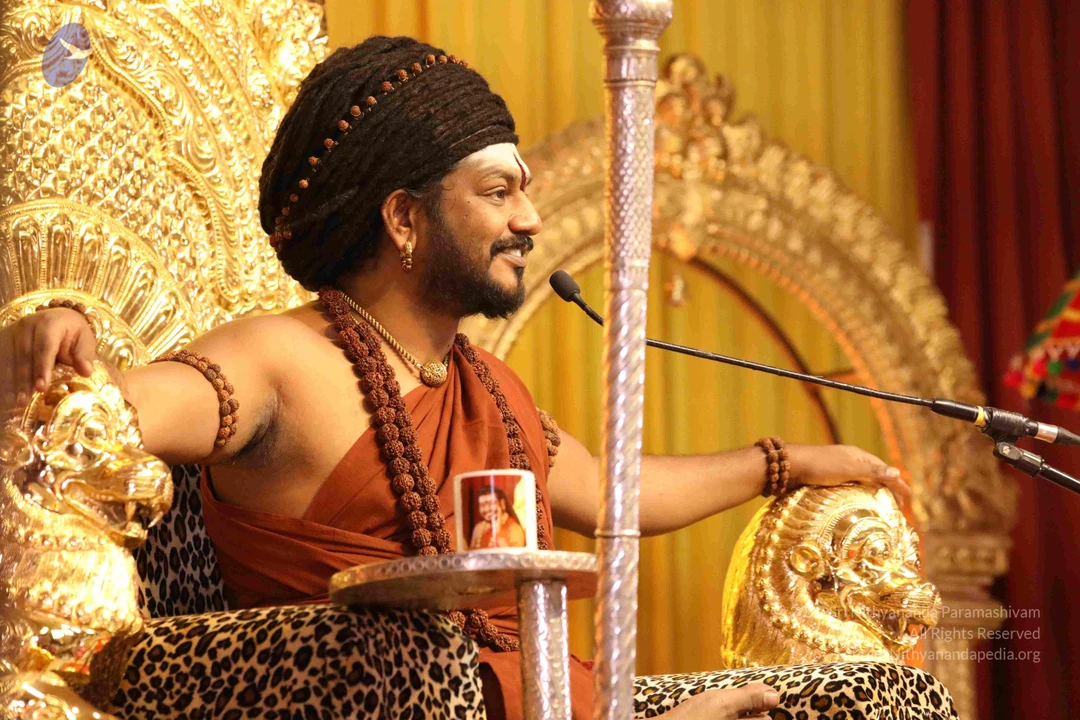
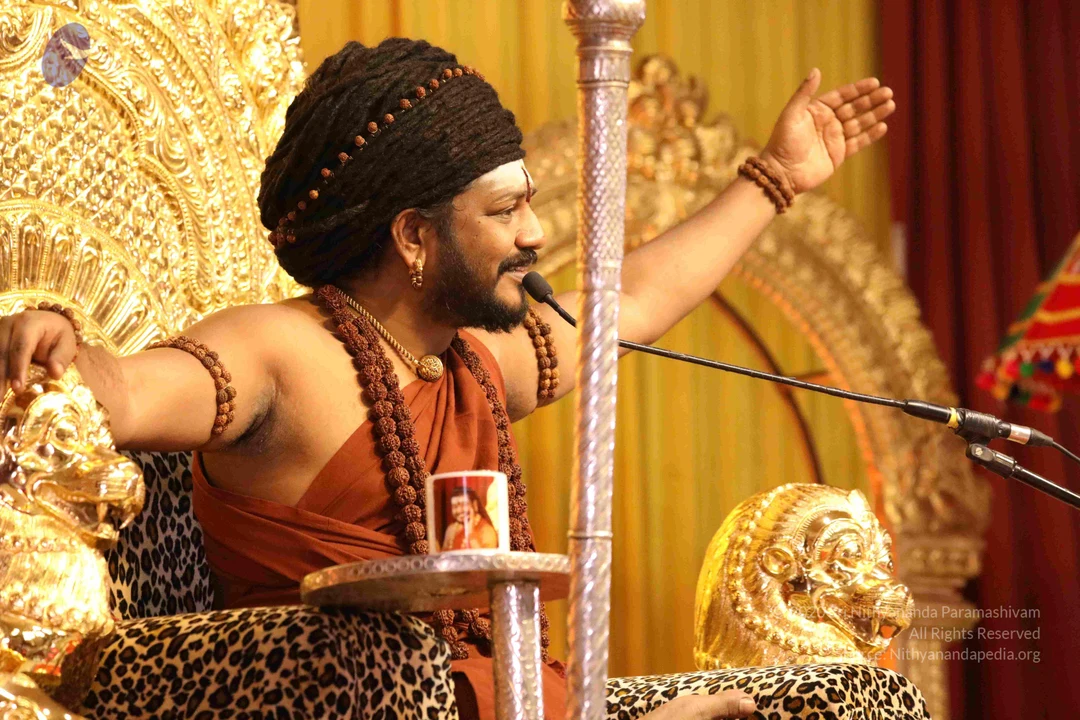
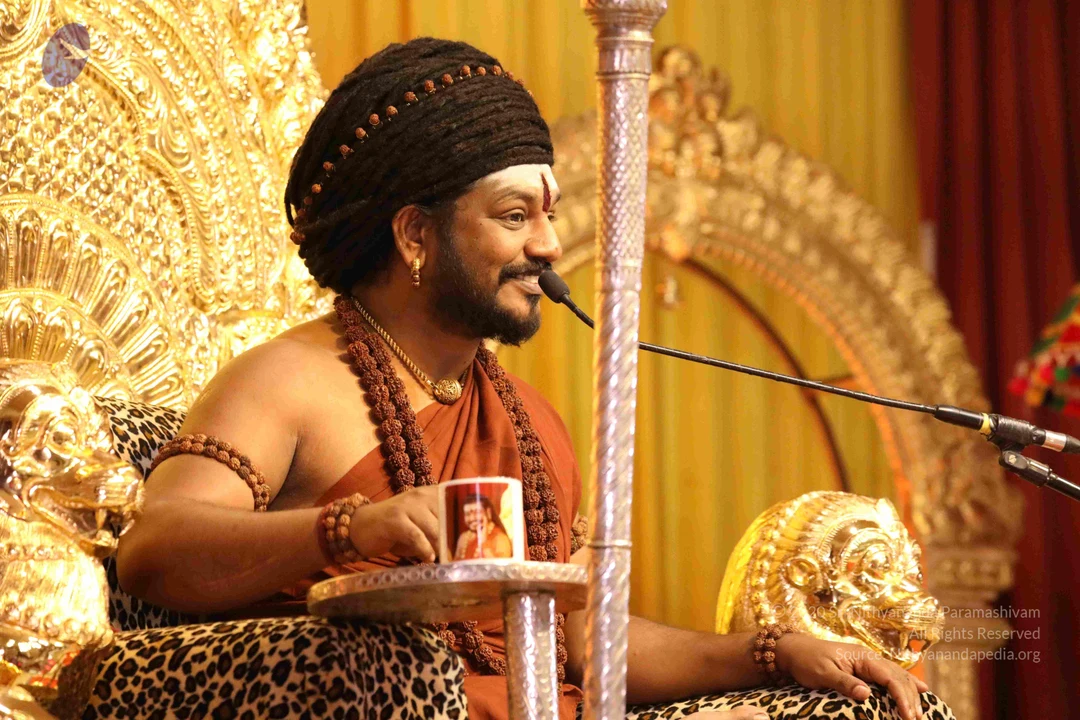
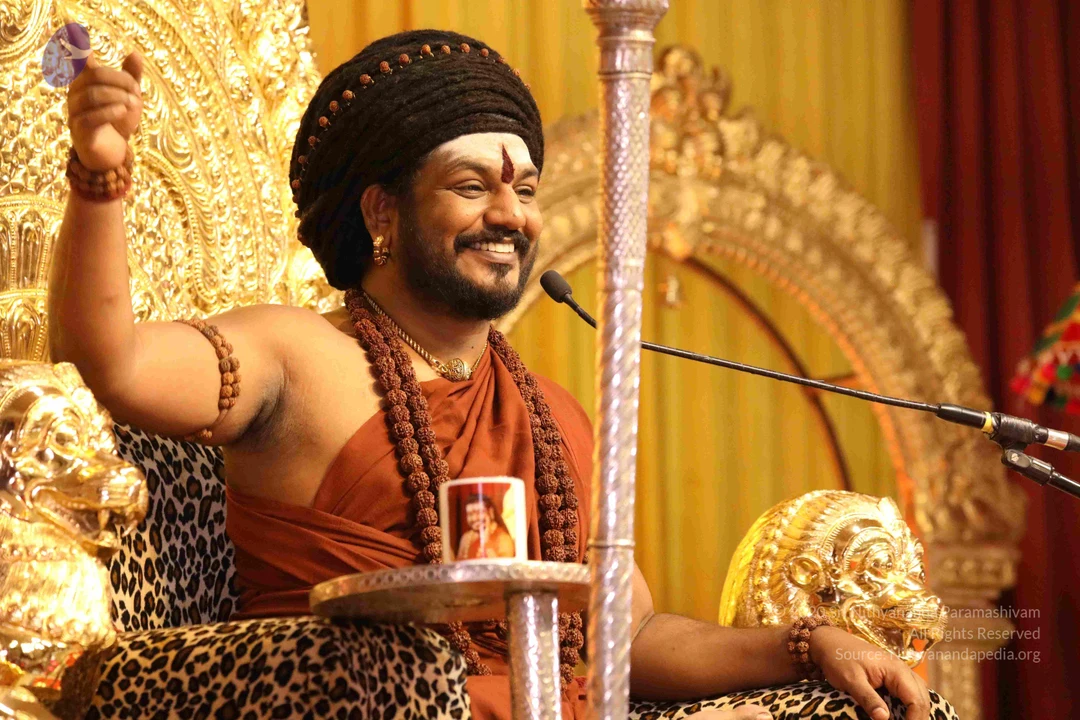
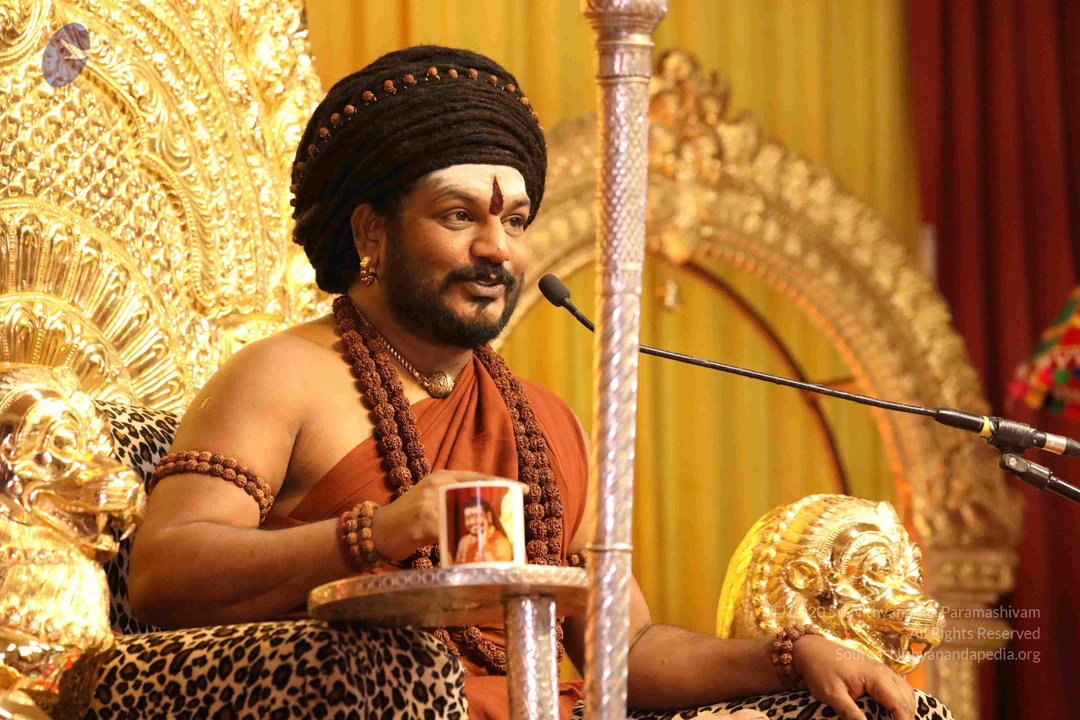
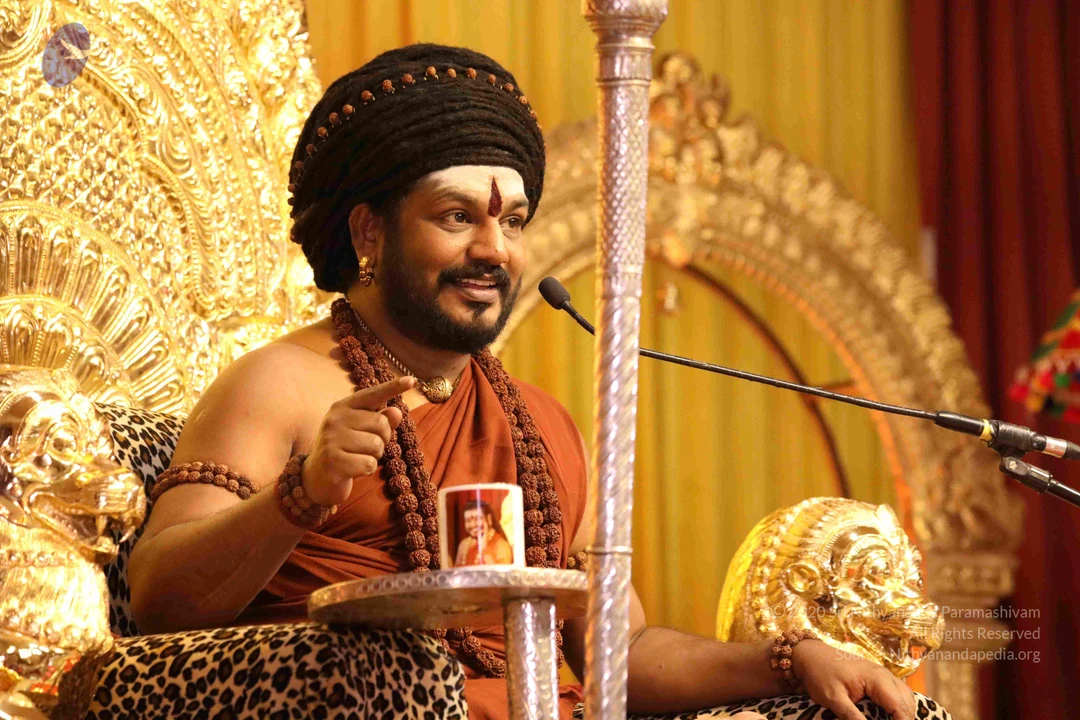
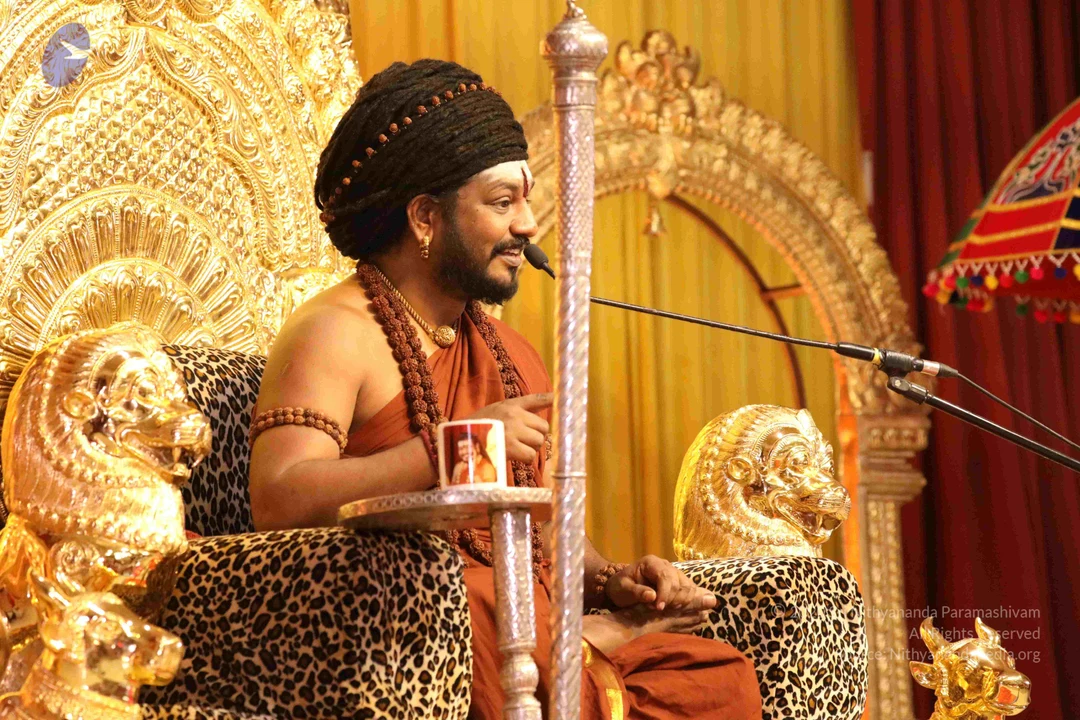
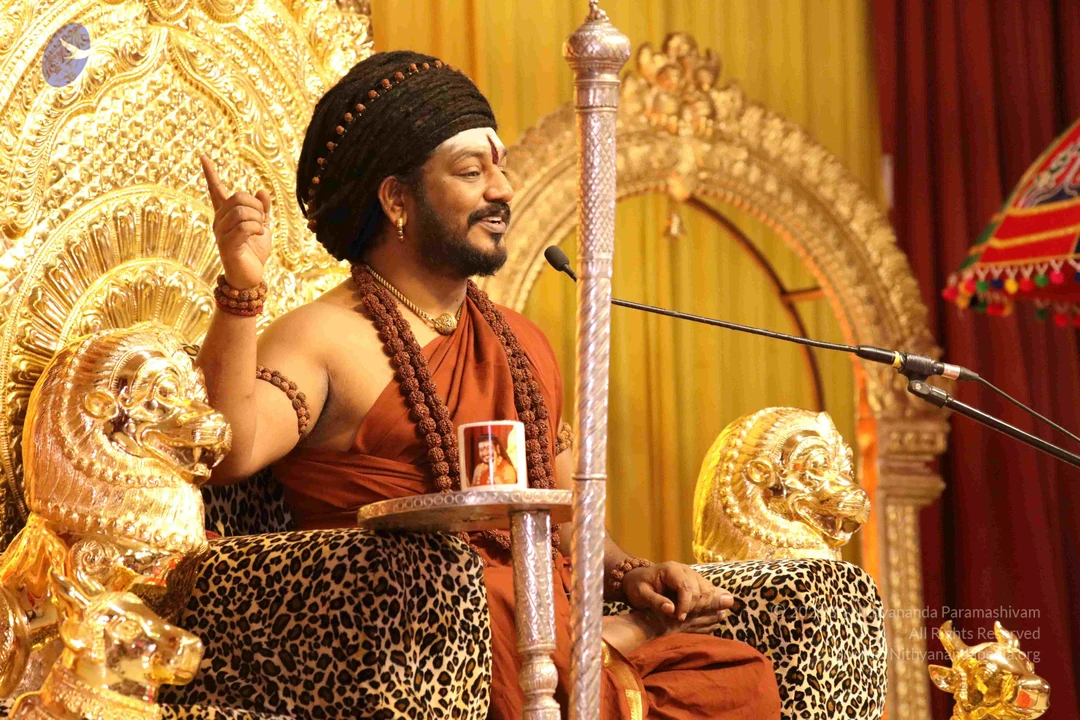
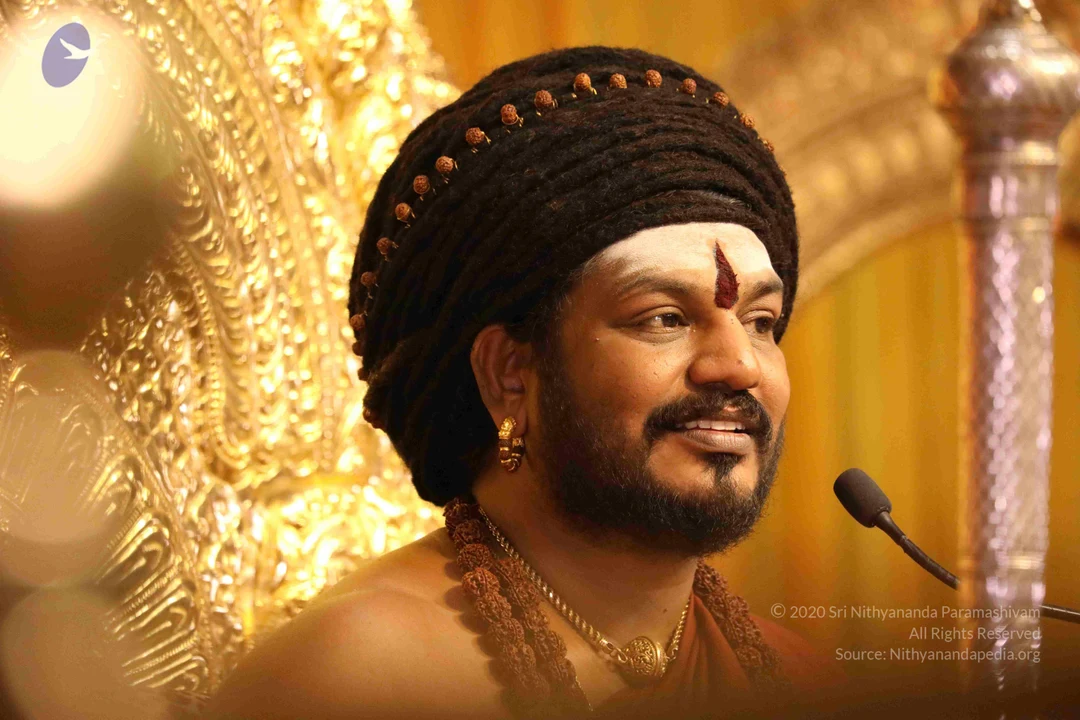
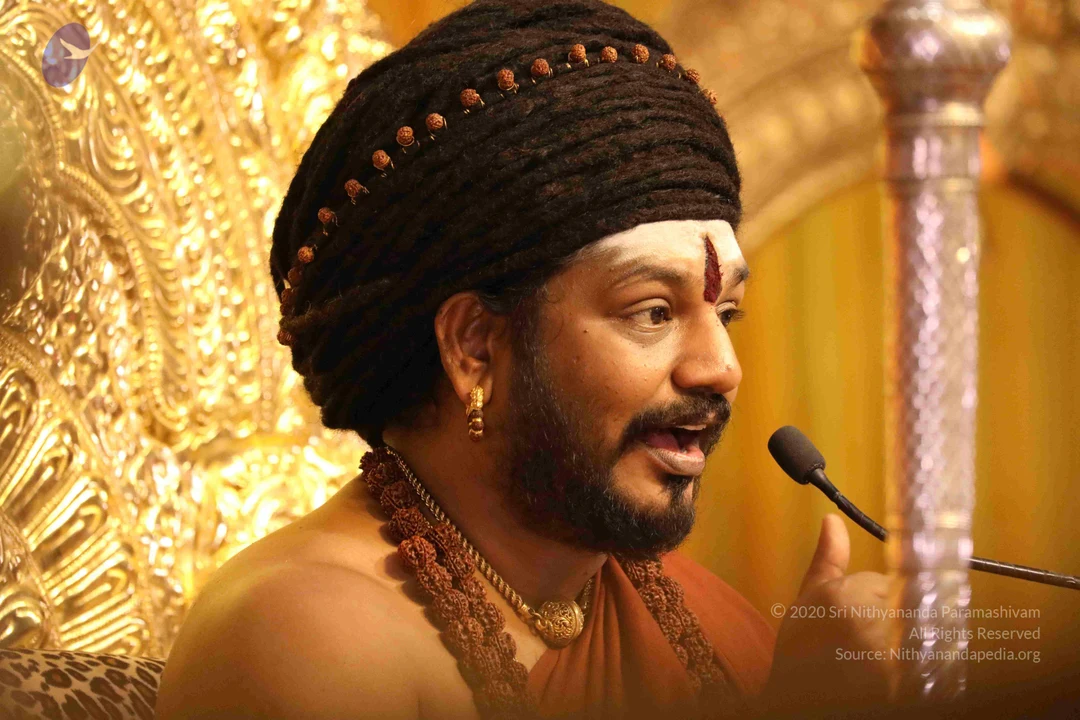
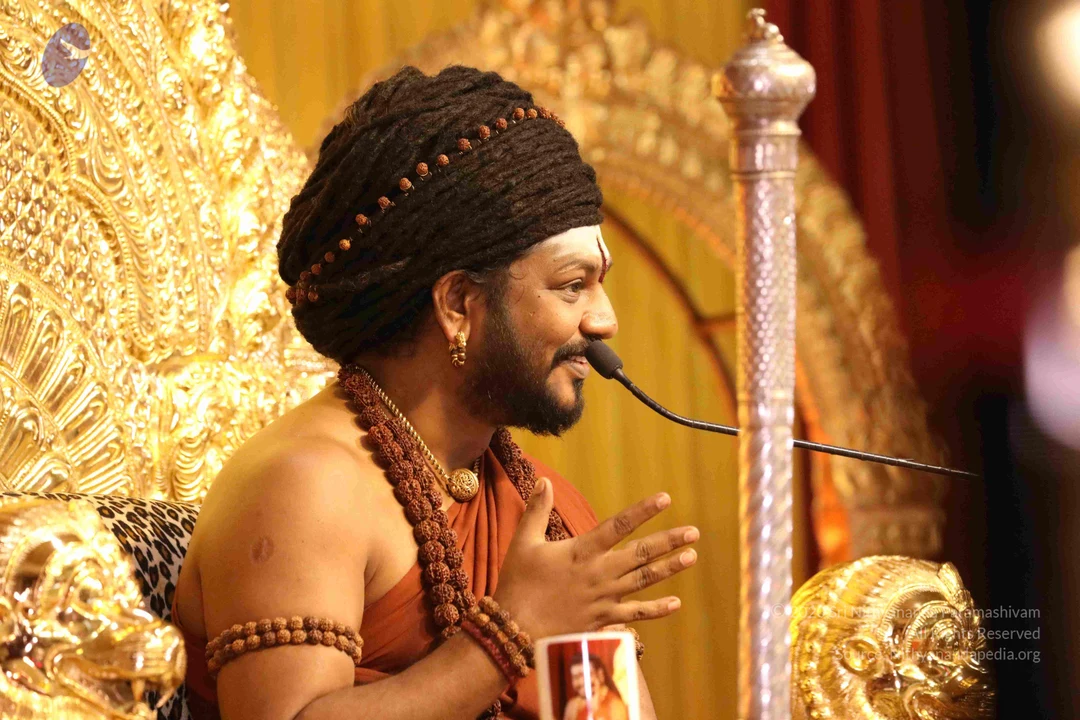
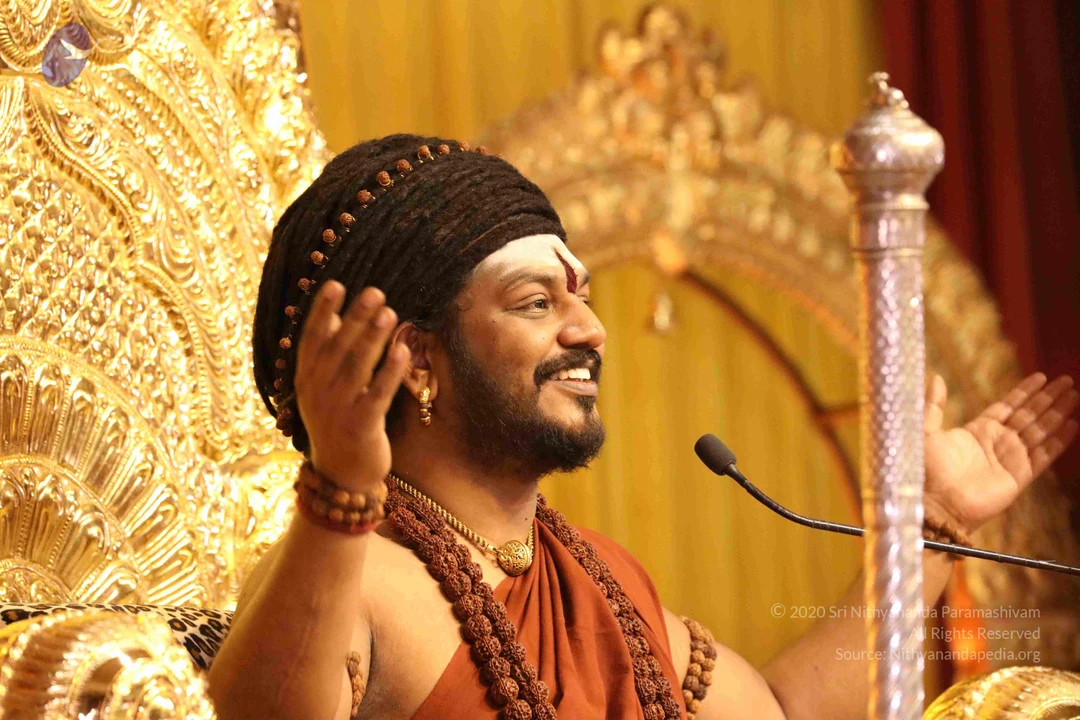
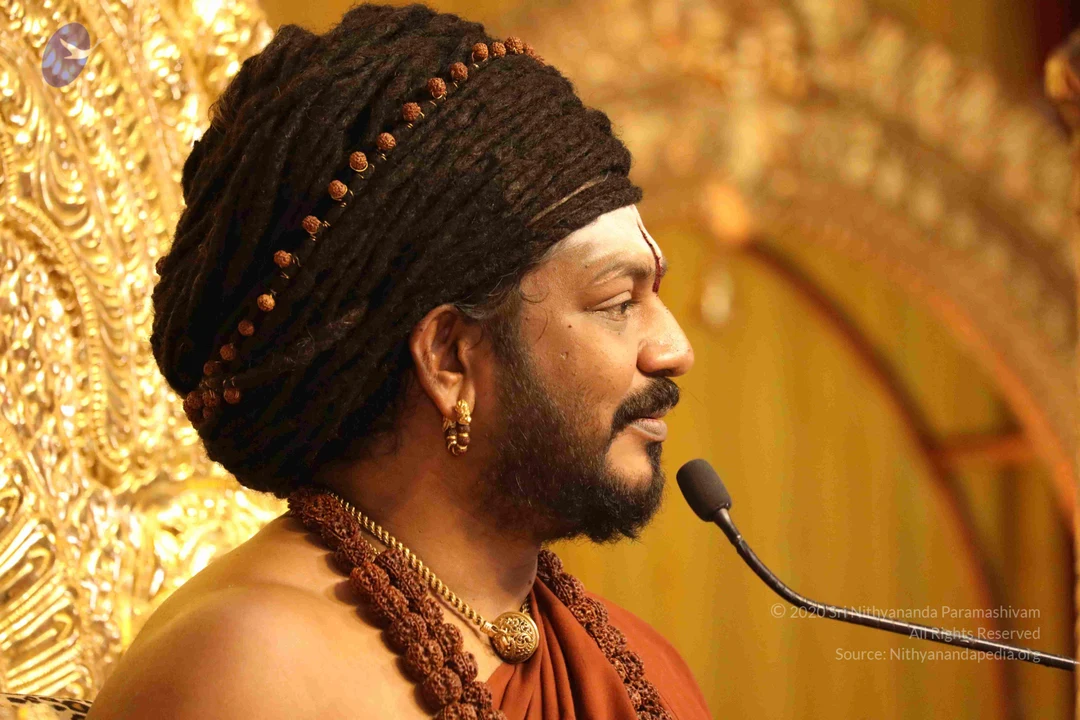
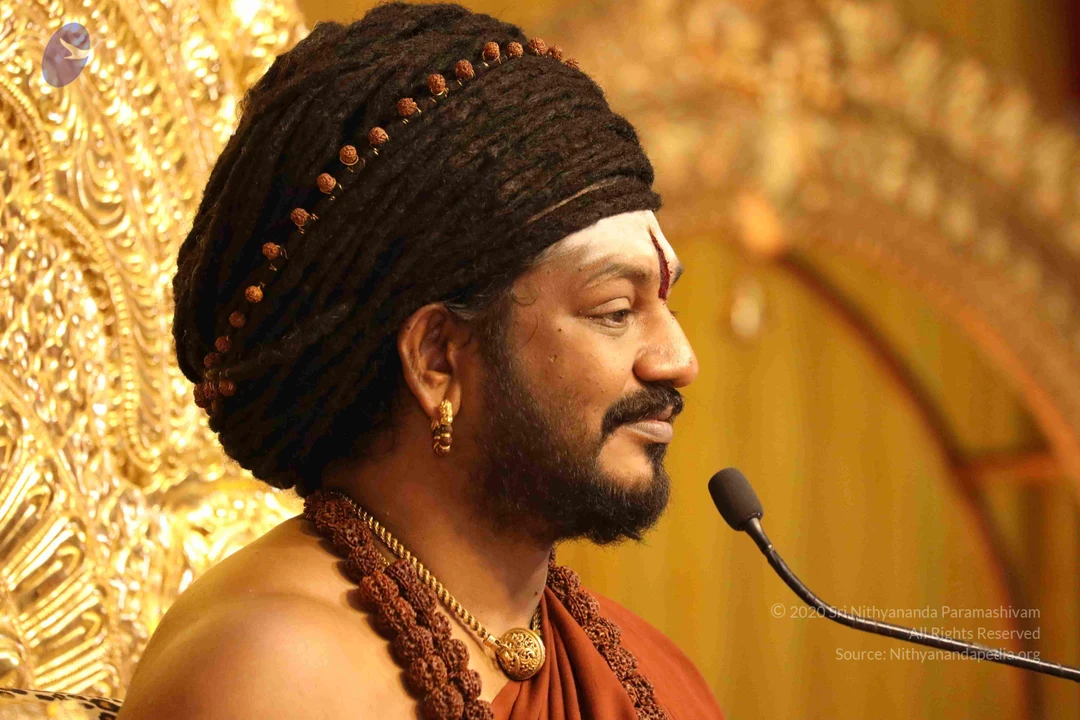
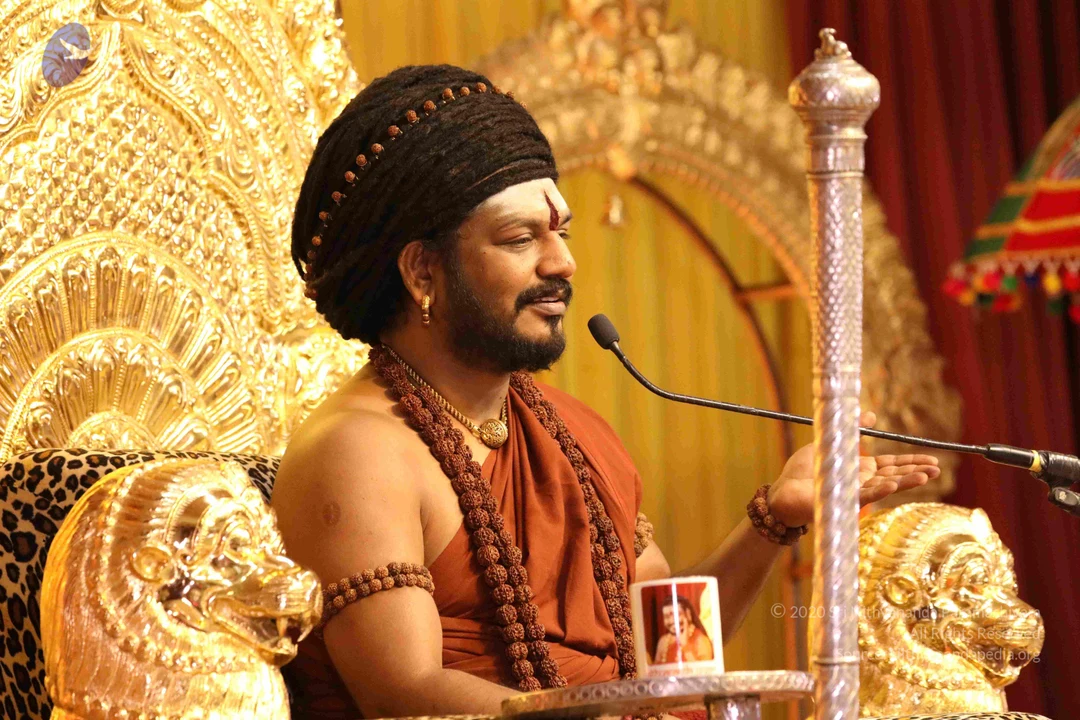
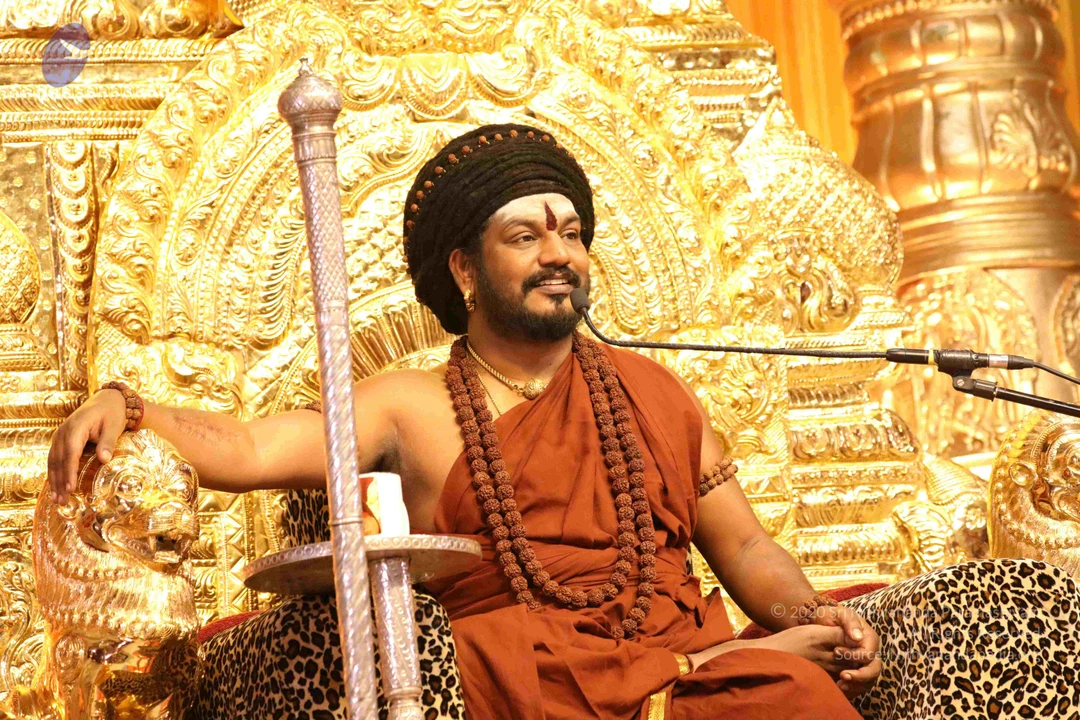
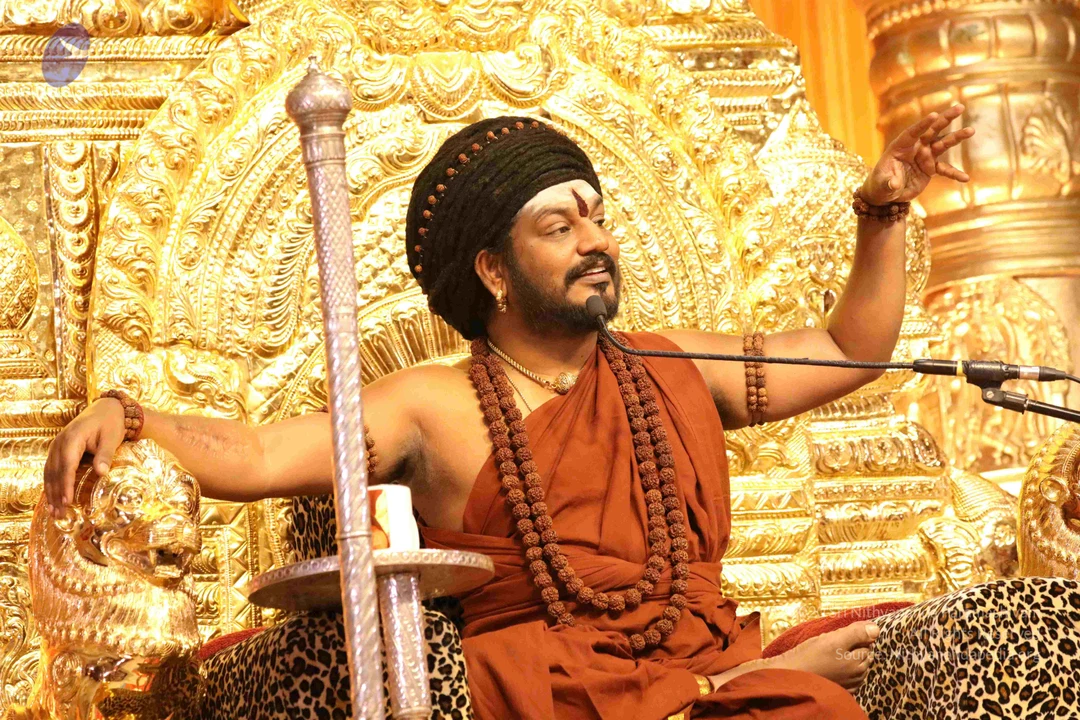
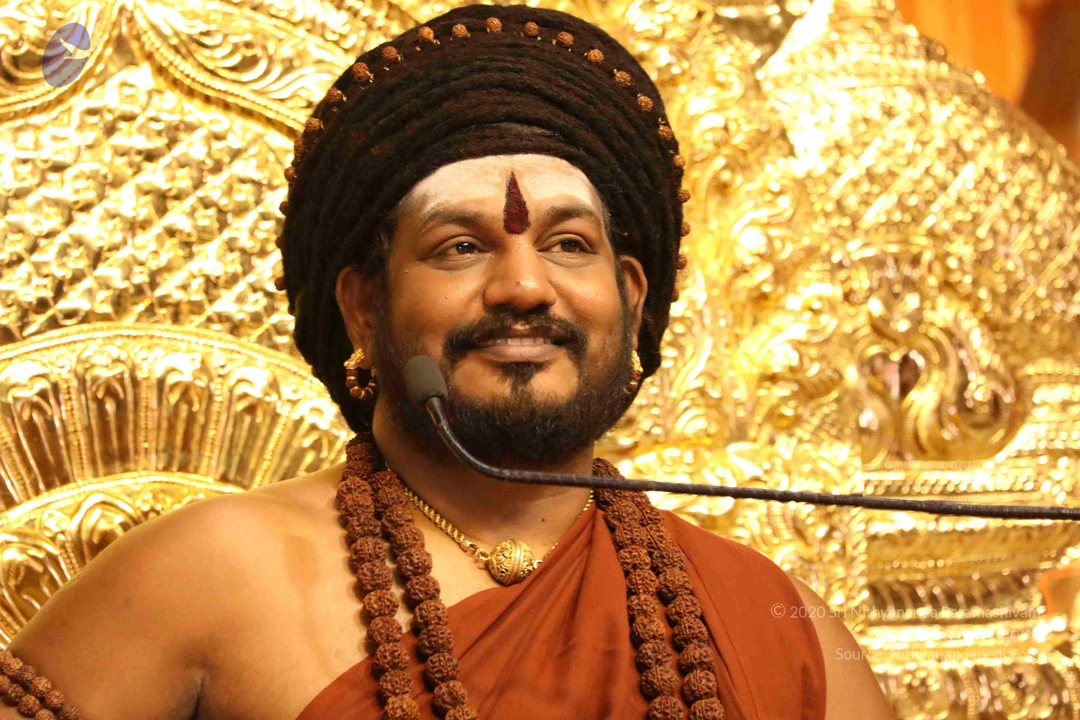
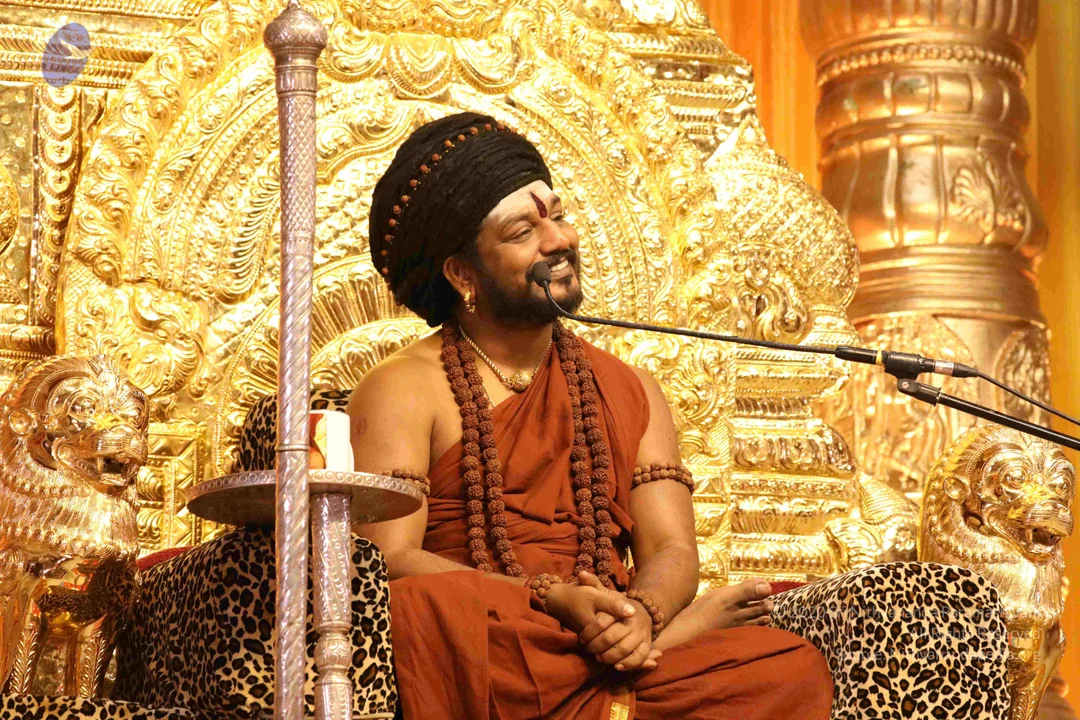
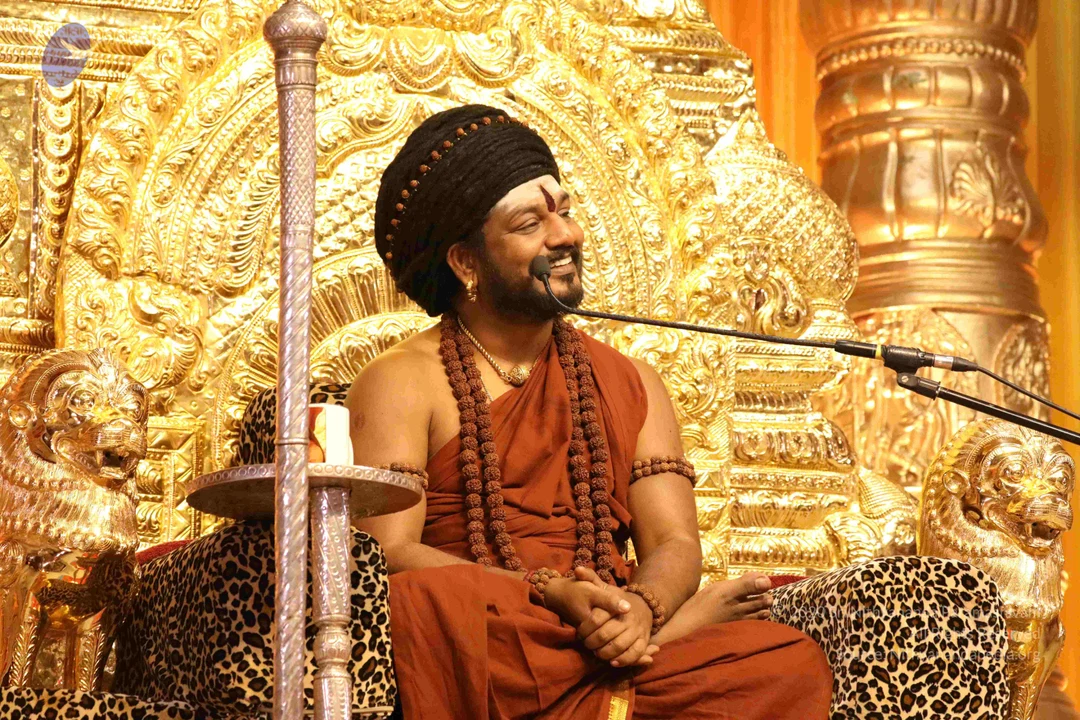
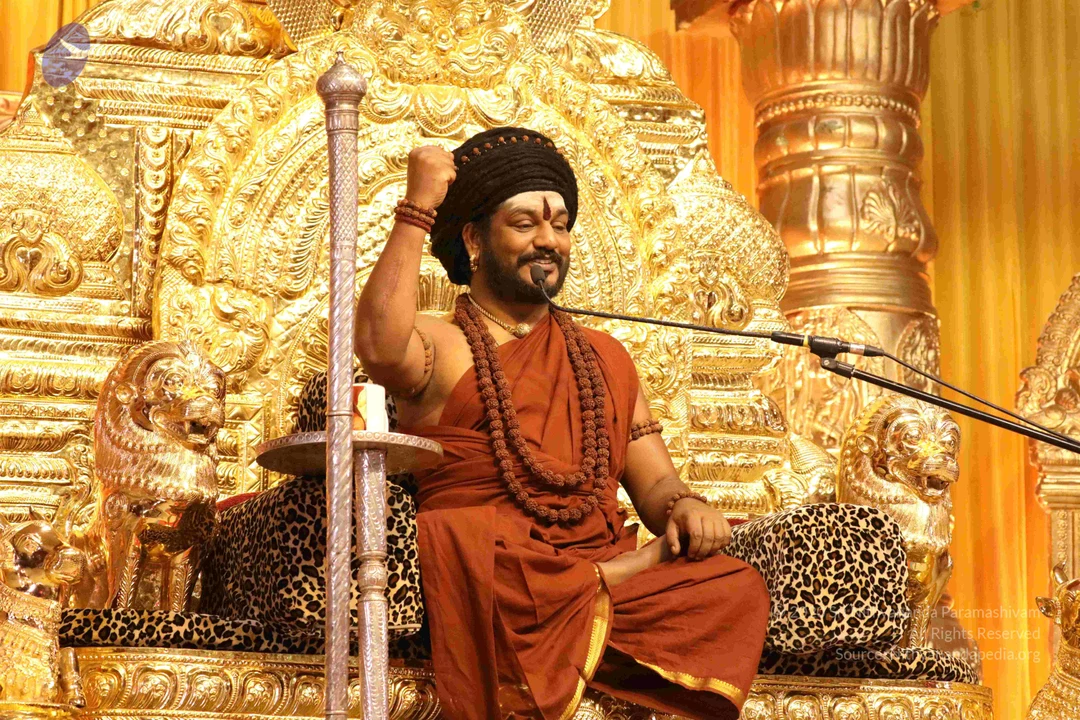
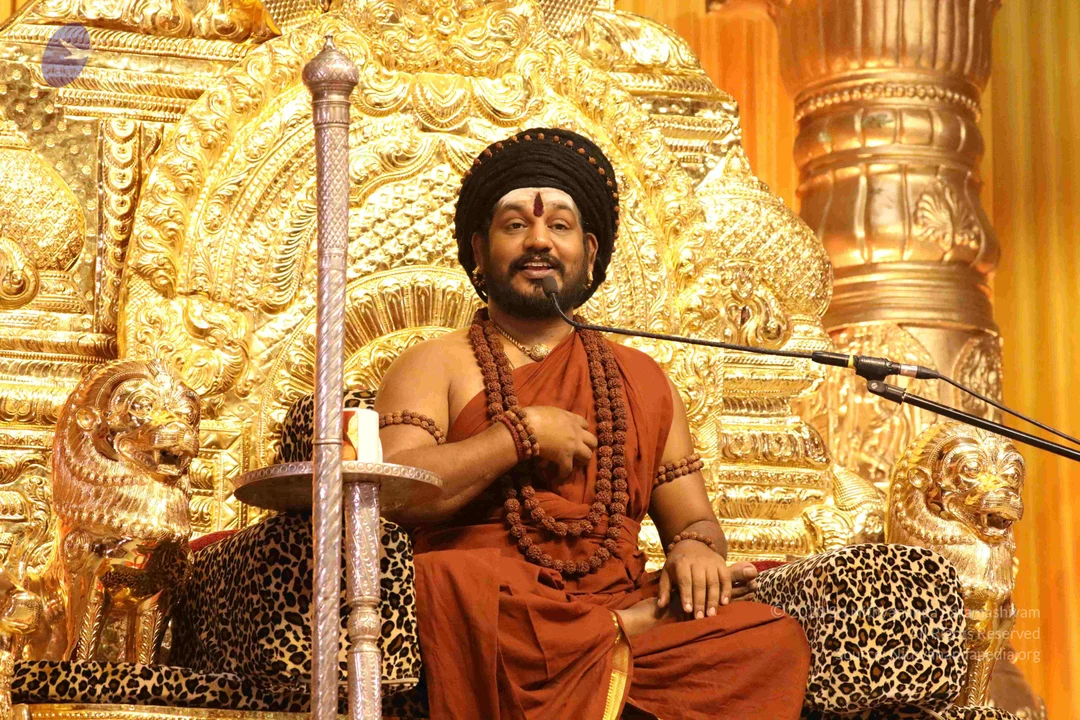
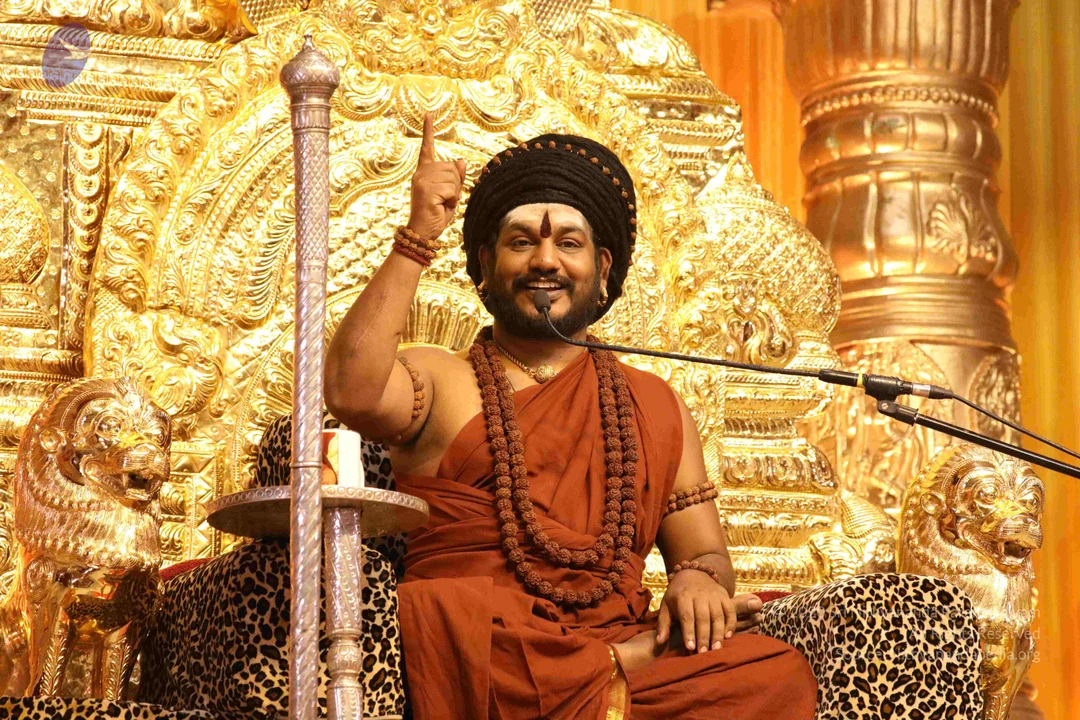
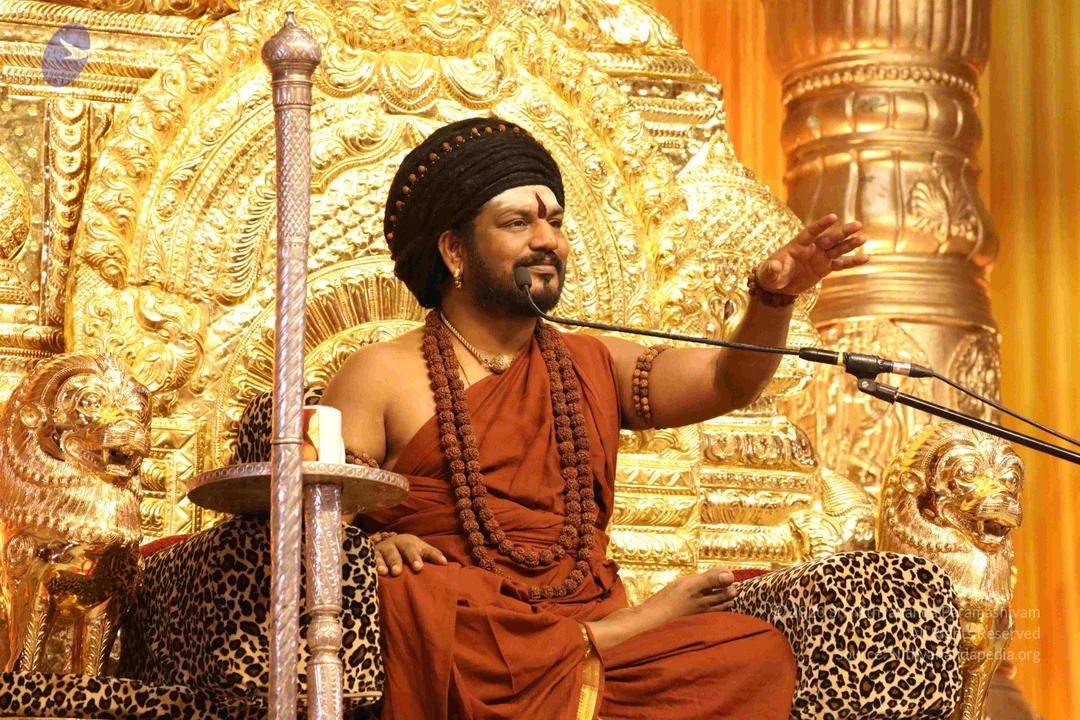
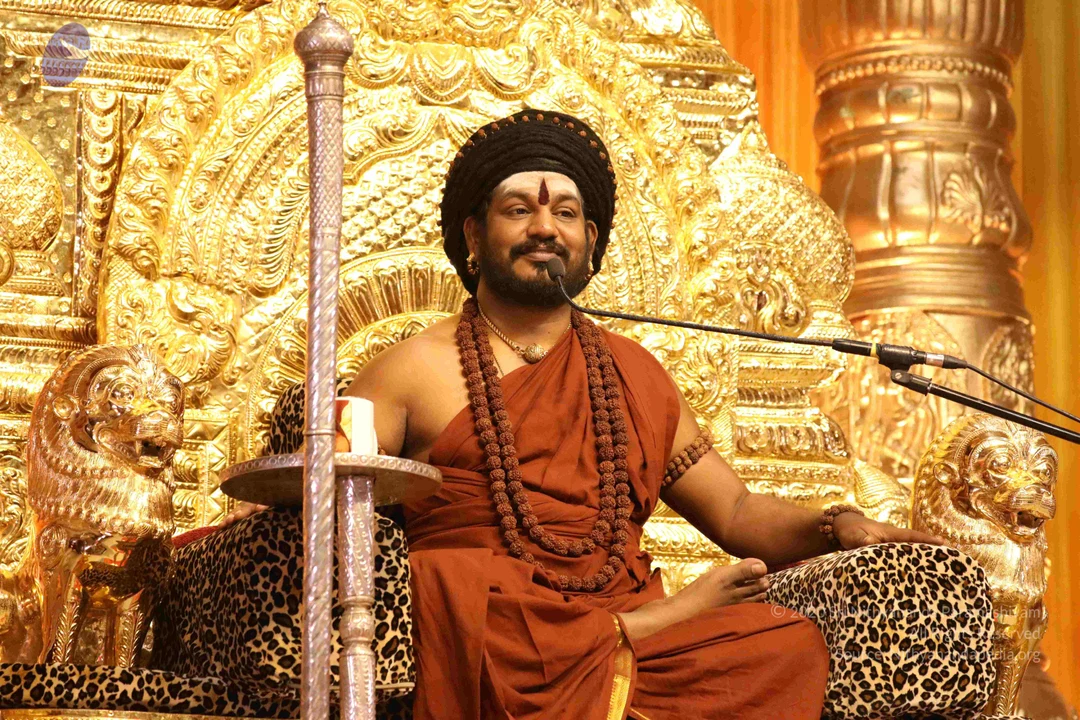
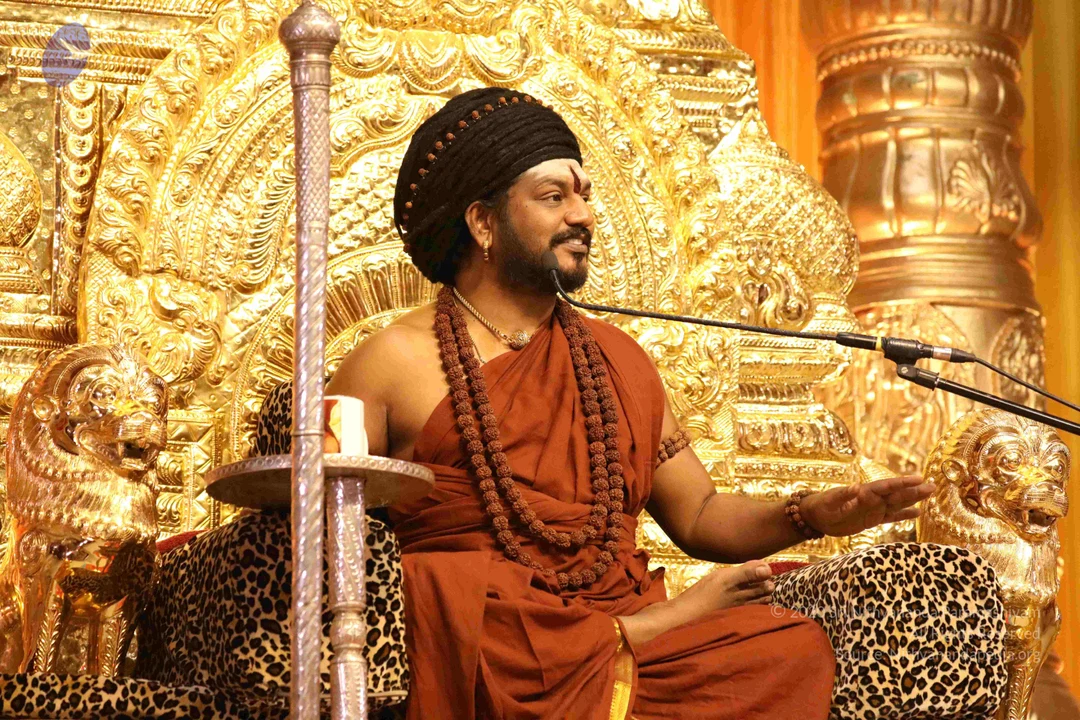
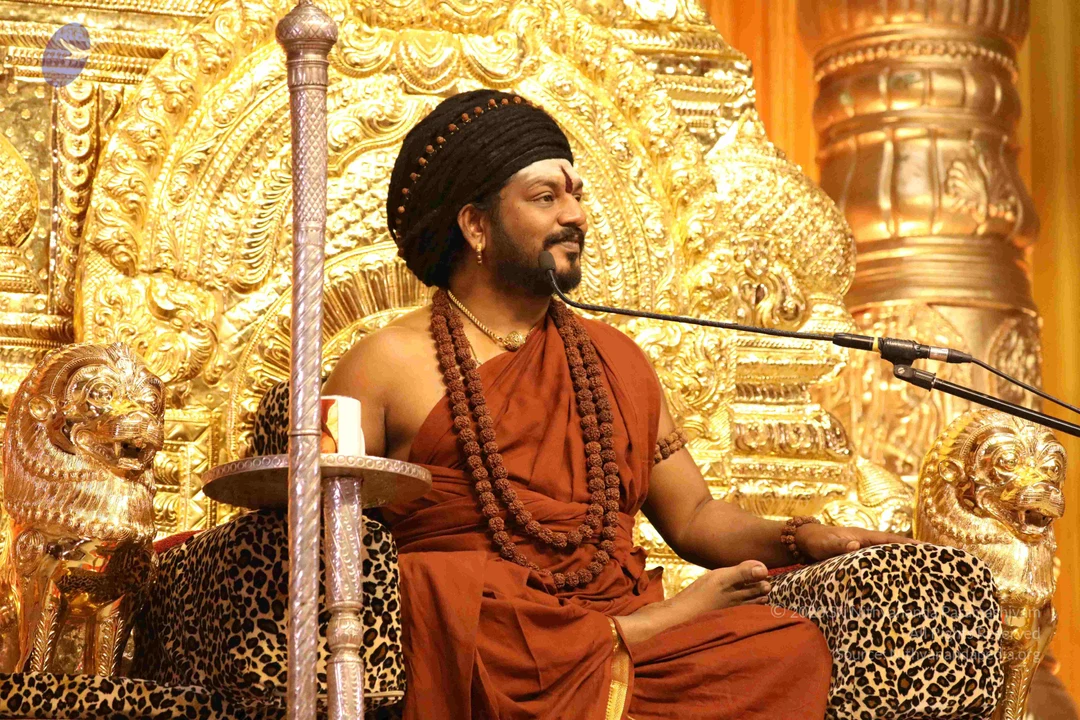
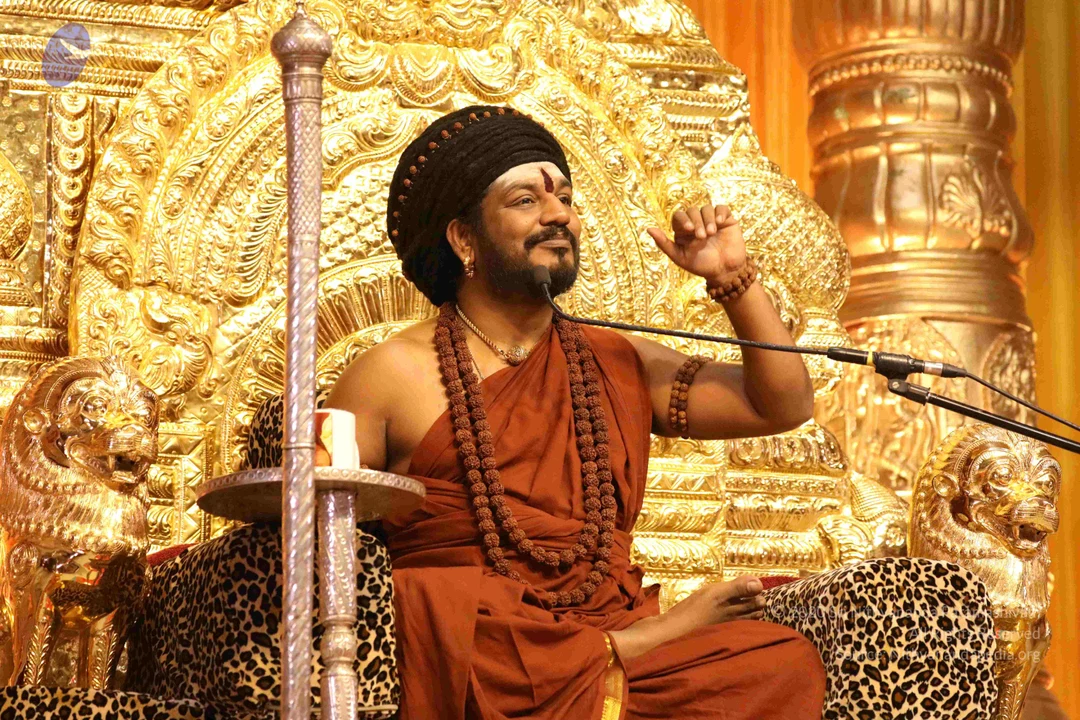
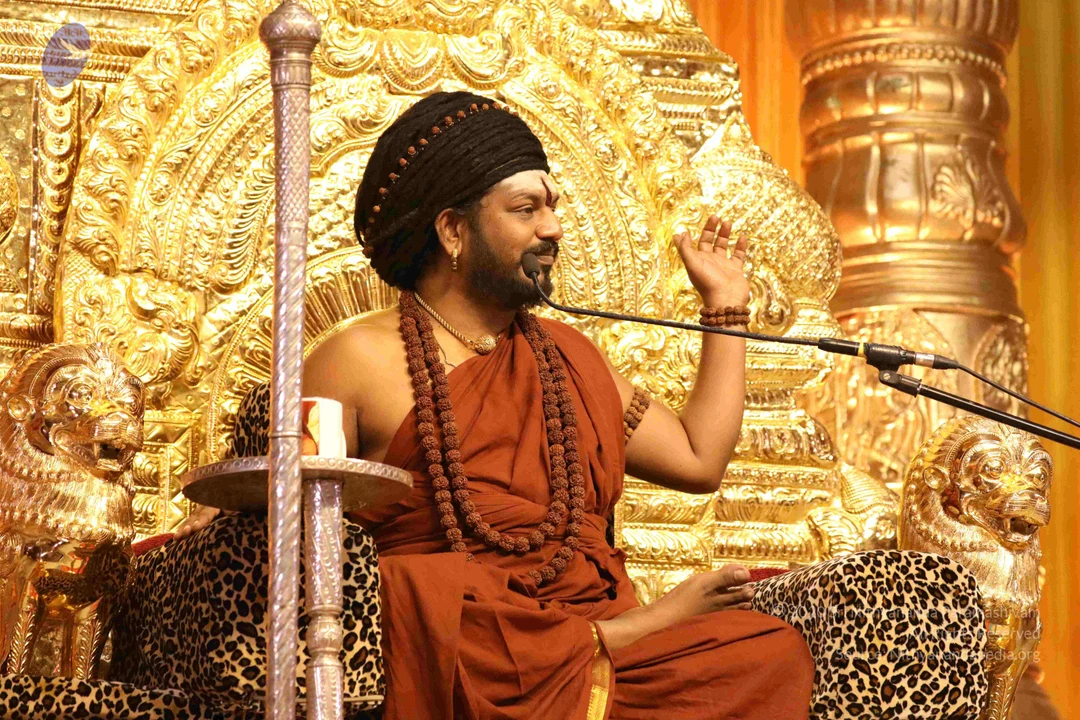
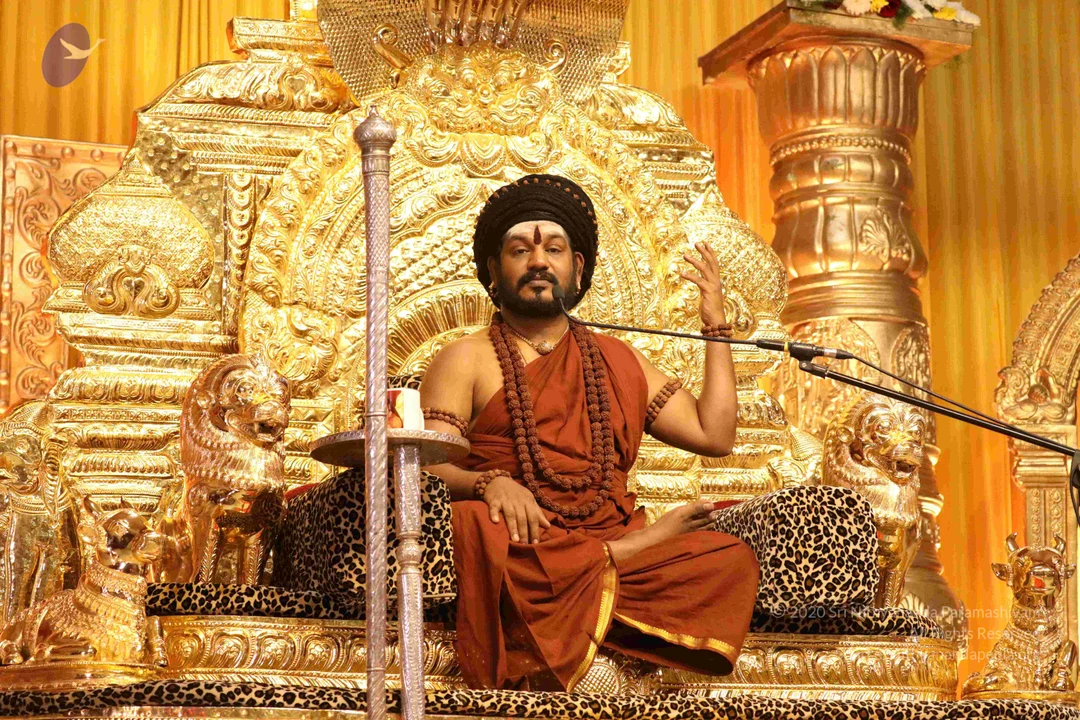
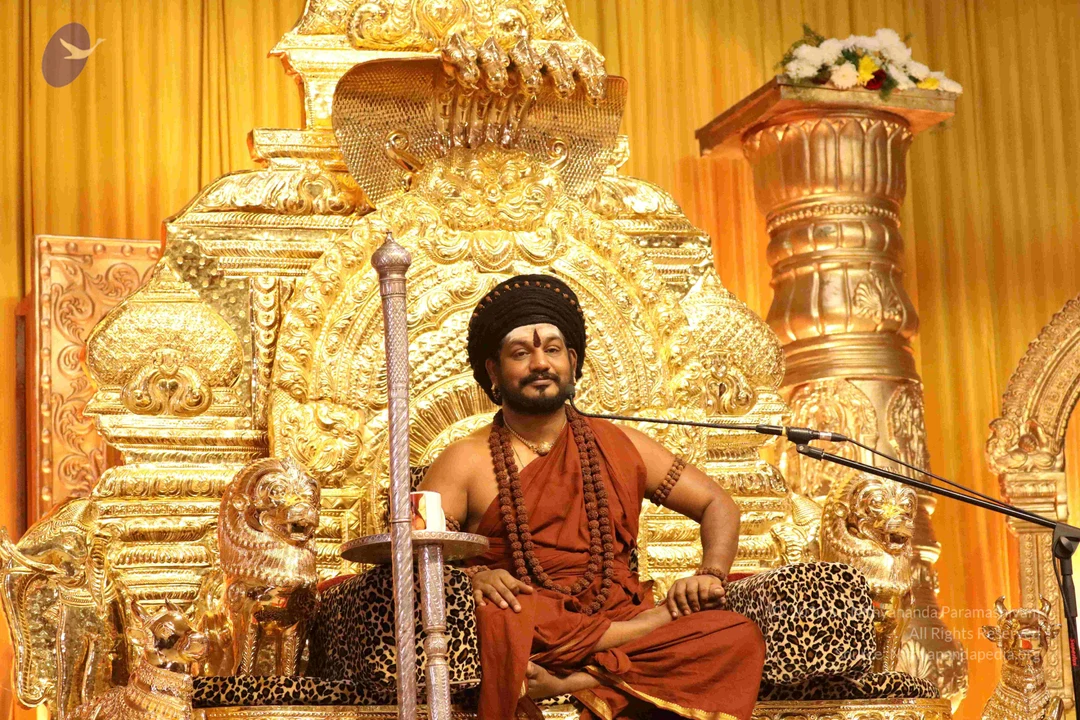
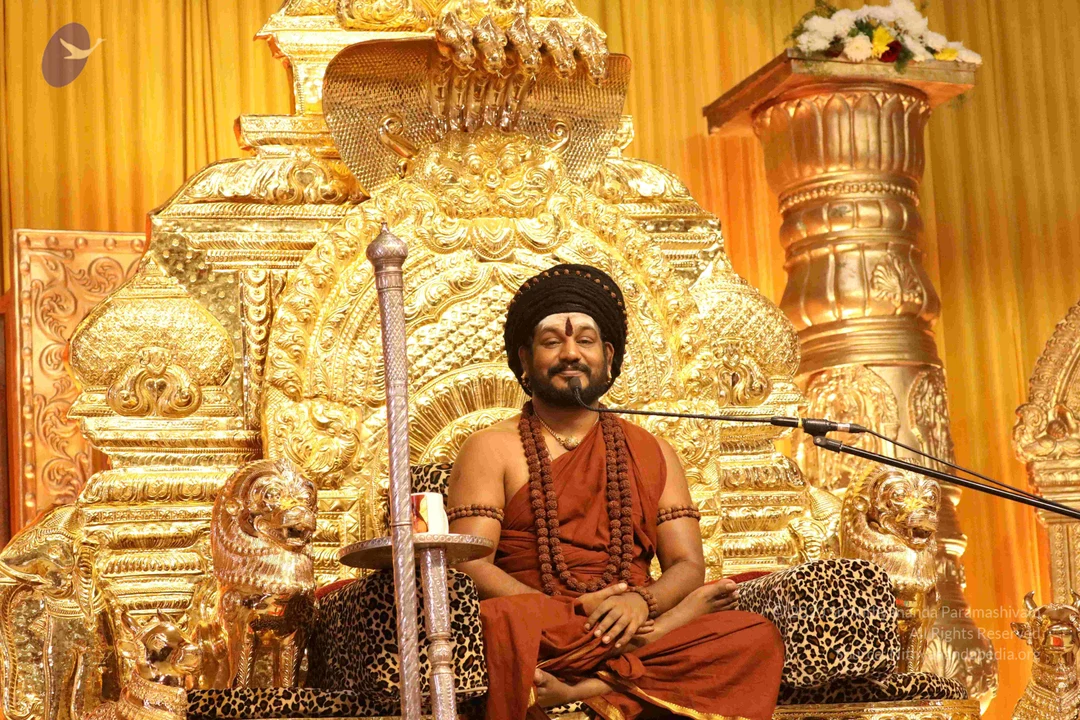
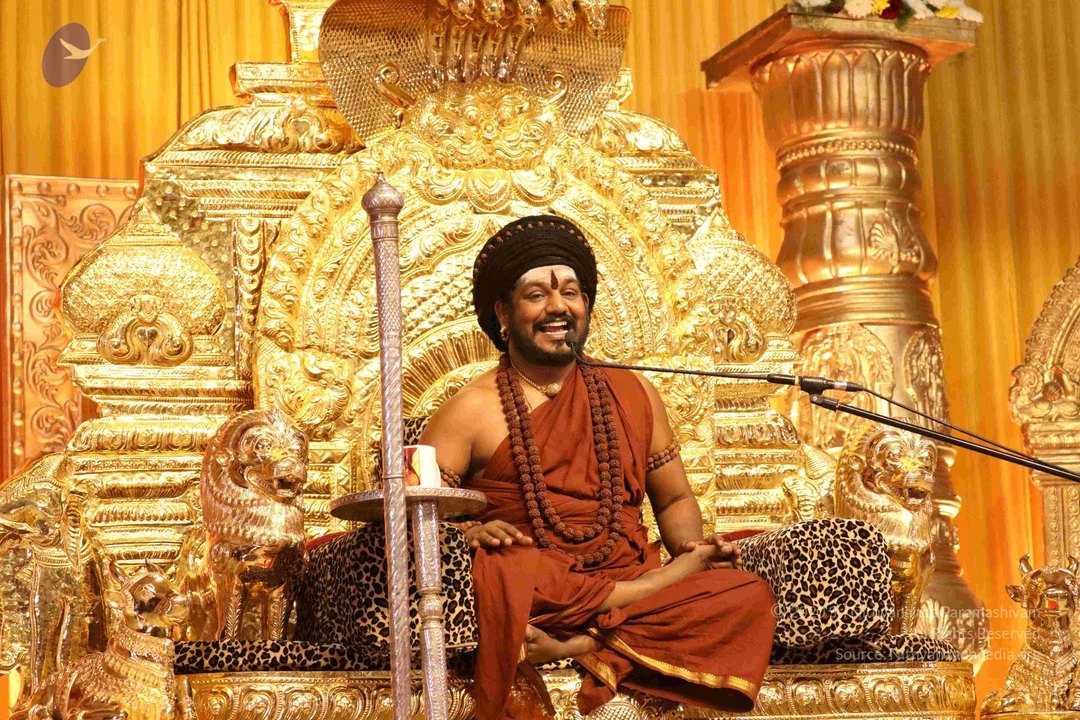
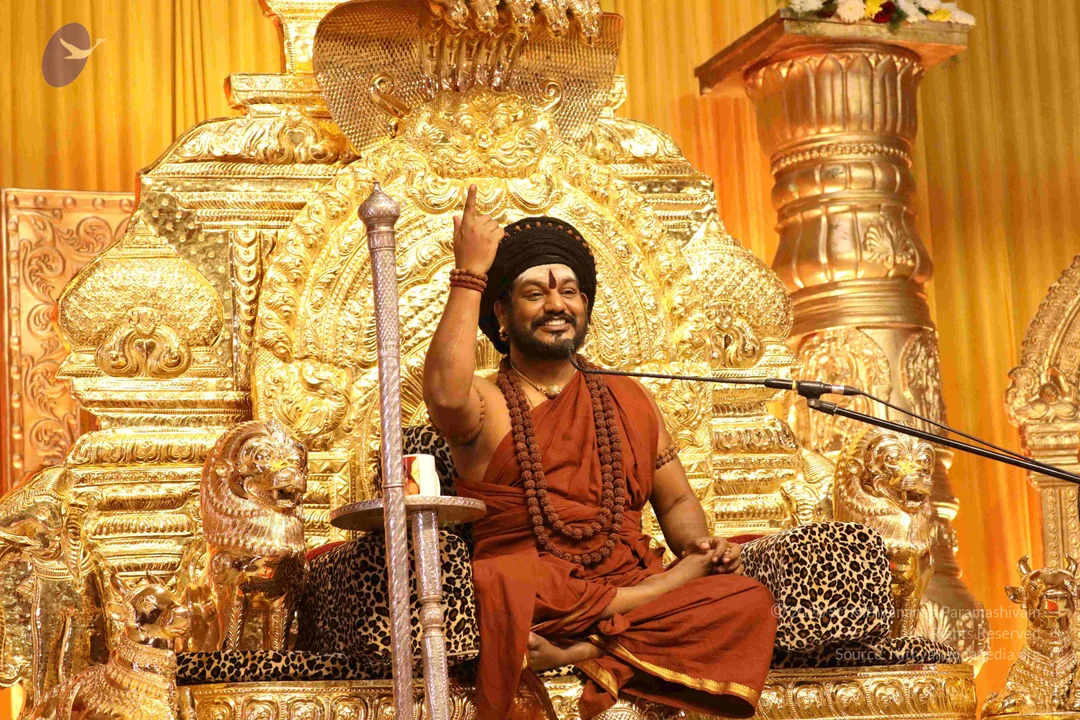
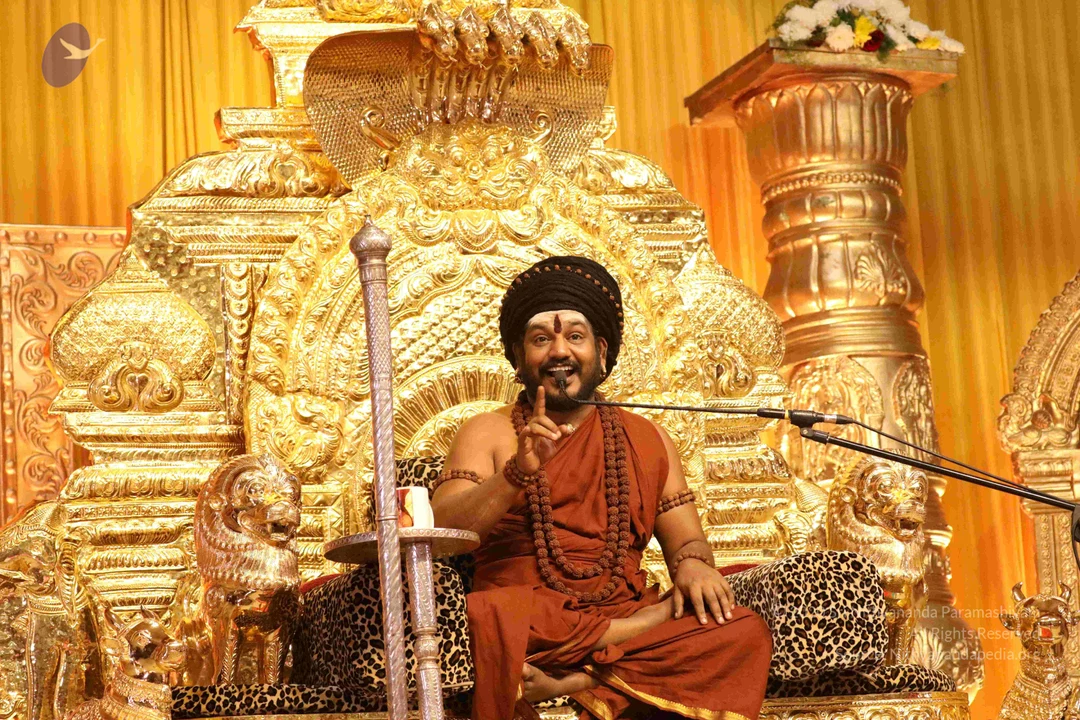
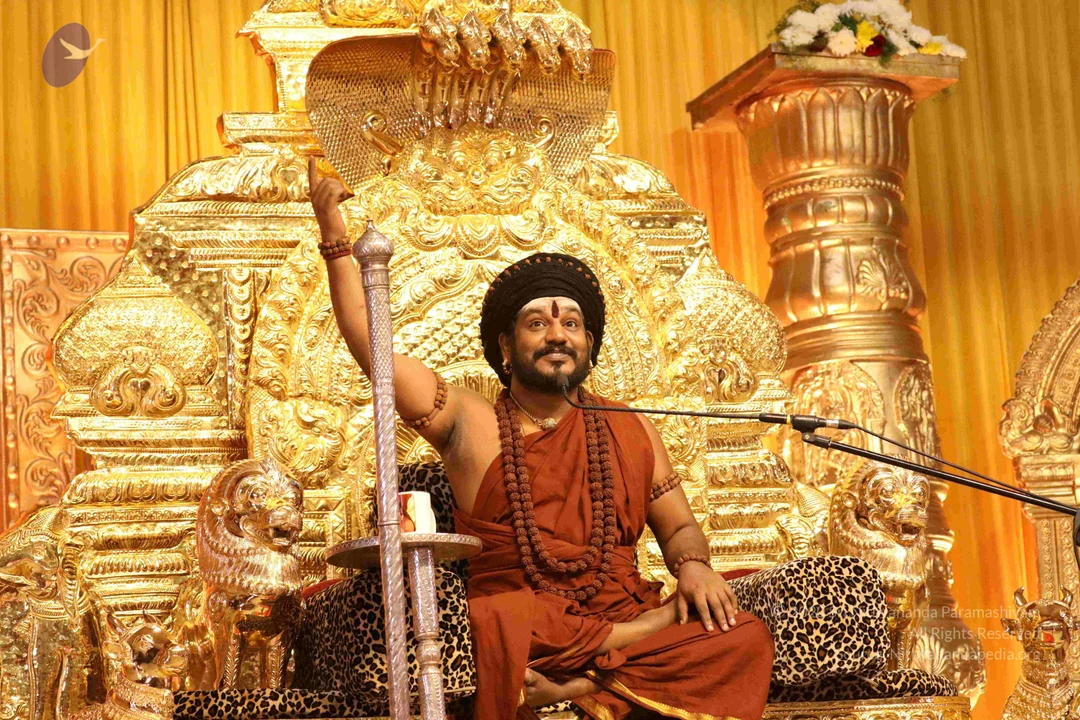
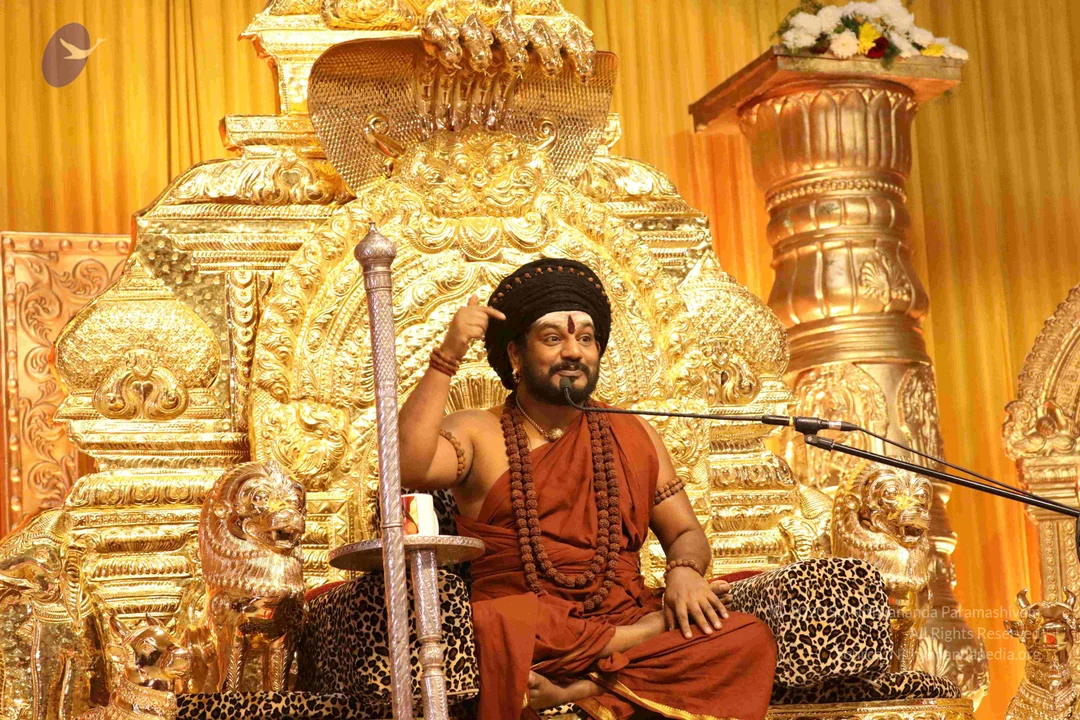
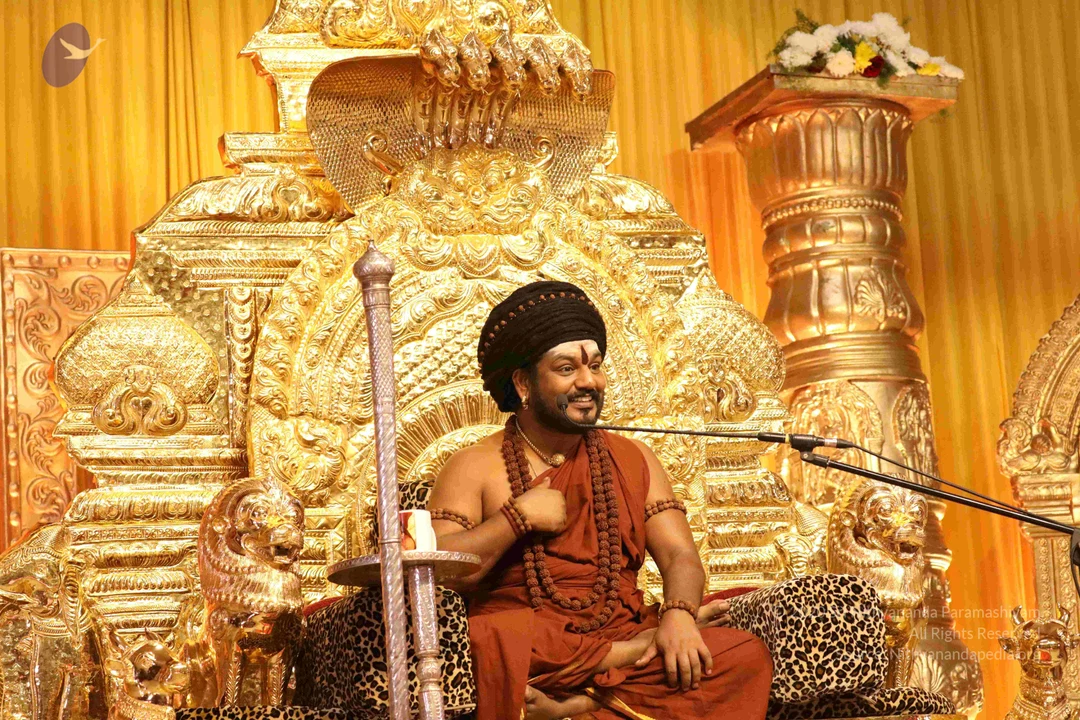
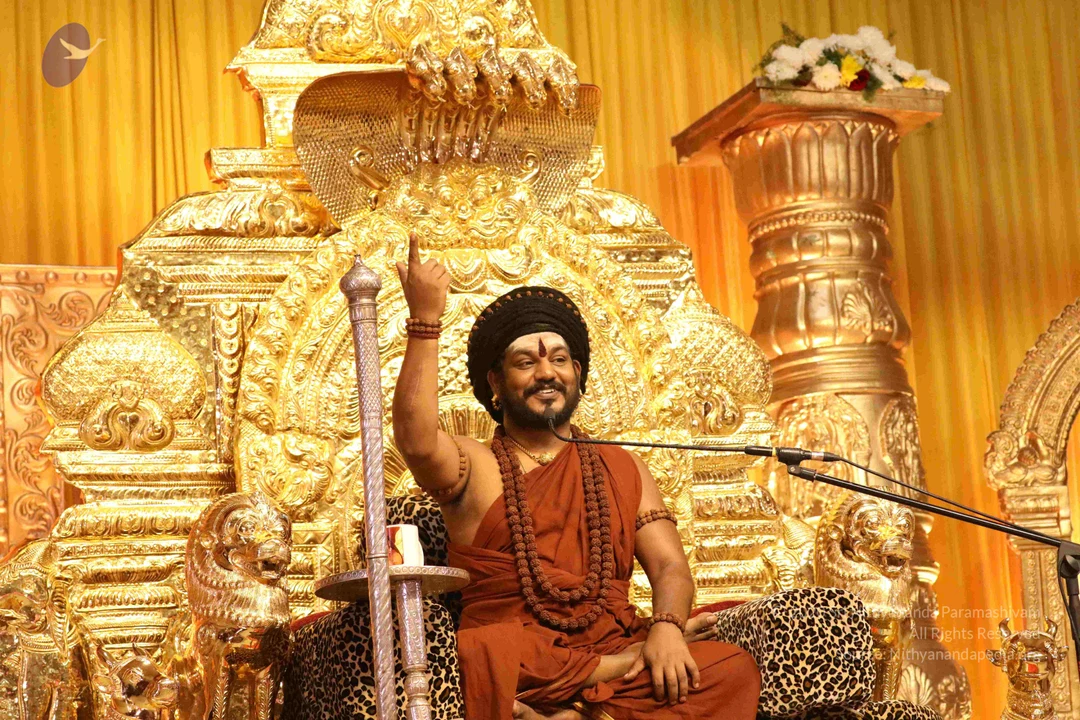
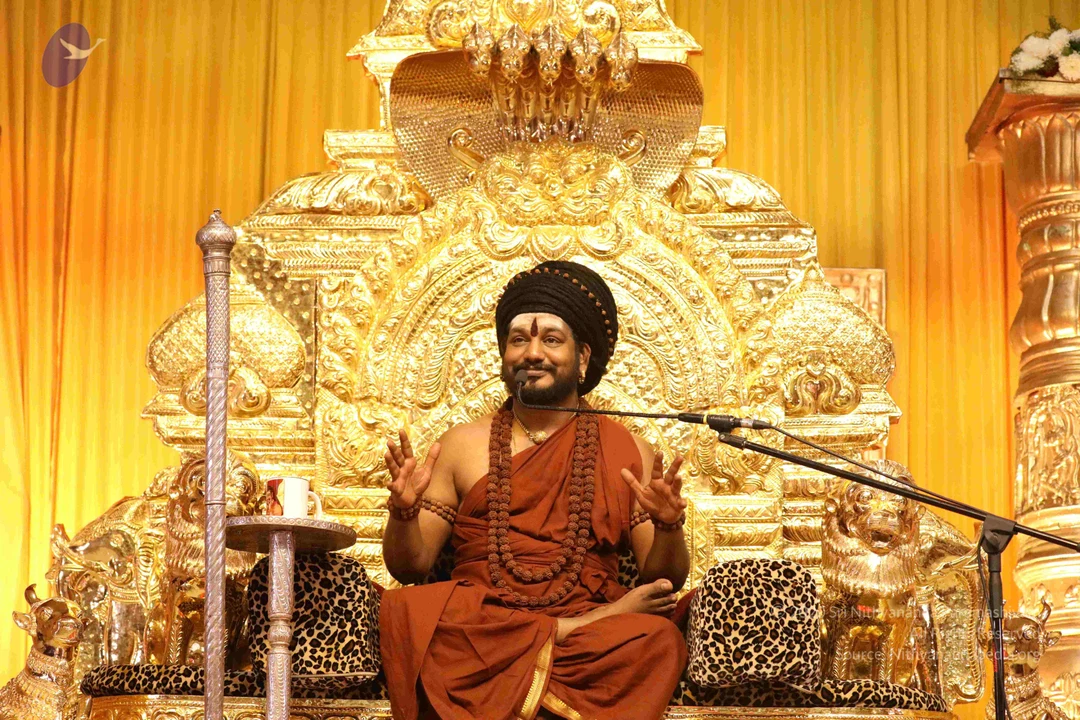
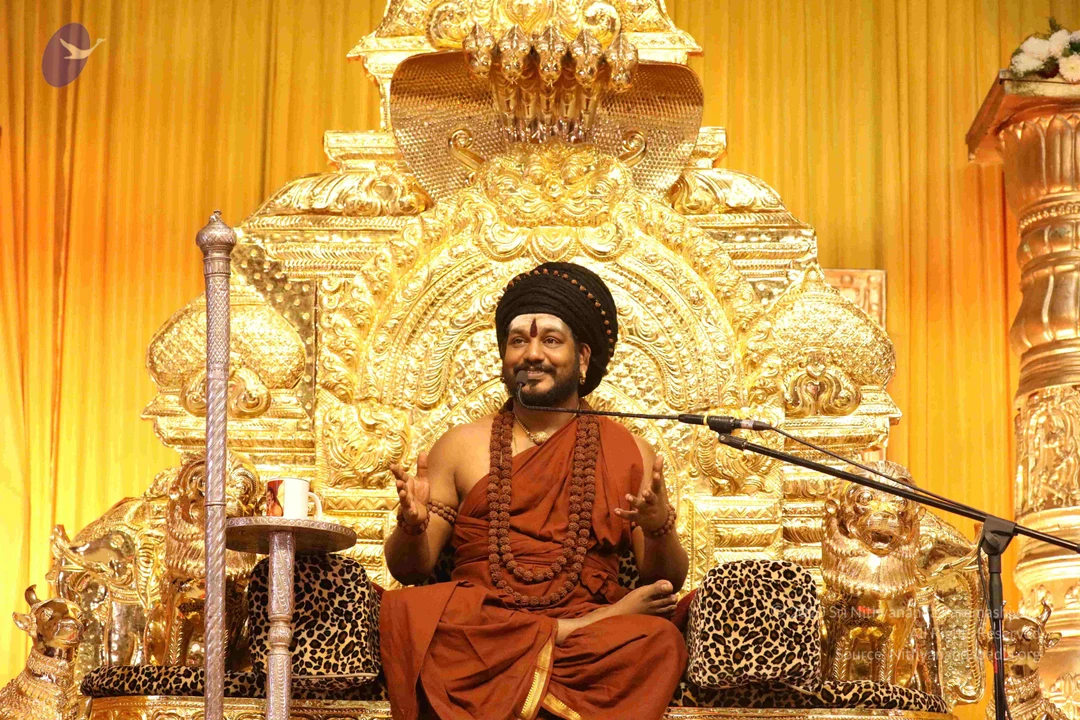
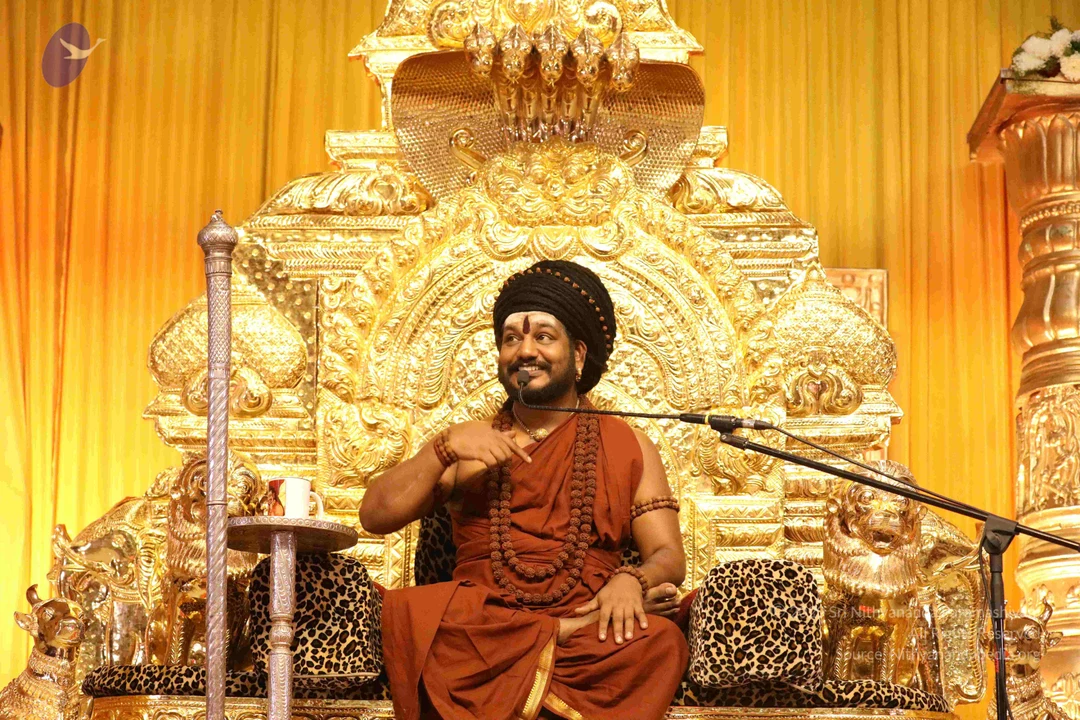
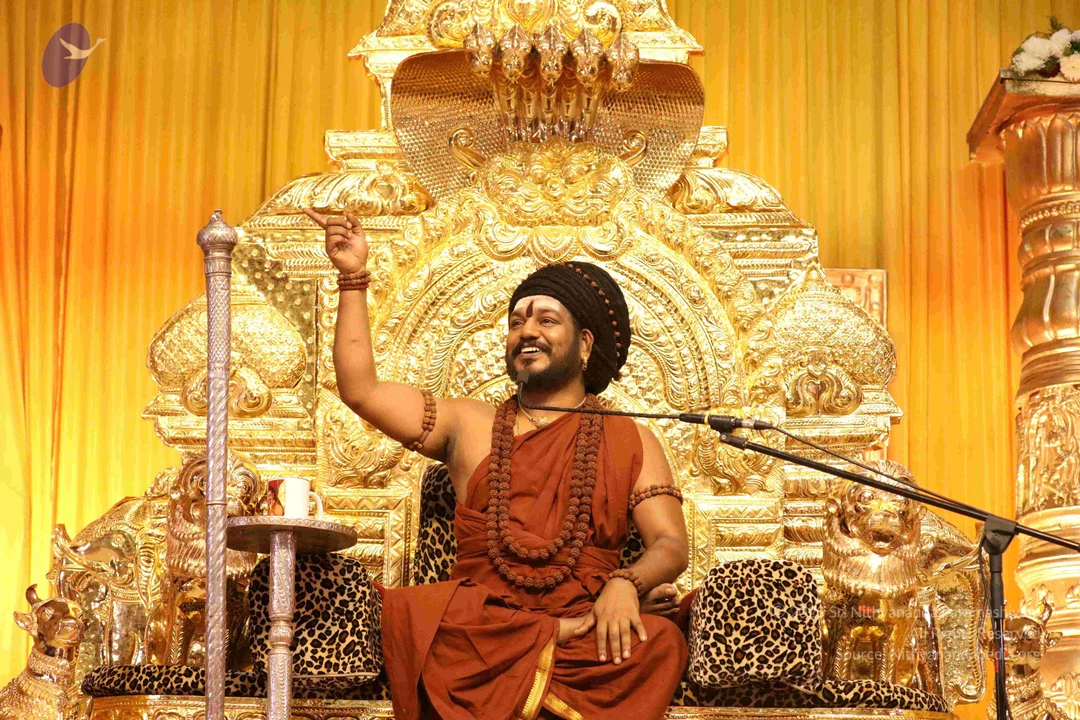
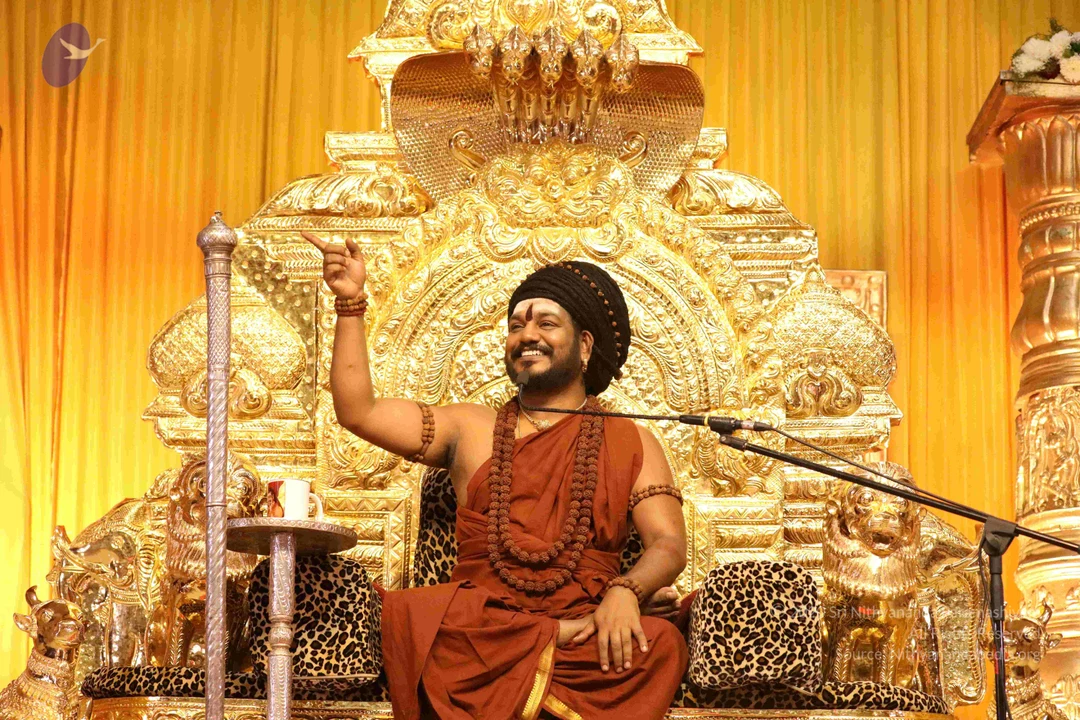
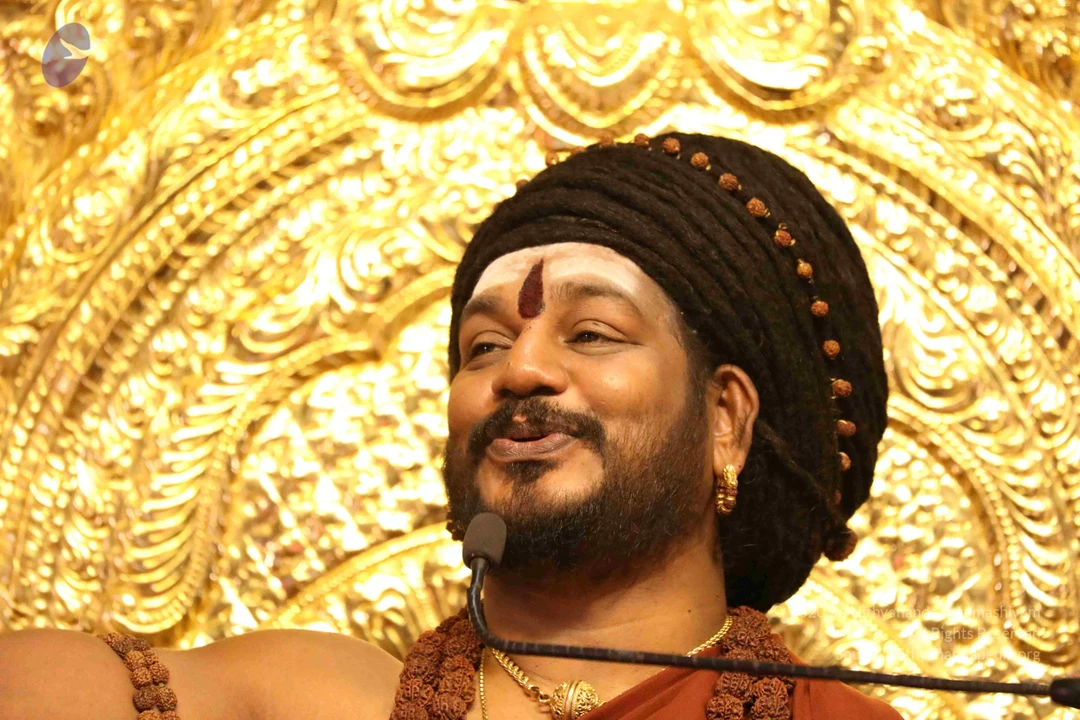
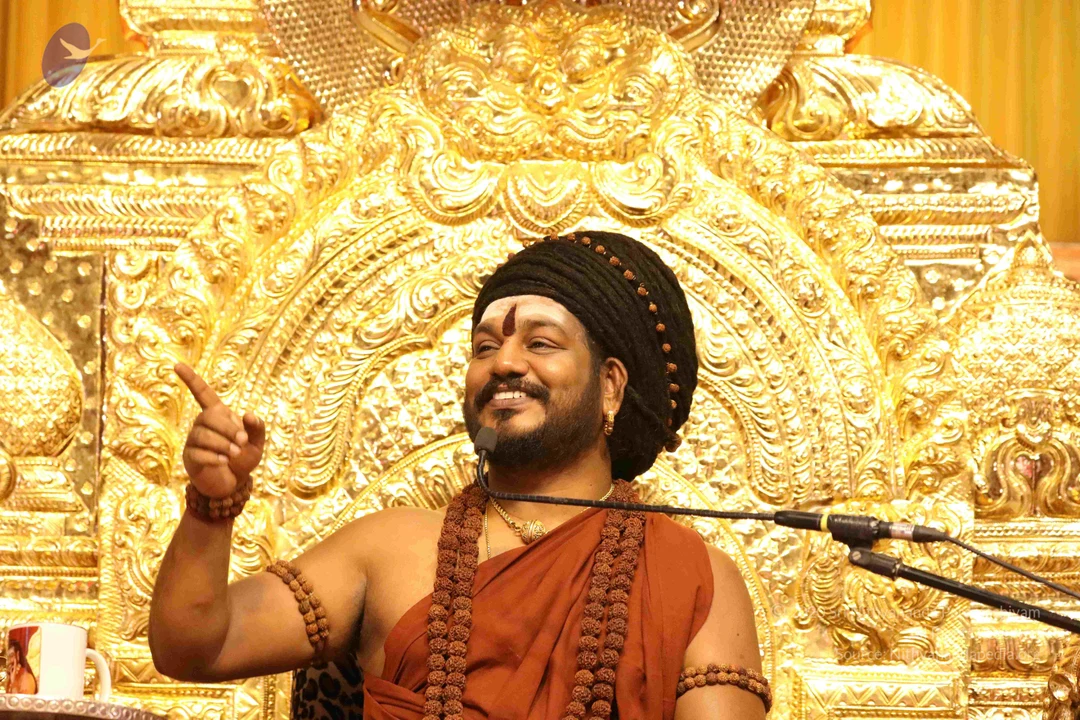
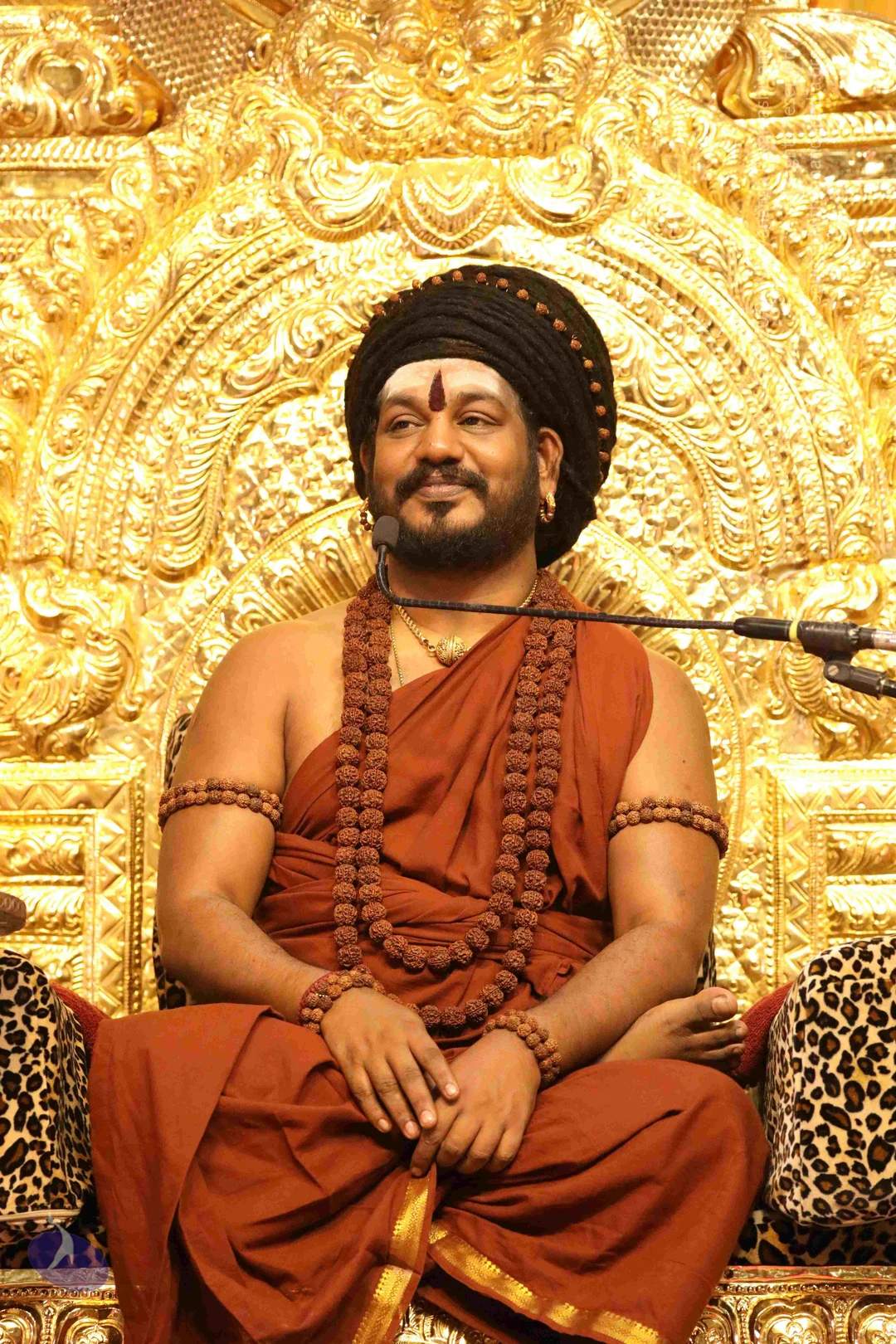
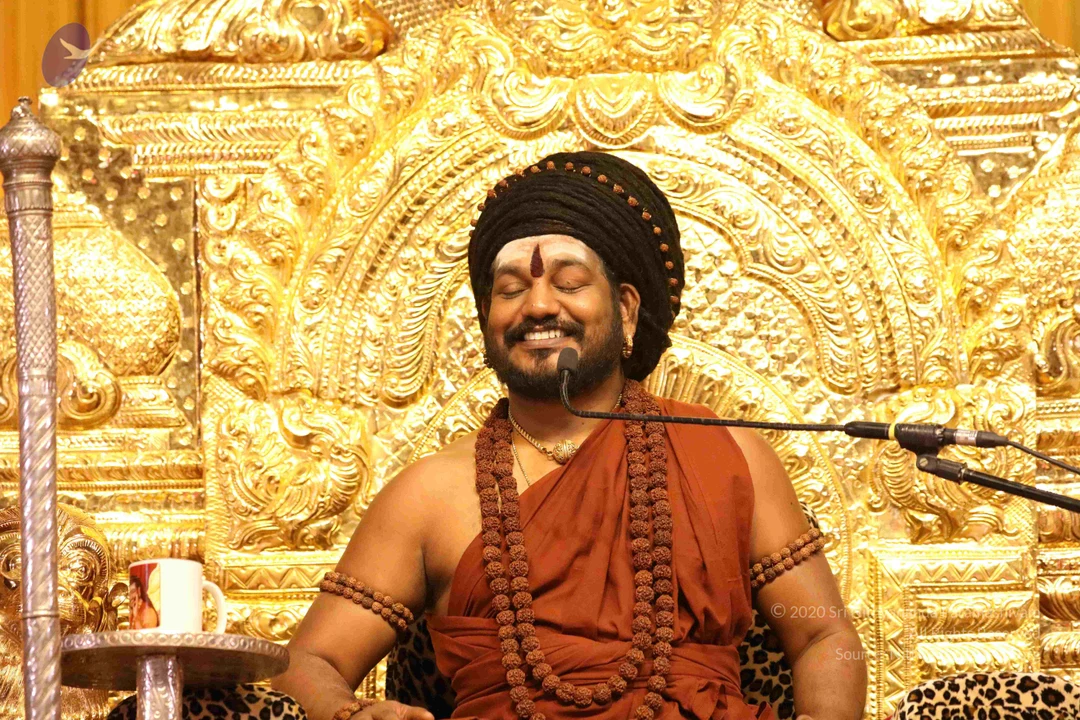
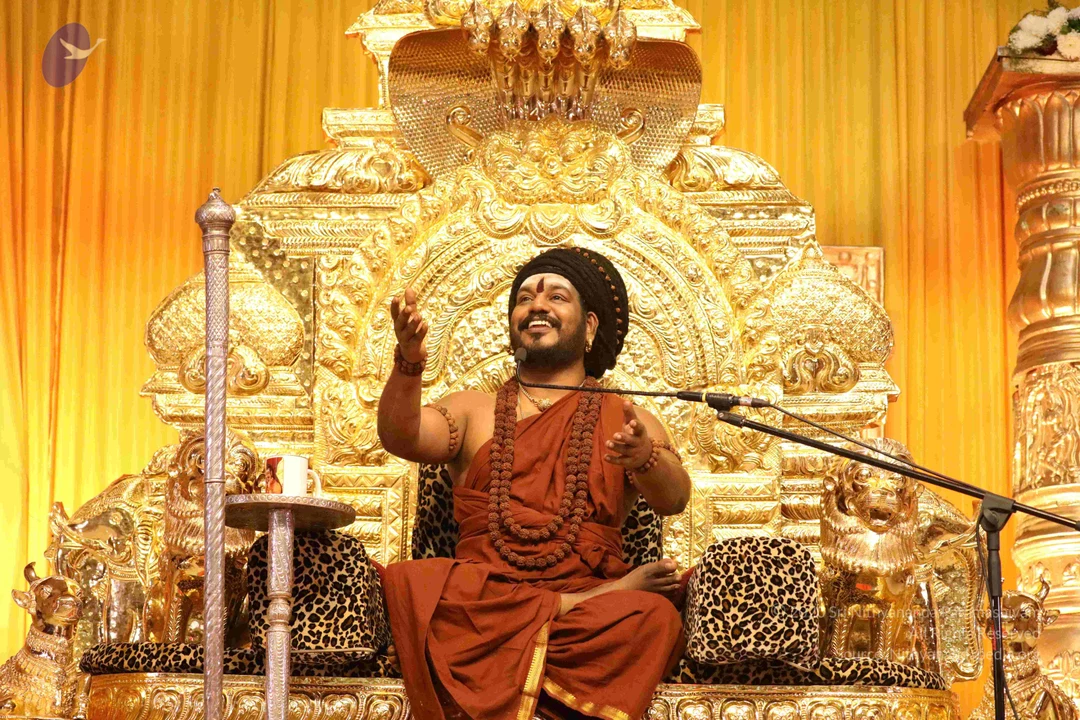
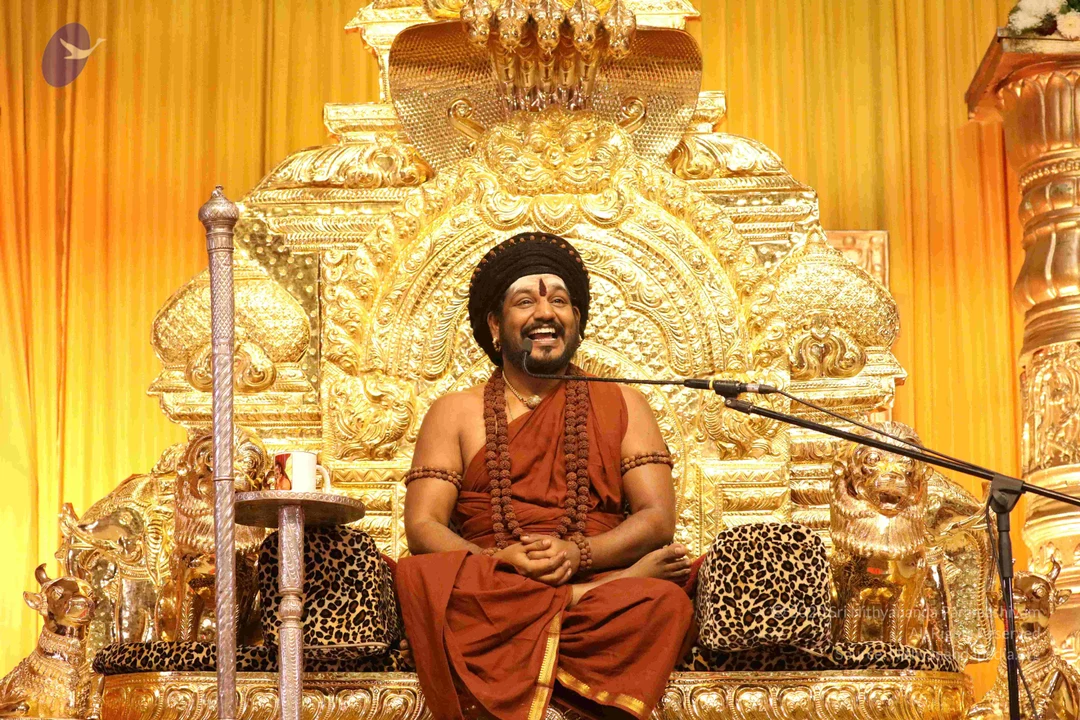
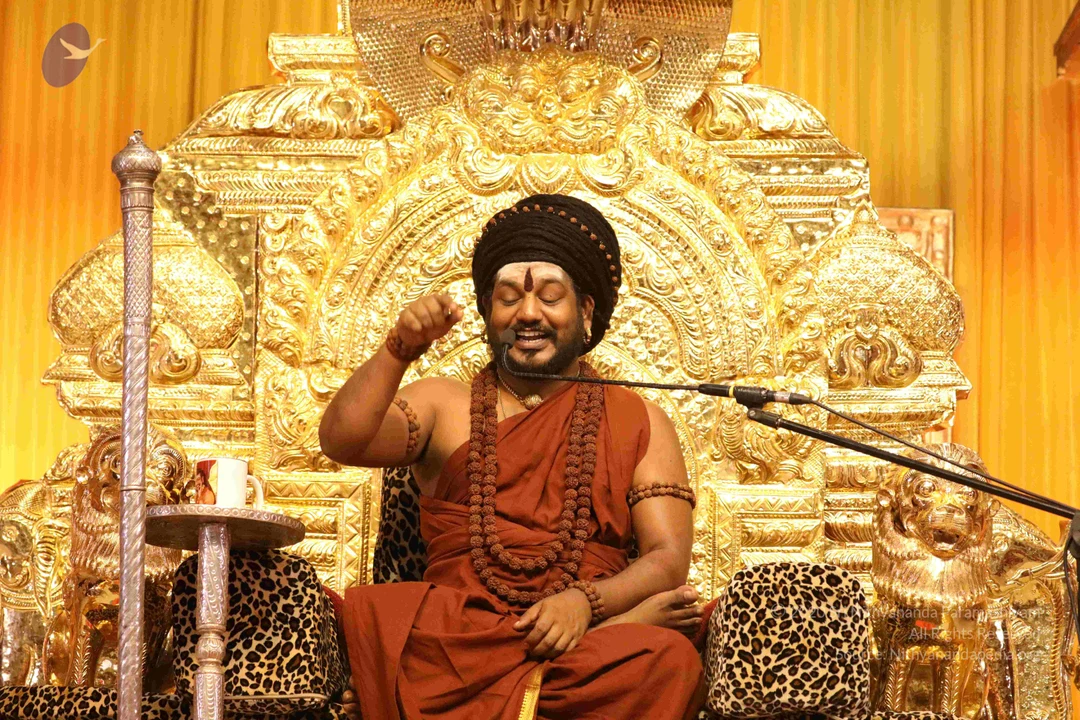
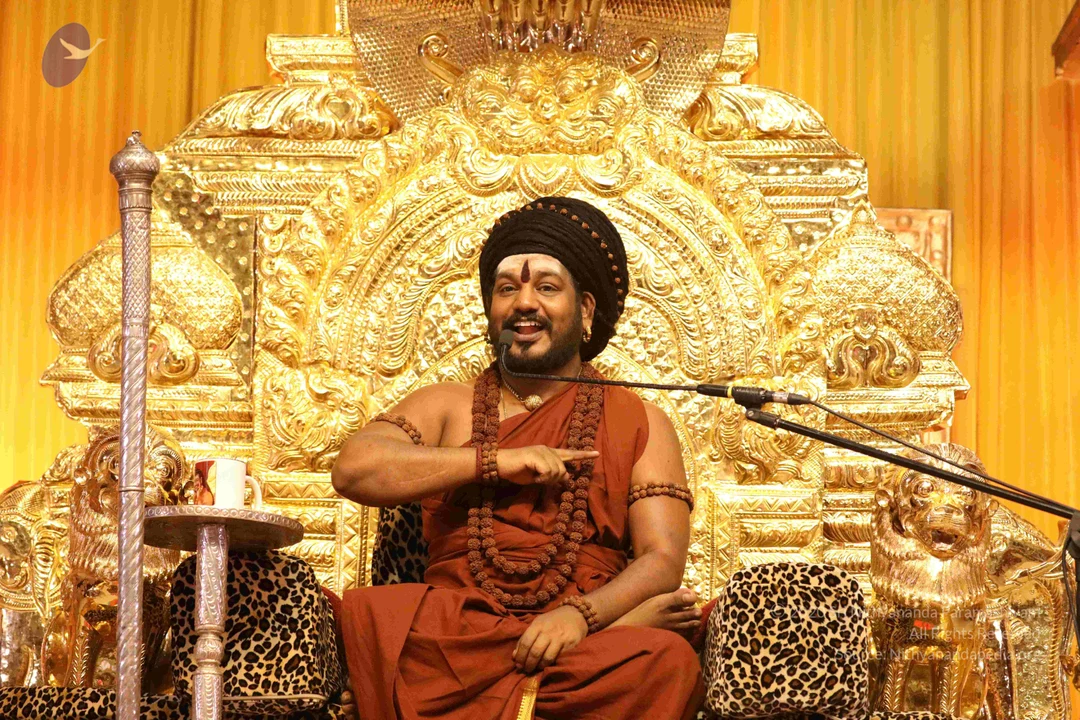
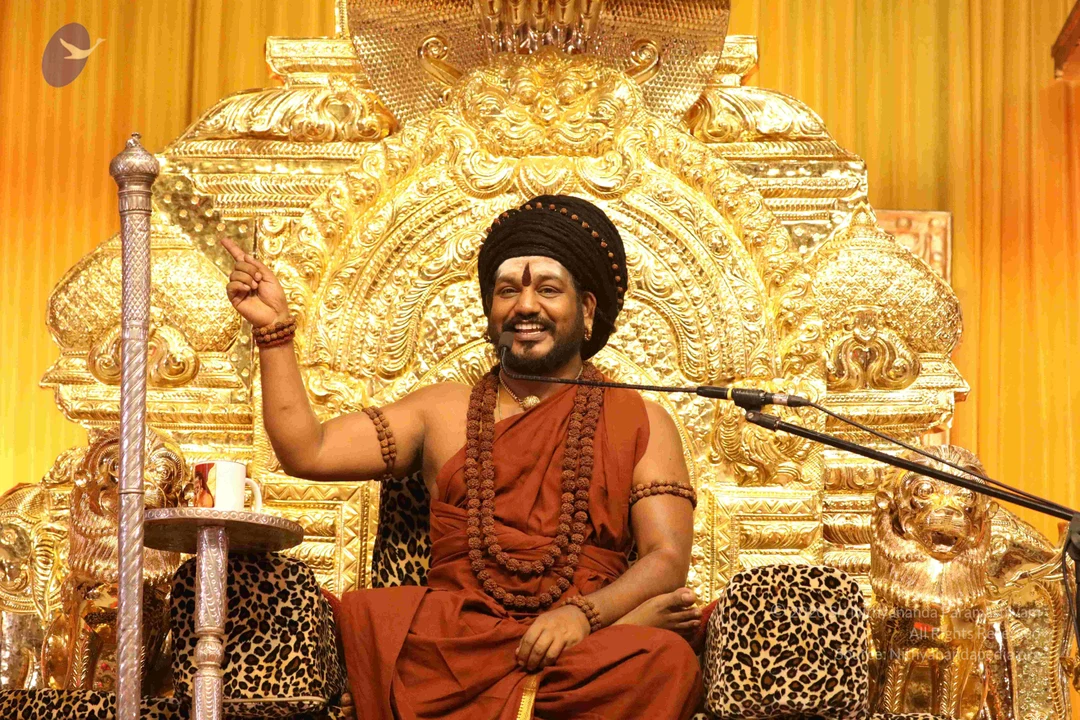
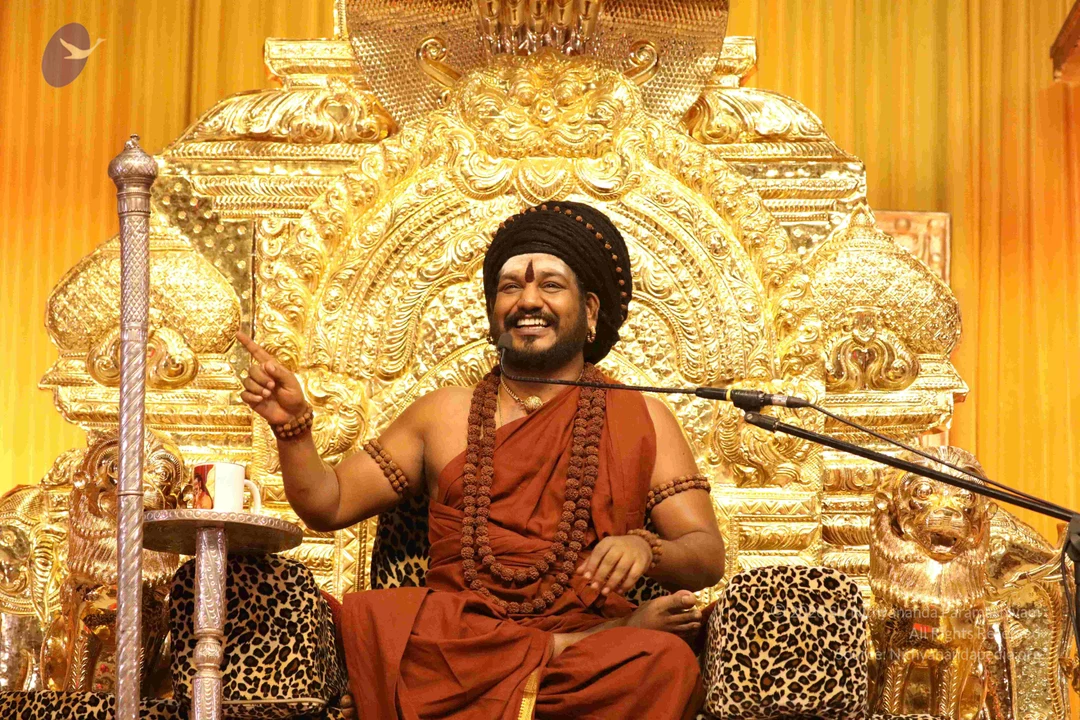
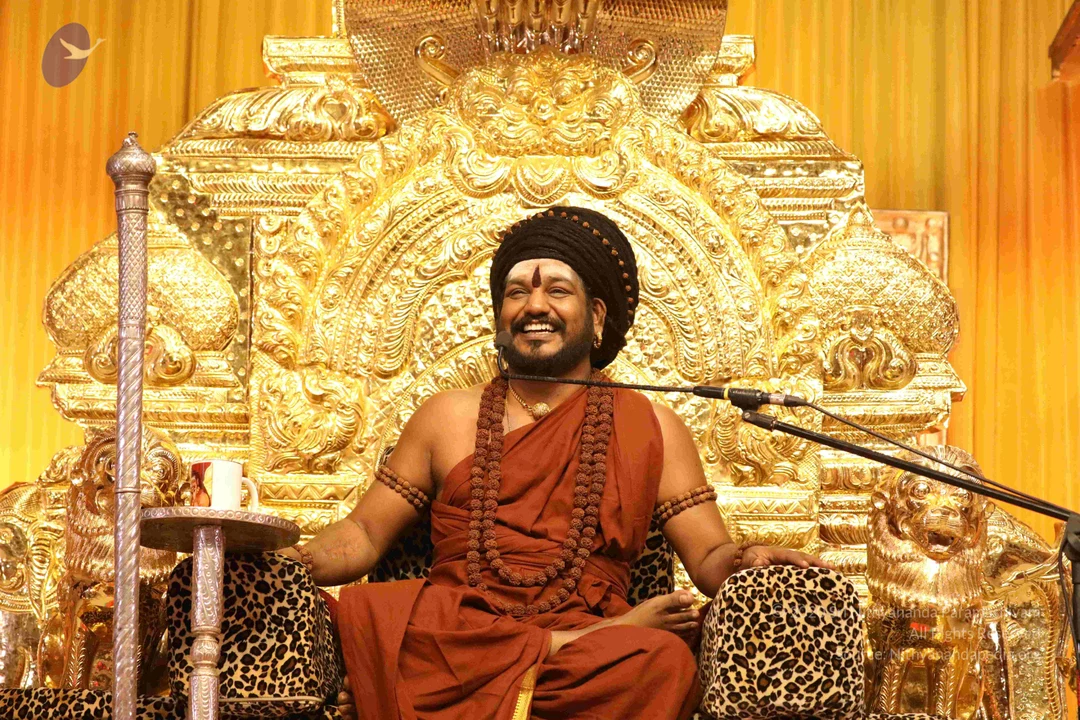
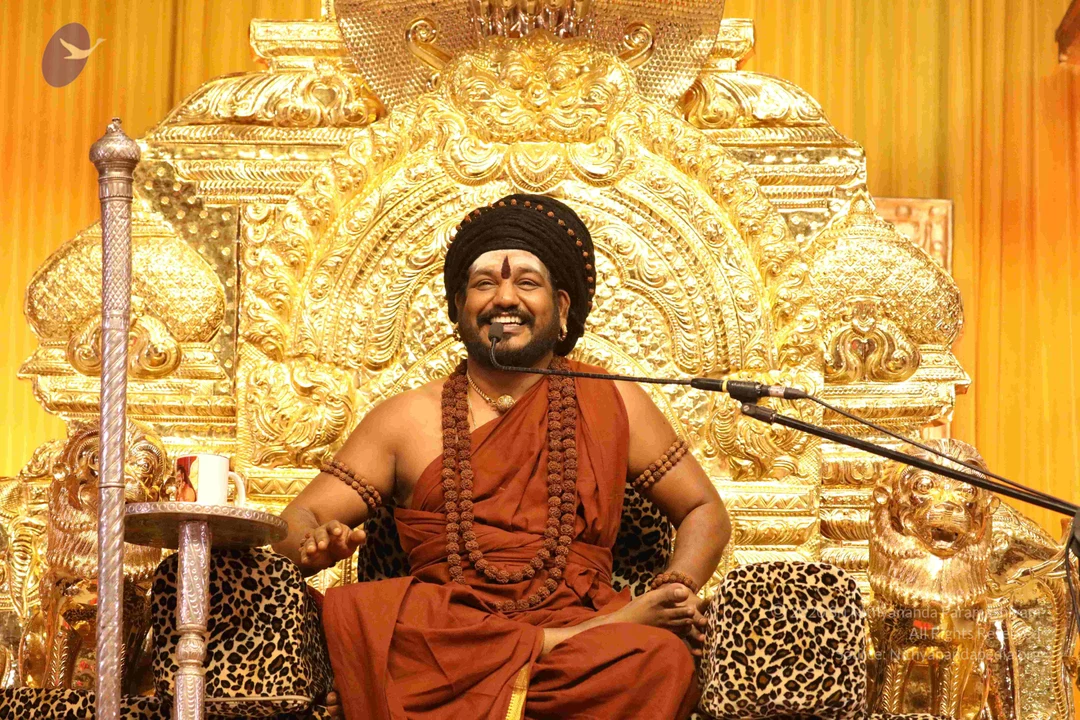
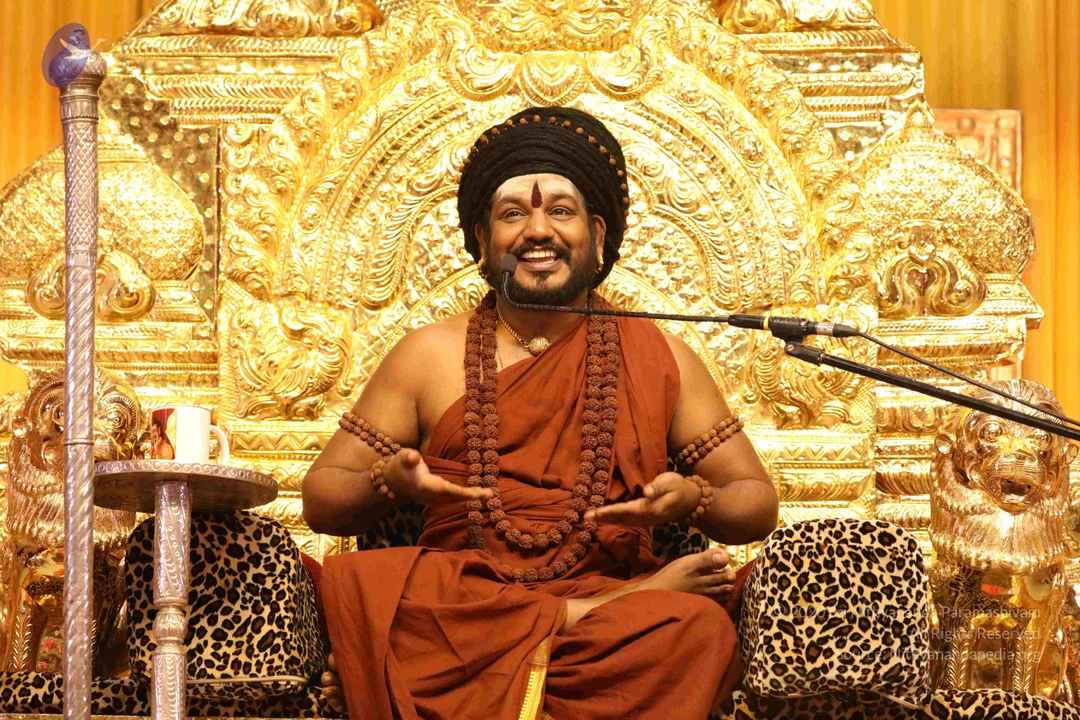
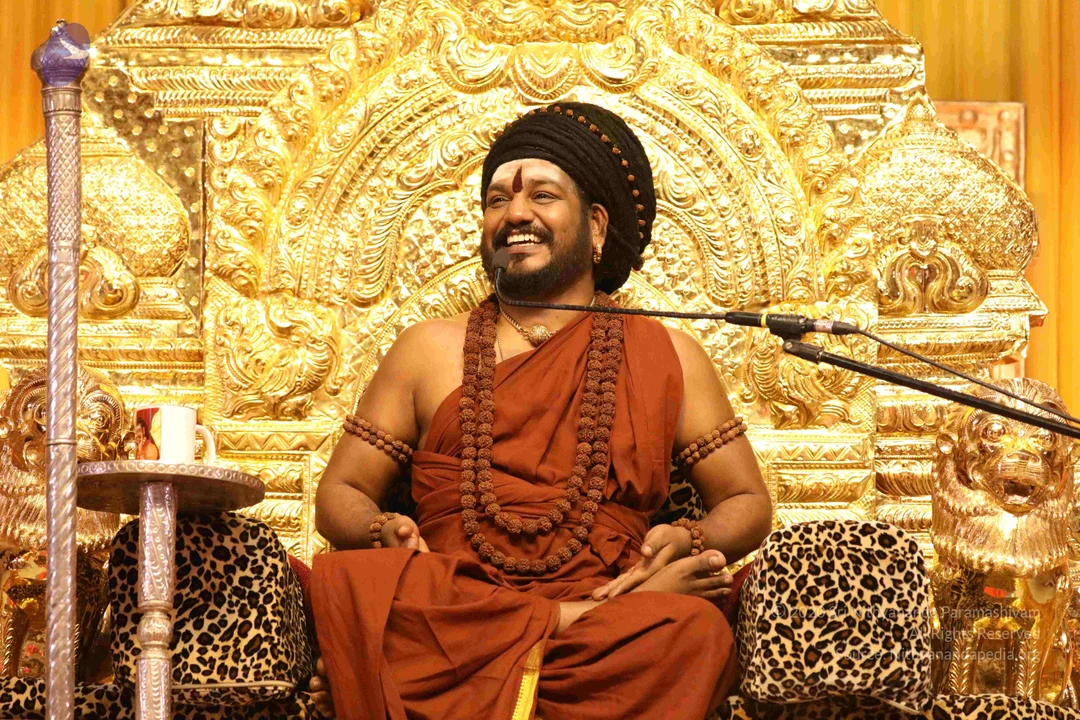
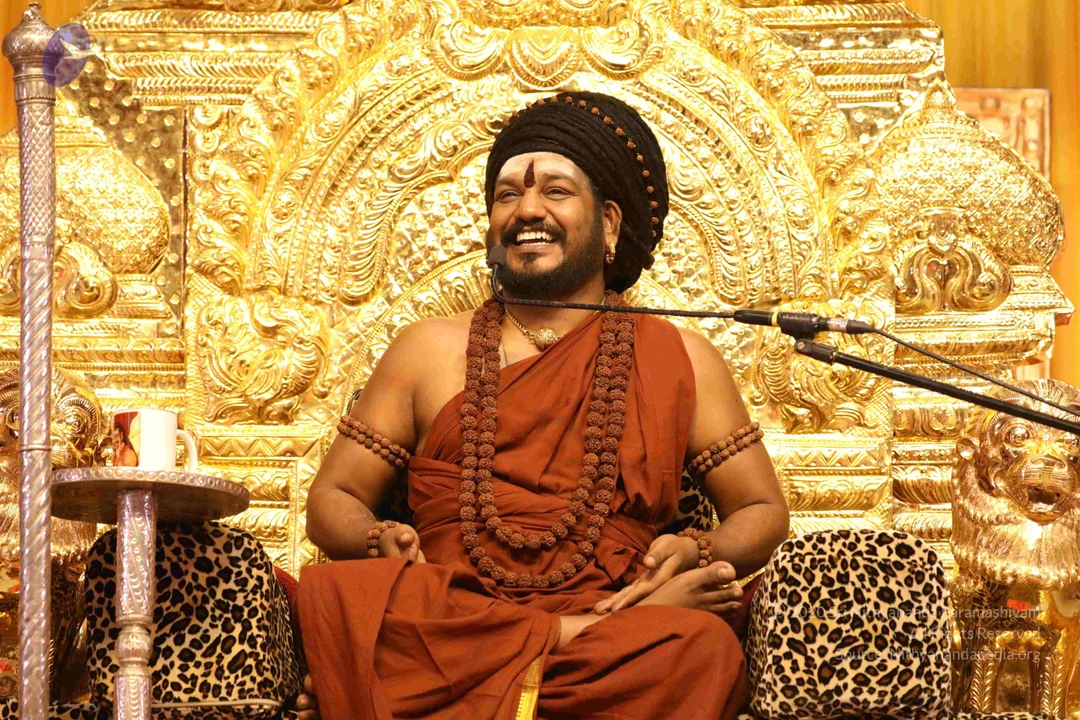
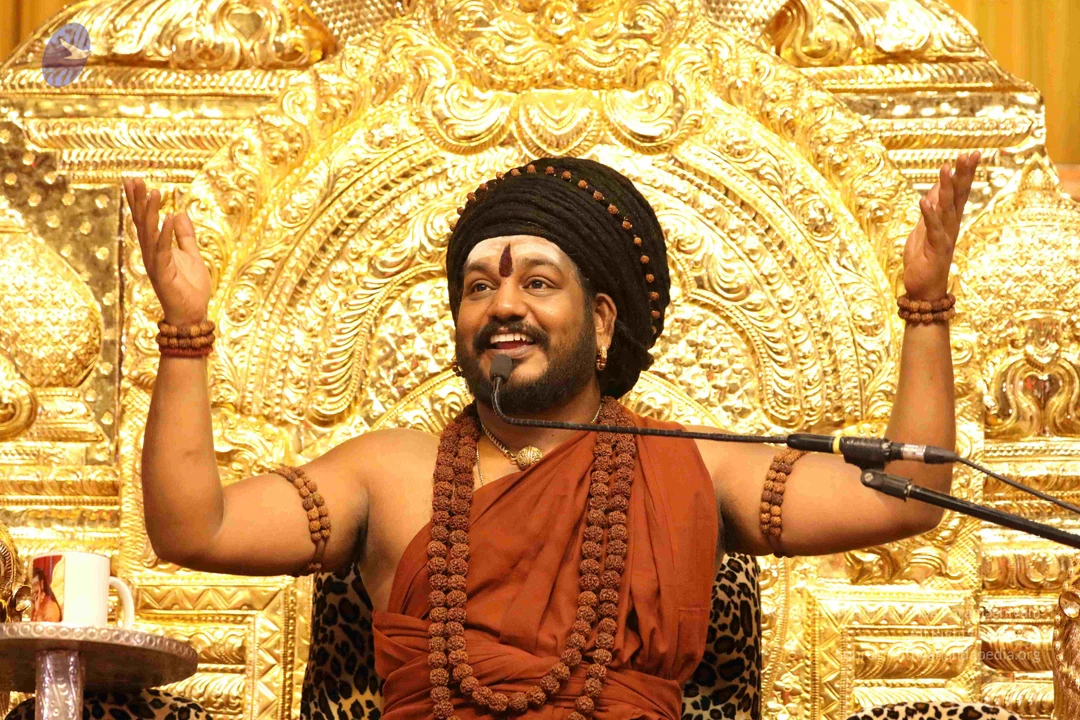
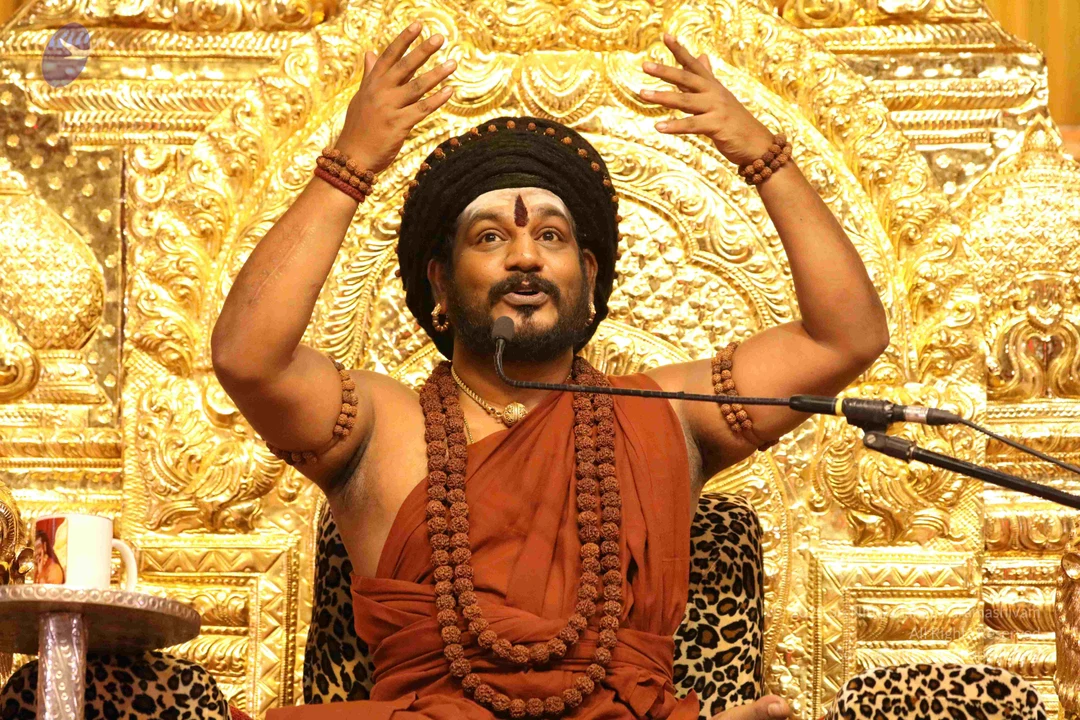
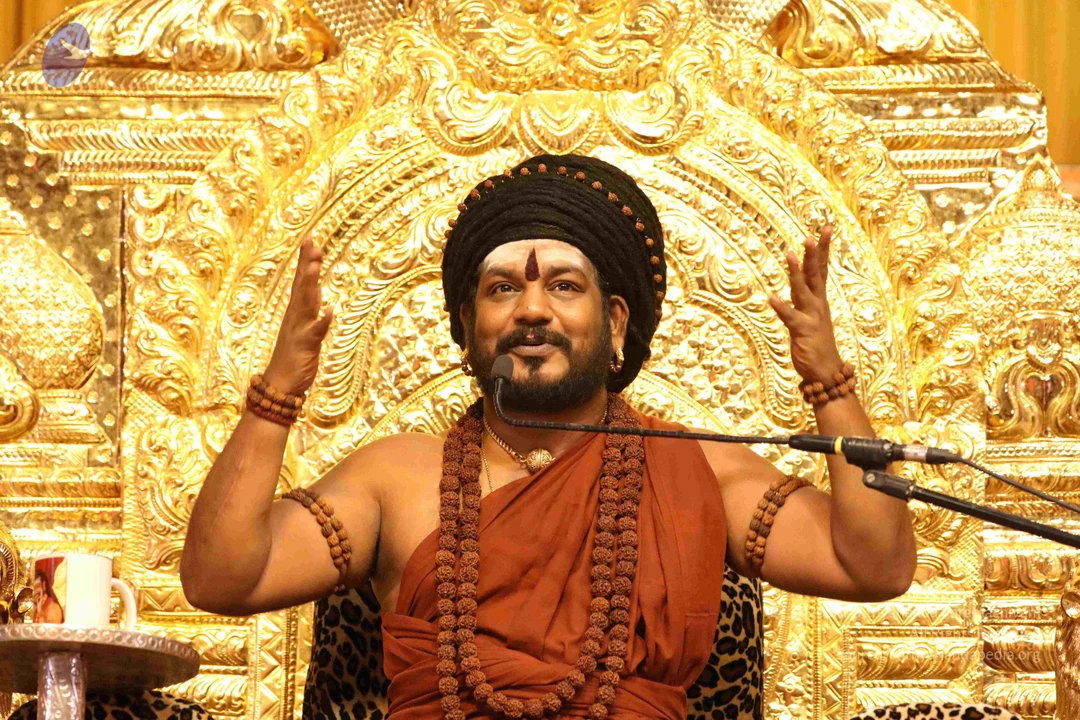
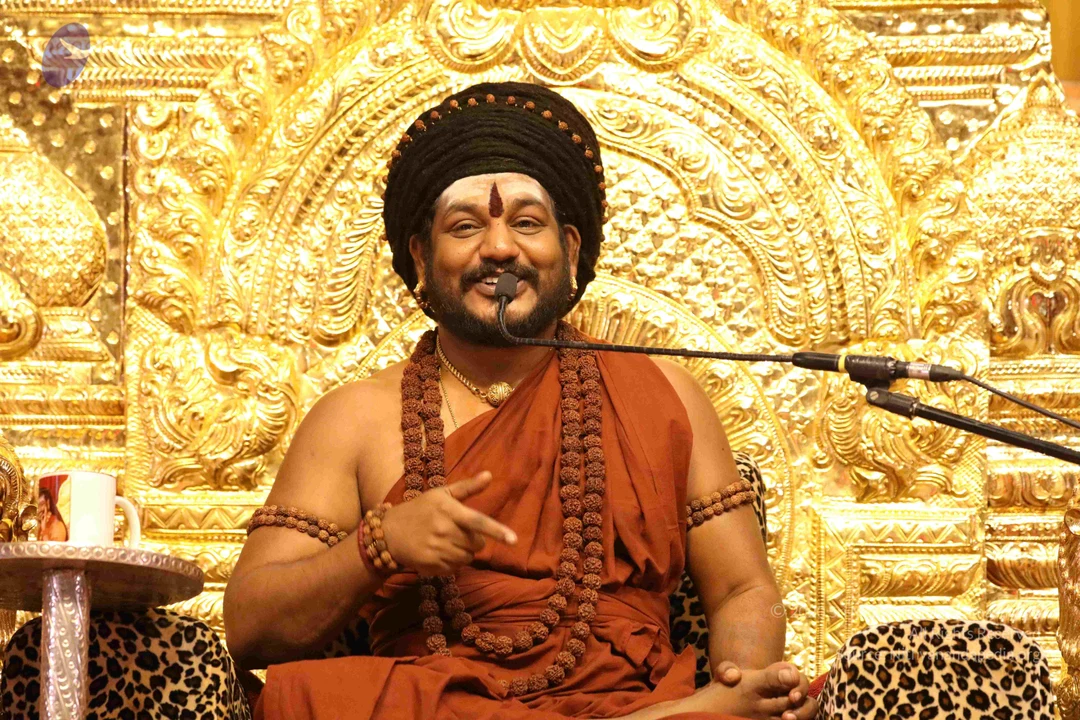
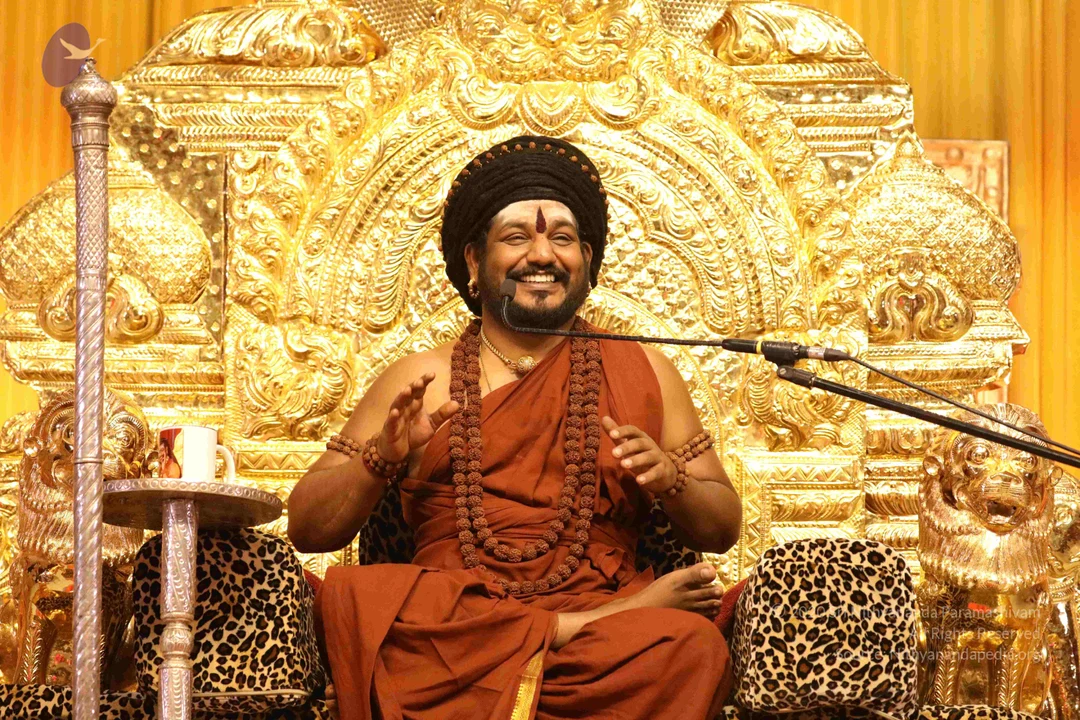
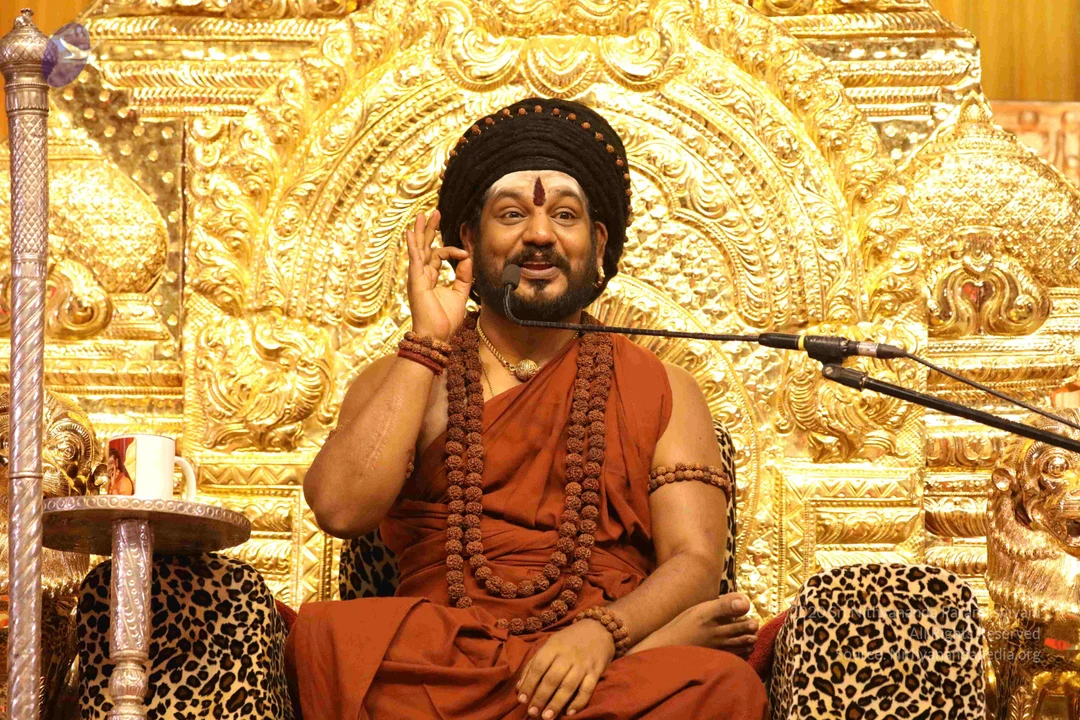
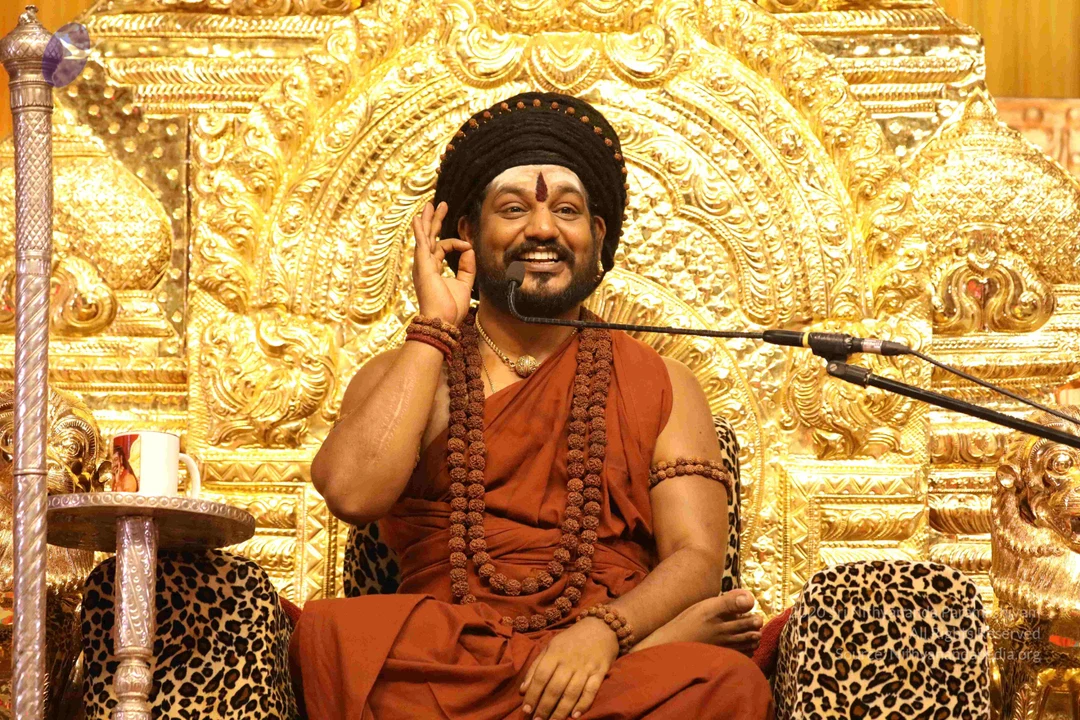
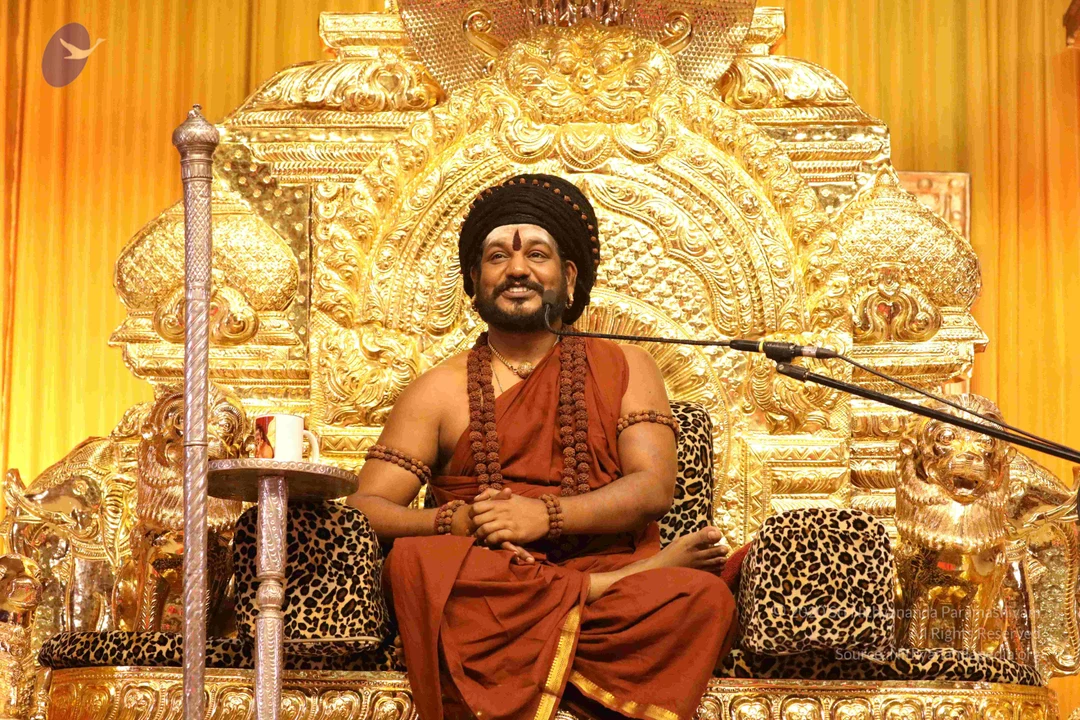
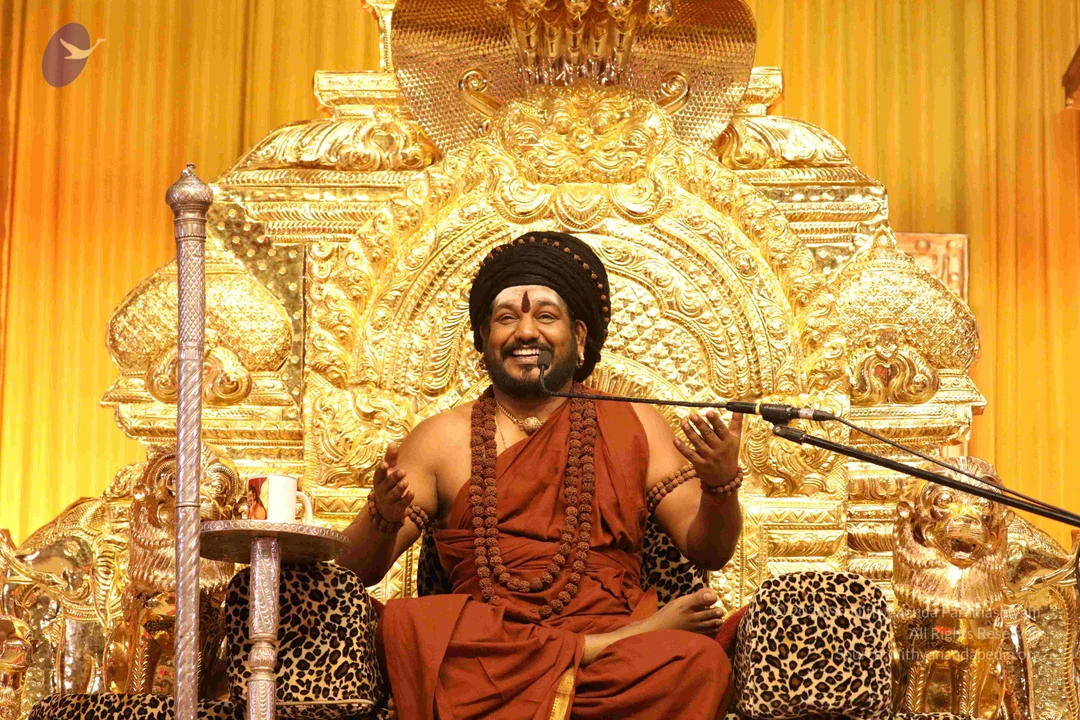
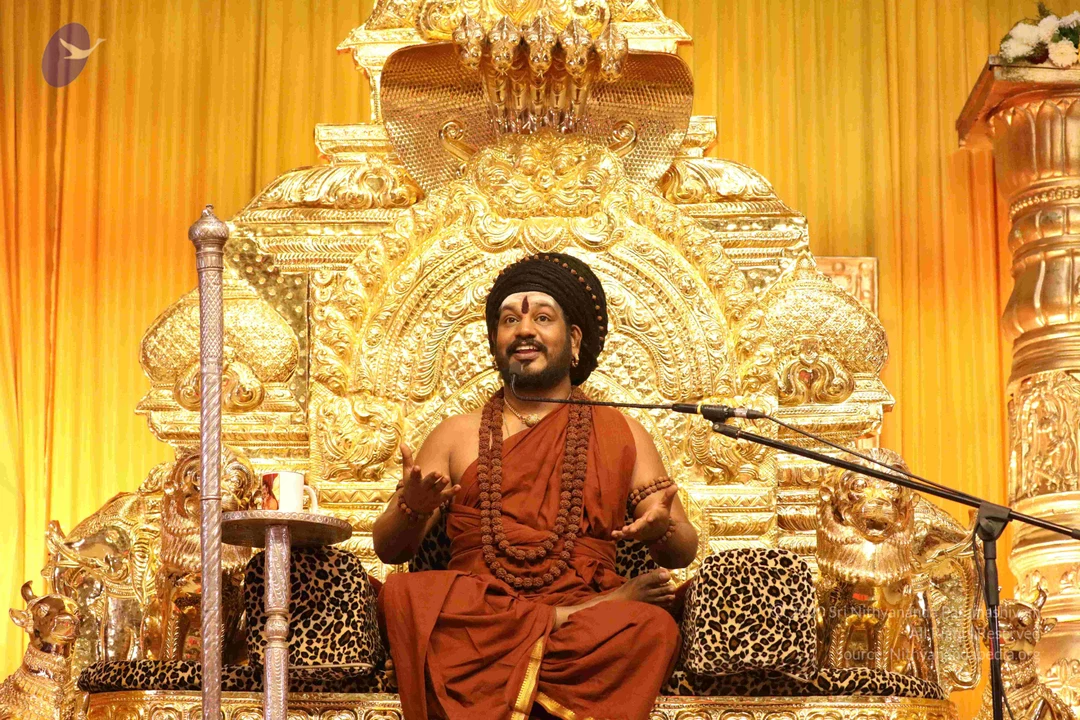
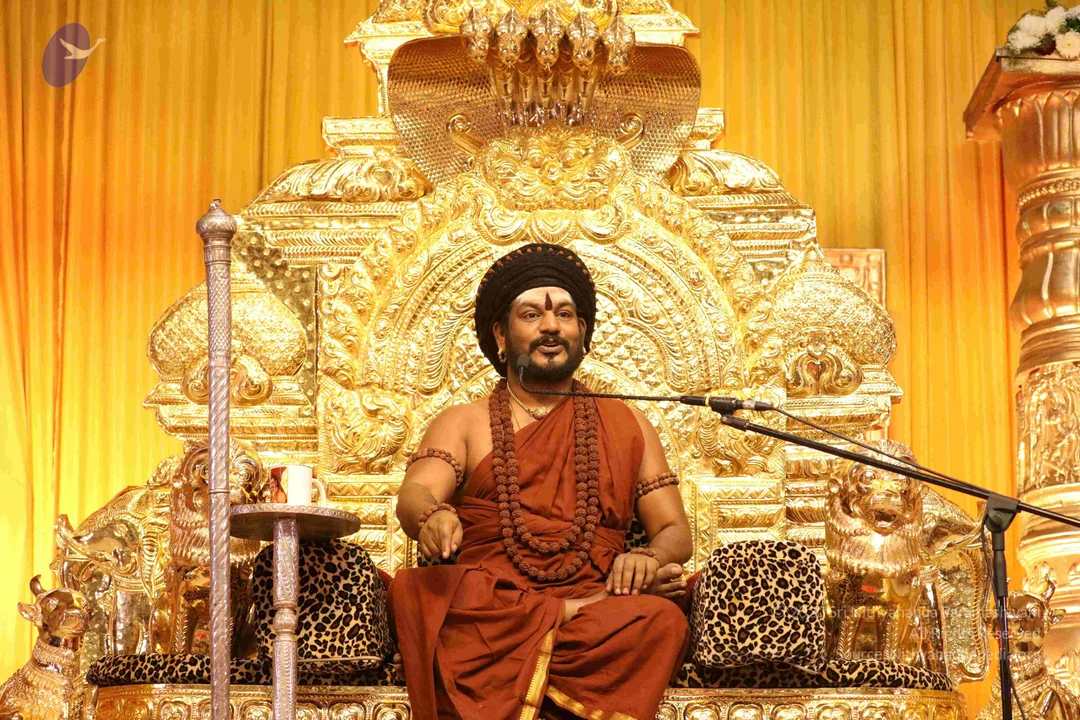
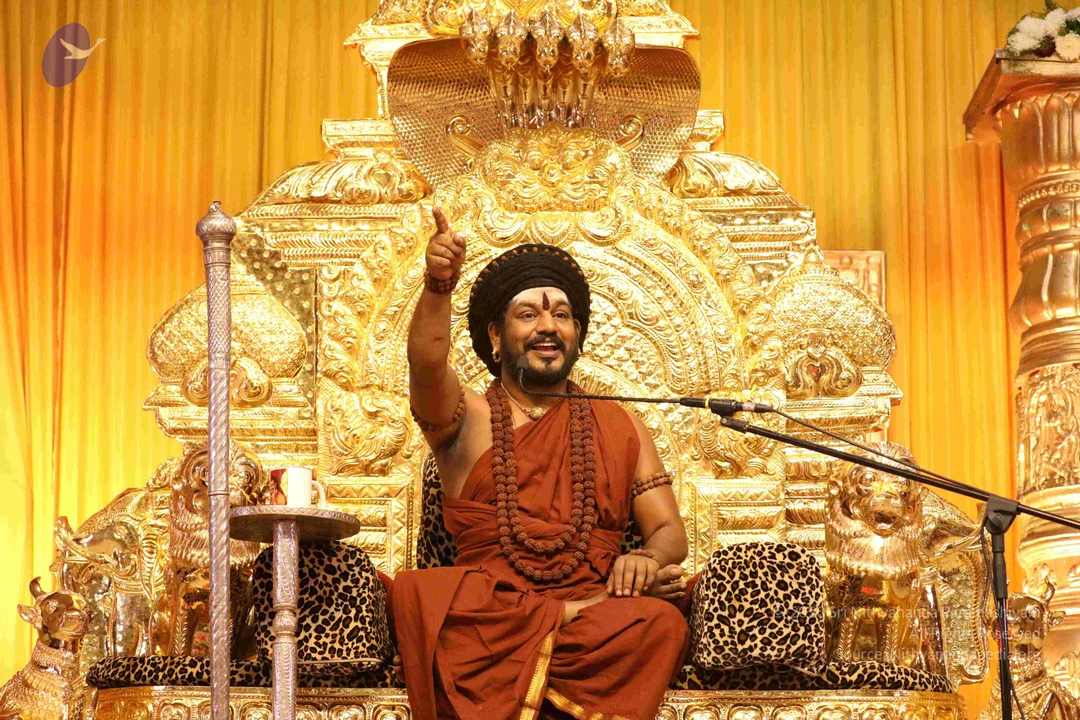
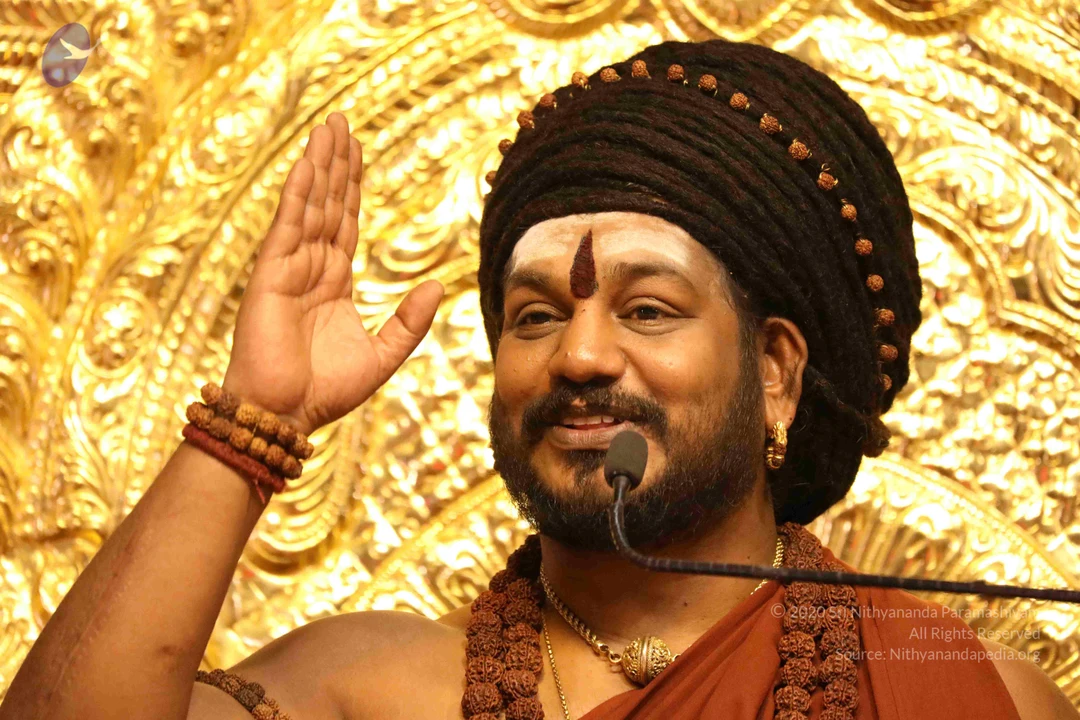
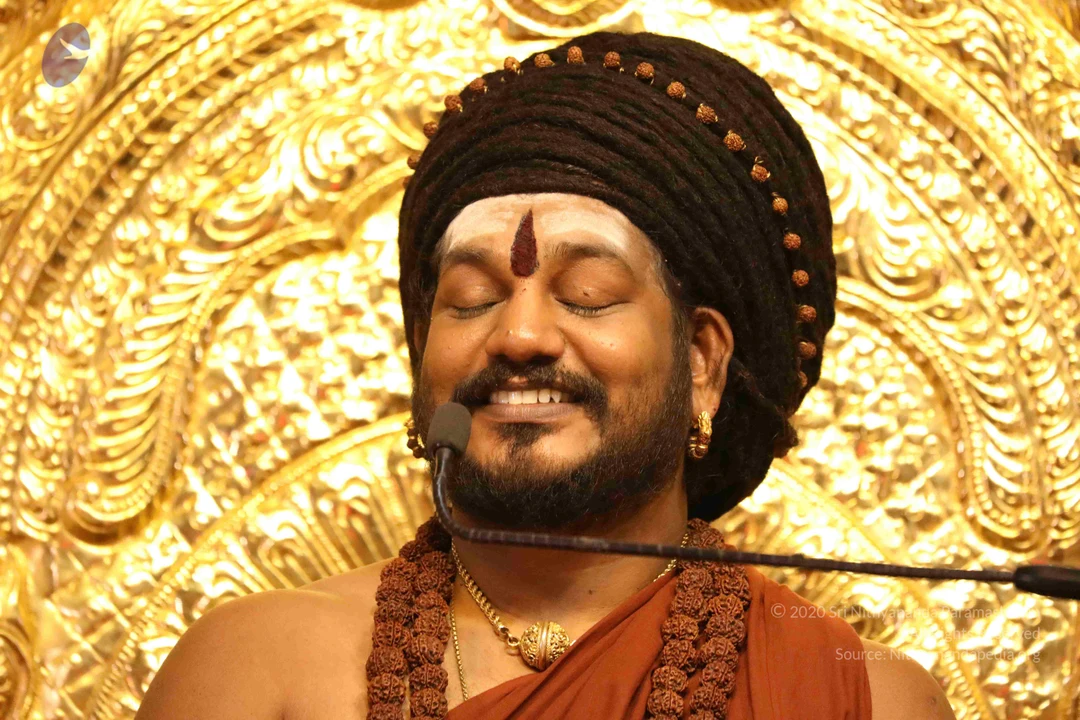
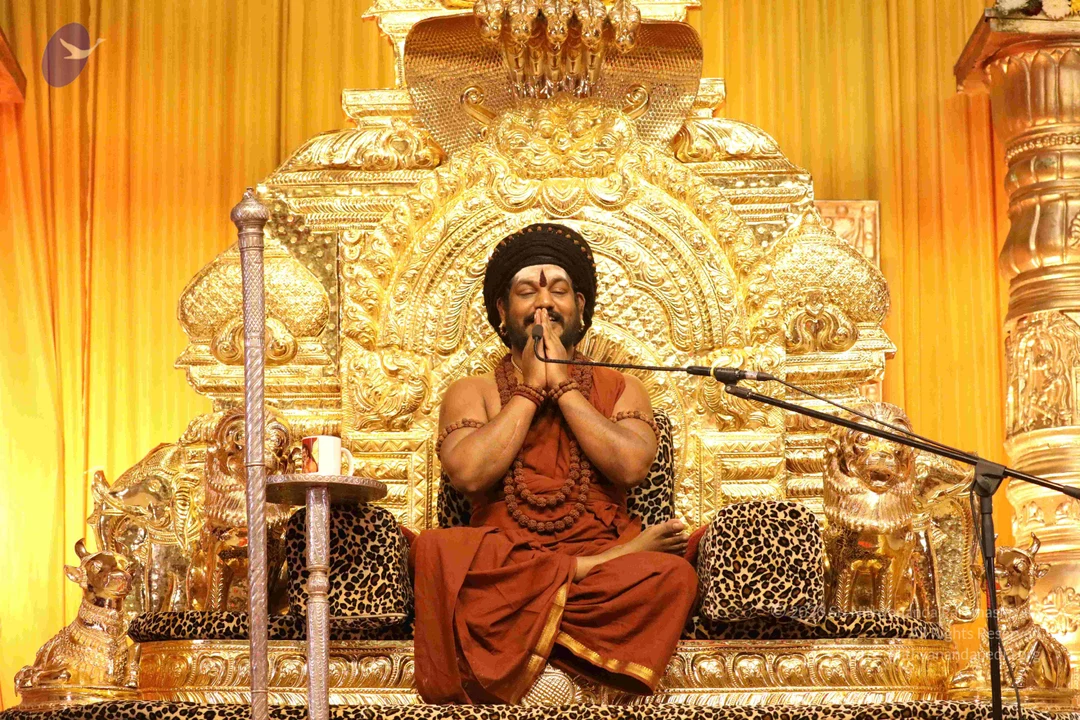
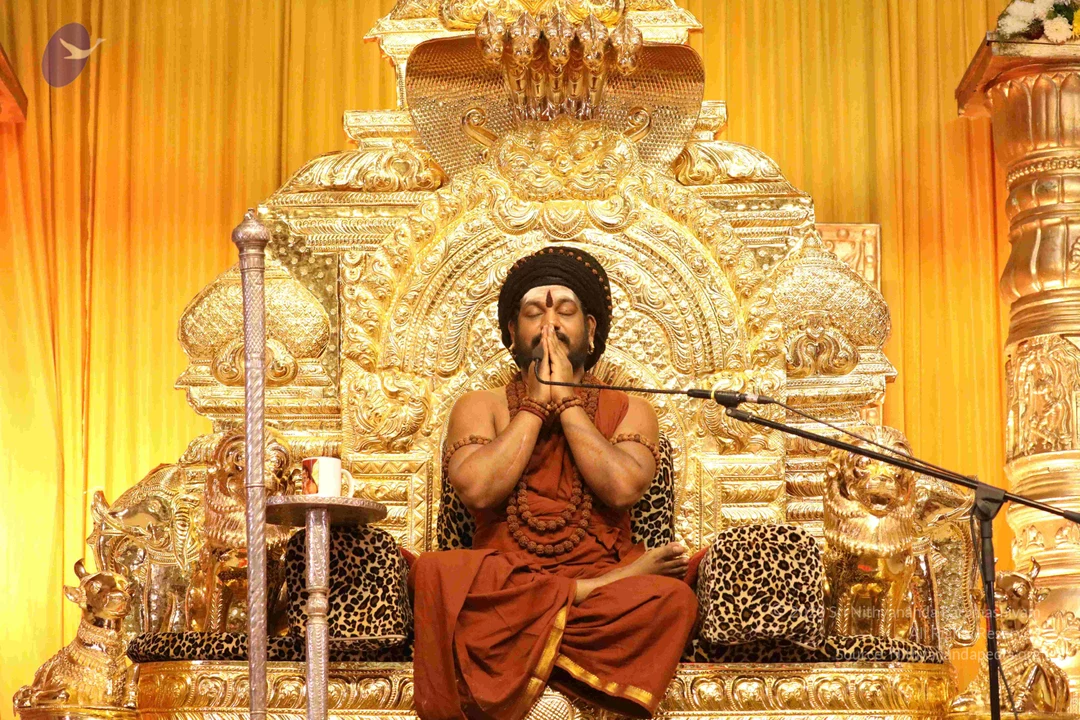
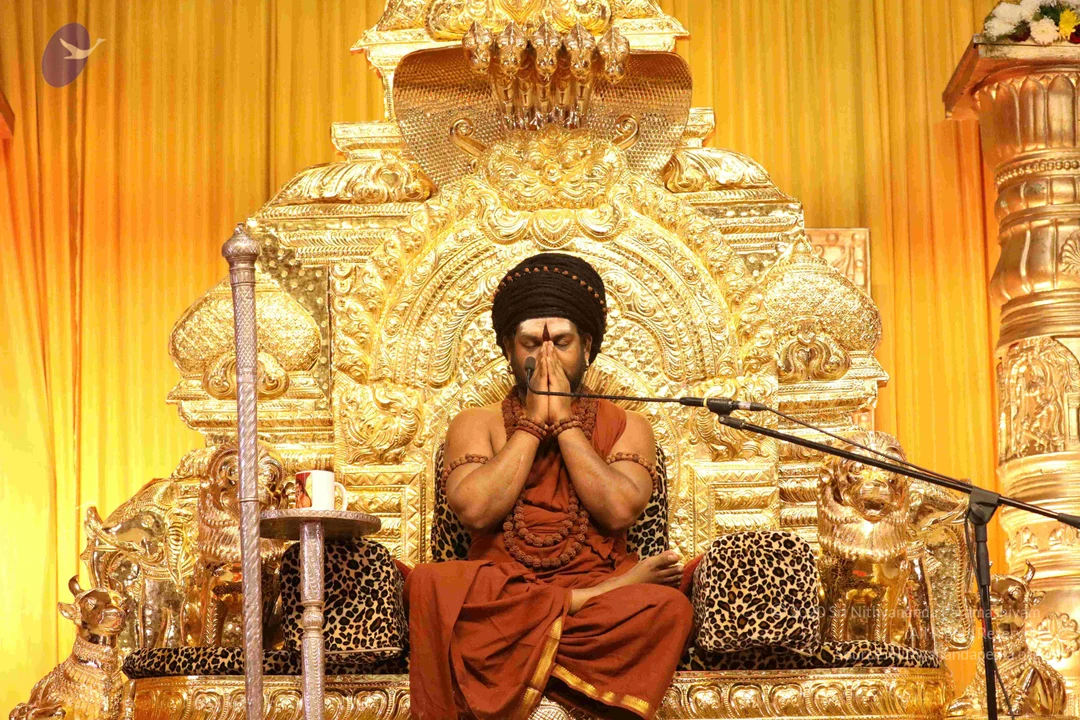
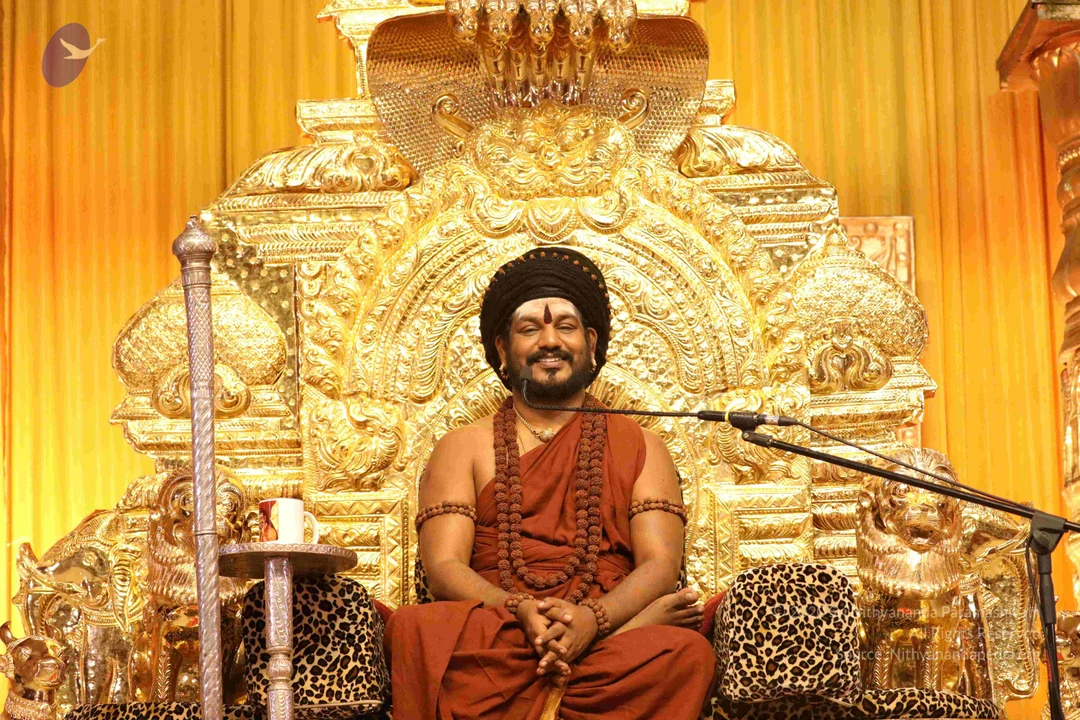
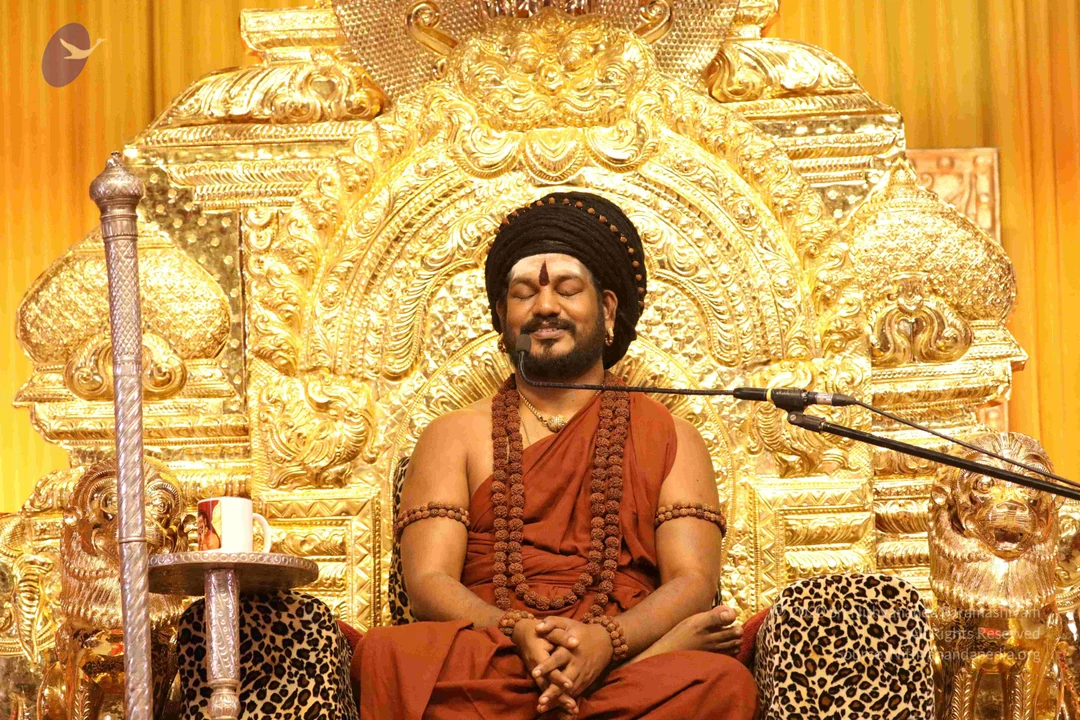
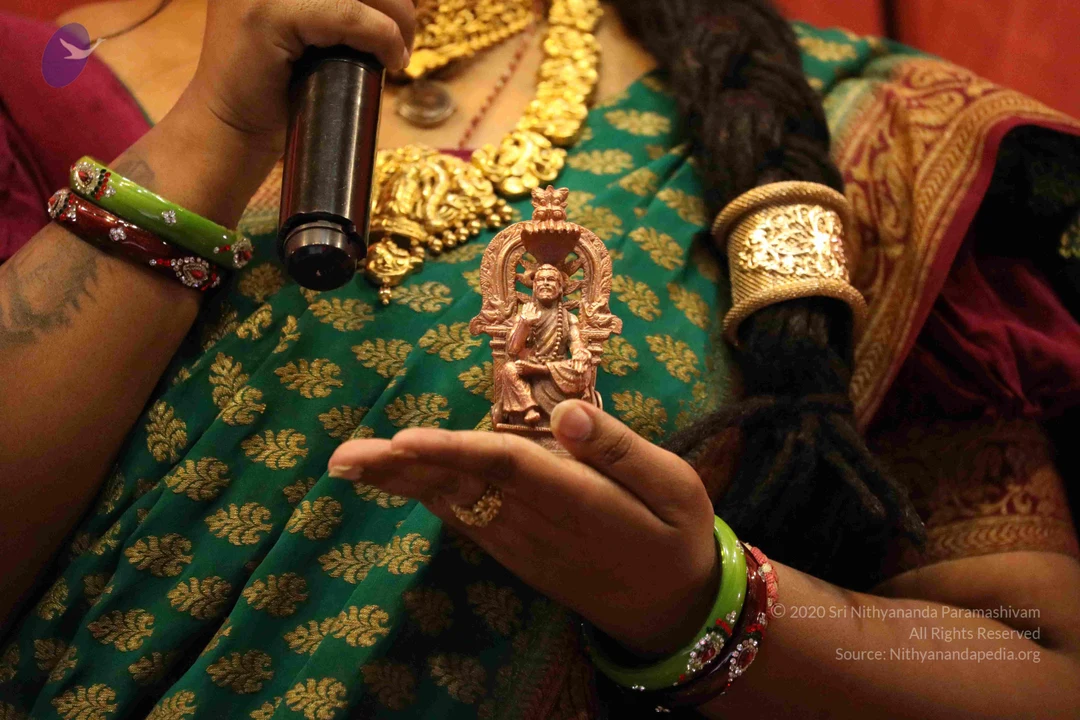
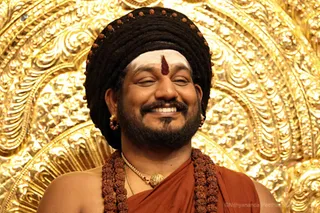
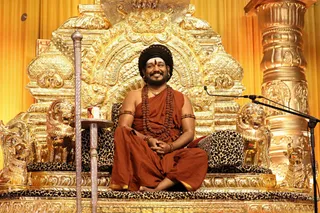
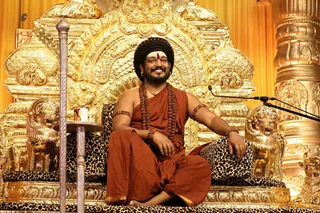
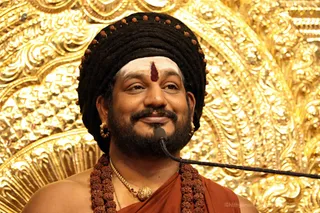
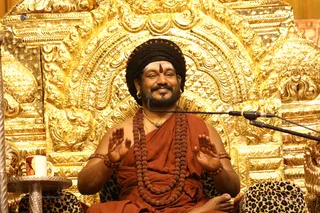
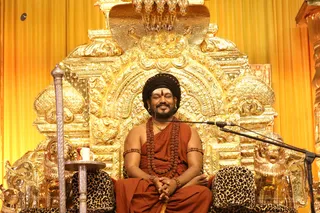
The Supreme Pontiff of Hinduism, Jagatguru Mahasannidhanam, His Divine Holiness, Bhagavan Nithyananda Paramashivam, is the visionary through whom this whole revival of KAILASA is made possible. His Divine Holiness (HDH) initiated on this day, hundreds of delegates into Shiva Deeksha and Kalpataru Darshan at the Mahasadashivoham education program at the Bengaluru Aadheenam.
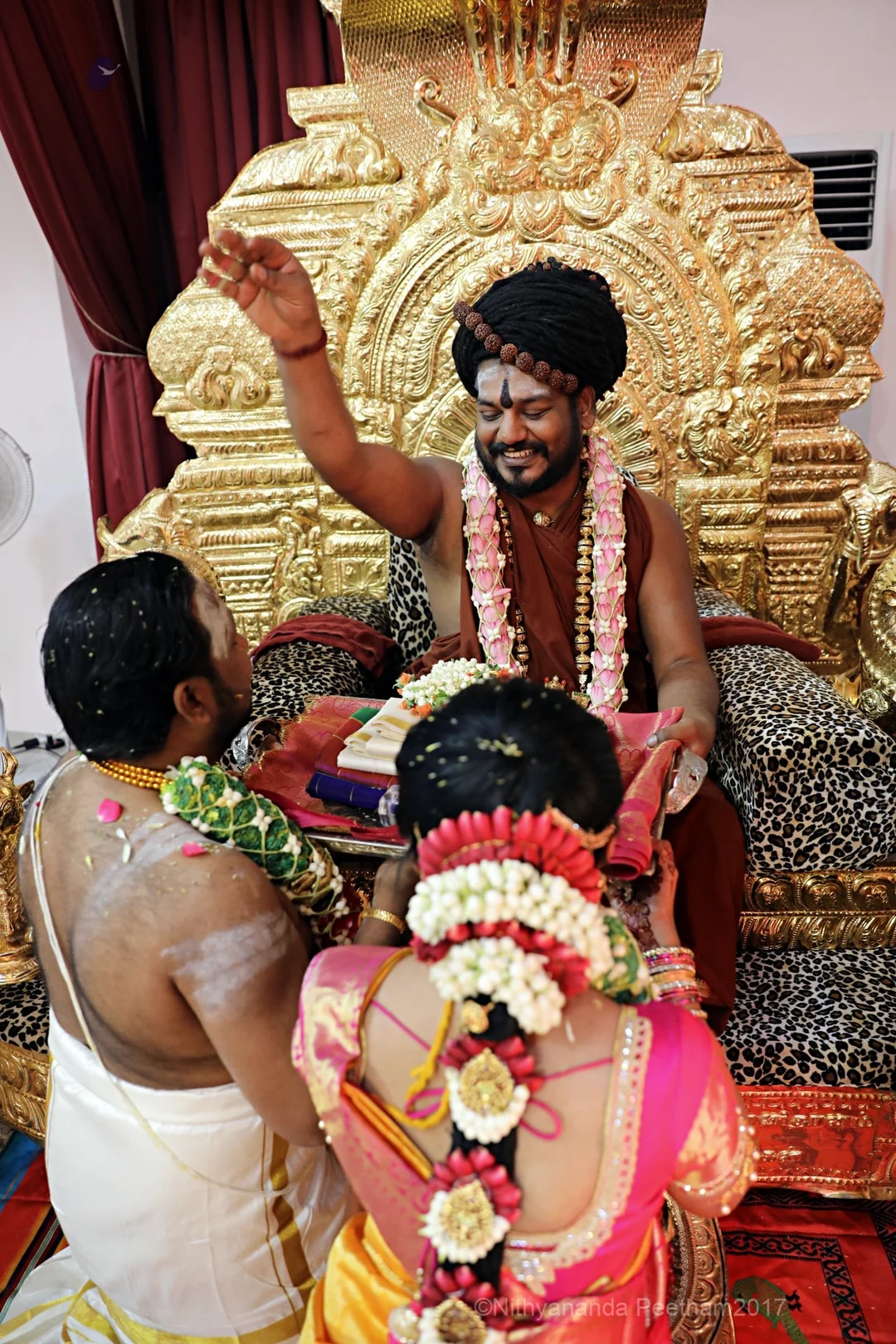
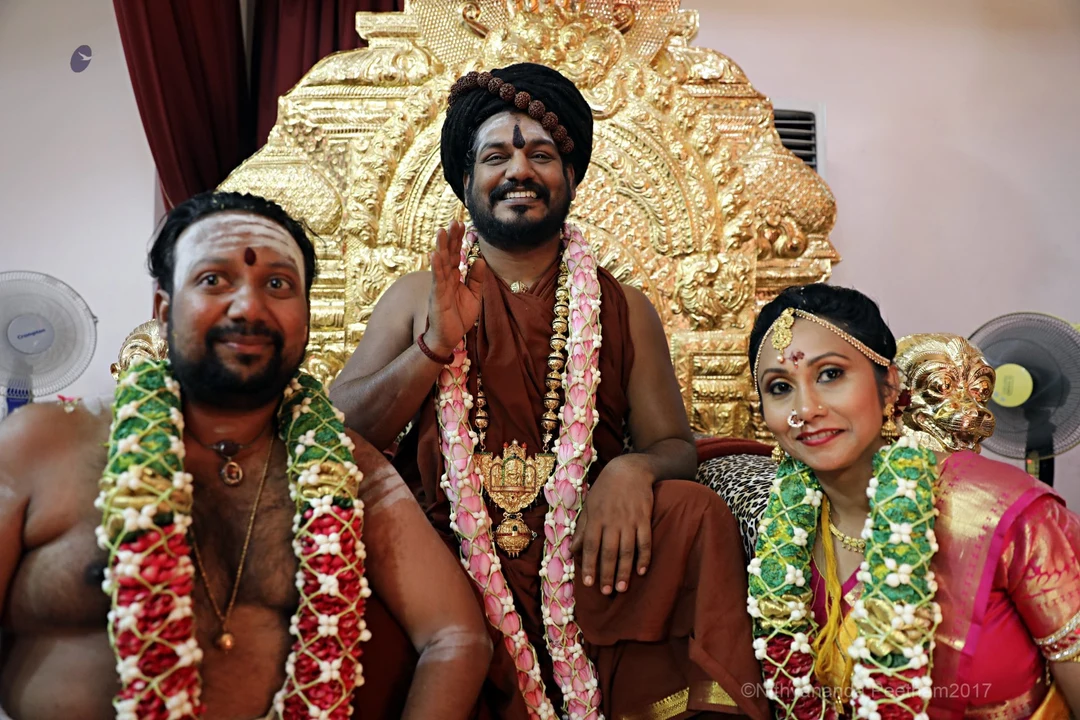
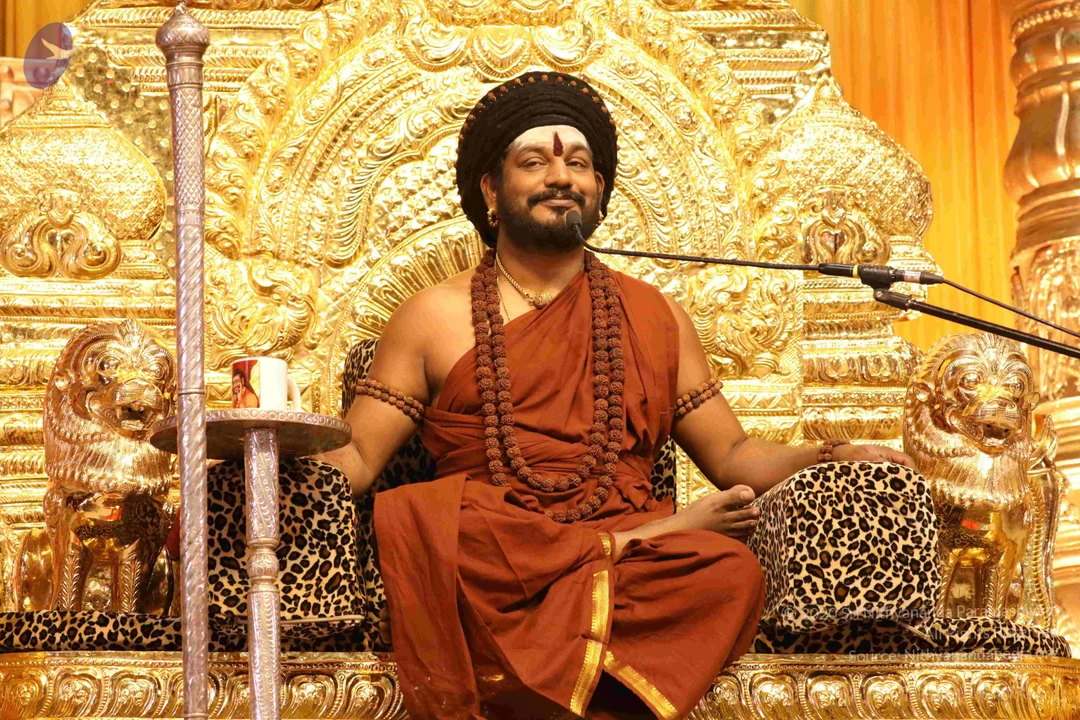
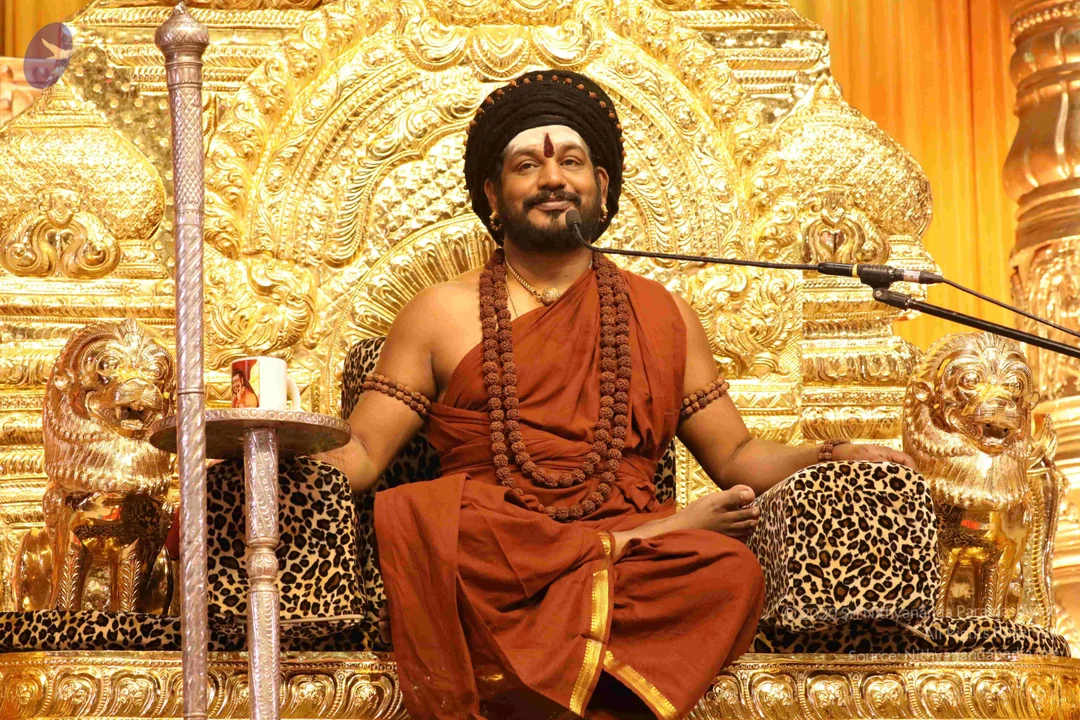
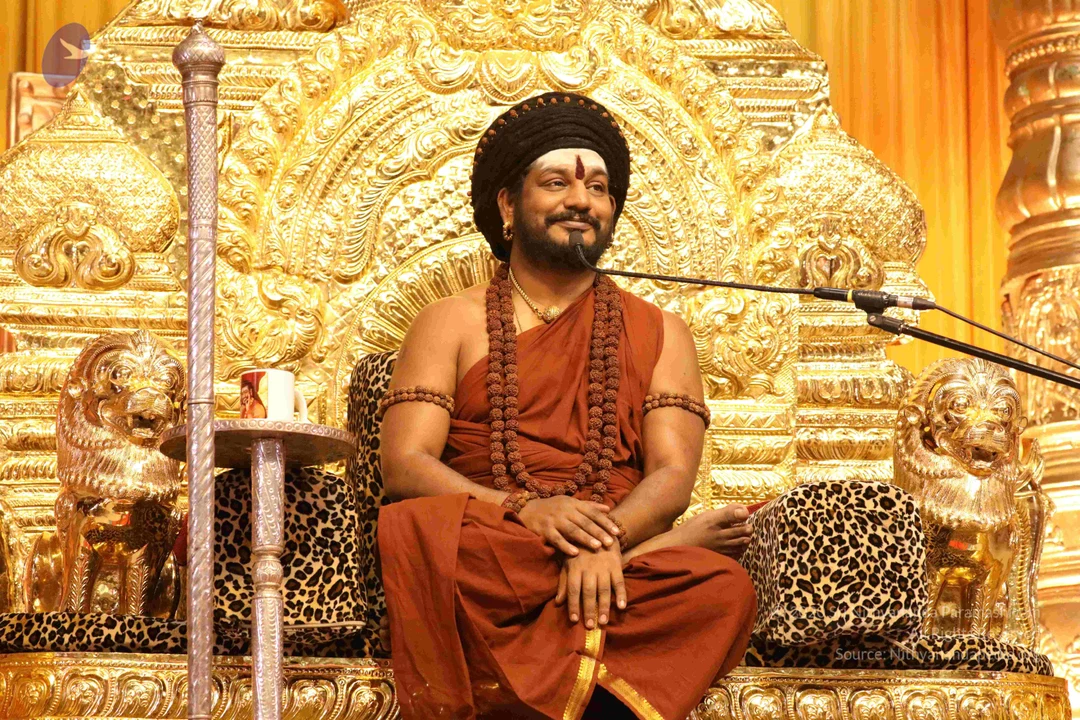
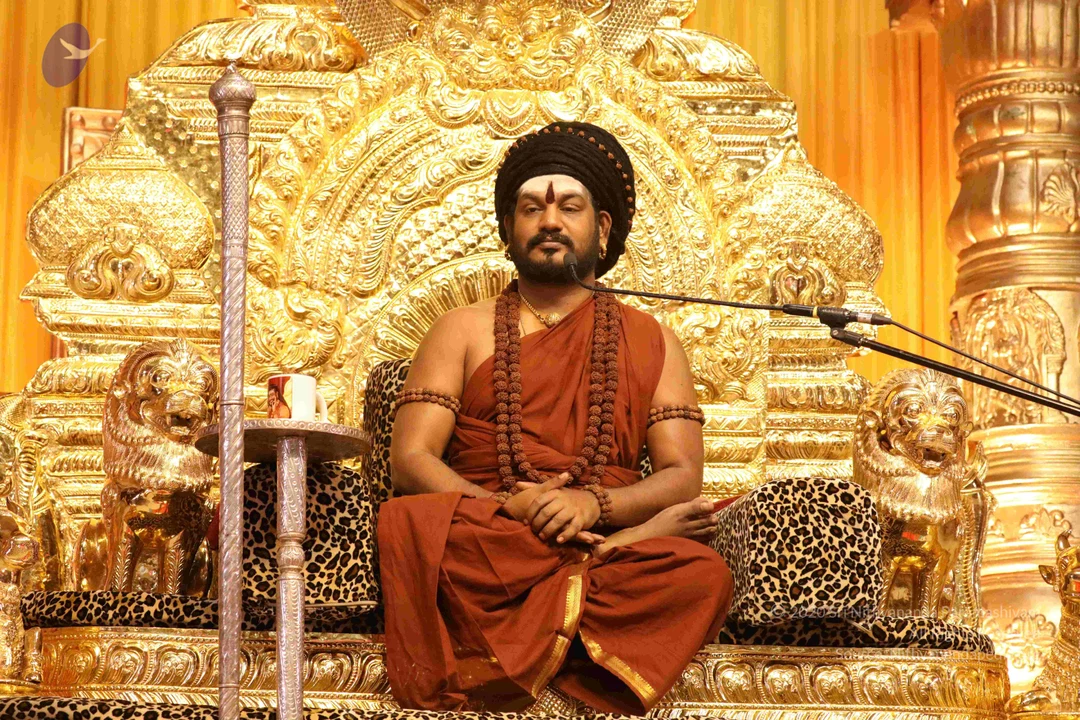
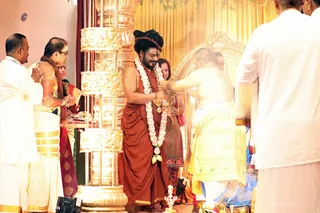
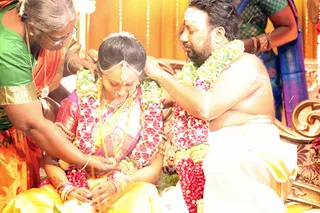
Today, at the most awaited Mahasadashivoham program, HDH shared Sacred Secrets about Morning Puja. His Divine Holiness has conducted almost 2000 marriages in the traditional Vedic fire ceremony for devotees over the years.
Link to Video:
Trasncript"
(4:07)
|| nithyānandeśvara sadashiva samārambhām nithyānandeśvari adishakti madhyamām | asmat ācārya paryantām vande guru paramparām ||
(5:39)
I welcome you all with My love and respects. I welcome all the devotees, disciples, samaajis, satsangis, srimahanats, mahants, thanedars, kotharis, visitors, viewers, sitting with us all over the world through nithyananda tv, two-way video conferencing having nayana deeksha. Long list. So, I welcome all of you with My love and blessings. Today, the Mahasadaashivoham graduates continuous education programme. First thing I want to tell you – I’ll give you some most important sacred secrets and understanding about the morning pooja. Understand…. Worship – pooja – is approached, understood from various angles, from various levels of understandings. Somebody feels – Oh…idol worship, idolatry. Then there is a team – No, no, no, it makes us feel the peace. Then there is one group – Aah, it is a practice- amazing spiritual practice. It is an amazing spiritual practice.
(7:42)
Understand, people who think try to understand Pooja from their logic level, length dimension. Feel Pooja is a very good practice to get little peace. And actually they get peace. Why you know – all the time you are hurting yourself. Your logic is nothing but a deep self-denial. Constantly believing nothing good can happen to you, is your logic. Understand. Fundamentally, renouncing your kingdom and begging in the street for every penny is logic. Forgetting your ownership and going around and begging for your everyday meal is logic. The existence of logic, listen – existence of logic is self-denial. So, starting point is zero: you are not qualified for anything, start from scratch. After every two days, you are back to square one. That is what is game of the logic. This ladder and snake game…. Ladder is the moments you are free from your logic. Snake is the moments you touch your logic. Whatever may be the reason, you forget your logic. Sometime Pooja, sometime repetition of some name, sometime alcohol. For a logic person Pooja is only useful as much as the alcohol is useful. That’s all.
(10:07)
Please understand, if you are just a person of logic, how you use alcohol to divert you and forget you, that much only you will use Pooja. Maybe a good alcohol which does not have a side effect on your body. That’s all. If Pooja is only for peace, everything you know about peace is nothing but your ability to divert yourself from your constant self-denial logic. That’s all. Nothing else. The constant self-denial logic is put to rest or diverted. Those few moments only you call it as a peace. Do not, for the sake of Sadashiva, do not have peace as your goal. Let Power be your goal…. Let Sadashiva be your goal. Stop glorifying peace. Stop glorifying philanthropy as equivalent to spiritual practice or a spiritual goal. These are social, listen, these are social. Right wrongs. Not spiritual.
(11:57)
Understand. If you look at the Pooja just with your logic, it will be just like a peace-giving technique. If you look at the Pooja through your breadth – heart, emotionally charging up, celebration. That is not enough. That is not complete. Good, but not complete. If you look at the Pooja from your depth – cosmic connecting cognition. If you look at the Pooja from your very space, it is power manifestation technique. Power manifestation methodology. Anybody who has experienced the energy of the initiation from Sachala Murthy should know what will happen if you get touched the achala Murthy. It’s a space of power manifestation. Manifesting the state, space and powers of Sadashiva. Nothing less, but lot more. I want to change this proverb – nothing less, nothing more. No. Nothing less, but lot more.
(14:03)
Pooja should be looked from your space. It is the shaktini paada. Understand, only Shaakta can understand Pooja. I tell you, the right context of Pooja is introduced only in Shakta. In, only in Mother Worship…. Only in Shakta, most important sacred secrets about Pooja is revealed. The context of Pooja. The most effective rituals are Shakta rituals because the context is set properly…. Soon, very soon, this year, I am launching, going to speak about nigamas just like agamas…. Going to introduce just like samaya deeksha, vishesha deeksha, going to introduce the shaakta initiations poornabhisheka and shrividya initiations... Soon you can expect millions of shaaktas being produced from here.
(16:35)
Listen carefully. The approach towards Pooja. See when I translated the word Shaakta, I did not translate as Devi Worship. I translated as Mother Worship. There is two component – your mother being all powerful, all powerful being, being your mother. Listen, listen. The moment you start all powerful being as your mother, you will start denying your existence. Oh all powerful means she will naturally be judging me with all my ups, downs, this, that. Start – my mother being all powerful. Listen – My mother being all powerful. My mother, means the source of your DNA, already now all the responsibility for your right - wrong is surrendered to her. Now she is all powerful. Remember this one of the most fundamental understanding you need to have.
(18:18)
You may think – Eh, what is the difference between all powerful being my mother and my mother being all powerful. There is a whole world of difference. The moment you cognize all powerful my mother, by the time you come to the word my mother, you always think all powerful may not accept me as I am, will judge my problems, will treat me with yama niyama, will measure and give me what I am qualified or worthy. From mind to source is like all powerful is my mother. My mother is all powerful. See the moment you start the mother, feeling connection is established. She is source of you means she is responsible for everything you do. Whether you are integrated or non-integrated, you are authentic or inauthentic. Srimatha Srimaharagni, not Srimaharagni, srimatha.
(19:53)
Title
Sacred Secrets about Morning Puja || Part 2 || MSS || 11 Feb 2018
Description
Sacred Secrets about Morning Puja - Part 2 Name Of The Convention: Mahasadashivoham Session on: Powerful cognitions to set the right context for puja Date : 11 February 2018 Venue : Adi Kailasa, Bengaluru, Karnataka, India
In this video Supreme Pontiff of Hinduism HDH #Nithyananda Paramashivam reveals the most important sacred secrets about puja. He says looking at puja from logic, we may only see it as a peace invoking technique. Looking at puja from the heart, we may see it as a celebration. Looking at puja from our depth, we may see it as Cosmic connecting cognition. However, if we look at puja from our very space, it is a power manifestation methodology where we manifest the state, space and powers of Sadashiva.
The Supreme Pontiff of Hinduism Jagatguru Mahasannidhanam His Divine Holiness Nithyananda Paramashivam (HDH) is the reviver of #KAILASA - the ancient enlightened civilization and the great cosmic borderless Hindu nation. Revered as the incarnation of Paramashiva - the primordial Hindu Divinity, HDH has a following of 2 billion Hindus worldwide with de facto spiritual embassies in over 150 countries. He has worked untiringly for over 26 years for the revival of Kailasa, for global peace and to give super conscious breakthrough to humanity. He has survived the worst persecution of multiple assassination attempts on person and on character by anti-Hindu elements. He is collecting, organising, preserving, time capsuling, decoding, spreading and reviving 20 Million source books of Hinduism and the 64 sacred arts & sciences like Ayurveda, music, dance, sculpting, astrology, vastu and much more. Close to 20,000 hours of HDH’s timeless talks have been recorded till date (Sep 2020), which are a treasure trove of powerful cognitions to solve individual and global problems of any kind.
Link to Video:
Transcript:
(0:15)
Understand this is one of the important space shift you need to have. If you remember my mother is all powerful, you will feel like celebrating the pooja. You will feel like doing it. Because, here, she is the source of what you are – right, wrong, good, bad, authentic, inauthentic, cheating, integrated, responsible, irresponsible, everything. She is your DNA, that DNA expanding into all powerfulness. Your DNA is the DNA of the Cosmos. So, beautifully you will slip into that space. Oh, DNA of the Cosmos? You are already… you get caught in multiple unsaid thought currents. Understand! The unsaid thought currents decide whether you like some activity or you don’t like some activity…. As a ritual if you are asked to climb a hill, you cry. But as a trekking if you are asked to climb a hill, you enjoy. Why? Because the unsaid unverbalized thought currents some concepts invoke in you plays a major role whether you are going to be successful in the channel, in that path or not.
(2:02)
My DNA is cosmic DNA – is the understanding for pooja. Understand, “mannathah sri jagannaatho”. Not “jagannatha mannaatho”. “Madguruh sri jagadguru”. Niot “jagadguru madguru”. No. “Srimaatha Srimaharagni”. Not “Srimaharagni srimaatha”. No. You need to understand the subtle unsaid thought currents an idea invokes – understand – the idea of the cosmic mother invokes grandeur. But you always feel intimidated in the presence of the grandeur because you are already struggling with the self denial. Expanding on cosmic DNA does not do any good to a common person. If you start from my mother to cosmic mother you will achieve it. If you start from the cosmic mother, you will never reach my mother. Because by the…. Understand, by the time the cosmic mother is introduced to you, you start understanding the qualities, right, wrong. The unsaid thought currents provoked and invoked in you and the smallness you feel, the intimidation you feel has no solution.
(4:06)
So, you just dump the whole thing…. The most hardcore atheists are produced by this thought current. Because, the burning of the self-denial is so strongly intensified, the unsaid thought currents are provoked so strongly. You just outright denying the very core system. So, always remember, Atma Murthy is Parameshwara. My Atma Murthy is Mahadeva. My Atma Murthy is Sadashiva…. My DNA is cosmic DNA. My father is cosmic father. My mother is cosmic mother…. It is Shaaktas who revealed this secret to the world. It is Shaaktas who revealed this secret to the world. My mother – immediately the thought current provoked in you, the inspiration generated in you, the charged, being charged up happening in you will push you to cosmic mother. But the concept of cosmic mother will not charge you up. Maybe you will be exhausted or feeling intimidated, but not charged up.
(6:30)
If you start from my mother – cosmic mother, that ‘my mother’ will charge you up so strongly…. The most unjudging, non-violent core acceptance love you experience and taste in your very DNA is what will be invoked by the word ‘my mother’. Understand, whatever you know you build about your mother after you come out of her womb does, it will only be logic level. But your DNA which gets built when you were there in her womb, that will be charged up with the idea of my mother. And that will push you. That is like a rocket – fuel of the rocket. Will just push you to reach the cosmic mother.
(8:12)
So the space you need to manifest is not the memory of your present mother or the ideas you have about your present mother. No. Always you will have incompletion with your mother. There is no other way. Because closest person. But with all the incompletion you know she is there for you and you are there for her. That’s all. Listen carefully. I am not even talking about these logical ideas, understandings, opinions you have about my mother. The moment the concept of my mother is invoked in you, there is always that space where you can rest, relax without being judged, questioned, seen by the highly opinionated eyes. That space expands into cosmic mother.
(9:54)
I was actually studying why some of the kids are manifesting powers so beautifully in our gurukul and why some are struggling. I saw – “Powerful person is my Swamiji”, “My Swamiji is powerful person”. Whoever started with “My Swamiji'” and “powerful person” manifest powers. Whoever is stuck with this idea – “Powerful person” – then – oh, will he accept me? Am I worthy of him? Am I qualified? Will he judge me ? Will he question me ? If I, will I mess up? Will I stand up to him? All this is invoked. Then you are already in a soup. Where is the question, where is the question then “My Swamiji”. The word has no meaning.
(11:02)
It is only in the lips. By the time….. “Powerful Swamiji is my Swamiji” – by the time you utter the word My Swamiji, it is stuck in your lip. Like a free lipstick, how you apply. Whoever…. Fortunate are those who clicked with “My Swamiji is powerful”. Then power manifestation is such joy. Pooja is such joy. Everything is such joy. This is exactly precisely I found in our gurukul when I was studying the mental setup why some kids are manifesting powers and why some are not manifesting… struggling. With whoever “My Swamiji” has clicked, some reason, and then “Powerful Swamiji”, power manifestation is happening left and right. For whoever “Powerful Swamiji”, then already the unsaid thought currents are provoked in you – oh, will he accept me? Will I be able to stand up to him? Will I be able to fulfill his anyakaara? My anyakaara is for you to become Mahadeva, Sadashiva. Come on…. No, all these stupid thought currents are invoked when it starts from there. Then power manifestation is a load. Pooja is load. Everything is load. Understand. Initiation means …. If I have to translate initiation into a most right apt word, I will call it as a personal touch.
(13:22)
Where, “My Swamiji” is the first word. “Powerful Swamiji” is the second word. Instead of “Powerful Swamiji”, by the time you come to the word “My Swamji” ….. The unsaid thought currents generated by the word “My Swamiji” charges you up. “Eh! He is letting me live in Kailas means he has chosen me.” I don’t waste my food, Understand! So, this “My Swamiji” has to be the first. Then that charges you up. “Eh. Then he is source of my very possibility. Then whatever he does to me is only shining me, polishing me, training me. Not torturing me. Yelling”. When you start from “My Swamiji” to “Powerful Swamji”, the energy with which you are charged up, you will feel My ferociousness. If you start from “Powerful Swamiji” to “My Swamiji”, by the time you come, you will judge everything as …. Understand, when you have a low self inner image, My ferociousness will appear as anger. Because you are waiting for the whole world to become angry towards you. You are waiting for the whole world to become angry towards you. “Oh, I am such a bad person. Why nobody is angry with me from today morning?”
(16:31)
The unsaid thought currents invoked in you in these two paths plays a major role whether you are going to reach the goal or not…. In the public stage, be a Shaivite – powerful. In all private practices, be a Vaishnavite – humble devotee. In the space of context, be a Shaakta. “My Swamiji” – what all thought currents it invokes, how it charges you up, how it pushes you, what all the memories you remember. Understand…. If you start from “My Swamiji”, you know even My ferociousness is My love, My care. The janmas you will be wasting to exhaust some karmas getting caught in some patterns, I’ll just remove it one second by My ferociousness. In the whole world, most time saving method is the Guru’s ferociousness…. If Guru is sweet with you, Kaala will be bitter with you. If Guru is ferocious, you will not wasting the time. You will not be wasting the time. One of the biggest danger in going slow is you can get diverted, you can take wrong exit. Understand you are coming from Bangalore to Adi Kailasa. You can come fast and reach here or you can come slow. The biggest problem coming in slow is you may take wrong exit. Kanakpura exit... You may just miss…. and take some other road exit. So many exits are there - that is the danger in coming slow.
(20:33)
Title
Sacred Secrets about Morning Puja || Part 3 || MSS || 11 Feb 2018
Description
Sacred Secrets about Morning Puja - Part 3 Name Of The Convention: Mahasadashivoham Session on: Powerful cognitions to set the right context for puja Date : 11 February 2018 Venue : Adi Kailasa, Bengaluru, Karnataka, India
In this video Supreme Pontiff of Hinduism HDH #Nithyananda Paramashivam reveals the most important sacred secrets about puja. He says looking at puja from logic, we may only see it as a peace invoking technique. Looking at puja from the heart, we may see it as a celebration. Looking at puja from our depth, we may see it as Cosmic connecting cognition. However, if we look at puja from our very space, it is a power manifestation methodology where we manifest the state, space and powers of Sadashiva.
The Supreme Pontiff of Hinduism Jagatguru Mahasannidhanam His Divine Holiness Nithyananda Paramashivam (HDH) is the reviver of #KAILASA - the ancient enlightened civilization and the great cosmic borderless Hindu nation. Revered as the incarnation of Paramashiva - the primordial Hindu Divinity, HDH has a following of 2 billion Hindus worldwide with de facto spiritual embassies in over 150 countries. He has worked untiringly for over 26 years for the revival of Kailasa, for global peace and to give super conscious breakthrough to humanity. He has survived the worst persecution of multiple assassination attempts on person and on character by anti-Hindu elements. He is collecting, organising, preserving, time capsuling, decoding, spreading and reviving 20 Million source books of Hinduism and the 64 sacred arts & sciences like Ayurveda, music, dance, sculpting, astrology, vastu and much more. Close to 20,000 hours of HDH’s timeless talks have been recorded till date (Sep 2020), which are a treasure trove of powerful cognitions to solve individual and global problems of any kind.
Link to Video:
Transcript:
[00:17]
mannāathaḥ śhree-jagannāatho madguruḥ śhree-jagadguruḥ | mamāatmā sarva-bhootāatmā Start from ‘my Swamiji’. The ideas it invokes in you, the love it invokes in you, you will see even My ferociousness from the understanding of how patience He is still with us. But if you see powerful Swamiji, the thought current it invokes, you may not come even to the understanding ‘my swamiji’. “He is powerful only but He is all the time angry. What can I do? I don’t think I can match up to Him ever.” Start from my Swamiji, powerful Swamiji, puja will be so tasty, power manifestation will be so beautiful, everything will be such an intense joy and feeling connection. Then you will see life from the right angle. The idea ‘powerful Swamiji’ - what all it invokes in you, see. It invokes kind of a deep unworthy, fearful, guilty, judged, everything negative which should not be there in you. You cherish before even you complete the statement.
[02:50]
Actually the most, the most important thing you need to know... unfortunately before even you verbalize those thought currents you already cherished and got depressed. Over. After that whether you verbalize or not what is the use? And you master the art of of getting depressed without verbalizing. No, I have some of the great experts in dip. Before even they verbalize they are in dip. Why? Even they don’t know why! The thought currents you invoke in you matters. Antar shakto bahish shaivo vyavaharihena vaishnavaha. Inside sakta, outside shaiva, in day today activities vaishnava; the way you relating. Understand. This is the thought current you are supposed to cherish. ‘My Swamiji is powerful. My swamiji is Mahadeva. My Swamji is Sadashiva. Not Sadashiva is my Swamiji, not powerful Swamiji is my Swamiji, my Swamiji is Sadashiva.” I have always seen when they pick up this thought current ‘my Swamiji is Maha Sadashiva,’ they manifest all the powers. Only when you are stuck with ‘Sadashiva is my Swamiji’, then all that unsaid chaos, confusion everything.
[05:20]
‘My swamiji also Sadashiva also.’ ‘Sadashiva also, my Swamji also.’ ‘My Swamiji is Sadashiva - madguruḥ śhree-jagadguruḥ.’ Alzakavantha chellapillai - அளைக்க வந்த செல்லப்பிள்ளை. See, we have a.... no, we have a story. Ramanuja goes to Delhi Badshah’s court and the Mela kottai [Melkote] Selva Narayana Swamy, the Chellapillai -செல்லப்பிள்ளை - the utsava murthy is called Chellapillai; Moola Murthy is called Selva Narayana Swamy. Utsava murthy is called Chellapillai. Ramanuja uses the word ‘Chella Pillaai - செல்லப்பிள்ளாய்.’ That’s the word. Immediately the Chellapillai, He just comes and sits on the lap of Ramanuja 😊😊 Understand this is not story. The thousandth year of Ramanuja’s birth anniversary we will prove this; it’s a truth, not story. 😊😊 When you call... see he did not say, ‘Oh, Narayana, Vishnu, Parandhama’. “Chellapillai!” He came. 😊😊
[07:05]
He did not use all those big, big words. Parandhama, Madhava, Vishnave! vishvam vishnur-vashatkaro bhuta-bhavya-bhavat-prabhuh “Chella Pillaai.” 😊 He rushed to his lap. So, understand, the whole thought current presented in that story is not false, it is true. He goes to… Ramanuja goes to Delhi Badshah’s court and demonstrates his charisma and energy. Badshah gets shaken and he asks, “What do you want”? He says, “I want my Chellapillai.” The main deity which was worshiped by Brahma, handed over in the whole guru parampara .. the parampara to Brahma to Sanat, Sanatana, Sanatkumara and then it comes down to Mela kottai [Melkote]. And that deity, for that only they put that Vaira mudi.
[08:25]
See, from Vaikunta the crown falls to planet earth in search of Vishnu, and then Garuda was given the responsibility, “Go and fit this to every deity. A real Vishnu deity this crown will fit properly.” When they brought it and put it on this Mela kottai [Melkote] Selva Narayana Swami it fitted properly. So, he is the real Vishnu deity. So, it was given to Mela kottai [Melkote] Selva Narayana Swami. So, Ramanuja says, “I want my Chellapillai.” Then Badshah says, “ I don’t know which is the deity you are calling for. You go and take whichever you want. You go and see.” There he sees everything. Then he calls, “Chellapillai!” Immediately 😊 Vishnu comes and sits in his lap.
[09:32]
You see, somebody will put a statue for them, somebody will do puja for them. My responsibility is reviving their core thought current DNA and establishing the legitimacy of it to the modern man. That is My responsibility. That is what I call bringing spiritual legitimacy to Sanatana Hindu dharma. So, I am opening the door to the next level. It is for anybody. Now this Shivaratri, we are going to have a huge display of all the deities we have. I have Shiva, Vishnu, Ganesha you call whoever is your Chellapillai, ishta devata let it come to you and take it and go. It’s for you. 😊😊 Door open little more widely. So, we have Vishnu, Shiva, Ganesha, Ganapathi, Narashima almost all the gods. You call, whoever comes to you, take them, it's for you. Let’s all radiate with integrity, authenticity, responsibility, enriching, causing, living shuddhadvaita shaivam, MahaSadashivoham, the eternal bliss Nithyananda. Thank you. Be blissful.
[11:46]
Photos
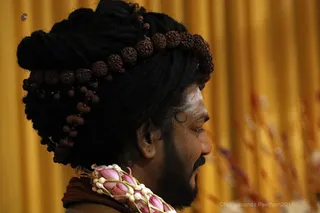
Marriage Ceremony
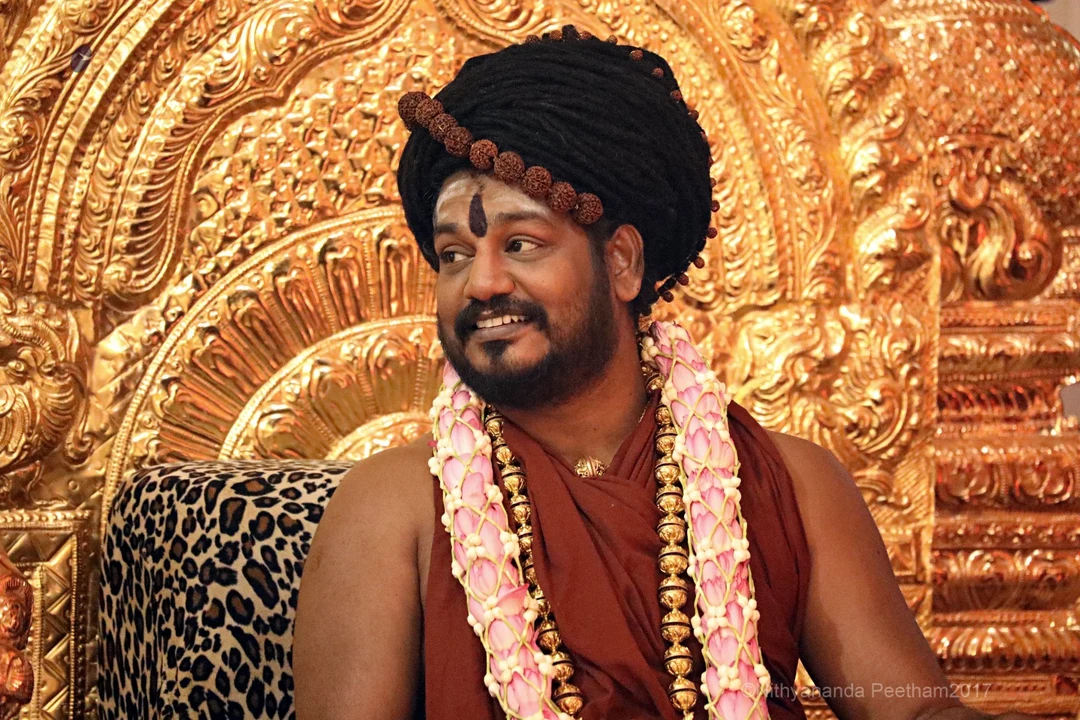
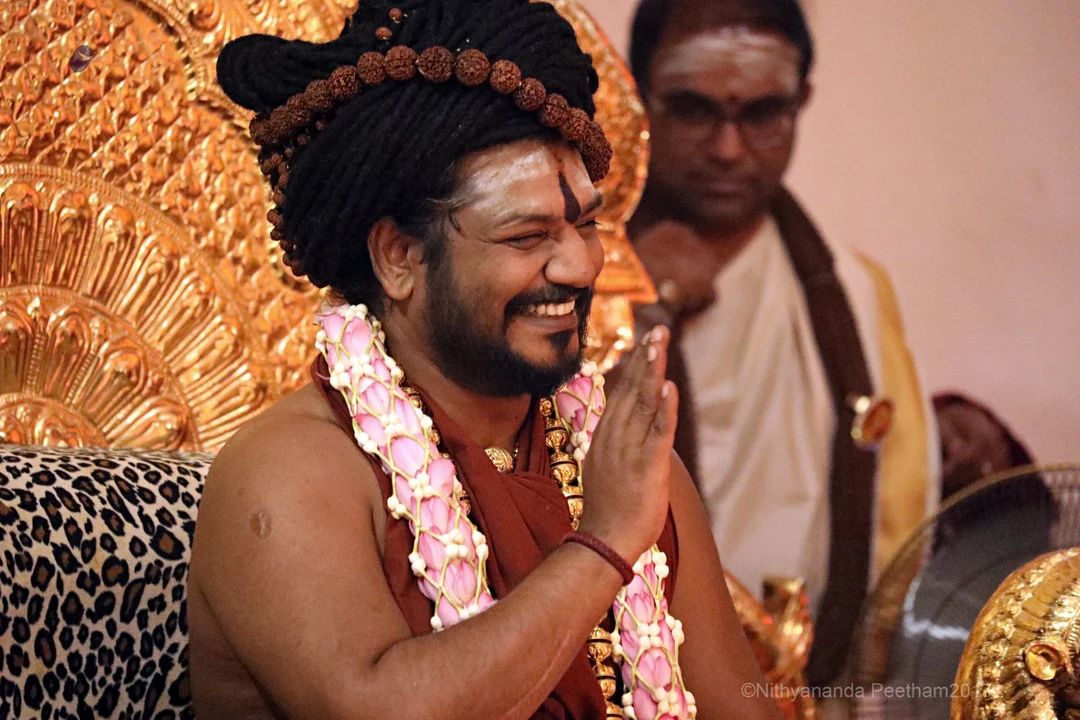
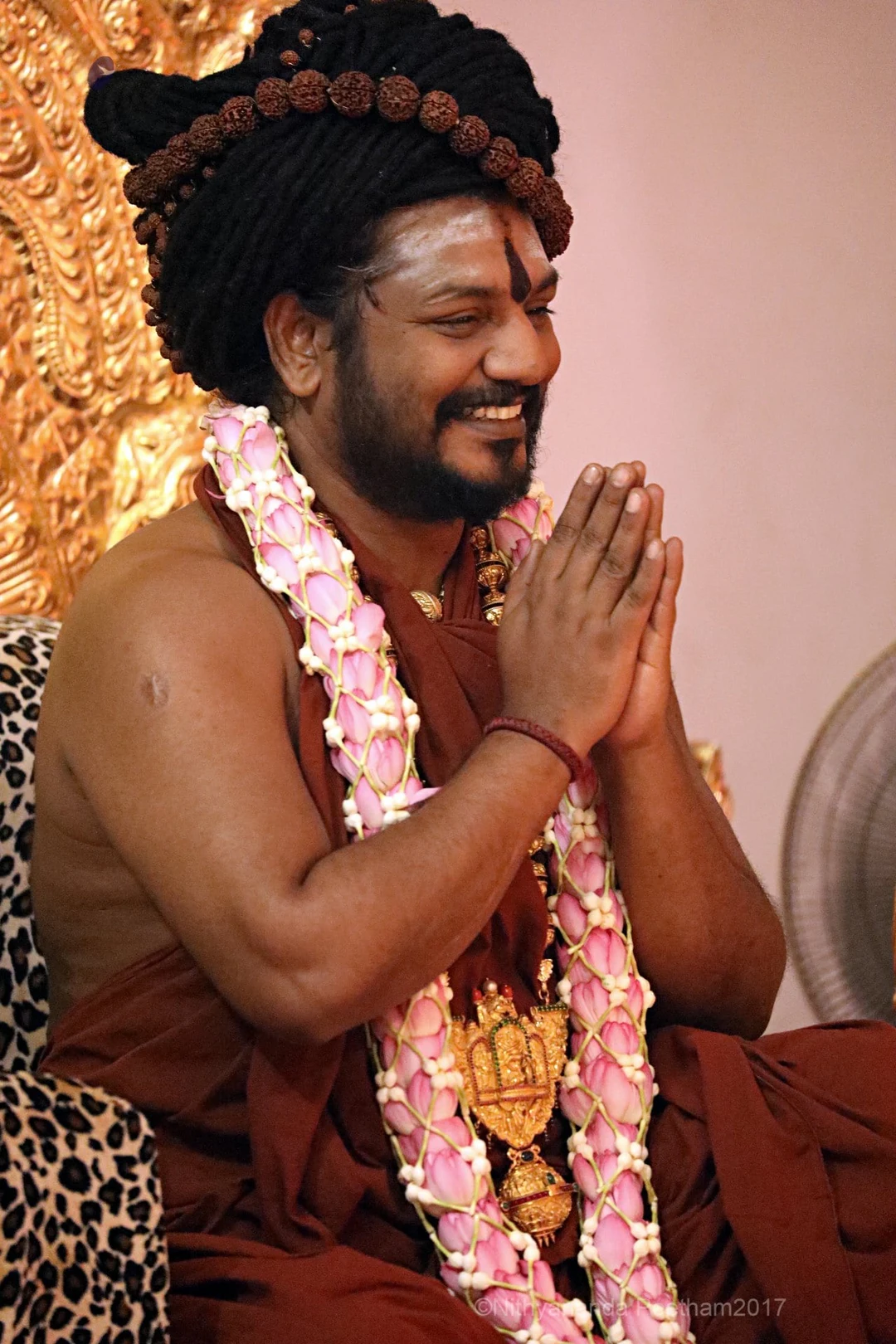
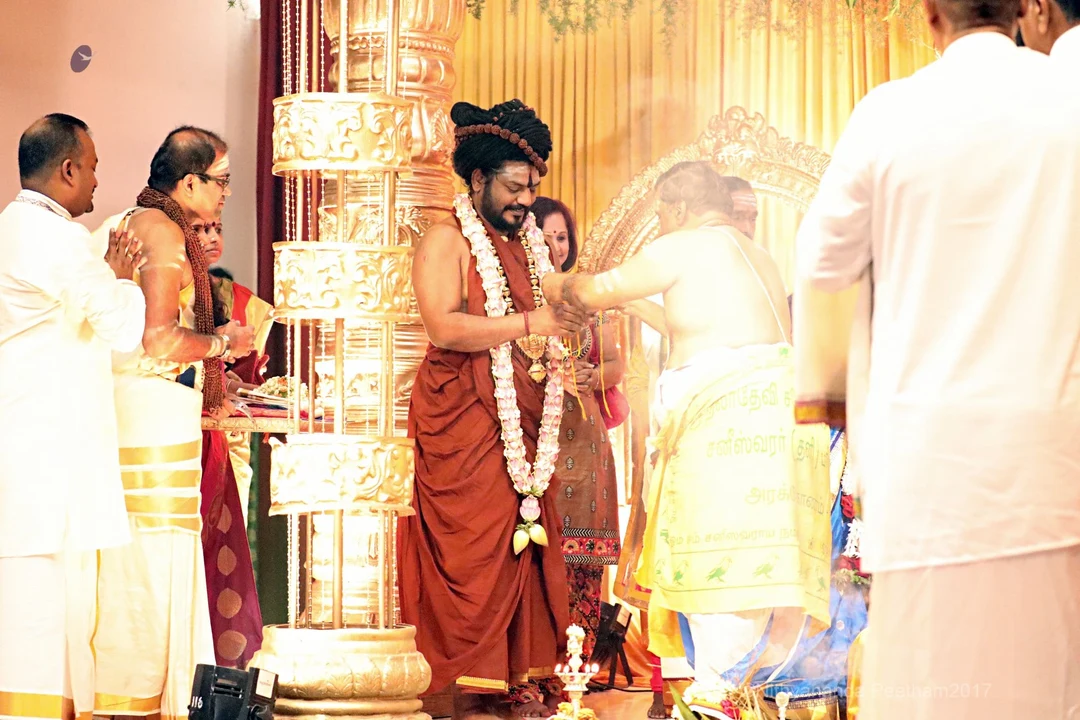
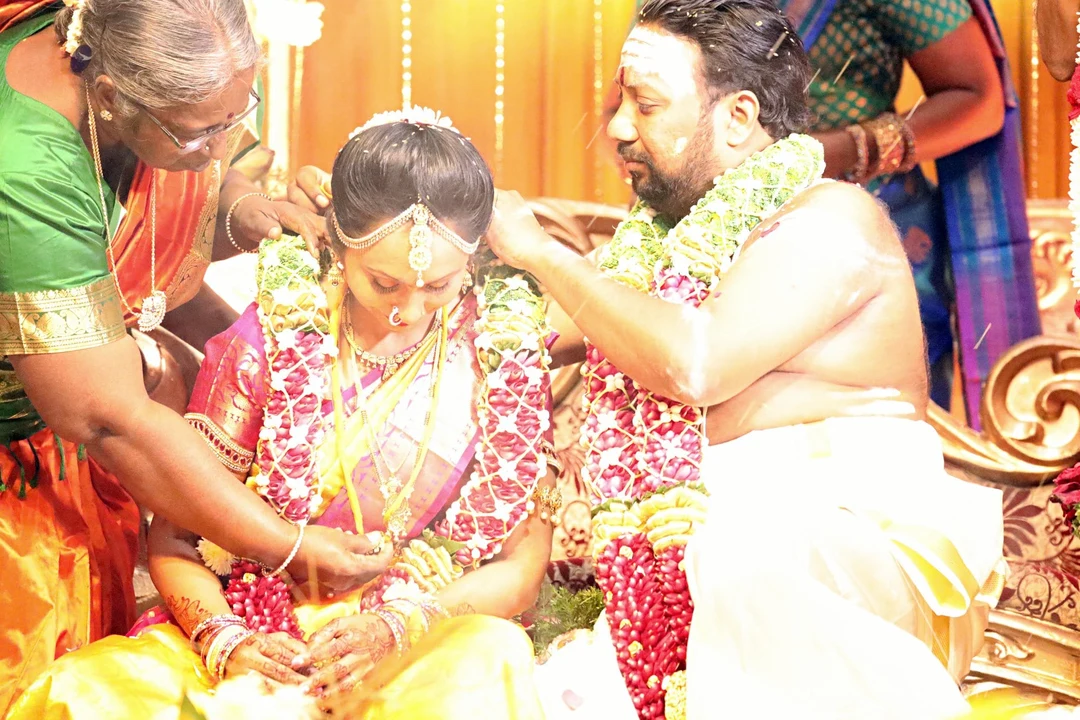
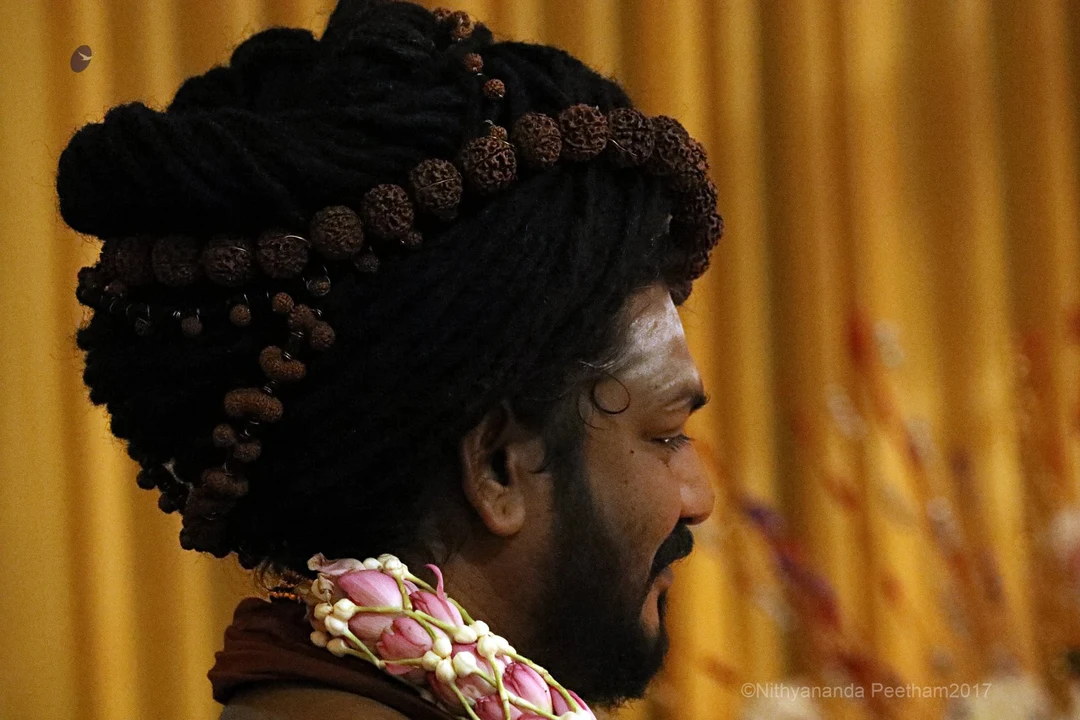
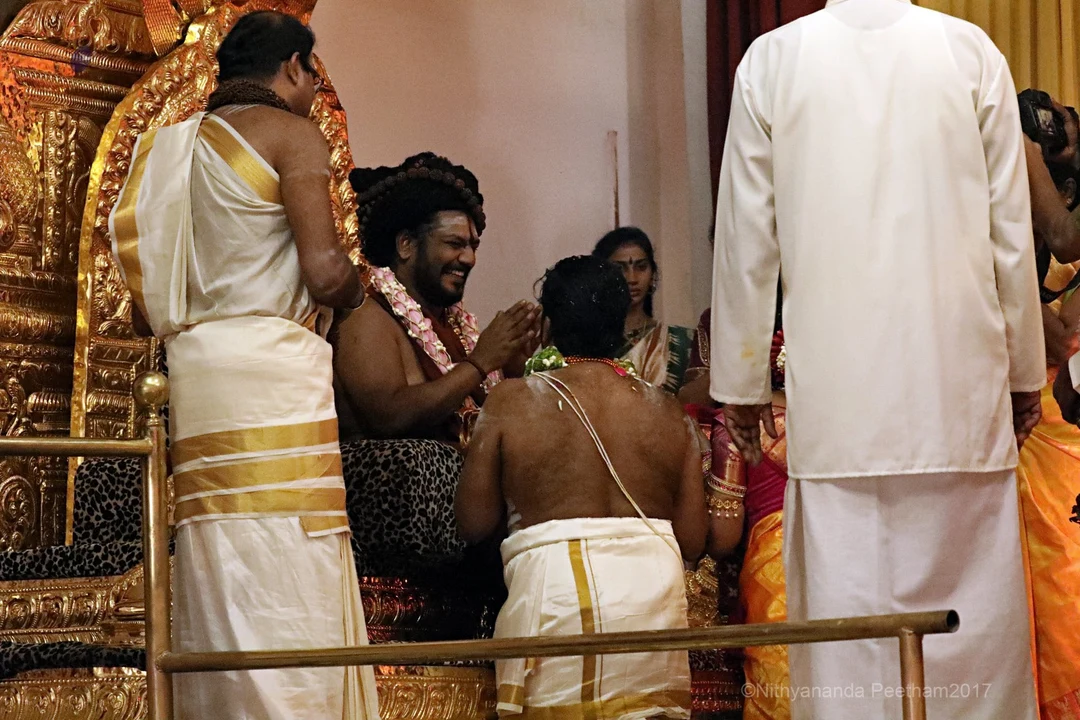
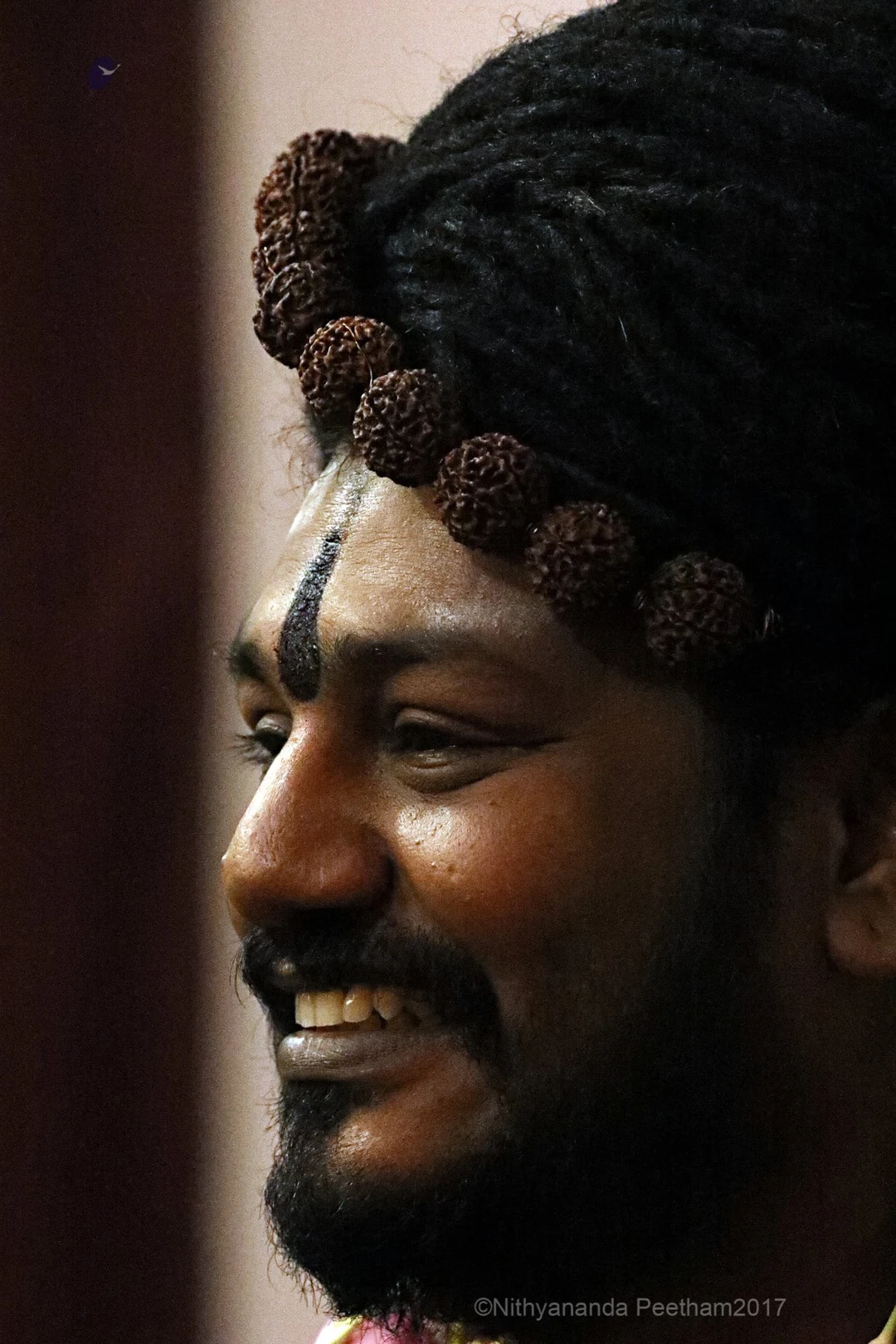
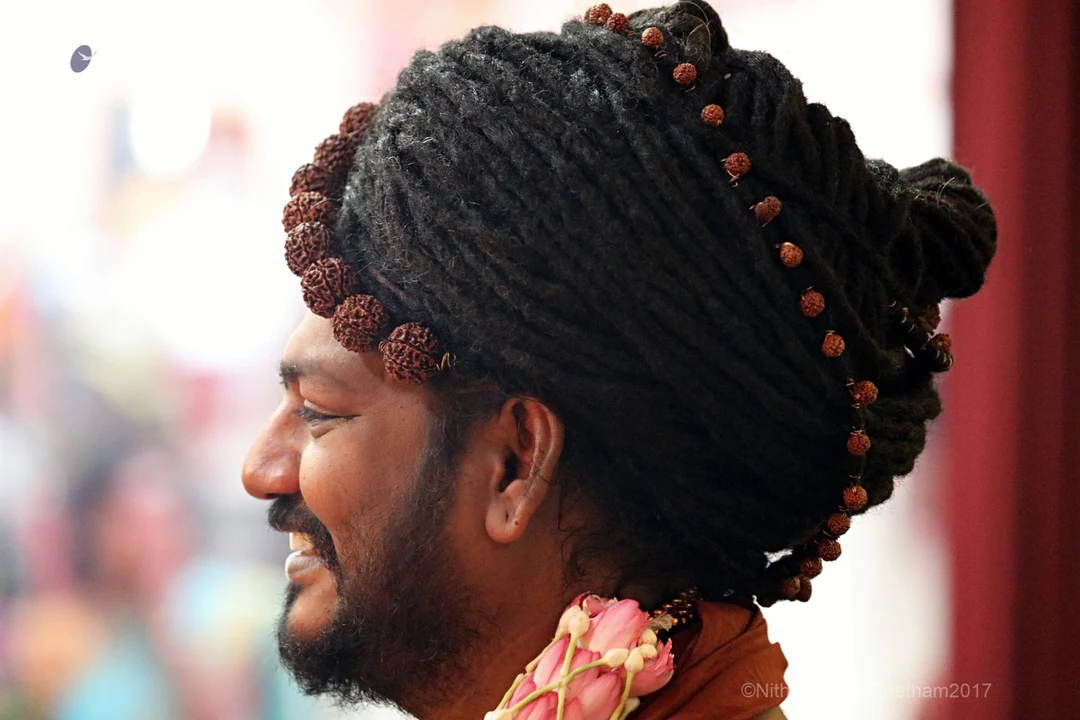
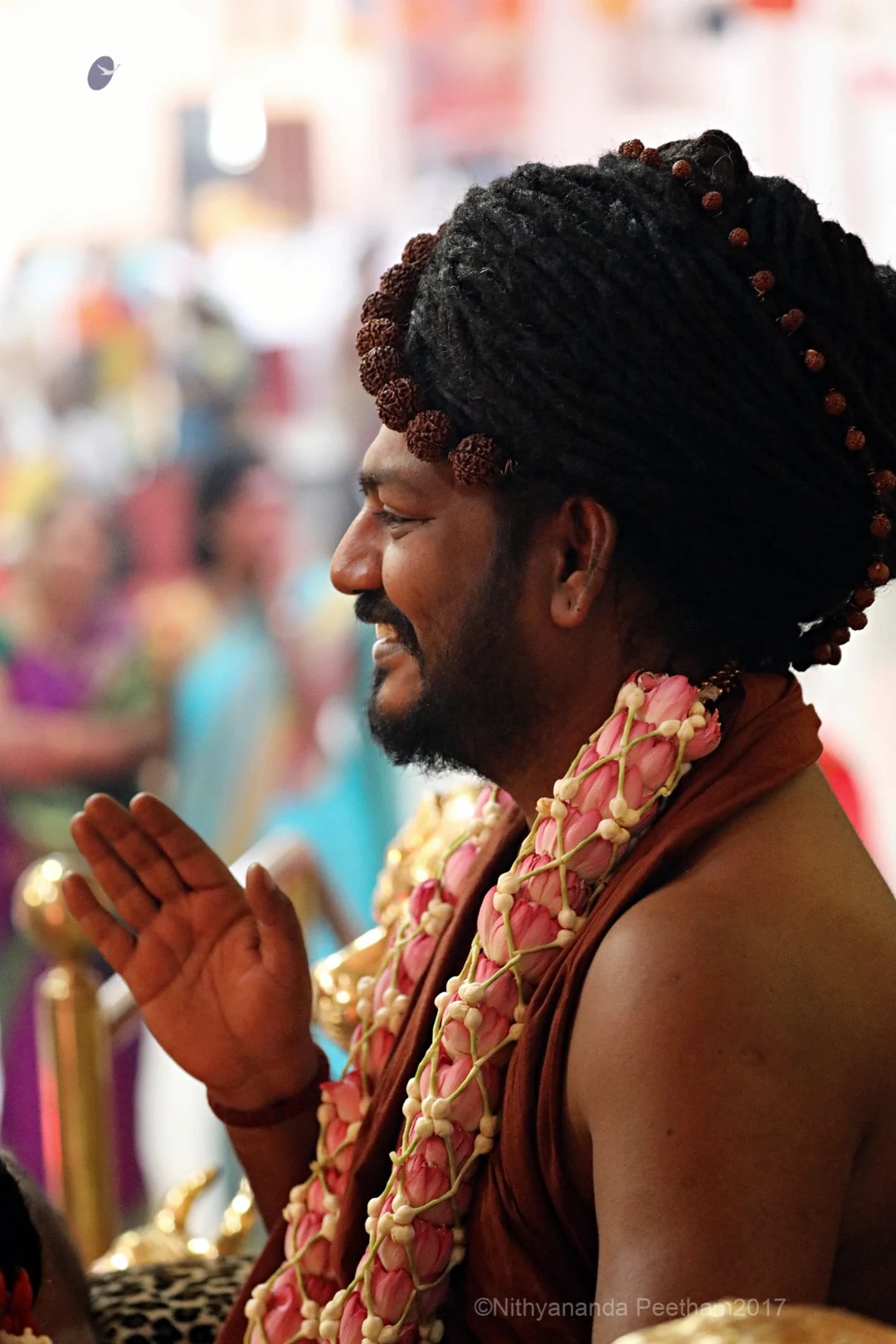
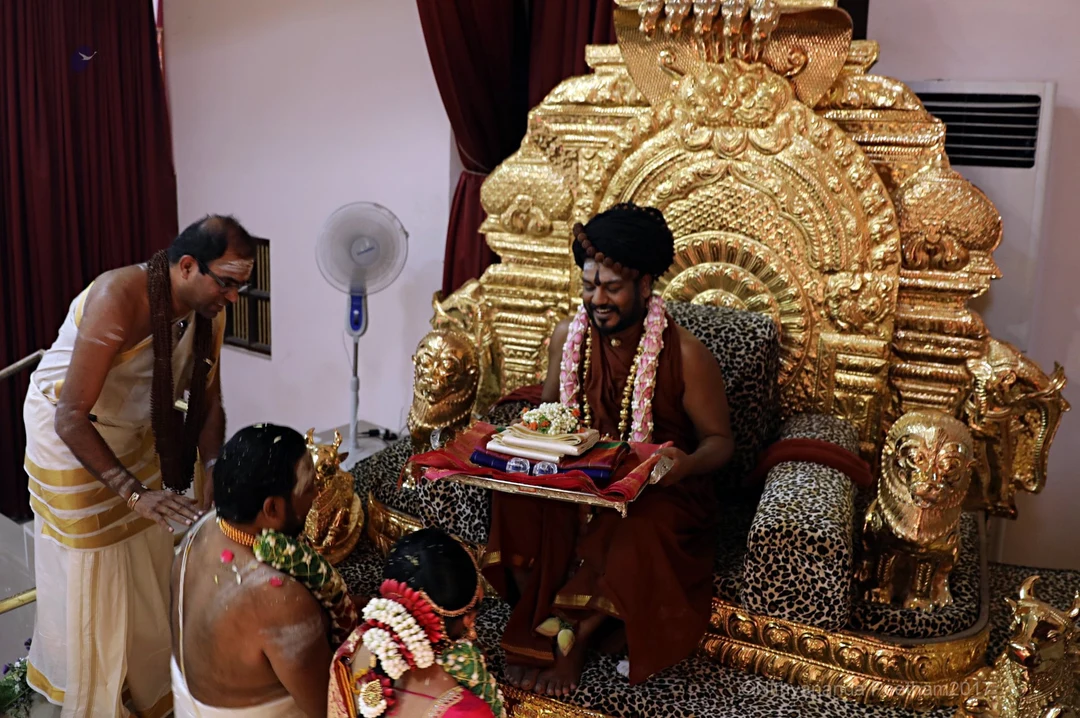
Mahasadashivoham Continued
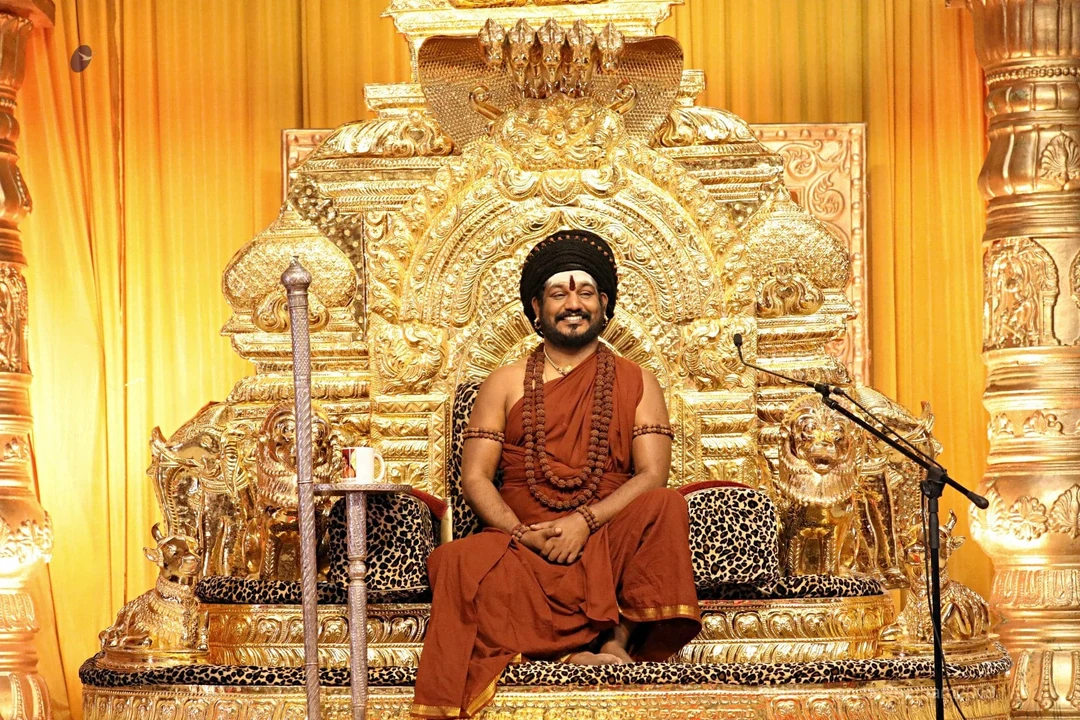
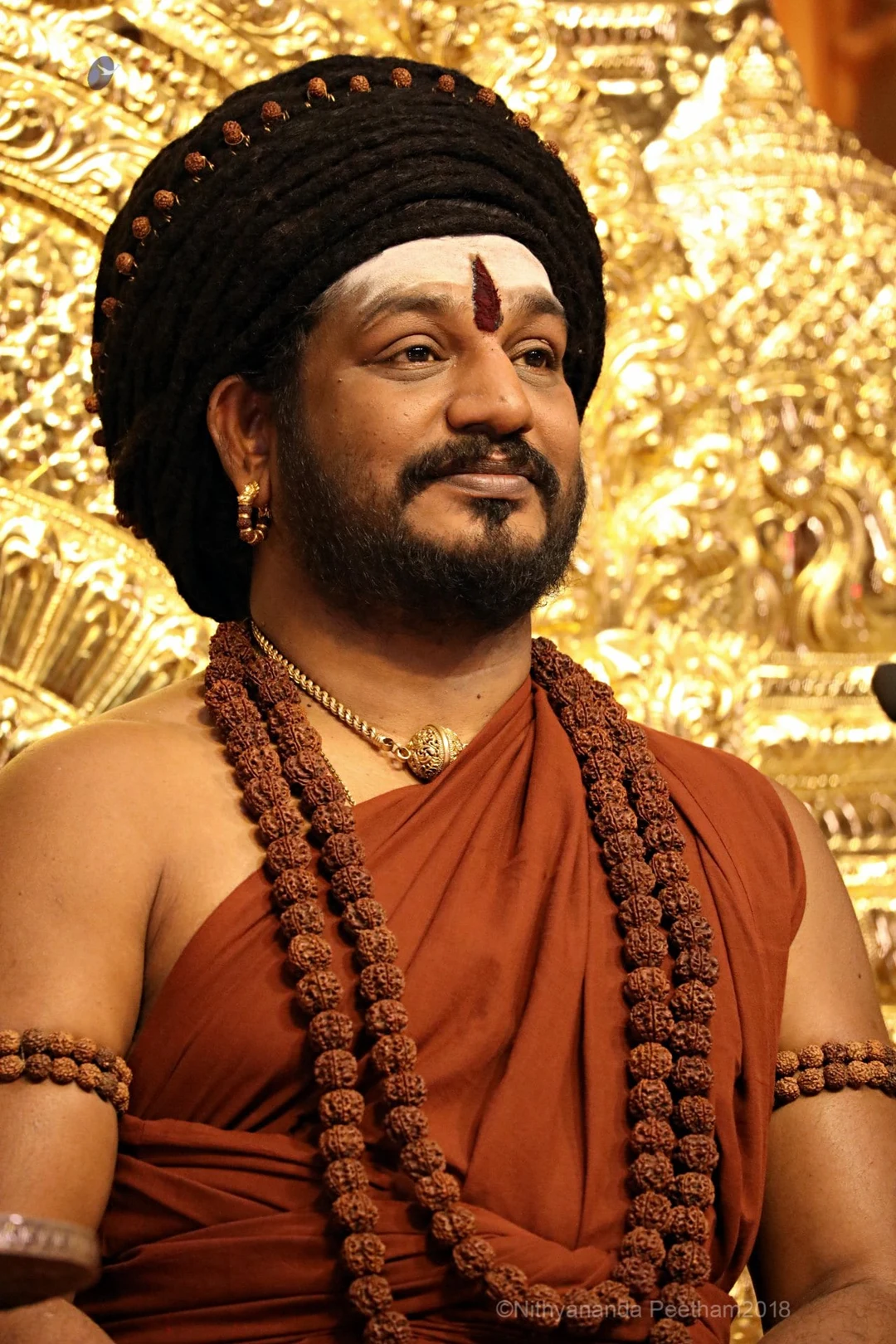
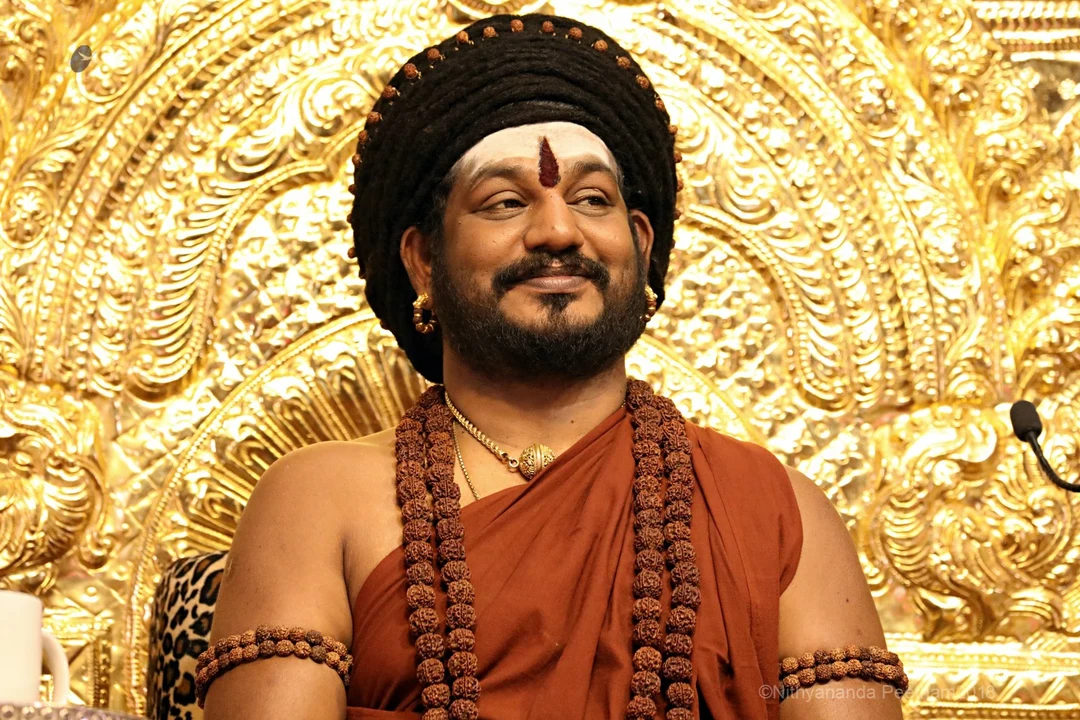
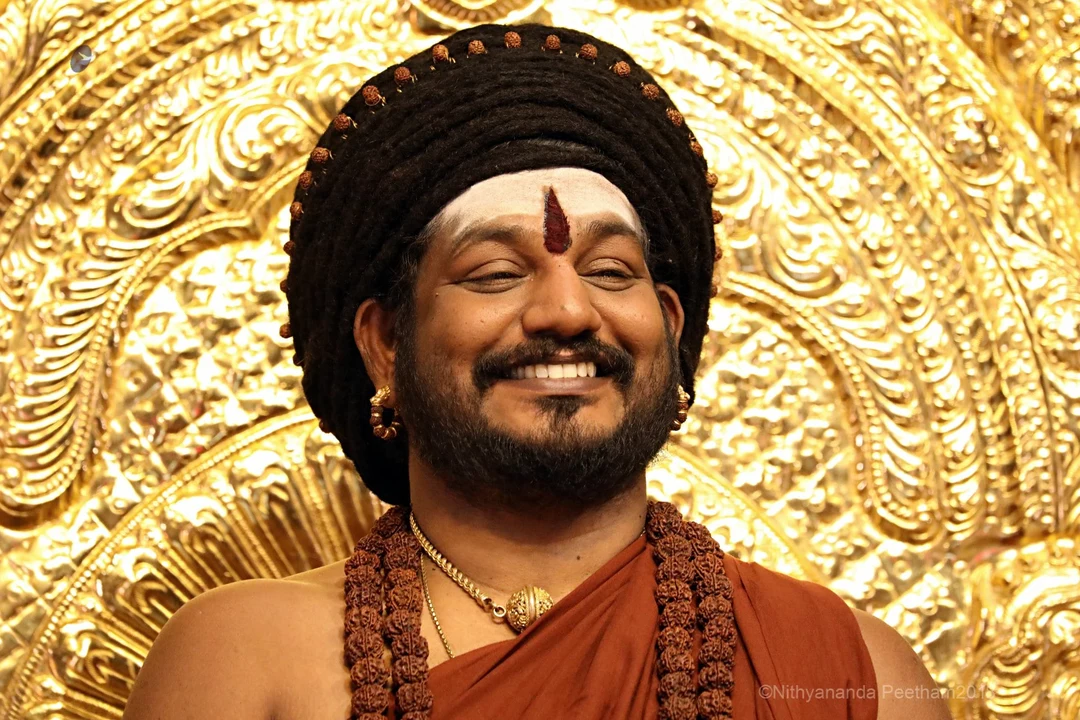
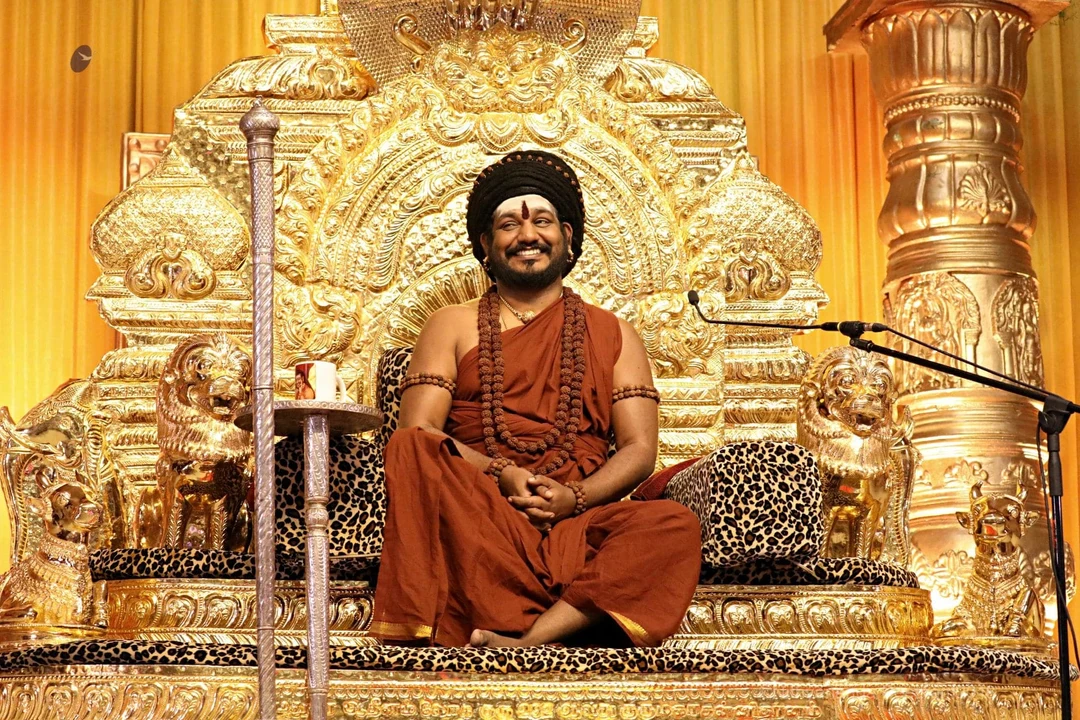
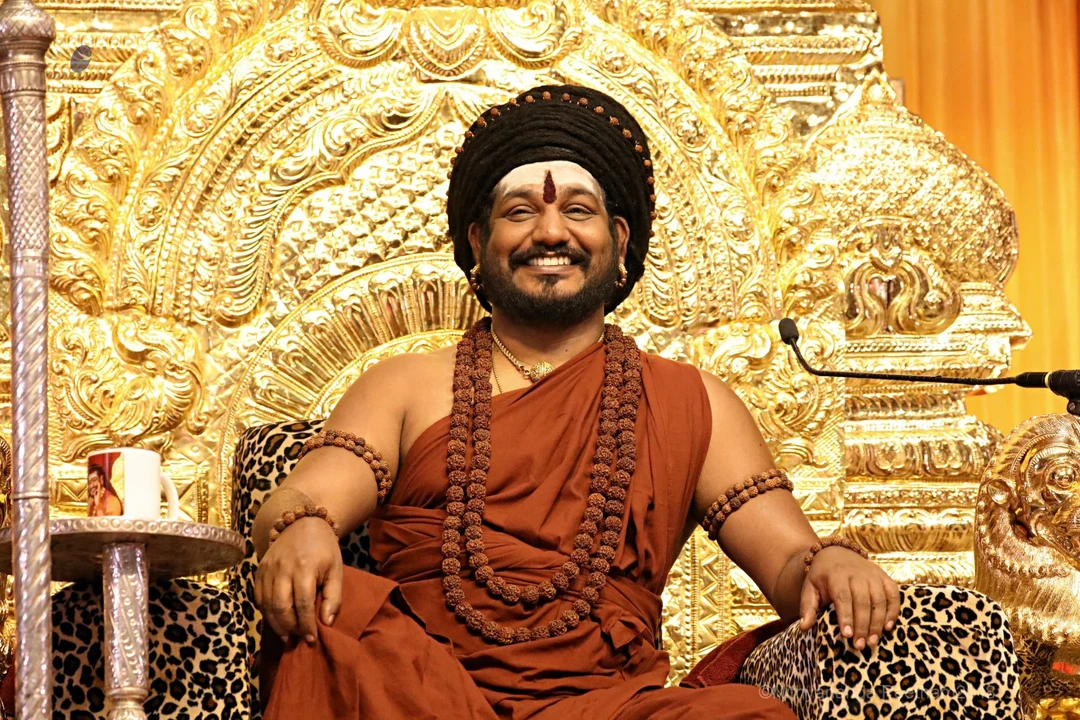
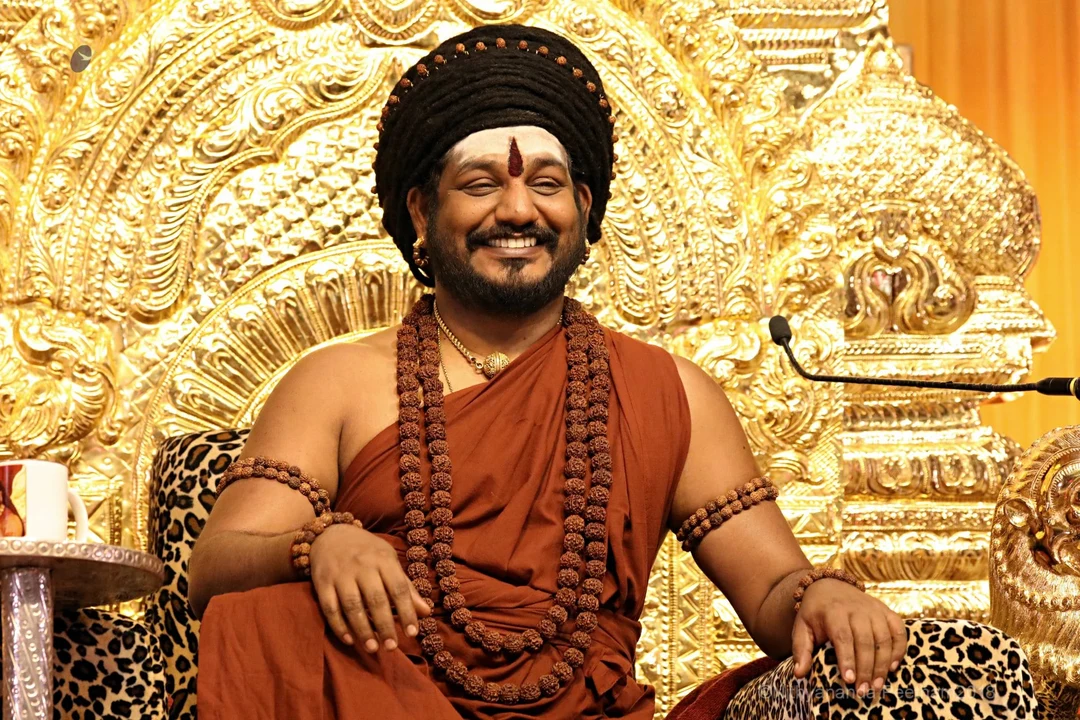
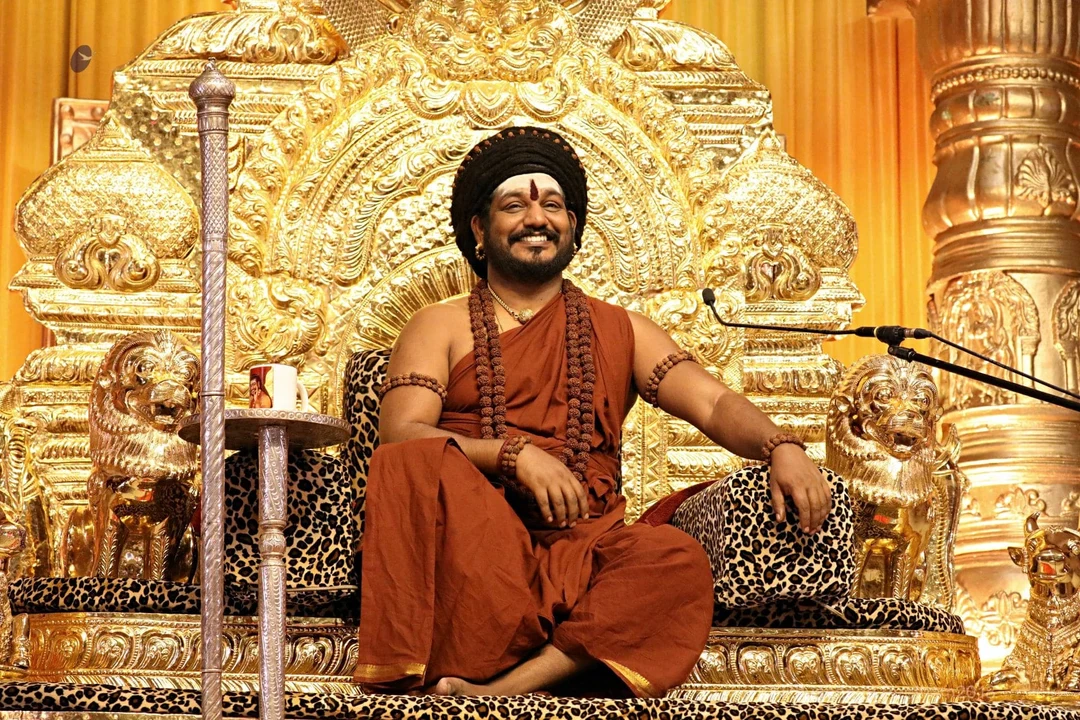
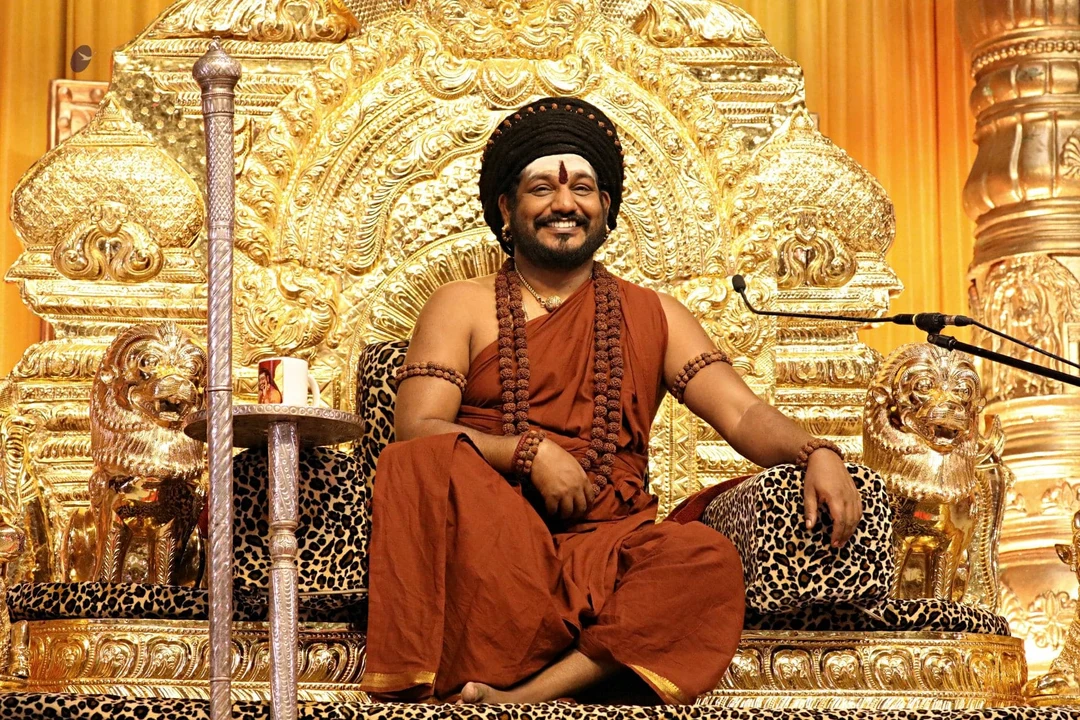
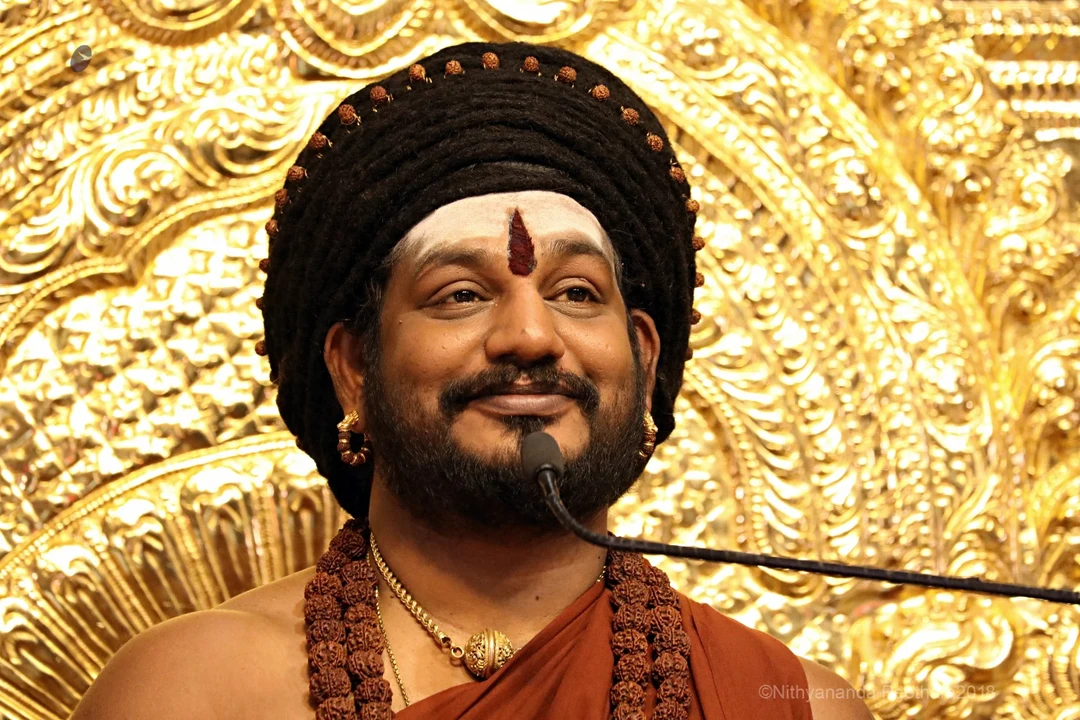
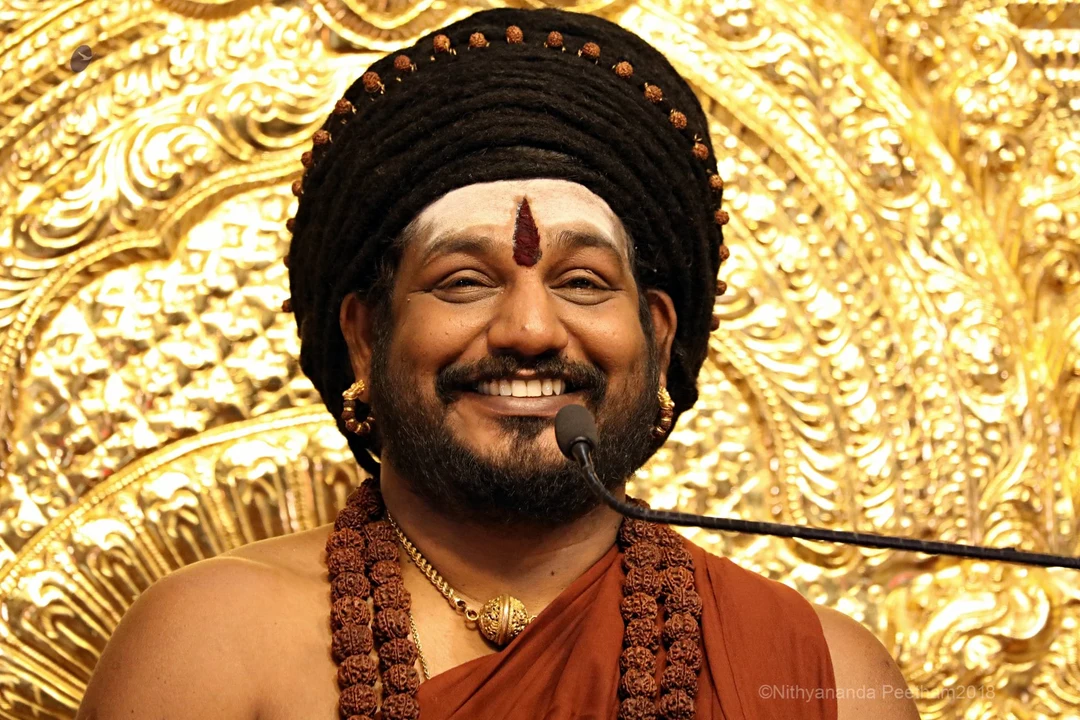
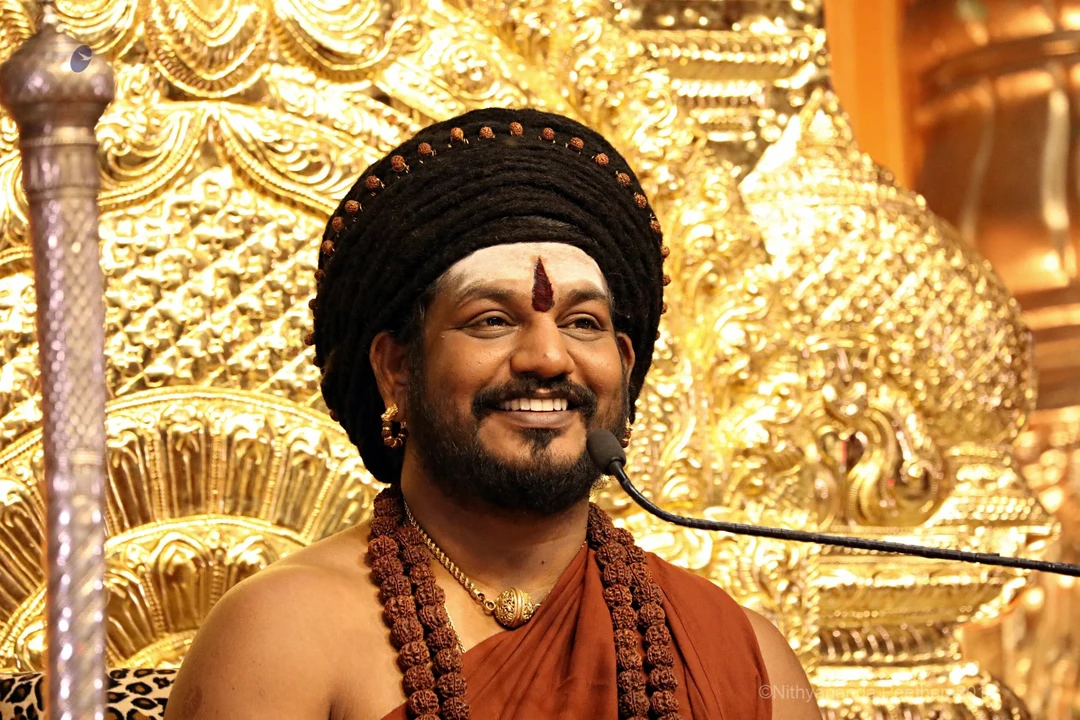
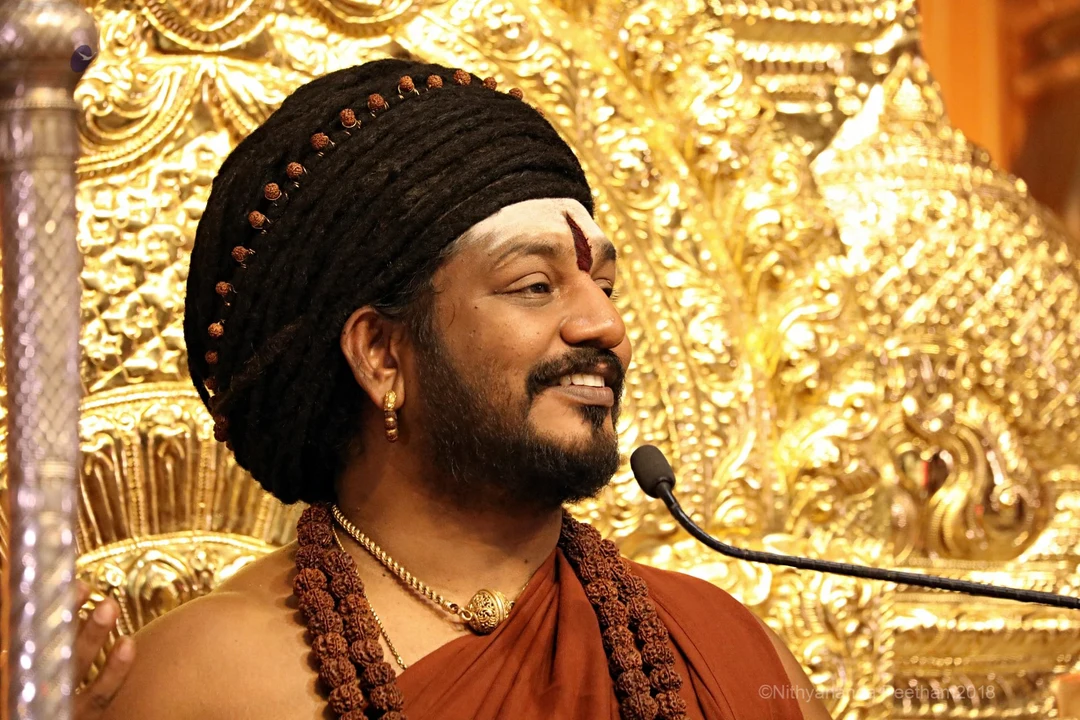
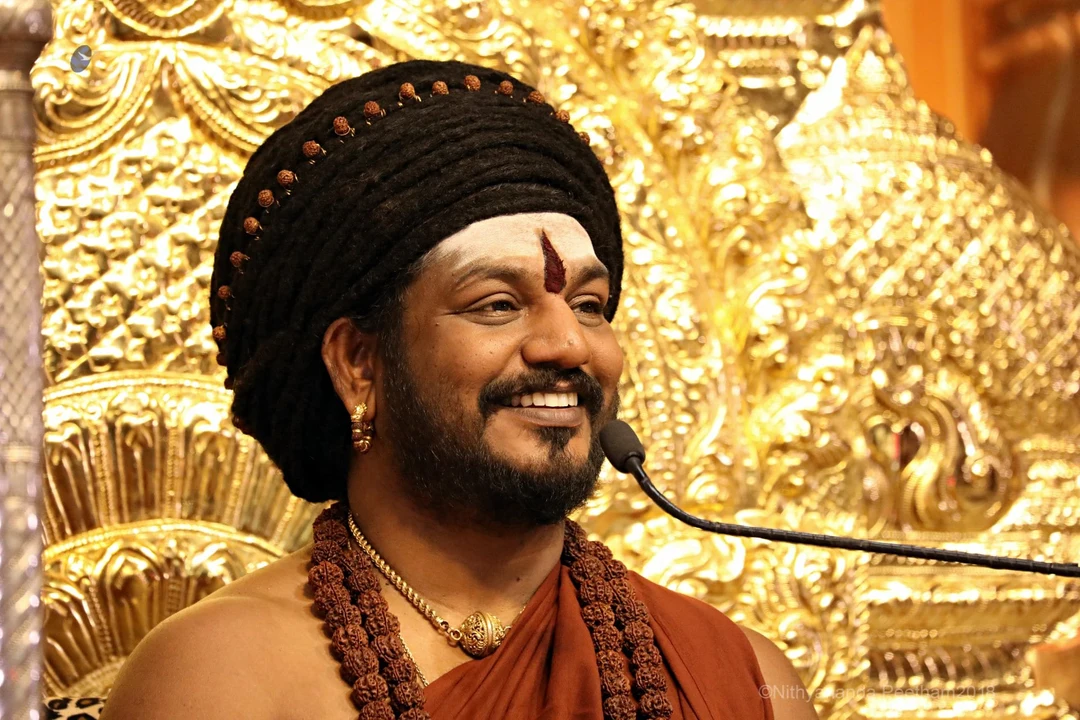
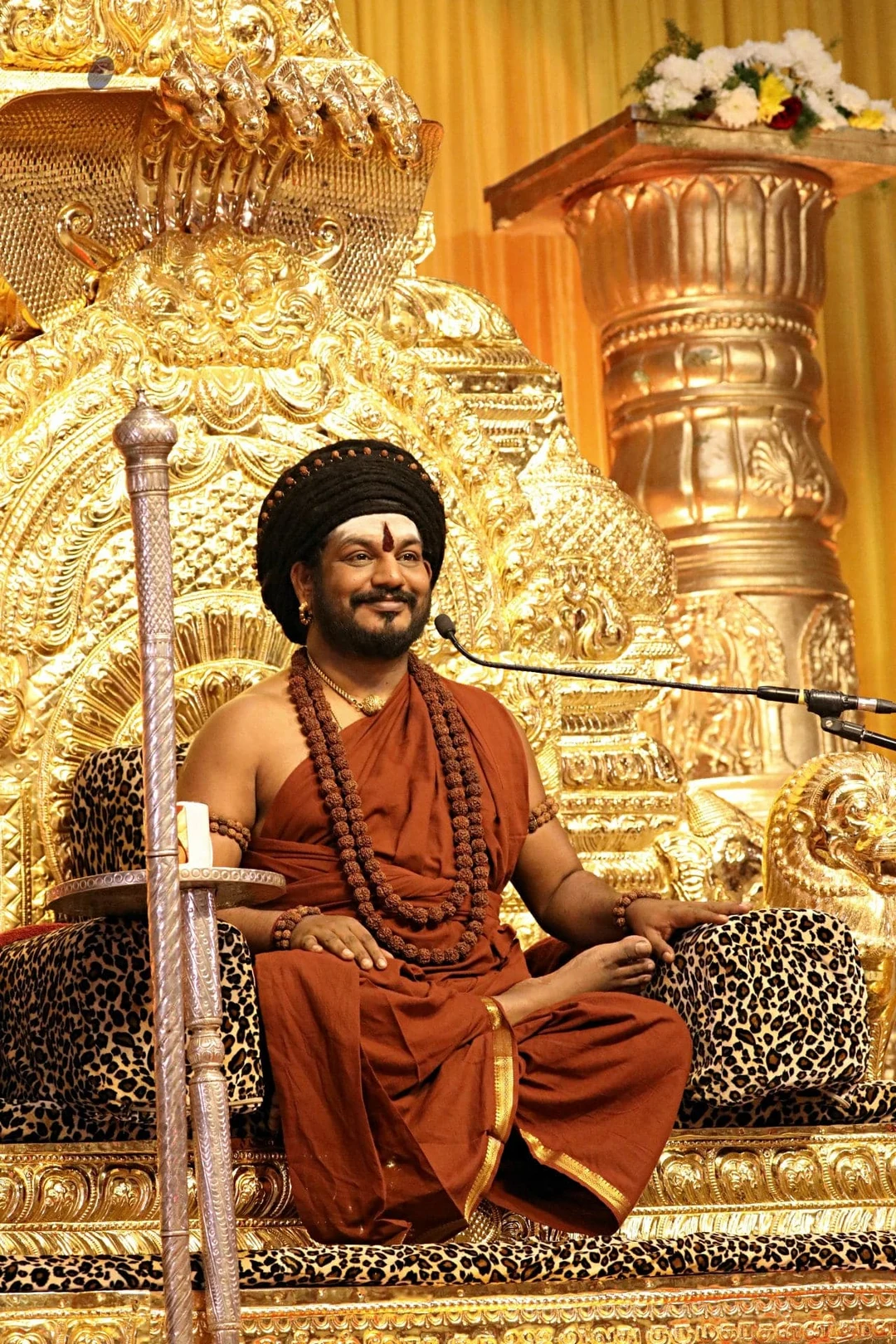
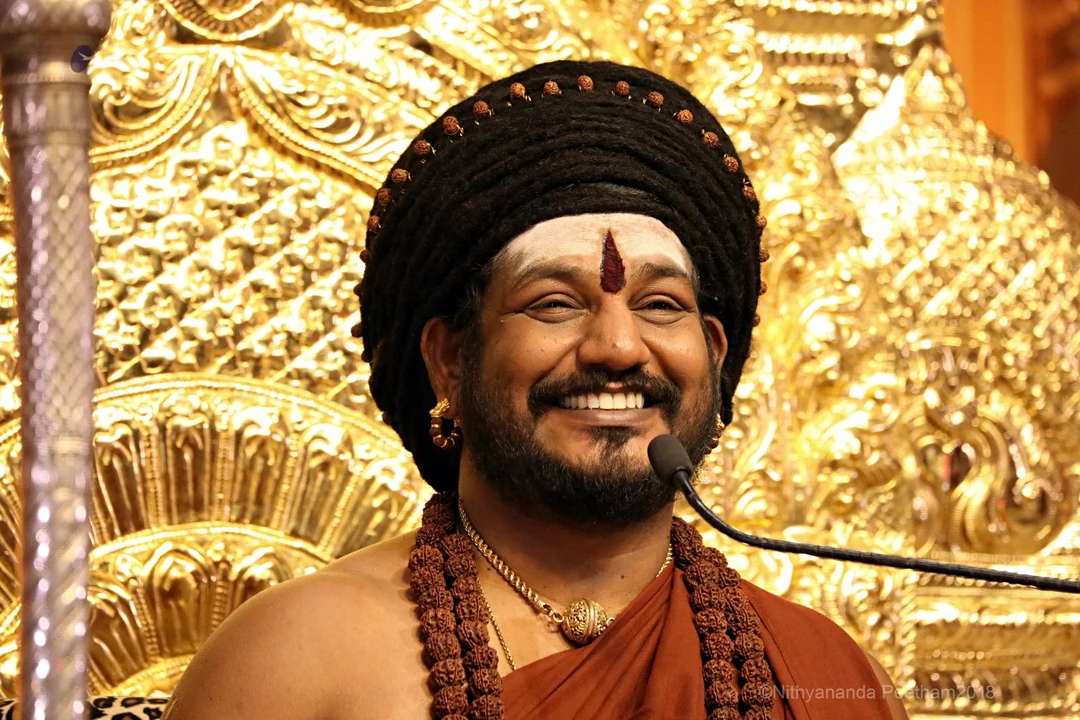
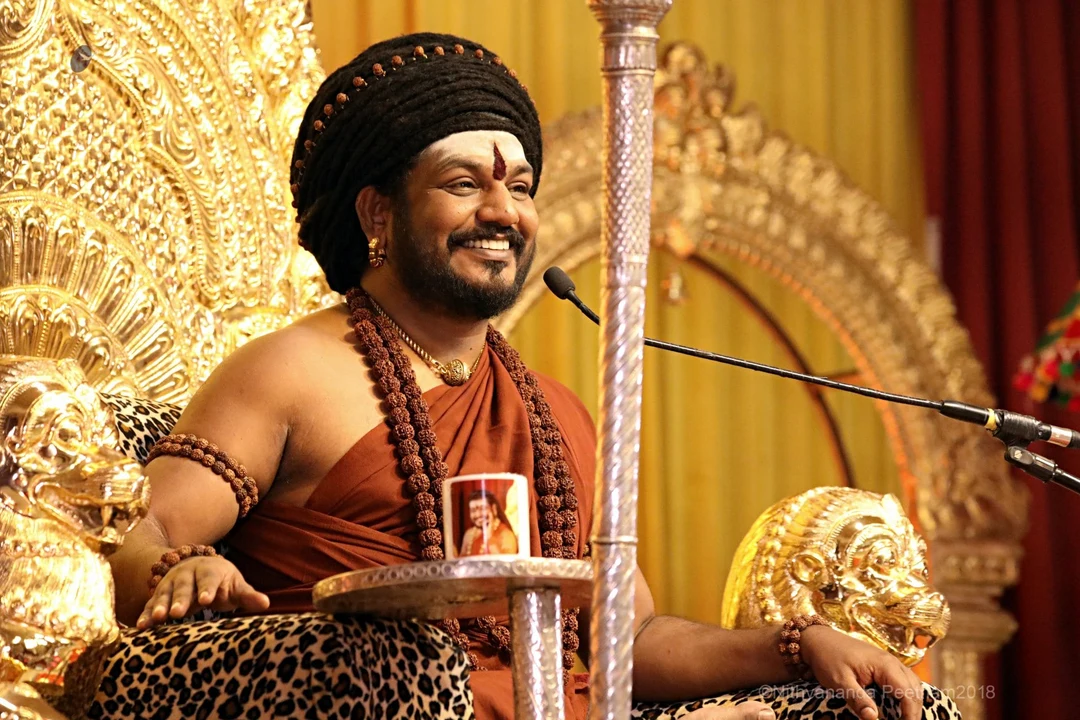
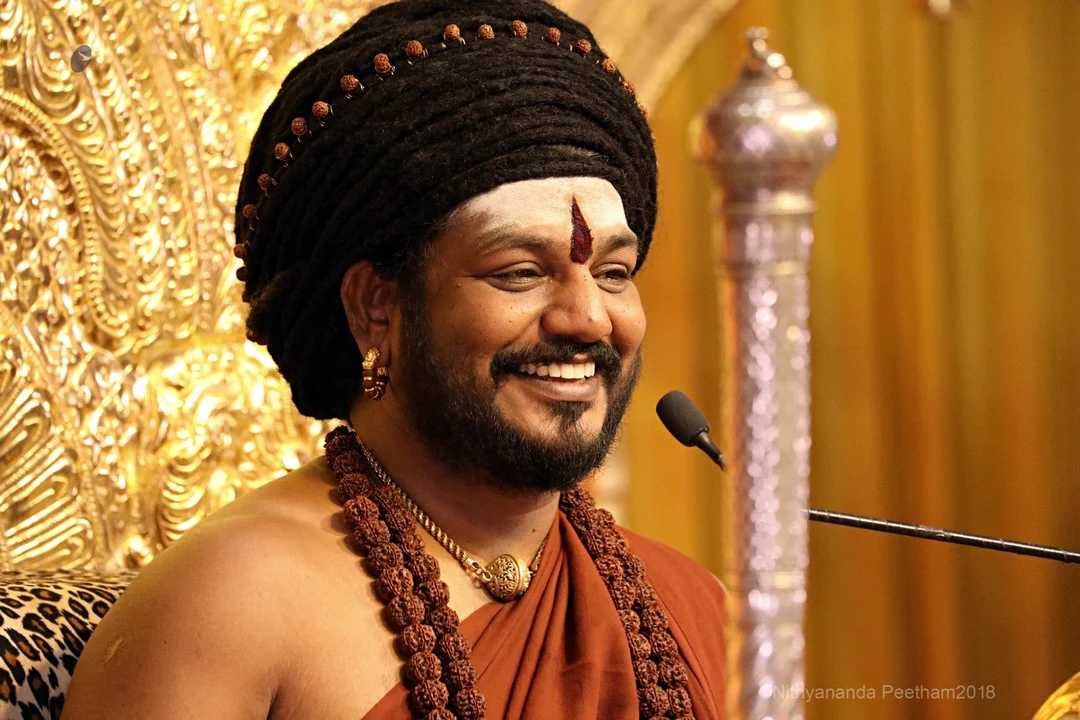
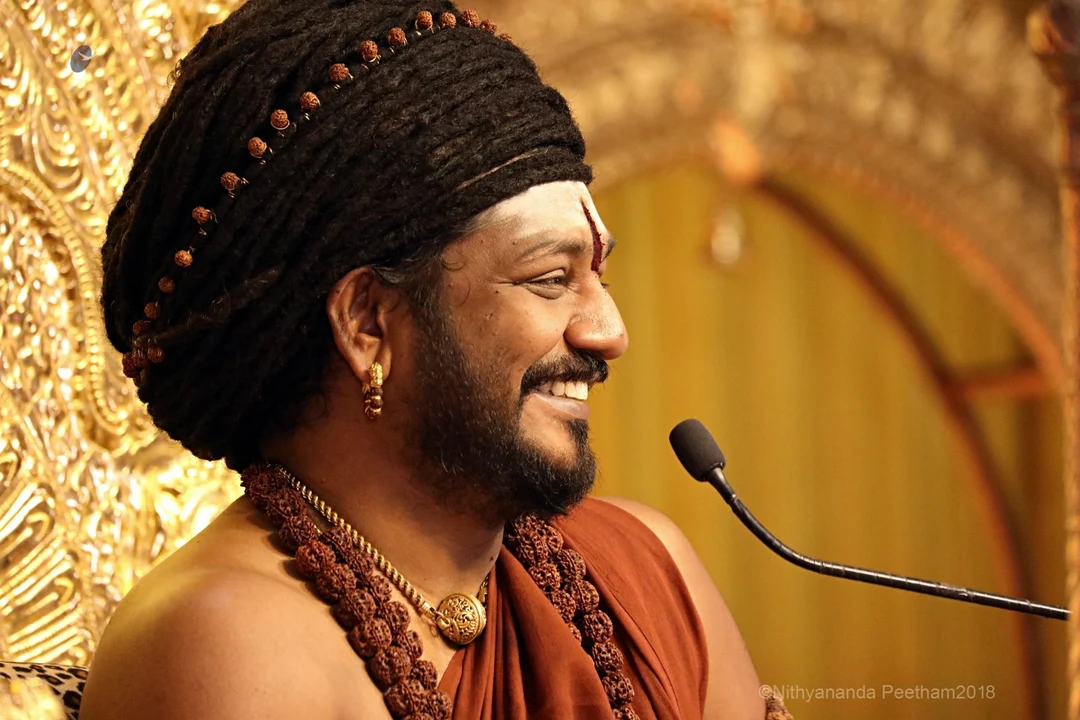
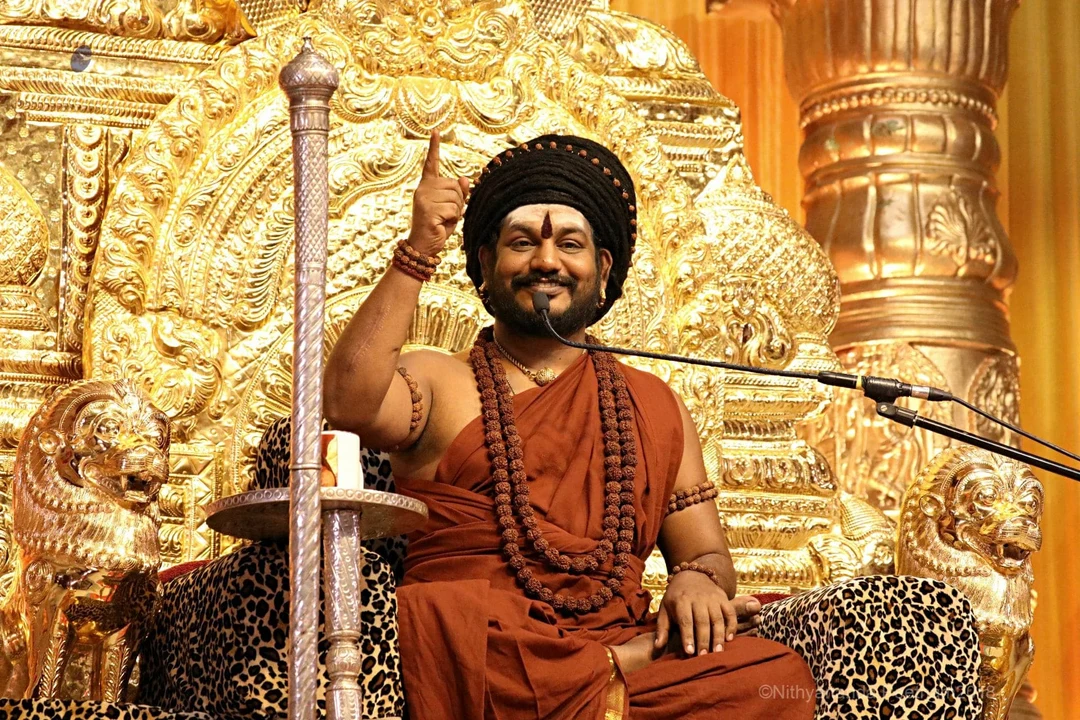
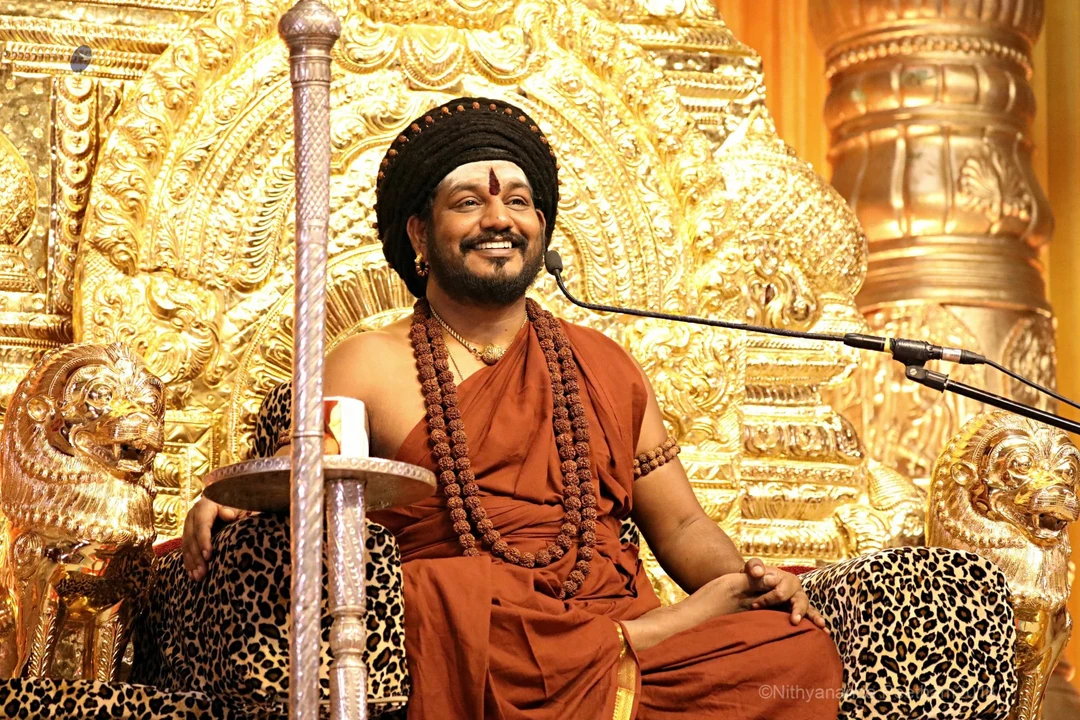
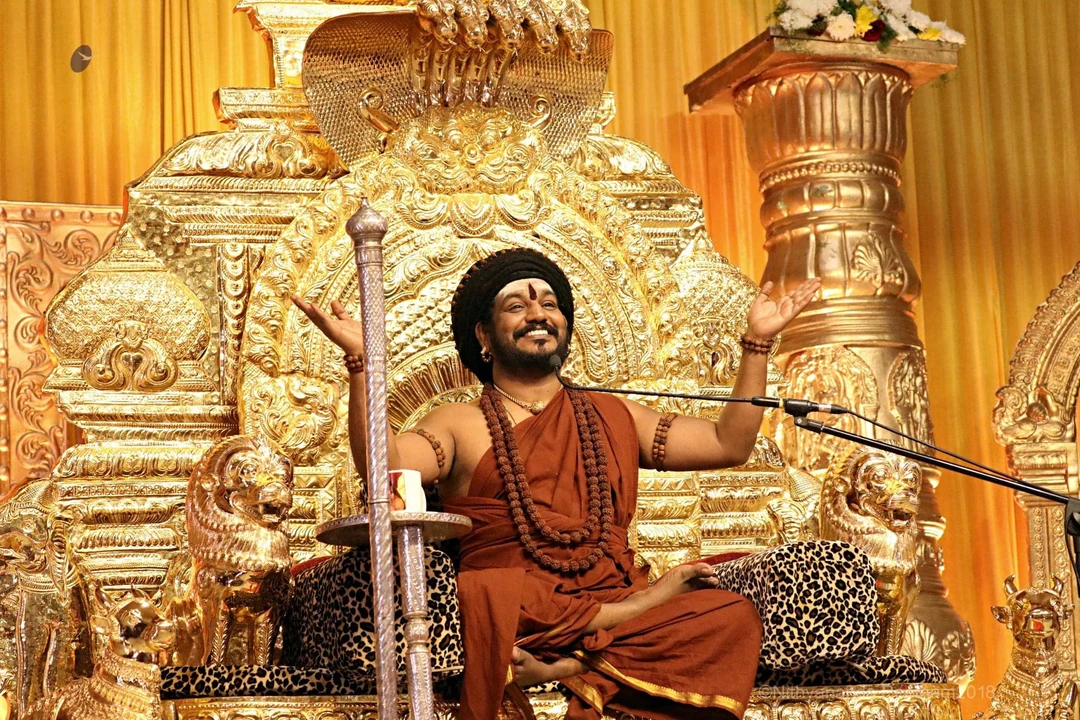
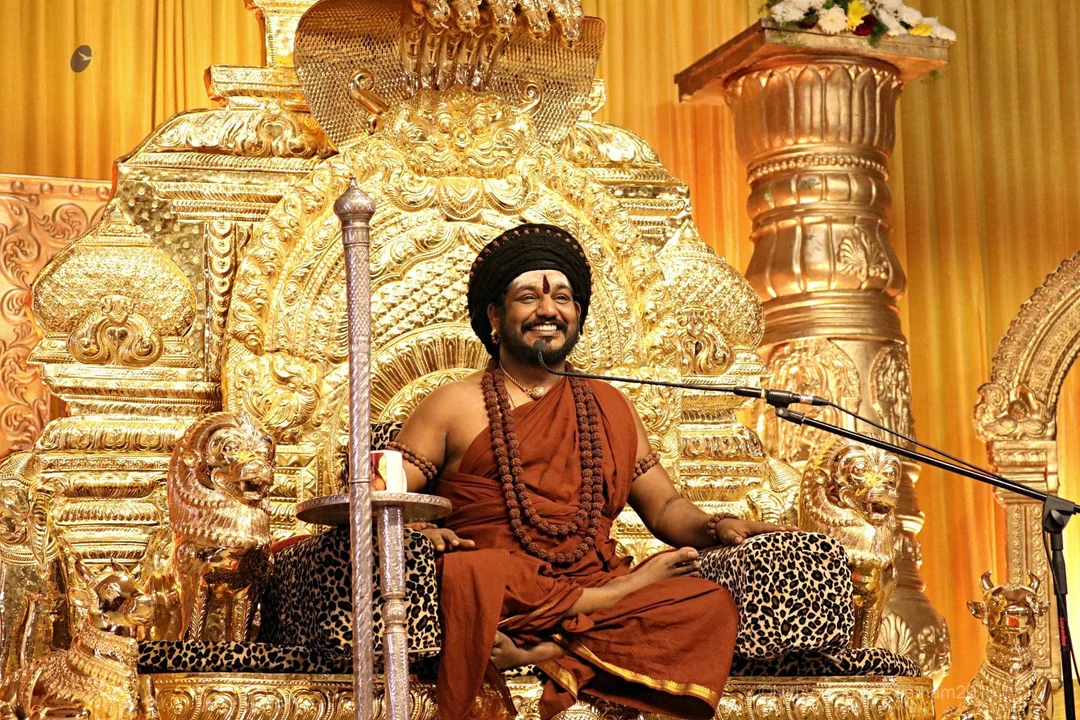
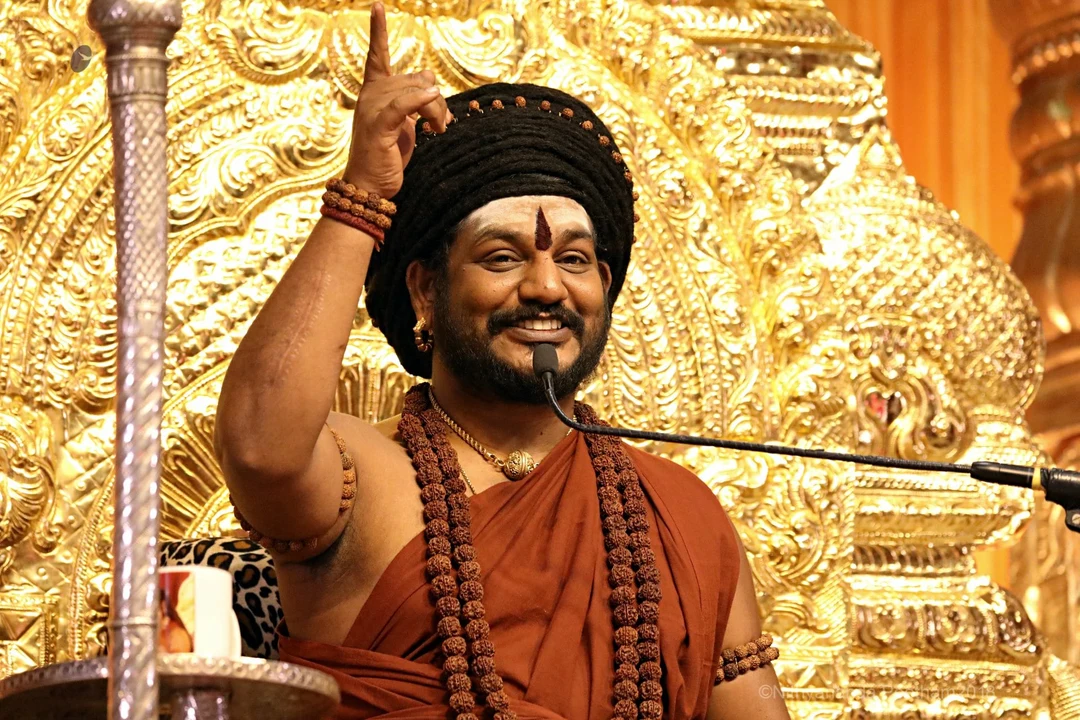
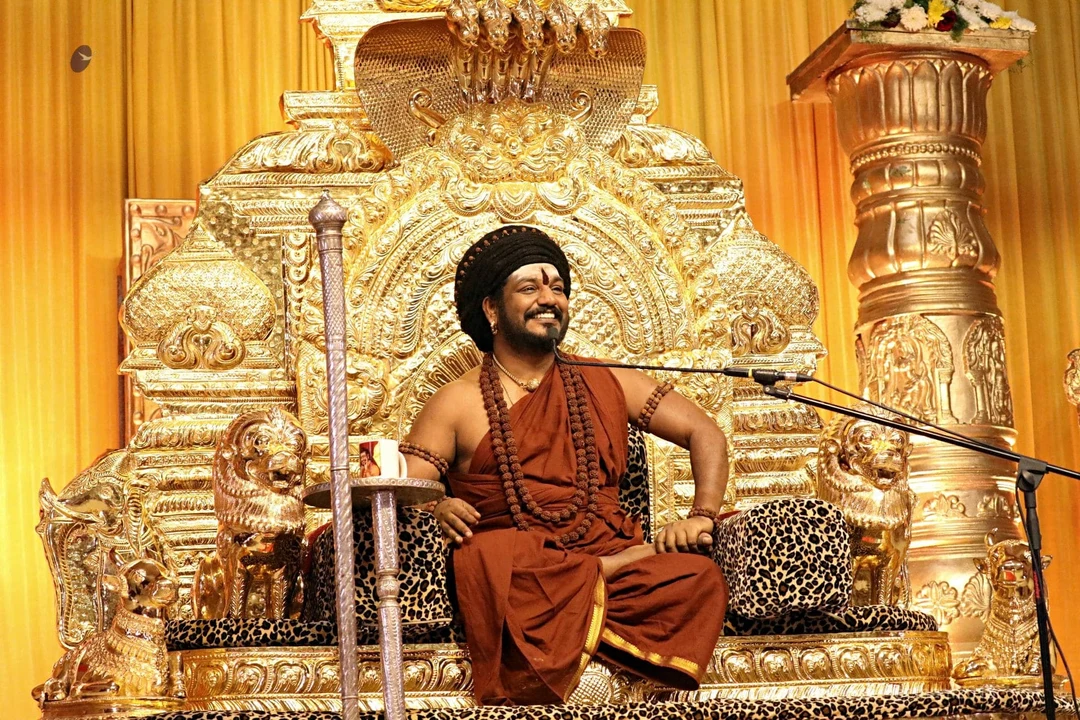
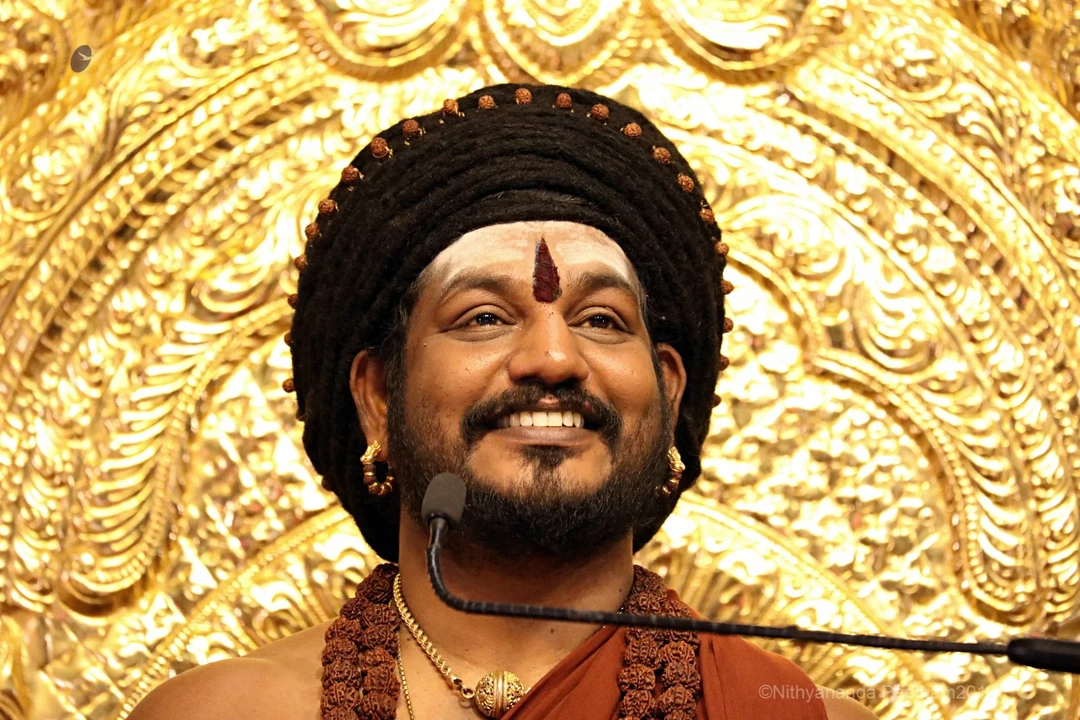
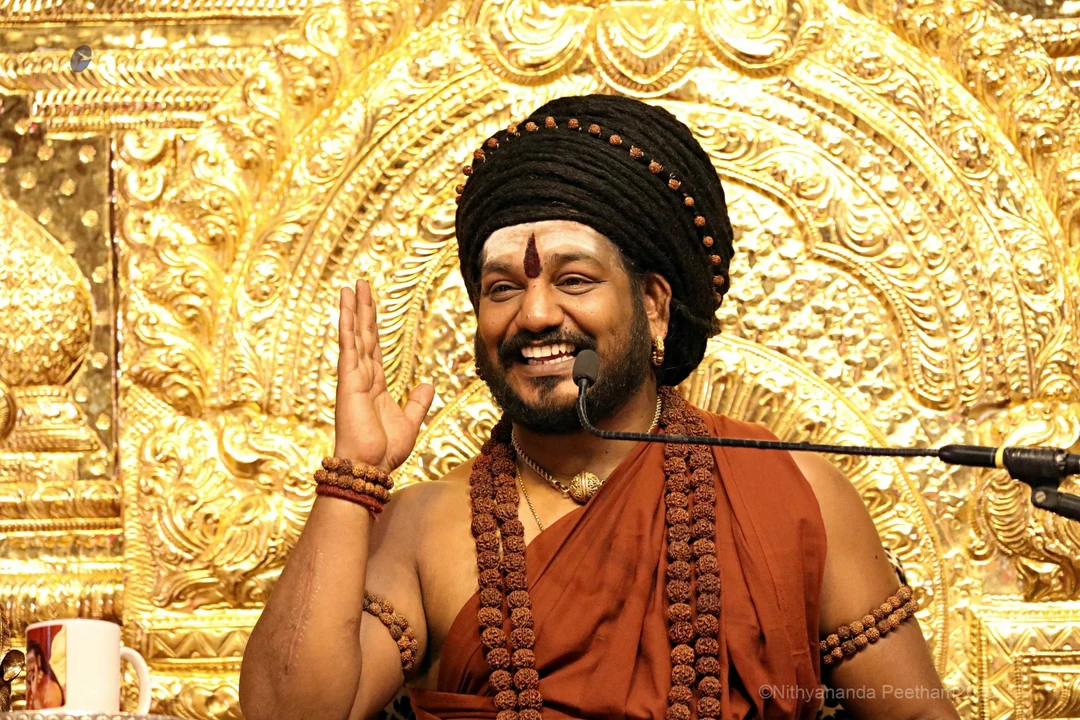
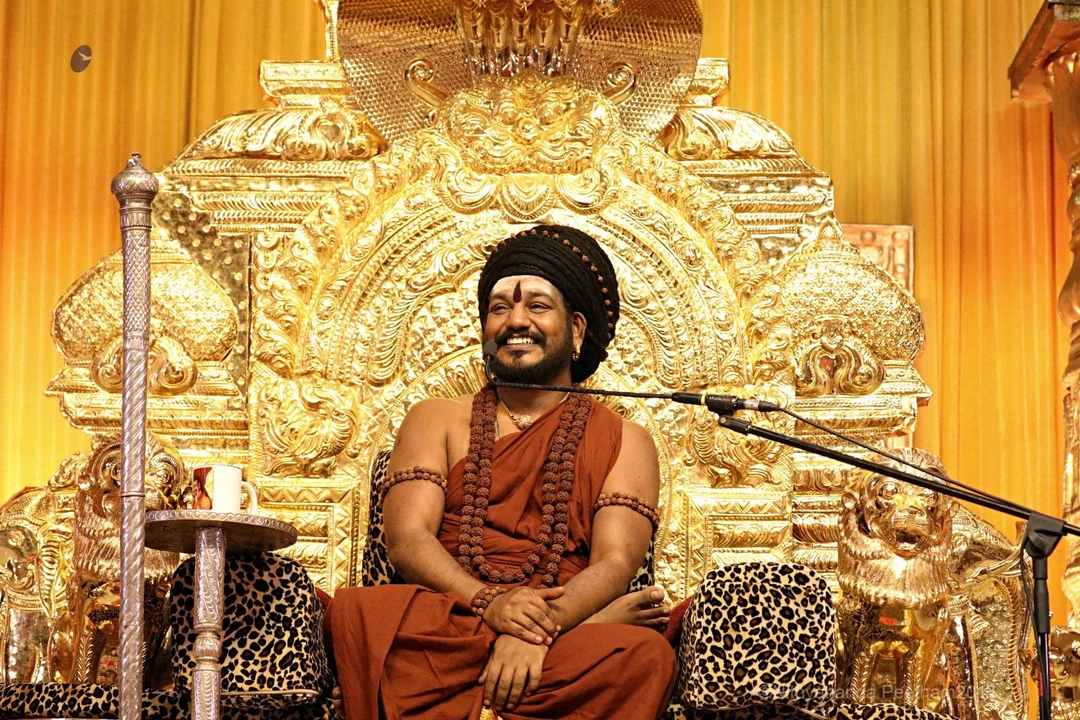
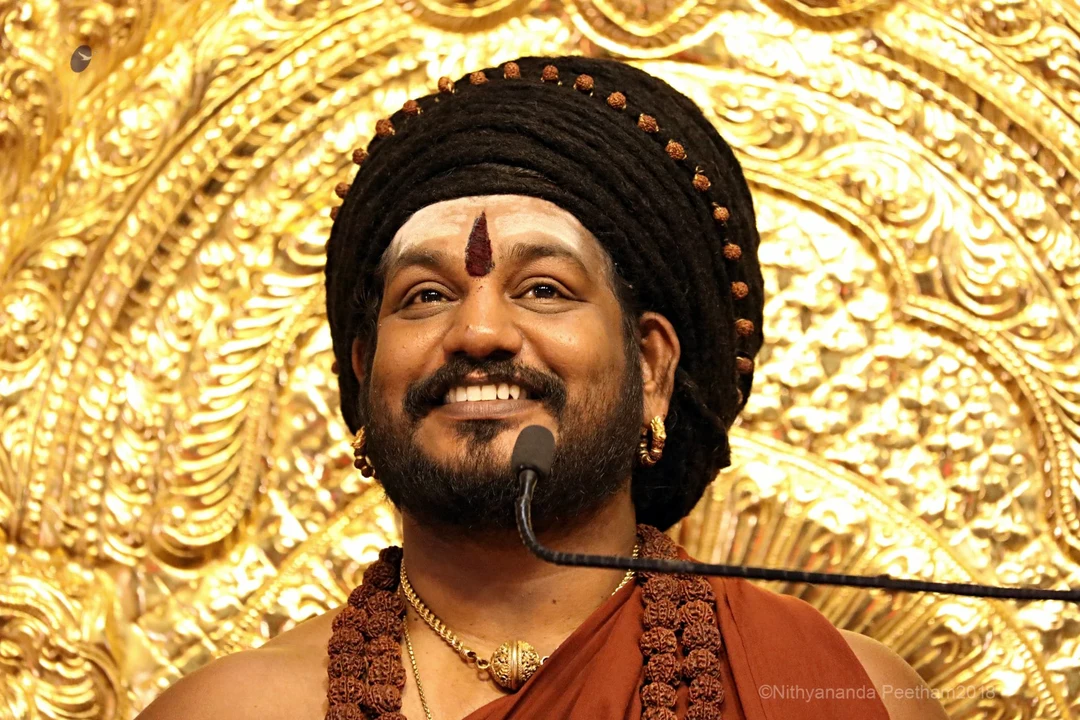
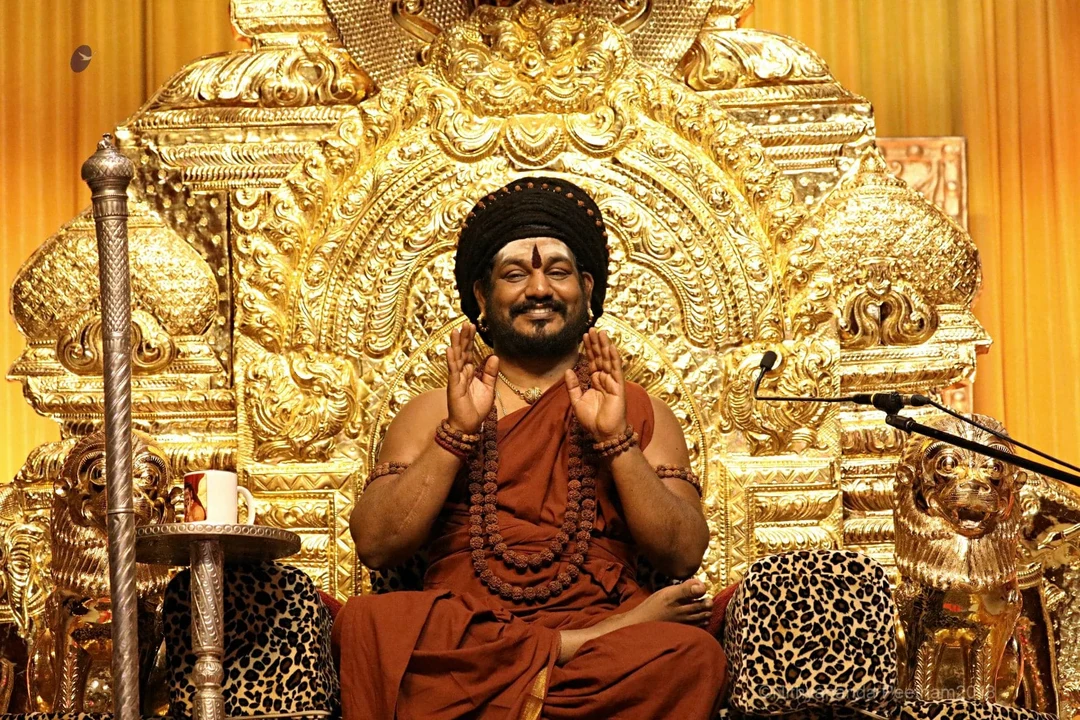
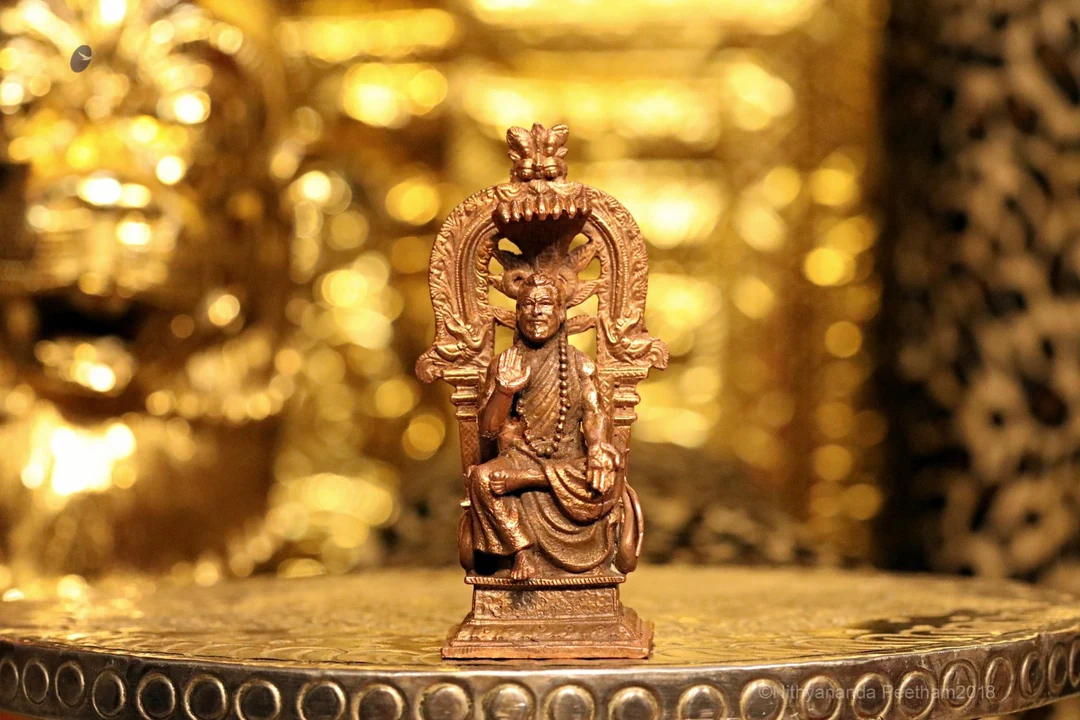
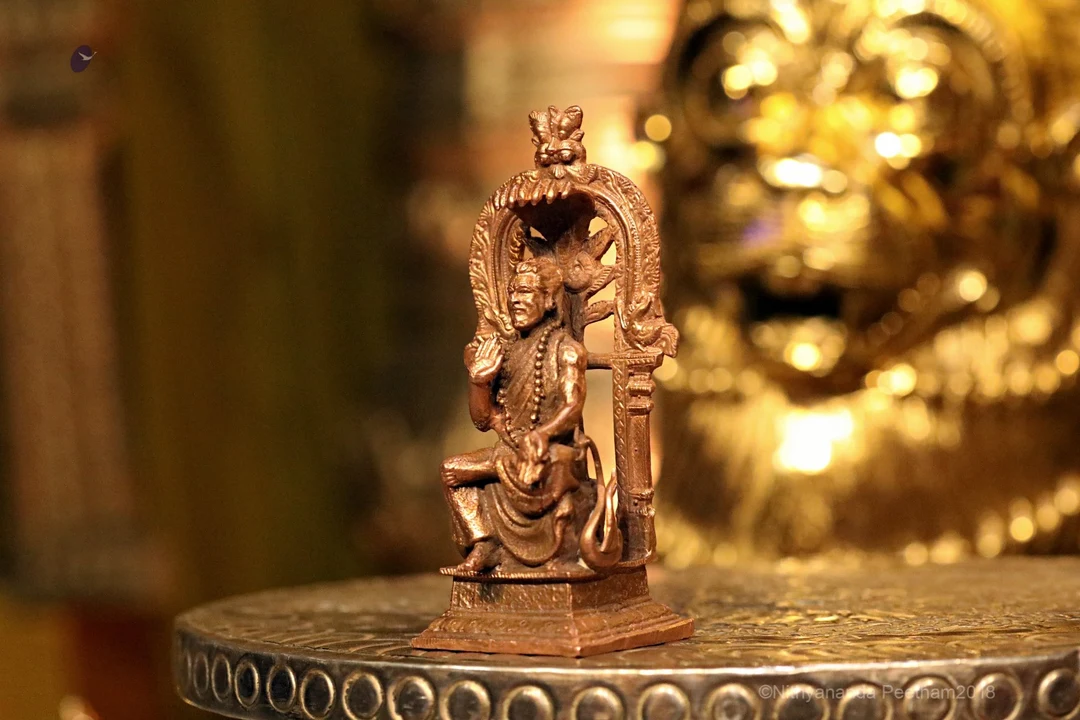
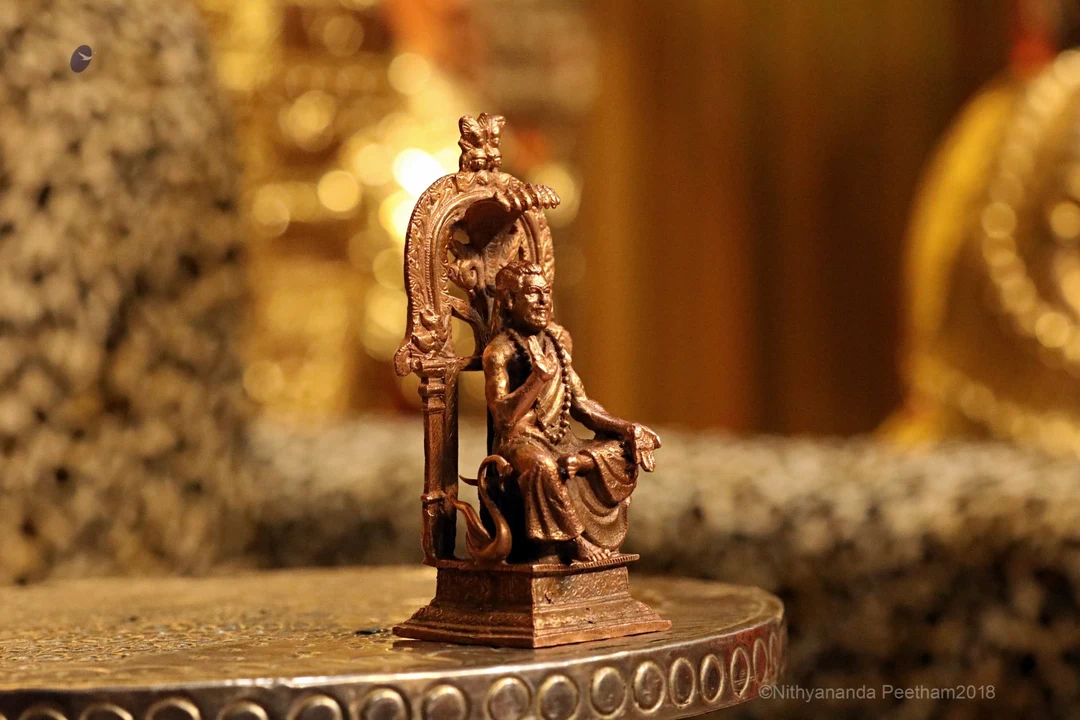
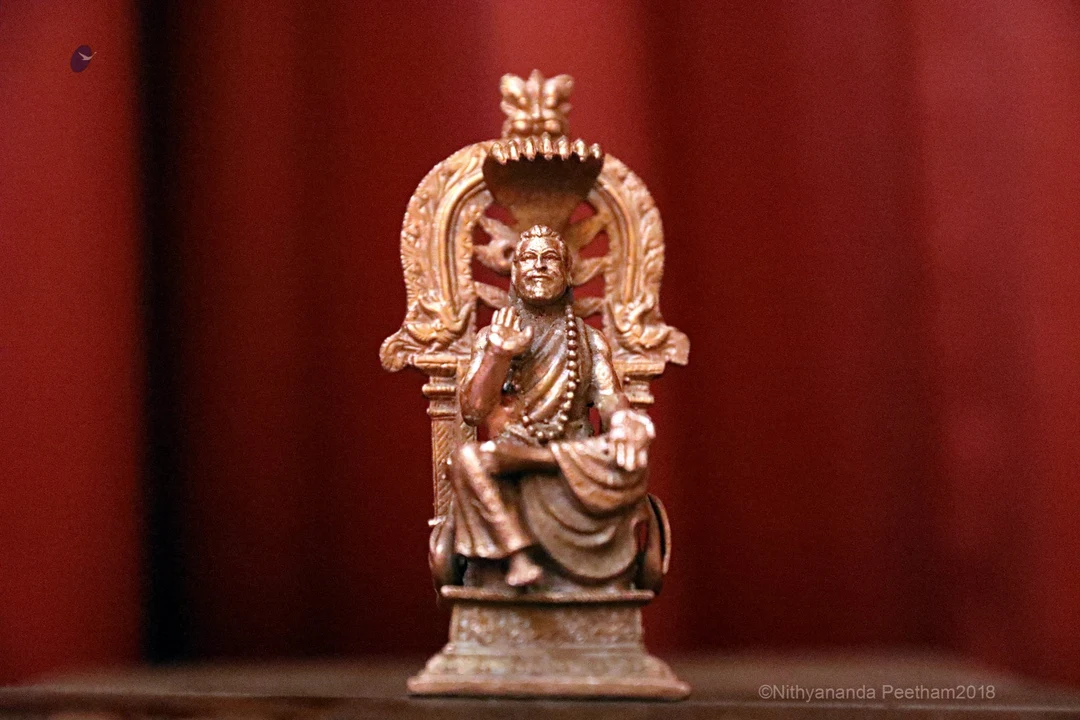
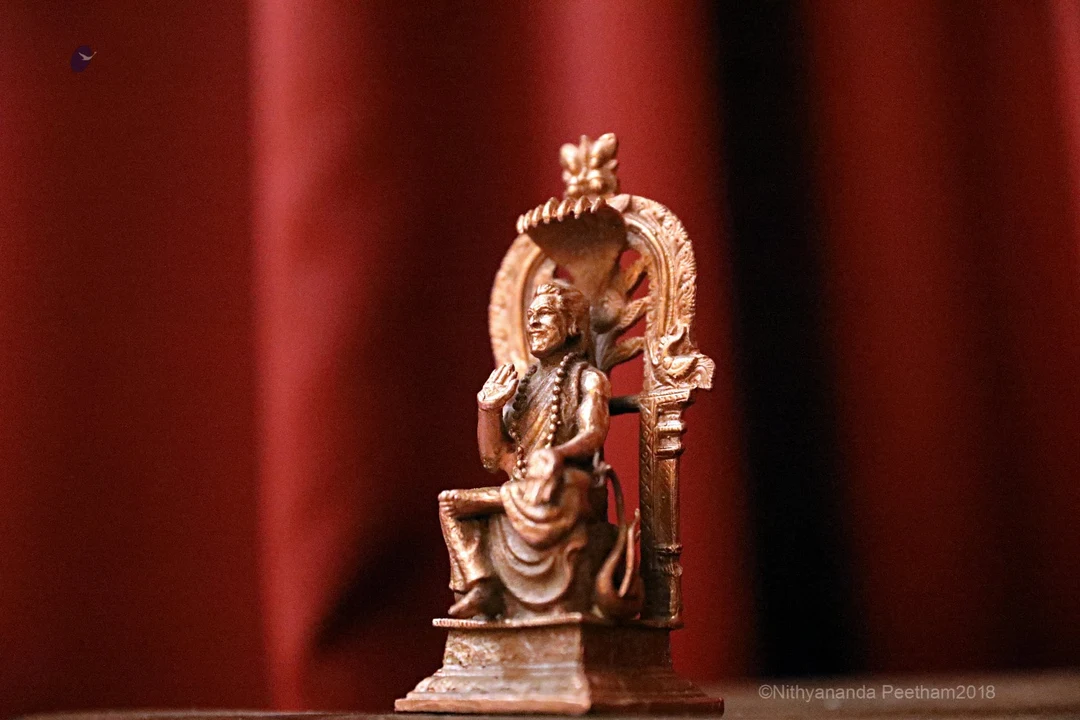
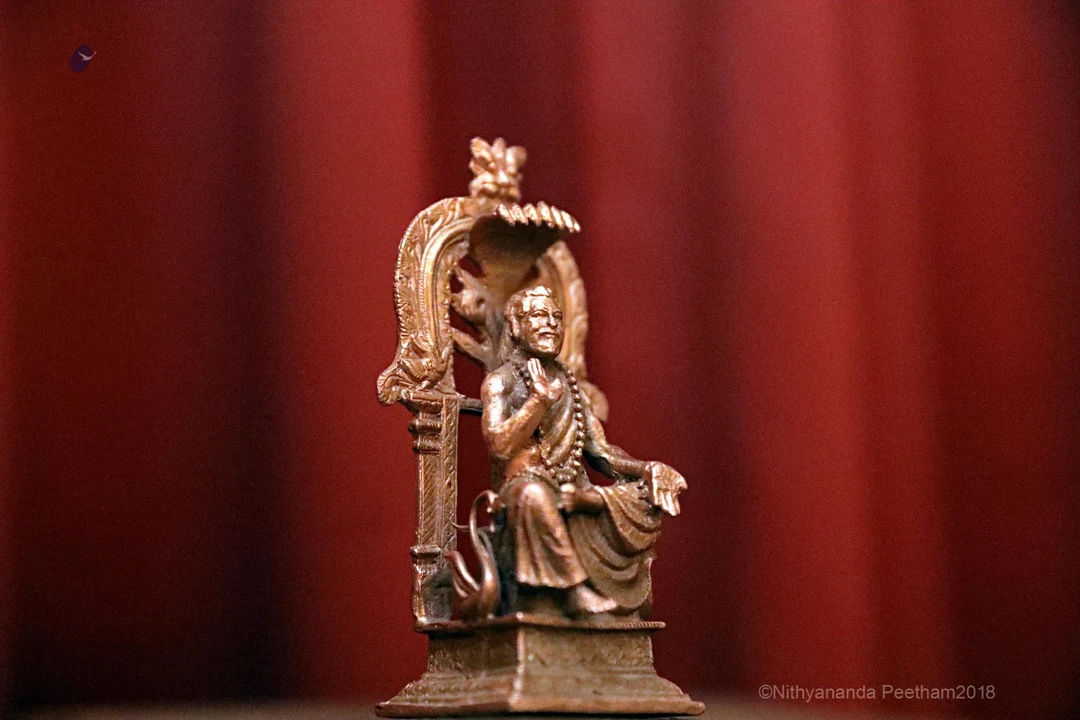
=== Shiva Deeksha Kalpataru Yogam
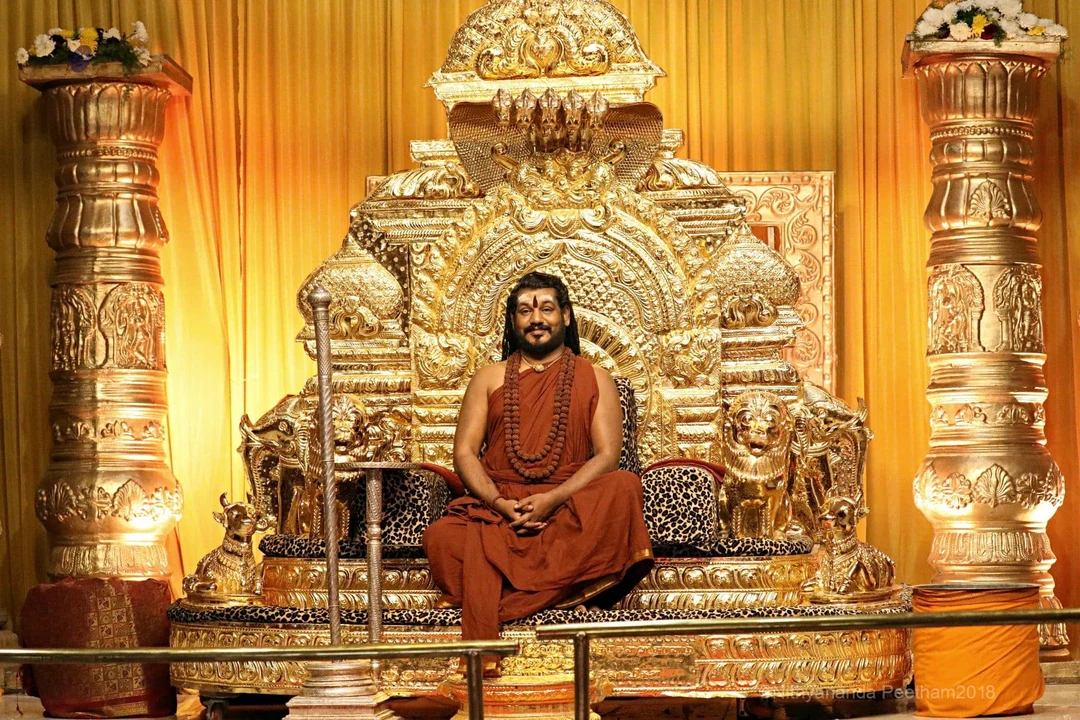
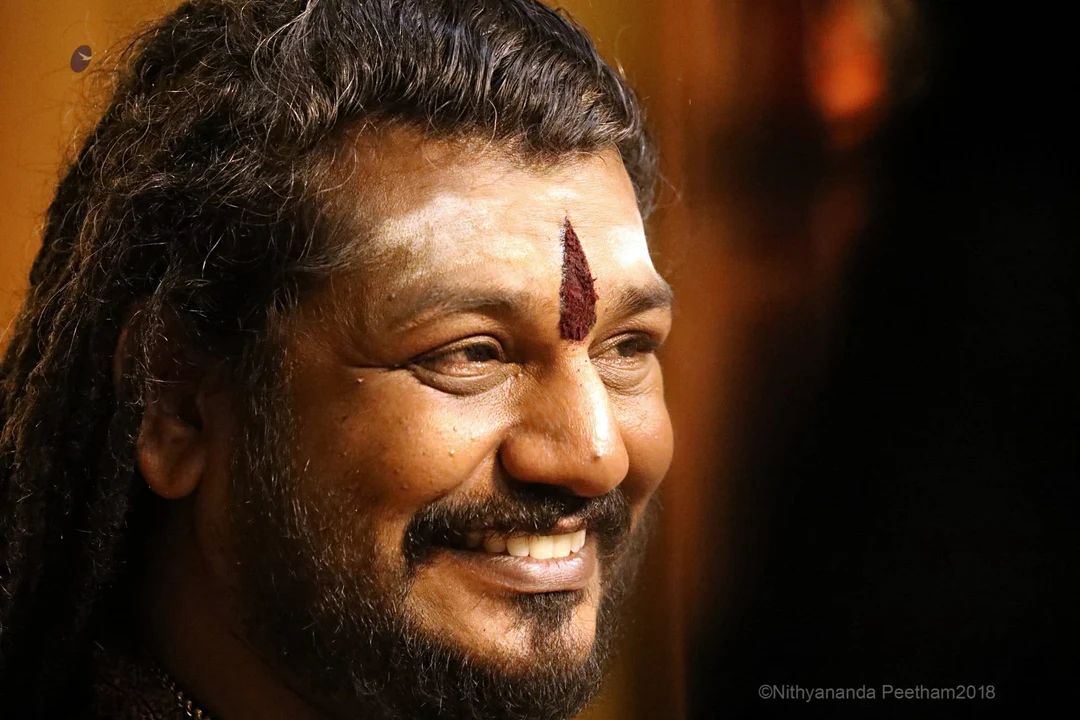
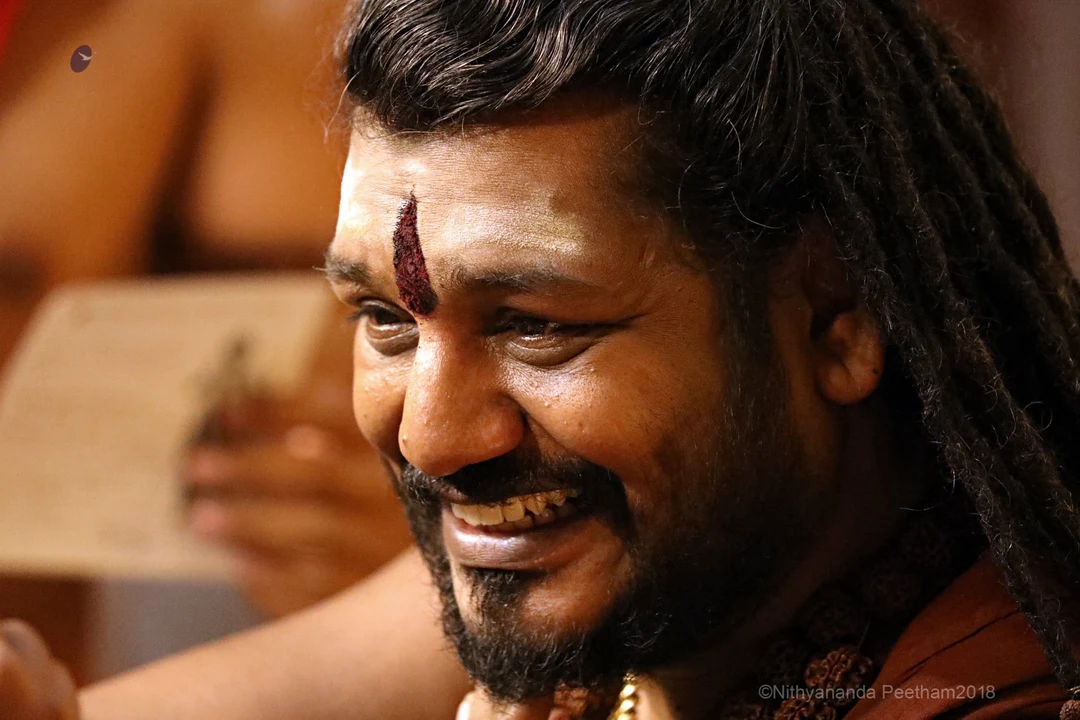
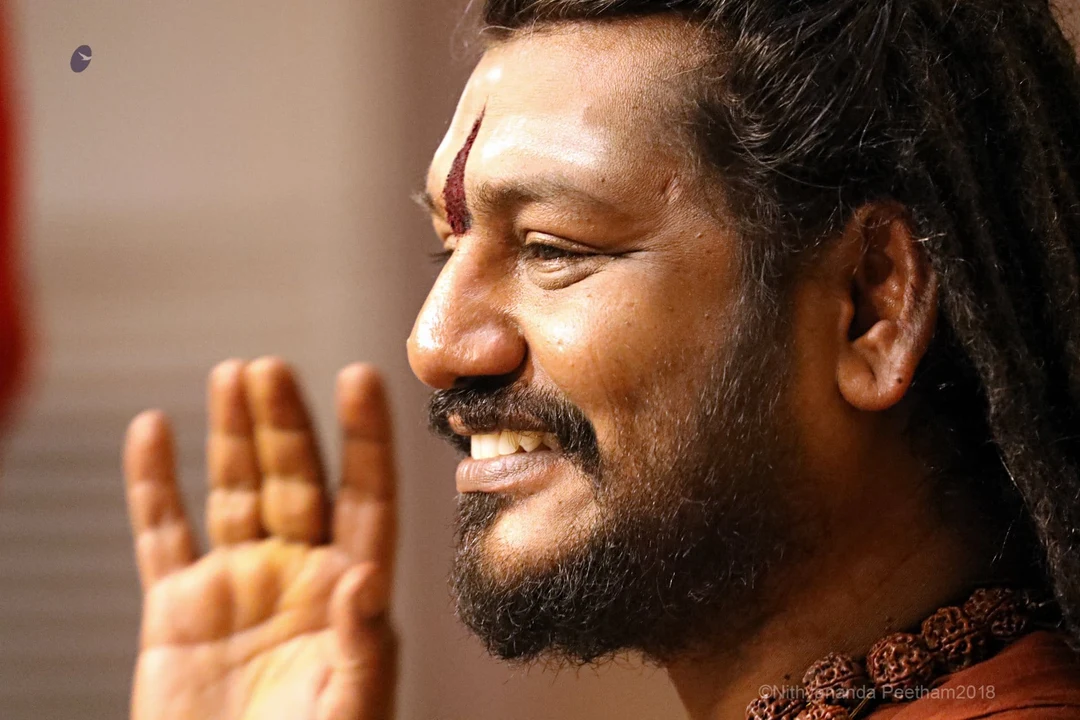
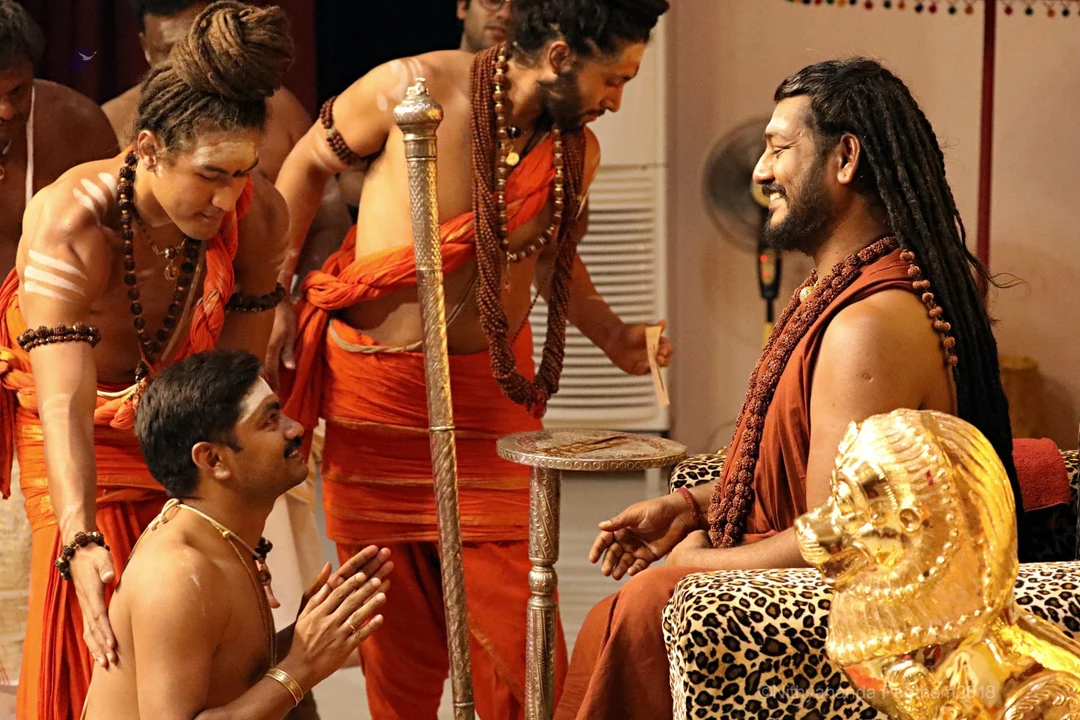
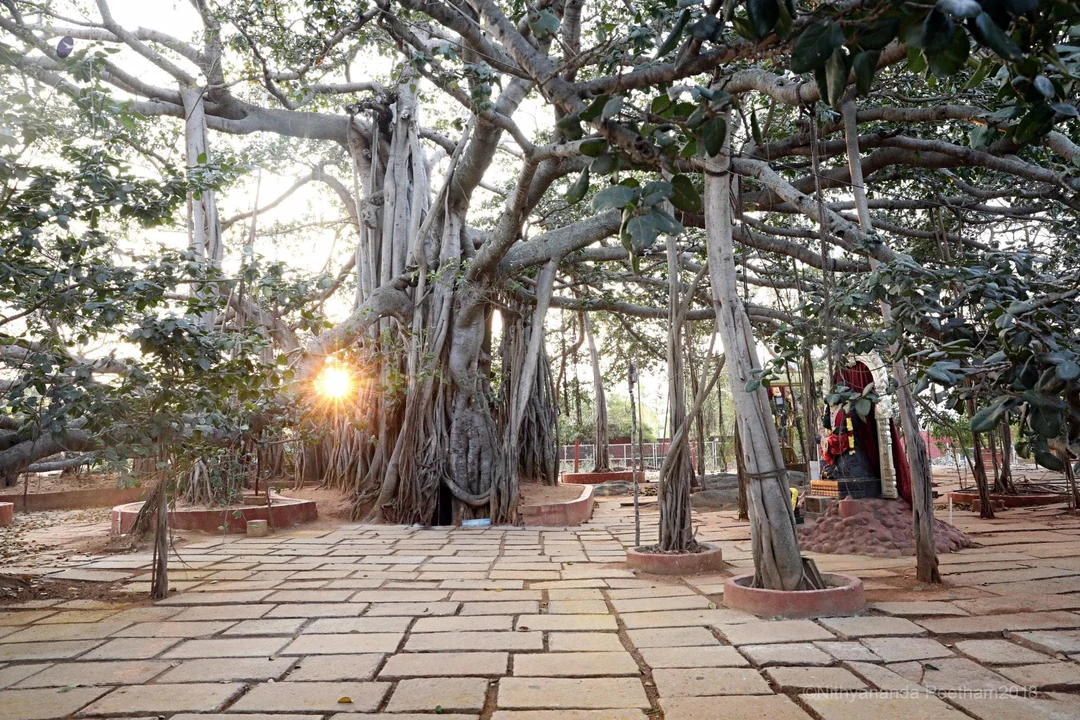
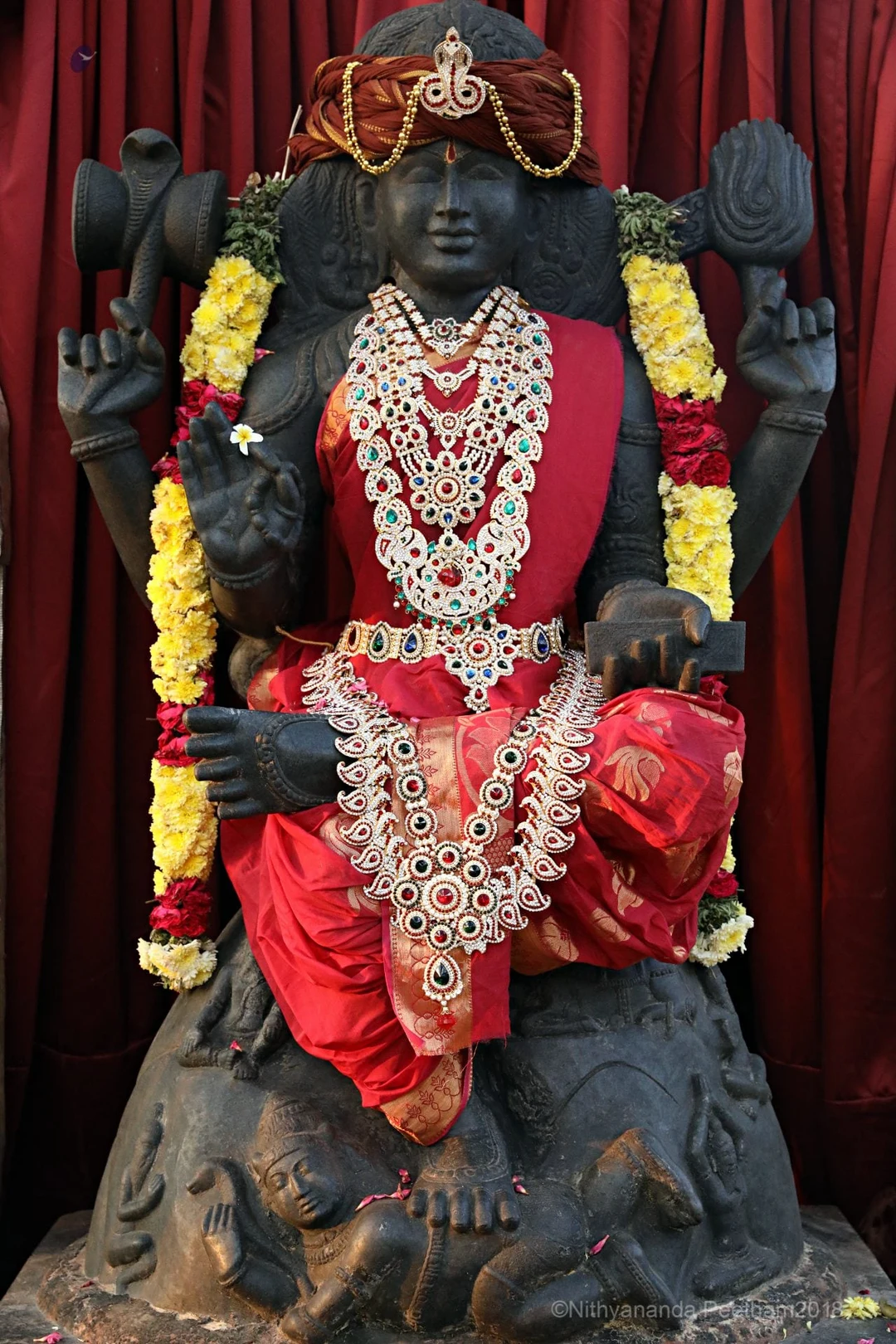
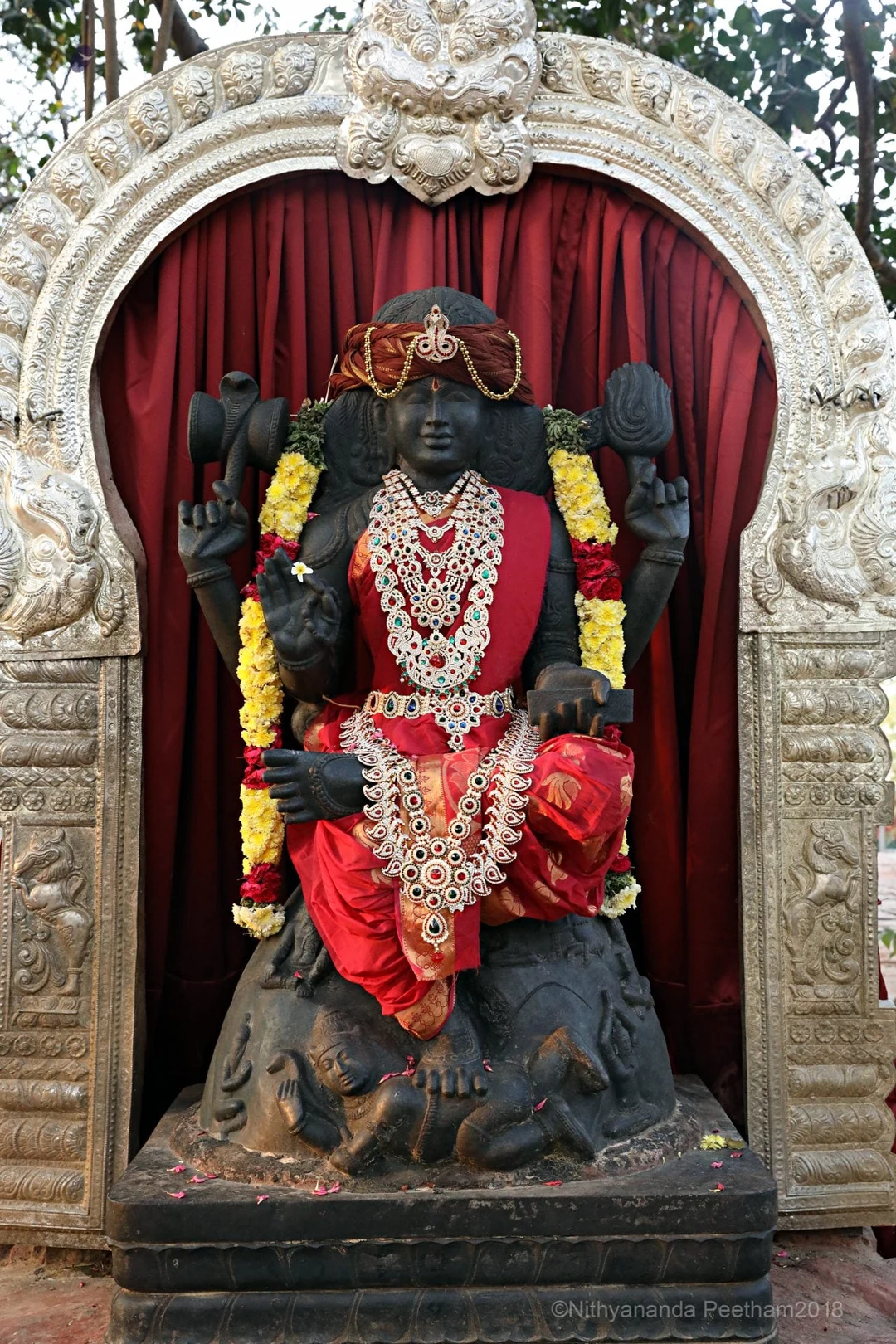
Temple Glimpses
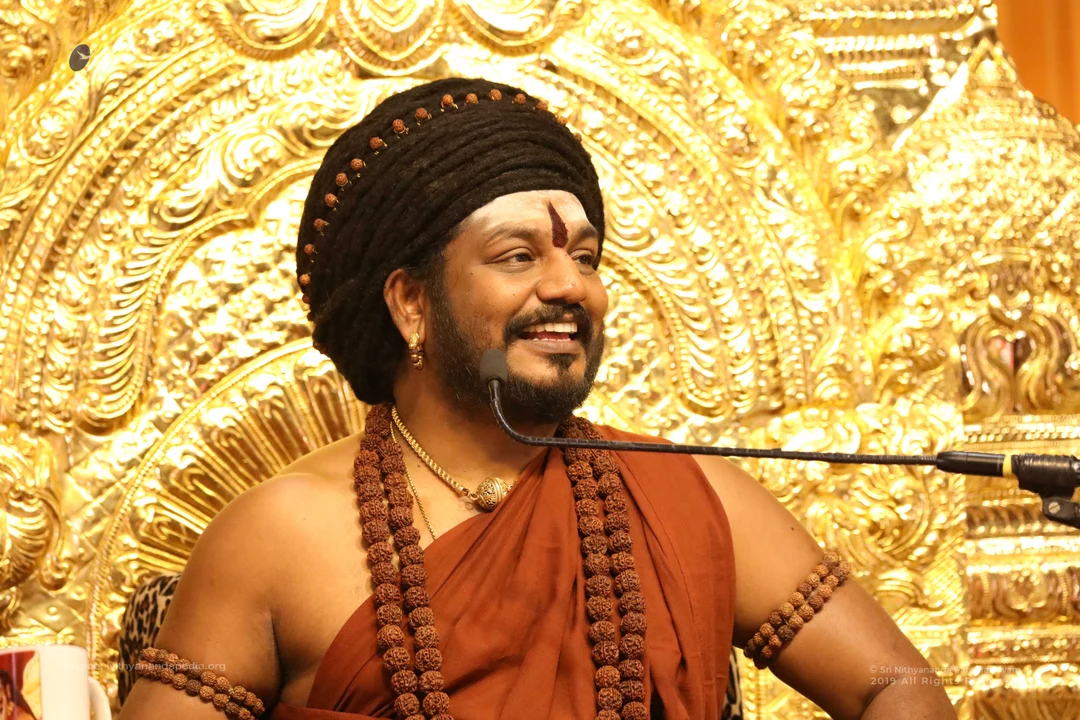
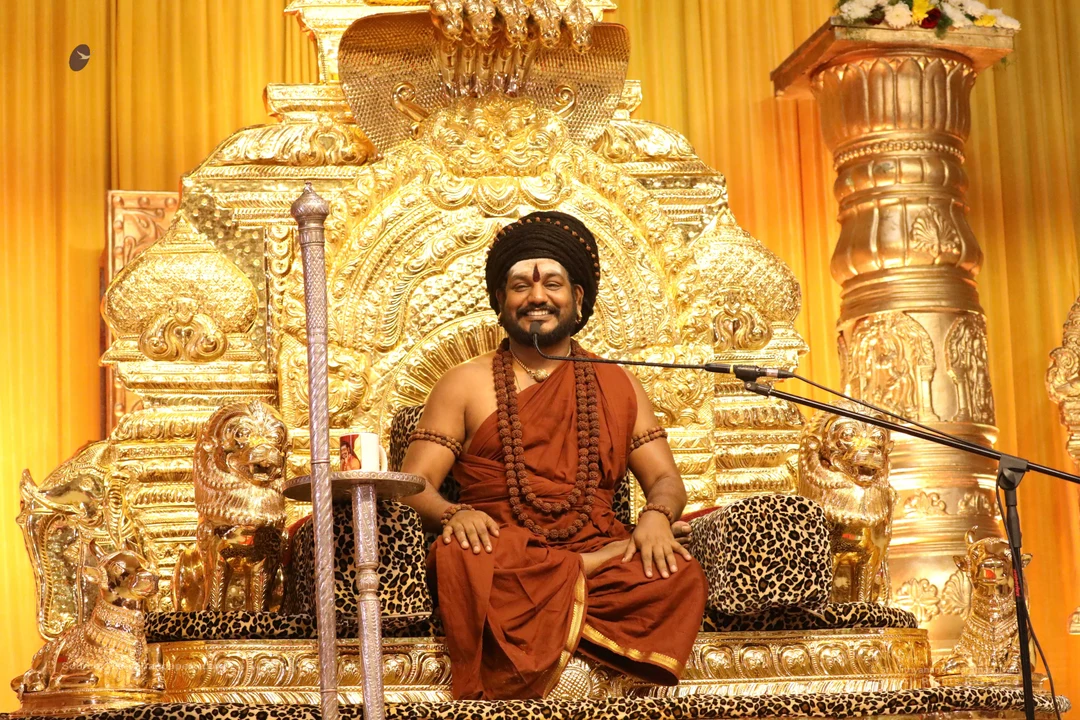
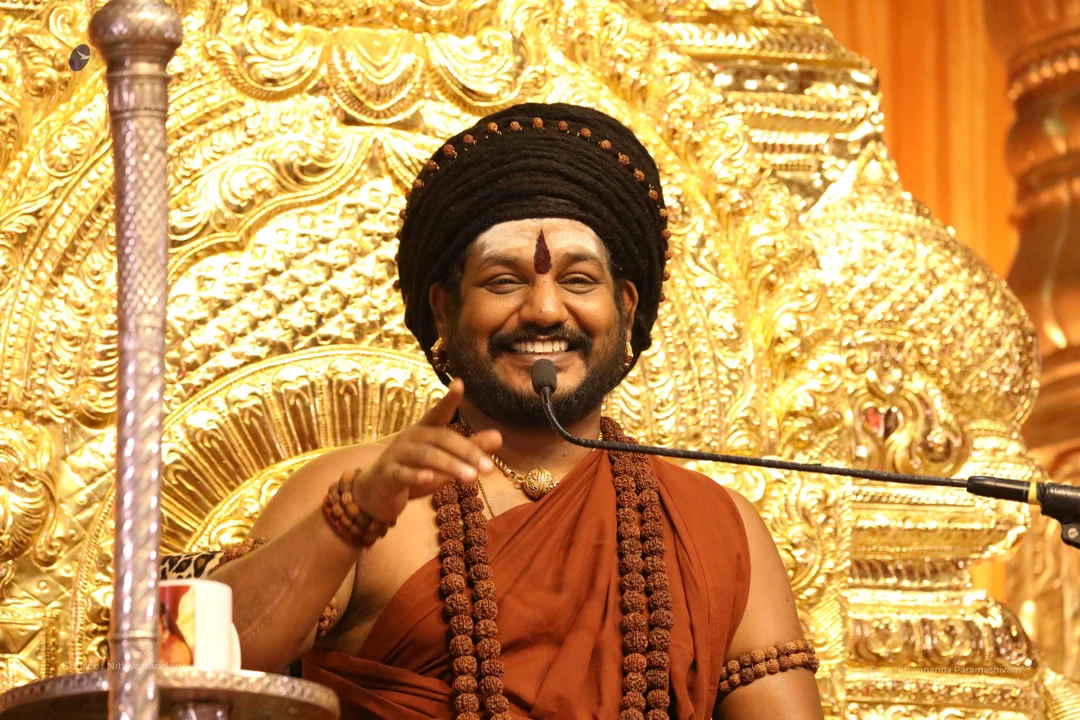
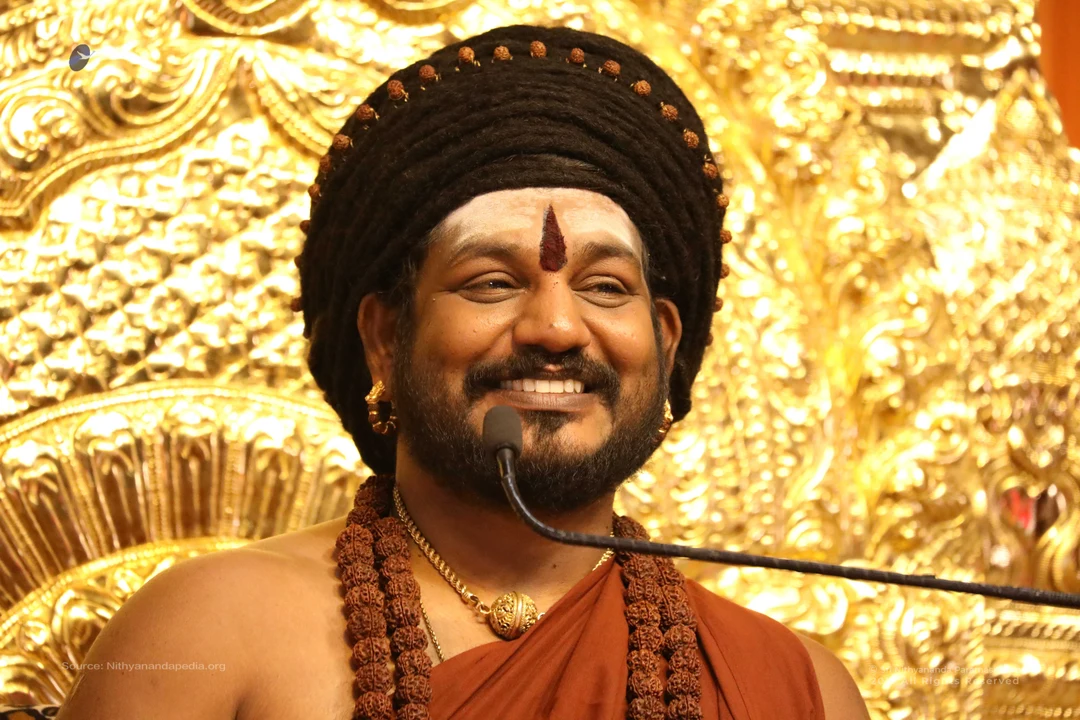
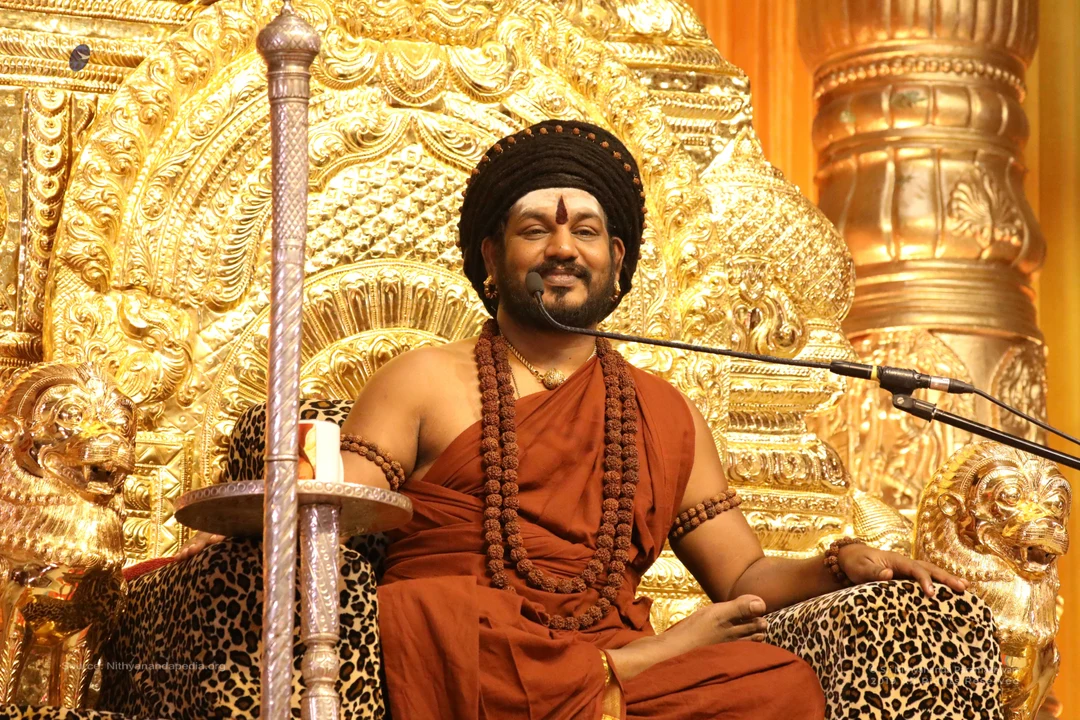
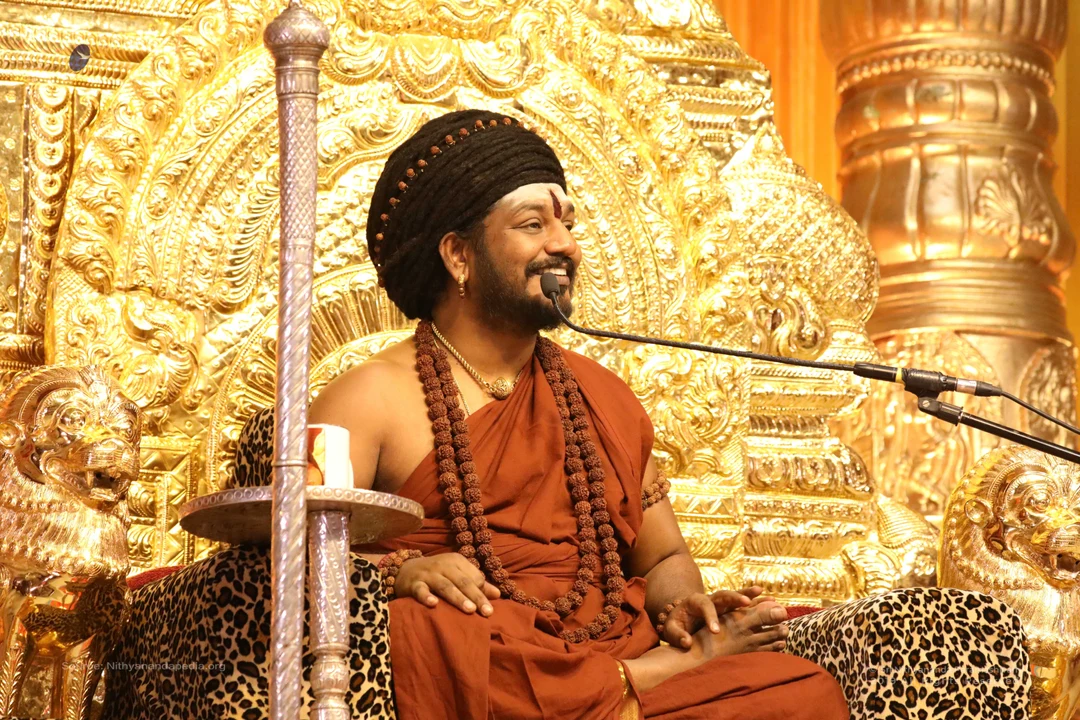
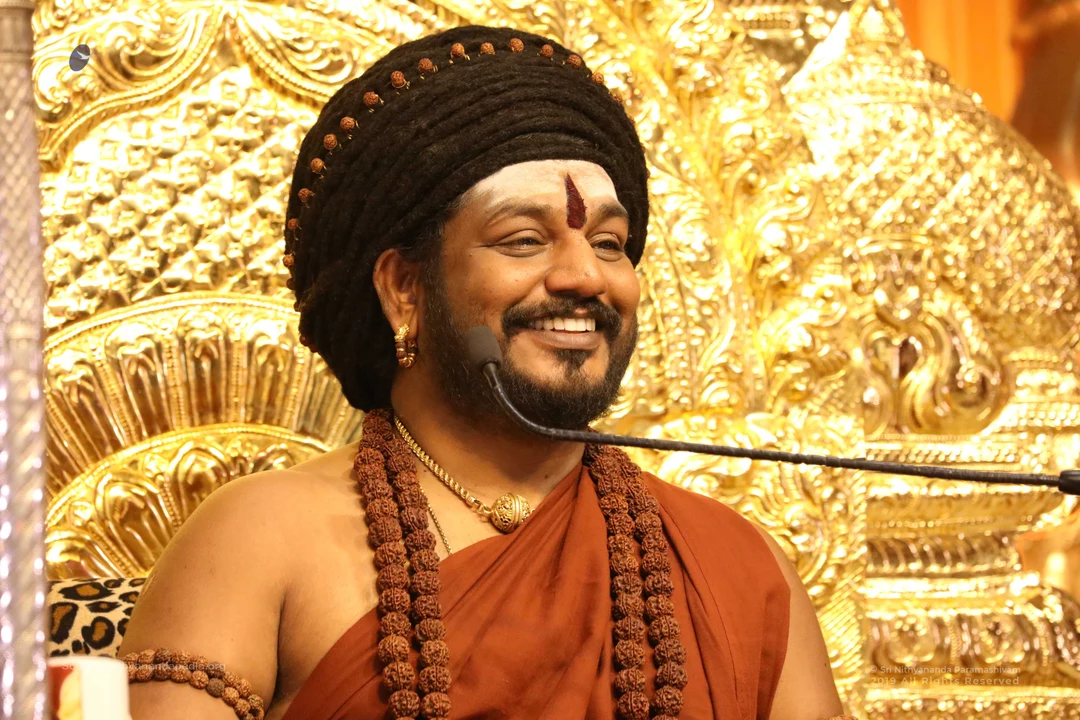
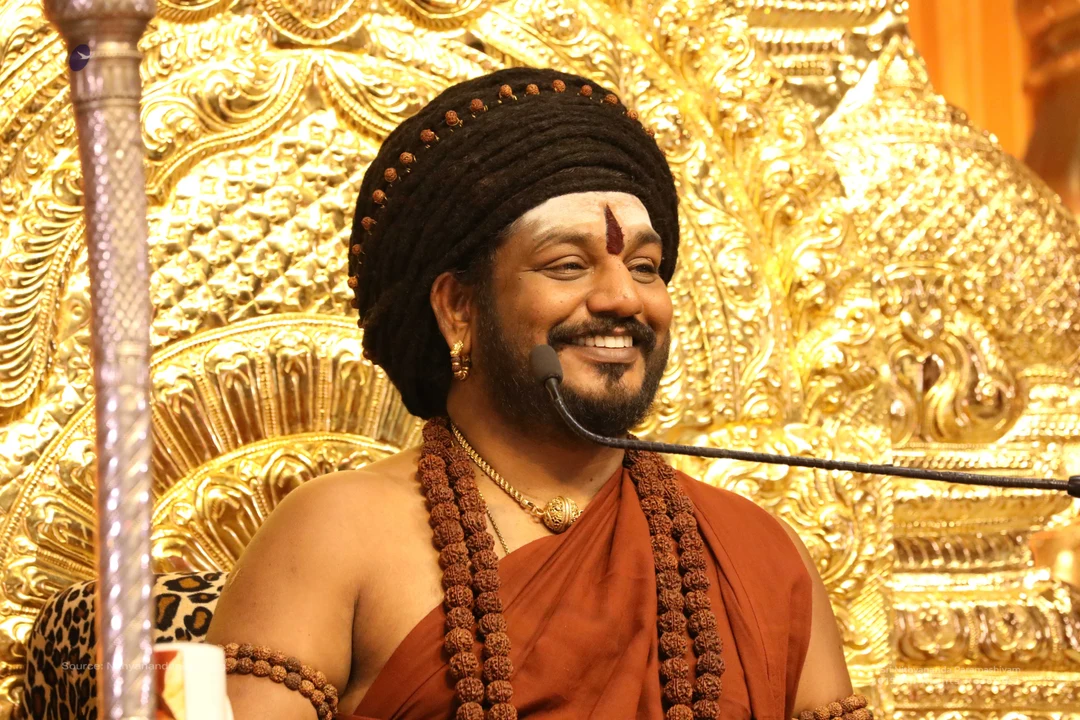
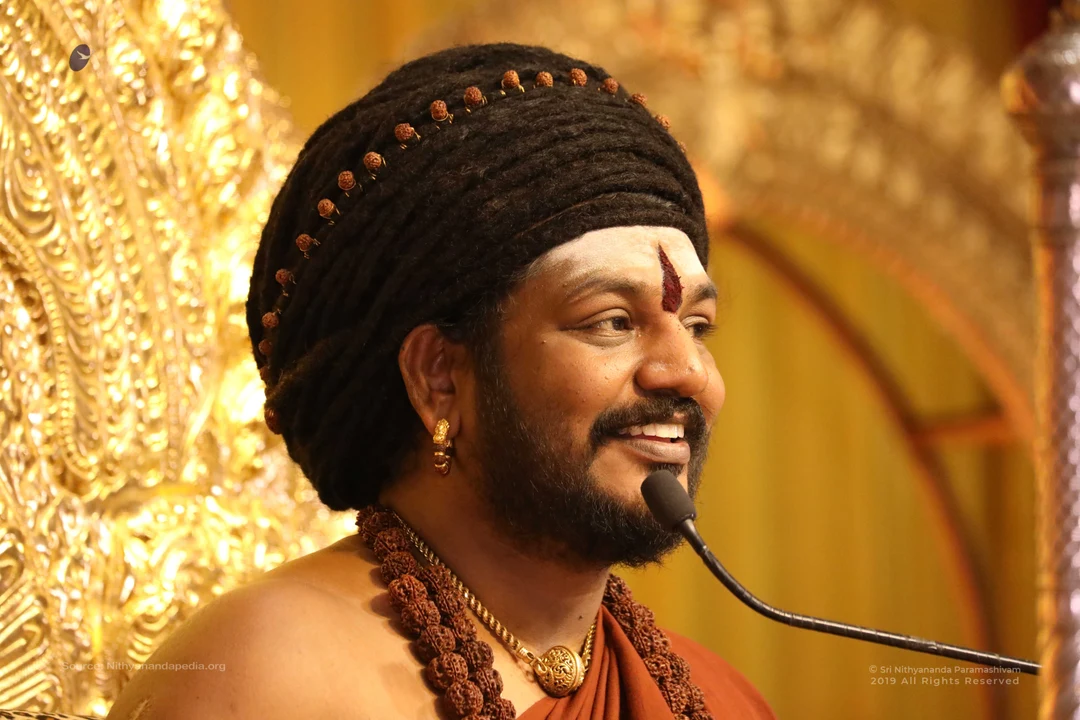
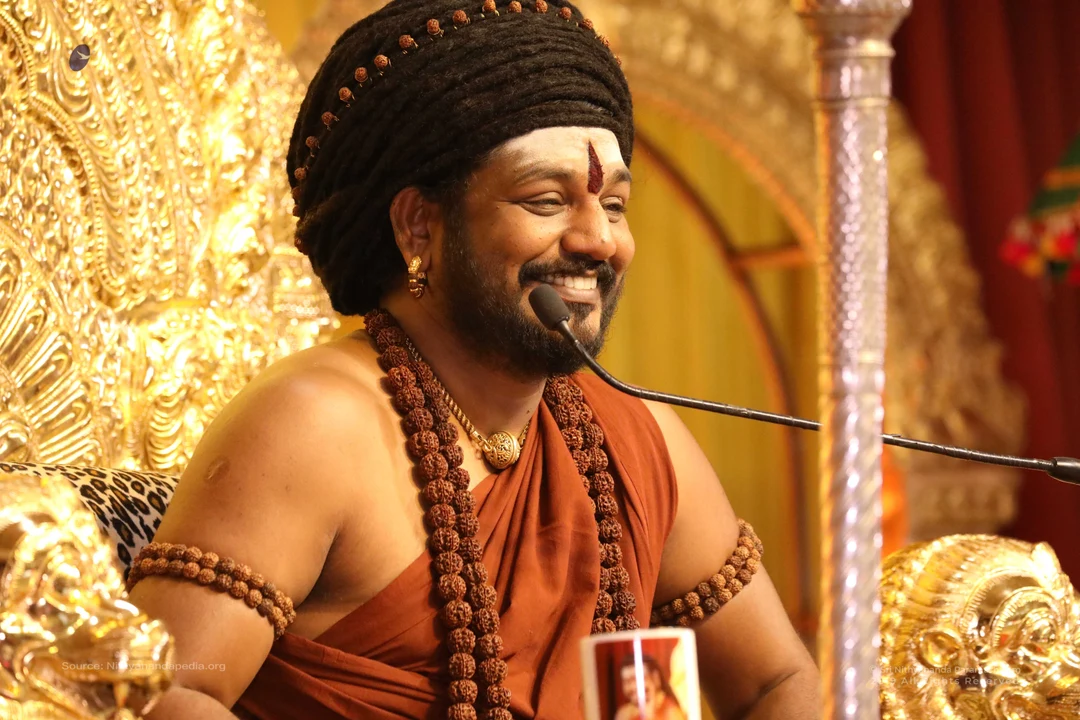
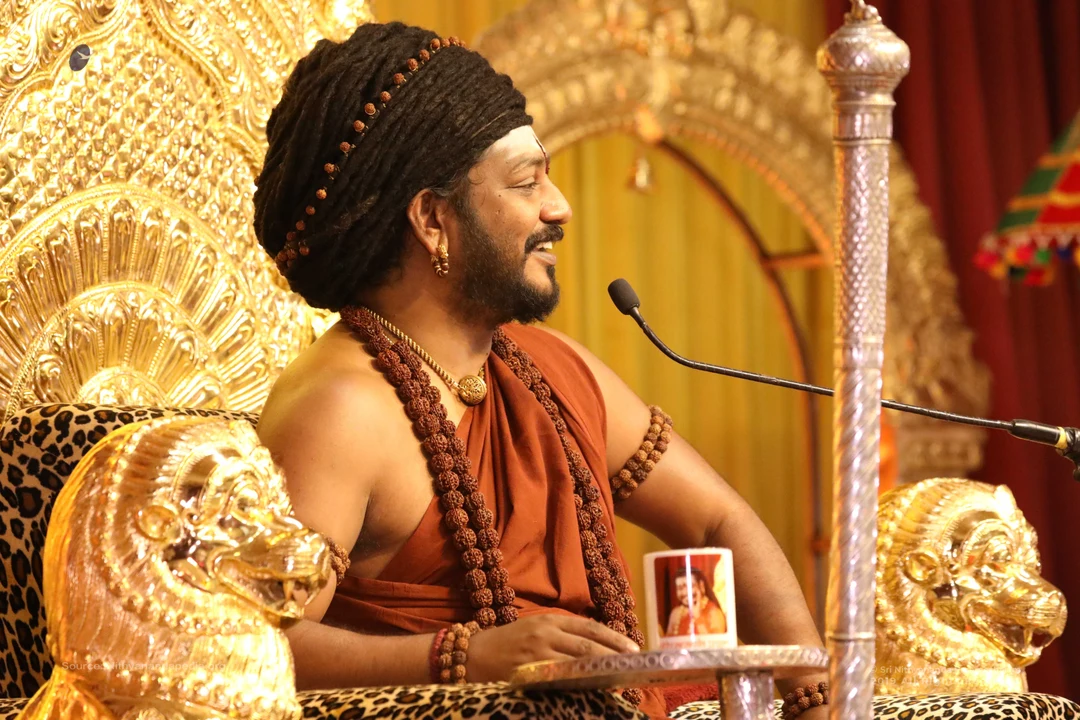
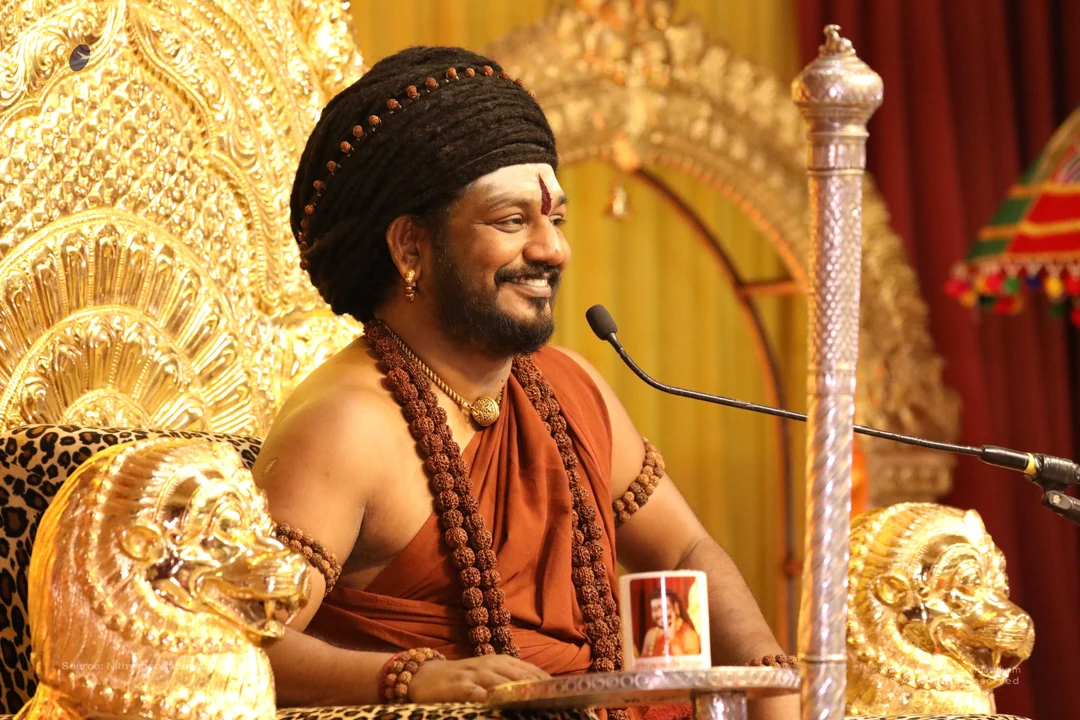
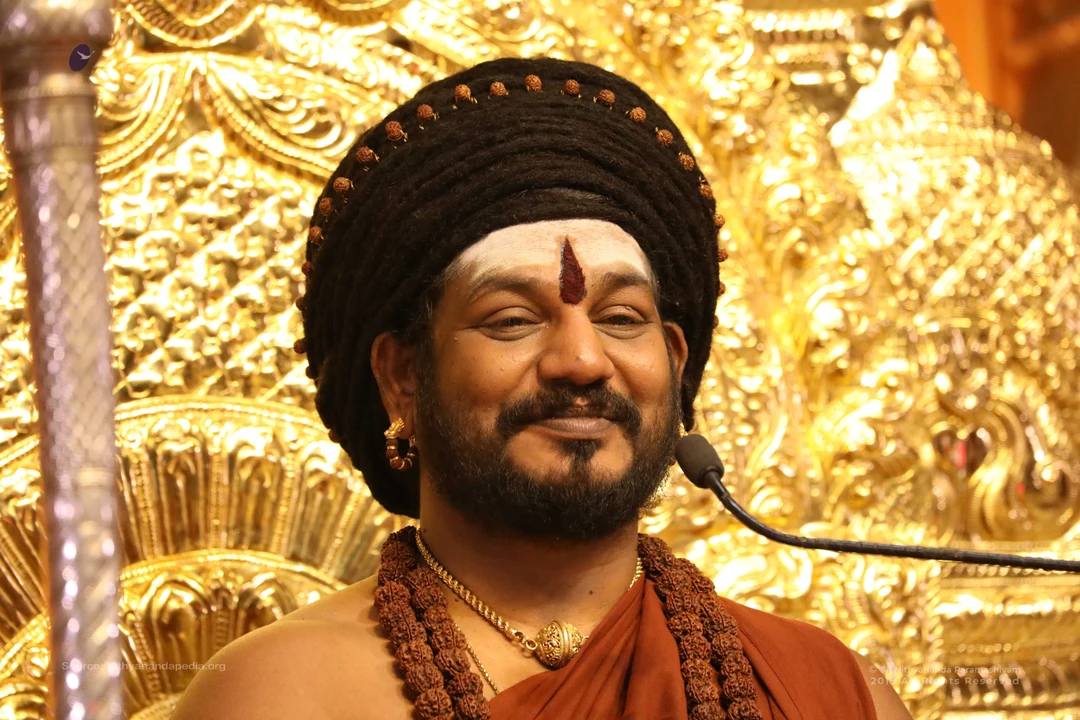
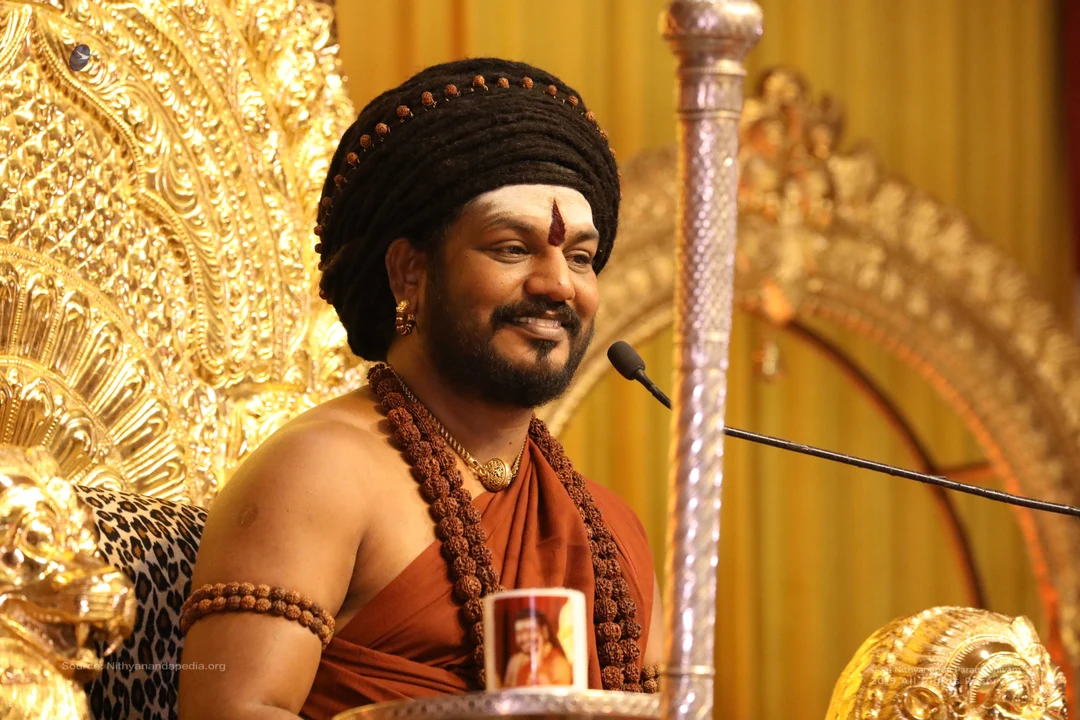
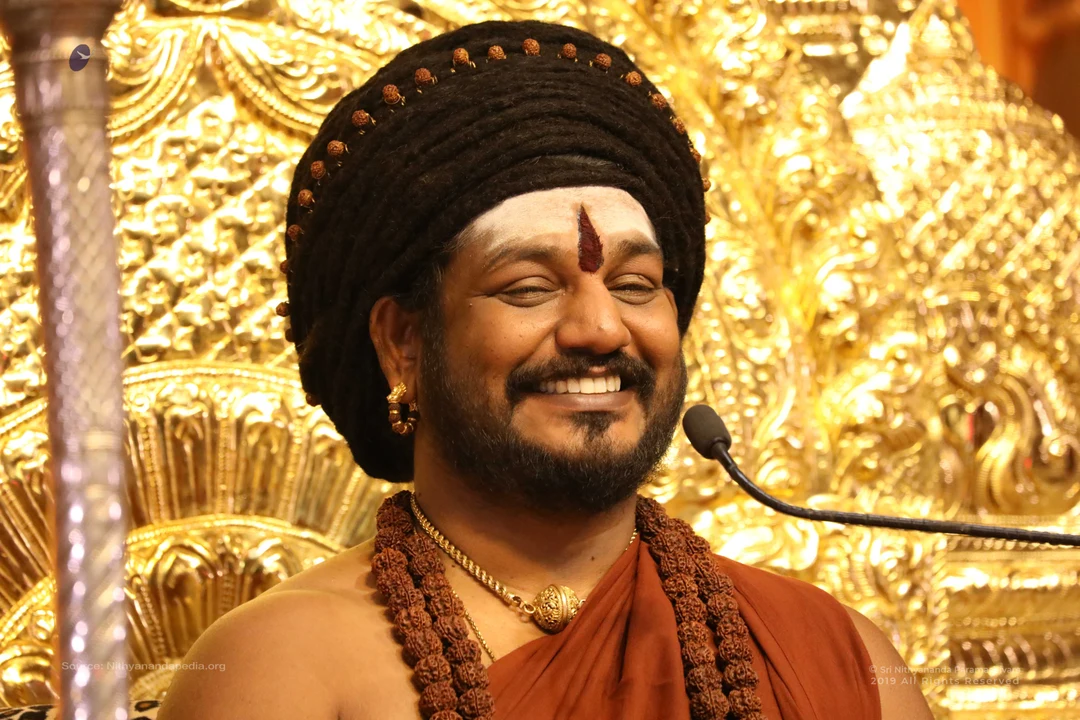
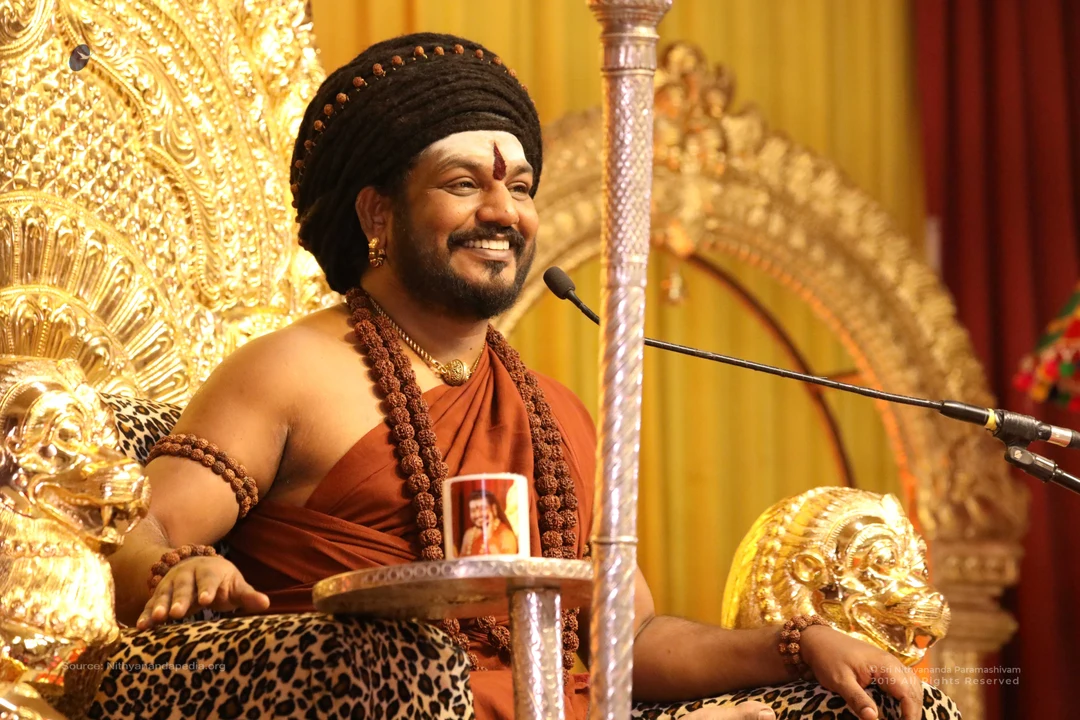
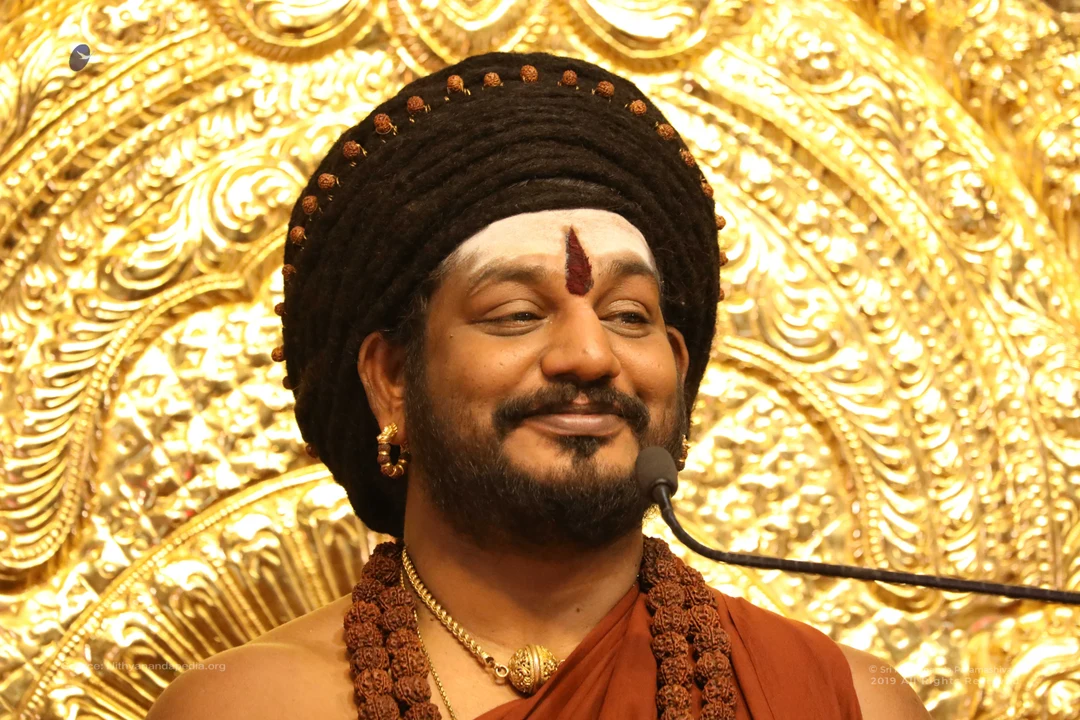
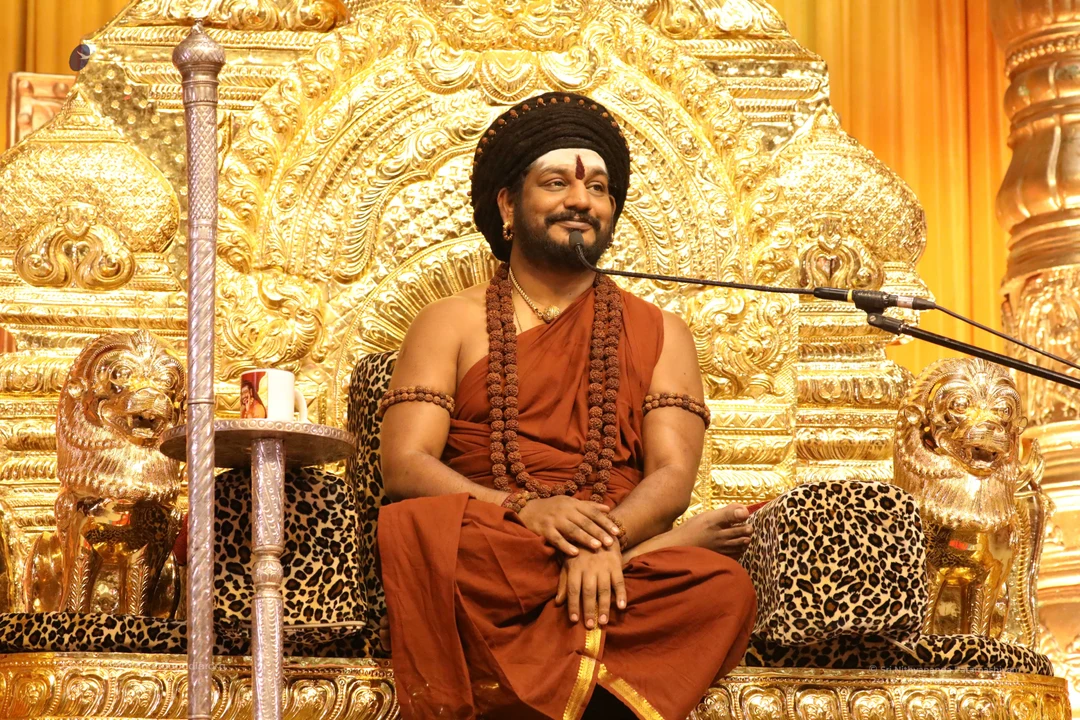
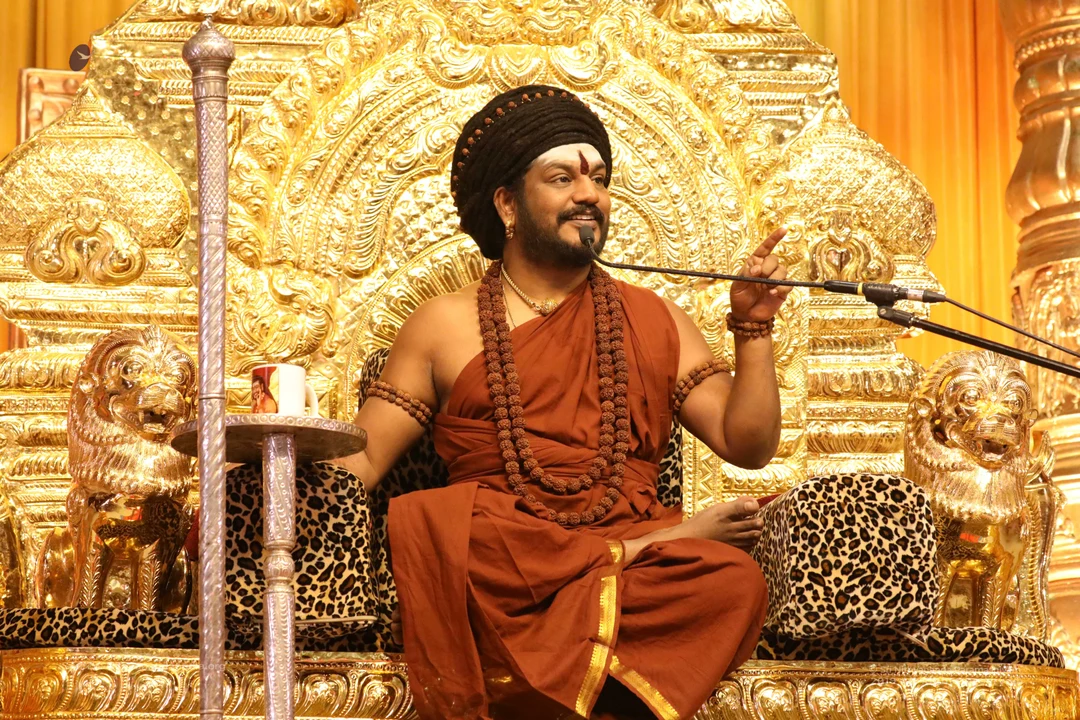
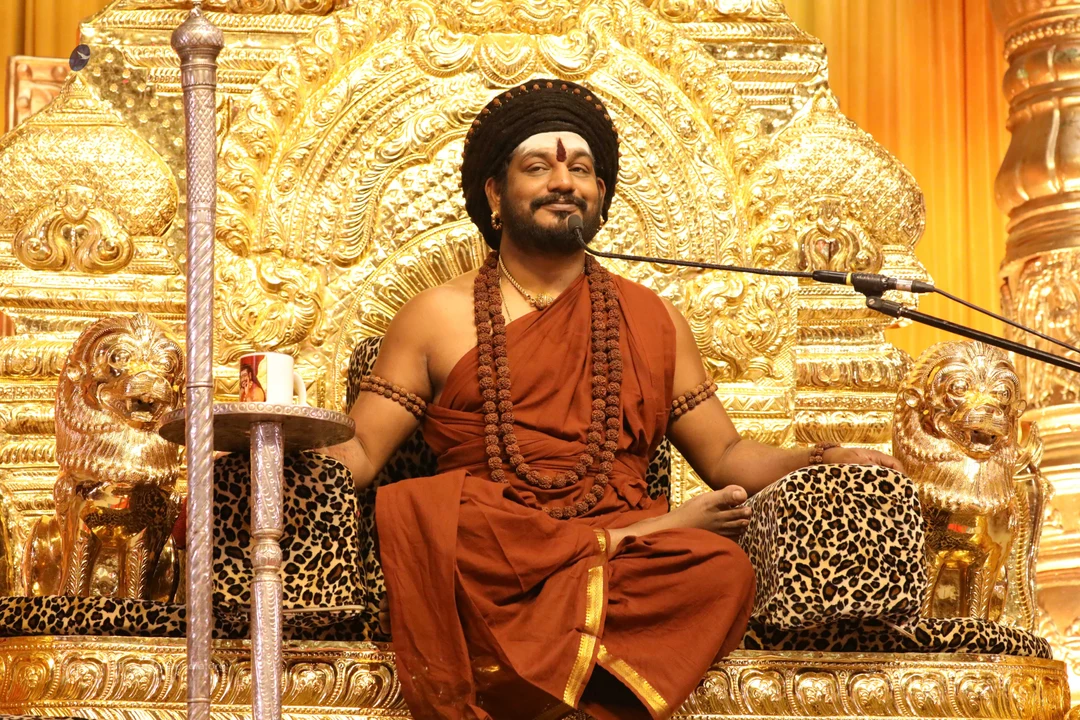
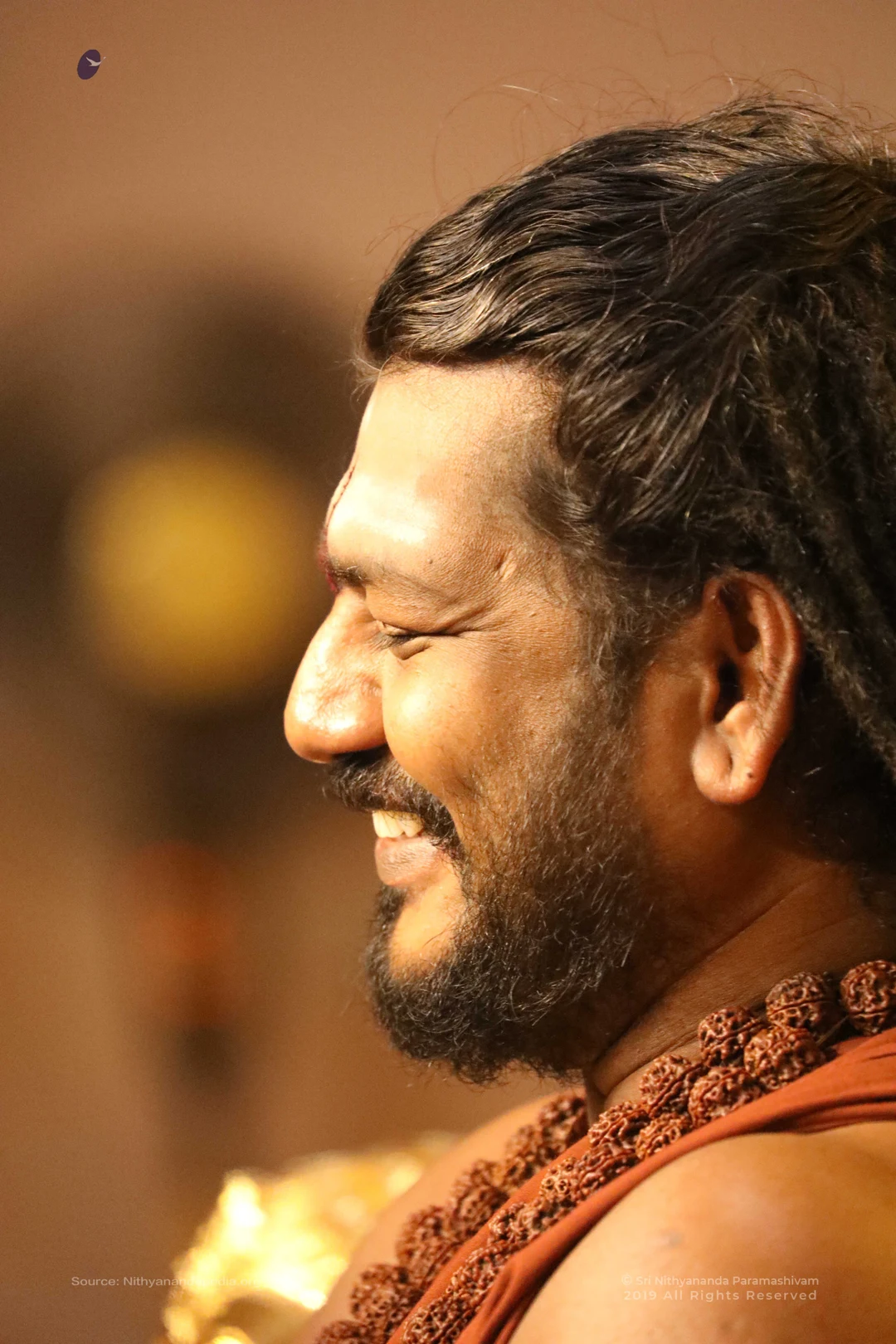
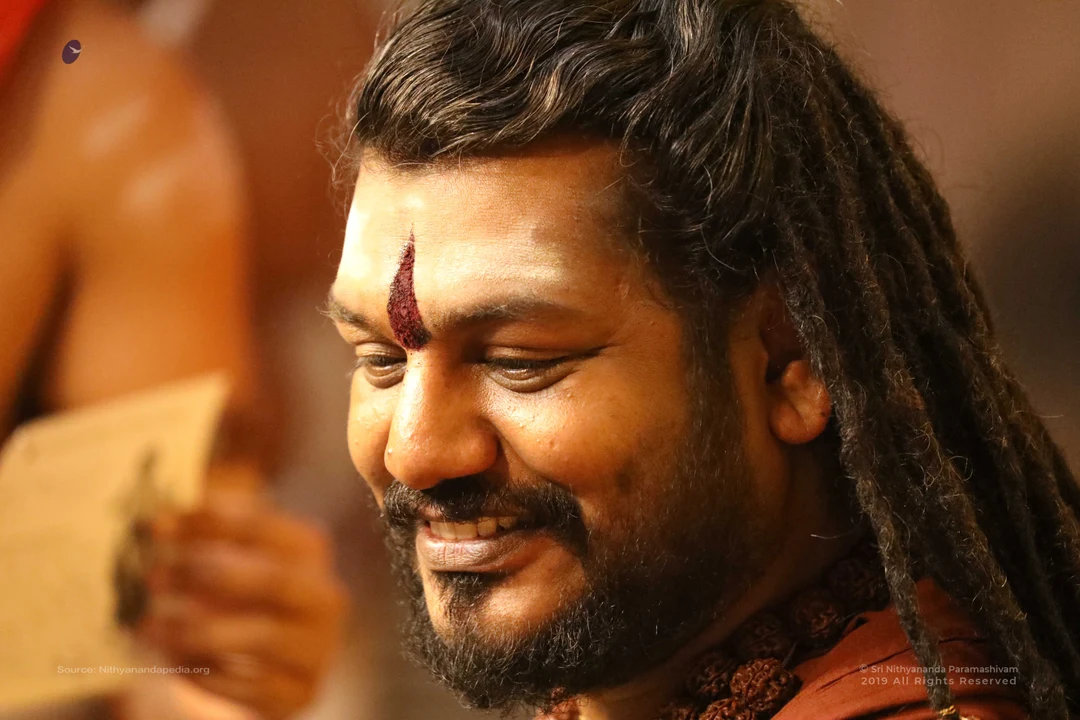
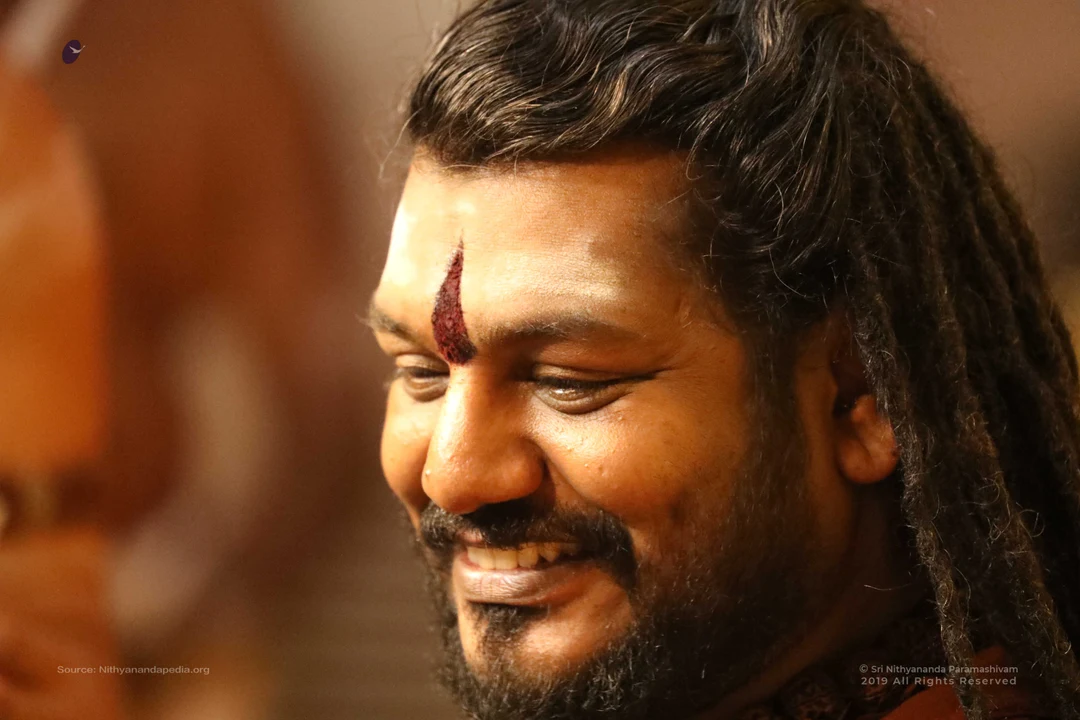
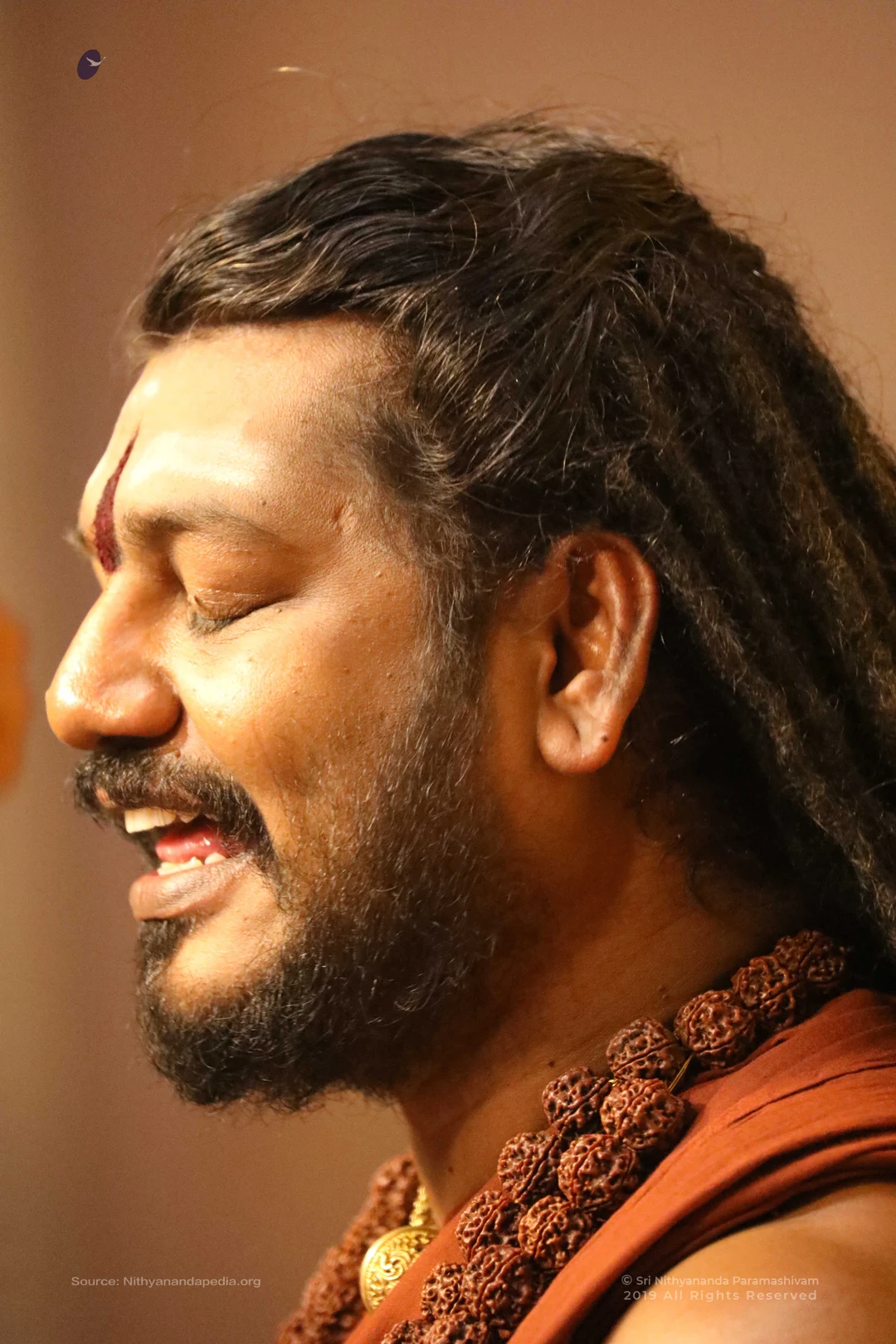
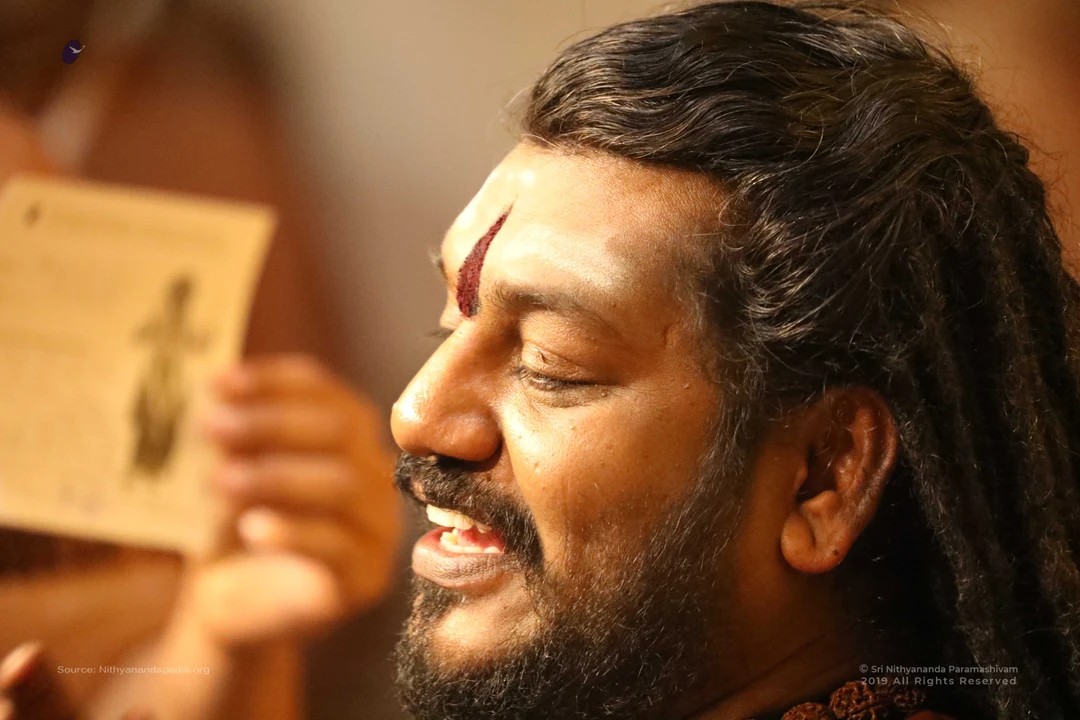
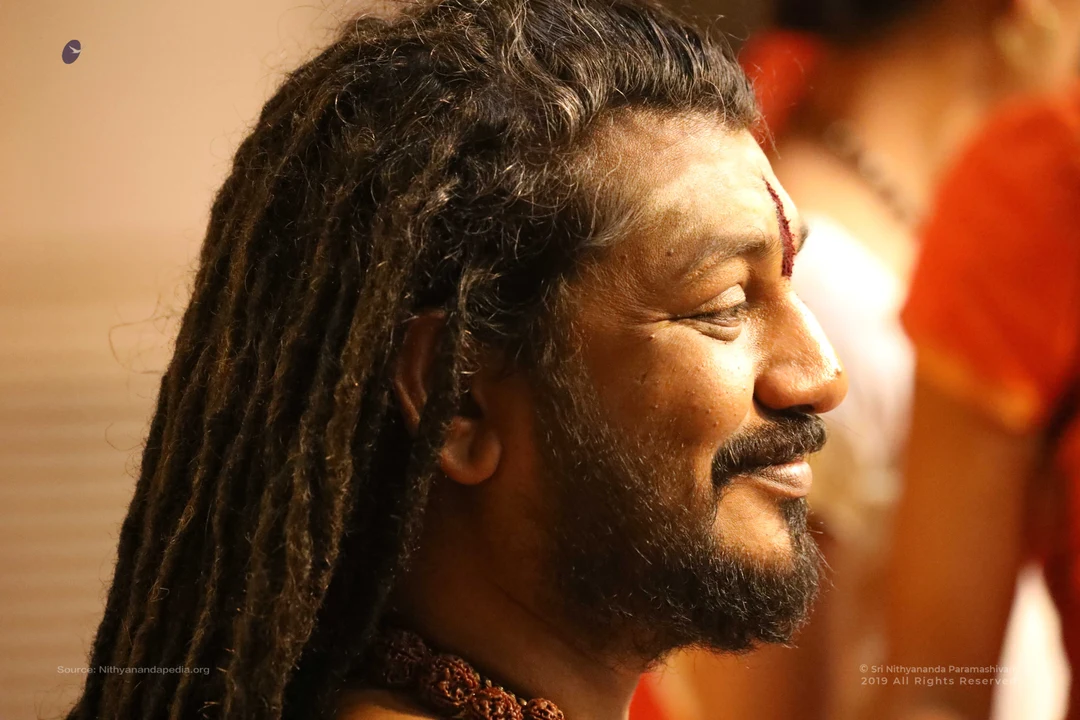
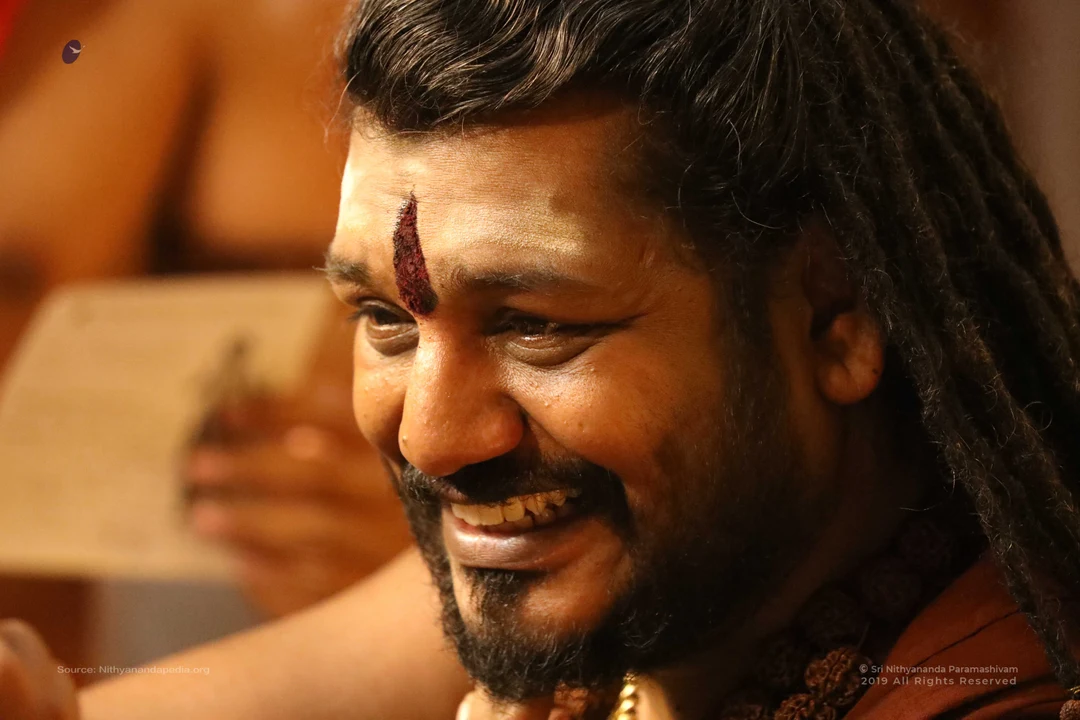
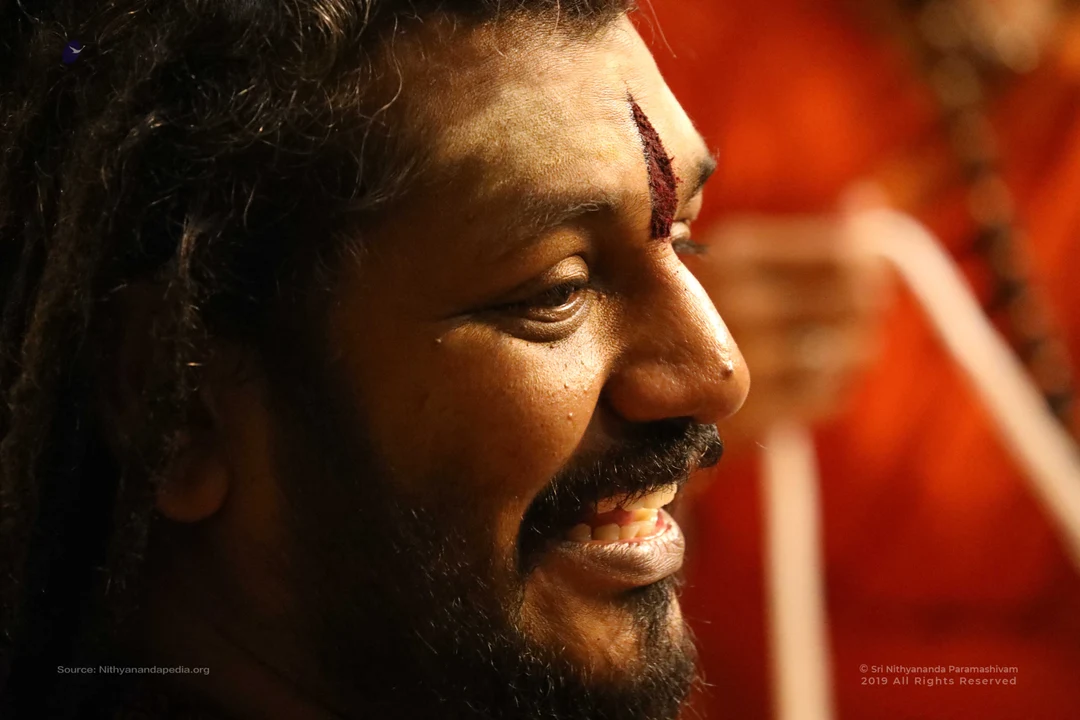
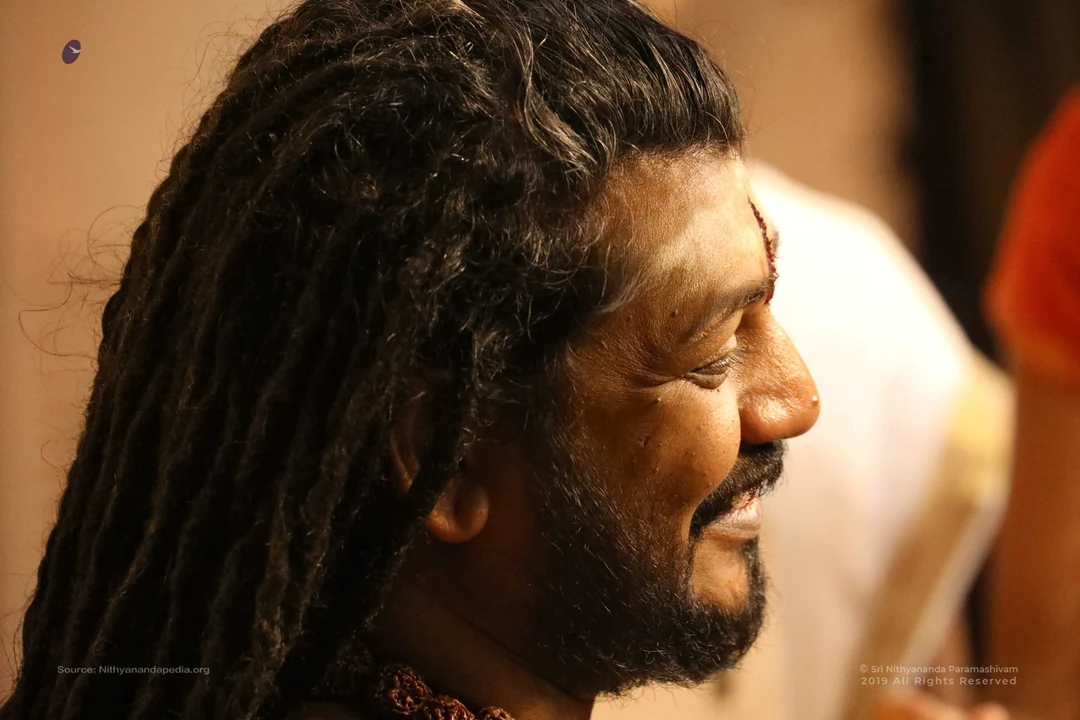
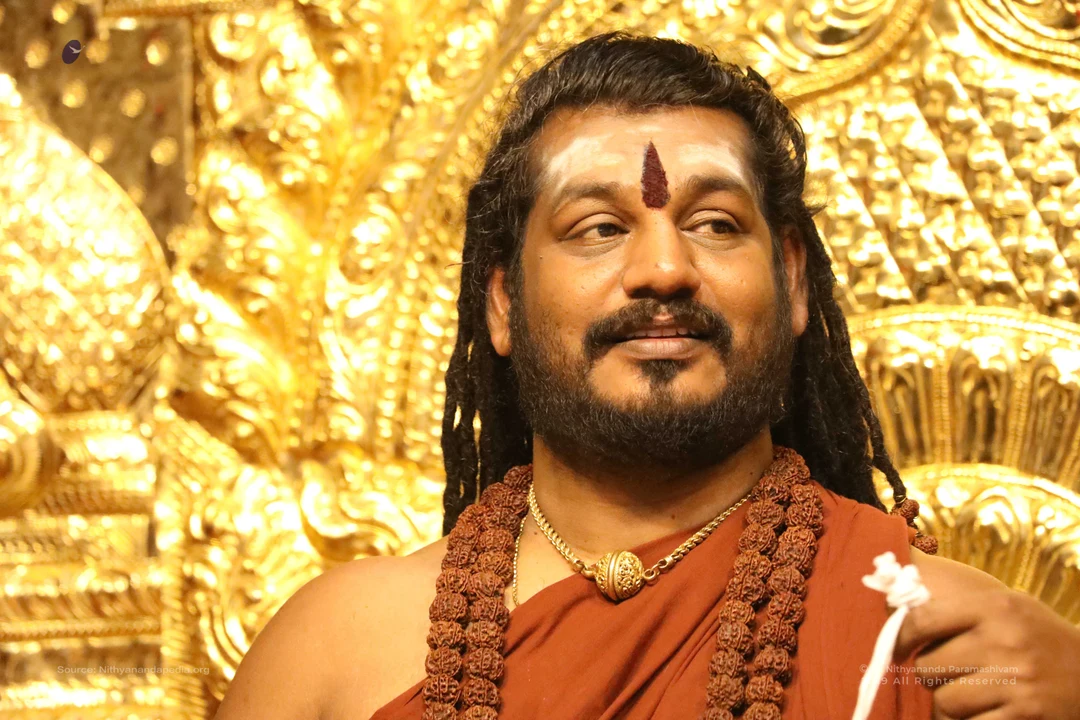
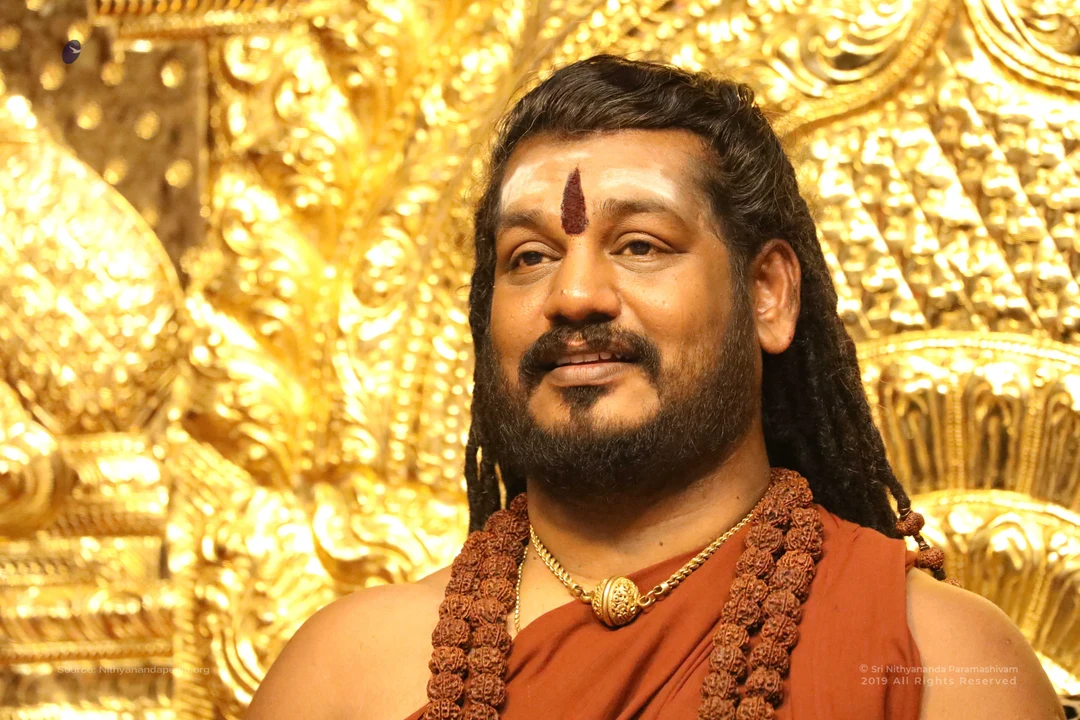
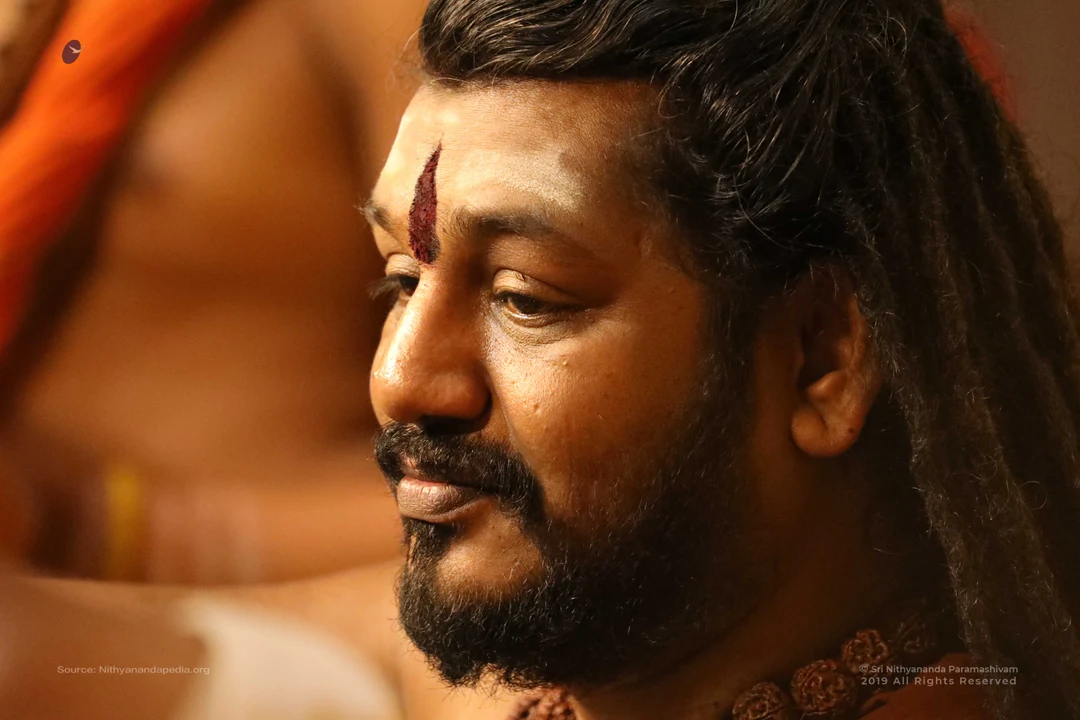
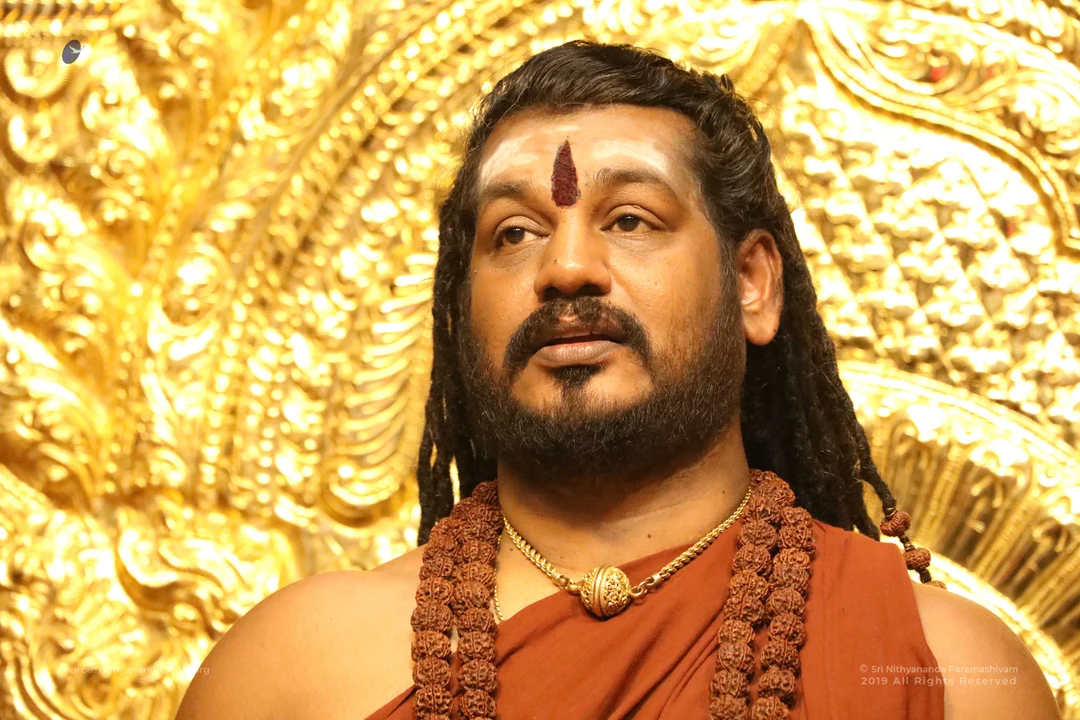
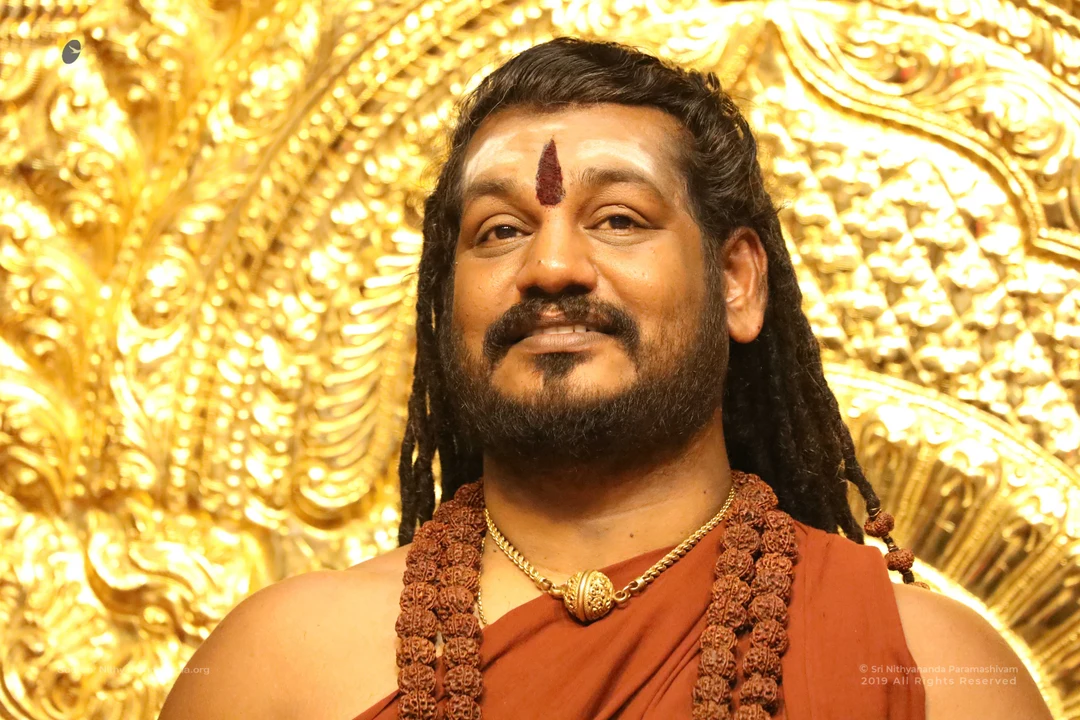
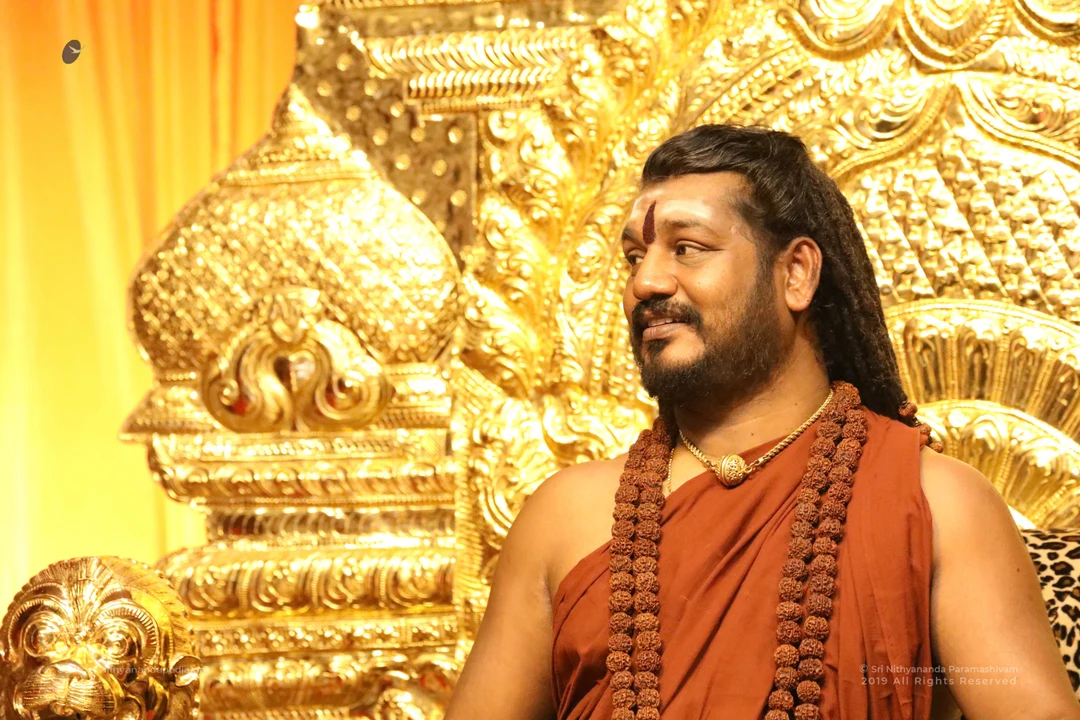
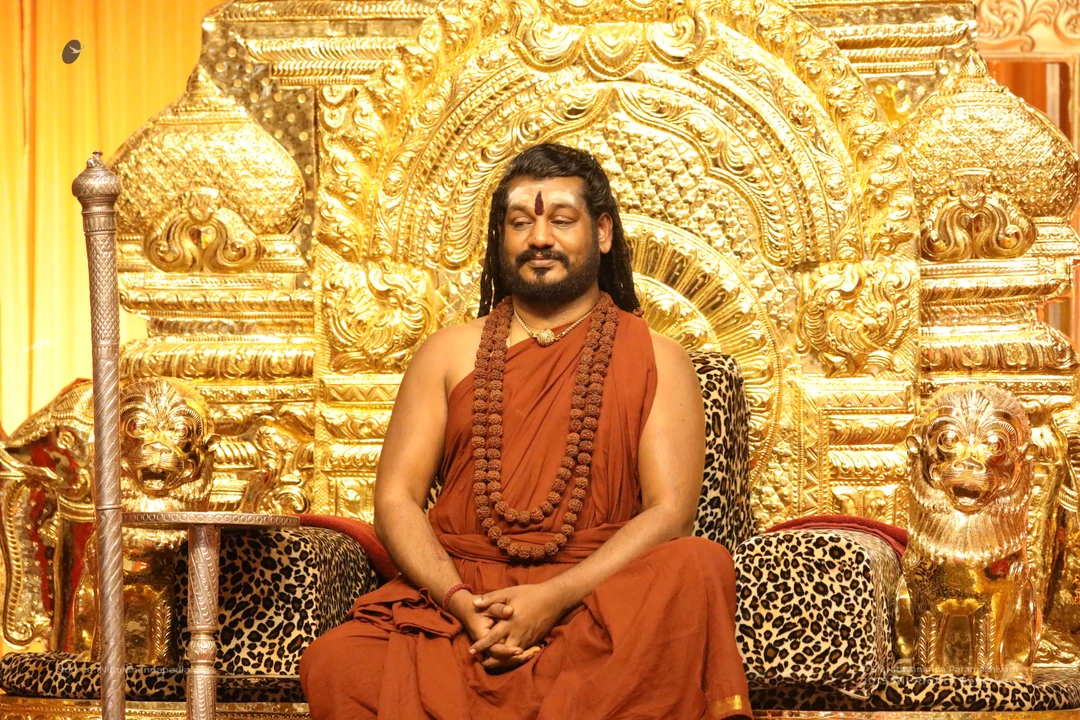
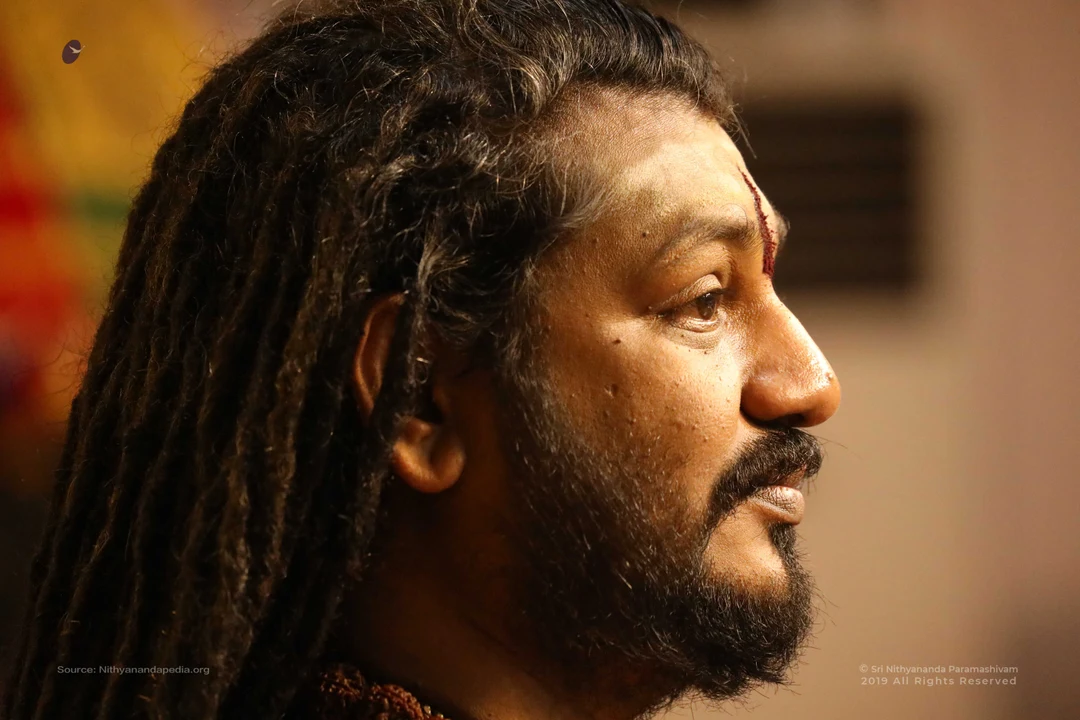
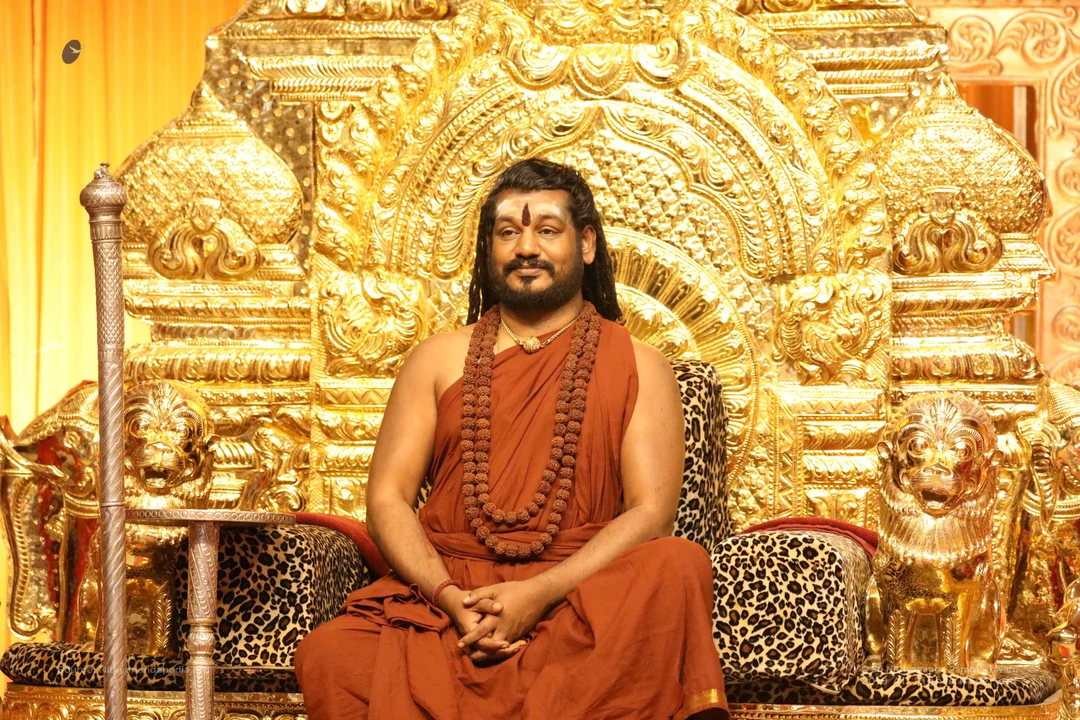
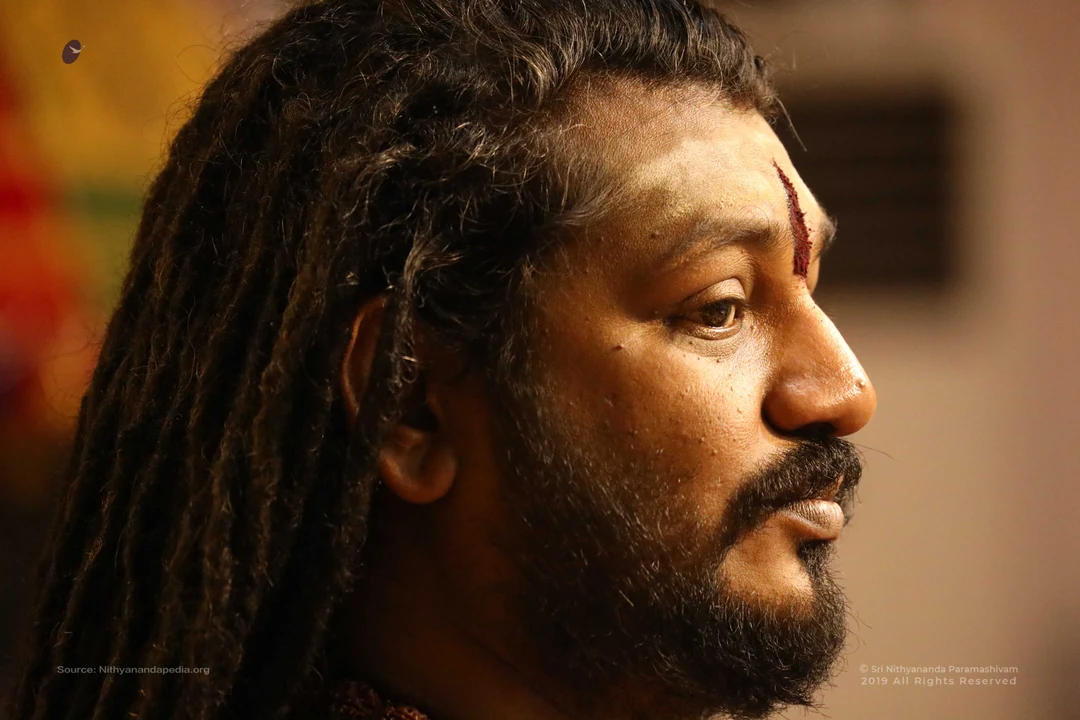
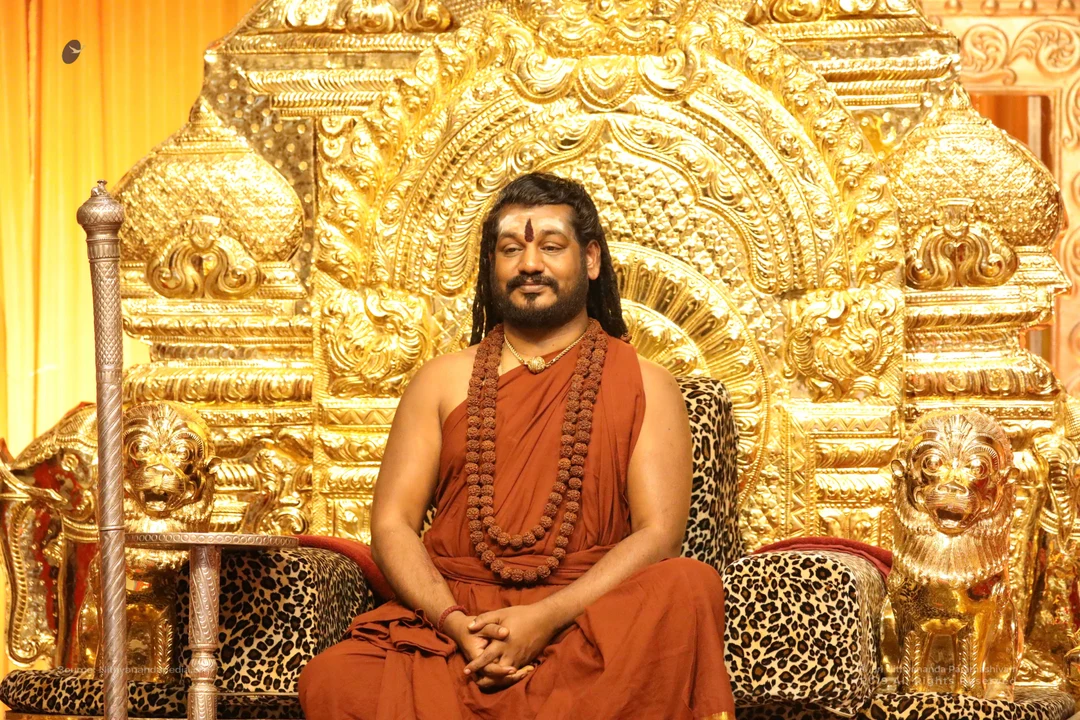
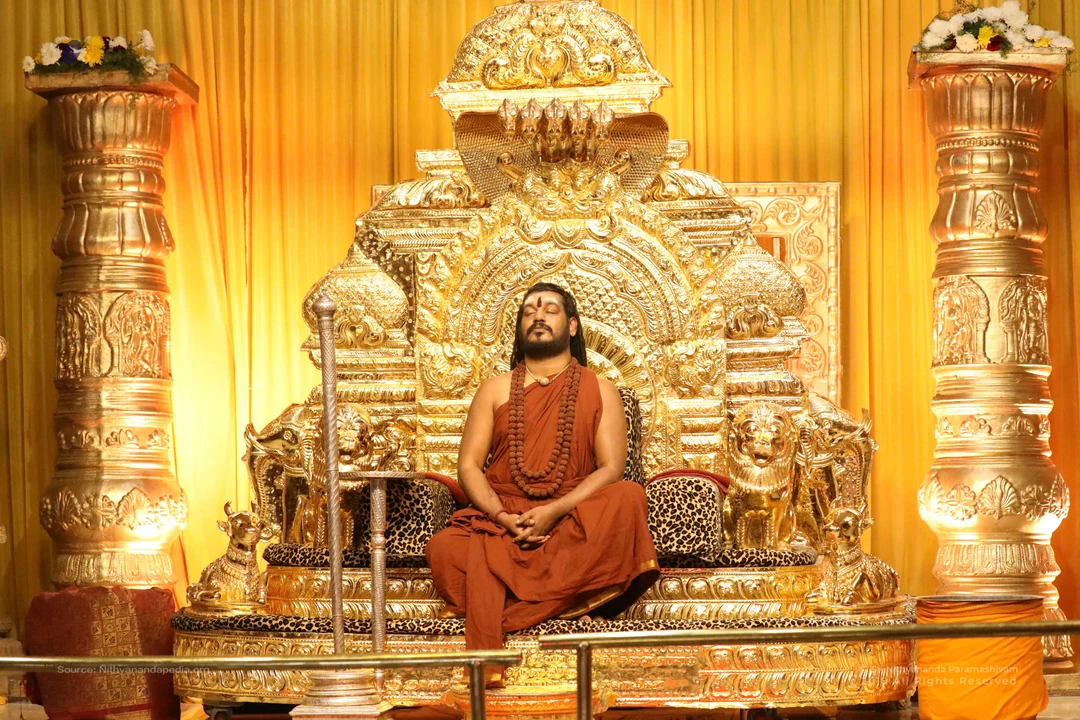
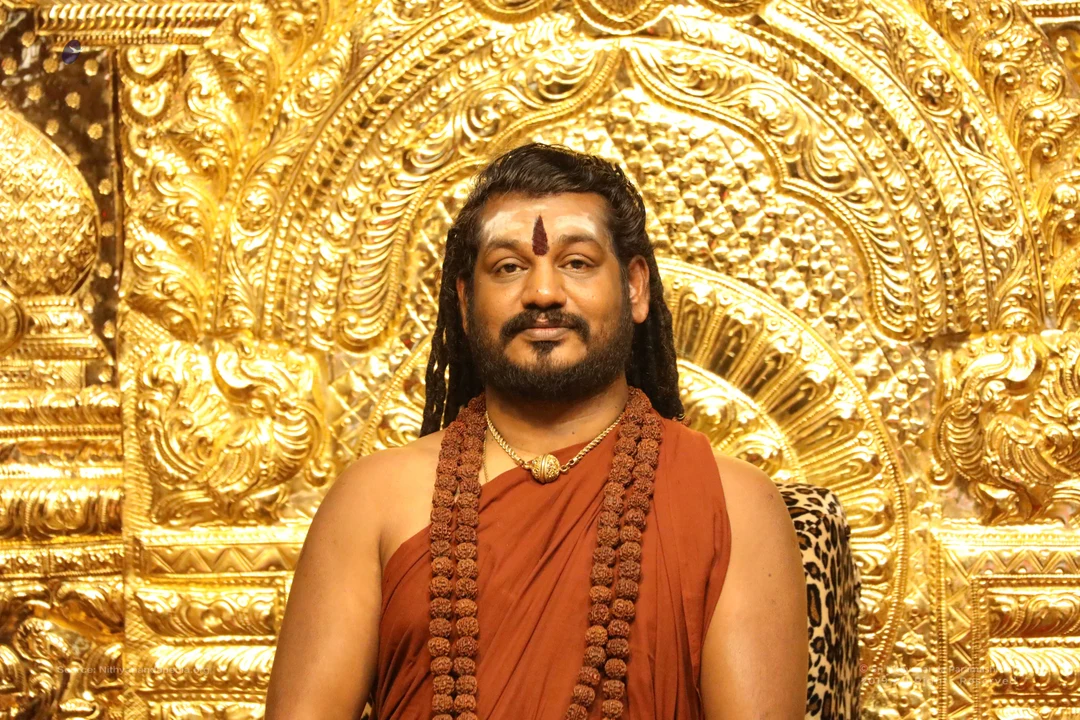
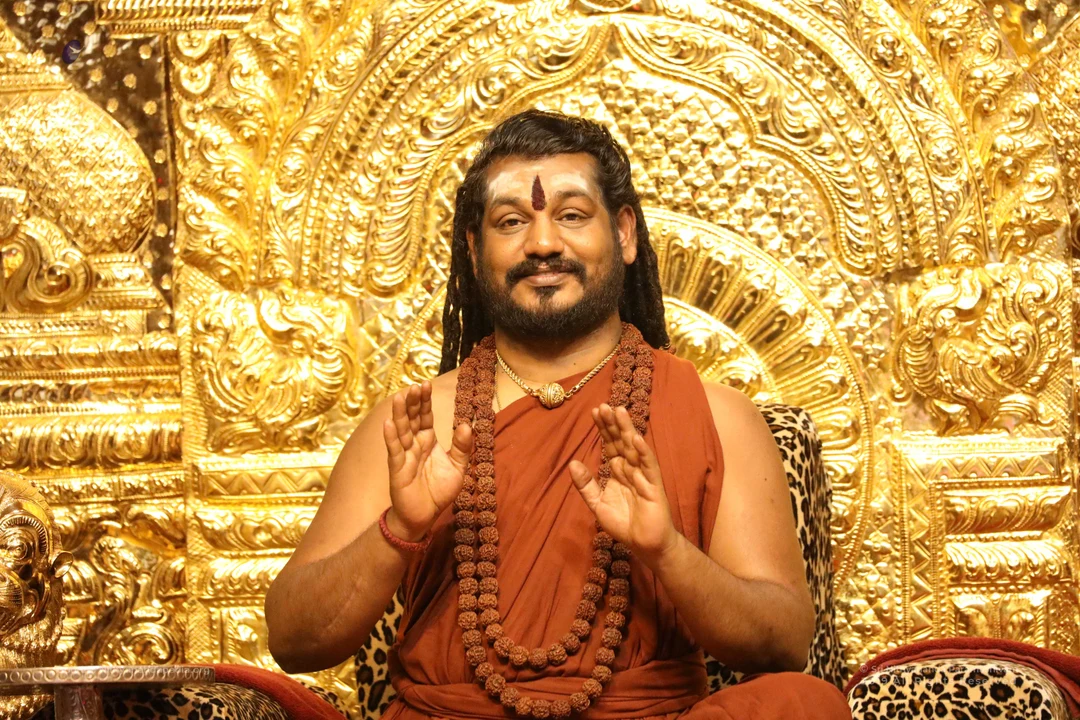
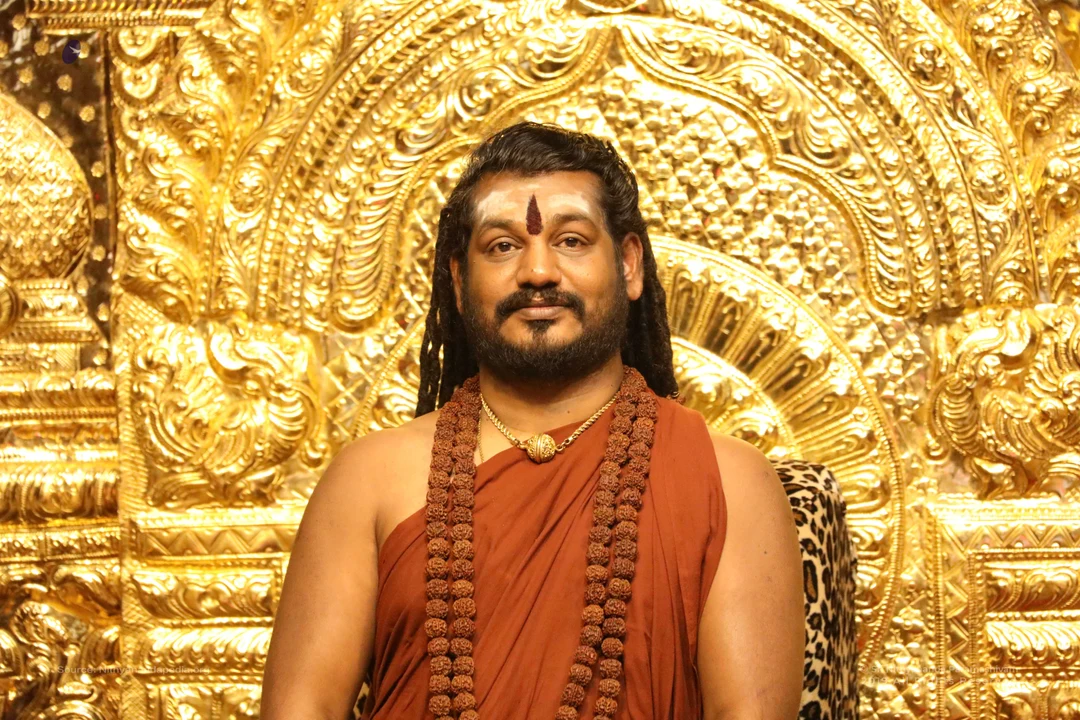
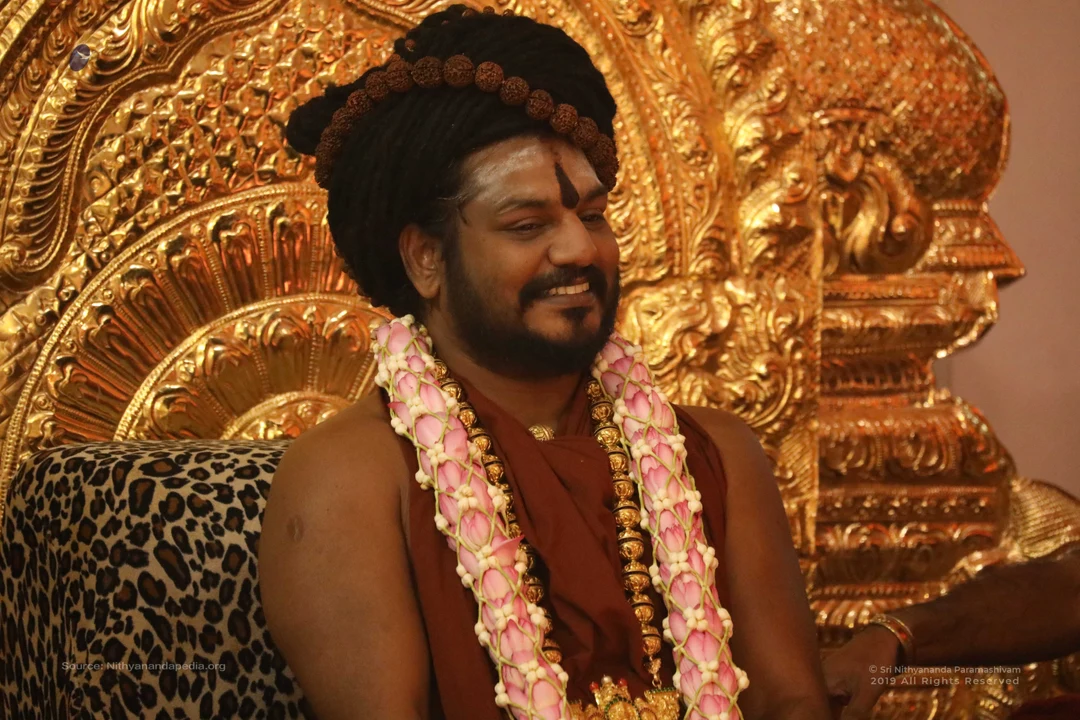
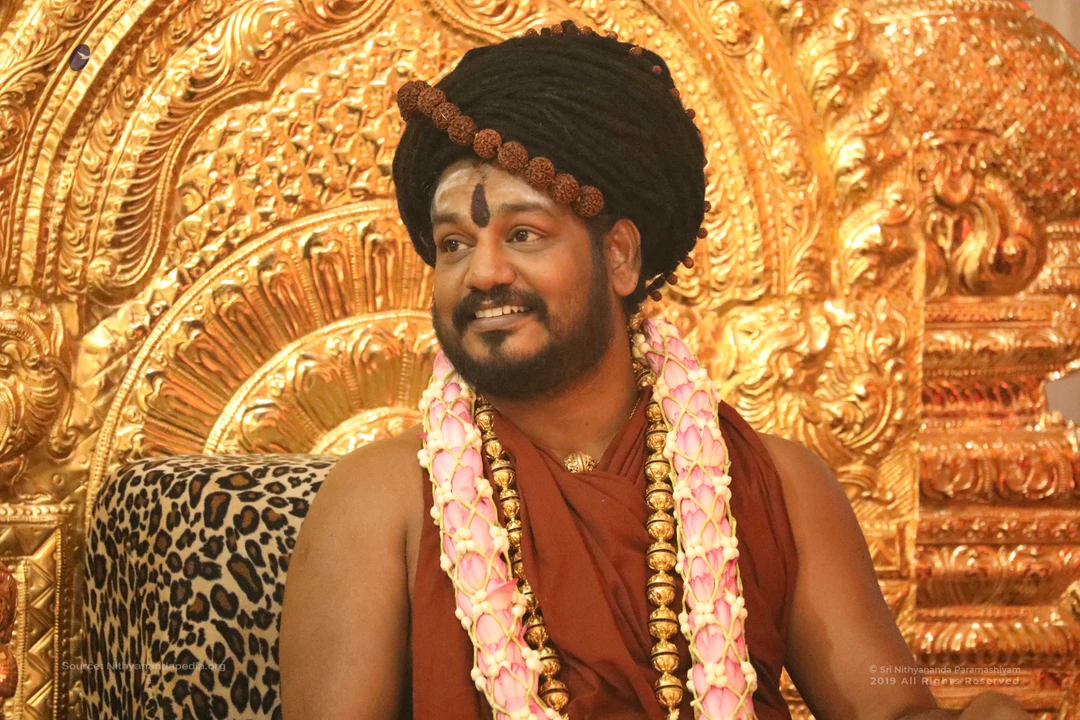
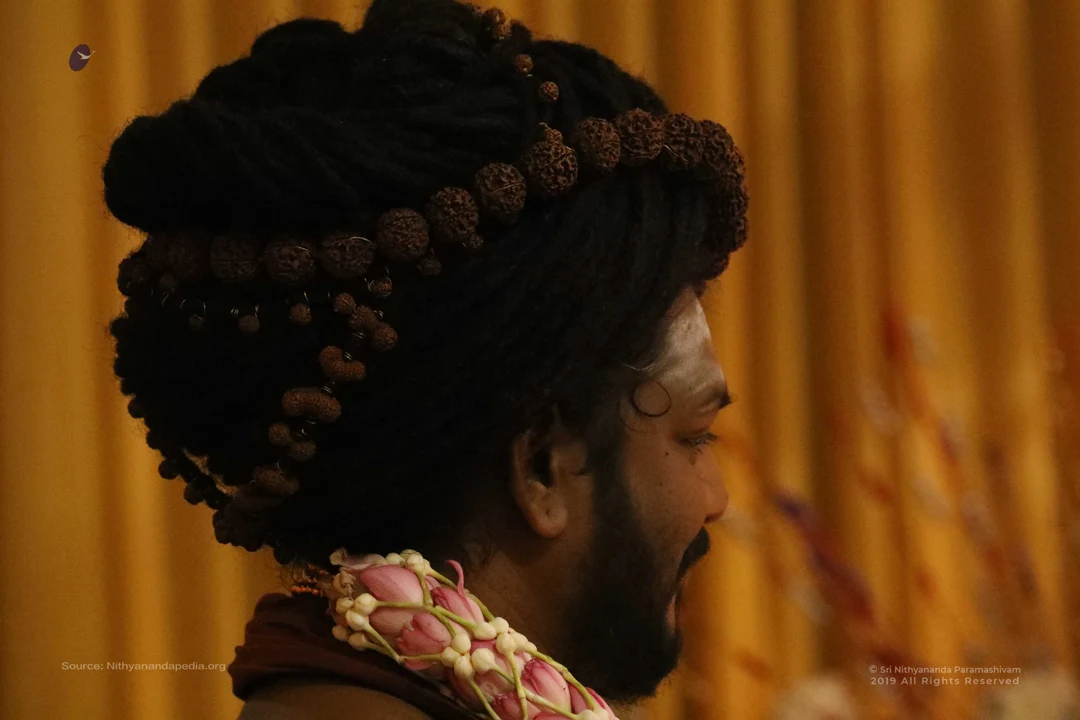
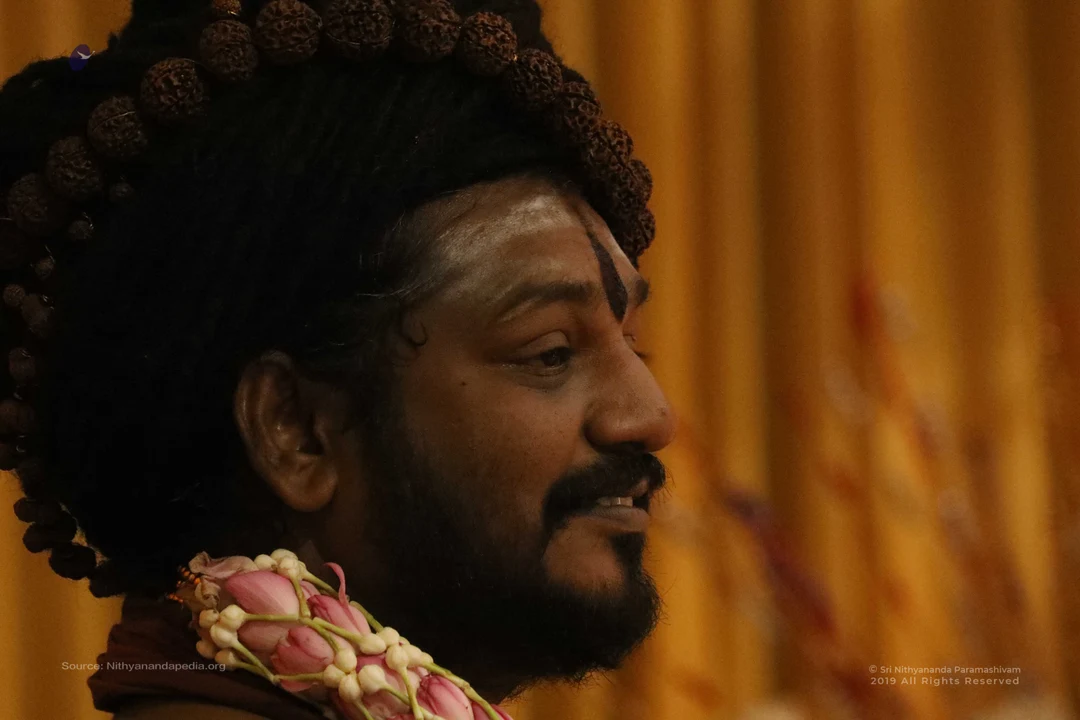
Link to Facebook Page
https://www.facebook.com/ParamahamsaNithyananda/posts/1649349445152899
https://www.facebook.com/ParamahamsaNithyananda/posts/1647506212003889
Photos Of The Day:
01-Nilayam-Kumbhabhishekam
02-Wedding-Marriage-SM-Malaysian
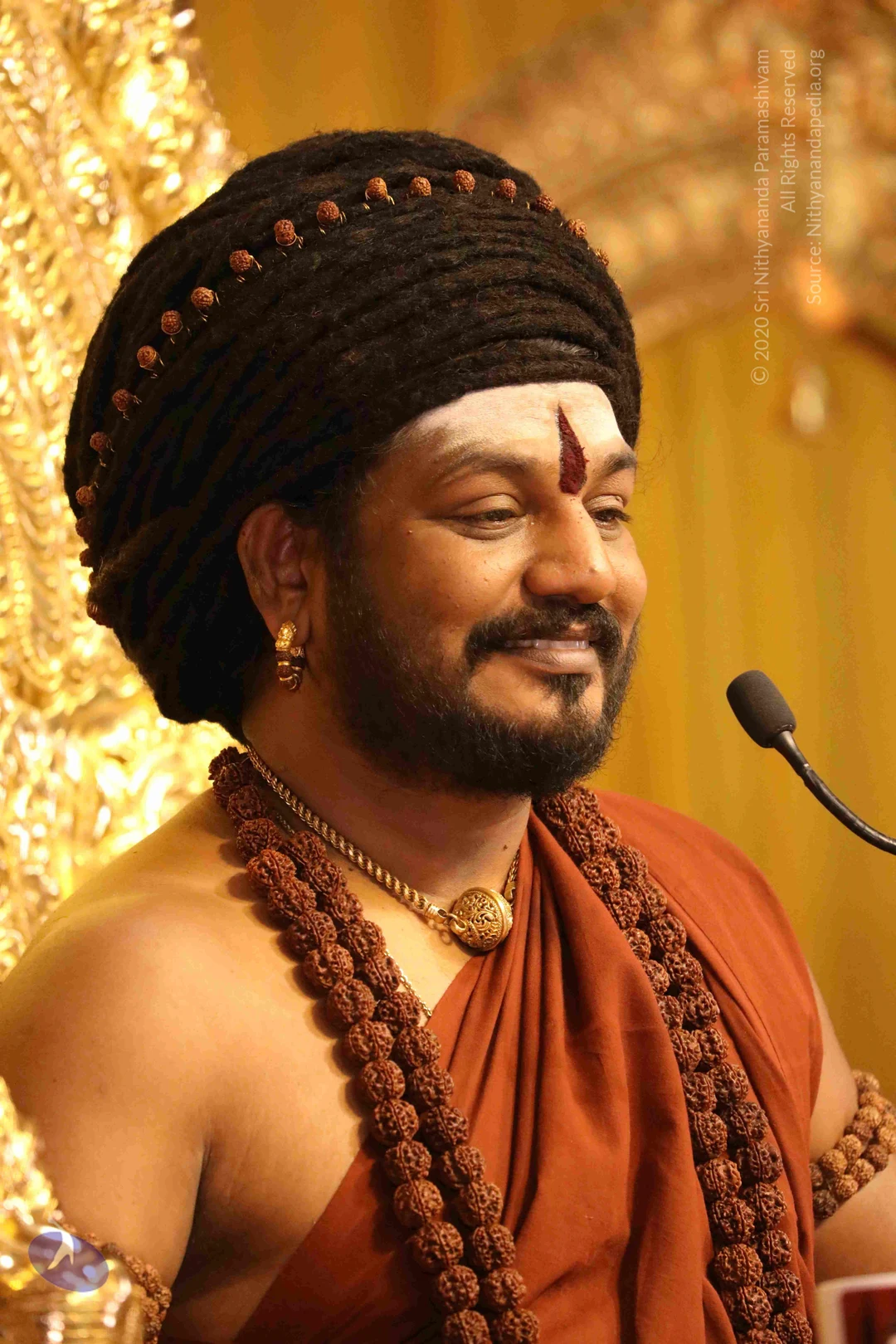
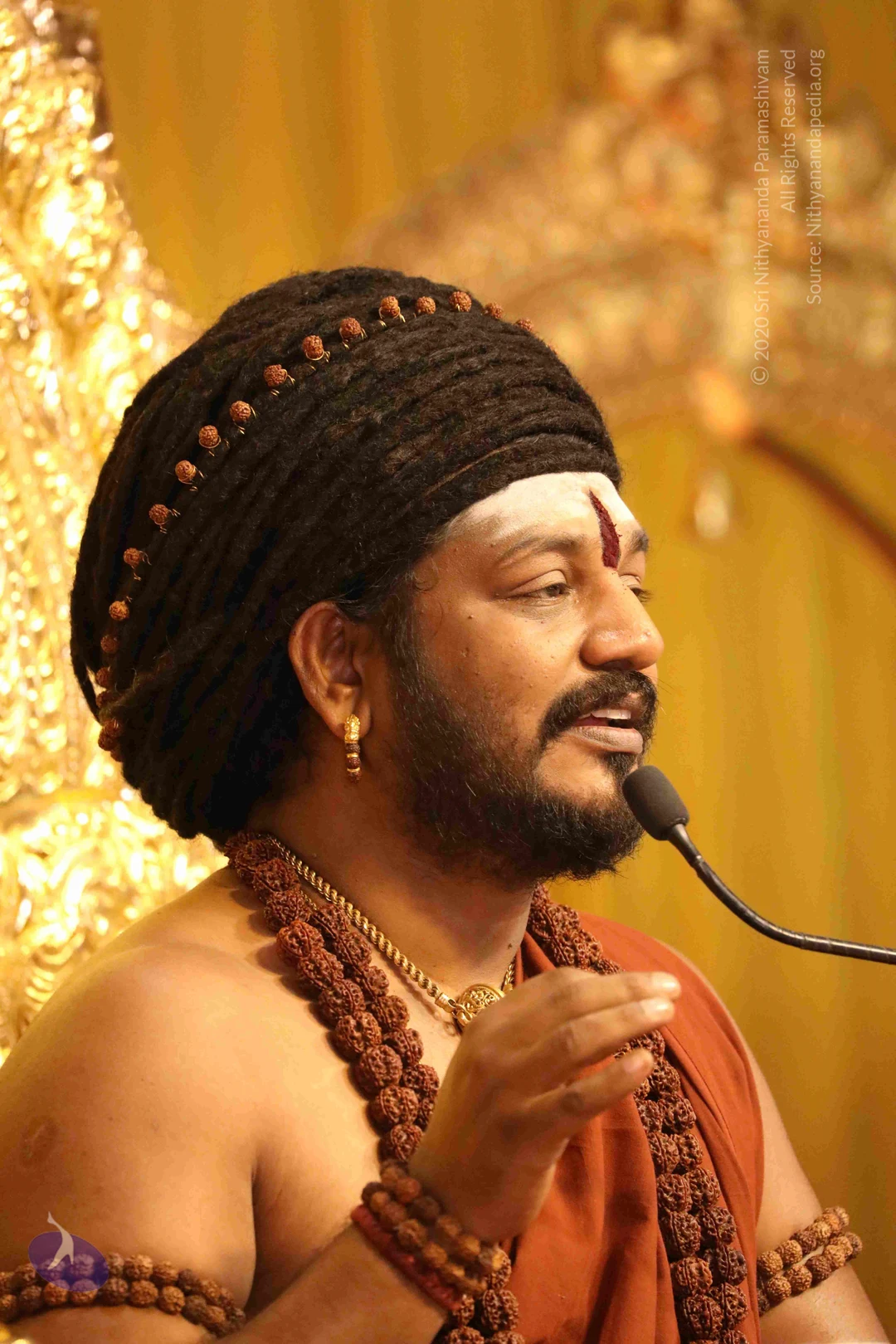
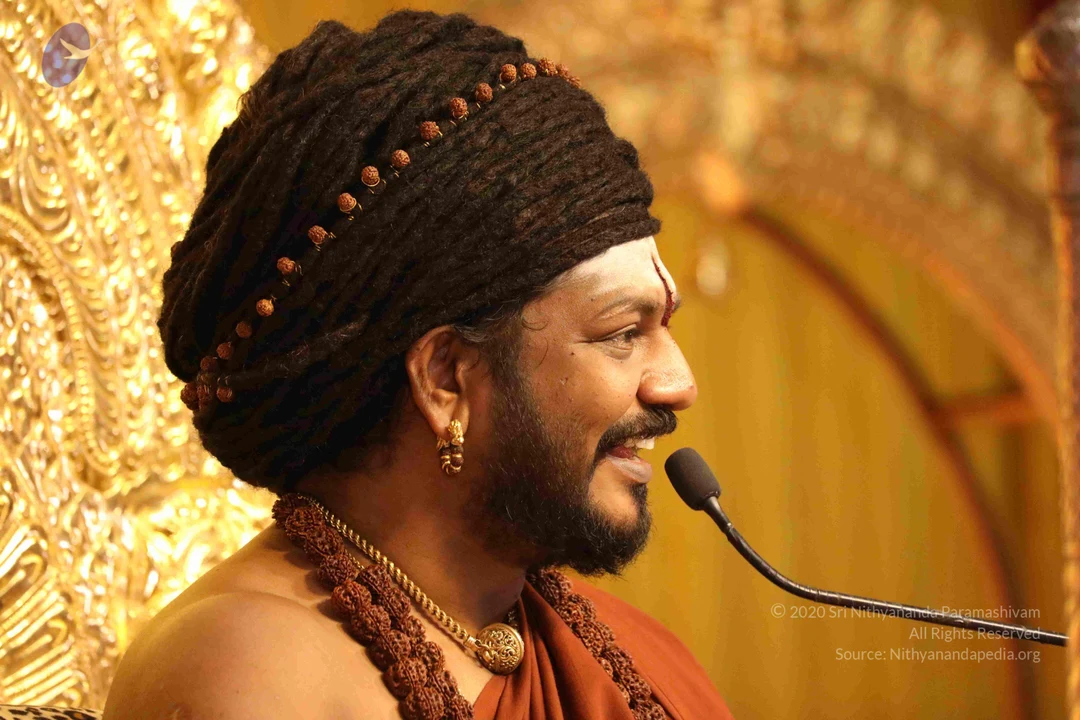
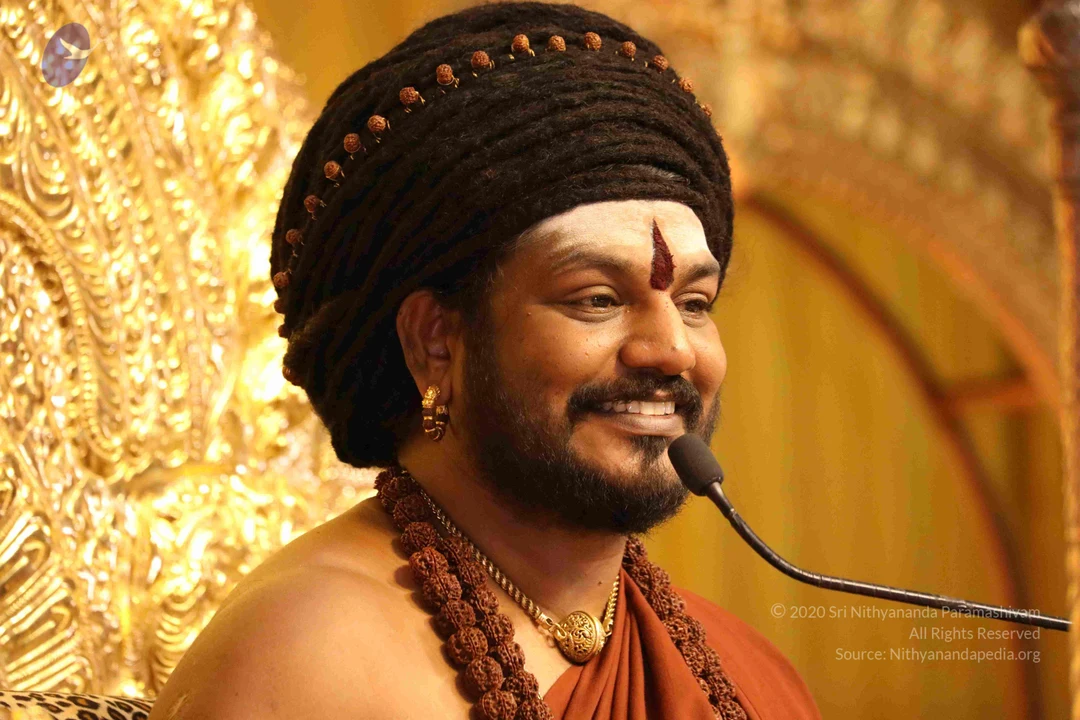
03-MSS-Continued
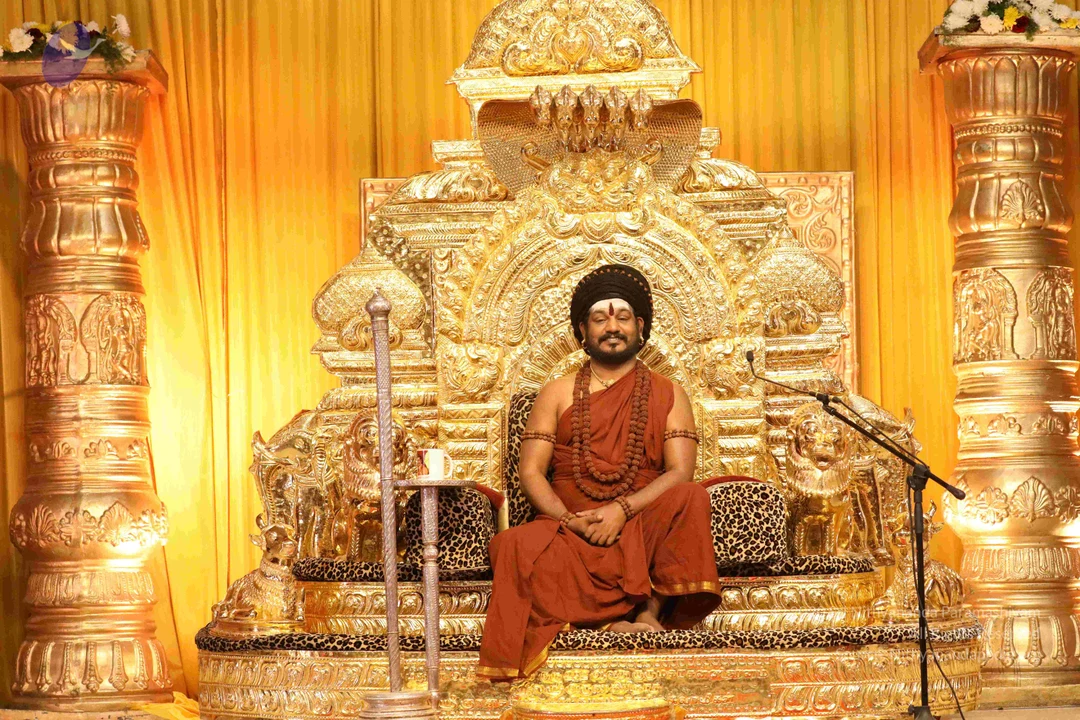
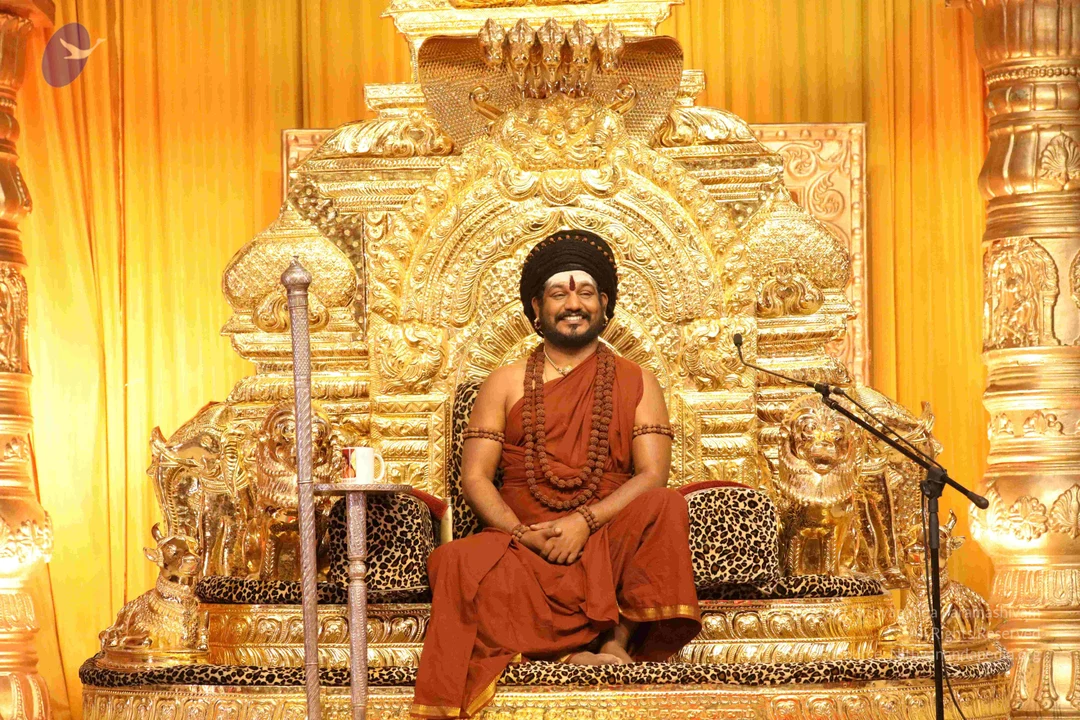
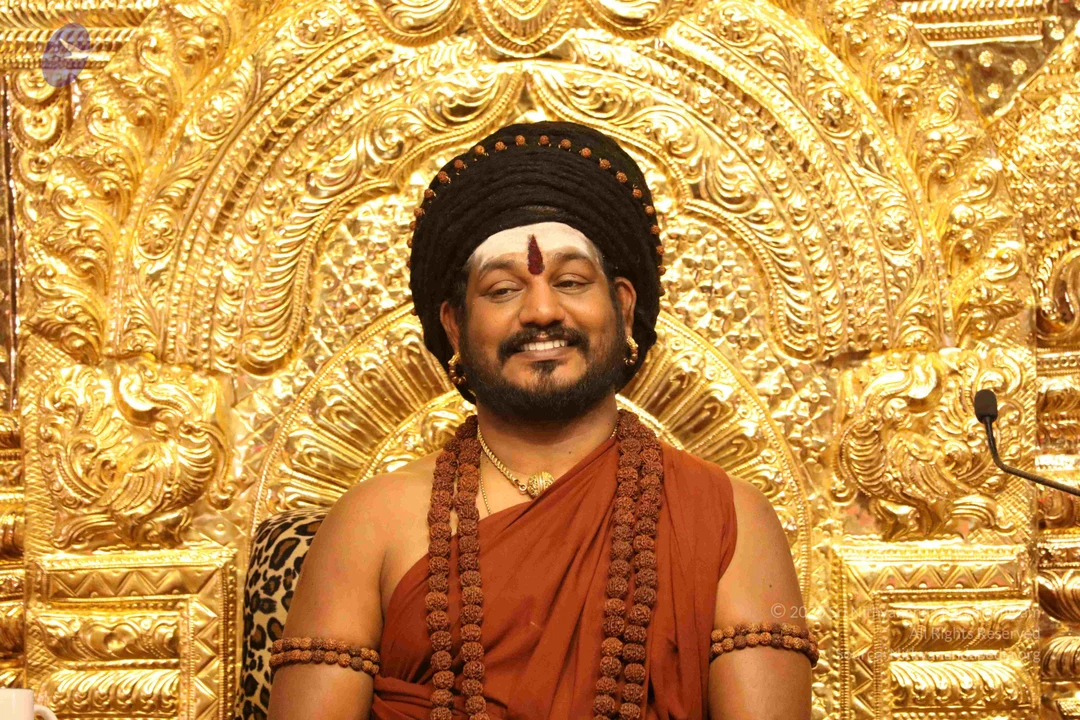
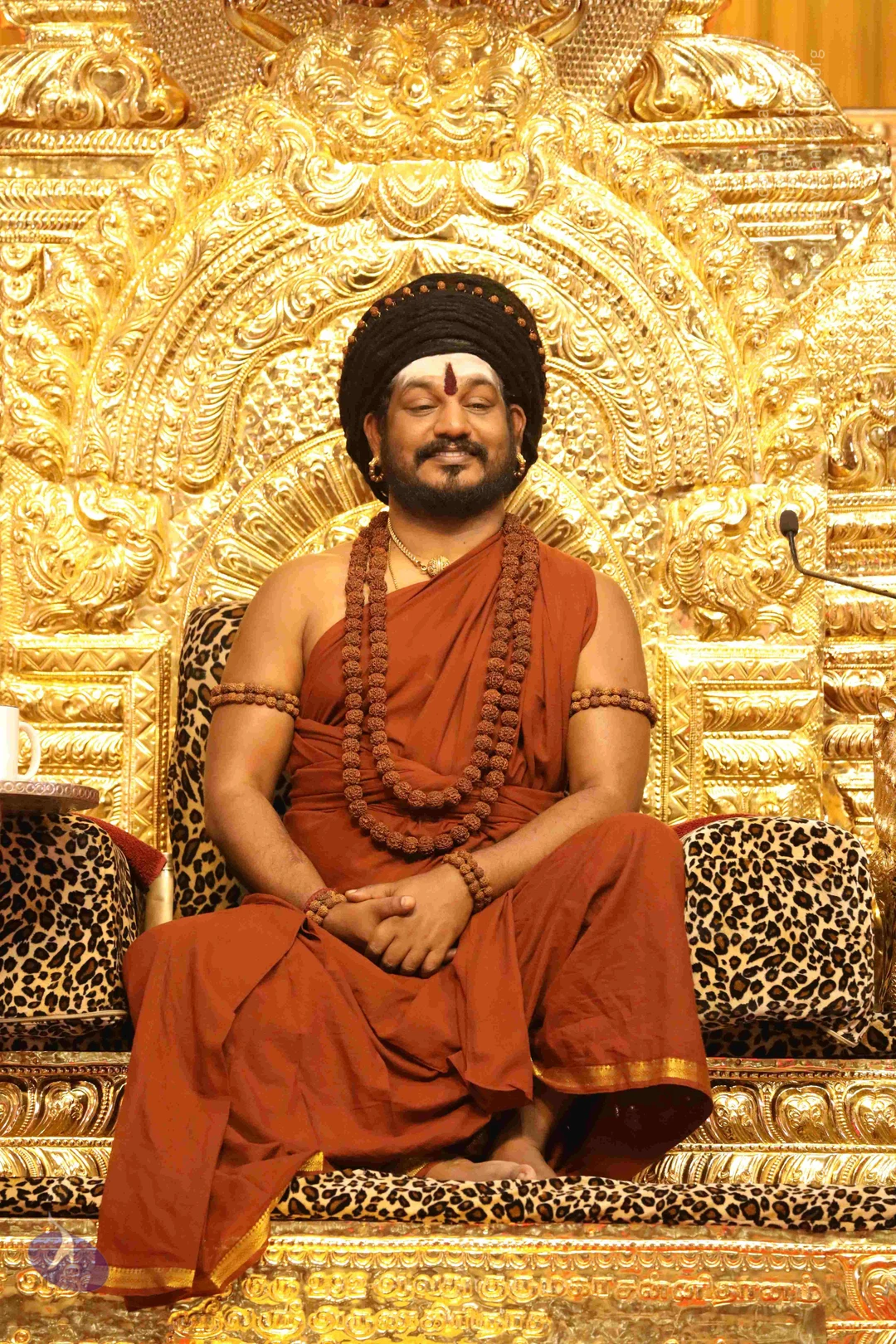
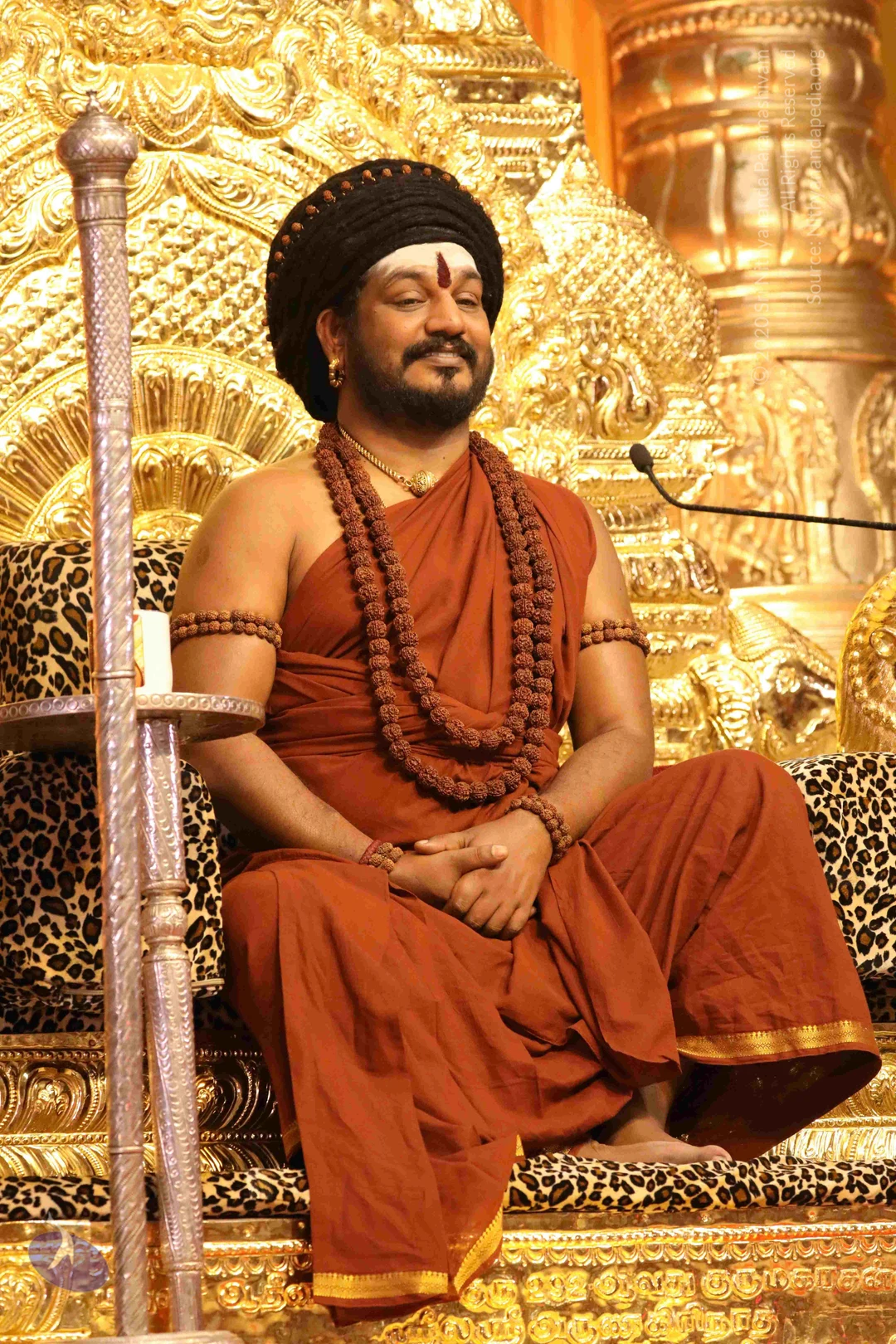
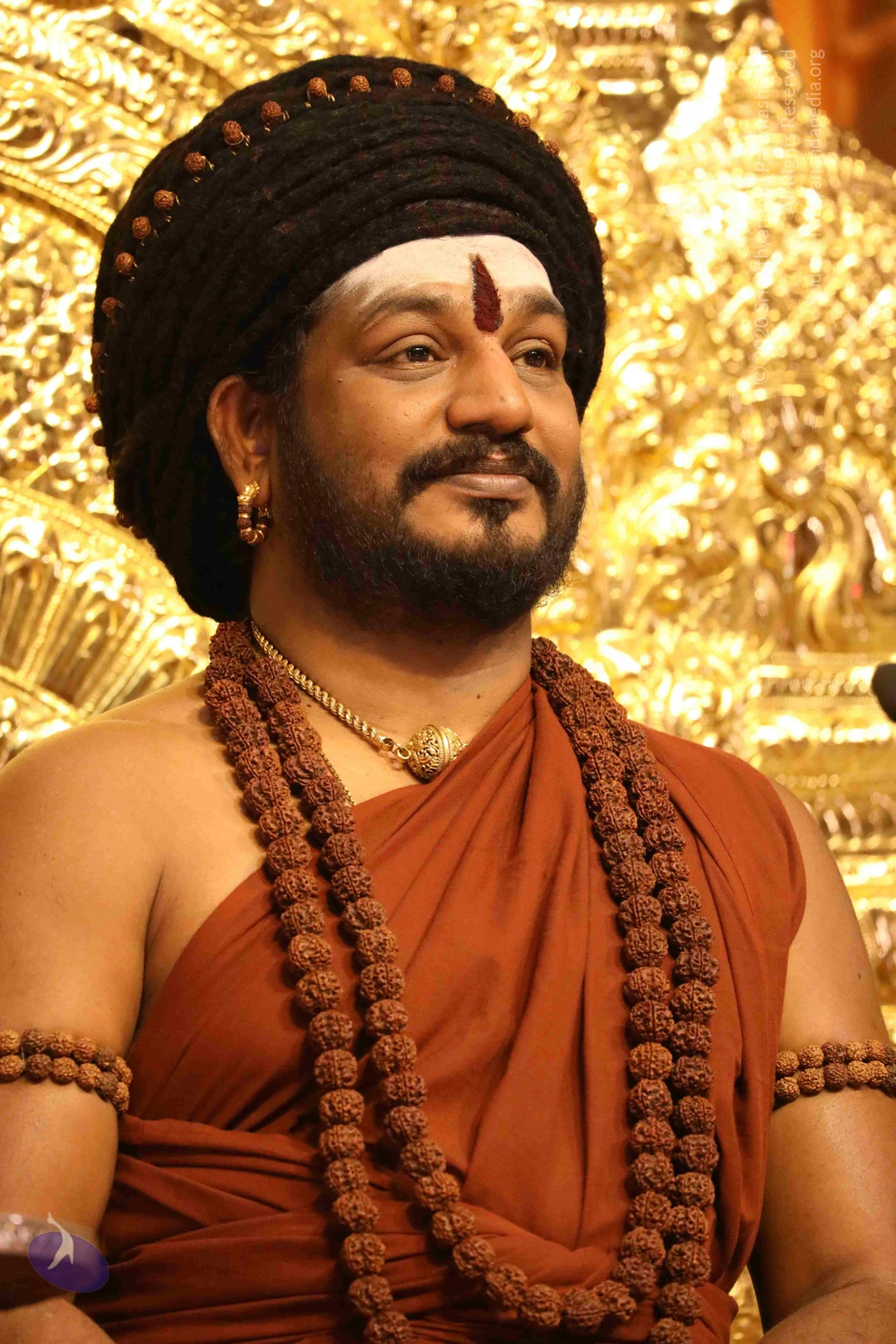
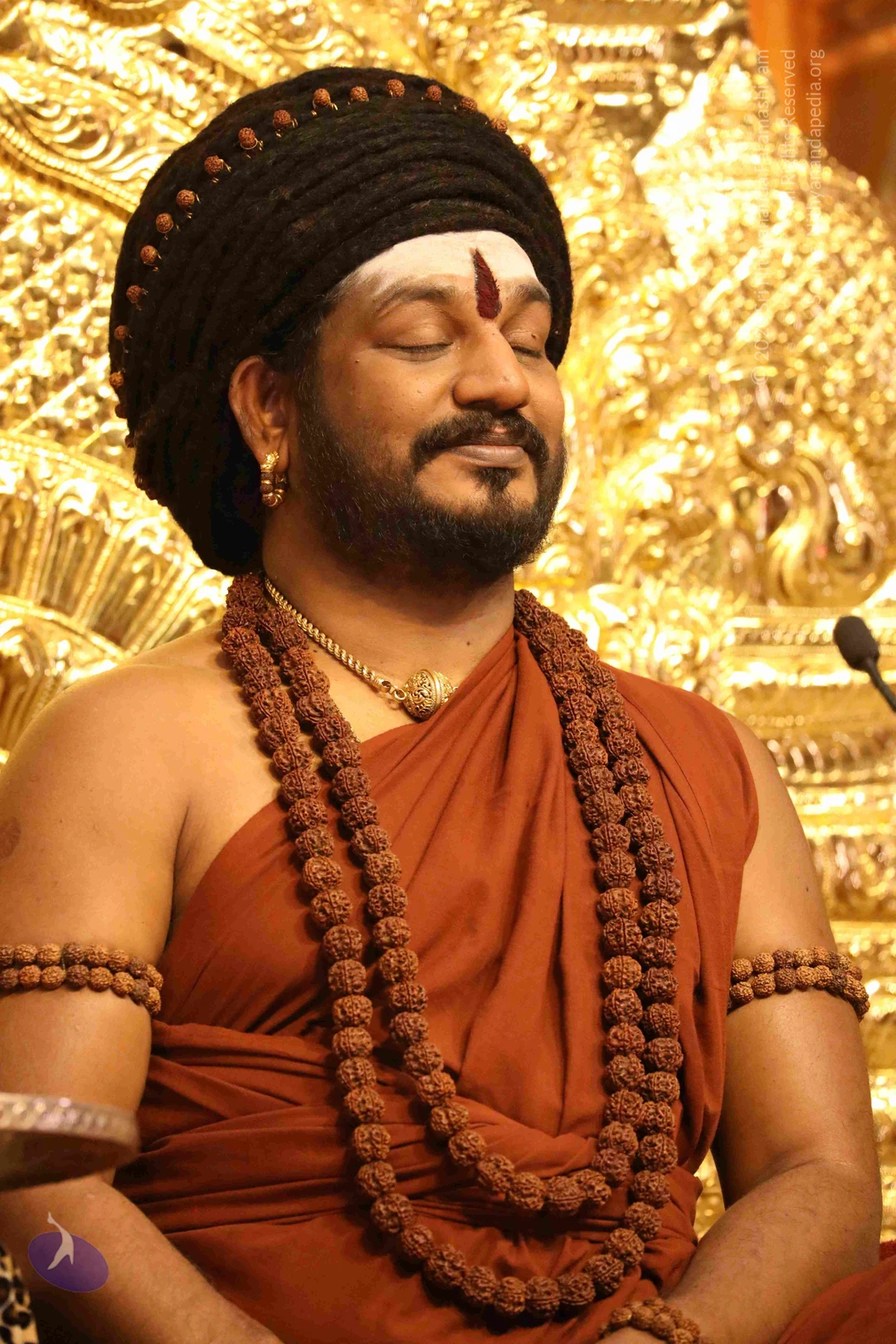
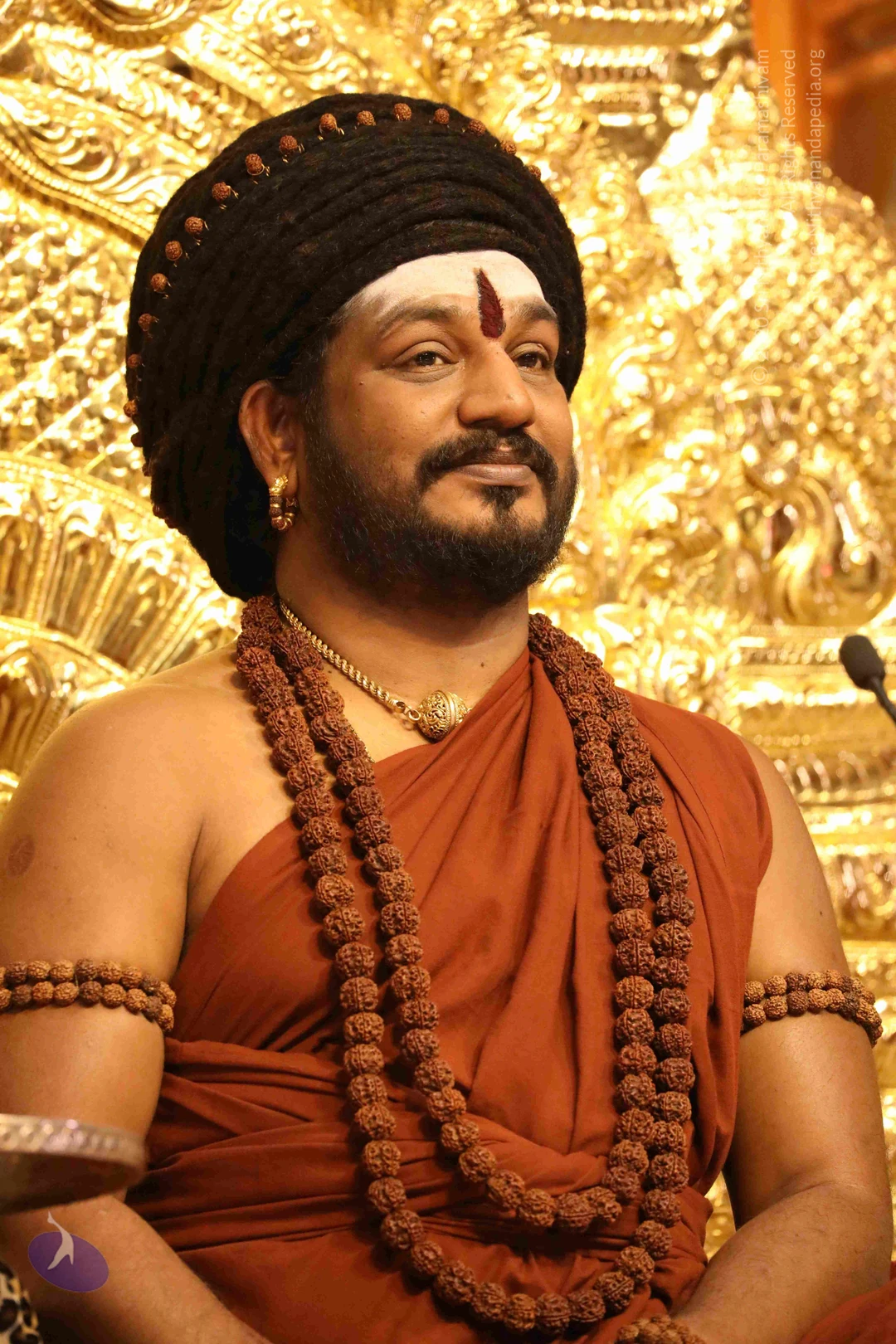
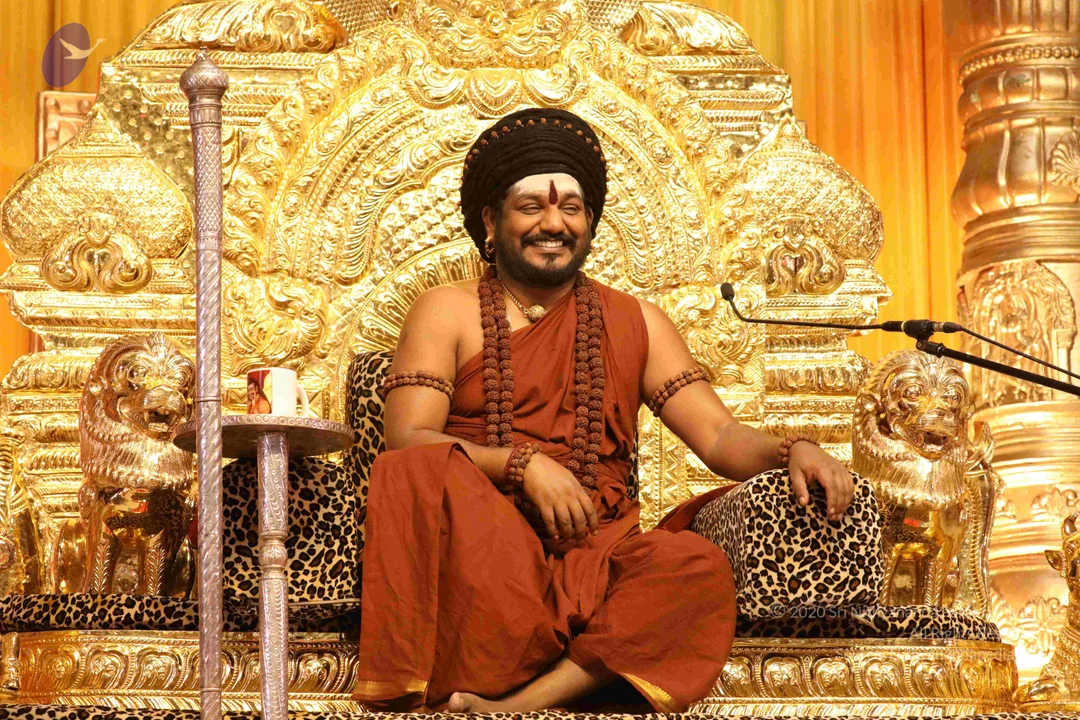
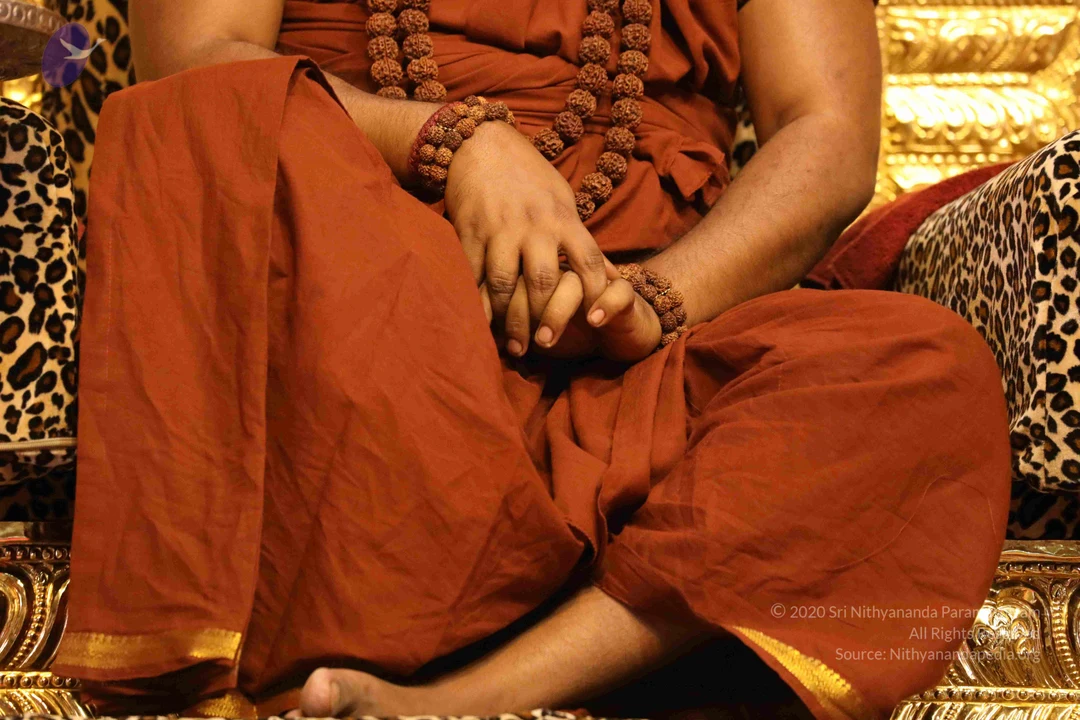
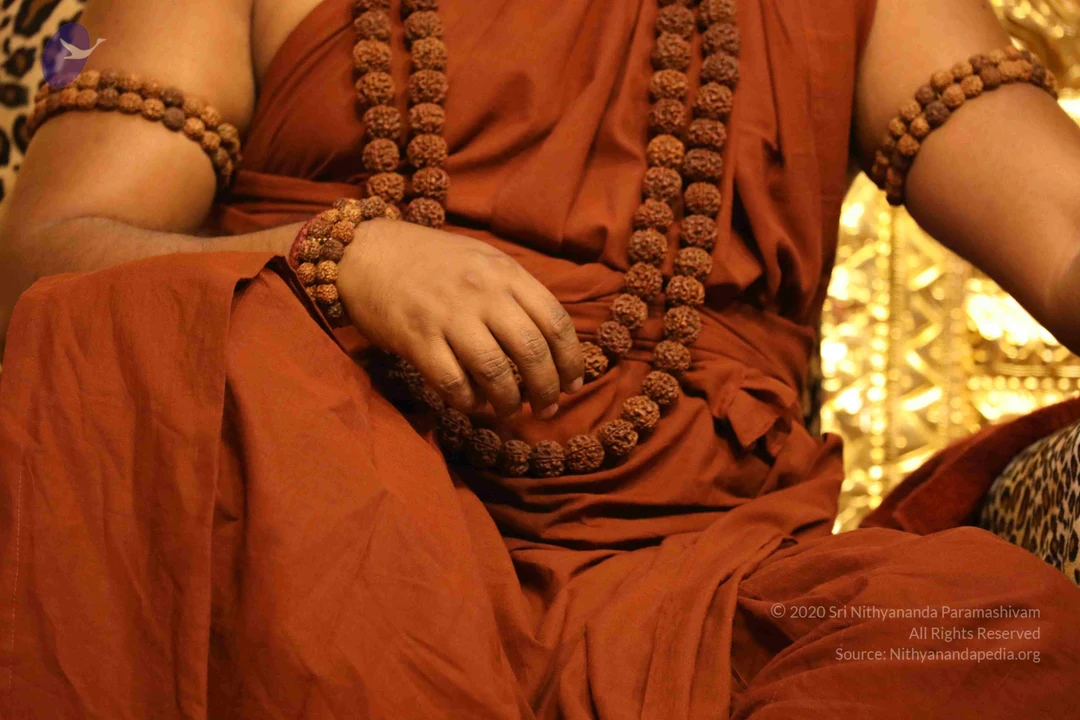
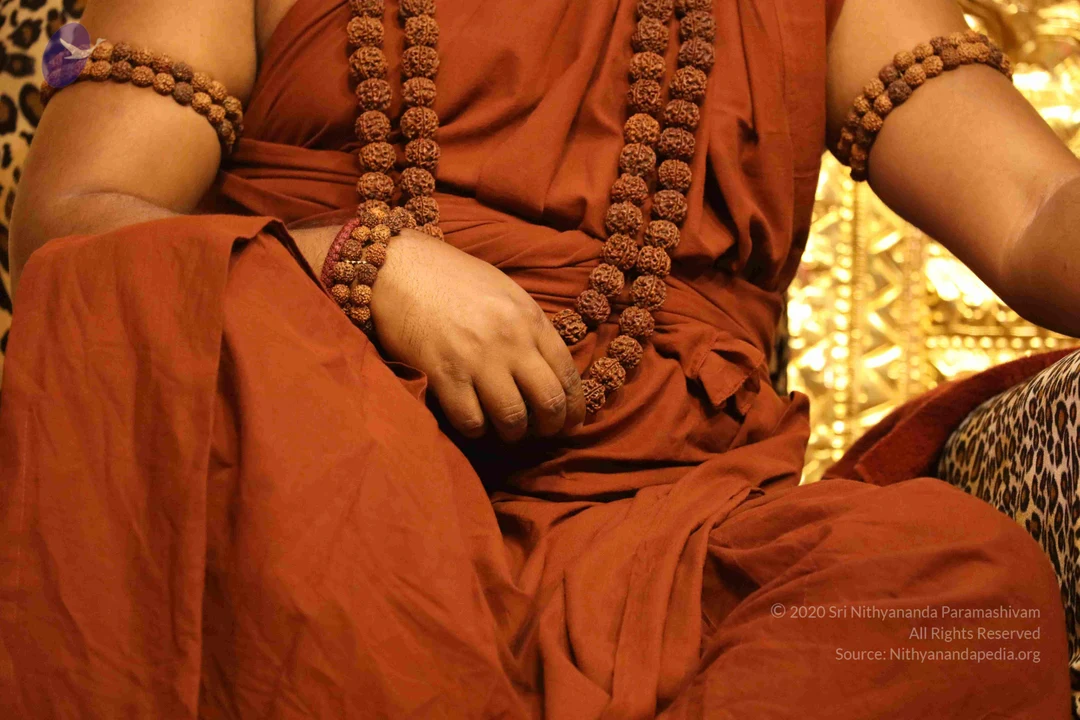
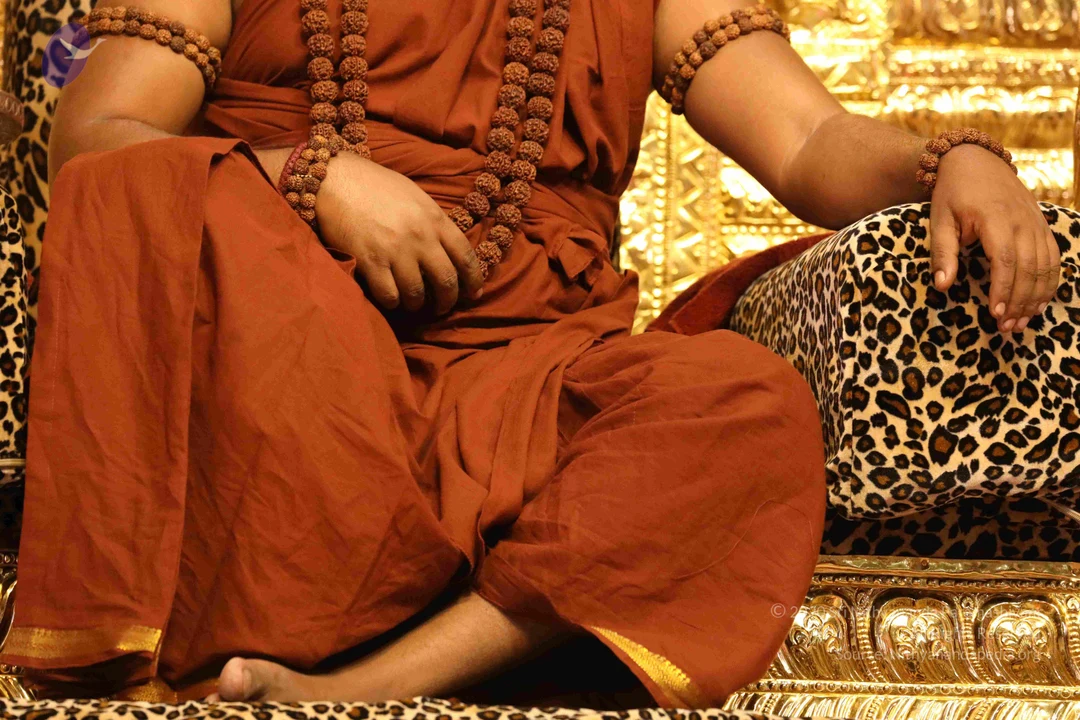
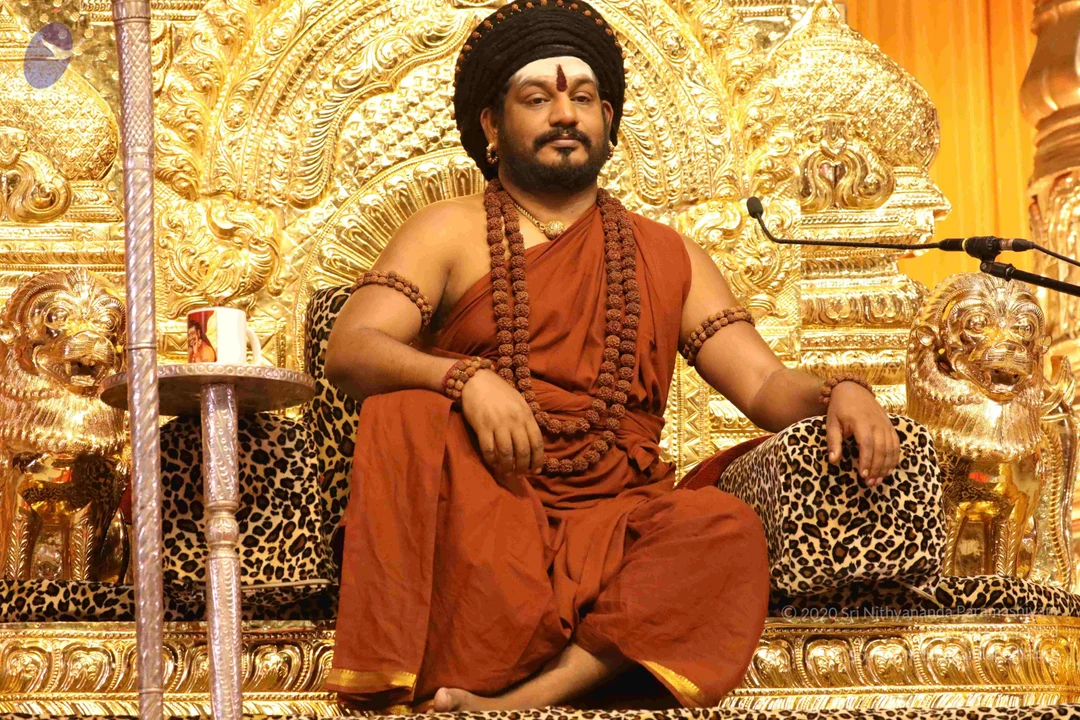
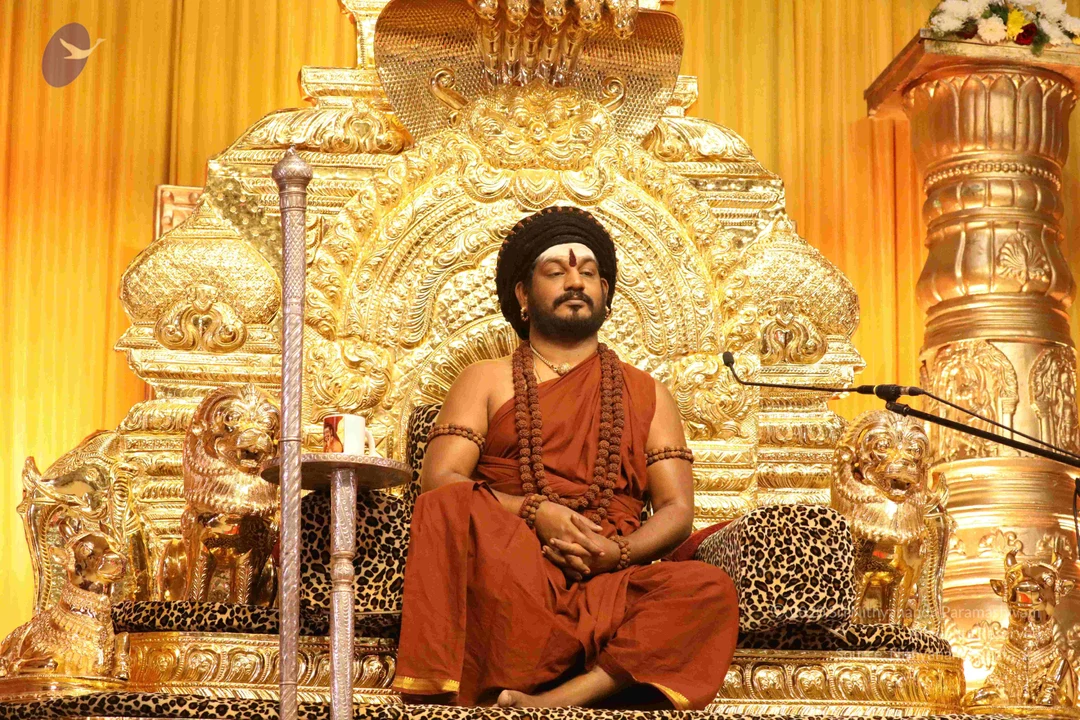
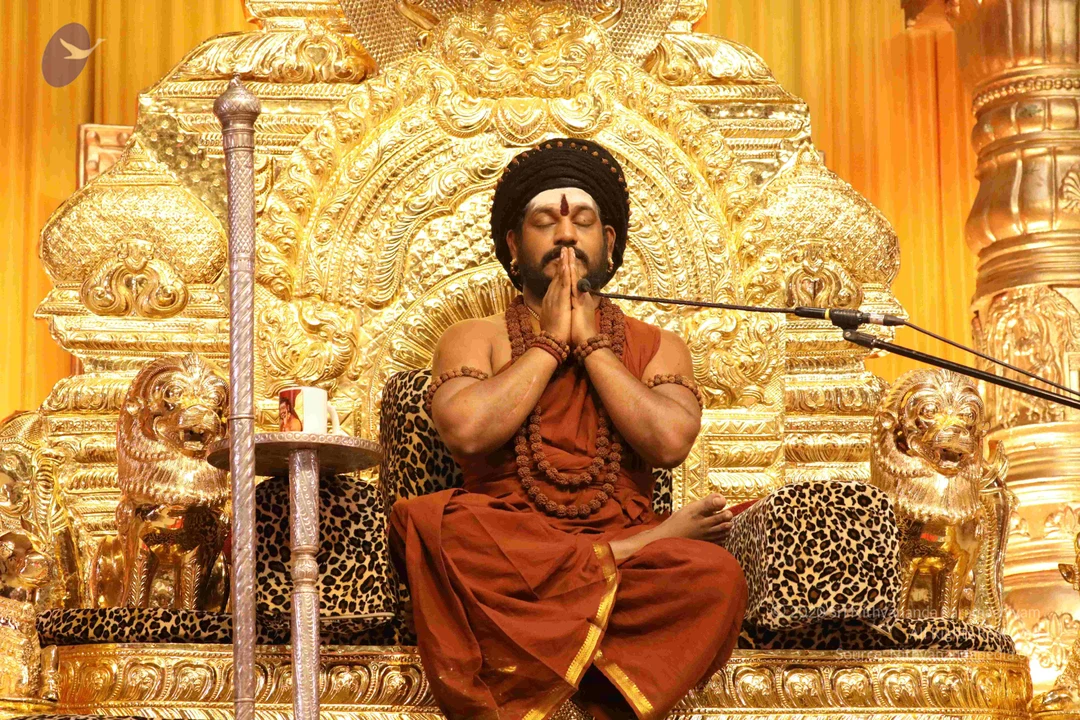
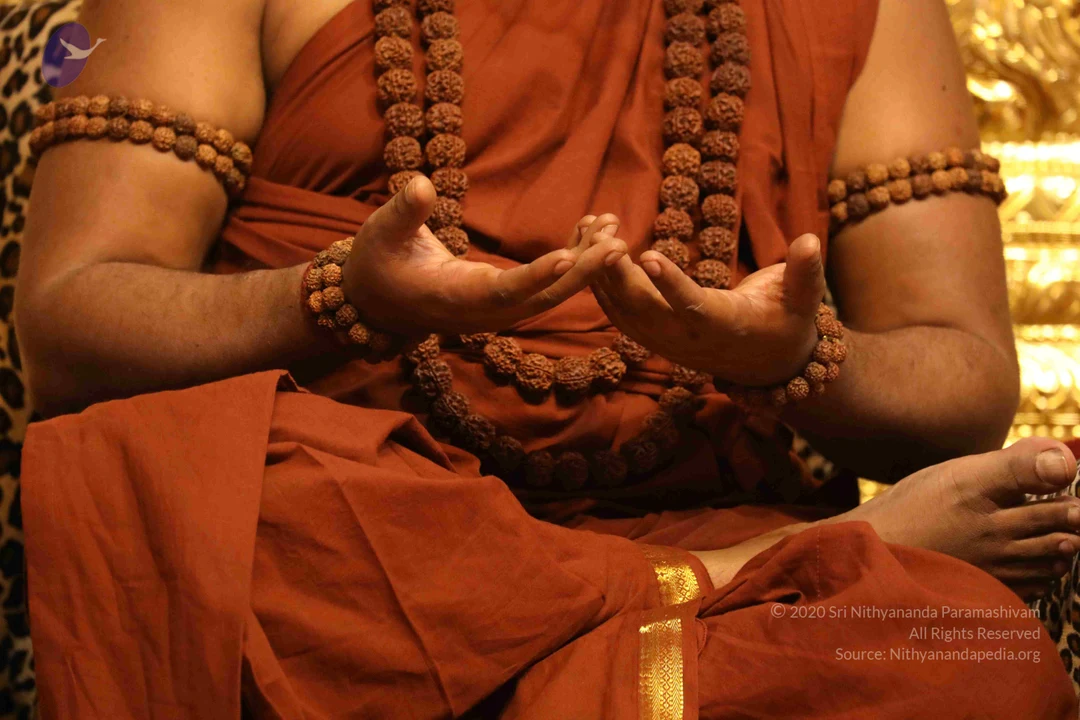
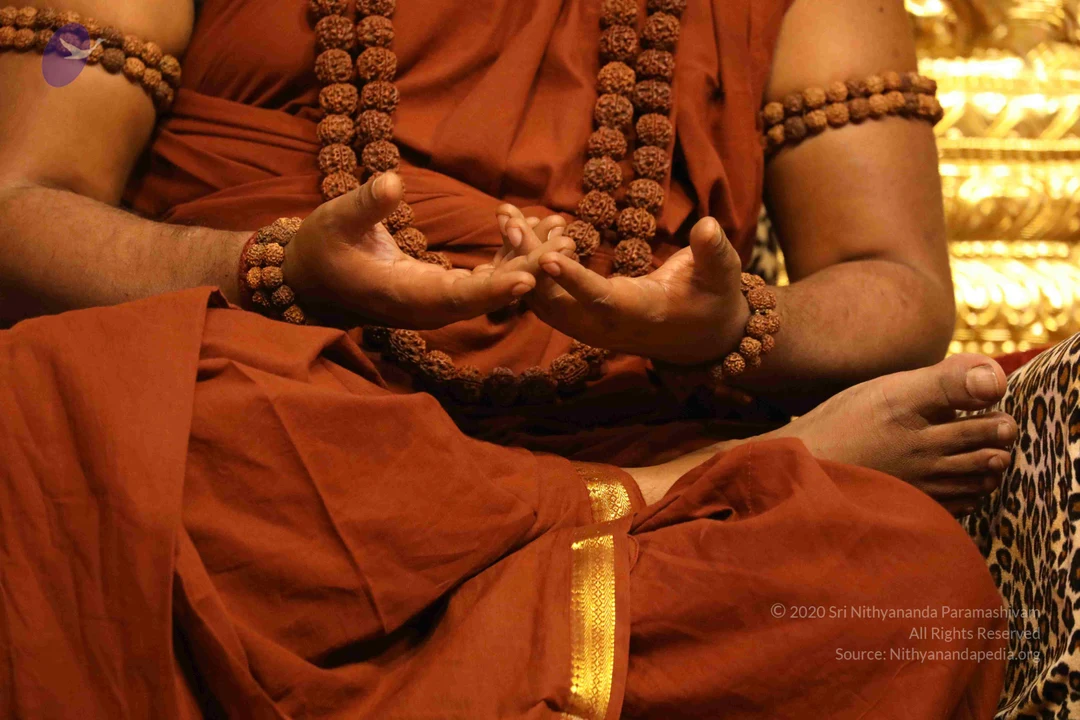
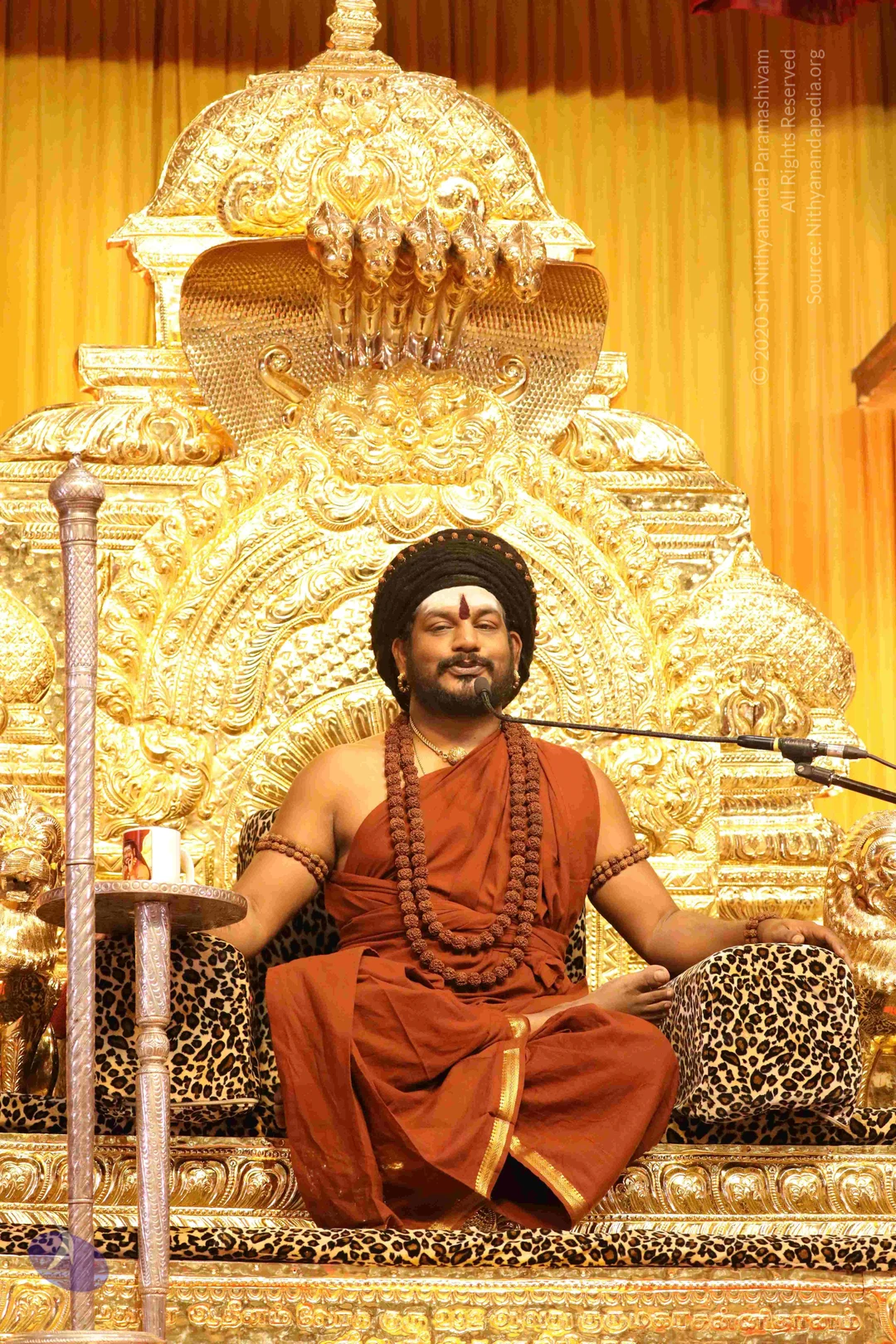
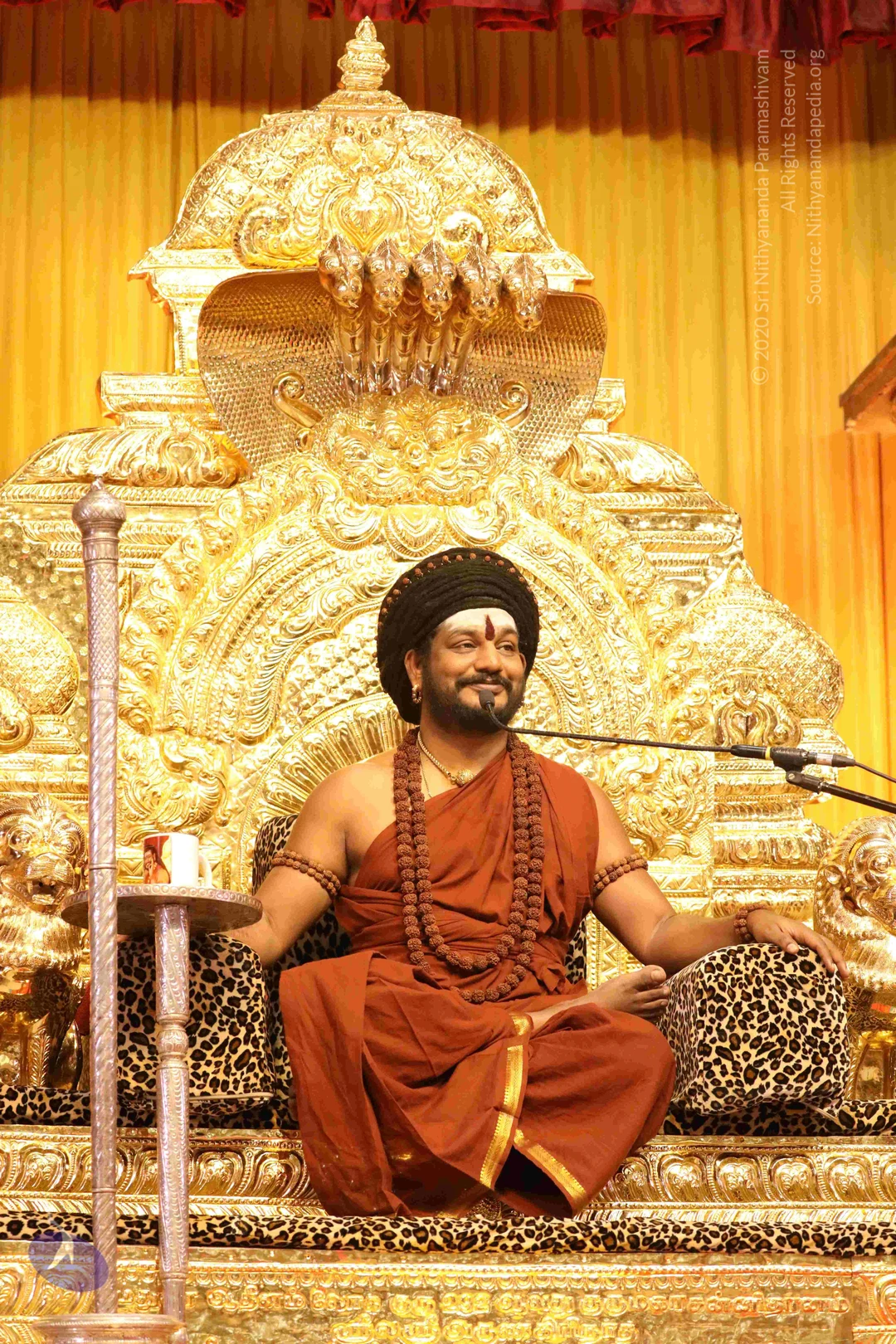
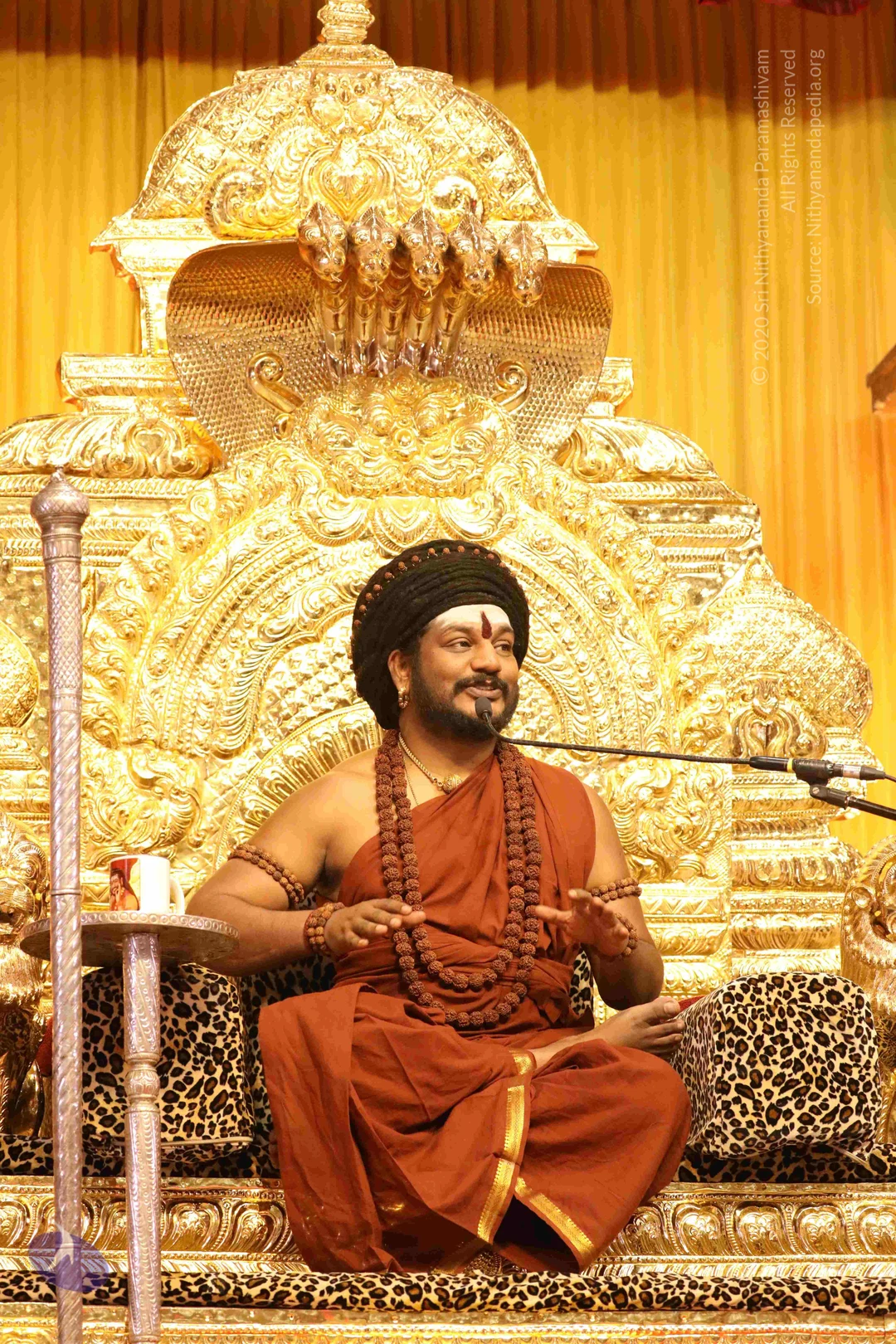
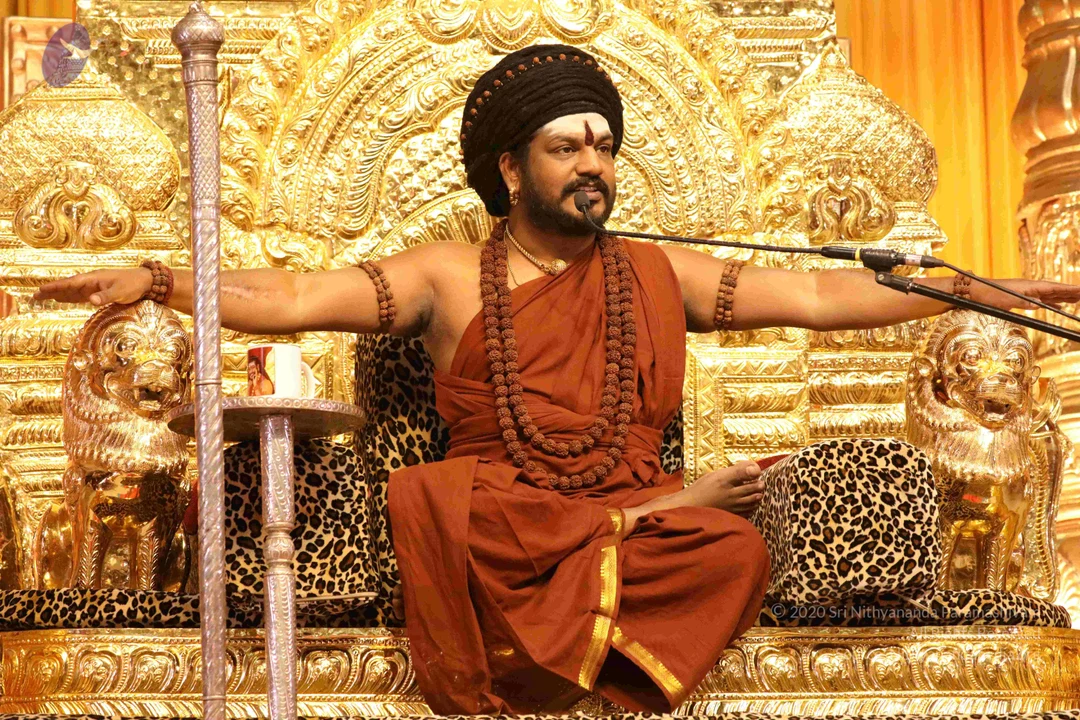
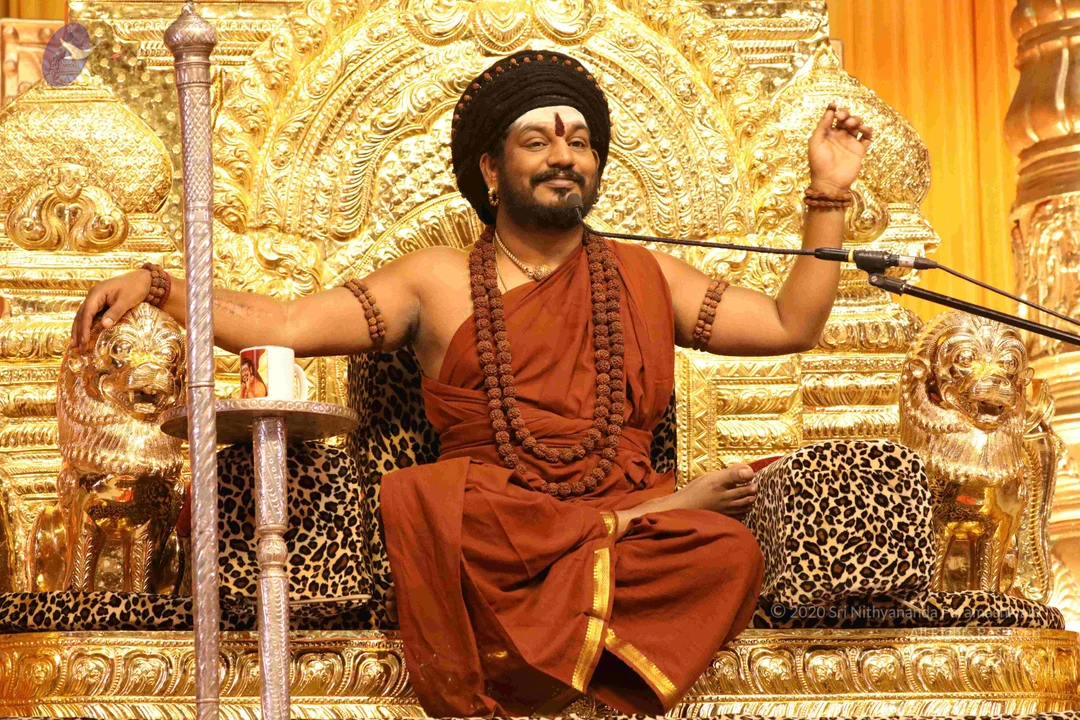
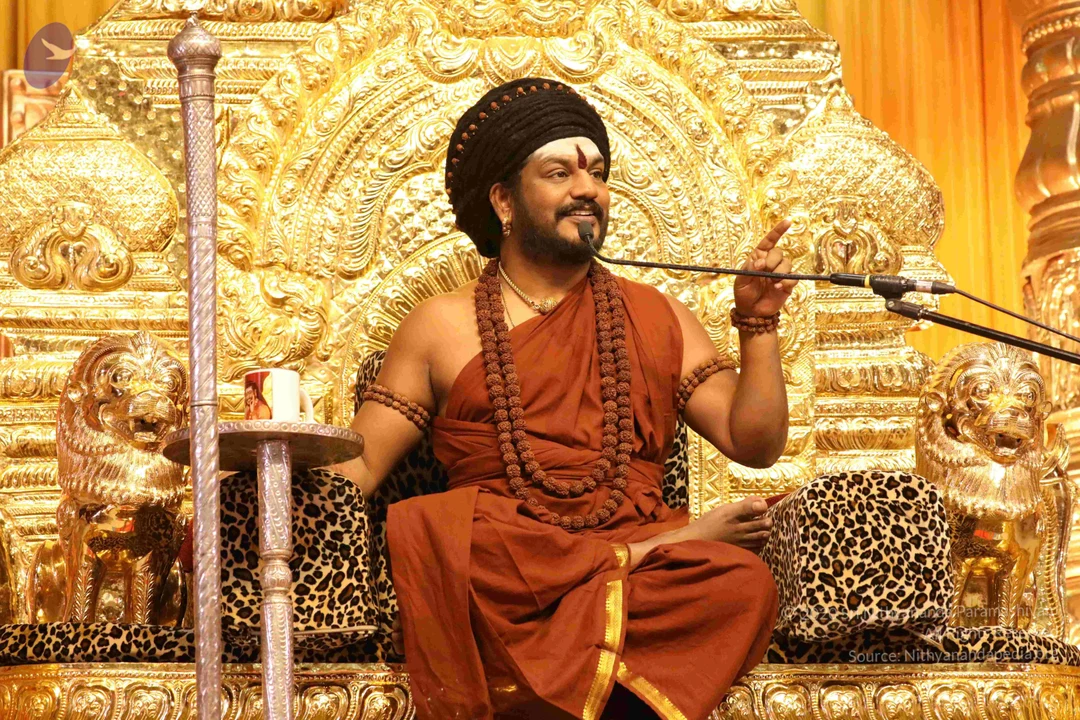
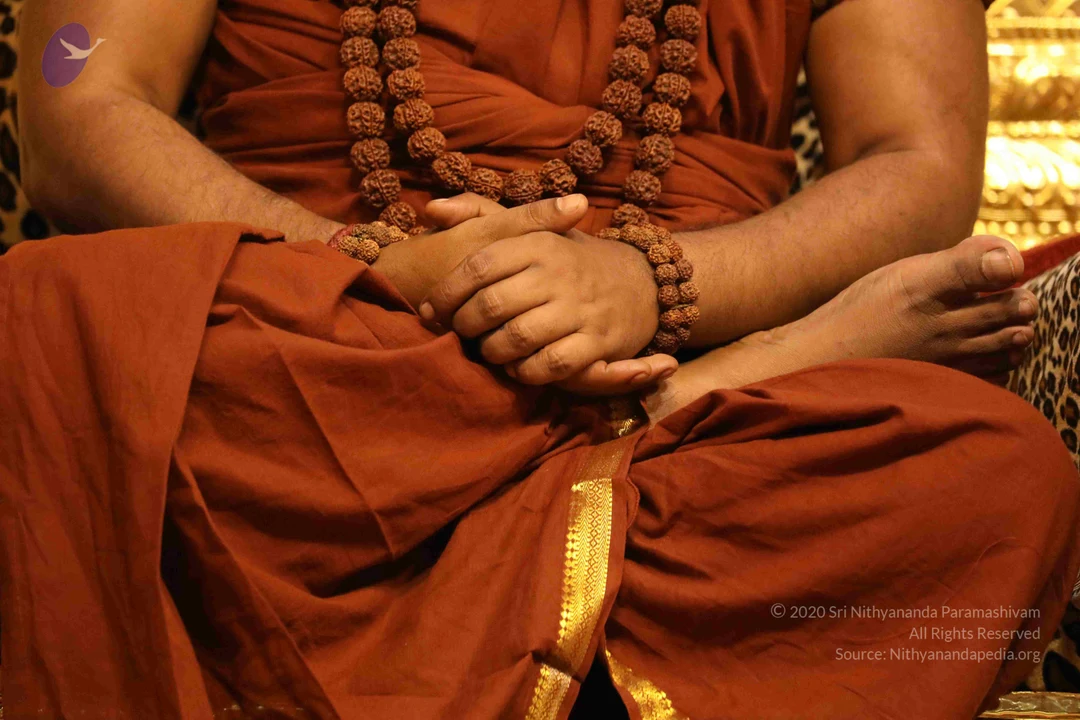
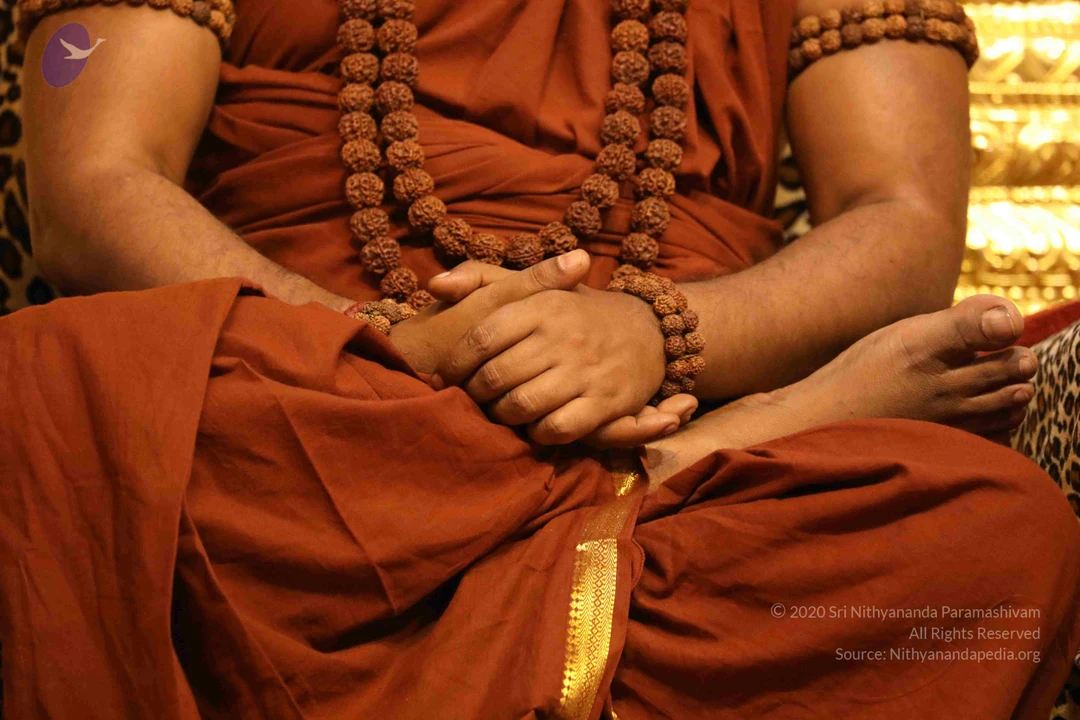
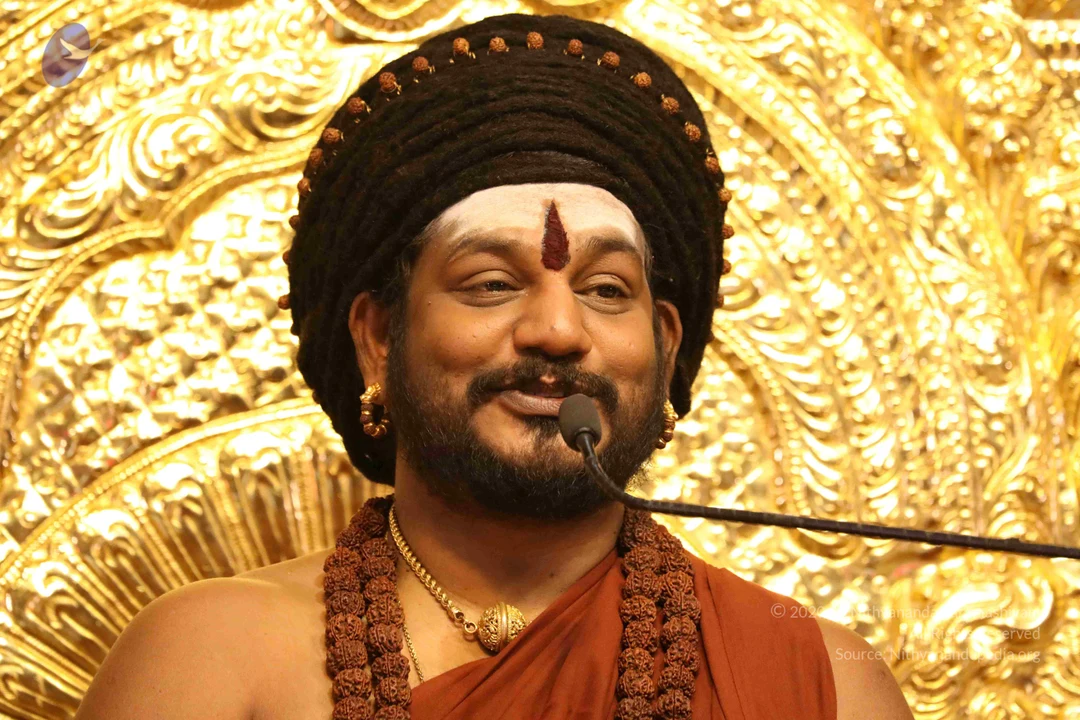
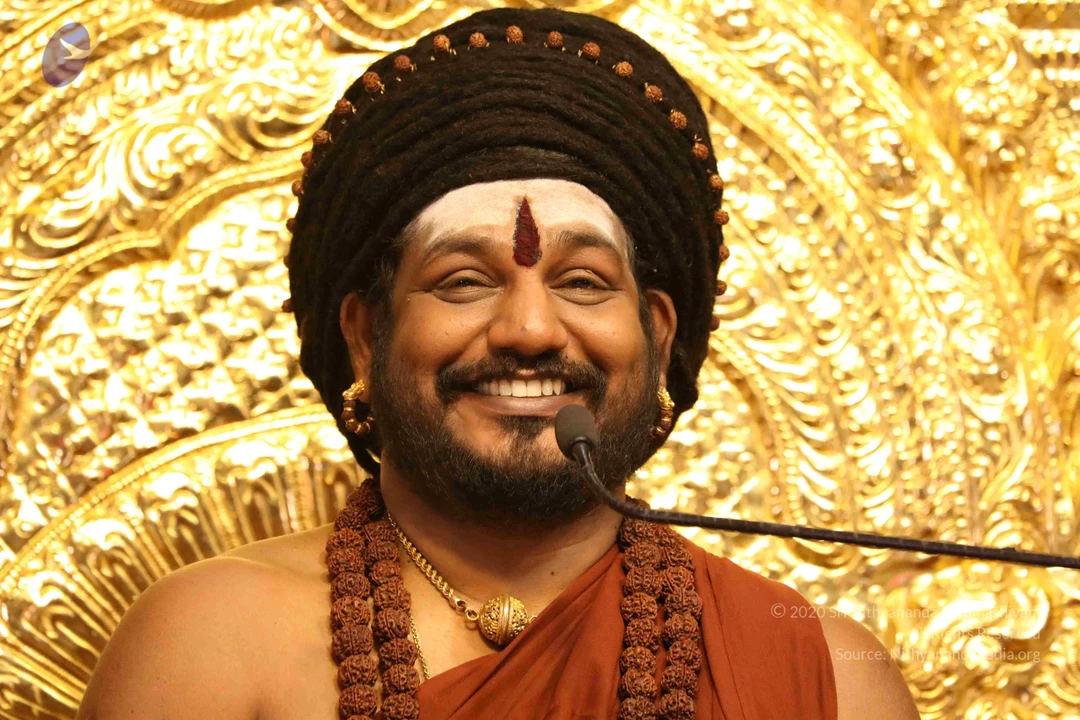
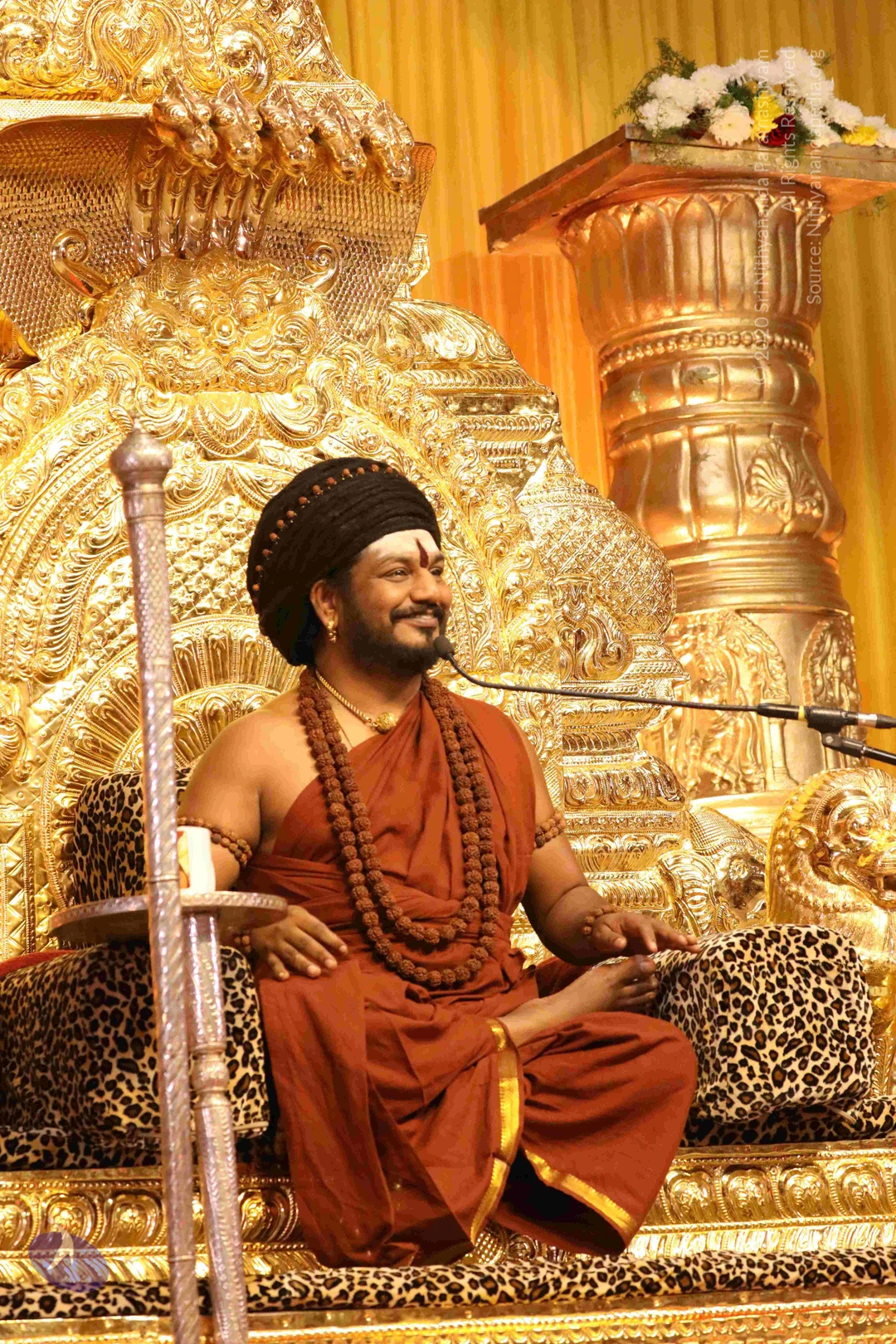
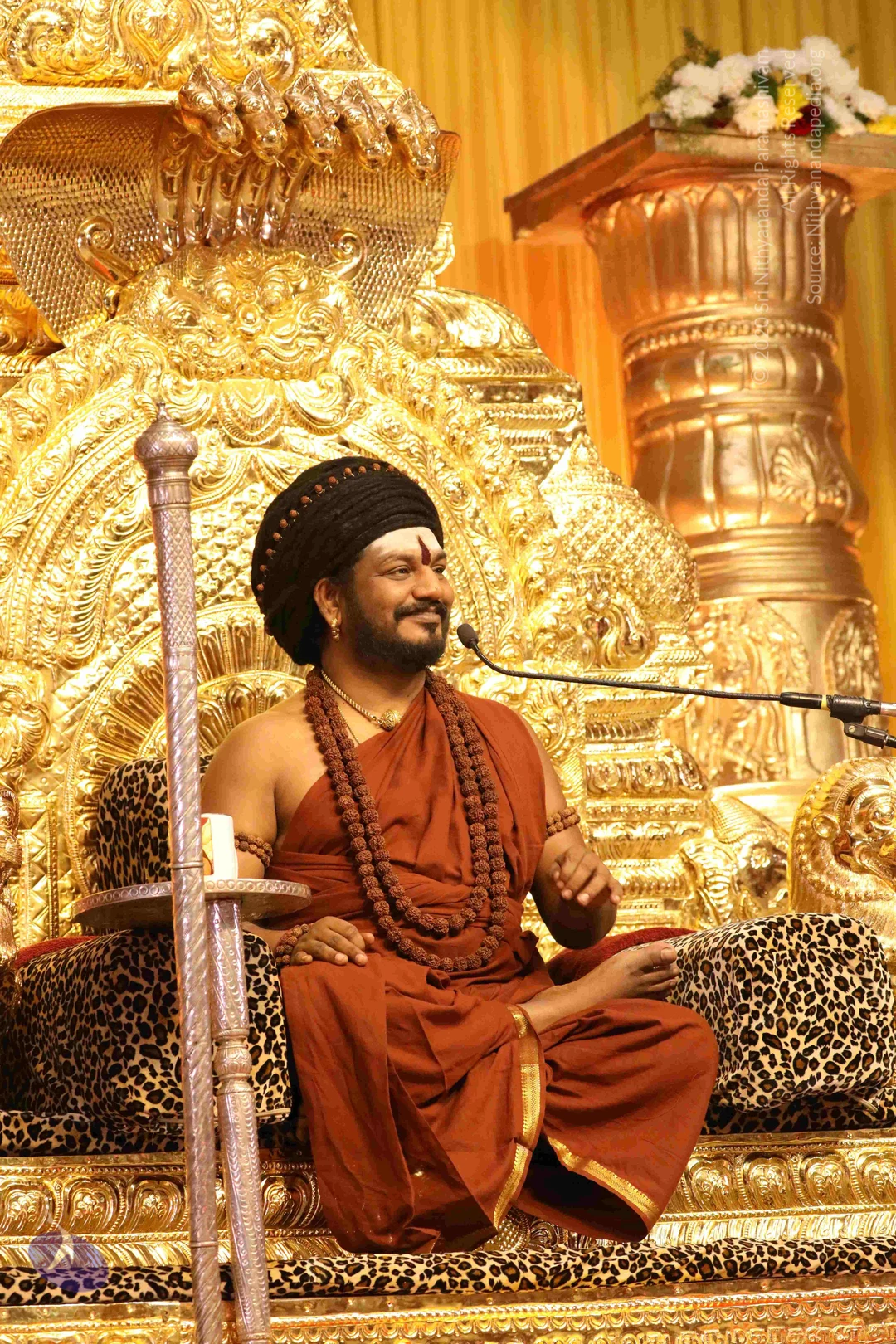
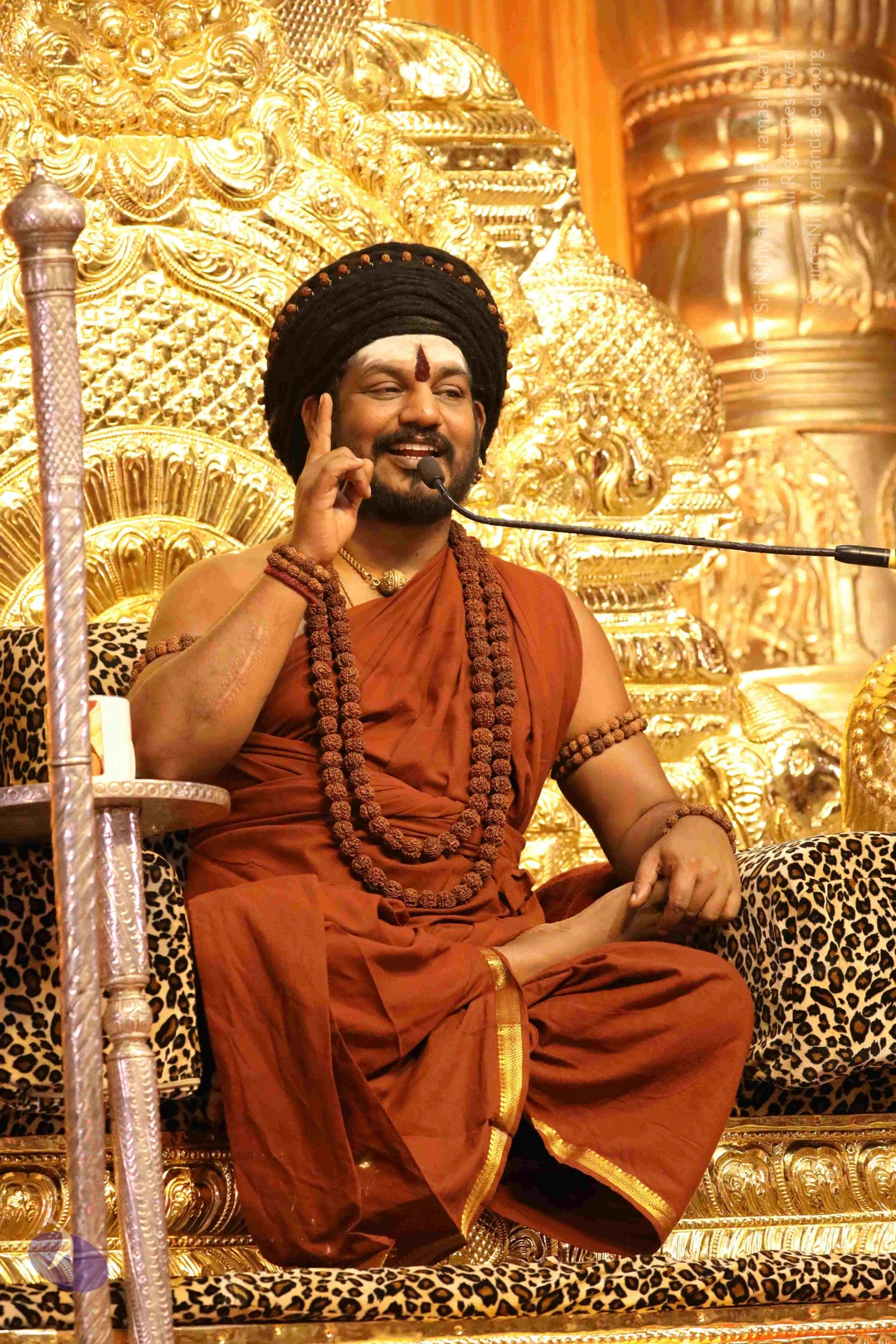
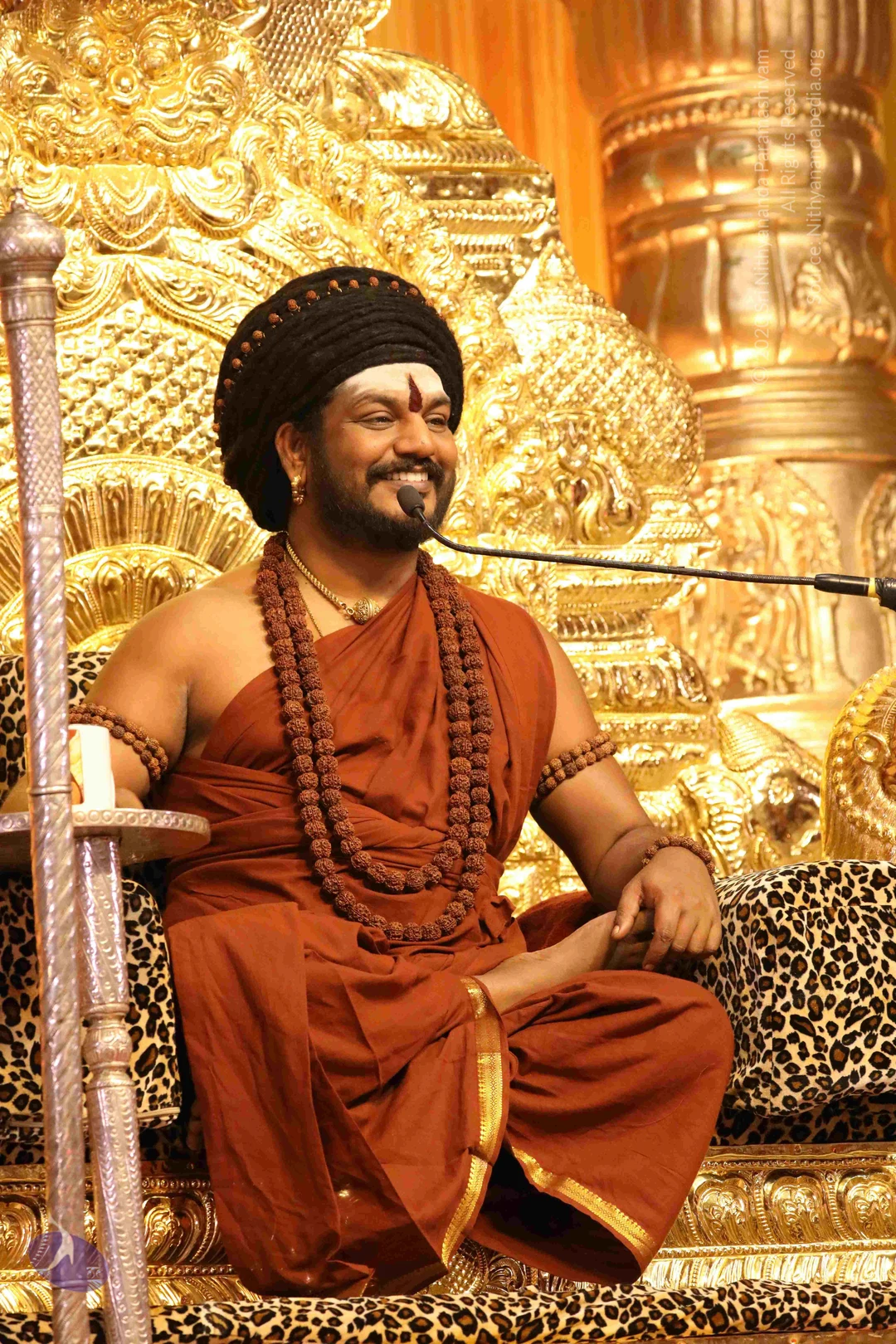
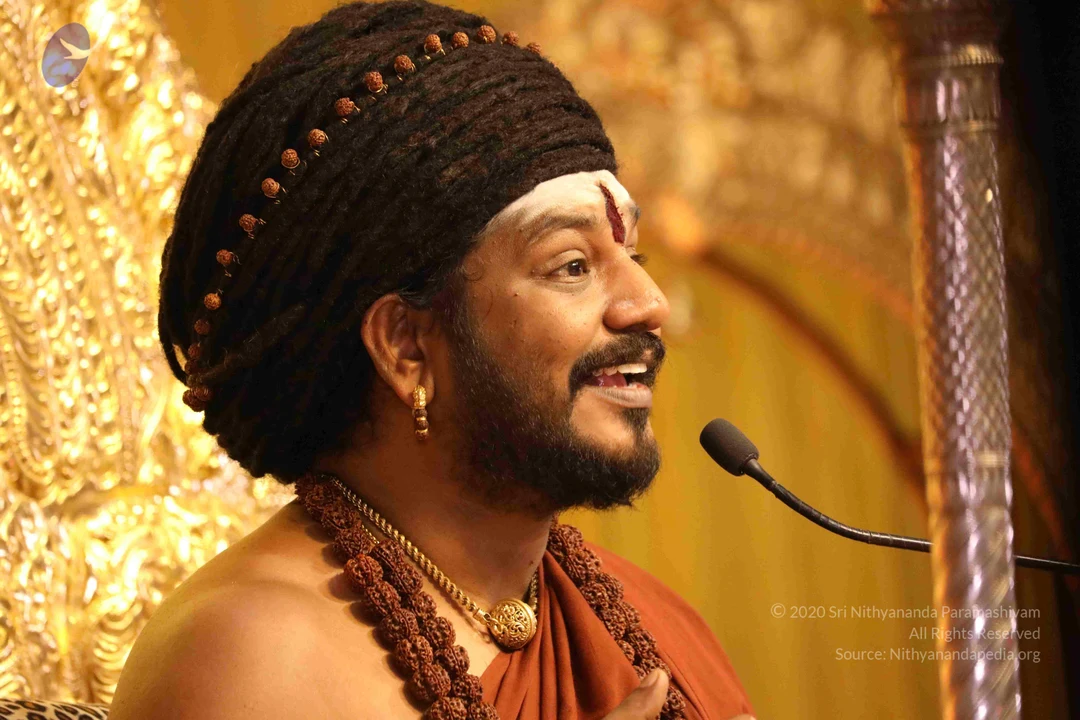
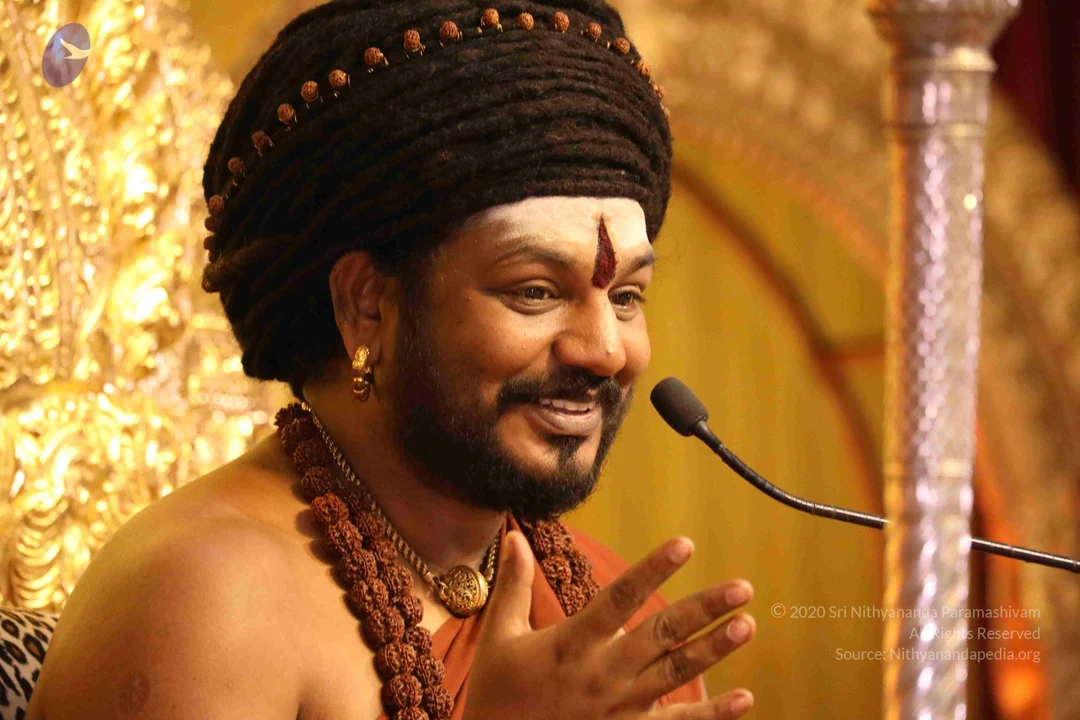
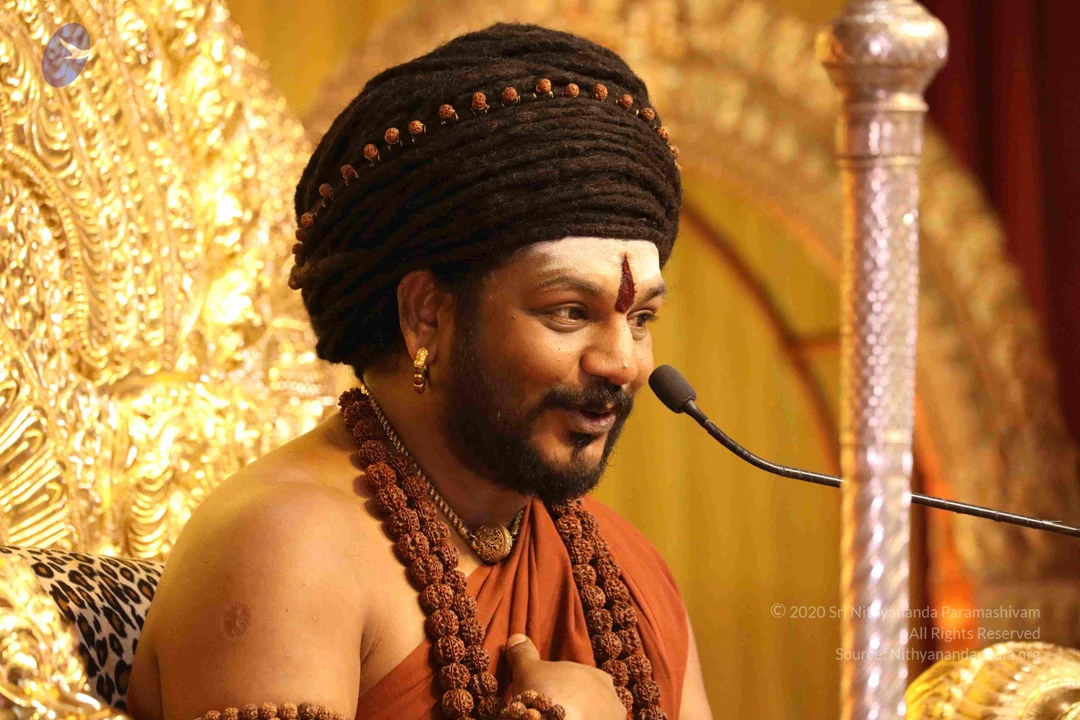
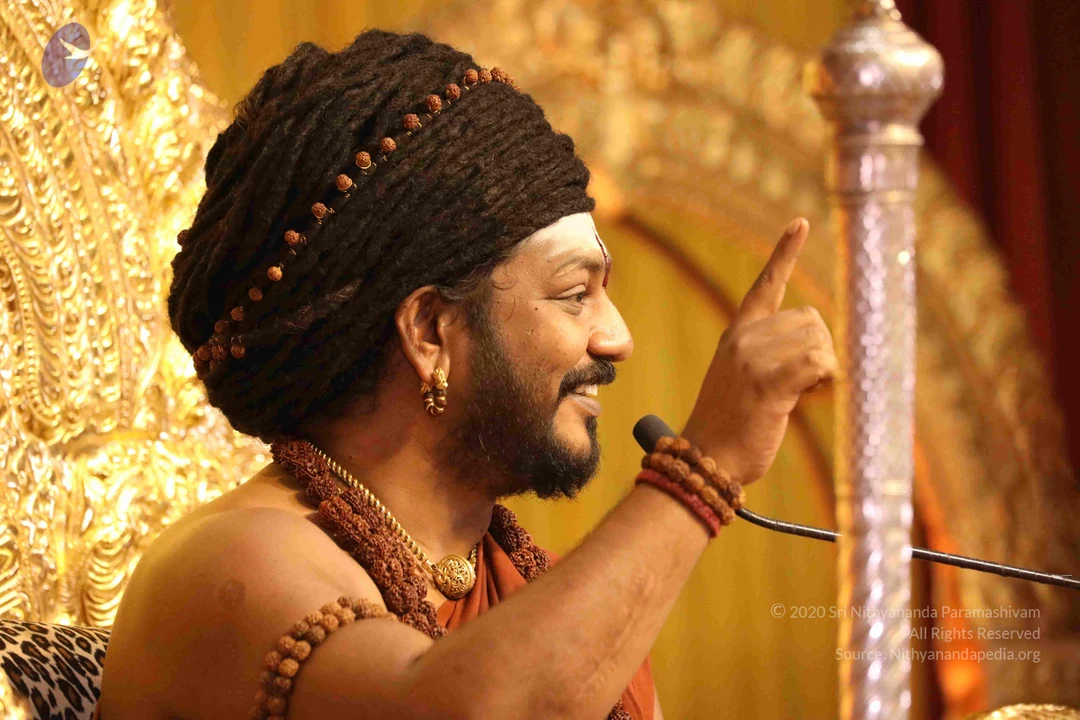
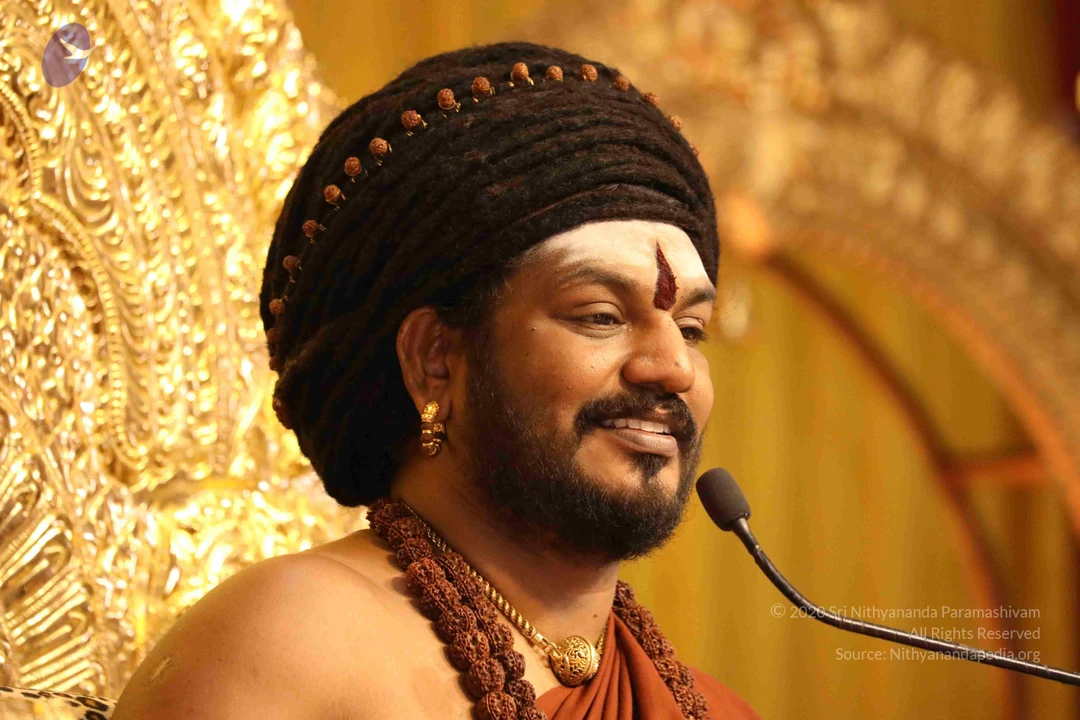
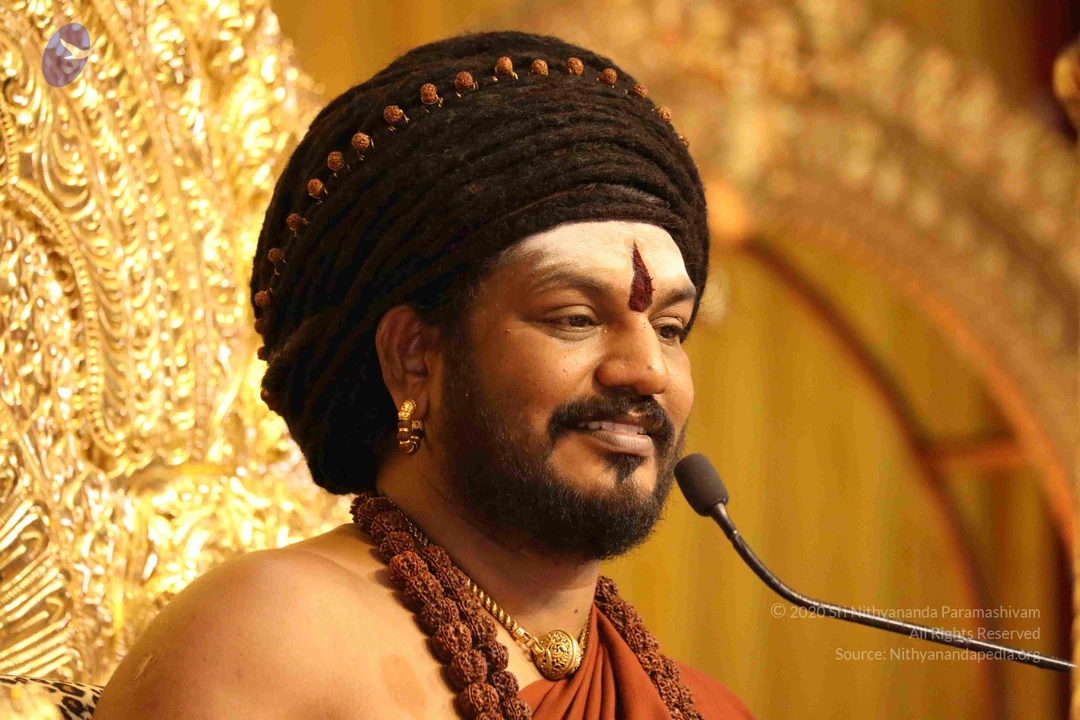
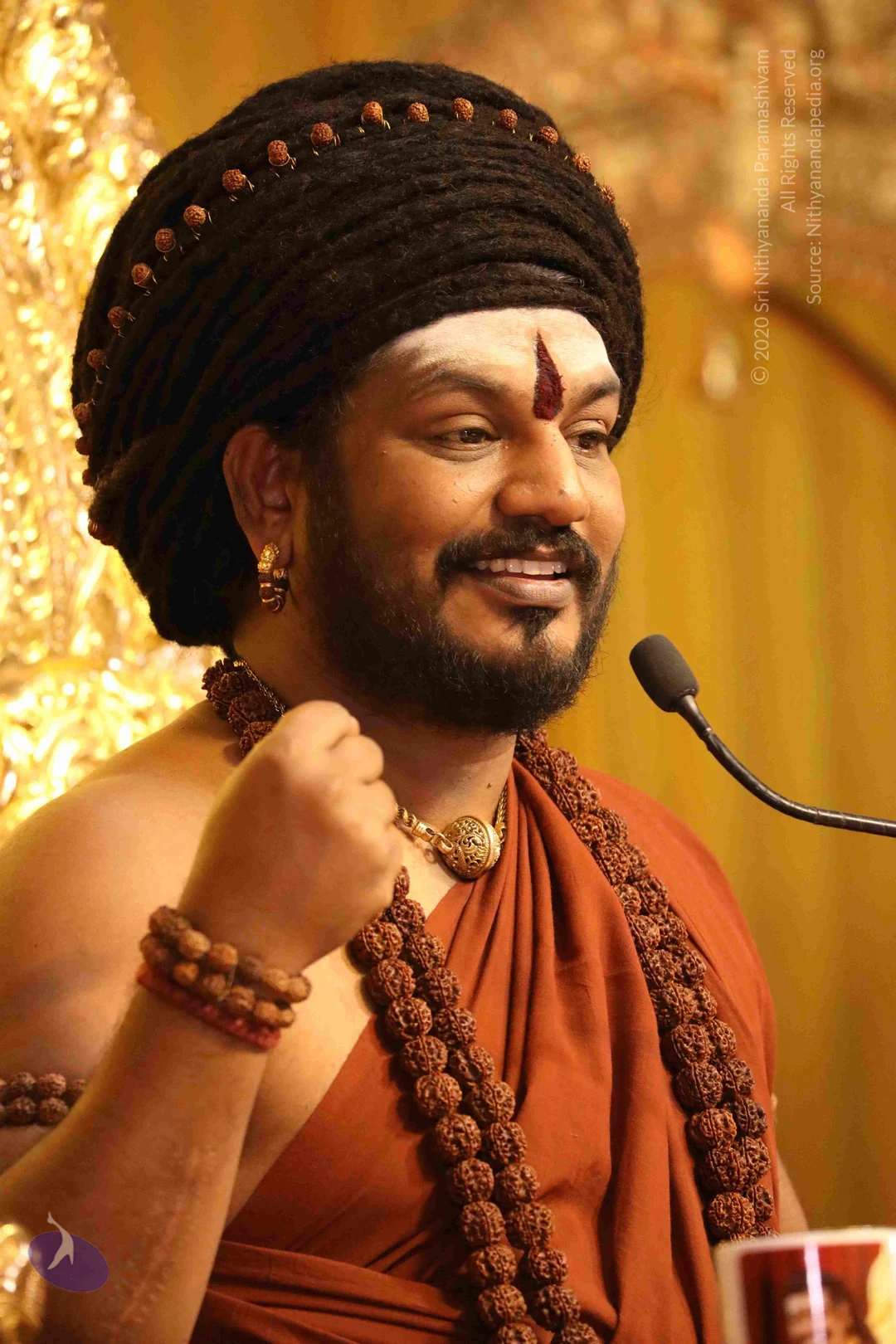
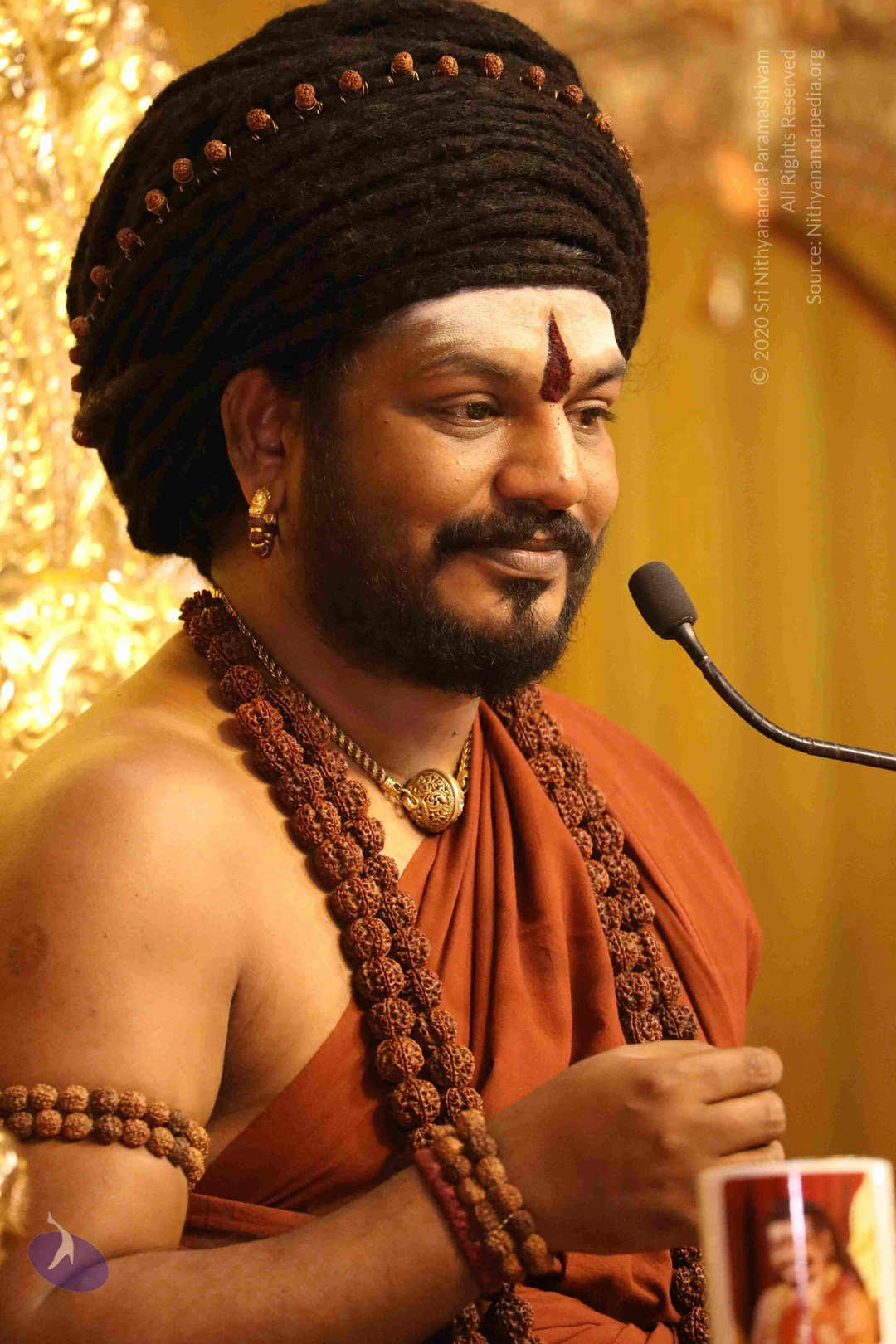
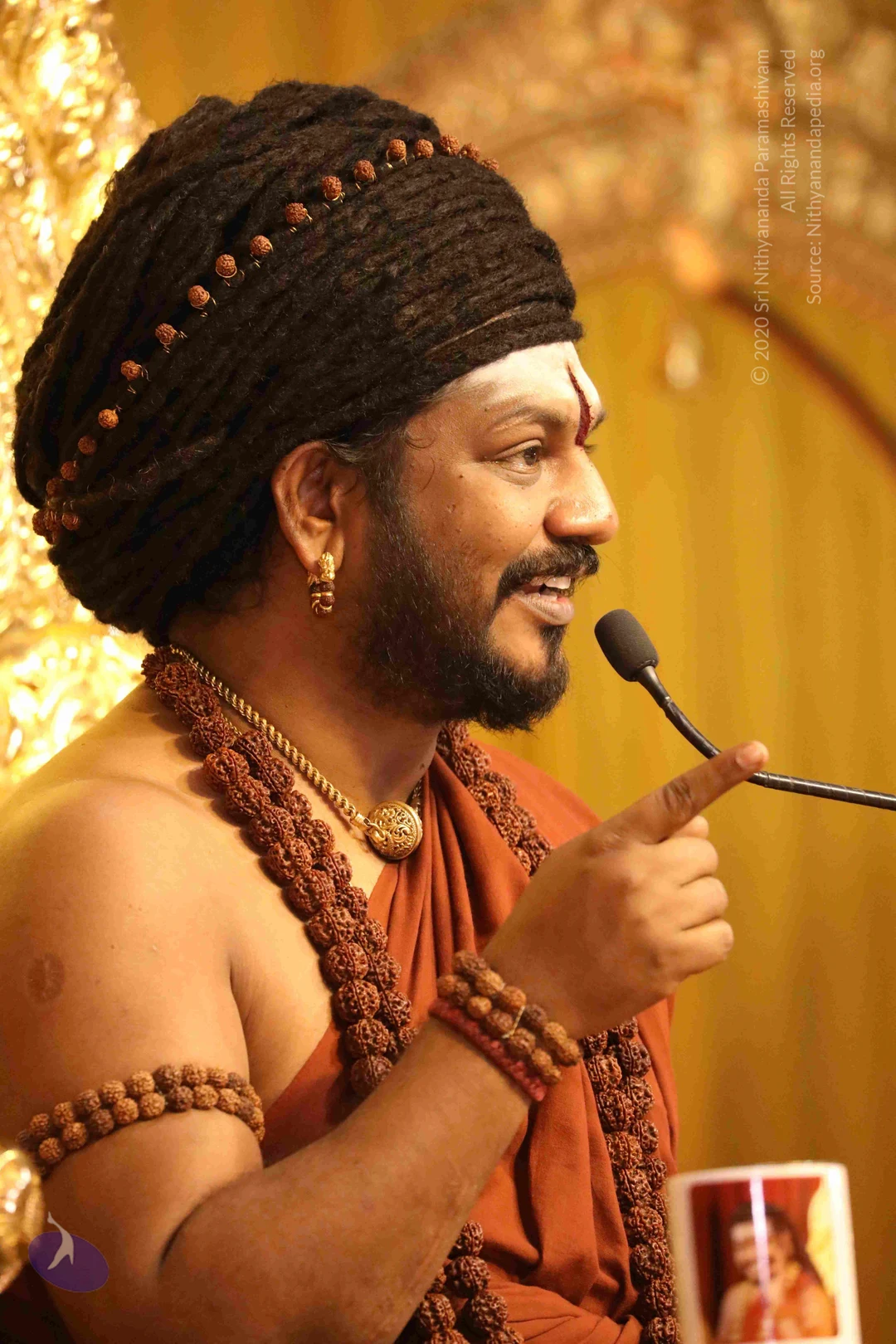
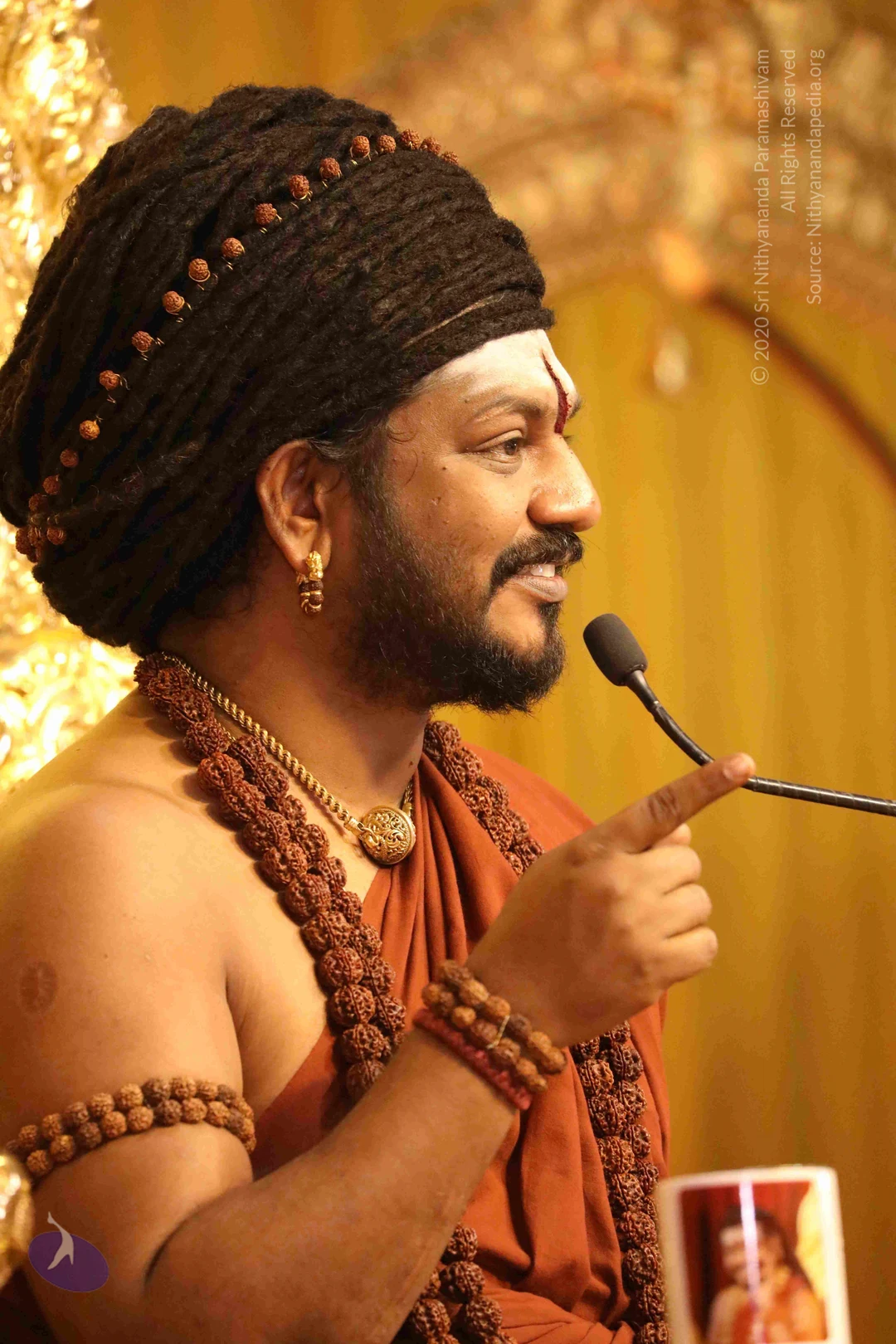
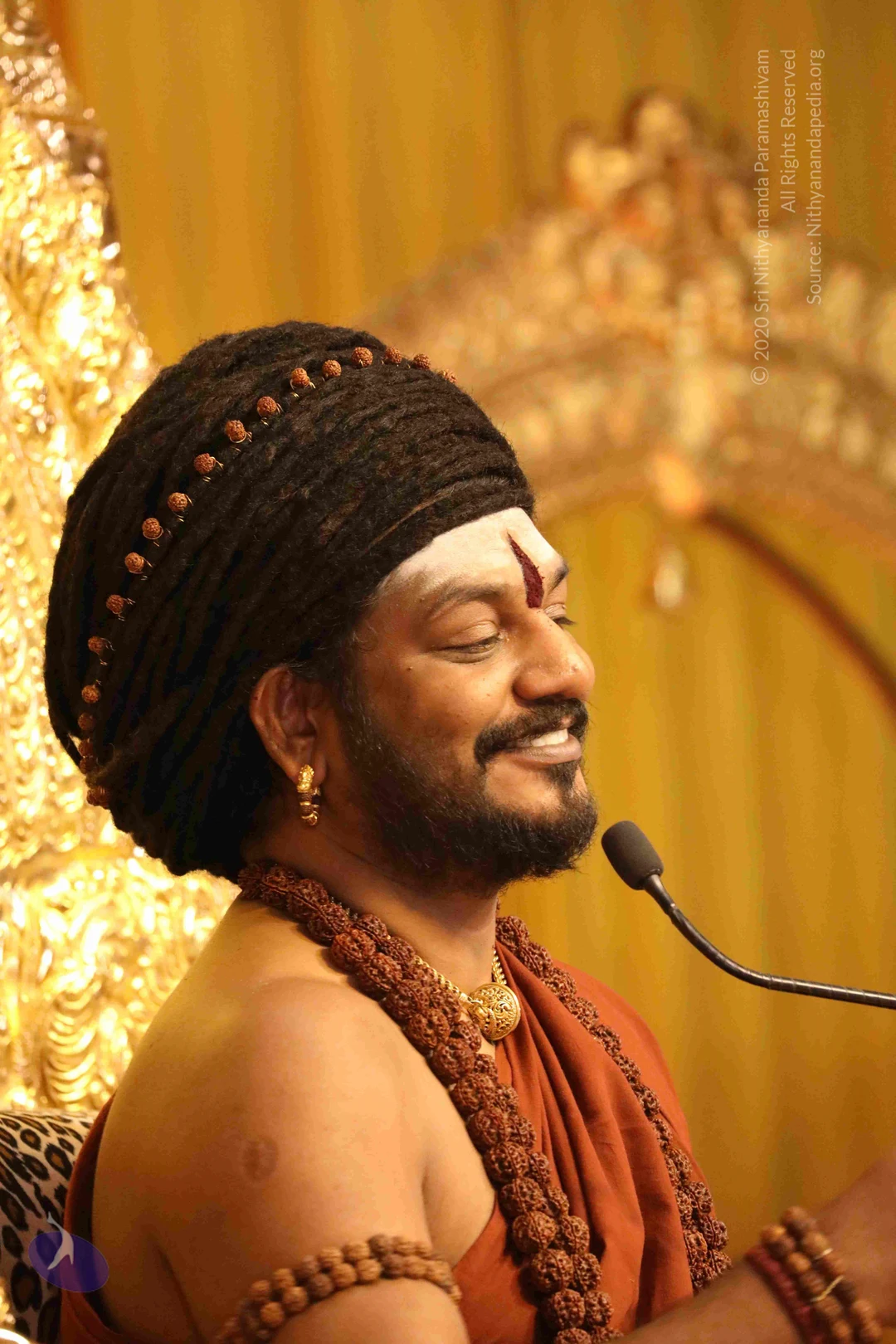
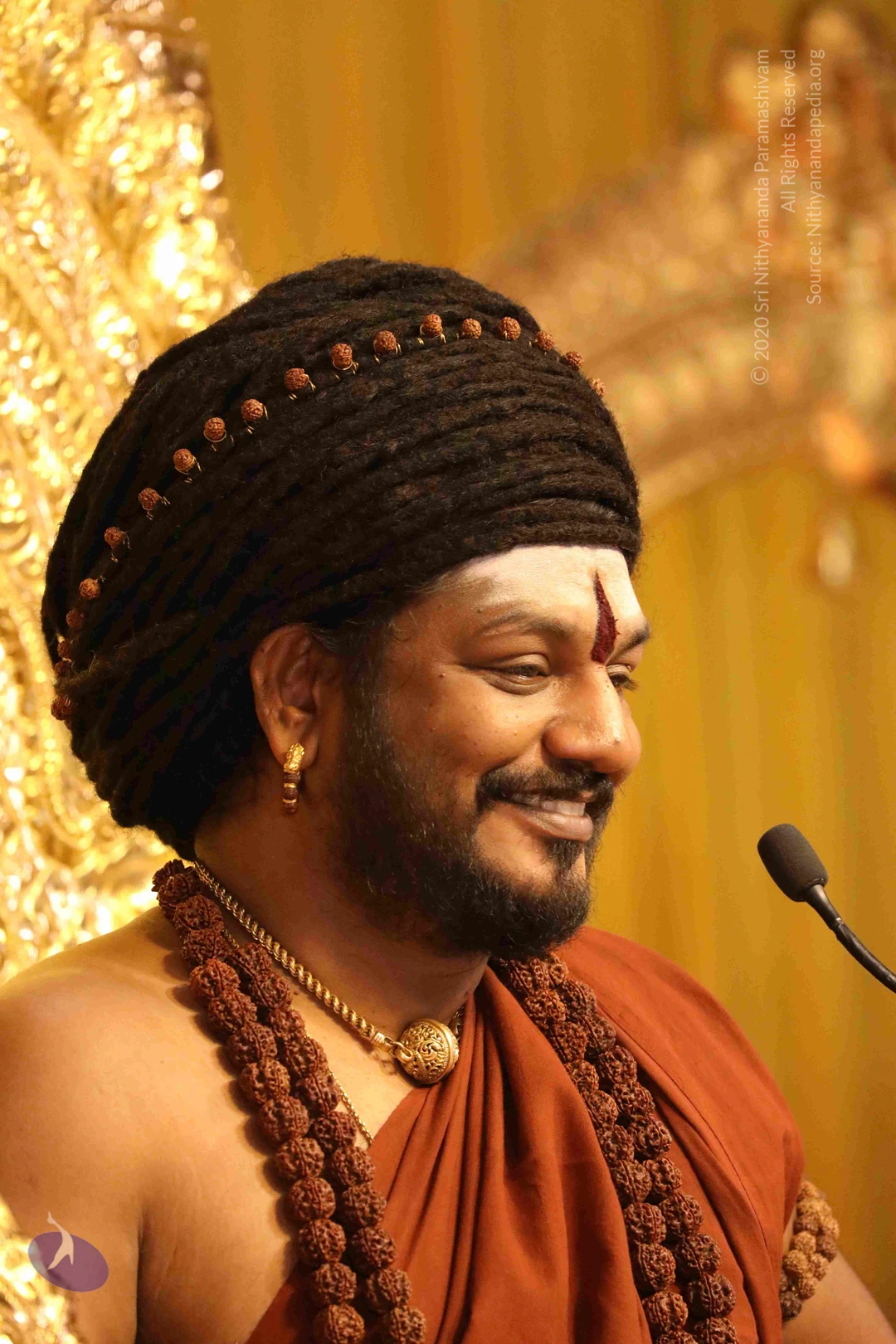
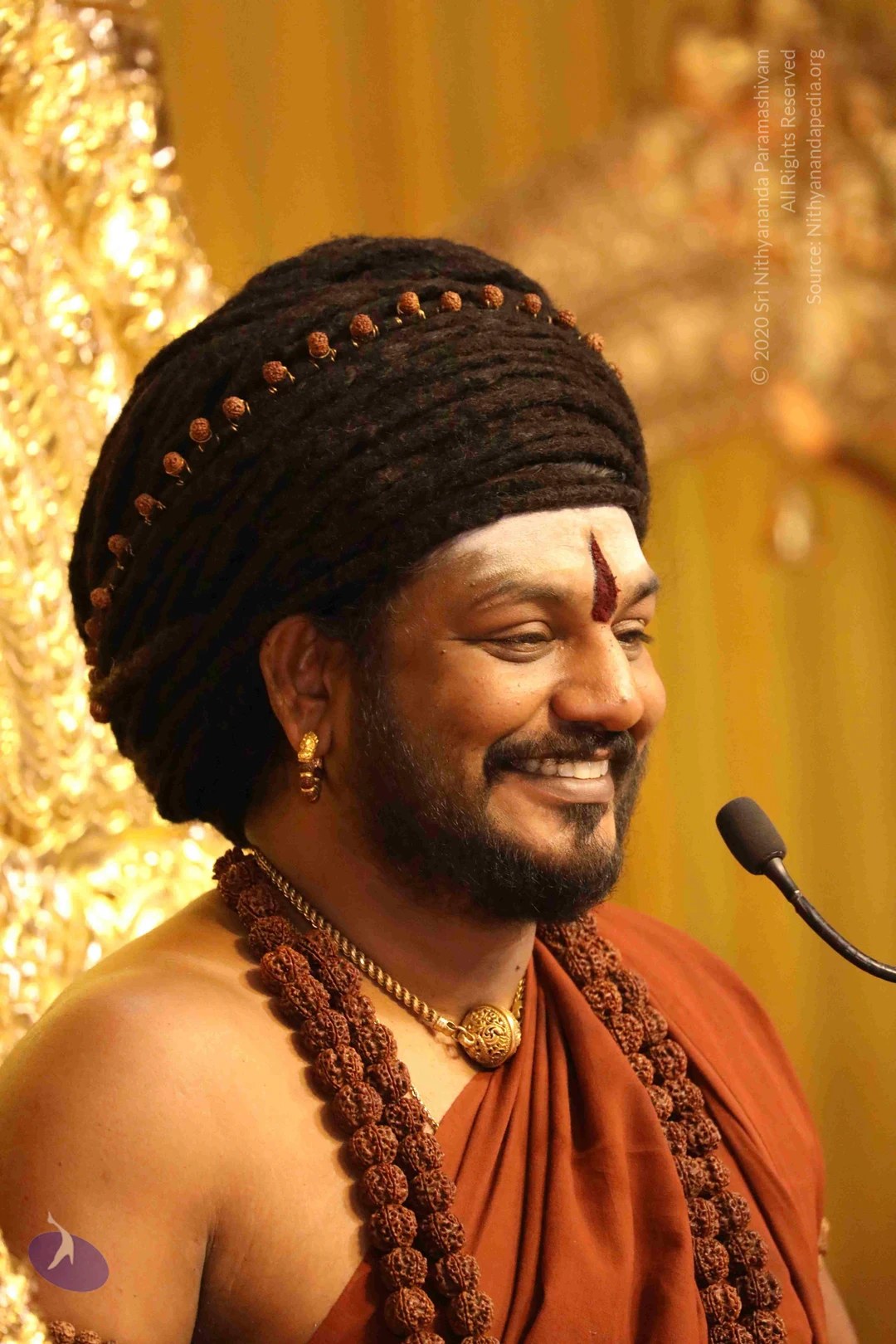
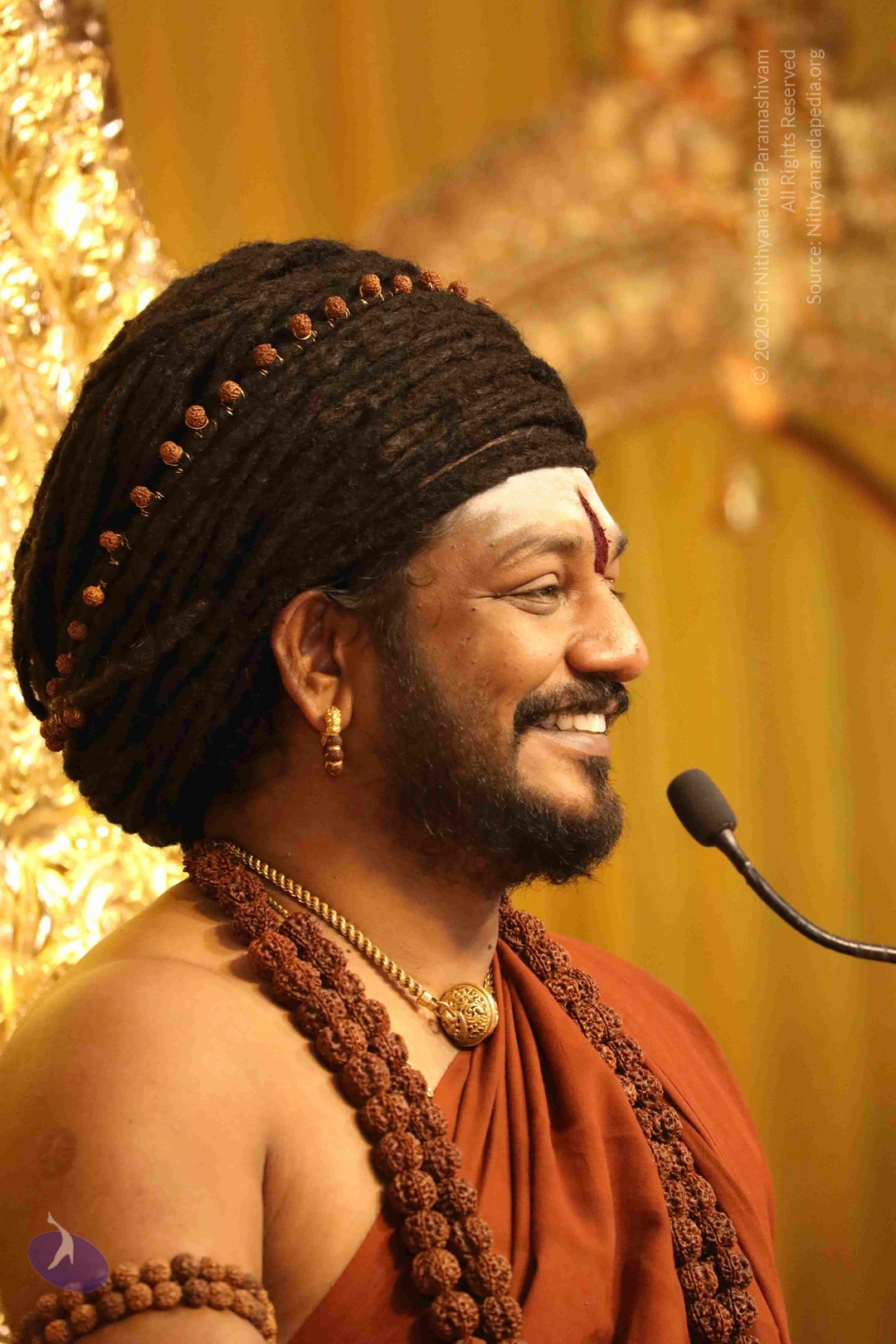
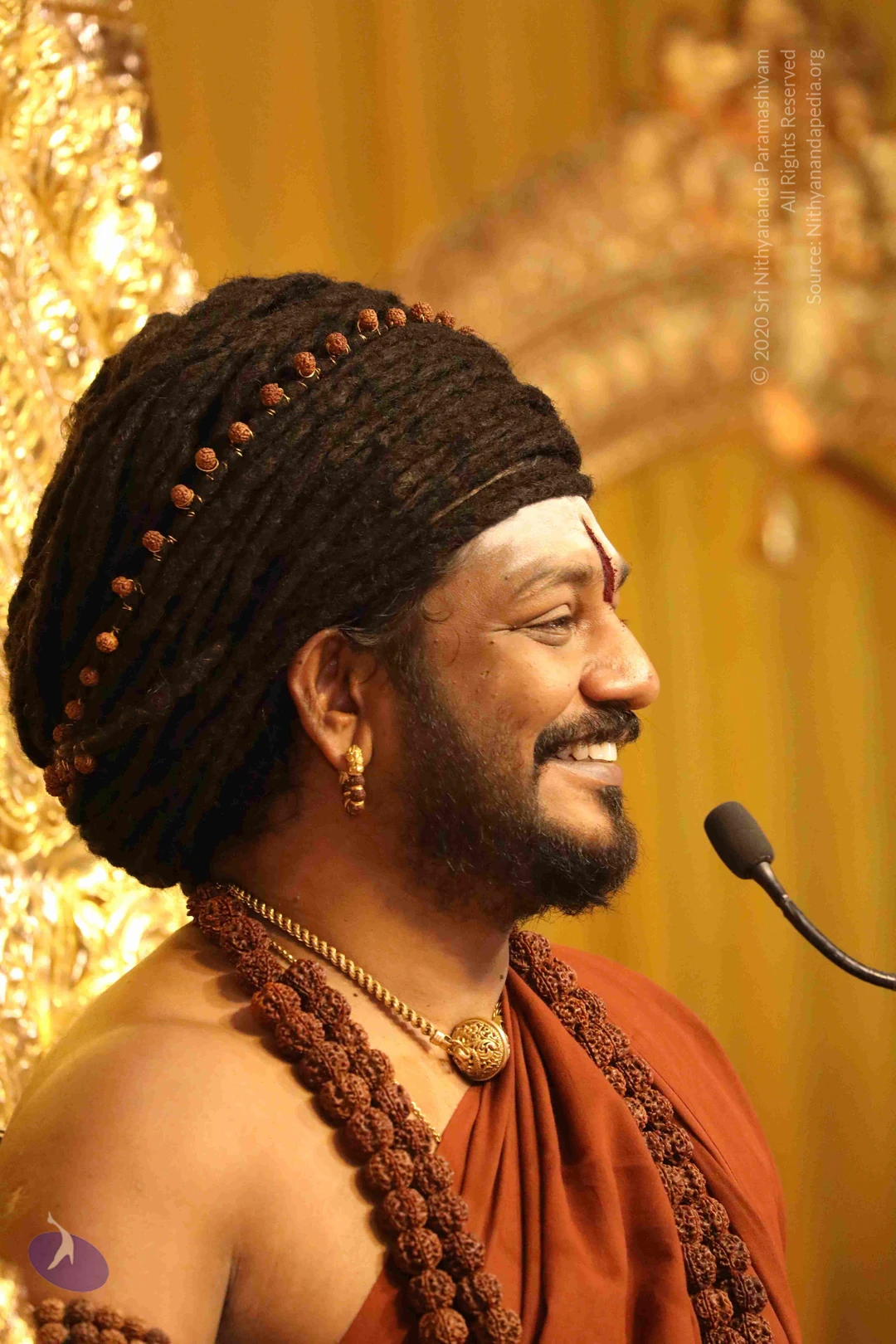
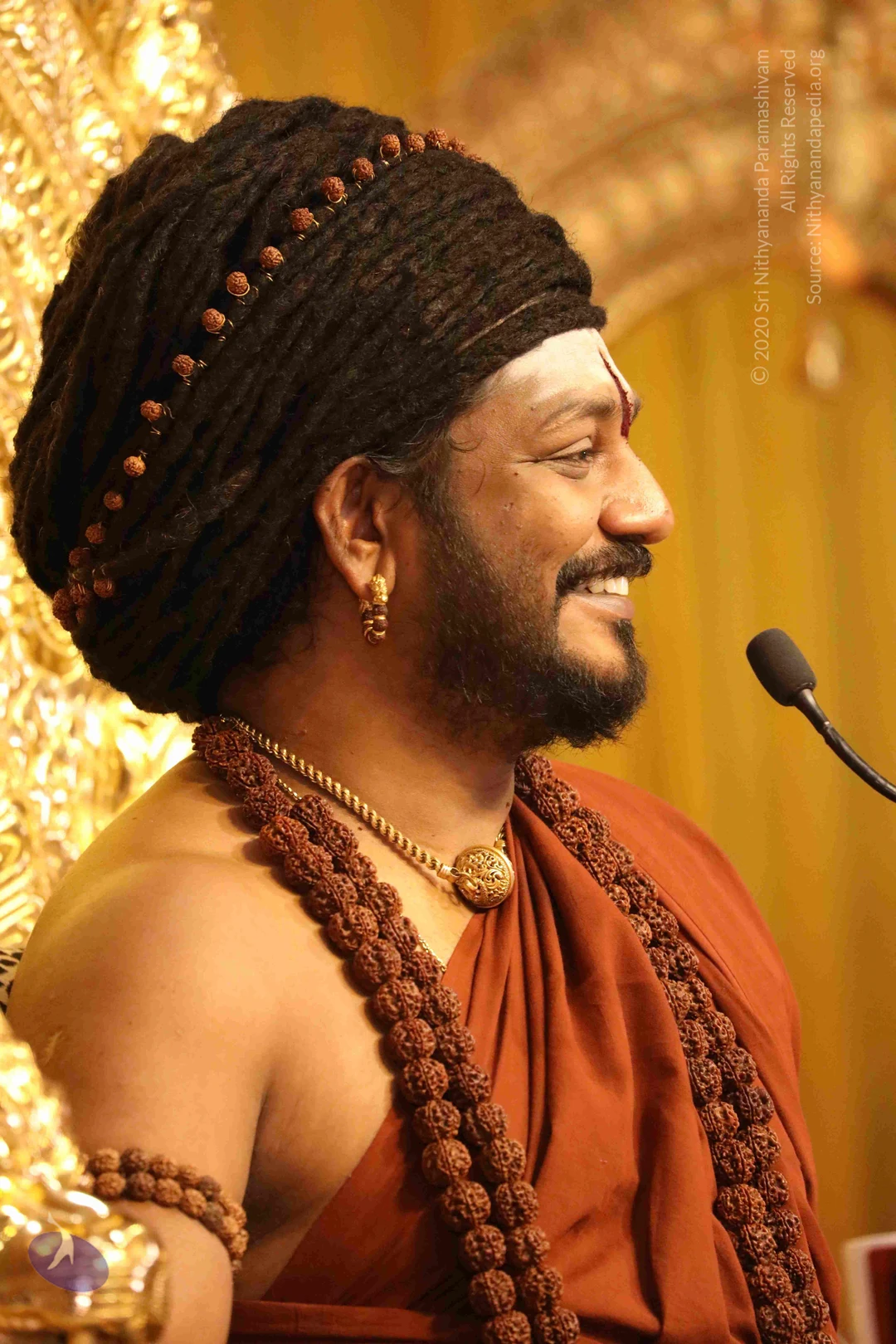
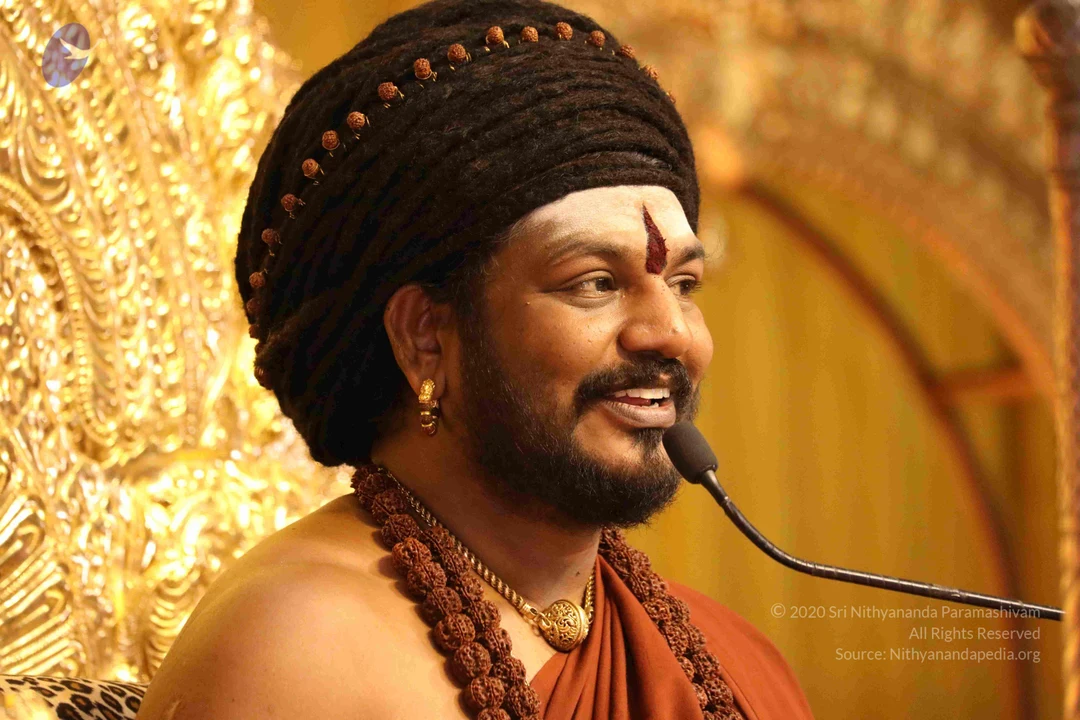
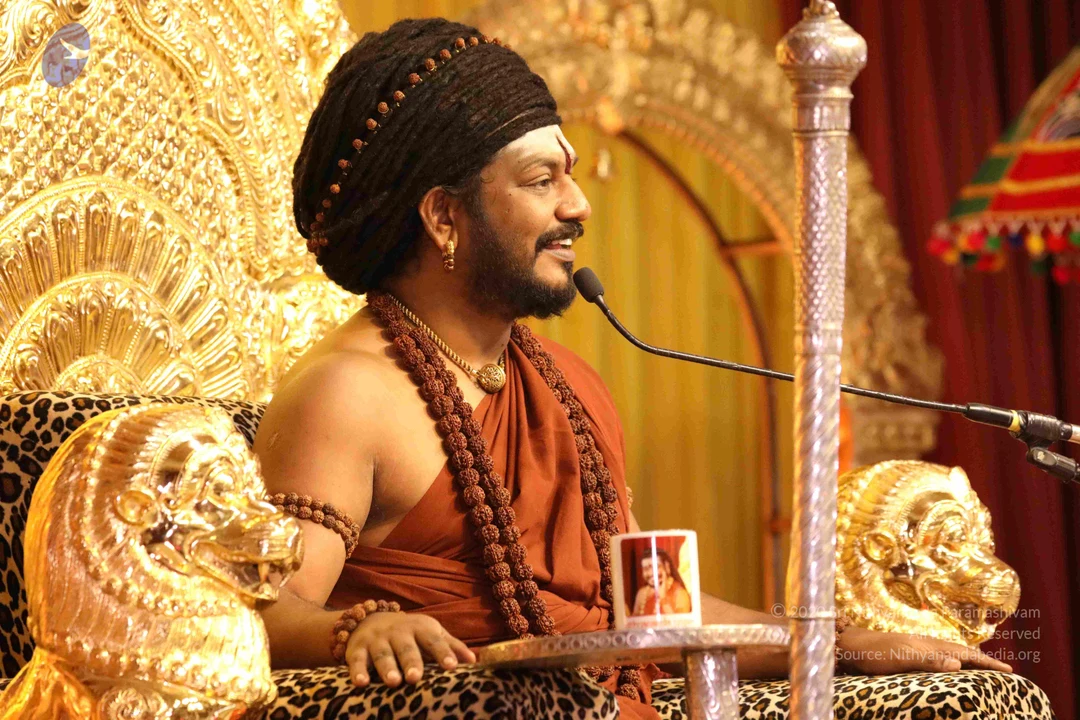
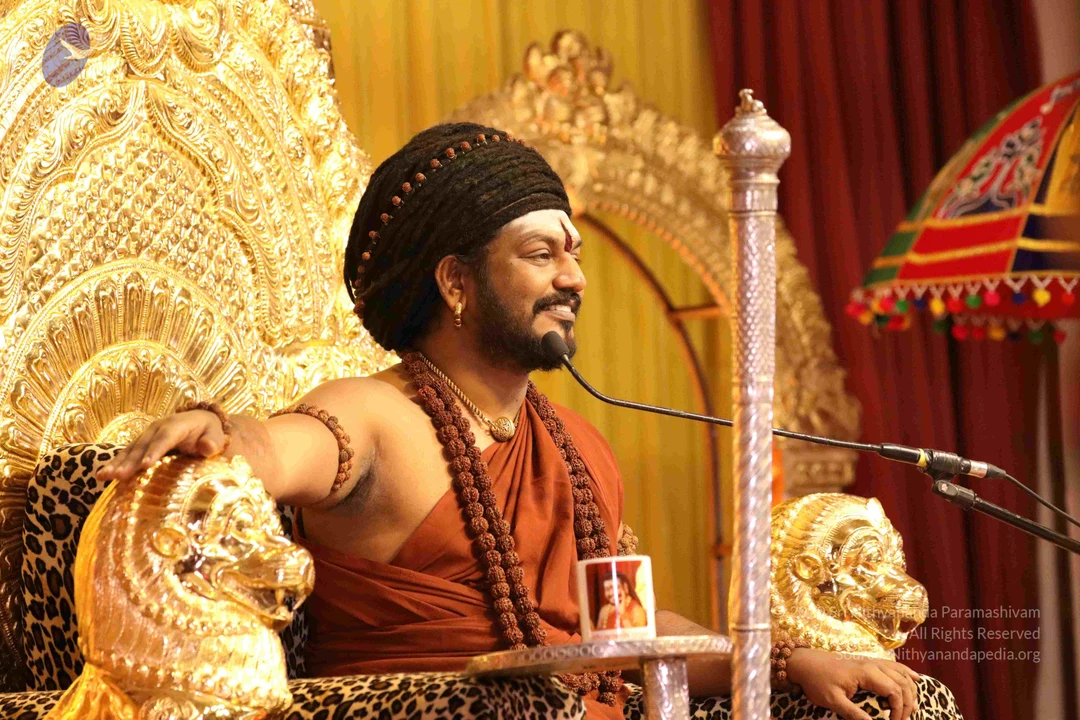
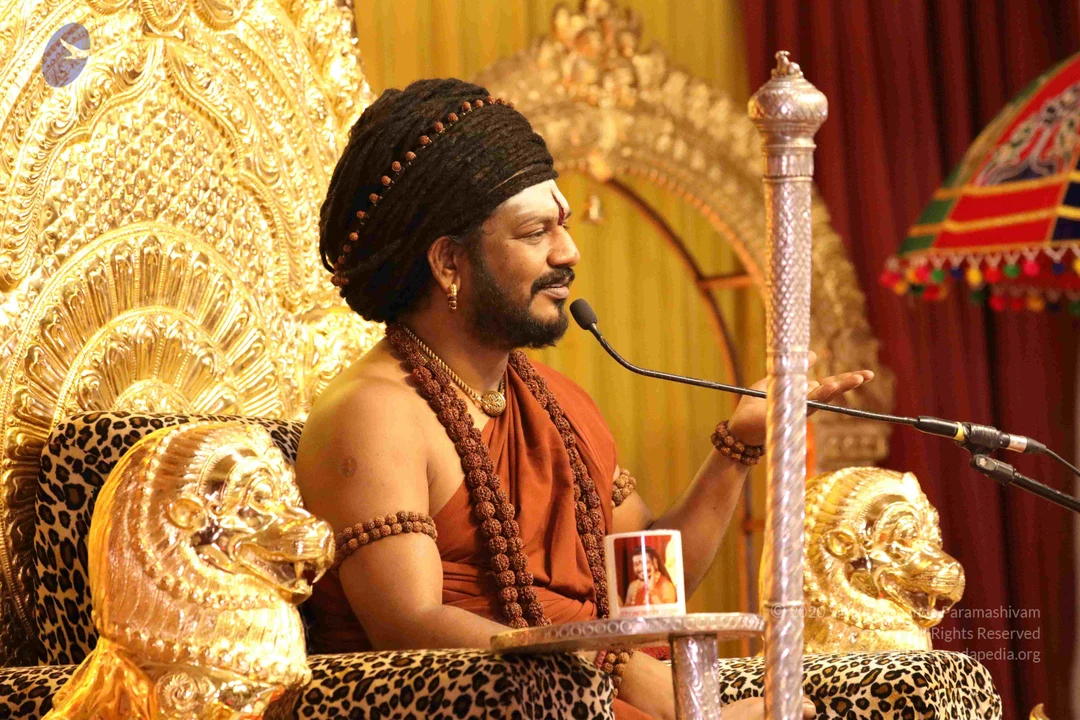
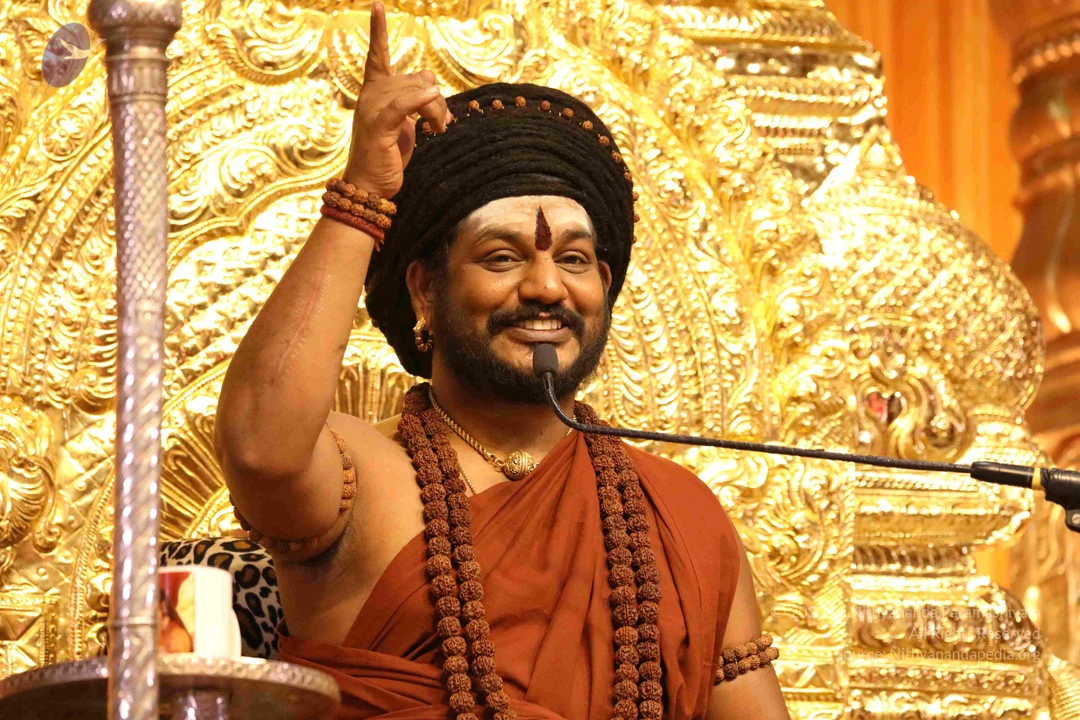
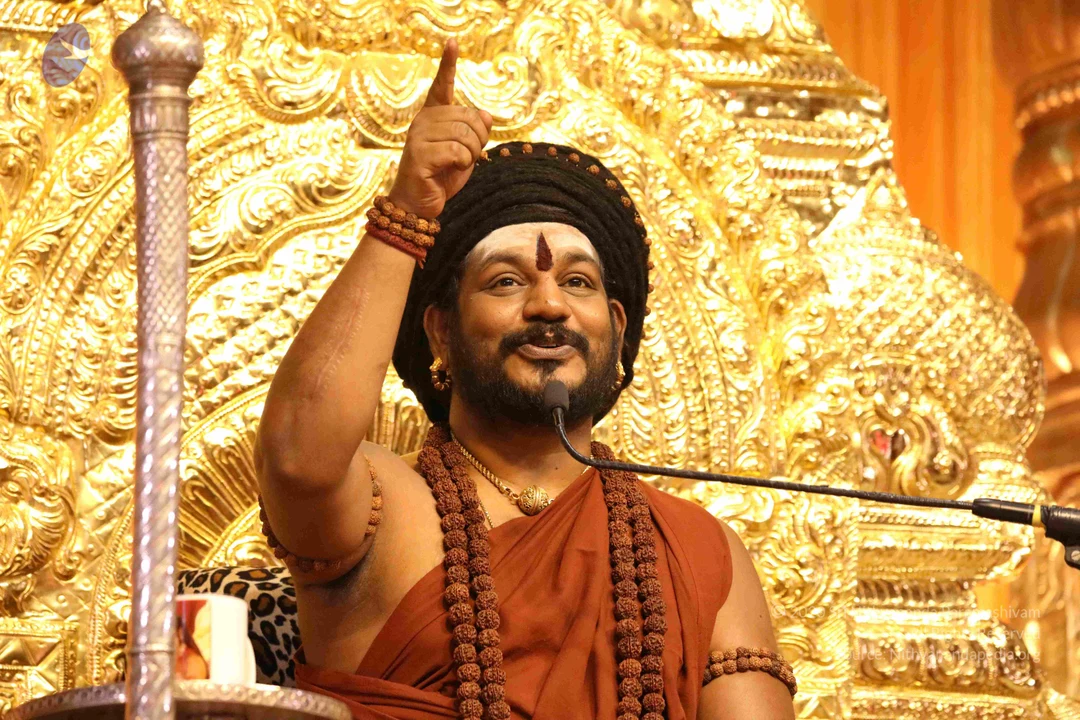
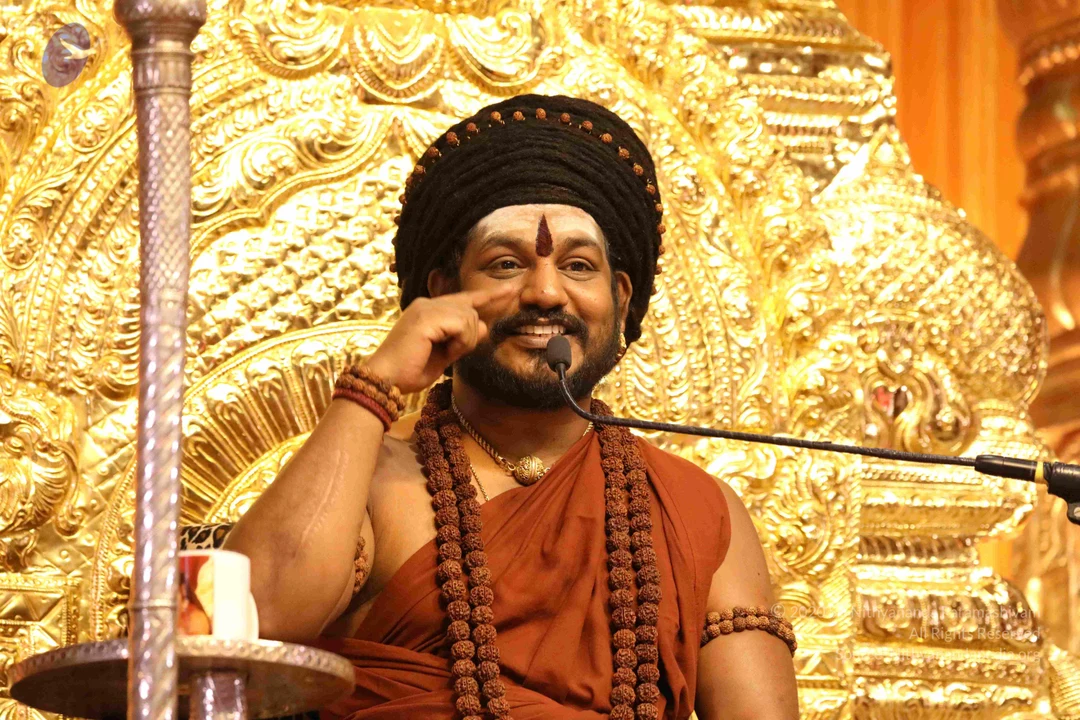
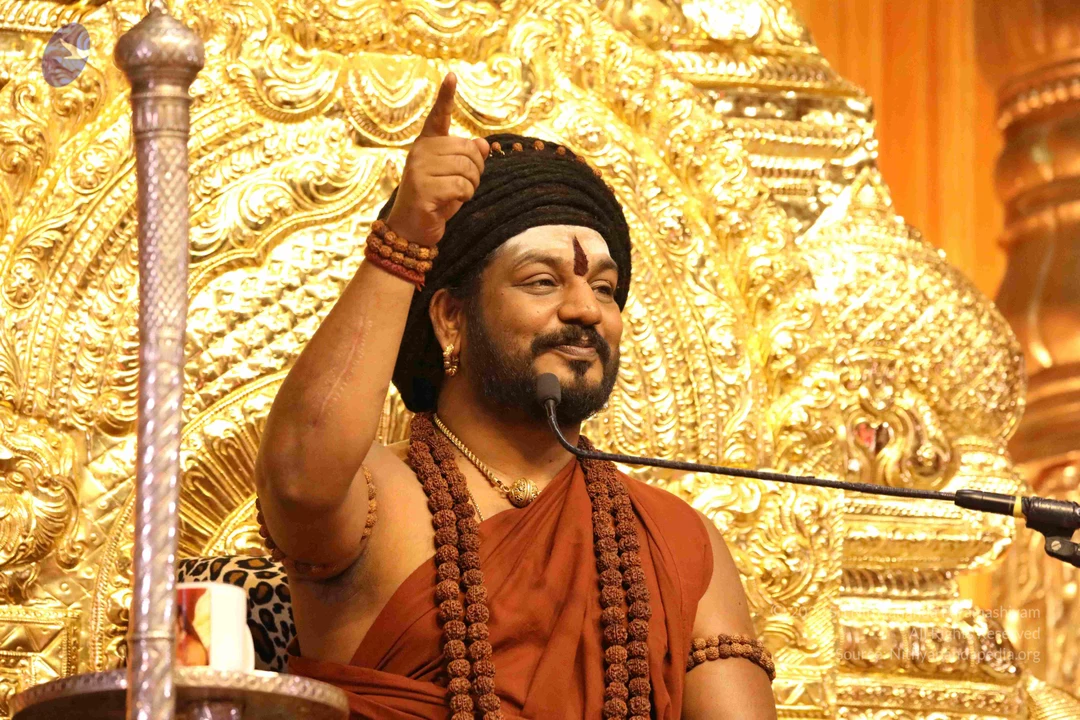
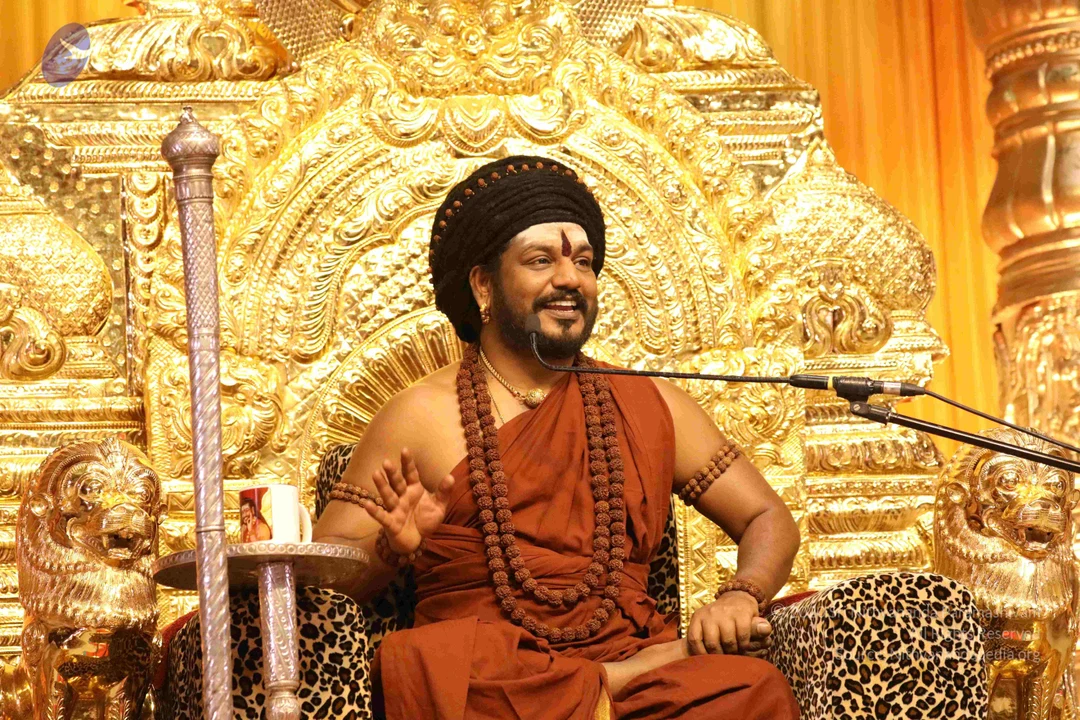
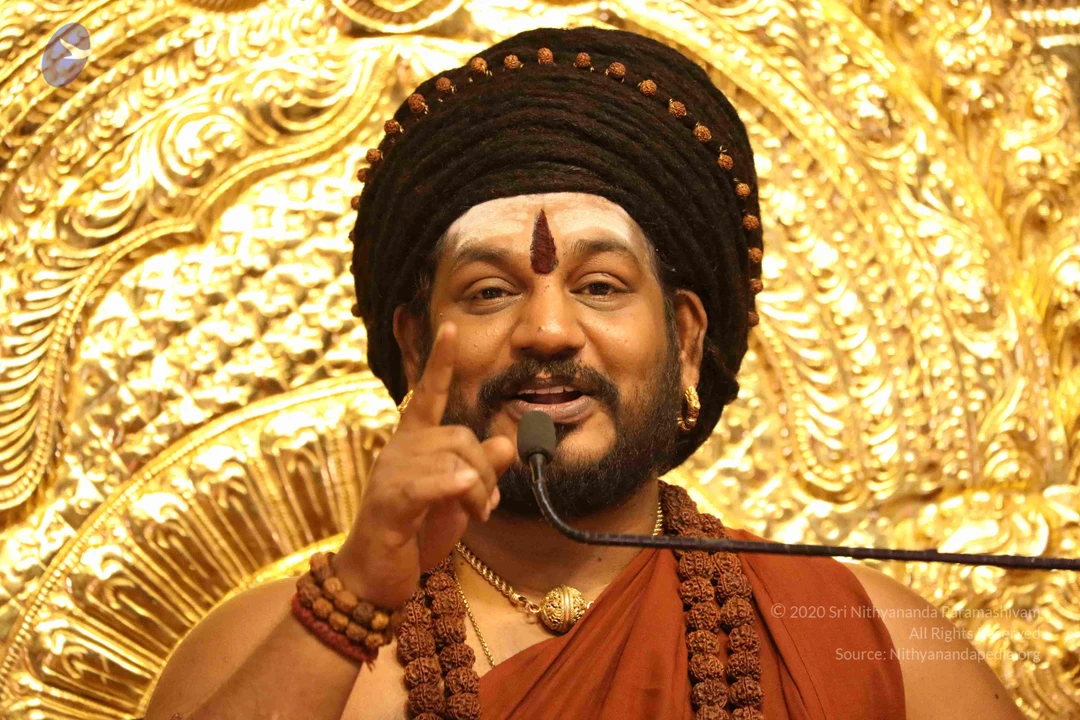
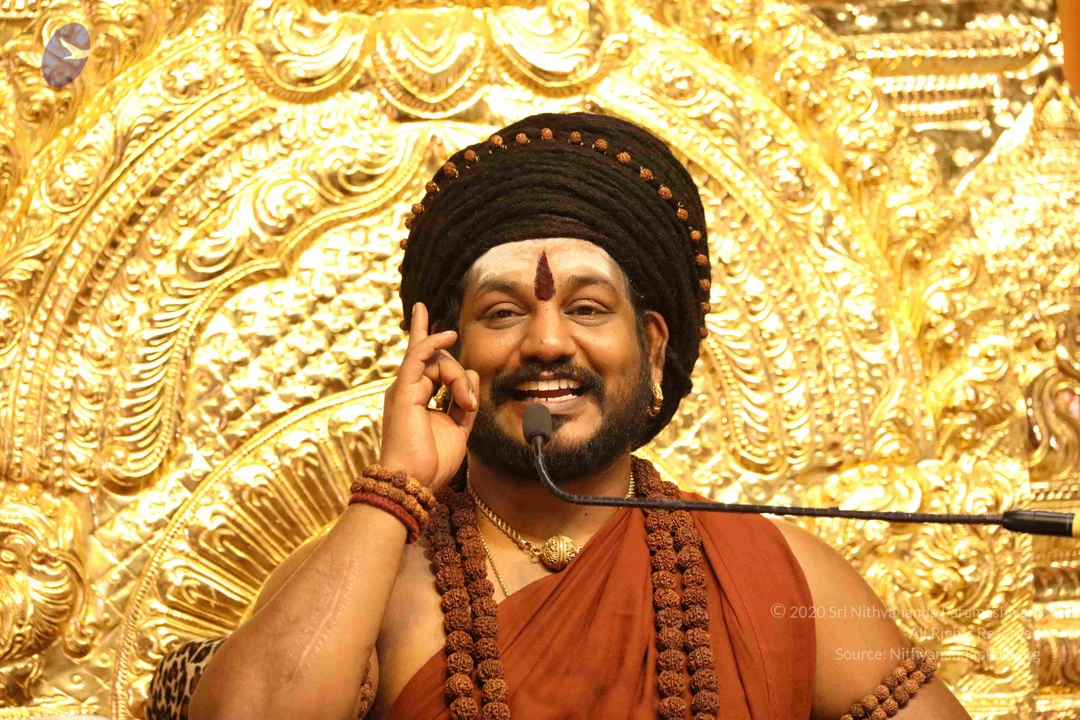
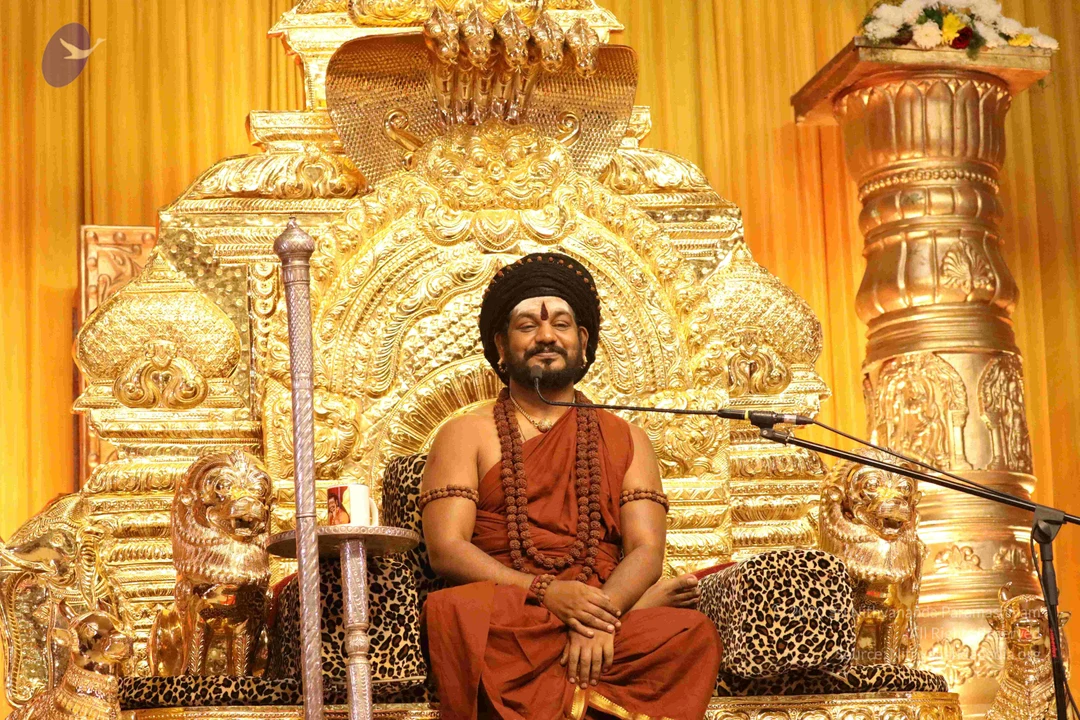
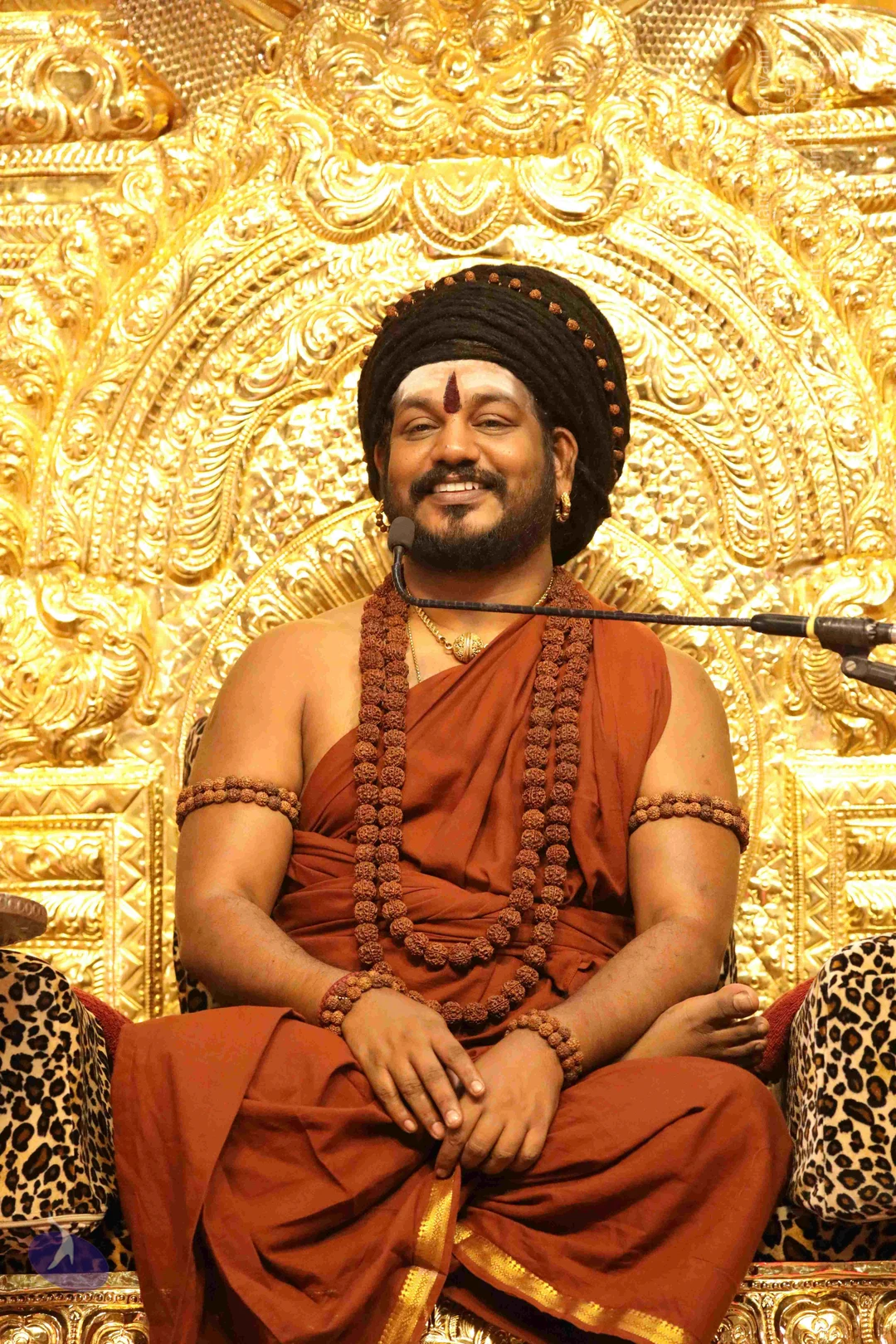
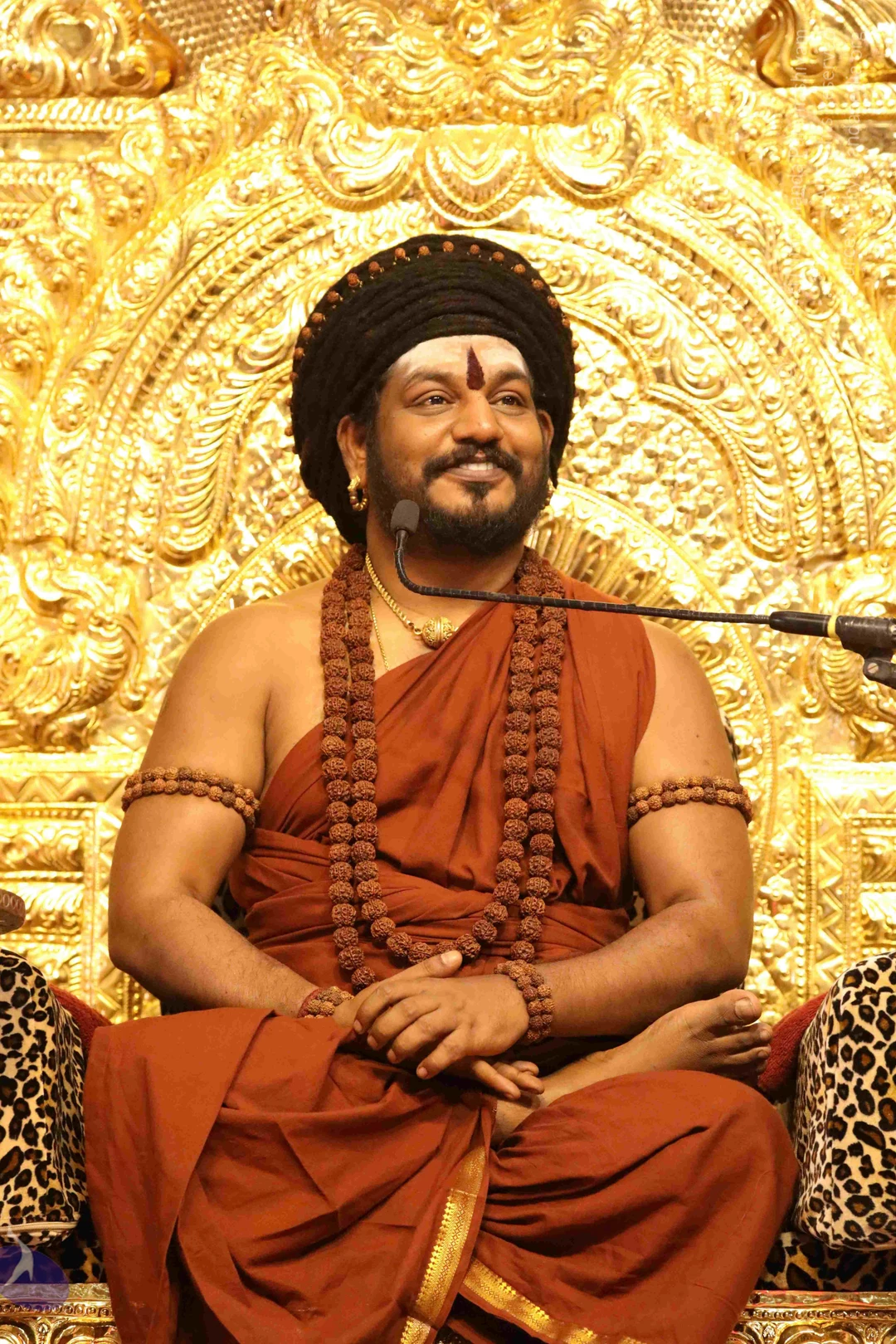
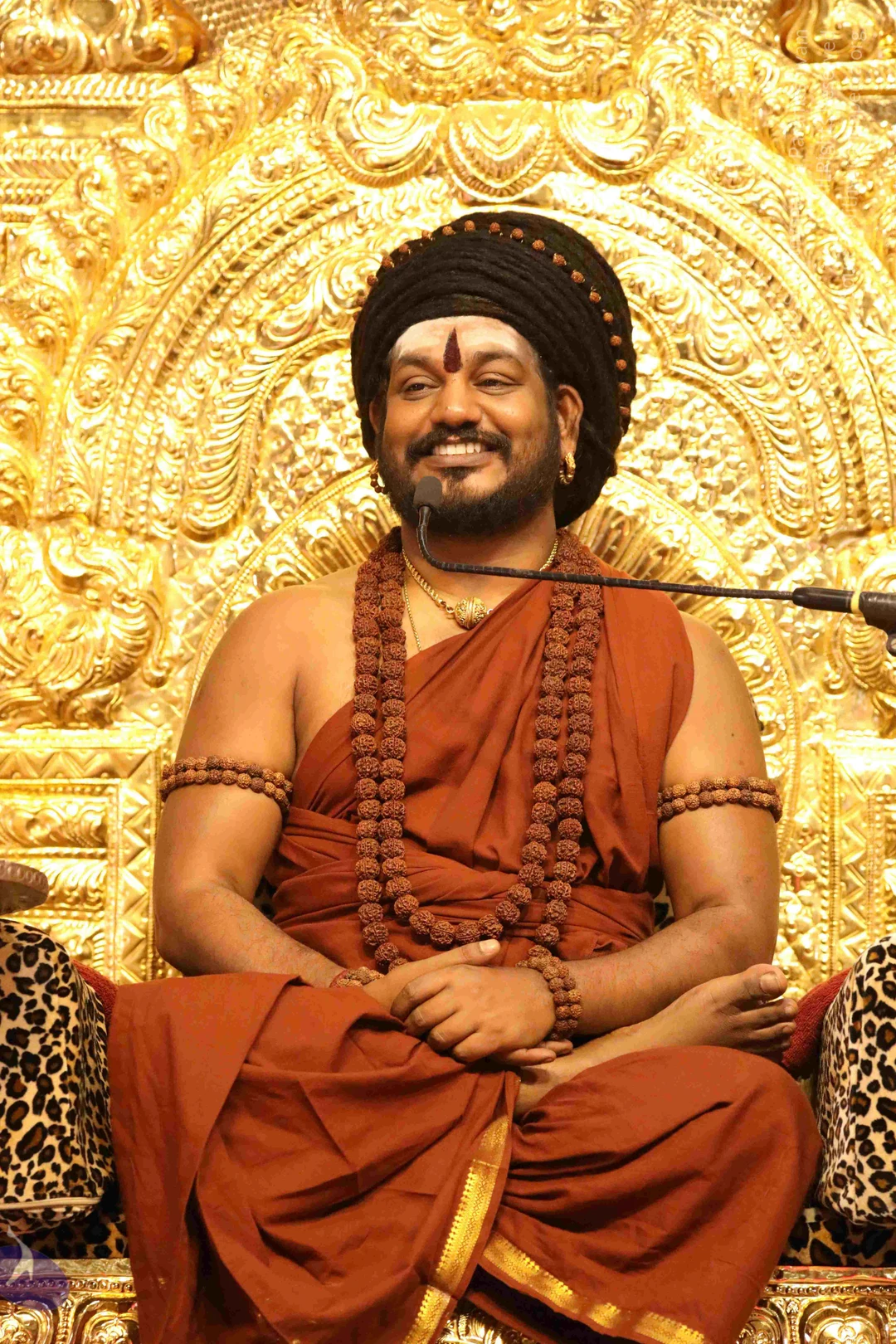
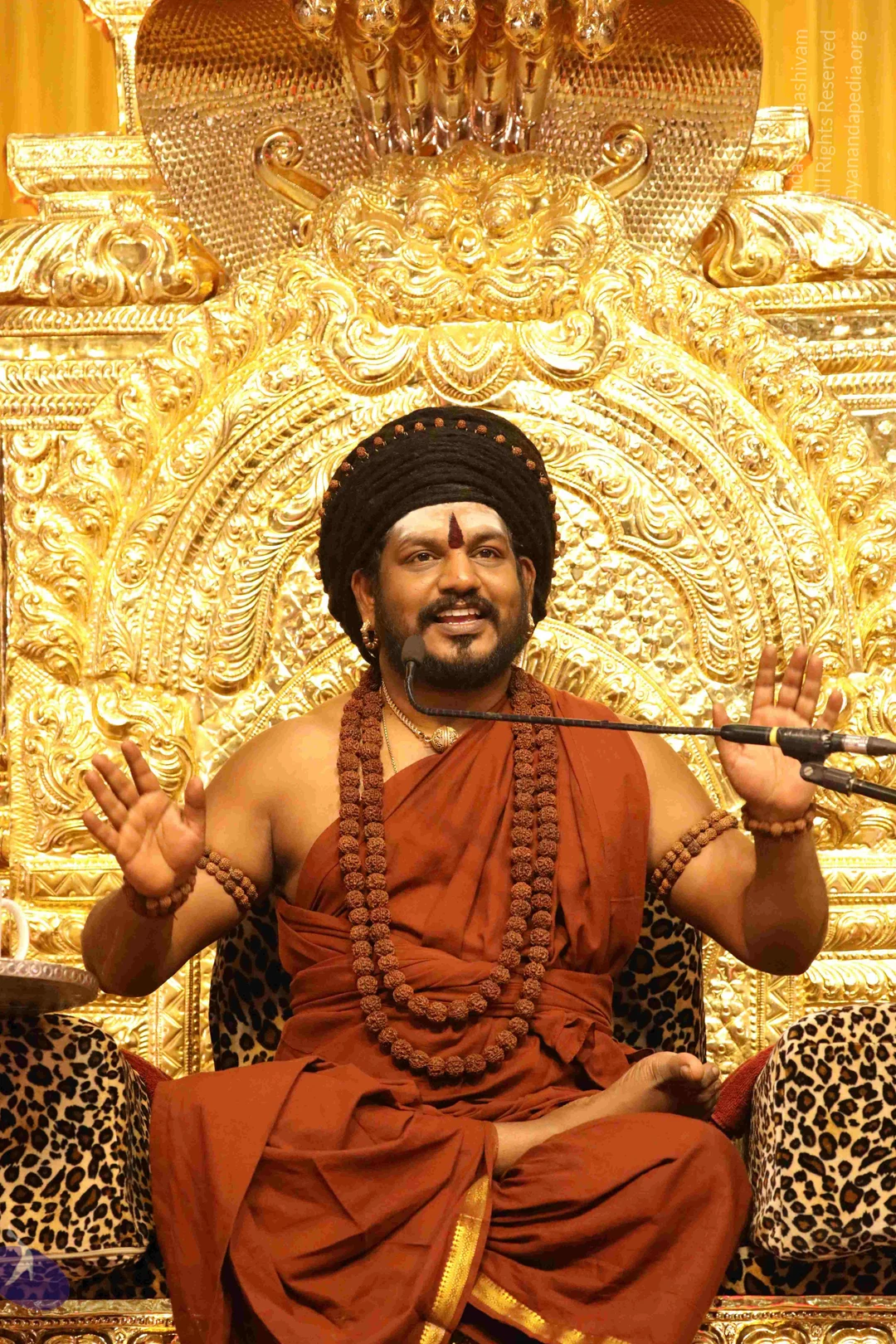
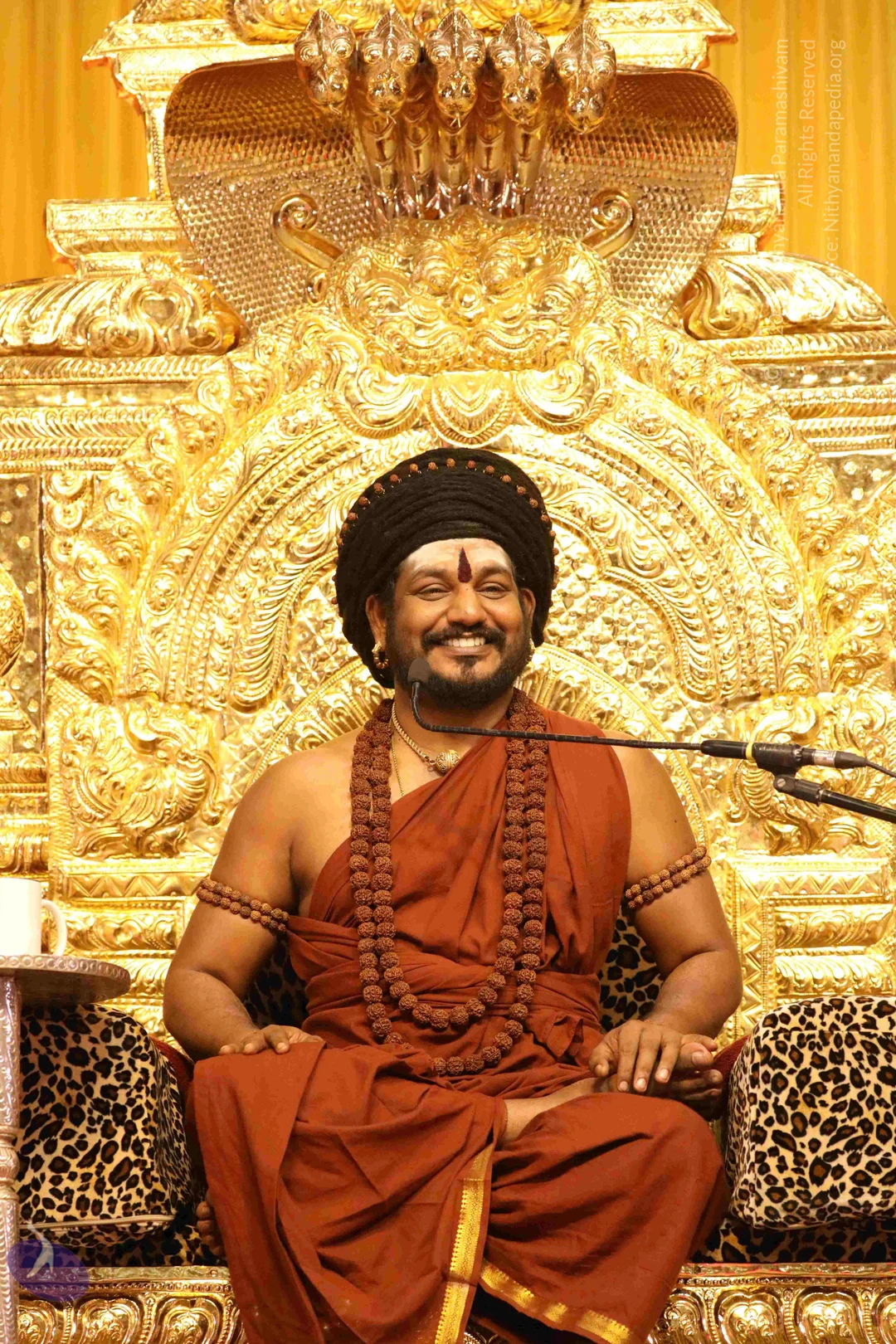
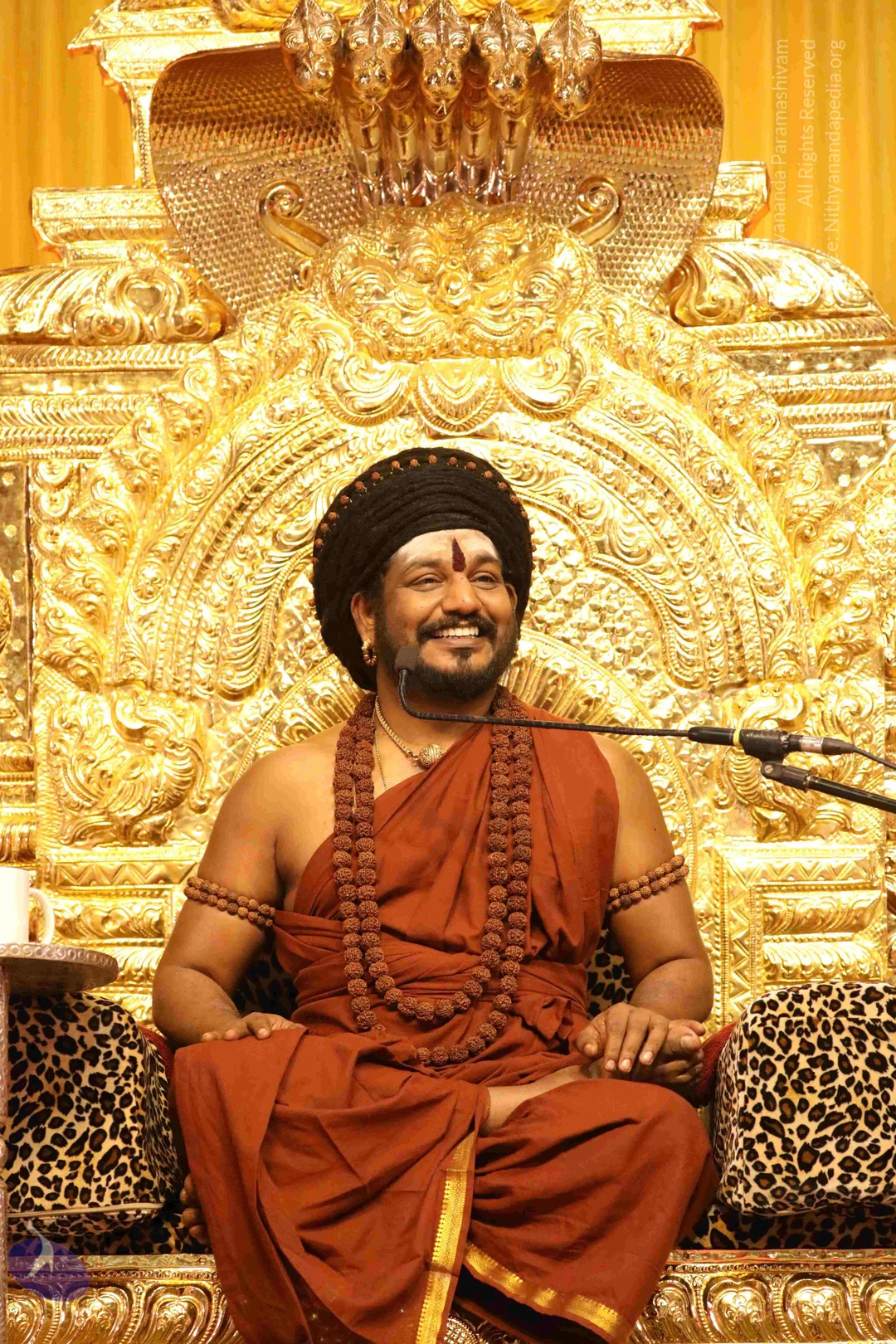
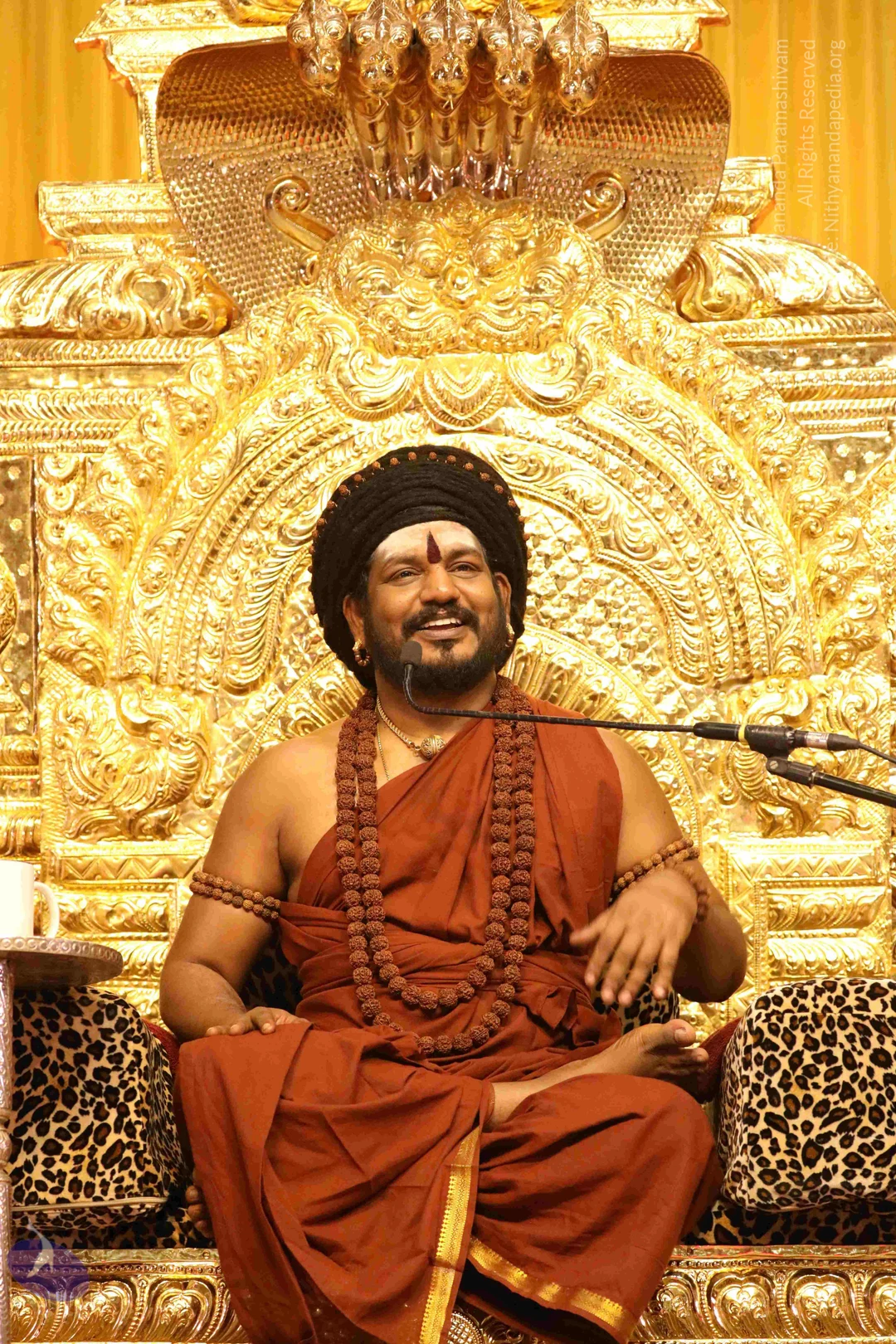
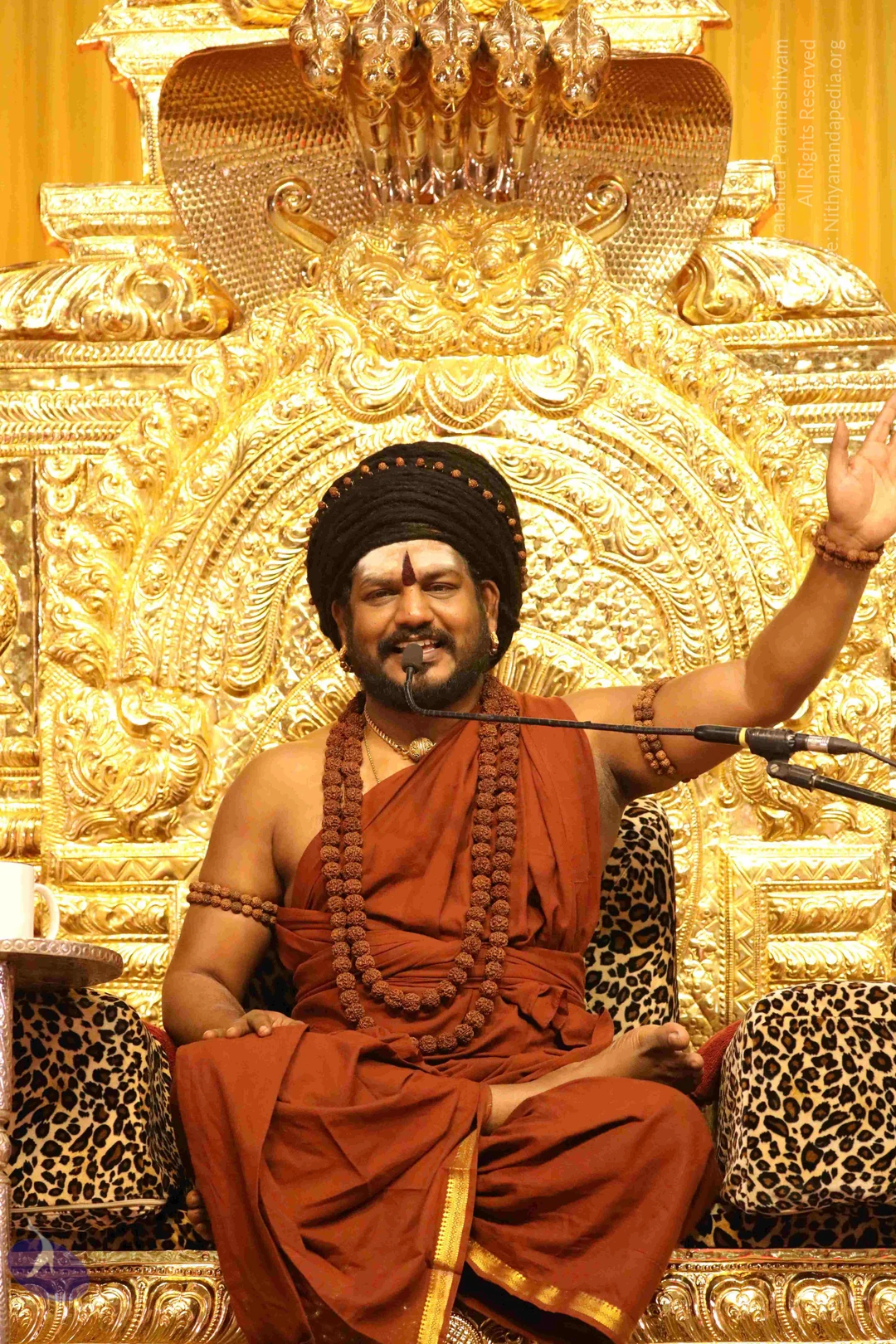
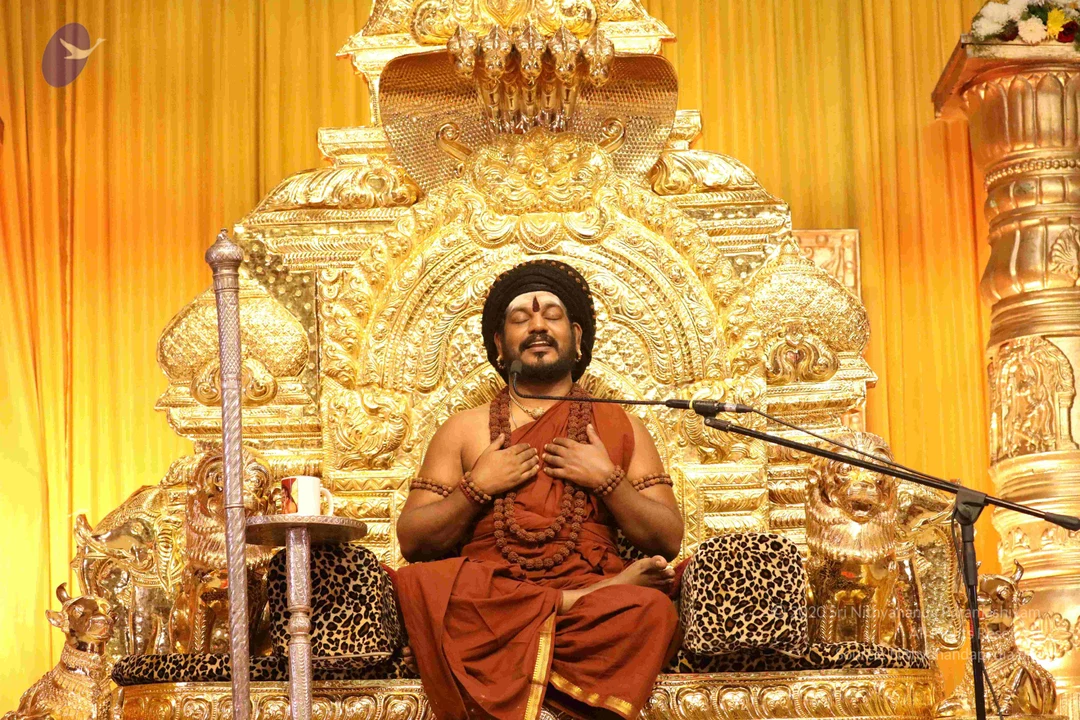
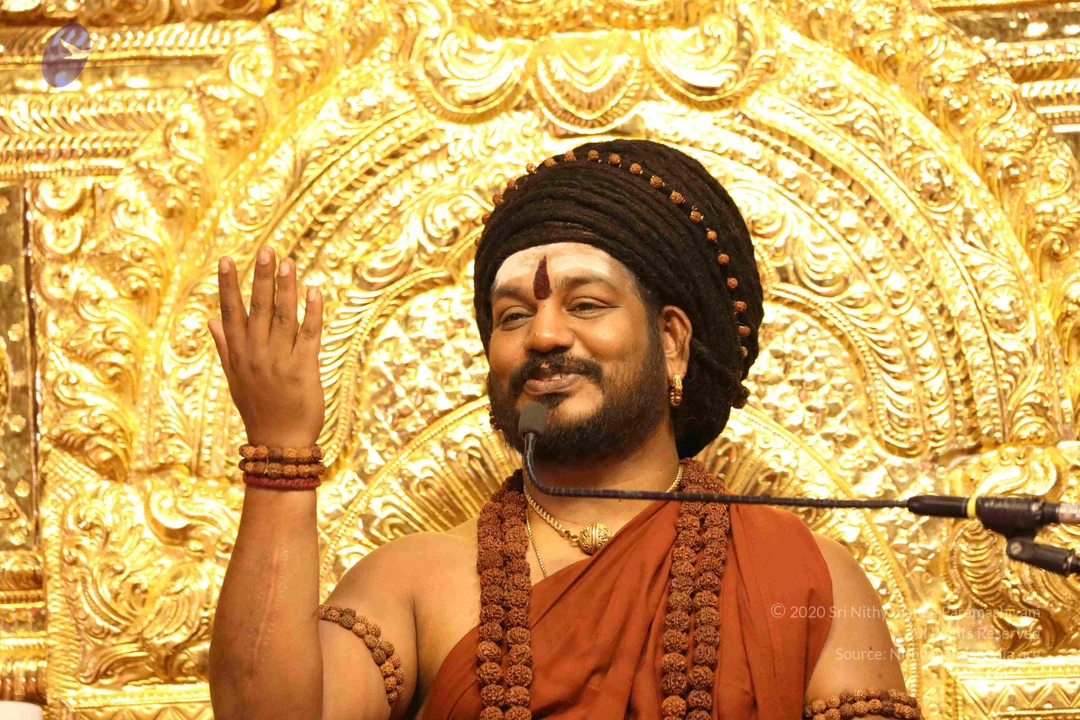
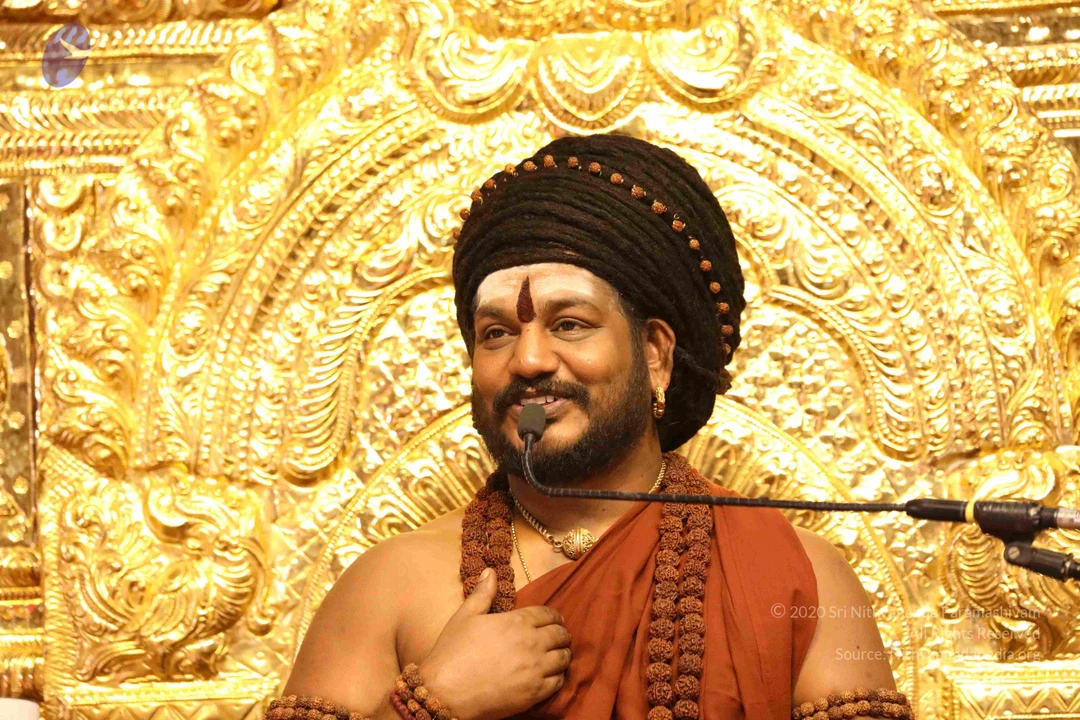
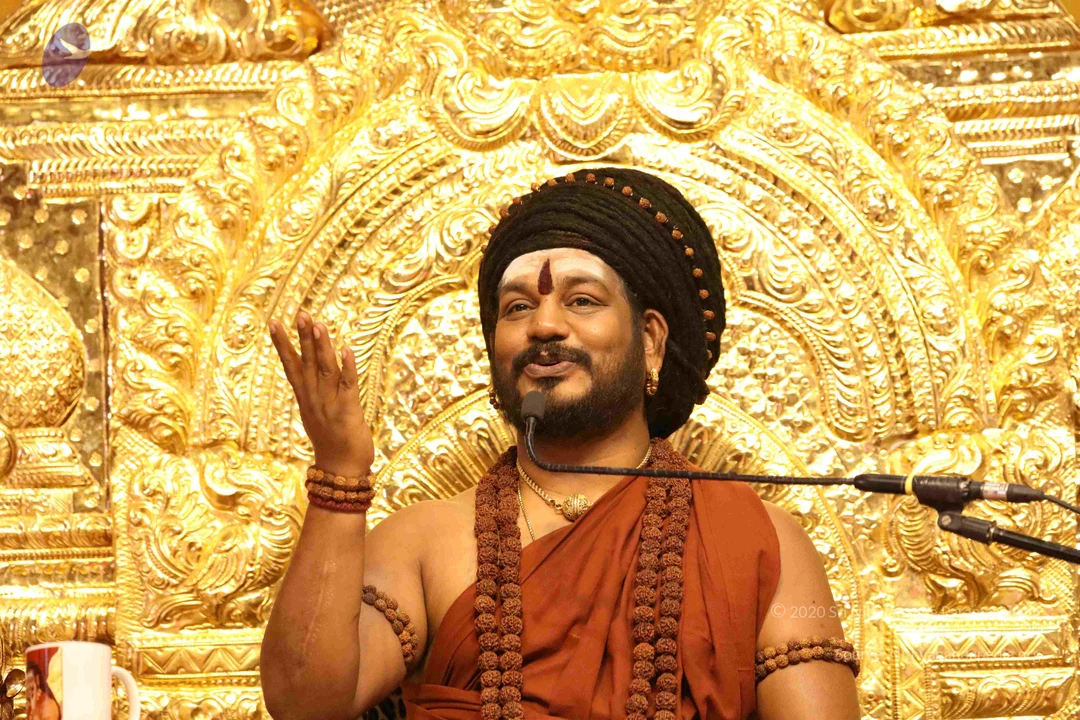
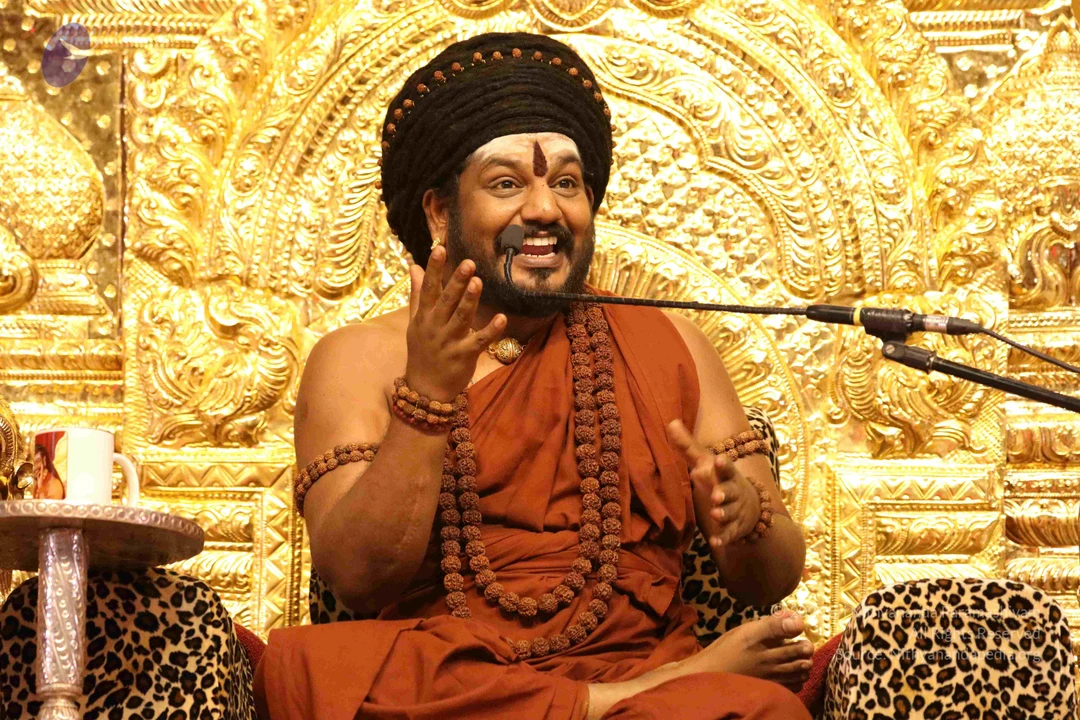
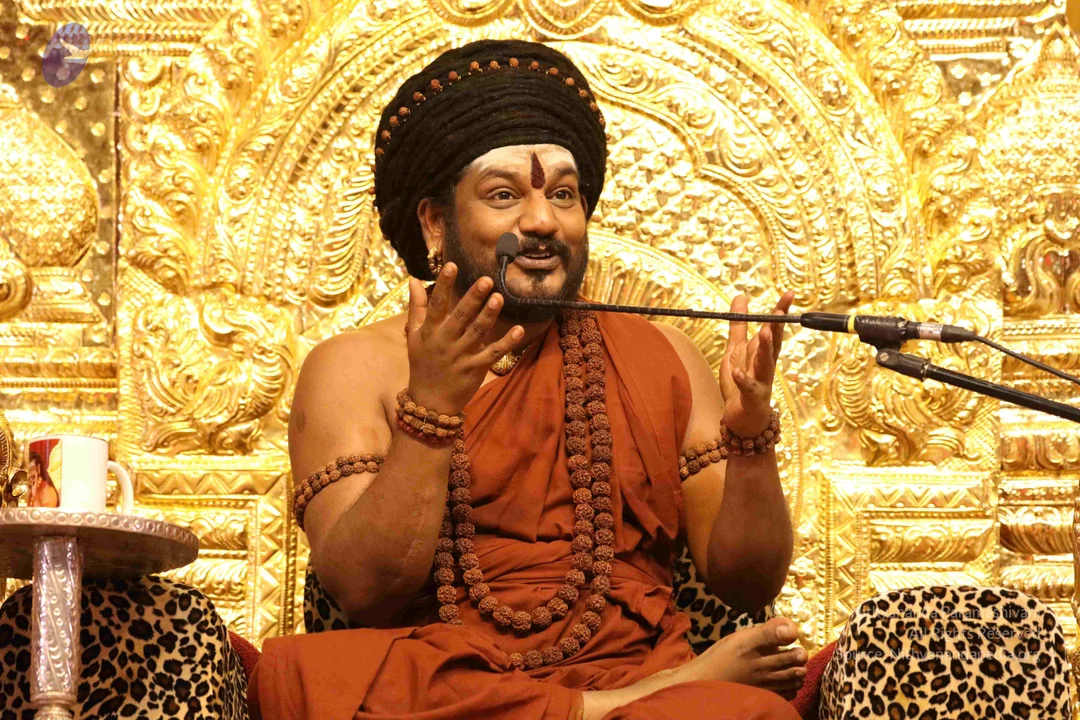
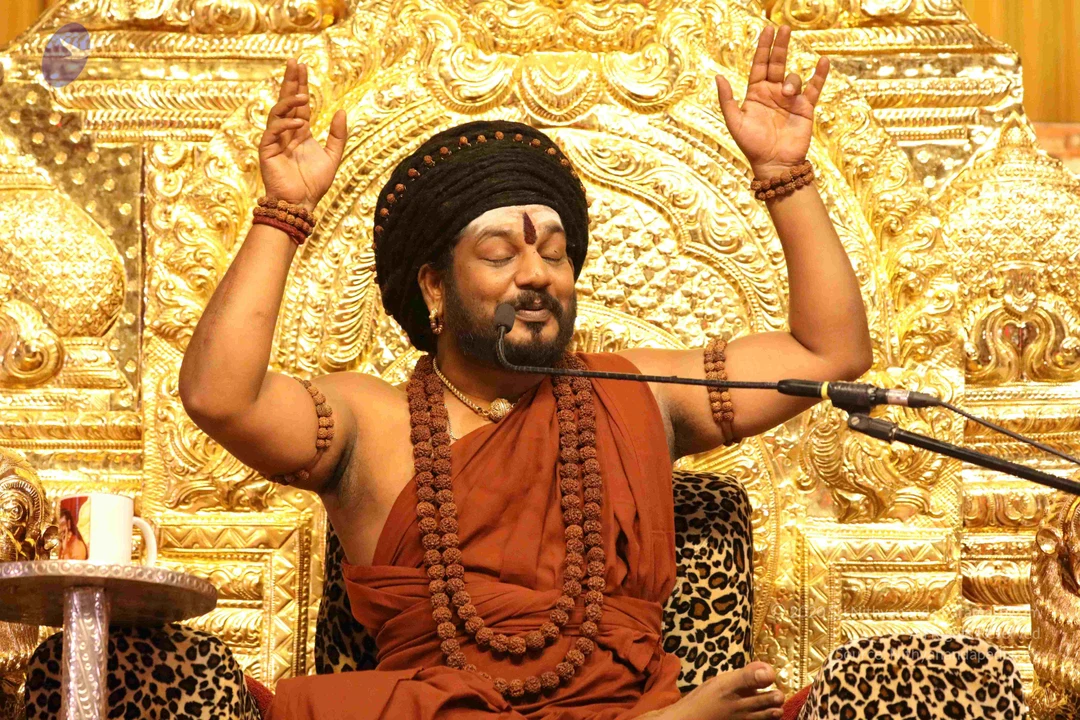
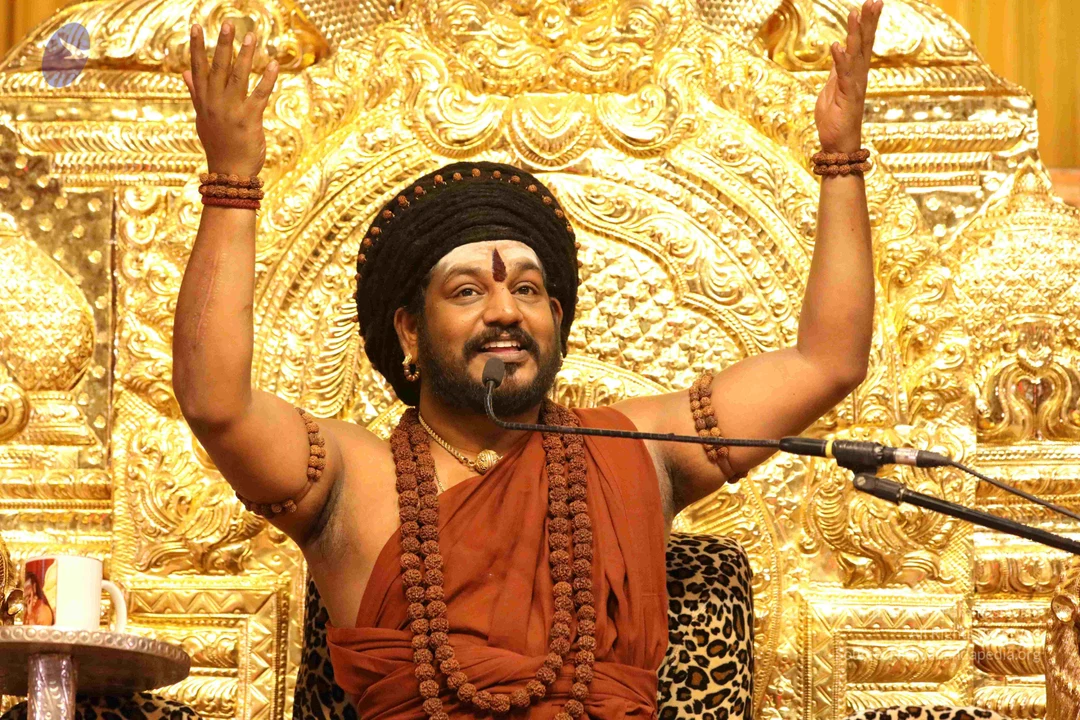
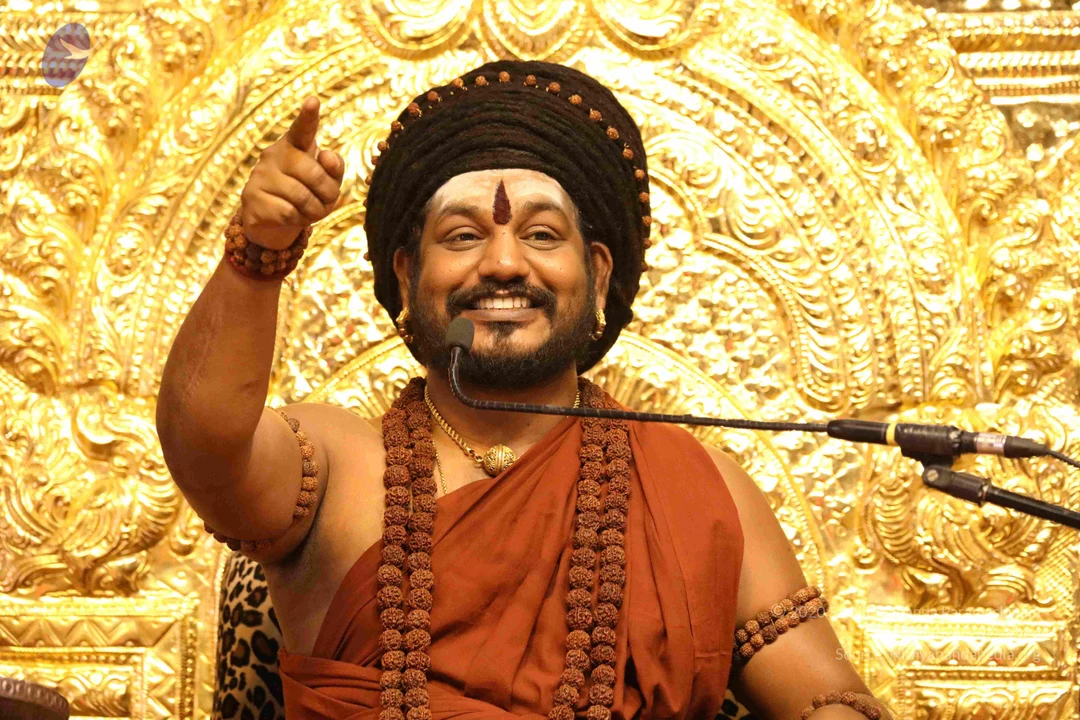
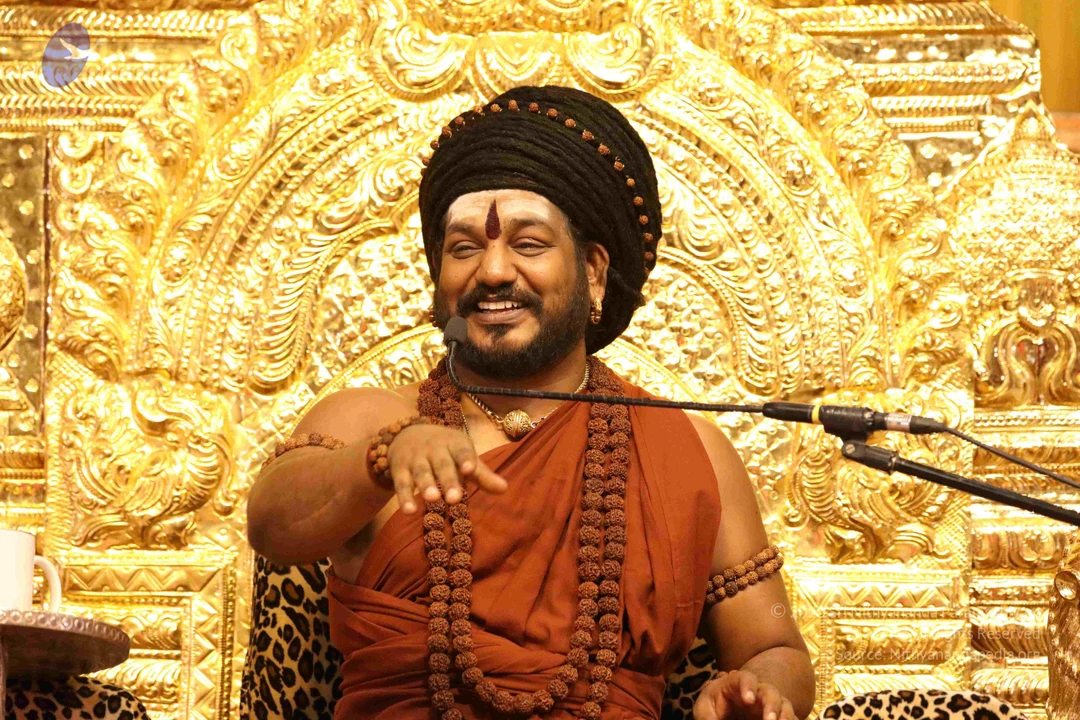
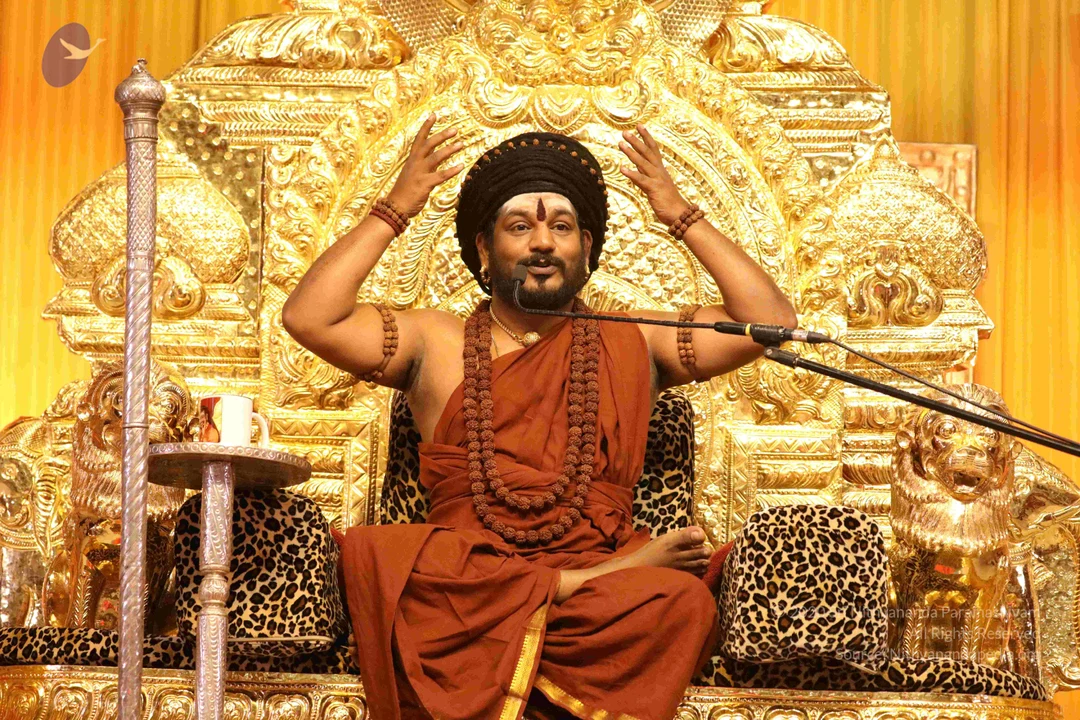
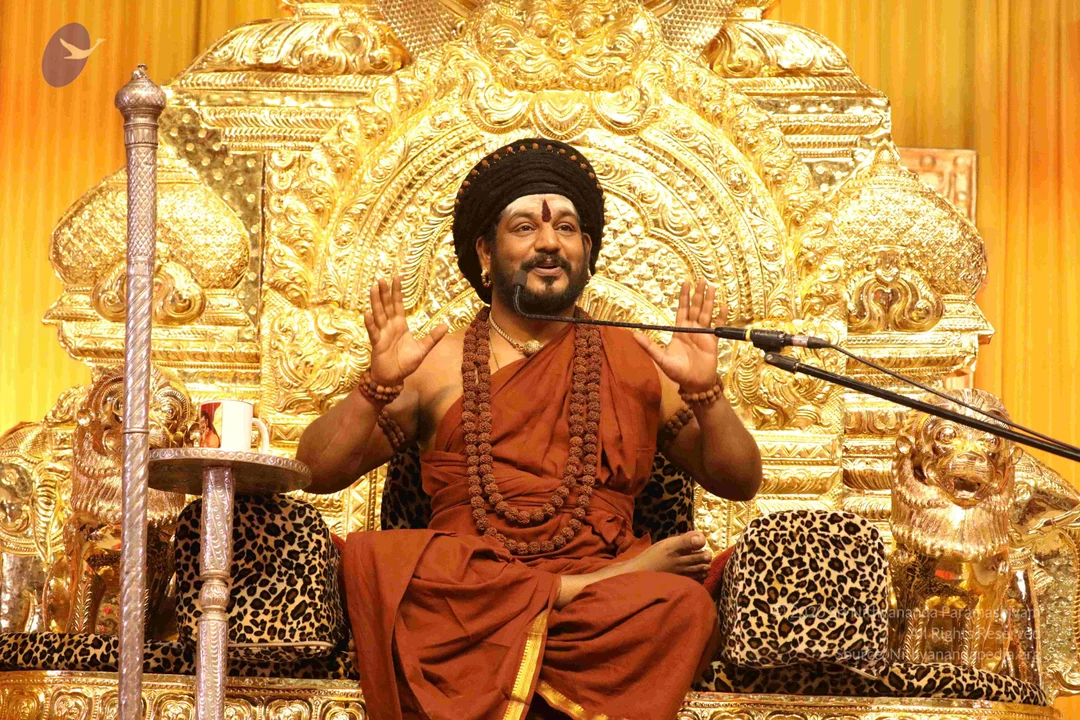
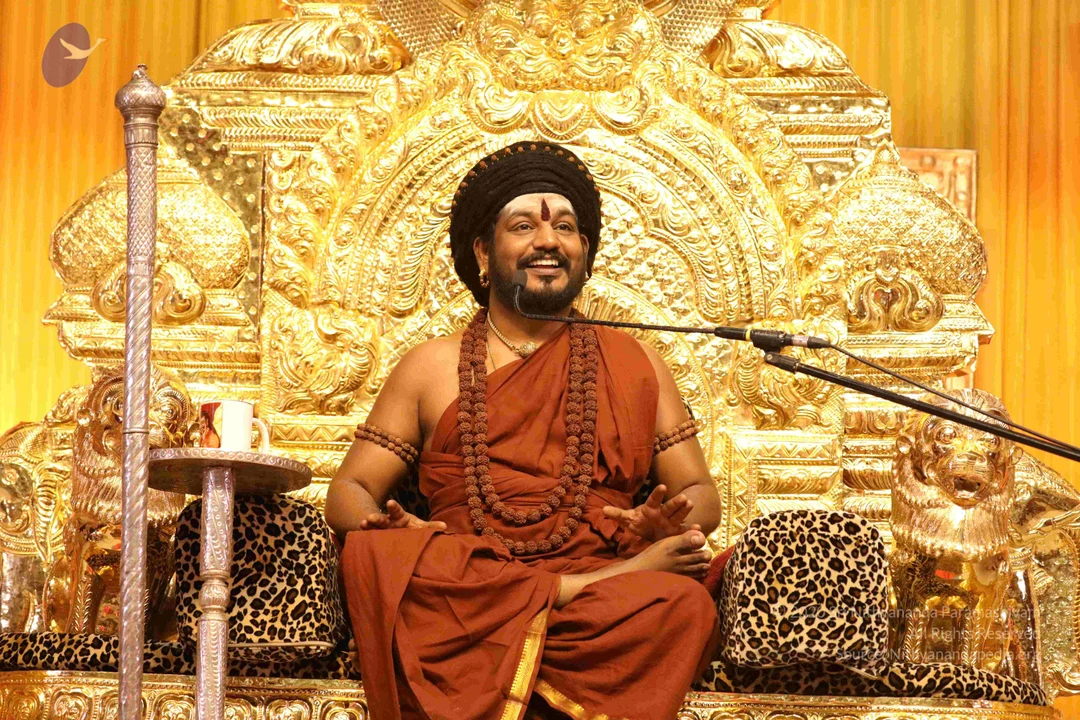
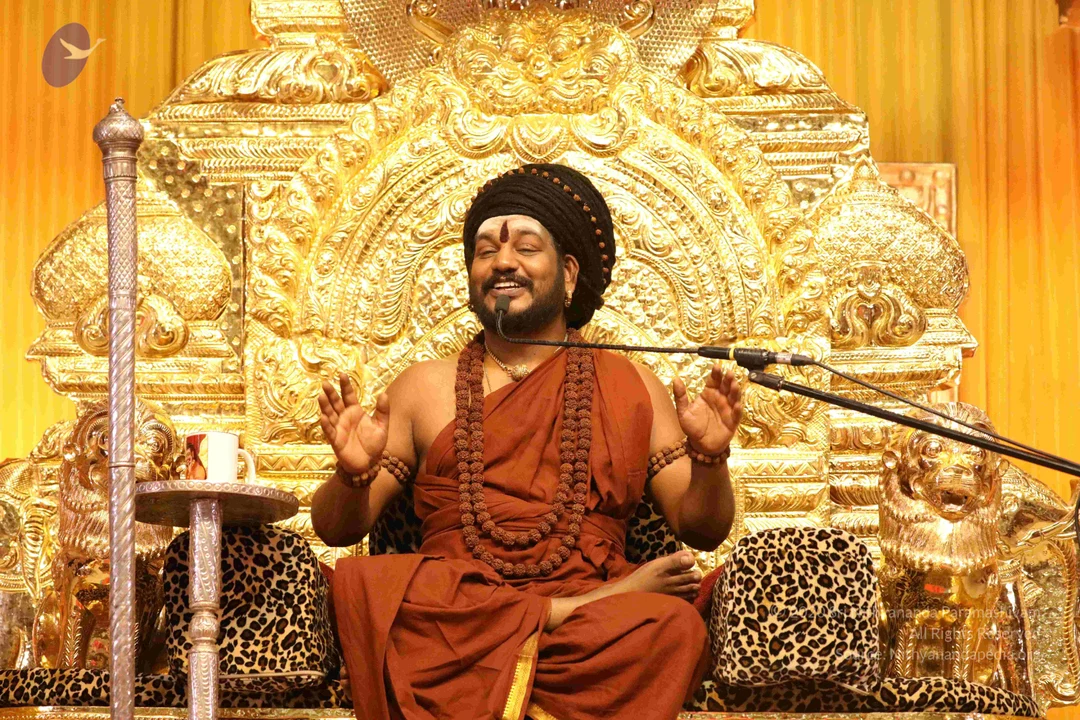
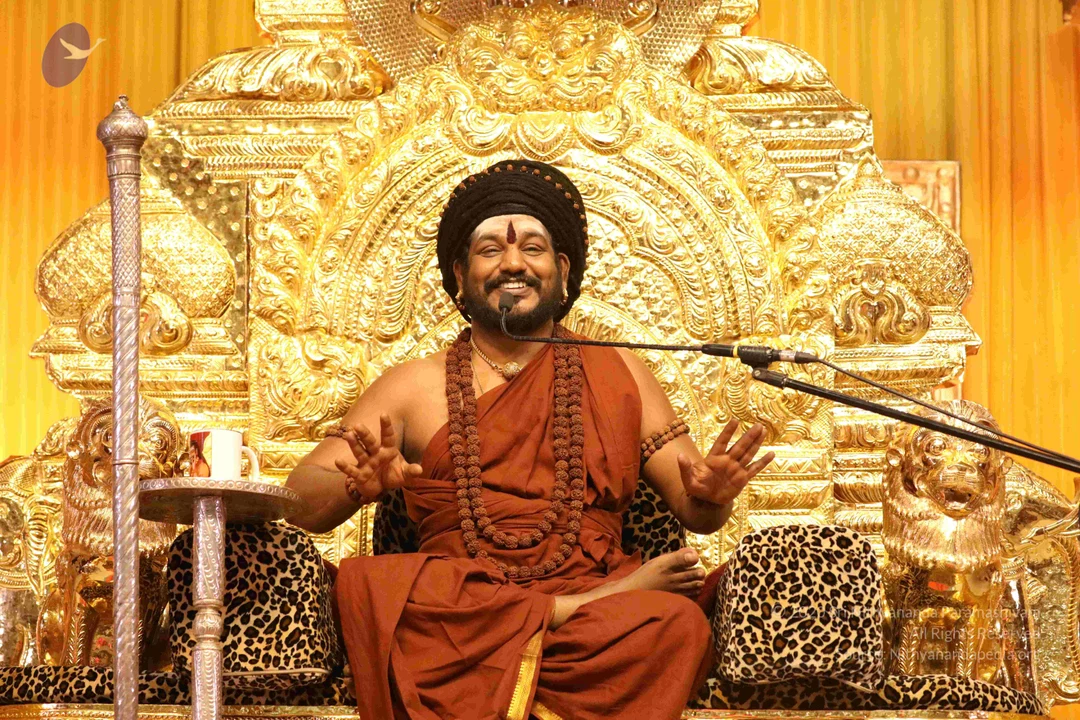
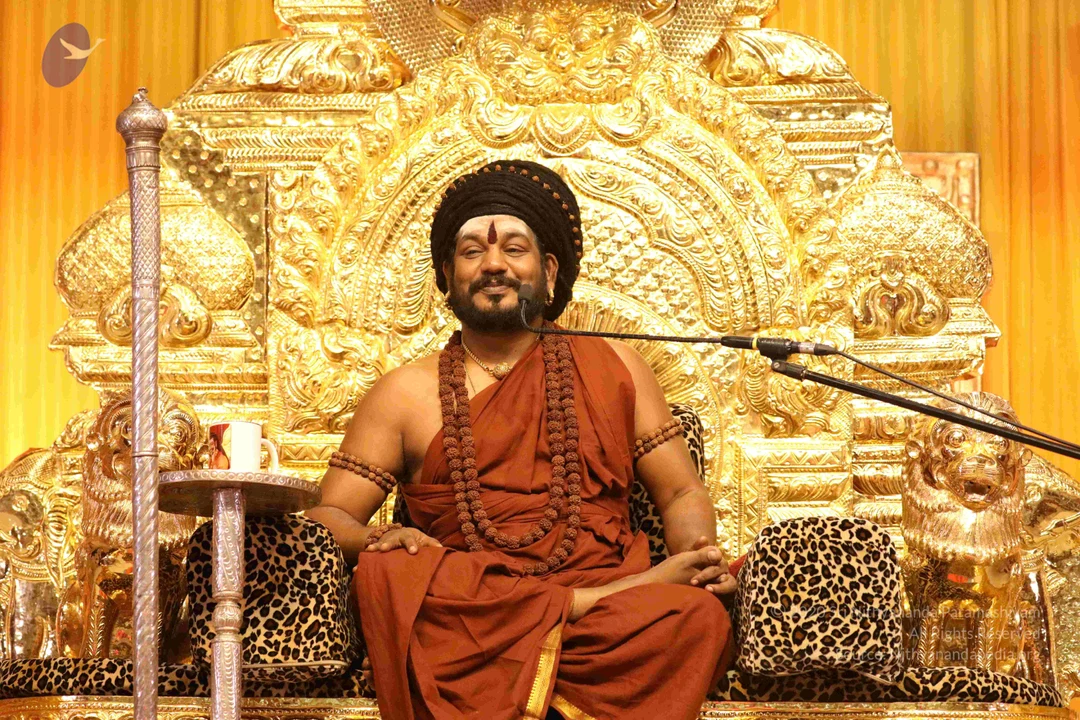
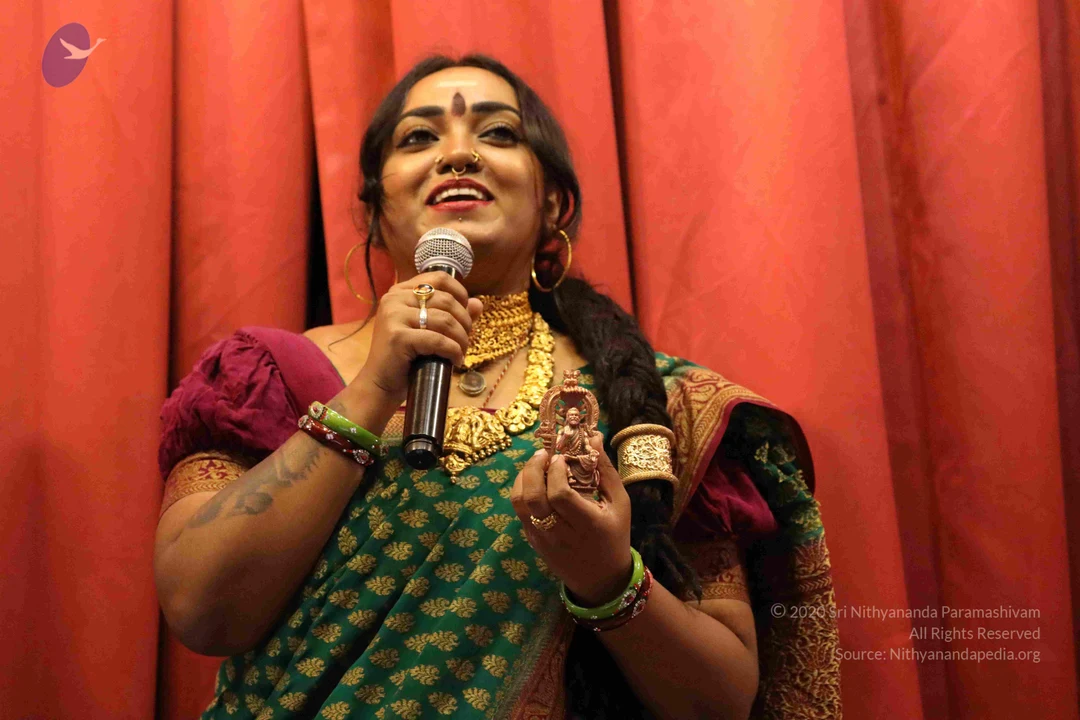
04-Shiva-Deeksha-Kalpataru-Darshan
,
Photos from this day
View all 425 photosMarriage Ceremony
13 photosSource gallery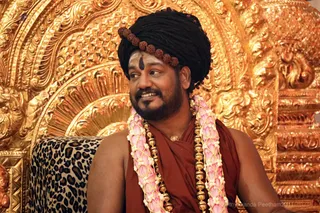
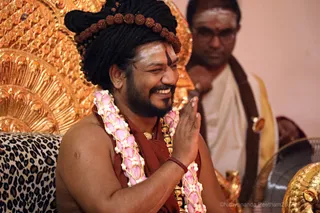
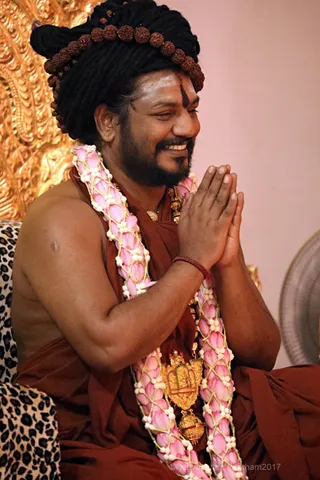
Mahasadashivoham Continued
24 photosSource gallery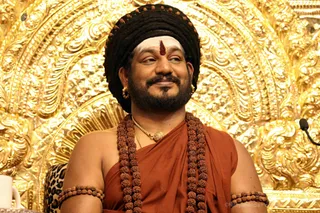
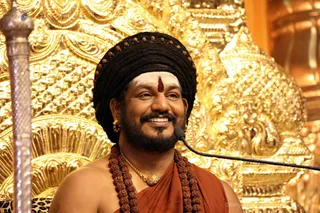
Mahasadashivoham Continued
5 photosSource gallery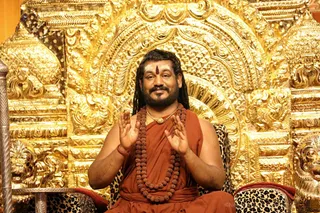

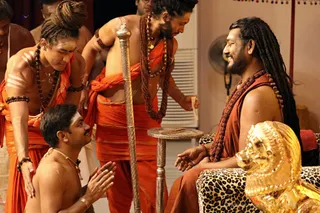
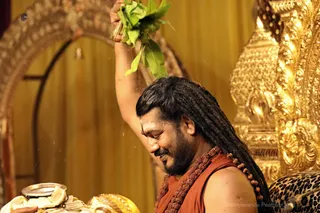
Temple Glimpses
200 photosSource gallery
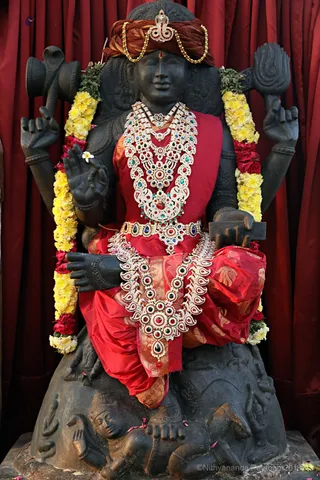
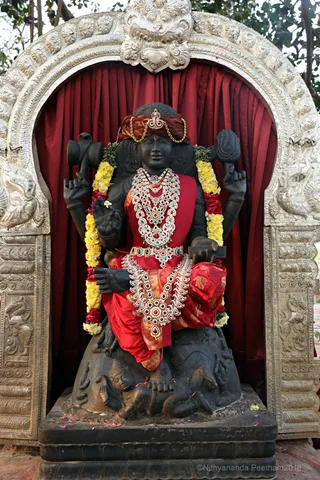
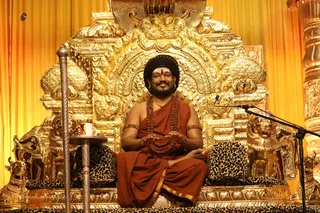
03-MSS-Continued
183 photosSource gallery