Tuesday
10 February 2015
Deciding for Life Clears All Karma
- Dated photos
- 61
- Source pages
- 1
- Media
- 4
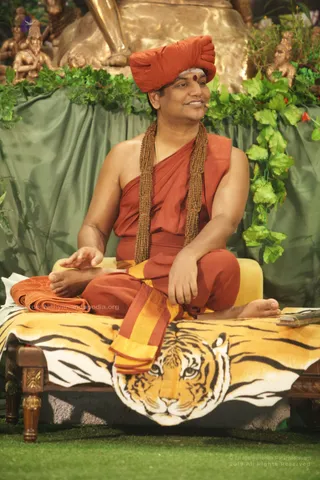
February 10 2015
Original wiki pageTitle:
Deciding for Life Clears All Karma
Description:
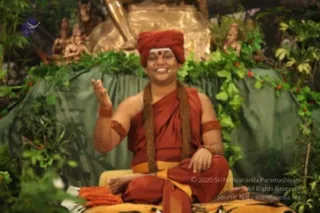
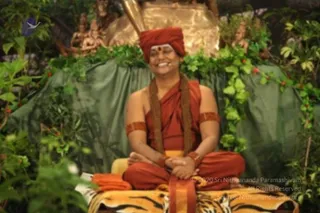
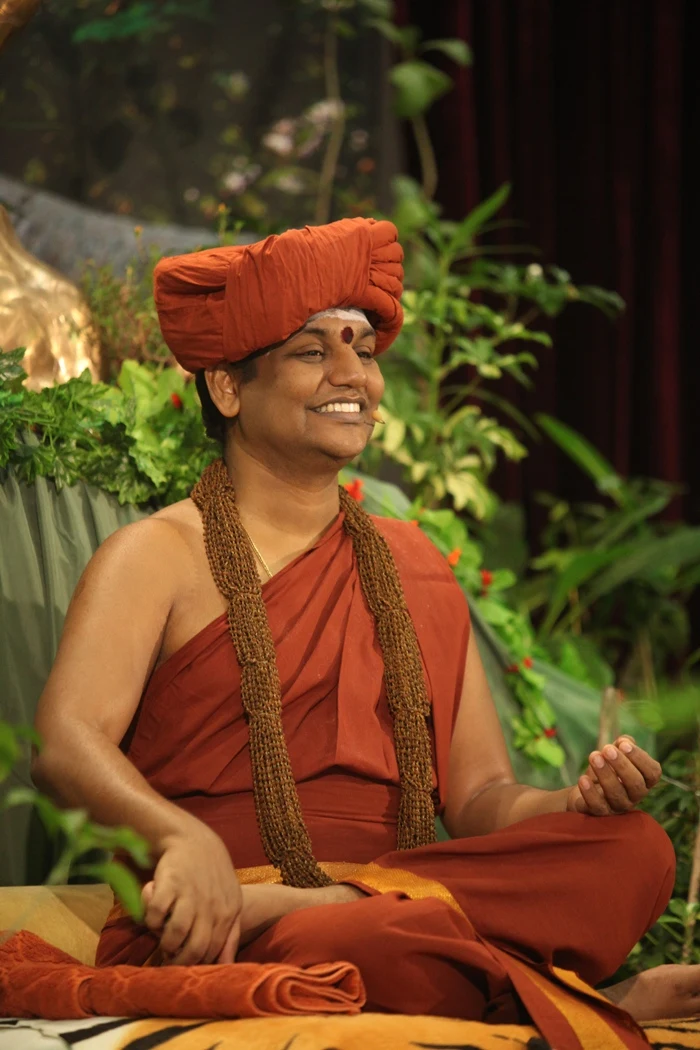
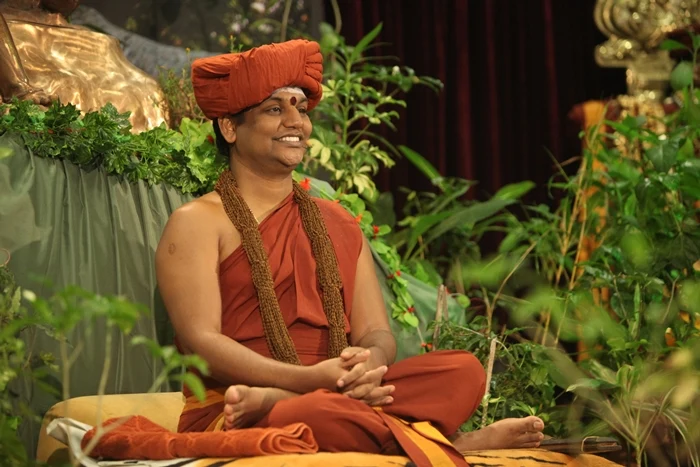
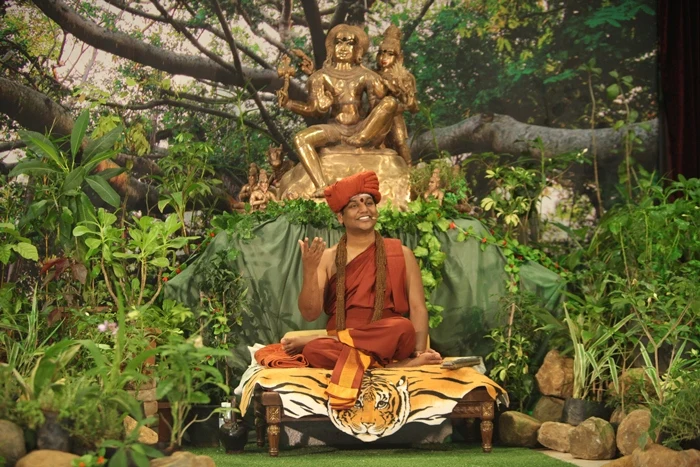
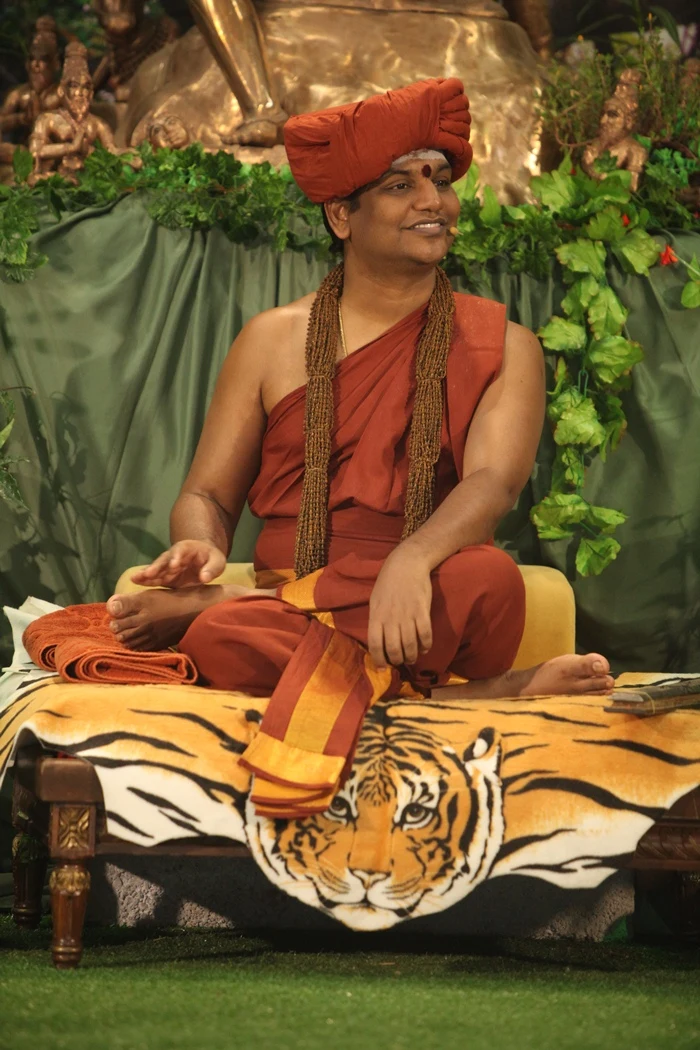
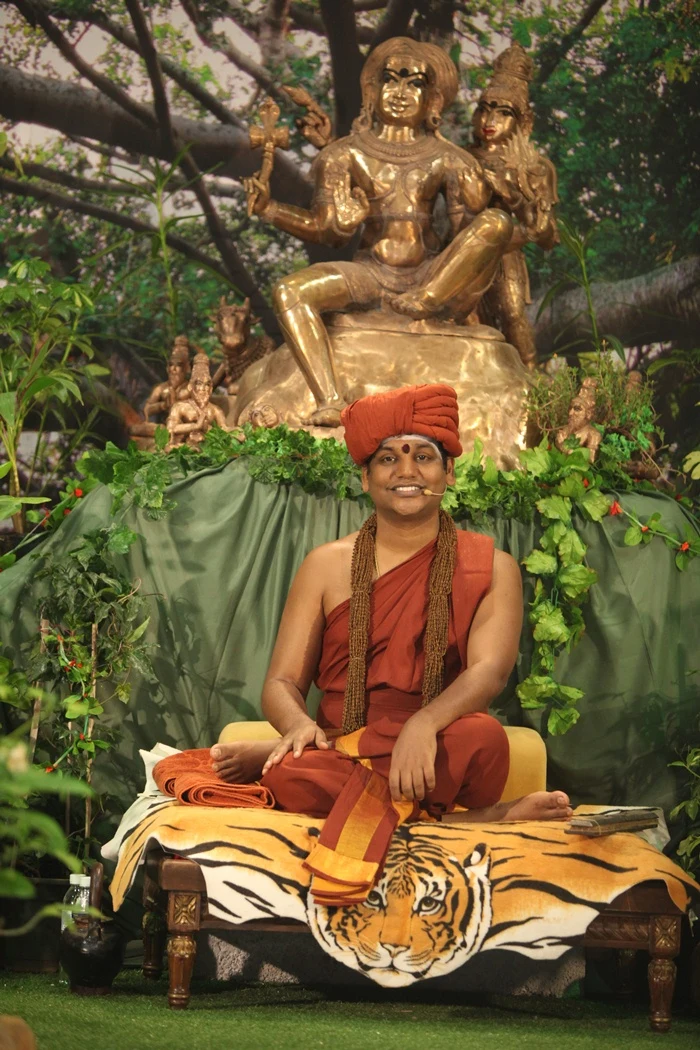
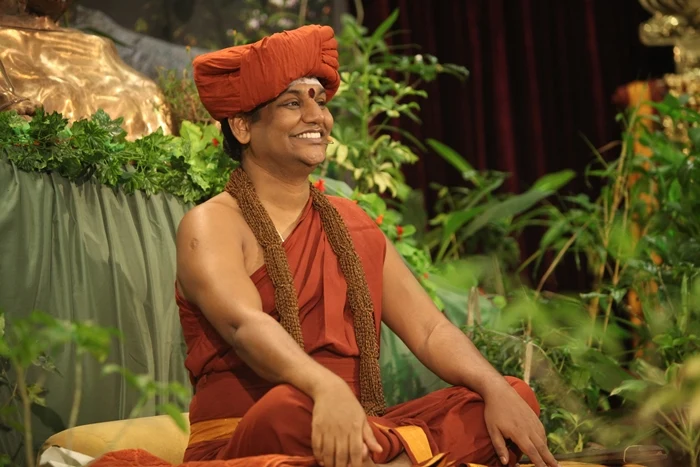
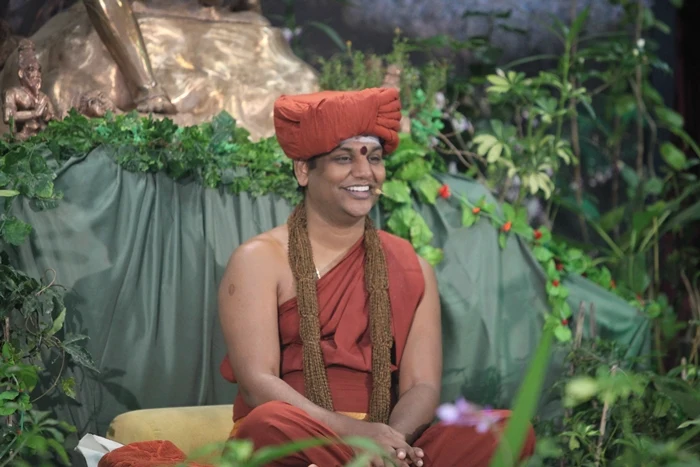
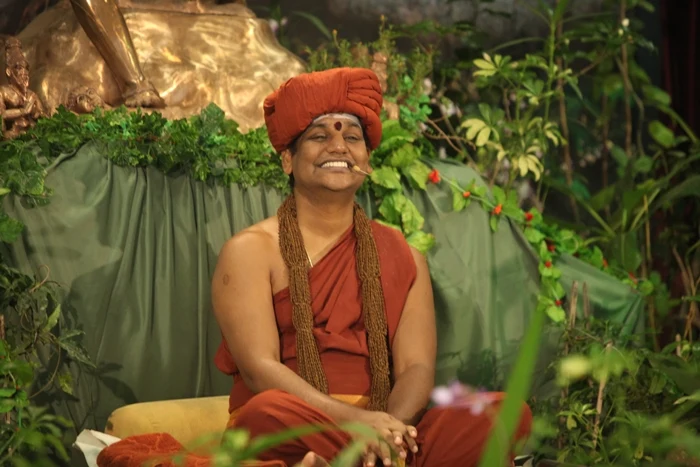
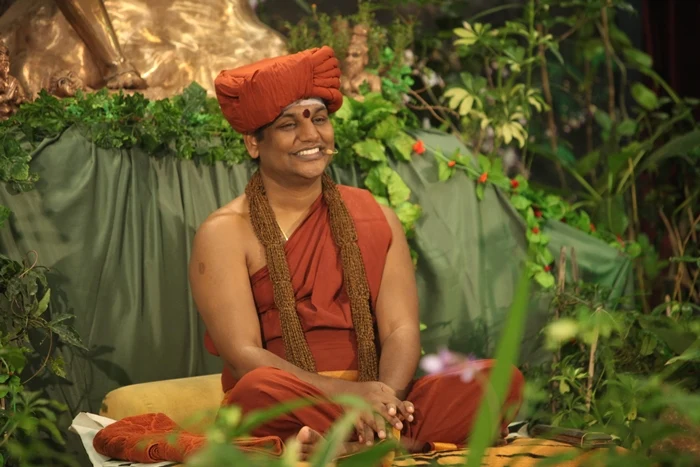
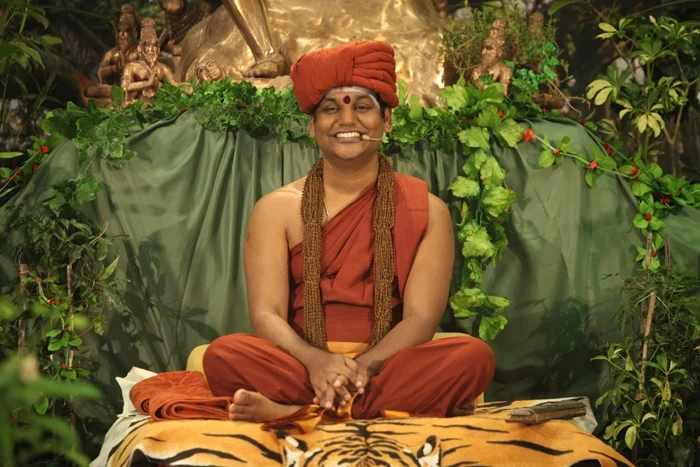
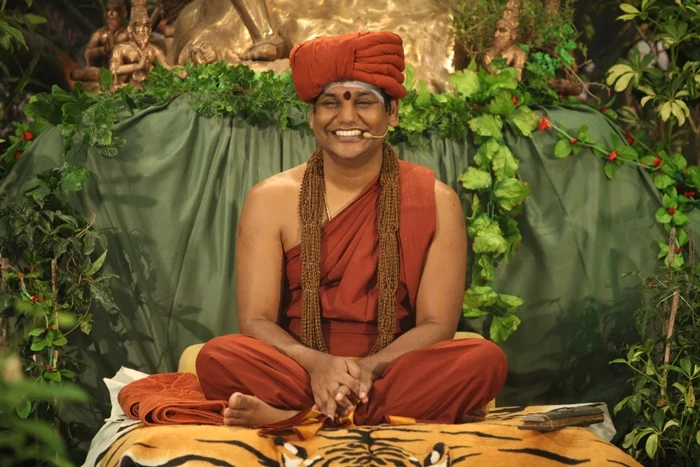
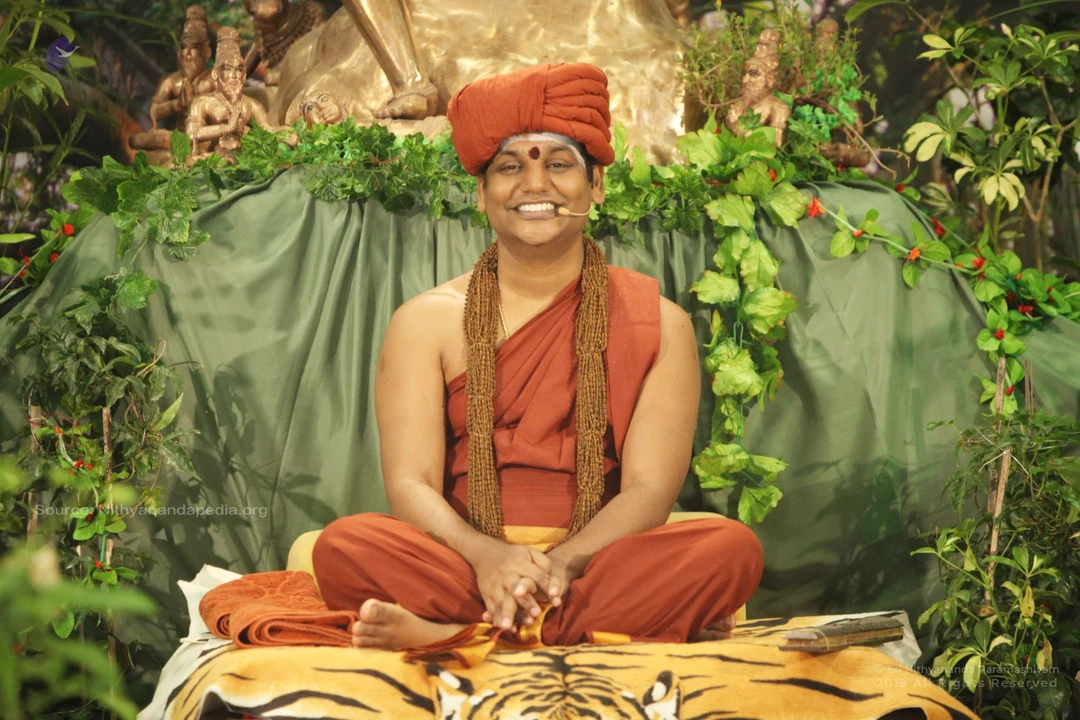
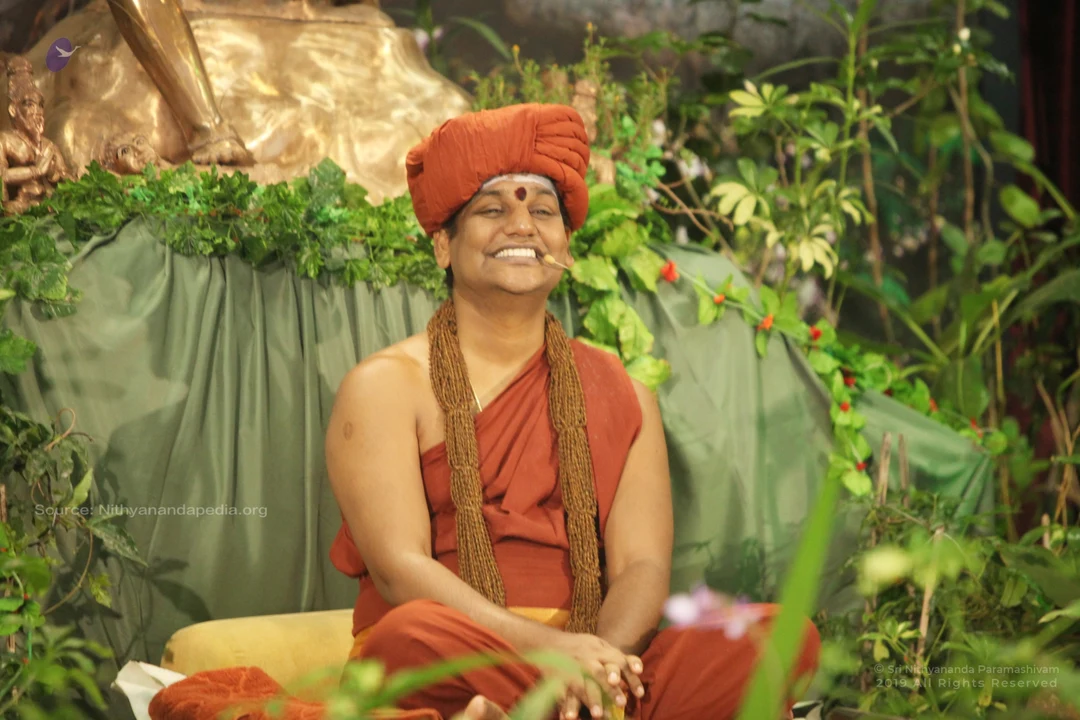
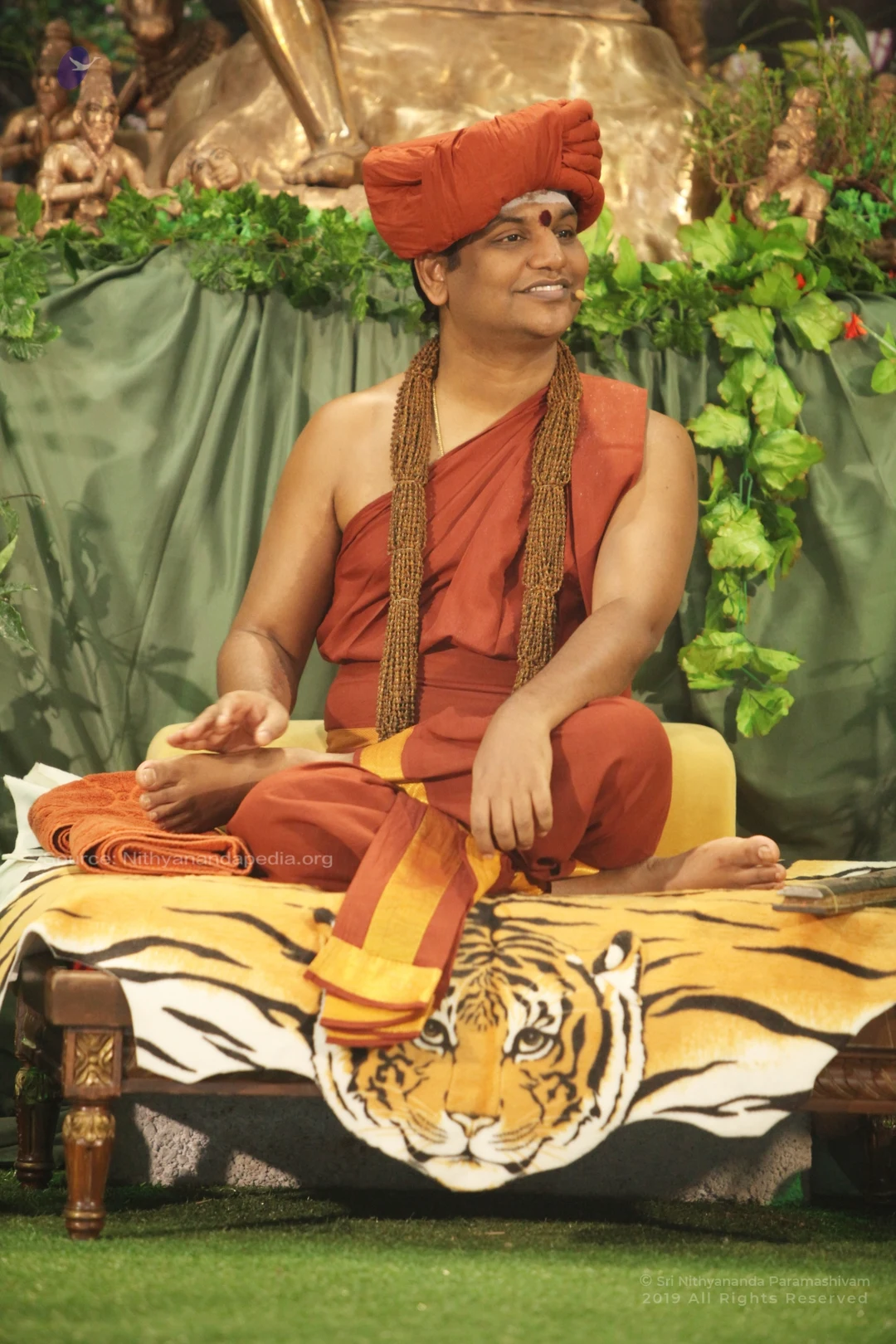
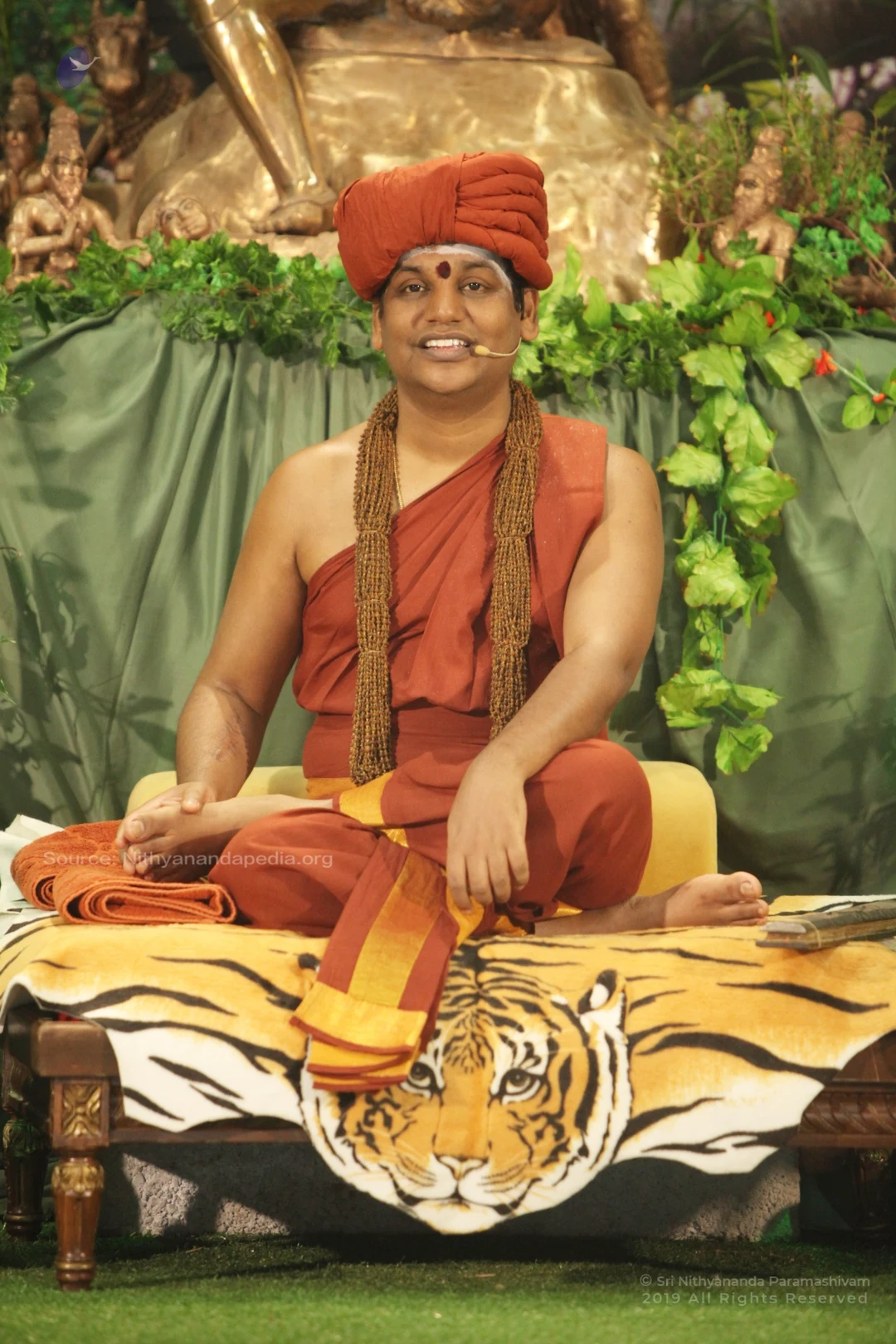
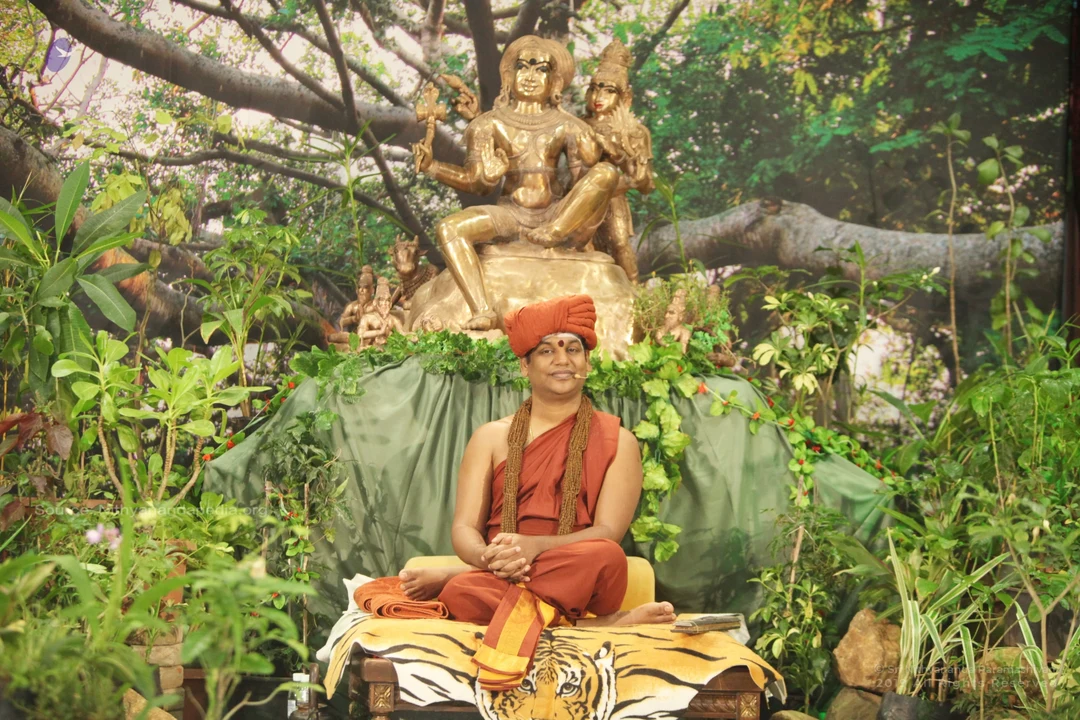
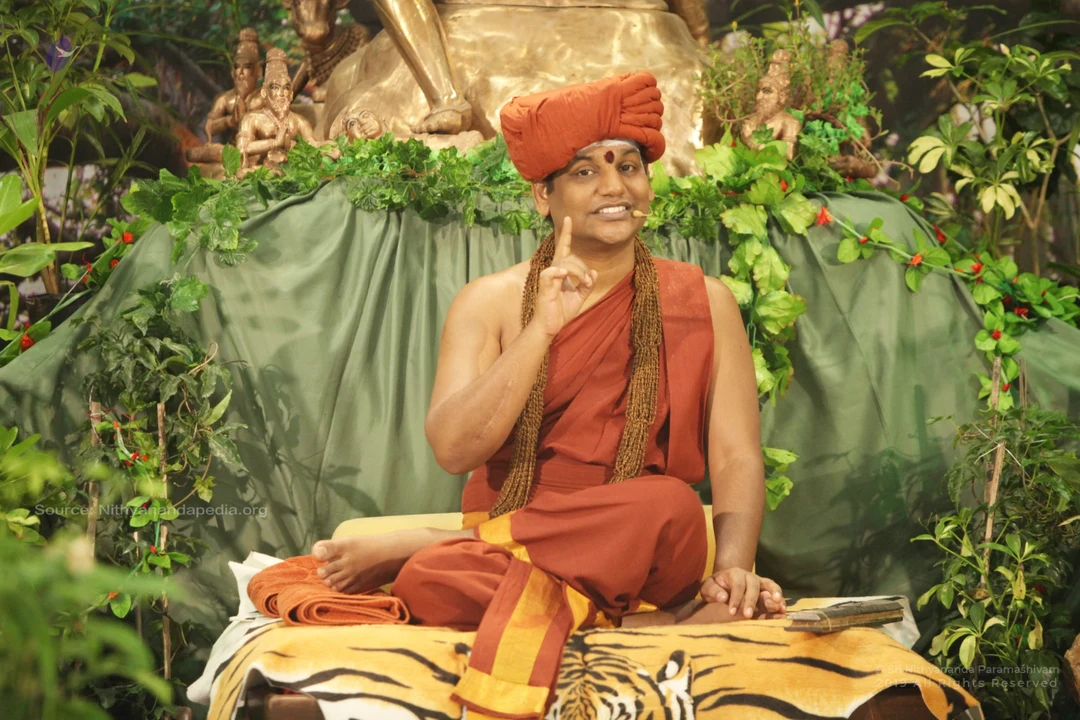
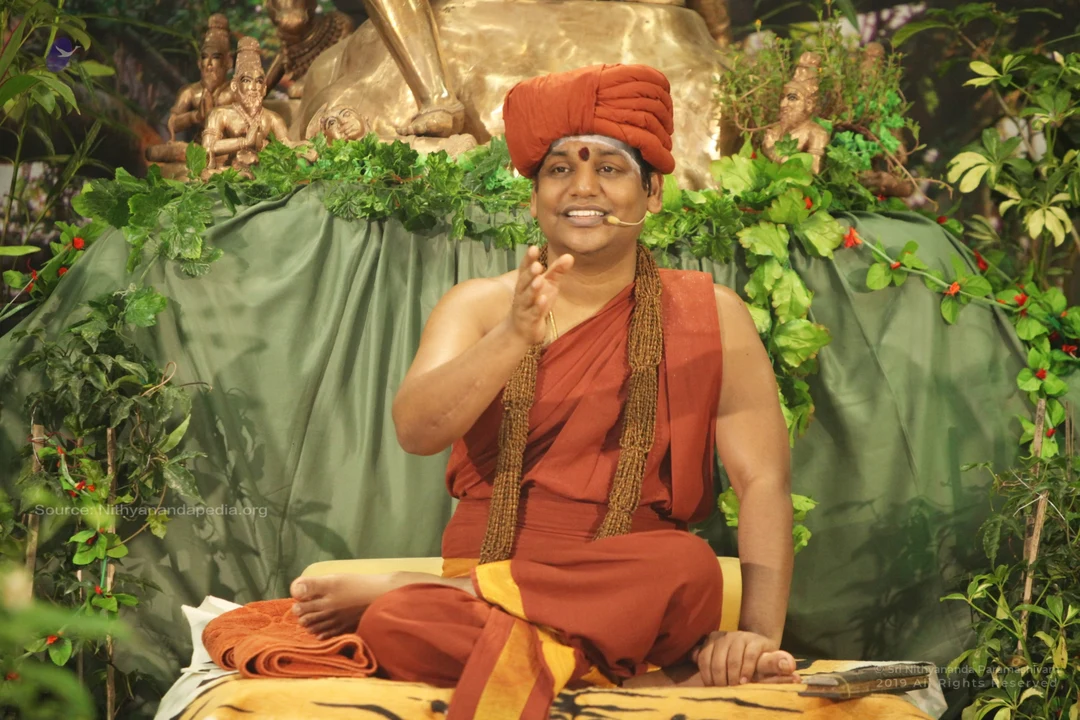
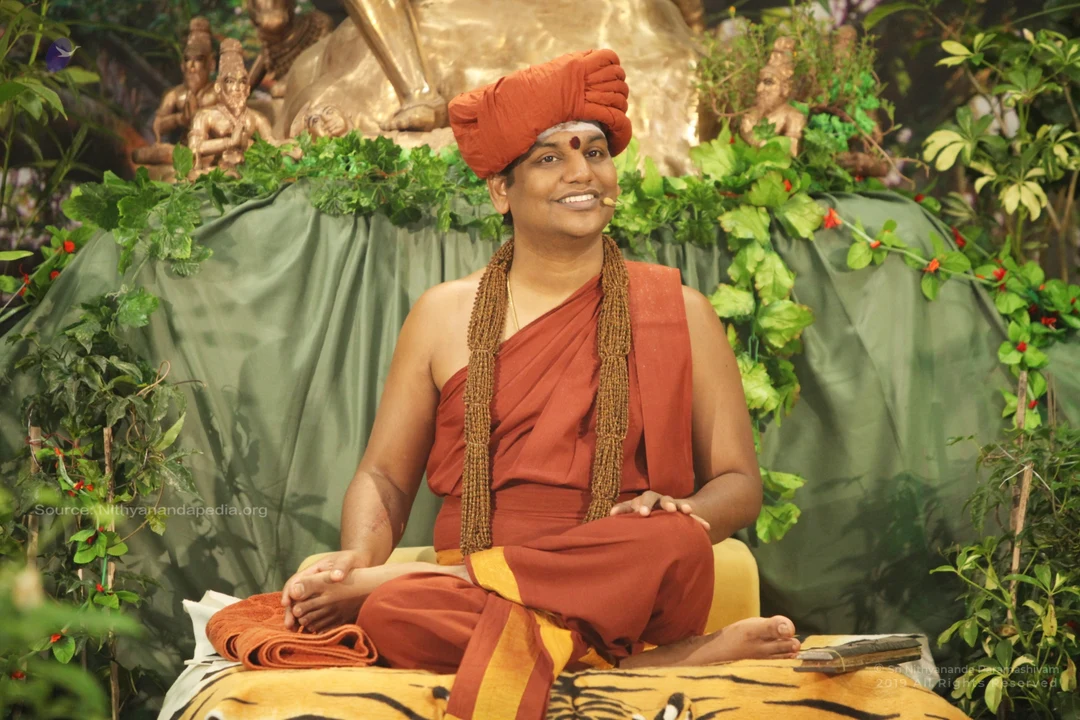
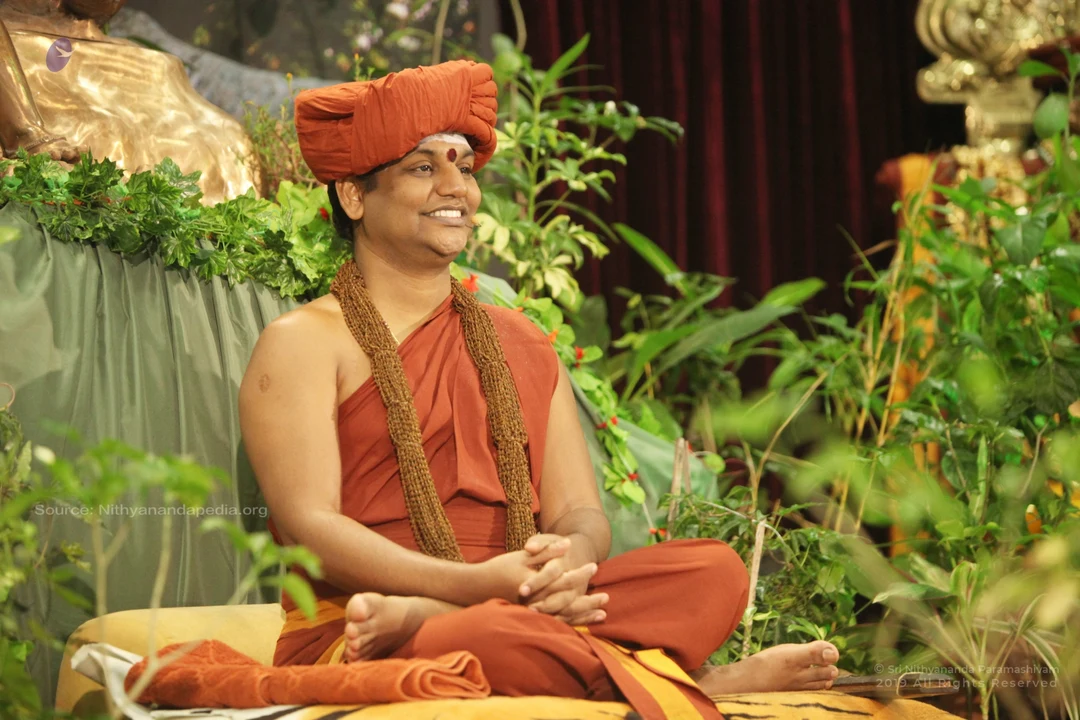
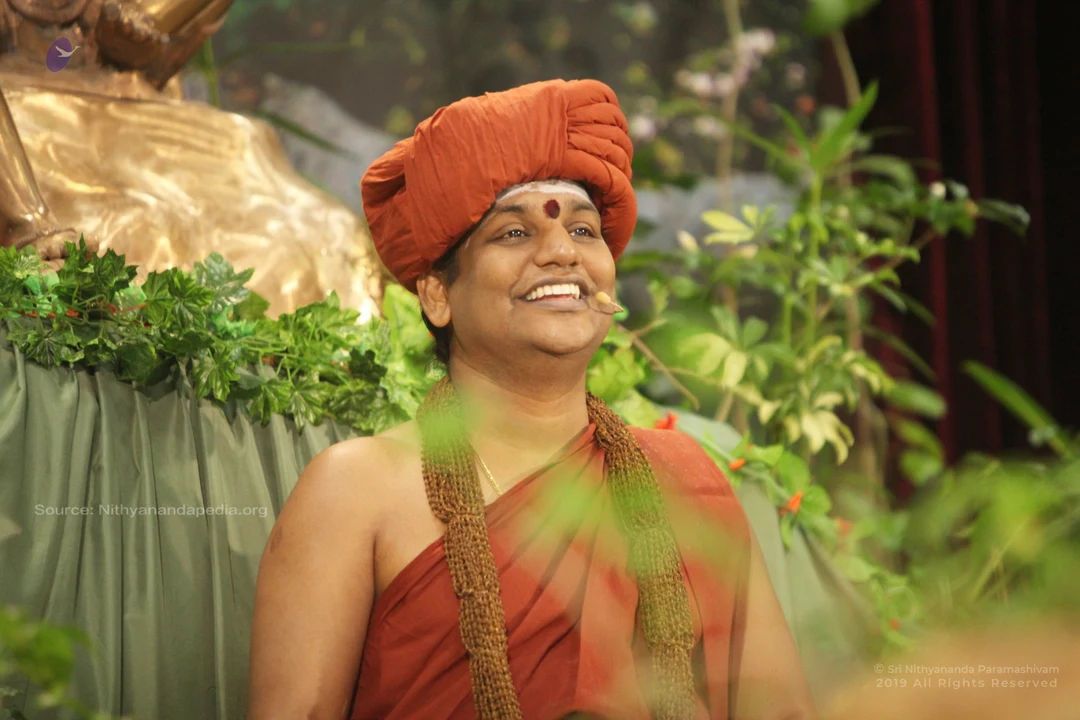
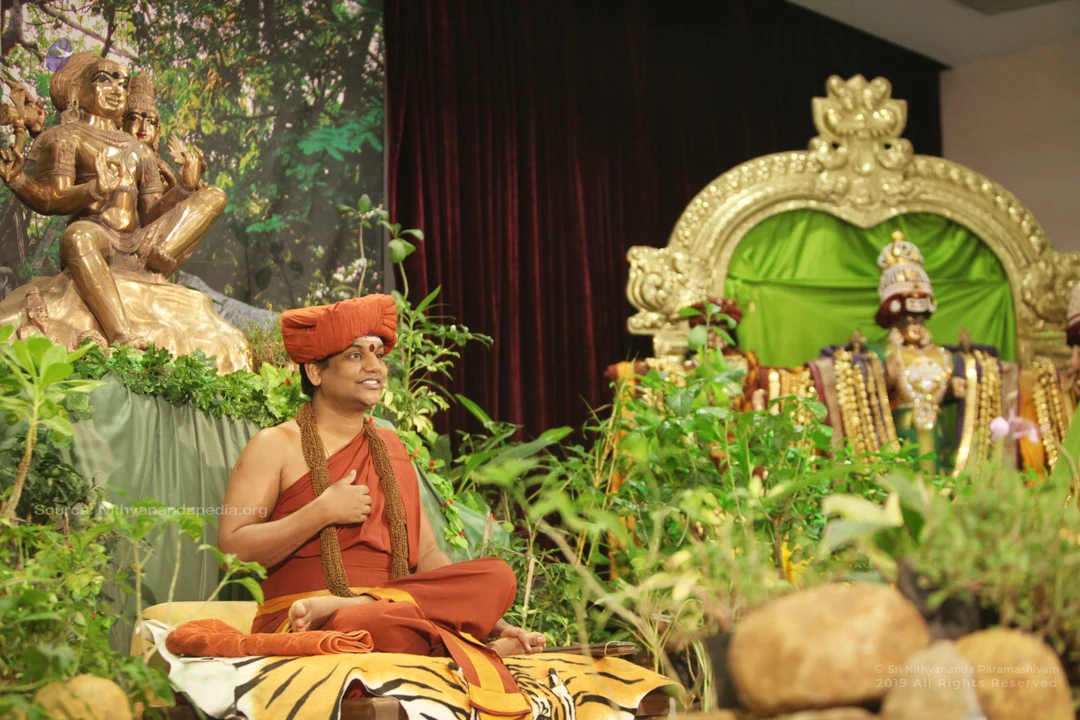
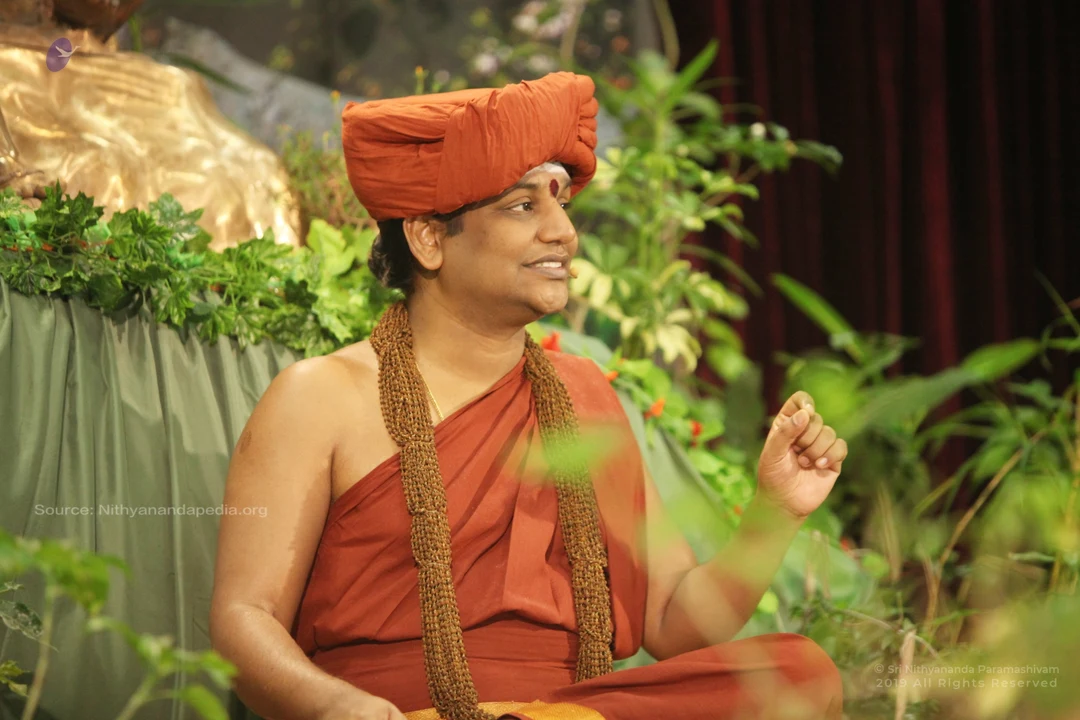
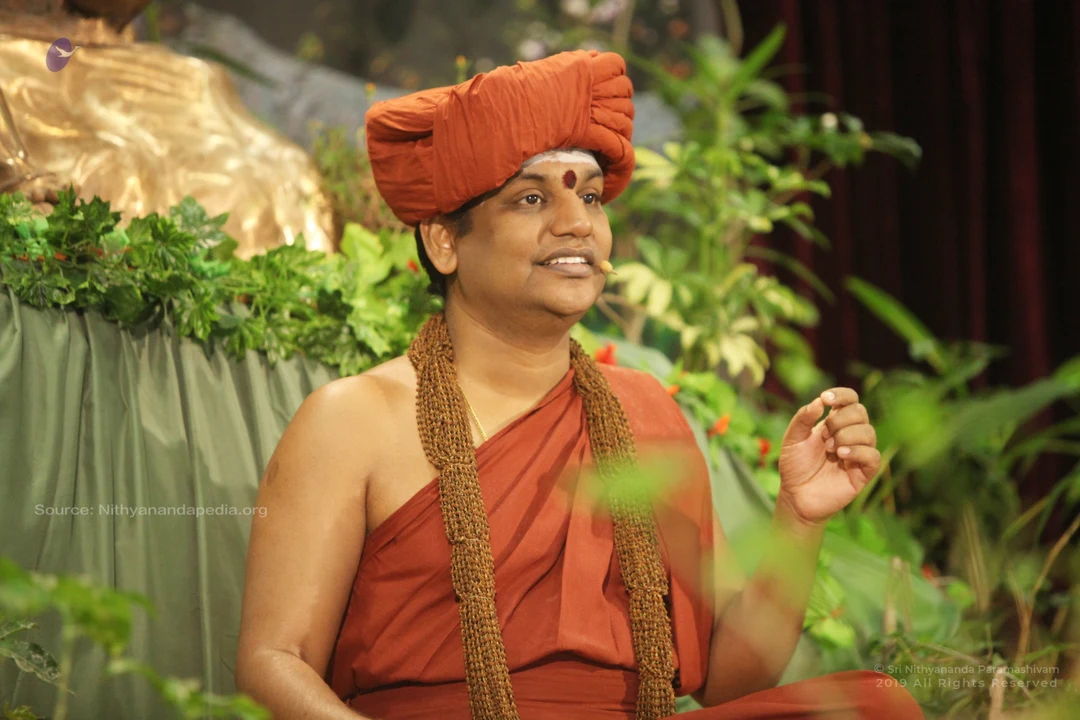
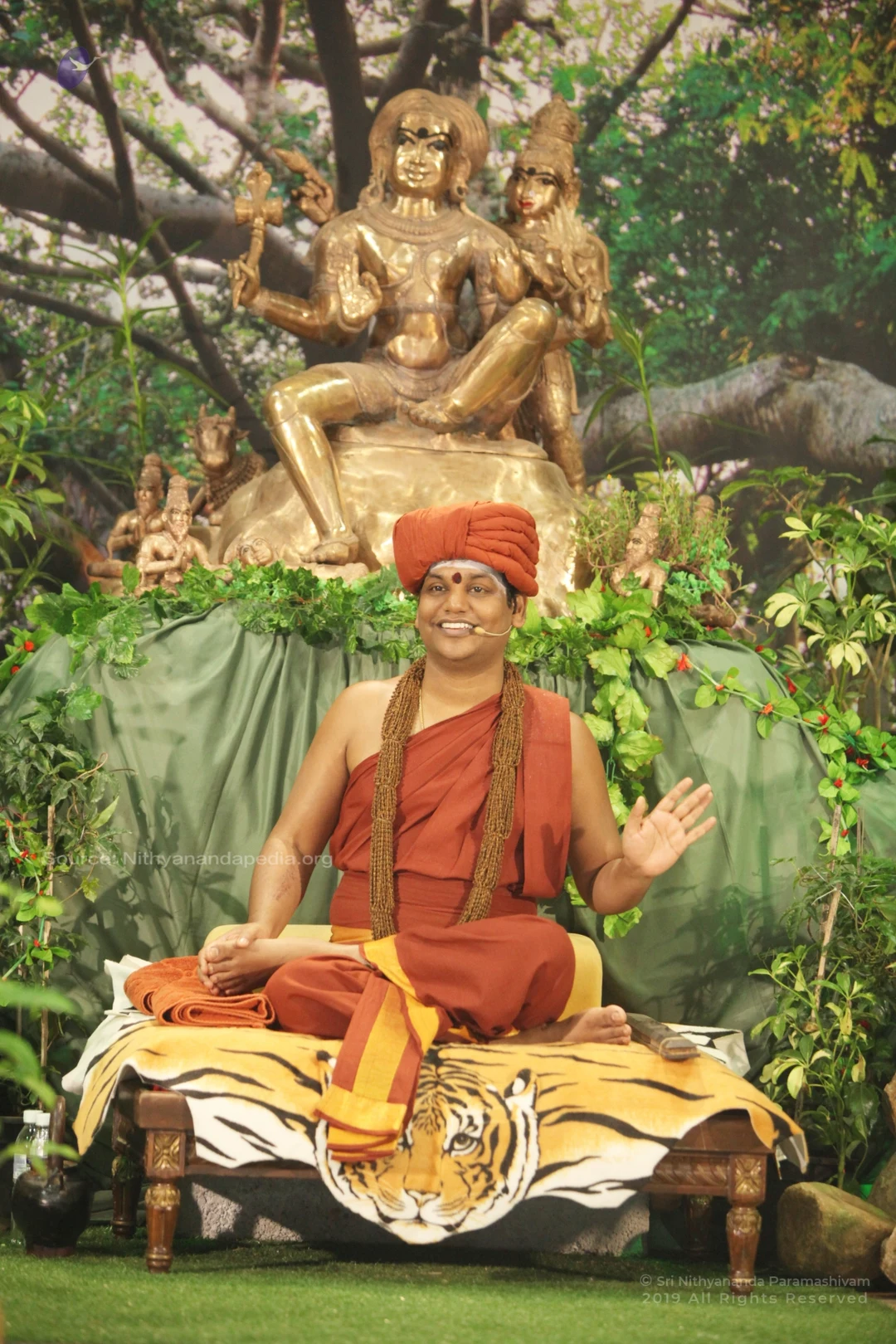
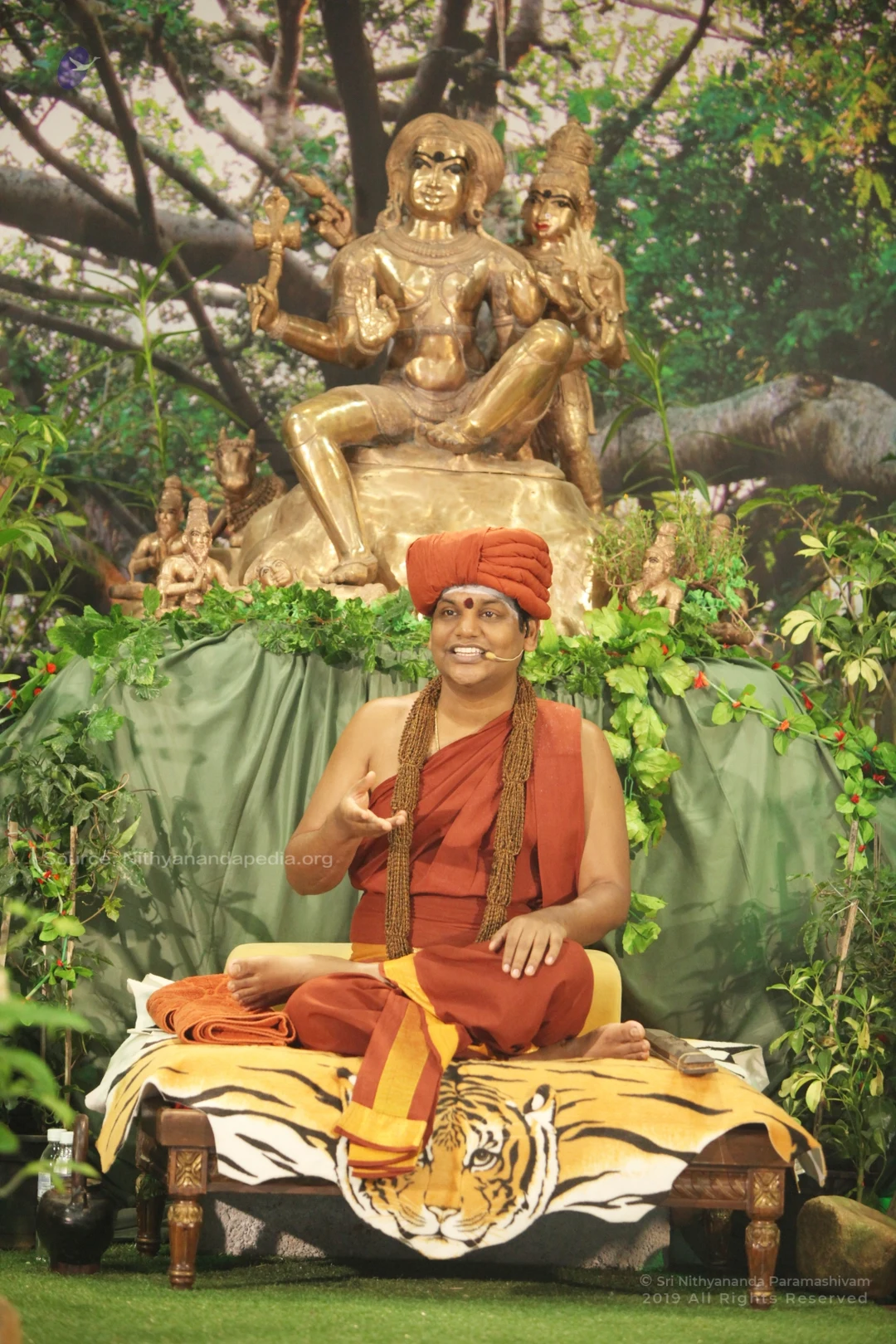
Today’s (10th February, 2015) Morning Satsang continues with the Upanishads Series - Living Advaita. Isha Upanishad–Verse 2 kurvann eveha karmāṇi jijīviṣec chataṁ samāḥ| evaṁ tvayi nānyatheto ‘sti na karma lipyate nare || 2 || In this profound delivery of the Isha Upanishad, Paramahamsa Nithyananda expands on the second verse explaining how we can clear our karma by deciding for life. Karma is the decision against life, harassing us and putting us into incompletion. When we decide for live, all karmas, fears and negativity will clear. To be liberated form the bondage created by our deeds, there is no other way but to decide for life!
| Video | Audio |
Transcript:
(00:17)
nithyānandeśvara samārambhām nithyānandeśvari madhyamām | asmat āchārya paryantām vande guru paramparām ||
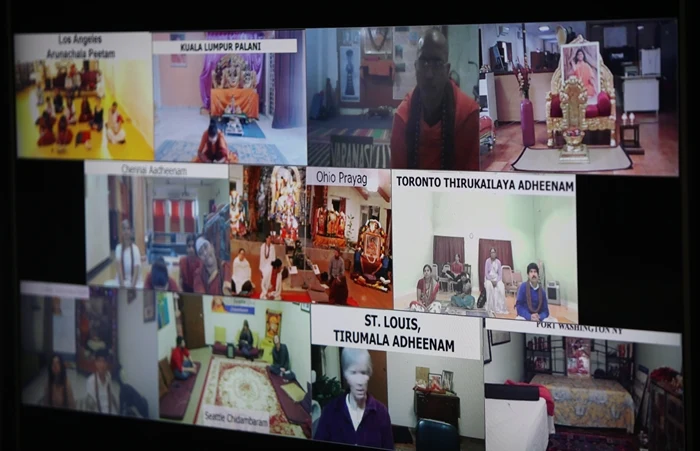
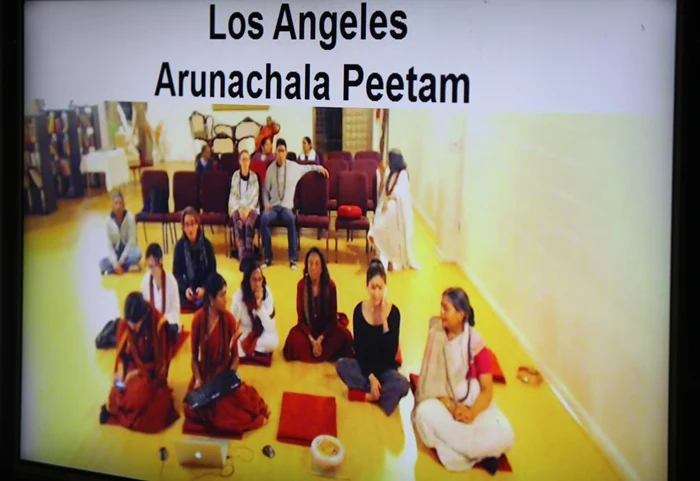
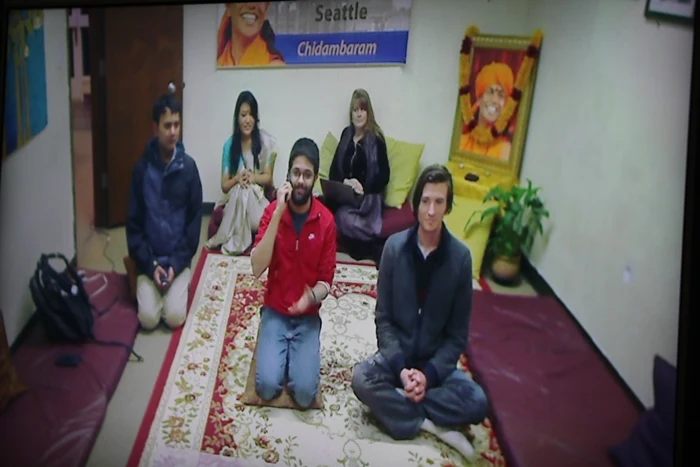
I welcome all of you with My love and respects. I welcome all the devotees, disciples, samajis, satsangis, Sri Mahants, Mahants, Thanedars, Kotharis, sitting with us through Nithyananda TV, Sadhana TV, ARRA TV, and two-way video conferencing, having Nayana Deeksha all over the world.
(01:38)
I will enter into the sutras directly. The 2nd verse of Isavasyopanishad:
कुर्वन्न् एवेह कर्माणि जिजीविषेच्छतग्ं समाः | एवं त्वयि नान्यथेतो‘स्ति न analलिप्यते नरे || २ ||
kurvann eveha karmāṇi jijīviṣecchatagṁ samāḥ | evaṁ tvayi nānyatheto‘sti na karma lipyate nare || 2 ||
One should decide to live in this world for a hundred years, hundreds of years, all the while doing his deeds dispassionately as sanctioned by the scriptures. In this way, the deeds done by you shall not cling to you. There is no other way by which a man can free himself from the bondage created by the deeds.
(02:58)
Listen. Just in the last few days, one of our devotee - doctor, she asked Me a question, “How to practically combine all these, Swamiji? We all know the truth. We understand that everything changes including what we perceive and what we do not perceive. How can we coexist in Advaita with our fellow beings even if, either one of us - myself or others do not accept that change as something necessary and good for all of us?” This was the question. Actually, the second line of the 2nd verse is the answer. Understand,
एवं त्वयि नान्यथेतो‘स्ति न कर्म लिप्यते नरे || evaṁ tvayi nānyatheto‘sti na karma lipyate nare ||
When you decide to live, when you decide for life based on the understanding “Everything is Consciousness.”
(04:27)
See, I’ll just give you few types of mental setups. Some people decide against life seeing the suffering in life and … by becoming powerlessness, powerless to face life, they decide against life. I tell you, I can give you one example. At the age of six when you are in school, your teacher asks some question, “Who is the Prime Minister of India, first Prime Minister of India?” You put your hands up and jump and shout, “Mahatma Gandhi!” Whole class will be laughing at you. And, at that time you feel naturally, “Oh, I have done something wrong. I should not be putting up my hand and jumping like this. I should keep quiet in a crowd.” This decision, even after you become forty seven, when you are sitting in a meeting, you are the CEO; even then if you have an idea, you won’t speak out directly in the group. You will tell somebody else and that person will tell that to the group and he will get the name.
(06:17)
You decide for your whole future based on one incident. Look in. Thousands of decisions you have done based on one incident against life. And ... the other day I was talking to a devotee. I was telling him, “Hey, always remember you are Mahadeva, Shiva and move the inci … happenings of your life with this understanding.” He said, “No, Swamiji. Tsk! I just have blood pressure and sugar. I tell myself I am Mahadeva and let this blood pressure and sugar be healed! When that does not heal, I lose confidence that I can change the other things.” Listen. This blood pressure and sugar, you would have taken so many thousands of decisions against life, that is why it came. So now you, when you decide for life, decide at least few times till that whole part starts listening to you! See but your decisions against life has become a big chunk in you. You may not need to kill all of them, but you need to create that decision for life at least to drive them enough!
(07:56)
See, each time your decision against life becomes one soldier against you, if there are two million soldiers inside you, each time you create a positive decision means for life - you are creating one soldier in your army. Now, you don’t even have to create an army for you to kill the opposite army, but you have to at least create the sound, noise that they should run away! So if you have taken one thousand decision against life, at least ten decision for life you have to take. Only then all those one thousand decision against life will be nullified. Many time, you decide against life just because of a simple incident, for small reasons. So understand,… there is one kind of mental setup which decides against life, because of few incidents of life.
(09:39)
Second, there are set of people, there is a kind of a mental setup - they decide against life. Listen. They decide against life out of the ignorance, that deciding against life is going to give them peace or liberation. That ignorance. People think, “Oh, instead of living like this, let me die.” And you think if you die, immediately you are released from all this suffering? No. If death is going to be the freedom from all these sufferings, I would have started promoting suicide long before. No! It is no way going to free you. Please understand, if you commit suicide because you are not able to handle your wife, you may have ten wives exactly like this same person with whom you are living in the hell…. No, from whatever you think you can escape, you will have more! You will have more. And unfortunately in the hell, you don’t have a choice of committing suicide. So out to, out of ignorance people deciding against life.
(11:31)
And, there are some people … who want to choose for life, decide for life. But do not think that is what cosmos wants you to do. Don’t sincerely, authentically stand by it. They say, “Alright, now I am deciding for life and let me see how much it goes, how far it goes.” After two days, one small shaking, immediately they fall back, they collapse. Again they start entertaining the thoughts, “I think instead of this, let me better withdraw.” Please understand, all withdrawal you did is against life! Whether you withdrew from your job thinking that it will be too stressful and responsible, or you withdrew from your love affair thinking that it’ll not be possible for you to stand and give a fight against the people who are opposing you, or you withdrew from your career or responsibility, or you withdrew from your decision of sannyas. Whatever, whatever withdrawal, withdrawing is against life.
(13:04)
Listen. Listen! Withdrawing is against life. See before you start, spend enough time in analyzing, “Is it non-violent?” “Is it not hurting others?” All that, do it! Because anything violent, hurting others, the moment you realize - you should withdraw. That is living Advaita. I am not speaking from that context. Listen! Withdrawing because you became powerless is against life. Sometimes you may withdraw to feel more powerful. For example, if you are taking that decision of killing, and withdrawing from it because you feel it is violence, then it is right withdrawal. Actually this withdrawal itself is decision for life. So this is the basic understanding you need to have. Whatever makes you powerful and live Advaita, you should decide for it. And, these ideas which I am expressing in the morning satsang, explaining these Upanishadic verses, you may need to listen to this satsang three-four times and internalize, because, a very subtle understandings. You can’t handle this roughly. No. You can’t handle this roughly. These subtle understandings need to be studied, internalized. That is why Vakyartha Sadas. That is why Vakyartha Sadas.
(15:38)
I have decided I am going to build two beautiful mandapas - Yagashala and Vakyartha Sadas Mandapa. Every day Vakyartha Sadas will go on in the Vakyartha Sadas Mandapa…. What went on between Shankara and Vyasa will go on forever in this campus. And I also wanted in all the ashrams as much as possible - every evening have Vakyartha Sadas. Every evening have Vakyartha Sadas. Even if ten of you sit across the table, chat over a cup of tea, that is also Vakyartha Sadas. When you do it sincerely to explore the meaning of the scriptures and understanding and context, that is also Vakyartha Sadas. Every evening ... we should have Vakyartha Sadas. Once sun sets, the Vakyartha Sadas should start. Because now whatever I am speaking, you may miss some words, you may have some confusion. You need to internalize again and again and again.
(17:26)
Deciding for life. Listen. Deciding for life. Every time you decide for life, immediately it reflects in your being…. I told this devotee who was complaining to Me, “I tried to cure my blood pressure and sugar. When that did not change, I got the negative belief. I feel that is not going to work out for me.” No. Don’t do that. Understand, the number of times you decided against life only is sitting in you as disease. So you should decide, “How many number of times it may take that I have to decide for life to drive these diseases out, I am going to decide, that’s all! This disease has to disappear. How many number of times I have to decide for life for this to disappear, I don’t care. But I am going to go on decide for life! Whether that these diseases disappear in this birth in this body, or in the next body I am going to have healthy body - that is … I don’t care about that. But I am going to just stick to the decision for life.” This is enough. You will see immediately your body transforms.
(19:13)
See, whatever you decide you are going to decide forever becomes that decision for life immediately. Just the other day I was telling in the satsang, if you decide clearly, till death you are going to decide only for wealth, you will feel, “Then why should I delay till death? Come on, let me start deciding now and let me start expressing.” Life will be aligned, tuned. I tell you, frustrated beings, frustrated beings are the criminals of planet earth. Listen. Frustrated beings are the criminals of the planet earth. When somebody is frustrated, starts deciding against life, they are the dangers to planet earth. When somebody constantly decides for life, they become the juice of planet earth, the essence of planet earth.
(20:52)
Listen. Go on deciding, go on deciding for life. And know when you need to change, even your change will automatically happen when you decide for life. For example, if you decide for wealth thinking that is life, after sometime you will realize much more than wealth there is something in you which is more important for life - you will start deciding for that. That may be health. And after some time you will realize, more than health, something more important exists in you - that is life, that is Enlightenment. So ultimately, if you go on deciding for life, for life, for life, you will decide for living Advaita. But, when you believe money is life, don’t decide for living Advaita. Then you will be hypocritical…. When you believe money is life, decide for money. When you realize health is life, decide for health. When you realize Enlightenment is life, decide for Enlightenment. When you realize ... everything is life, decide for everything. You will have energy to have everything - money, health, Enlightenment, everything.
(22:44)
Deciding for life consciously in every step makes you free from all the karma. What is karma? Karma is nothing but your decisions against life sitting in you ... and harassing you, putting you in incompletion. Your decisions against life which sits in you and puts you in incompletion is karma, is karma. Your decision for life liberates you from all karmas, all fears, all negativity.
एवं त्वयि नान्यथेतो‘स्ति न कर्म लिप्यते नरे || evaṁ tvayi nānyatheto‘sti na karma lipyate nare ||
There is no other way by which a man can free himself from the bondage created by the deeds.
(24:07)
Listen…. How much ever you hear all these things, you need to sit and internalize. That is why again and again I insist, come here experience Inner Awakening, … experience completion, you will see this whole truth - deciding for life will become your very core cognition.
कुर्वन्न् एवेह कर्माणि जिजीविषेच्छतग्ं समाः | एवं त्वयि नान्यथेतो‘स्ति न कर्म लिप्यते नरे || २ ||
kurvann eveha karmāṇi jijīviṣecchatagṁ samāḥ | evaṁ tvayi nānyatheto‘sti na karma lipyate nare || 2 ||
Understand, there is no other way by which a man can free himself from the bondage created by the deeds. This is the only way you can free yourself from all your past karma.
(25:35)
Now decide for life, work for life. I tell you, … people ask Me, “Swamiji, in the past I have done lot of violence. I have eaten all the animals. I have killed so many animals. I have harassed so many people. How can I get rid of the karma?” The only way Upanishad says, “Decide for life.” Enriching is the greatest decision for life you will take. When you enrich somebody with wealth, your karma, your decision against wealth, your karma related wealth will go away. You will be free. When you enrich somebody with food, your karma, your decision against food, that’ll go away. You will be free from it.
When you enrich somebody with the spiritual knowledge and Enlightenment, all your past karma, decisions against life, bondage created by all the past deeds, all the karma will go away. You will be free from all the Karmas. You will become a Jivanmukta (जीवन्मुक्त, Jīvanmukta). You will live Advaita.
कुर्वन्न् एवेह कर्माणि जिजीविषेच्छतग्ं समाः | एवं त्वयि नान्यथेतो‘स्ति न कर्म लिप्यते नरे || २ ||
kurvann eveha karmāṇi jijīviṣecchatagṁ samāḥ | evaṁ tvayi nānyatheto‘sti na karma lipyate nare || 2 ||
न कर्म लिप्यते नरे ॥ na karma lipyathe nare ||
(27:44)
Learning to decide for life. Learning to decide for life…. The more and more decisions you take for life, the more and more you become healthy, you become wealthy, you become awakened, you become enlightened, you become being living Advaita. I can say this is the essence of Hinduism, Vedic tradition. This is the essence of Vedic tradition. Decide for life. And when you decide dharma is your life, when you feel dharma is your life - decide for it. If you feel artha is your life - decide for it. If you feel kama is your life - decide for it. If you feel moksha is your life - decide for it. If you feel all the four are your life - decide for it. Deciding for life … liberates you from all the bondages, karma.
(29:30)
I tell you, every problem you face is your decision taken in the past. Every obstacle you face in your life is your decision you took in the past knowingly or unknowingly…. You can decide now strongly for life. You will see … everything, all the best things of life expressing itself, all the best things of life radiating itself. Upanishads are so clear. They are declaring there is no other way.
एवं त्वयि नान्यथेतो‘स्ति न कर्म लिप्यते नरे || evaṁ tvayi nānyatheto‘sti na karma lipyate nare ||
If you want to be liberated from the karmas, there is no other way. There is no other way to be liberated from the karmas. There is no other way man can free himself from the bondage created by the deeds.
कुर्वन्न् एवेह कर्माणि जिजीविषेच्छतग्ं समाः | एवं त्वयि नान्यथेतो‘स्ति न कर्म लिप्यते नरे || २ ||
kurvann eveha karmāṇi jijīviṣecchatagṁ samāḥ | evaṁ tvayi nānyatheto‘sti na karma lipyate nare || 2 ||
There is no other way by which a man can free himself from the bondage created by the deeds.
(31:56)
Understand, if your decisions and actions have created certain bondage, only by deciding for life and acting, you will be free from those bondages. One more thing you need to know, even a laziness is a action by you out of your decision against life. So when you decide for life, the laziness, tiredness, boredom, hatred, anger - everything will melt down, everything will be cleared. So decide, listen, decide … for life. Decide for life. Decide for life.
So with this, I bless you all. Let you all radiate with Integrity, Authenticity, Responsibility, Enriching, Causing, Living Advaita, The Eternal Bliss, Nithyananda. Thank you. Be blissful.
(33:27)
Title
Make Anything You Want as Reality! || Kalpataru Darshan || 10 February 2015
Link to Video:
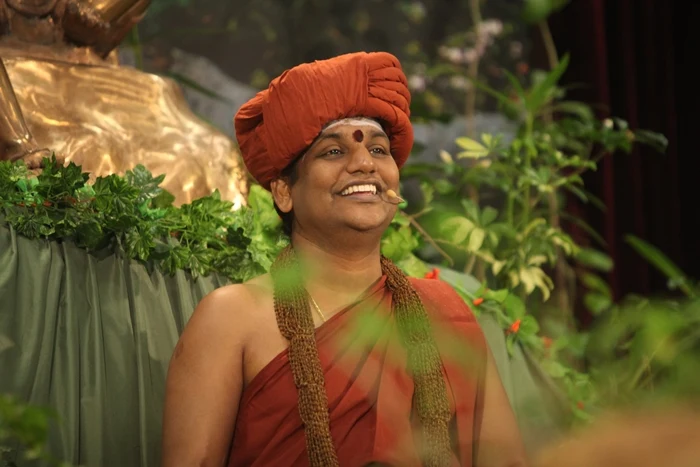
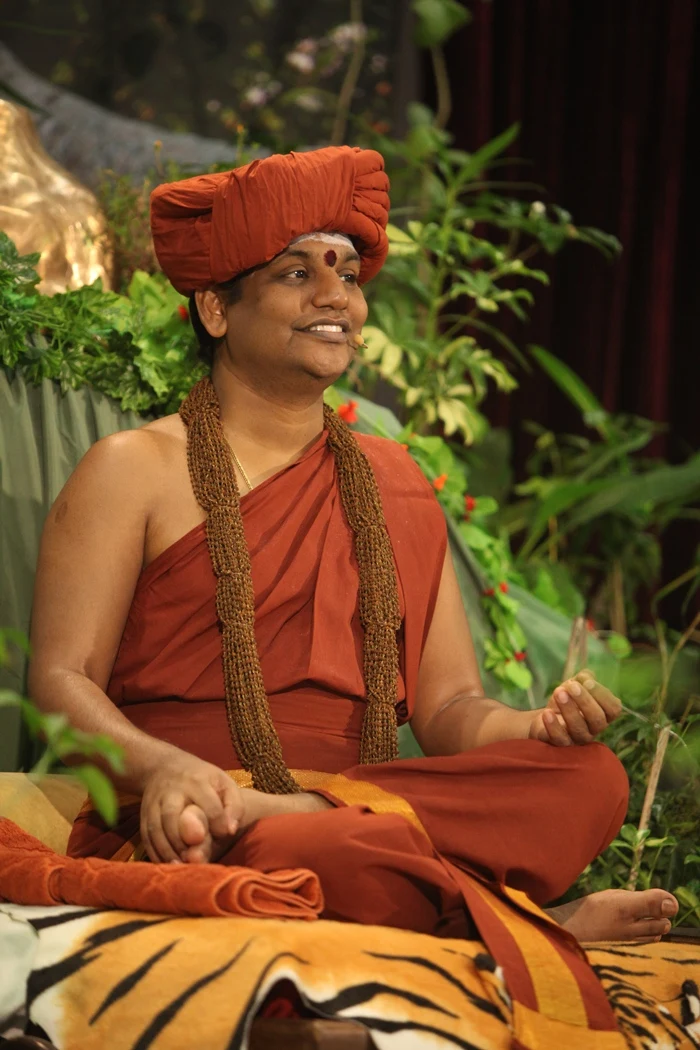
Link to Facebook Page
https://www.facebook.com/ParamahamsaNithyananda/posts/787085471379305
Photos Of The Day:
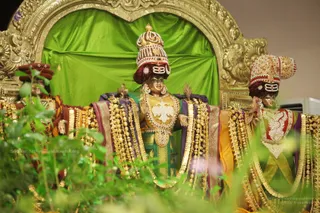
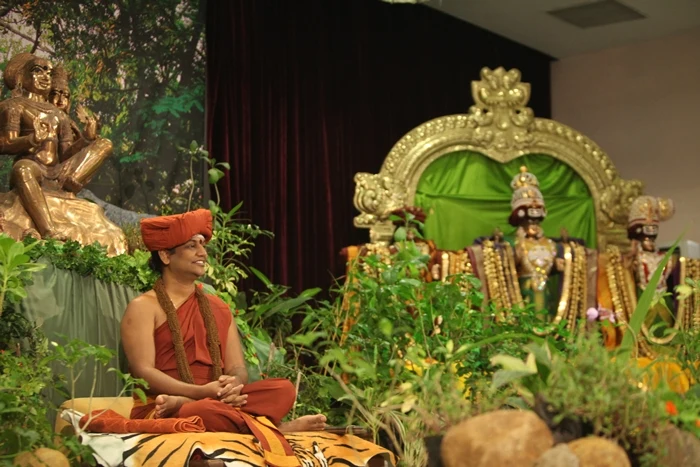
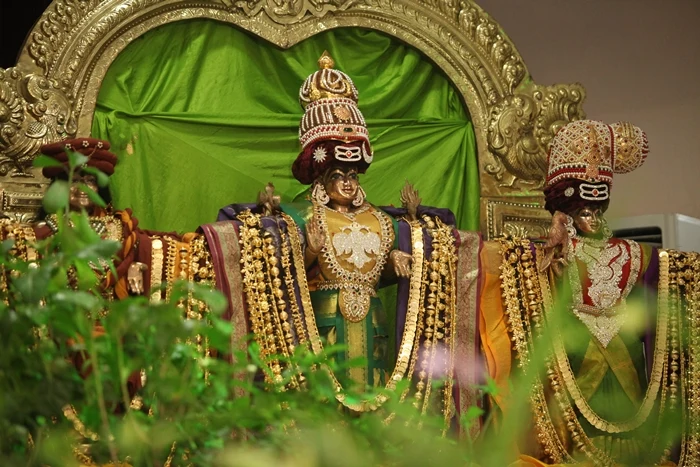
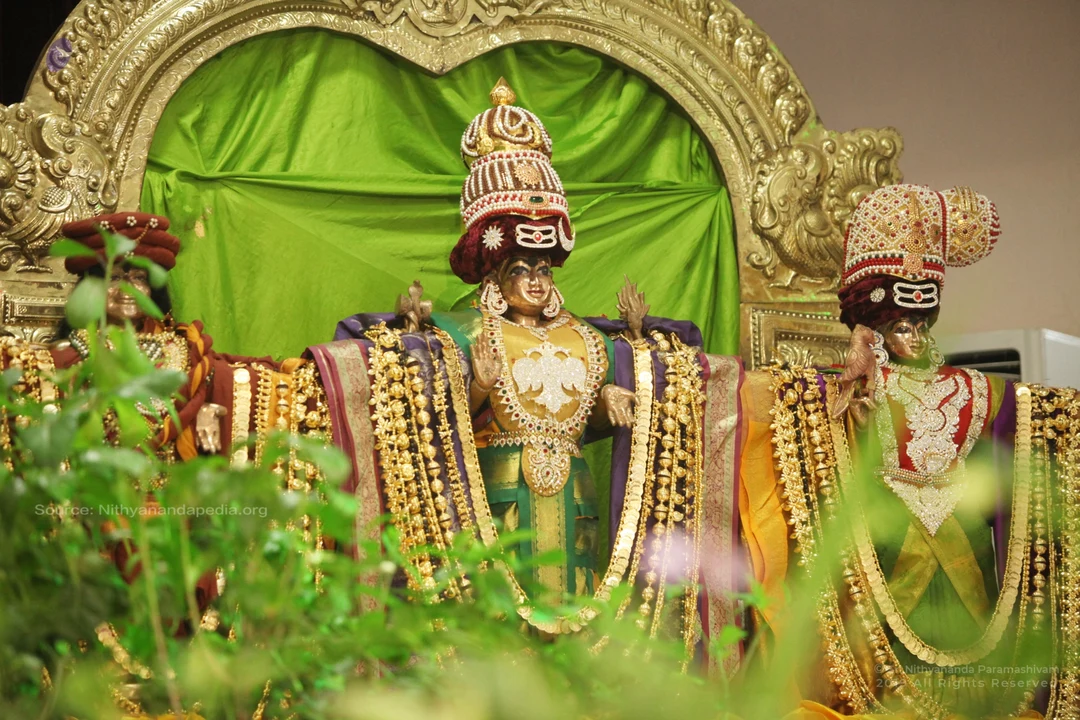
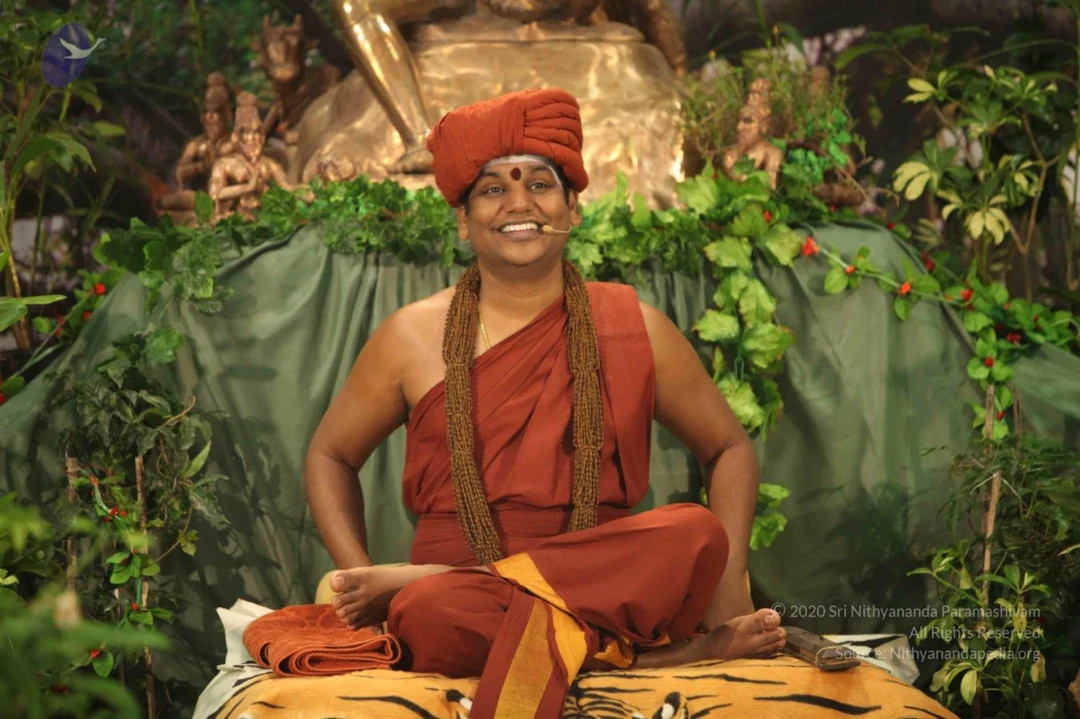
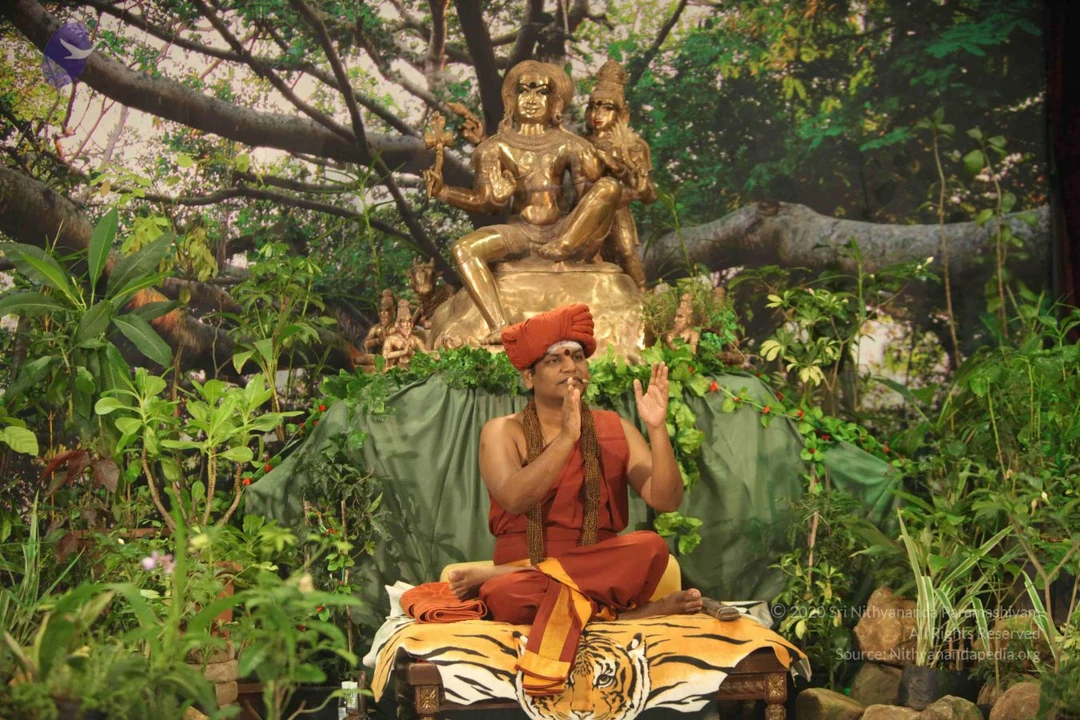
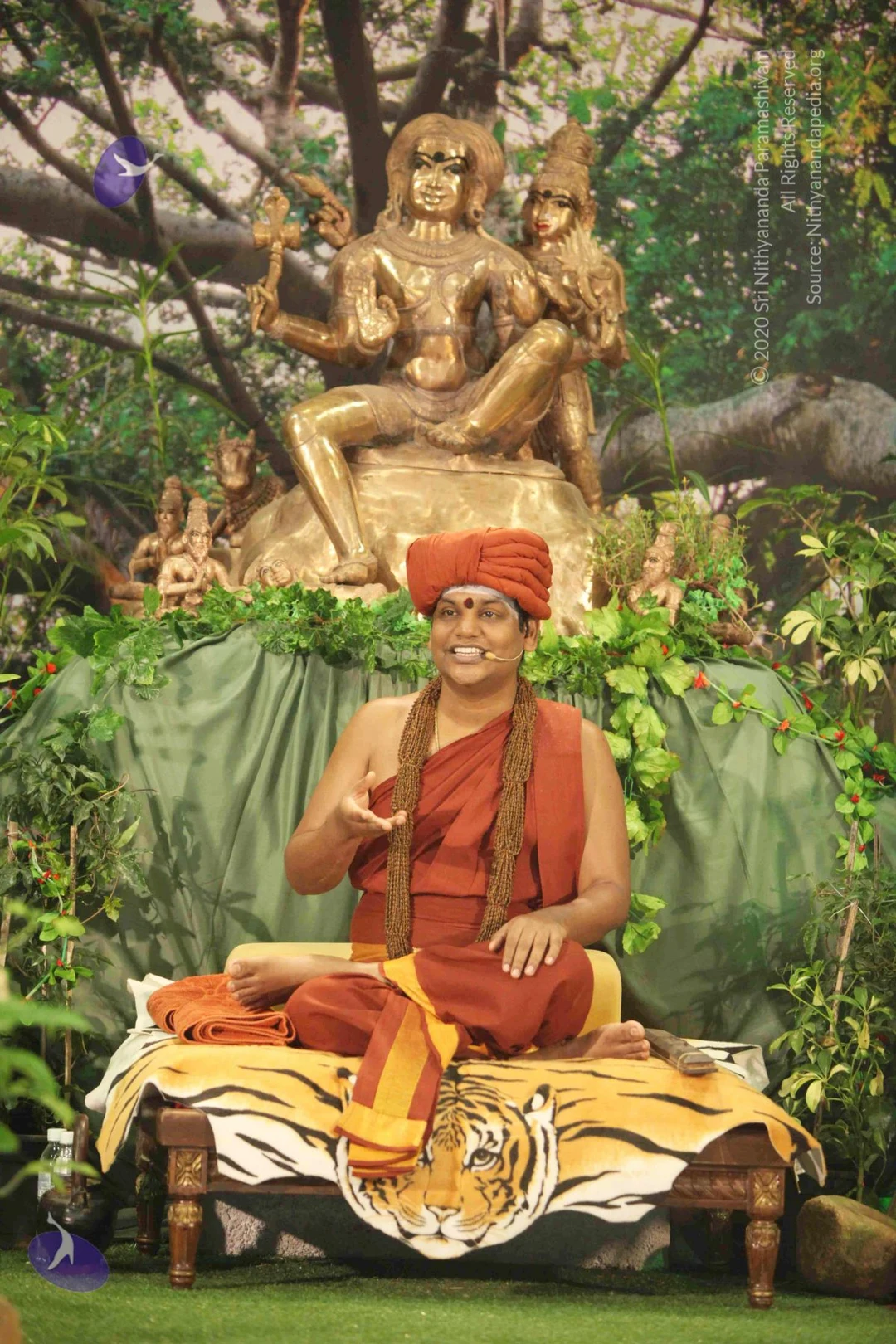
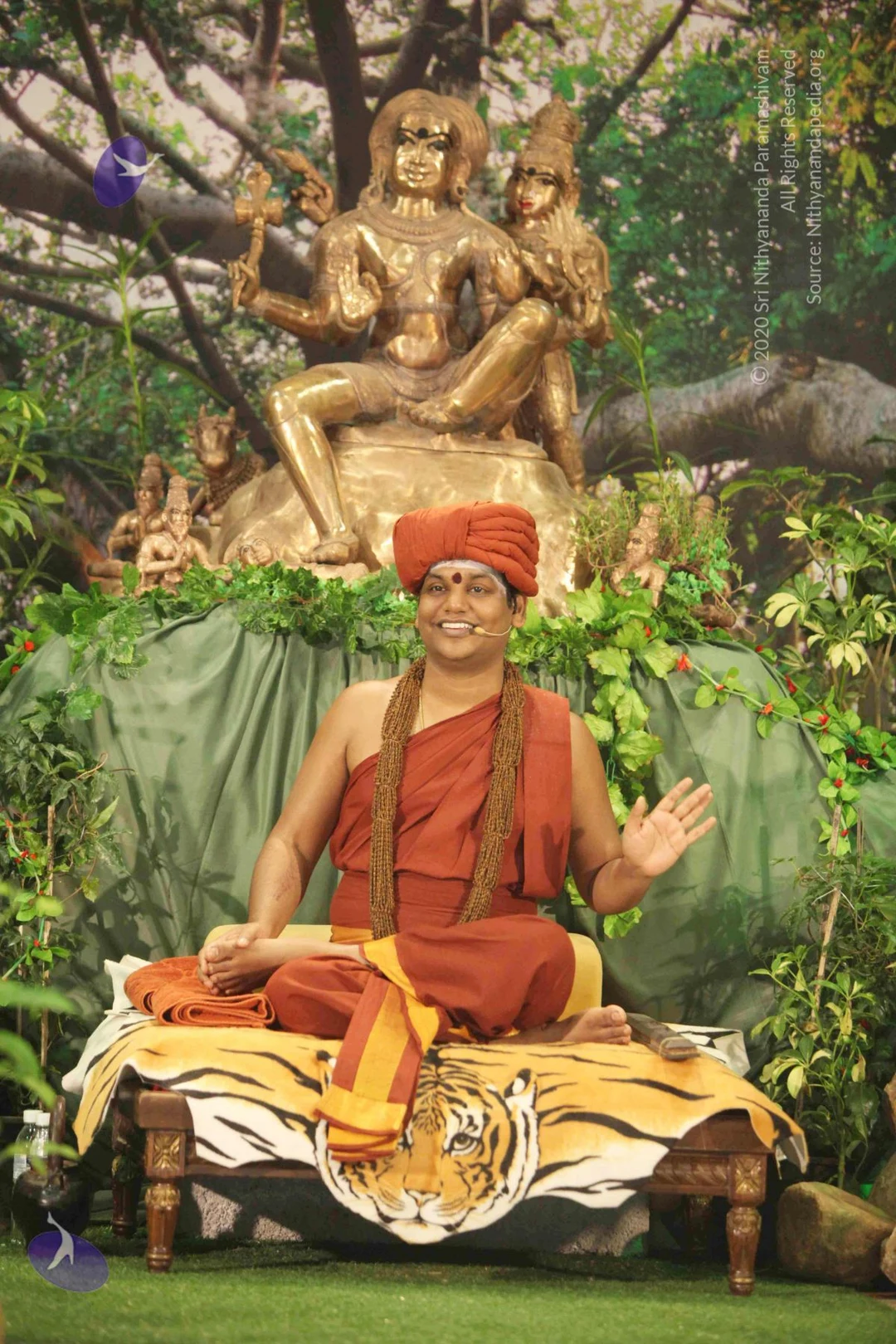
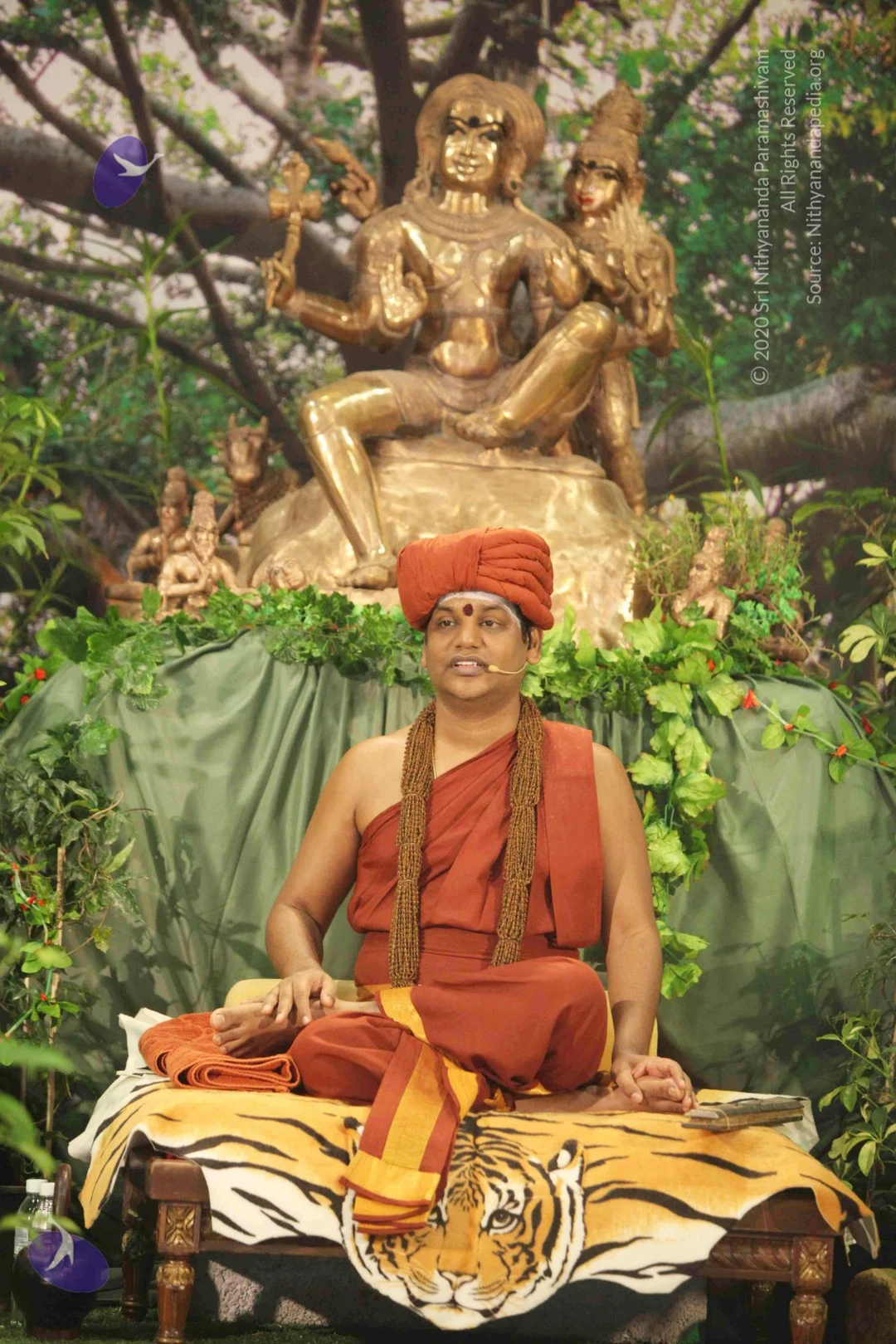
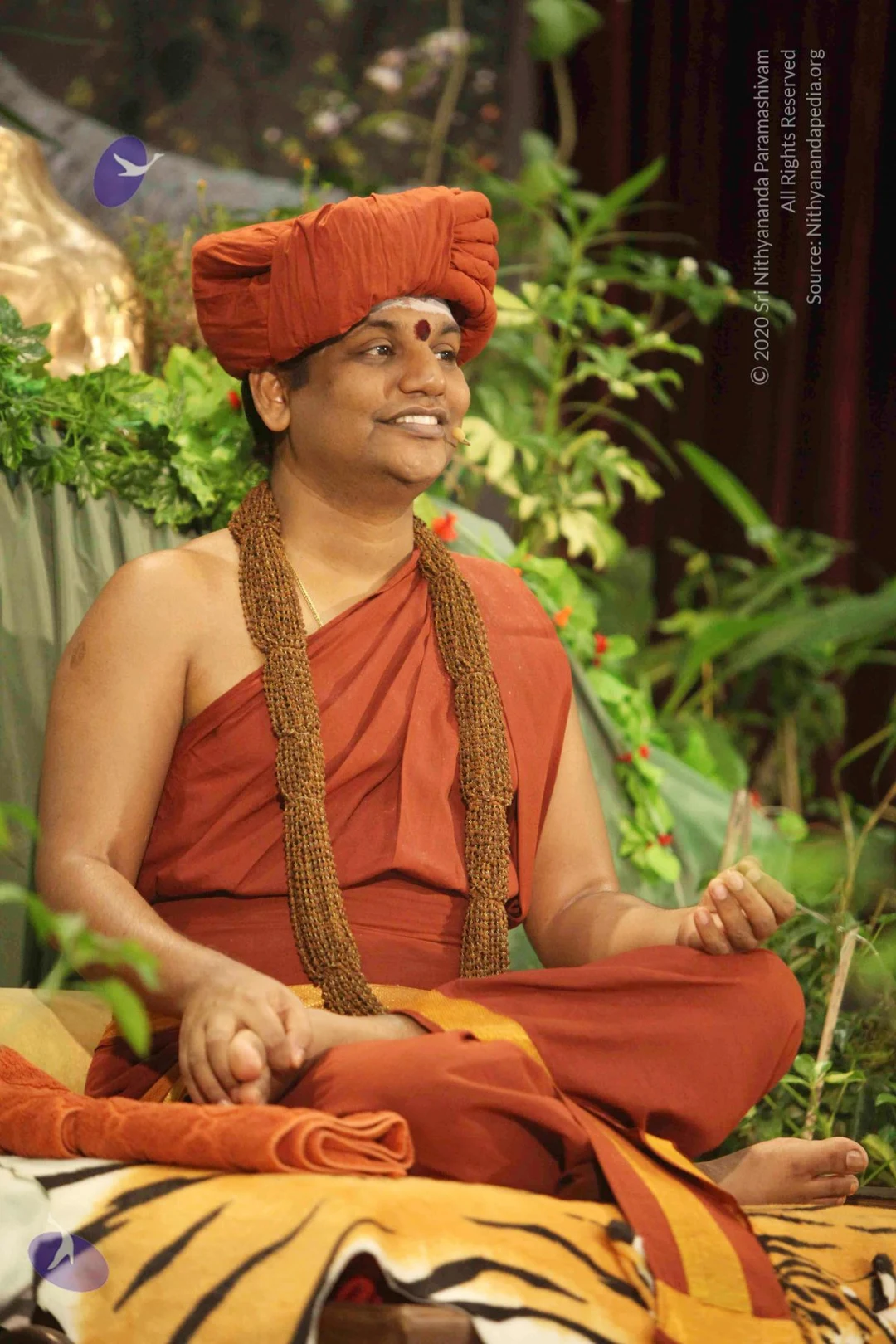
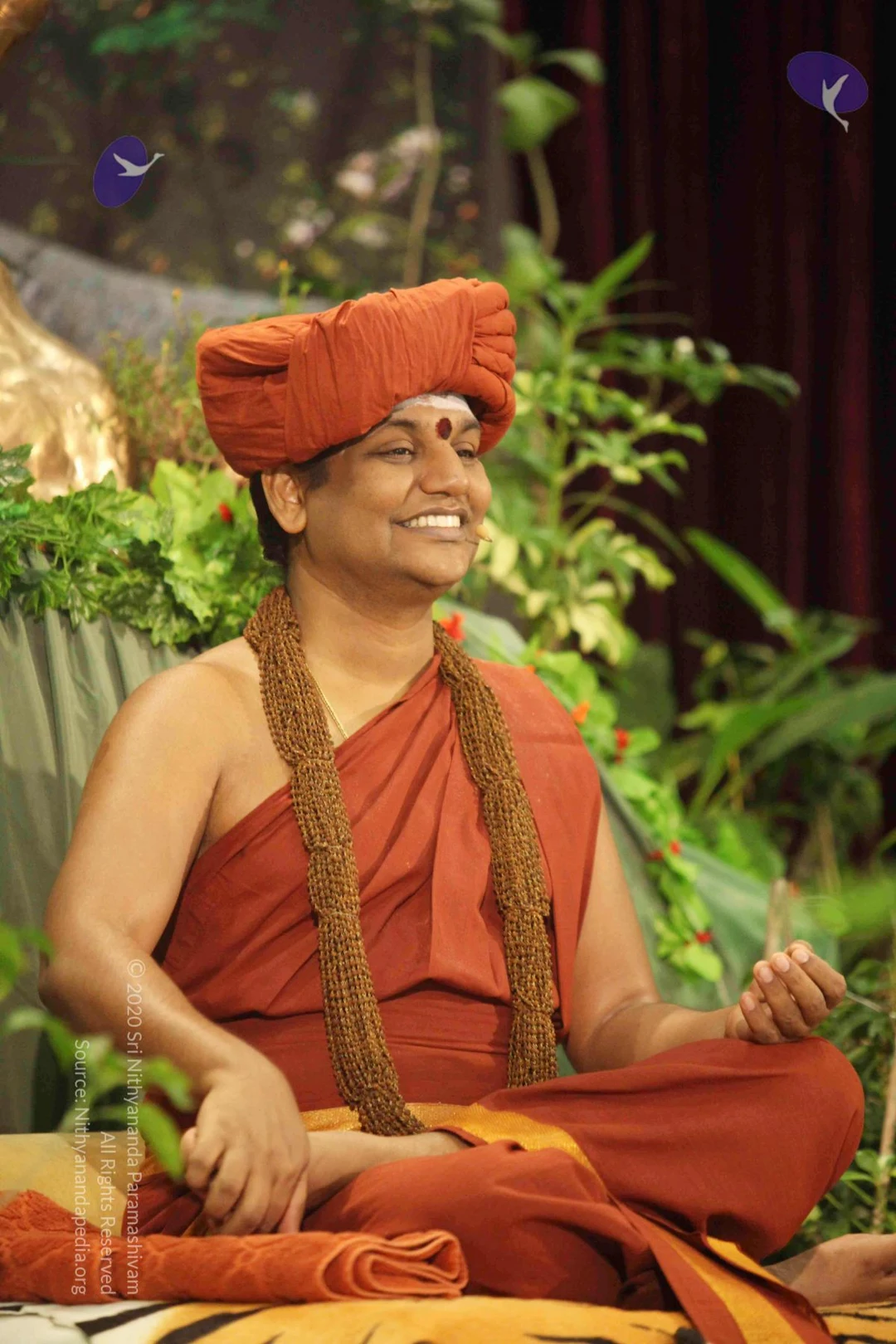
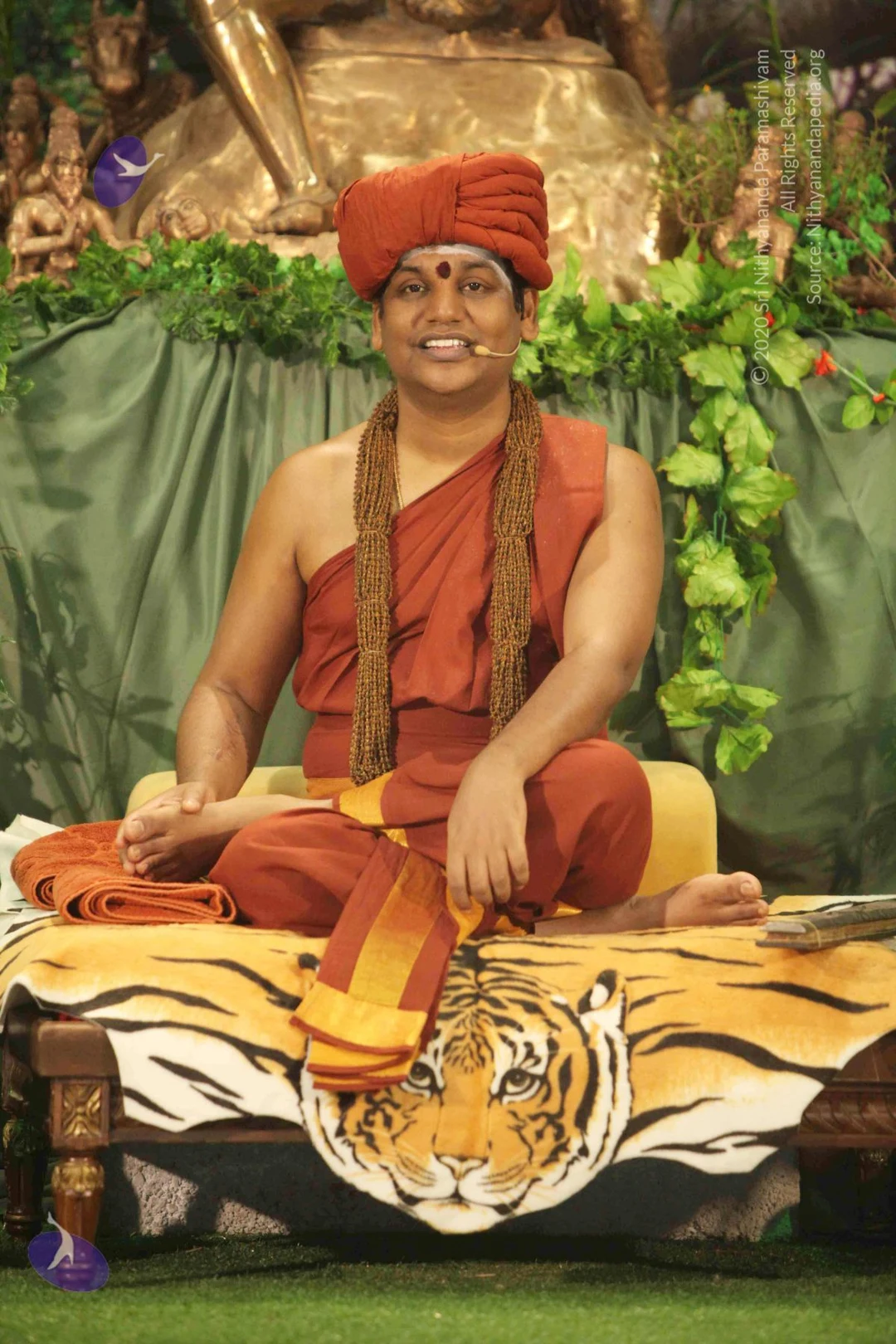
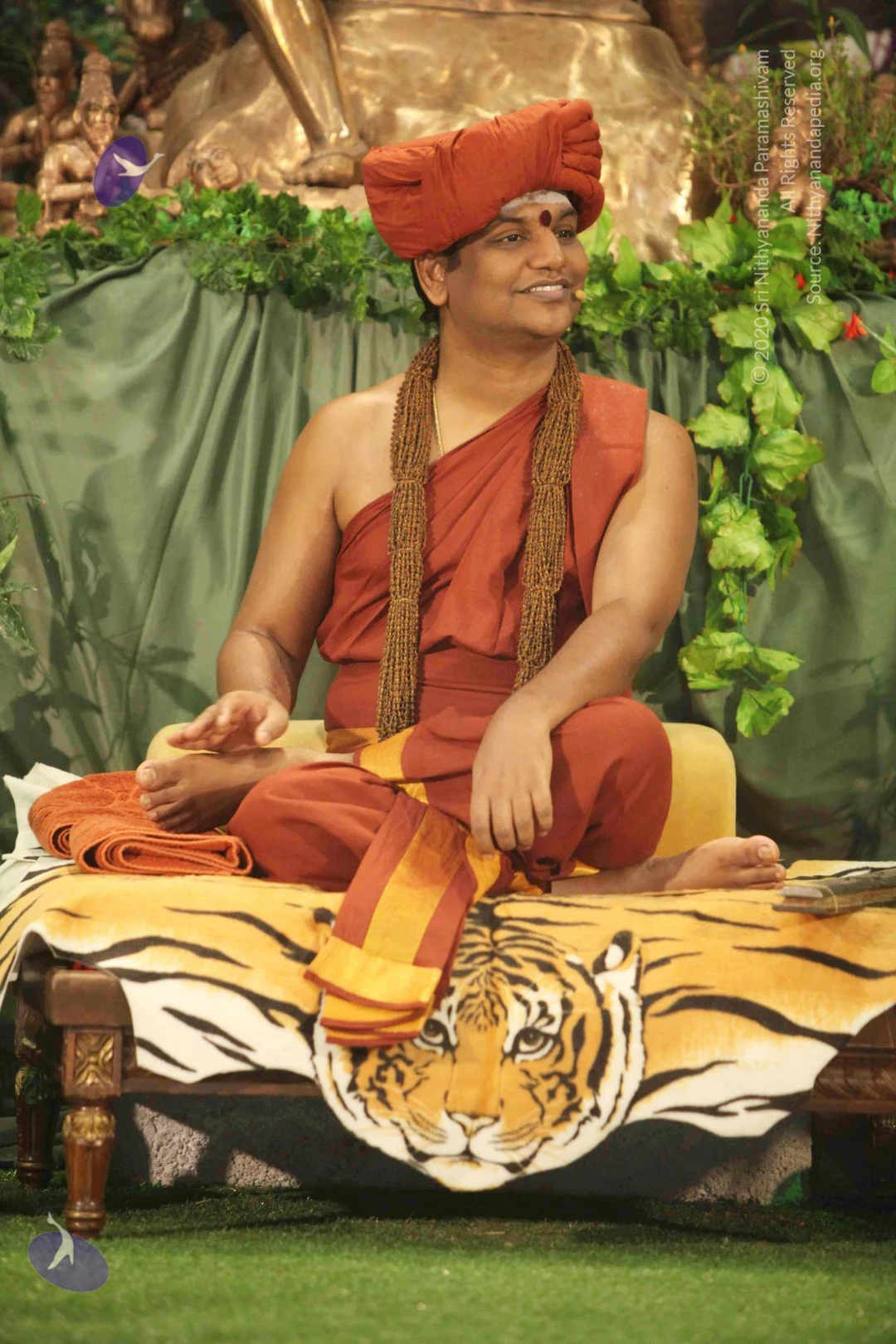
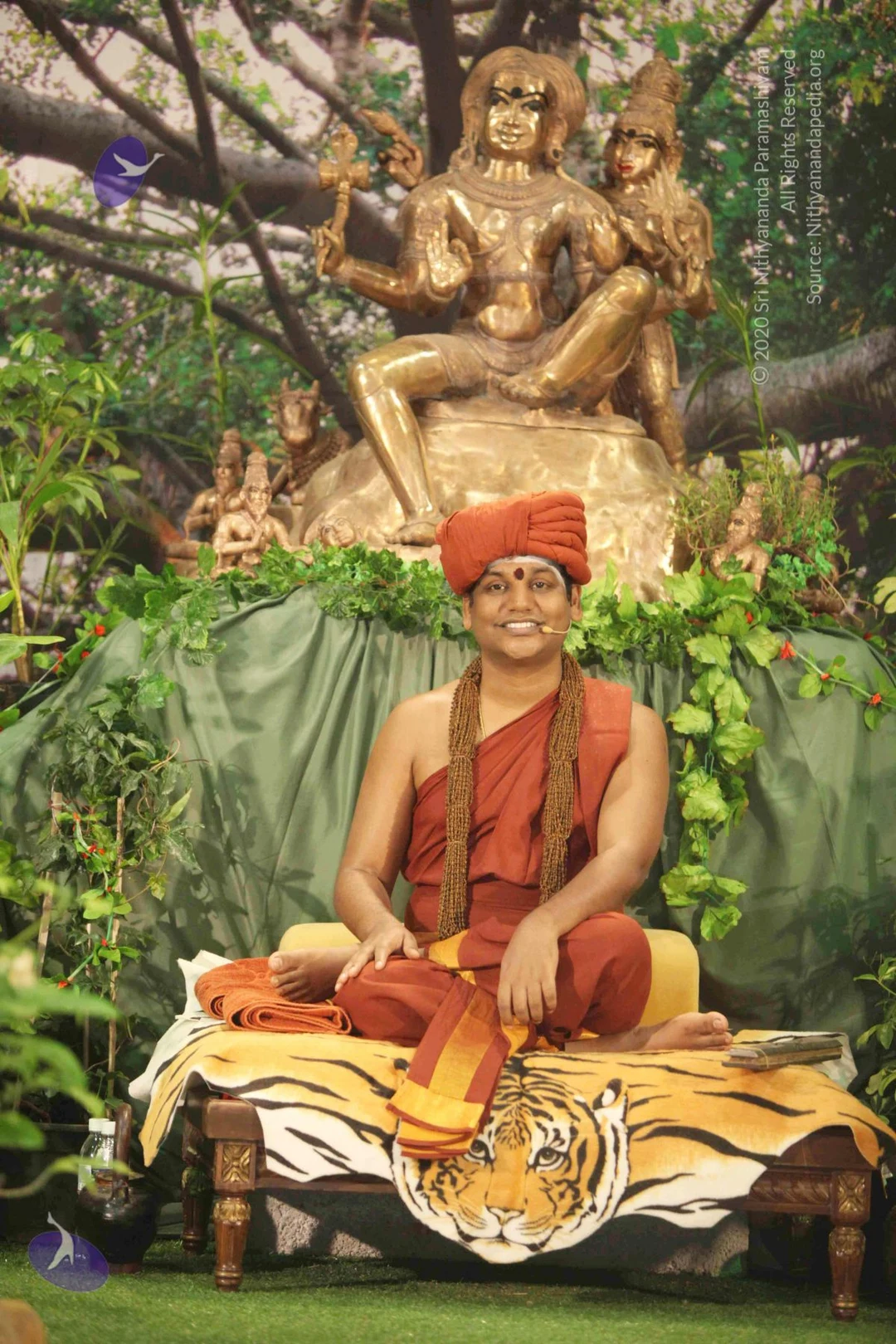
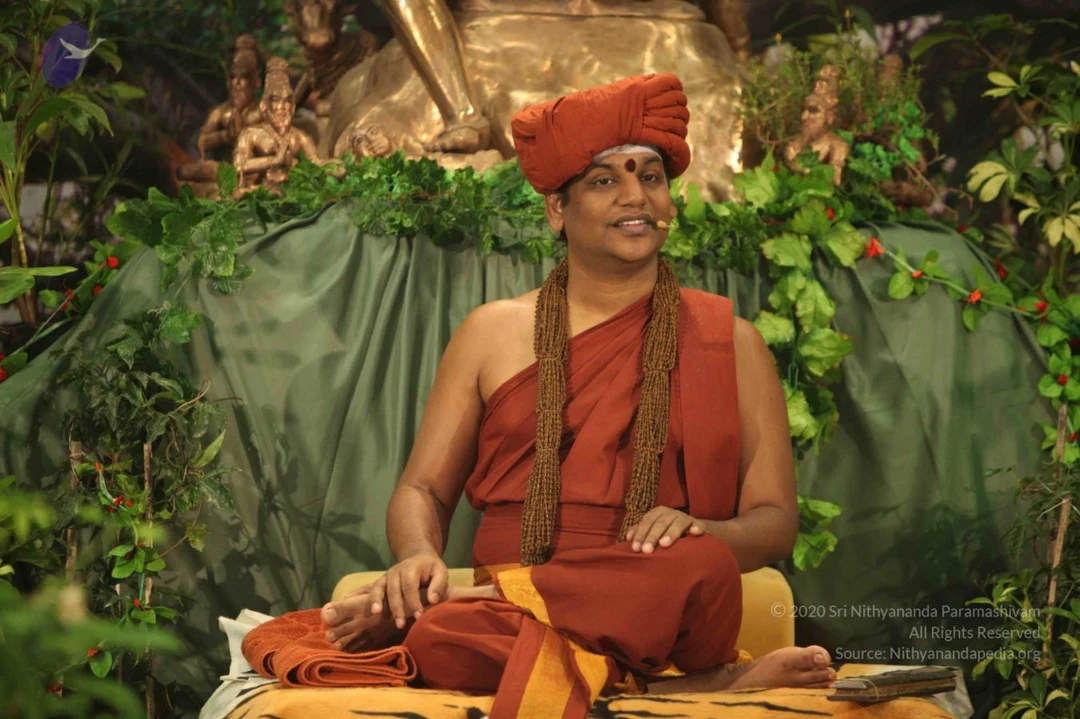
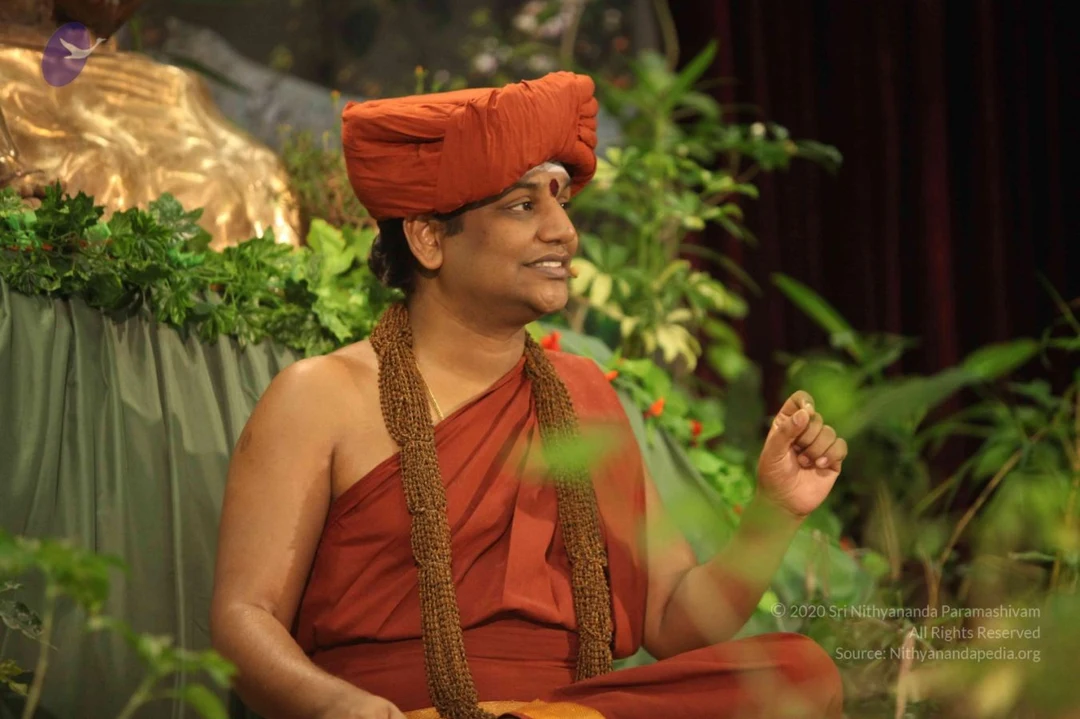
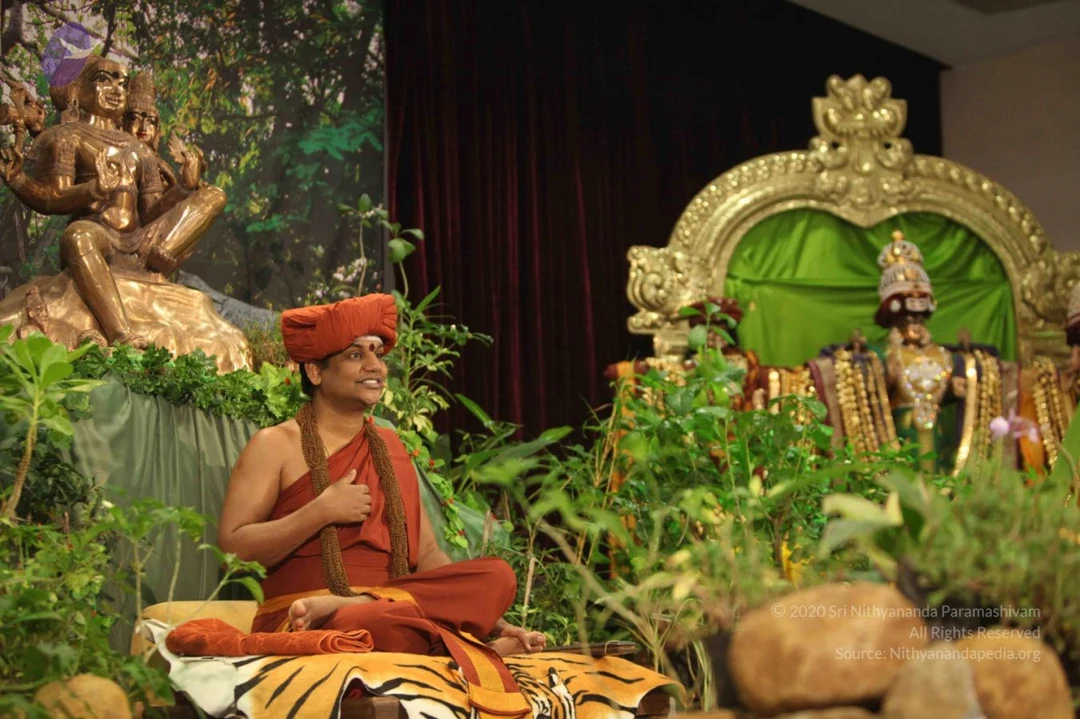
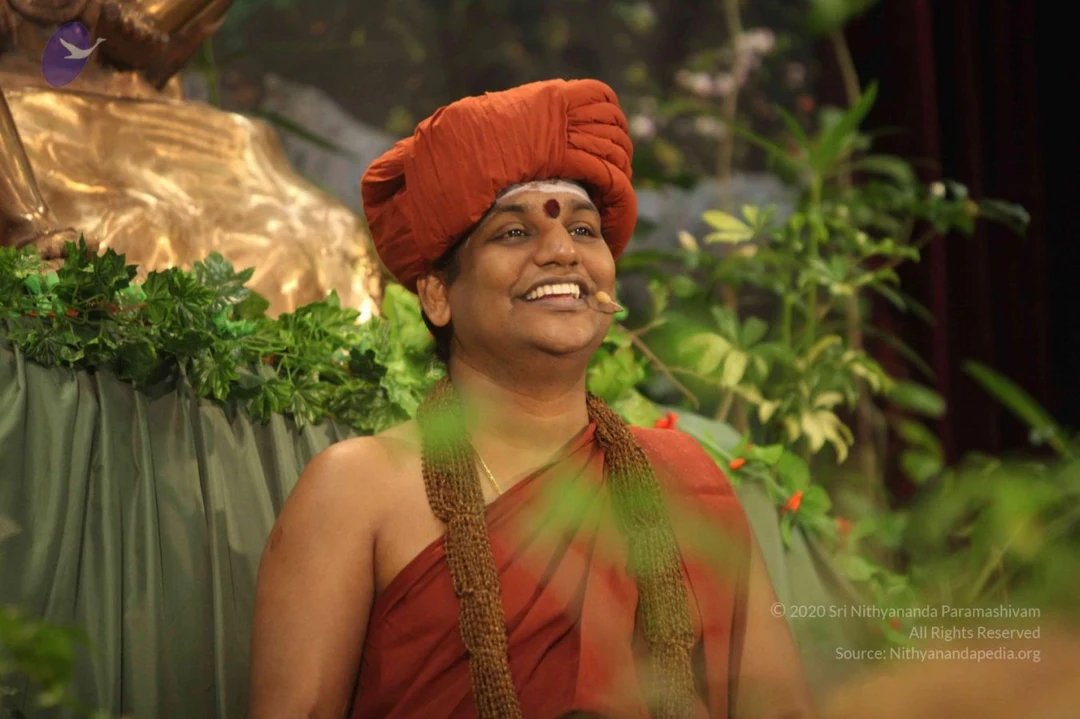
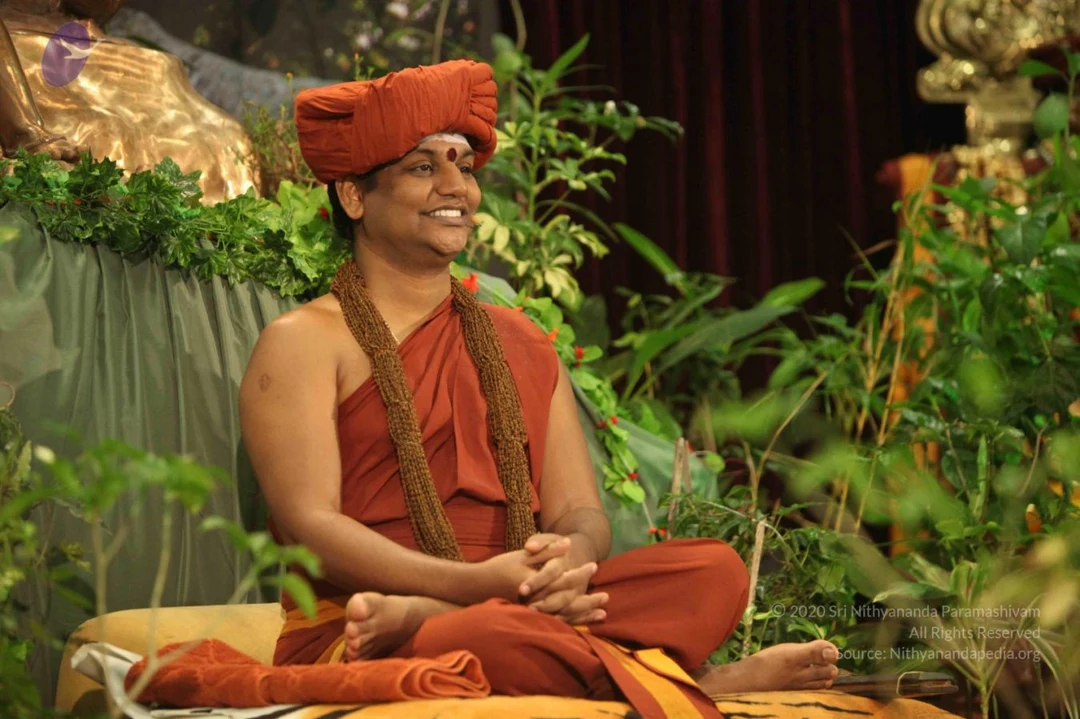
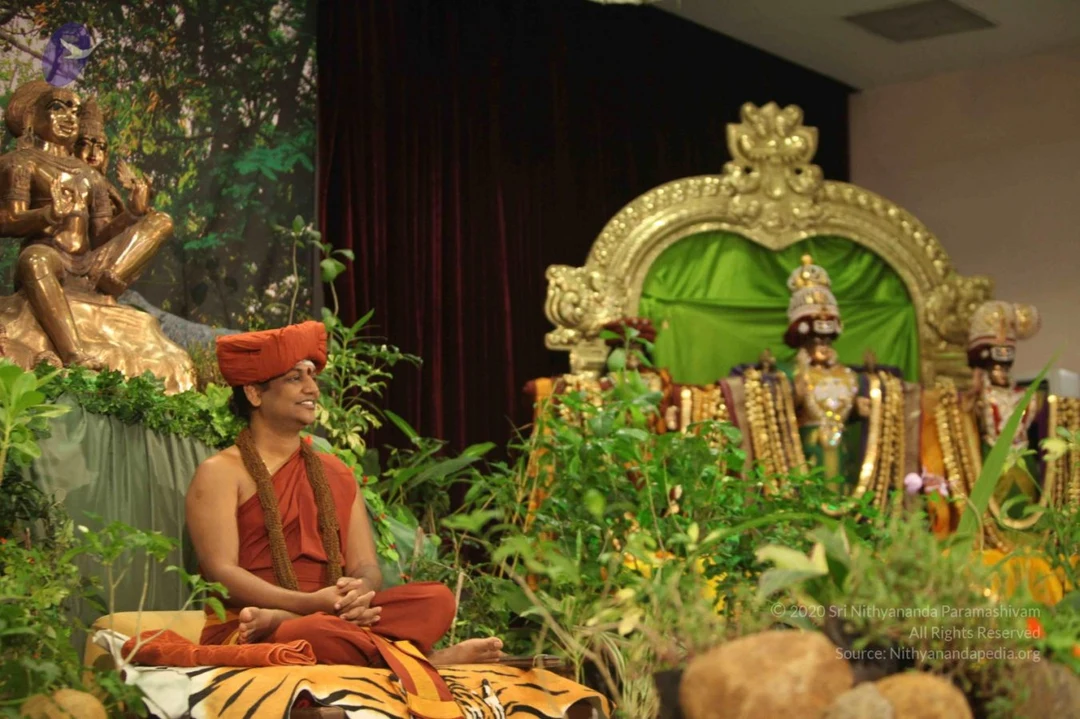
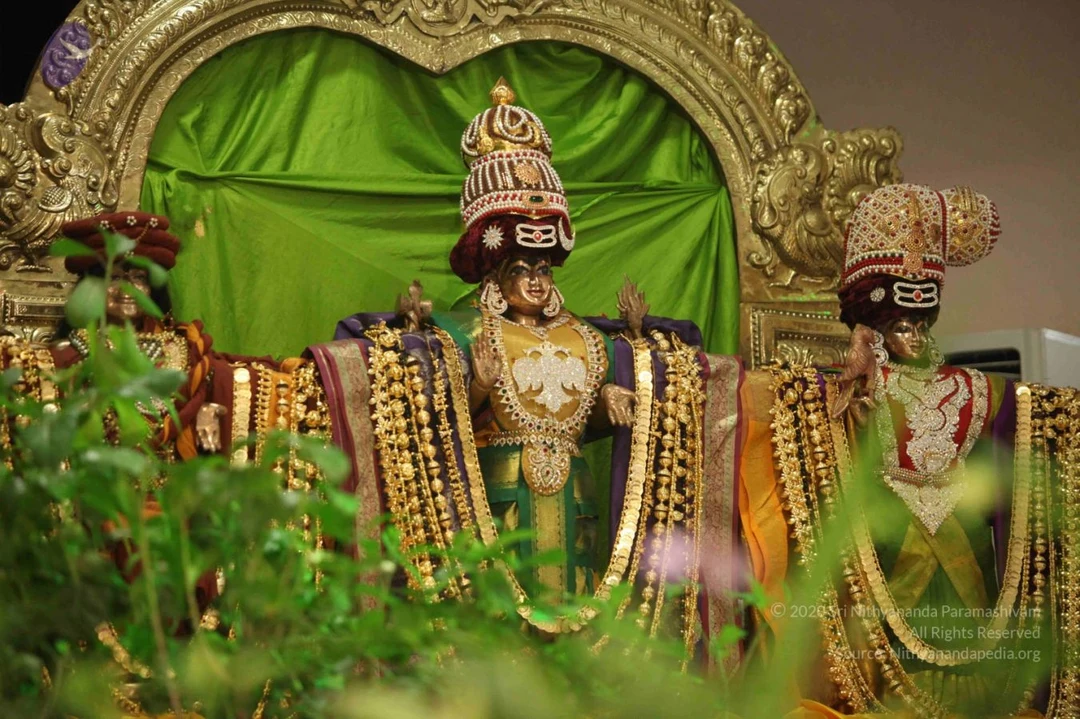
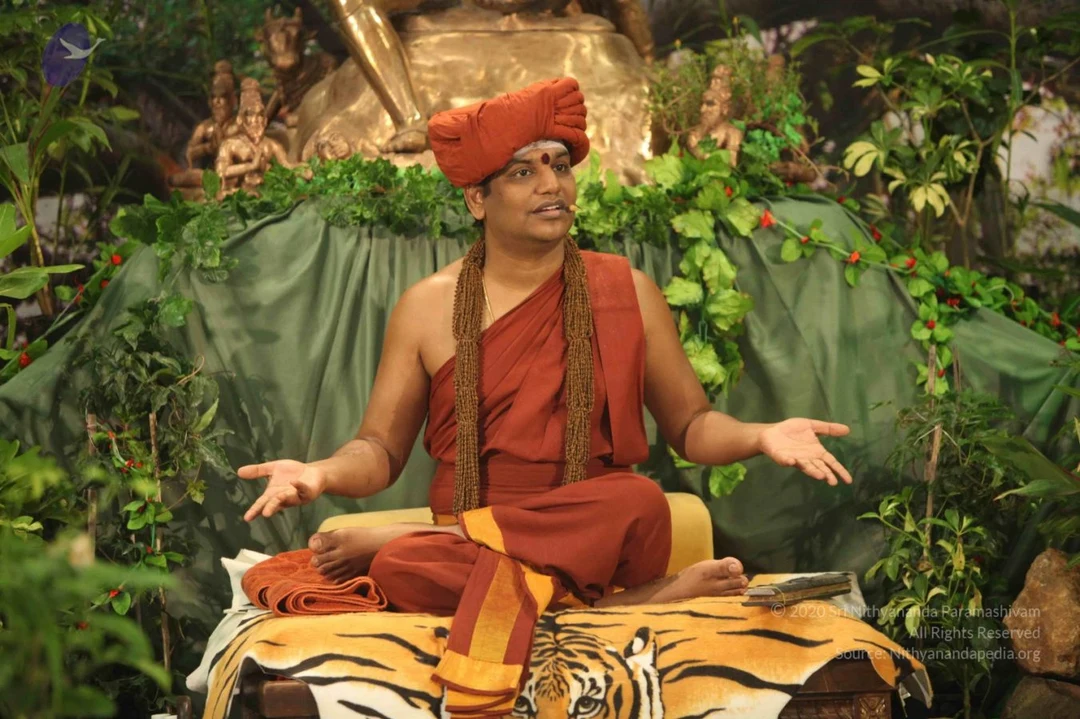
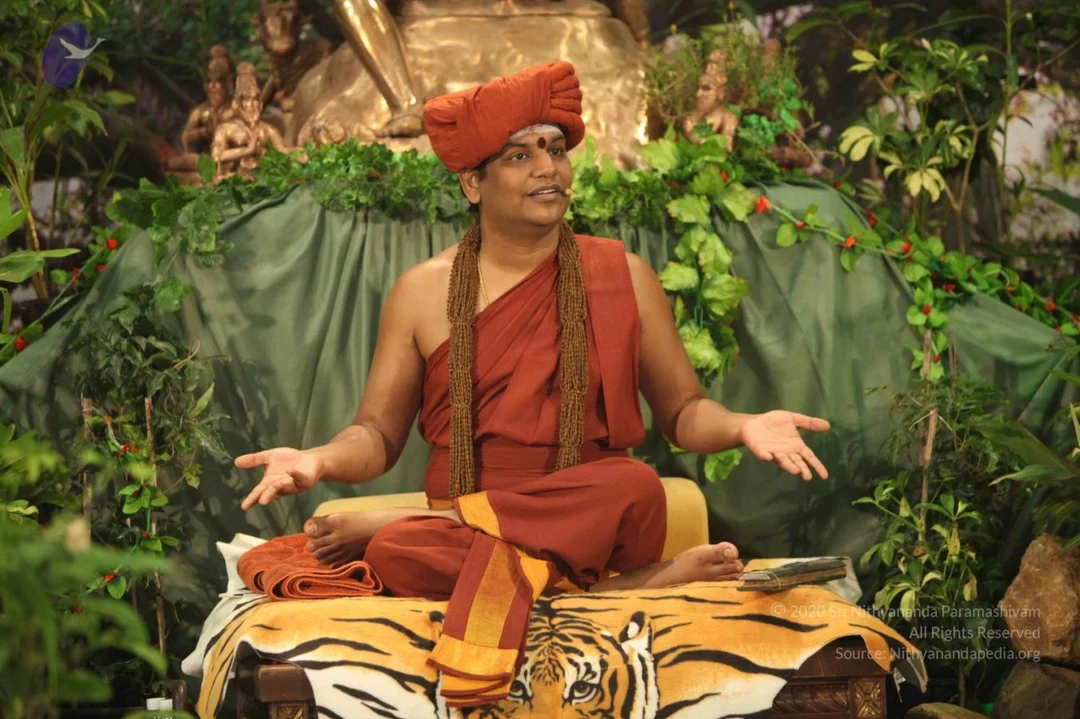
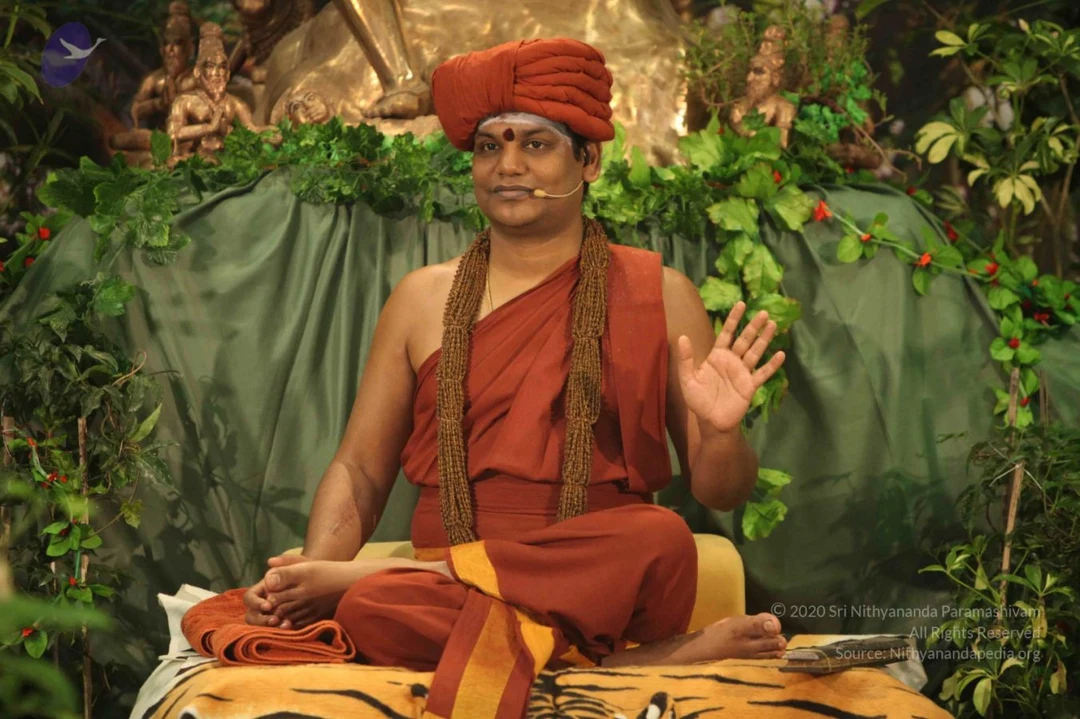
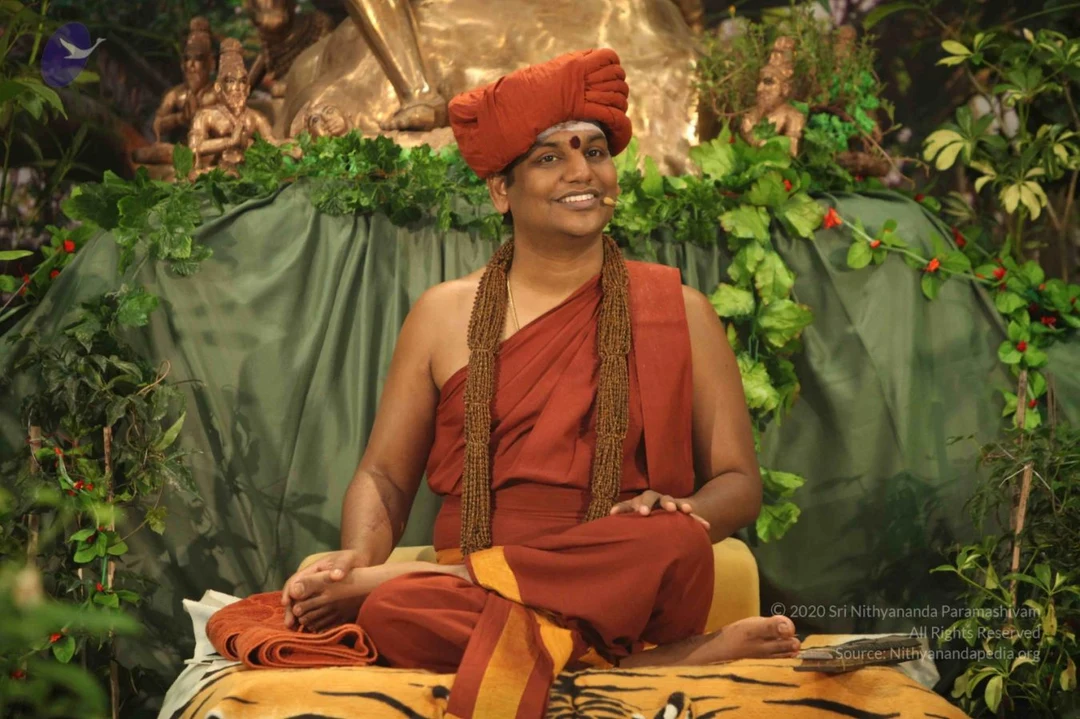
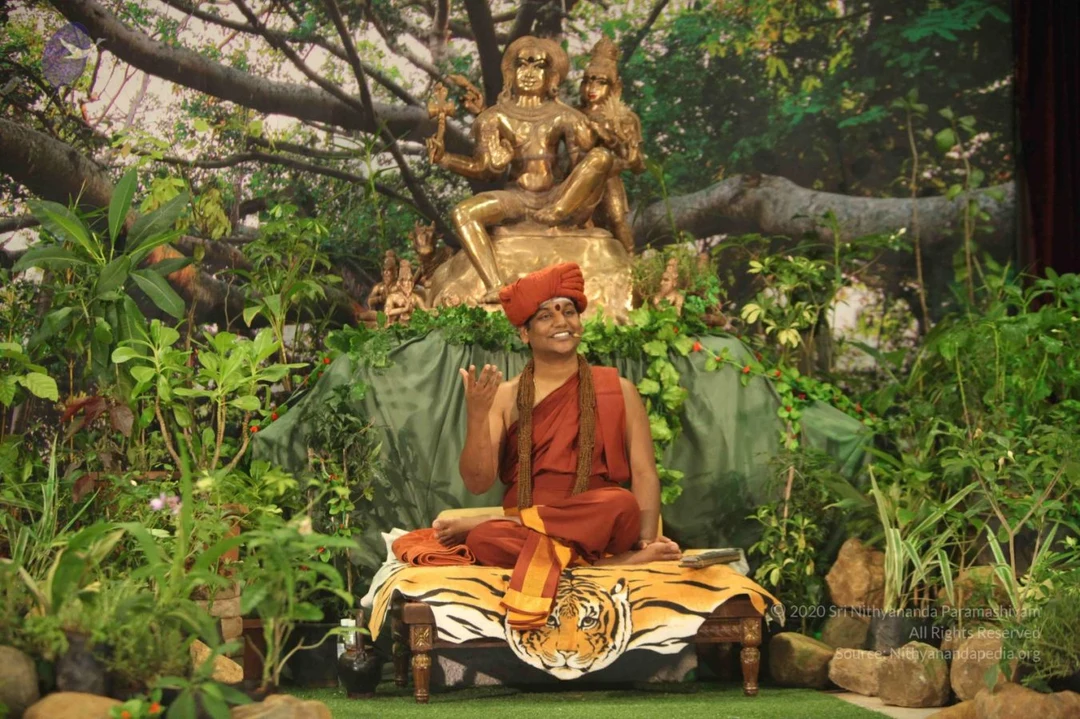
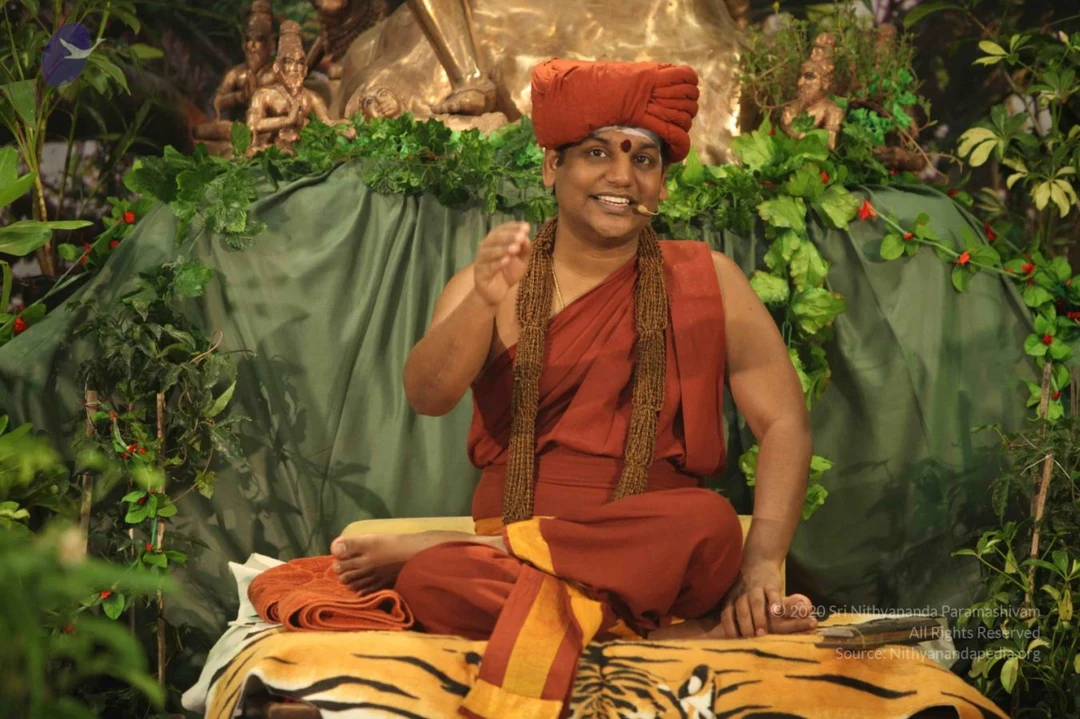
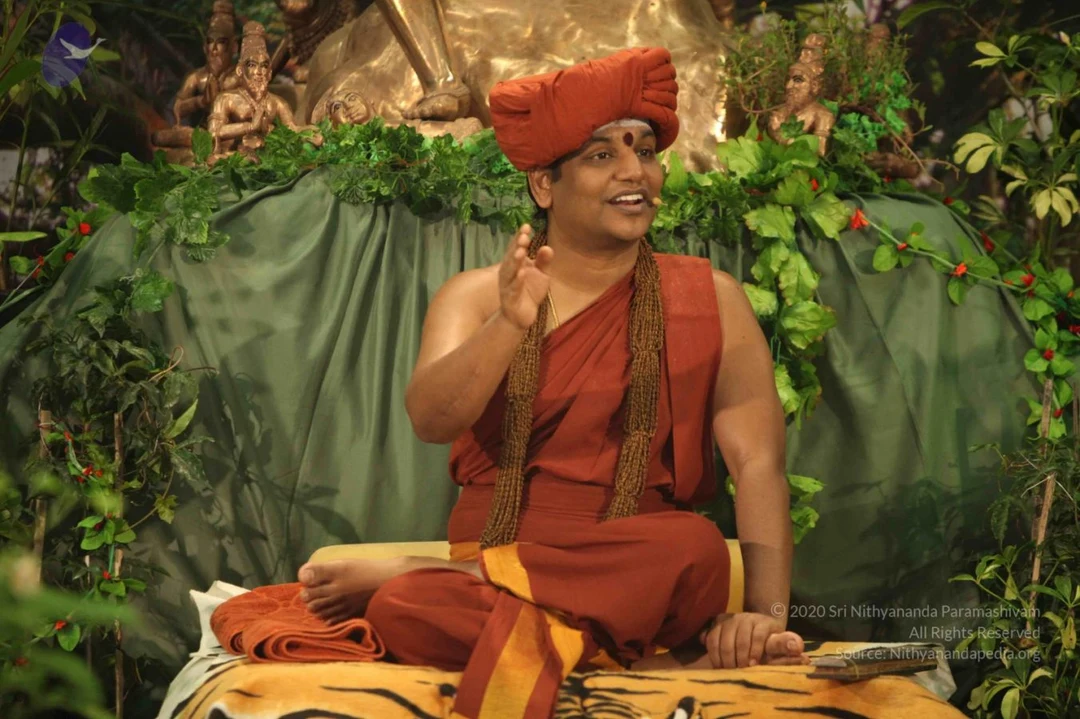
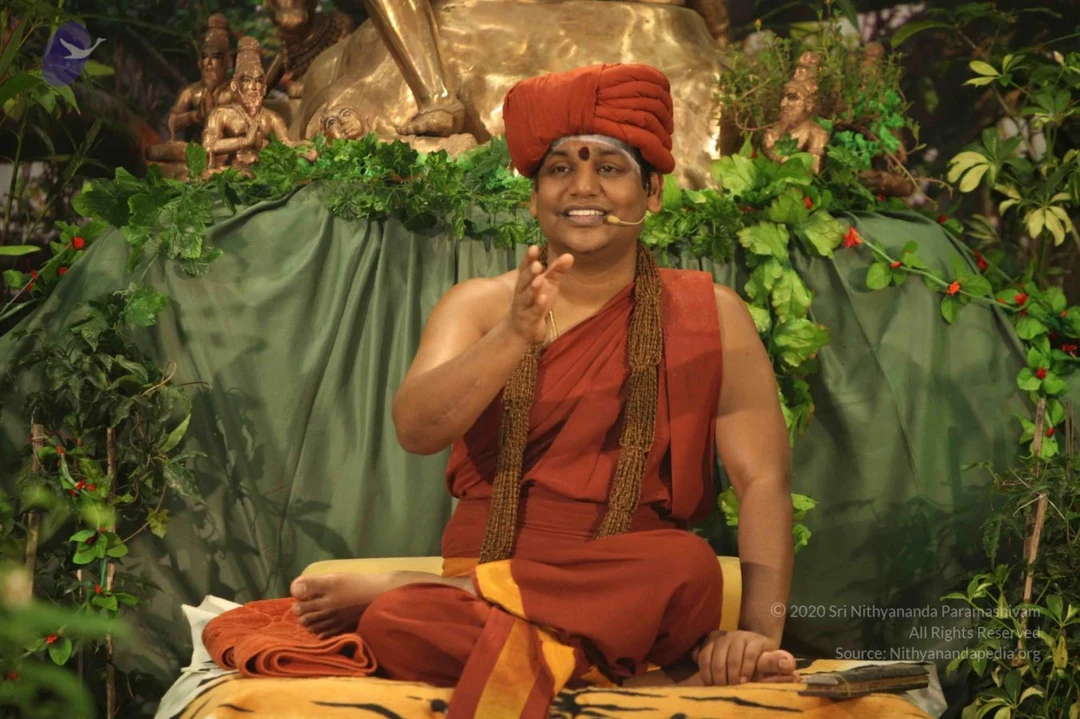
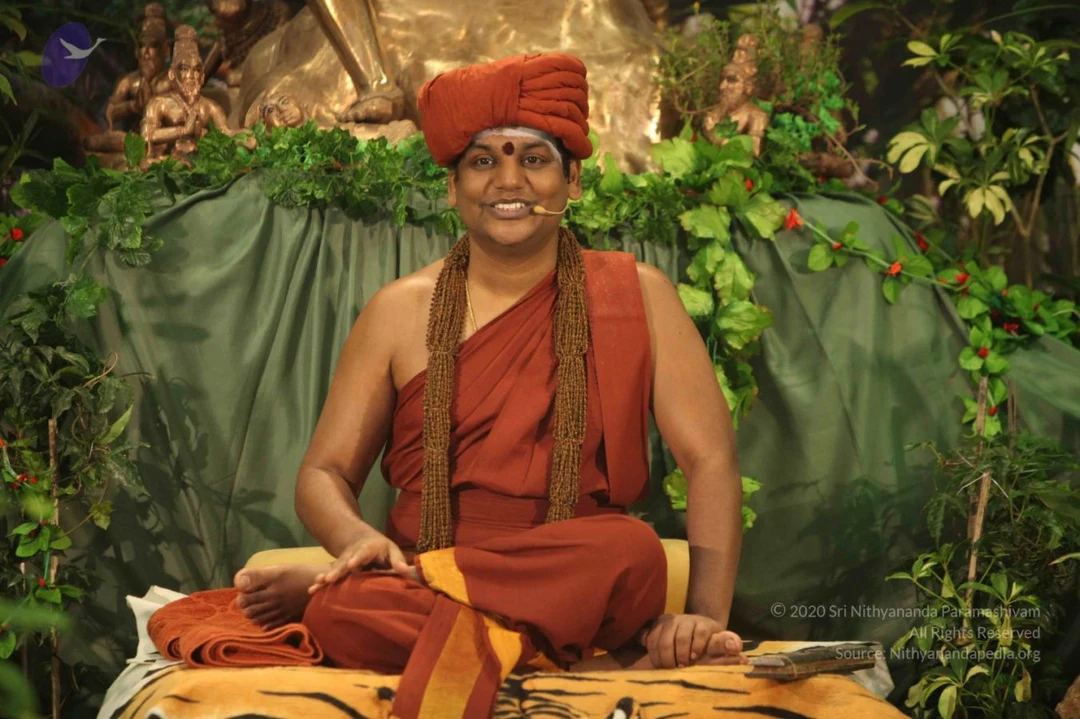
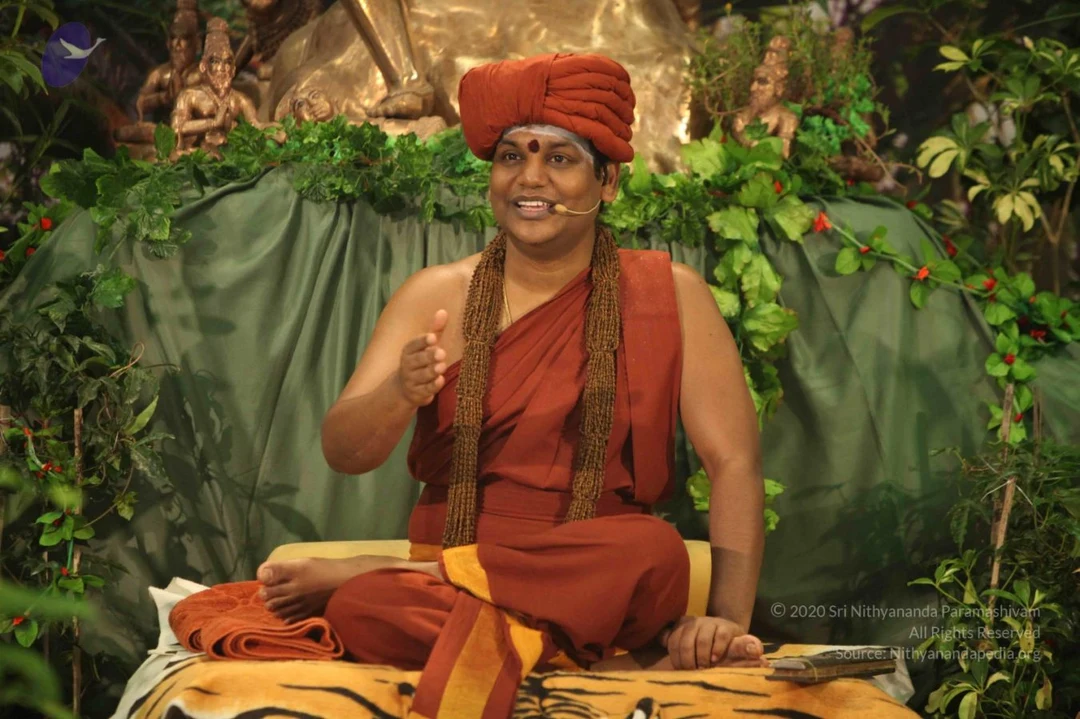
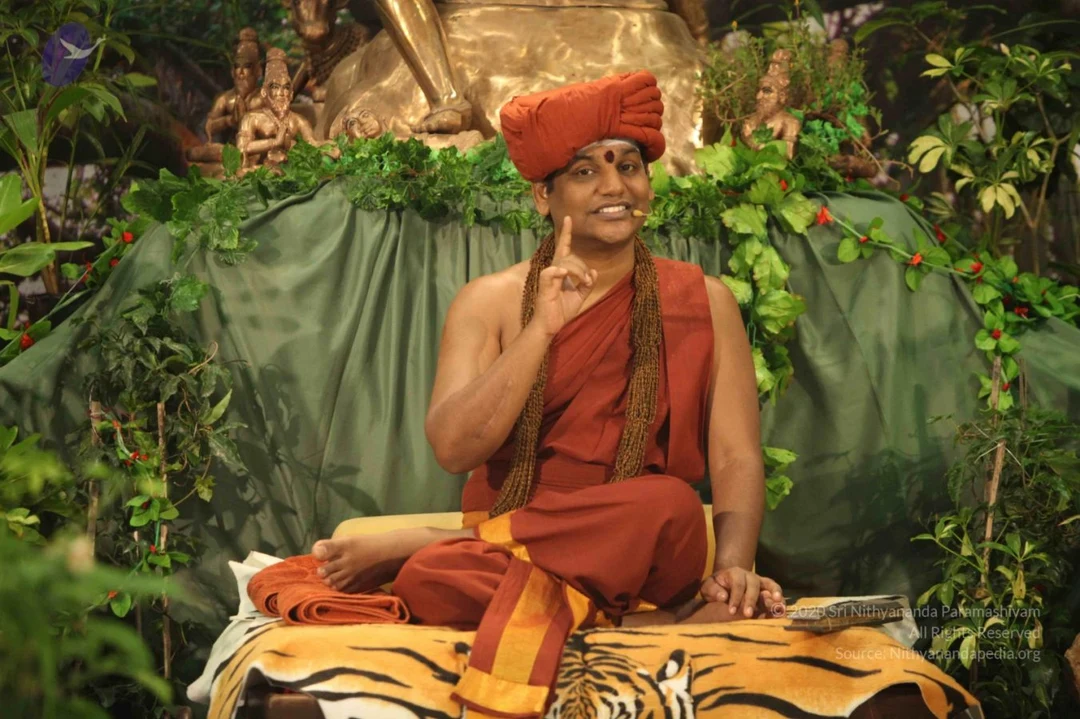
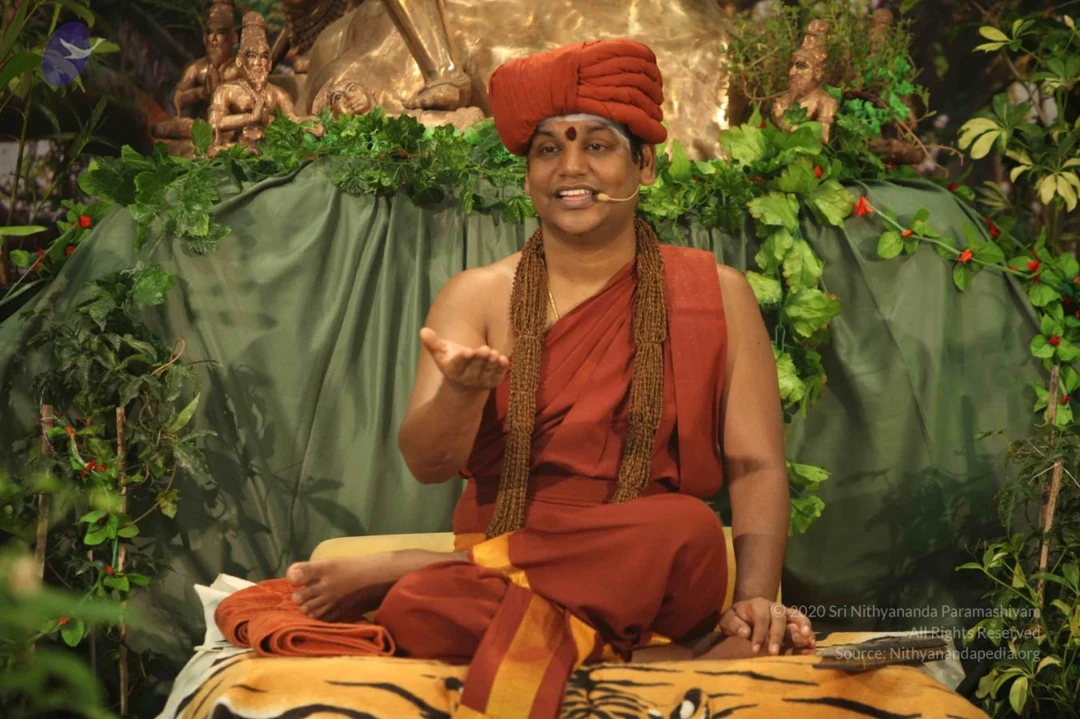
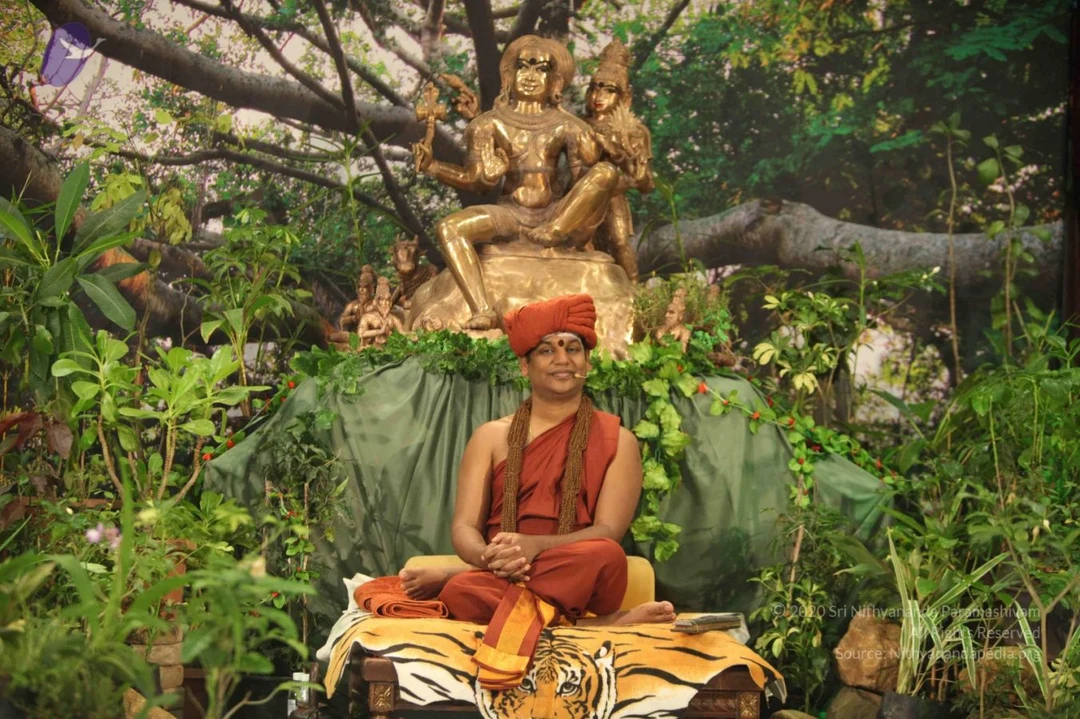
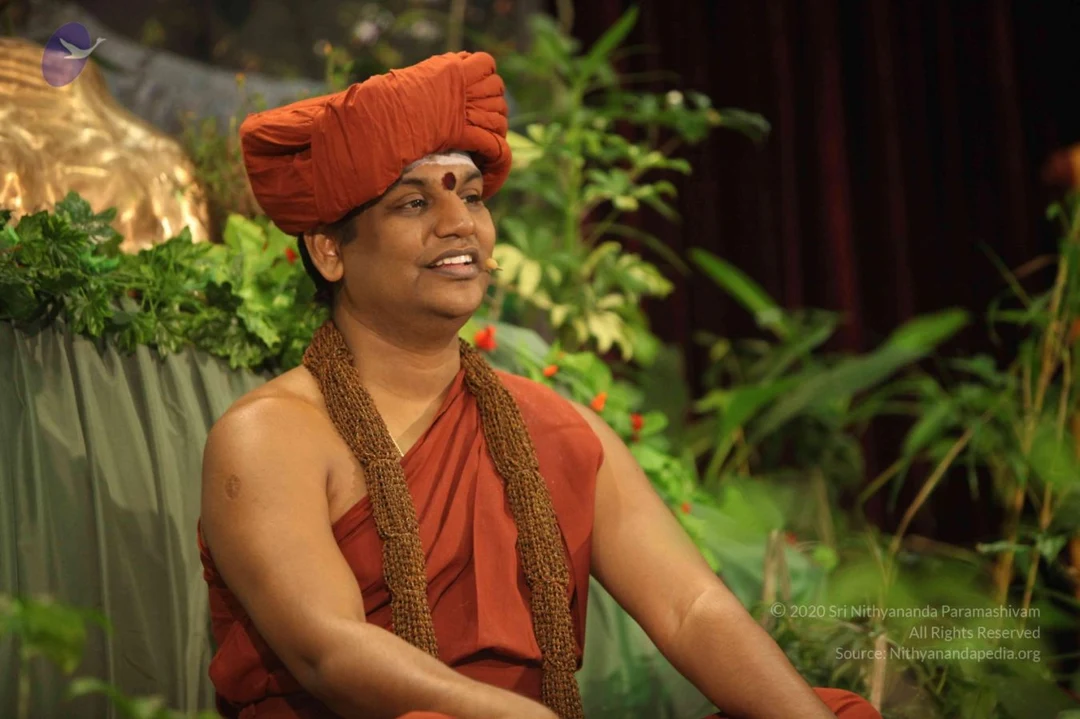
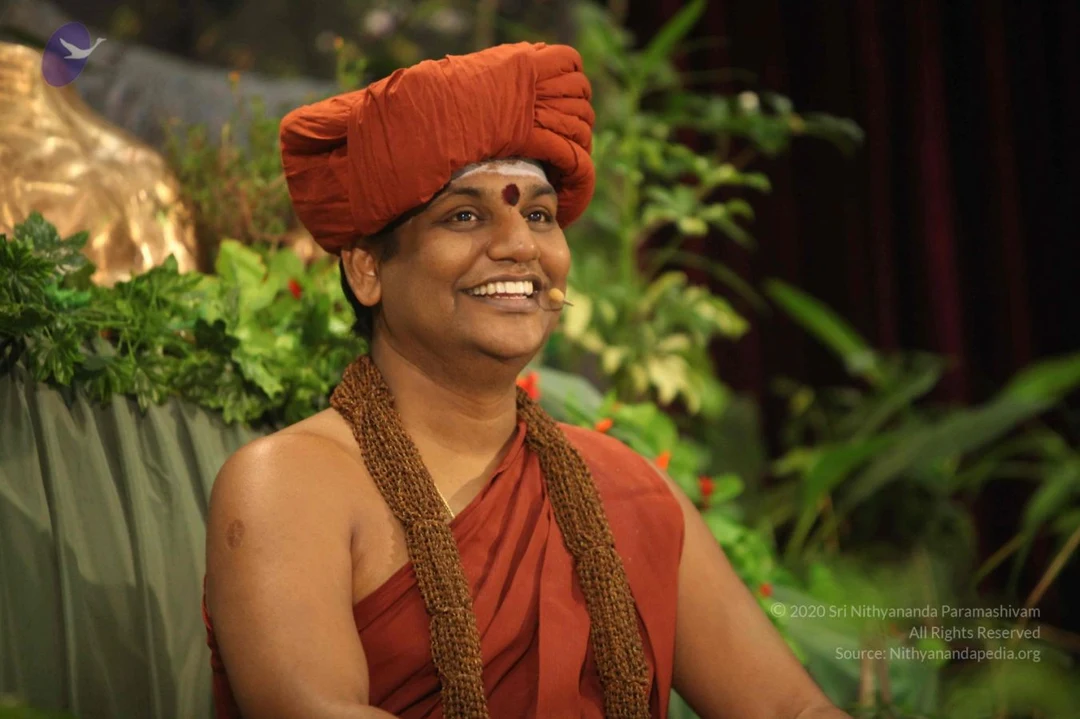
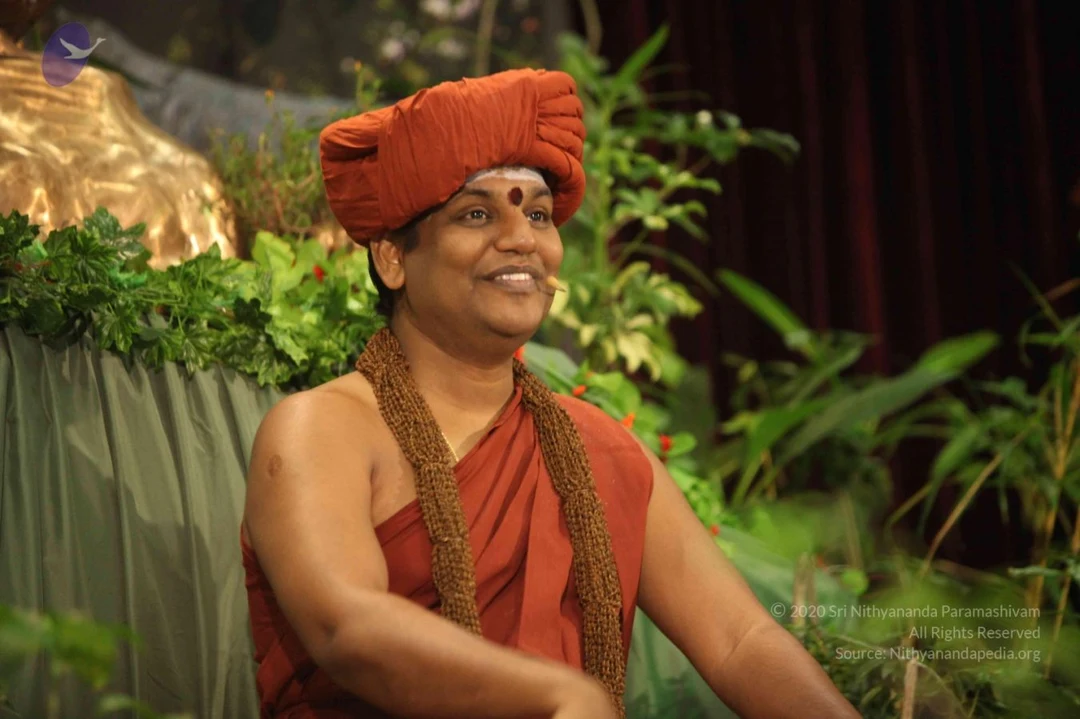
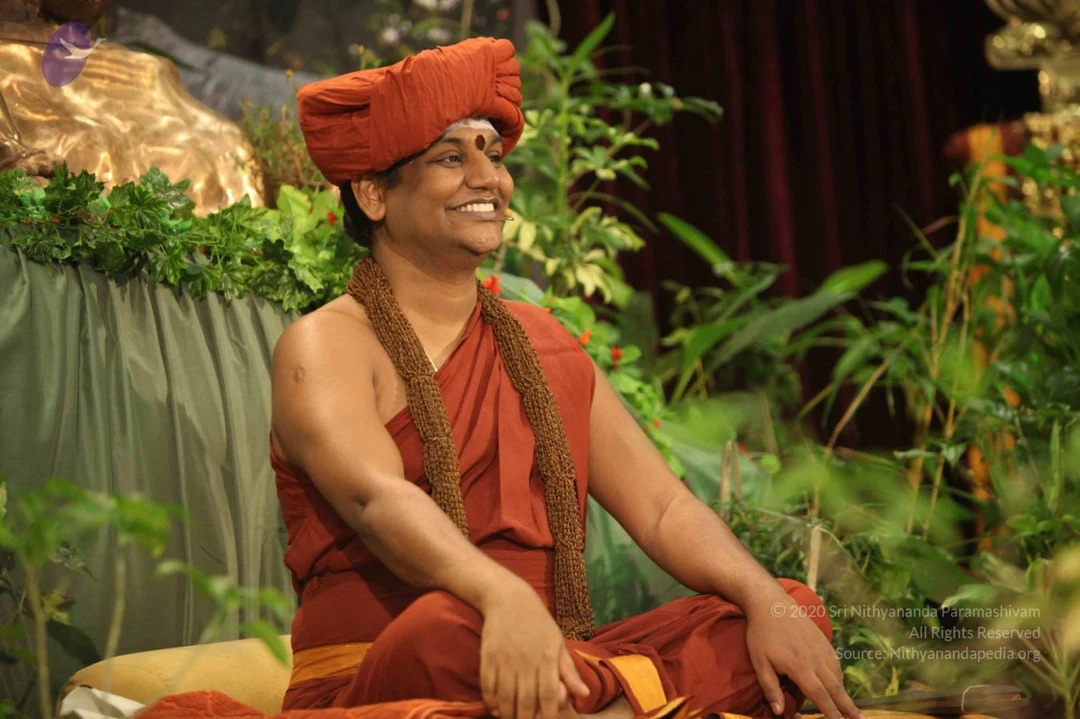
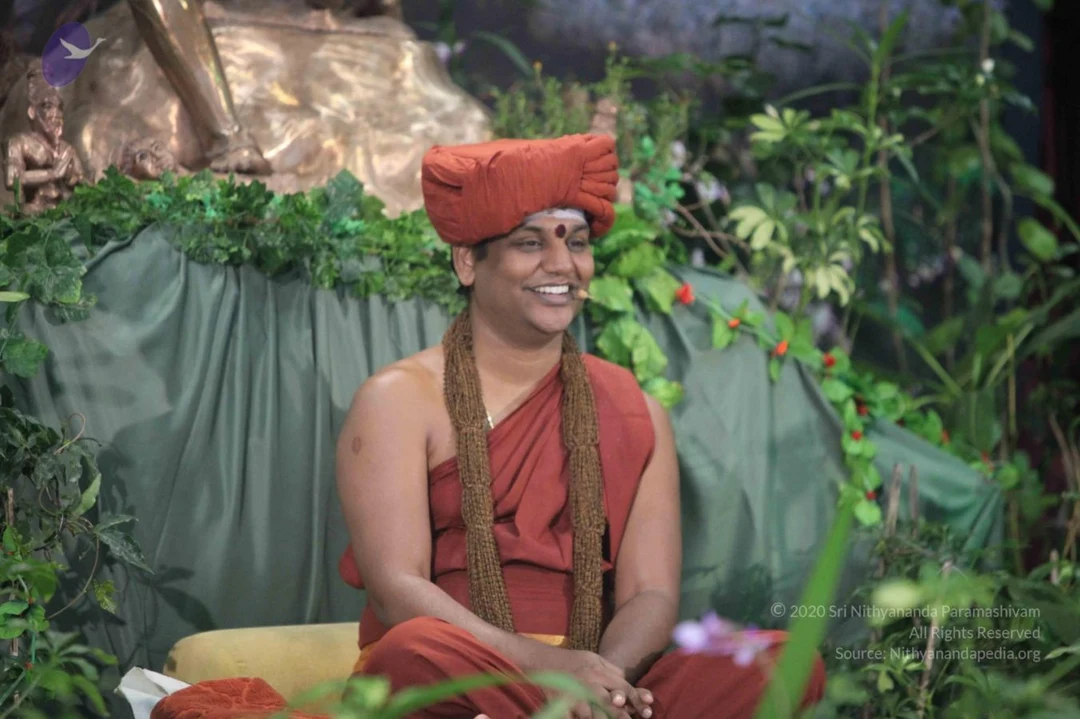
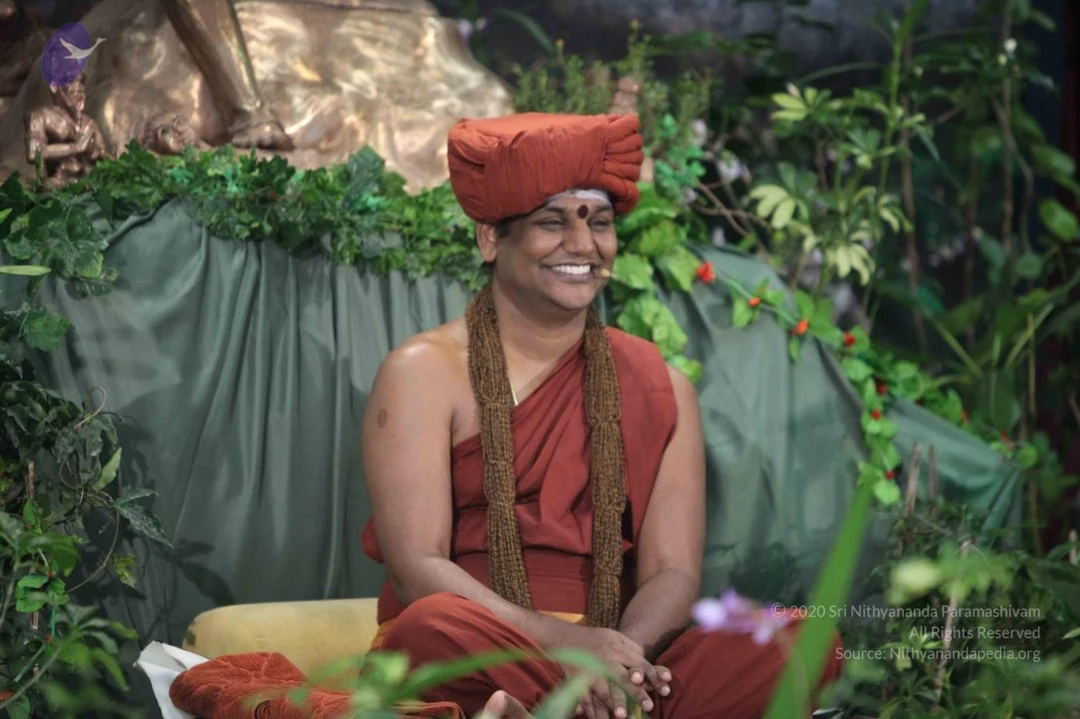
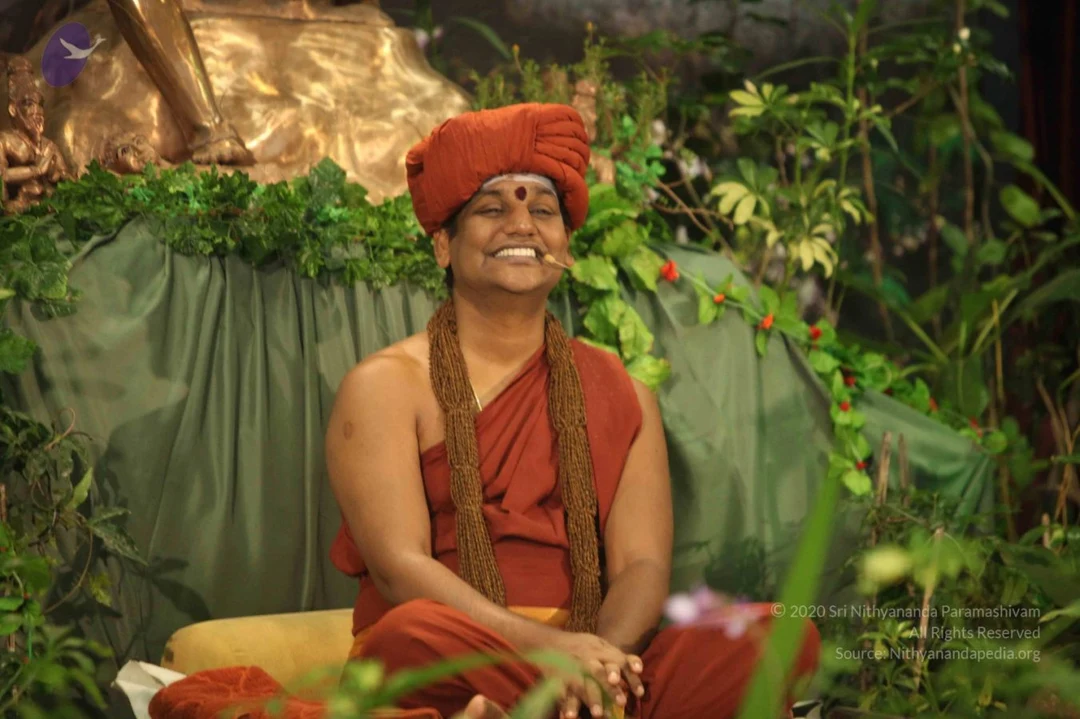
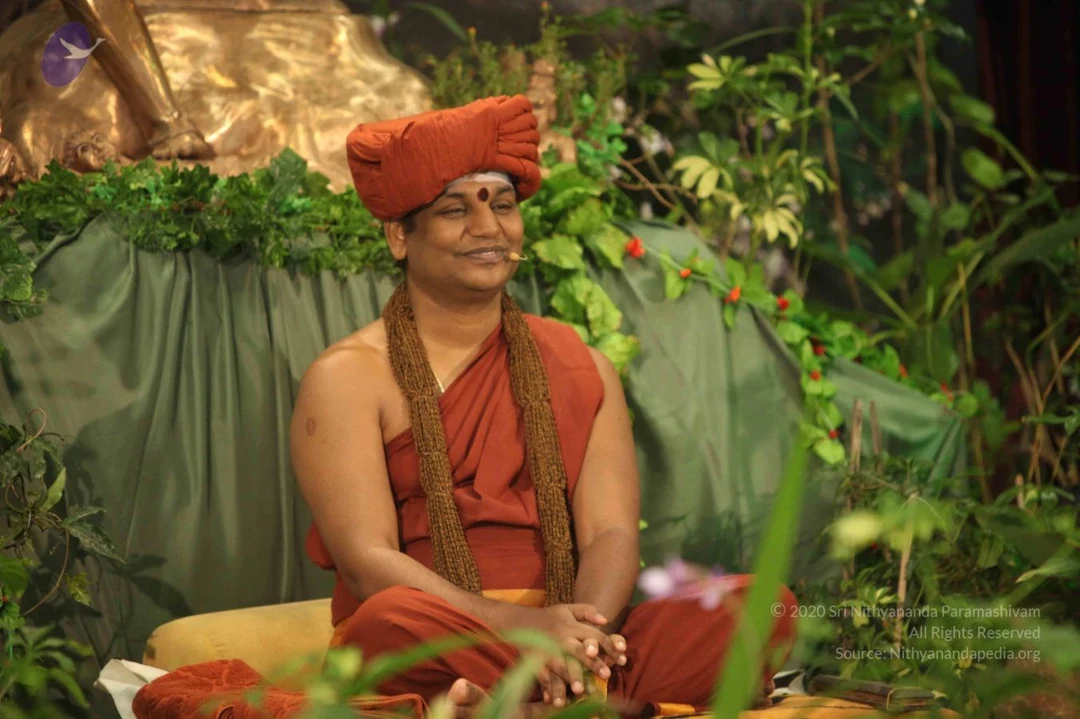
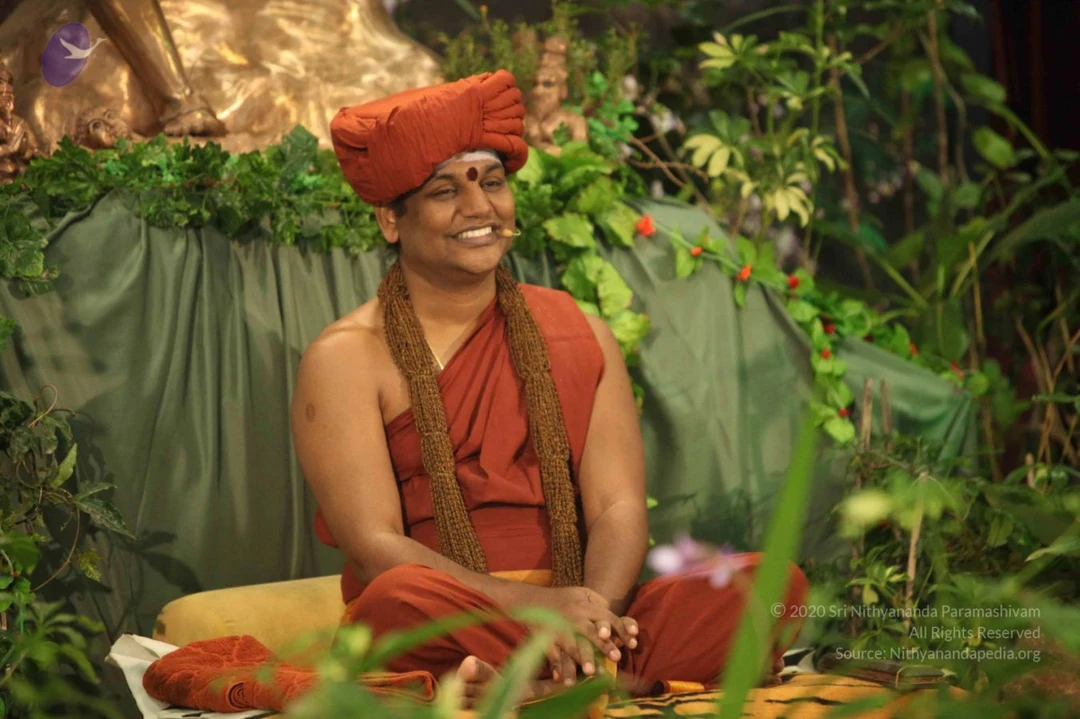
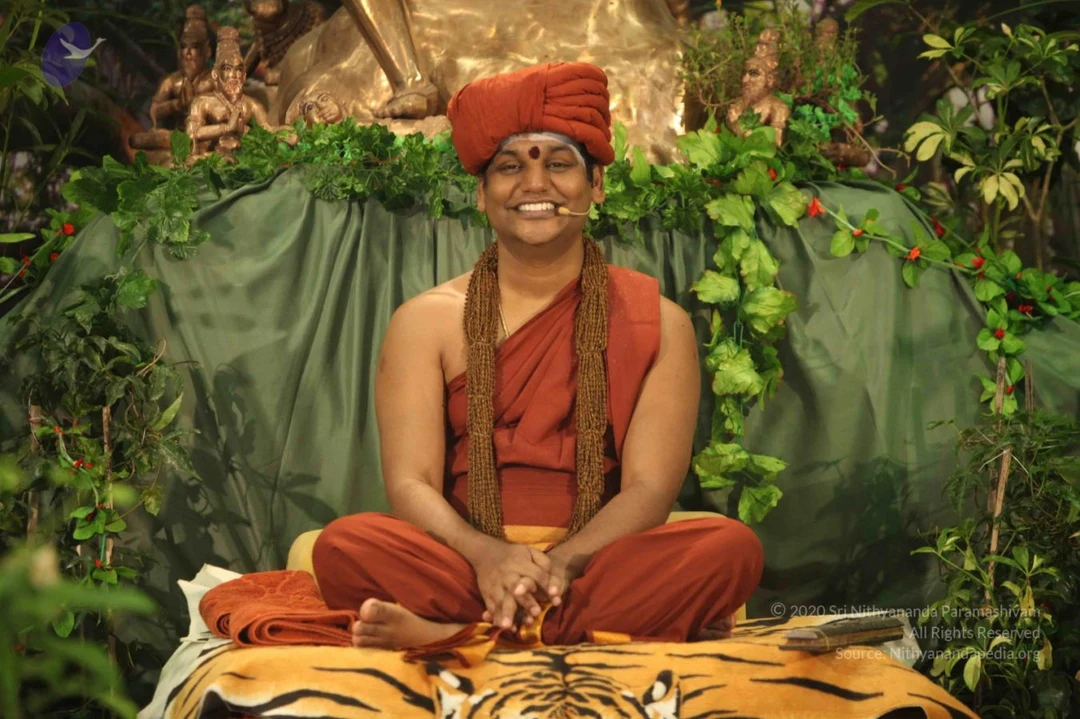
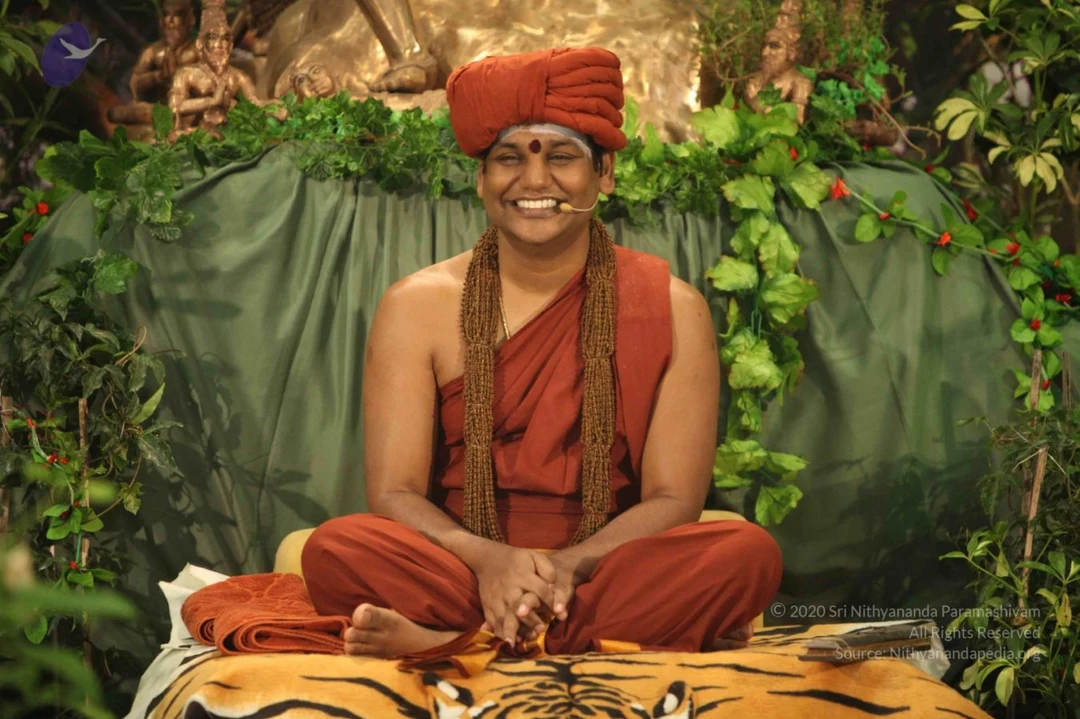
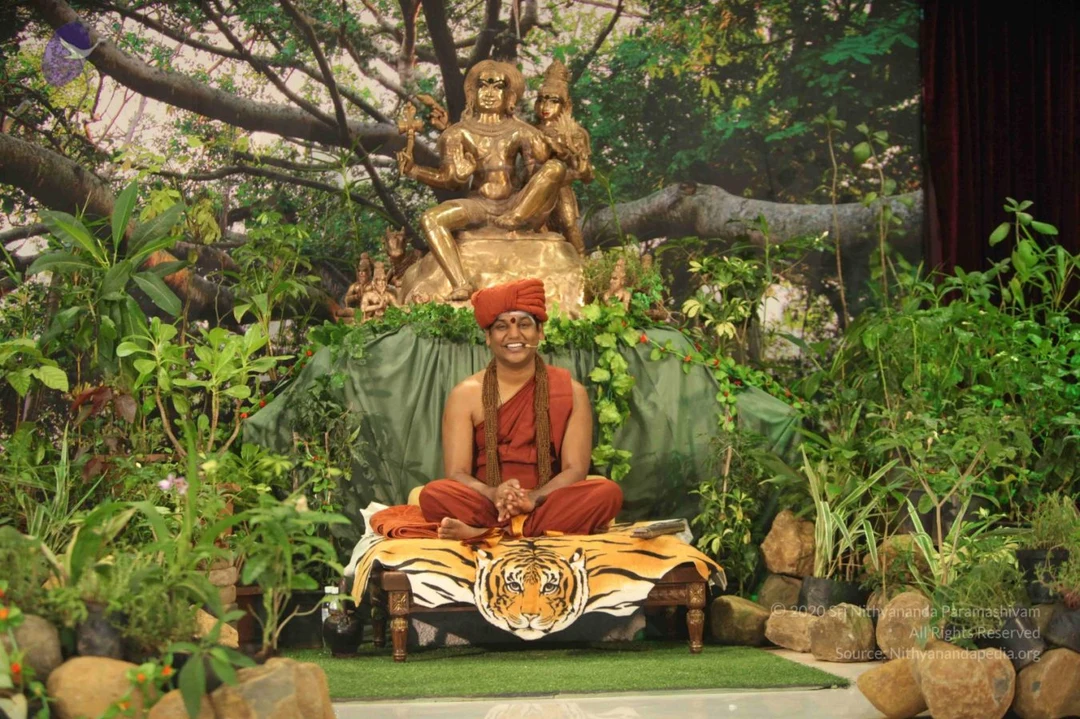
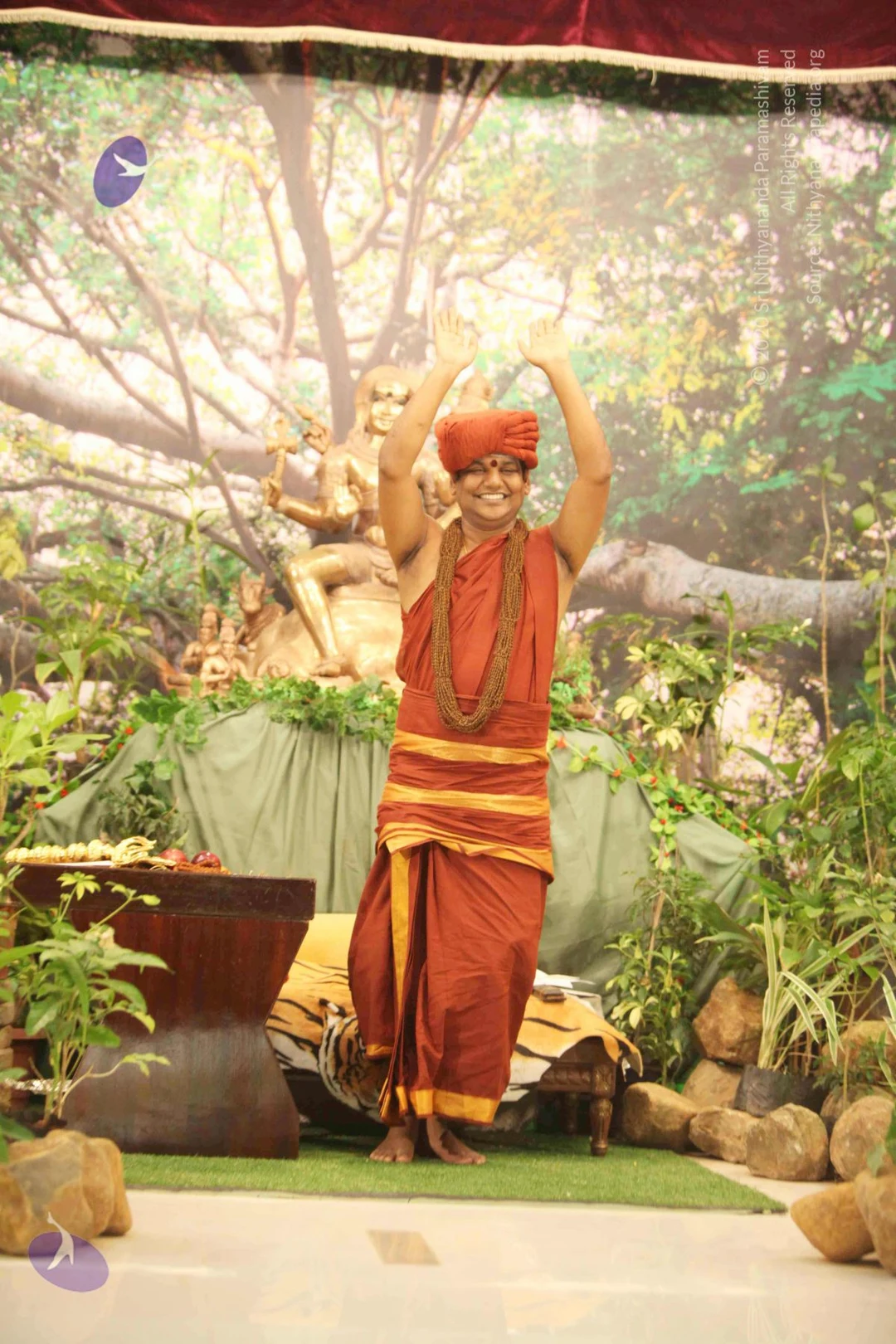
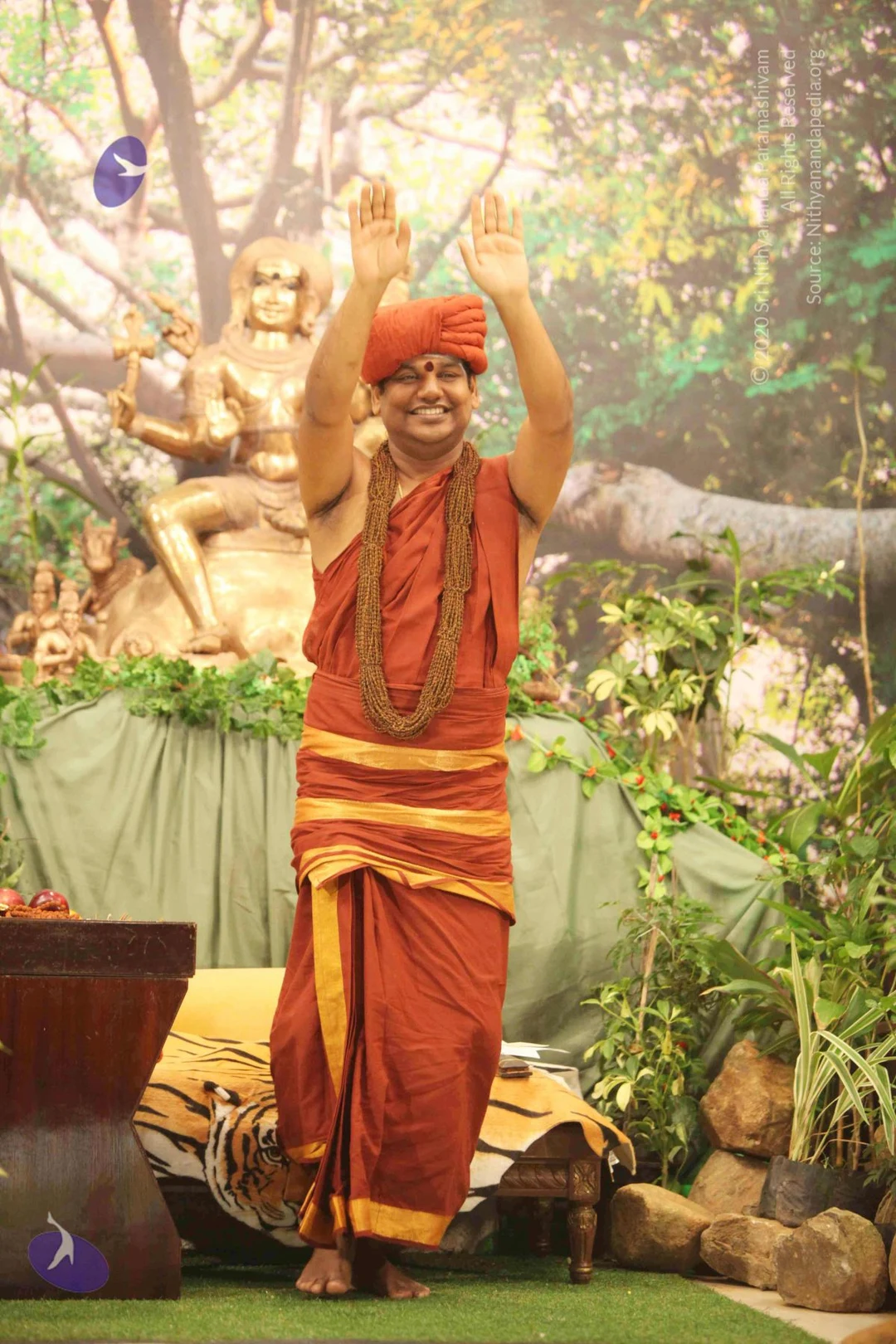
Nithya Satsang and Kalpataru Darshan



Nithyananda Times
FB-Photos-of-the-Day
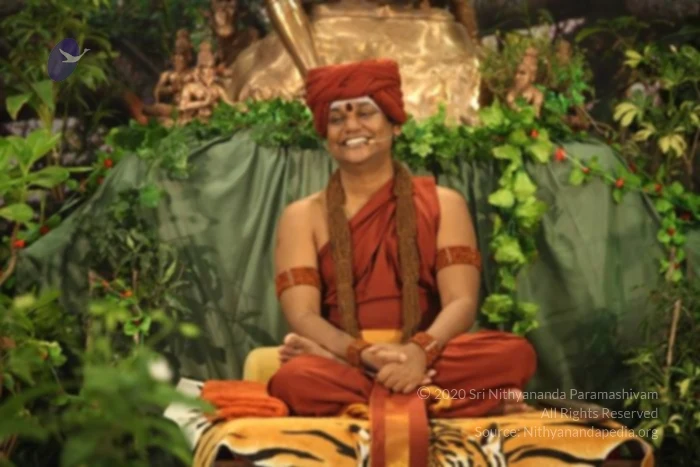
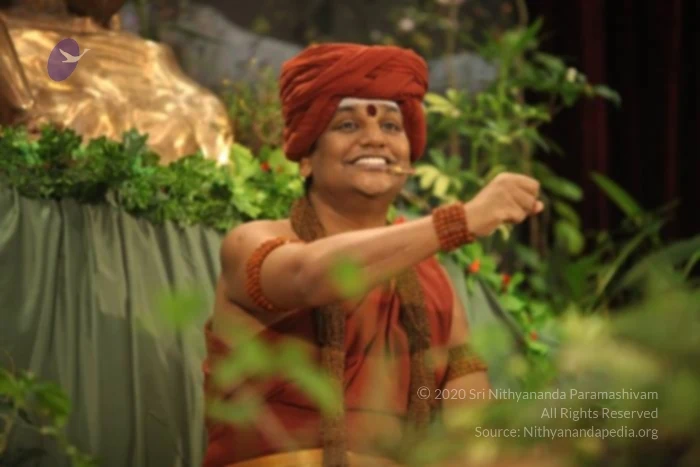
Photos from this day
View all 61 photosLink to Video:
9 photosSource gallery
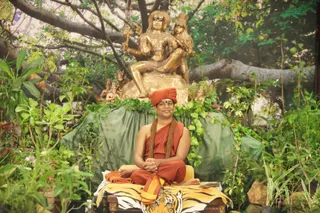
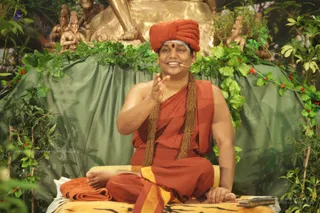
Nithya Satsang and Kalpataru Darshan
41 photosSource gallery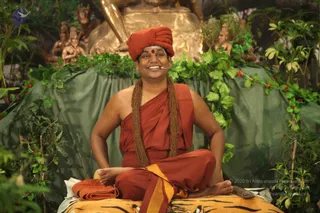
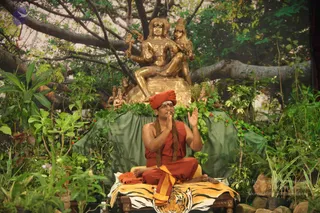
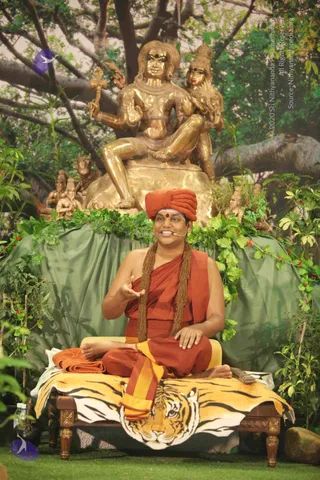
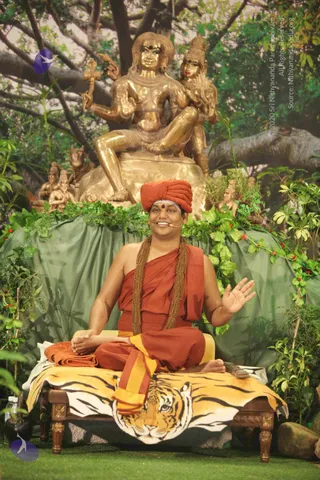
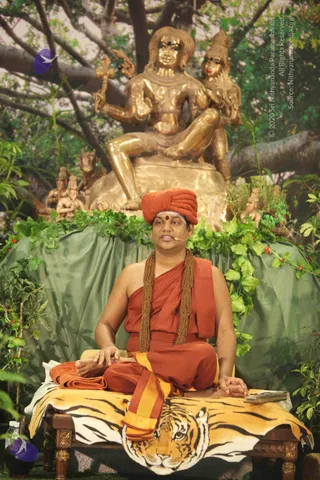
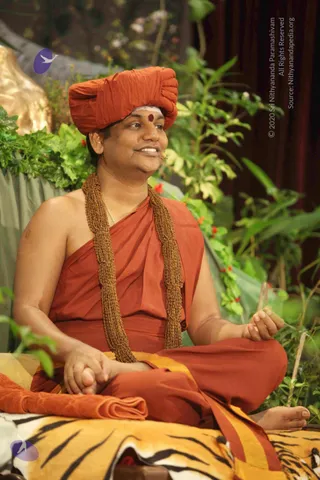
Nithya Satsang and Kalpataru Darshan
8 photosSource gallery

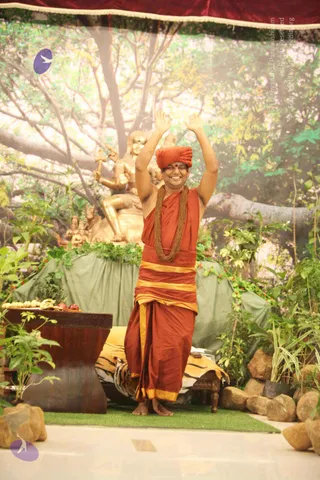
FB-Photos-of-the-Day
3 photosSource gallery