Friday
10 February 2017
Nithyananda Peetham, Bengaluru Aadheenam | Nithyananda Puja | Nithyananda Nija Pada Procession | Nithyananda Satsang
- Dated photos
- 340
- Source pages
- 1
- Media
- 4
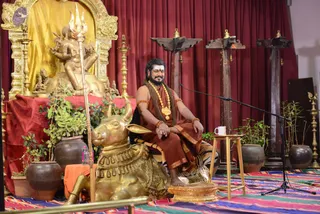
February 10 2017
Original wiki pageTitle
Nithyananda Peetham, Bengaluru Aadheenam | Nithyananda Puja | Nithyananda Nija Pada Procession | Nithyananda Satsang
Narration
In this beautiful discourse, Nithyananda reveals very good news: we are not final products as we are, we are seeds of possibility! "Even Sadashiva considers Himself as a seed; the greatest is still ahead of us." This means, regardless of the patterns with which we may think we are stuck now, or the difficulties we may face, we always have potential to recreate our lives as we want them to be. Swamiji tells us, when life is not going as we want, the only reason we haven't created what we want it to be yet, is that we haven't acted towards what we want. Fantasizing and acting are different; Existence responds to action. Powers manifest in us through Action! The only thing you need is the Will to break and rejuvenate your life!
Satsang Video:
| Video | Audio |
Transcript:
[00:23]
Nithyānandeśvara samārambhām Nithyānandeśvari madhyamām asmat āchārya paryantām vande guru paramparām I welcome you all with My love and respects. I welcome all the devotees, disciples, Sarvajna Peeta Yajamans, Satsangis, everyone sitting with us all over the world through Nithyananda TV, Facebook live and two-way video conferencing.
(01:19)
Listen. Some of the important things I wanted to convey today for which I came to the satsang. Human being is a great possibility. Listen. Human being, all of you are carrying that being; that being is a great possibility, a great seed you are carrying. The moment, listen, listen carefully. You are carrying a great seed, possibility; you are not an end, end product. The good news is, you can always manifest re-organize, re-do, re-invent yourself as you want. The moment you think, ‘This is the way I am, what can I do?’
Listen. The moment you think, “This is the way I am, what can I do?” You have become egoistic, the Aanava has started happening in you. You are not, this is the way you think you are. Listen. People will come and tell me “What can I do Swamiji? I have so many patterns I wanted to break but this is the way I am”, No! You fantasized about breaking, never wanted to break. Fantasizing about completion and doing completion is totally different. You always fantasized about becoming new being, because you see the way the new beings radiate. You have an idea how it'll be— butterfly in the stomach, rose in the heart, light in the eyes. You have an imagination, you have a fantasy, but you never worked for it. You never acted for it.
(03:49)
Understand. Action manifests Shaktis. Acting towards what you want, manifests Shaktis. First thing you need to know, you are not a sealed, complete product as you imagine. No. You are a seed, means - you need to open up, sprouting need to happen, plant need to grow, the bio-memory, muscle memory with which you're programmed need to flower, the branches need to grow, the leaves need to come. “Ooh, I'm already old and tired. How can anything more happen to me? How can anything new happen to me, where is the new life?” That is what I call Aanava , the moment you decide ‘where is the new life for me’, there is no new life, the Aanava surrounds you.
(05:07)
Every situation, understand, every situation brings only new life to you. Just because you got a billion dollar in lottery and you're going to move to a palatial bungalow, you can start crying, “Oh this small house has been snatched away from me.” Fool. I’ve seen people, I've seen people crying. I’ve seen people crying, when the great transformation happens to them for which they were waiting. They were waiting to have a palatial bungalow. They won the lottery, now their bungalow is ready. “I would have been really, really happy, but I should move, I should have moved to the bungalow from here after the mango season is over, this mango tree is here, and the mango season is going on, it would have been so nice if I had lottery after the mango season, and then...” 😃 Look in. There are many times continuously, what for you have been praying, waiting, when that opening happens, suddenly you're not okay for that opening. You are trying to hold on to the old. Tasting the old, tasting the boredom - tasting the old, tasting the boredom, taste for anti-life.
(07:18)
I should tell you, biggest enemy in your life is taste for anti-life. Break, every time you go through anti-life taste. Every time when your mind is trying to tell you, “This is the way I am, what can I do, how can anything move, what can anything happen?” No! You are not yet end; that’s a good news. You are only a seed. As long as you consider, ‘you are only a seed, you need to manifest’, you are Sadashiva. Because, understand, Sadashiva constantly considers Himself as a seed which need to manifest, yet to manifest, yet to manifest, even after manifesting this whole Jagat. Even after manifesting this whole Jagat, making all the human beings walk straight, developing the most subtlest brain grooves. Still He comes down to make you manifest all the powers, to push you to the next level.
(09.05)
One of the biggest crime you have done is exclusion. Means, when you were in the forest as monkeys, in the snow as bears — you had the capacity to grow your organs, skin, body, as you want, as per the situation you are put in. But the moment you started developing the system of saving yourself from the nature, through the artificial items like a wall, air controllers, heaters, coolers, shoes, fur coats, you excluded those abilities from your life. Exclusion is one of the biggest crime human DNA has done to itself. I have come down to teach you inclusion.
(10:24)
I am giving you one example of exclusion… I can give you one thousand. When you lived without artificial lights you had the ability to see through sun, moon and fire. Means day and night you were able to see, perceive. As long as you lived with nature without artificial lights, your ability to see during the sun or the moon or the fire, or without any of that, was extremely powerful. But the moment artificial lights happened, you excluded, that power from you. Through these exclusions, through these exclusions, you lost many things. You lost lot of things physically, mentally, psychologically, spiritually. Exclusion made you lose lot of things. Exclusion is death. Inclusion is life. The thought current, “This is the way I am, what can I do? I don't know what to do, I can't do anything” is source of exclusion; from there starts exclusion. Even Sadashiva considers himself as seed. The great possibilities are ahead of us, in front of us. The great possibilities are ahead of us, in front of us. We just need to open up. We just need to put time and energy towards it.
(13:11)
Understand. For anything, if you put your time and energy that will become reality. If you put your time and energy for your depression, that will become reality. If you put your time and energy for your manifestation, that will become your reality. What for you put your time and energy that will become reality. I am committed to your Sadashivoham. Understand. You are a possibility, seed. You can always redesign and develop the life you wanted. You can always manifest the life you wanted, you can always bring up the life you wanted. You can always awaken yourself to the reality you wanted. Understand. Considering yourself as person bound with patterns and impossibilities is Aanava. That patterns are called Kanma. If you say, ‘I don't know how to get rid of it’ is, Maya. Considering yourself as bound is Aanava. What you think binds you is Kanma. If you think you don't know what to do to get out of it, it is Maya. Listen. Only thing you need is Will; Will to break it, redesign your life, rejuvenate your life. Will, Will, Will, Will to break it. Will to break what you consider as patterns, will to break what you consider as sufferings, will to break what you think as patterns.
(16:38)
Essence of what I wanted to tell you all, through today’s satsang: you are not a complete product. You are only a seed. Second, you can break in all the things you are stuck. Third, you can rebuild your life newly, manifest what you want. Fourth, all you need is just your Will, Will, Will. Don't be just floating, dead straw. Stand, with a tremendous strength and willpower like Sadāshiva’s Trishul. Even Sadāshiva’s Trishul is just one dead bamboo. But, because it is held by the person with will, it becomes Trishul. This whole science I'll expand on the Kalpataru program this weekend, this weekend Kalpataru program I'll expand this science. So let's start the power manifestation sessions. The Sadhana spiritual practice for manifesting Sadashivatva and experiencing Sadāshivoham for Sadashivaratri. The amazing possibility Sadashivaratri is coming, let's start manifesting.
So with this I bless you all, let’s all radiate with Integrity, Authenticity, Responsibility, Enriching, Causing, Living Shuddhadvaita Saivam, Sadāshivoham, The eternal Bliss, Nithyananda, Thank you, Be blissful.
(19:15)
Oneness Capsule Video:
Photos
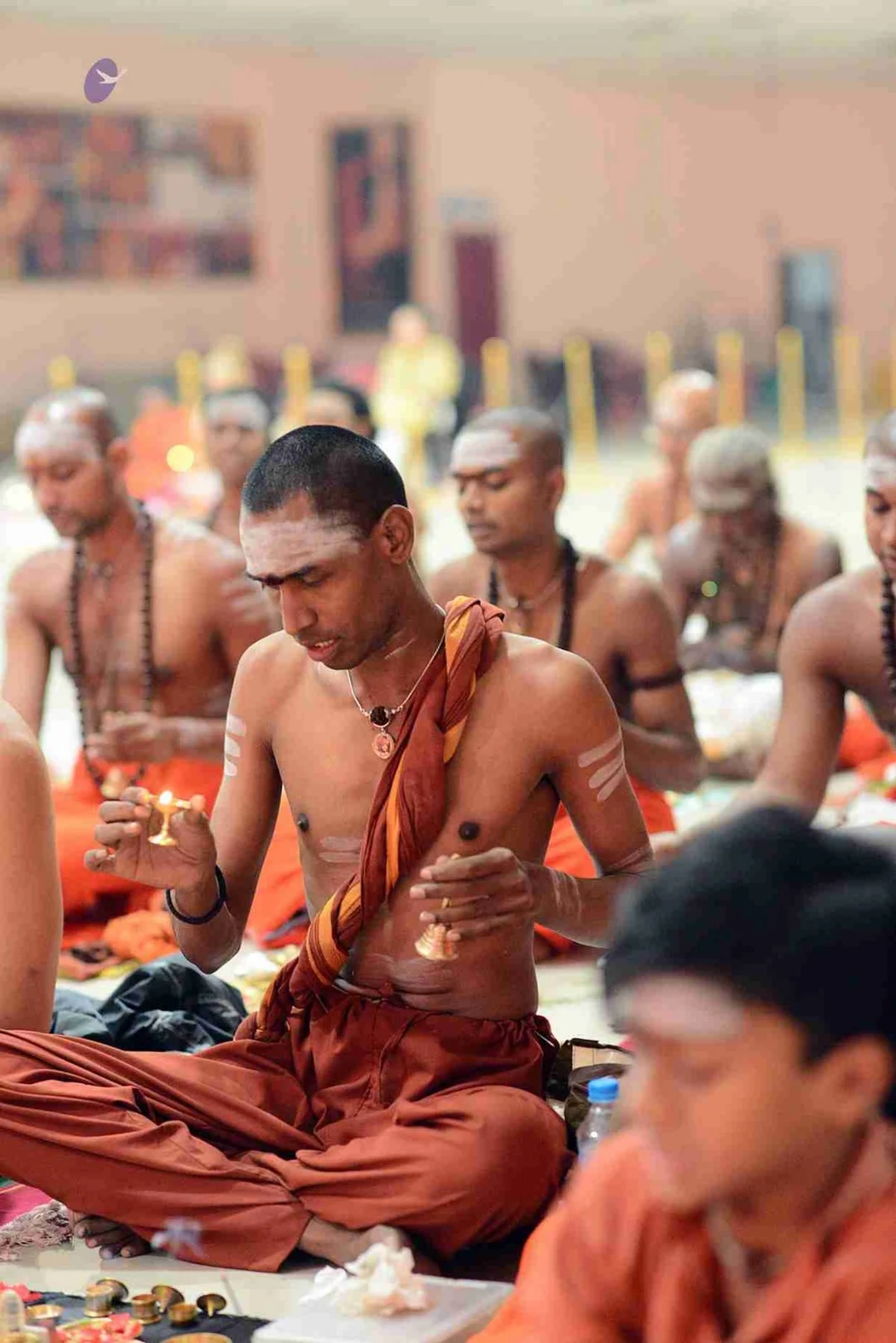
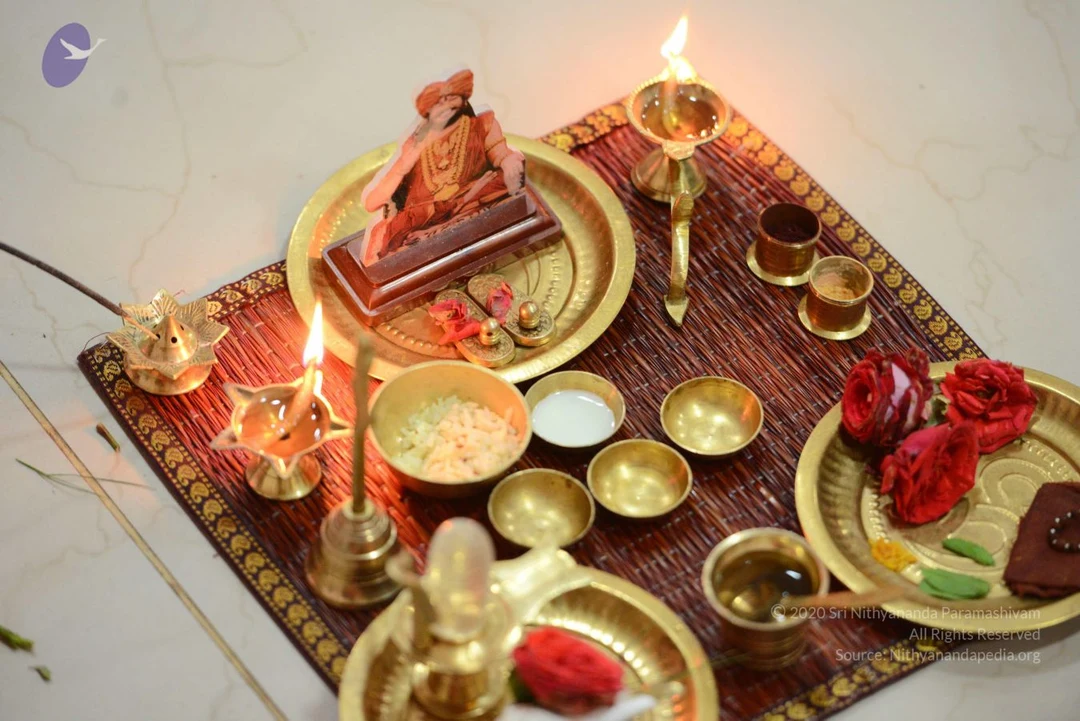
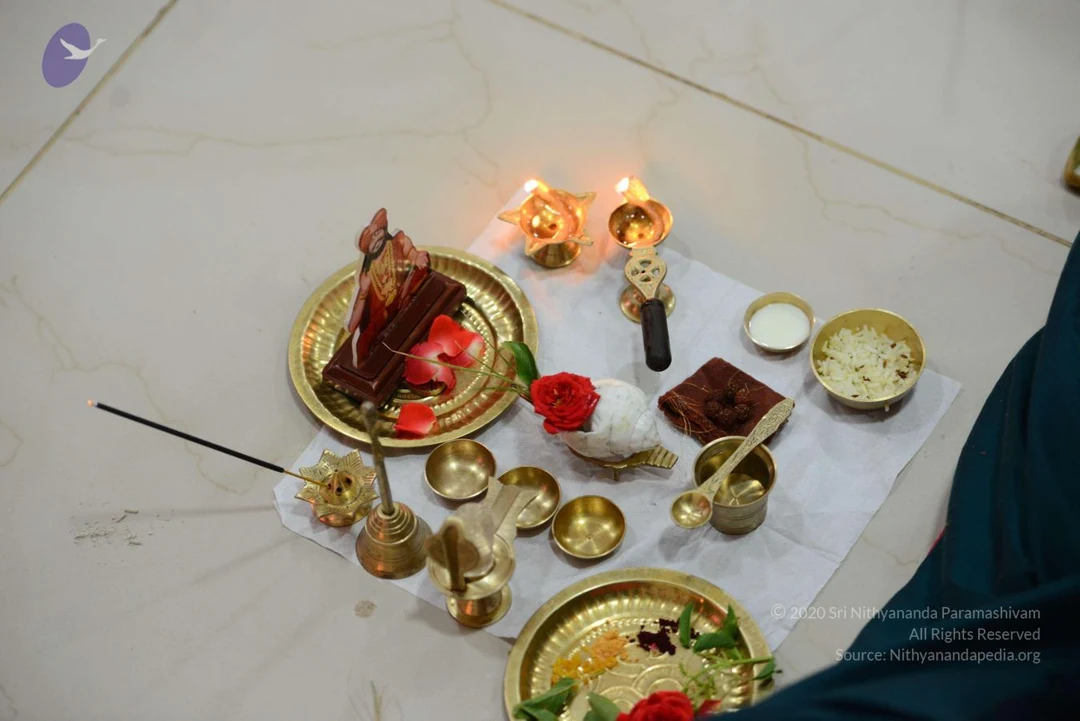
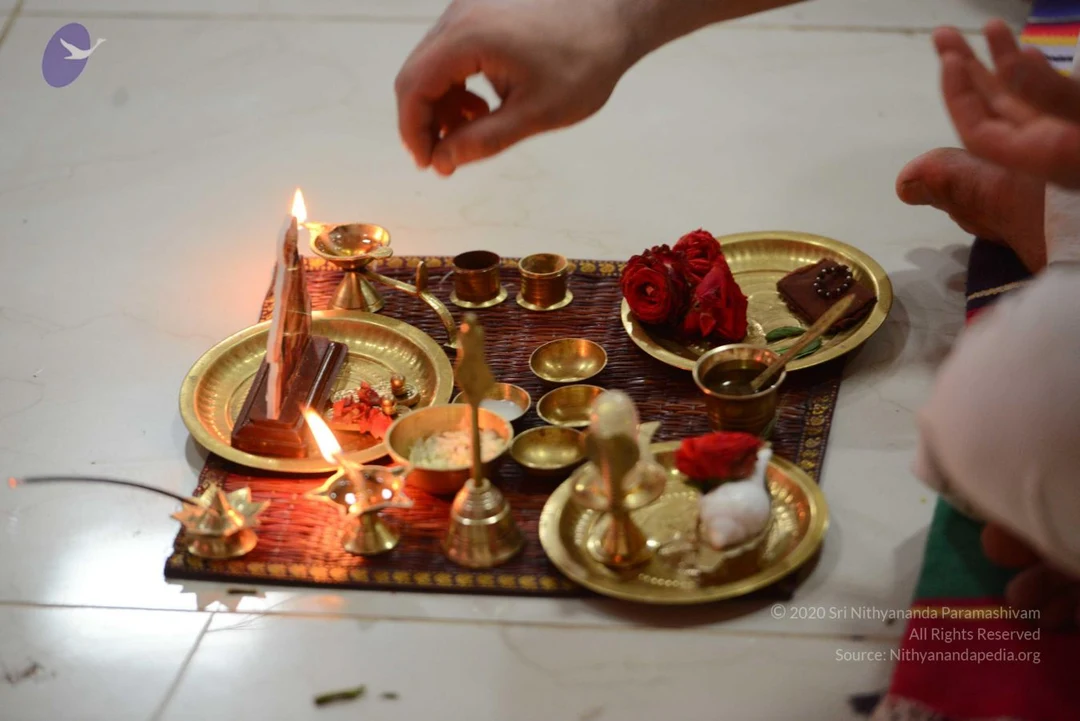
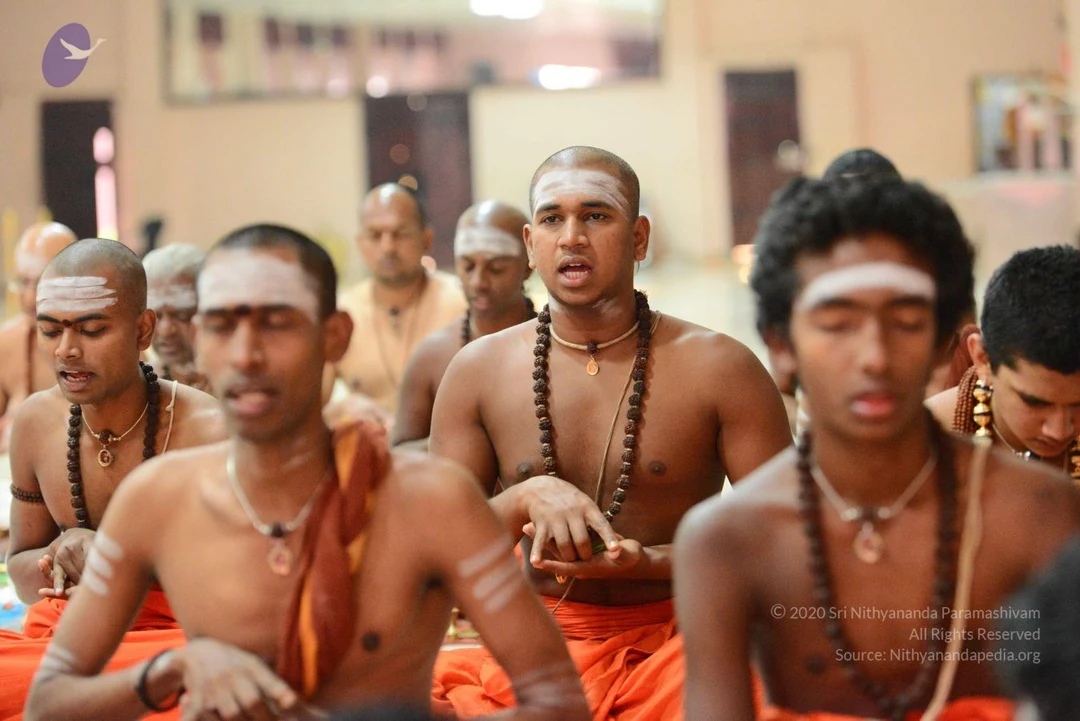
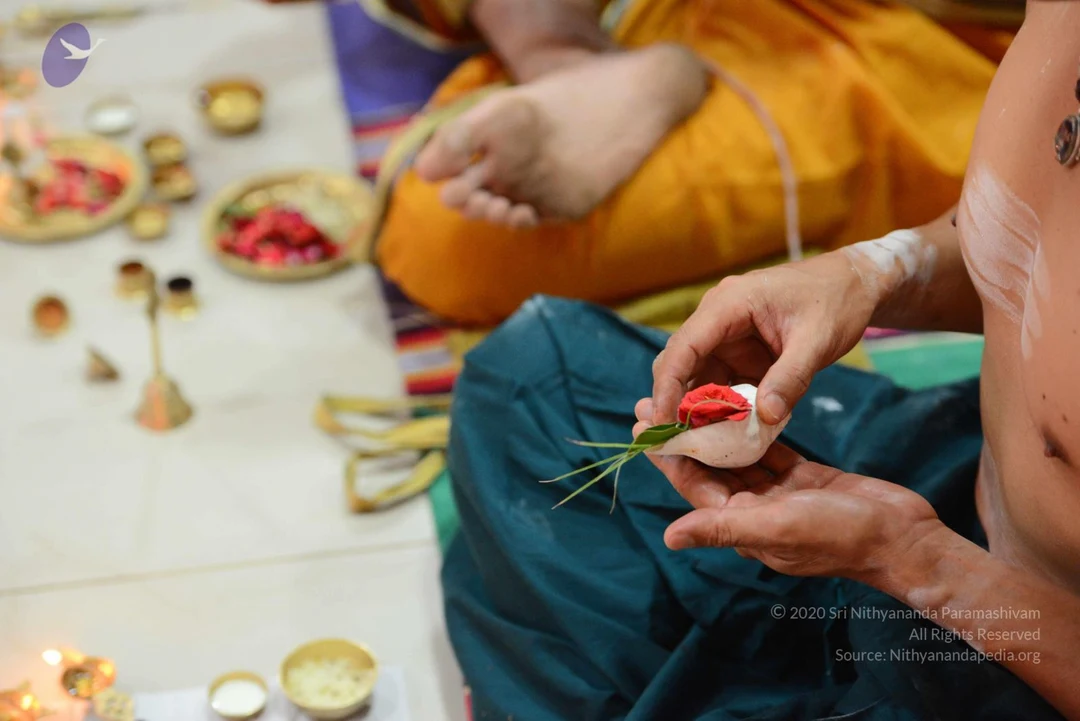
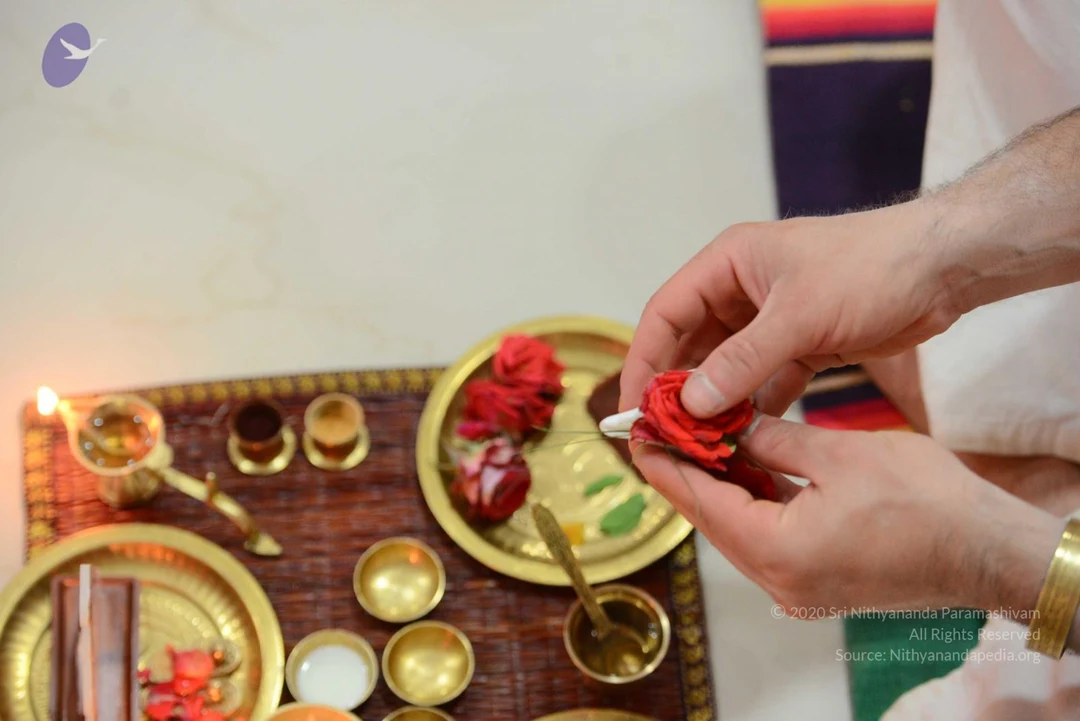
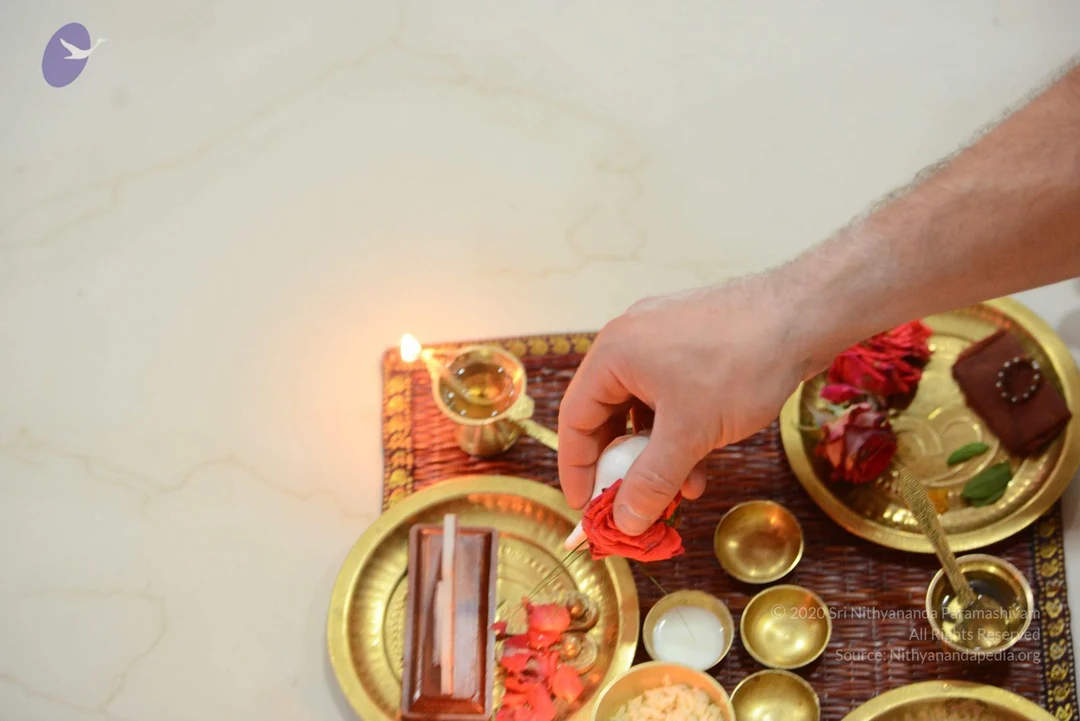
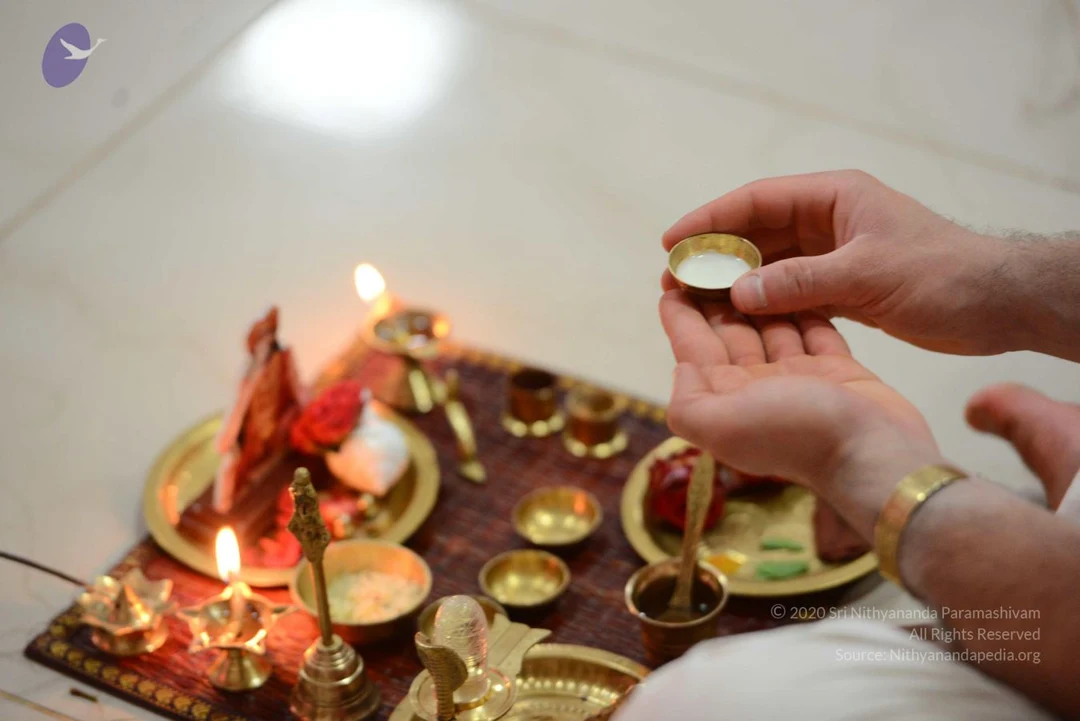
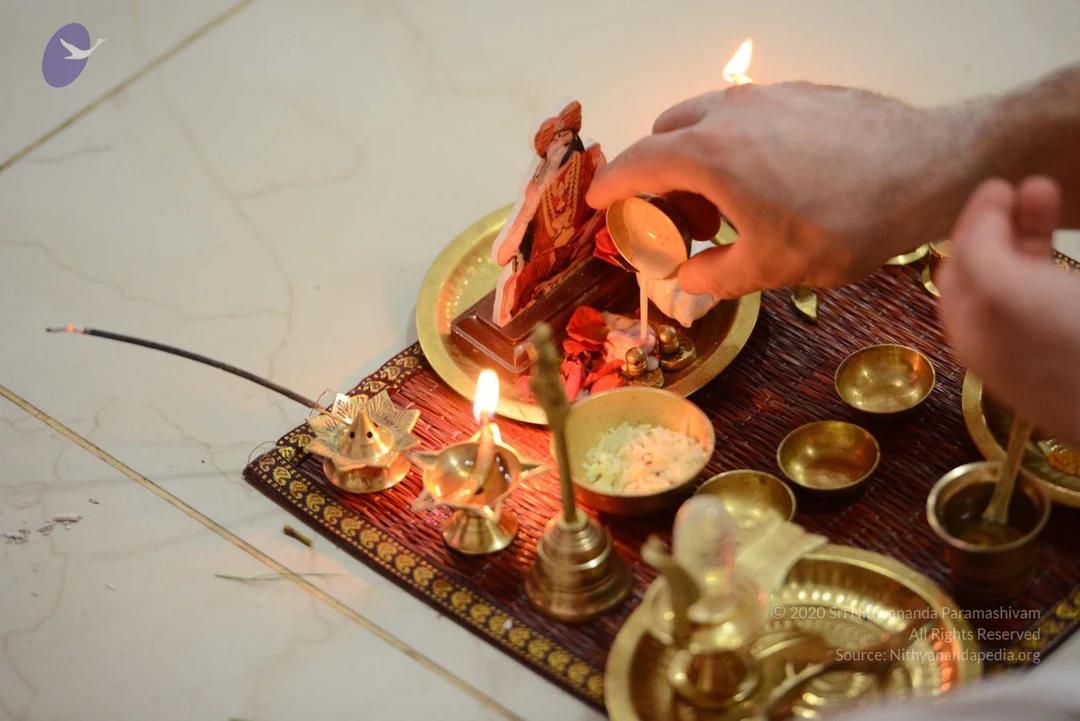
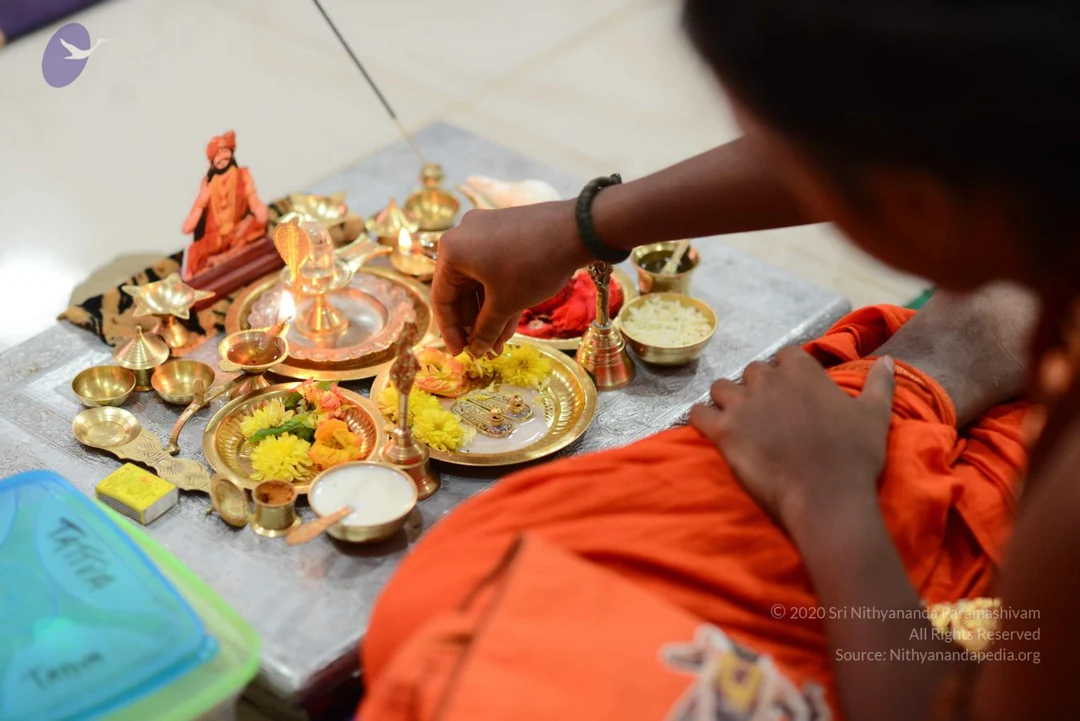
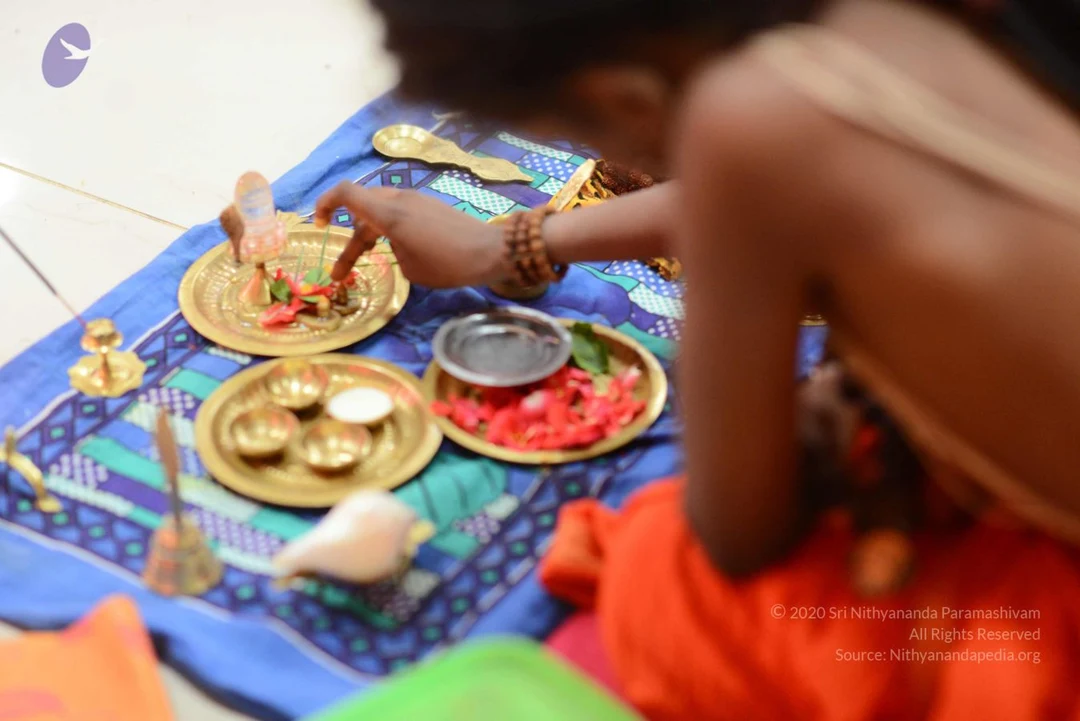
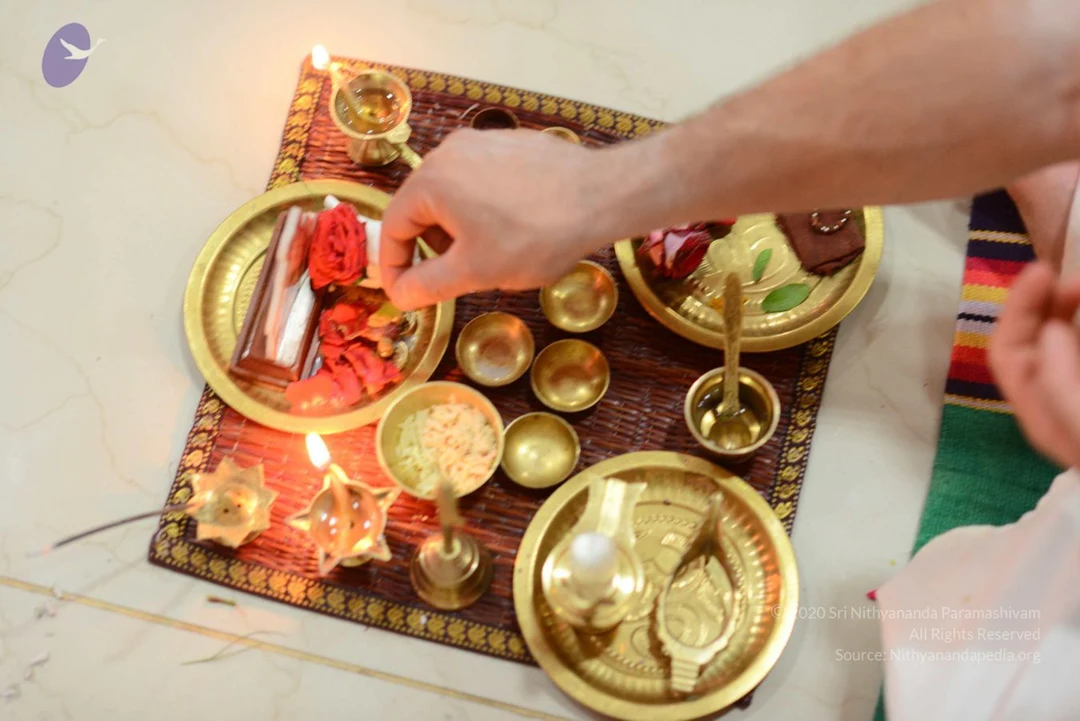
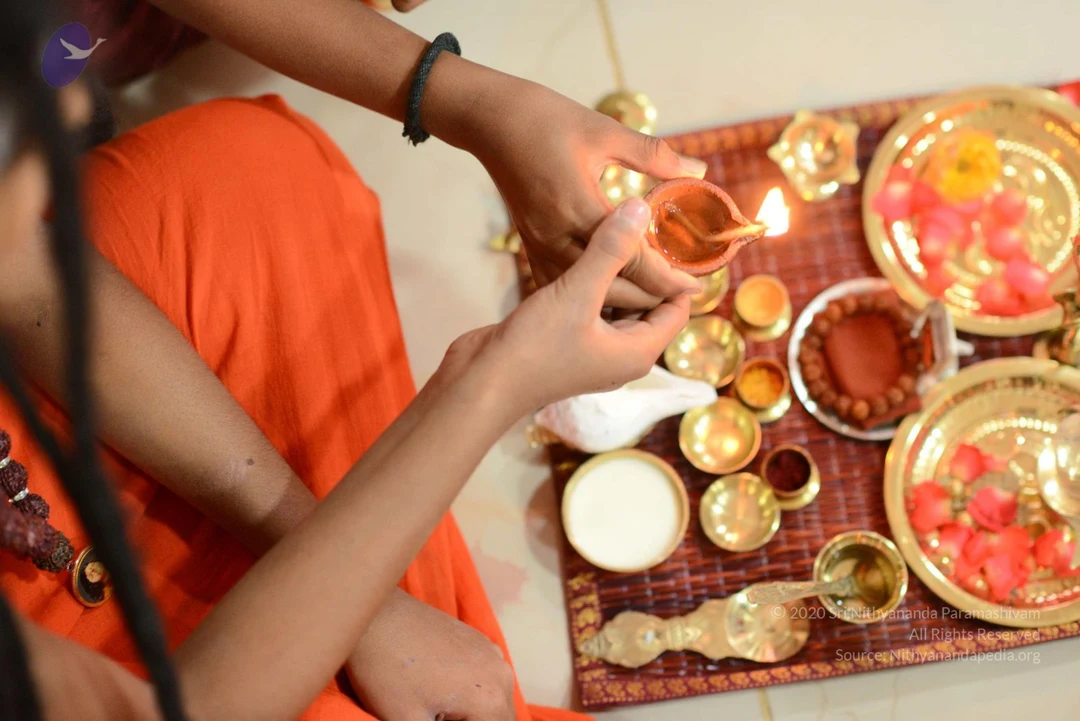
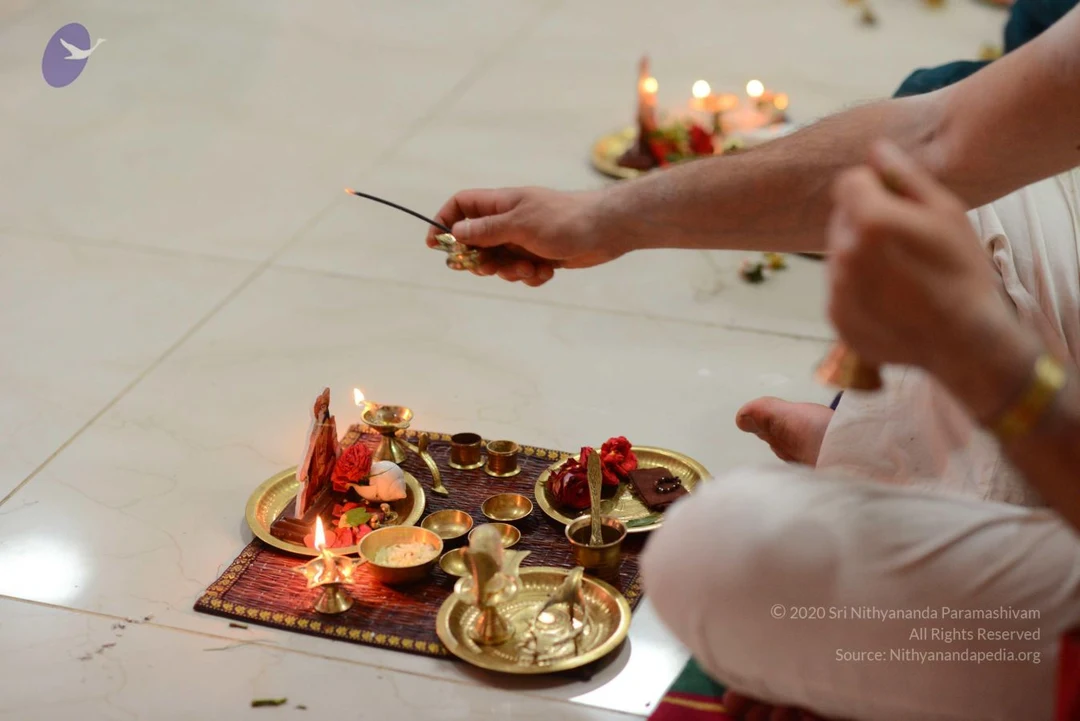
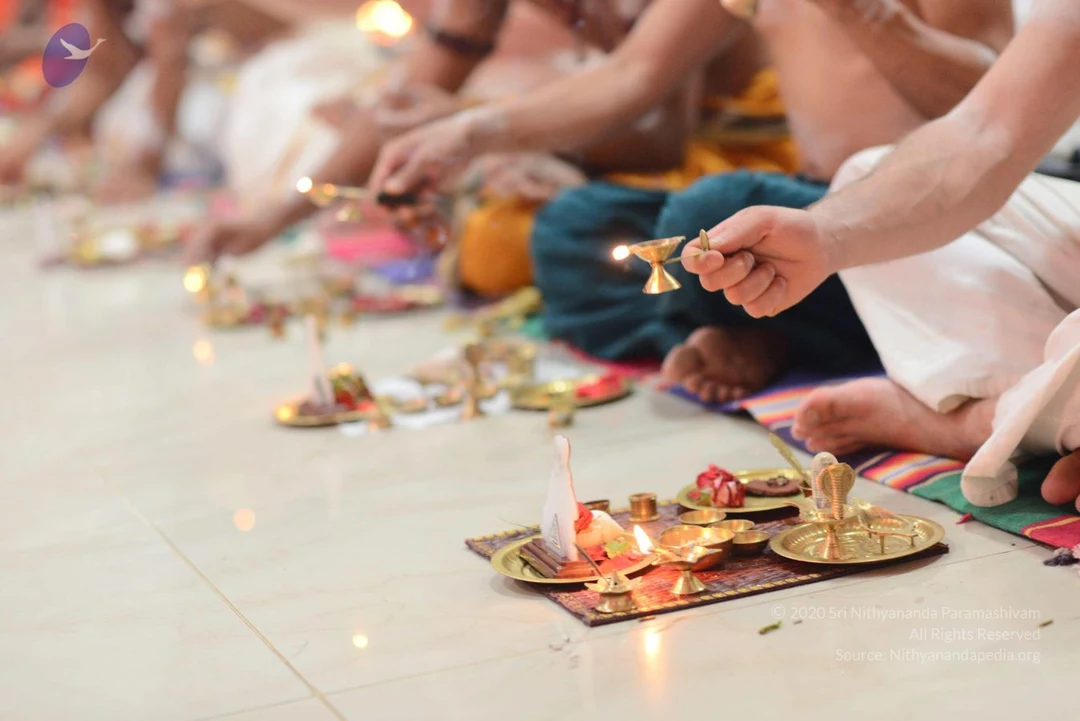
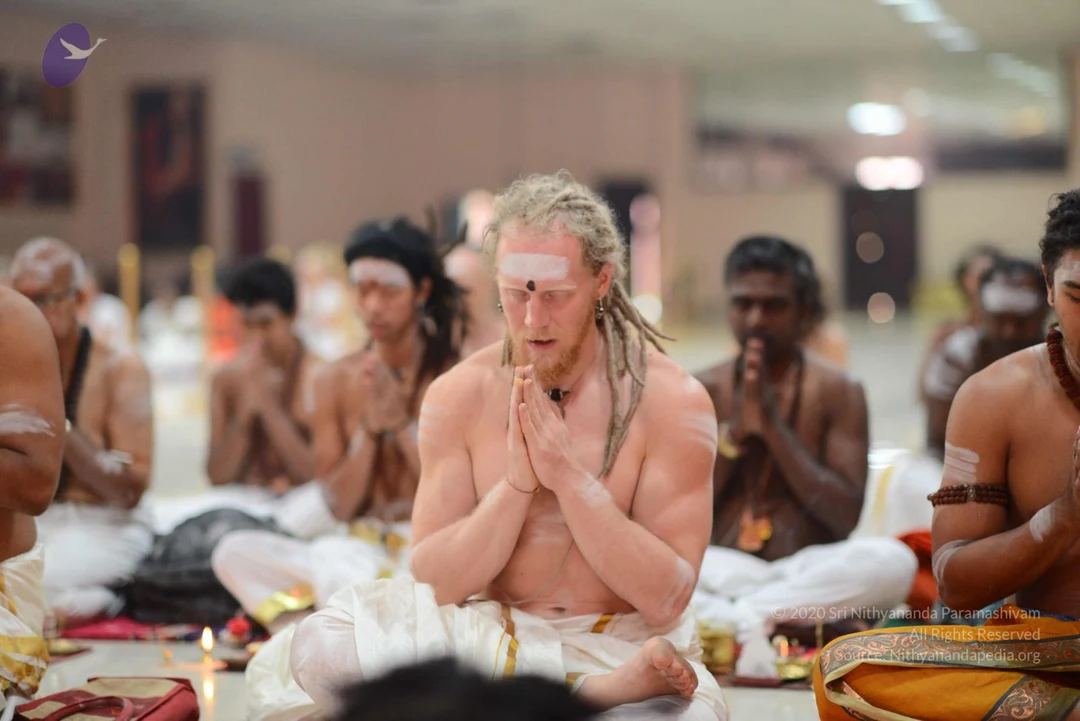
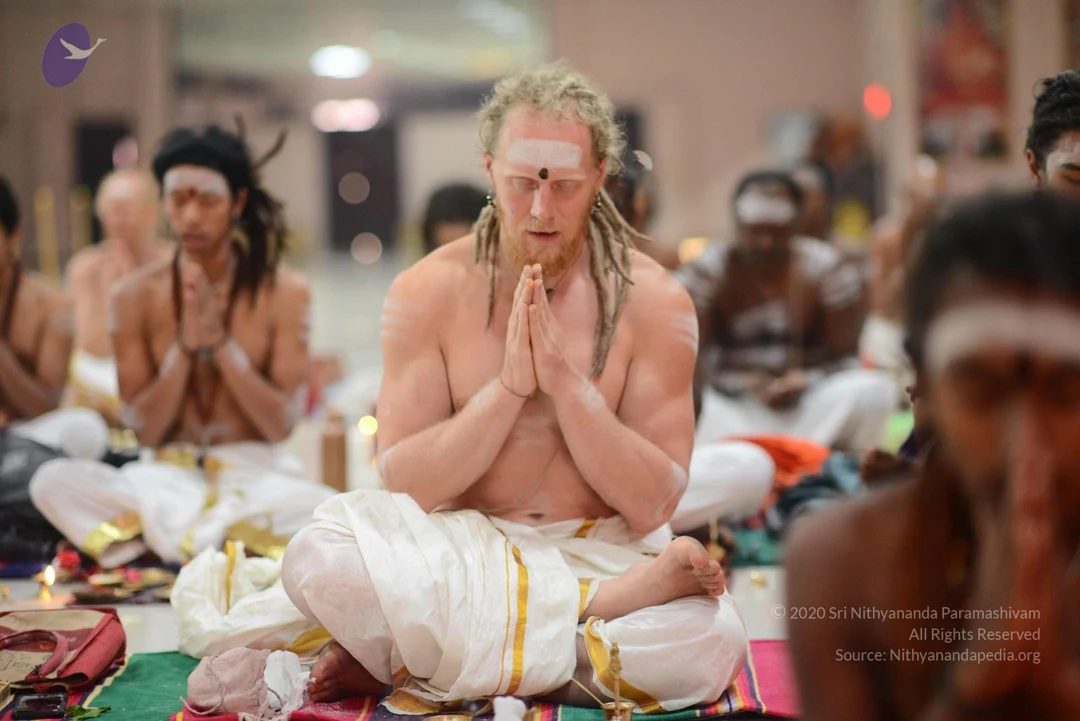
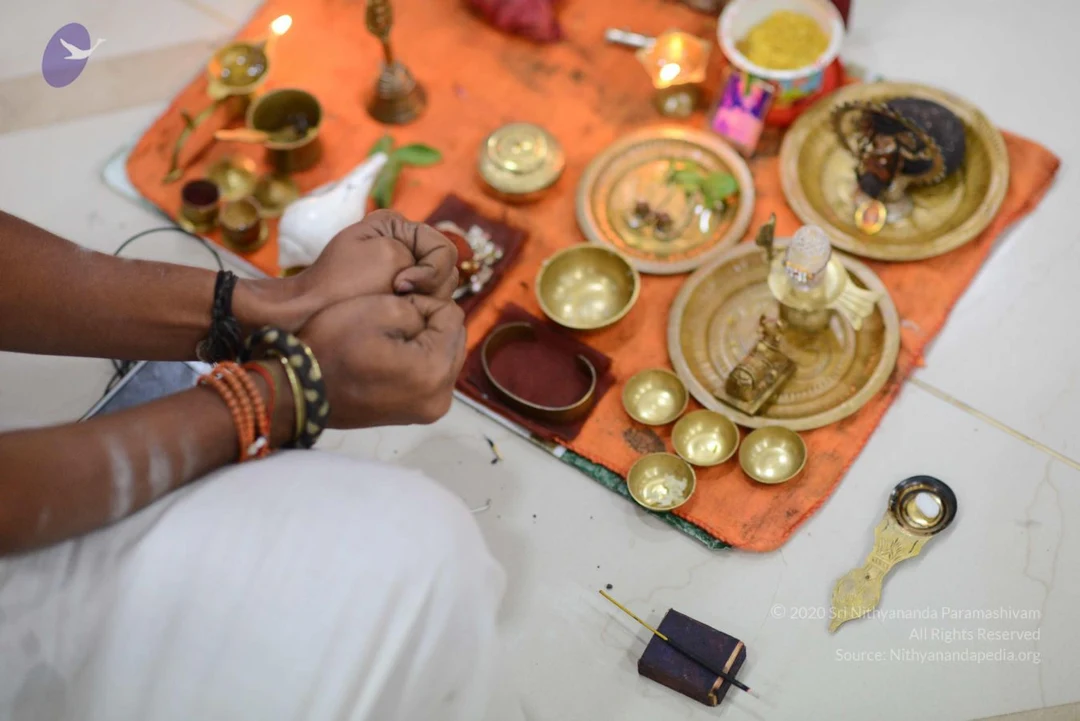
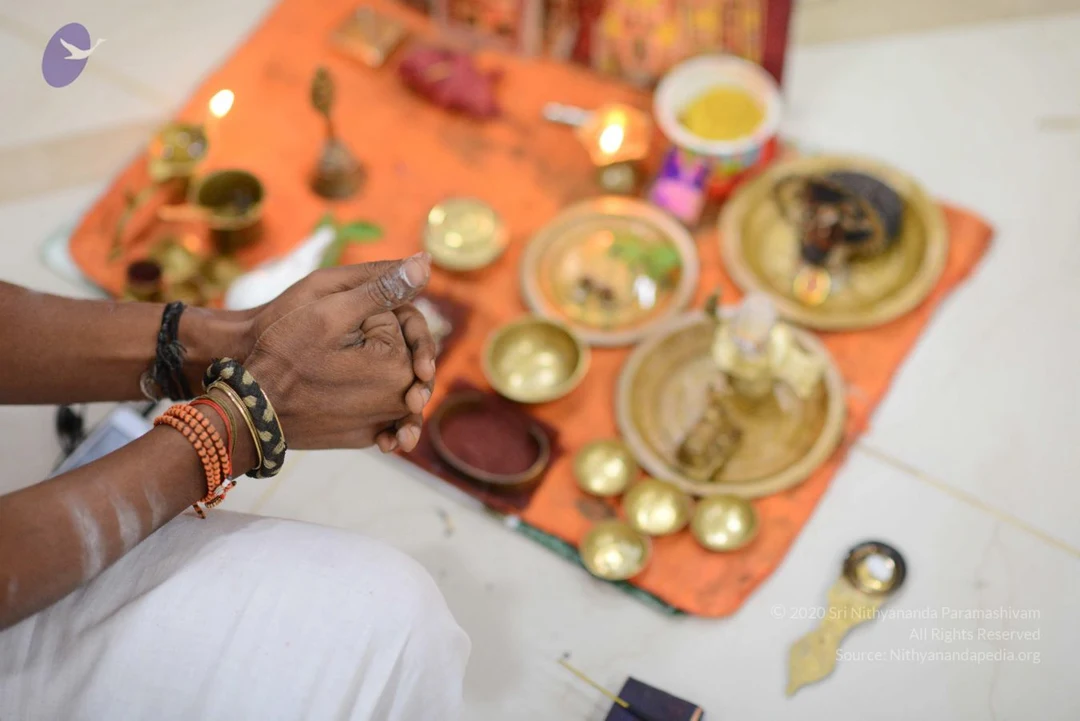
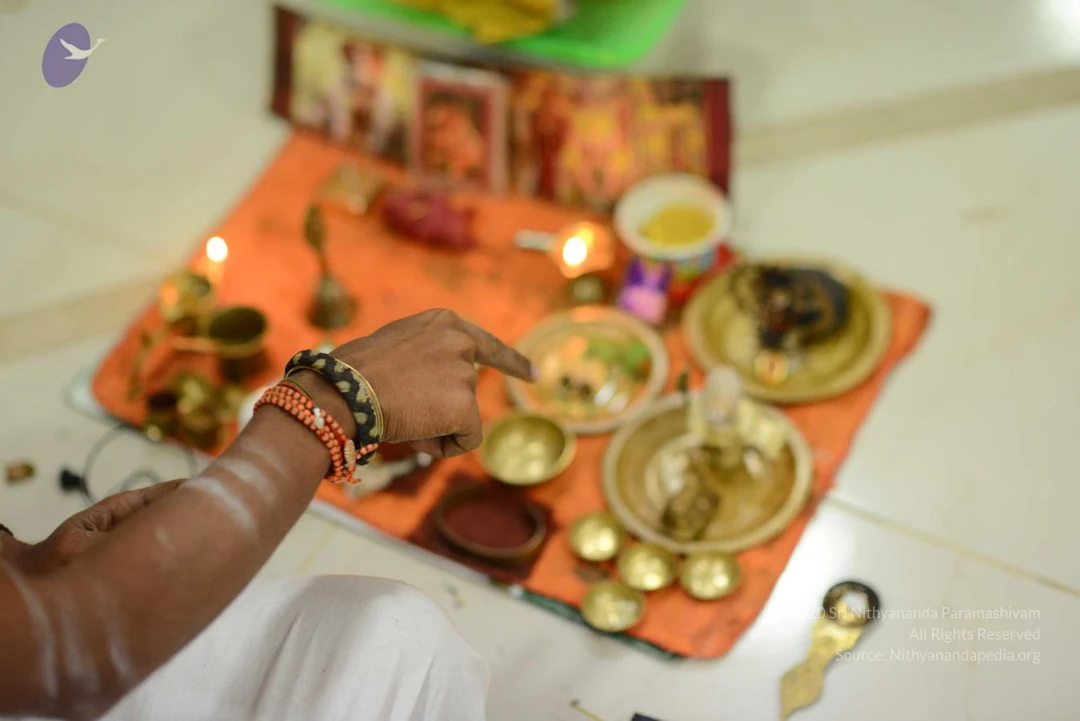
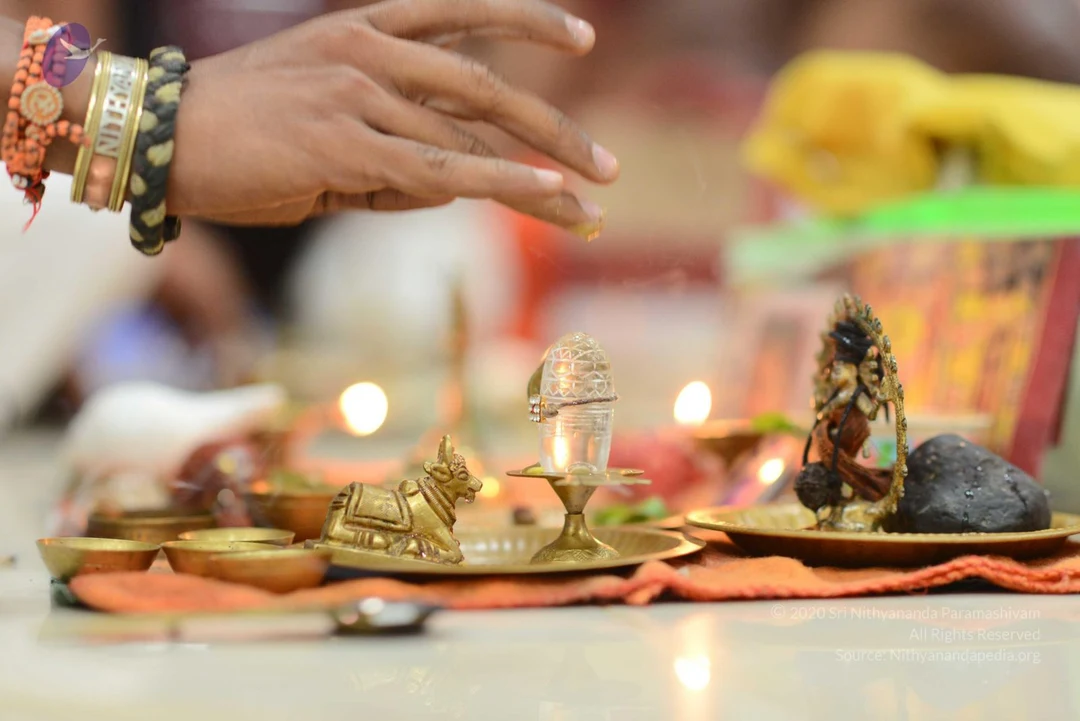
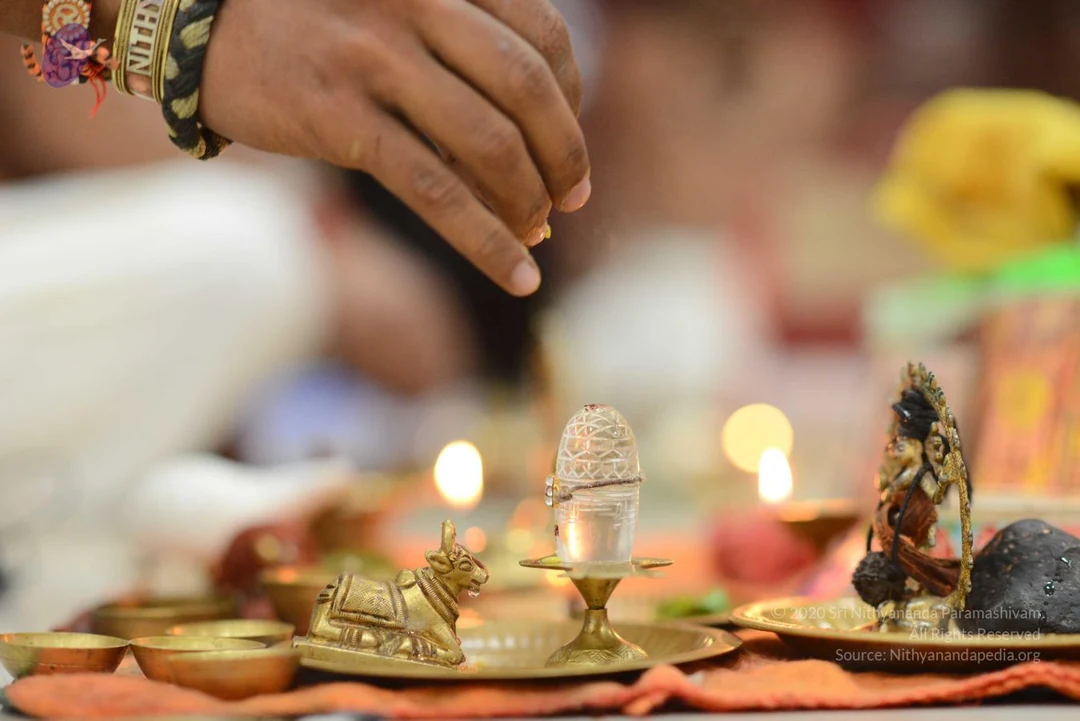
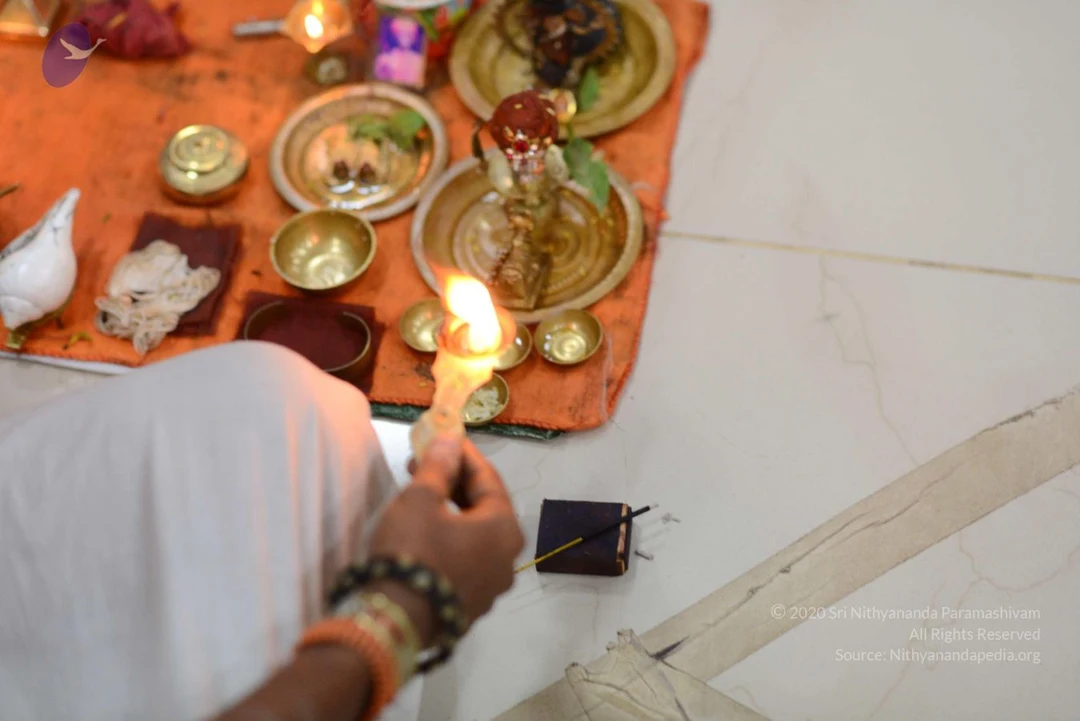
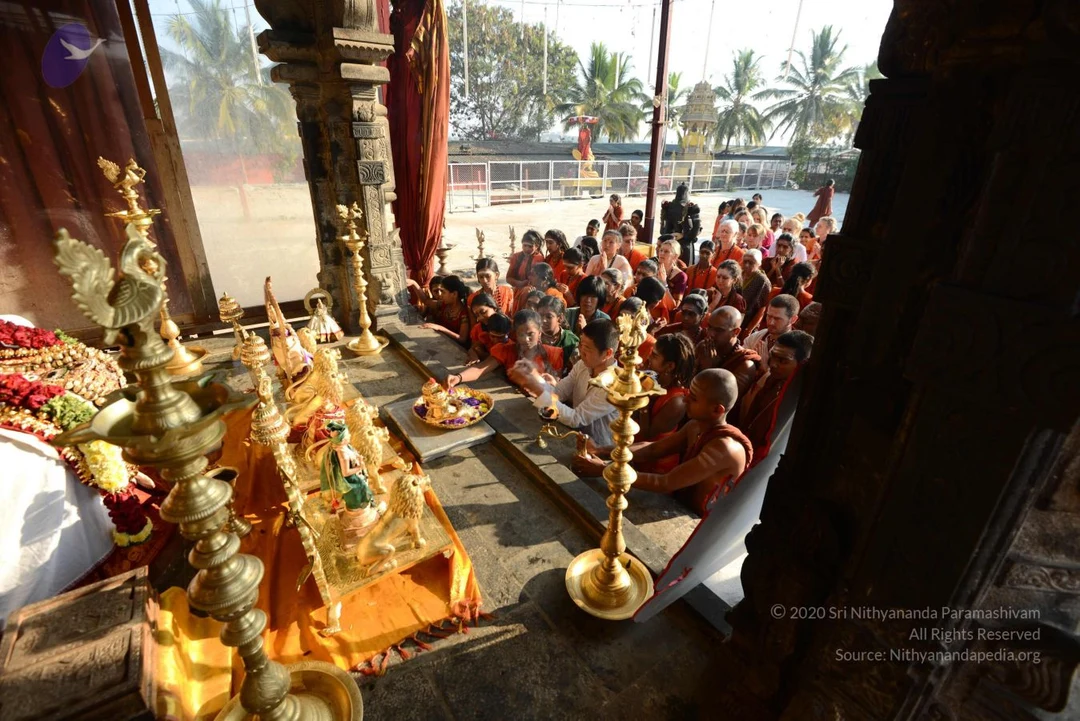
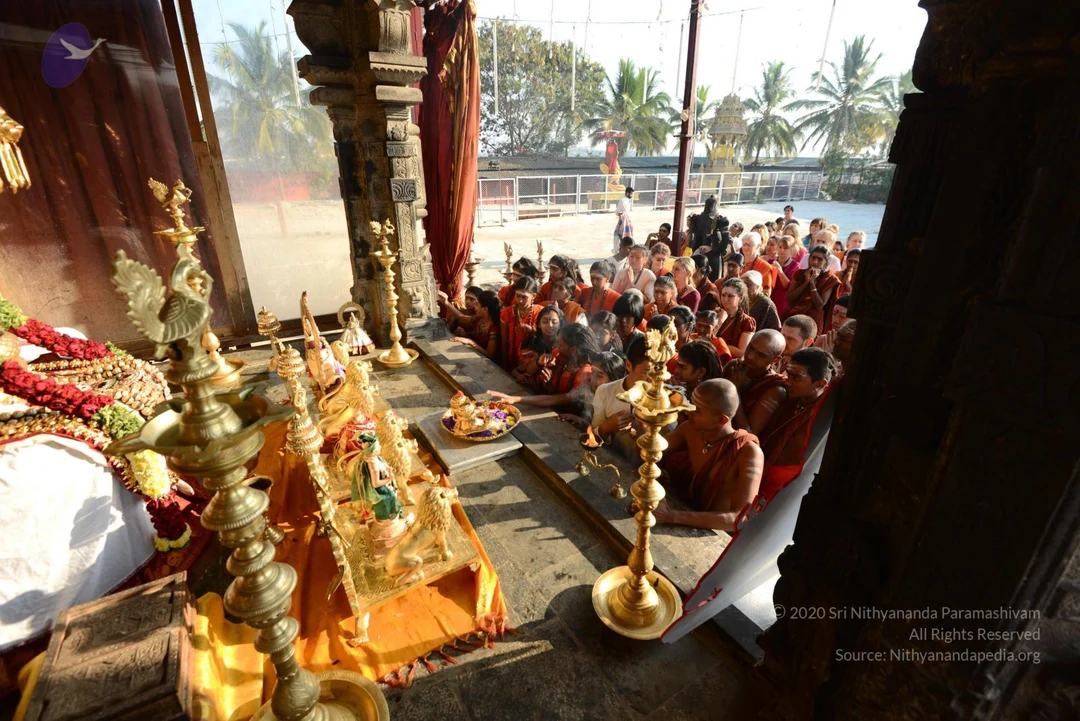
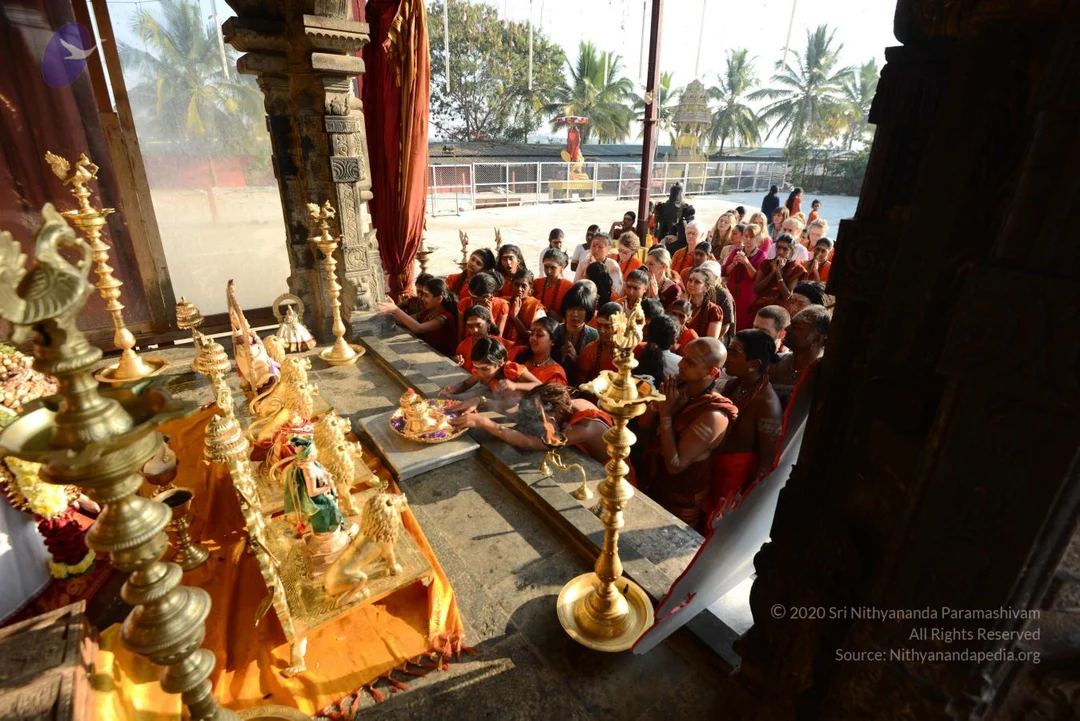
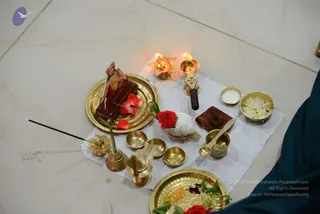
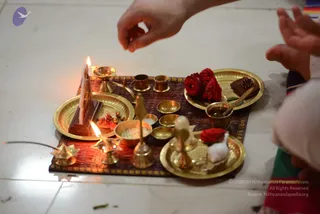
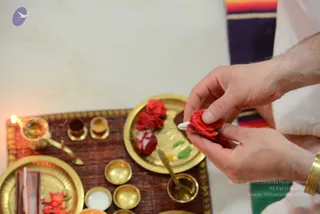
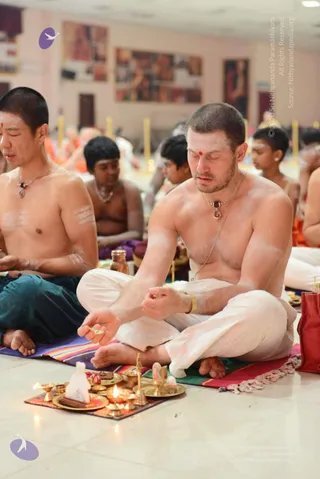 Nithya Puja
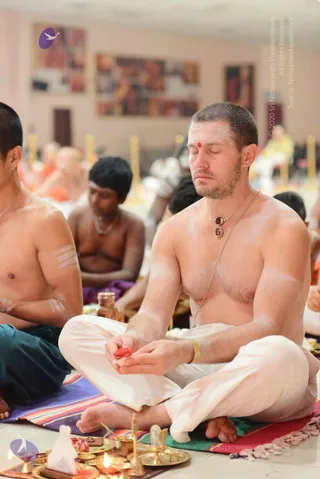 Nithya Puja
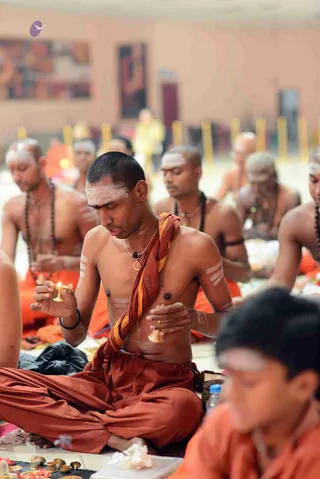 Nithya Puja
 Nithya Puja
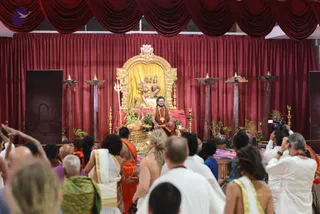
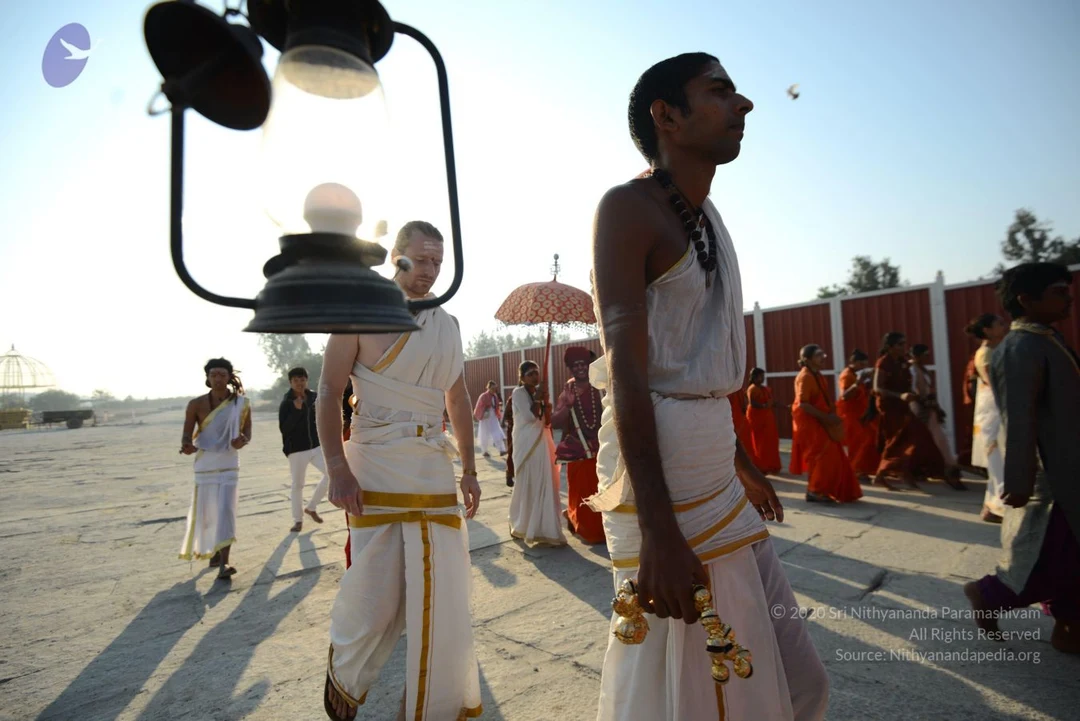
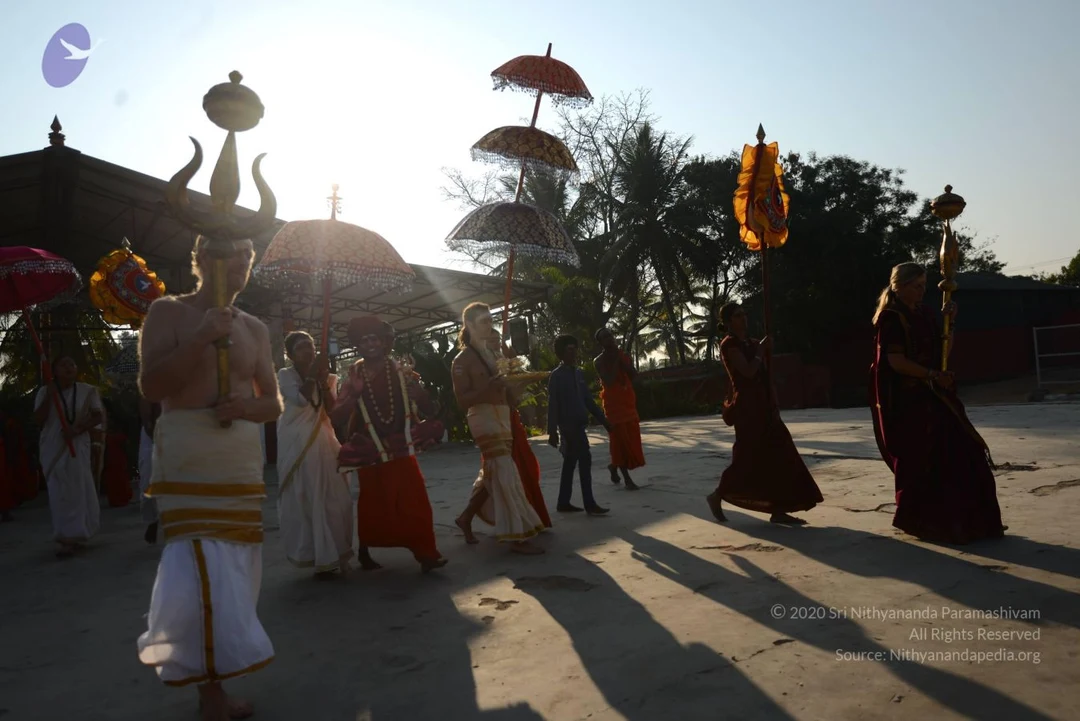
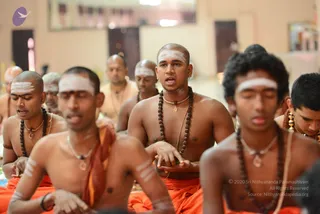
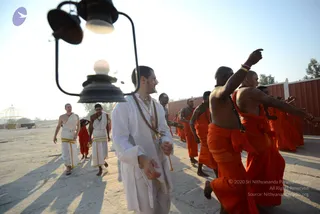
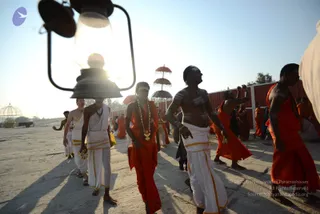
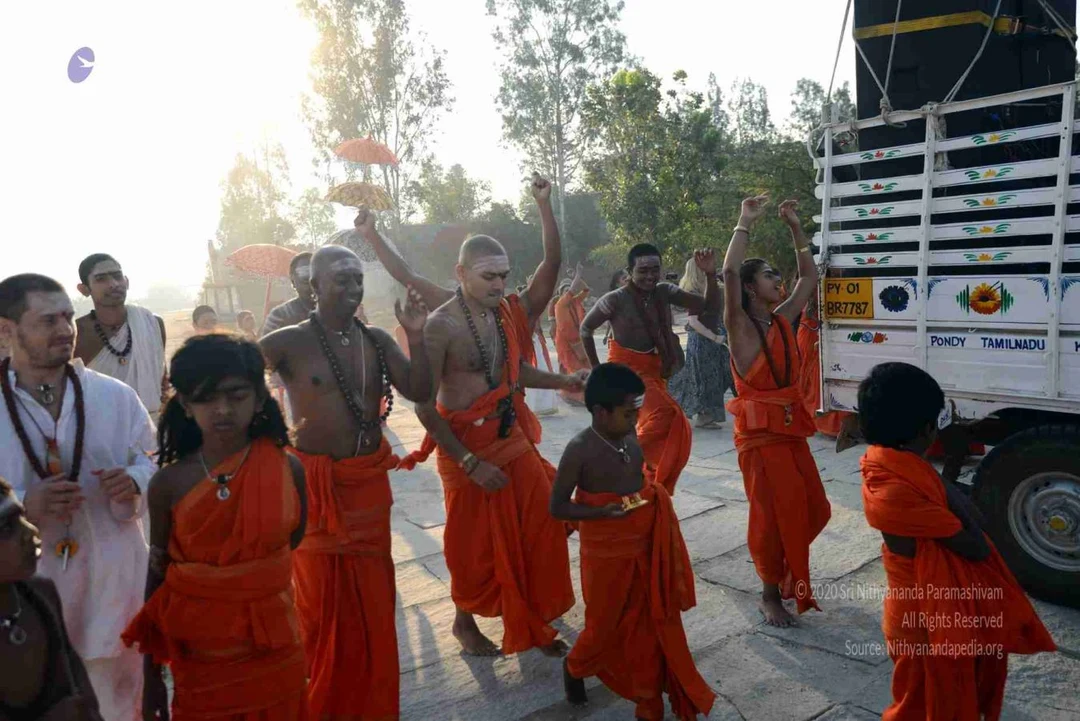 Nija Pada Procession and Kirtans
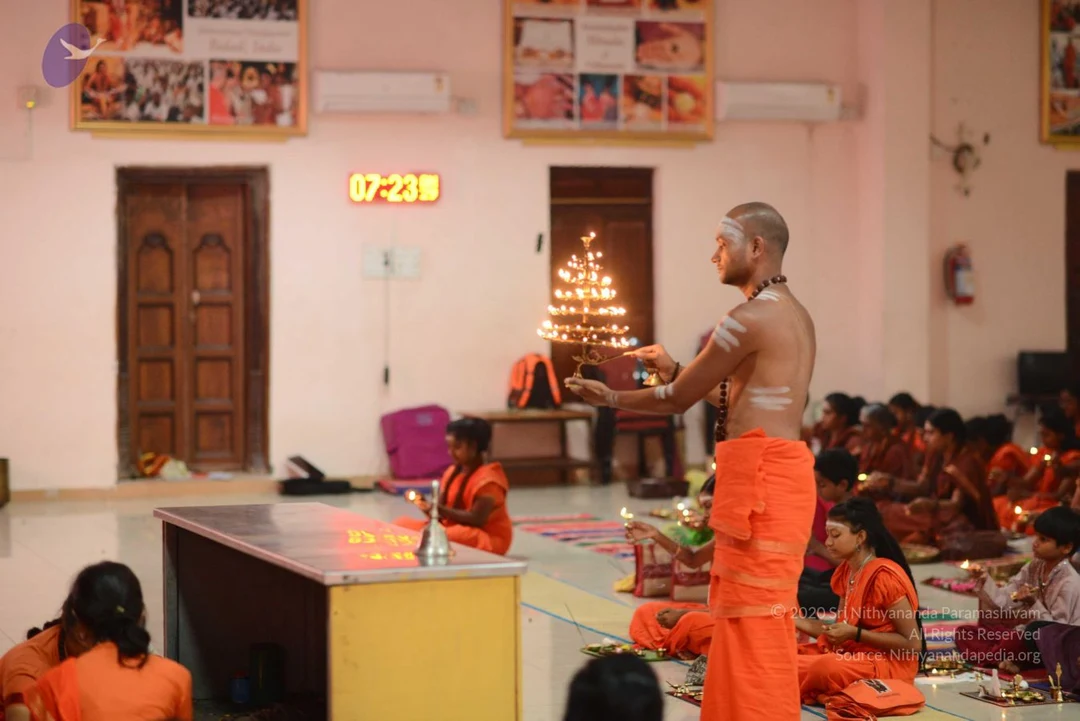
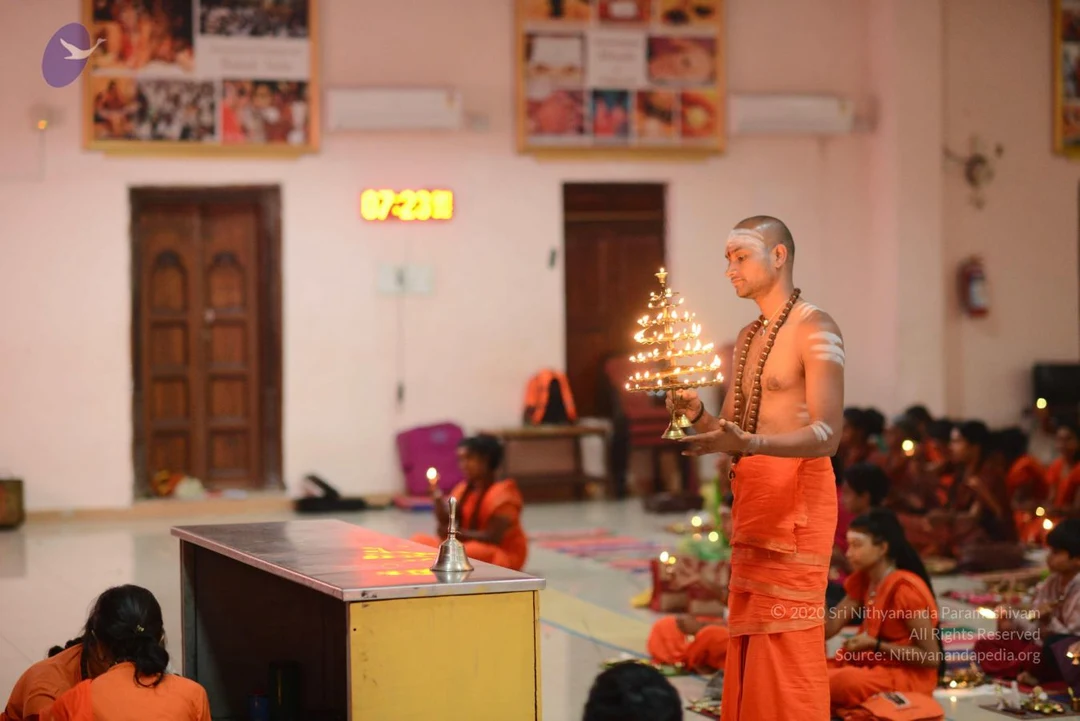
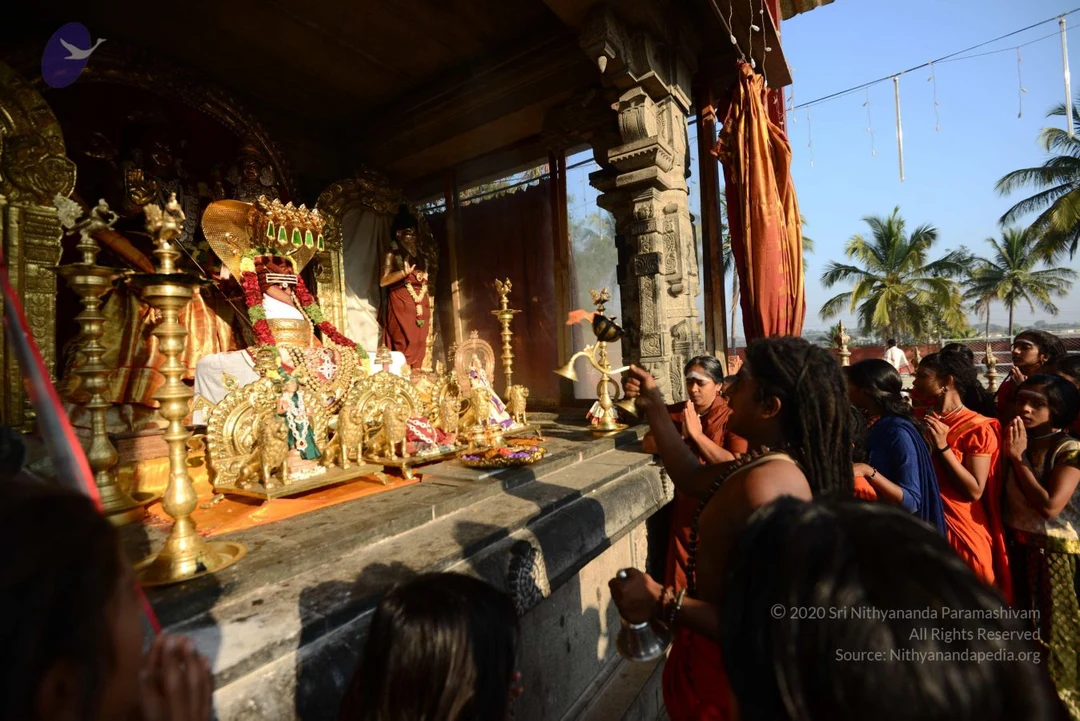
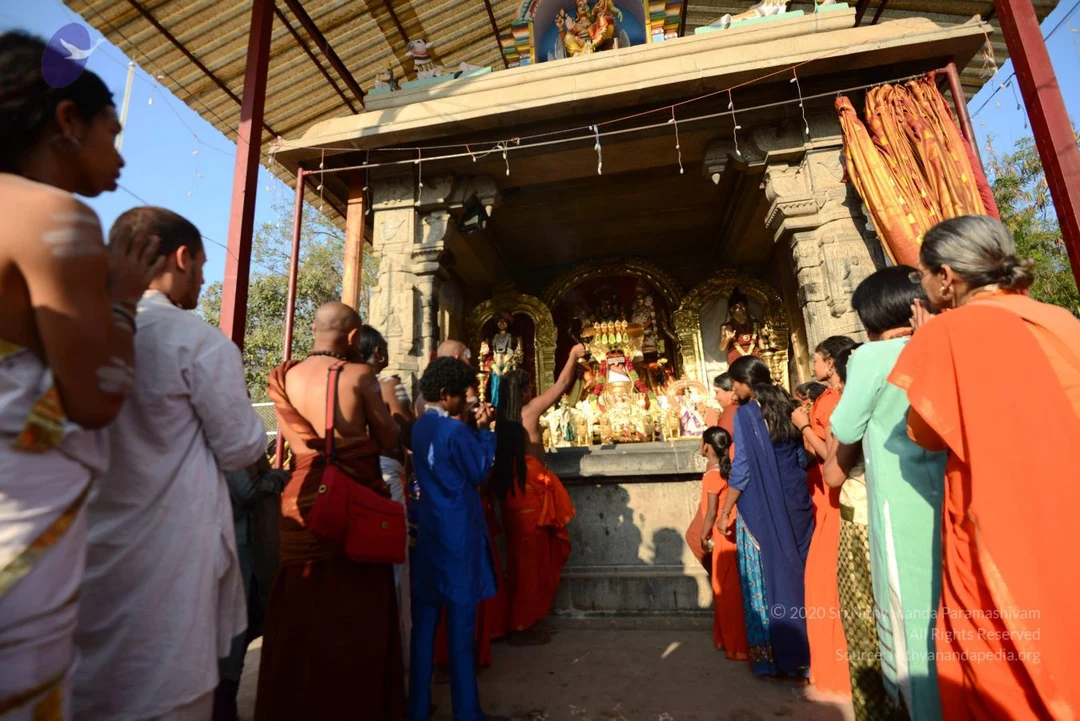
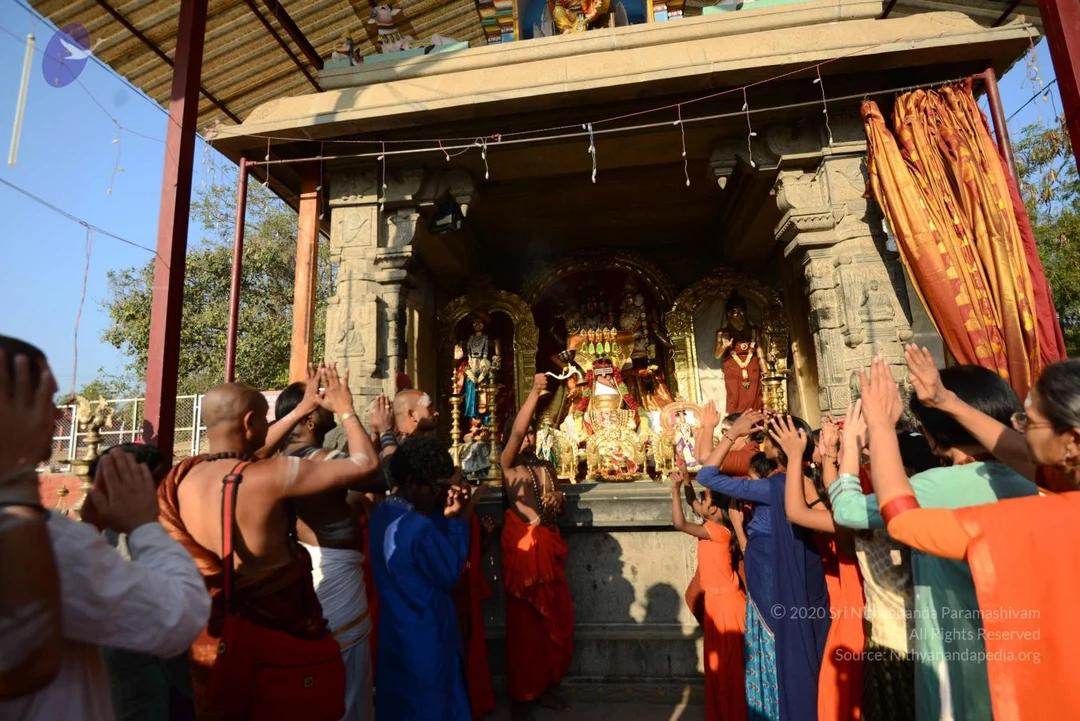
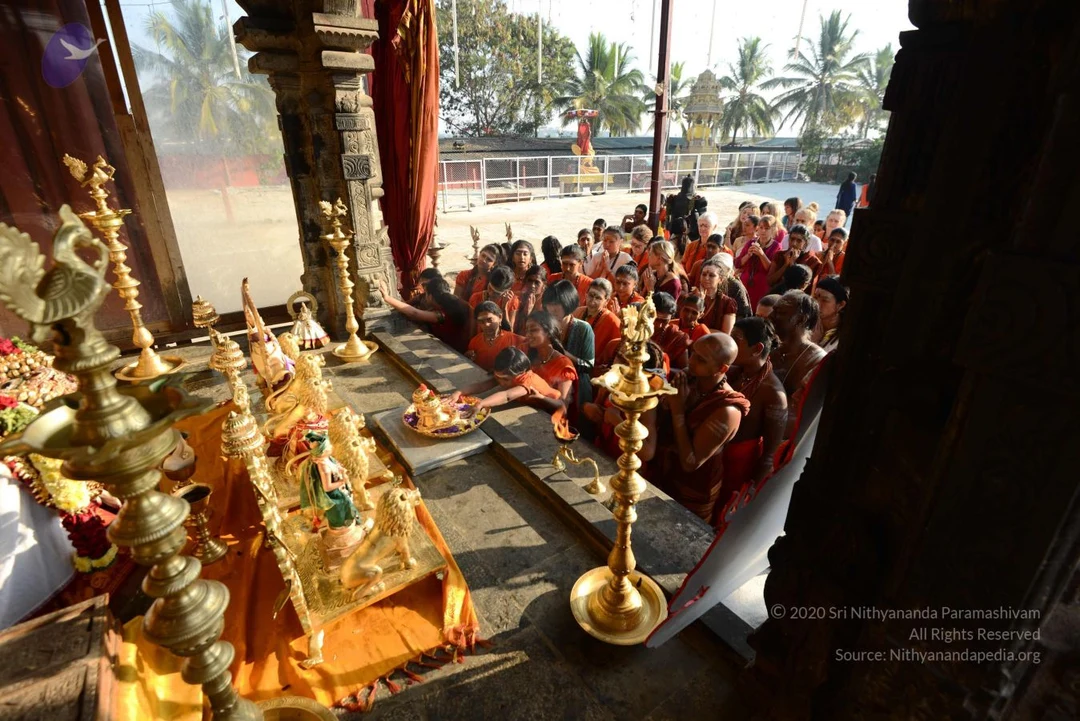
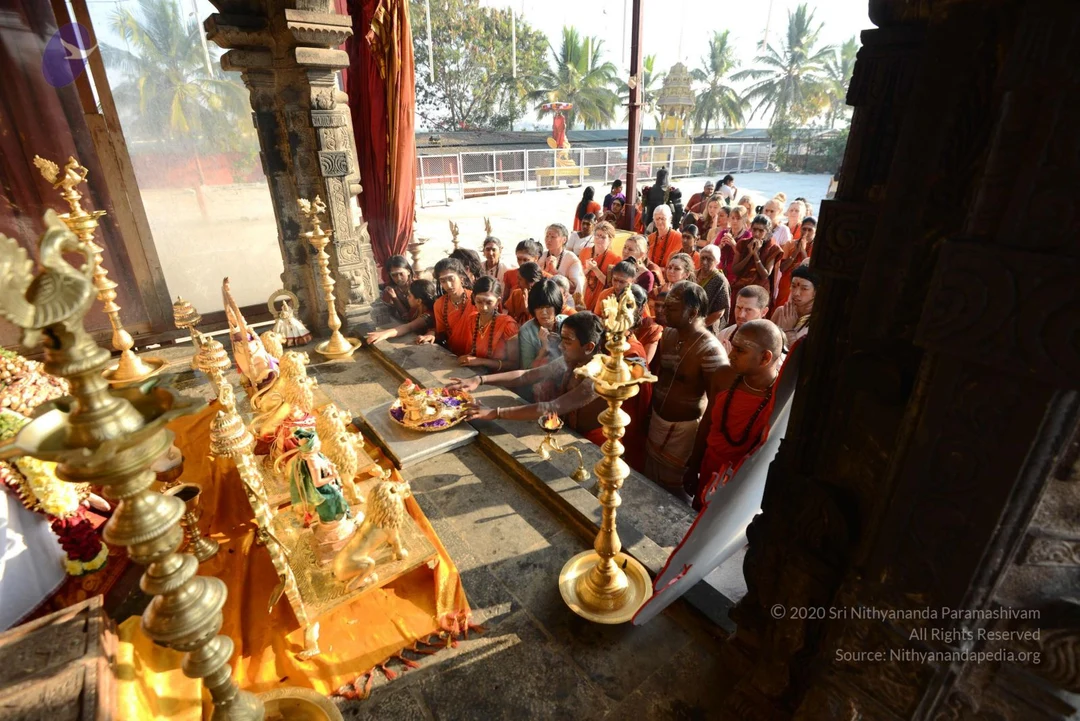
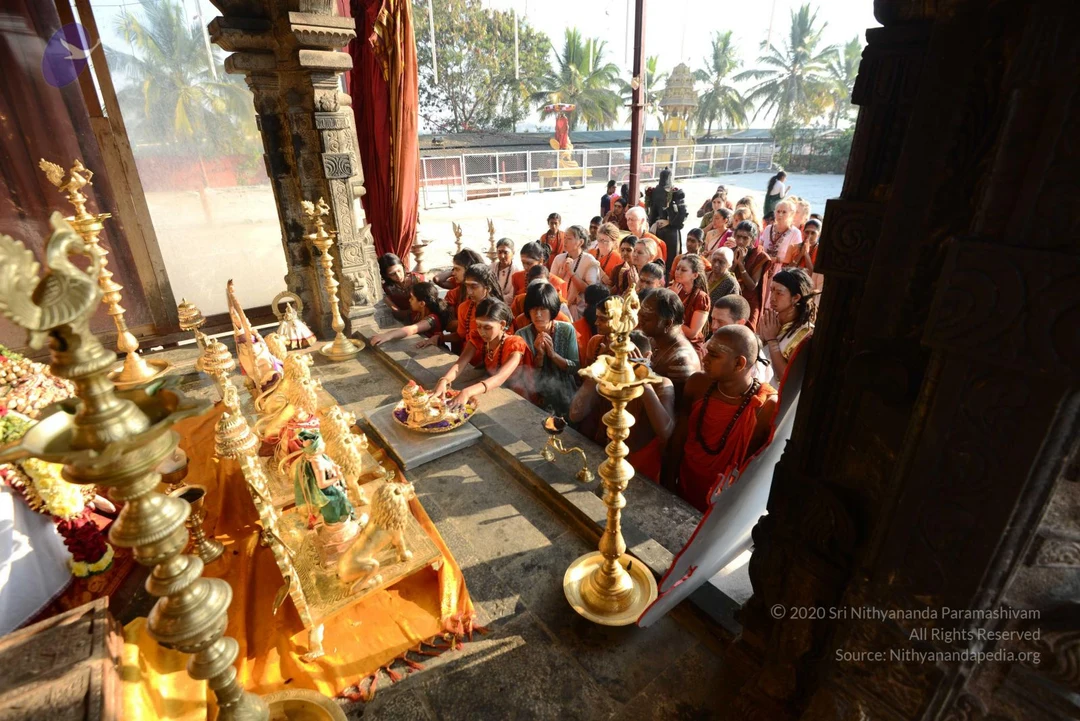
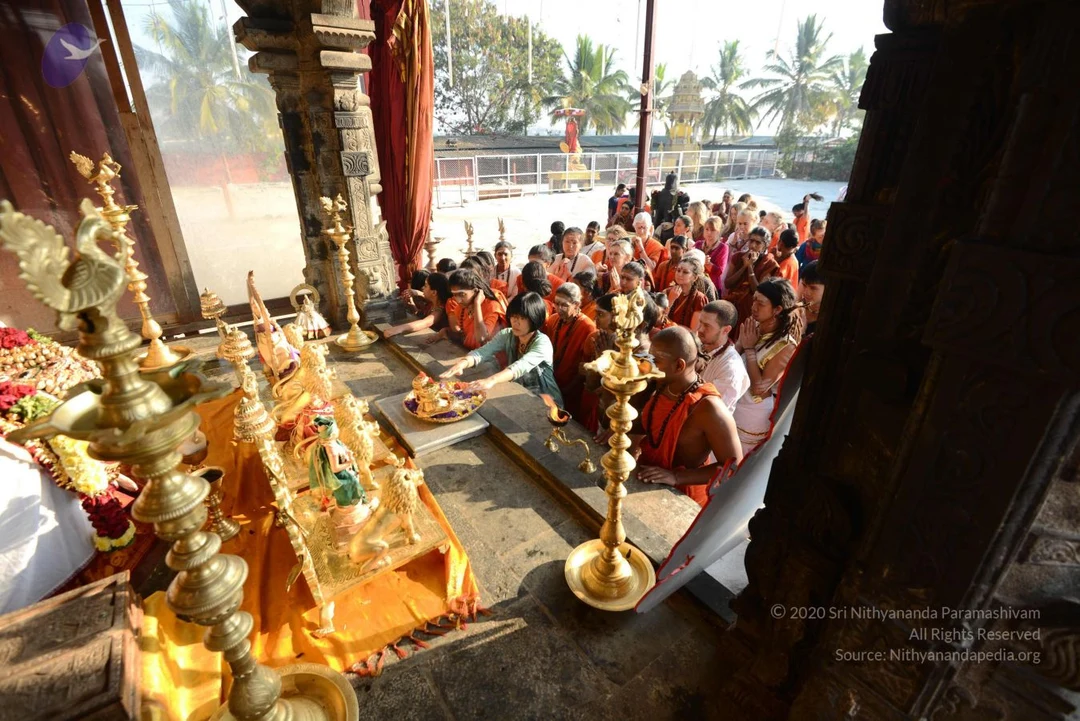
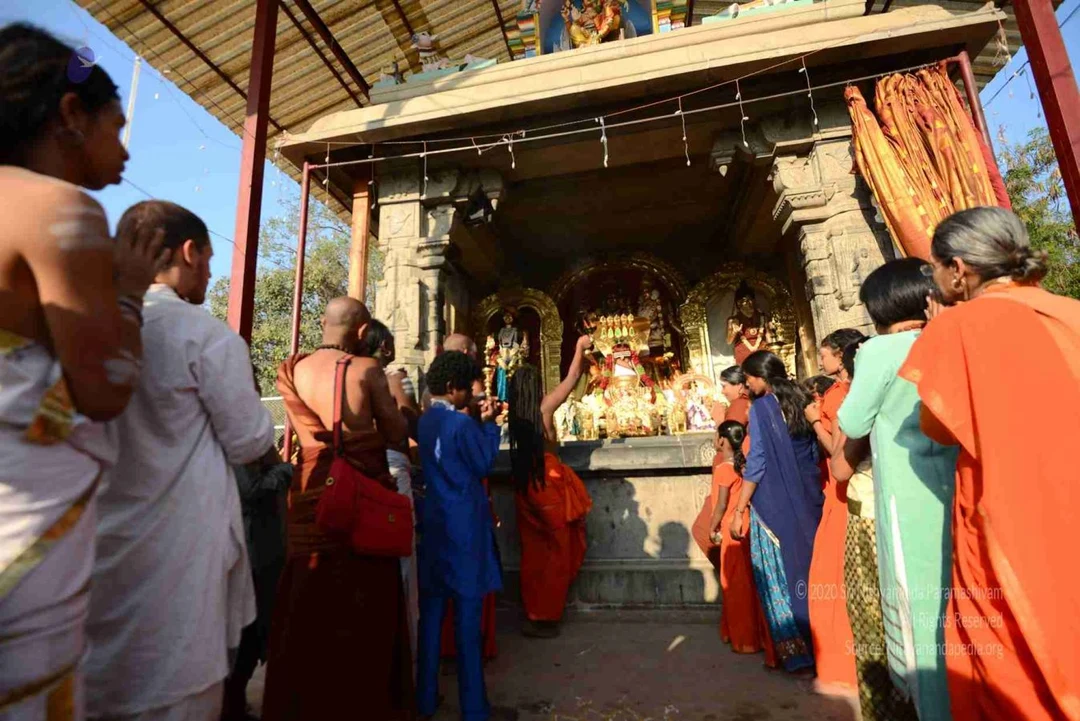 Aarati to Sri Nithyanandeshwara Paramashiva and Nithyanandeshwari Parashakti in Nithyanandeshwara Paramashiva Devasthanam, Bengaluru Aadheenam
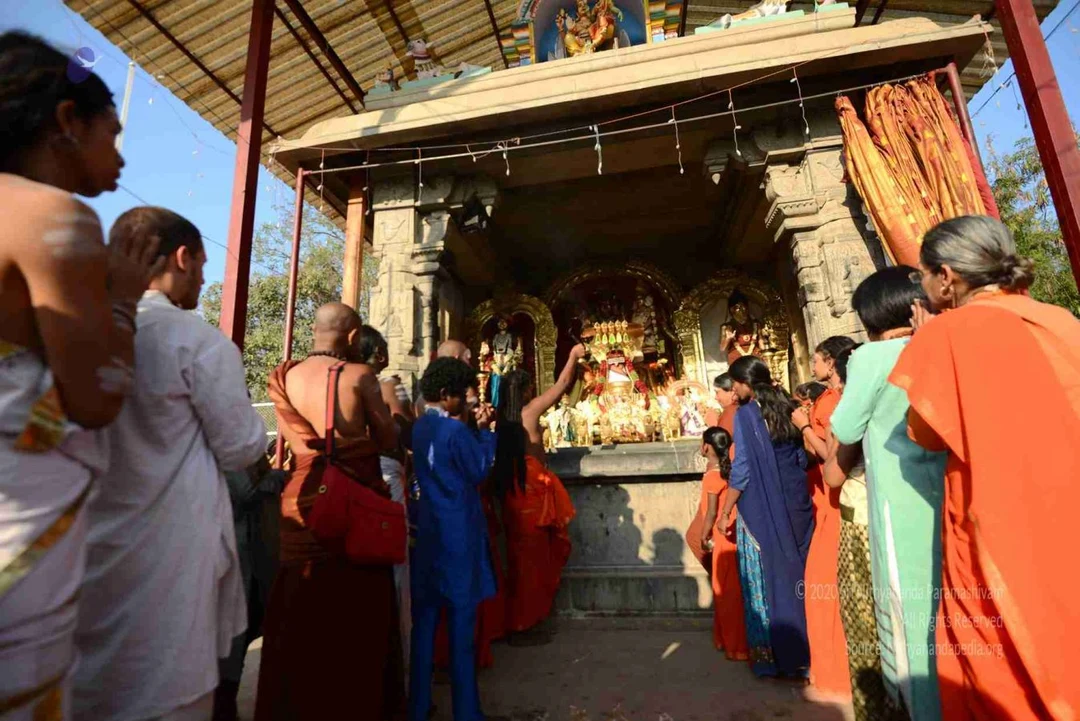 Aarati to Sri Nithyanandeshwara Paramashiva and Nithyanandeshwari Parashakti in Nithyanandeshwara Paramashiva Devasthanam, Bengaluru Aadheenam
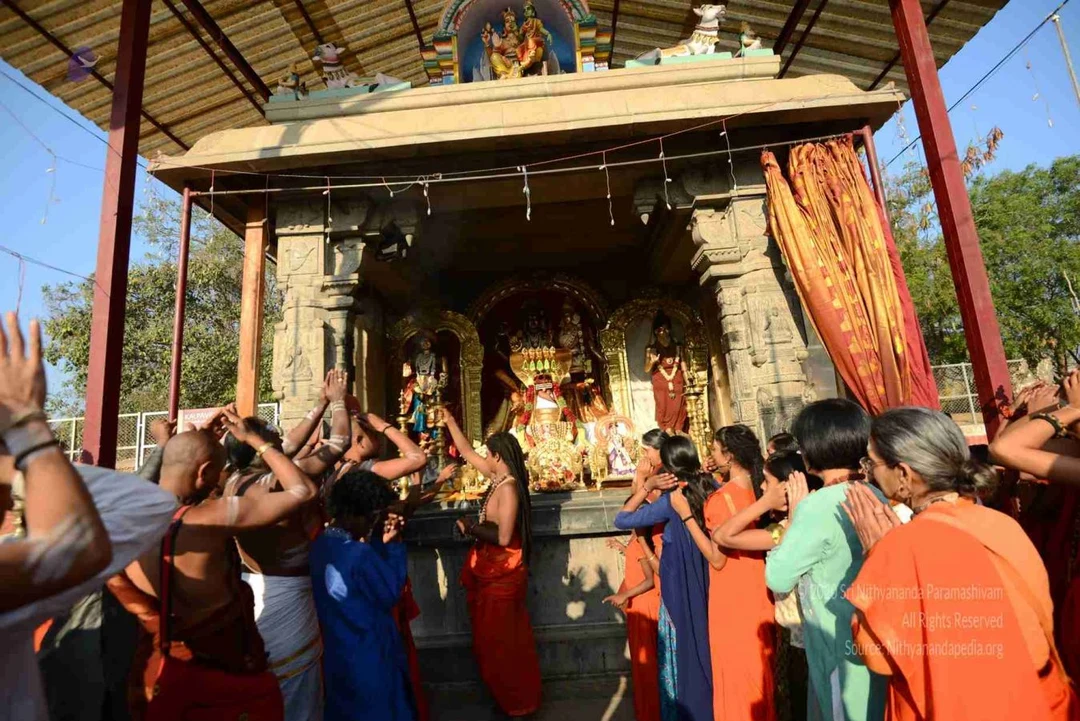 Aarati to Sri Nithyanandeshwara Paramashiva and Nithyanandeshwari Parashakti in Nithyanandeshwara Paramashiva Devasthanam, Bengaluru Aadheenam
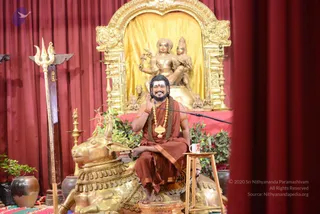
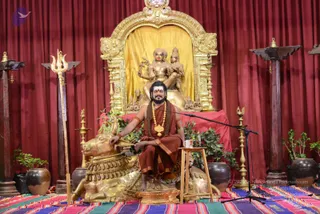
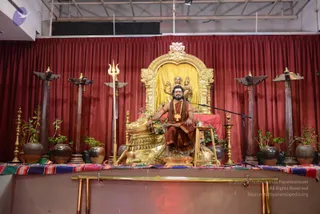
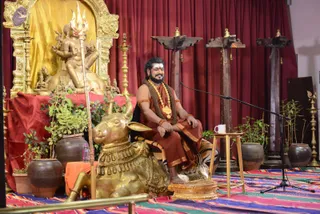
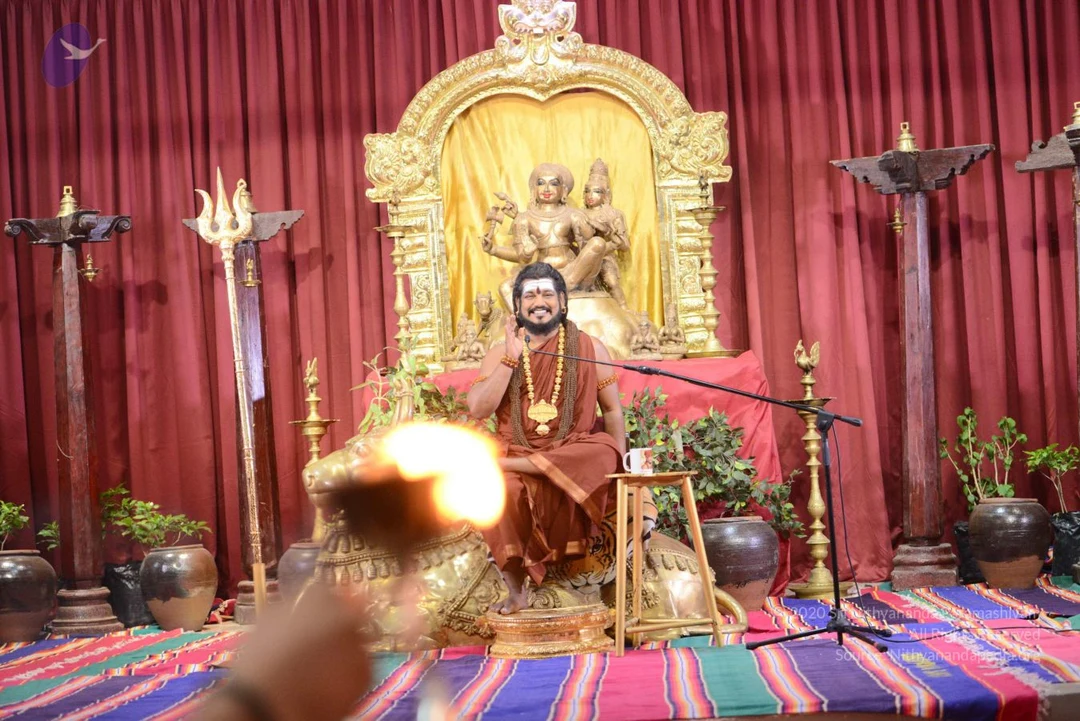 Darshan of HDH Bhagavan Sri Nithyananda Paramashivam for Morning Nithya Satsang
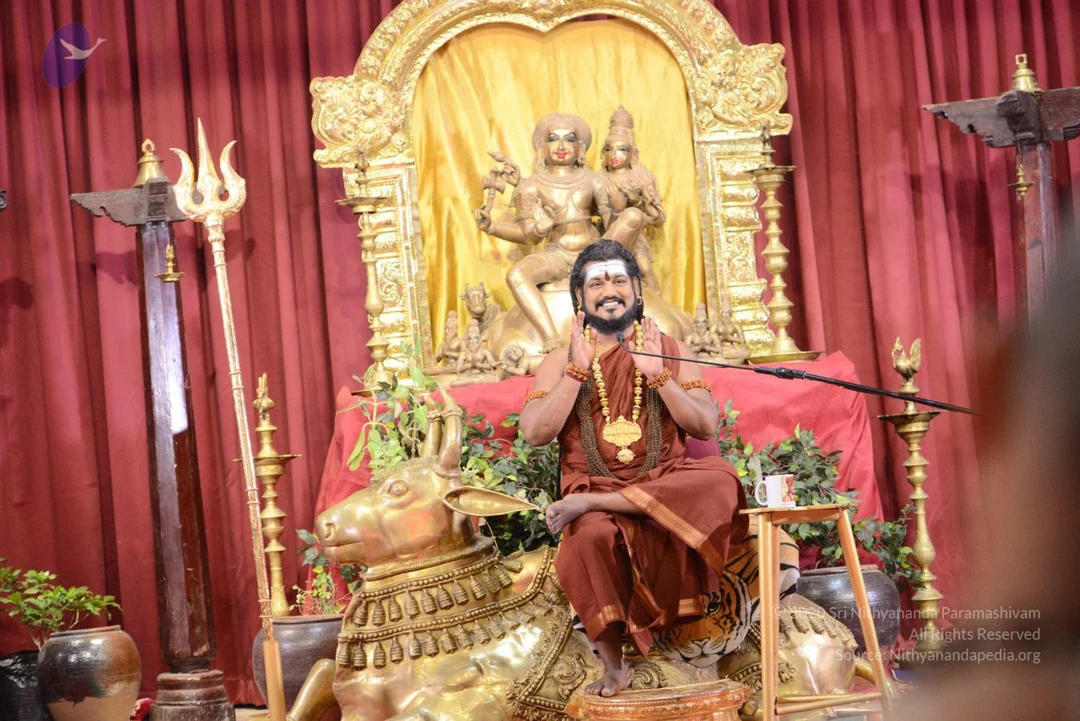 Darshan of HDH Bhagavan Sri Nithyananda Paramashivam for Morning Nithya Satsang
 Darshan of HDH Bhagavan Sri Nithyananda Paramashivam for Morning Nithya Satsang
 Darshan of HDH Bhagavan Sri Nithyananda Paramashivam for Morning Nithya Satsang
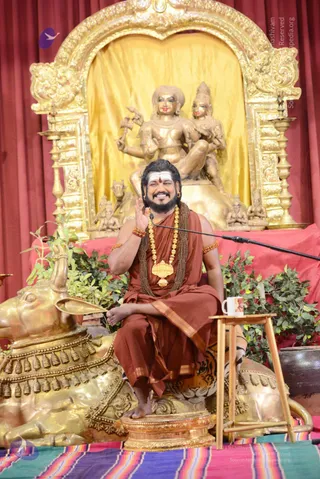 Darshan of HDH Bhagavan Sri Nithyananda Paramashivam for Morning Nithya Satsang
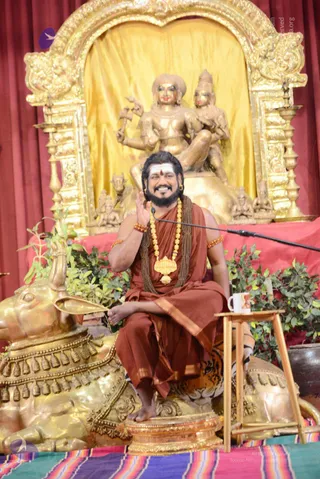 Darshan of HDH Bhagavan Sri Nithyananda Paramashivam for Morning Nithya Satsang
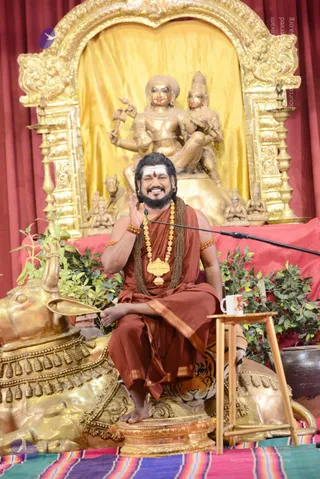 Darshan of HDH Bhagavan Sri Nithyananda Paramashivam for Morning Nithya Satsang
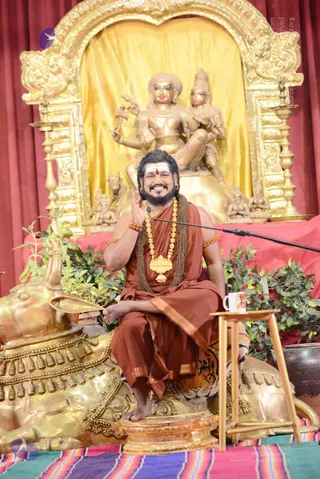 Darshan of HDH Bhagavan Sri Nithyananda Paramashivam for Morning Nithya Satsang
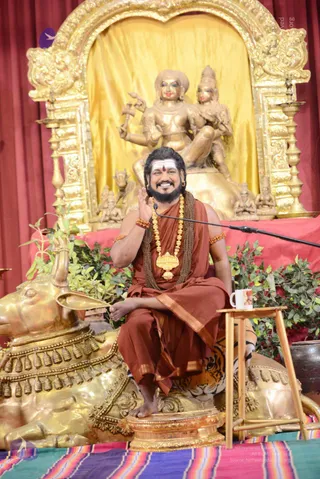 Darshan of HDH Bhagavan Sri Nithyananda Paramashivam for Morning Nithya Satsang
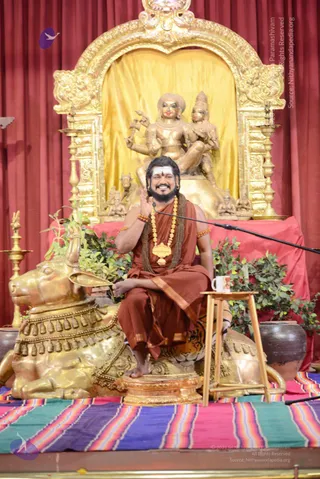 Darshan of HDH Bhagavan Sri Nithyananda Paramashivam for Morning Nithya Satsang
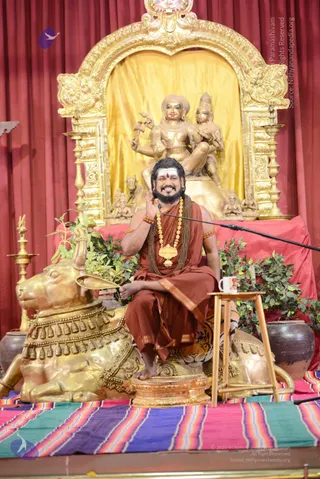 Darshan of HDH Bhagavan Sri Nithyananda Paramashivam for Morning Nithya Satsang
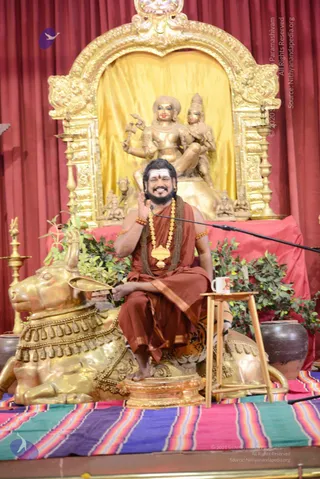 Darshan of HDH Bhagavan Sri Nithyananda Paramashivam for Morning Nithya Satsang
 Darshan of HDH Bhagavan Sri Nithyananda Paramashivam for Morning Nithya Satsang
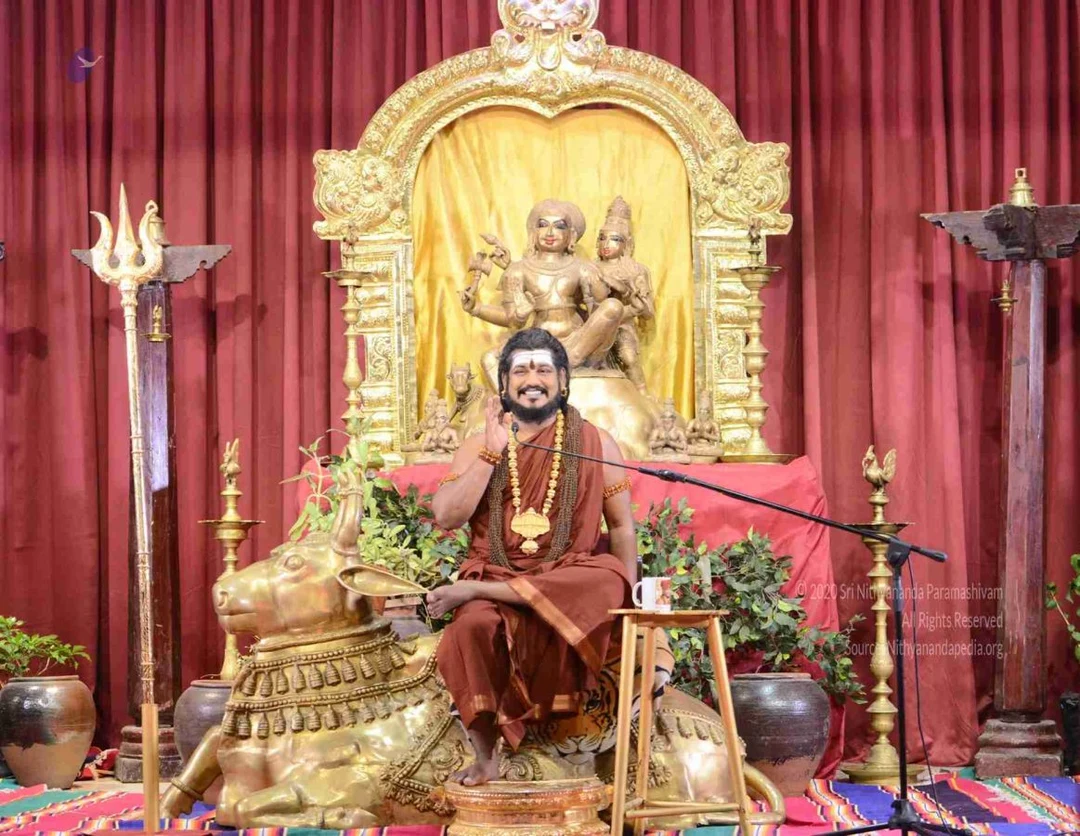 Darshan of HDH Bhagavan Sri Nithyananda Paramashivam for Morning Nithya Satsang
 Darshan of HDH Bhagavan Sri Nithyananda Paramashivam for Morning Nithya Satsang
 Darshan of HDH Bhagavan Sri Nithyananda Paramashivam for Morning Nithya Satsang
 Darshan of HDH Bhagavan Sri Nithyananda Paramashivam for Morning Nithya Satsang
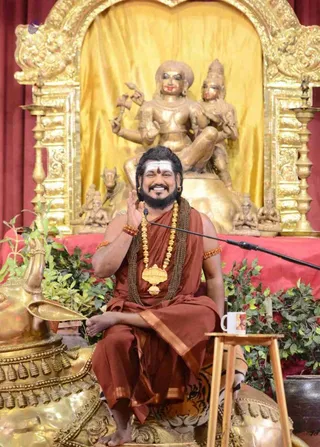 Darshan of HDH Bhagavan Sri Nithyananda Paramashivam for Morning Nithya Satsang
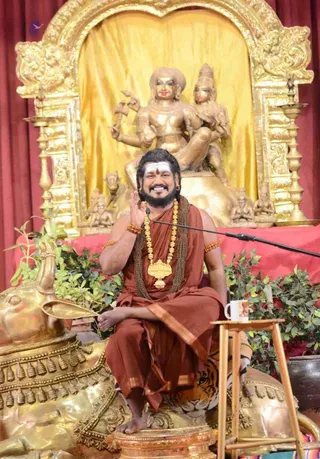 Darshan of HDH Bhagavan Sri Nithyananda Paramashivam for Morning Nithya Satsang
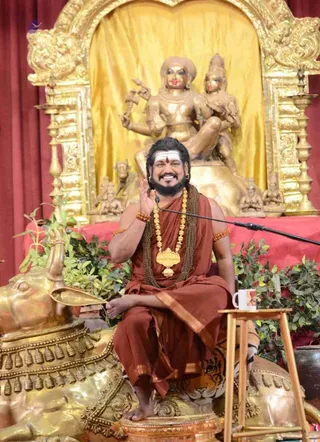 Darshan of HDH Bhagavan Sri Nithyananda Paramashivam for Morning Nithya Satsang
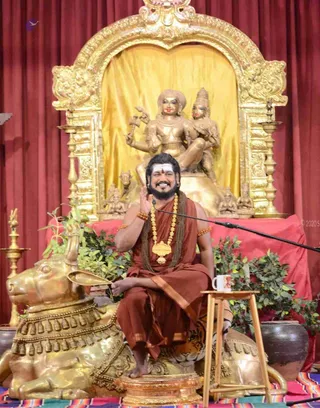 Darshan of HDH Bhagavan Sri Nithyananda Paramashivam for Morning Nithya Satsang
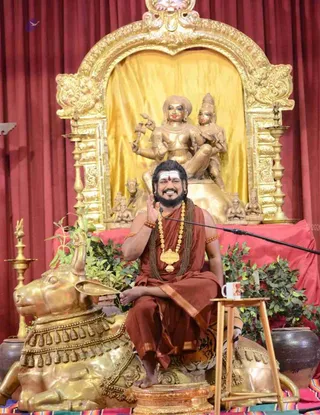 Darshan of HDH Bhagavan Sri Nithyananda Paramashivam for Morning Nithya Satsang
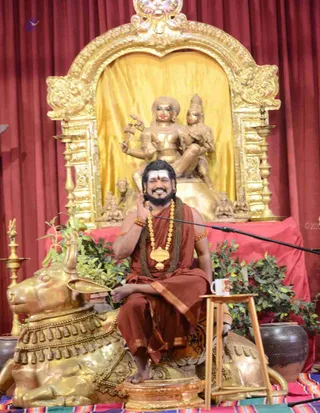 Darshan of HDH Bhagavan Sri Nithyananda Paramashivam for Morning Nithya Satsang
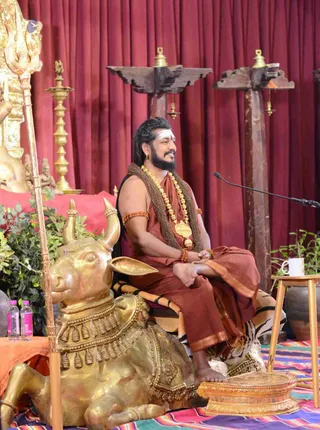 Darshan of HDH Bhagavan Sri Nithyananda Paramashivam for Morning Nithya Satsang
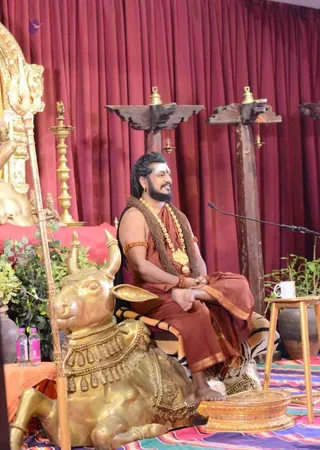 Darshan of HDH Bhagavan Sri Nithyananda Paramashivam for Morning Nithya Satsang
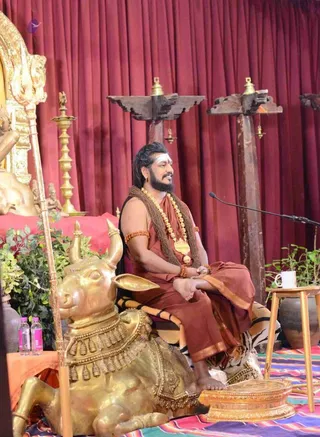 Darshan of HDH Bhagavan Sri Nithyananda Paramashivam for Morning Nithya Satsang
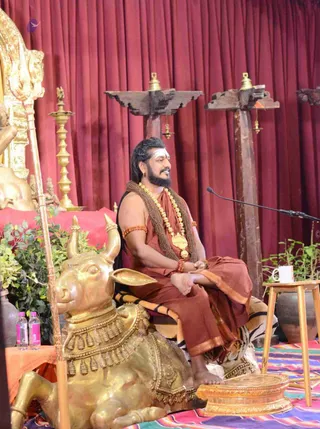 Darshan of HDH Bhagavan Sri Nithyananda Paramashivam for Morning Nithya Satsang
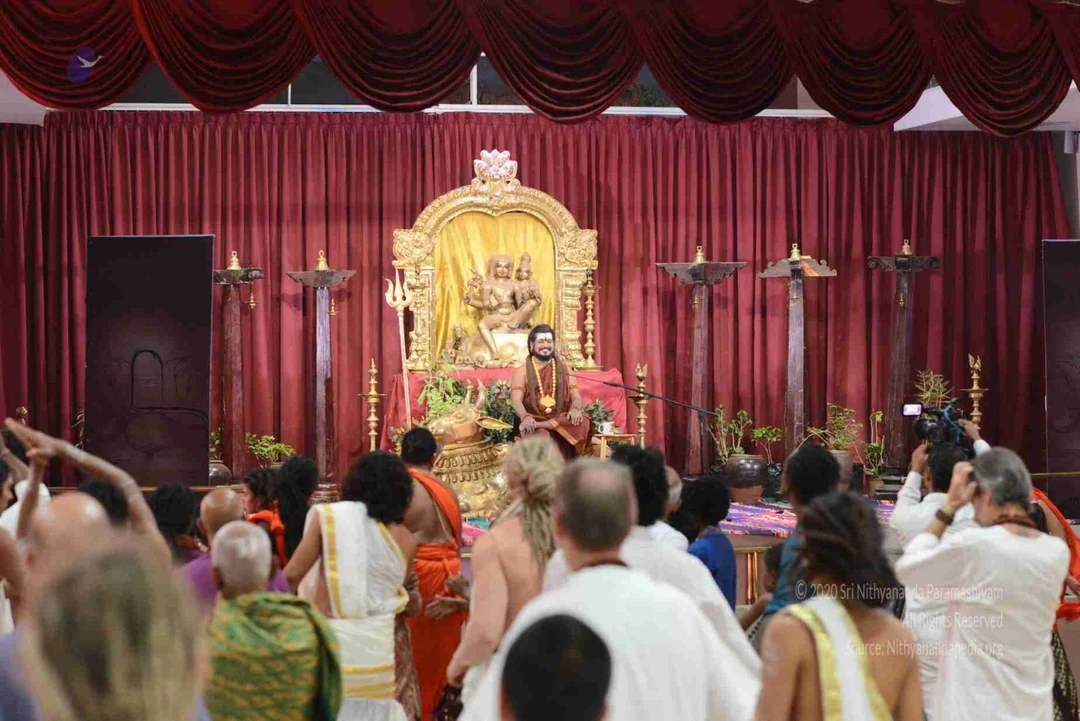 Nithya Kirtans With HDH Bhagavan Sri Nithyananda Paramashivam
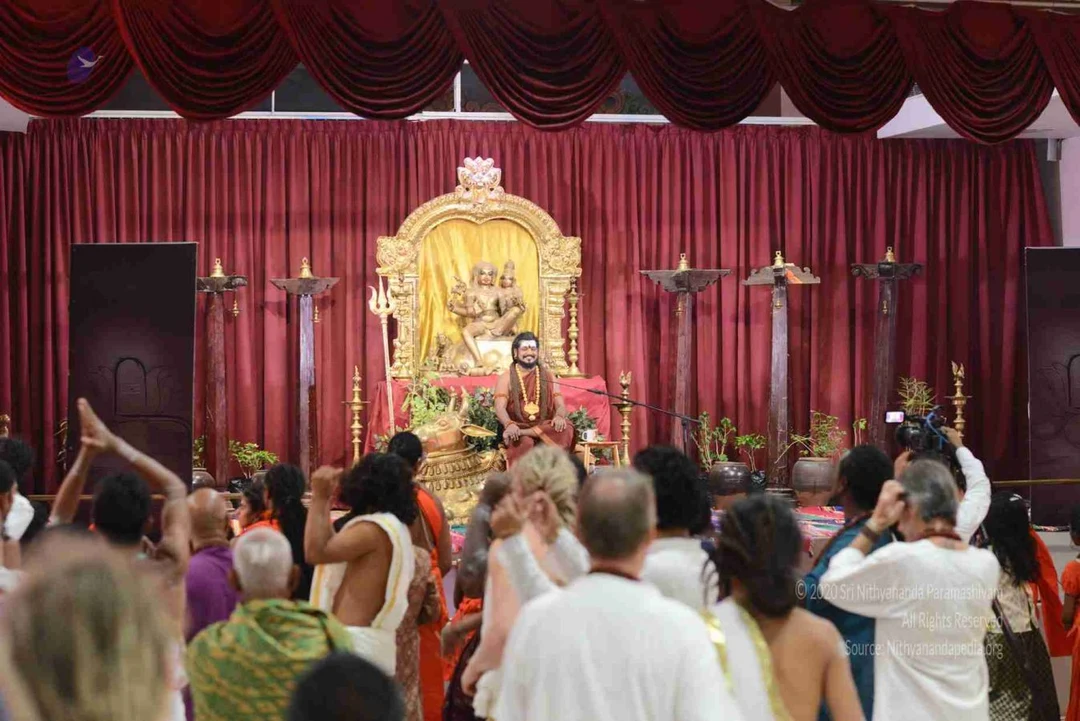 Nithya Kirtans With HDH Bhagavan Sri Nithyananda Paramashivam
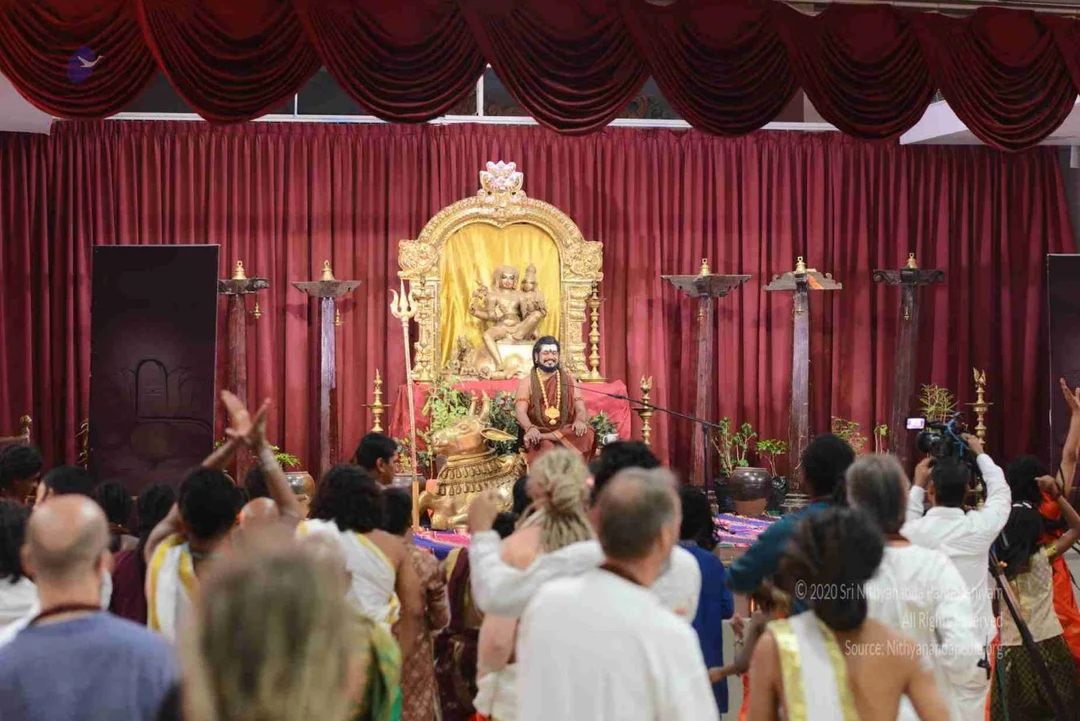 Nithya Kirtans With HDH Bhagavan Sri Nithyananda Paramashivam
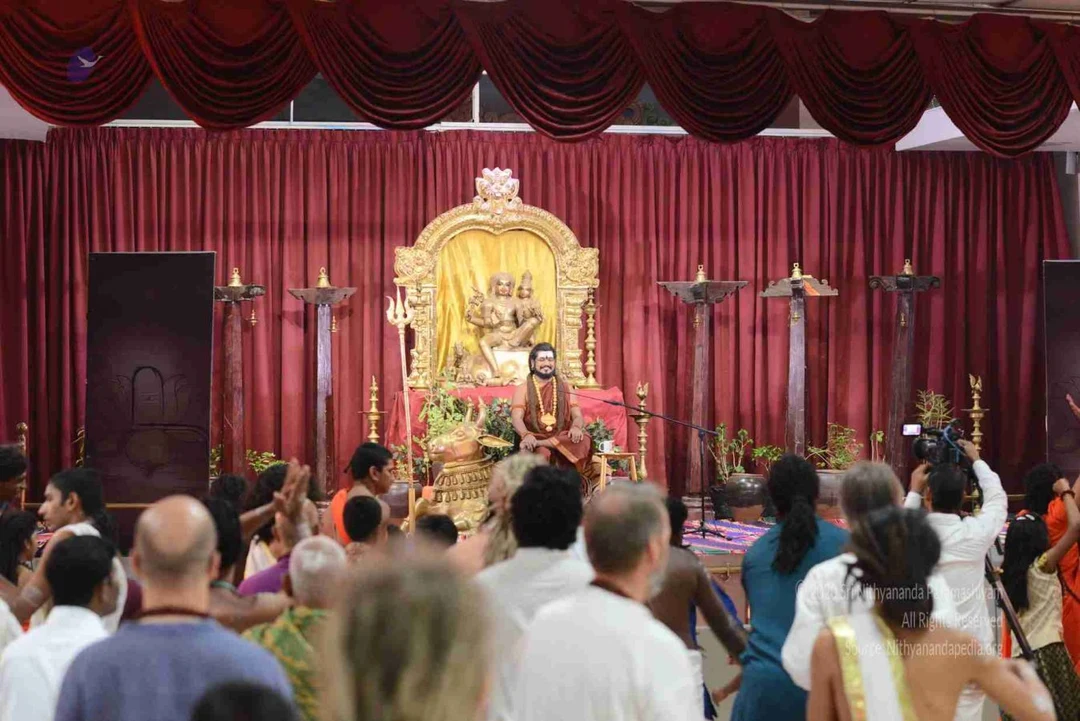 Nithya Kirtans With HDH Bhagavan Sri Nithyananda Paramashivam
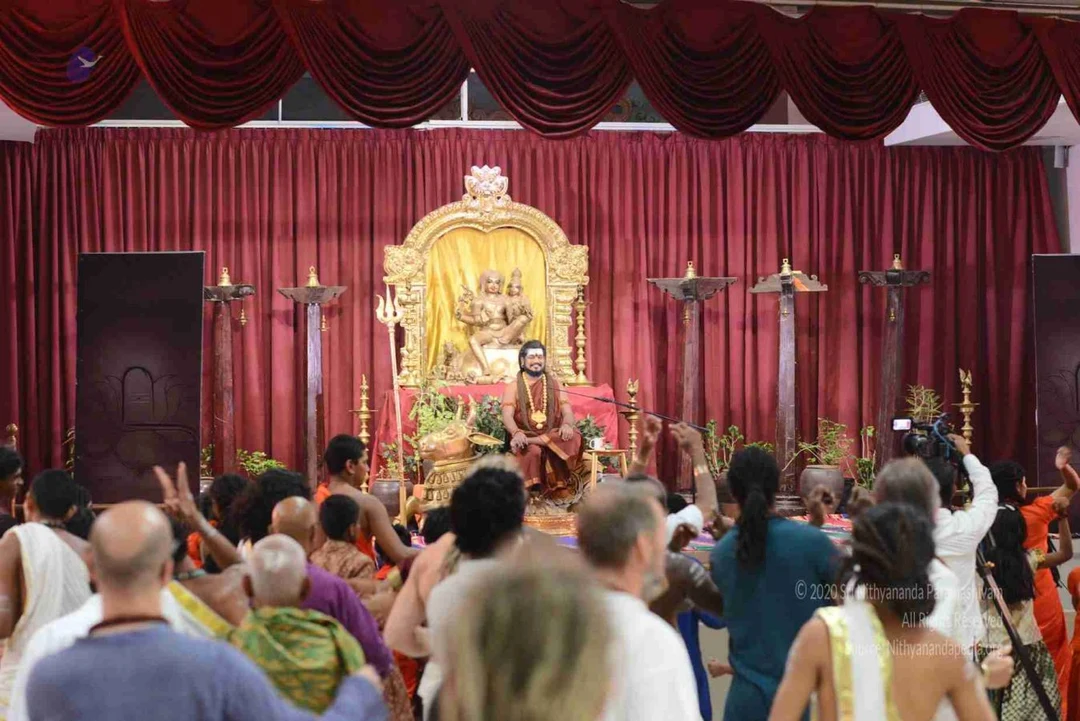 Nithya Kirtans With HDH Bhagavan Sri Nithyananda Paramashivam
 Nithya Kirtans With HDH Bhagavan Sri Nithyananda Paramashivam
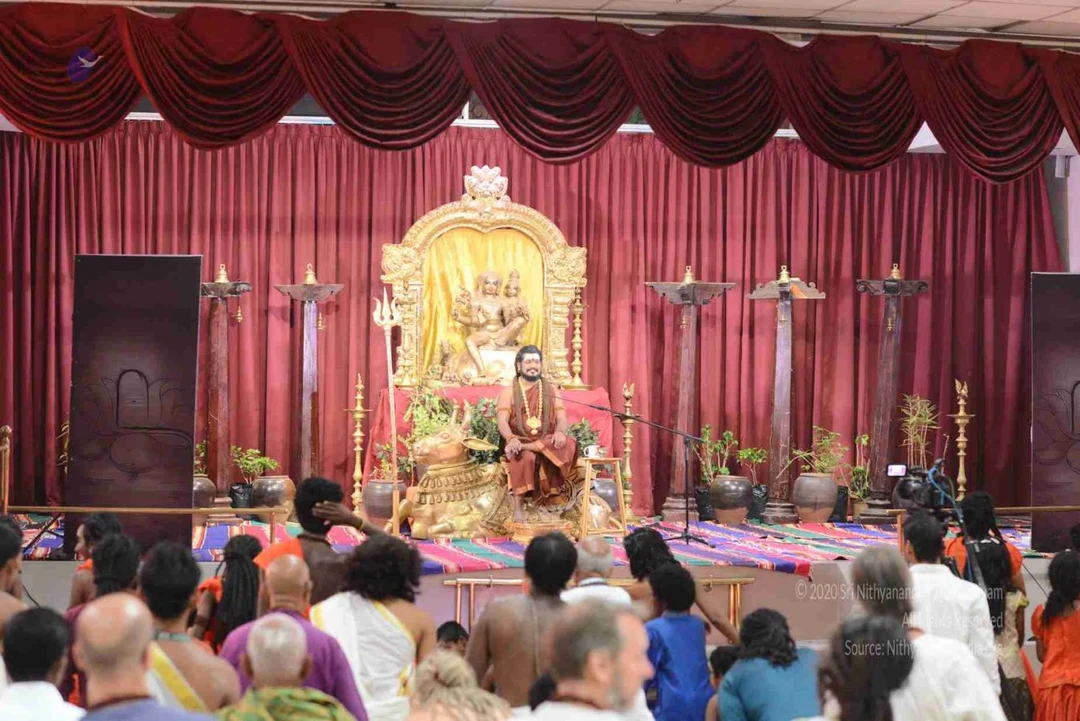 Nithya Kirtans With HDH Bhagavan Sri Nithyananda Paramashivam
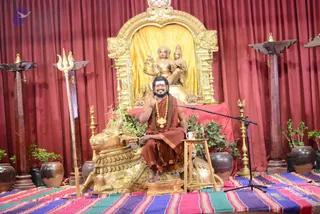
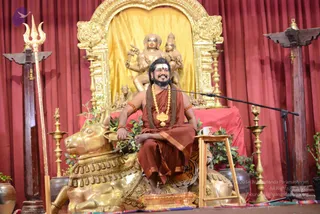
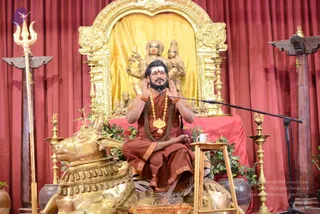
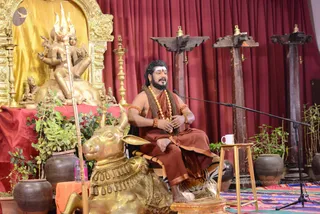
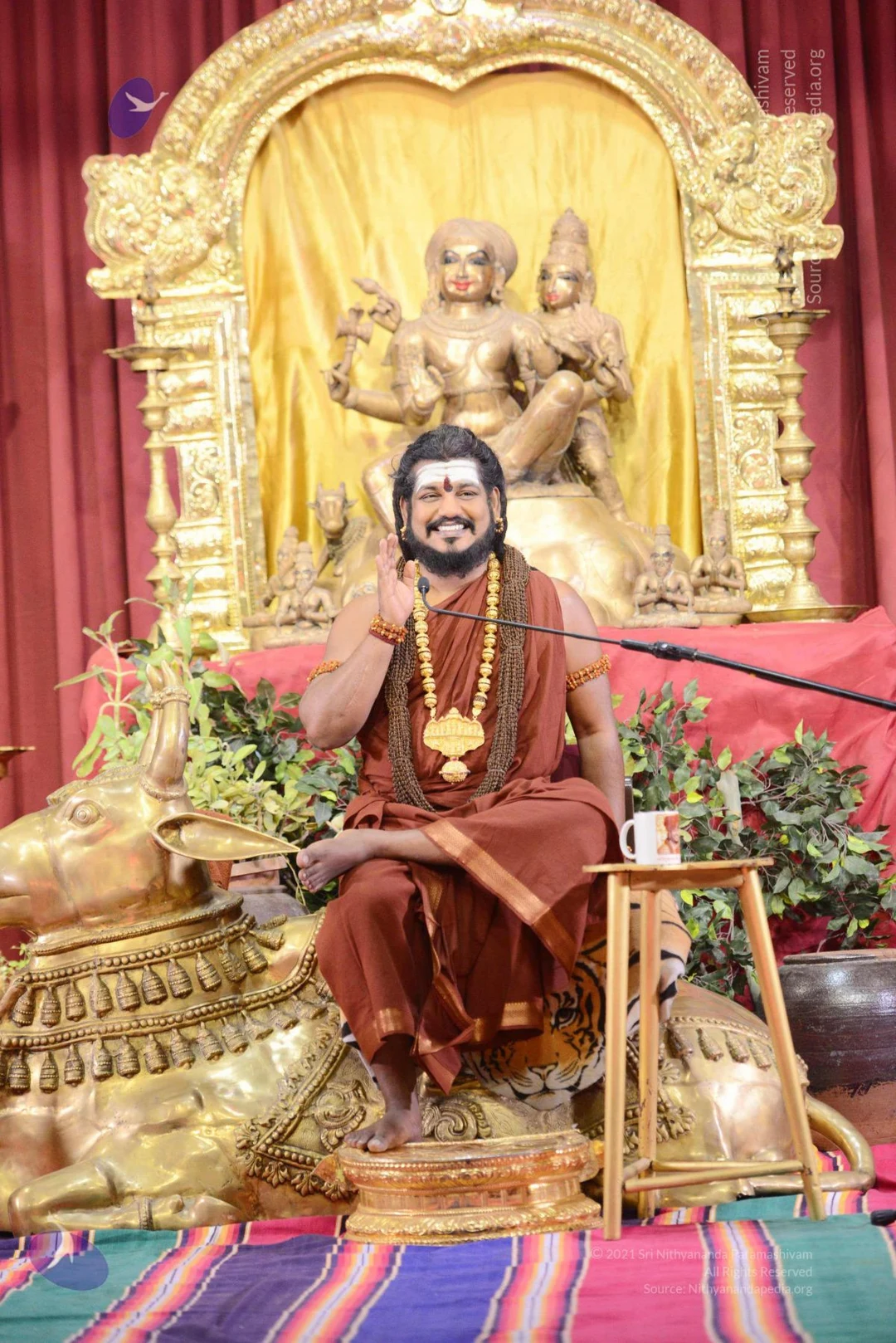
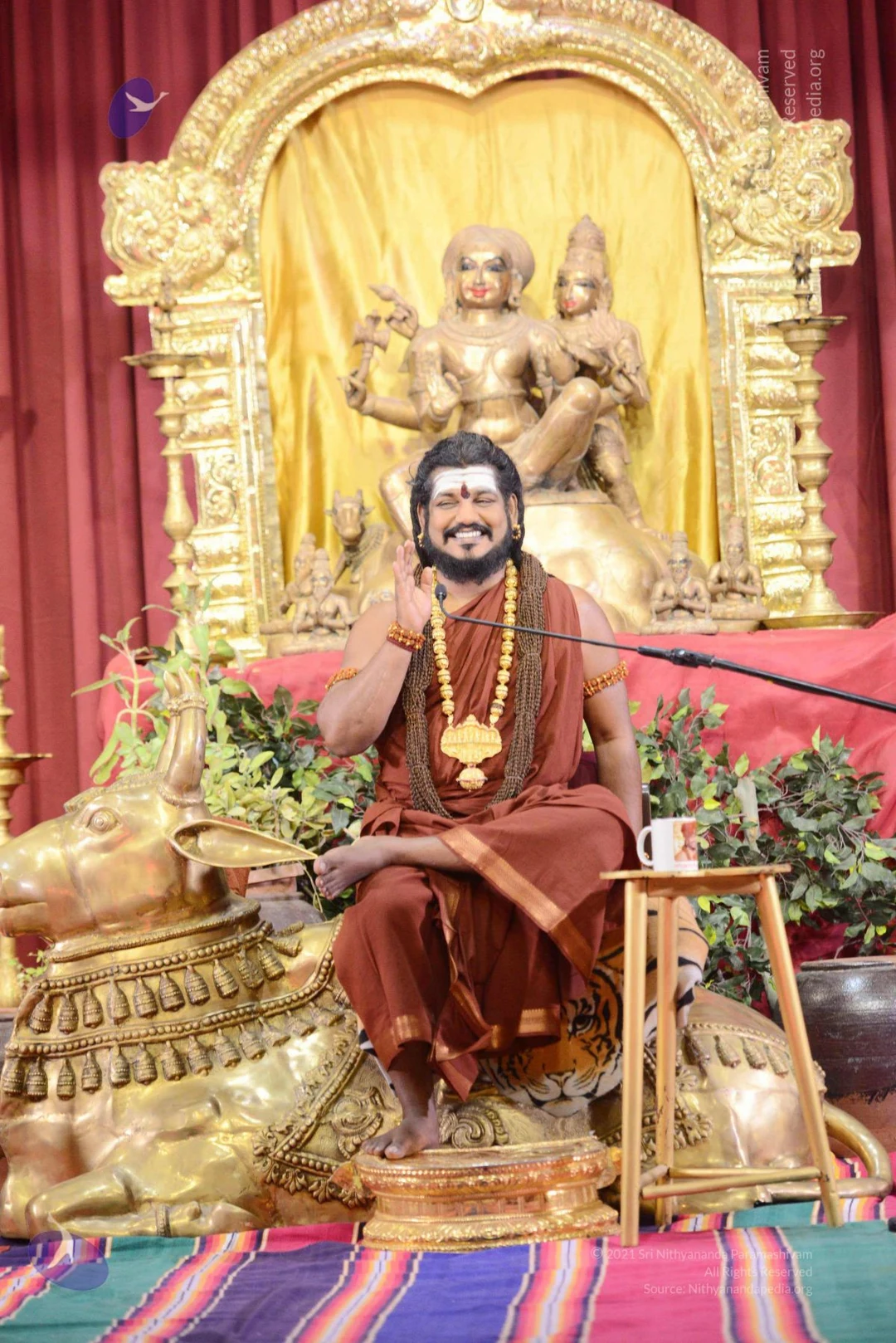
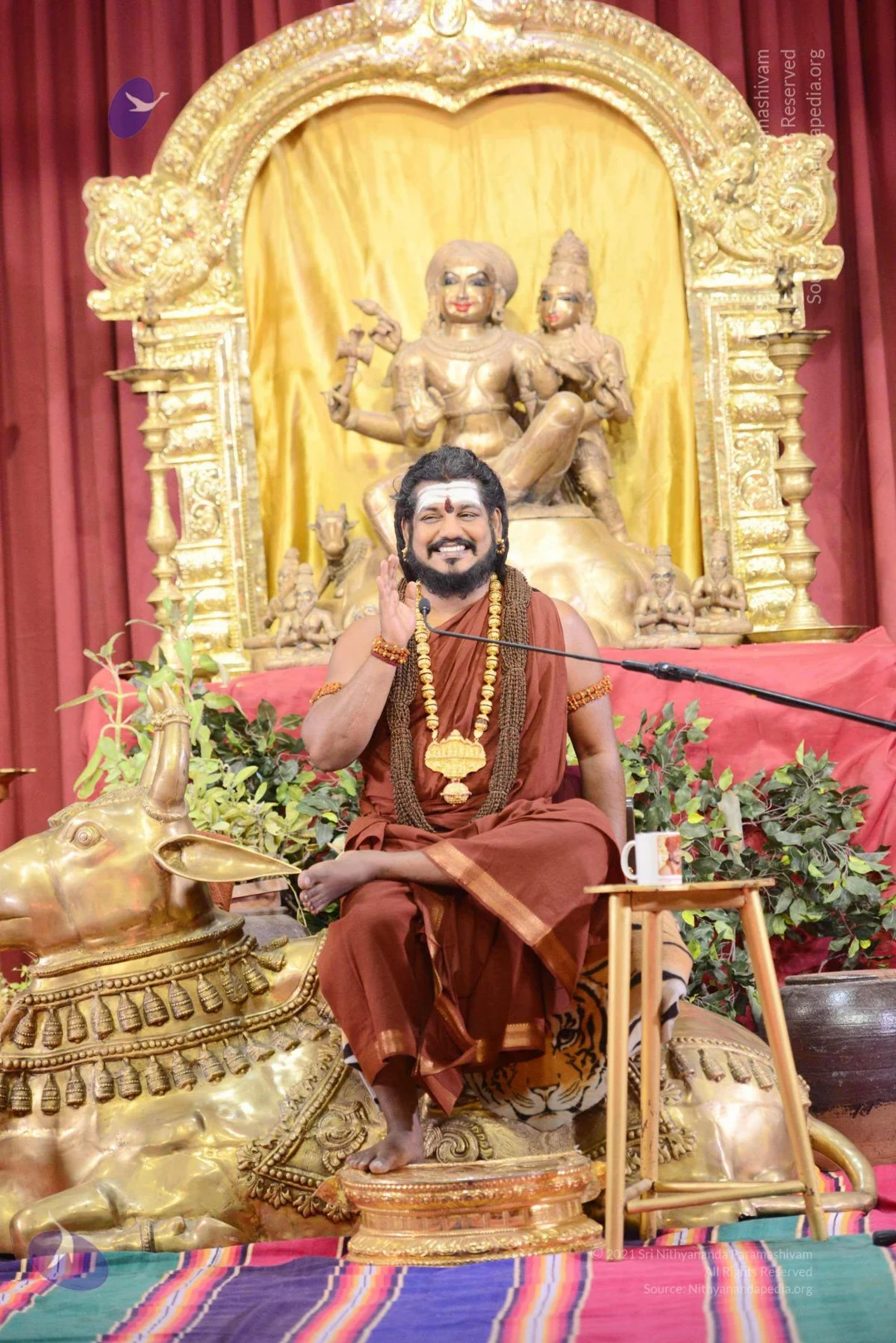
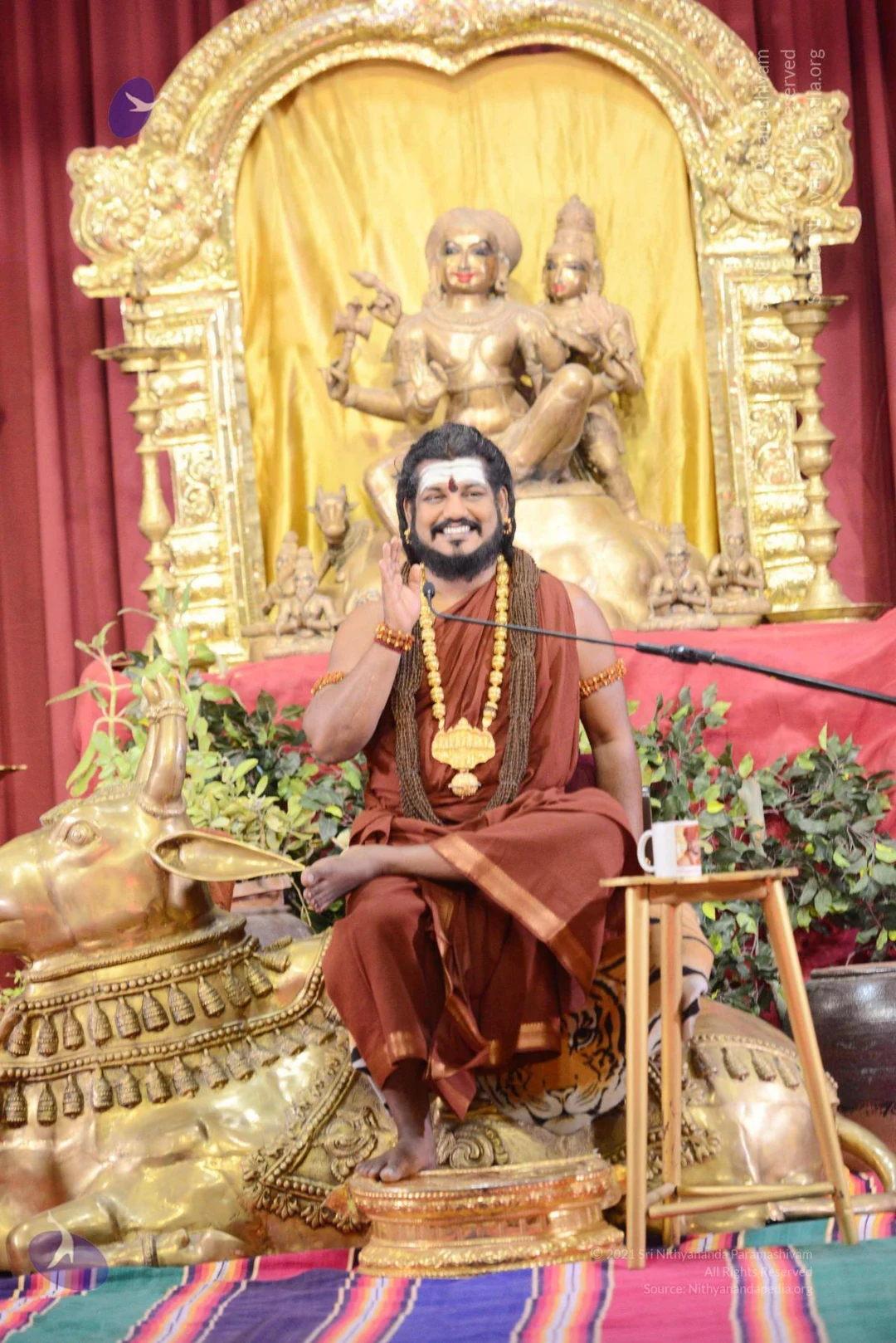
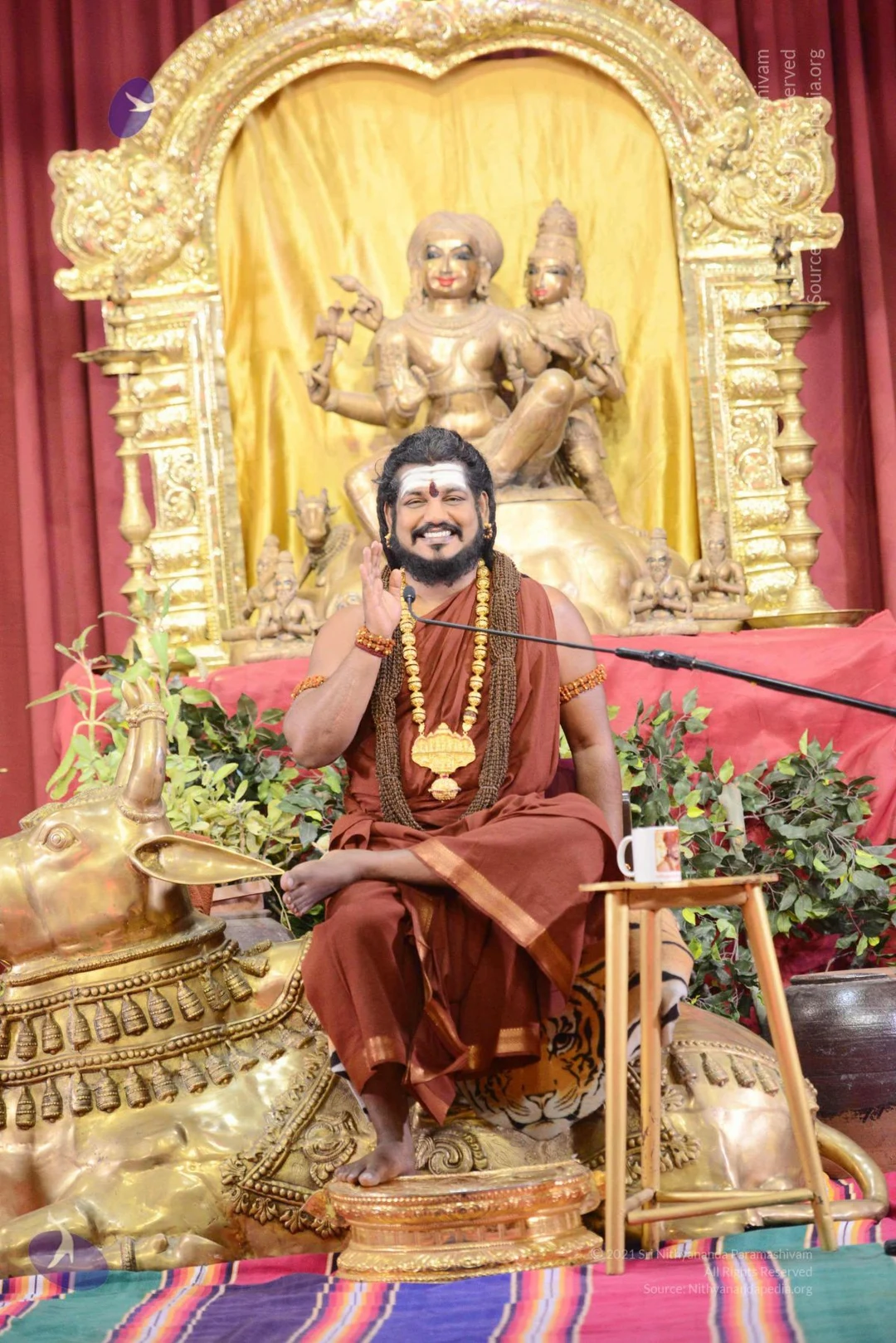
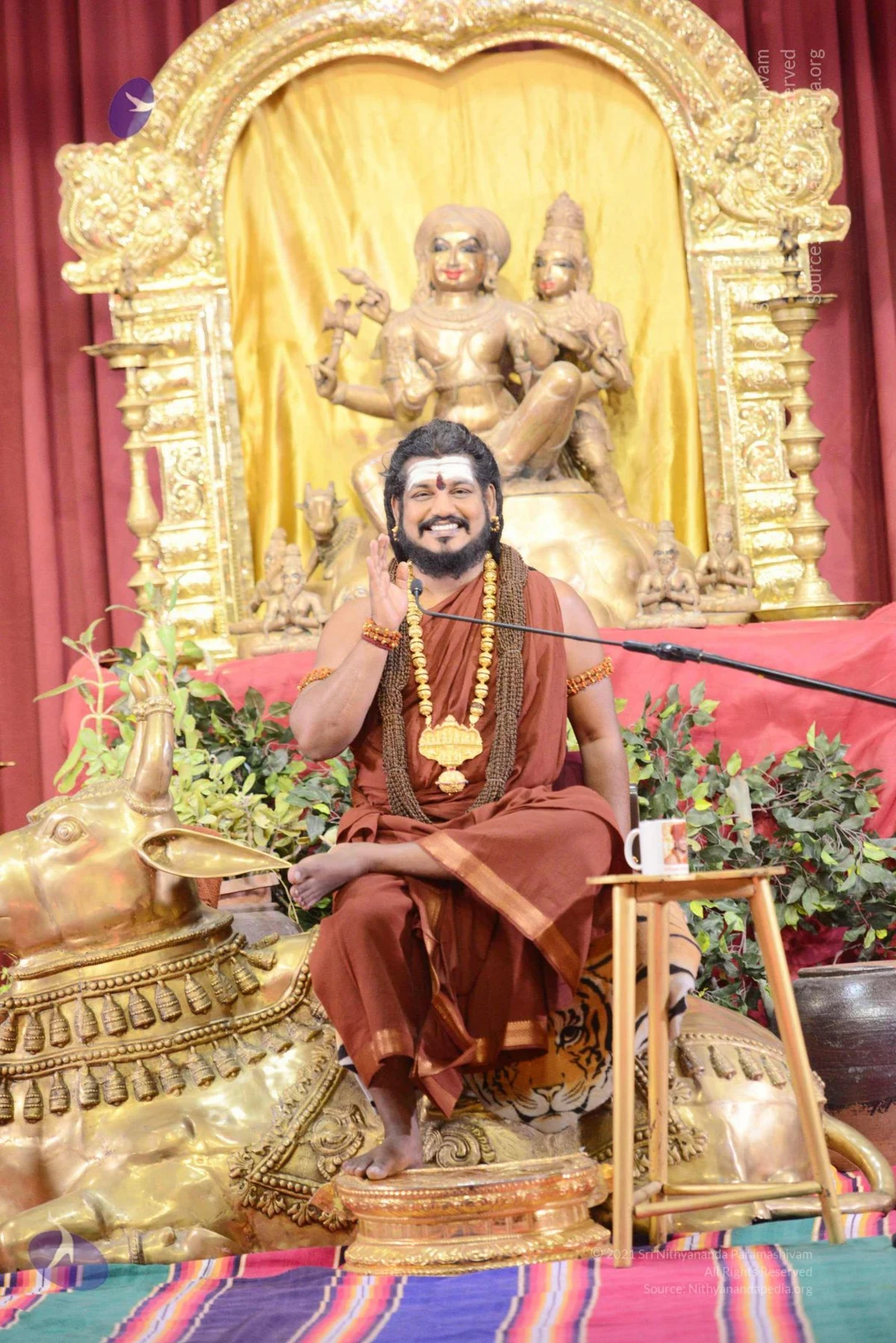
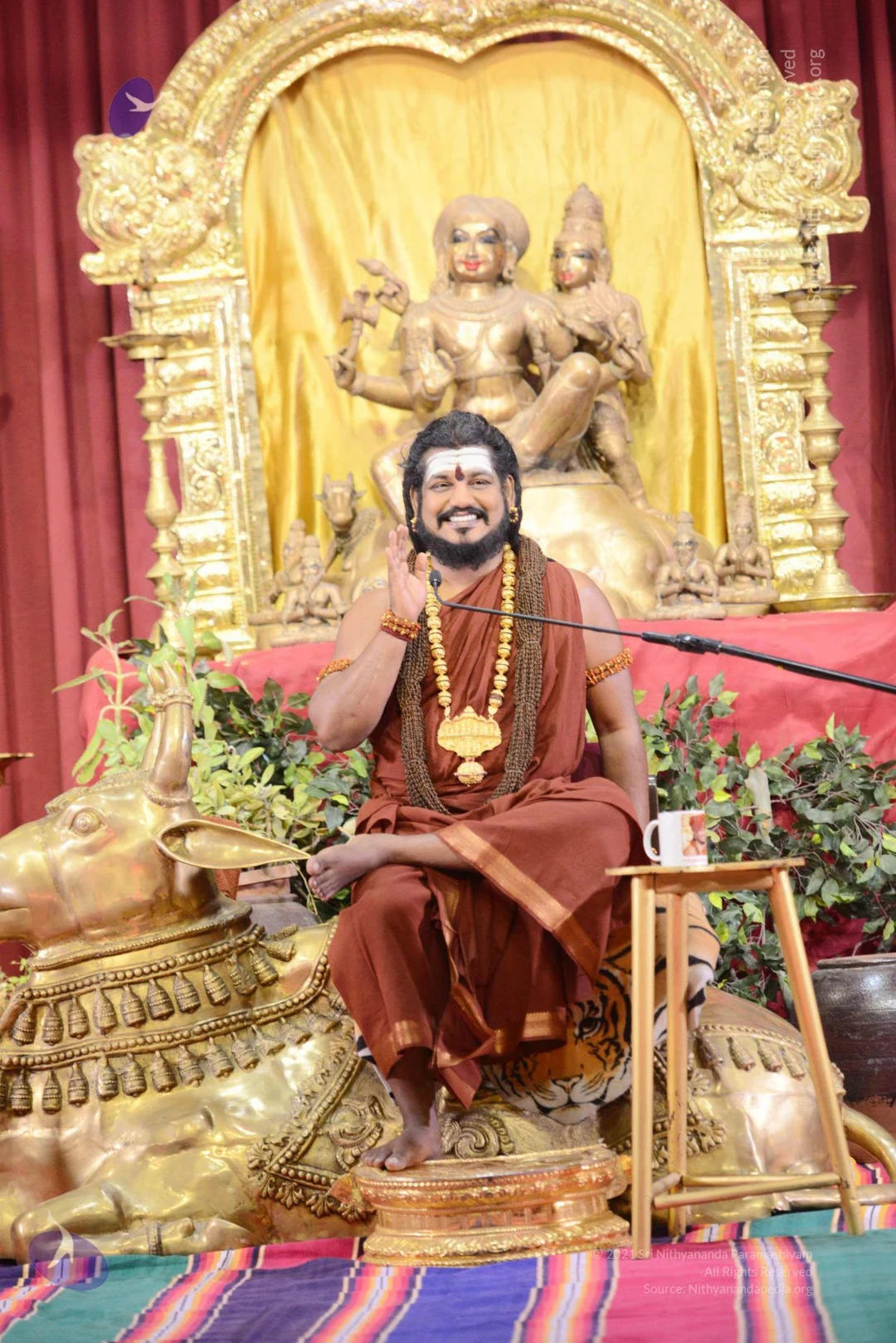
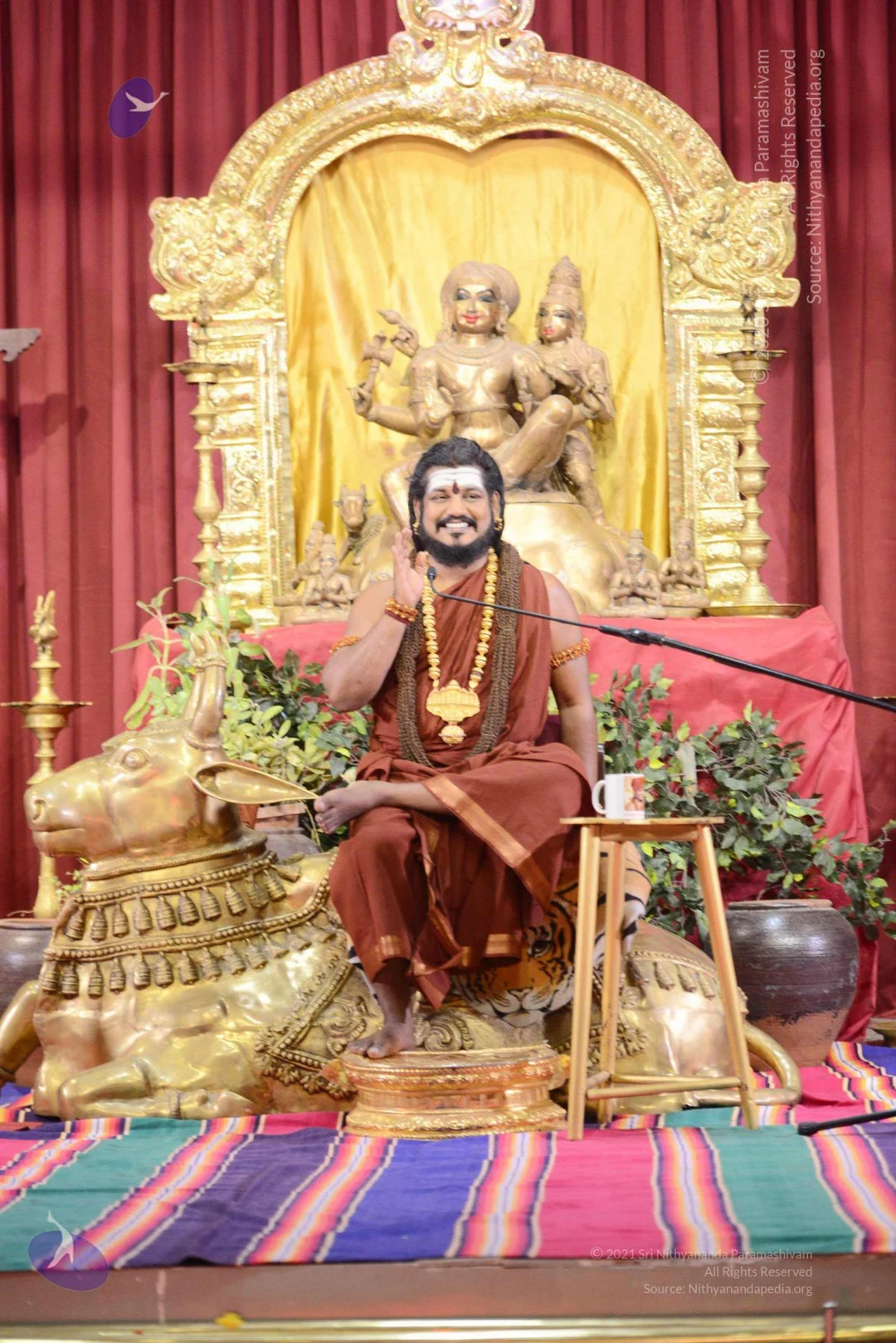
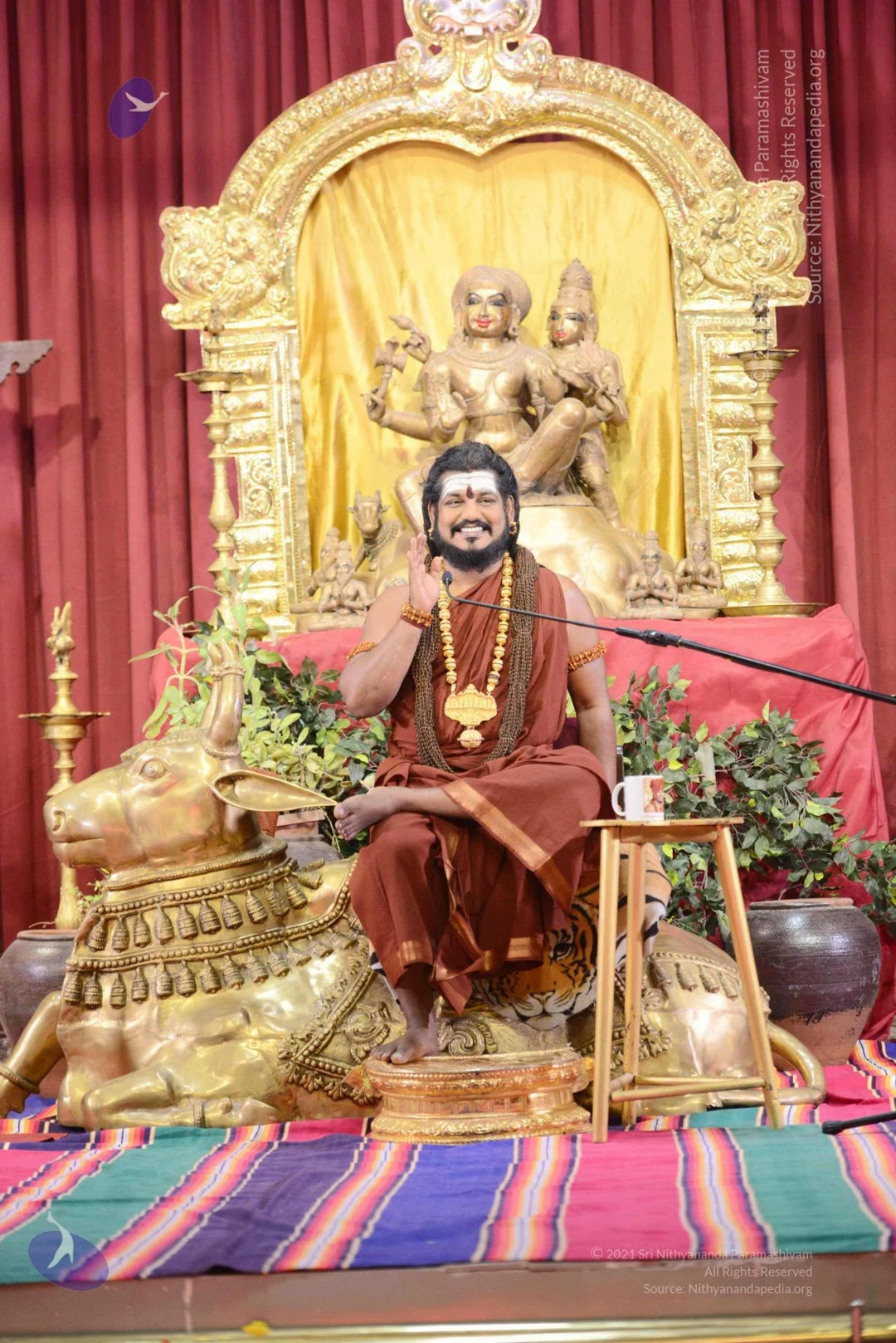
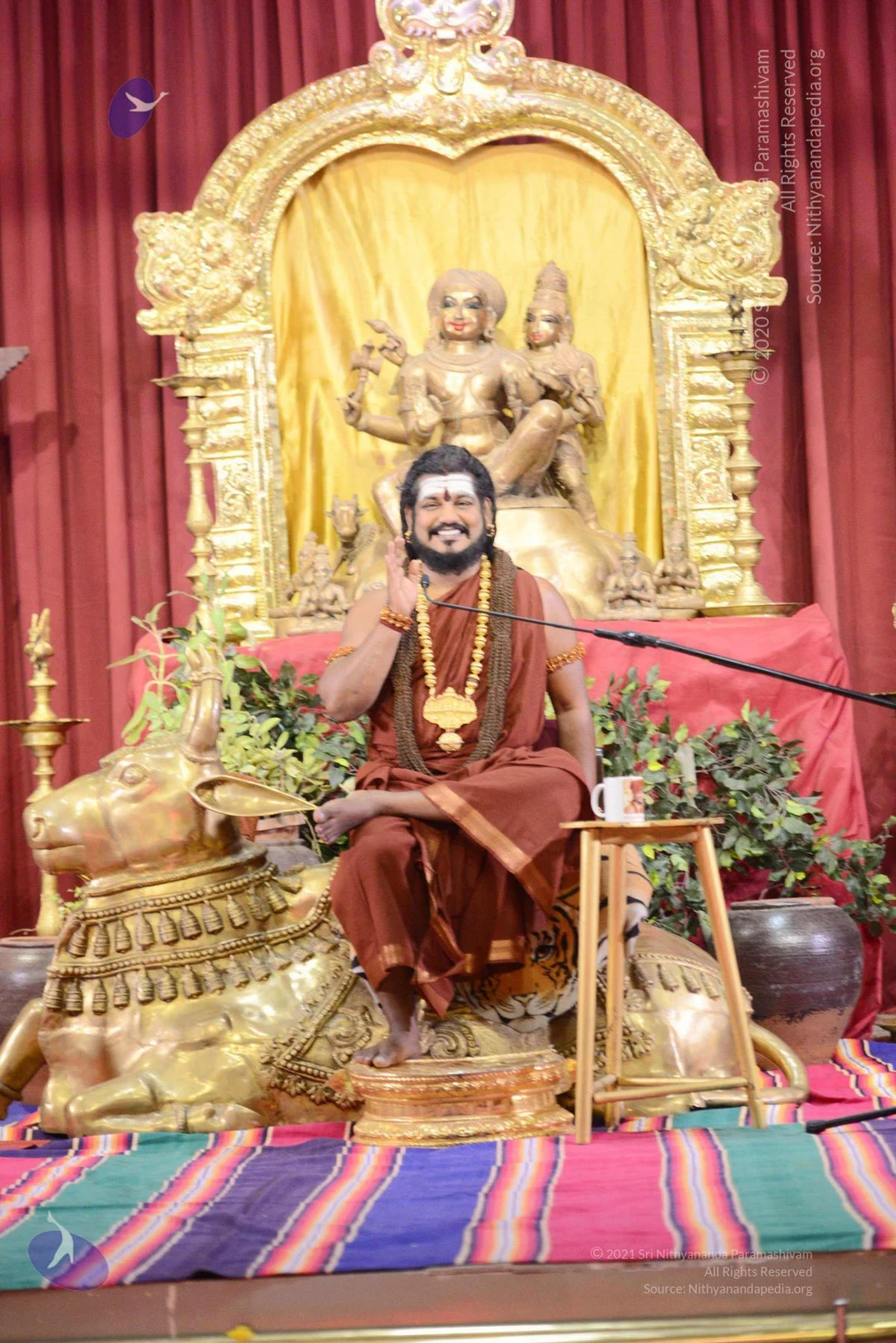
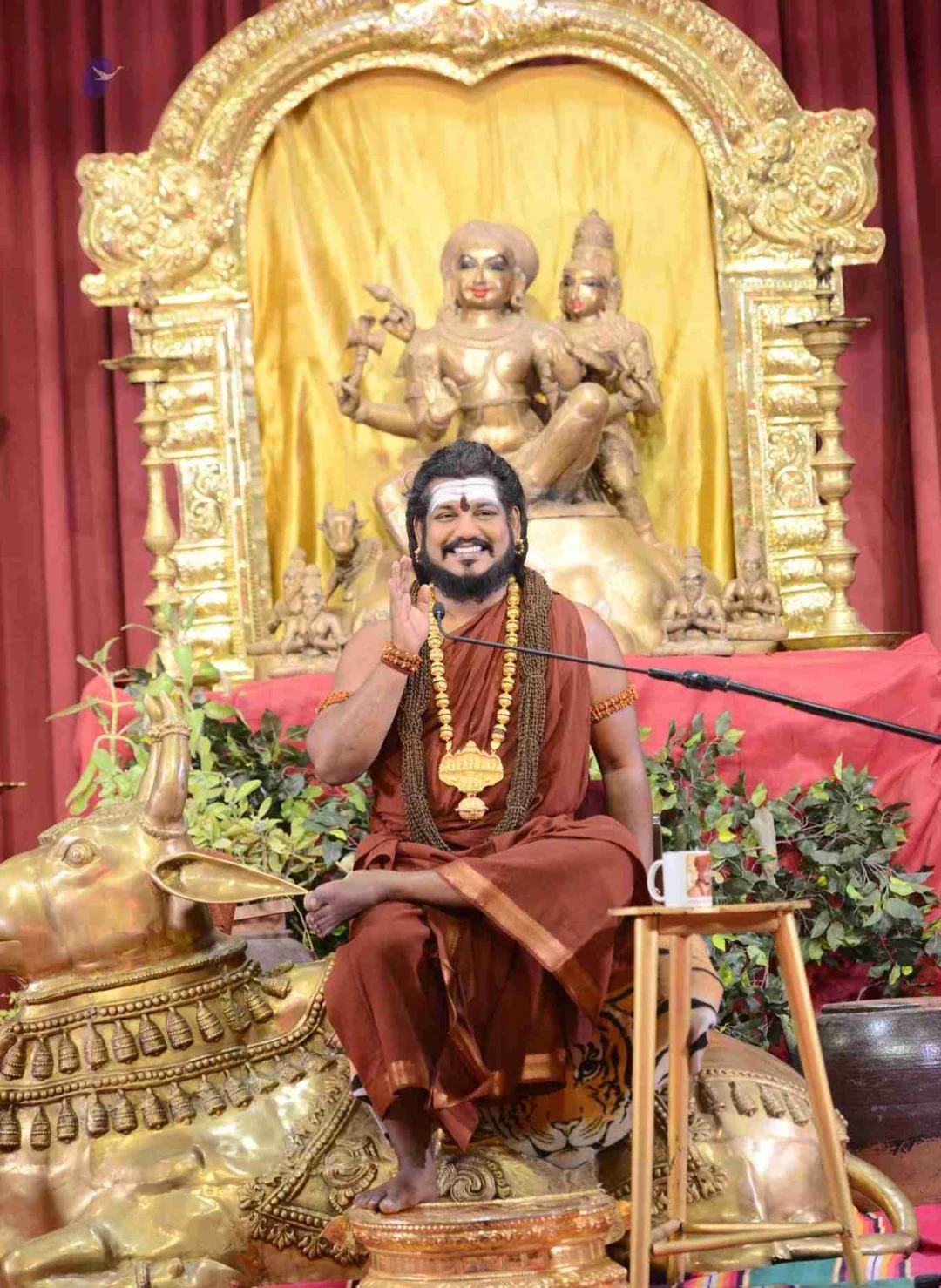
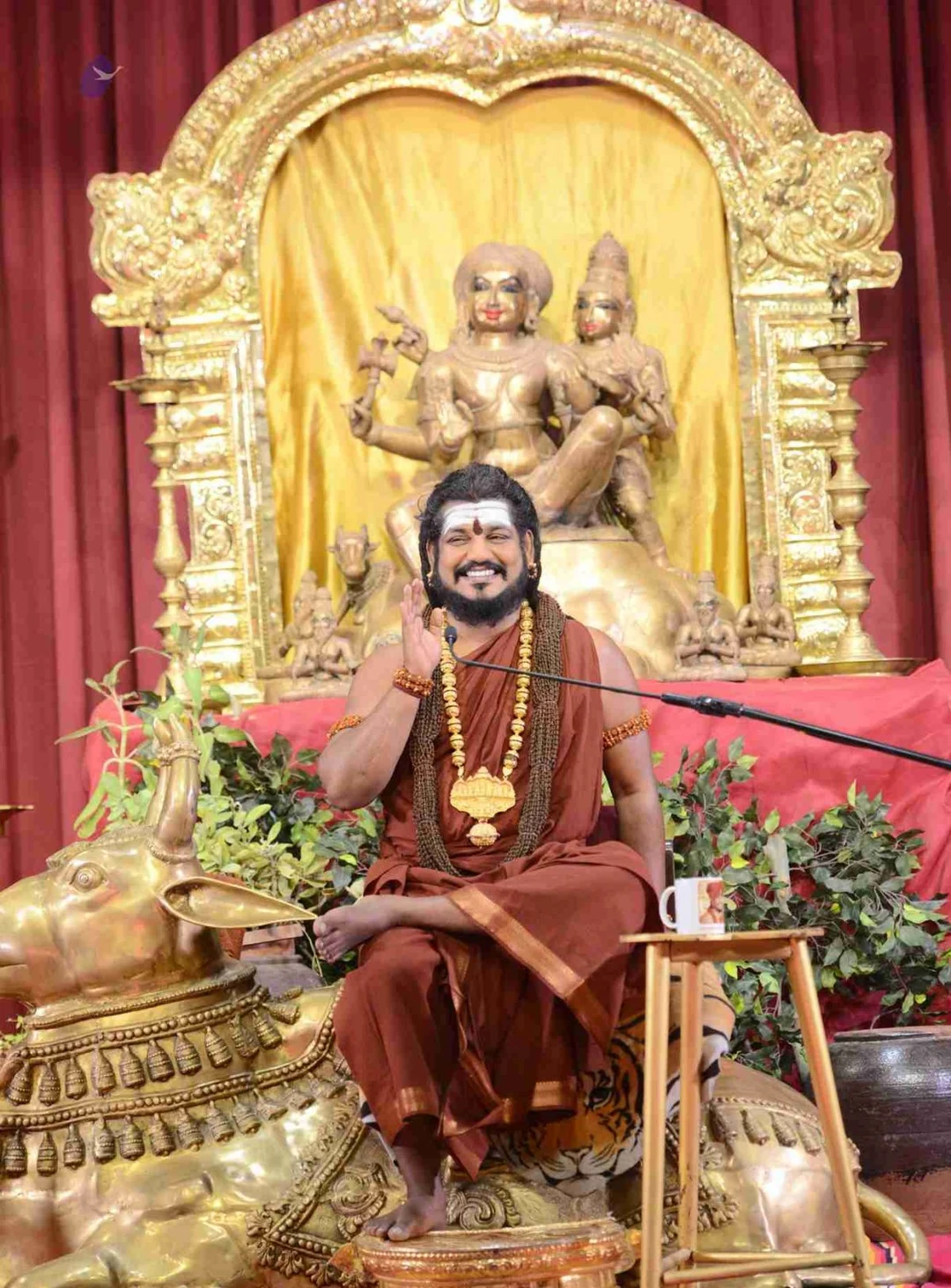
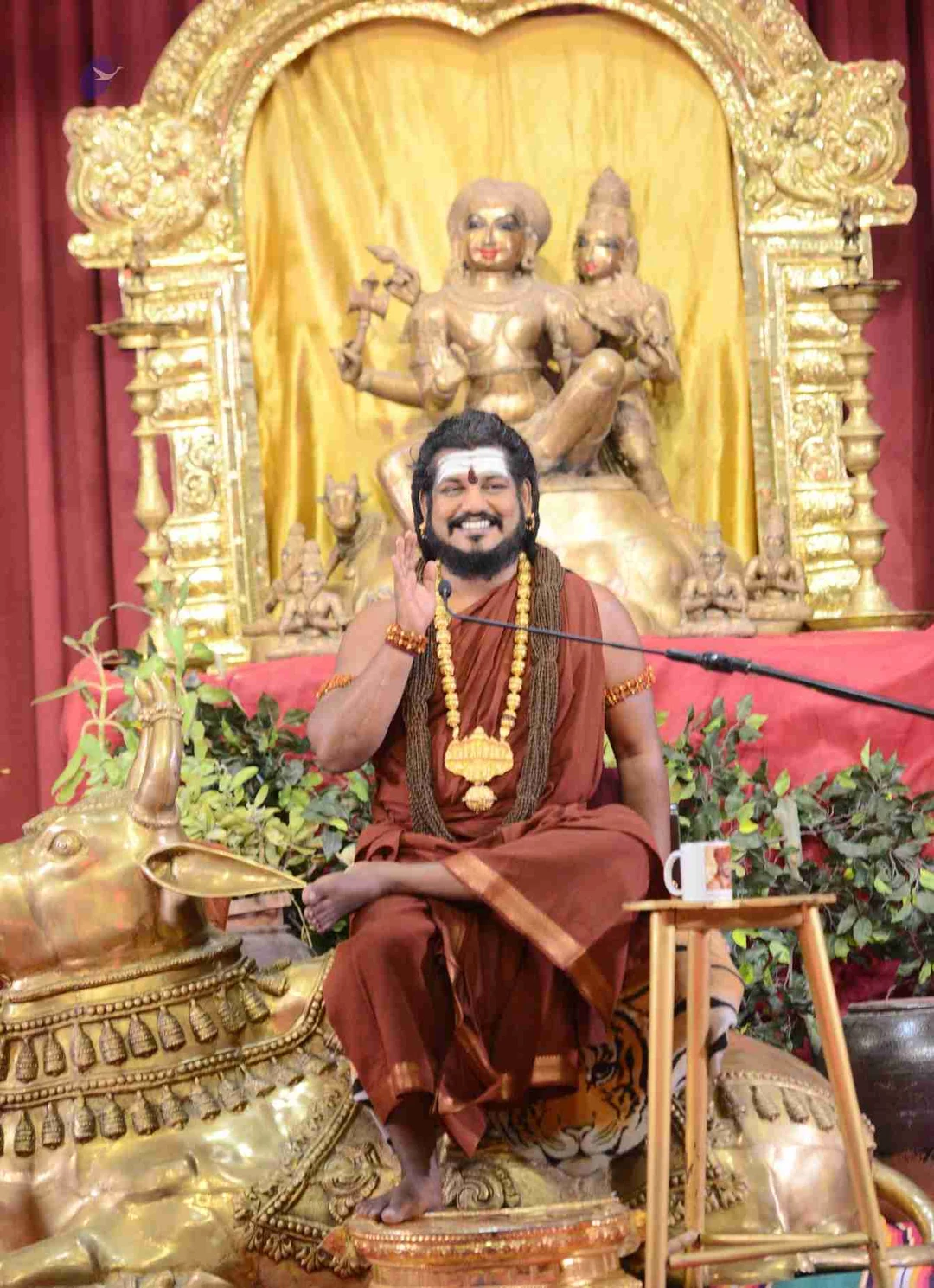
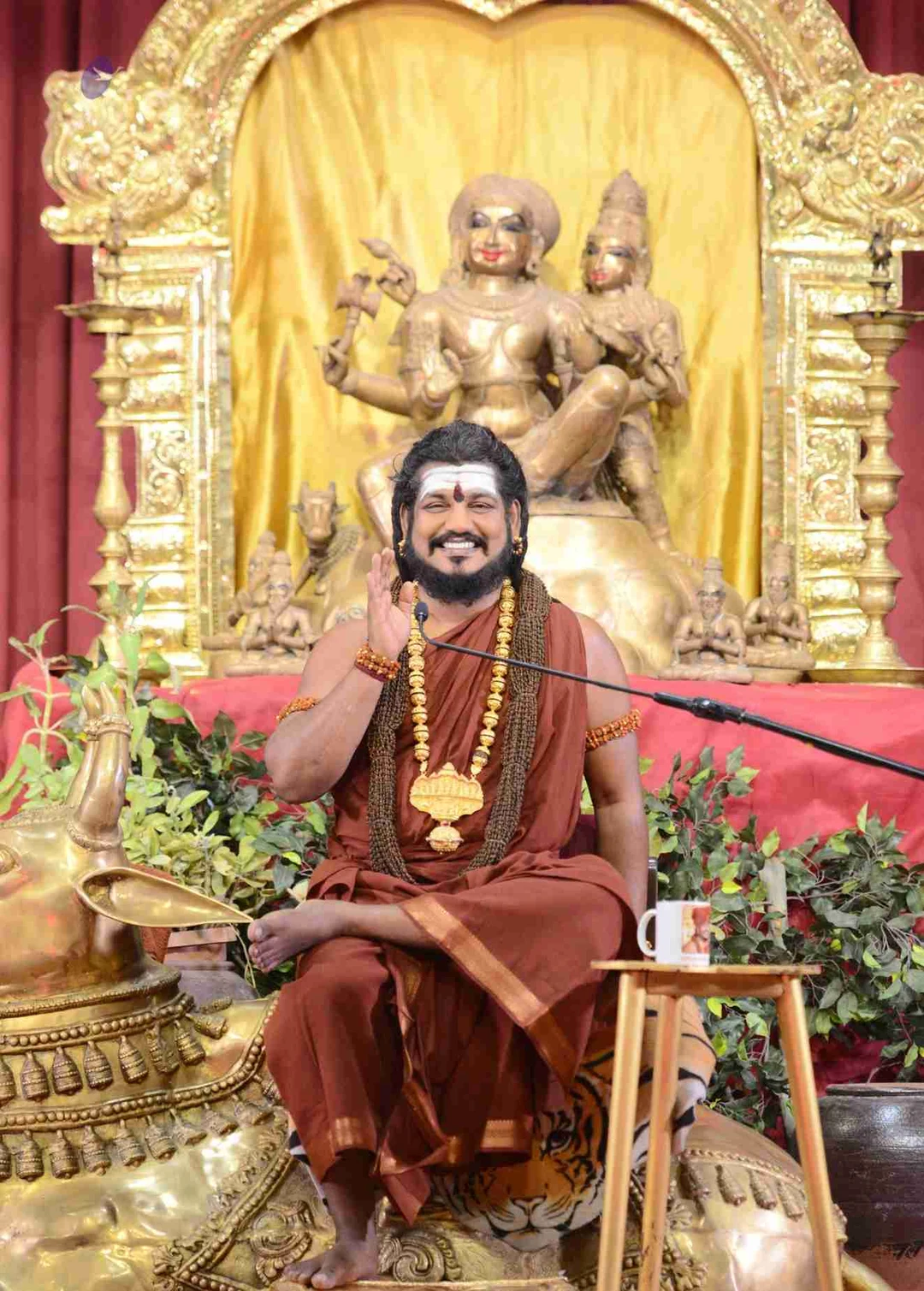
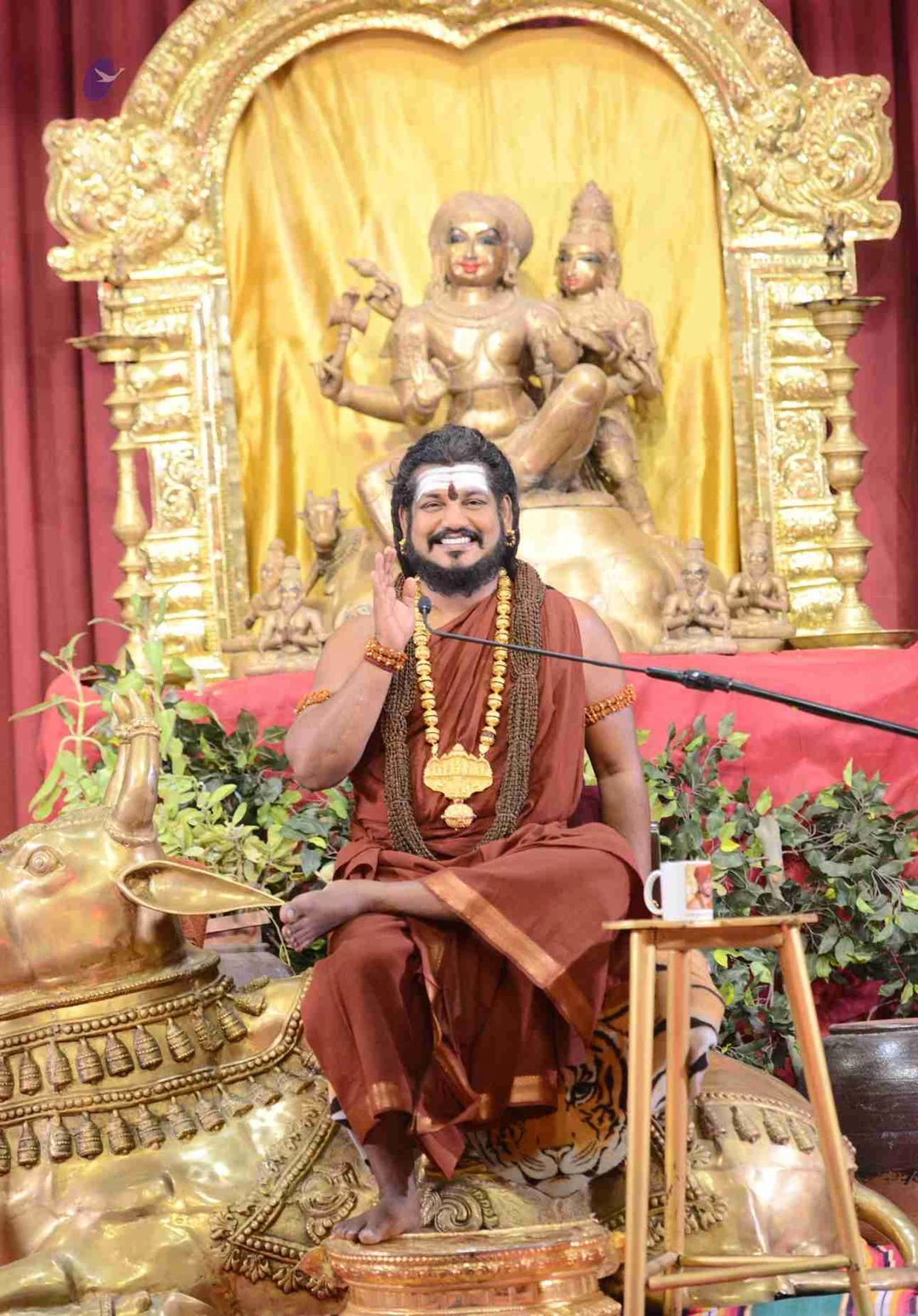
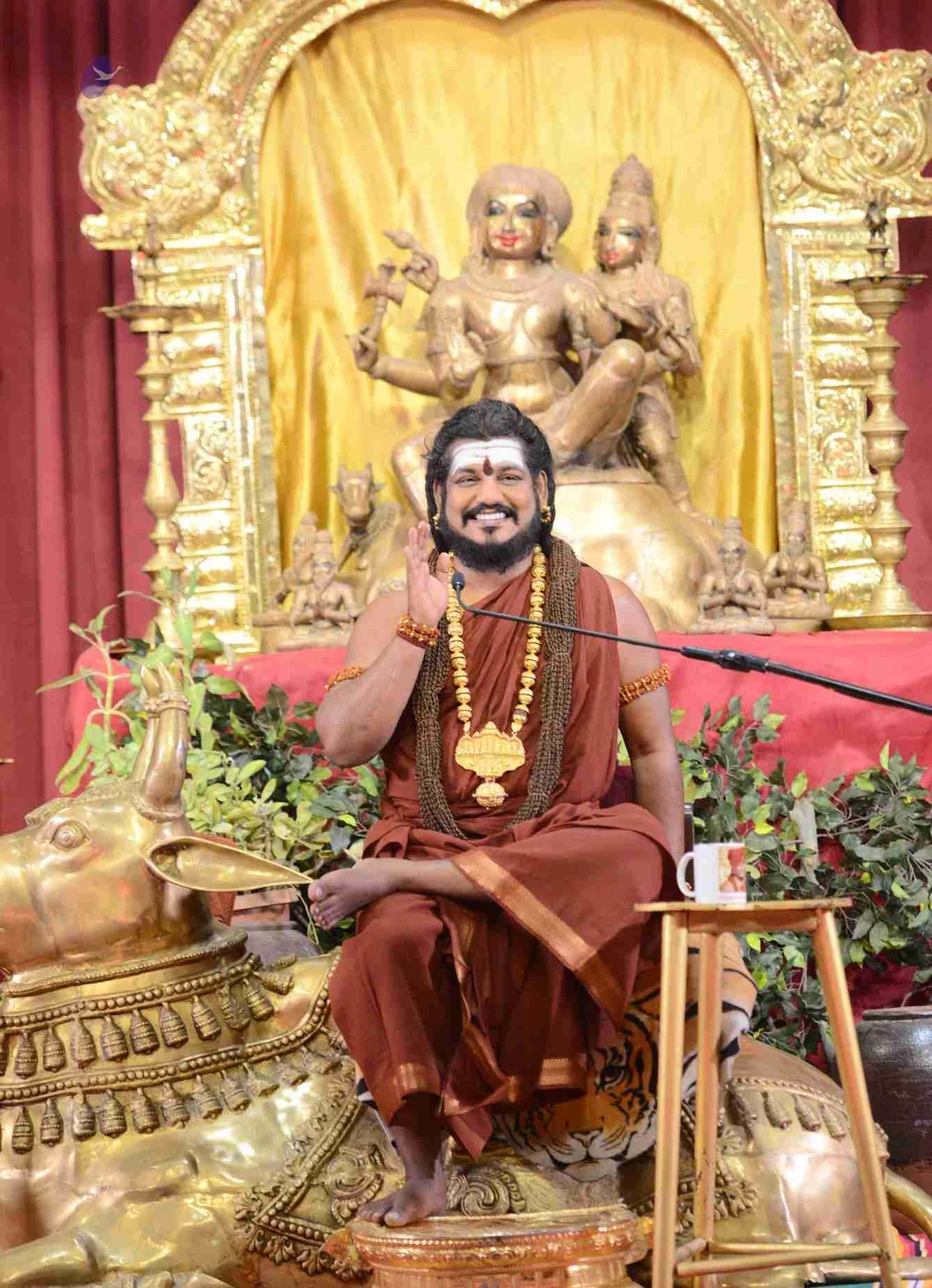
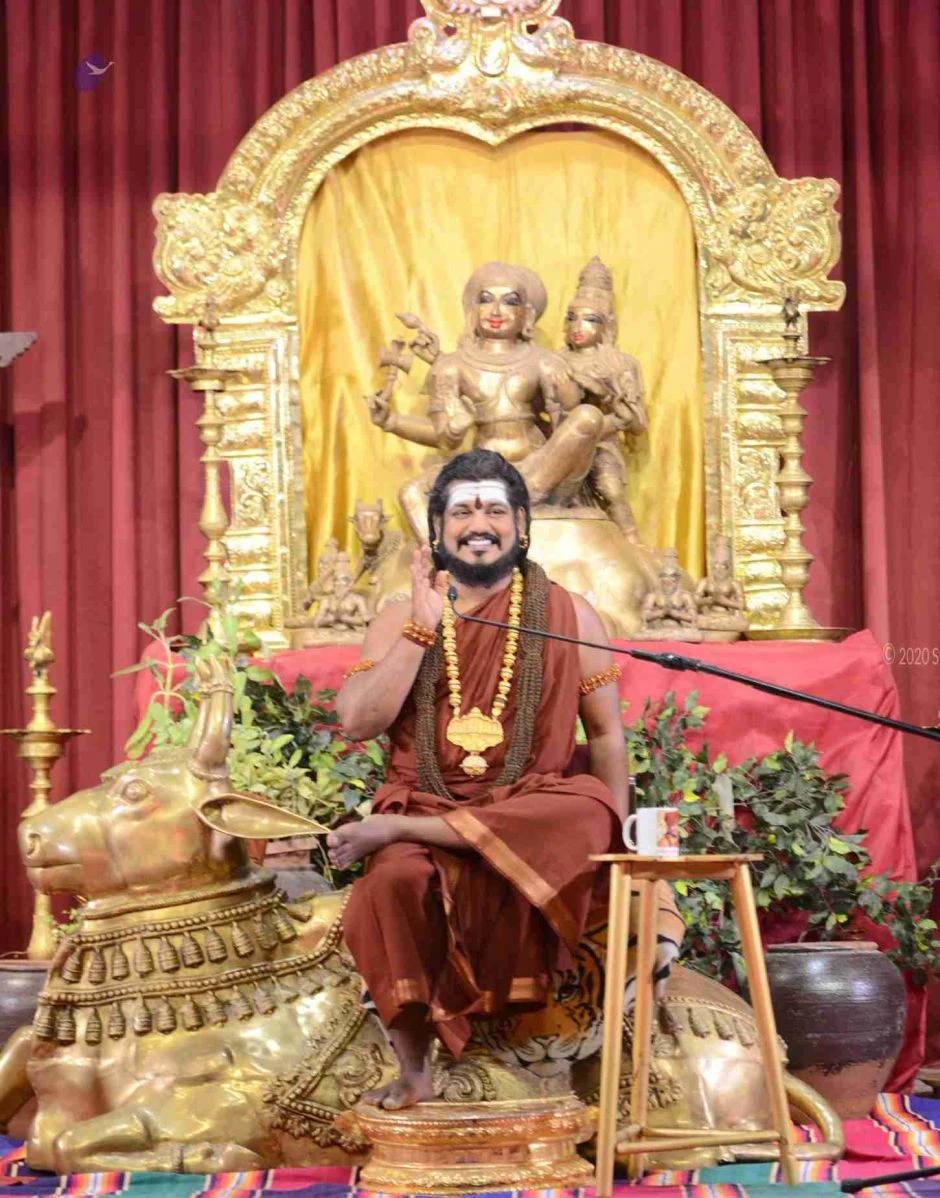
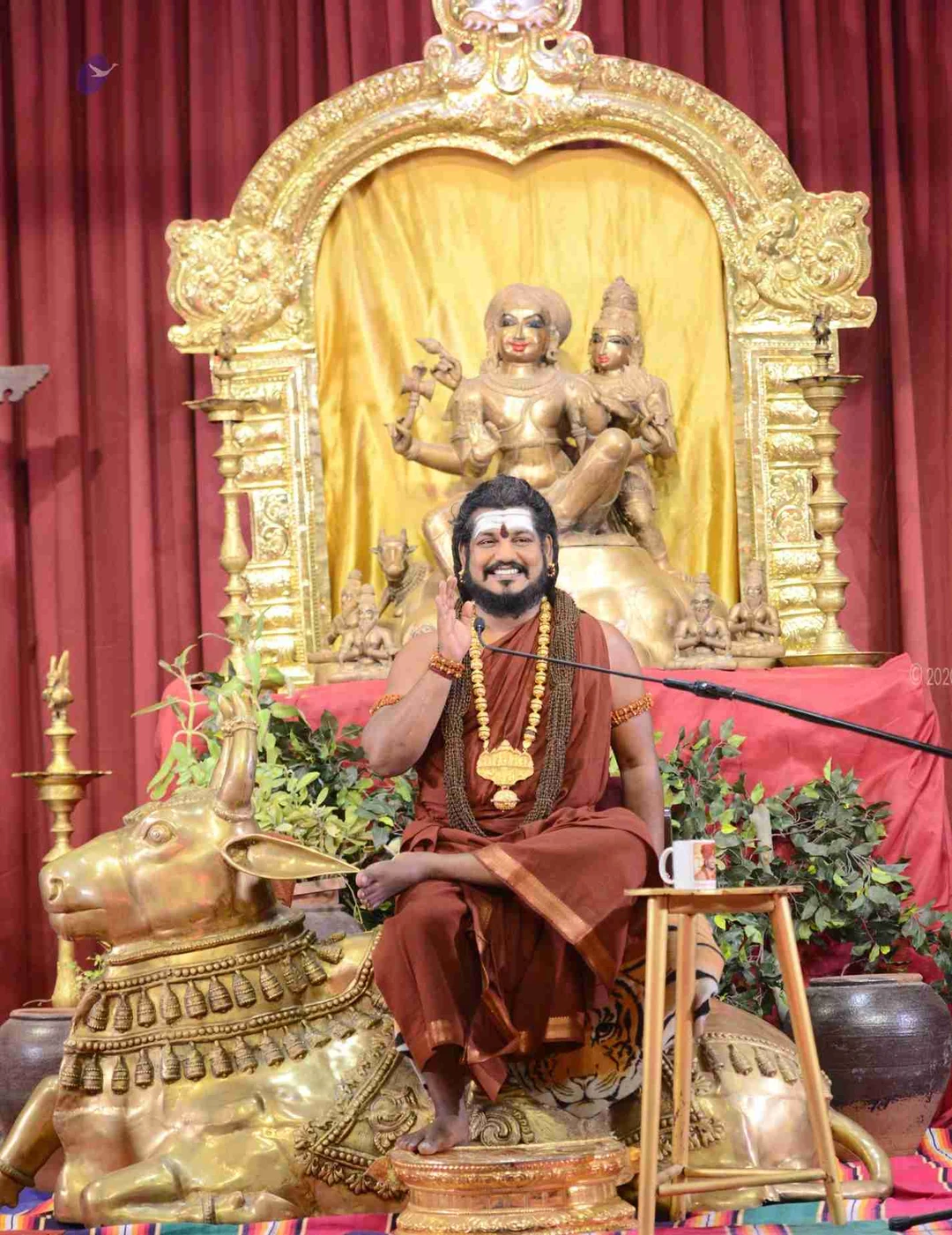
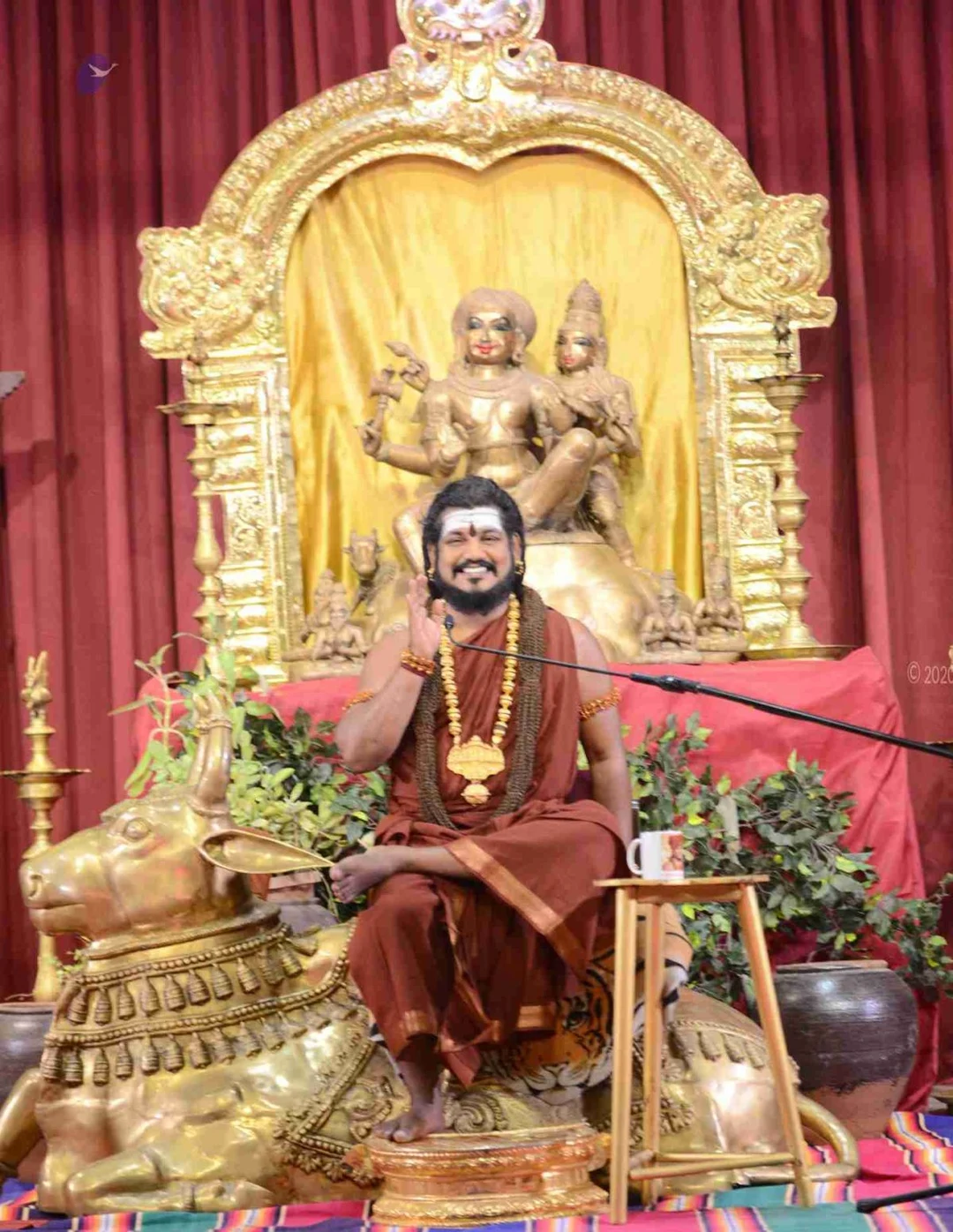
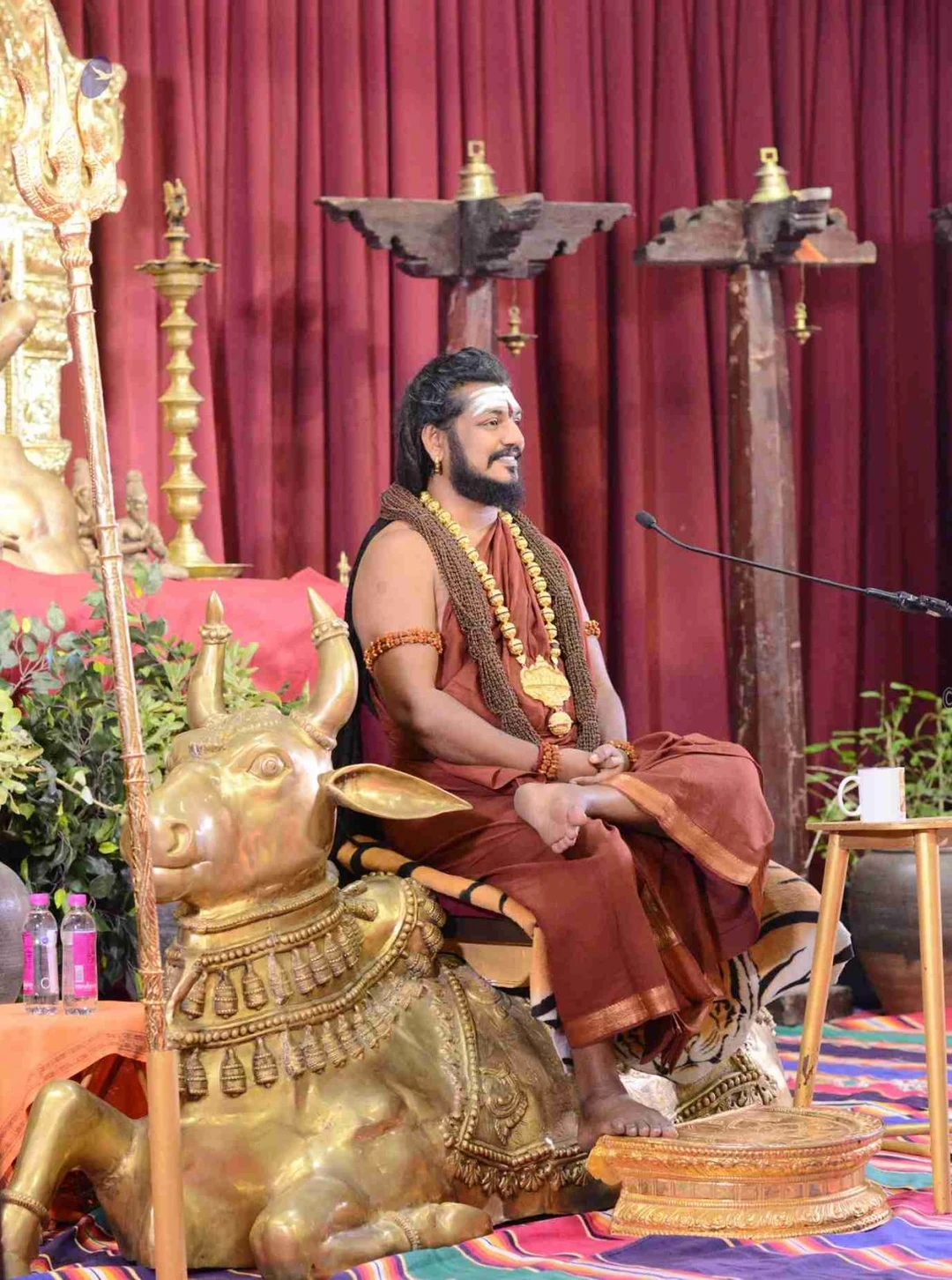
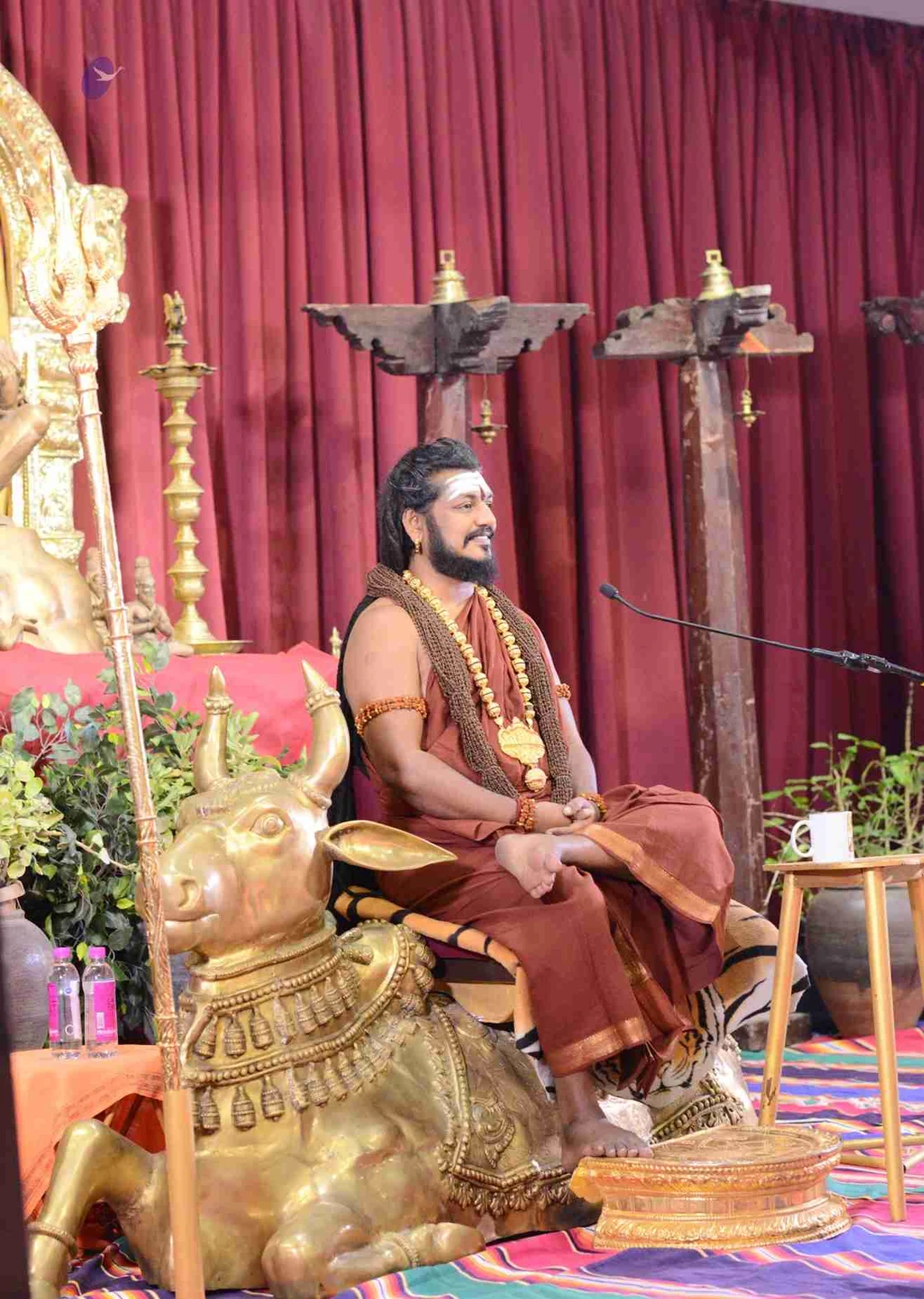
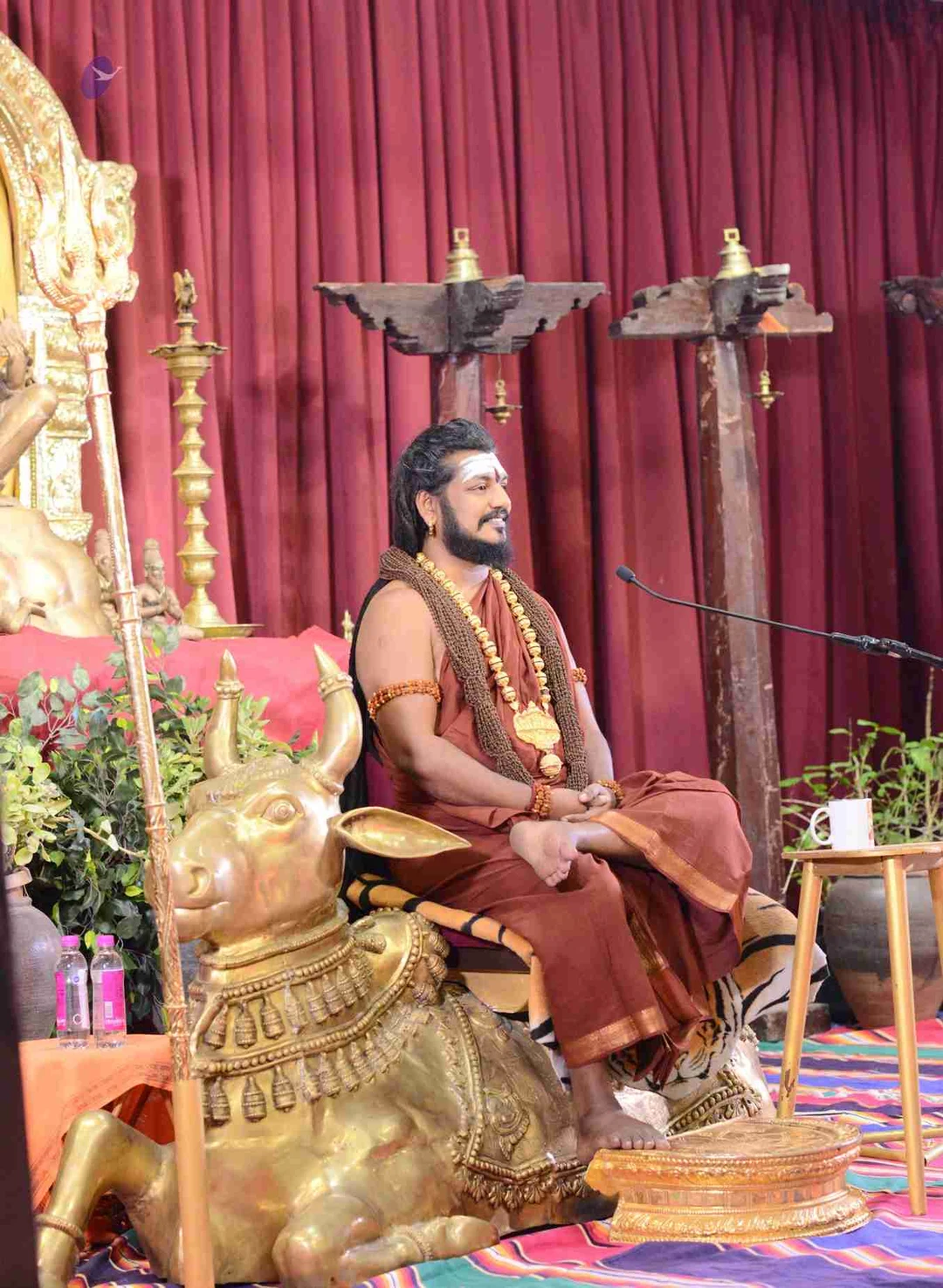
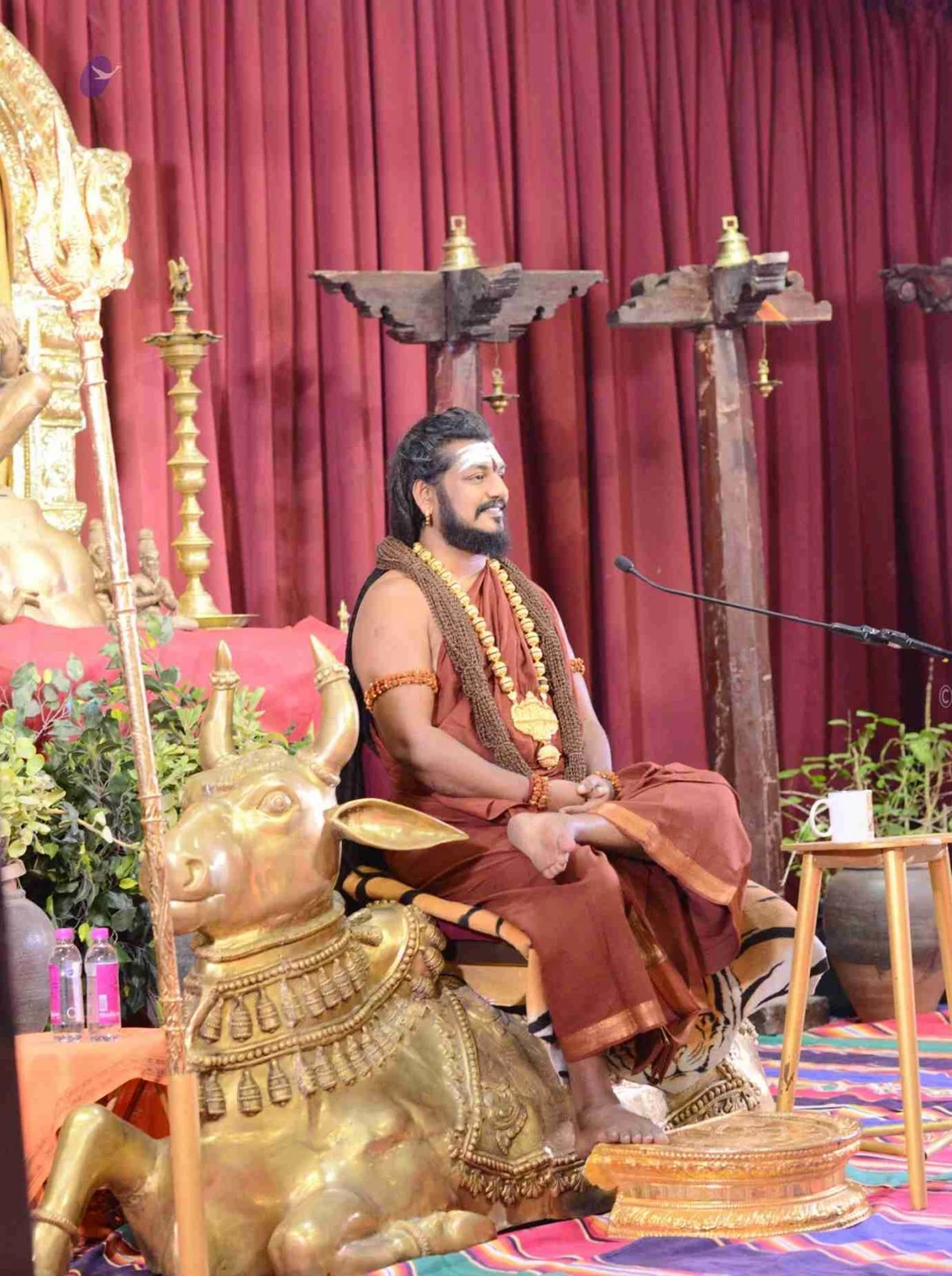
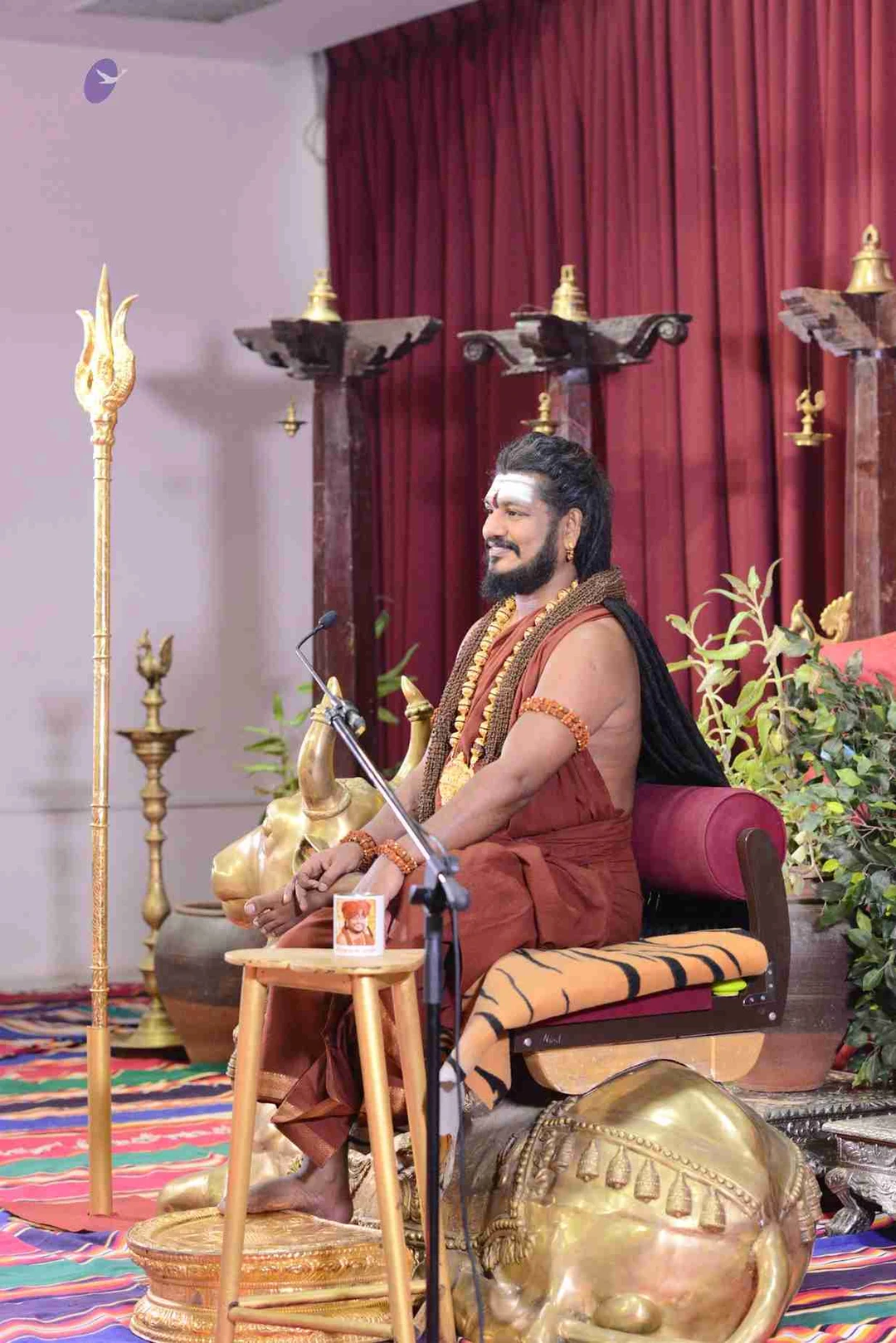
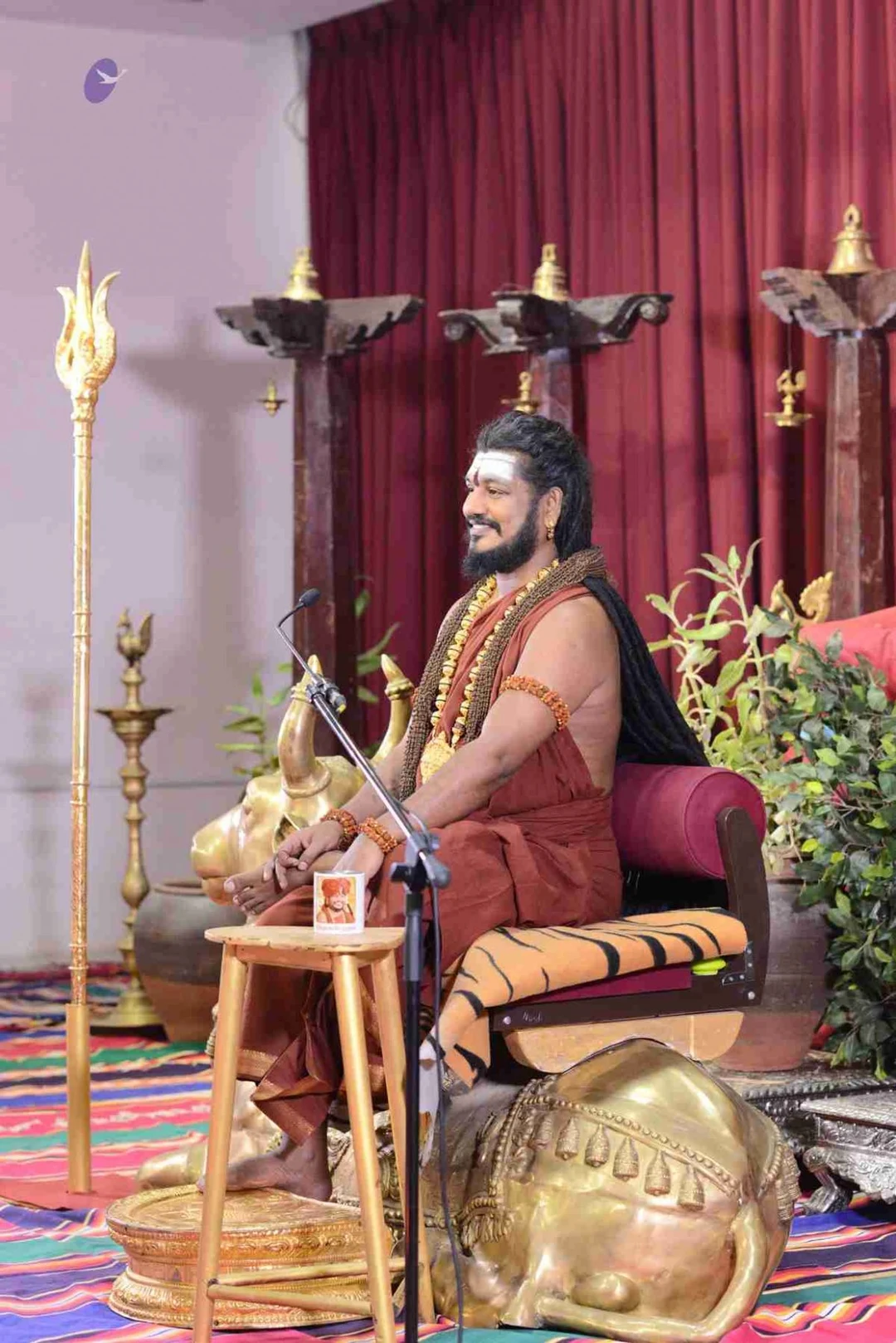
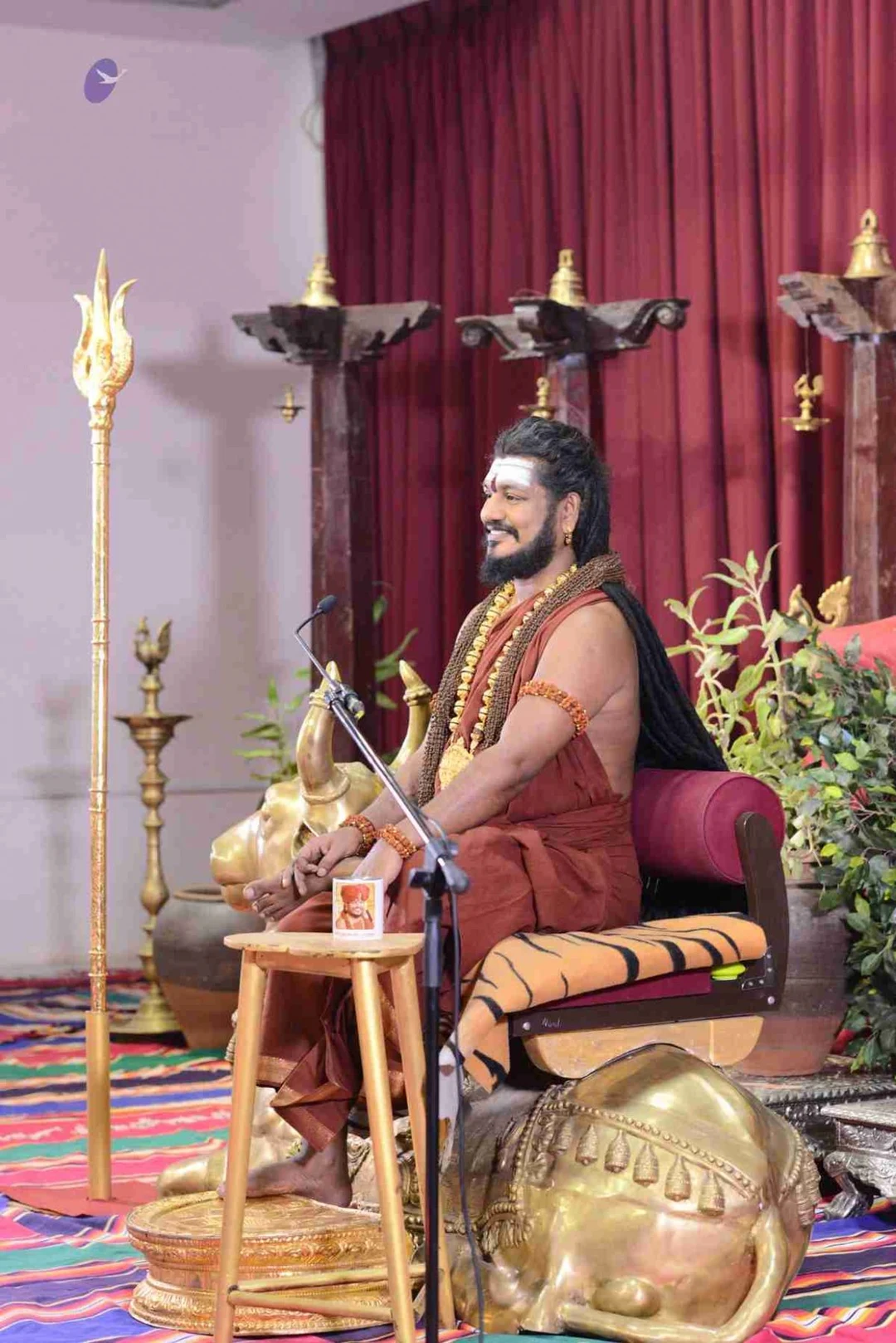
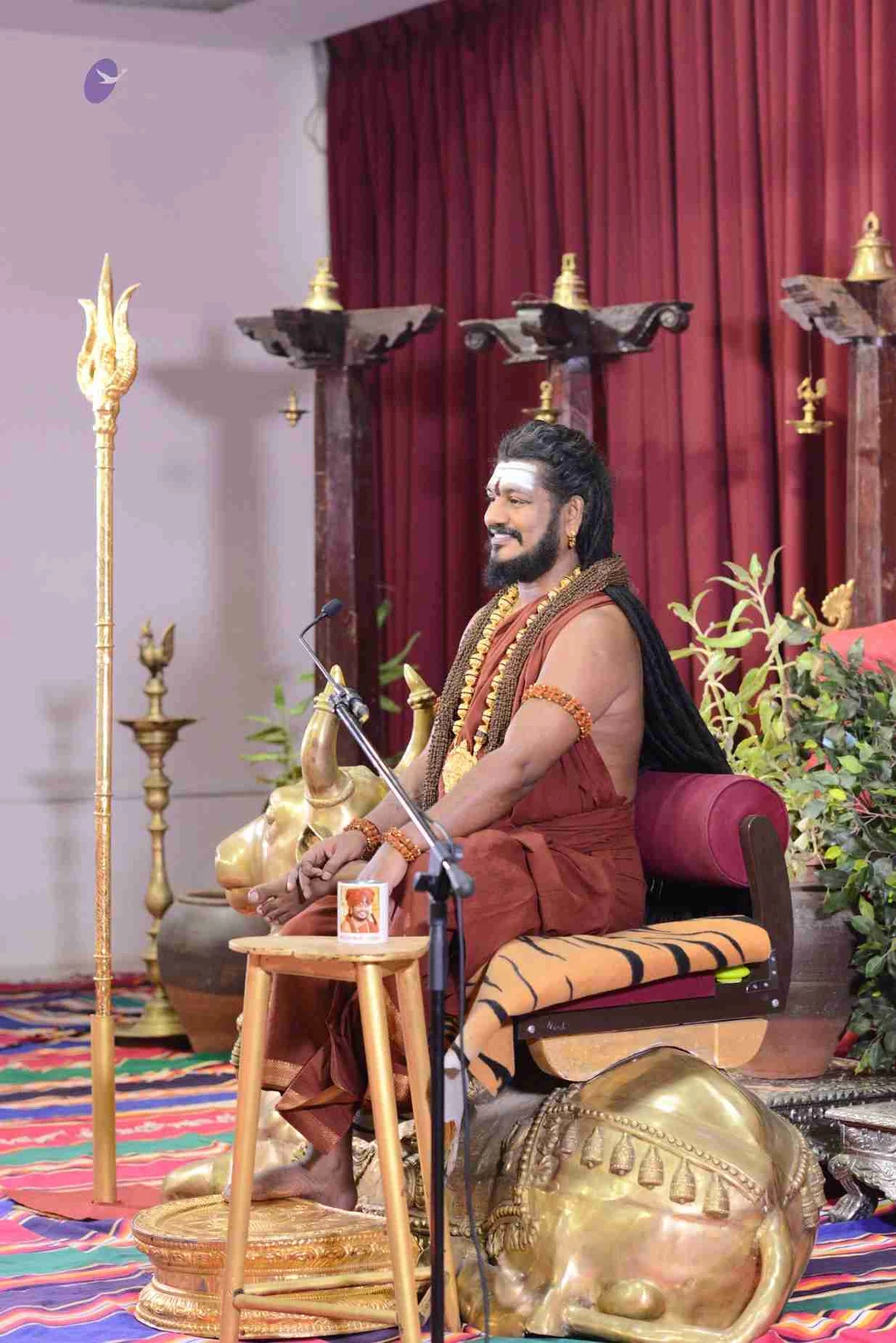
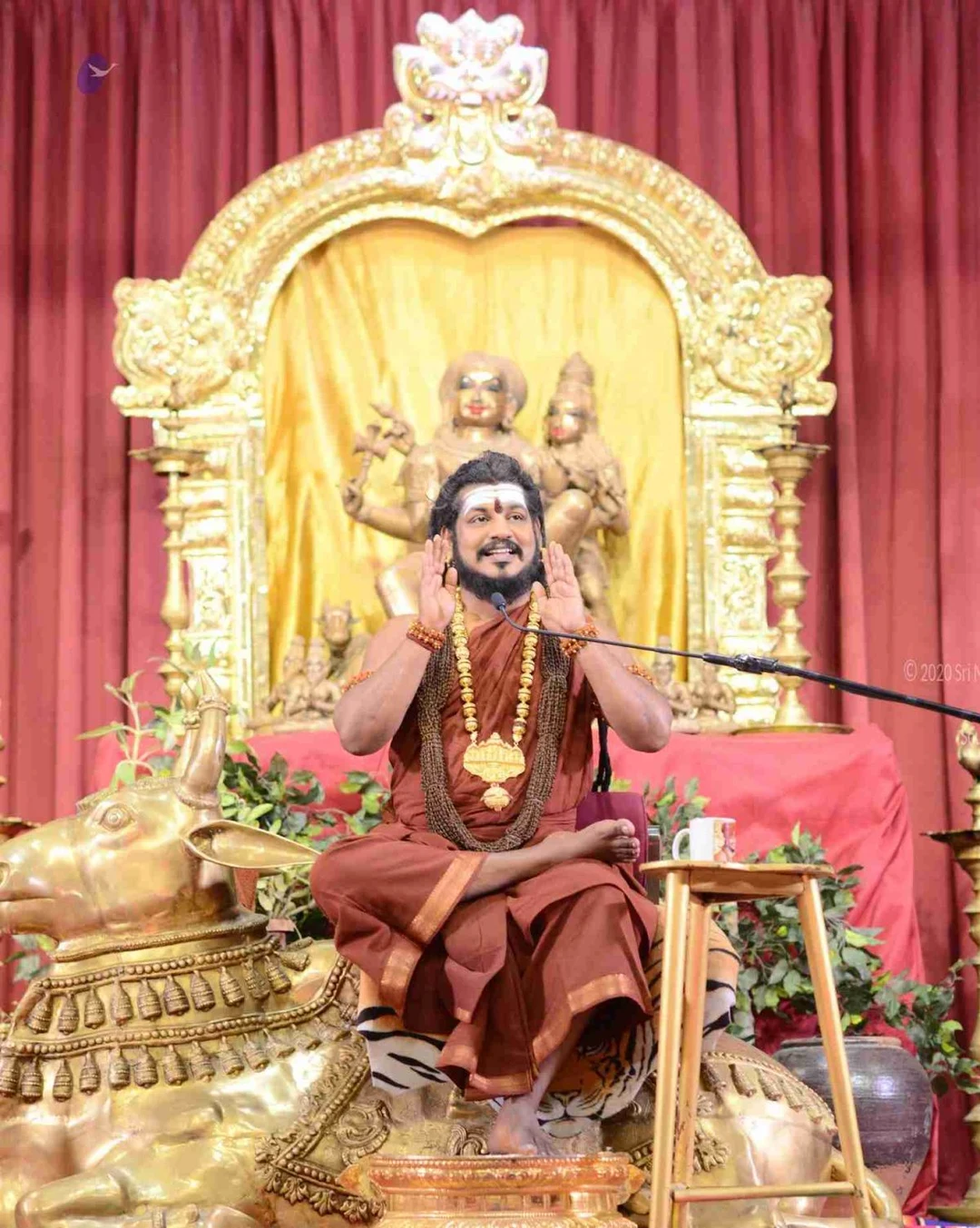
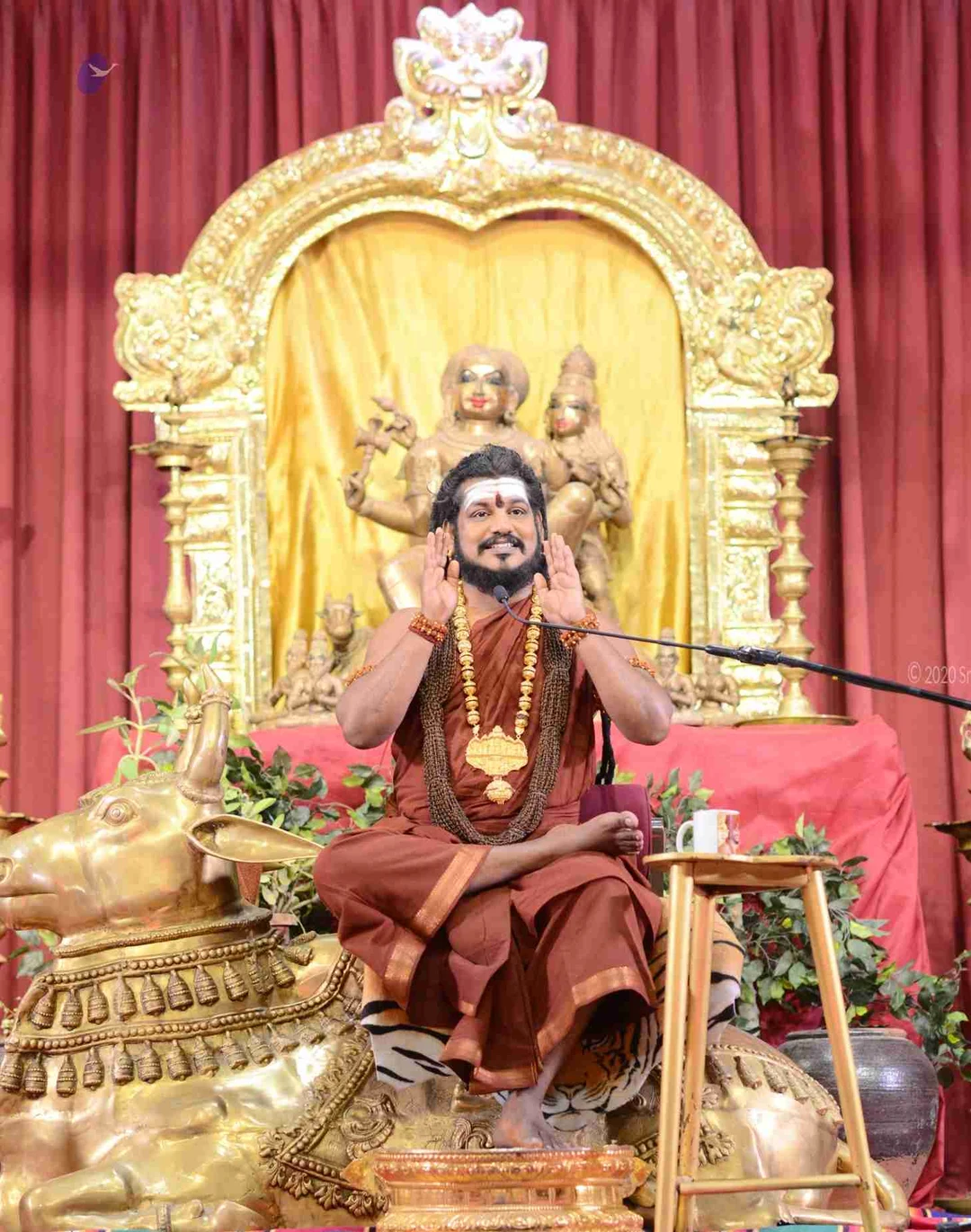
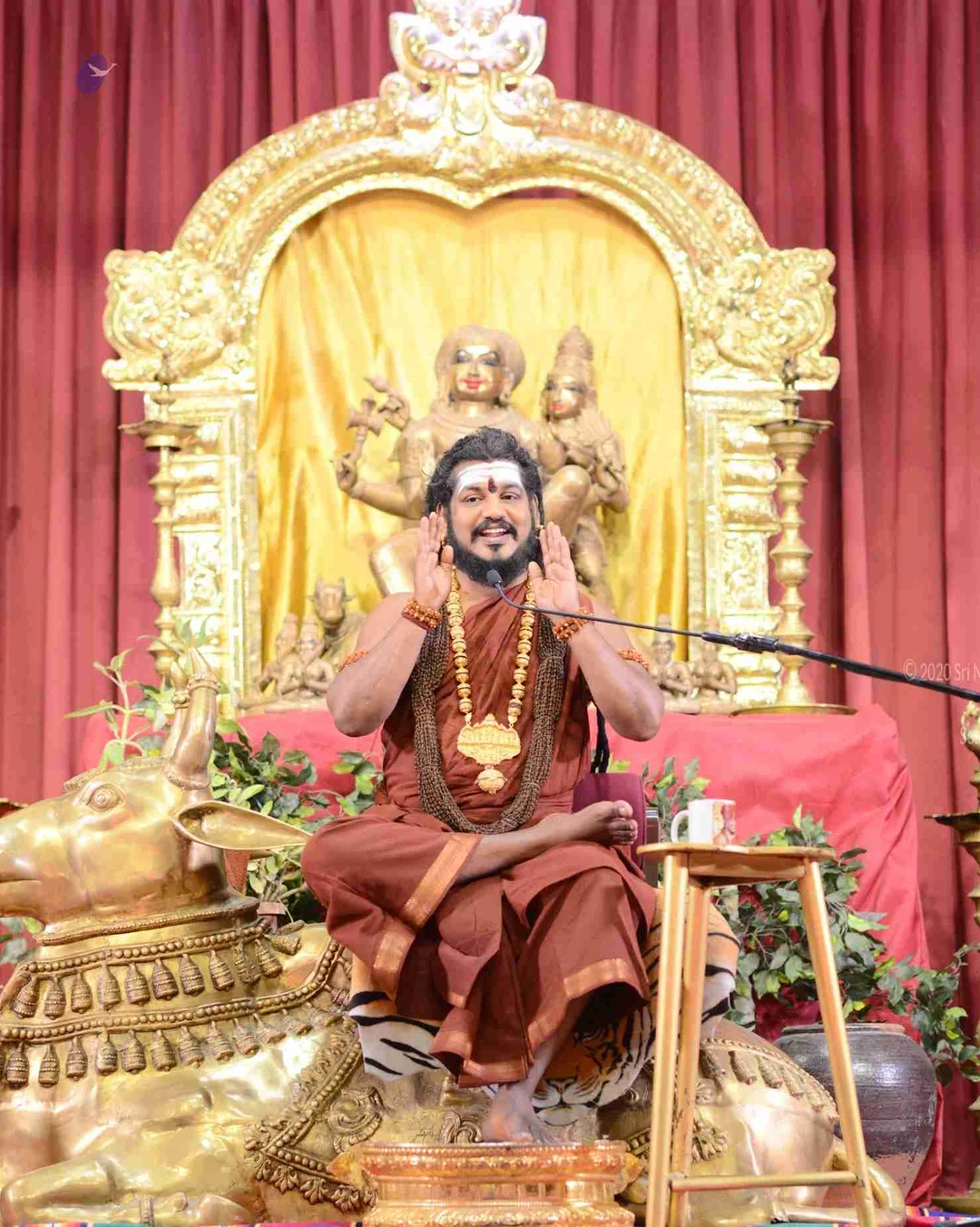
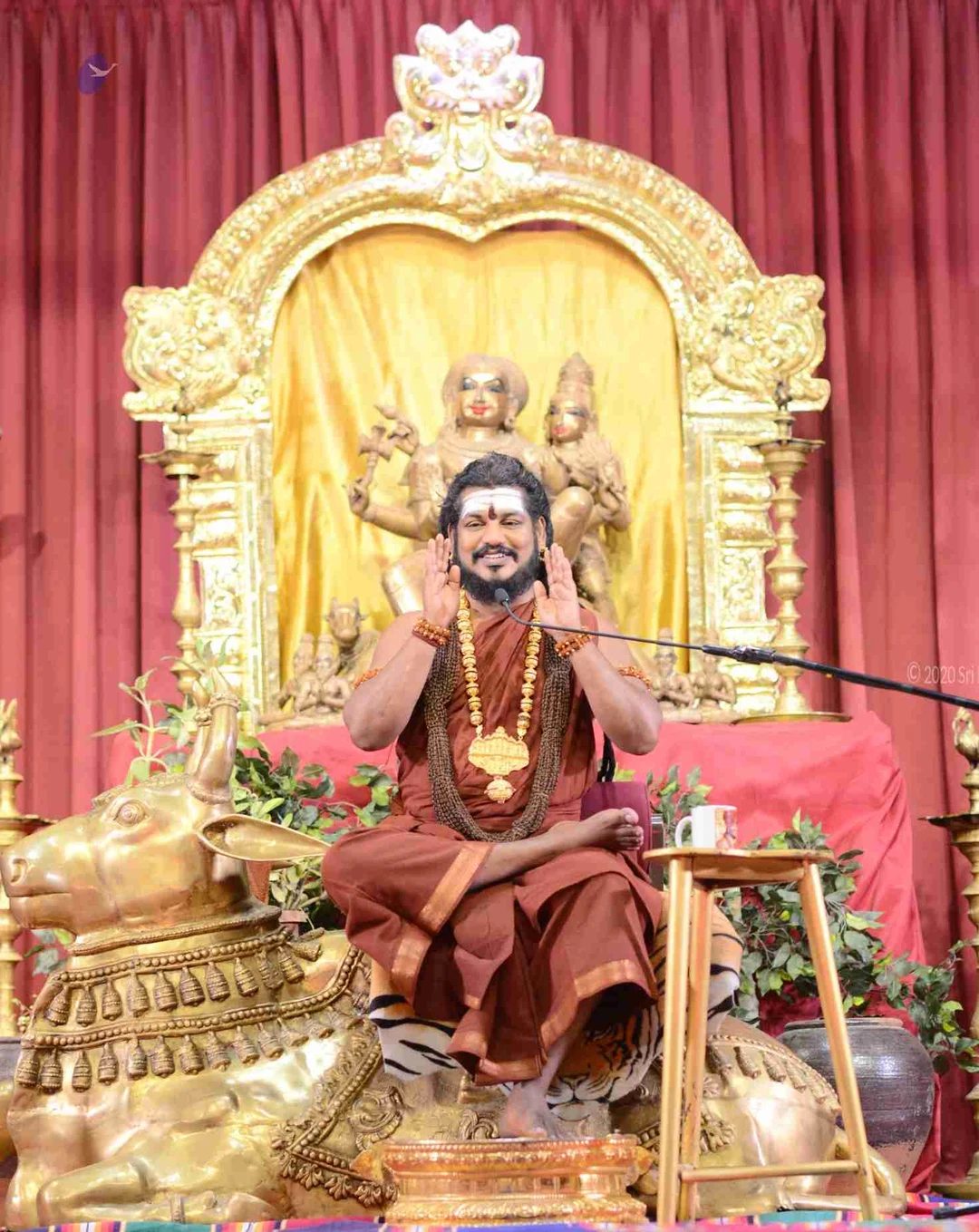
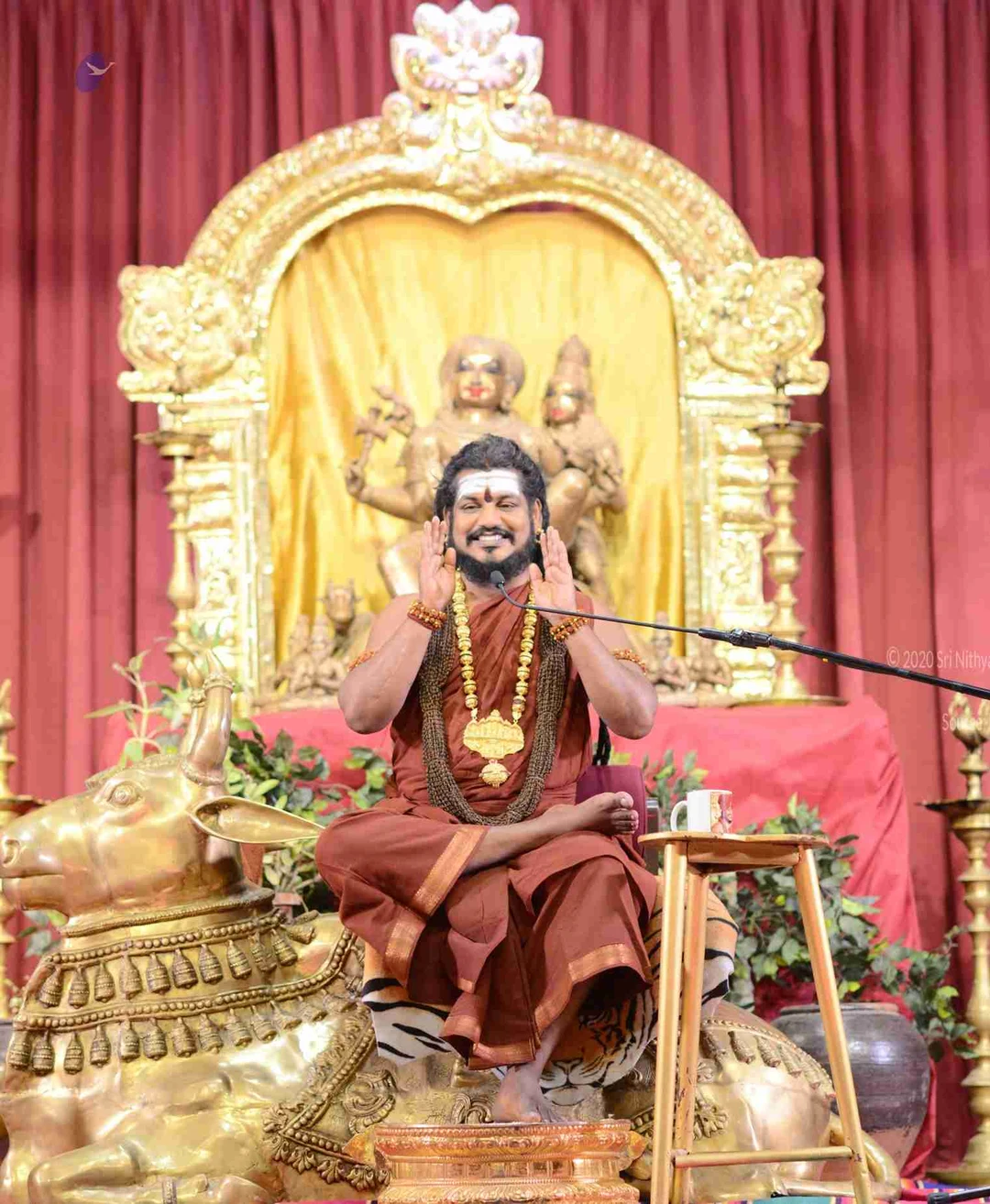
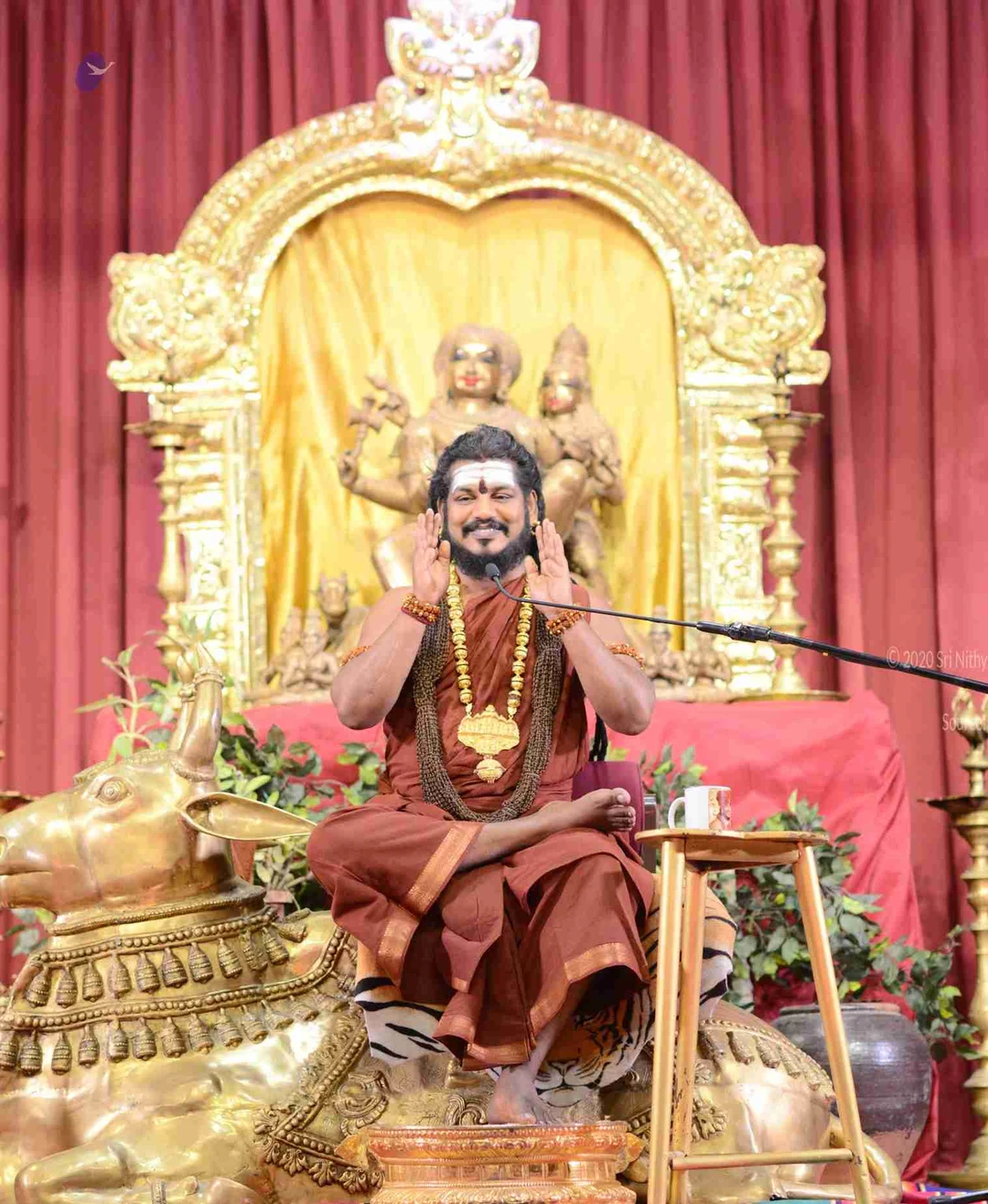
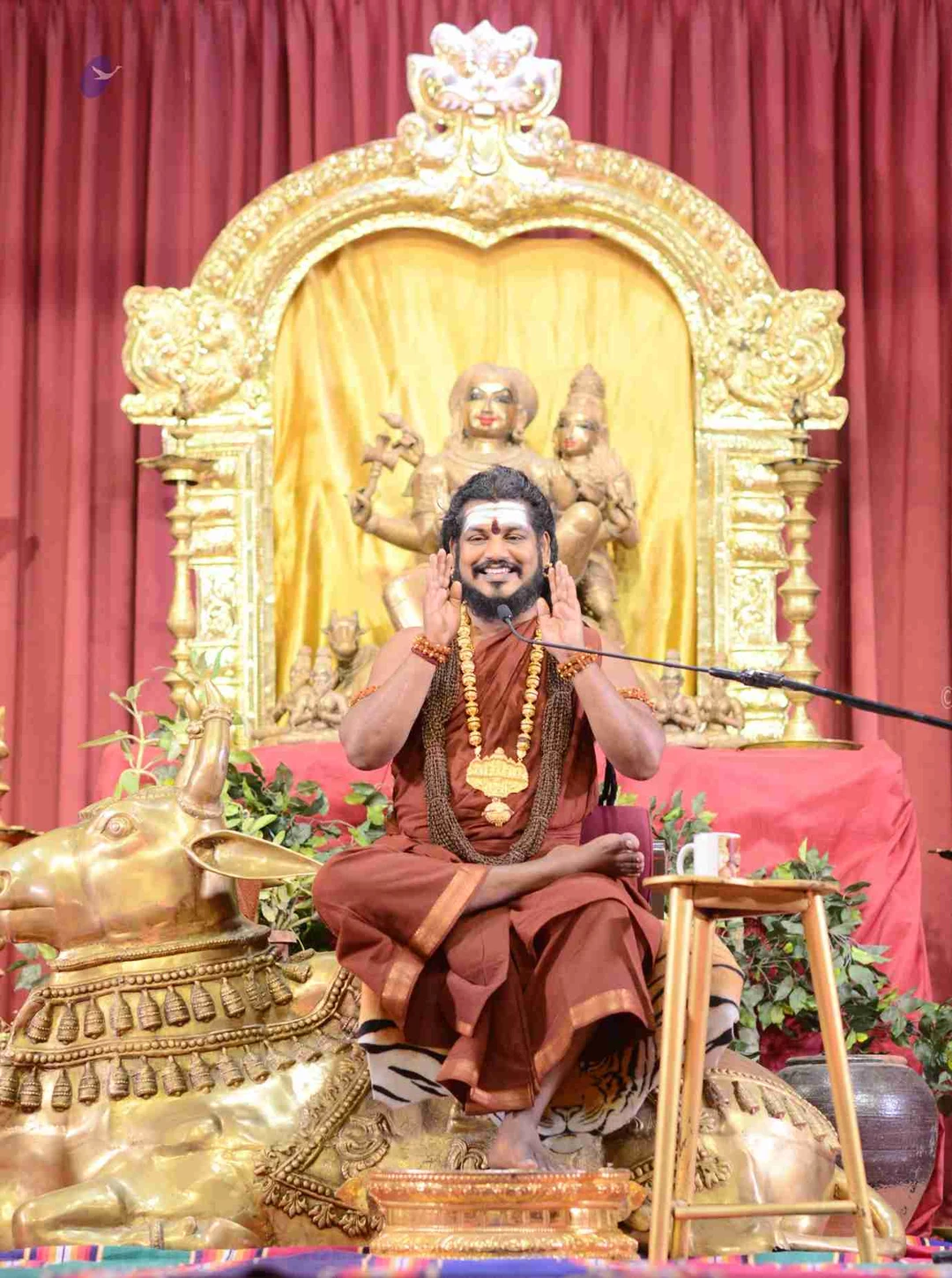
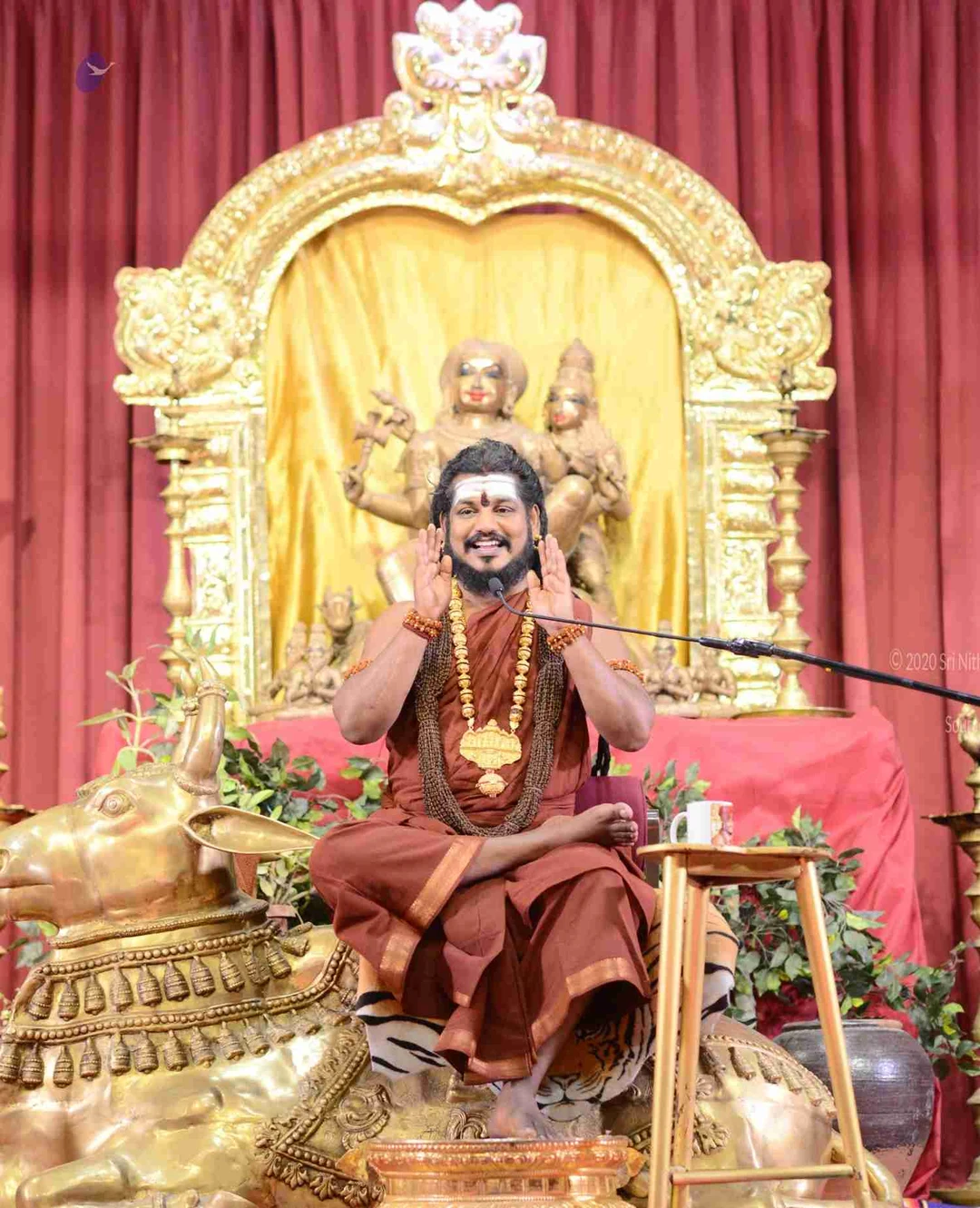
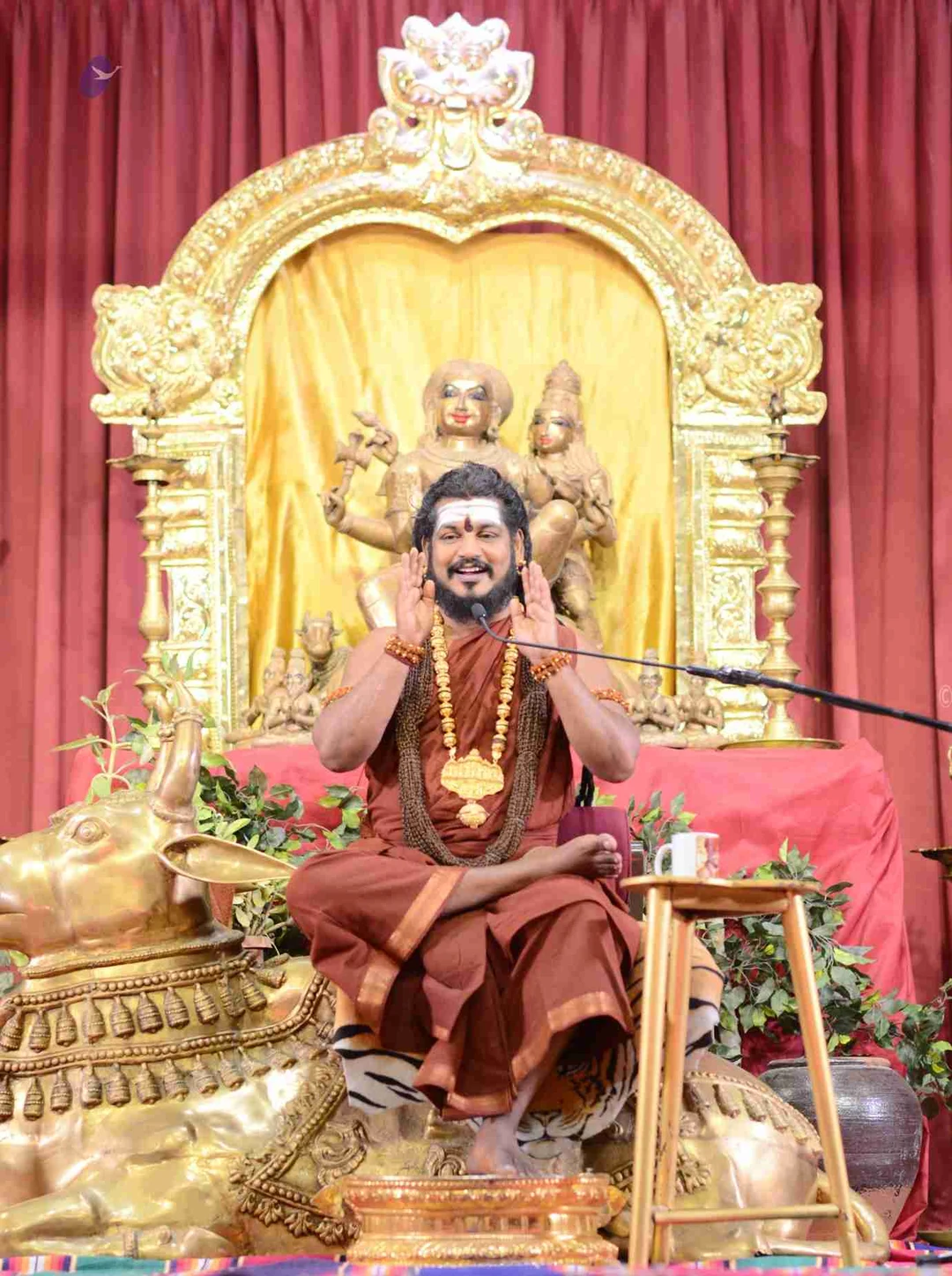
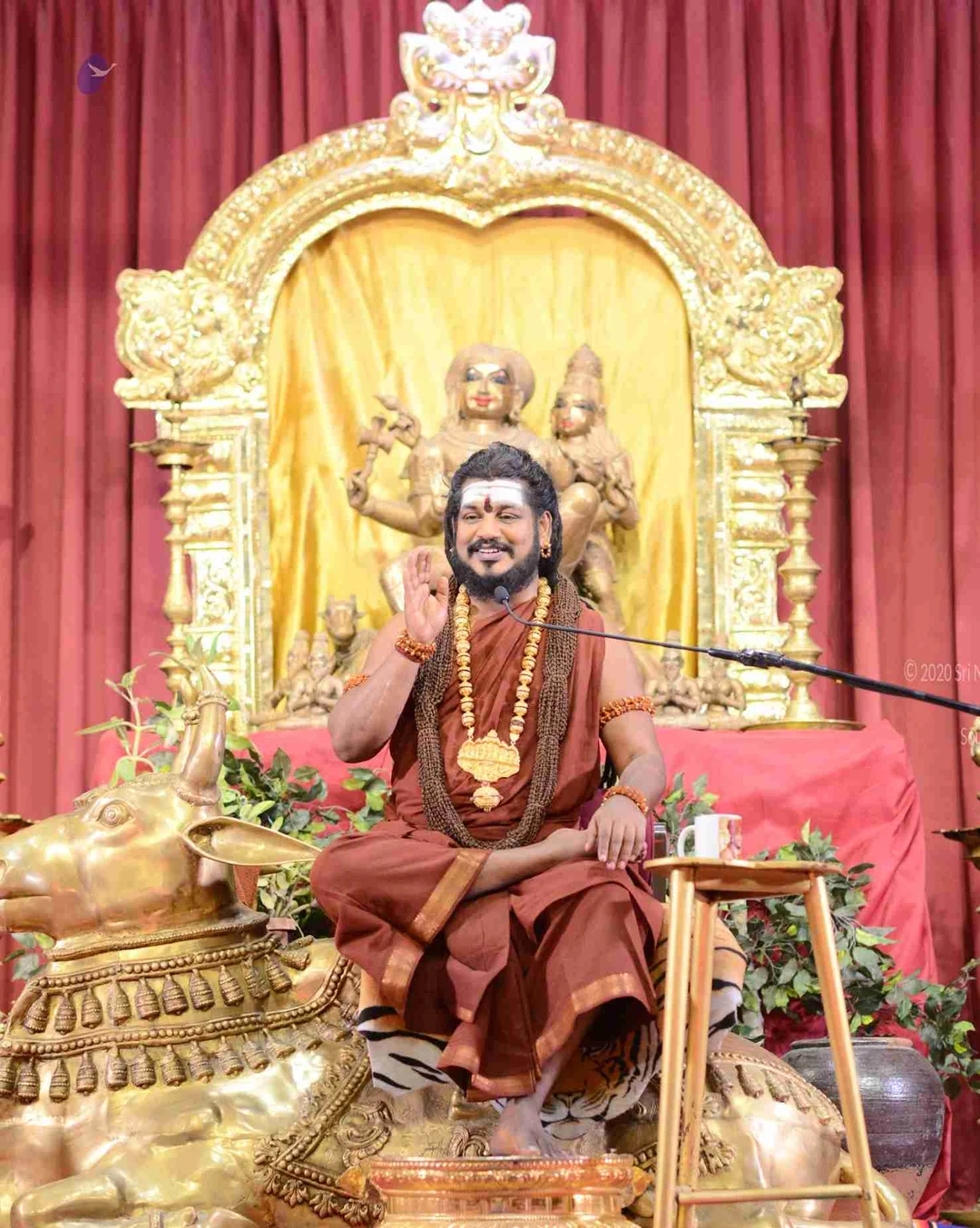
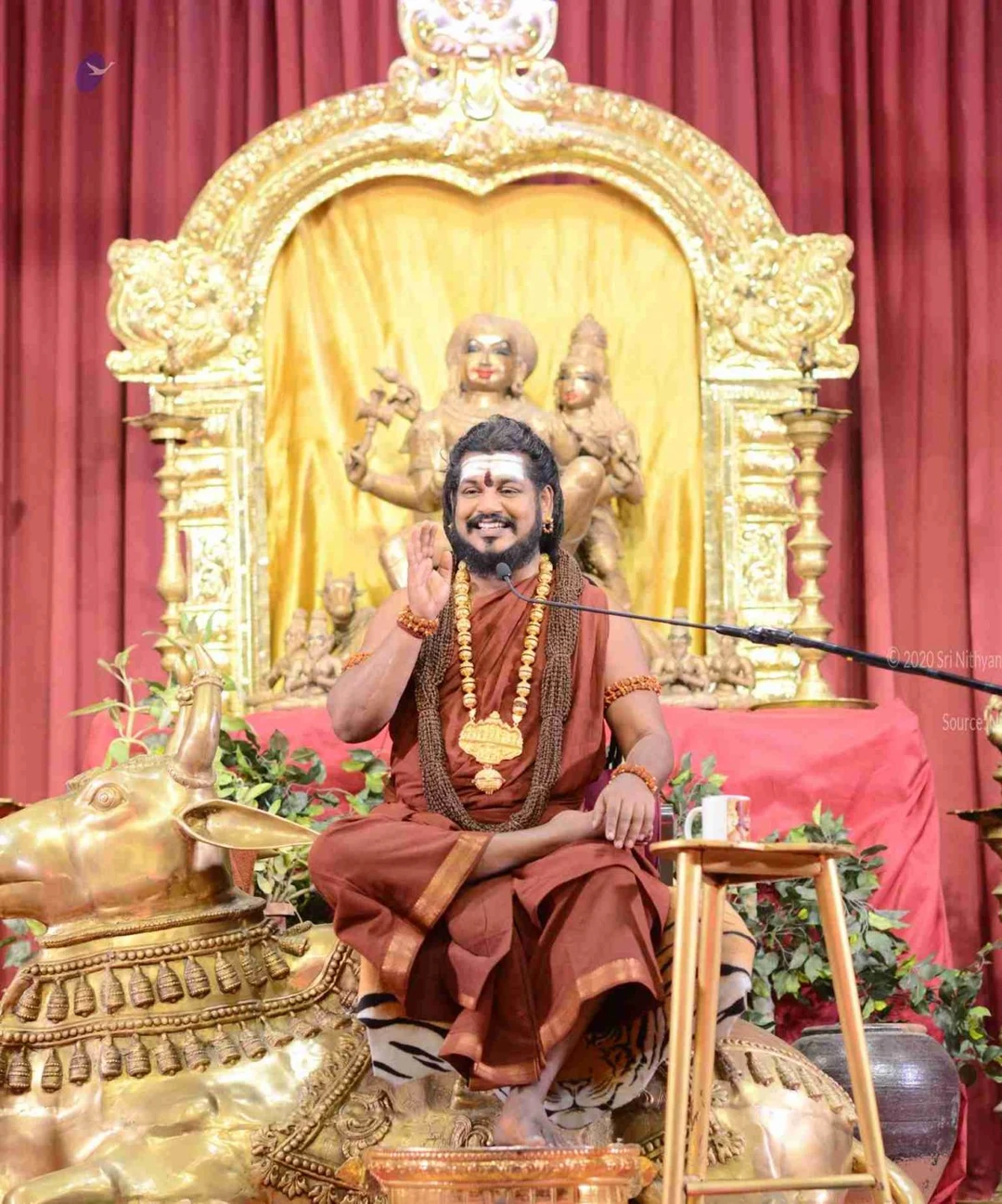
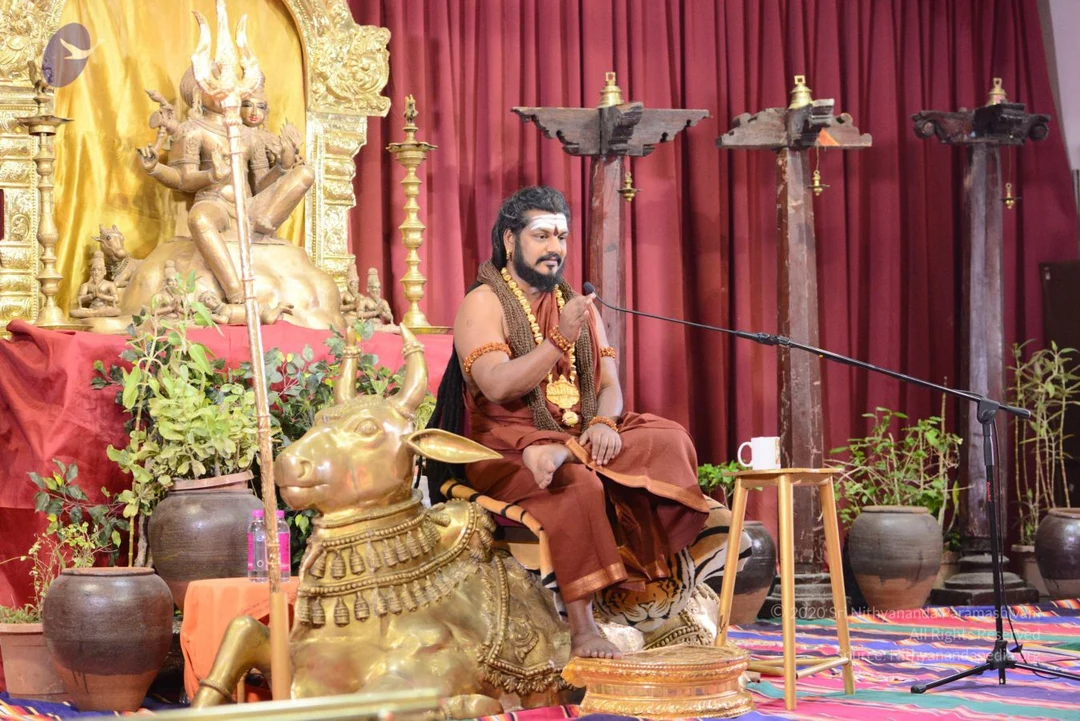
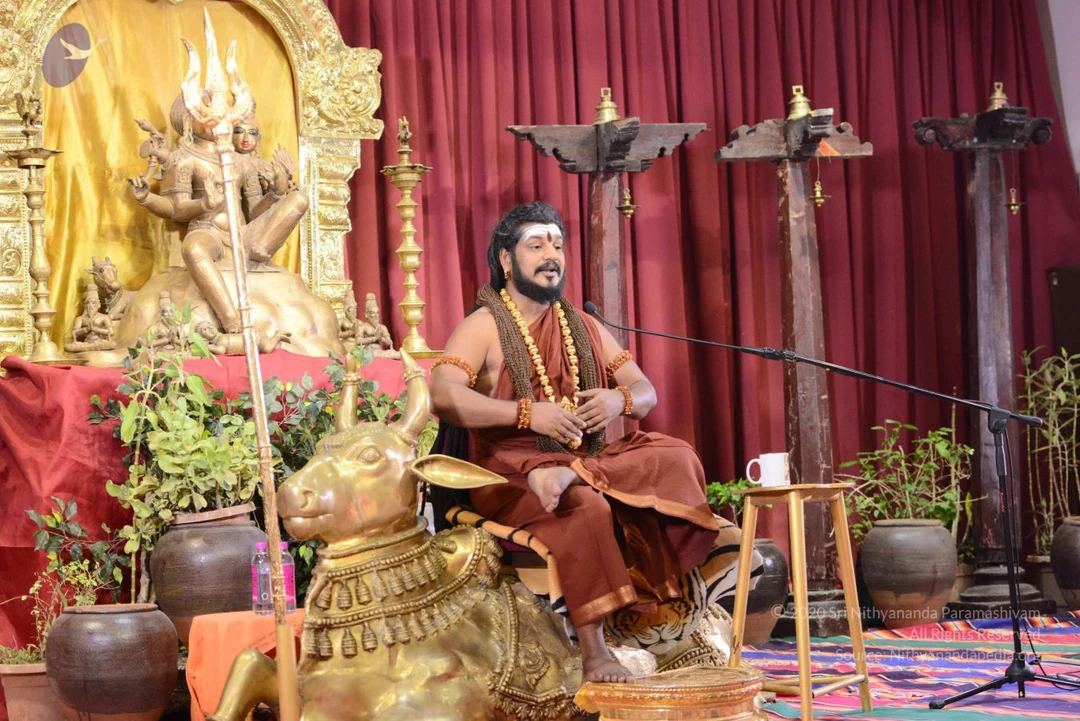
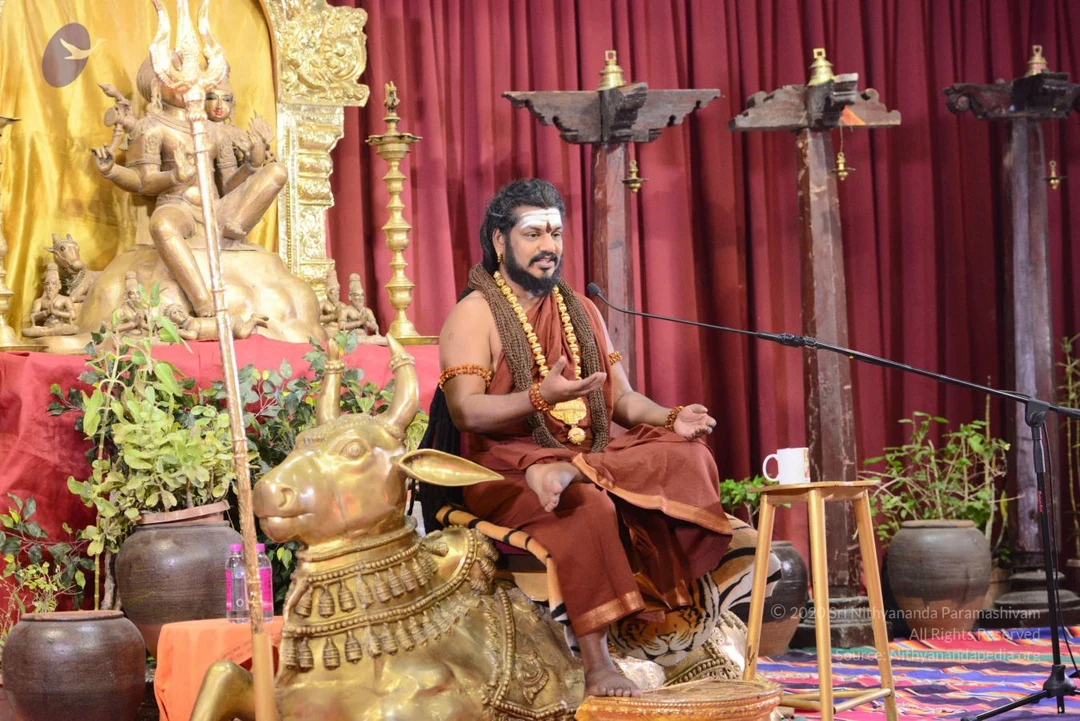
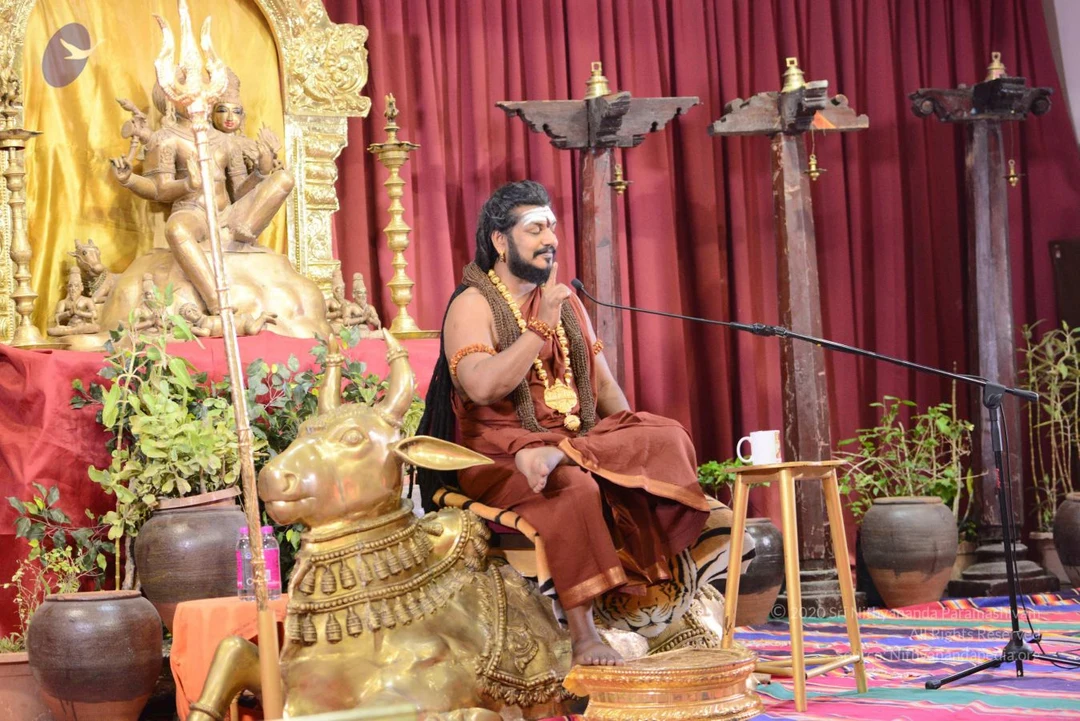
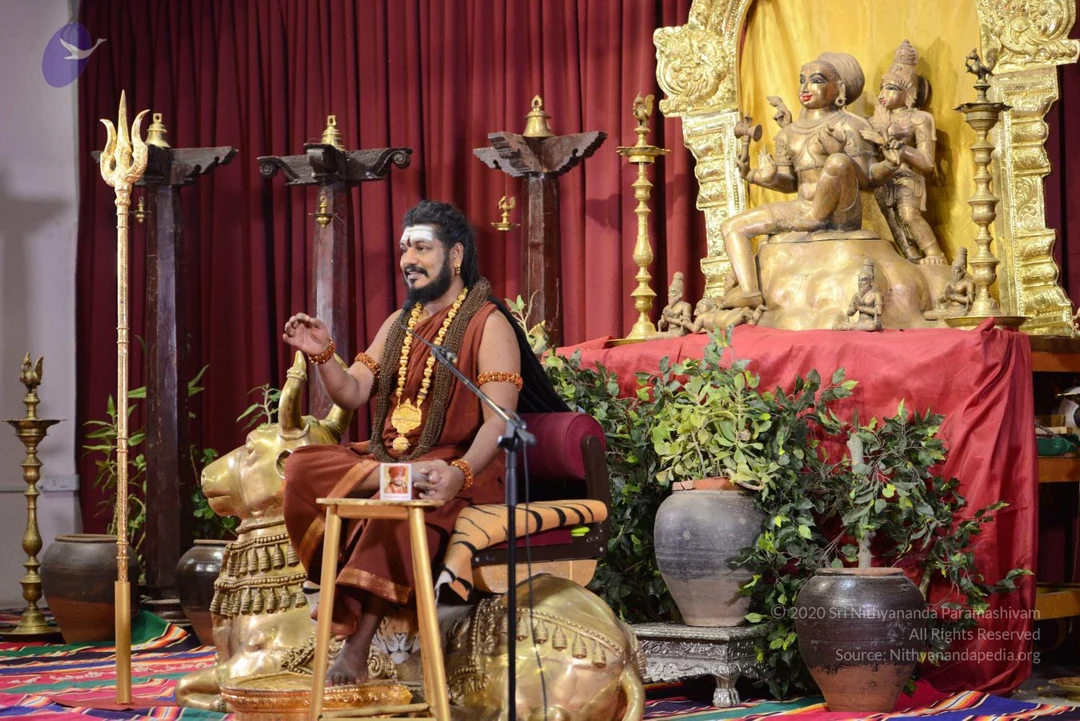
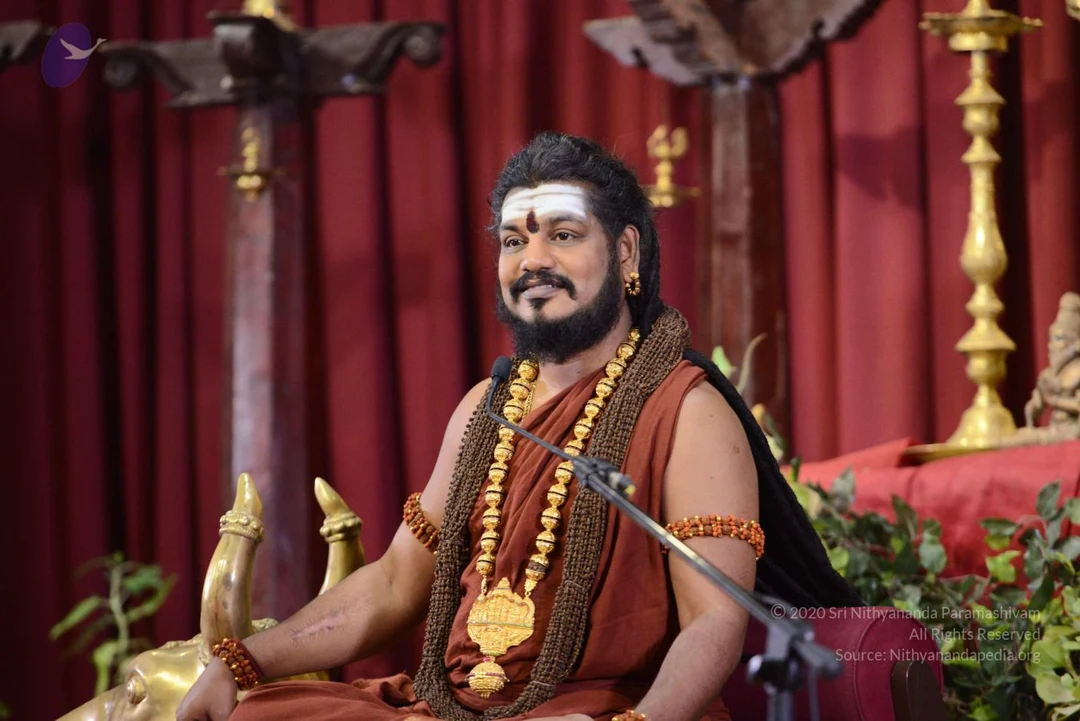
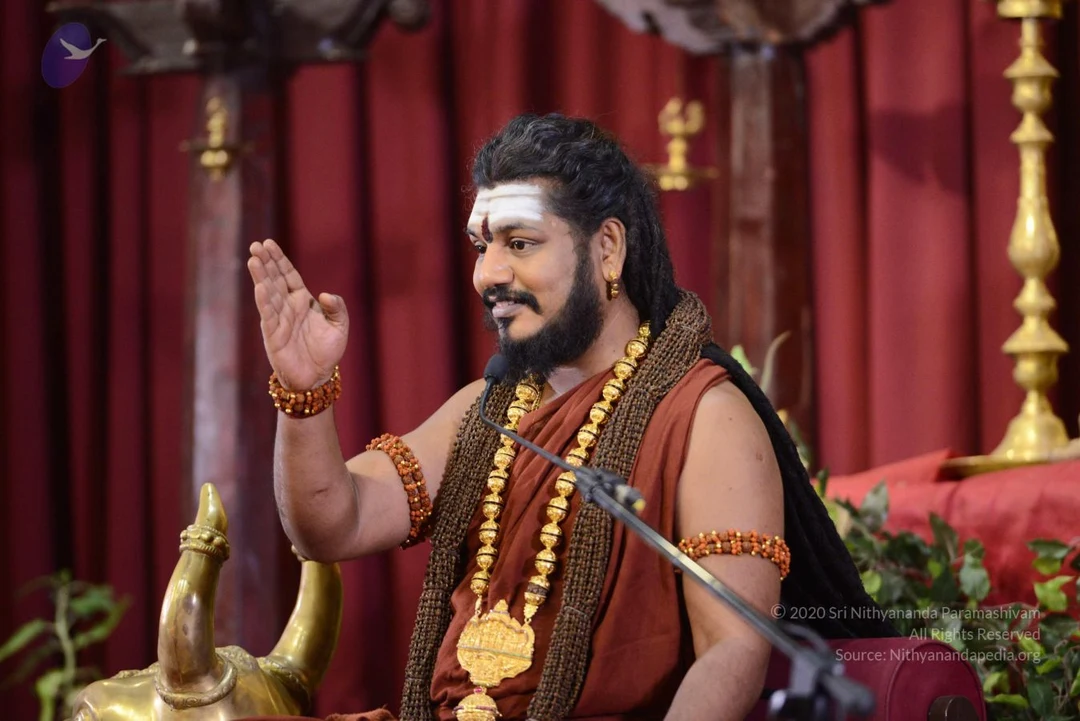
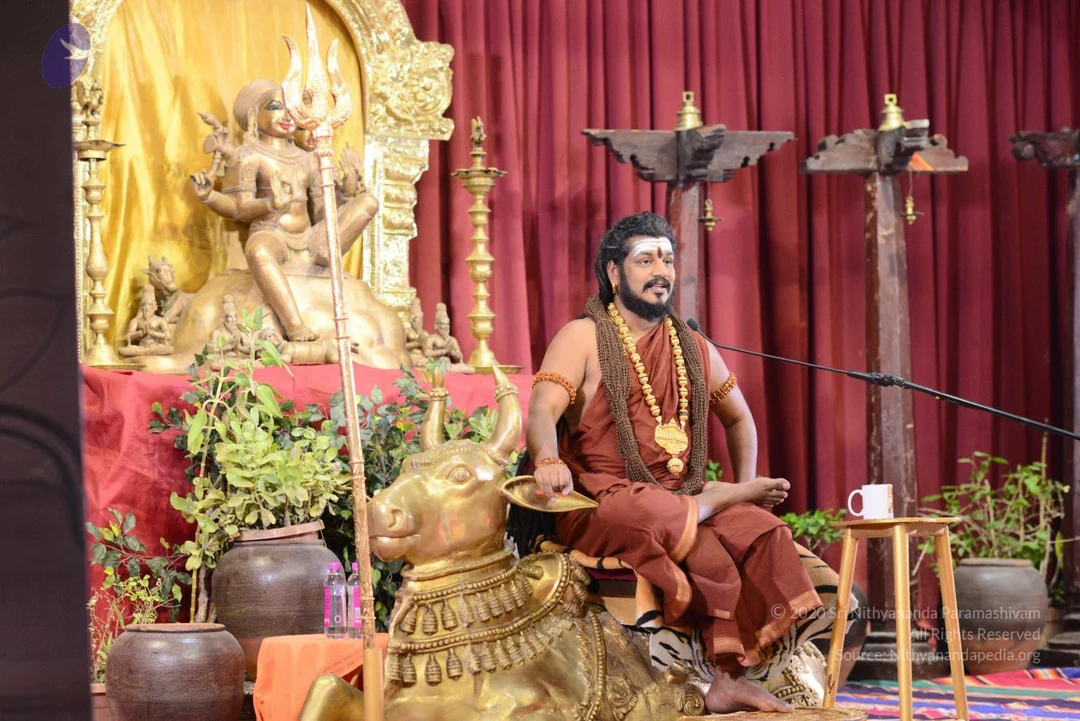
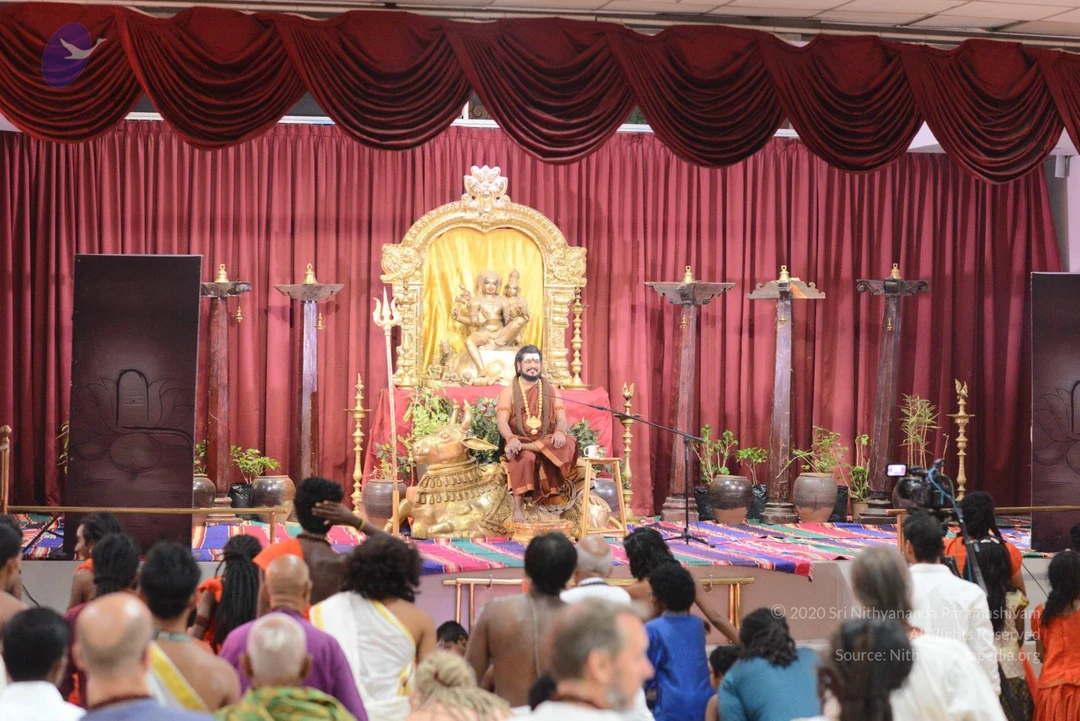
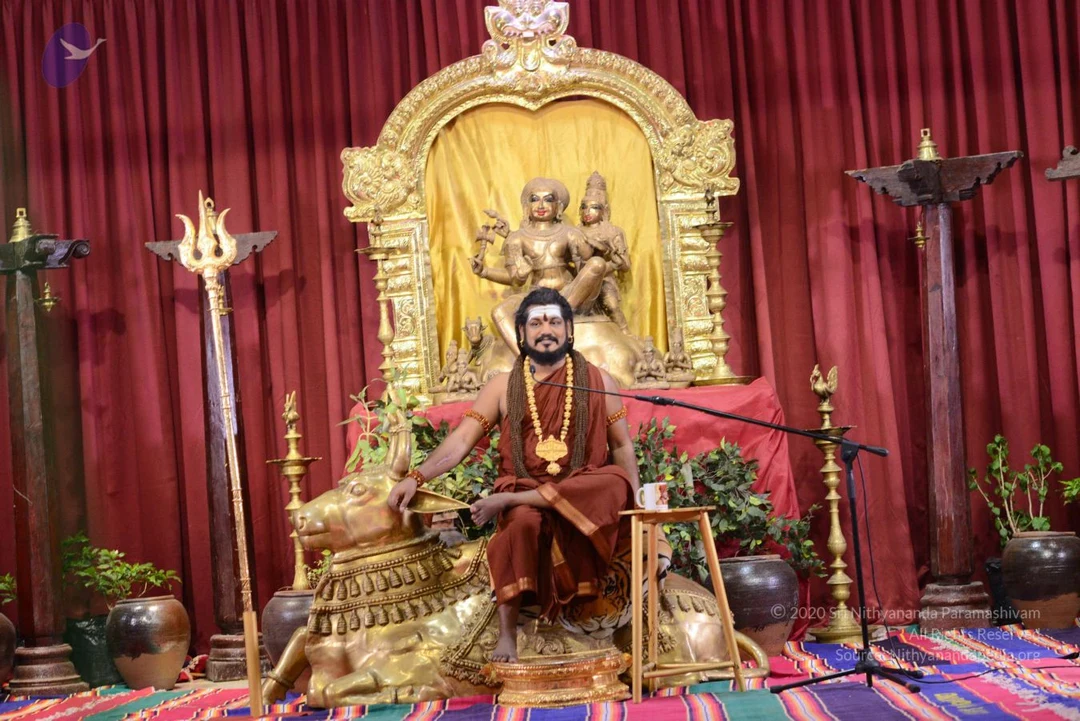
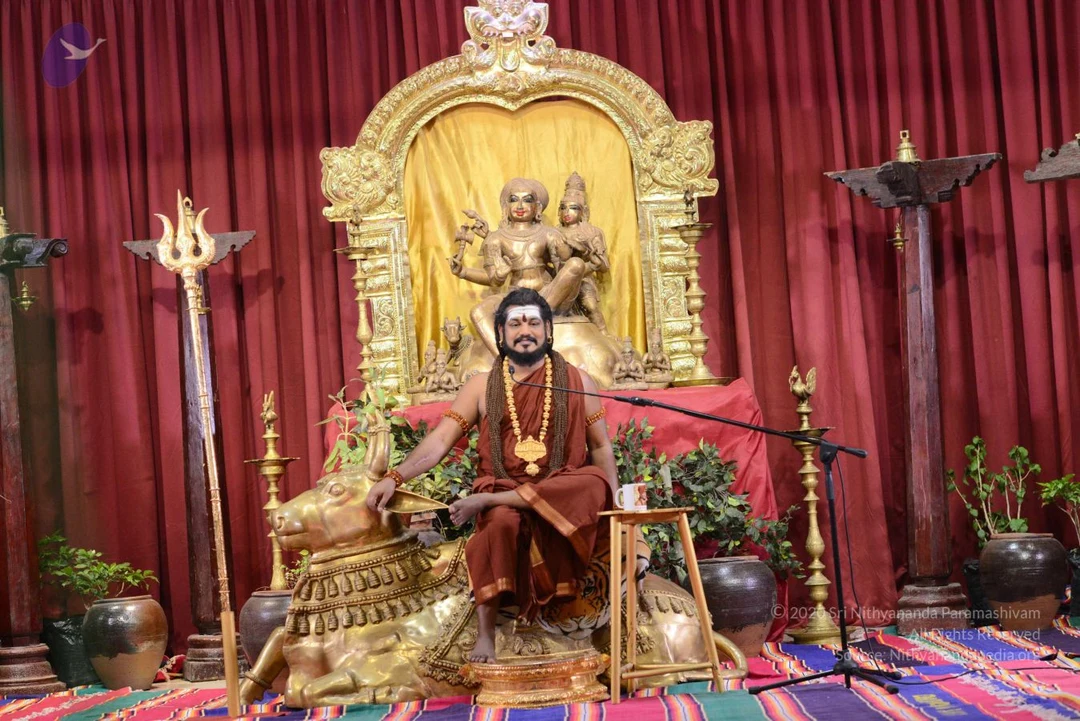
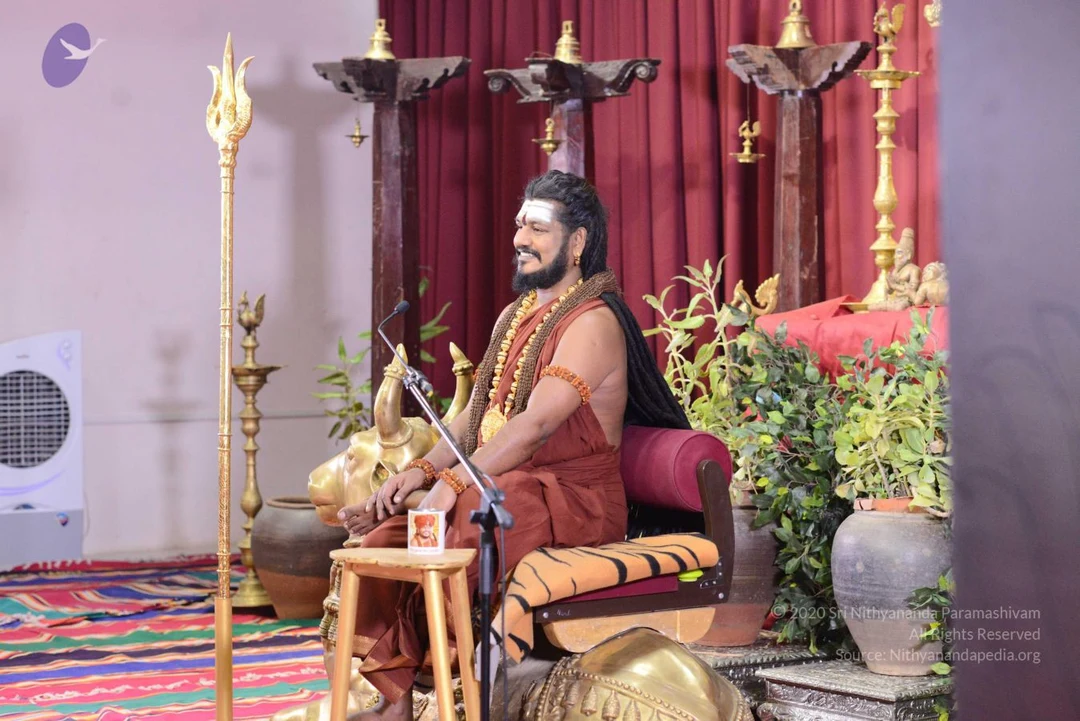
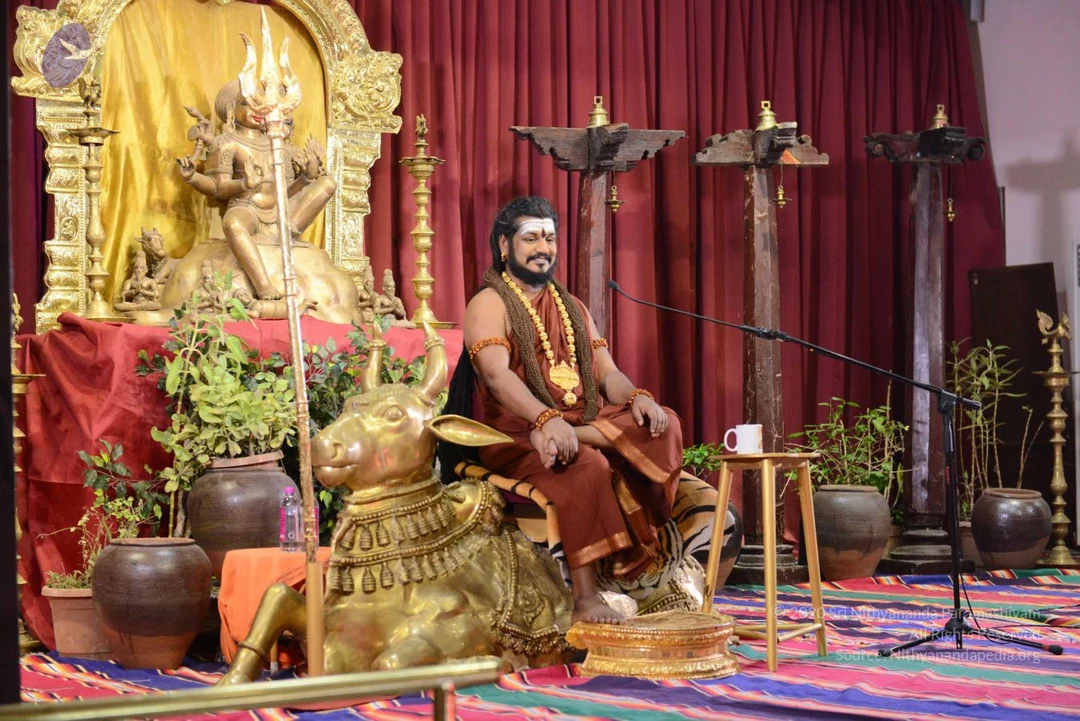
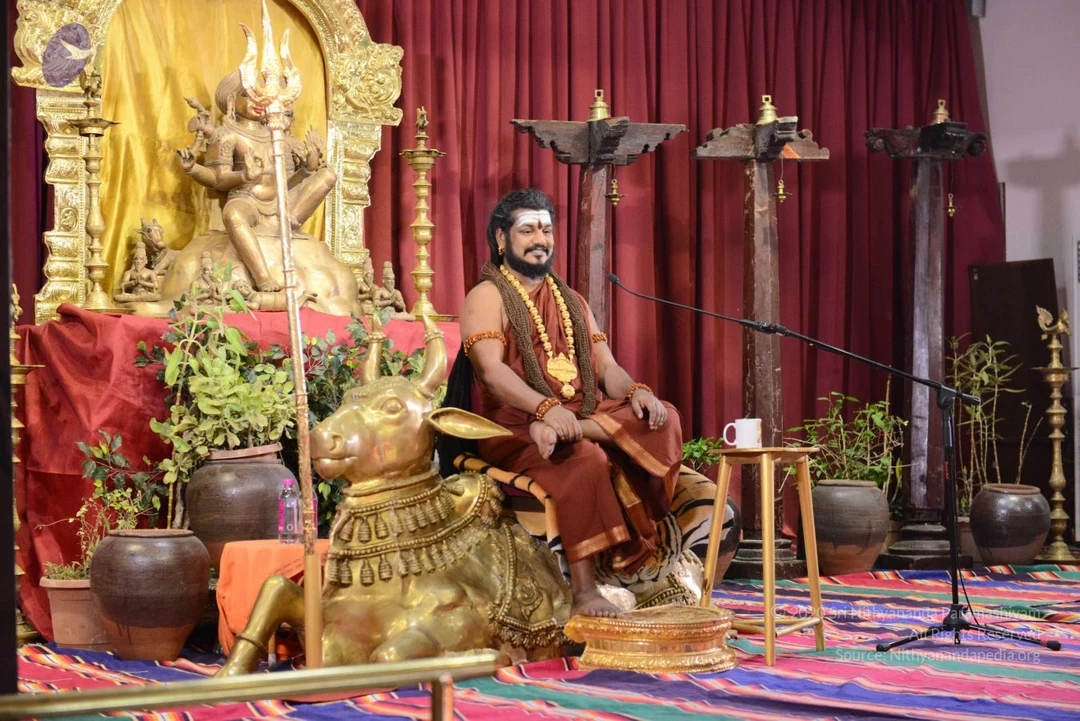
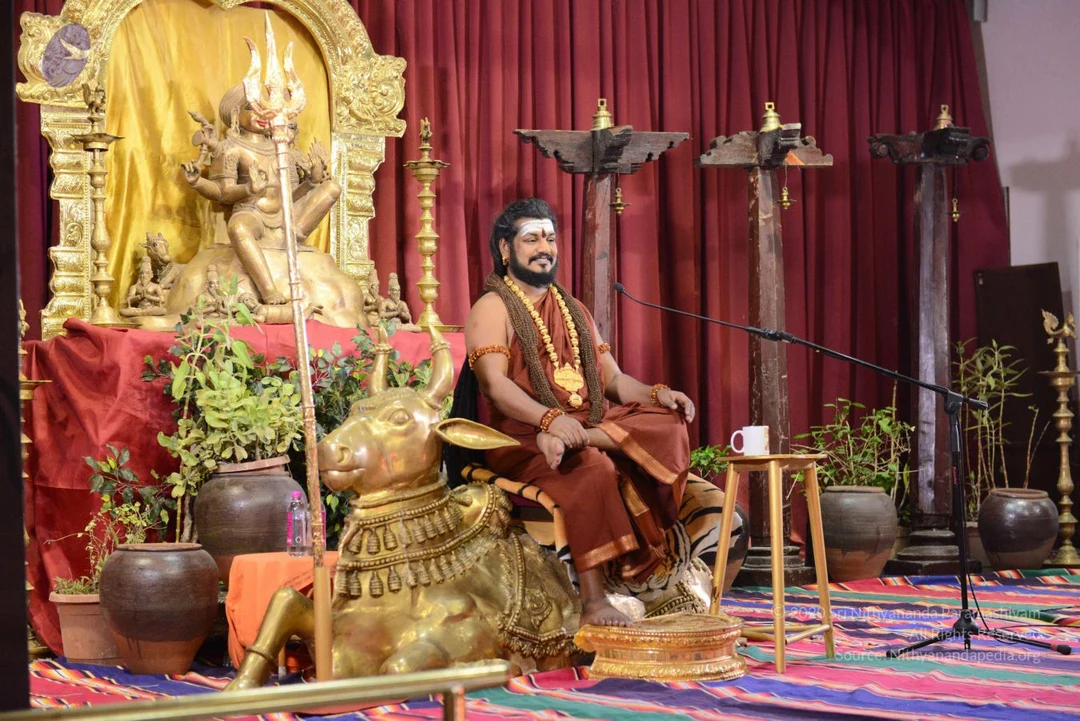
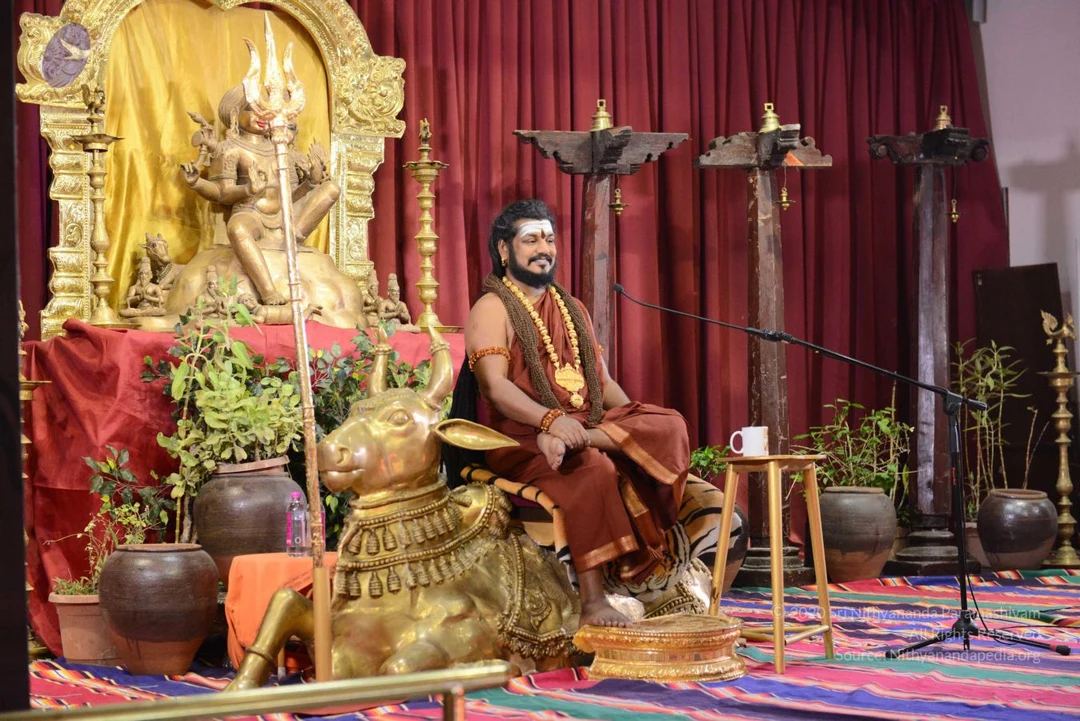
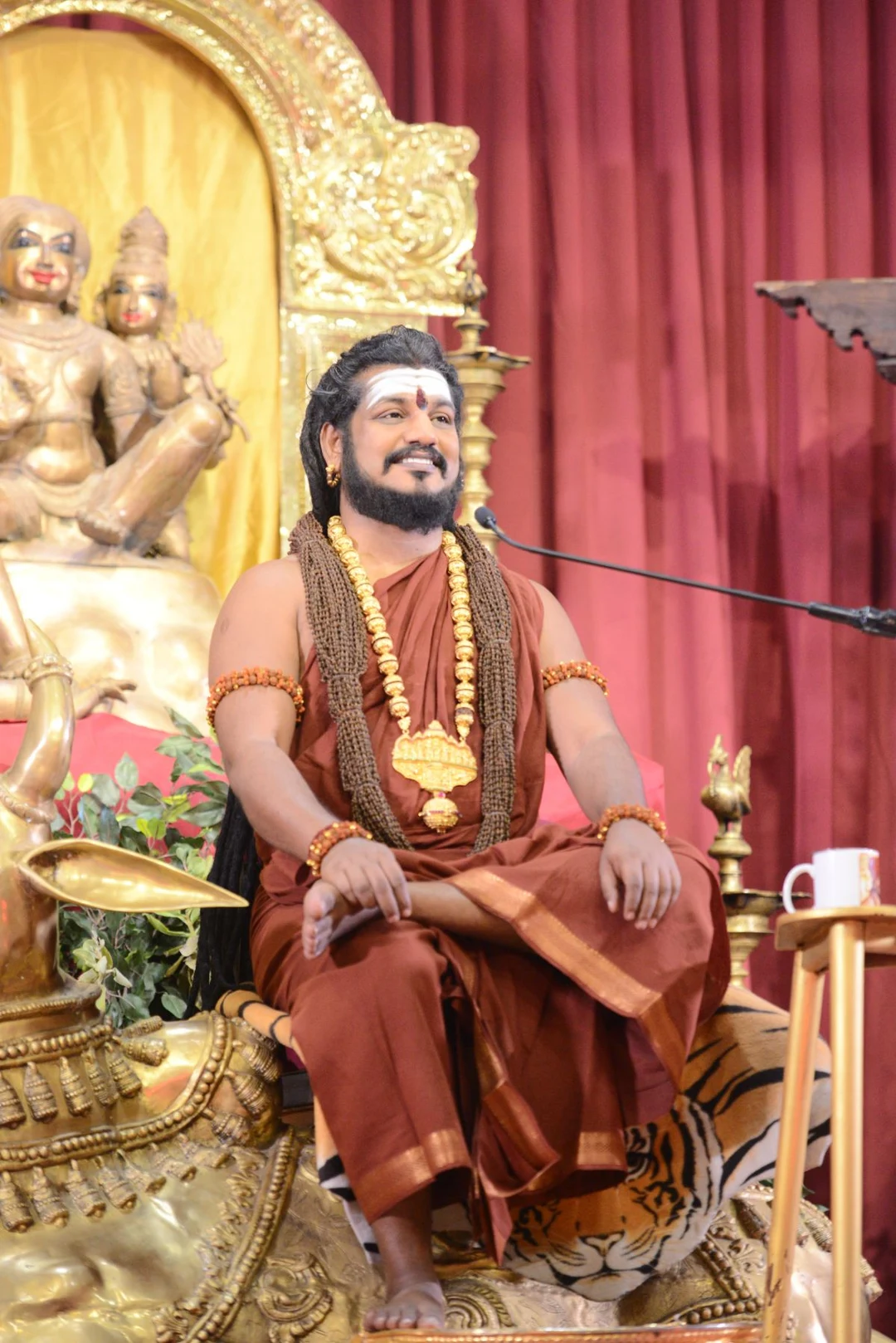
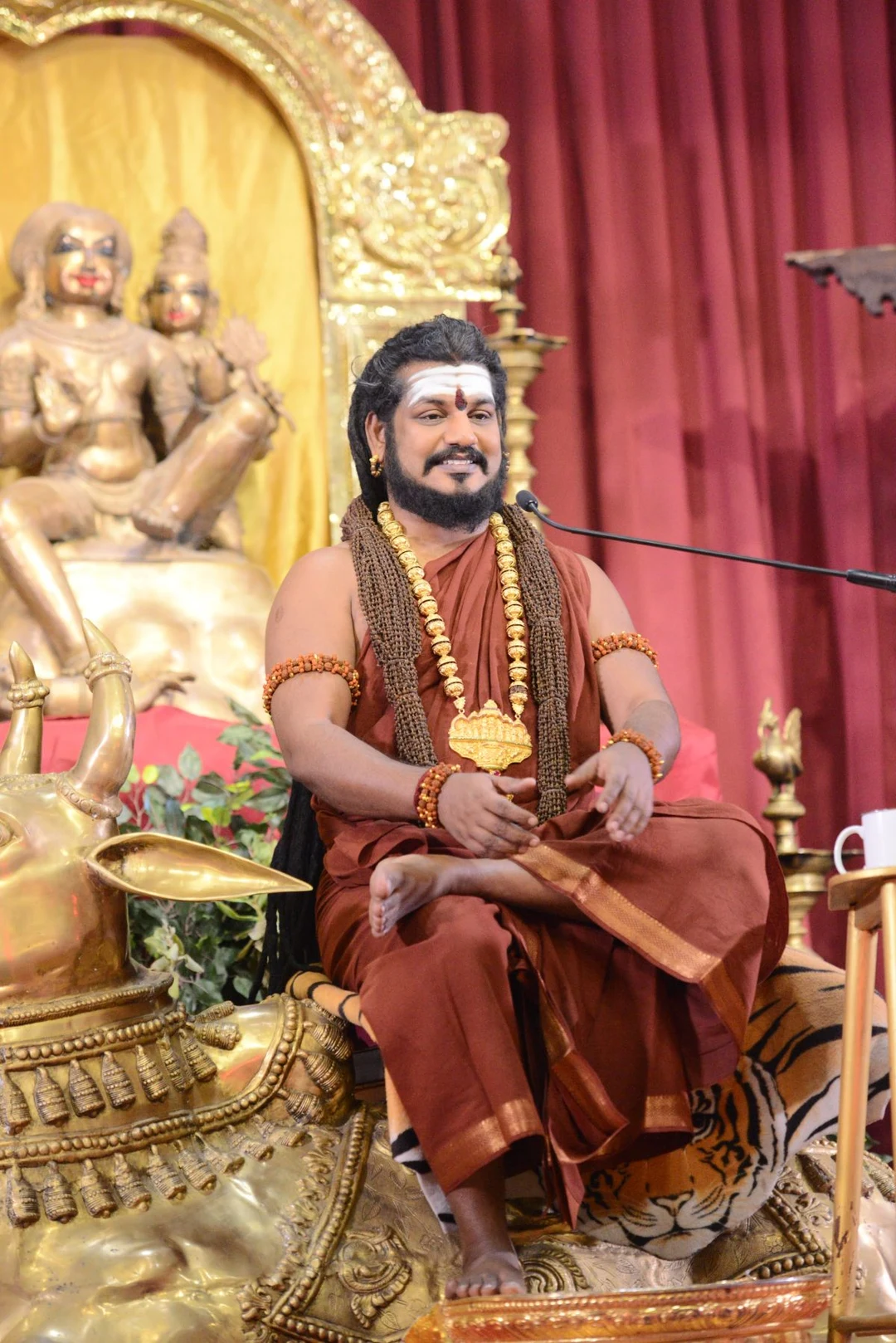
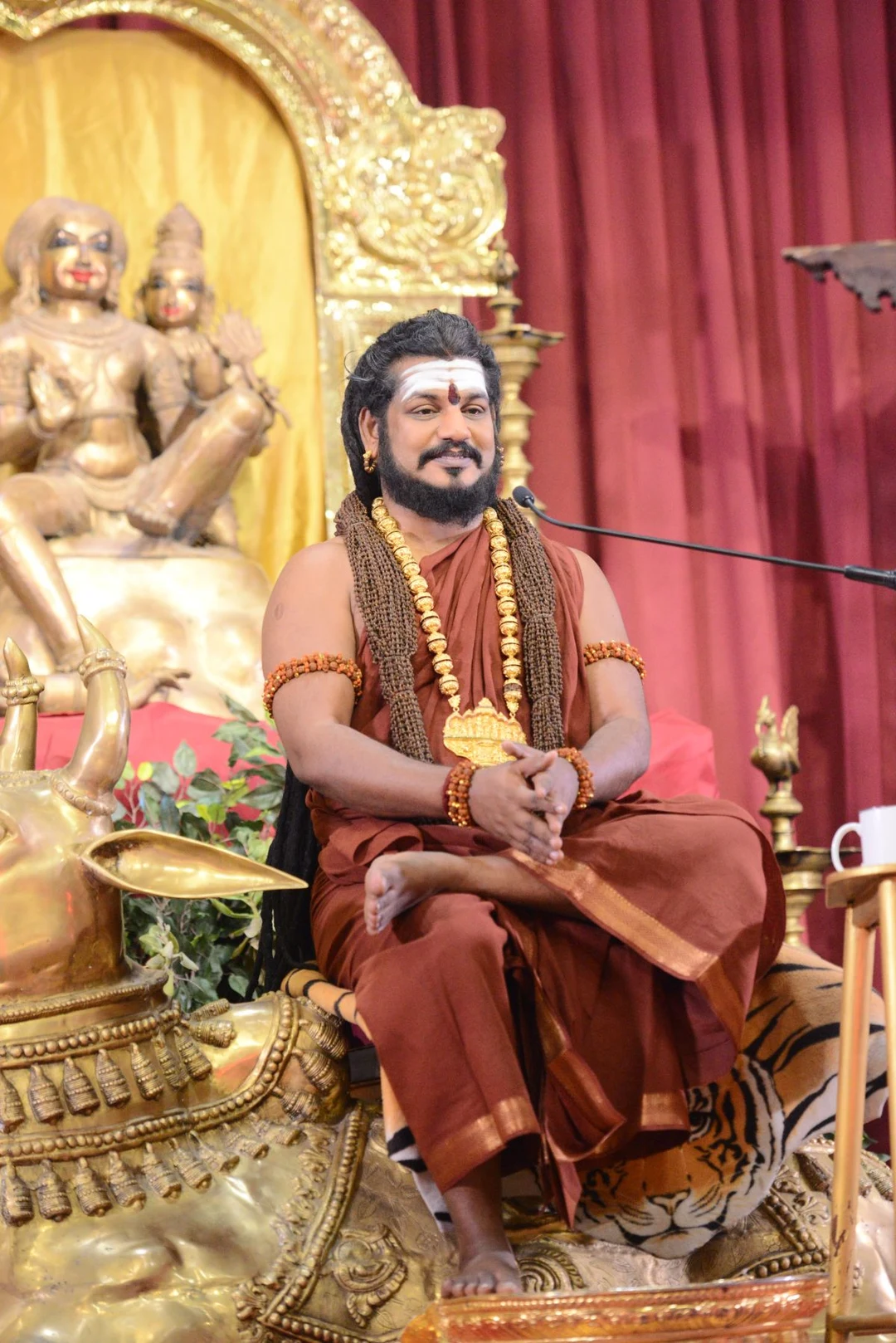
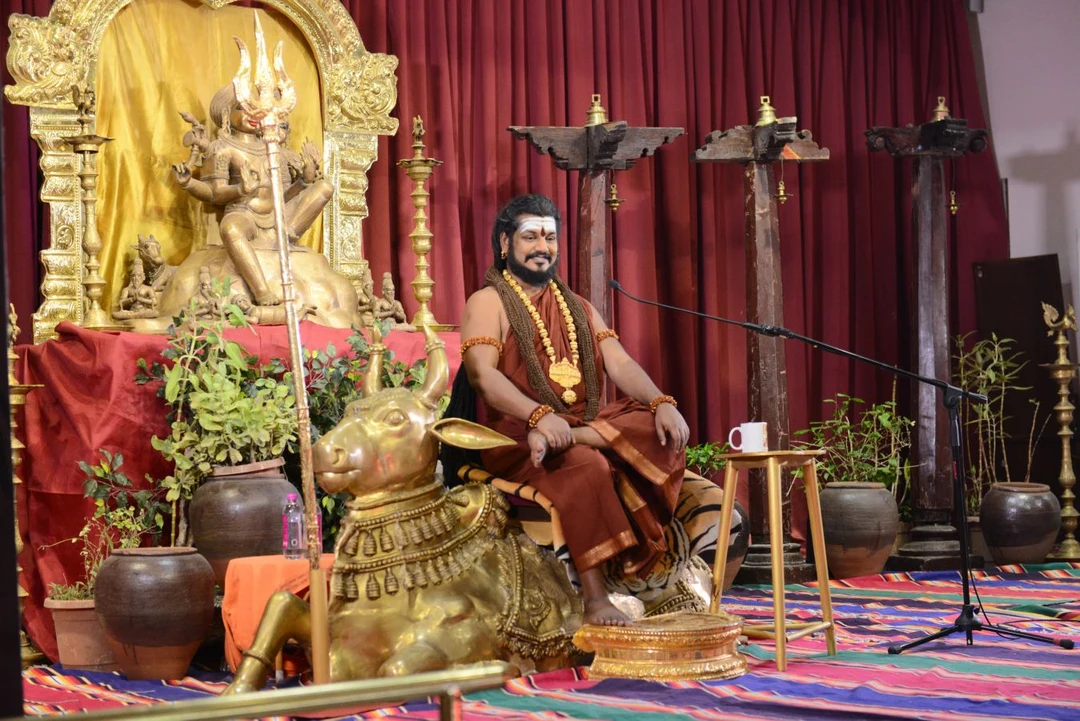
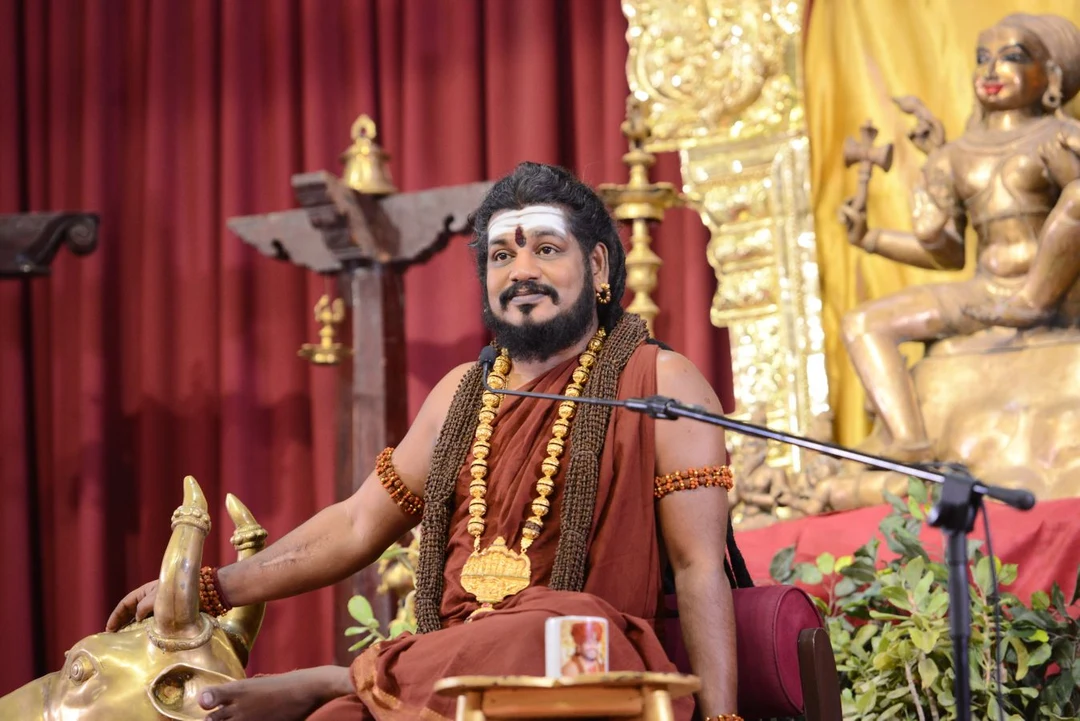
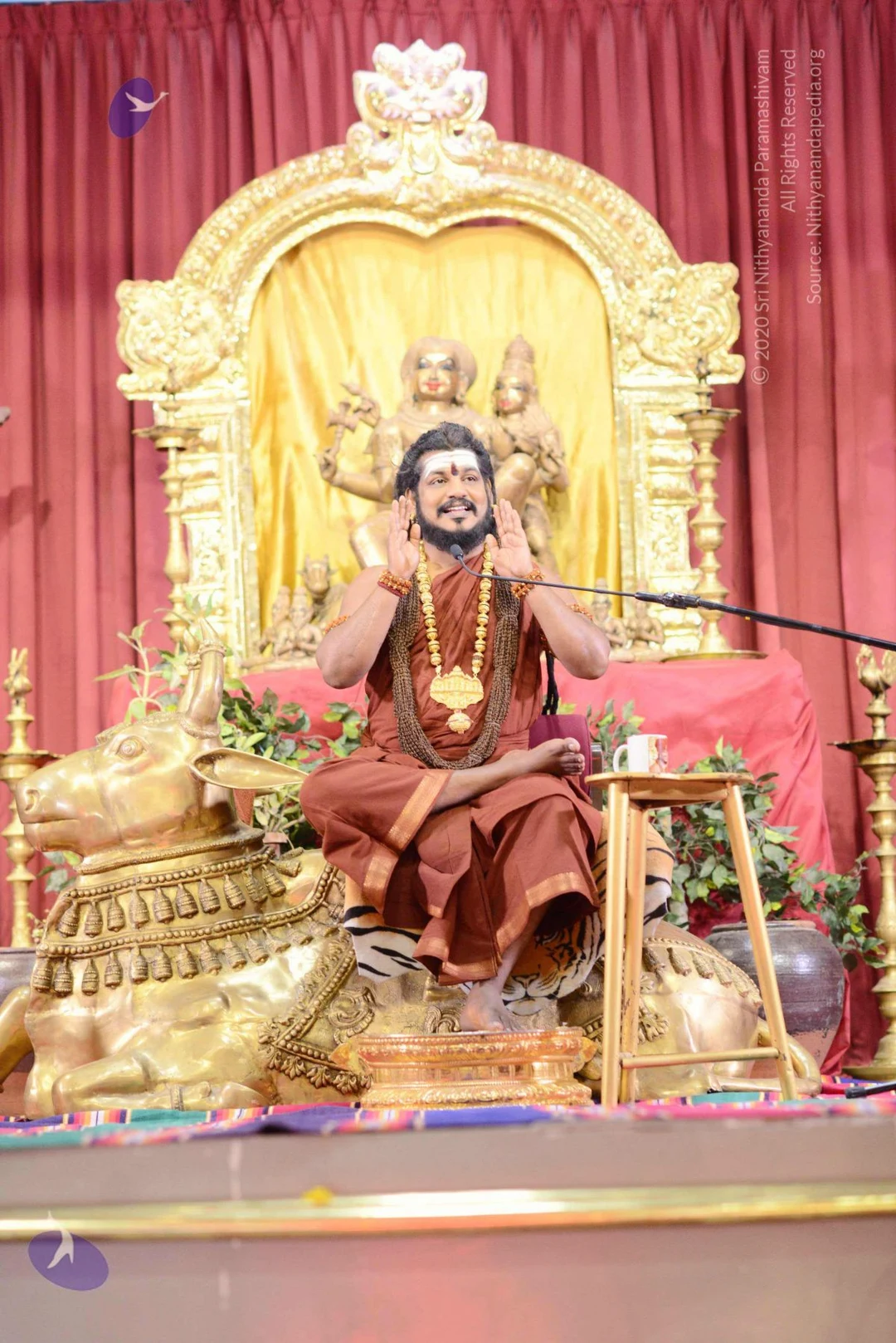
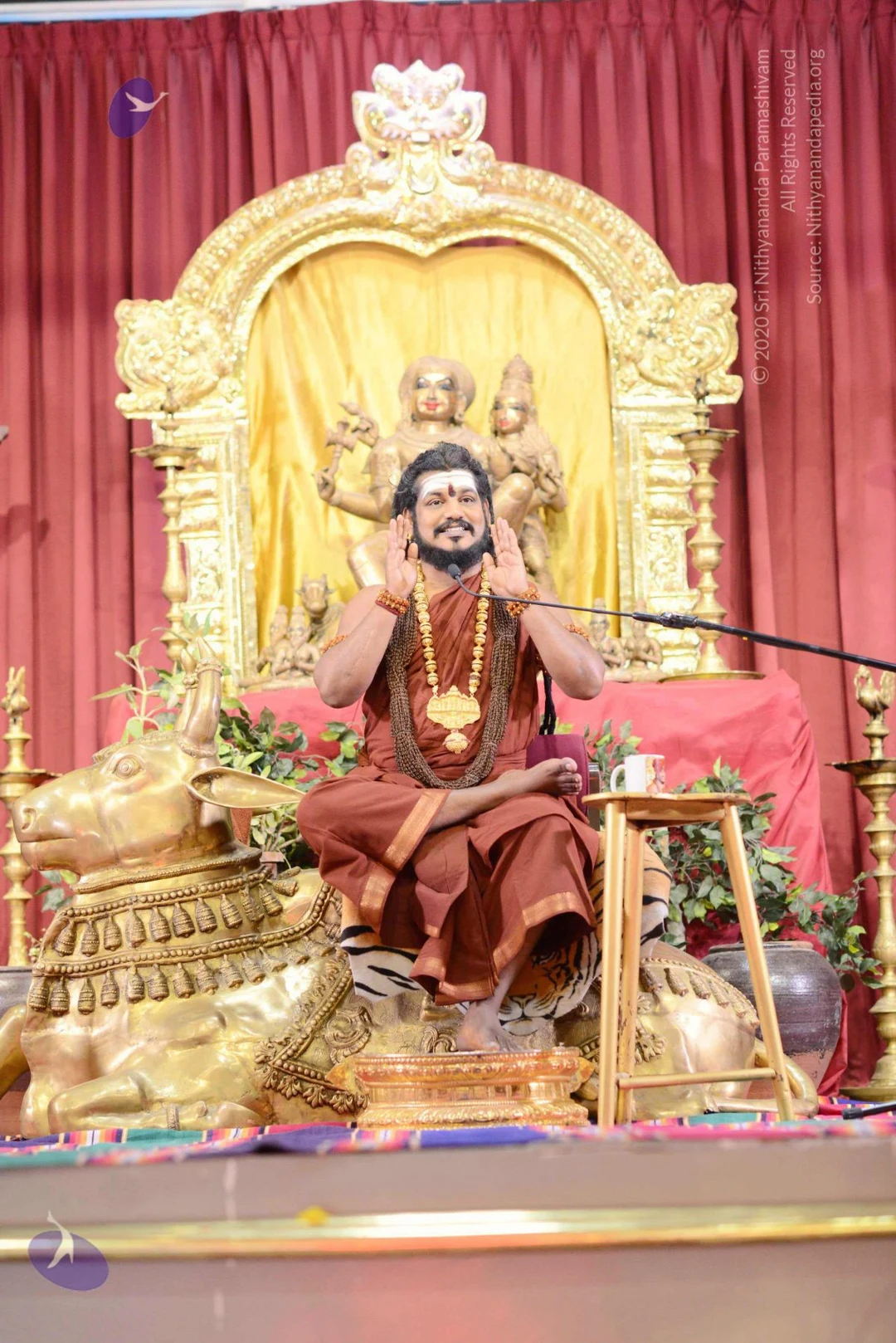
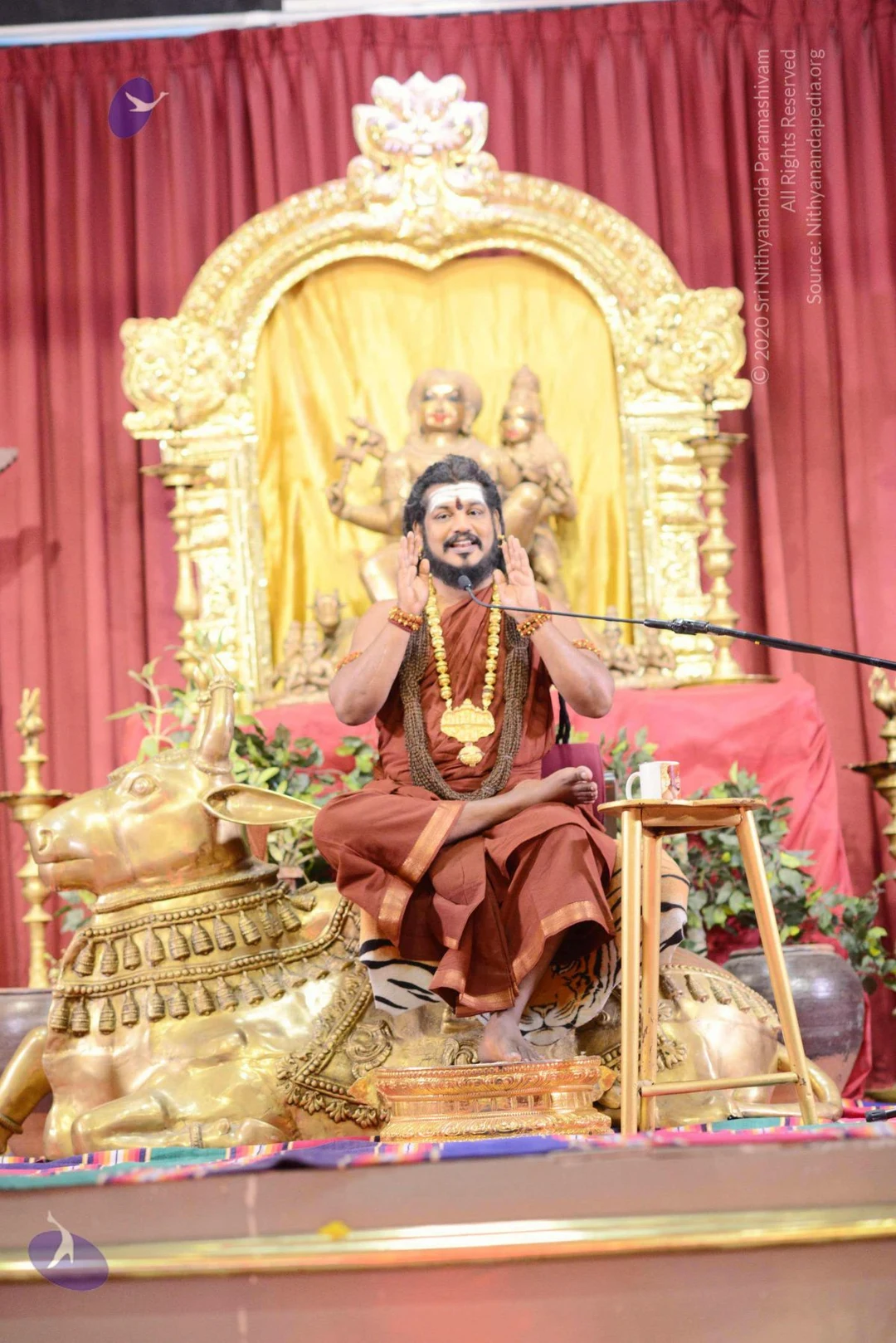
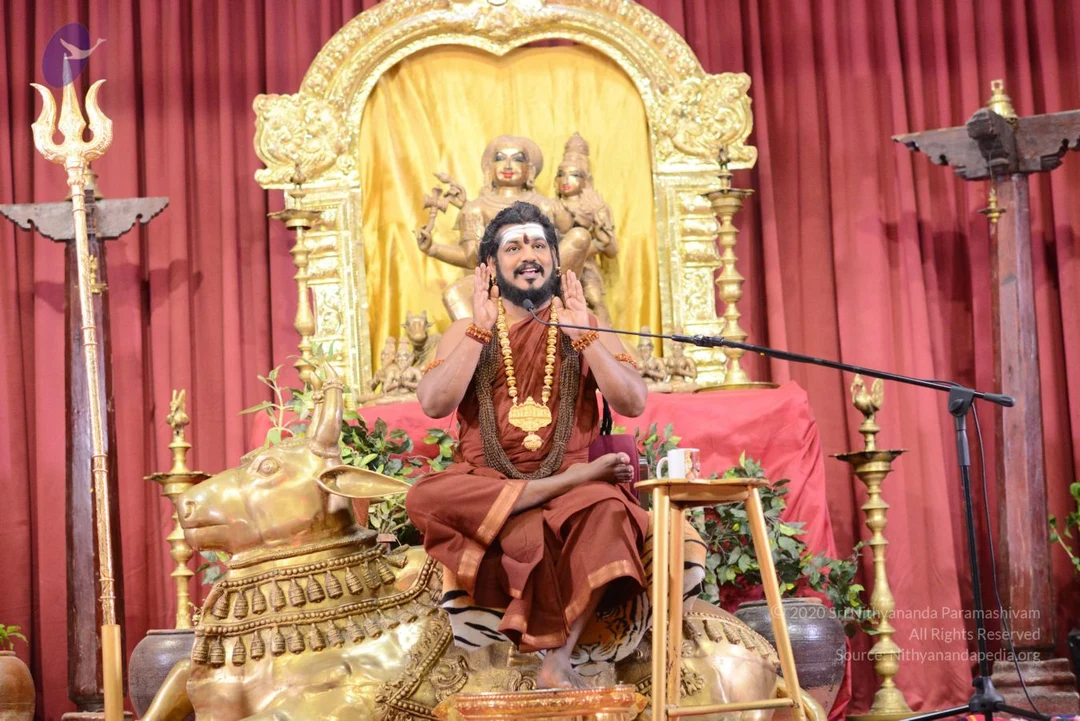
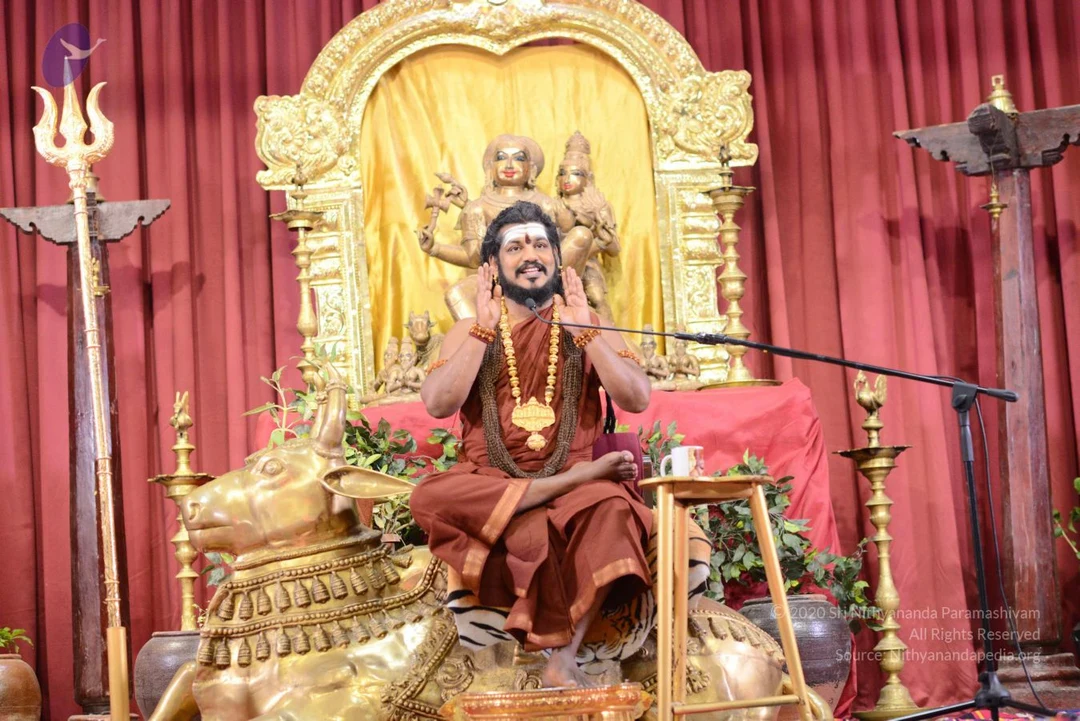
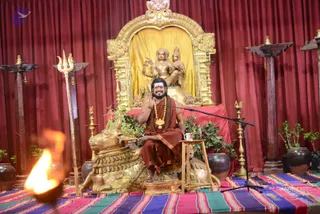
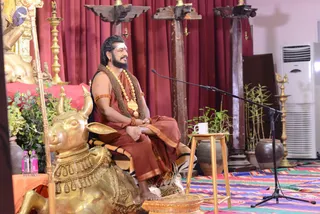
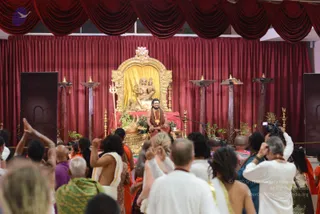
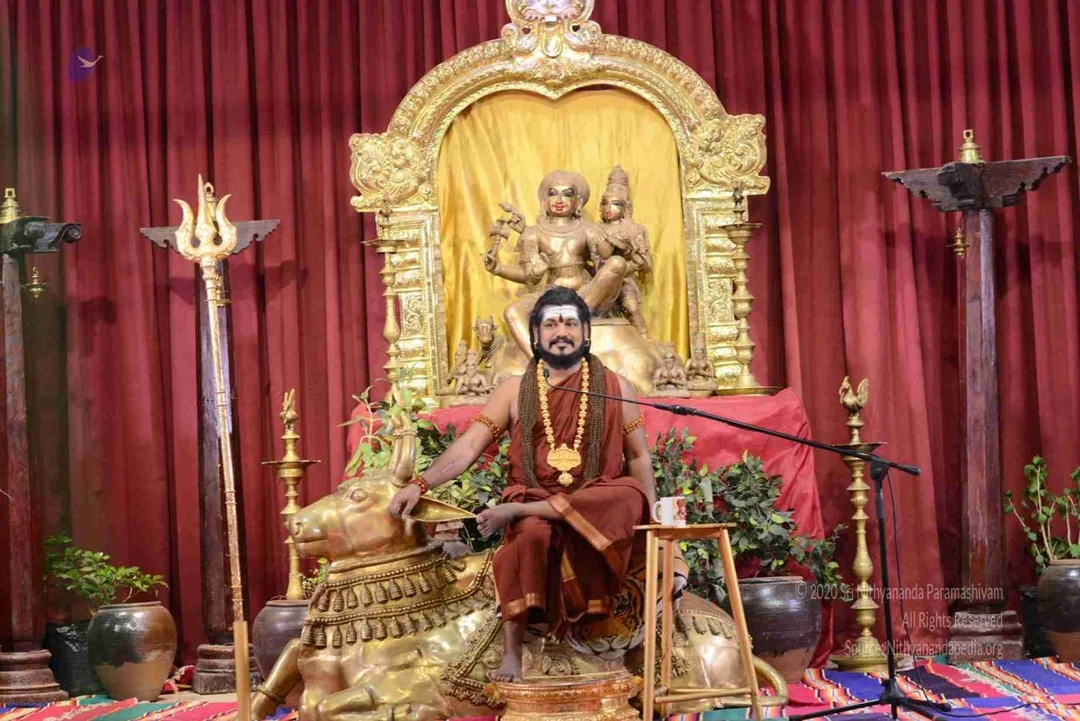 Nithya Satsang with HDH Bhagavan Sri Nithyananda Paramashivam - You can Manifest Yourself As You Want!
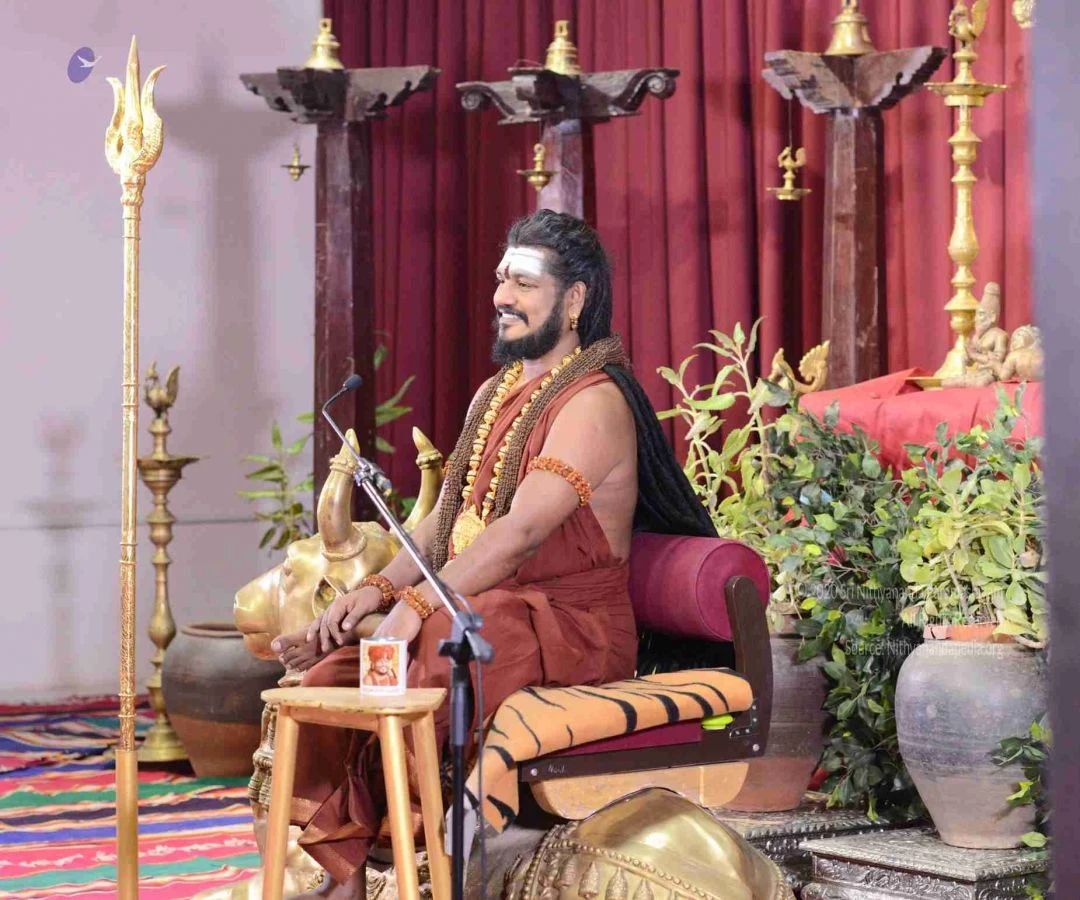 Nithya Satsang with HDH Bhagavan Sri Nithyananda Paramashivam - You can Manifest Yourself As You Want!
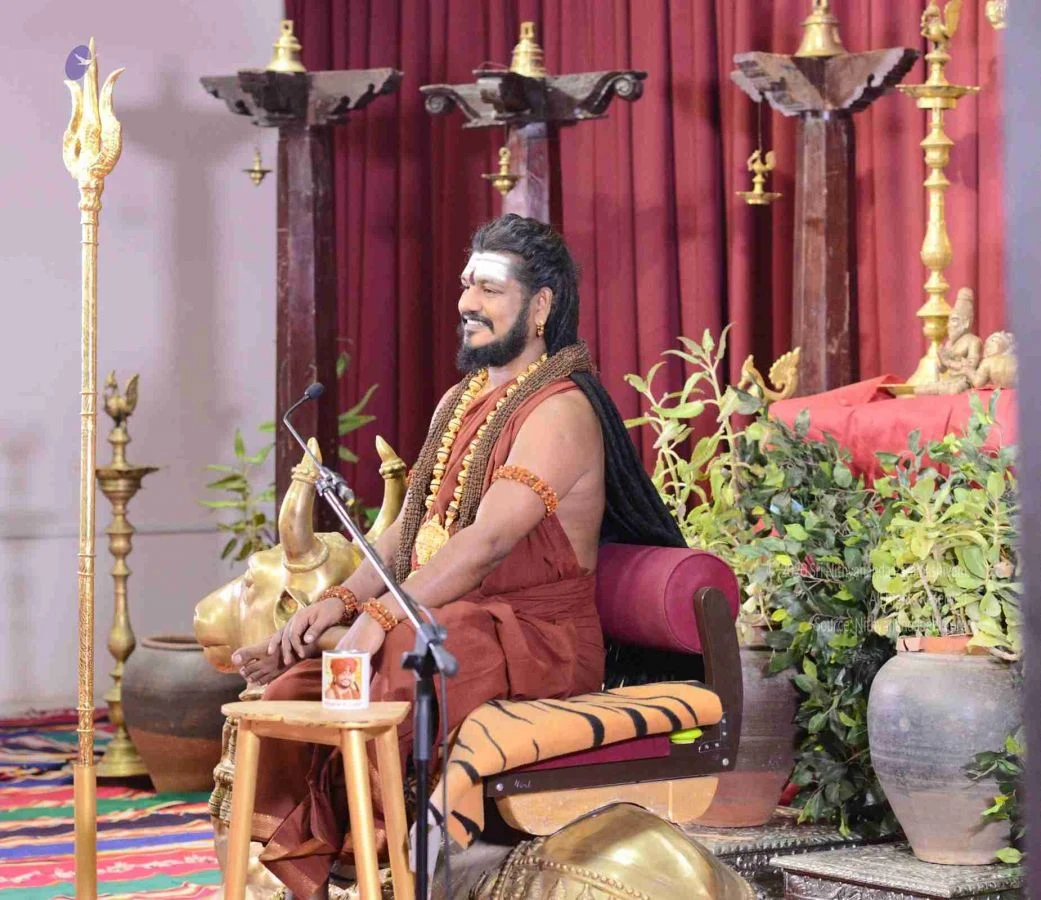 Nithya Satsang with HDH Bhagavan Sri Nithyananda Paramashivam - You can Manifest Yourself As You Want!
 Nithya Satsang with HDH Bhagavan Sri Nithyananda Paramashivam - You can Manifest Yourself As You Want!
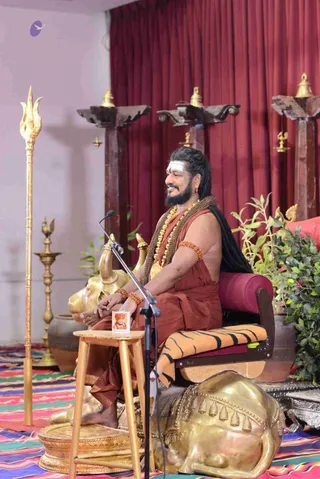 Nithya Satsang with HDH Bhagavan Sri Nithyananda Paramashivam - You can Manifest Yourself As You Want!
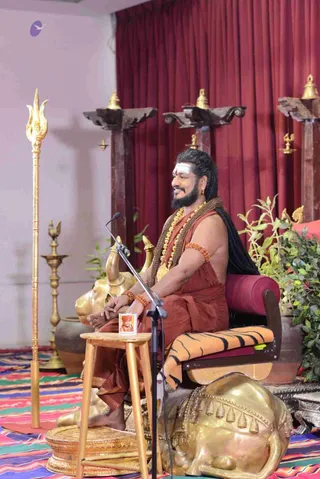 Nithya Satsang with HDH Bhagavan Sri Nithyananda Paramashivam - You can Manifest Yourself As You Want!
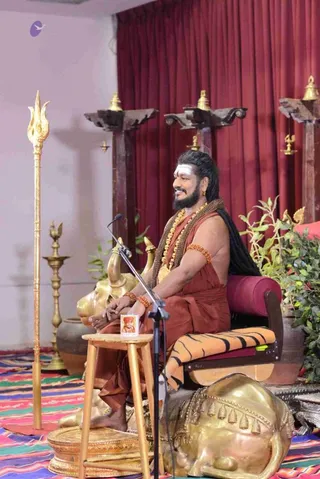 Nithya Satsang with HDH Bhagavan Sri Nithyananda Paramashivam - You can Manifest Yourself As You Want!
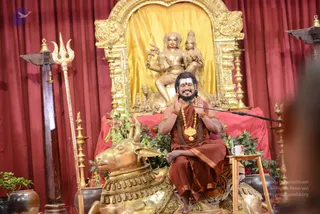
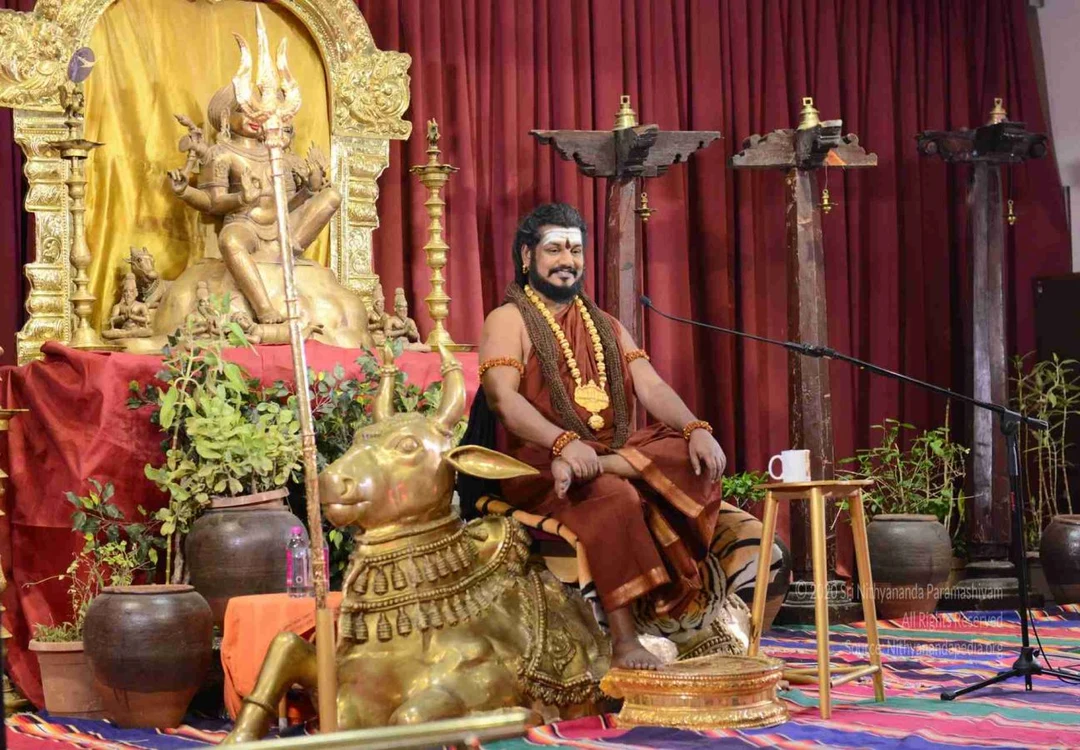 "We are not final products as we are, we are seeds of possibility!" HDH Bhagavan Sri Nithyananda Paramashivam
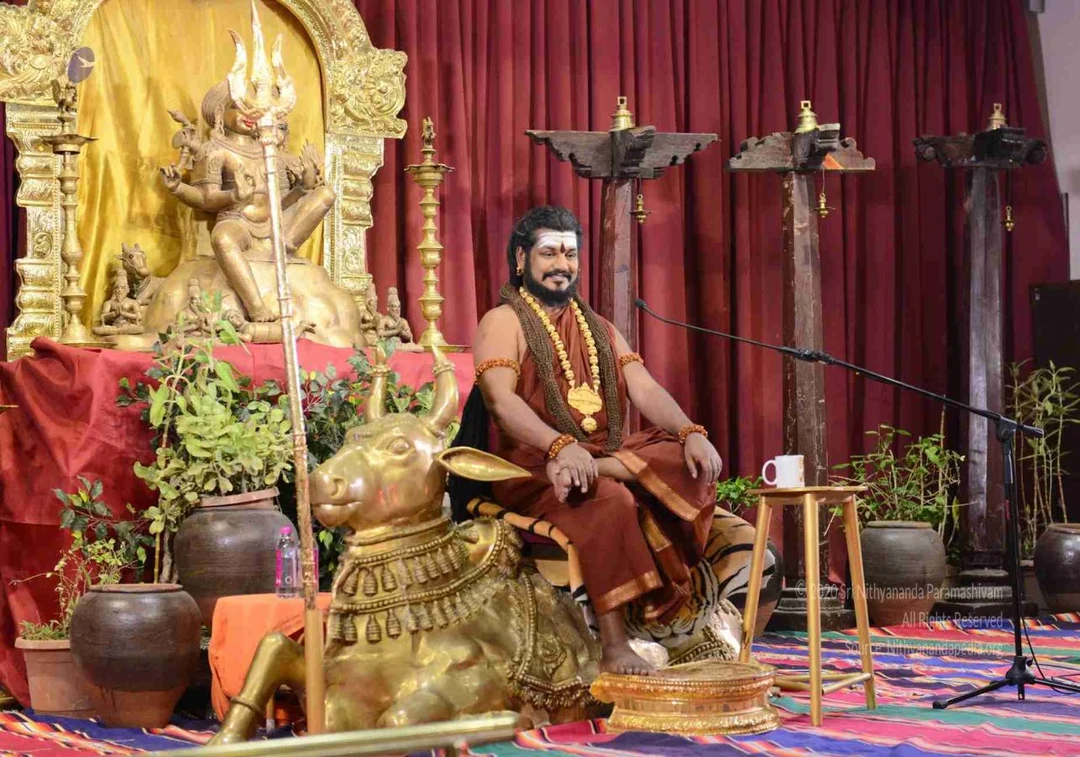 "We are not final products as we are, we are seeds of possibility!" HDH Bhagavan Sri Nithyananda Paramashivam
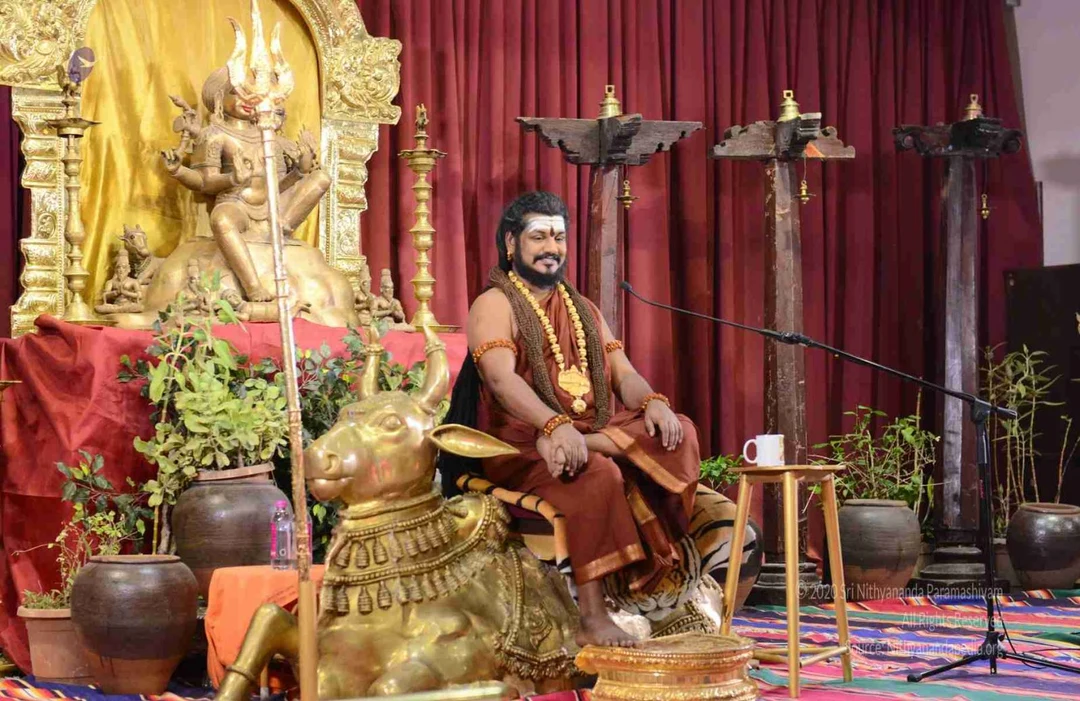 "We are not final products as we are, we are seeds of possibility!" HDH Bhagavan Sri Nithyananda Paramashivam
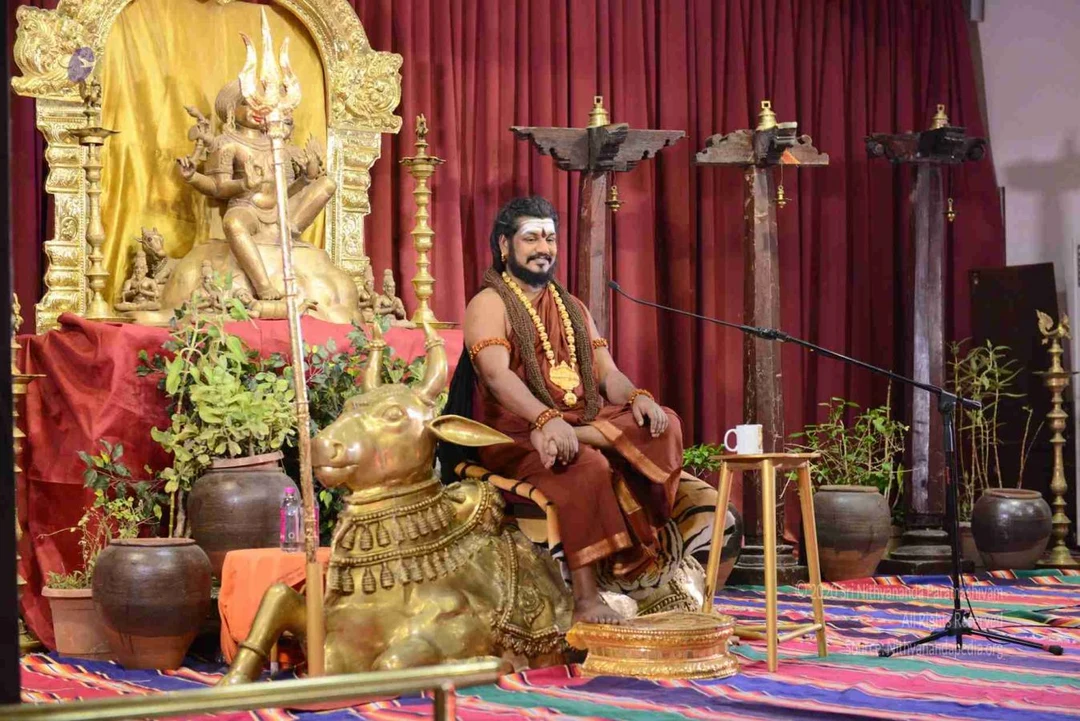 "We are not final products as we are, we are seeds of possibility!" HDH Bhagavan Sri Nithyananda Paramashivam
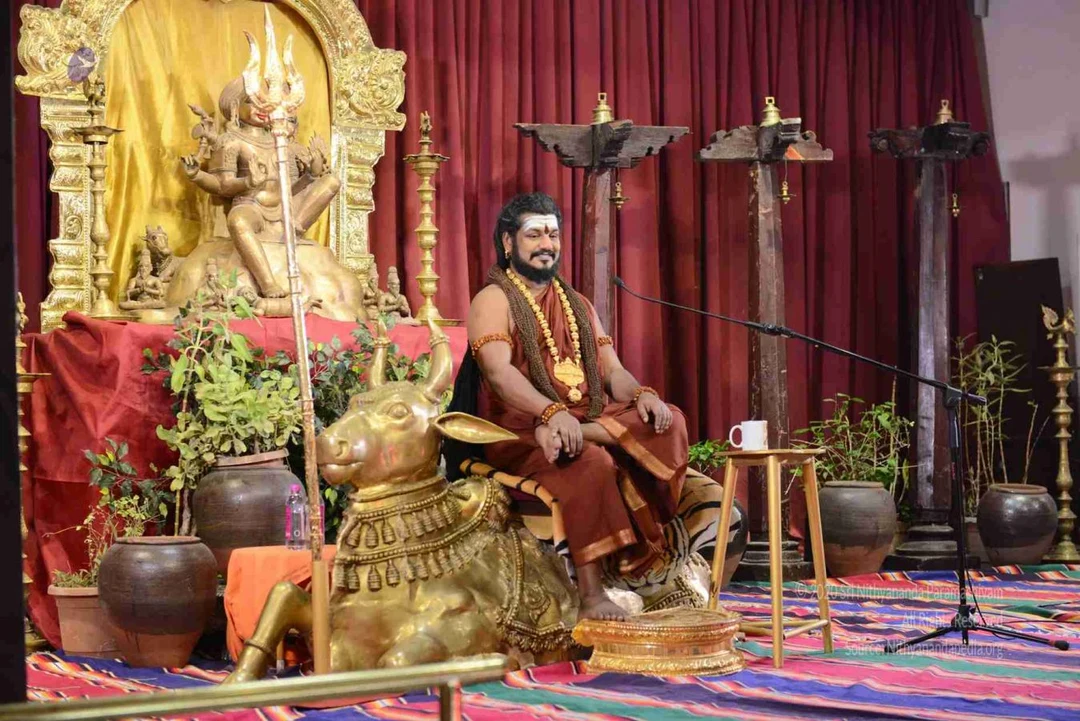 "We are not final products as we are, we are seeds of possibility!" HDH Bhagavan Sri Nithyananda Paramashivam
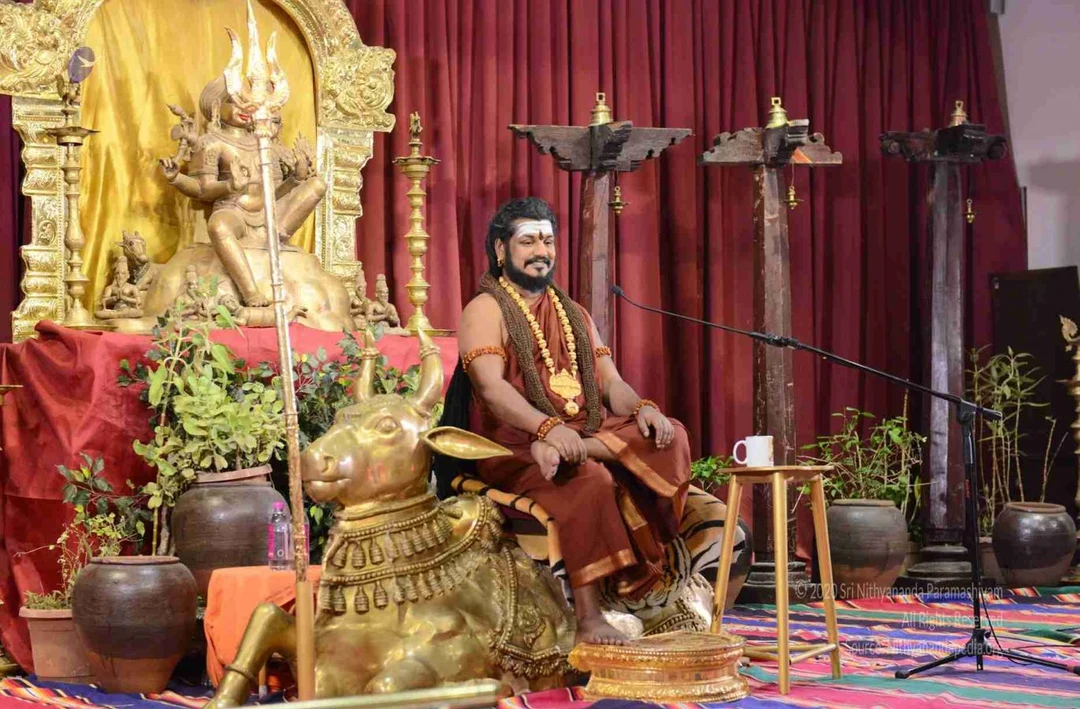 "We are not final products as we are, we are seeds of possibility!" HDH Bhagavan Sri Nithyananda Paramashivam
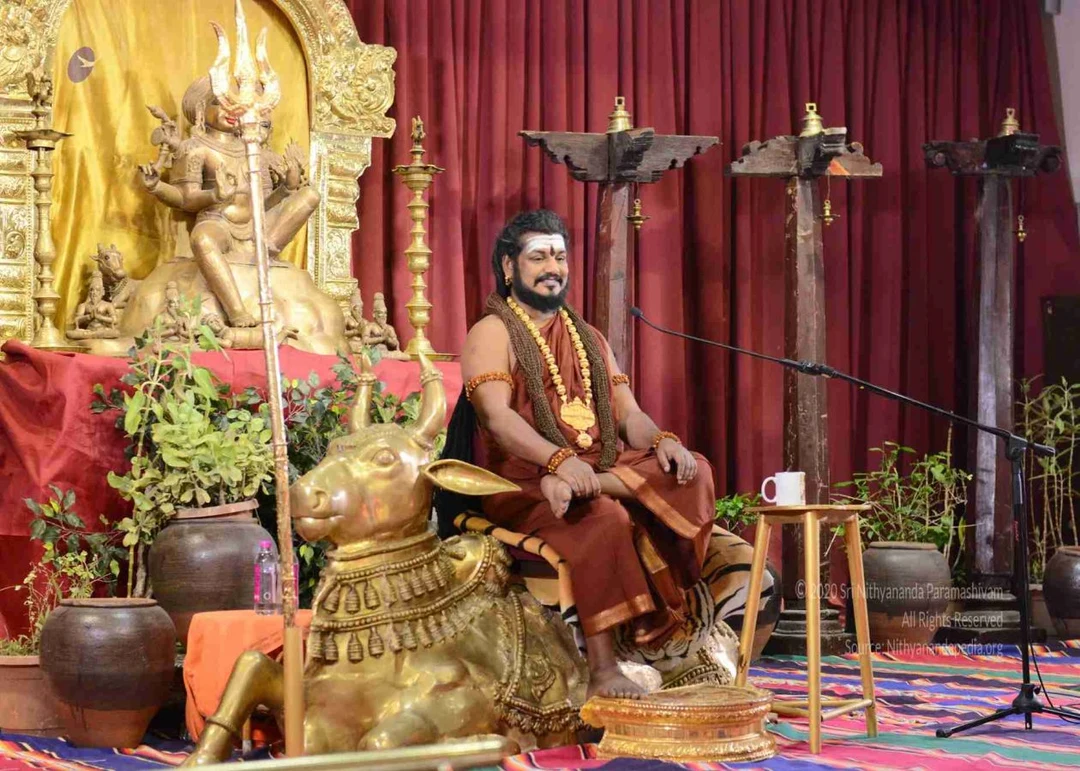 "We are not final products as we are, we are seeds of possibility!" HDH Bhagavan Sri Nithyananda Paramashivam
 His Holiness Revealing Sacred Truths In Morning NIthya Satsang
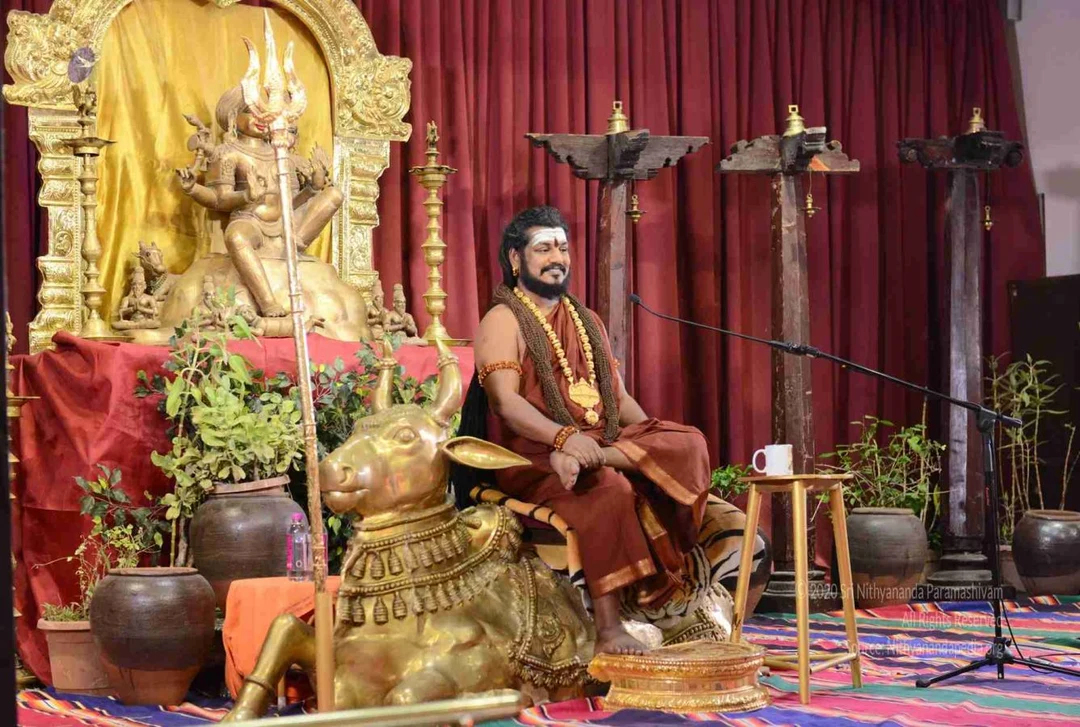 His Holiness Revealing Sacred Truths In Morning NIthya Satsang
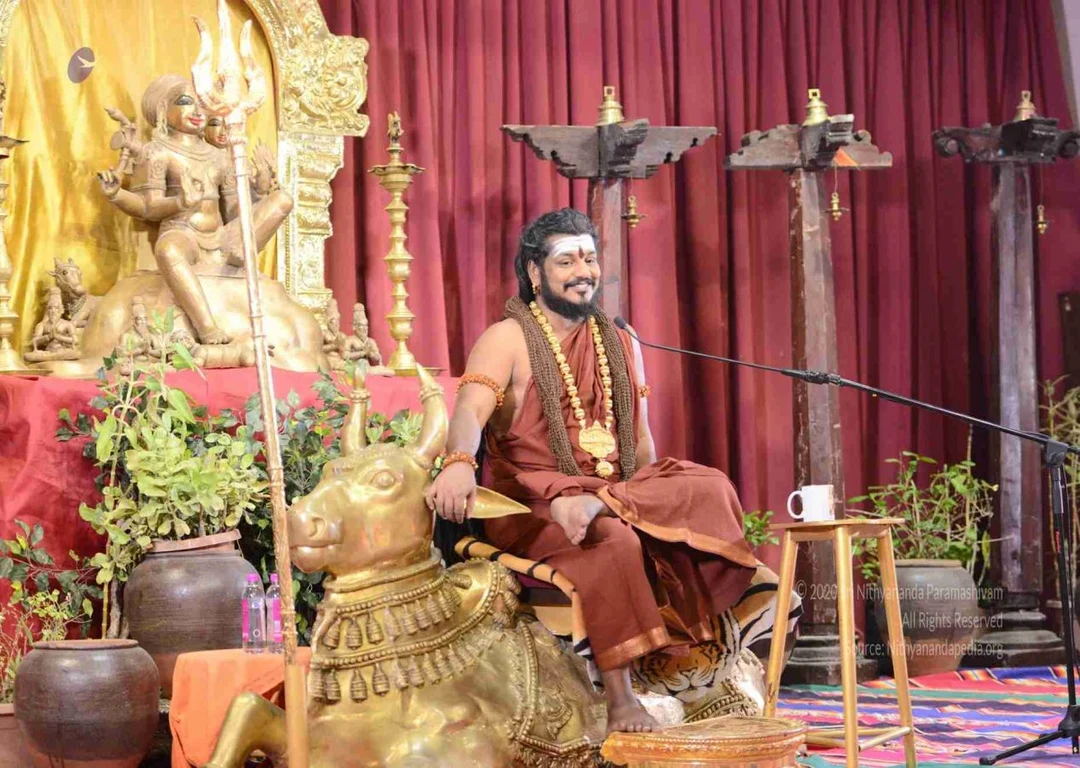 His Holiness Revealing Sacred Truths In Morning NIthya Satsang
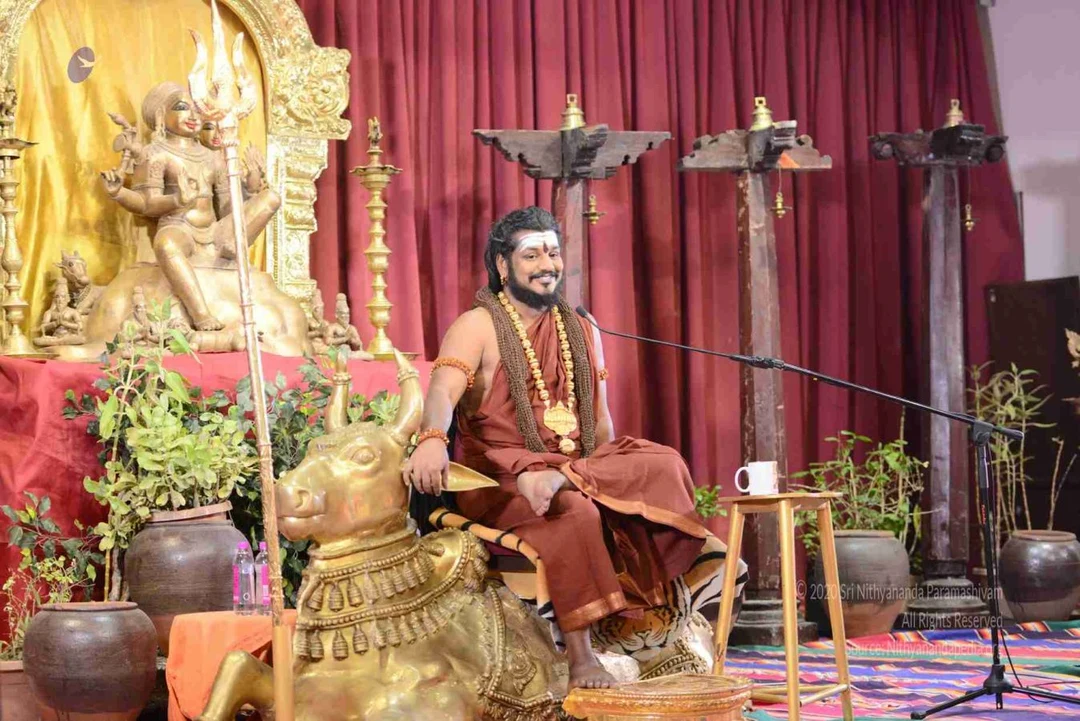 His Holiness Revealing Sacred Truths In Morning NIthya Satsang
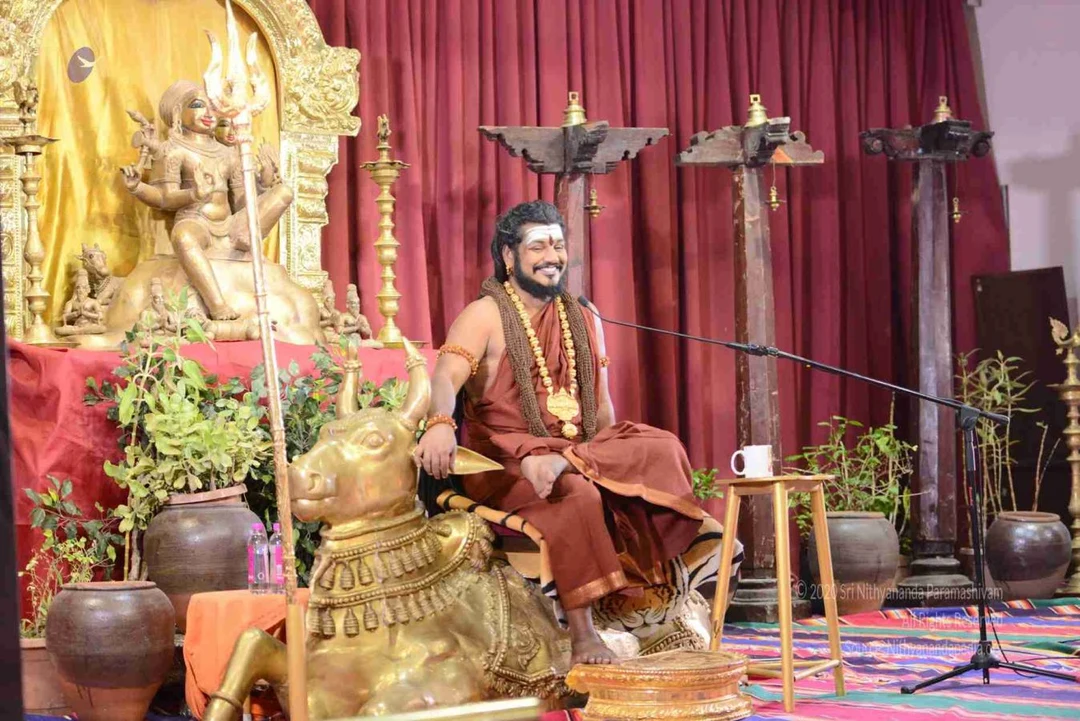 His Holiness Revealing Sacred Truths In Morning NIthya Satsang
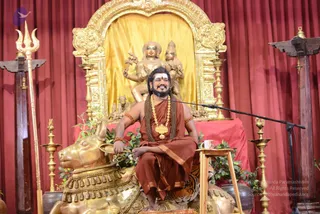
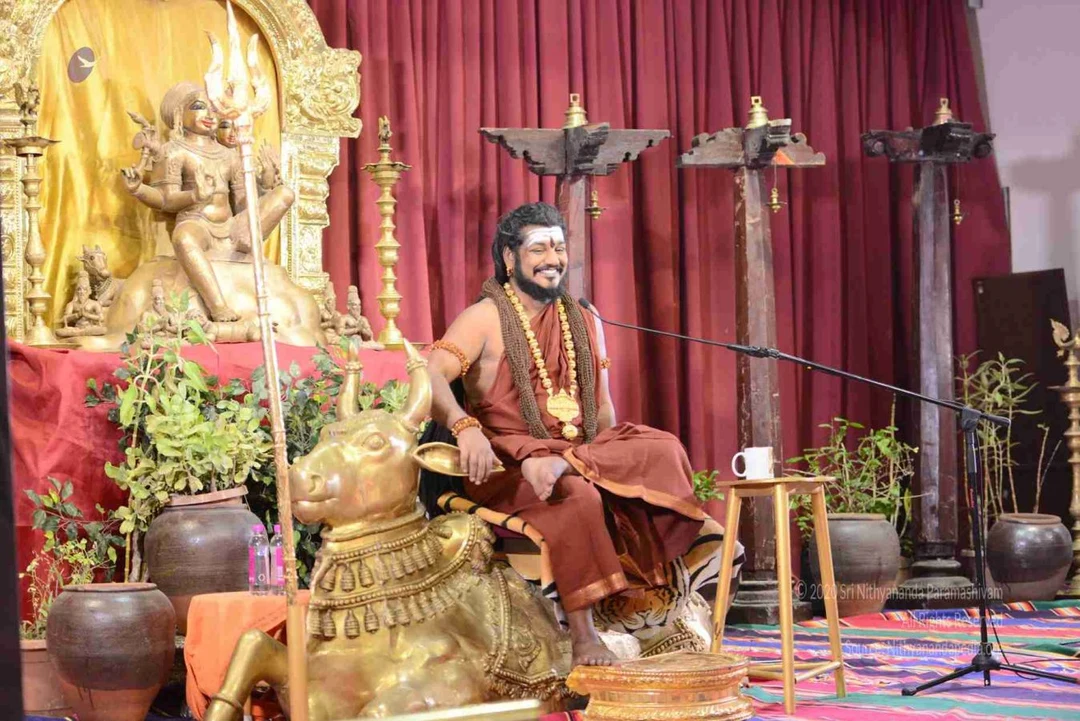 "Every situation brings only new life to you!" HDH Bhagavan Sri Nithyananda Paramashivam
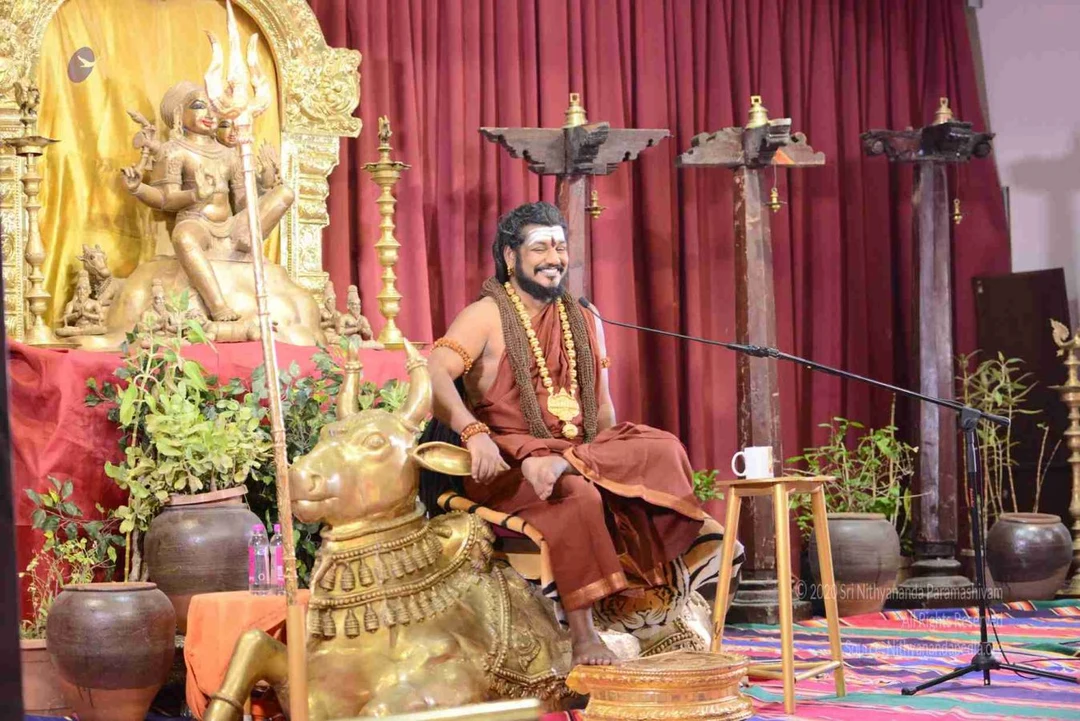 "Every situation brings only new life to you!" HDH Bhagavan Sri Nithyananda Paramashivam
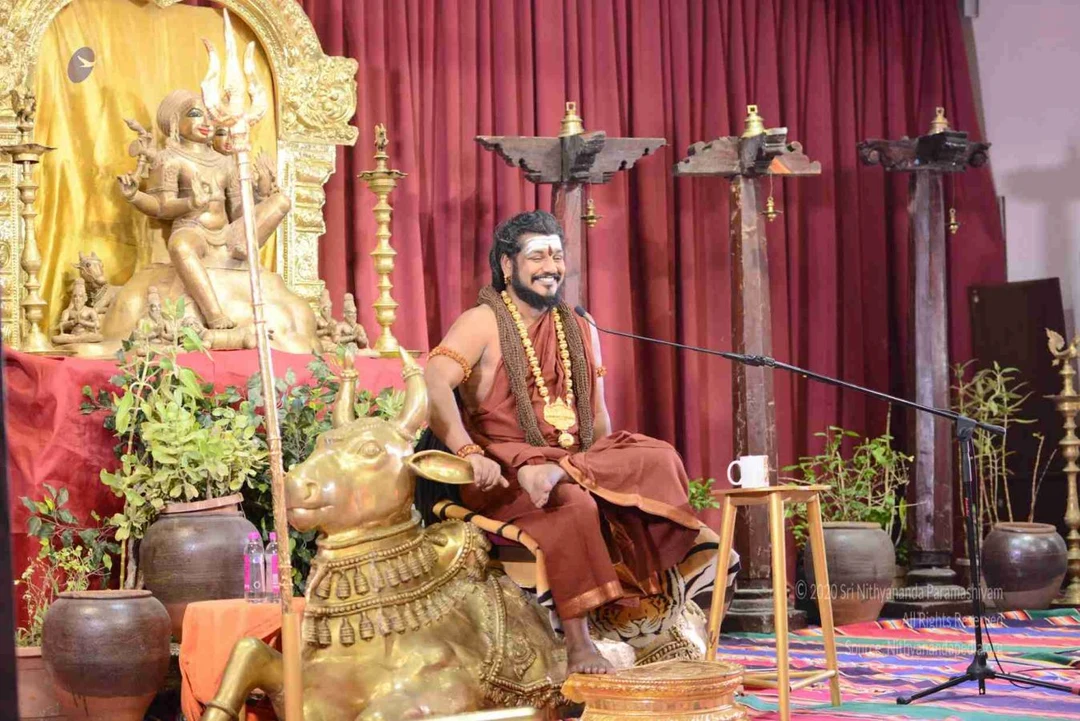 "Every situation brings only new life to you!" HDH Bhagavan Sri Nithyananda Paramashivam
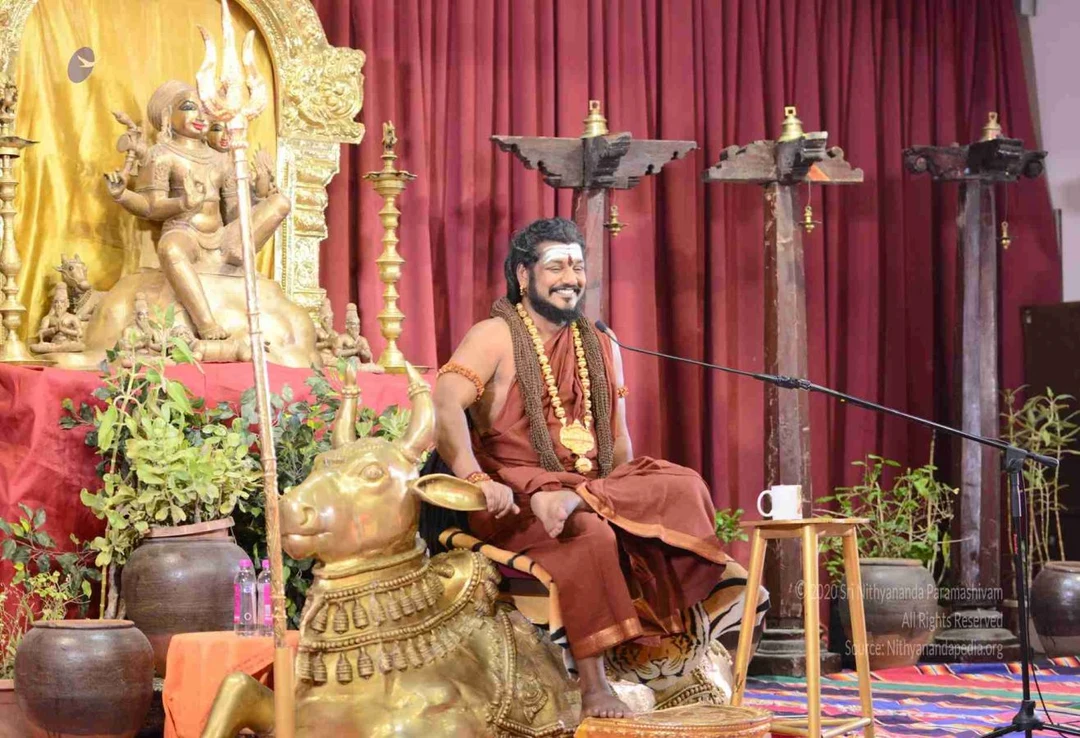 "Every situation brings only new life to you!" HDH Bhagavan Sri Nithyananda Paramashivam
 "Every situation brings only new life to you!" HDH Bhagavan Sri Nithyananda Paramashivam
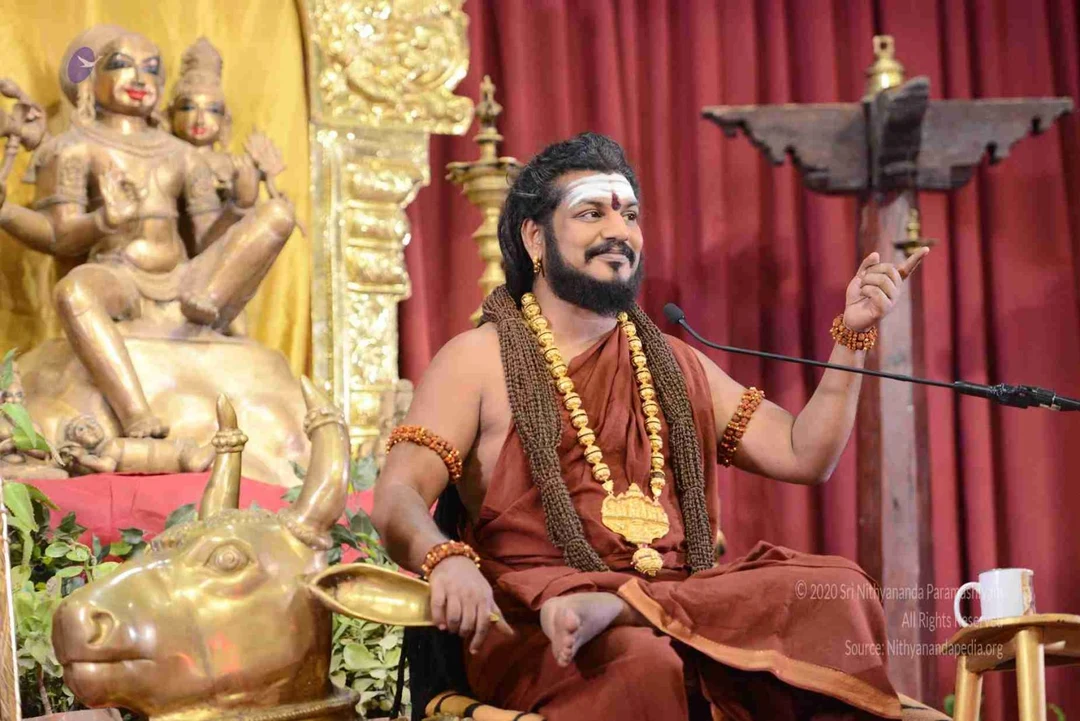 "Every situation brings only new life to you!" HDH Bhagavan Sri Nithyananda Paramashivam
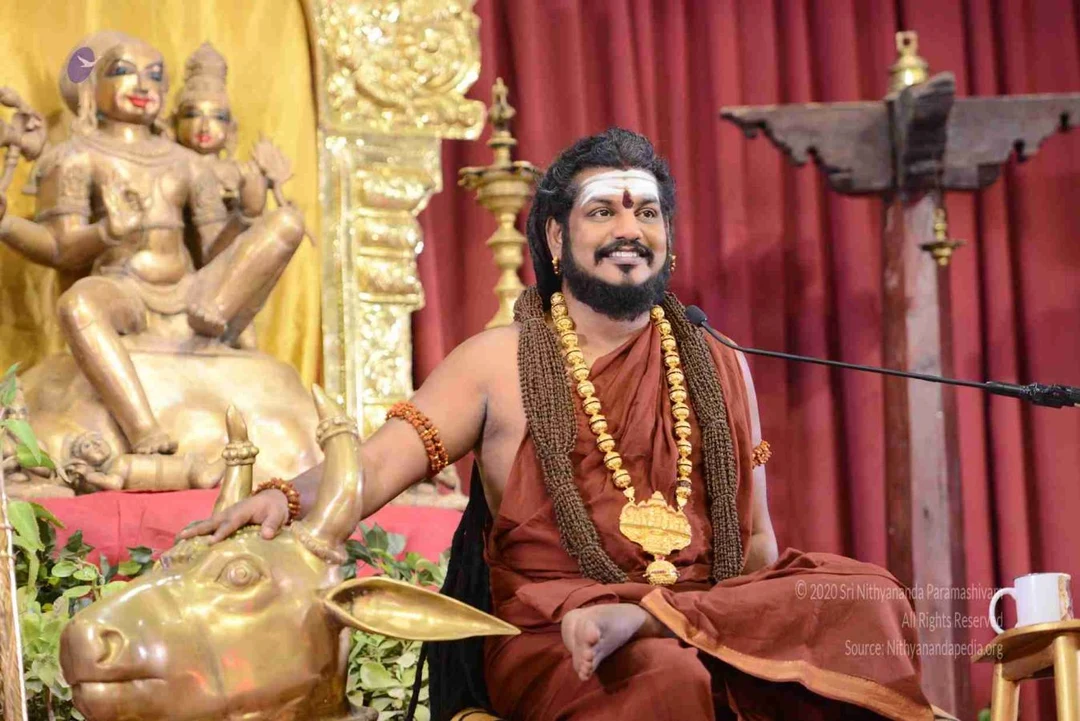 "Every situation brings only new life to you!" HDH Bhagavan Sri Nithyananda Paramashivam
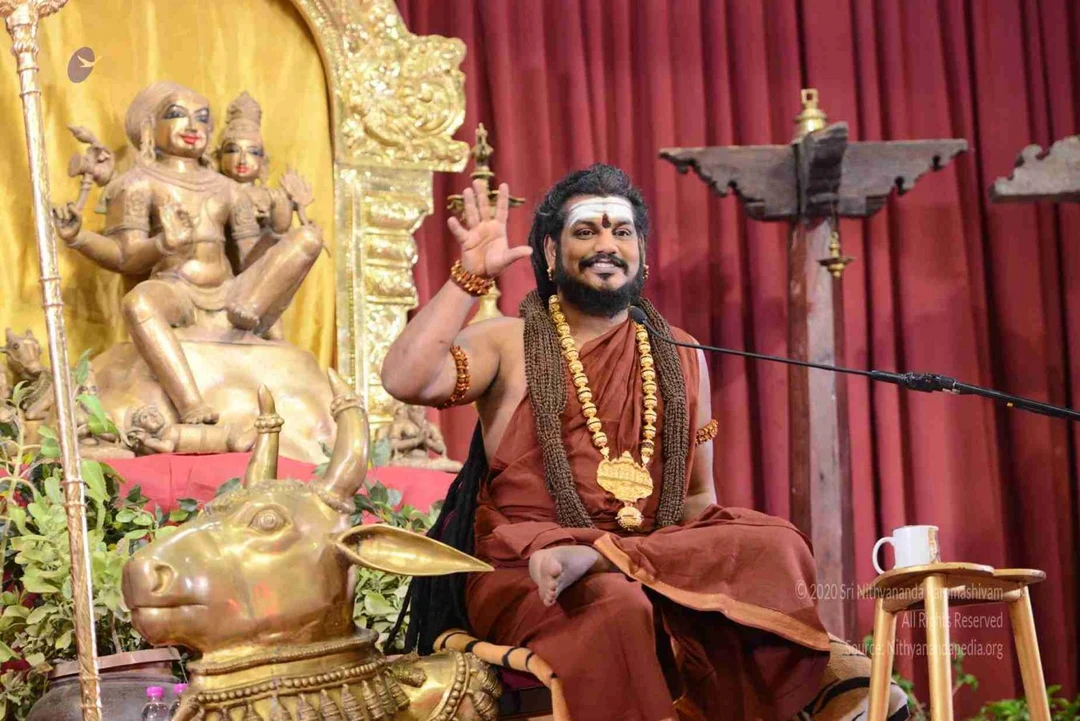 "Every situation brings only new life to you!" HDH Bhagavan Sri Nithyananda Paramashivam
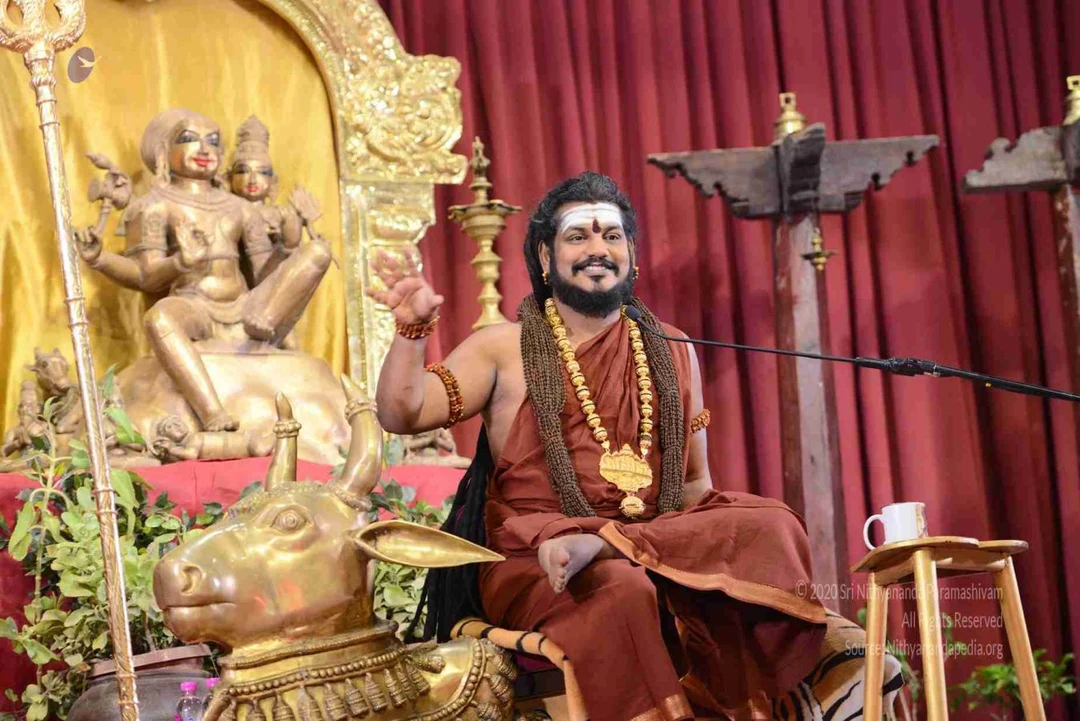 "Every situation brings only new life to you!" HDH Bhagavan Sri Nithyananda Paramashivam
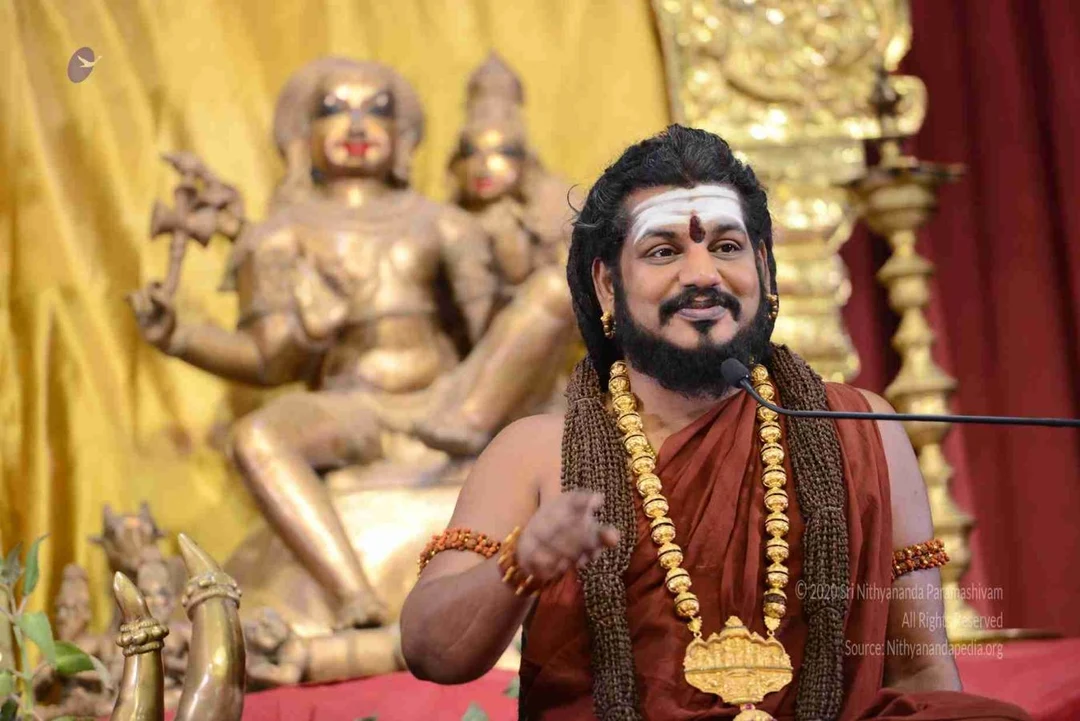 "Every situation brings only new life to you!" HDH Bhagavan Sri Nithyananda Paramashivam
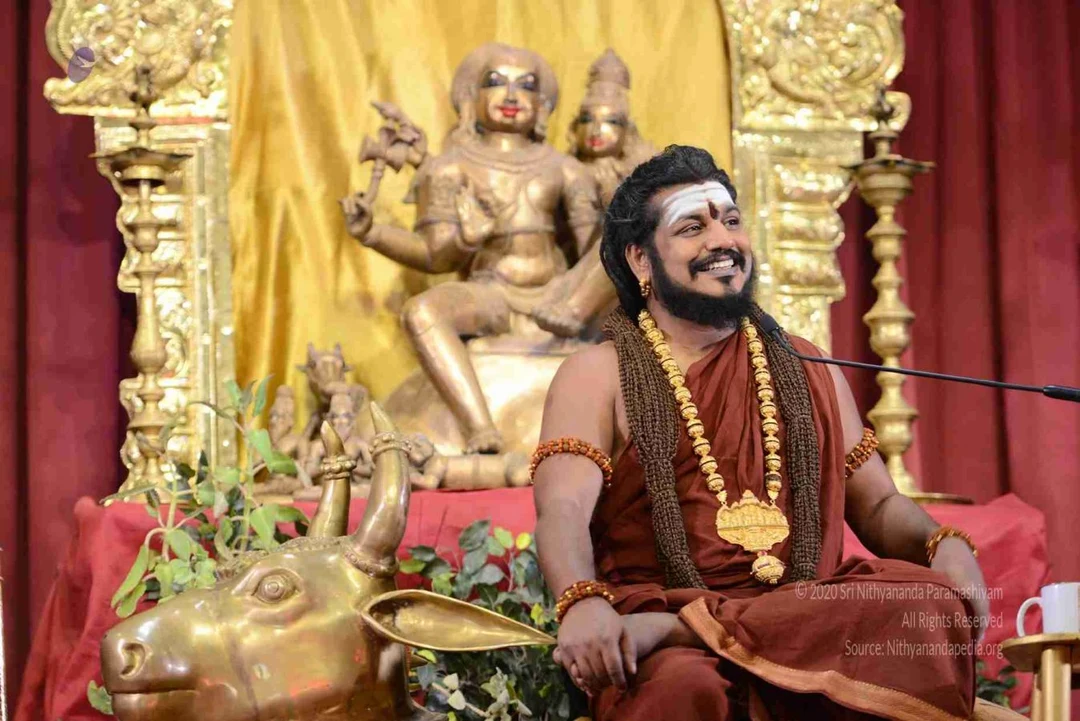 Nithya Satsang with HDH Bhagavan Sri Nithyananda Paramashivam - You can Manifest Yourself As You Want!
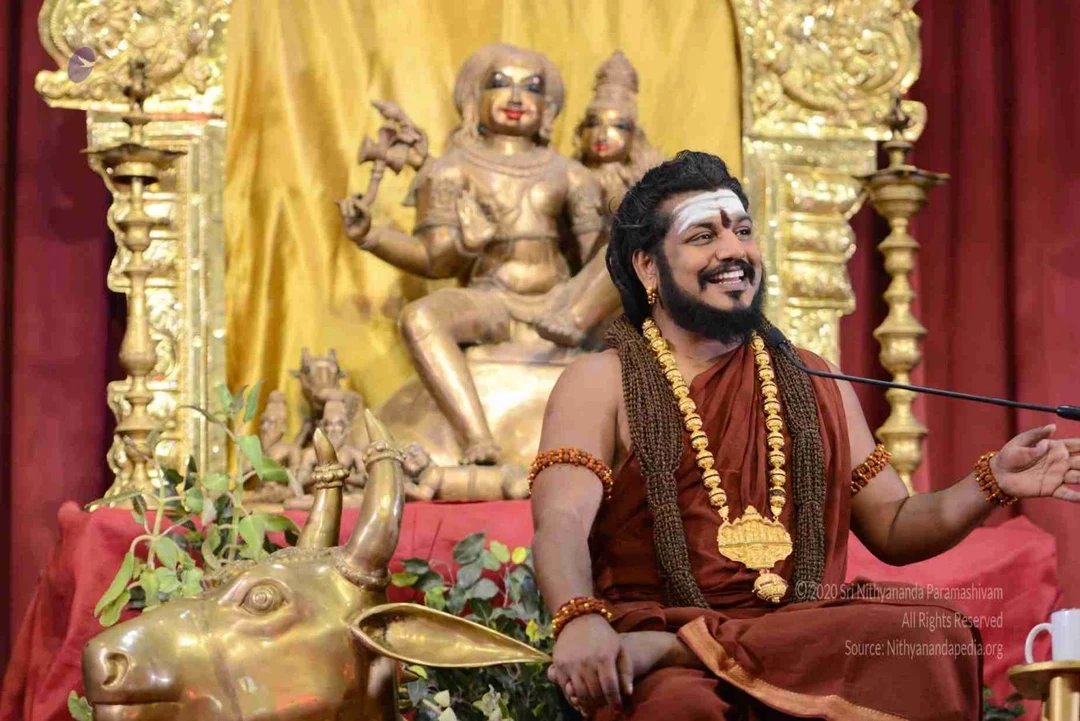 Nithya Satsang with HDH Bhagavan Sri Nithyananda Paramashivam - You can Manifest Yourself As You Want!
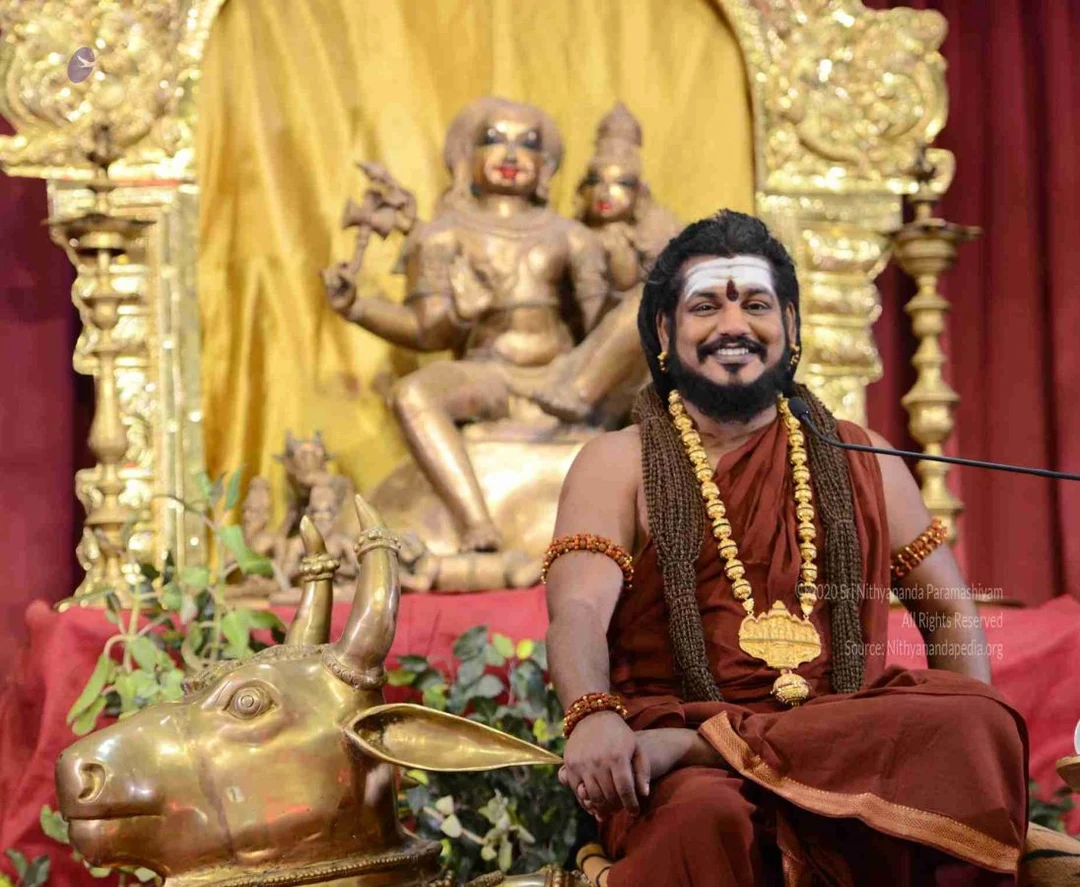 Nithya Satsang with HDH Bhagavan Sri Nithyananda Paramashivam - You can Manifest Yourself As You Want!
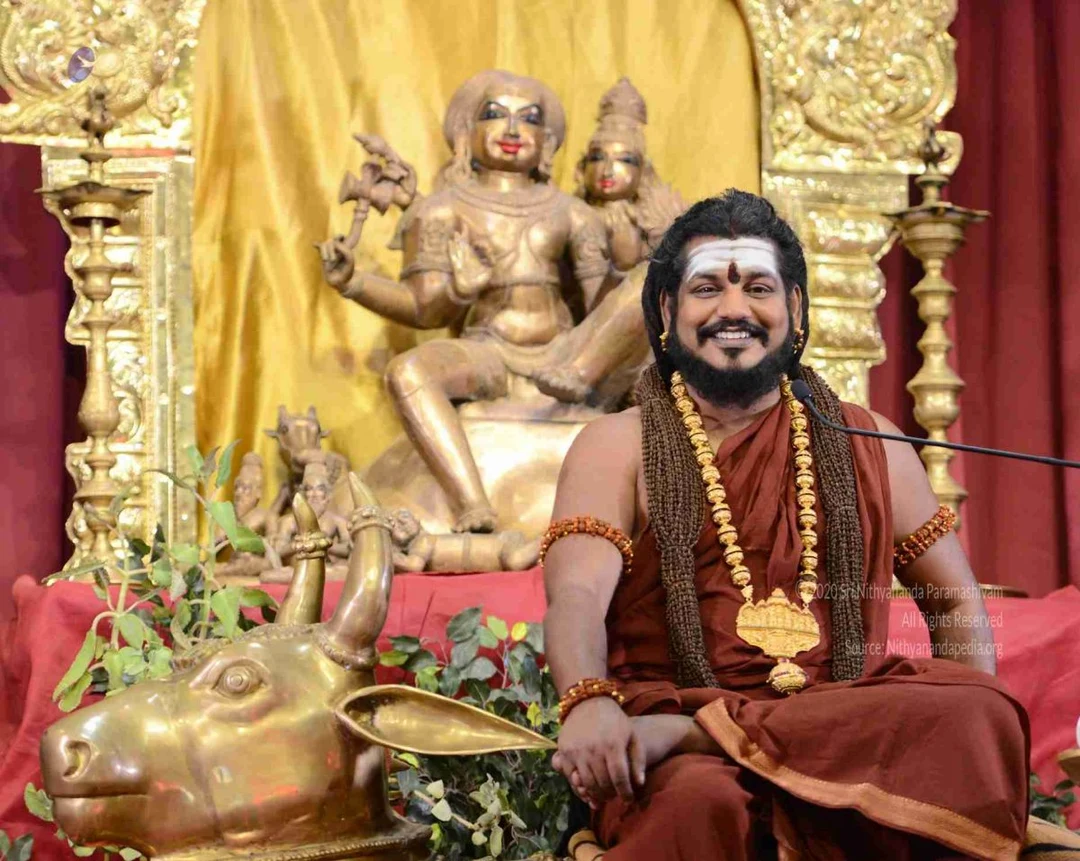 Nithya Satsang with HDH Bhagavan Sri Nithyananda Paramashivam - You can Manifest Yourself As You Want!
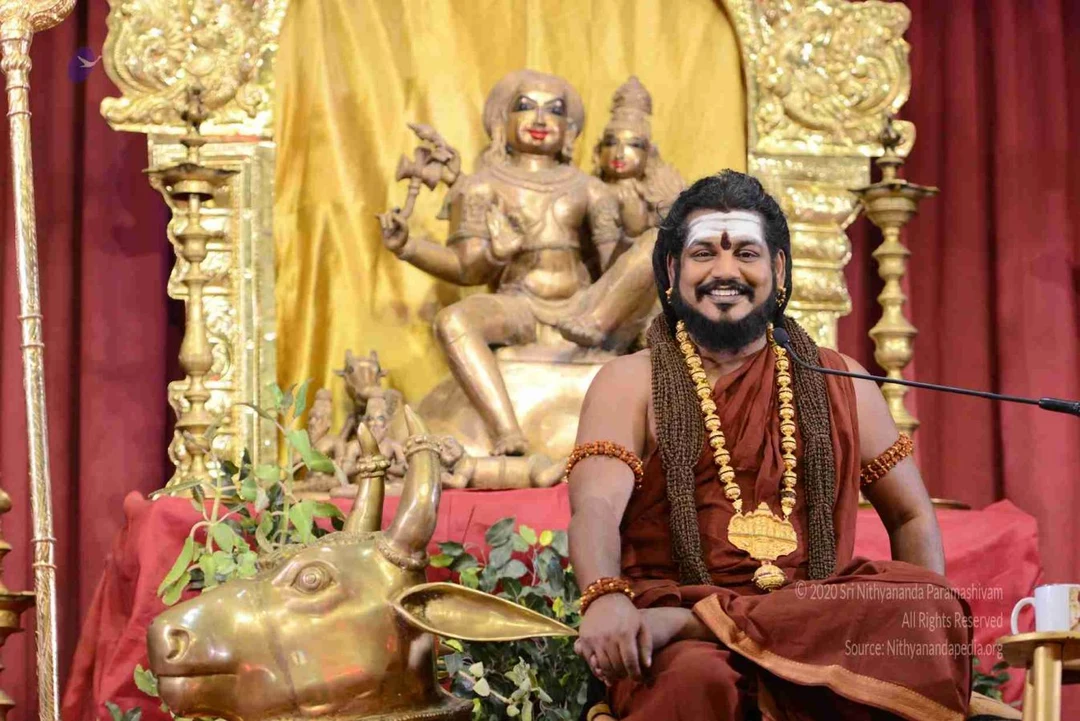 Nithya Satsang with HDH Bhagavan Sri Nithyananda Paramashivam - You can Manifest Yourself As You Want!
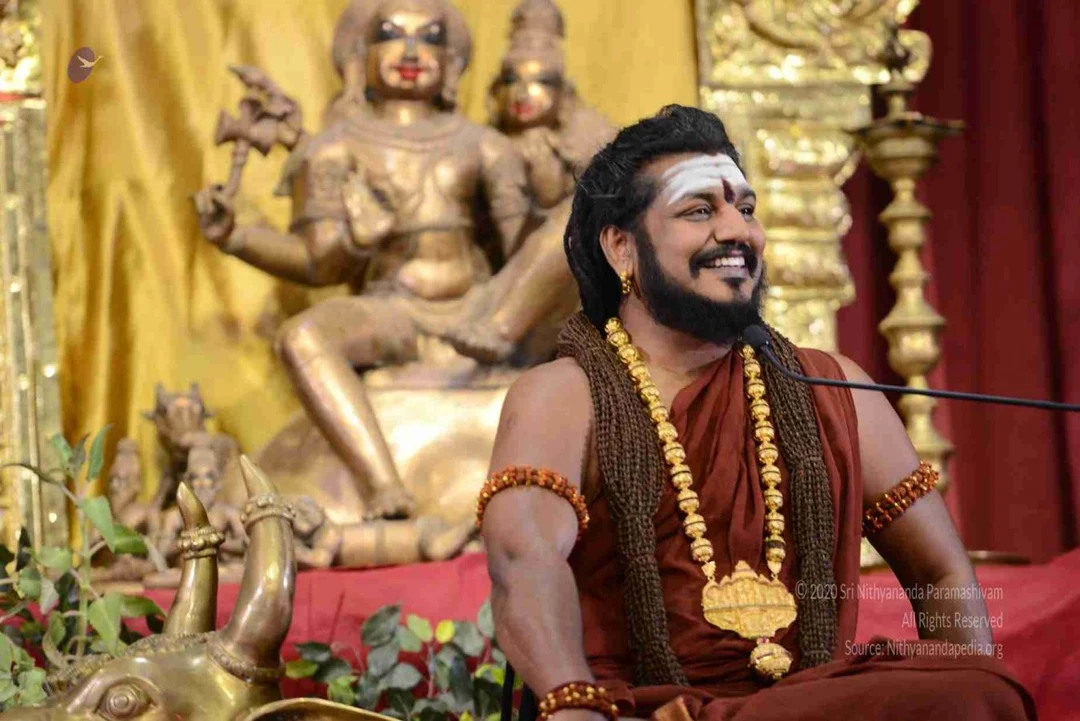 Nithya Satsang with HDH Bhagavan Sri Nithyananda Paramashivam - You can Manifest Yourself As You Want!
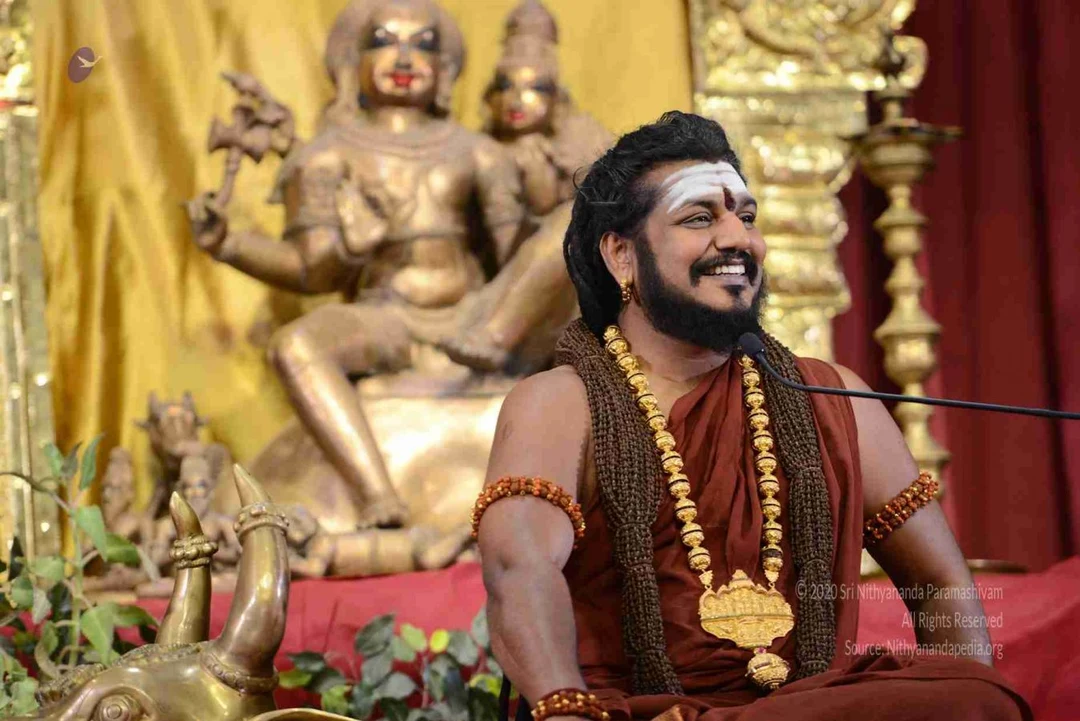 Nithya Satsang with HDH Bhagavan Sri Nithyananda Paramashivam - You can Manifest Yourself As You Want!
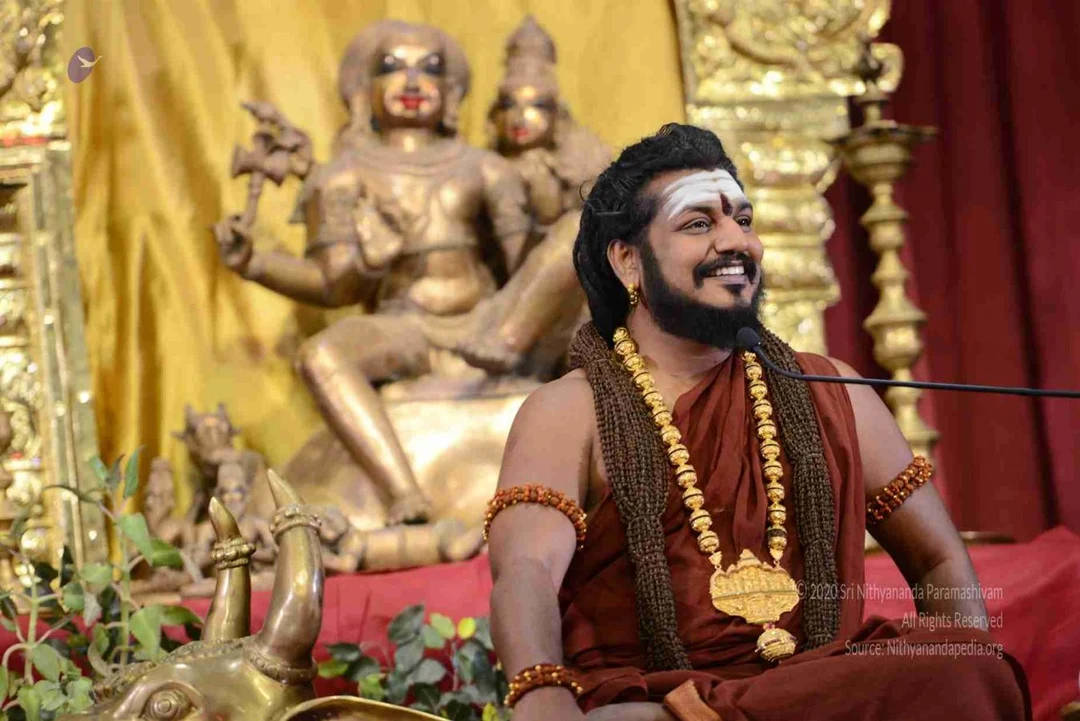 Nithya Satsang with HDH Bhagavan Sri Nithyananda Paramashivam - You can Manifest Yourself As You Want!
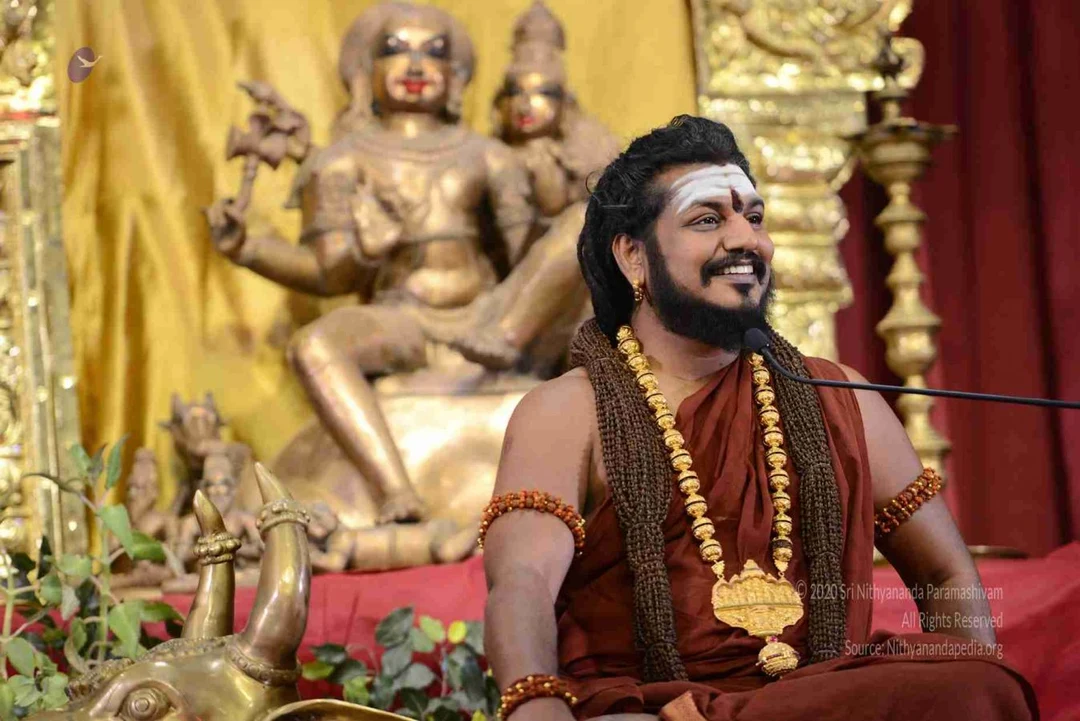 Nithya Satsang with HDH Bhagavan Sri Nithyananda Paramashivam - You can Manifest Yourself As You Want!
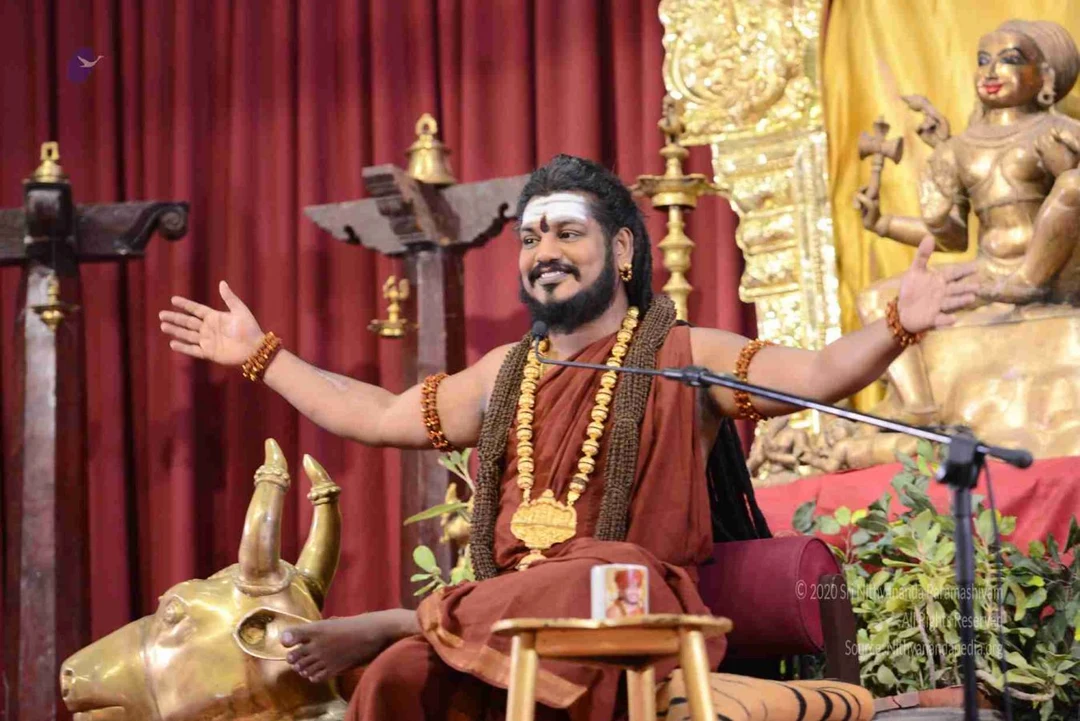 Nithya Satsang with HDH Bhagavan Sri Nithyananda Paramashivam - You can Manifest Yourself As You Want!
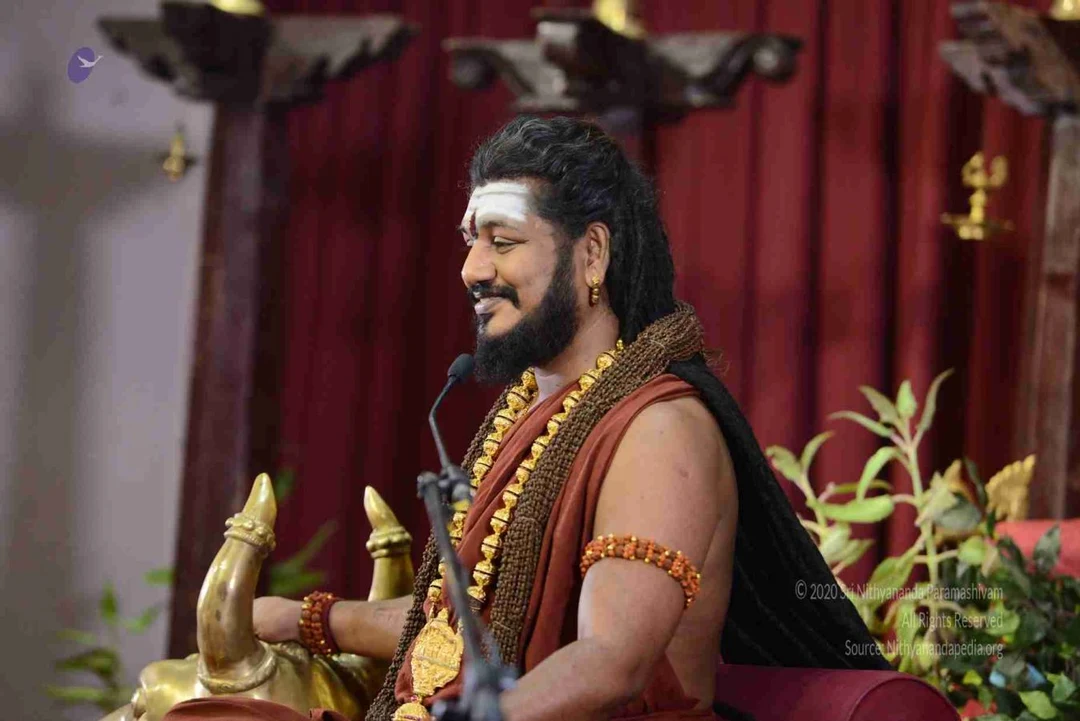 Nithya Satsang with HDH Bhagavan Sri Nithyananda Paramashivam - You can Manifest Yourself As You Want!
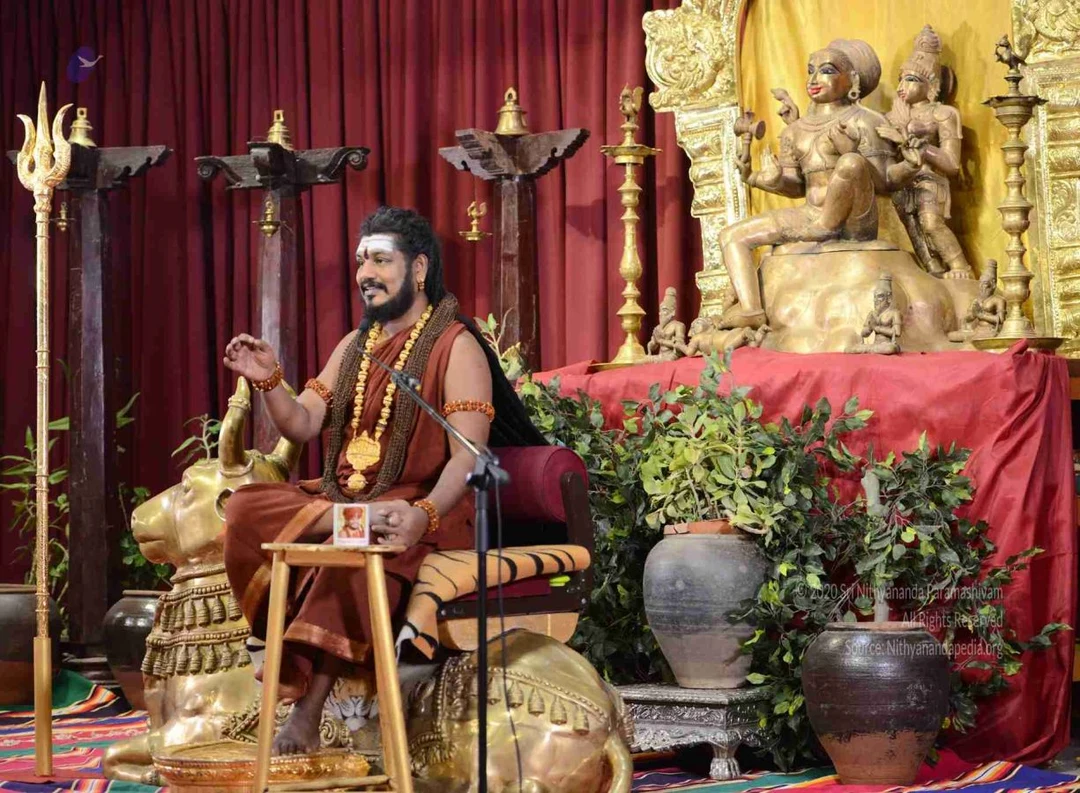 Nithya Satsang with HDH Bhagavan Sri Nithyananda Paramashivam - You can Manifest Yourself As You Want!
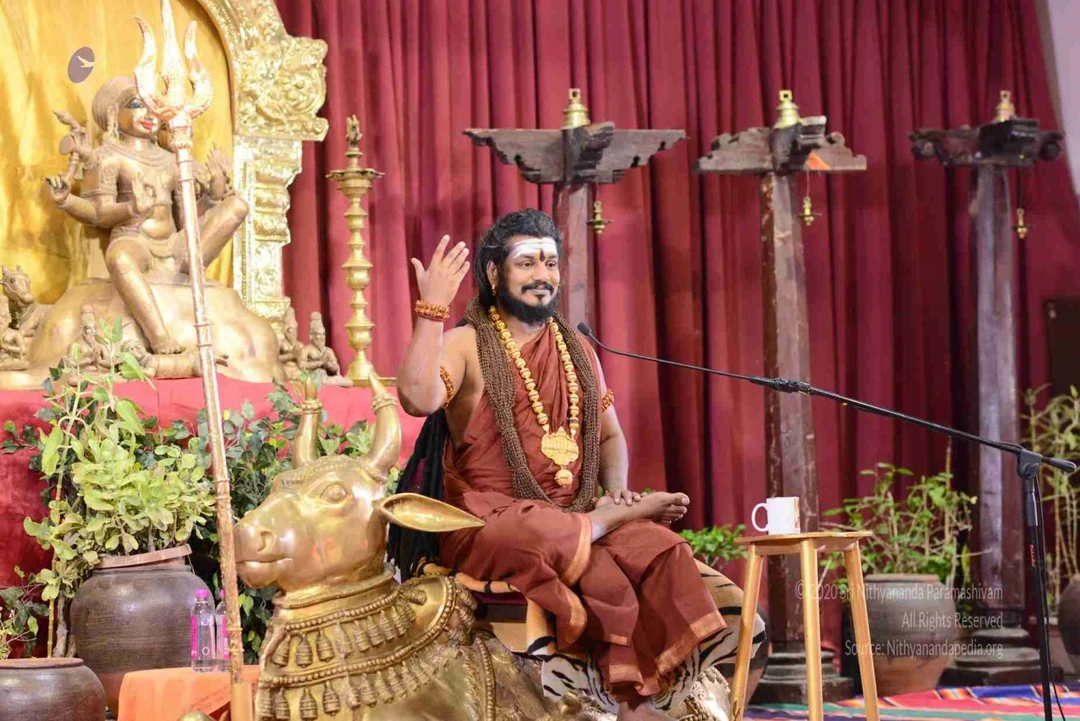 Nithya Satsang with HDH Bhagavan Sri Nithyananda Paramashivam - You can Manifest Yourself As You Want!
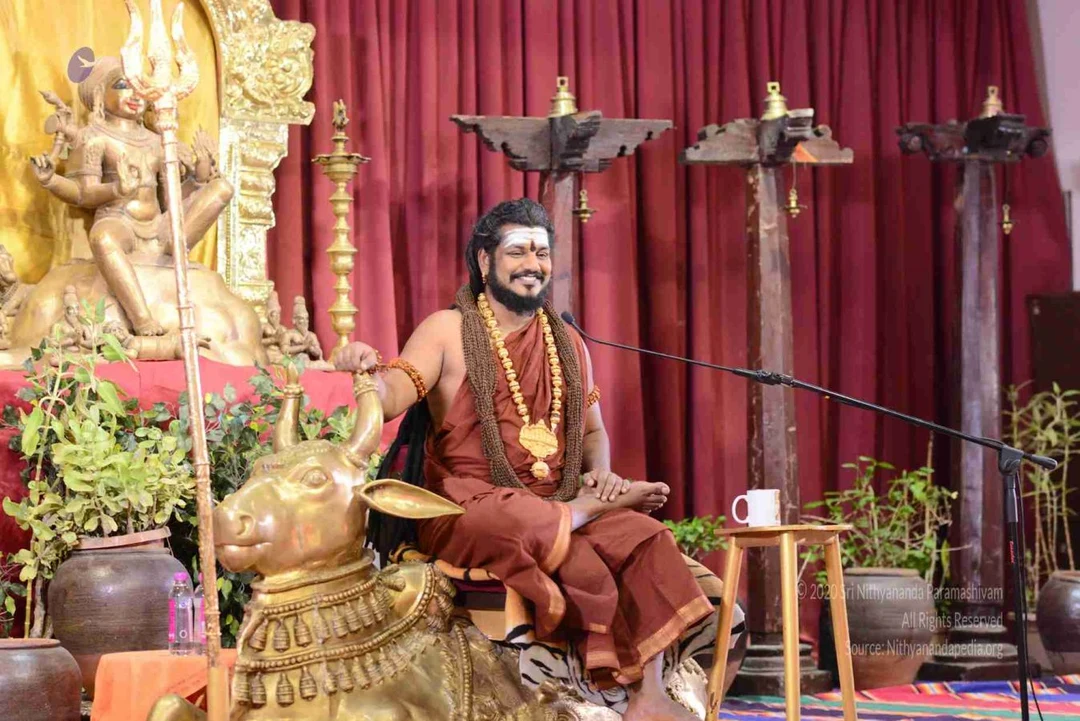 Nithya Satsang with HDH Bhagavan Sri Nithyananda Paramashivam - You can Manifest Yourself As You Want!
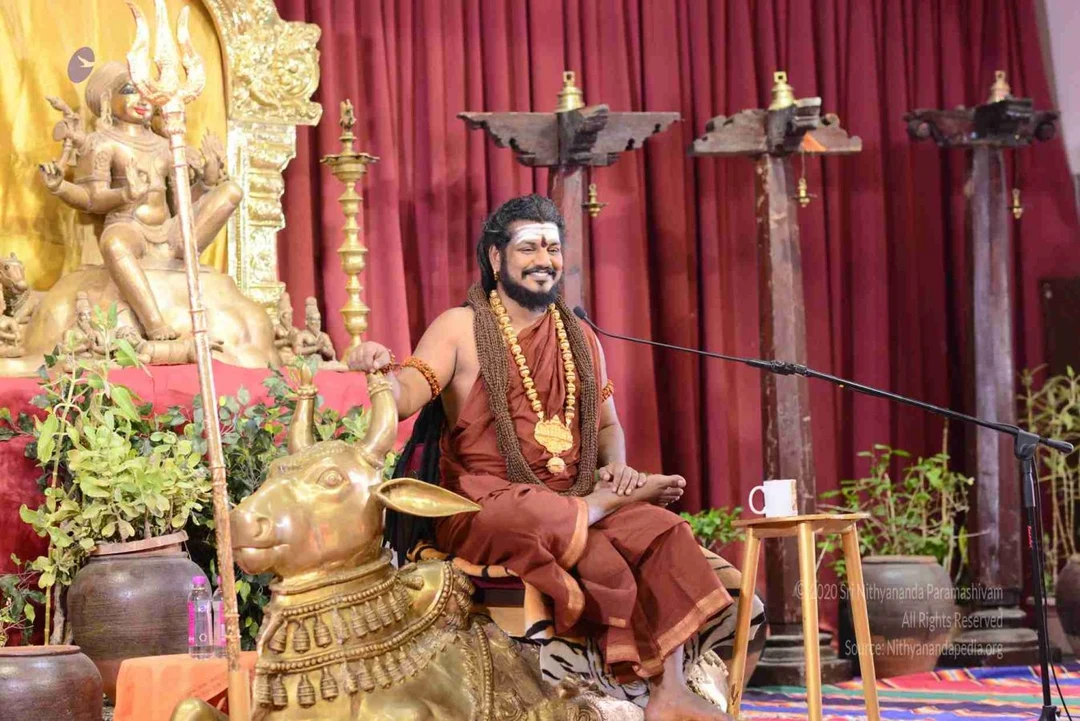 Nithya Satsang with HDH Bhagavan Sri Nithyananda Paramashivam - You can Manifest Yourself As You Want!
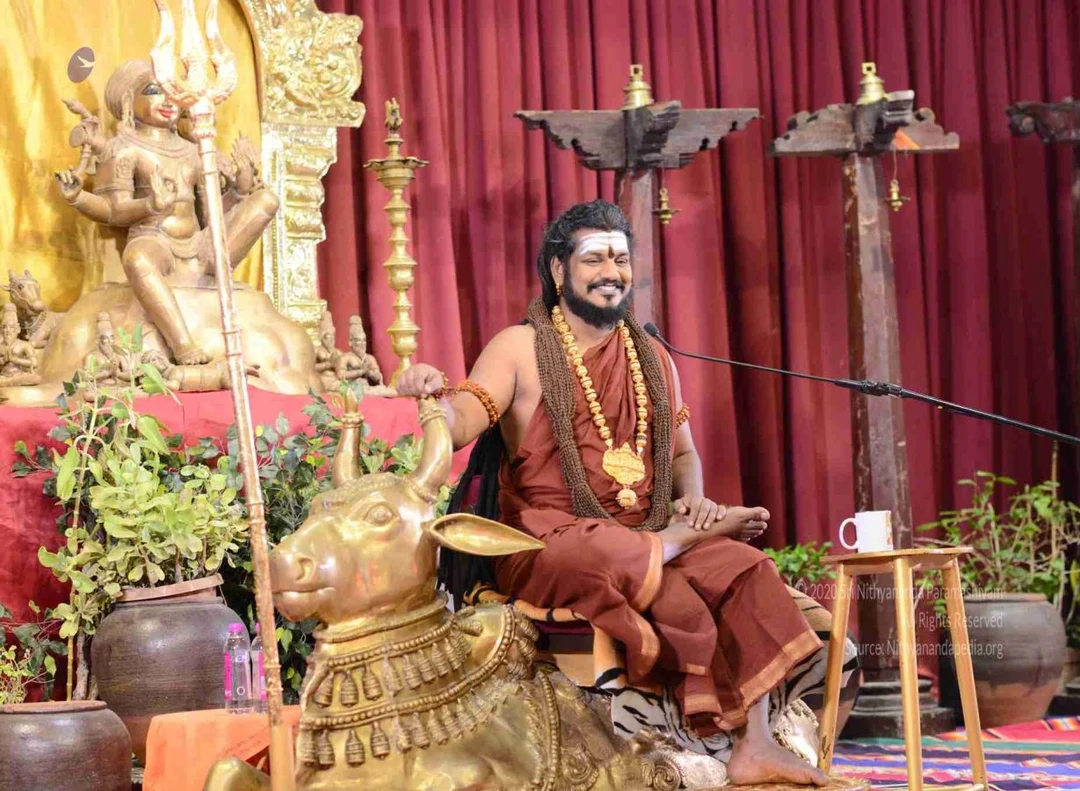 Nithya Satsang with HDH Bhagavan Sri Nithyananda Paramashivam - You can Manifest Yourself As You Want!
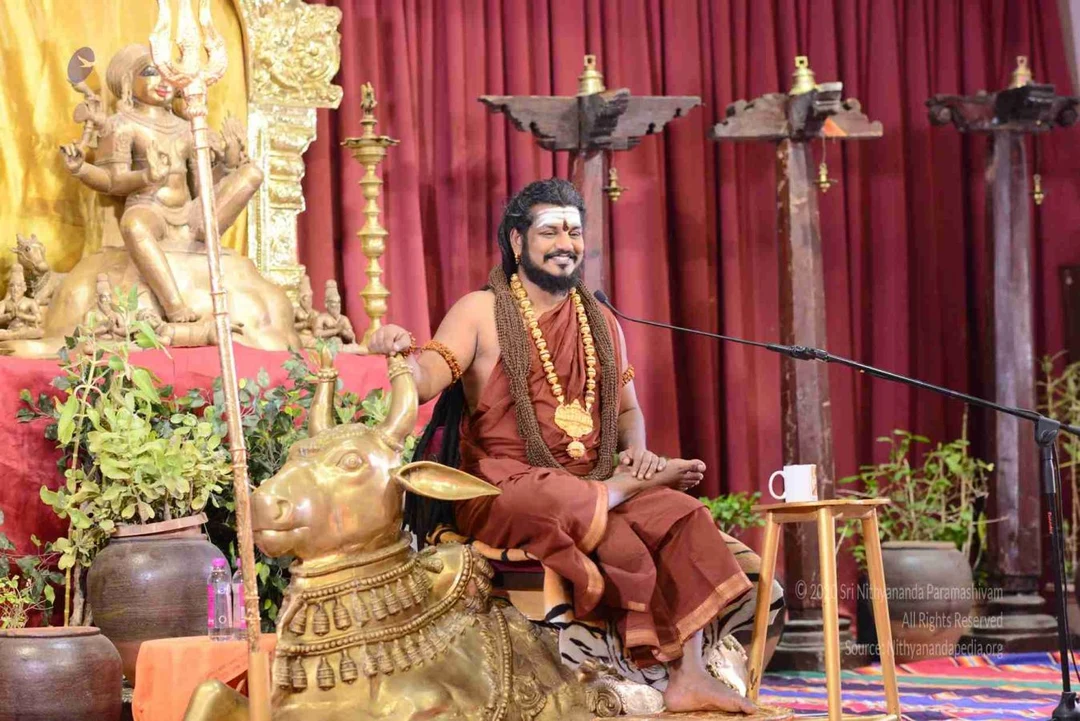 Nithya Satsang with HDH Bhagavan Sri Nithyananda Paramashivam - You can Manifest Yourself As You Want!
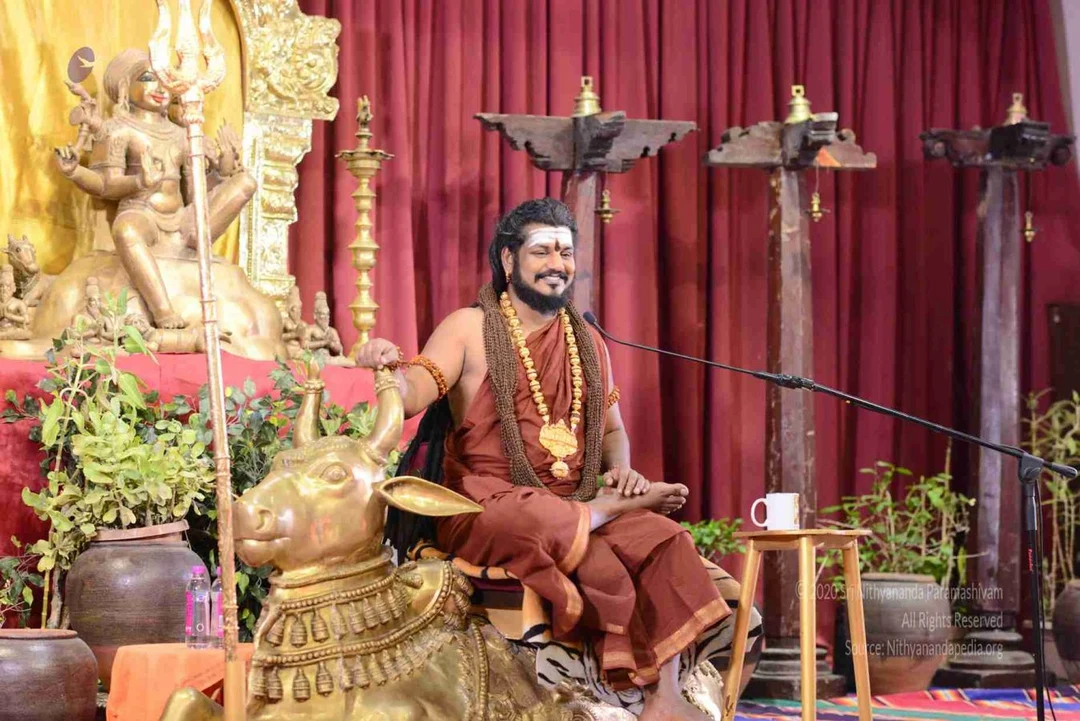 Nithya Satsang with HDH Bhagavan Sri Nithyananda Paramashivam - You can Manifest Yourself As You Want!
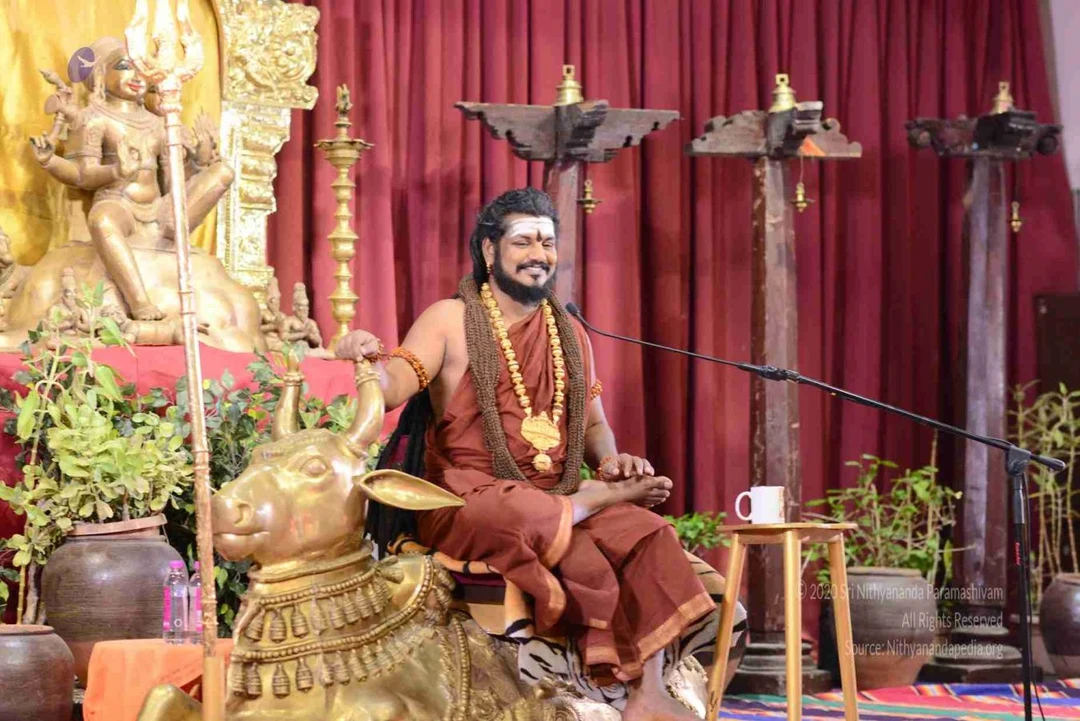 Nithya Satsang with HDH Bhagavan Sri Nithyananda Paramashivam - You can Manifest Yourself As You Want!
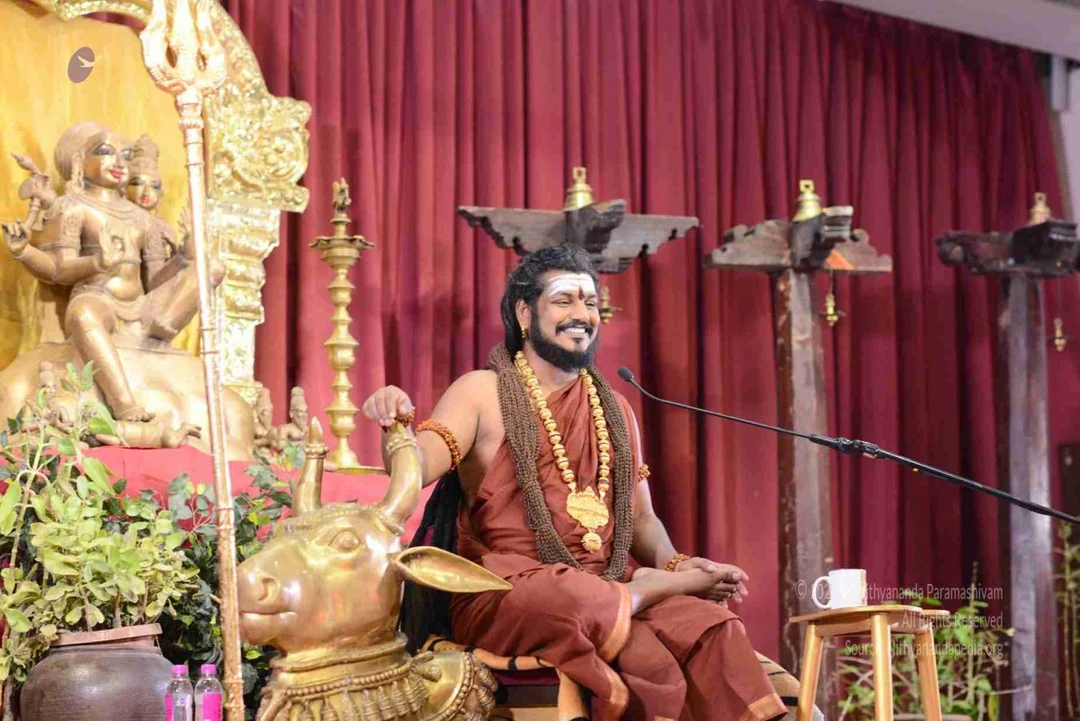 Nithya Satsang with HDH Bhagavan Sri Nithyananda Paramashivam - You can Manifest Yourself As You Want!
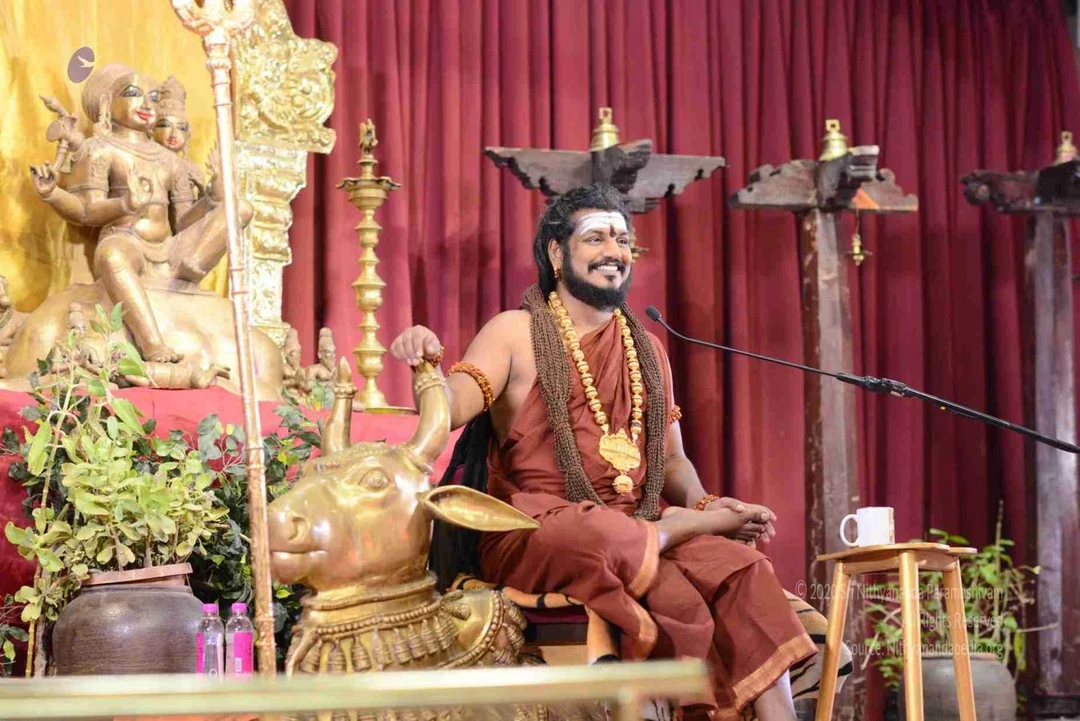 Nithya Satsang with HDH Bhagavan Sri Nithyananda Paramashivam - You can Manifest Yourself As You Want!
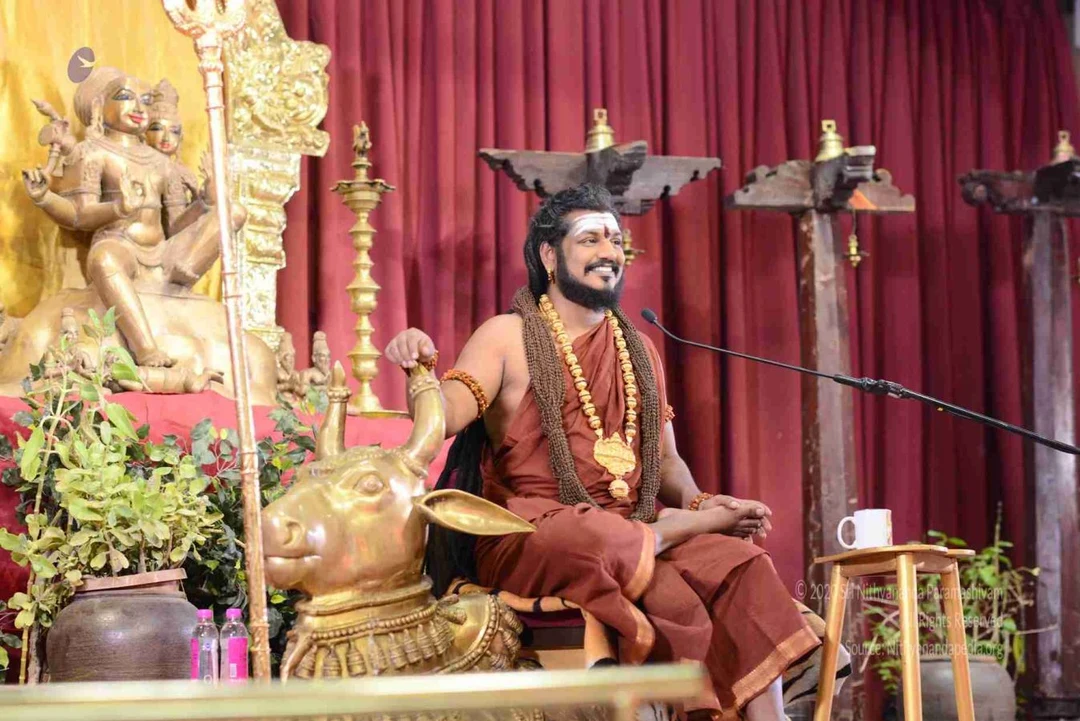 Nithya Satsang with HDH Bhagavan Sri Nithyananda Paramashivam - You can Manifest Yourself As You Want!
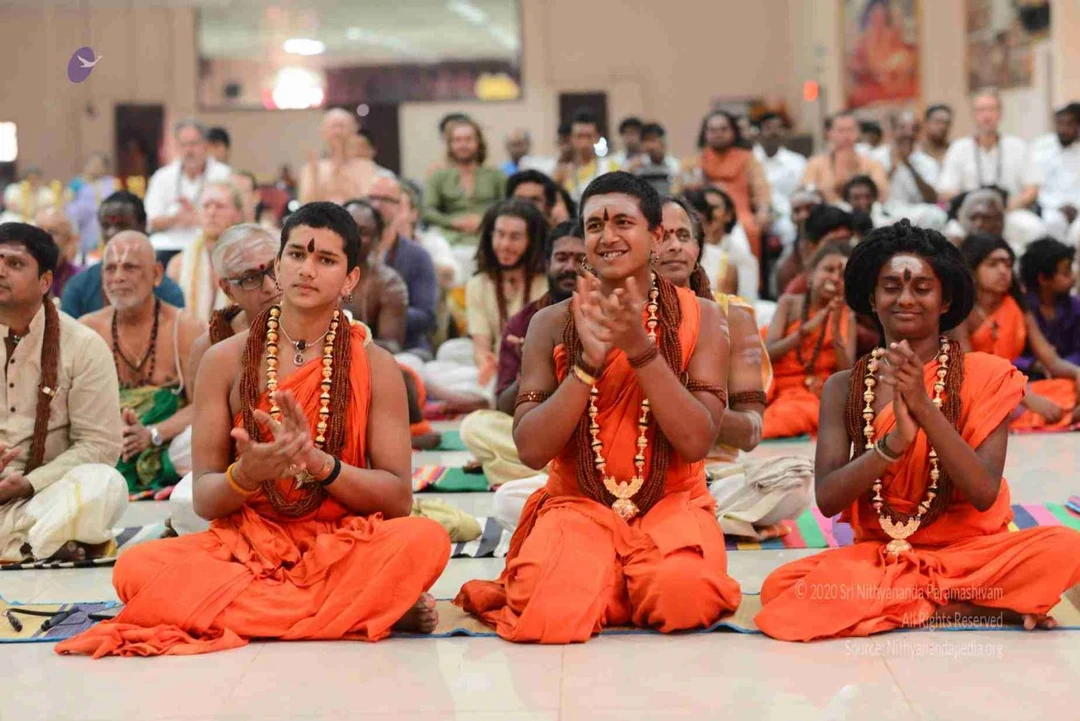 Nithya Satsang with HDH Bhagavan Sri Nithyananda Paramashivam - You can Manifest Yourself As You Want!
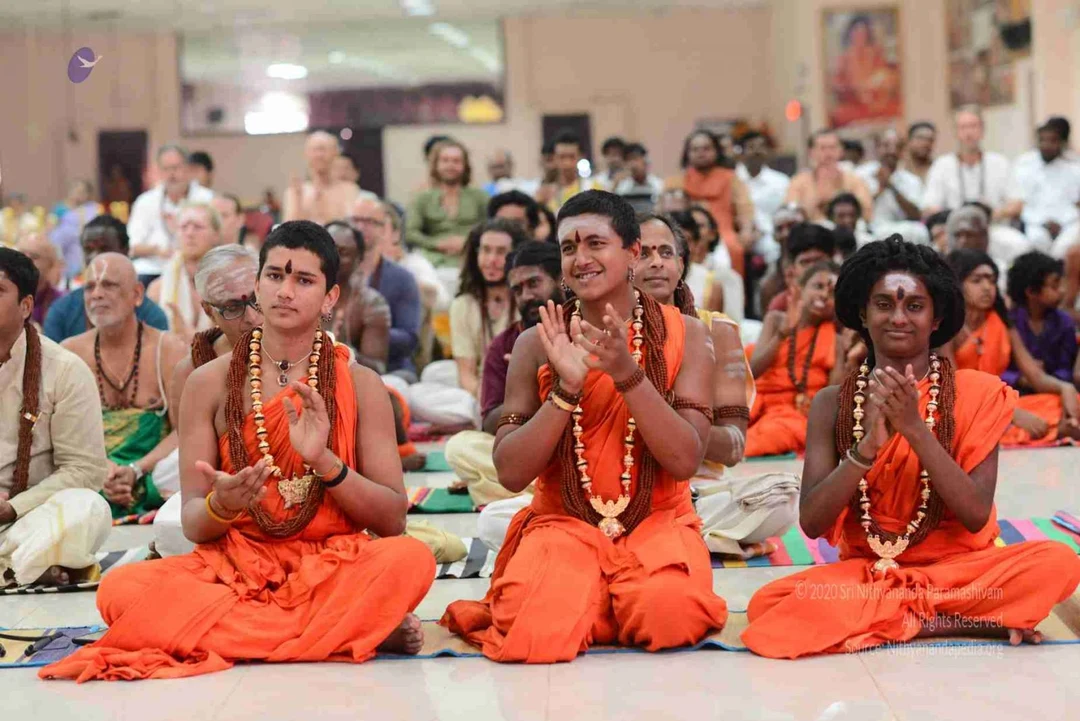 Nithya Satsang with HDH Bhagavan Sri Nithyananda Paramashivam - You can Manifest Yourself As You Want!
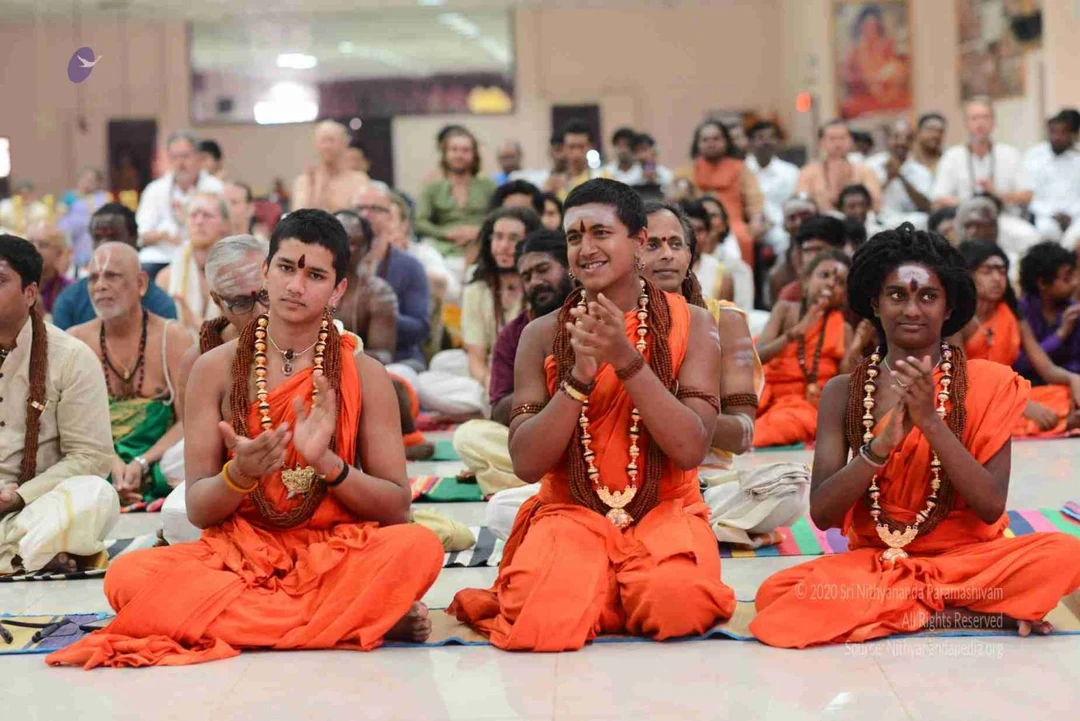 Nithya Satsang with HDH Bhagavan Sri Nithyananda Paramashivam - You can Manifest Yourself As You Want!
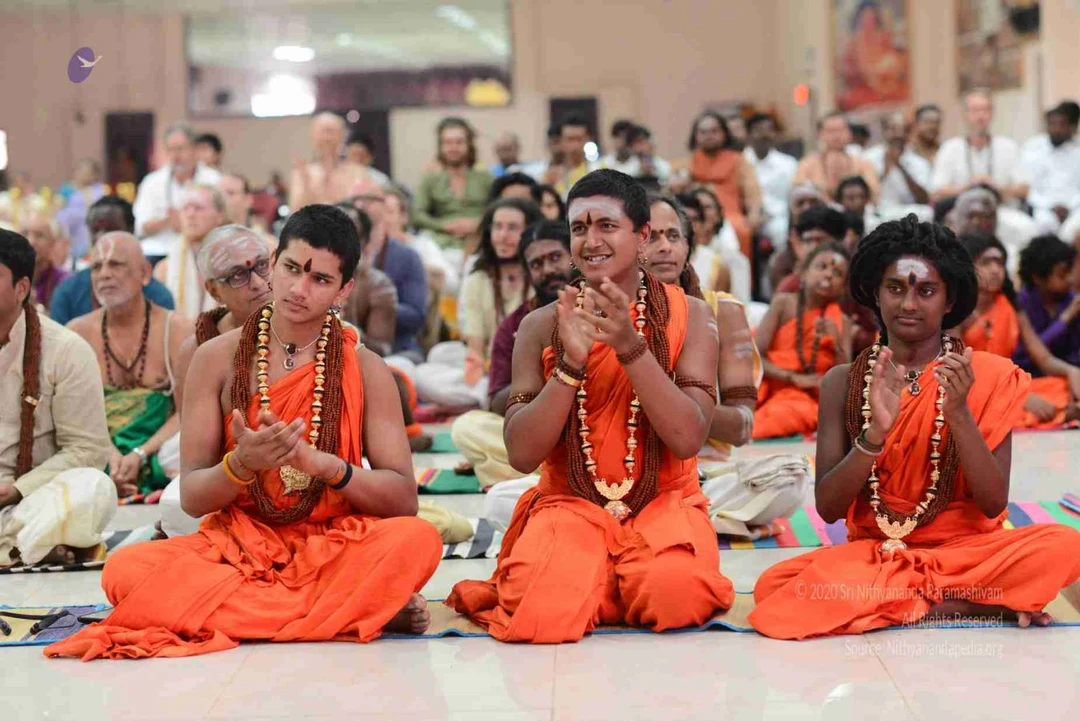 Nithya Satsang with HDH Bhagavan Sri Nithyananda Paramashivam - You can Manifest Yourself As You Want!
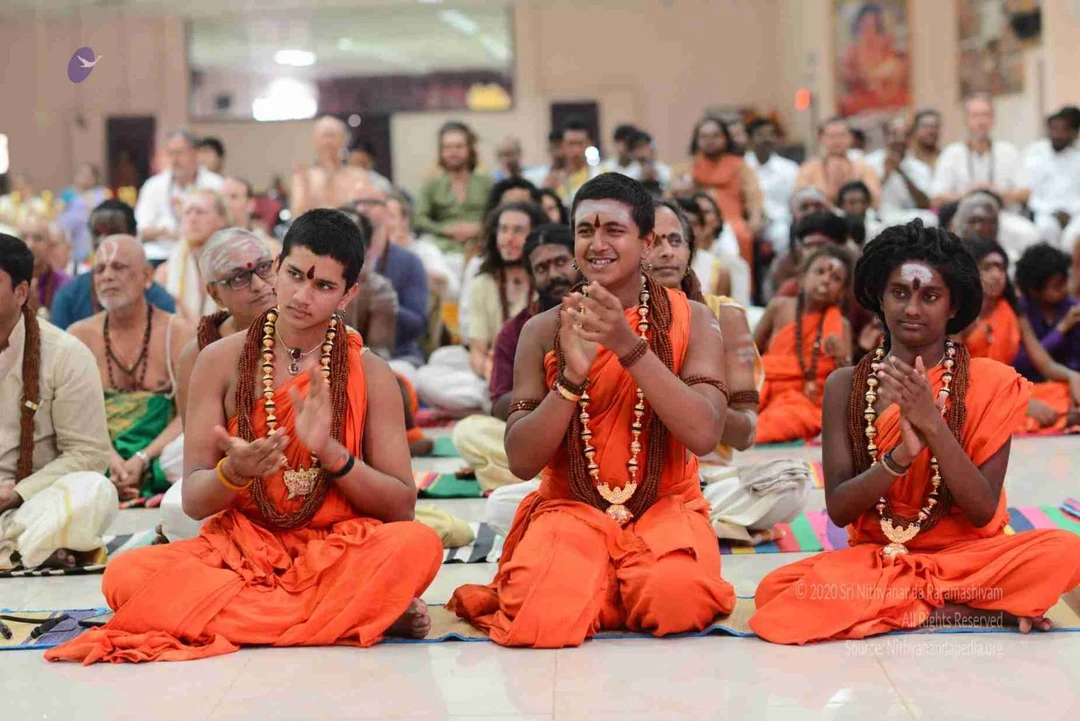 Nithya Satsang with HDH Bhagavan Sri Nithyananda Paramashivam - You can Manifest Yourself As You Want!
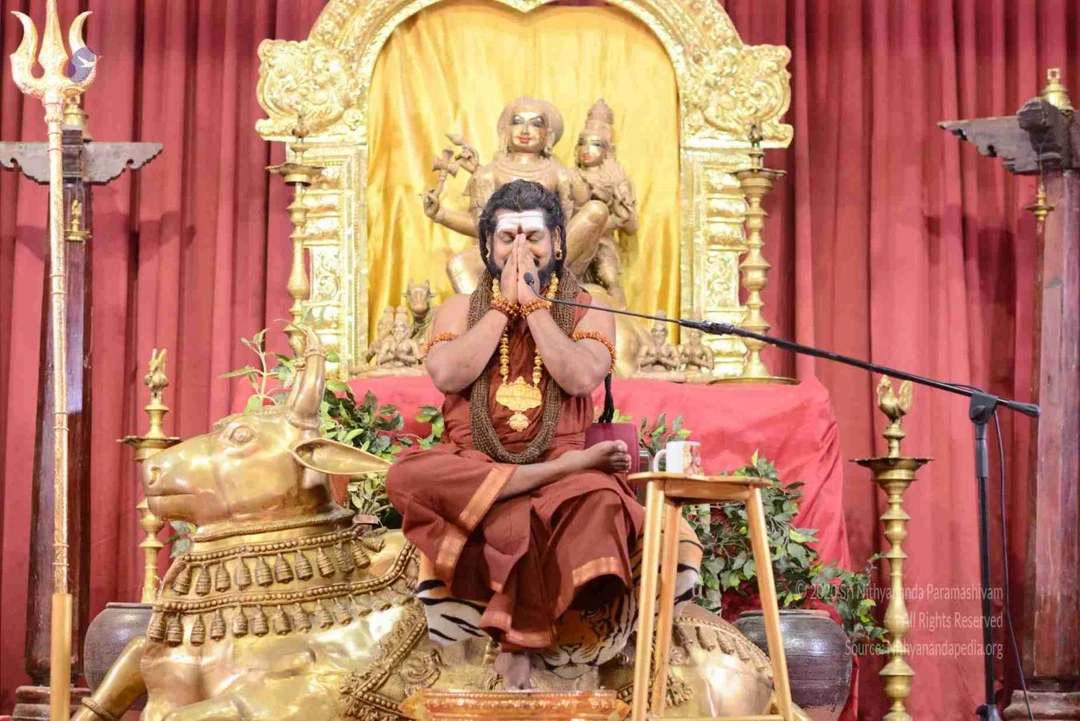 Nithya Satsang with HDH Bhagavan Sri Nithyananda Paramashivam - You can Manifest Yourself As You Want!
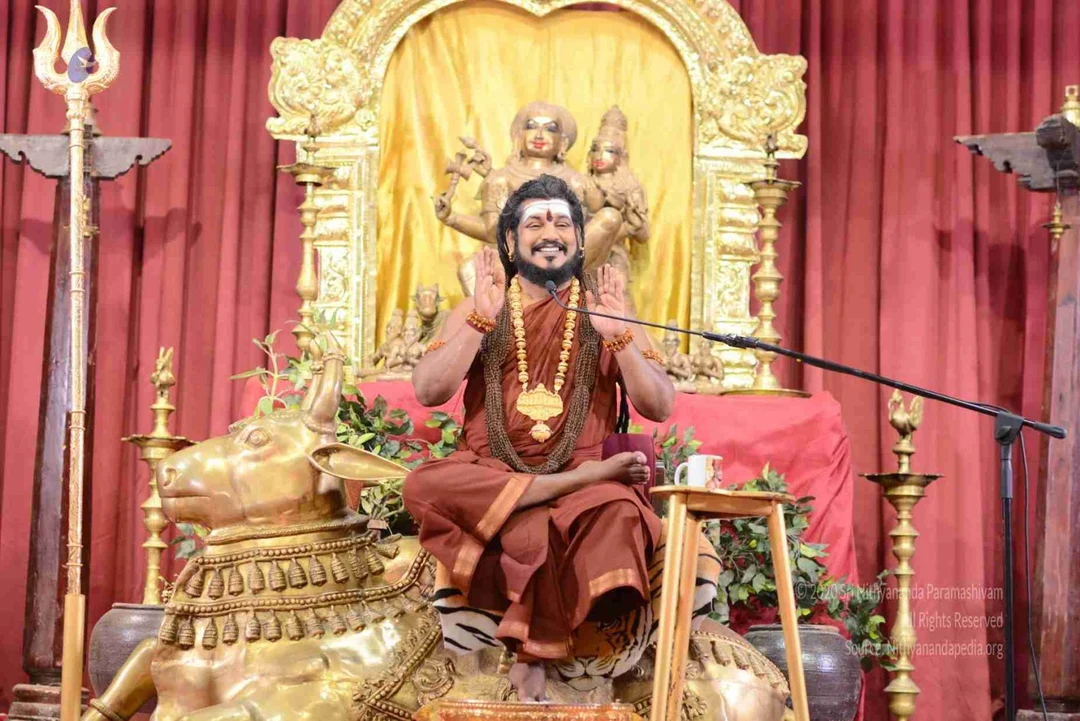 Nithya Satsang with HDH Bhagavan Sri Nithyananda Paramashivam - You can Manifest Yourself As You Want!
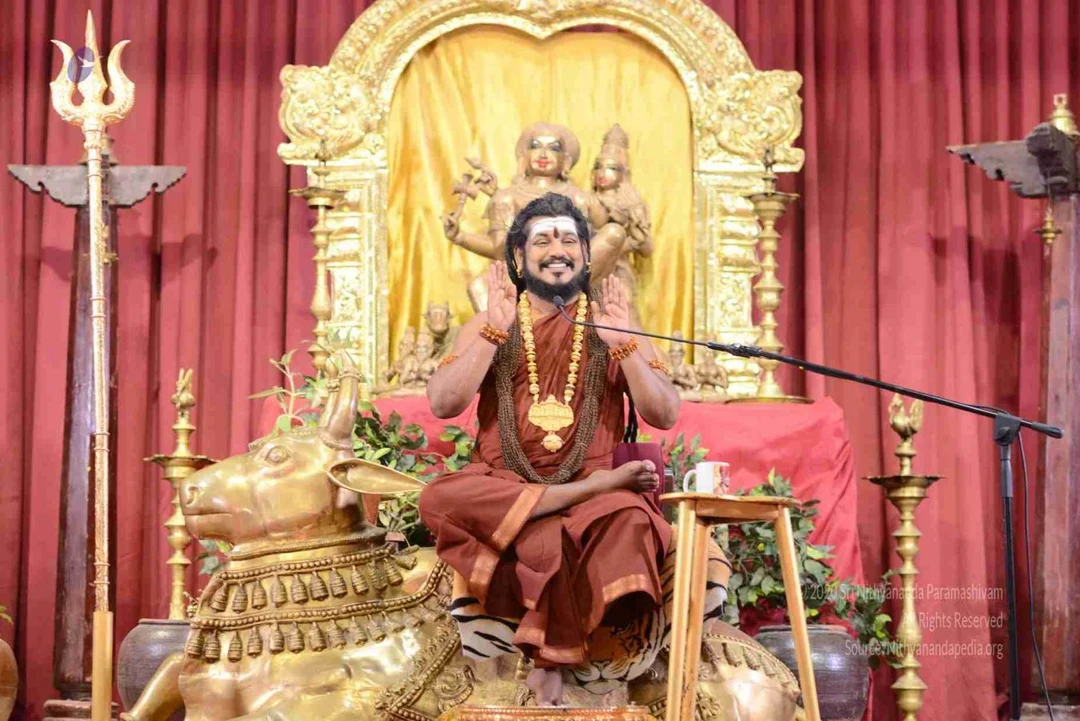 Nithya Satsang with HDH Bhagavan Sri Nithyananda Paramashivam - You can Manifest Yourself As You Want!
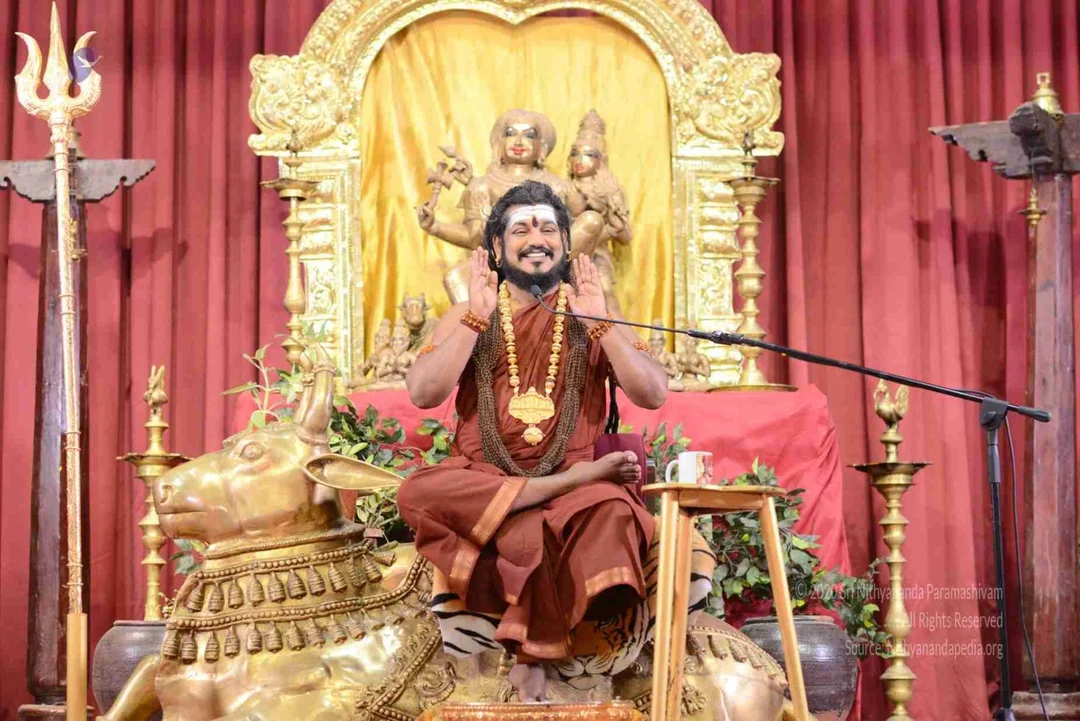 Nithya Satsang with HDH Bhagavan Sri Nithyananda Paramashivam - You can Manifest Yourself As You Want!
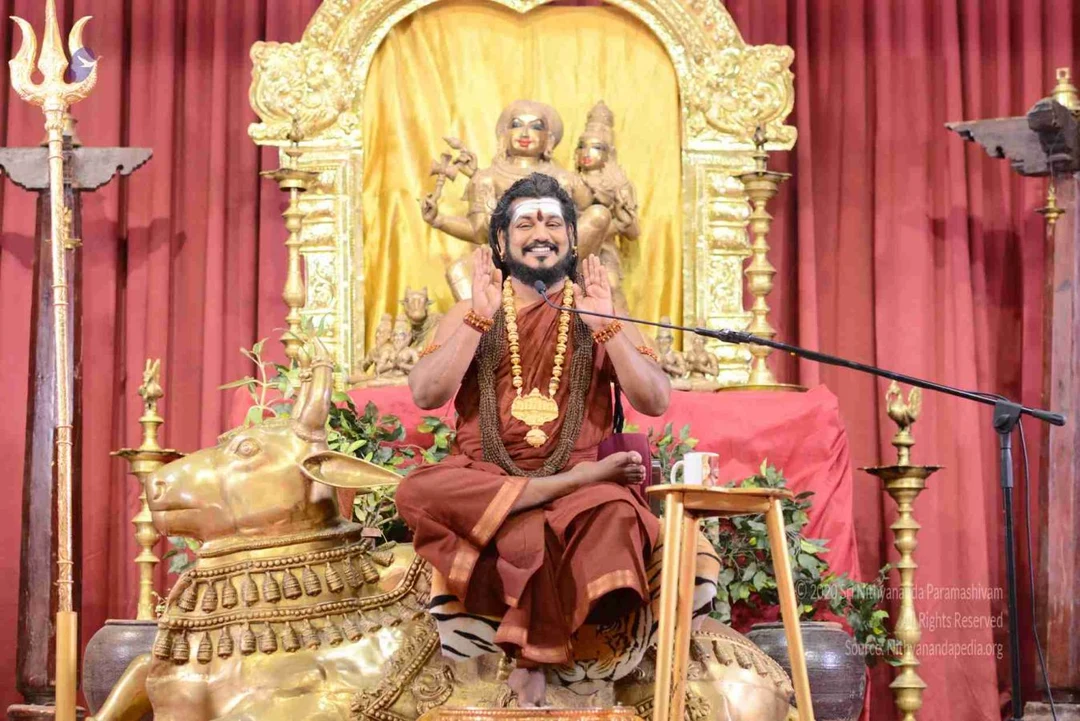 Nithya Satsang with HDH Bhagavan Sri Nithyananda Paramashivam - You can Manifest Yourself As You Want!
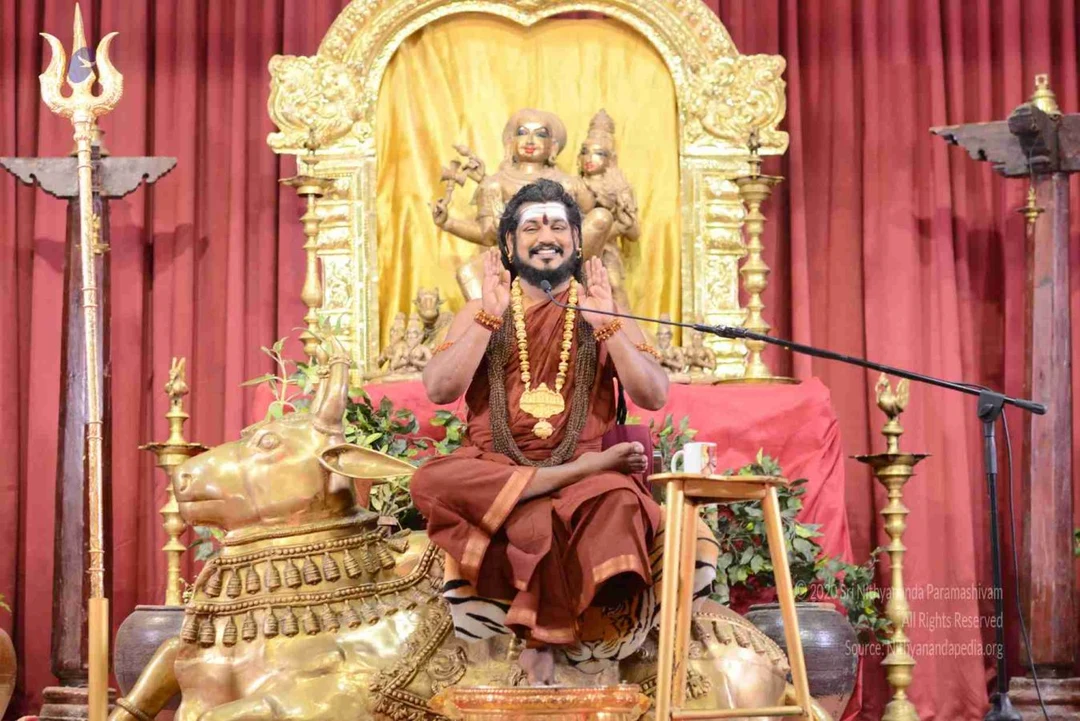 Nithya Satsang with HDH Bhagavan Sri Nithyananda Paramashivam - You can Manifest Yourself As You Want!
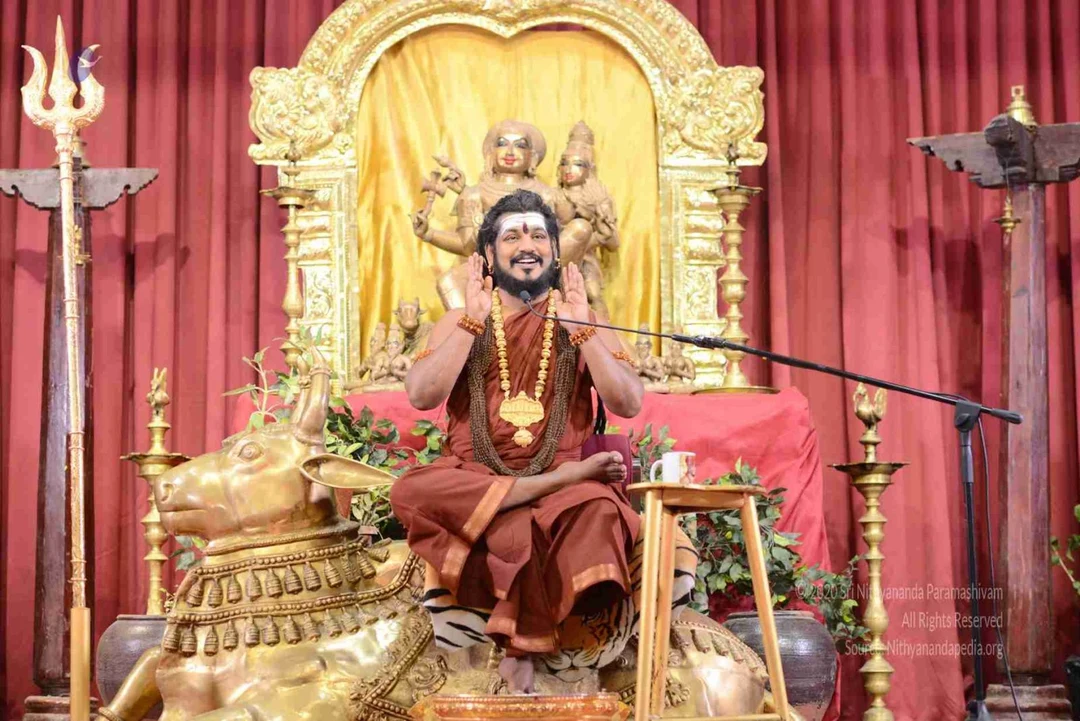 Nithya Satsang with HDH Bhagavan Sri Nithyananda Paramashivam - You can Manifest Yourself As You Want!
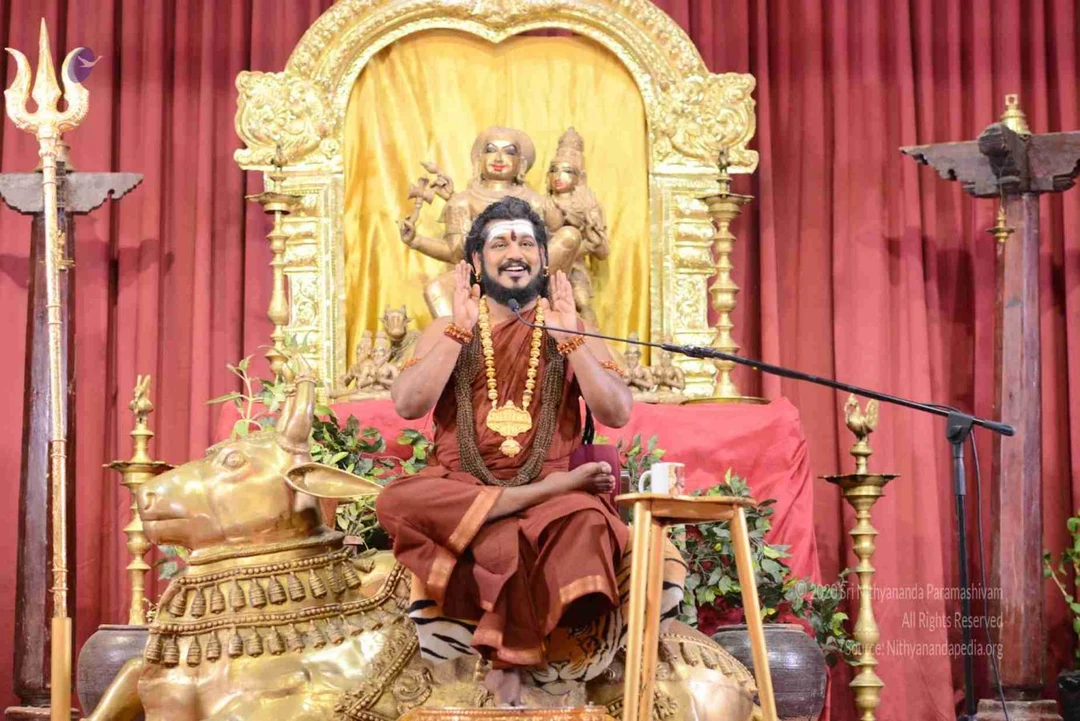 Nithya Satsang with HDH Bhagavan Sri Nithyananda Paramashivam - You can Manifest Yourself As You Want!
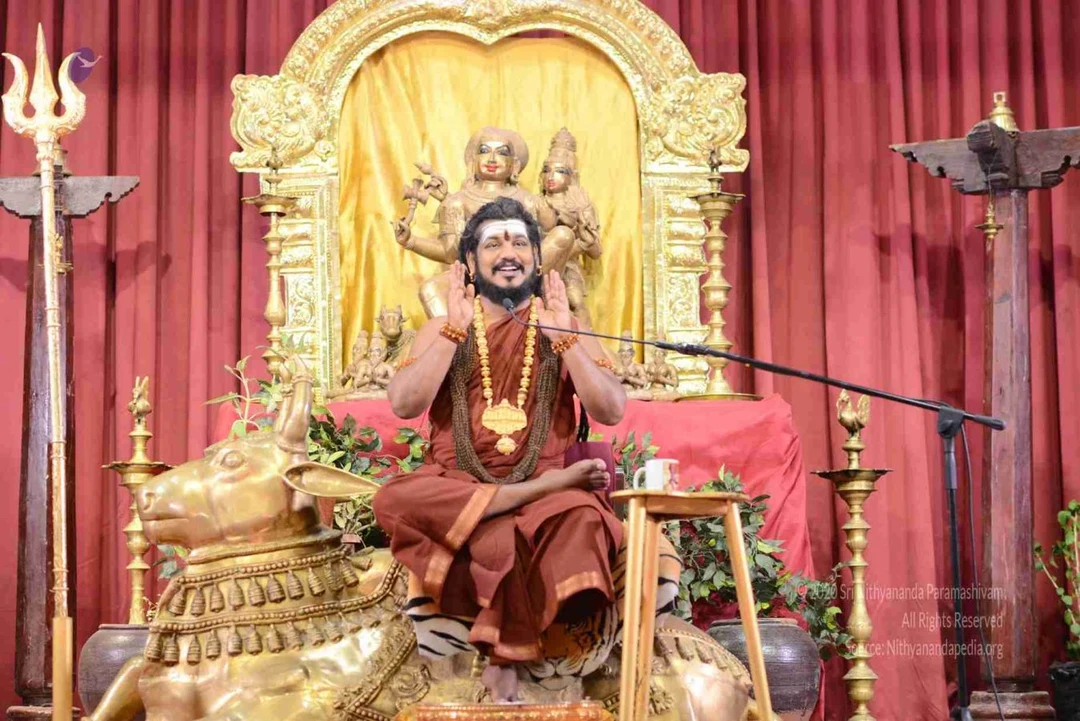 Nithya Satsang with HDH Bhagavan Sri Nithyananda Paramashivam - You can Manifest Yourself As You Want!
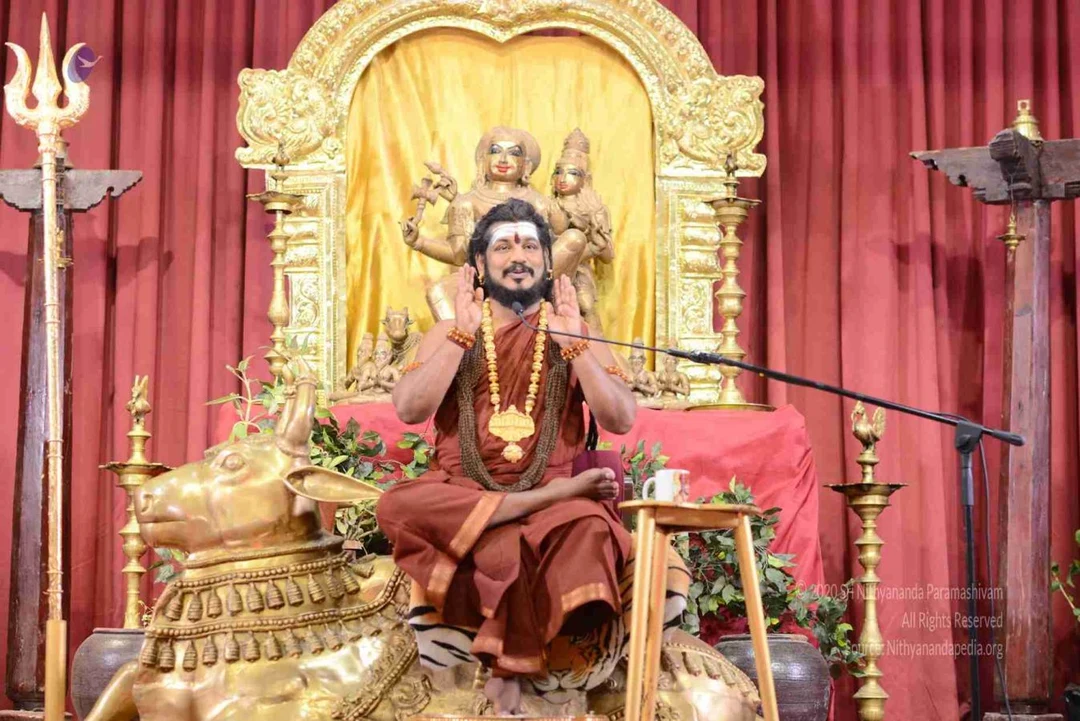 Nithya Satsang with HDH Bhagavan Sri Nithyananda Paramashivam - You can Manifest Yourself As You Want!
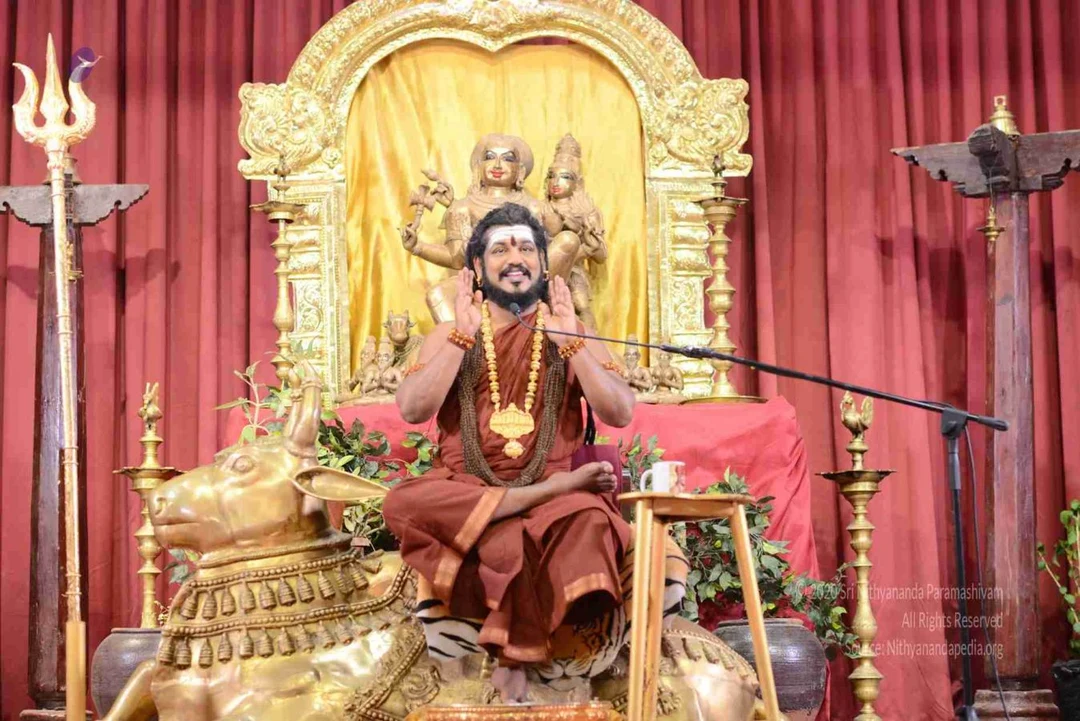 Nithya Satsang with HDH Bhagavan Sri Nithyananda Paramashivam - You can Manifest Yourself As You Want!
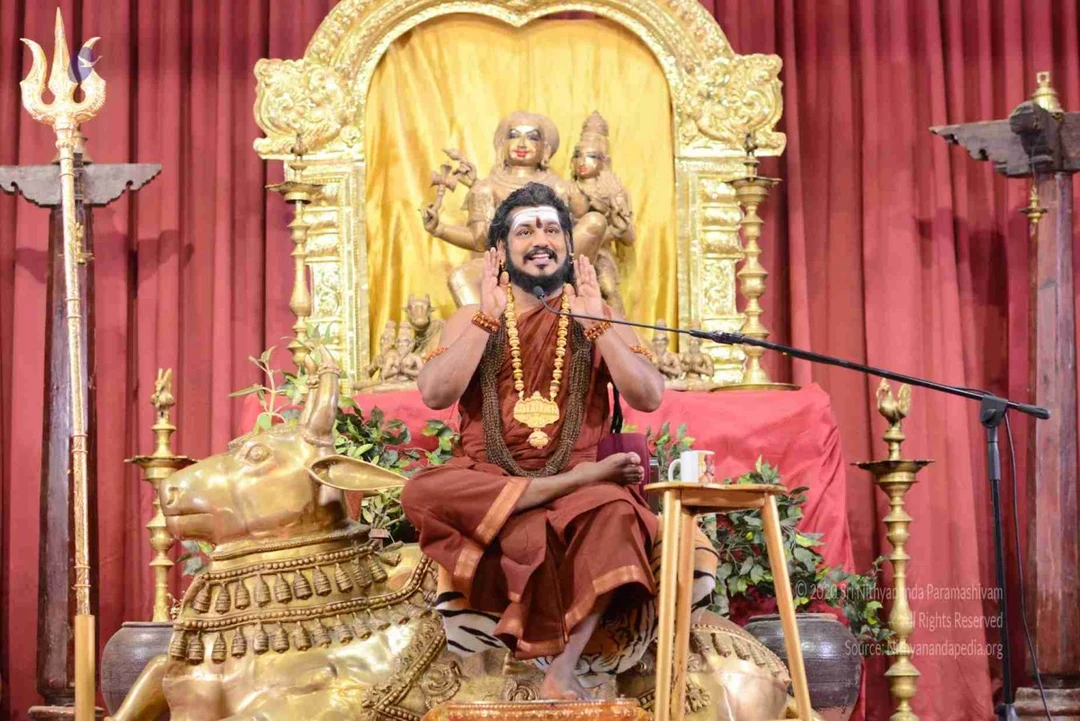 Nithya Satsang with HDH Bhagavan Sri Nithyananda Paramashivam - You can Manifest Yourself As You Want!
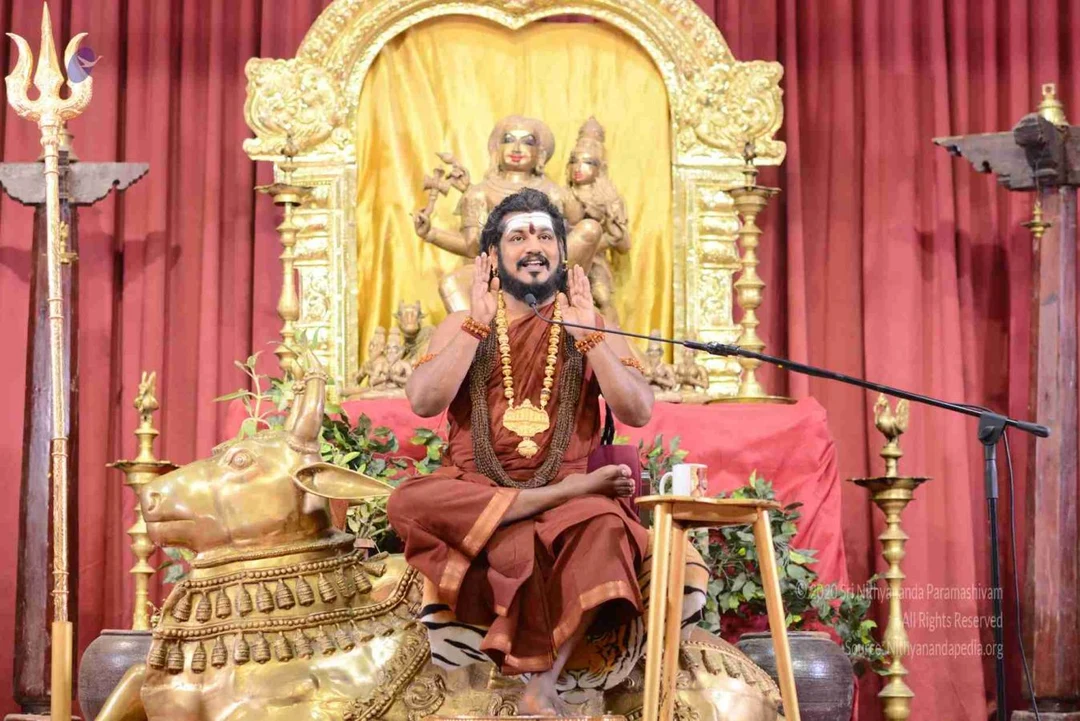 Nithya Satsang with HDH Bhagavan Sri Nithyananda Paramashivam - You can Manifest Yourself As You Want!
 Nithya Satsang with HDH Bhagavan Sri Nithyananda Paramashivam - You can Manifest Yourself As You Want!
 Nithya Satsang with HDH Bhagavan Sri Nithyananda Paramashivam - You can Manifest Yourself As You Want!
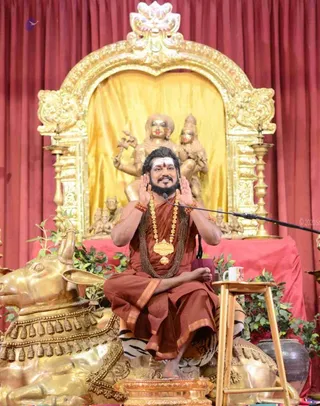 Nithya Satsang with HDH Bhagavan Sri Nithyananda Paramashivam - You can Manifest Yourself As You Want!
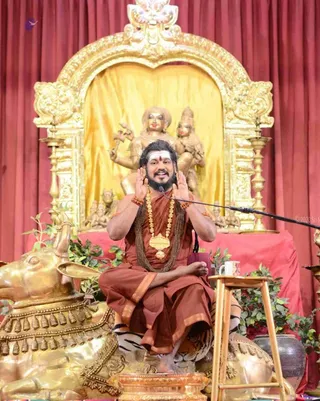 Nithya Satsang with HDH Bhagavan Sri Nithyananda Paramashivam - You can Manifest Yourself As You Want!
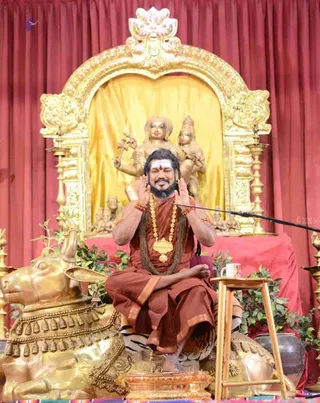 Nithya Satsang with HDH Bhagavan Sri Nithyananda Paramashivam - You can Manifest Yourself As You Want!
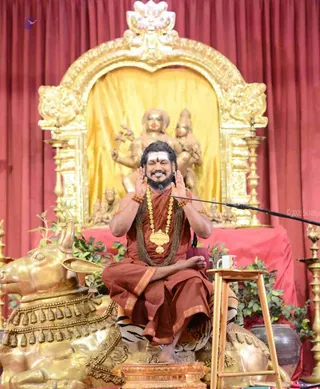 Nithya Satsang with HDH Bhagavan Sri Nithyananda Paramashivam - You can Manifest Yourself As You Want!
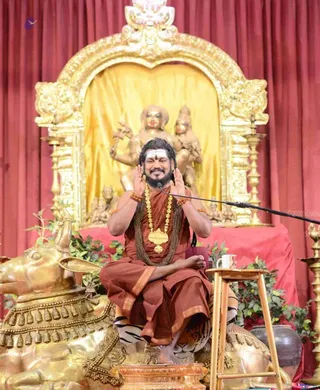 Nithya Satsang with HDH Bhagavan Sri Nithyananda Paramashivam - You can Manifest Yourself As You Want!
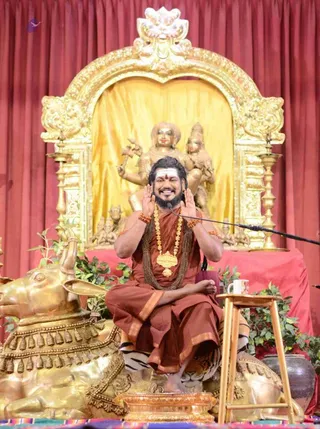 Nithya Satsang with HDH Bhagavan Sri Nithyananda Paramashivam - You can Manifest Yourself As You Want!
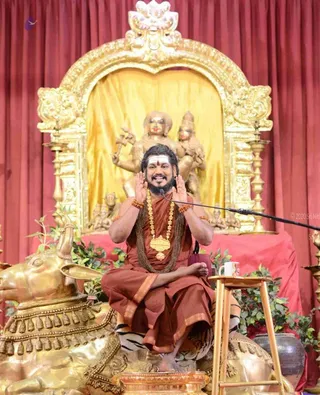 Nithya Satsang with HDH Bhagavan Sri Nithyananda Paramashivam - You can Manifest Yourself As You Want!
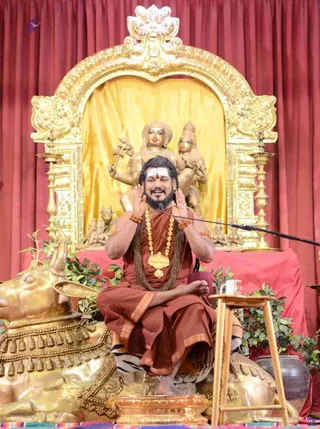 Nithya Satsang with HDH Bhagavan Sri Nithyananda Paramashivam - You can Manifest Yourself As You Want!
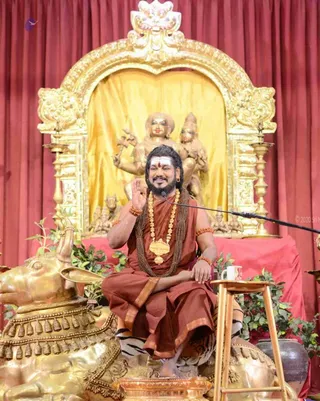 Nithya Satsang with HDH Bhagavan Sri Nithyananda Paramashivam - You can Manifest Yourself As You Want!
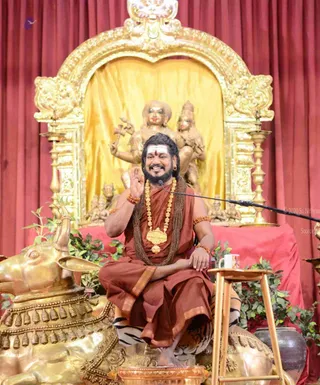 Nithya Satsang with HDH Bhagavan Sri Nithyananda Paramashivam - You can Manifest Yourself As You Want!
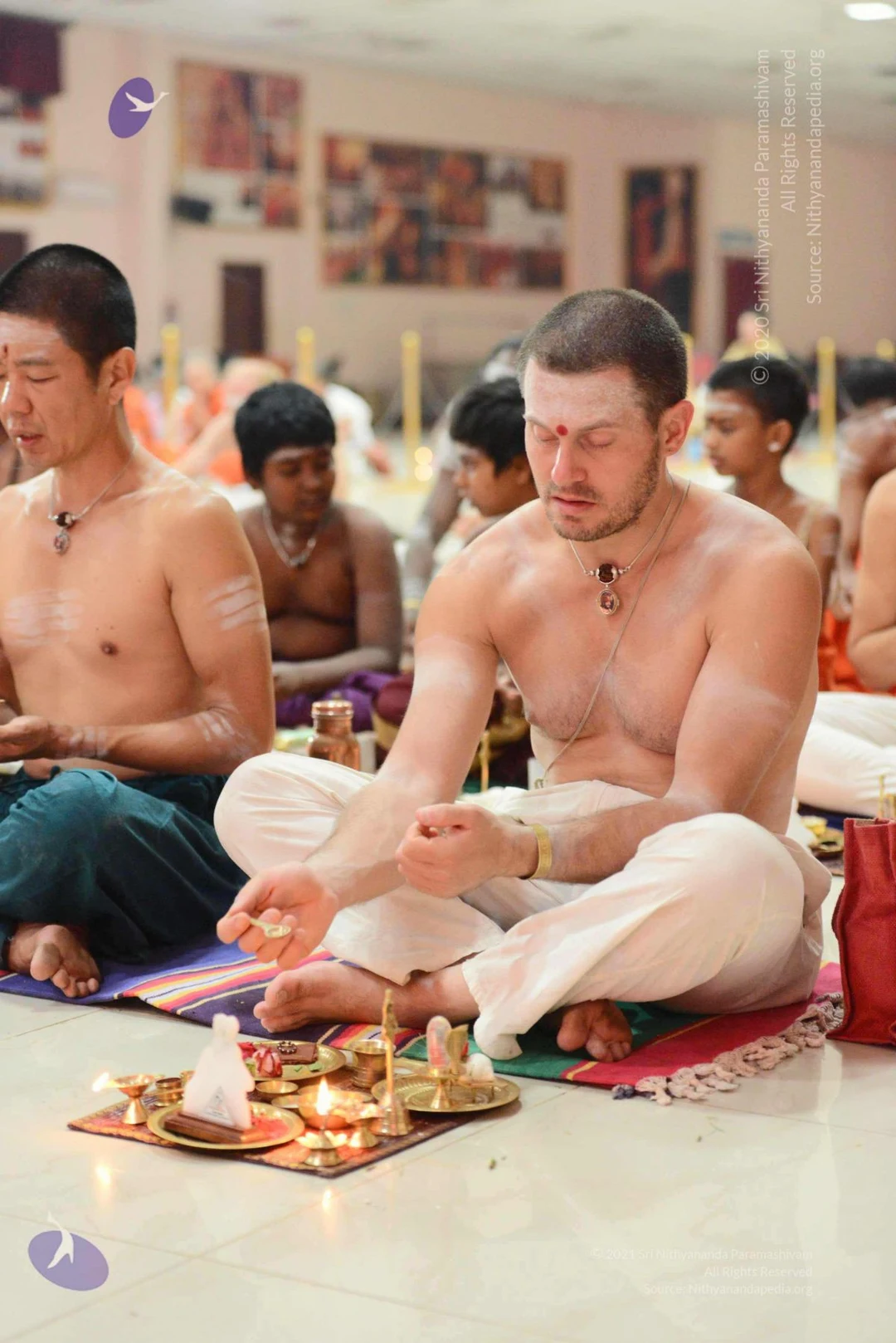
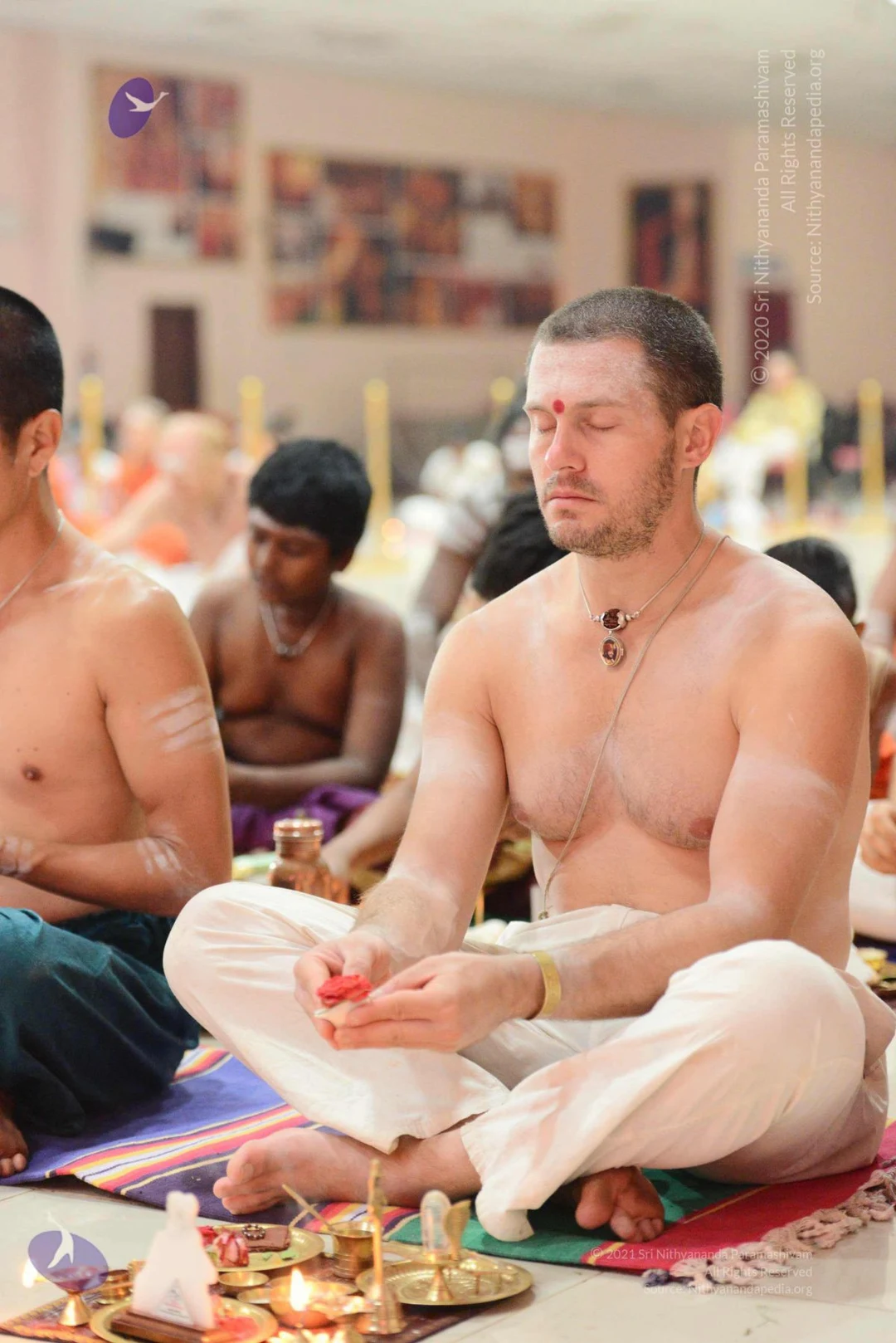
Sakshi Pramana:
Sharing from activities in toronto
Flyer:
Link to Facebook Page
https://www.facebook.com/ParamahamsaNithyananda/photos/a.321615927926264/1285959511491896
Photos Of The Day:
Nithya-Puja






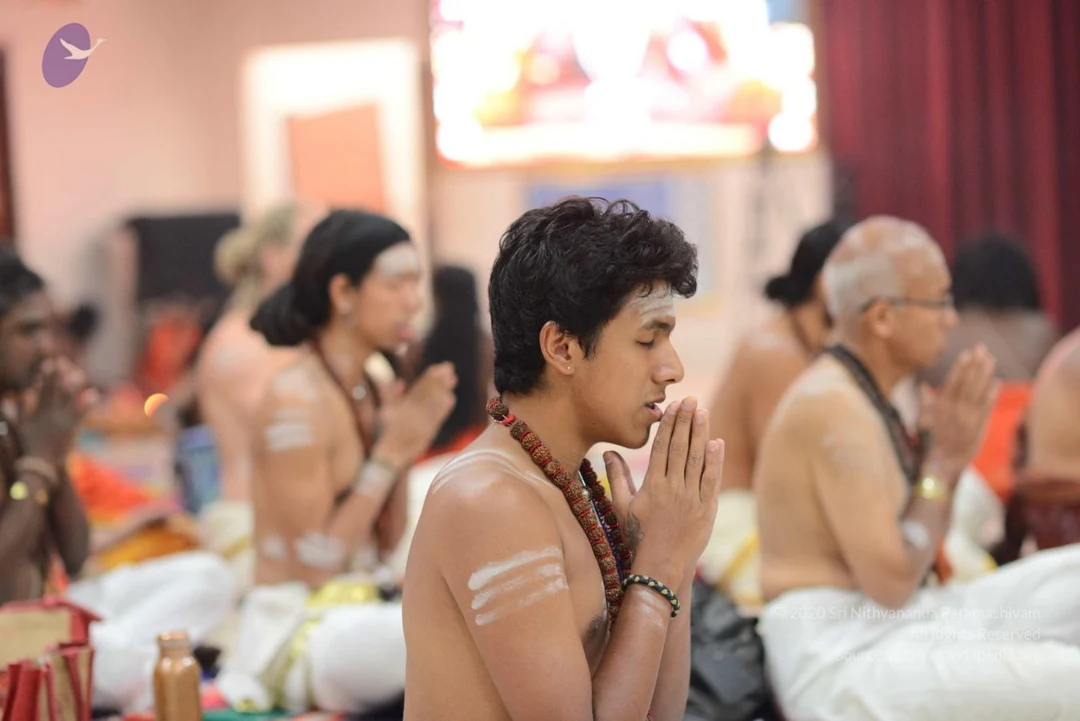
Temple
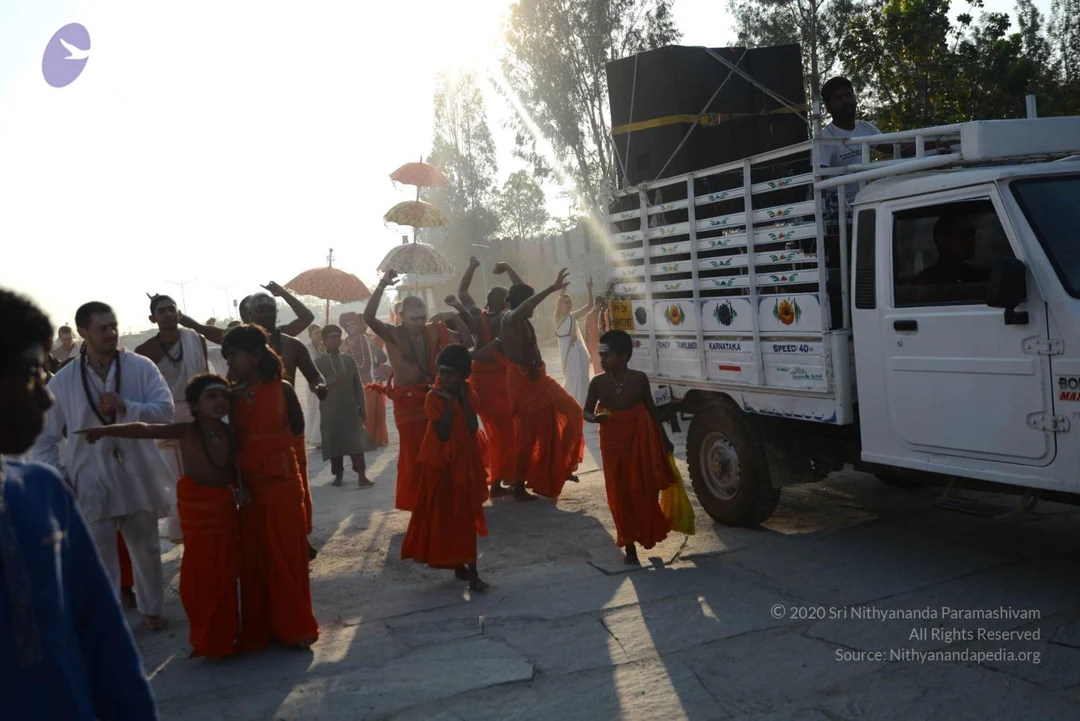
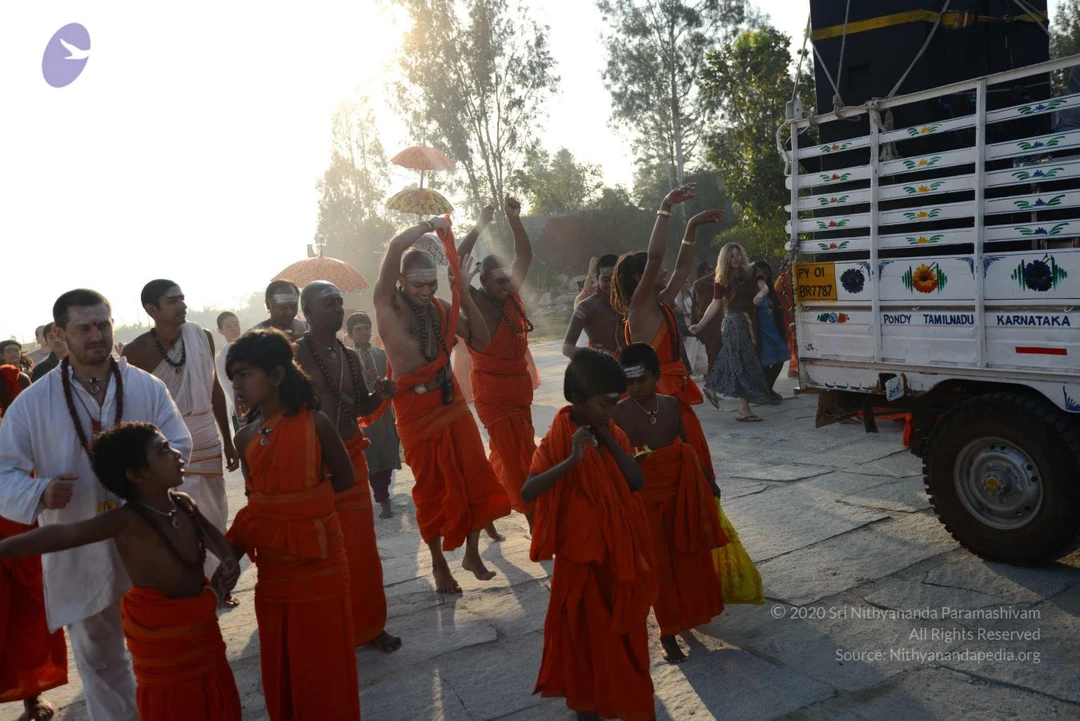
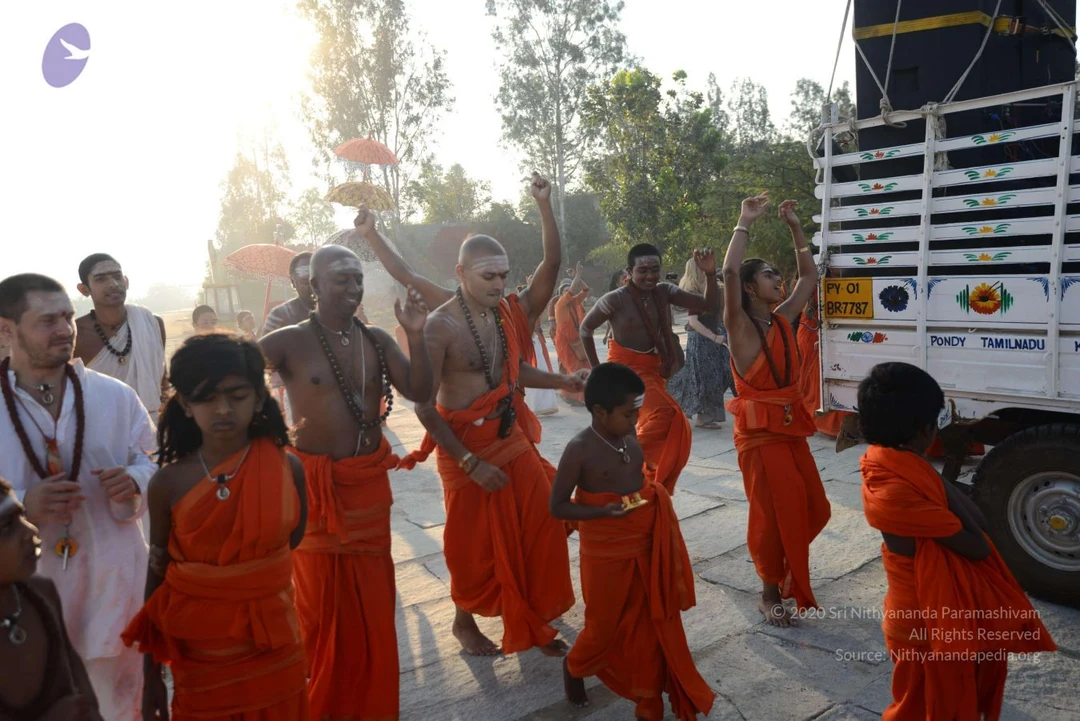
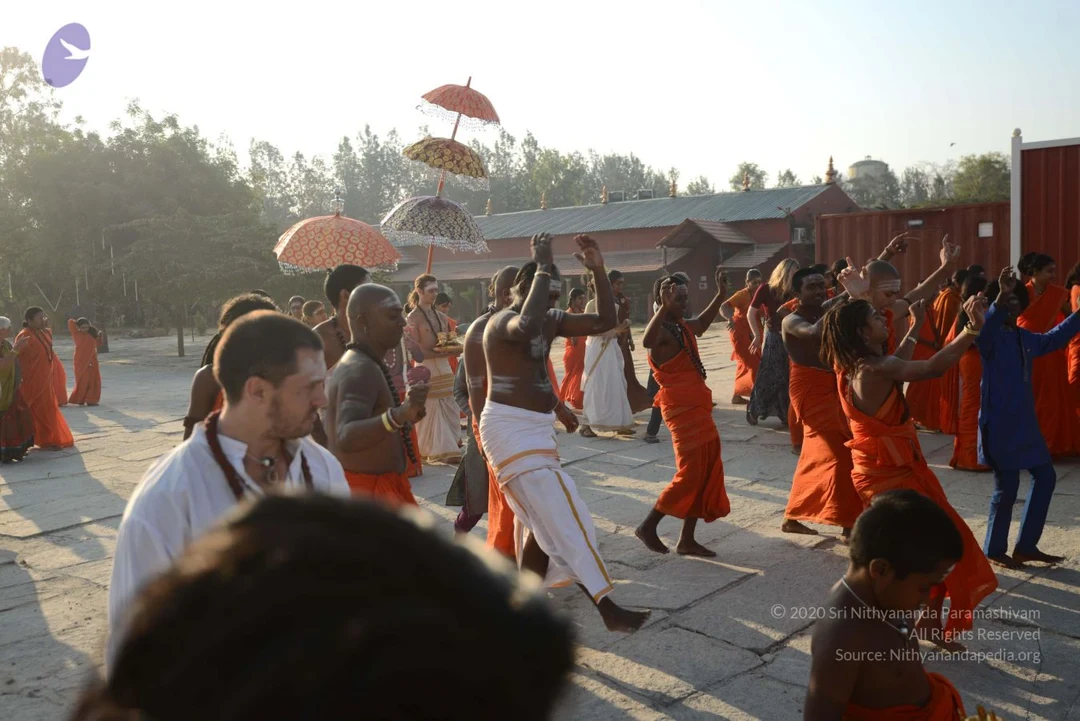
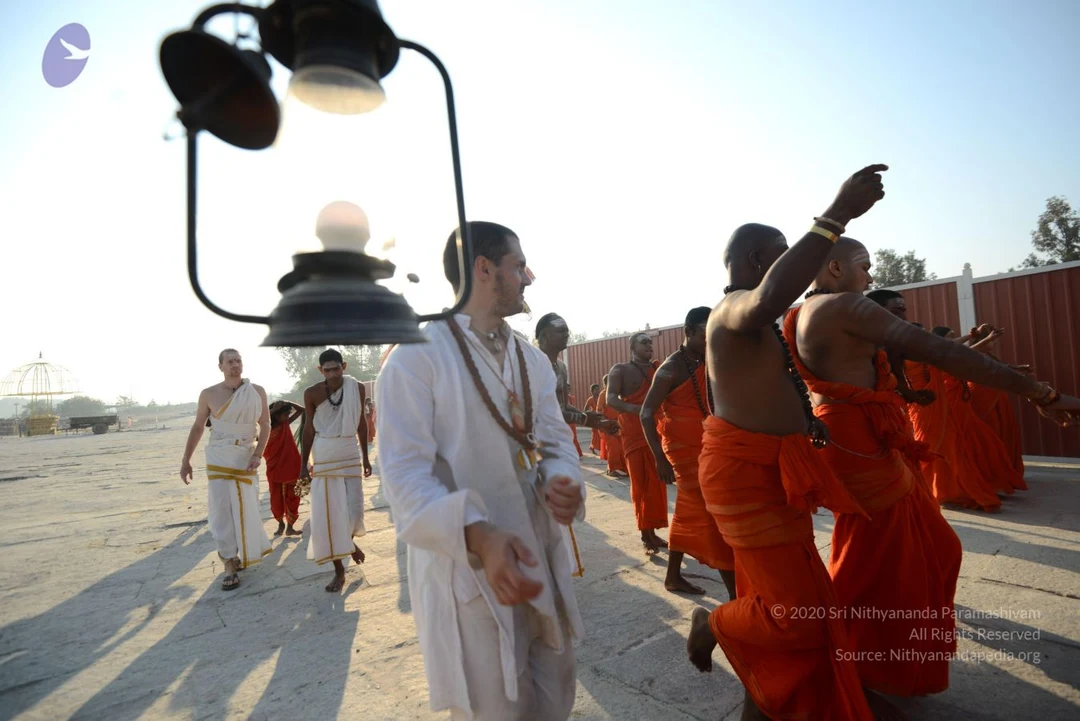
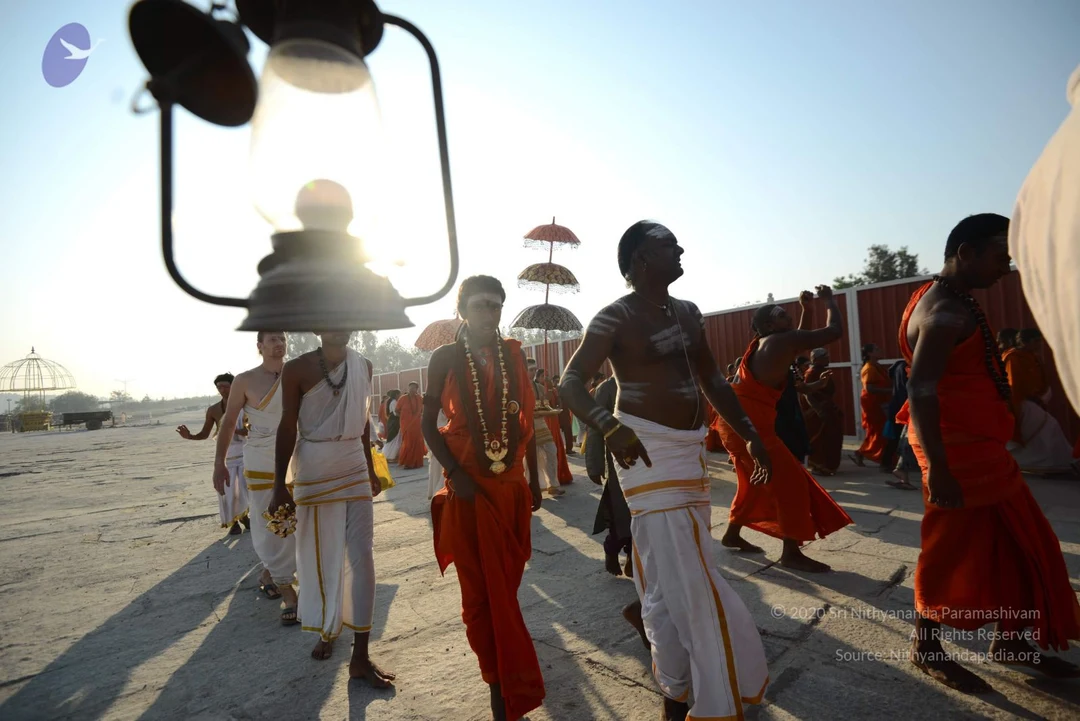
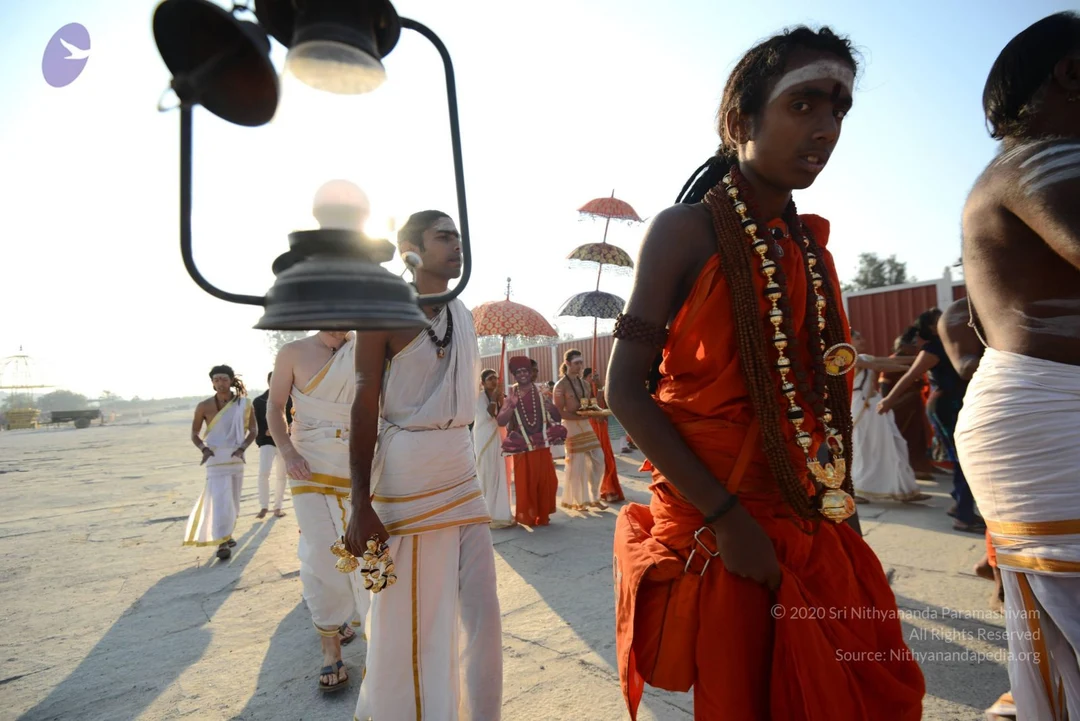


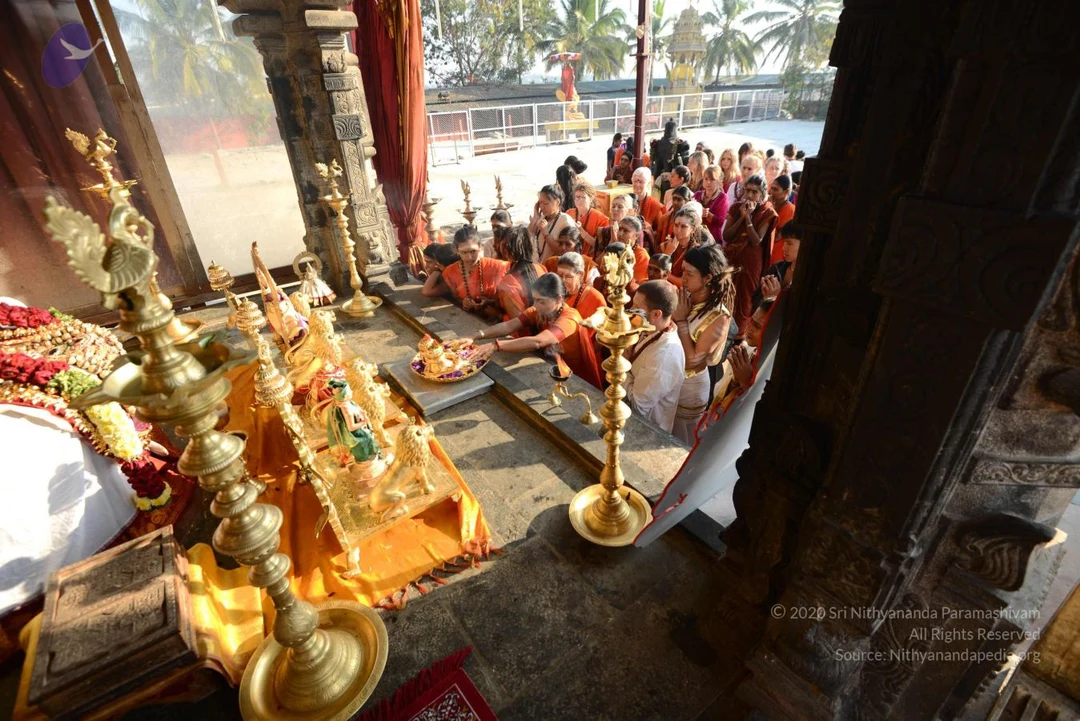
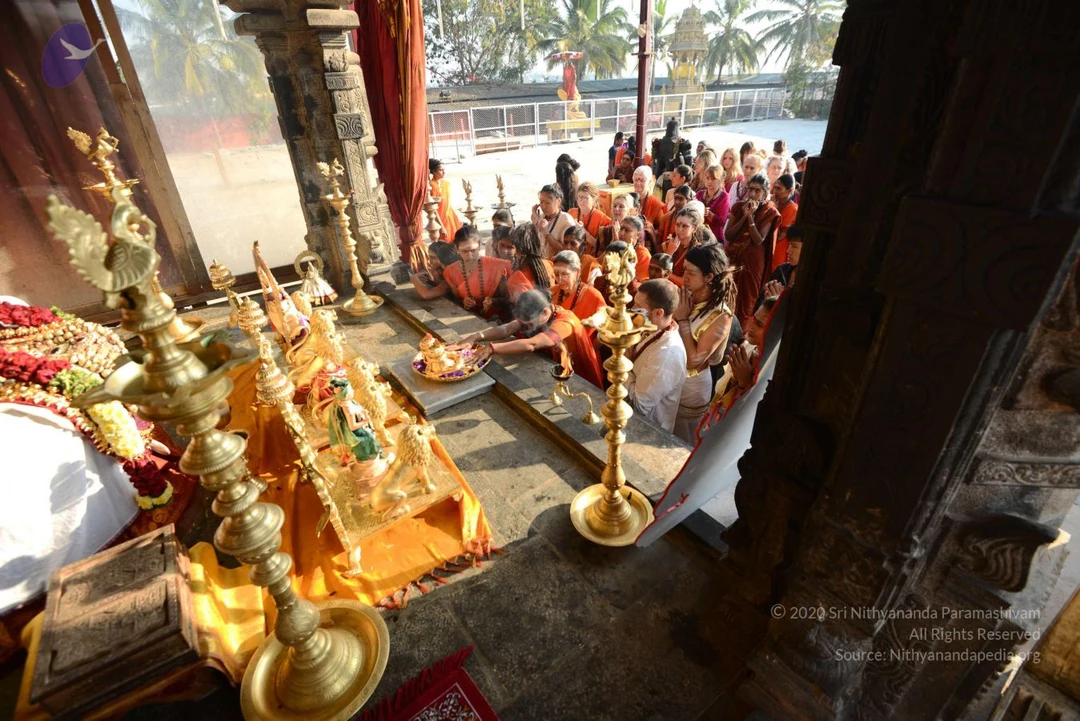
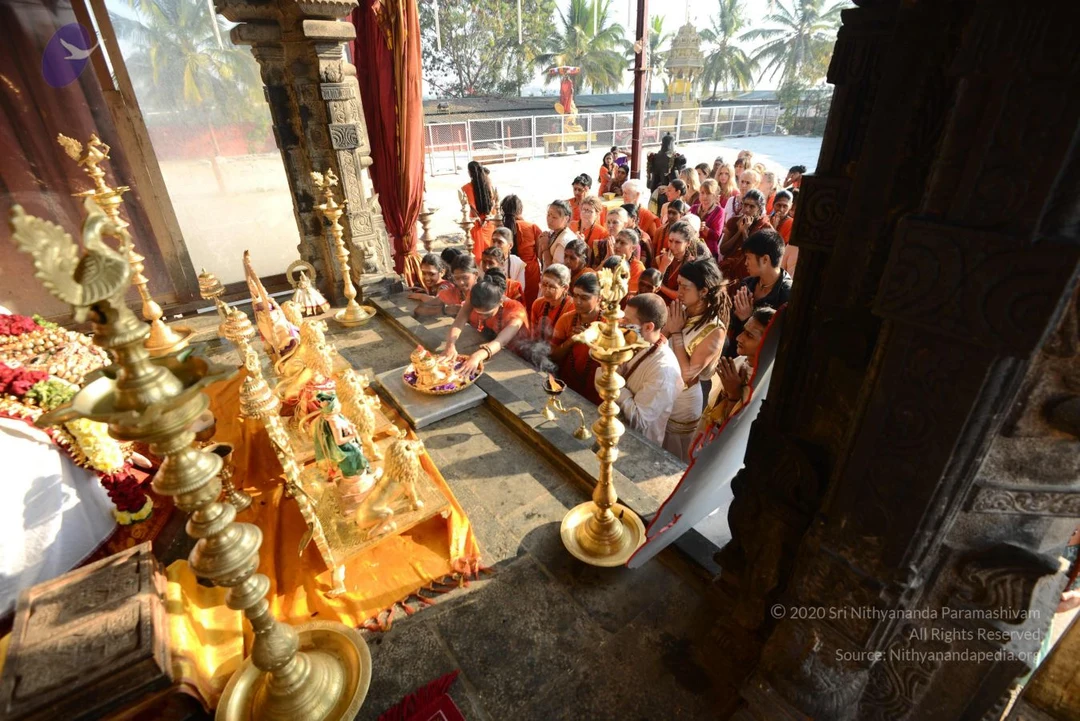
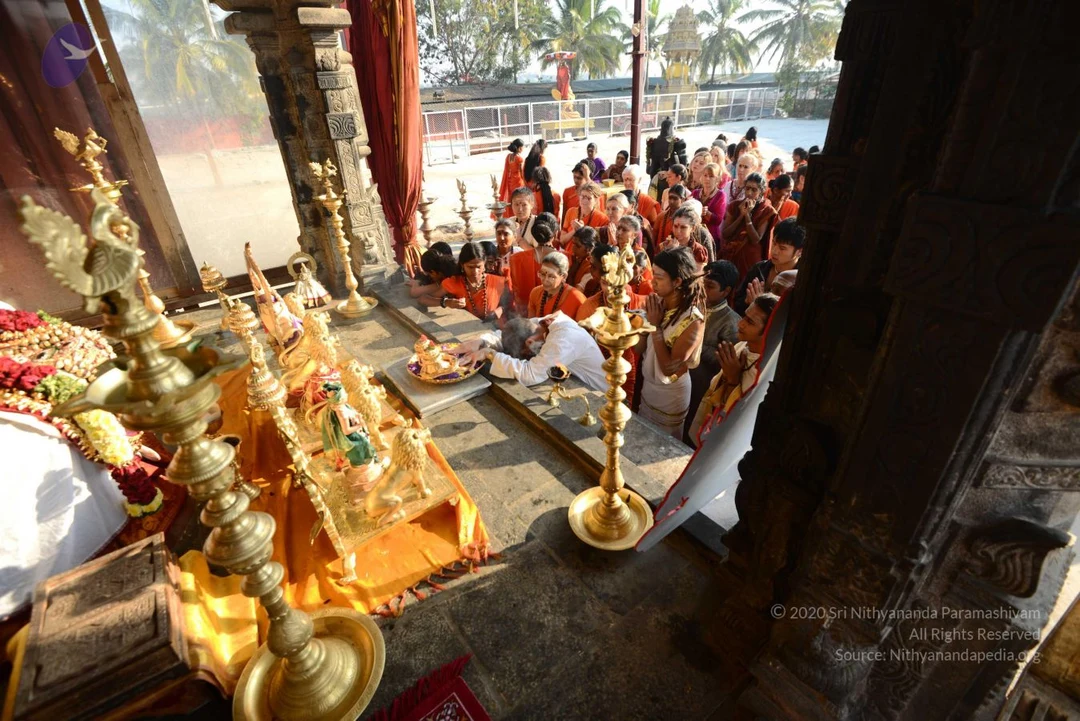

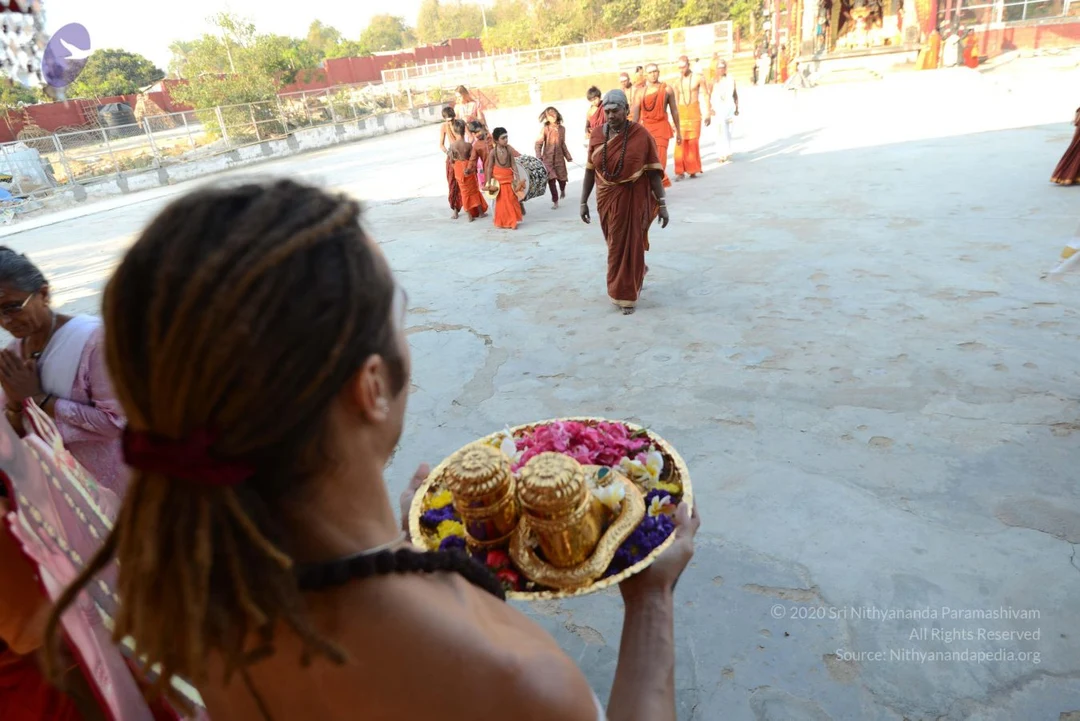
Darshan
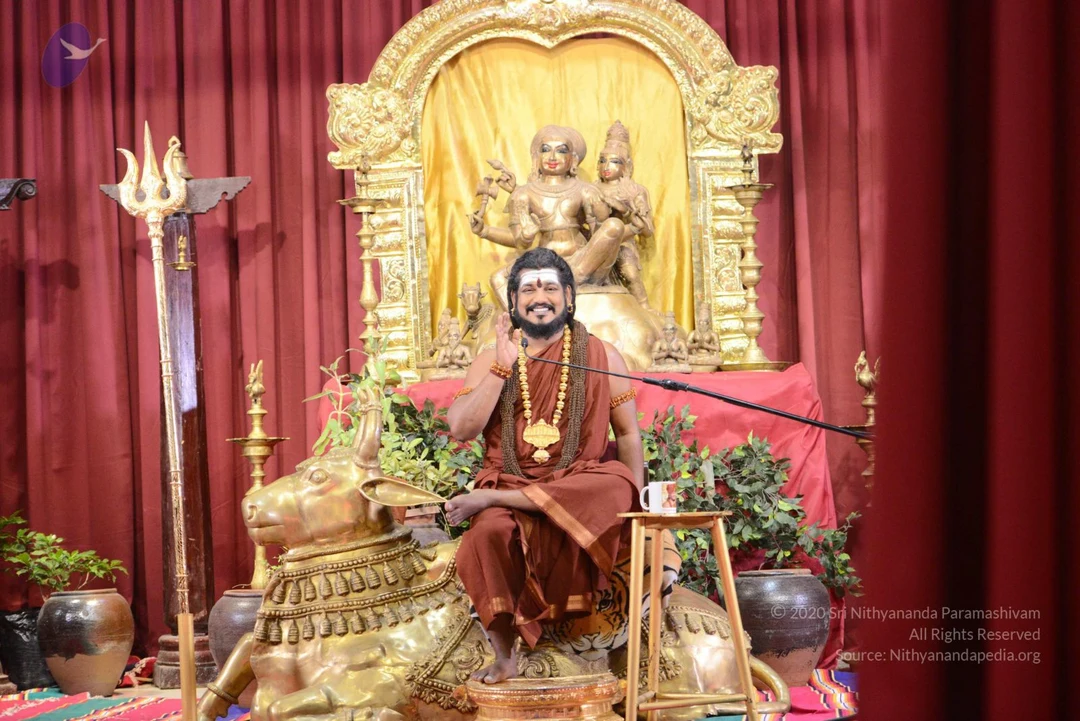
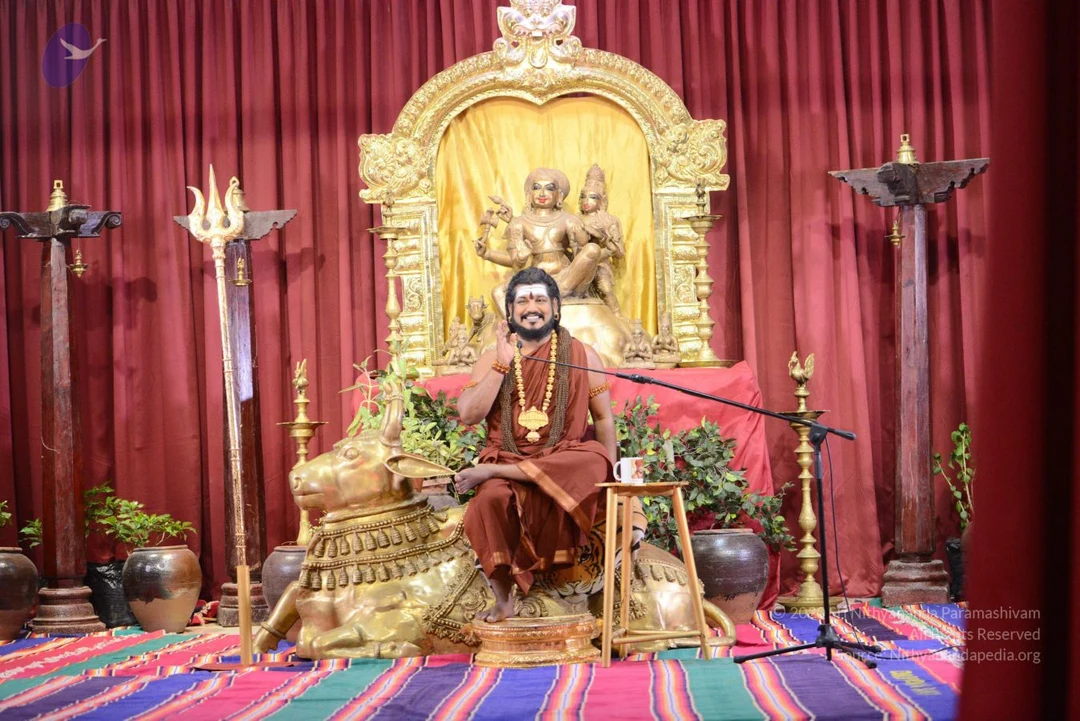
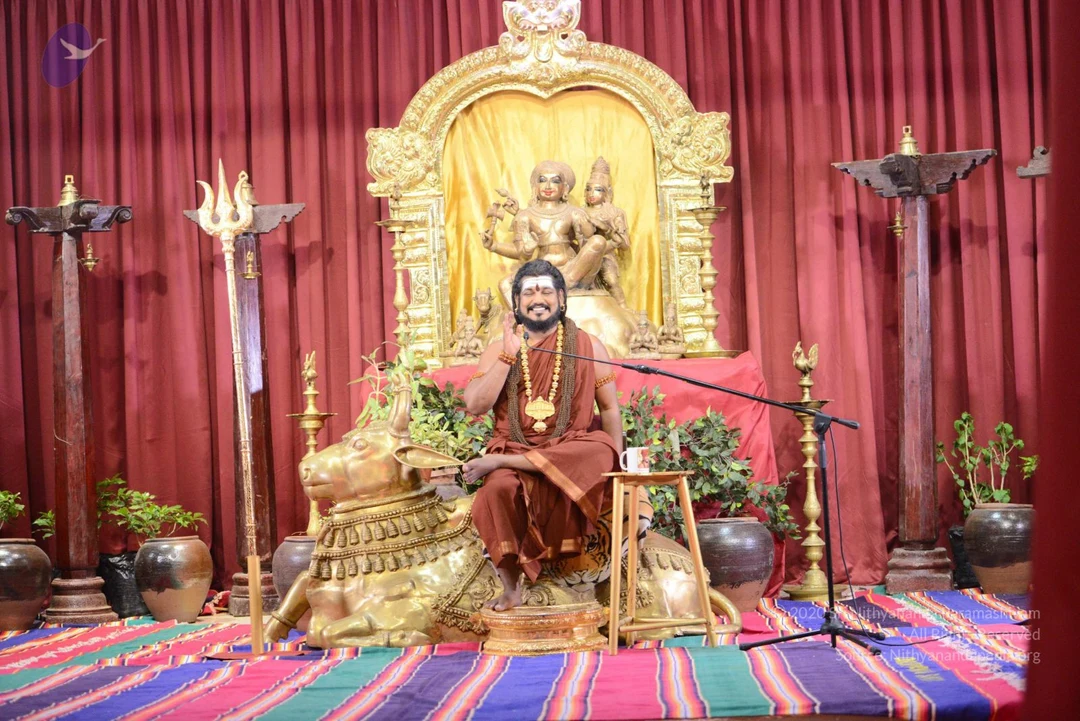
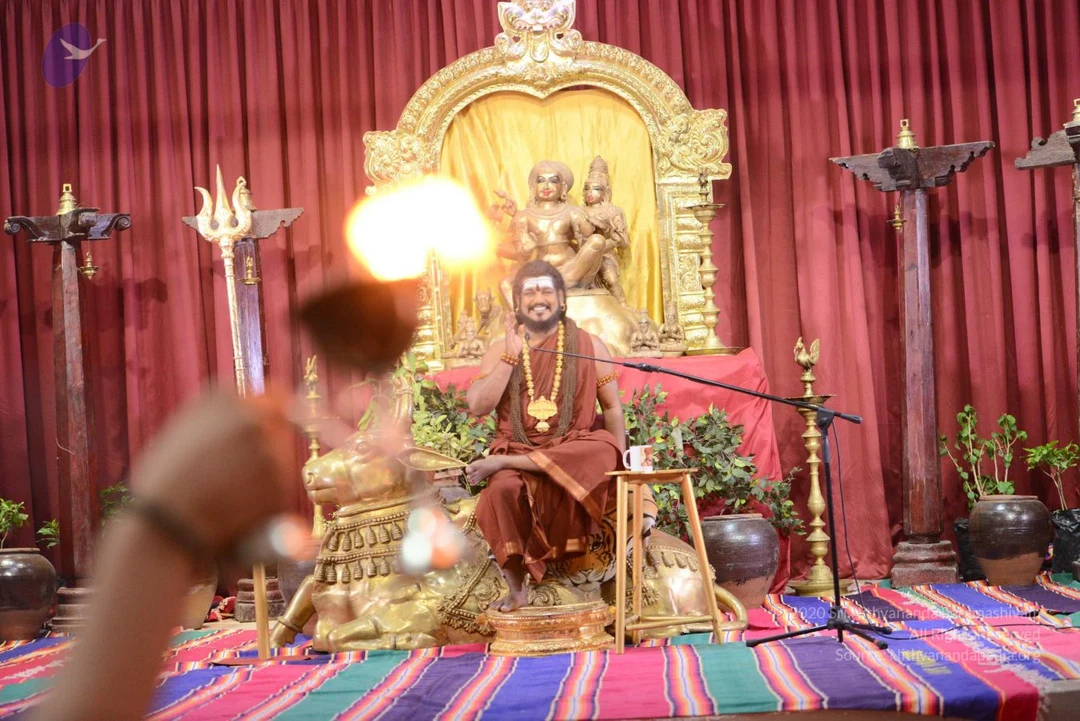
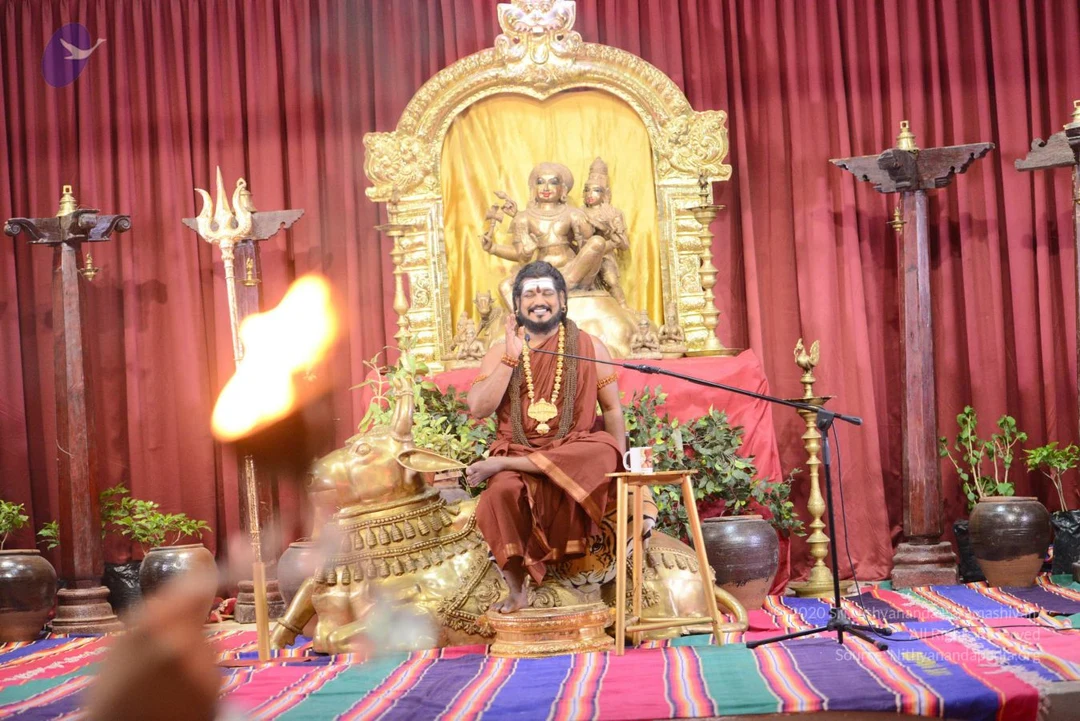
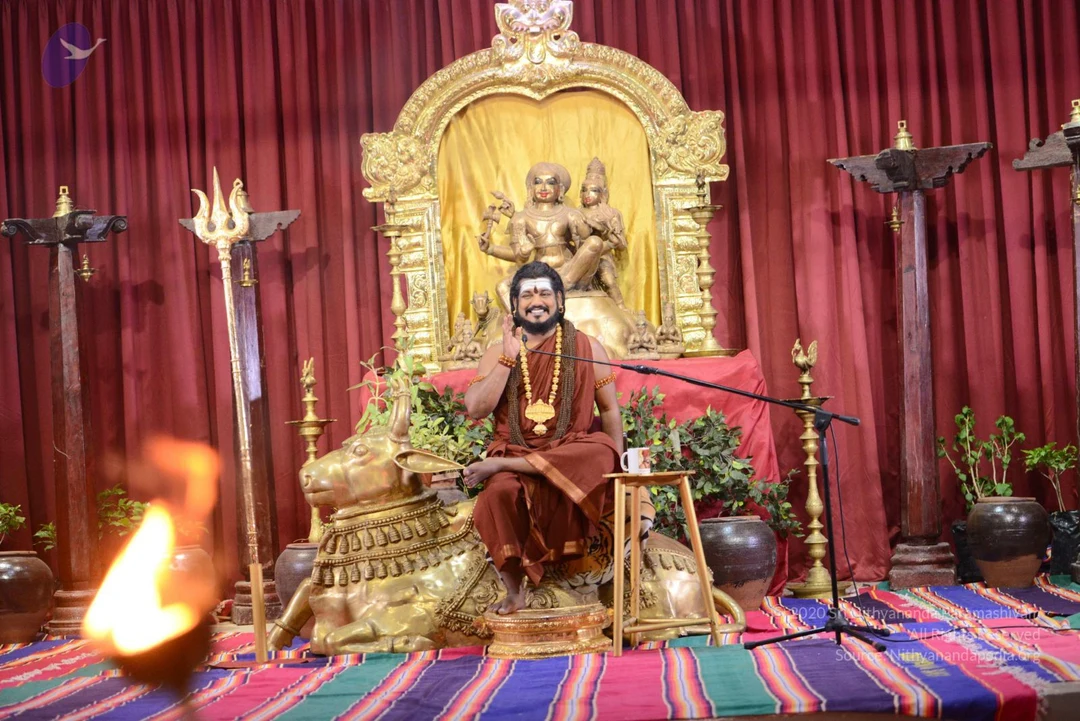
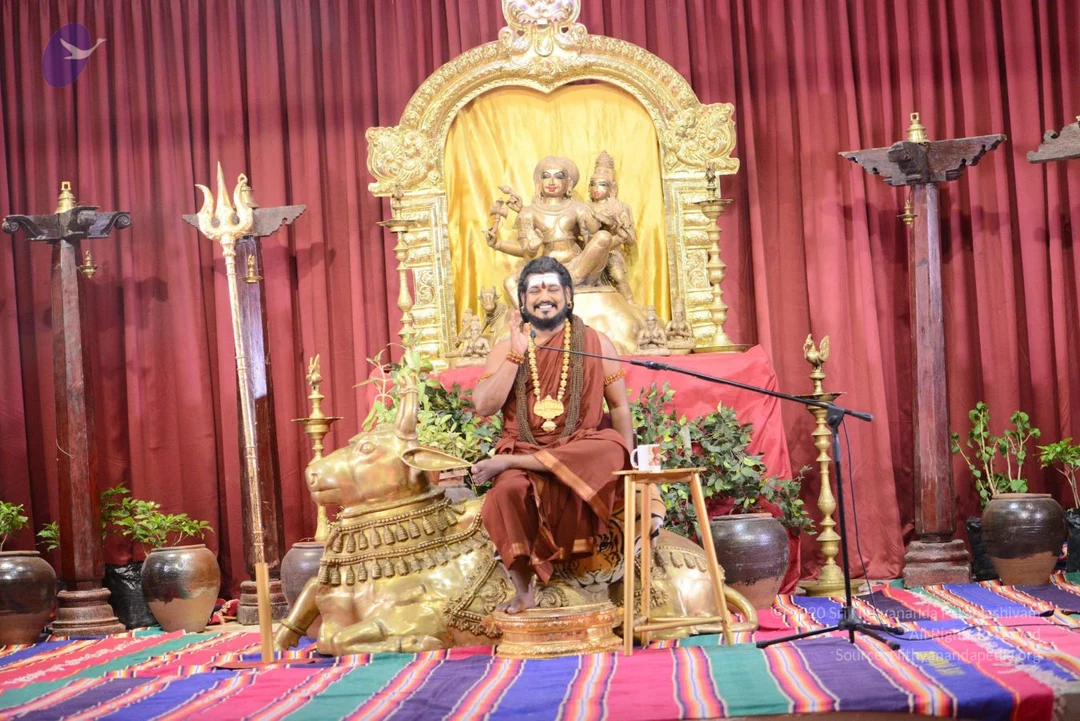
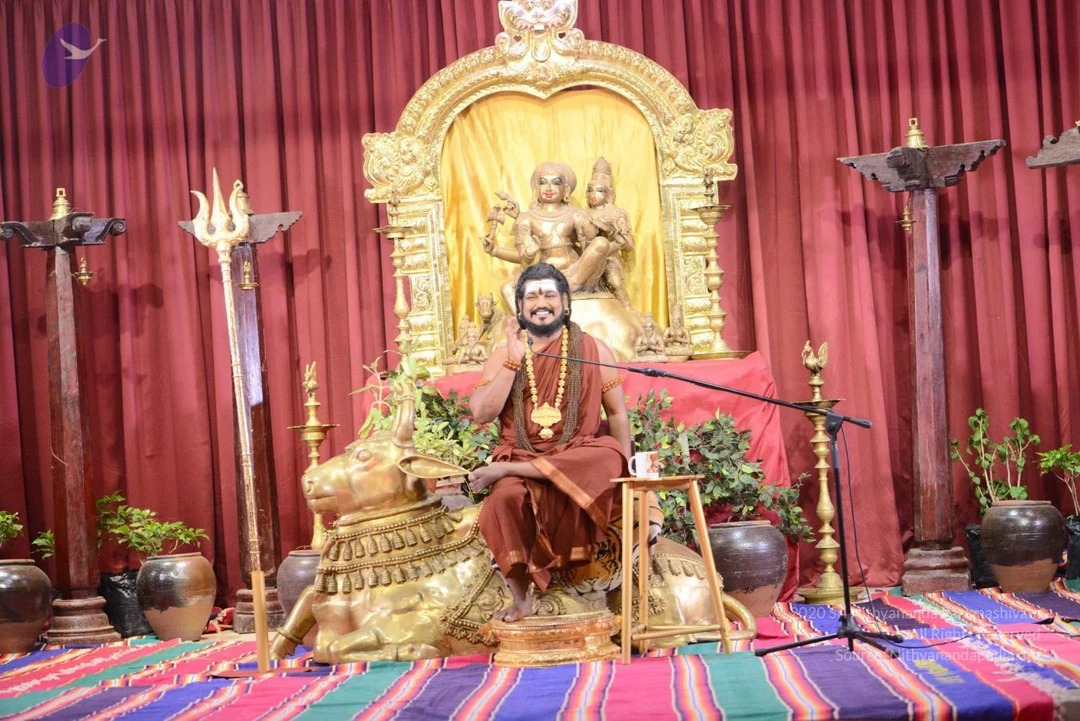
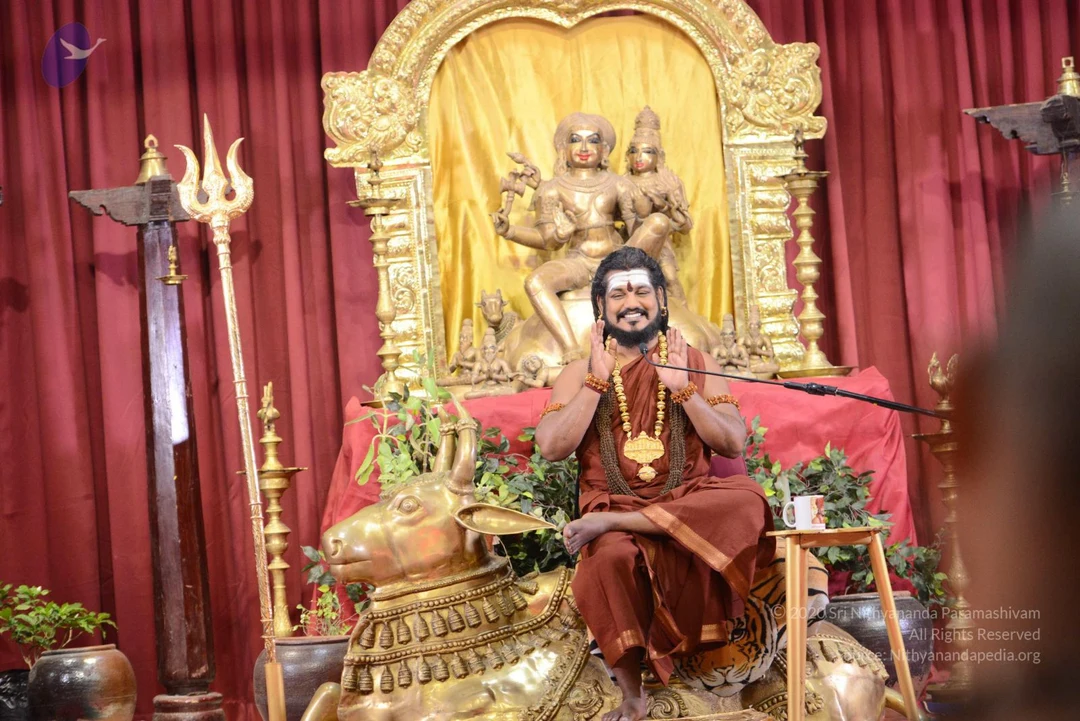
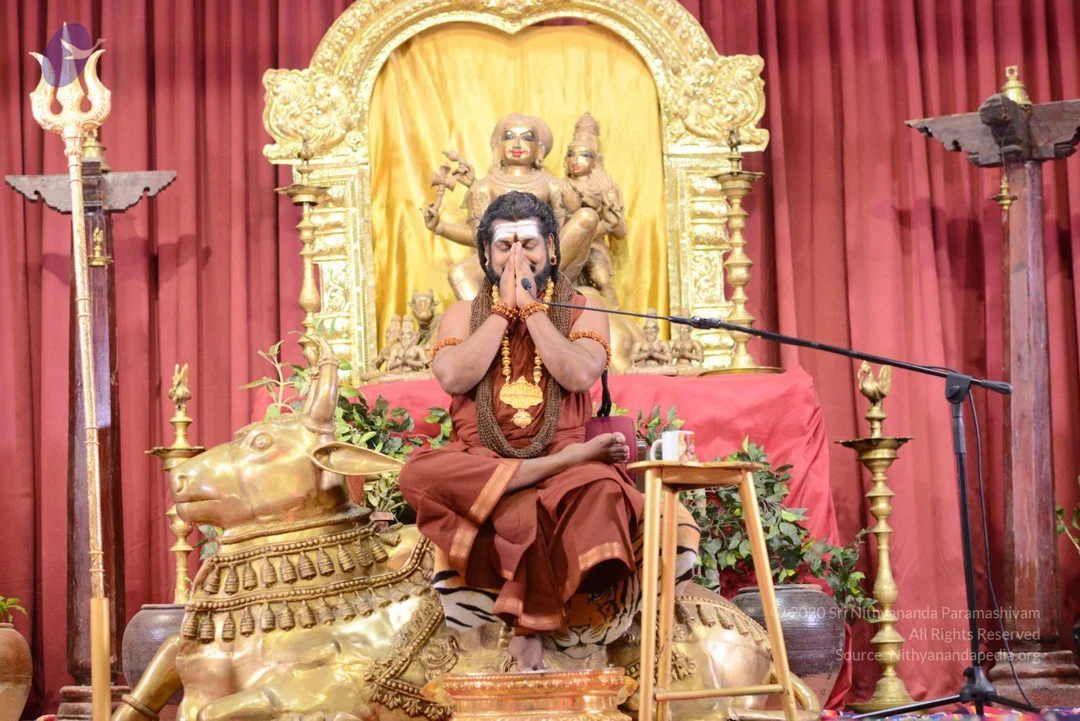
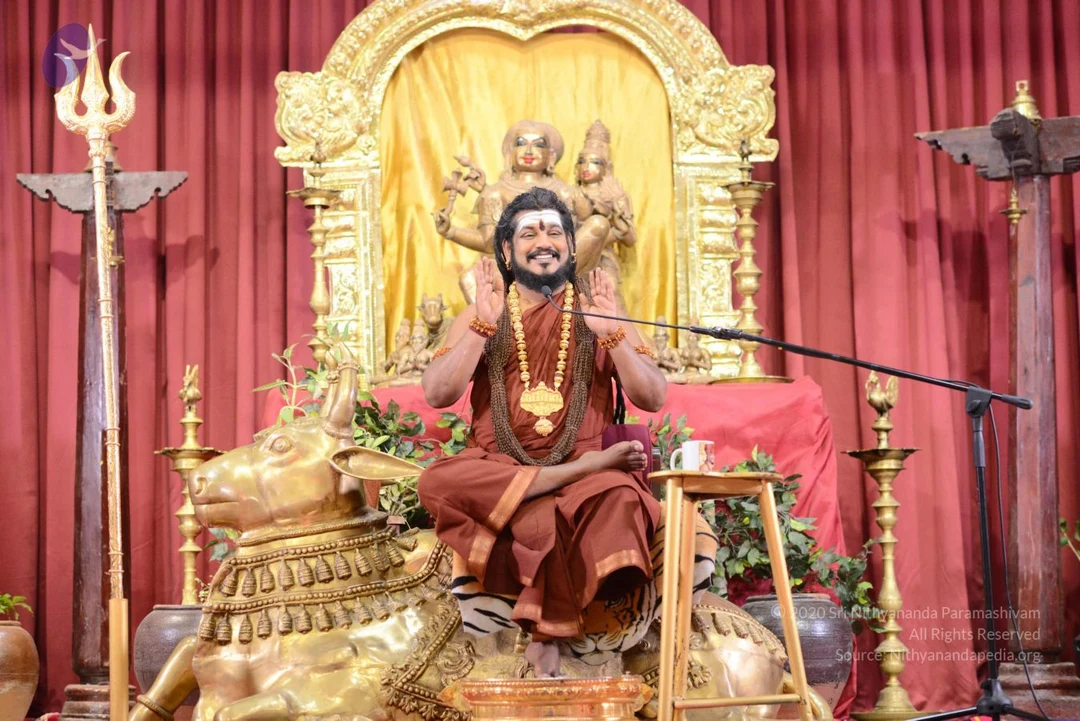
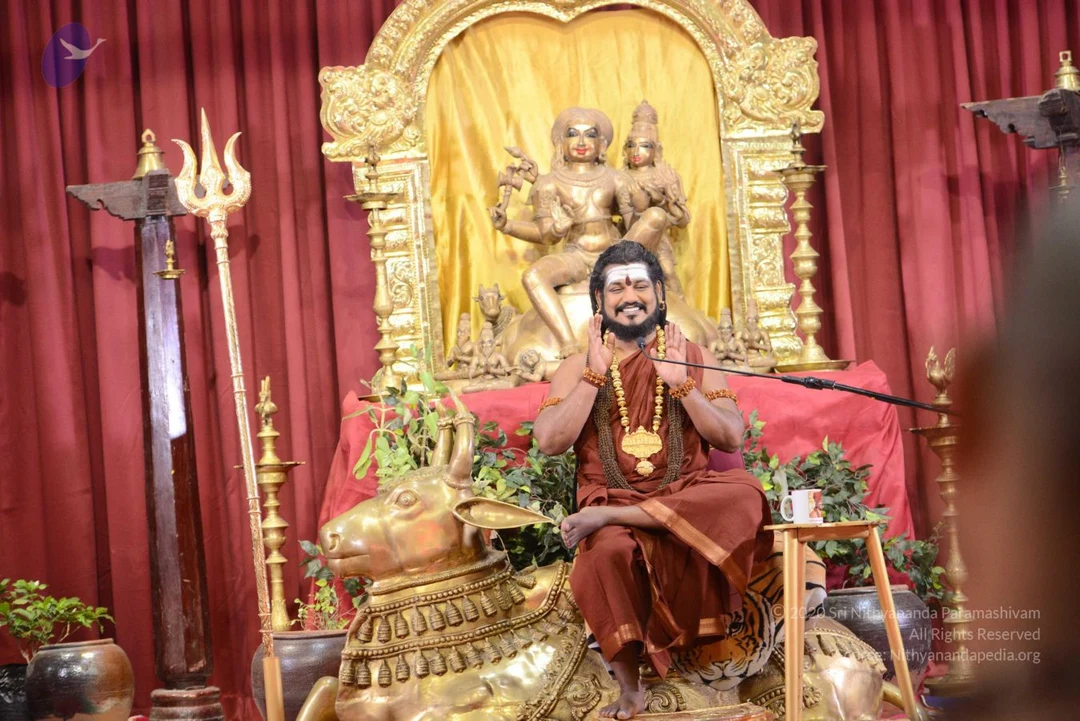
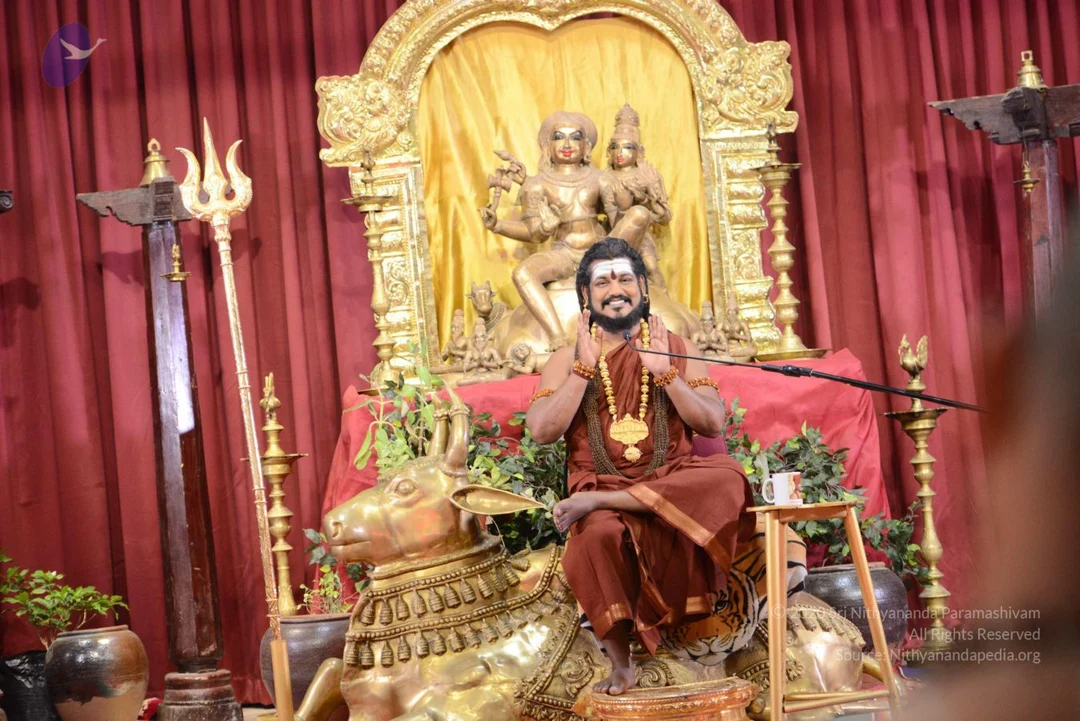
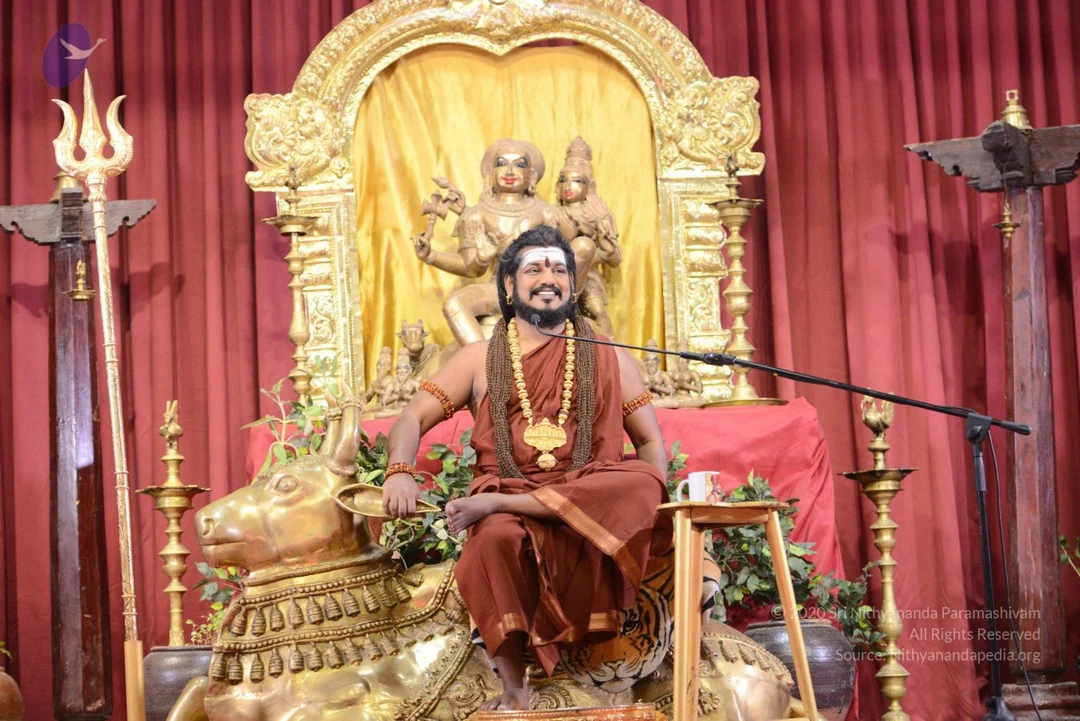
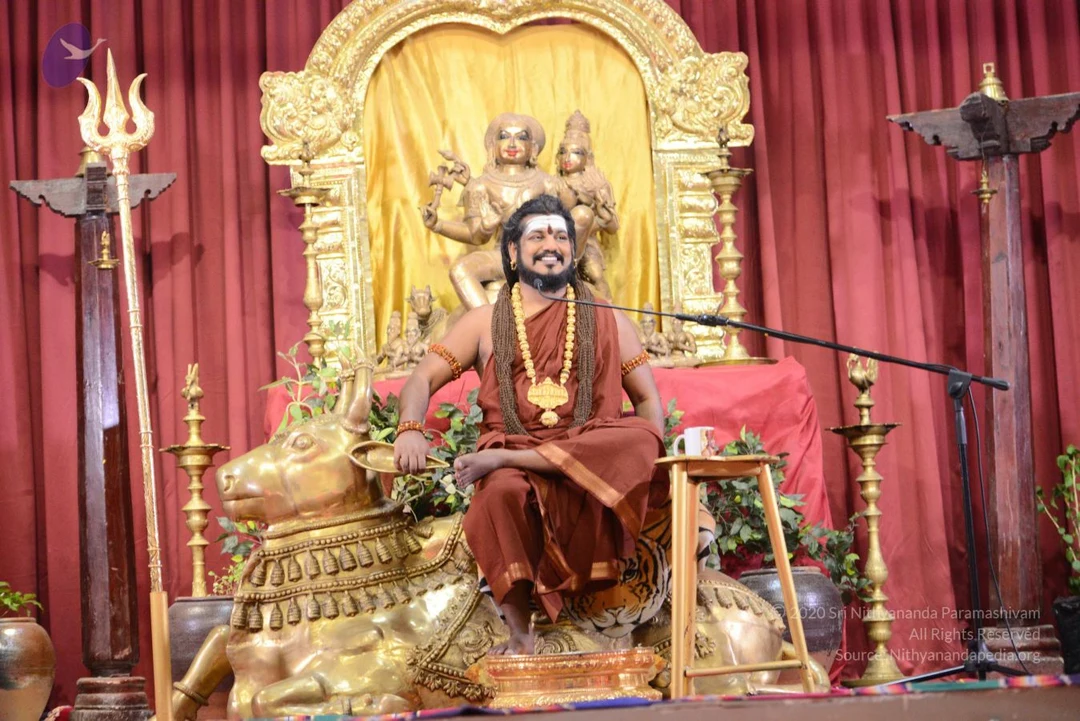
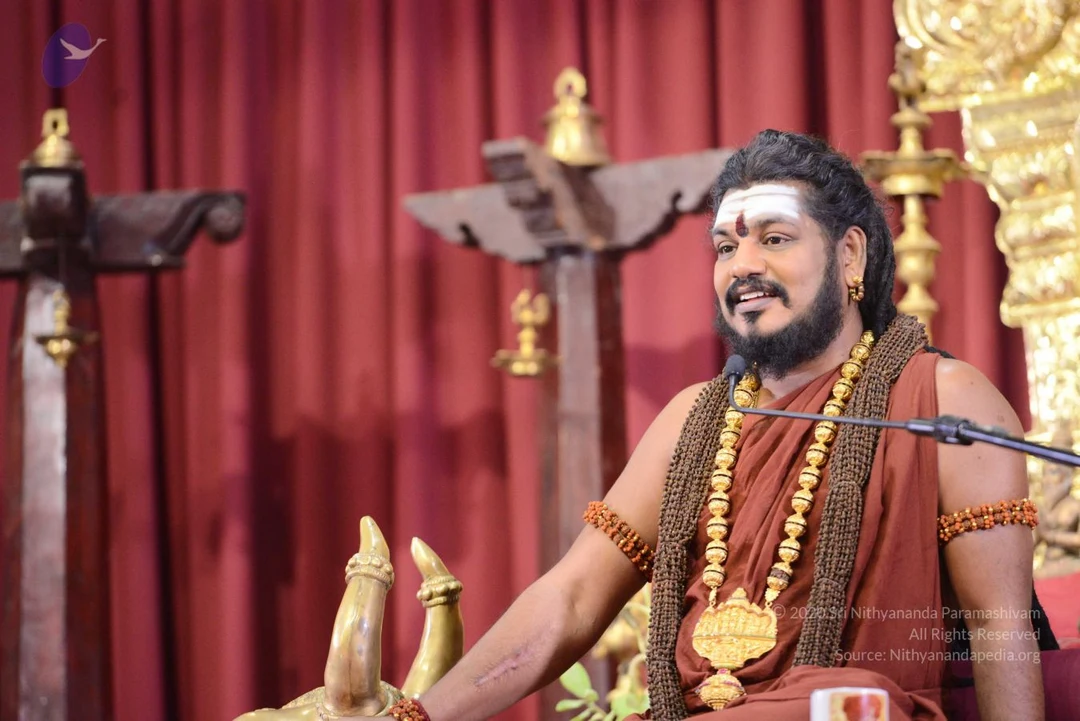
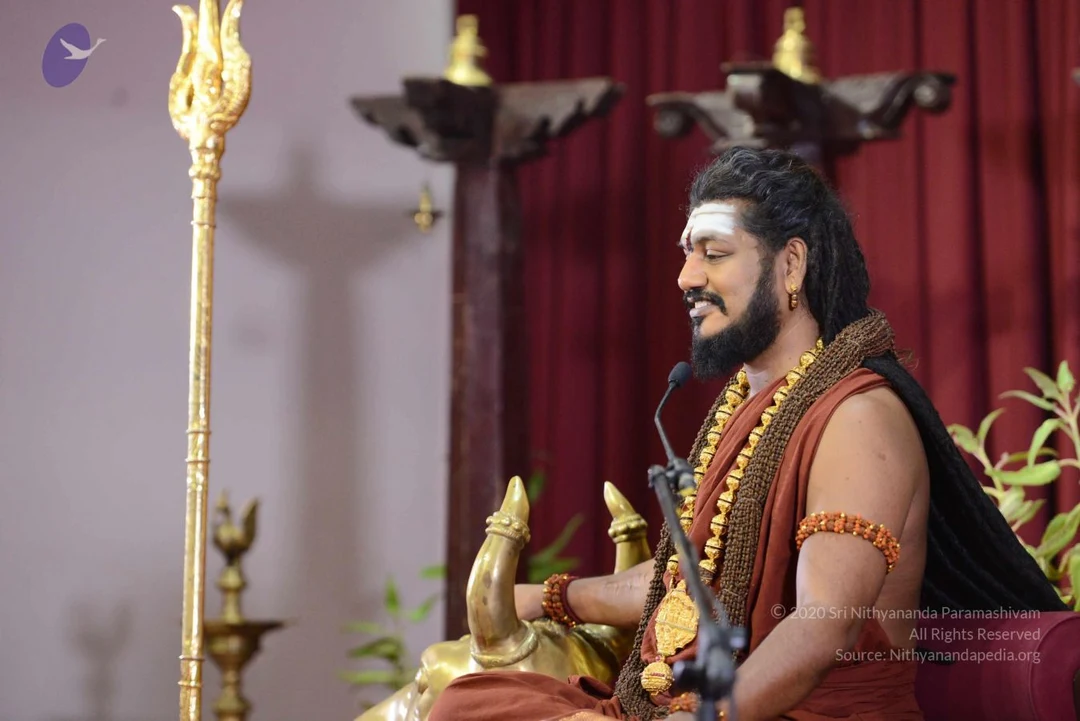
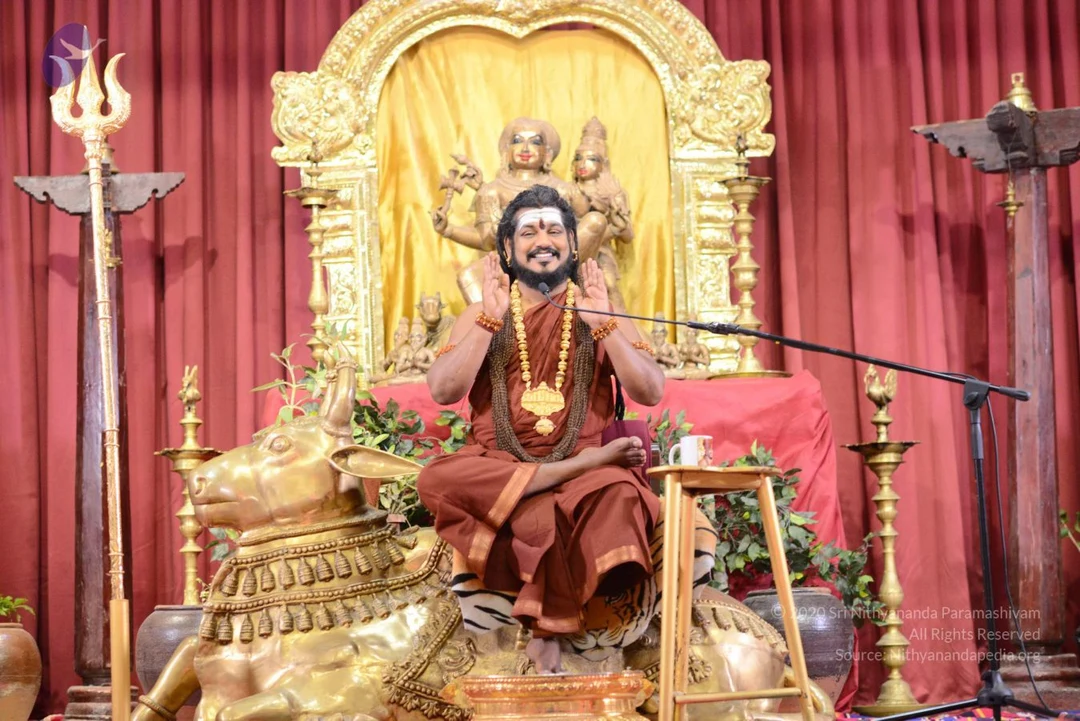
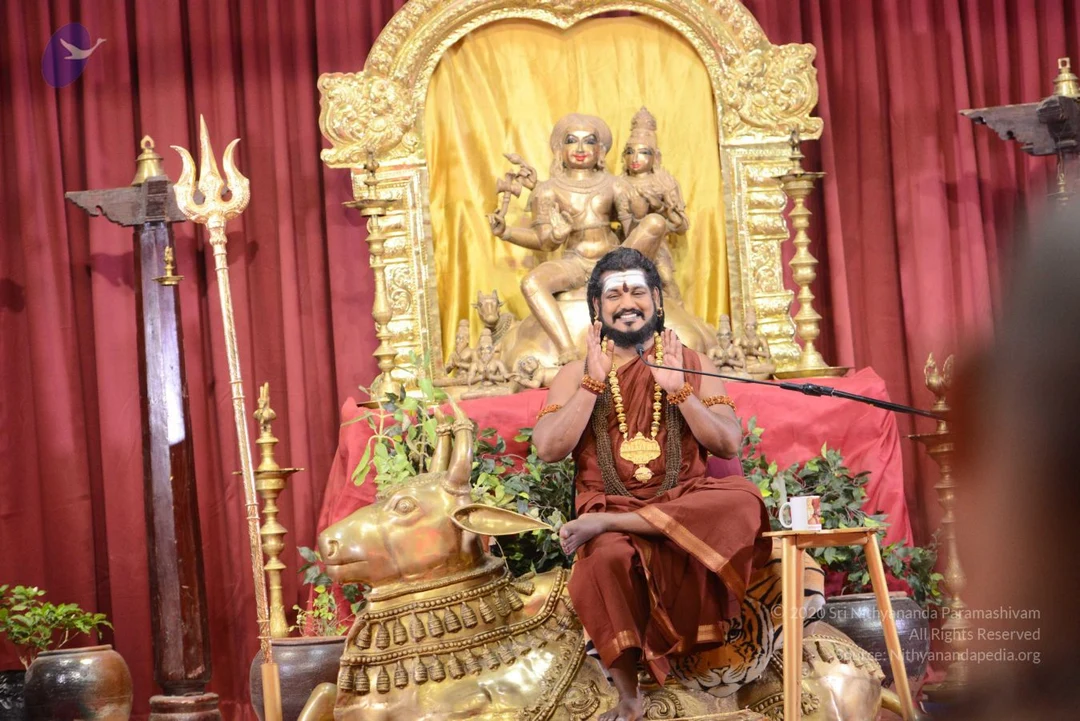
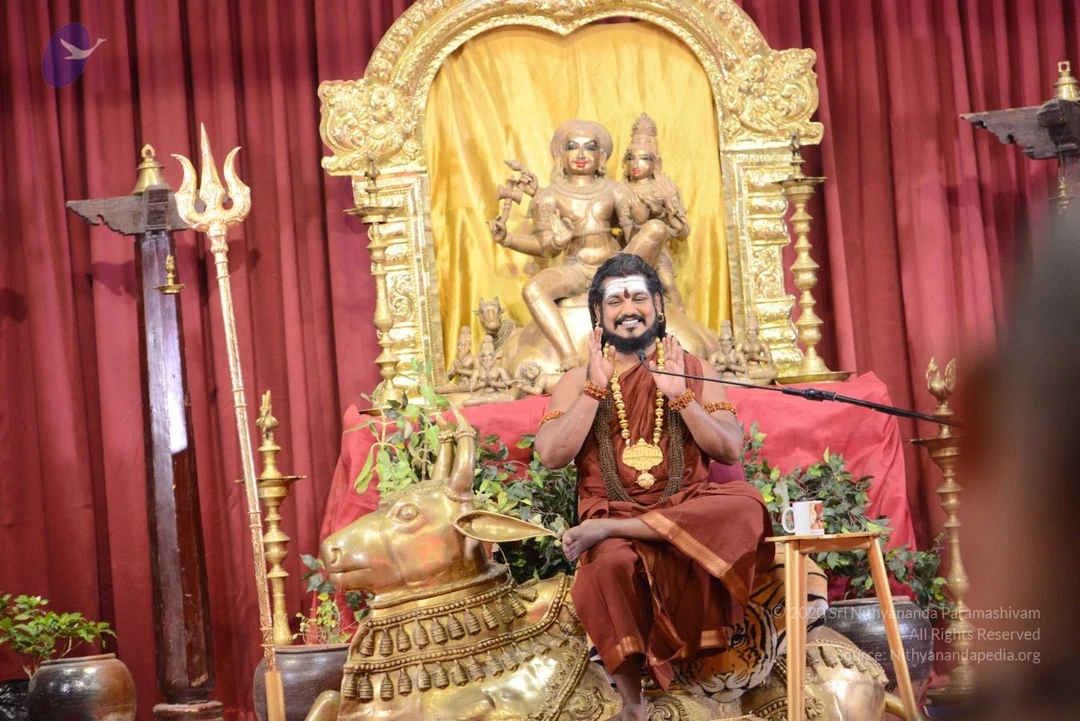
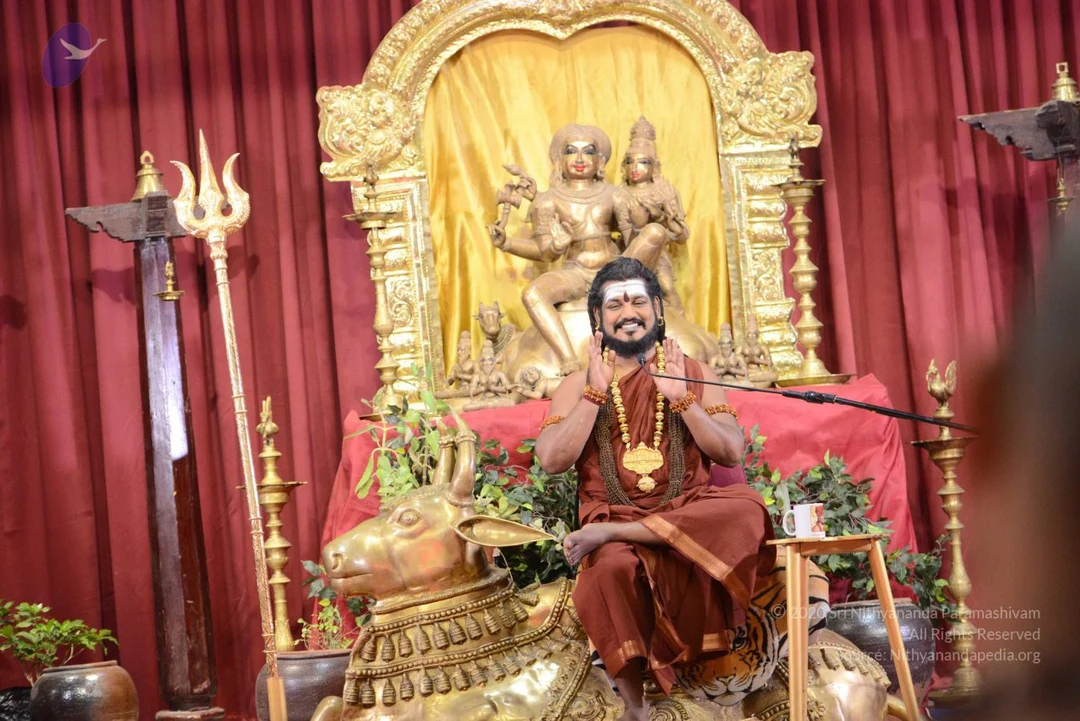
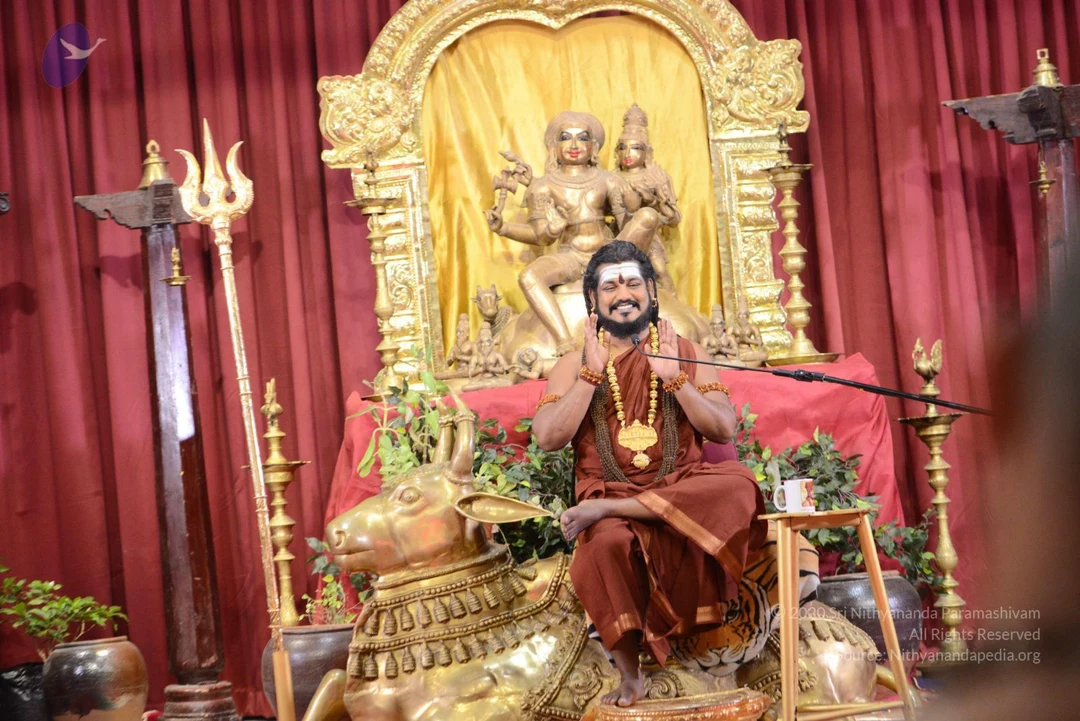
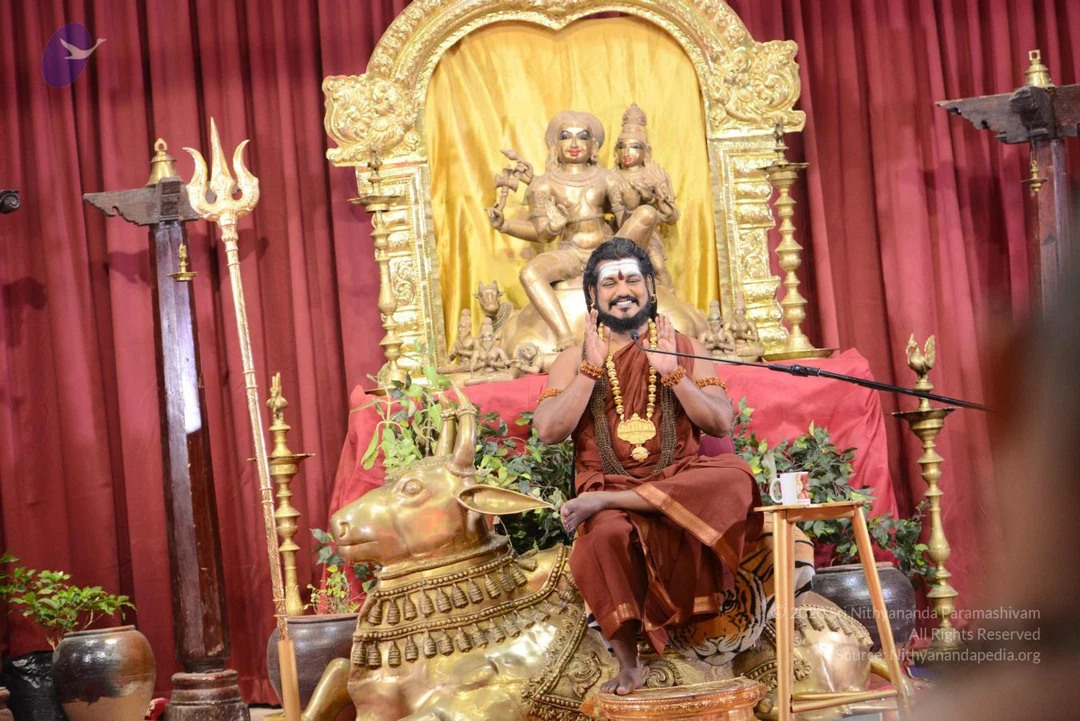
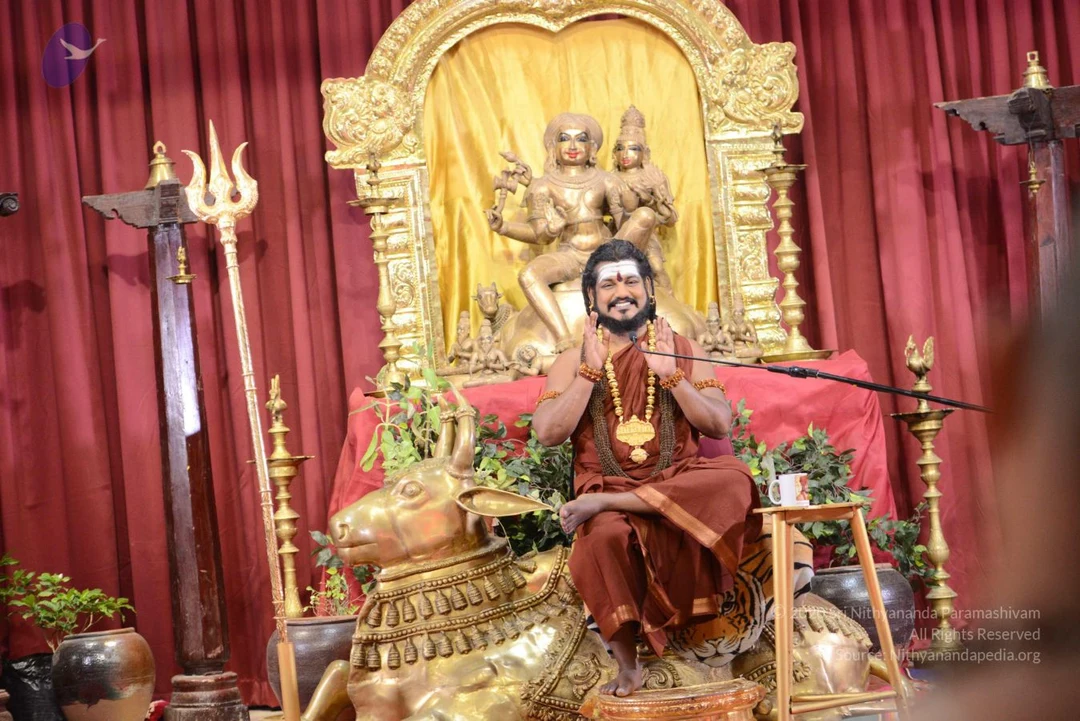
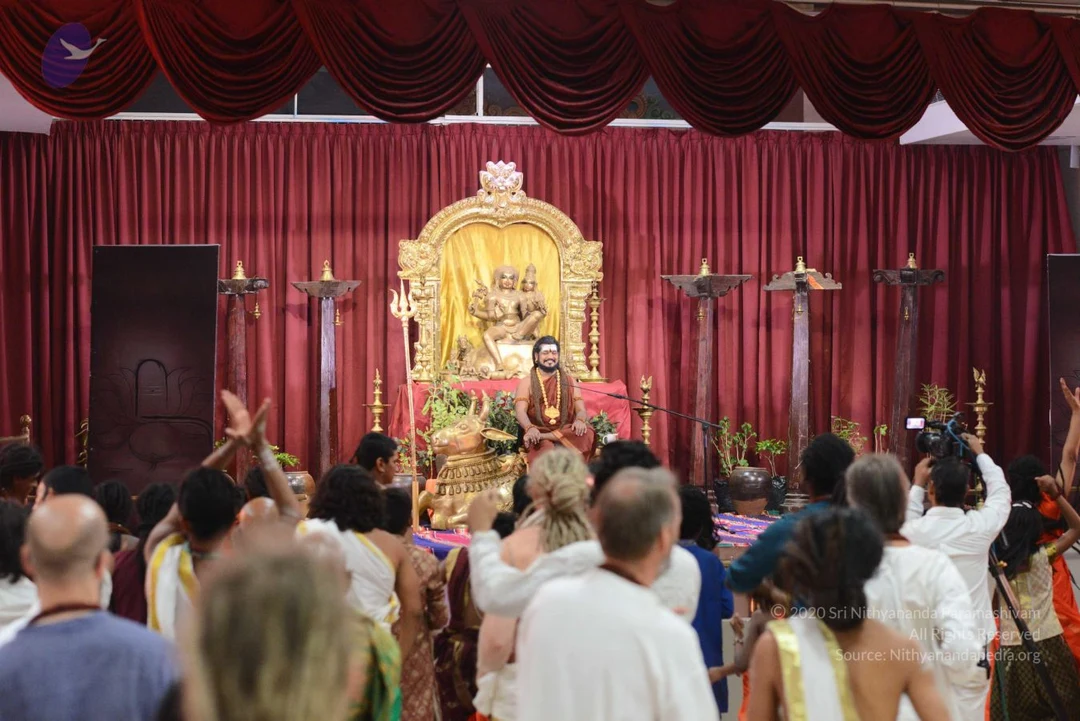
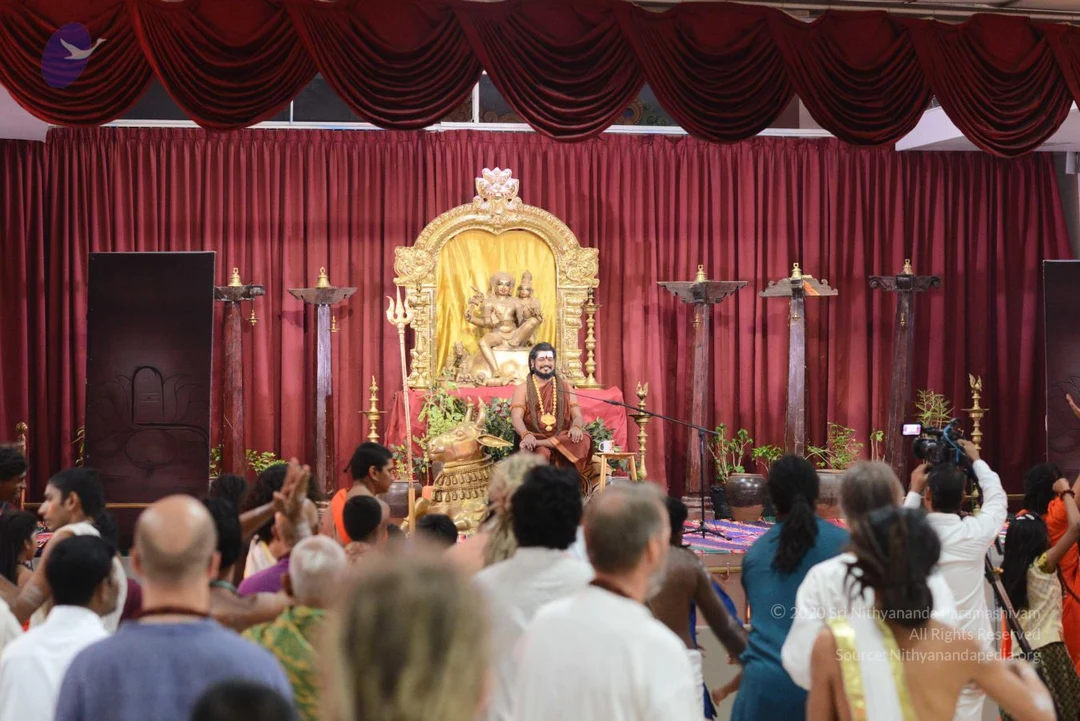
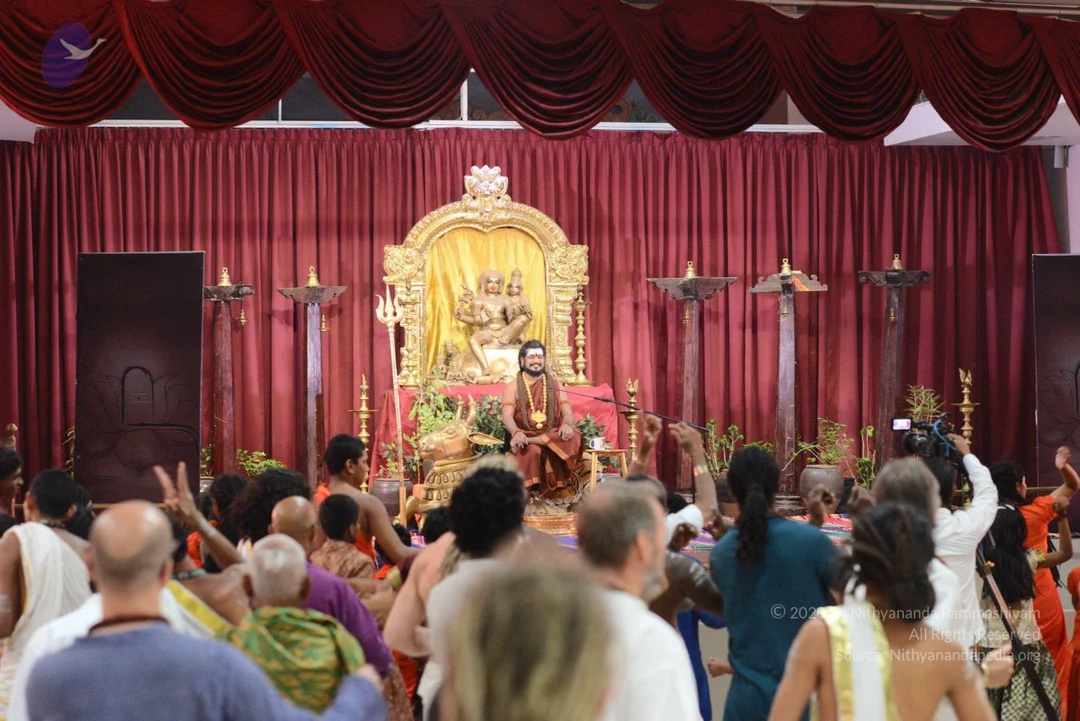
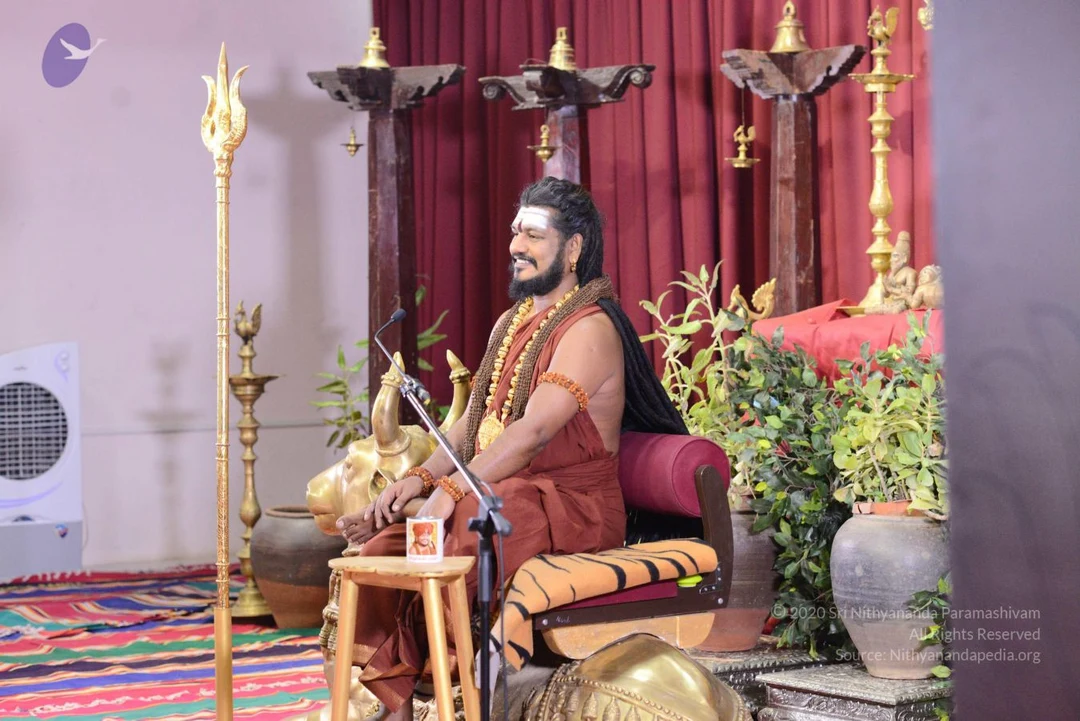
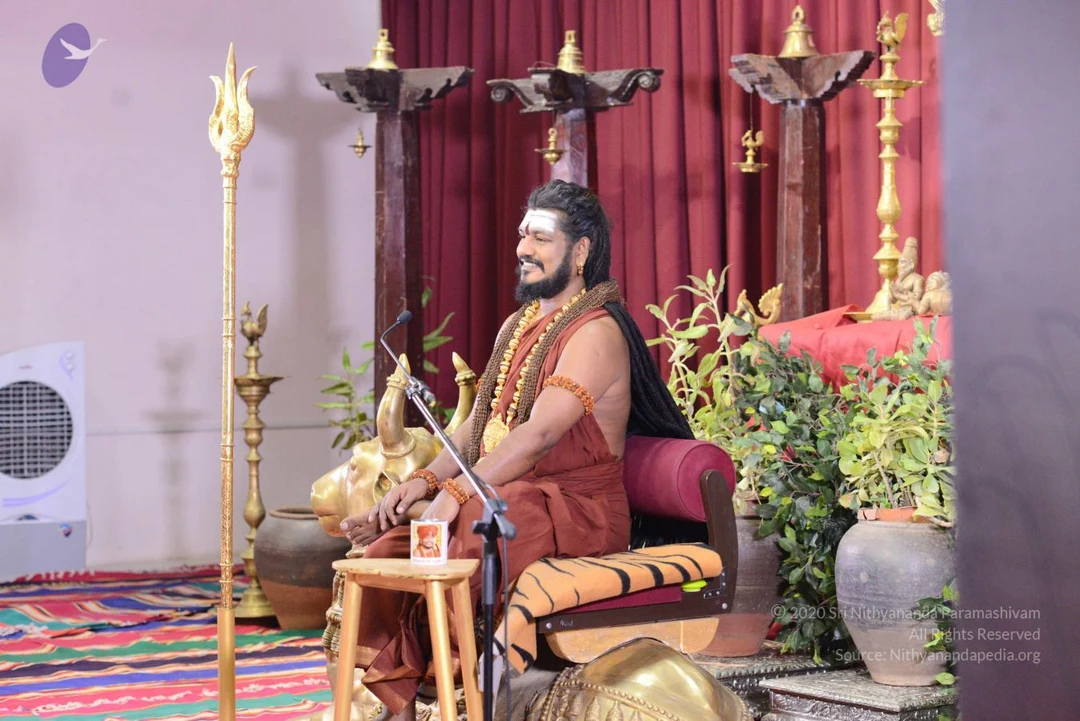
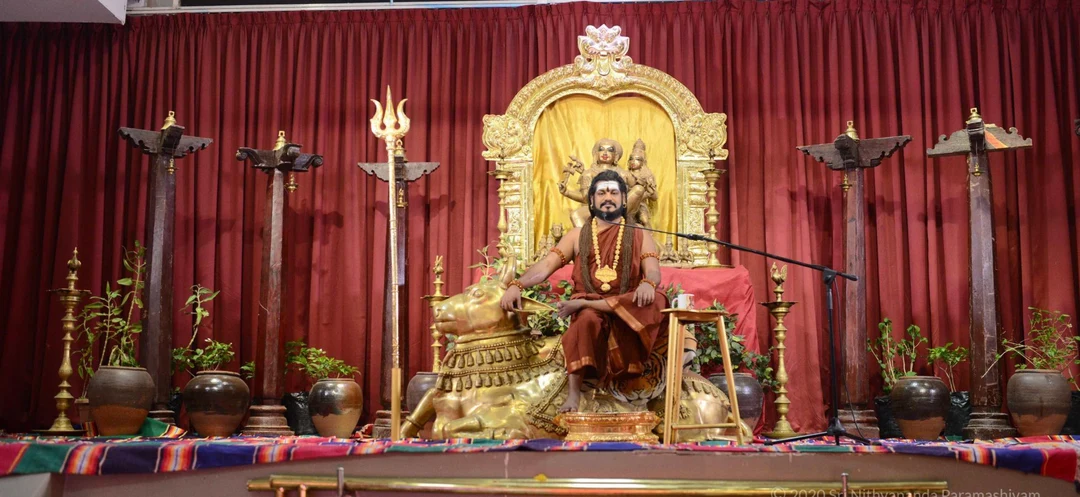
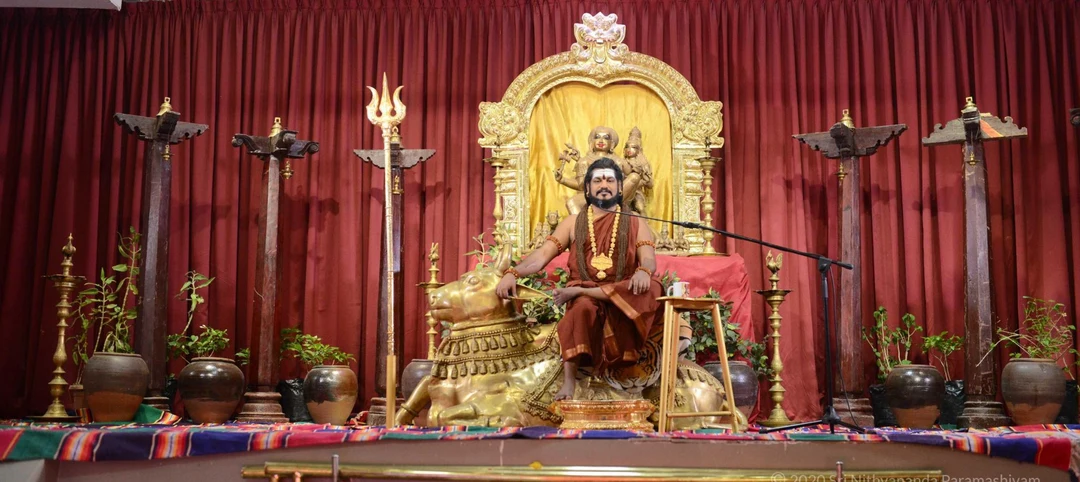
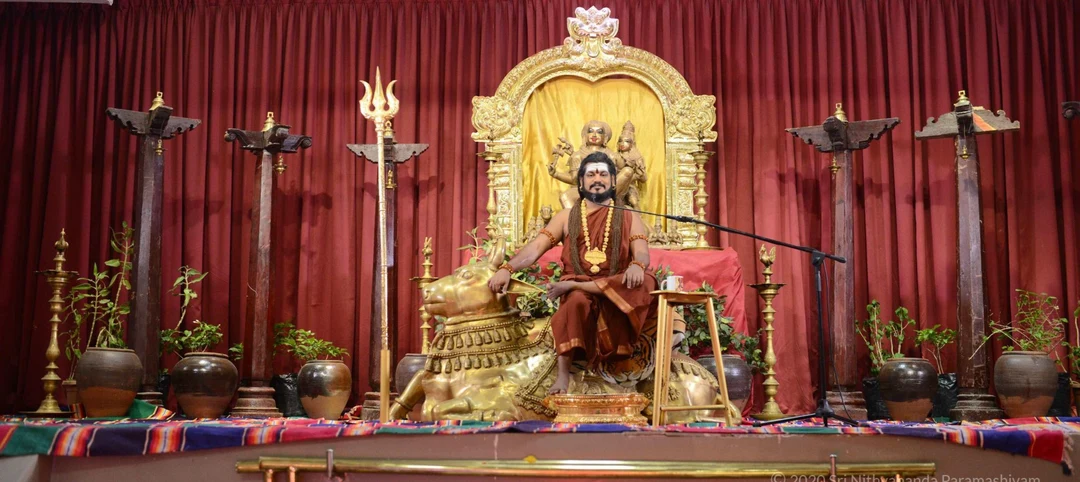
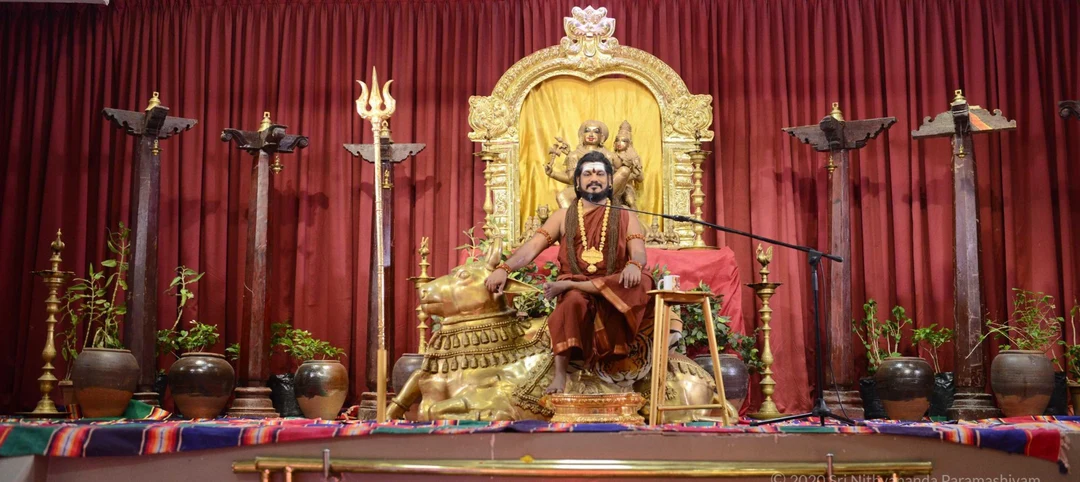
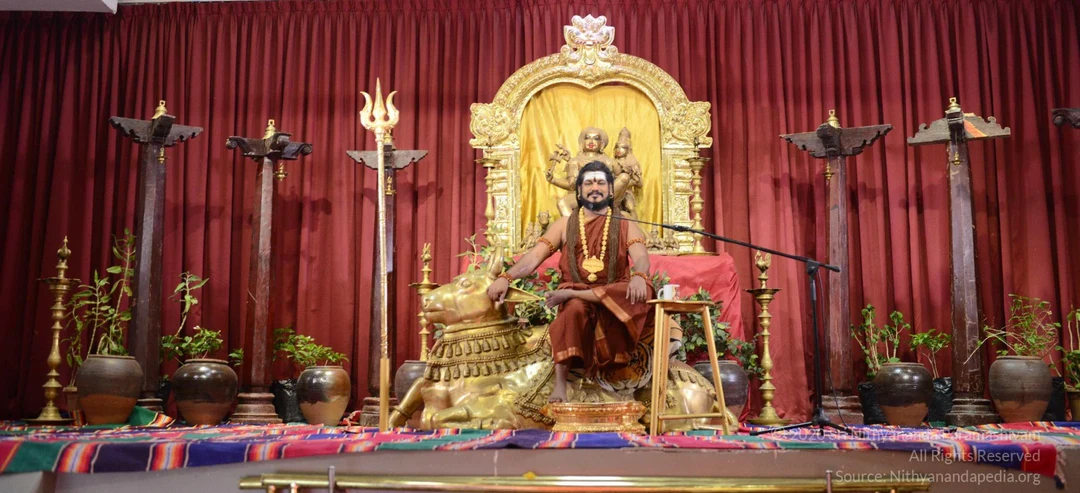
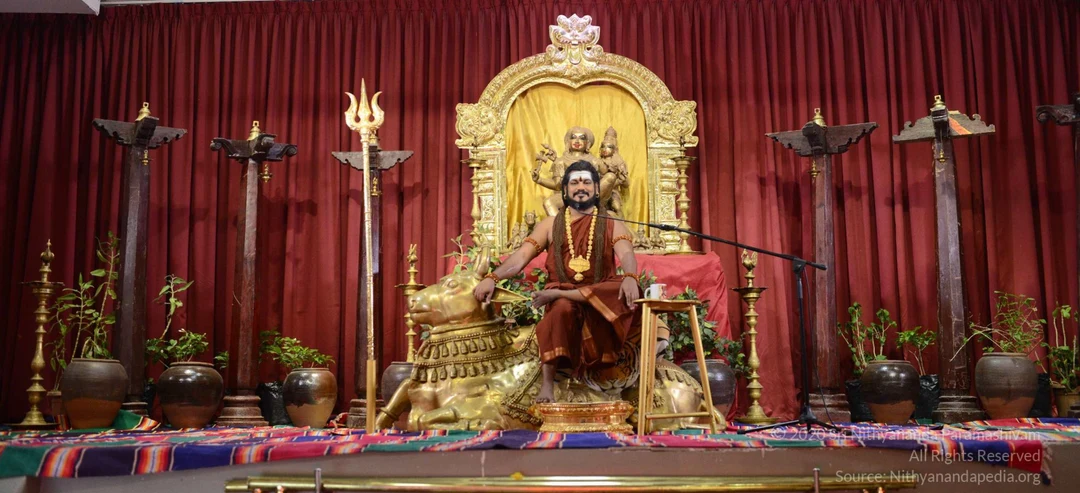
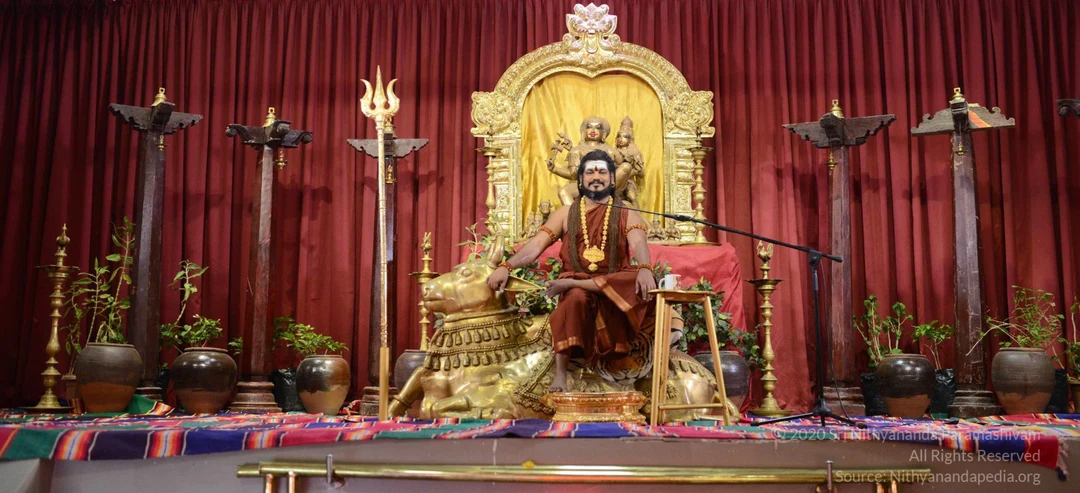
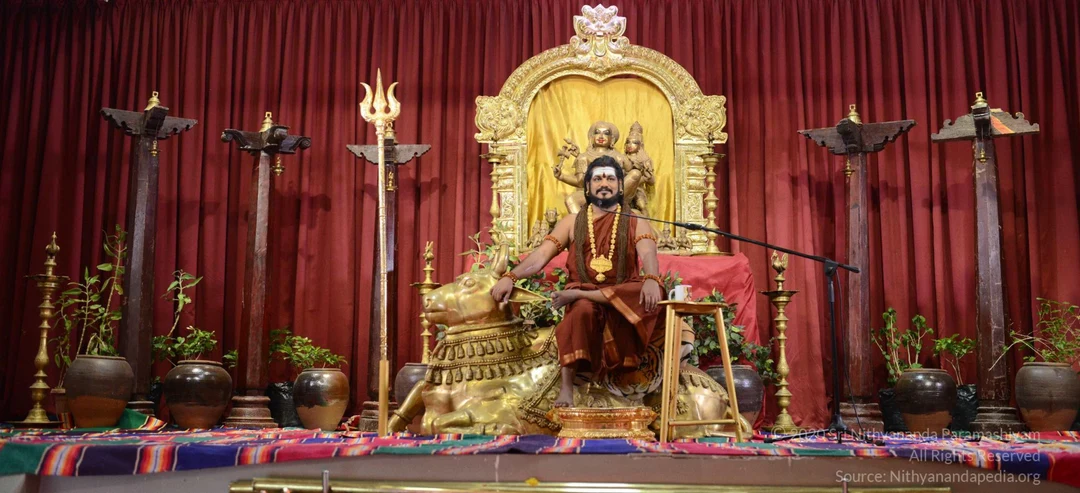
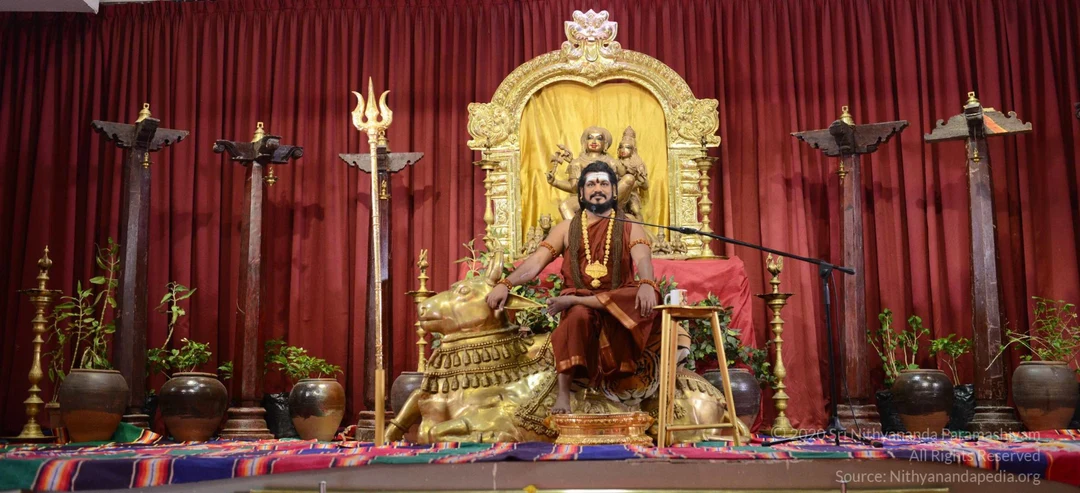
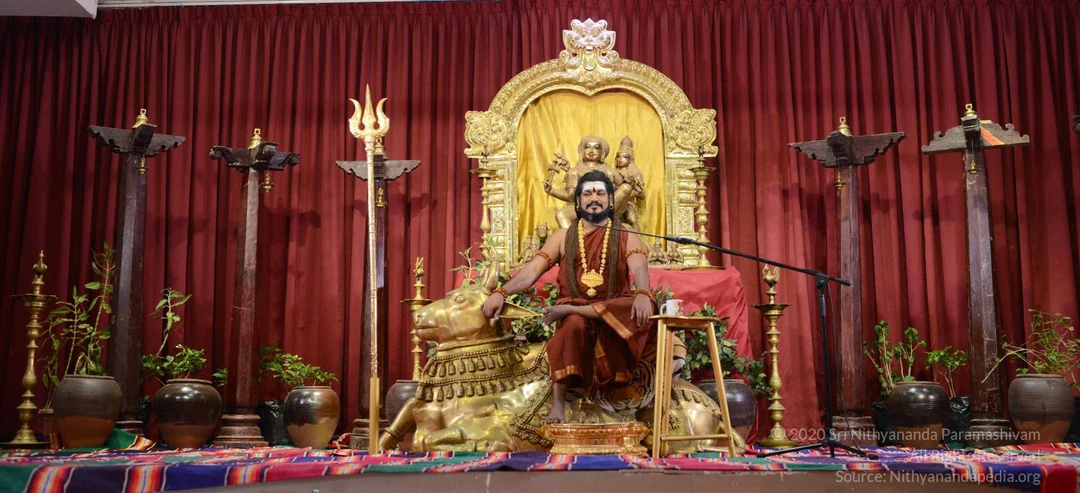
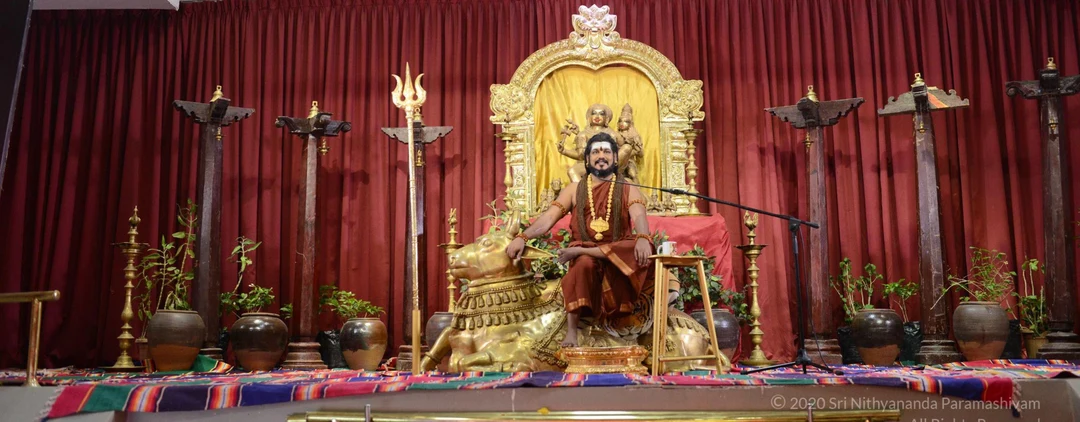
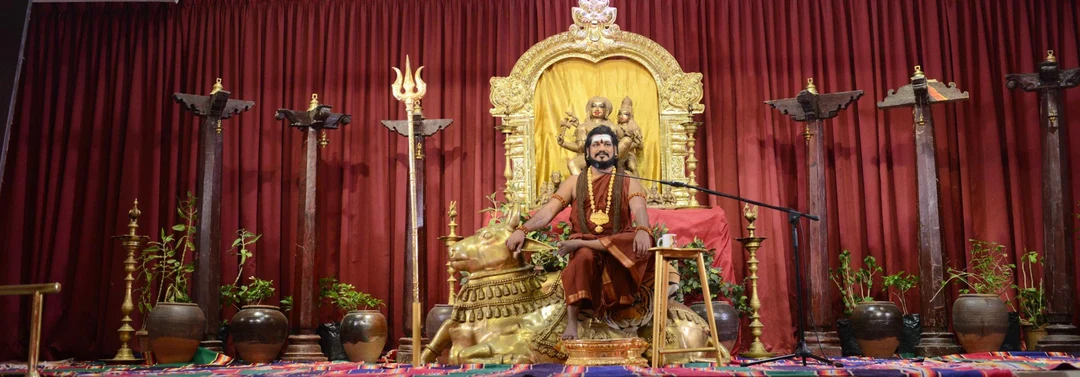
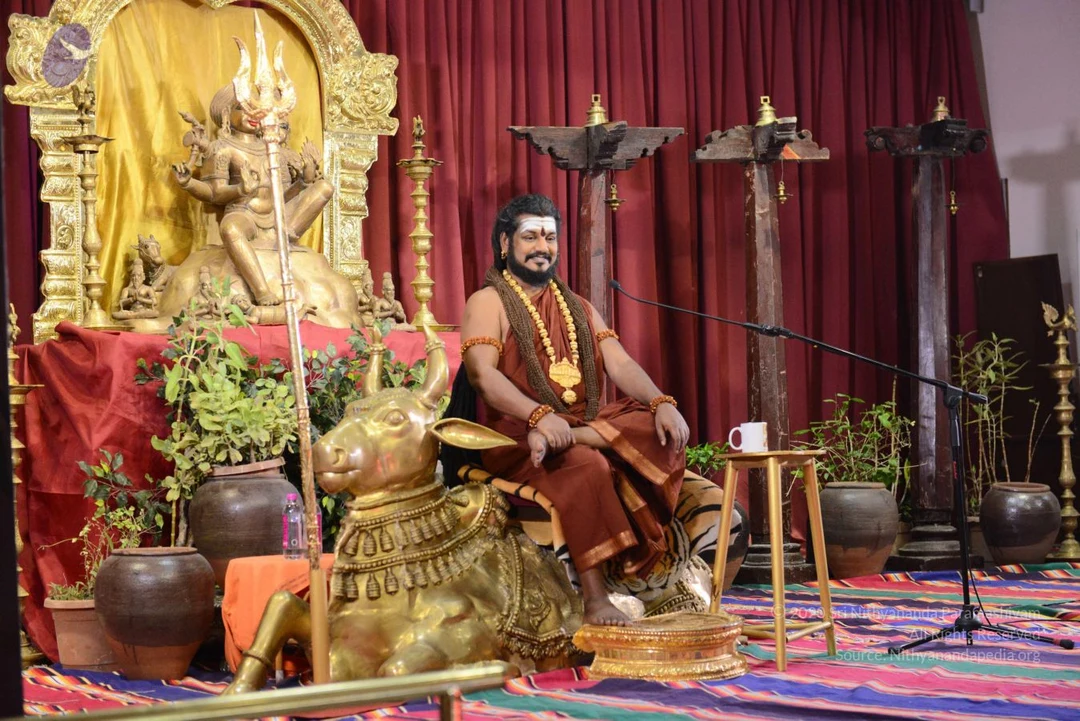
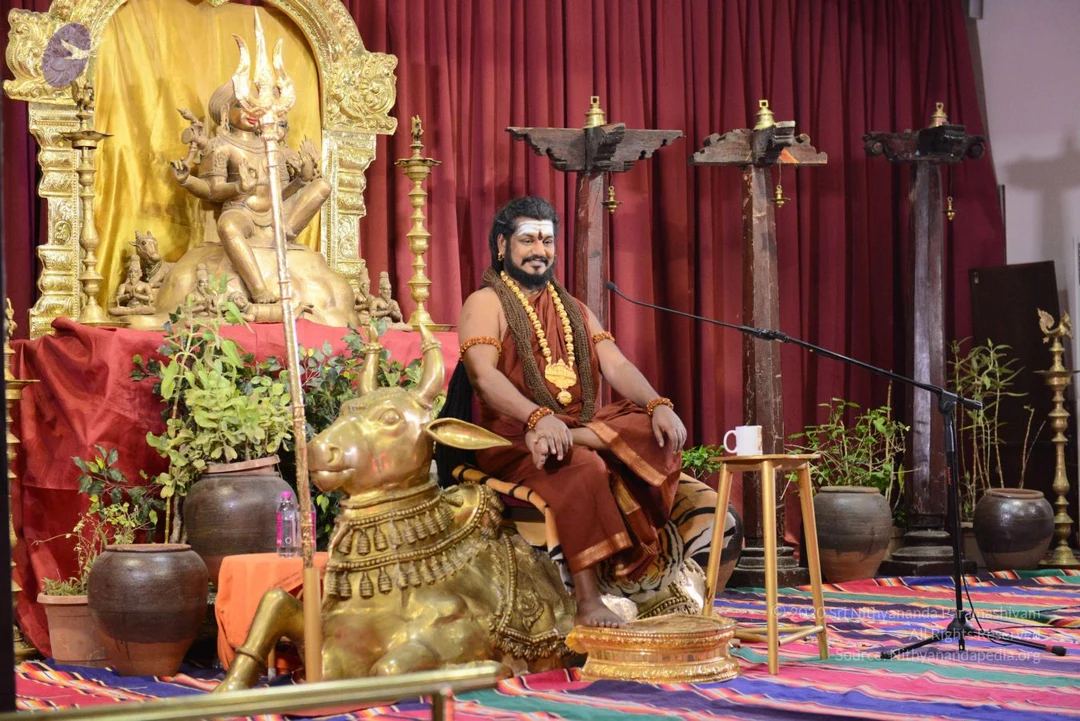
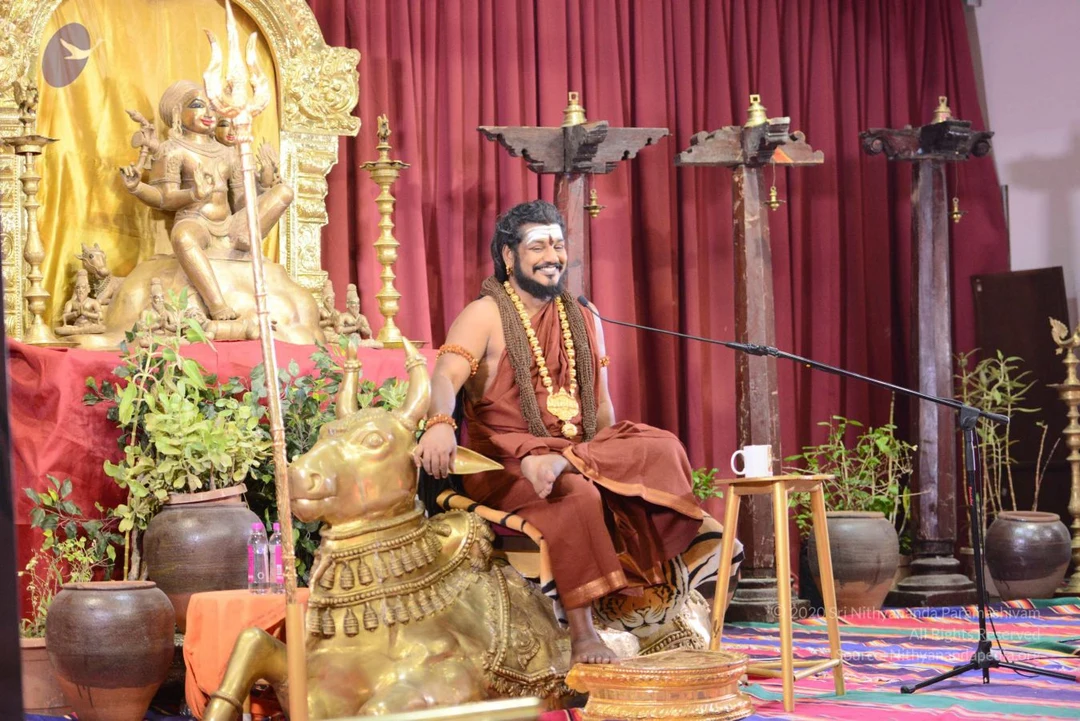
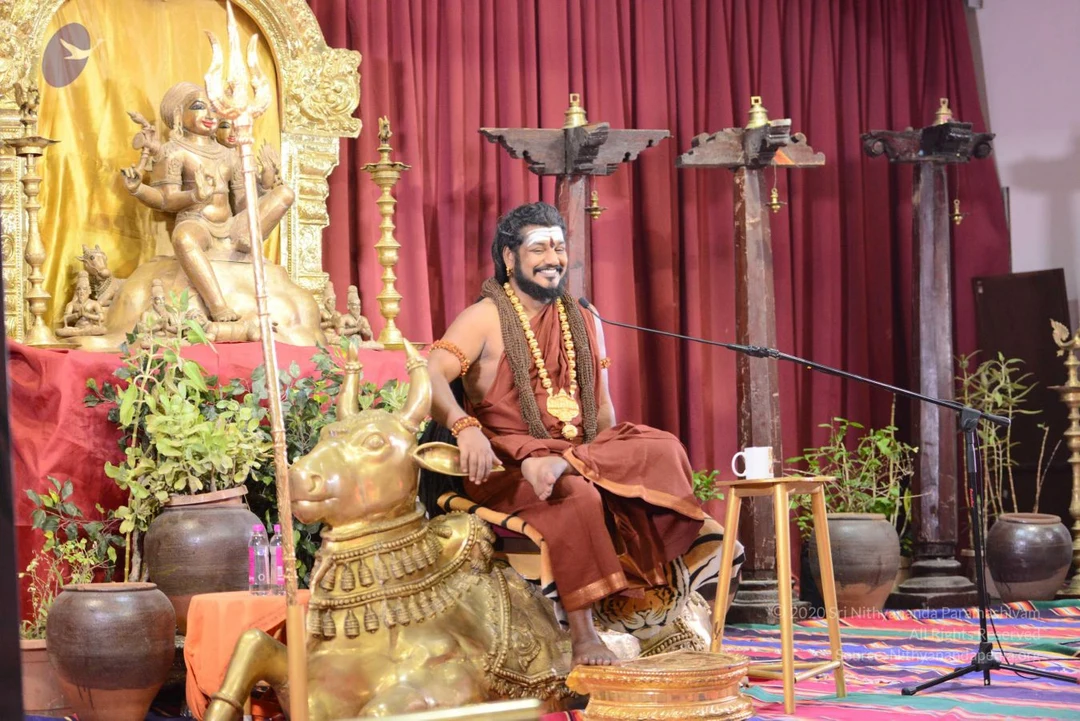
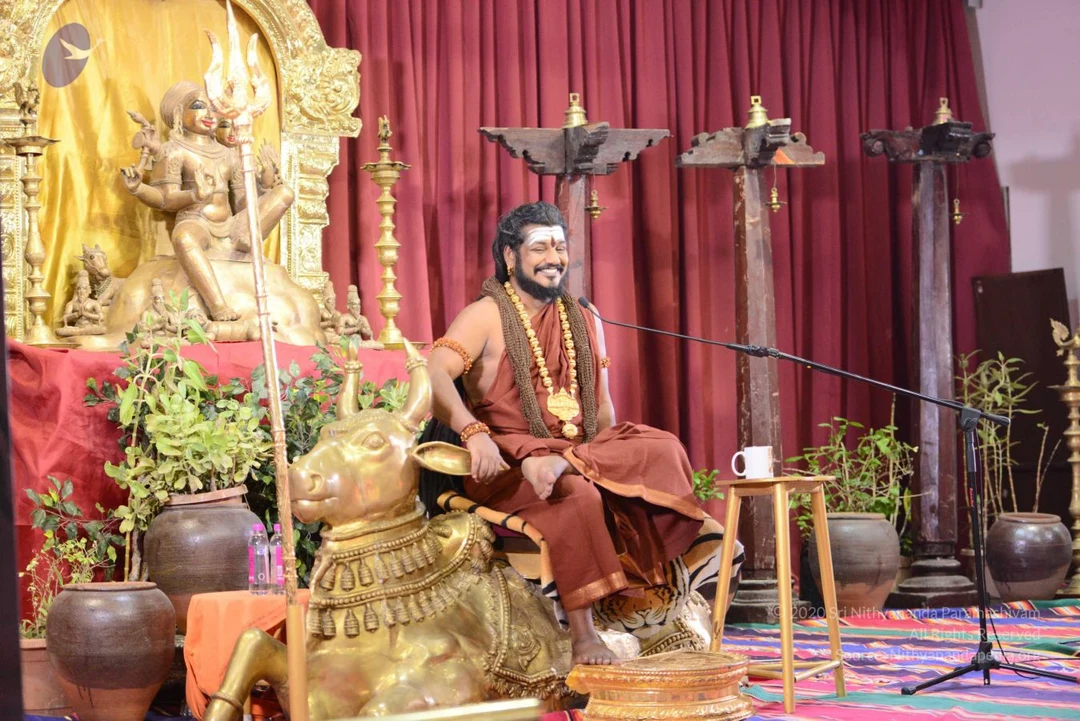
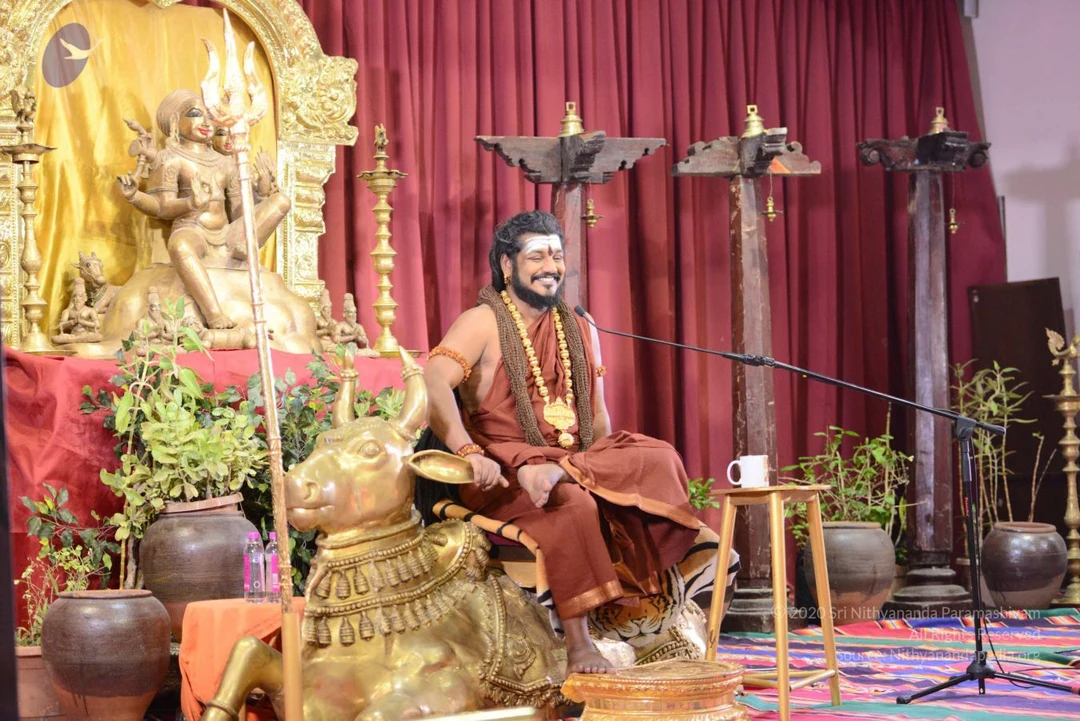
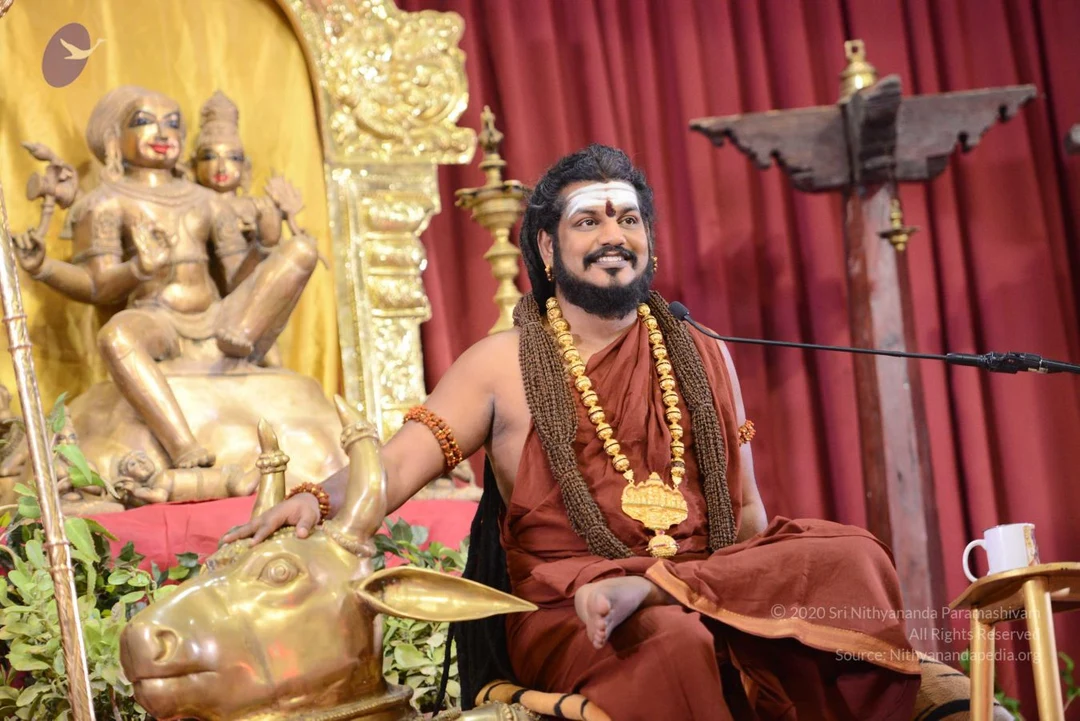
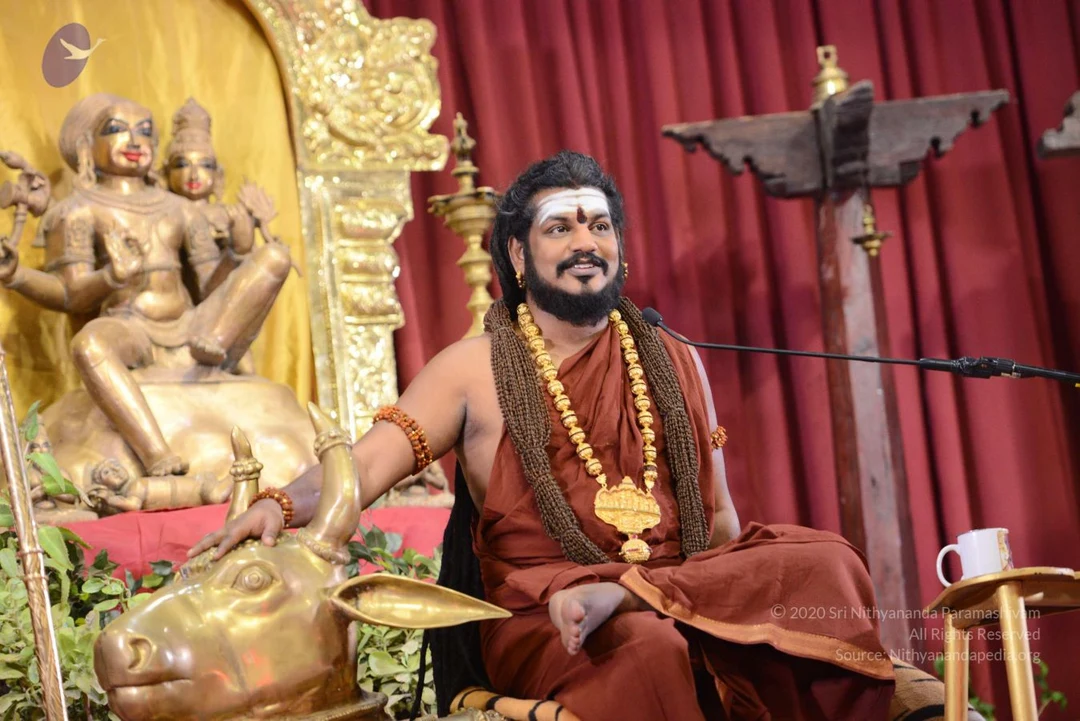
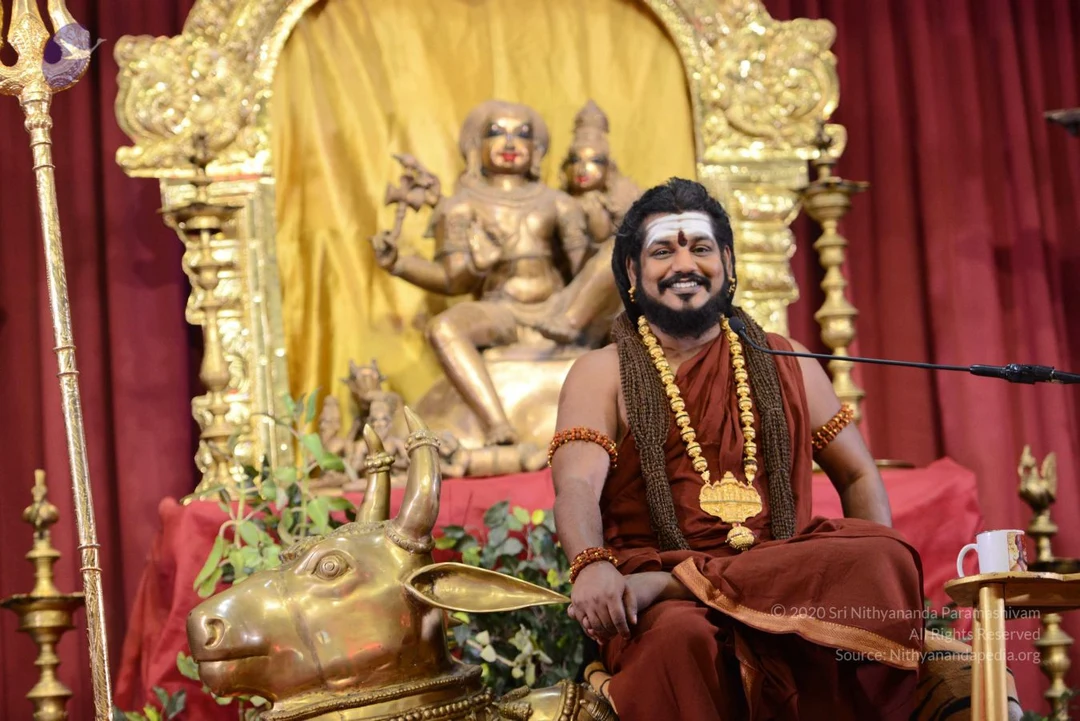
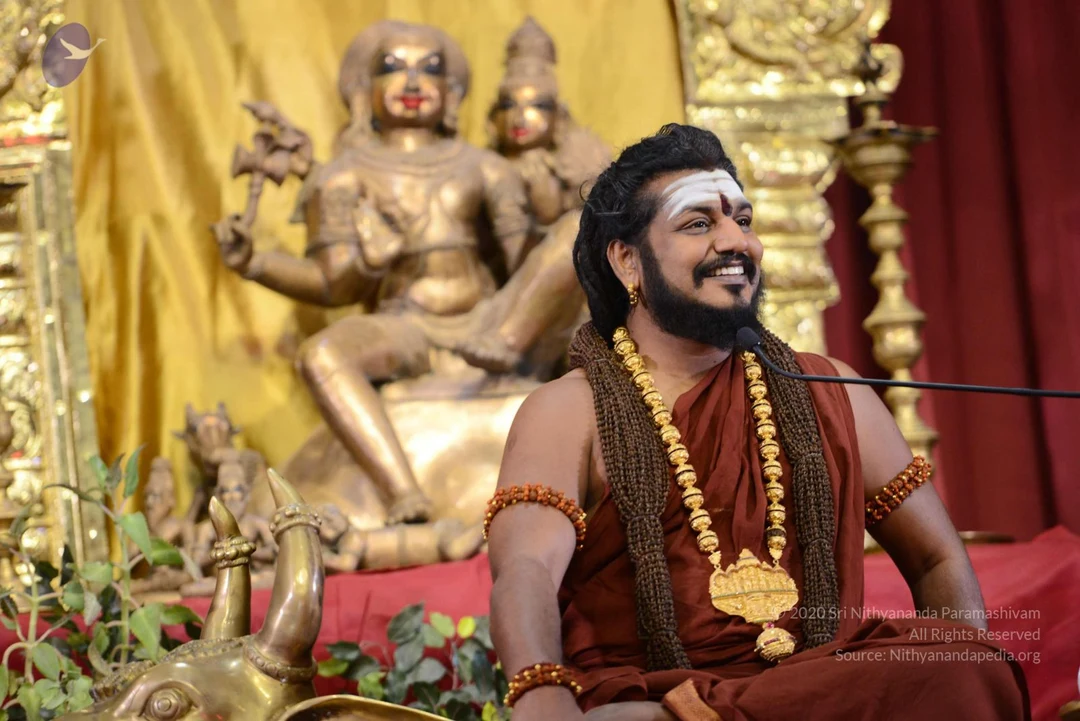
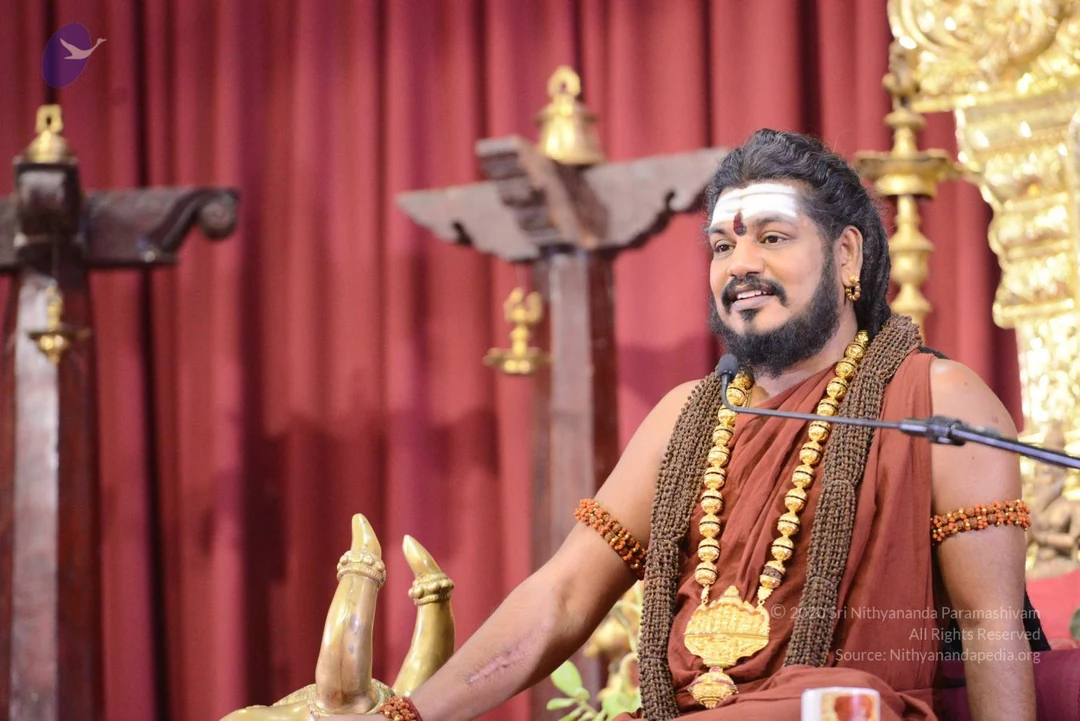
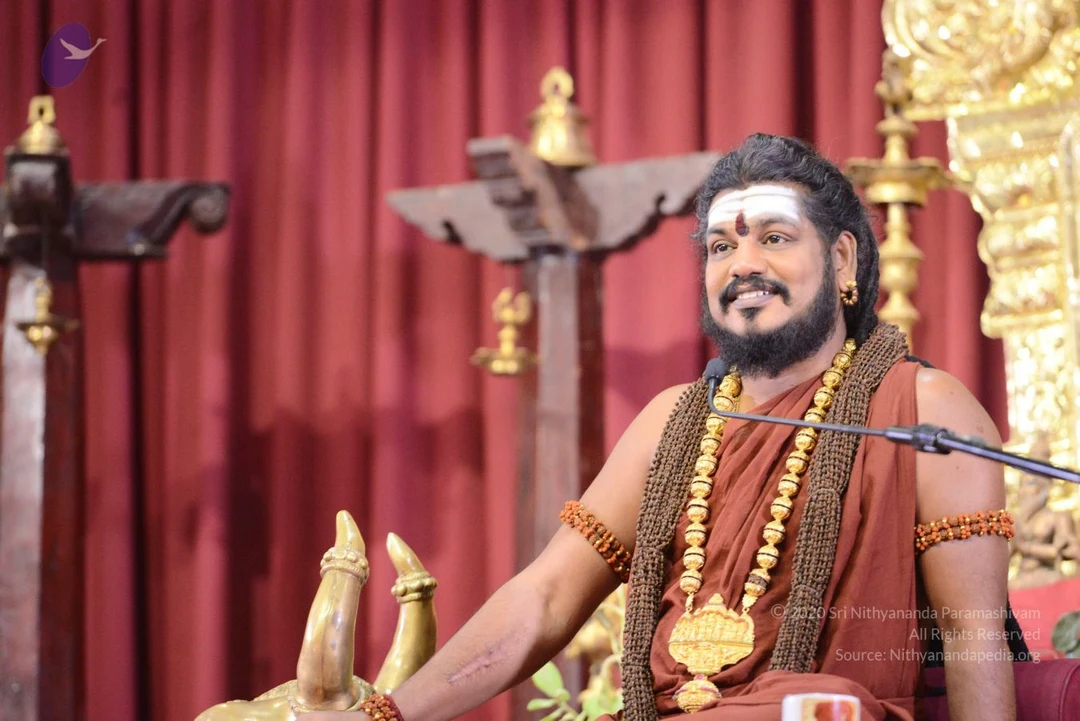
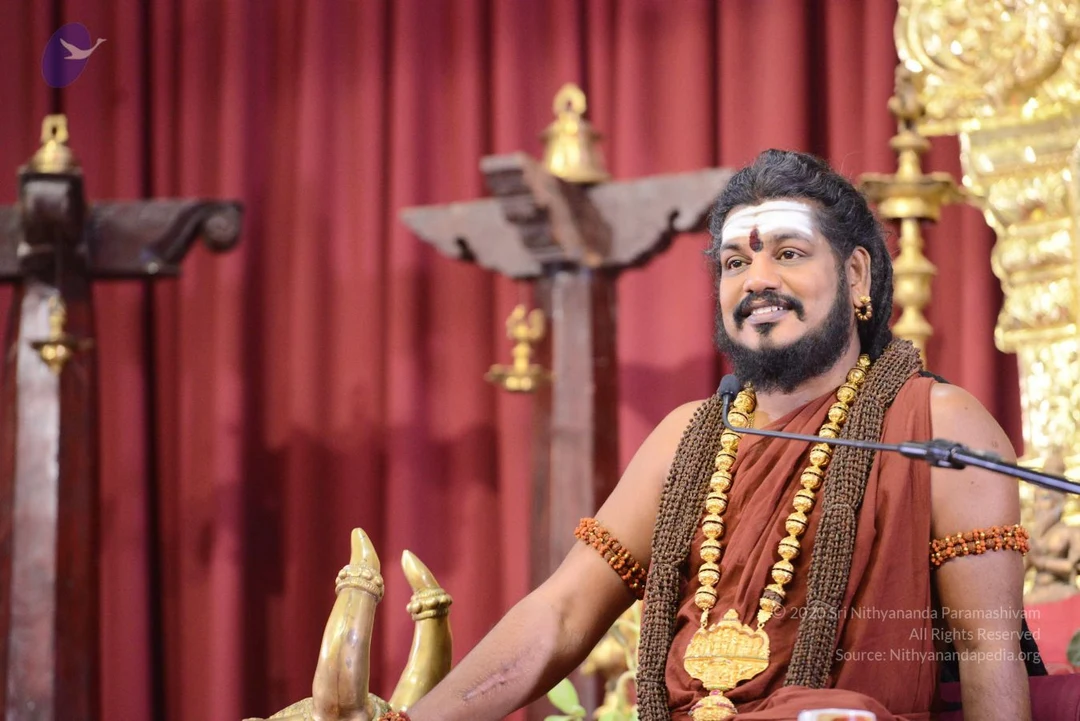
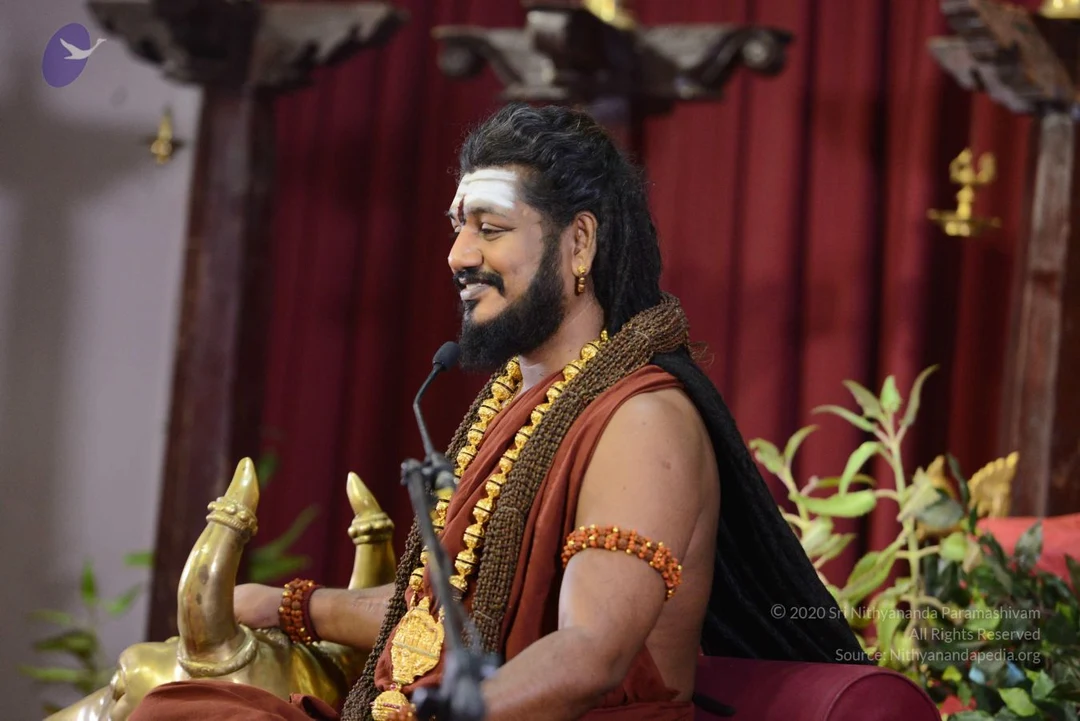
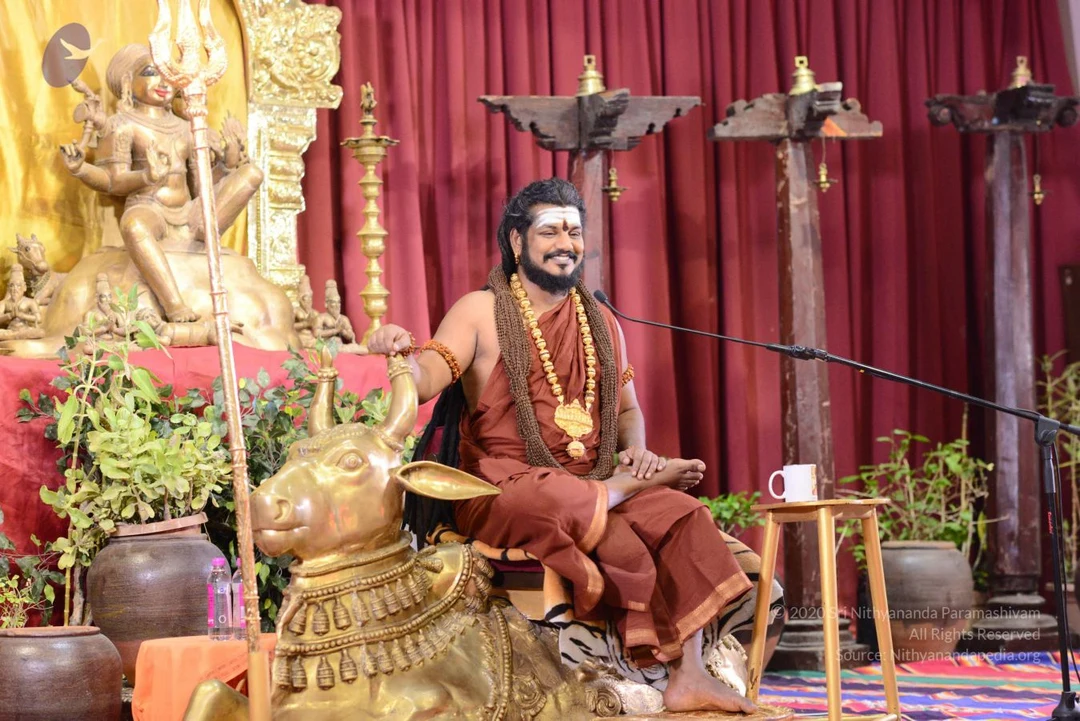
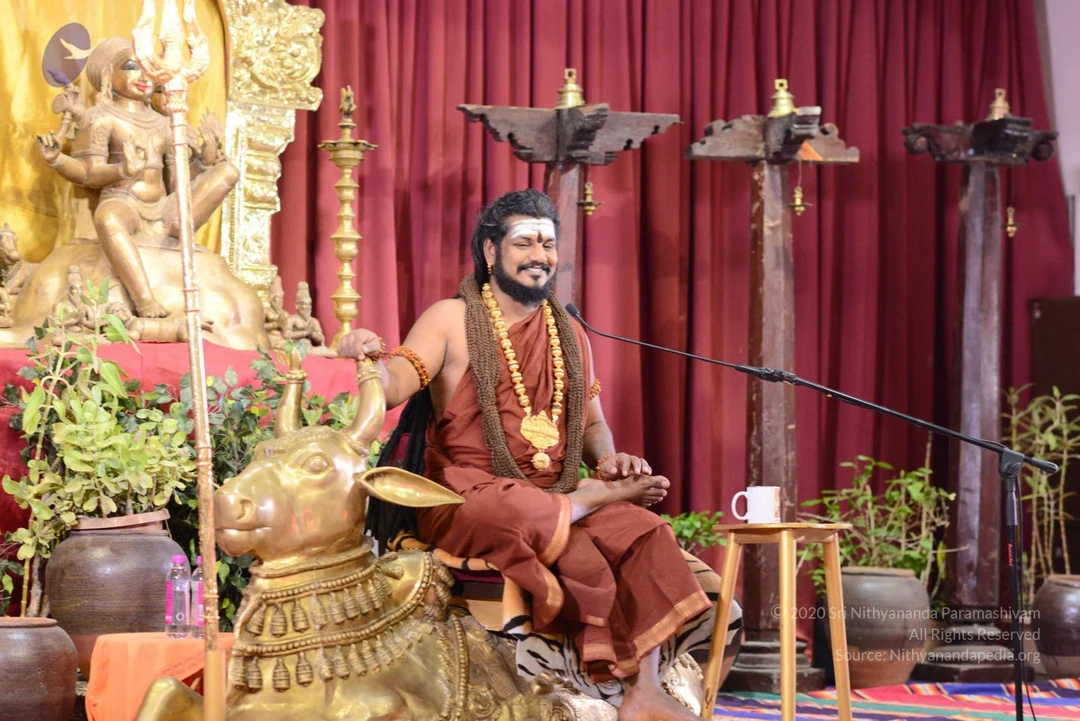
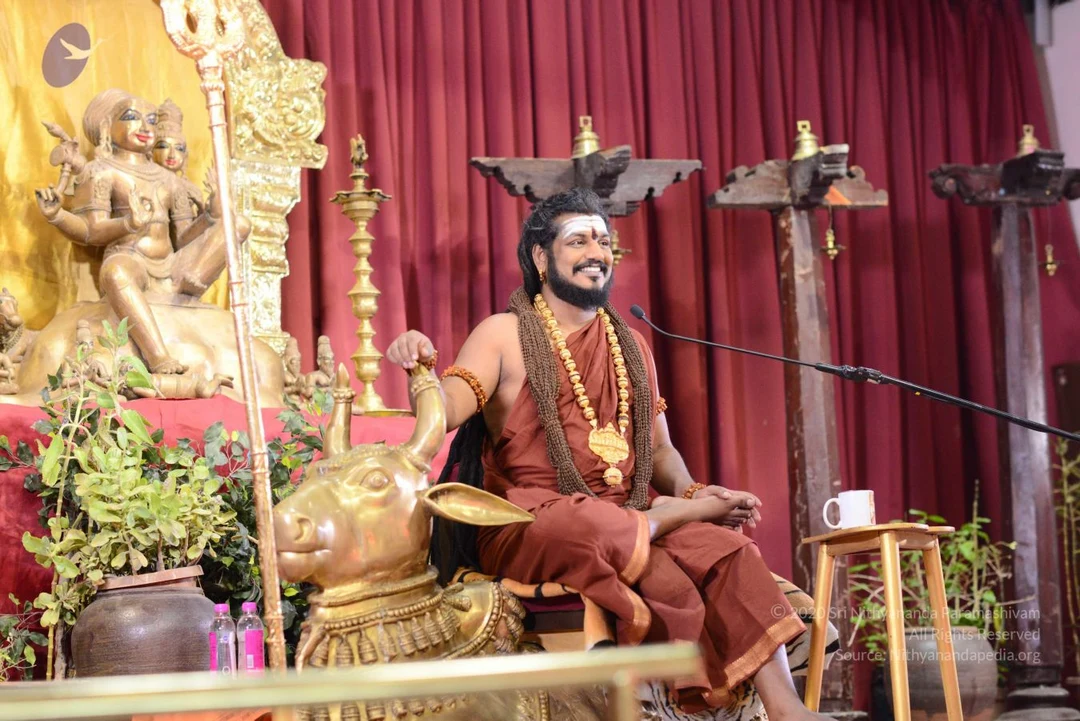
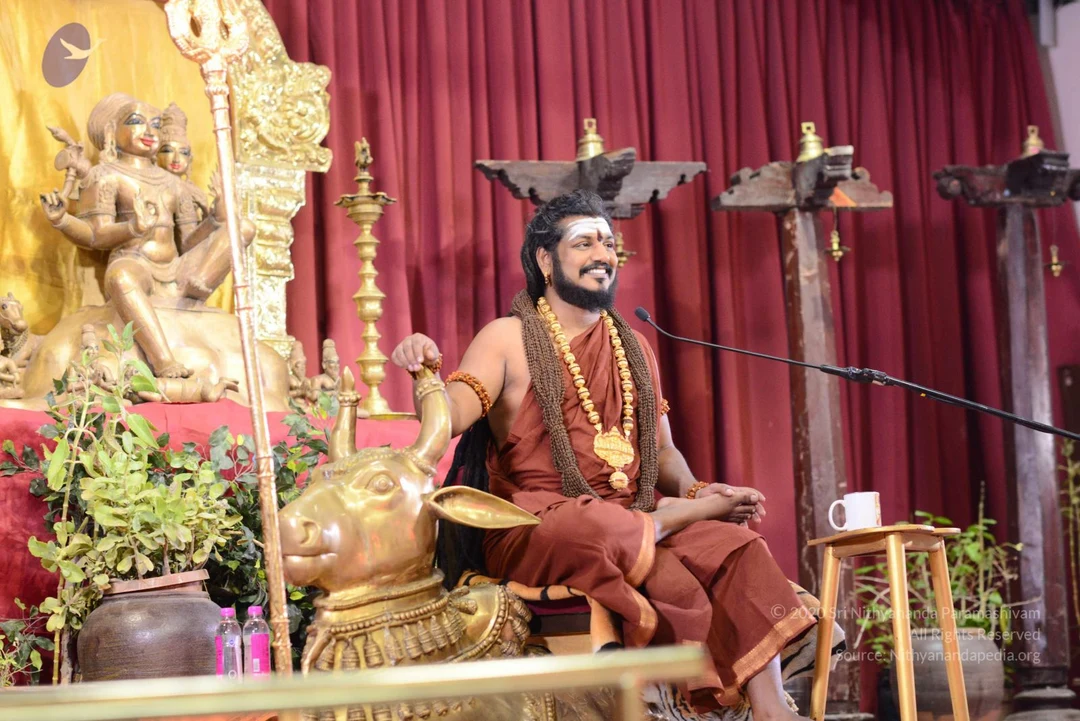
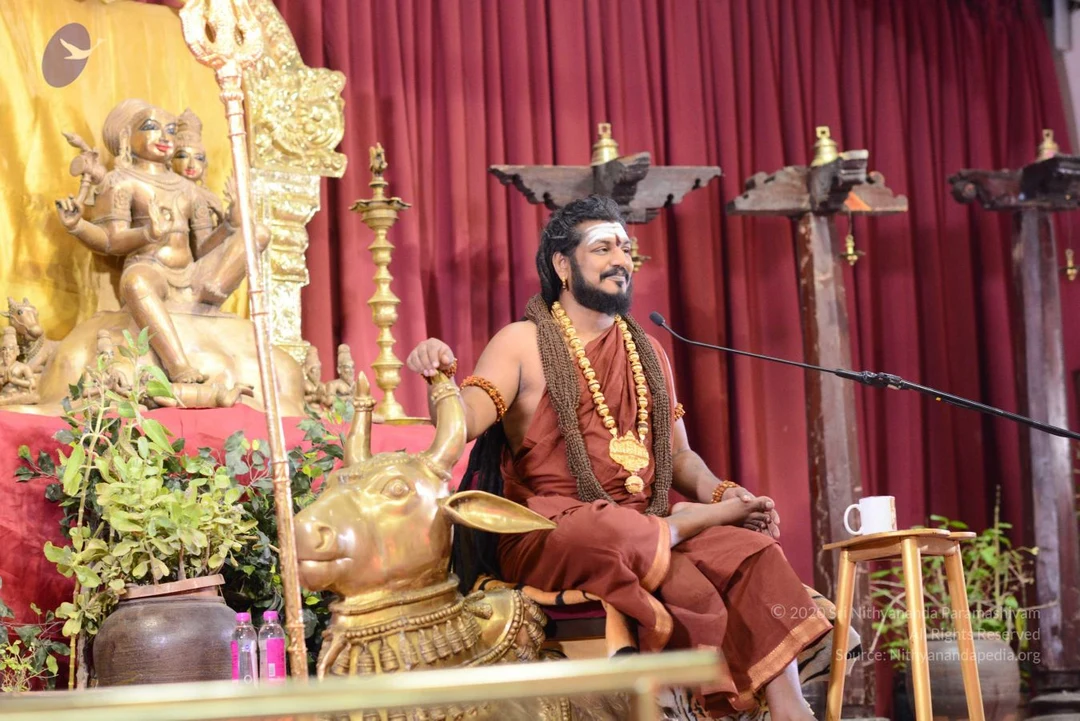
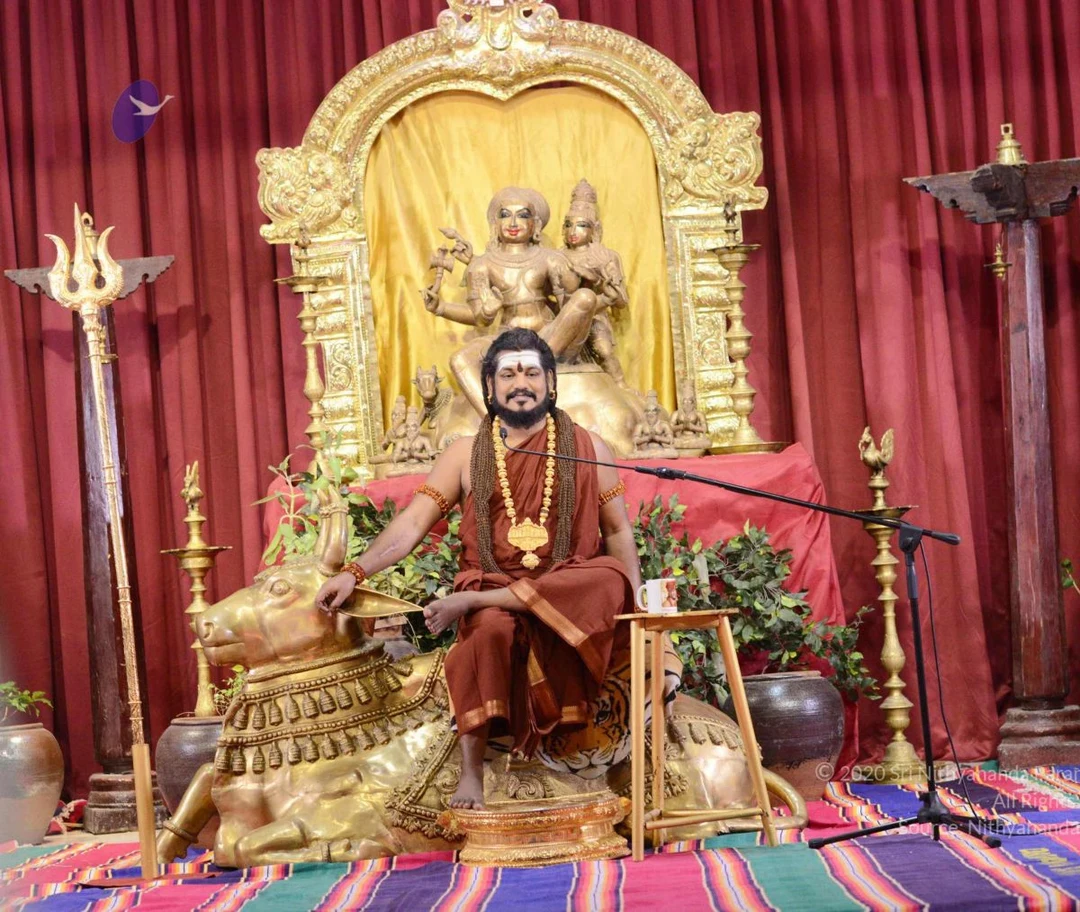
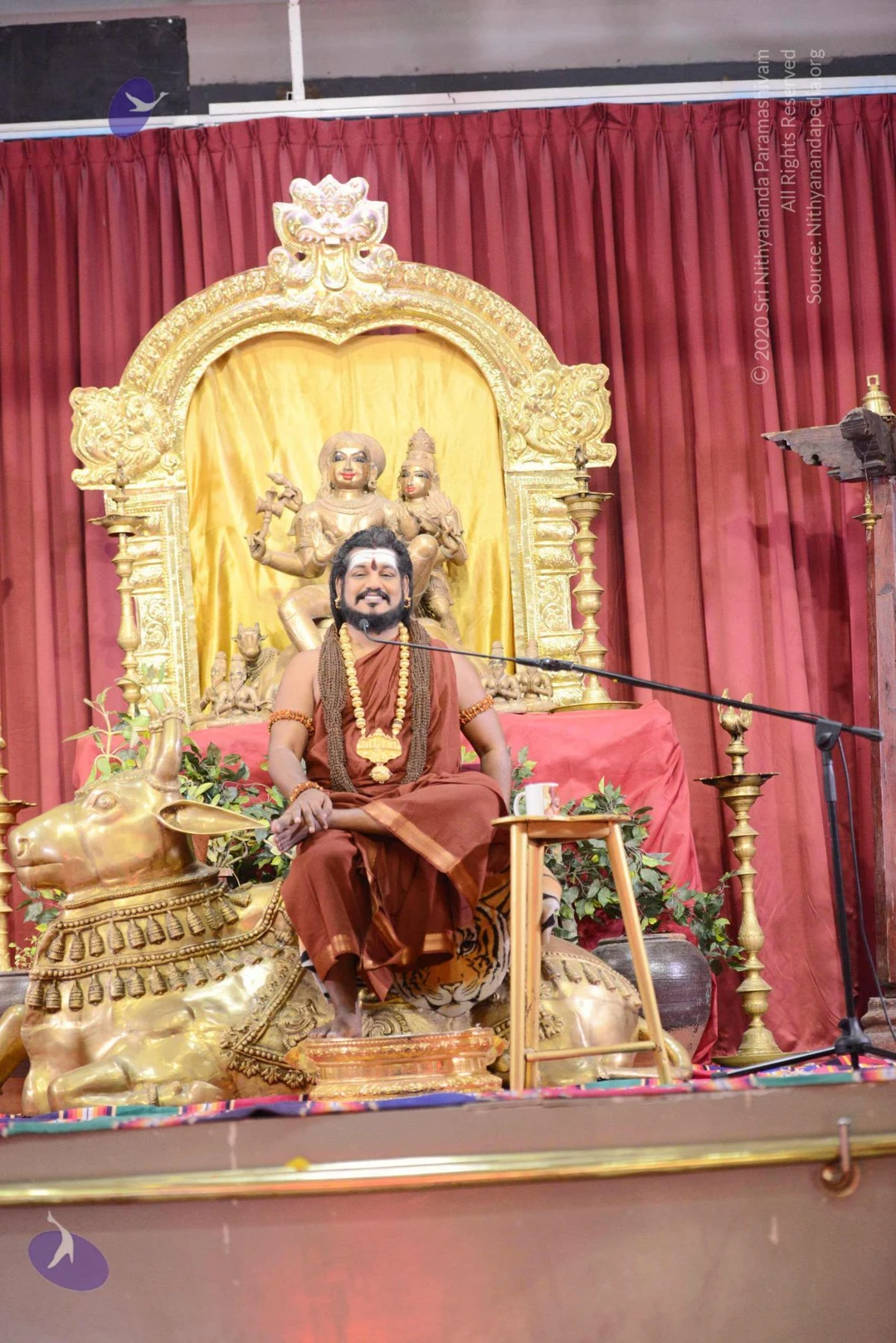
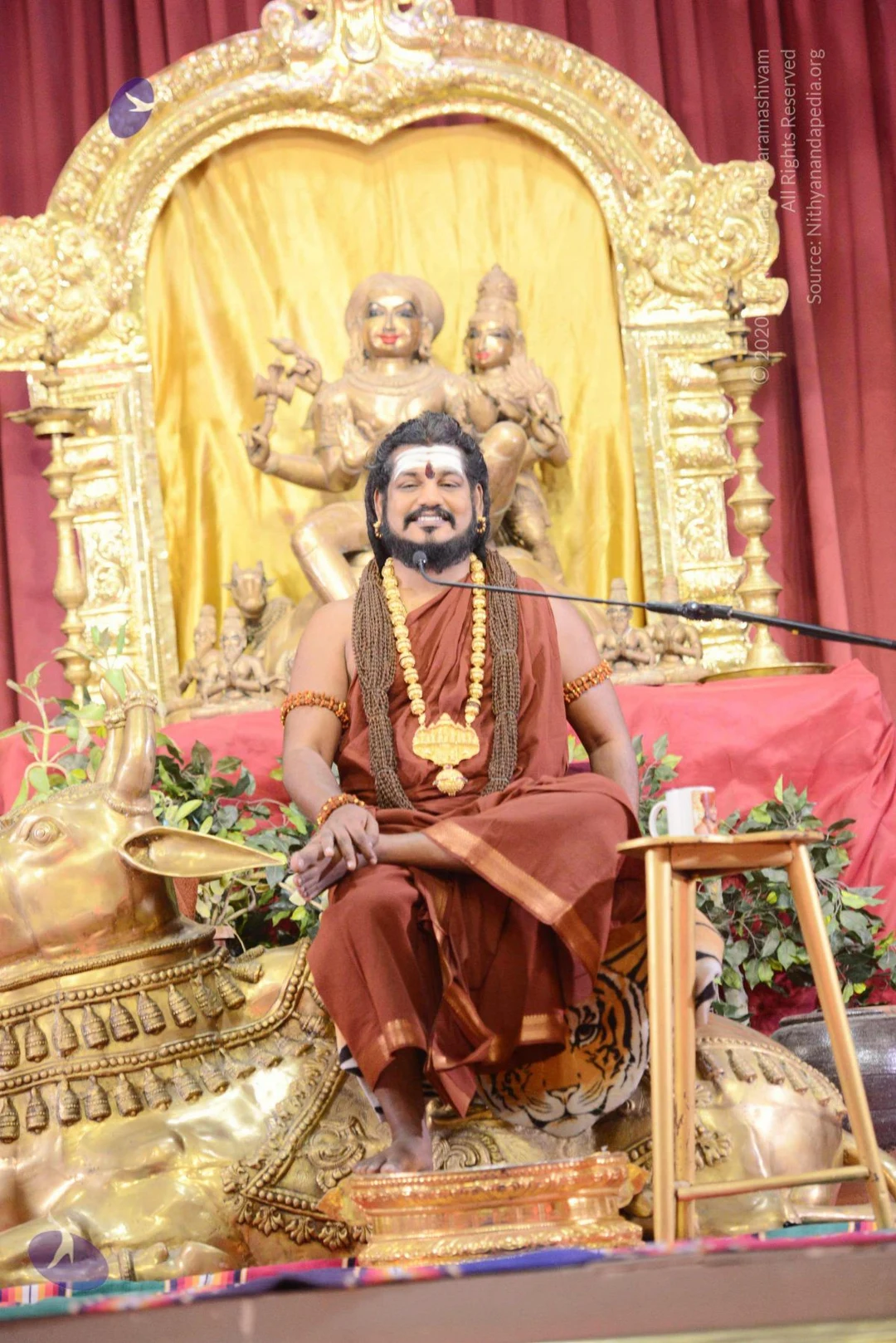
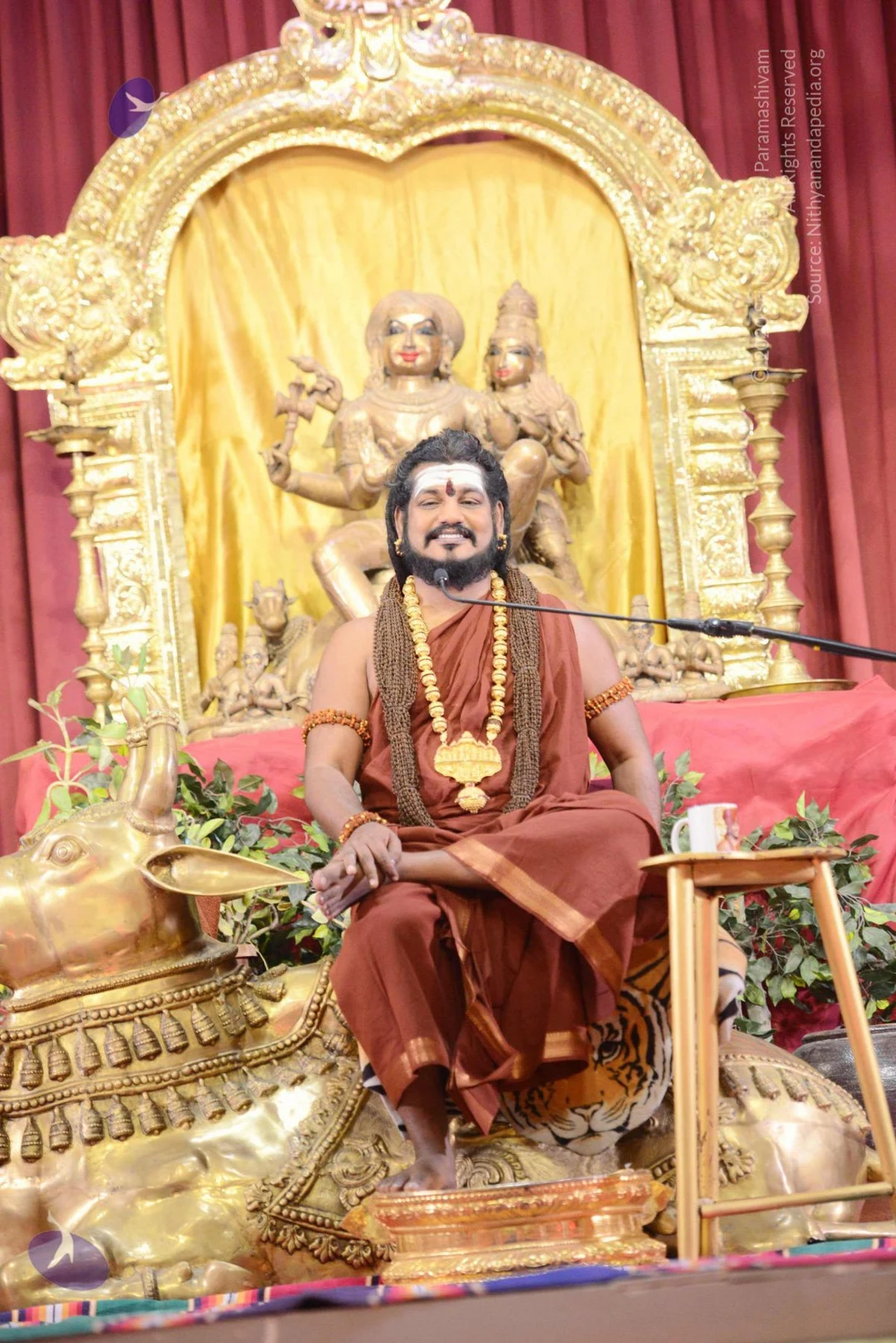
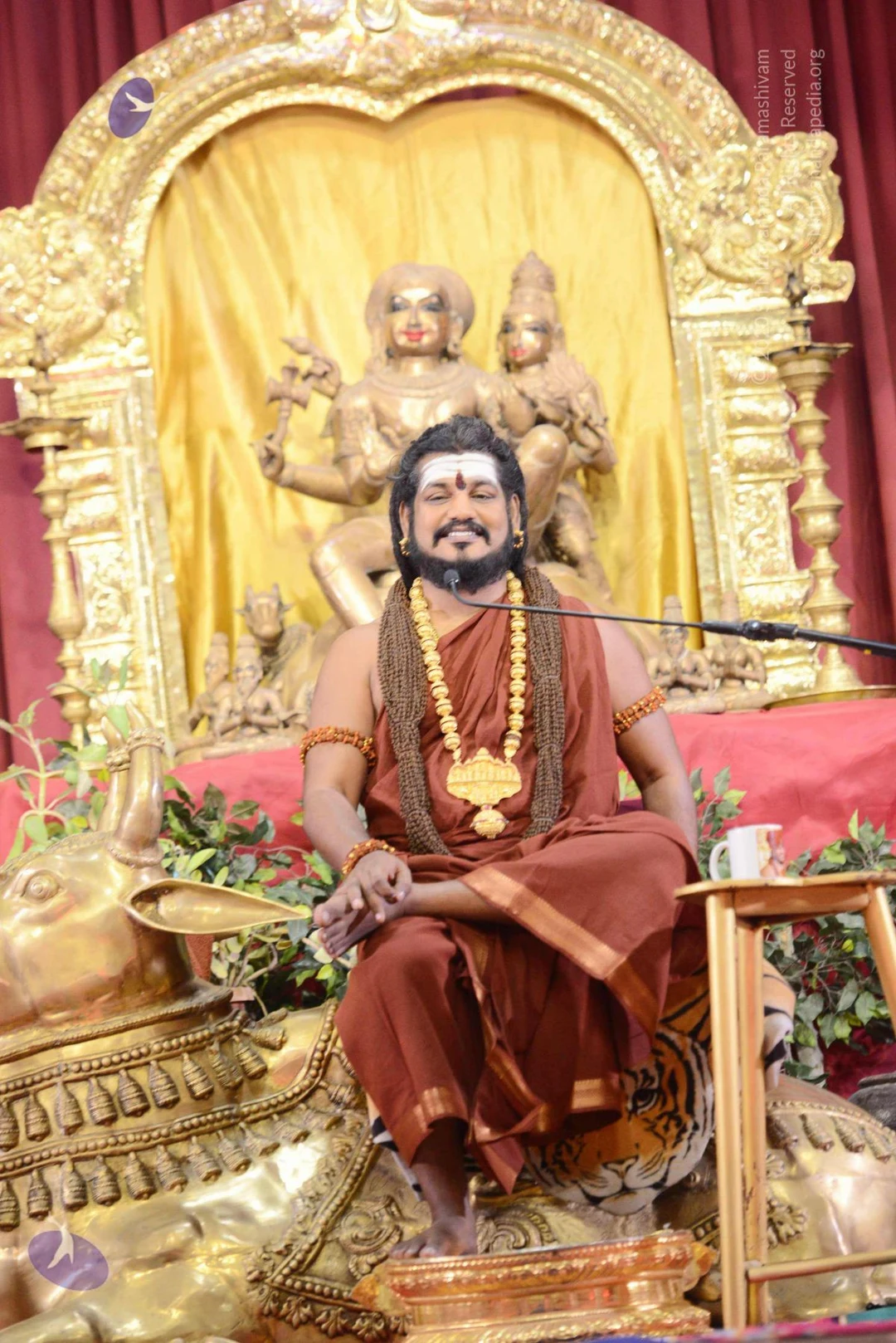
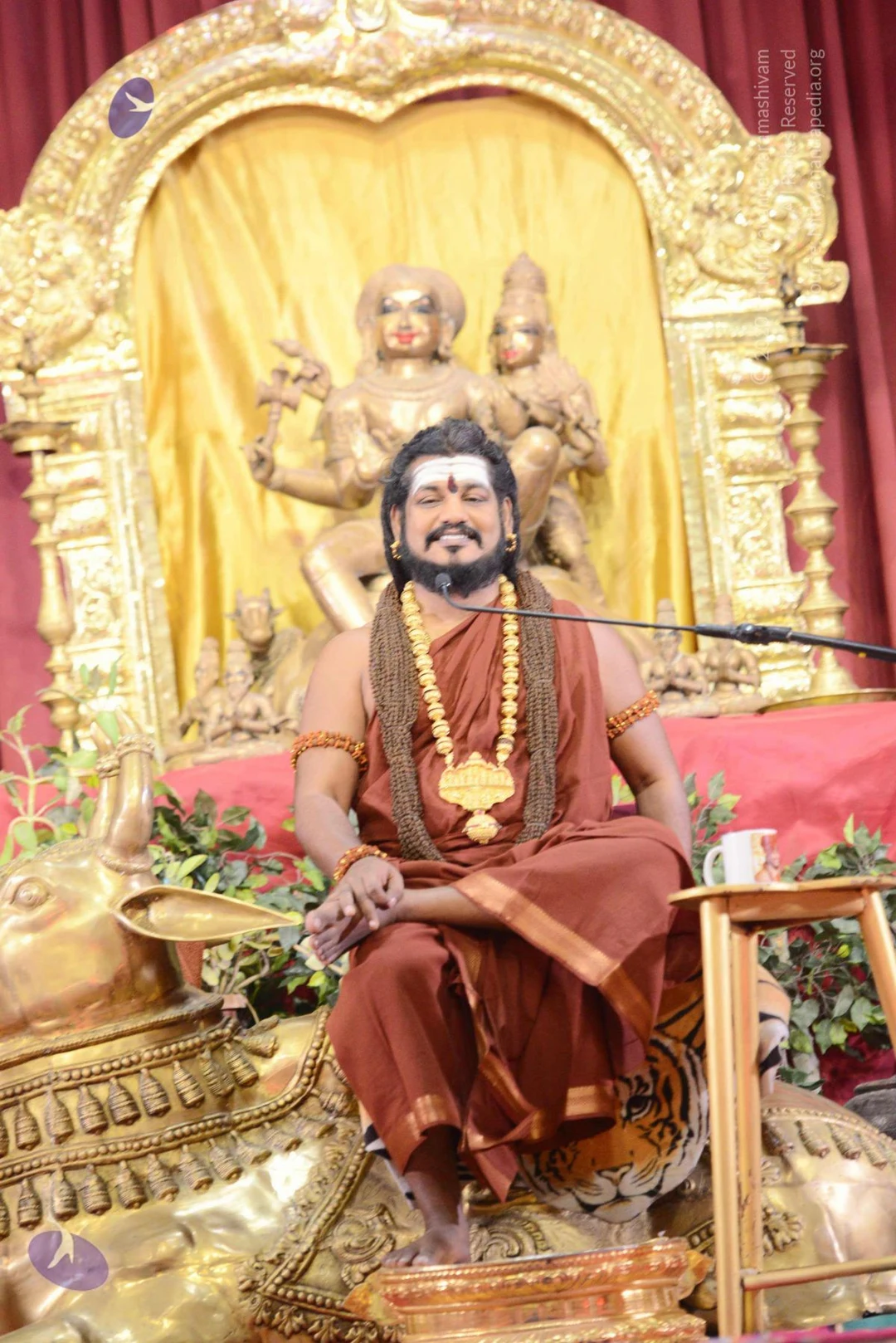
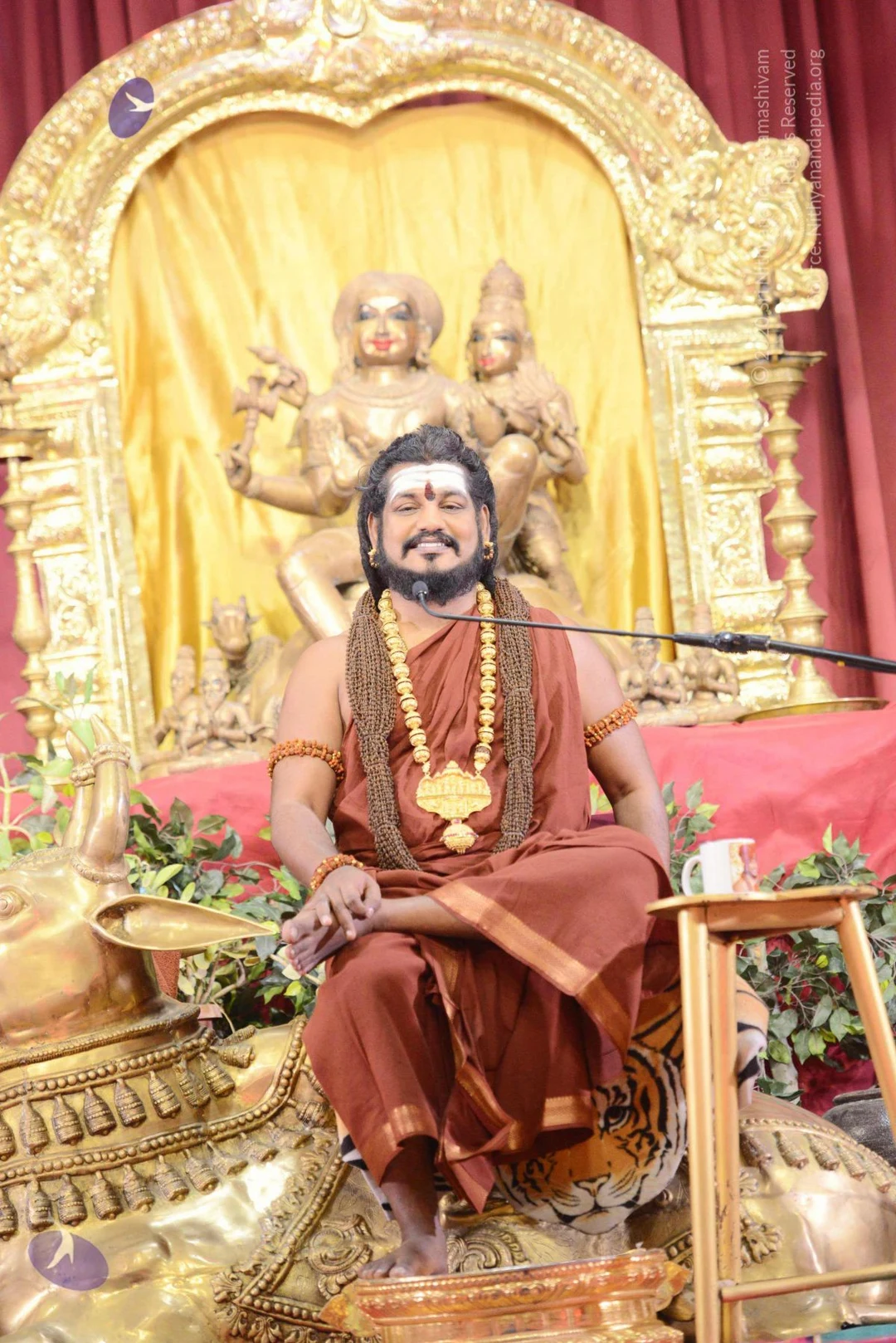
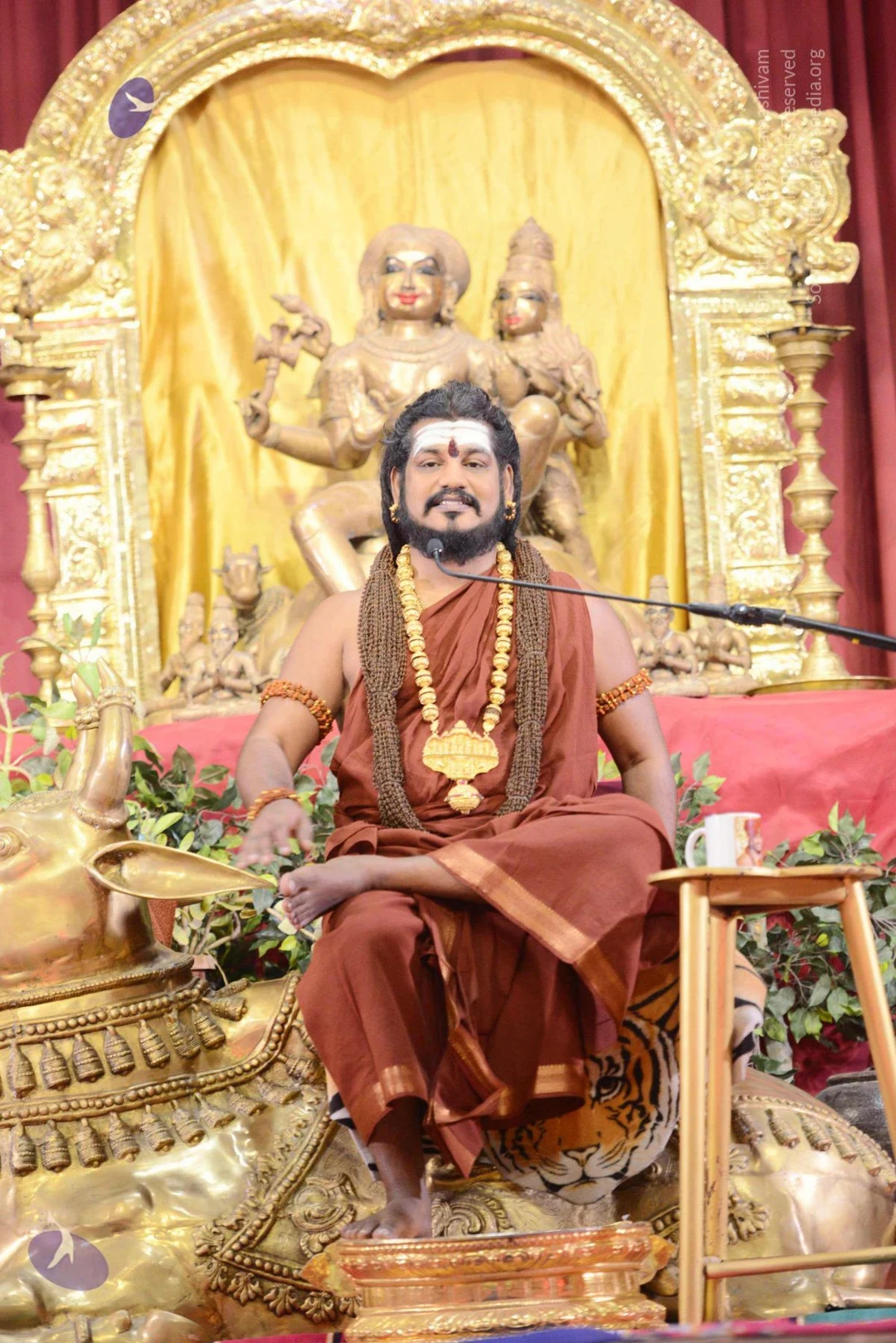
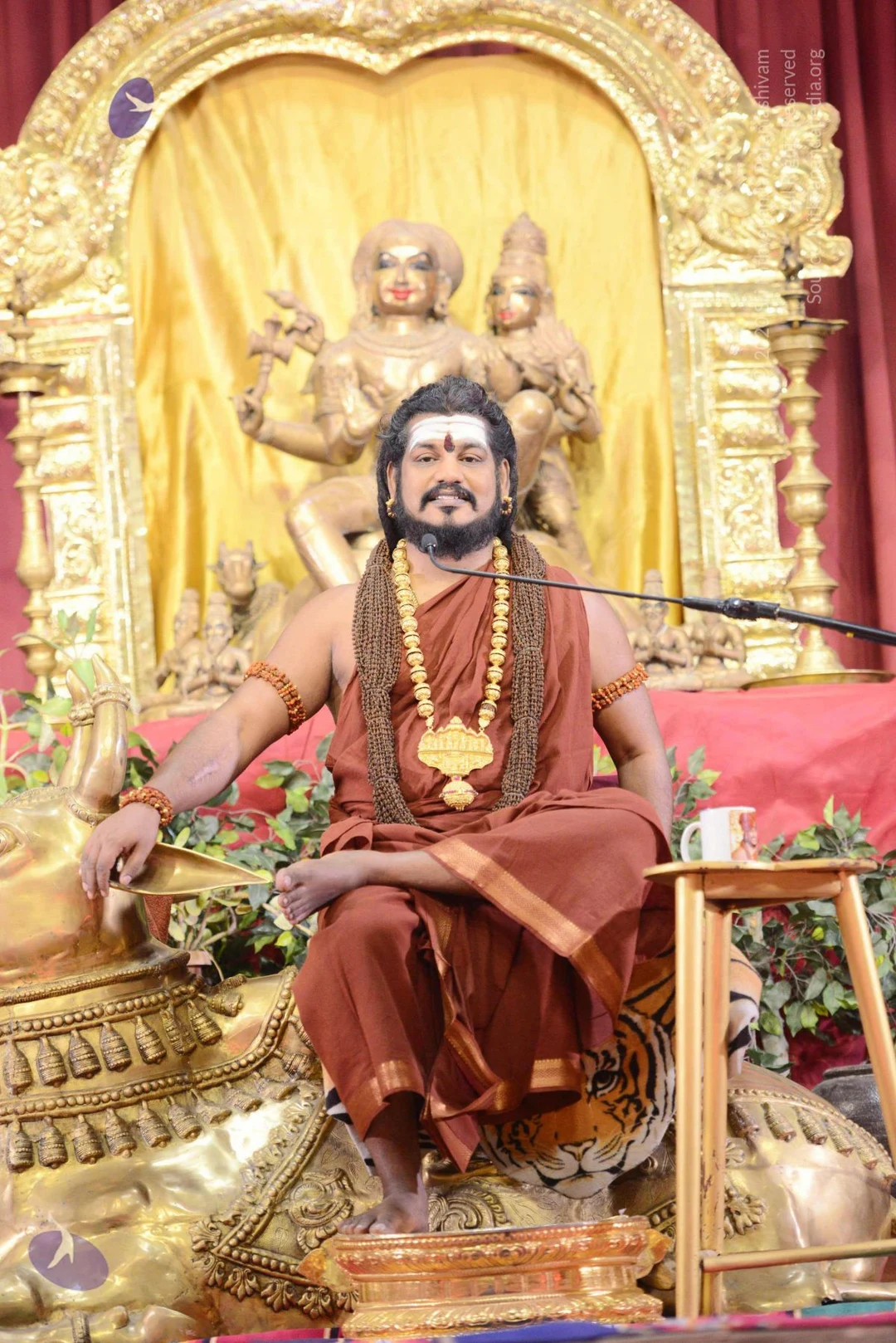
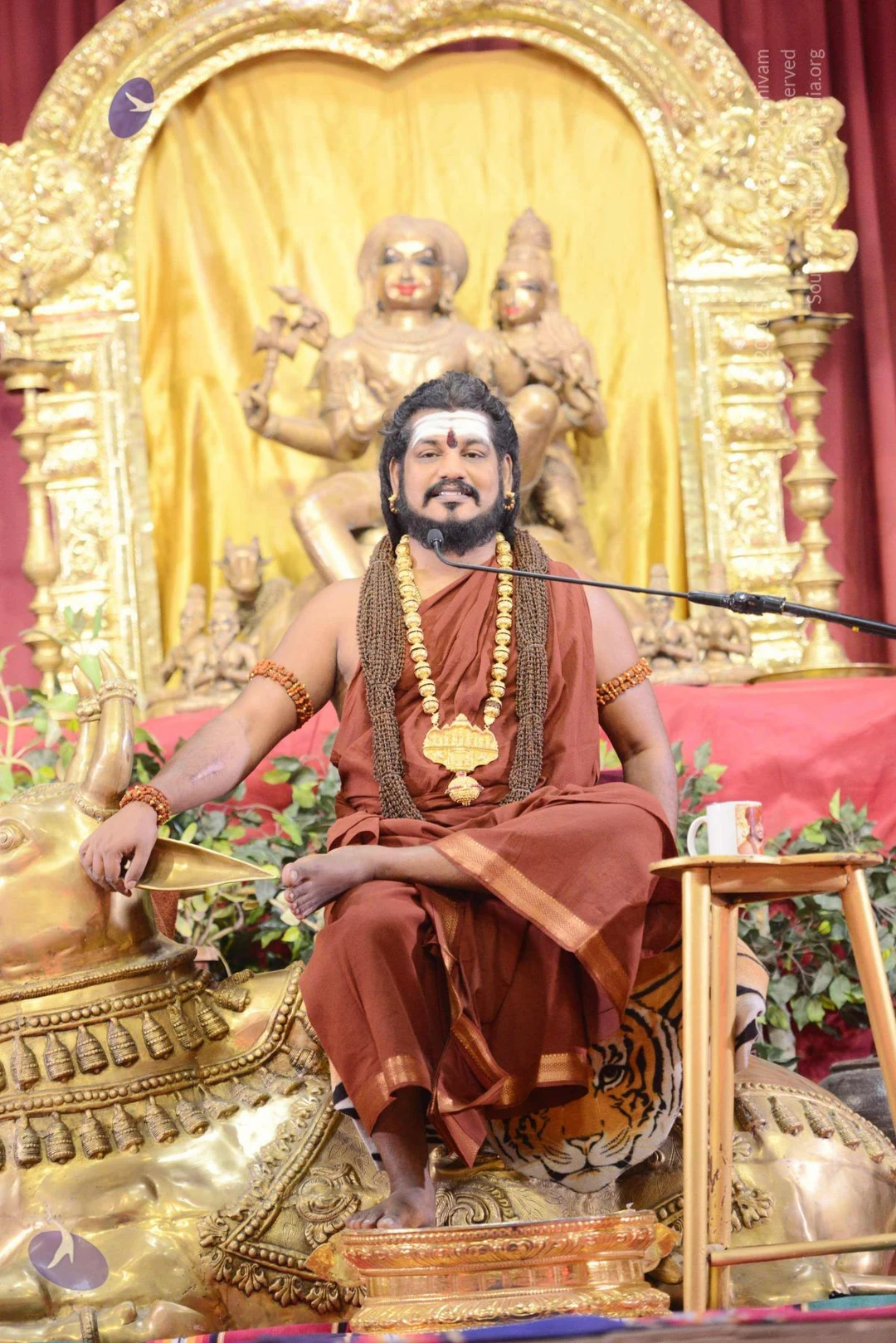
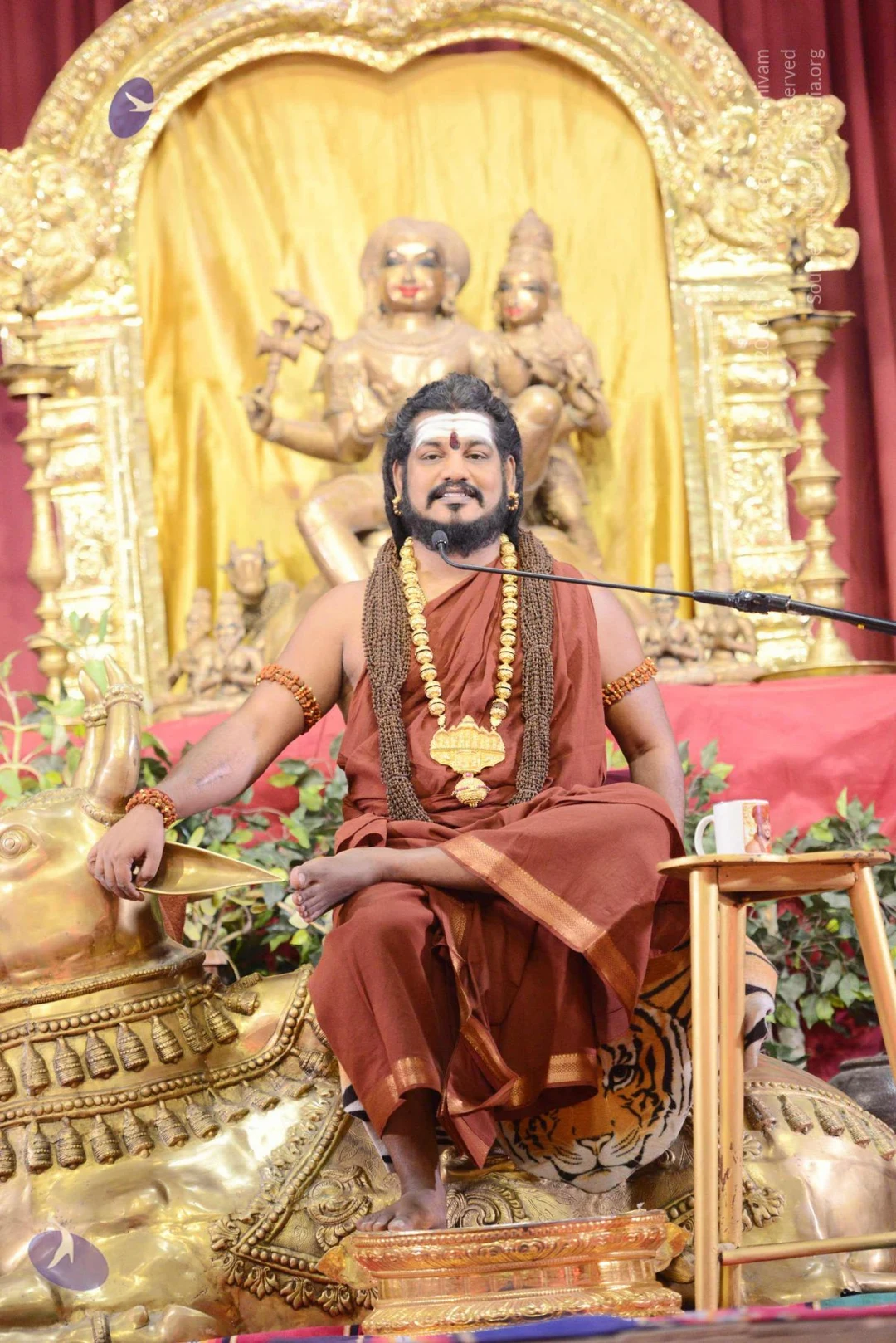
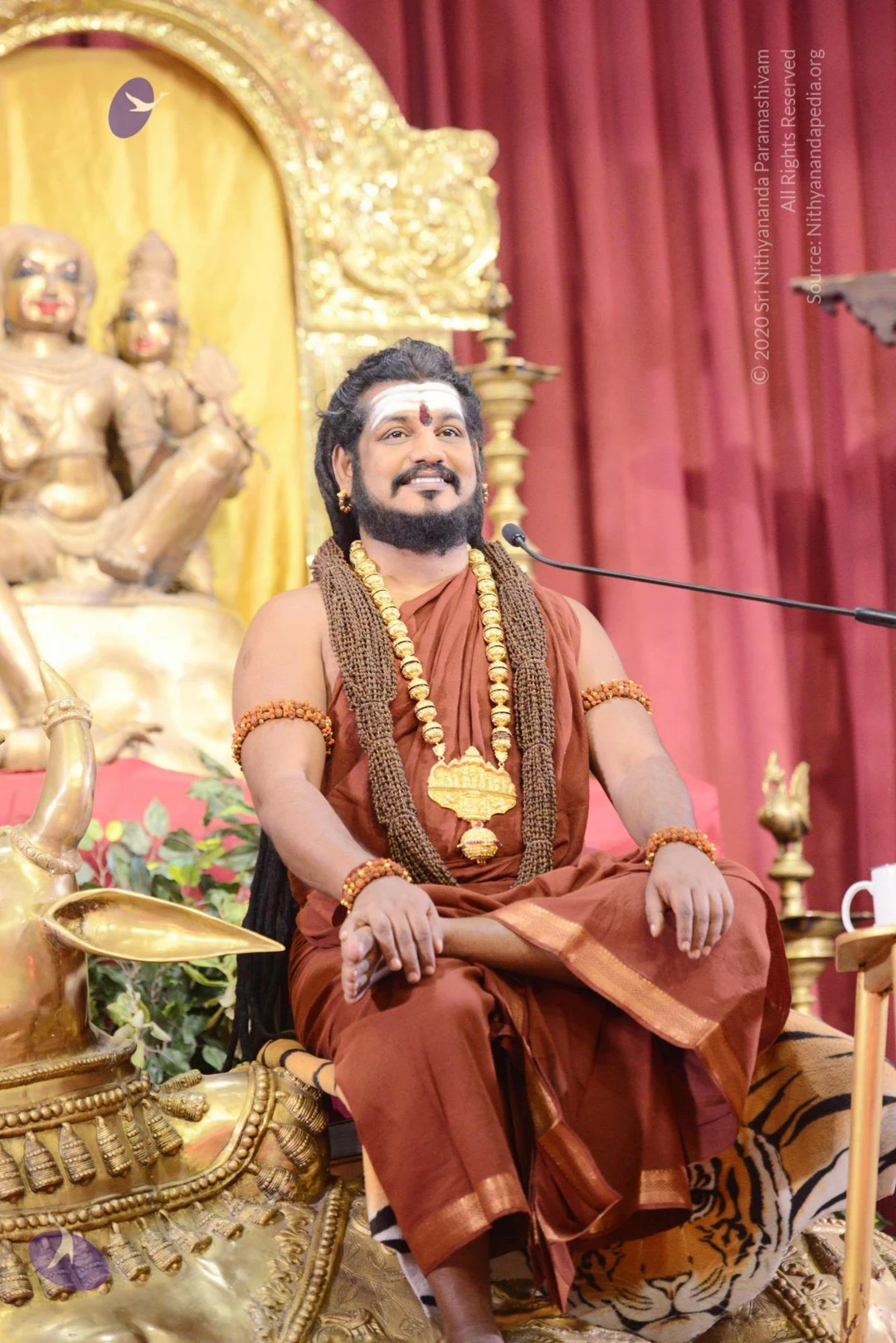
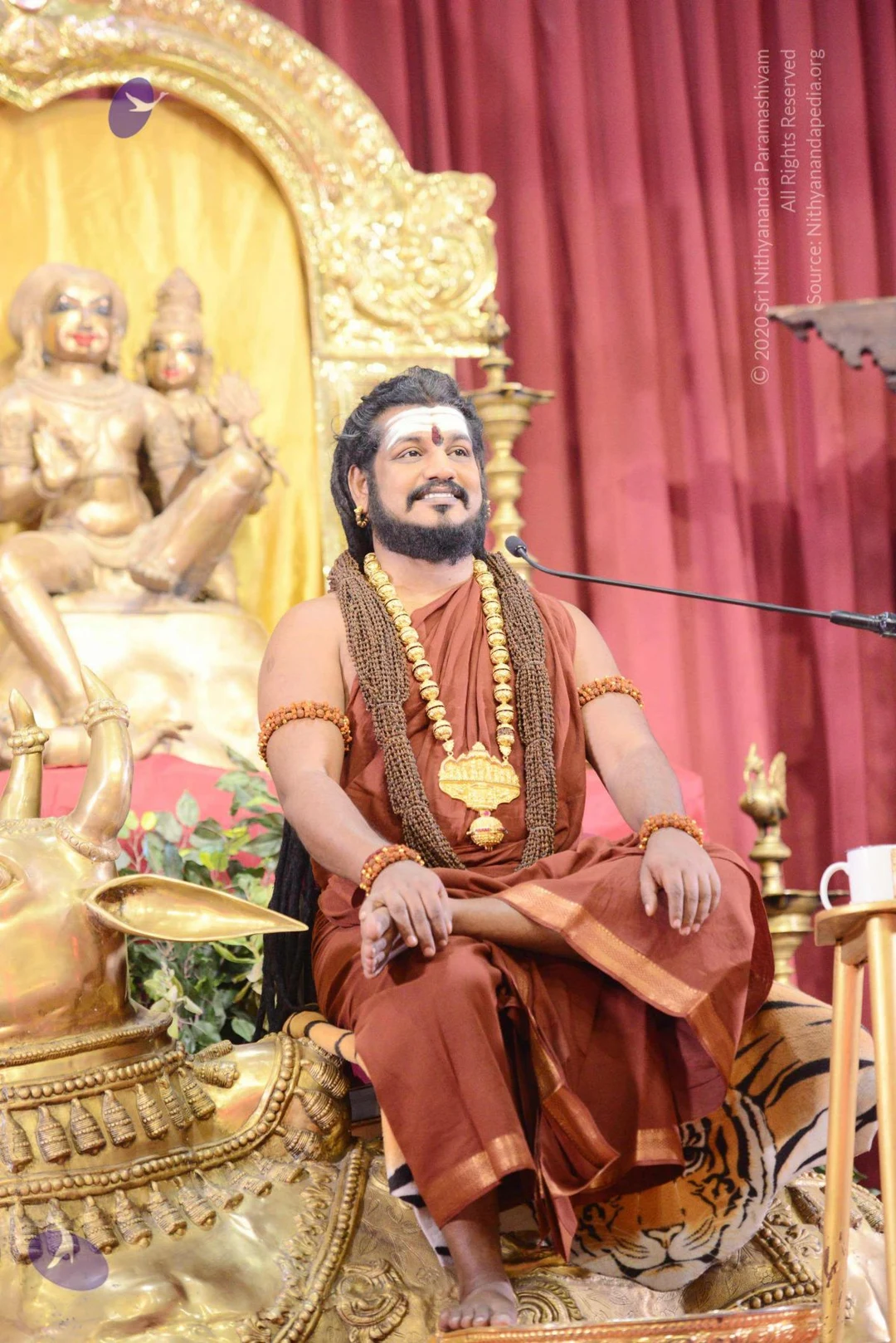
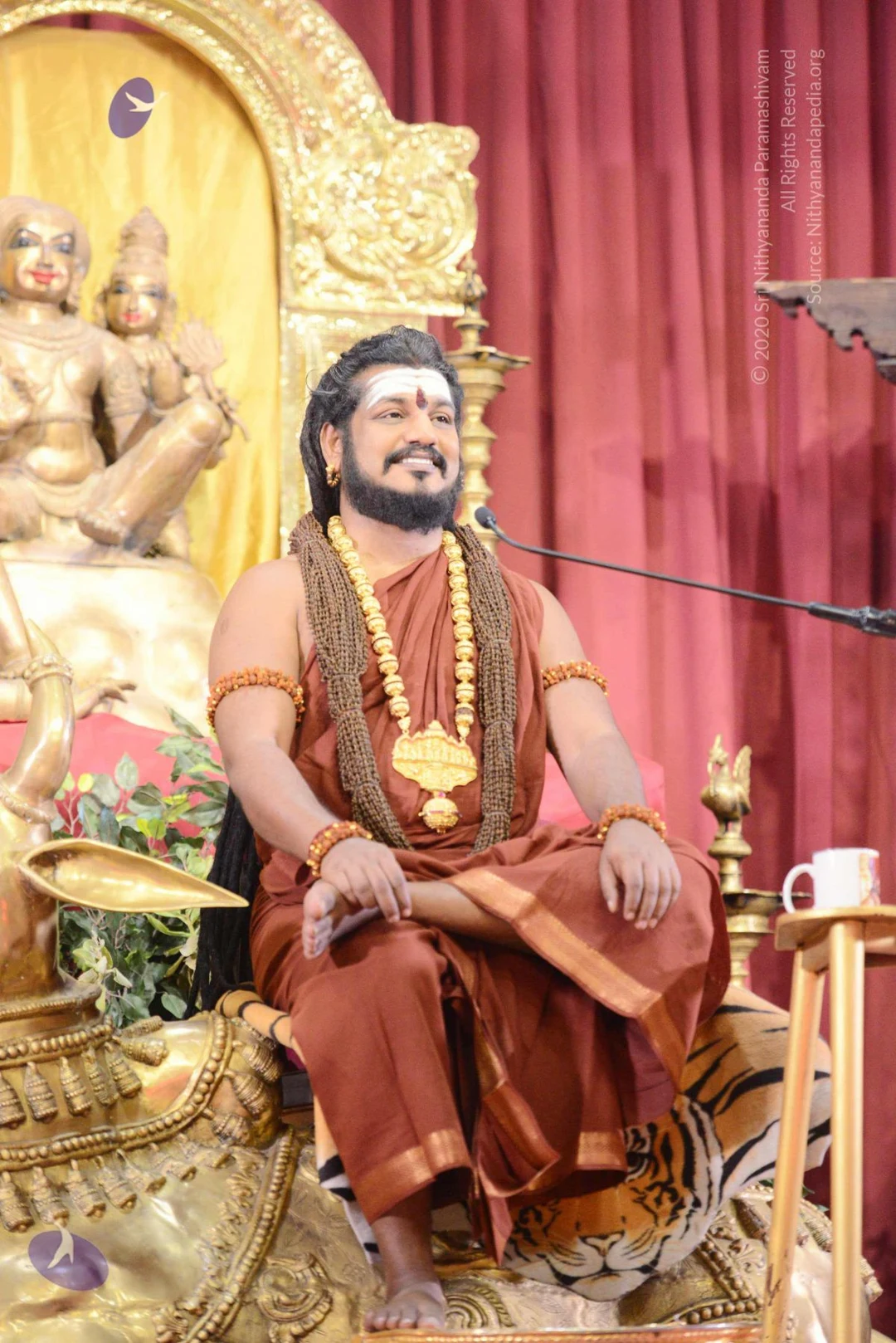
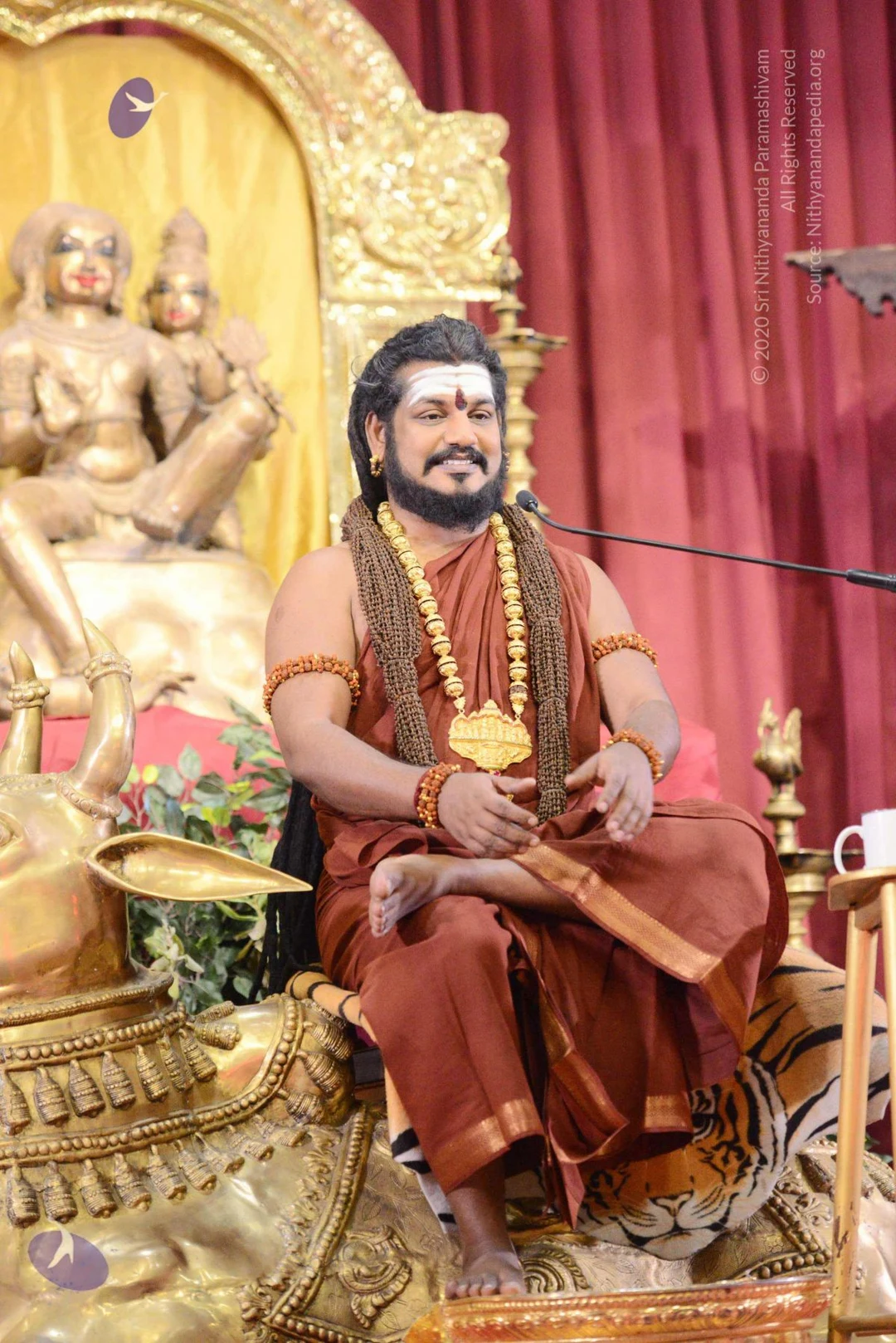
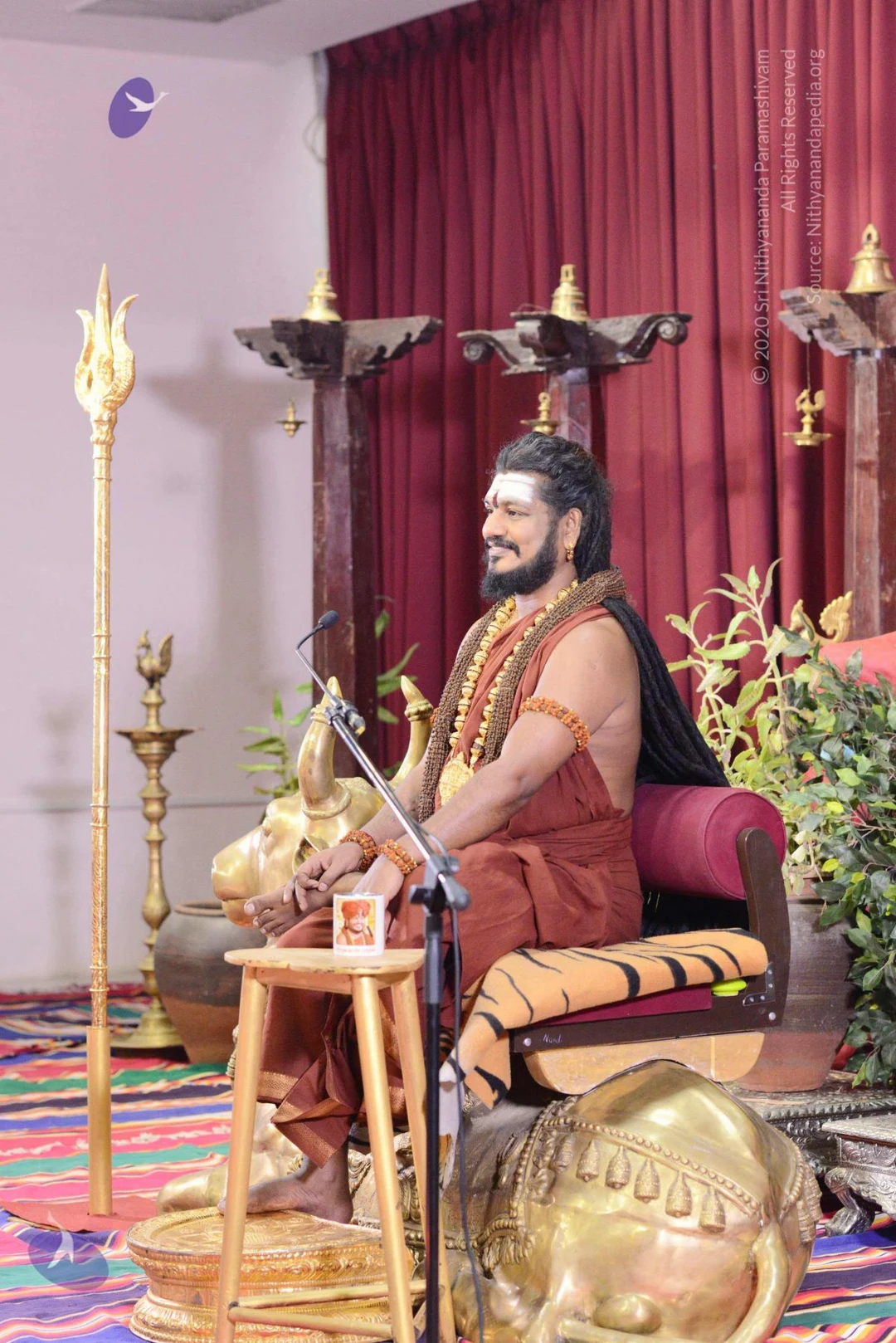
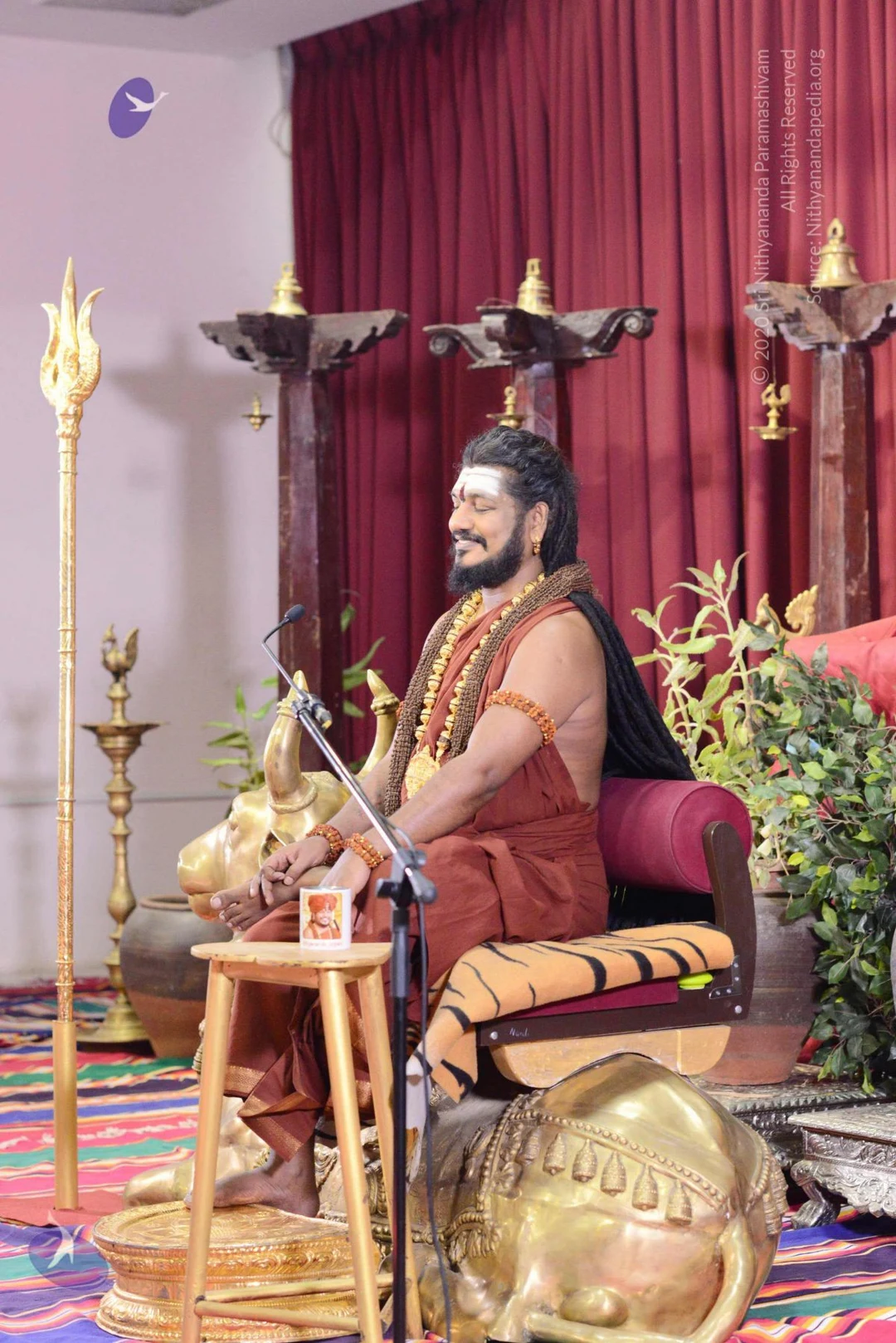
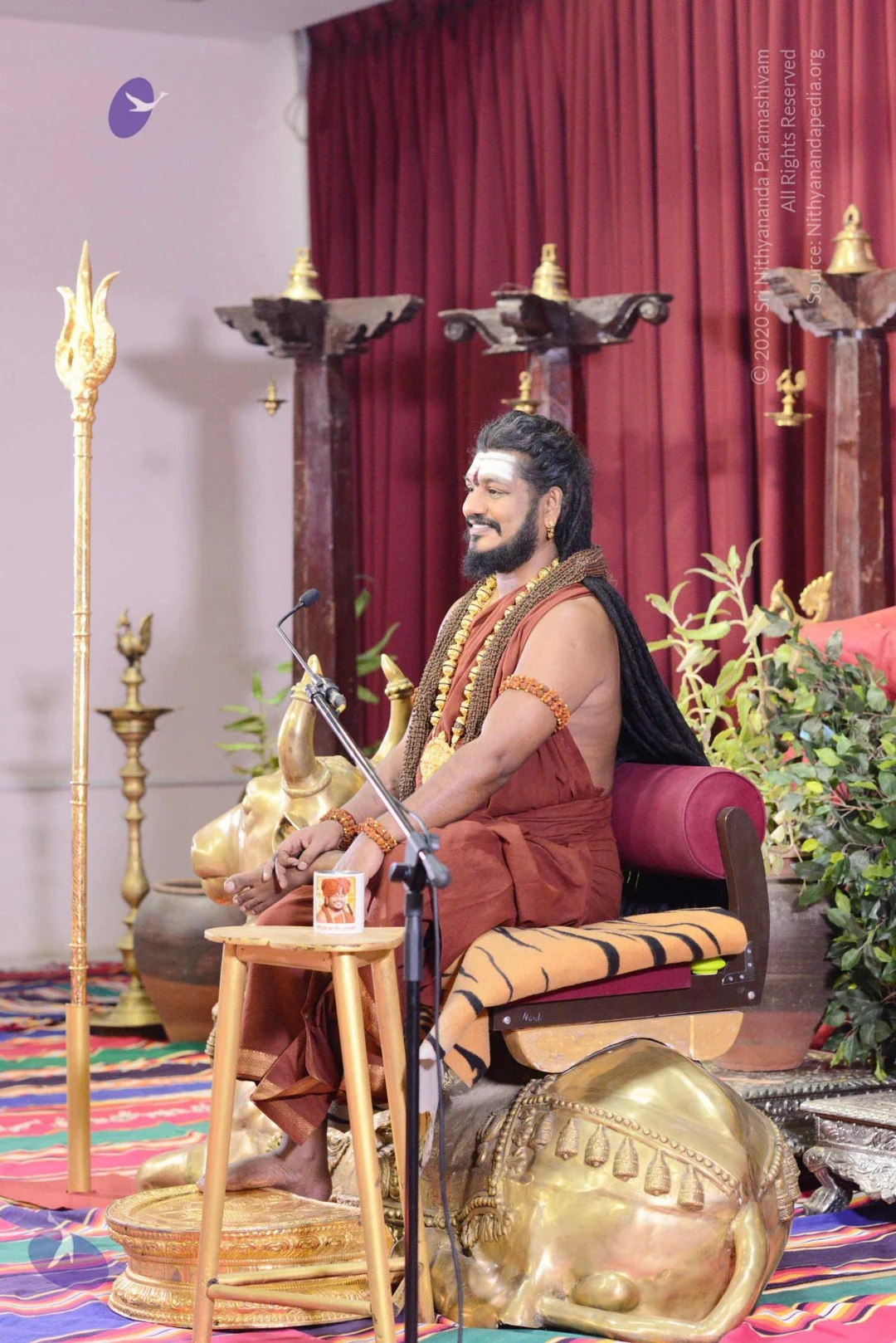
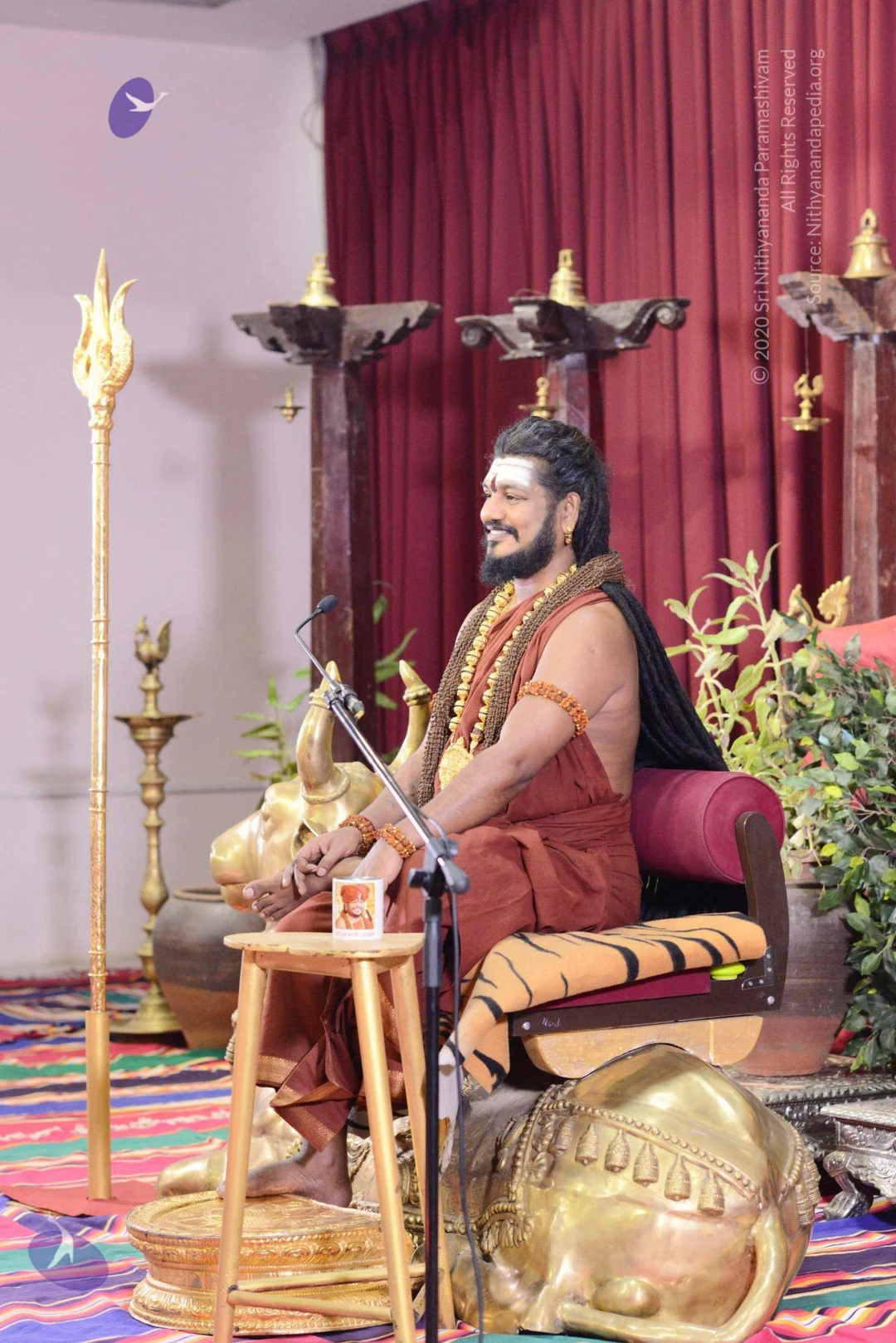
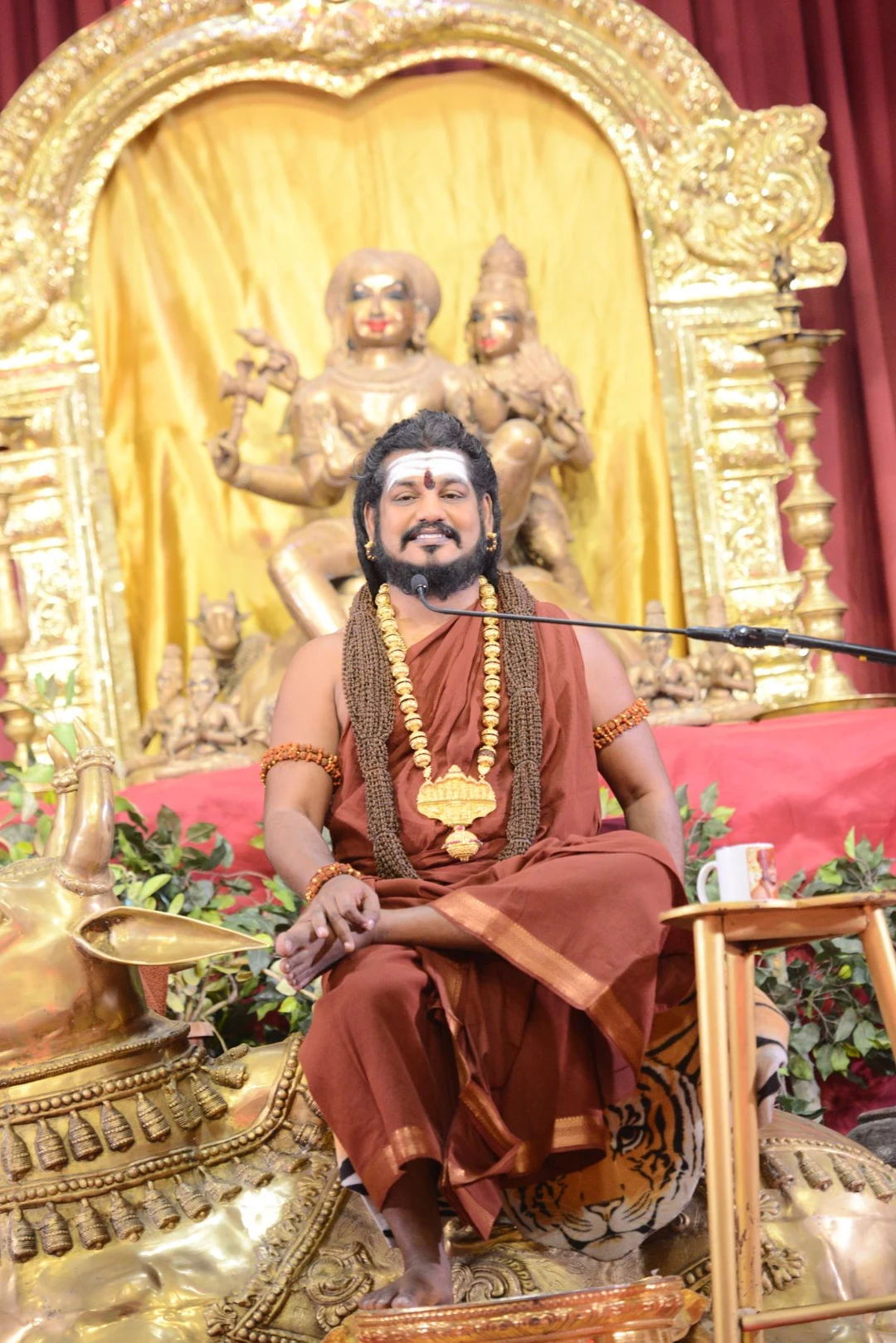
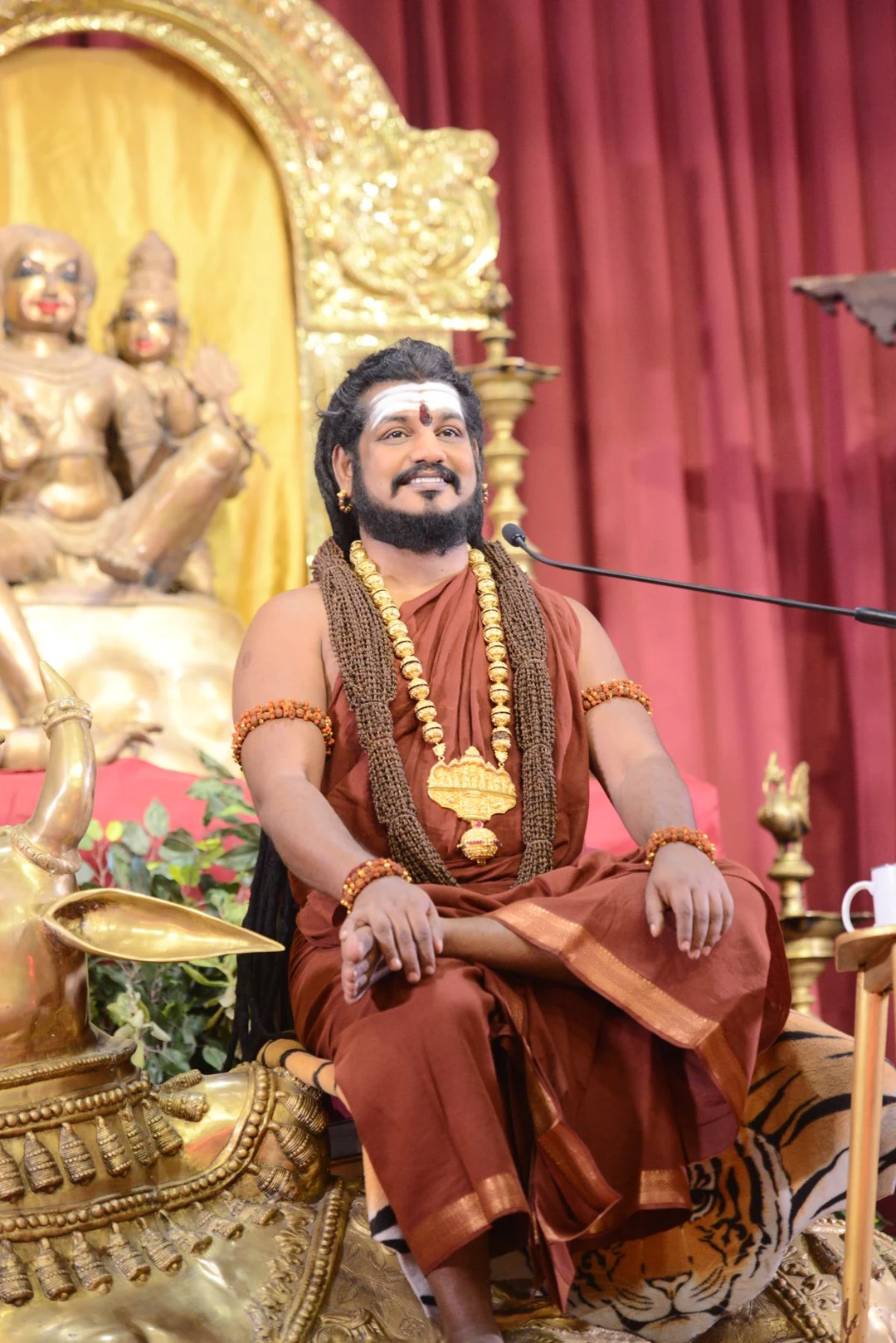
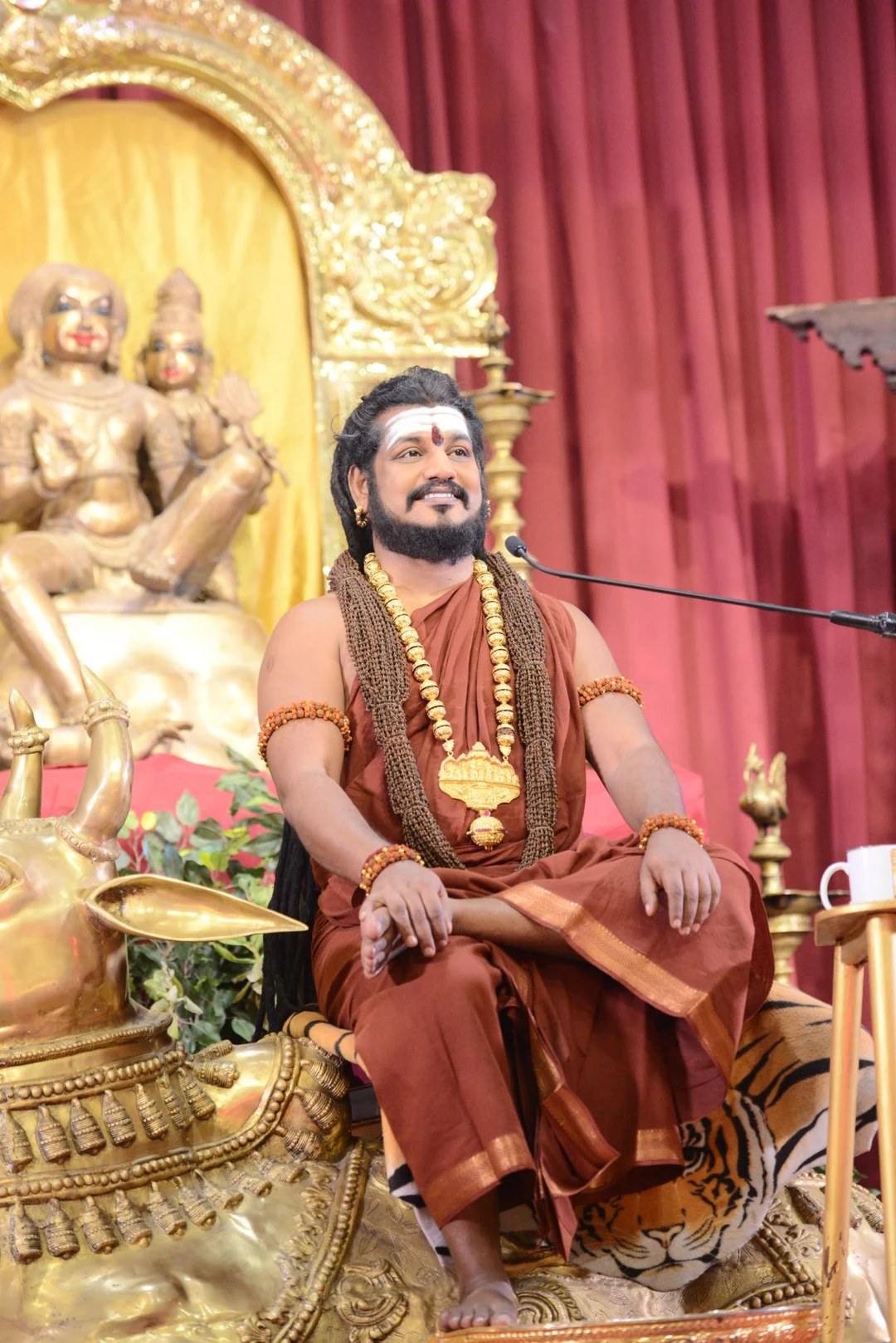
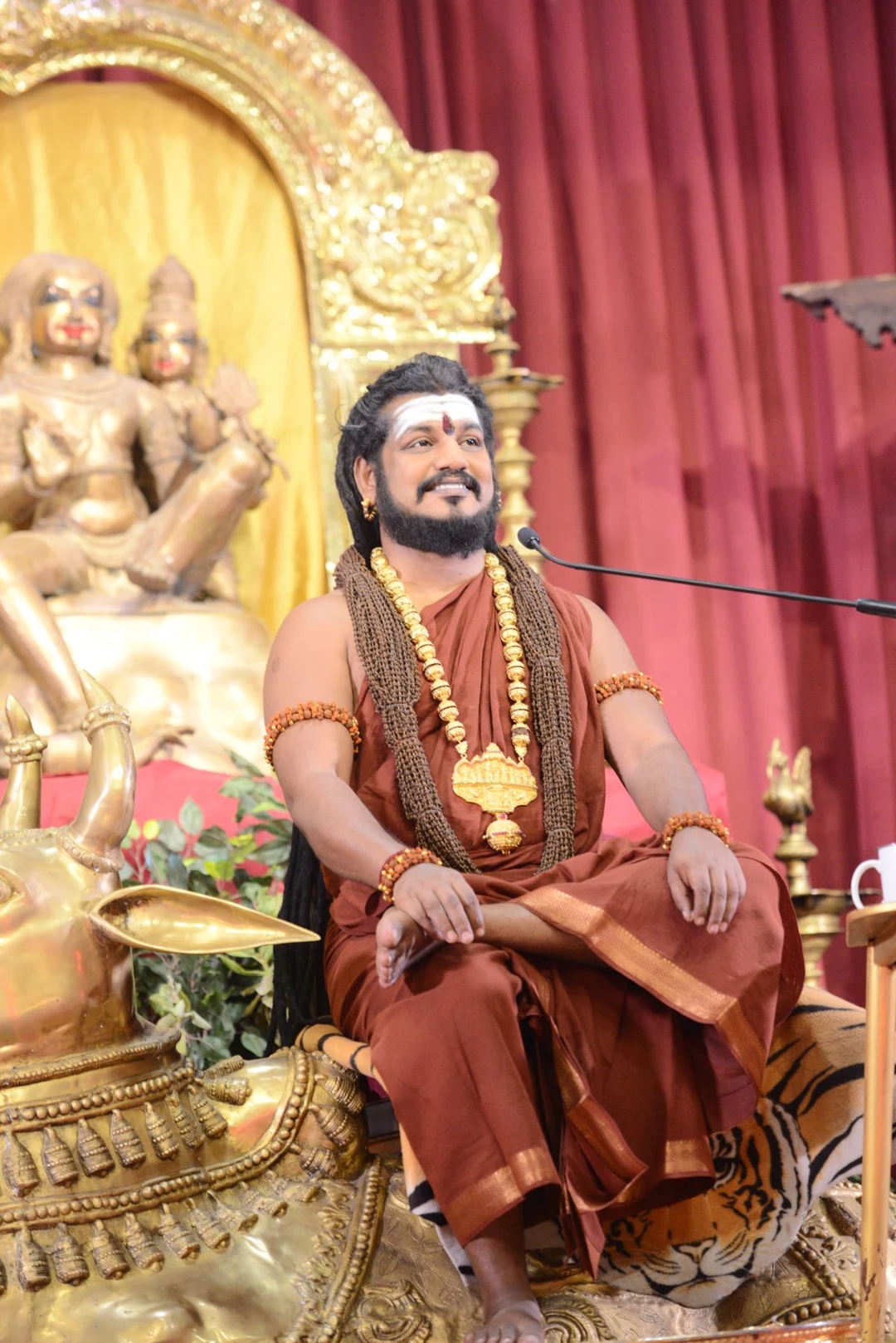
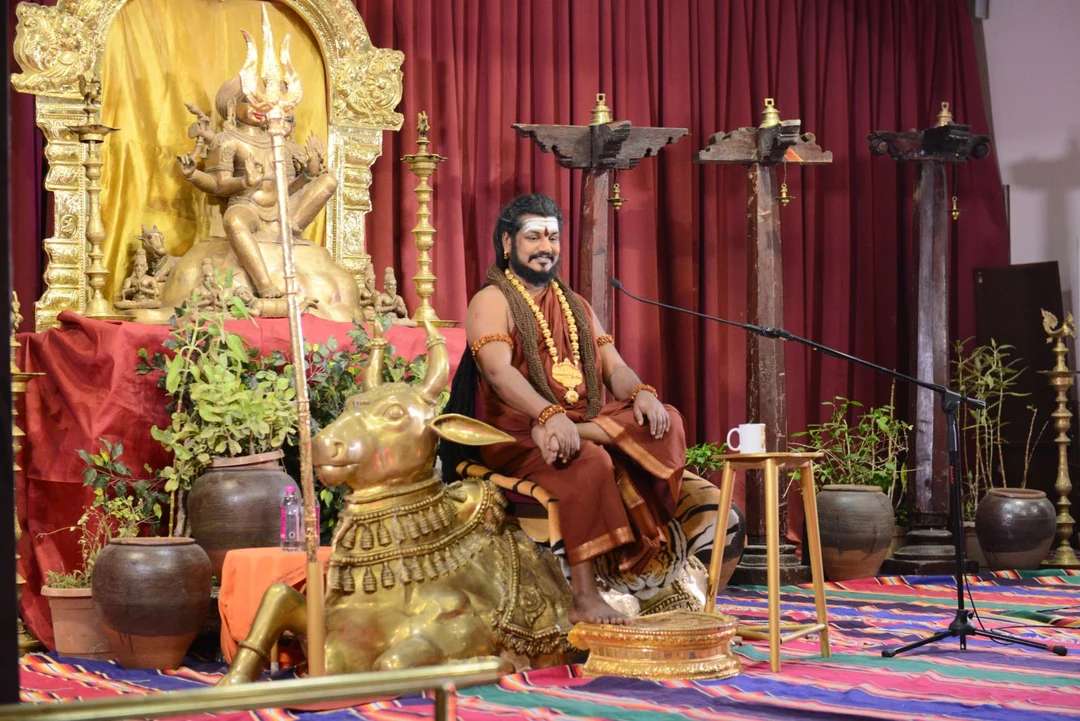
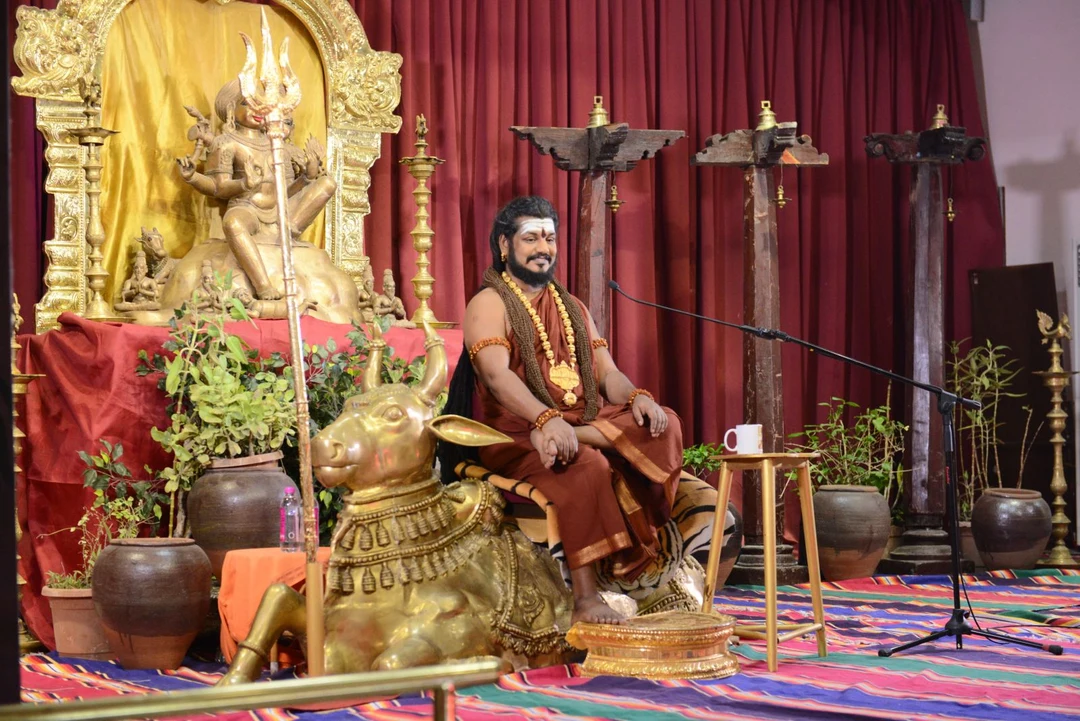
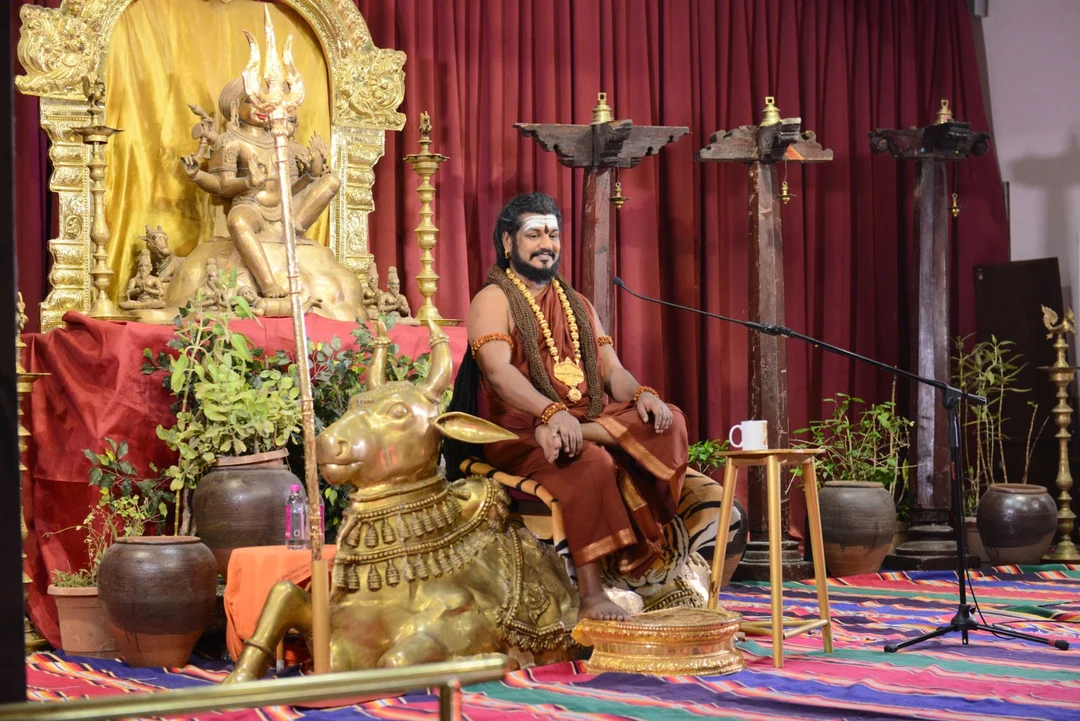
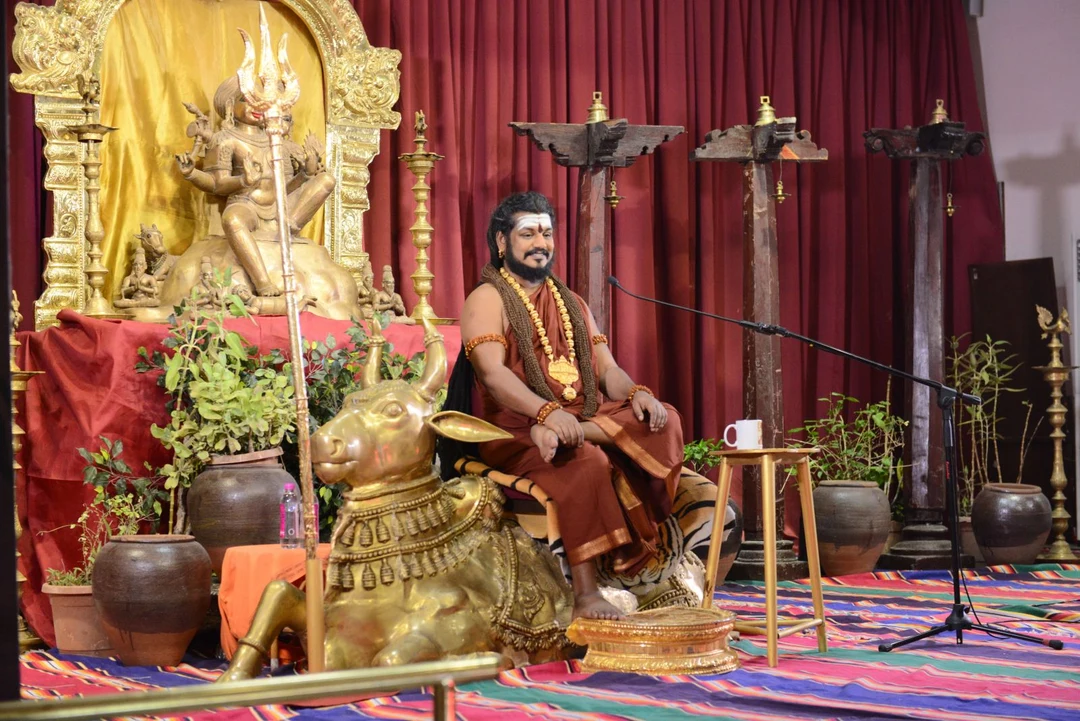
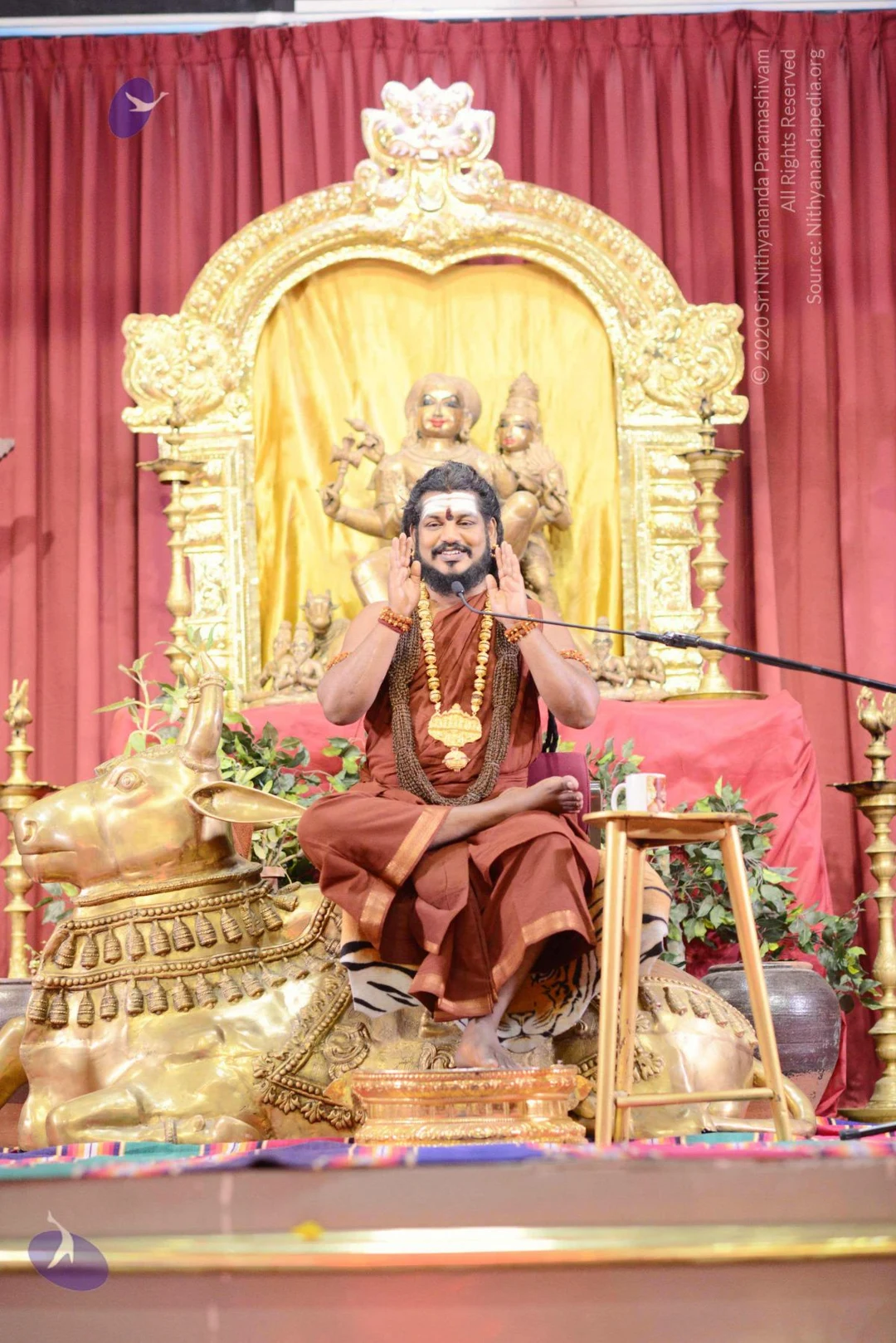
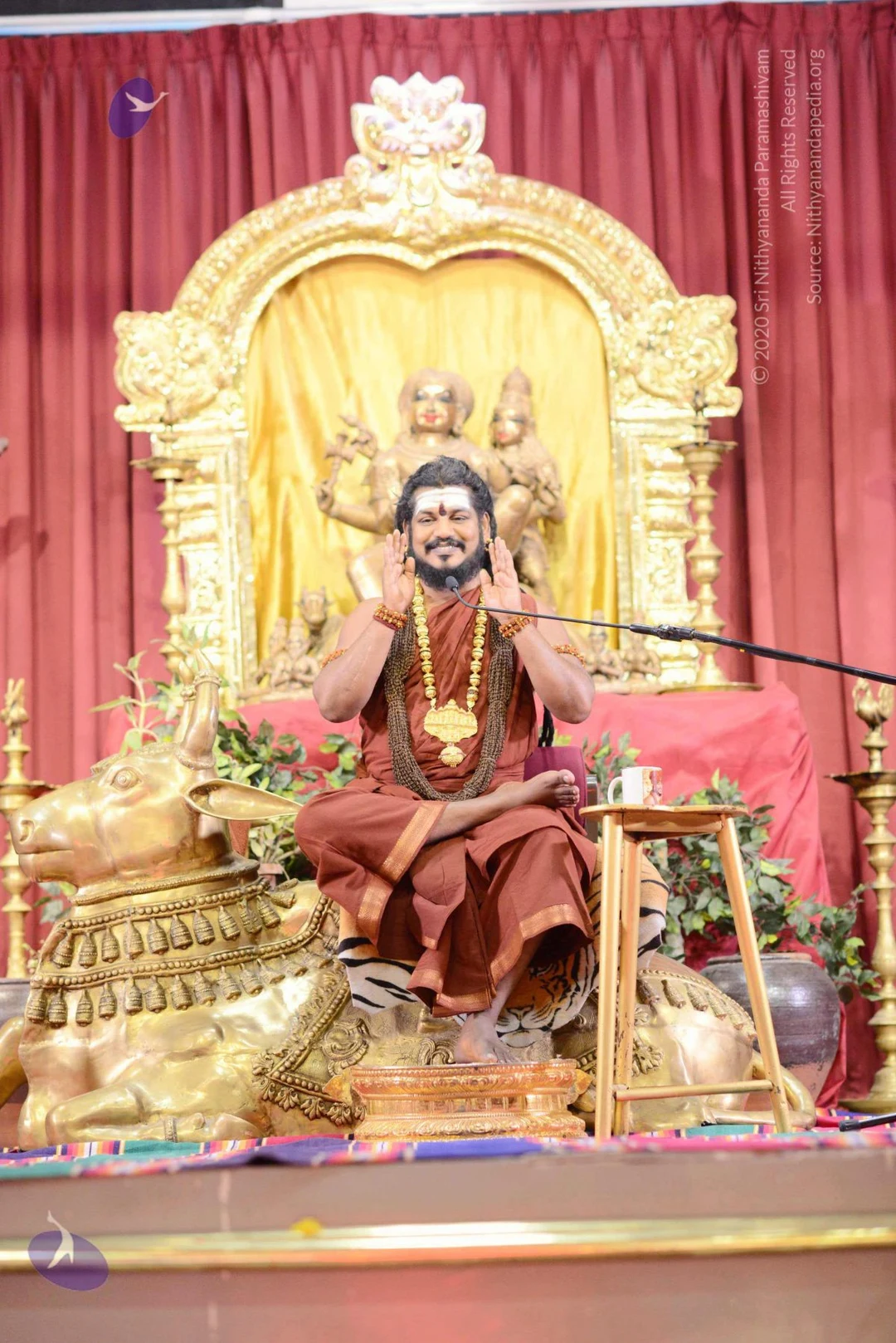
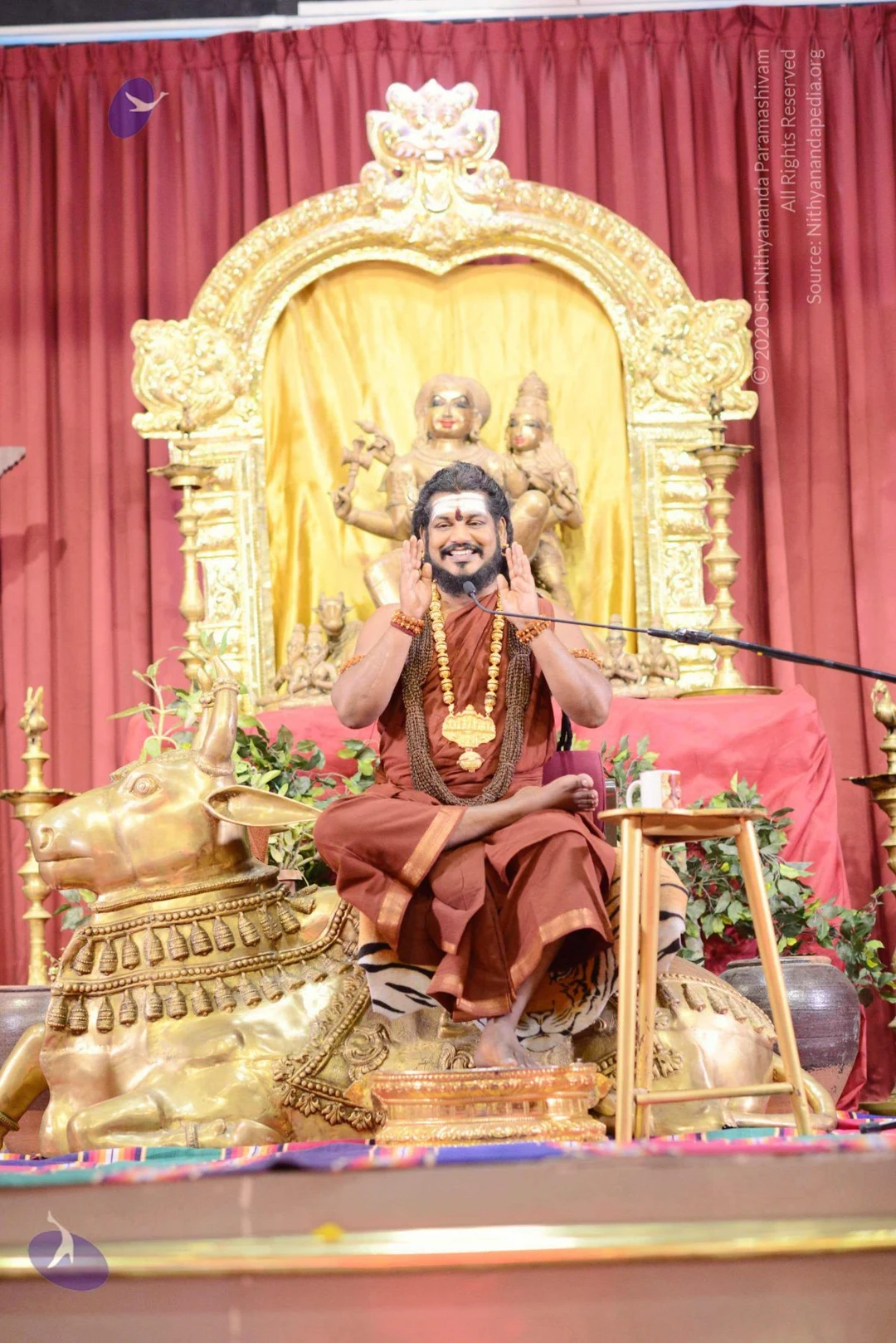
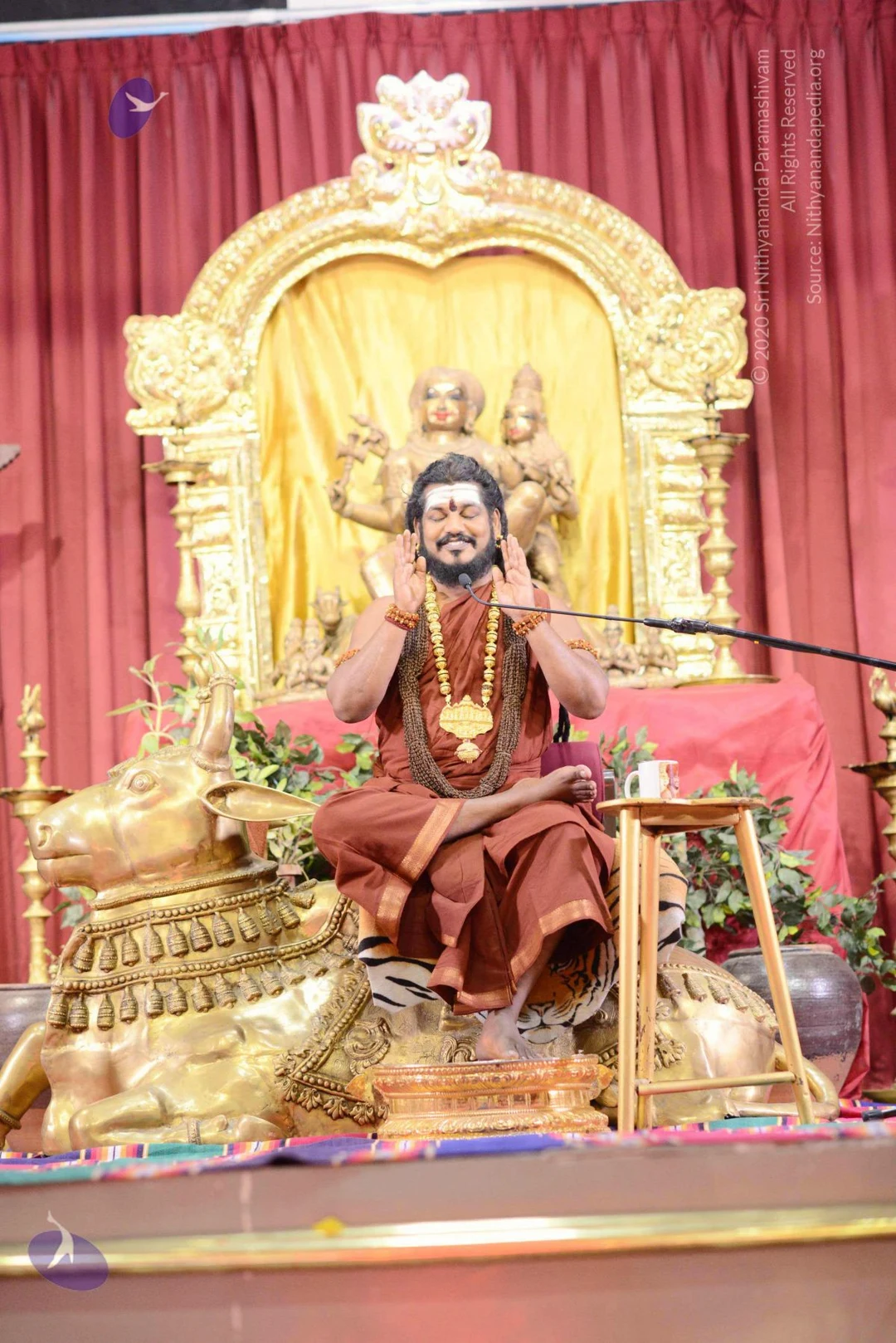
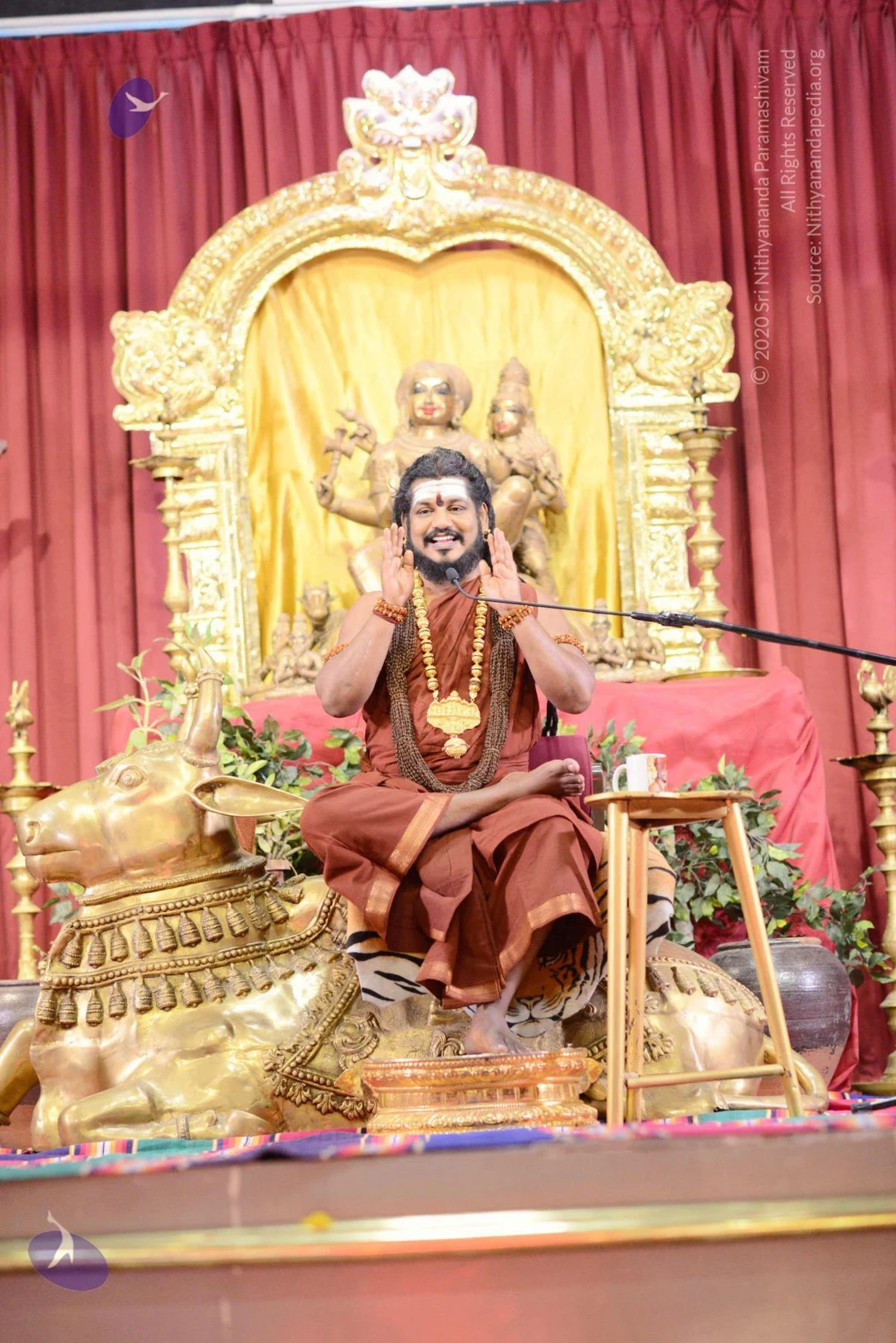
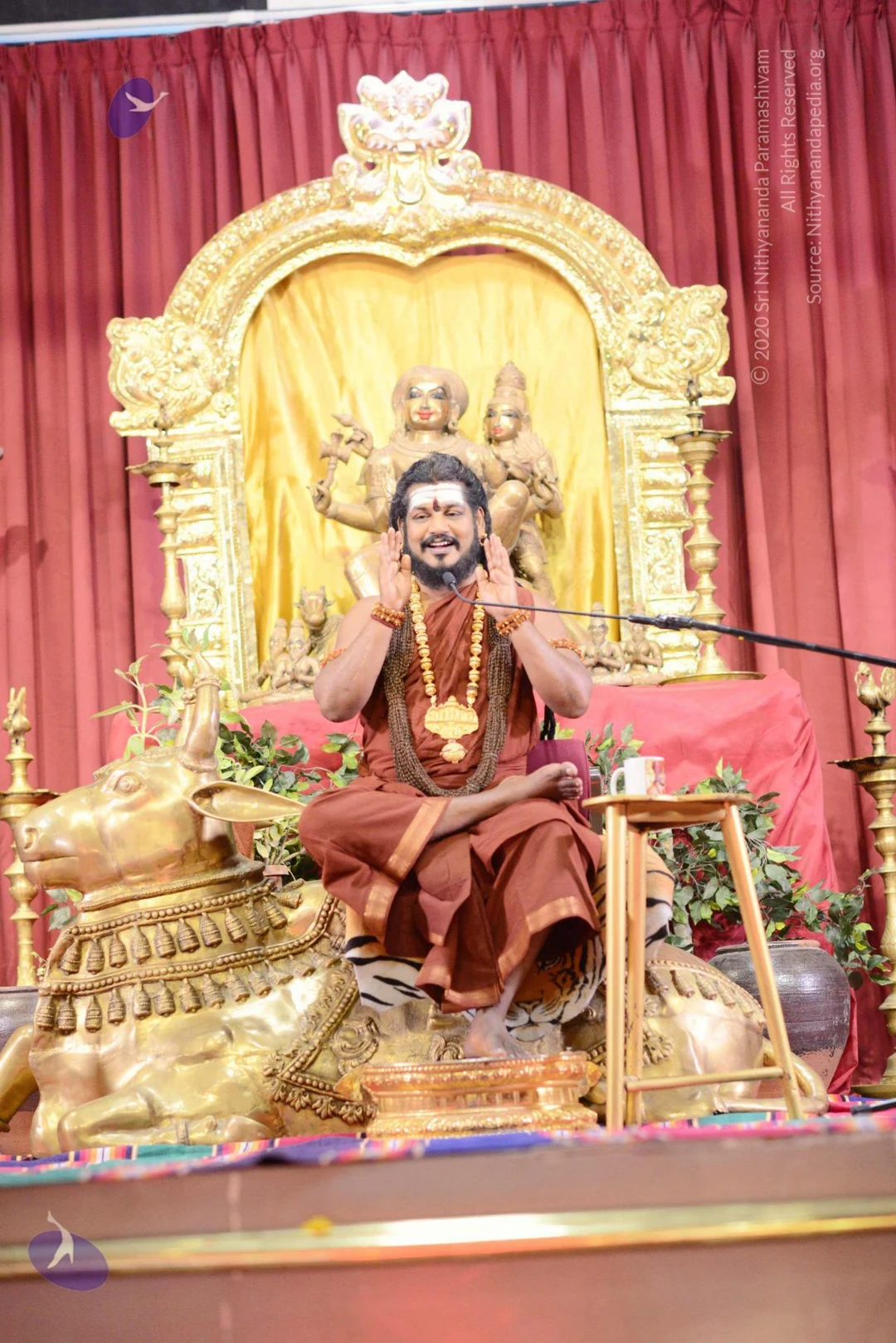
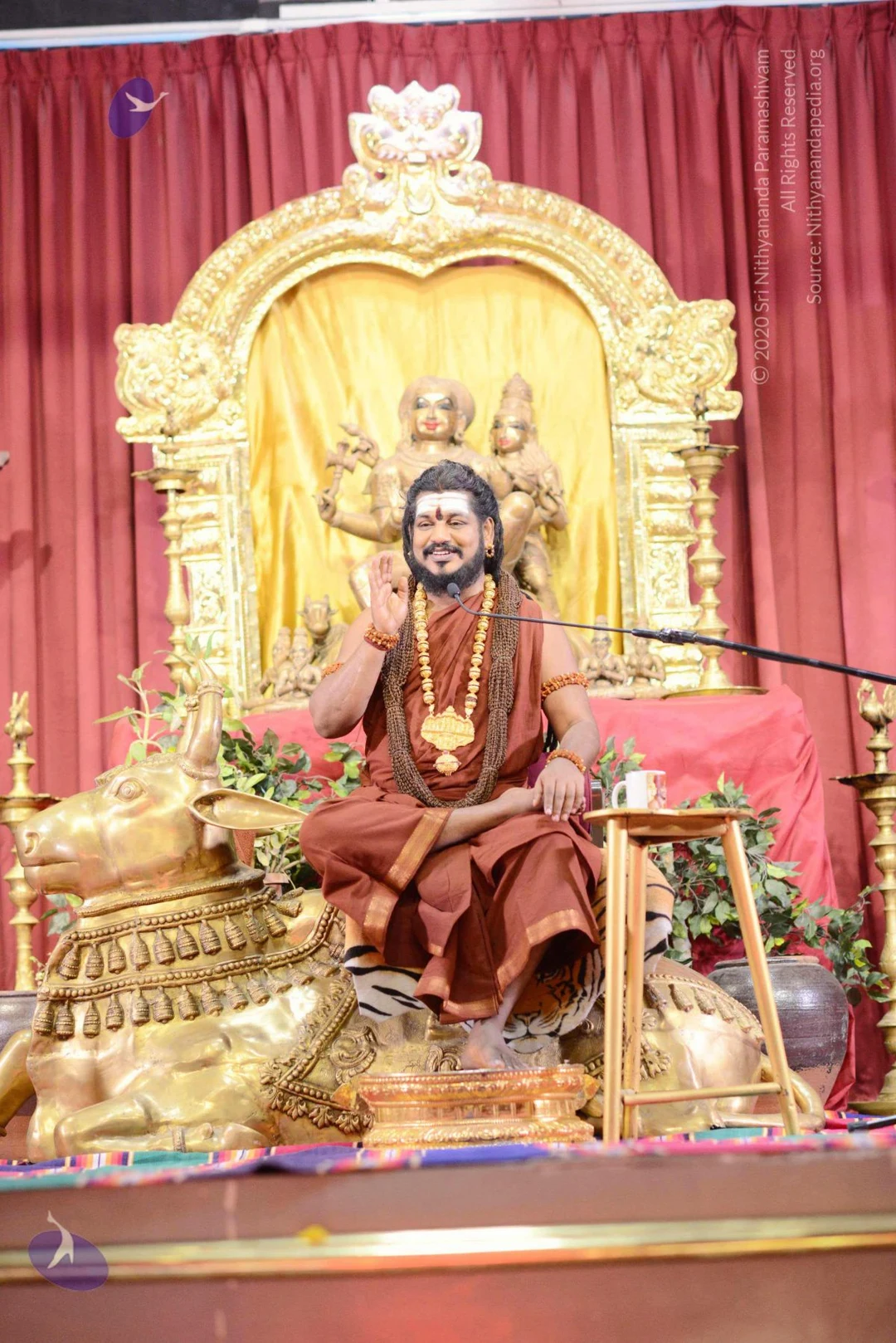
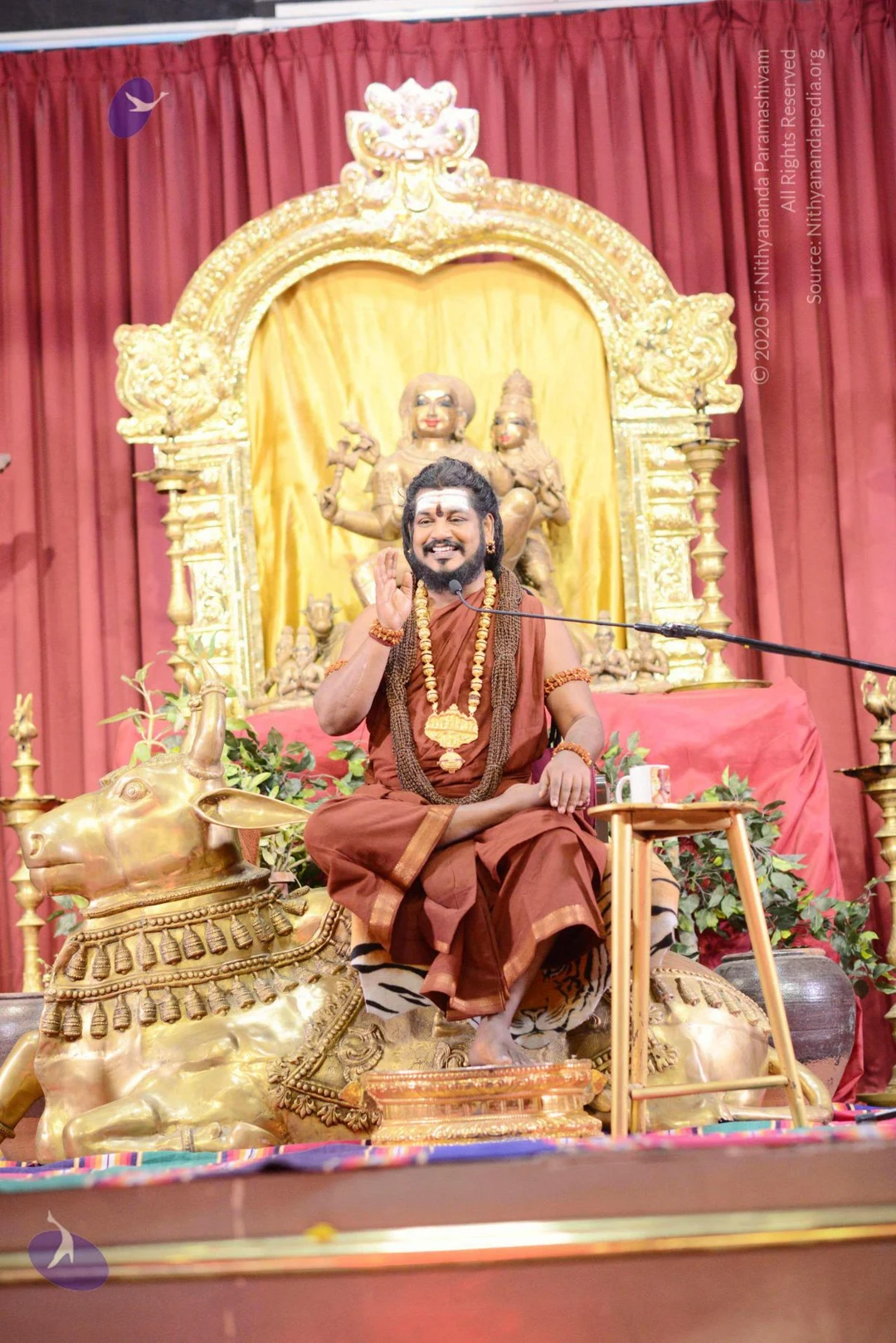
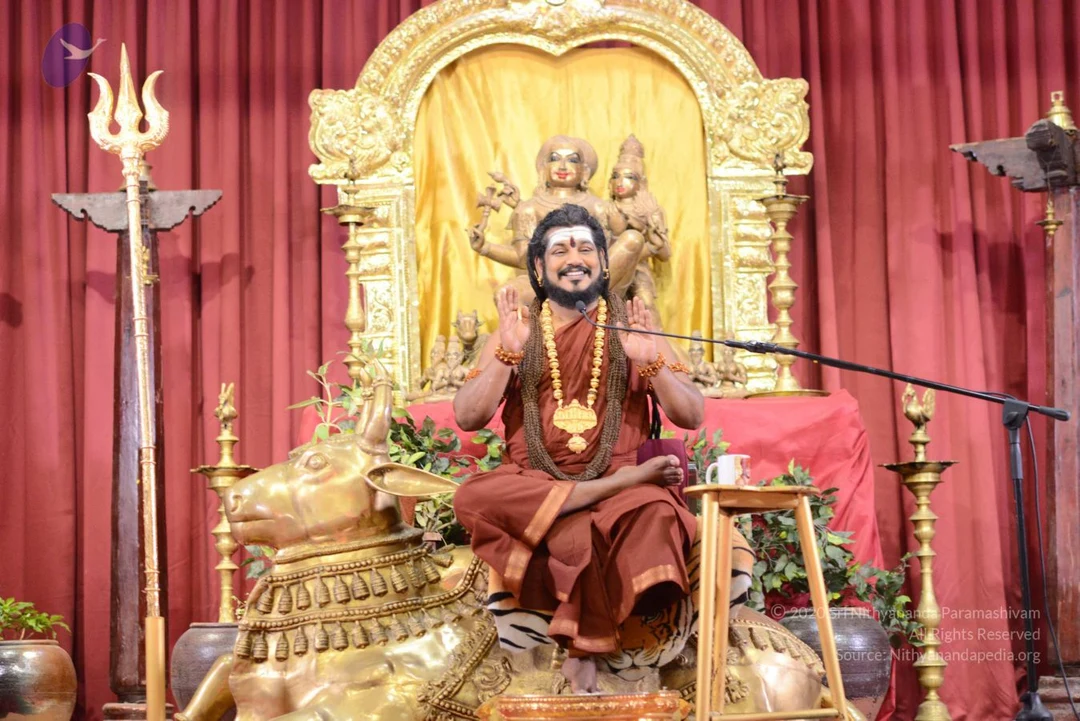
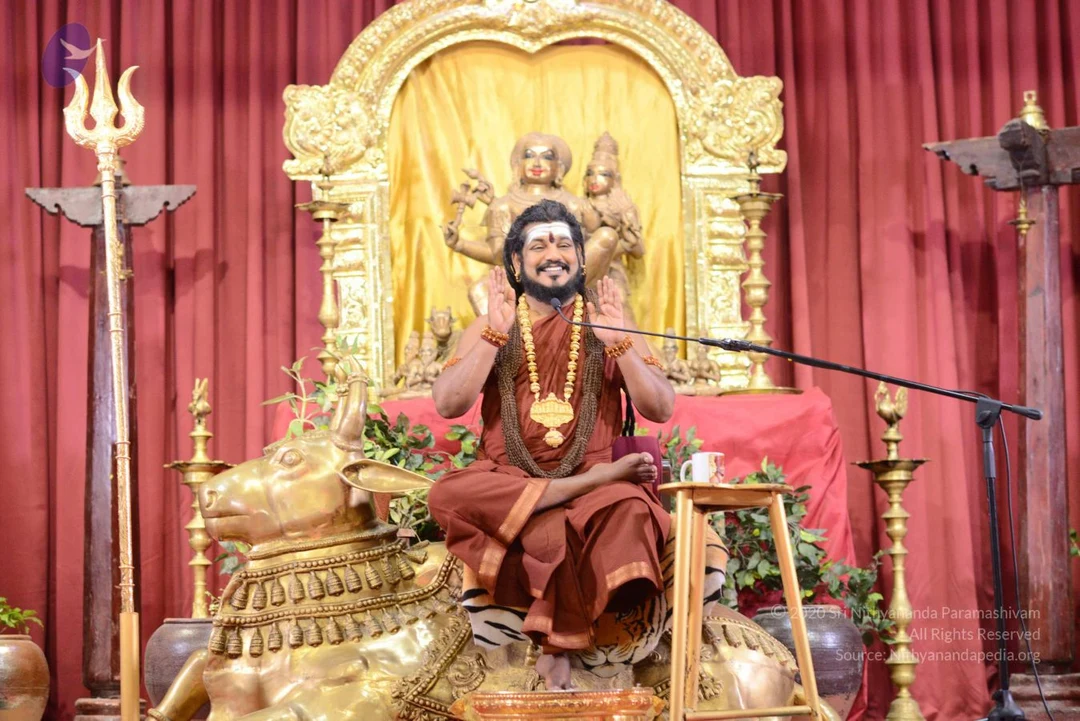
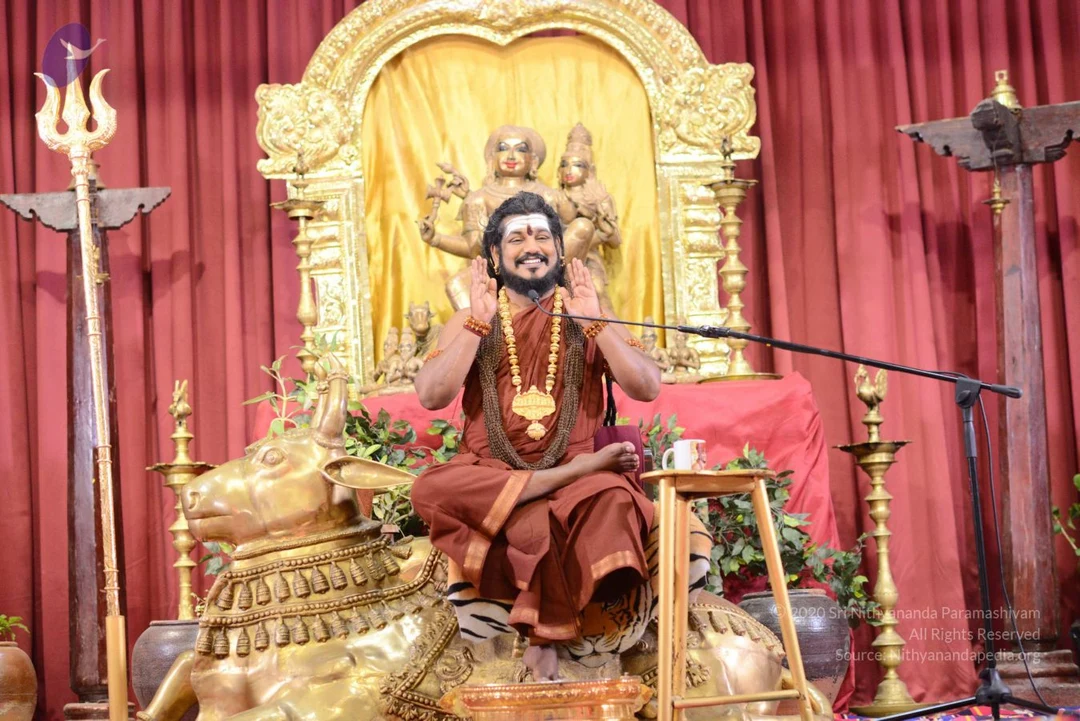
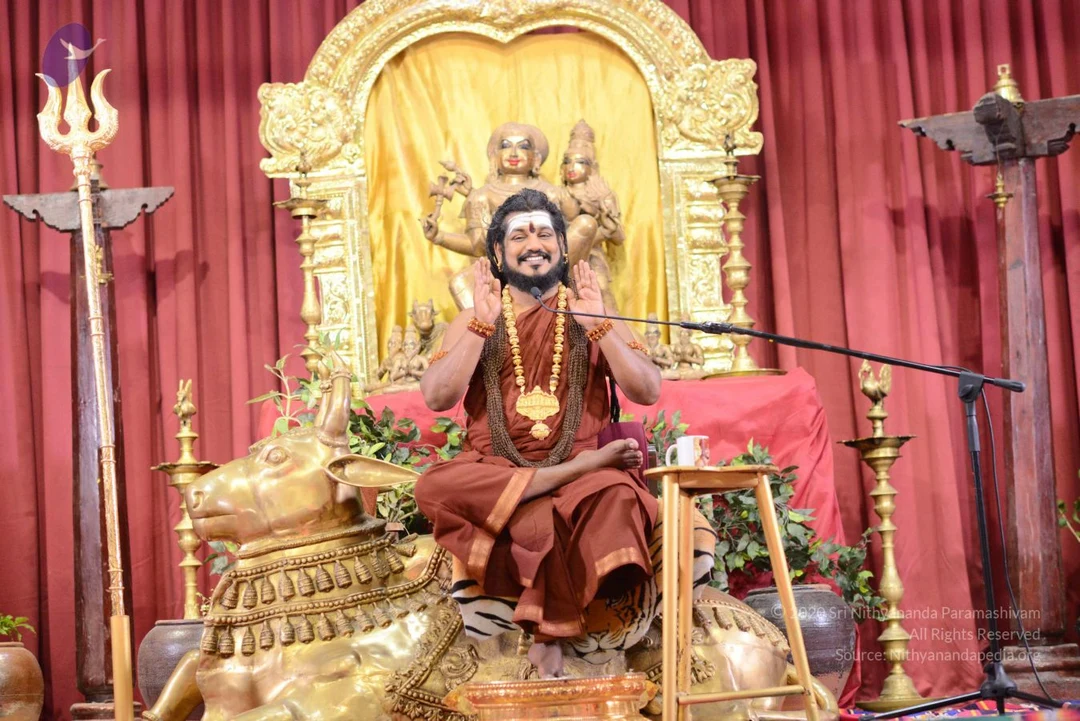
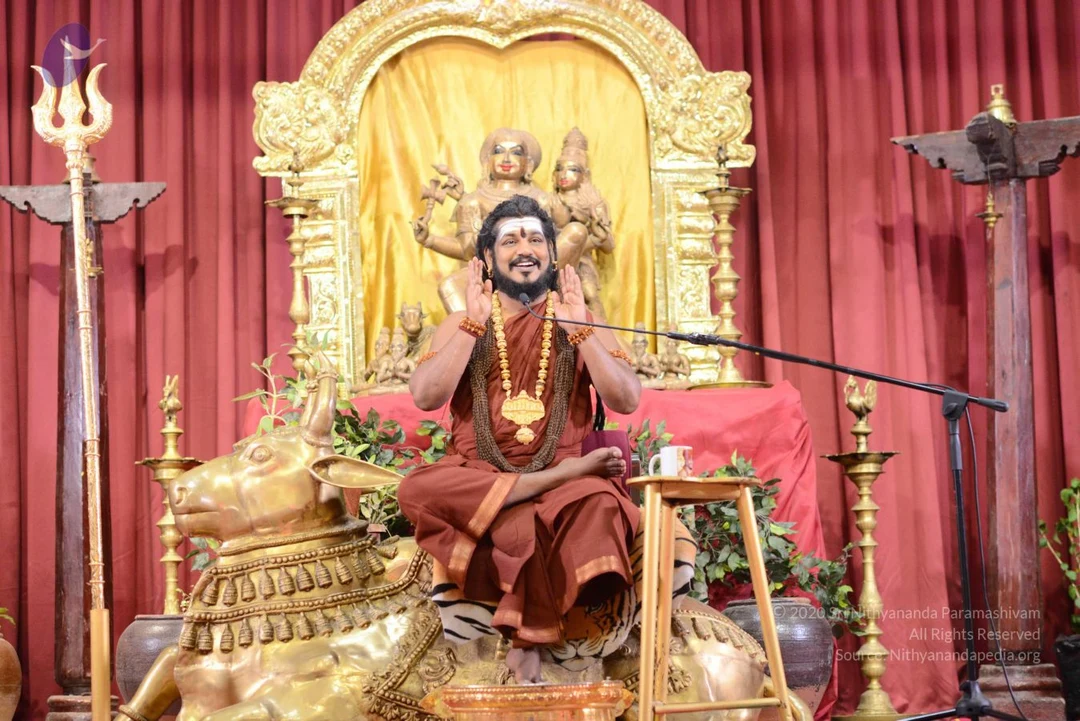
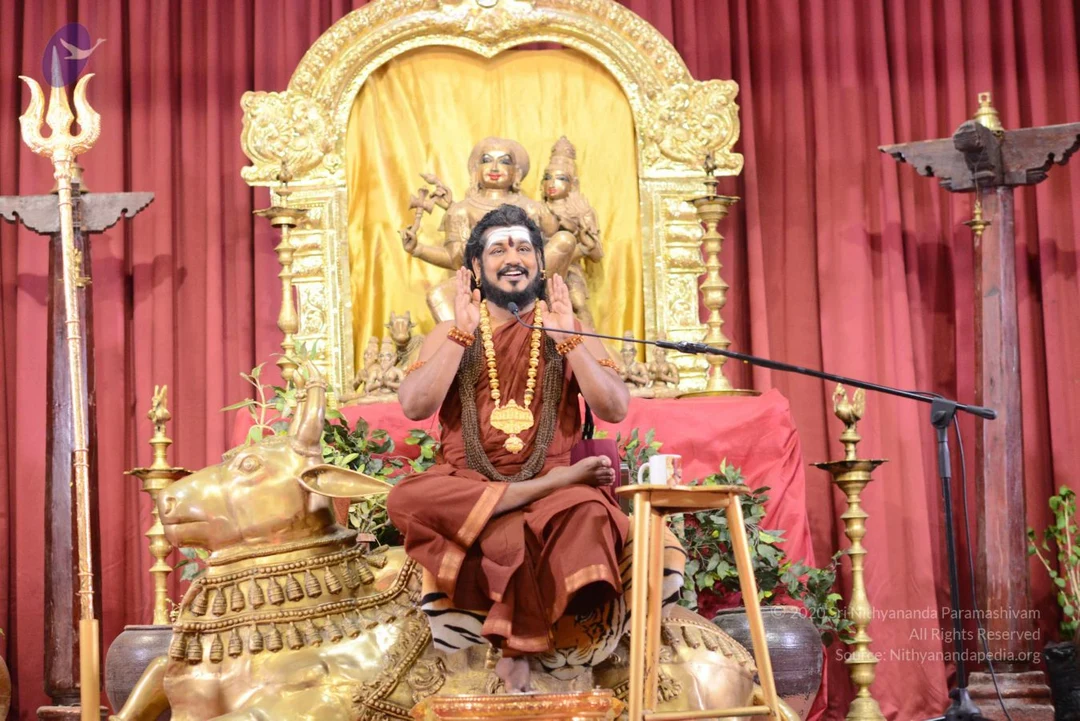
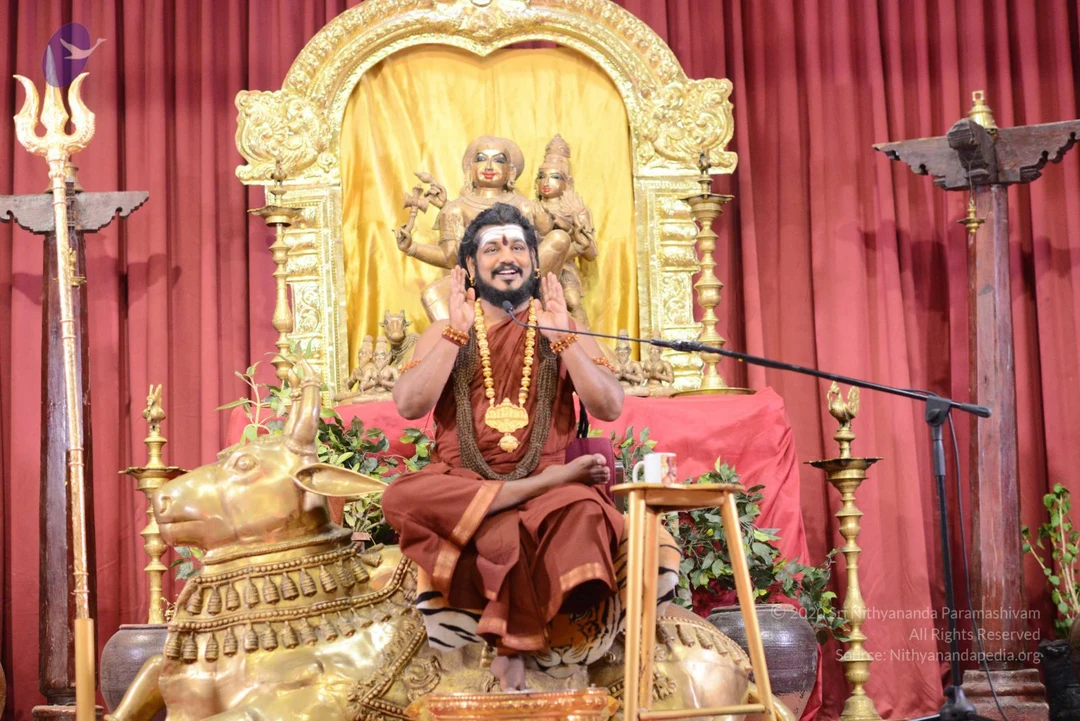
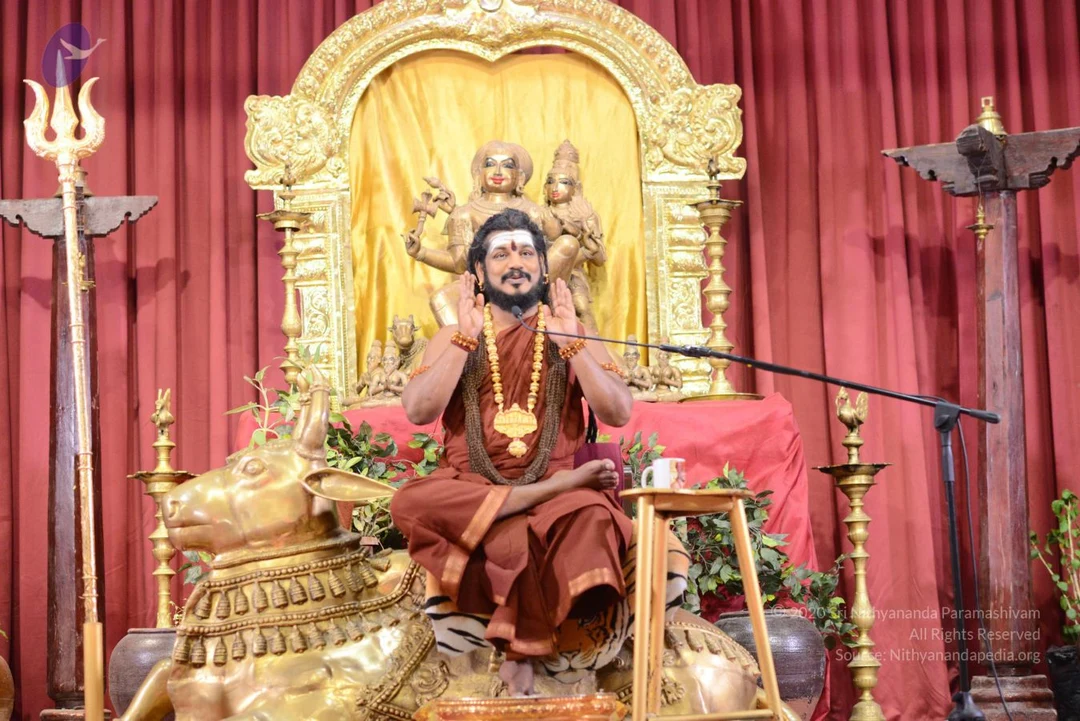
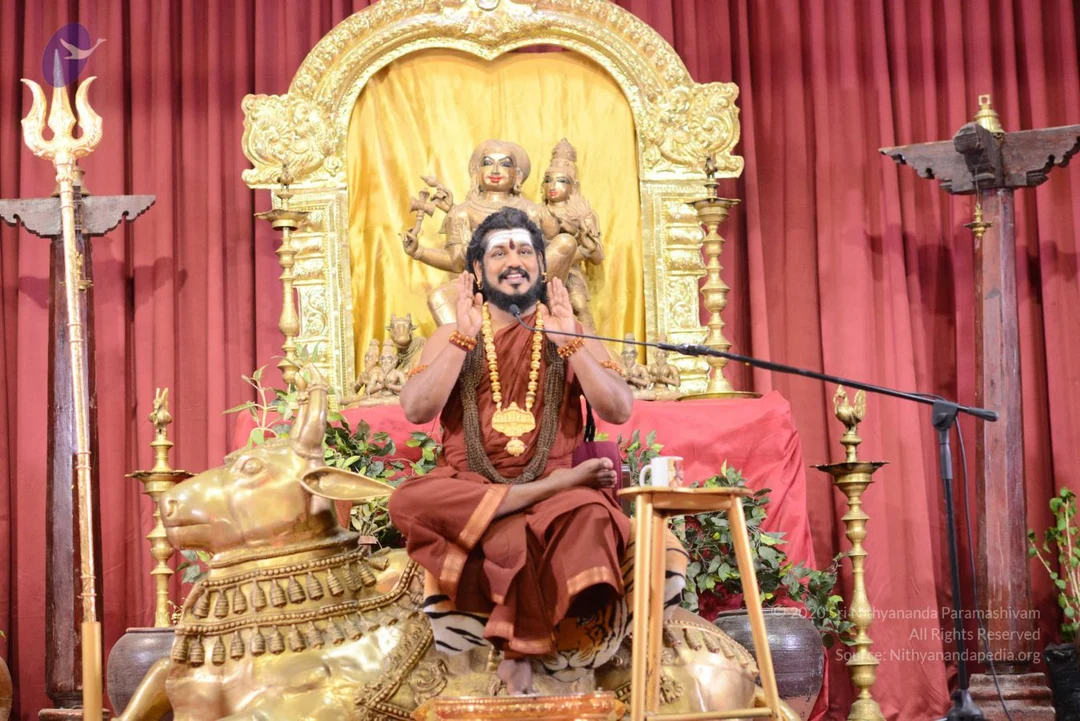
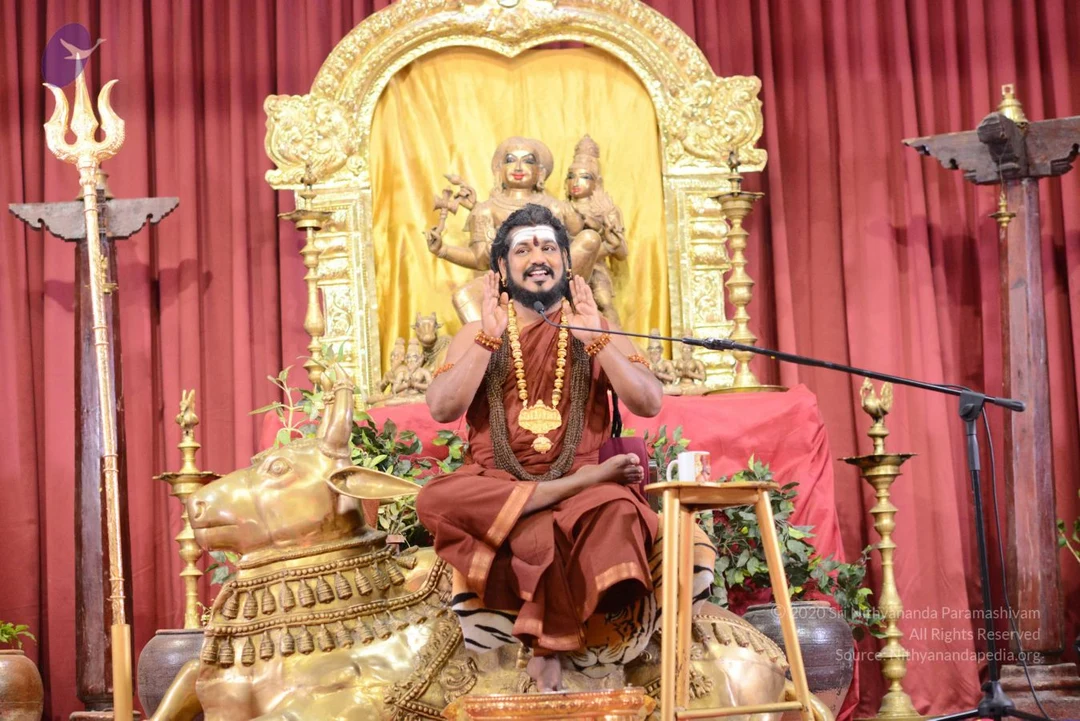
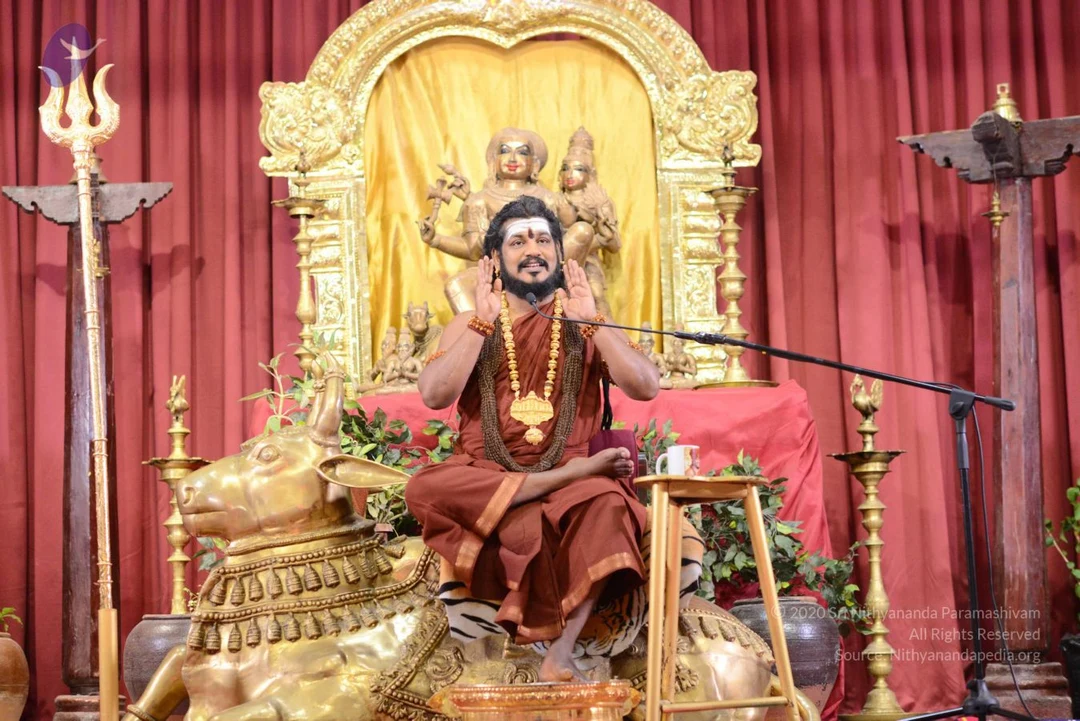
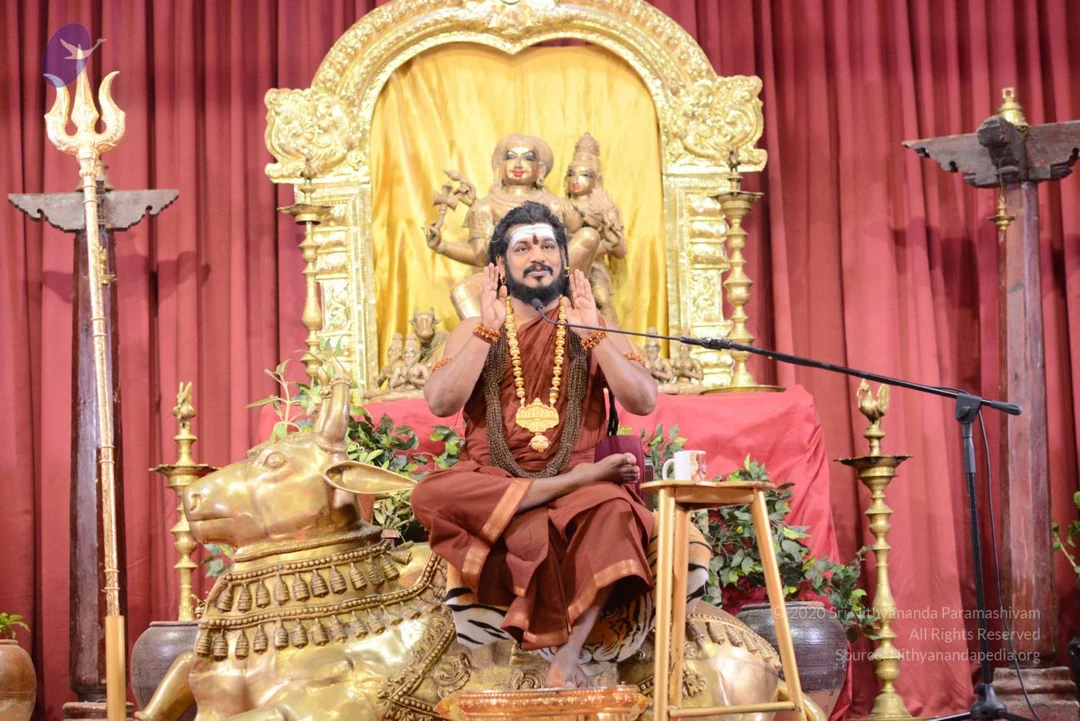
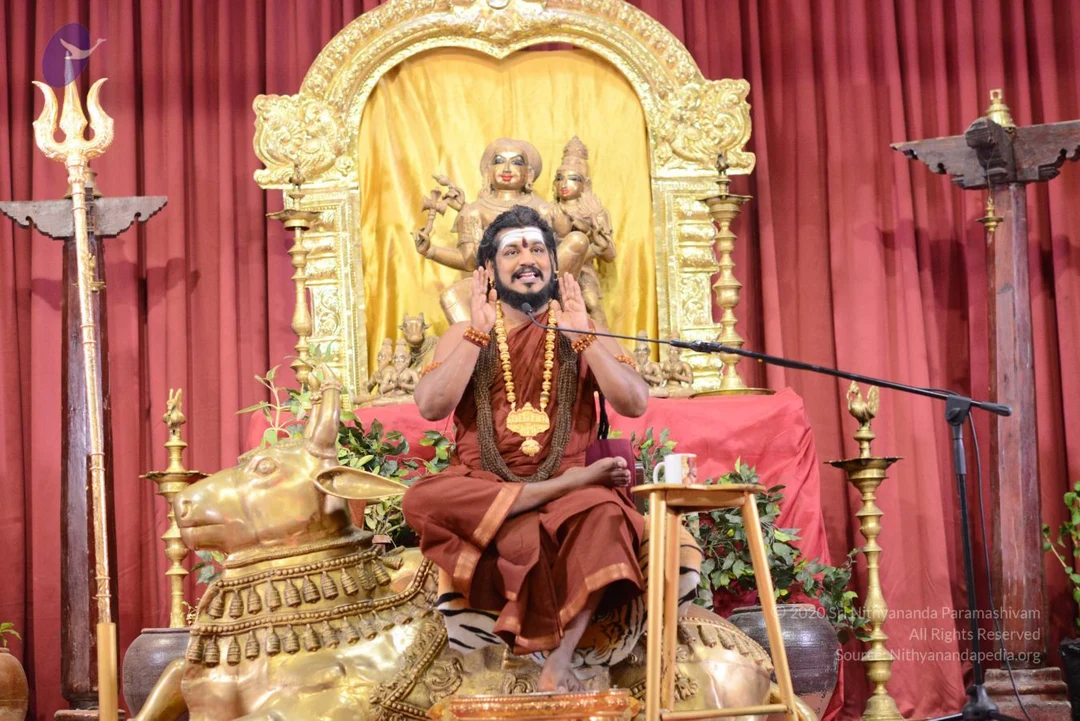
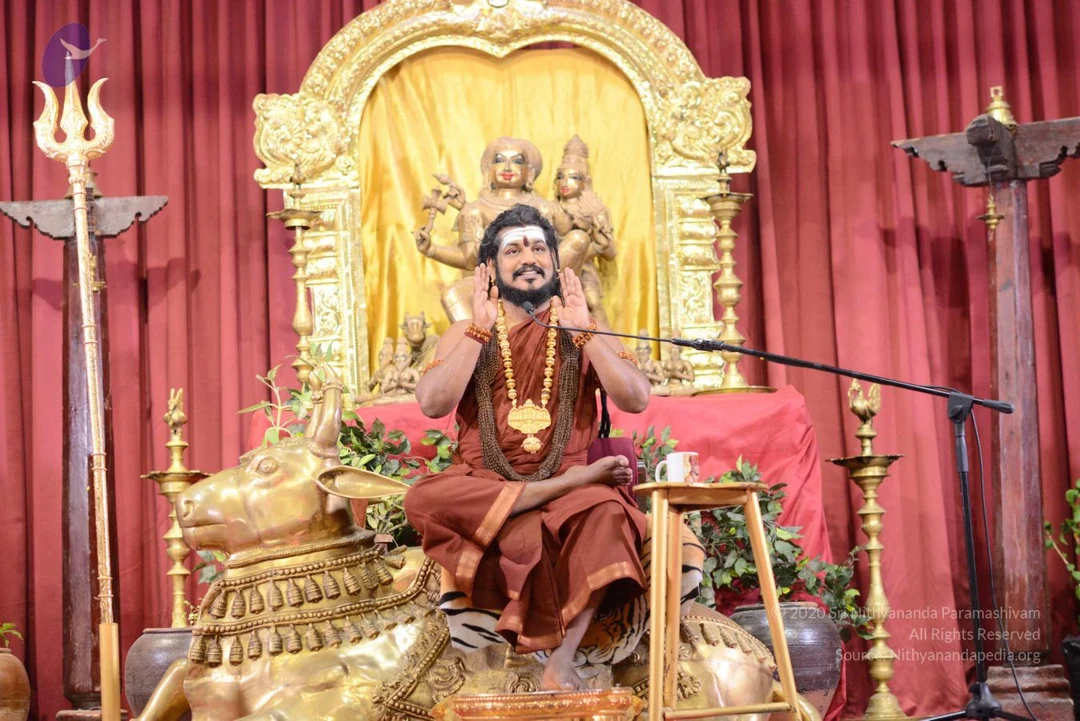
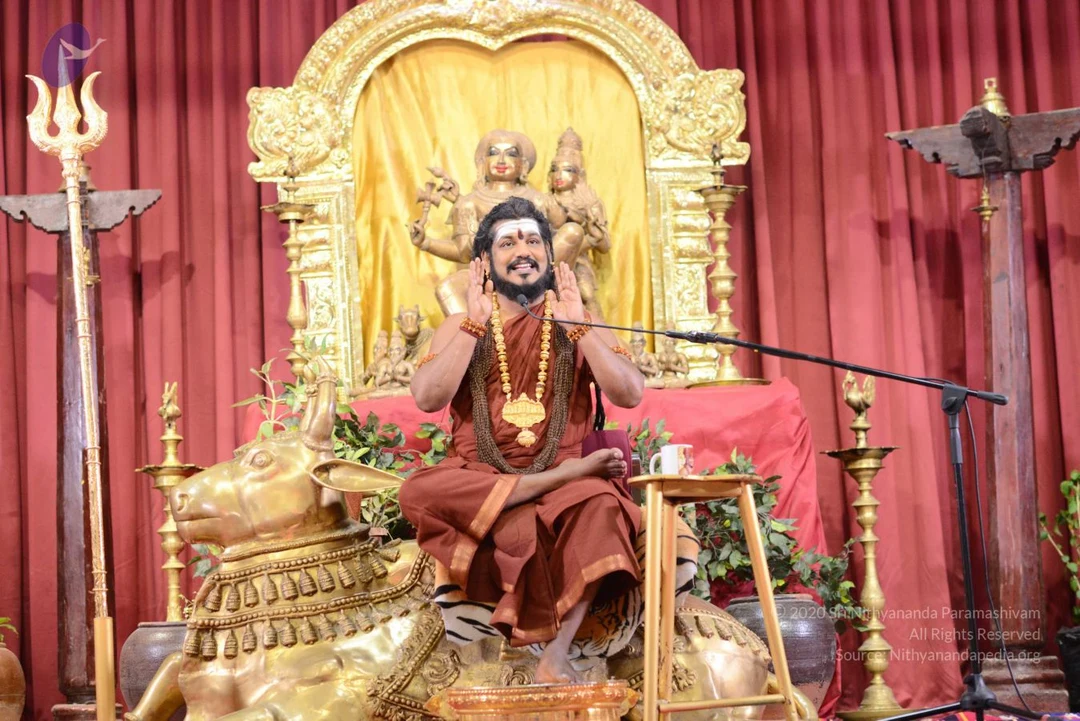
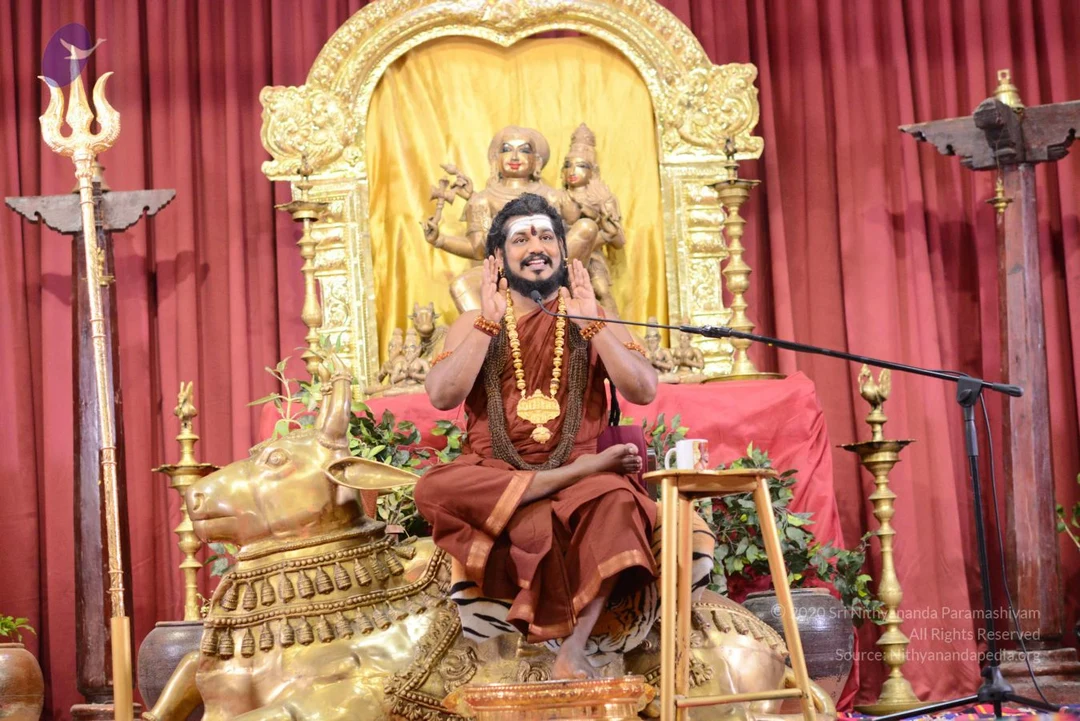
Nithyananda-Satang
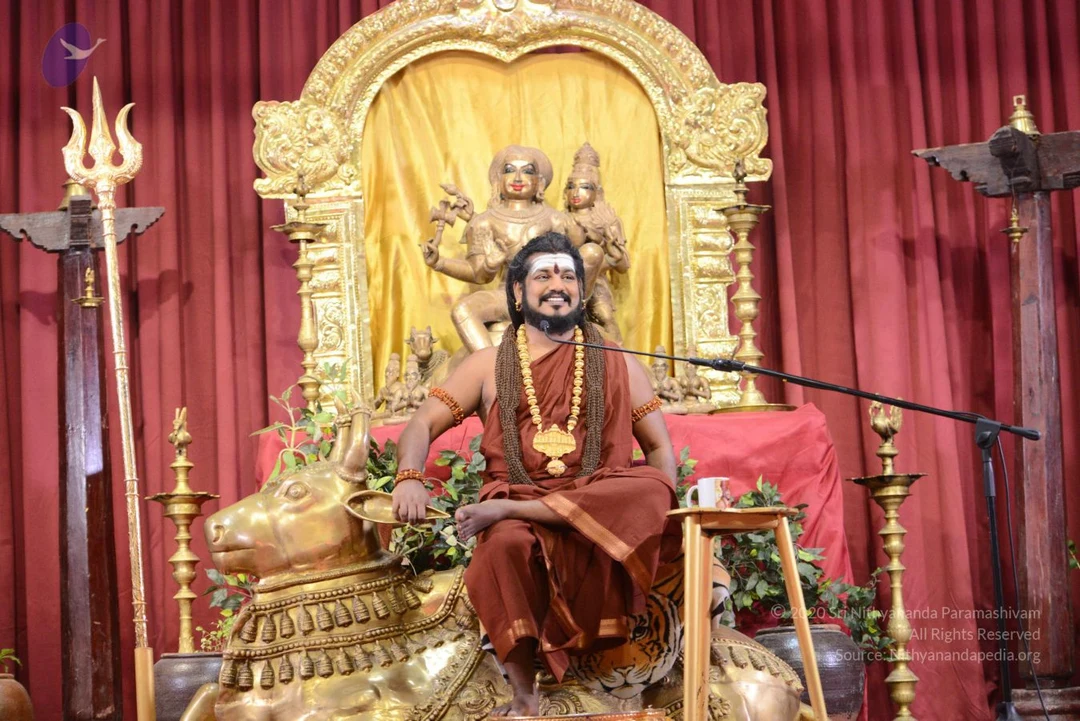
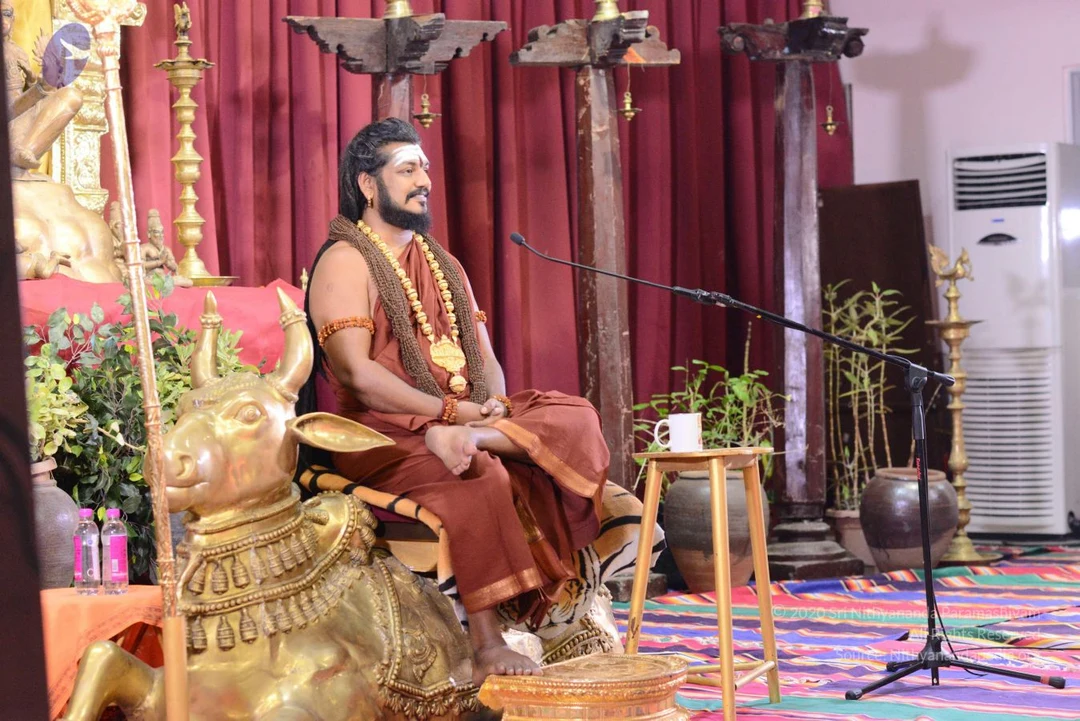
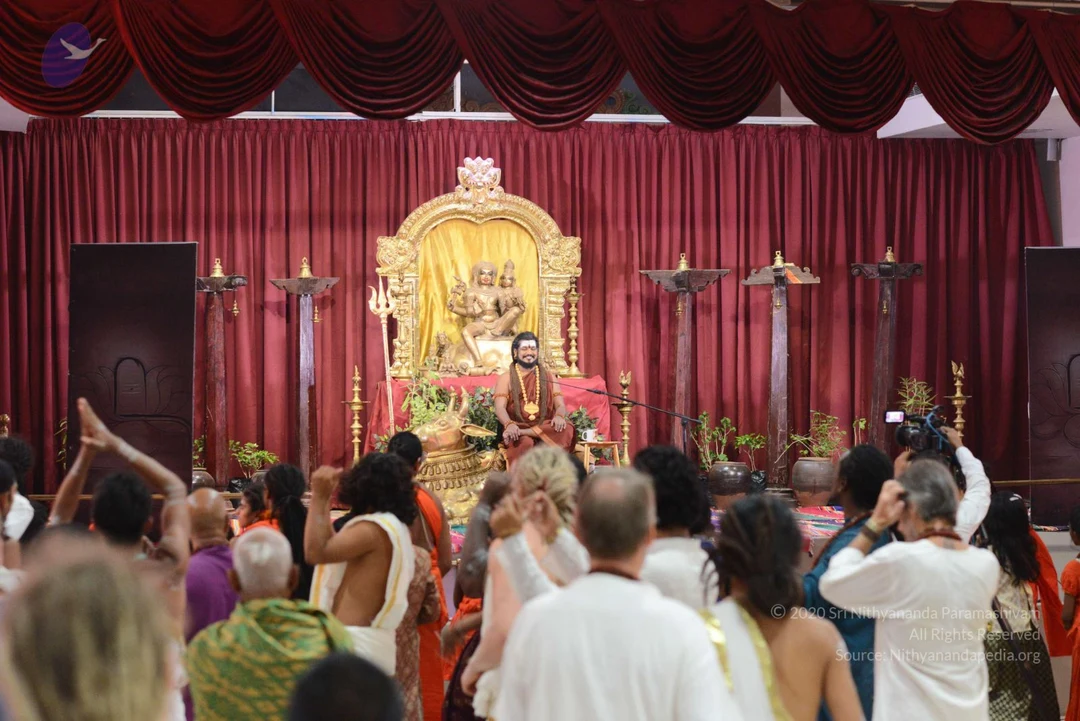
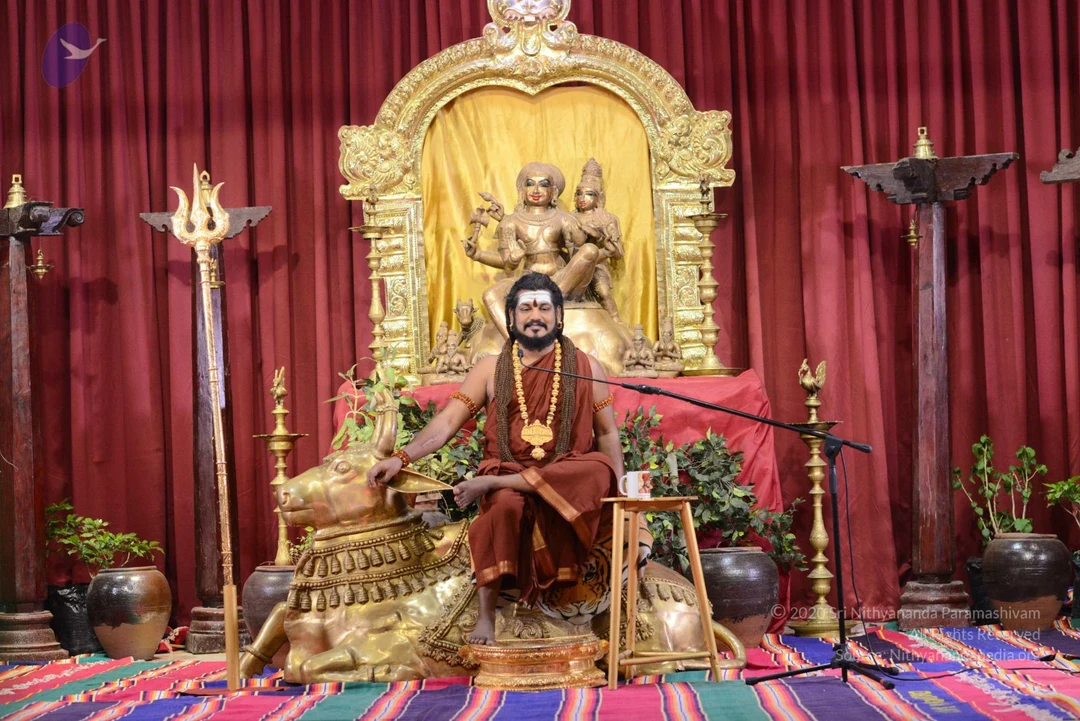
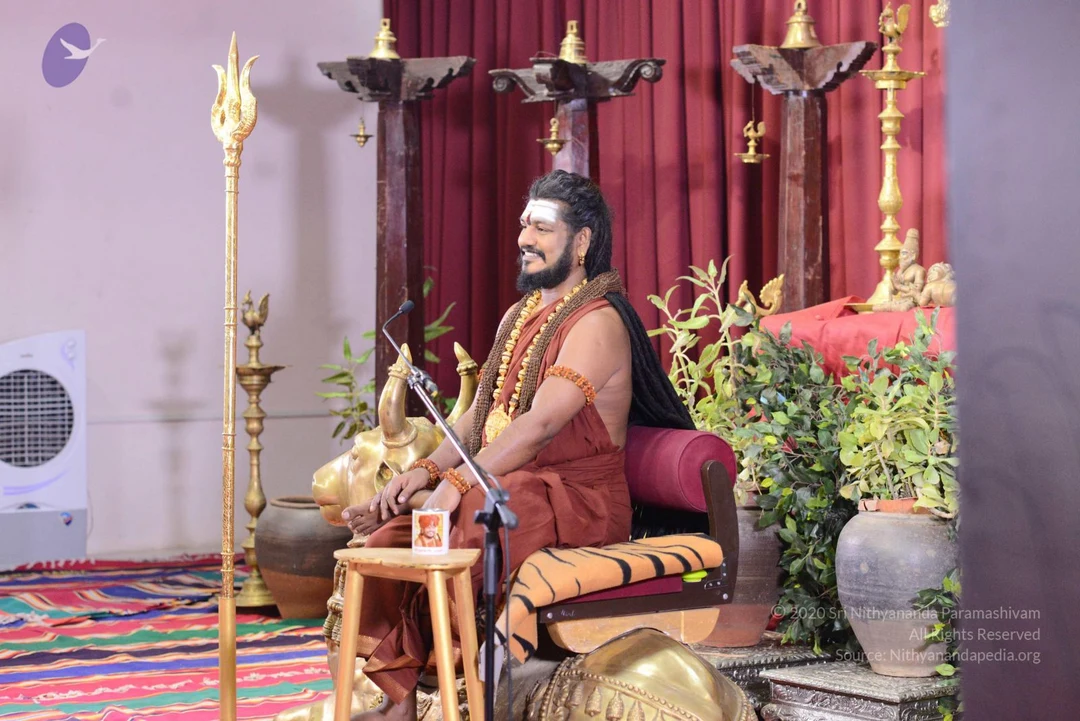
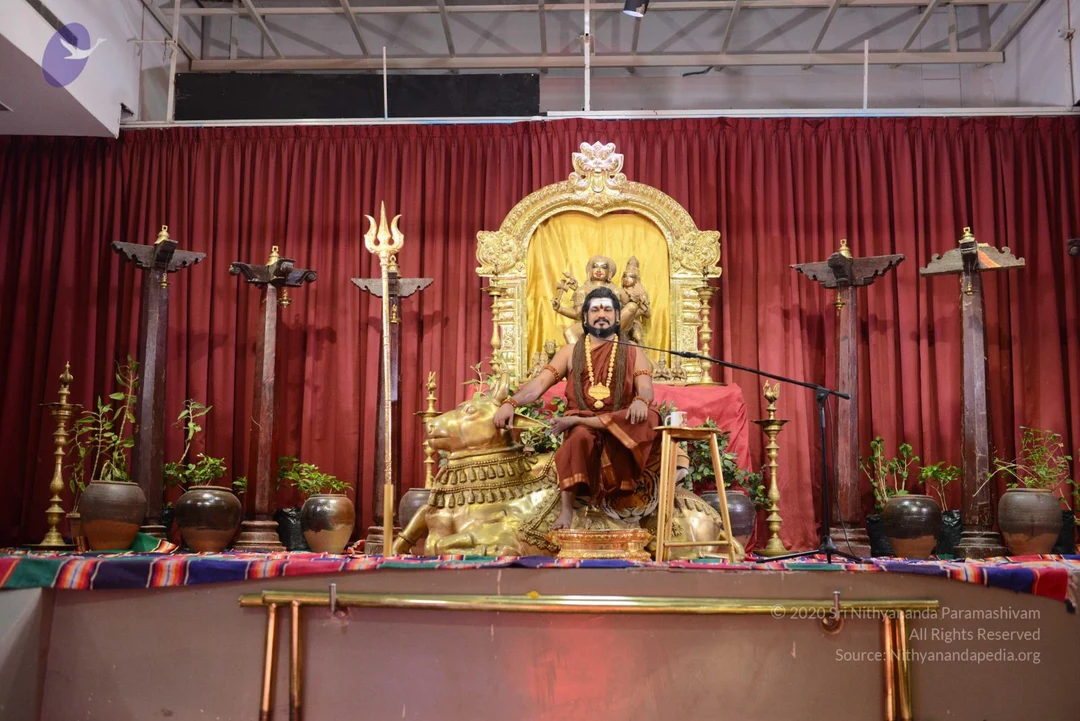
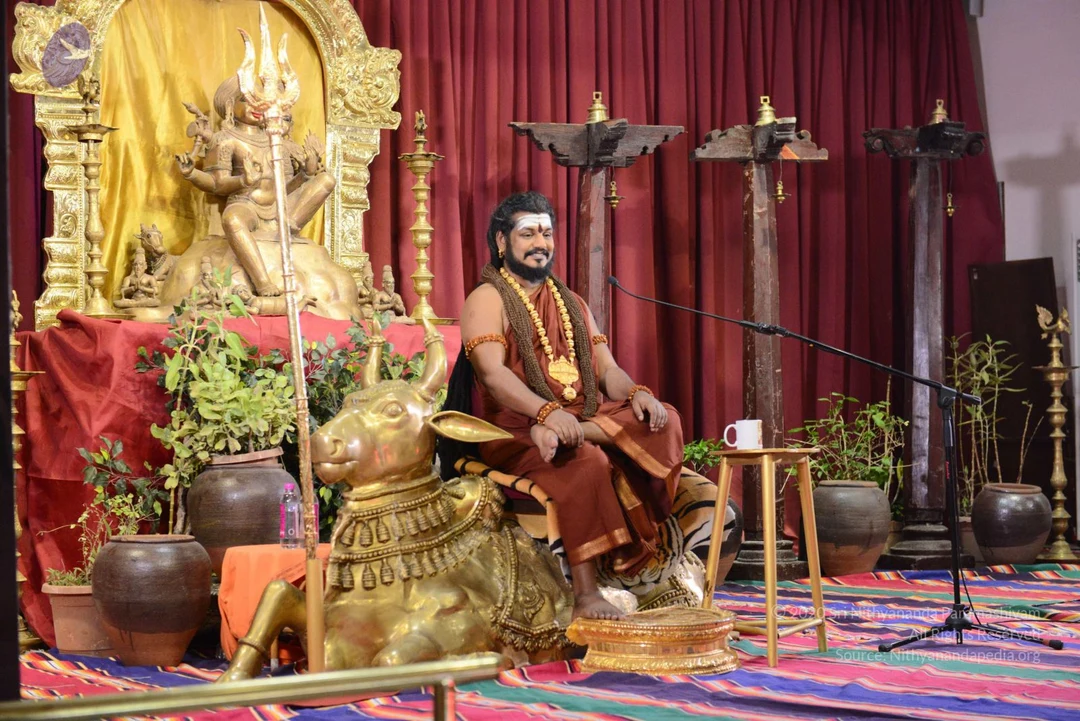
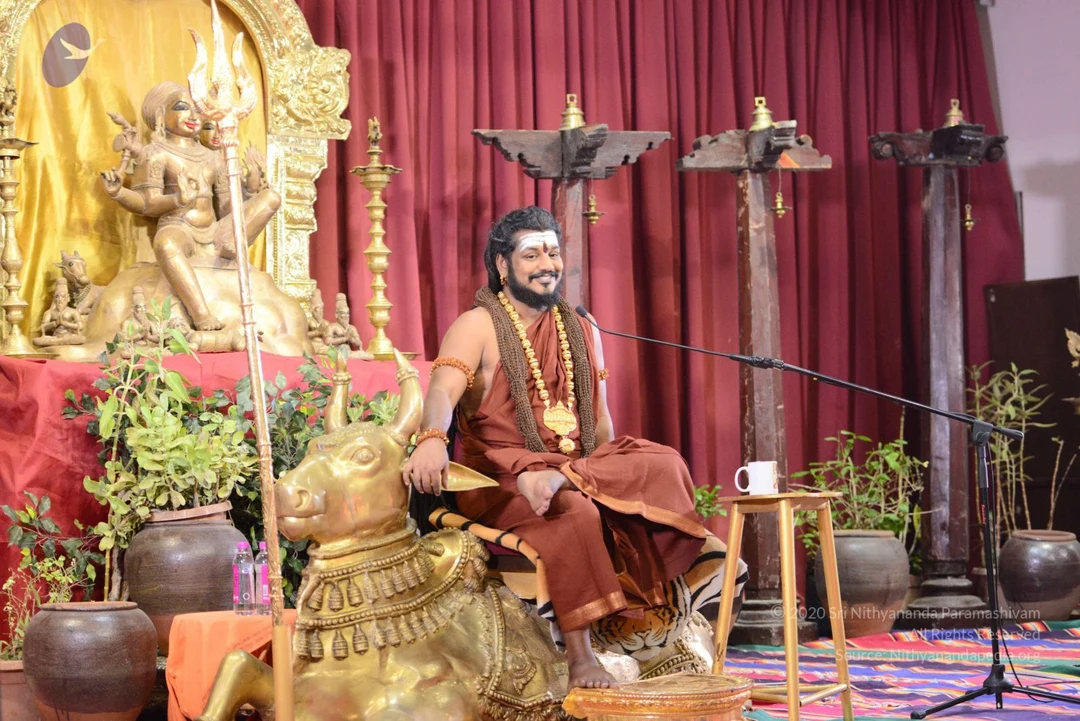
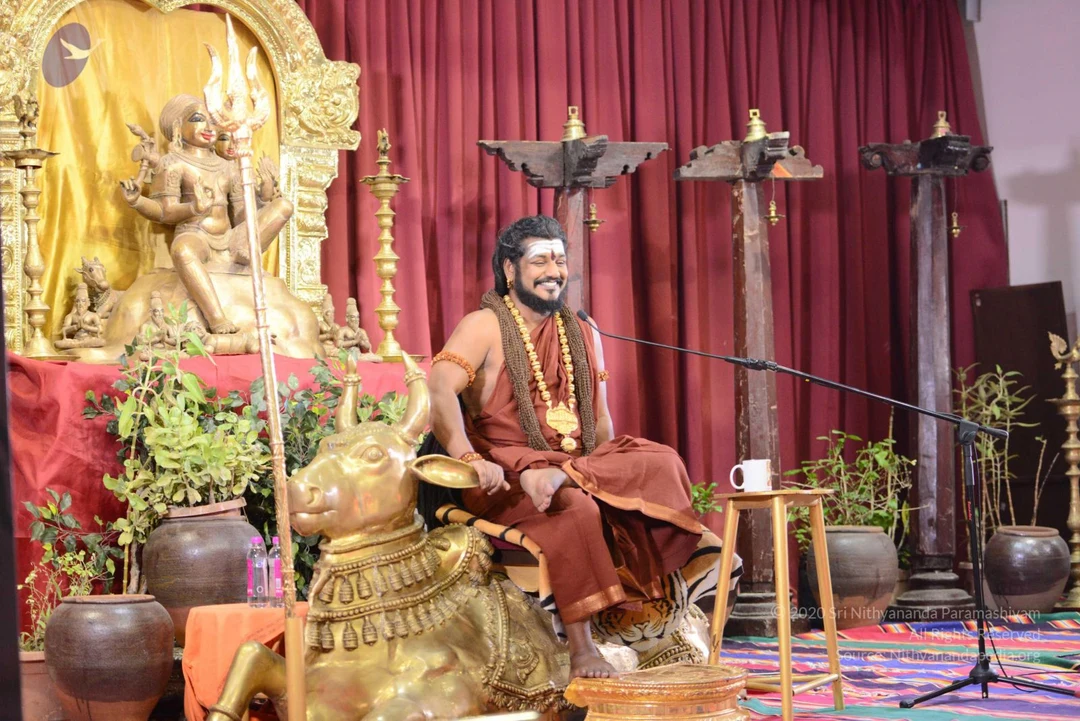
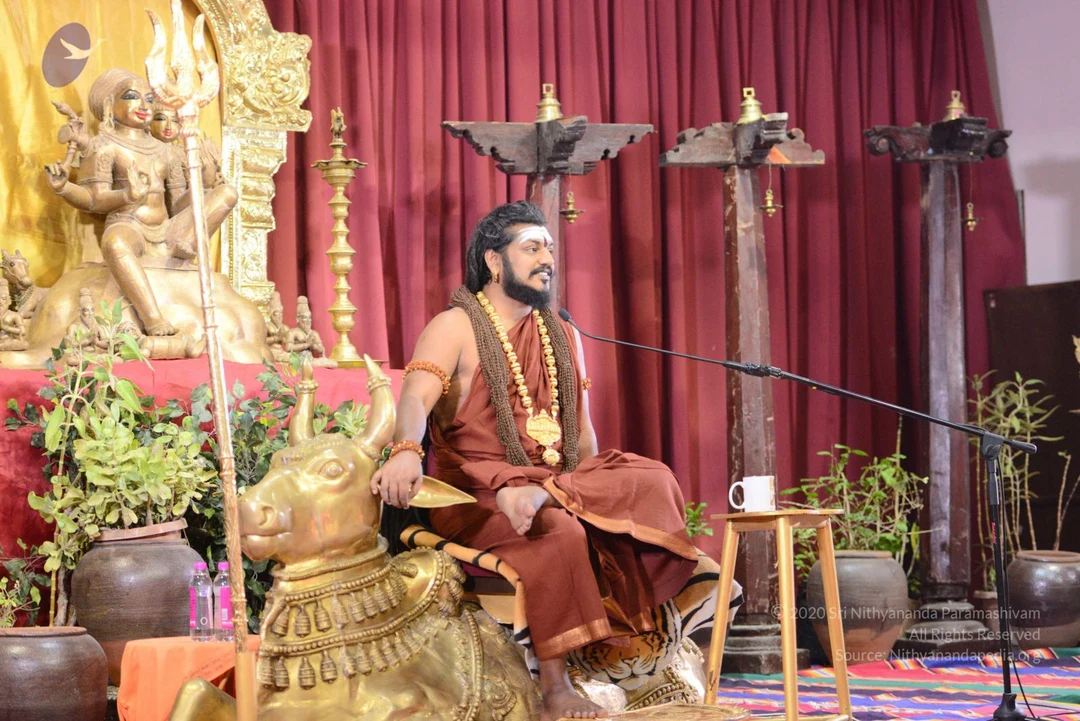
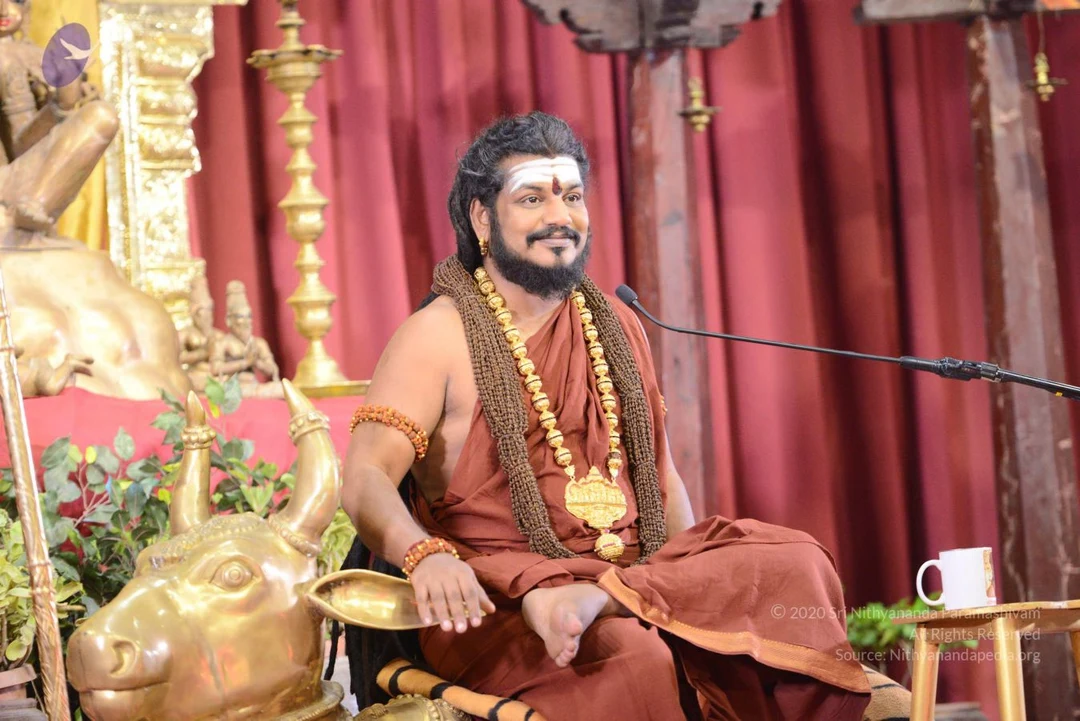
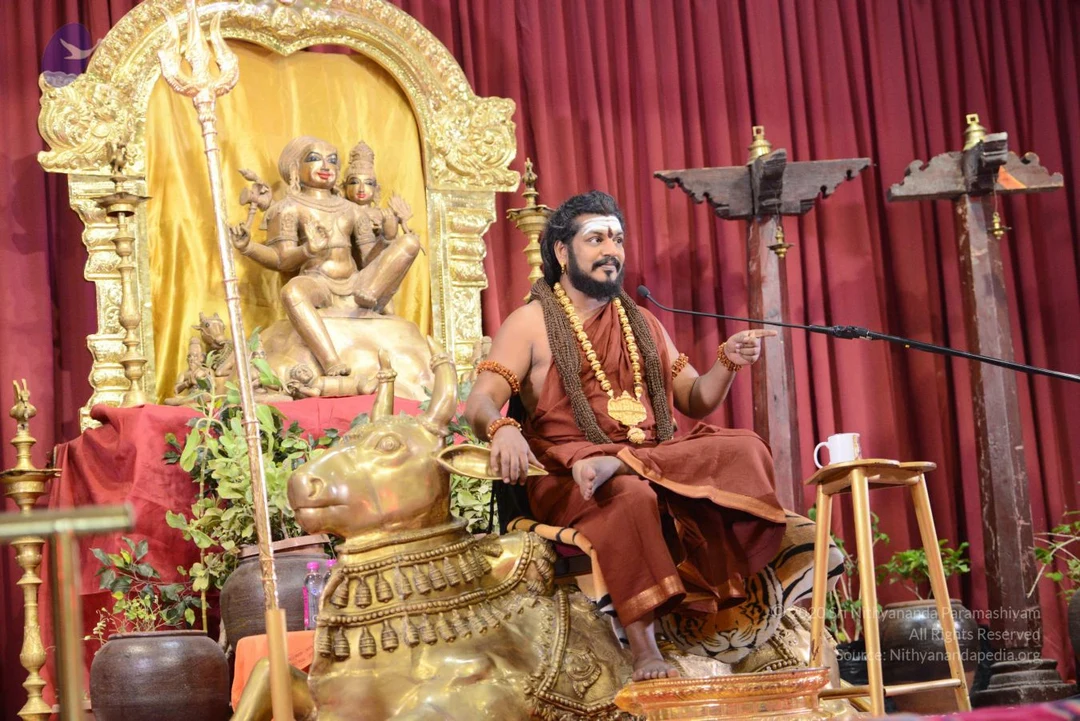
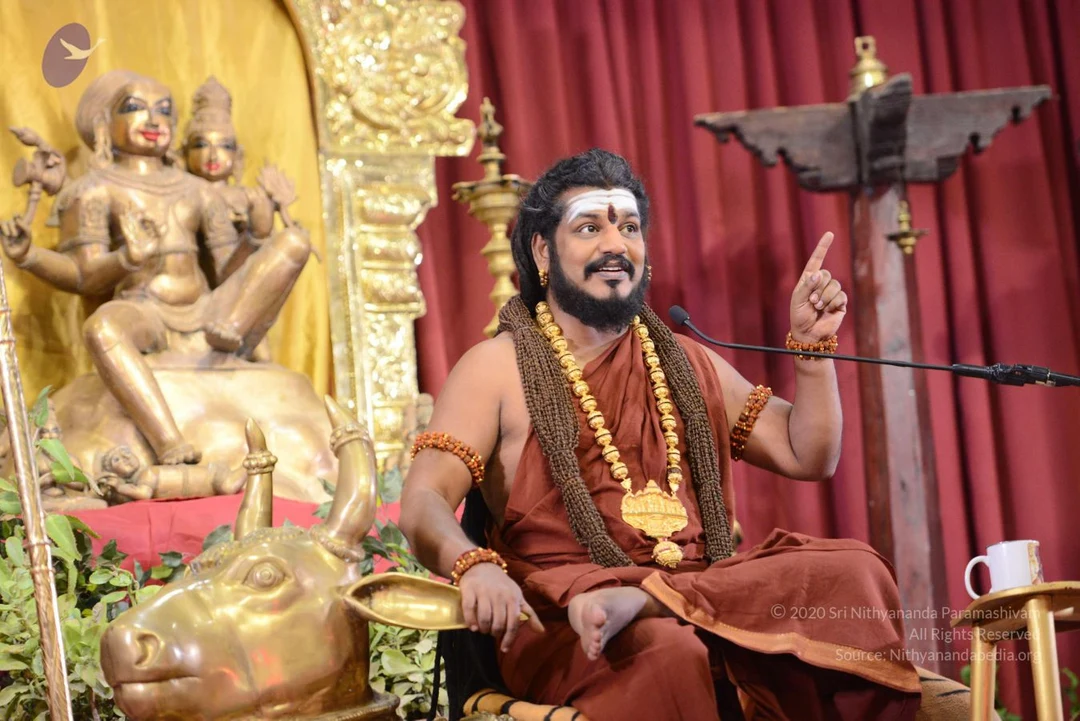
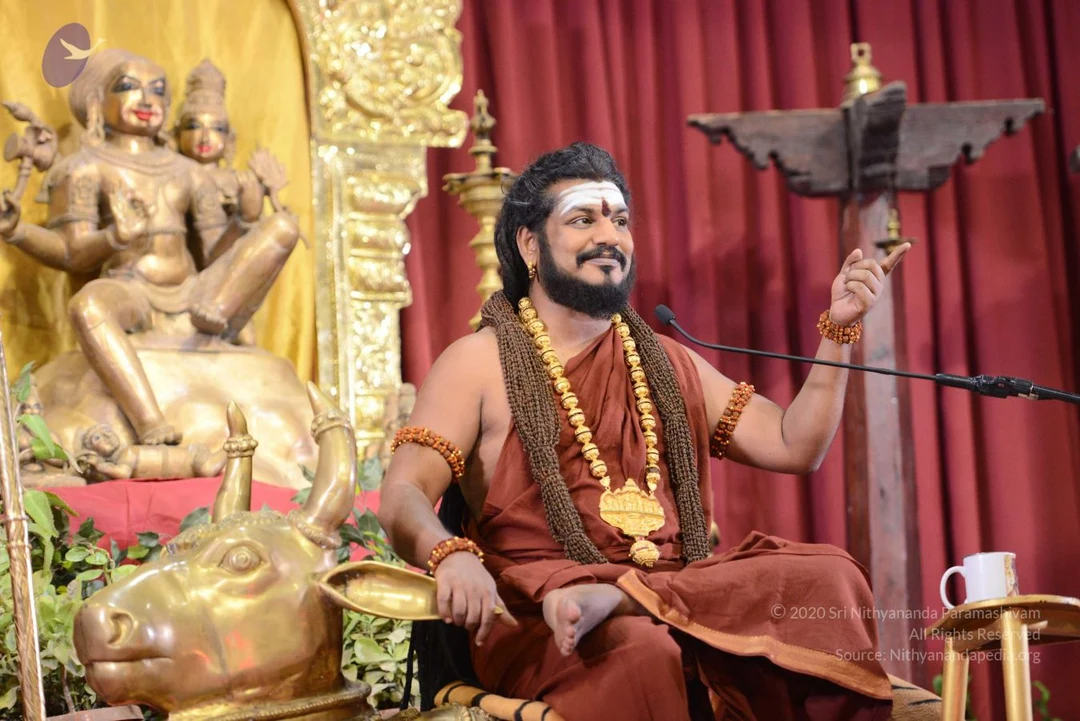
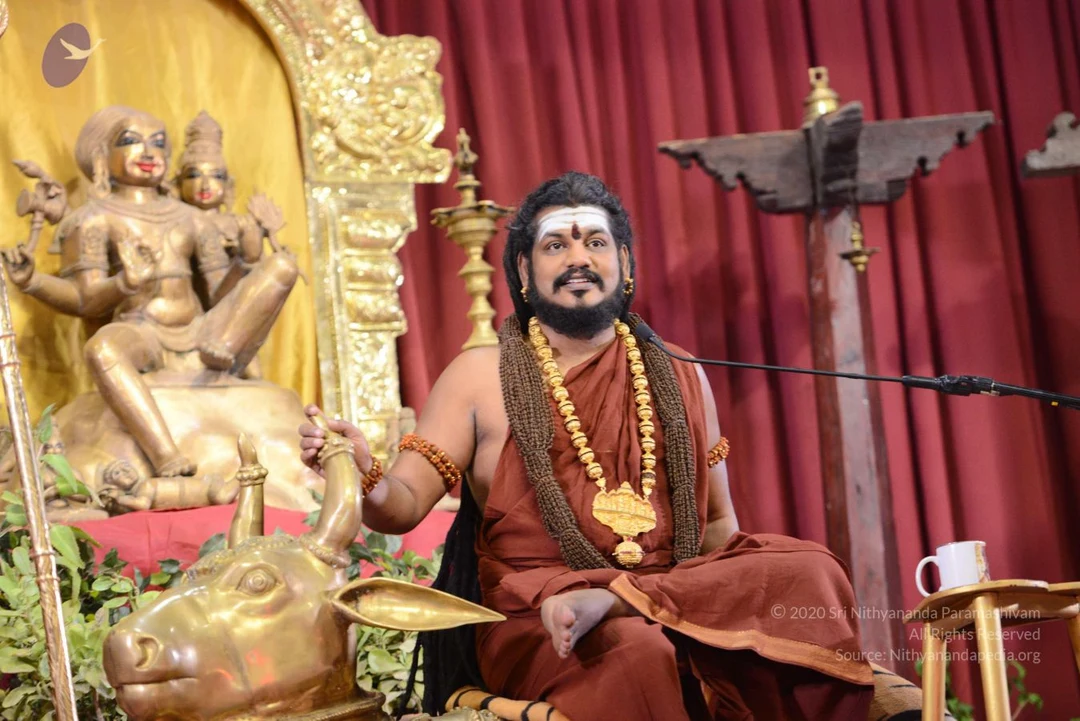
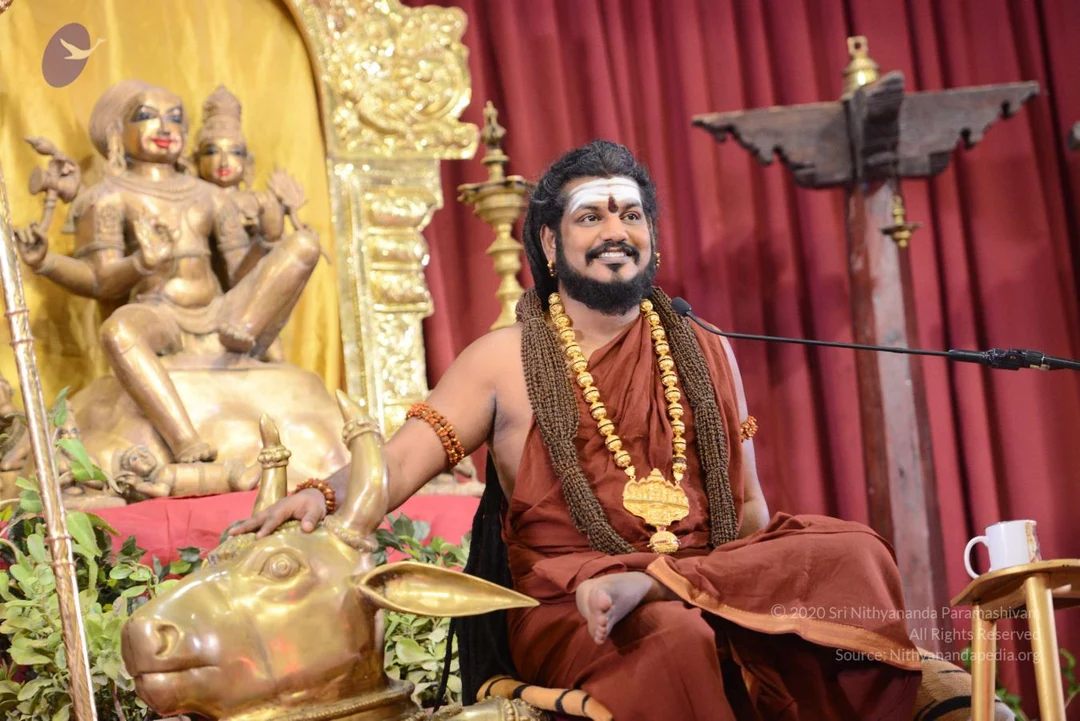
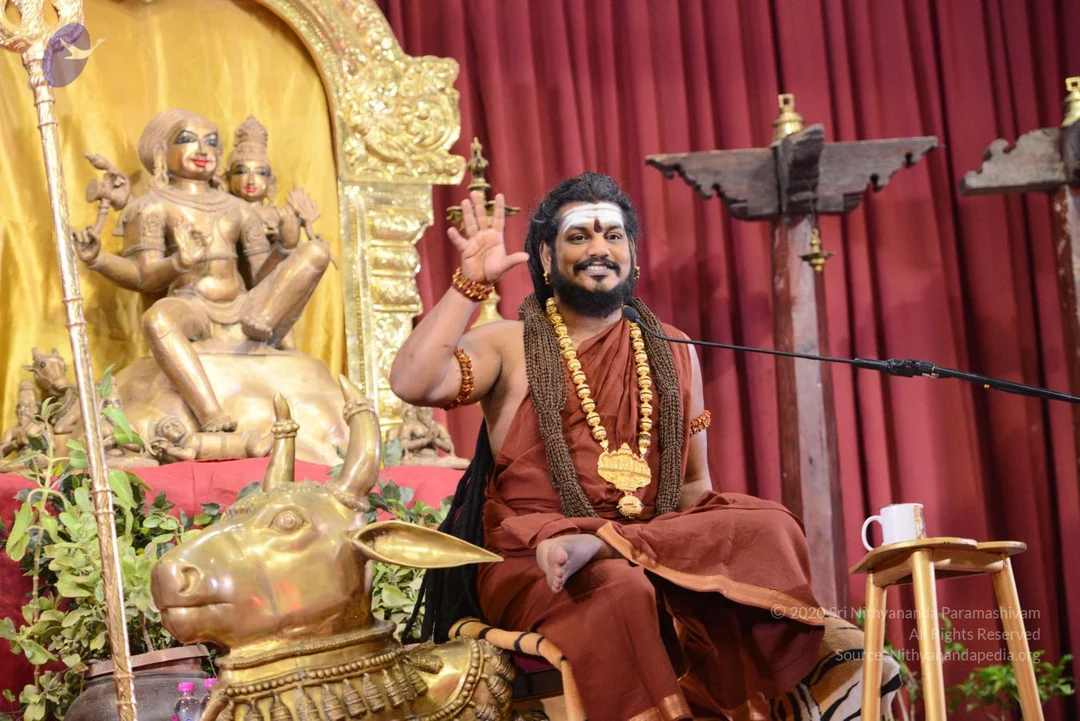
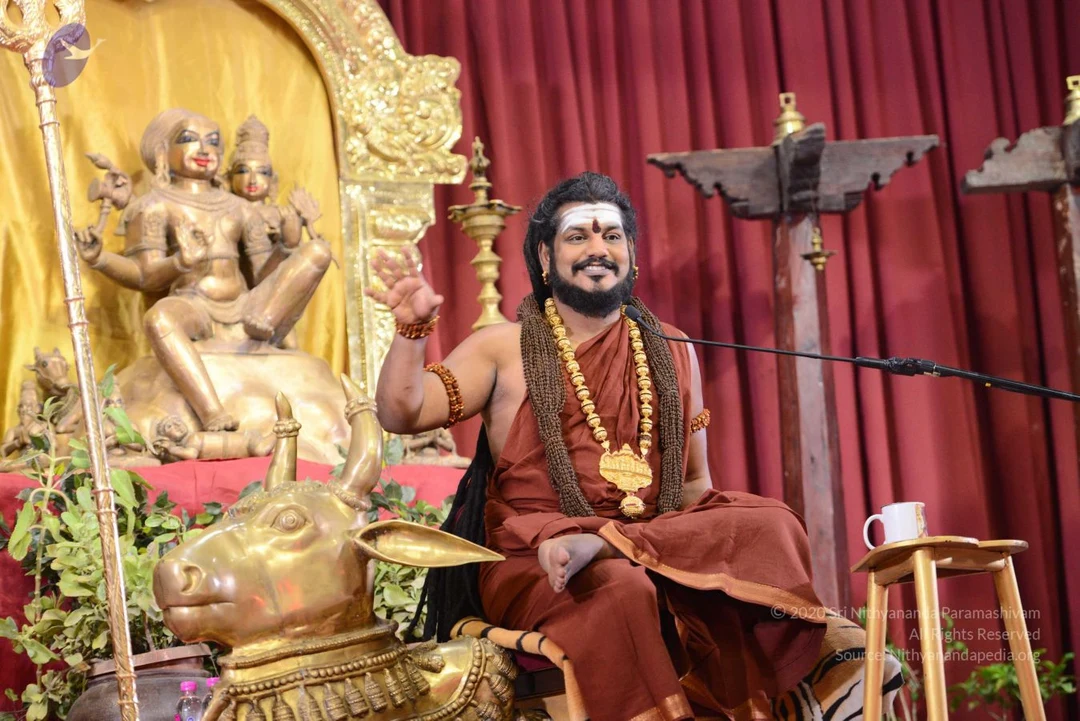
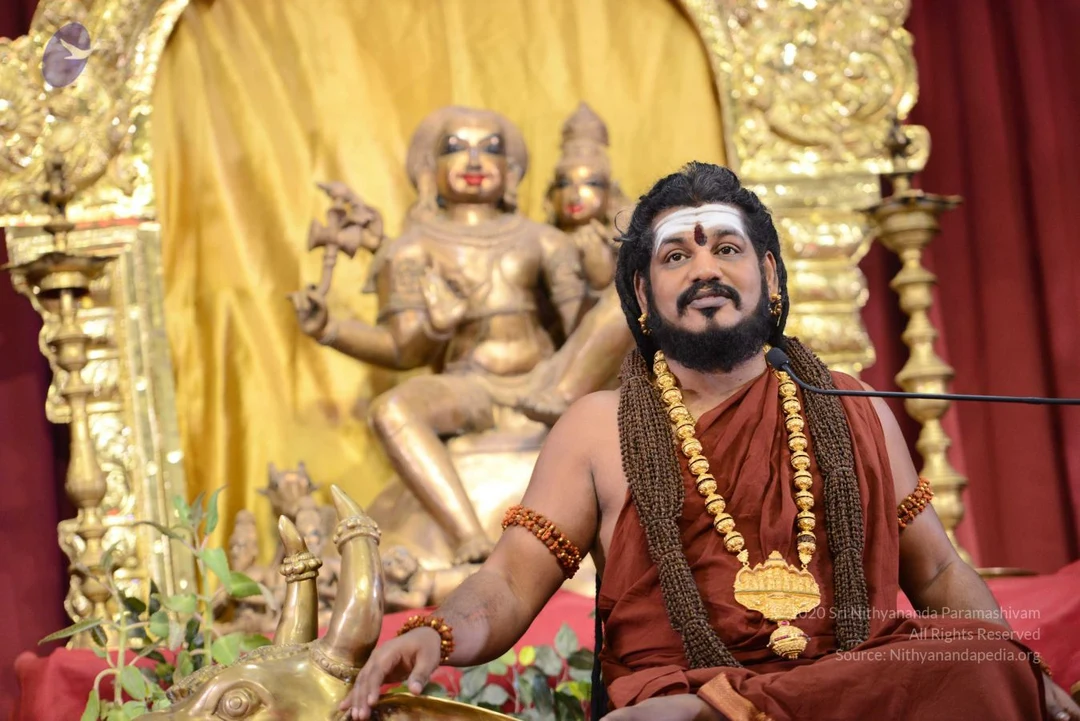
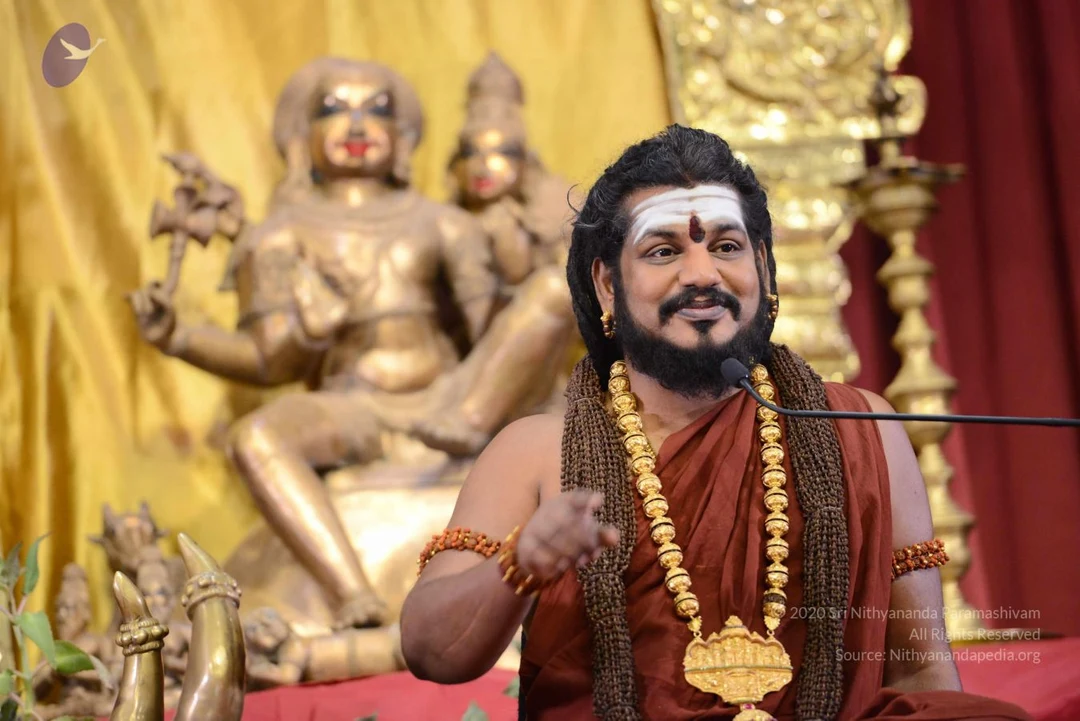
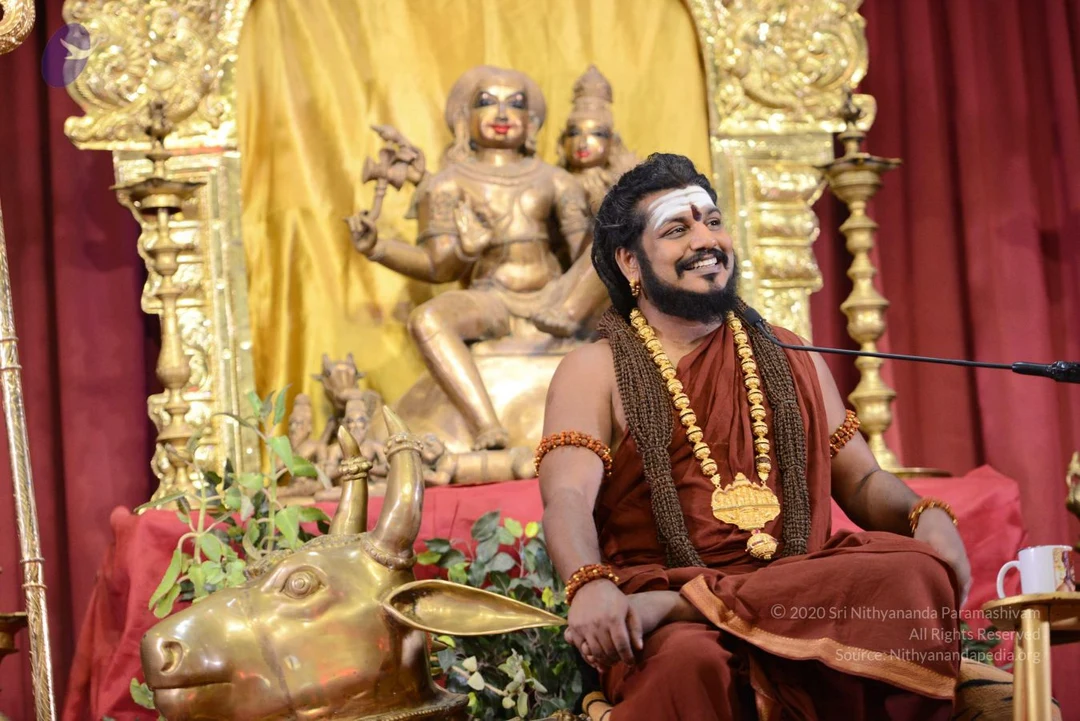
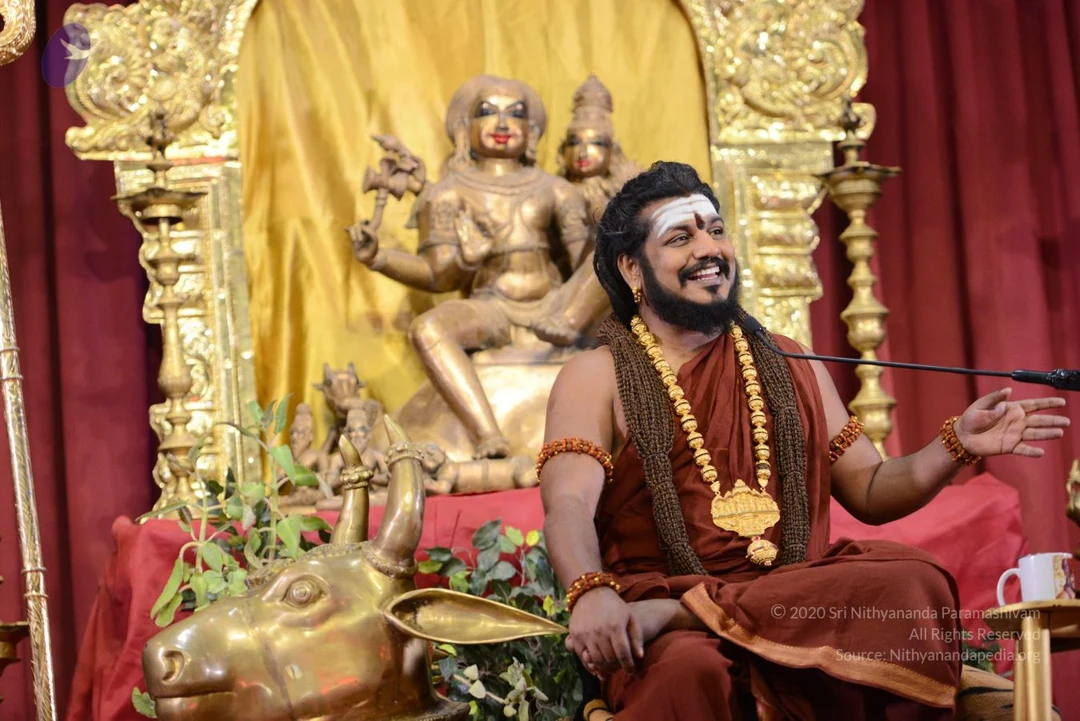
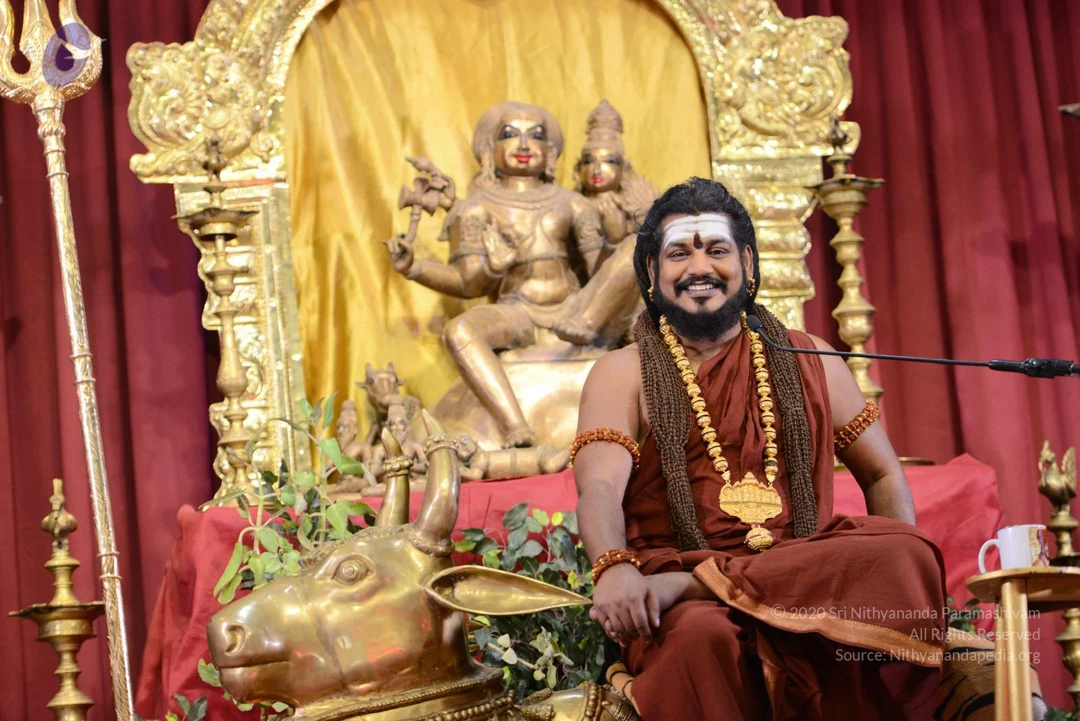
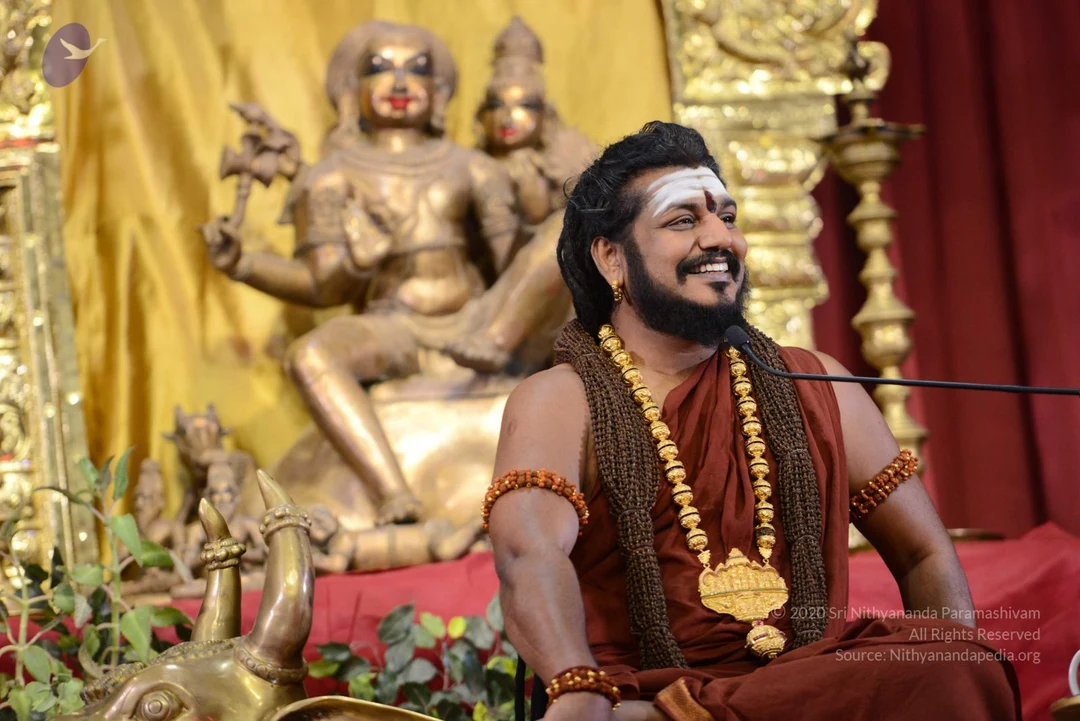
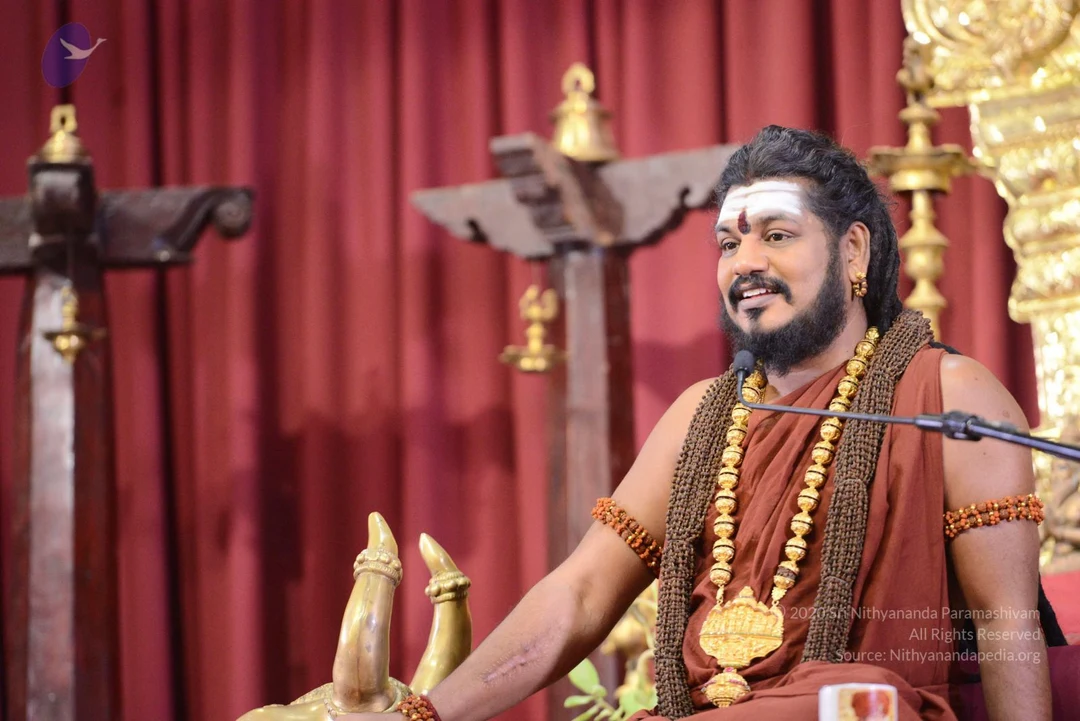
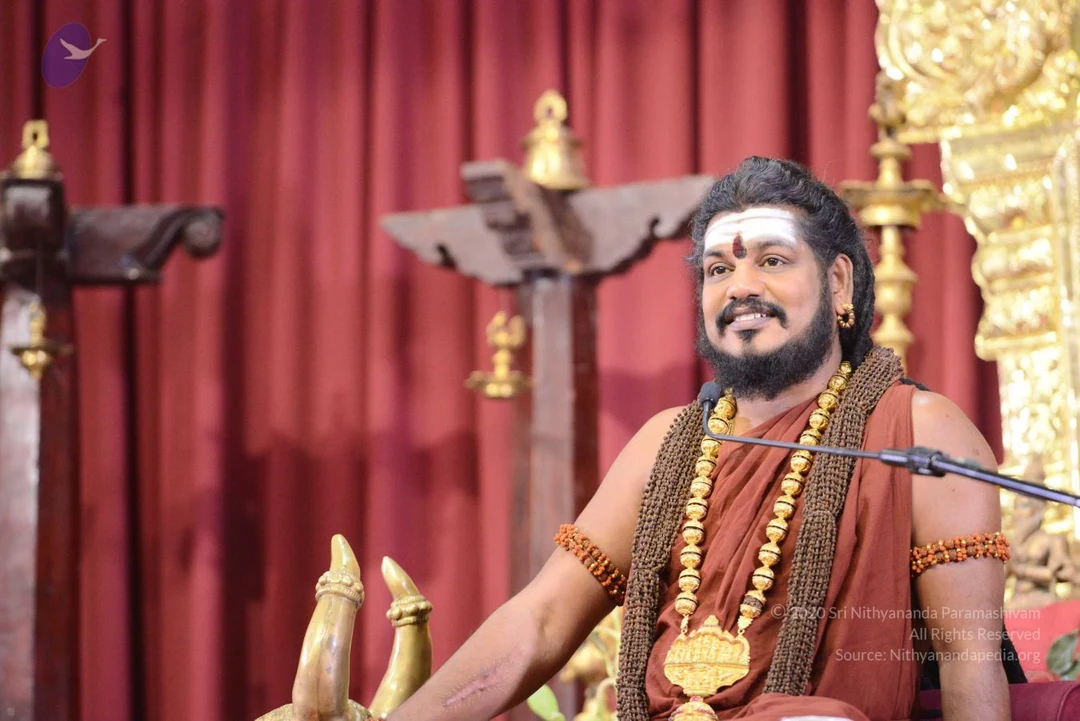
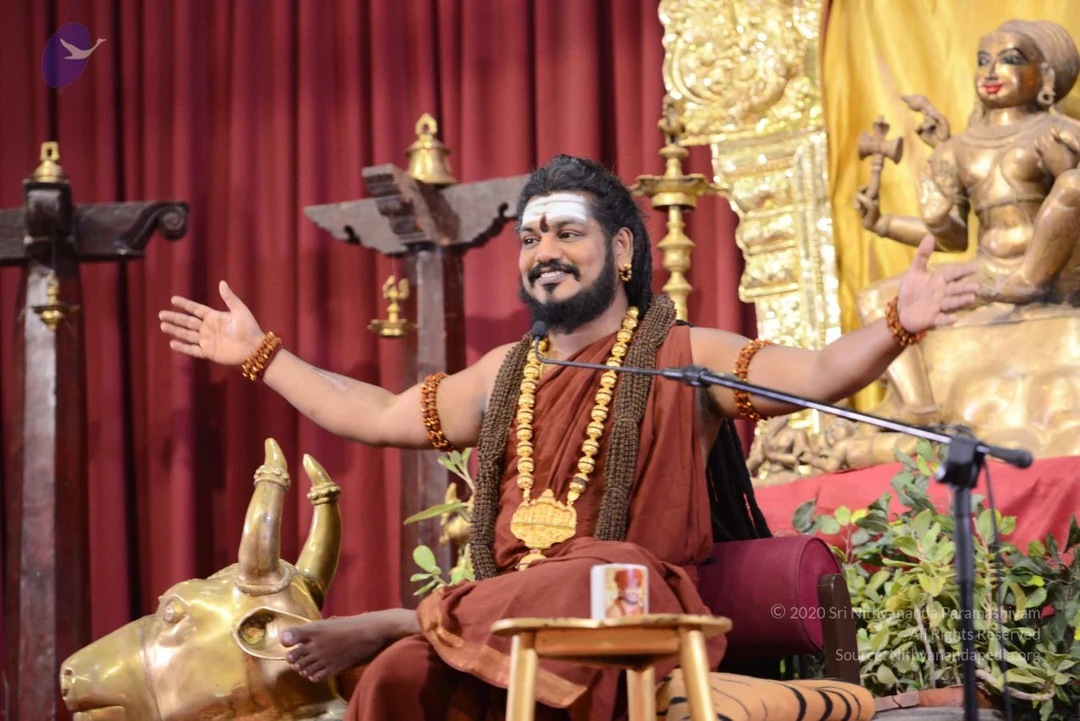
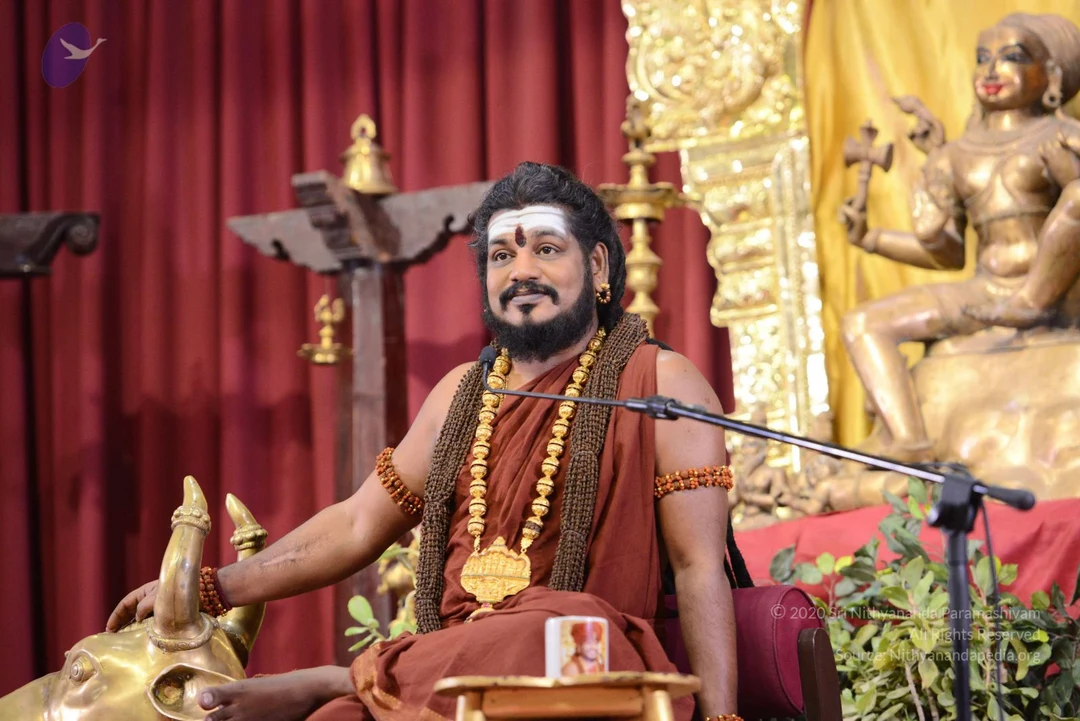
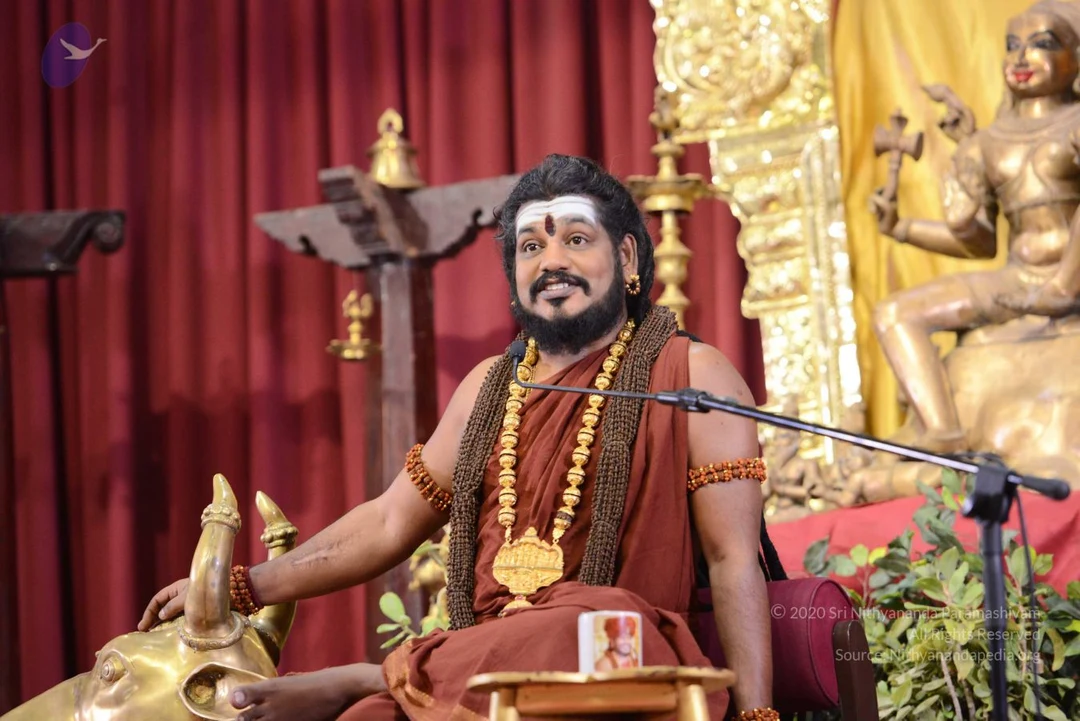
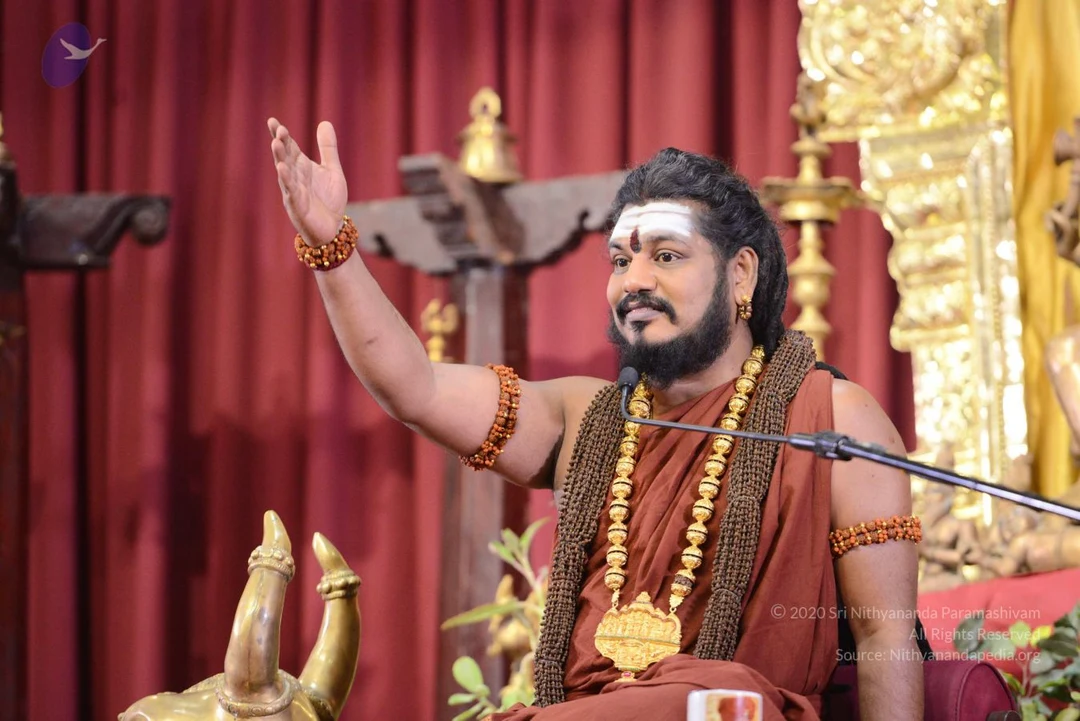
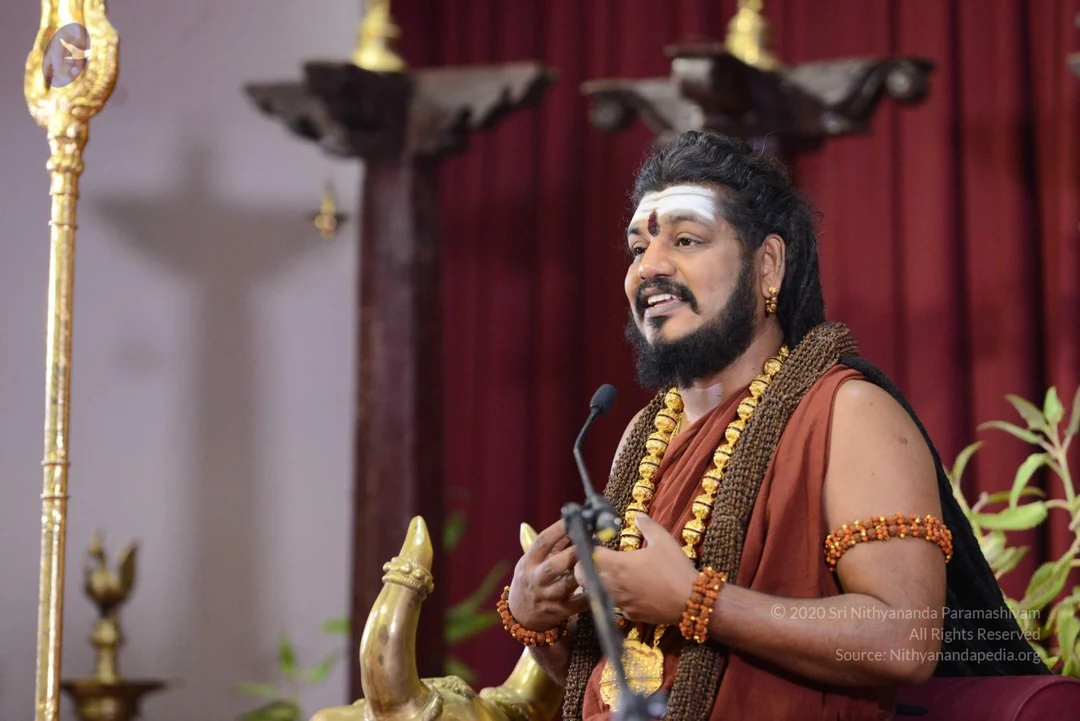
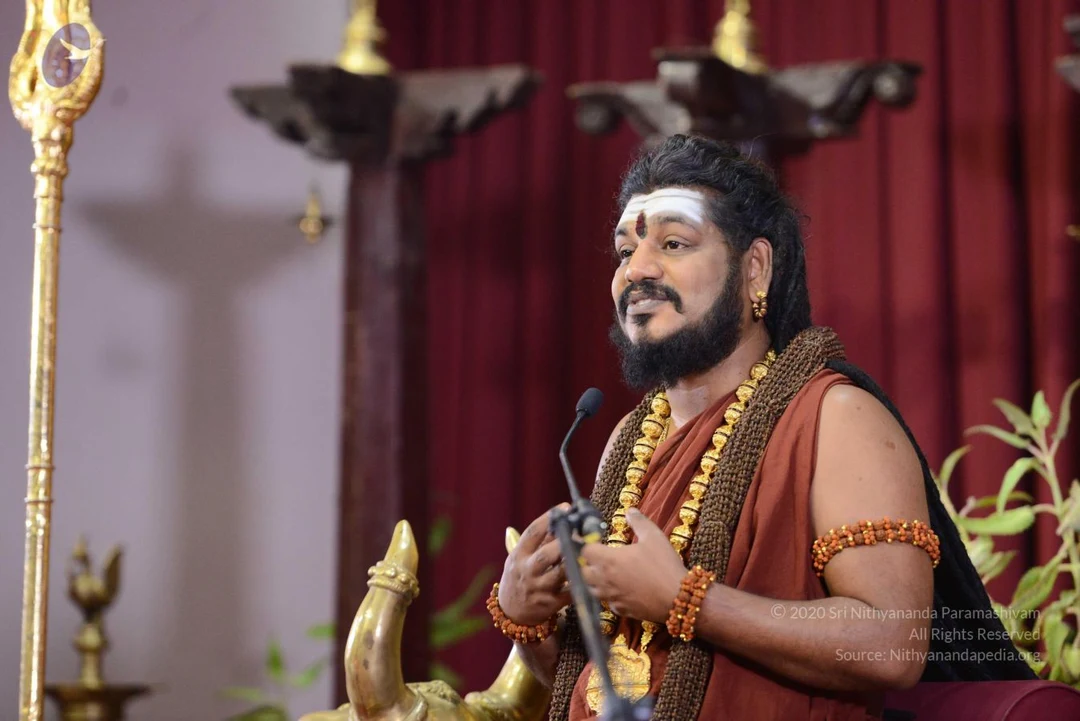
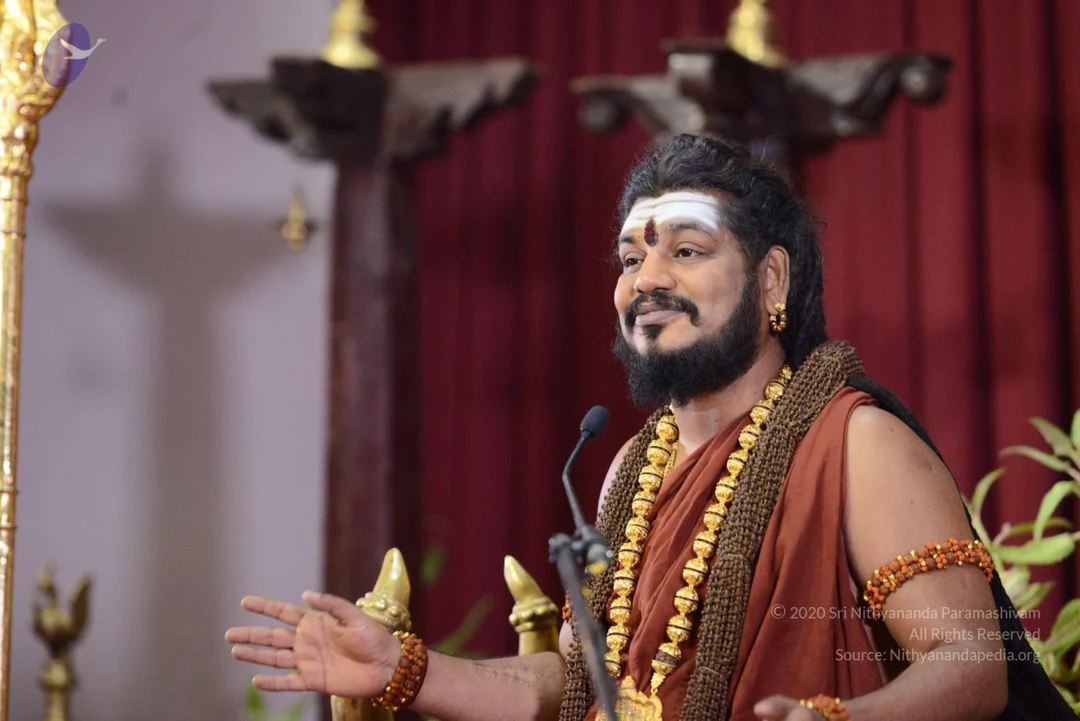

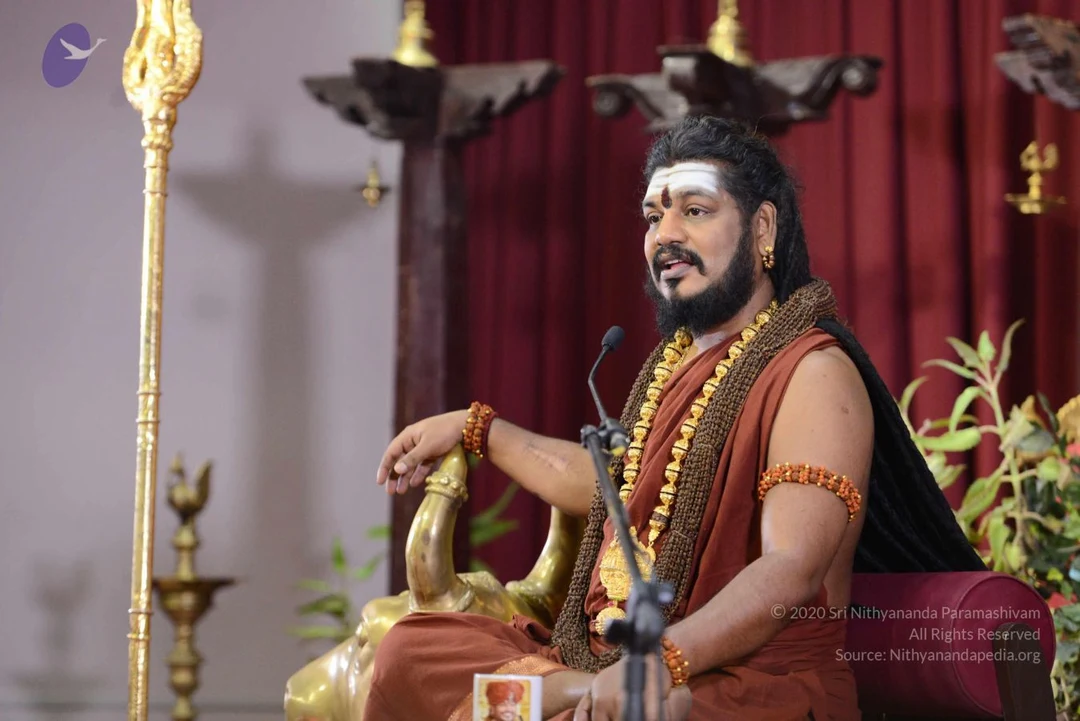
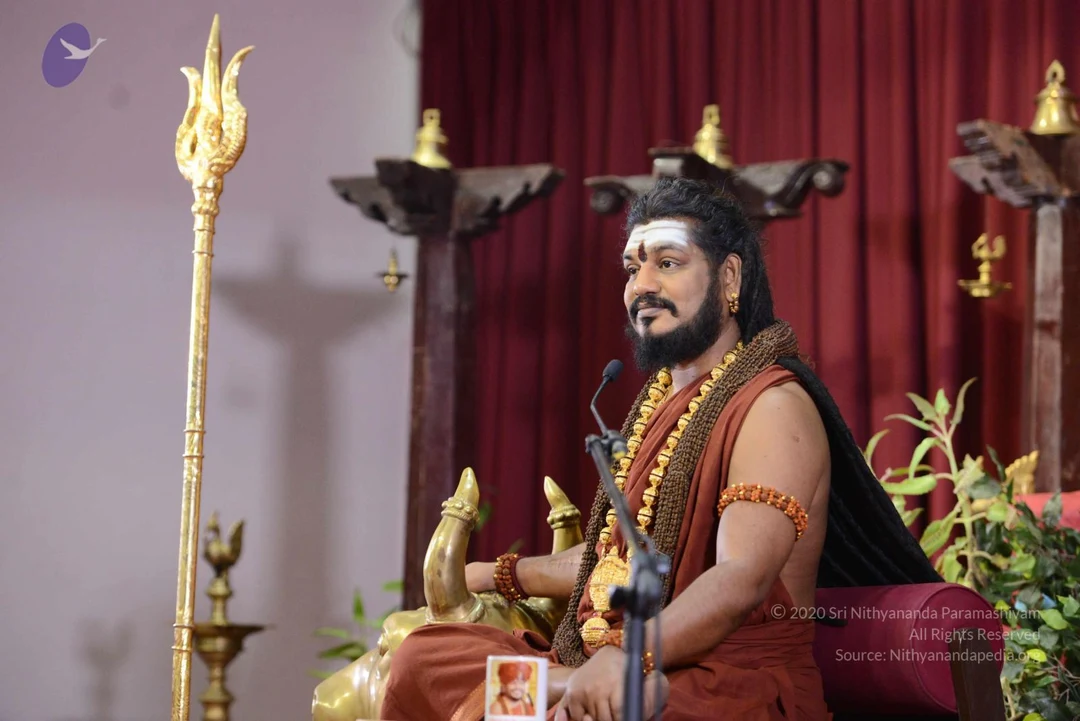
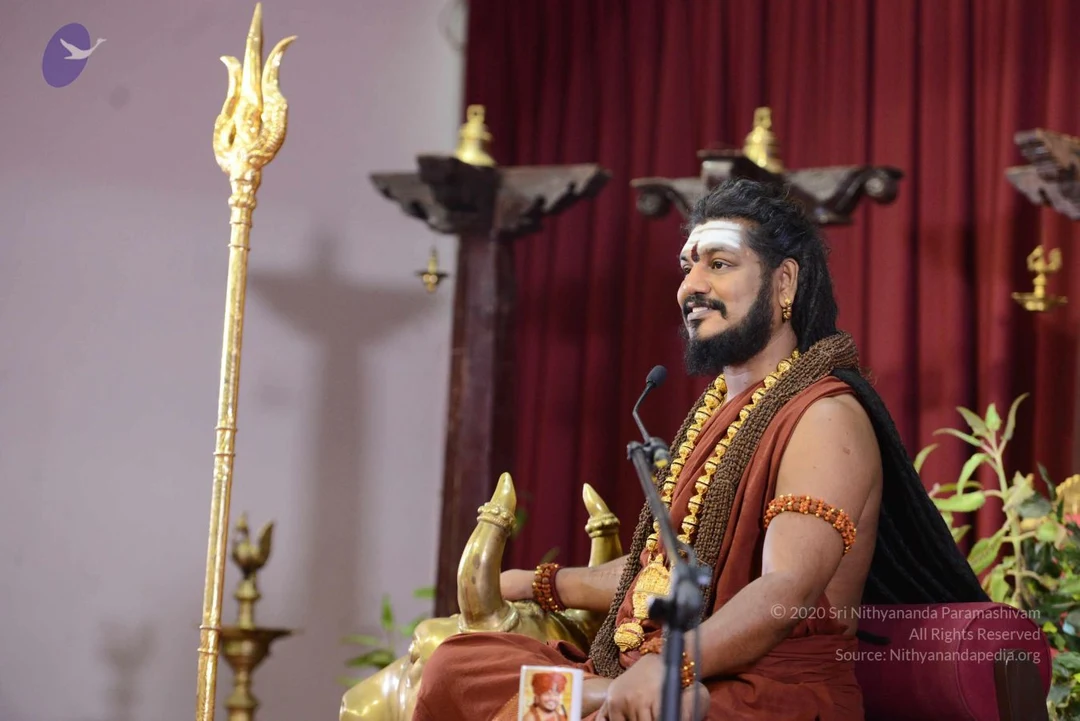
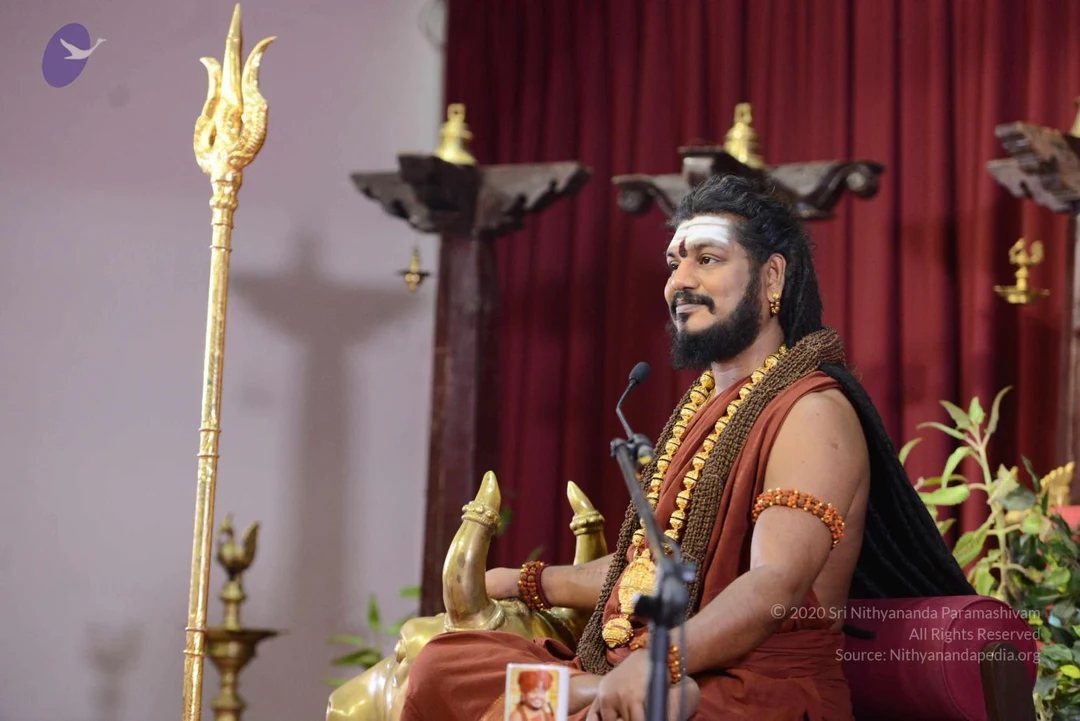
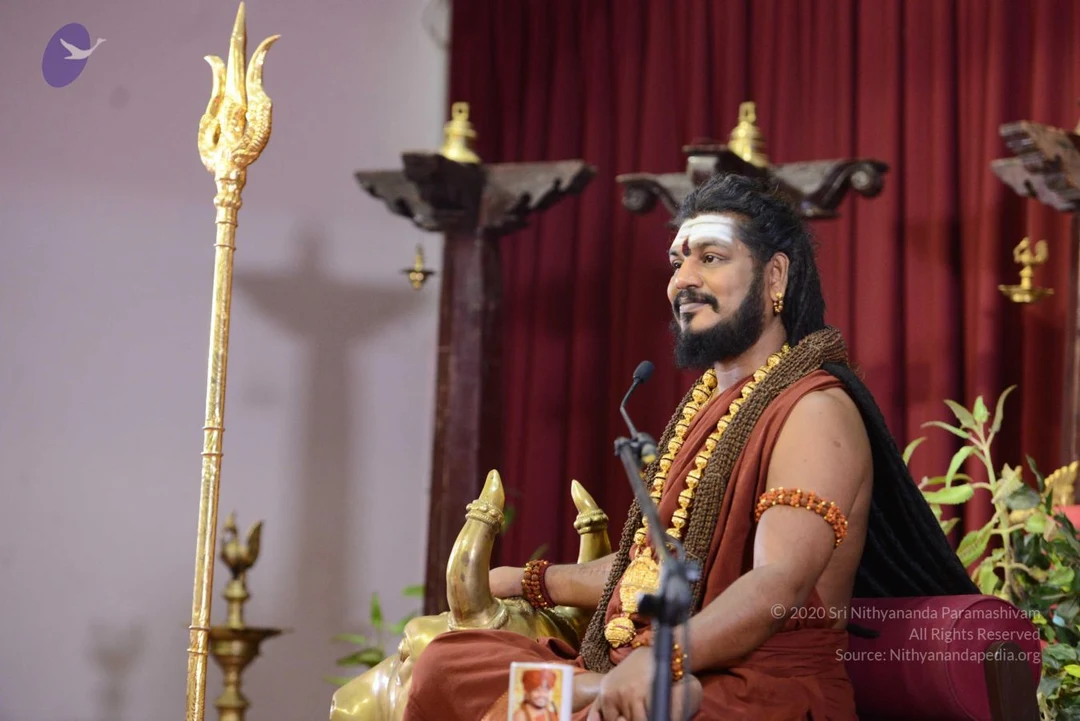
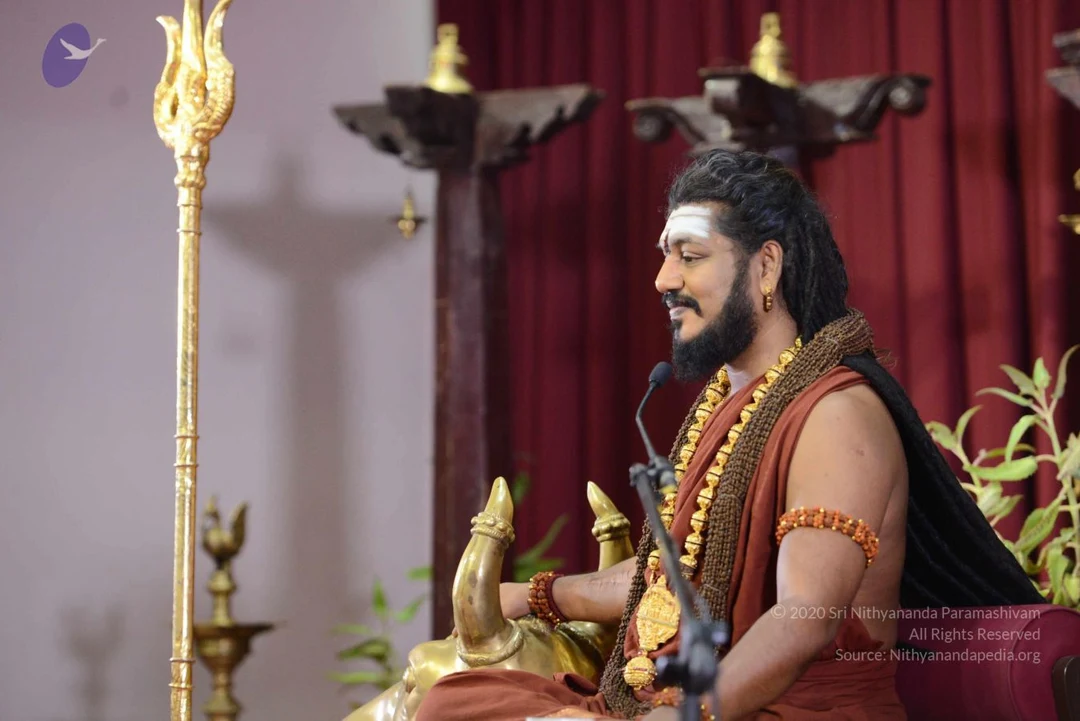
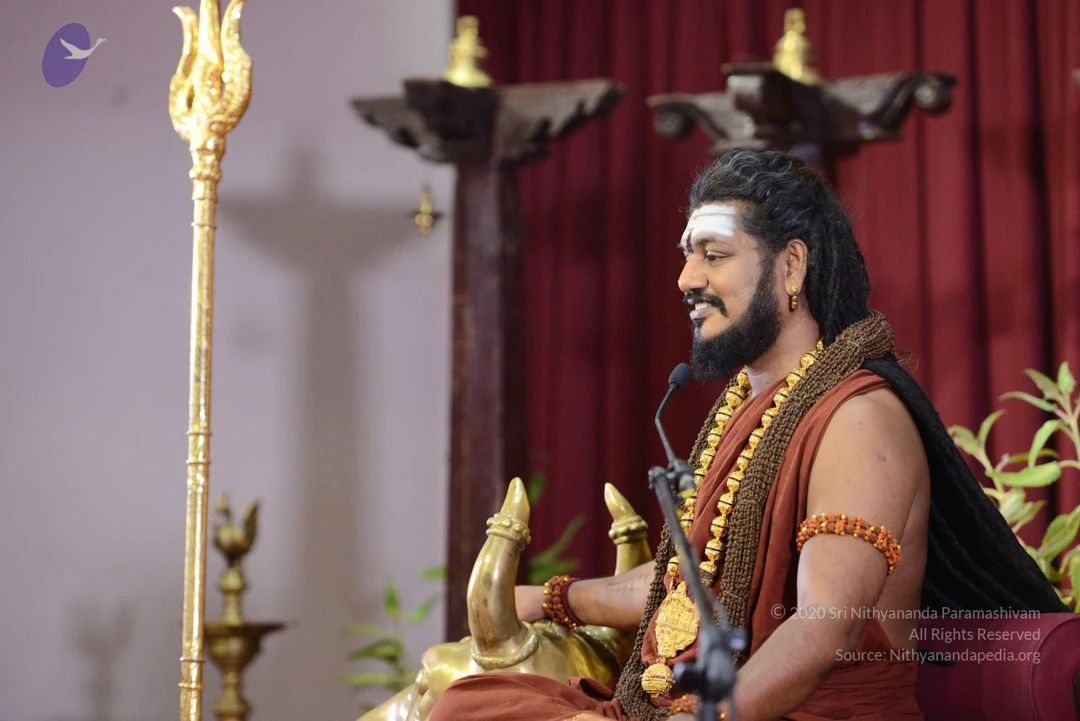
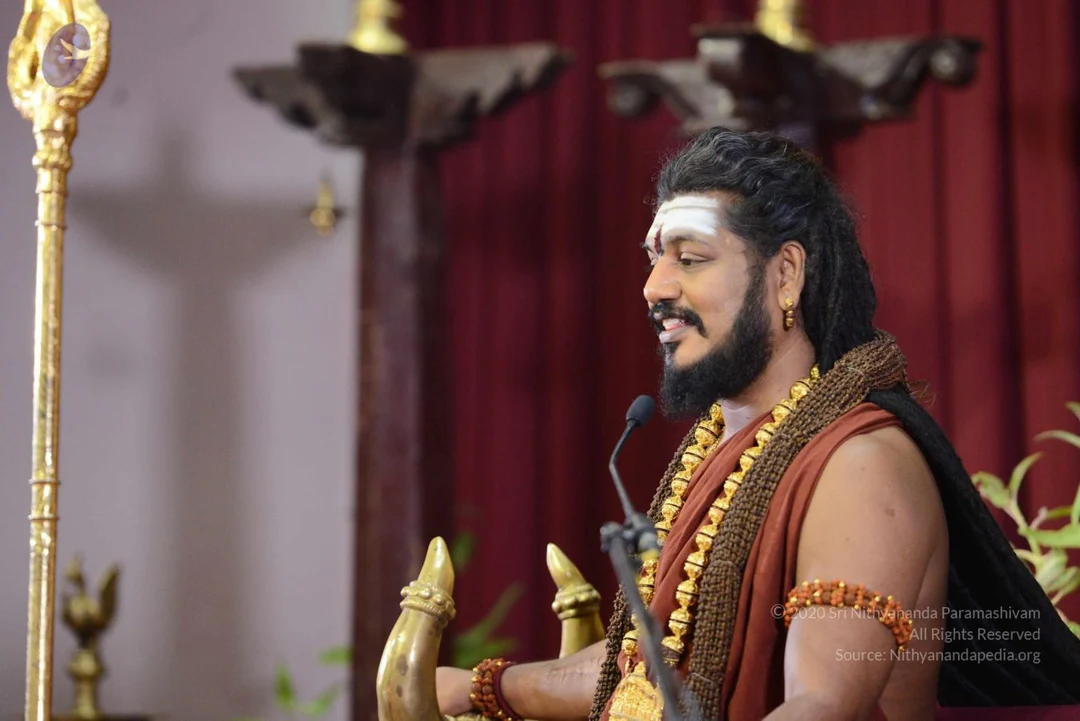
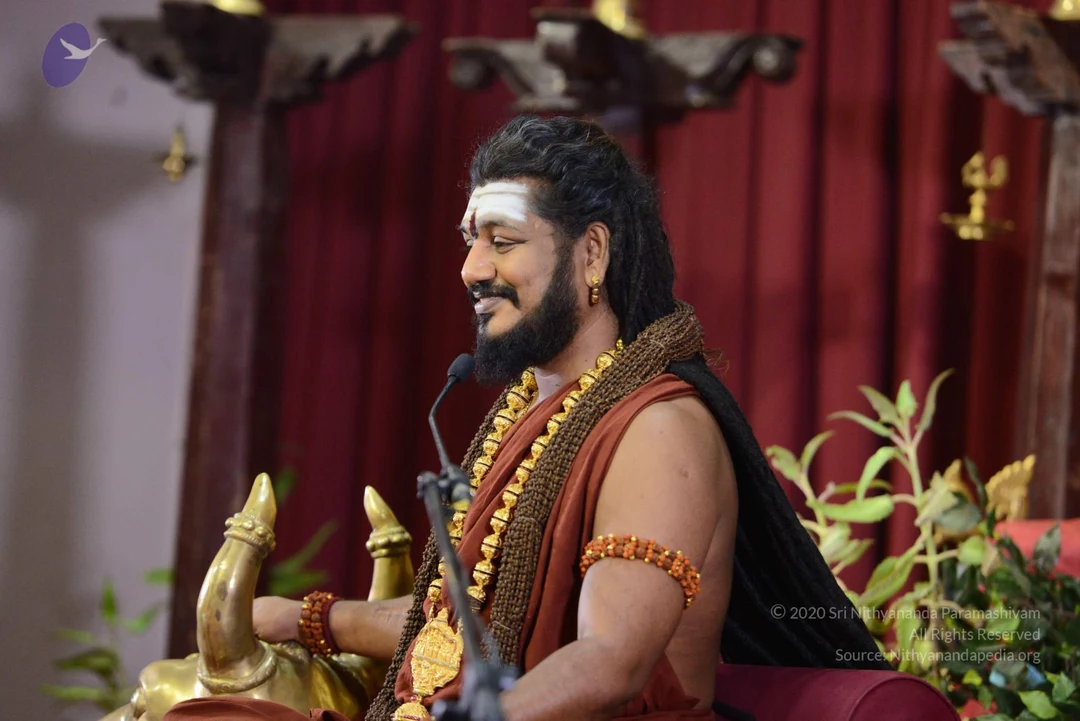
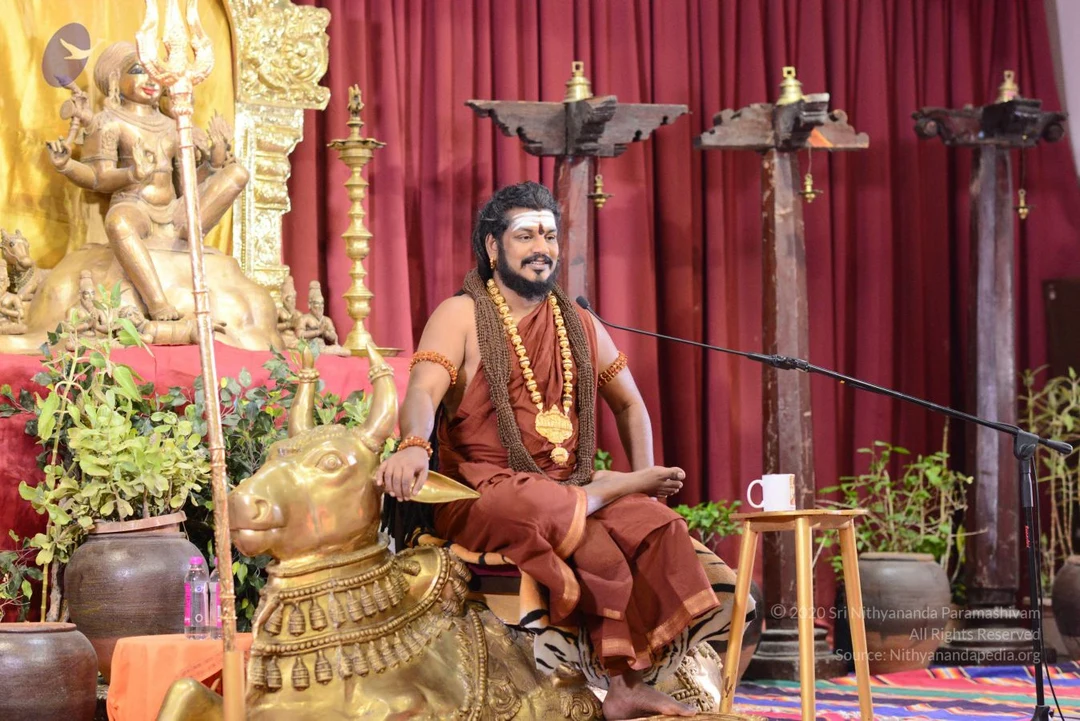
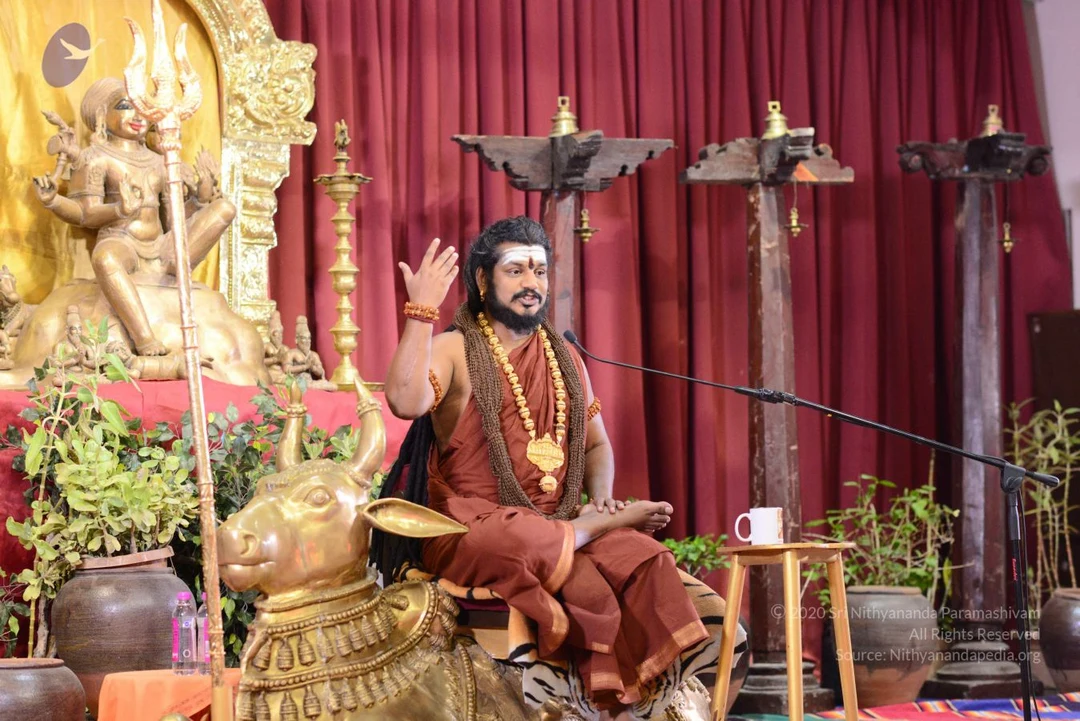
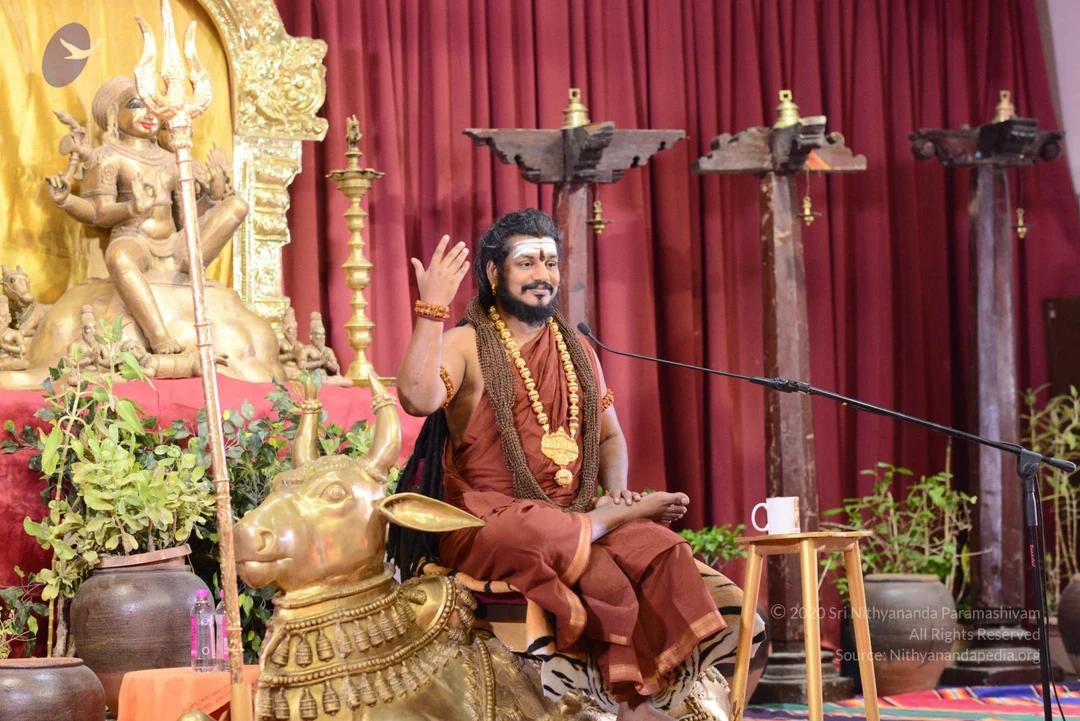
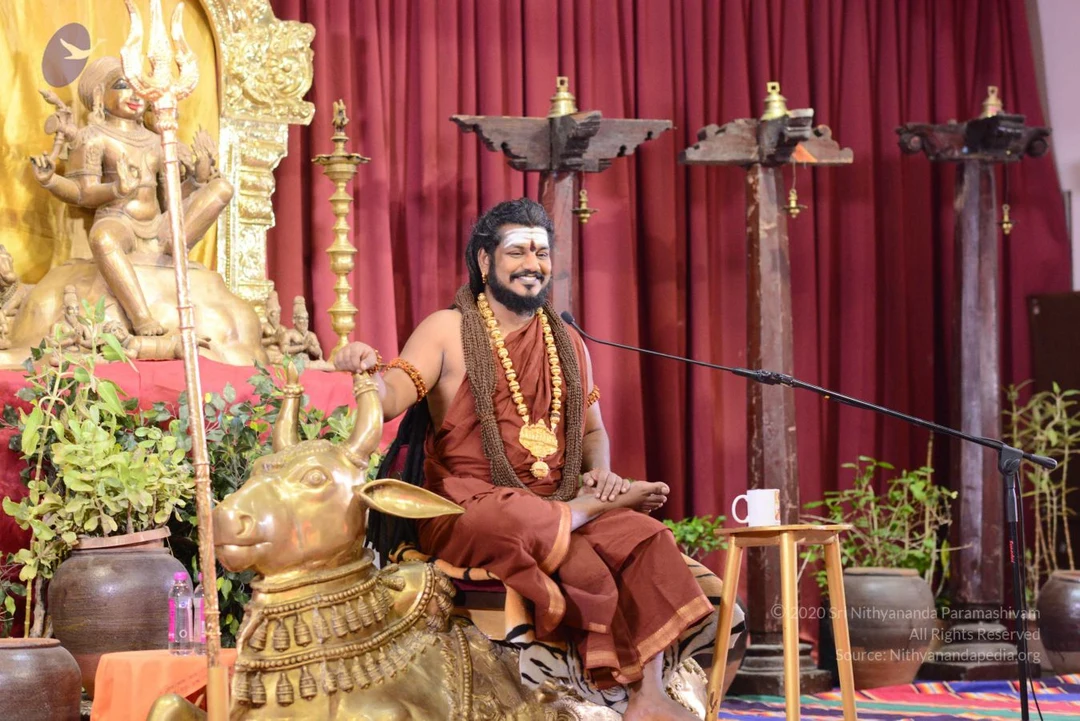
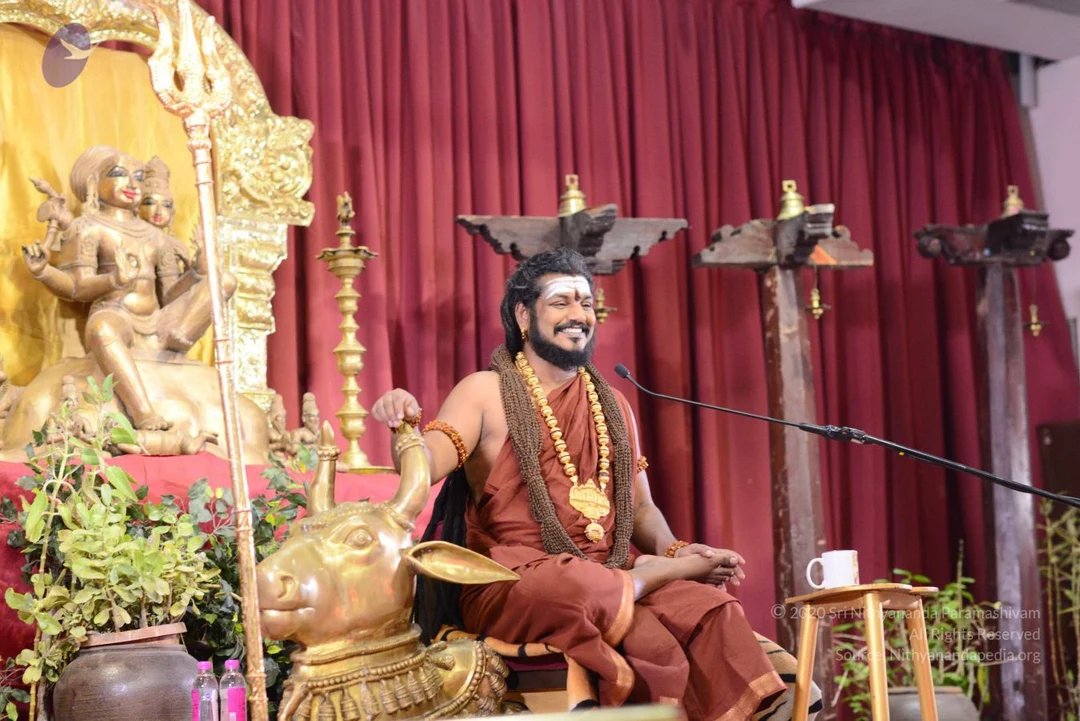
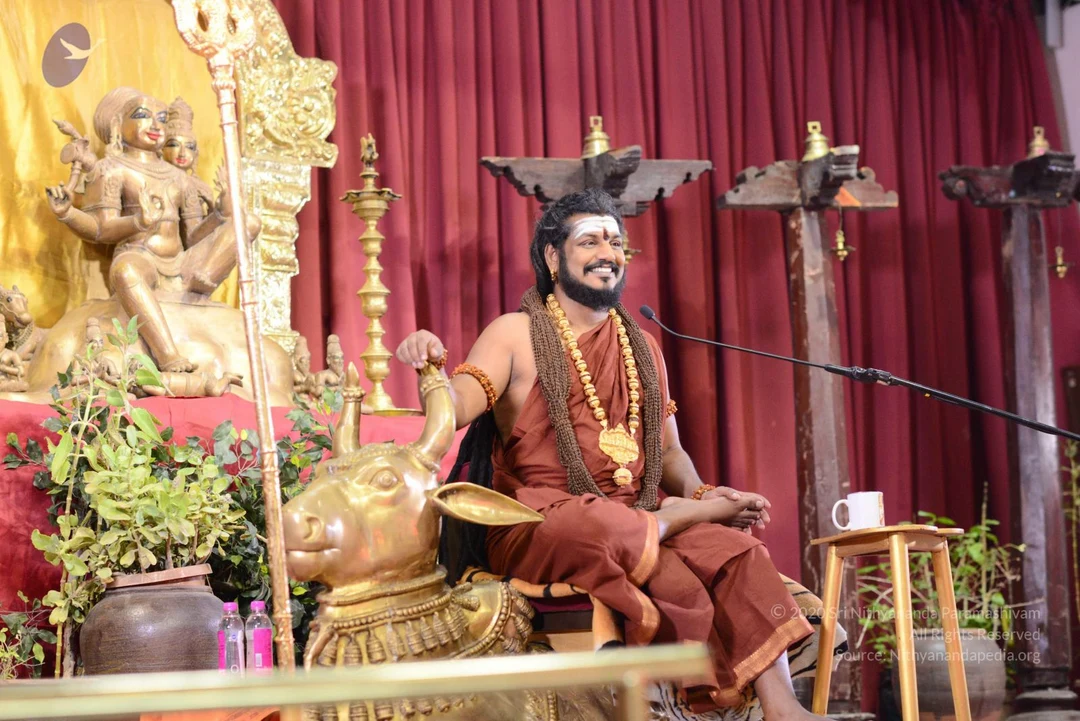
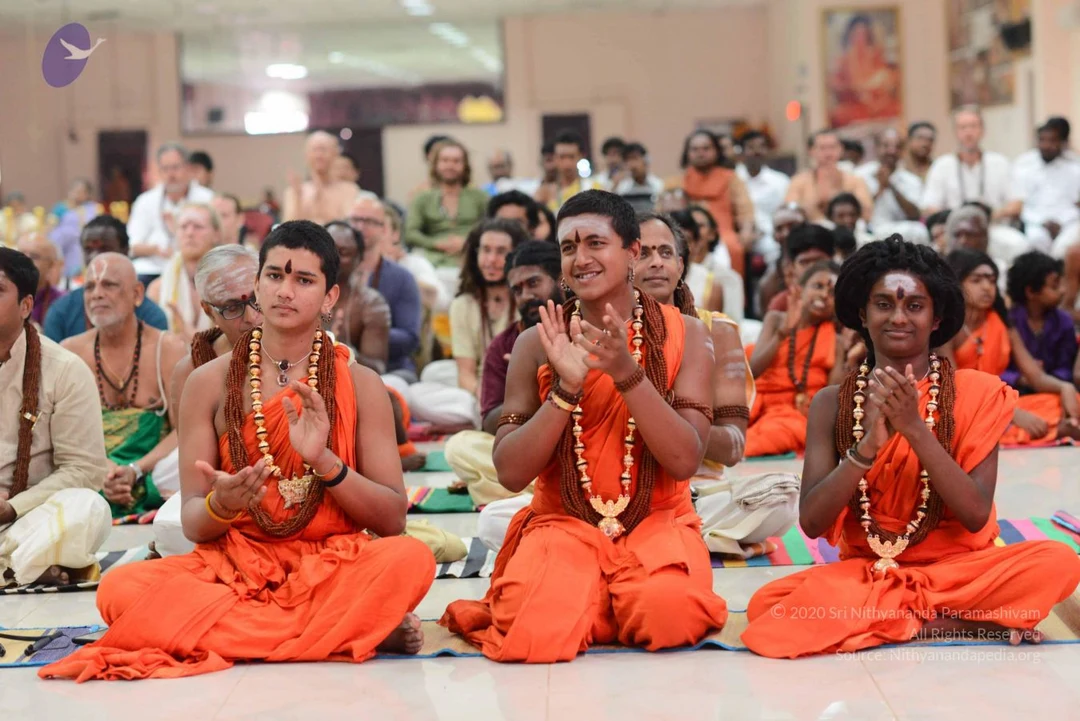
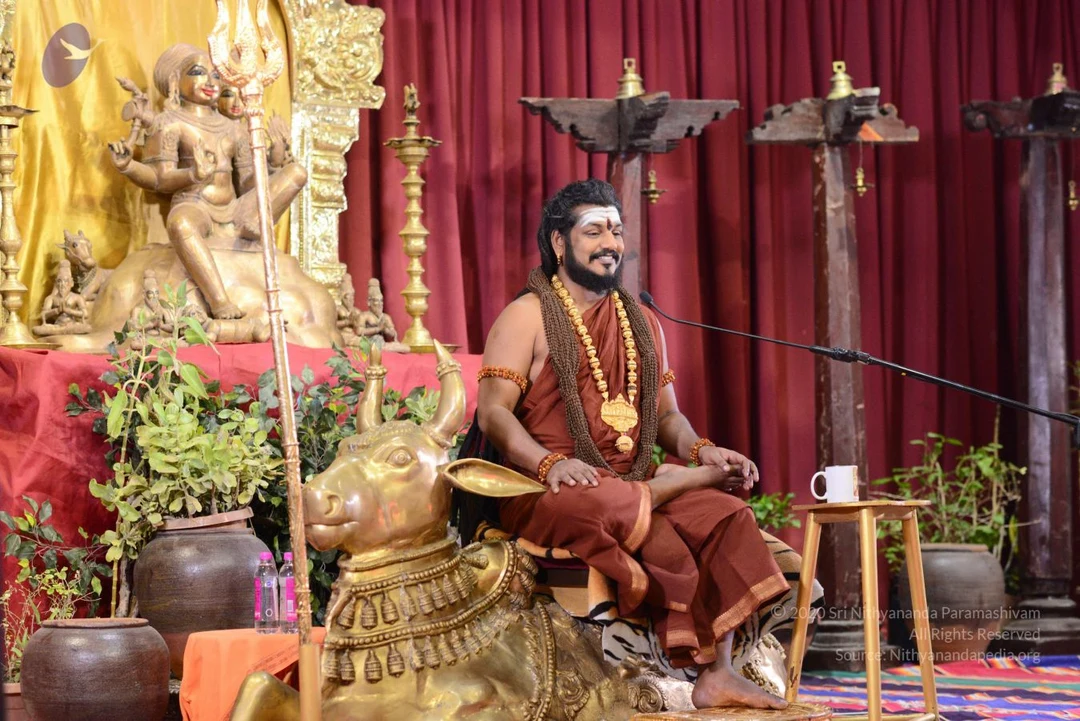
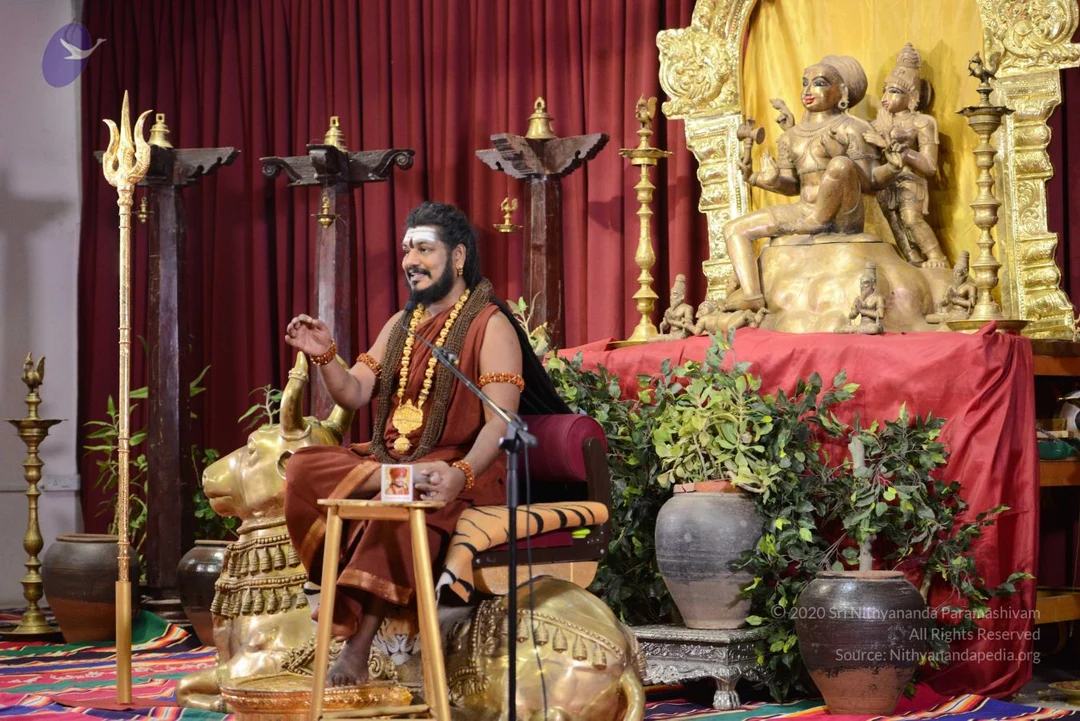
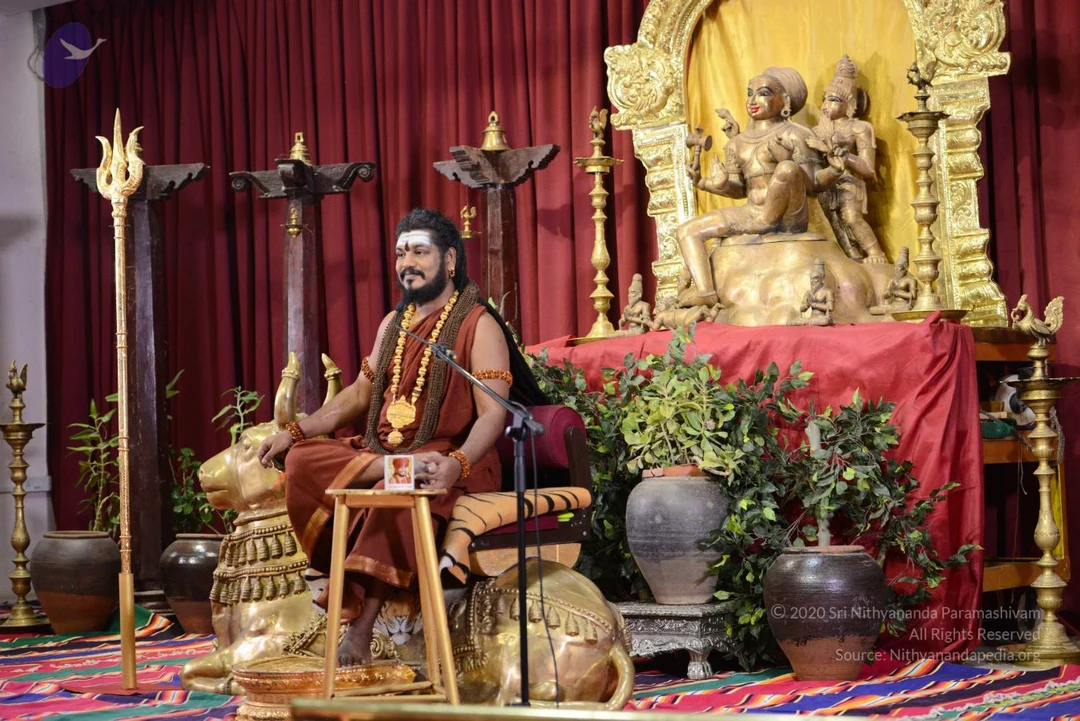
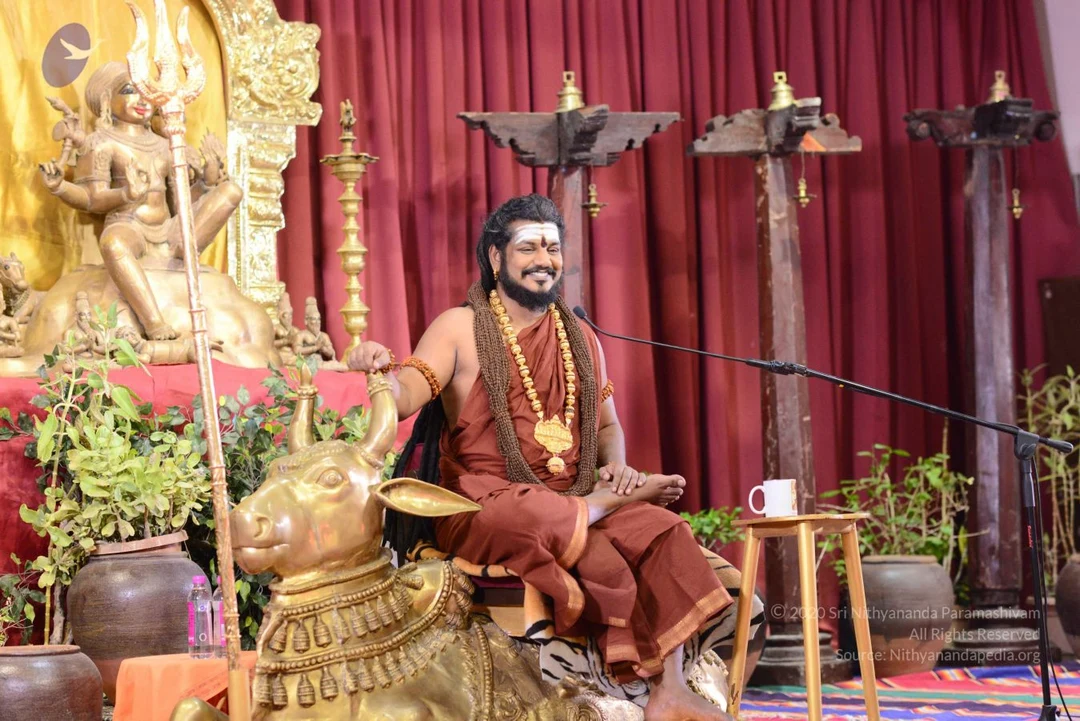
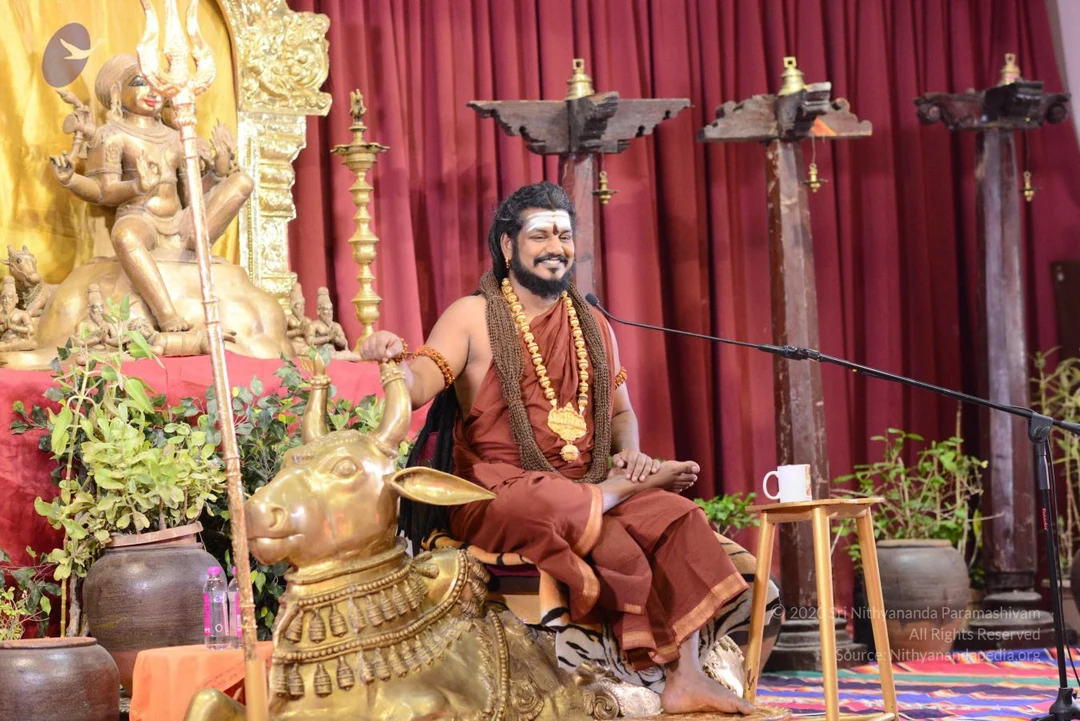
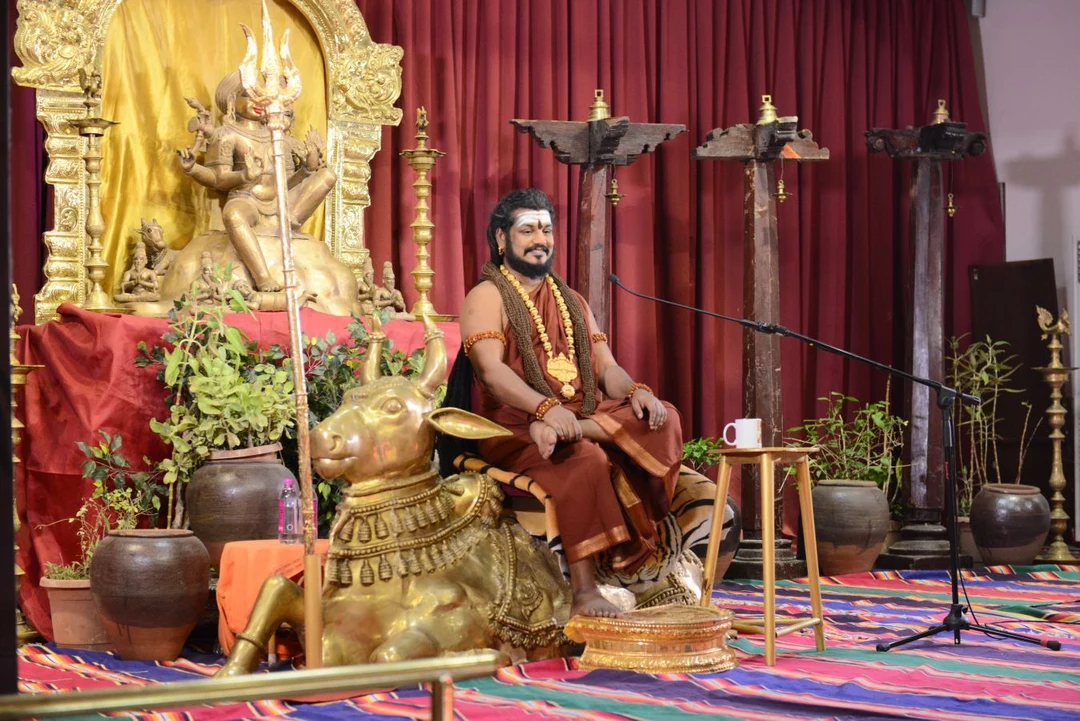
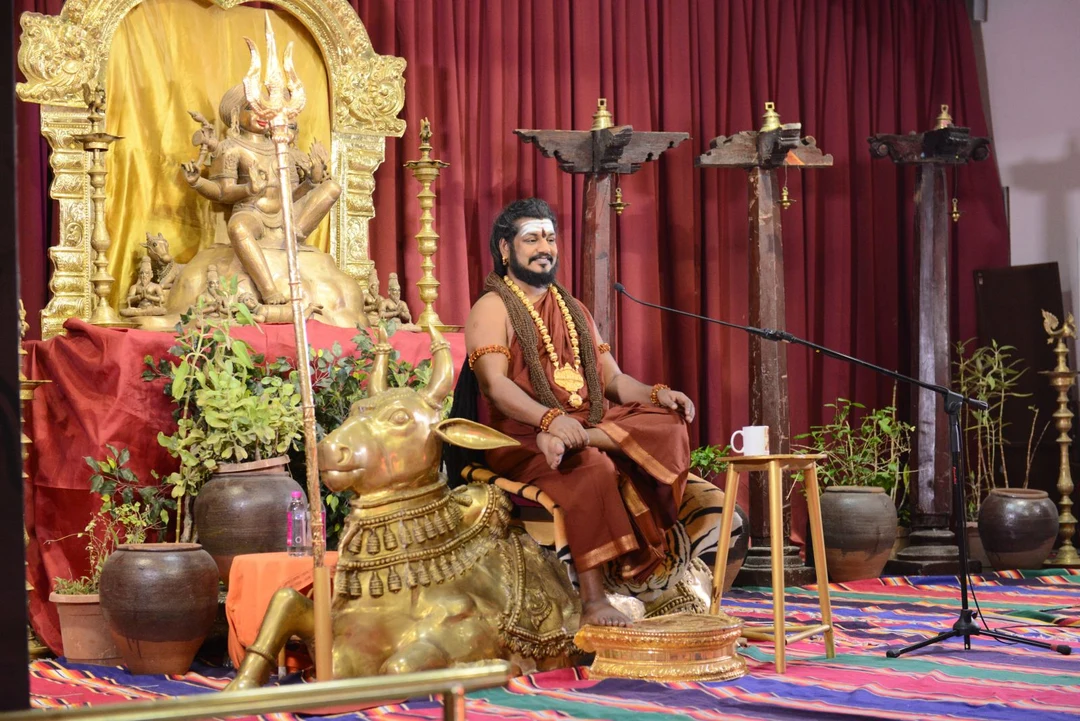
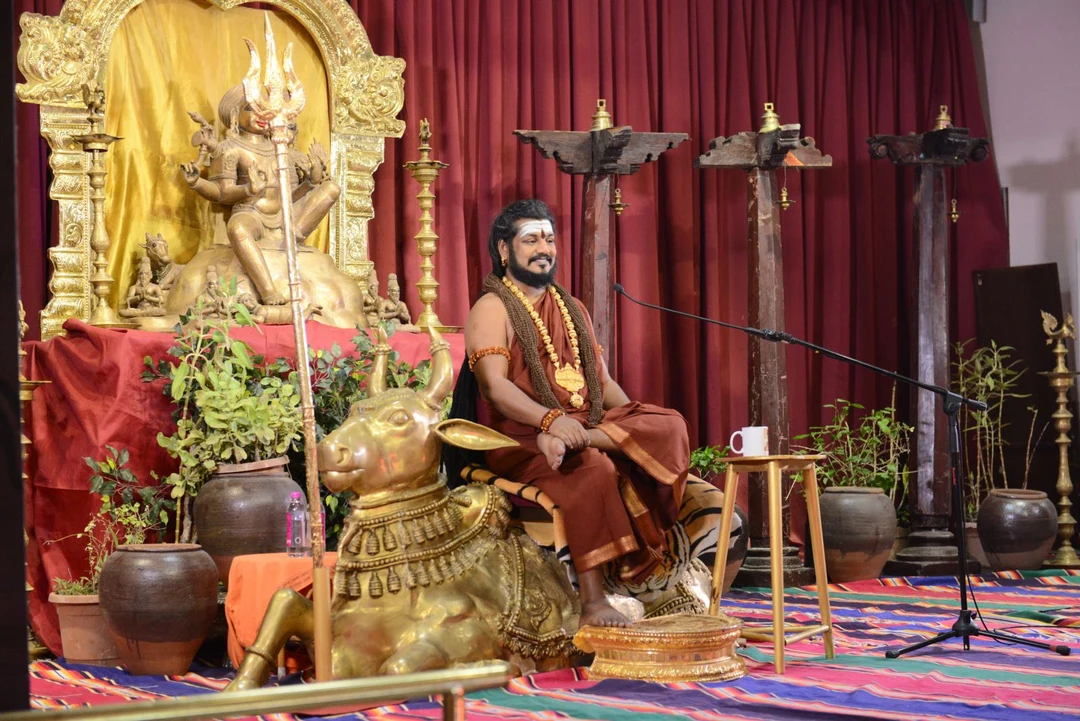
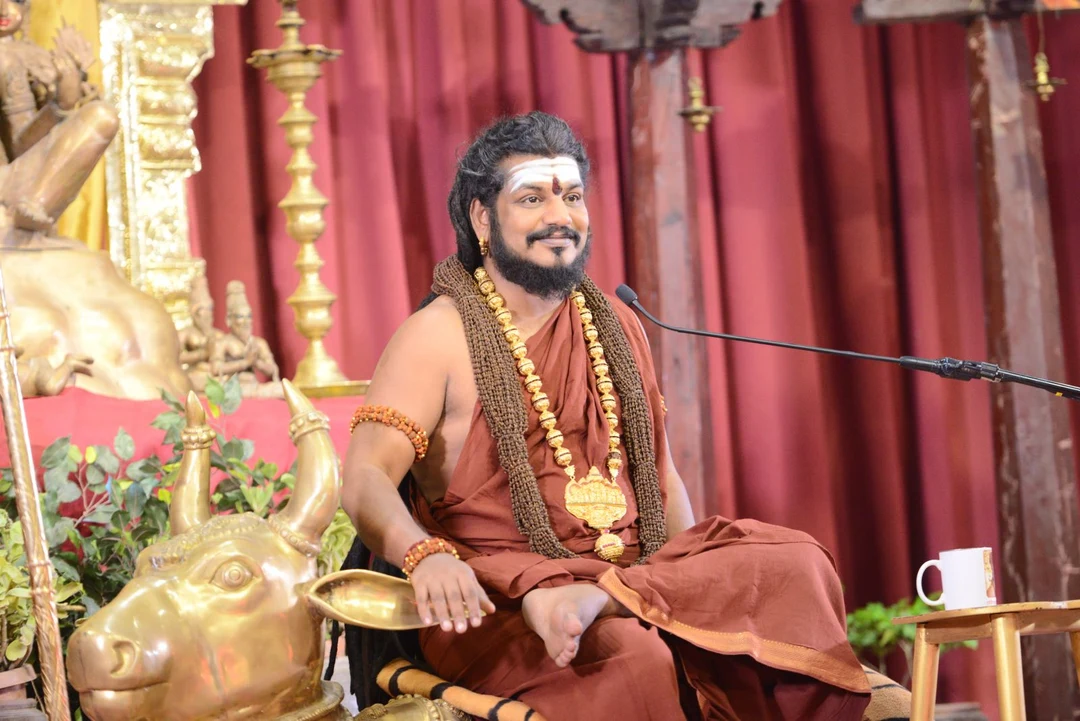
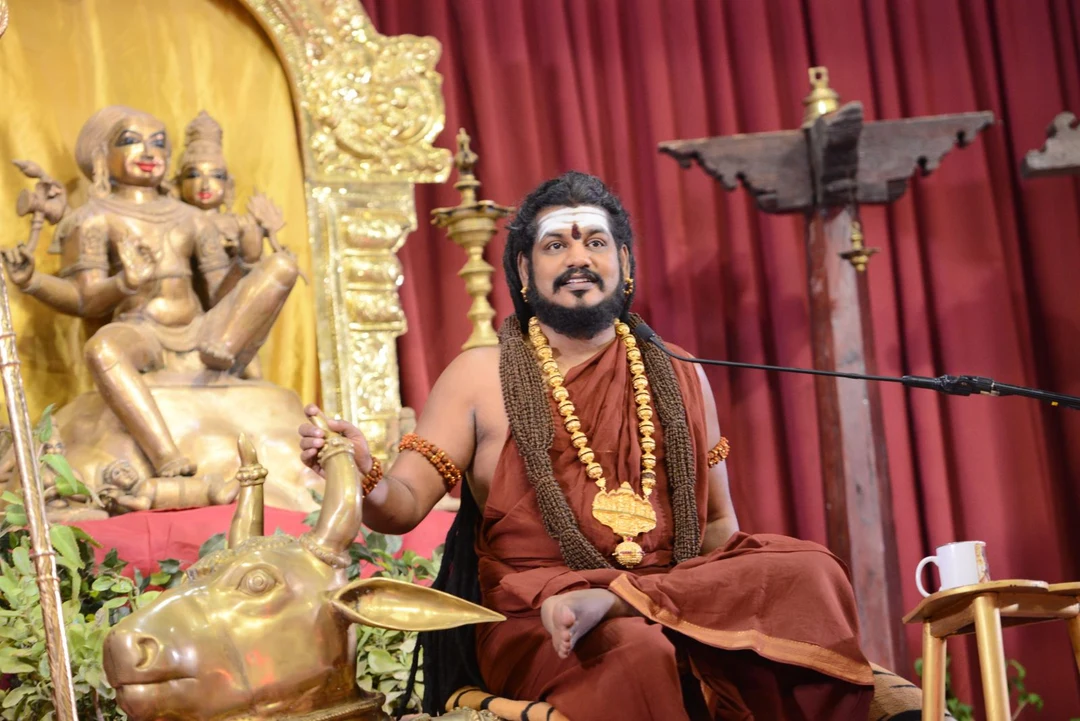
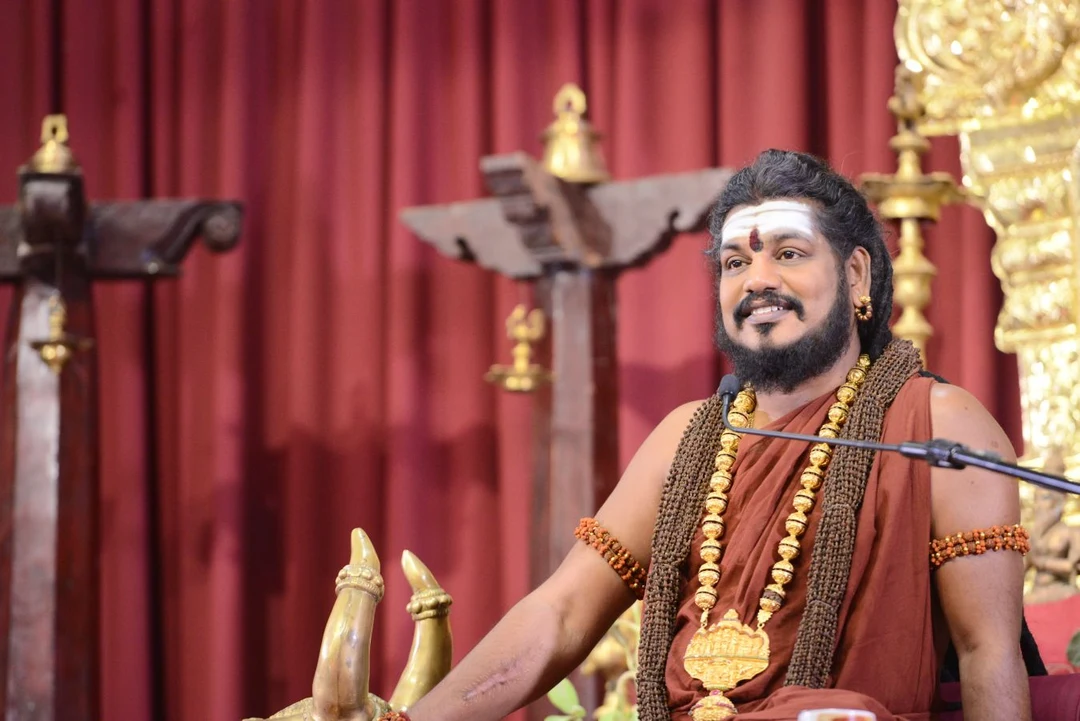
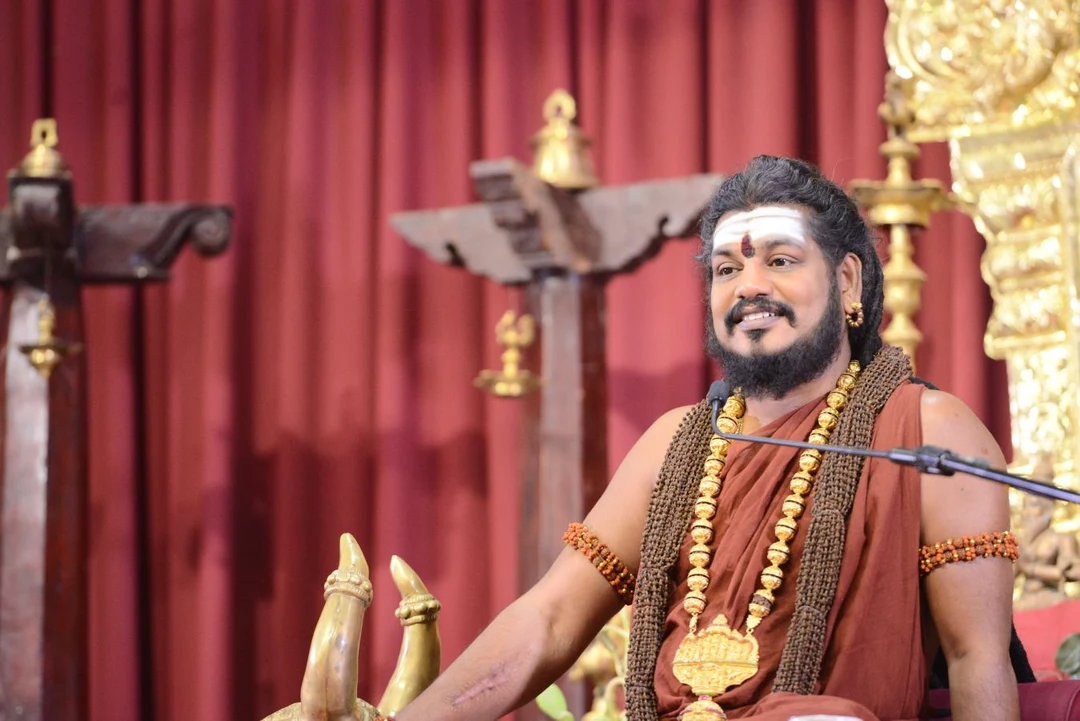
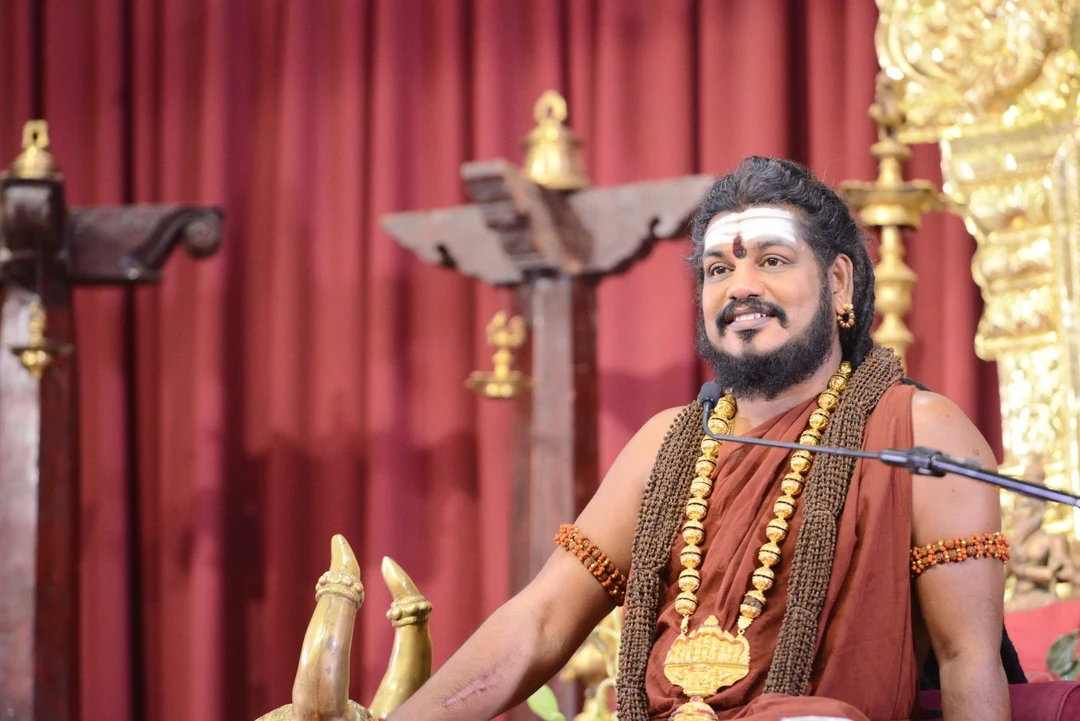
More Pictures From Nithyananda Satang
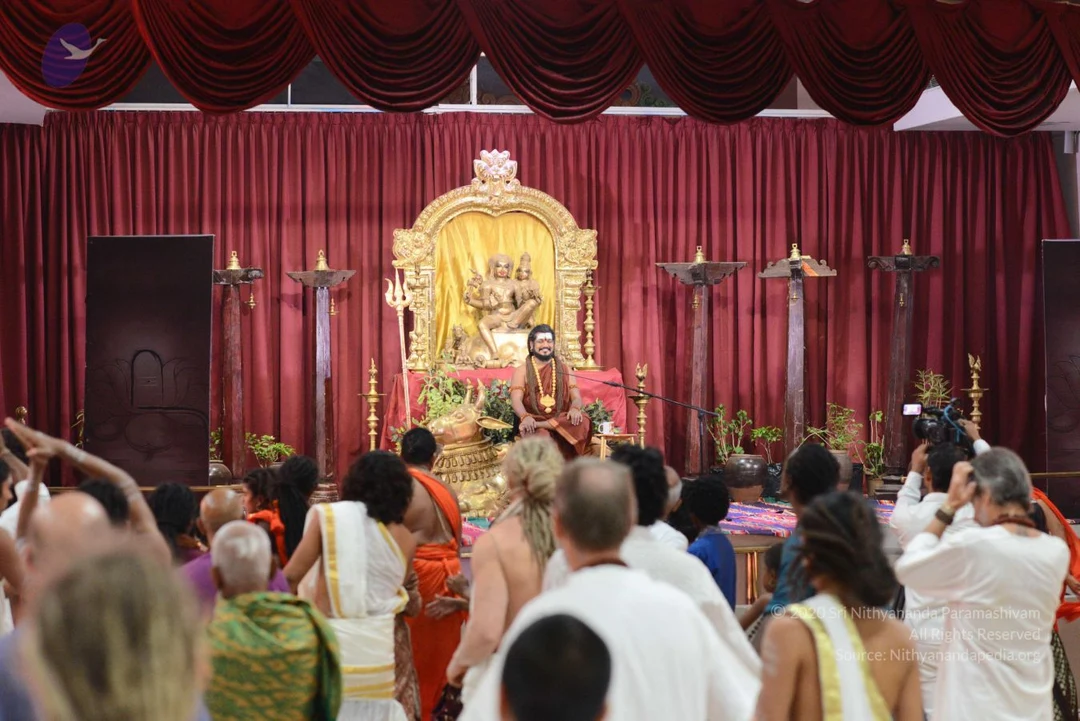
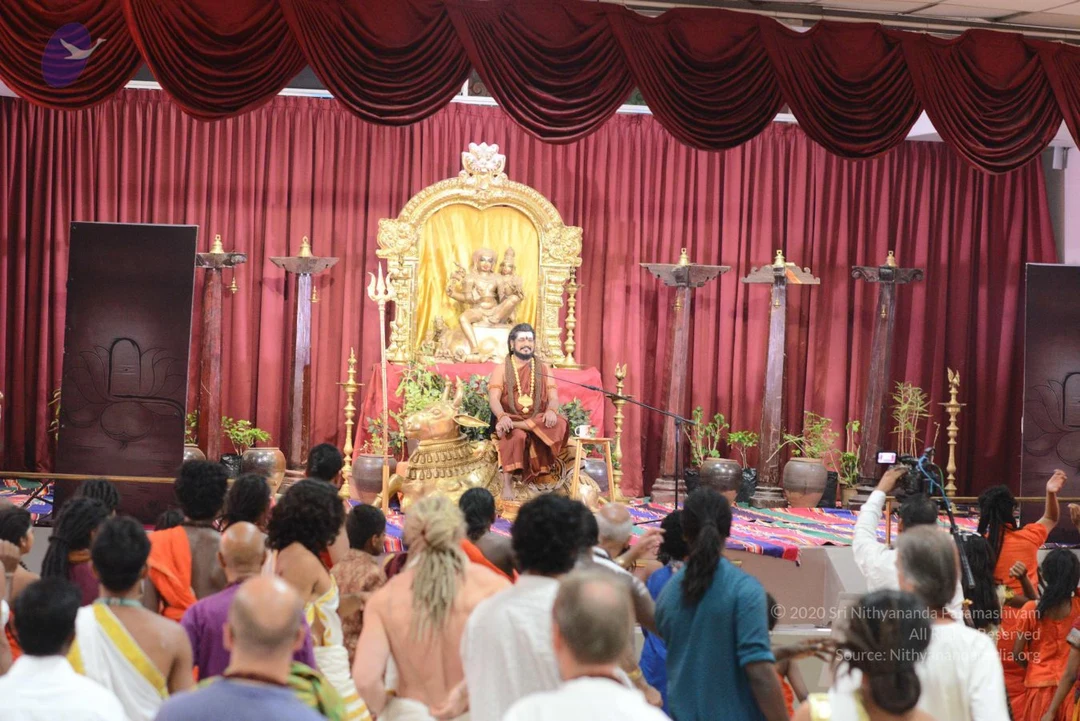
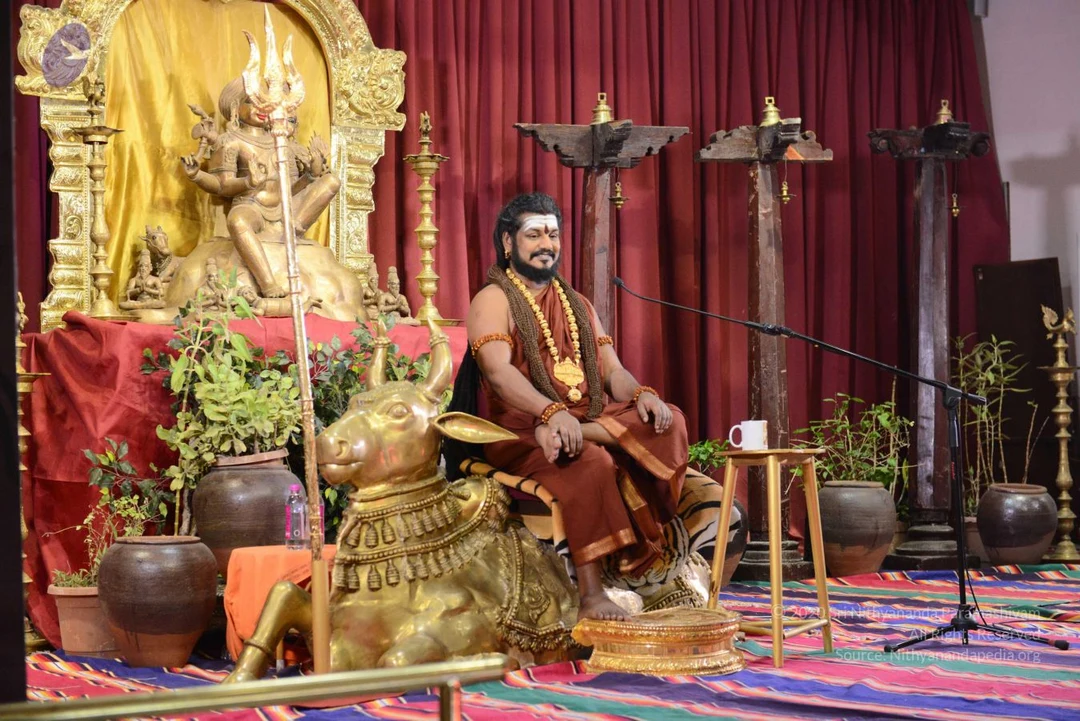
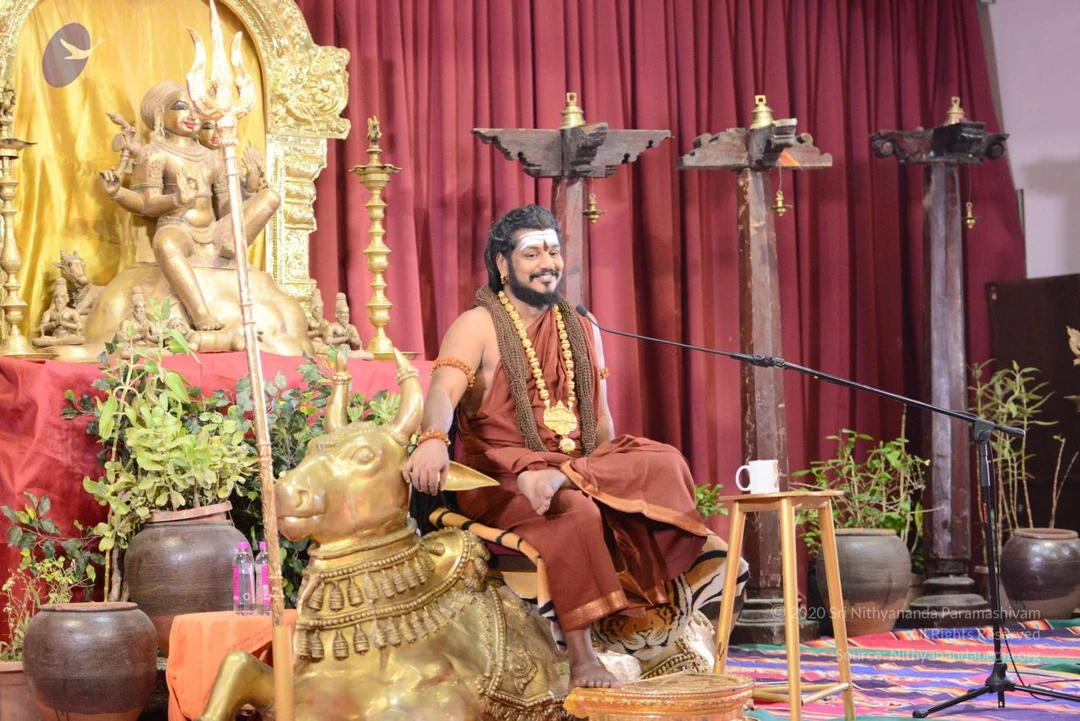





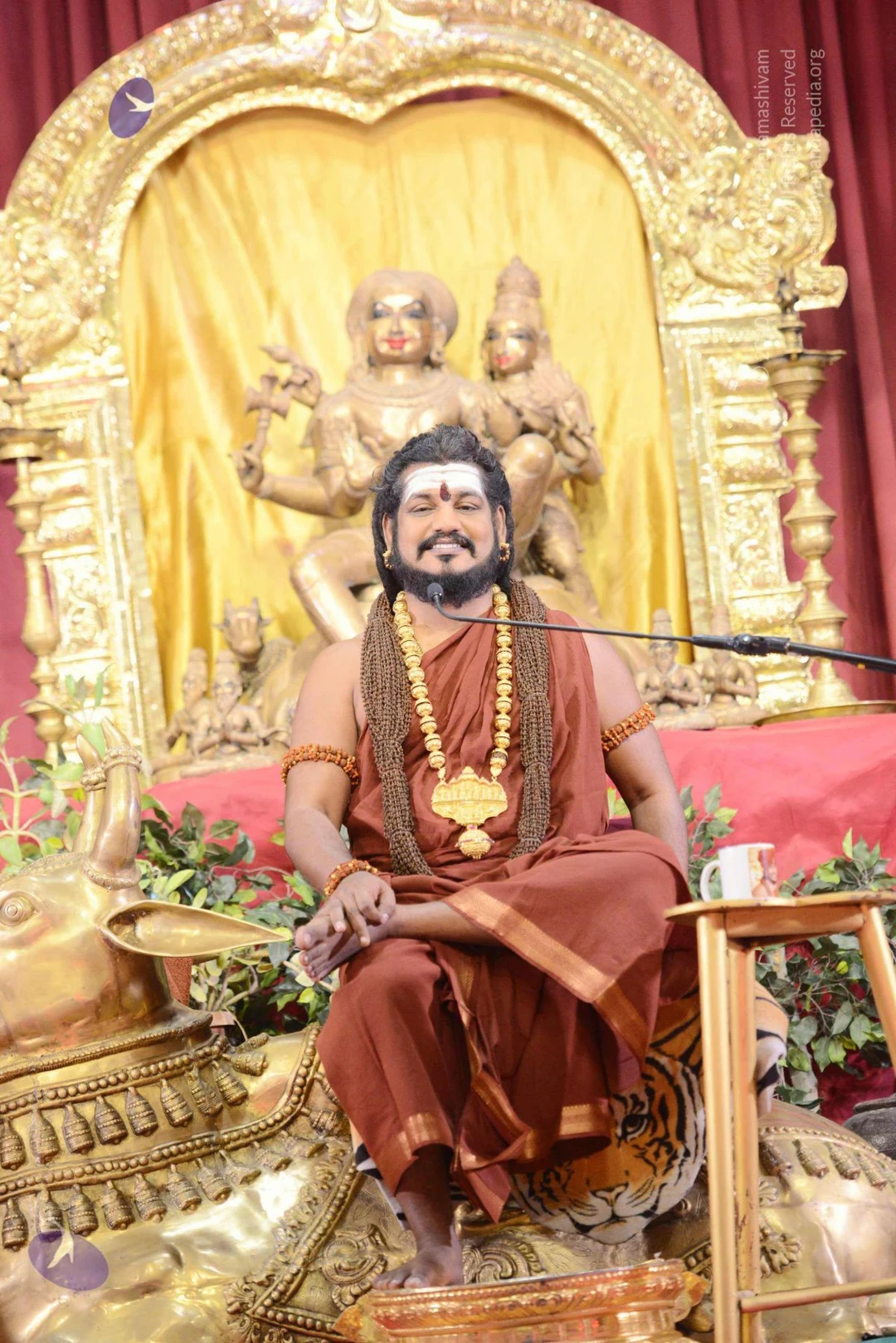
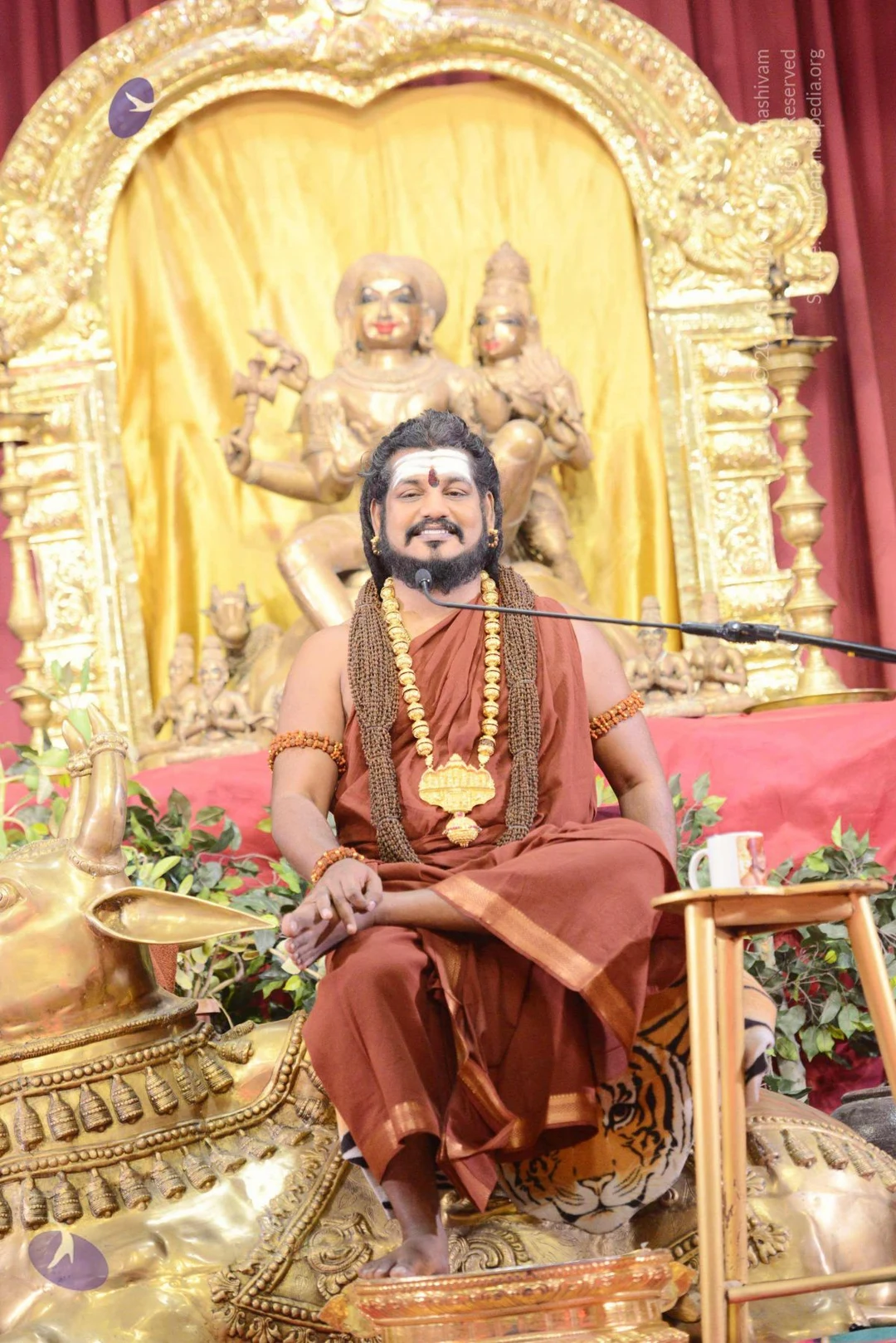
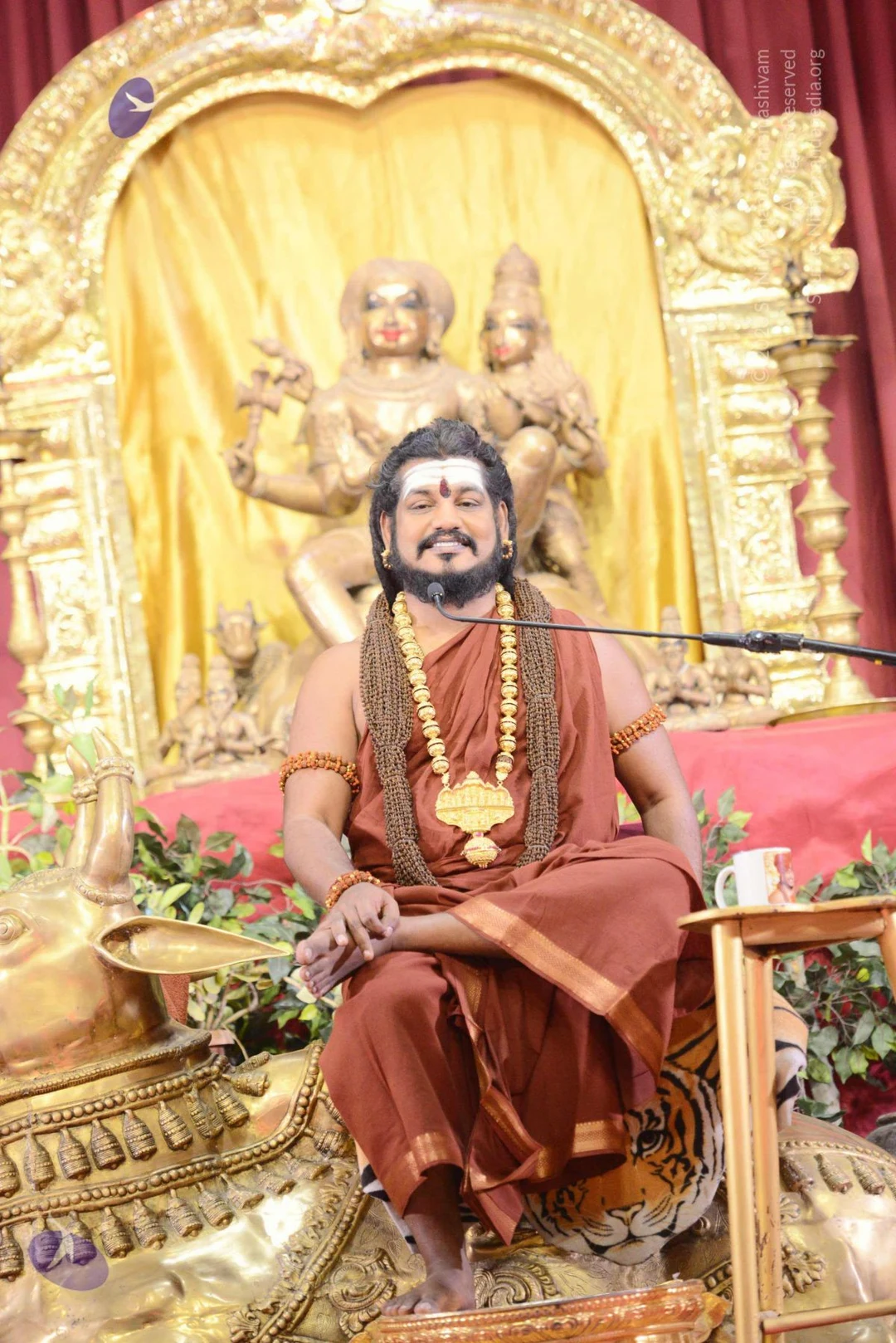
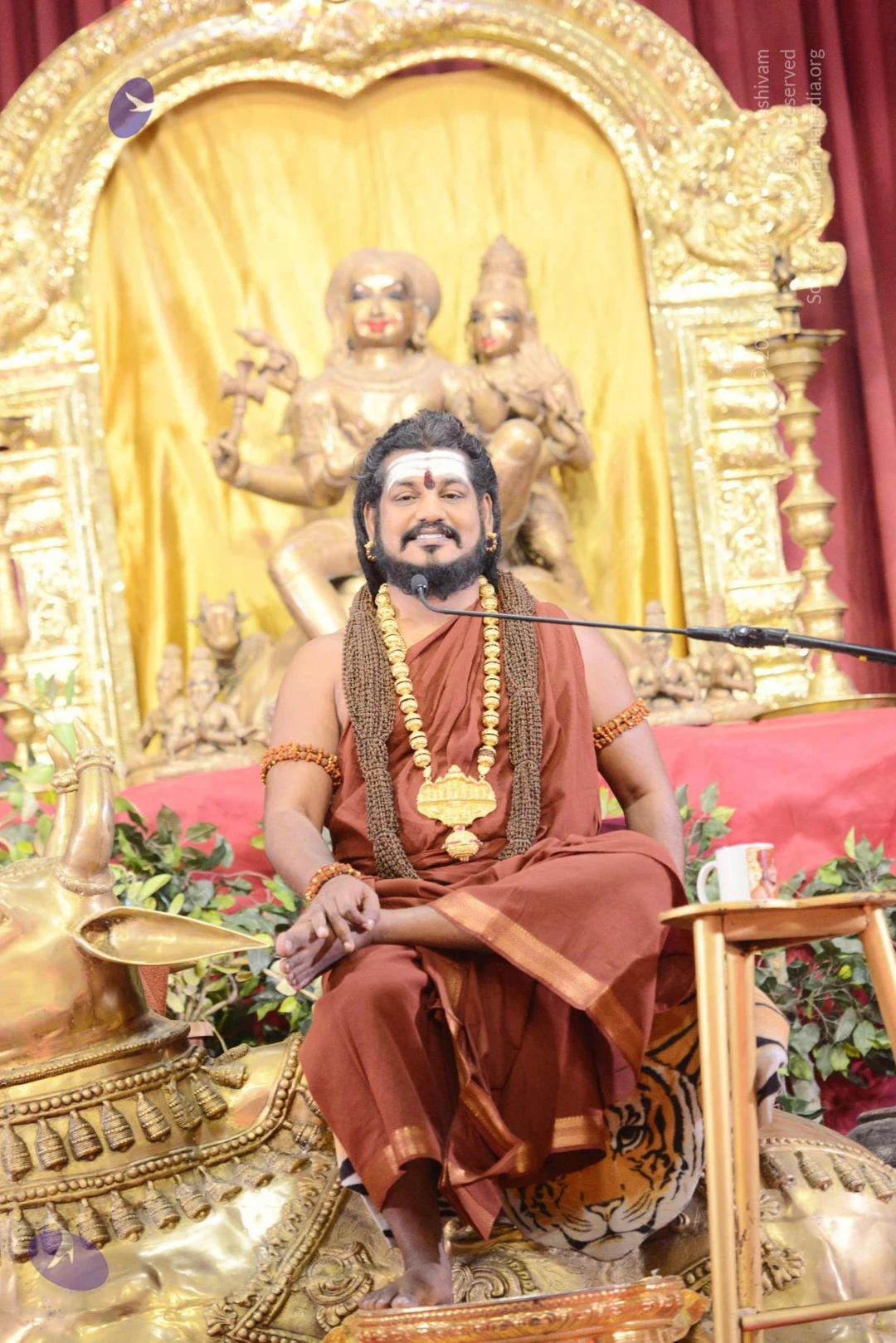

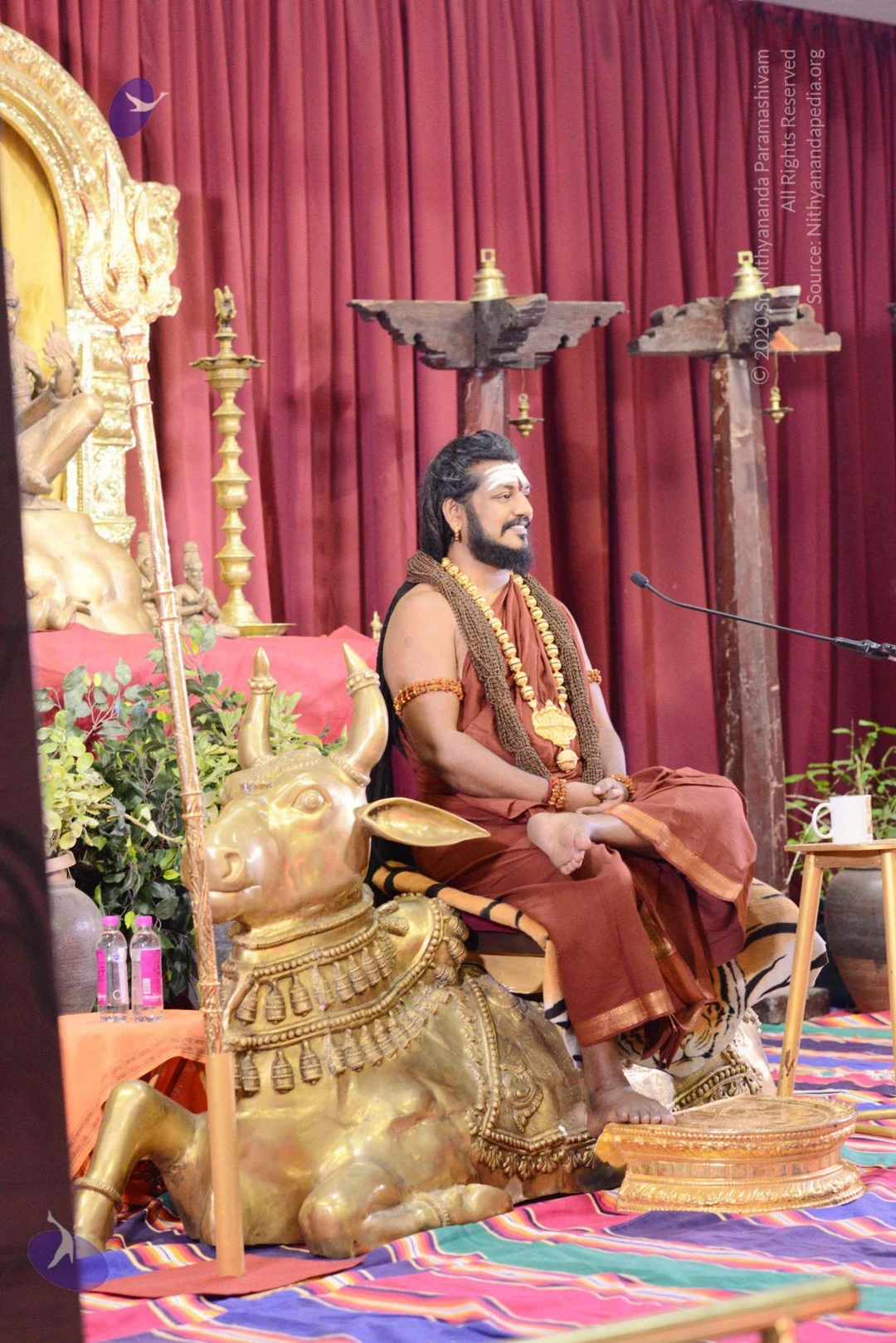
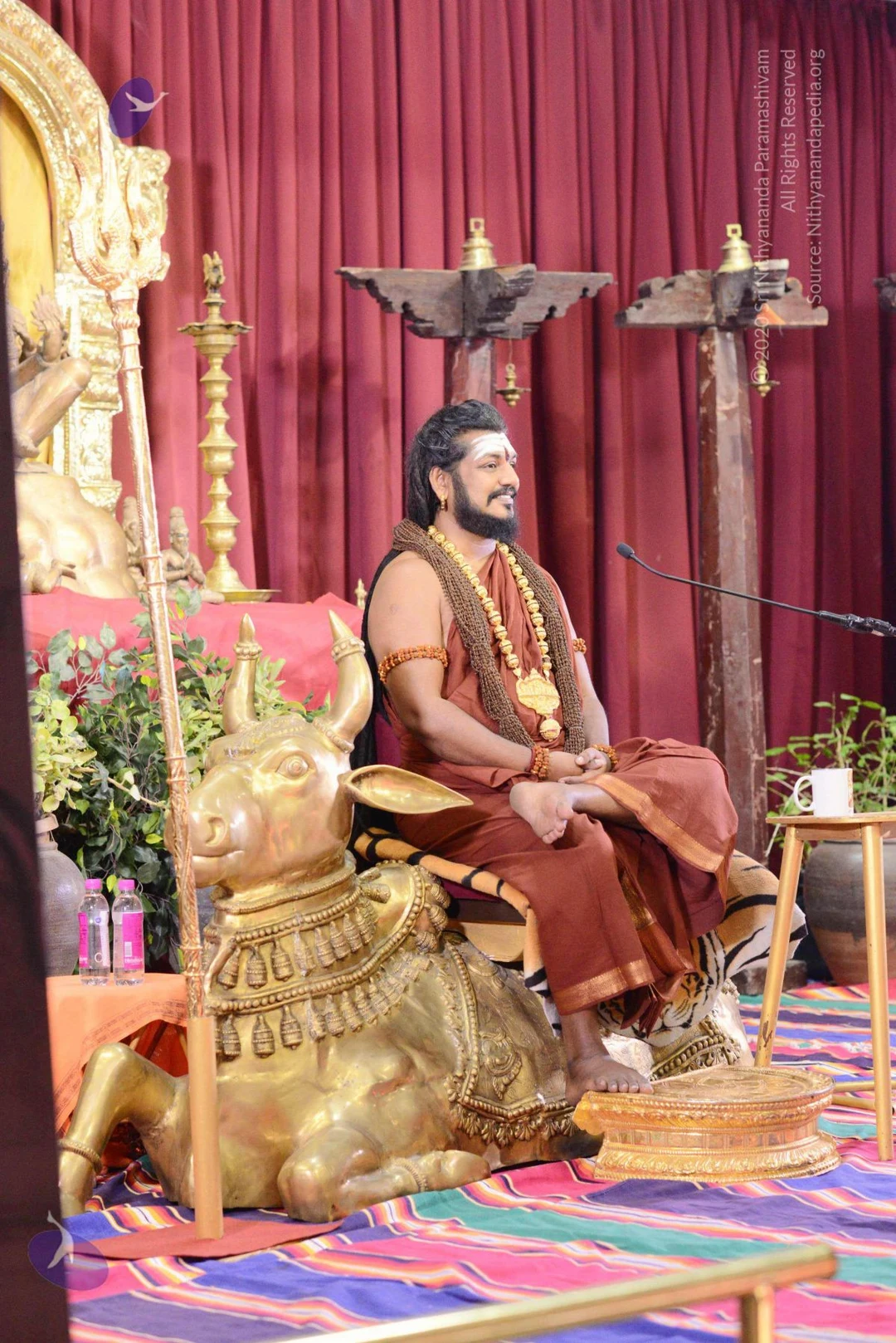
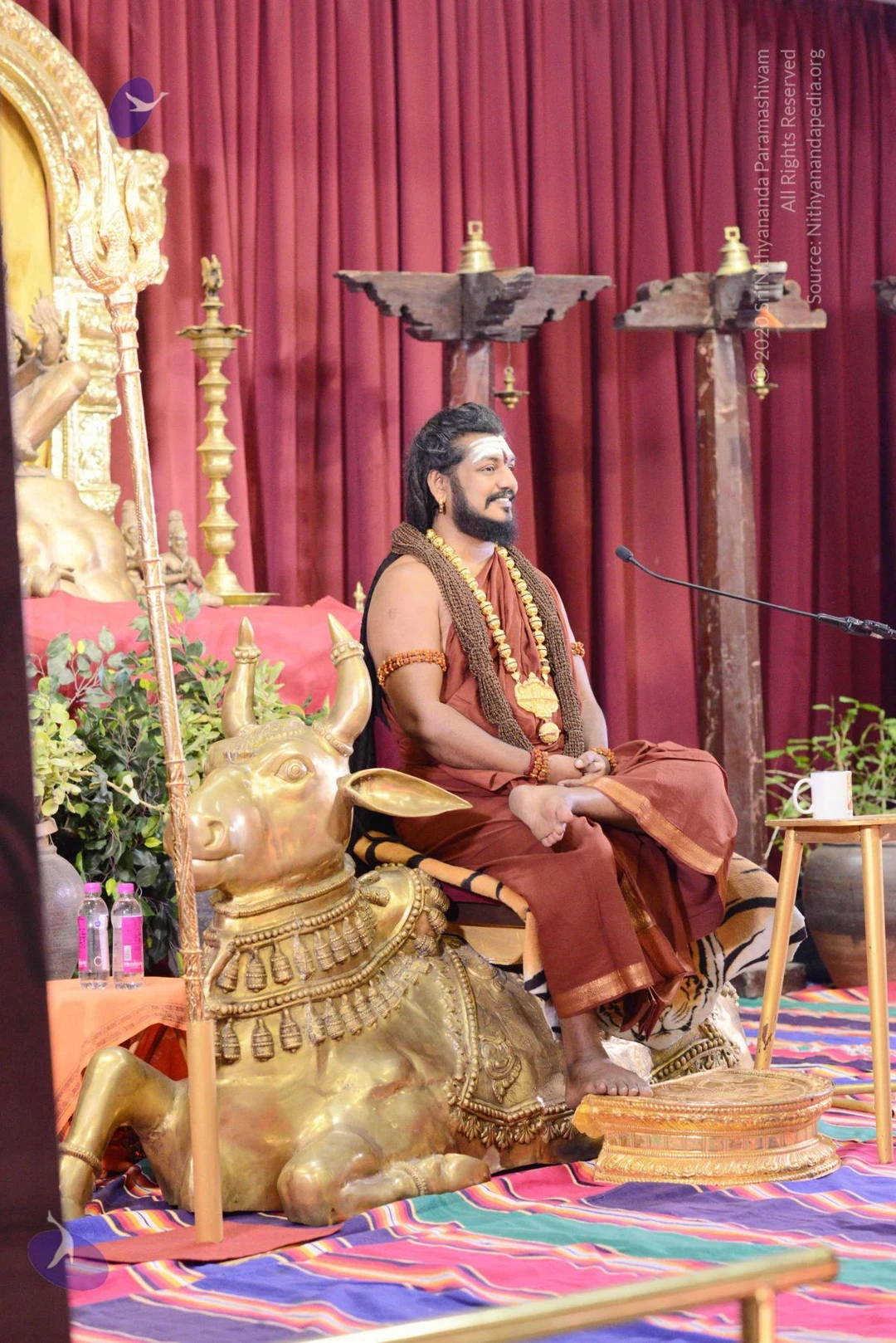
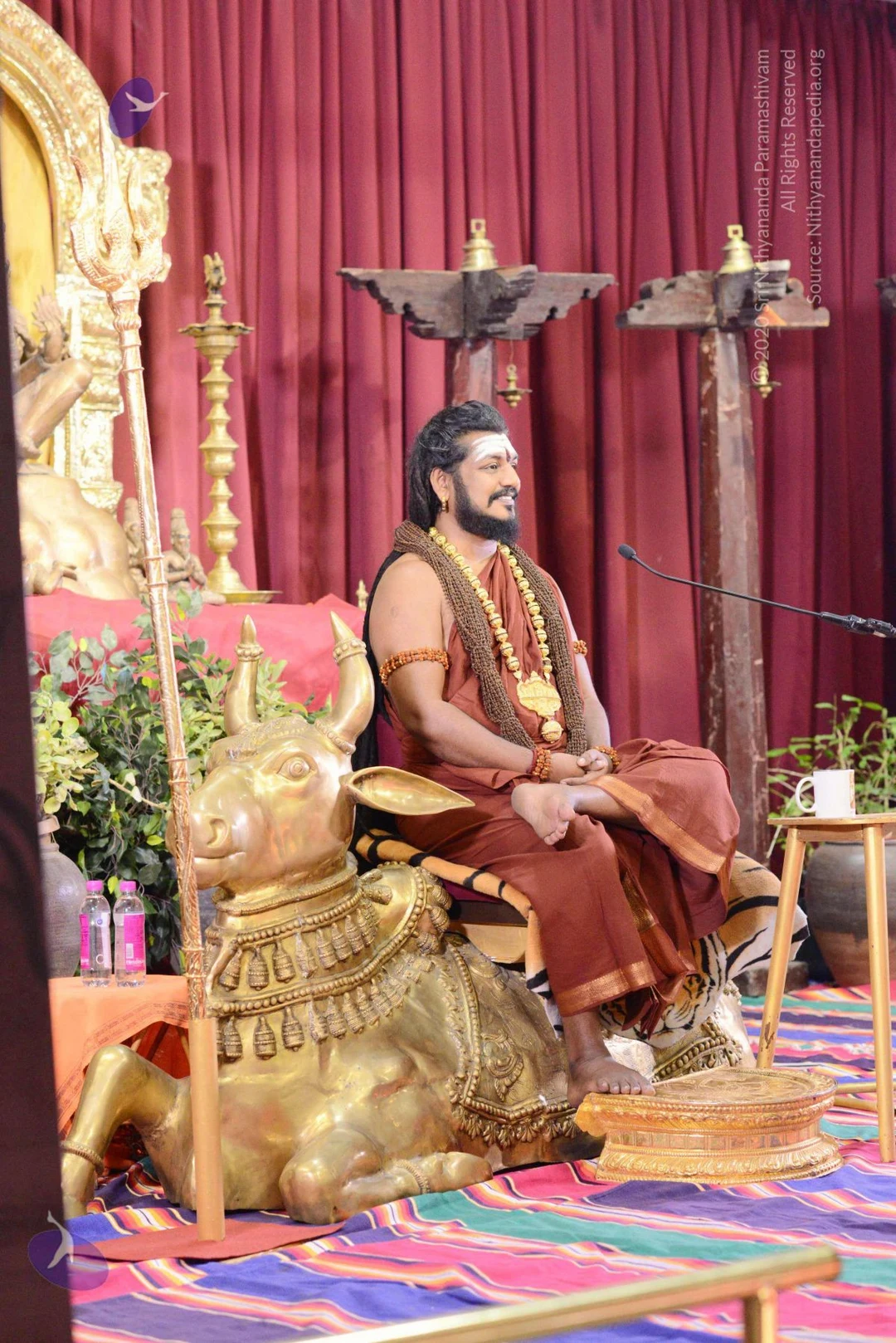
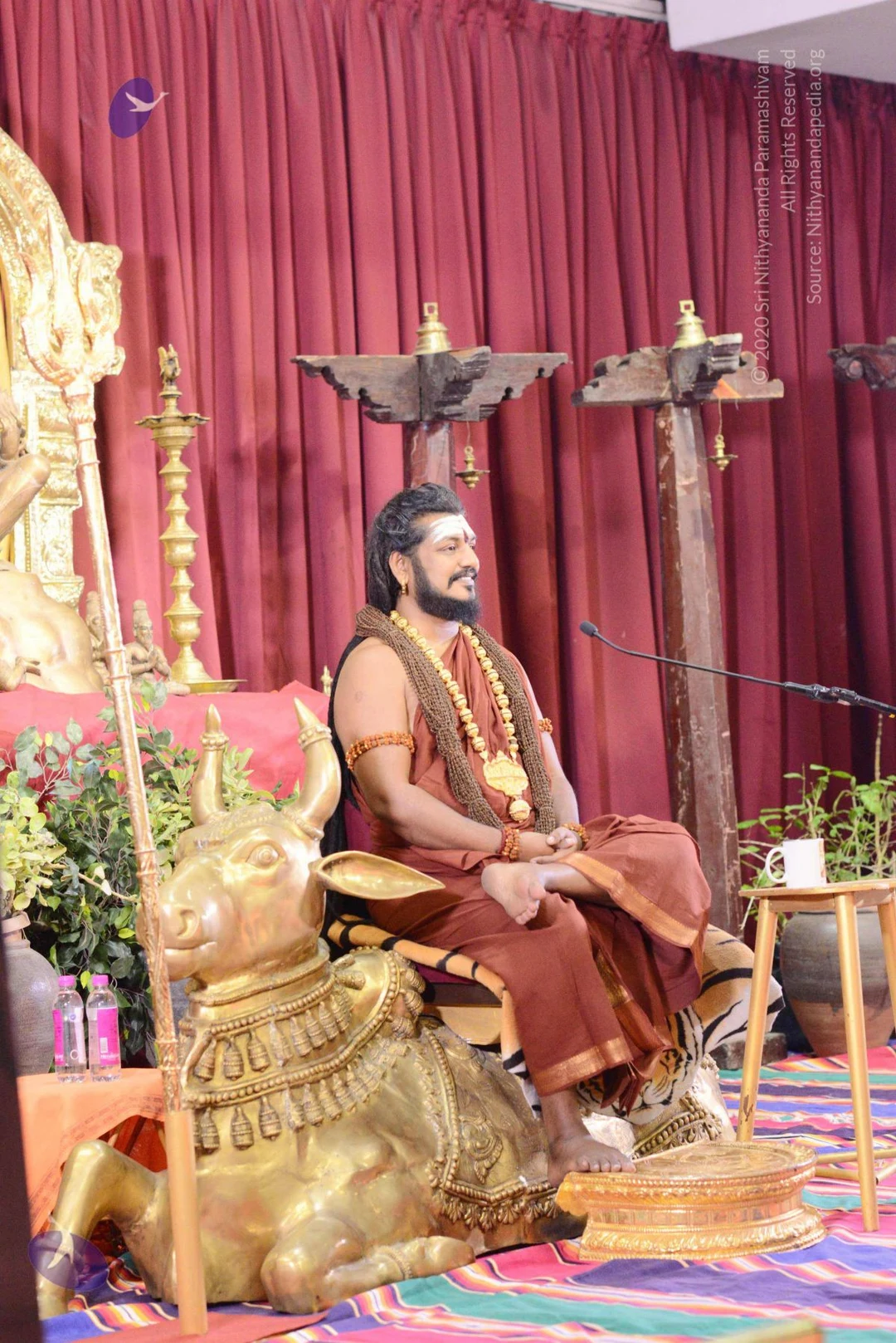
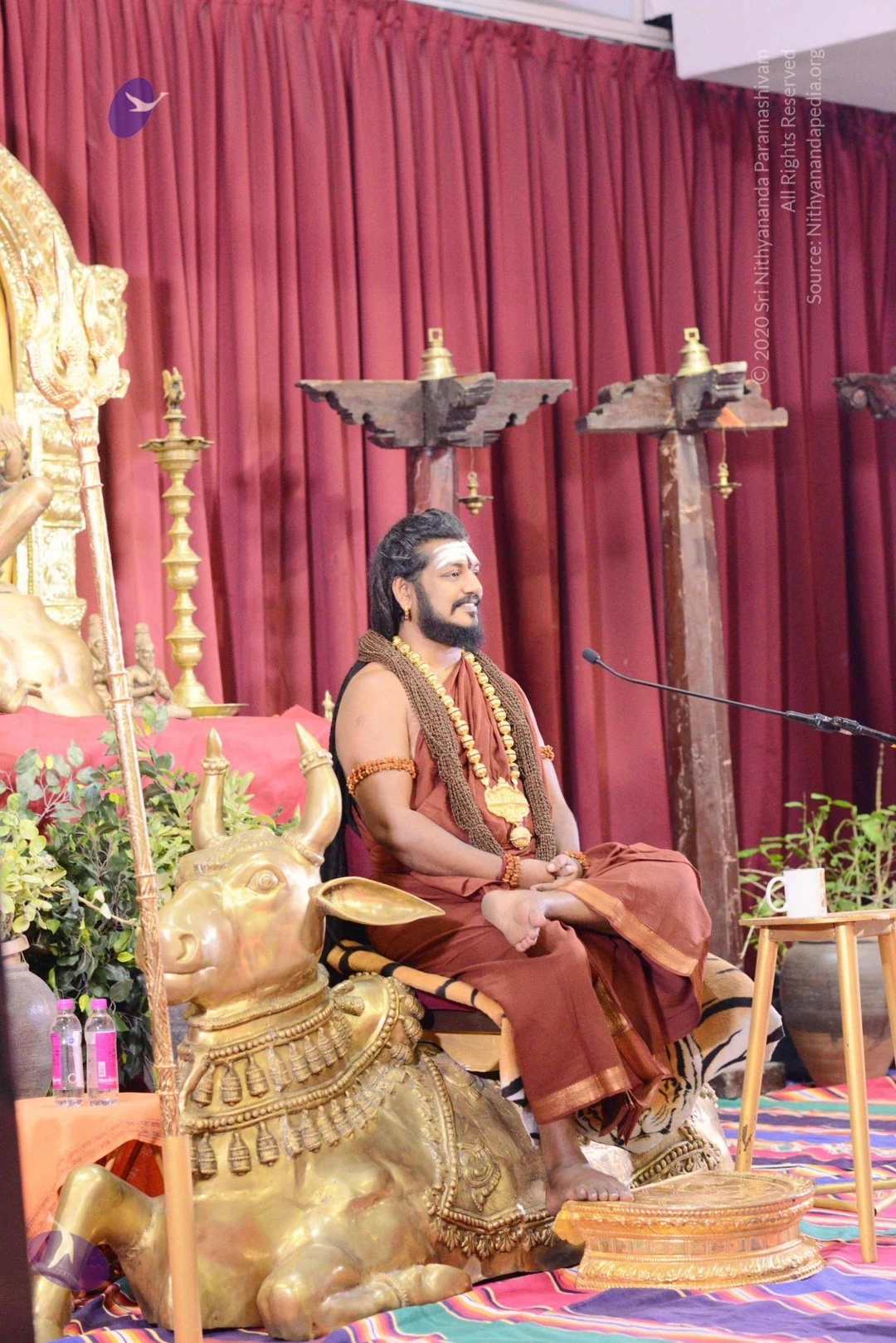
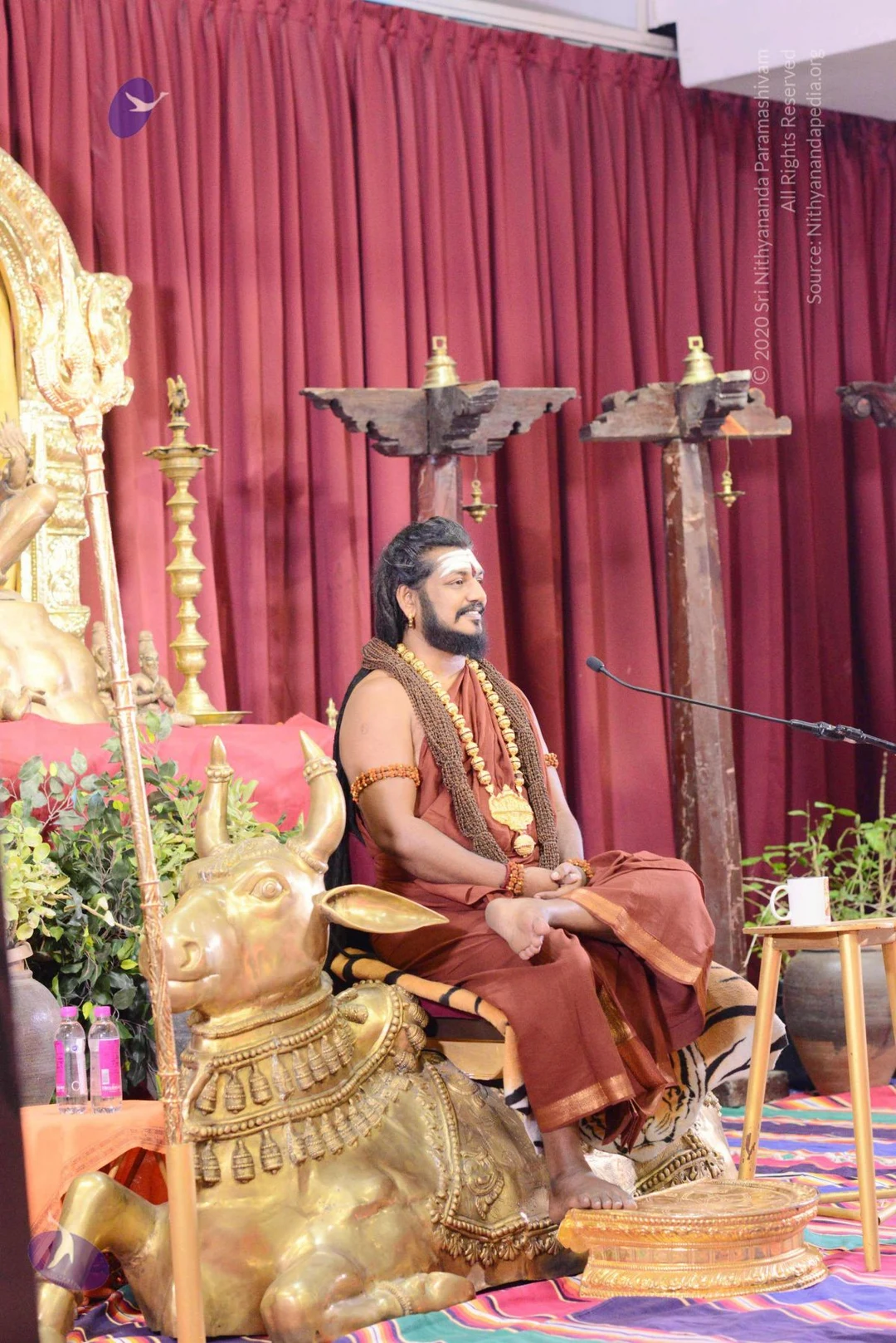
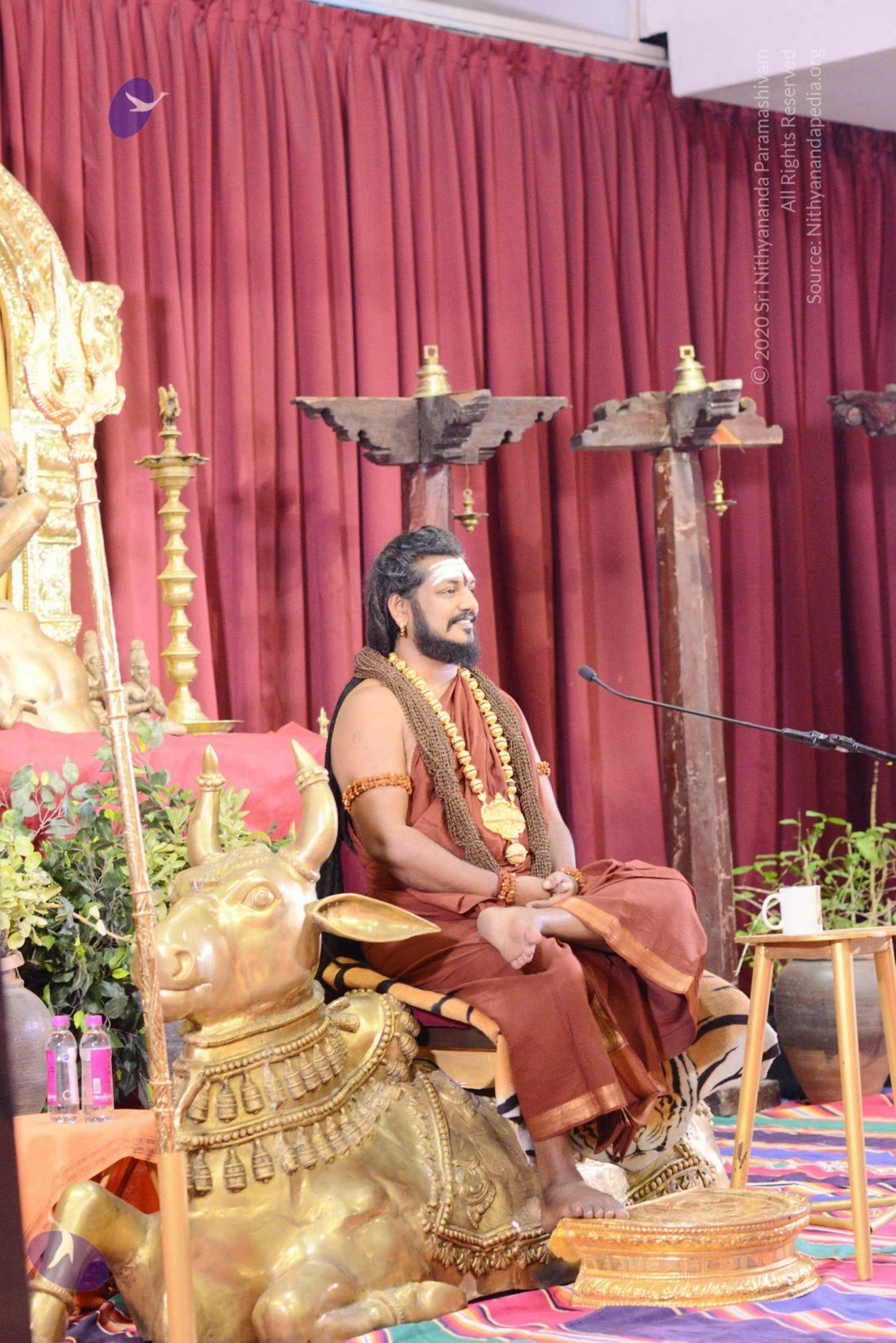


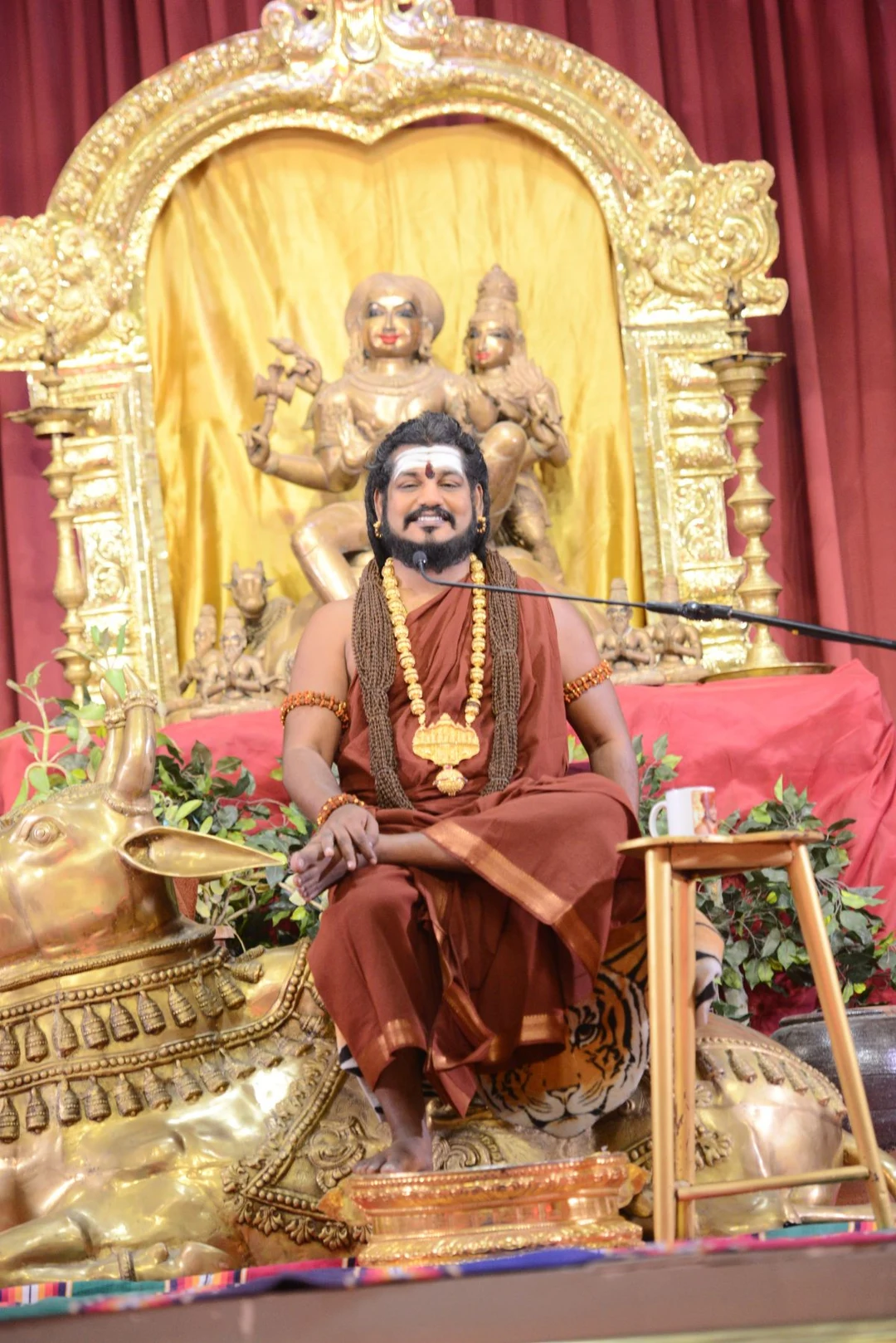
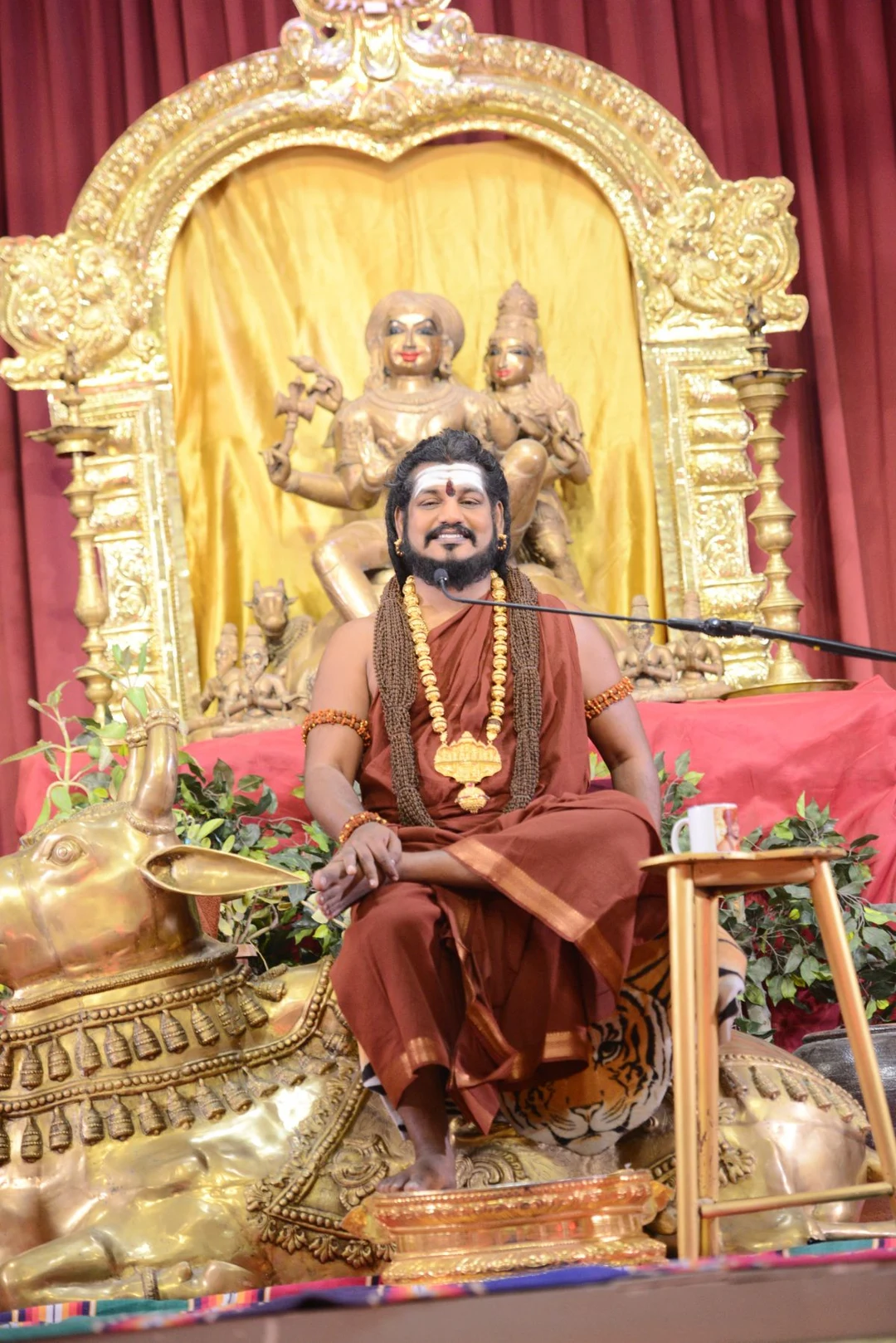
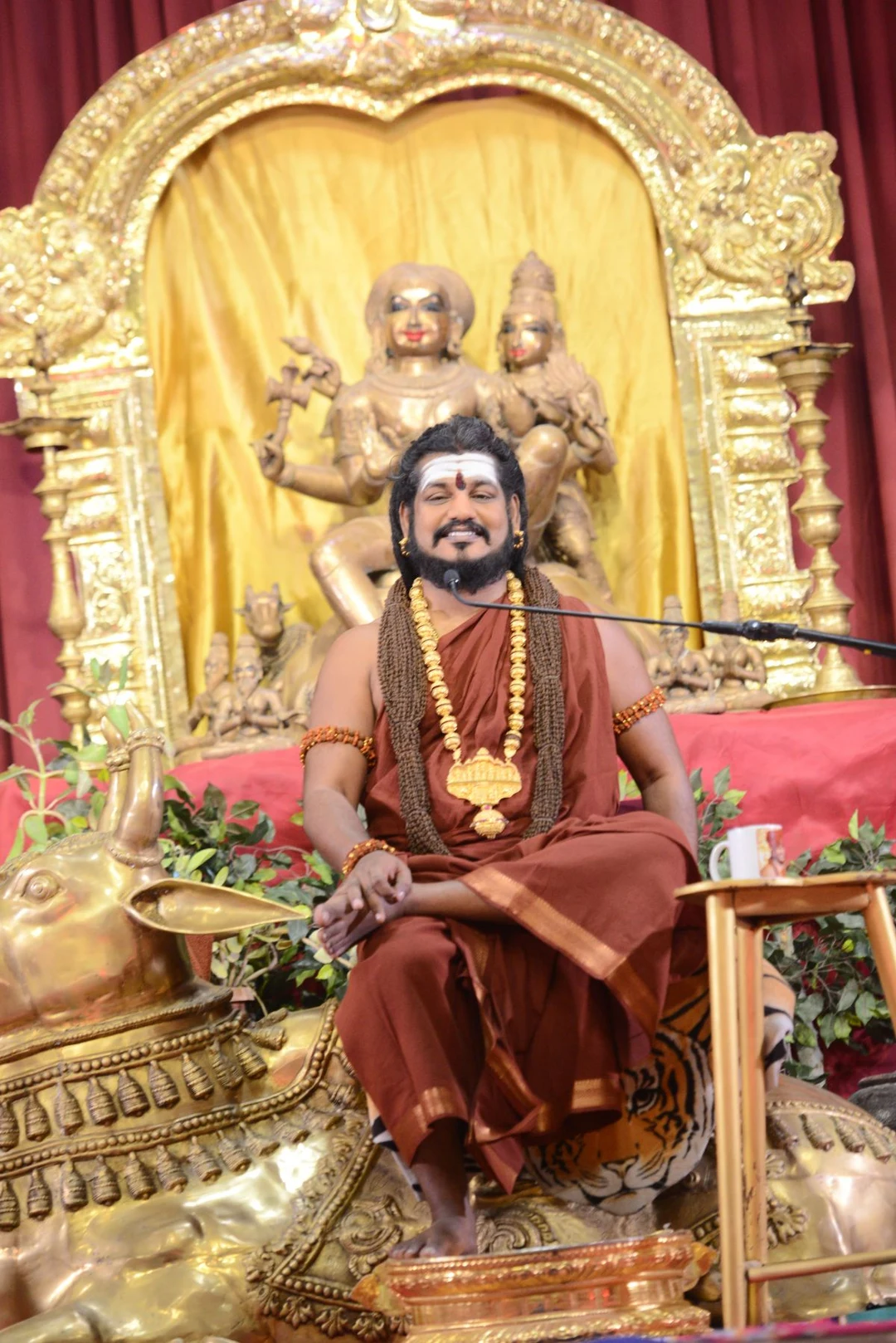
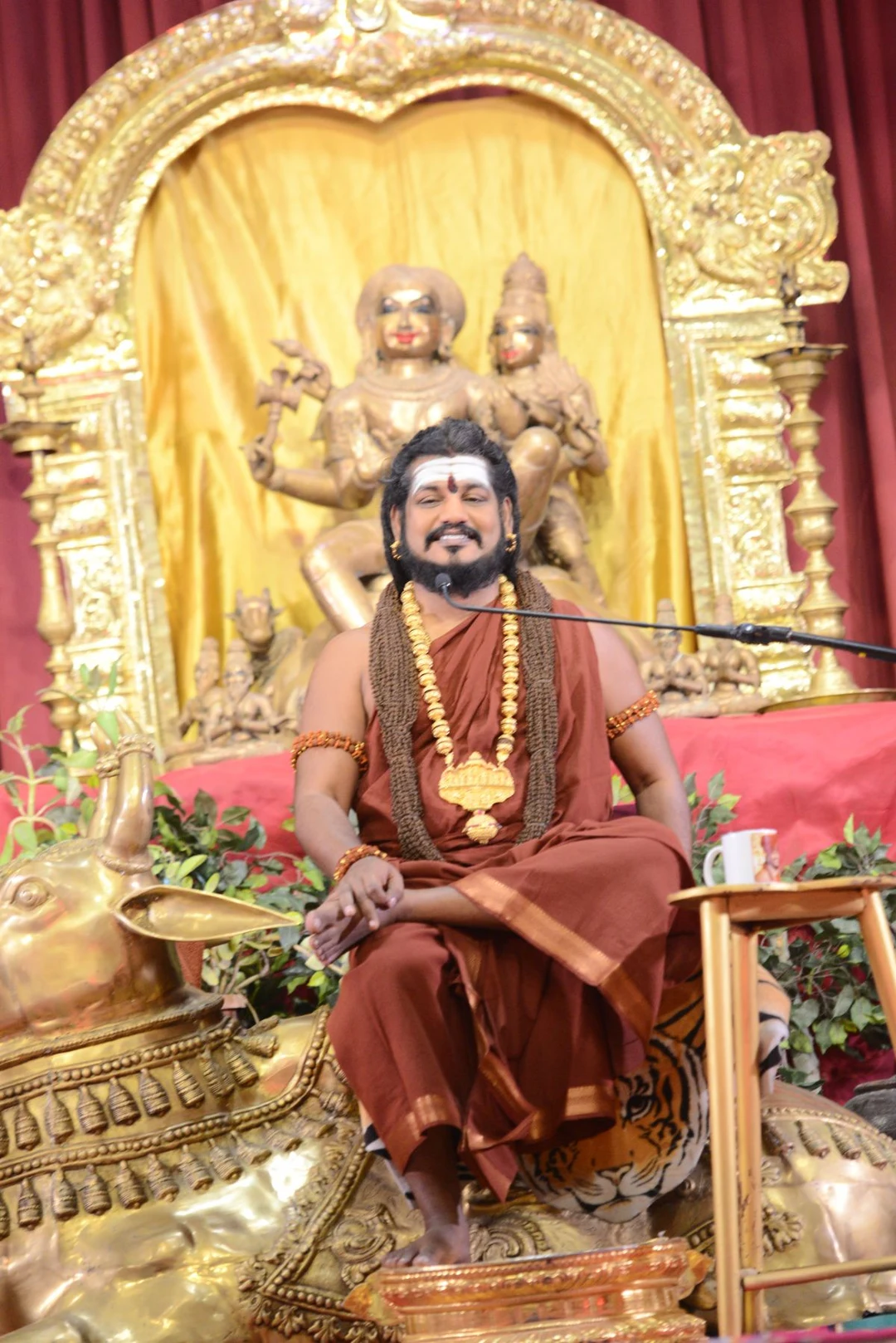
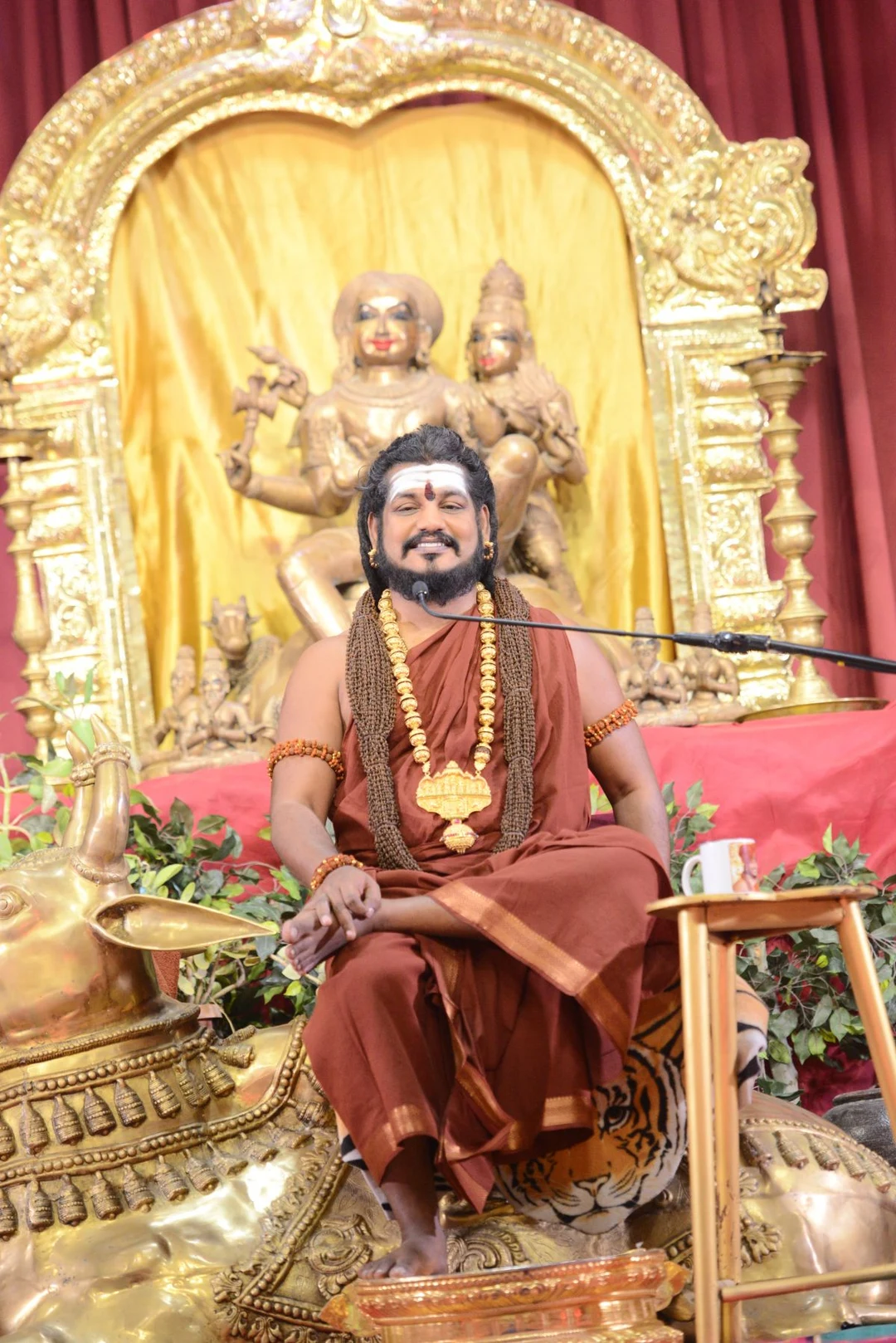
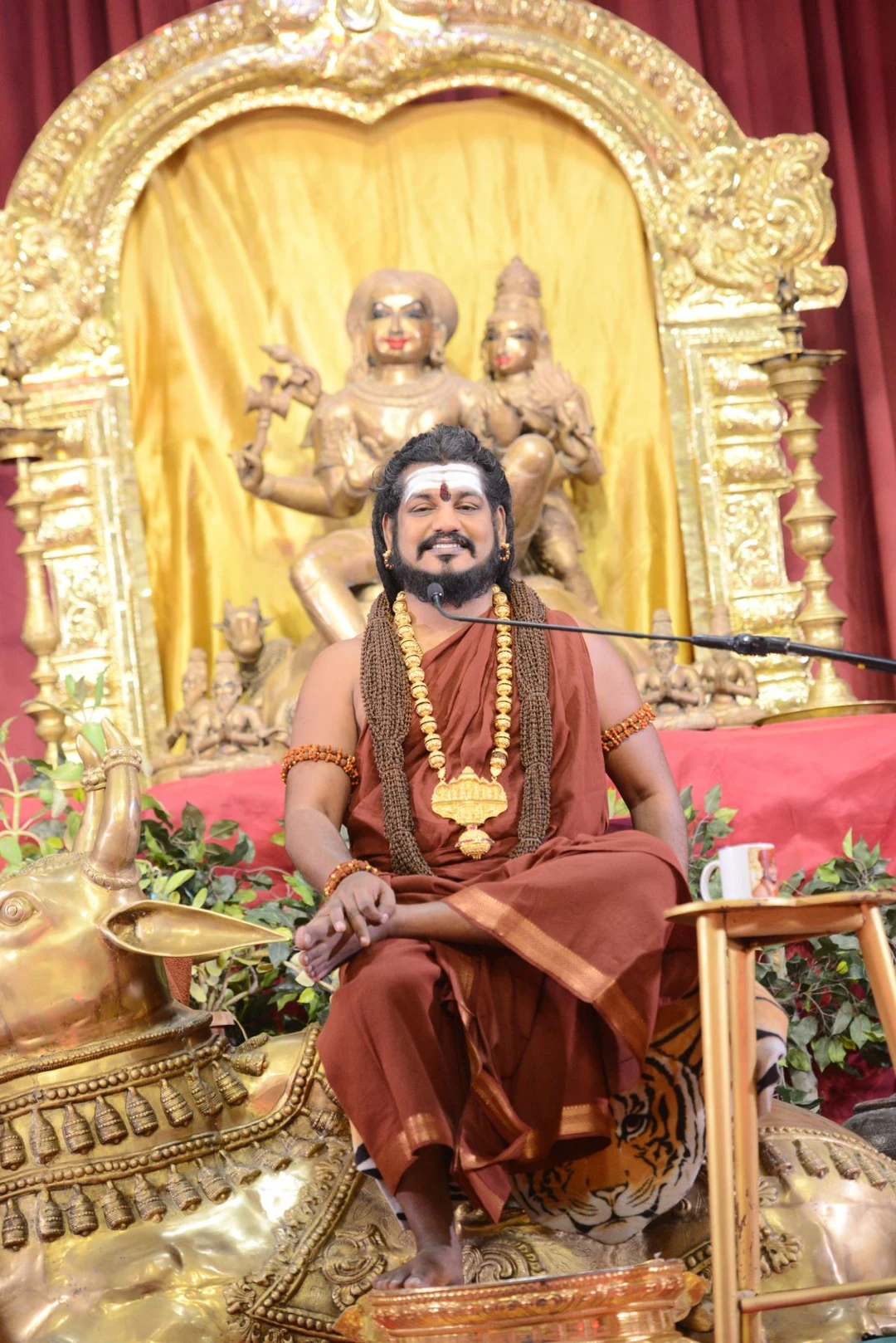
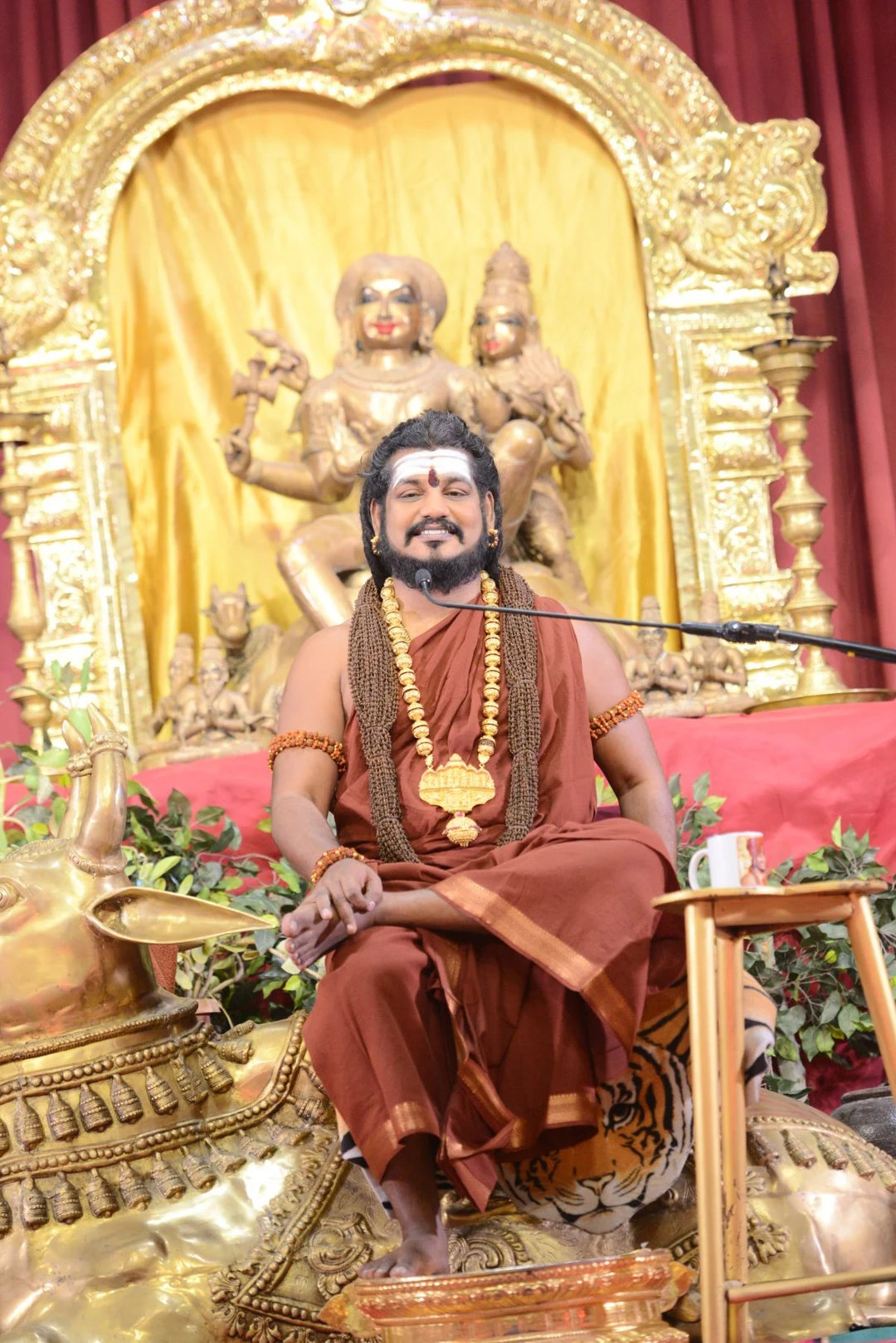
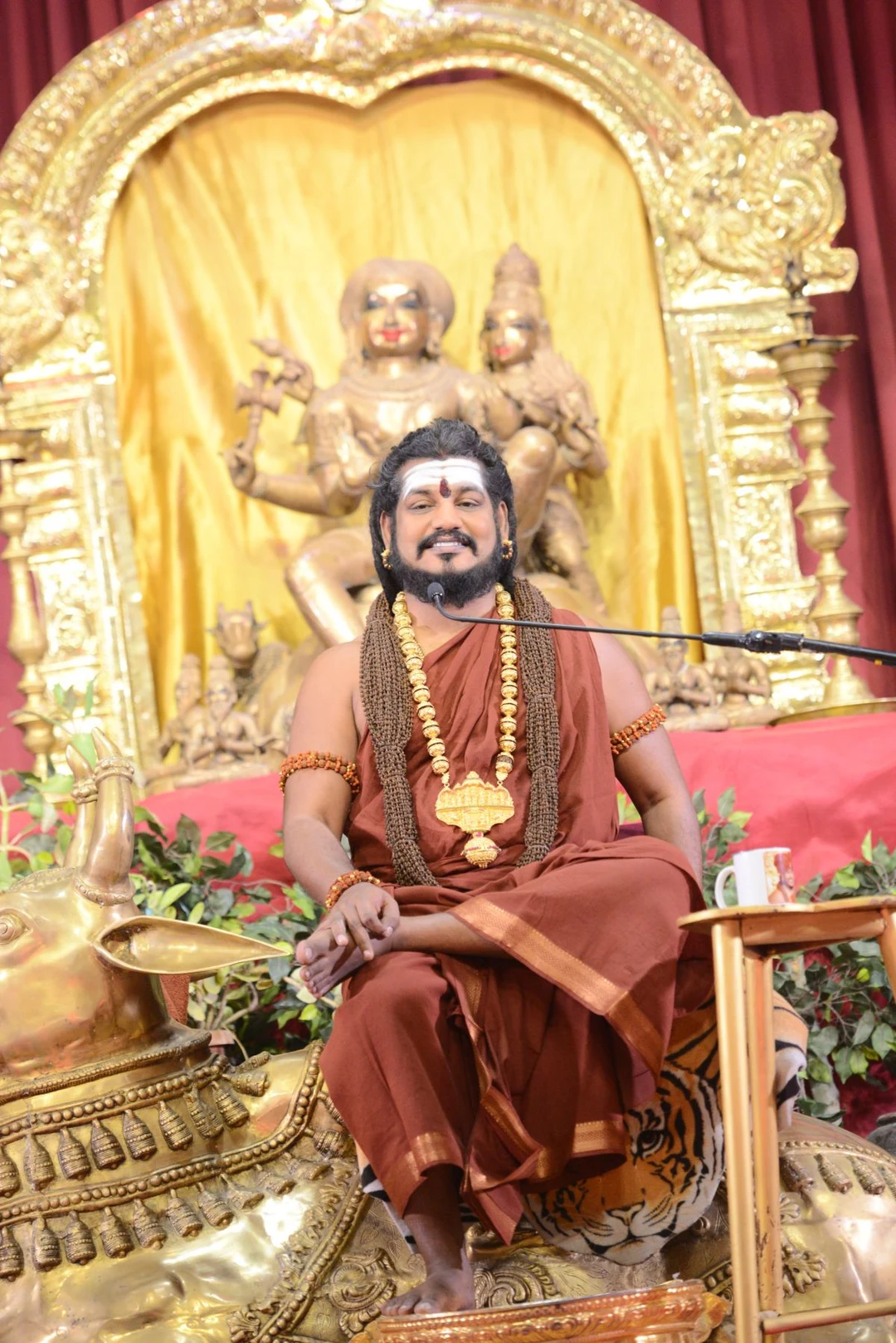



,
Photos from this day
View all 340 photosPhotos
104 photosSource gallery
Nithya-Puja
31 photosSource gallery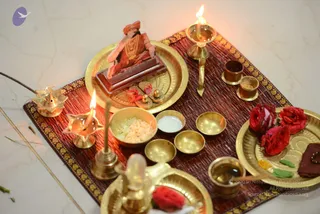

Temple
26 photosSource gallery



Darshan
9 photosSource gallery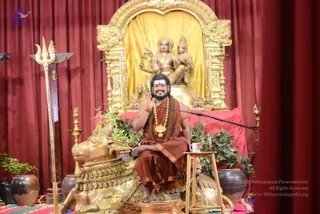
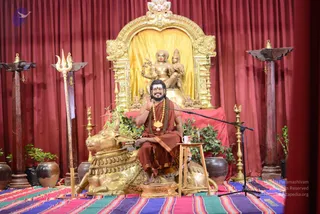
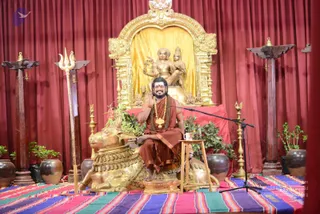
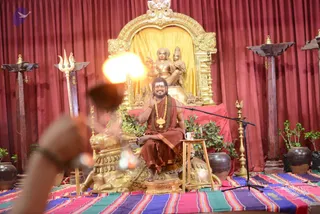
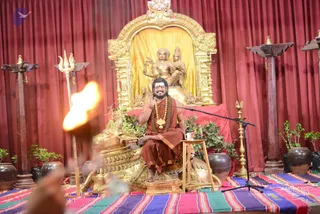
Nithyananda-Satang
49 photosSource gallery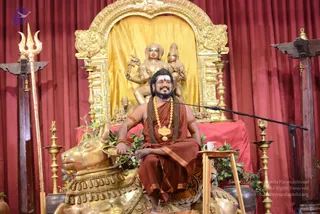
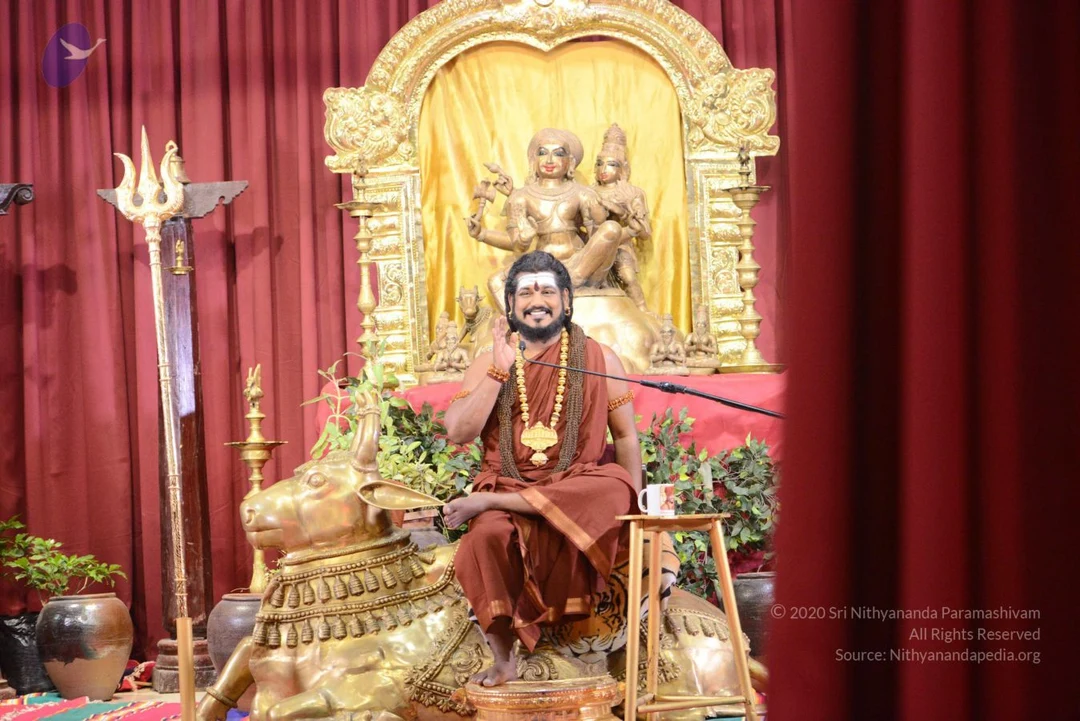
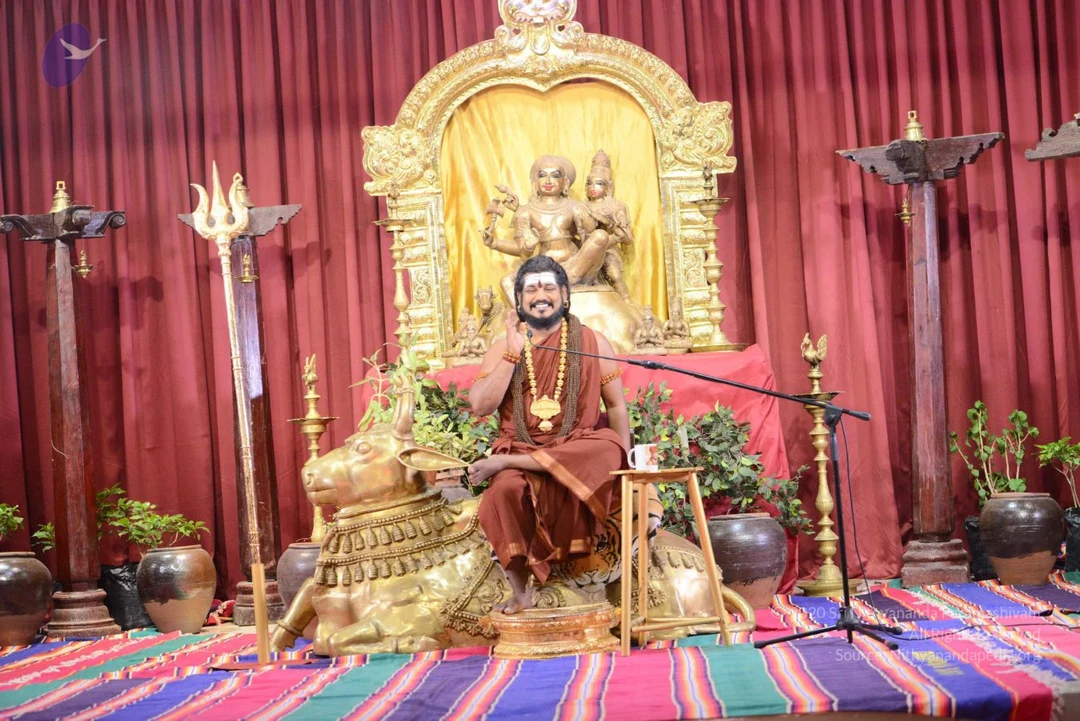
More Pictures From Nithyananda Satang
121 photosSource gallery