Skip to content
Friday

13 September 2013

தாழ்வு மனப்பான்மைகளில் இருந்து விடுவிக்க || பாகம் 1 || நித்ய க்ரியா யோகா || 13 செப்டம்பர் 2013

Dated photos
652
Source pages
1
Media
8
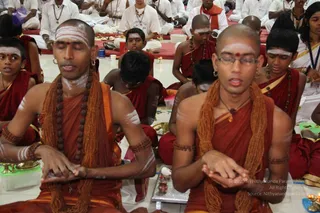
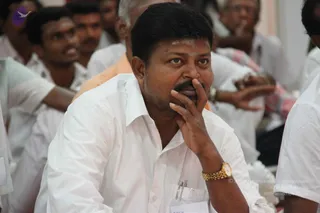
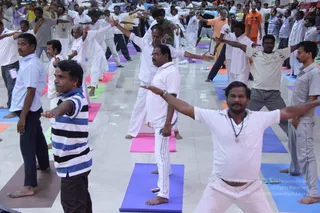
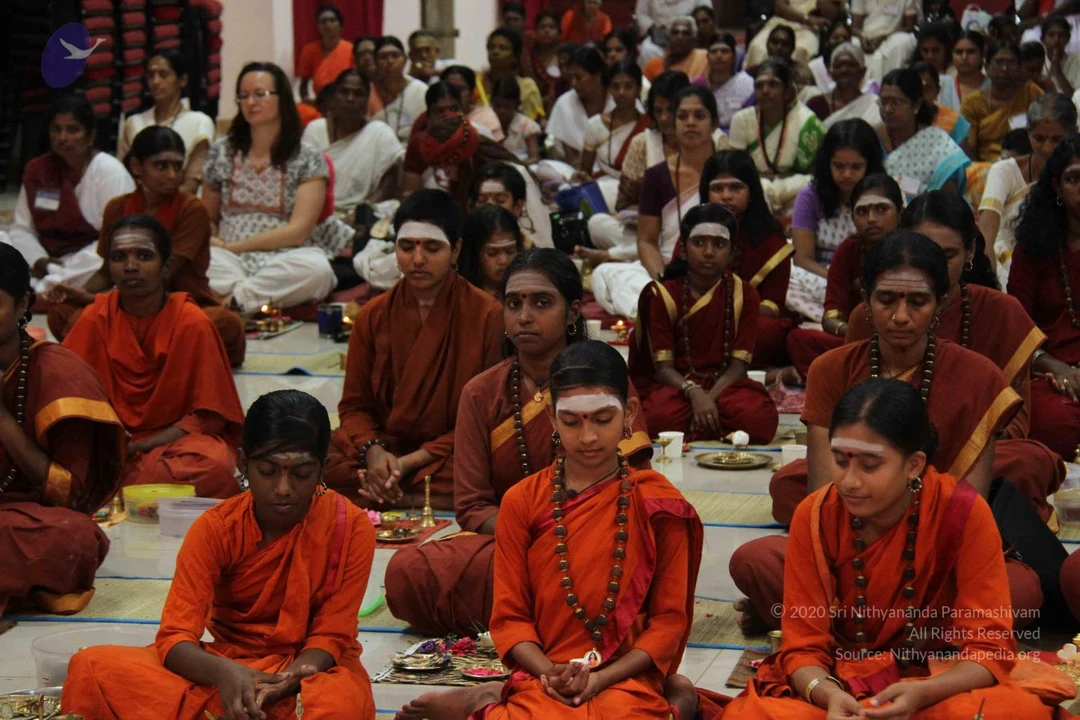
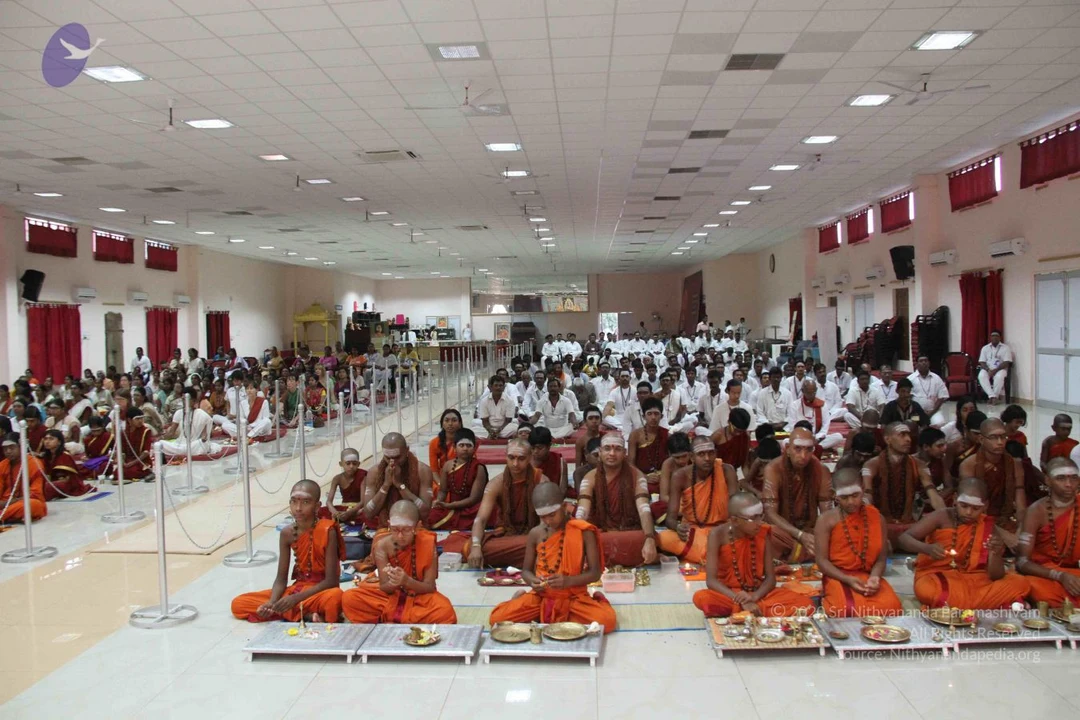
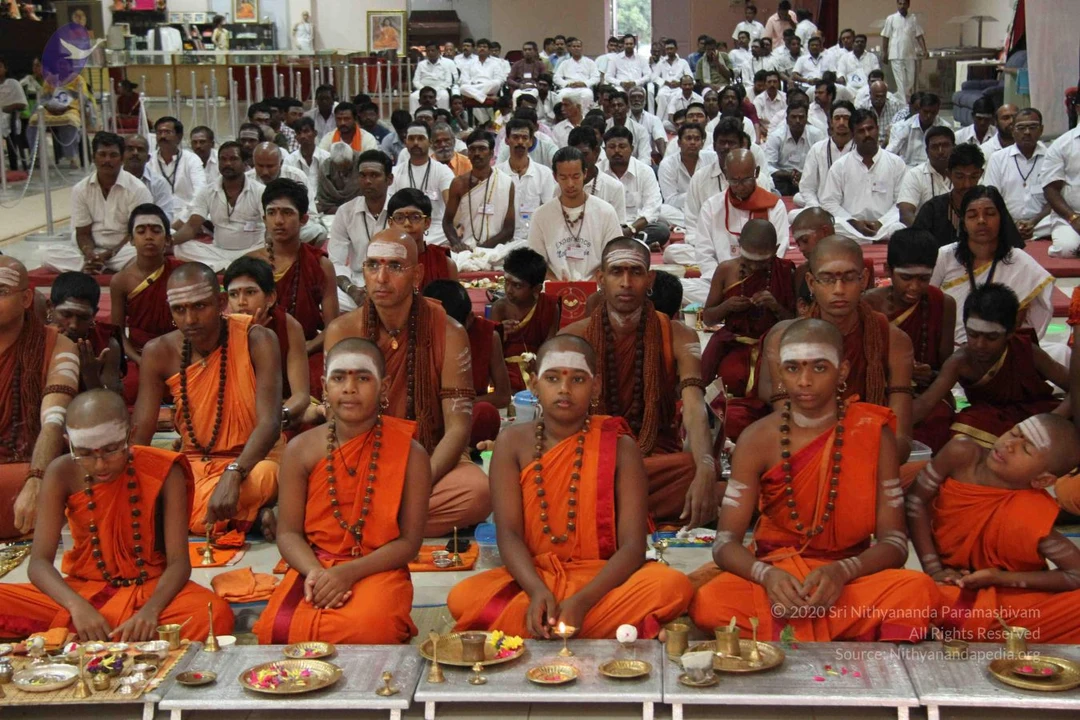
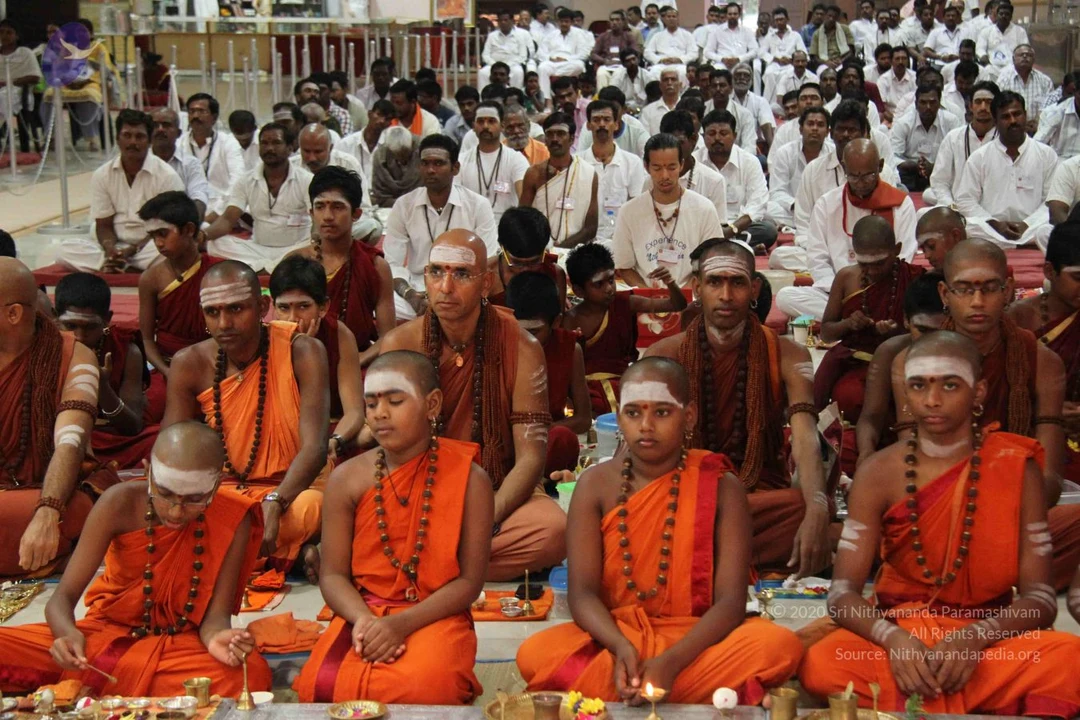
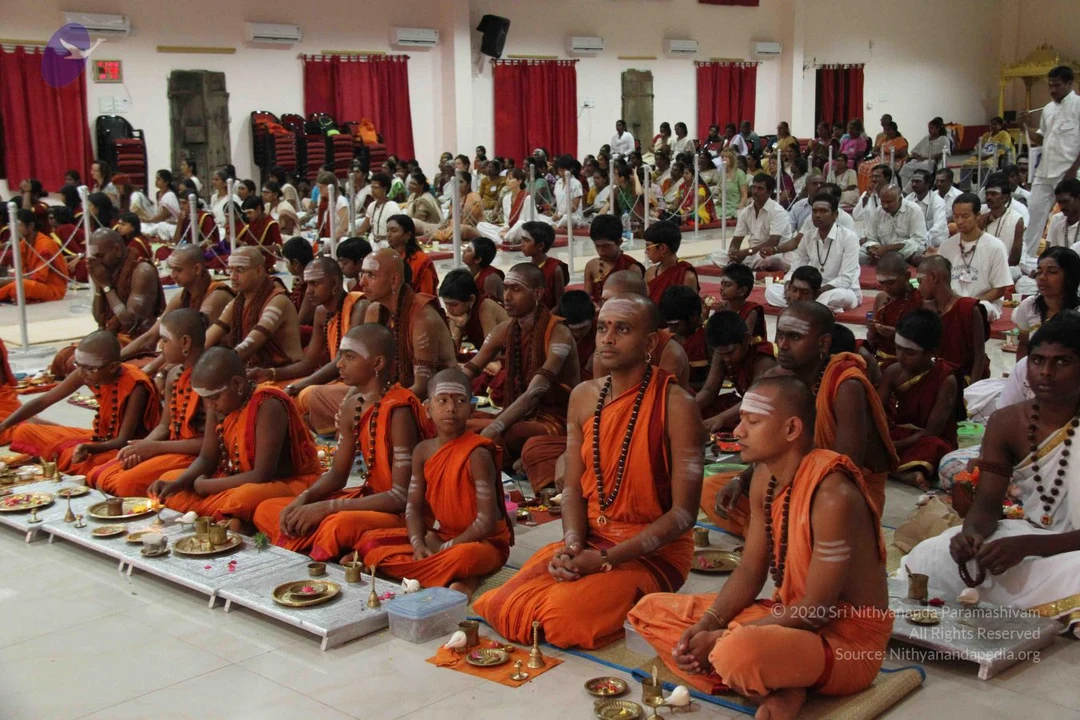
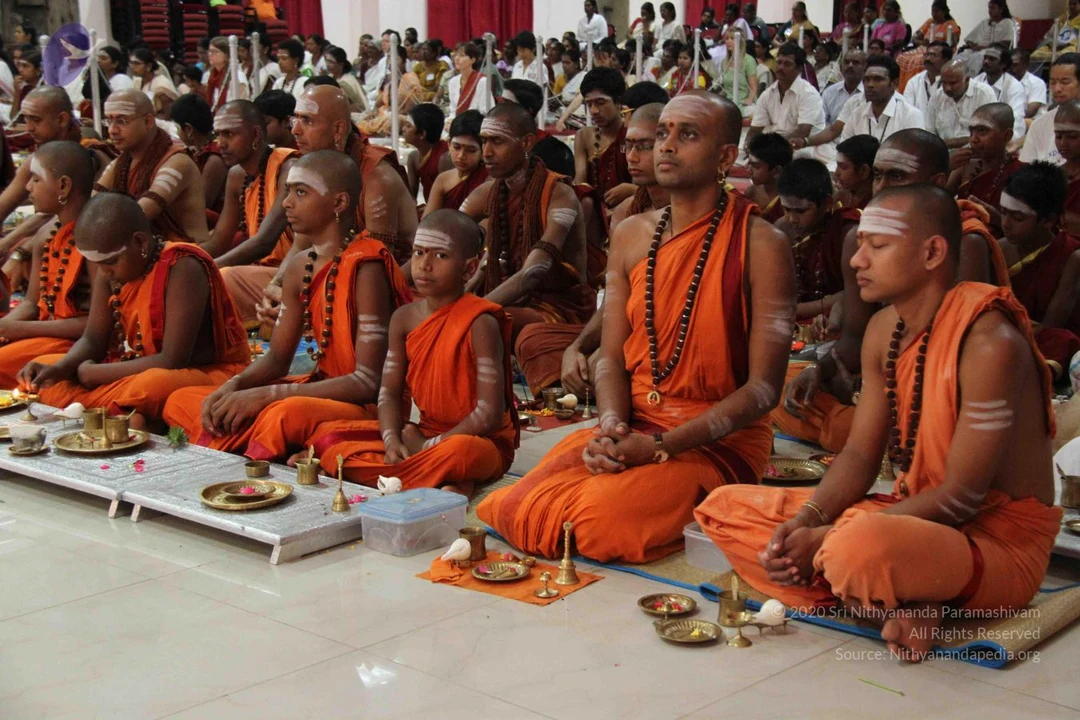
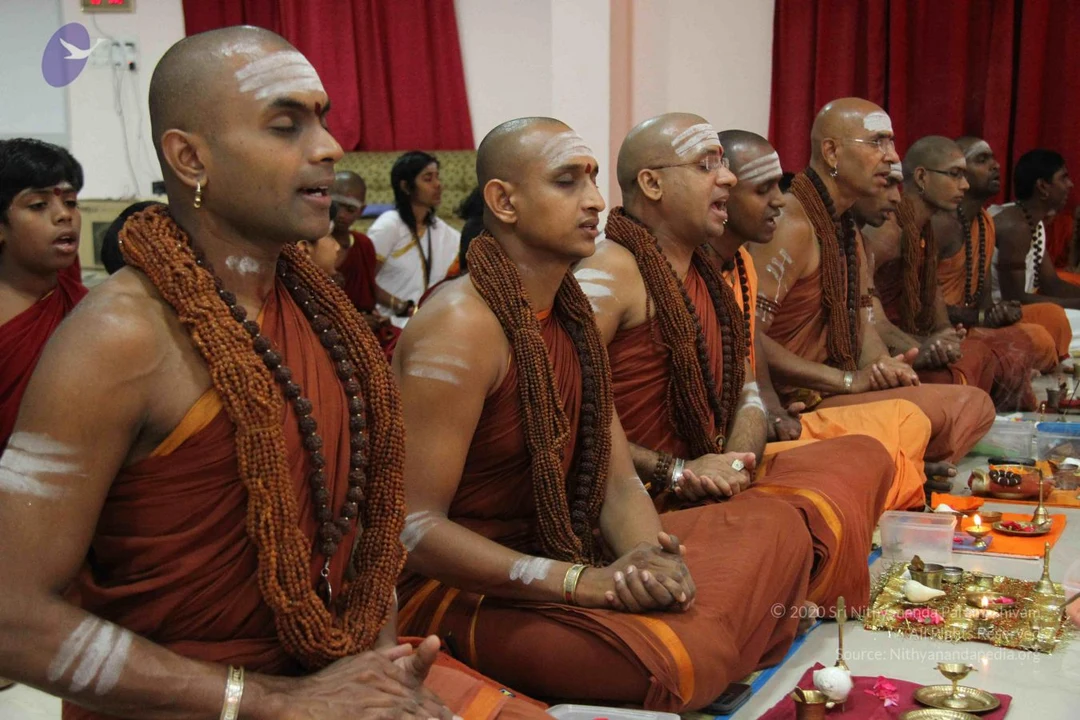
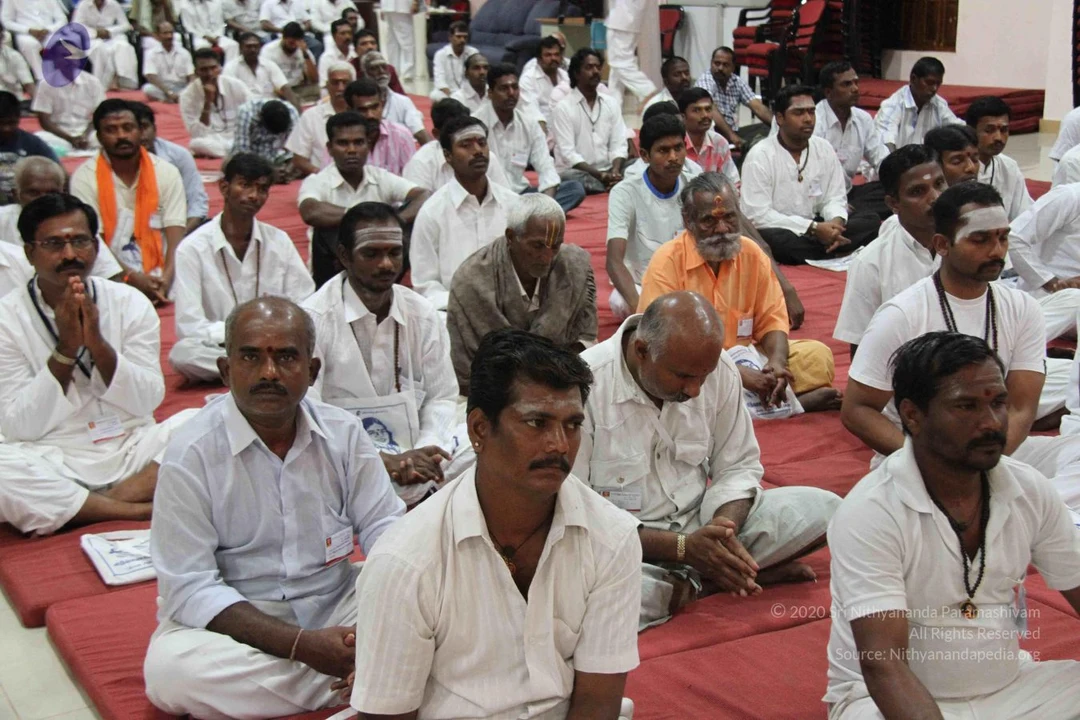
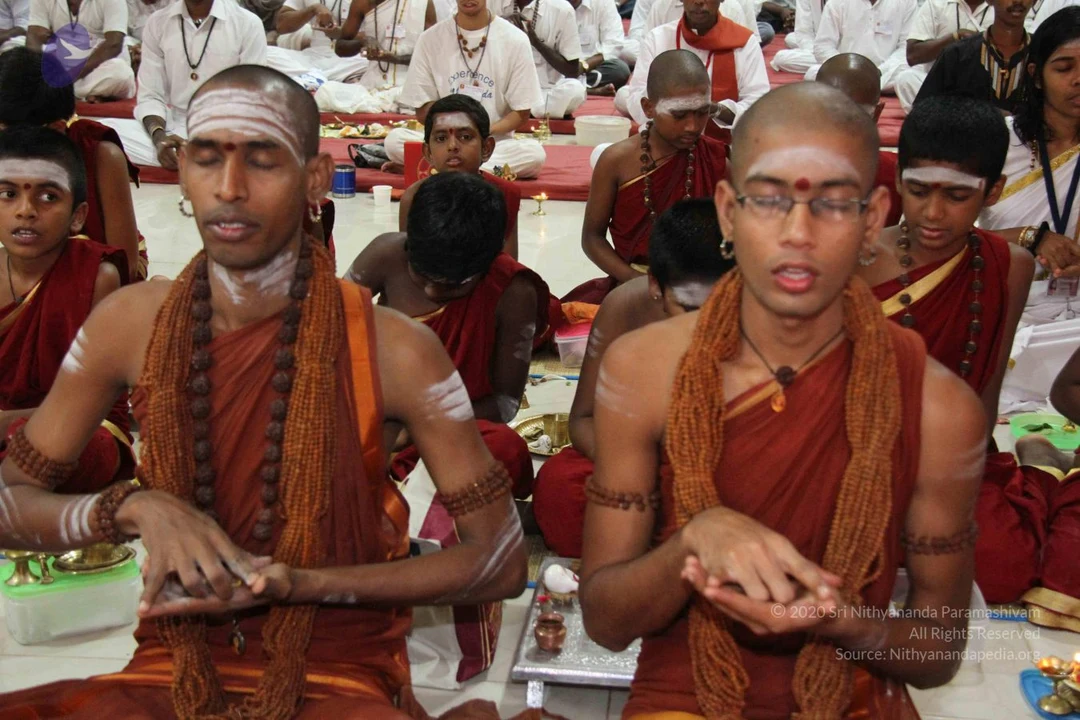
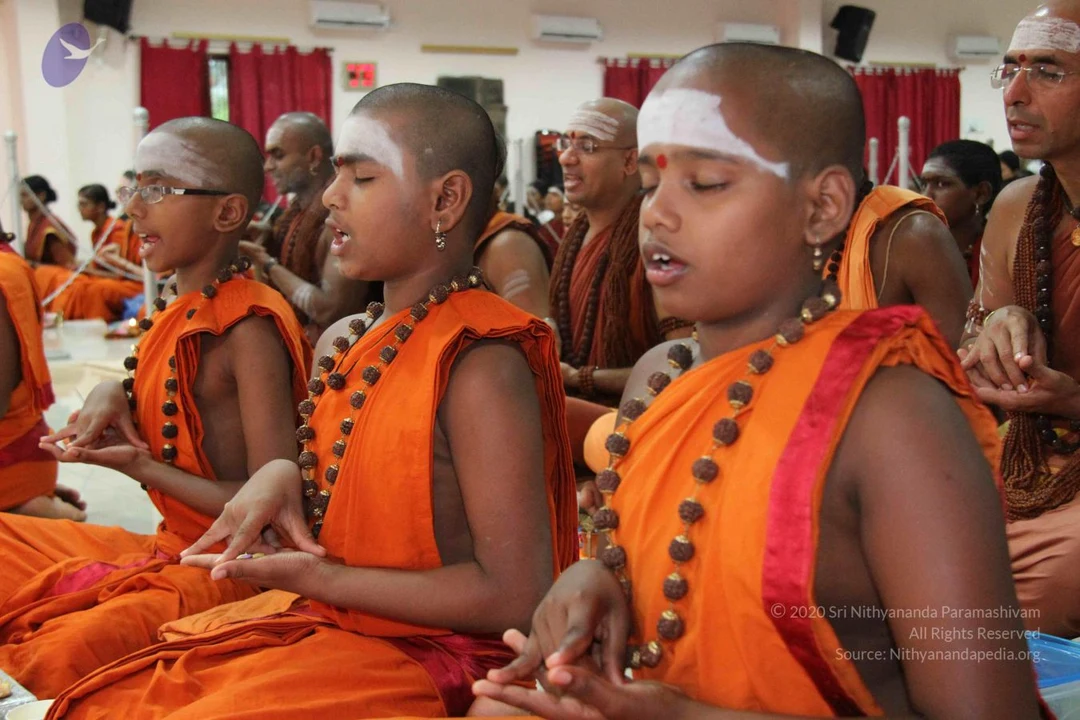
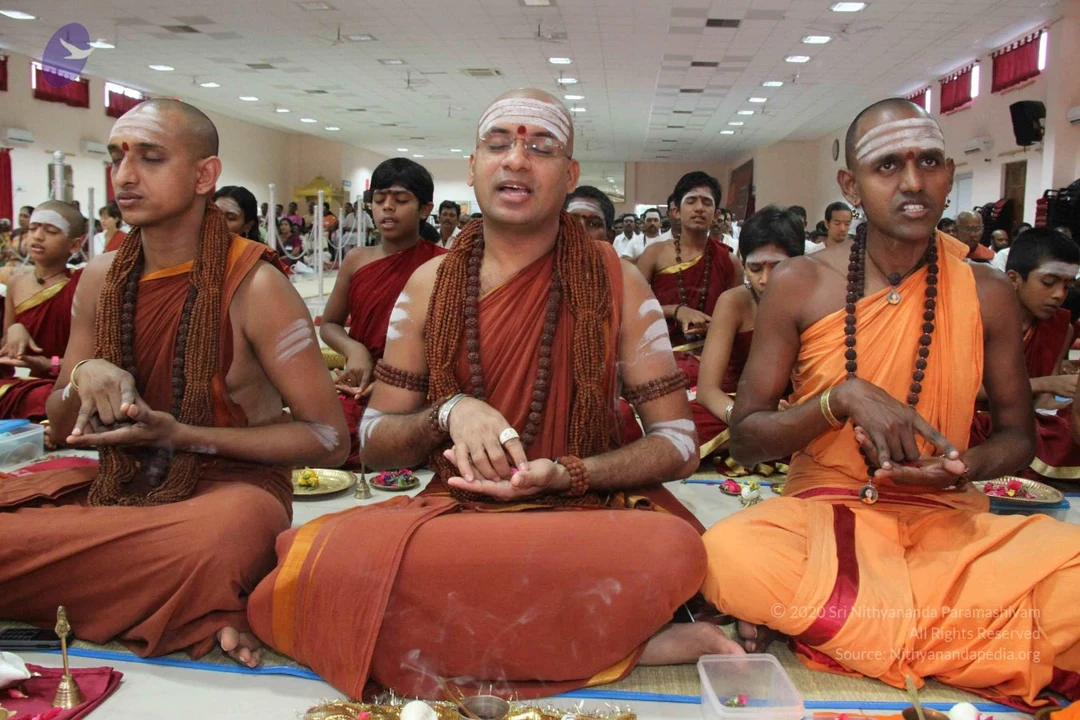
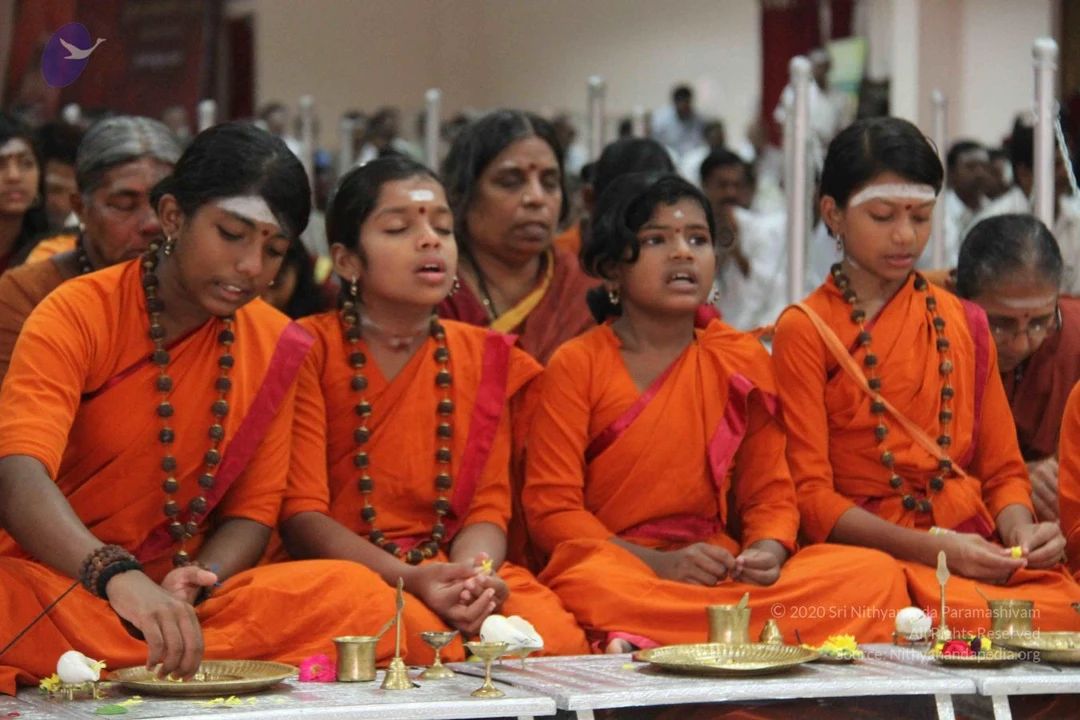
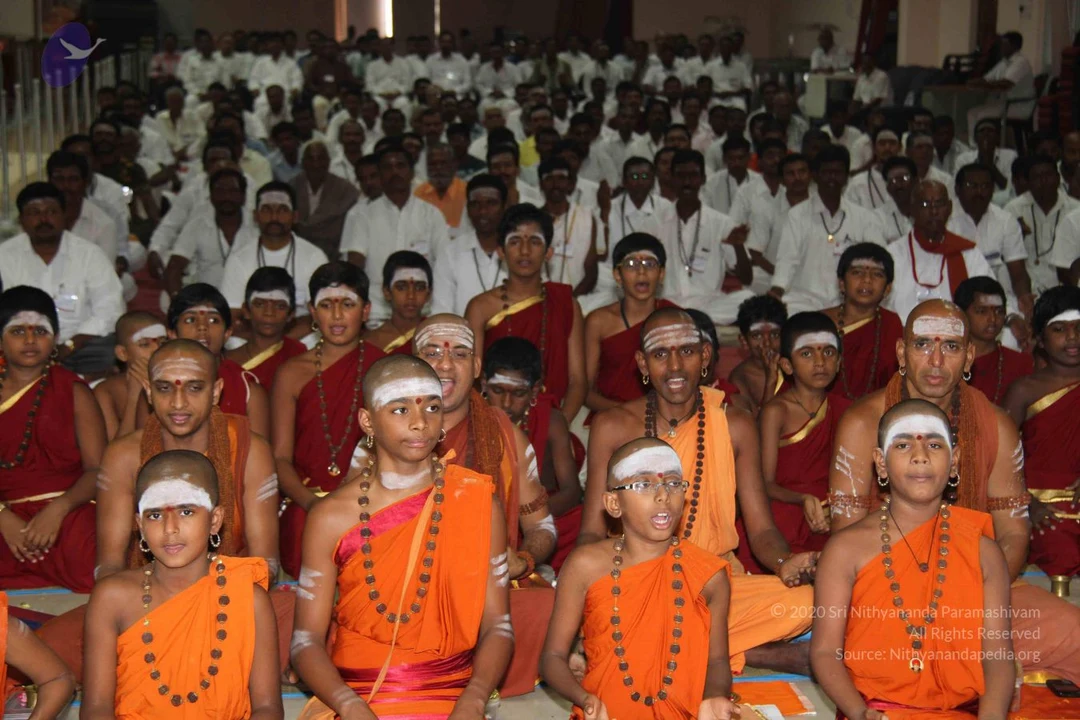
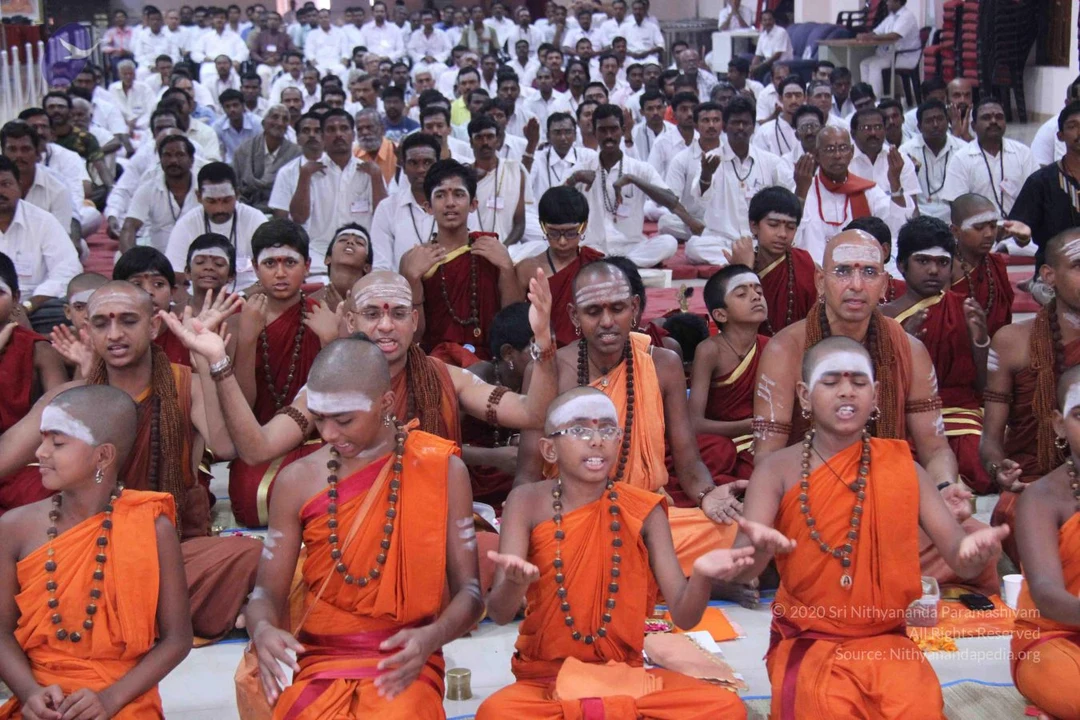
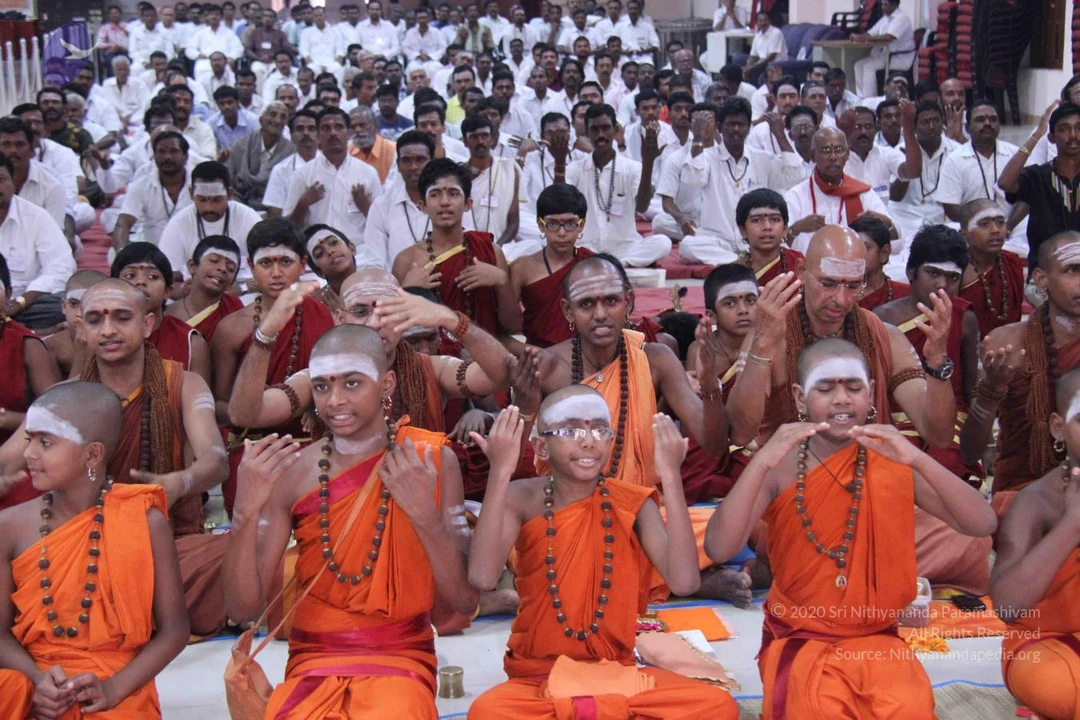
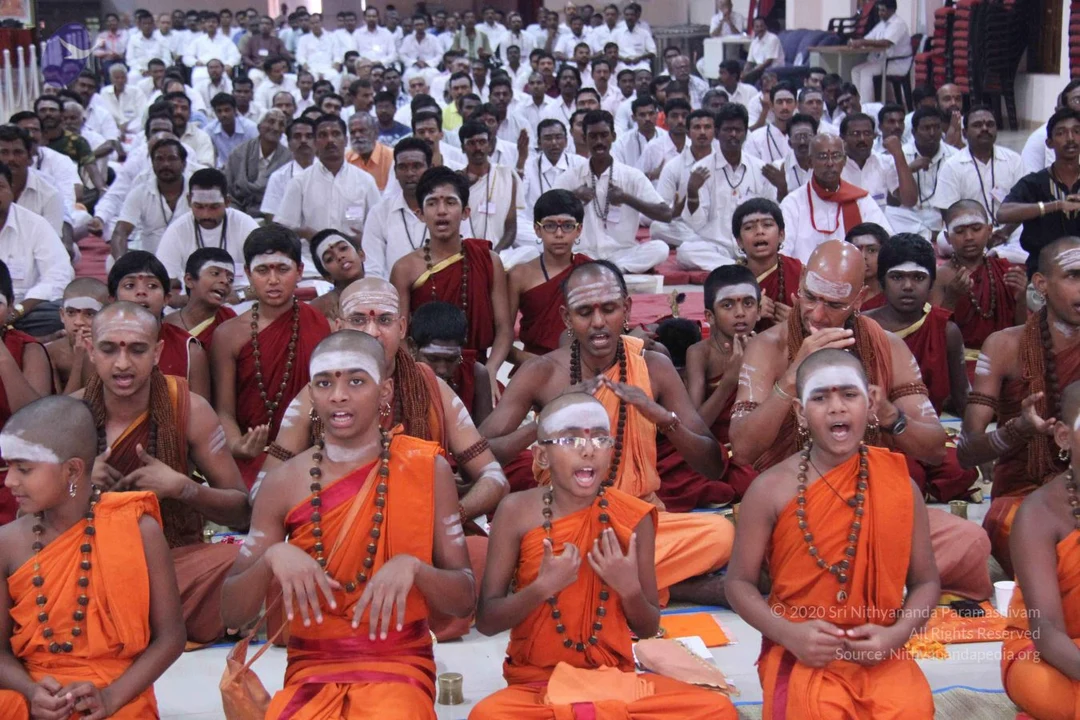
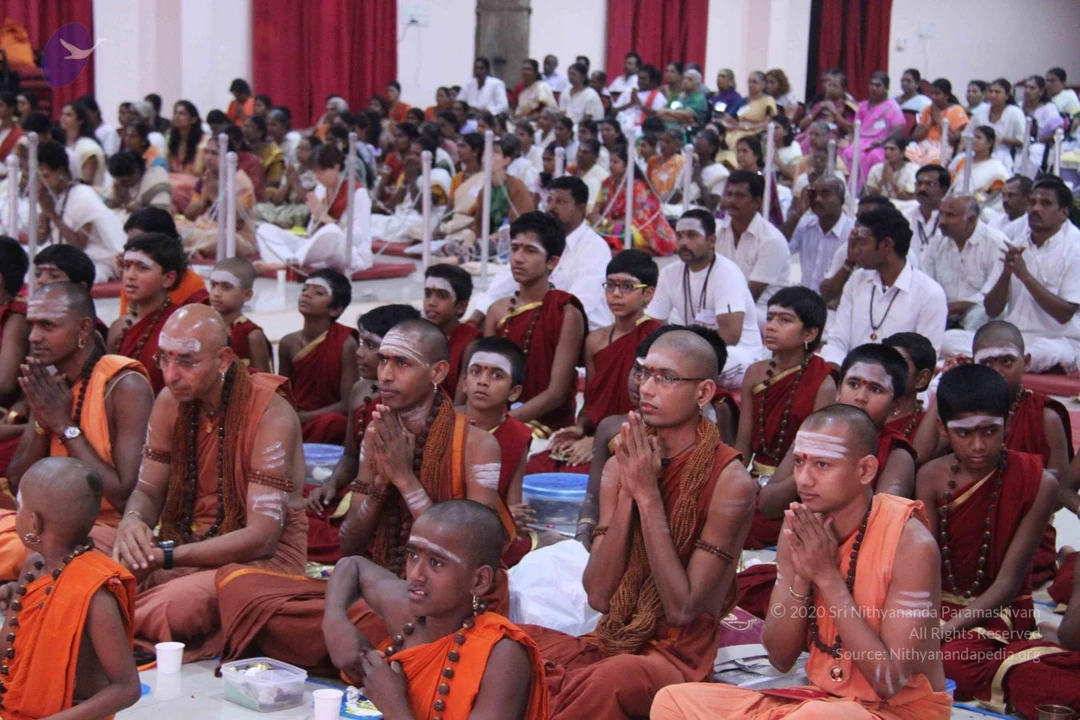
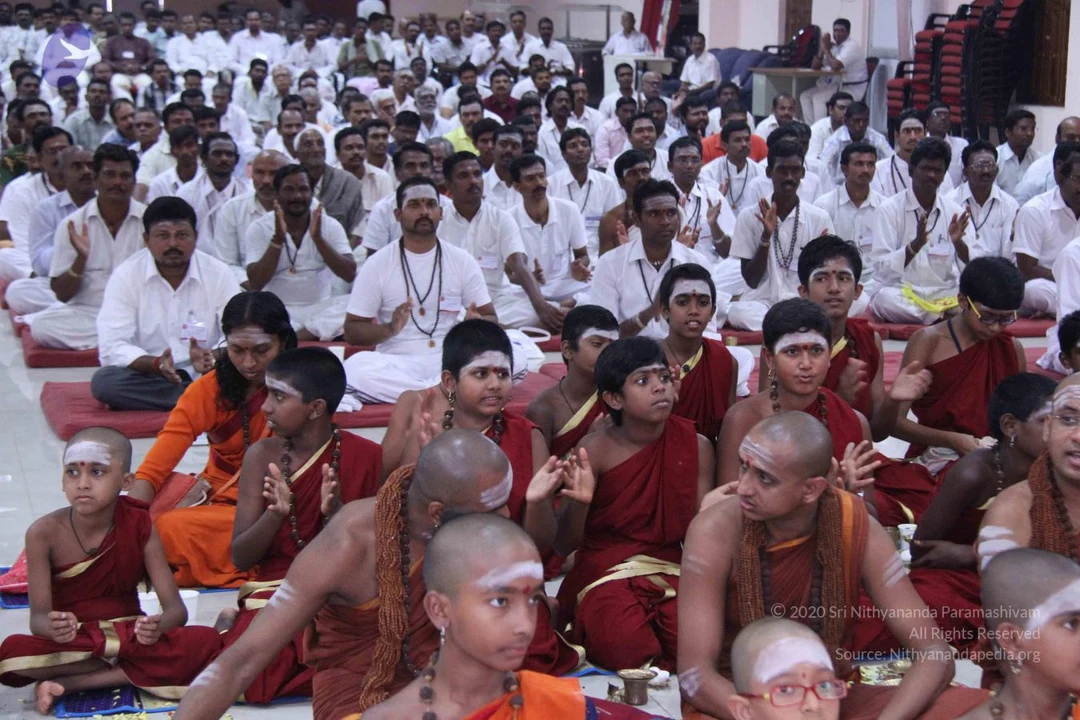
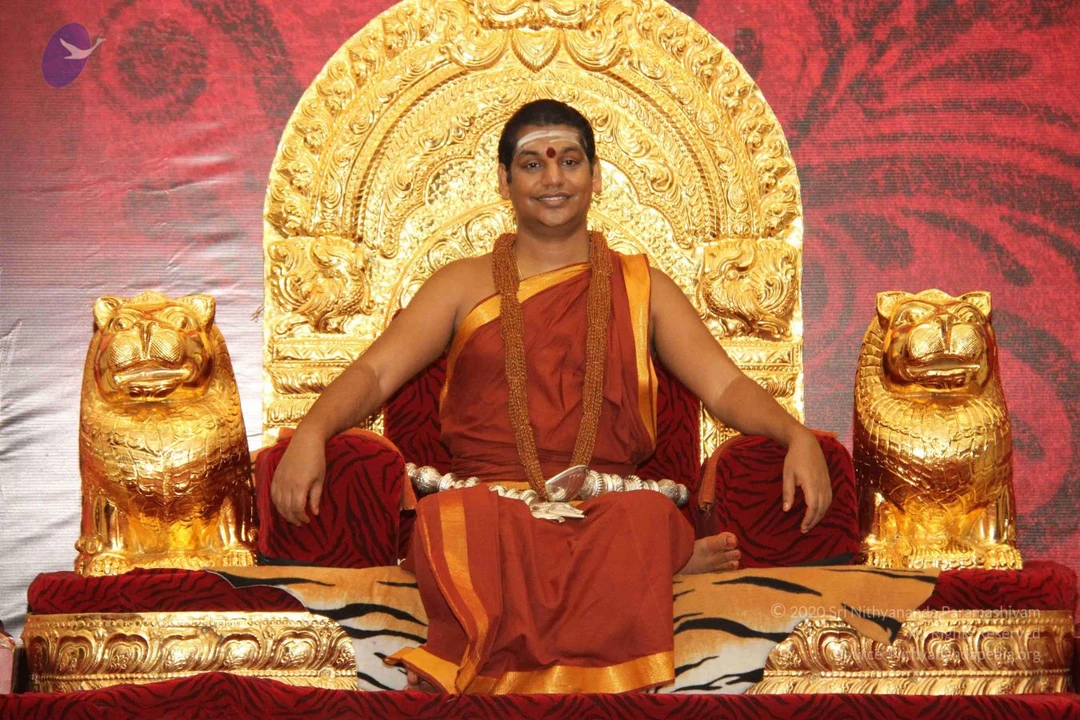
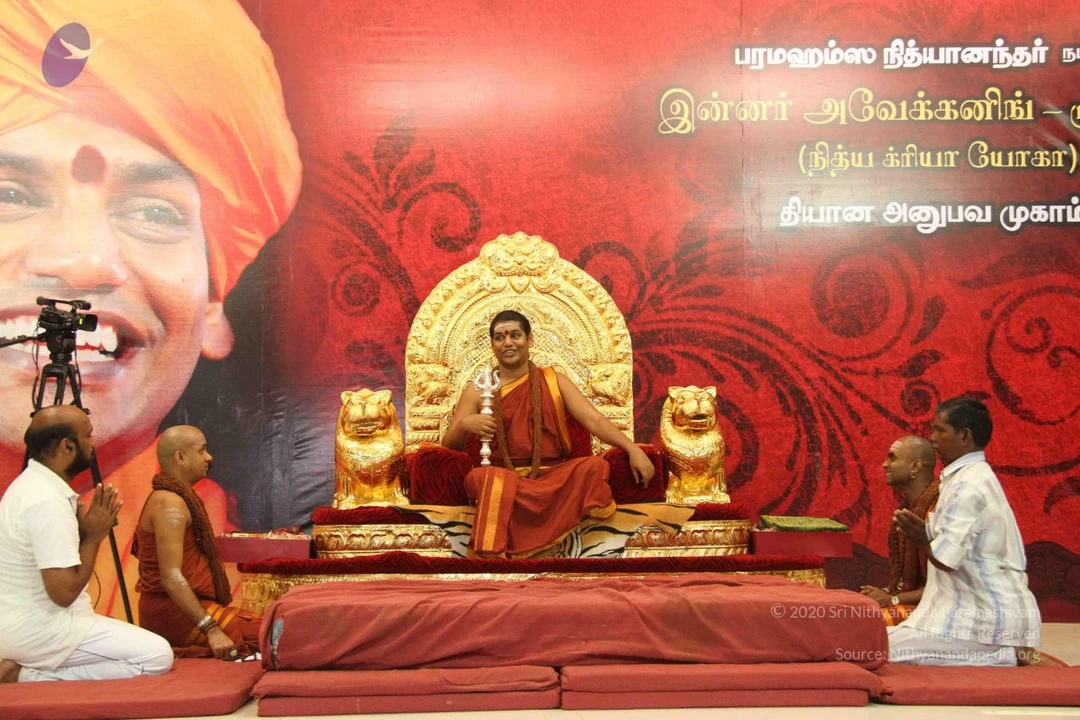
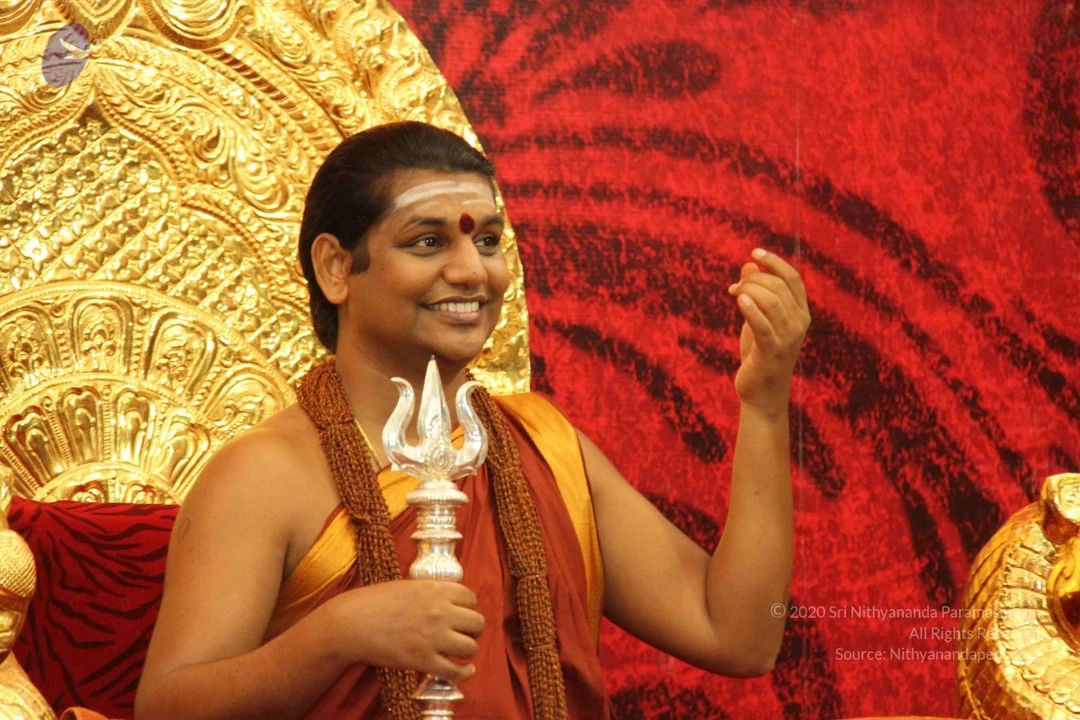
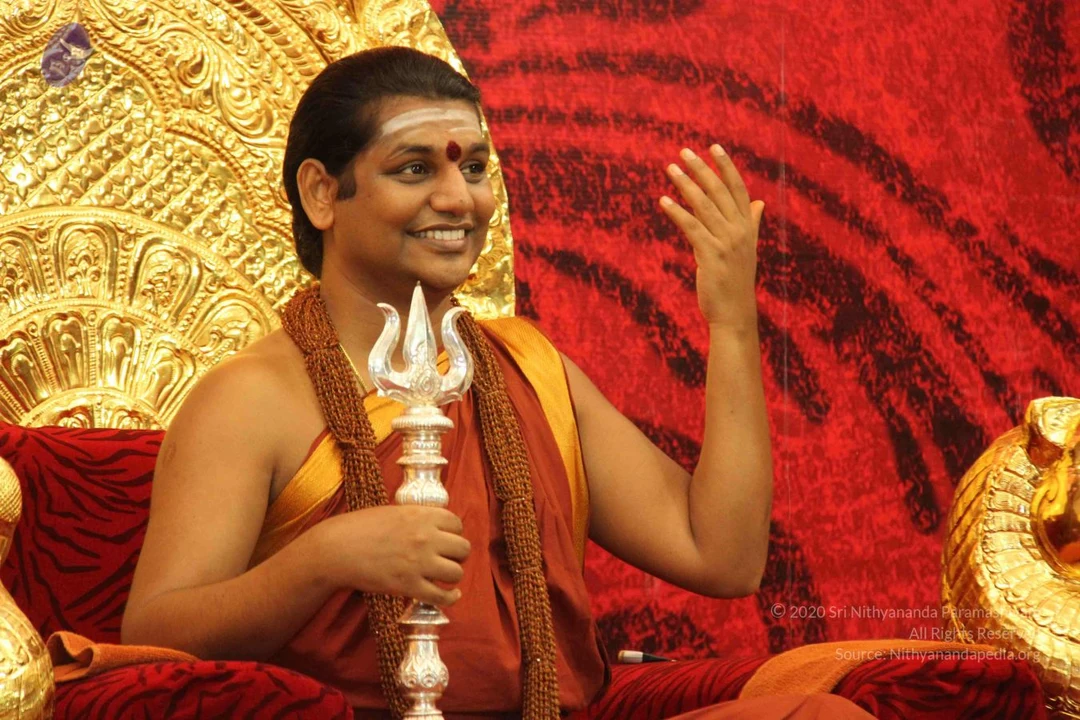
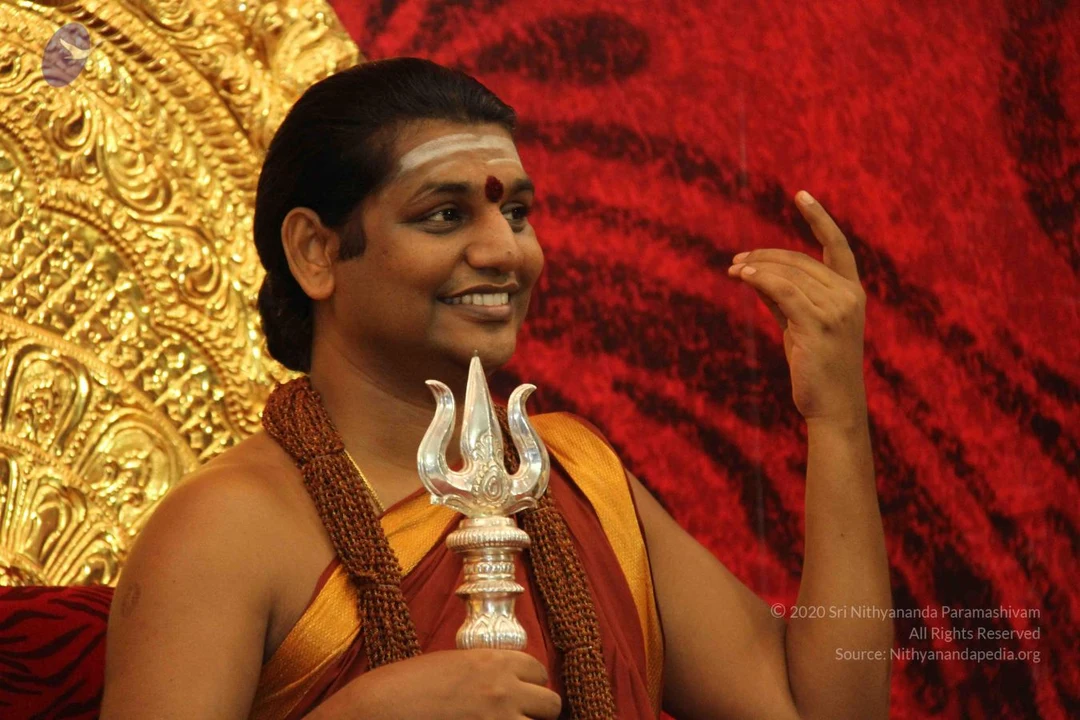
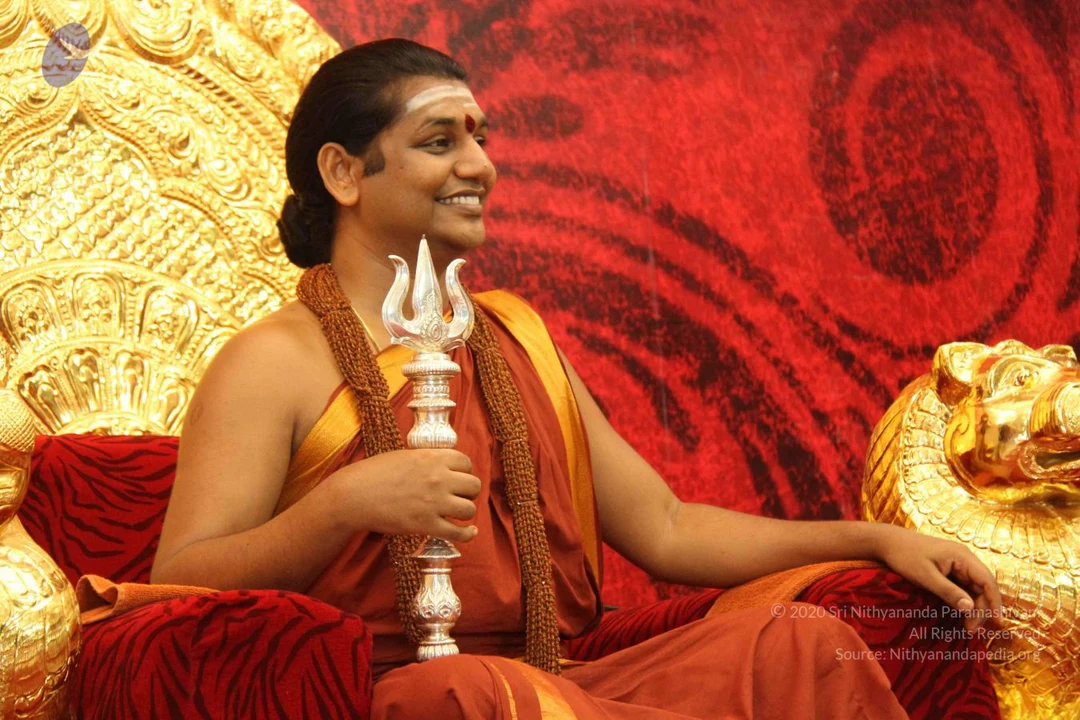
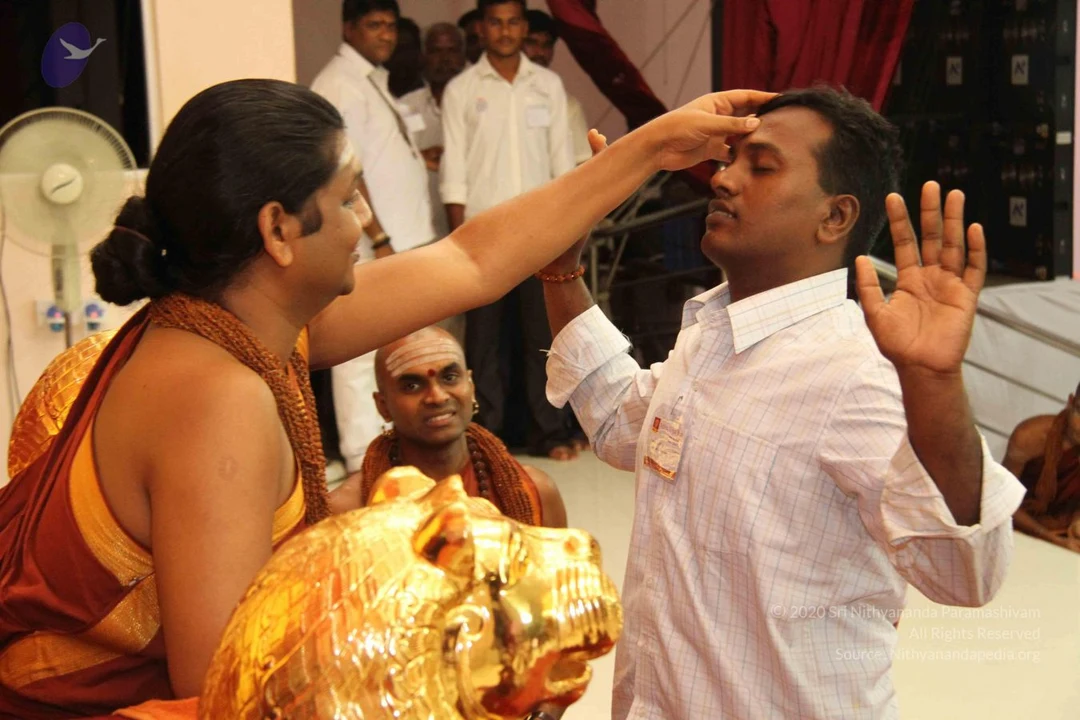
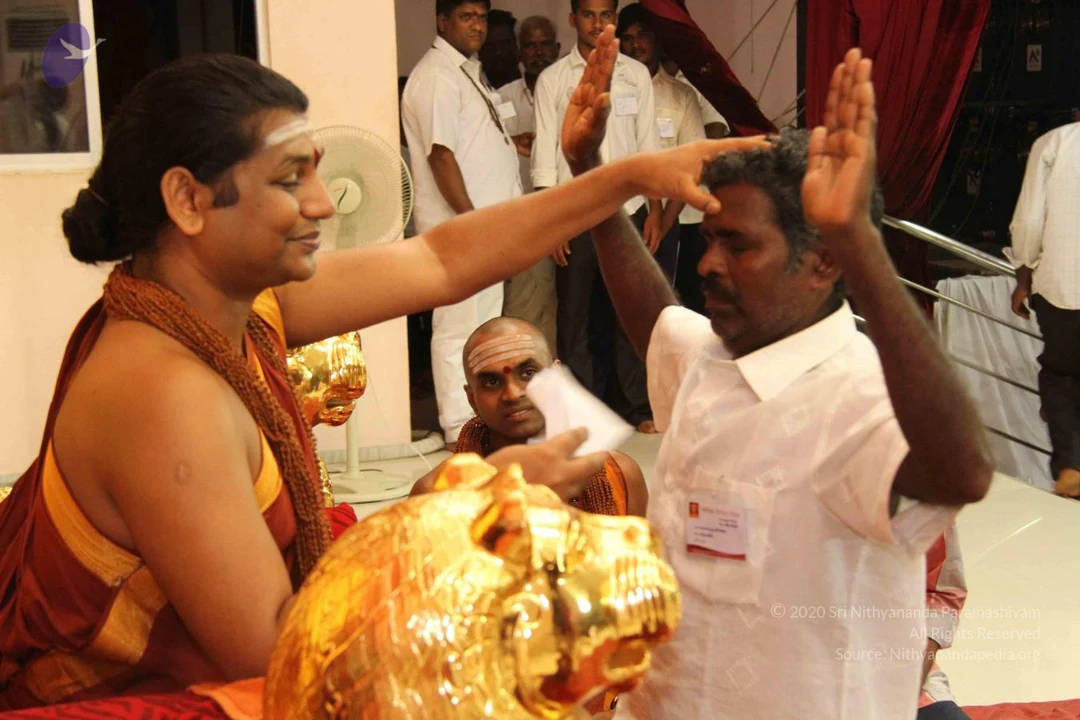
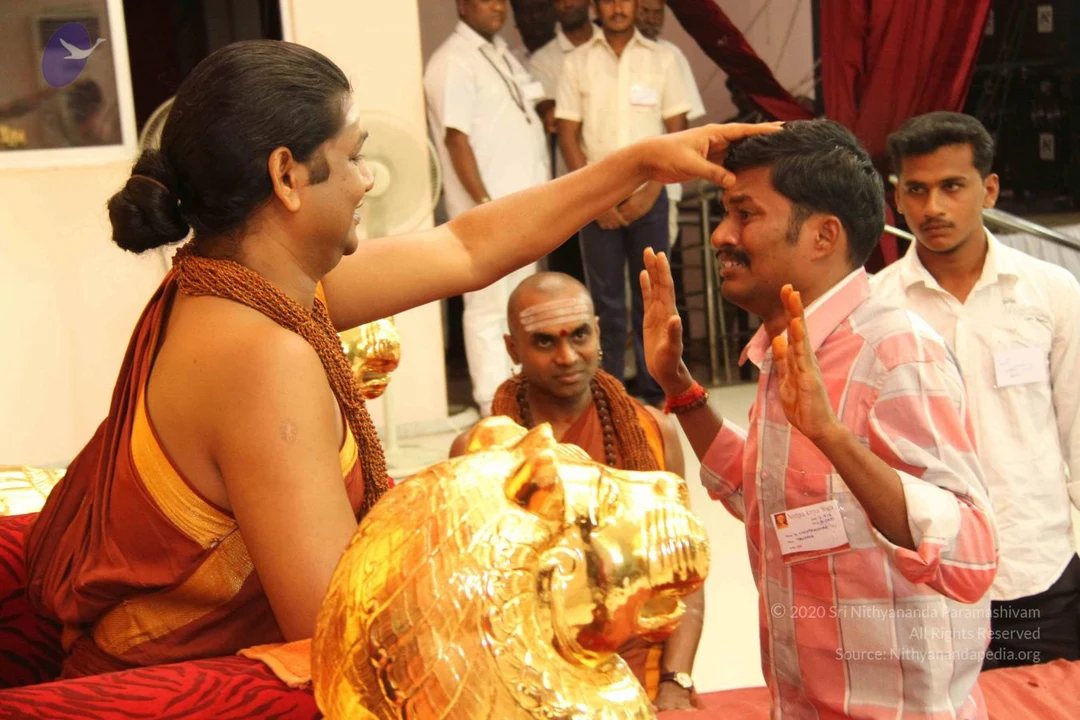
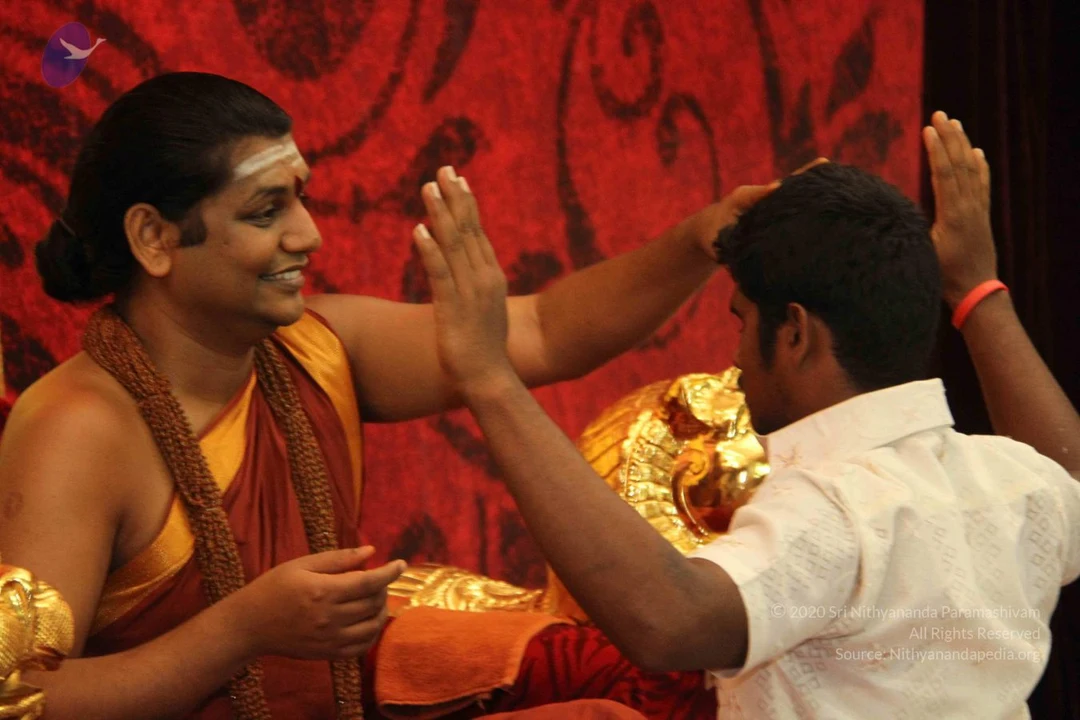
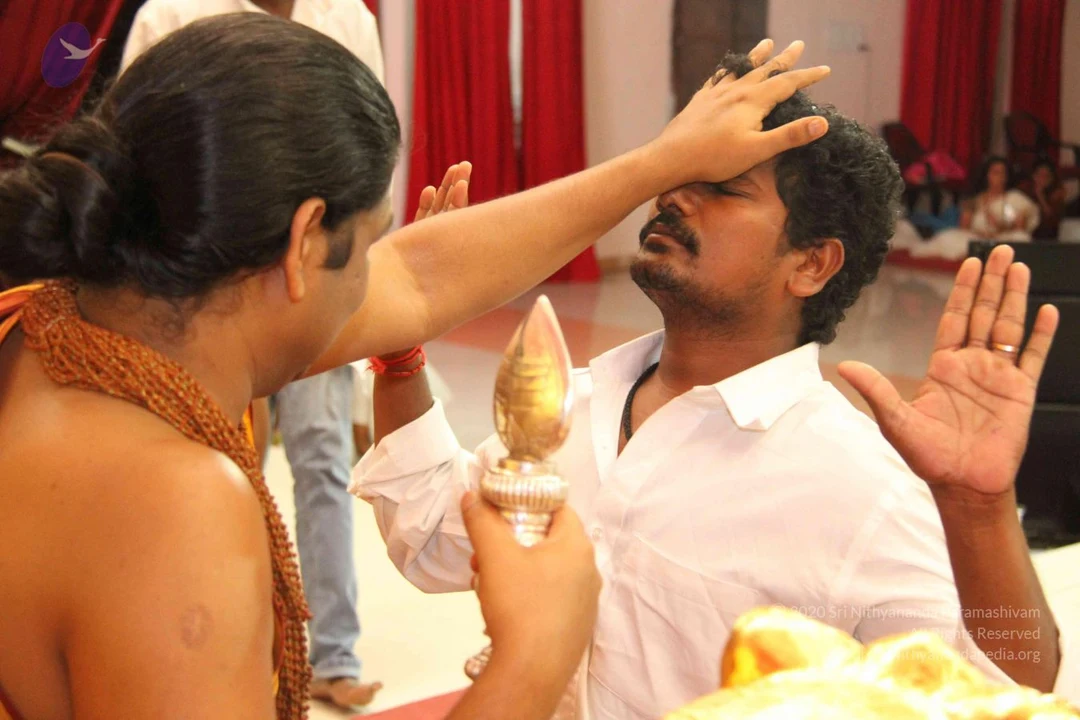
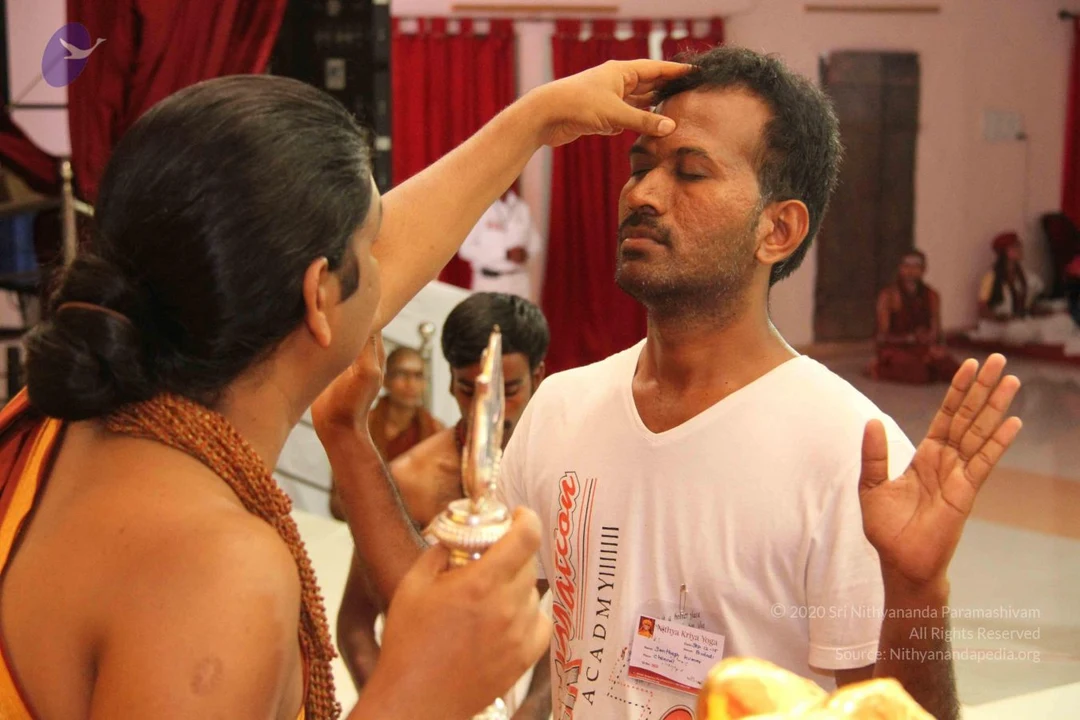
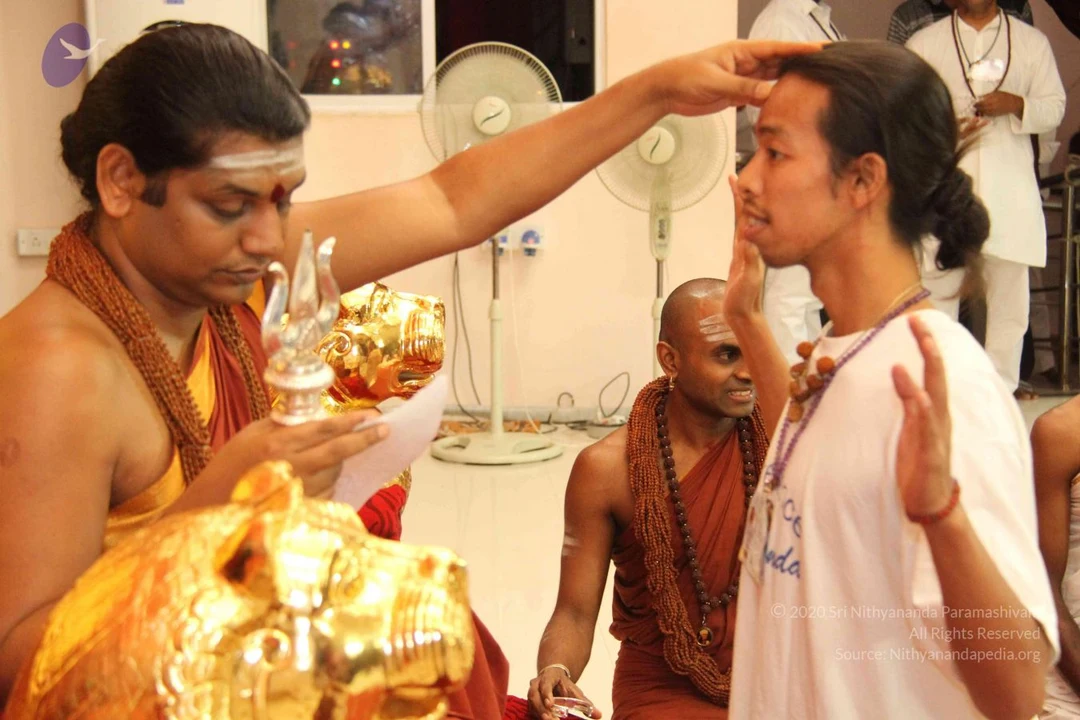
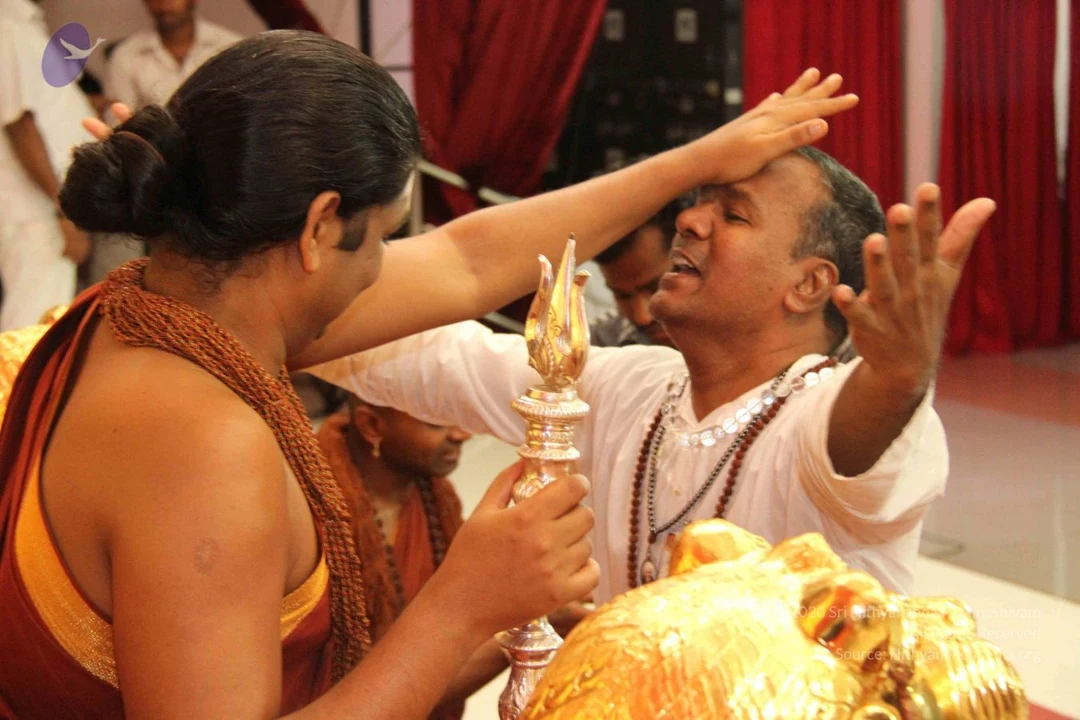
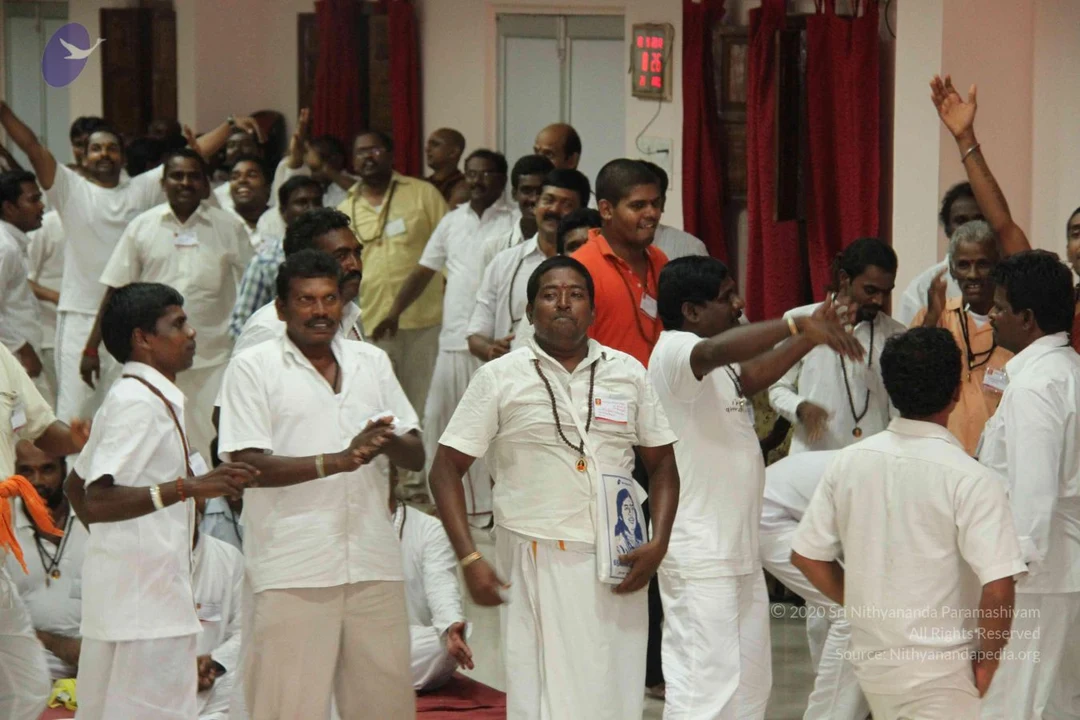
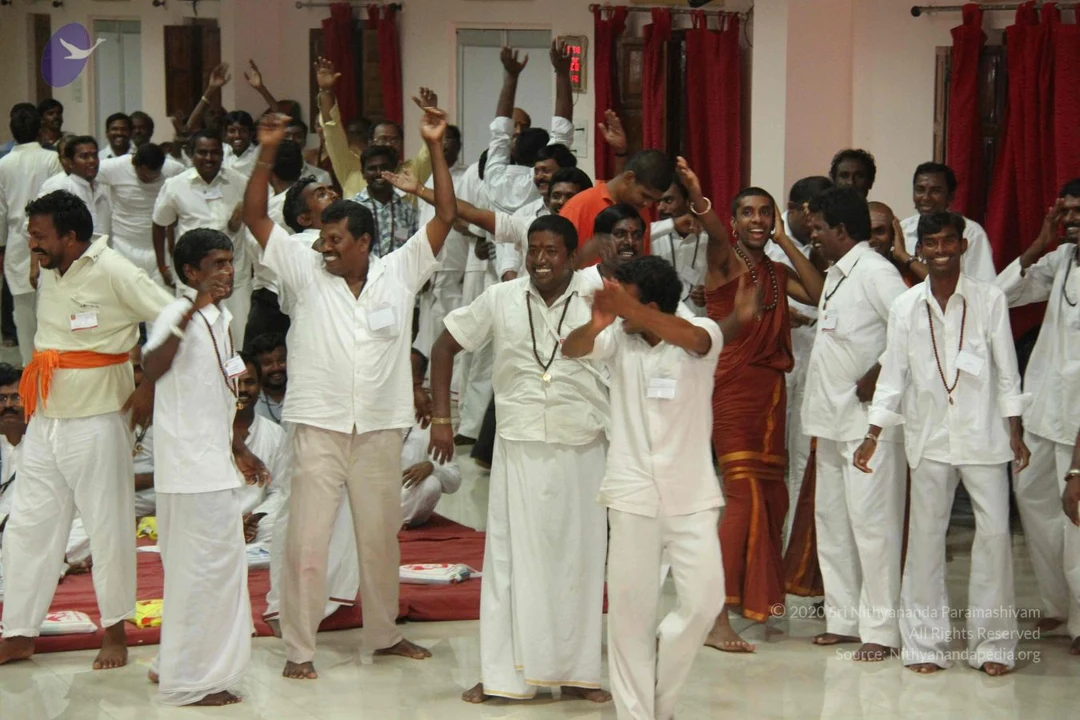
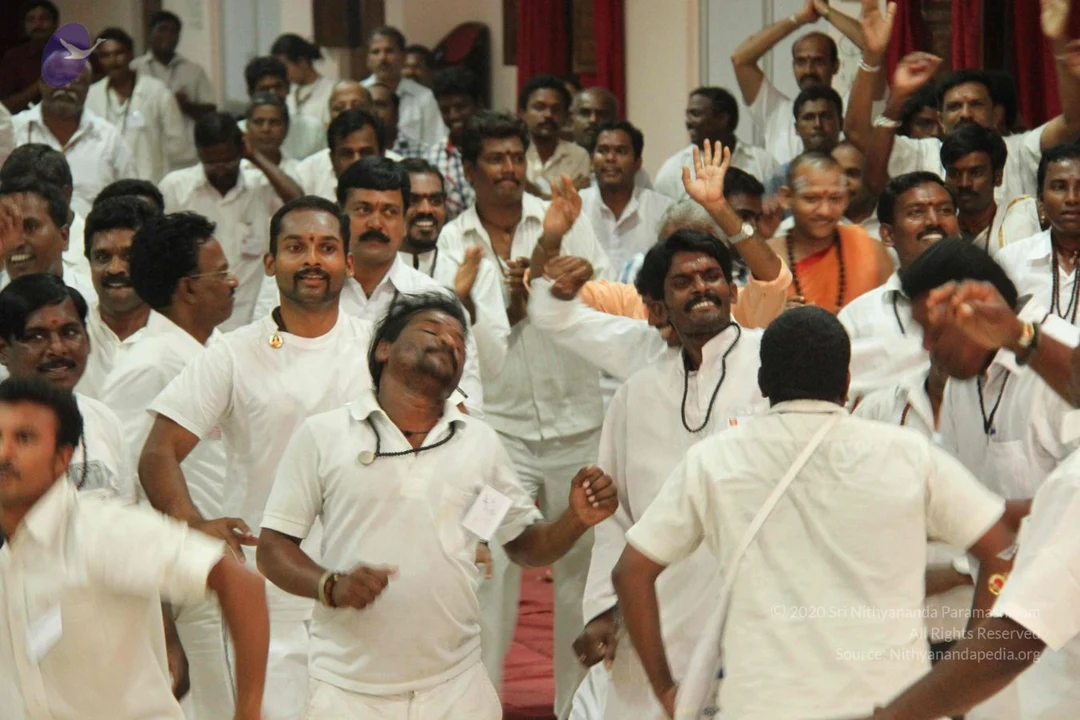
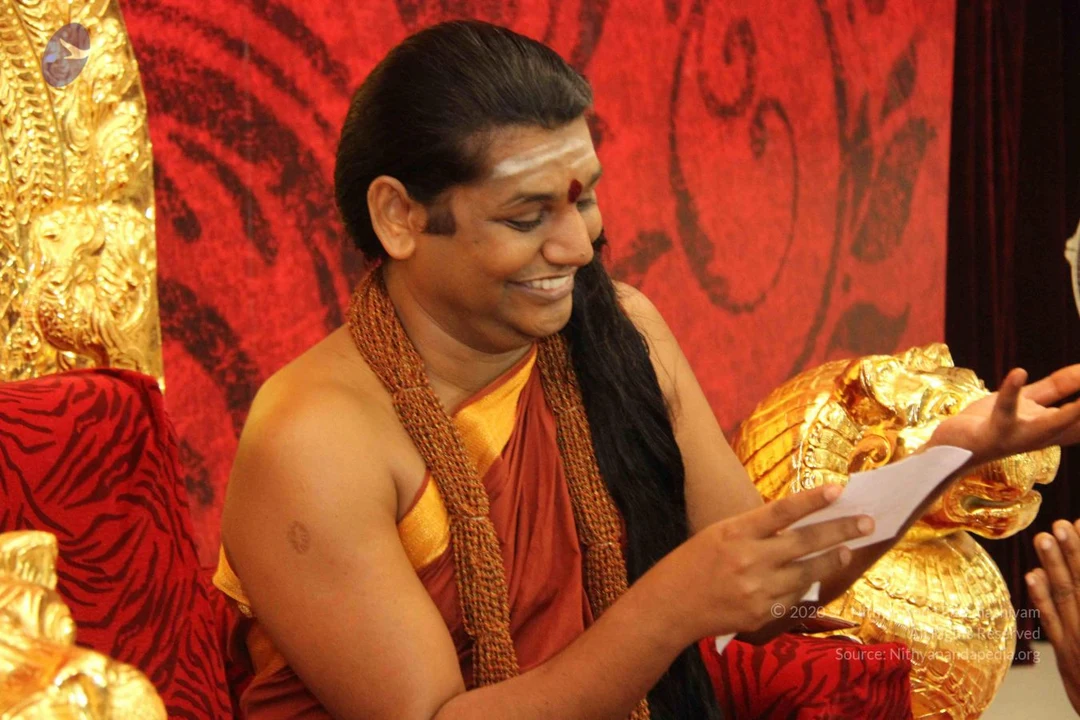
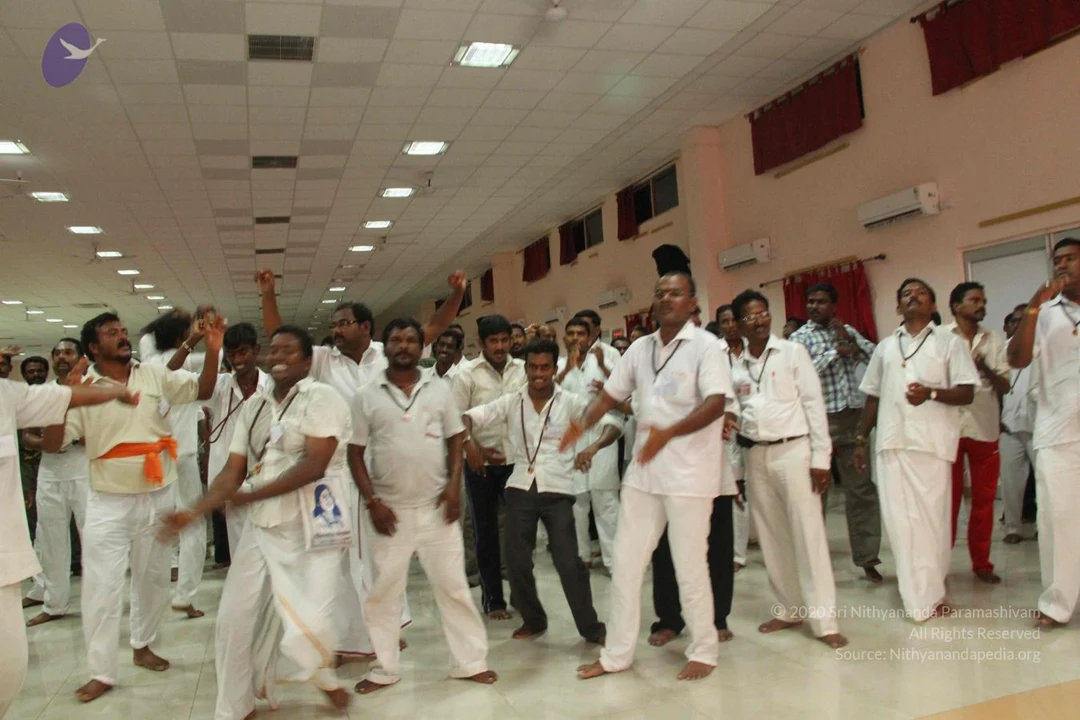
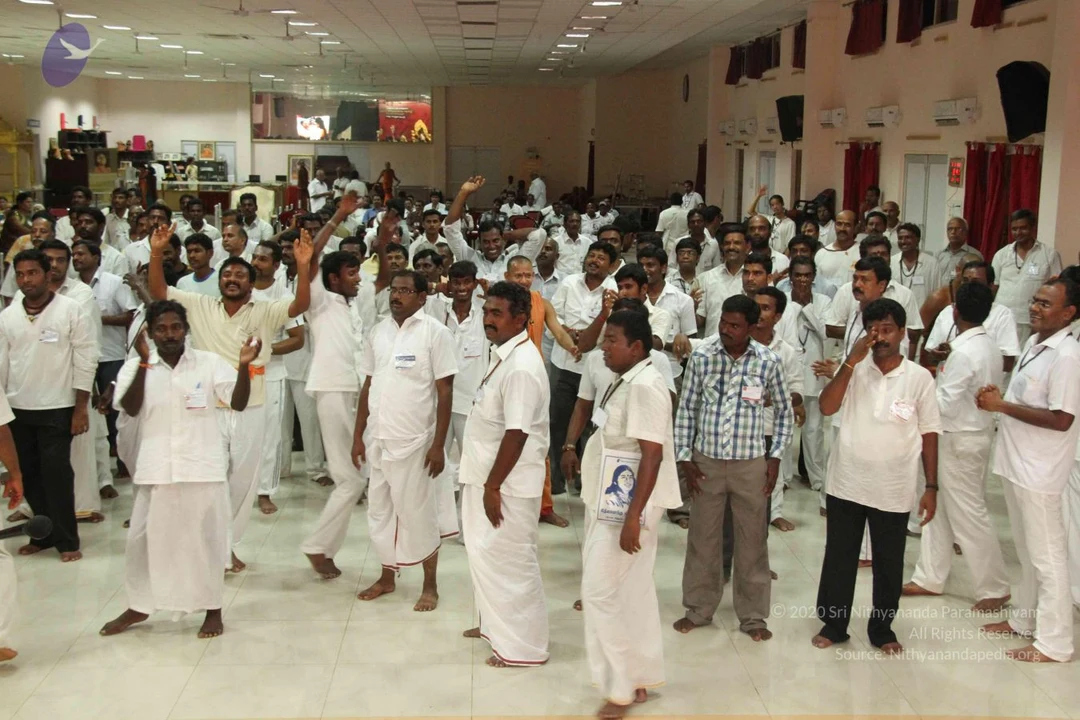
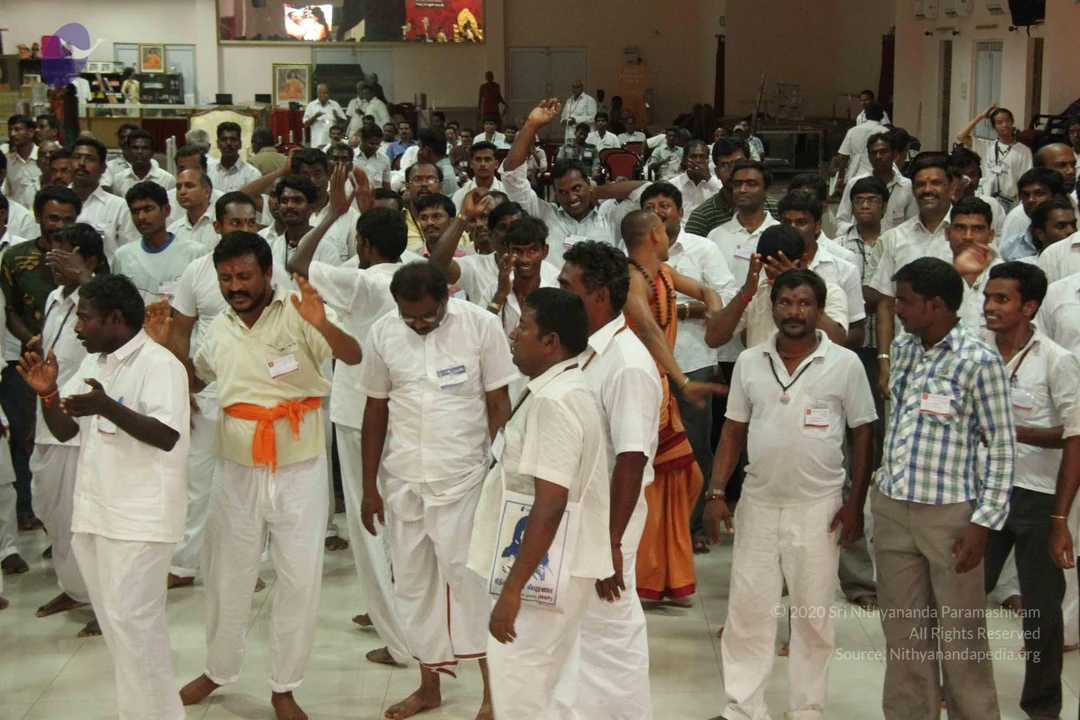
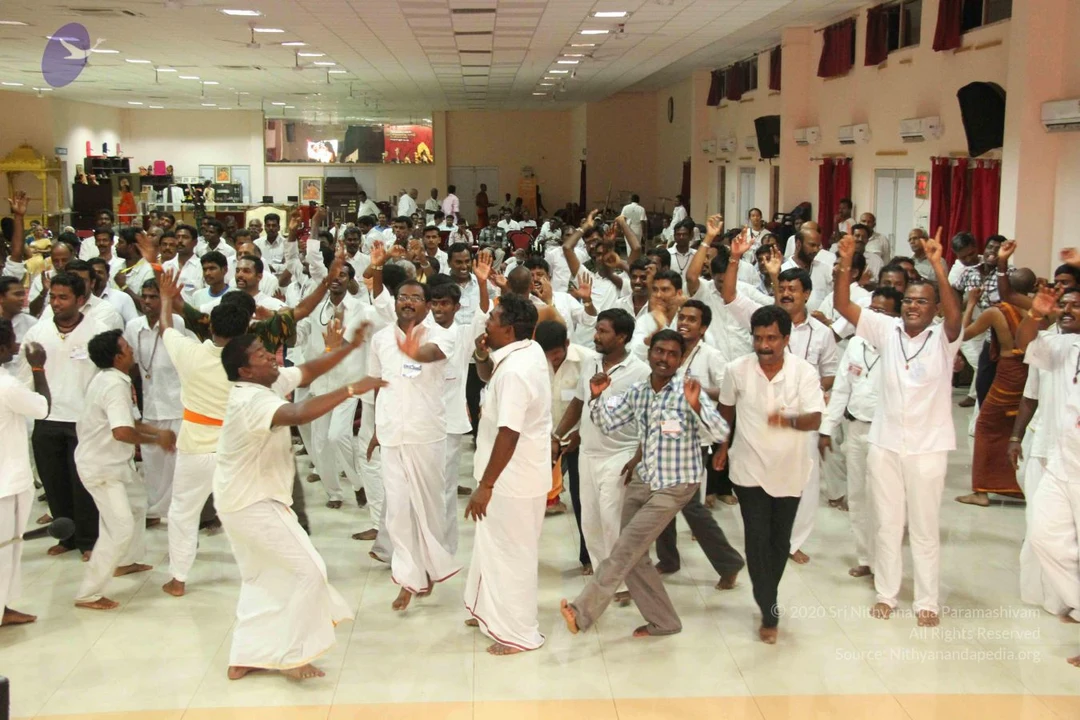
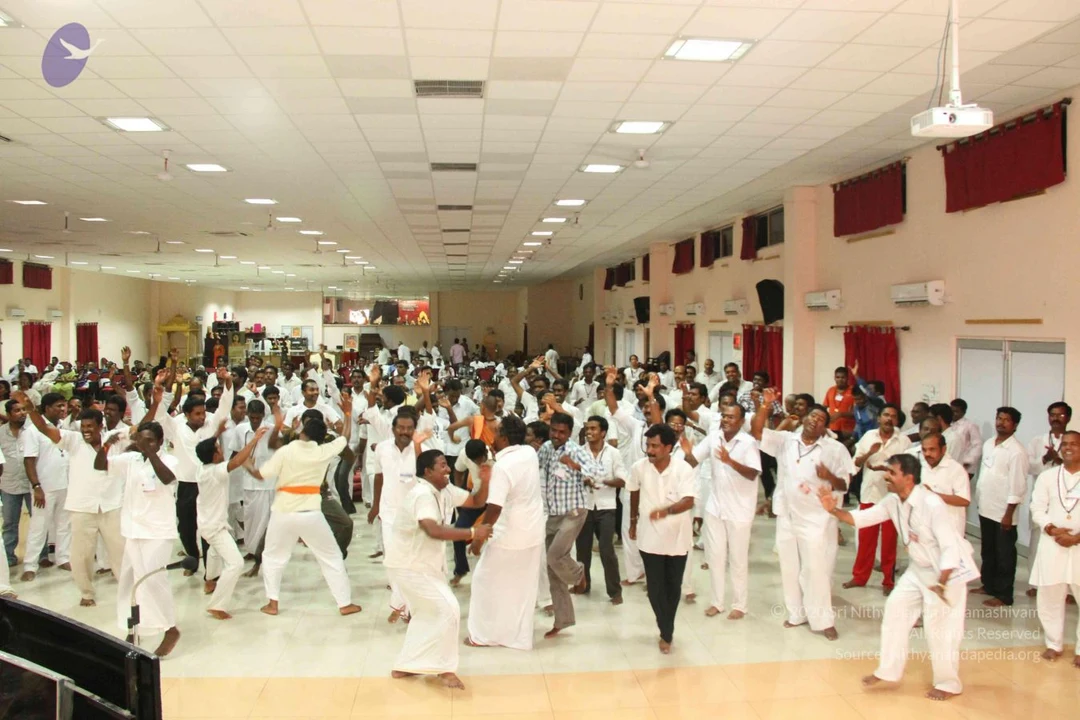
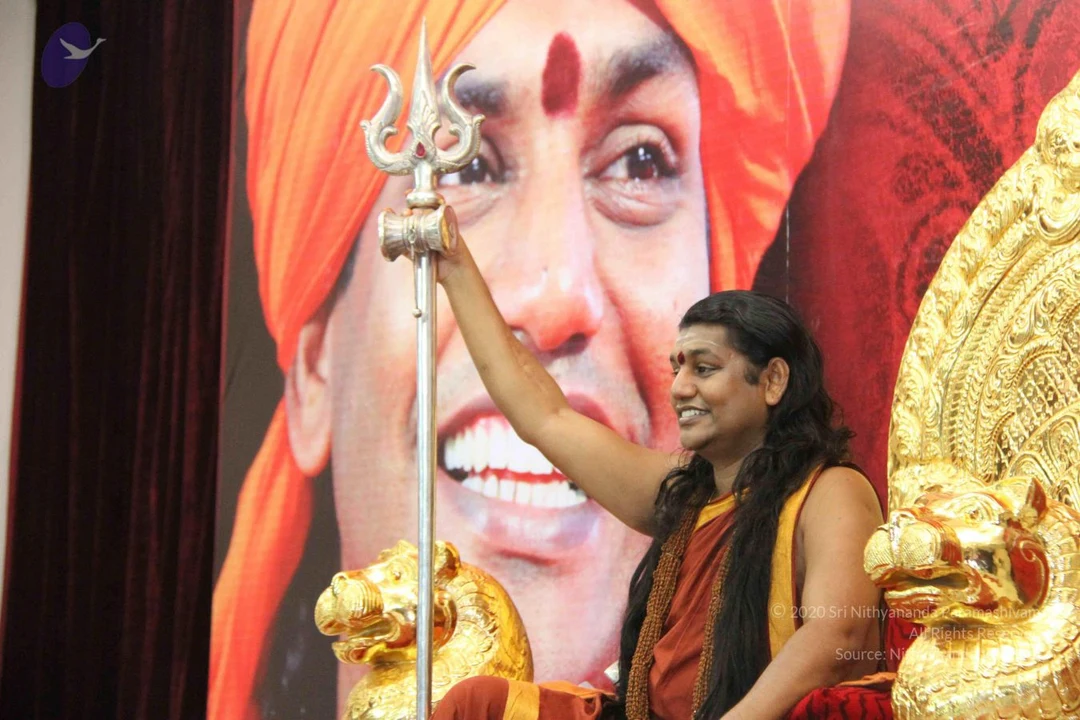
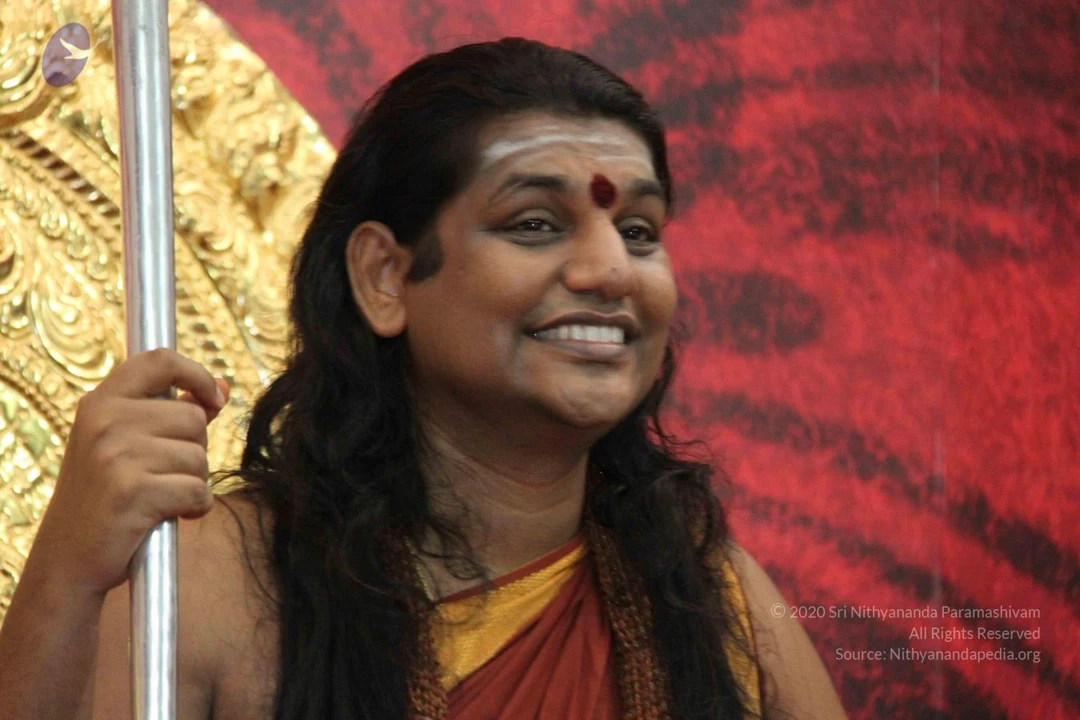
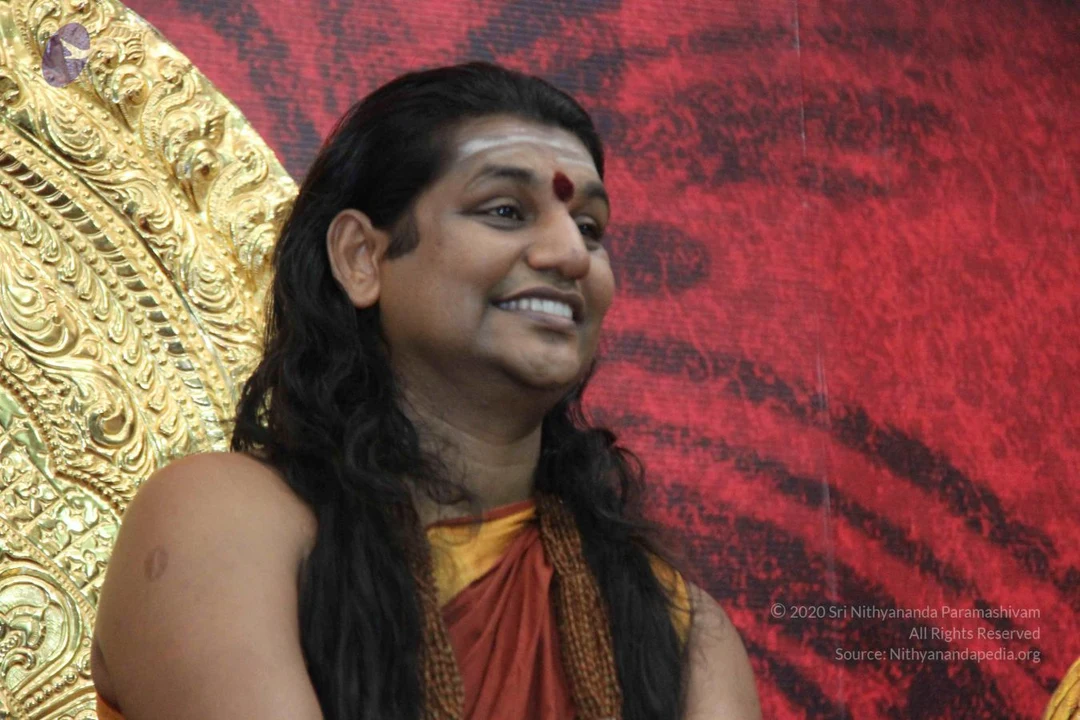
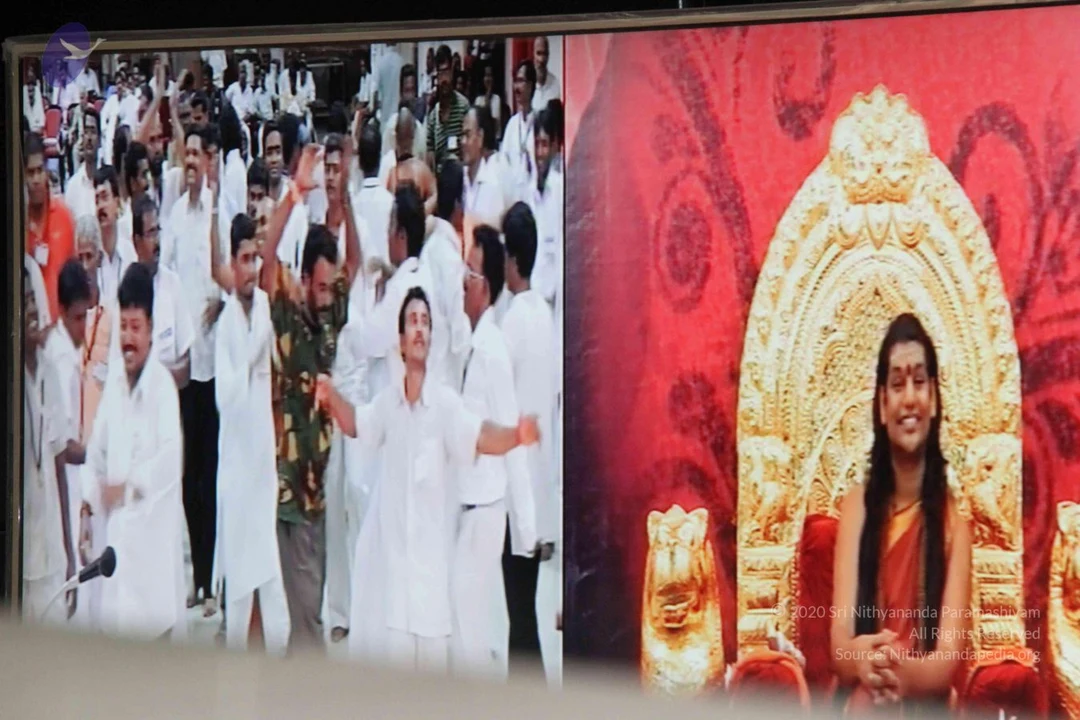
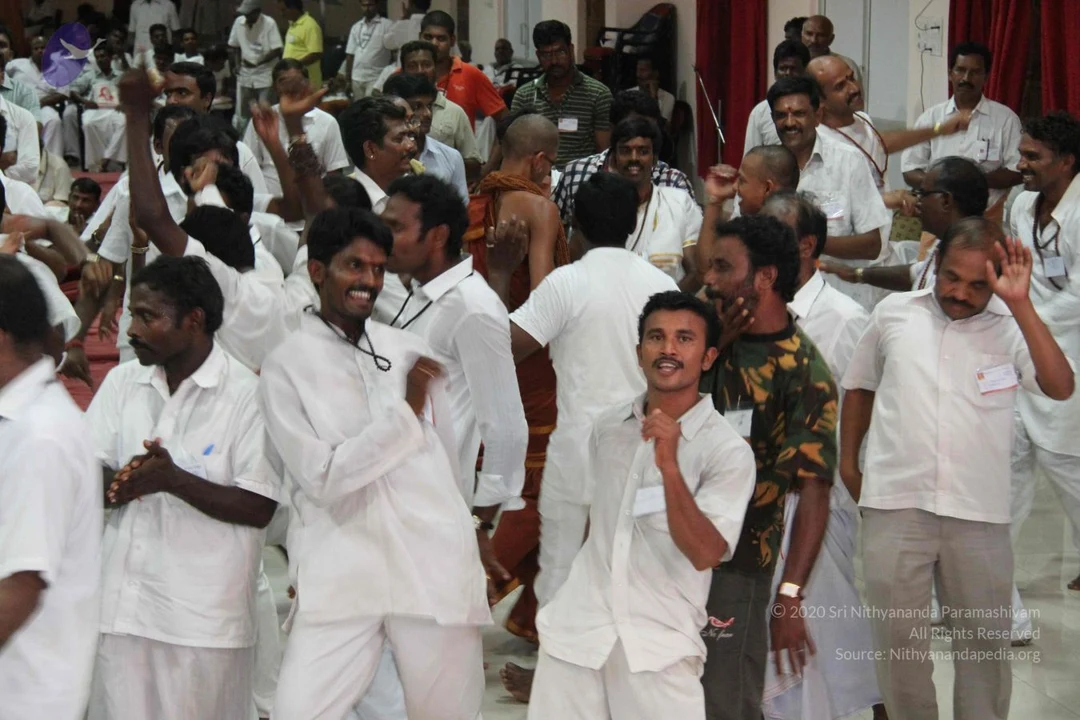
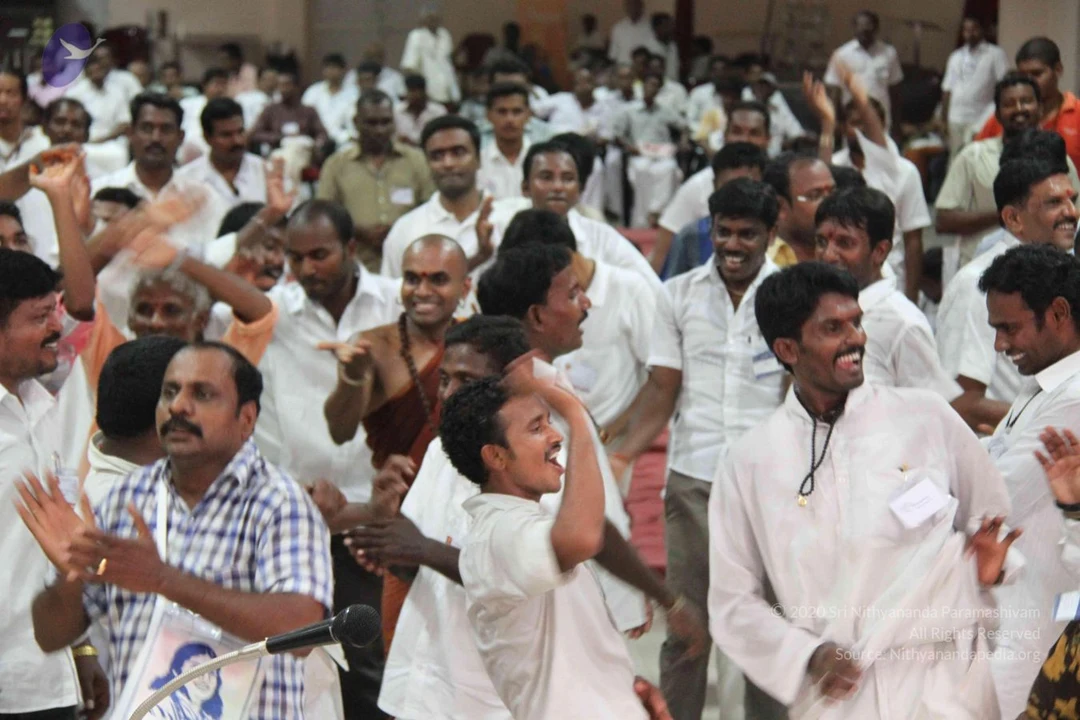
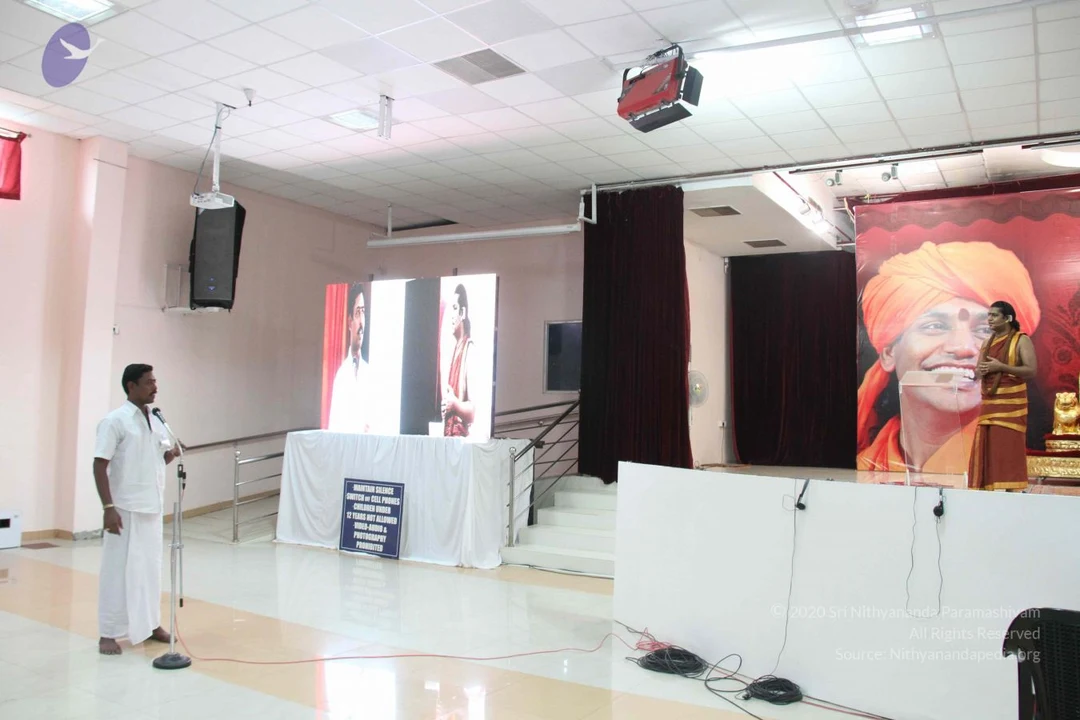
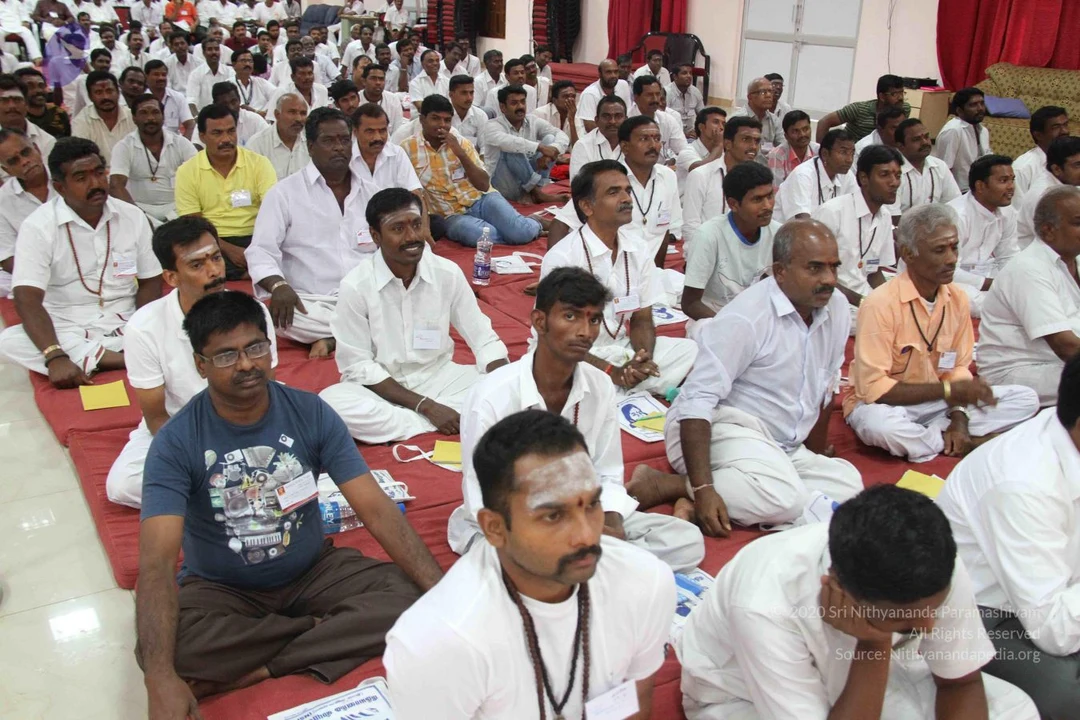
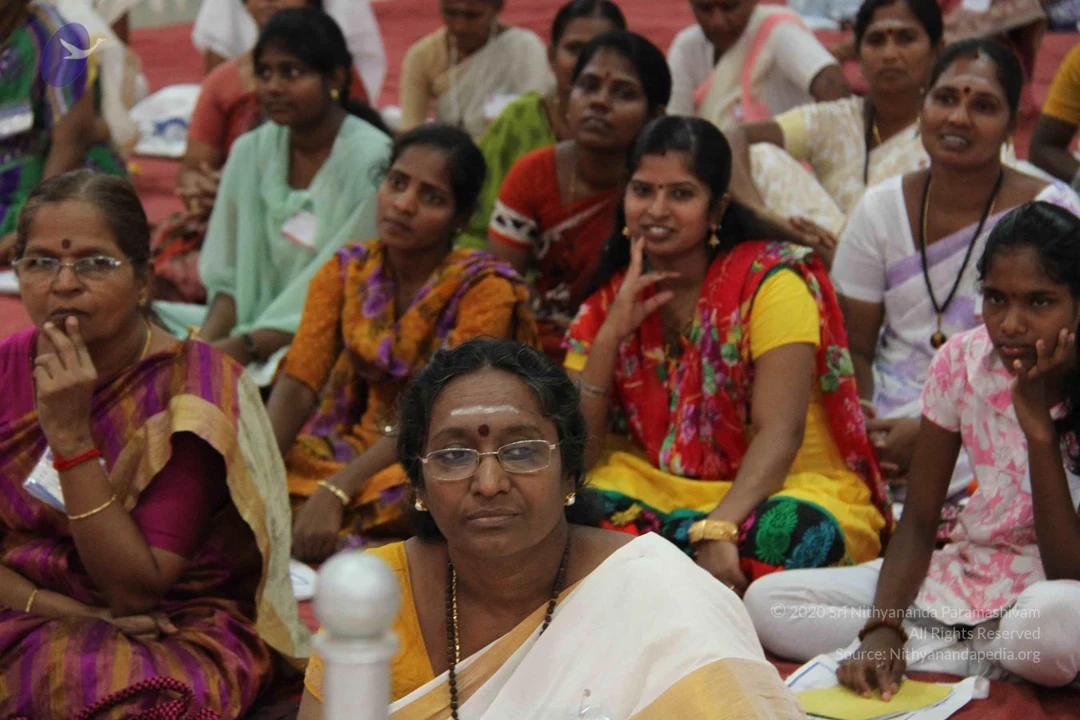
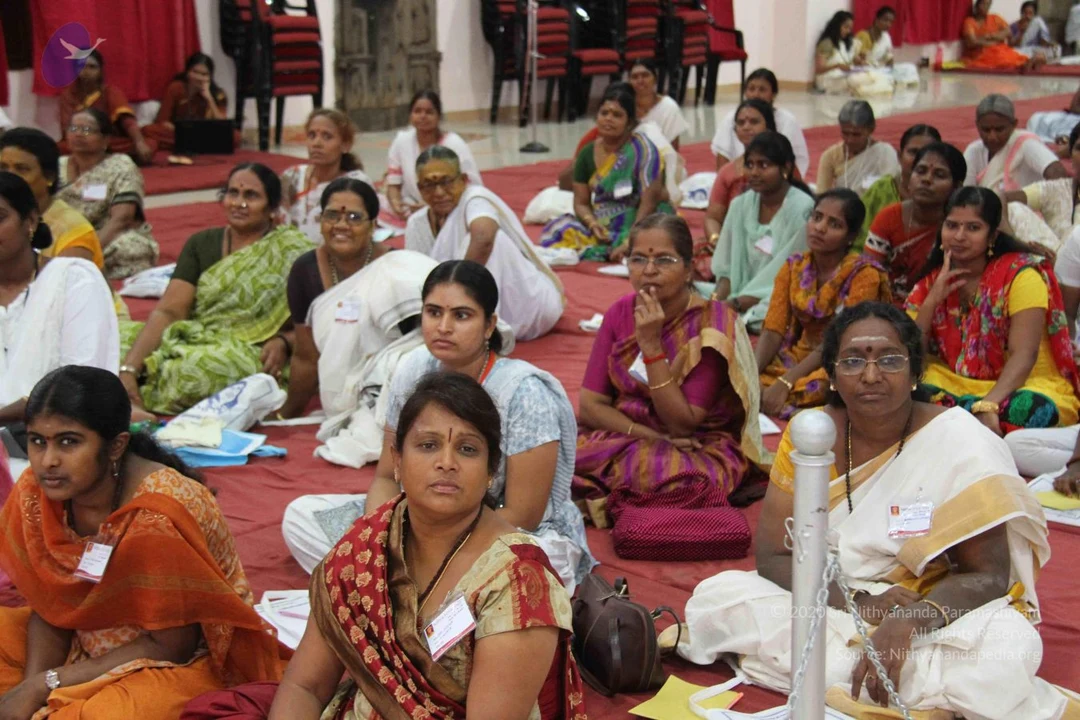
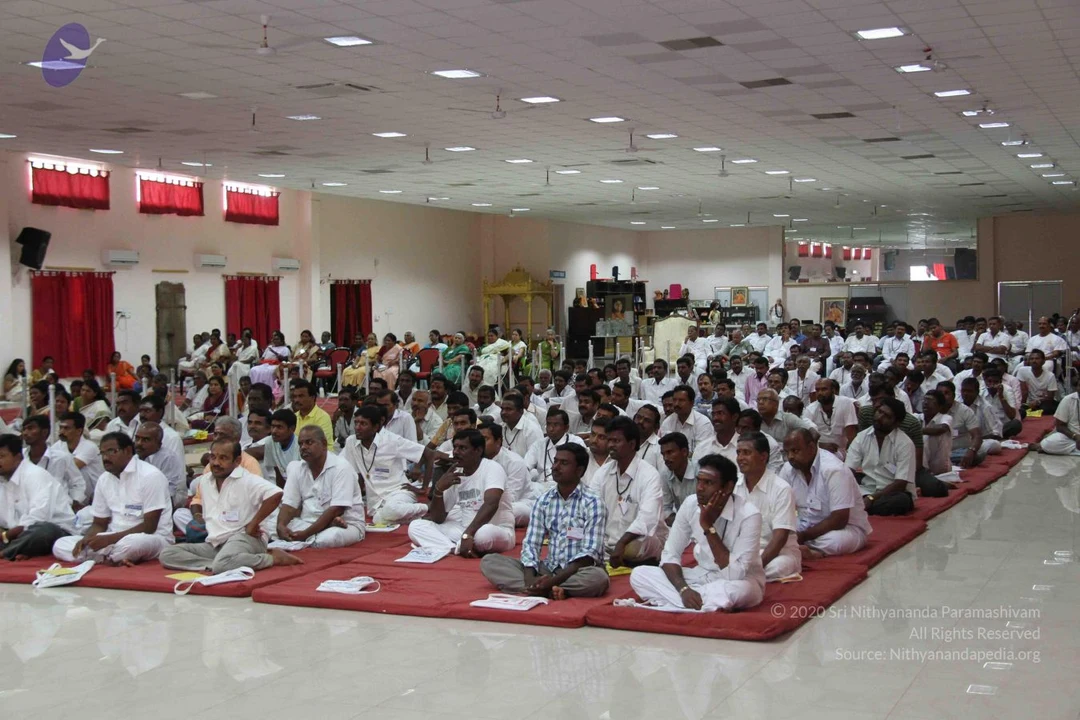
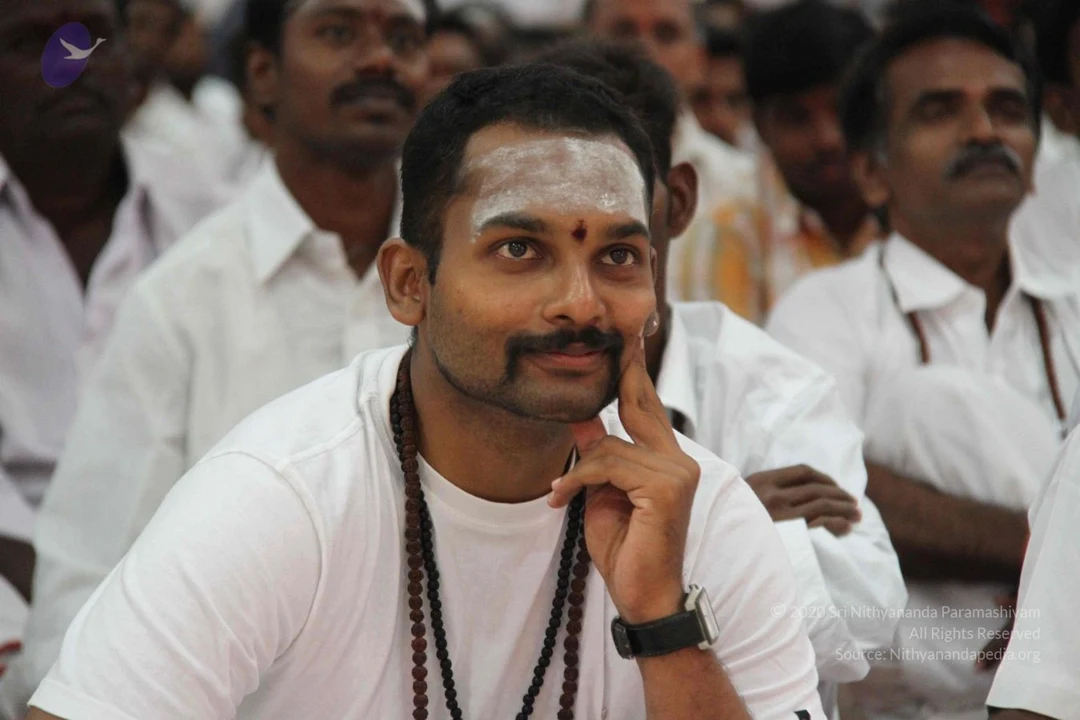
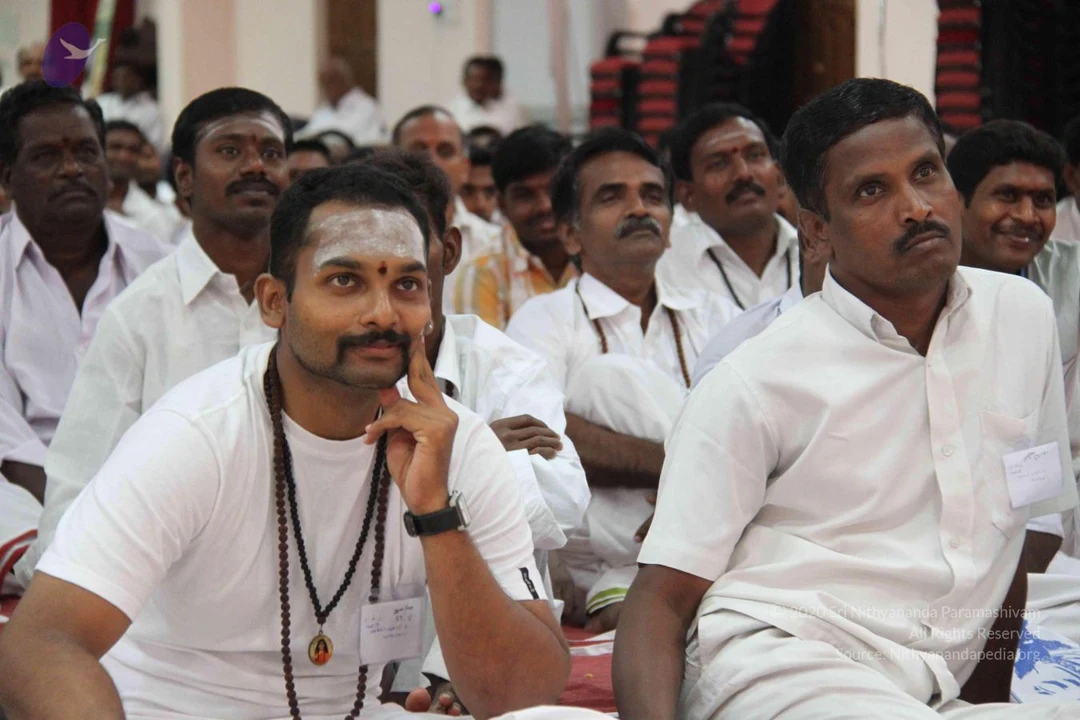
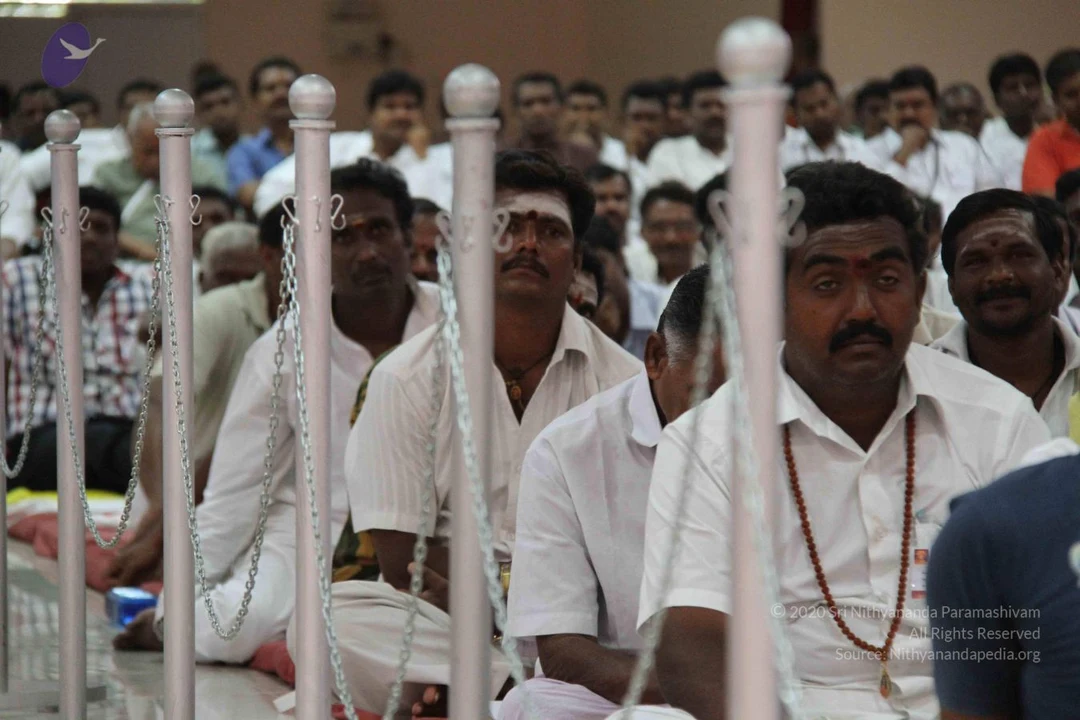
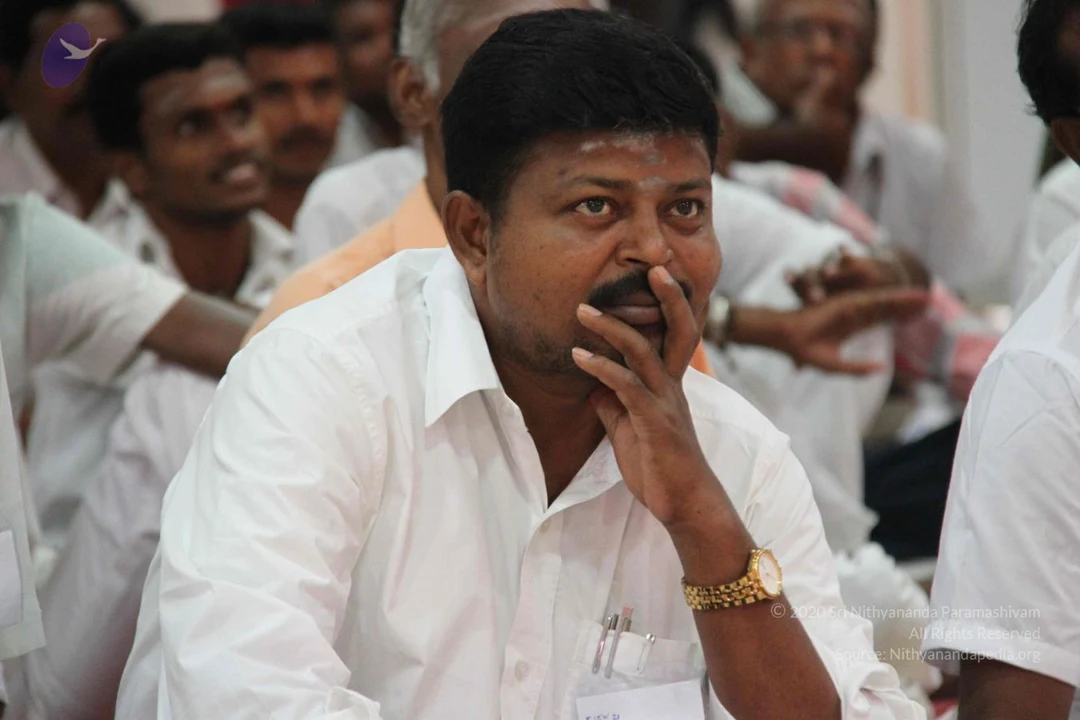
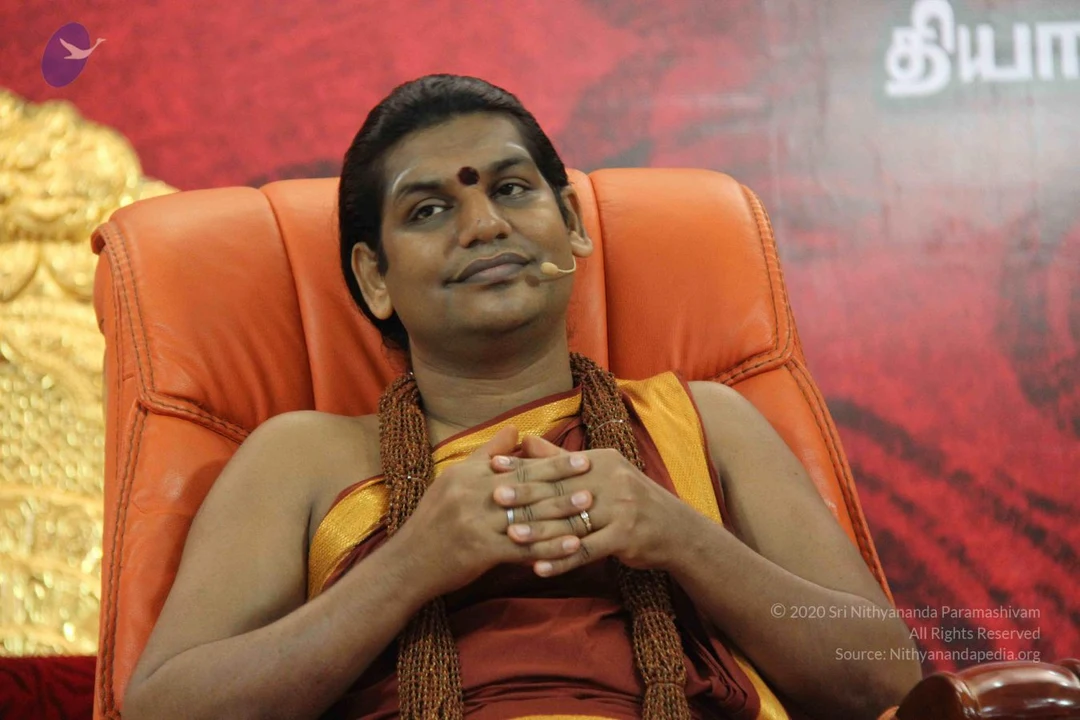
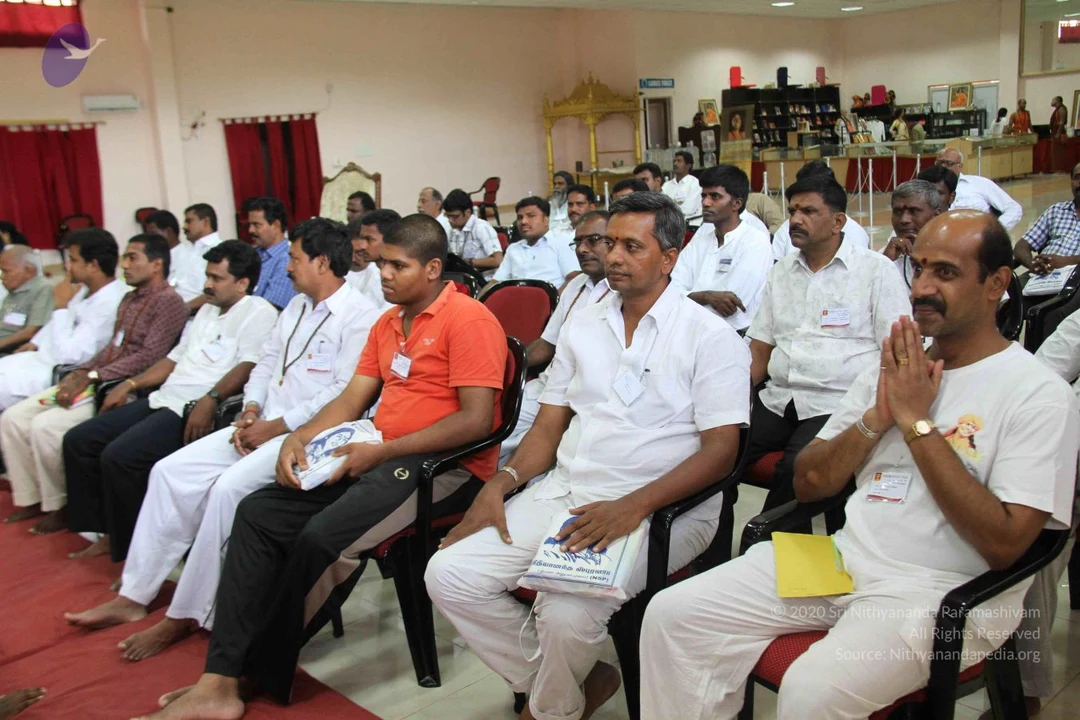
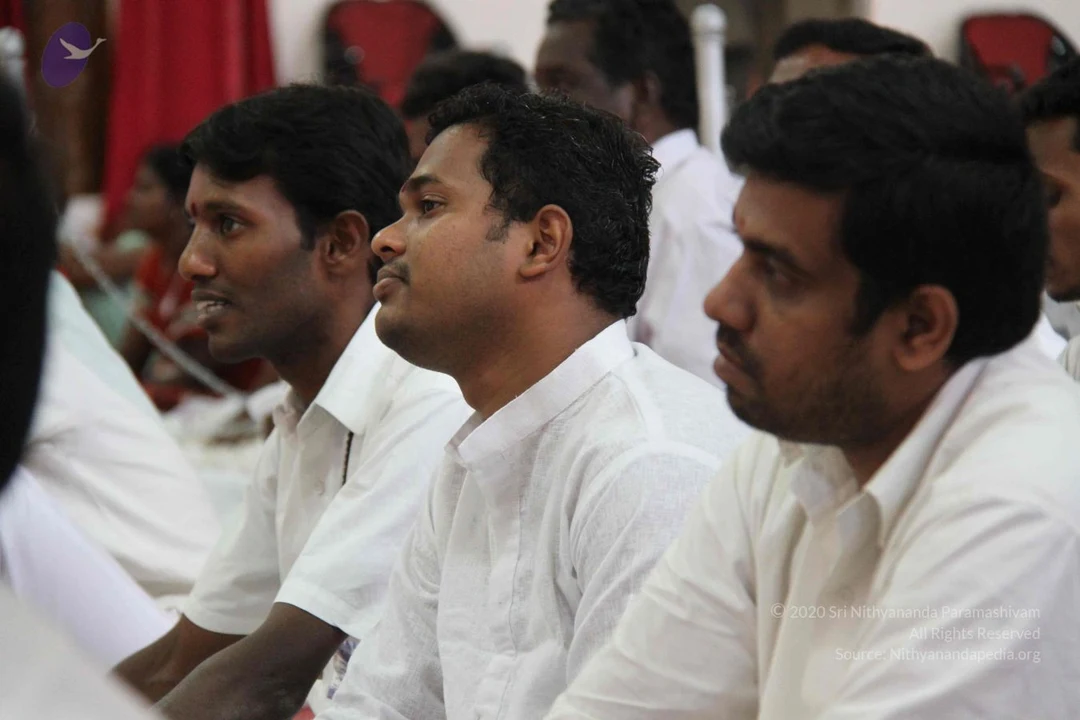
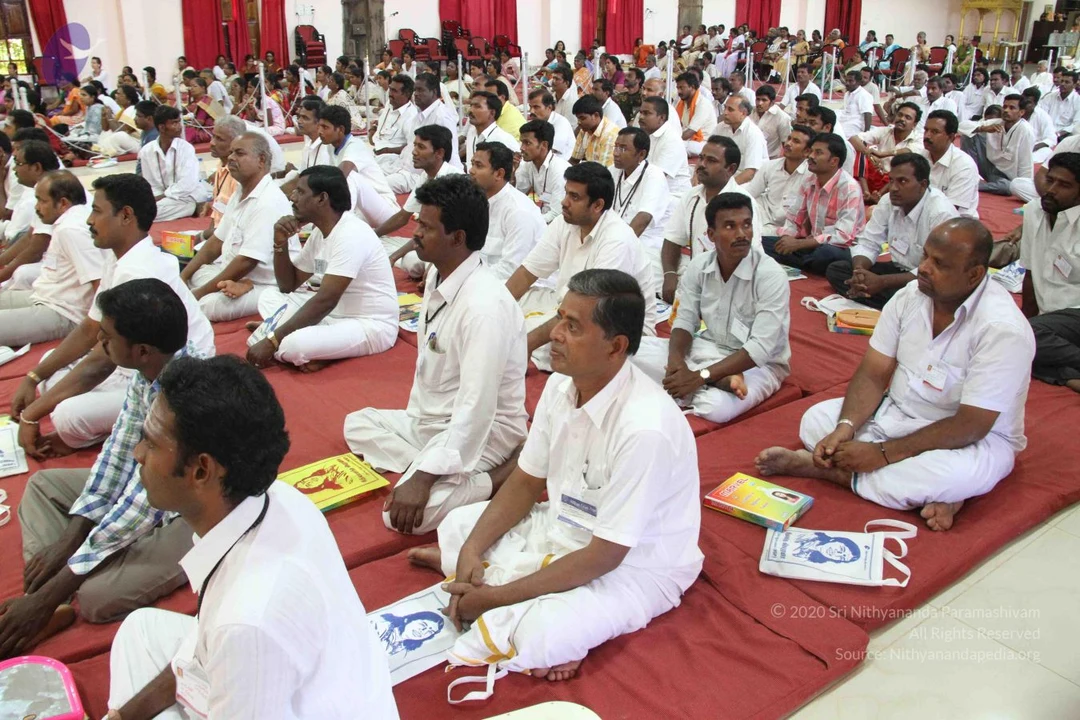
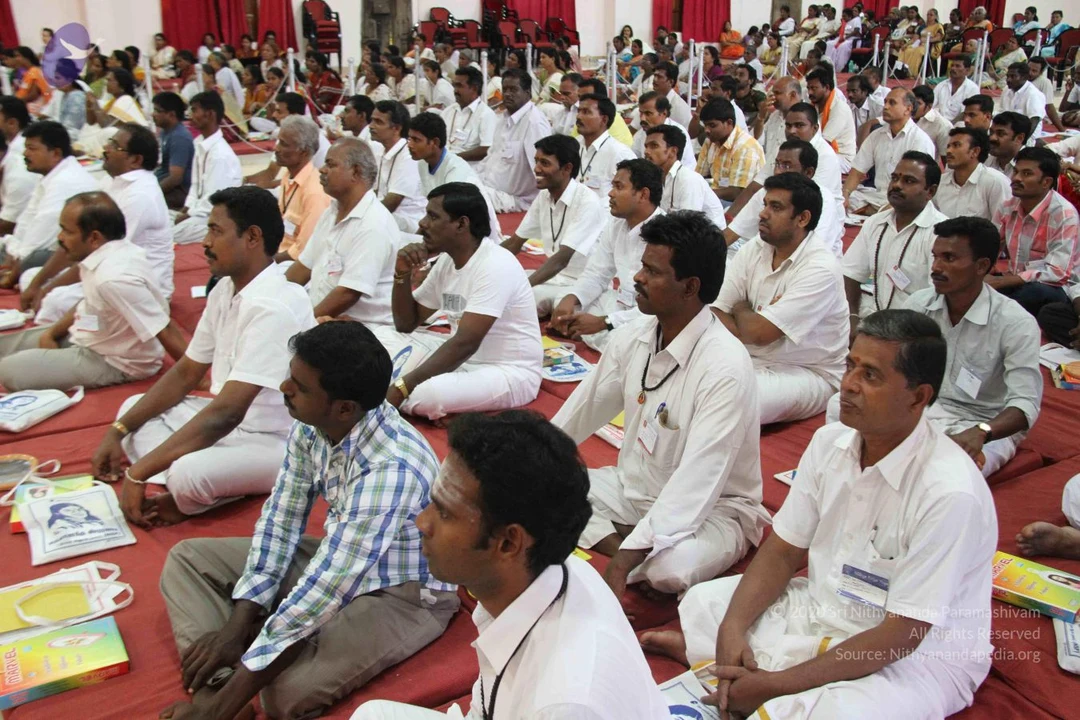
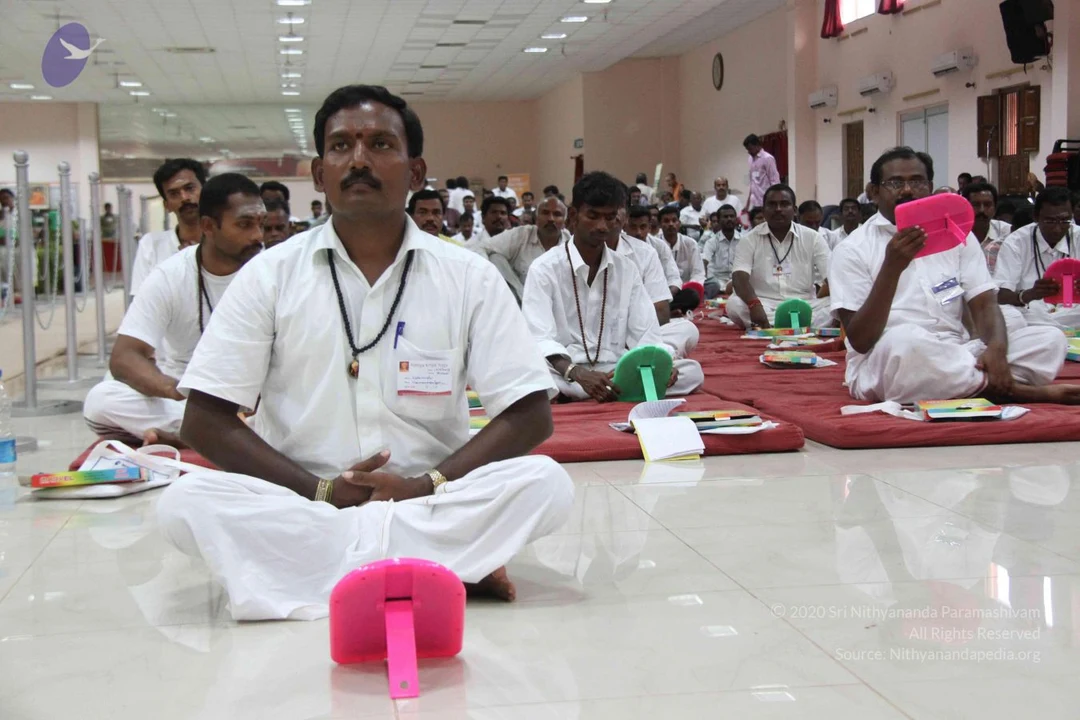
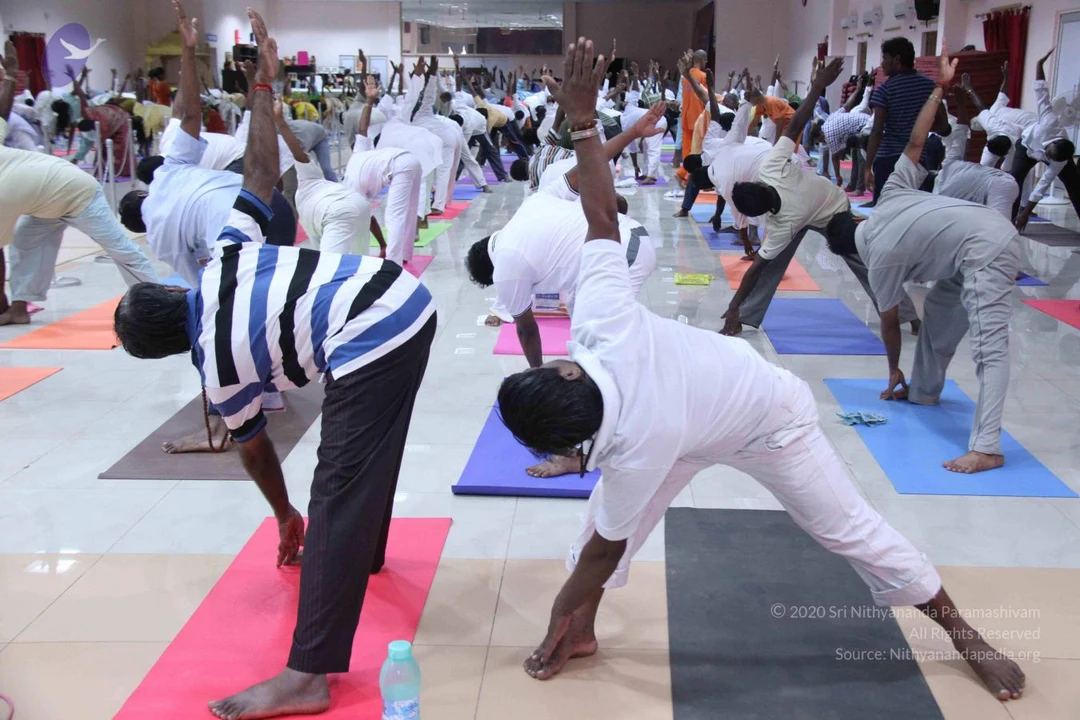
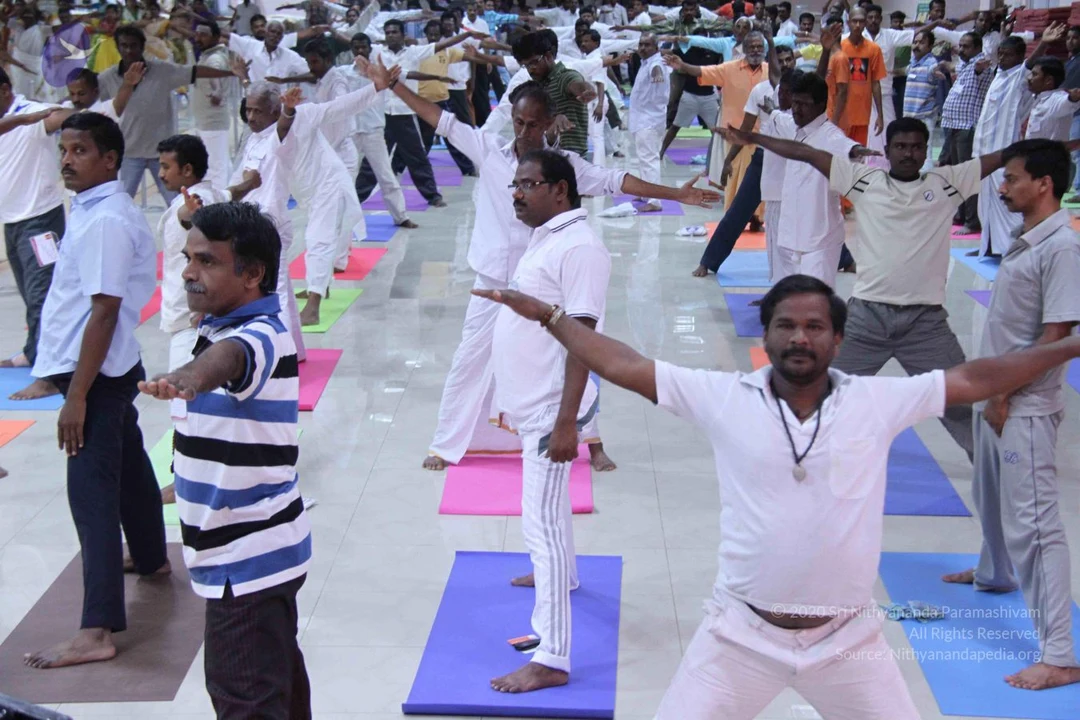
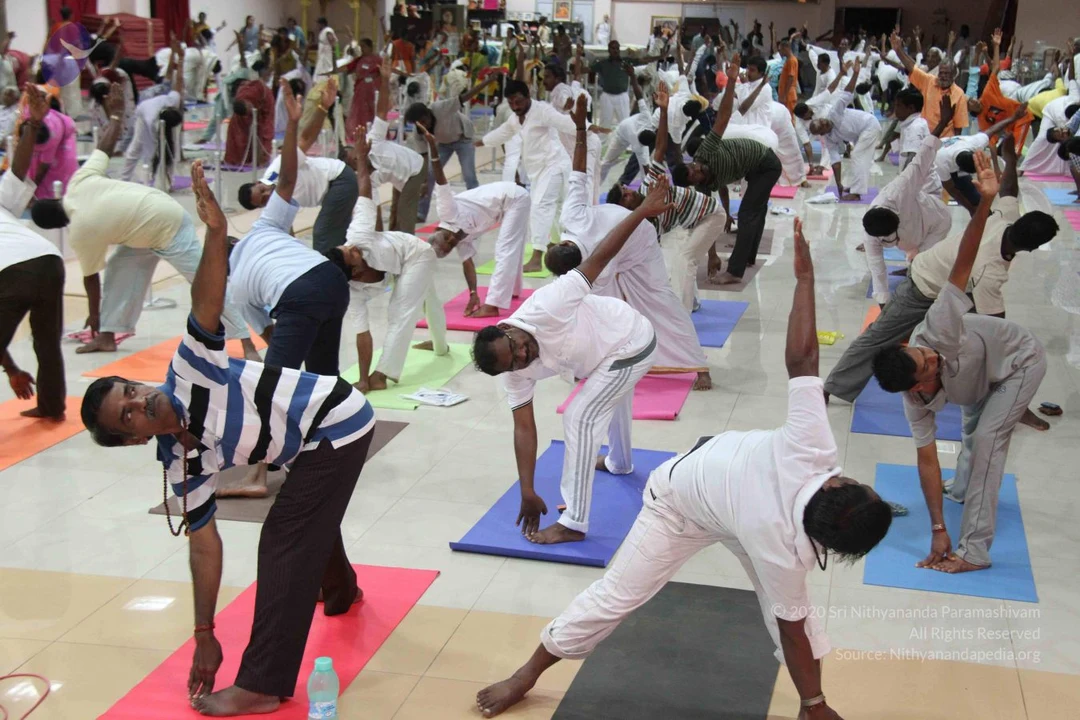
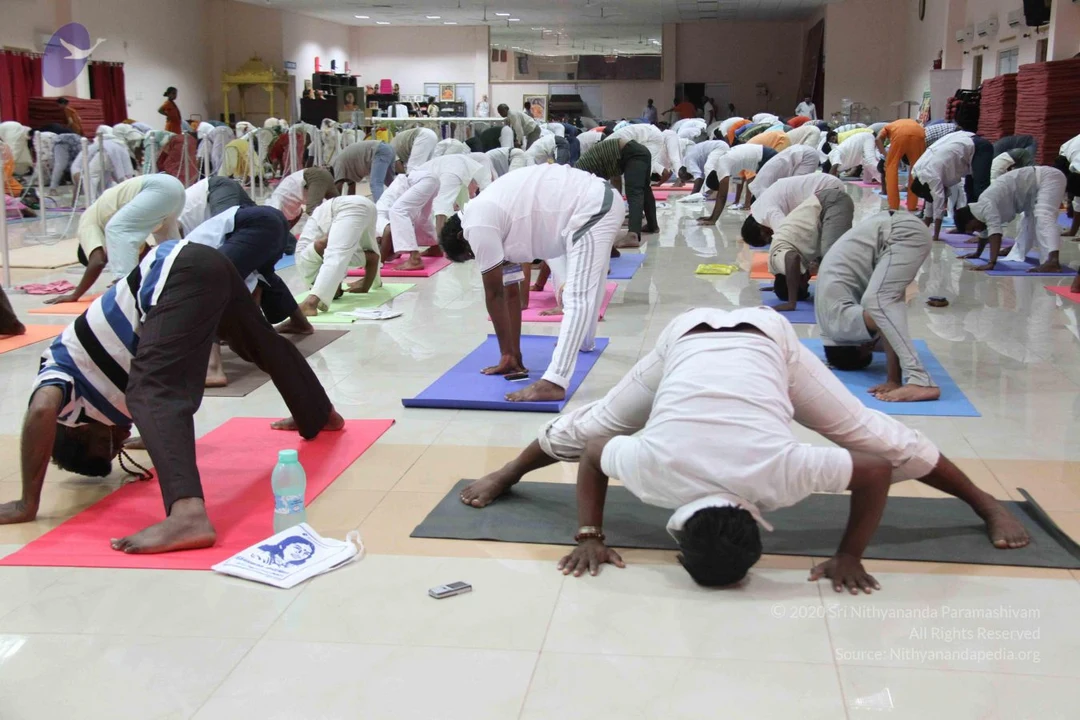
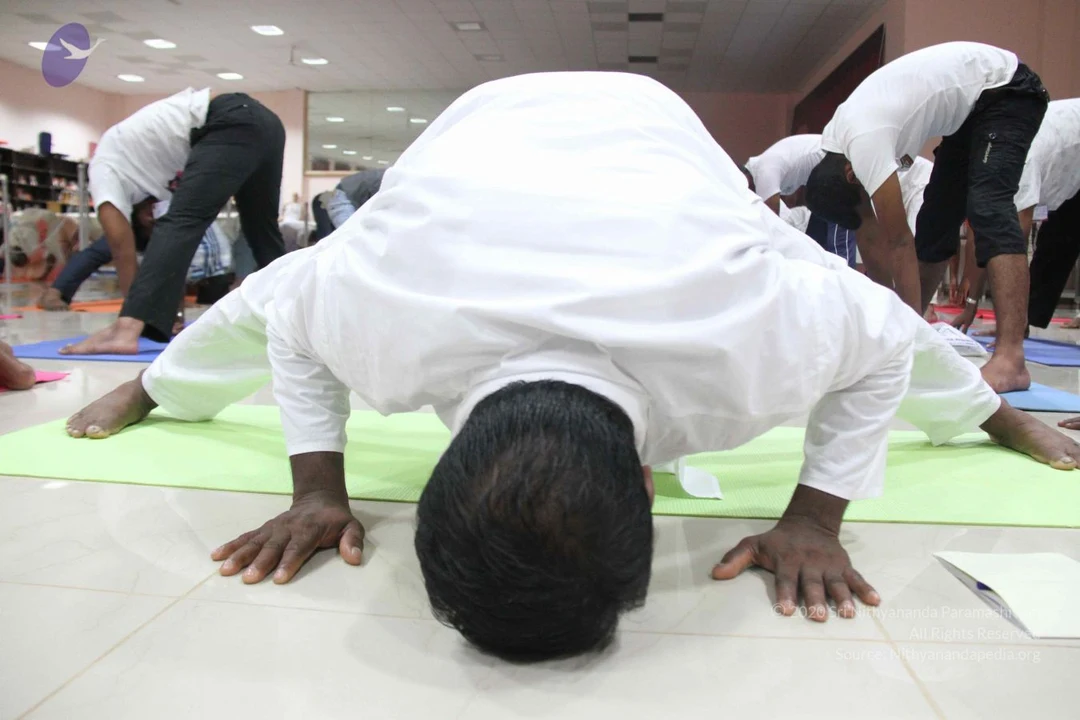
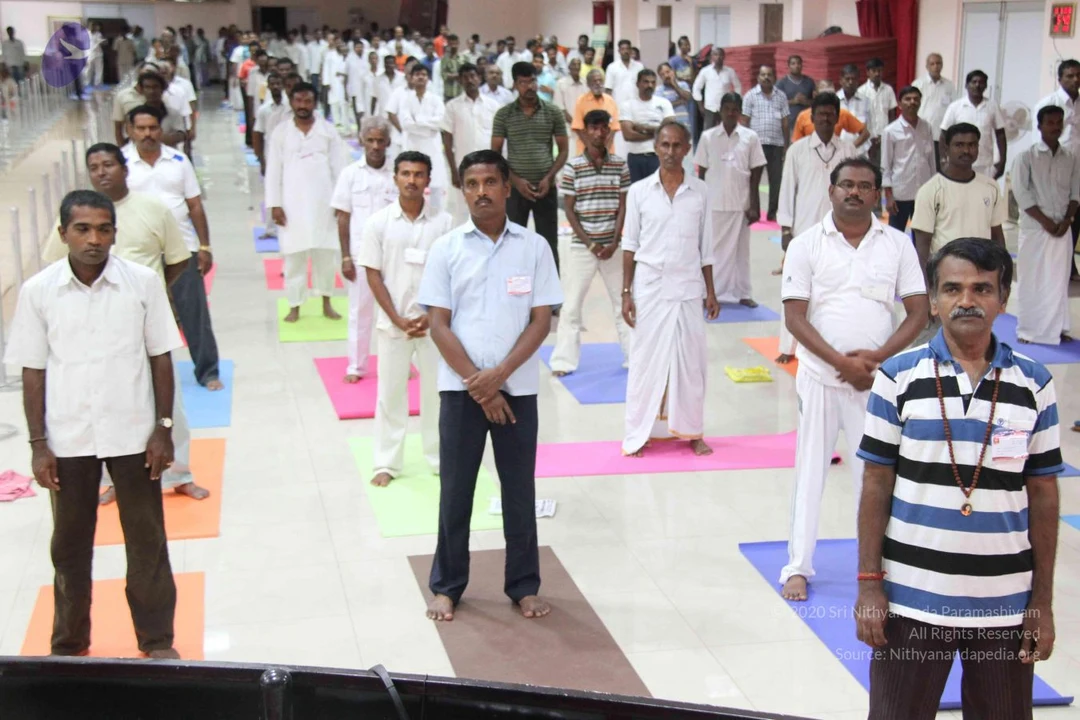
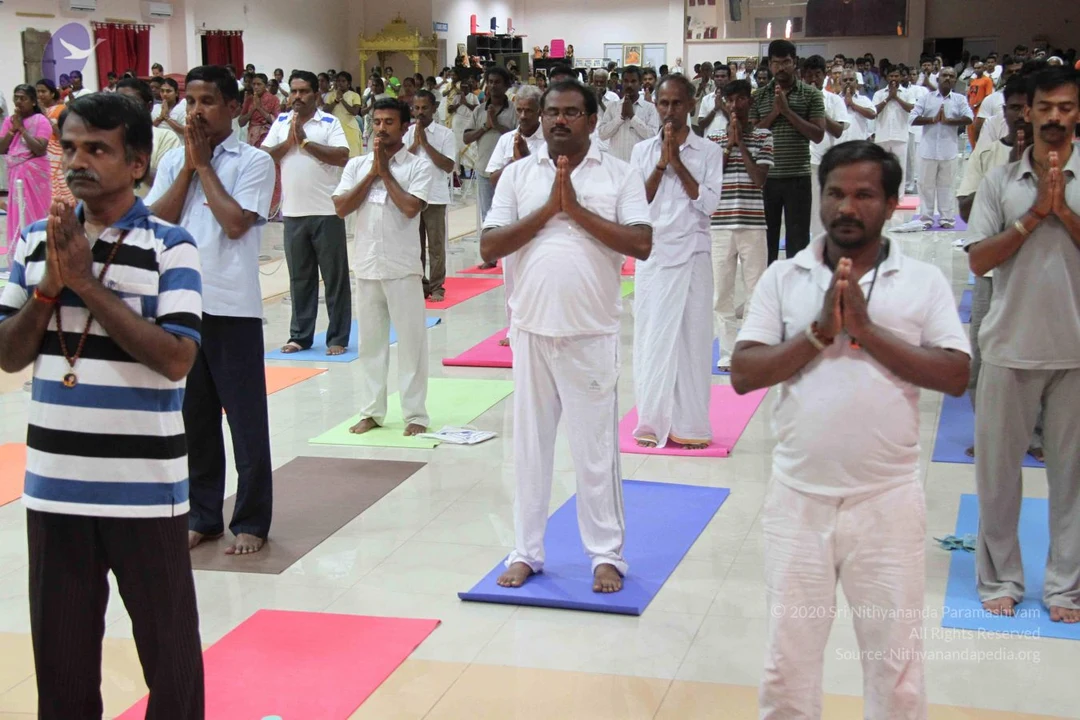
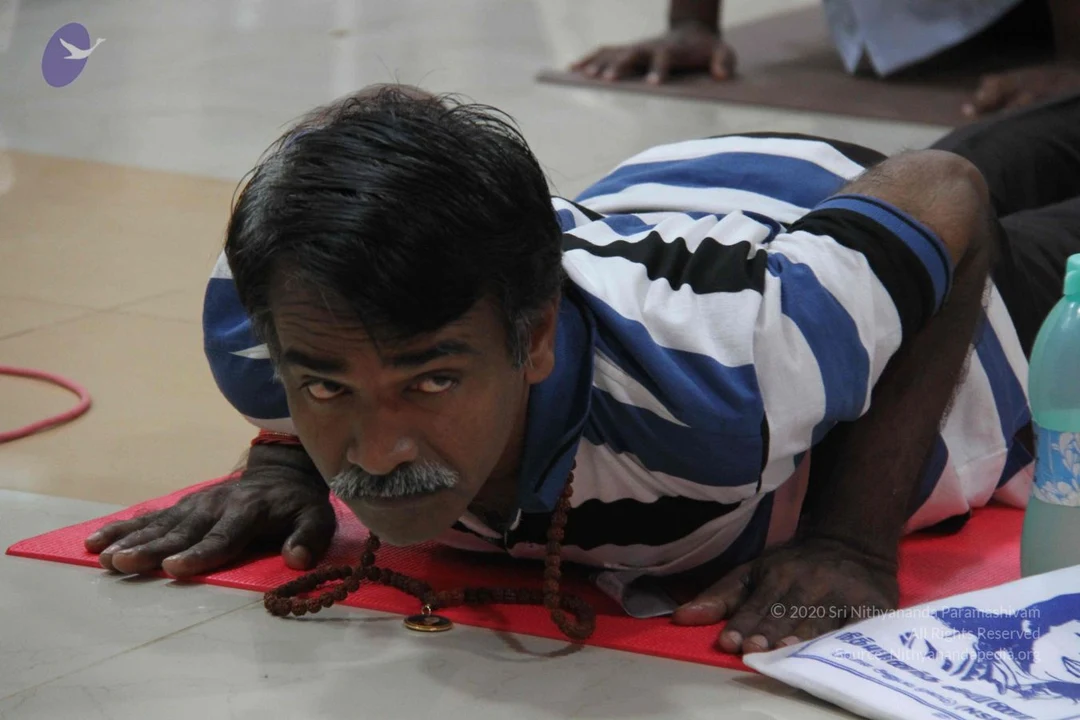
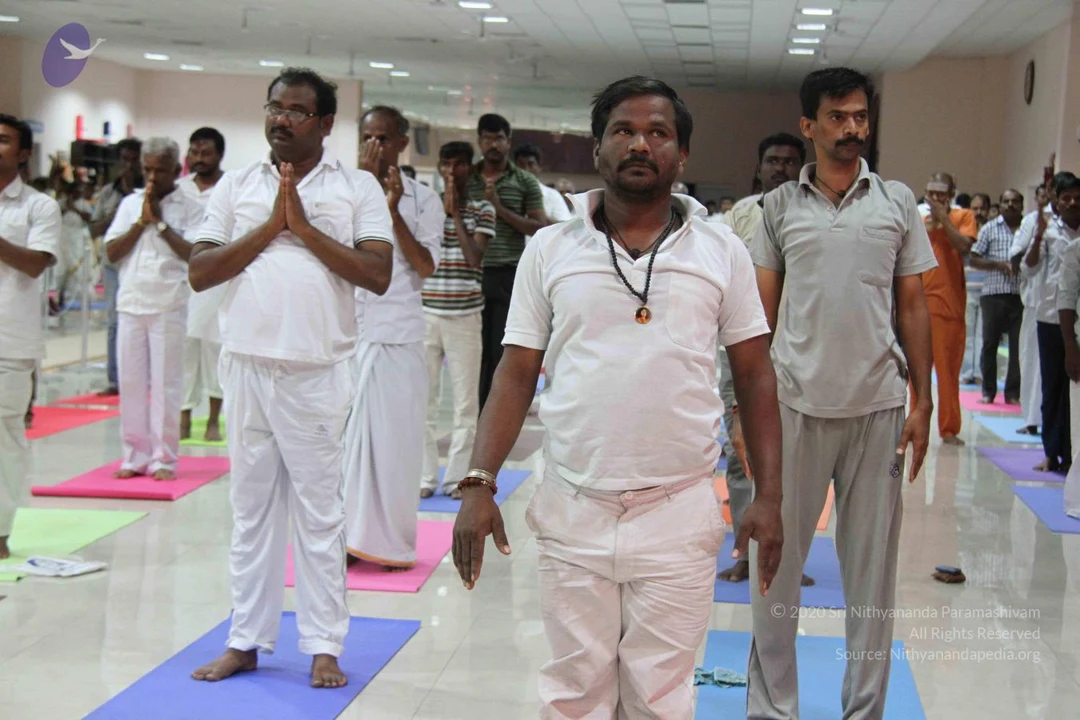
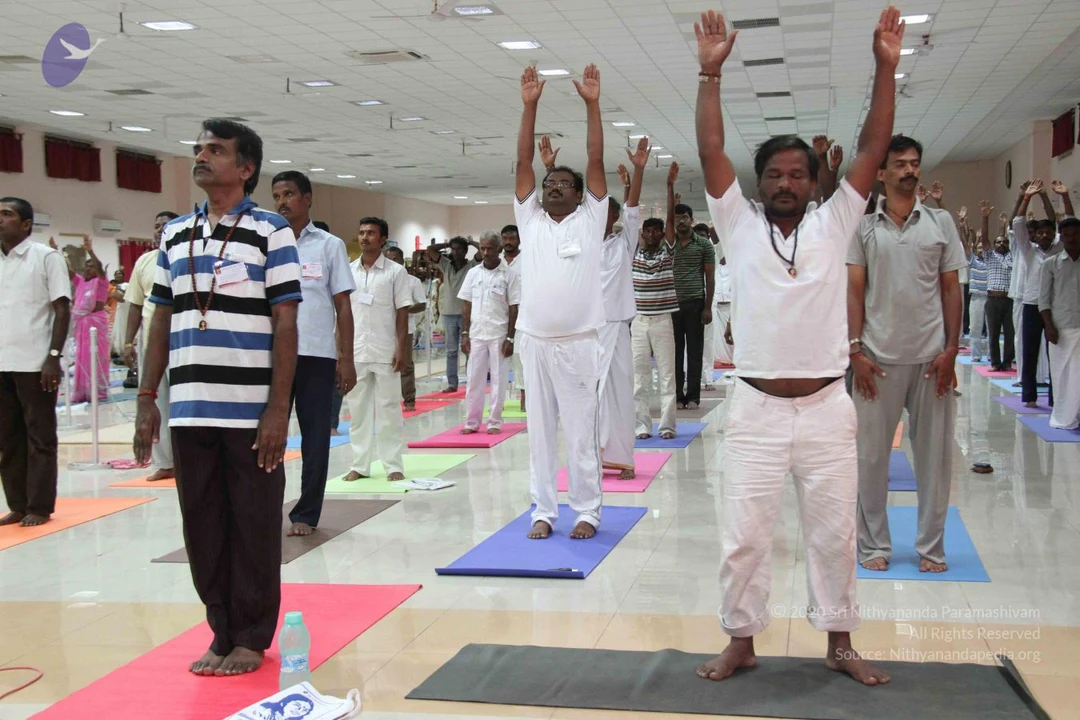
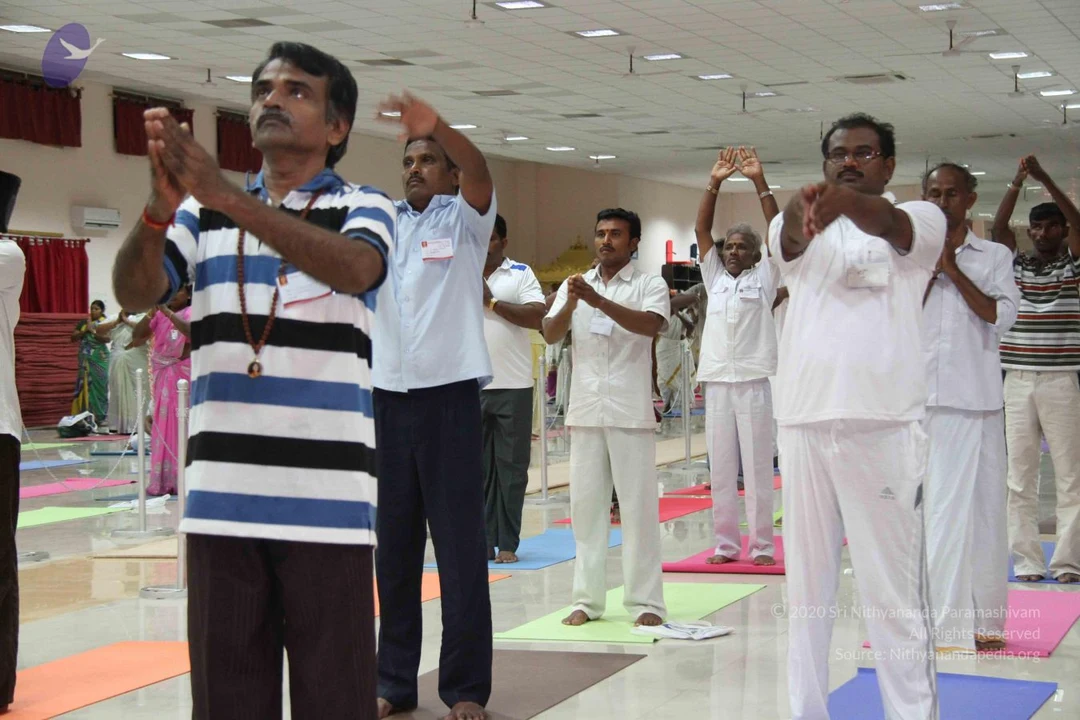
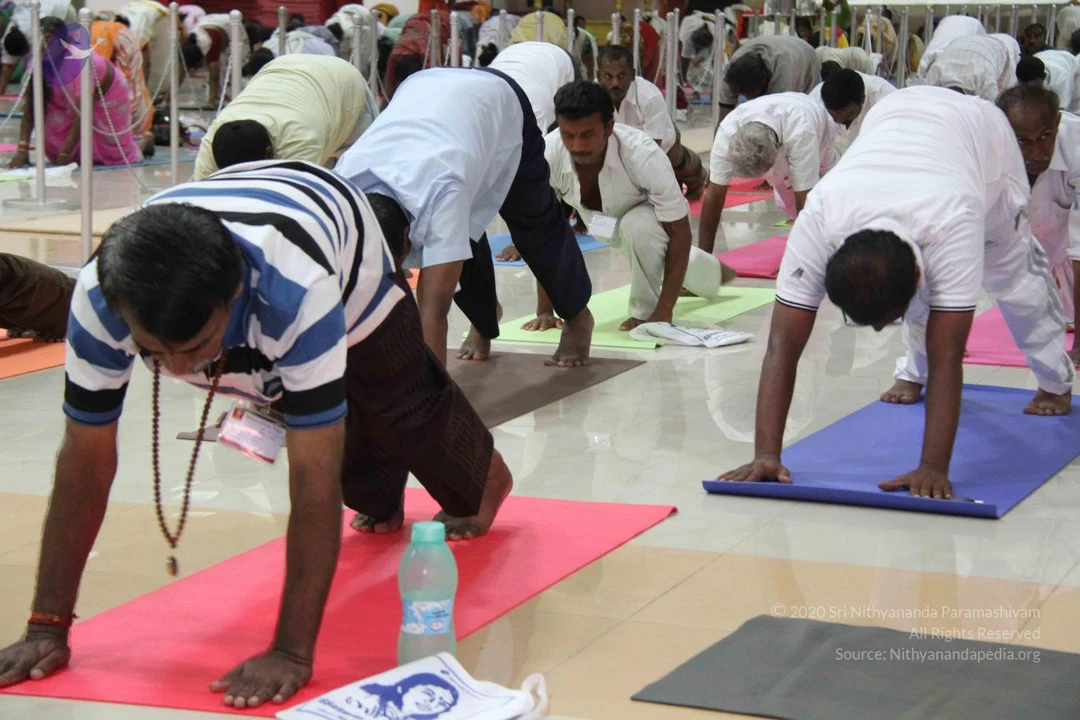
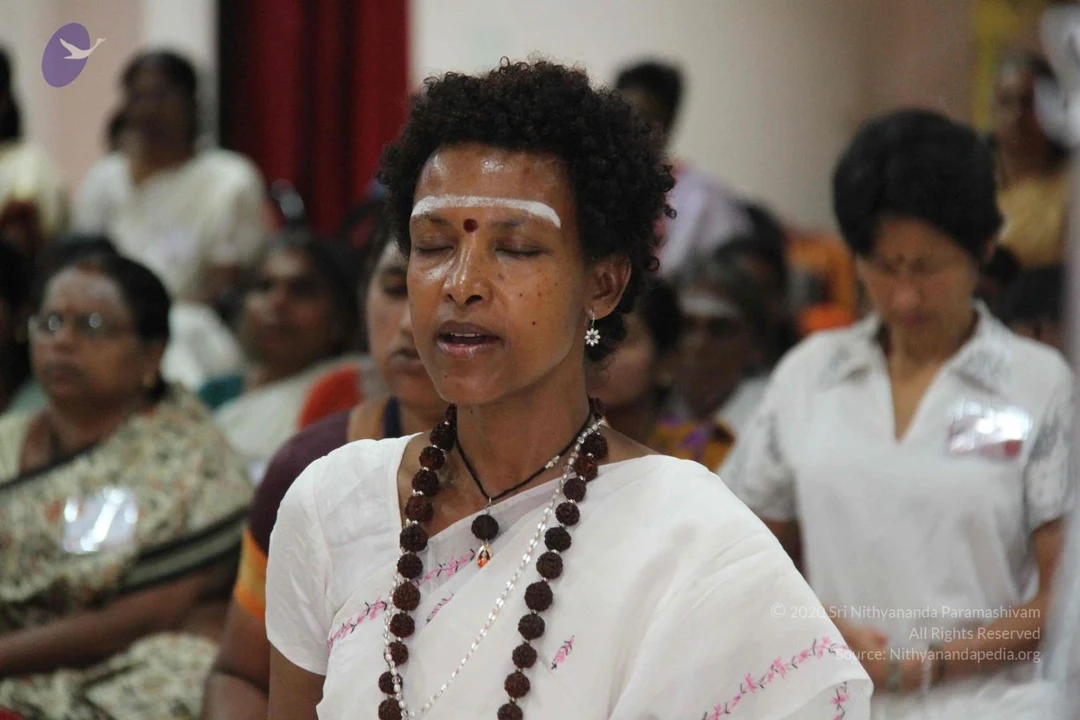
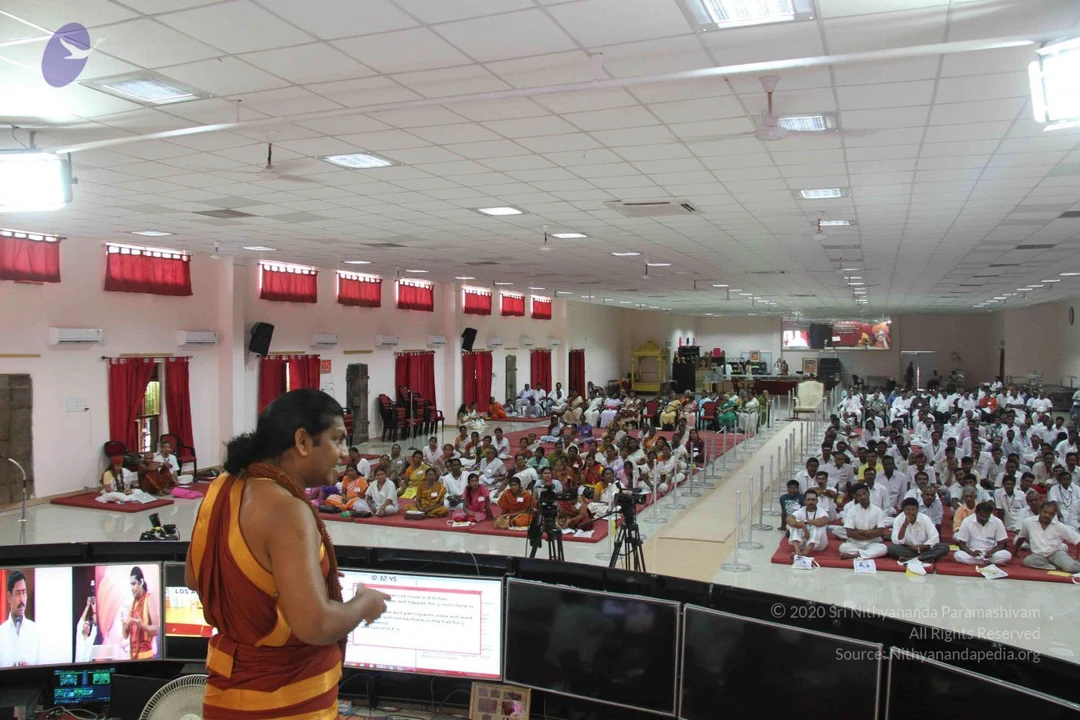
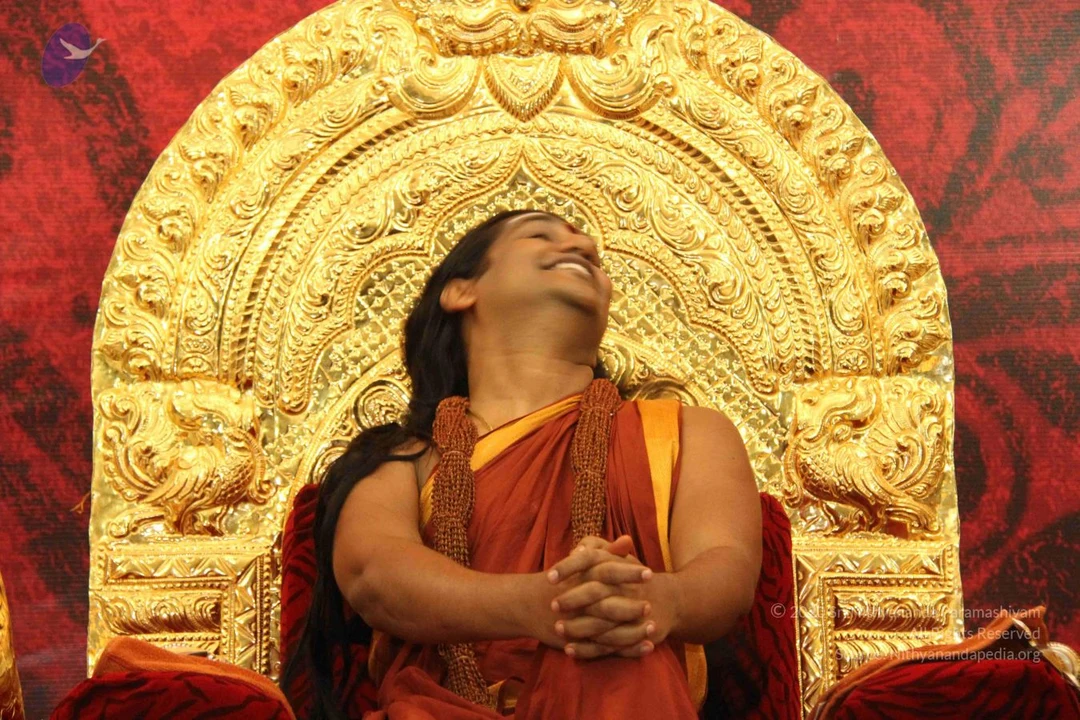
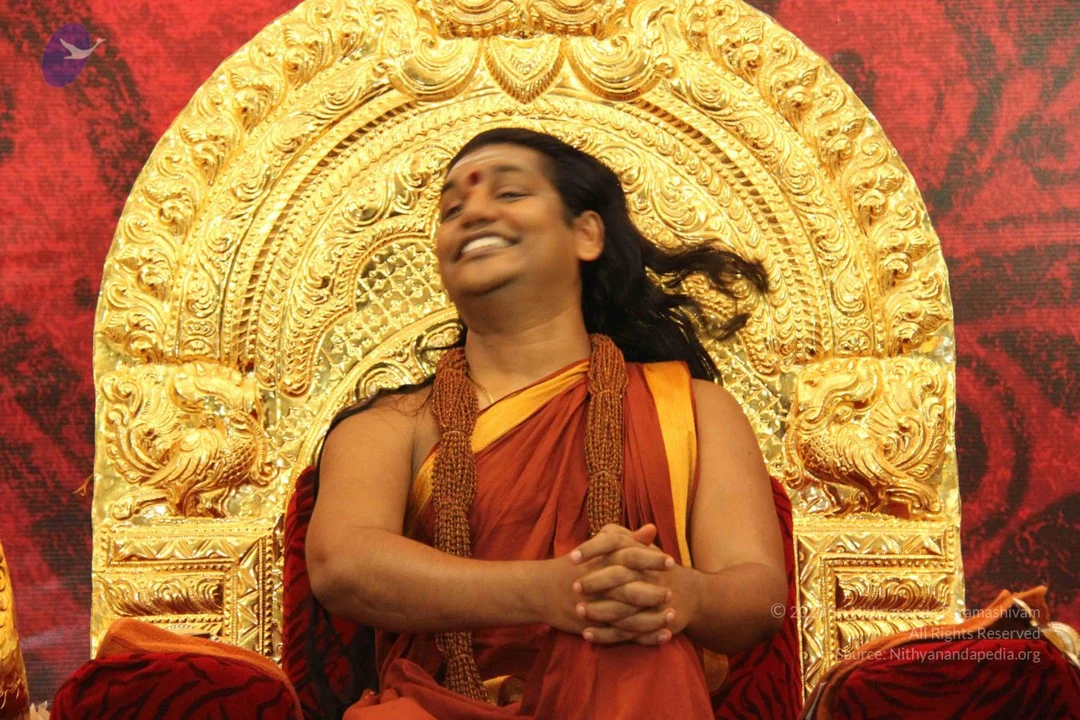
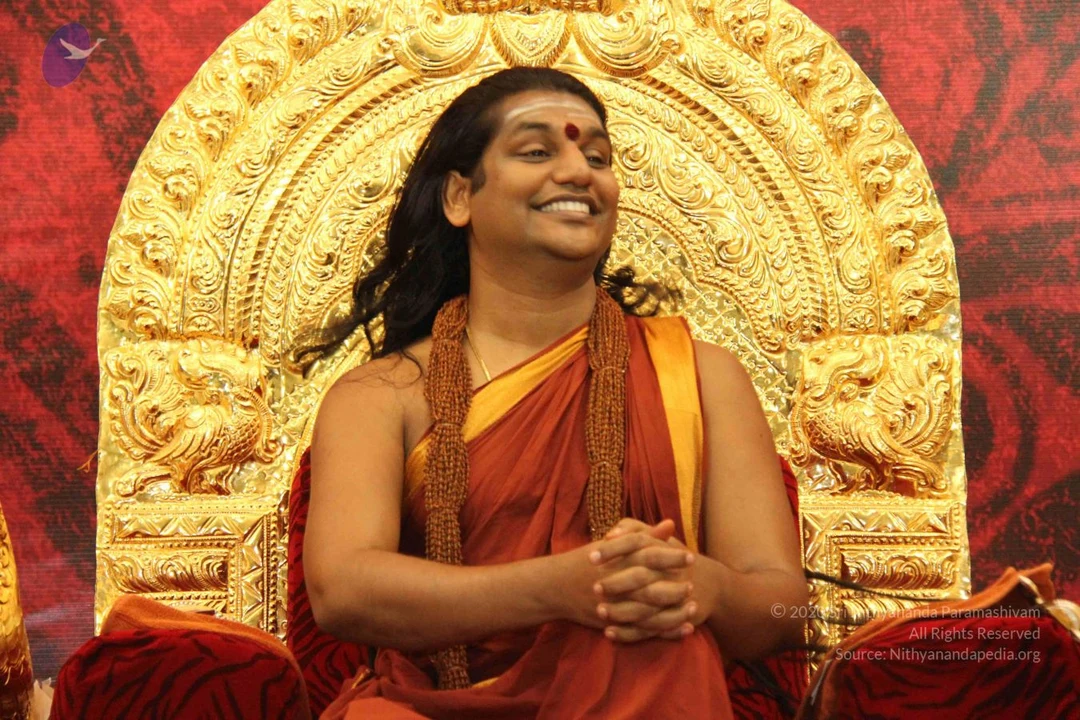
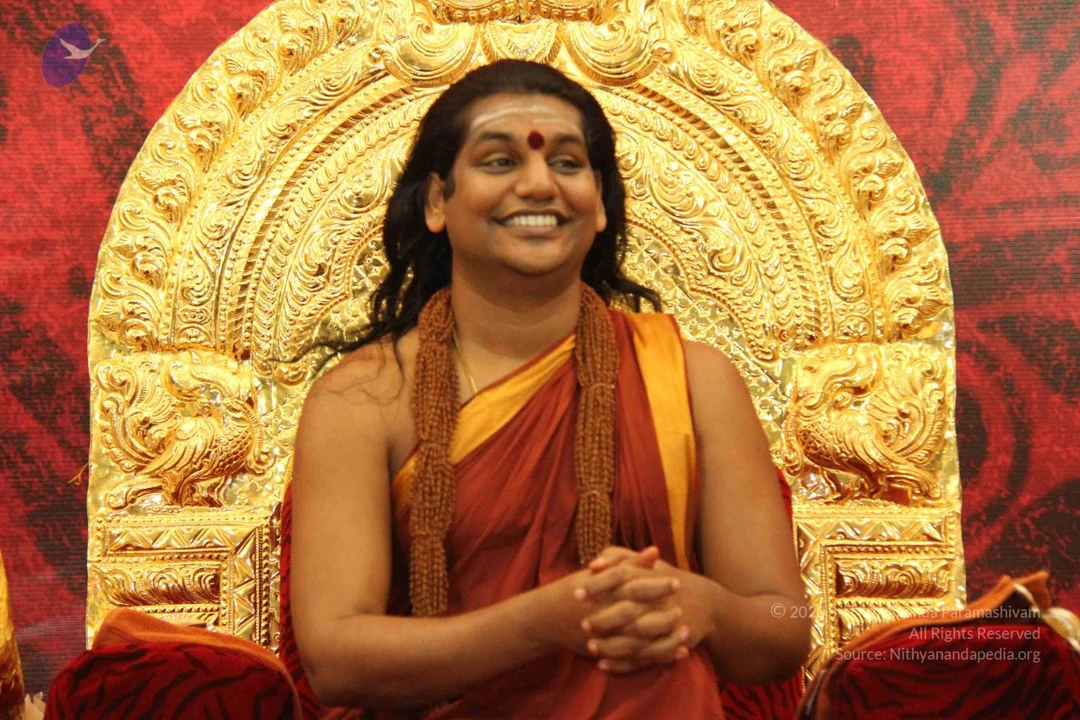
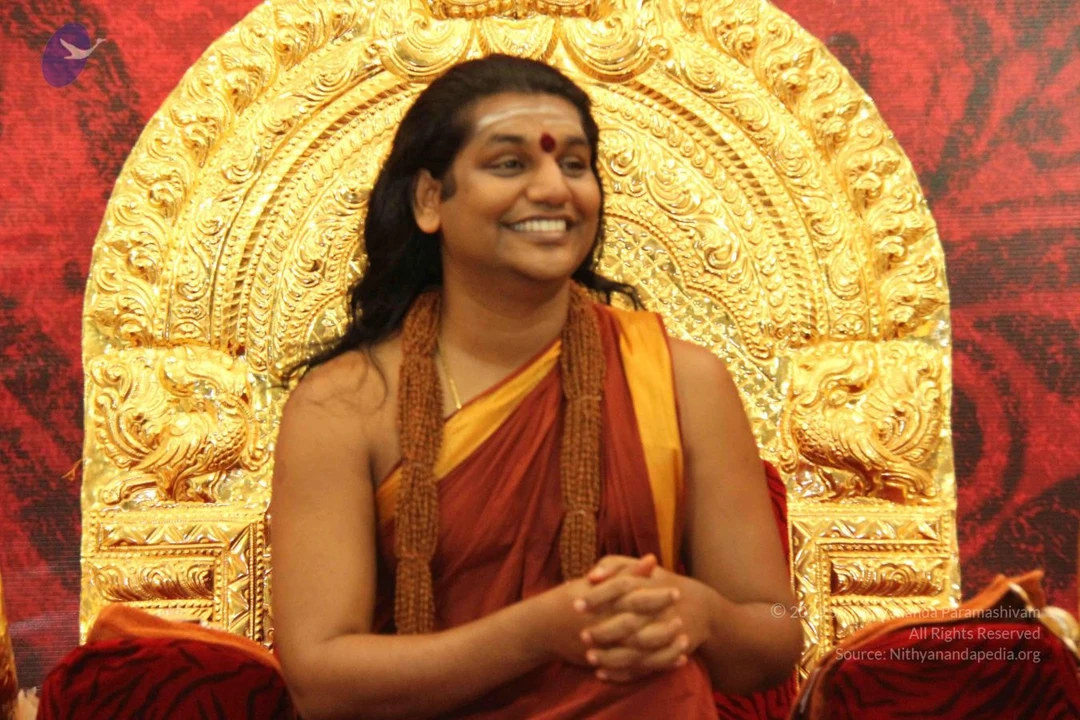
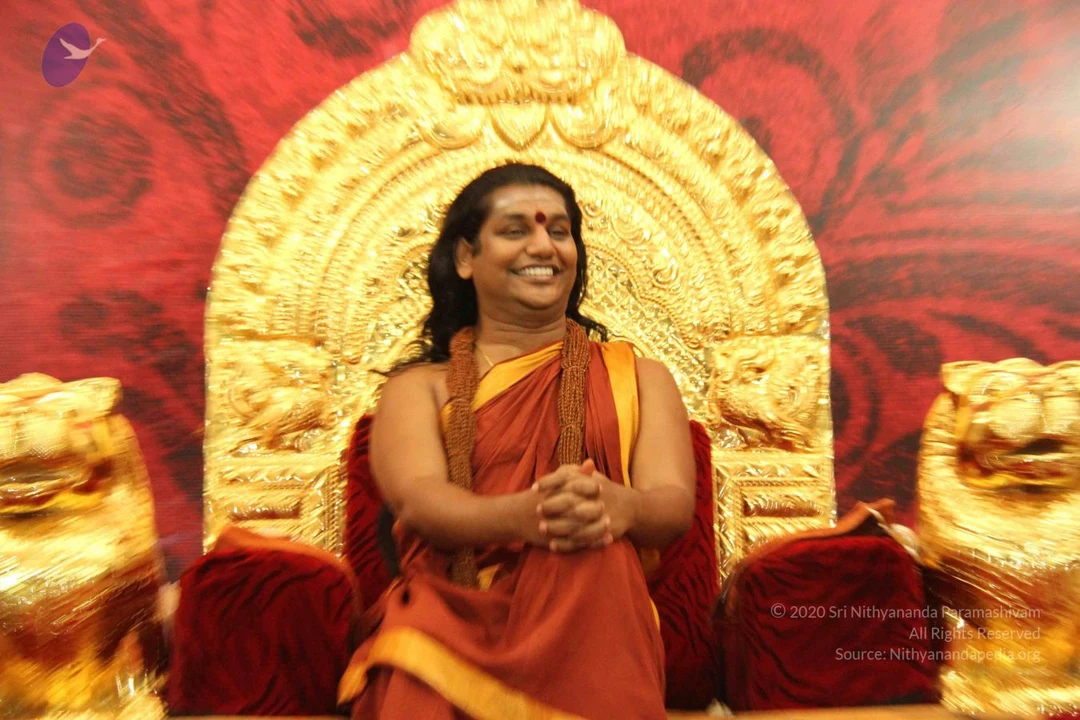
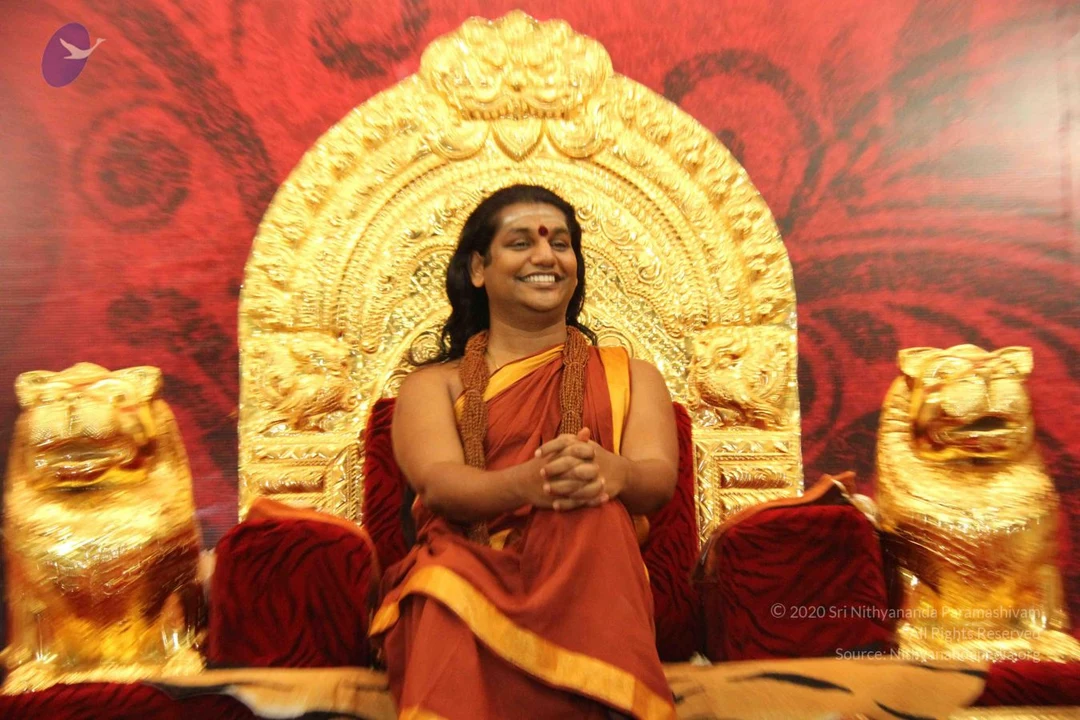
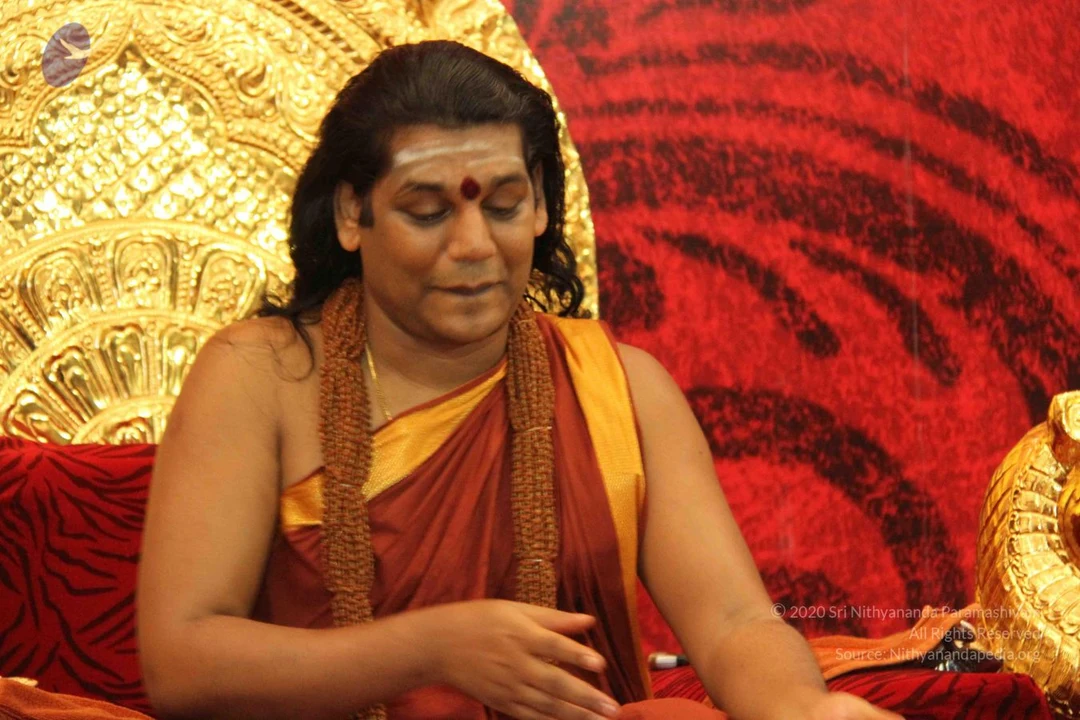
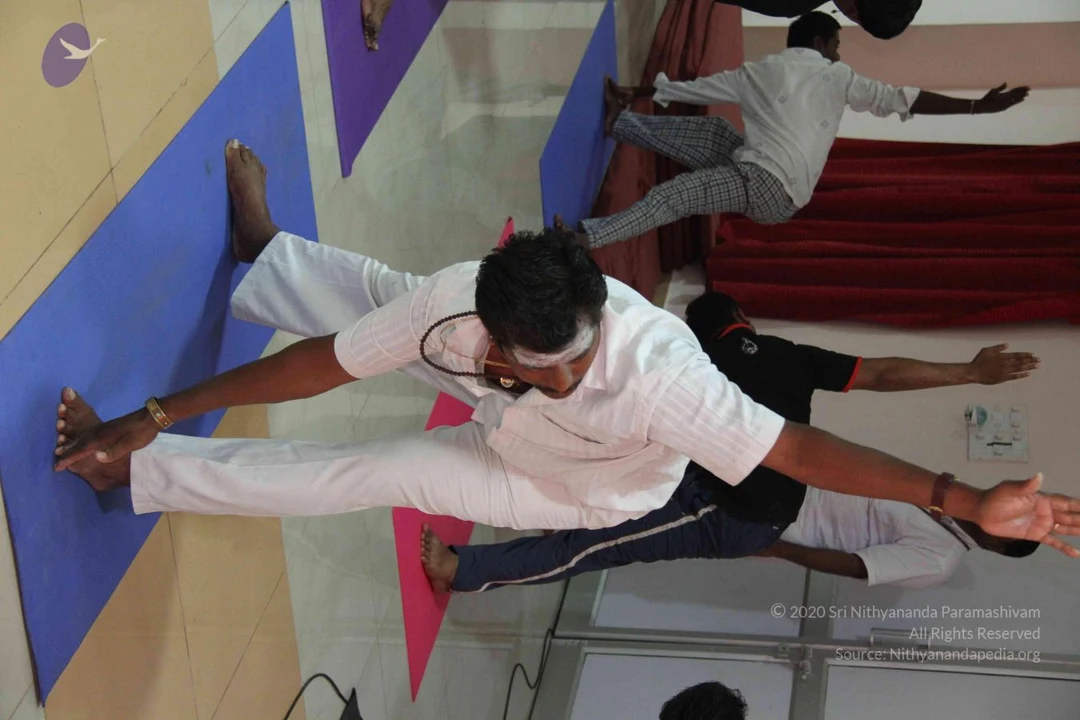
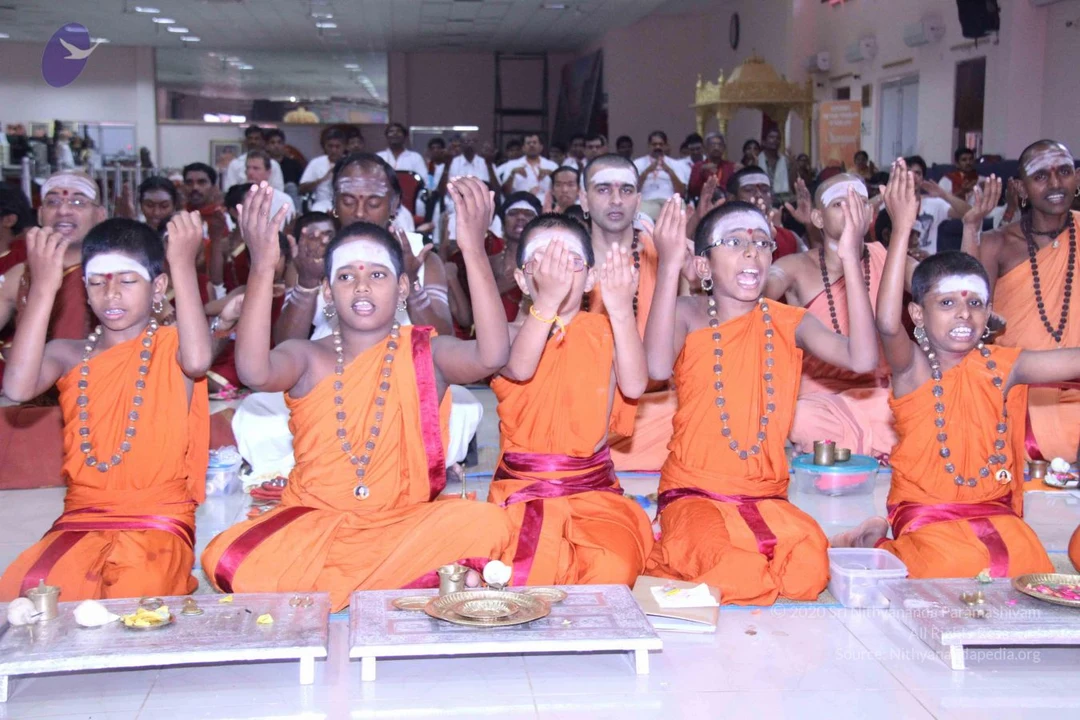
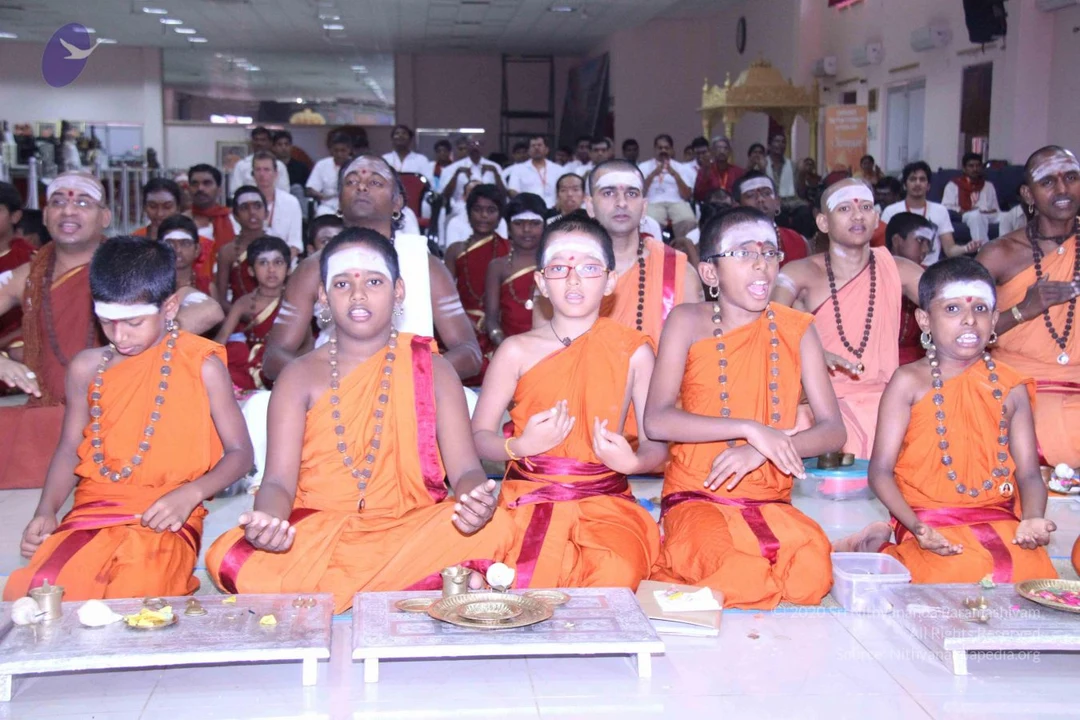
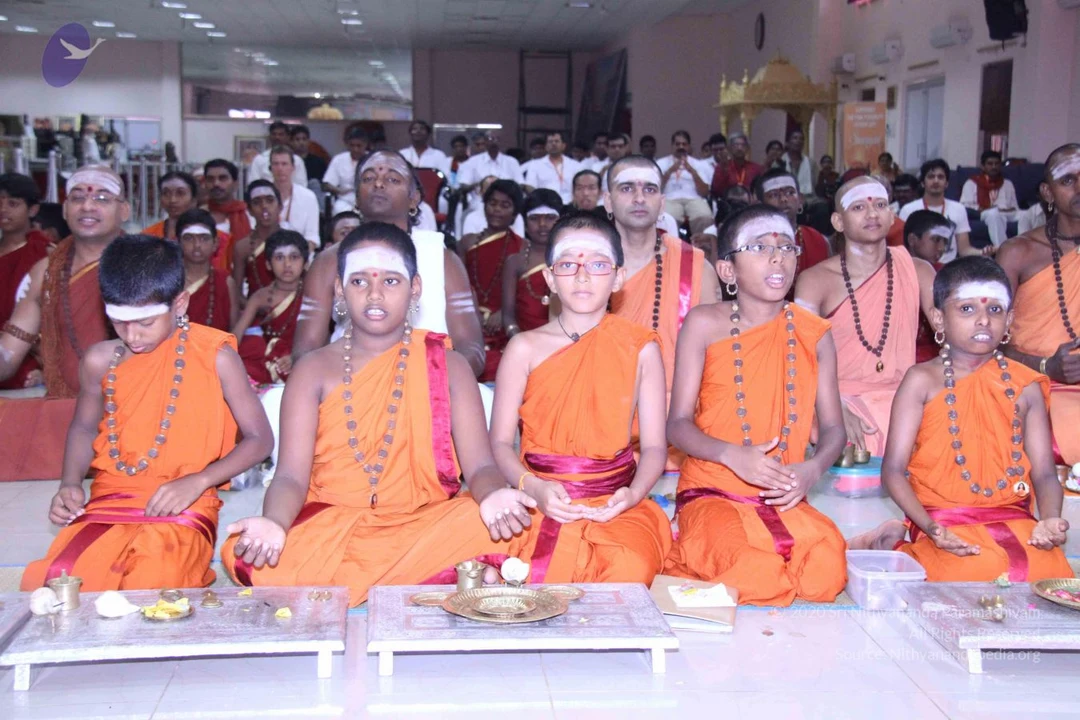
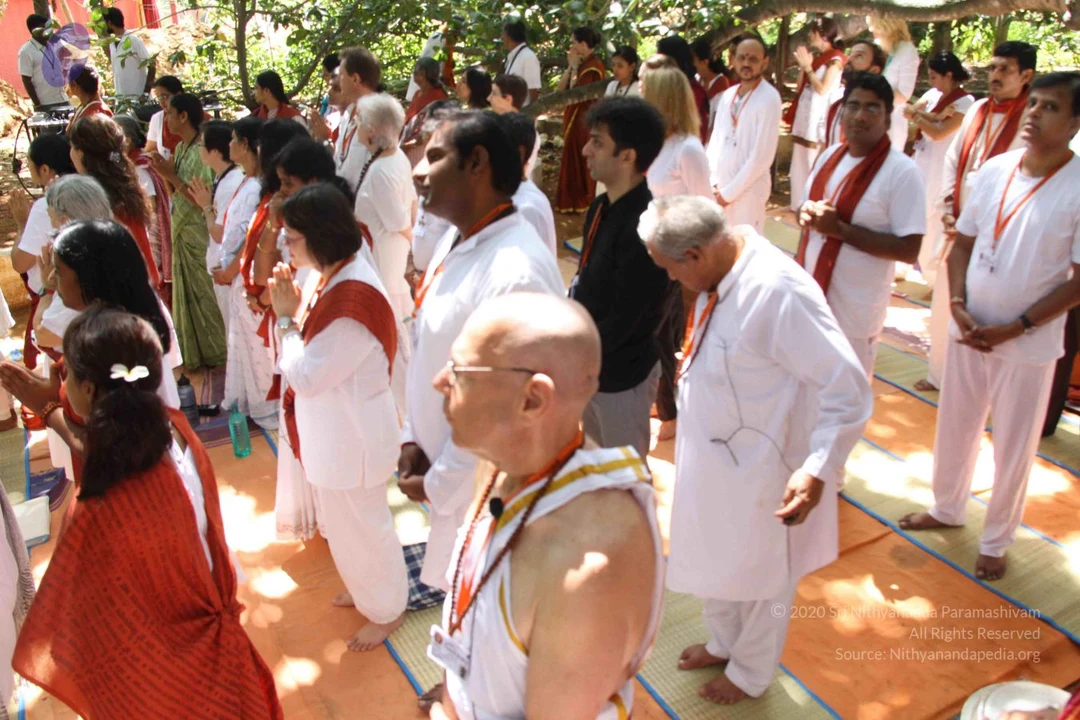
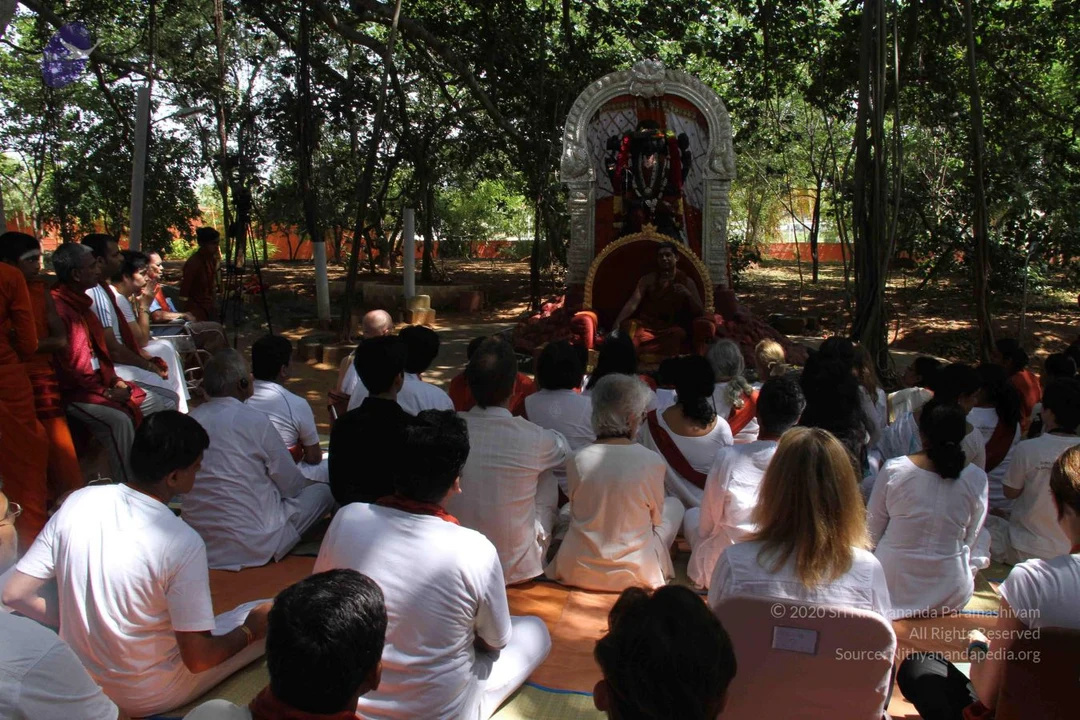
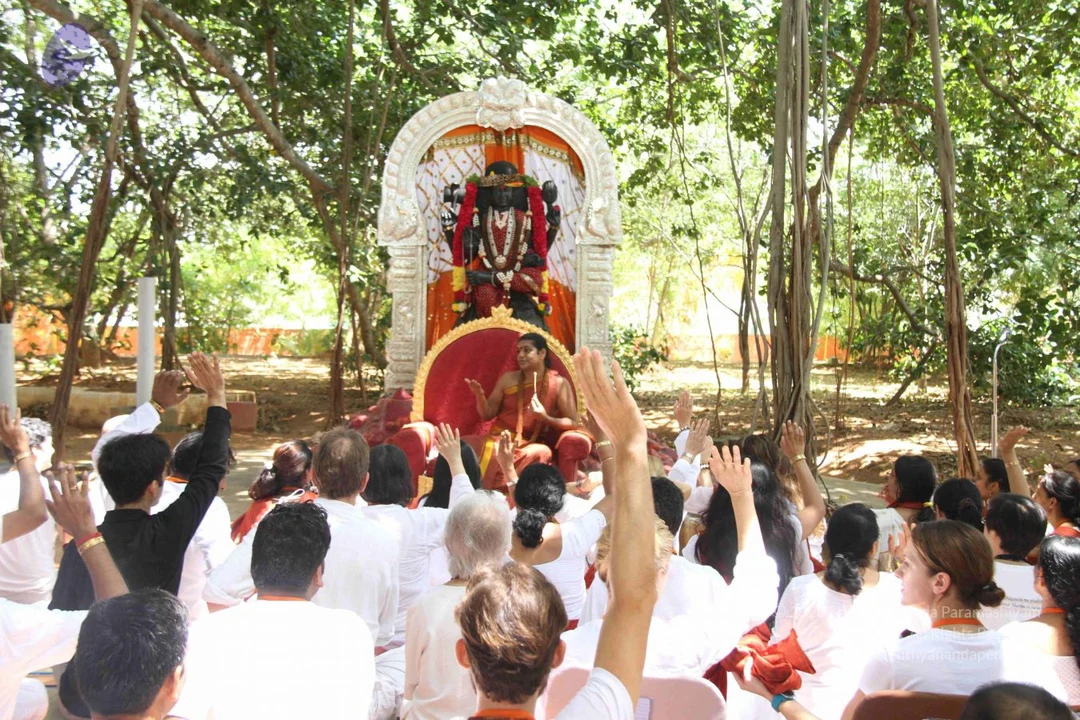
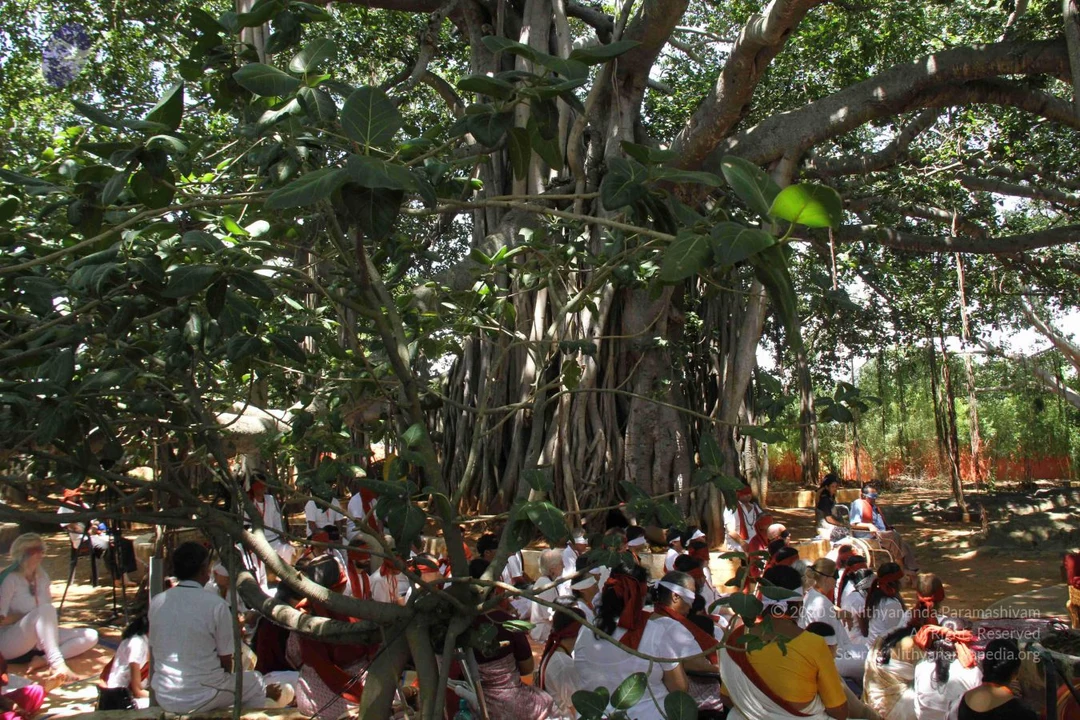
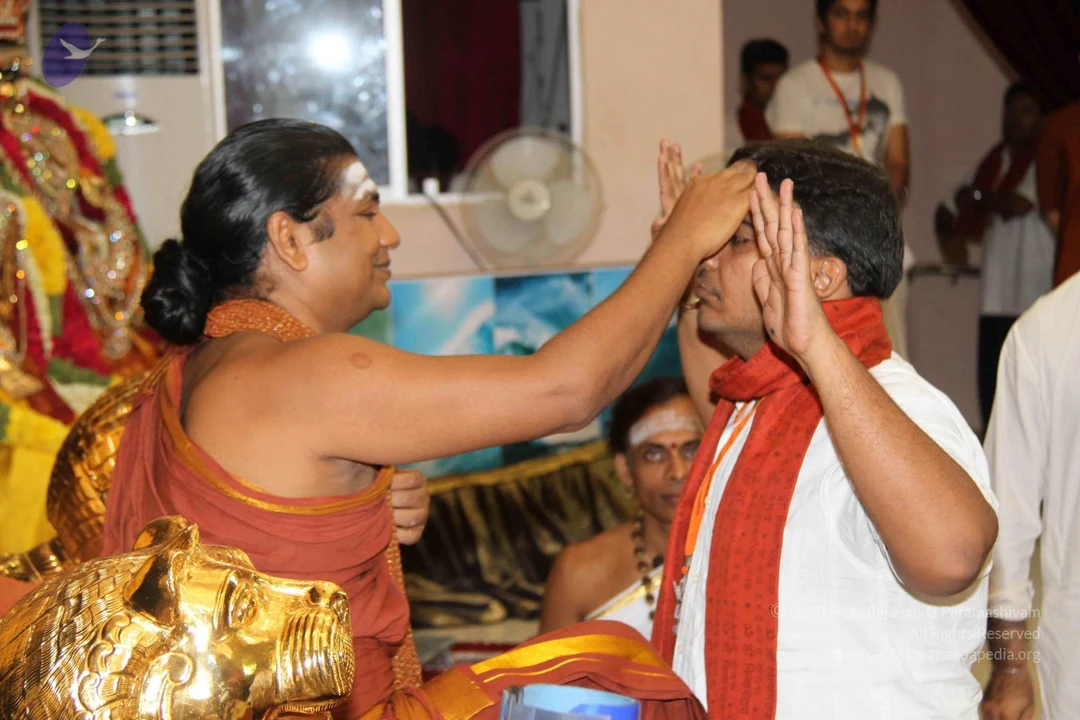
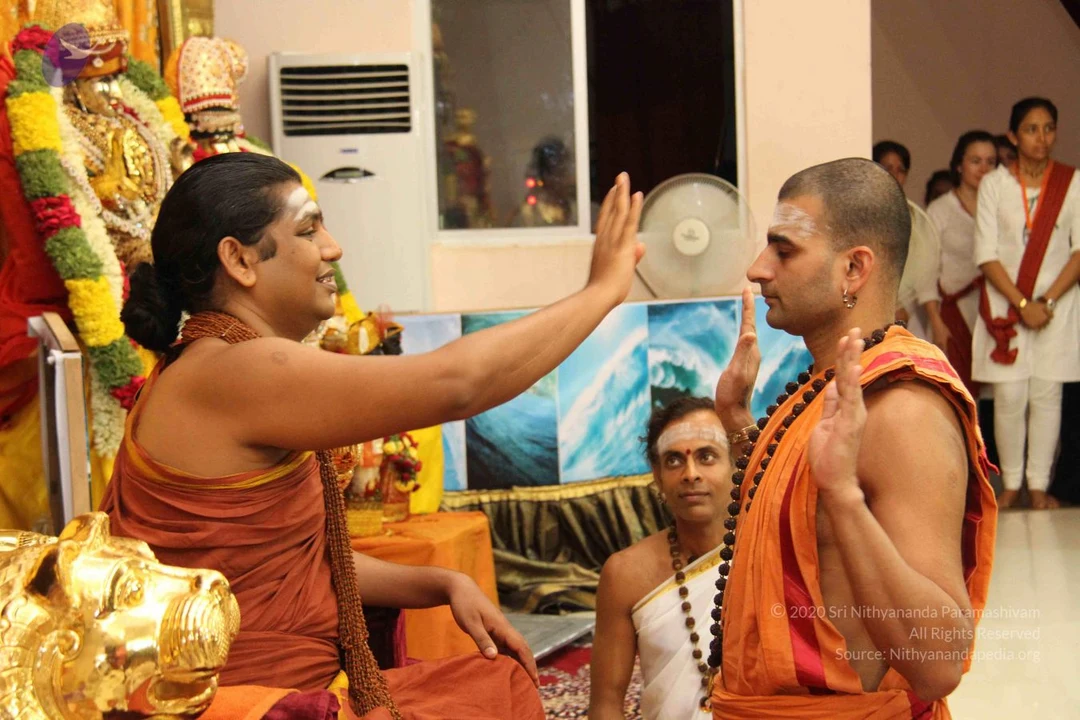
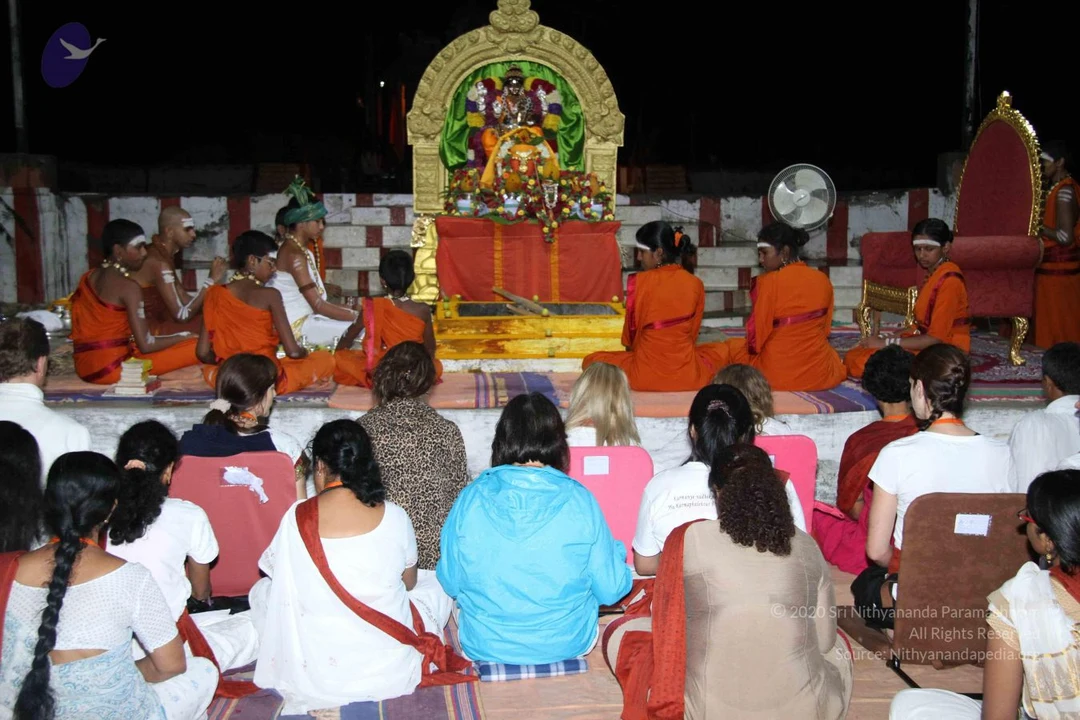
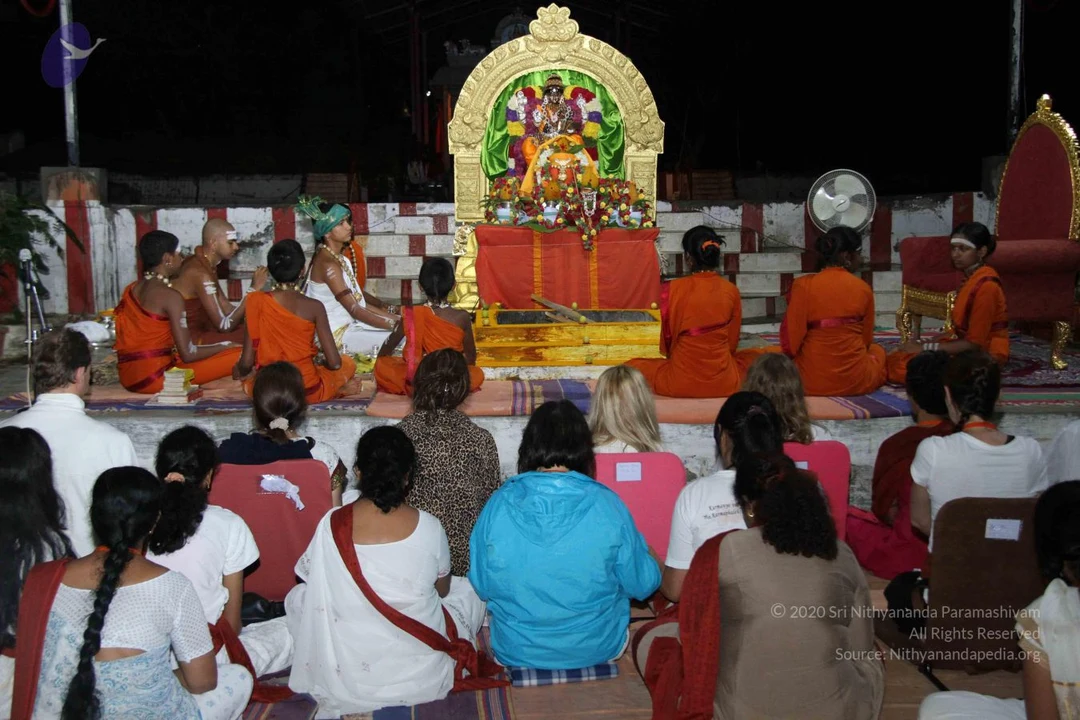
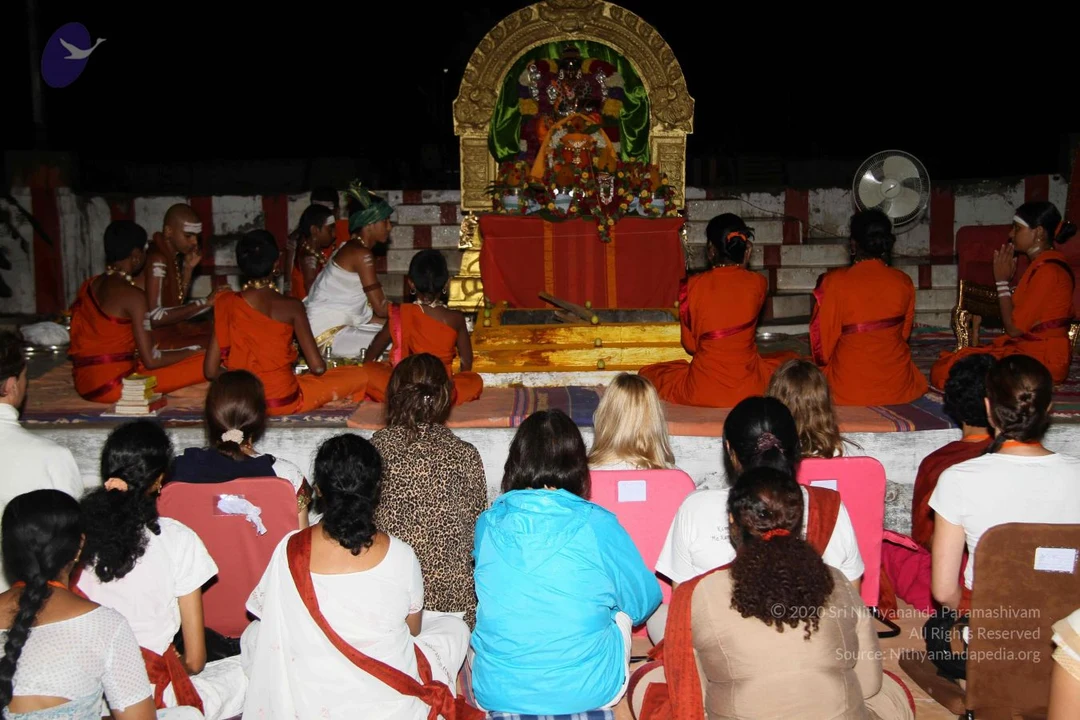
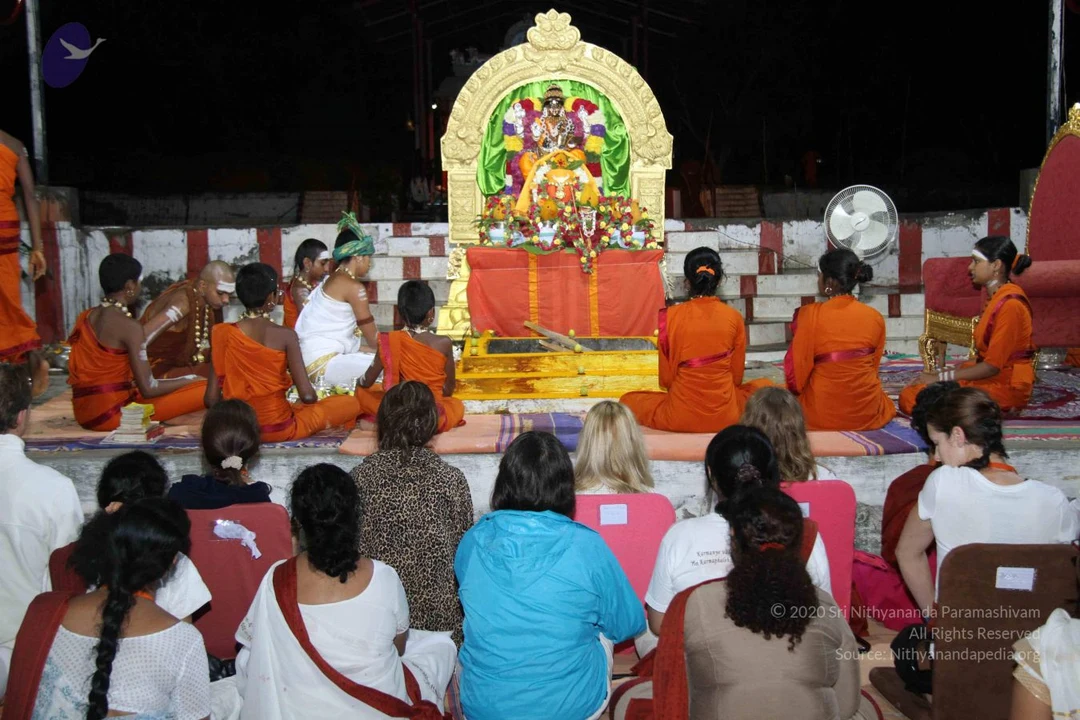
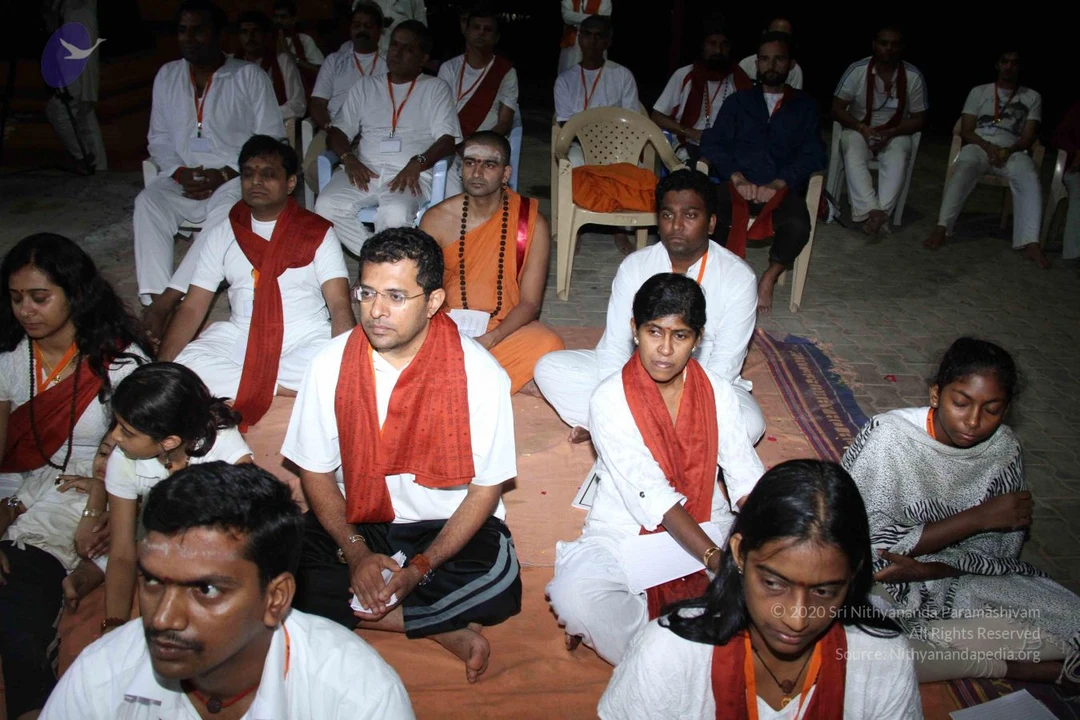
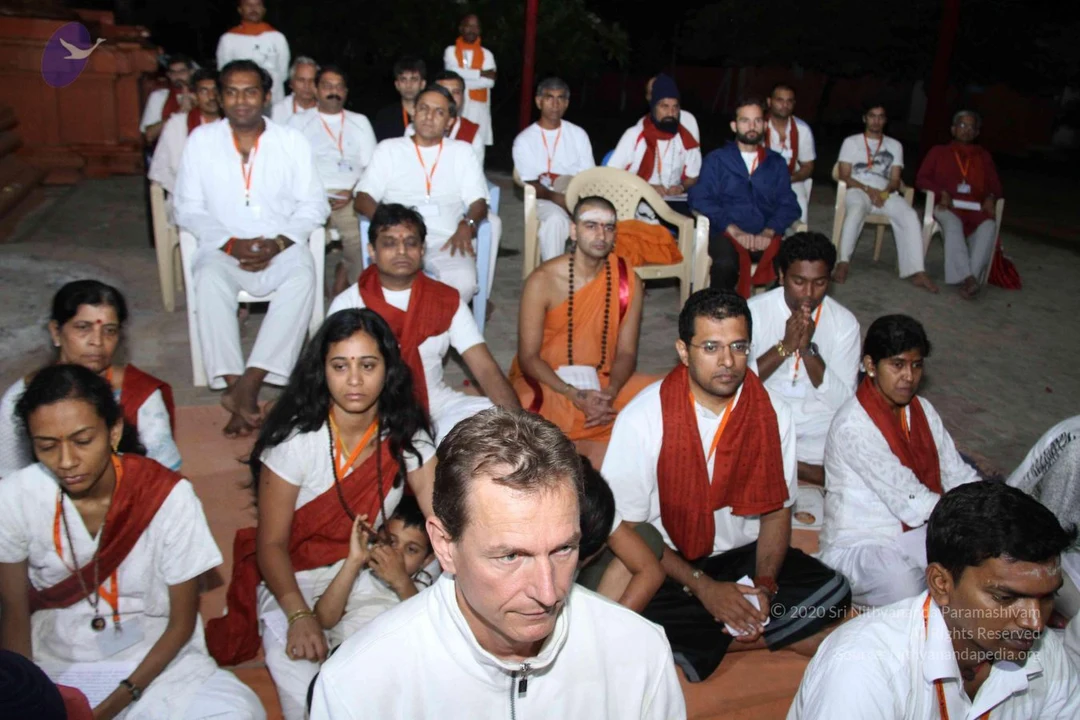
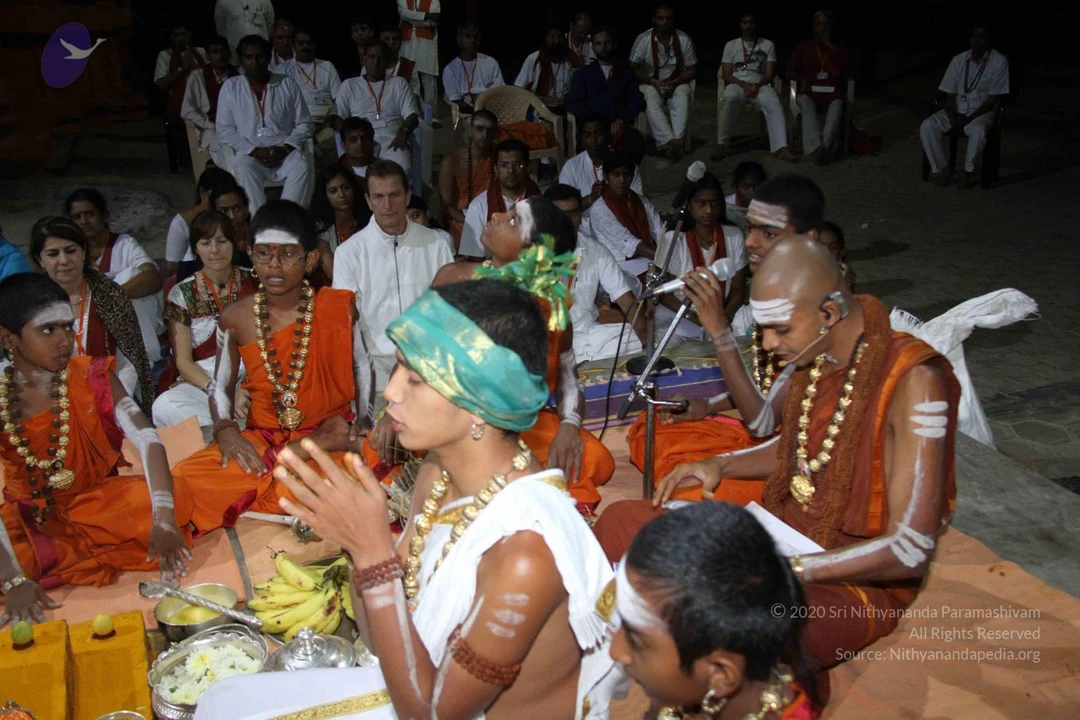
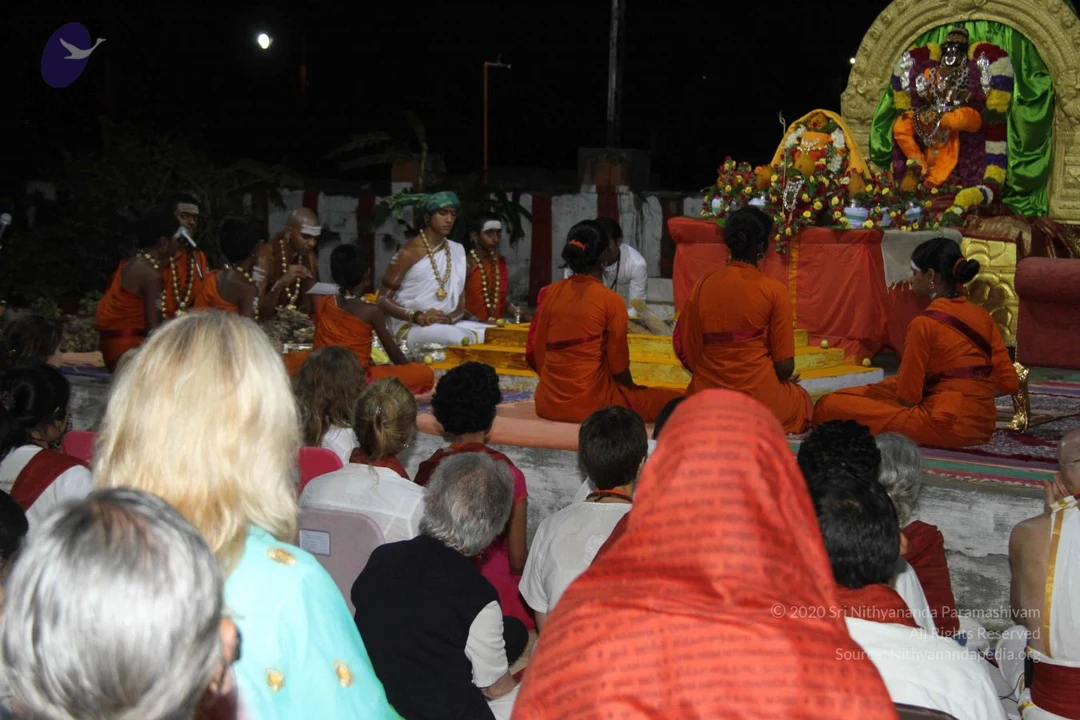
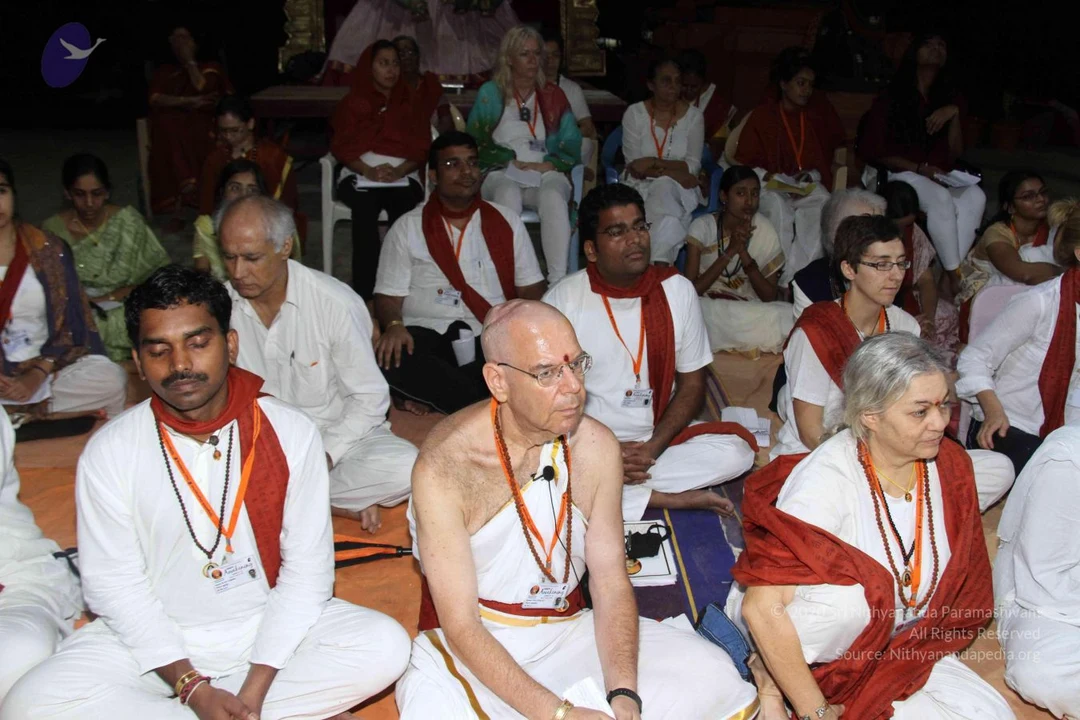
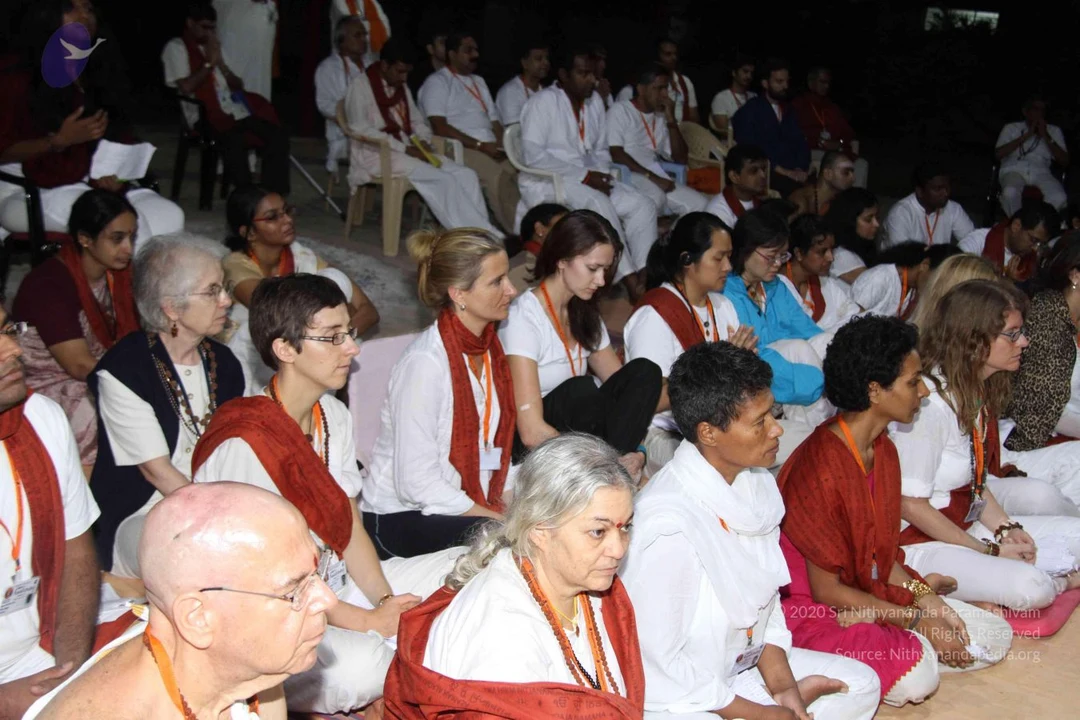
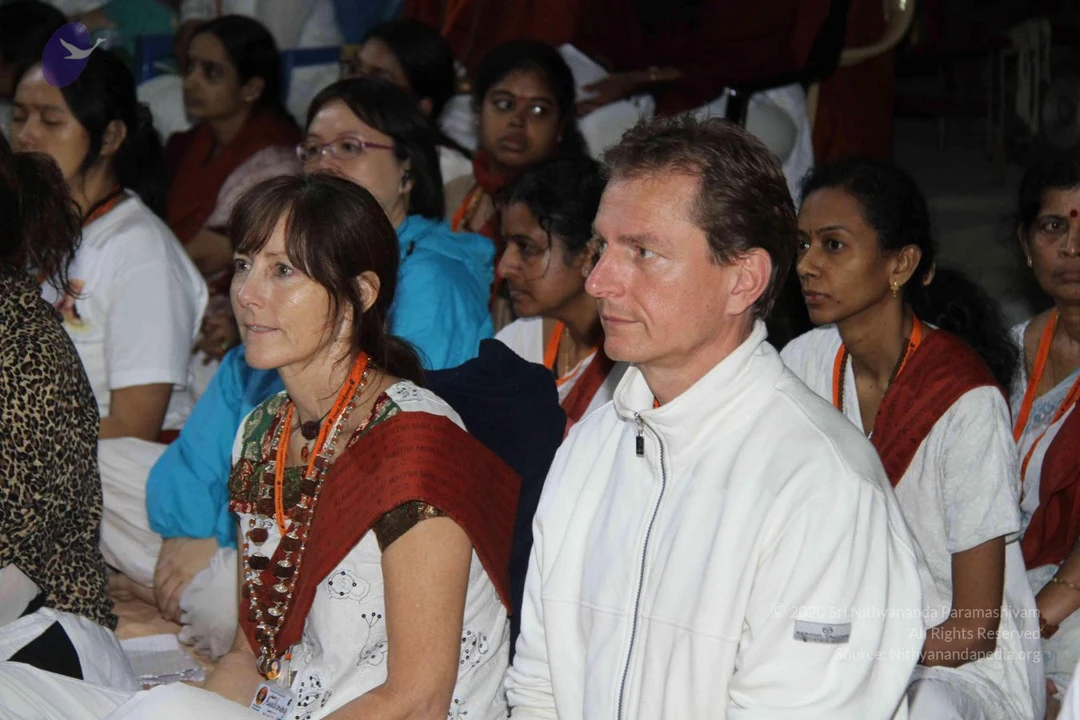
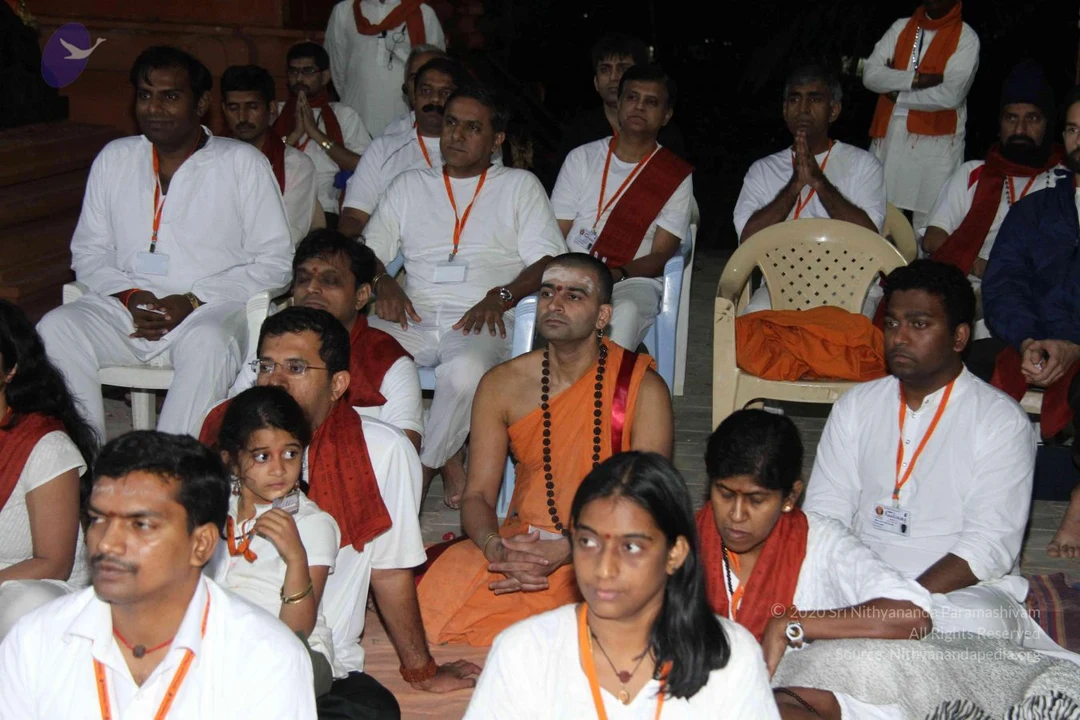
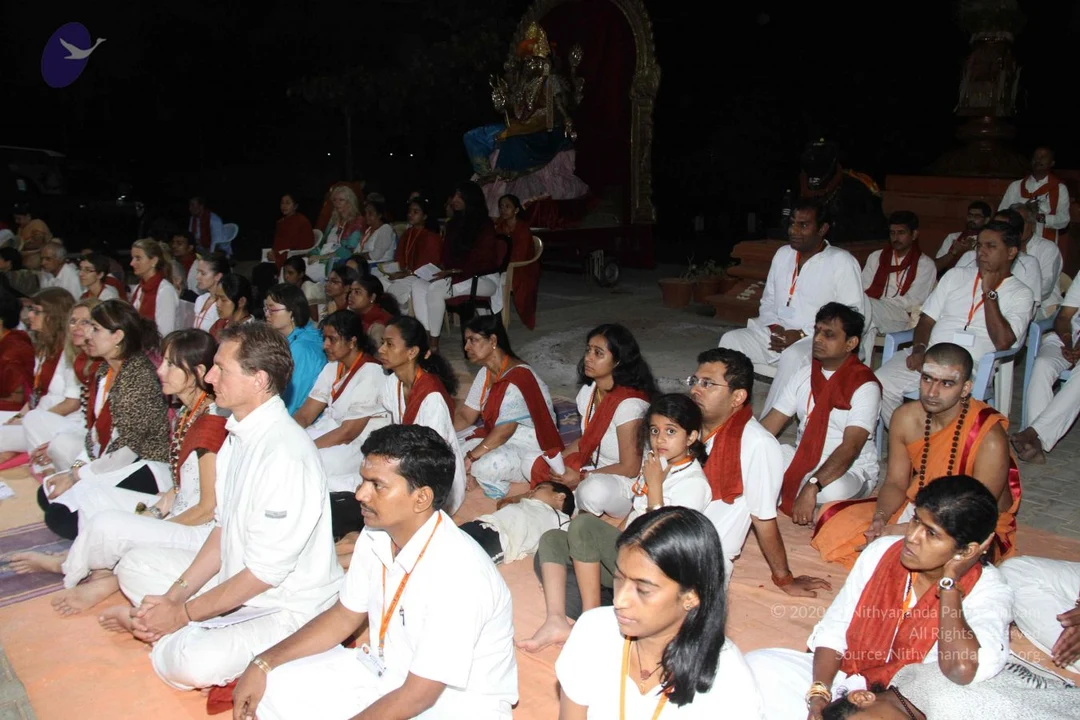
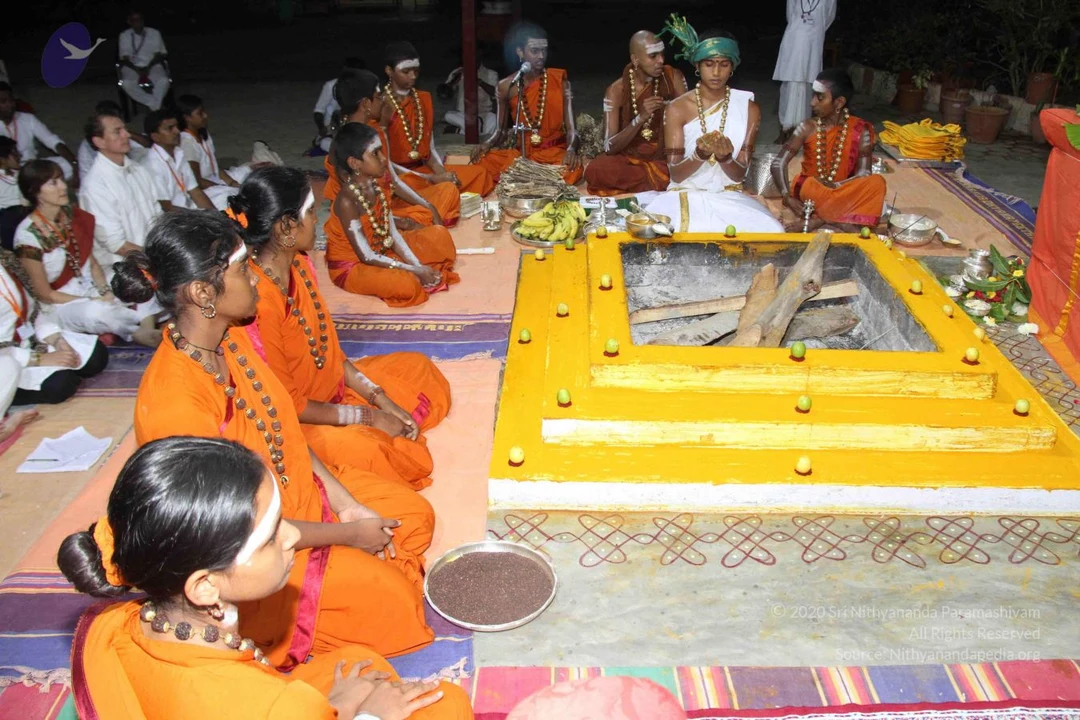
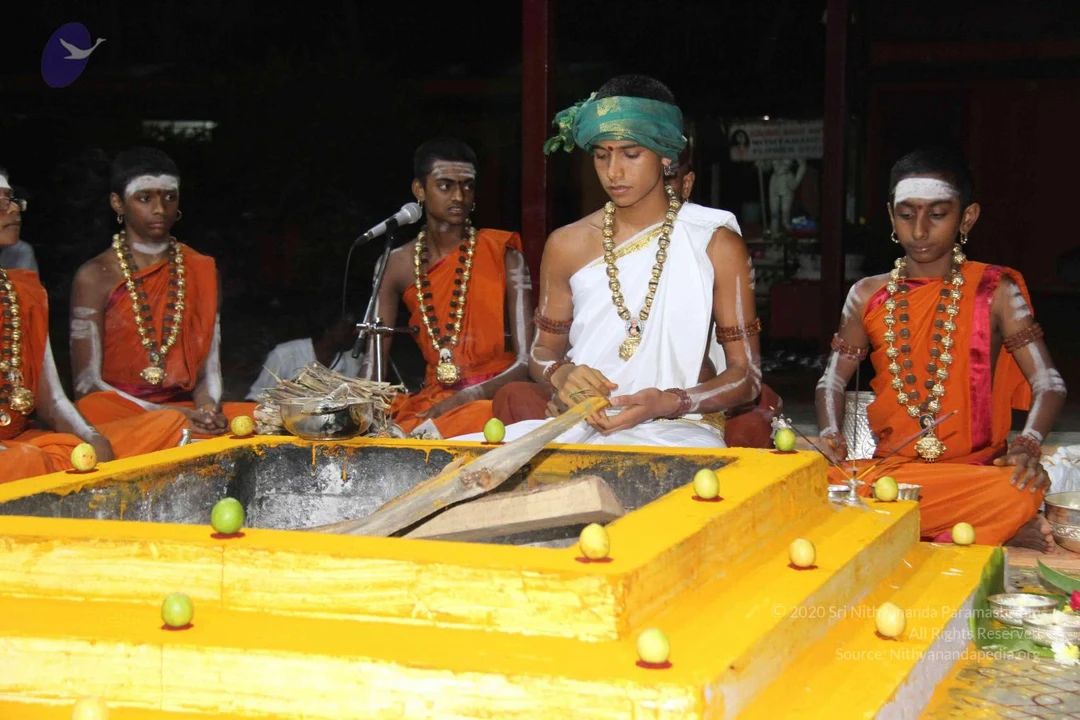
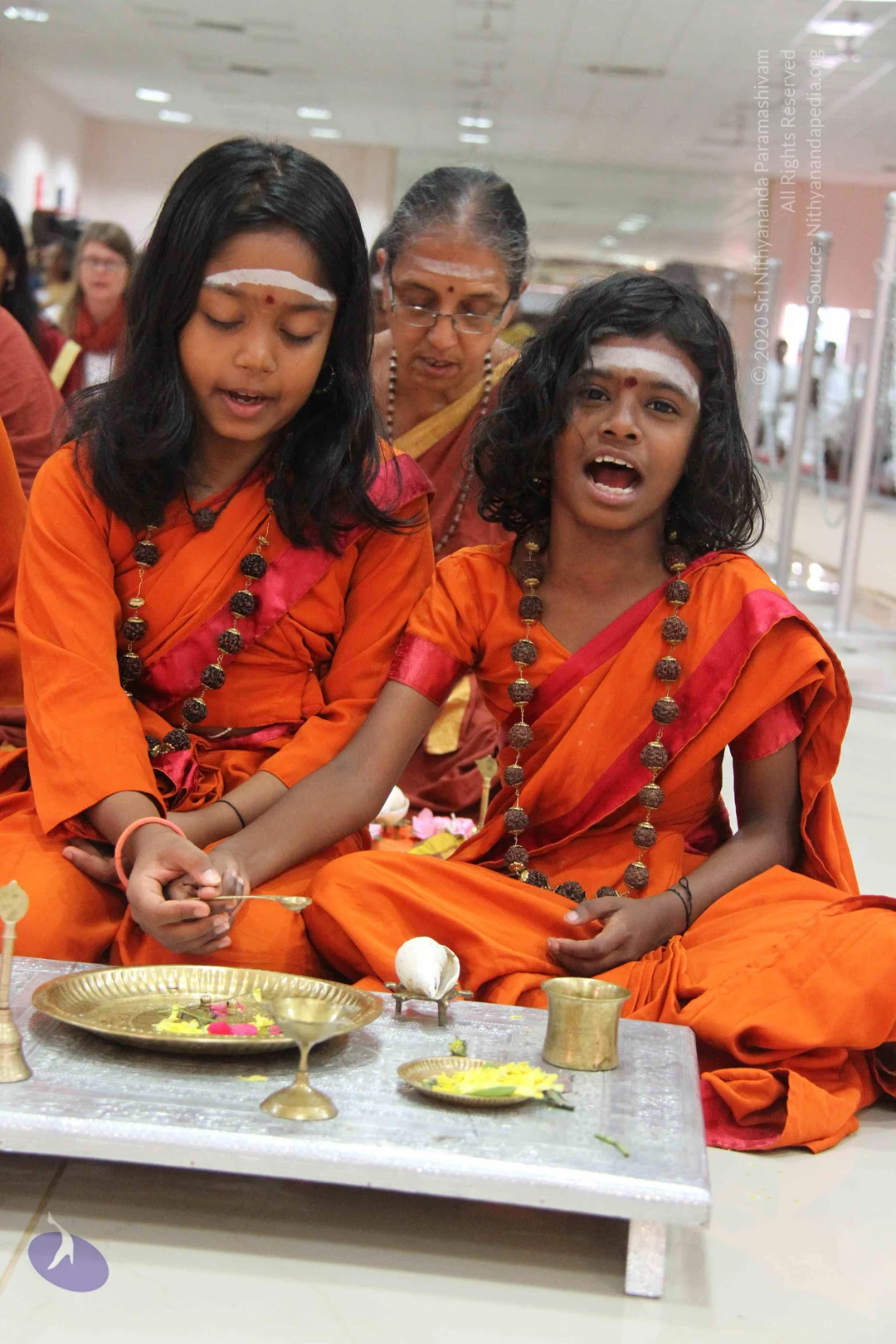
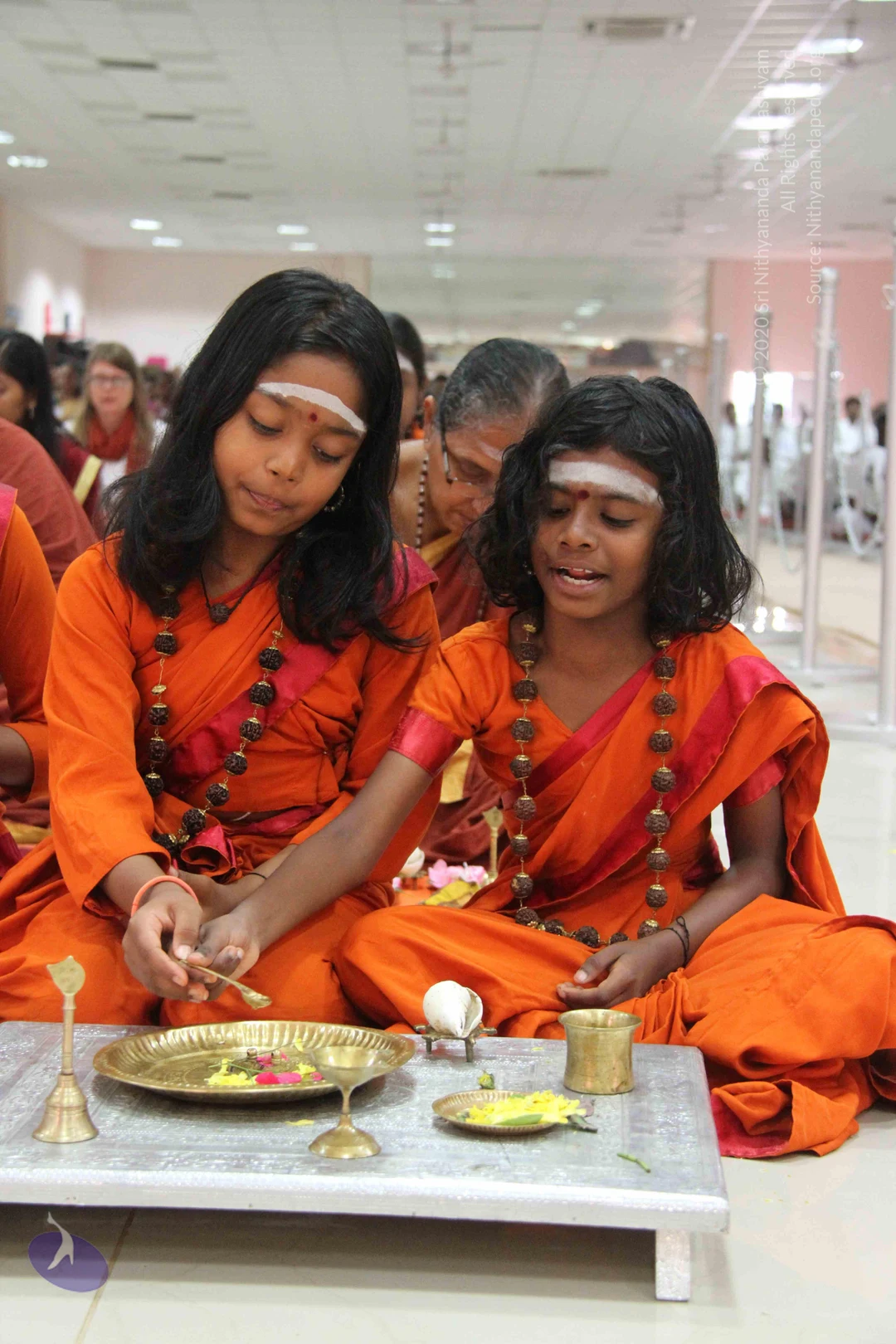
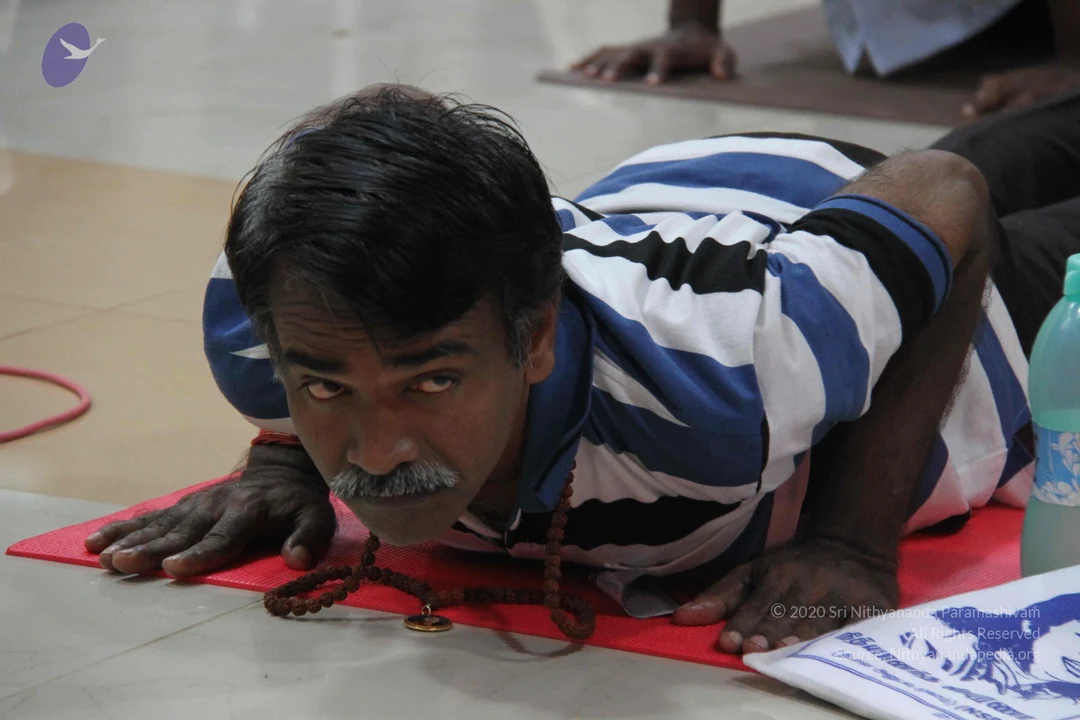
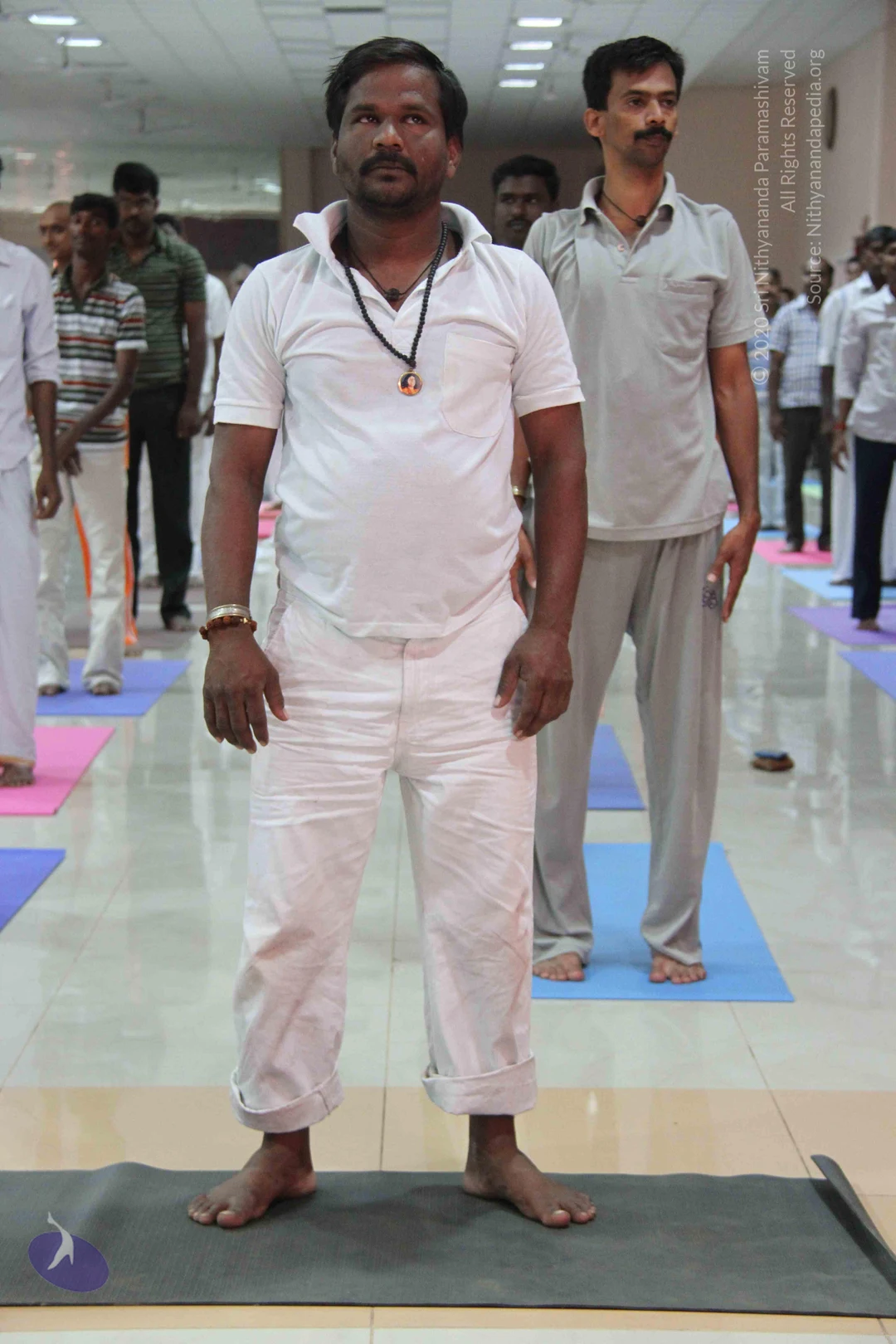
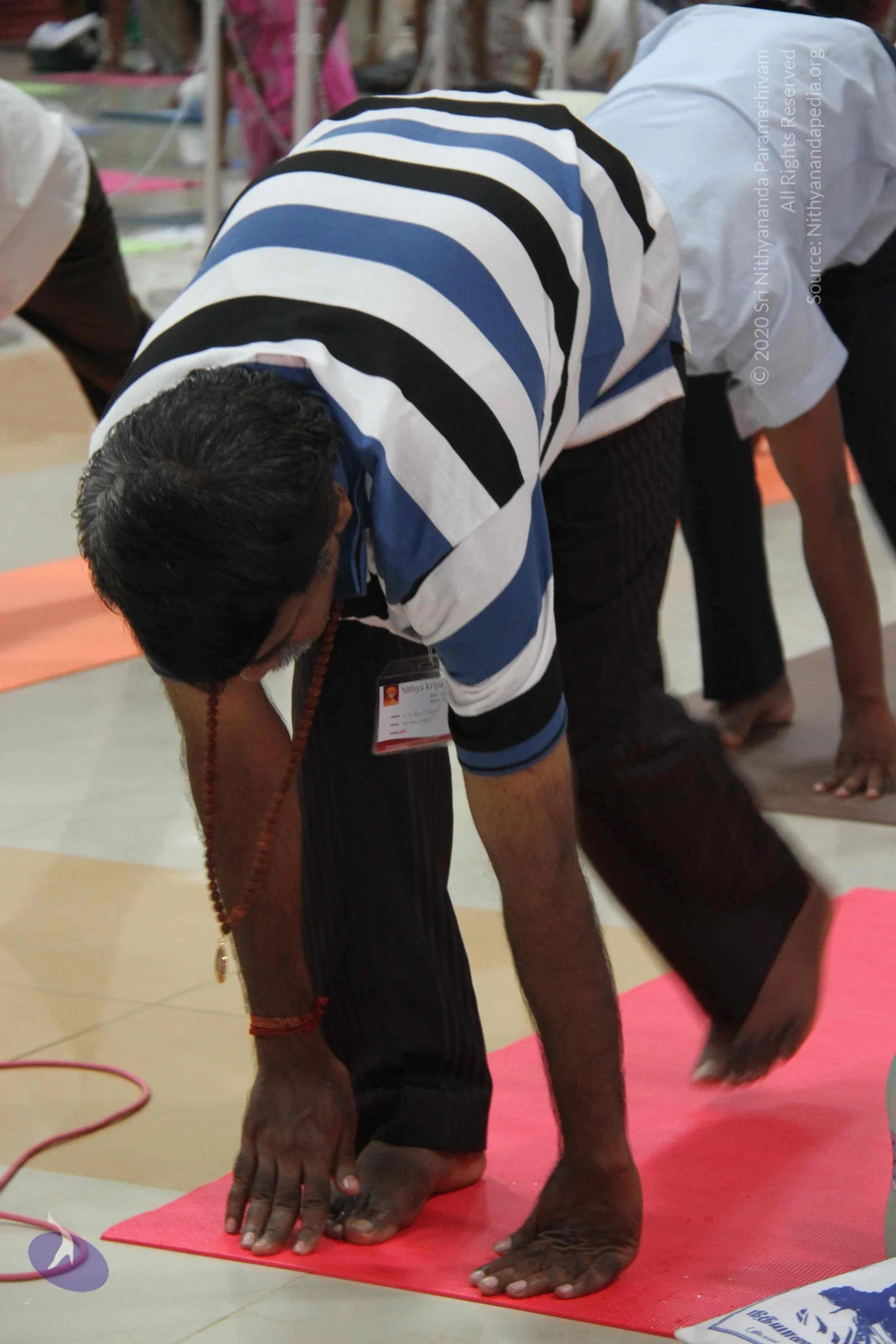
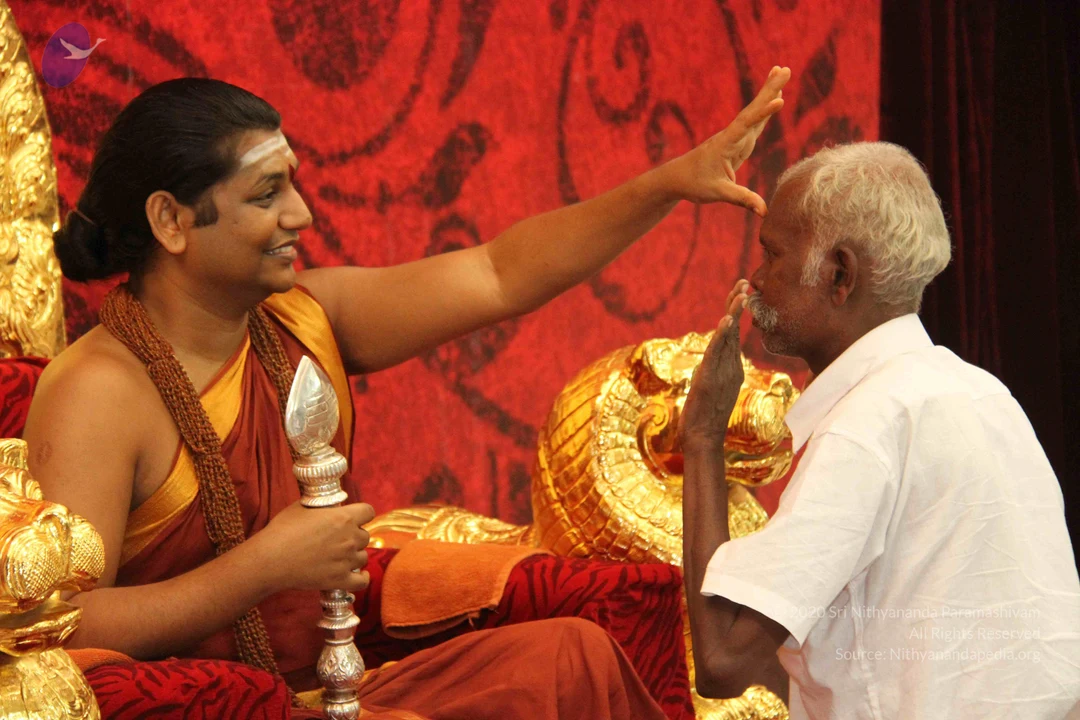
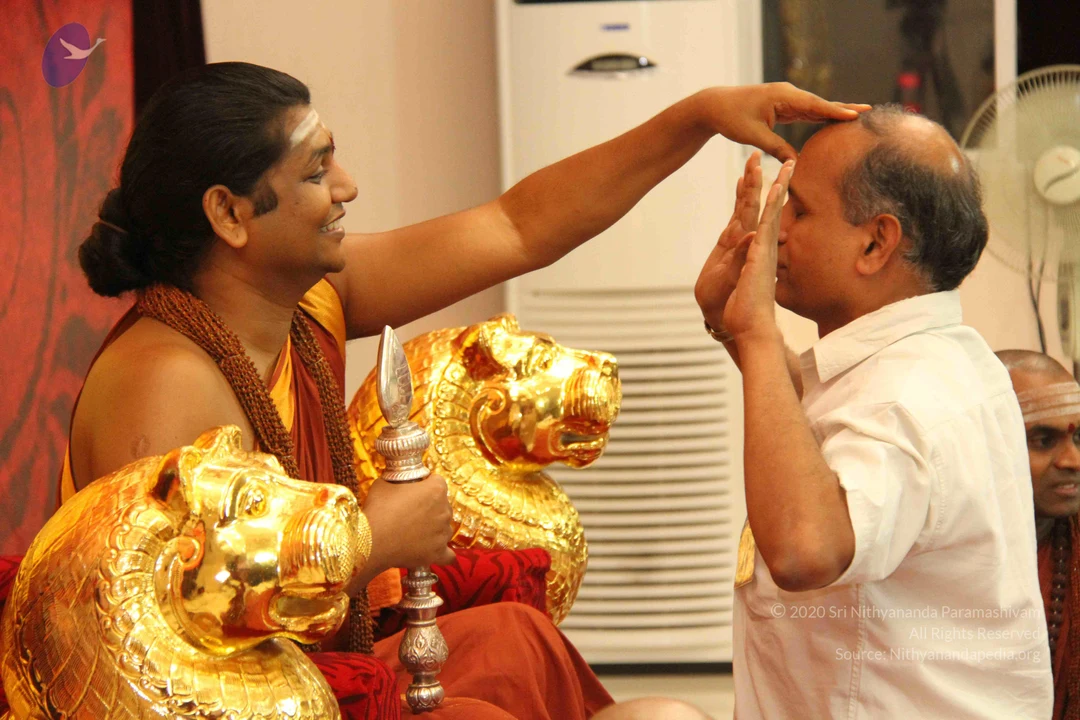
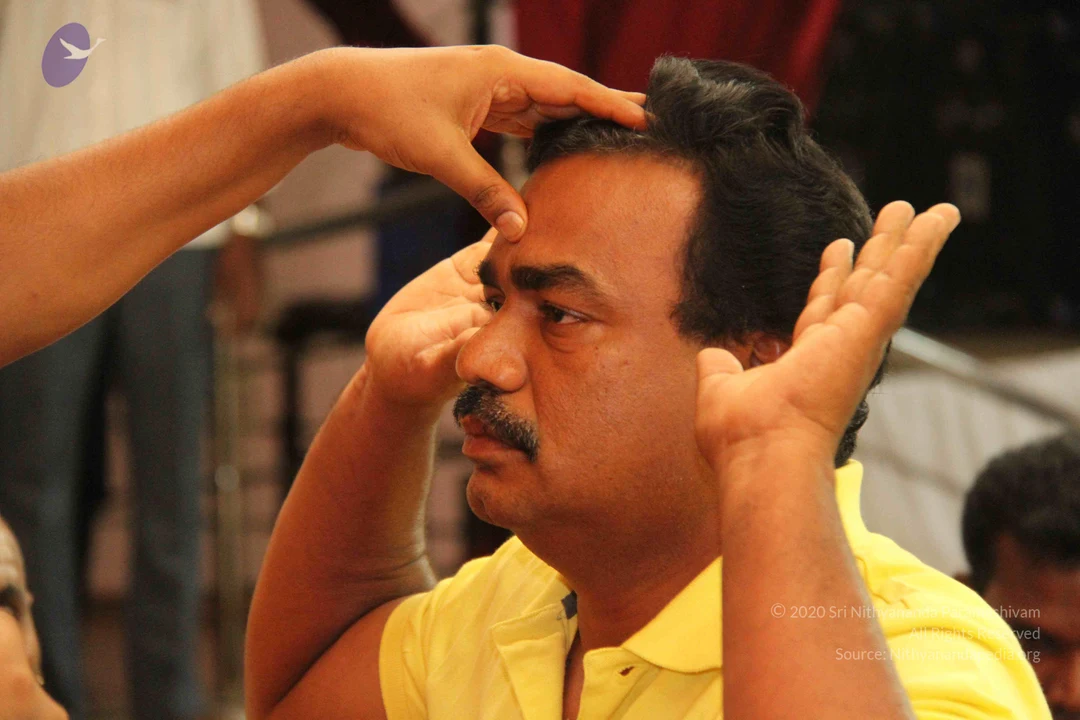
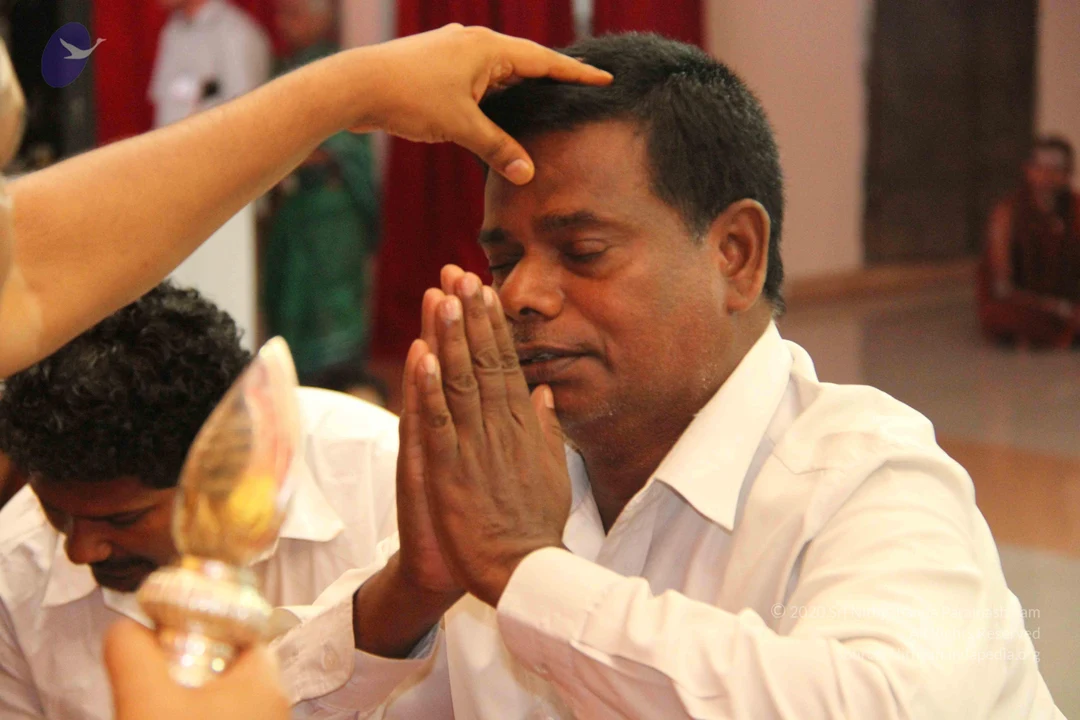
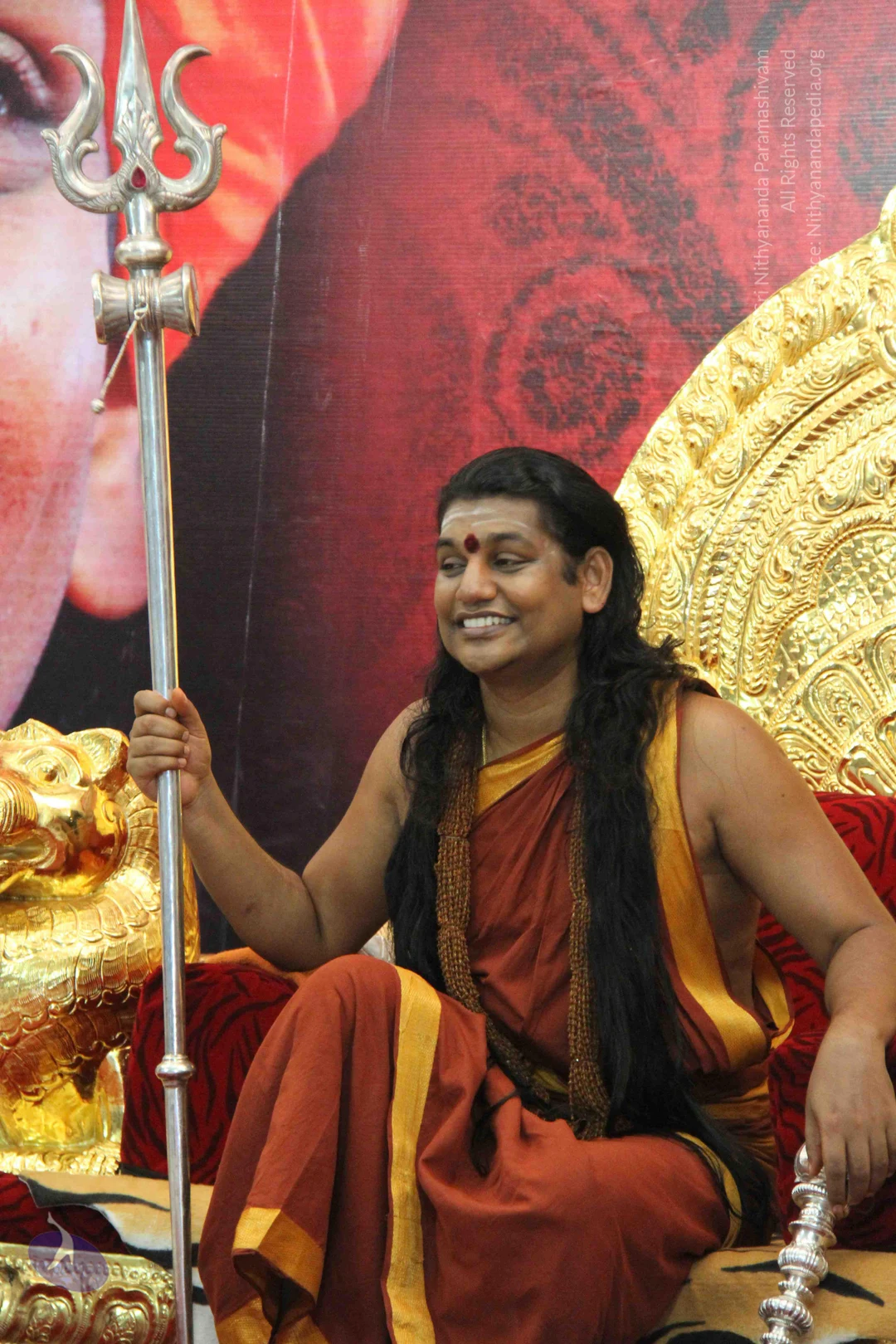
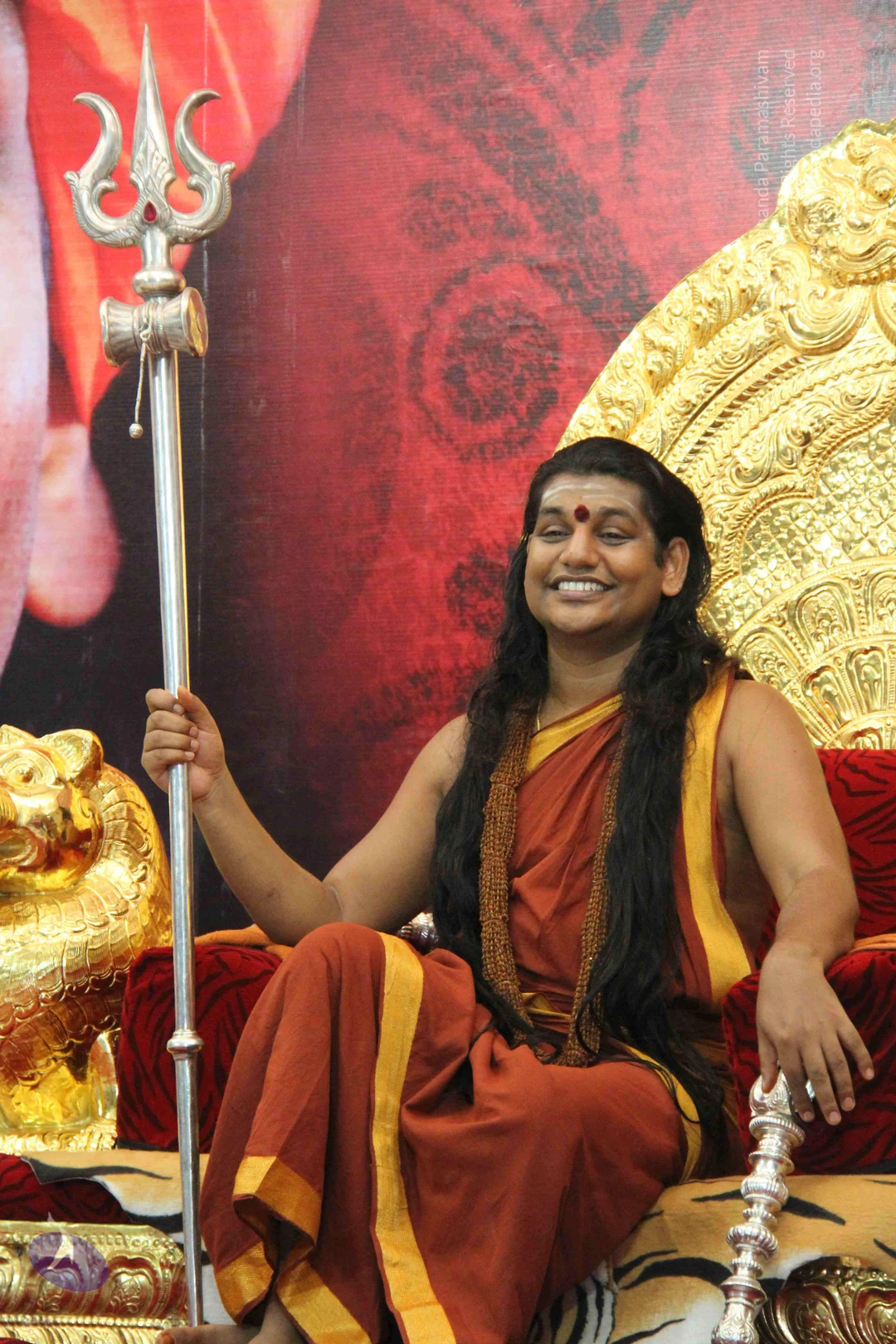
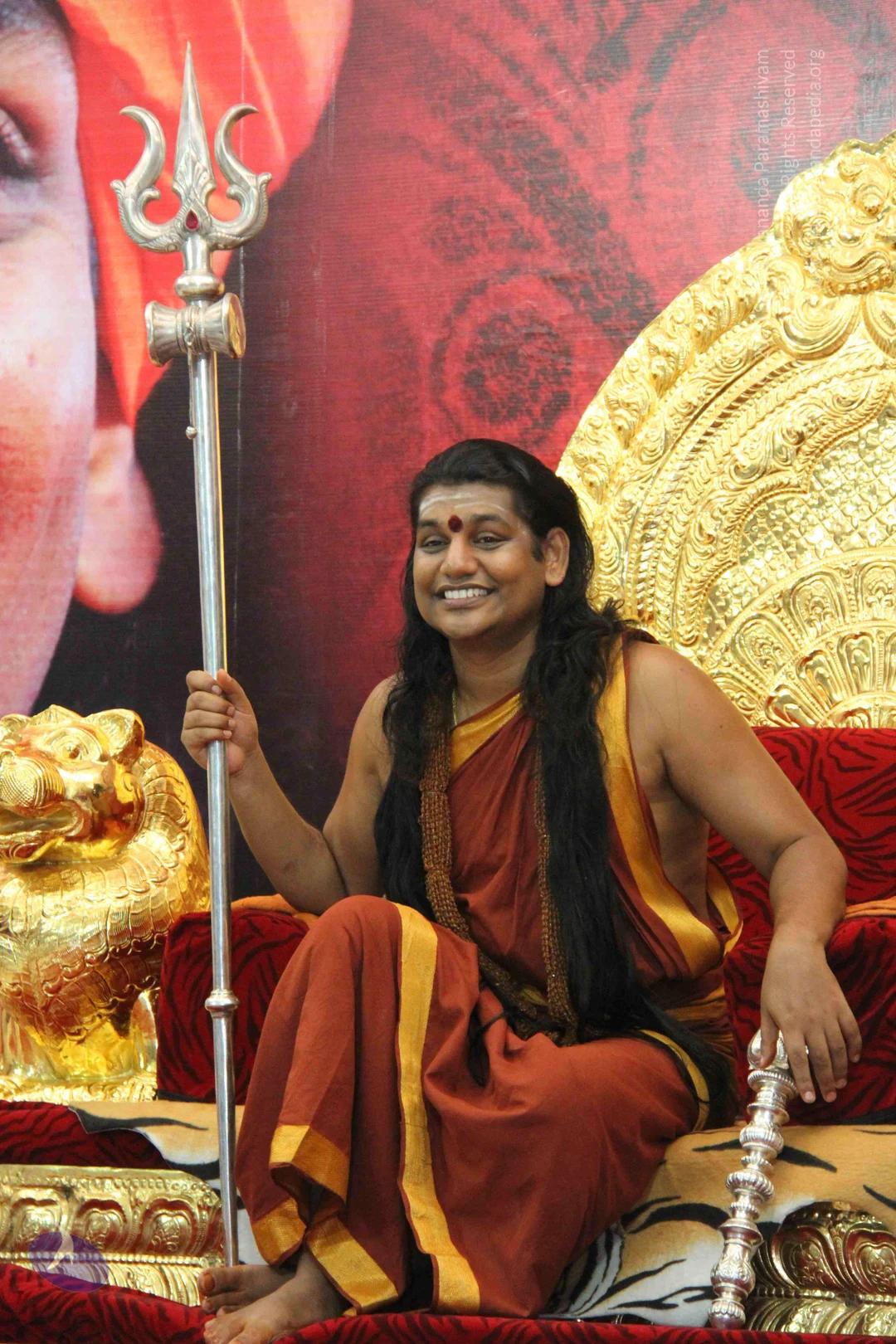
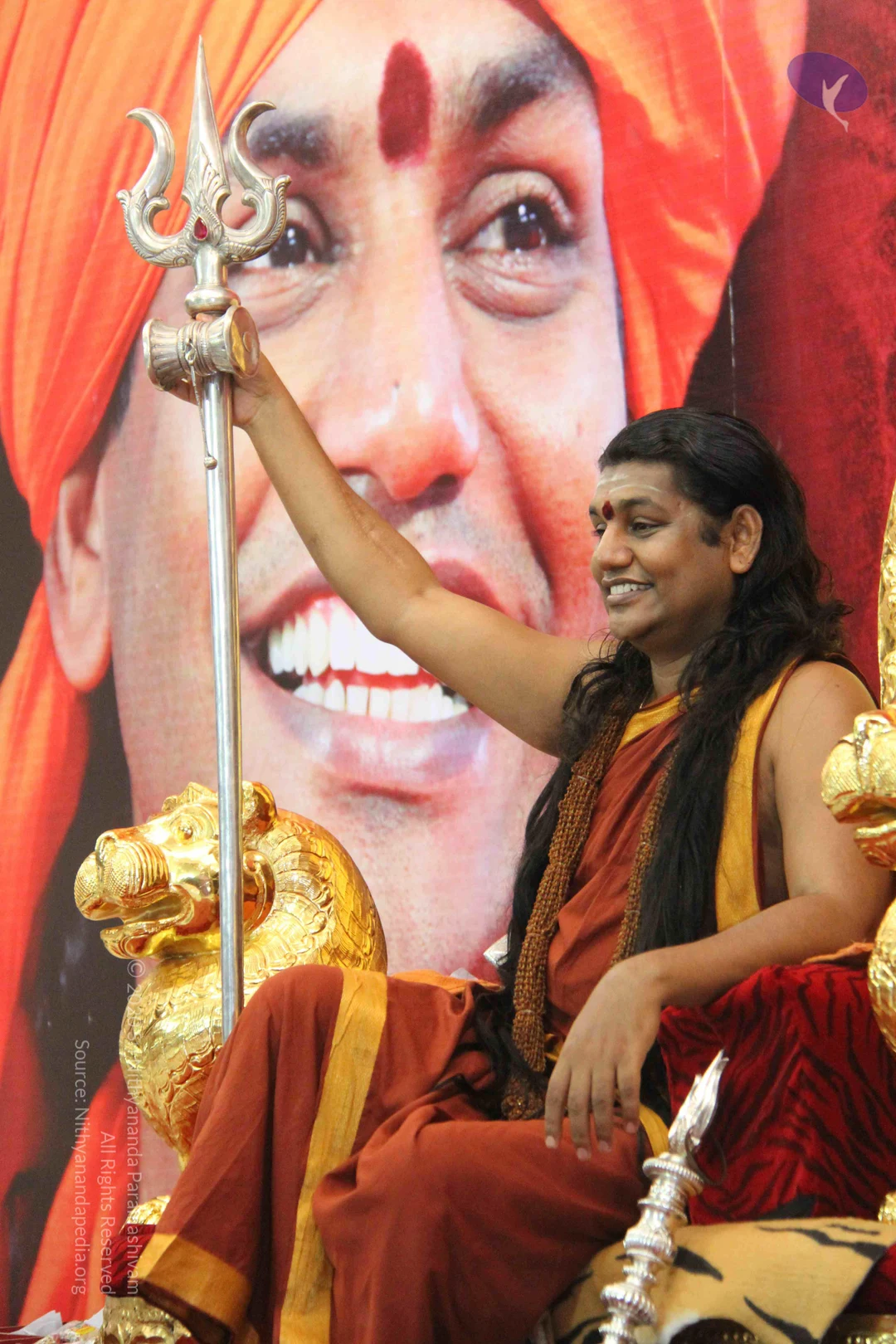
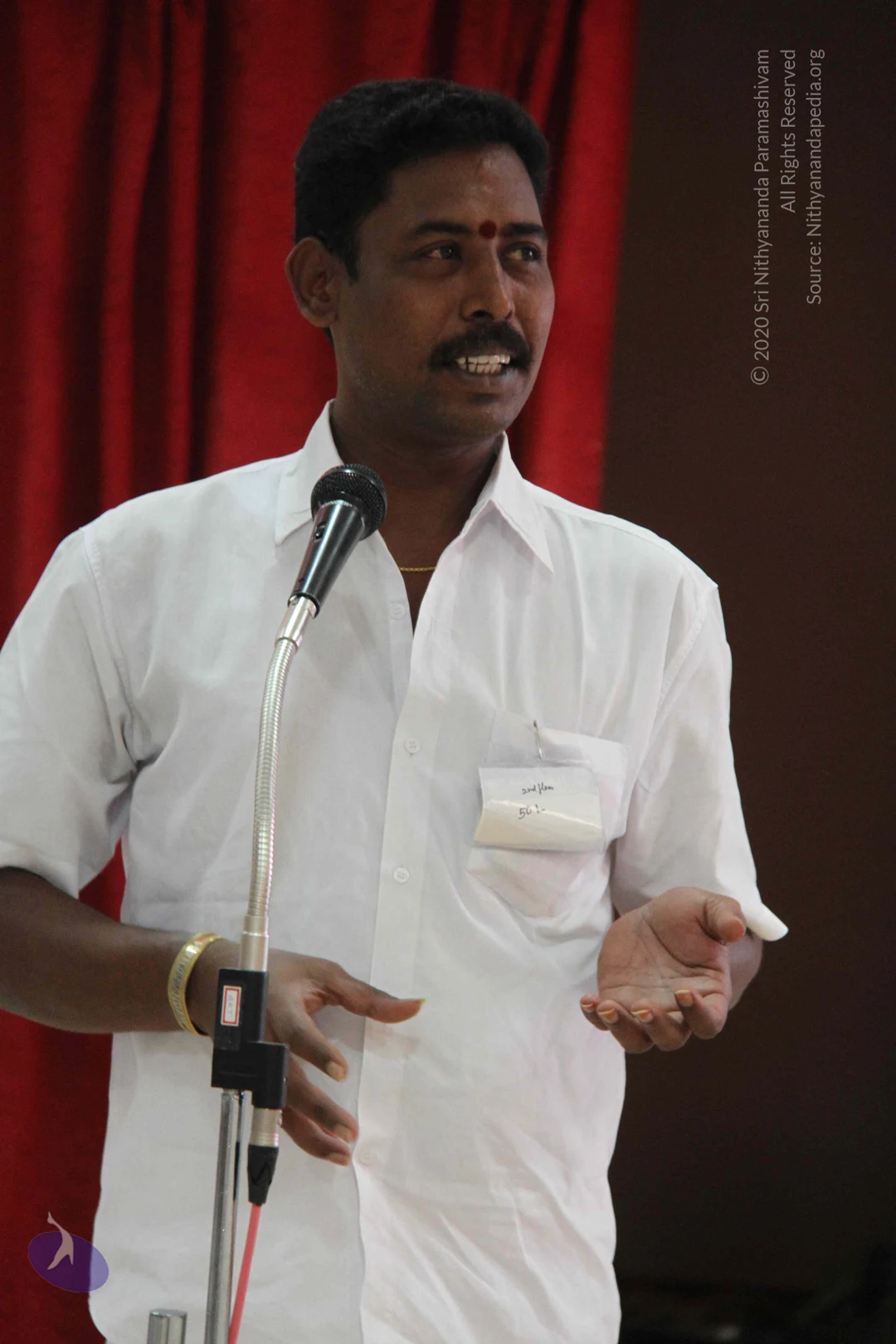
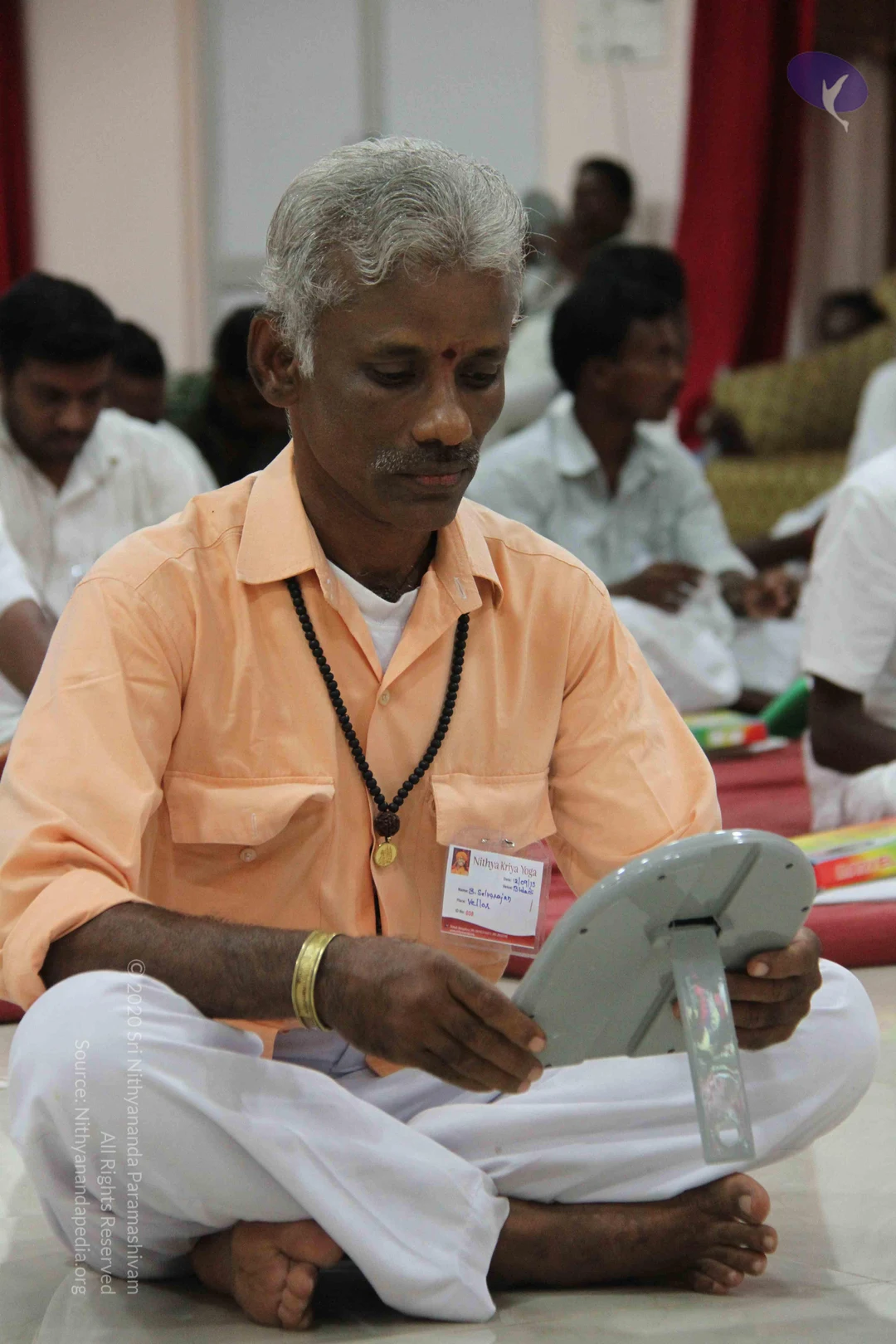
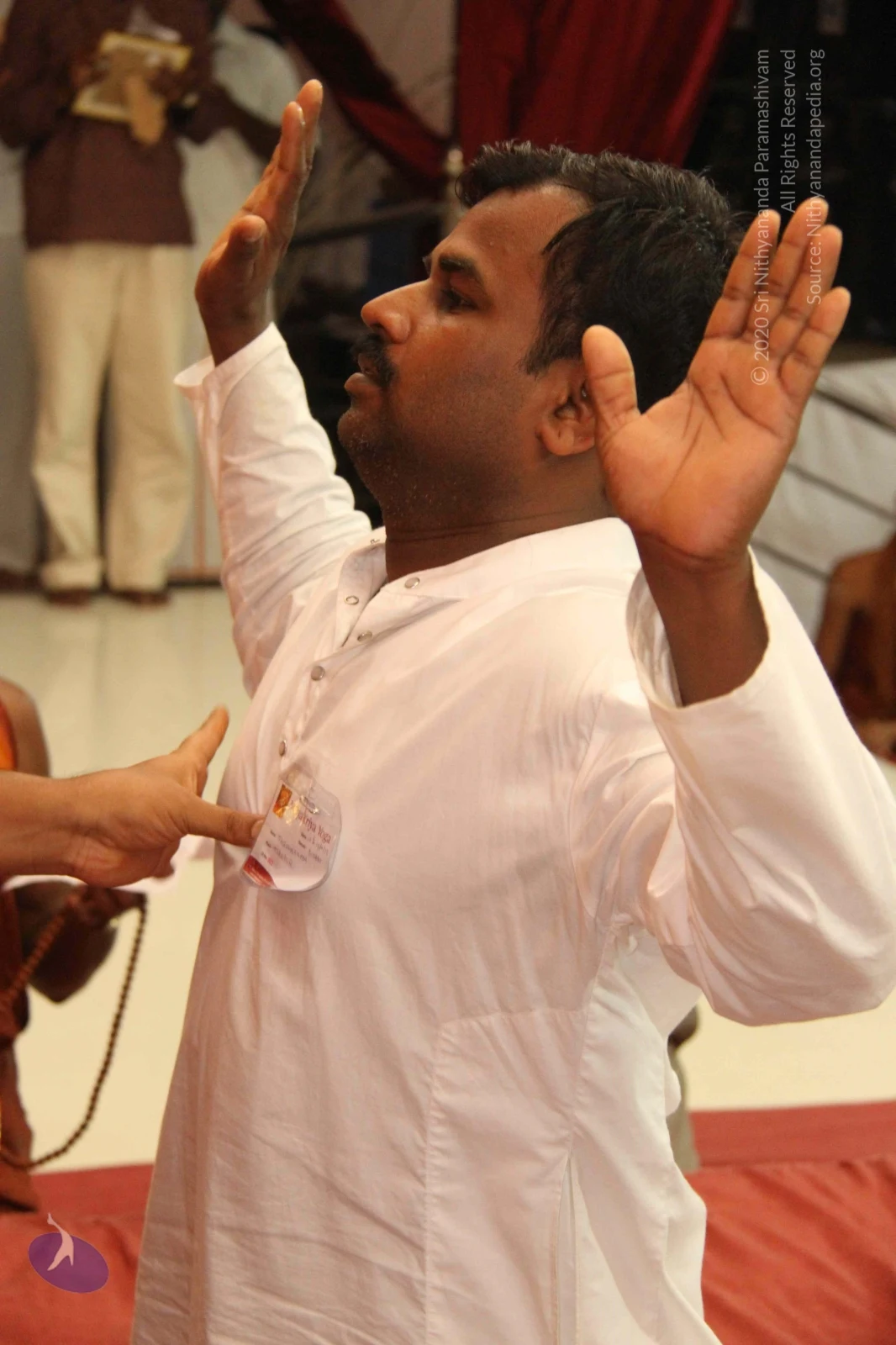
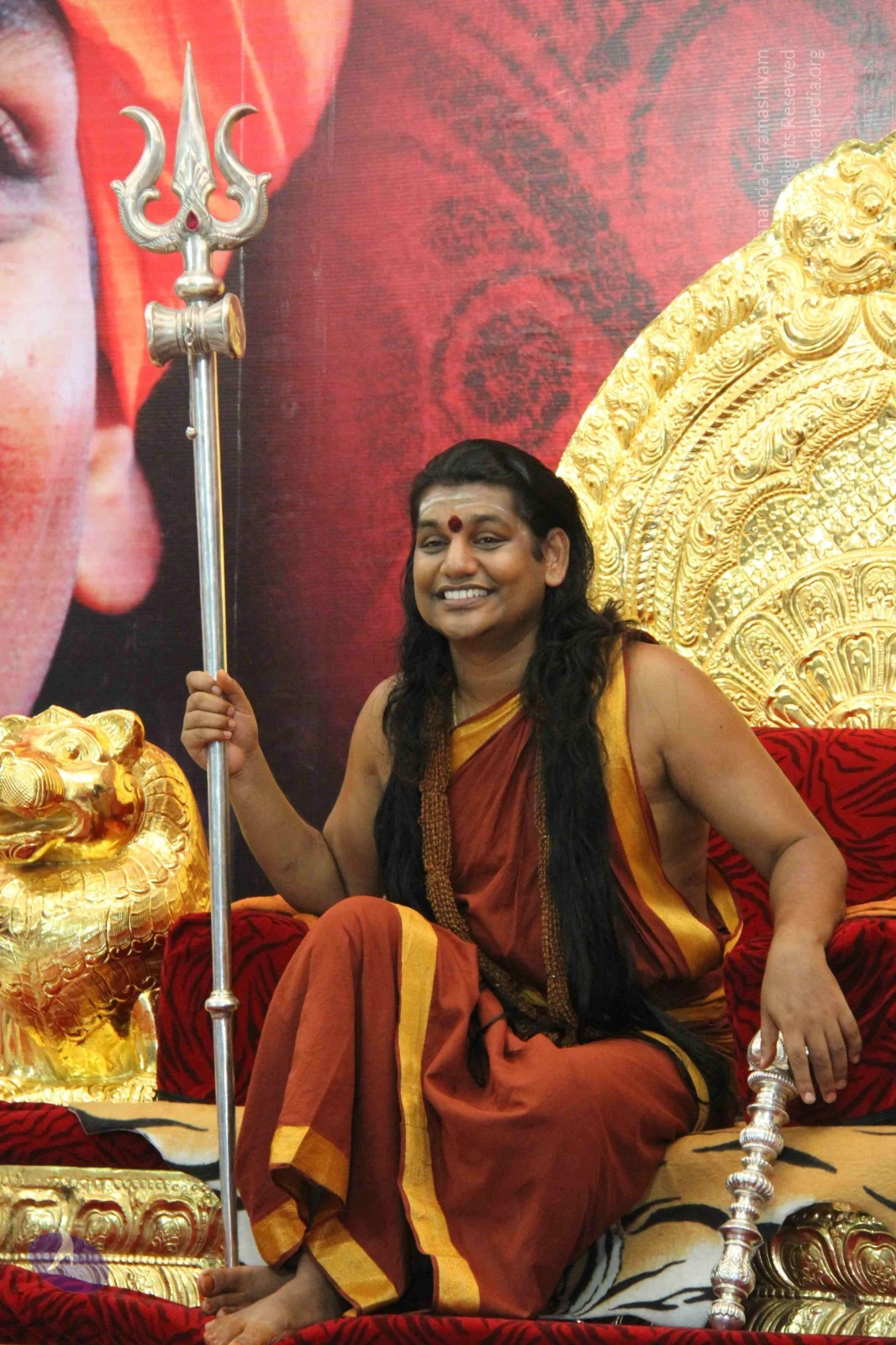
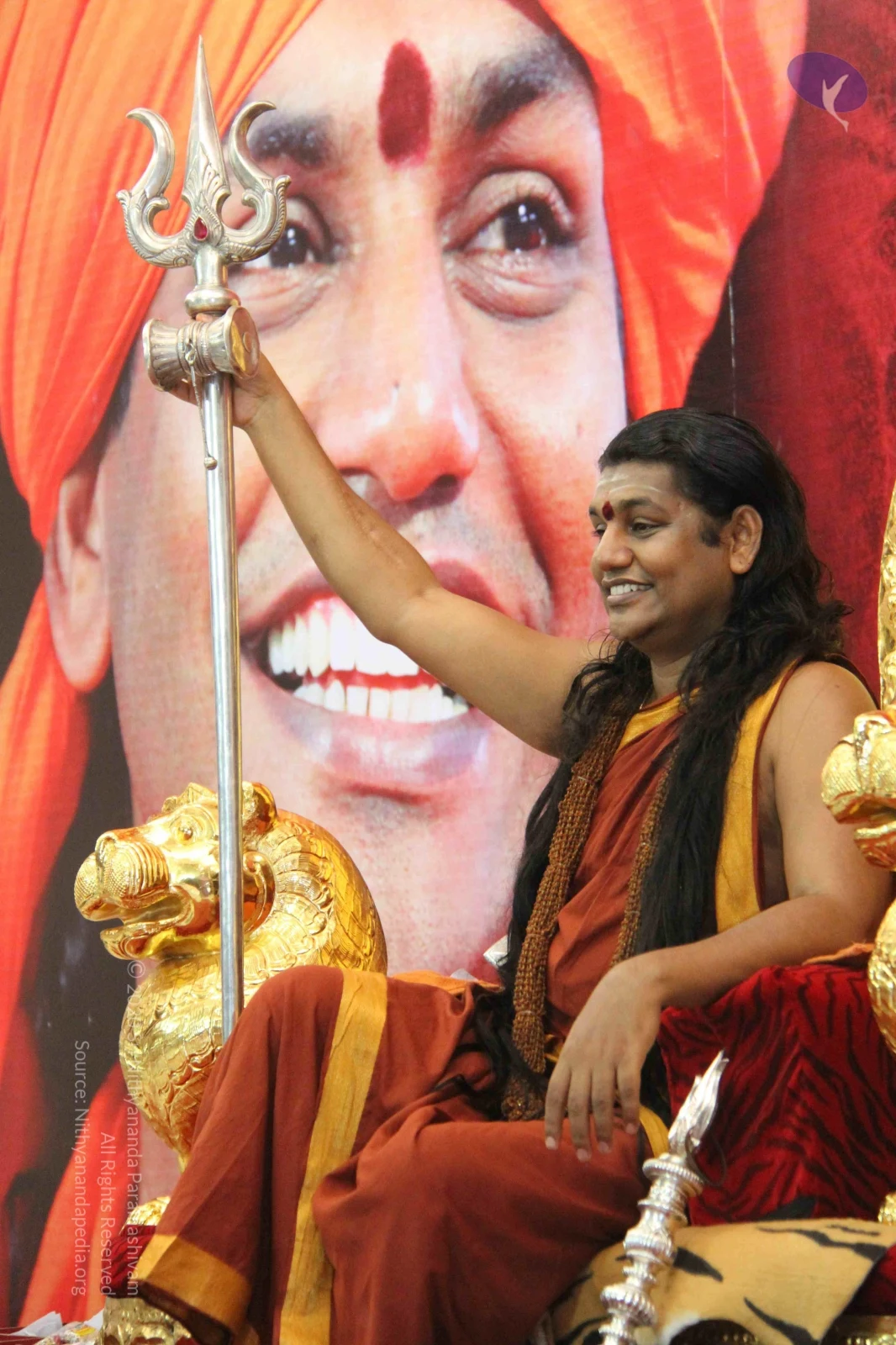
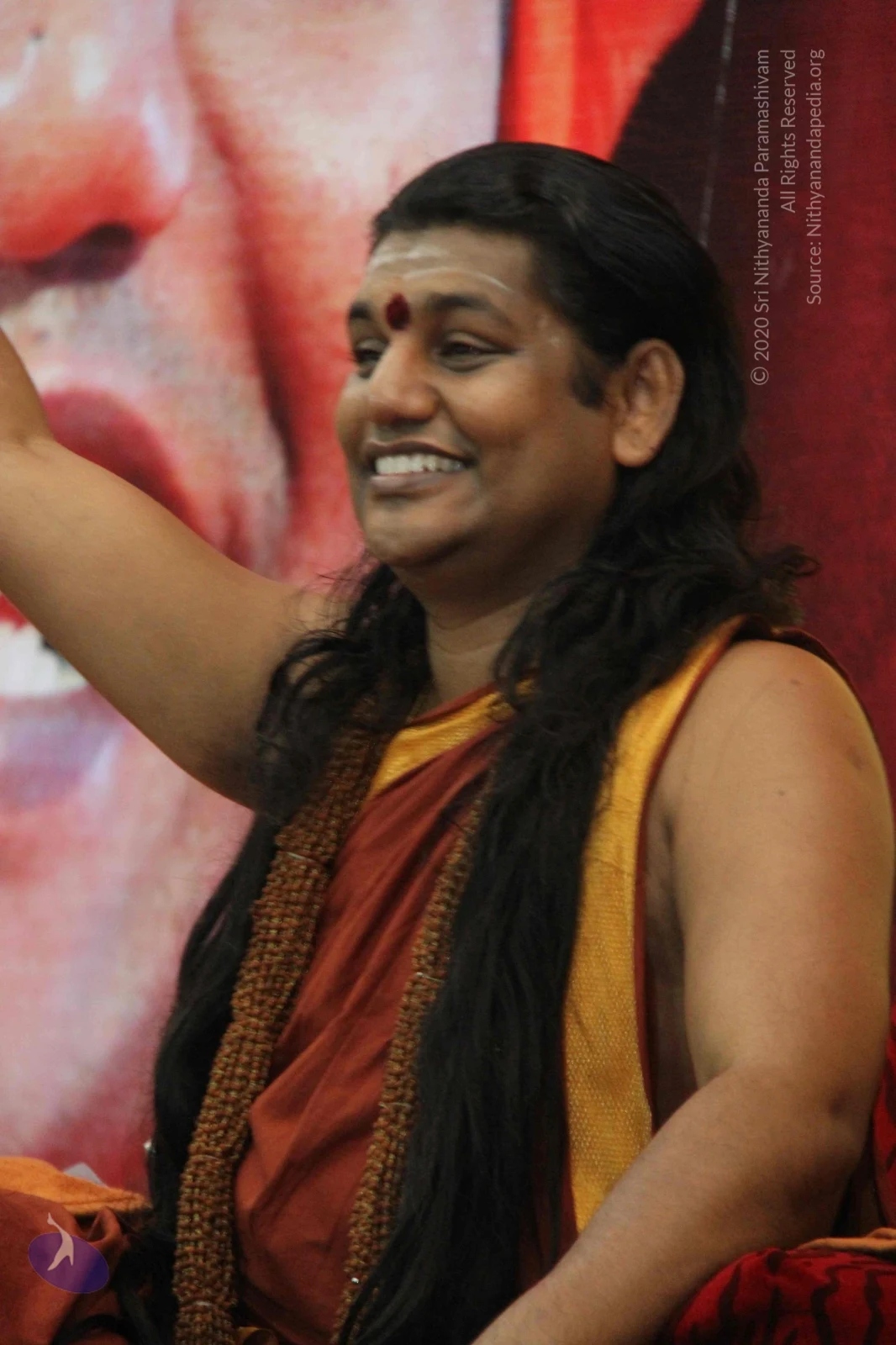
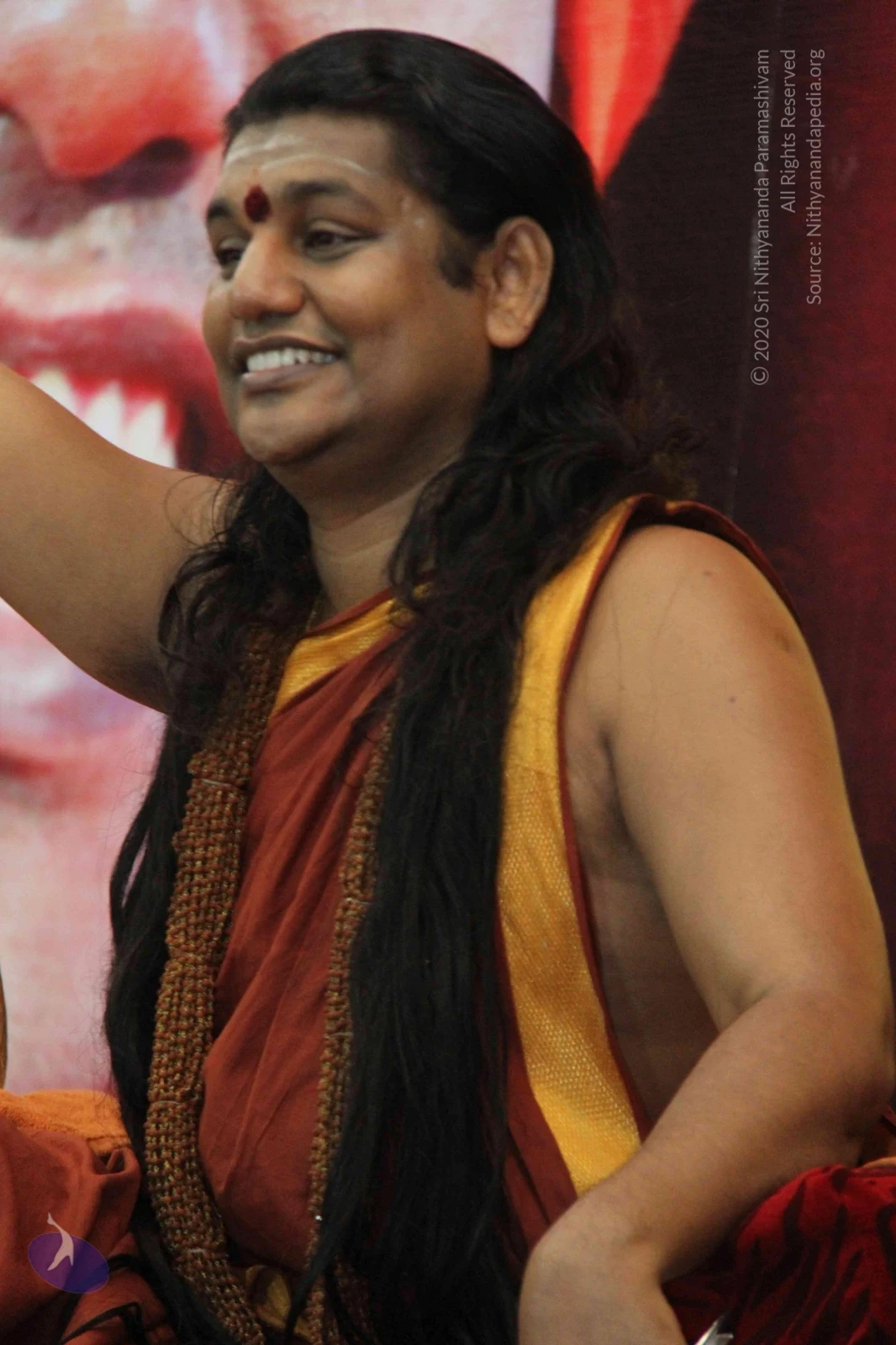
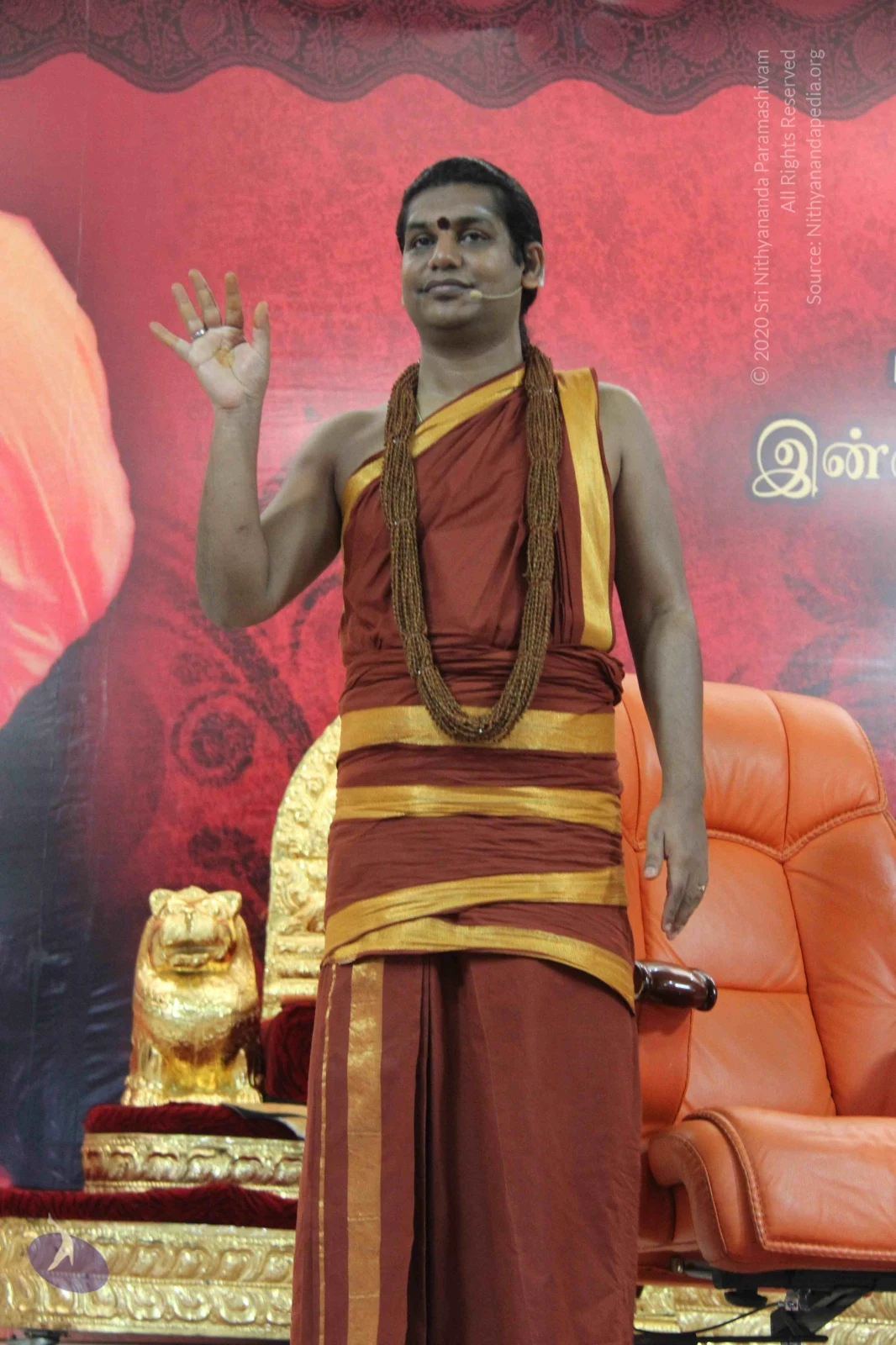
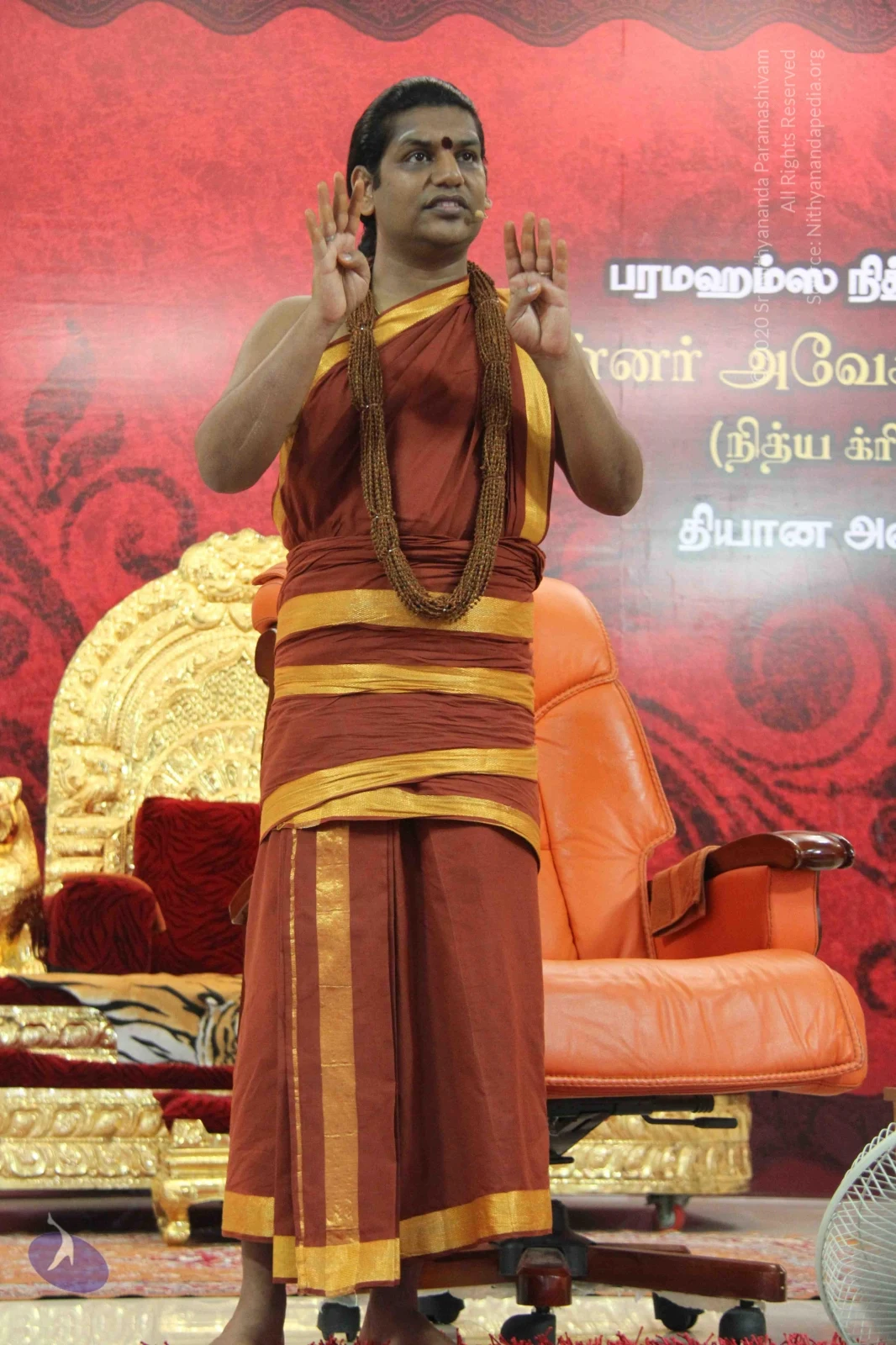
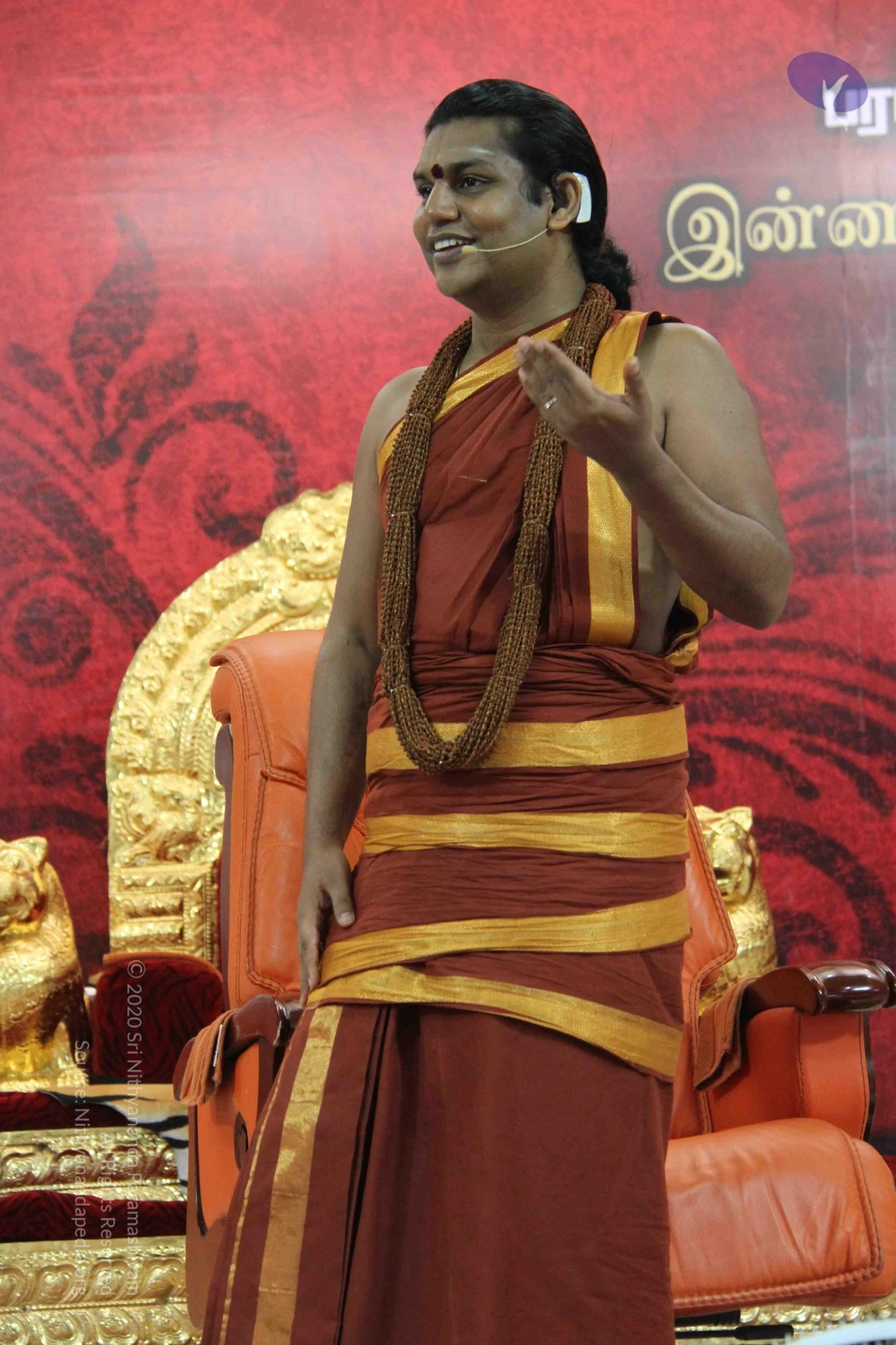
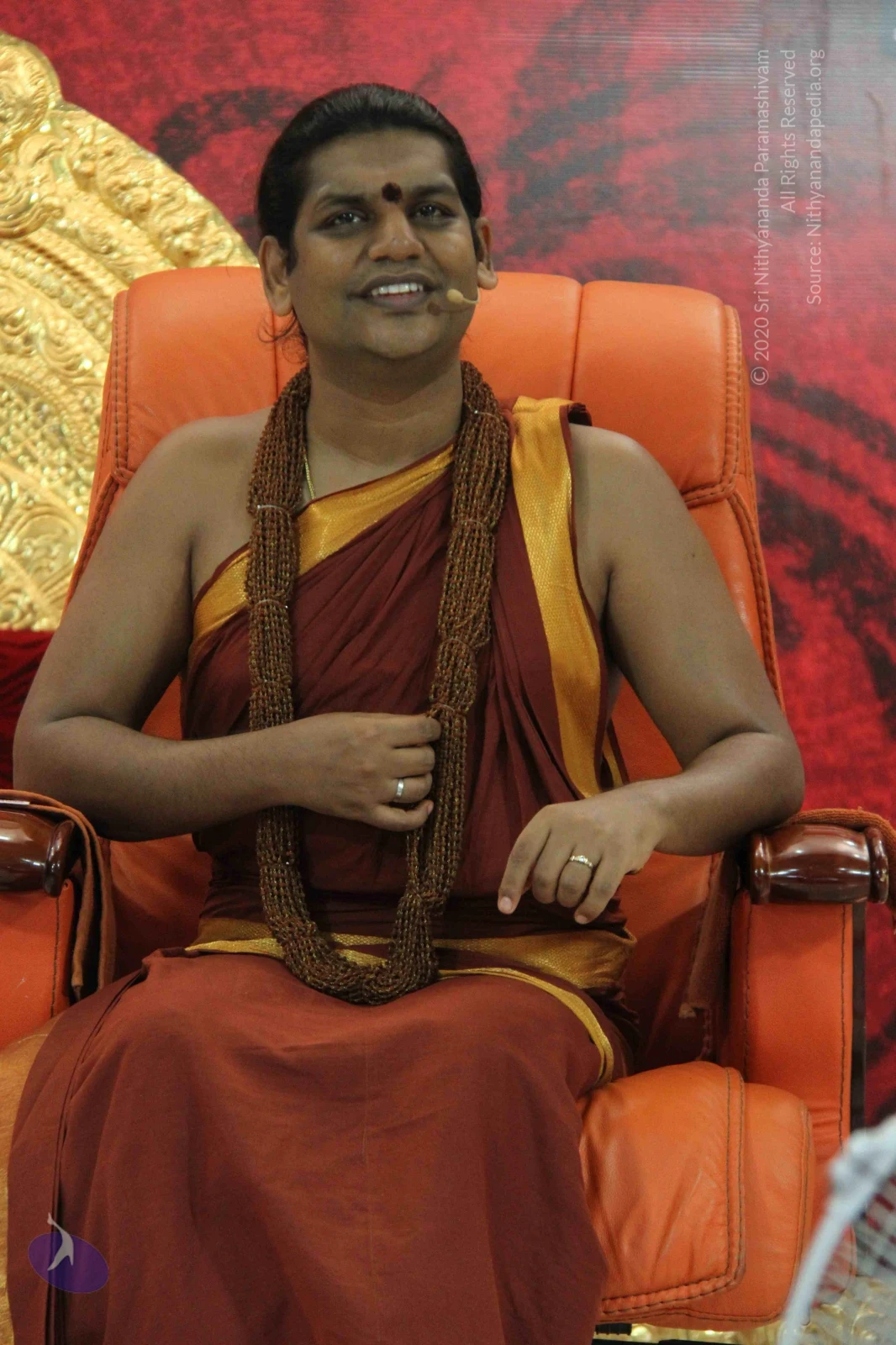
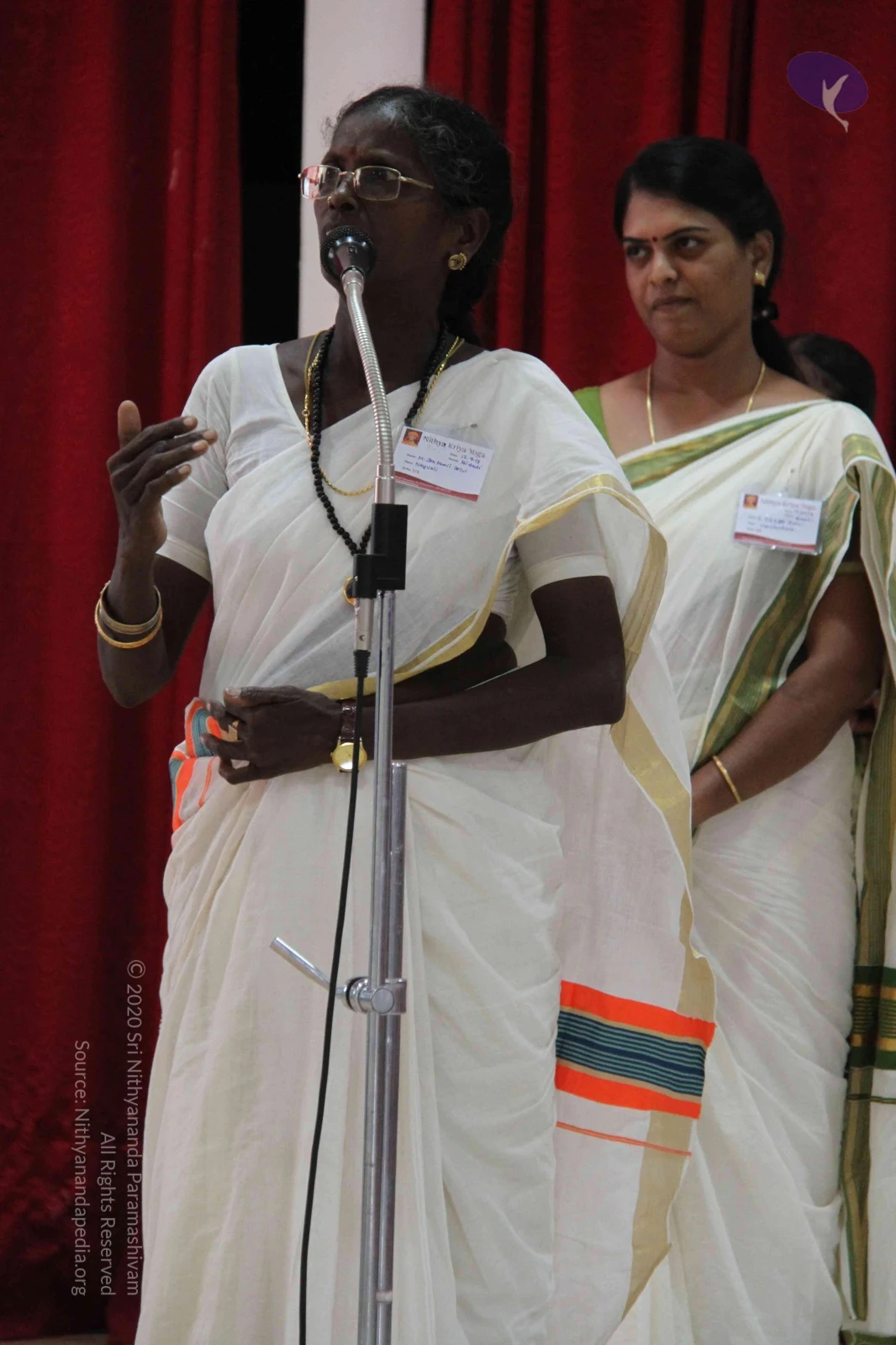
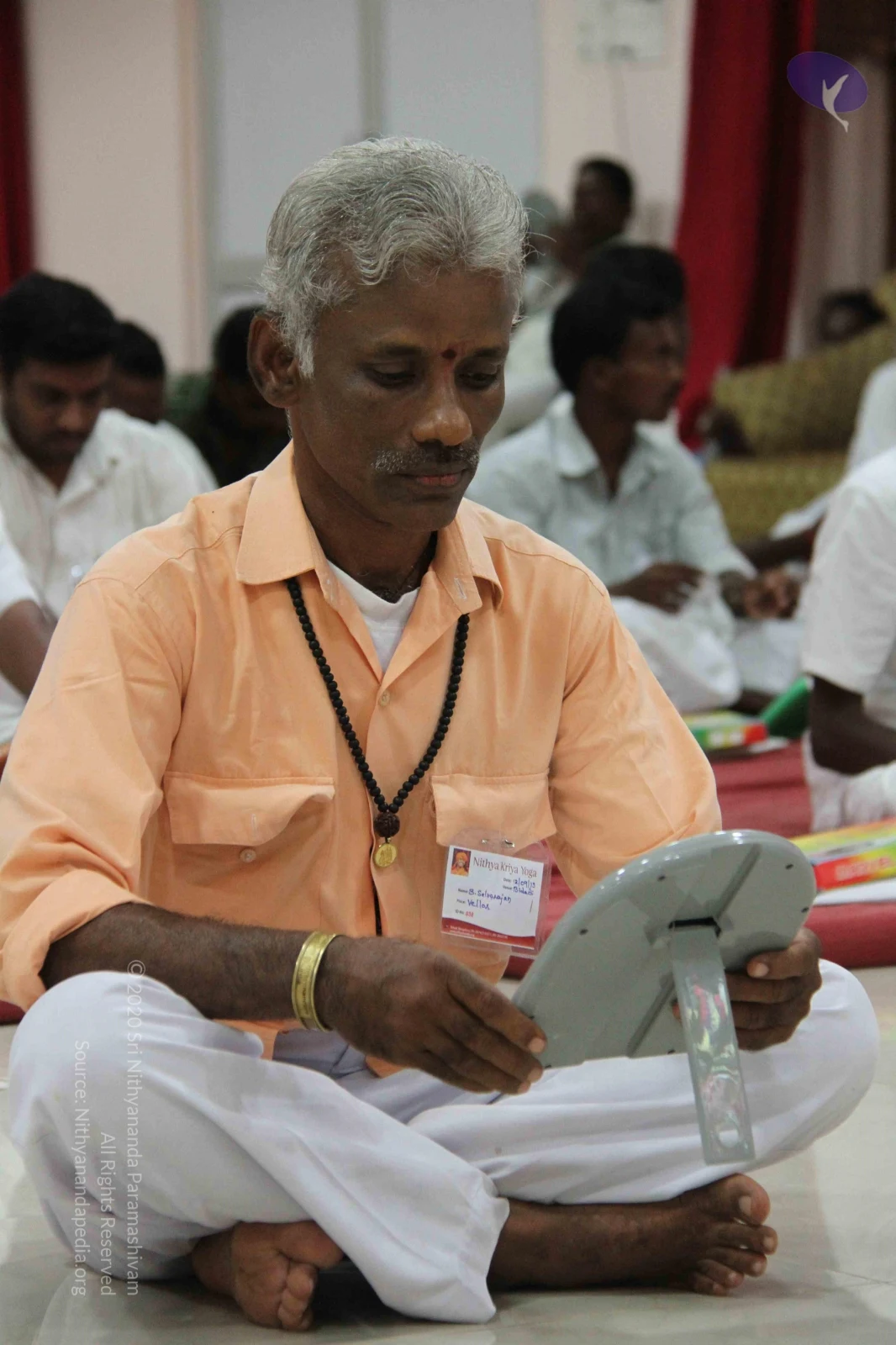
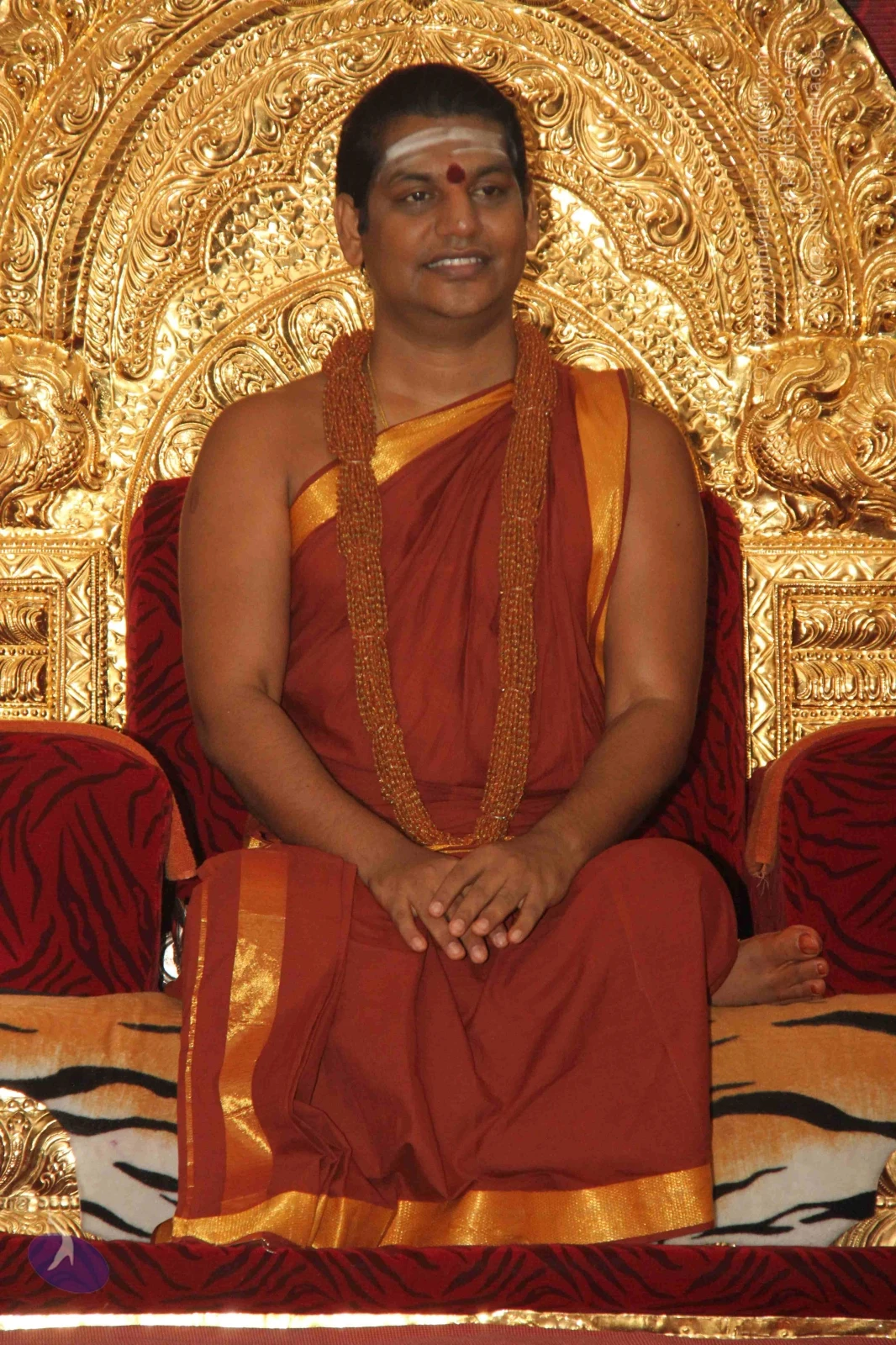
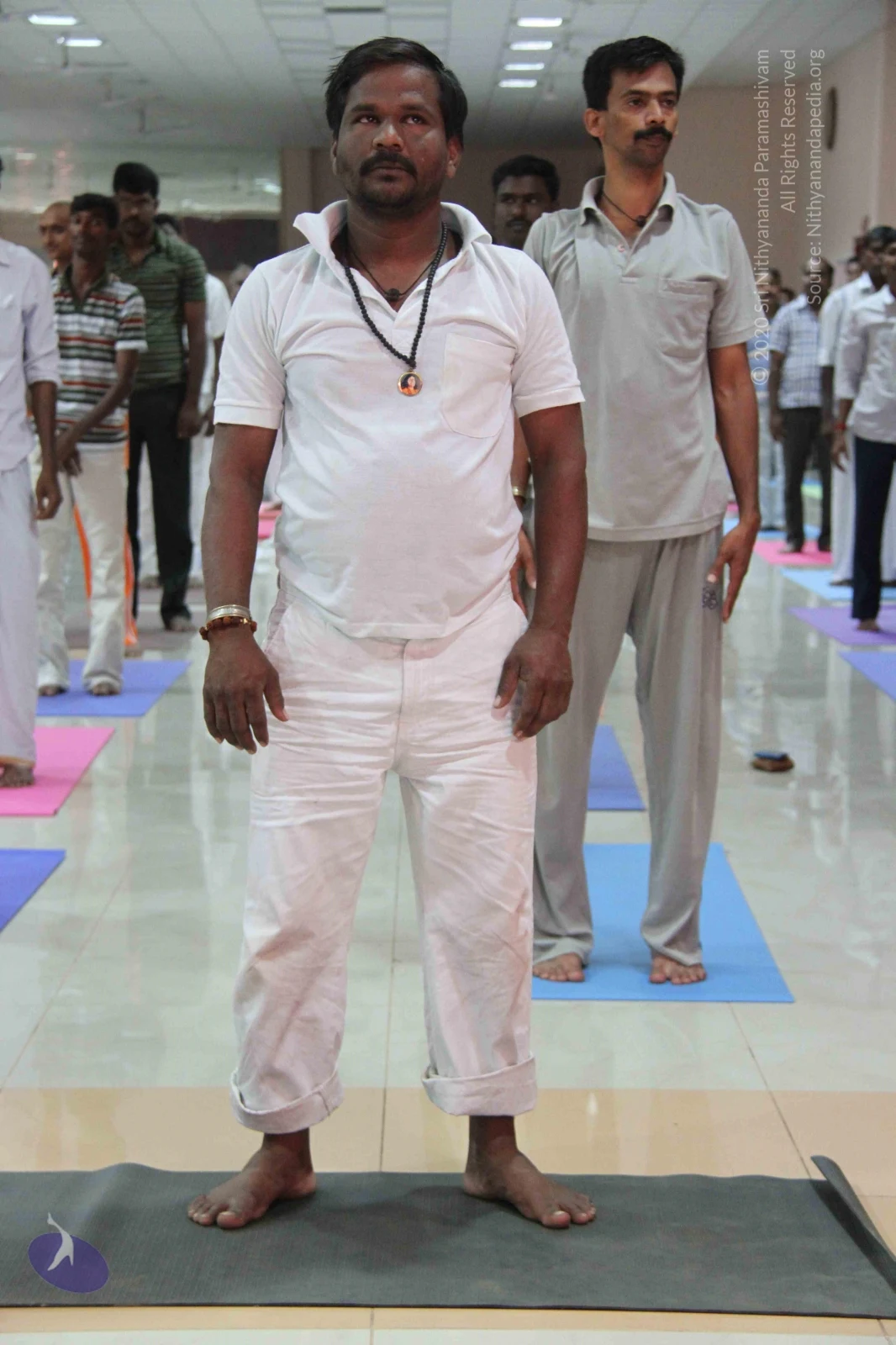
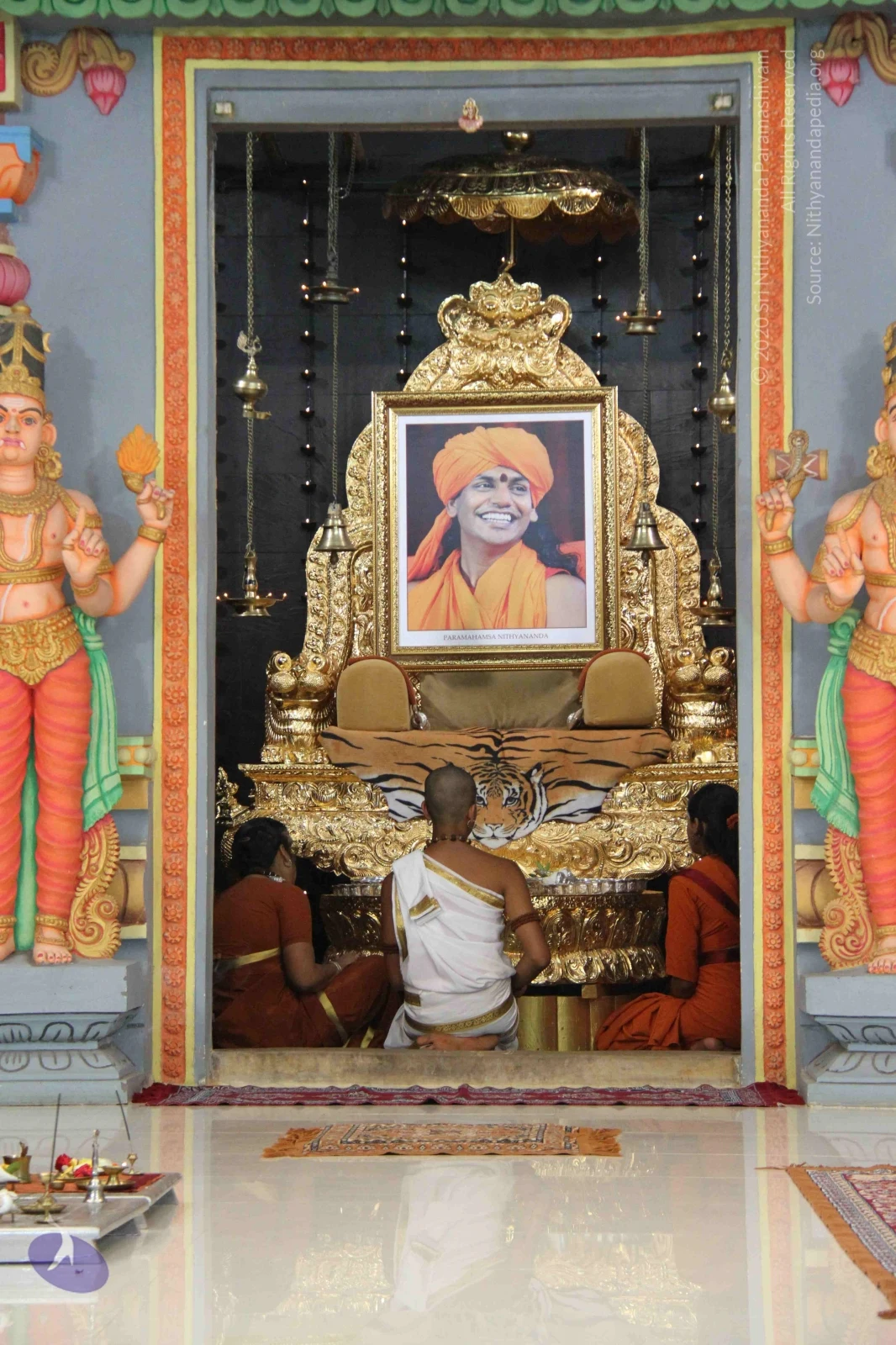
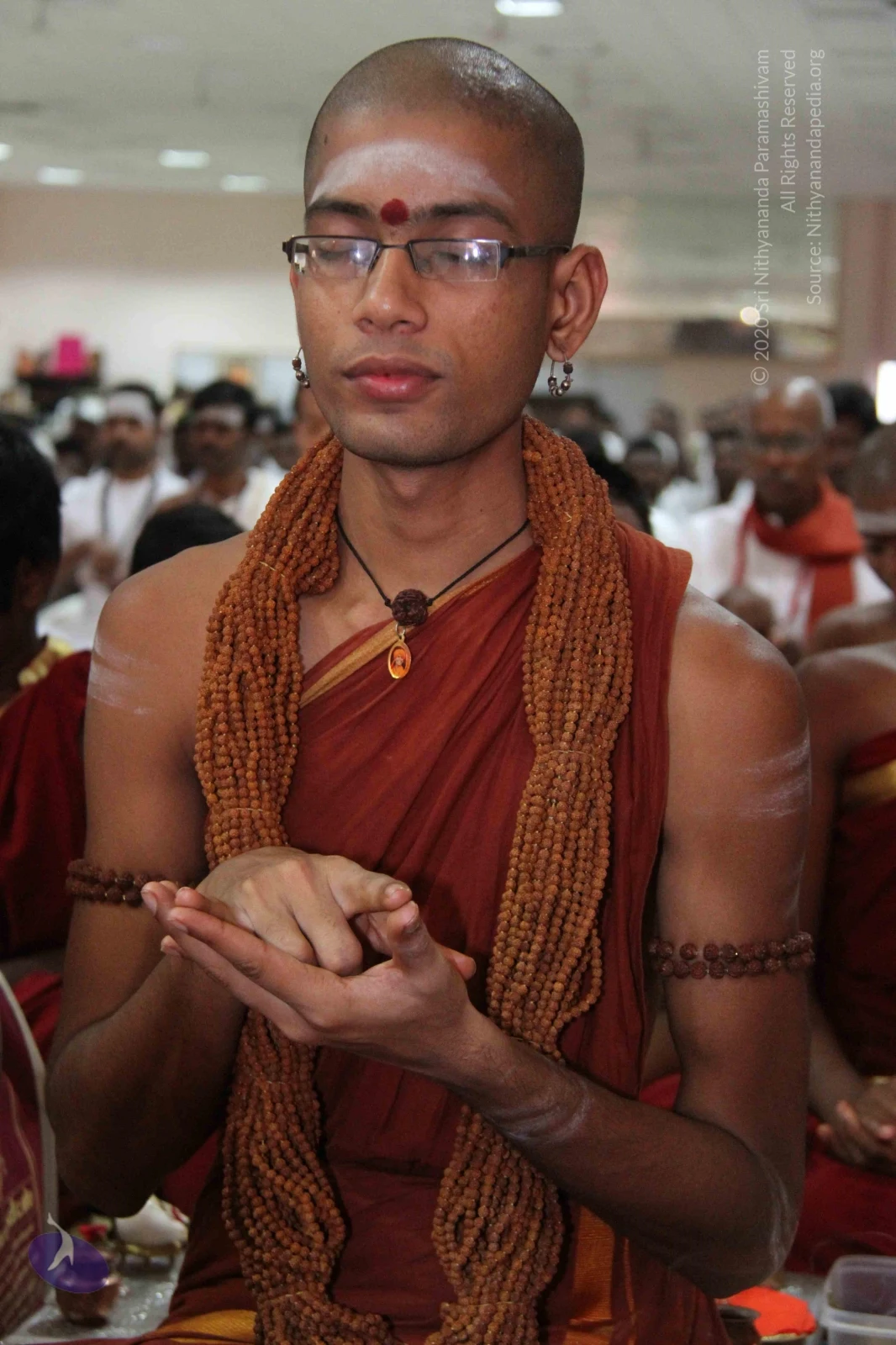
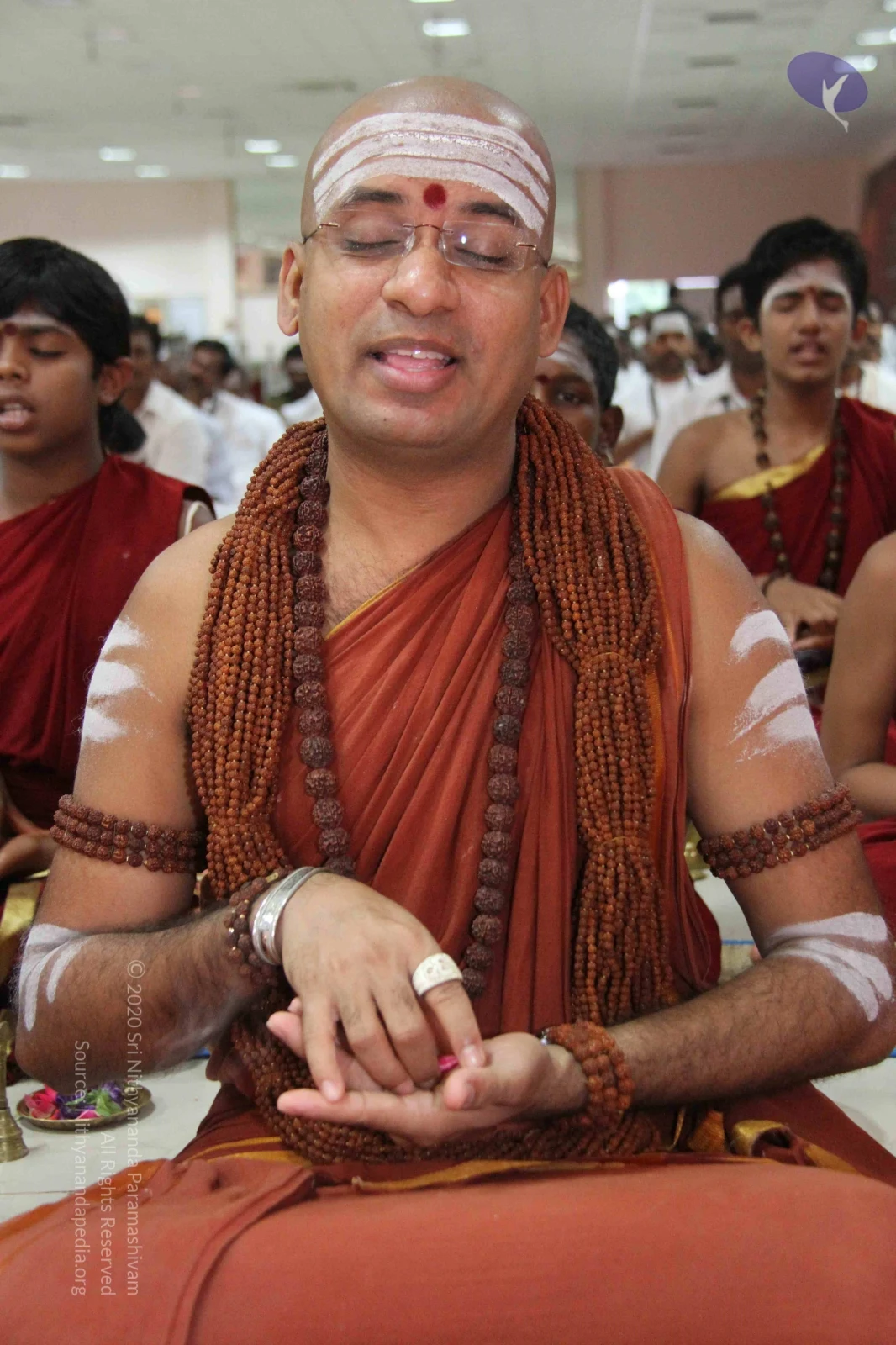
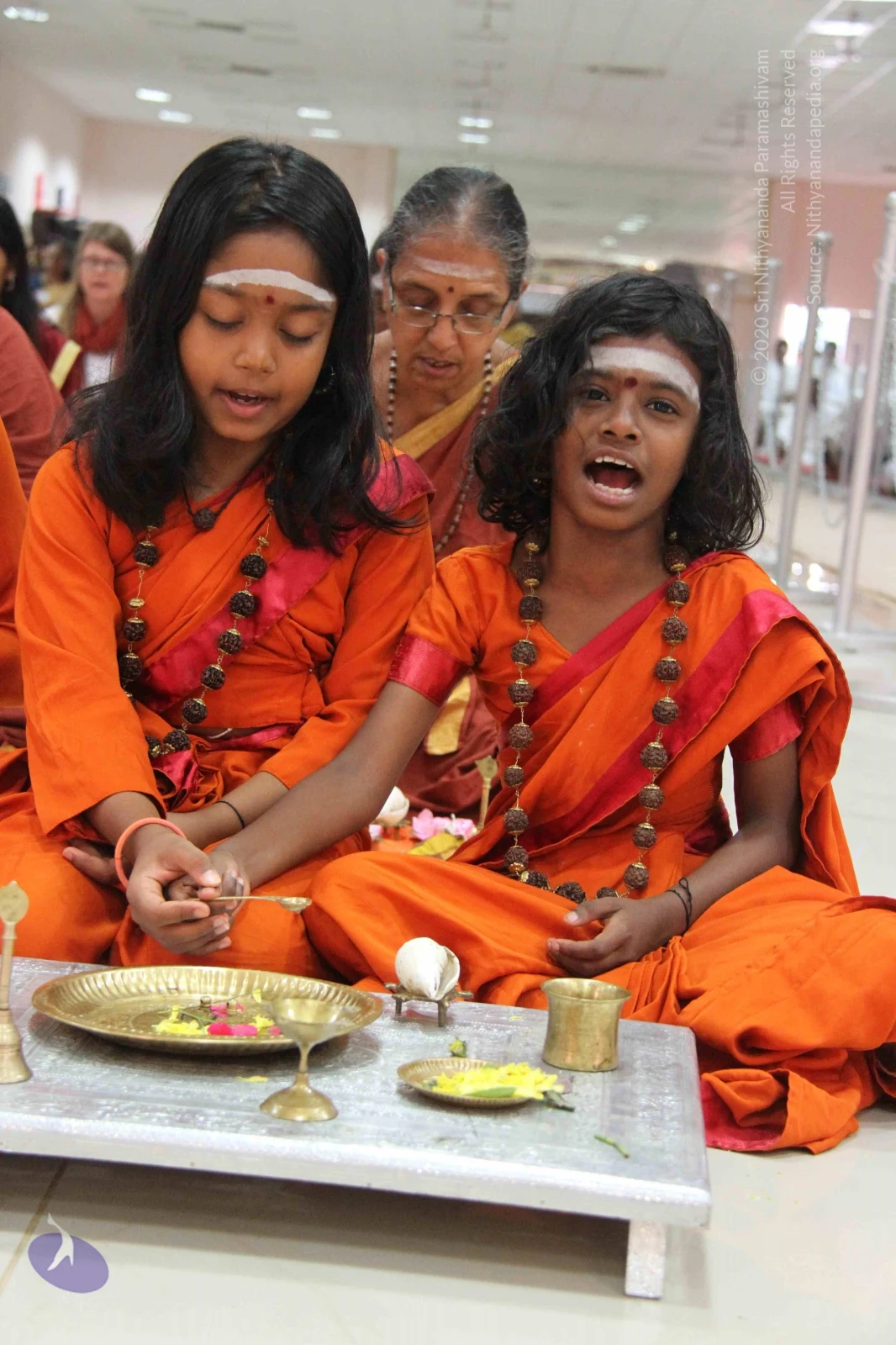
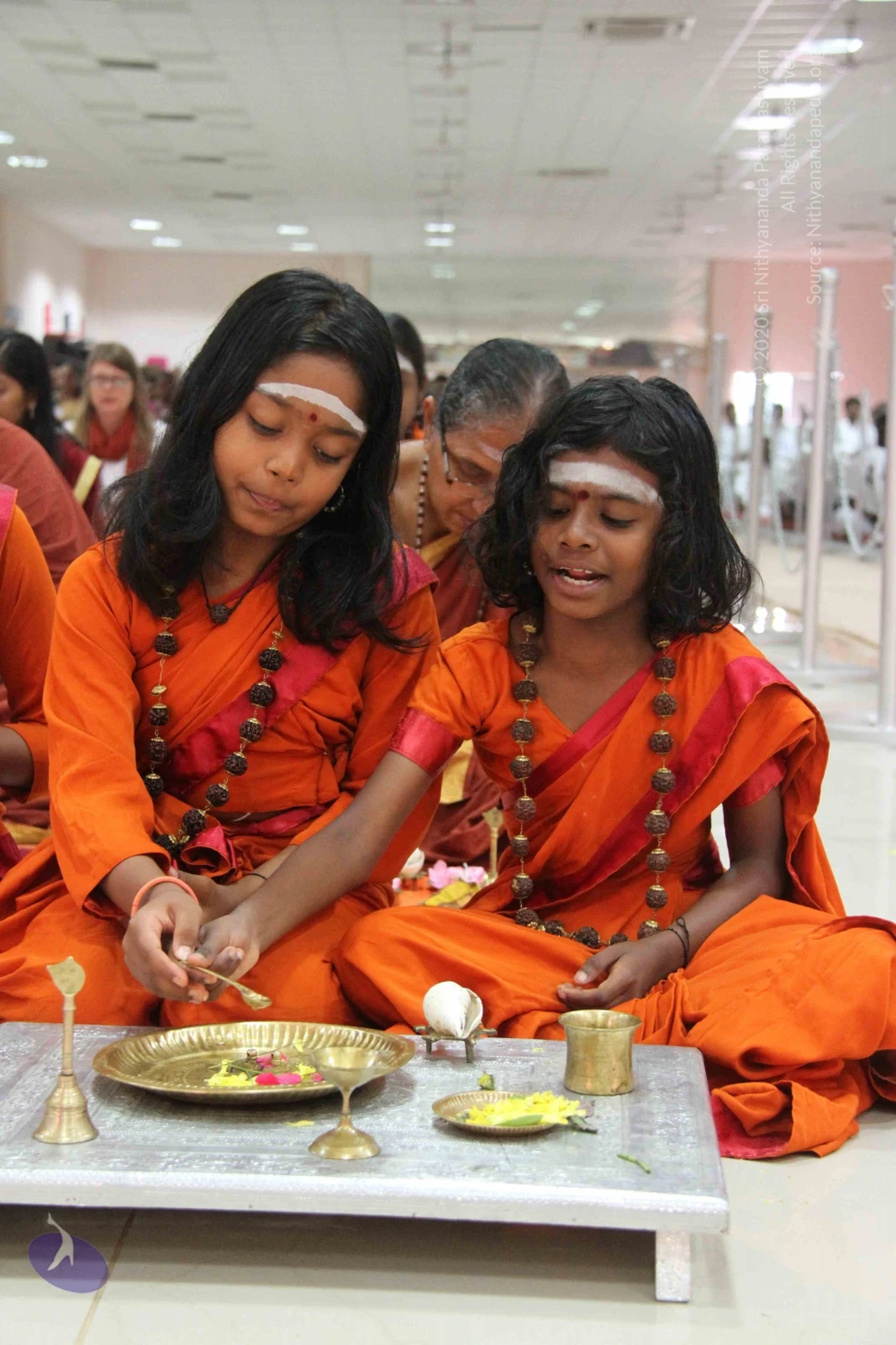
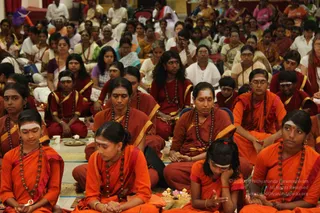
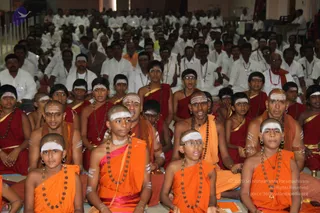
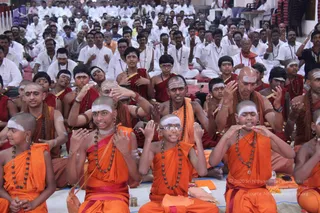
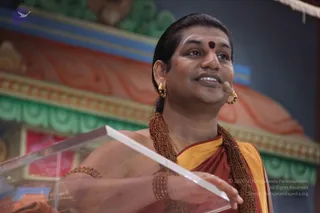
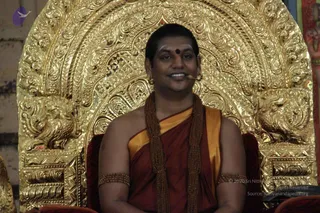
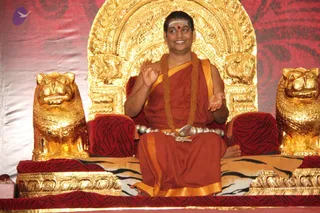
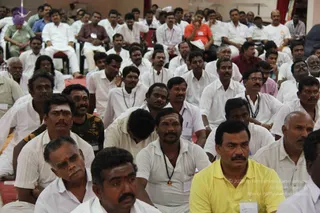
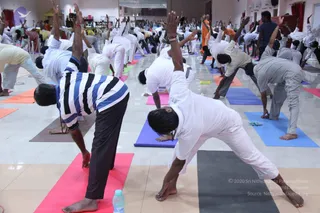
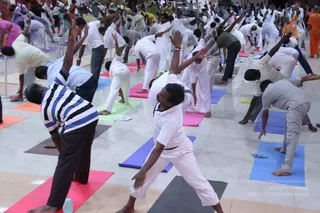
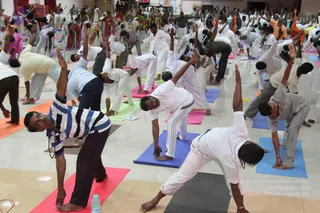
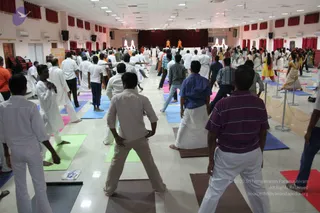
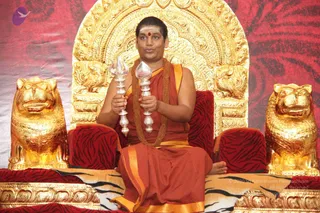
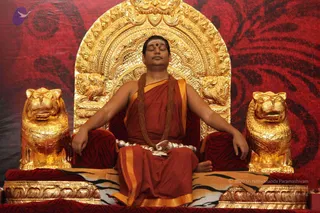
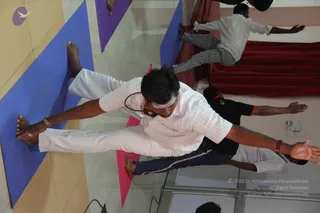
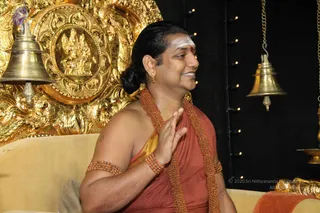
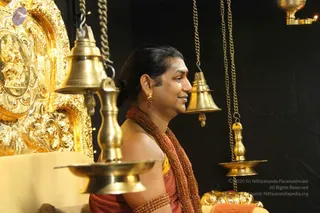
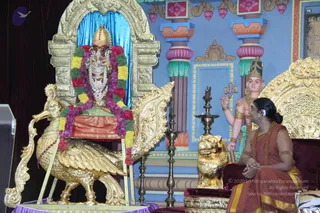
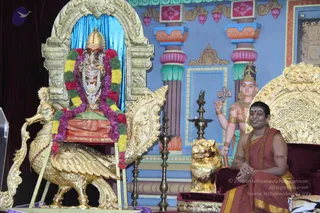
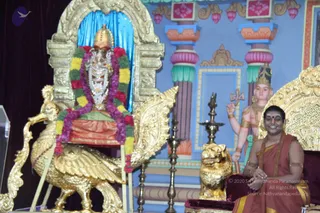
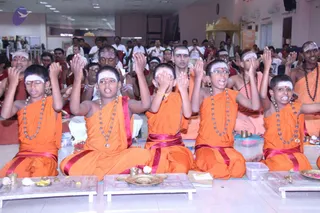
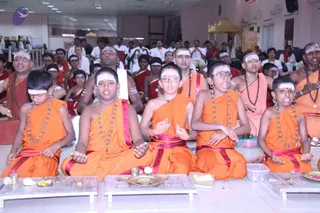
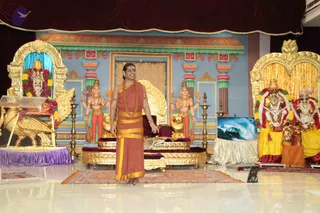
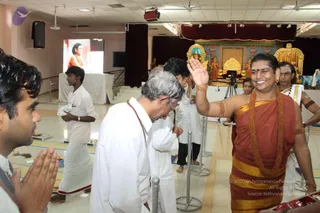
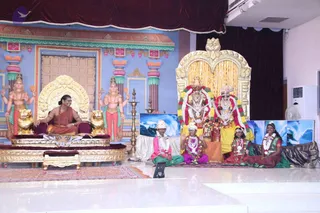
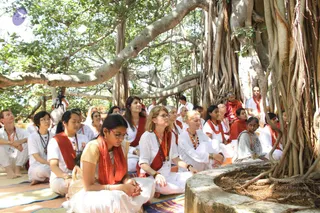
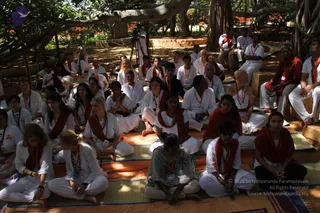
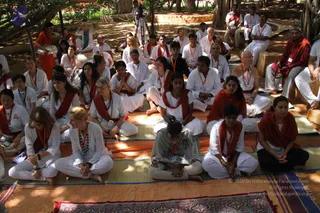
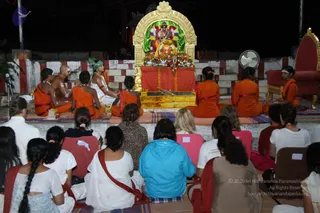
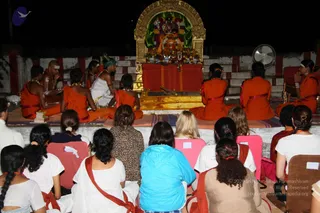
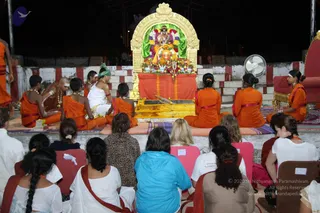
A seated group of devotees in a hall with white floor tiles performs a meditation or ritual practice with eyes closed and hands held in mudra. In the foreground, two young men wear saffron-orange dhoti-style robes, rudraksha-style beaded malas and beaded wrist bands, with white vertical and horizontal forehead markings and a red bindi. Behind them, more seated figures in red and orange robes and white shirts sit on red mats, with brass plates, oil lamps and small offering dishes on the floor.A seated man in a white collared shirt rests his right hand against his chin and mouth while looking intently to the upper left. He wears a gold wristwatch and a white identification badge clipped to his pocket, and a pen is tucked into the pocket. Behind him, many men in white shirts sit closely together in a hall, some clapping or gesturing with their hands, with one older man in an orange garment visible in the background. The room is crowded with seated devotees in a satsang-style gathering.A large group of men practise standing yoga poses on a polished tiled hall floor, with arms stretched out to the sides. Most wear white kurtas or white shirts and trousers, while some wear blue, grey or striped shirts. Coloured mats in purple, pink, blue and green lie in rows beneath them. In the foreground a man in a white shirt and white trousers, with a pendant on a cord, holds his arms wide; another man in a blue and white striped shirt stands at the left edge, and a man in grey trousers stands at the right. The setting appears to be a large indoor yoga session.

September 13 2013

Original wiki page
Contents

Title

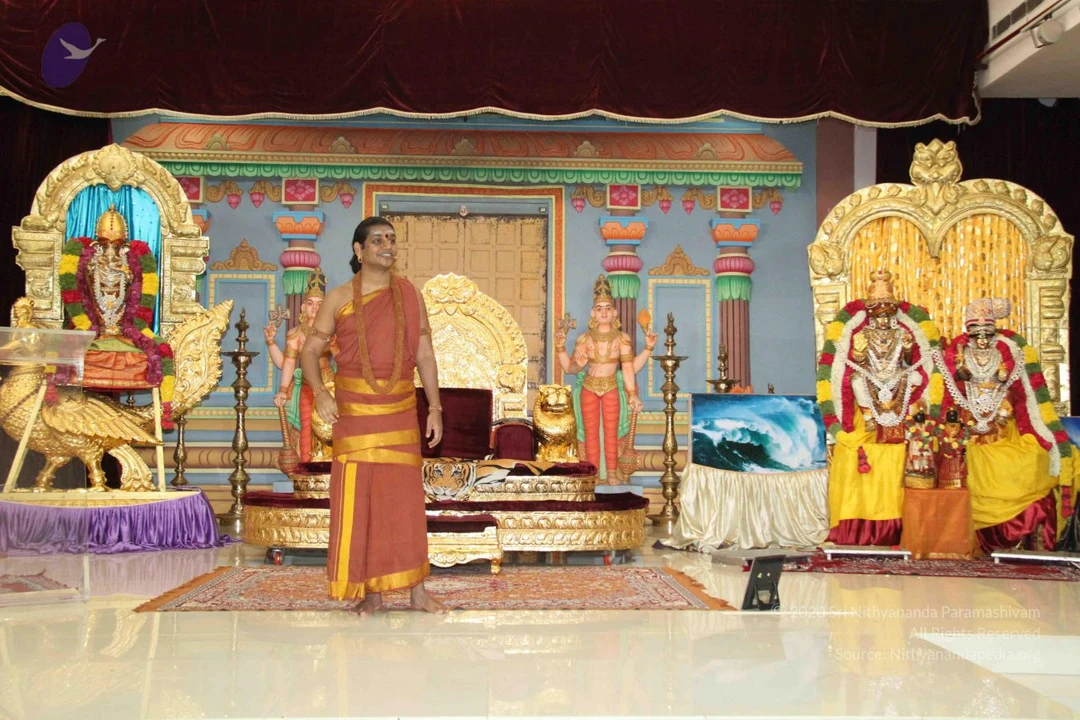
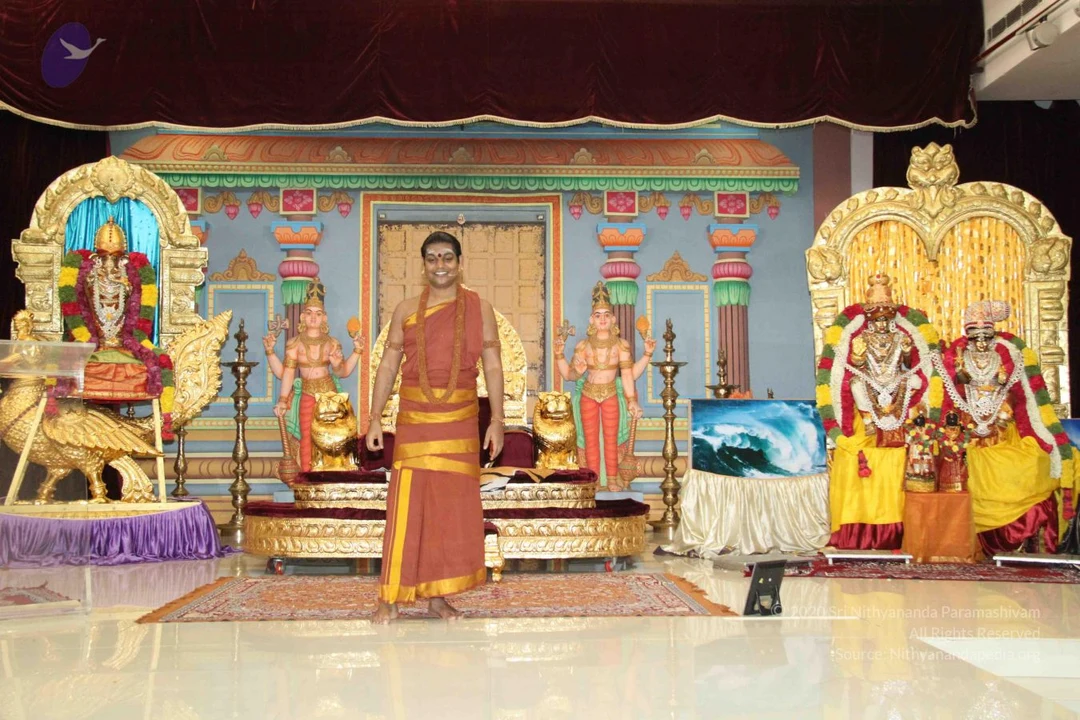
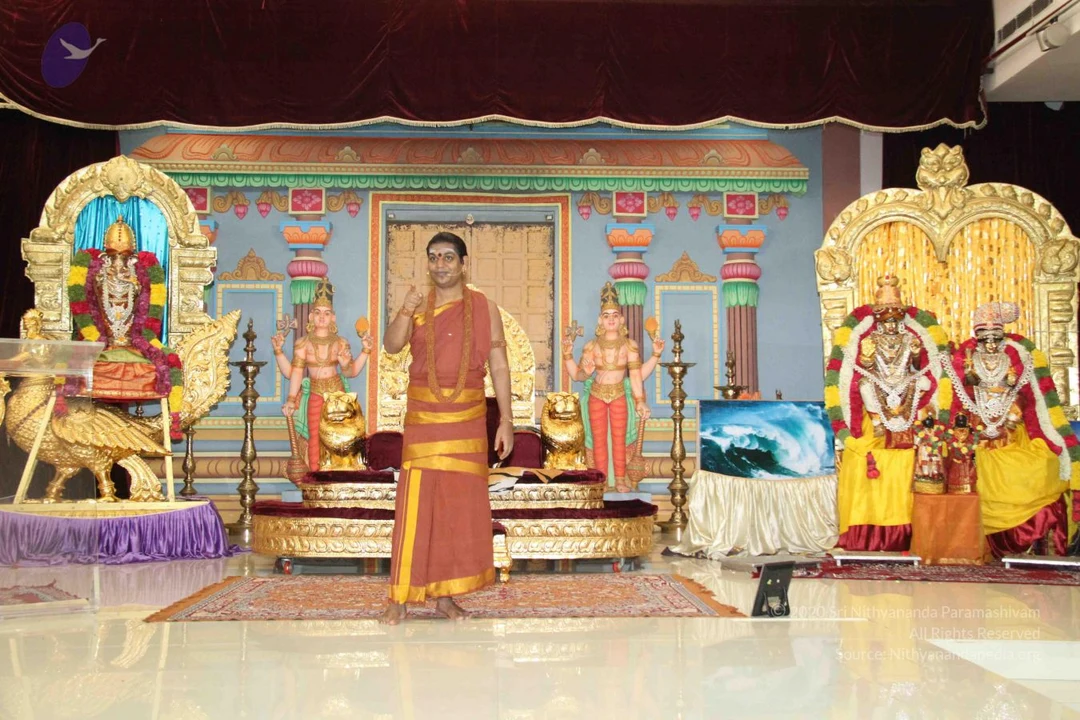
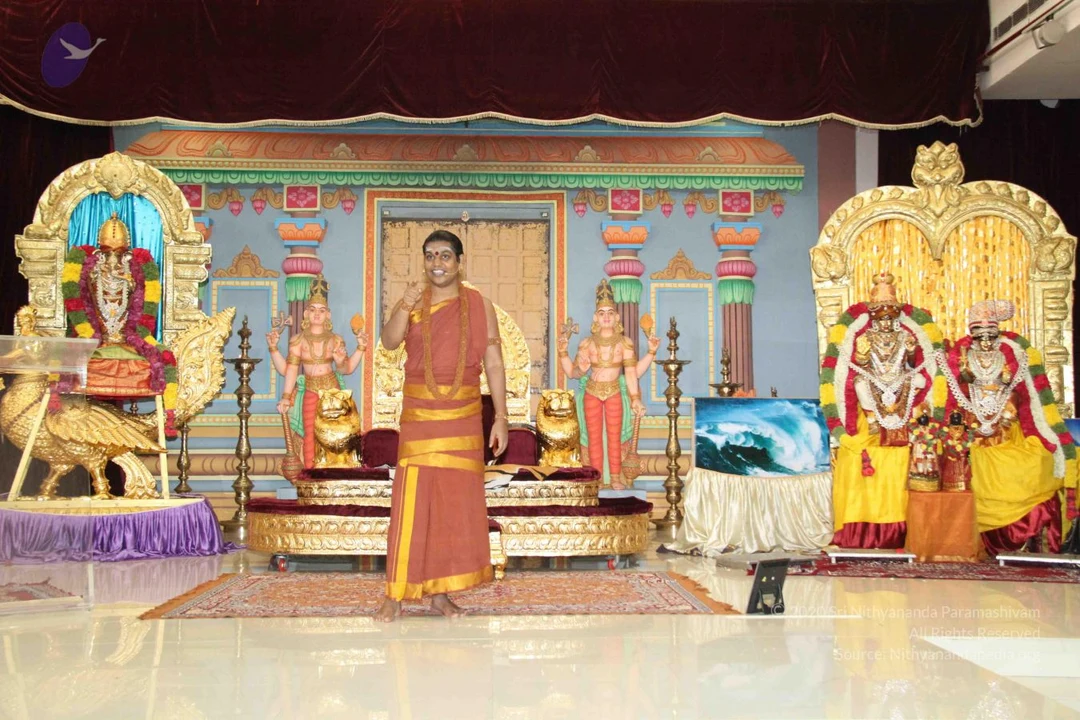
தாழ்வு மனப்பான்மைகளில் இருந்து விடுவிக்க || பாகம் 1 || நித்ய க்ரியா யோகா || 13 செப்டம்பர் 2013

Description

நிகழ்ச்சி நிரல் - நித்ய க்ரியா யோகா
தலைப்பு - தாழ்வு மனப்பான்மைகளில் இருந்து விடுவிக்க பாகம் 1
இடம் - ஆதிகைலாஸா, பெங்களூரு, கர்நாடகா, இந்தியா
தேதி - 13 செப்டம்பர் 2013

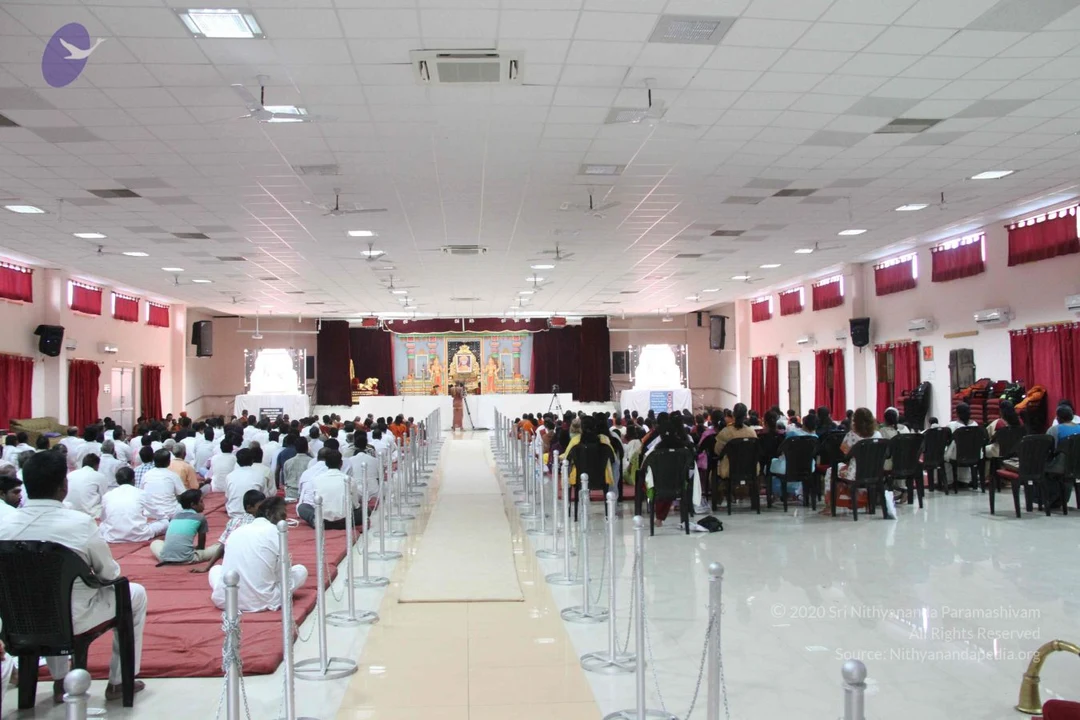
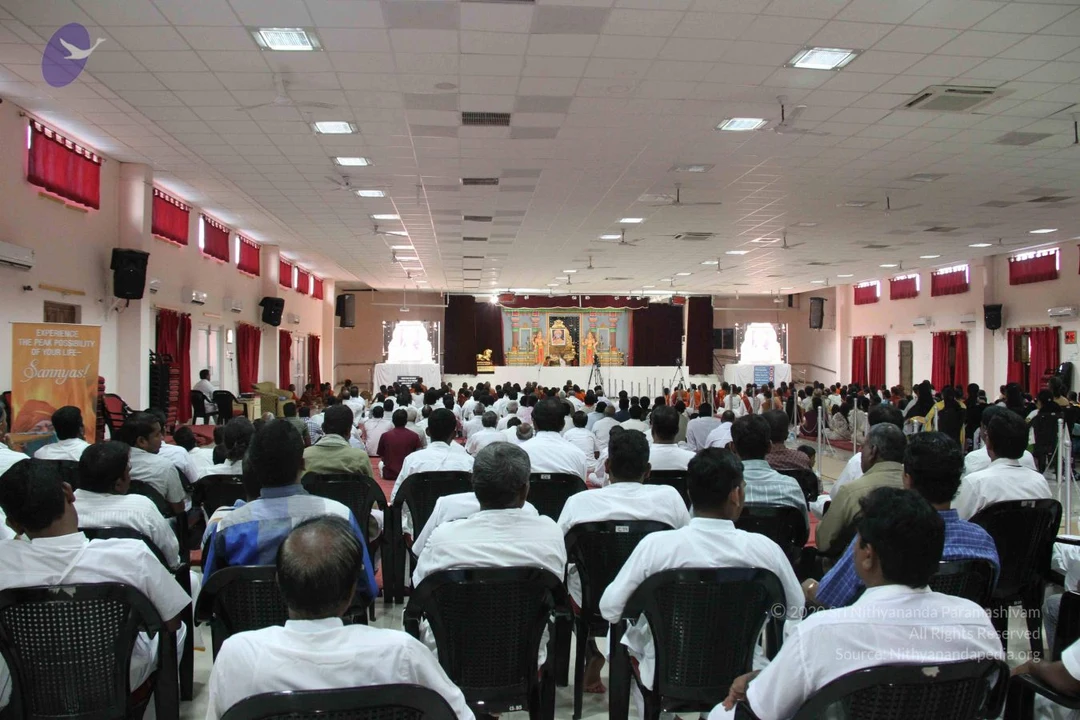
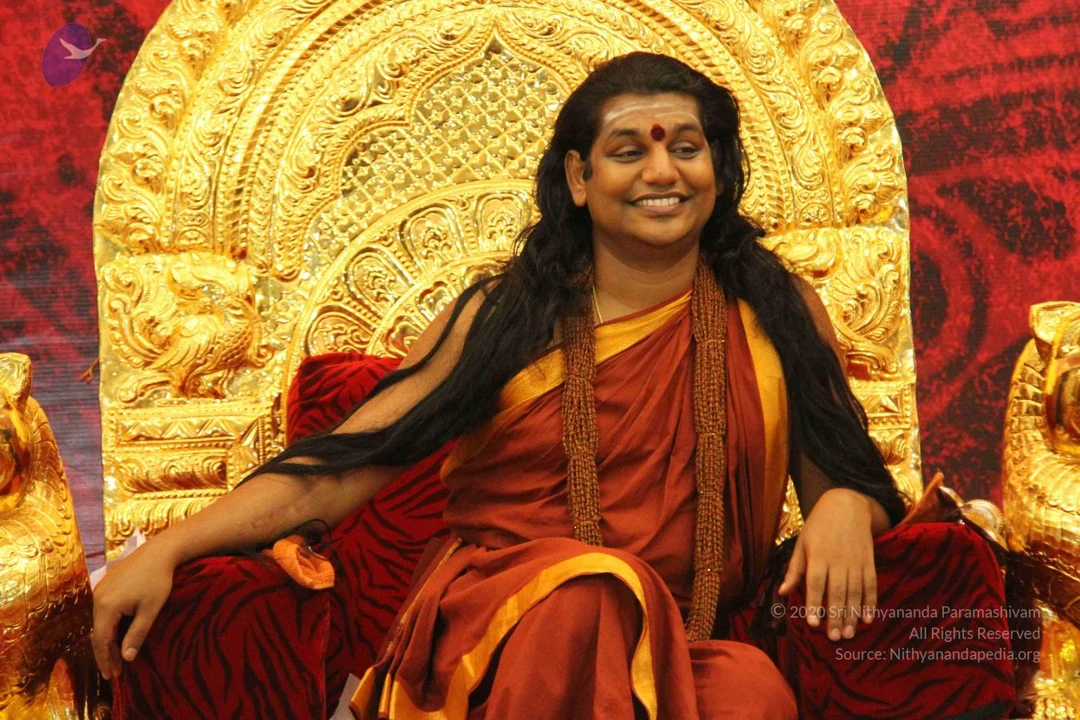
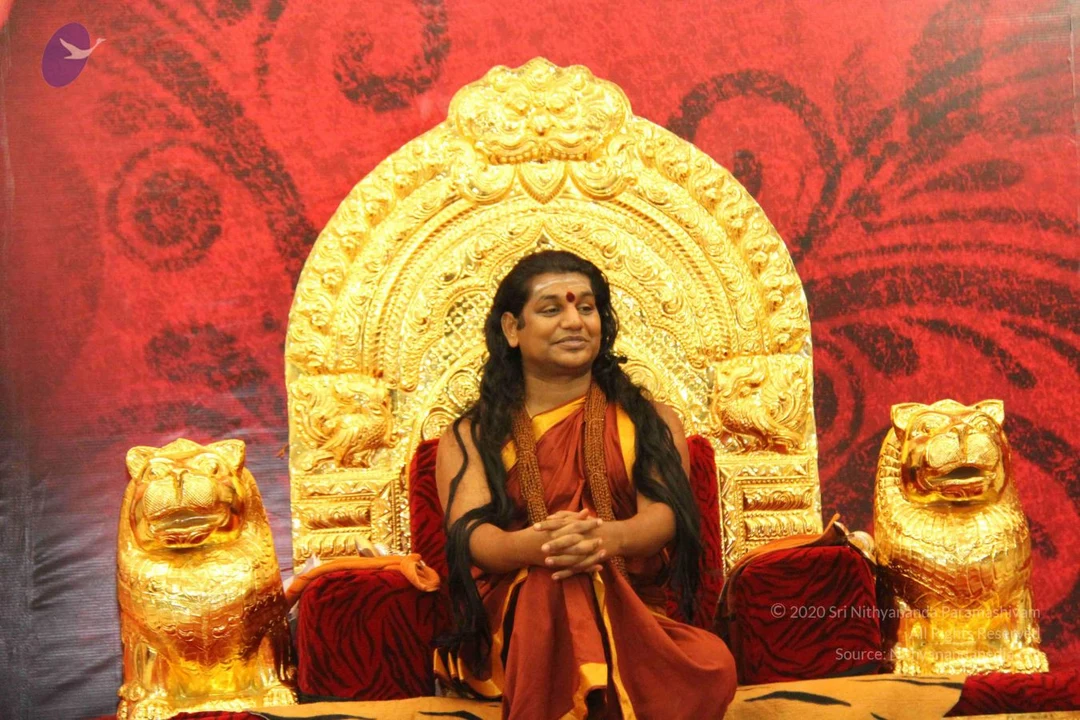
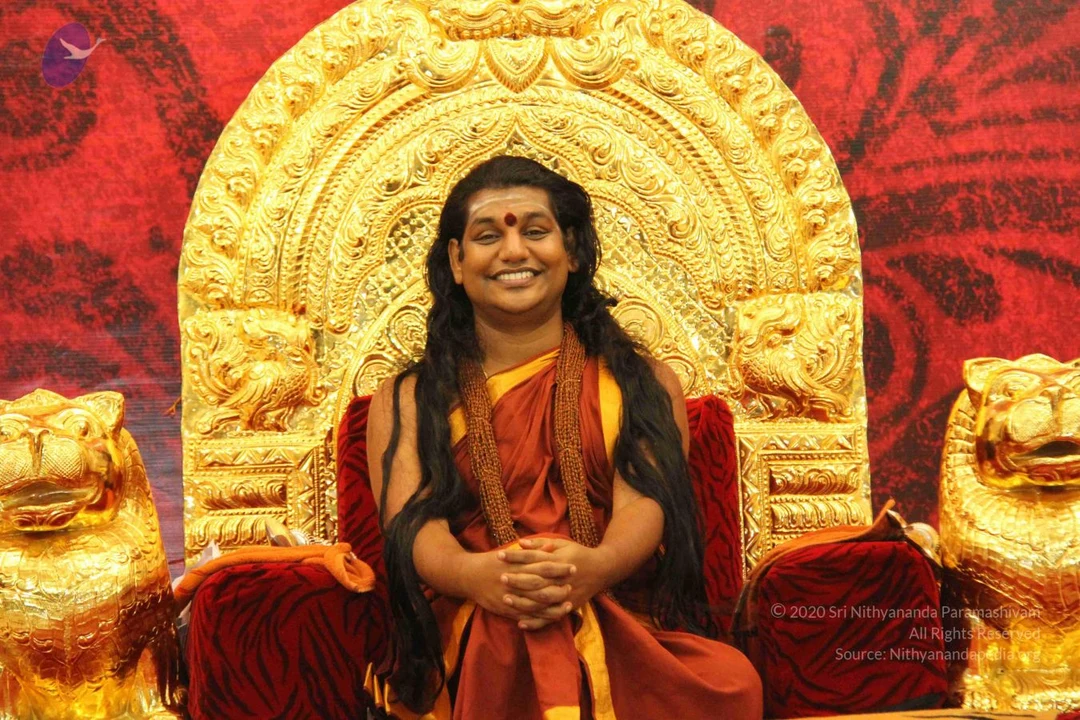
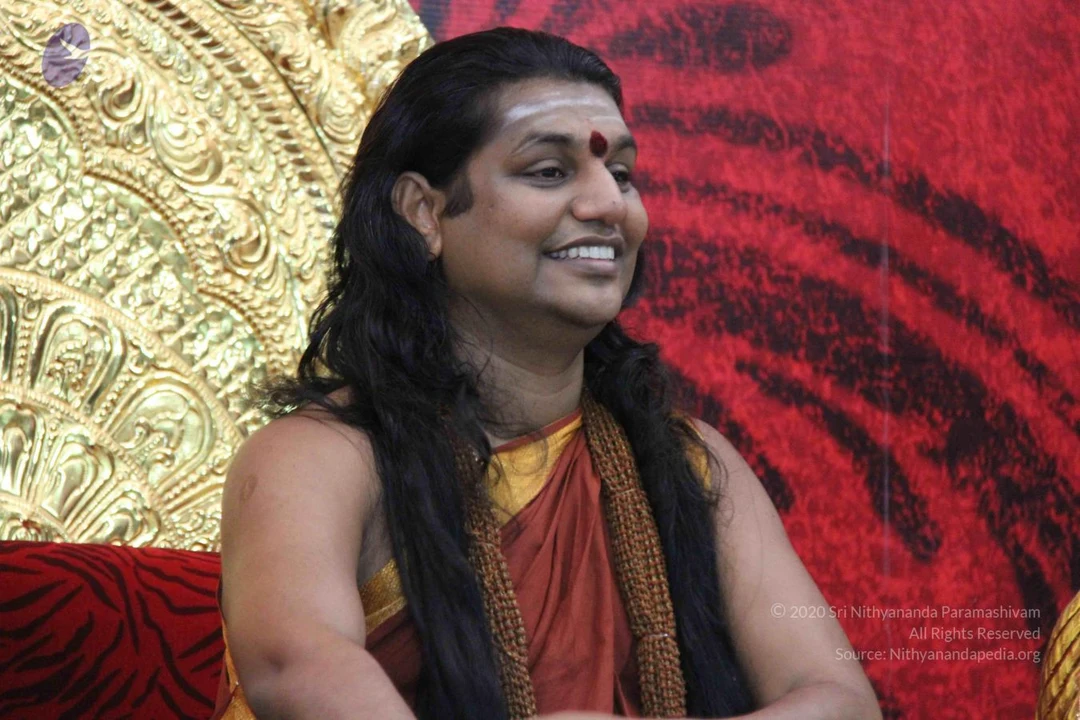
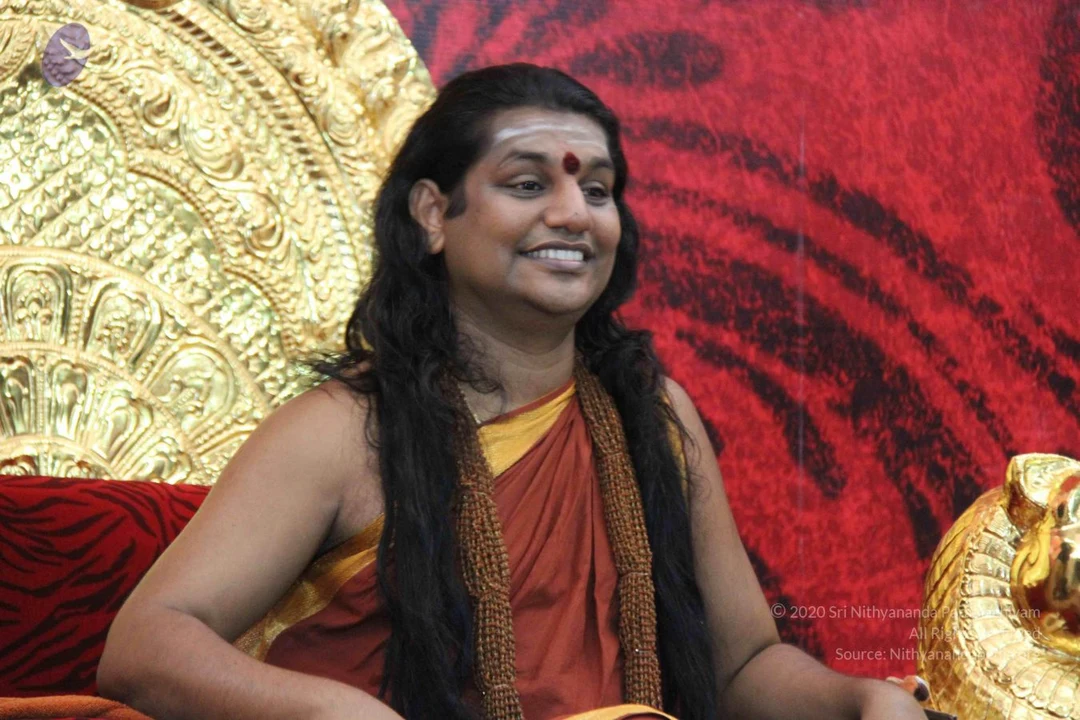
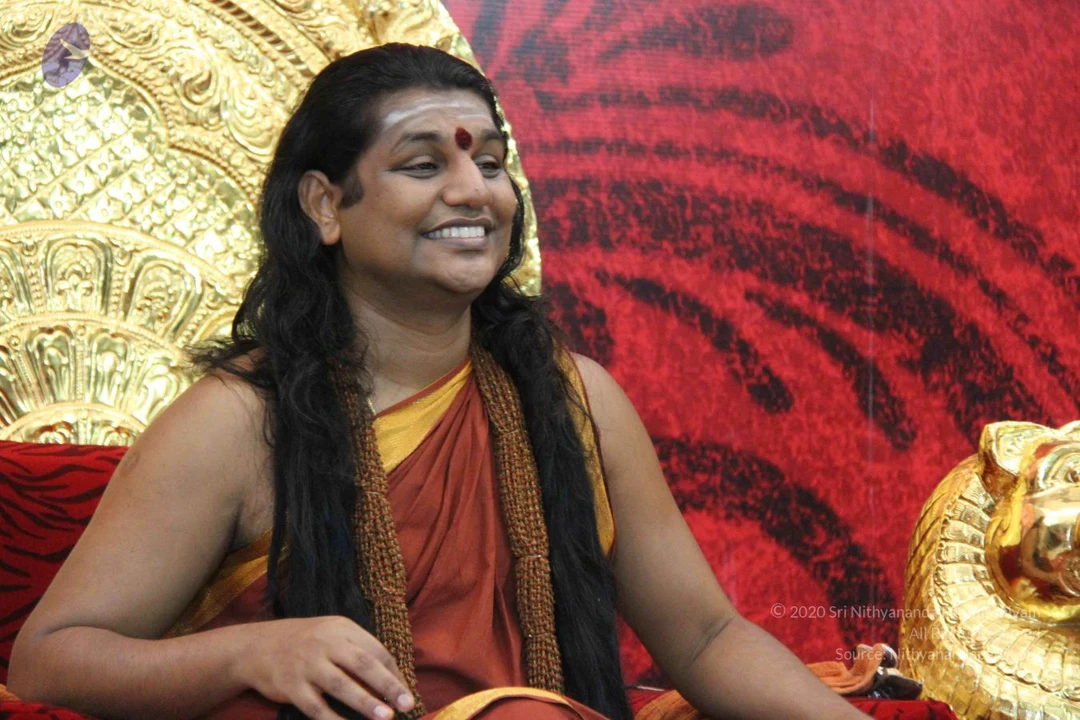
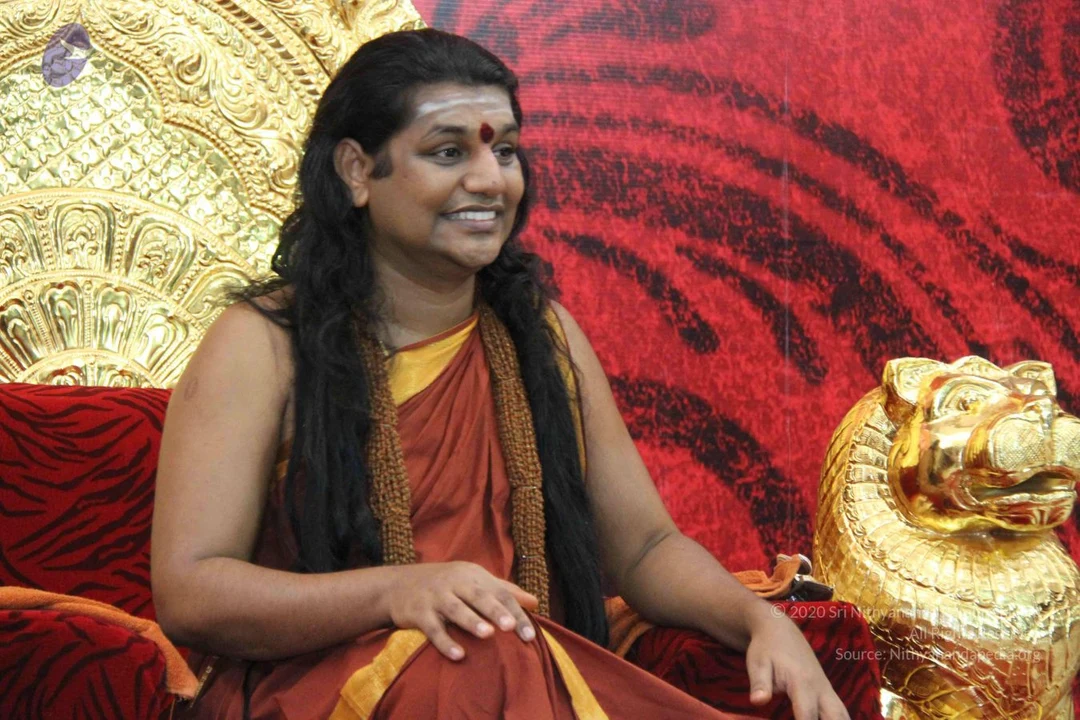
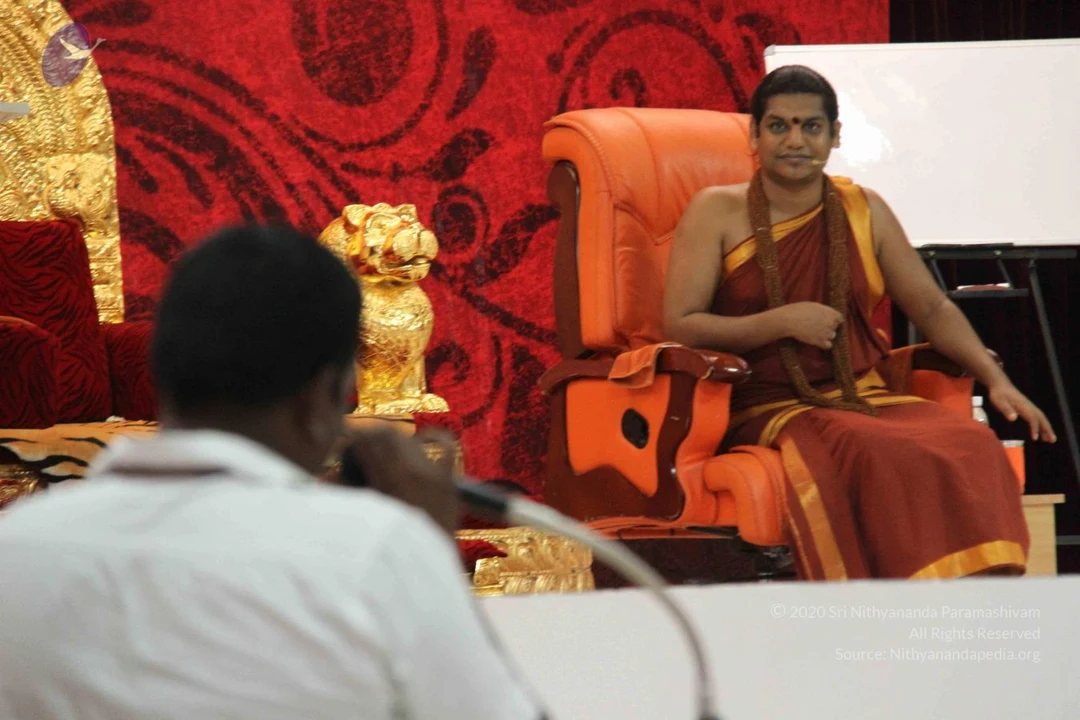
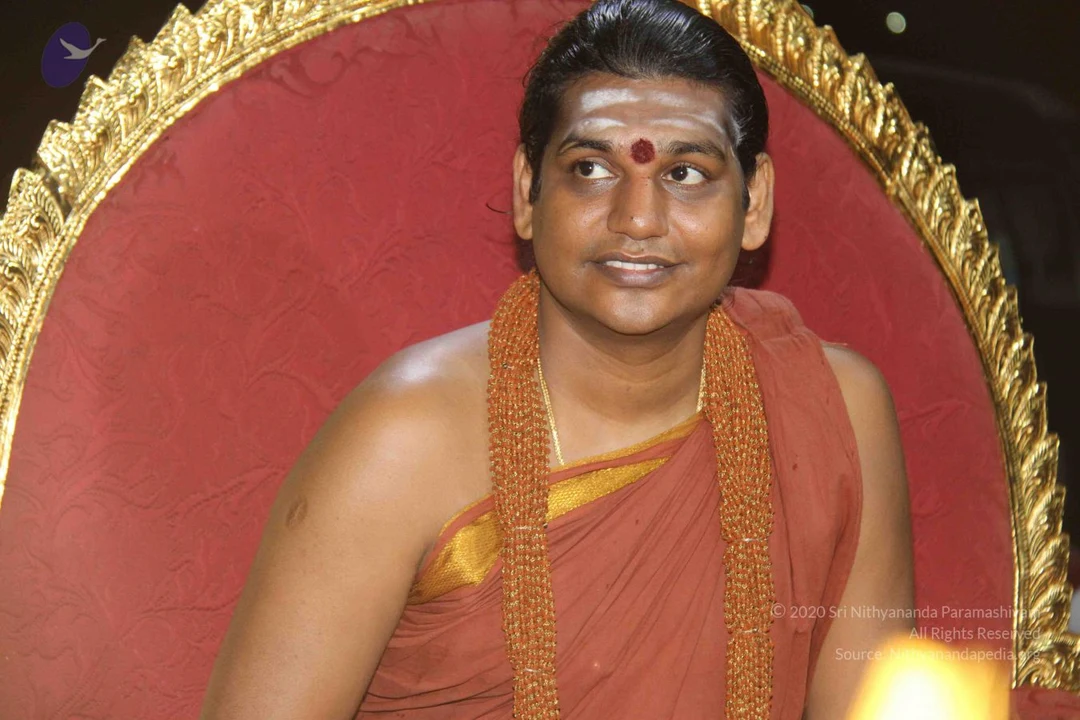
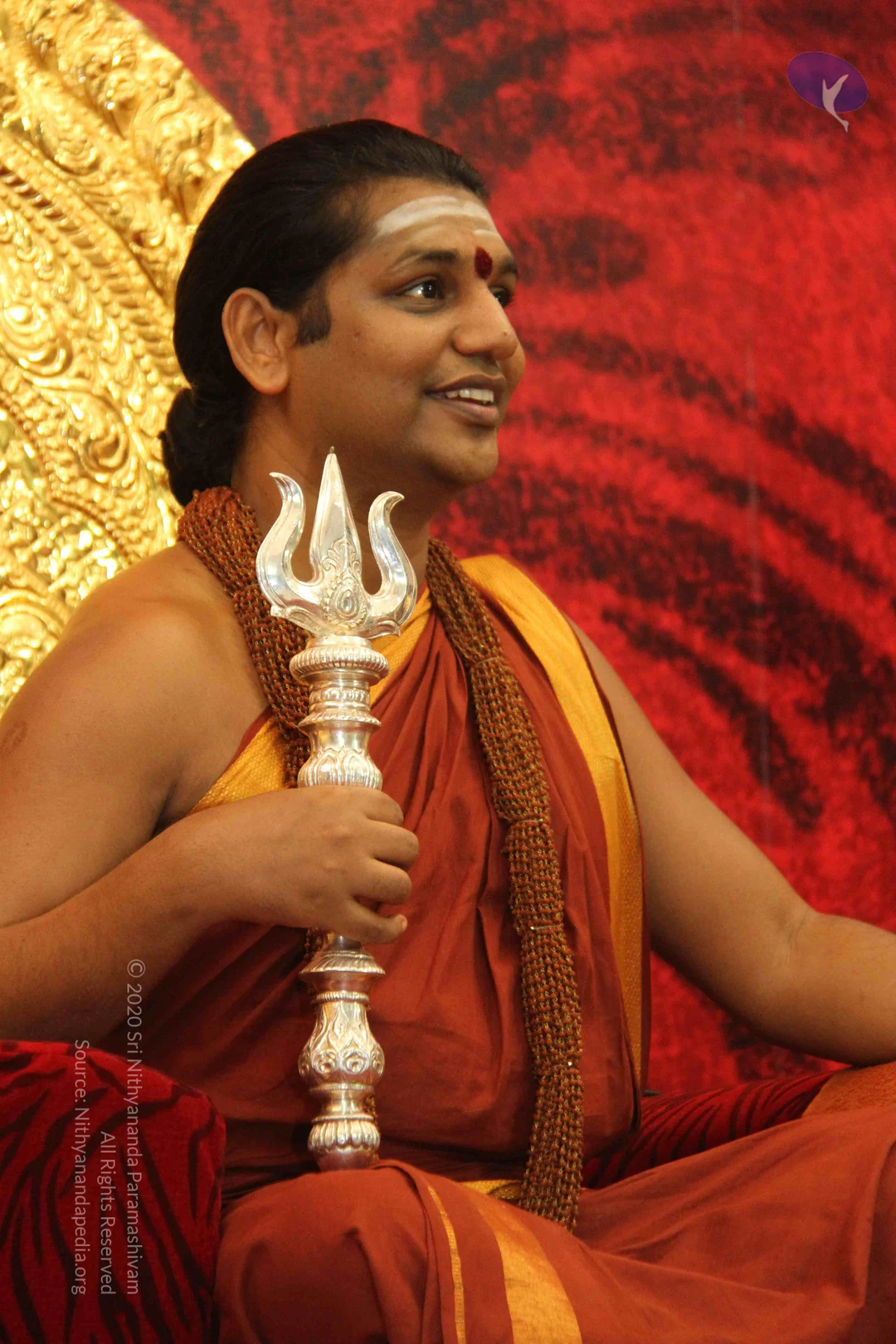
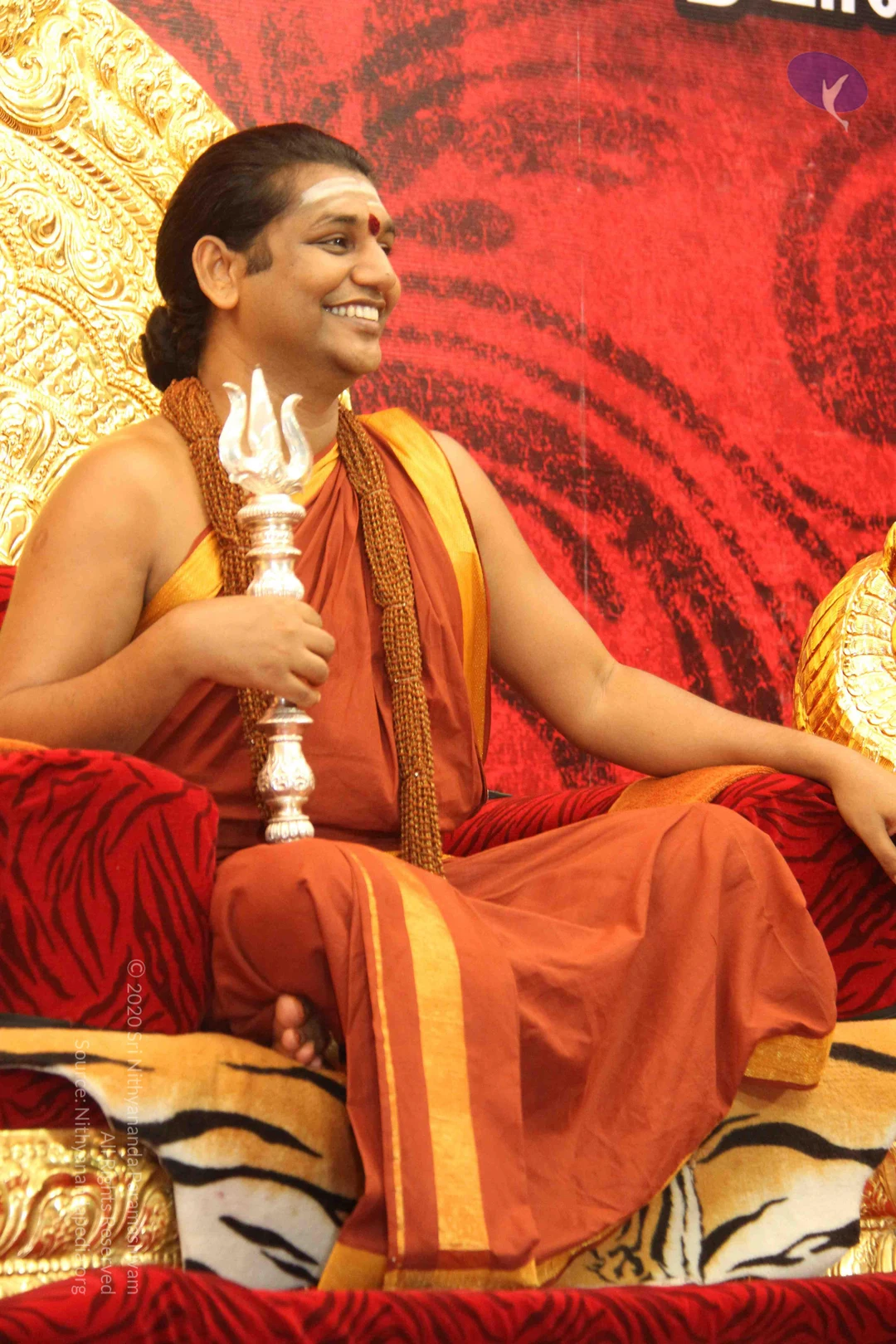
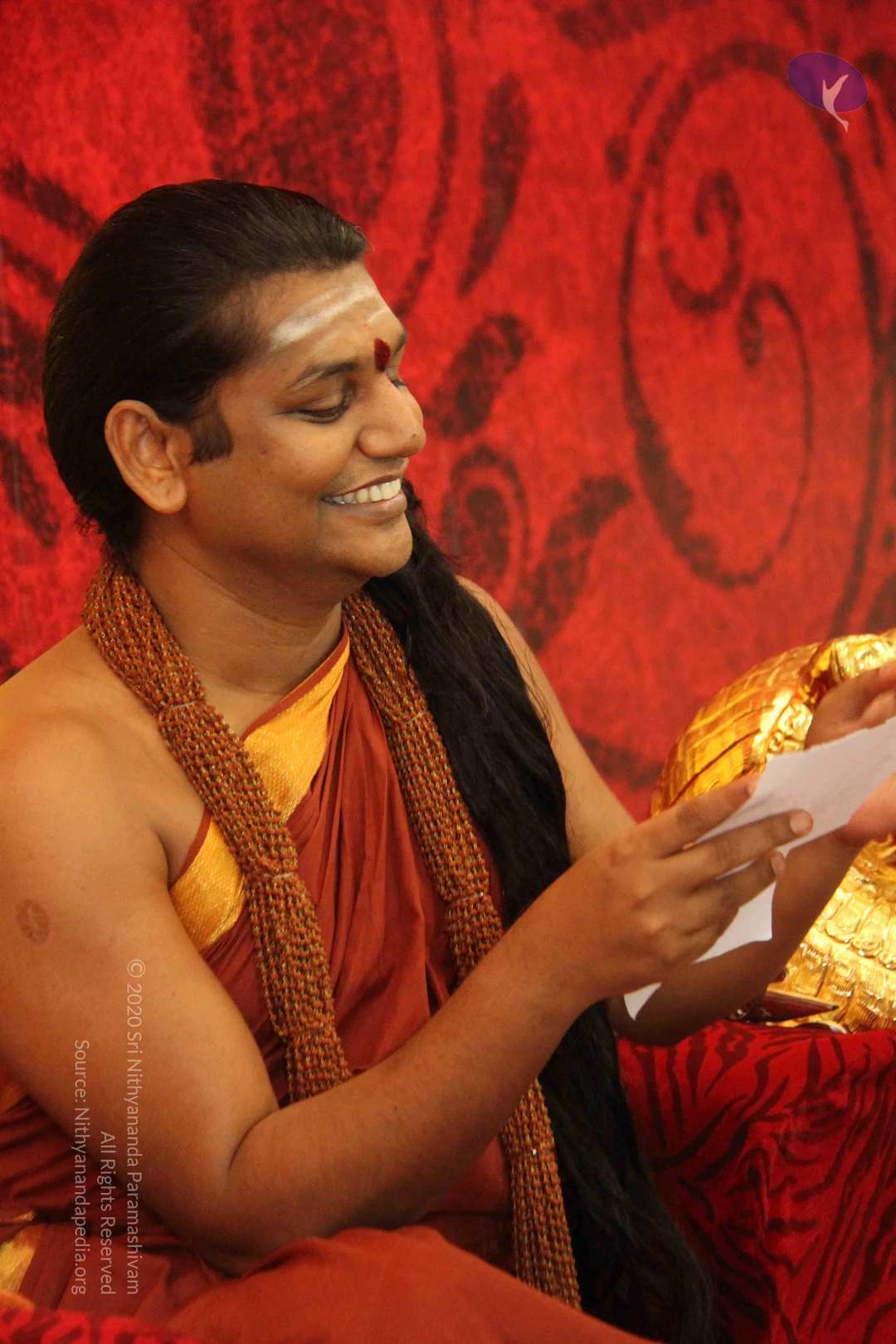
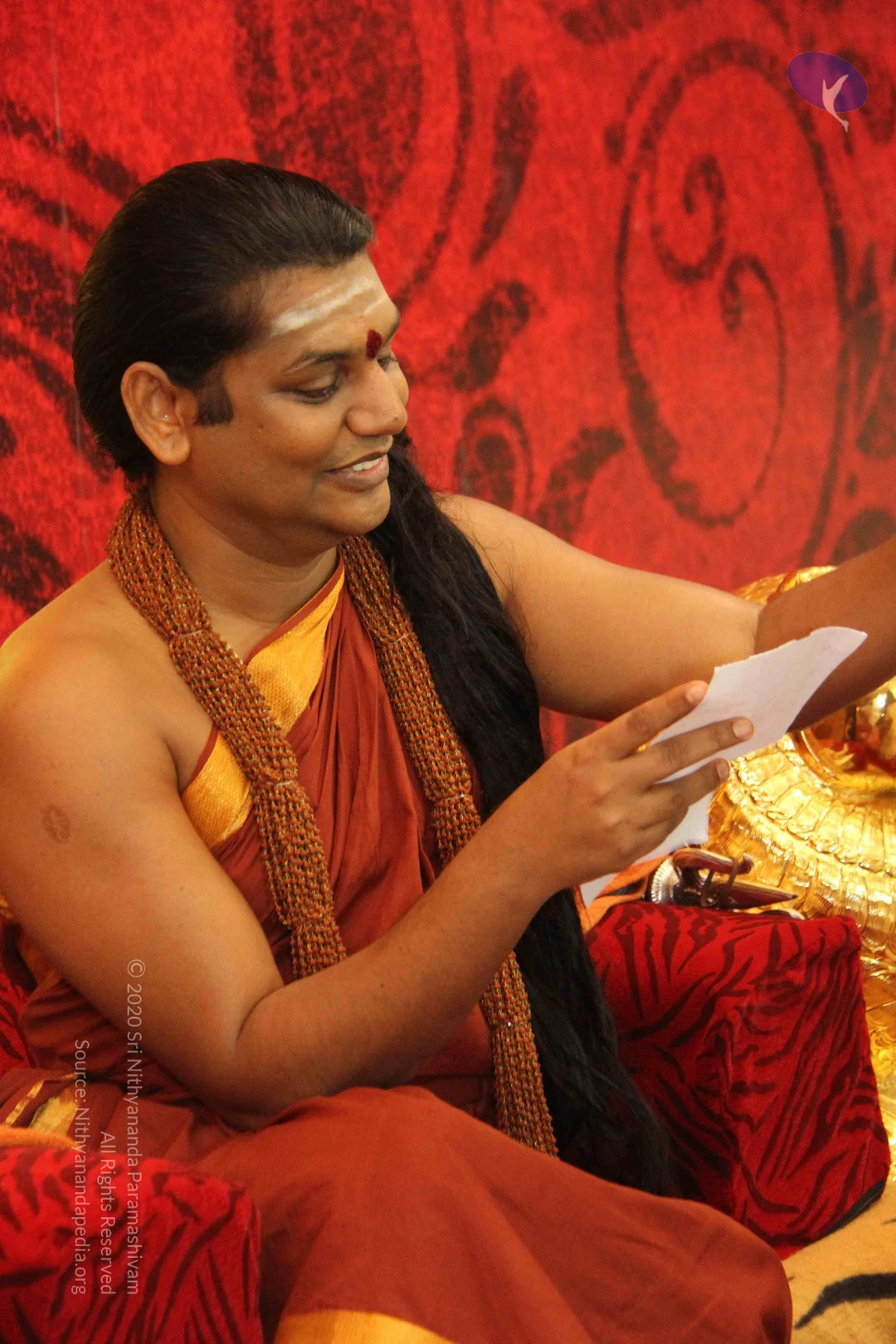
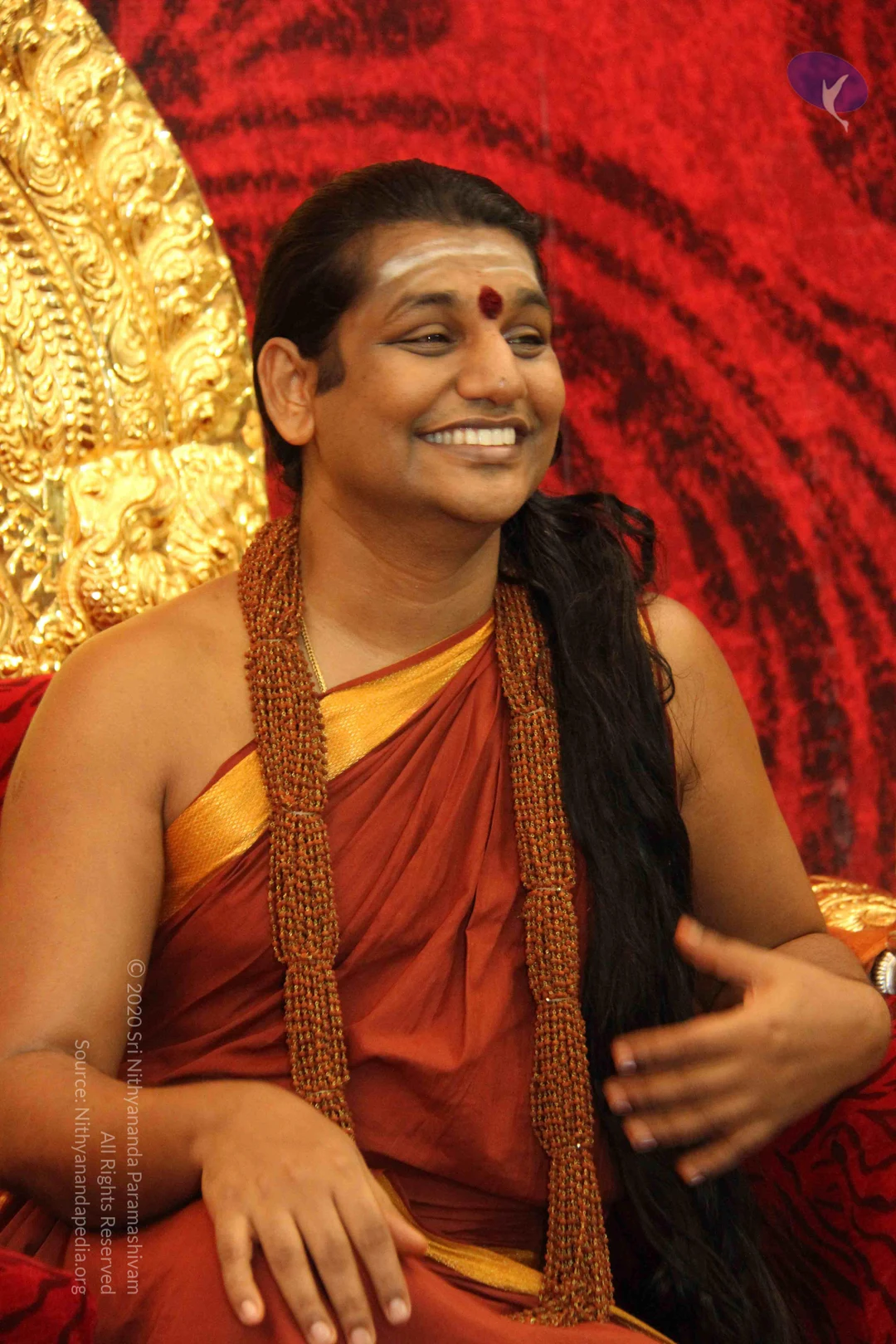
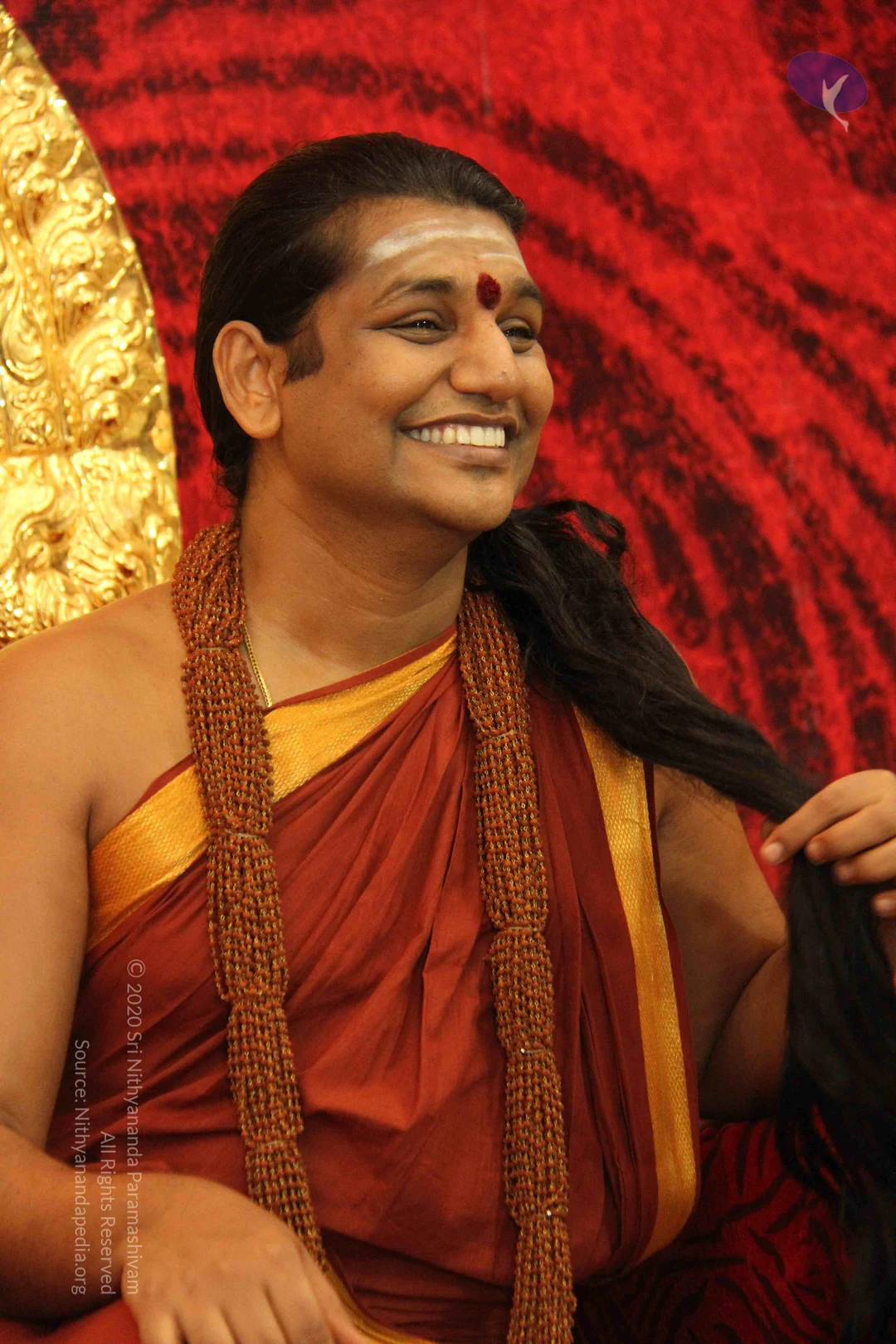
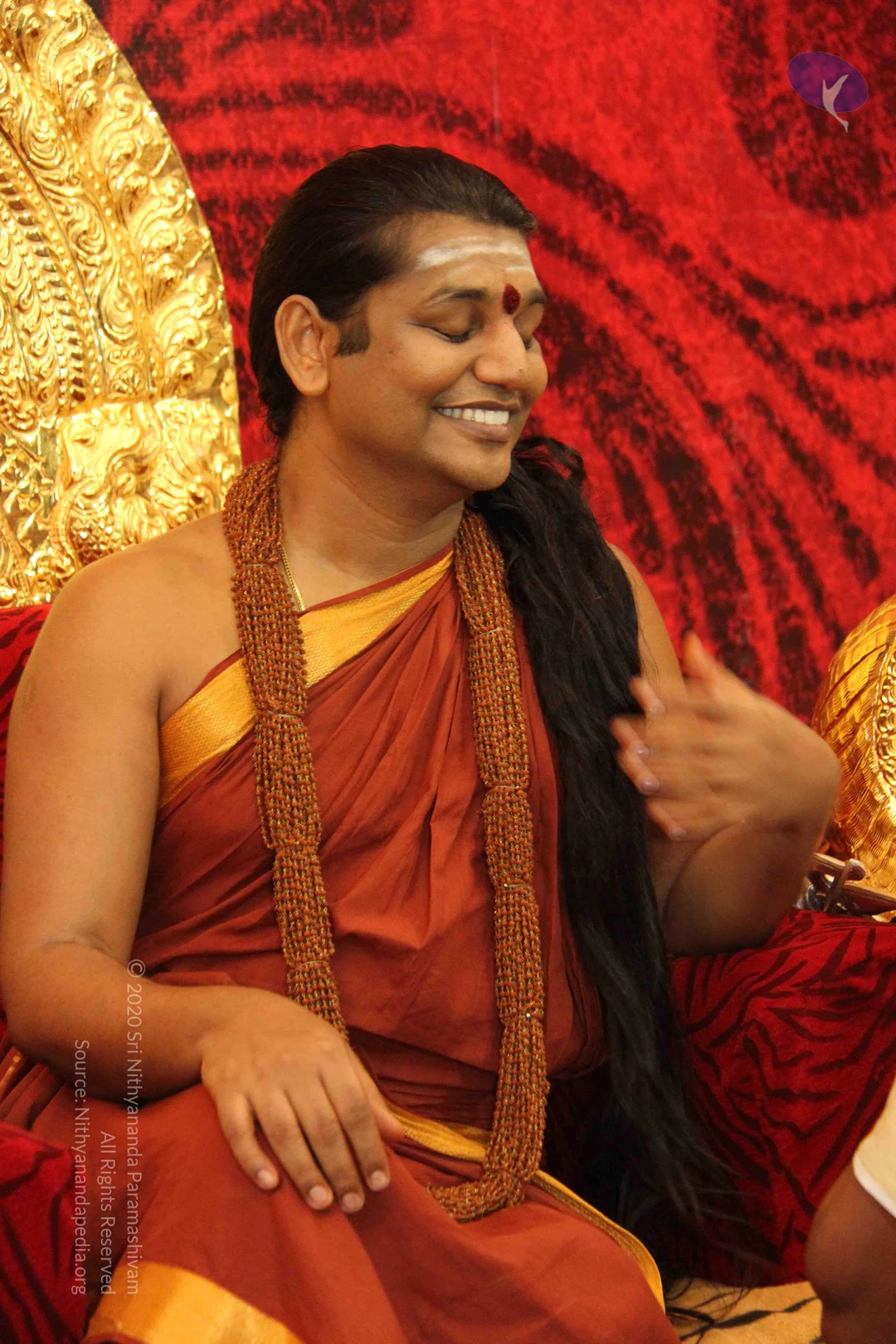
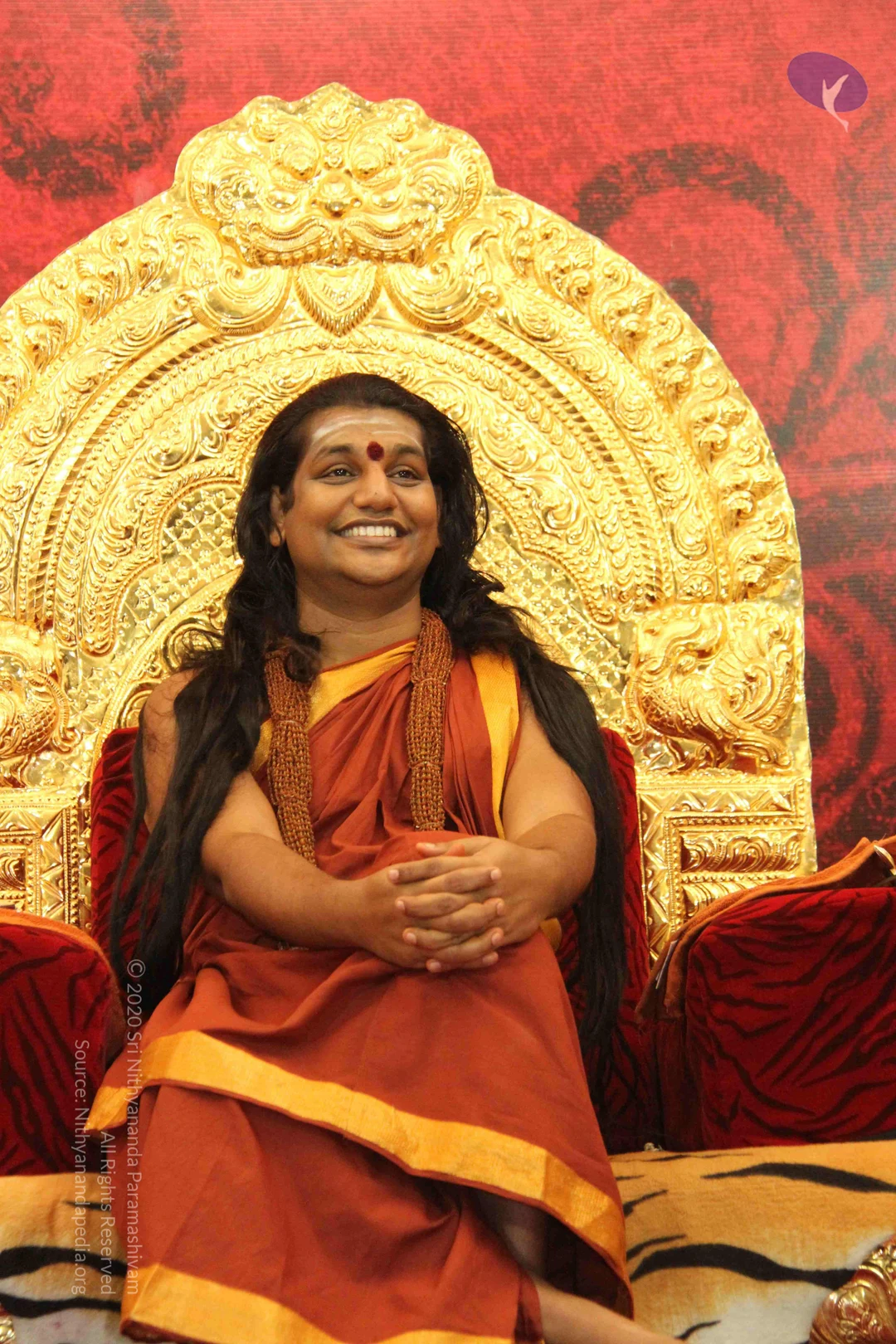
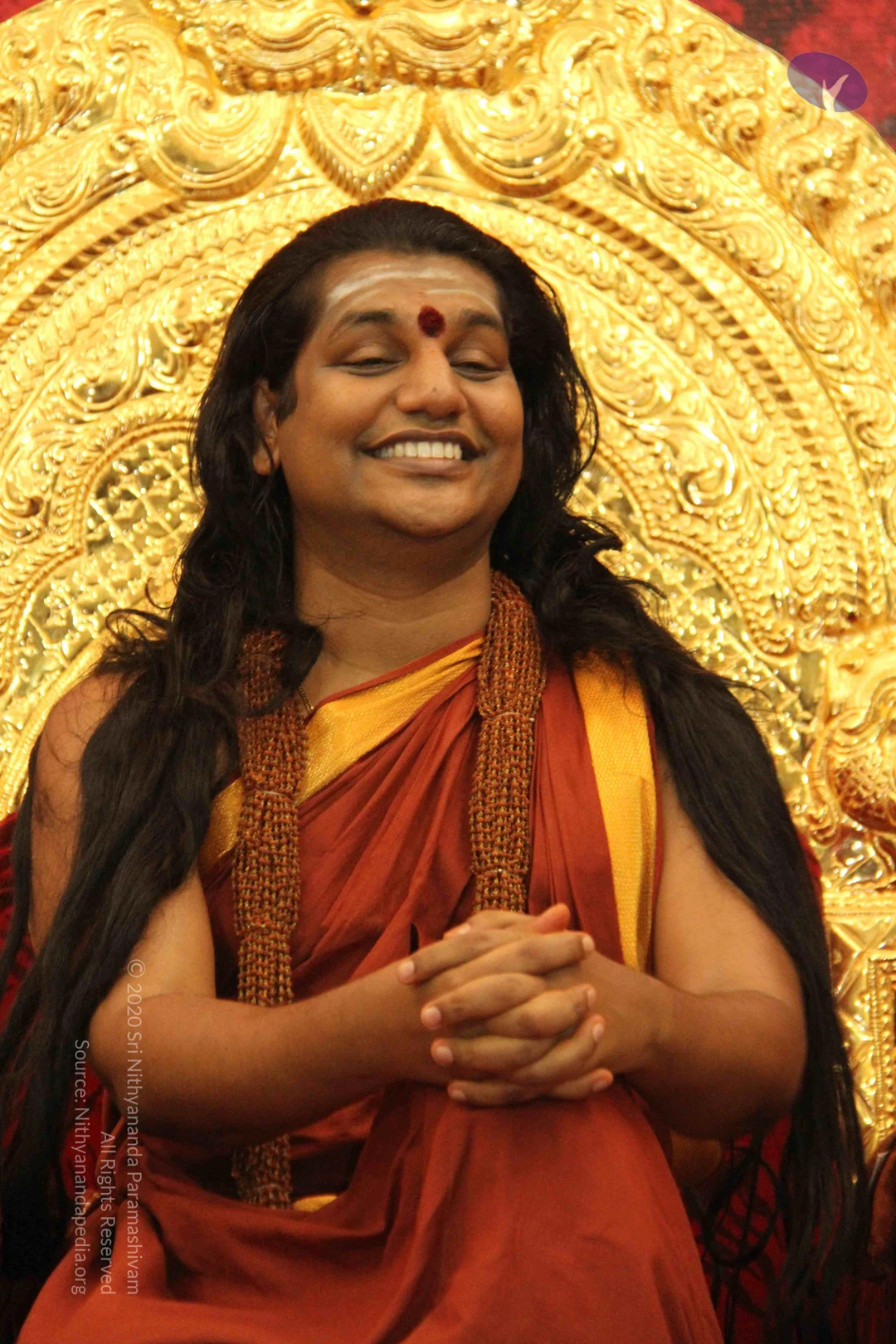
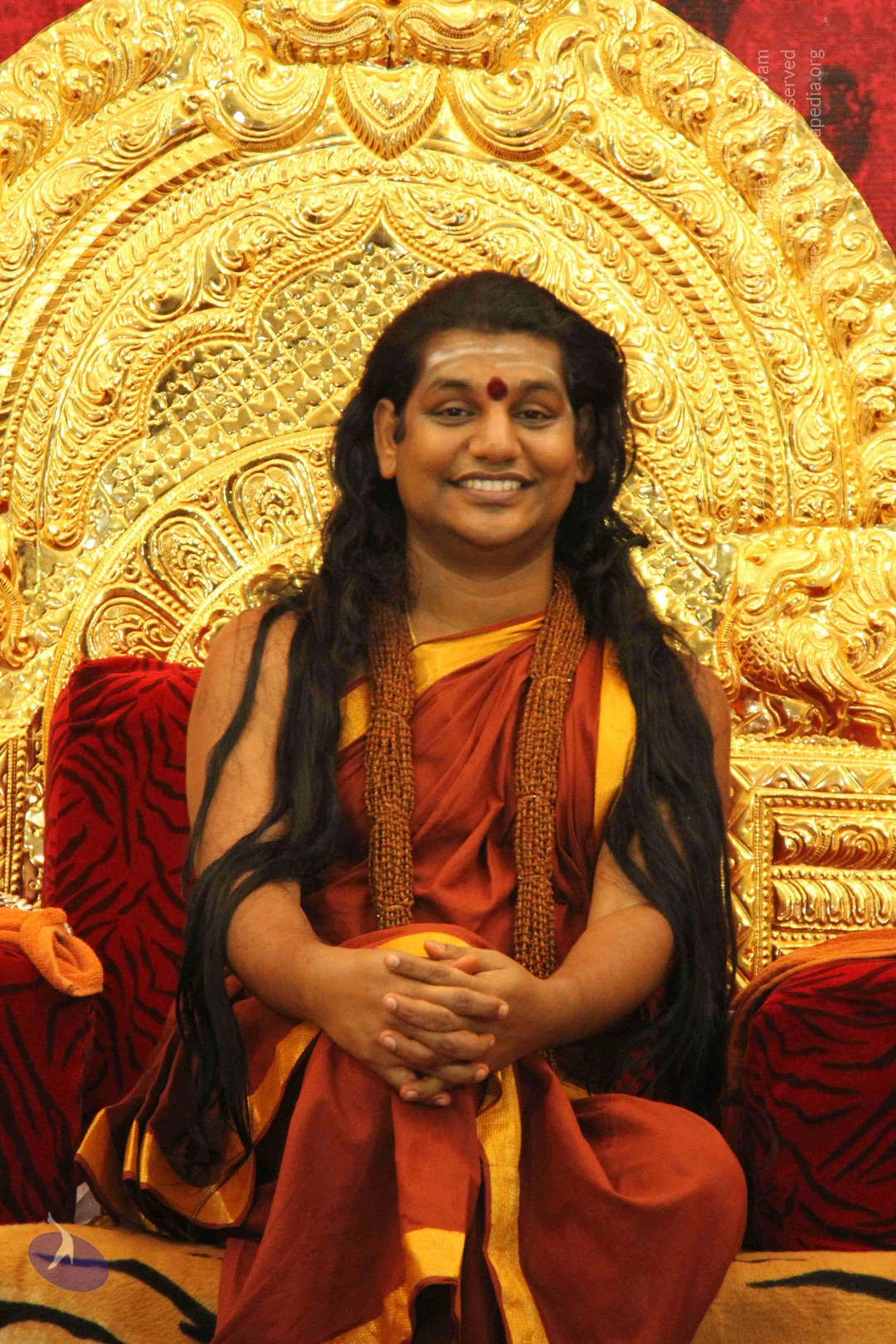
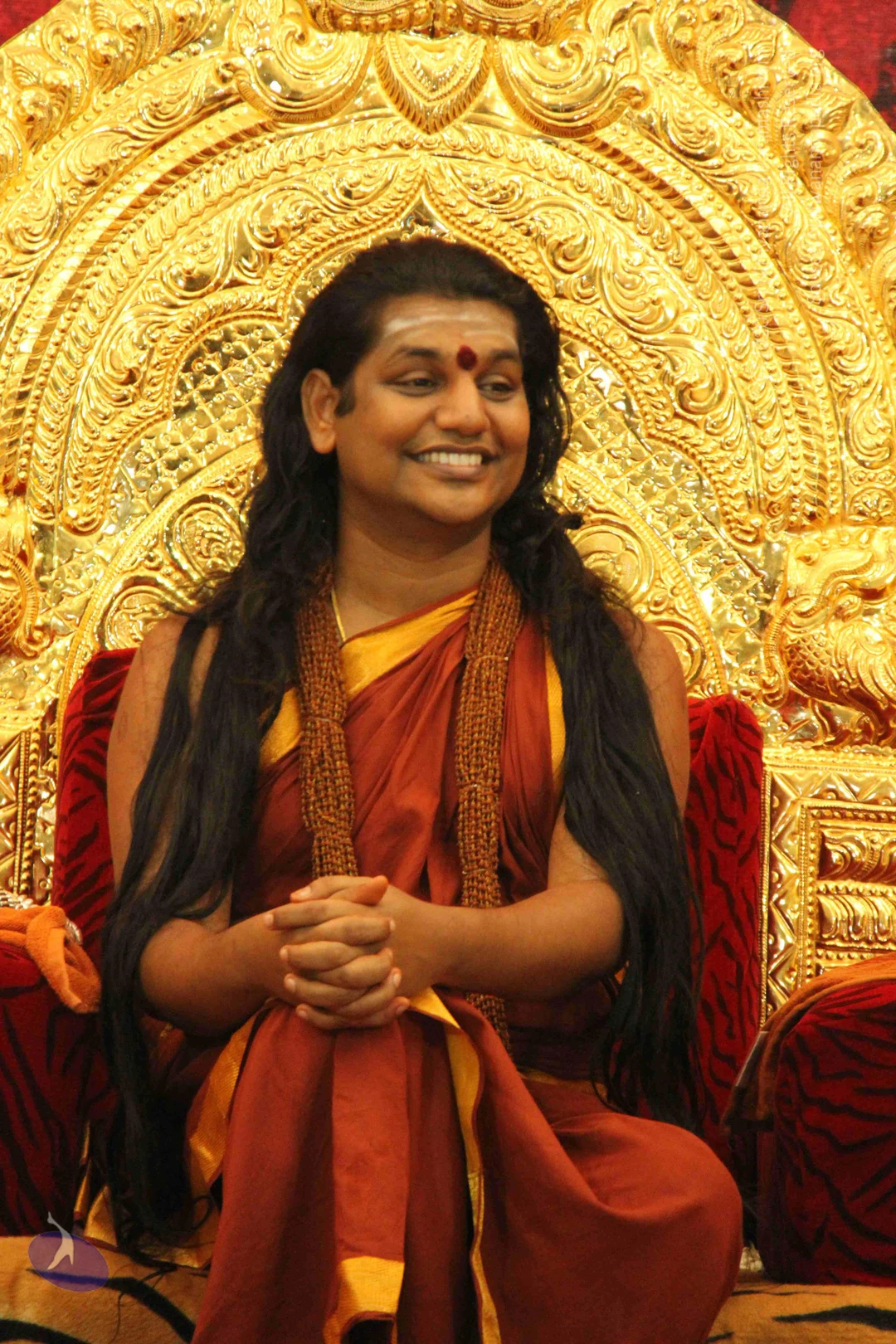
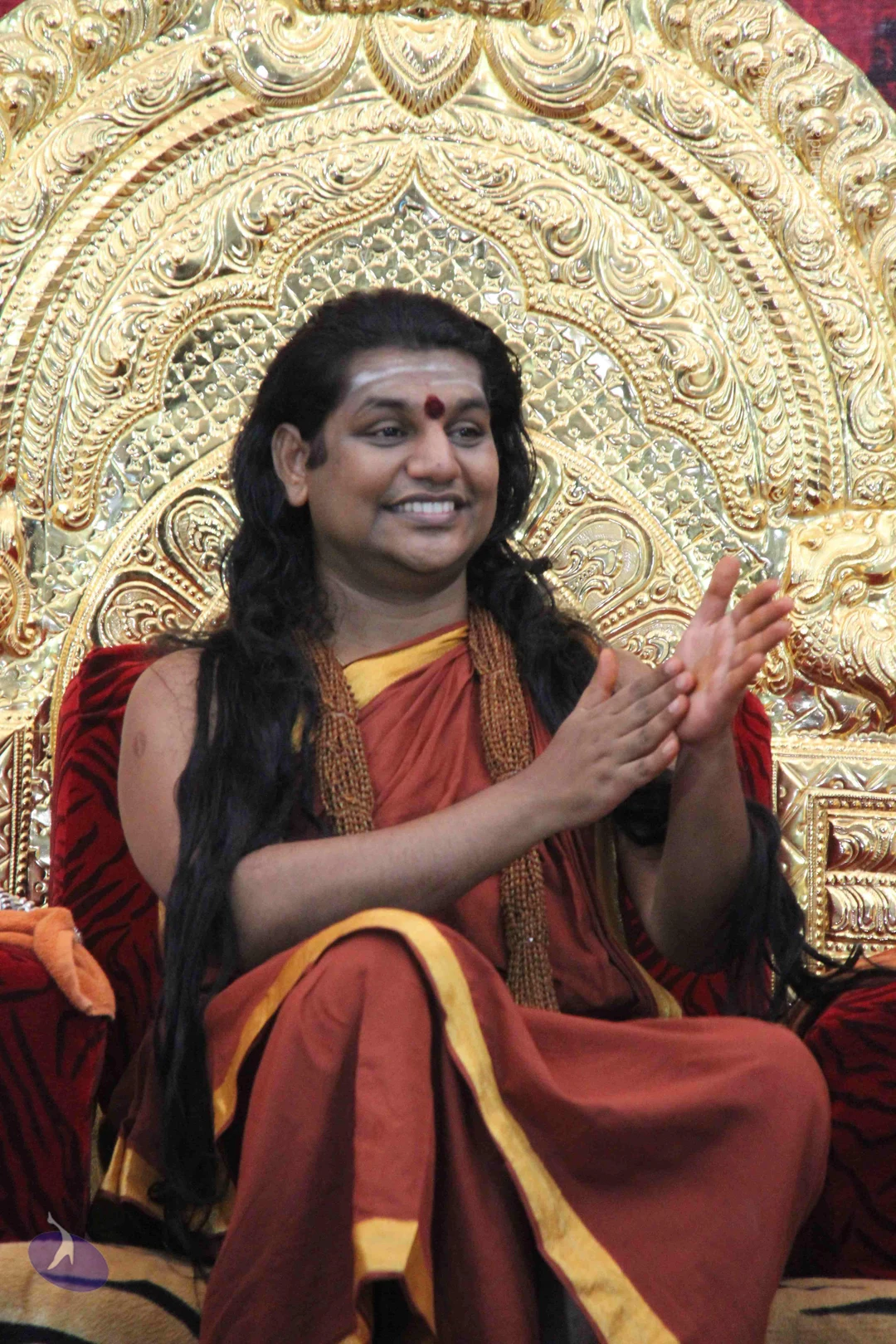
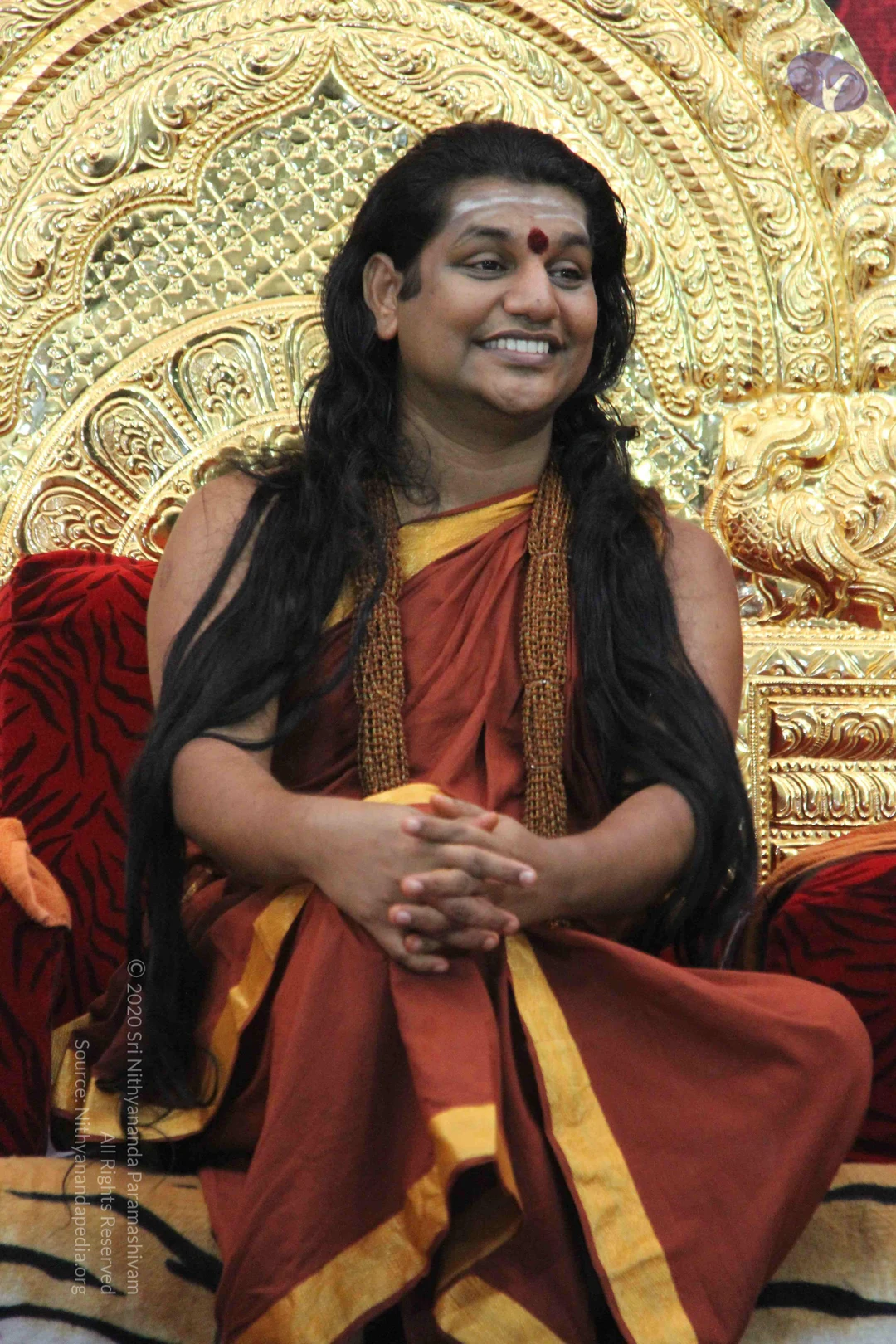
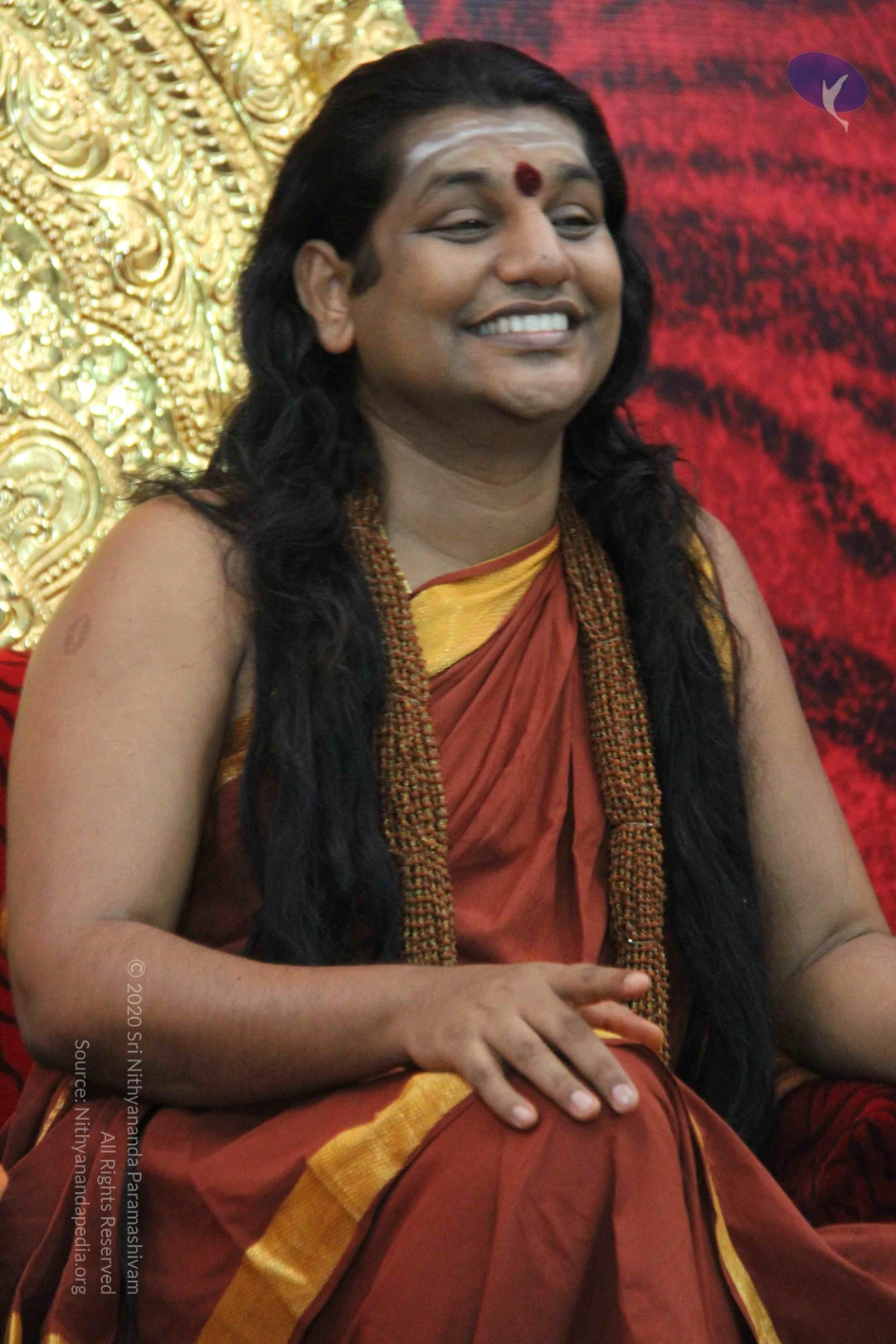
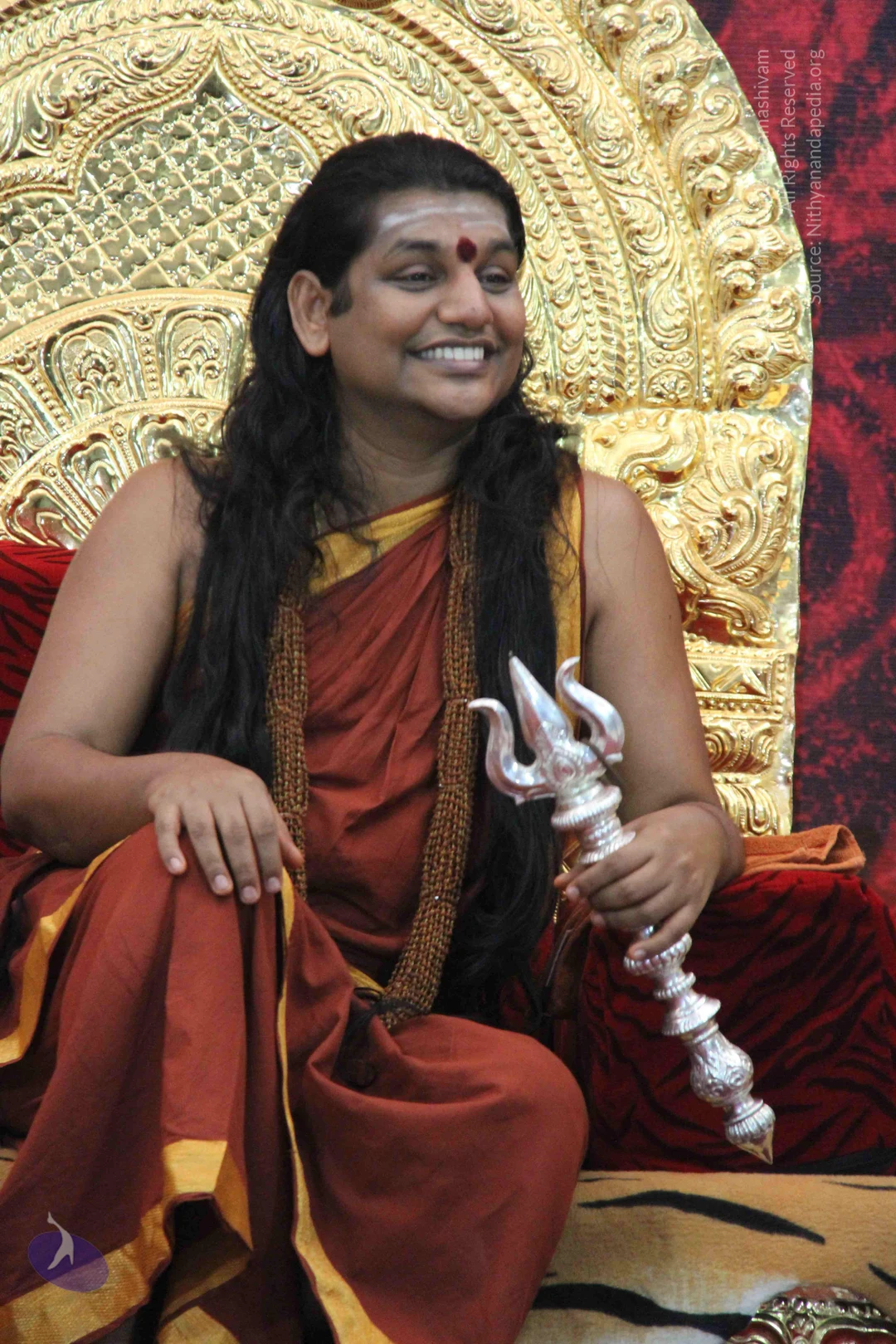
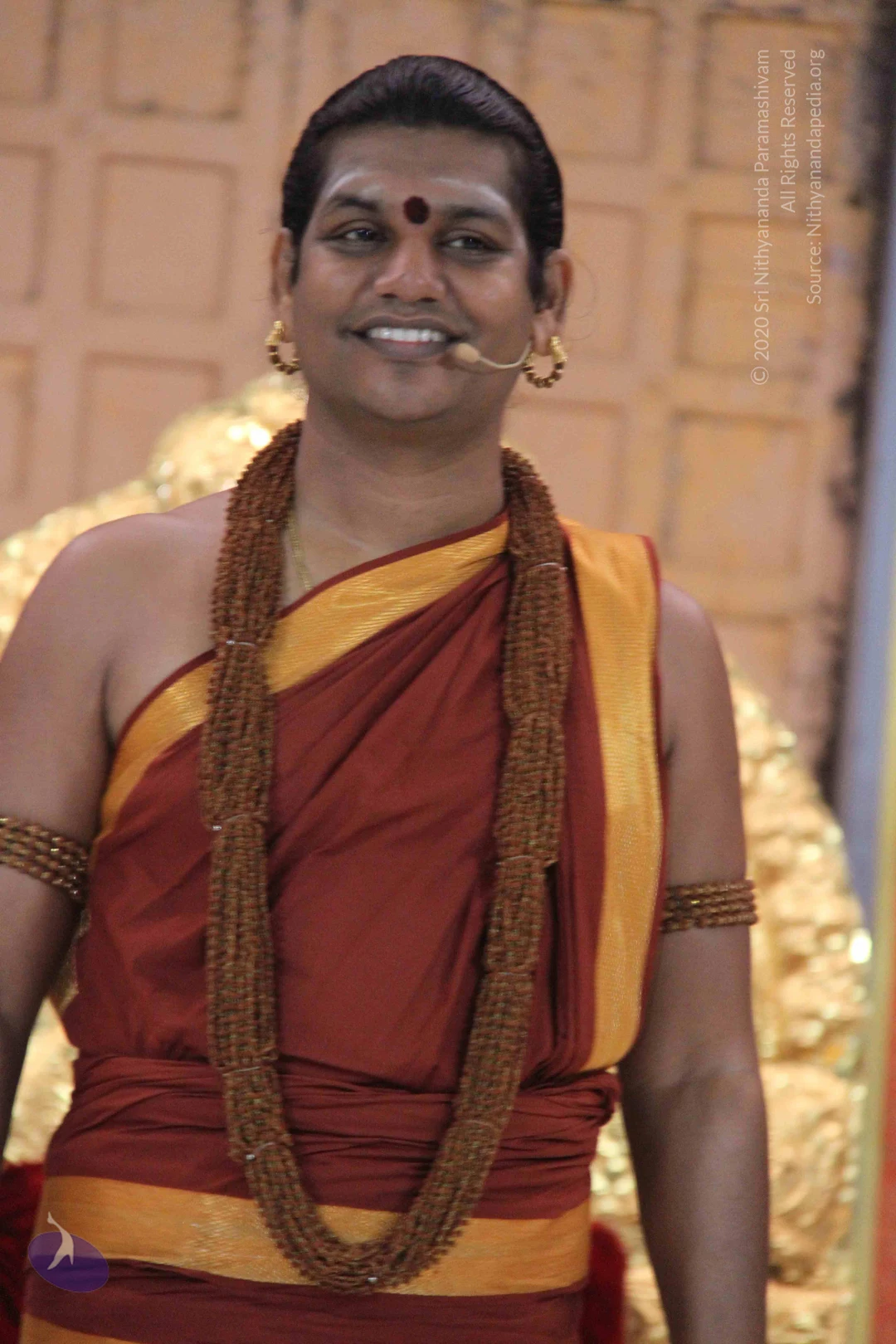
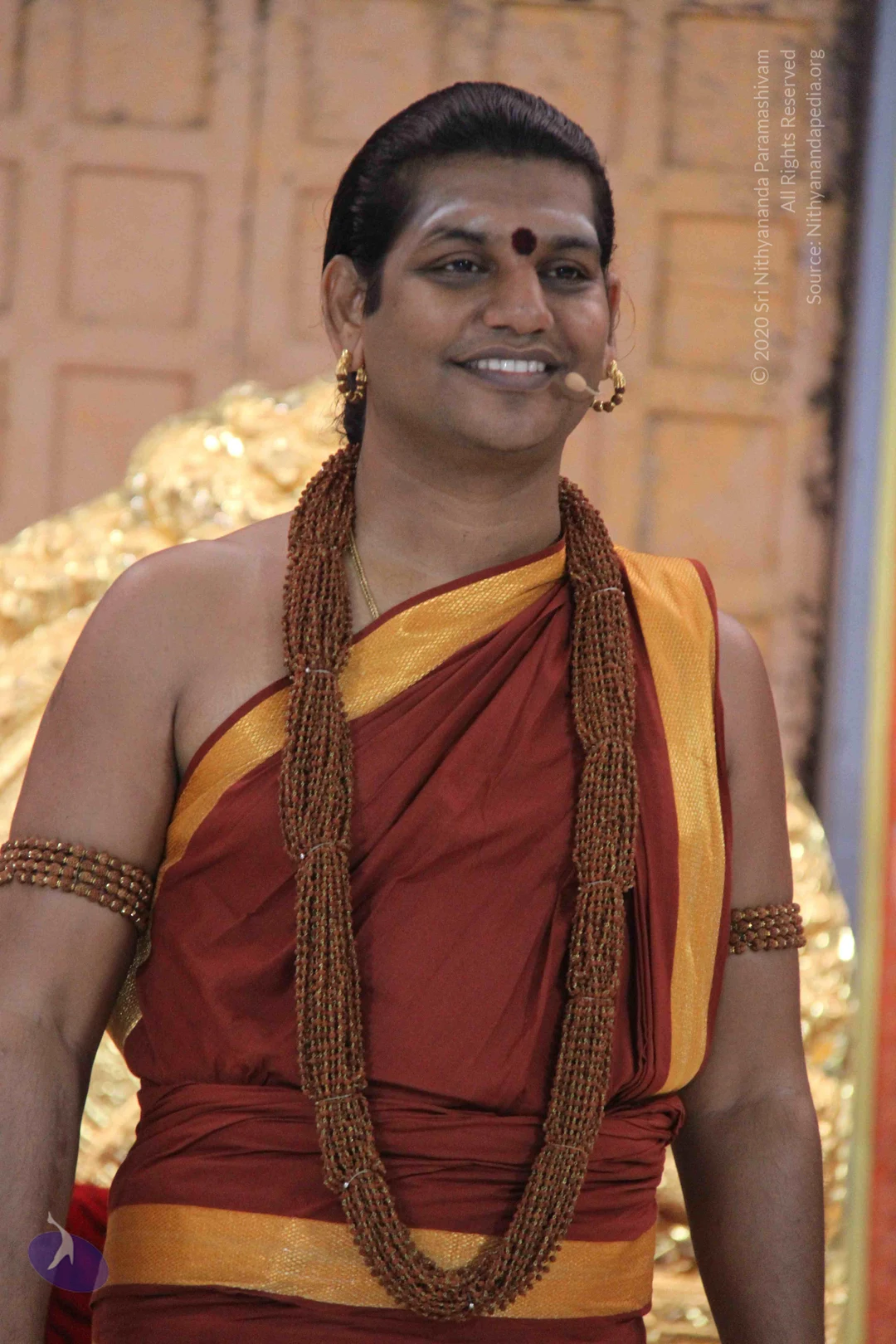
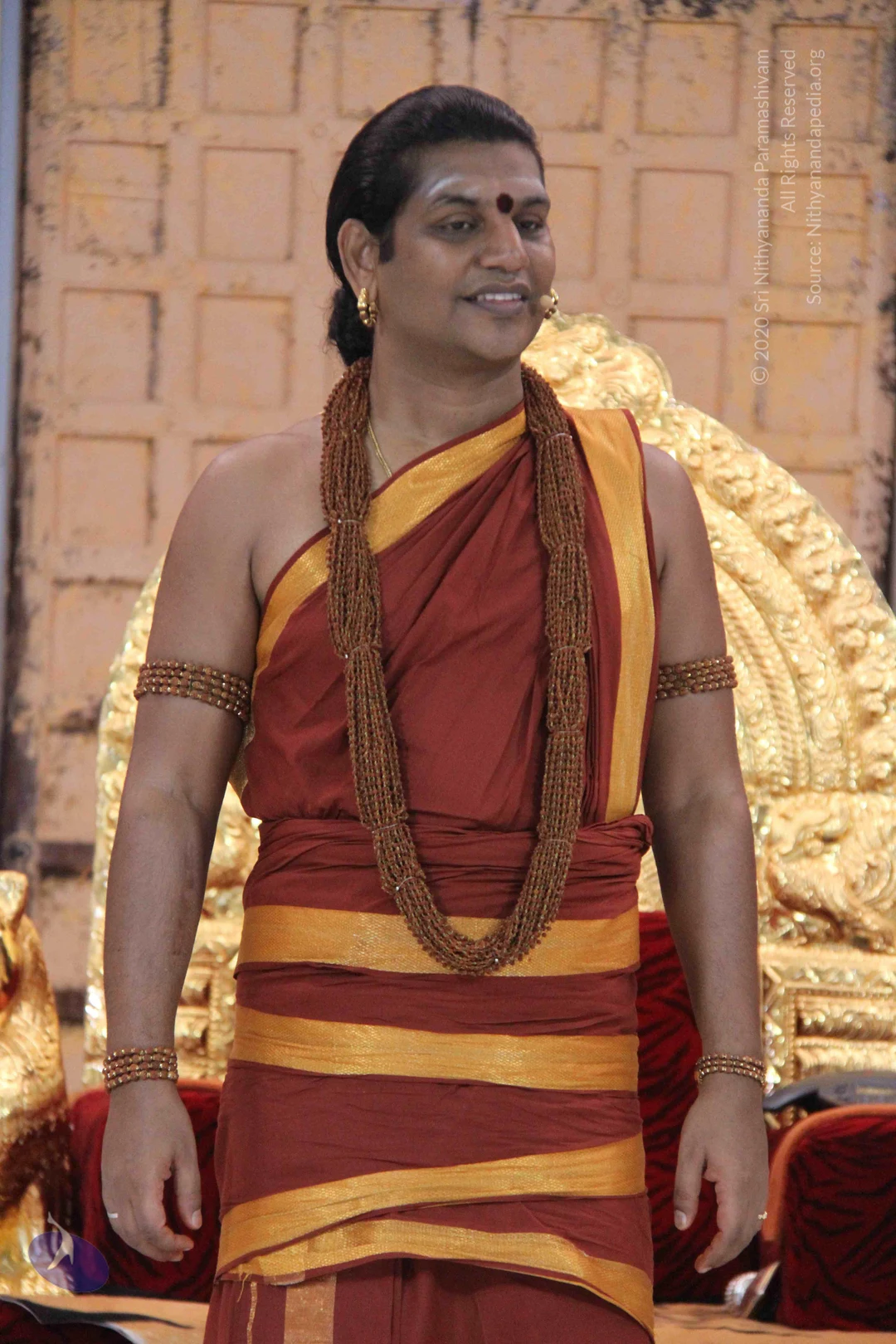
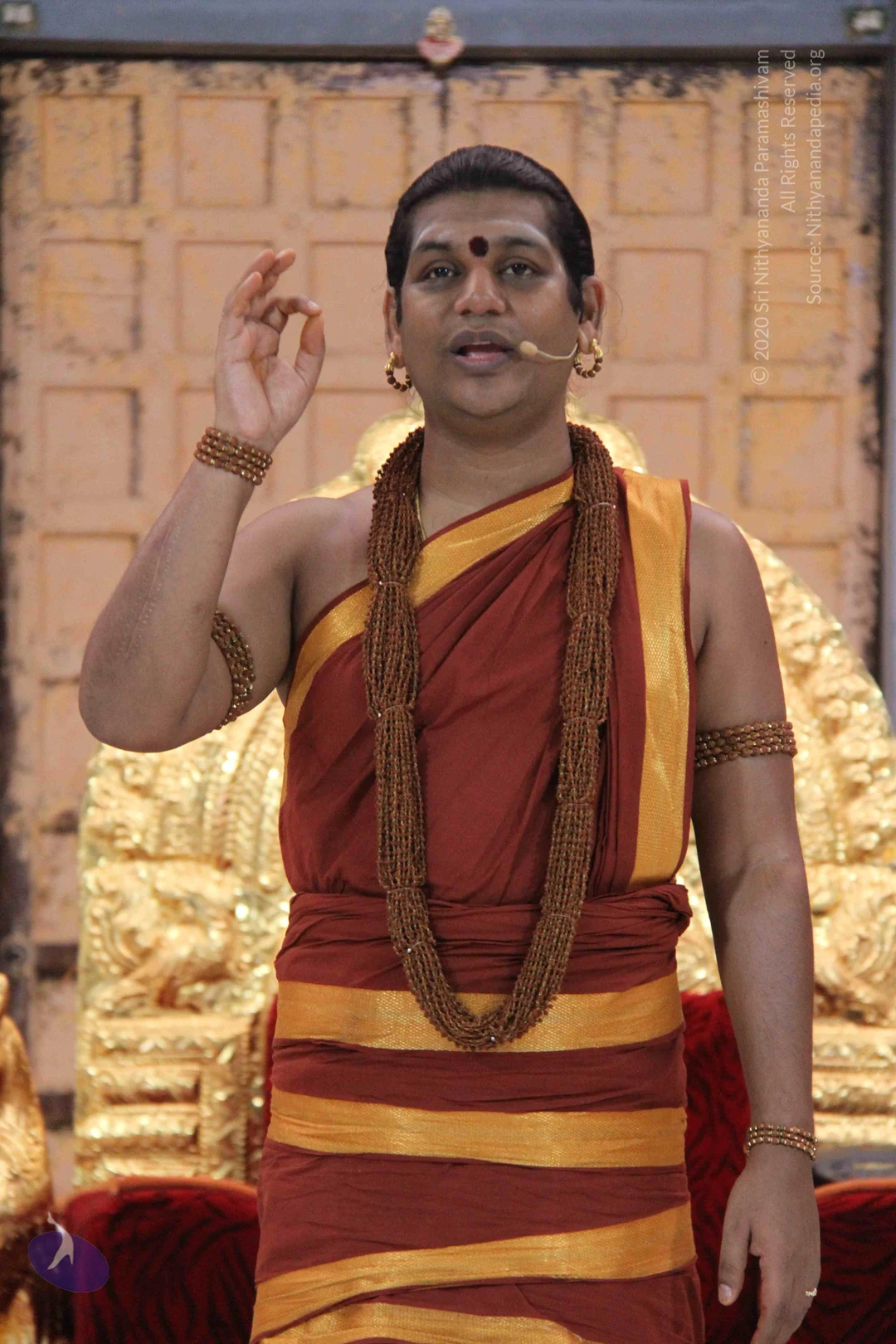
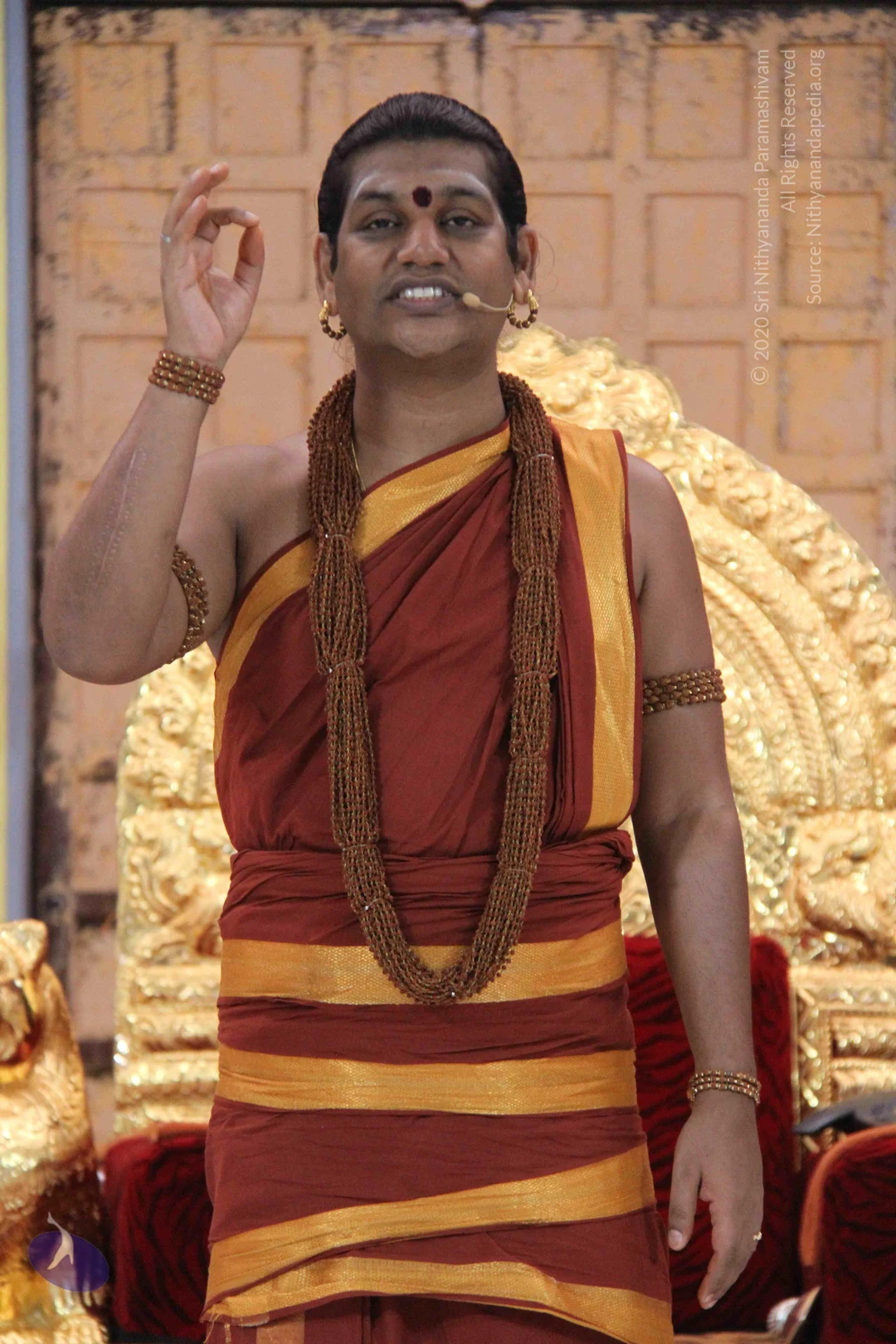
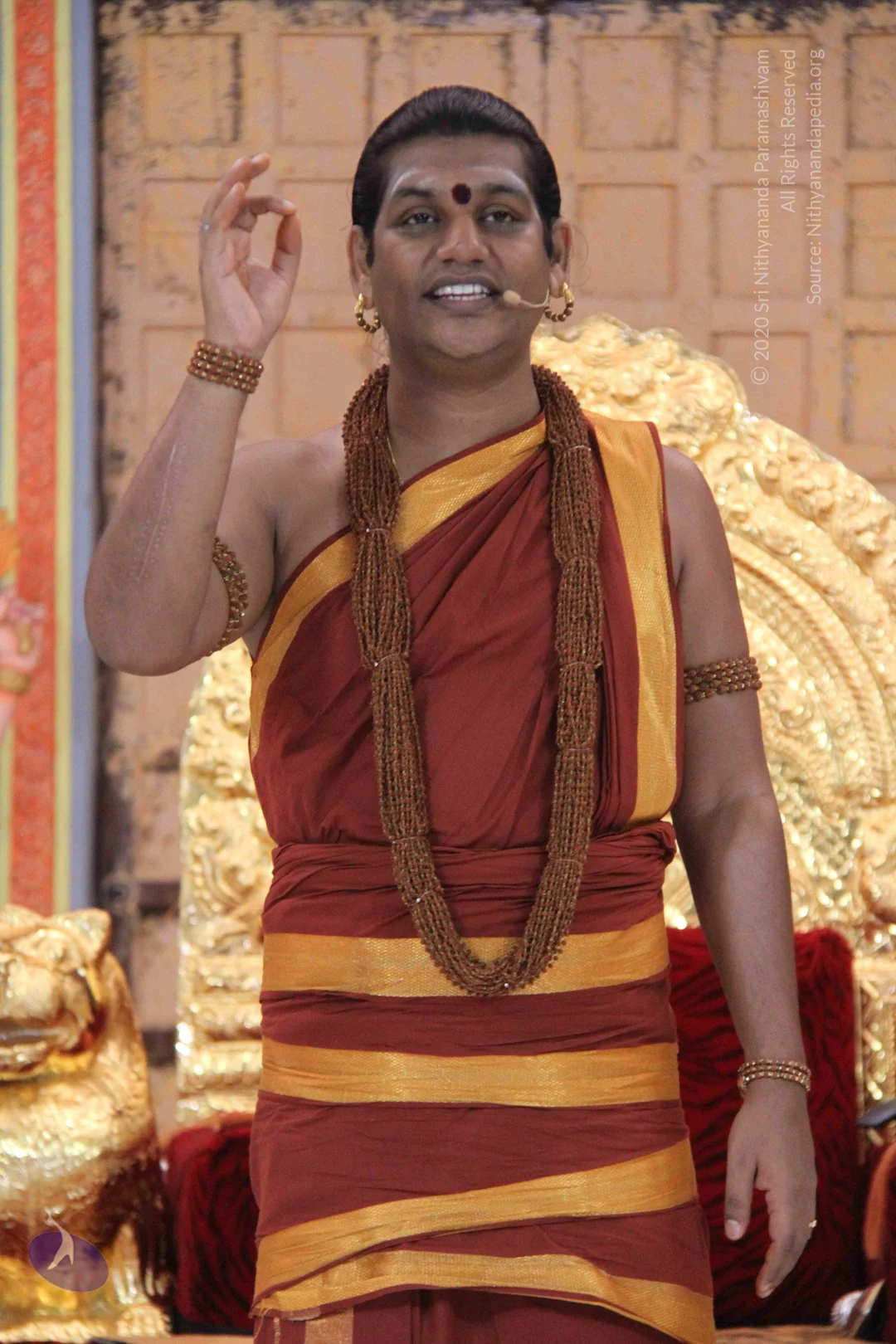
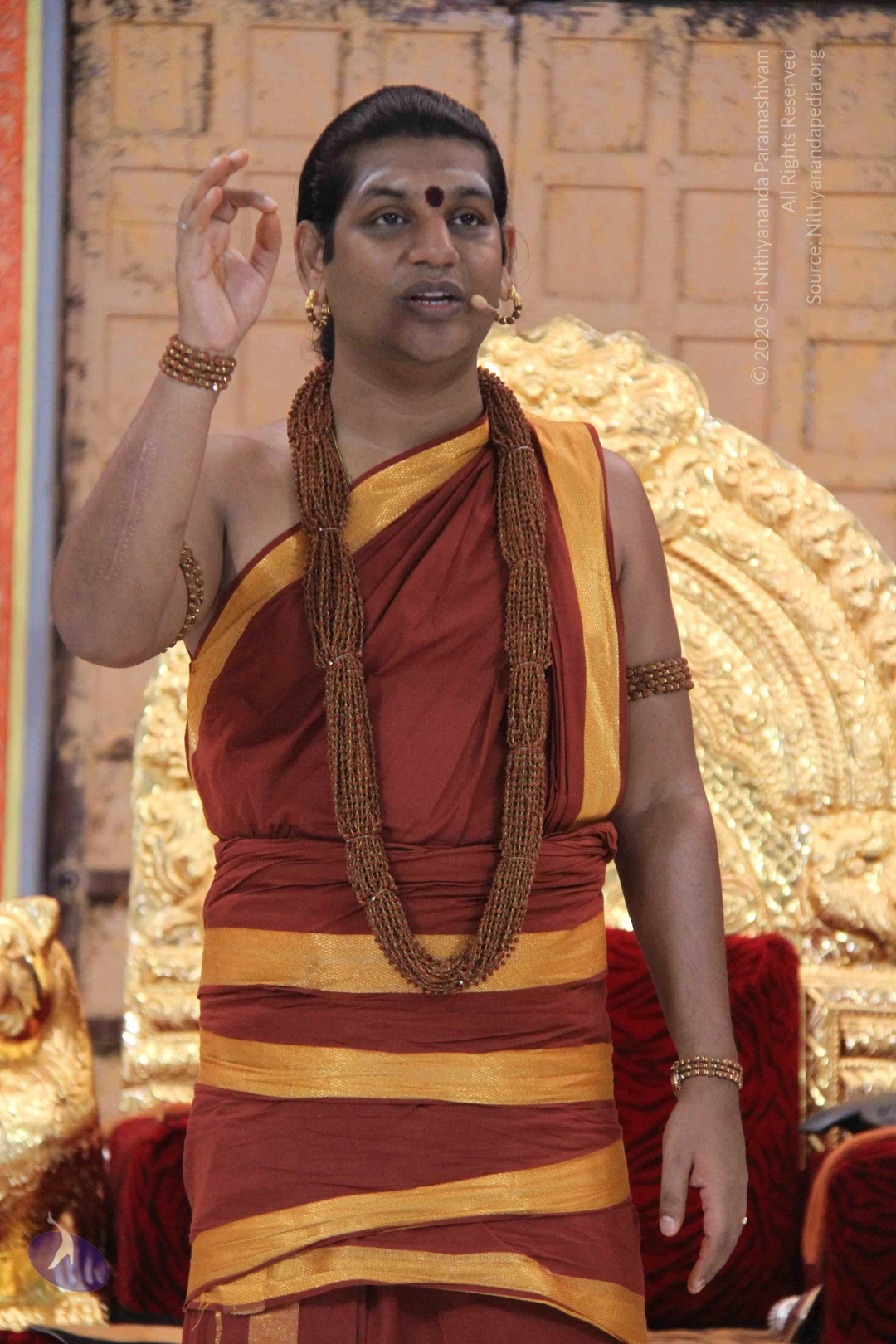
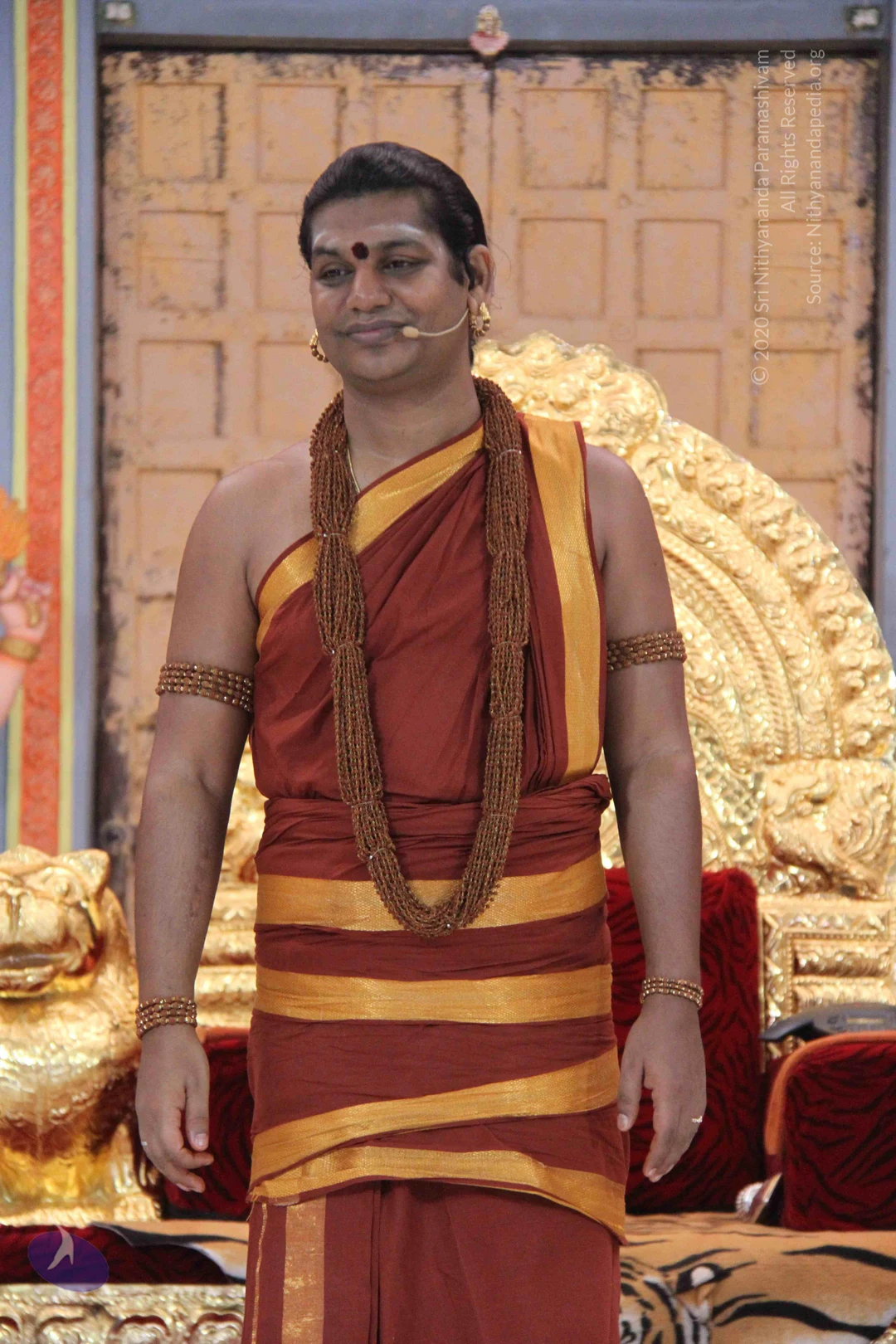
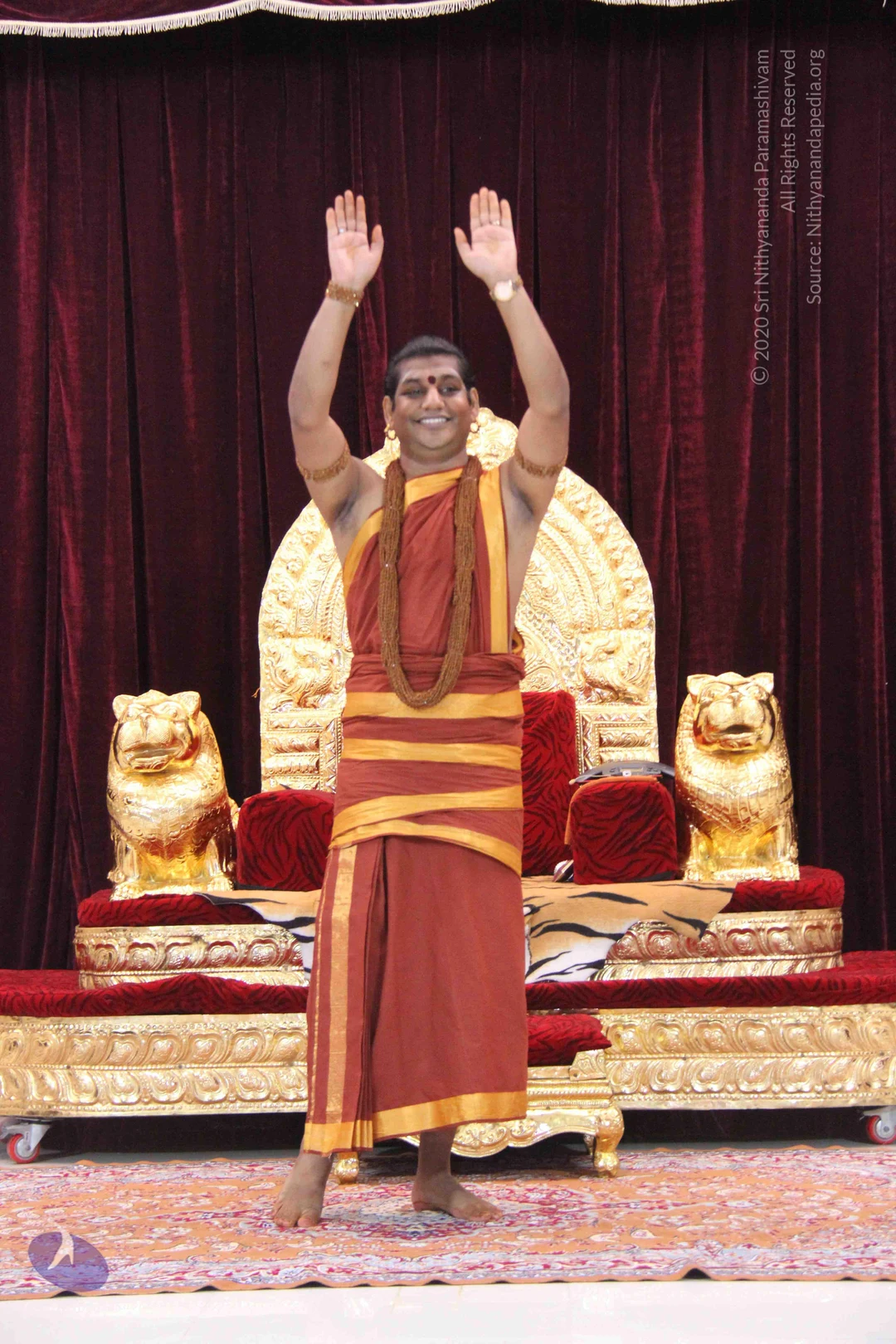
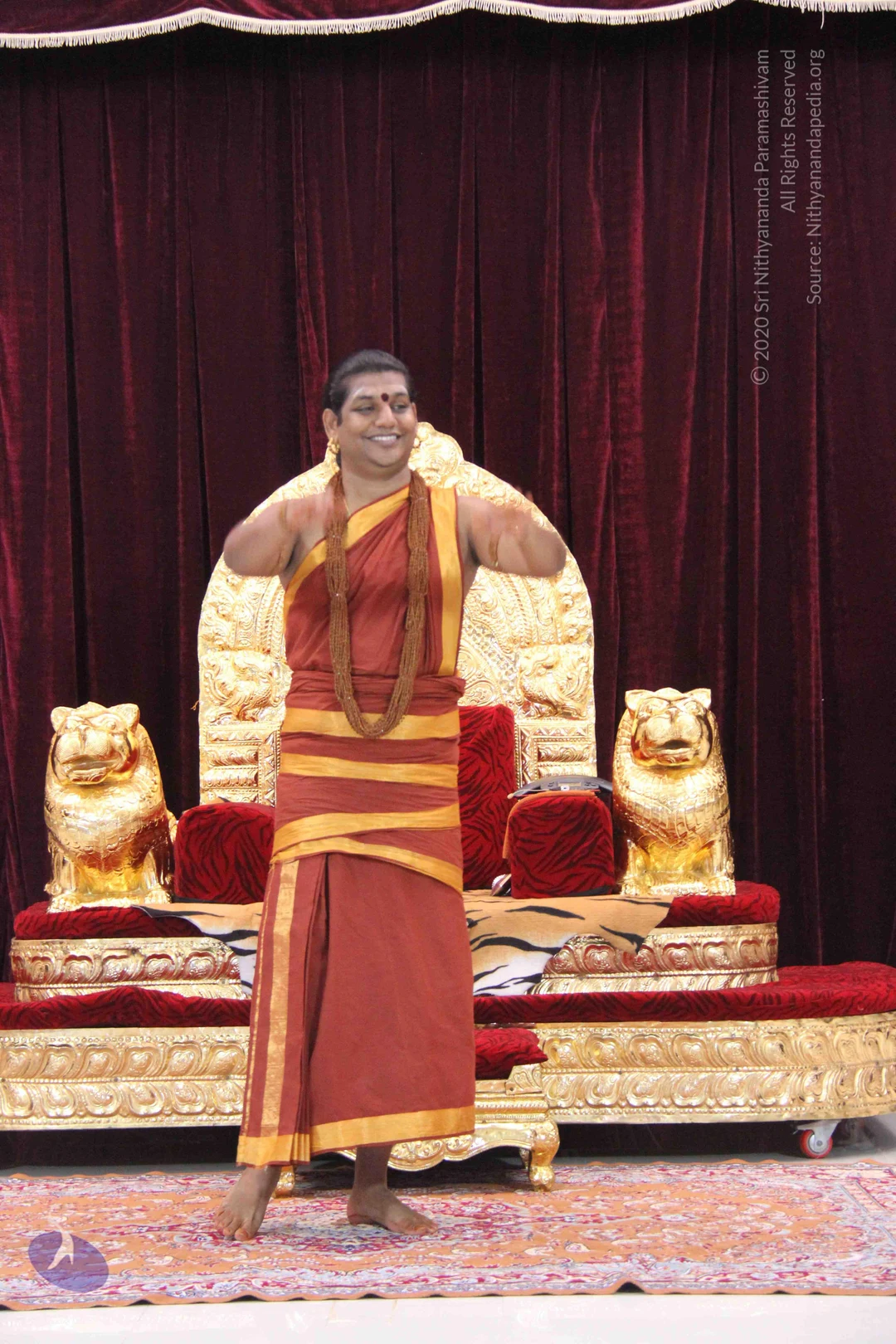
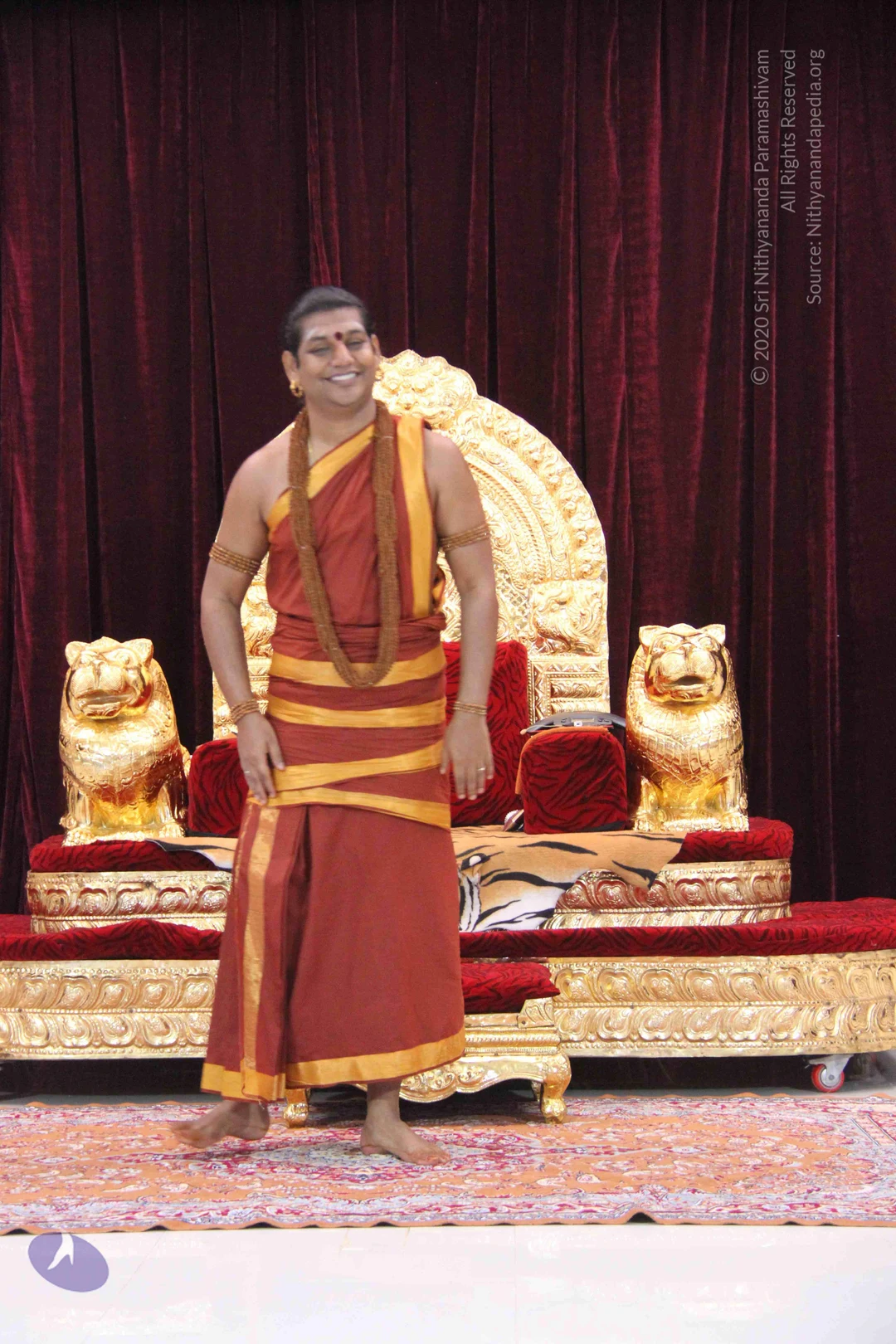
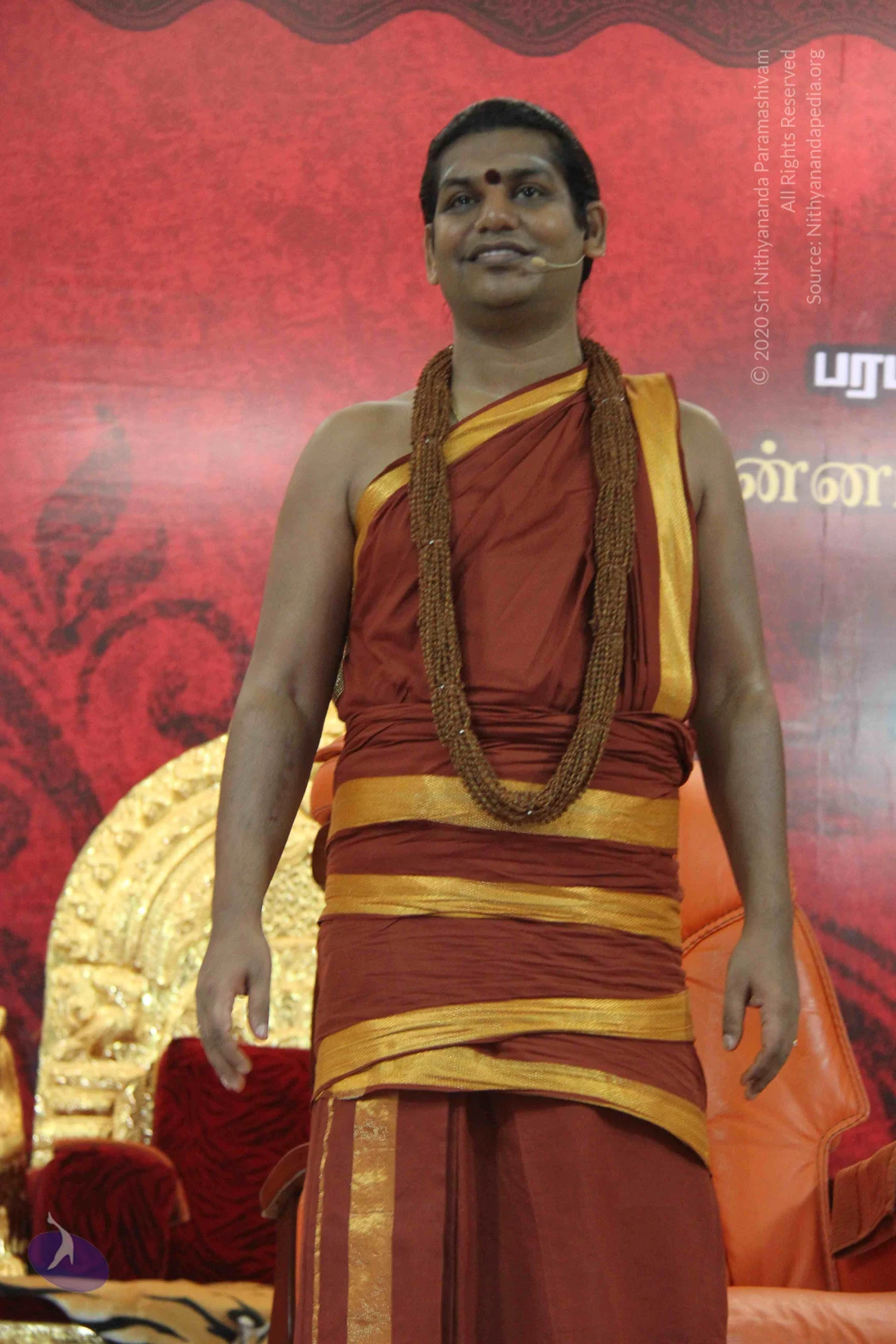
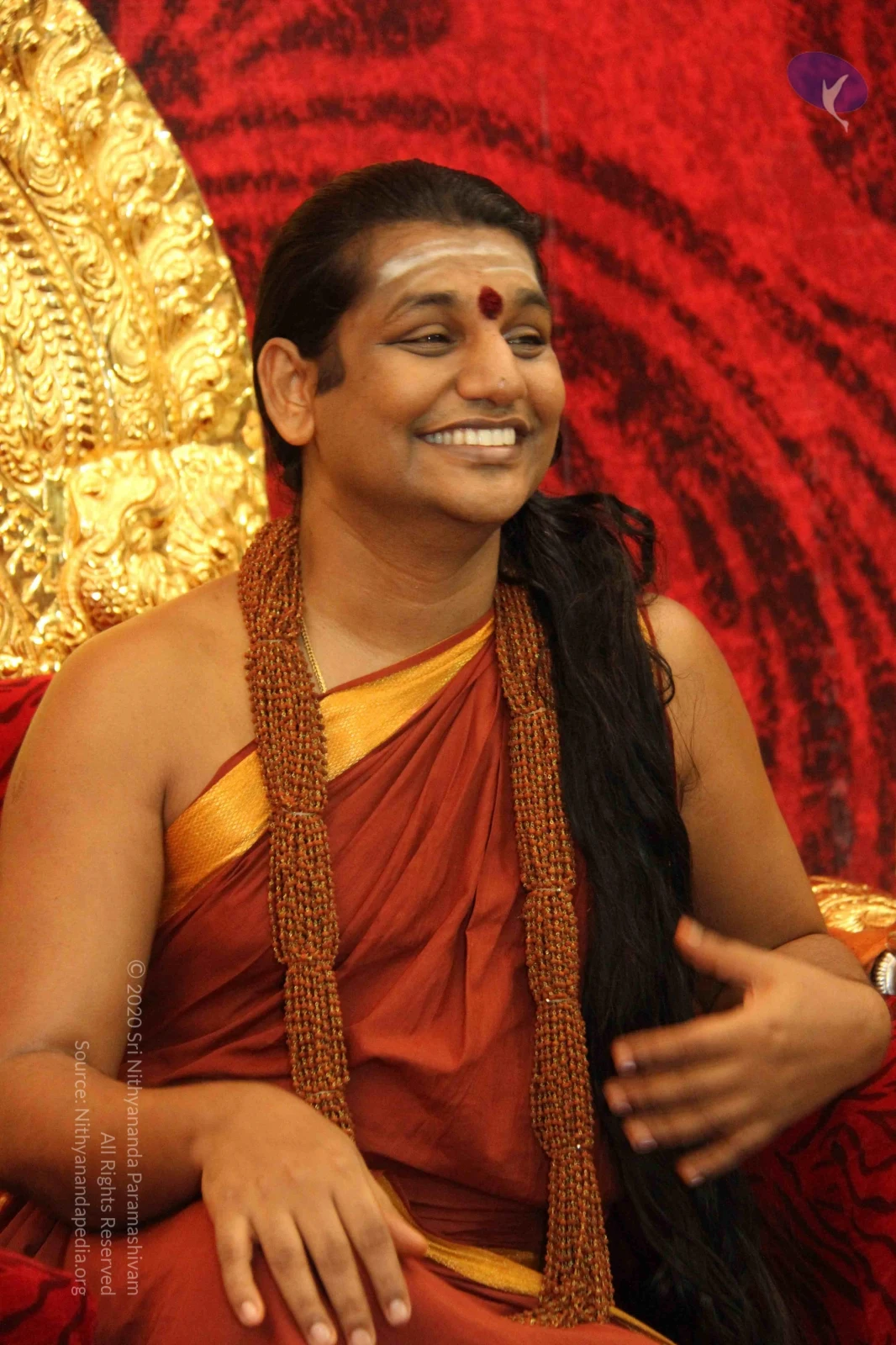
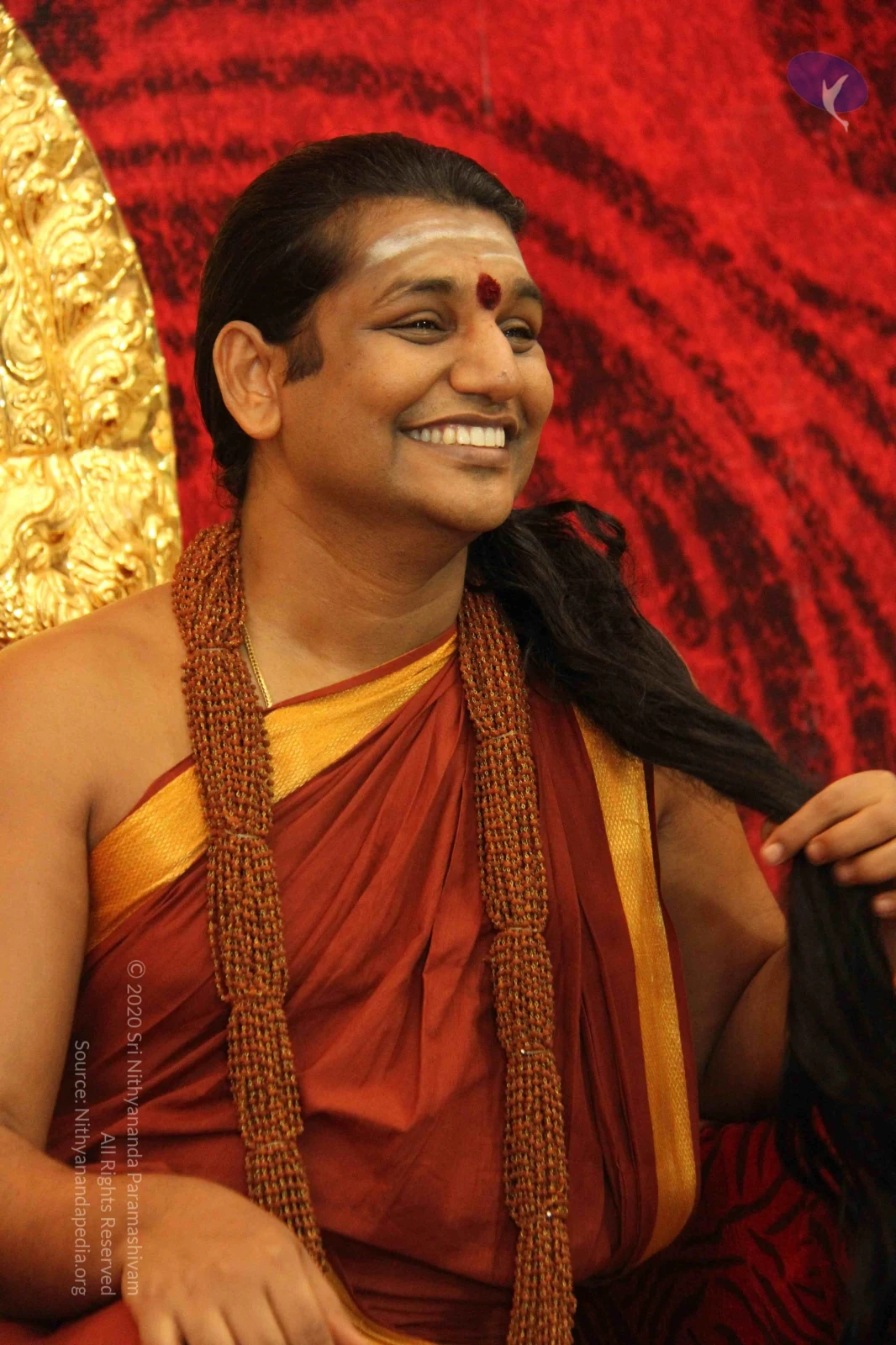
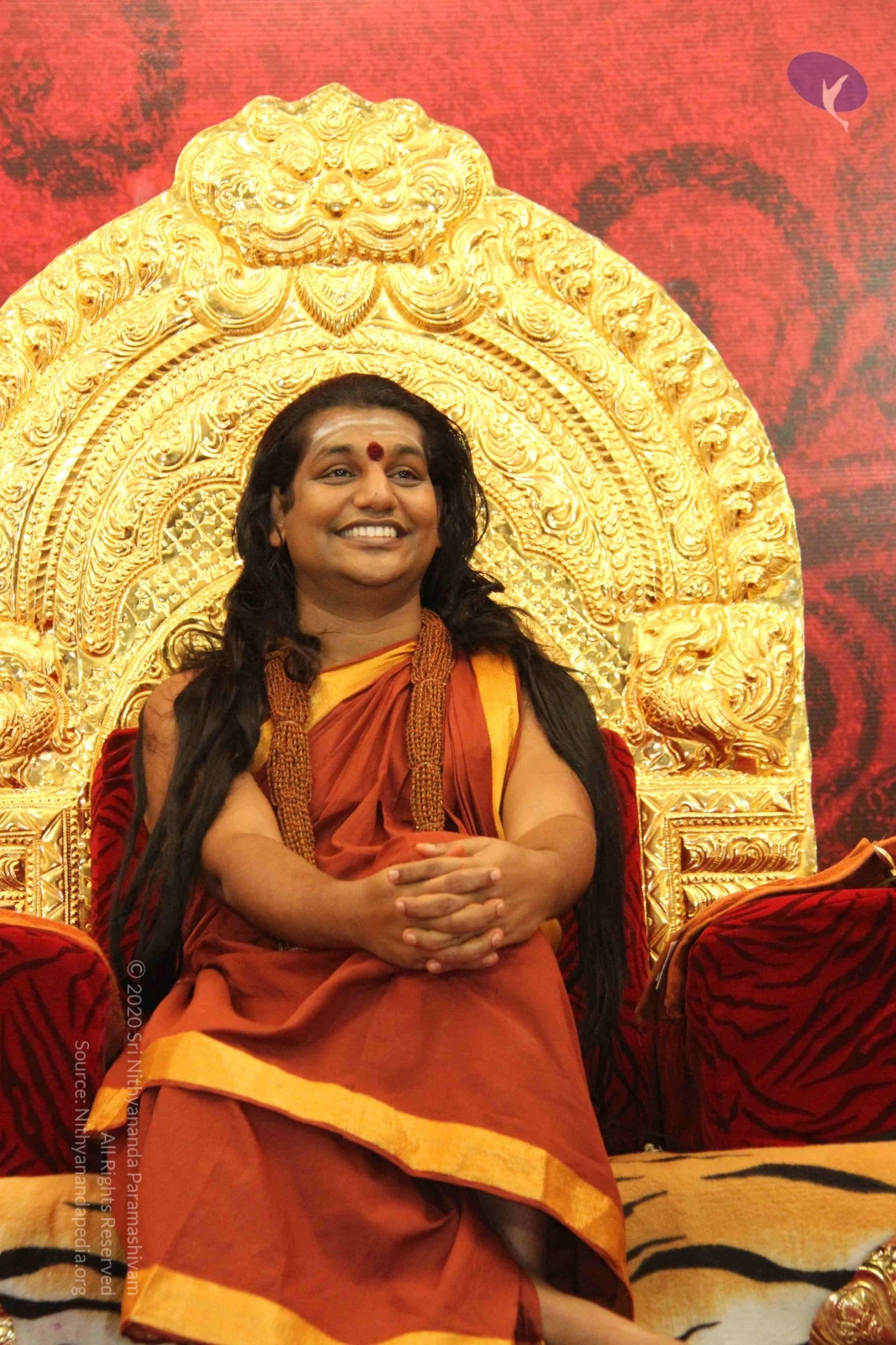
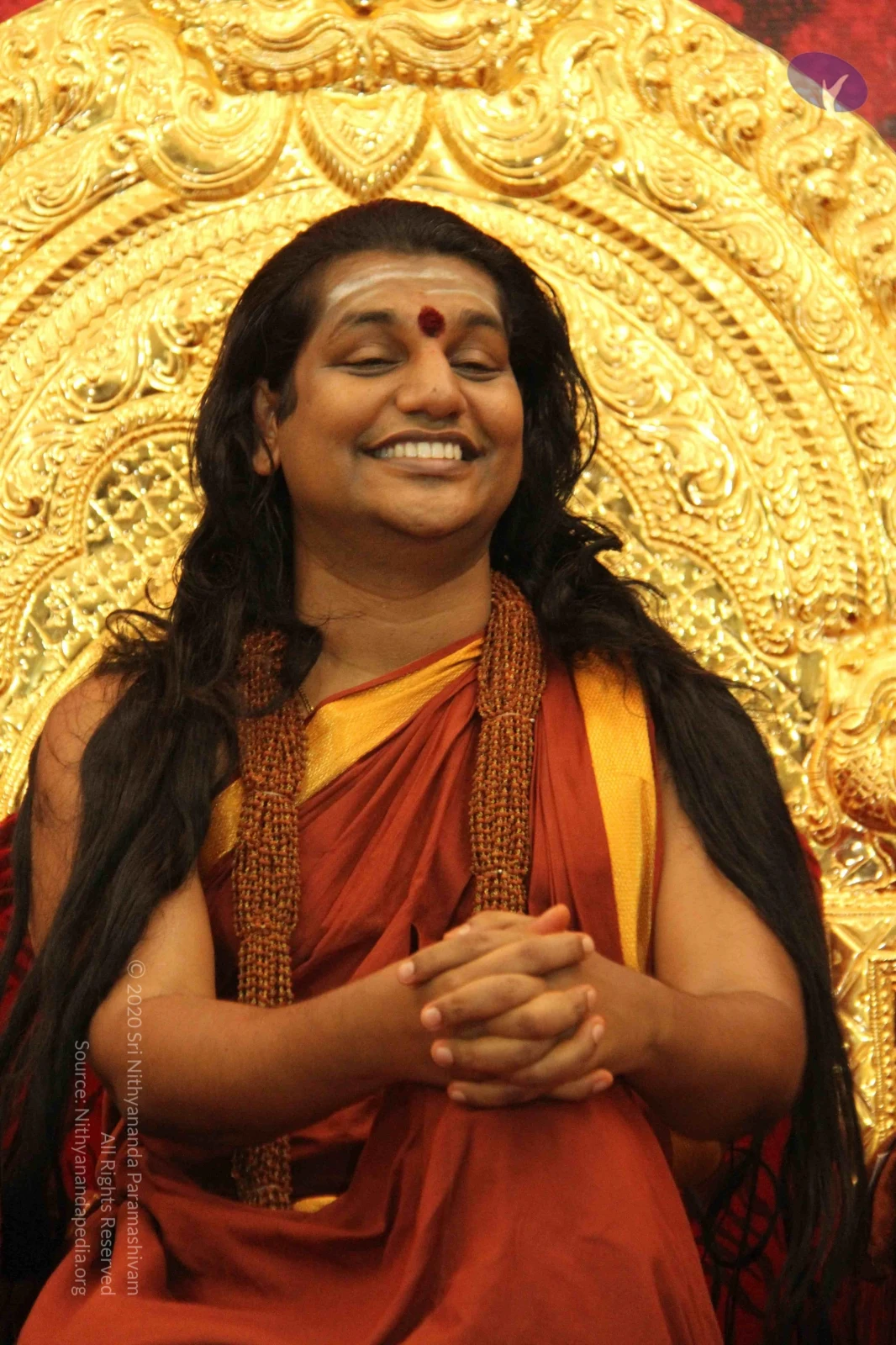
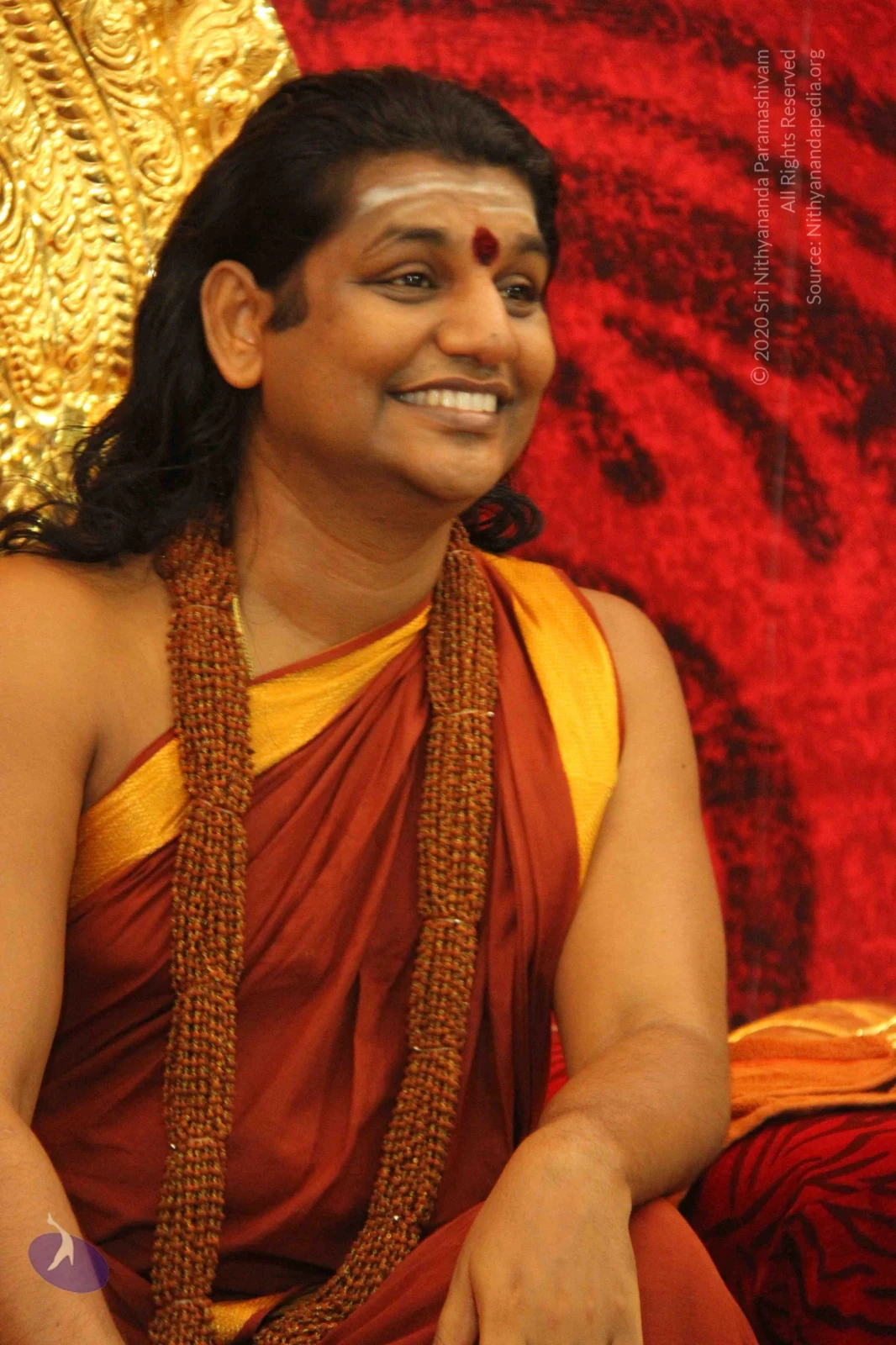
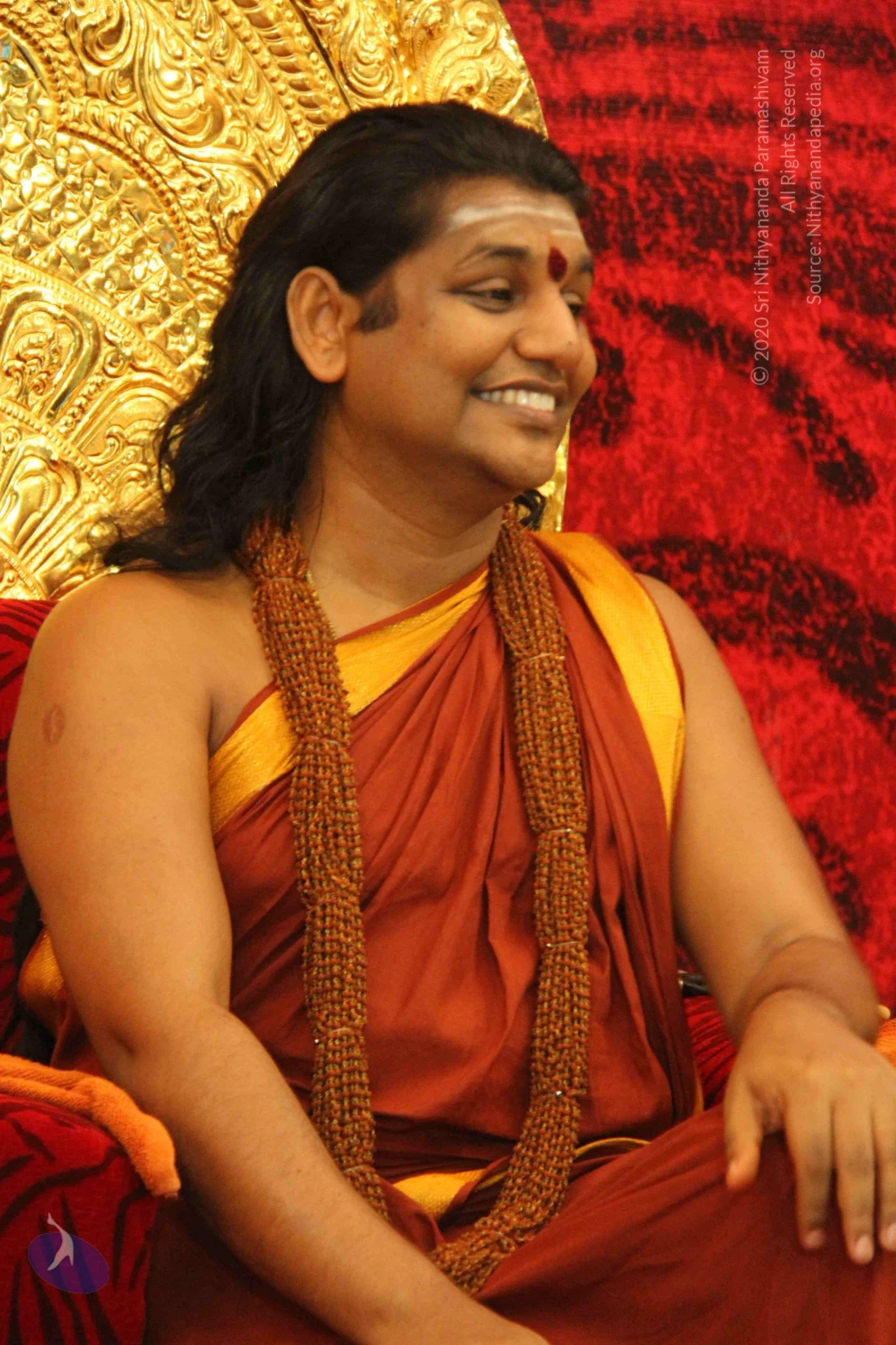
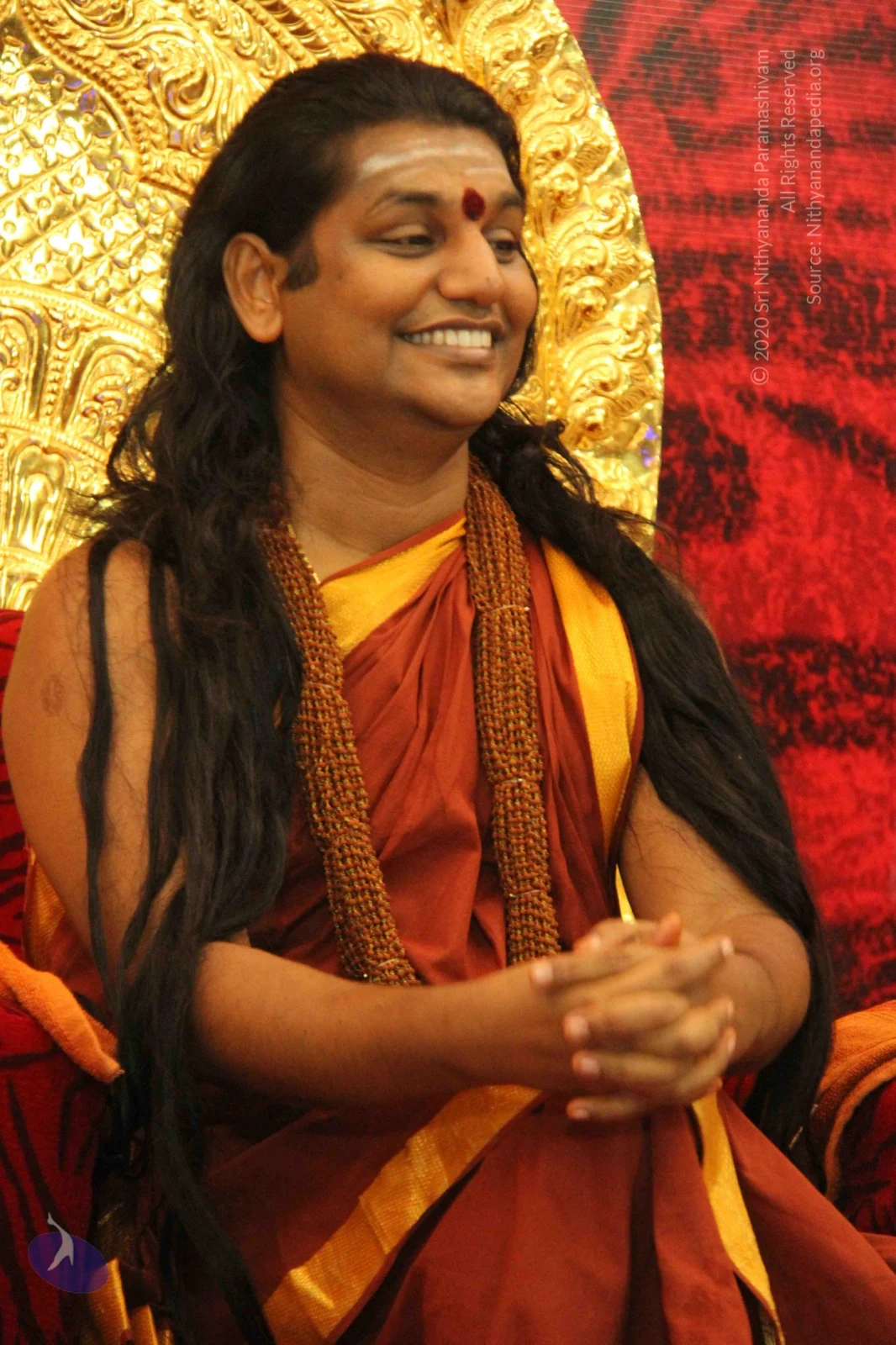
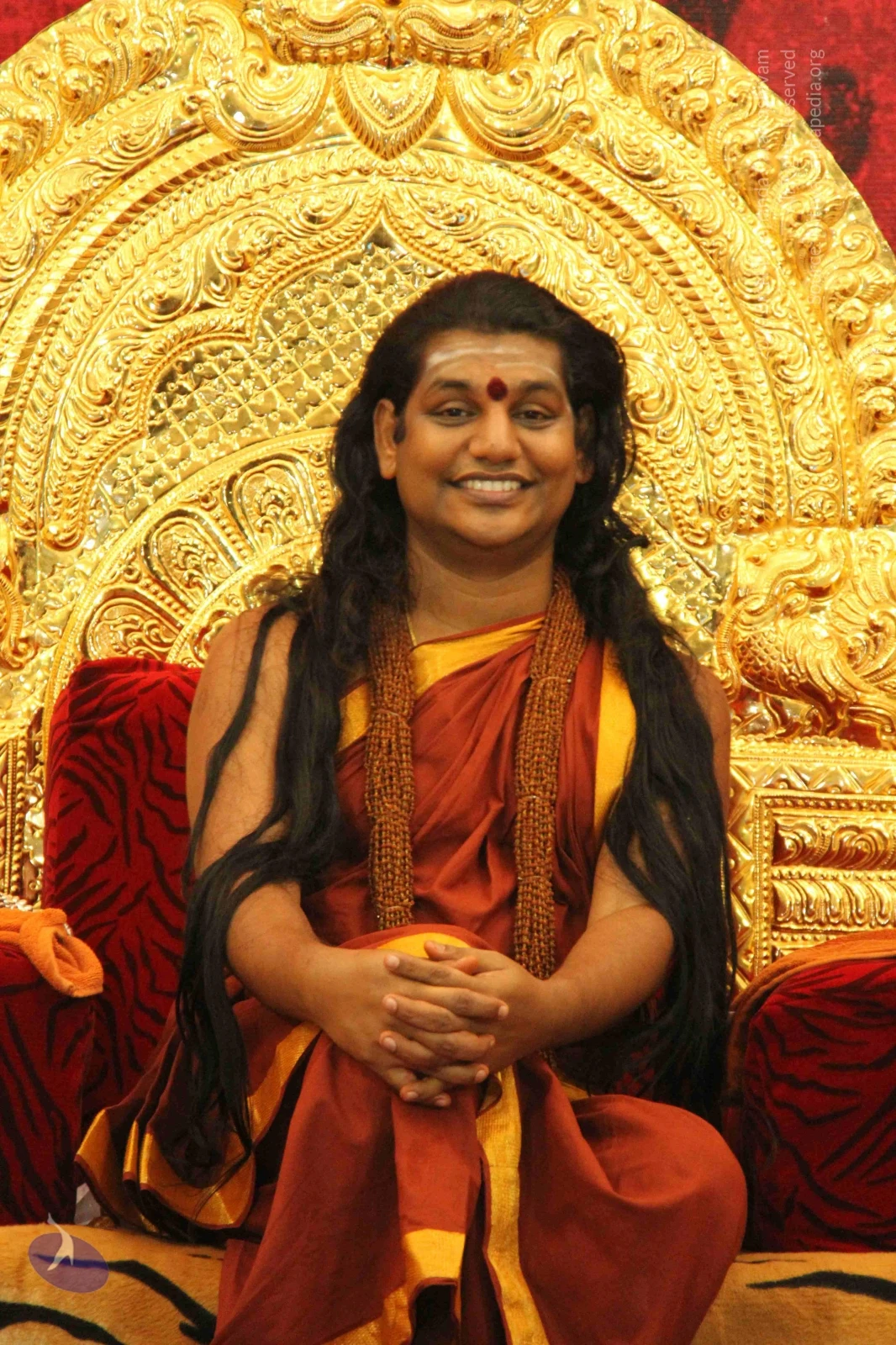
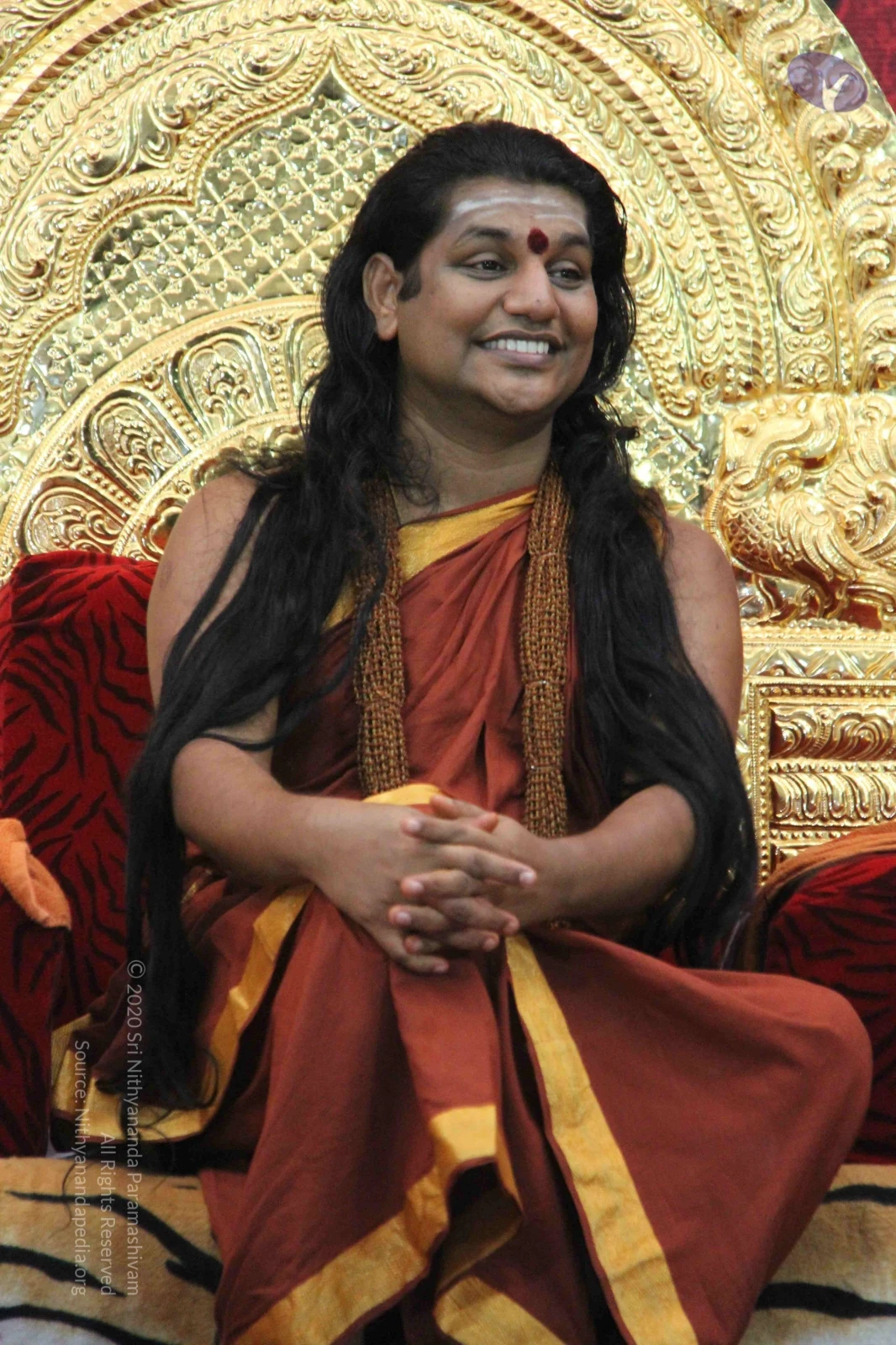
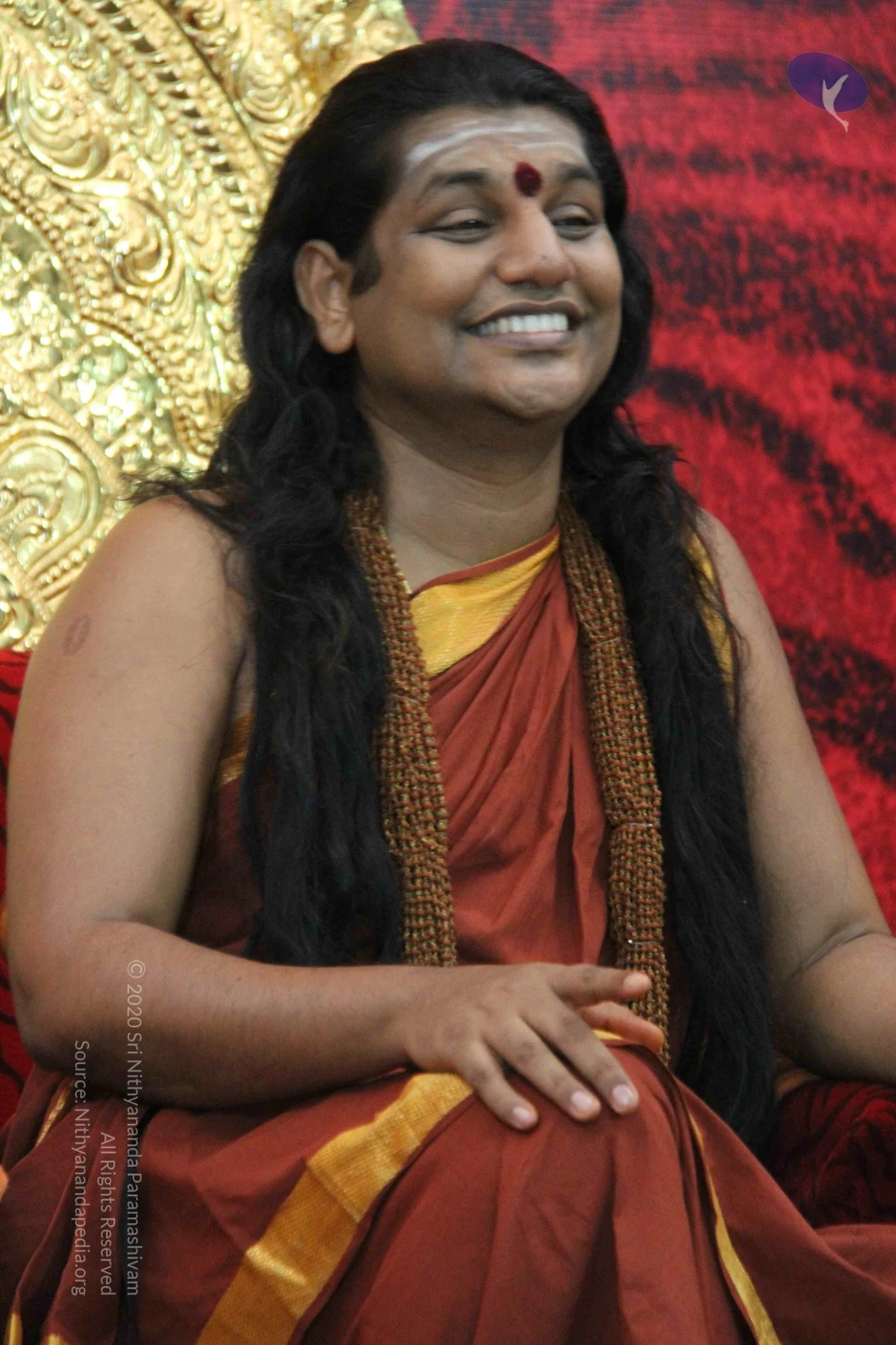
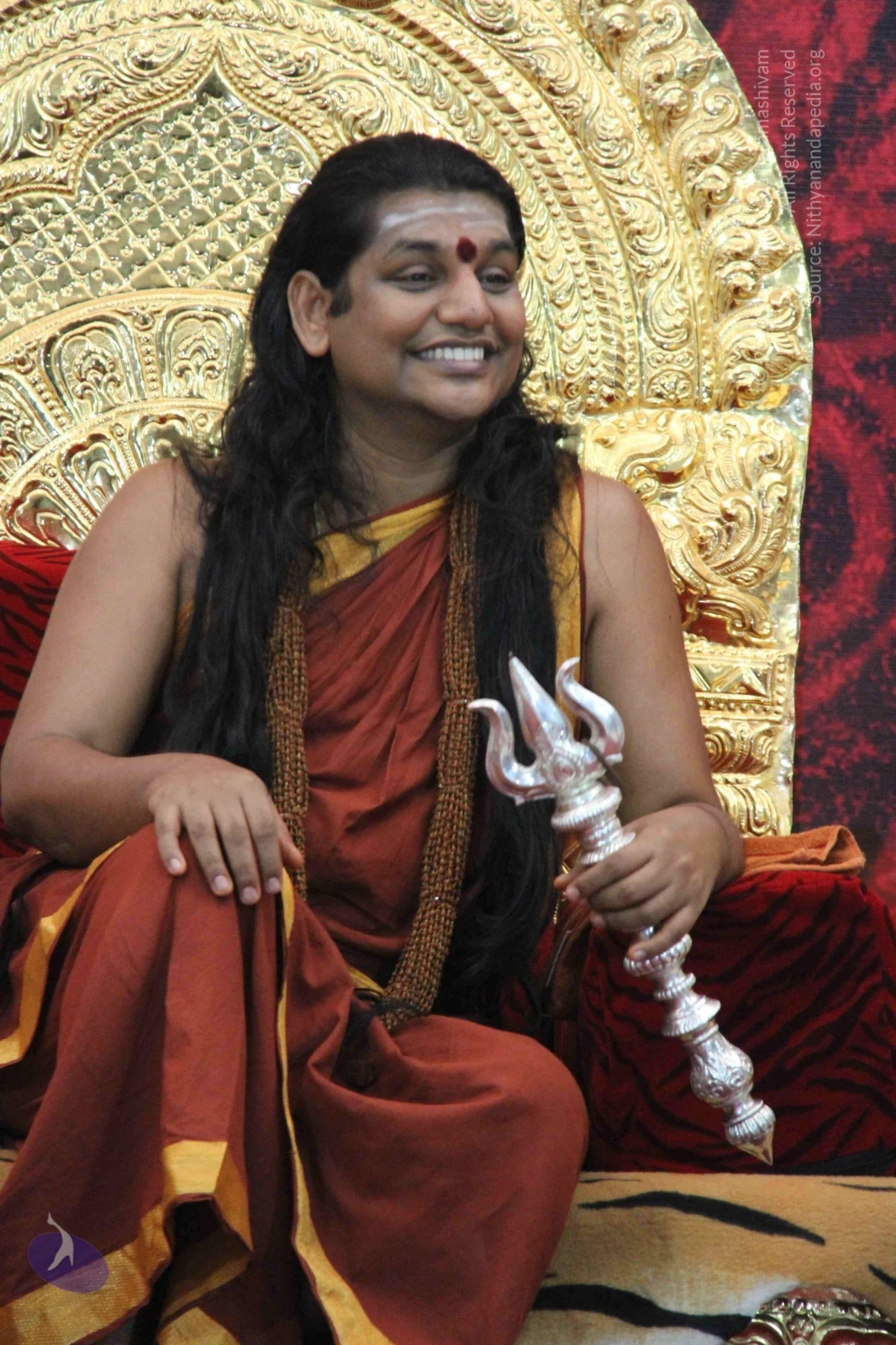
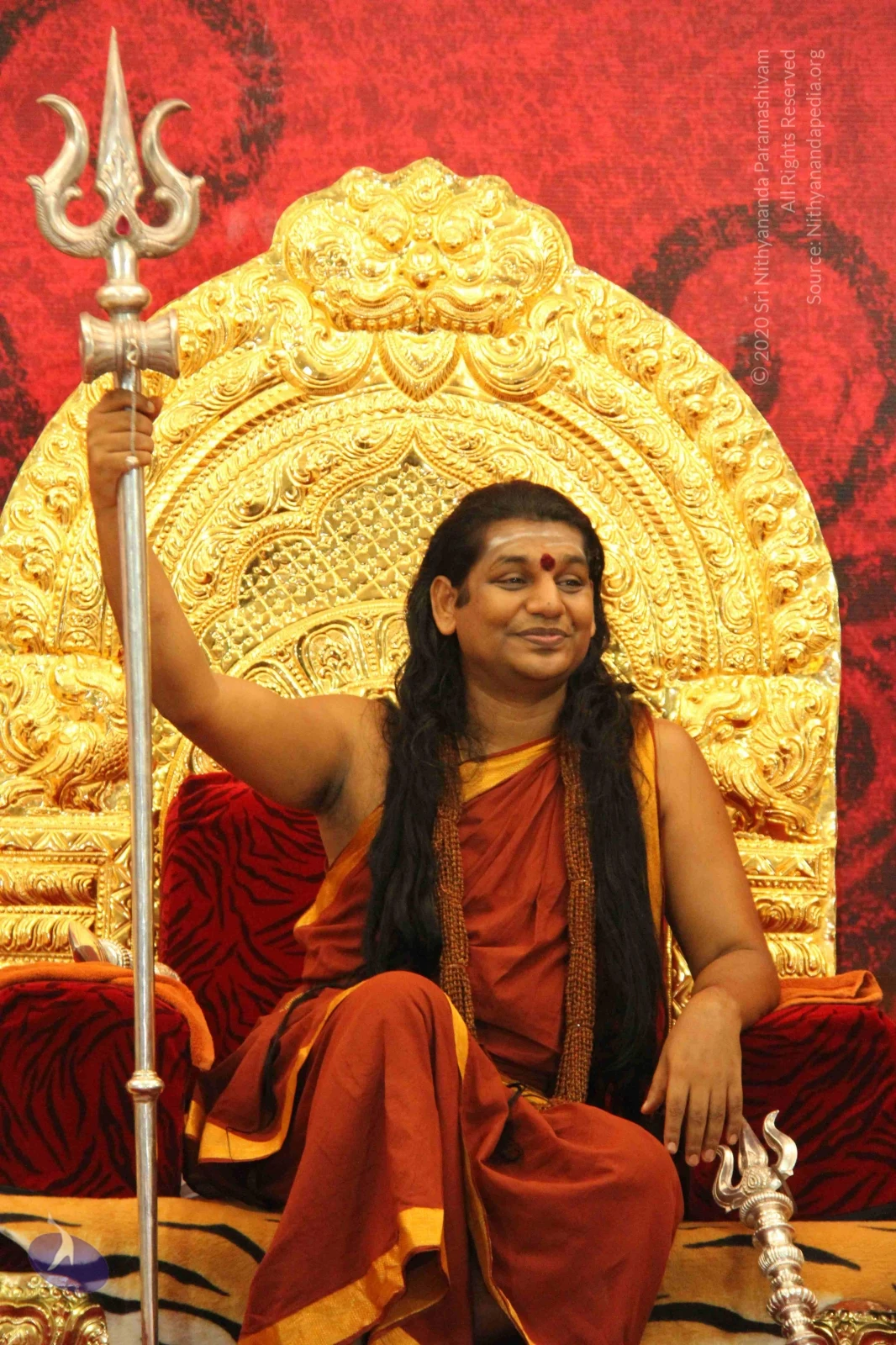
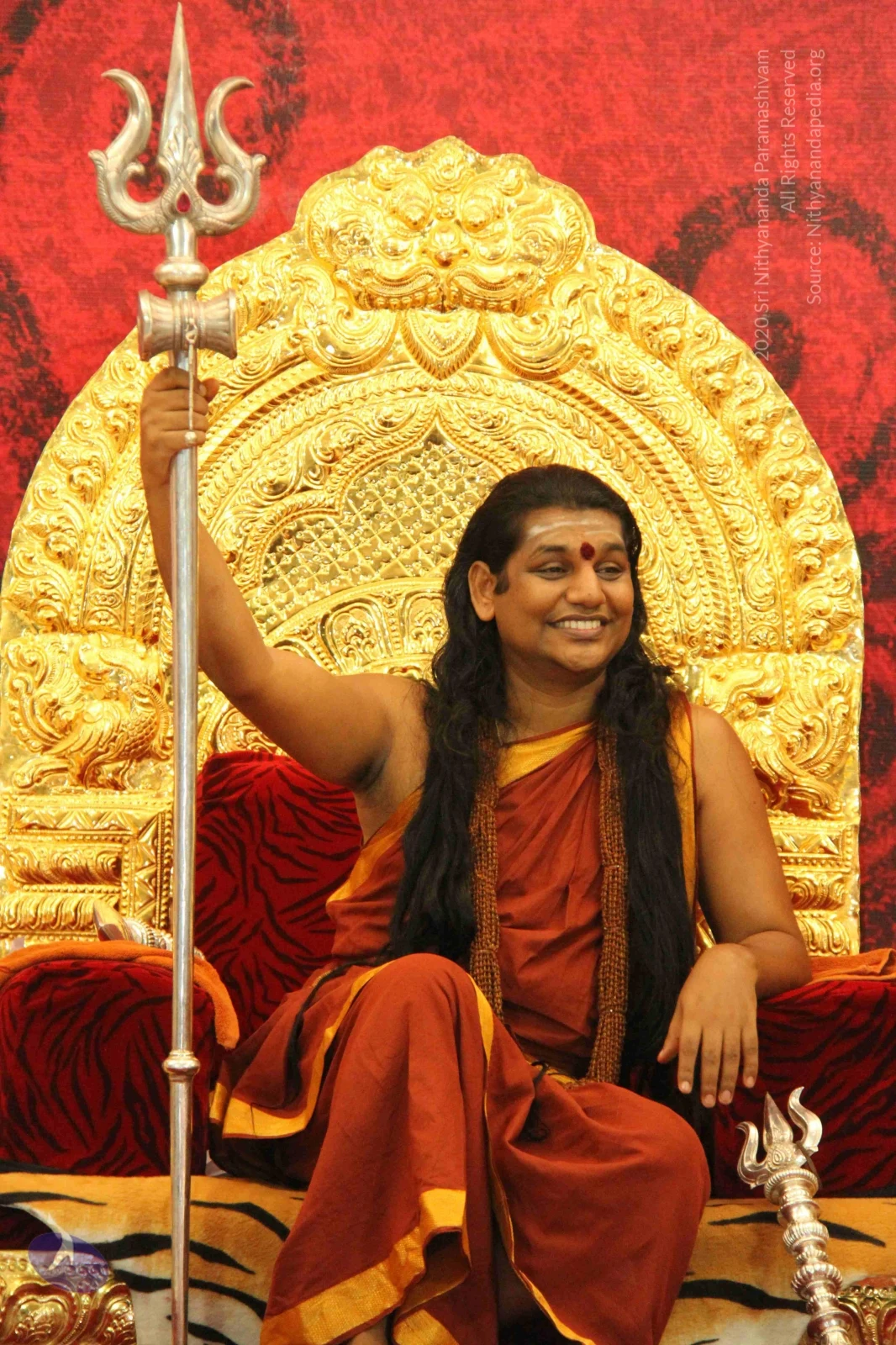
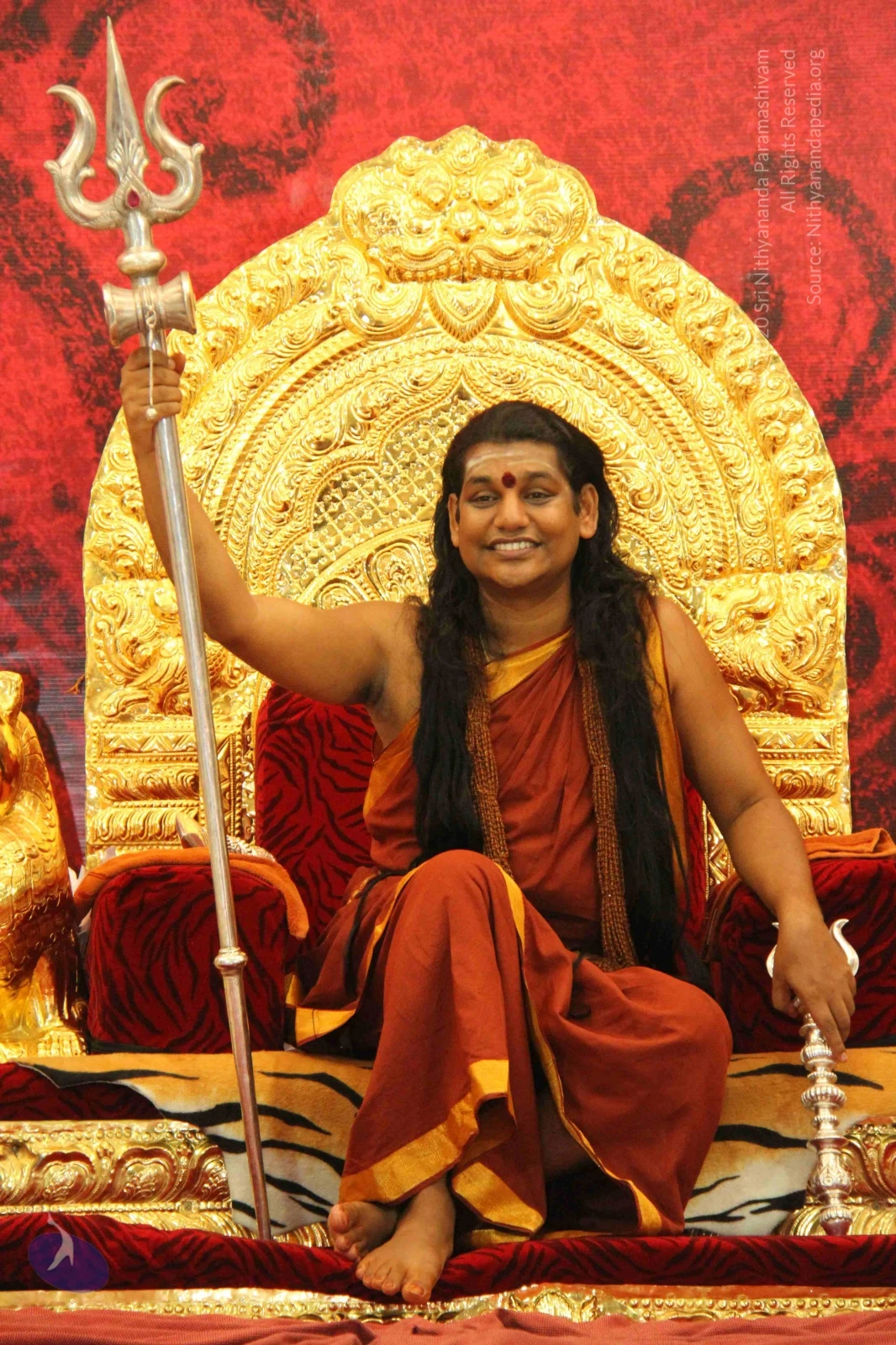
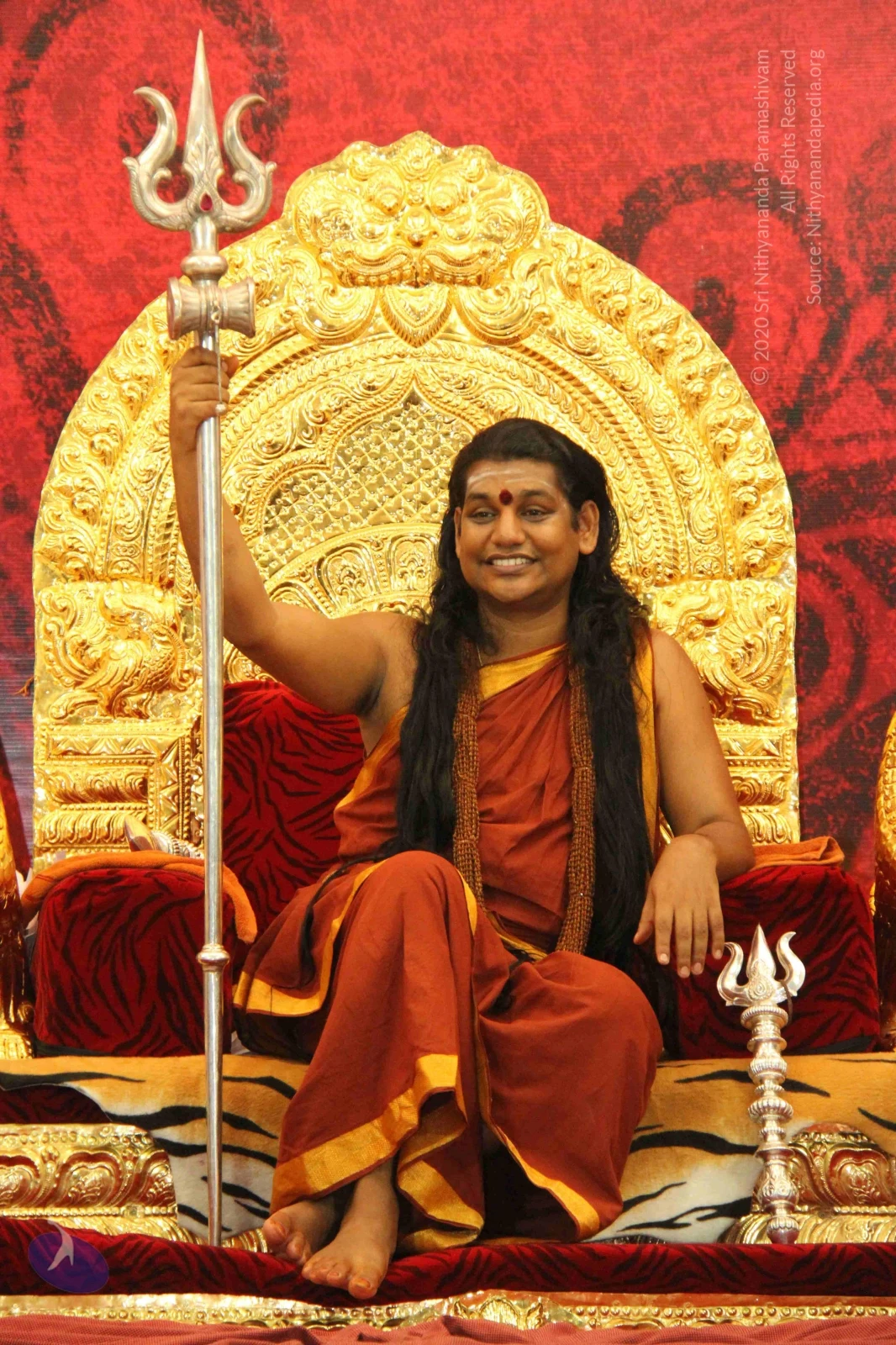
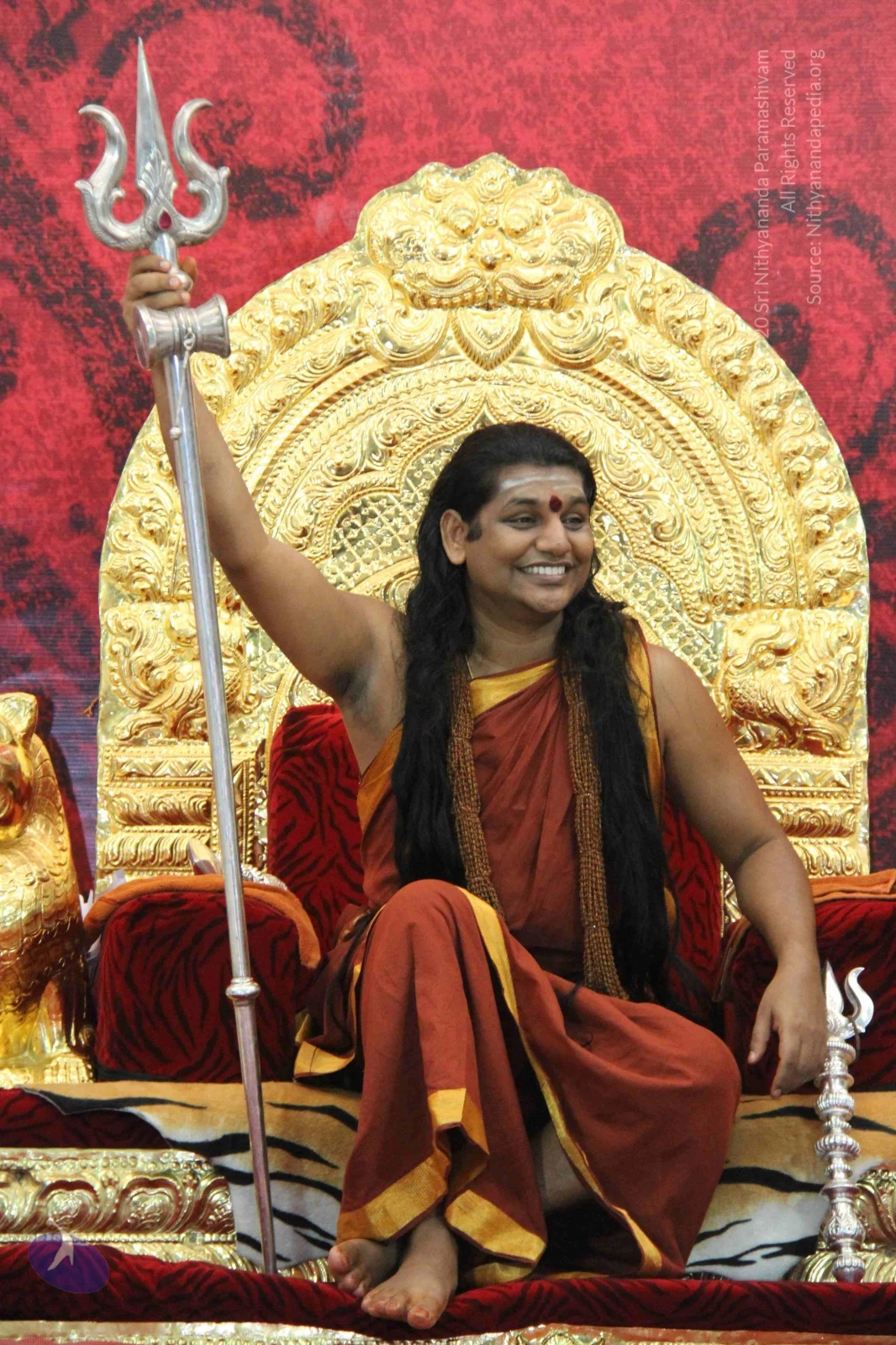
இந்த வீடியோ பதிவில் பகவான் ஸ்ரீ நித்யானந்த பரமசிவம் பக்தர்களிடம் அவர்களுடைய அனைத்து பிரச்சினைகளுக்கும் தீர்வளிக்கும் தியான நுட்பத்தை விளக்குகிறார் மற்றும் பக்தர்கள் அனைவரும் தாம் செய்த முழுமைத் தன்மை தியான நுட்பத்தை பற்றி அவர்களுடைய அனுபவத்தை பகிர்ந்து கொள்கிறார்கள். இந்த வீடியோ பதிவு 13 செப்டம்பர் 2013 அன்று ஆதிகைலாஸா, பெங்களூரு, கர்நாடகா, இந்தியாவில் நடைபெற்றது.

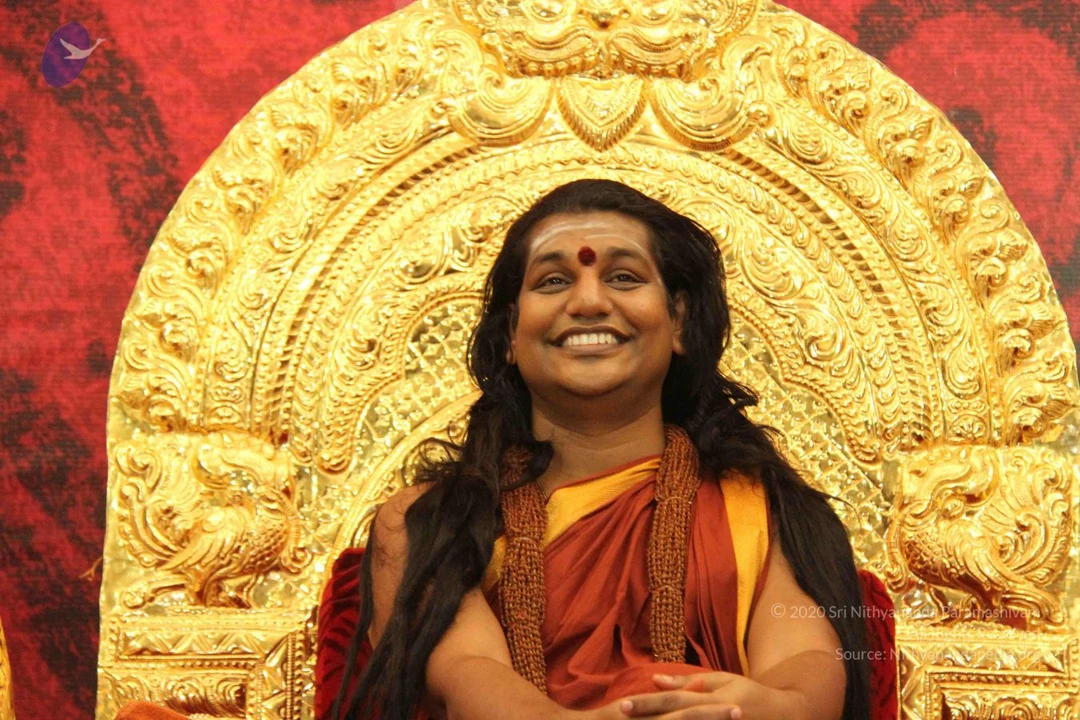
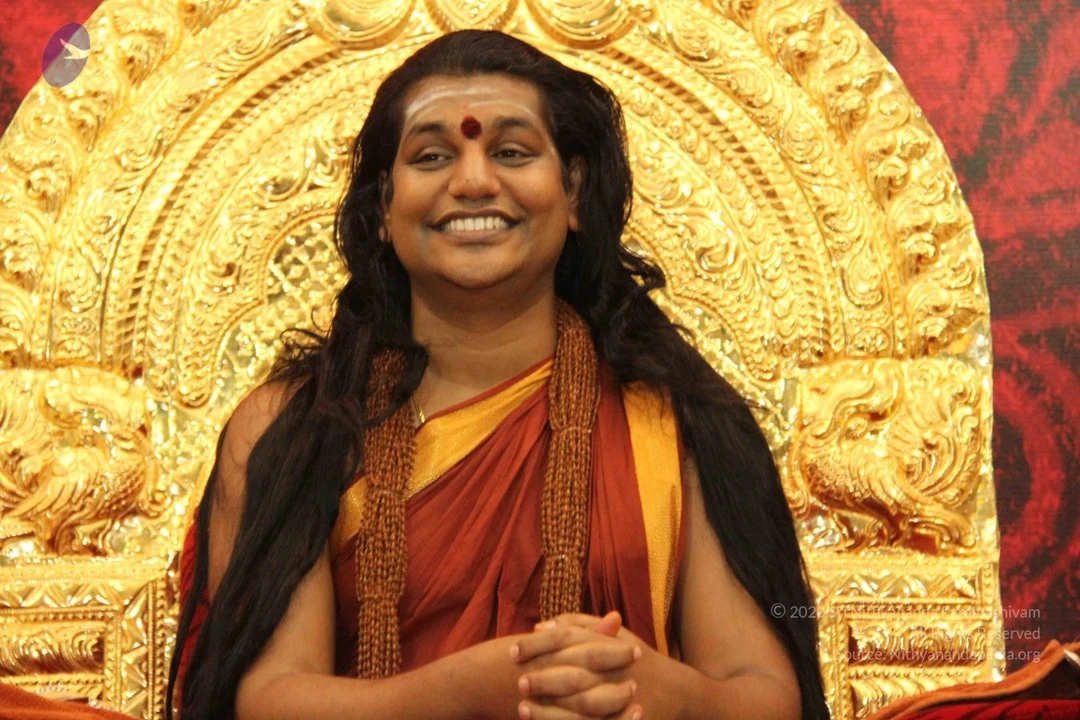
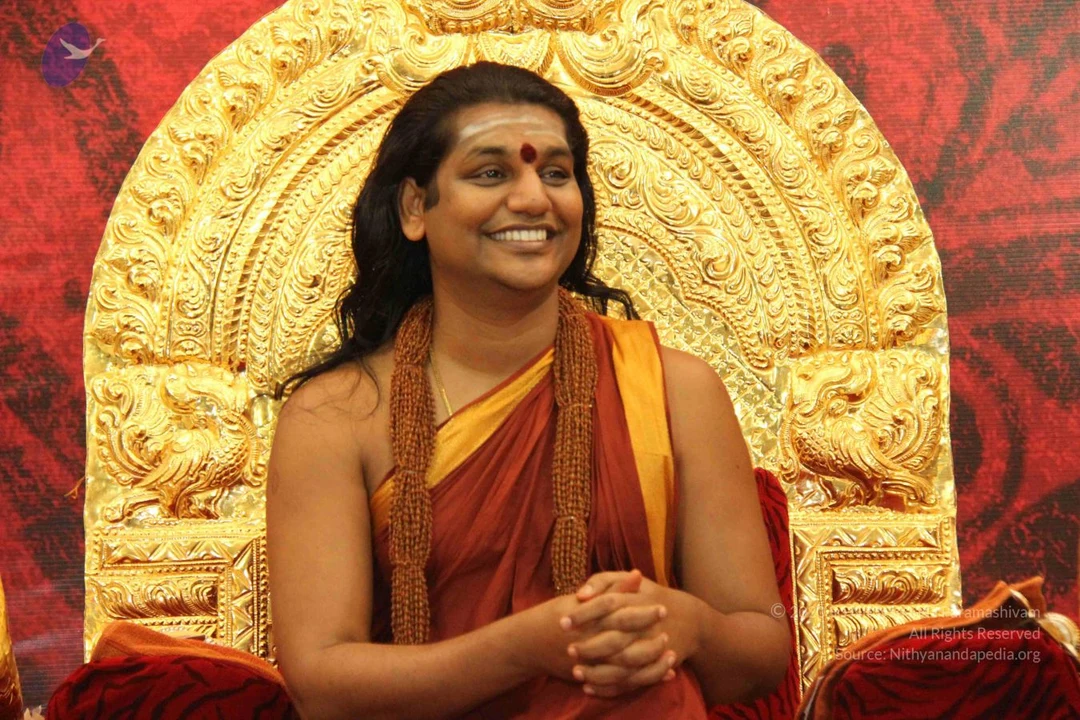
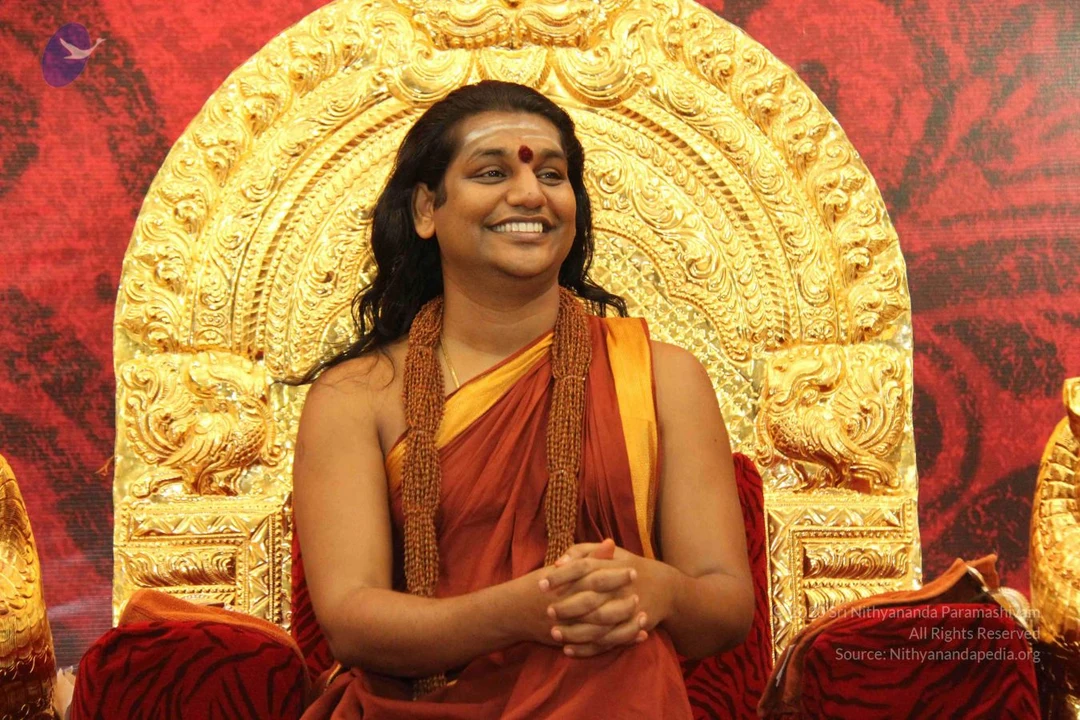
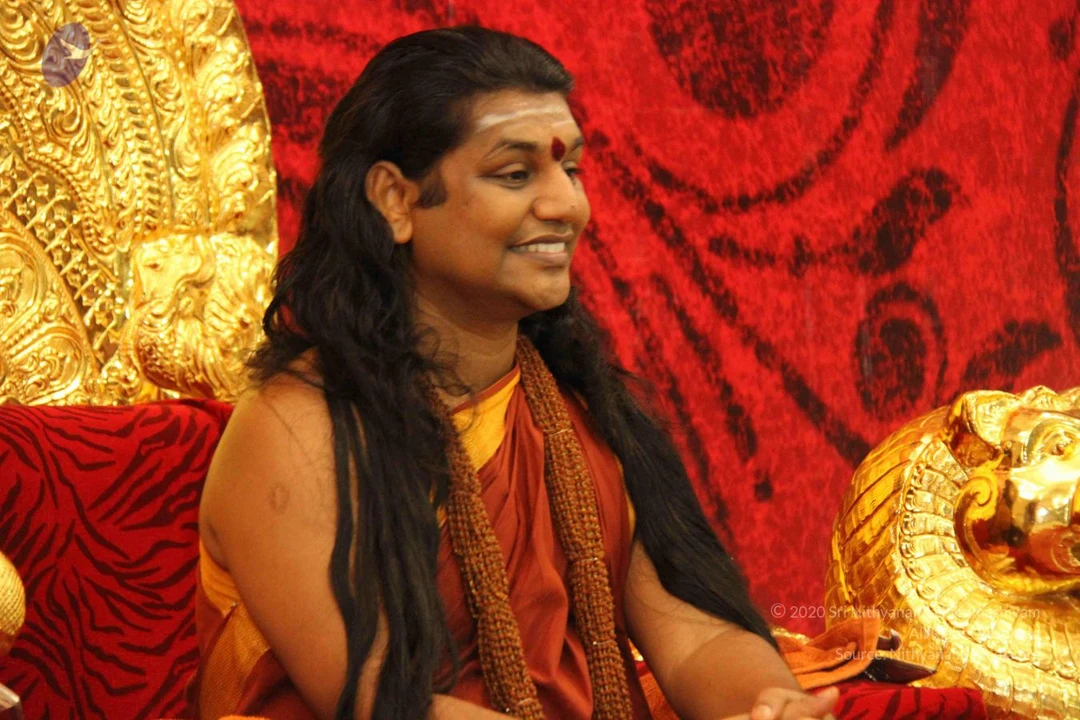
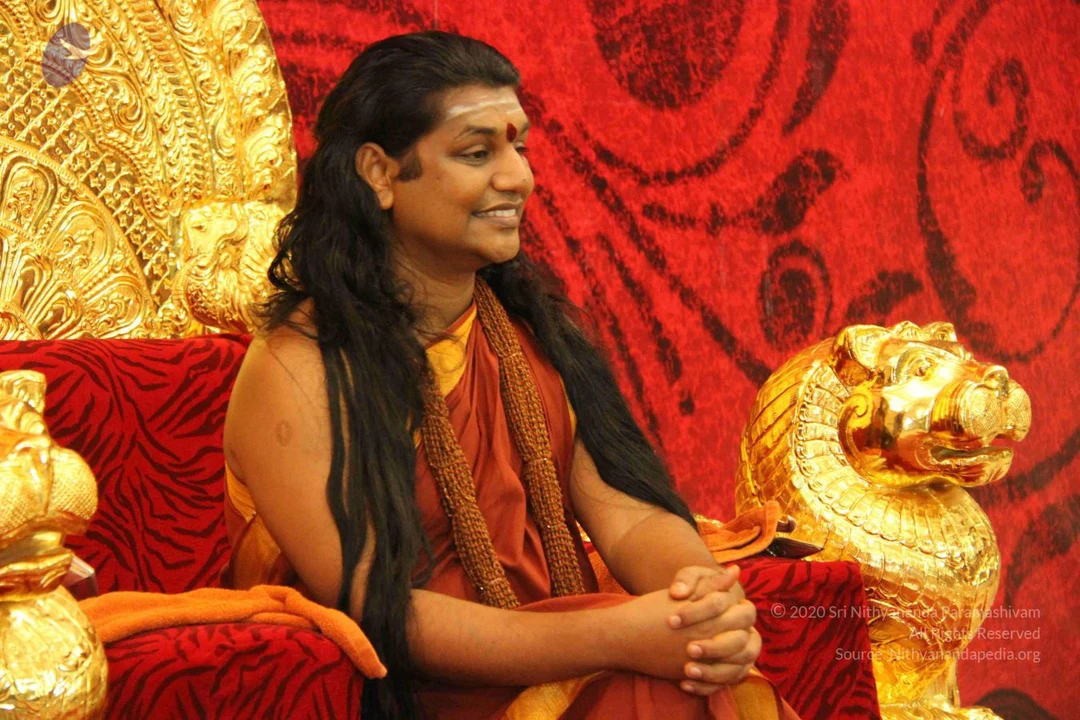
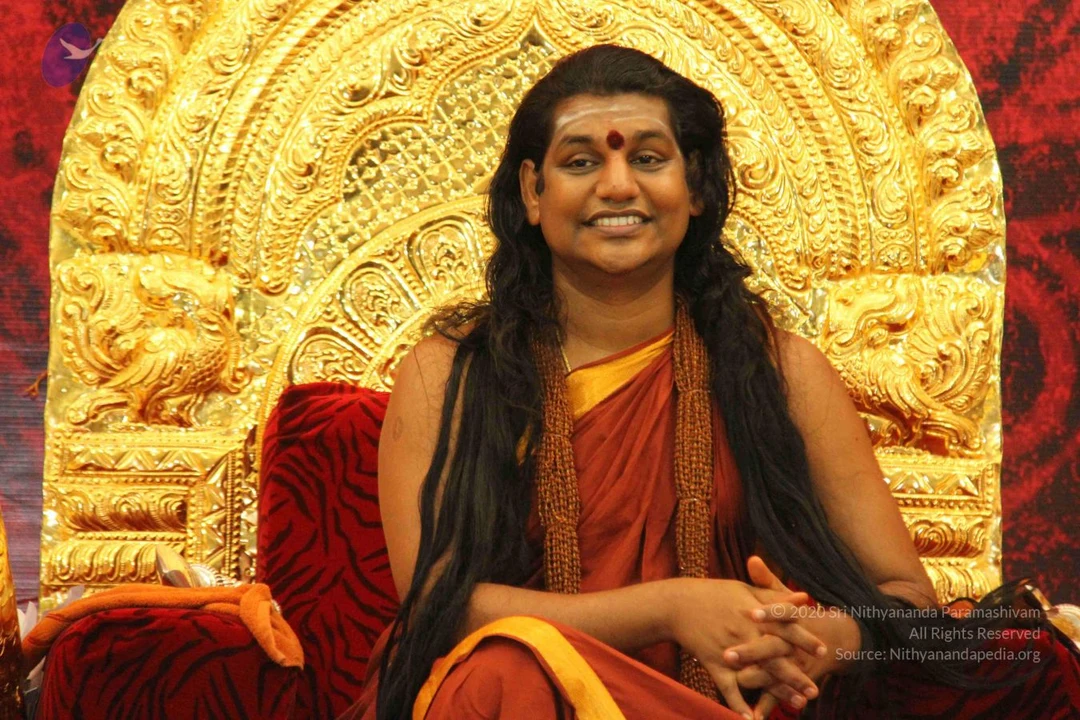
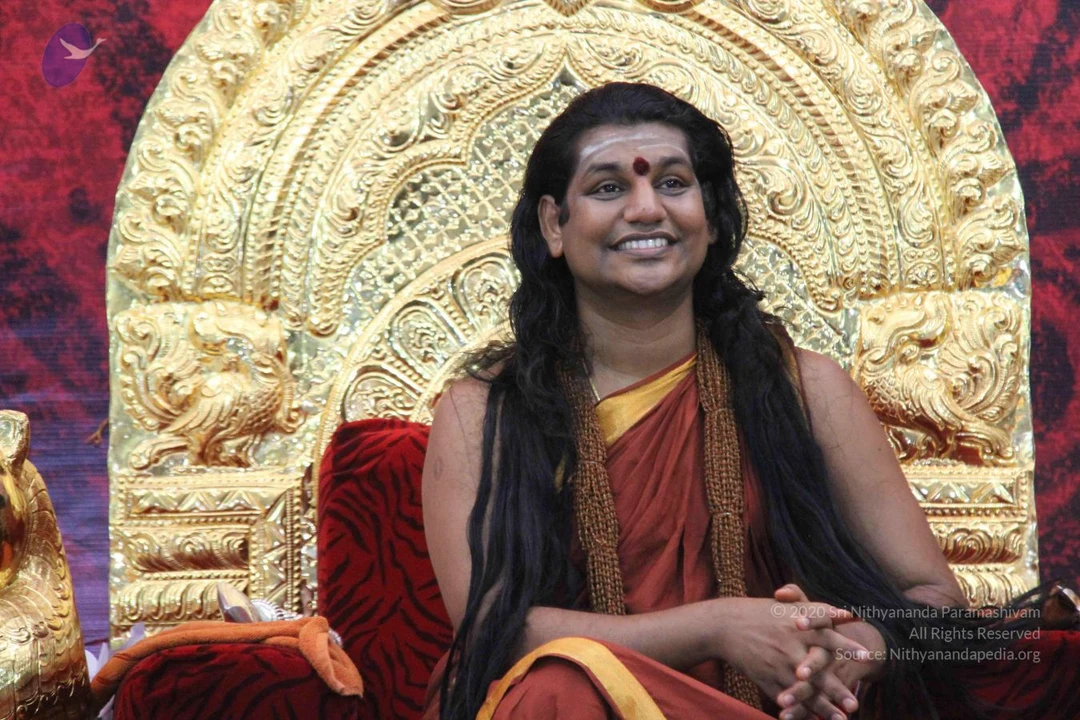
The Supreme Pontiff of Hinduism Jagatguru Mahasannidhanam His Divine Holiness #Nithyananda Paramashivam (HDH) is the reviver of #KAILASA - the ancient enlightened civilization and the great cosmic borderless Hindu nation. Revered as the incarnation of Paramashiva - the primordial Hindu Divinity, HDH has a following of 2 billion Hindus worldwide with de facto spiritual embassies in over 150 countries. He has worked untiringly for over 26 years for the revival of Kailasa, for global peace and to give super conscious breakthrough to humanity. He has survived the worst persecution of multiple assassination attempts on person and on character by anti-Hindu elements. He is collecting, organising, preserving, time capsuling, decoding, spreading and reviving 20 Million source books of Hinduism and the 64 sacred arts & sciences like Ayurveda, music, dance, sculpting, astrology, vastu and much more. Close to 20,000 hours of HDH’s timeless talks have been recorded till date (Sep 2020), which are a treasure trove of powerful cognitions to solve individual and global problems of any kind.

Link to Video:

VideoAudio

Title

தாழ்வு மனப்பான்மைகளில் இருந்து விடுவிக்க || பாகம் 2 || நித்ய க்ரியா யோகா || 13 செப்டம்பர் 2013

Description

நிகழ்ச்சி நிரல் - நித்ய க்ரியா யோகா
தலைப்பு - தாழ்வு மனப்பான்மைகளில் இருந்து விடுவிக்க பாகம் 2
இடம் - ஆதிகைலாஸா, பெங்களூரு, கர்நாடகா, இந்தியா
தேதி - 13 செப்டம்பர் 2013

இந்த வீடியோ பதிவில் பகவான் ஸ்ரீ நித்யானந்த பரமசிவம் பக்தர்களிடம் அவர்களுடைய அனைத்து பிரச்சினைகளுக்கும் தீர்வளிக்கும் தியான நுட்பத்தை விளக்குகிறார் மற்றும் பக்தர்கள் அனைவரும் தாம் செய்த முழுமைத் தன்மை தியான நுட்பத்தை பற்றி அவர்களுடைய அனுபவத்தை பகிர்ந்து கொள்கிறார்கள். இந்த வீடியோ பதிவு 13 செப்டம்பர் 2013 அன்று ஆதிகைலாஸா, பெங்களூரு, கர்நாடகா, இந்தியாவில் நடைபெற்றது.

The Supreme Pontiff of Hinduism Jagatguru Mahasannidhanam His Divine Holiness #Nithyananda Paramashivam (HDH) is the reviver of #KAILASA - the ancient enlightened civilization and the great cosmic borderless Hindu nation. Revered as the incarnation of Paramashiva - the primordial Hindu Divinity, HDH has a following of 2 billion Hindus worldwide with de facto spiritual embassies in over 150 countries. He has worked untiringly for over 26 years for the revival of Kailasa, for global peace and to give super conscious breakthrough to humanity. He has survived the worst persecution of multiple assassination attempts on person and on character by anti-Hindu elements. He is collecting, organising, preserving, time capsuling, decoding, spreading and reviving 20 Million source books of Hinduism and the 64 sacred arts & sciences like Ayurveda, music, dance, sculpting, astrology, vastu and much more. Close to 20,000 hours of HDH’s timeless talks have been recorded till date (Sep 2020), which are a treasure trove of powerful cognitions to solve individual and global problems of any kind.

Link to Video:

VideoAudio

Title

தாழ்வு மனப்பான்மைகளில் இருந்து விடுவிக்க || பாகம் 3 || நித்ய க்ரியா யோகா || 13 செப்டம்பர் 2013

Description

நிகழ்ச்சி நிரல் - நித்ய க்ரியா யோகா
தலைப்பு - தாழ்வு மனப்பான்மைகளில் இருந்து விடுவிக்க பாகம் 3
இடம் - ஆதிகைலாஸா, பெங்களூரு, கர்நாடகா, இந்தியா
தேதி - 13 செப்டம்பர் 2013

இந்த வீடியோ பதிவில் பகவான் ஸ்ரீ நித்யானந்த பரமசிவம் பக்தர்களிடம் அவர்களுடைய அனைத்து பிரச்சினைகளுக்கும் தீர்வளிக்கும் தியான நுட்பத்தை விளக்குகிறார் மற்றும் பக்தர்கள் அனைவரும் தாம் செய்த முழுமைத் தன்மை தியான நுட்பத்தை பற்றி அவர்களுடைய அனுபவத்தை பகிர்ந்து கொள்கிறார்கள். இந்த வீடியோ பதிவு 13 செப்டம்பர் 2013 அன்று ஆதிகைலாஸா, பெங்களூரு, கர்நாடகா, இந்தியாவில் நடைபெற்றது.

The Supreme Pontiff of Hinduism Jagatguru Mahasannidhanam His Divine Holiness #Nithyananda Paramashivam (HDH) is the reviver of #KAILASA - the ancient enlightened civilization and the great cosmic borderless Hindu nation. Revered as the incarnation of Paramashiva - the primordial Hindu Divinity, HDH has a following of 2 billion Hindus worldwide with de facto spiritual embassies in over 150 countries. He has worked untiringly for over 26 years for the revival of Kailasa, for global peace and to give super conscious breakthrough to humanity. He has survived the worst persecution of multiple assassination attempts on person and on character by anti-Hindu elements. He is collecting, organising, preserving, time capsuling, decoding, spreading and reviving 20 Million source books of Hinduism and the 64 sacred arts & sciences like Ayurveda, music, dance, sculpting, astrology, vastu and much more. Close to 20,000 hours of HDH’s timeless talks have been recorded till date (Sep 2020), which are a treasure trove of powerful cognitions to solve individual and global problems of any kind.

Link to Video:

VideoAudio

Title

Tamil Satsang by The Supreme Pontiff of Hinduism HDH Bhagavan Nithyananda Paramashiam (ஒருங்குவித்தல் -- மனிதர்களை புனிதர்களாக்கும் சத்தியம்!)

Link to Video

VideoAudio

Transcription

விமர்சனம் நீங்கள் விழித்துக் கொள்வதற்கே!

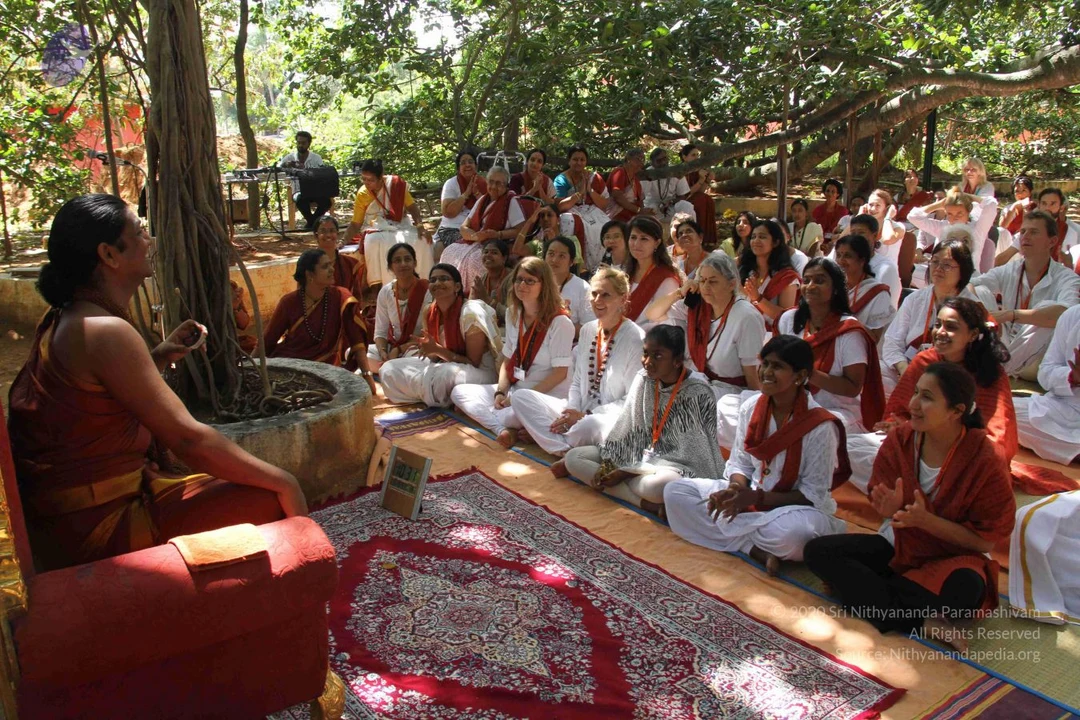
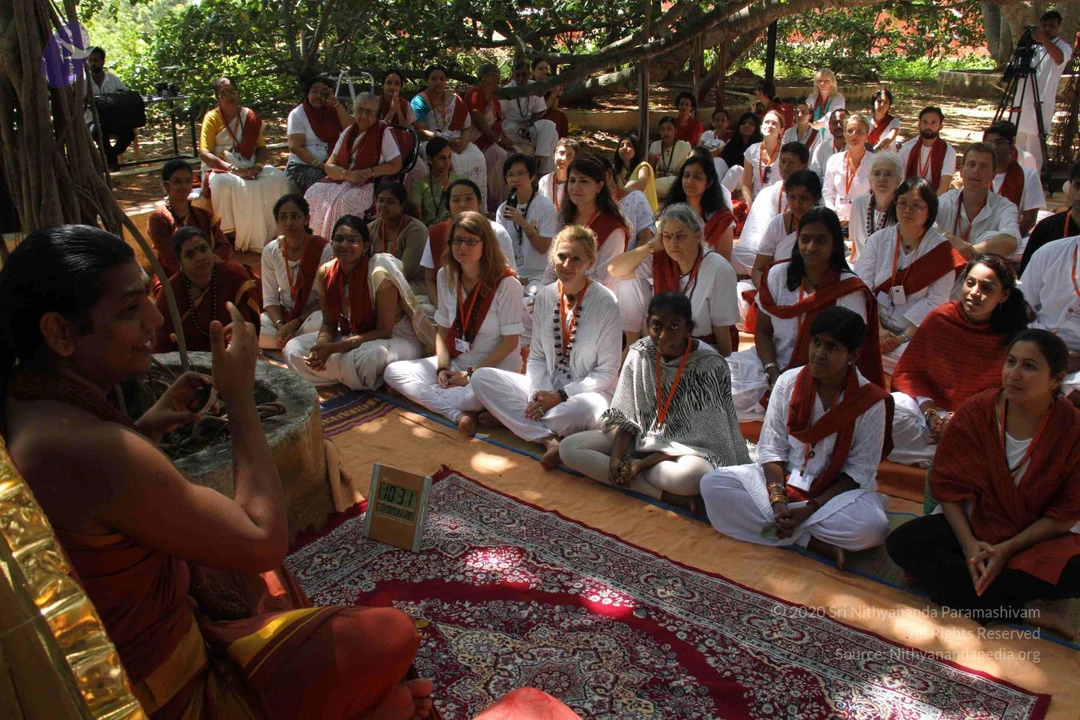
உங்கள் அனைவரையும் வணங்கி வரவேற்கின்றேன்.. ஏற்கனவே சில கருத்துக்களை உங்களோடு நான் பகிர்ந்து கொண்டிருந்தேன்.. கடந்த மூன்று நாட்களாக தமிழ் தியான சத்சங்கம் காலை நித்ய சத்சங்கத்தின் மூலமாக.. இன்று தொடர்ந்து உங்கள் கேள்விகளுக்கும் பதில் அளிக்கின்றேன். உங்களுடைய சந்தேகங்களுக்கும் விடை அளிக்கின்றேன்.

கேள்வி : சித்தர்களும் ஆழ்வார்களும் நாயன்மார்களும் வாழ்ந்த பக்தி தமிழ்த்திரு நாட்டின் இப்பொழுது பக்திக்கு பஞ்சமும், பங்கமும் நிகழ்கிறதே சுவாமிஜி.. பக்தி உணர்வோடு இருப்பவர்கள் எல்லோரையும் முட்டாள்கள் என்றும் அவர்கள் புத்தி இழந்தவர்கள் என்றும் சொல்லி கேலிக்குள்ளாக்குகிறார்கள்..  இந்த அநியாயமான நிலைமாற என்ன செய்ய வேண்டும்?  இந்துக்களான நாங்கள் எங்கள் முன்னோர்கள் போன்று உறுதியாக வௌிப்படுத்த வேண்டுமானால் என்ன செய்ய வேண்டும்? தனி நபரான என்னுடைய பணி இதில் என்ன? சுவாமிஜி:

நான் பொதுவாக இந்த மாதிரி சப்ஜெக்டையே தொடர்றது இல்ல. ஏன்னா என்னுடைய பதில் மிகவும் நேரடியான பதிலாக இருக்கும்.!. பெரிய கொடுமைங்கயைா..  தமிழர்களாகிய நாம் விமர்சனத்தைத் தாங்கிக்கொள்ளக்கூடிய தன்மையை, குணத்தை இழந்துவிட்டோம். நம்முடைய தலைவர்கள் விமர்சனத்தை தாங்கிக்காம பன்ற ரௌடிசங்களைப் பார்க்கும்பொழுது, அதாவது காலைல பத்திரிக்கைல ஏதாவது ஒரு வார்த்தை பிசறி தப்பாக அறிக்கை கொடுத்துவிட்டால் மாலைக்குள்ள ஒன்னு ஆட்டோலையோ.. இல்லை டூவீலர்லையோ அவங்க வசதிக்கு ஏத்தாமாதிரிற ரௌடிகள் உங்க வீட்டுக்கு வந்திடுவாங்க.  கல்லால் அடிக்கவோ, பெட்ரோல் குண்டு போடவோ அவரவர் வசதி, தகுதிக்கு ஏற்ப தங்கள் எதிர்ப்பை ஜனநாயகமான முறையில் வௌிக்காட்டுவார்கள். இதப் பாத்து பாத்து பாத்து என்ன ஆனீங்கையா.. இந்த  விமர்சனத்தை தாங்கி கொள்ளும் சக்தியை இழந்துவிட்டீர்கள்.

நல்லாத் தெரிஞ்சிக்கோங்க.. விமர்சனத்தை தாங்கிக்கொள்கின்ற சக்தியை இழக்கின்ற அந்த நாளே அந்த வினாடியே கற்றுக் கொள்கின்ற சக்தியை இழந்து விட்டோம். நம்மை மாற்றிக் கொள்ளும் சக்தியை இழந்துவிட்டோம். கேட்க விரும்பாதவர்களிடம் உபதேசம் சொல்வது சொல்பவனுக்கு கேடு! அப்படீன்னு சாஸ்திரத்துல படிச்சிருக்கேன் ஆனால் என் அனுபவத்திலேயே இப்ப பார்ததுட்டேன்! கேட்க விரும்பாதவனுக்கு சொல்வது சொல்பவனுக்குக் கேடு! அதனாலதான் பொதுவா இந்த மாதிரி, என்னா இப்ப இந்த கேள்விக்கு நான் விடையளிச்சேன்னா.. எப்படியாருந்தாலும் இதற்கு காரணமானவர்கள், சில உண்மைகள் அன்பினால் மட்டுமே புகட்ட முடியும்.

அது என்னன்னா ஒரு கவிதை எழுதறது, ஓவியம் வரையறது. ஒரு சிற்பத்தை செதுக்கிறது, இத வந்து நீங்க ஒருத்தர அடிச்சி போர்ஸ் பண்ணி கத்துக்குடுக்கவே முடியாது. அதனால தான் சொல்றேங்கையா ஆயிரம் ஆண்டுக்கு முன்பு கட்டப்பட்ட தஞ்சாவுர் ஆலயம், இராஜஇராஜன் அமைத்த தஞ்சை ஆலயம், சுந்தரபாண்டியன் செய்துவைத்த மீனாட்சி மதுரை மாநகர்.. வெறுமனே தமிழனின் கட்டடக்கலைக்கான எடுத்துக்காட்டு அல்ல, கட்டிடக்கலைக்கான  ஒரு சின்னம் அல்ல! அந்த காலகட்டத்திலே மனிதர்கள் வளமான வாழ்ந்திருக்கிறார்கள் என்பதற்கான சான்று! எகிப்தில் இருக்கிற பிரமிட பாத்தா அந்த காலத்தில் மக்கள் நிறைய உழைத்தார்கள் அப்படீங்கறதுக்கான சான்று, ஏன்னா அதுல எந்தவிதமான சிற்பமும் இருக்காது. மொத்தமா ஒரு போரில் ஜெயிச்சி ஒருபத்து லட்சம் பேரை அடிமையாக்கி அவர்கள் அடிச்சு உதைச்சா  செதுக்கி எடுத்து அடிக்கிட முடியும். அடிமைகள் செய்துவிட முடியும்.

தஞ்சாவுர் பெரிய கோவில் செய்ய அடிமைகள் முடியுமா? மதுரை மாநகரத்தை அடிமைகள் சமைக்க முடியுமா? முடியாது அரசனின் உத்தரவை ஏற்றுகூட அந்த மாதிரியான ஒரு கலைப்பொக்கிஷத்தை சமைக்கமுடியாது!

தானே ஆனந்தத்தில் பொங்கிக்கொண்டு துள்ளி குதித்து உற்சாகத்தோடு செயல்பட்டால் மட்டும்தான் என்னால தௌிவாபாக்க முடியது அந்த ராஜராஜேஸ்வரம் தஞ்சை பிரகதீஸ்வரர் ஆலயம் கட்டப்படும்பொழுது, சிற்பிகளும், பணியாளர்களும் உழைப்பாளர்களும் ஆங்காங்கு சிவ நாமத்தை சொல்லி சங்கீர்த்தனம் செய்து கொண்டே வேலை செய்திருப்பார்கள்! தஞ்சாவுர் கோவில் மாதிரி ஒரு அமைப்பை உருவாக்க உடல்பலம் மட்டும் கூட பத்தாதுங்கையா! உருவாக்க வேண்டும் என்கின்ற உற்சாகம் அது எப்ப மட்டும்தான் வரும்னா தான் பூர்ணத்துவ உணர்வில் இருந்தால்  மட்டும்தான் வரும்.

உண்மையிலேயே சொல்றங்கையா.. சத்தியமா  இது நான் உங்க எல்லாருக்கும் சொல்லவேண்டிய ஒரு உண்மை! உலகத்திலேயே ஒரு பெரிய சிவாலயத்தை அமைக்கனும் அப்படீங்கிறதுக்கா  நானும் ஒரு ரெண்டு வருஷமா உட்கார்ந்து பிளான் பண்ணிட்டு இருக்கேன். இவ்வளவு விஞ்ஞான வளர்ச்சி, வாகன வசதி இப்போ வந்துருச்சி இன்னமும்கூட, என்னால் இன்னொரு தஞ்சை கோபுரத்தை உருவாக்கிவிட முடியும் கற்பனைகூட பண்ணமுடியல. இப்ப கற்பனை பண்ணி செயல்படுத்தாம விடுறத விடுங்க..  கற்பனையே என்னால பண்ண முடியல. பொதுவாகவே சங்கத்துல நான் தான் பெரிய பெரிய வேலைகளை பண்ணச் சொல்லி சொல்வேன்... மத்தவங்கல்லாம் இல்ல சாமி அது முடியுமா? இந்த லெவல்ல பண்ணிறலாம், அப்படீம்பாங்க.. என்னாலேயே தஞ்சை பெரிய கோபுரத்தை கற்பனை பண்ணி பாக்கமுடியல.

நல்லா புரிஞ்சுக்கோங்க அந்த பெரிய கோபுரத்தைக் கற்பனைப் பண்ணவர்களுடைய இதயம் அதுமட்டுமல்ல ஸ்தபதி மட்டும் அதை உள்ளத்தில் உருவாகபடுத்தினால் மட்டுமல்ல. குறைந்தது அந்த முதல் நிலையில் வேலை பண்றாங்க பாருங்க, இரண்டாம் கட்ட தலைவர்கள்னு சொல்லுவோமே ஒரு பொலிட்டிக்கல் பார்ட்டியில, அந்த முதல் நிலையில் ஒரு ஐந்தாயிரம் பேராவது அந்த தஞ்சை கோபுரம் அந்த கான்செப்ட கம்ப்ளீட்டா அவங்க உணர்வில் வாங்கணும்... அப்ப ஐயாயிரம் பேராவது ஒரு கம்ப்ளீஷன்ல இருந்தாகனும், அந்த விஷுவலைசேஷன் அந்த க்ரியேட்டிவிட்டியை அவங்களால கிராஸ்ப் பண்ண முடியனும், அத ரியாலிட்டியா மாத்தனம் என்கிற உற்சாகம் இன்ஸ்பிரேஷன் வந்தாகணும், இது சத்தியமா சாதாரண வேலை இல்லைங்கையா.. ஏன்னா.. இந்த மொத்த 10 ஆண்டுகளாக நான் உழைத்து இந்த தியானபீட சங்கத்தின் மூலம் இவ்வளவு வேலை செய்து, இவ்வளவு பேசி இவ்வளவு சொல்லியும், ஒரு சில 100 பேர்களைத்தான் கம்ப்ளீஷன்ல இருக்க வைக்க முடியுது!  ஆவங்கள அந்த

கம்ப்ளீஷனுக்கு எடுத்துட்டு வந்து, அவர்ளுடைய க்ரியேட்டிவிட்டியை இன்ஸ்பையர் பண்ணி, இது எல்லாத்துக்கும் நடுவில், உக்காந்து யோசிச்சி பாத்தாதான் தெரியிது.. தஞ்சை பெரிய கோபுரம் தமிழனுடைய கட்டிடக்கலைக்கு மாத்திரம் எடுத்துக்காட்டு அல்ல!  அந்தக் காலக்கட்டத்திலே தமிழ் இனமே வாழ்ந்த ஒரு வெல்னஸ்,  ஒரு ஆனந்தமான உயர்ந்த உணர்வு நிலையை கல்லாலே வடித்துவிட்டுச் சென்றிருக்கின்றான் இராஜராஜன்! இல்லைனா இது சாத்தியமே இல்ல, எந்தவிதத்திலும் சாத்தியமில்லை. அடிமைகளாலே இவ்வளவு அருமையான சிற்ப வேலையை செய்யமுடியாது.  ஆடிமைகளால மொத்த மொத்தமாக செதுக்கி வைக்க முடியும்! பிரமிடெல்லாம் பாத்தீங்கன்னா ஒன்னுமில்ல மொத்த மொத்தமா செதுக்கி அடுக்குன கல்லுங்க..  ஆனால் தஞ்சாவூர்  கோபுரம் அப்படியில்ல.

ஒரே ஒரு இன்ஞ் தாராசுரம் கோவில், கங்கைகொண்ட சோழபுரம் கோவில், இதெல்லாம்ப் பார்க்கம்பொழுது ஒரேஒரு இன்சகூட கார்வ் பண்ணாம விடல, செதுக்காம விடல.  நம்மல்லாம் எப்படி பவுடர் போட்டு நம்ம உடம்ப ஒரு இன்சுகூட விடாம அழகு படுத்த முயற்சி பன்றோமோ..  அந்த மாதிரி மொத்த ஒரு கோவிலையே  ஒரு ஒரு இன்ச் விடாமல்  செதுக்கி அழகு  பண்ணயிருக்காங்க. இந்த மாதிரியான கலைகள் அன்பால் தான் கற்றுக்கொடுக்க முடியும் ஒரு ஆழமான கொடுப்பவருக்கும் வாங்குபவருக்கும் நடுவுல ஒரு ஆழமான அன்பு இருந்தாகனும்.

இன்னொரு முக்கியமான விஷயம் உங்களுக்கெல்லாம் தெரியனும்! தெரியணும் கருங்கல் வேலைசெய்யறவங்க ஐம்பது ஆண்டுகளுக்கு மேல் வாழ்வதில்லை காரணம் என்னதான் நீங்க முகத்துல திரை போட்டு பாதுகாத்தாலும், அந்தக்கல் தூசி பவுடர் மாதிரி போய் லங்ஸ்-ல உட்கார்ந்துவிடும். அதனால பொதுவாக கருங்கல்லில் வேலை செய்கிற ஸ்தபதிகள், பணியாளர்கள் 50 ஆண்டுகளுக்கு மேல் இருப்பதில்லை.  இது தெரிந்தும் தங்கள் வாழ்க்கையை தியாகம் பண்ணியிருக்காங்க.

இன்னும் சில கலைகள் இருக்க.. அன்பும் தேவையில்லை, வெறுப்பும் தேவையில்லை, ஜஸ்ட் ஒரு சாதாரணமா சொன்னா கேட்கிறவங்க கத்துக்க முடியும்.  கணிதம் - ஒரு கணிதத்தைக் கத்துக்கொடுக்க.. ஆசிரியருக்கும் மாணவனுக்கும் நடுவுல எந்தவிதமான ஒரு ஆழ்ந்த அன்புறவு தேவையில்லை. ஆனா ஒரு கவிதையையும், கலையையும், ஓவியத்தையும் கத்துக்குடுக்கனும்னா கொடுப்பவருக்கும் வாங்குபவருக்கும் ஆழமான உறவு வேணும்! அன்பு வேணும். அன்பில்லாது அந்த இடத்துல கவிதை பிறக்க முடியாது. அன்பு ஒன்னு குடுக்கனும் இல்ல முறியனும் அப்பதான் கவிதை பிறக்கும்.

ஓன்னு இதயம் மலரனும், இல்ல மலர்ந்திருக்கும் இதயம் முள்ளாலக் குத்தப்படனும், அப்பதான் கவிதை வரும்! அன்பினுடைய ஆனந்தமாகட்டும் சோகமாகட்டும் ஆனால் அன்பு சார்ந்து மட்டும்தான் கவிதை வரும். சில கலைகள் ஆழமான கொடுப்பவருக்கும் வாங்குபவருக்கும் இடையே ஆழமான அன்பிறிருந்து மட்டுமே கற்றுக்கொடுக்கப்பட கூடியவை.  அப்ப மட்டும்தான் டிரான்ஸ்மிஷன் நடக்கும்.

சில கலைகளில் அன்பும் தேவையில்லை, எதுவும் தேவையில்லை.. ஜஸ்ட் சொன்னா அடுத்தவங்க கத்துக்க முடியும்.  அது கணிதம்! ரெண்டும் ரெண்டும் நாலு,  அதுக்க அன்ப தேவையில்லை, வெறுப்பும் வர்றதுக்கு வாய்ப்பில்லை!

ஆனால் சில விஷயங்கள் சில பாடங்கள் சொல்லுகின்ற ஆசான் மீது வெறுப்பை உண்டாக்க கூடியவை! அது என்னன்னா ‘தன்னை மாற்றிக்கொள்ள சொல்லி கற்றுக்கொடுக்கப்படும் பாடங்கள்’  எப்பொழுது கற்றுக்கொடுக்கும் ஆசான் மீது வெறுப்பும் தன்னை மாற்றிக்கொள்வதற்கான விருப்பத்தையும் இழந்து ஒரு

இனம் தவிக்கிறதோ அந்த இனம் தன்னைத் தானே அழித்துக் கொள்ளும் அழிவை நோக்கி வேகமாக இயங்கிக் கொண்டிருக்கிறது! ரொம்ப அழகா வள்ளுவர் சொல்கிறார்.. ‘இடித்து உரைப்பார் இல்லாவிட்டால் ஒரு அரசன் கூட கெடுப்பான் இன்றி தானே கெடும். இடித்து உரைப்பவன் மீது வெறுப்பைக் காட்டுவது. இடித்து உரைப்பவன் மீது வெறுப்பைக் காட்டுவது மட்டுமல்லாமல், இடித்துரைக்க யாருமே இல்லாமல் வைத்துக் கொண்டே வாழ்வது! தமிழினத்திற்கு வந்த மிகப்பெரிய சாபபம் என்னன்னாங்கையா.. விமர்சனத்தை தாங்கி கொள்வதற்கான தகுதியை இழந்து விட்டு வாழ்ந்து கொண்டிருப்பது!

இப்ப நீங்க கேட்ட கேள்வி சித்தர்களும் ஆழ்வார்களும் நாயன்மார்களும் வாழ்ந்த பக்தி தமிழ் திருநாட்டில் தெய்வீக திராவிட நாட்டில், இப்பொழுது பக்திக்கு பஞ்சமும், பங்கமும்  நிகழ்கிறதே!..

சிலபேர் என்கிட்ட சொல்றதுண்டு..  ‘‘இல்ல சாமி பக்தி வளந்திருச்சி பிரதோஷத்துக்கு பாருங்க சிவாலயங்களை எவ்வளவு மக்கள் ஒவ்வொரு கோவிலிலும் மக்கள் பாருங்க! திடீர்னு பாருங்க திருவண்ணாமலை மாசமானா 10 லட்சம் பேர் மலை சுத்துறாங்க...! மீனாக்ஷி அம்மன் கோயில் ஒரு நாளைக்கு 60 ஆயிரம் பேர் தரிசனம் பண்றாங்க! பழனி முருகன் பாக்குறதுக்கு பத்து மணி நேரம் நிக்க வேண்டியதா இருக்கு!

நல்லா ஆழமாக புரிஞ்சுக்கோங்க இவைகள் எல்லாம் நல்லவை! தவறு என்று நான் சொல்ல ரொம்ப நல்லவை ஆனால் இதையெல்லாம் பக்தி வளர்ந்திருக்கிறது என்பதற்கான ஒரு சாட்சியாக நிரூபணங்களாக ஏற்றுக்கொள்ள முடியாது! பக்தி பலம் சார்ந்துதான் வளரும்! பக்தி வளர்ந்து இருந்தால் இந்நேரம் தமிழினம் பலமாக மாறி இருந்திருக்கும் அது நடக்கவில்லை. இன்னமும் உலகத்துல நல்லா புரிஞ்சுக்கோங்க தமிழ்நாட்டில, இந்தியாவில் இல்லை உலகத்திலேயே அதிகம் பேர் தற்கொலை செய்துகொள்ள மாநிலமாக தமிழ்நாடுதான் இருக்கு. இதுக்கும் கைத்தட்டிடாதீங்க.. எதுக்கா இருந்தாலும் கைத்தட்டிப் பழகிப்போயி..   இந்தியாவிலேயே அதிக அளவு குடிக்கின்ற மாநிலமாகவும் தமிழ்நாடு தான் இருக்கு. ஒருவேளை நாமெல்லாம் நினைக்கிறா மாதிரி. நான் விரும்பறமதிரி பக்தி வளர்ந்திருந்தால்,  இவ்வளவு பலவீனம் இருக்காது!

அதாவது டீச்சர்க்கும் ஸ்டூடண்ட்க்கும் நடுவுல ஒரு ஆழமான அன்பு இருந்தா மட்டும்தான் நாட்டியம் ஓவியம் சிற்பம் இந்த மாதிரி கலைகள் கற்று தரப்படும். கலைகளைக் கற்றுத்தருவது சாத்தியம்! அதனாலதான் பாத்தீங்கன்னா.. இந்தக் கலைகளைக் கற்றக்கொடுக்கிற பள்ளிகள் ரொம்ப கம்மியா இருக்கும்! ஏன்னா அந்த டீச்சர்க்கும் ஸ்டூடண்ட்க்கும் நடுவுல அந்த ரிலேஷன்ஷிப் வர்றது, அன்பான உறவு மலர்வது ரொம்ப கஷ்டமா இருக்கும். ரொம்ப கஷ்டம் ஆக்சுவலா! அதே மாதிரி அந்த உண்மையான கலைஞன் பாத்தீங்கன்னா.. ஆசான் மேல.. பொதுமக்கள் மத்தியில் காட்ட ஒரு மரியாதை மட்டுமல்ல தனிப்பட்ட விதத்தில் ஒரு ஆழமான அன்பு பரிமாற்றம் நடந்திருக்கும்.

ஏன்னா அன்பு என்கிற பாத்திரத்தில மட்டும்தான் கலை என்கிற உணவை கொடுக்க முடியும்! கணிதம் மாதிரி விஷயங்களை கற்றுக்கொடுக்க அன்பு தேவை இல்லை வெறுப்பும் வராது. இப்ப யாராவது வந்து உங்களுக்கு ரெண்டு ரெண்டு நாளுன்னு கத்துக்கொடுத்தா அவற வெறுக்க ஆரம்பிக்க மாட்டீங்க. மூன்றாவது விதமான அறிவு புகட்டல்..

அதென்னன்னா தன்னைத் தானே தன்னைத்தானே மேம்படுத்தி கொள்ளுகின்ற அந்த கலை யார் கத்துக்கொடுத்தாலுமே அவங்க மேல நமக்கு வெறுப்பு வந்துடுது. ஏன்னா அவங்க என்ன சொல்றாங்க? உங்களுக்குள் இருக்கிற உங்களுடைய புற்றுநோயை அறுத்து எடுத்து வௌியே எறிய சொல்றாங்க.   அது புற்றுநோய் கட்டியைதான் எடுத்து வௌியில்போட சொல்றாங்கன்னு நாம் நம்பறதில்லை. நம்முடைய கையையோ காலையோதான் வெட்டி வௌியிலே எறிய  சொல்றாங்கன்னு நாம நினைக்க ஆரம்பிச்சிடறோம்!

அதாவது தன்னுடைய குறைத்தன்மையை தௌிவில்லாமையை, உணர்வு மாற்றத்திற்கு தயாராக இல்லாததன்மையை, நம்முடைய வாழ்க்கைக்கு பாடம் சொல்லும் ஆசான் மீது வெறுப்பாகவும் கோபமாகவும் காட்டுகின்ற மூடர்களுக்கு ஞானம் வருவதில்லை! அவர்களுக்கு ஞானமளிக்க முயற்சித்தாலும் எனக்கு நடந்த கதிதான்! என்று வருங்கால ஞானிகளுக்கு சொல்லி வைத்து விட்டுப் போக வேண்டிய வருத்தமான சுழல்.

முதல் நிலை கல்வி கலைகளை கொடுக்கின்ற கல்வி.. இரண்டாவது நிலை கல்வி இந்த கணிதம் அந்த மாதிரியான துறை கல்வி மூன்றாவது நிலை கல்வி தன்னுடைய உணர்வு மாற்றம்

தமிழன்னா ஆலயம் சார்ந்த வாழ்க்கைமுறைங்கையா.. நம்முடைய அடையாளத்தை, நம்முடைய அடையாளத்தையே மறக்கச் செய்துவிட்டு இந்த அடையாளமே இல்லாதவர்களைத்தான் அறிவு பூர்வமாக காட்டி,  அவர்களுக்கு இல்லாத விருதுகளை எல்லாம் பூட்டி,  எருதுகளாய் பூட்ட வேண்டிய மூடர்களுக்கு, மூடர்களுக்கு விருதுகளைப் பூட்டி, இந்த உணர்வு மாற்றம் சார்ந்த எந்தக் கல்வியும் வேரூன்றாமல் பார்த்துக்கொண்டார்கள்.

கொஞ்ச நாளாக சைவ சித்தாந்தம் பத்தி நிறைய புத்தகங்கள் படித்திருக்கிறேன் கூடிய விரைவில் தியானபீடத்தின் சார்பில் சைவசித்தாந்த கல்லூரியை எதிர்பார்க்கலாம்! அதற்கான திட்டங்கள் வேகமாக விரைவாகத் தீட்டப்பட்டுக்கொண்டிருக்கின்றன..   அப்போது ஆய்வு பண்ணிட்டிருந்தேன்..  சைவம் மொத்தம் பாப்புலரான அஞ்சு சம்பிரதாயங்களை பாகமாக உள்ளடக்கியது. சௌராஷ்ட்ரத்து லகுலீஷ சைவிசம்.. காஷ்மீரத்து தாந்திரீக சைவிசம்.. லிங்காயத் வீர சைவிசம்.. தமிழ்நாடு சைவ சித்தாந்த சம்பிரதாயம் மேற்கு வங்காளம், காமாக்யா, அஸ்ஸாம் போன்ற பகுதிகளில் பரவலாக இருக்கும் அகோர சைவம். இந்த 5 தான் மேஜரான சைவ சம்பிரதாயங்கள். இந்த ஐந்தையும் ஆழ்ந்து பார்த்தோமானால் எதையும் உயர்ந்தது தாழ்ந்தது மதிப்பிட வரல

ஆனால் கொடுமை என்னன்னா? இப்போ இந்த காலகட்டத்தில் இந்த ஐந்து சைவத்துல மிகக் குறைந்த நபர்கள் படிப்பது சைவசித்தாந்தம்தான். ரொம்ப கம்மிபேர்..  படிக்க ஆள் இல்லாததனால்  கல்லூரிகள் இல்லாம போச்சு! அதுமட்டுமில்லாமல், அதாவது மனிதனை மேம்படுத்தக்கூடிய அறிவாக அந்த சைவசித்தாந்தம் முன்னிறுத்தப்படாததும், முன்னிறுத்தினால் நிறுத்துபவர்களை மூக்கை உடைத்து அவர்கள் மடங்களுக்குள் முடக்குவதும் தொடர்ந்து தமிழ்நாட்டில் நடந்து கொண்டே இருப்பதால் இது ஒரு கொடுமையான சுழ்நிலை! ஒரு பெரிய ஒரு ஜென் ஞானியை ஒரு சீடன் கேட்கிறான் மனிதனுக்கு மோசமான நிலை எது?

அவர்கள் நீயே சொல்லப்பா! நீ என்ன மோசமான நிலையில் நினைக்கிற? அவன் சொல்றான் வைத்து சாப்பாடு இல்லாம இருக்கிறது! ஞானி சொல்றாரு இல்ல! இல்ல உடுத்திக் உடை இல்லாம இருக்கிறது? ஞானி சொல்றாரு இல்ல! தன்னுடைய பெயர் புகழ் எல்லாம் இழந்த அவமானப்படுவது? அதுவும் இல்லை.. வாழ்க்கையில் ஆன்மிக சக்திகளை கற்றுக்கொடுக்க ஒரு ஆசான் இல்லாமல் இருப்பது? அதுவும் இல்ல சீடன் குழப்பம் அடைந்து.. இதுக்கு மேல வேற என்ன இருக்க முடியும்? ஞானத்தை நமக்கு அளிக்கவரும் ஆசானின் வார்த்தைகளை ஏற்றுக்கொள்கிற மனப்பான்மை இல்லாது இருத்தல்!

உள்வாங்குகின்ற மனப்பாங்கு இல்லாது இருத்தல் அதனாலதான் நல்லா புரிஞ்சிகோங்க...   ‘இடித்து உரைக்க ஆள் இல்லாமல் போனதால்தான் கெடுப்பார் இன்றி, நம் தமிழ் இனம் தானே கெட்டழிந்து கொண்டிருக்கின்றது’ தற்கொலையும், மதுவுக்கு அடிமையும், அளவுக்கு மீறிய மனம் சார்ந்த பிரச்சனைகள் துக்கங்களும்.. சமீபமாக இணையத்தில் ஒரு ஆய்வு பார்த்தேன்.. இந்தியாவிலேயே அதிக அளவு விவாகரத்து தமிழ்நாட்டில்தான் நடக்குது.

விவாகரத்து பெற்றவர்கள் தமிழ்நாட்டுடைய 8.8% மக்கள்தொகையில் அப்படீன்னா புரியுதுங்களா

என்ன சொல்றேன்னு.. 100 பேரில் 8.8 பேர்! ஒரு சமுதாயமே, ஒரு இனமே விமர்சனத்தை ஏற்றுக் கொள்வதில்லை அப்படீங்கற ஒரு மனஅமைப்புக்குள்ள போனதுக்கு காரணம்,  அந்த இனத்தை வழிகாட்டிய தலைவர்கள்.

விமர்சனத்தை உள்வாங்குவதில்லை என்கிற சரியான..  சரியான வார்த்தை சரியானதில்லை சரியில்லாத ஒரு தன்மையோடு வாழ துவங்கியதுதான். மனநிலையை விமர்சனம் பண்ணியாகனம், தூக்கி போட்டாகனும். அந்த மனநிலையை. அந்த மனநிலையை விமர்சனம் பண்ணாலே கேட்கத் தயாராக இல்லாத மனிதர்களிடம் பேசுவது ஆபத்தானது!

இந்த தஞ்சாவுர் பிரகதீஸ்வரரை ஒரே ஒரு உதாரணமாகச் சொன்னேன், ஆனா அதுவே எல்லாம்னு தயவு செய்து நினைச்சுராதிங்க.. மதுரை கூடலழகர் கோவிலப் பாத்தா தஞ்சாவுர் கோயிலுக்கு செய்த வேலையில் குறைந்த பட்சம் பாதியாவது செஞ்சுதான் இருந்தாகனும் அவங்க!

நல்லா ஆழமா புரிஞ்சுக்கோங்க.. ஒவ்வொரு ஊர்ல இருக்கிற ஆலயமுமே அந்த காலகட்டத்தில் அந்த மக்கள் வாழ்ந்துவந்த ஒரு வளமான சிந்தனையோட்டத்தை கல்லிலே வடித்து வைத்துவிட்டு சென்று இருக்கின்றது! ஆலயம் சார்ந்த மக்கள், வாழ்க்கை முறை. ஆனா இன்னைக்கு ஒரு சிறிய விமர்சனத்தையோ கல்வியையோ விமர்சனத்தையோகூட தாங்கிக்கொள்ள தகுதி இல்லாதவர்களாக மாறிவிட்டார்கள். அதாவது எல்லா விமர்சனமுமே நம்மள அழிக்கனும்ங்கறதுக்கா வர்ரதில்ல..  அத விட்றலாம.் எல்லாத் தலைவர்களும் விமர்சனத்தை தாங்கி கொள்வதை நிறுத்தி விட்டார்கள், தலைவர்கள் நிறுத்தினால் மக்களும் விமர்சனத்தை தாங்கி கொள்வதை நிறுத்தி விட்டார்கள், மக்களும் விமர்சனத்தைத் தாங்குவதை நிறுத்தனதனாலு இந்த  இந்த உணர்வு மாற்றம் சார்ந்த கல்வி மக்களுக்கு கிடைக்காமல் போய்விட்டது. இப்ப மருத்துவத்துறைக்கு மிகப்பெரிய விரோதிகள் போலி மருத்துவர்கள், அதேமாதிரி இந்த ஆன்மீக ஞானத்தை மக்களுக்கு கொடுக்கின்ற துறைக்கு மிகப்பெரிய விரோதி யார்னா ஊடகத்துறை ரவுடிகள். அவங்க என்ன பண்றாங்க.. மத்தவங்கள தாக்குவதற்காகவே விமர்சனம் செய்கிறார்கள். உண்மையில் சரியான விமர்சனம் பண்றதில்லை, இந்த விமர்சனம் பண்றது அப்படிங்கறத ஒரு கருவிய மத்தவங்கள அழிக்கனும் என்பதற்காக யுஸ் பண்றாங்க. அப்ப என்ன அது யார் விமர்சனம் பண்ண வந்தாலும் எல்லா தலைவர்களும் பயப்படுறாங்க ஓ! இவன் என்னை அழக்க தான் வரனோ!? ஆழ்ந்து பார்த்தால் காரணம் எங்க இருக்குன்னு நீங்க கண்டுபிடிச்சிடலாம்! போலி மருத்துவர்களைப் பார்த்து மருத்துவர்கள் கிட்ட மக்கள் போக பயப்பட்றமாதிரி, விமர்சனம் என்கிற ஒரு ஆயுதத்தை மக்களை மற்றவர்களை அழிக்க உபயோகம் பன்ற இவங்களால நல்ல விஷயமாக சொல்லப்படறதுக்கா சொல்லப்படுகின்ற விமர்சனங்கள் ஏத்துக்ககூட தயாராக இல்லாத நிலைக்கு தலைவர்கள் போயிட்டாங்க. அதே நிலைக்கு மக்களும் போனாங்க. இப்ப நீங்க கேட்ட இந்த கேள்வி சித்தர்களும், ஆழ்வார்களும், நாயன்மார்களும் வாழ்ந்த பக்தி தமிழ் திருநாட்டில் இப்பொழுது பஞ்சமும் பங்கமும் நிகழ்கிறதே சுவாமிஜி! அதாவது உங்களை மேம்படுத்துவதற்காக விமர்சித்தல்! அழிப்பதற்காக பழிப்பது அல்ல... உங்களை விழிப்பதற்காக பழிப்பது! அழிக்கப் பழிக்கின்ற ரவுடிகள் நக்கீரன் மாதிரி ரவுடிகளால். உங்களை விழிக்க பழிப்பவர்களையும் நீங்கள் கேட்க மறந்துவிட்டீர்கள் ஒதுக்க துவங்கி விட்டீர்கள்! போலி மருத்துவர்களை ஒழிச்சாதான் நிஜ மருத்துவர்கள் மேல மக்களுக்கு நம்பிக்கை வரும்! அழிக்க பழிக்கும் நினைக்கும், அழிப்பதற்காகவே பழிக்கும் இந்த ரவுடிகள் ஒழிக்கப்பட்டால்தான், விழிப்பதற்காக.. உங்களை விழிக்க பழிக்கும் ஞானிகளின் வார்த்தைகளை உள் வாங்குவீர்கள். நமக்குத் தேவை சுந்தரேஸ்வரருடைய உபதேசங்கள் ஐயா.. நக்கீரன் உடைய குத்துறது இல்ல! திருவிளையாடல் படத்தில் வரும் வசனம் மாதிரி, சிலபேர் பாட்டெழுதி பெயர் வாங்குவார்கள்,  சிலபேர் குற்றம் கண்டுபிடித்தே பெயர் வாங்குவார்கள்,   ஆனால் இந்த குற்றம் கண்டுபிடித்து பெயர்வாங்குகின்ற அழிக்கப்பழிப்பவர்கள்,

ஒரு காலகட்டத்தில் என்ன பண்ணுவாங்க.. அளவுக்கு மீறிப் பழிச்சி பாட்டெழுதற அத்தனை பேரையும் அழிச்சிறனும்னு நினைக்கிறாங்க.! முழுமைத்தன்மையிலே நிலை பெற்றிருந்ததனால் சுந்தரேஸ்வரர் என்ன சொன்னாலும், செய்தாலும் அது மக்களுக்கு நன்மையாகும்.. முழுமைத் தன்மையை நிலைபெறாமல் தன் மீது ஆழமான வெறுப்பும் இருந்ததால நக்கீரன் என்ன சொன்னாலும் அது தவறு!

நல்லாப் புரிஞ்சிக்கோங்க..  நக்கீரன் என்ன சொன்னான் என்பதைவிட எந்த நிலையிலிருந்து சொன்னான் என்பதைப் பாருங்க.. ஒரு ஆழமான அகங்காரத்தில் இருந்து சொல்றான். அடிப்படையான ஒரு உண்மை அழிப்பதற்காக பழிக்கும் இந்த தீவிரவாத கும்பலால் உங்களை விழிக்கவைப்பதற்காக பழிப்பவர்களையும்  கேட்க நீங்கள் மறந்துவிட்டீர்கள்.. மறுத்து விட்டீர்கள்! அவர்களிடம் இருந்து உங்கள் வாழ்க்கைகளை மறைத்தும் விட்டீர்கள்!


Photos Of The Day:

Paduka Puja
Nature in the Aadheenam

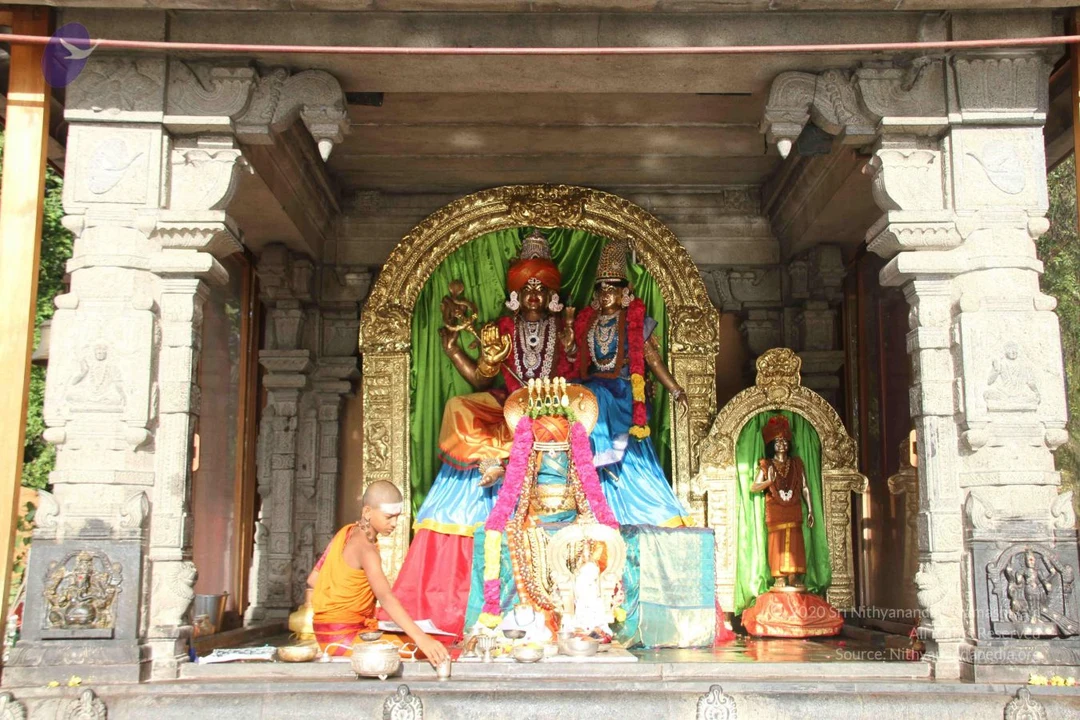
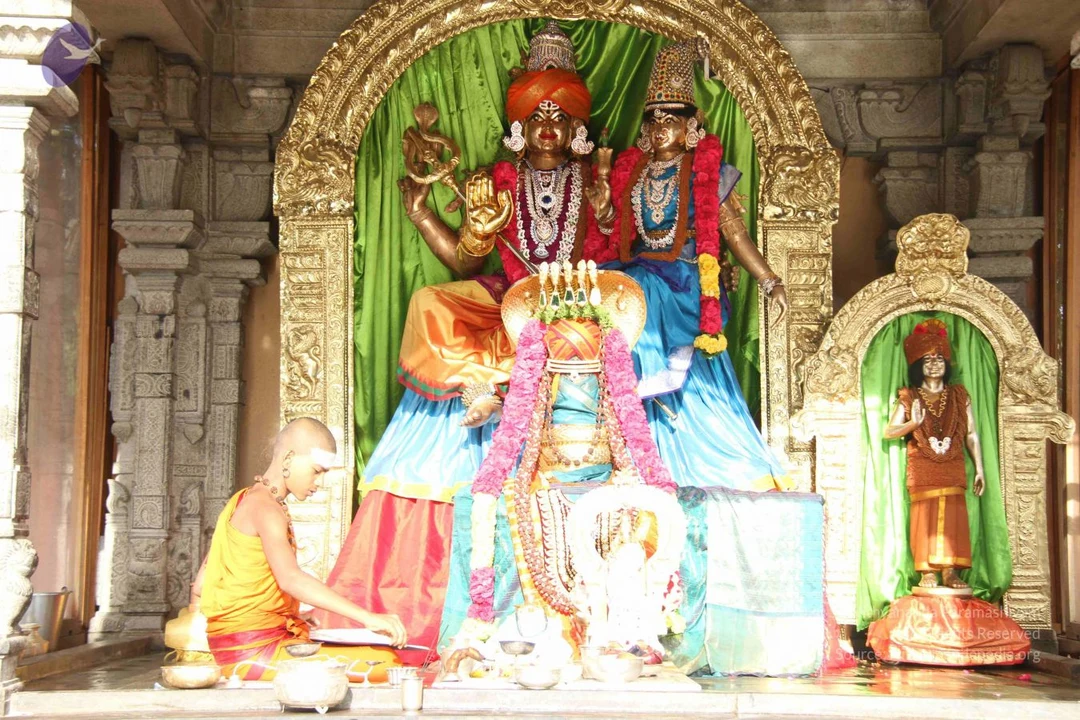
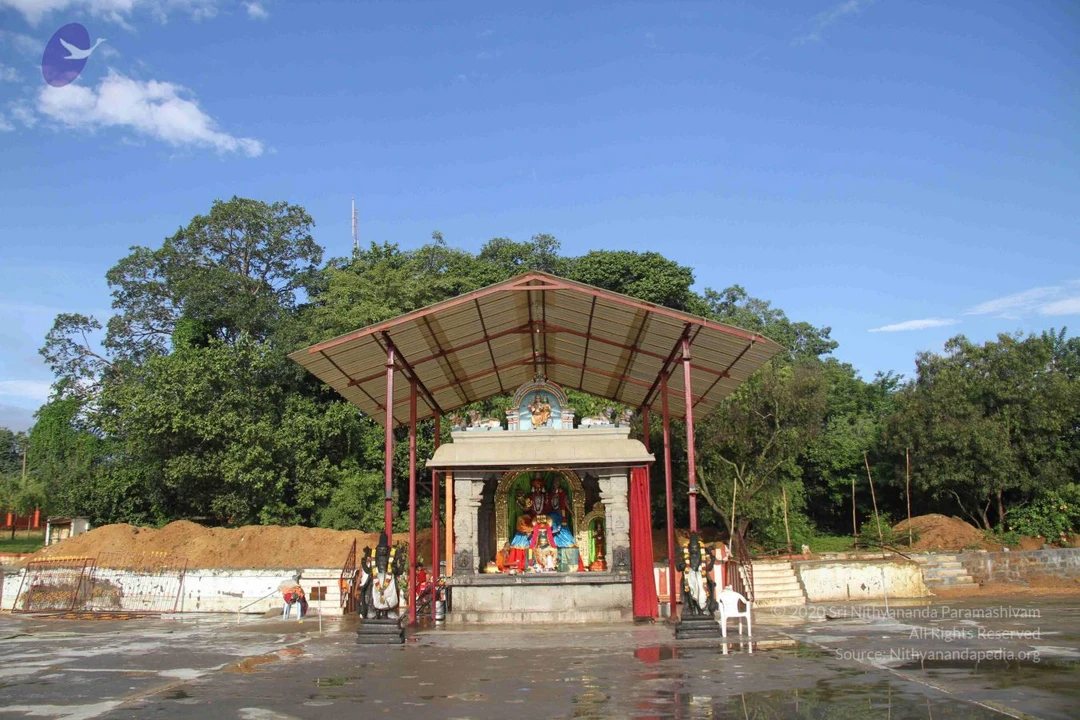
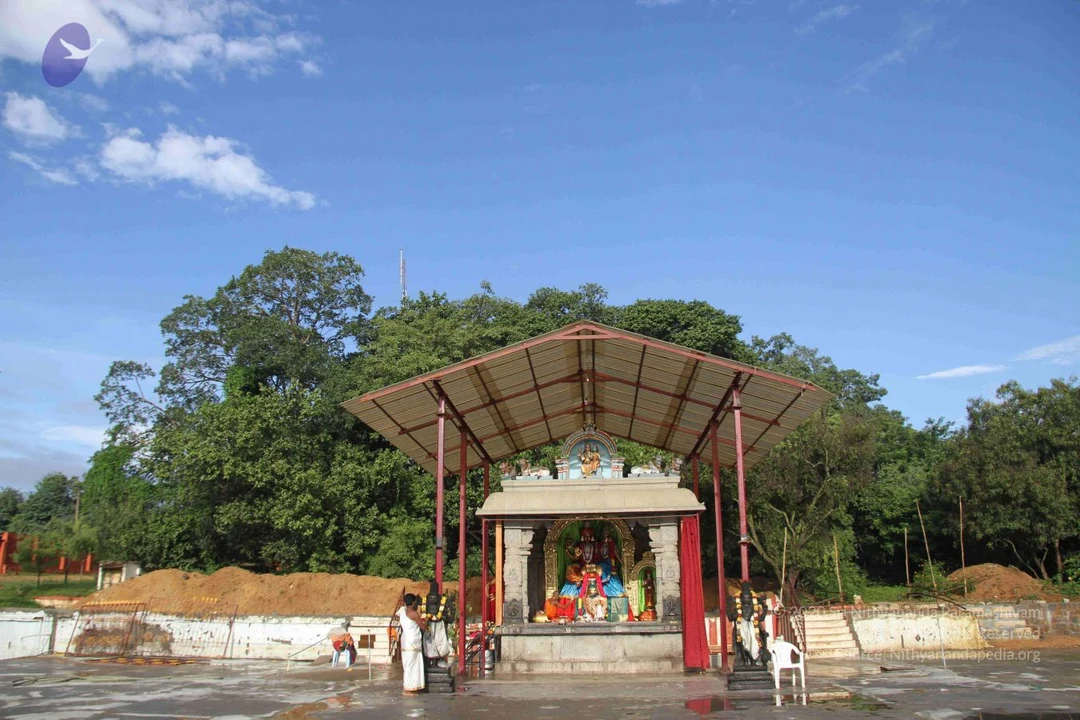
Temple pictures

Swastimantra Pictures

Nithya Satsang

SarvaDarshan

Nithya Kriya Yoga - Darshan

Nithya Kriya Yoga_Swamiji Session

Nithya Kriya Yoga - Yoga

Photos Of The Day:

PadukaPuja

Temple

Nature

CrowdShots-Swastimantra-Pictures

Nithya-Satsang

SarvaDarshan

NKY-Swamiji-Session-Pictures

NKY-Darshan

NKY-Yoga-Pictures

Photos Of The Day:

Pratyaksha-Pada-Puja

Leela-Alankar

Satsang

Sarva-Darshan

Final-Blessings

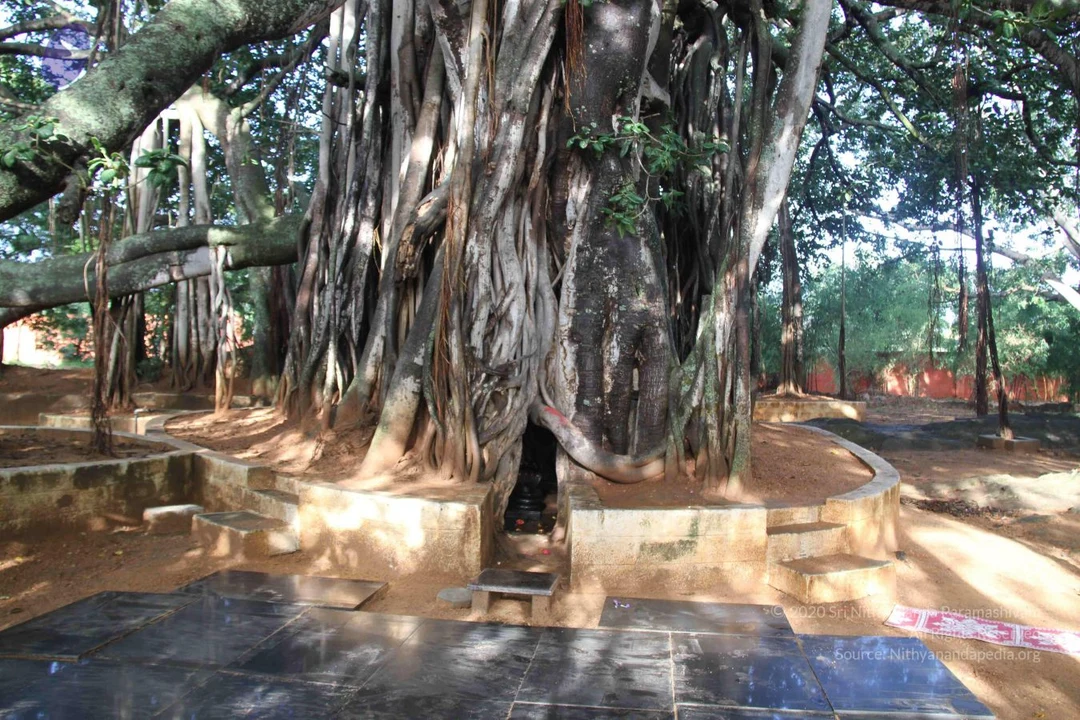
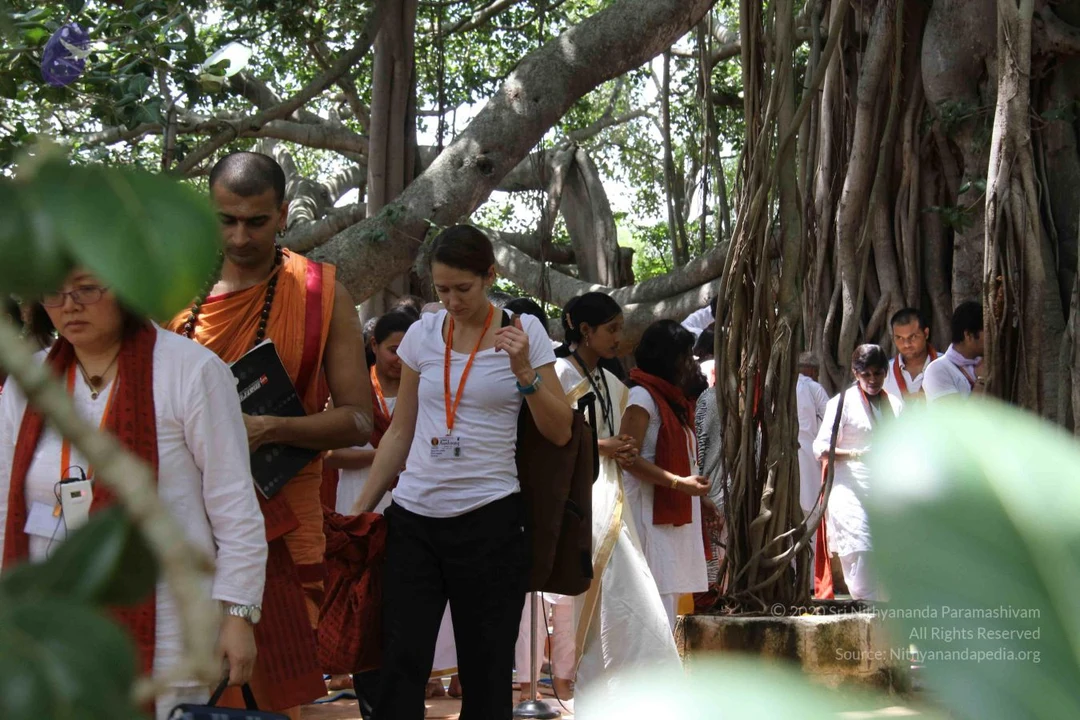
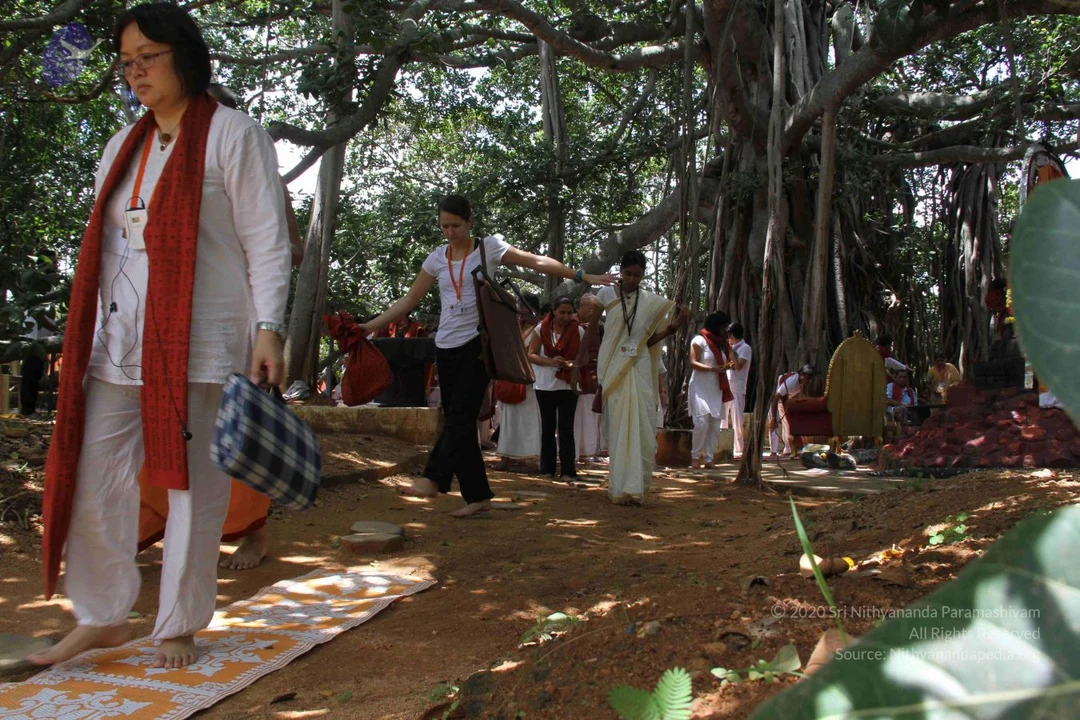
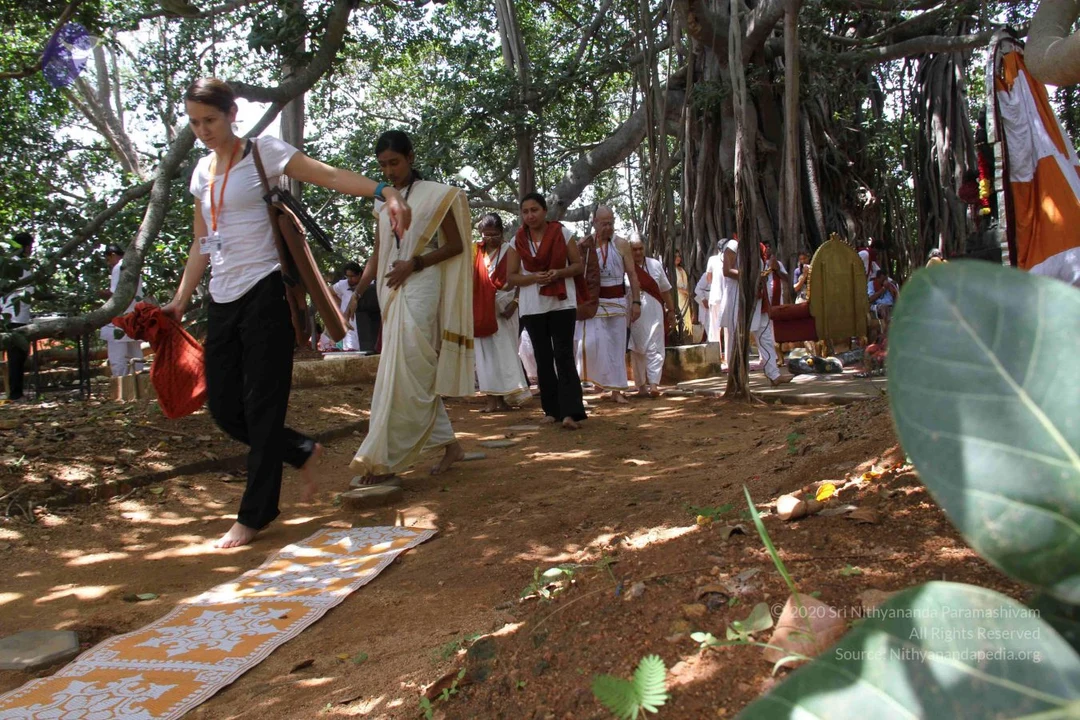
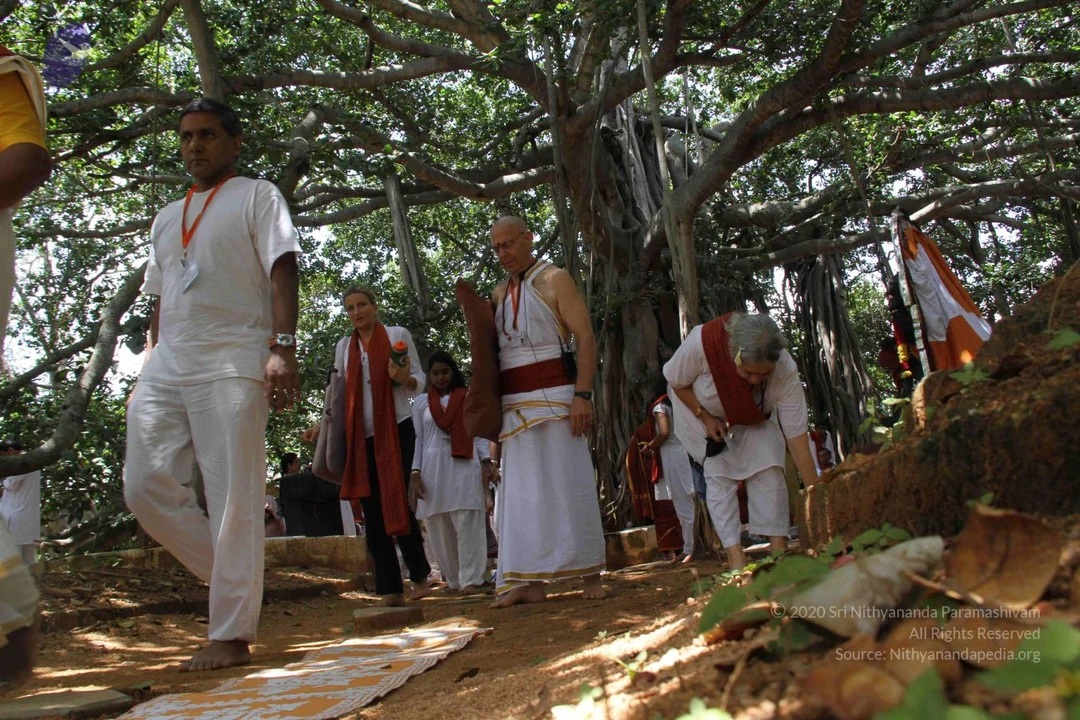
IA-Banyan-Tree

IA-Darshan

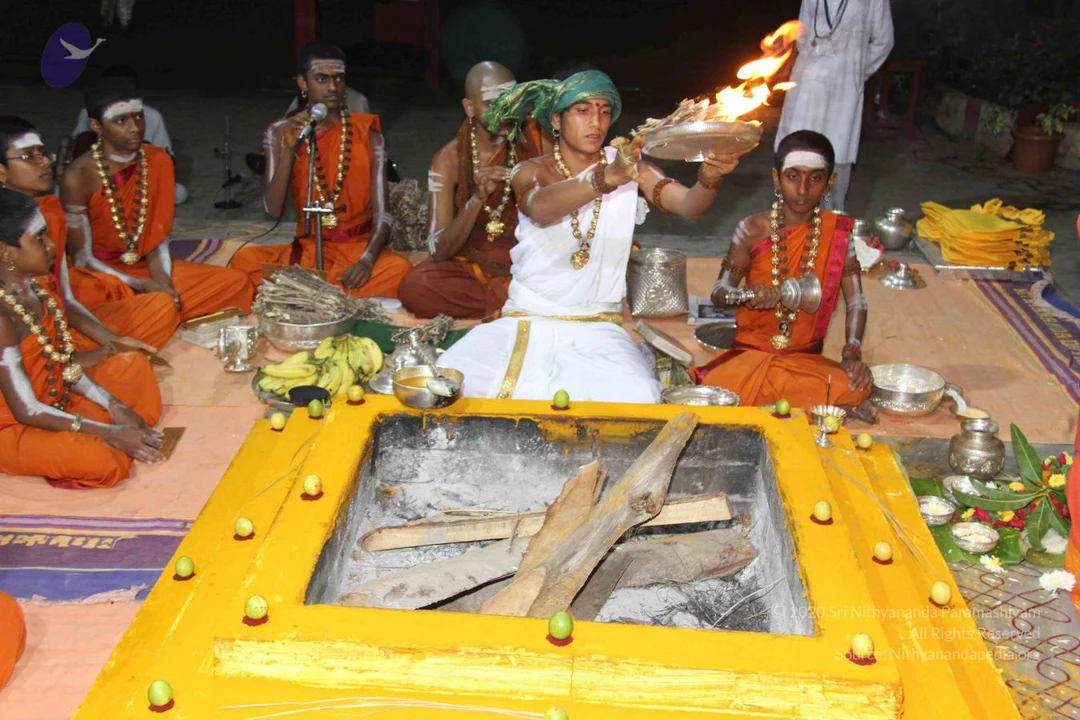
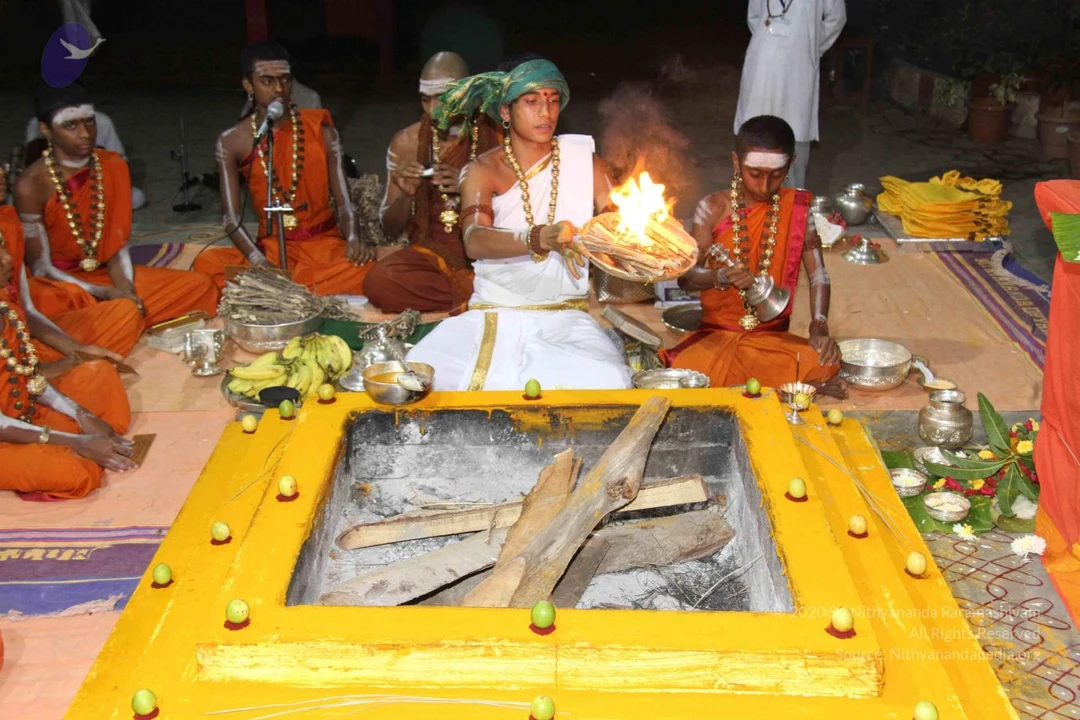
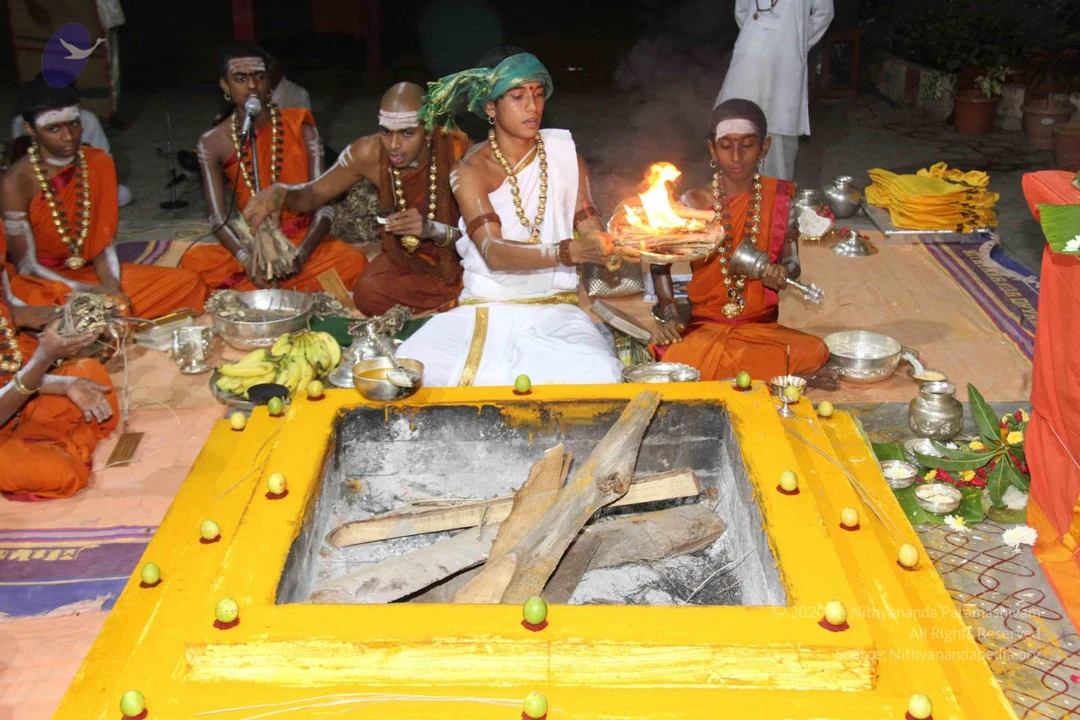
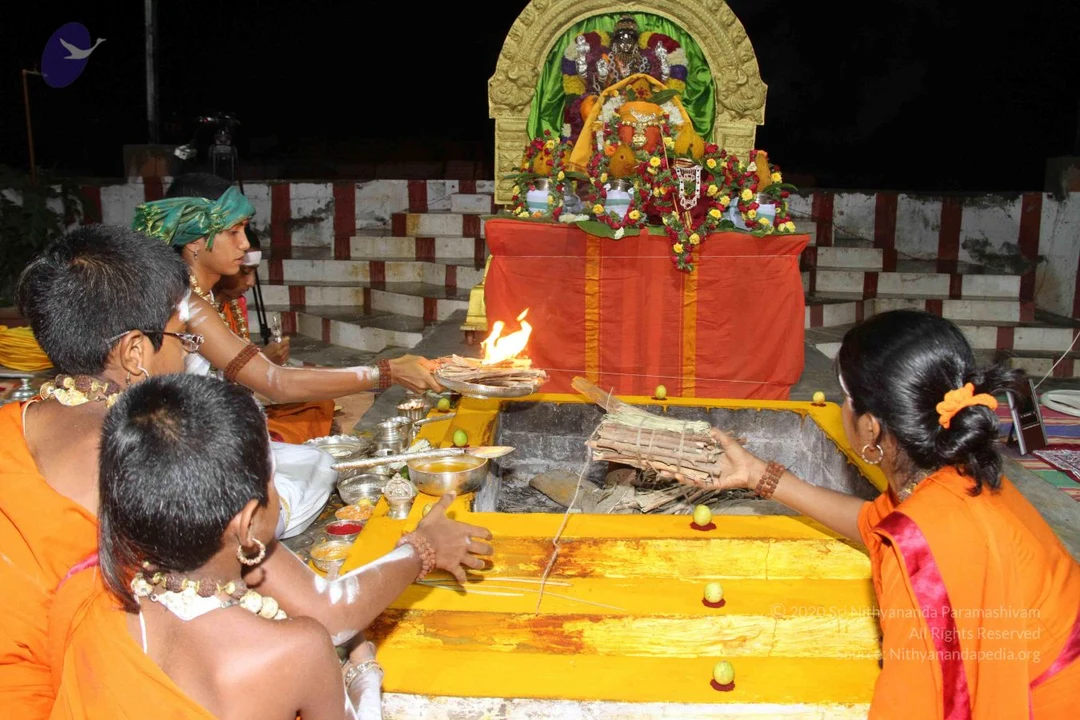
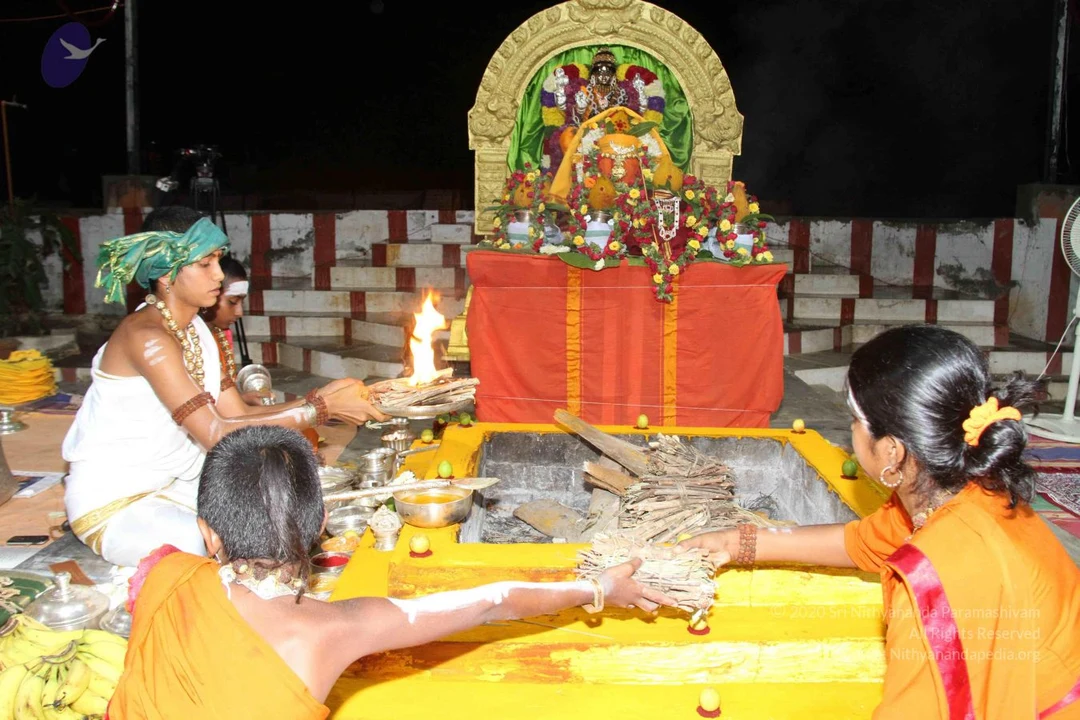
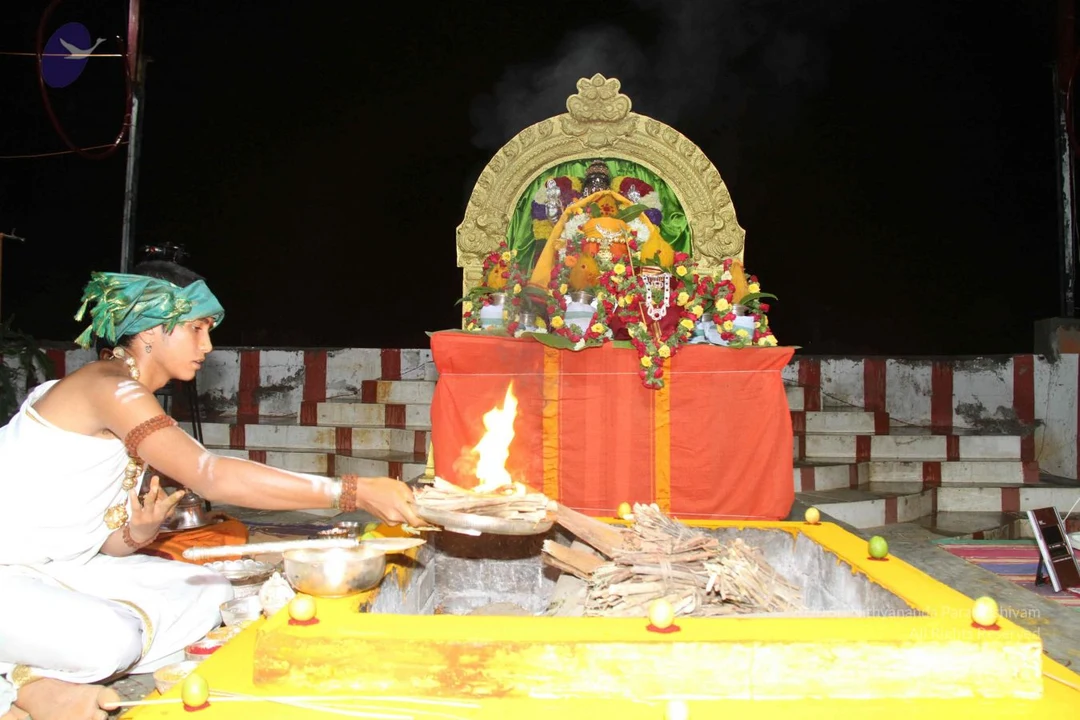
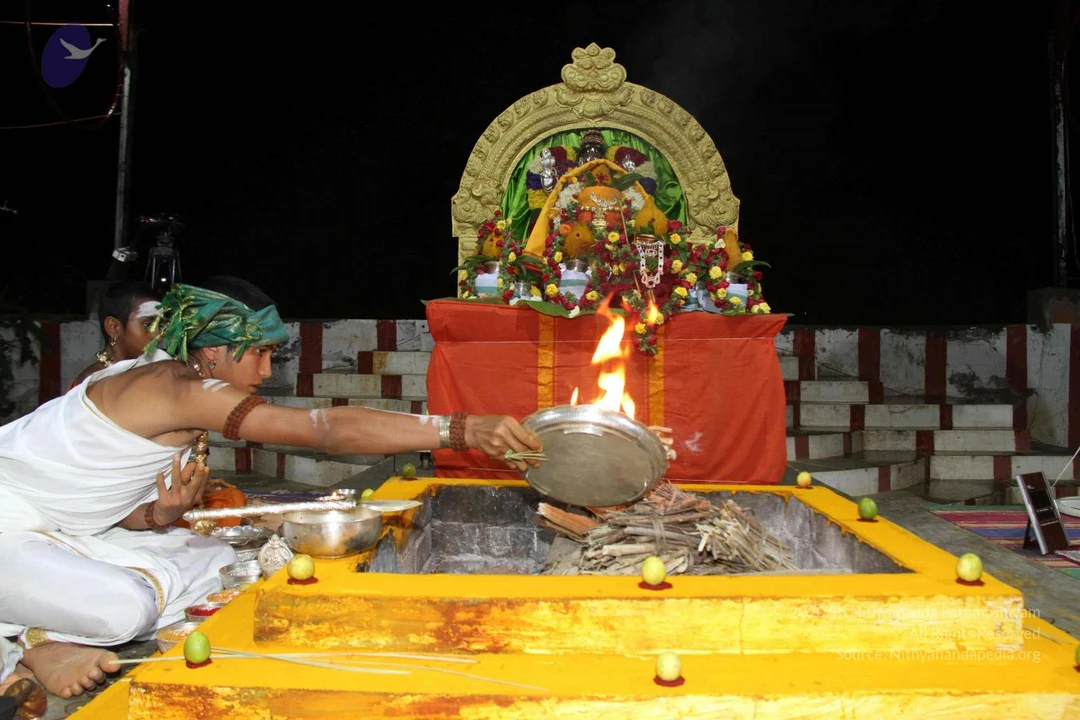
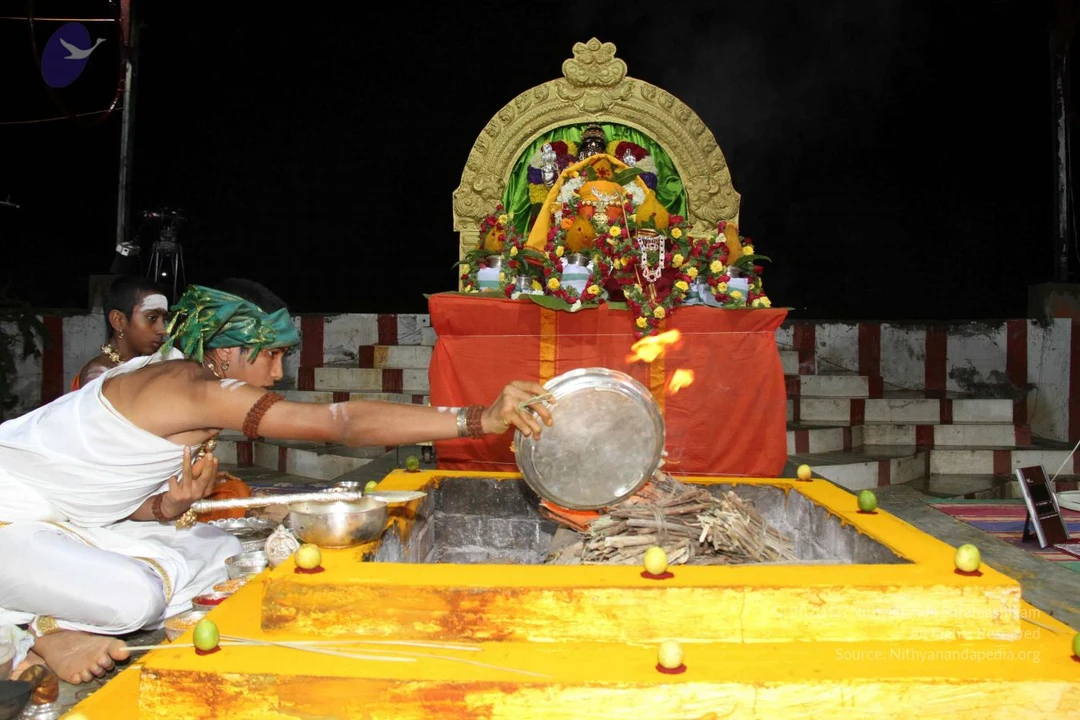
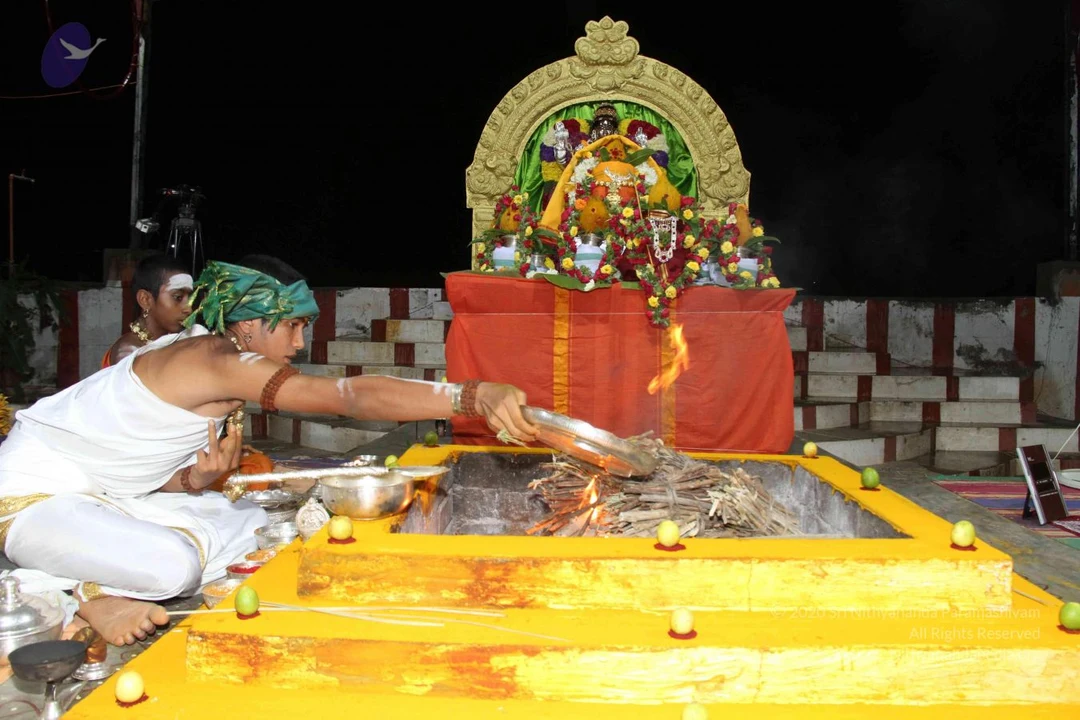
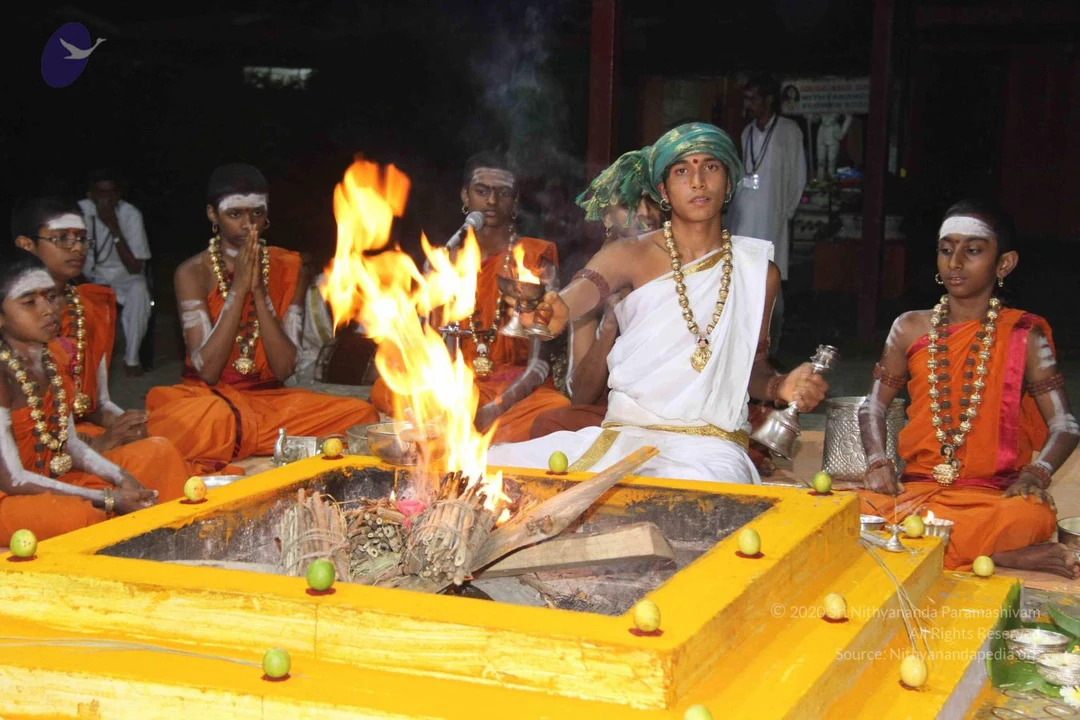
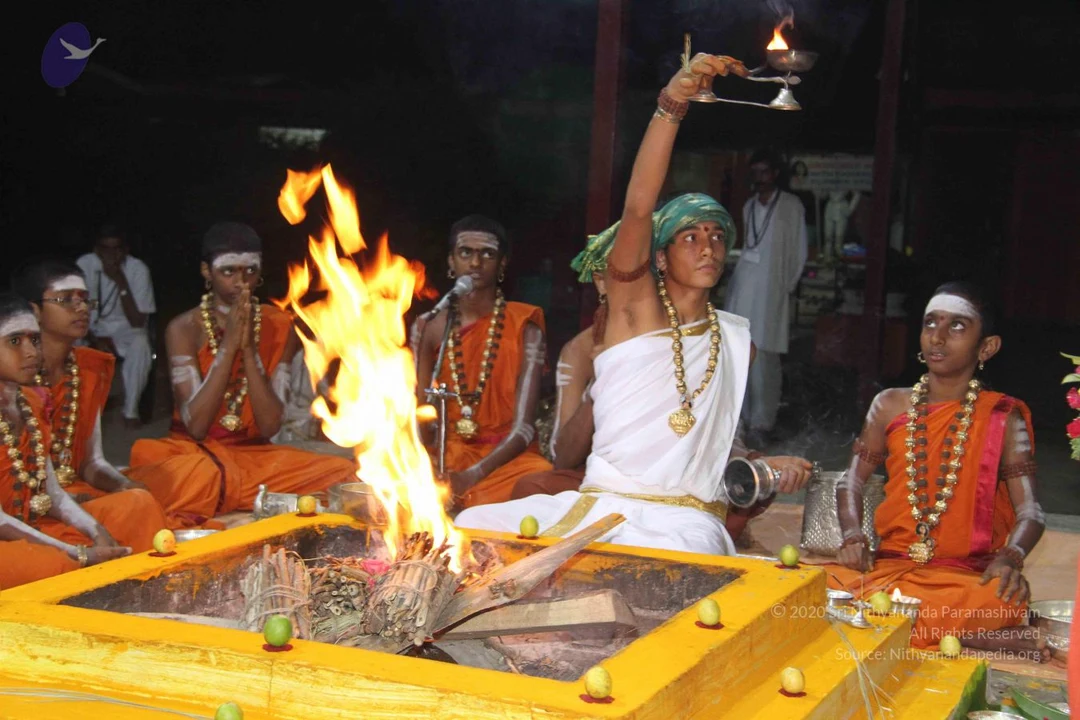
Homa

Sacred-Arts

1--Padukapuja

10--NKY-Yoga-Pictures

2--Temple

6--SarvaDarshan

7--NKY-Darshan

8--NKY-Swamiji-Session-Pictures

NKY-Darshan

NKY-Swamiji-Session

NKY-Yoga

Paduka-Puja

Satsang

Temple

Photos from this day

View all 652 photos

Paduka Puja
34 photosSource gallery
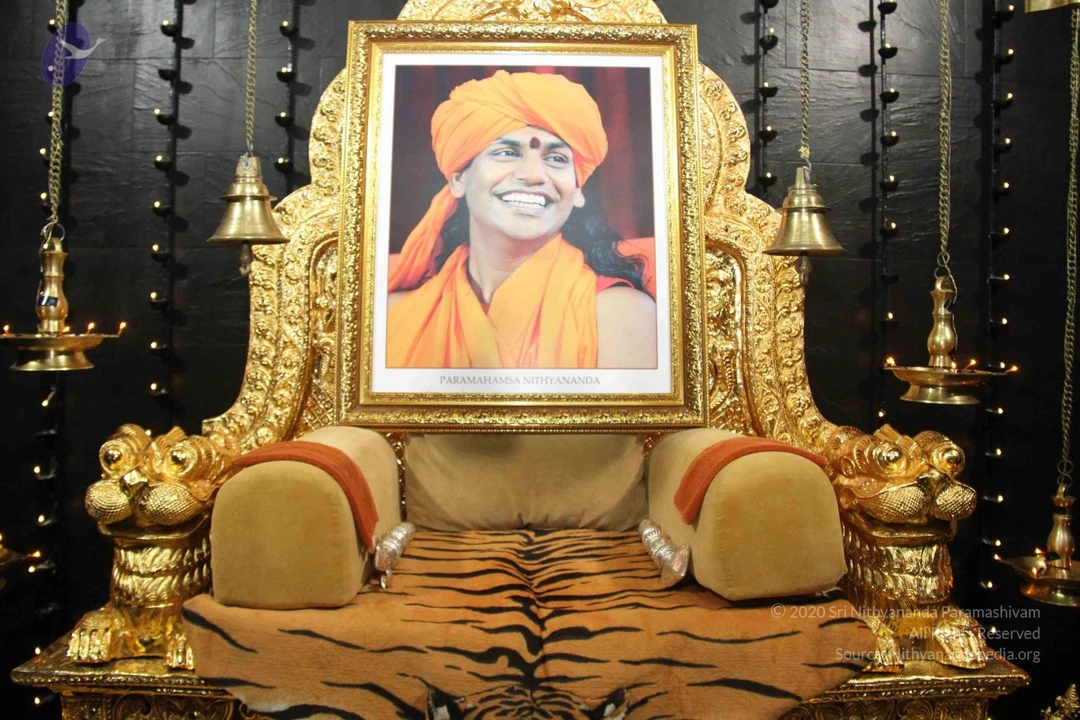
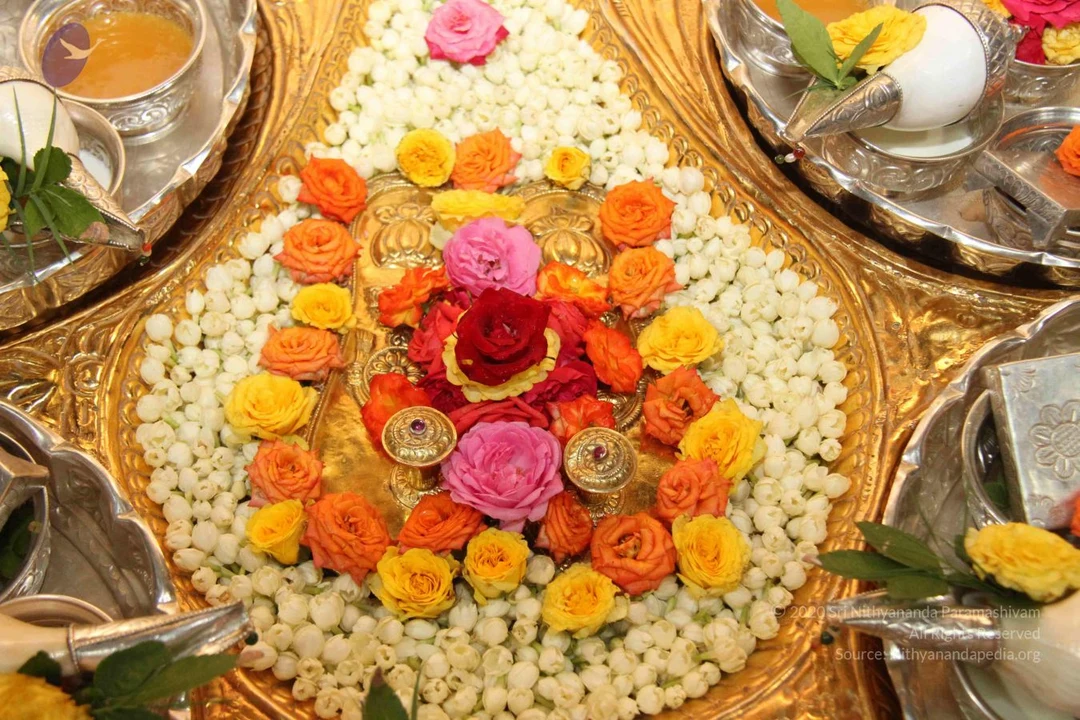
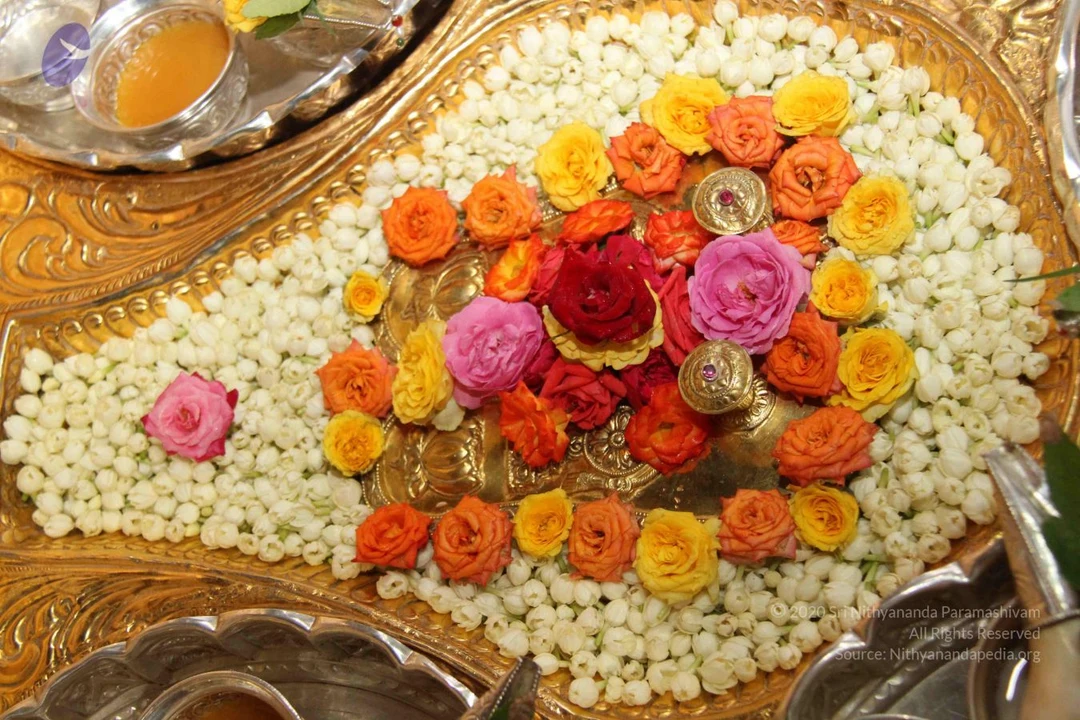
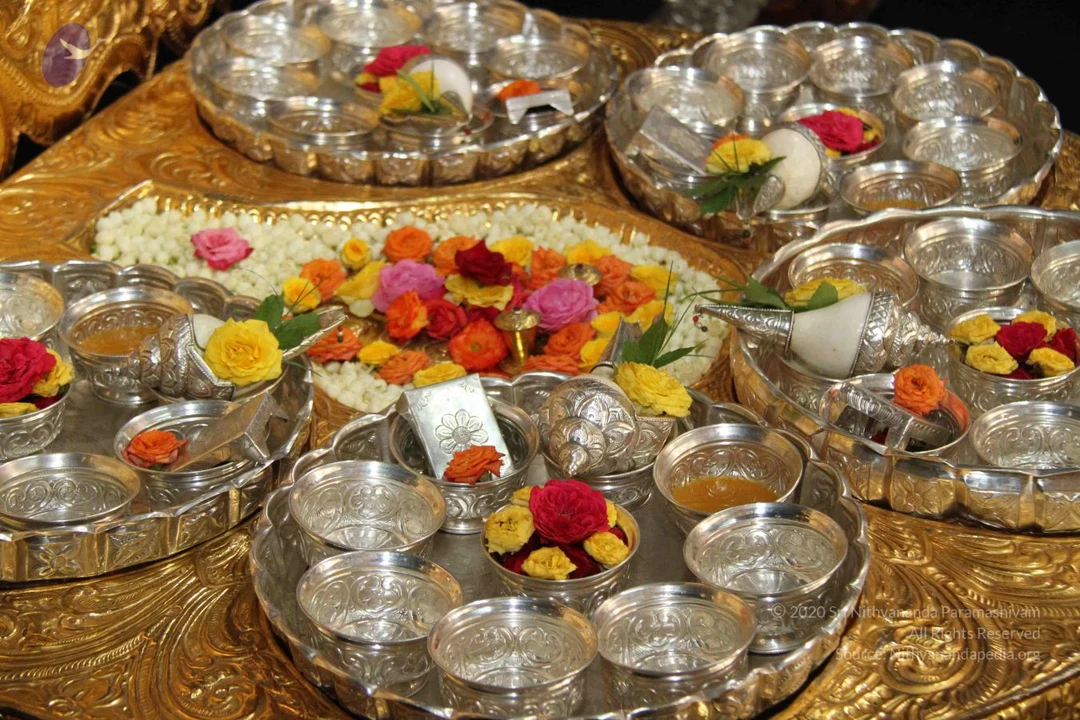
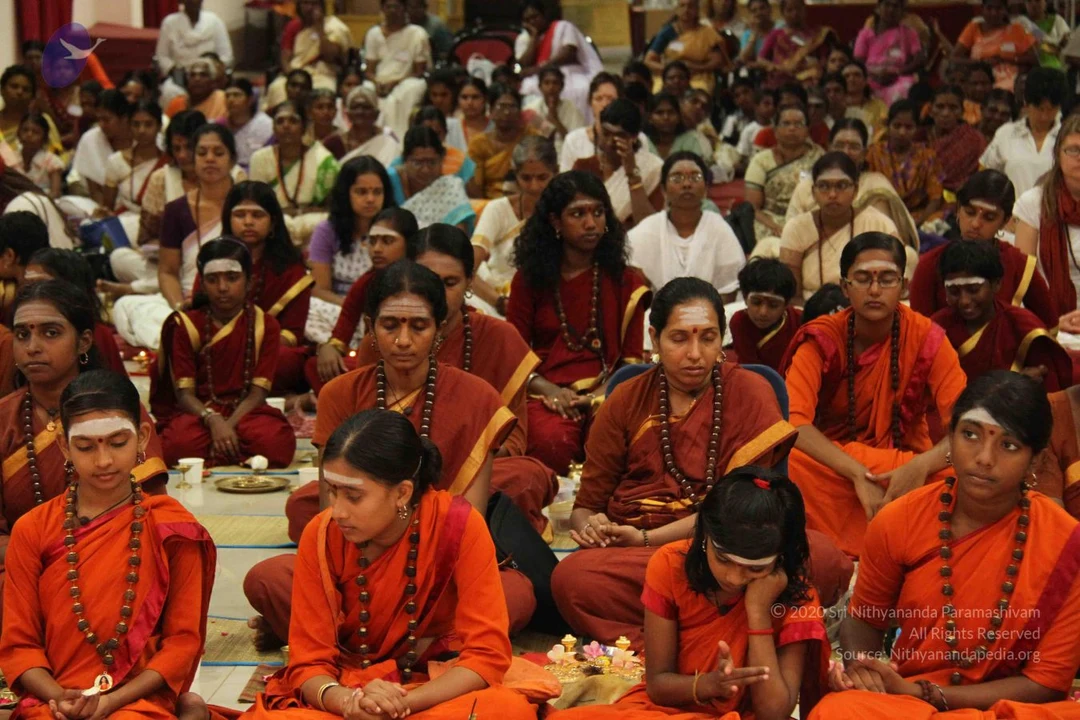
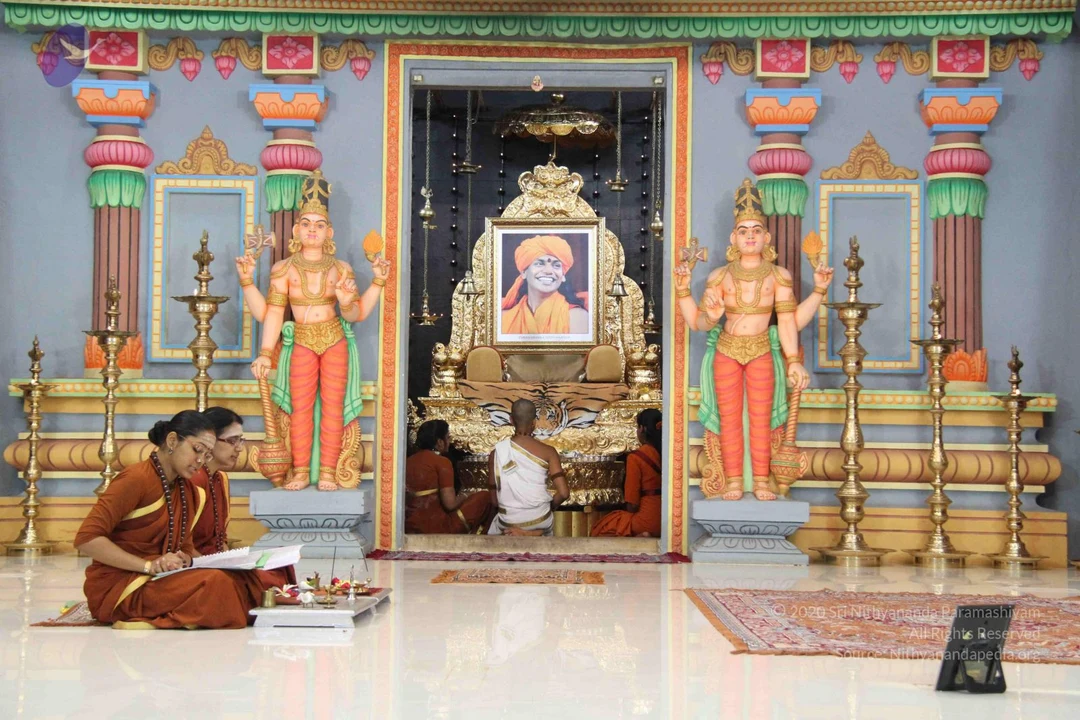
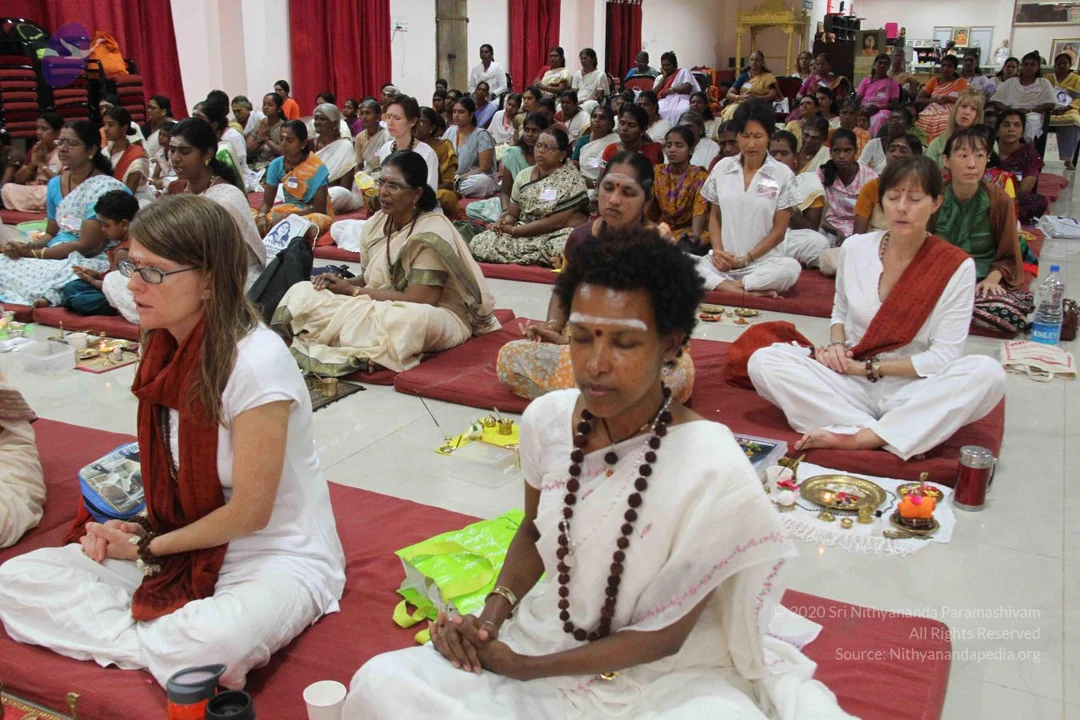
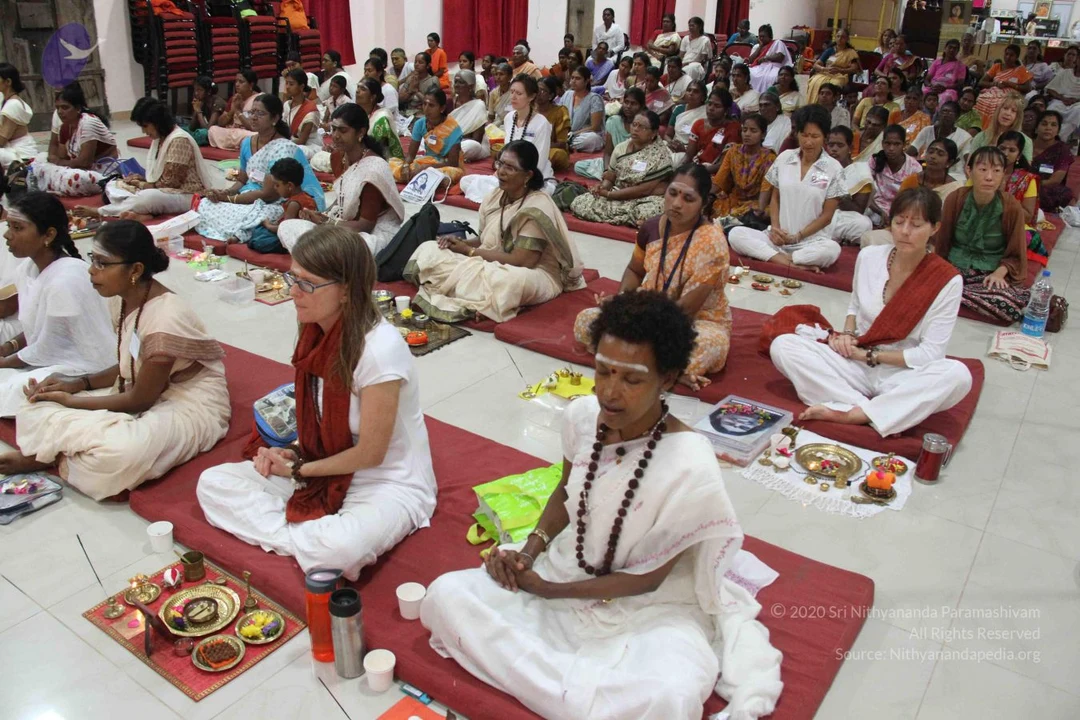
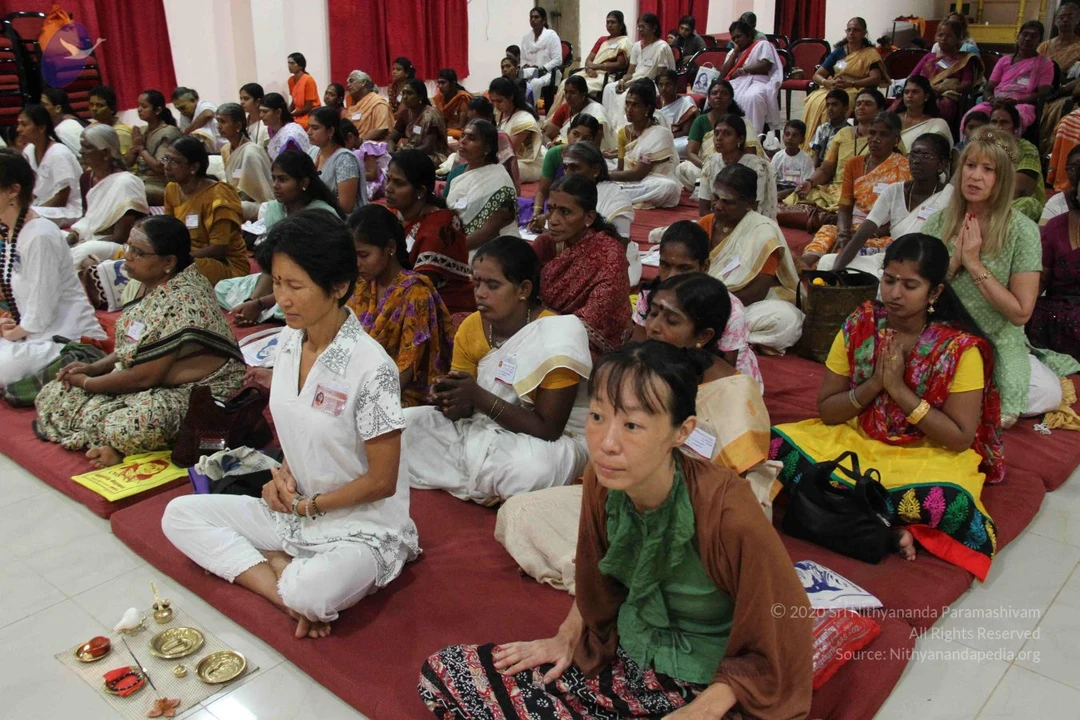
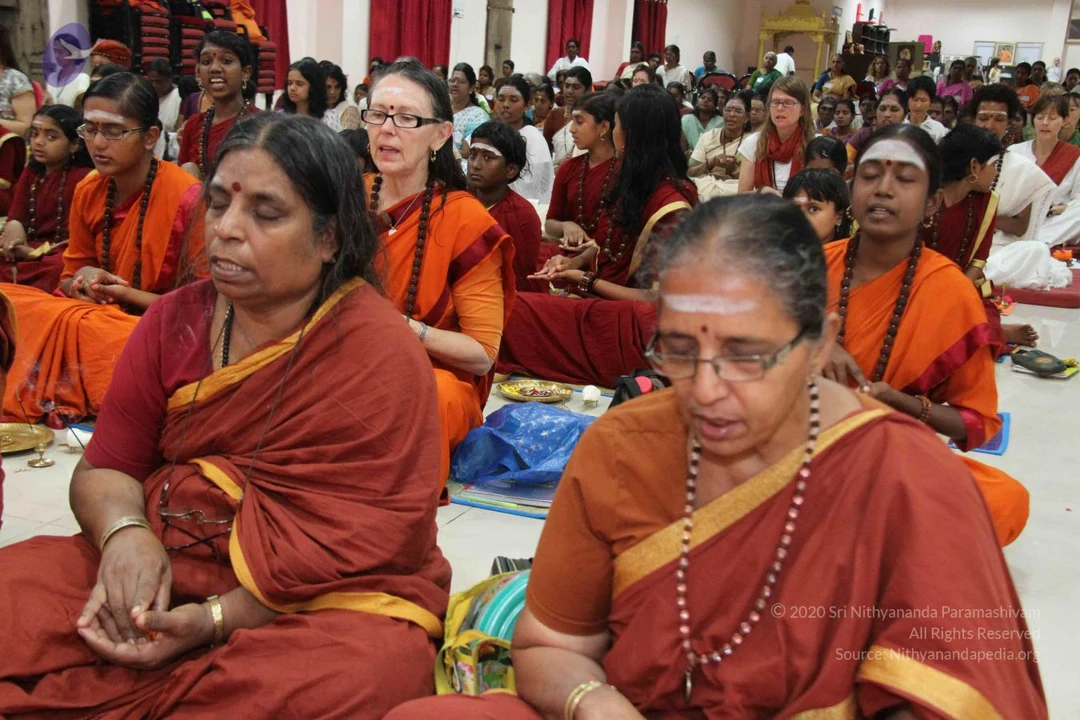
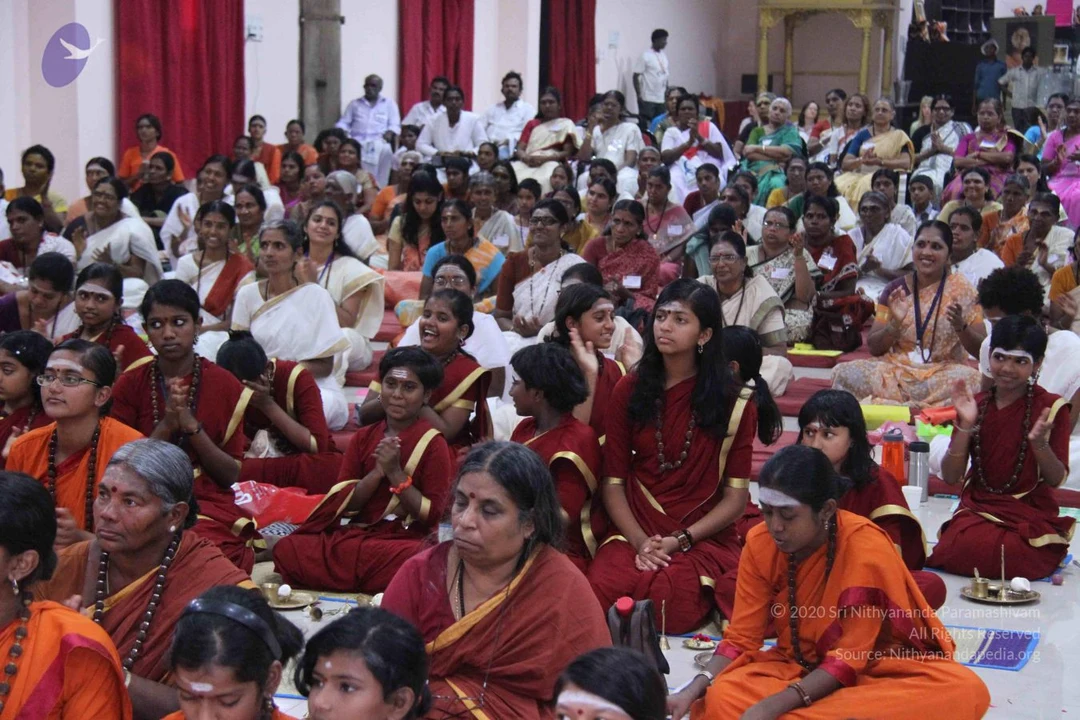
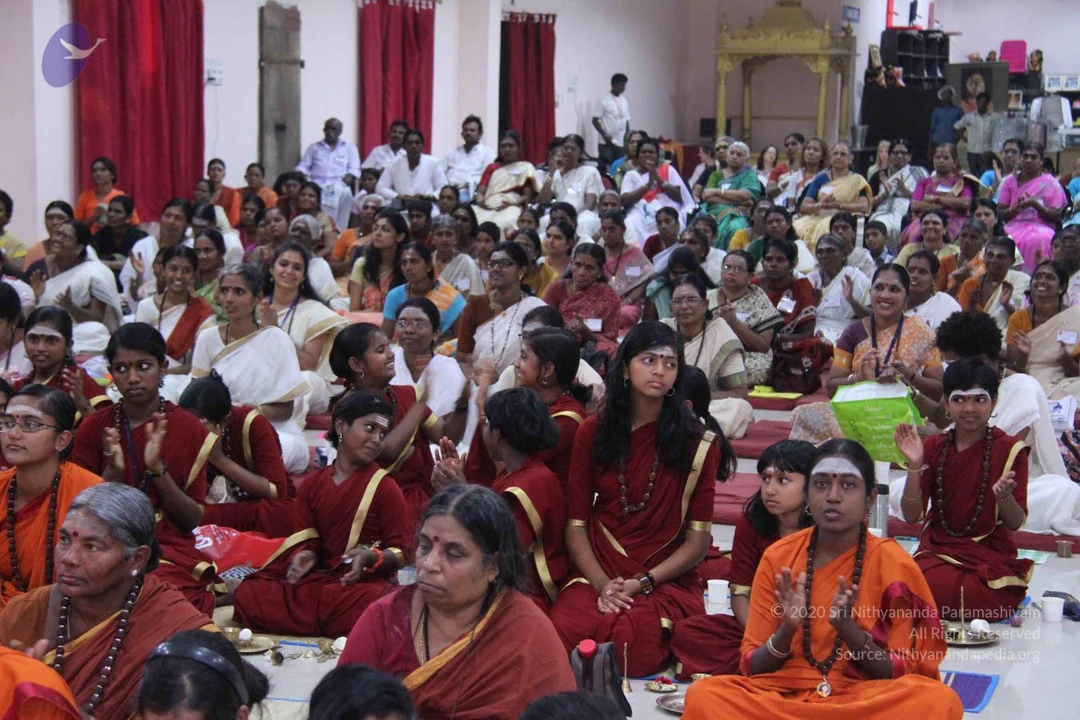
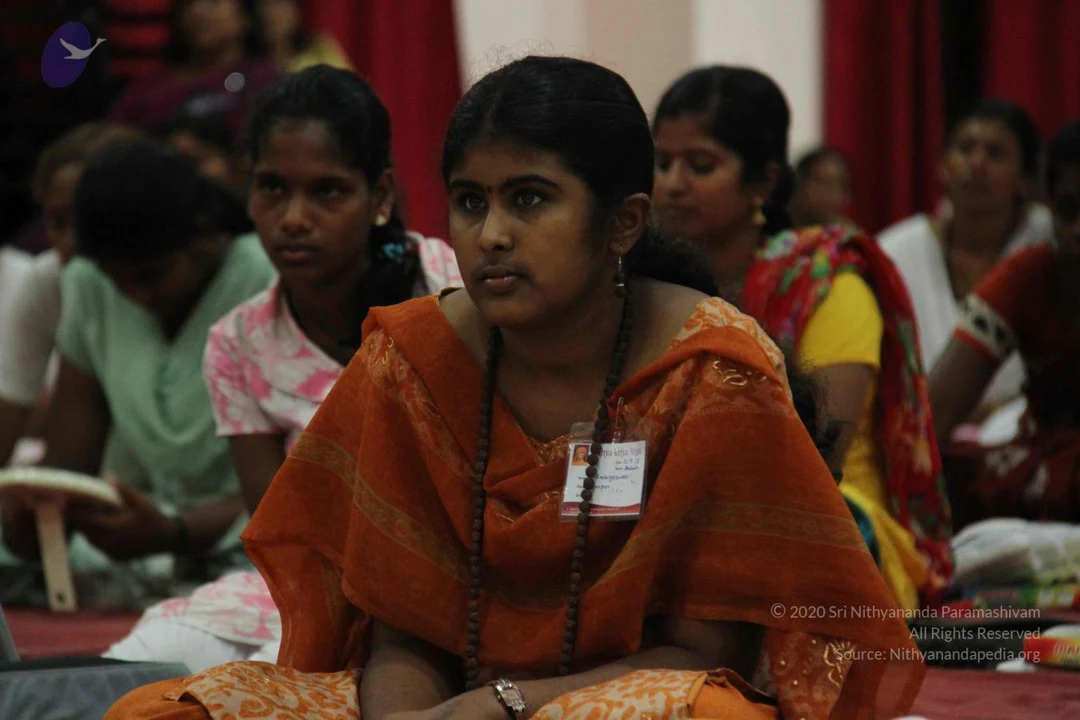
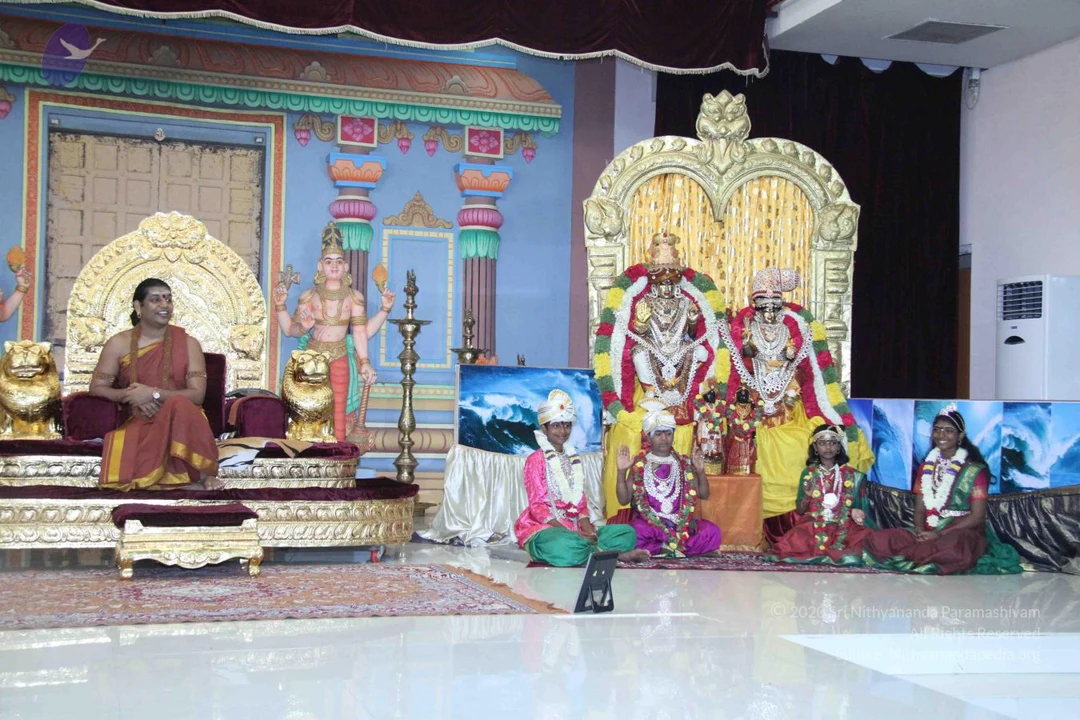
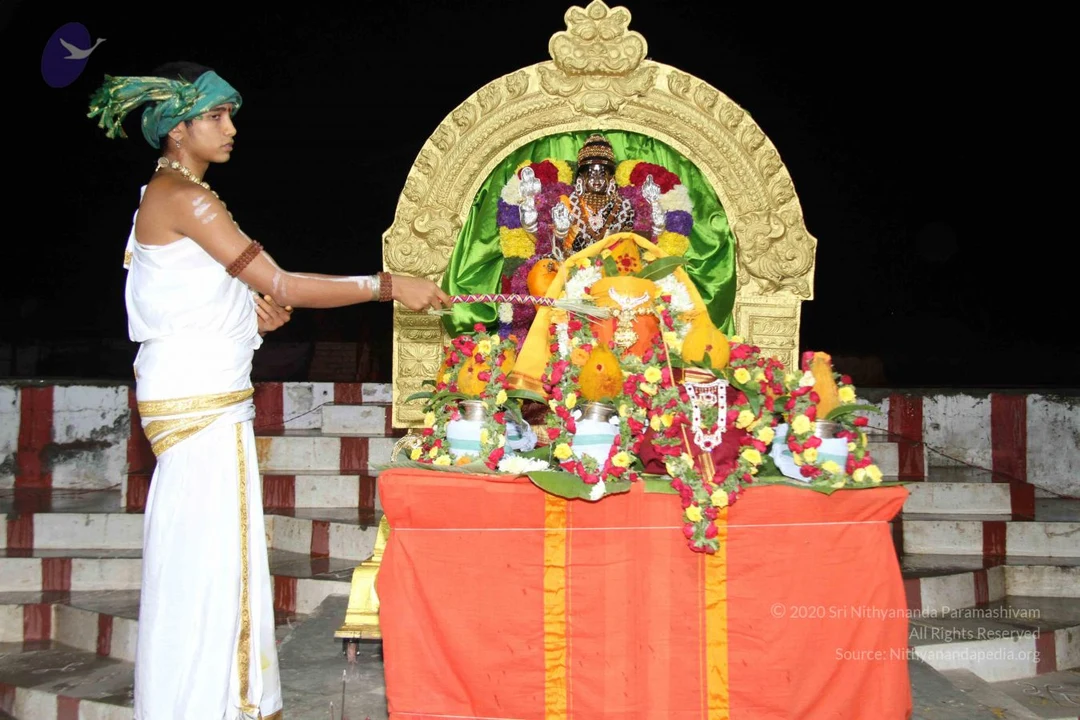
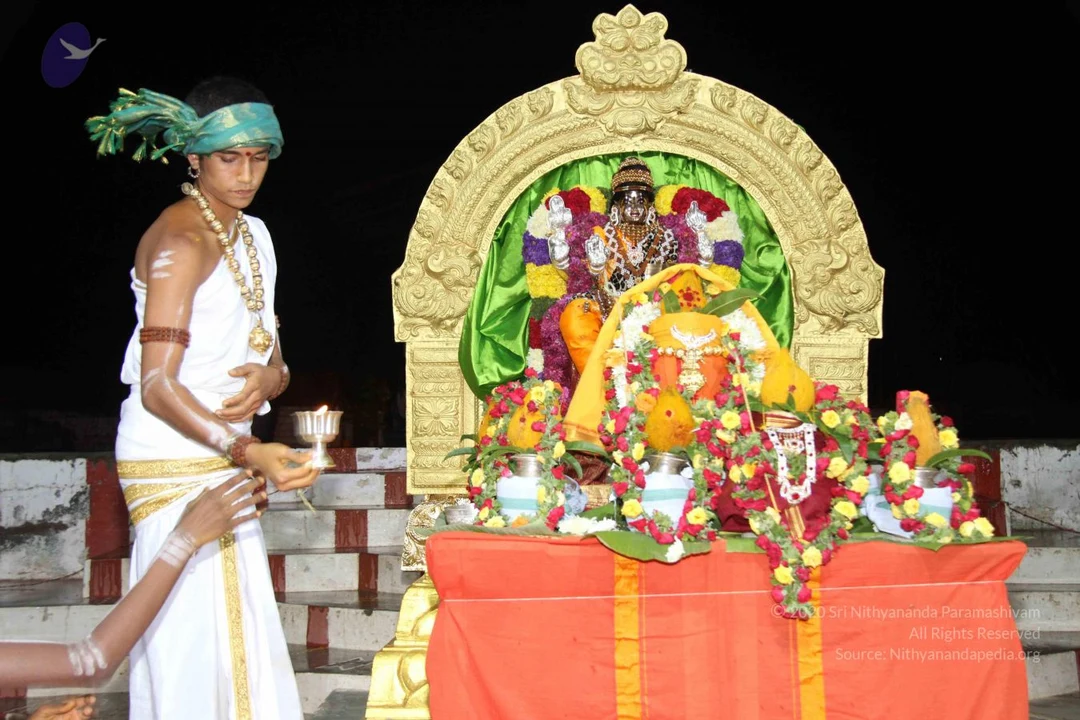
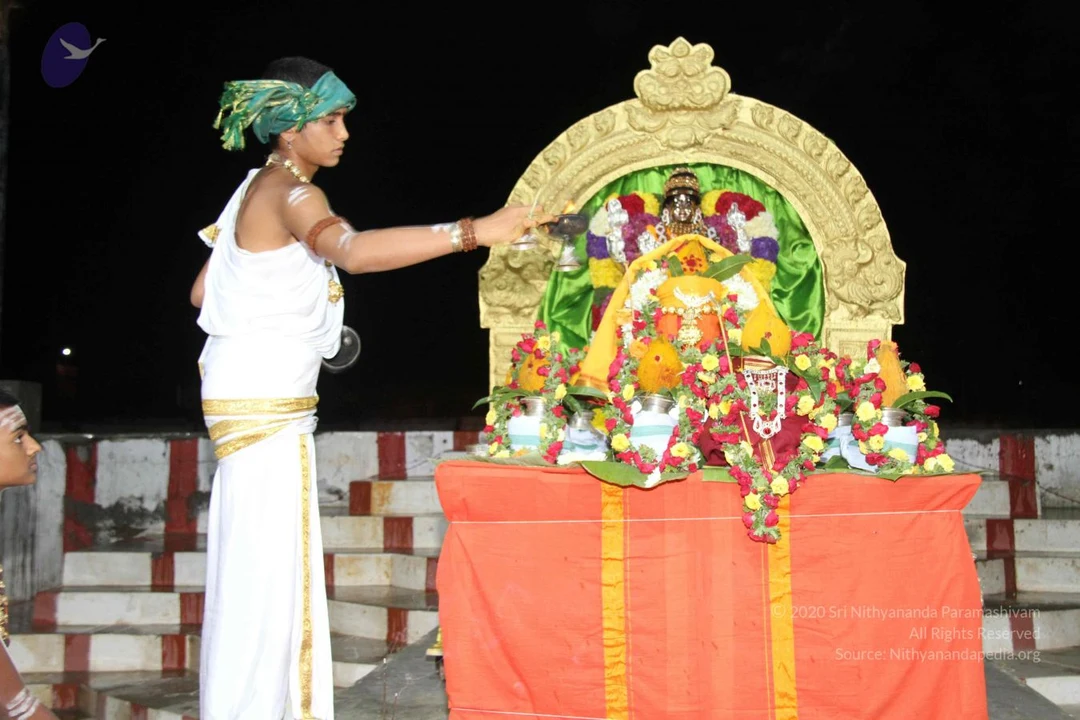
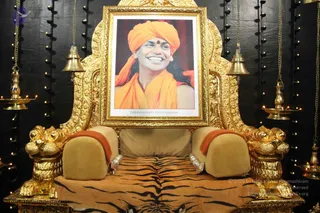
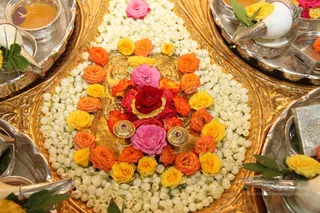
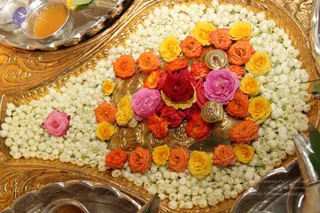
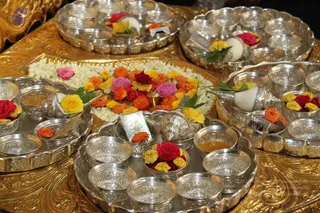
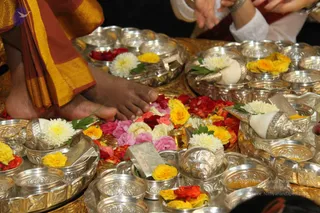
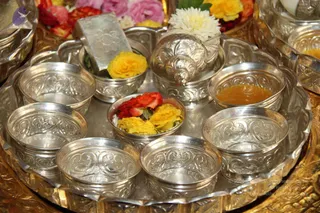
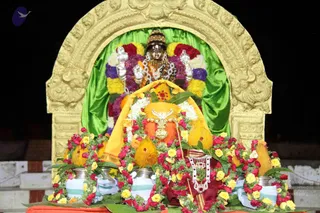
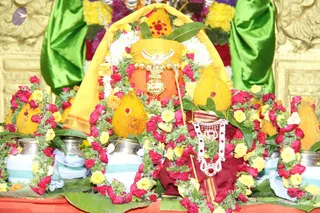
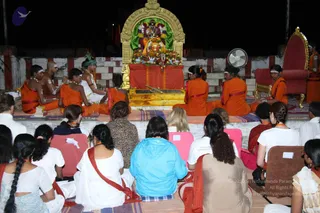
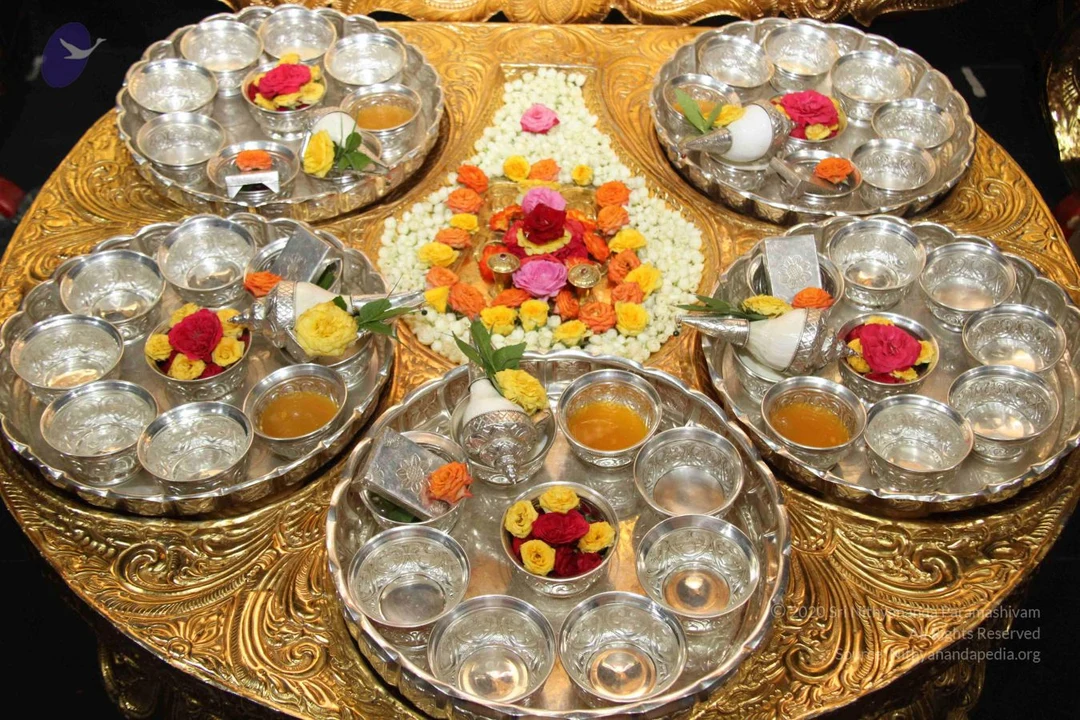
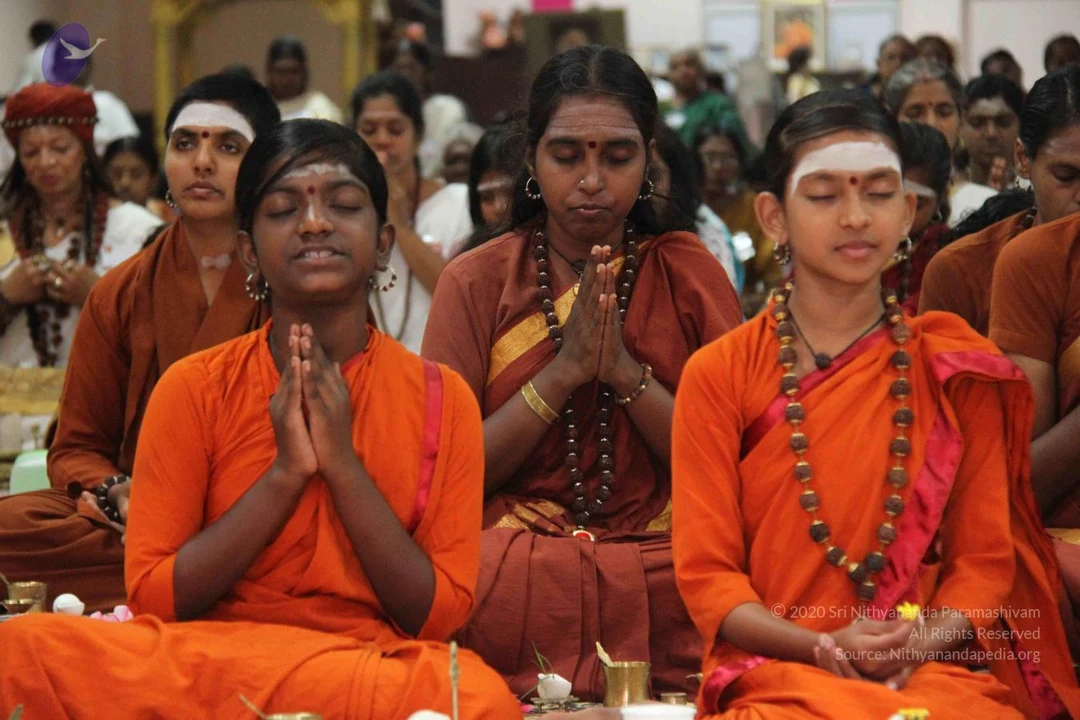
A photograph of a ceremonial offering arrangement on an ornate gold-embossed tray. Five silver thali plates surround a central pile of white jasmine-like flowers, with pink and orange marigolds and red and yellow roses heaped in the middle. Silver bowls hold orange honey-coloured liquid, flowers and petals, and small silver vessels with spouts sit among them. No people are visible, and there is no visible a person depiction.An empty ornate gold throne with carved lion-head arms, draped with a striped tiger-skin cushion, stands in a dark room with brass oil lamps on hanging chains either side. Behind it, a framed portrait labelled "PARAMAHAMSA NITHYANANDA" shows a smiling man in orange turban and orange shawl with a red tilak on his forehead.Overhead close-up of a ceremonial gold tray arranged with a ring of white jasmine buds and marigold and rose petals in orange, yellow, pink and red around a central red rose. Two small gold lamps with jewelled tops sit at the centre. Silver bowls and a silver vessel with a spout frame the tray at the top and right corners, with green leaves tucked along the edges. No people are visible.Top-down photograph of a decorated brass ritual tray. Its centre holds a brass vessel with a small jewelled knob and is ringed by bright orange, yellow, pink and red roses over a dense border of white jasmine buds. Small silver and brass bowls with a golden liquid sit at the top and bottom edges. No people are visible.A close view of ritual offerings arranged on ornate gold-toned trays. Silver-rimmed bowls and small silver cups hold orange and yellow marigold heads, pink and red roses, and jasmine-like white buds spread across a tray. A silver spouted vessel and a small brass lamp with a silver ladle sit among the flowers, with a dark liquid in some bowls. No people are visible; the scene is a set of puja offerings laid out for worship.A photograph of a large seated gathering of devotees in a hall during a meditation session. In the foreground, several young women and girls wear saffron-orange saris with rudraksha malas and white forehead markings, sitting with eyes closed and hands folded. Behind them, women in maroon, red and white saris sit on the floor, and further back a crowd of women and older people in colourful saris fills the room. Small brass oil lamps and a brass plate sit on a mat in the front row. No single figure is identifiable as a person in the visible frame.

Nature in the Aadheenam

7 photosSource gallery
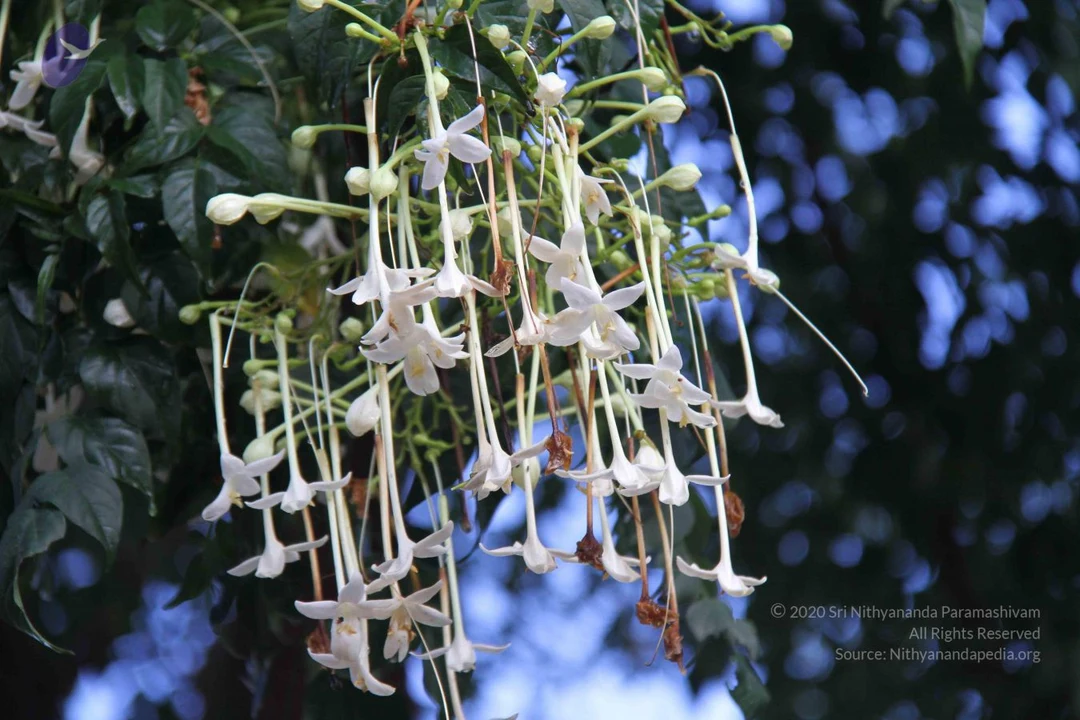
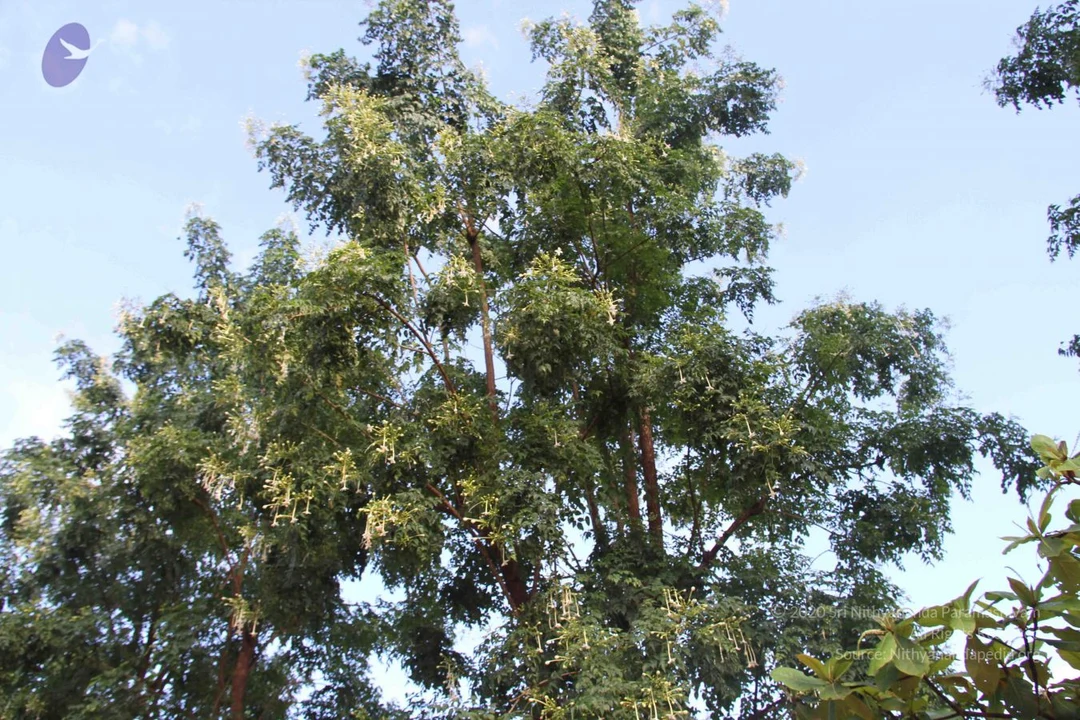
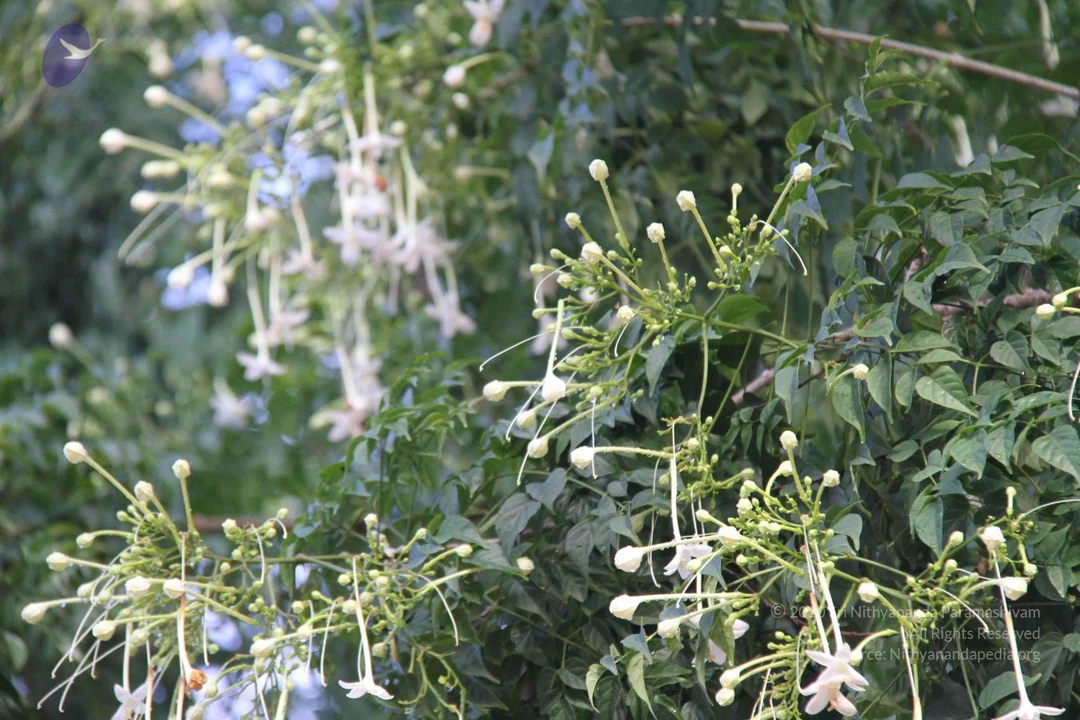
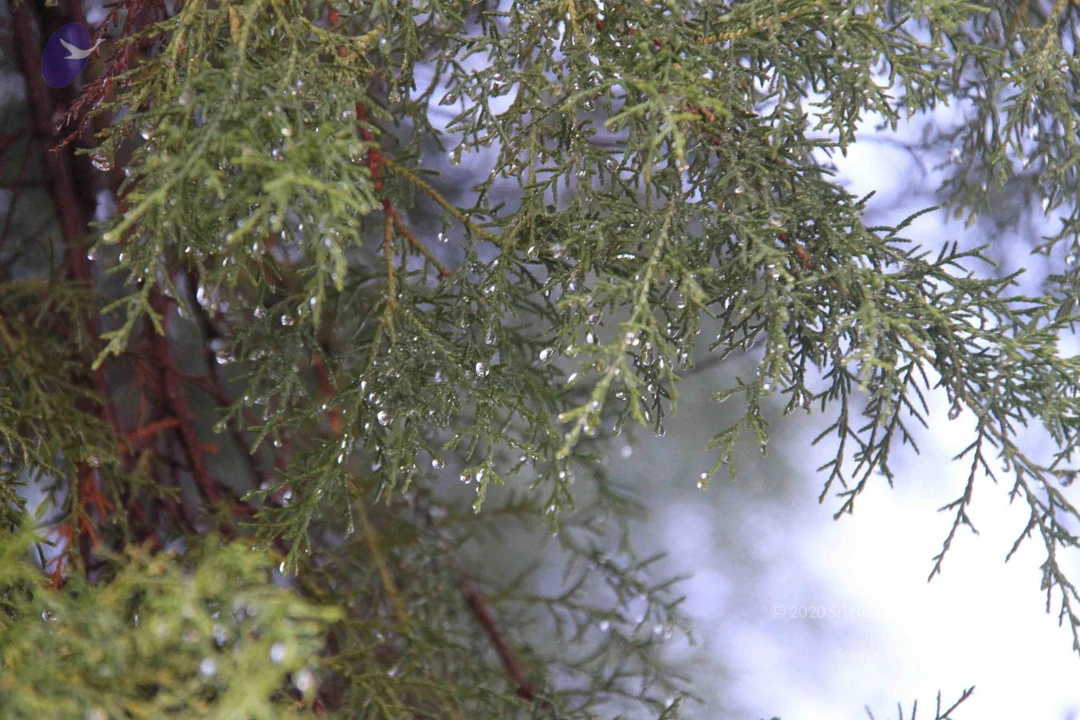
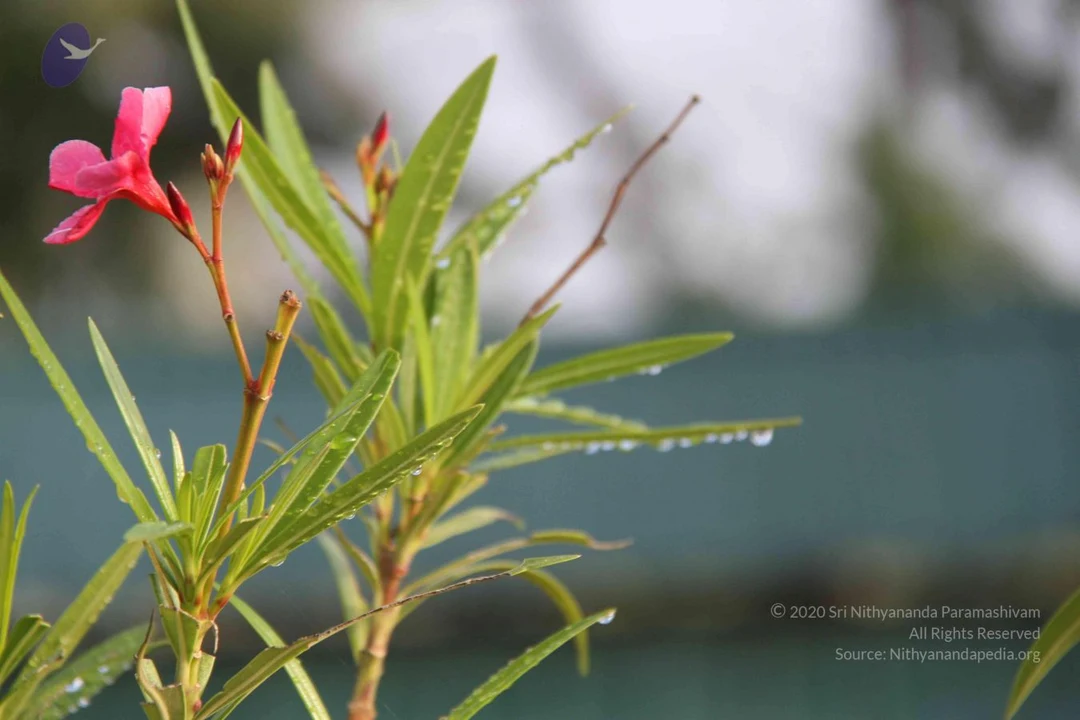
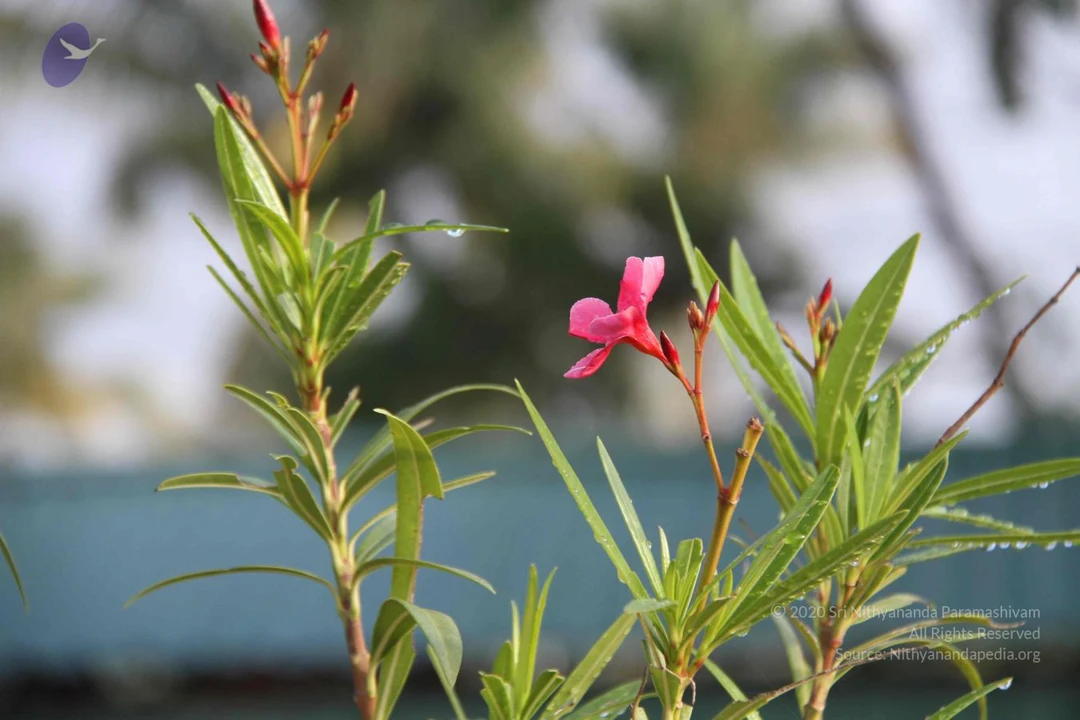
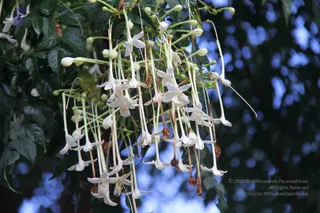
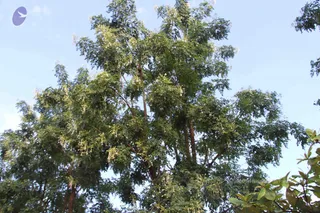
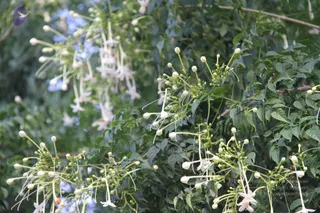
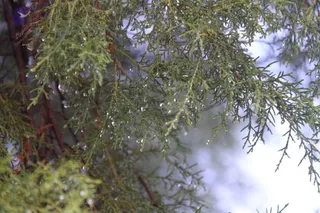
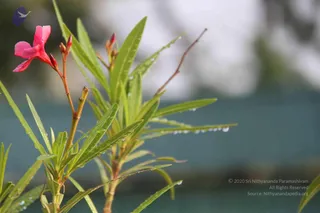
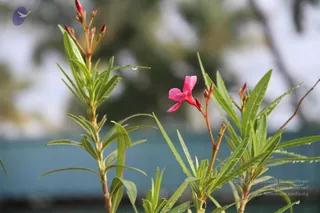
Close-up photograph of a flowering vine hanging from dark green leaves, with clusters of slender white tubular blossoms and pale green buds dangling in a drooping spray. A blurred blue-grey background of sky and foliage fills the right side. No people, deities or ritual objects are visible; the subject is botanical.A tall leafy tree with feathery compound green leaves and pale yellowish flower clusters hanging from its branches, photographed looking up against a pale blue sky. Other foliage fills the lower right corner. No people are visible.A close outdoor photograph of a flowering shrub with clusters of small white tubular blossoms with long thin stamens, many unopened buds, and dark green leaves. Pale blue flowers are visible behind on the left, with blurred foliage in the background. No people are present.A close-up photograph of green conifer foliage with fine needle-like sprigs covered in water droplets. Reddish-brown branches run diagonally through the frame, and a pale blue-grey sky shows through the gaps at the right. No people, deities or ritual objects are visible.Close-up photograph of a flowering oleander shrub with narrow green lance-shaped leaves beaded with water droplets after rain. A single pink five-petalled blossom and several unopened pink buds sit on slender stems at the left. The background is softly blurred in green and grey tones. No people are visible.Close photograph of a flowering oleander shrub with slender, narrow green leaves and water droplets clinging to them. A single bright pink five-petaled flower sits in the centre, with several red-tipped closed buds on thin reddish-brown stems. The background is softly blurred in grey, white and teal tones. No people or ritual activity are visible.

Temple pictures

33 photosSource gallery
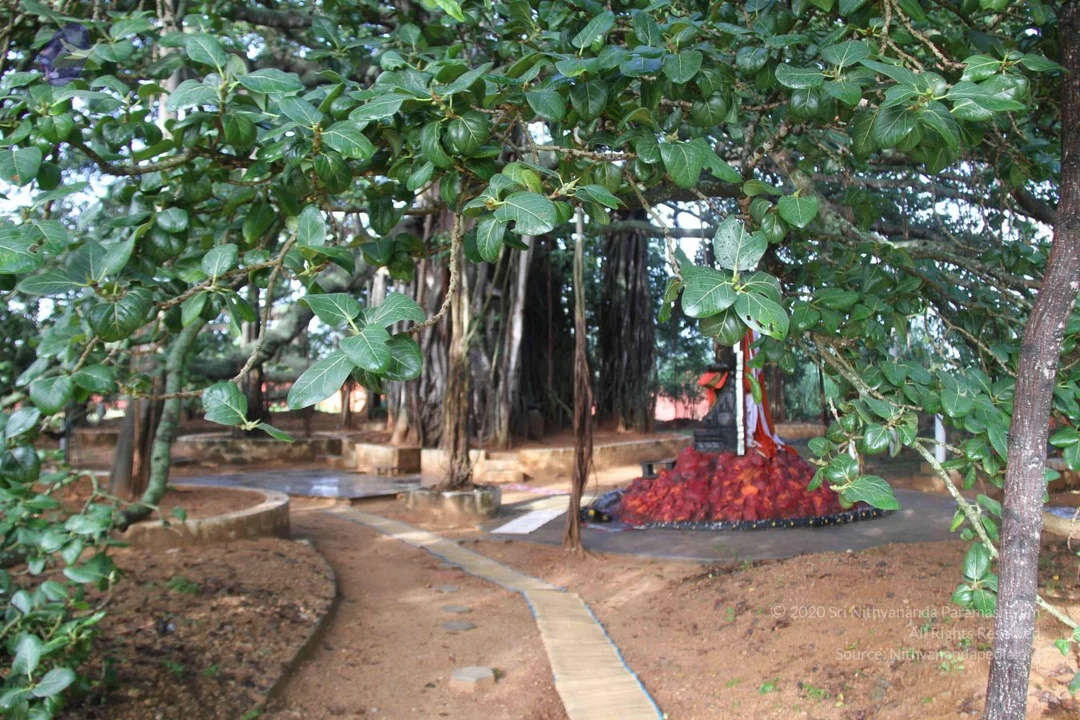
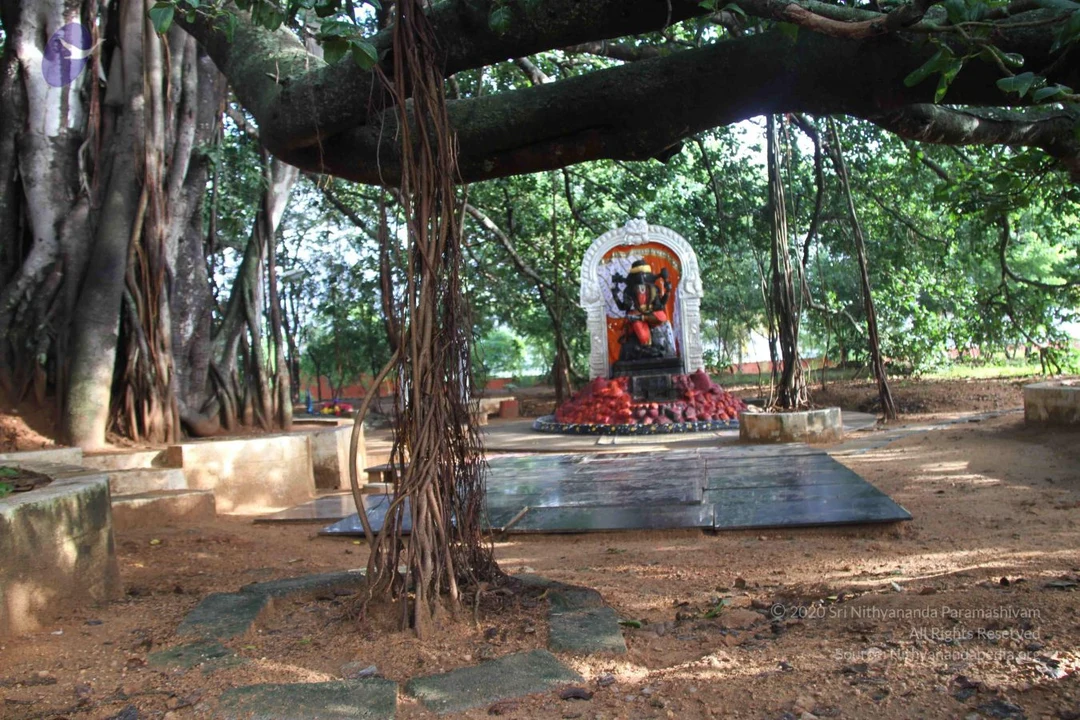
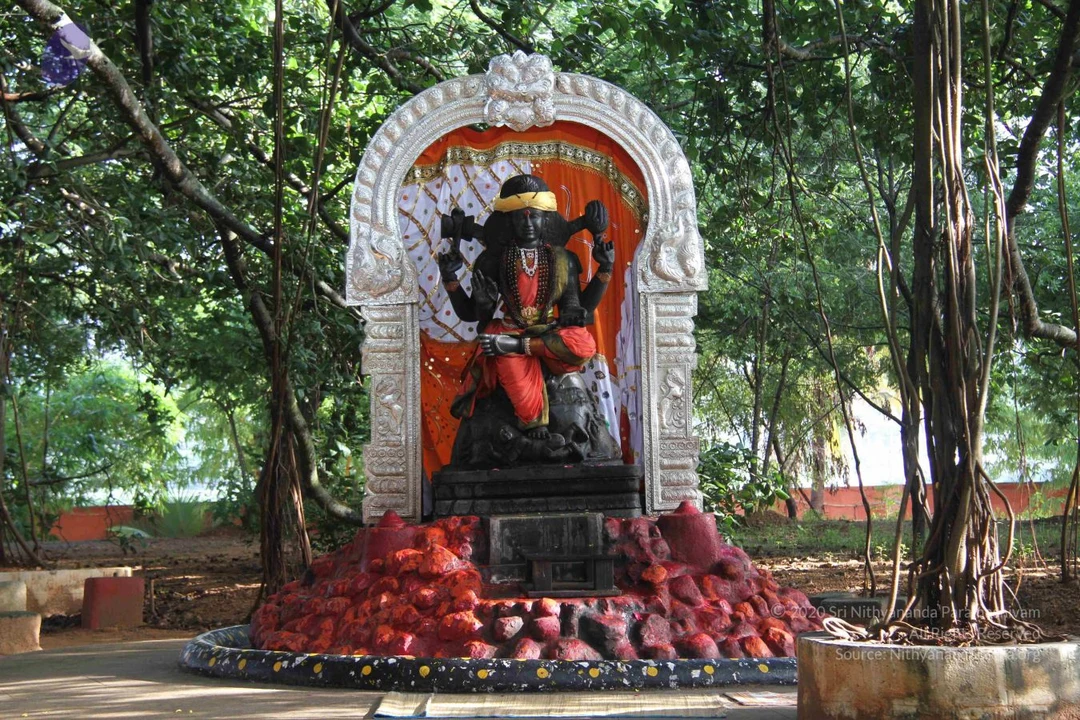
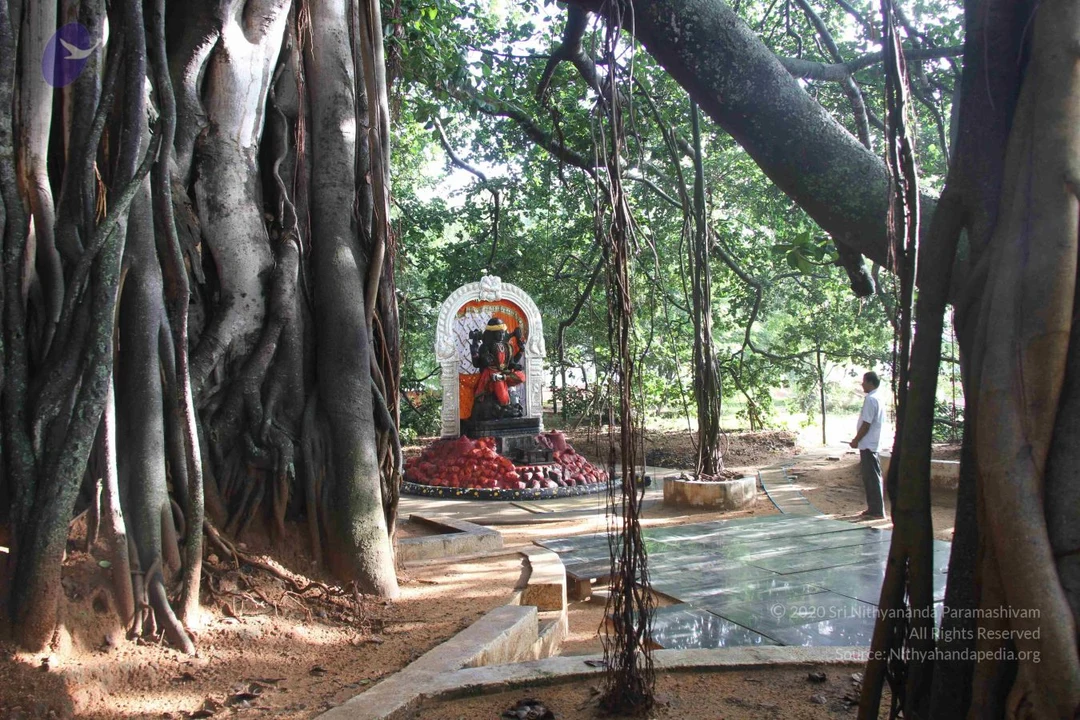
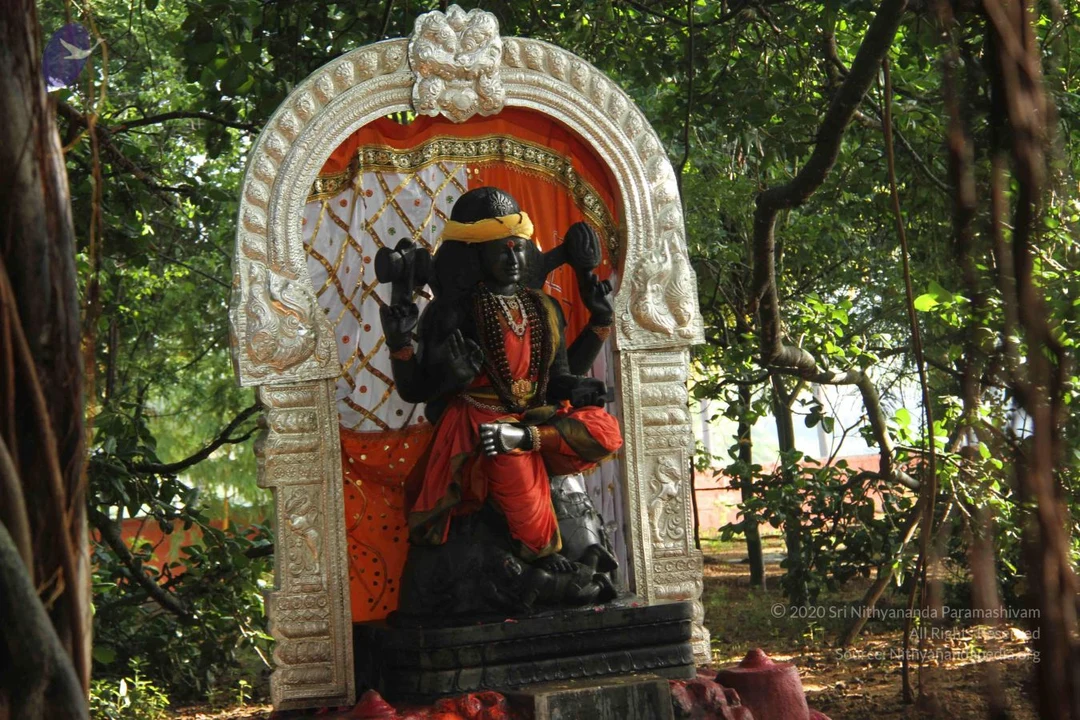
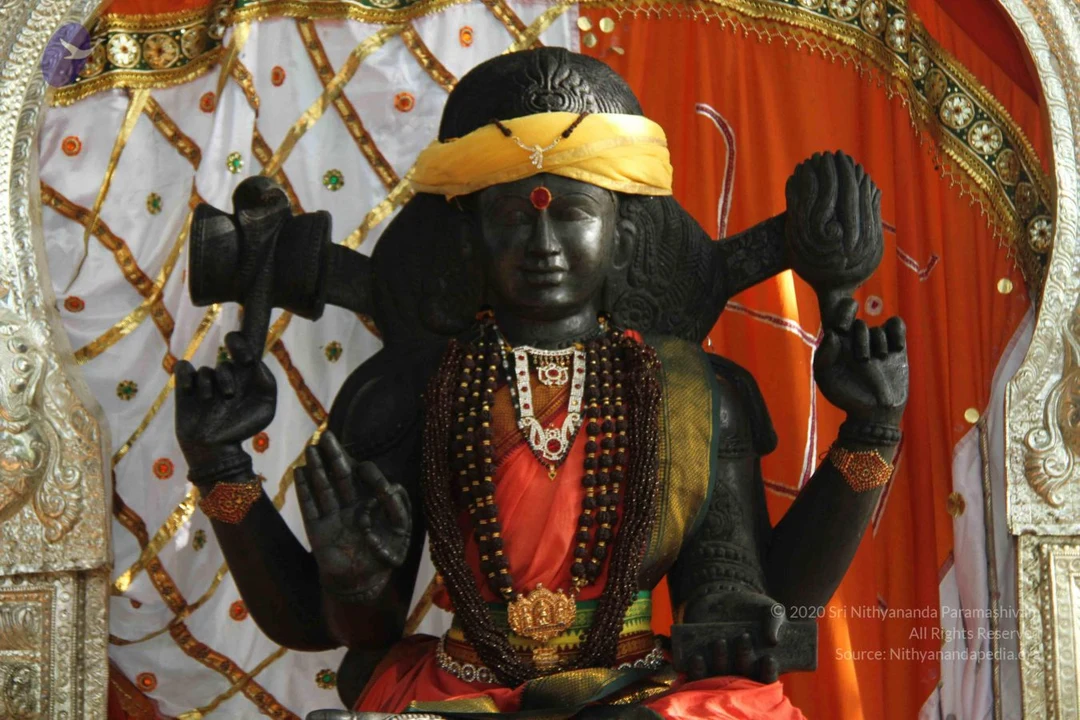
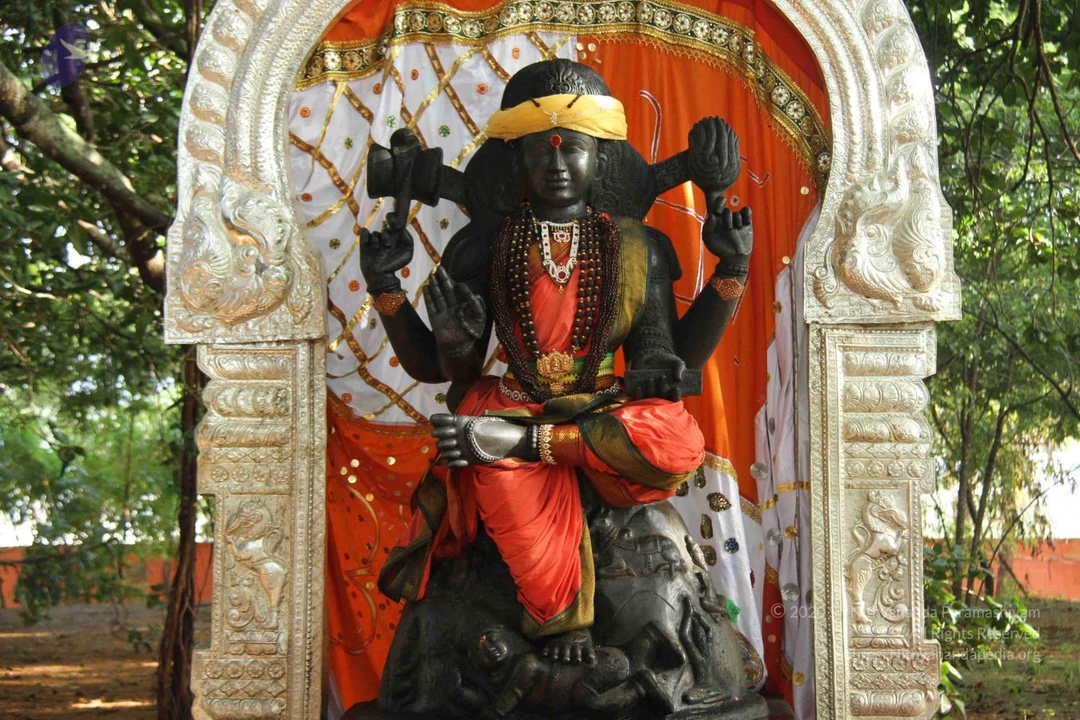
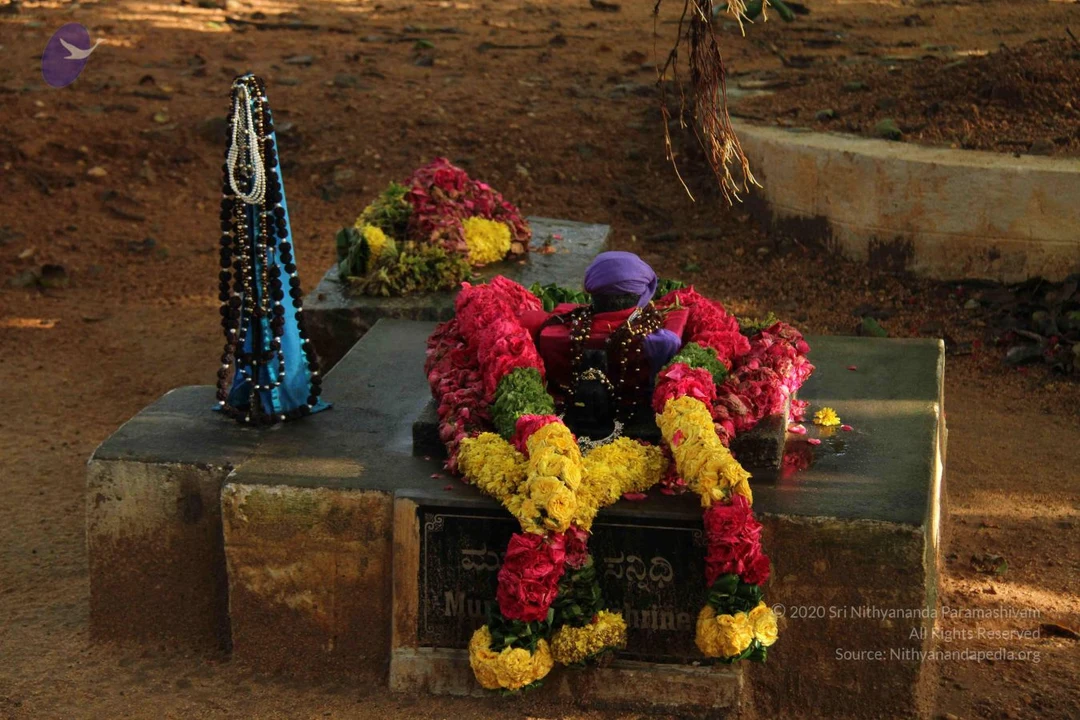
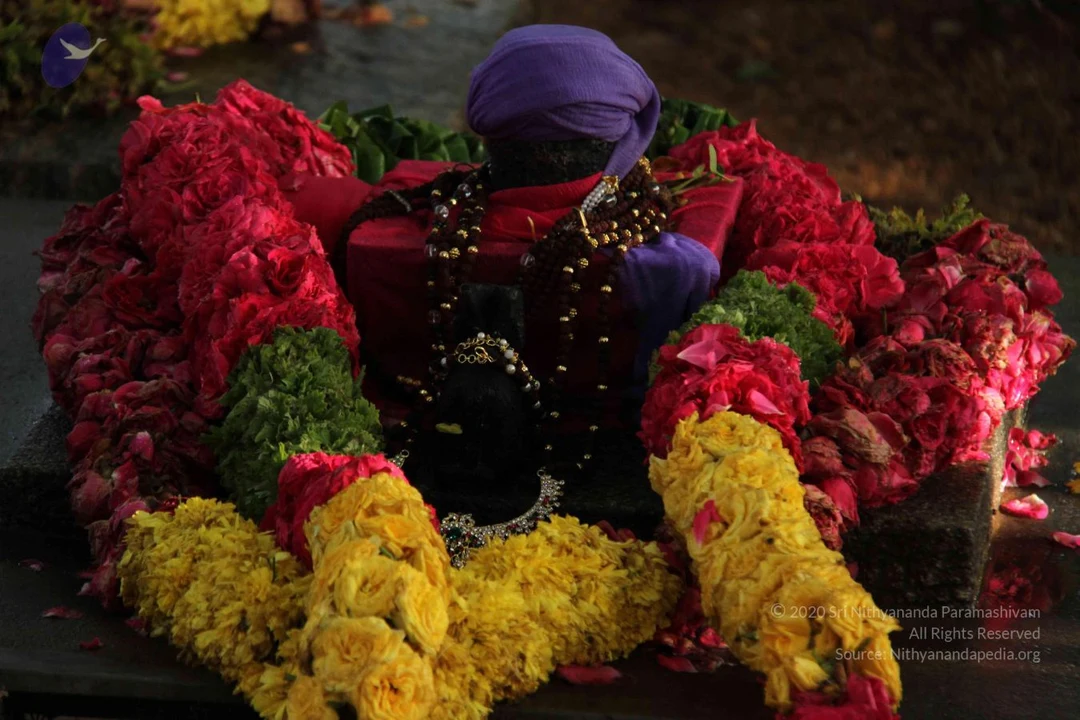
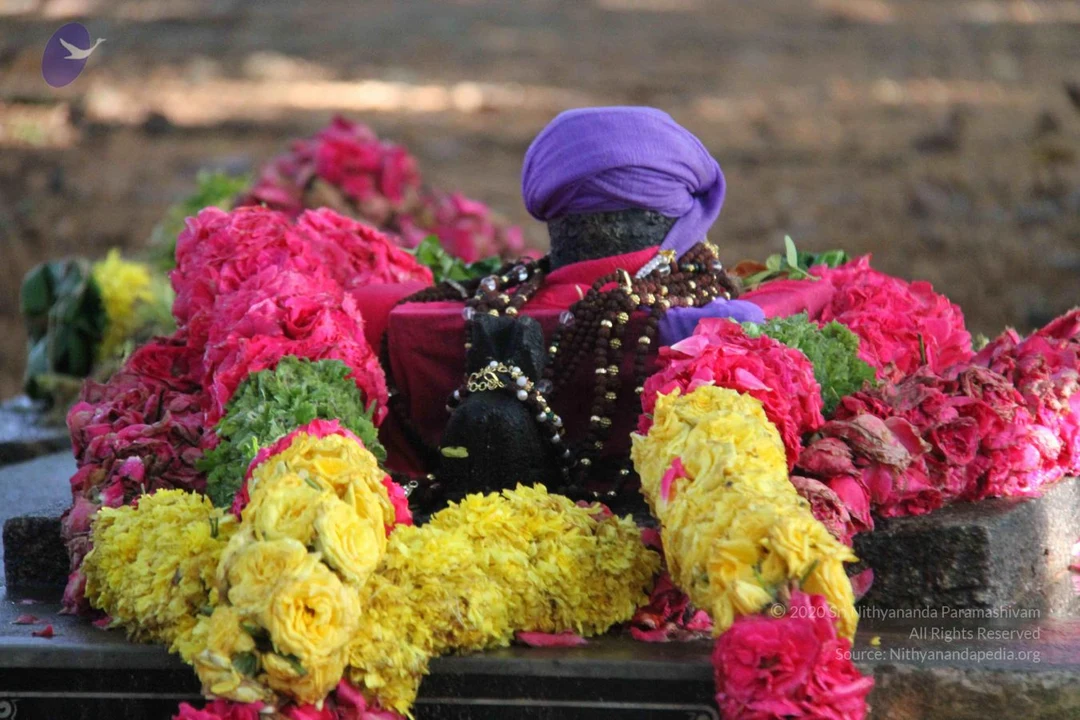
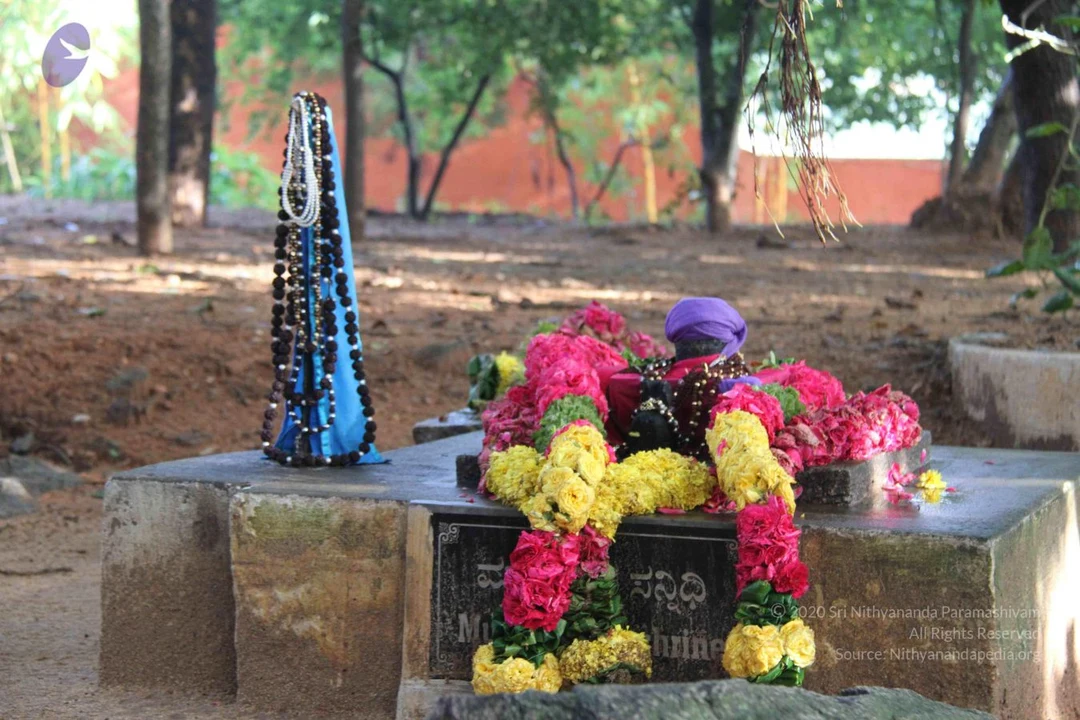
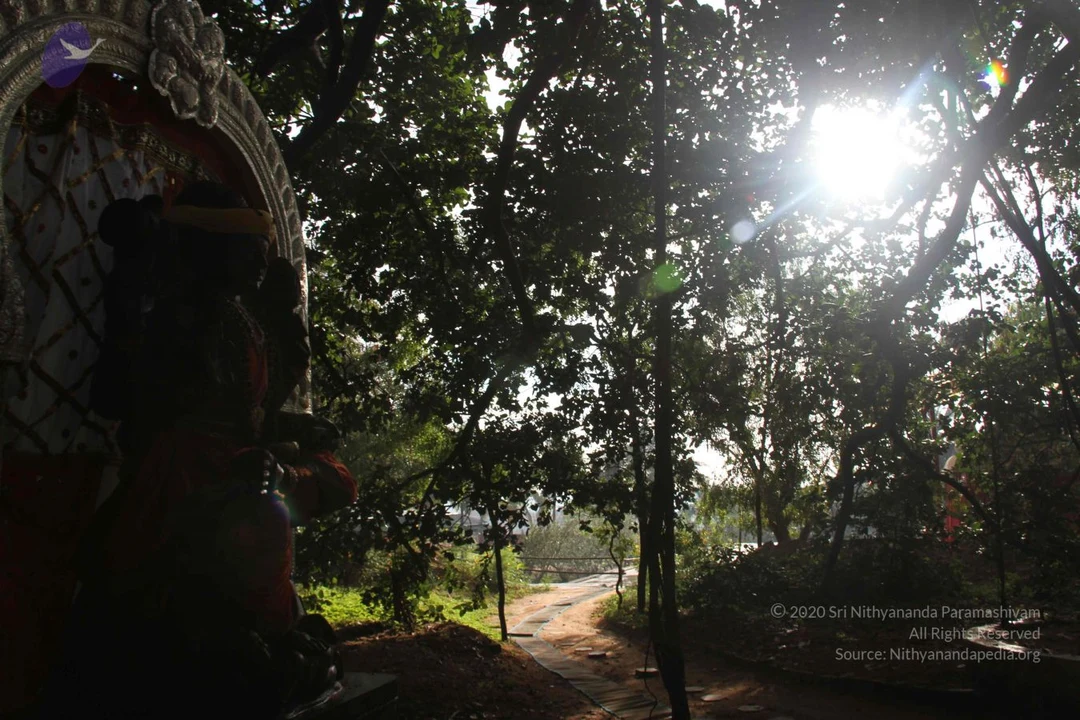
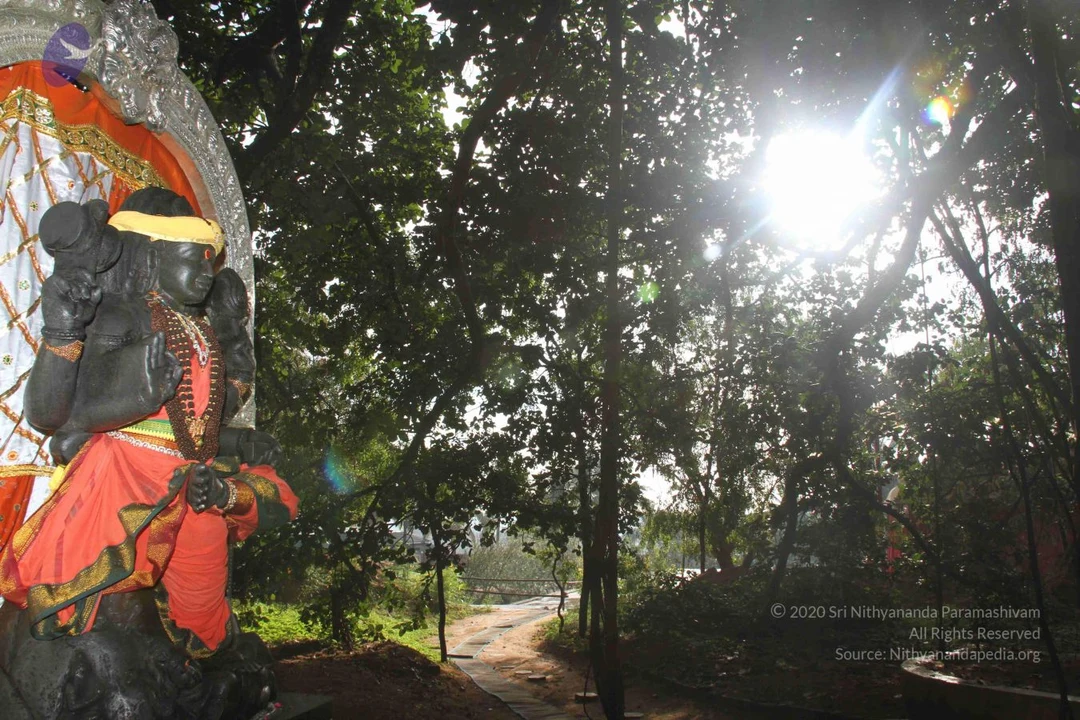
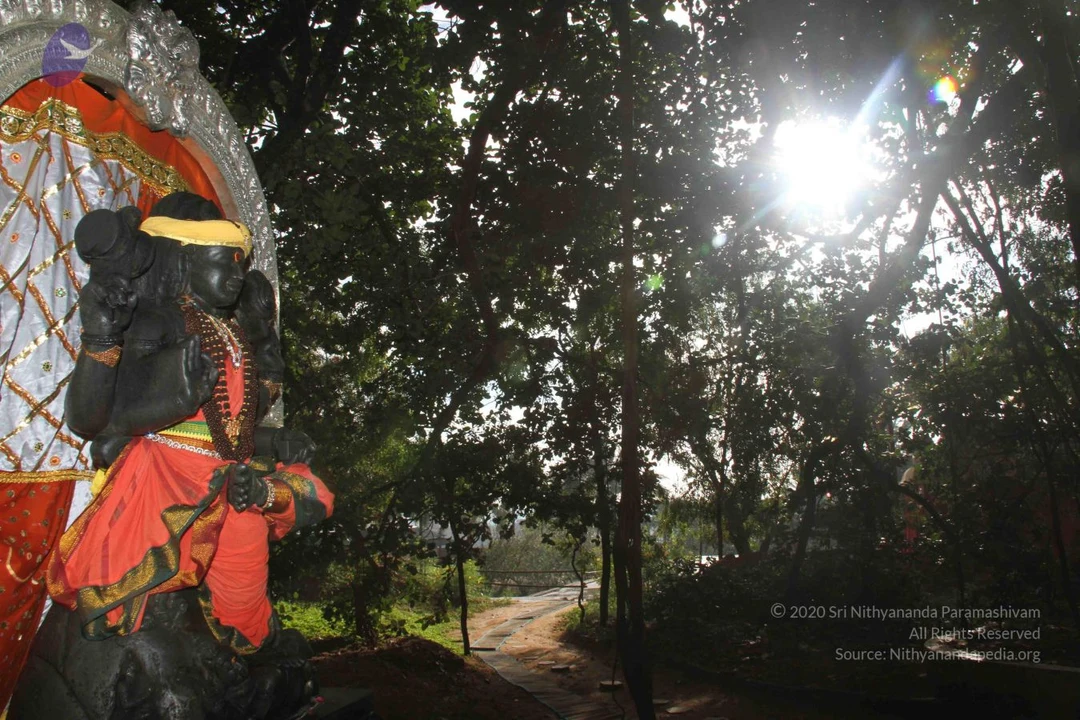
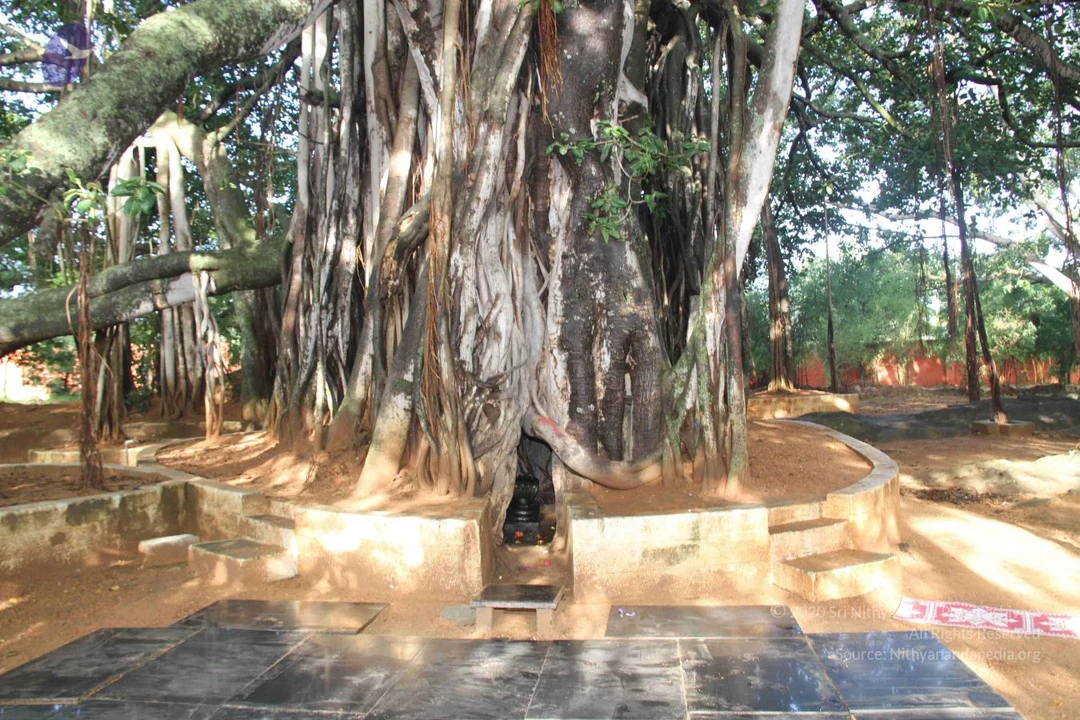
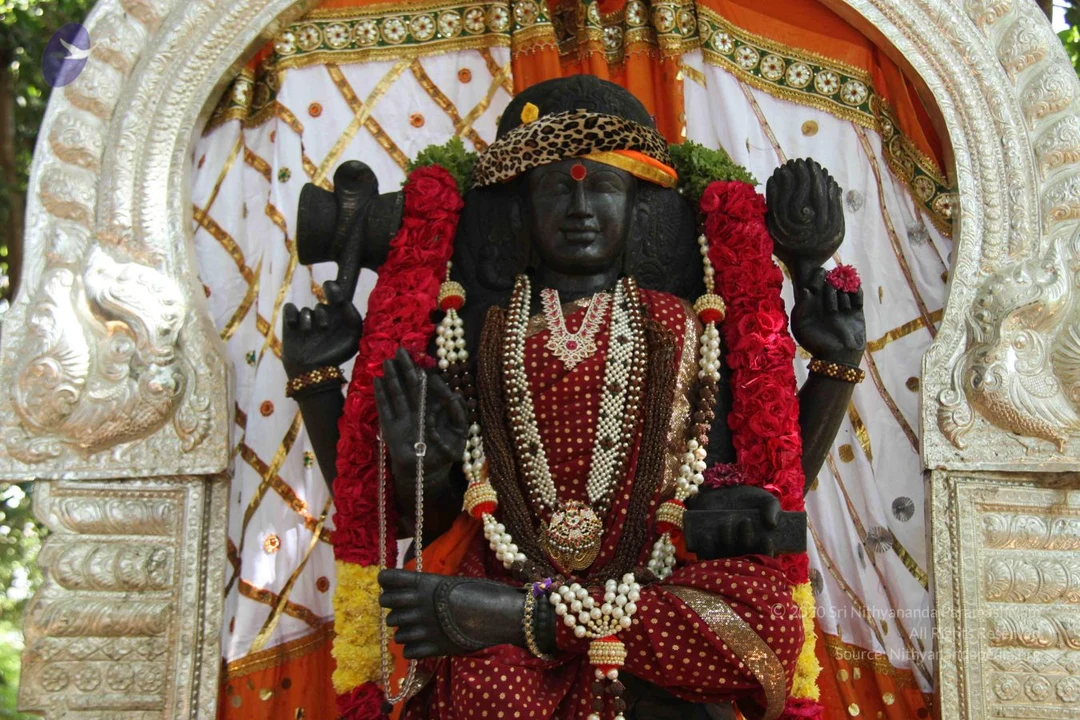
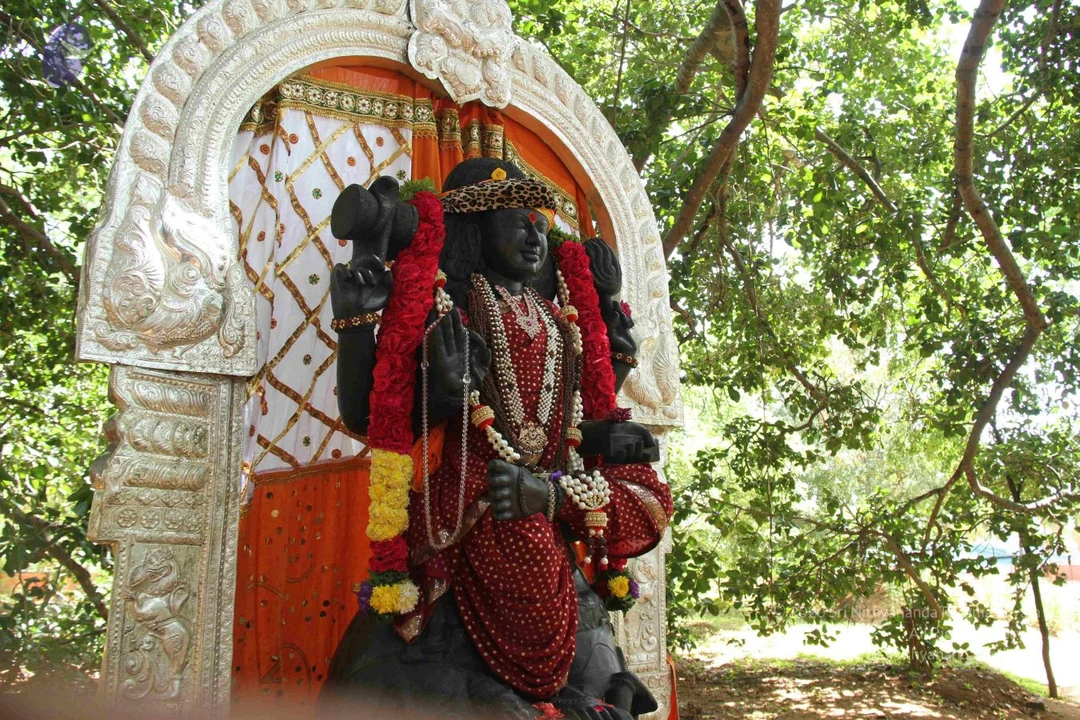
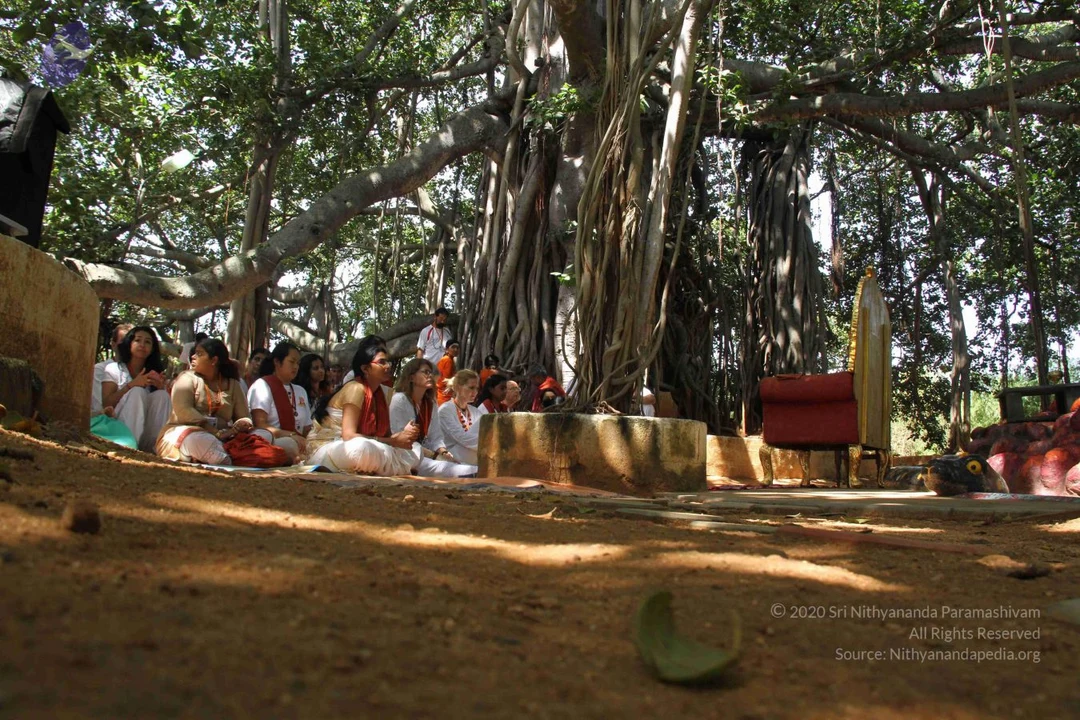
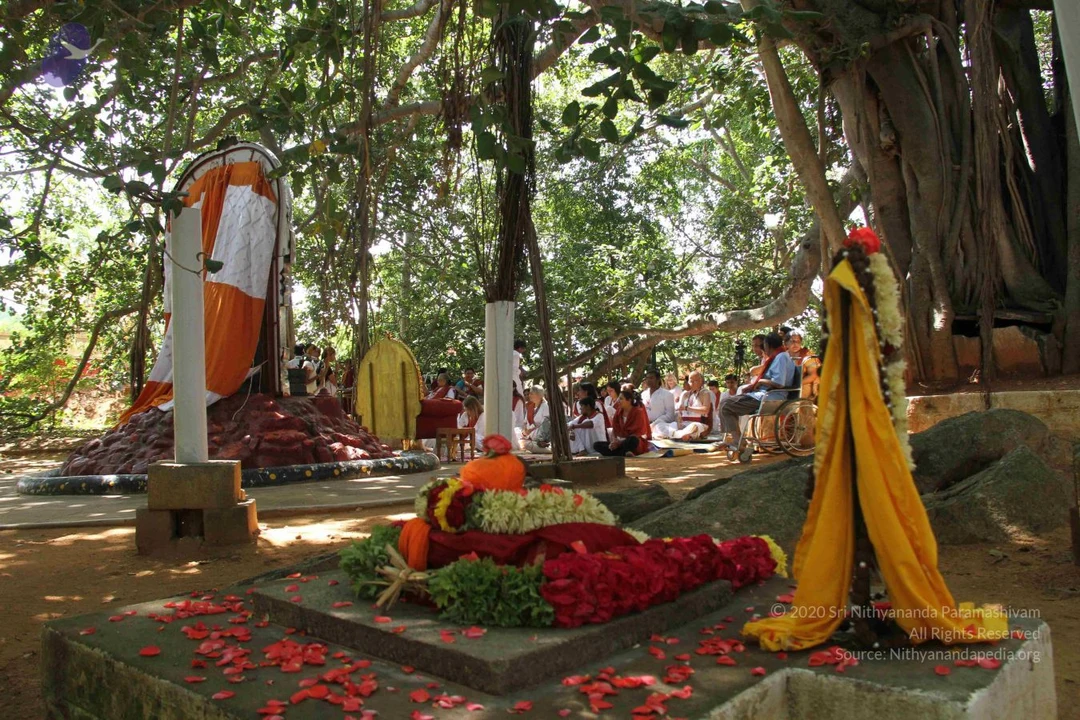
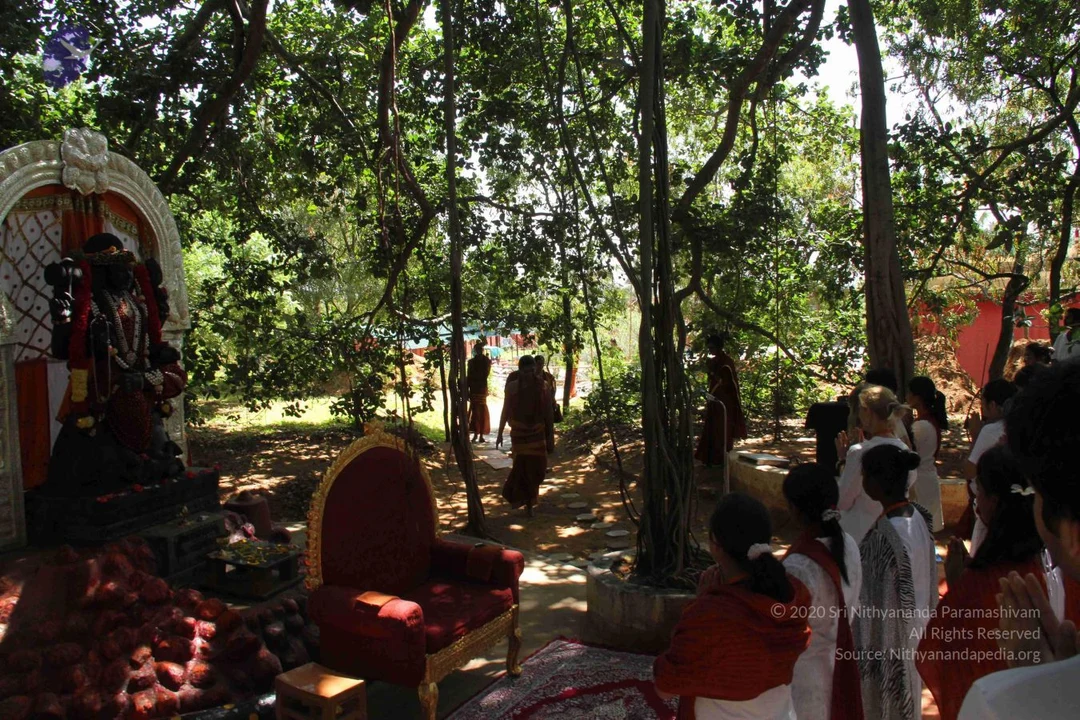
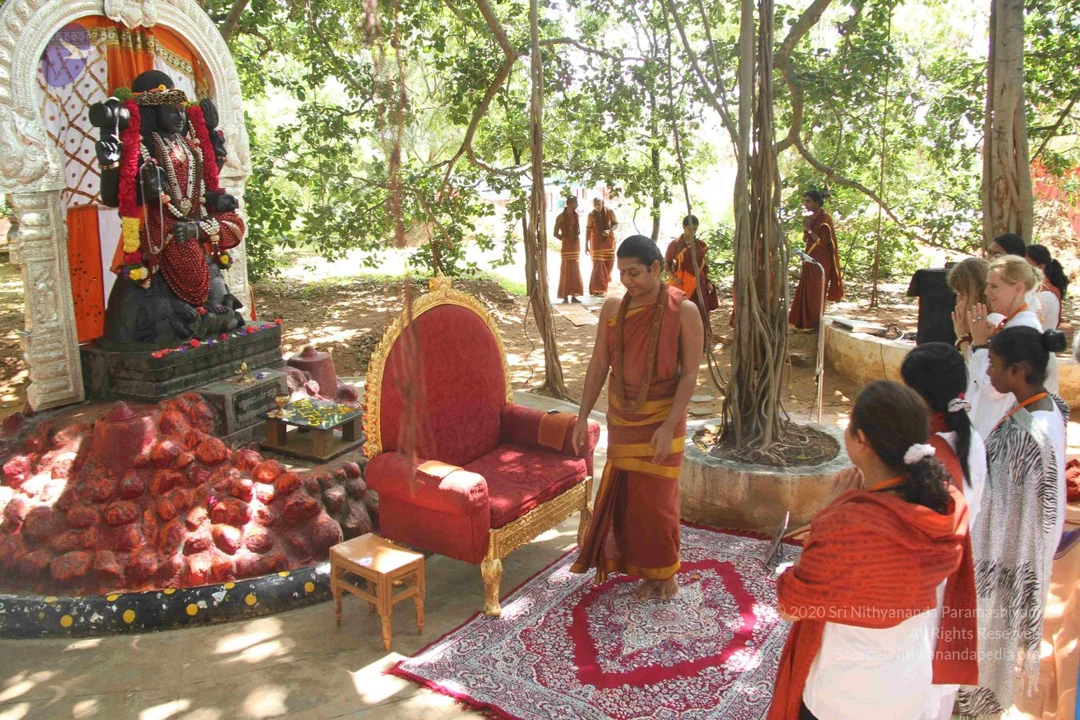
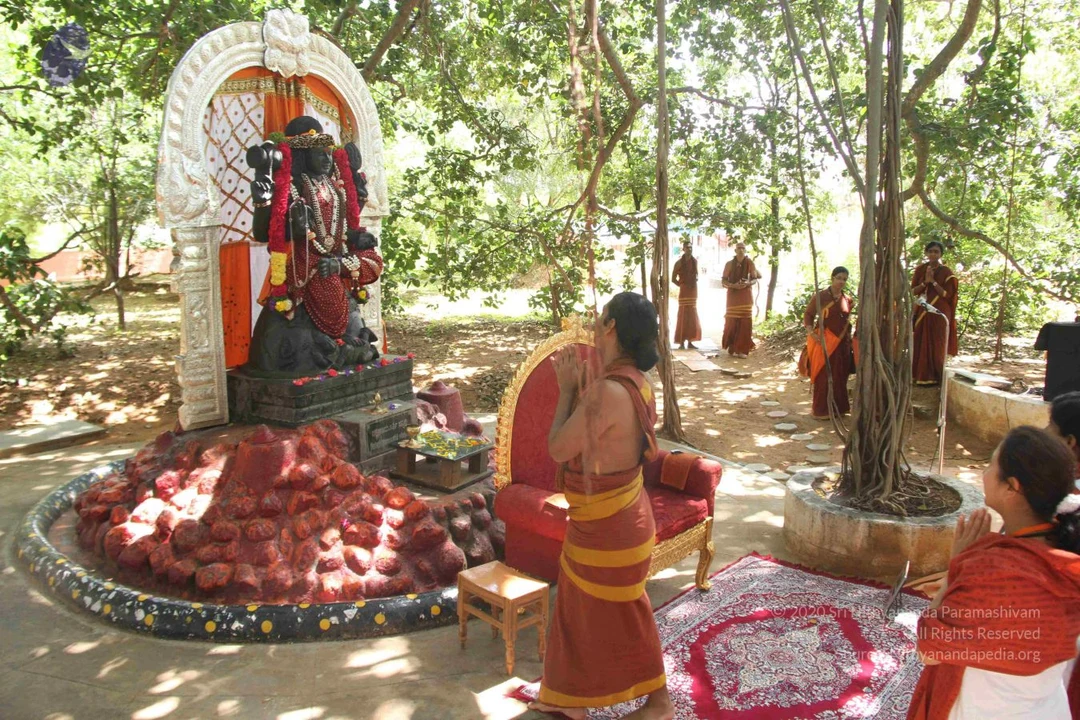
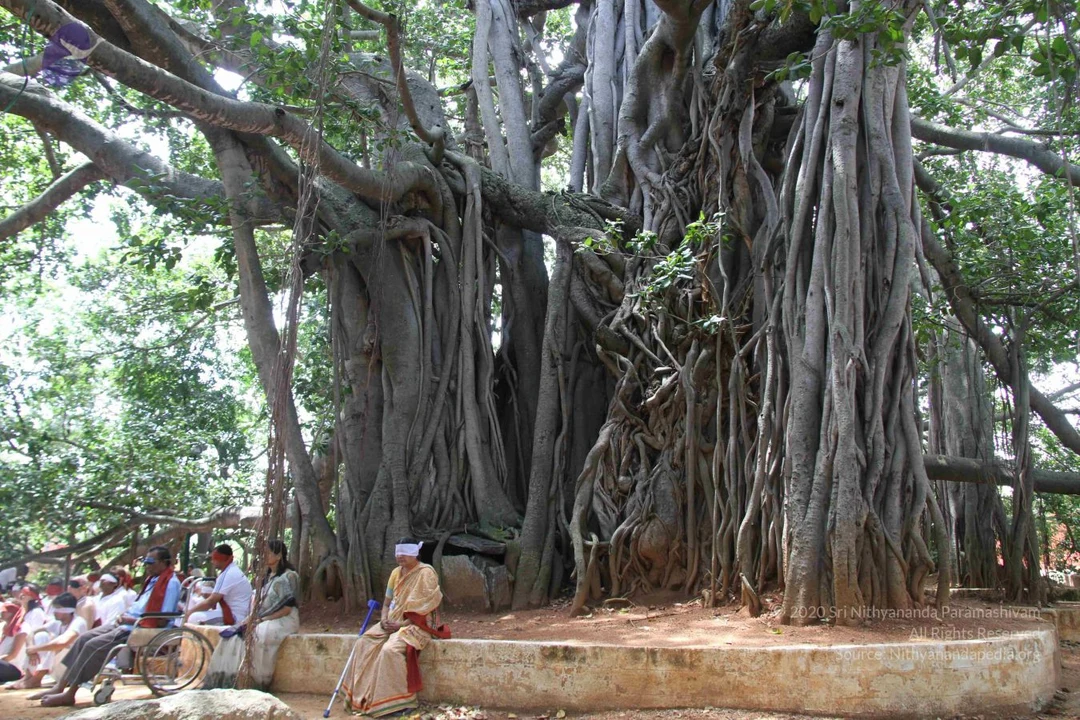
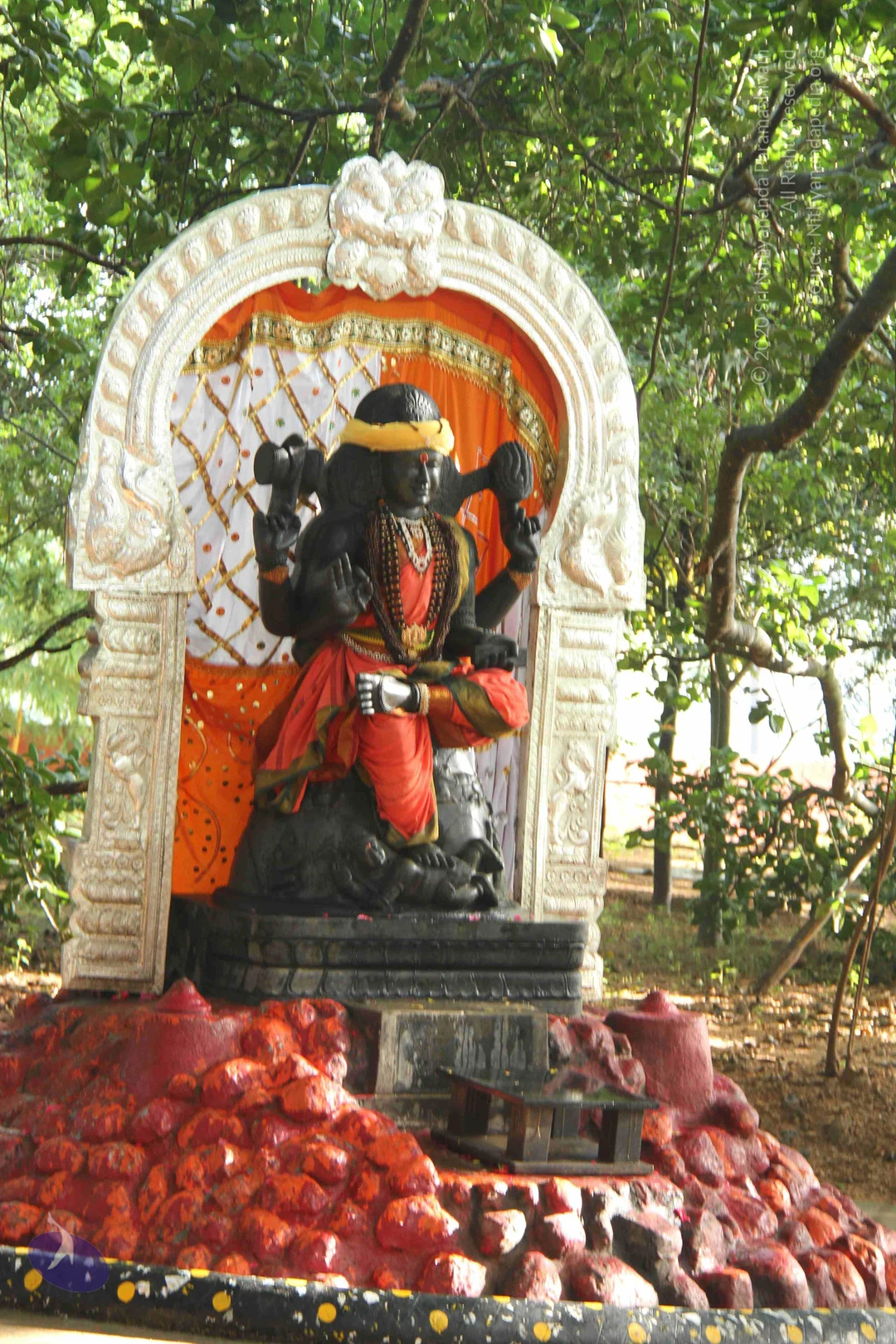
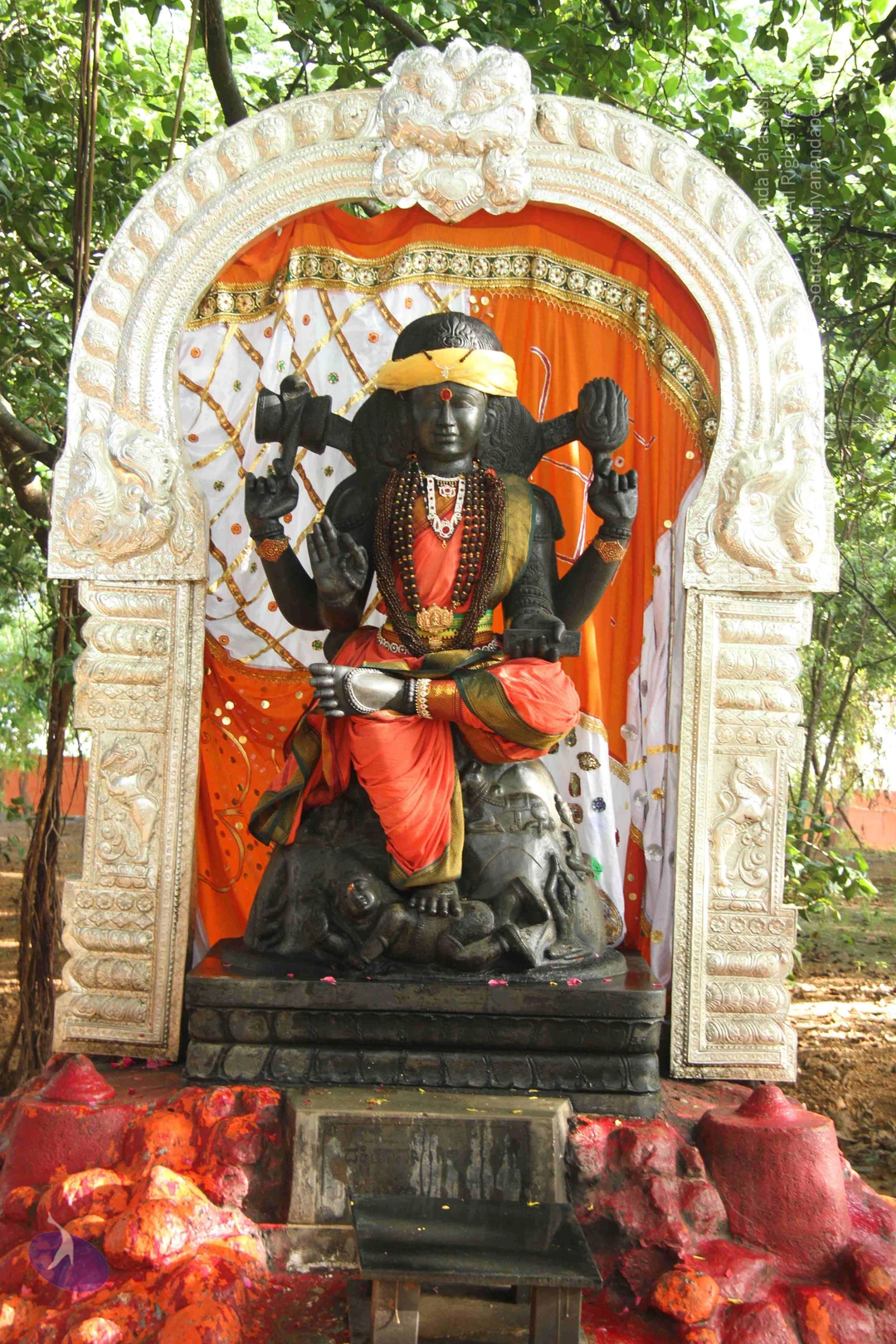
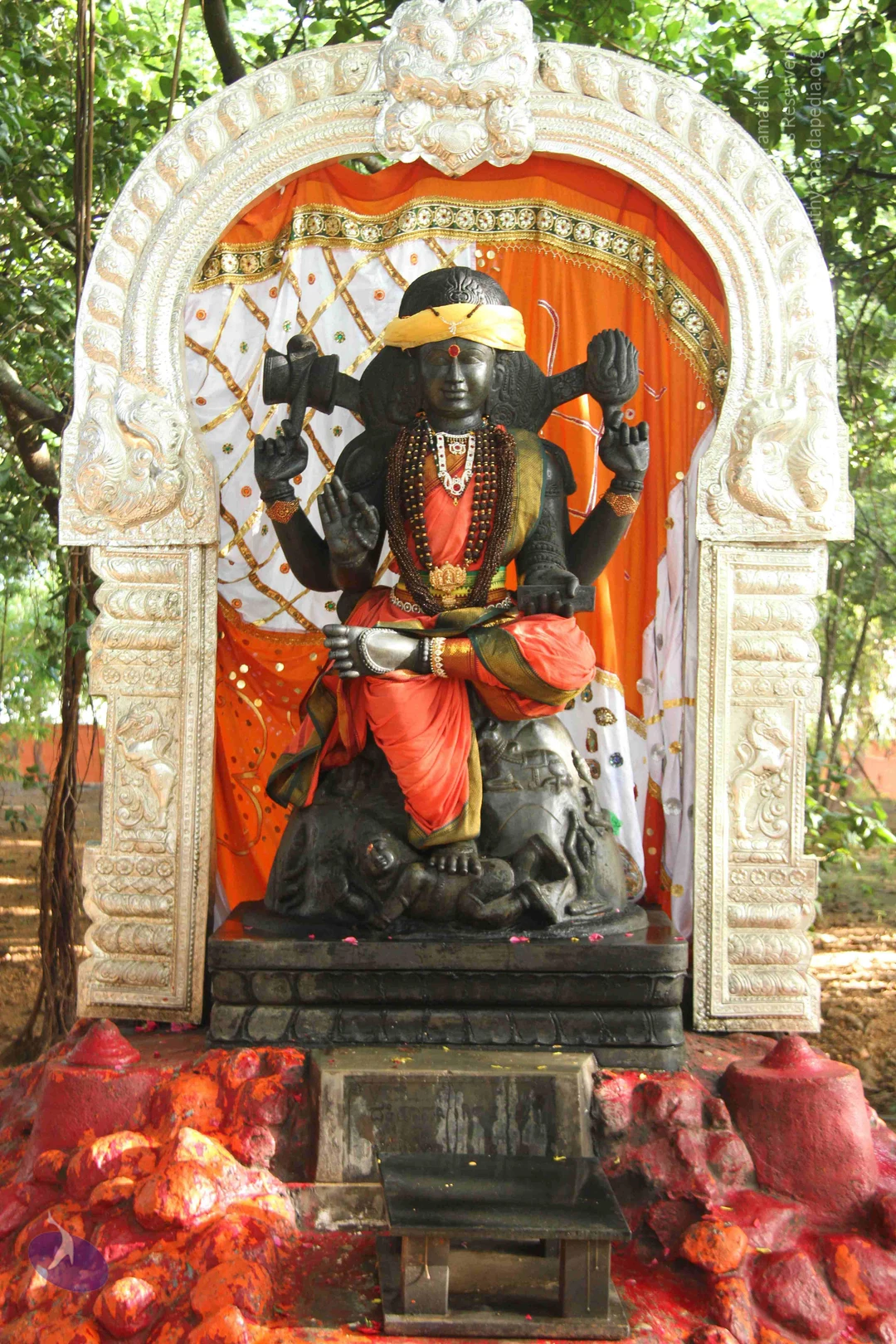
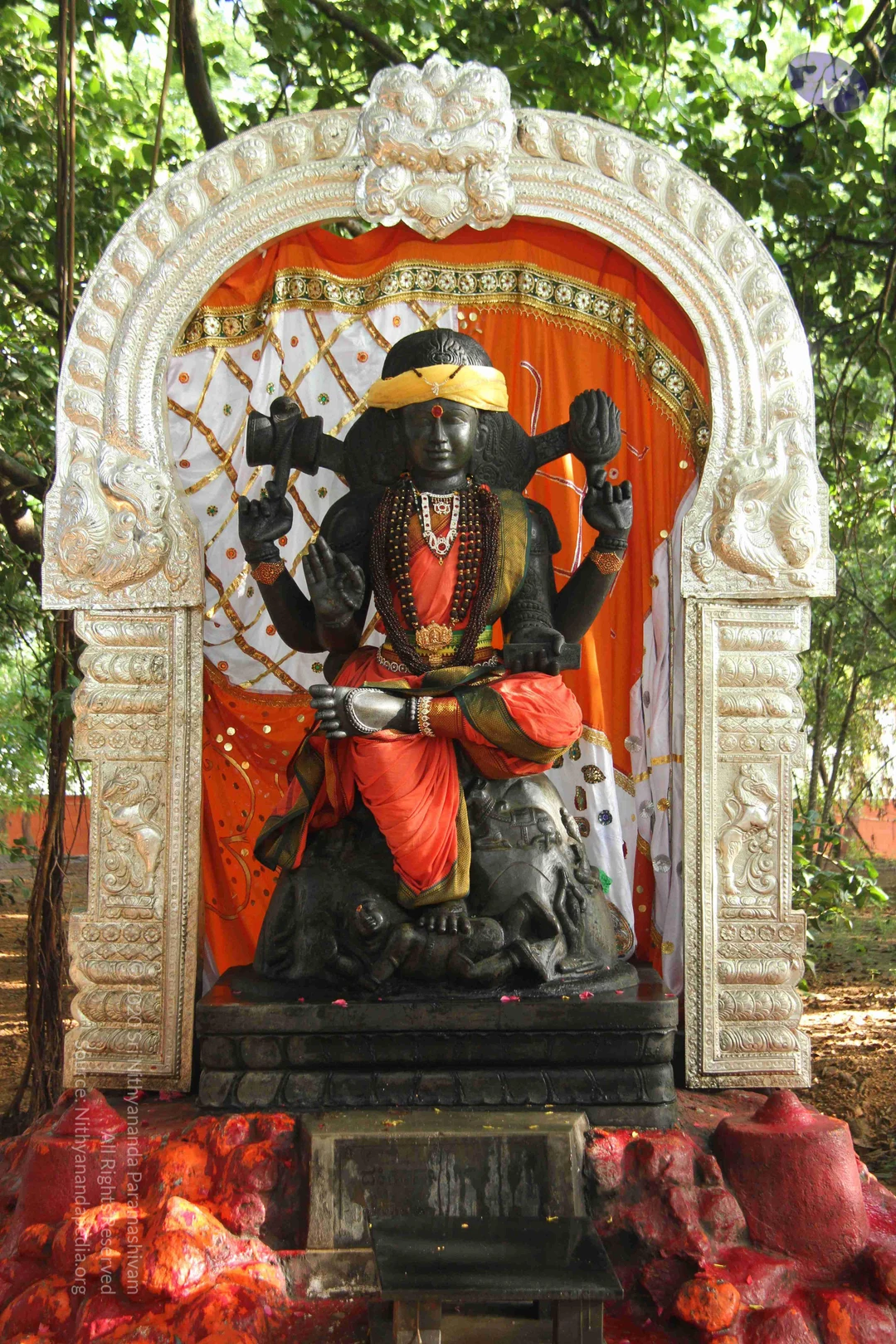
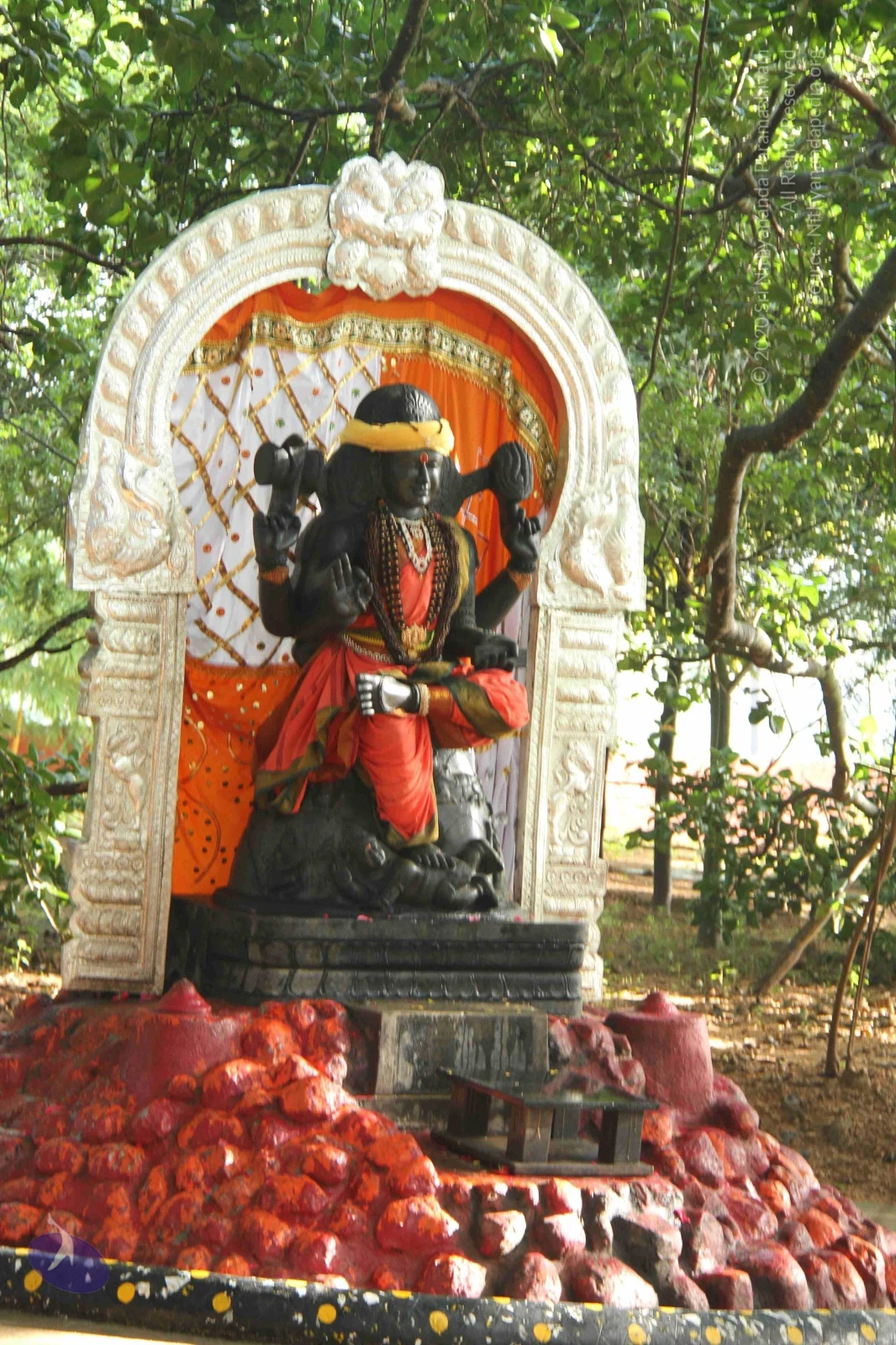
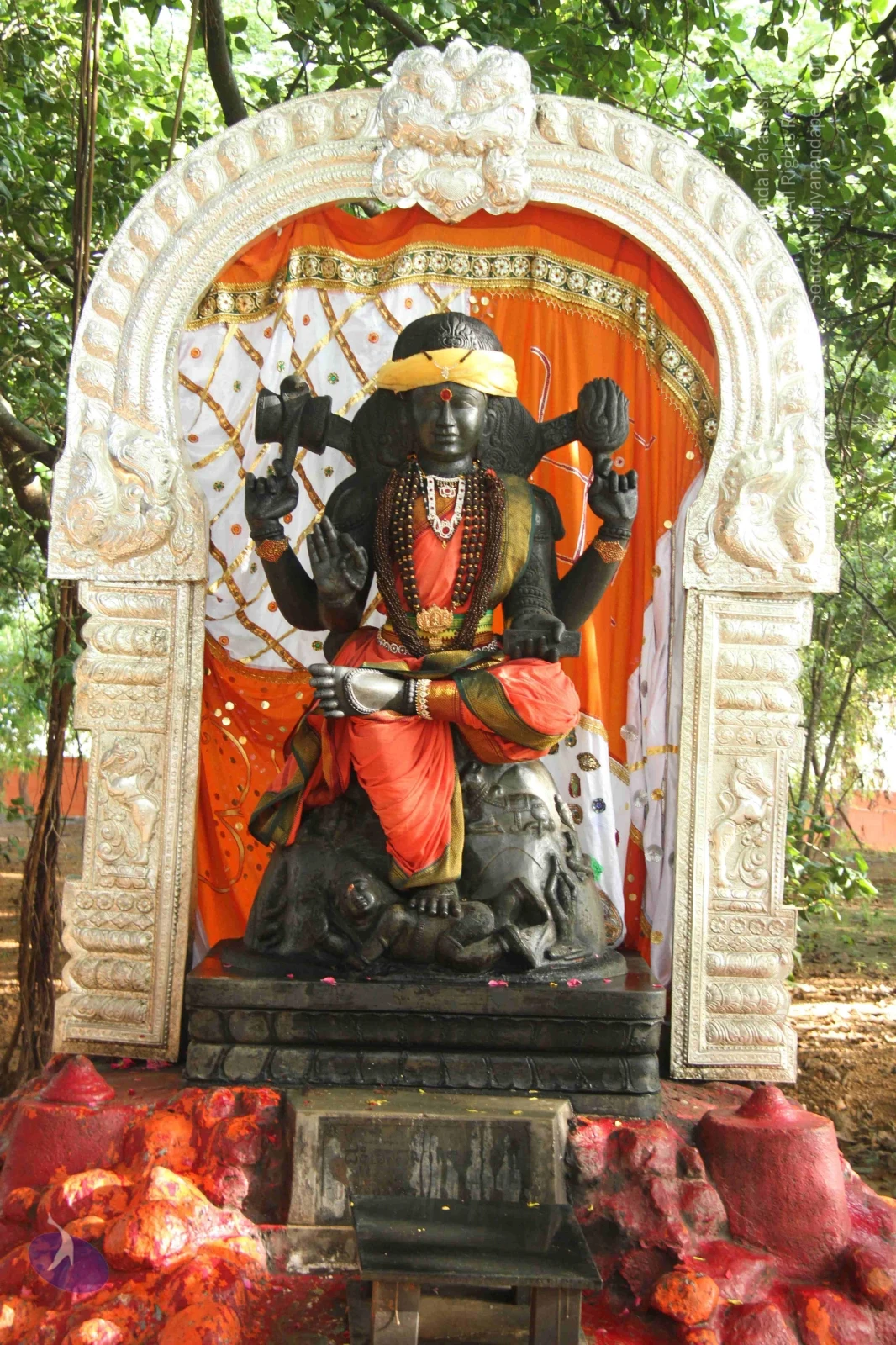
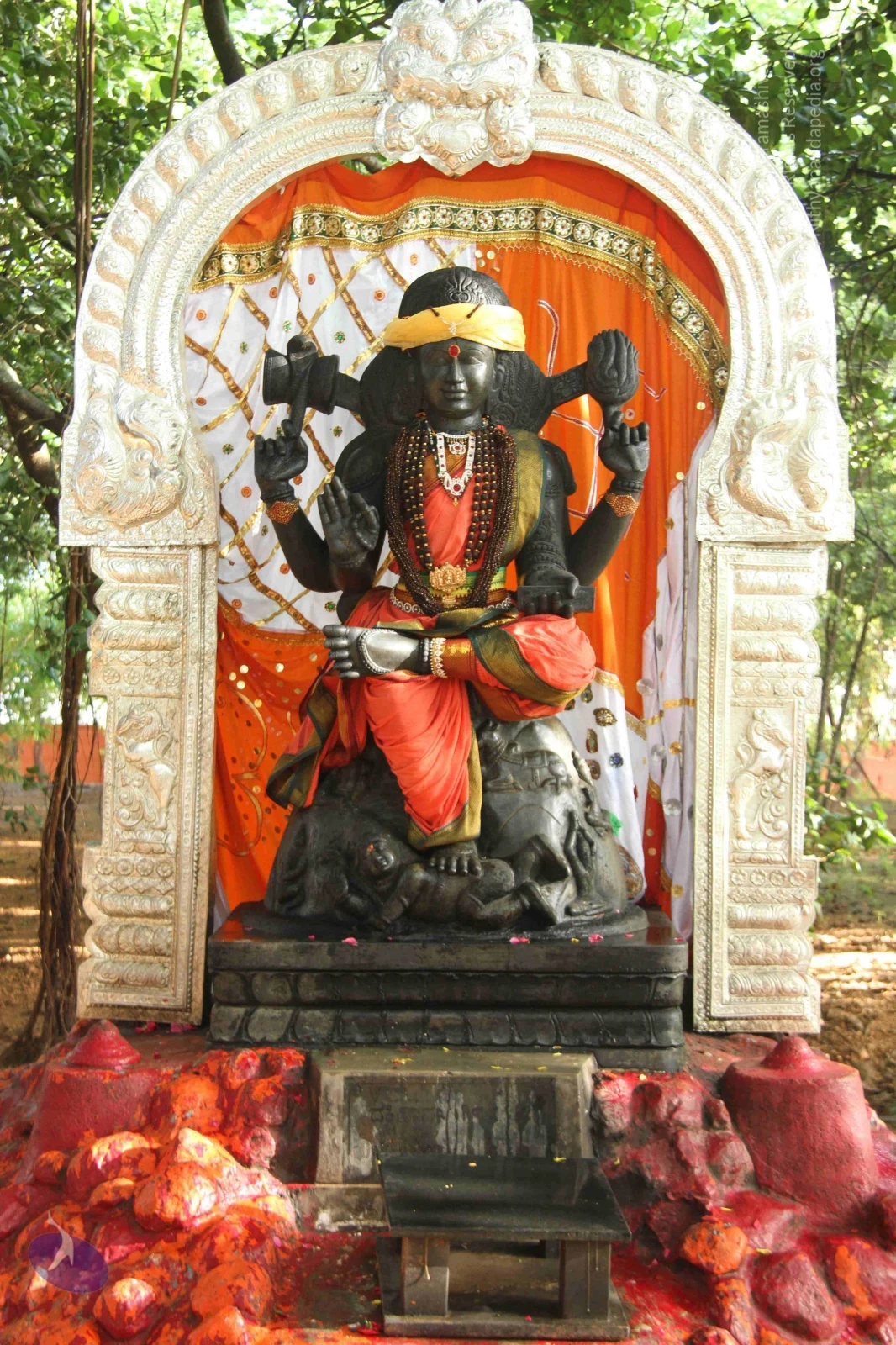
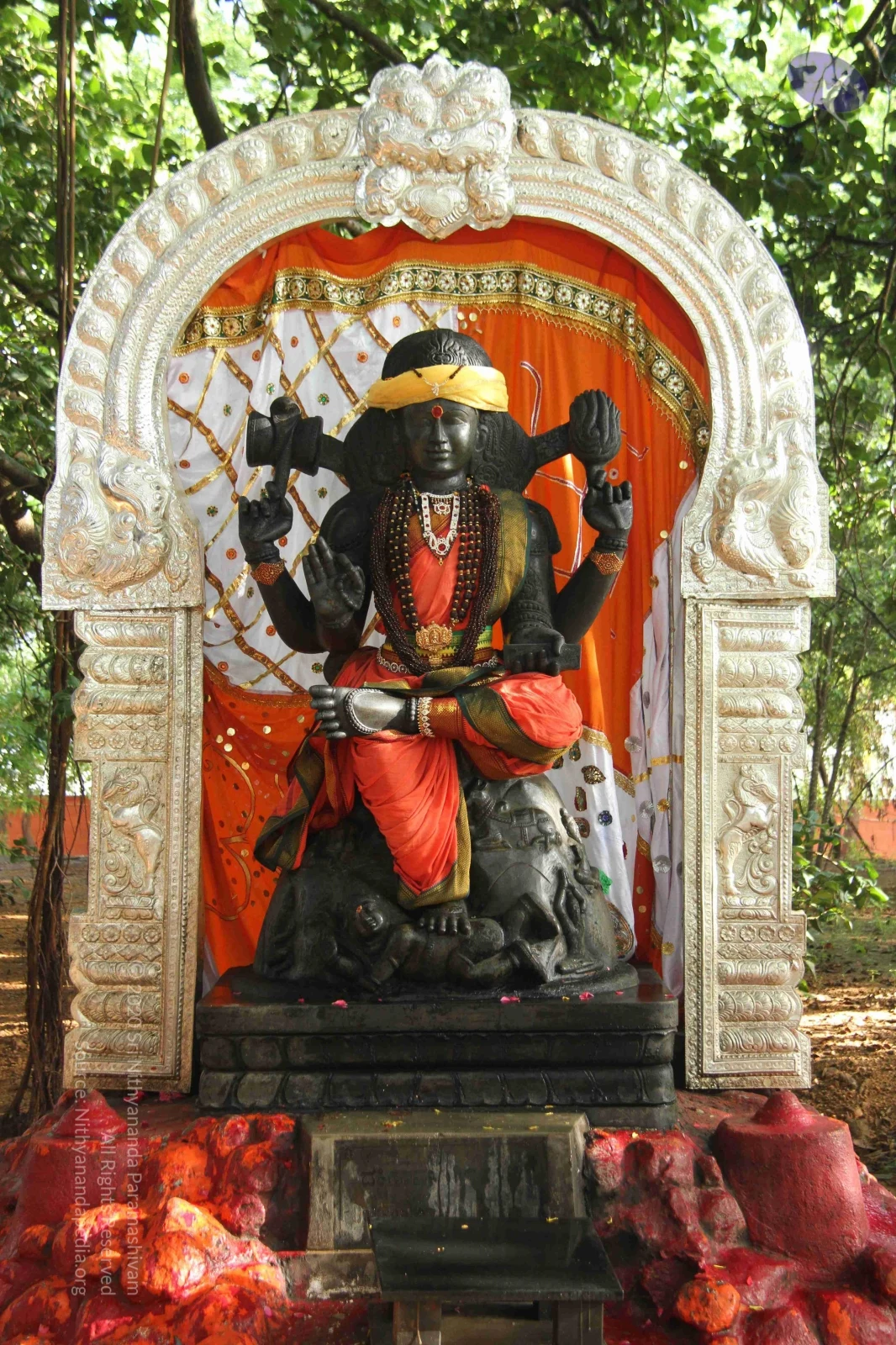
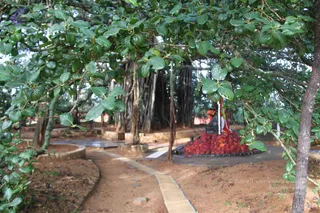
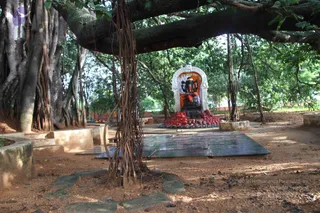
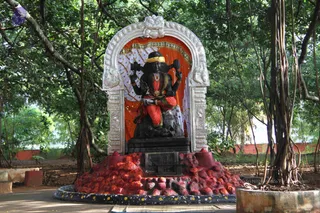
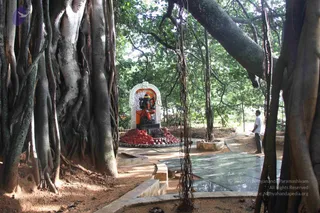
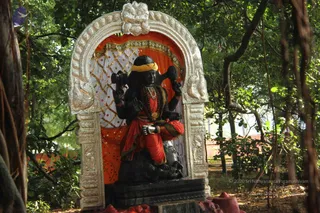
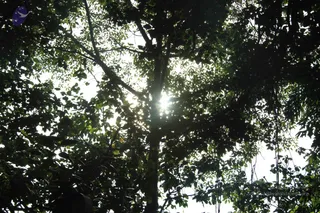
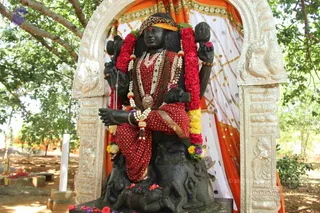
A photograph of an outdoor garden path at a tree-shaded grounds, with a winding paved walkway of stone slabs and brick edging crossing reddish earth. Large spreading tree canopy with broad green leaves frames the scene. In the middle right, a raised shrine mound is covered with a heap of red flower petals and marigold-like blossoms, with a small dark stone monument and red and white cloth draped on a pole behind it. Thick aerial roots and trunks of banyan-type trees stand in the background. No people are visible.A photograph of an open outdoor shrine beneath a large spreading banyan tree with thick aerial roots hanging down. In the centre stands a small white arched niche holding a dark deity murti, painted with red and orange accents, placed on a raised platform and surrounded by heaps of red flowers or offerings. Stone-paved paths and a dirt ground lead to the shrine, with green foliage behind. No people are visible in the scene.A black stone murti of a deity stands in an arched silver-toned niche set among large banyan trees outdoors. The figure wears a yellow headband, red garment, a red-and-white cloth backdrop and several bead and chain necklaces, with multiple arms holding ritual objects. The base and surrounding area are heaped with red-orange kumkum or vermilion powder, and a dark stone pedestal sits at the front. Tree roots hang across the open-air shrine, and a low wall and paved ground surround it. No people are visible.A photograph of an outdoor shrine beneath a large banyan tree with many hanging aerial roots and thick trunks. A deity murti, dark stone with red and orange garments, sits in an arched white niche with red and orange backdrop, surrounded by a heap of red offerings on a raised platform. A paved walkway leads toward the shrine. One man in a white shirt and grey trousers stands at the right edge, facing the shrine, near a small plant bed.A black stone murti of a multi-armed deity sits inside a silver-framed arched niche outdoors among dense green trees and hanging vines. The figure wears a yellow headband, a red and orange dhoti-style garment, a red-and-gold sash, and a beaded rudraksha-style mala with a large pendant, and holds ritual objects in several hands. Behind it hangs an orange and white cloth with gold trim and a diamond-patterned border. Small red offerings sit on the stone base.A photograph looking up through a dense tree canopy at sunlight breaking through dark green leaves and branches, with a bright sun flare at the centre. The trunk rises vertically through the frame, and thin vines hang on the right. No people or ritual activity are visible.

Swastimantra Pictures

16 photosSource gallery
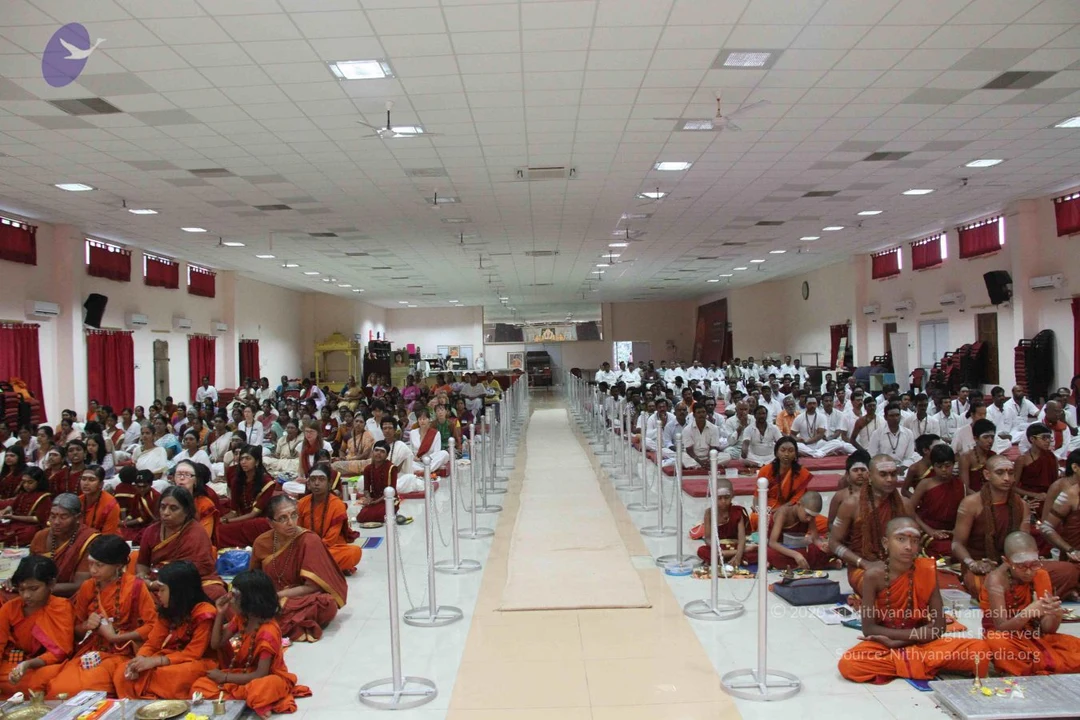
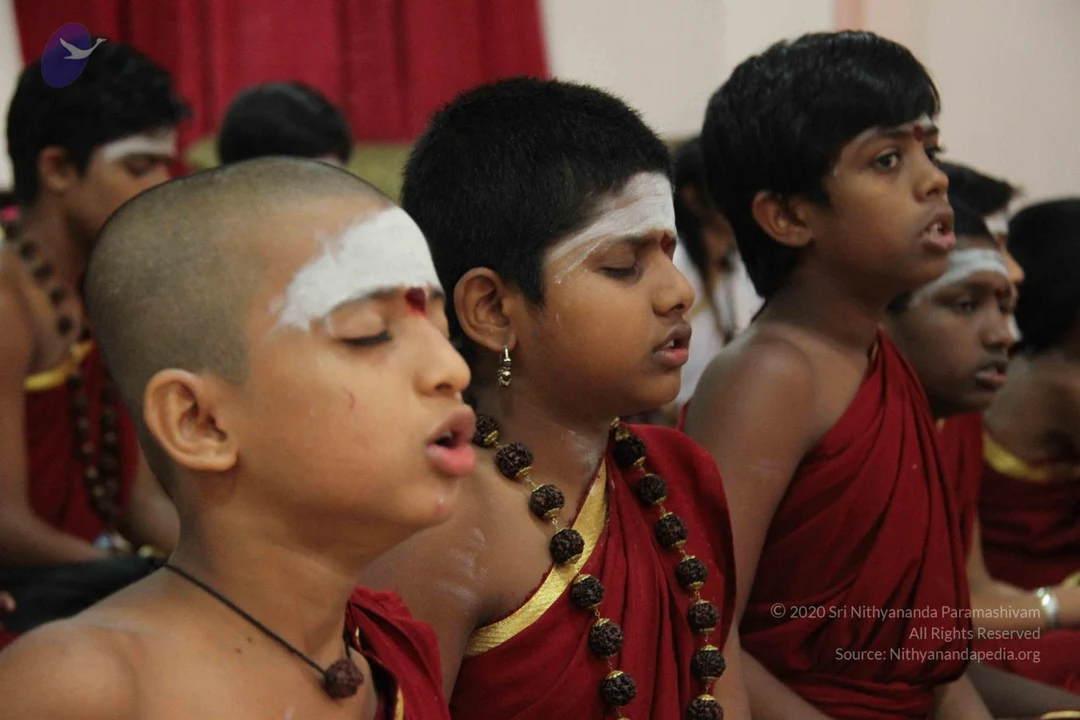
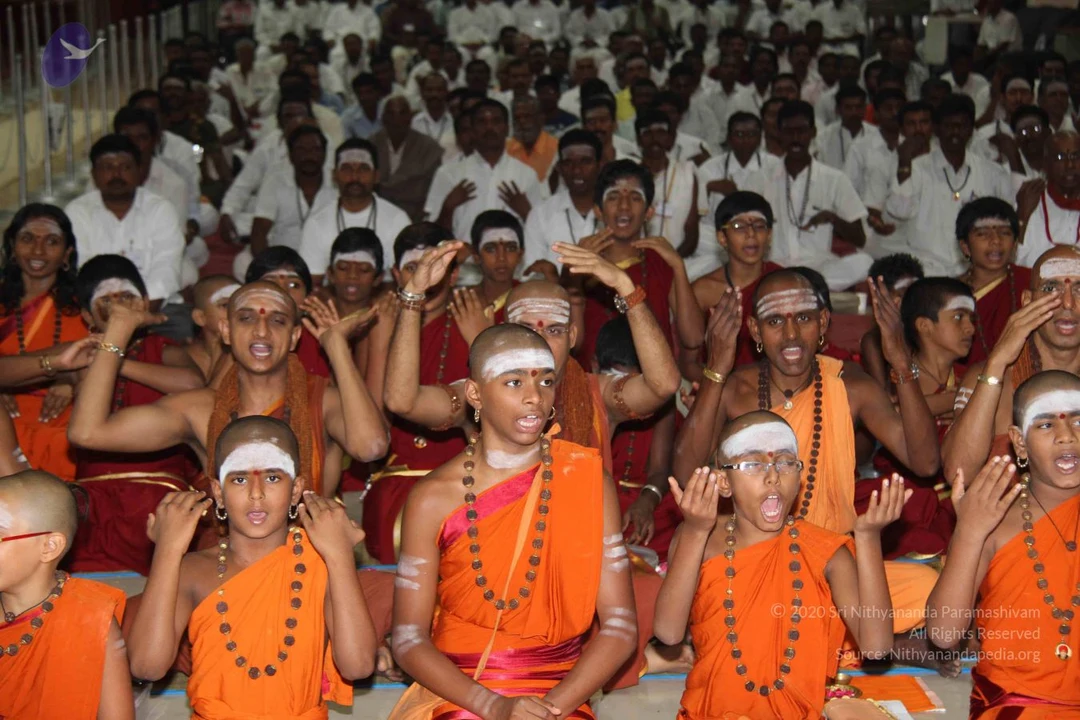
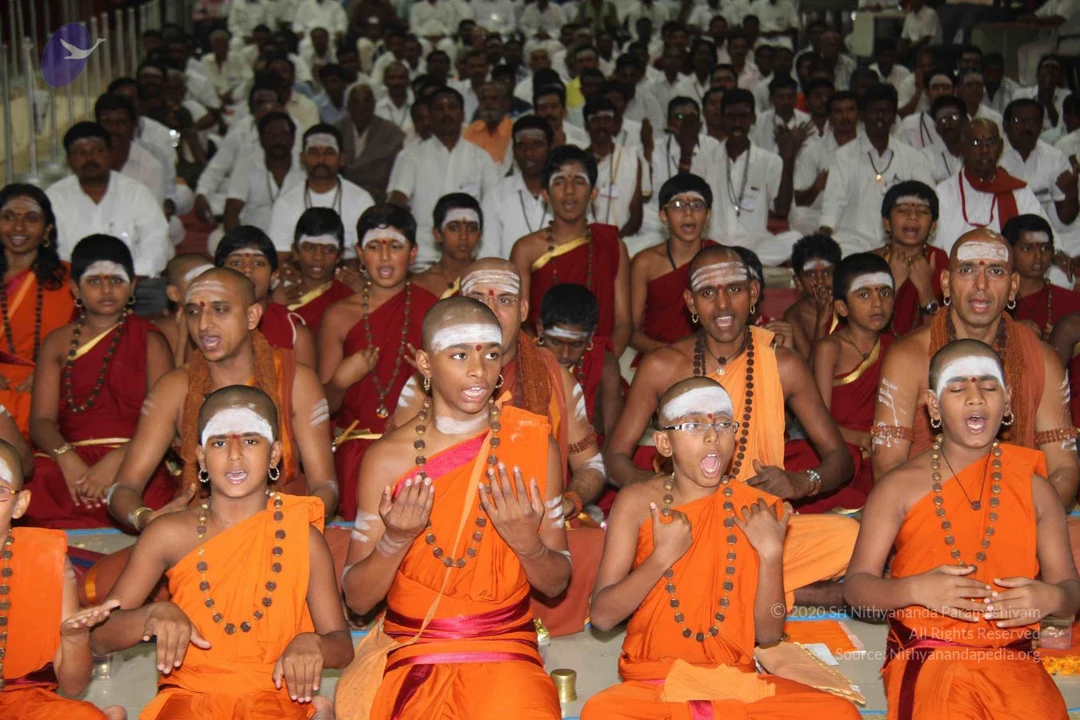
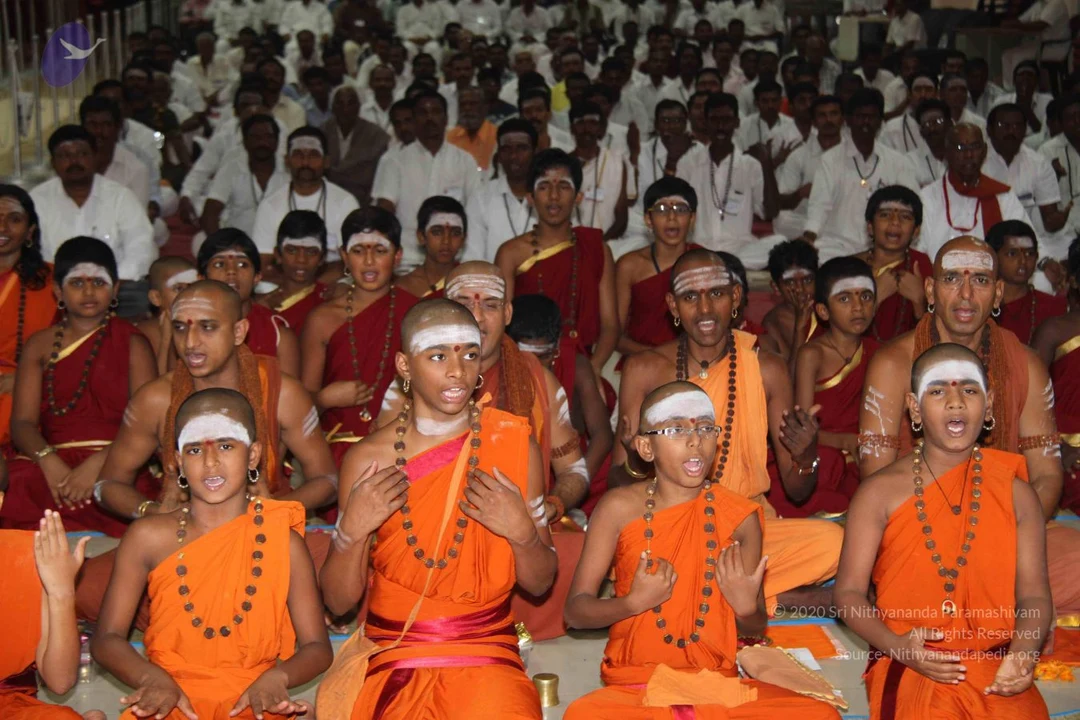
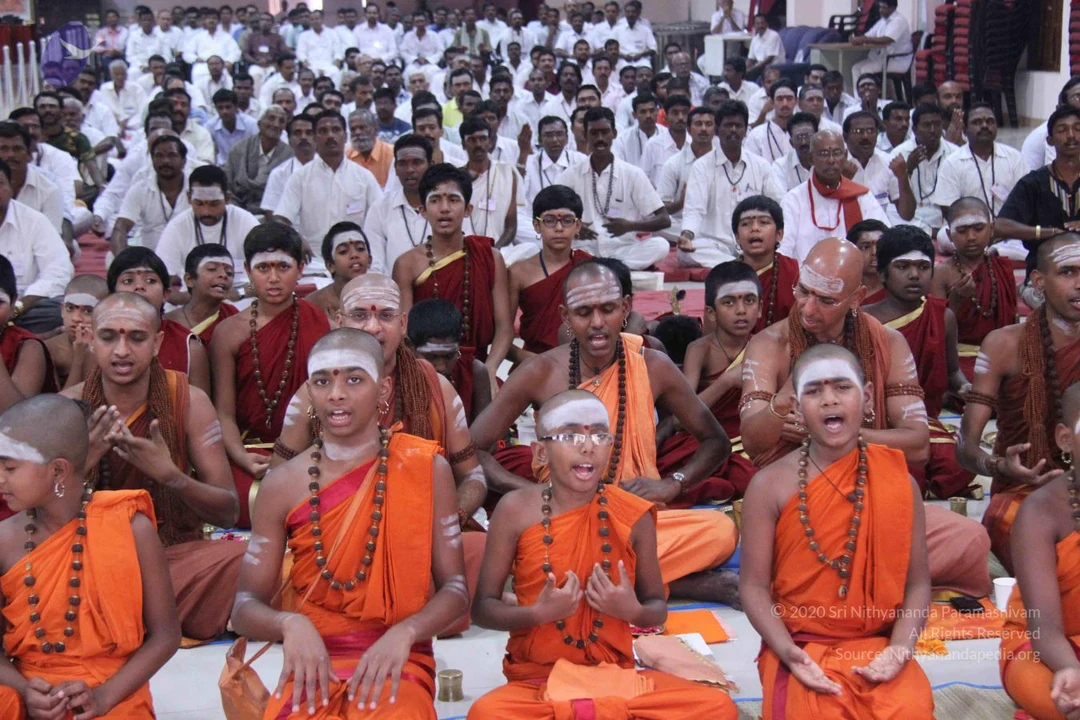
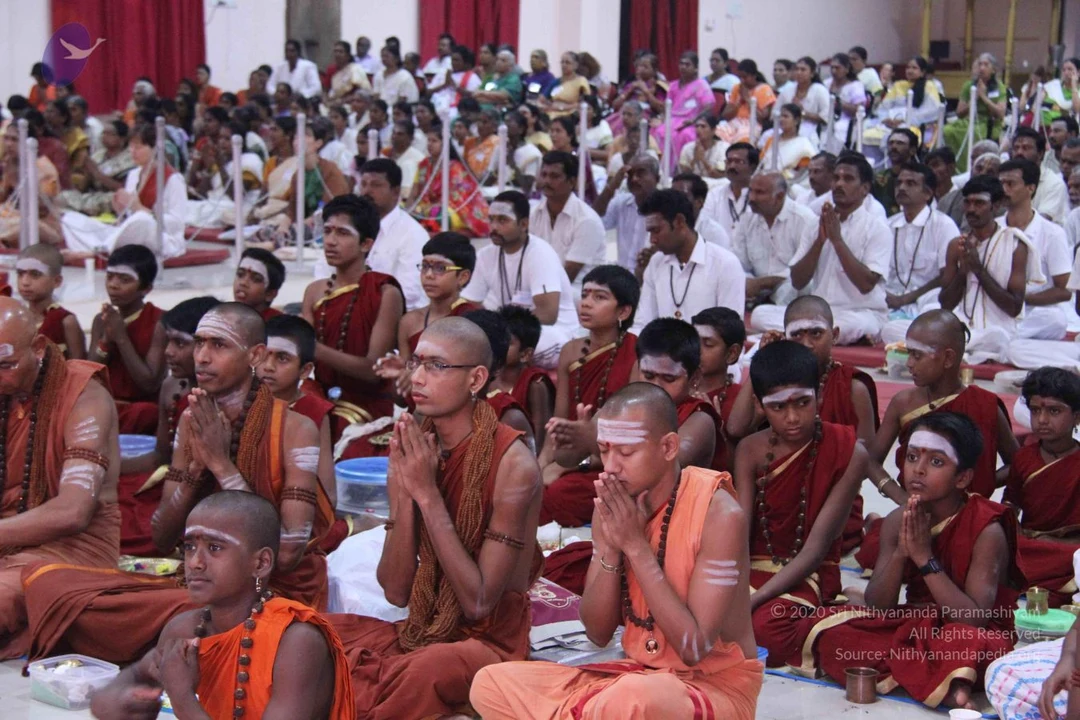
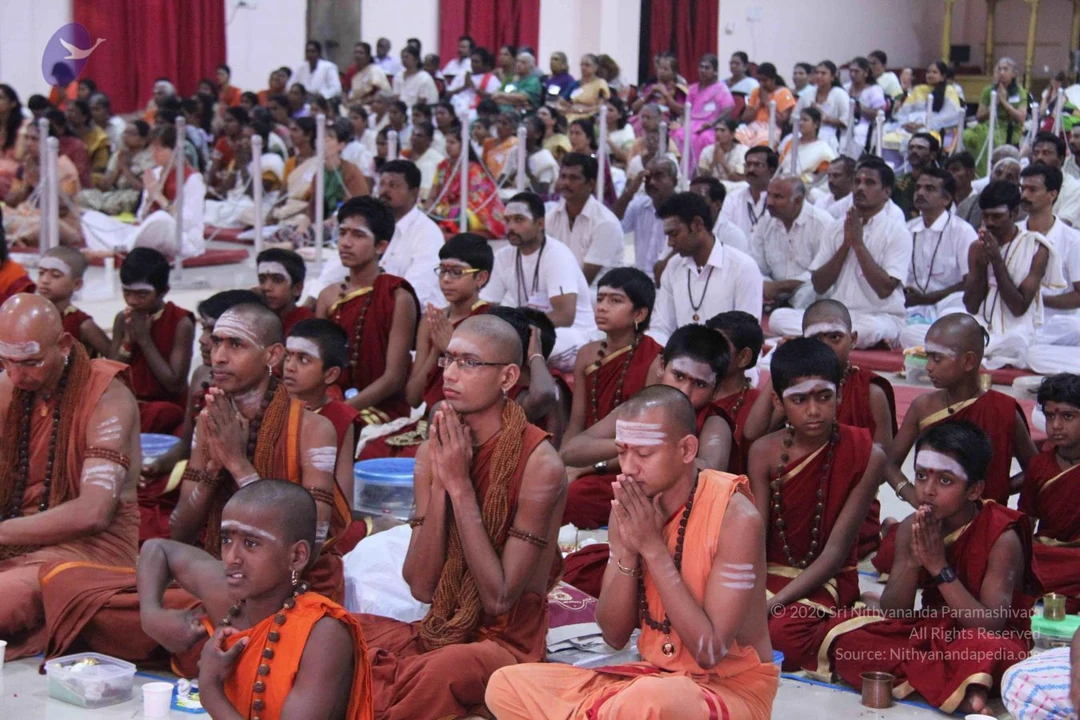
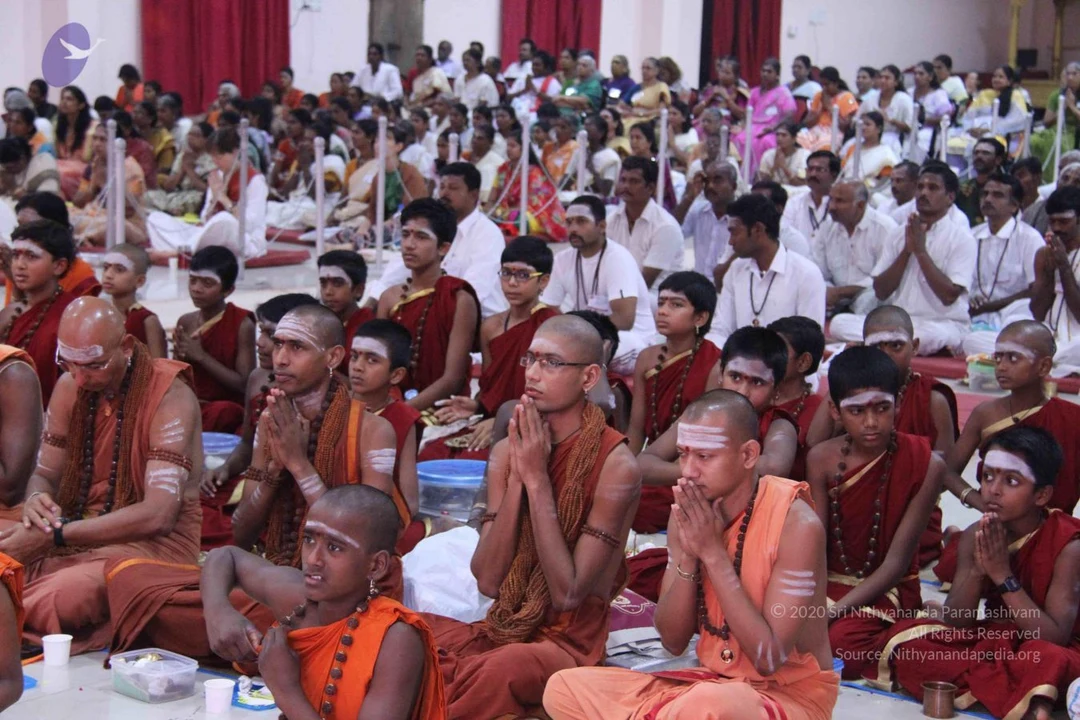
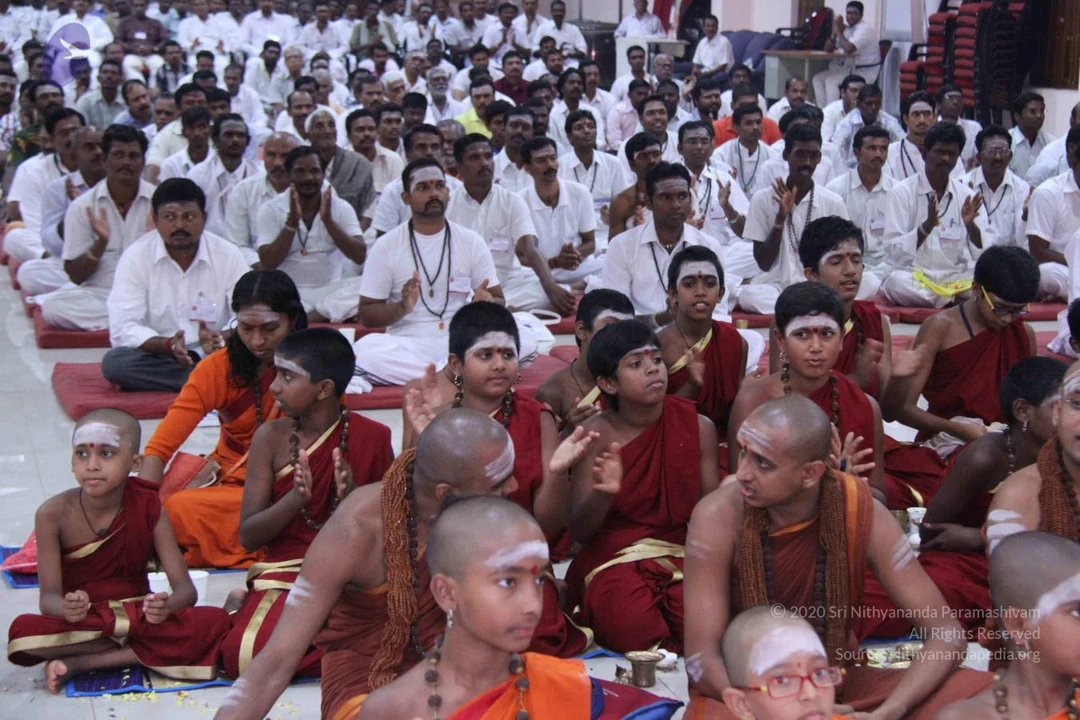
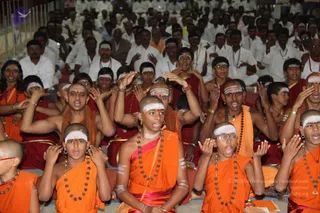
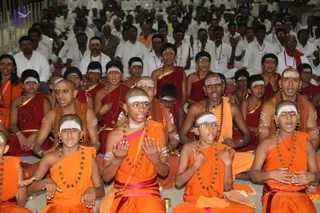
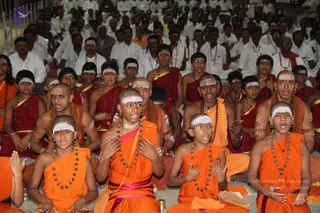
A large group photo of a Nithyananda Dhyanapeetam gathering seated in rows in a hall. In the foreground, shaved-headed young men and boys wear saffron/orange dhotis and shawls with rudraksha malas, their foreheads and bodies marked with white vibhuti/sacred ash stripes and horizontal white tilaks. Several raise their palms and hands in devotional gestures while chanting with open mouths. Behind them, rows of people in white clothes and some in orange and maroon attire sit attentively.A large seated congregation fills a hall, most dressed in white shirts and mundus, with many wearing rudraksha malas. In the foreground, a row of young boys and youths in saffron and orange robes sit cross-legged with palms pressed together or raised, mouths open as if chanting, with white sacred ash (vibhuti) smeared on their foreheads and arms. Several wear red sashes and rudraksha malas. No clearly identifiable a person figure is visible, so the scene reads as a chanting or satsang gathering with devotees and young sannyasi-style participants.A large seated congregation of devotees, many in white ritual clothes, fills the hall. In the foreground, rows of young boys in saffron-orange robes with rudraksha malas and white forehead markings sing with hands folded or raised, mouths open mid-chant. Some wear red sashes and gold-accented garments. Behind them, adult men in white shirts and dhotis sit in rows. No individual is clearly identifiable as a person in this crowd, so no candidate is named.A large seated audience fills a hall at a satsang event. In the foreground, rows of young boys in saffron and orange robes with rudraksha malas sit cross-legged, many with white vibhuti bands across their foreheads and white markings on their arms. Behind them, many adults in white shirts and white clothing sit closely together, some wearing lanyards. Several older men in saffron shawls with rudraksha necklaces sit among the crowd. A pillar and hall lighting are visible at the top. The scene appears to be a devotional gathering or discourse.A large seated gathering of devotees in a hall, most in white shirts and white dhotis, with many men in the back rows and clusters of young boys in front. The foreground boys and young men wear orange or saffron robes, rudraksha malas, white sandalwood or vibhuti marks on their foreheads, and some have shaved heads. Several have hands raised in ritual gesture or pressed together while chanting. A man at right in an orange robe with rudraksha malas and a white forehead mark sits with hands folded, appearing to lead or join the chanting. Crowd members are seated on mats and cushions in a bright hall with a banner visible at upper left. A visible Hindu ritual setting with a meditative chanting atmosphere.A large seated gathering of devotees in a hall, many men in white dhotis and shirts, filling the rows behind. In the front, a group of young boys in saffron-orange robes with white vibhuti marks on their foreheads and rudraksha malas around their necks sit on the floor, hands raised in mudra gestures, mouths open as if chanting. A bald man in orange and red robes with a rudraksha mala sits among them, also with raised hands. A small brass lamp and offering items sit on the floor in front.

Nithya Satsang

8 photosSource gallery
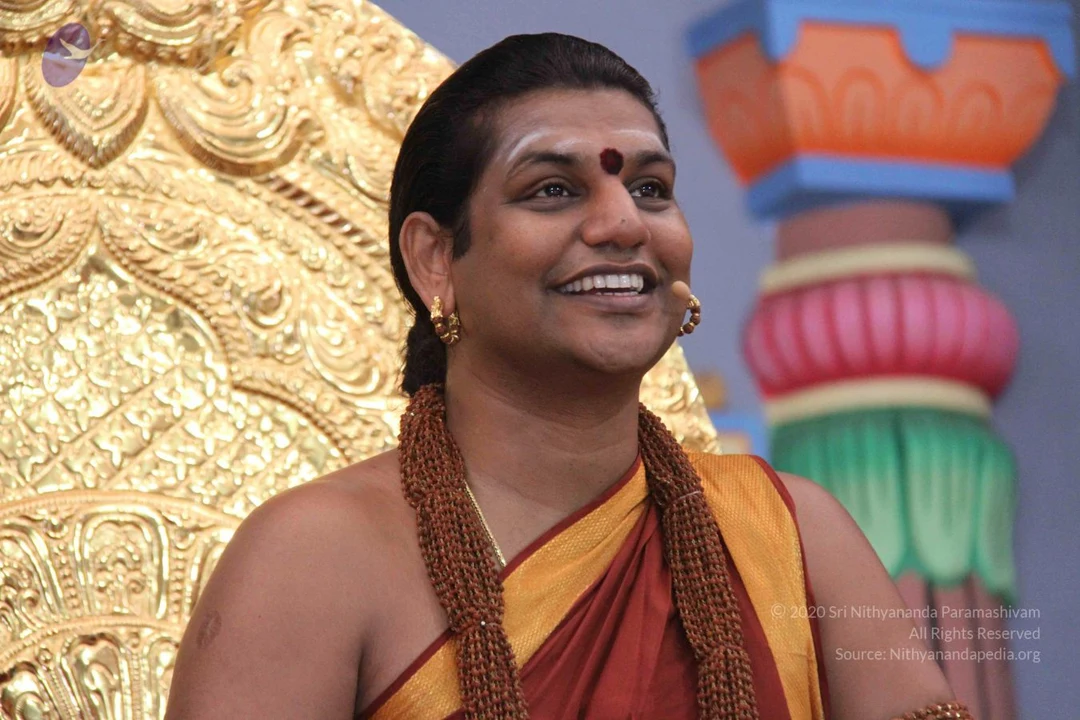
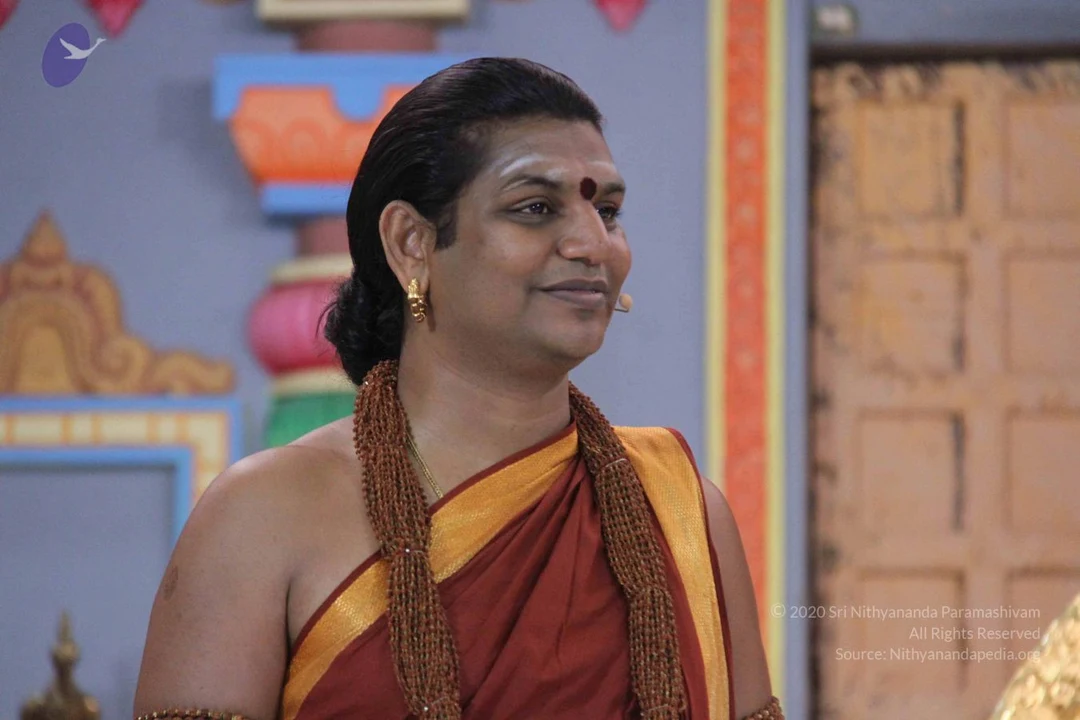
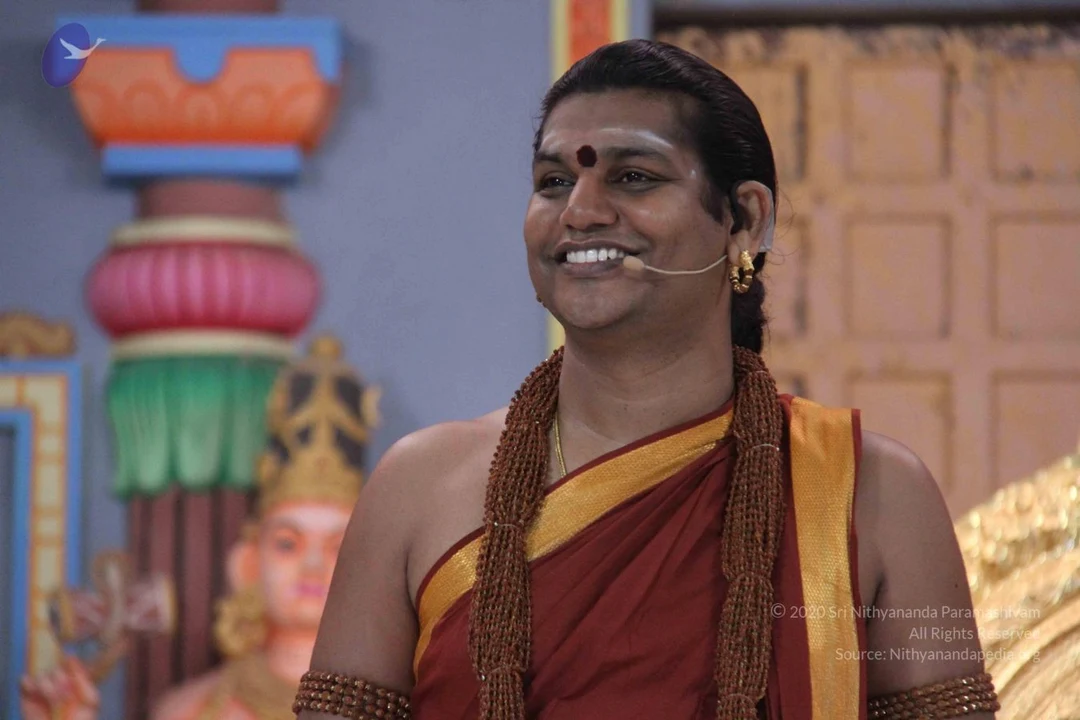
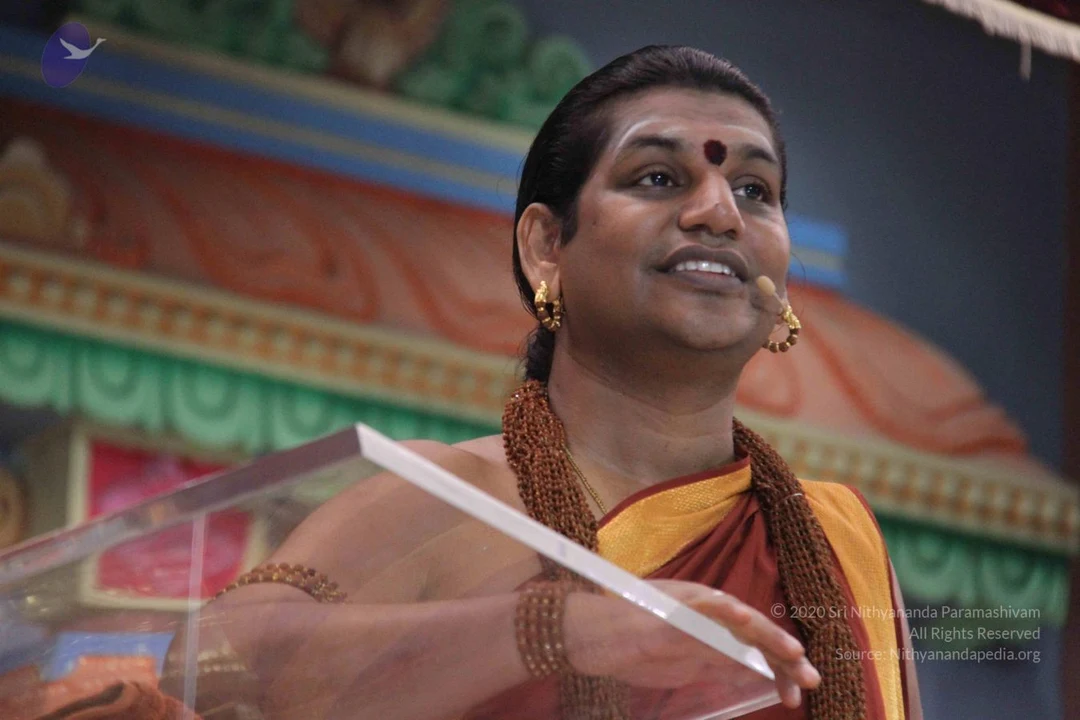
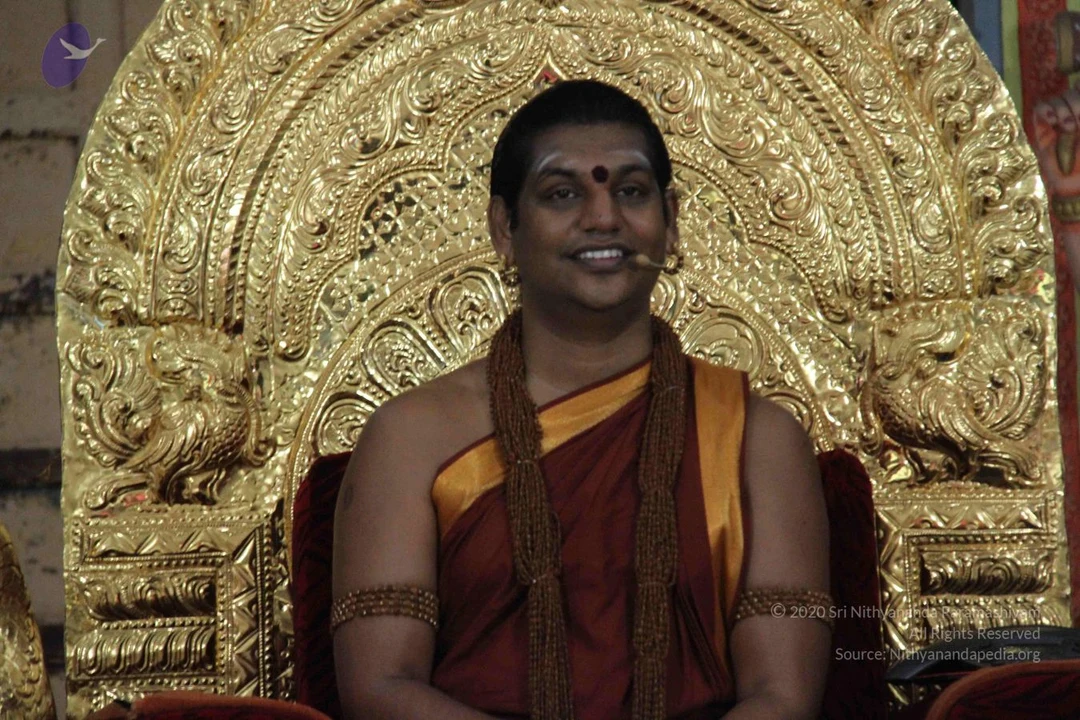
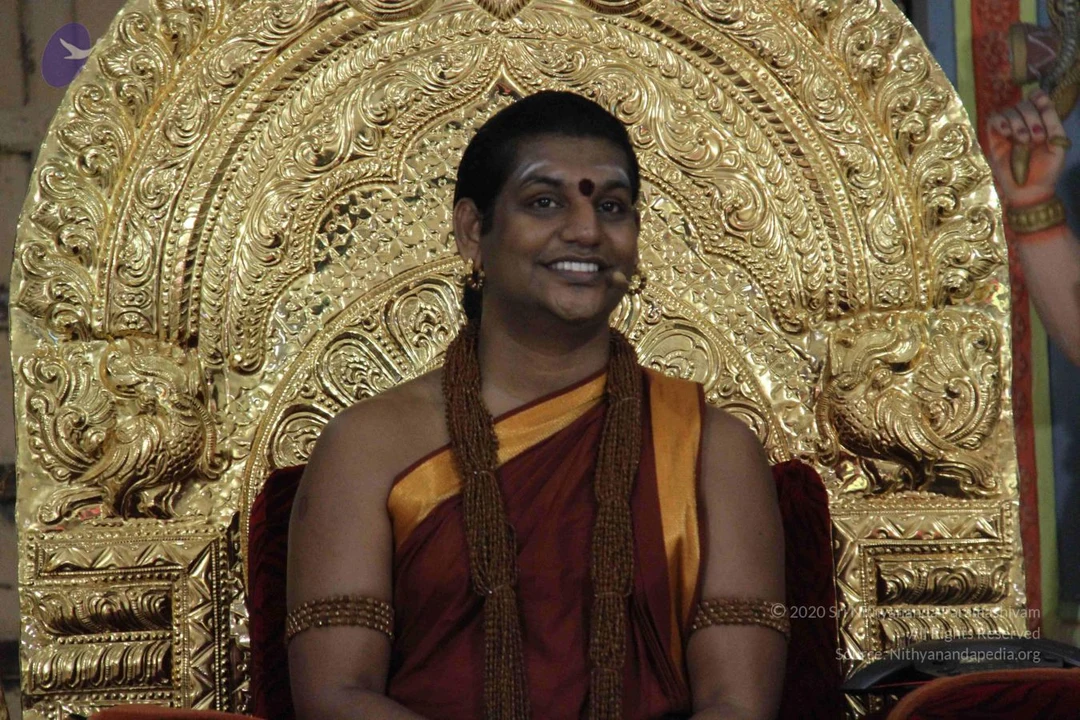
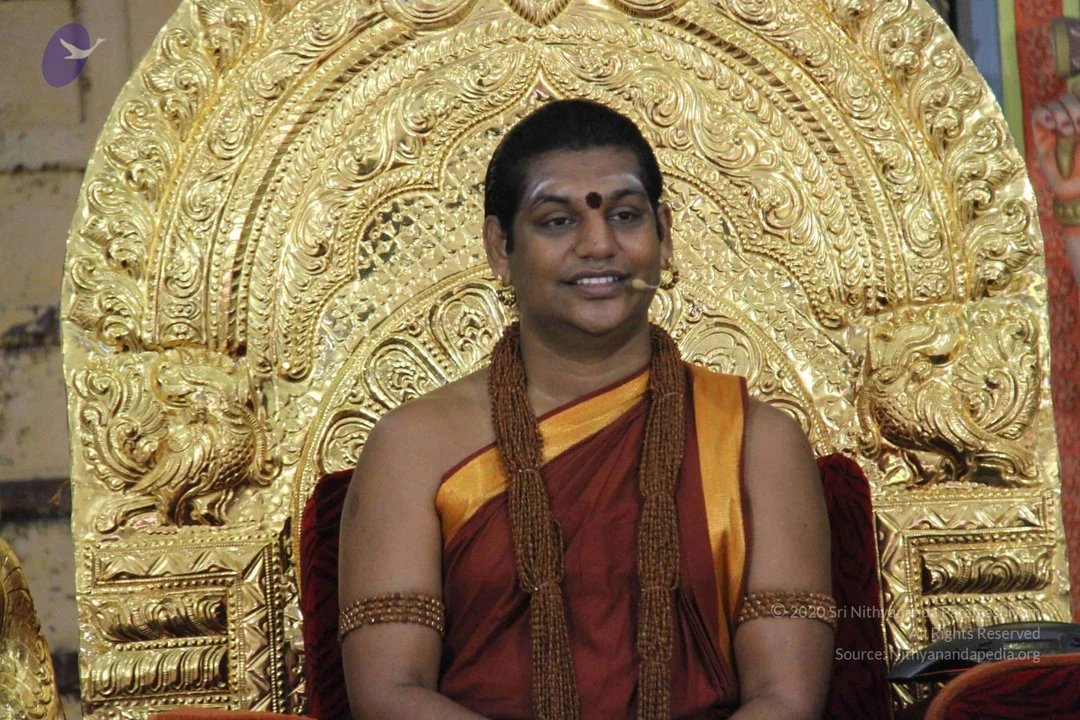
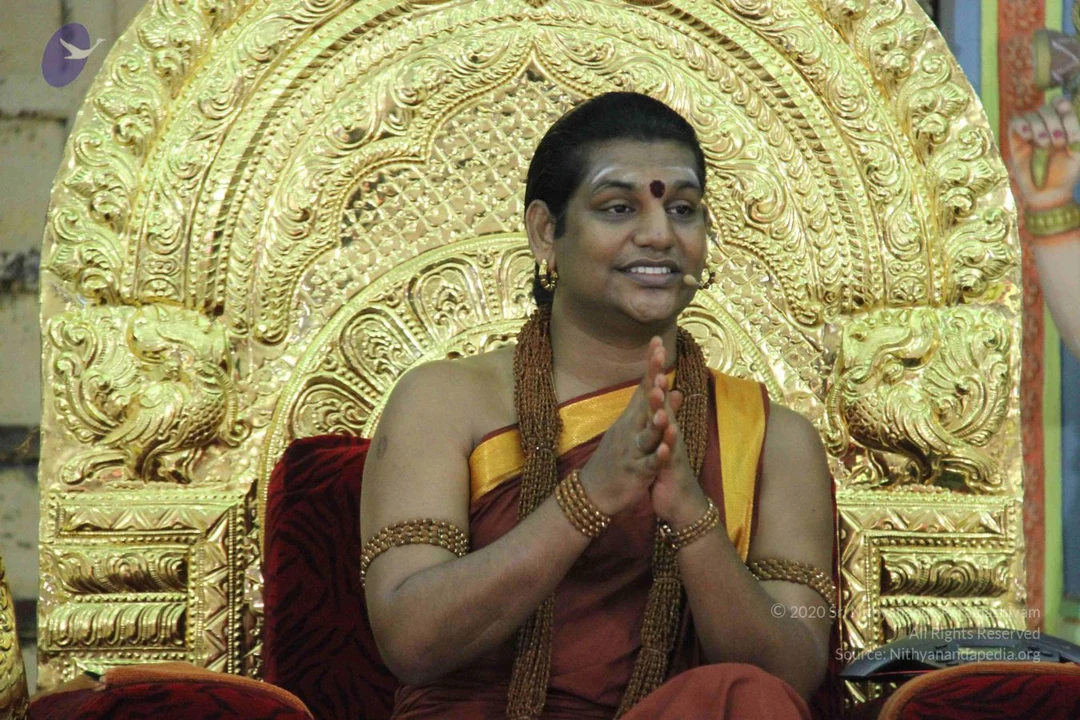
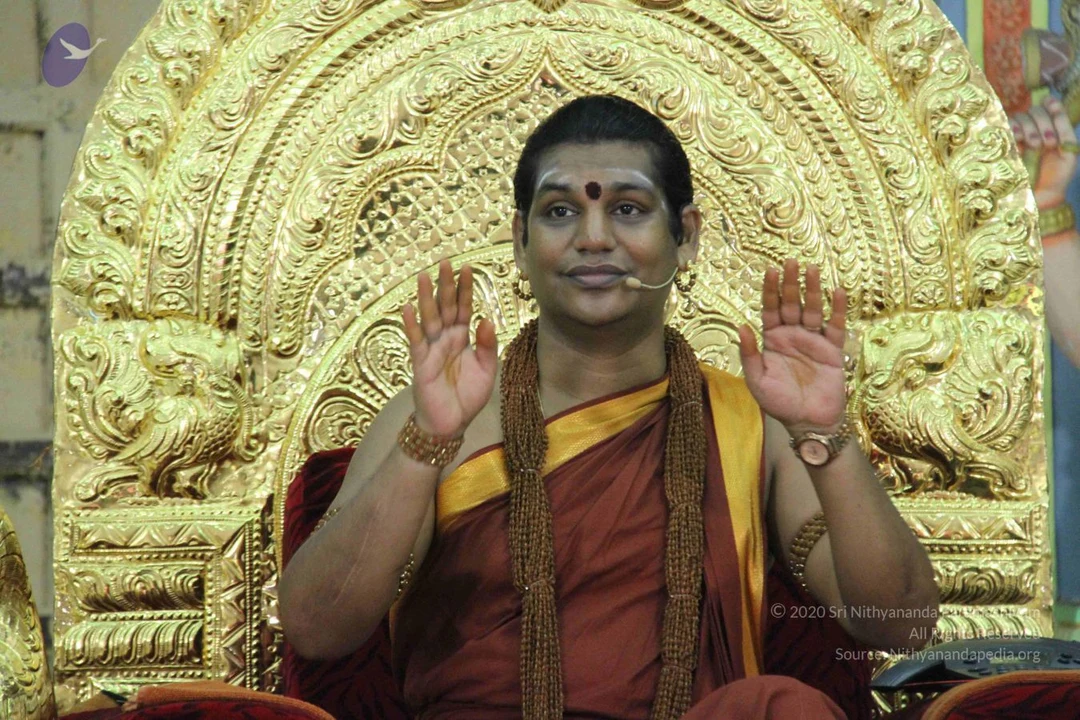
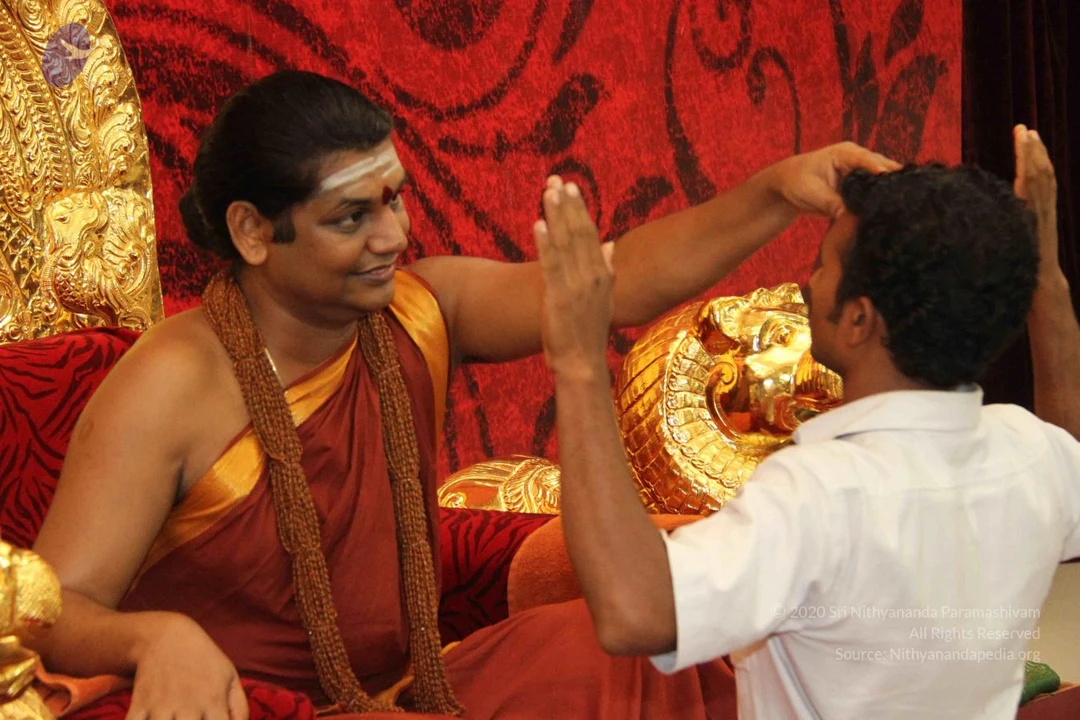
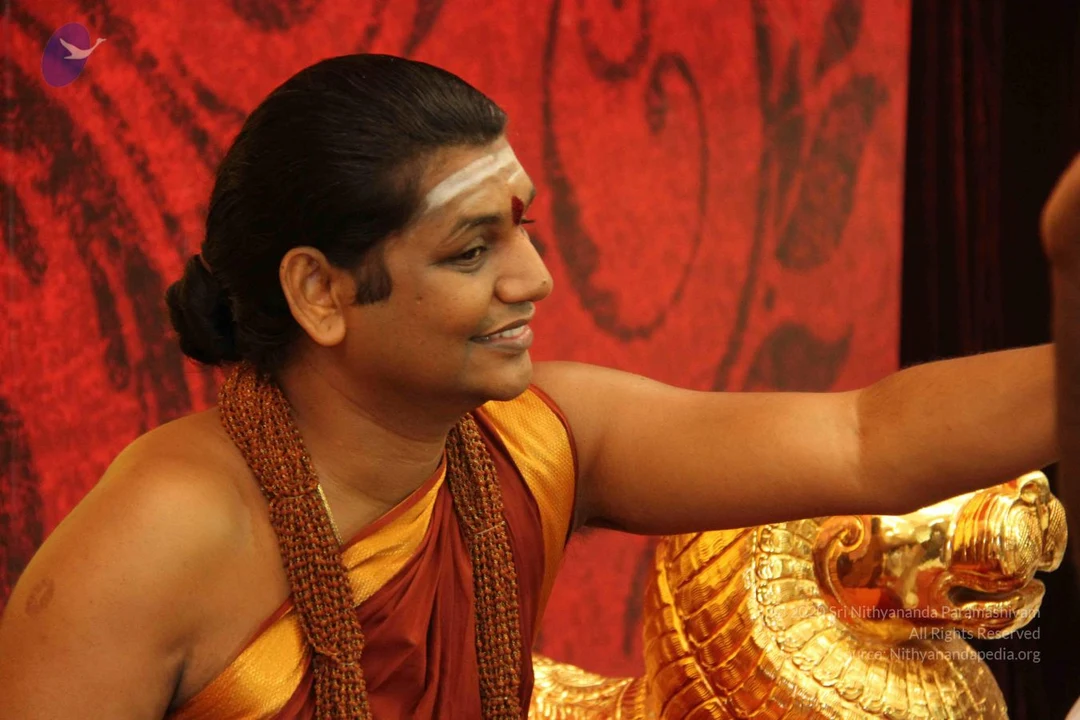
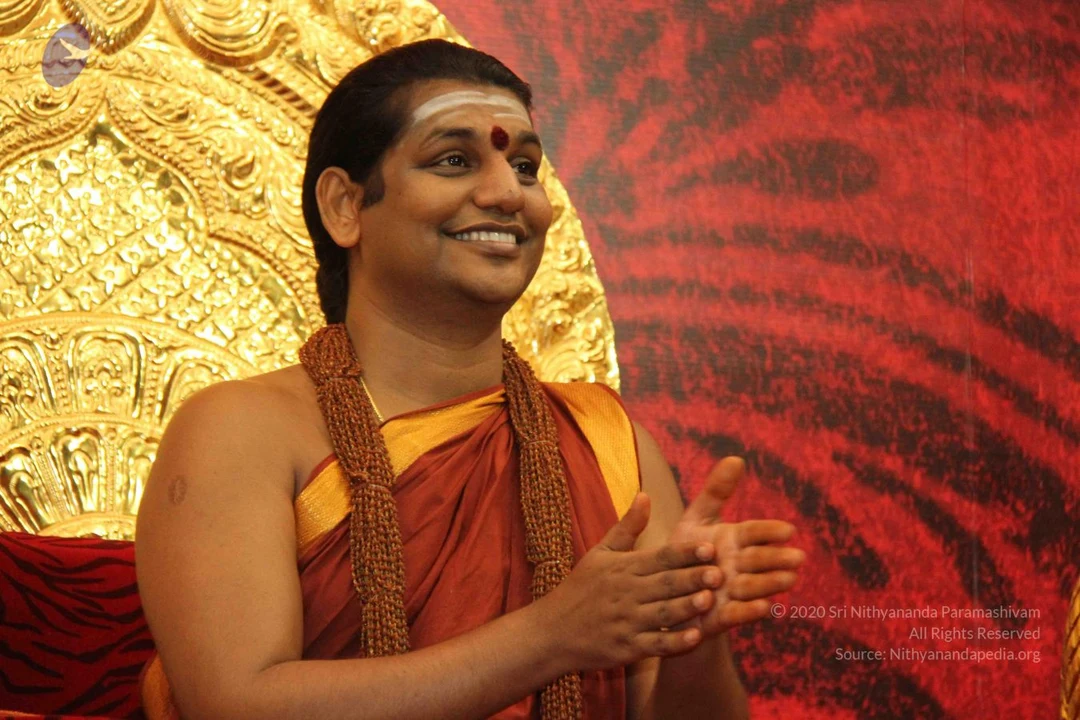
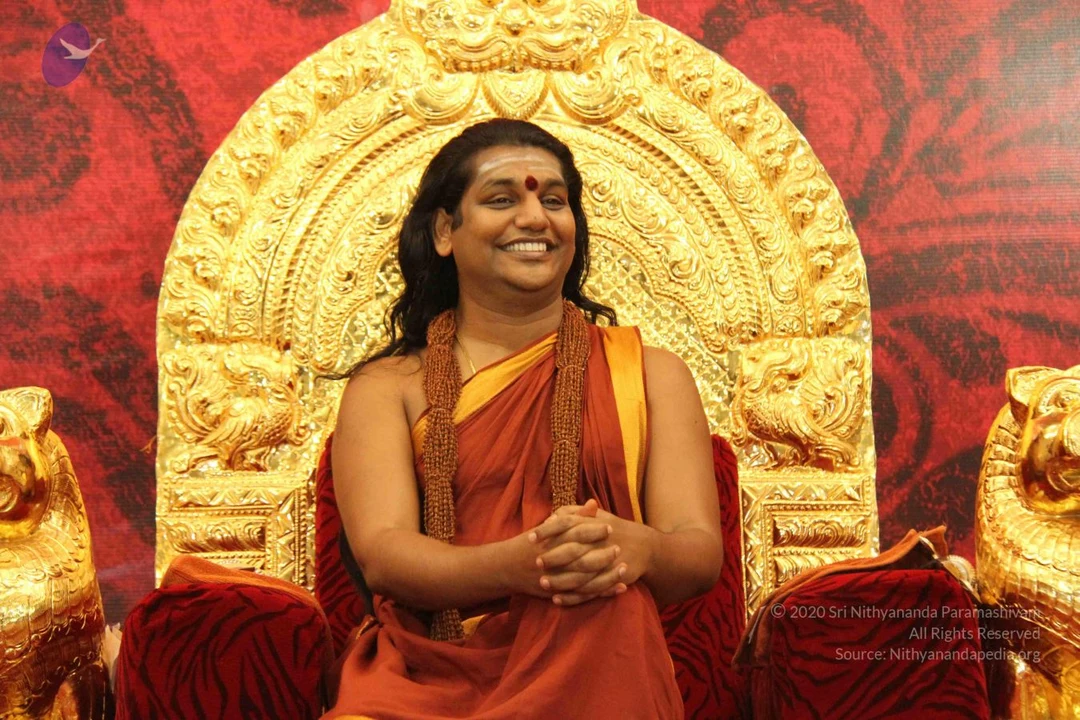
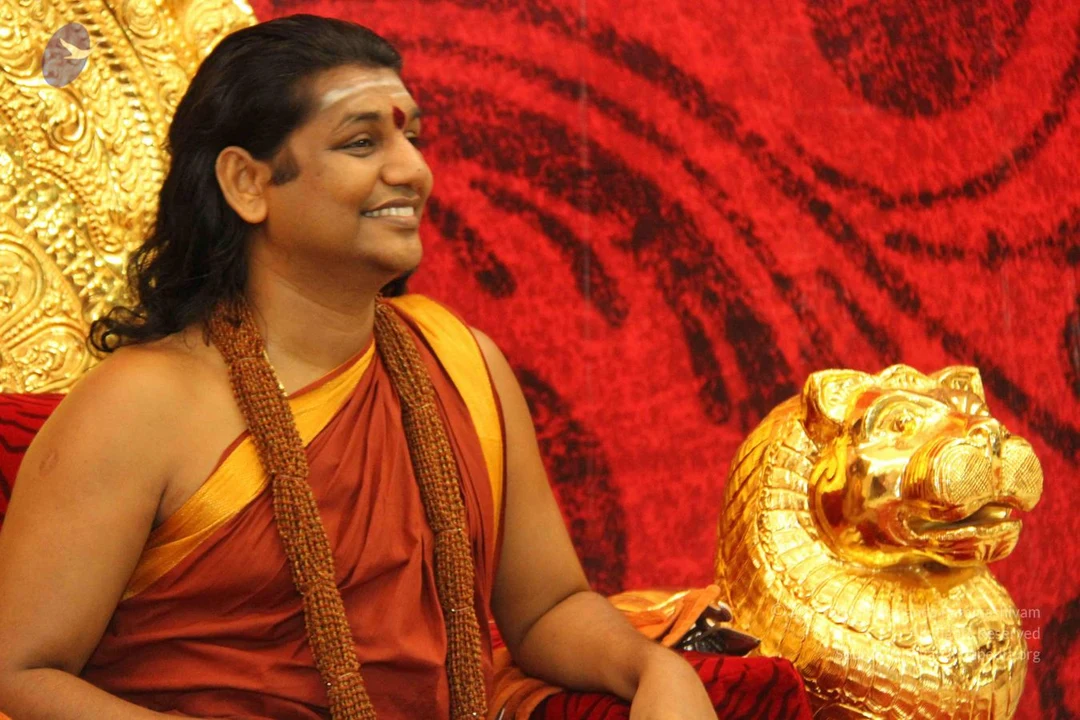
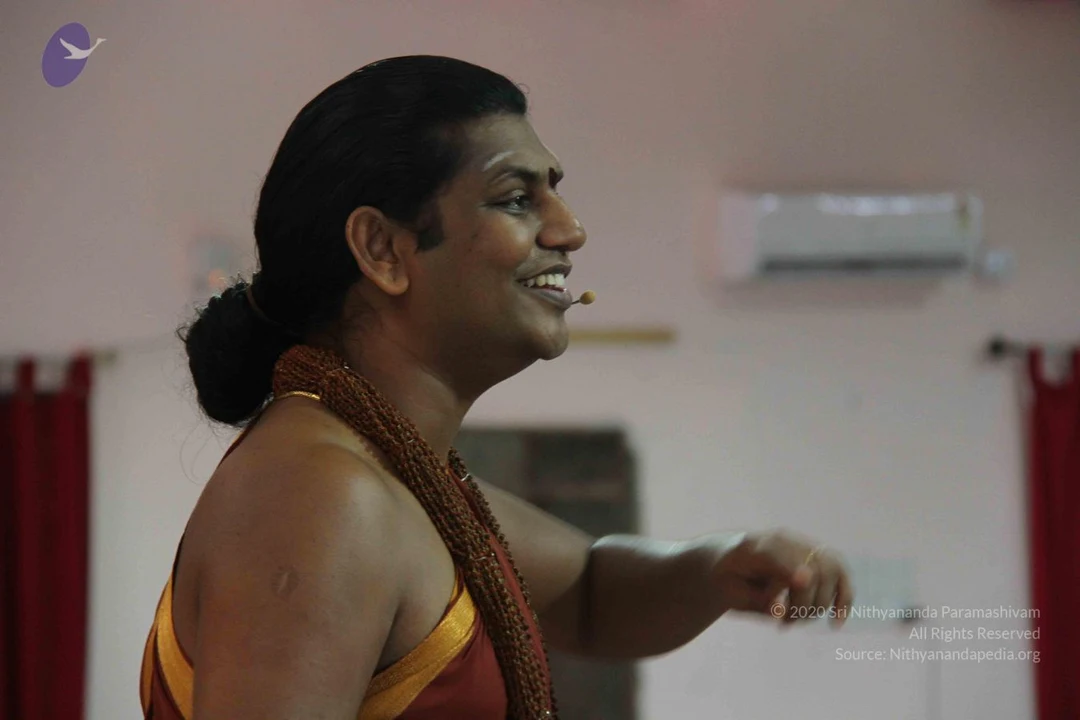
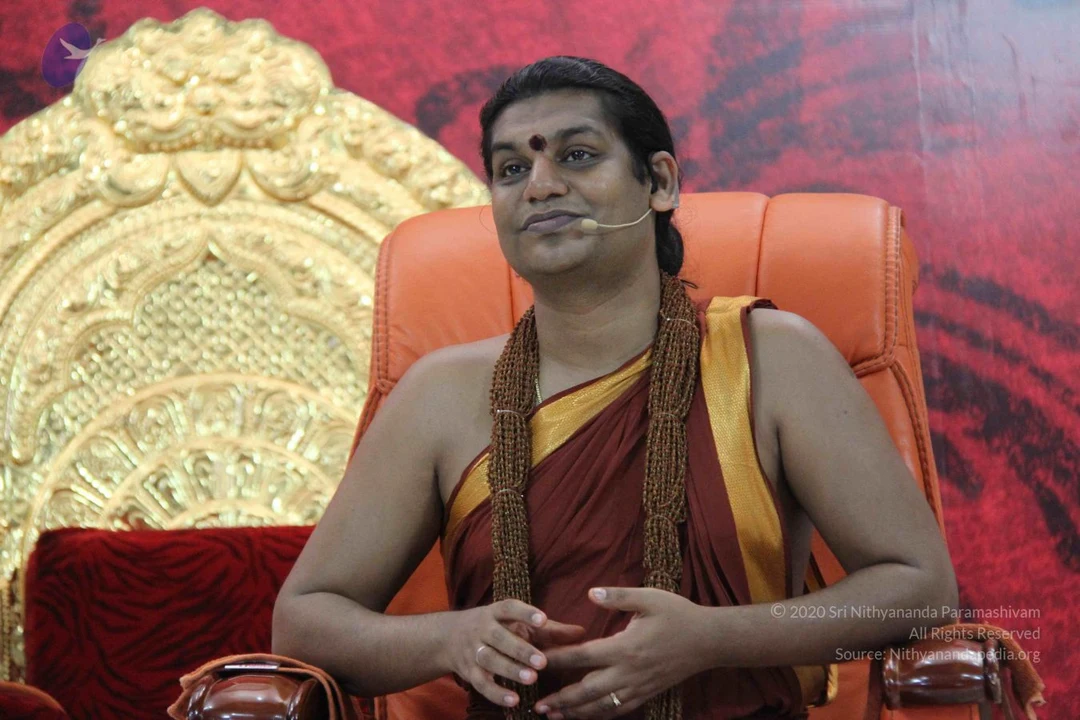
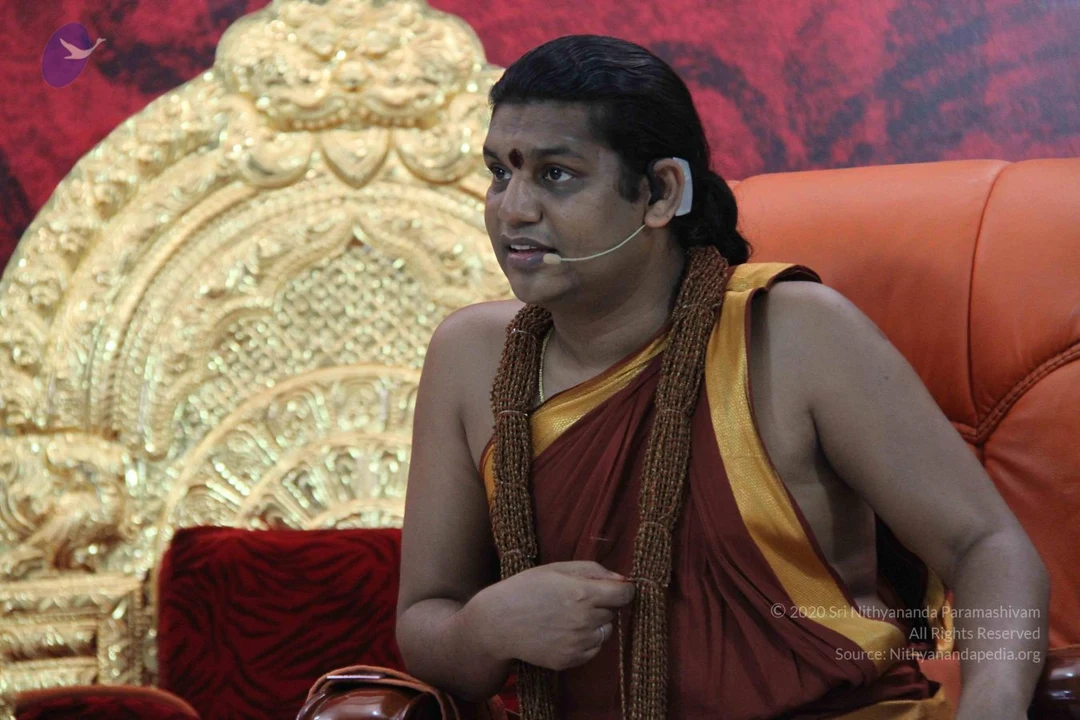
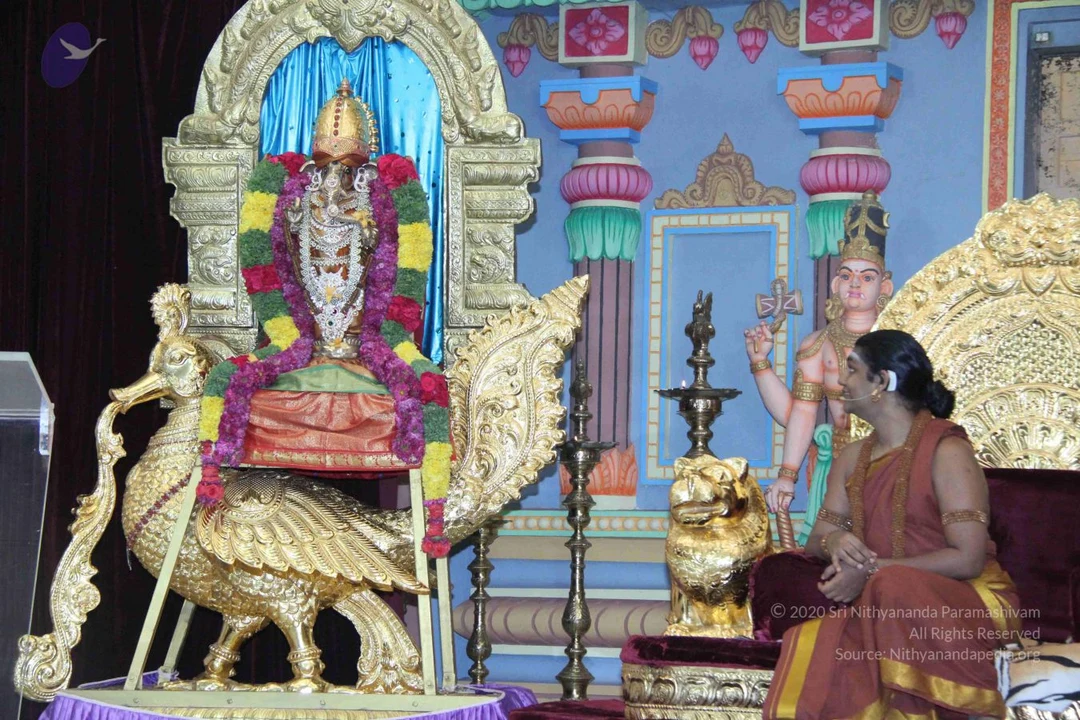
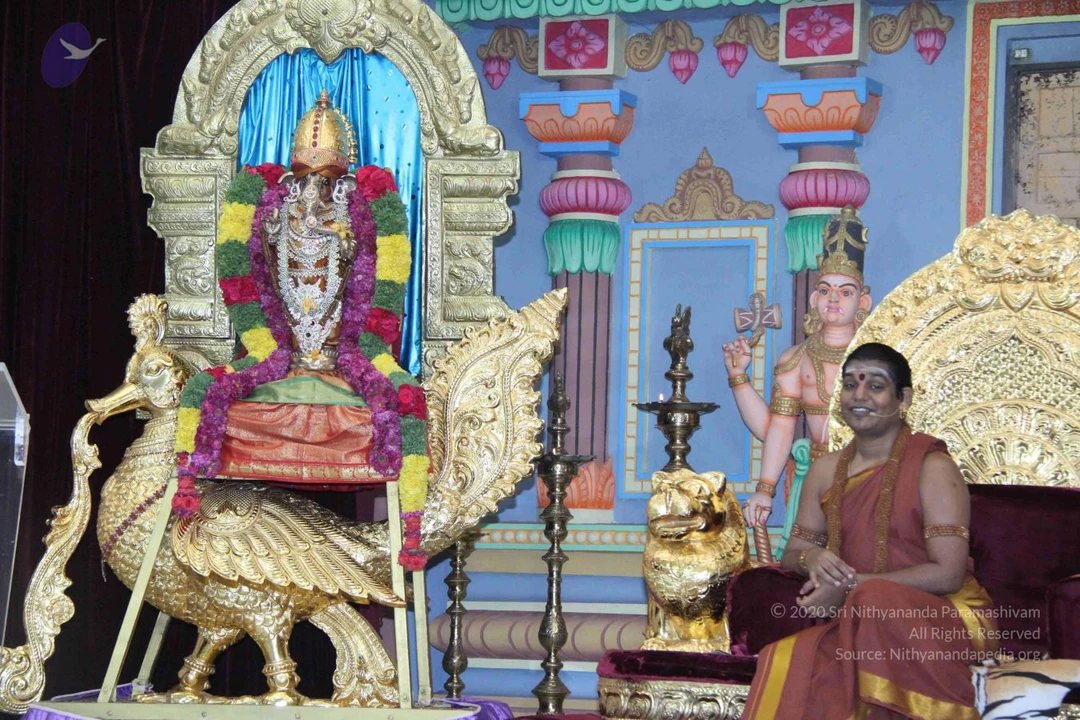
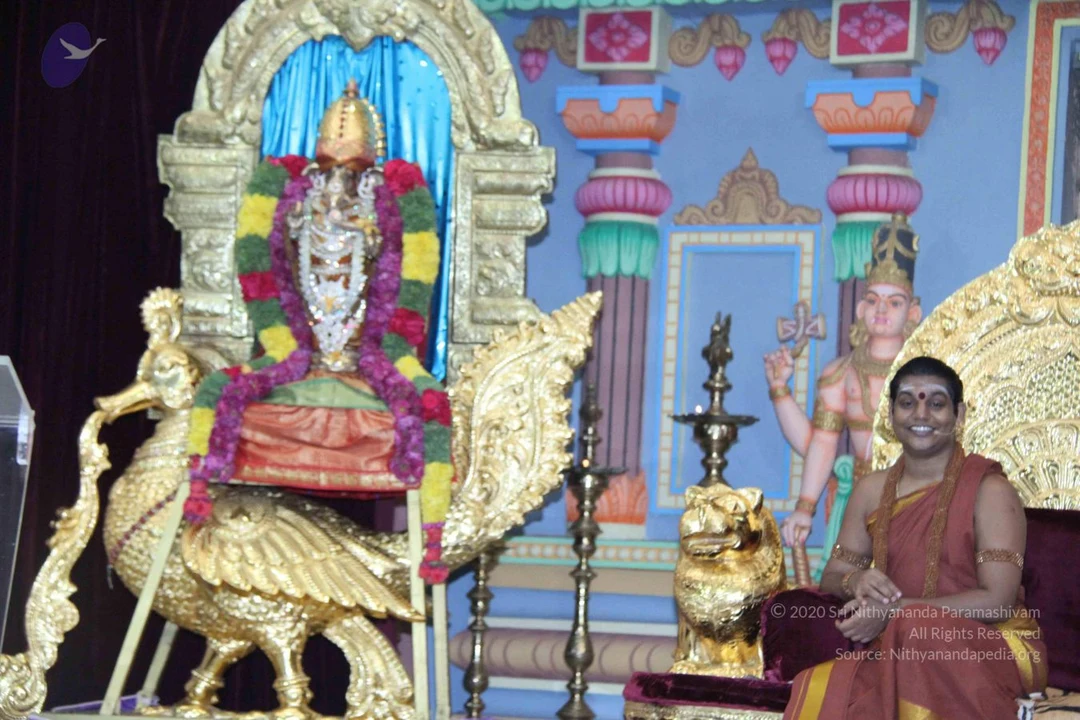
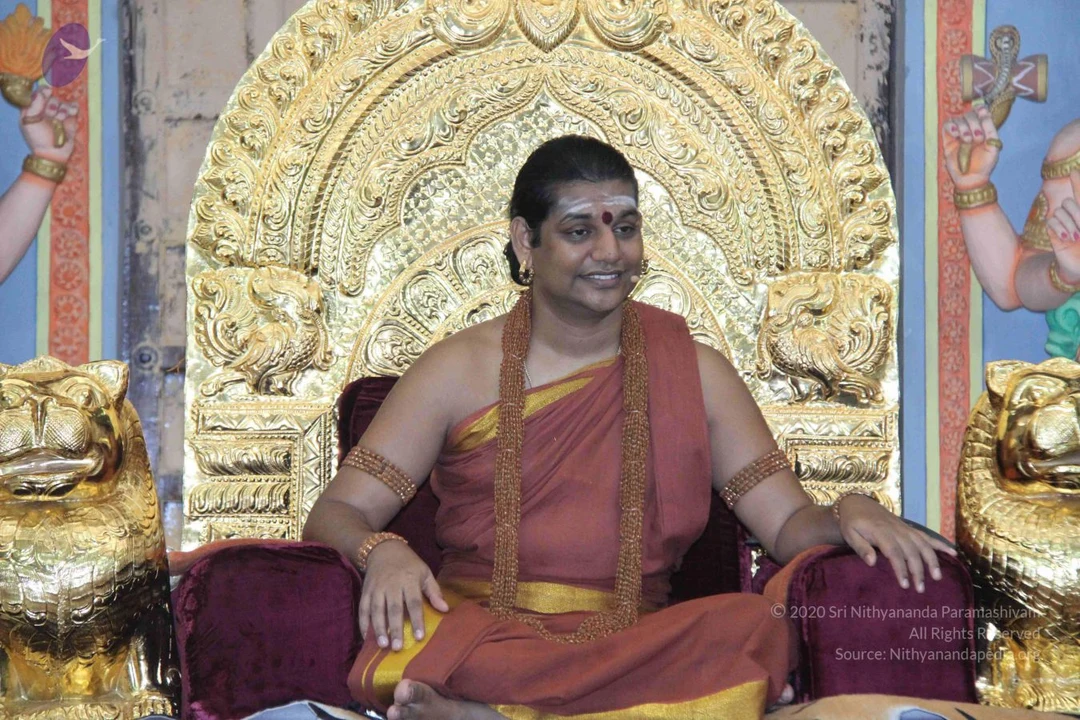
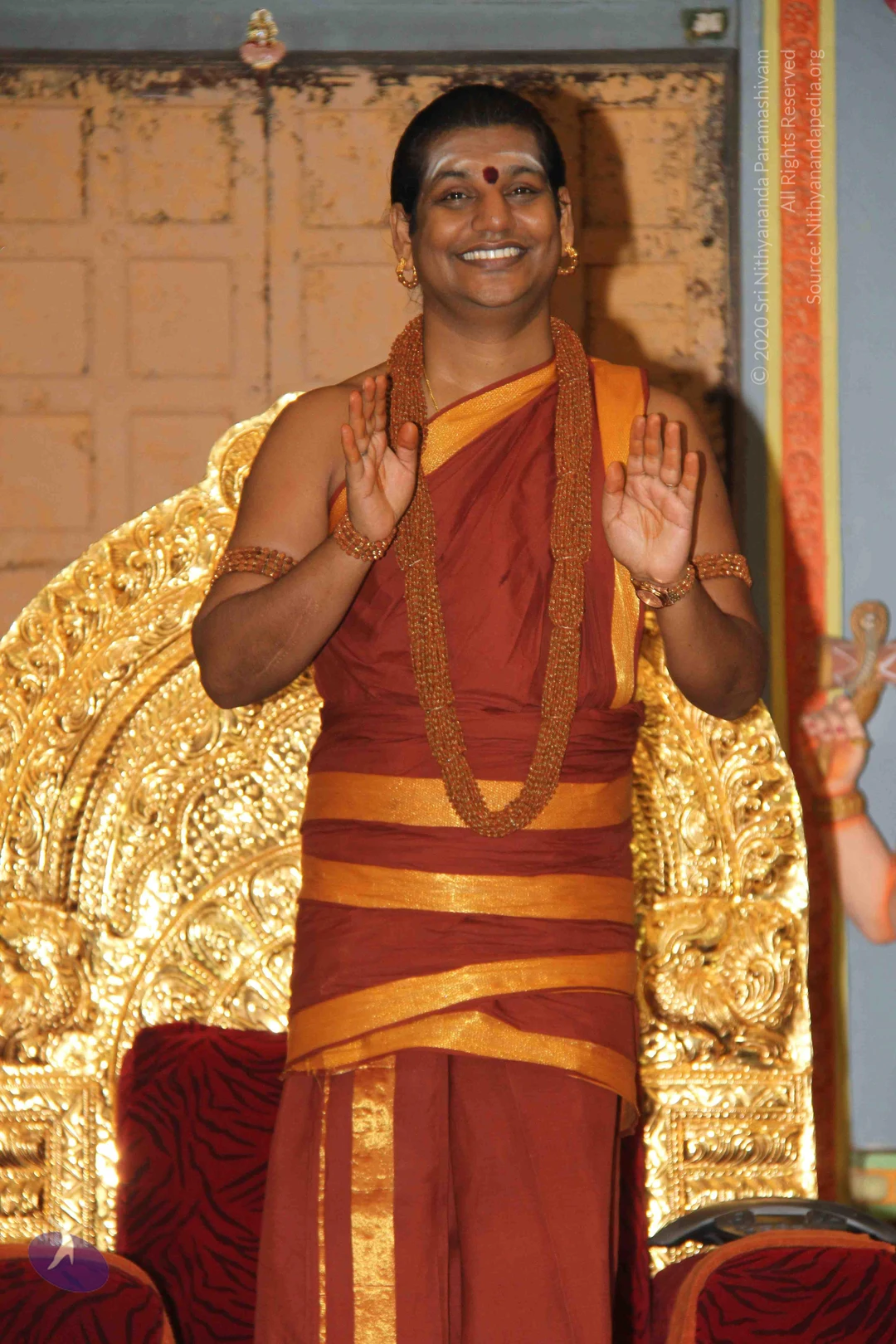
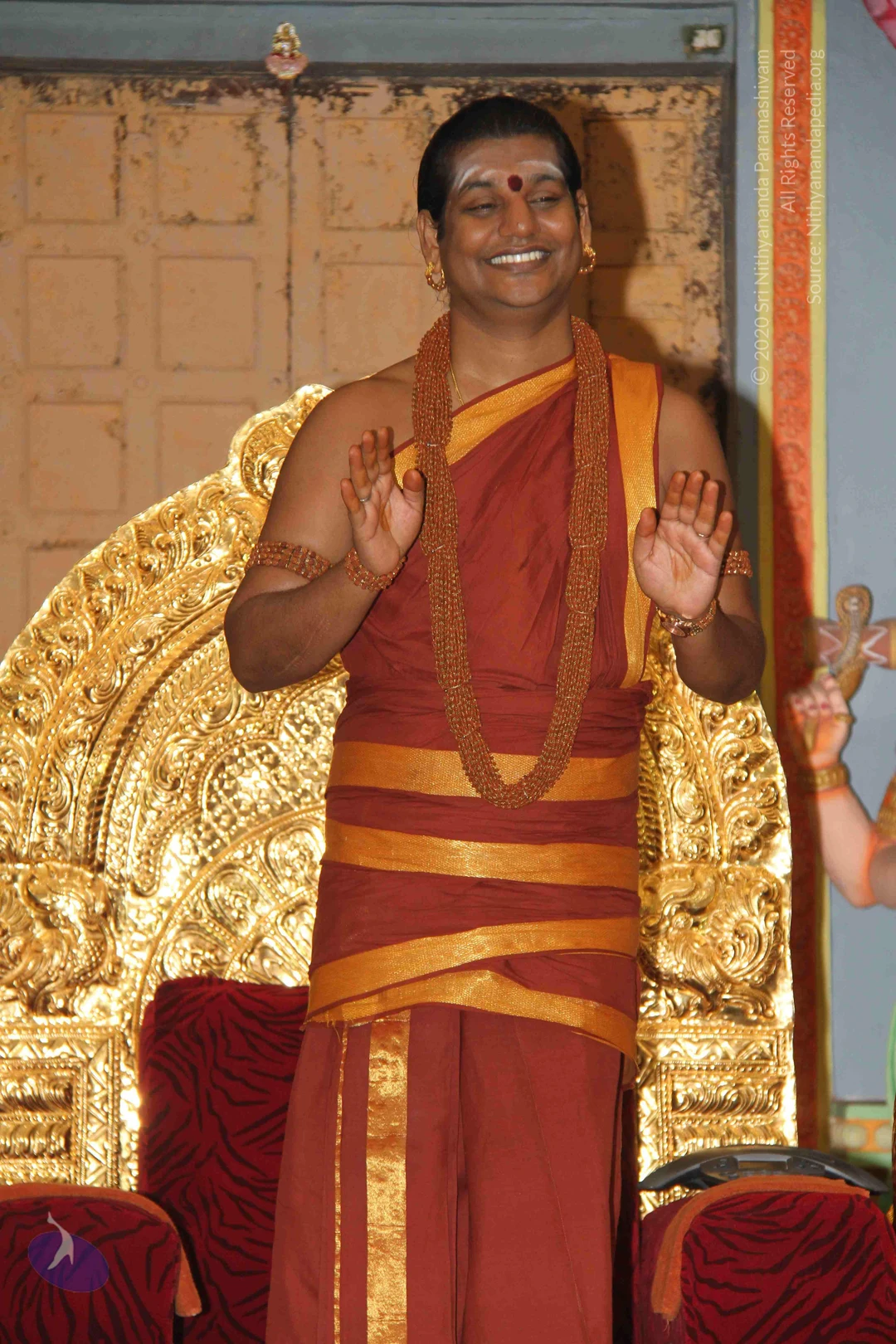
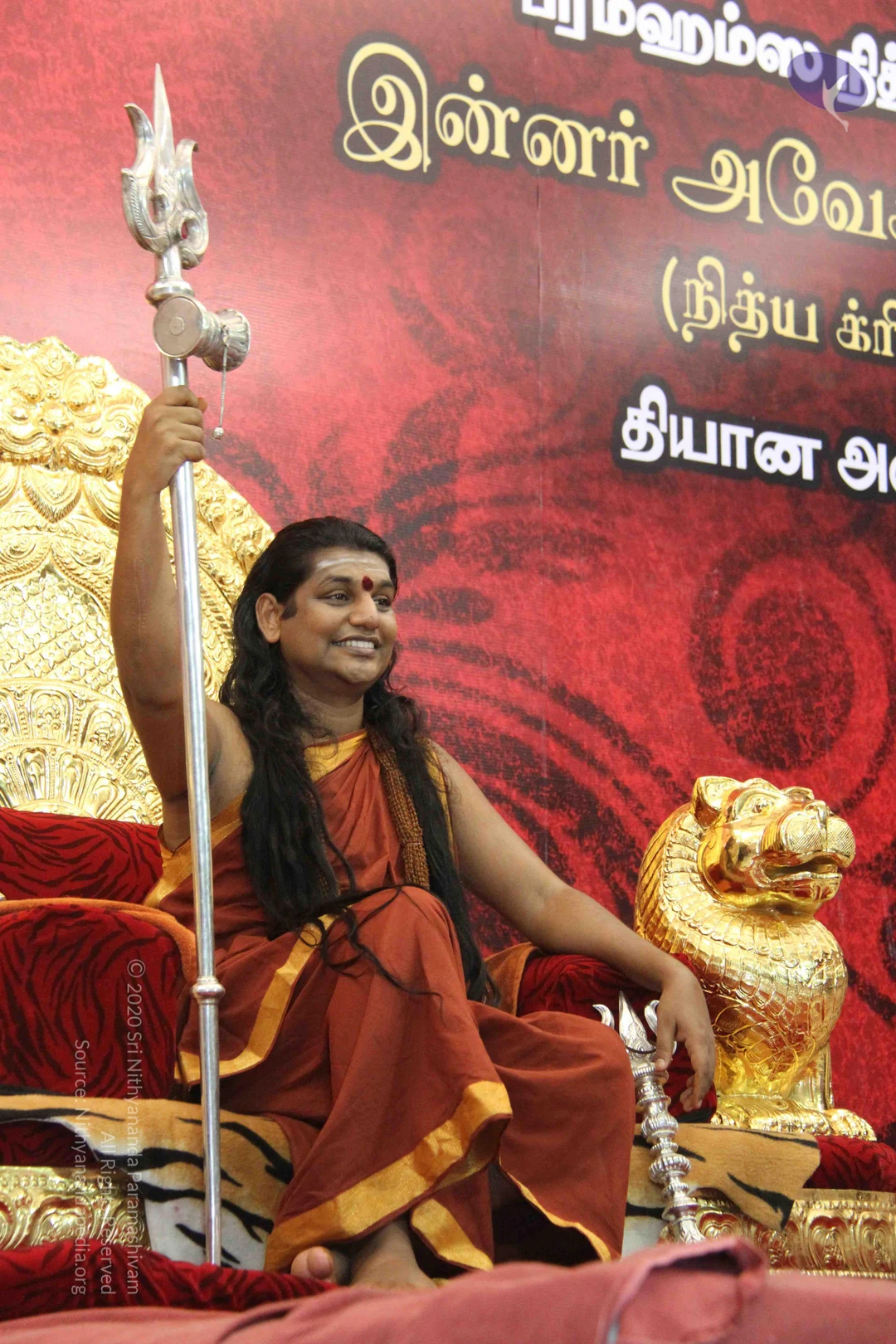
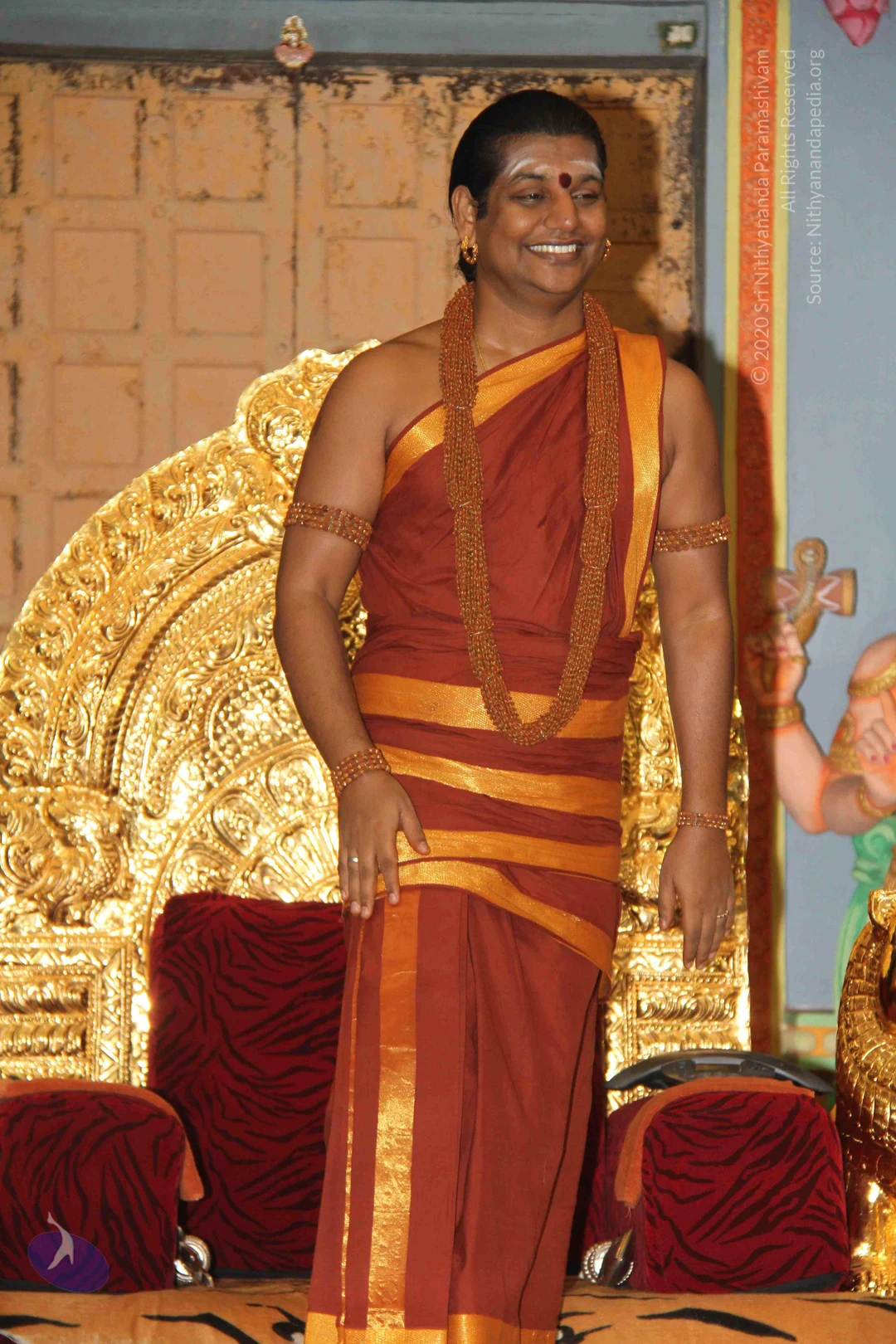
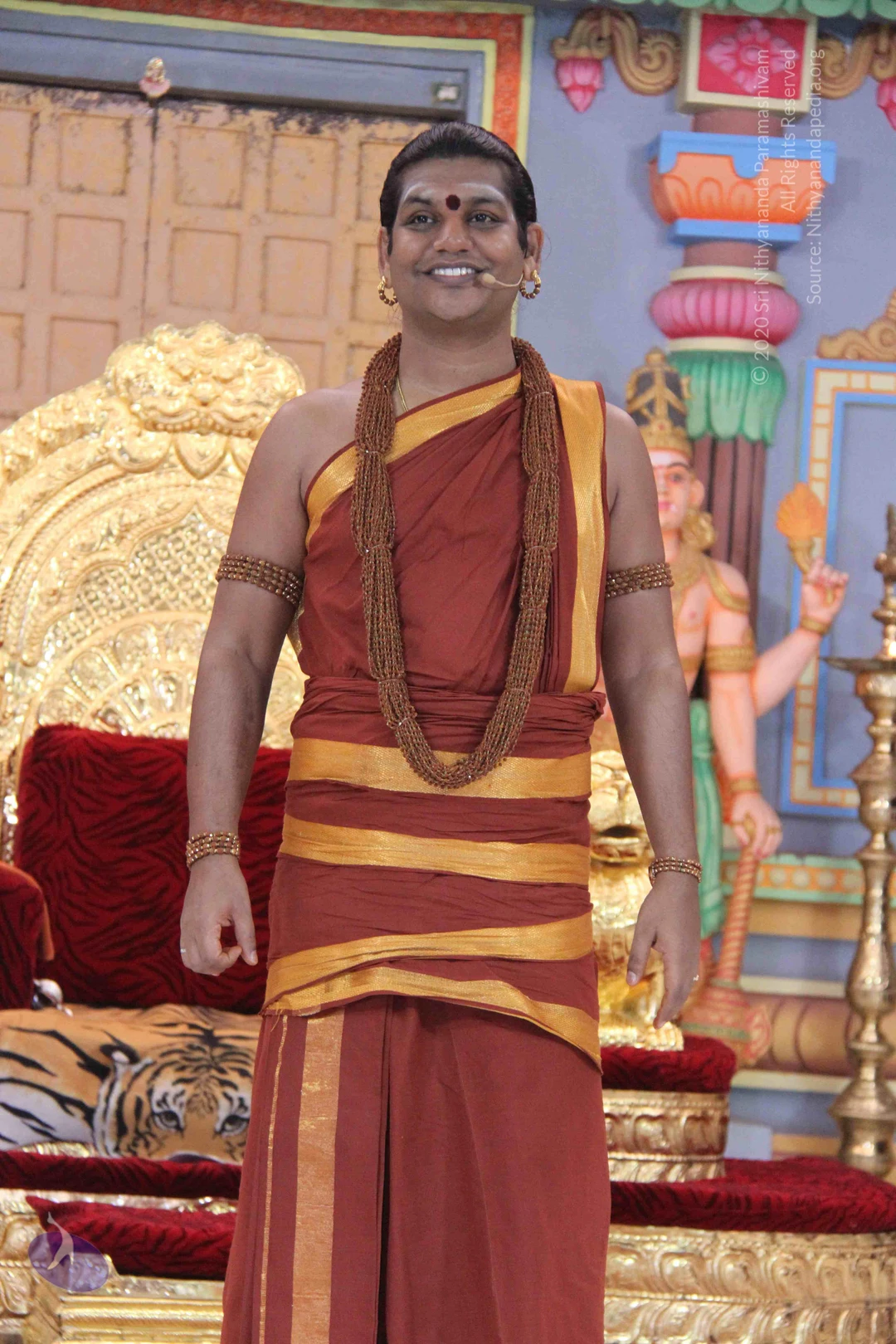
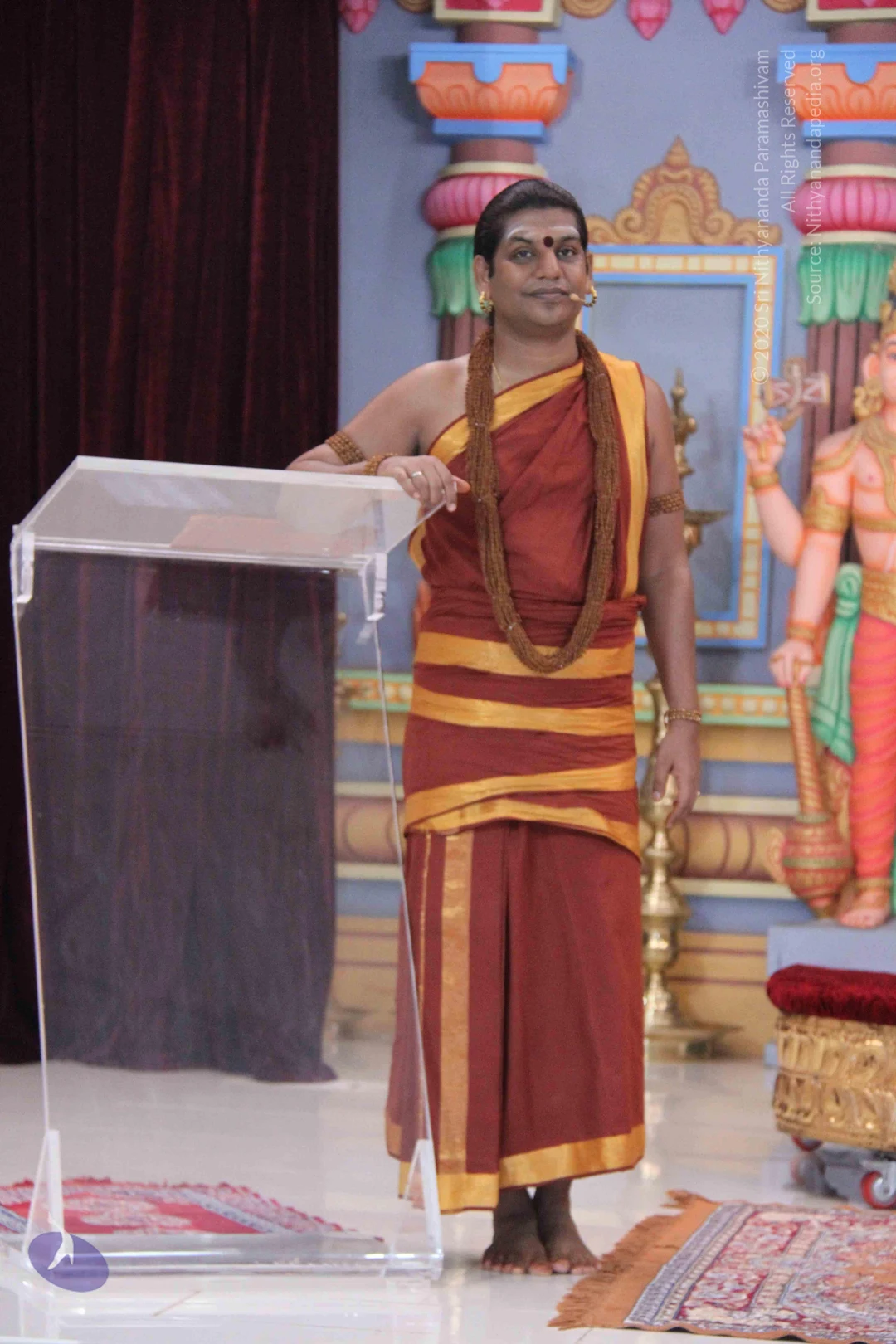
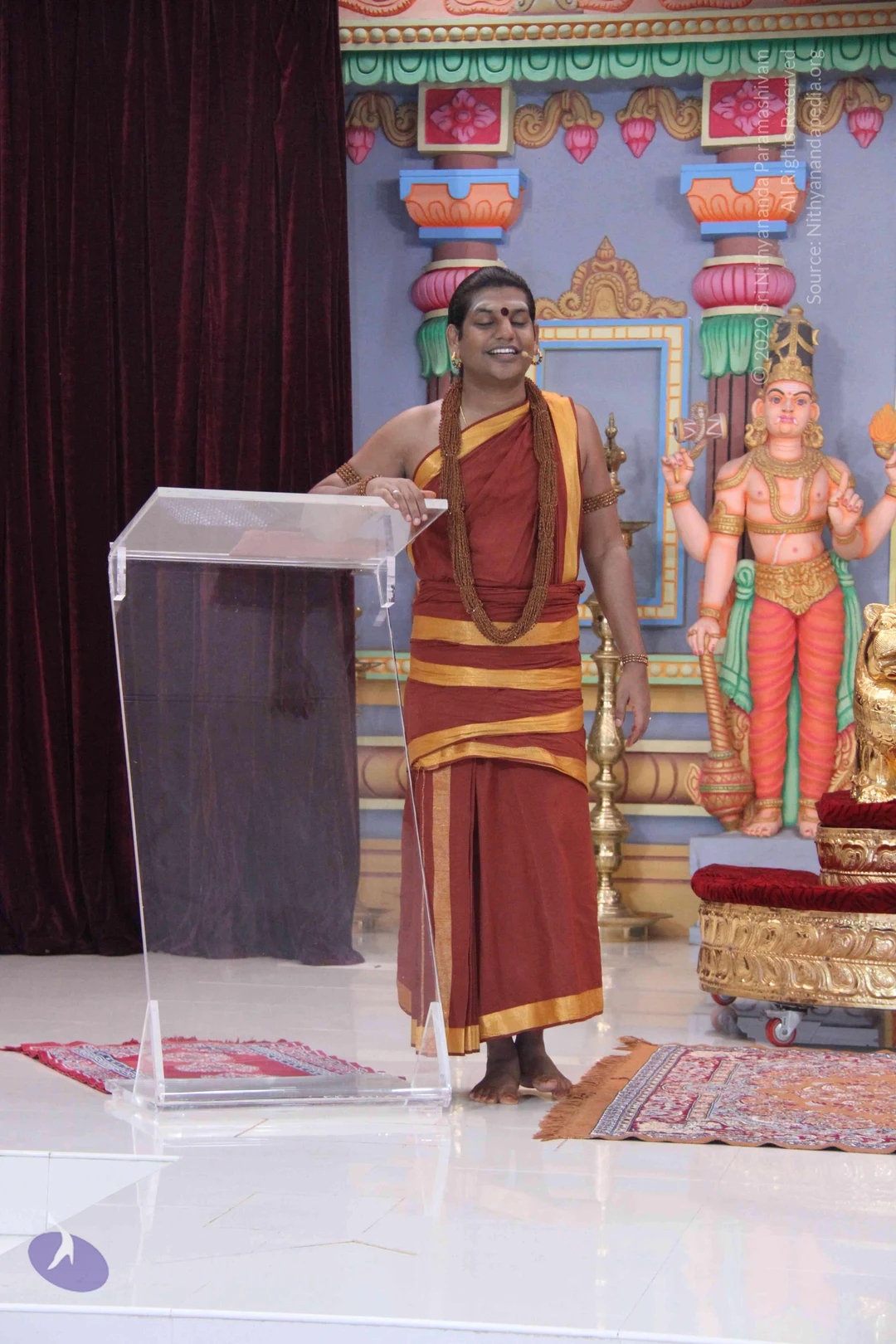
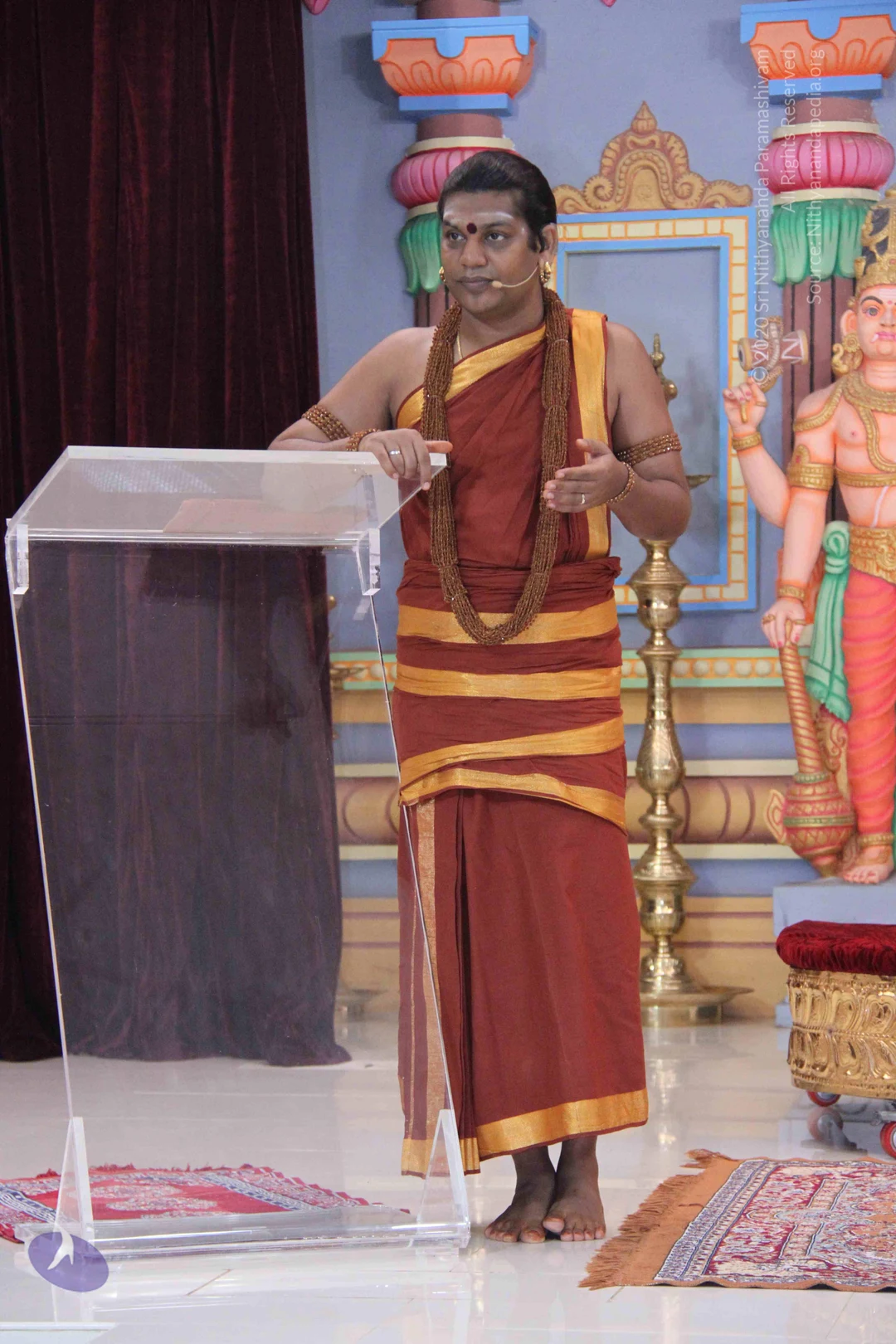
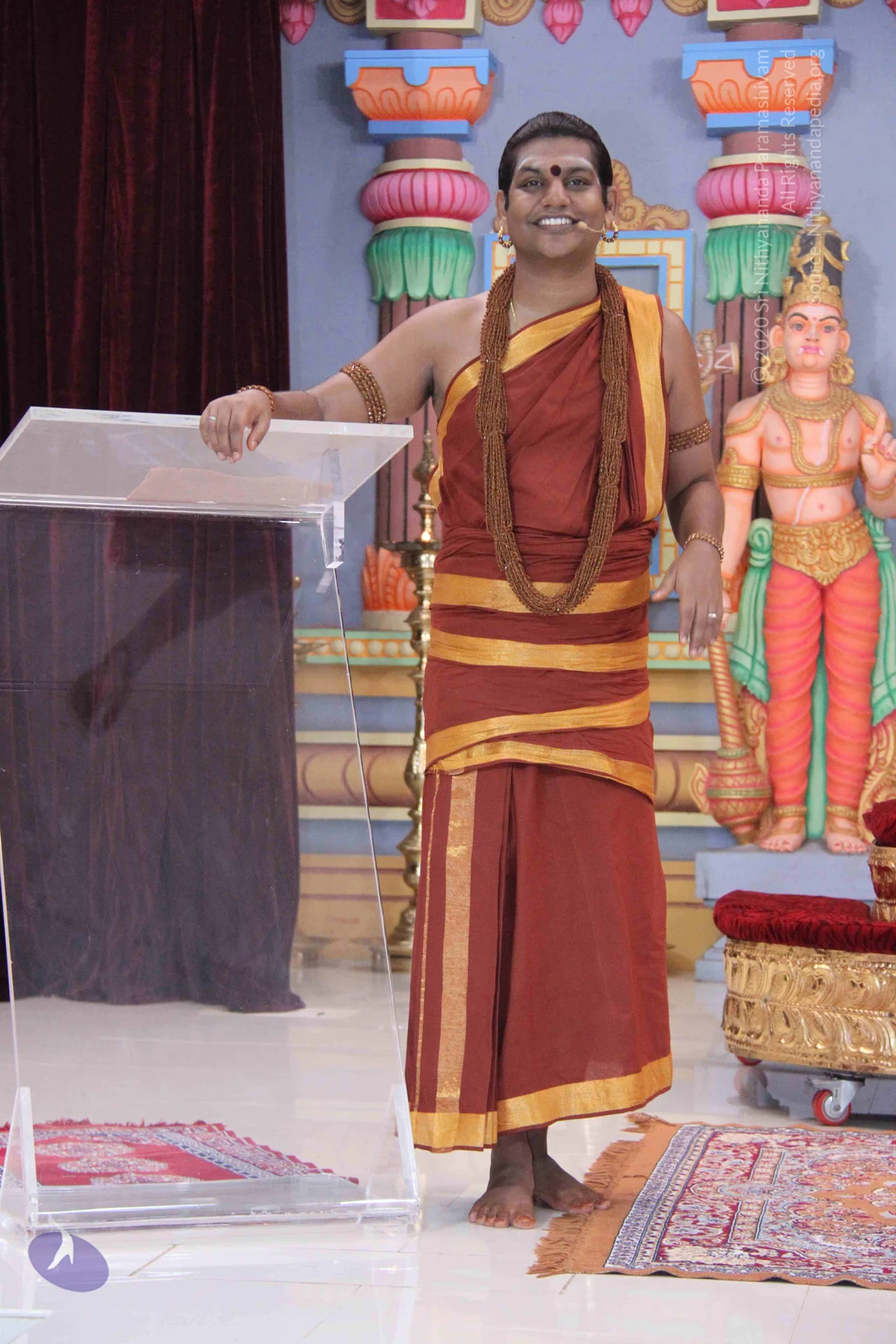
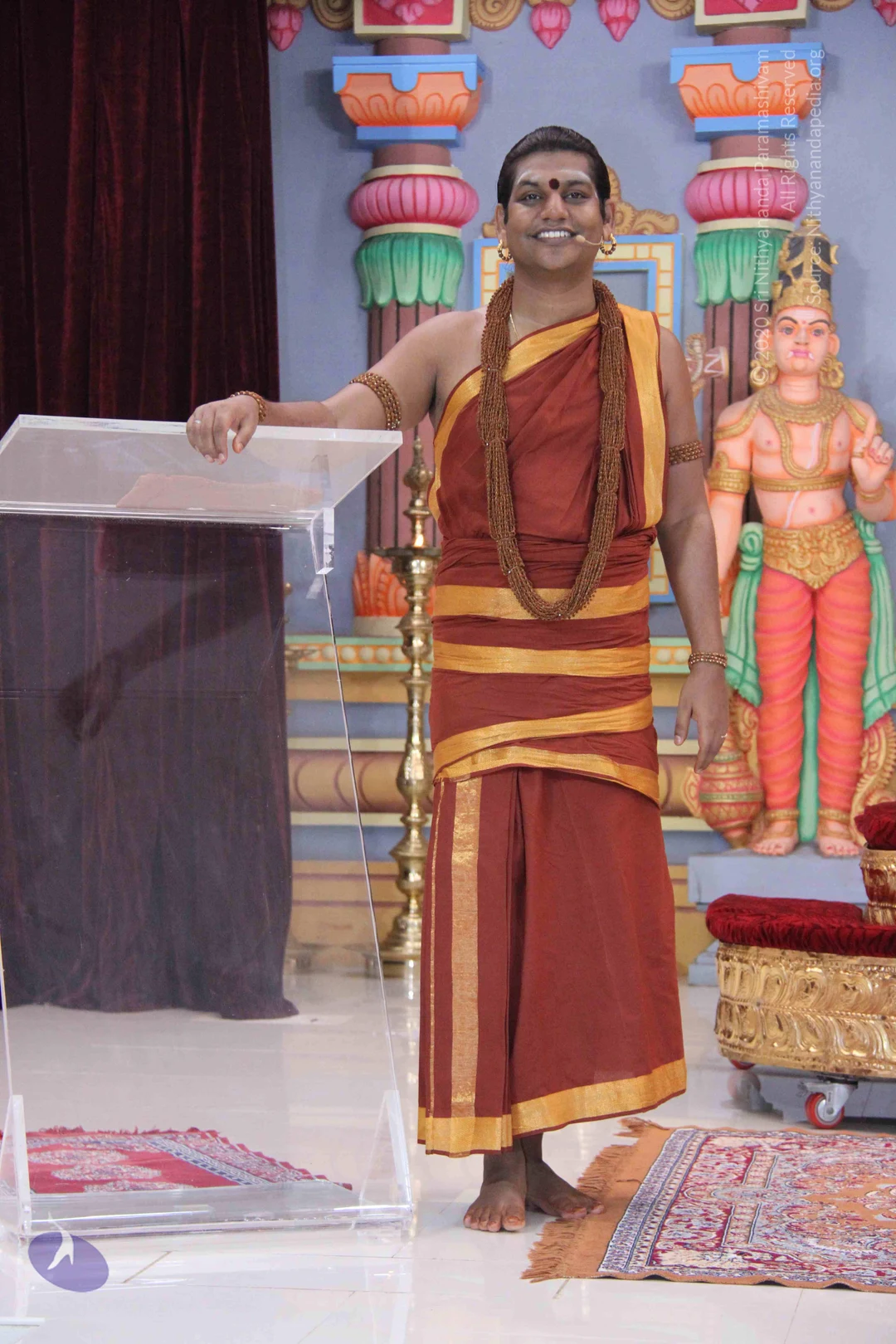
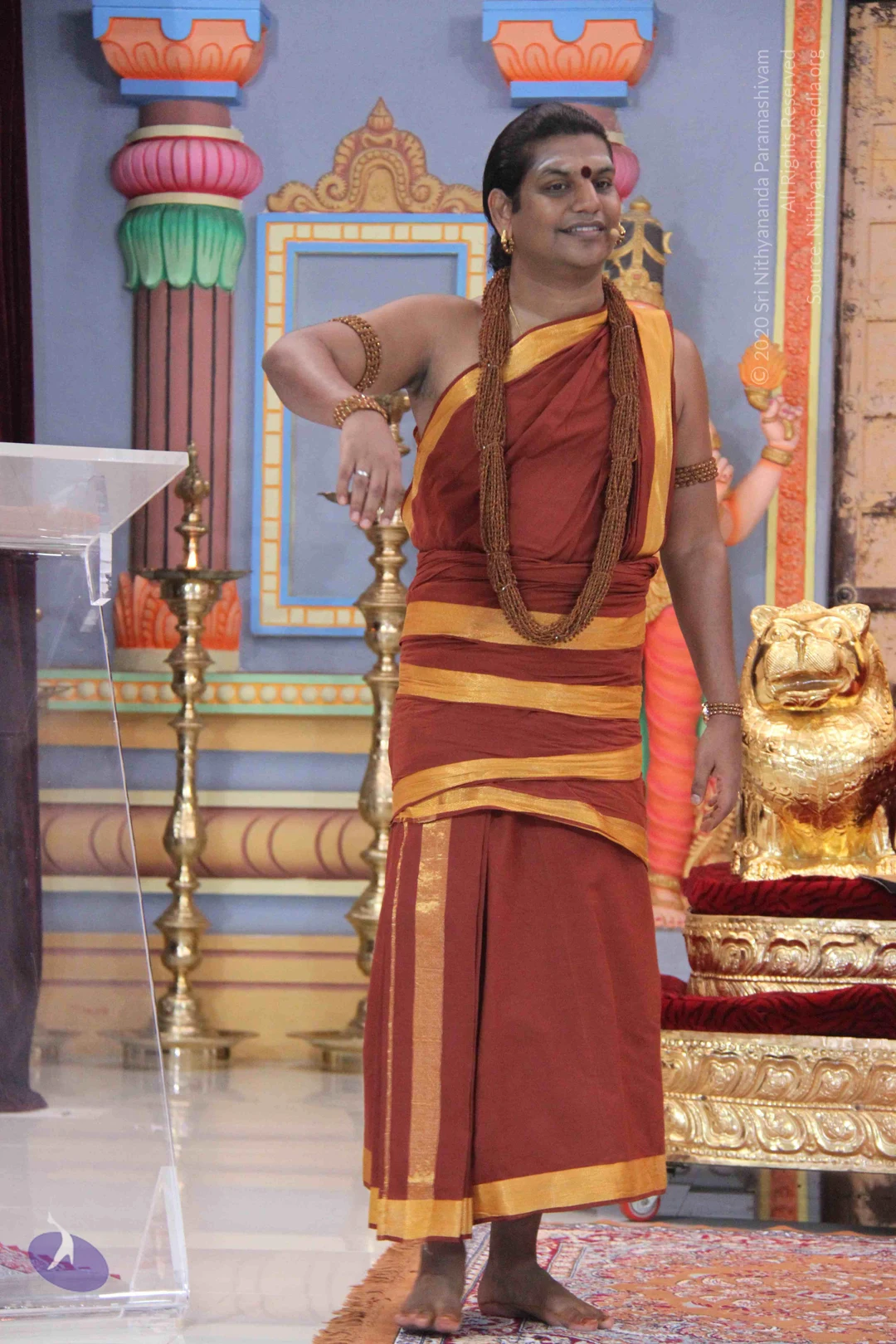
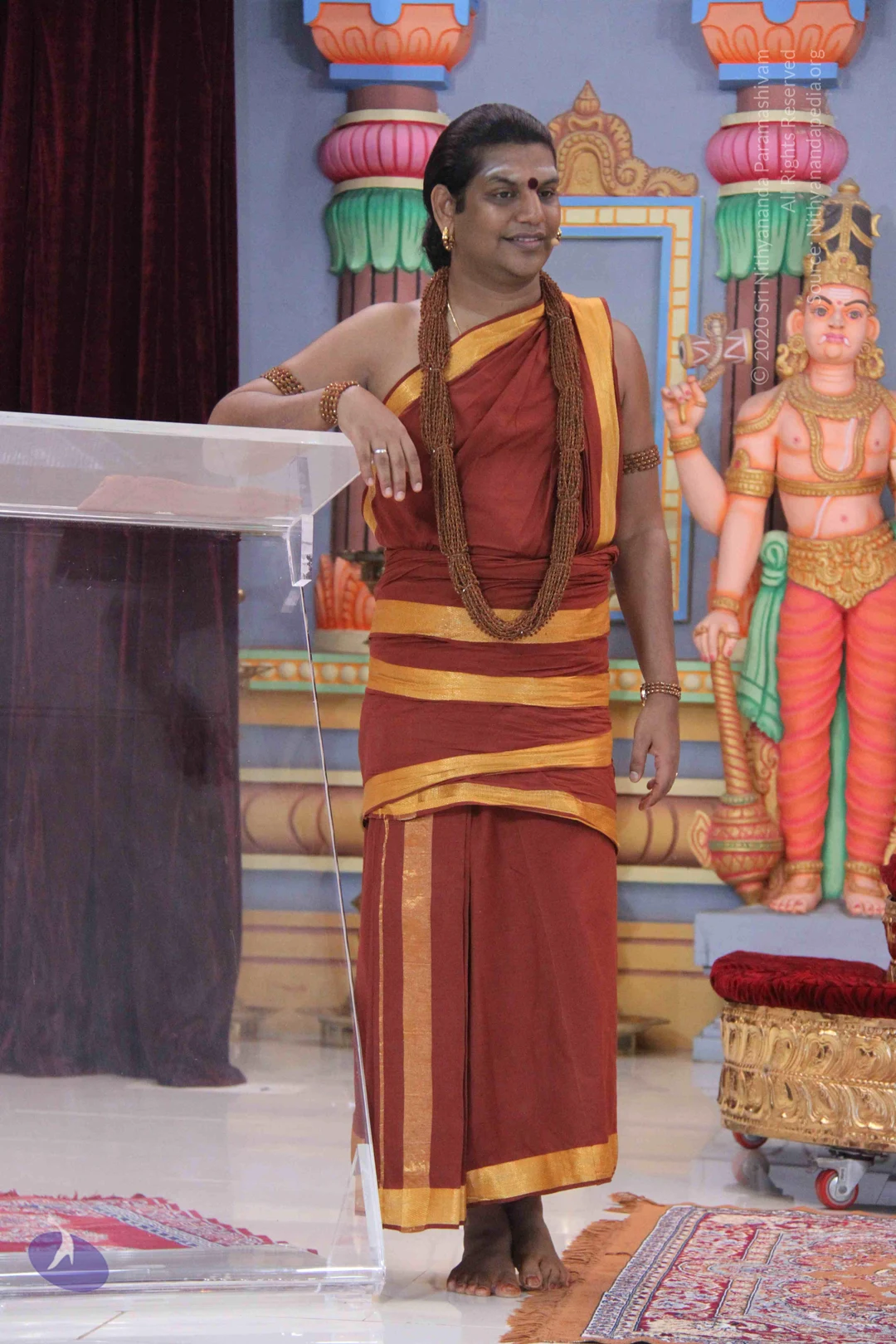
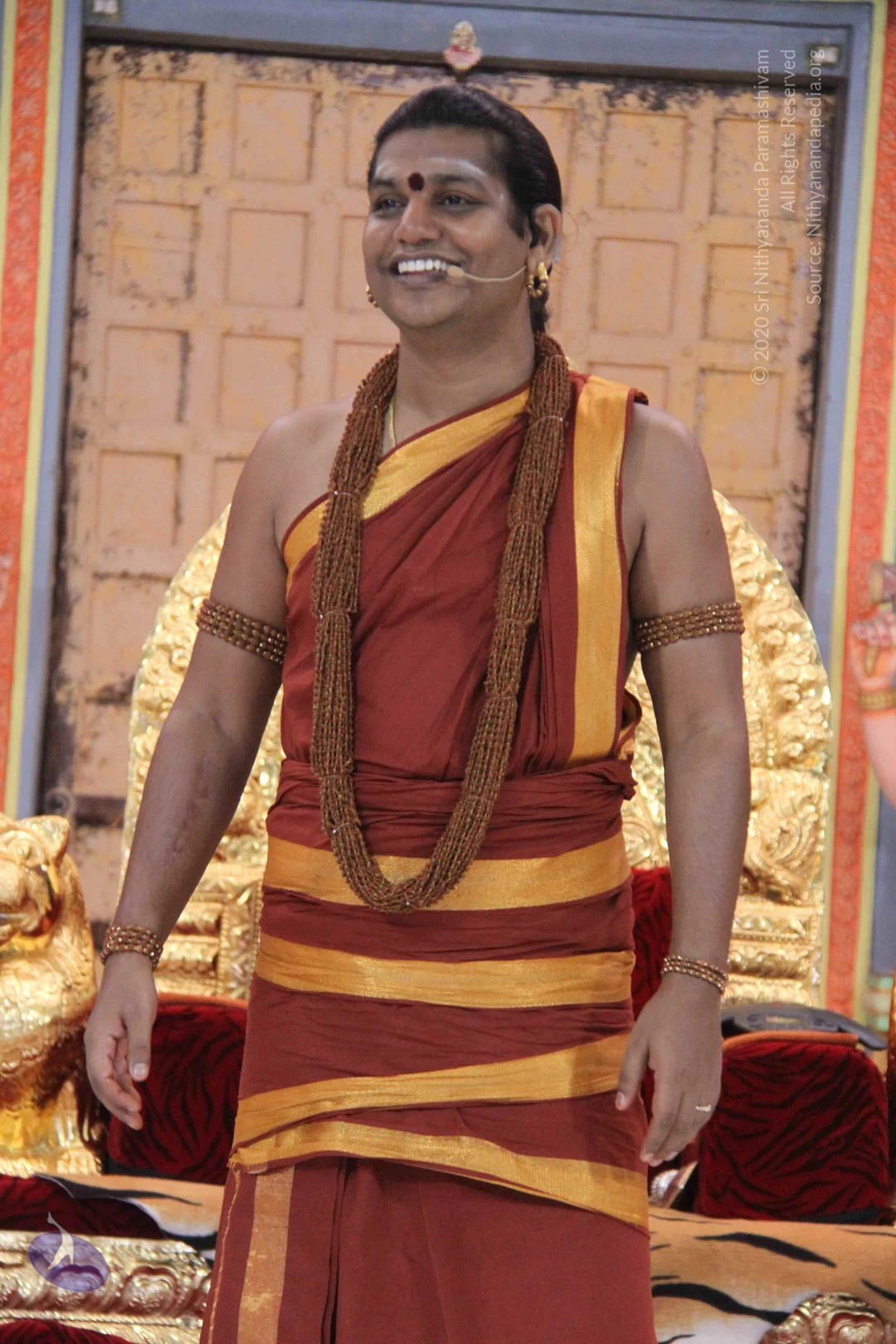
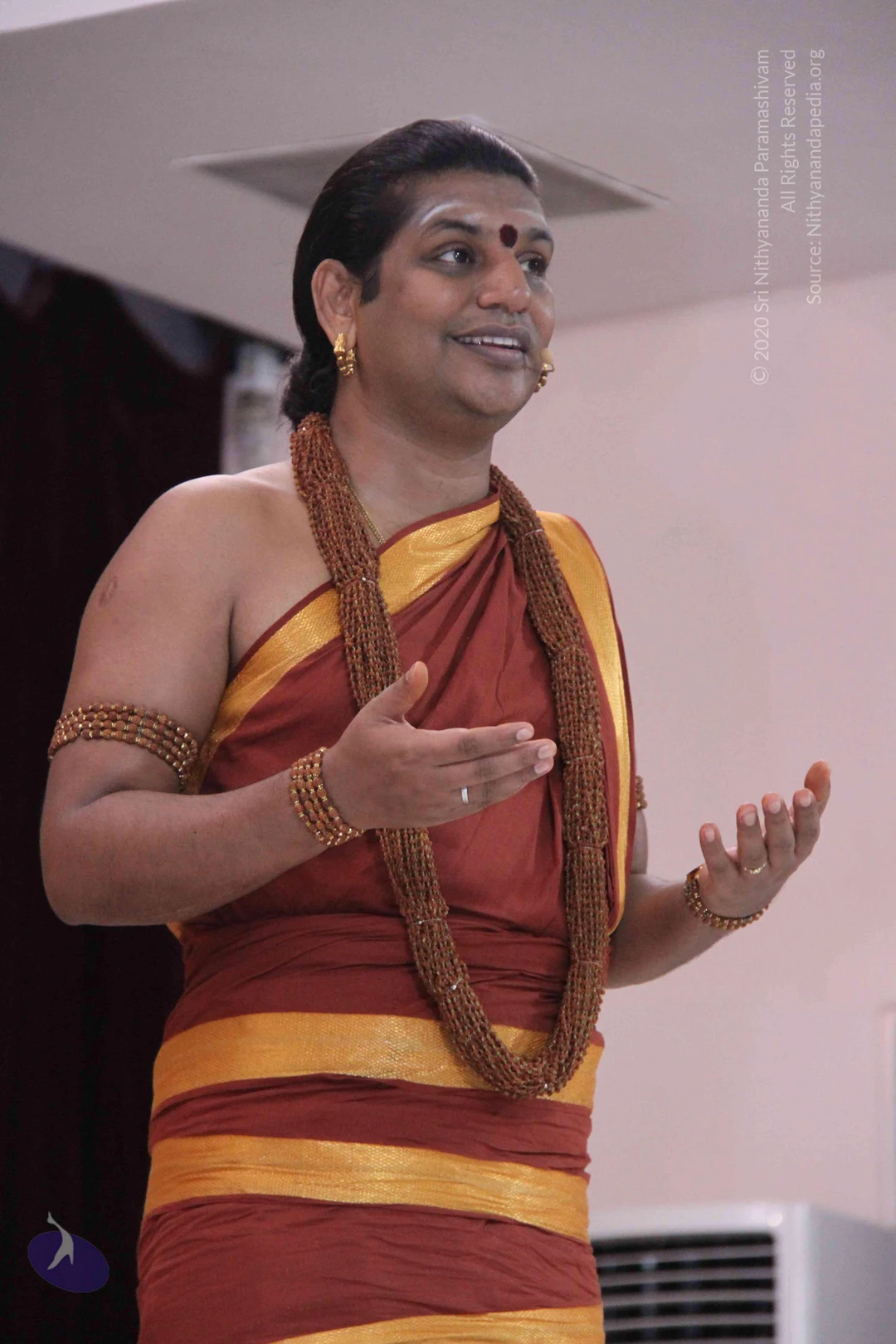
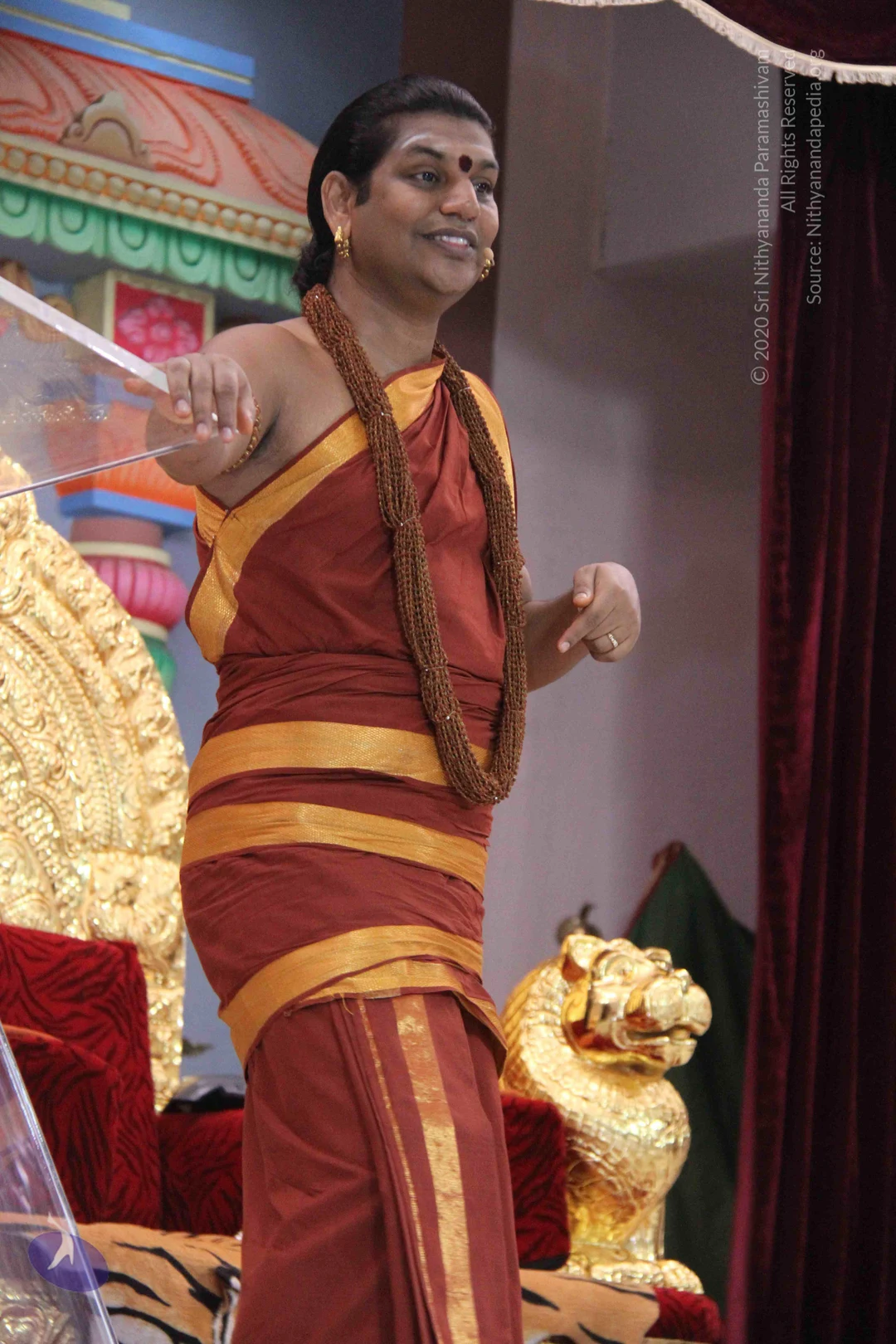
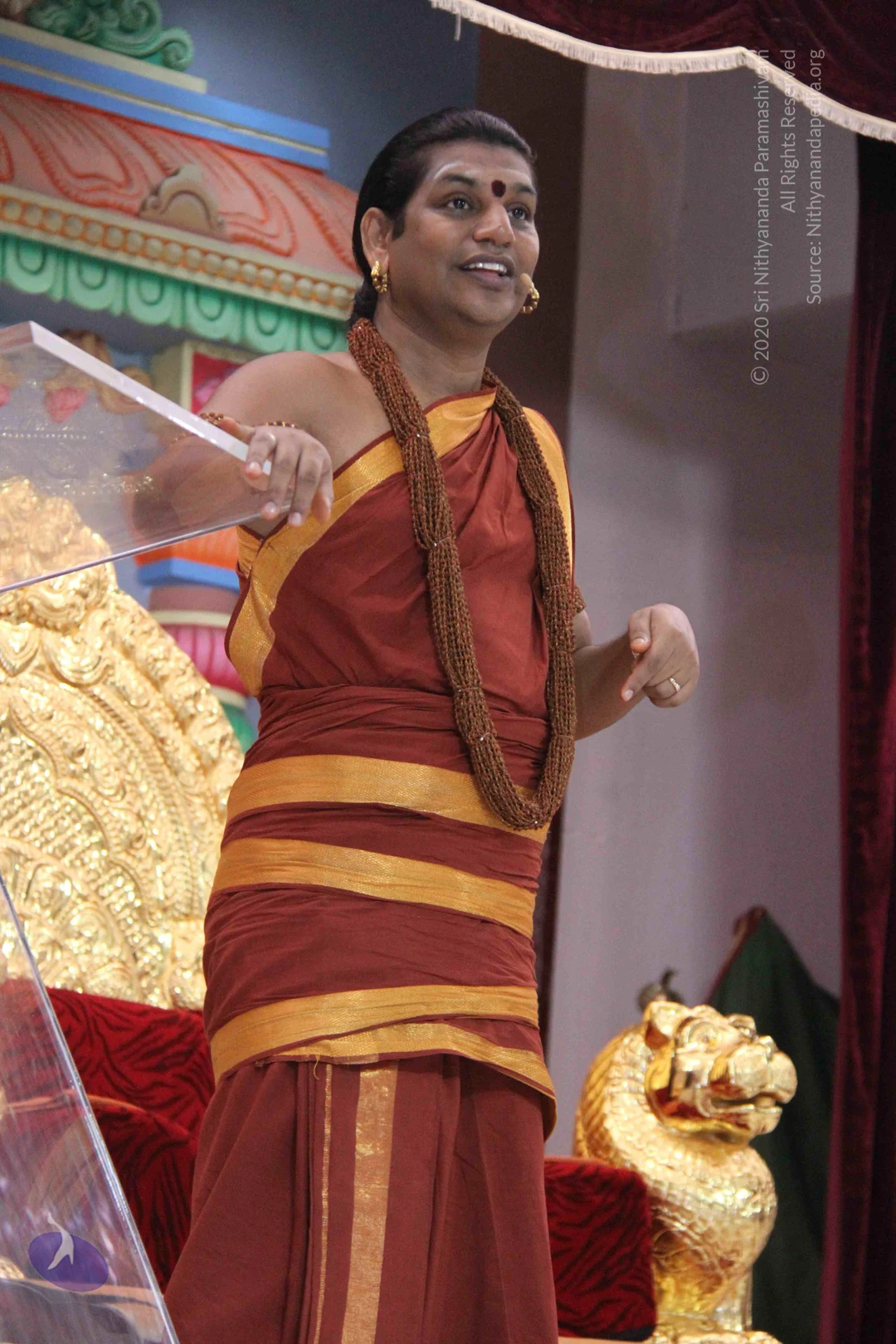
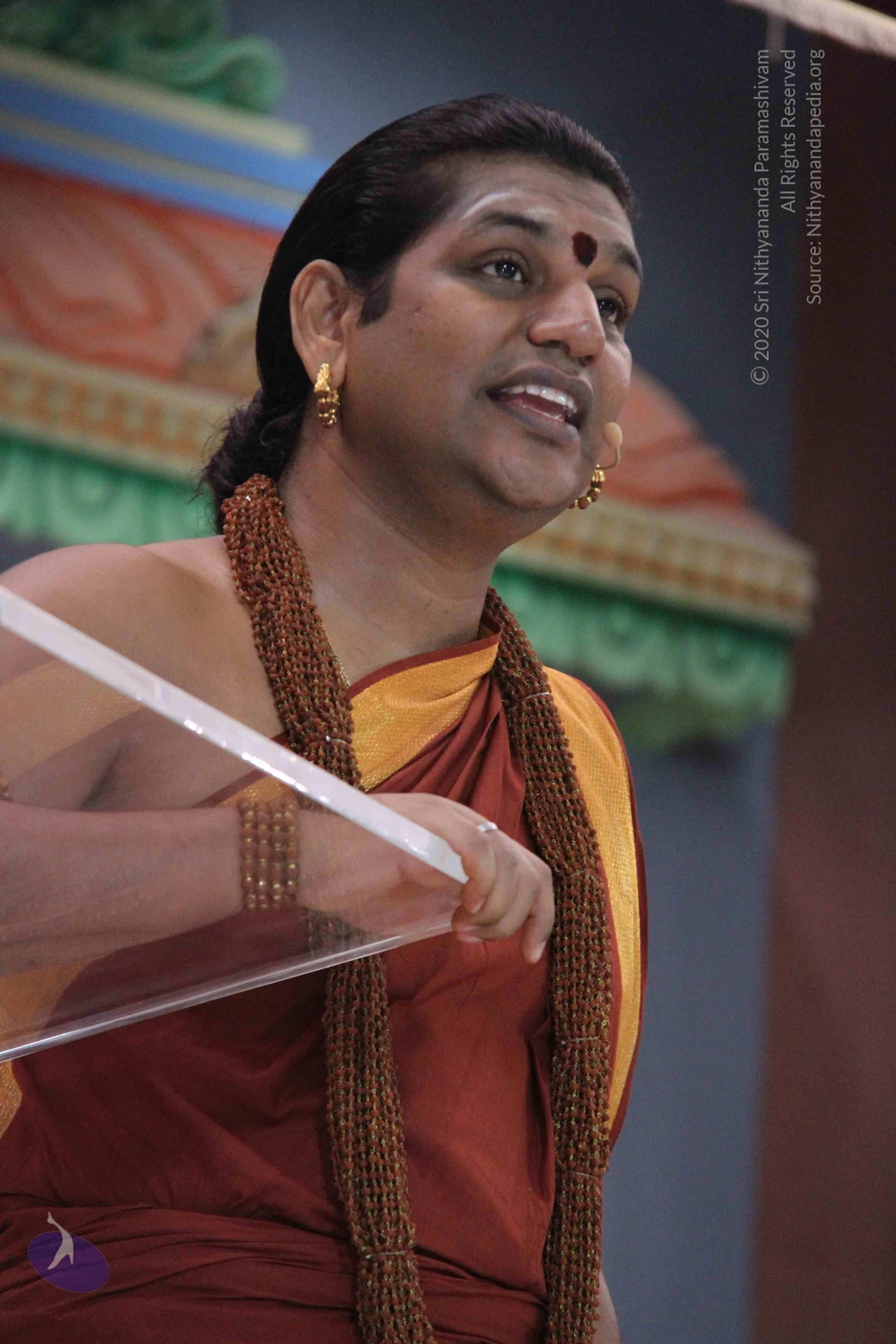
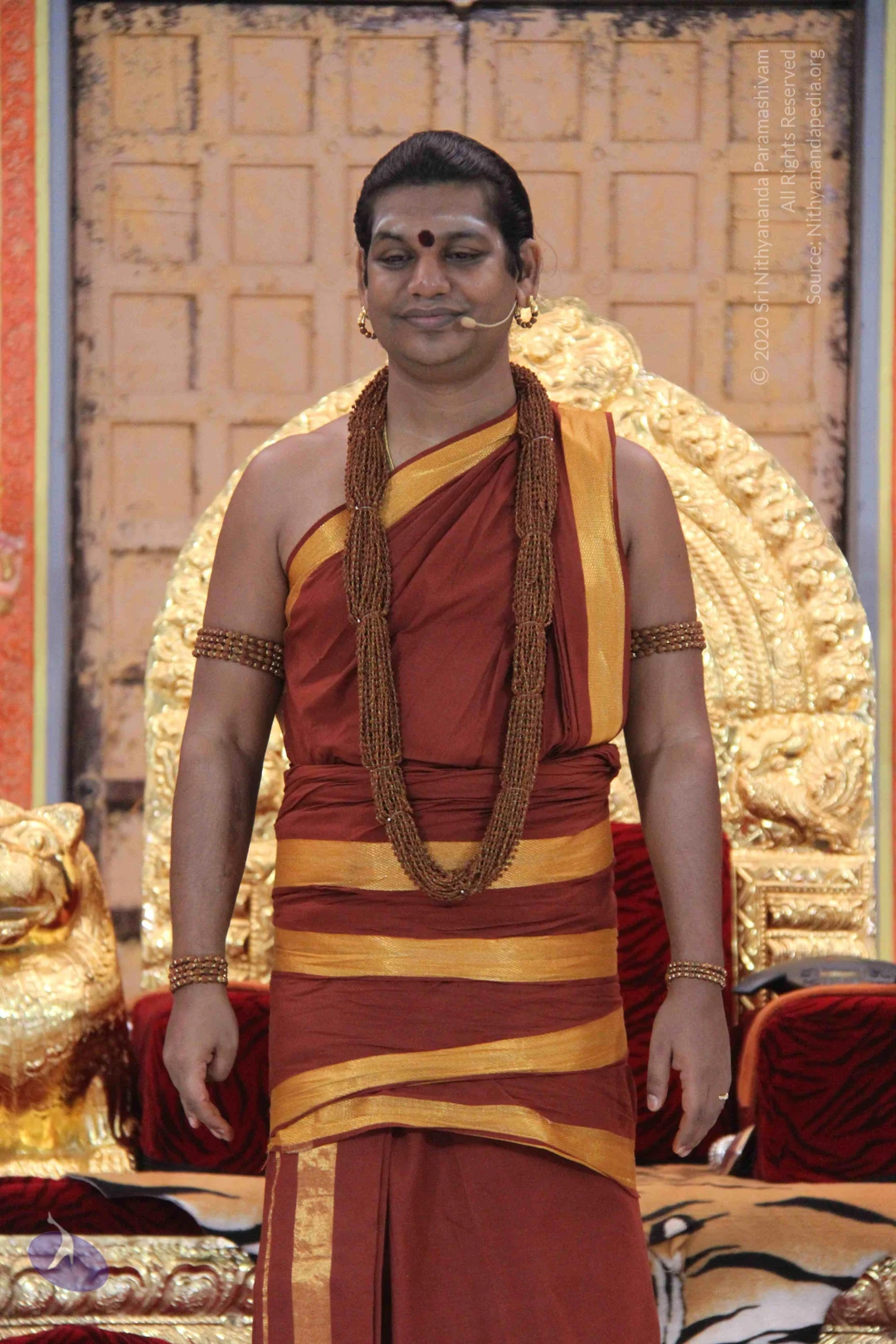
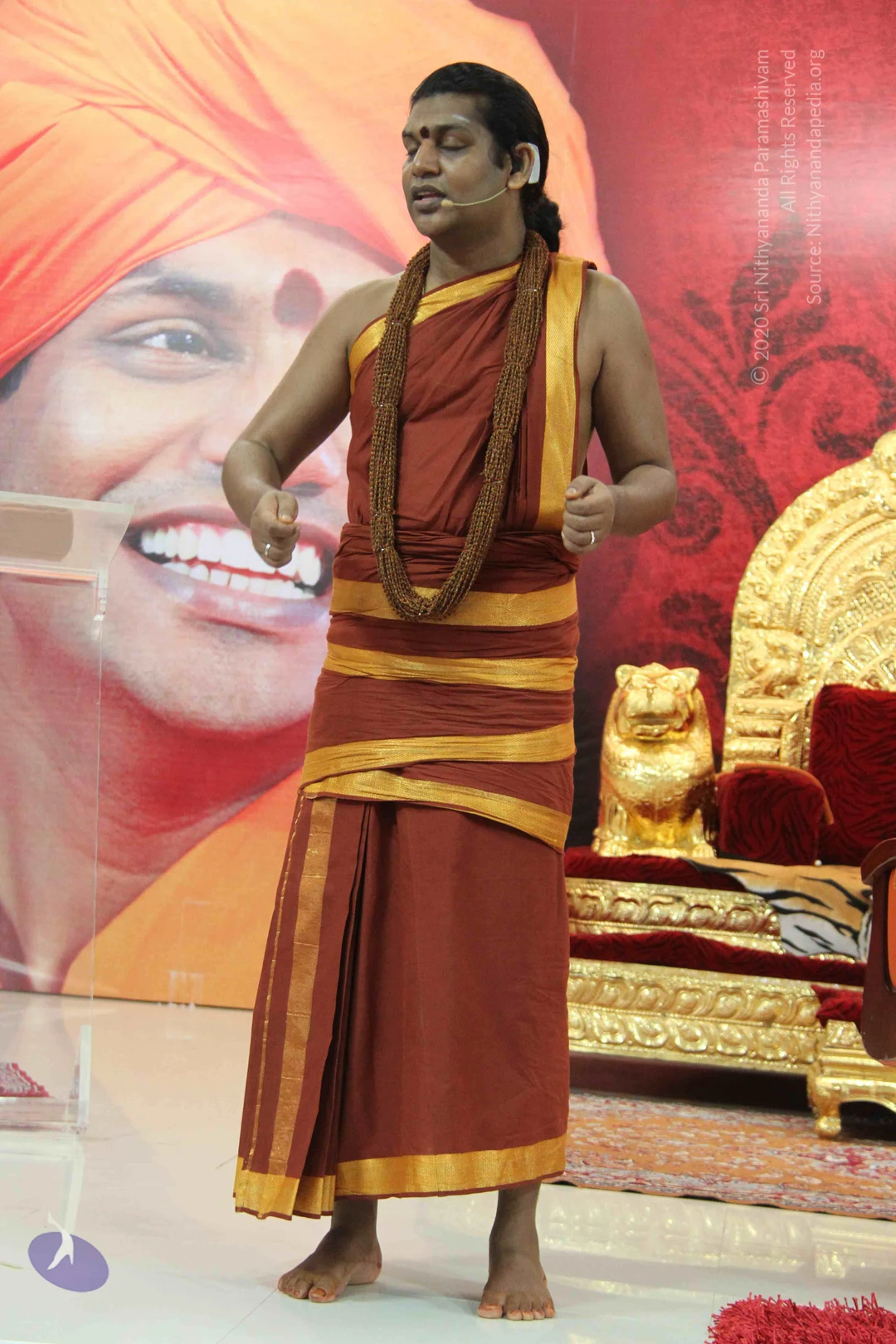
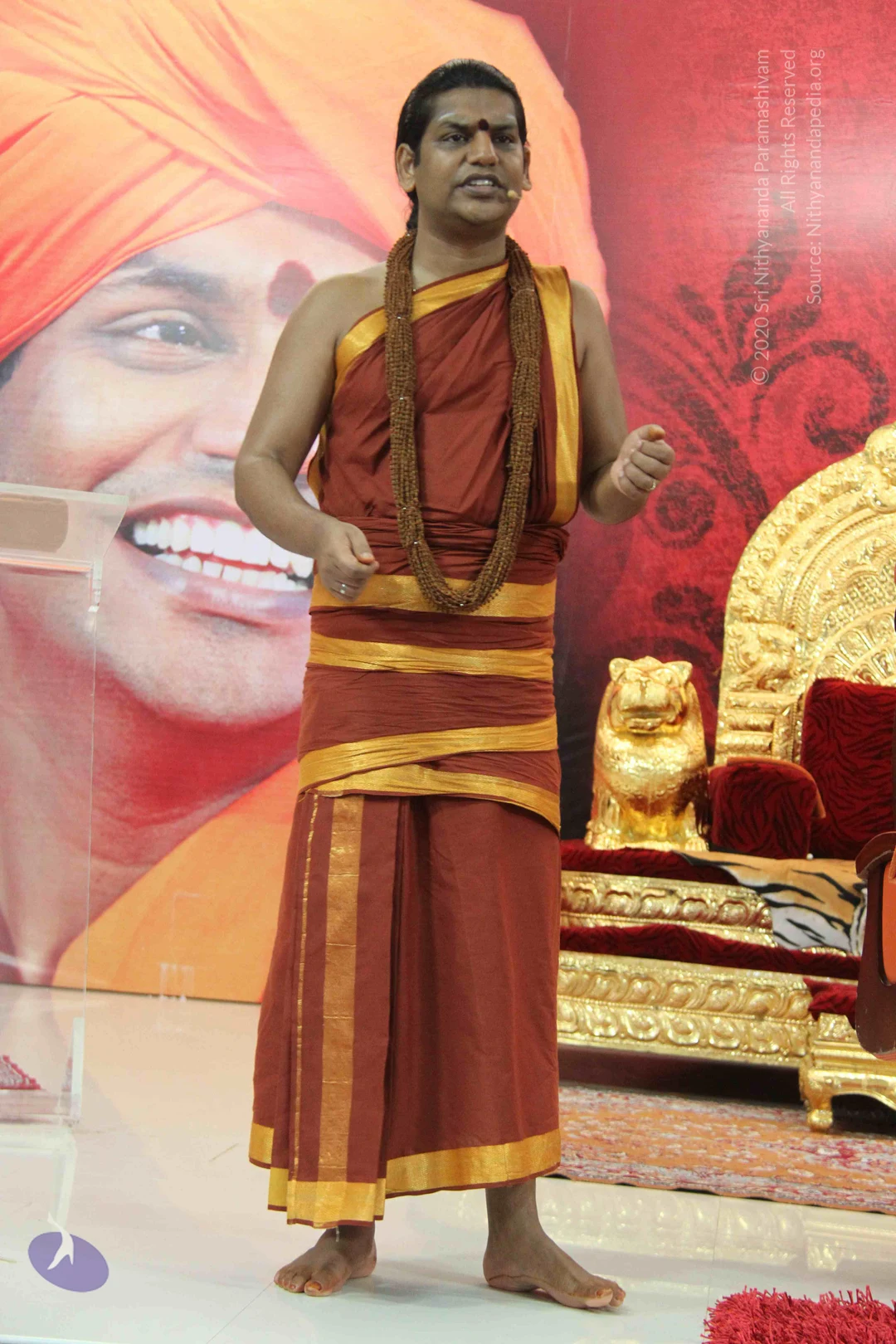
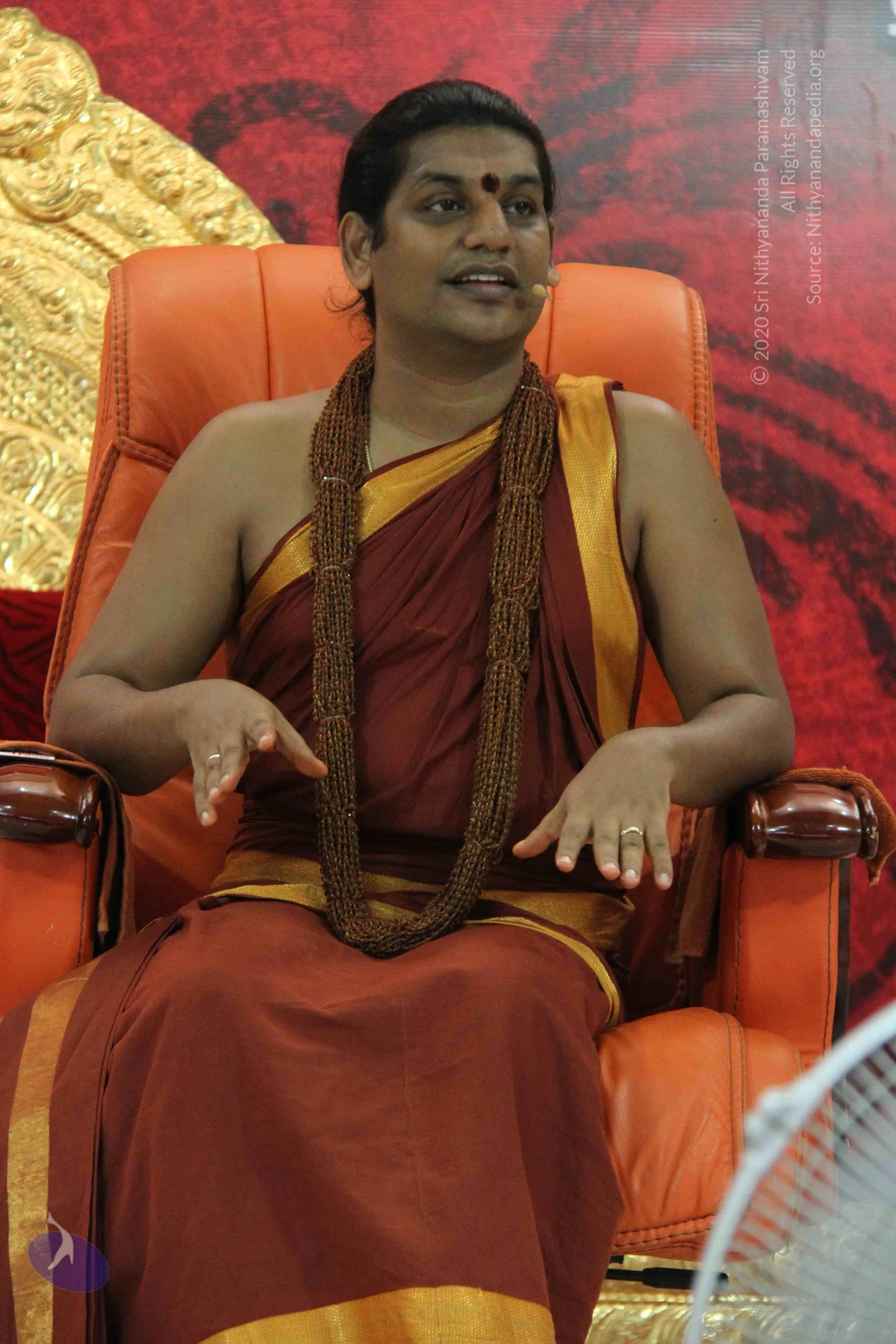
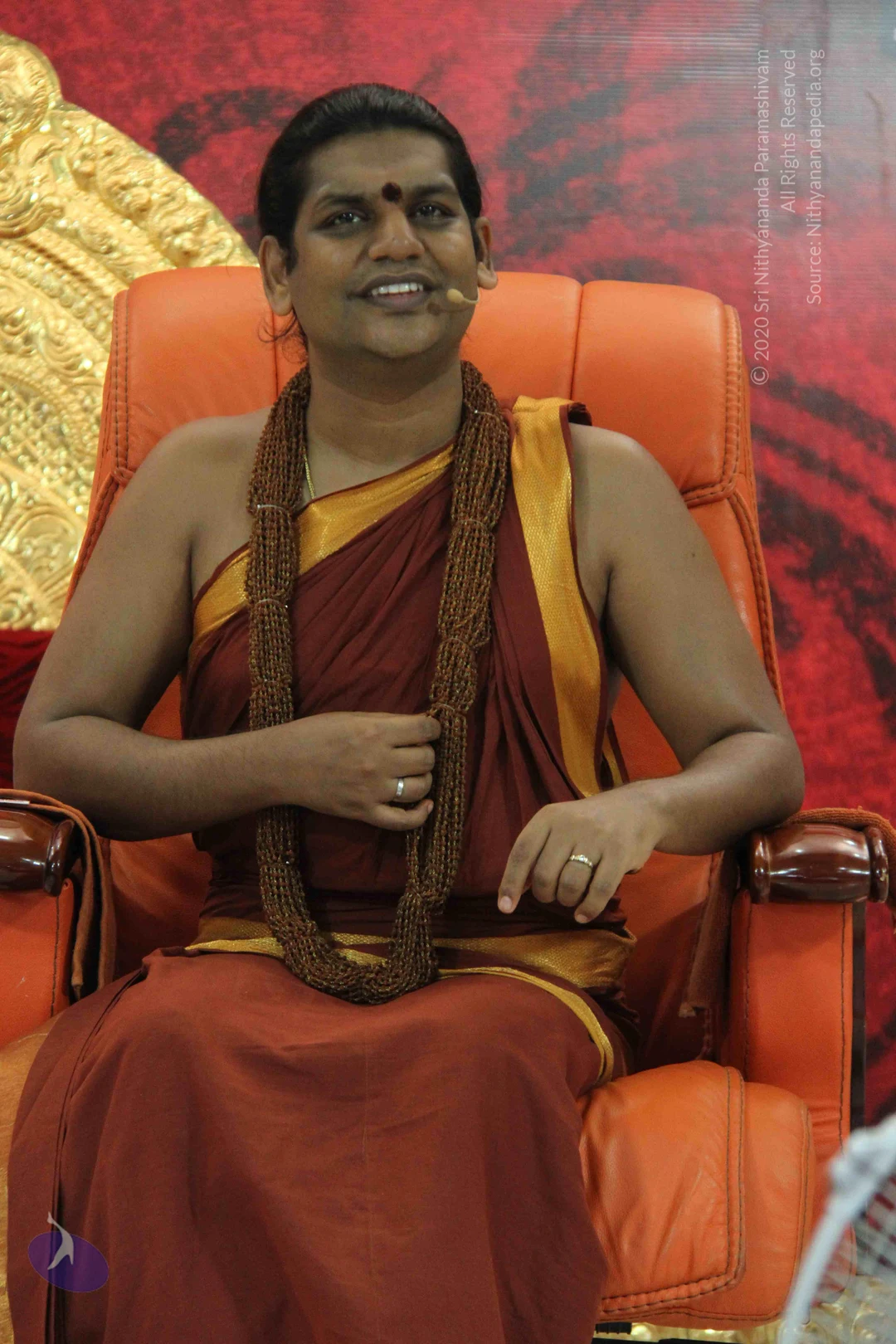
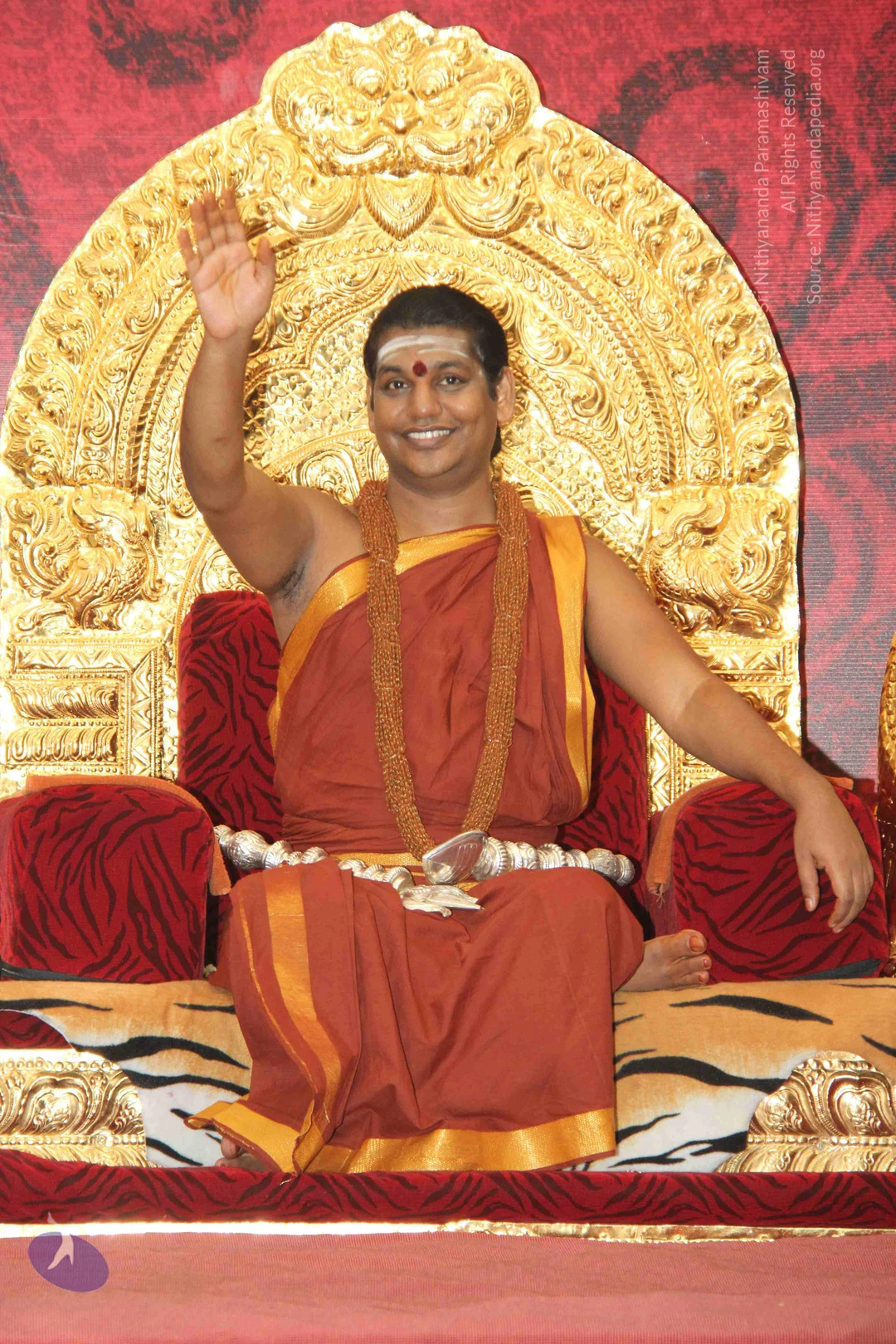
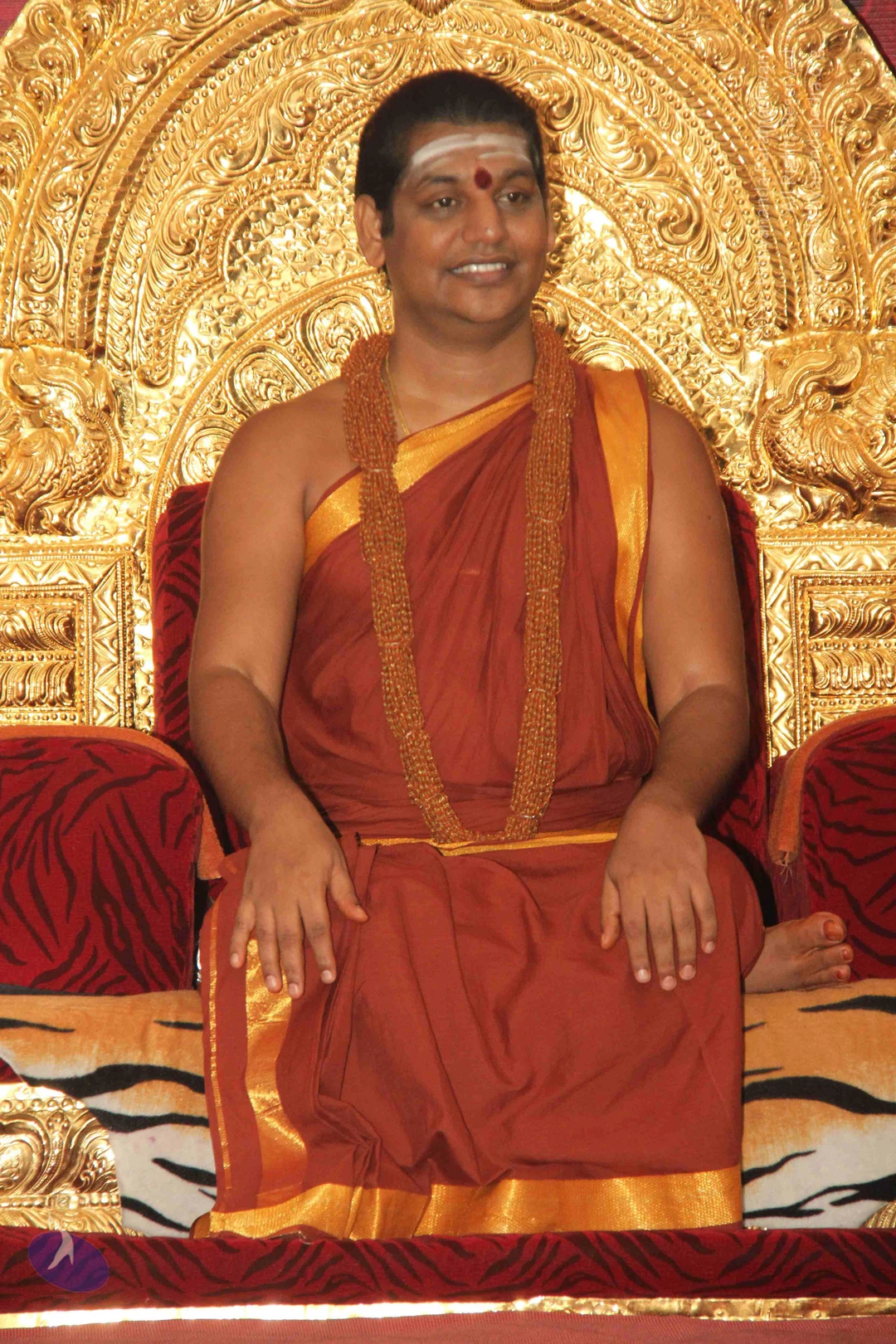
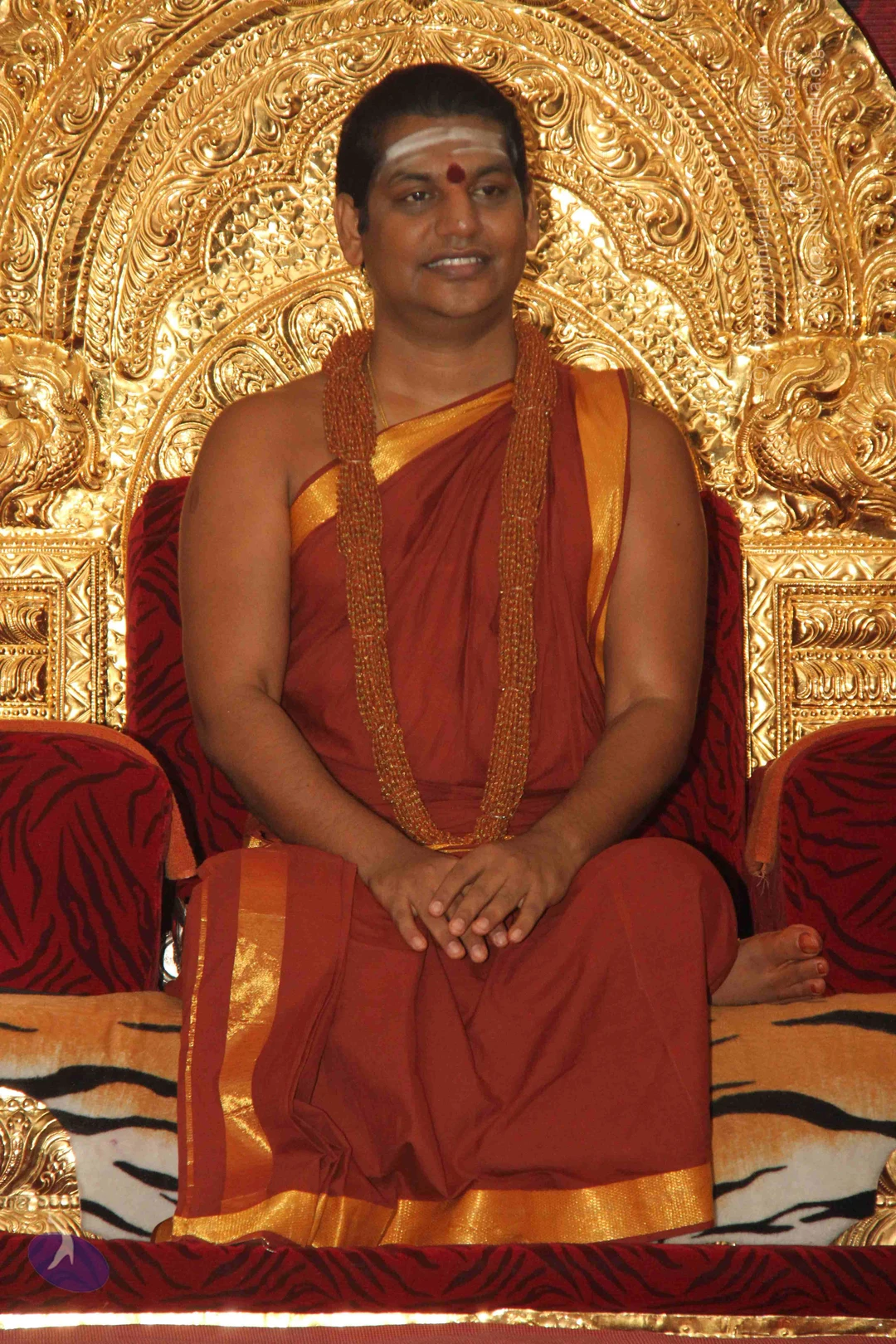
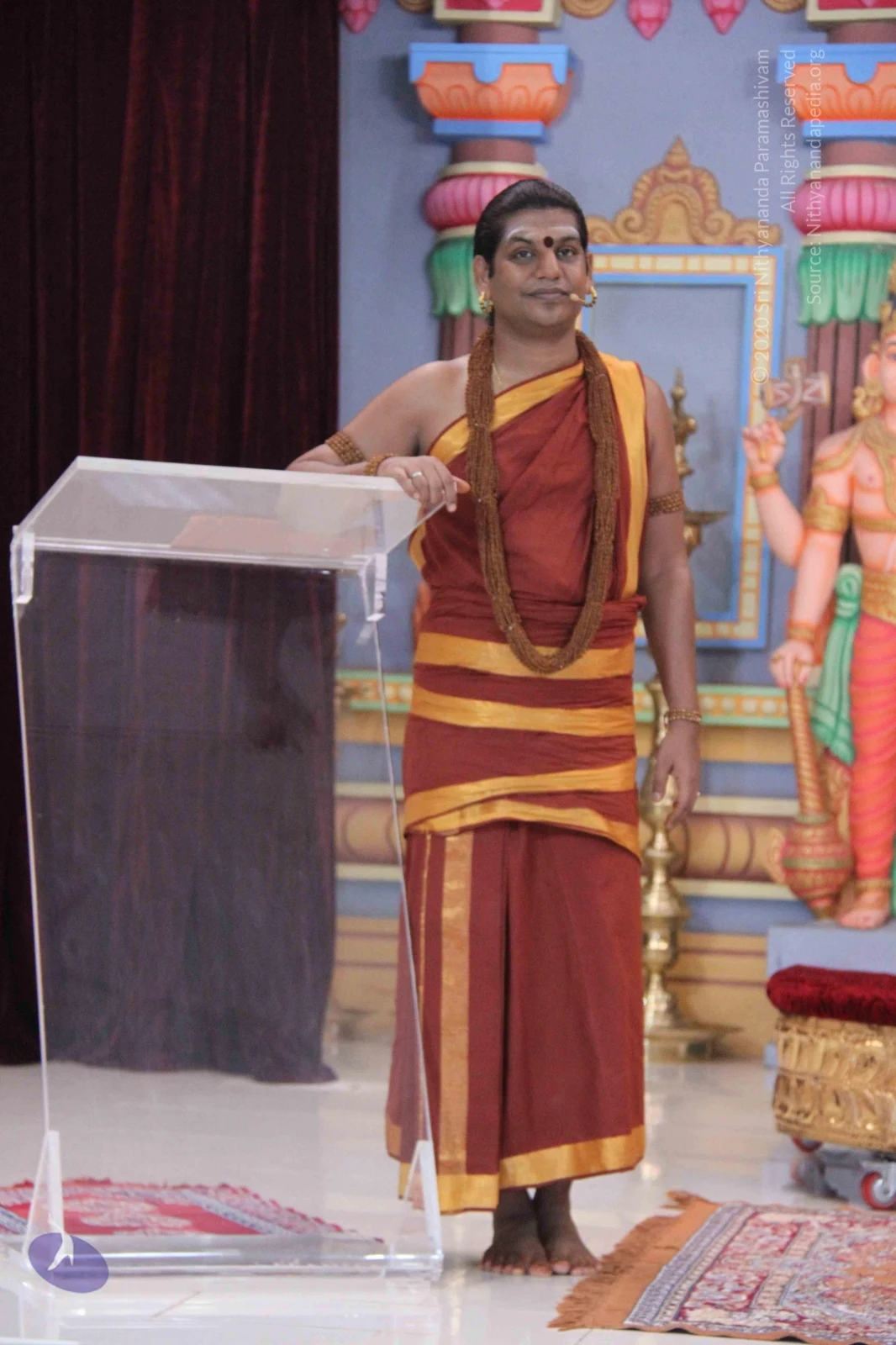
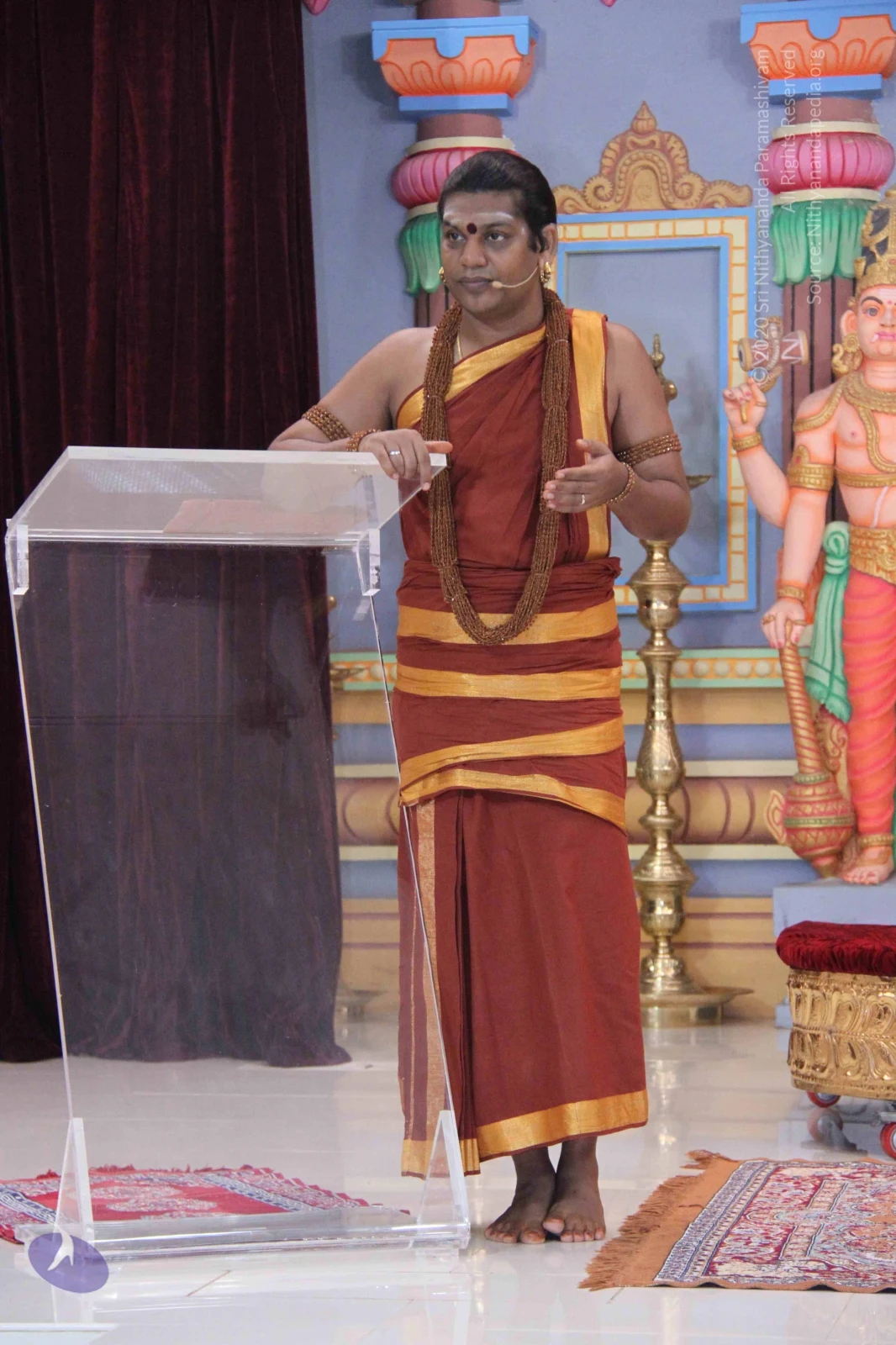
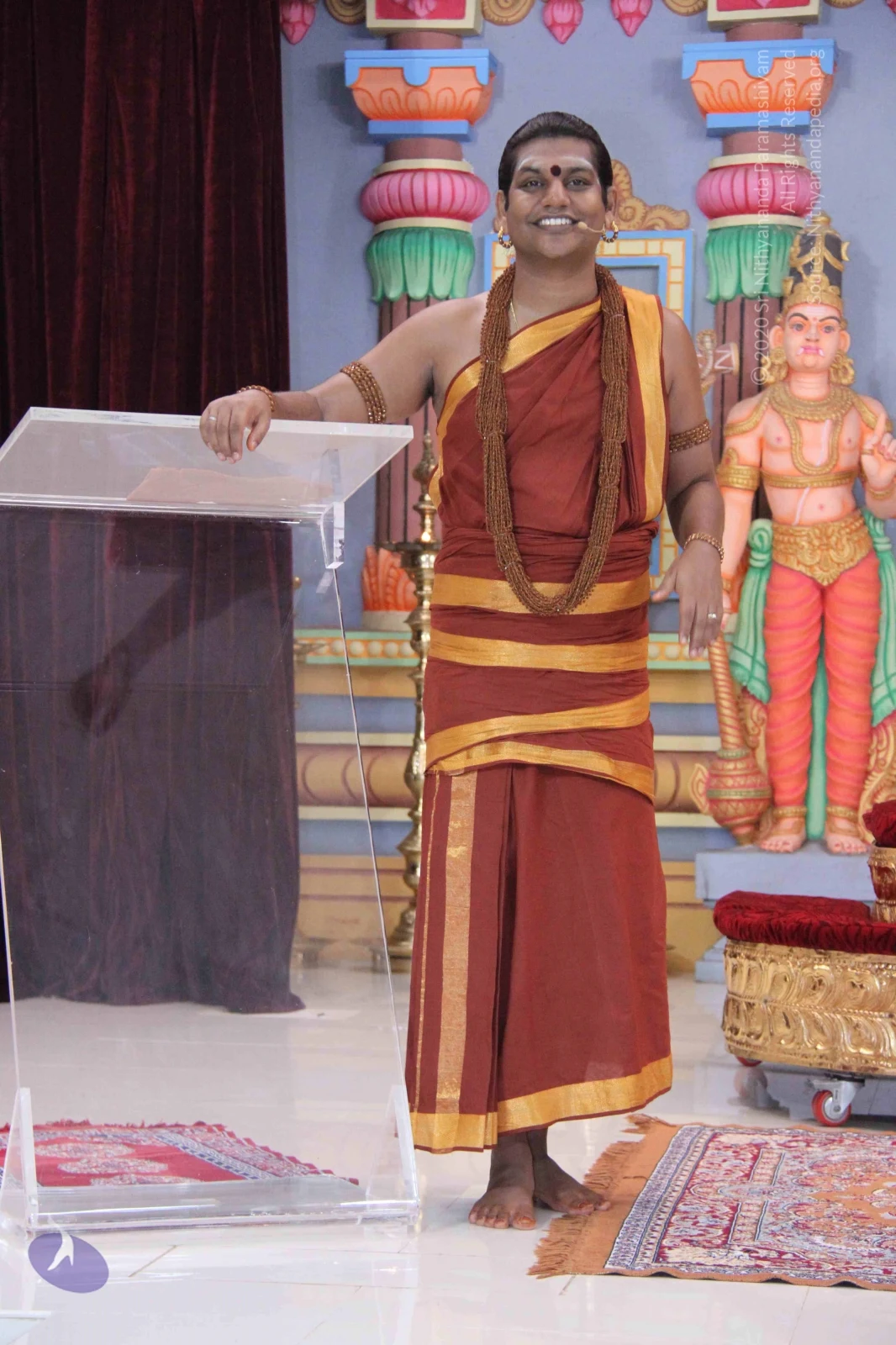
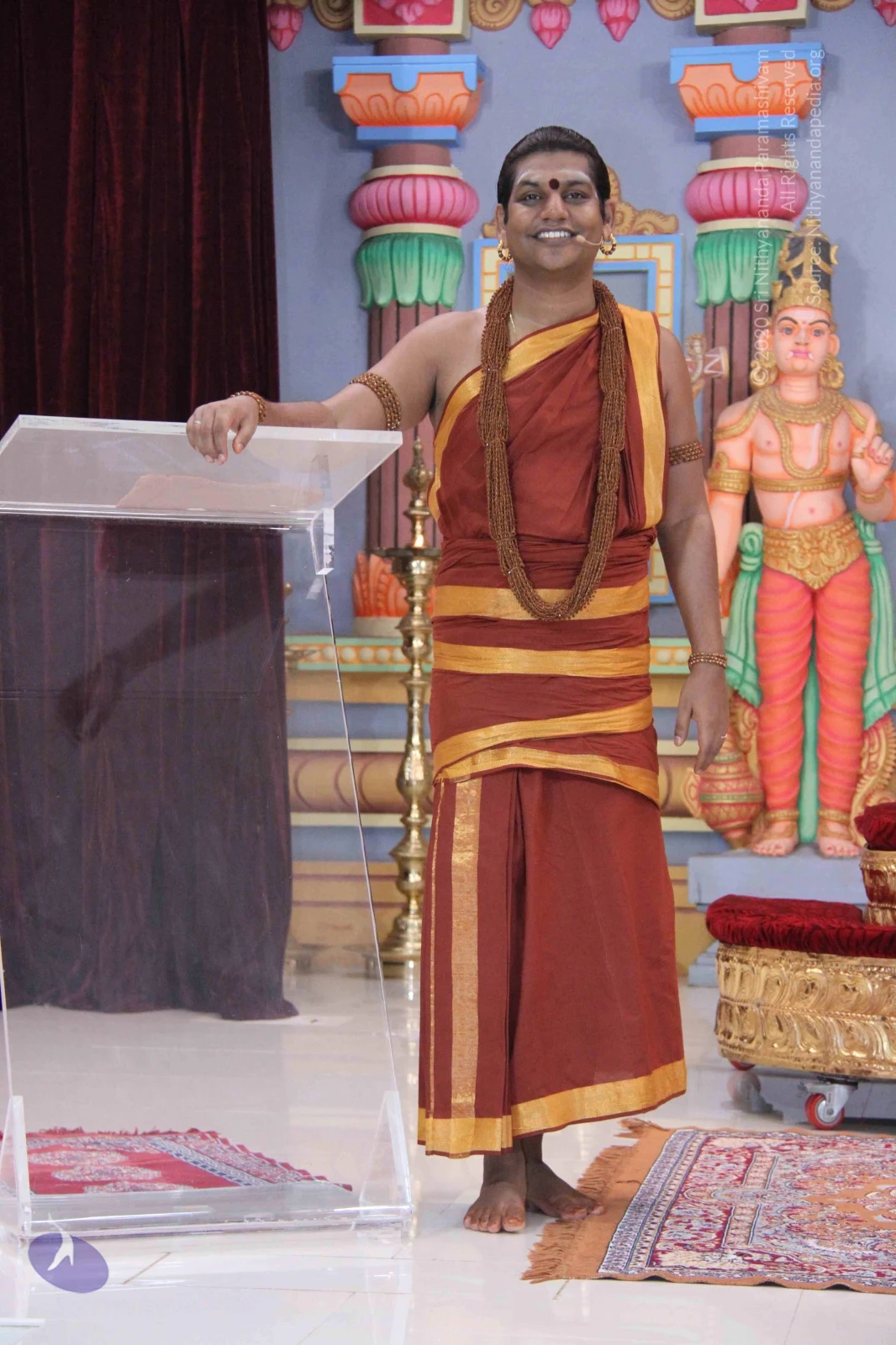
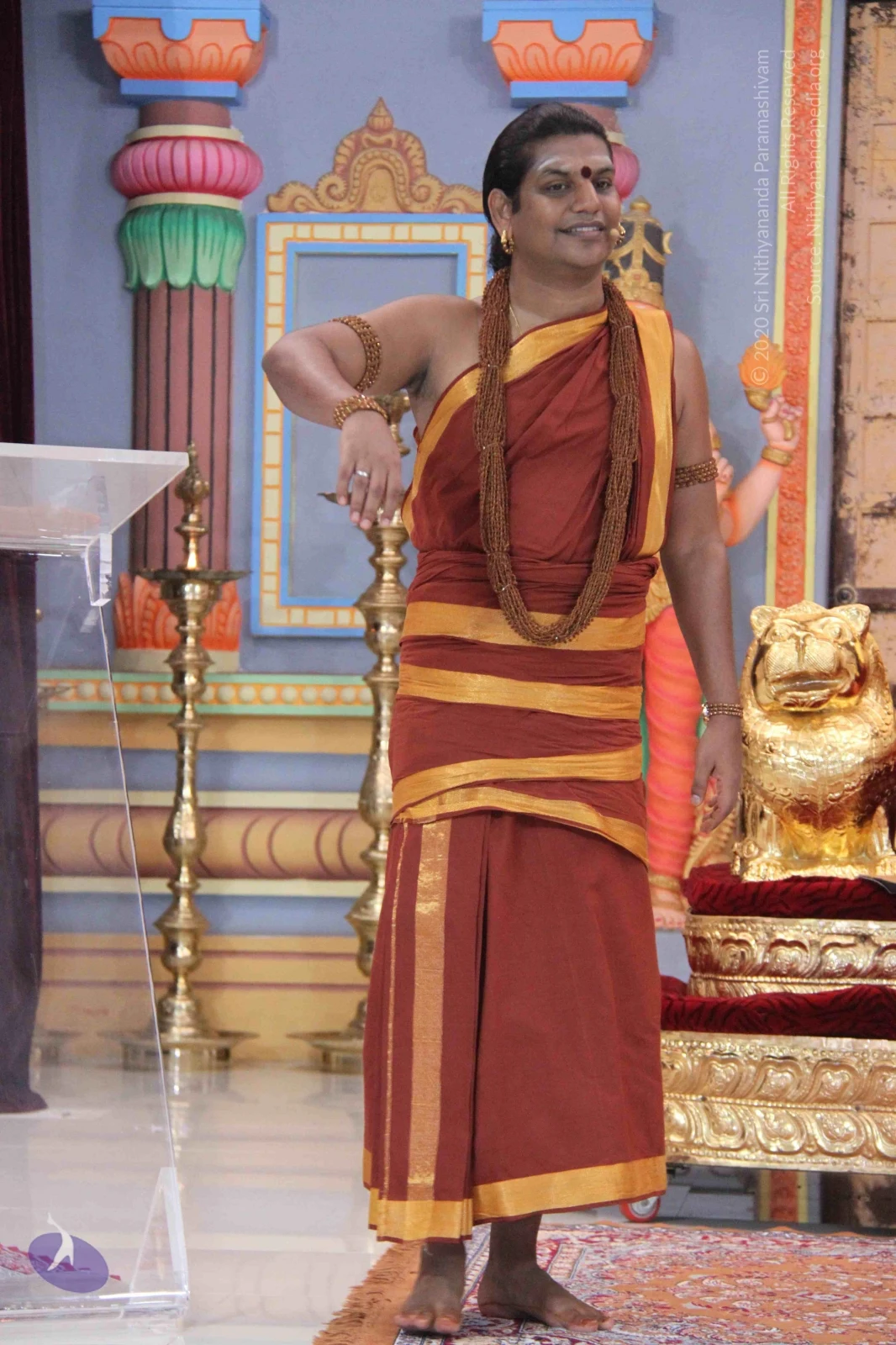
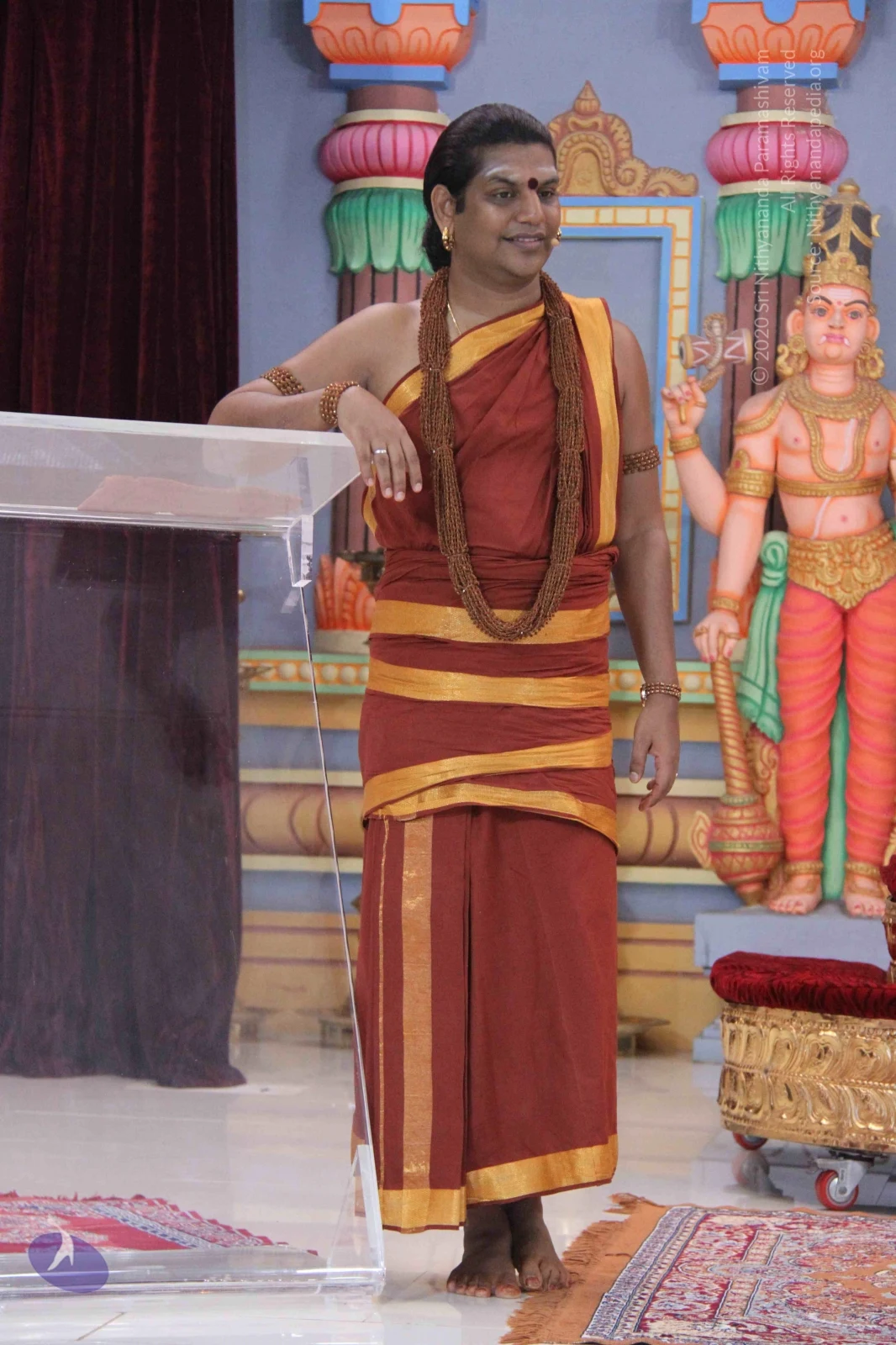
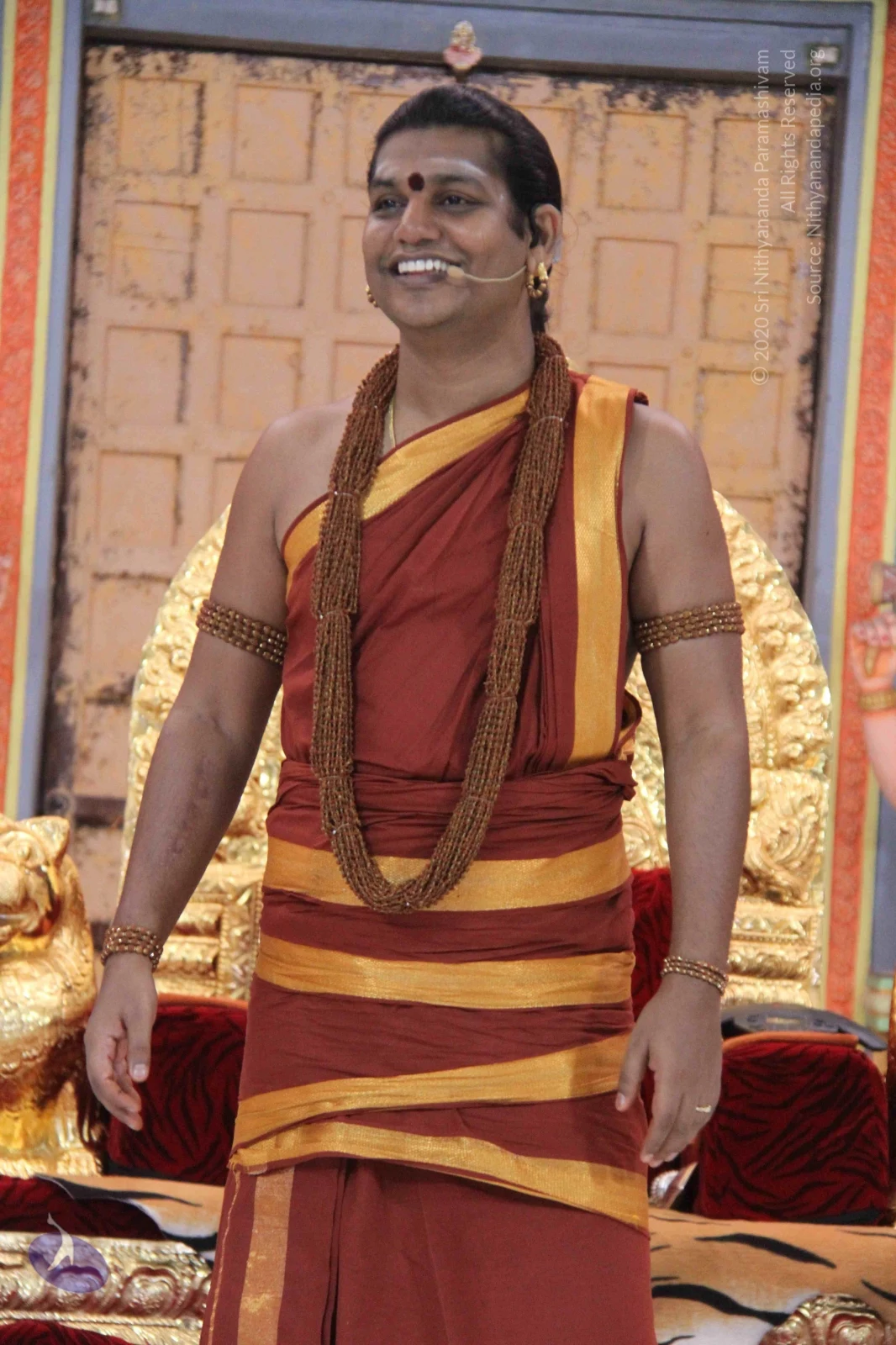
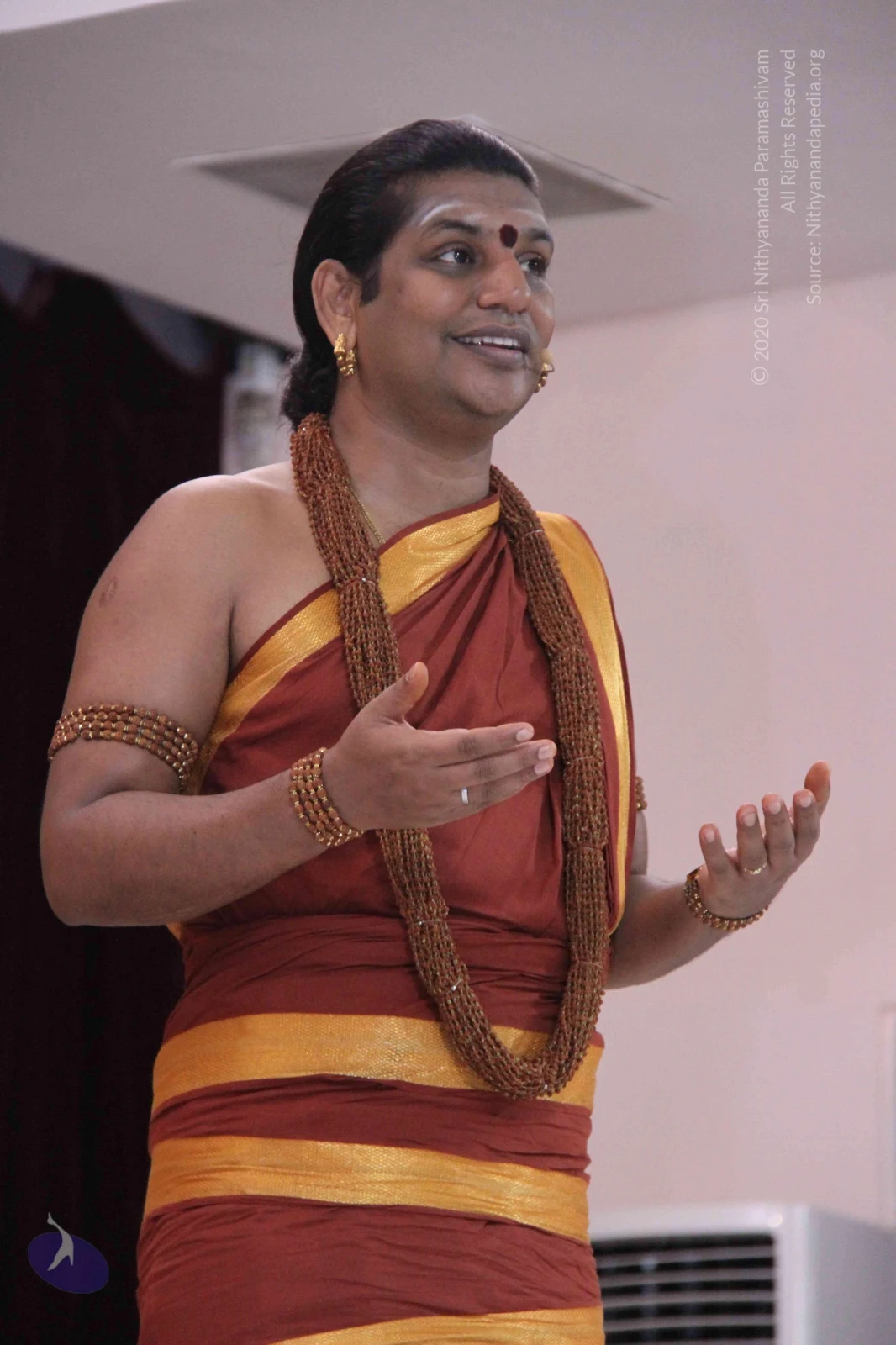
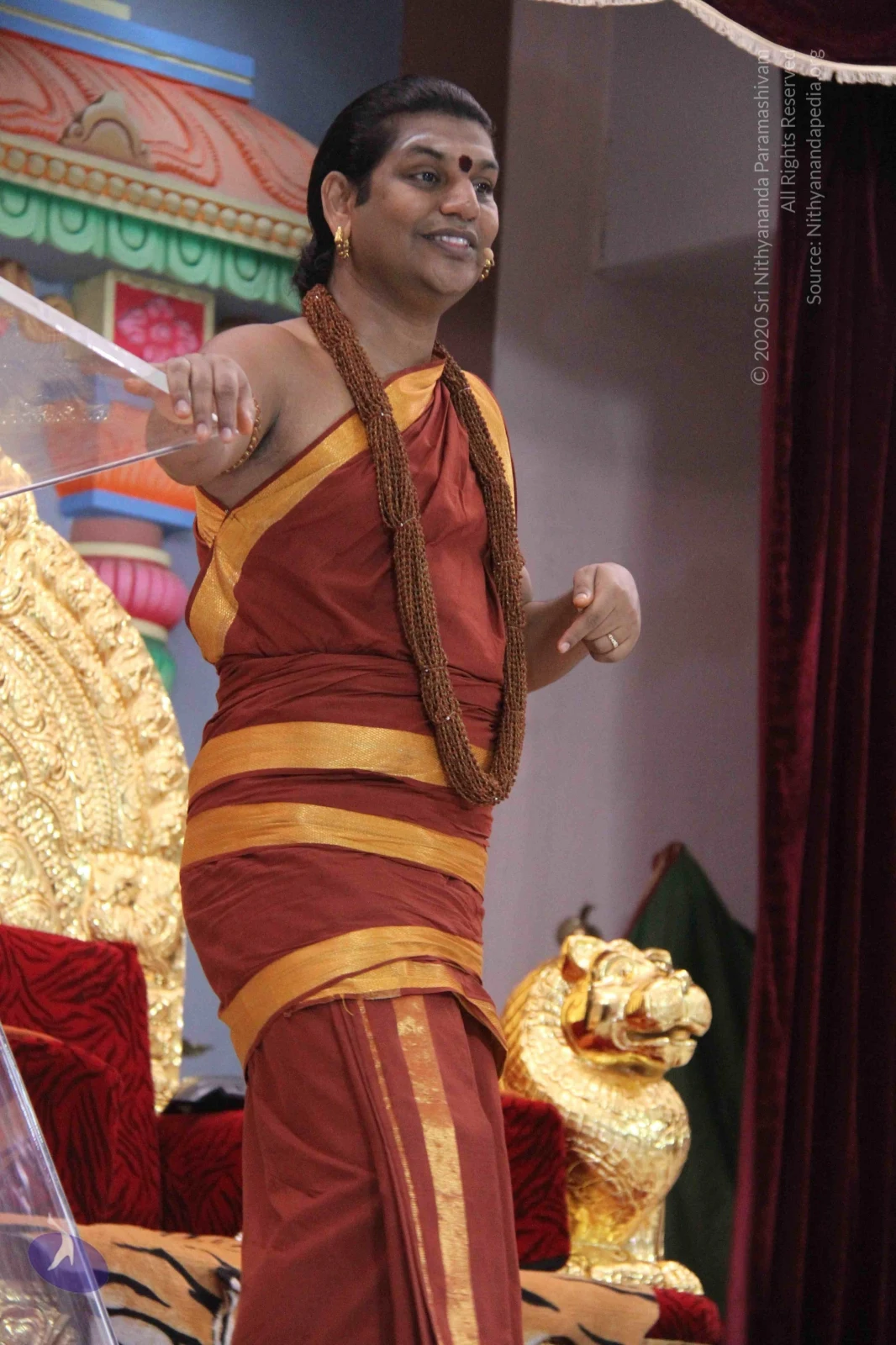
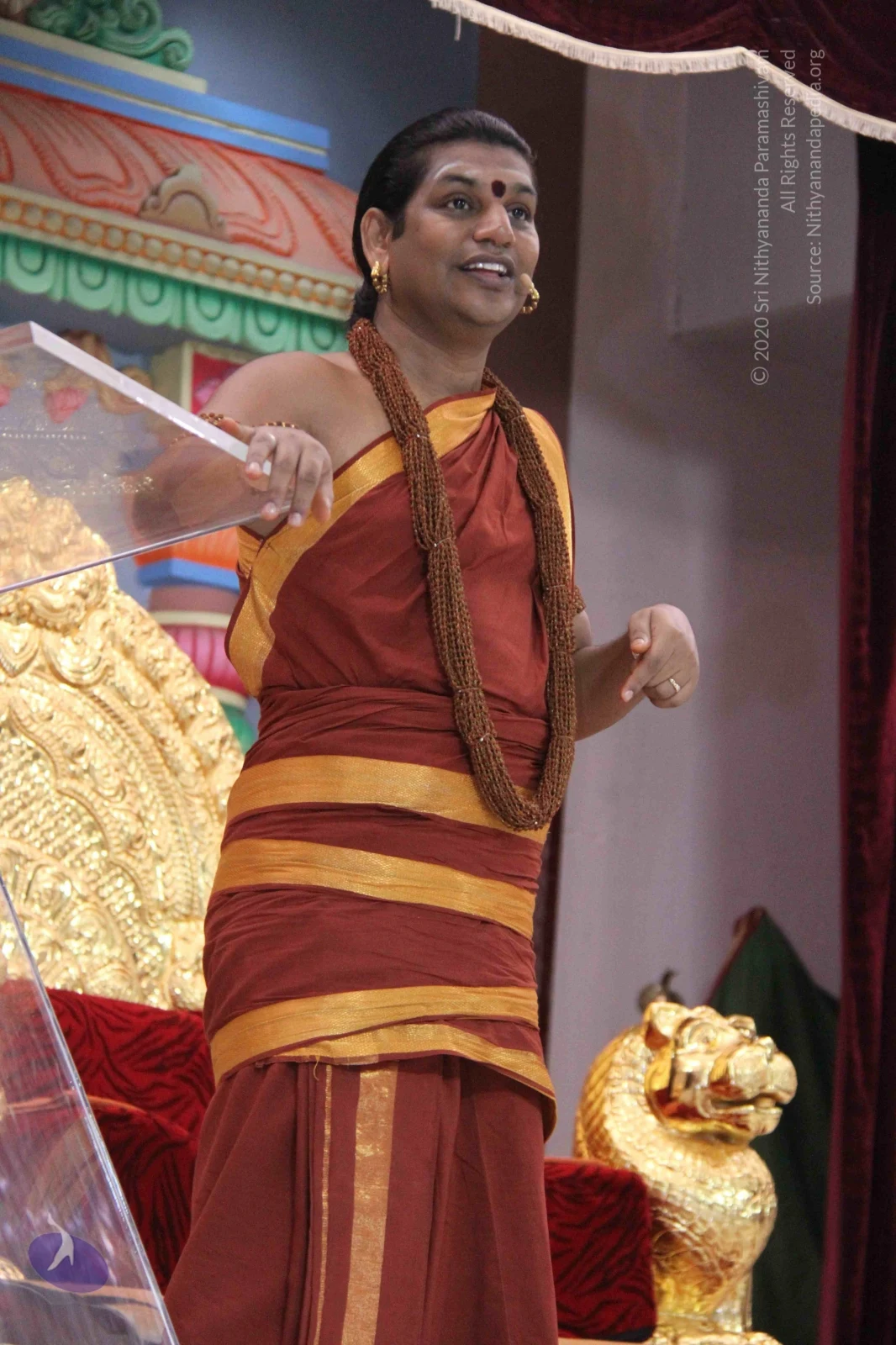
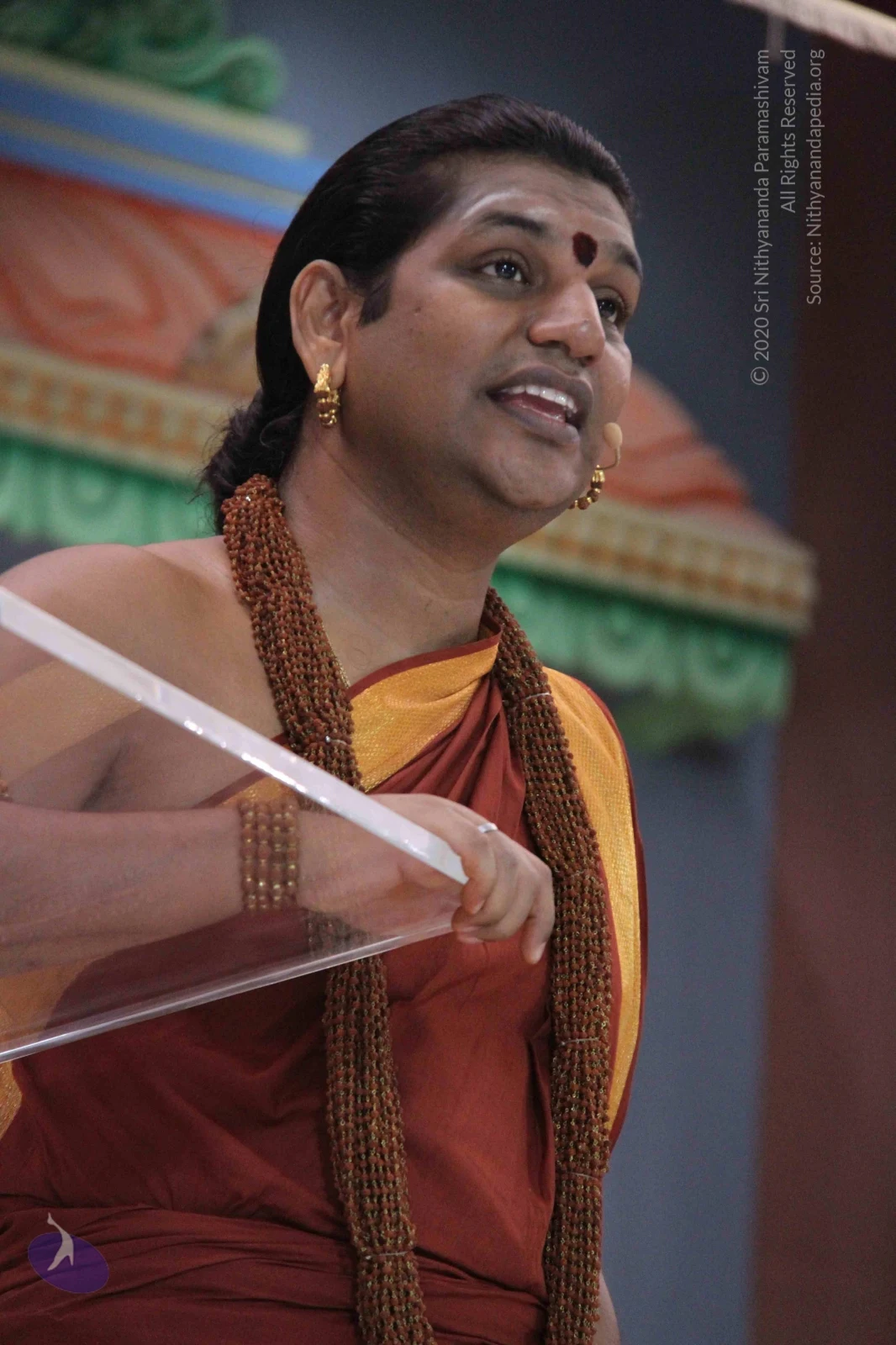
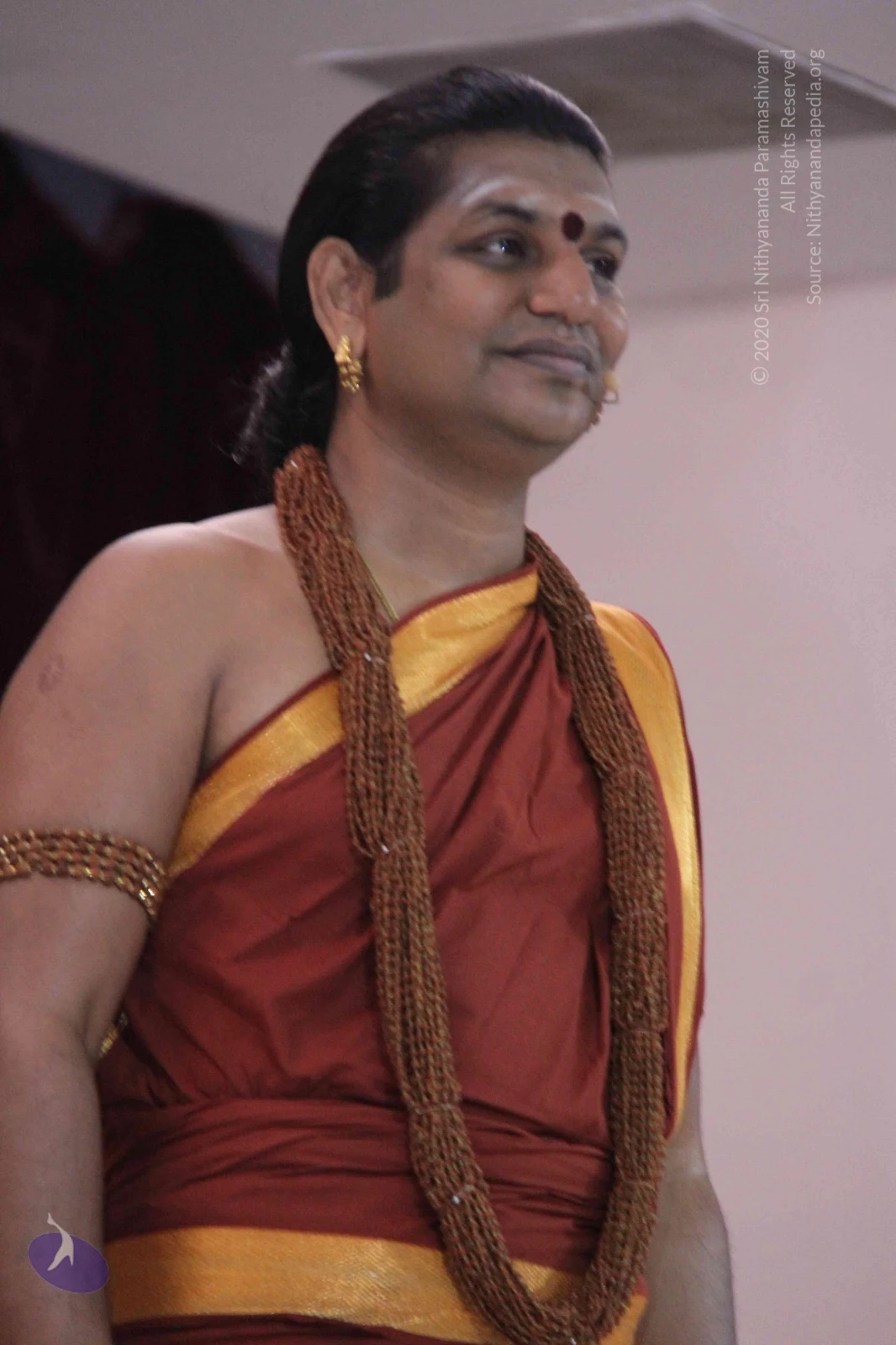
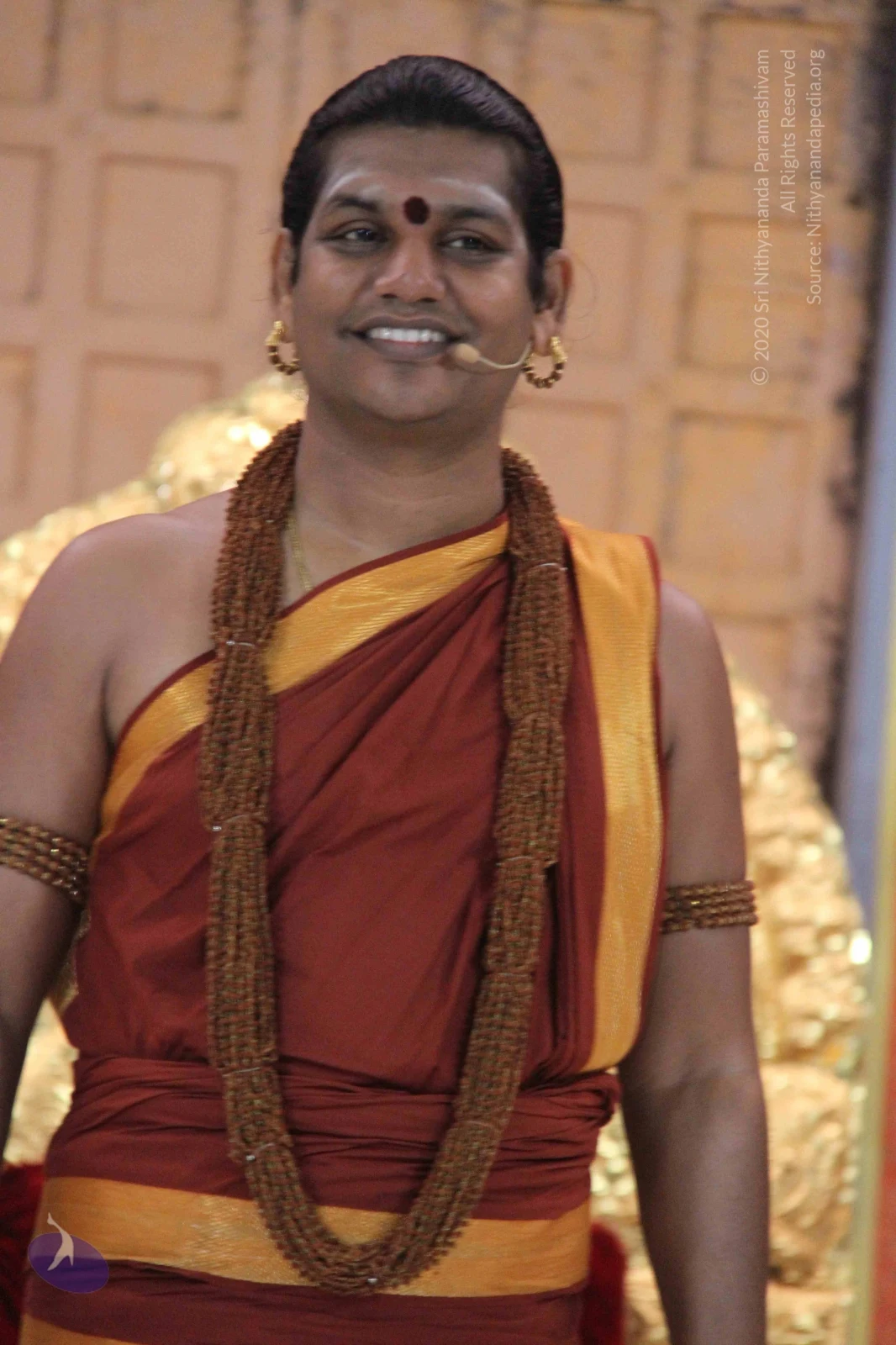
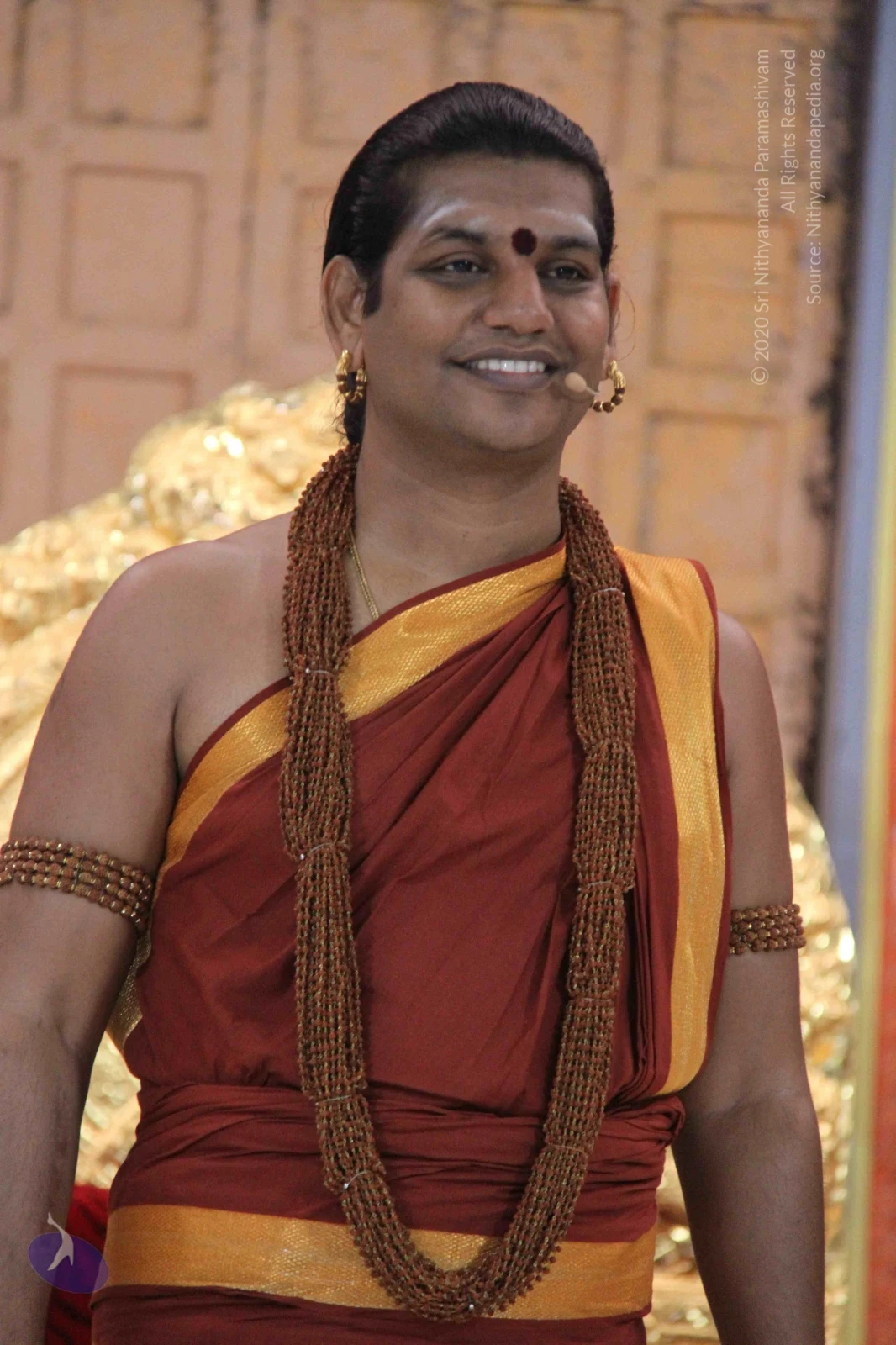
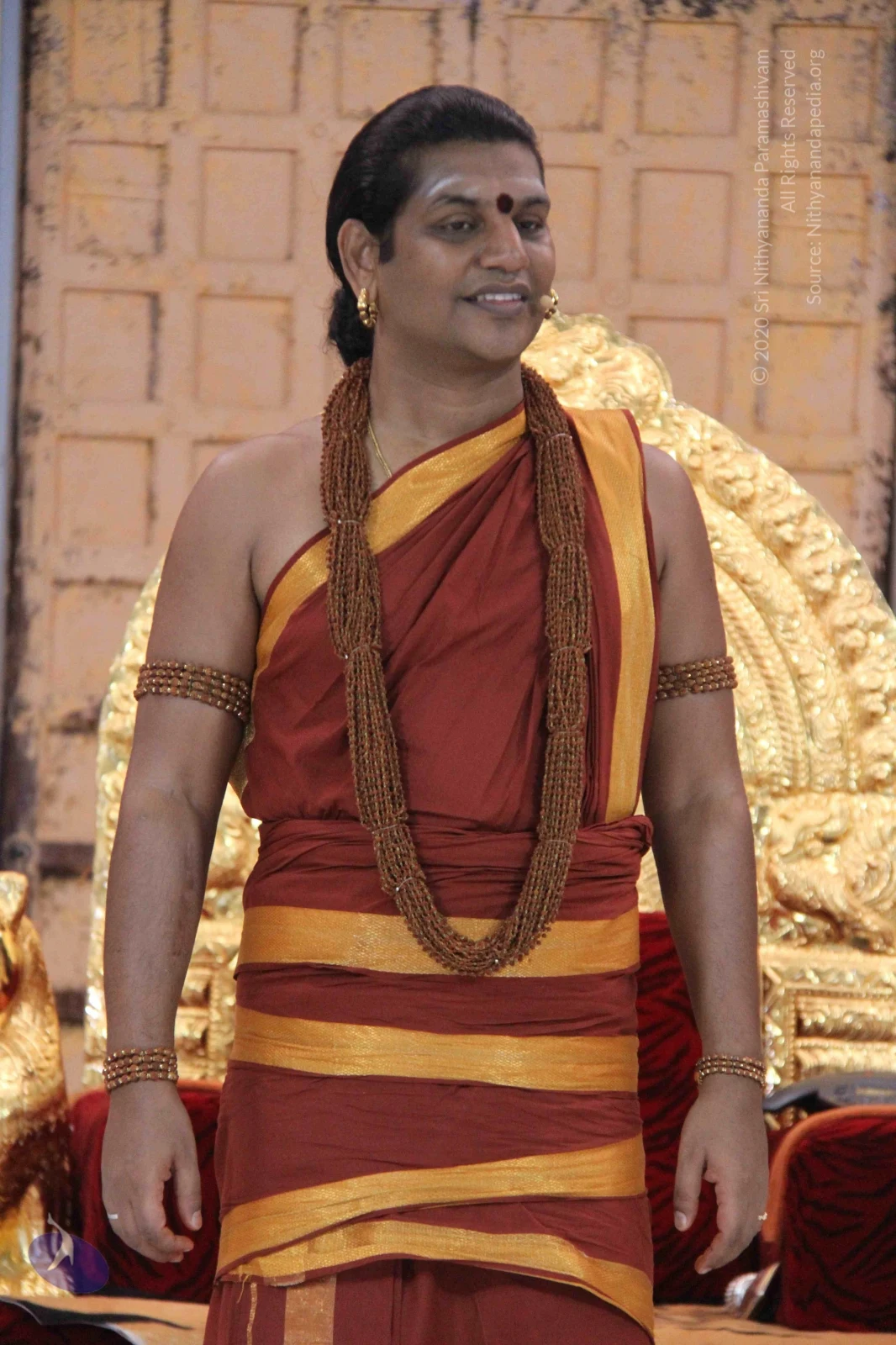
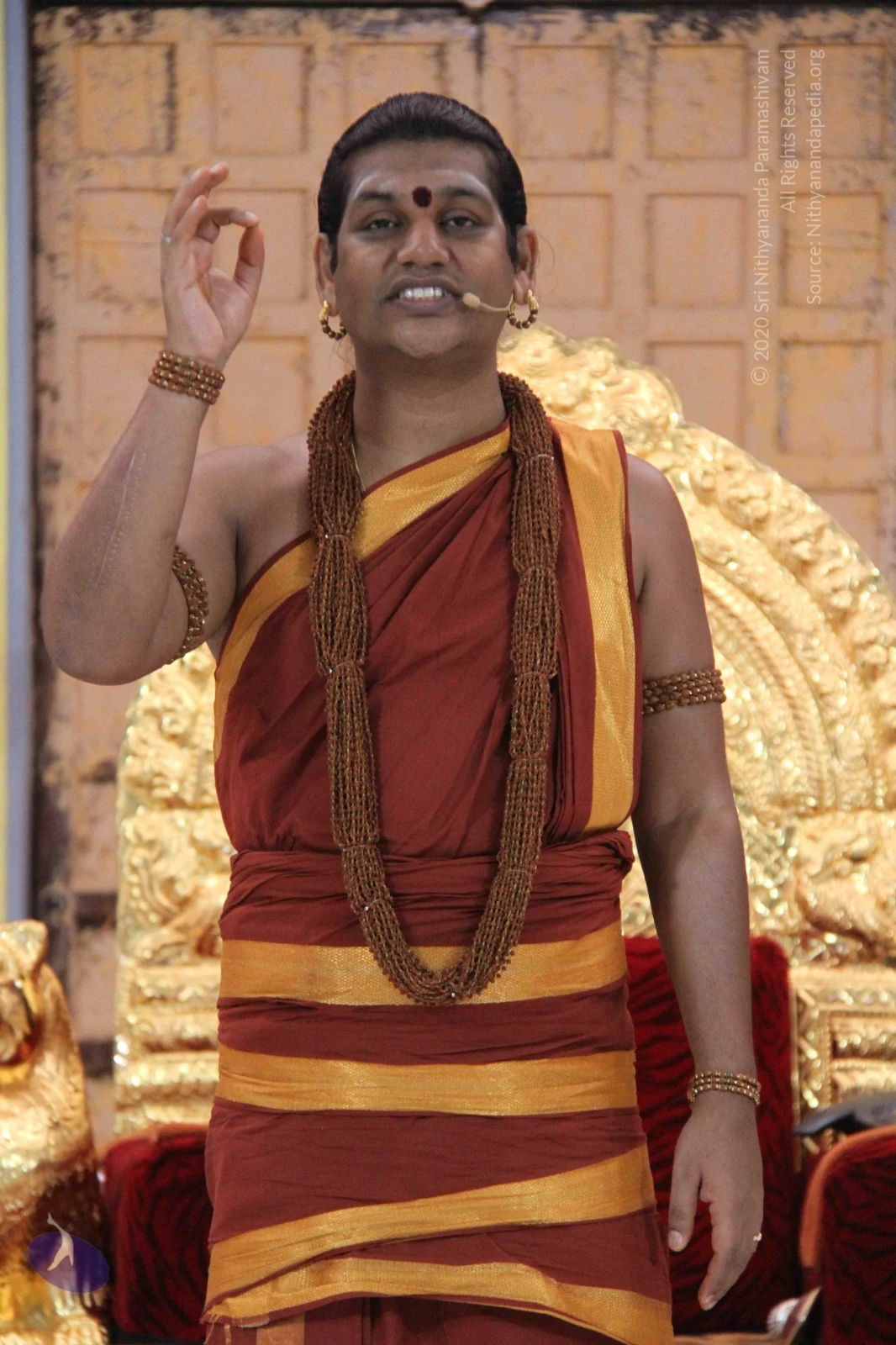
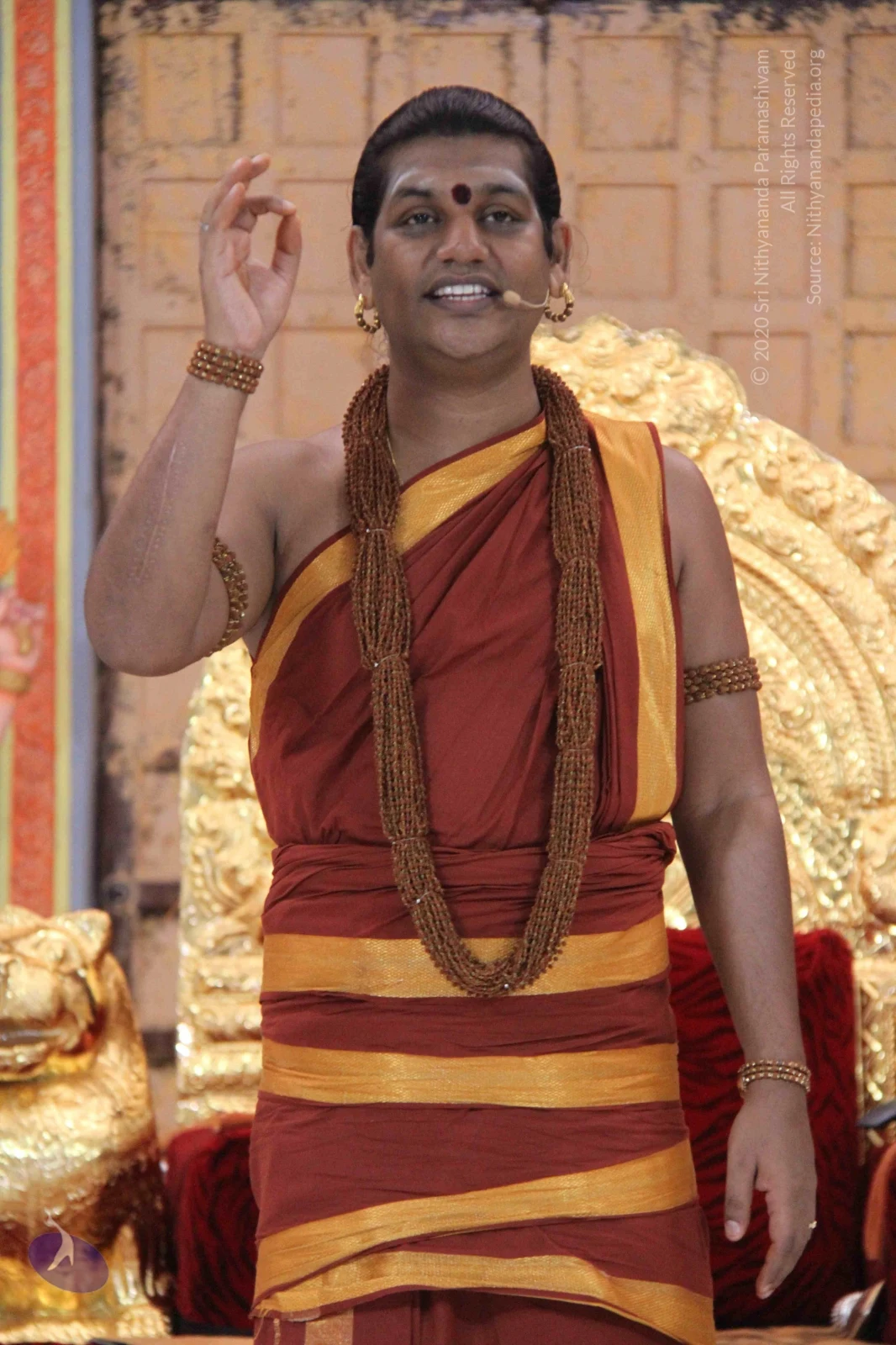
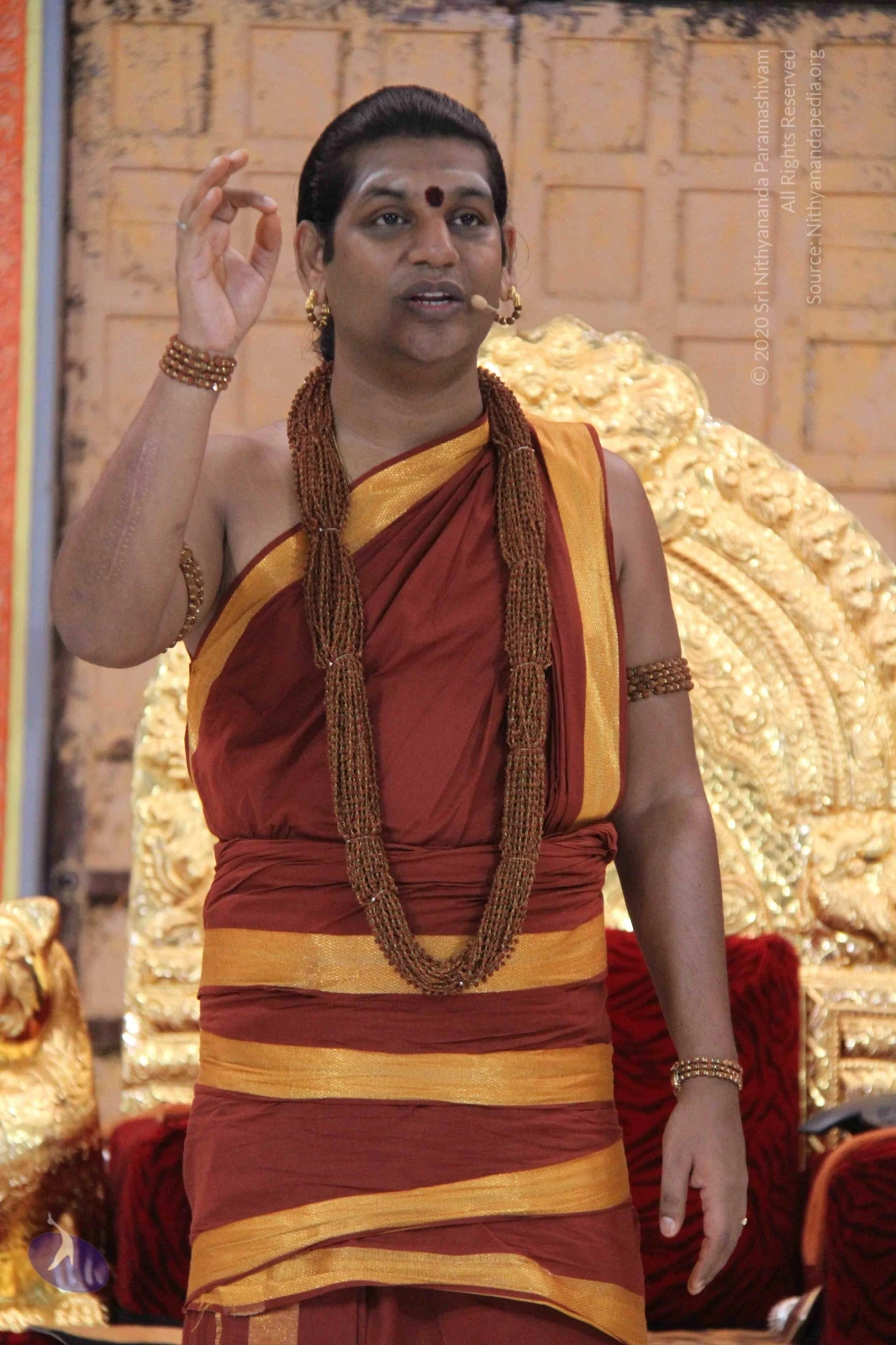
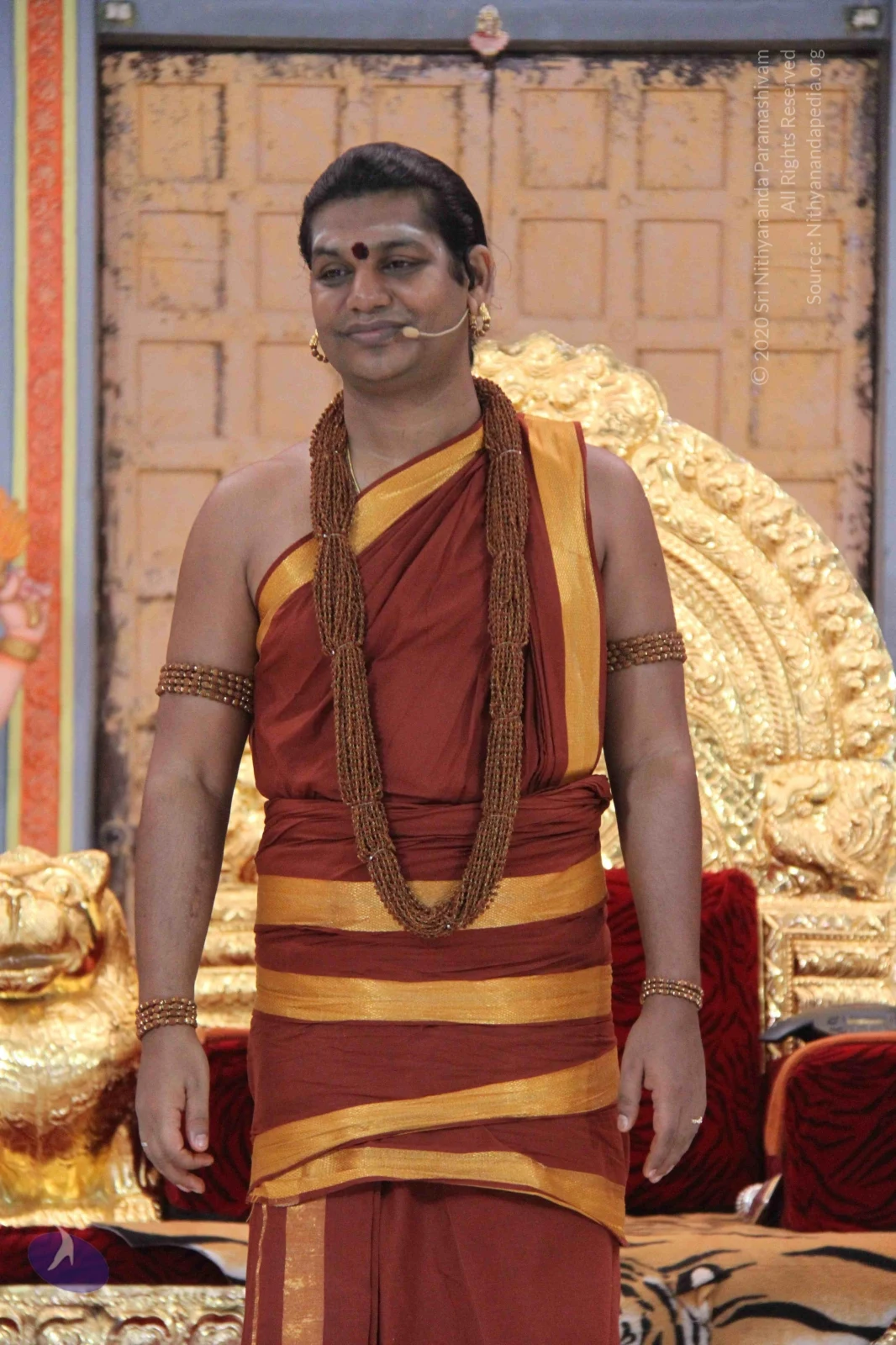
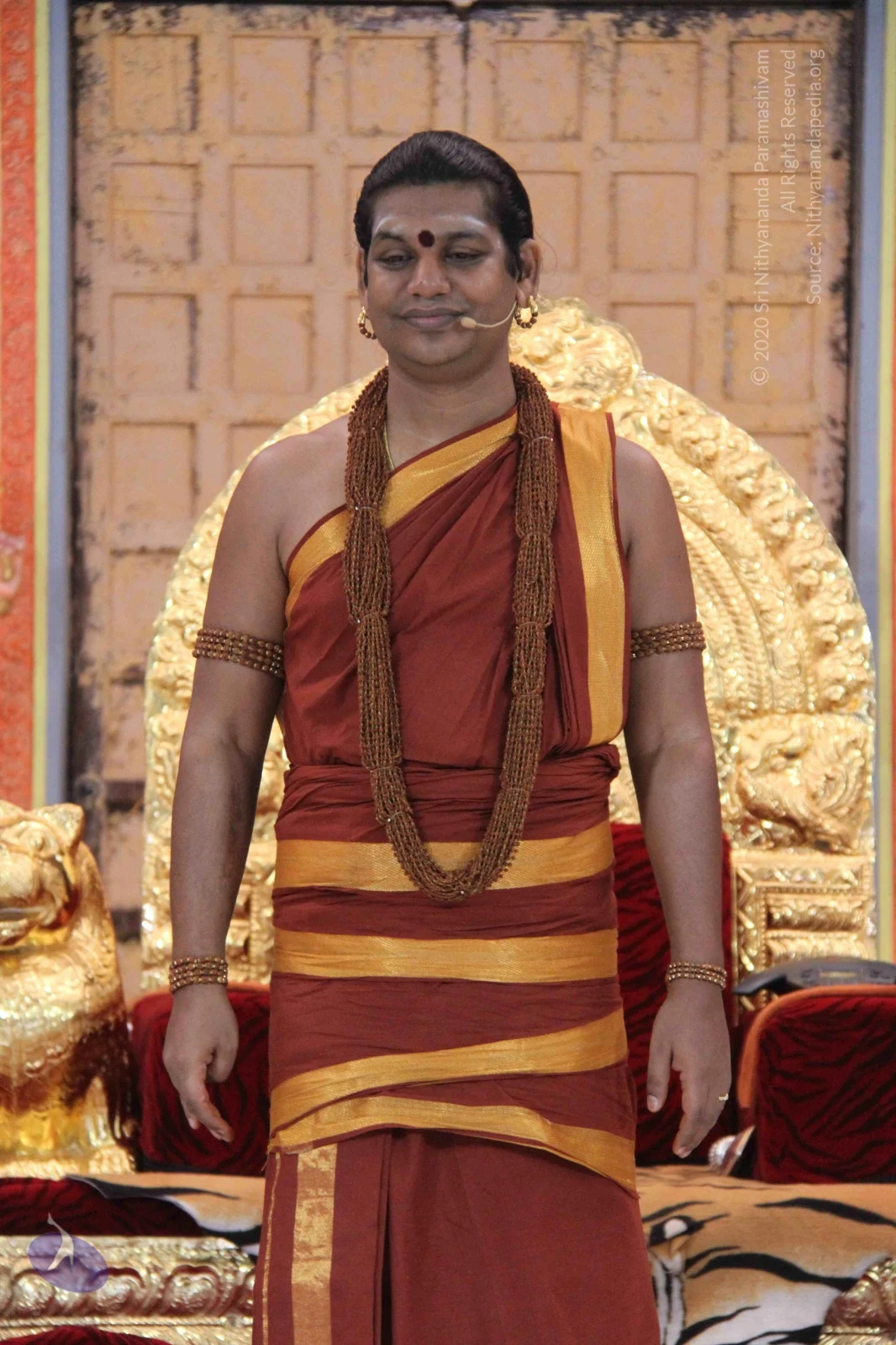
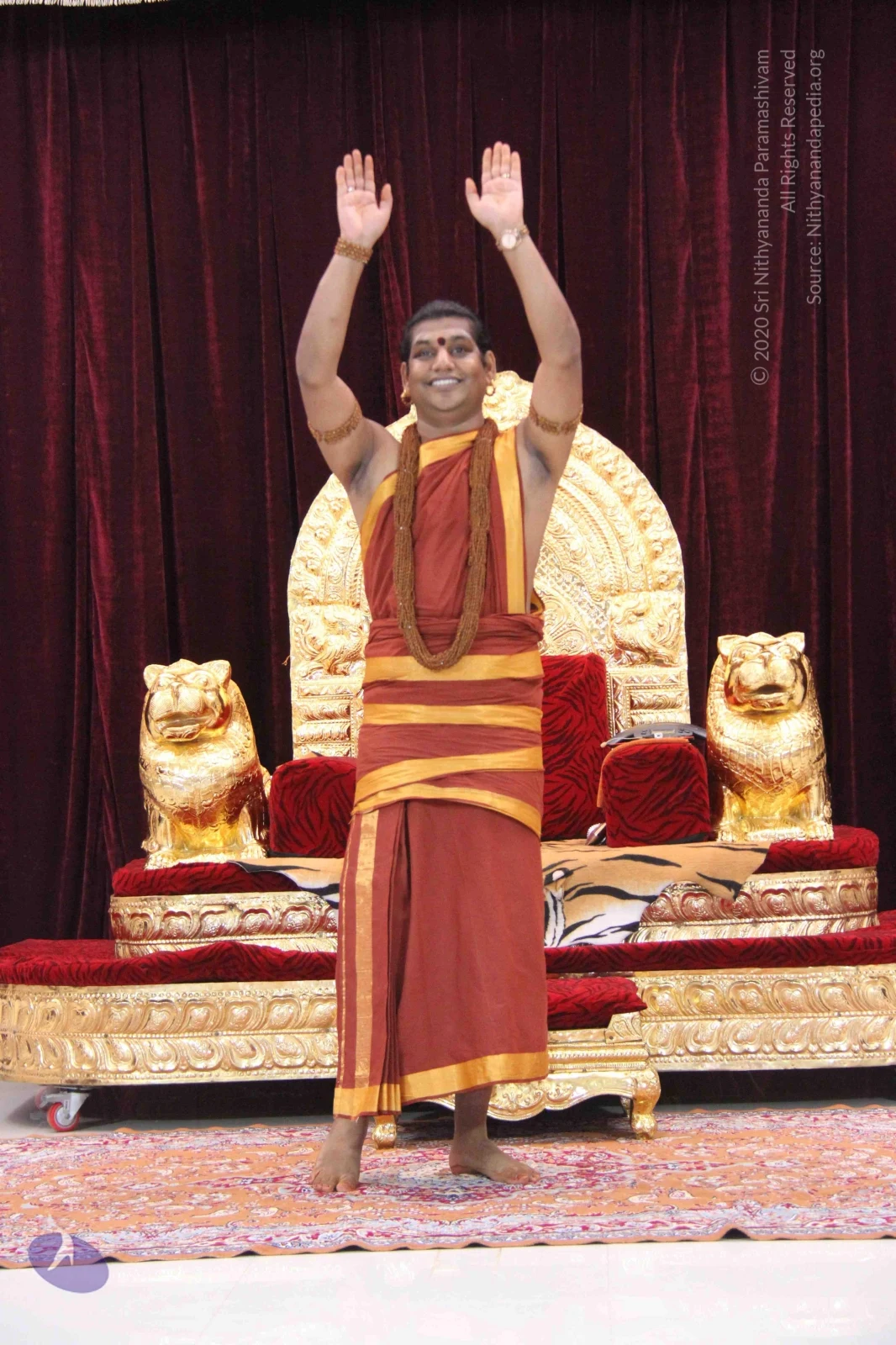
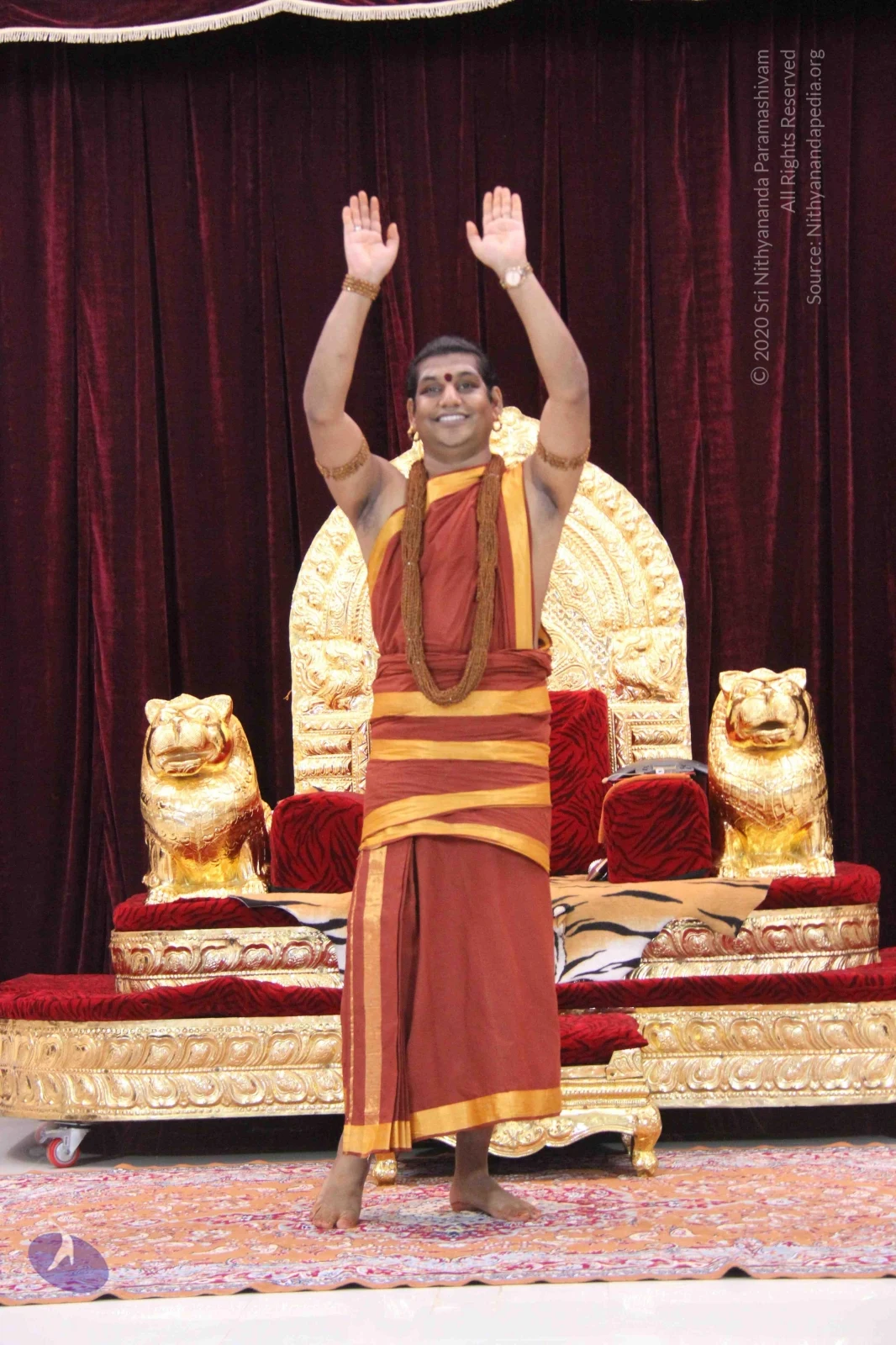
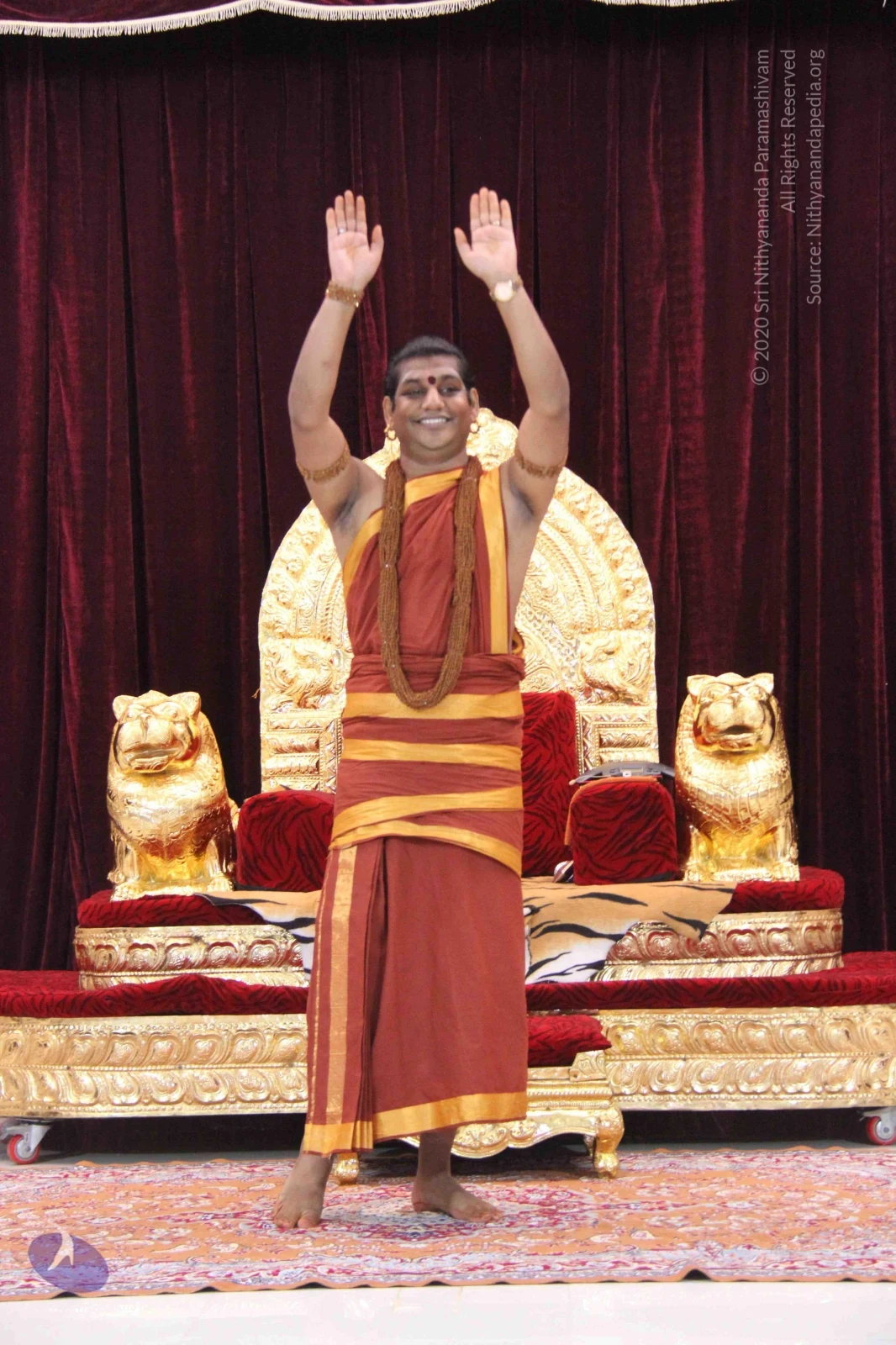
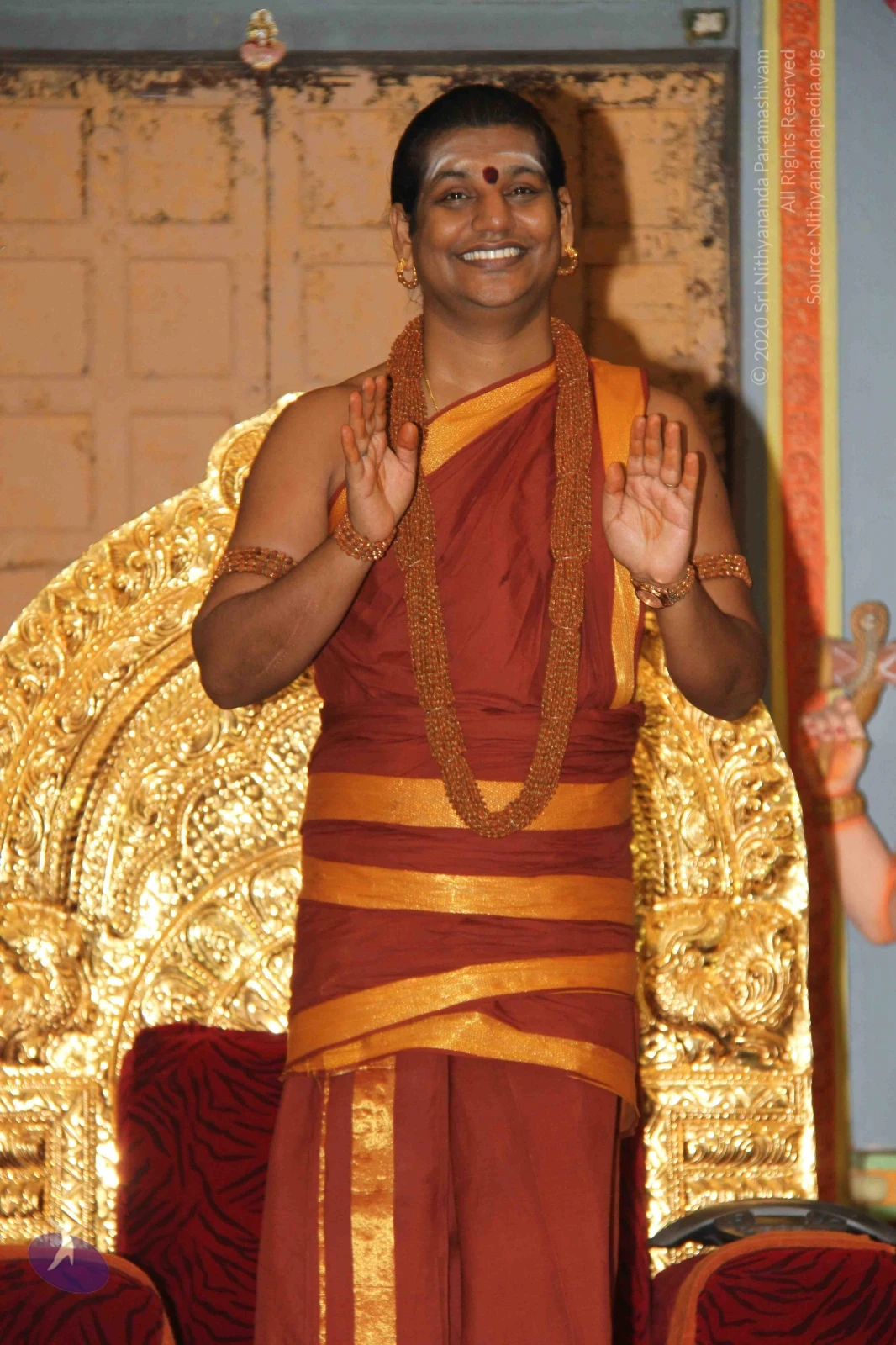
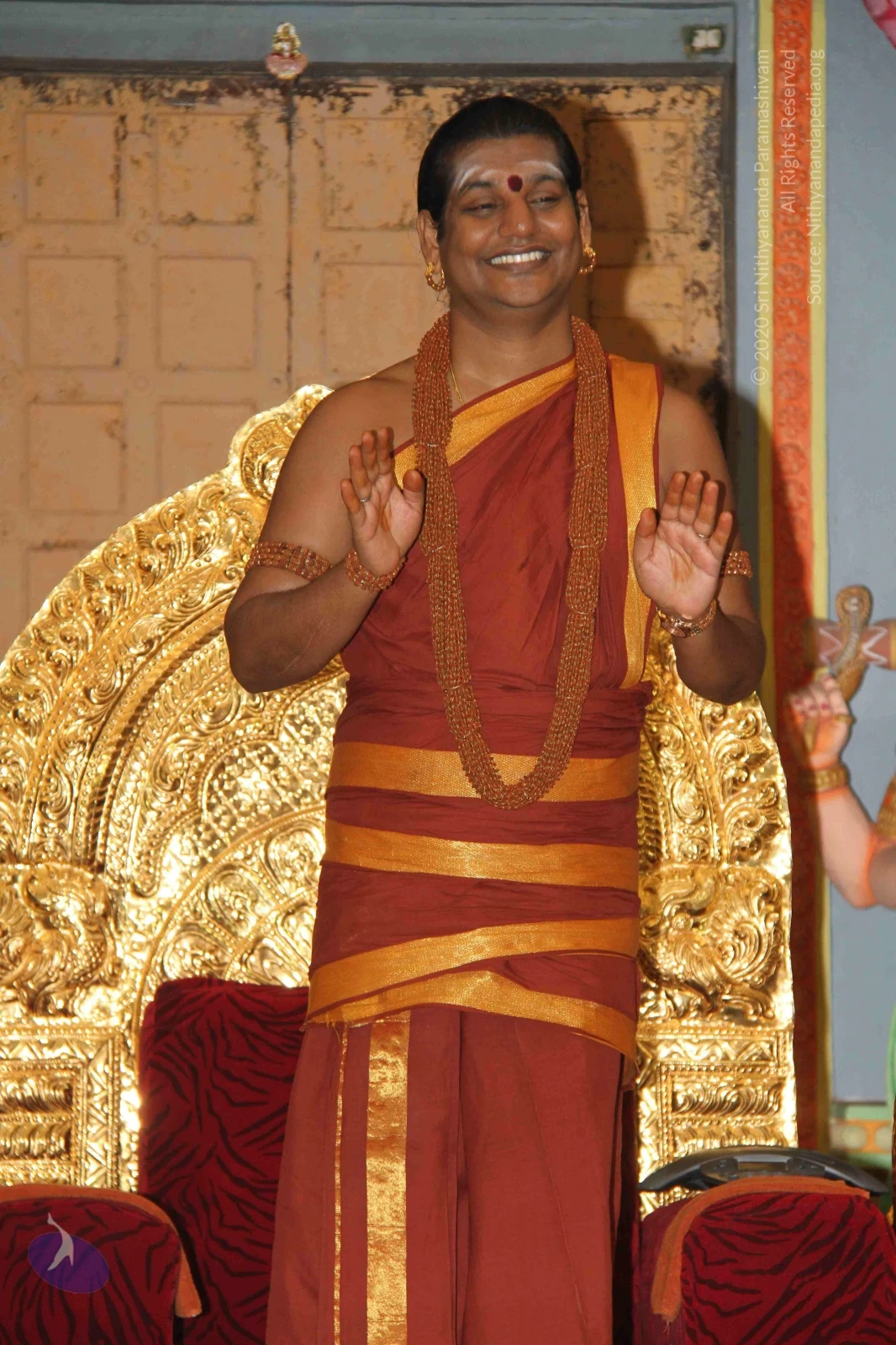
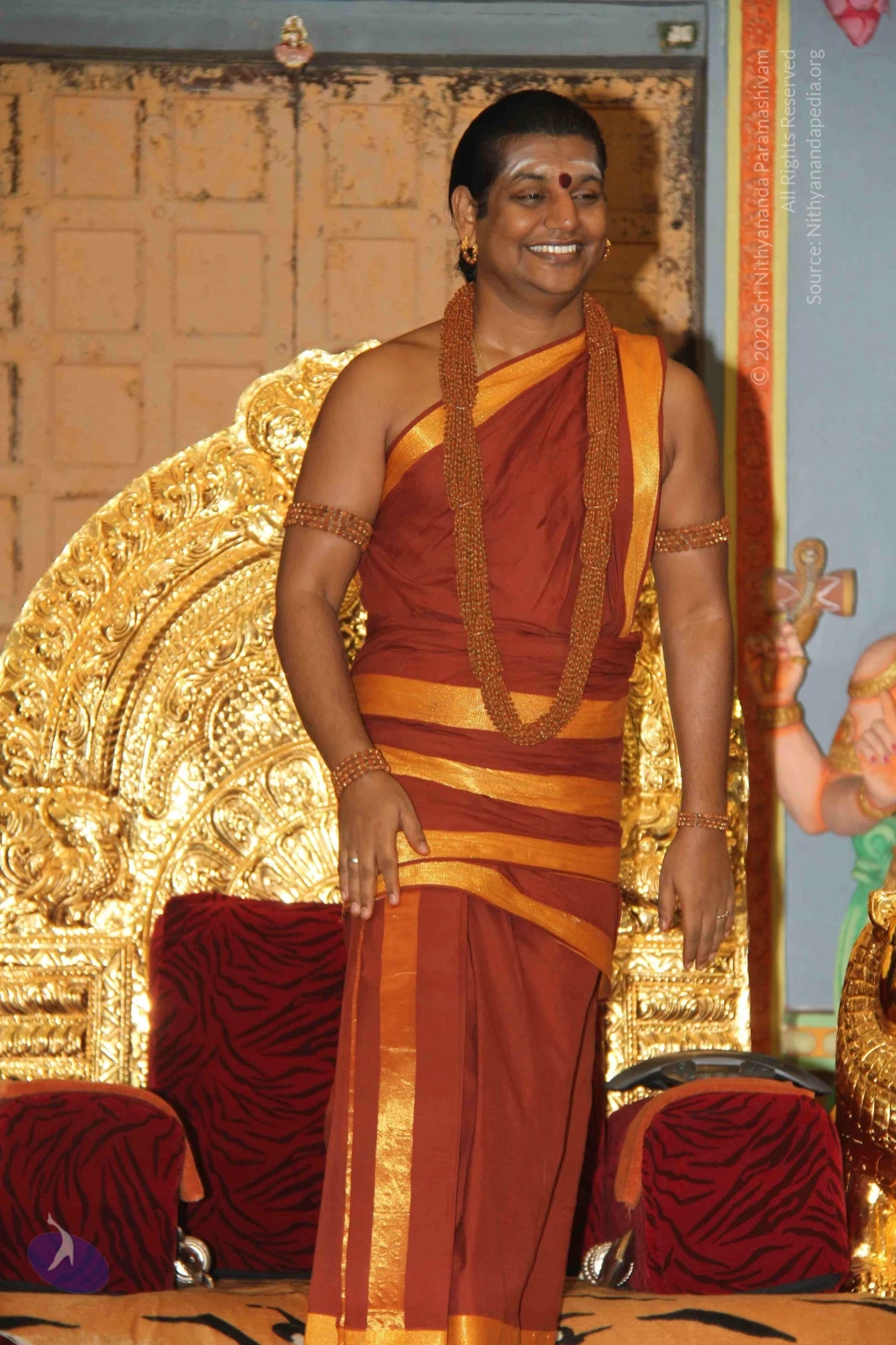
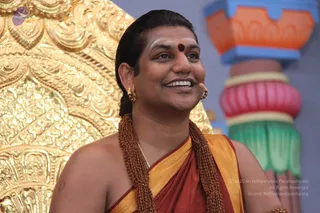
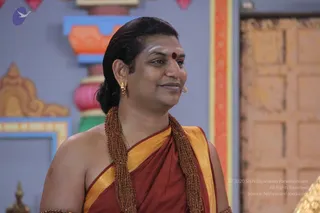
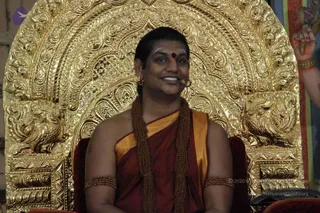
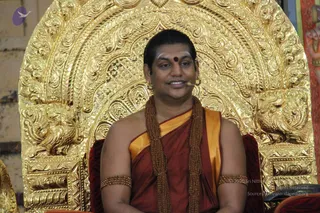
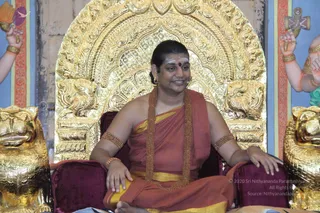
A smiling man with a short dark hairstyle pulled back and a red bindi on his forehead sits in front of an ornate gold throne-like backdrop. He wears a red-brown and gold-bordered cloth, a long brown rudraksha mala draped over his shoulders, gold earrings and a small headset microphone. Behind him a colourful pillar with orange, pink and green painted segments is visible.A man with swept-back dark hair in a low bun, a red bindi, and a small lapel microphone stands in front of a painted temple-style backdrop with orange and pink pillar motifs. He wears a maroon-red sannyasi wrap with gold-bordered edges, a long brown rudraksha-style mala necklace, and a gold earring. Swamiji (probable) appearance cues: distinctive swept-back hair, rudraksha mala and saffron-red ornate clothing, with a gold chain; his role is a seated-lecturing sannyasi speaking to the gathering. The setting is a stage at a satsang-style event.A man speaks at a clear acrylic lectern while smiling and looking upward, wearing a small red bindi, a rust-red and saffron-gold robe draped over one shoulder, long rust-brown rudraksha mala strands, gold drop earrings and a headset microphone. Behind him a painted temple-style backdrop shows orange, blue and green decorative bands. One person is visible; the appearance is consistent with a person giving a discourse, with the speaker's role on a stage.A seated man in maroon and saffron-gold robes sits before an ornate gilded throne (peetha) with carved lion-like motifs. He wears a rudraksha mala with multiple strands at the neck, matching beaded armlets, a red bindi and a vertical white tilak, and a small clip-on microphone is attached near his cheek. He smiles toward the audience. a person: the seated man wears rudraksha malas and ornate gold-toned throne setting, consistent with a discourse setting, though the cues are limited to adornments and the throne.A smiling man with short dark hair and a red bindi sits on an ornate gold throne with carved scrollwork and mythical bird-like figures. He wears a deep red and saffron robe over one shoulder, long rudraksha malas hang from his neck, and beaded armlets sit on his upper arms. A small headset microphone is attached near his face. A hand in a red sleeve appears at the upper right edge. a person appears as the seated teacher in a satsang setting, though the figure's appearance is only partly matched by the cues.A seated man in a rust-red and saffron-orange robe sits before an ornate gold repoussé throne with carved lion-like figures and scrolling foliage. He wears a red bindi, a sandalwood or vibhuti forehead mark, beaded rudraksha-style necklaces, gold armlets and a small microphone clipped near his mouth, and is speaking with a slight smile. A red and gold backdrop is visible at the right edge. Presence of a candidate matching the page's description is an appearance-based judgment: the long hair, rudraksha malas and saffron-toned robe are present, but the face and features are not used for identification, so the appearance label is unsure.

SarvaDarshan

1 photoSource gallery
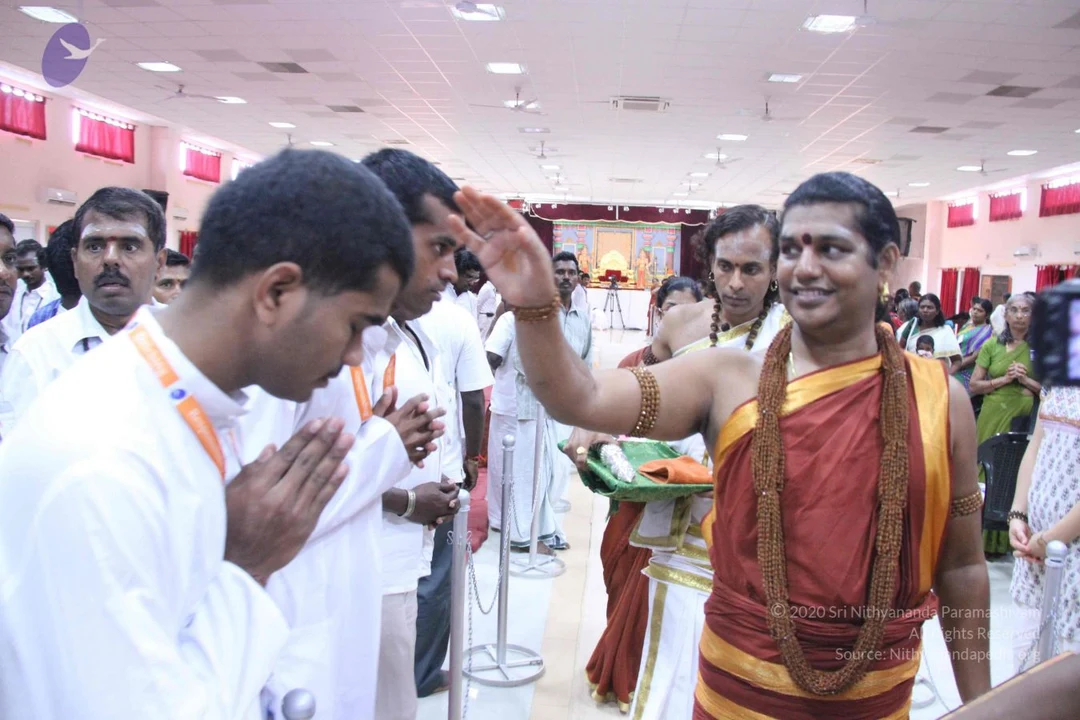
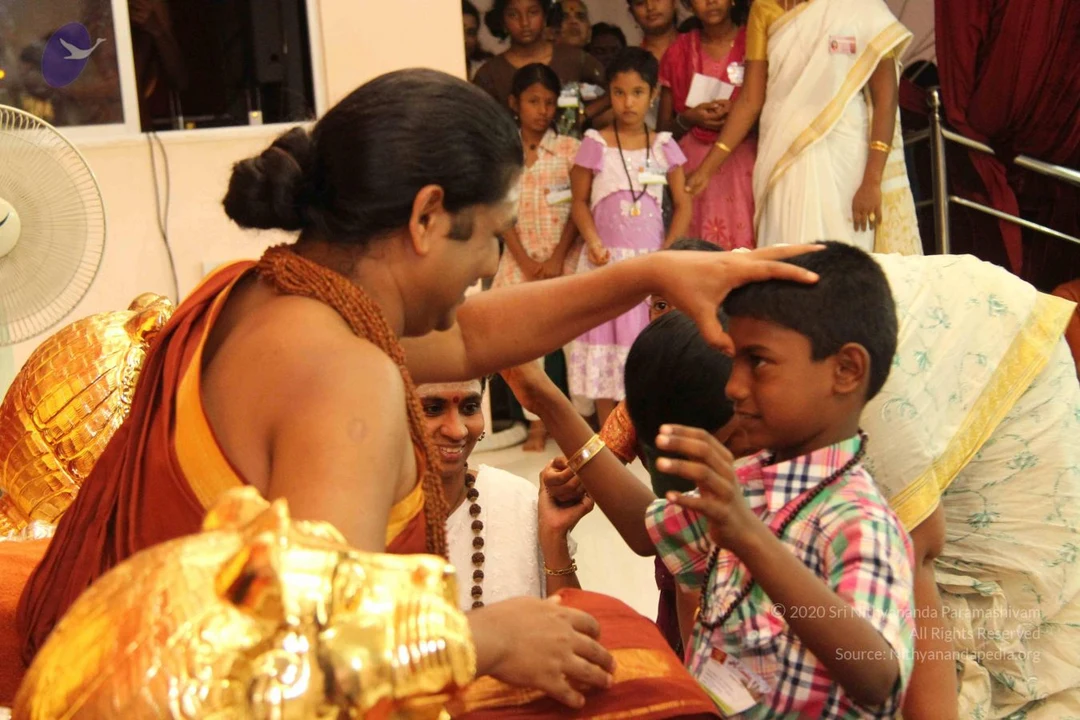
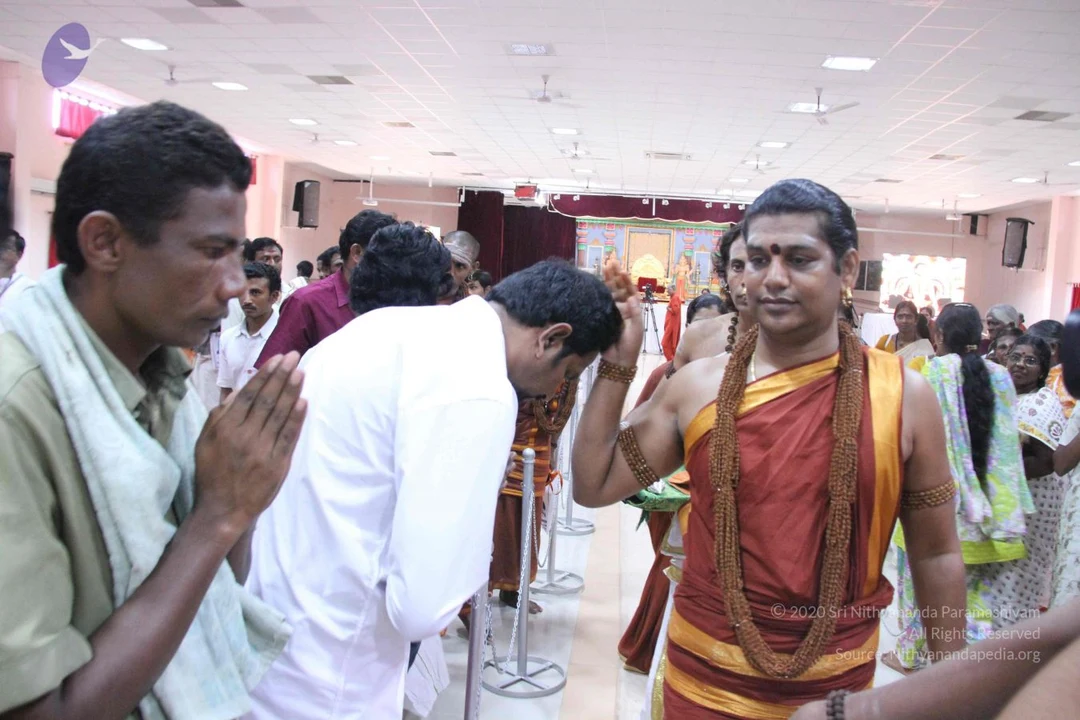
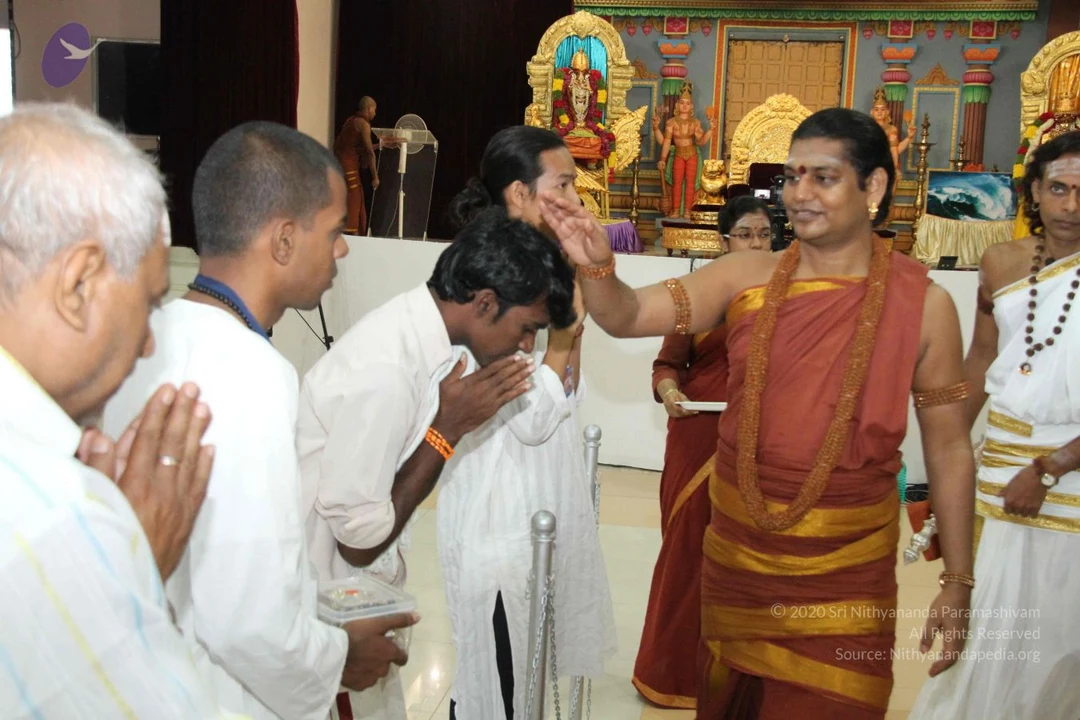
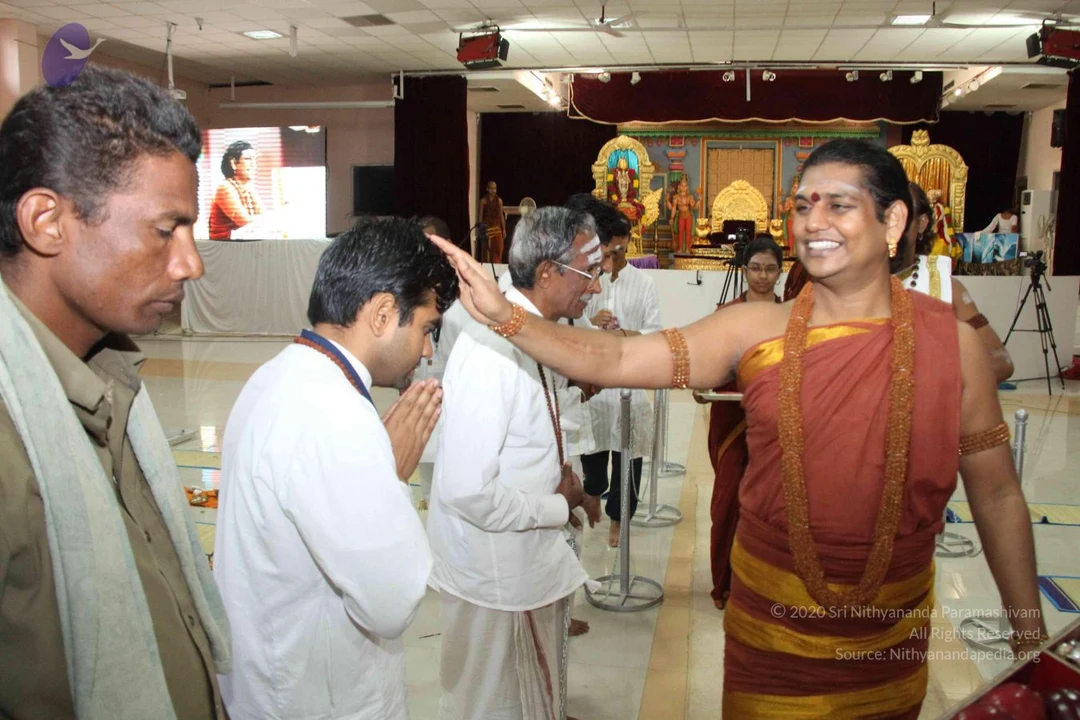
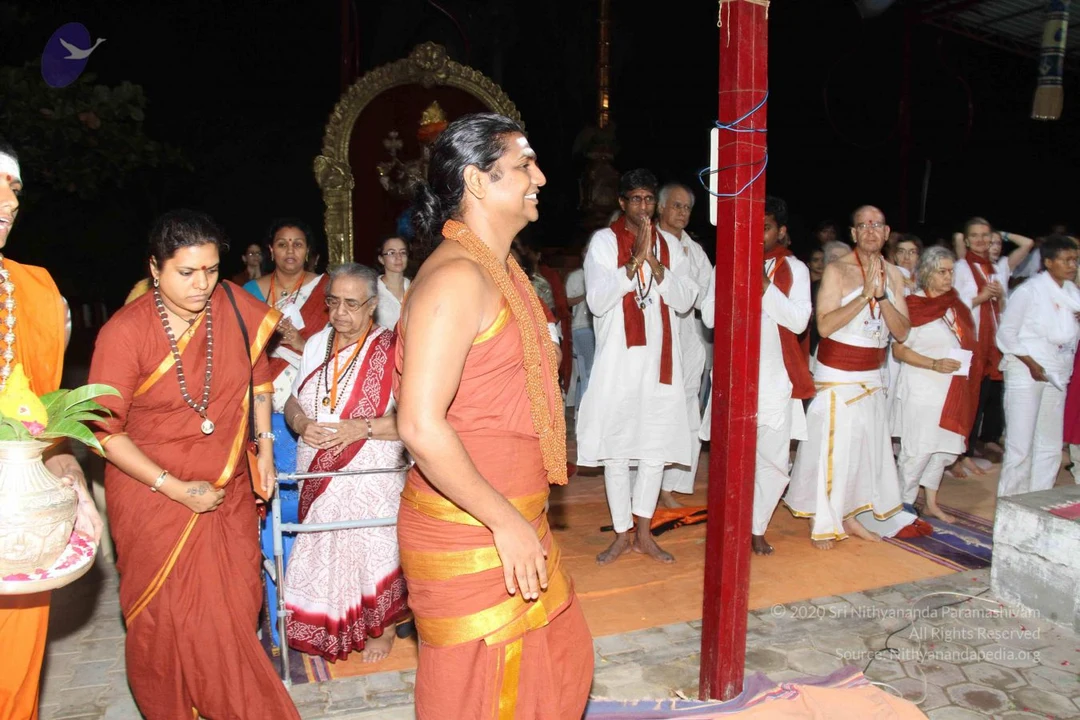
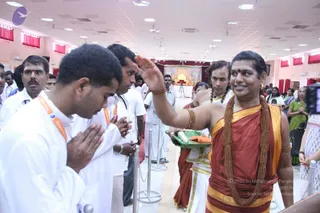
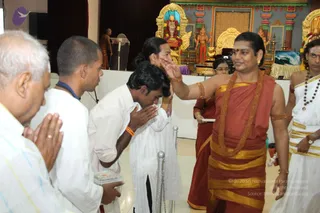
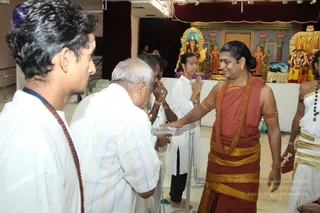
A photograph of an indoor hall where a bare-shouldered man in a rust-red and gold-bordered dhoti stands on the right, raising one hand in blessing while holding a green tray. He wears a rudraksha mala, gold armband and a red bindi, with long hair pulled back. Beside him a man in white holds a tray and another man in a saffron-bordered white shirt stands with hands joined in namaste. Other devotees in white, one in a green sari, and a seated woman in a patterned sari stand along a rope barrier. A decorated altar with a deity murti and a red curtain is visible in the background. Count of visible people is more than twenty.

Nithya Kriya Yoga - Darshan

91 photosSource gallery
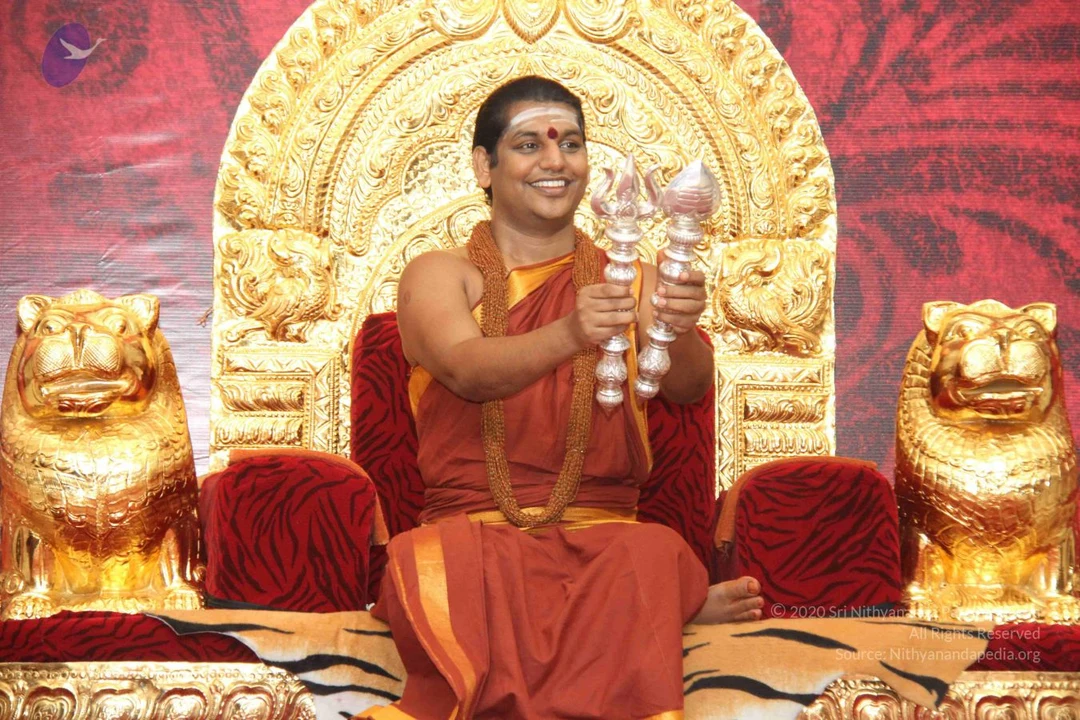
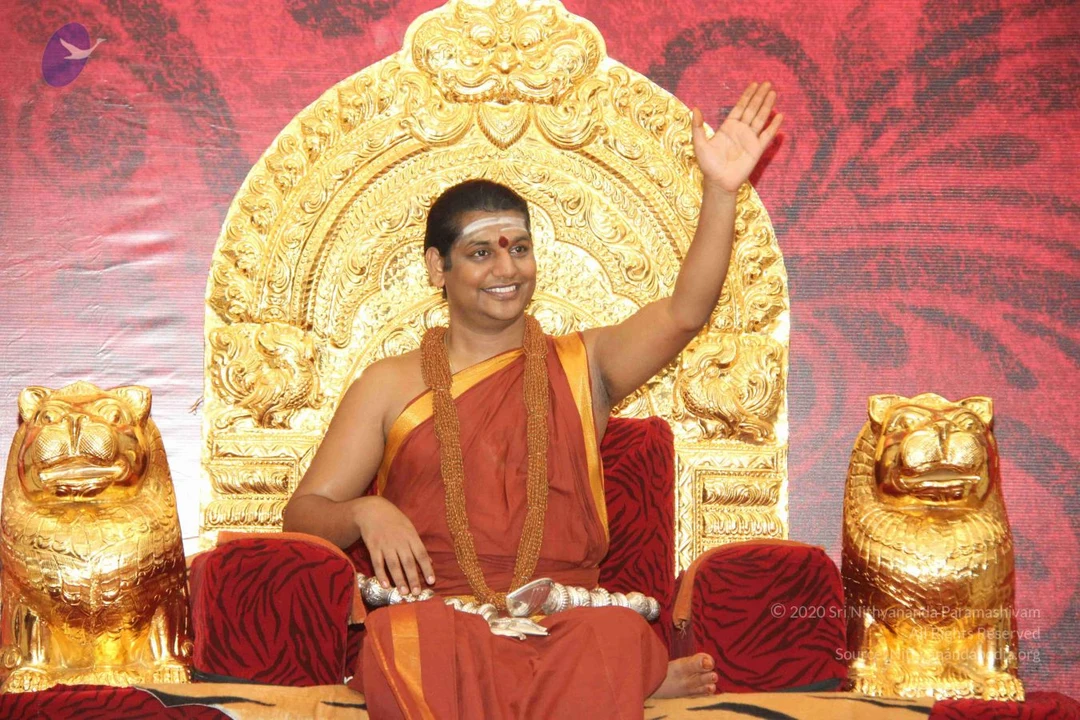
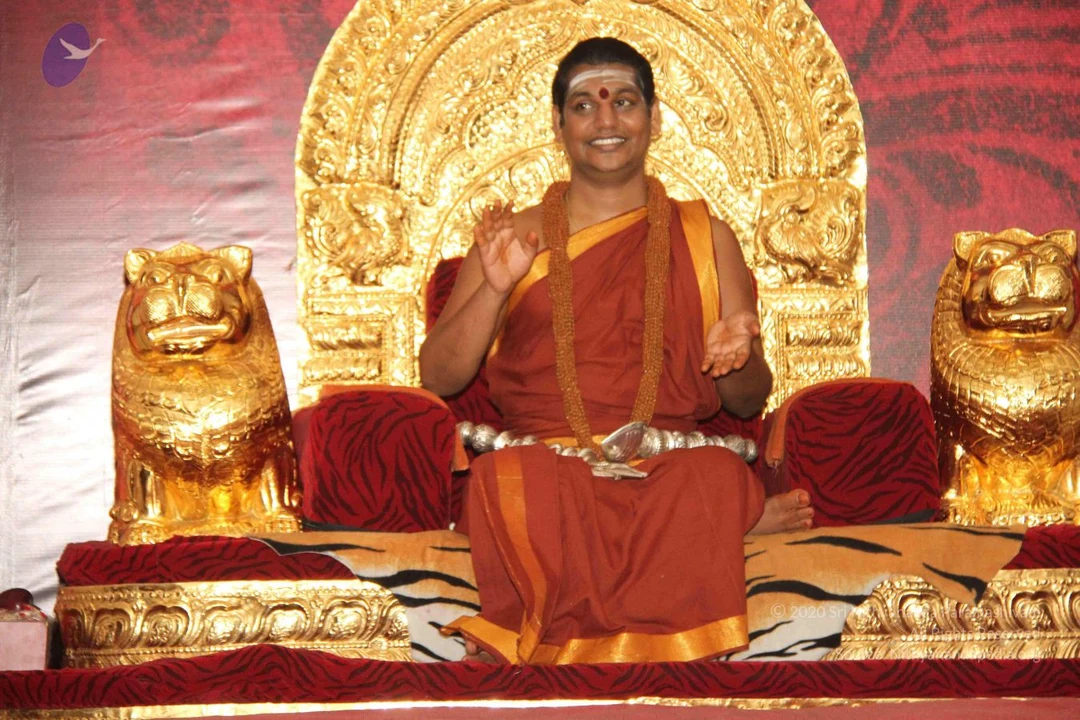
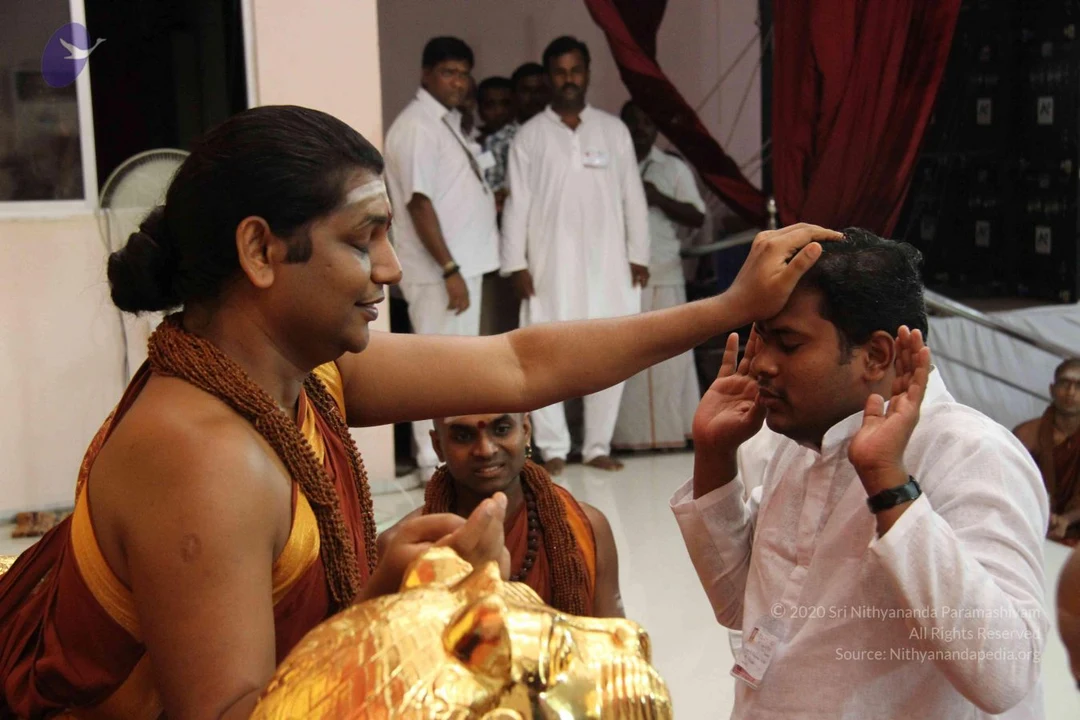
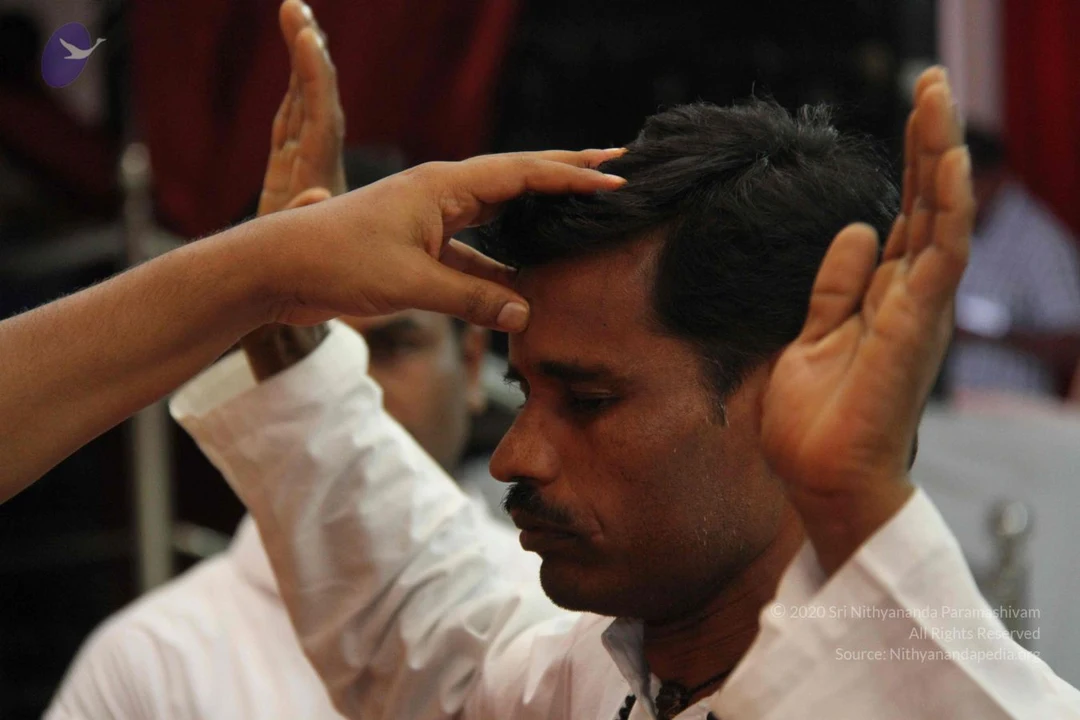
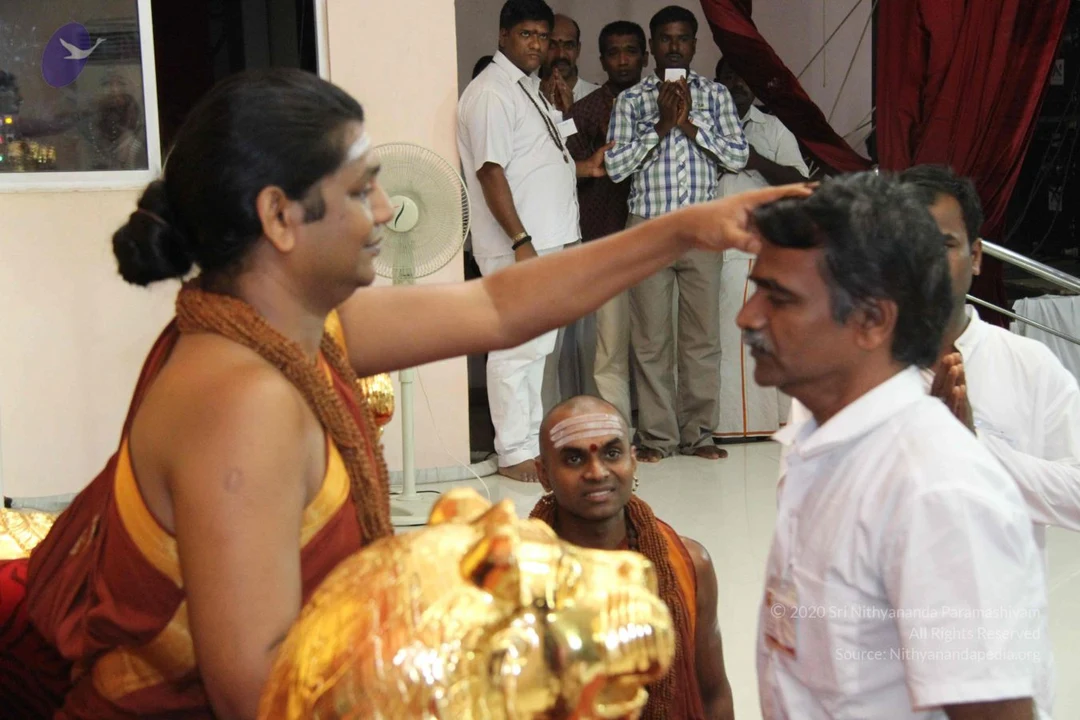
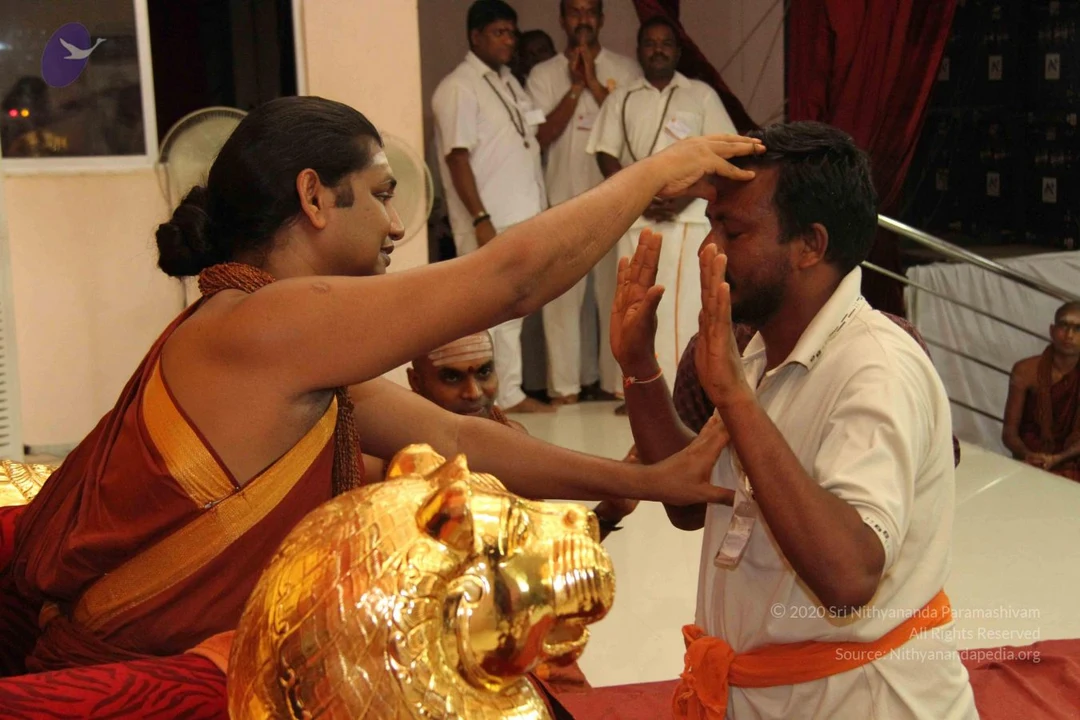
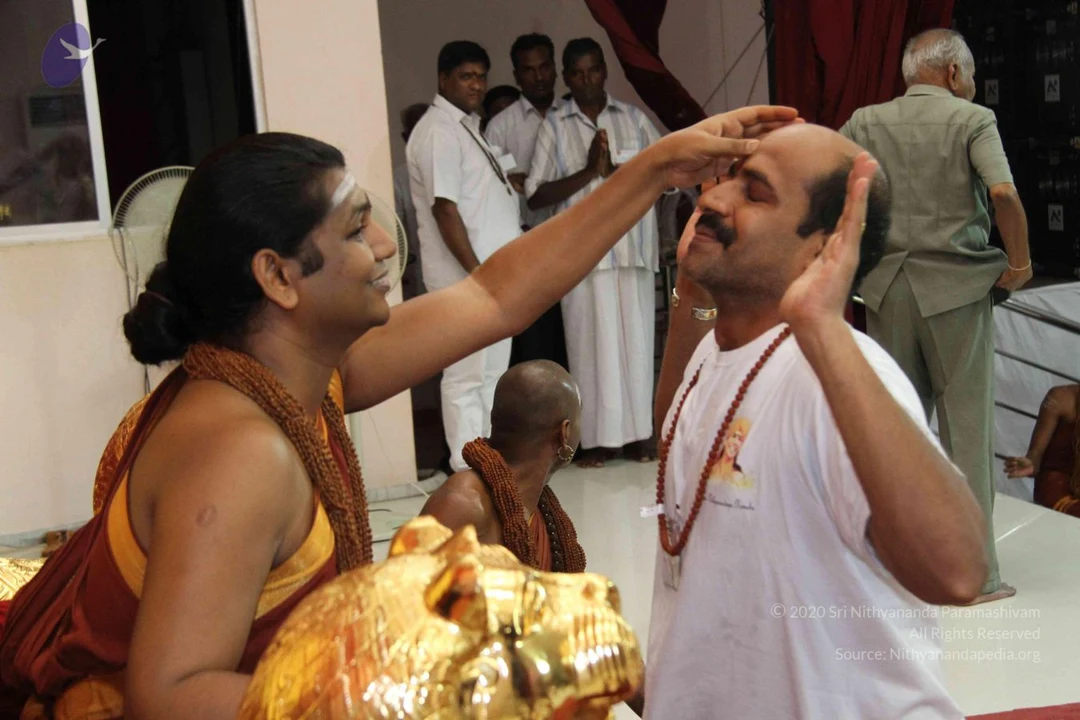
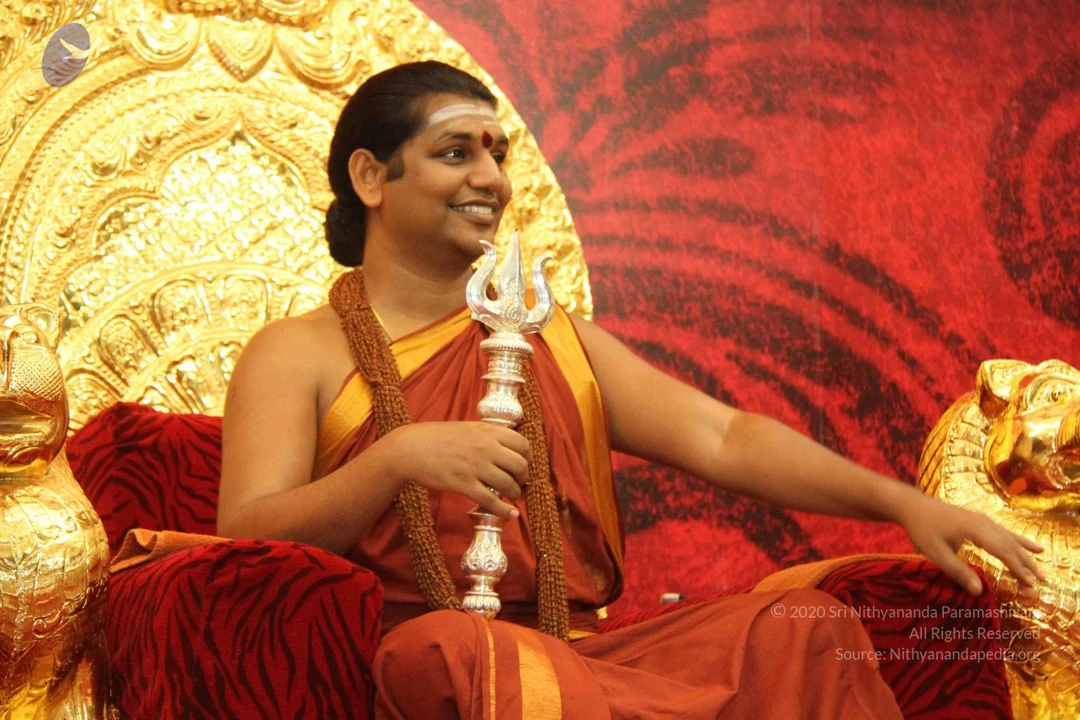
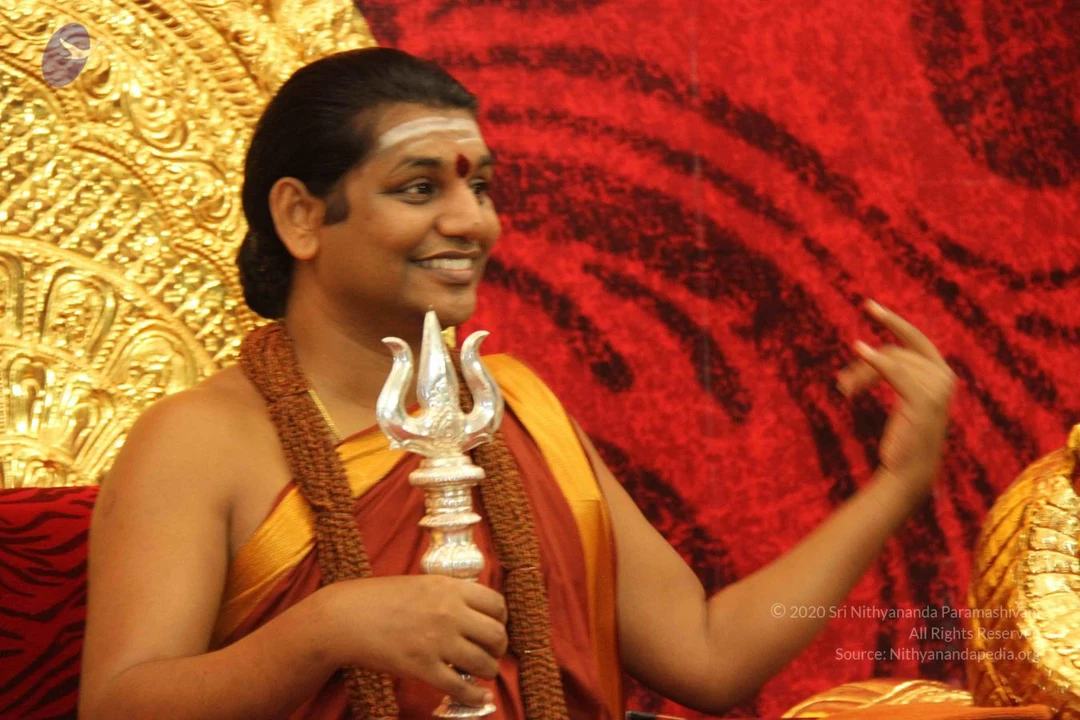
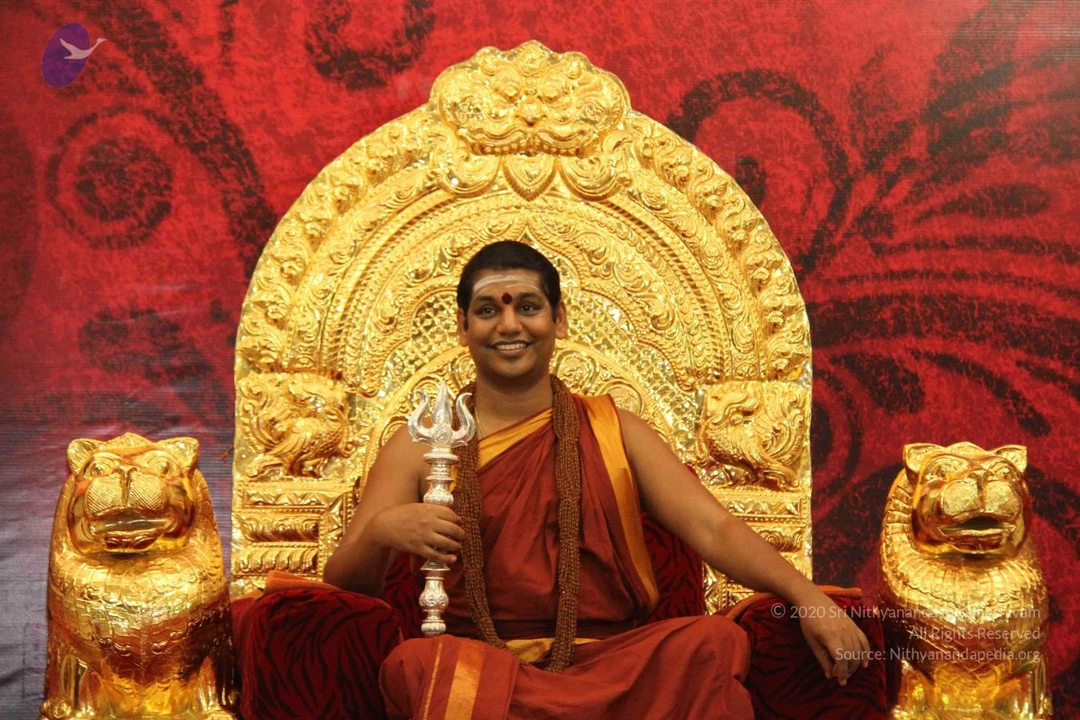
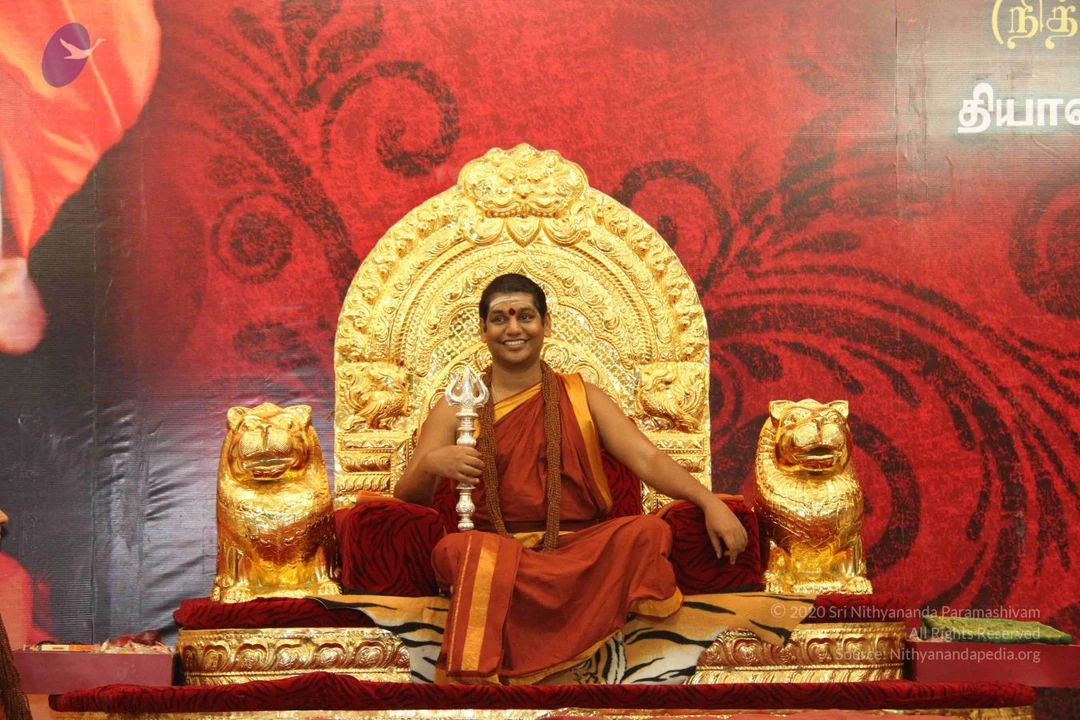
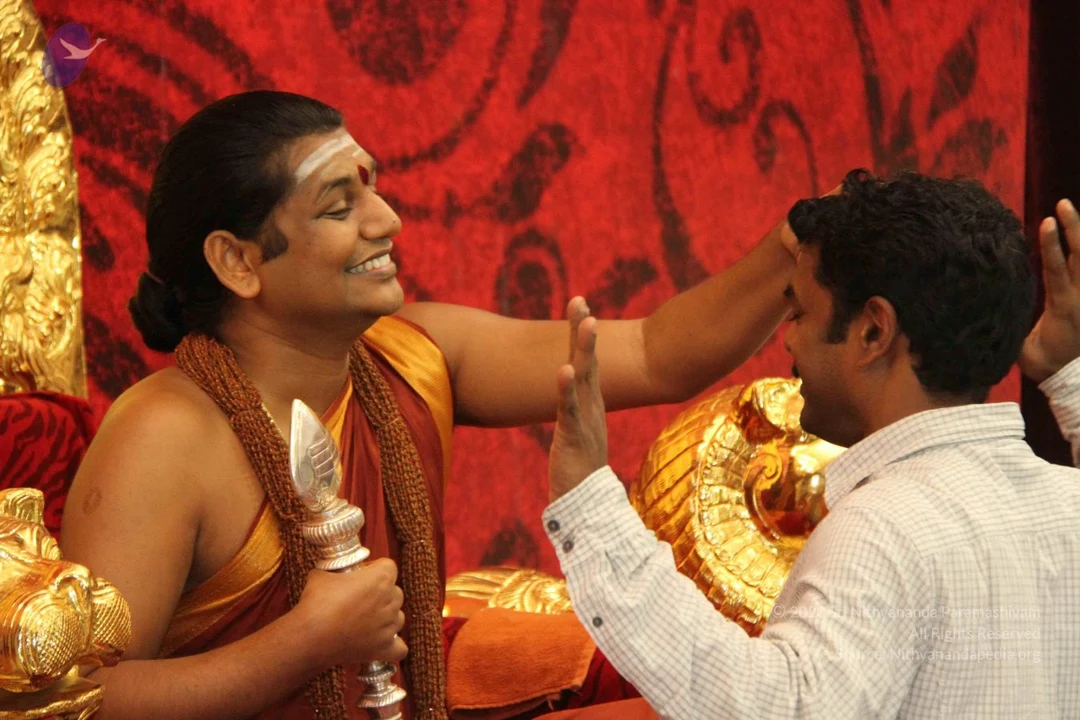
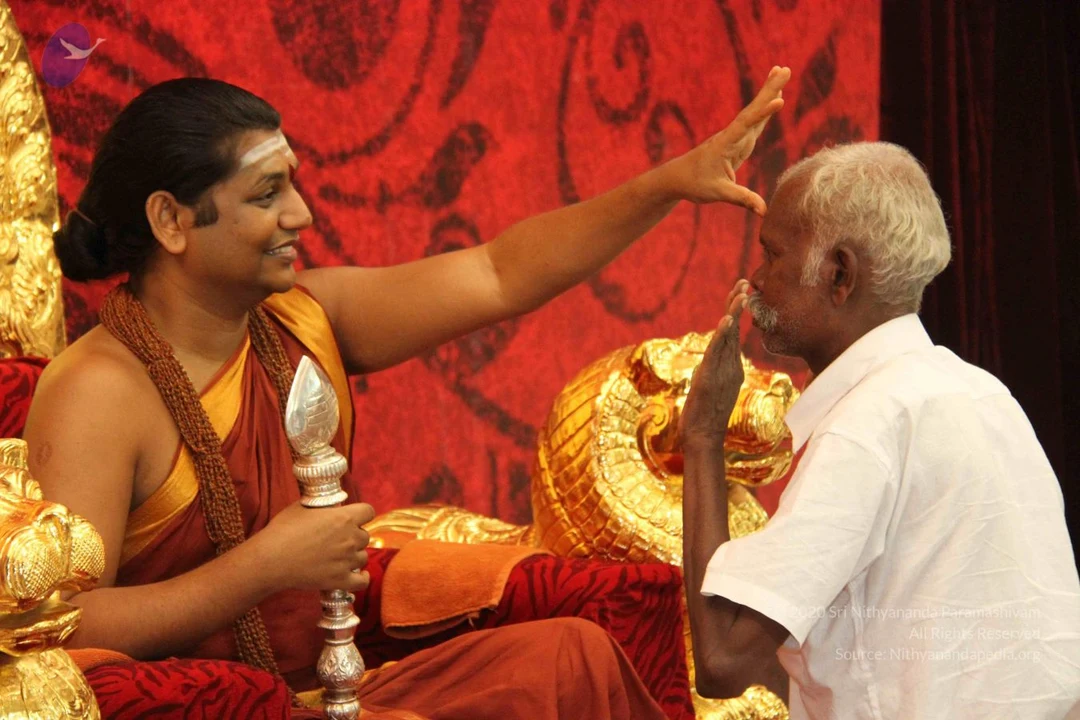
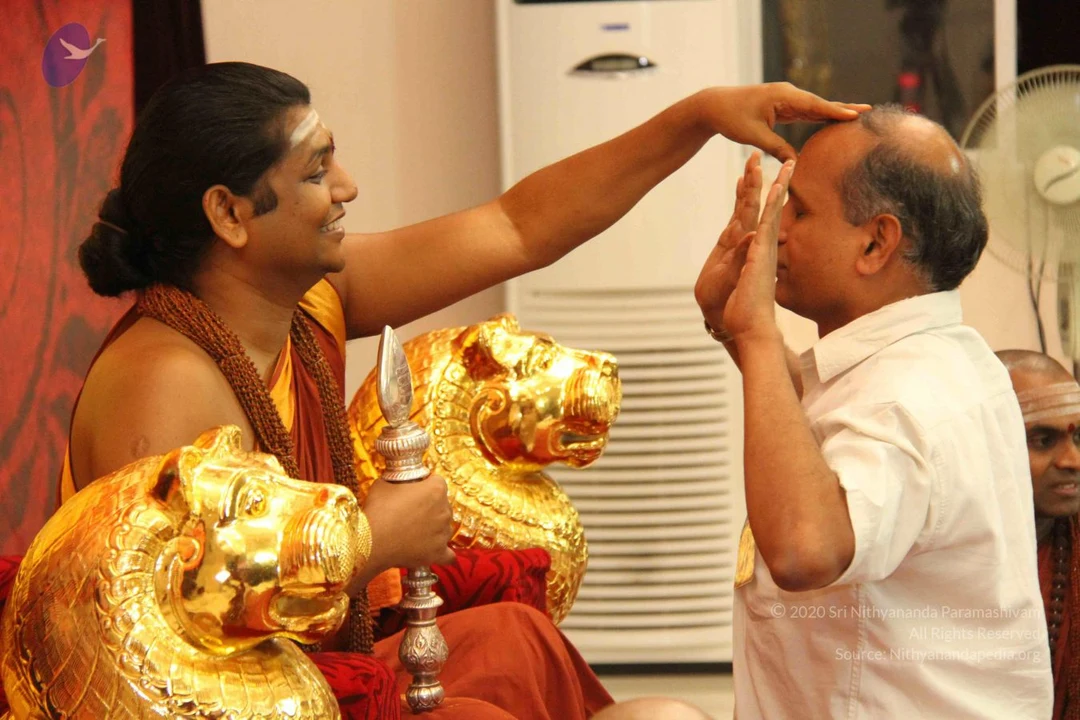
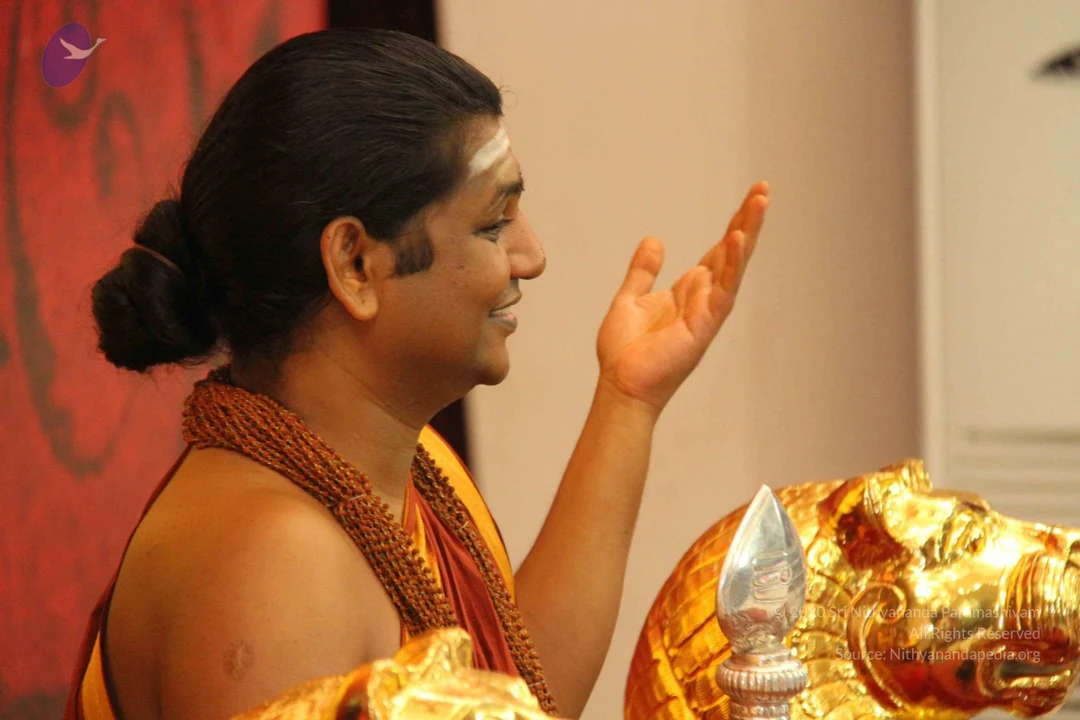
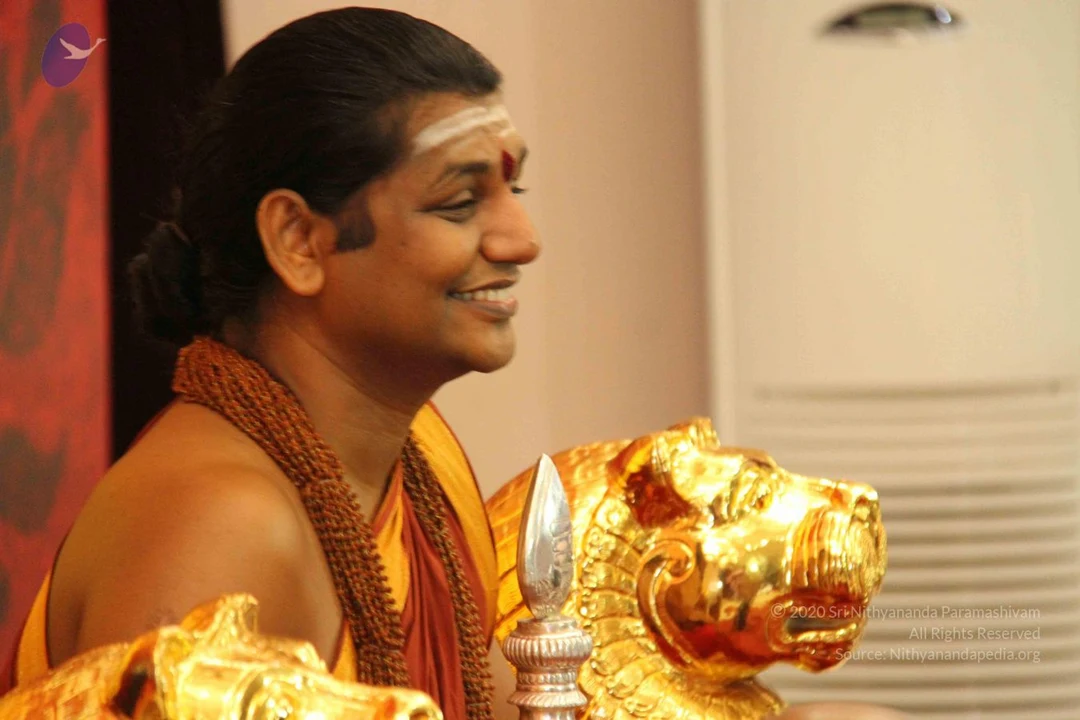
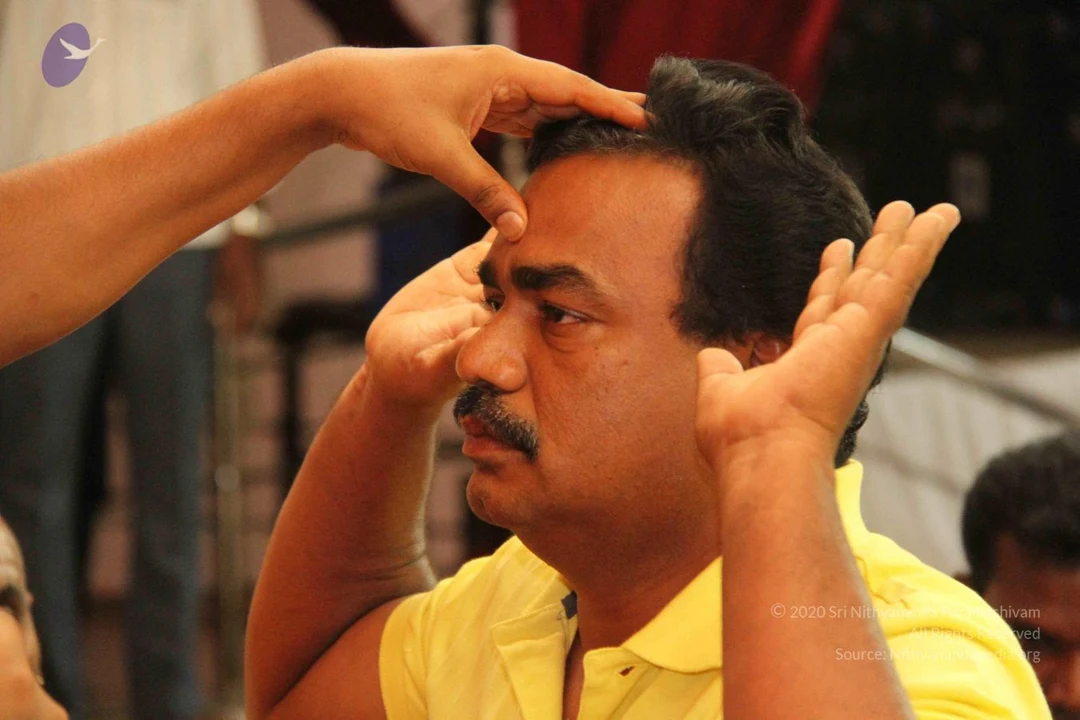
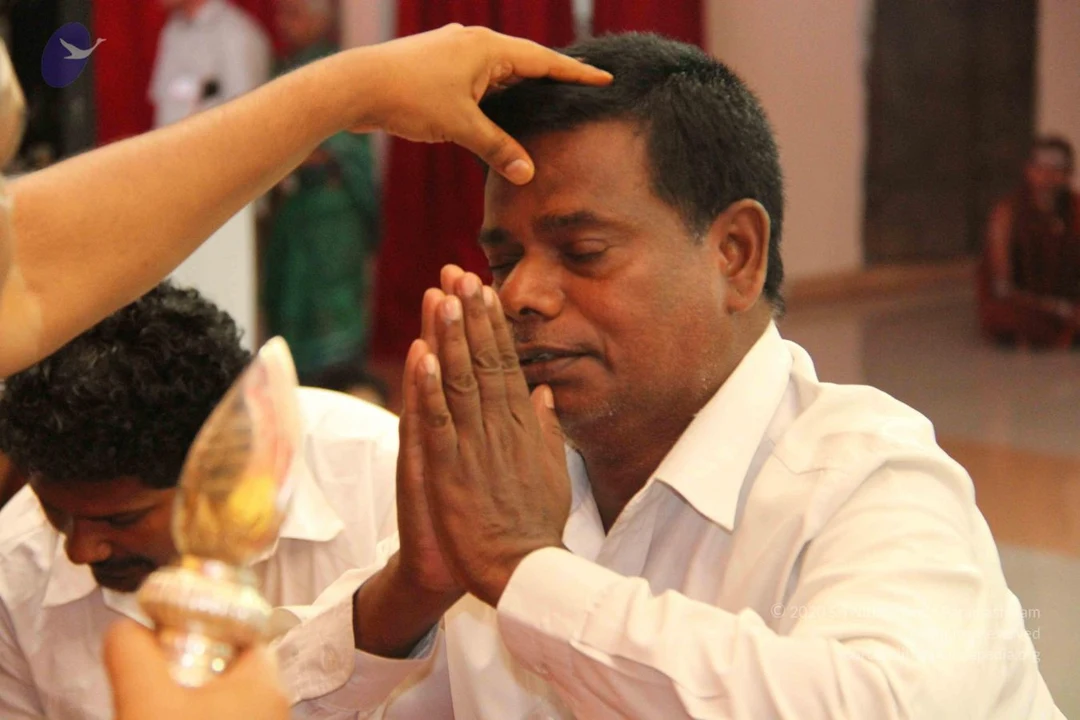
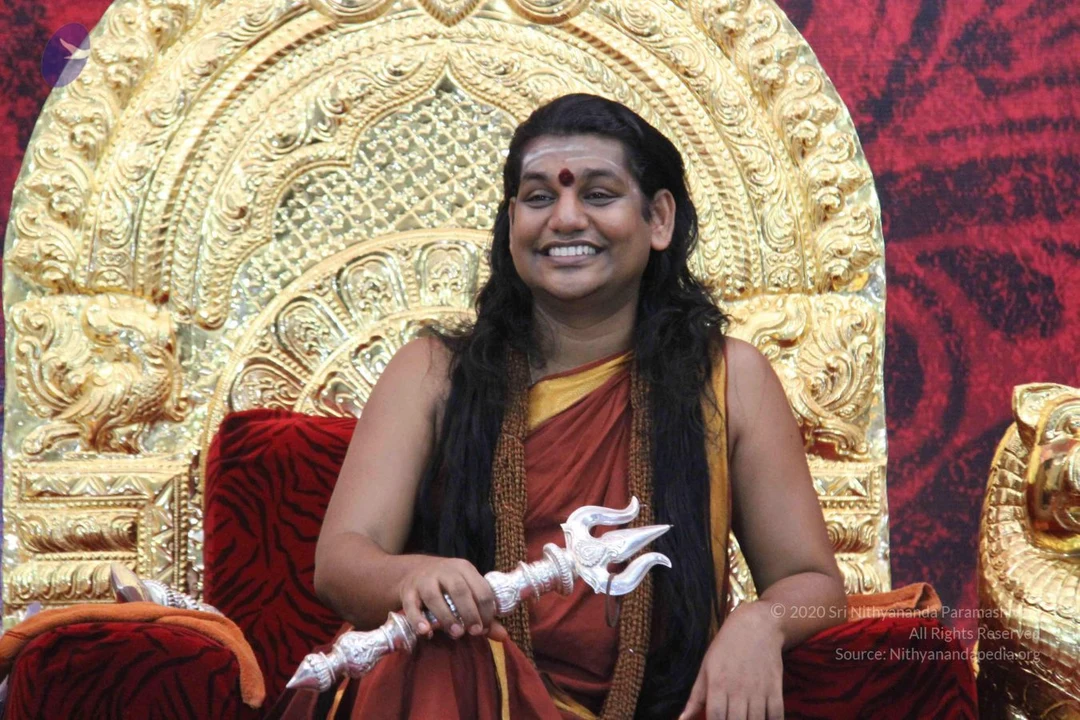
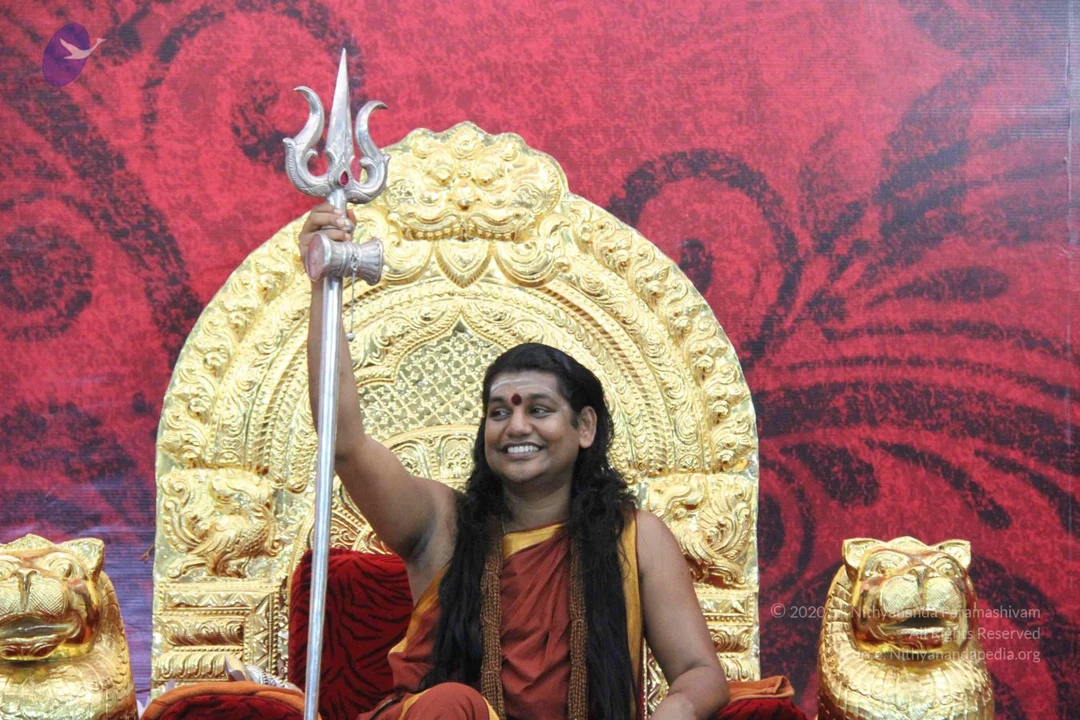
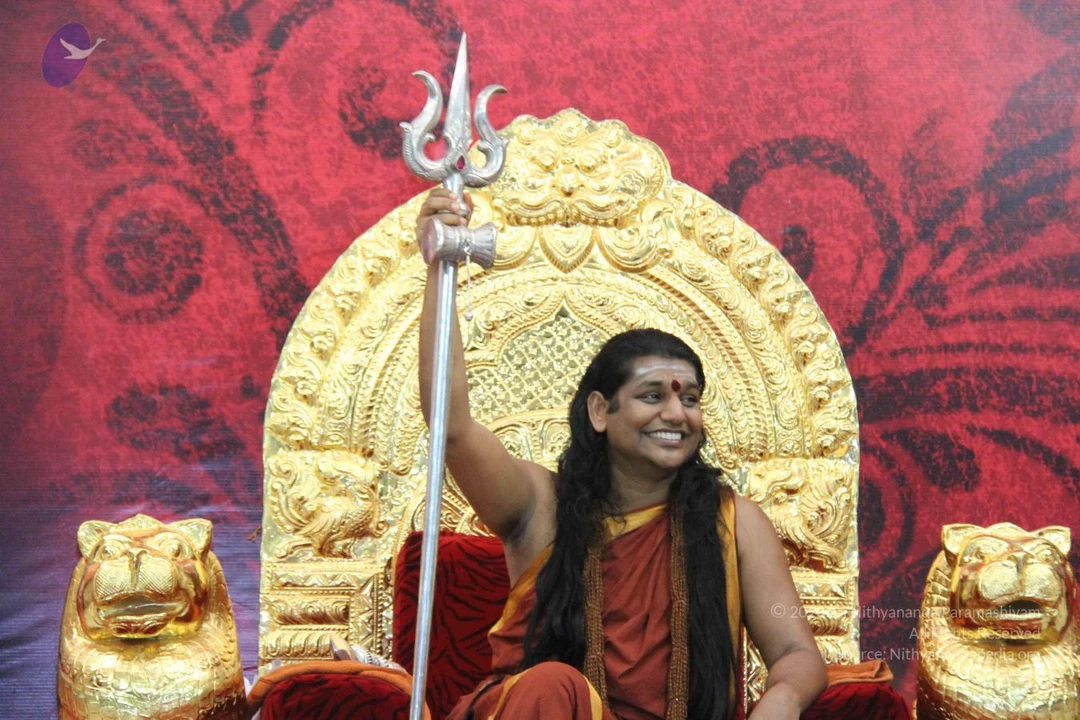
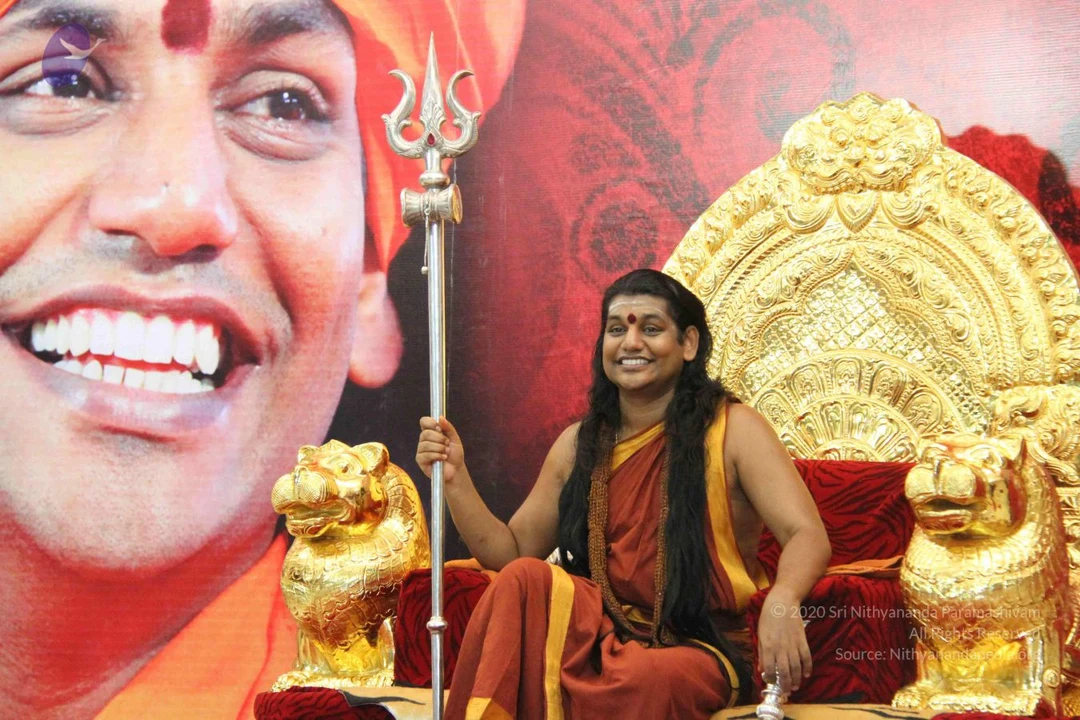
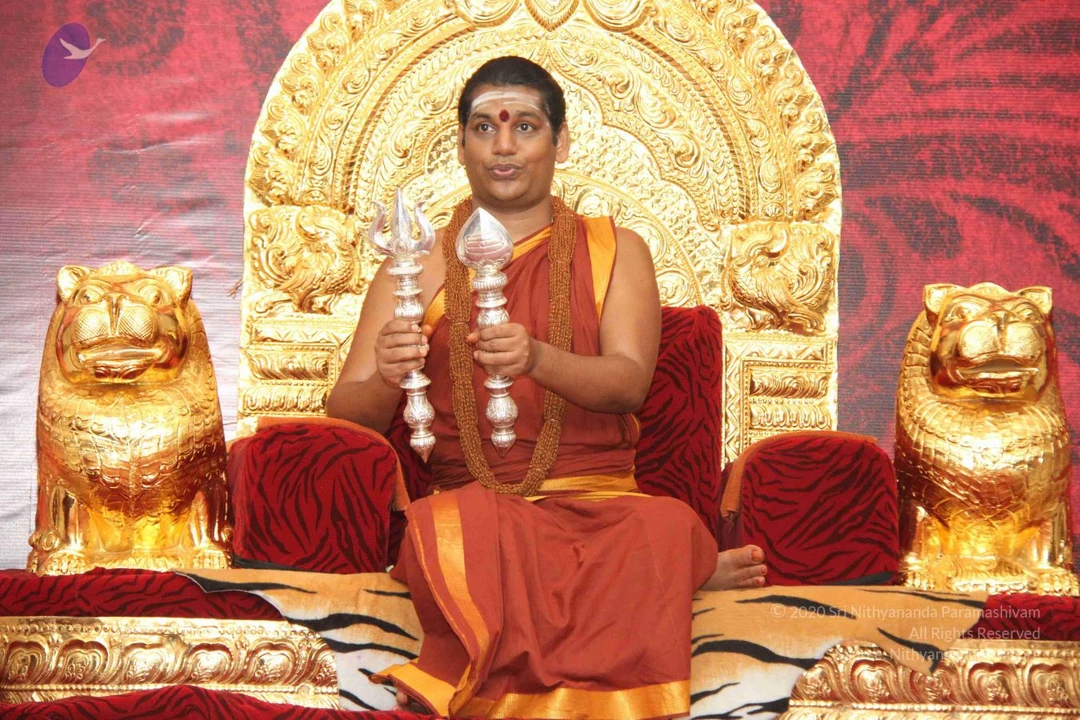
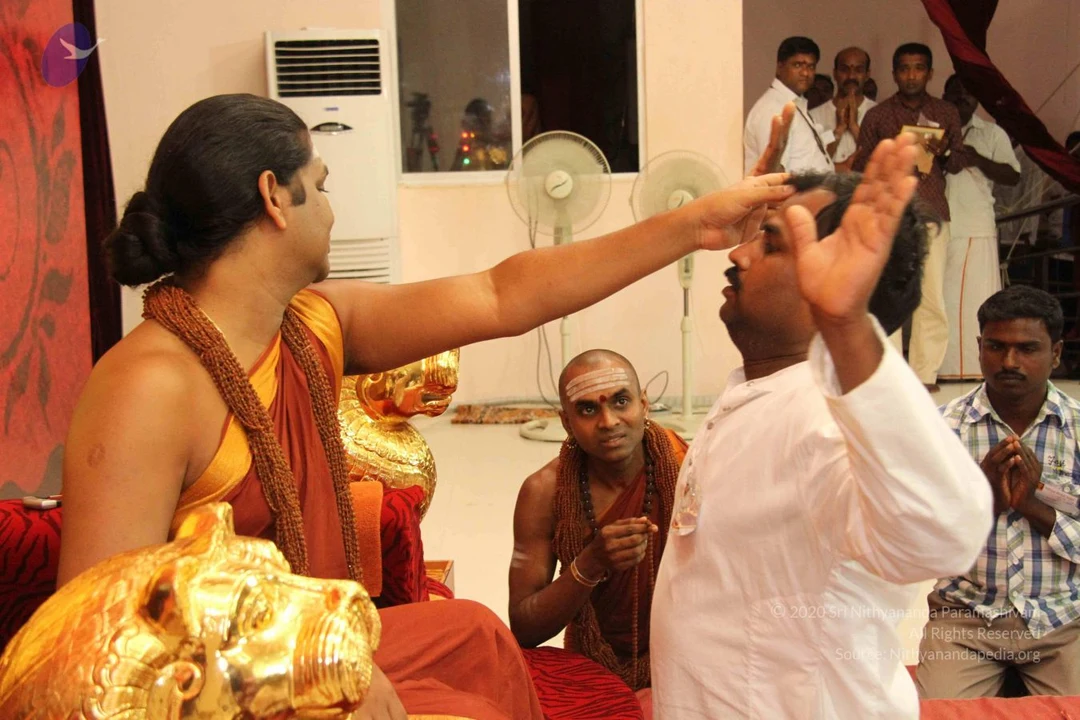
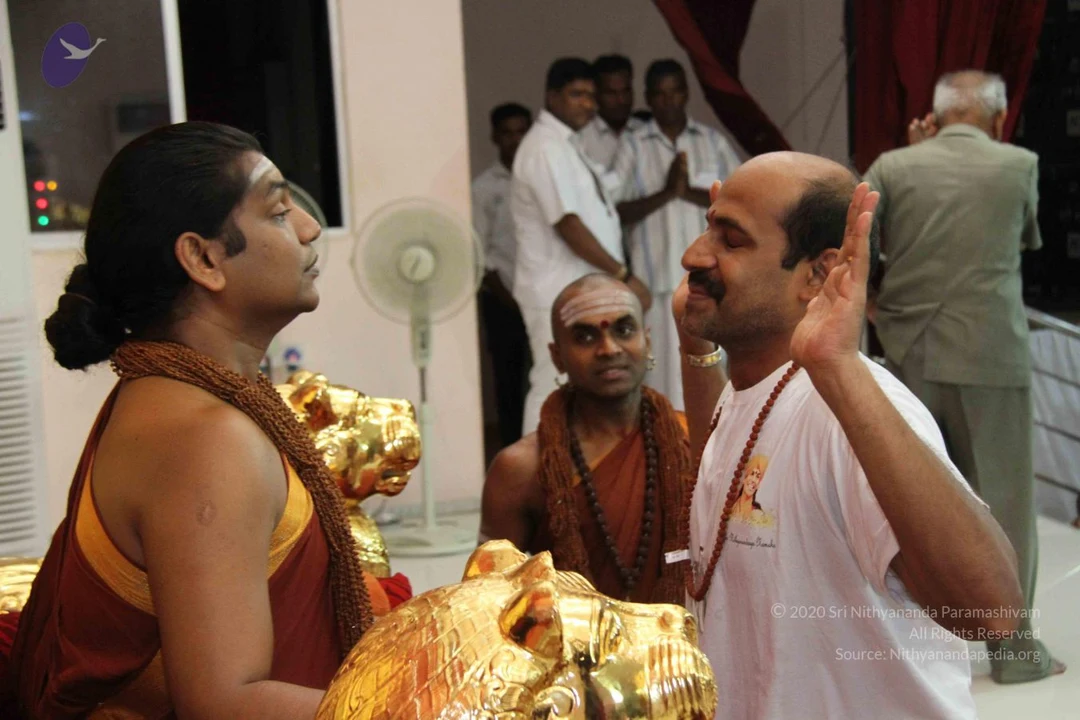
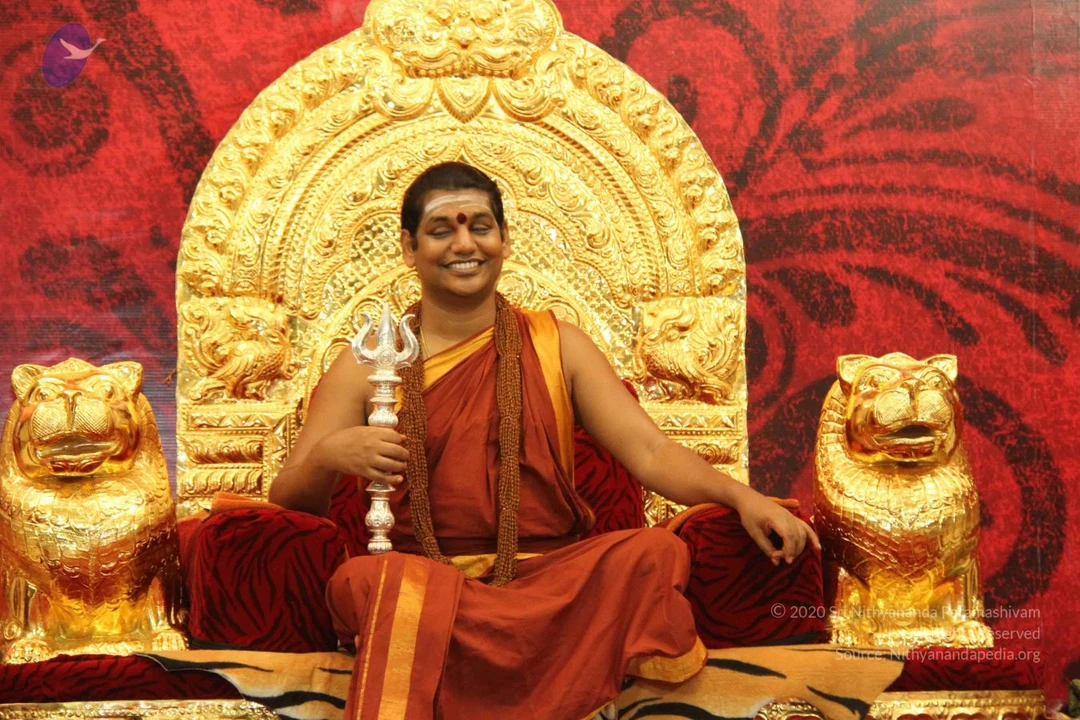
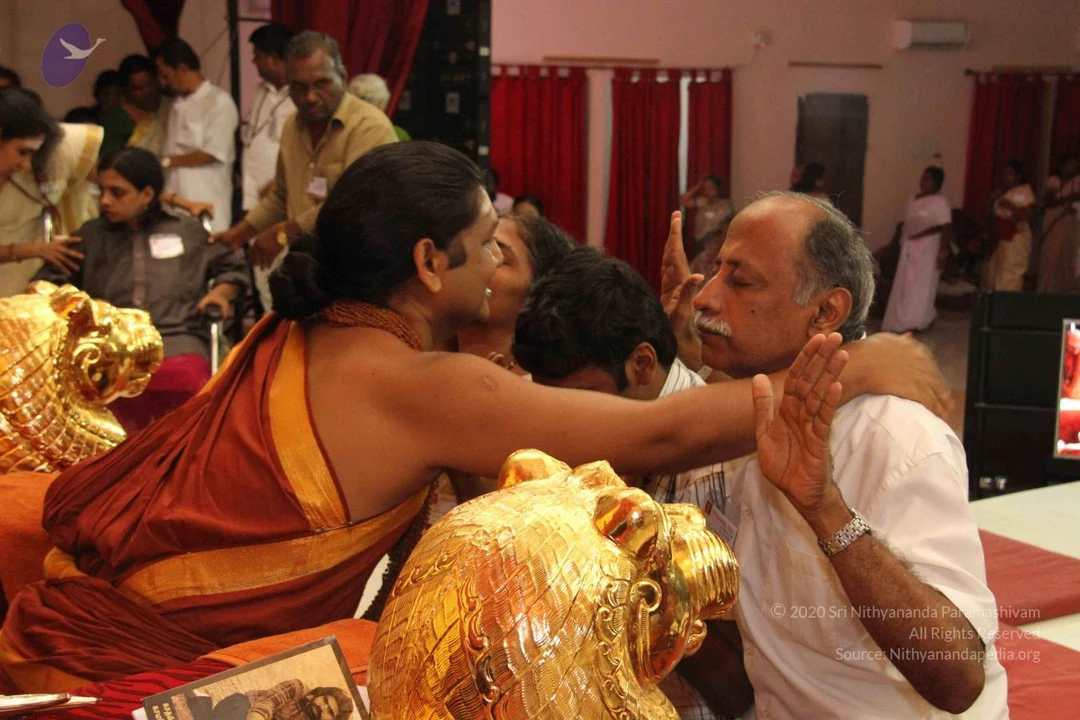
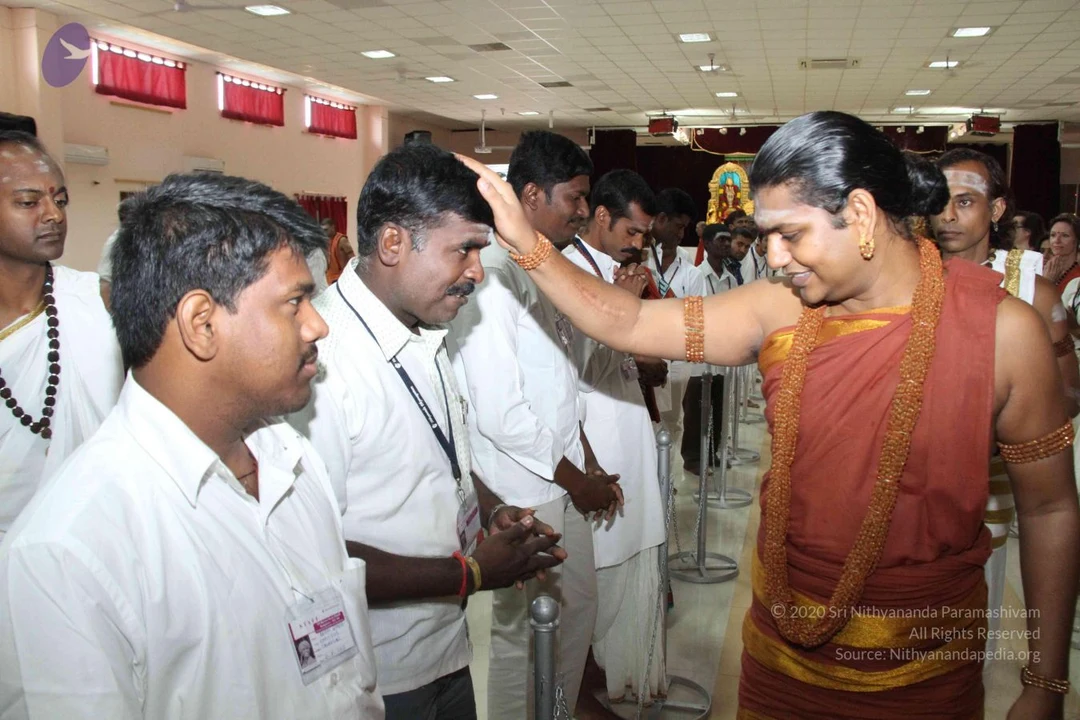
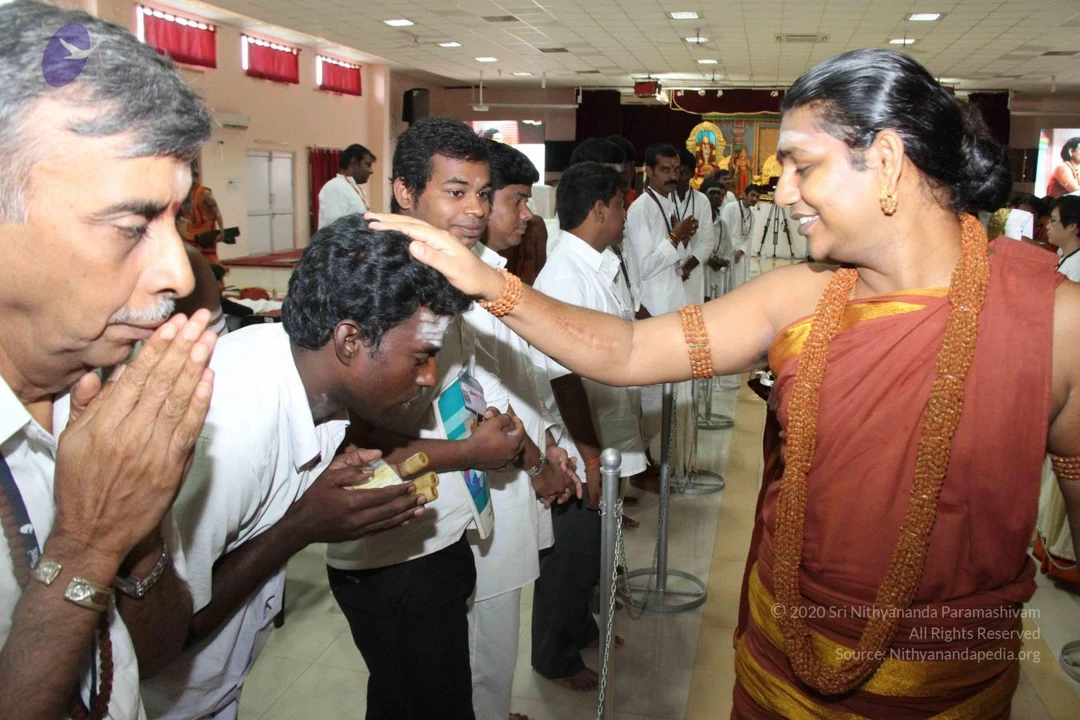
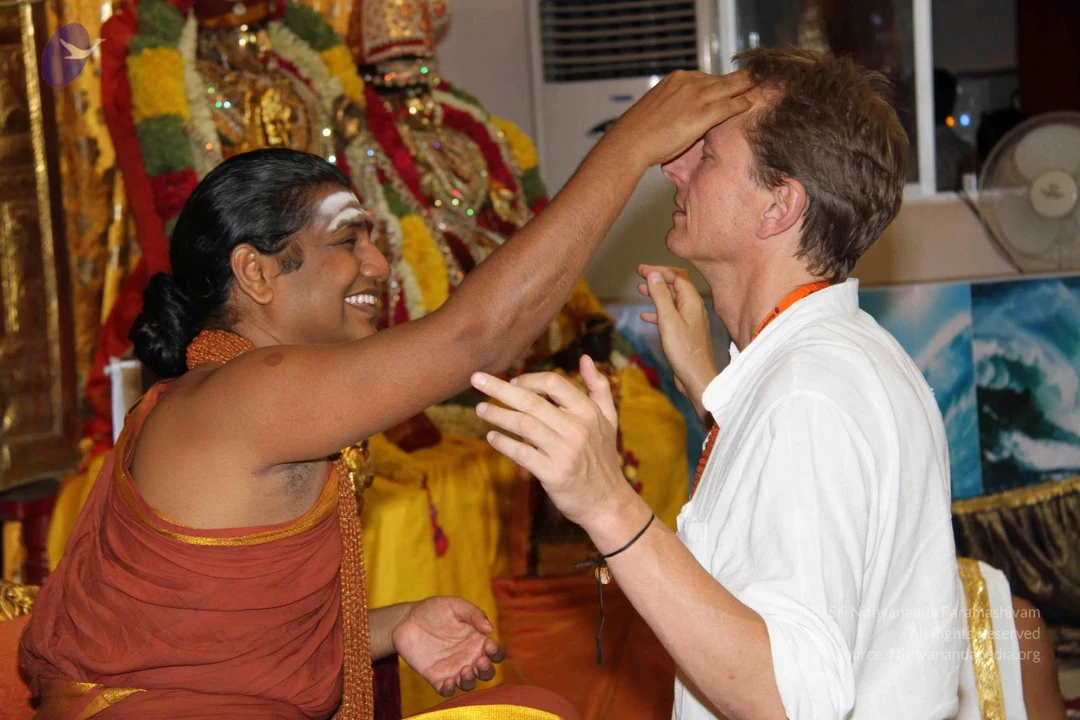
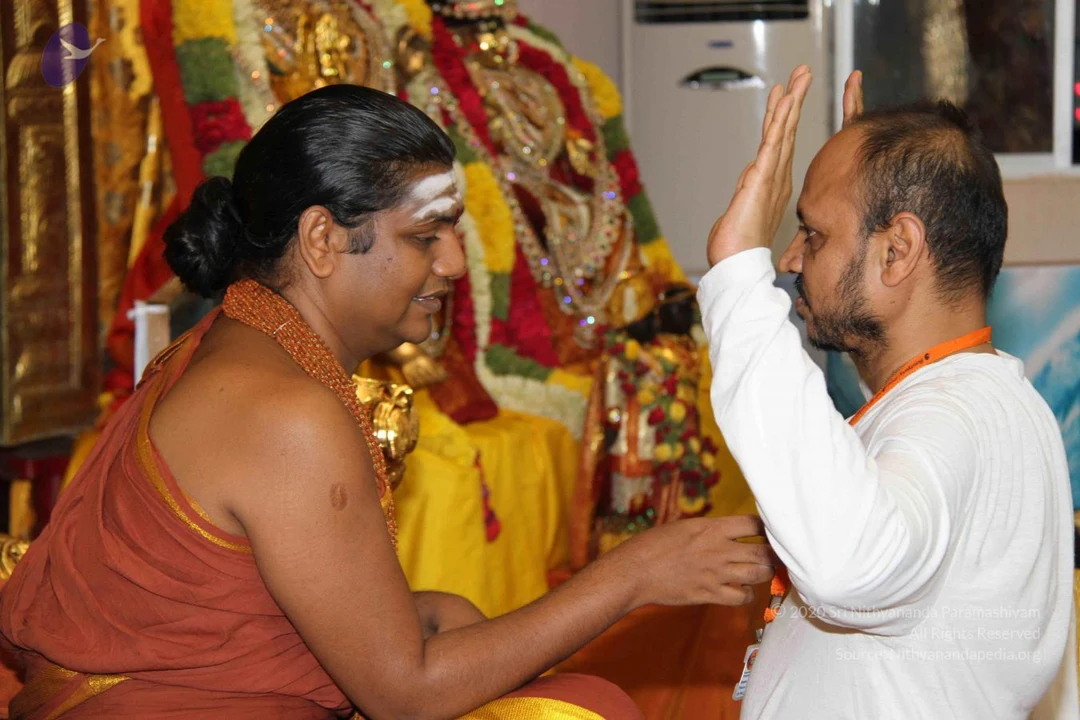
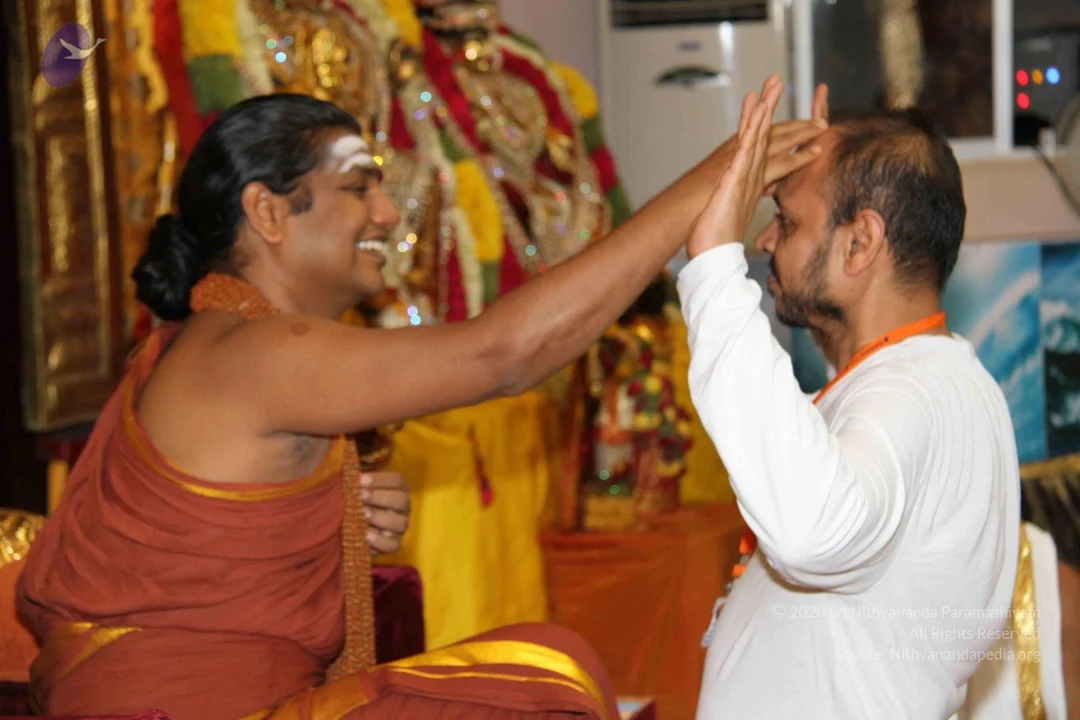
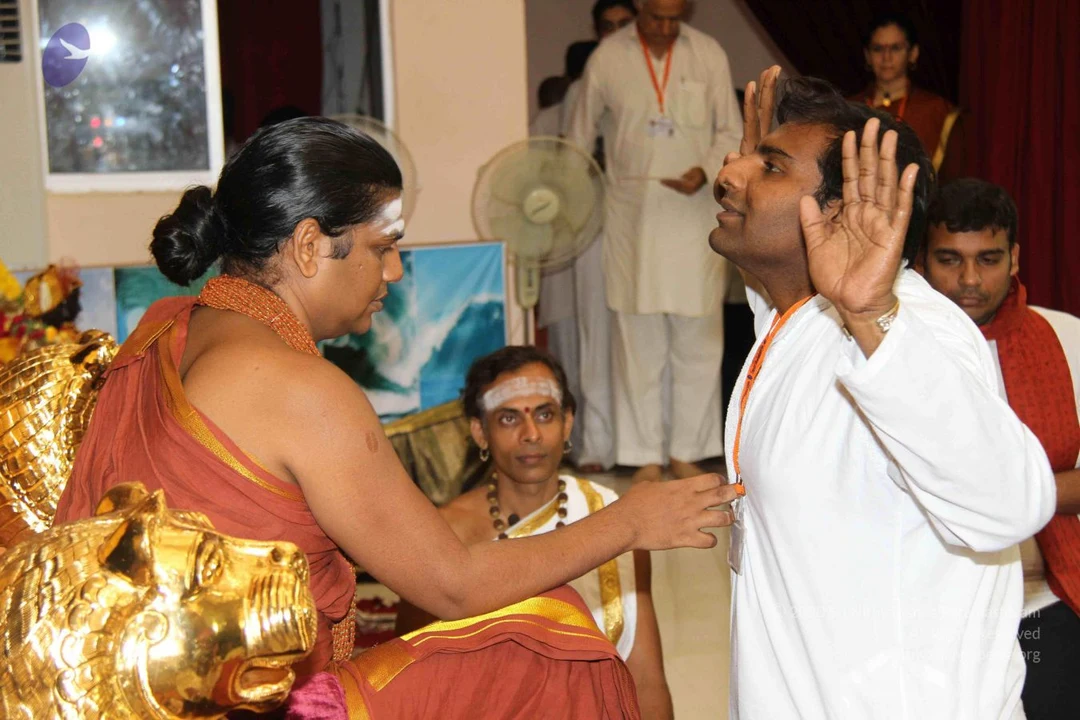
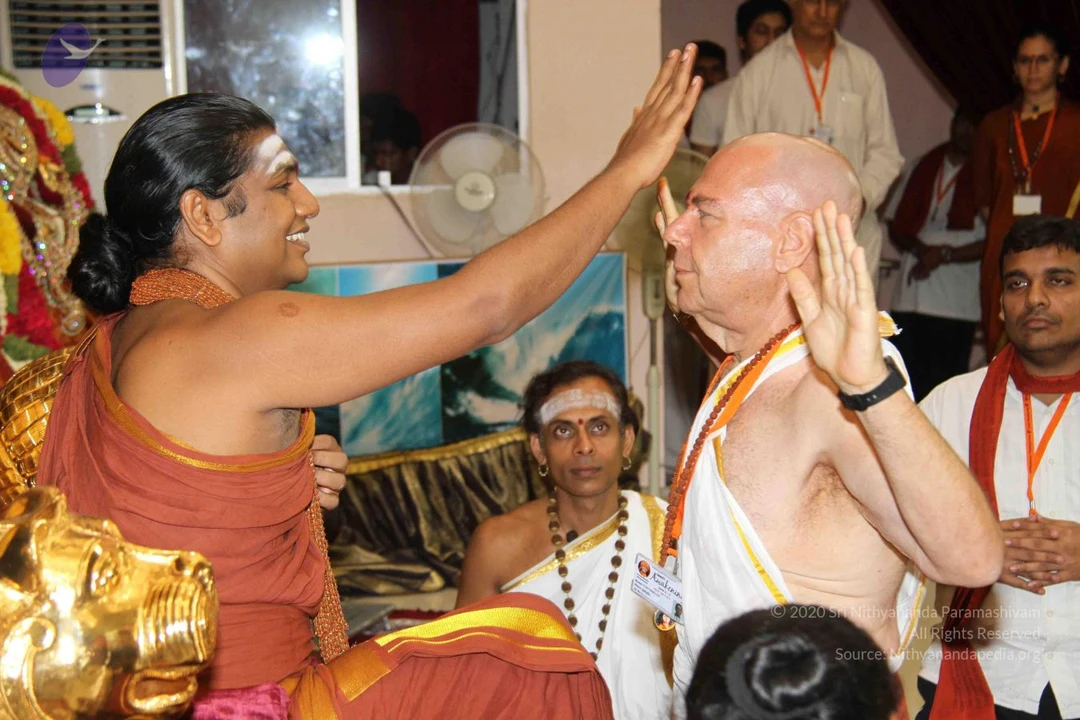
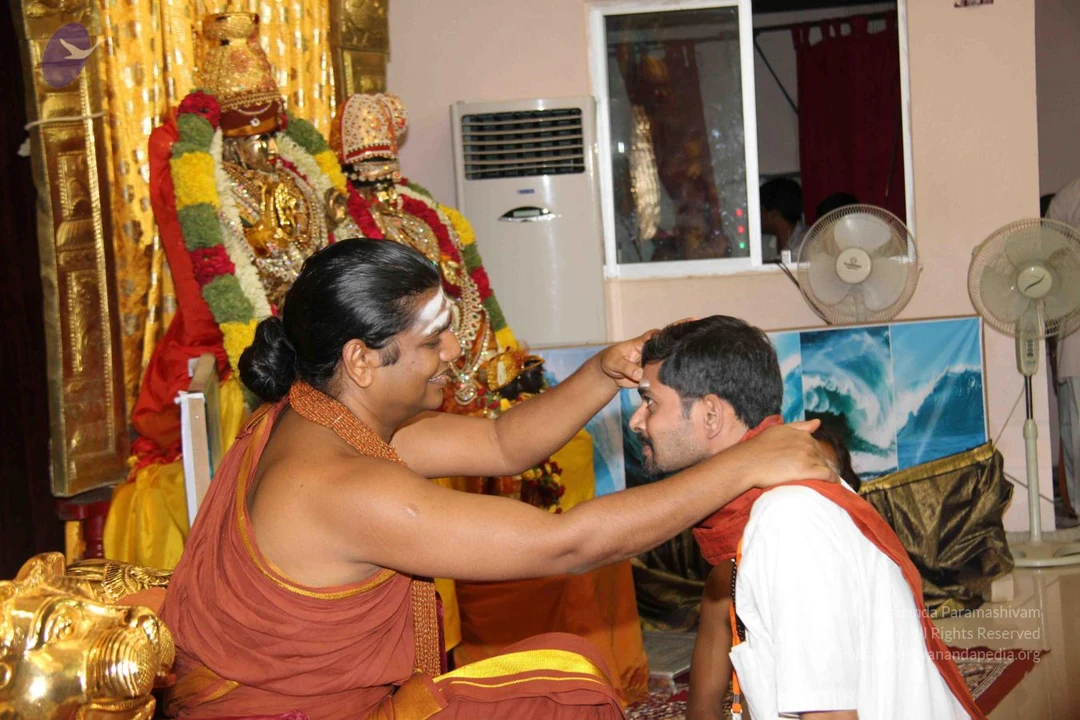
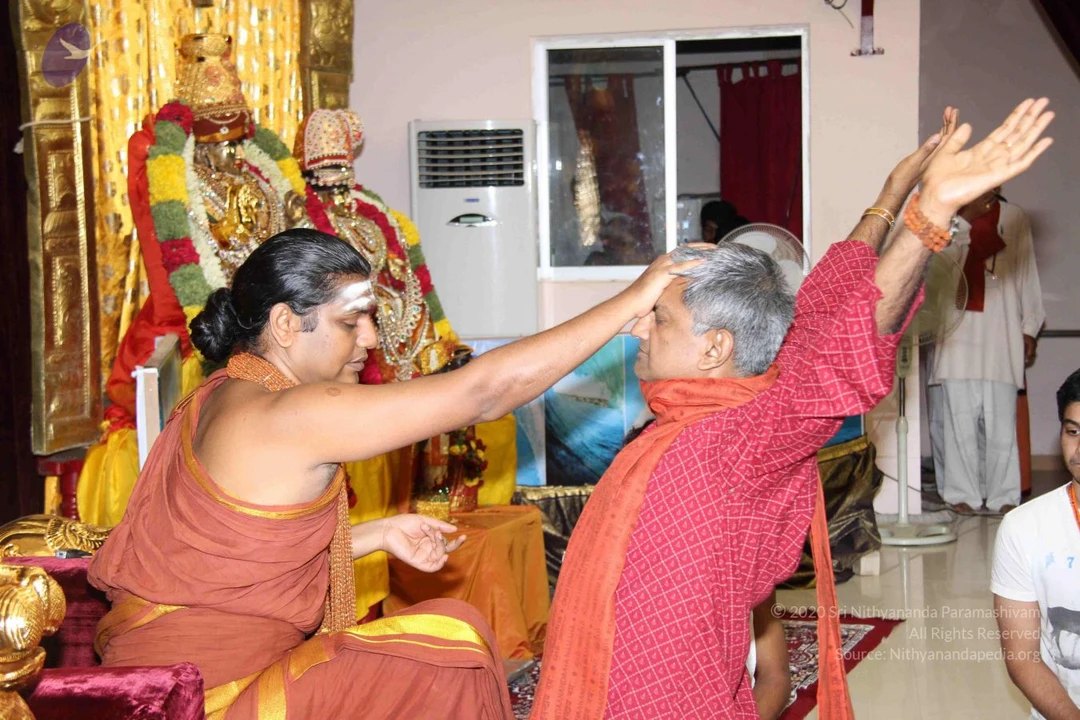
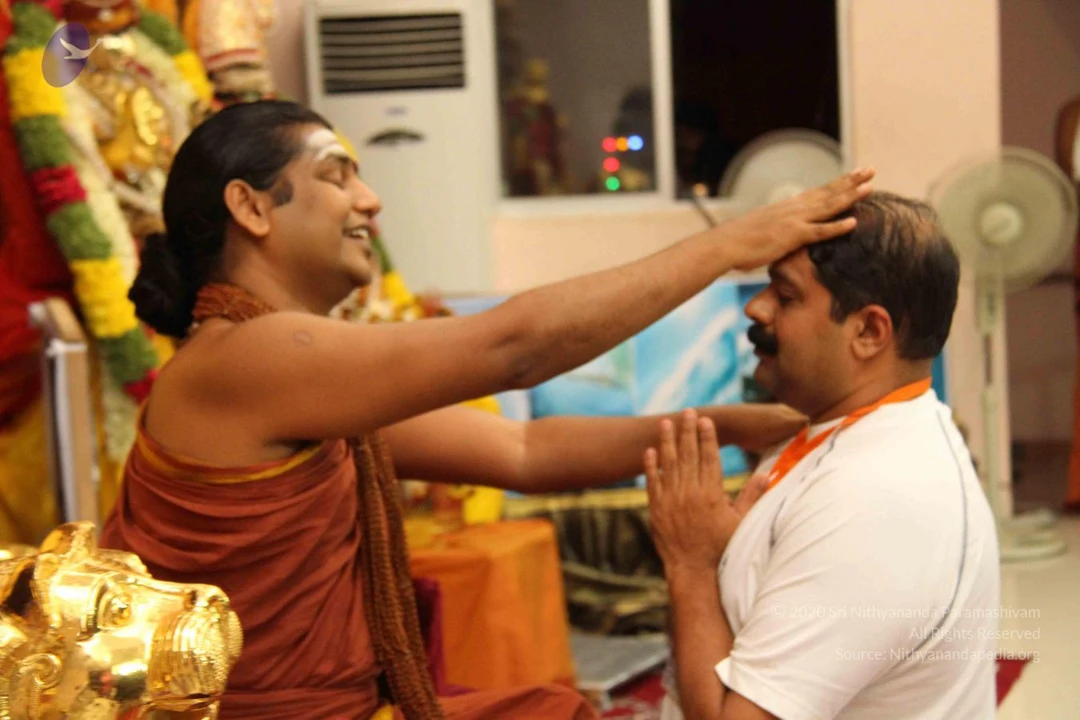
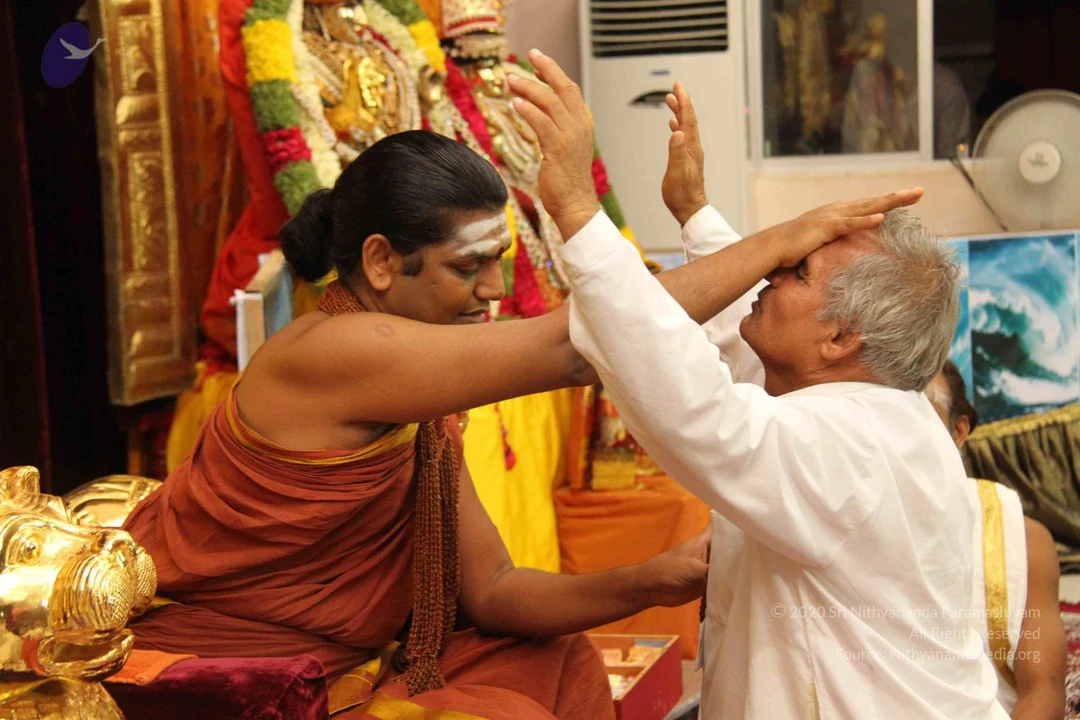
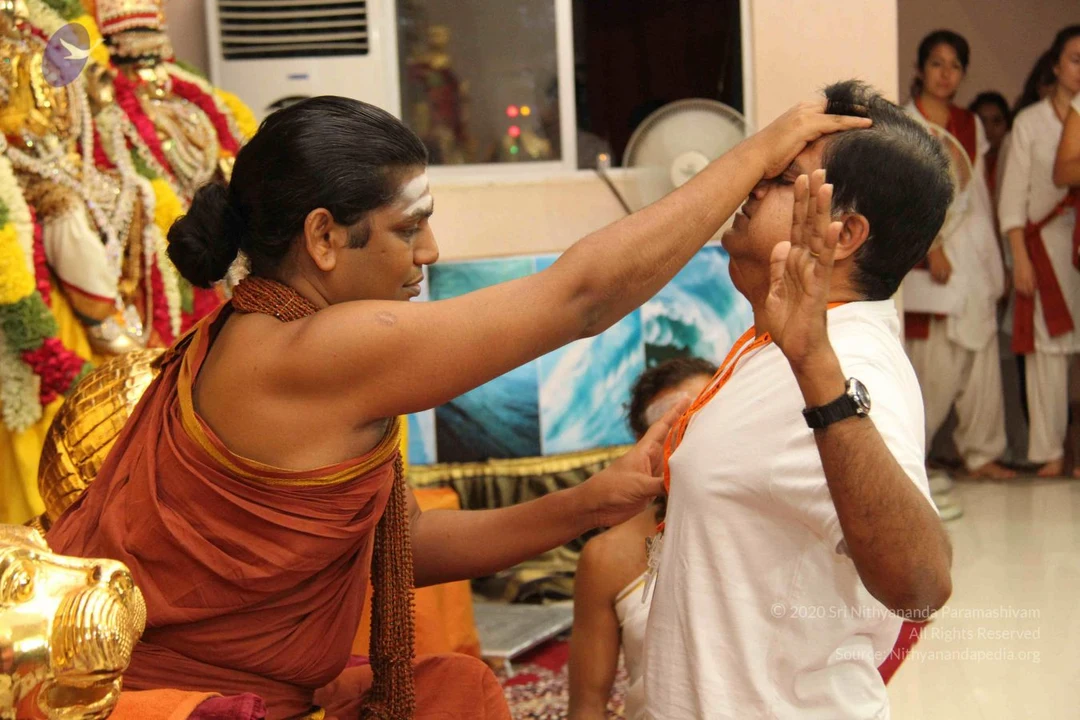
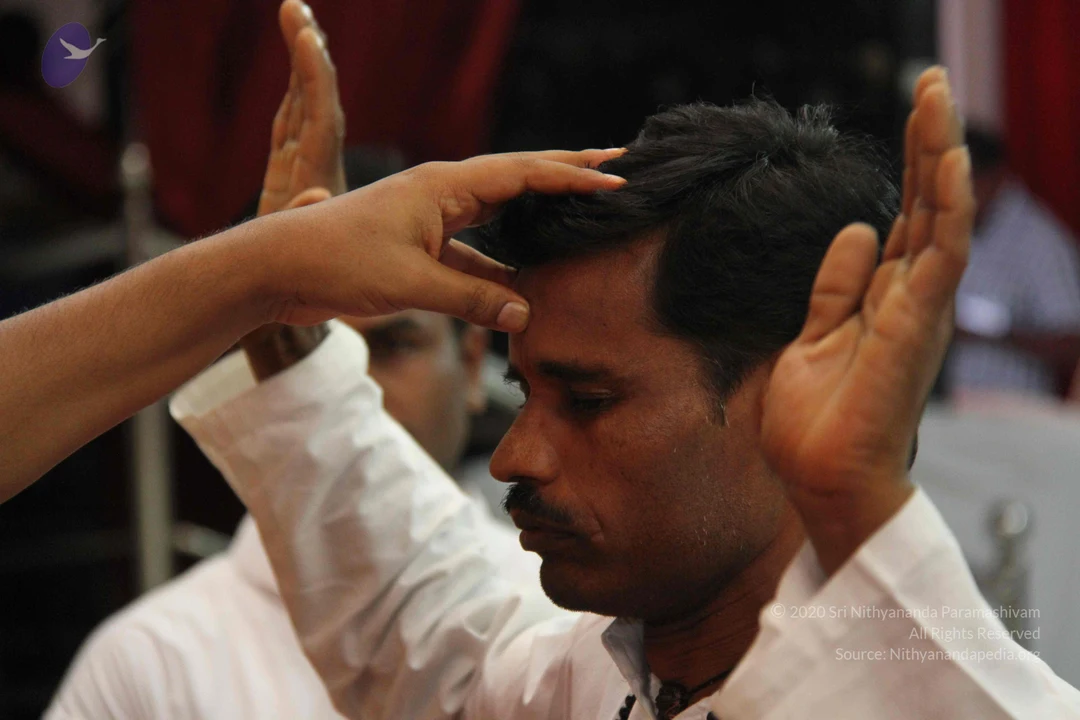
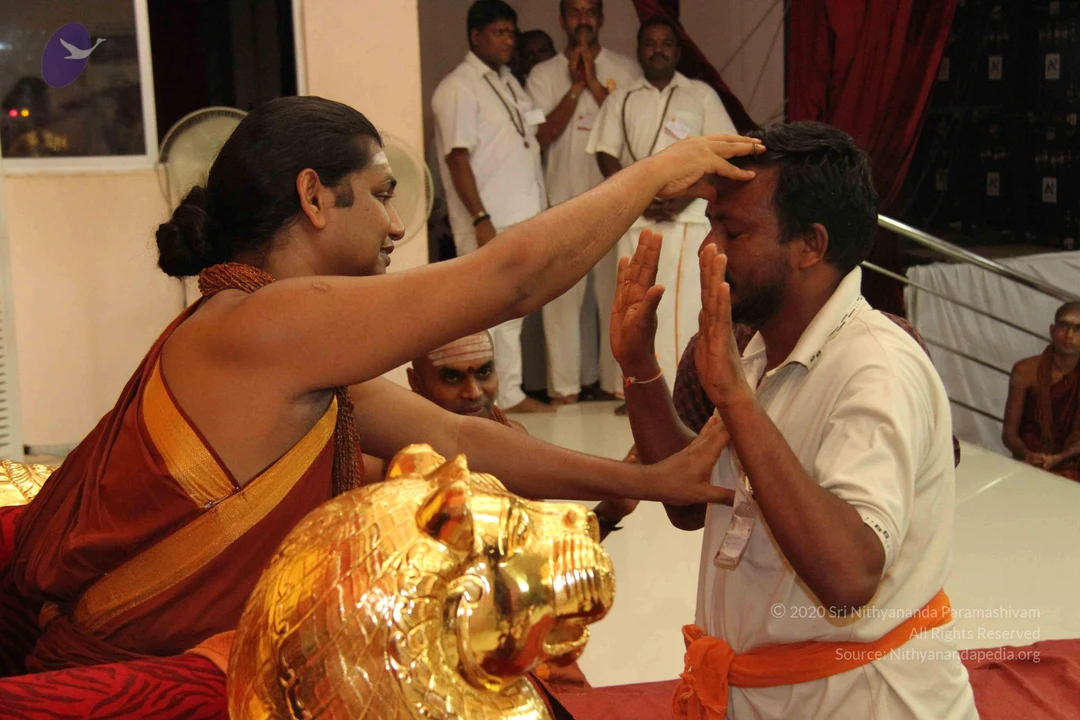
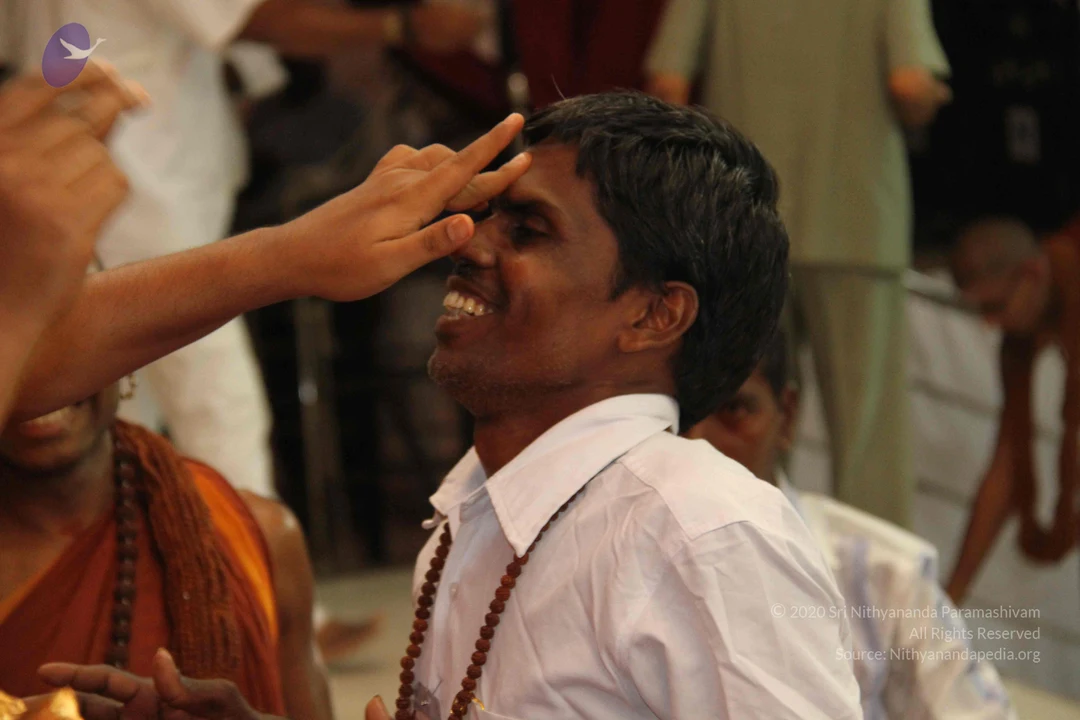
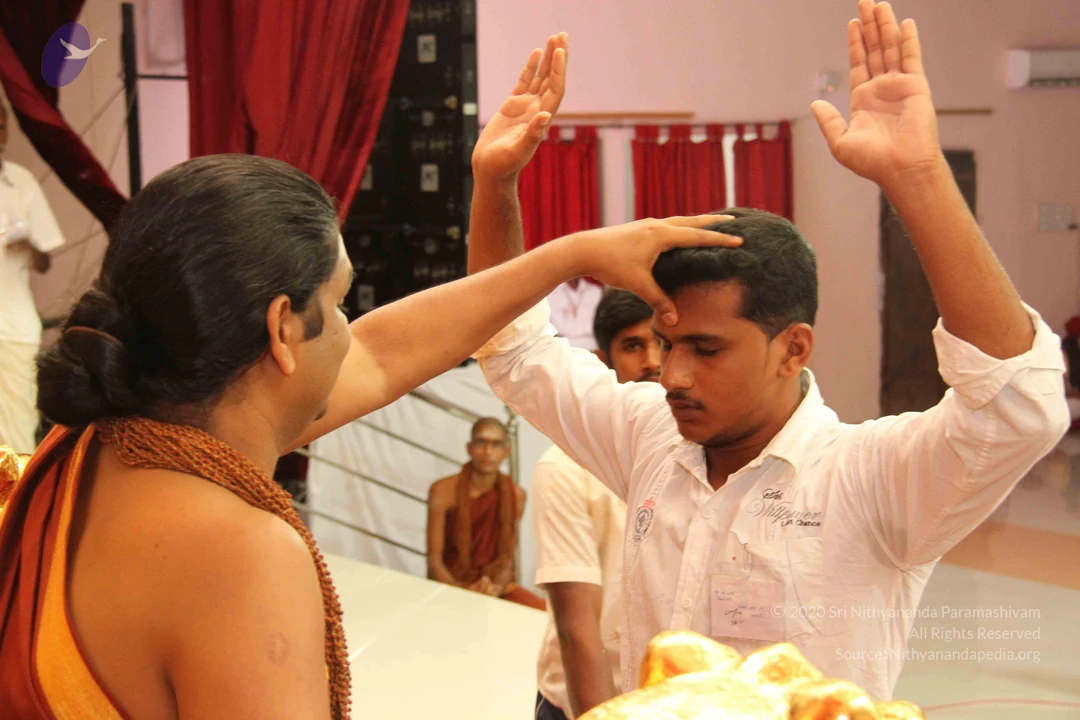
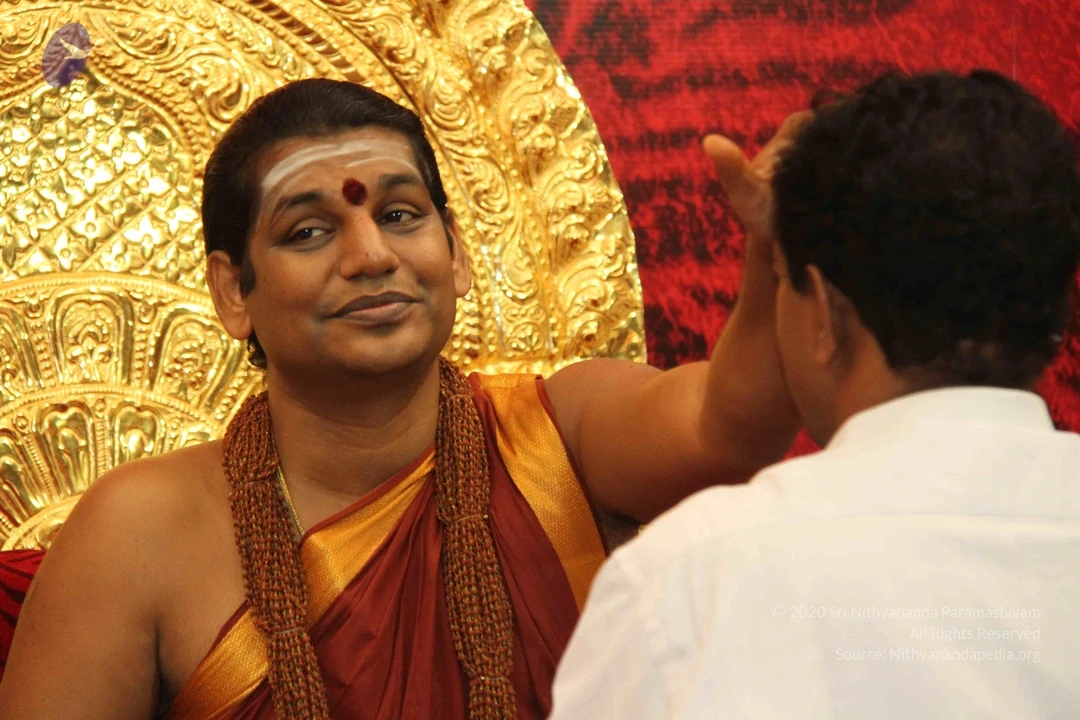
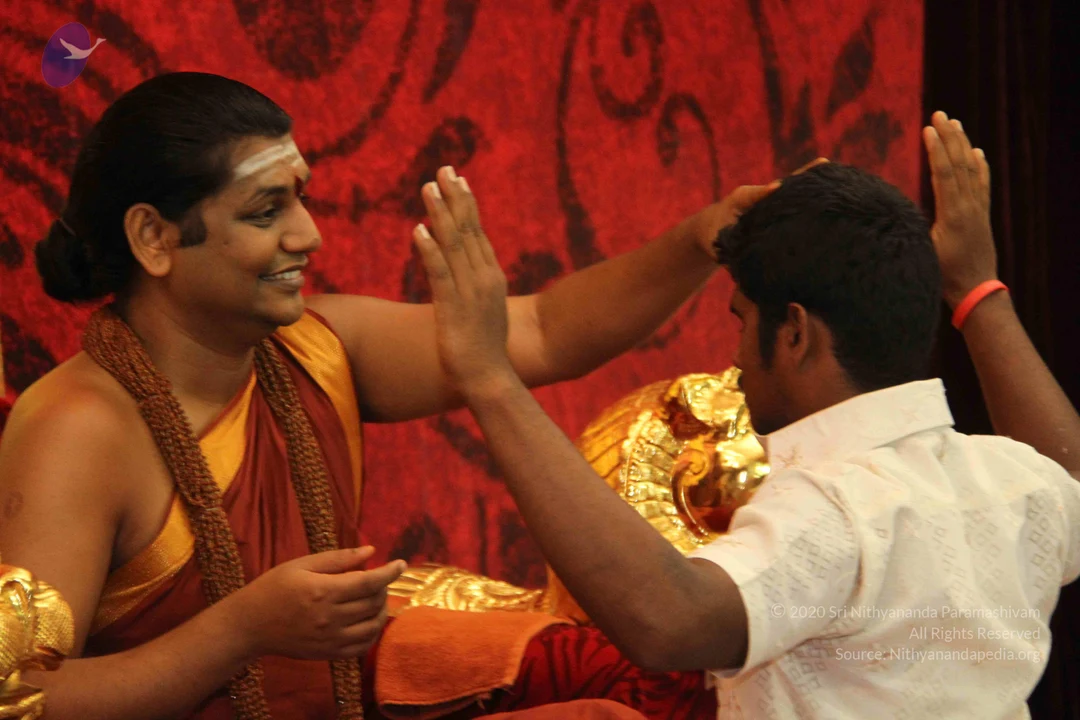
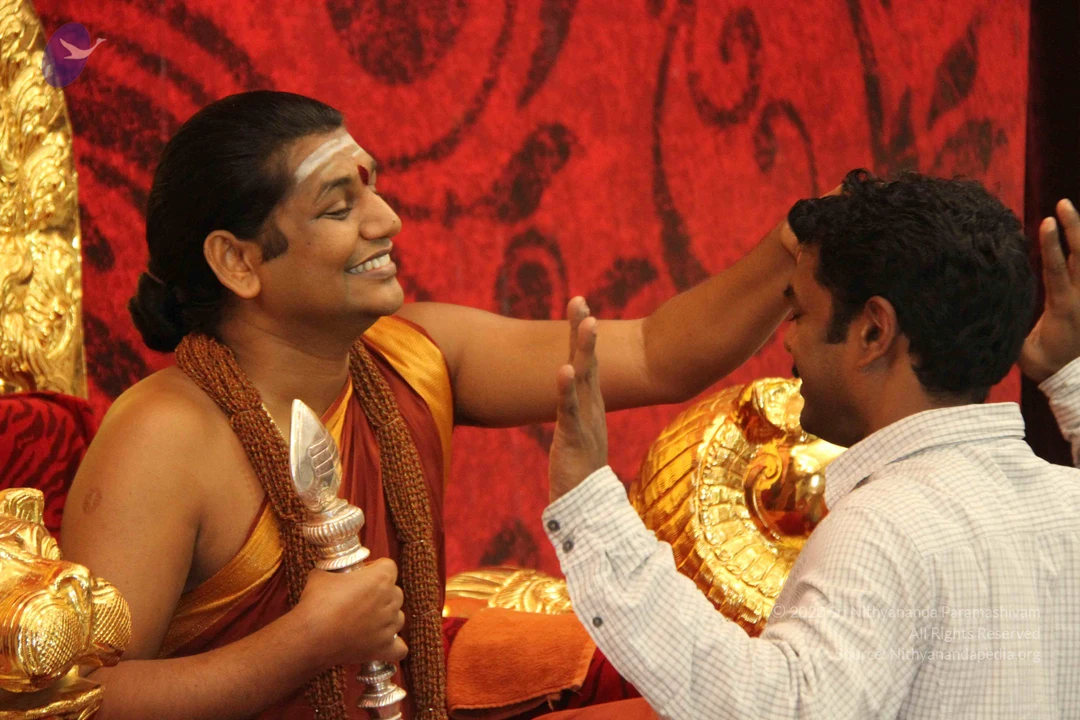
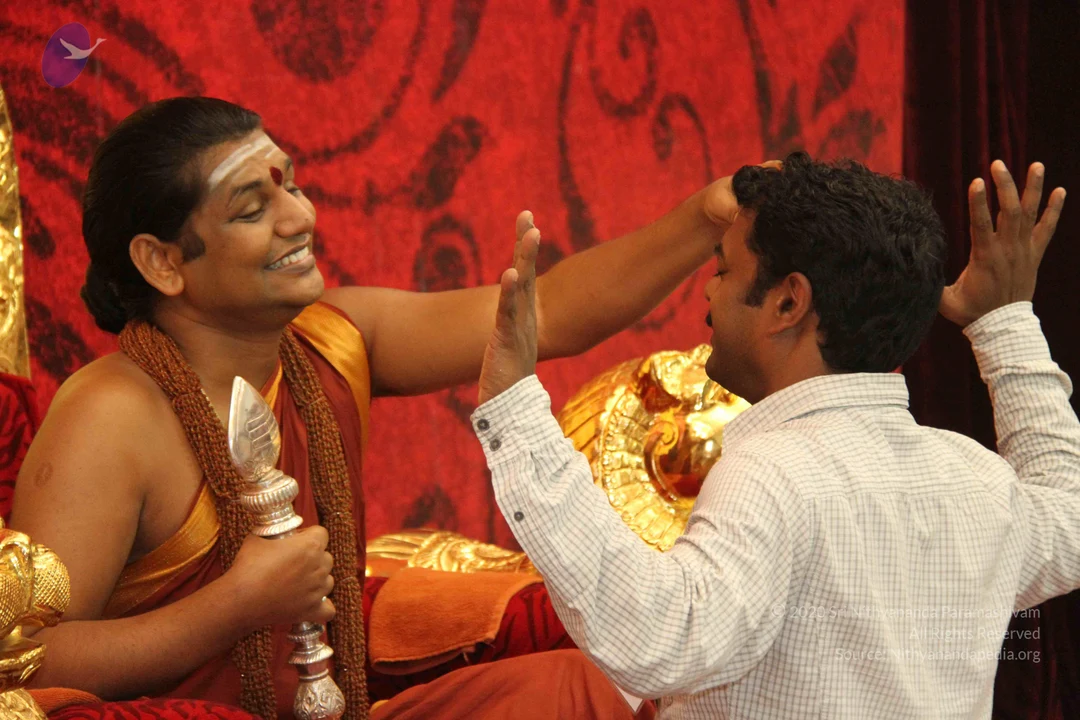
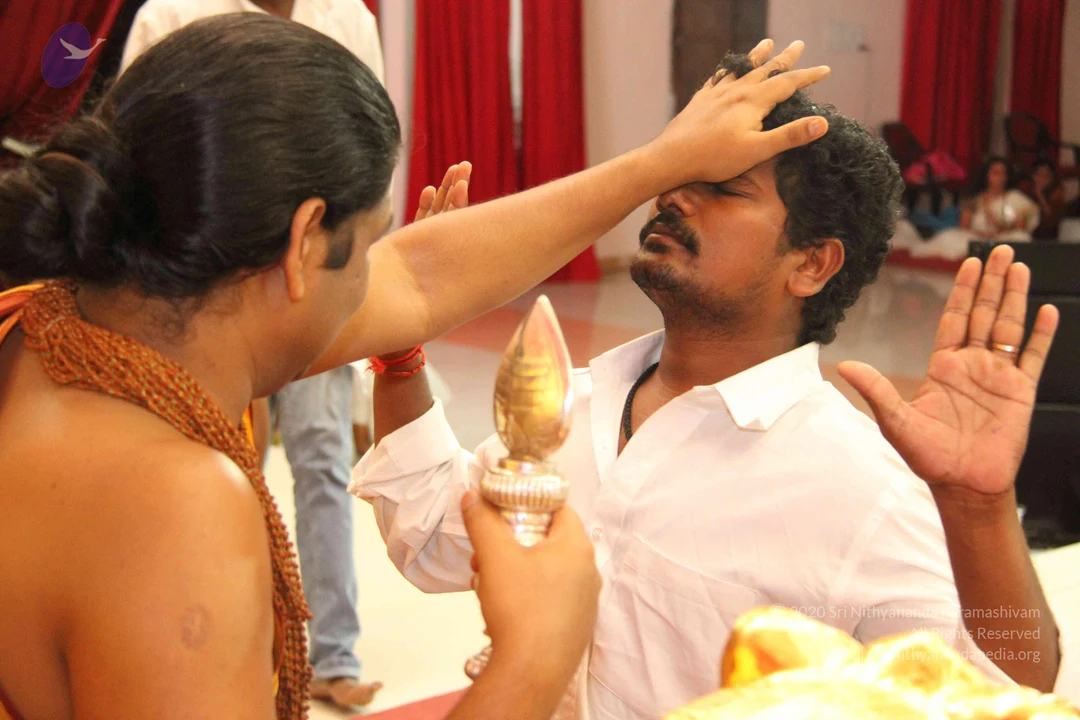
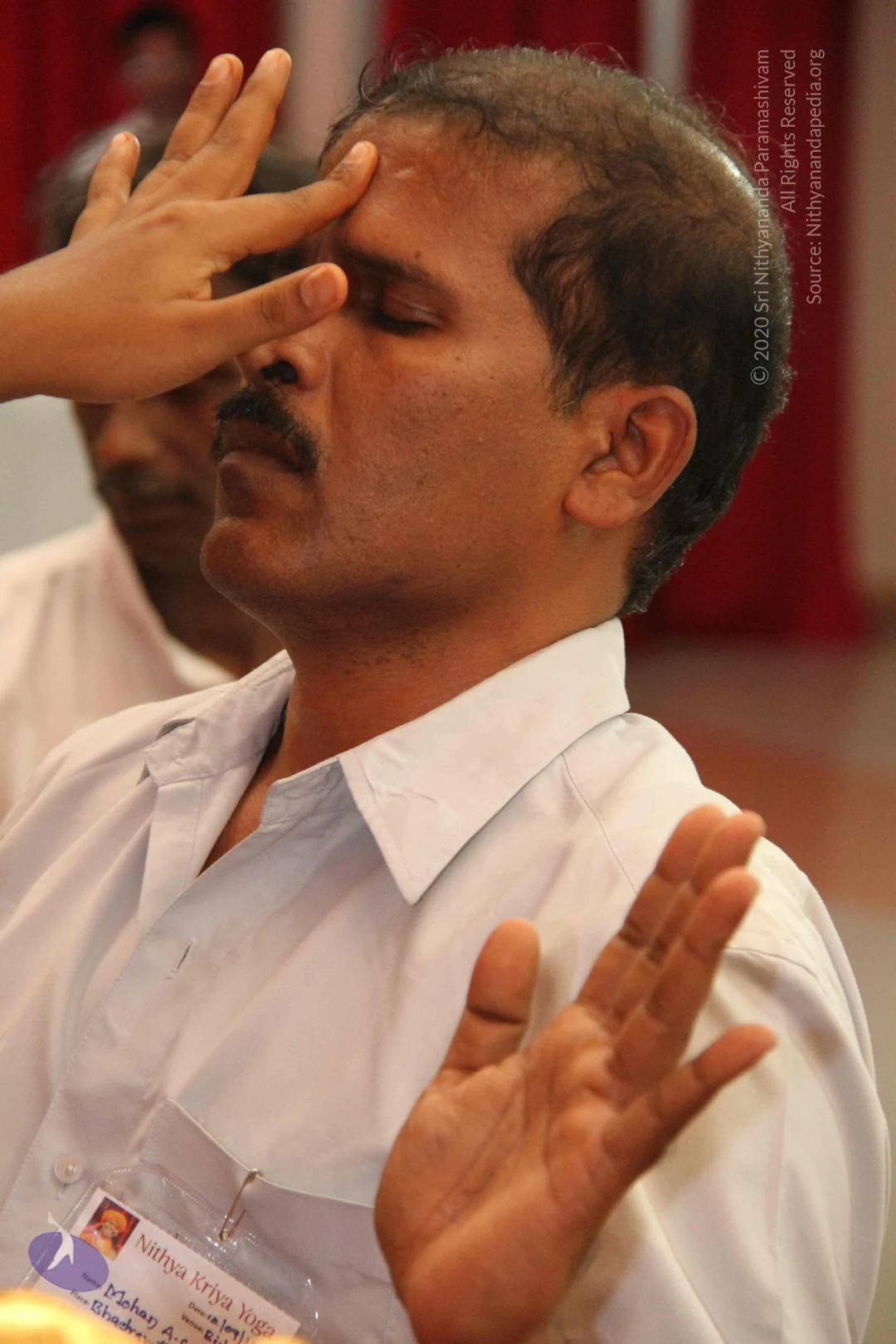
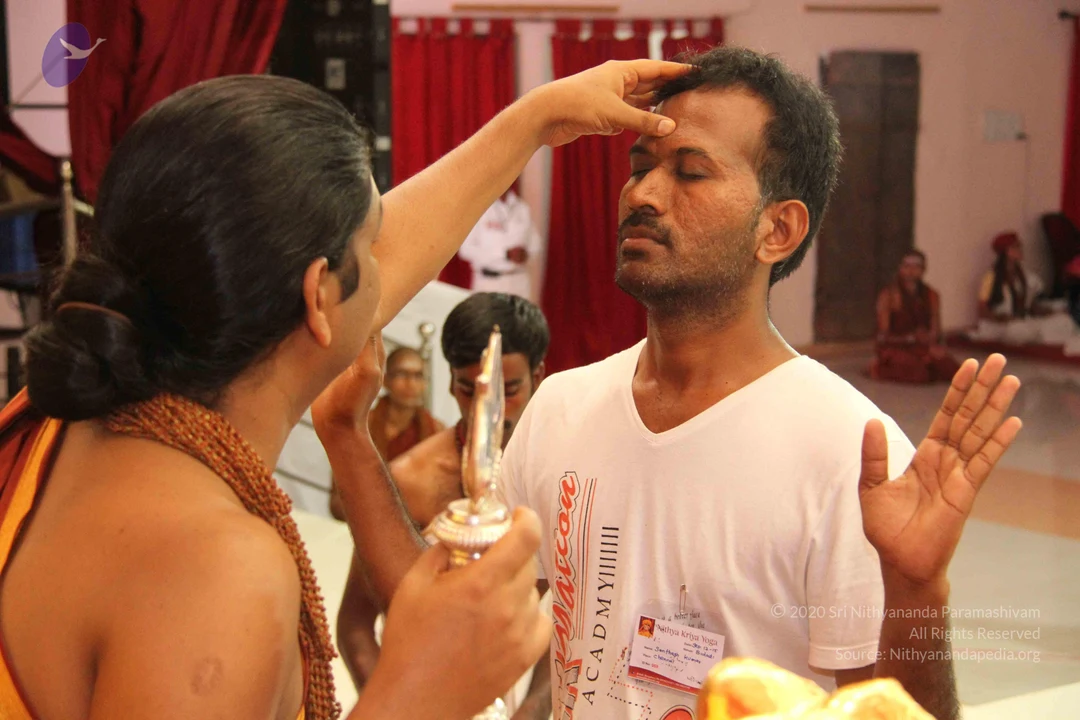
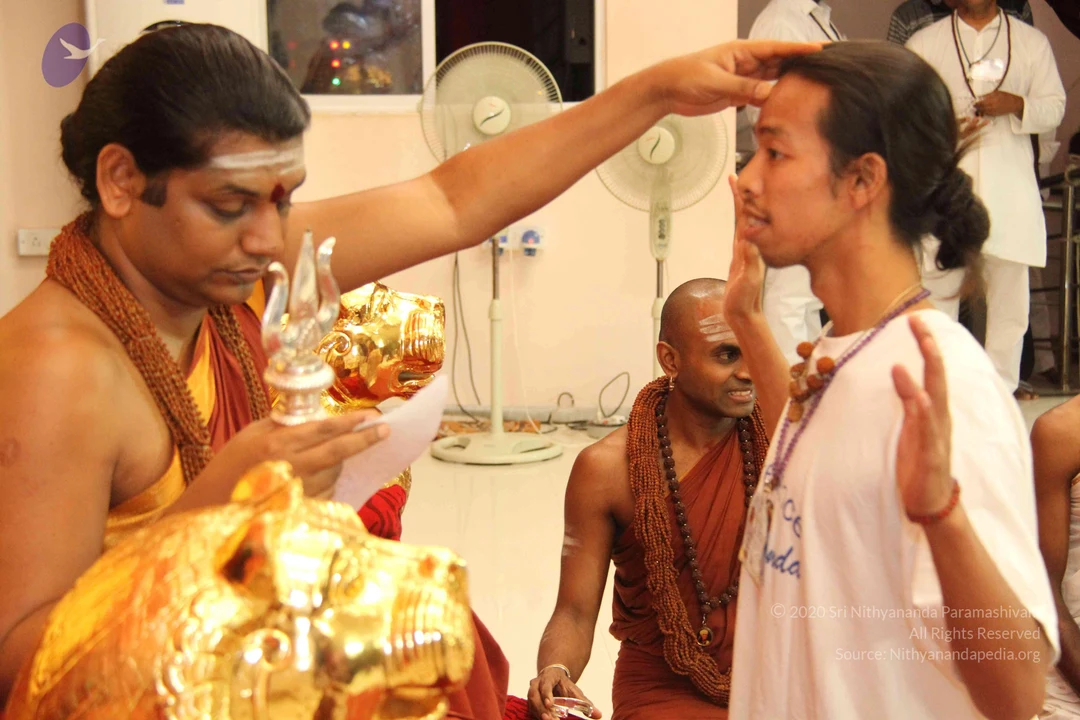
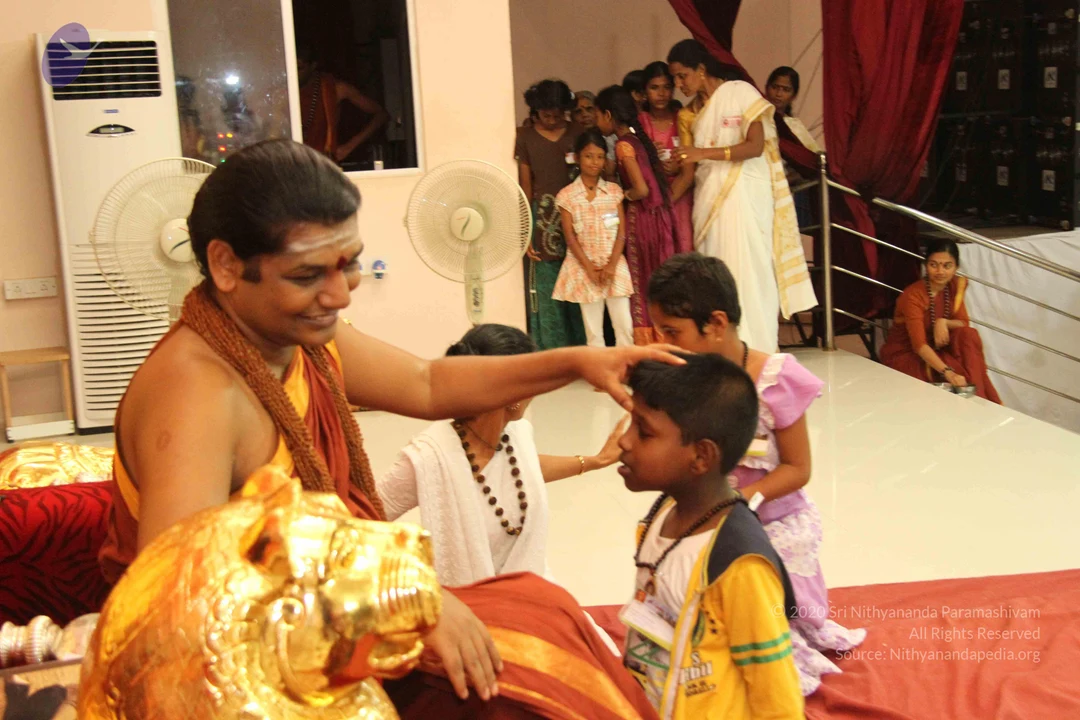
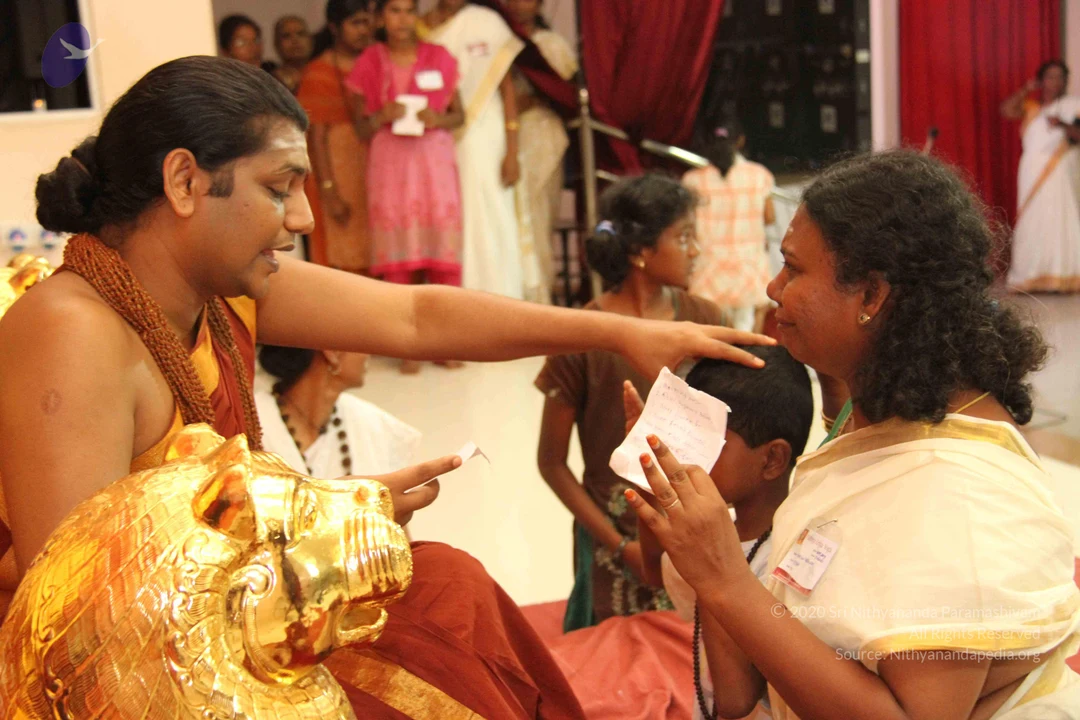
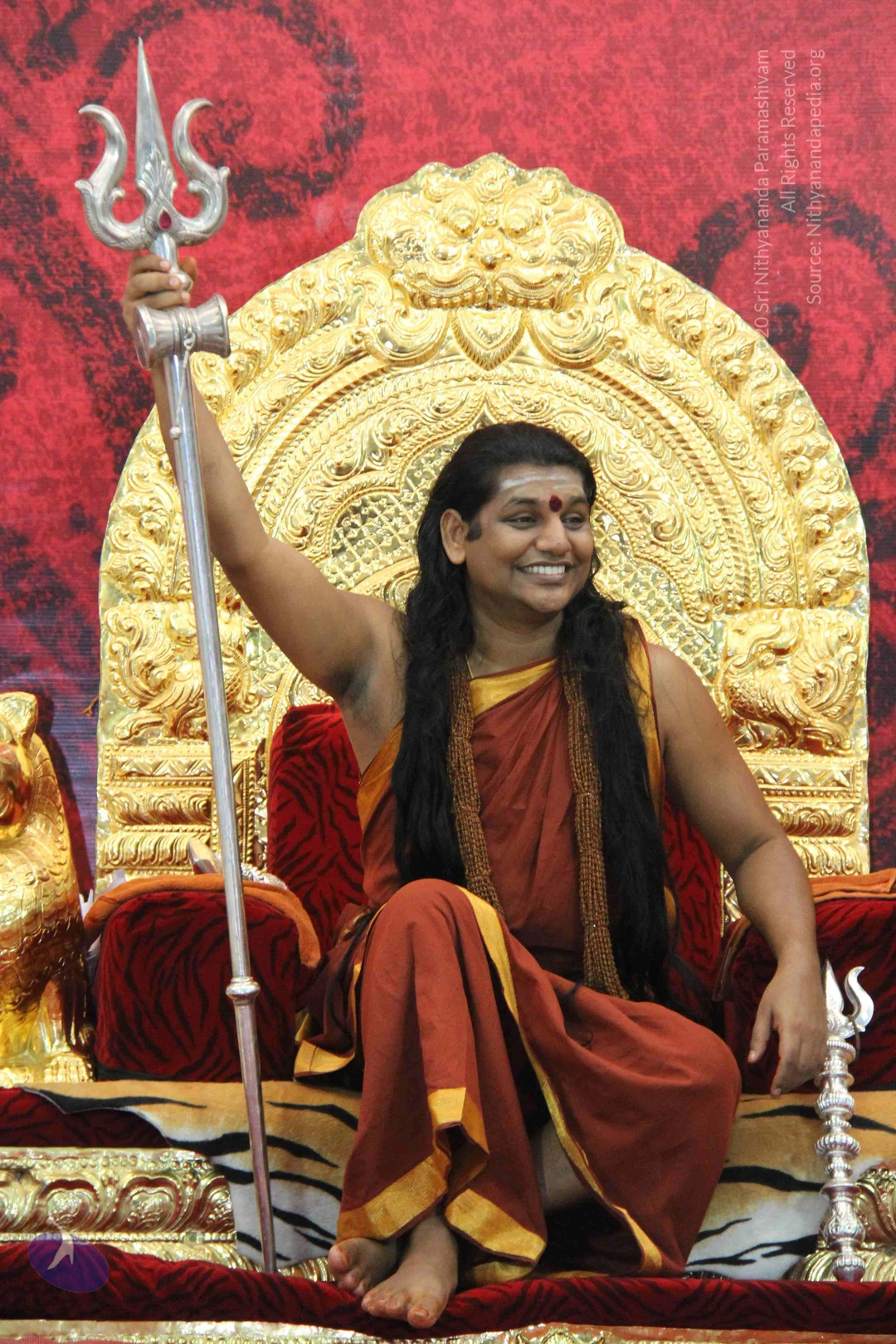
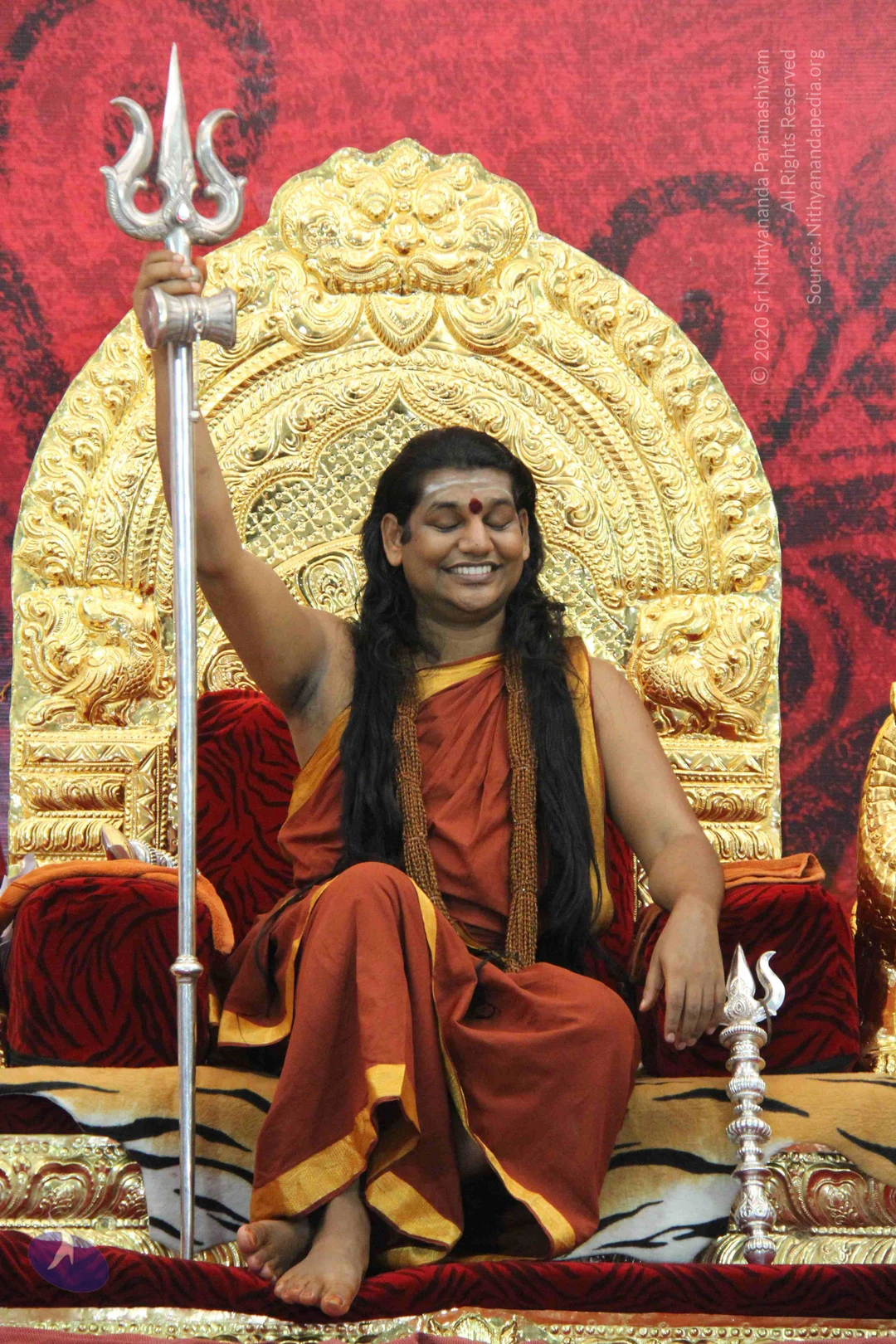
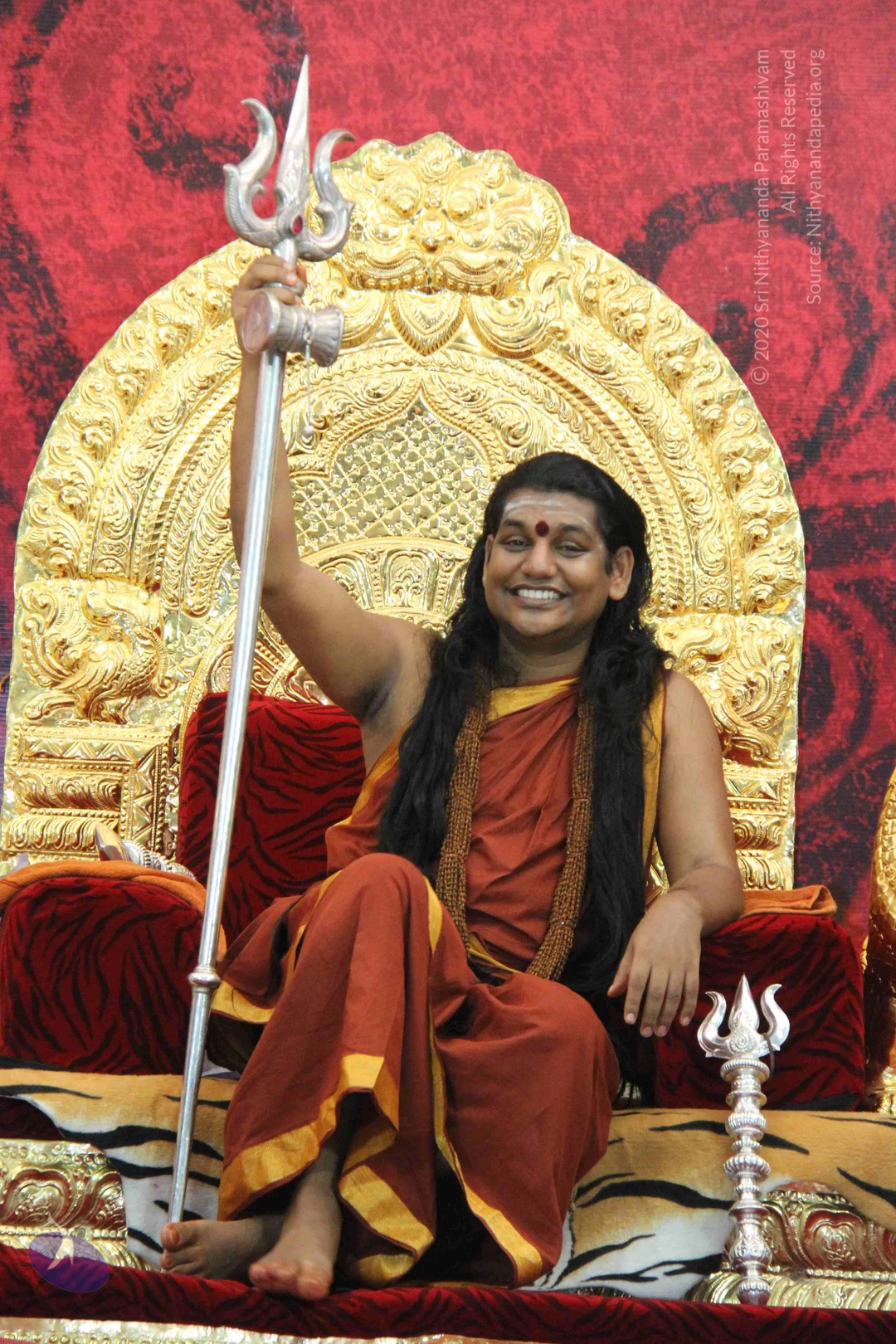
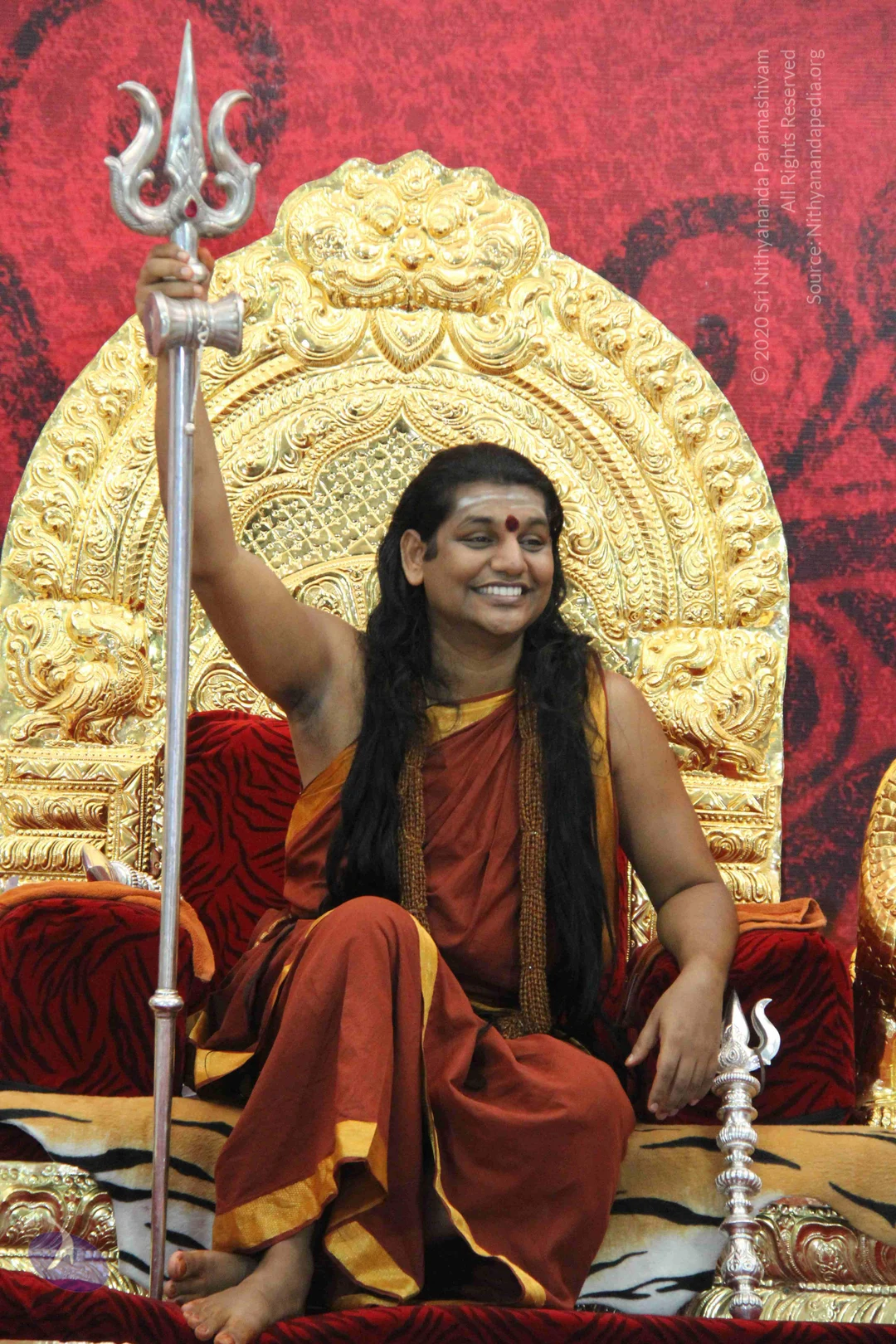
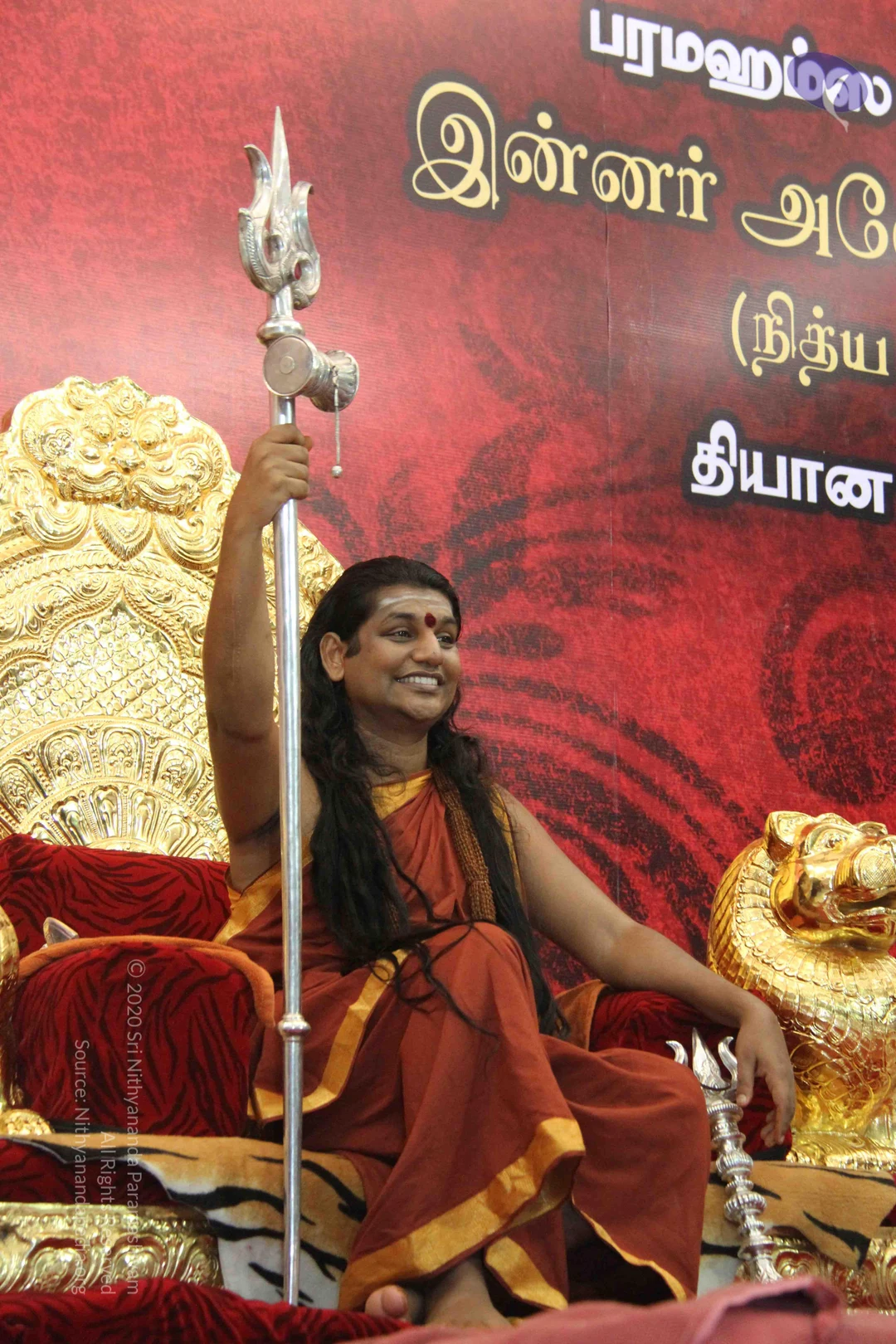
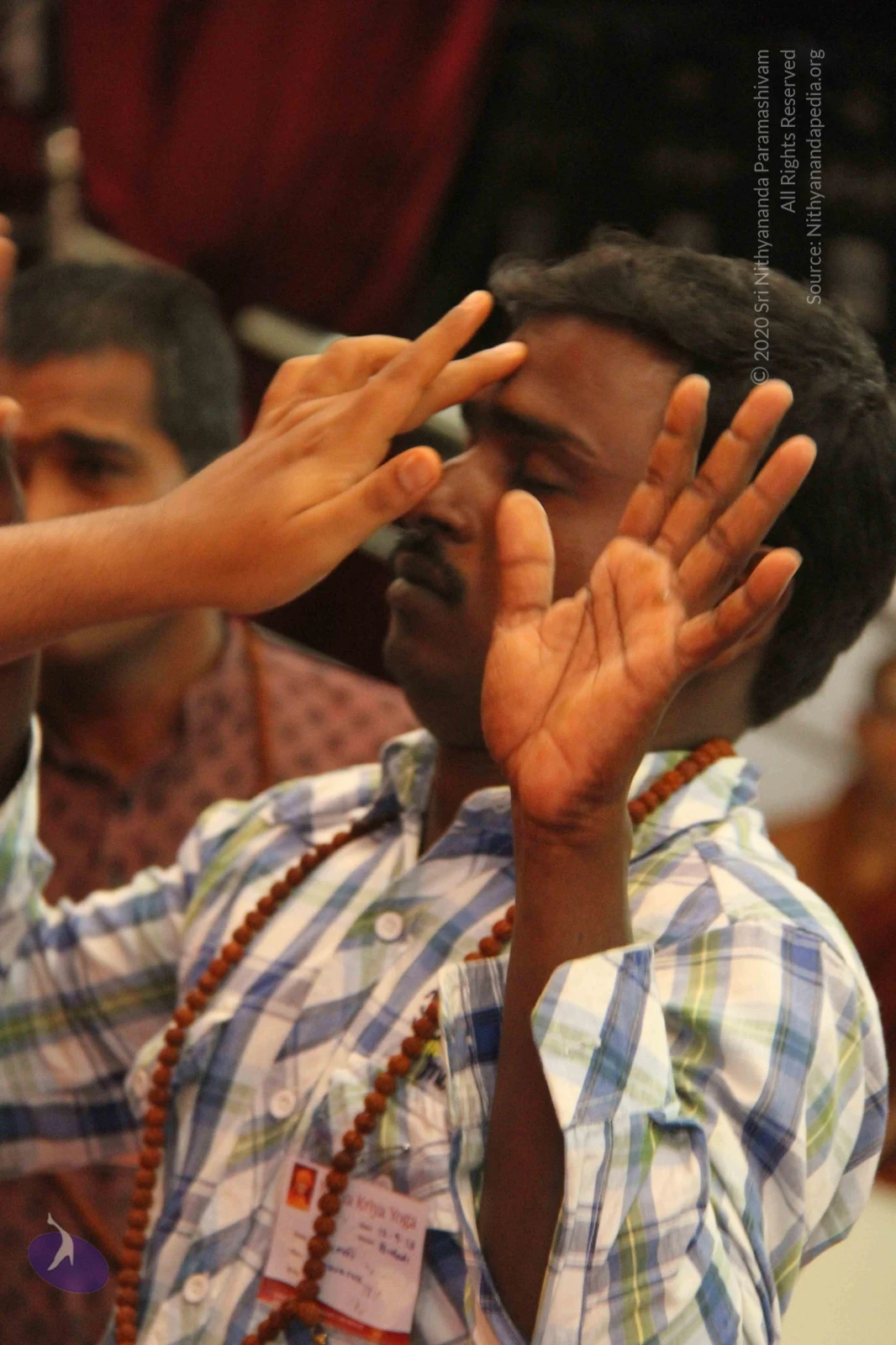
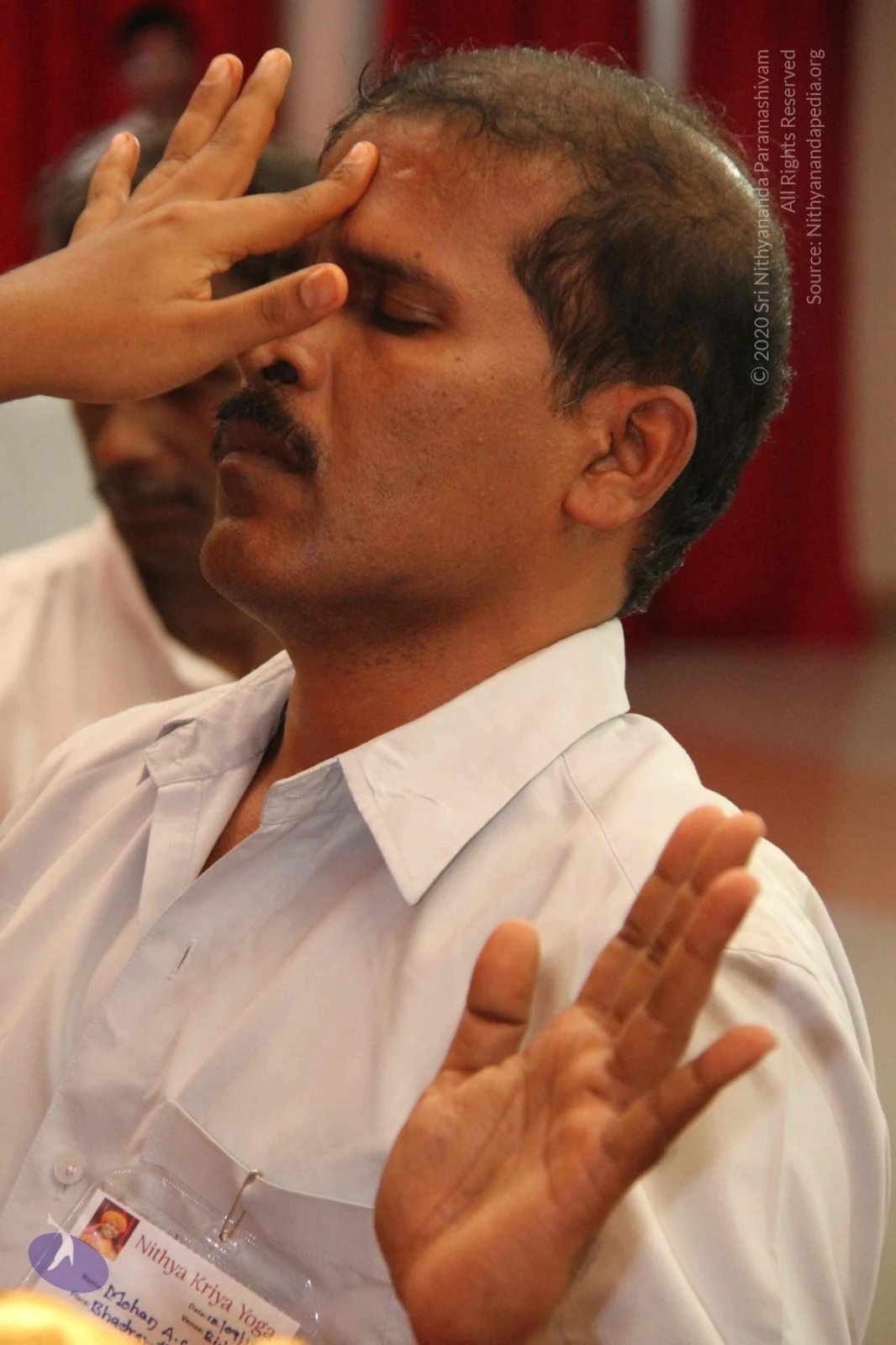
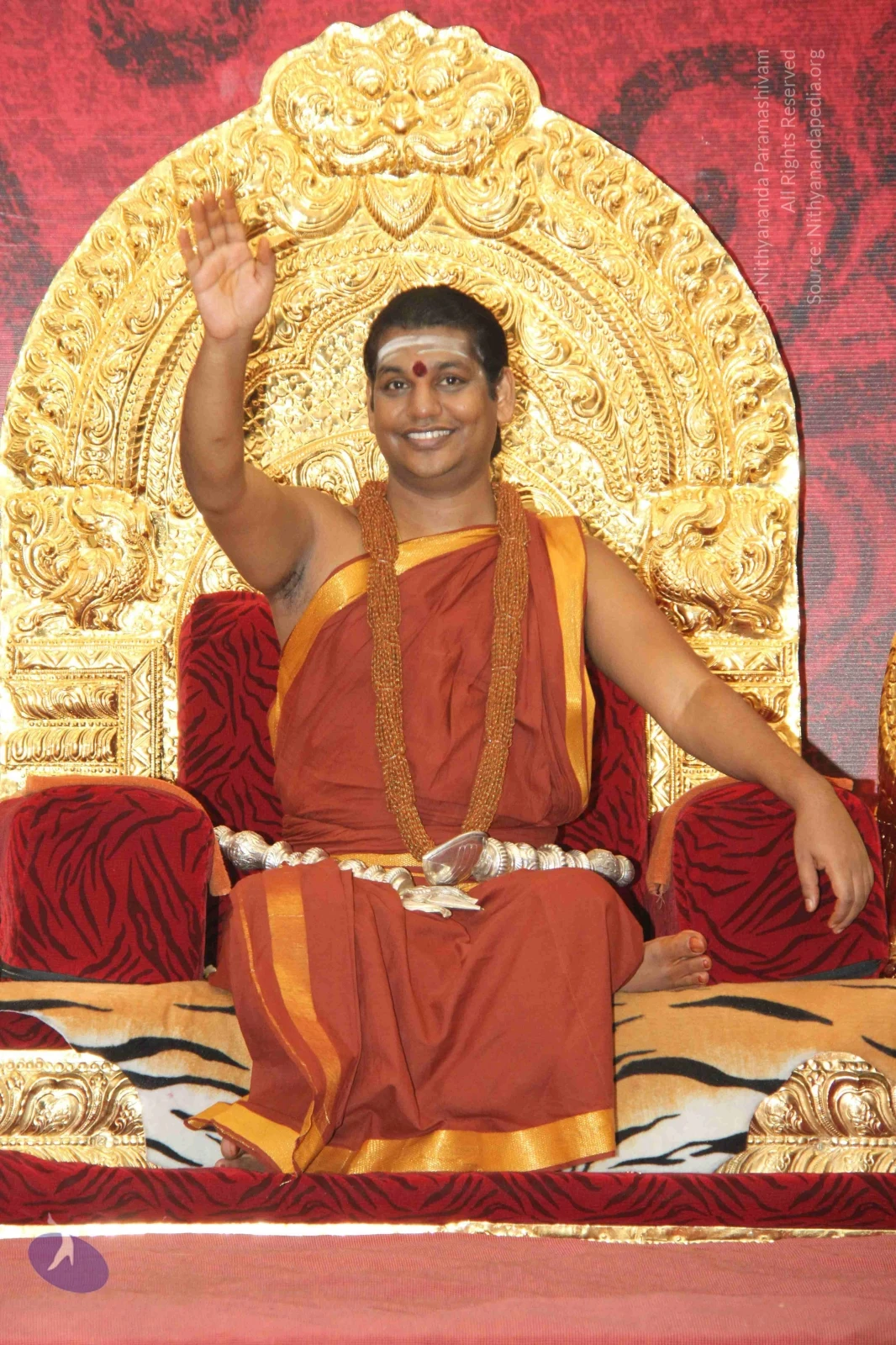
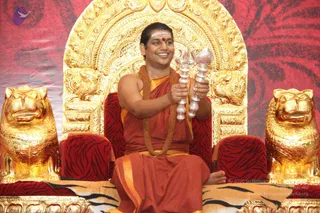
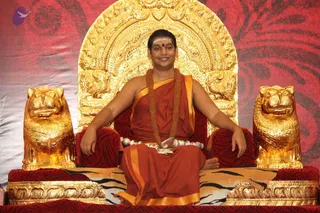
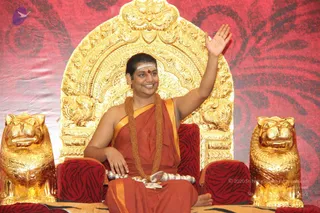
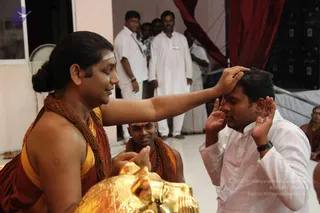
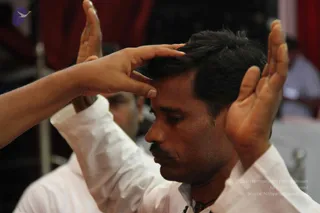
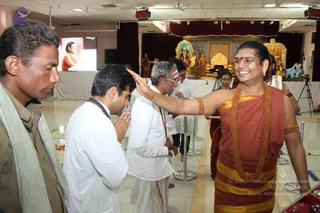
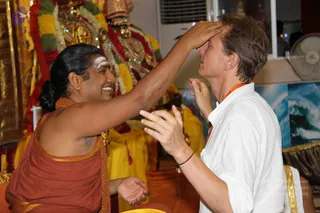
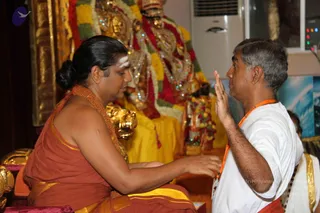
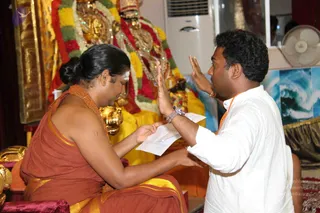
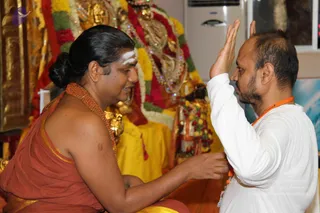
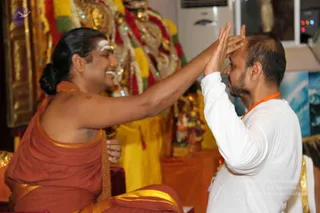
A seated man in a saffron-orange robe and gold-bordered shawl sits on an ornate gold throne carved with scrolls, flanked by two golden lion statues and red tiger-striped cushions. He wears a rudraksha mala with a ceremonial gold necklace and a white-and-red forehead mark, holds a pair of silver ceremonial staffs with trident-like finials, and smiles while looking to the side. A red and gold backdrop and a tiger-striped mat complete the stage setting.A man seated on an ornate golden throne with a red and gold backdrop and two golden tiger-shaped armrests. He wears a saffron-orange robe with gold border, a long rudraksha mala, a silver waist belt, and white vibhuti with a red kumkum dot on his forehead. He sits cross-legged on a tiger-striped cushion and smiles with arms resting on the armrests. a person is seated on the throne with saffron robes and a rudraksha mala, a presentation consistent with the page's reference to him.A smiling man seated on an ornate golden throne with a carved arched backrest, flanked by two golden lion sculptures on red-and-maroon tiger-striped cushions. He wears a saffron-orange robe with a gold-bordered shawl, a long gold-beaded necklace, a red bindi and white forehead markings, and raises his right hand in a wave. A rudraksha-style mala and silver waist ornament are visible. The backdrop is a red patterned cloth.A man in saffron-orange robes with a gold-edged dhoti sits cross-legged on an ornate golden throne with carved arch backing and gilded lion-head armrests, draped in a tiger-striped cloth over red velvet cushions against a red patterned backdrop. He wears a long rudraksha mala, a silver waist belt, a white vibhuti line across the forehead and a red kumkum dot, smiling with both hands raised in an explaining gesture. The a person cues here are the saffron robes, rudraksha mala and ceremonial throne setting; the page indicates this is a Nithyananda Dhyanapeetam discourse. A small logo appears at the top left and a copyright line at the lower right.A saffron-robed priest with a bare upper body, a shaved-looking forehead marked with a white tilak, and a rudraksha-style bead mala stands at left, palm pressed to the forehead of a young man in a white kurta who has his eyes closed and hands raised in reverence. A golden vessel sits in the foreground. Behind them, men in white dhotis and shirts stand and sit near a red drape and a dark backdrop. The scene reads as a blessing or initiation ritual in a hall. The priest's appearance lacks the distinctive long hair or crown cues needed to confirm the page's claim, so his identity is uncertain.A close photograph of a man with short dark hair and a moustache, eyes closed, wearing a white collared shirt and a thin neck cord, while another person's hands are raised beside his head, one palm pressed to his forehead and the other hand held up near his temple. A second person in white is partly visible behind him, and a red curtain forms the background. The scene appears to be a guided meditation or energy-transmission moment during a group session.

Nithya Kriya Yoga_Swamiji Session

35 photosSource gallery
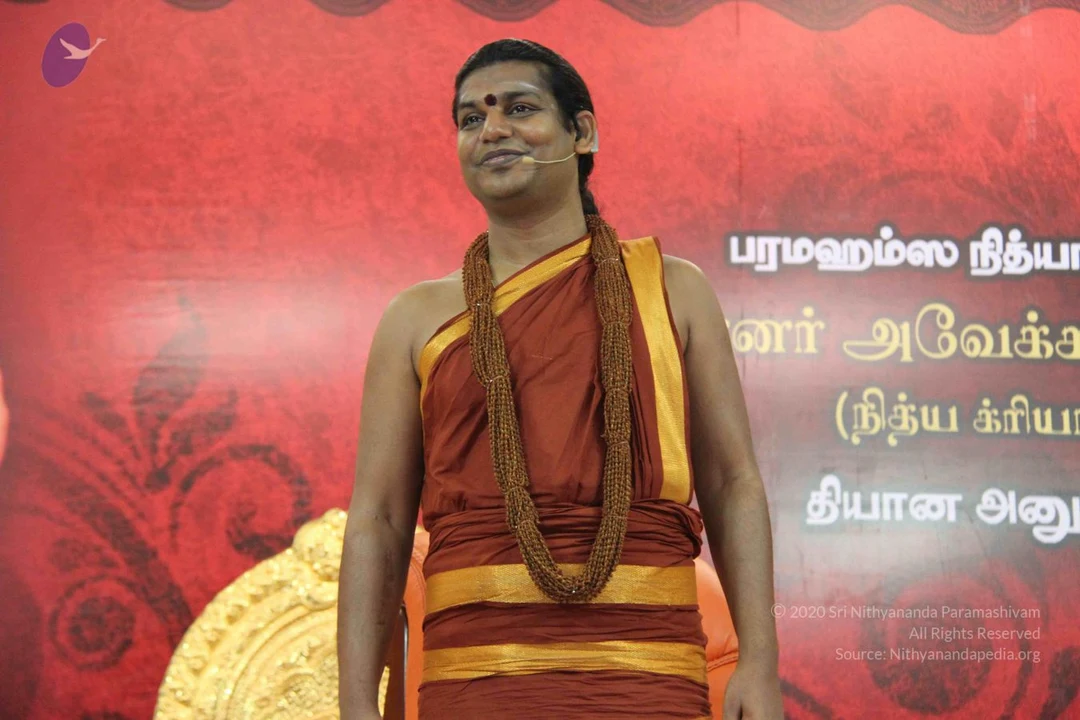
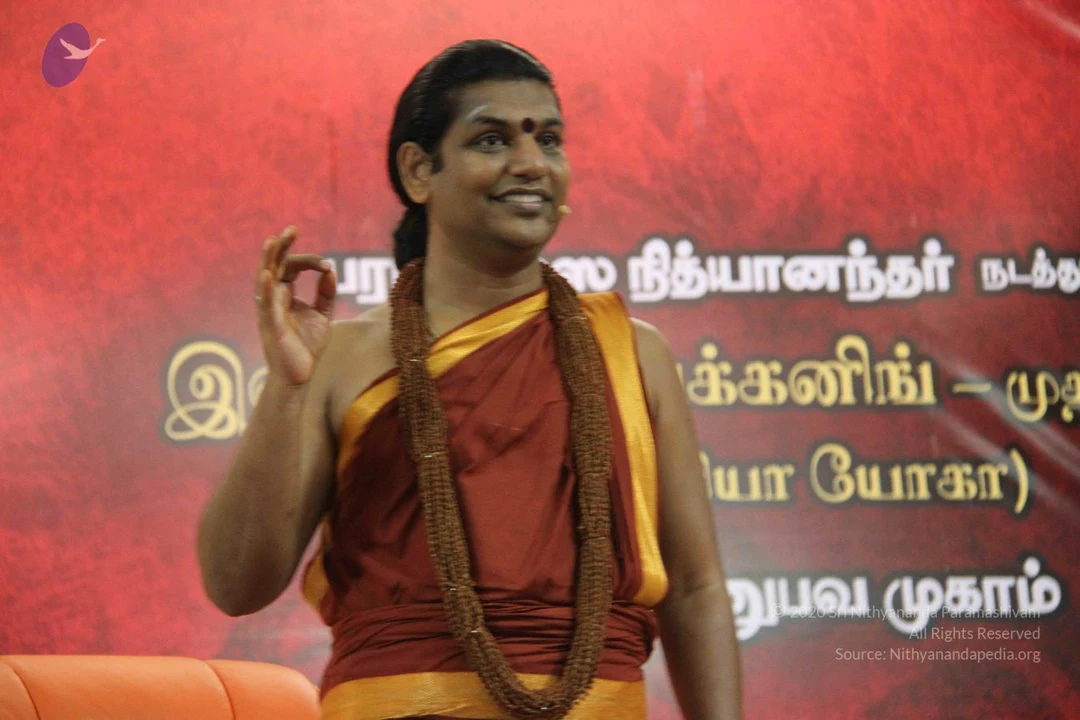
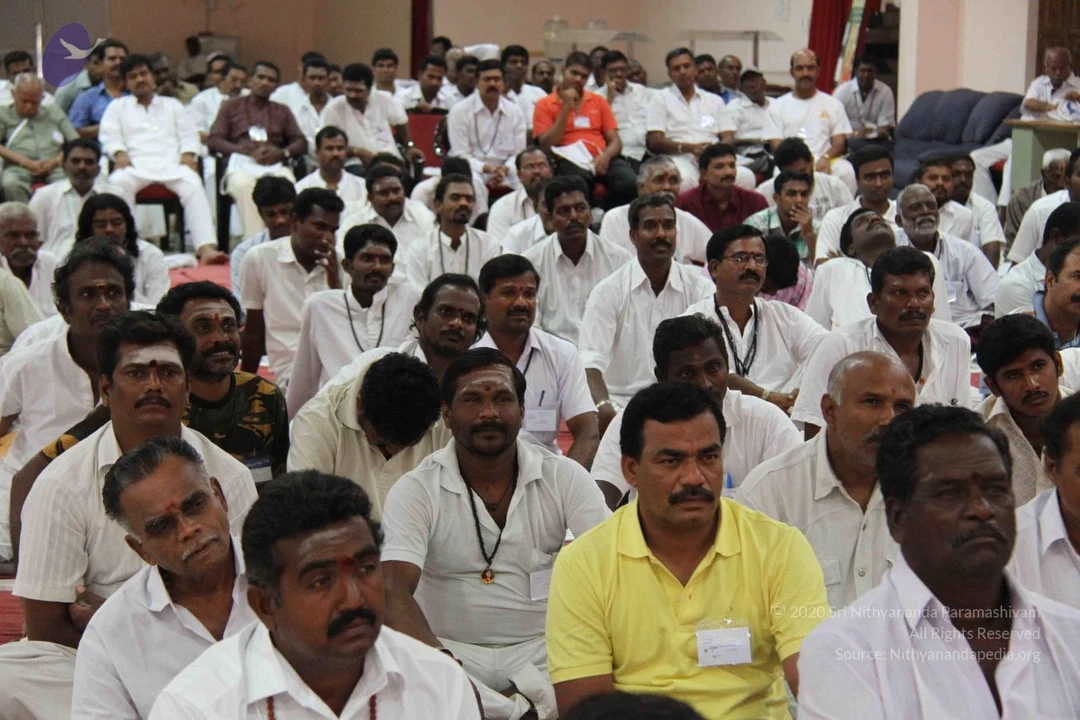
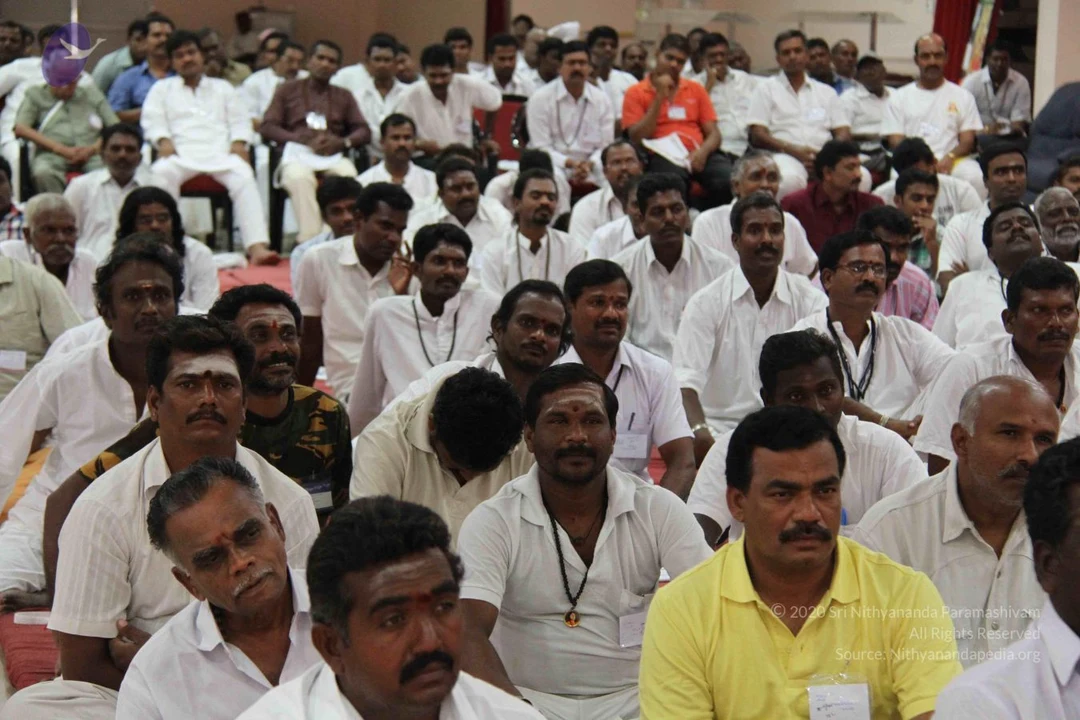
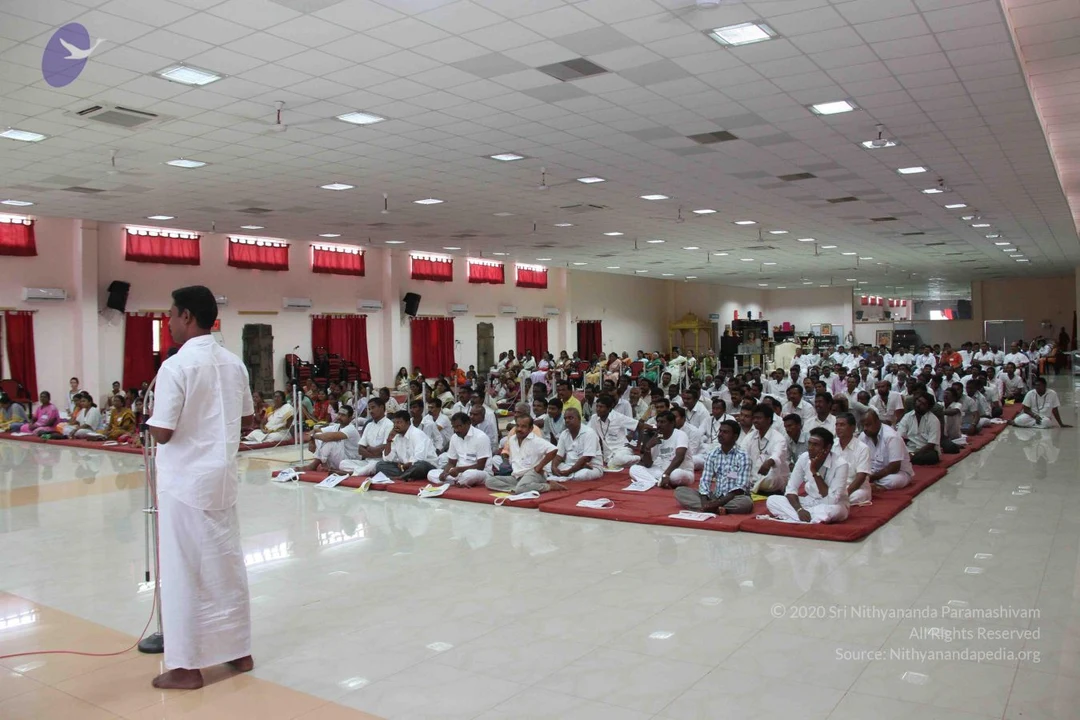
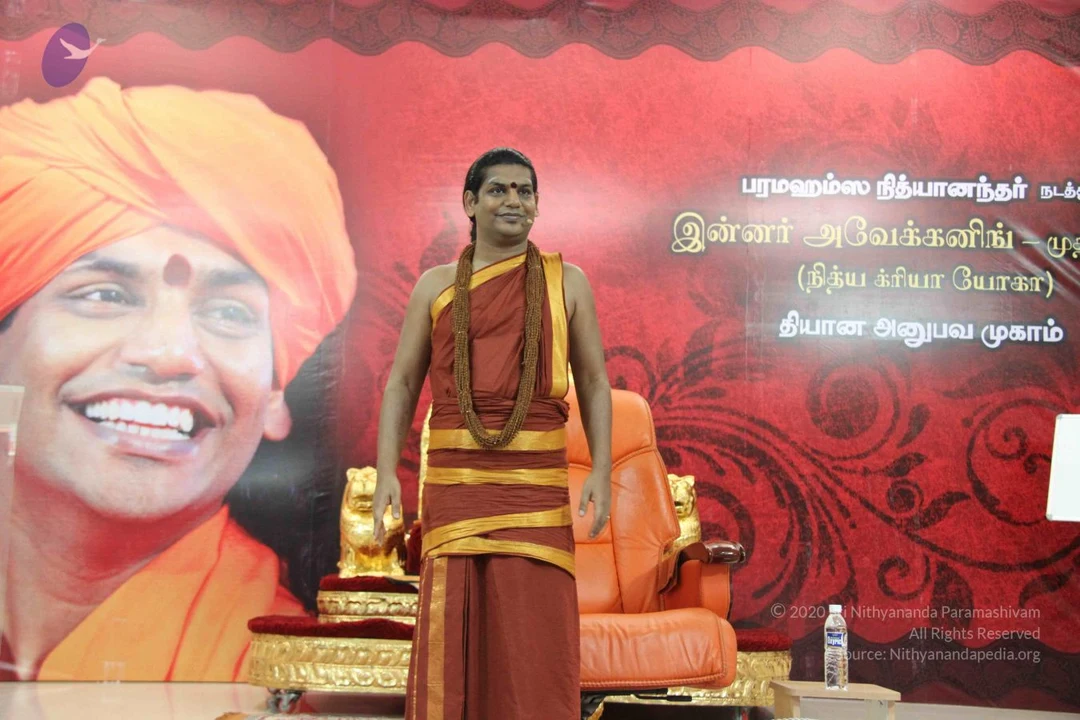
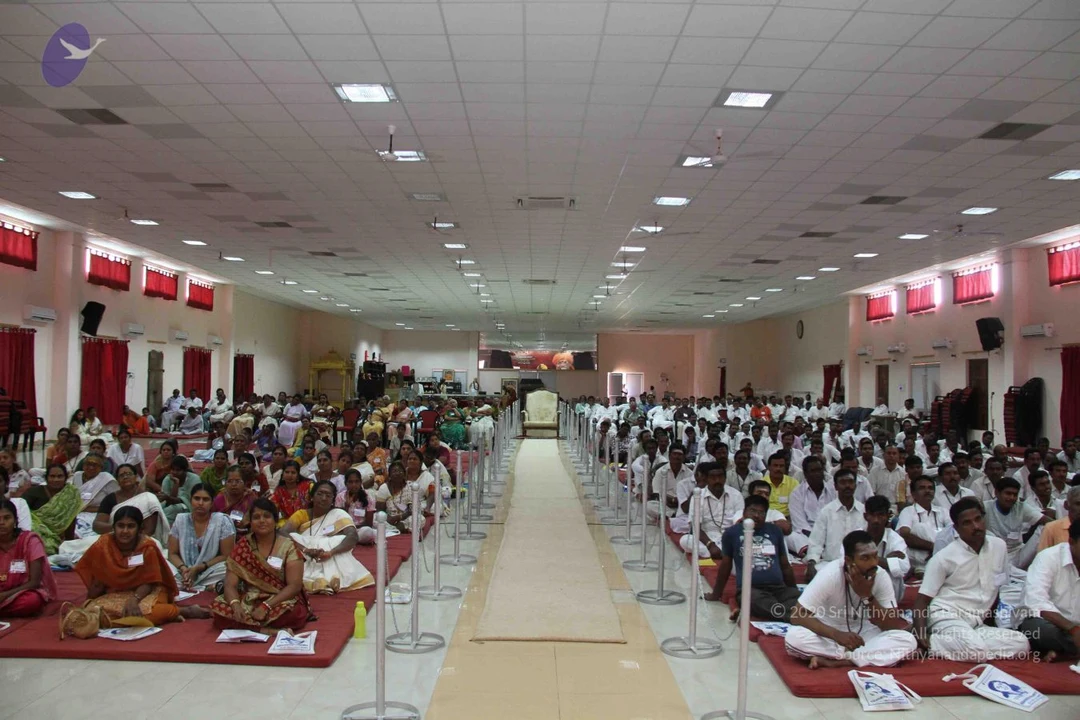
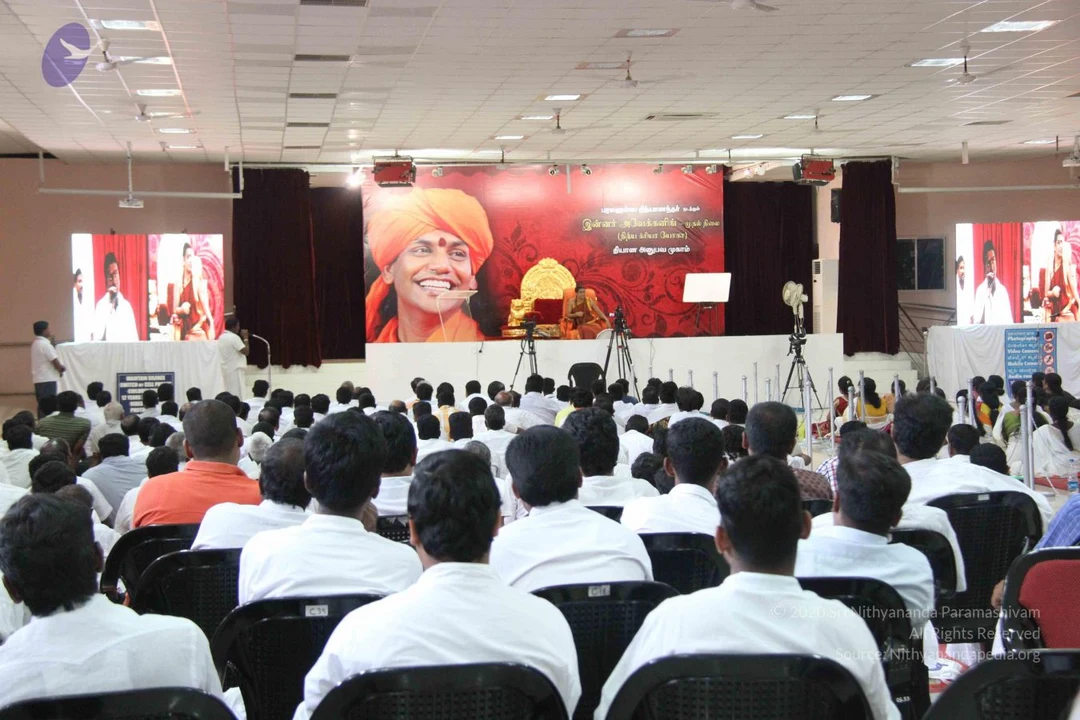
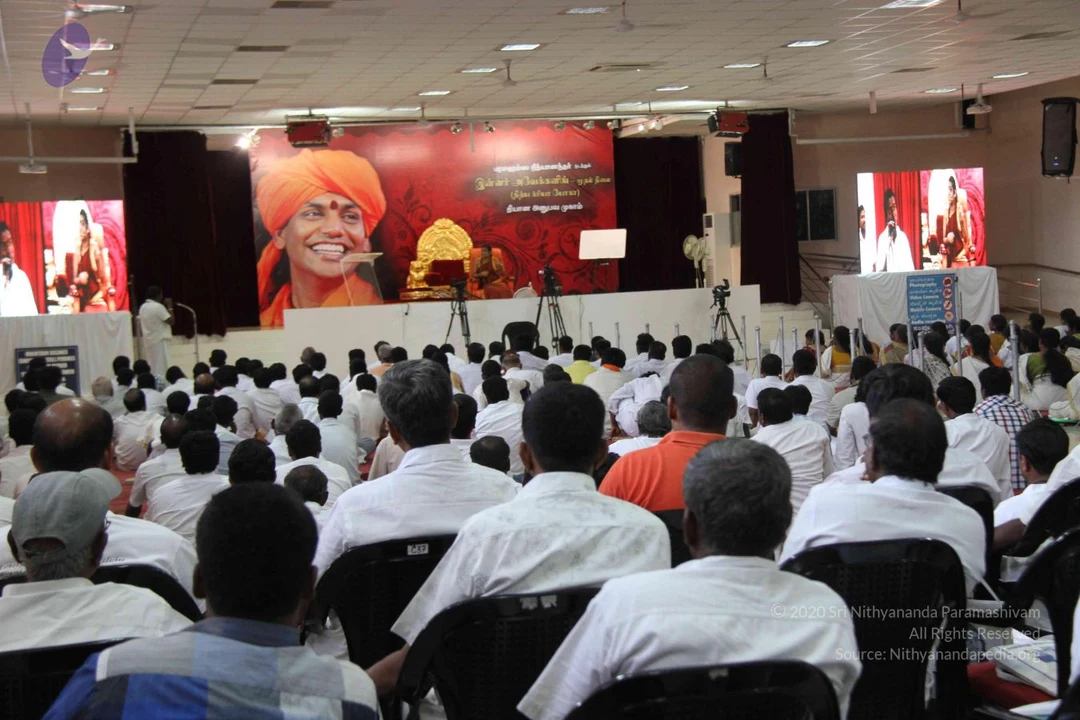
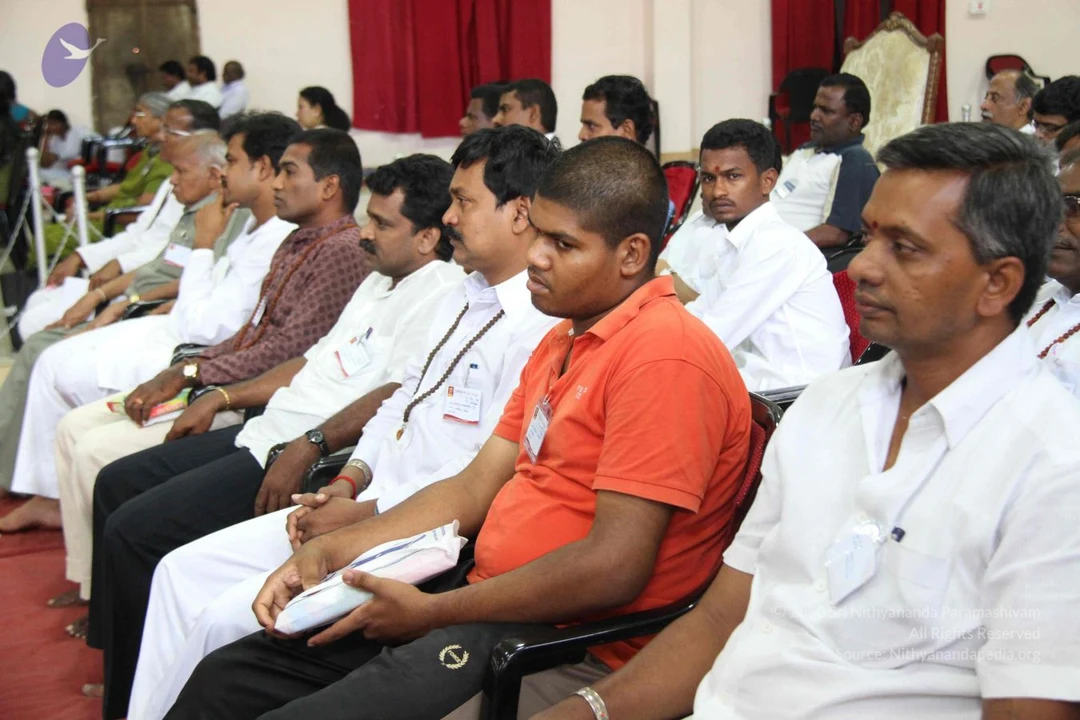
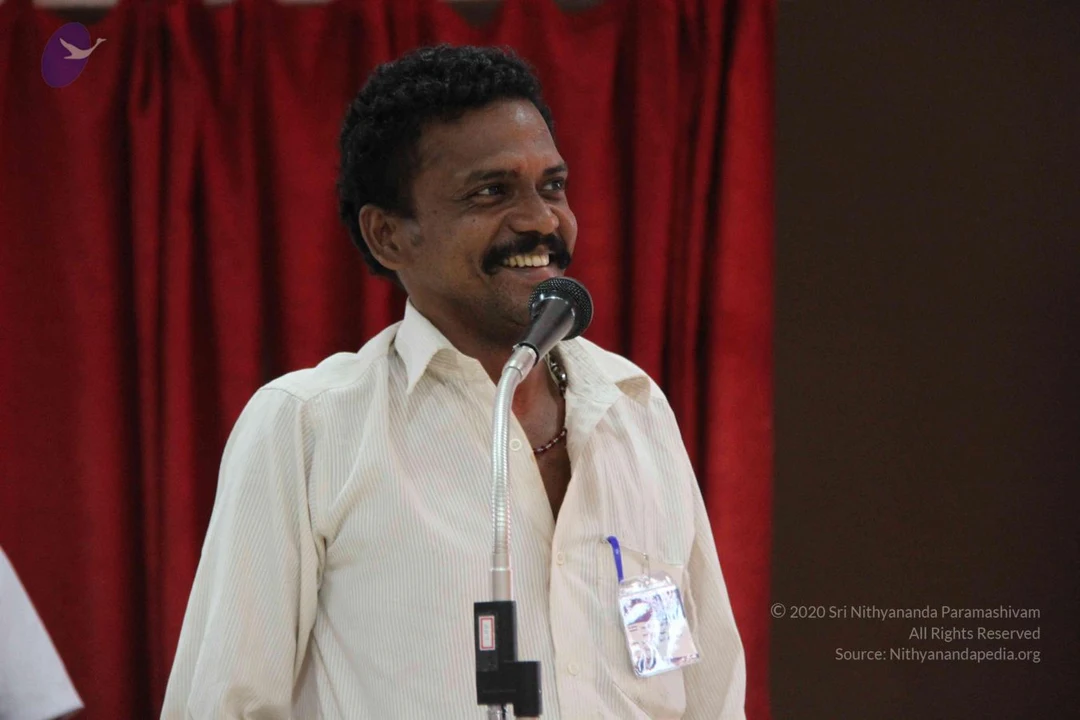
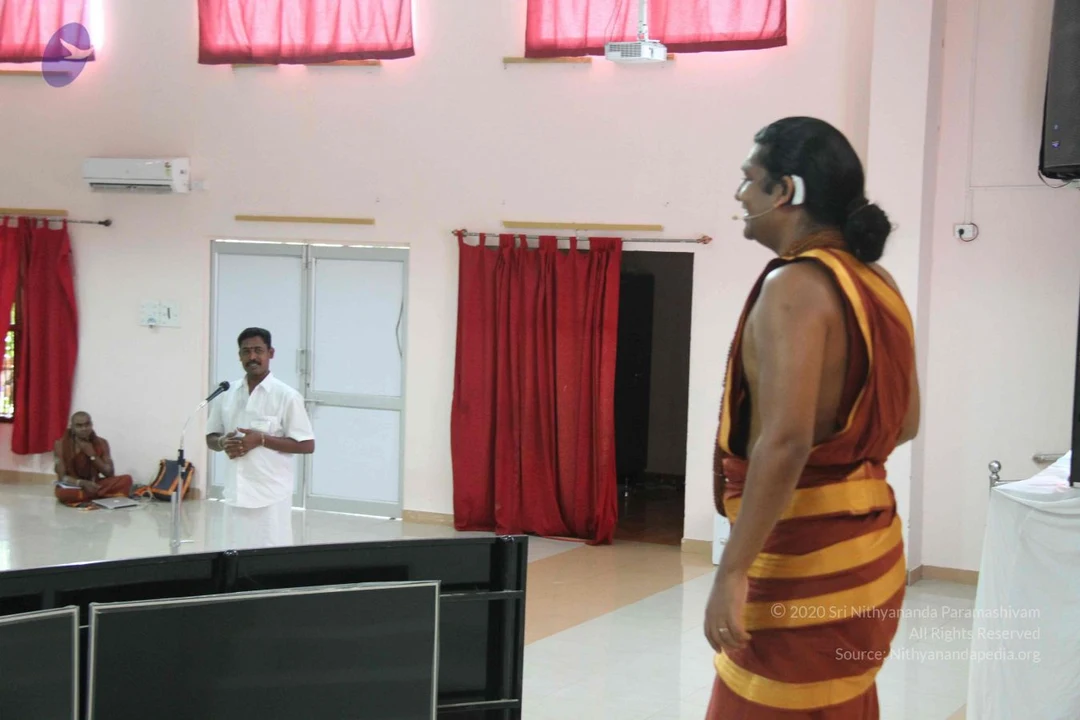
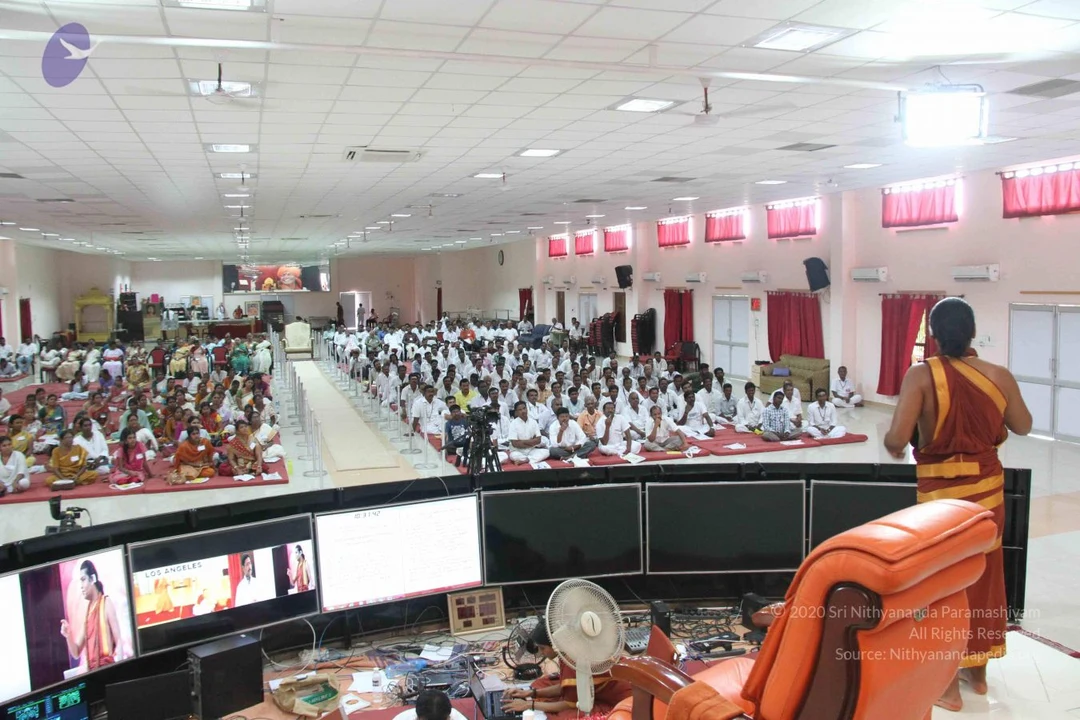
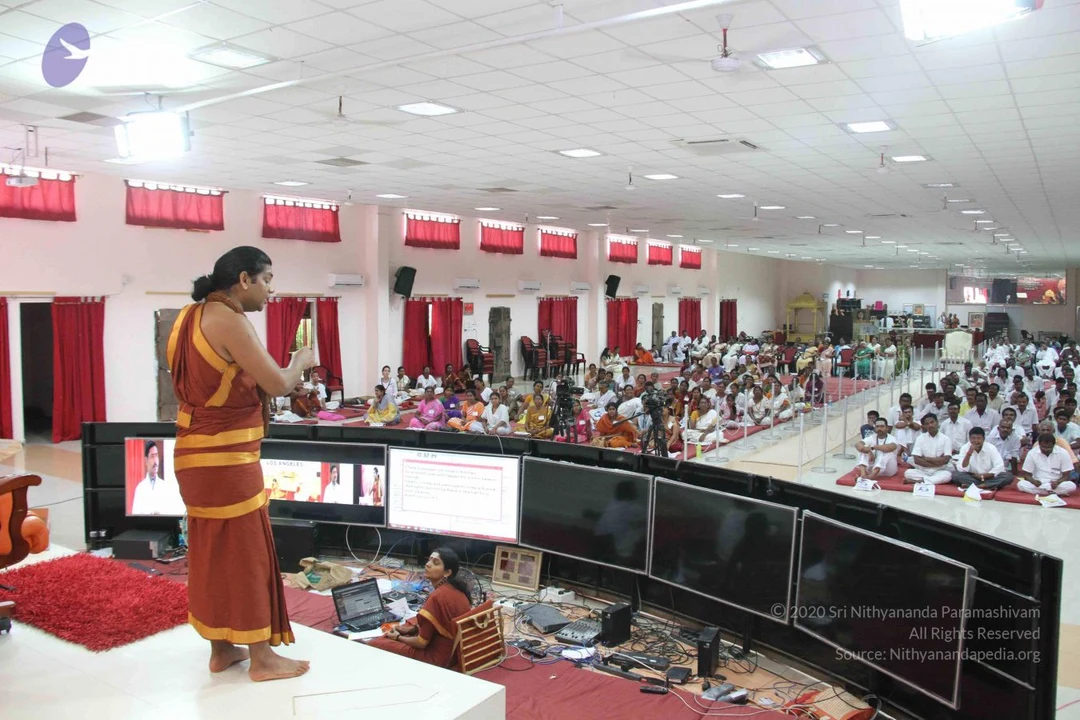
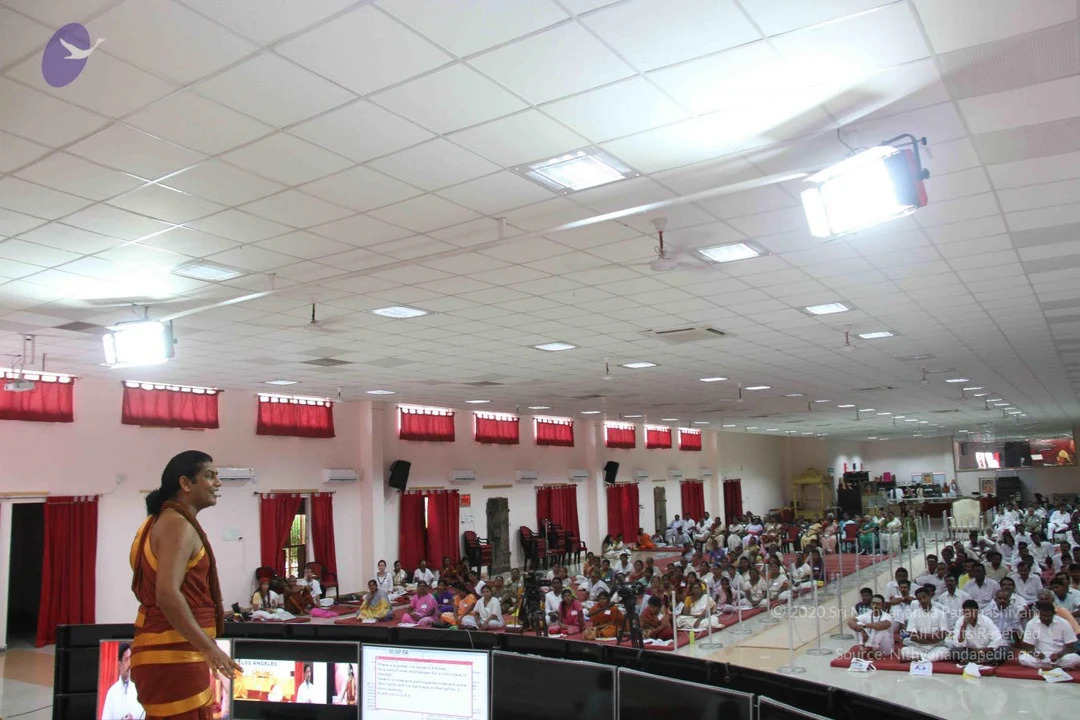
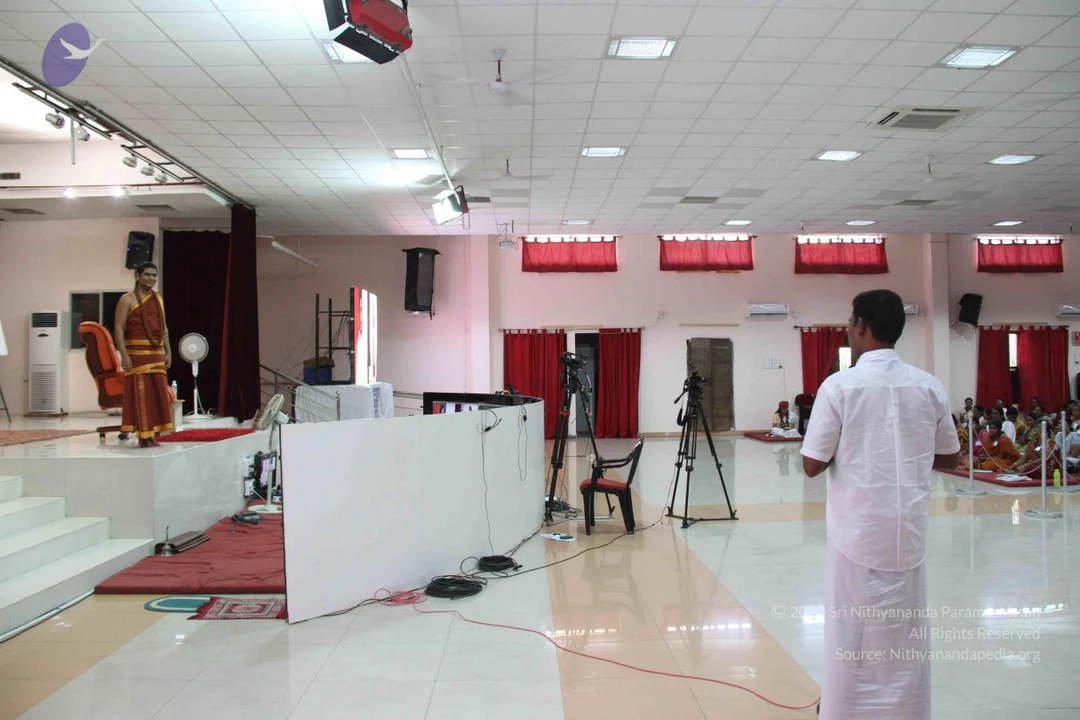
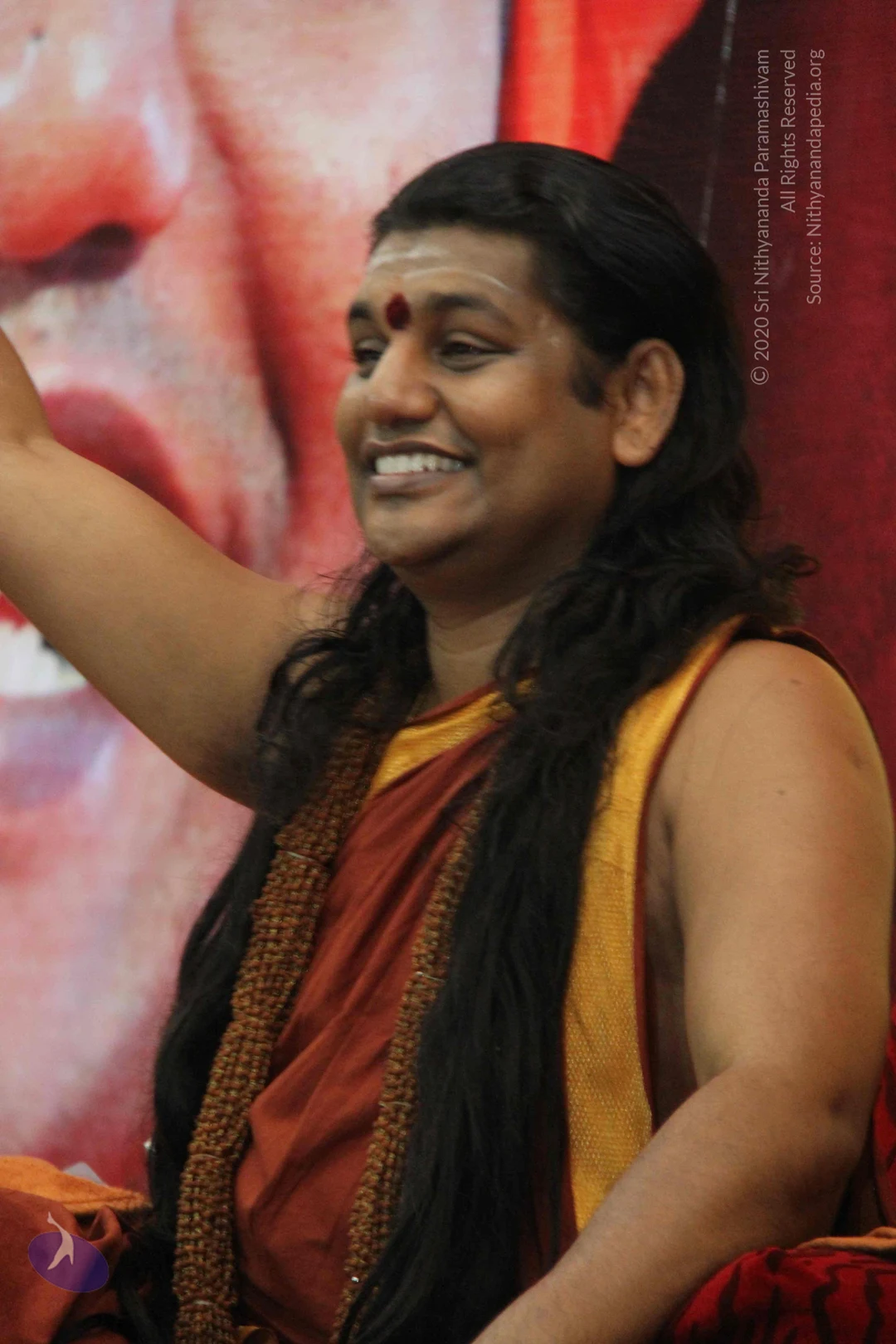
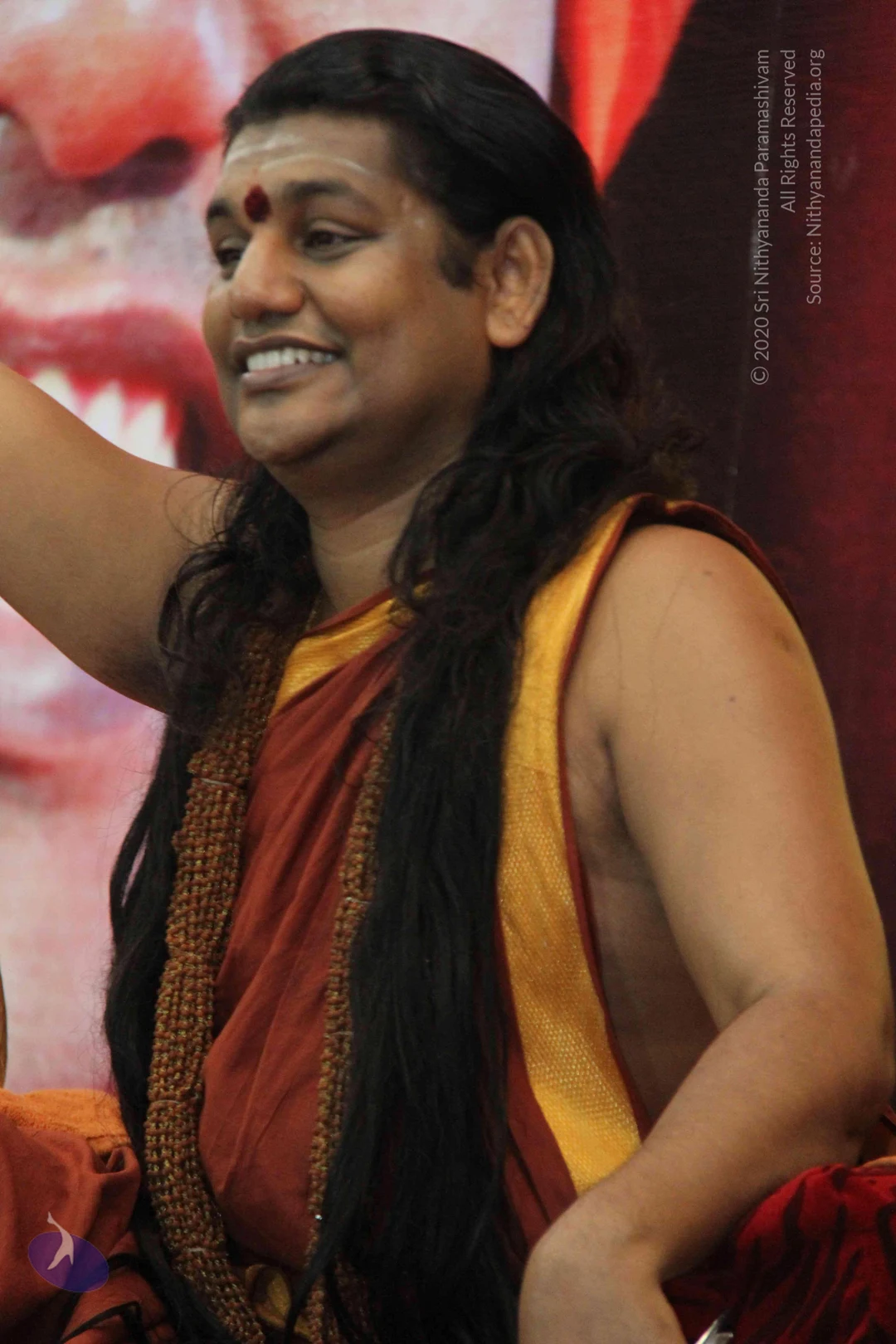
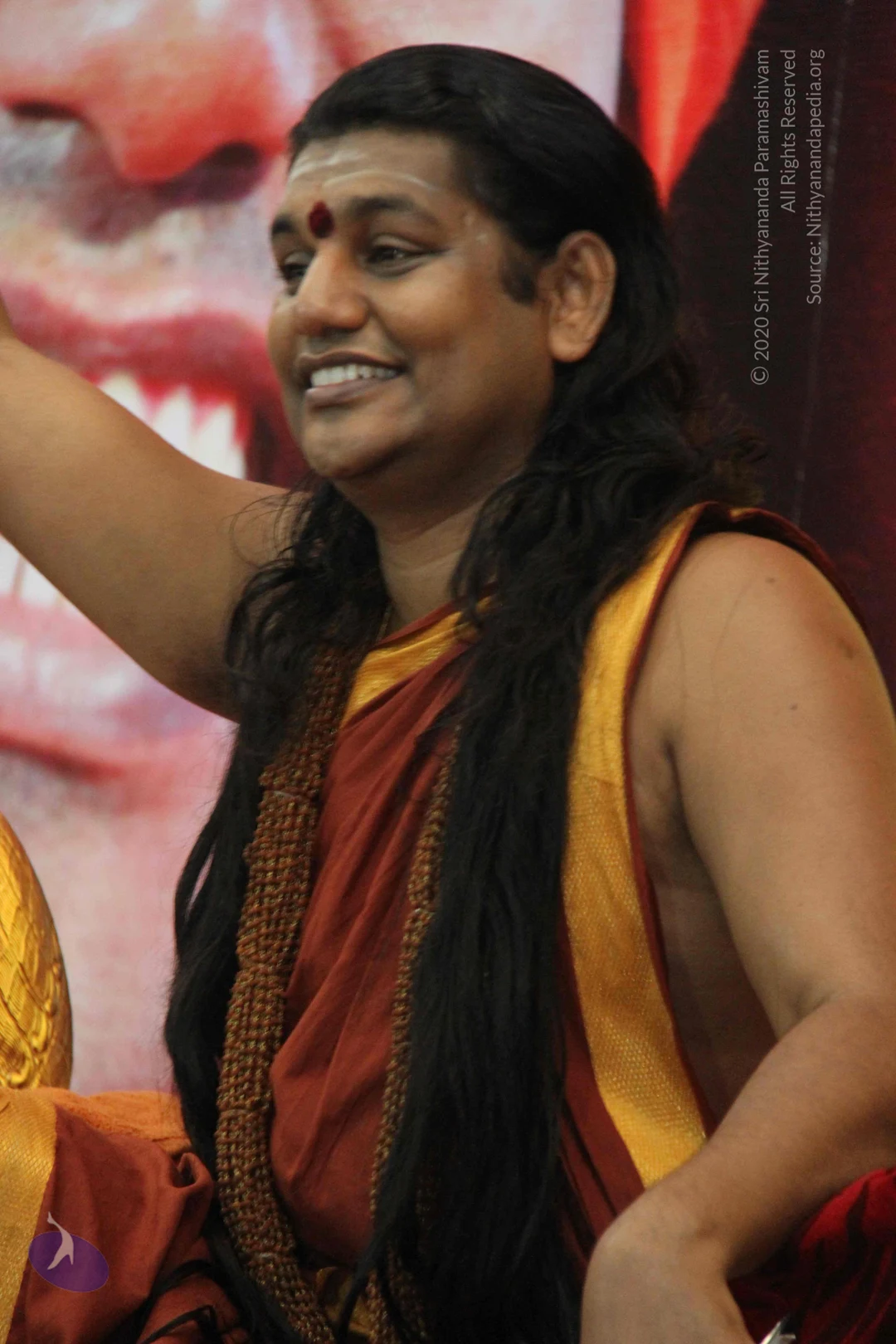
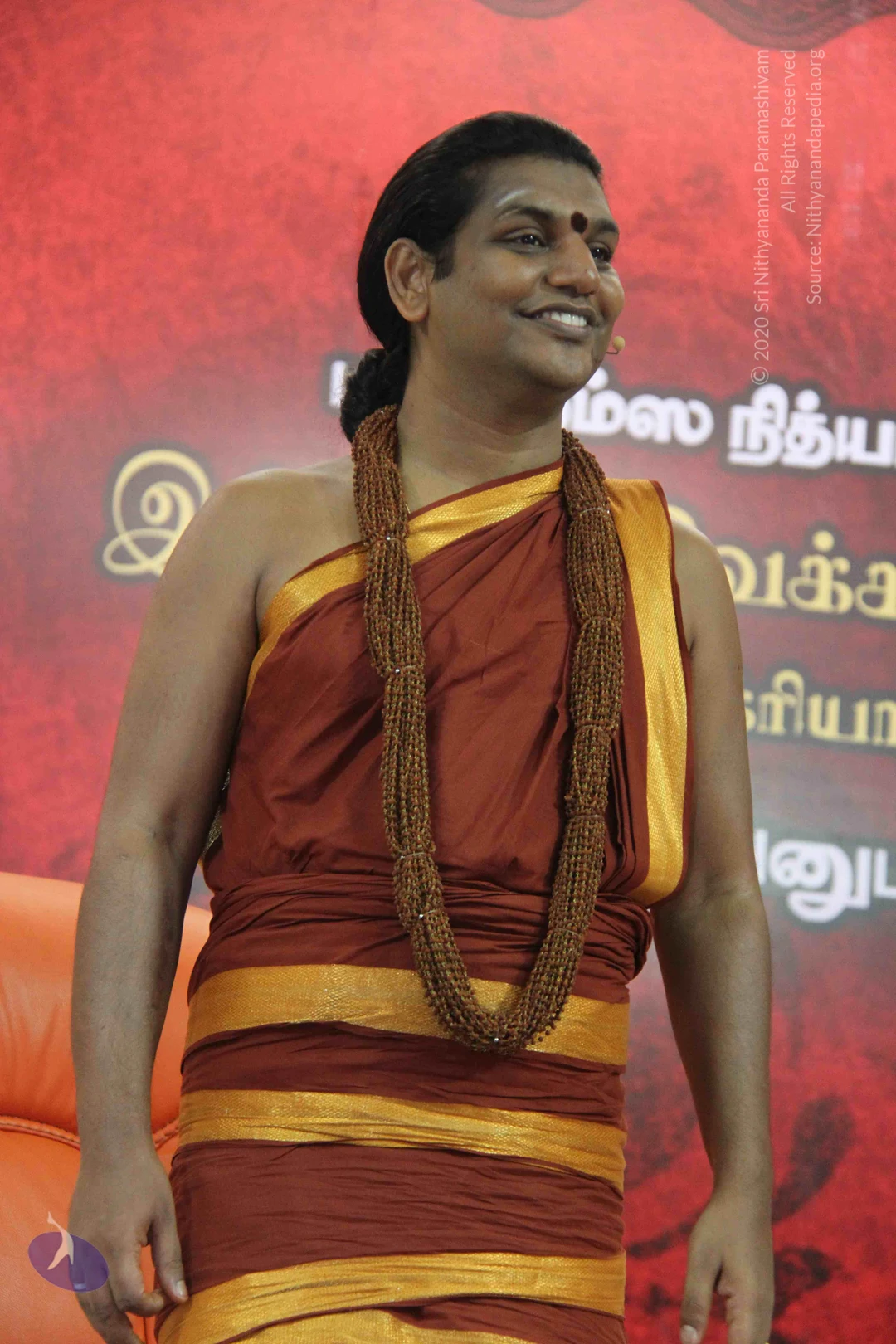
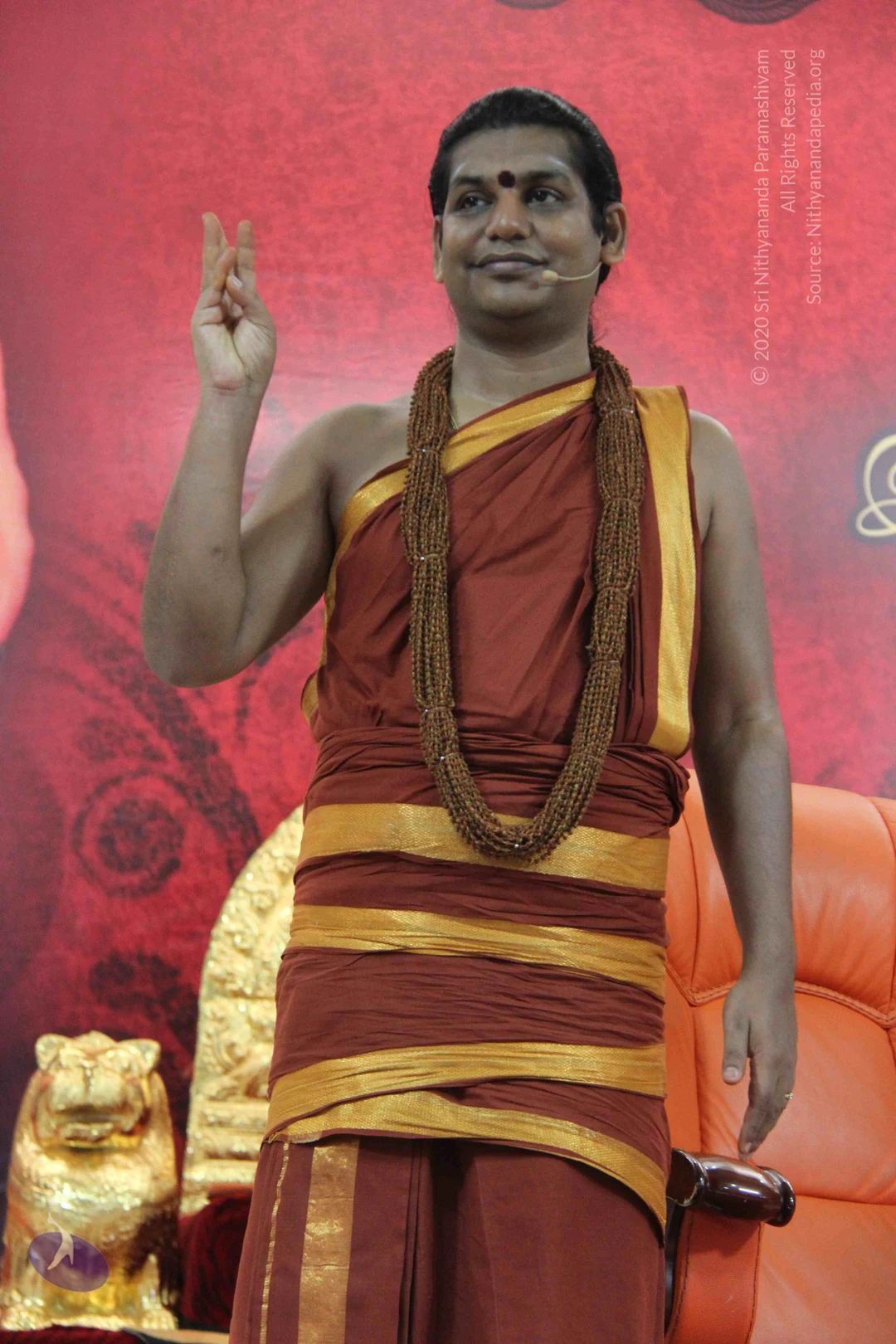
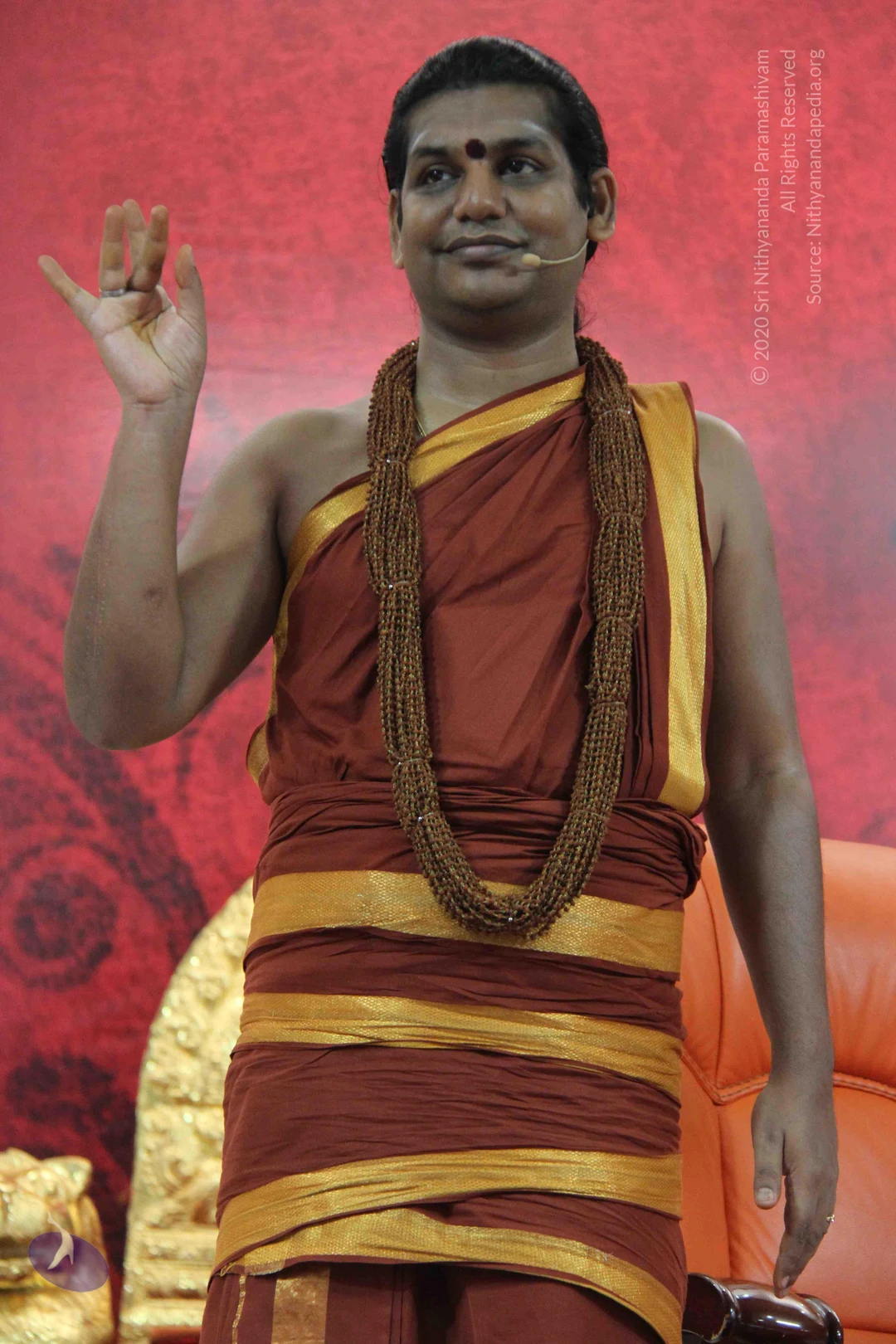
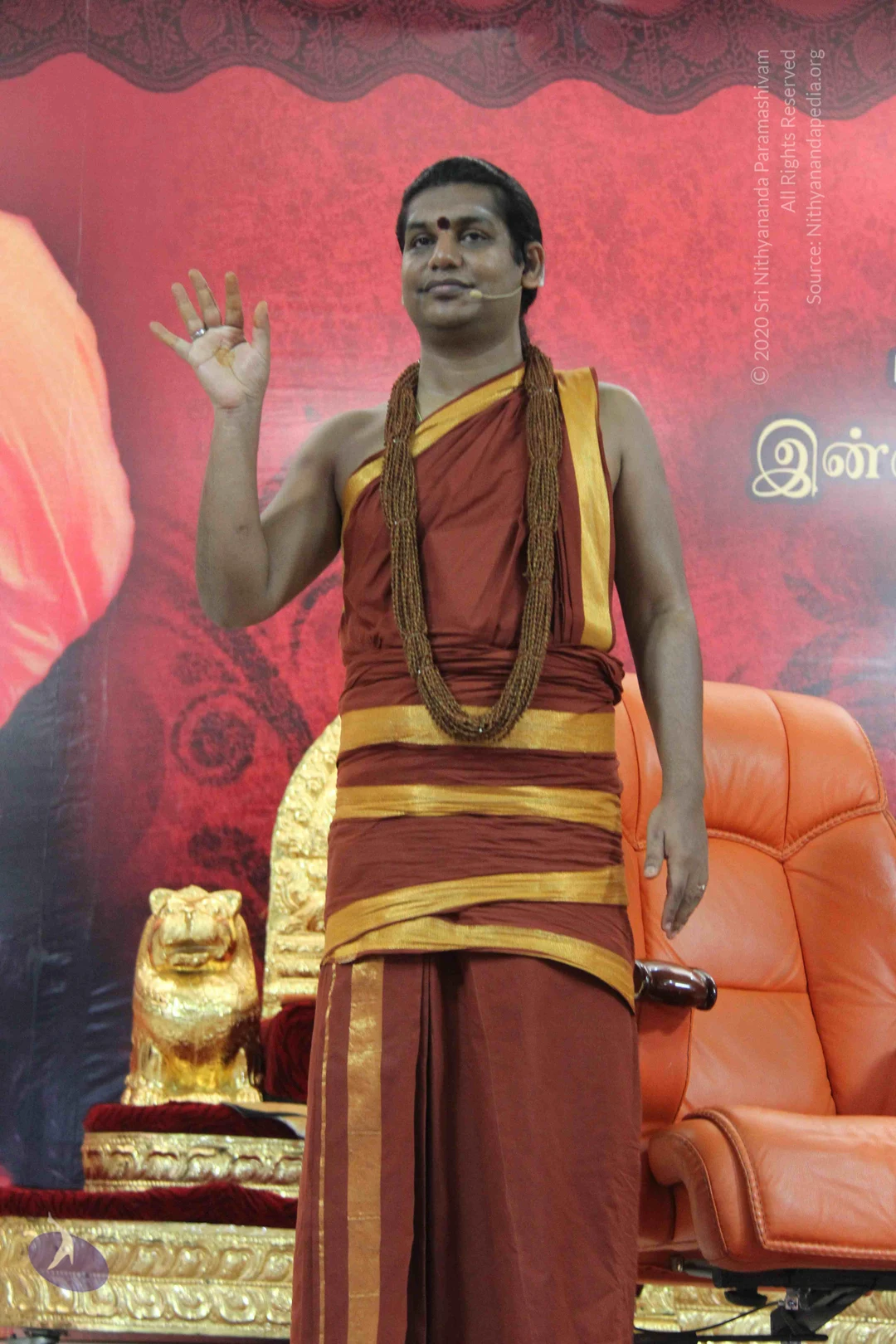
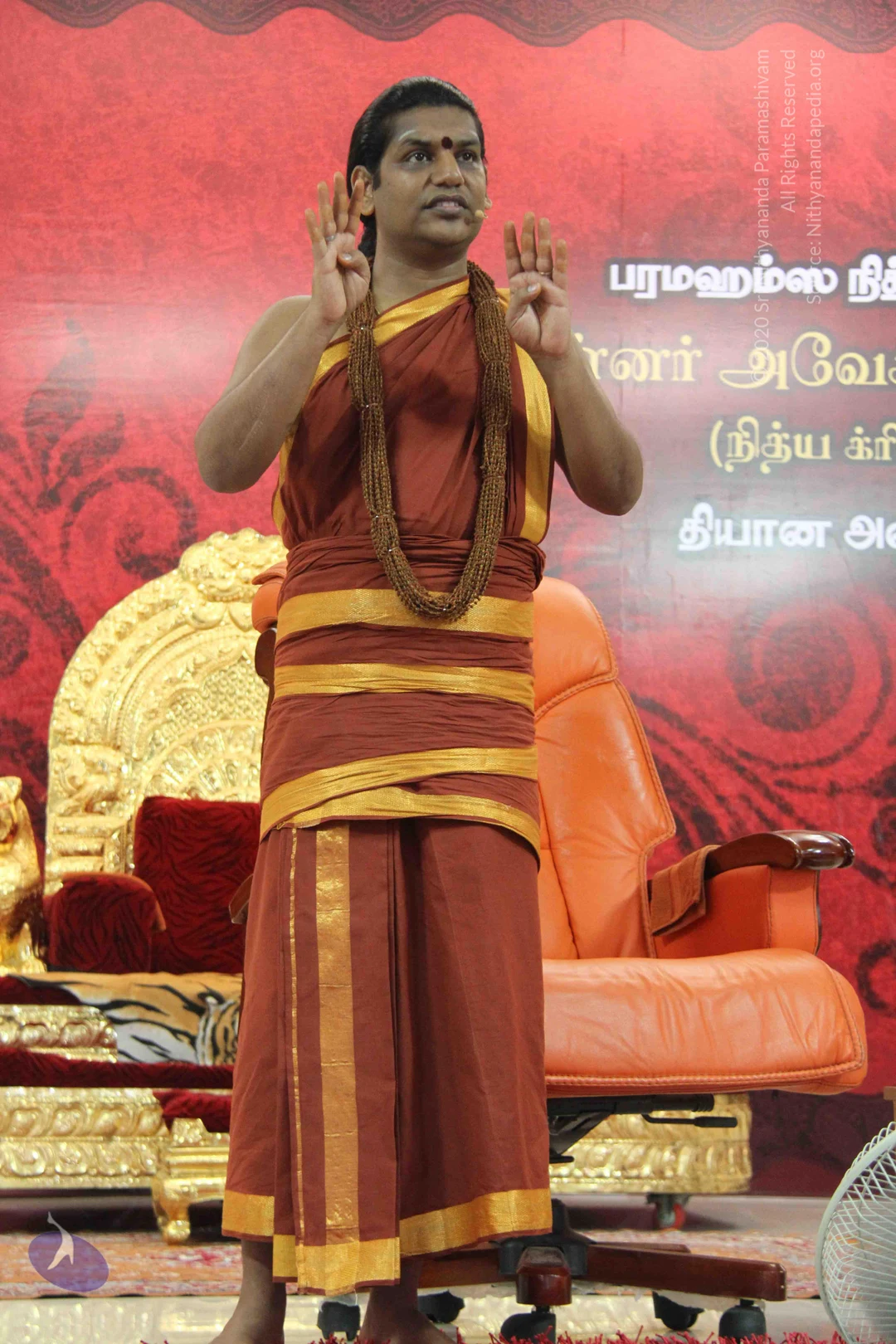
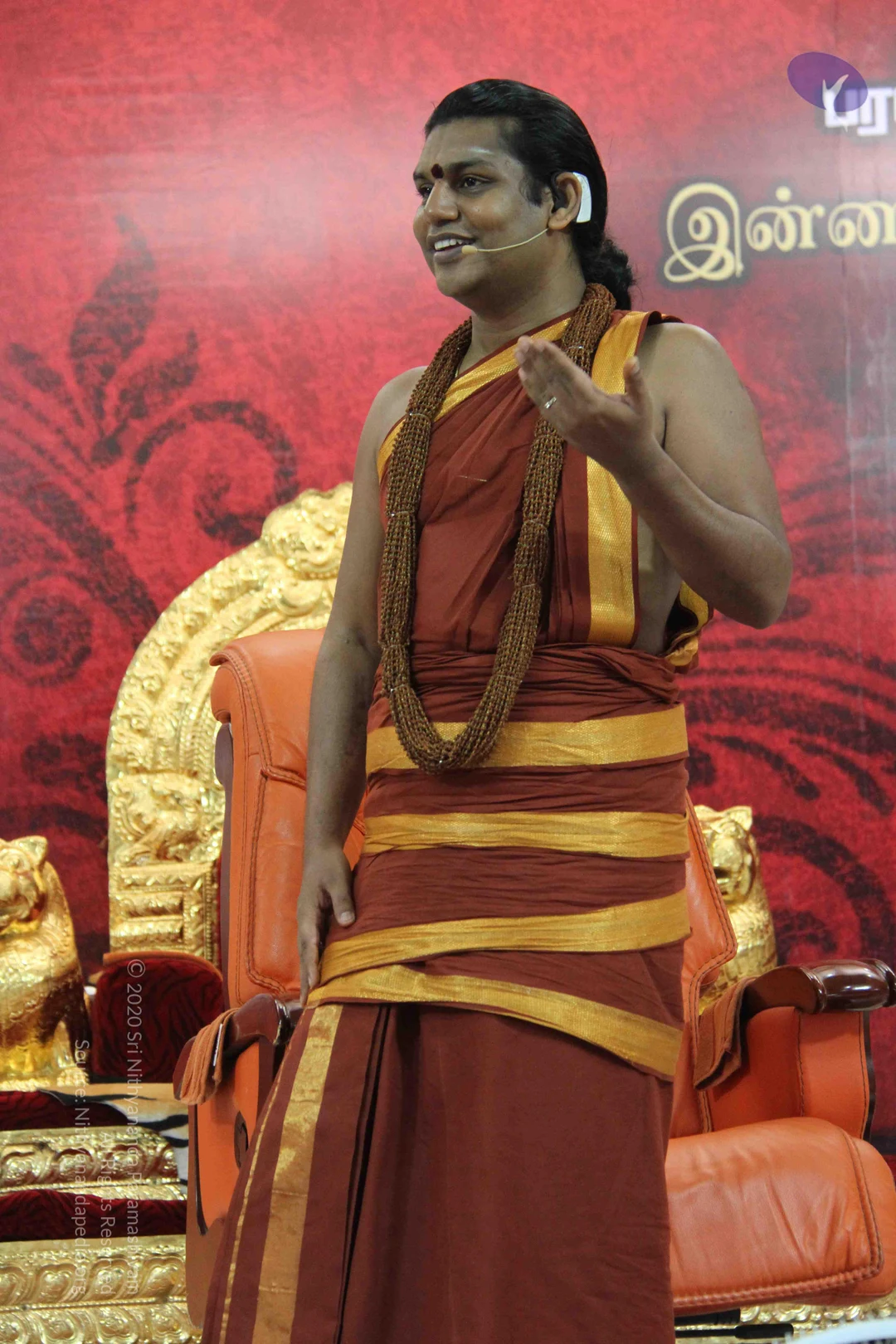
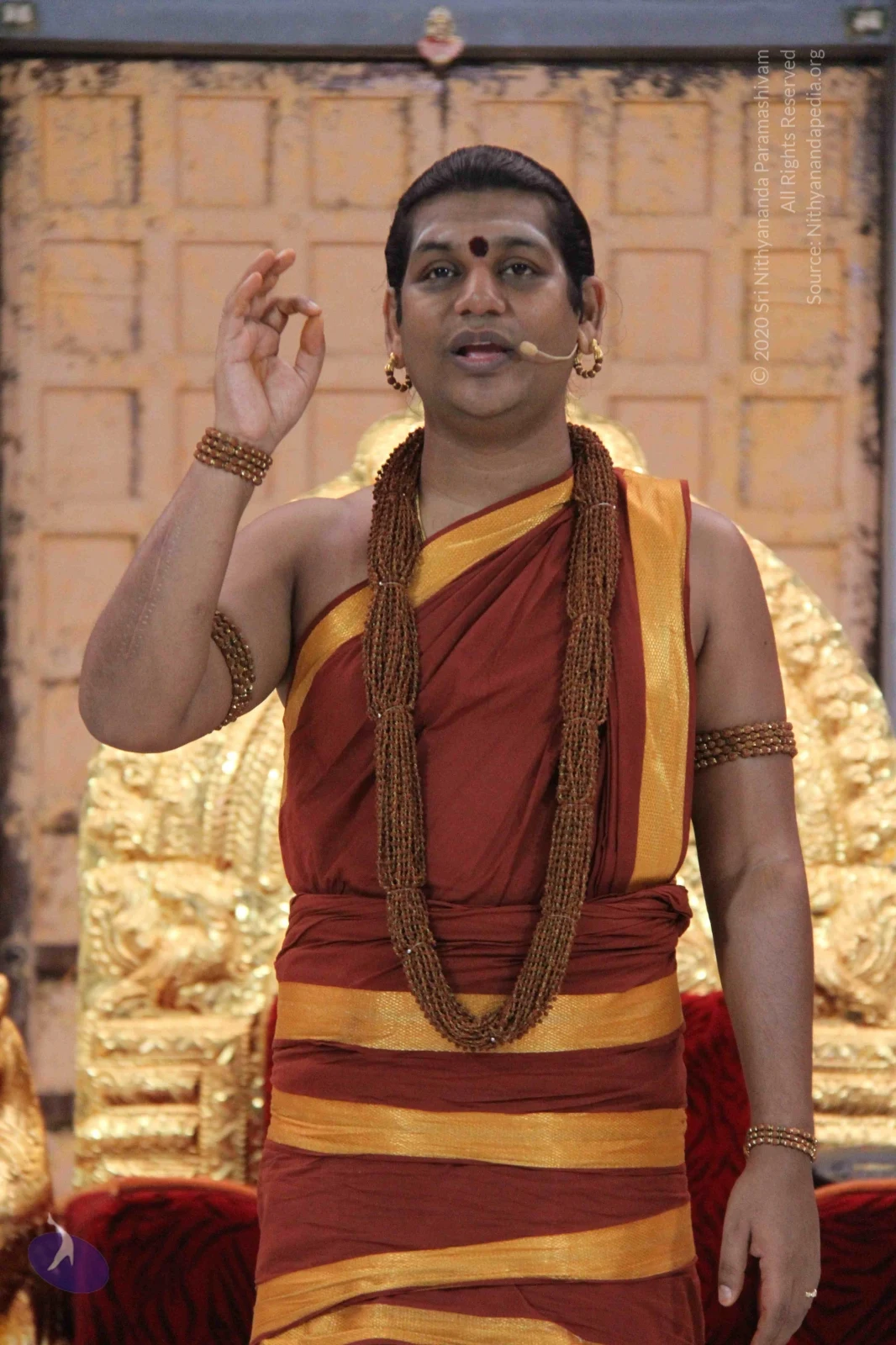
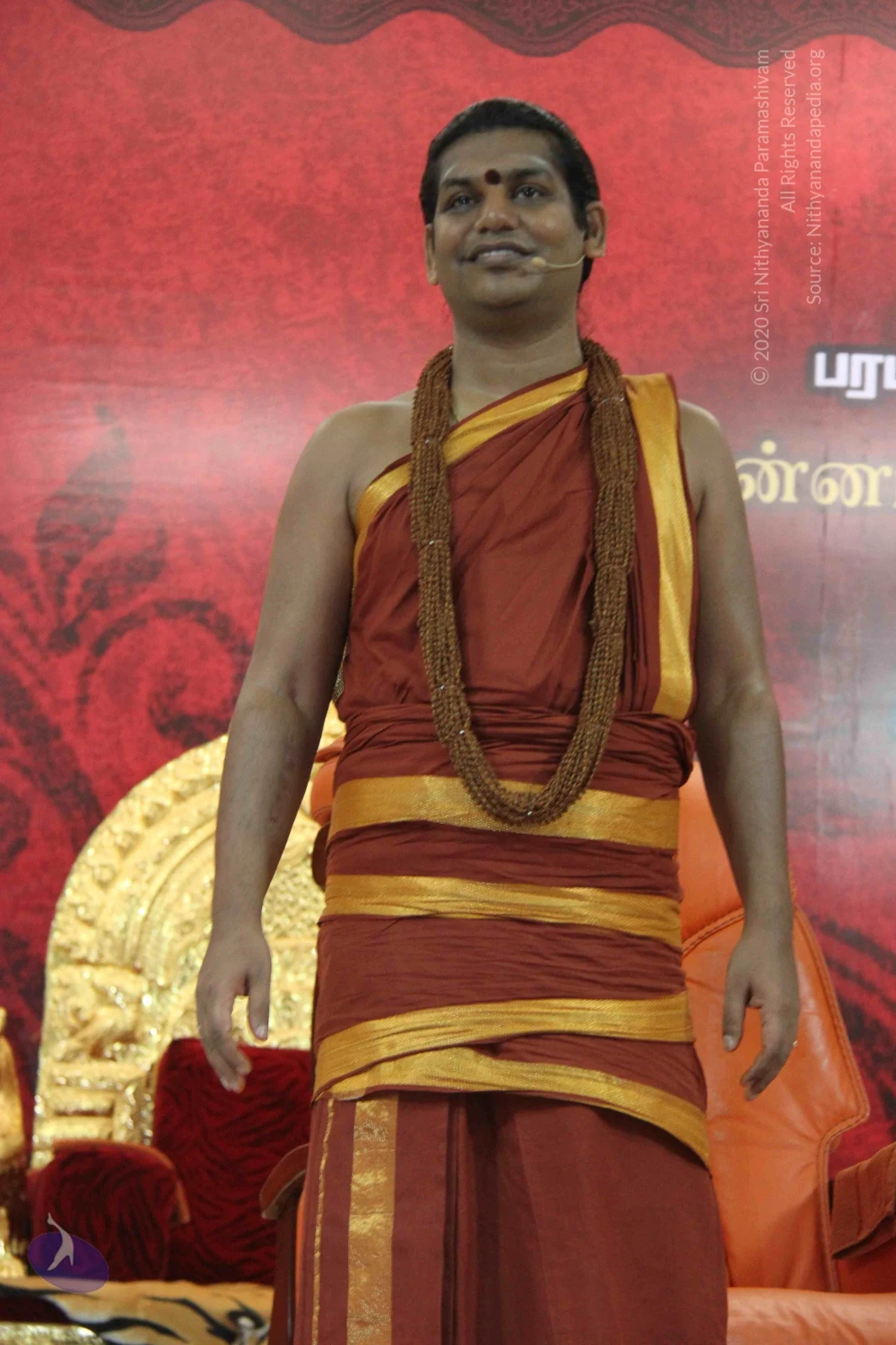
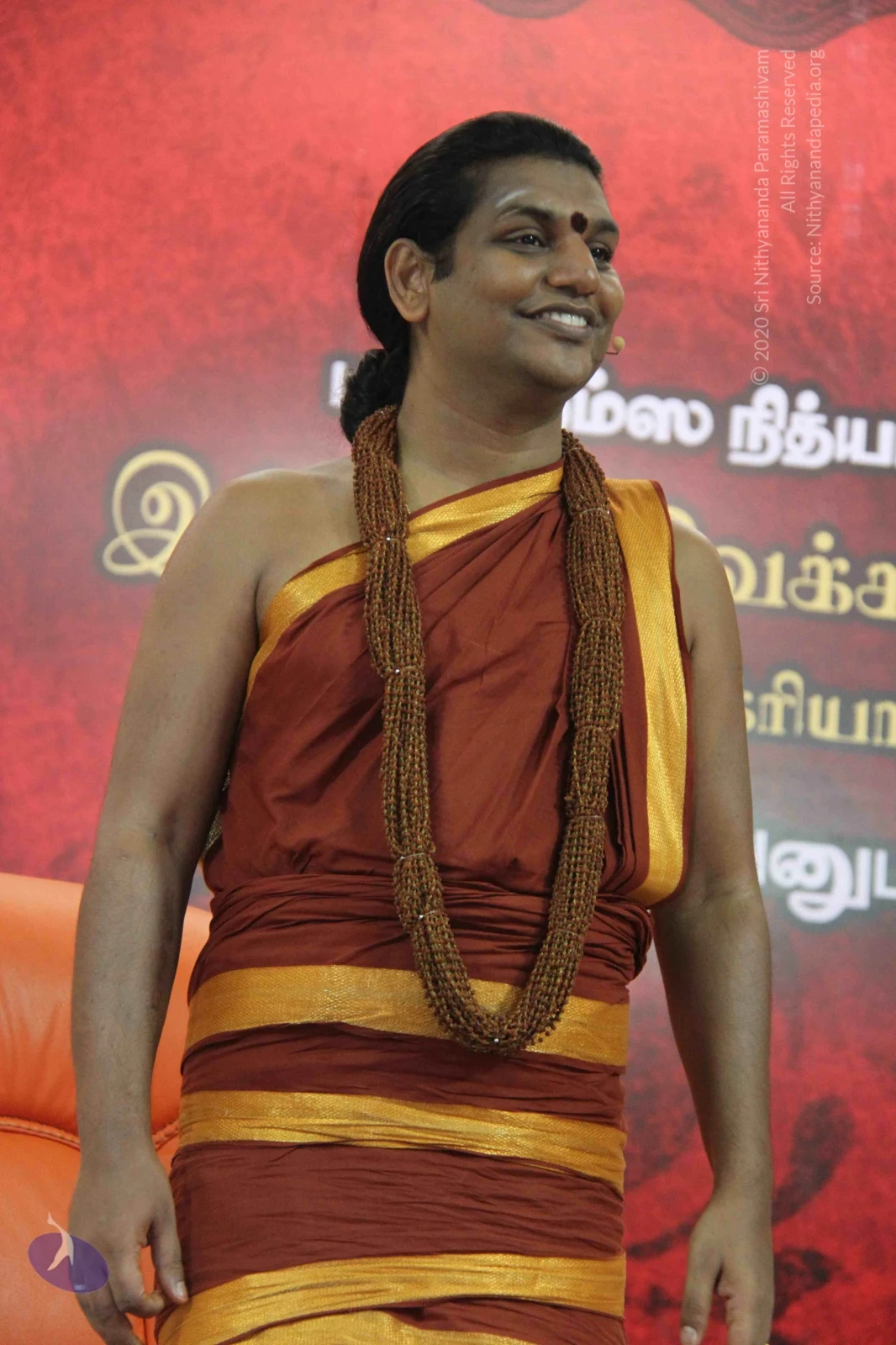
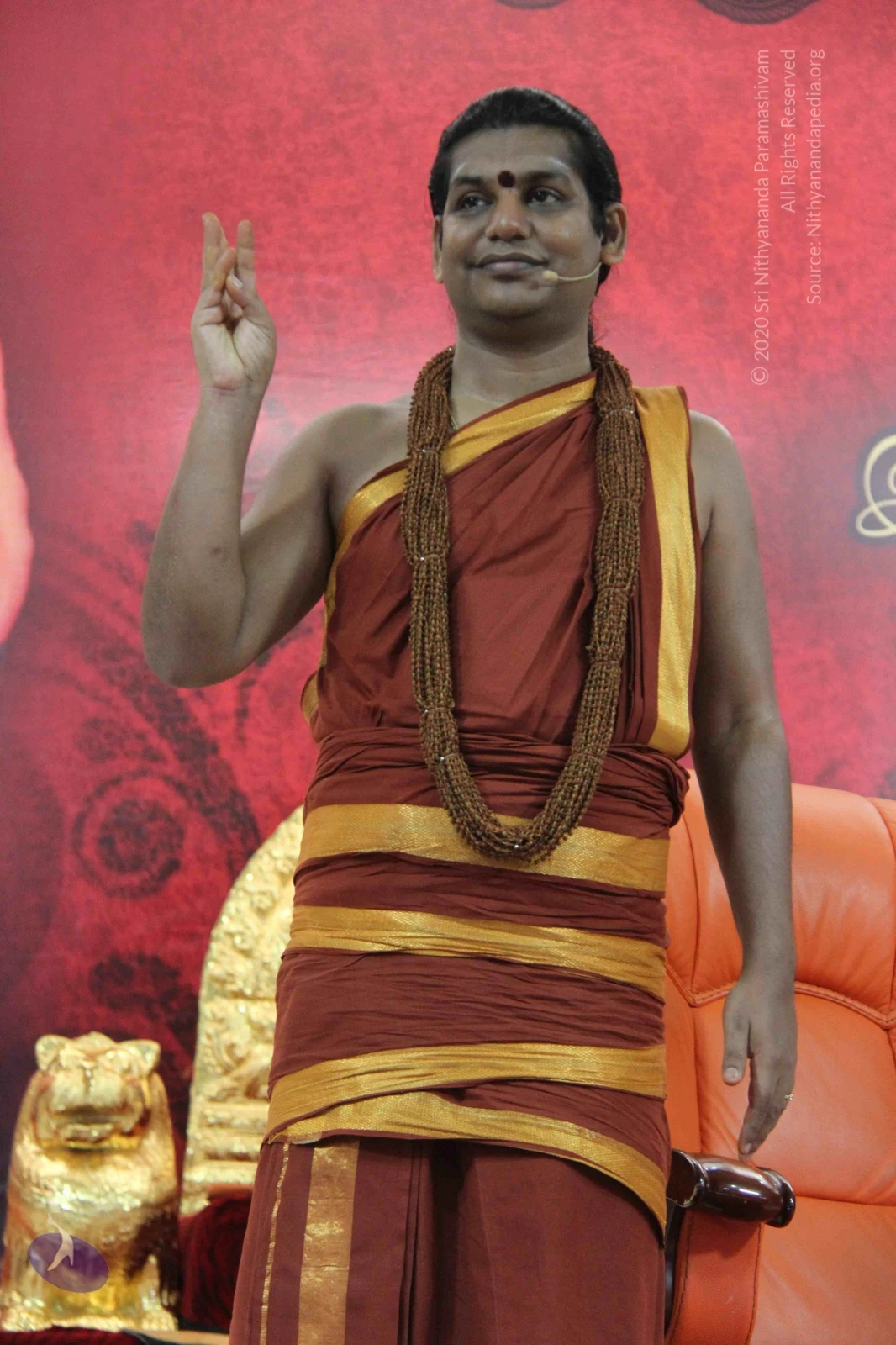
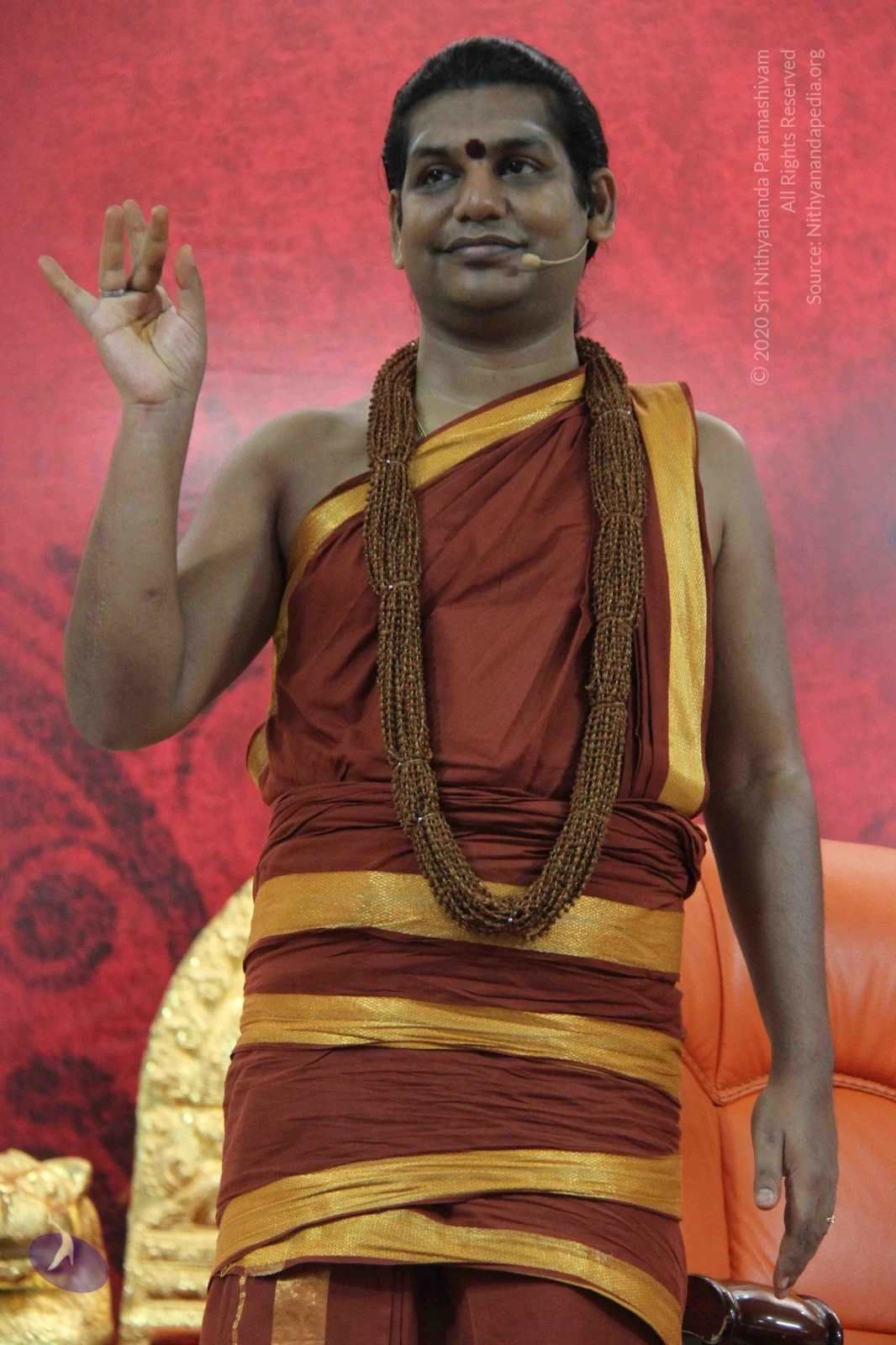
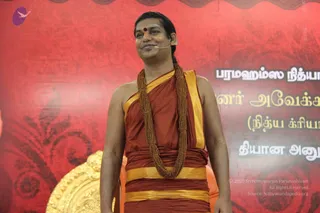
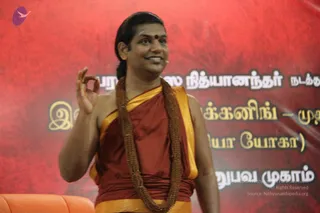
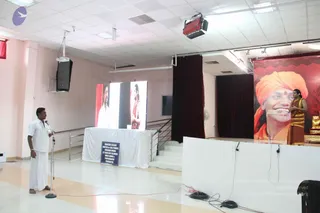
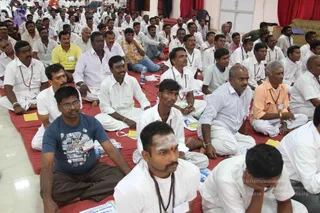
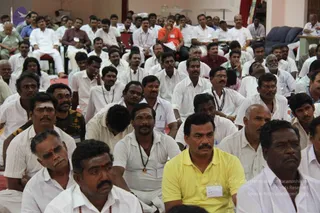
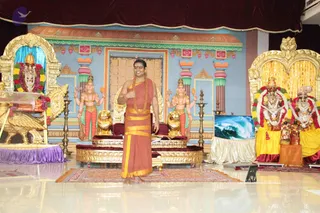
A man stands on a stage before a red backdrop with gold floral motifs and Tamil lettering, wearing a deep red-maroon dhoti-style drape with gold borders and a long rudraksha mala, a red bindi on his forehead, and a head microphone. He smiles toward the audience beside a gold-and-orange ceremonial seat. a person: the figure has long swept-back hair and a rudraksha mala, with the maroon drape and gold borders as clothing cues, so the candidate is identified as a person with uncertain confidence. The visible backdrop reads a Tamil dhyana-related title.A man stands in front of a red backdrop with Tamil lettering, speaking and smiling while raising his right hand in a circle gesture. He wears a rust-red wrap with gold-yellow borders and a long rudraksha mala around his neck, with a red bindi on his forehead and a small microphone near his face. An orange cushioned seat is visible at the lower left. The printed backdrop shows Tamil text naming a person and Nithya Kriya Yoga. The visible appearance alone is not enough to confirm the person's identity, so this is recorded as an unsure candidate for the presenter at the event.Indoor hall during a satsang-style session. A man in white dhoti and white shirt stands at left, speaking into a microphone on a stand. On the right, a stage raised by steps holds a large banner portrait of a smiling man with an orange turban and orange robe, beside a golden figure. A woman in an orange and gold garment stands near the banner on the stage. A screen shows two portrait images. A white-draped table sits mid-hall, with a blue sign reading the photography restriction notice. Red curtains and ceiling lights frame the room.Photograph of a seated audience of men at a Nithya Kriya Yoga session in a hall with a red carpet and red curtains. Many attendees wear white shirts and white dhotis with rudraksha malas and name badges, some have tilak marks on their foreheads. A man in a blue graphic t-shirt and glasses sits in the front left, and a man in an orange shirt sits on the right. Water bottles and yellow notepads rest on the mats. The speaker's platform is not visible in the frame.A seated audience fills a hall at a Nithyananda Dhyanapeetam-style satsang, with many men in white shirts and white dhotis or trousers packed into rows of chairs. Several men wear white lanyard badges, and a red-and-white backdrop curtain and a sofa are visible at the upper right. In the foreground a man in a yellow polo shirt sits with a badge, a bearded man wears a rudraksha-style bead necklace, and some attendees have tilak or vibhuti marks on their foreheads. No speaker or a person candidate is visible in the frame; the audience faces toward the stage out of view.A crowded indoor assembly of many men seated closely together, most dressed in white shirts and white dhotis or trousers. Several wear name badges on lanyards, one man in a bright yellow polo shirt sits in the foreground, and another wears an orange shirt in the background. Some have vibhuti or kumkum marks on their foreheads and a rudraksha-style mala is visible around one man's neck. The audience faces forward toward an unseen stage, with red chairs and a red cloth visible at the edges. No speaker or a person candidate is visible in this frame.

Nithya Kriya Yoga - Yoga

22 photosSource gallery
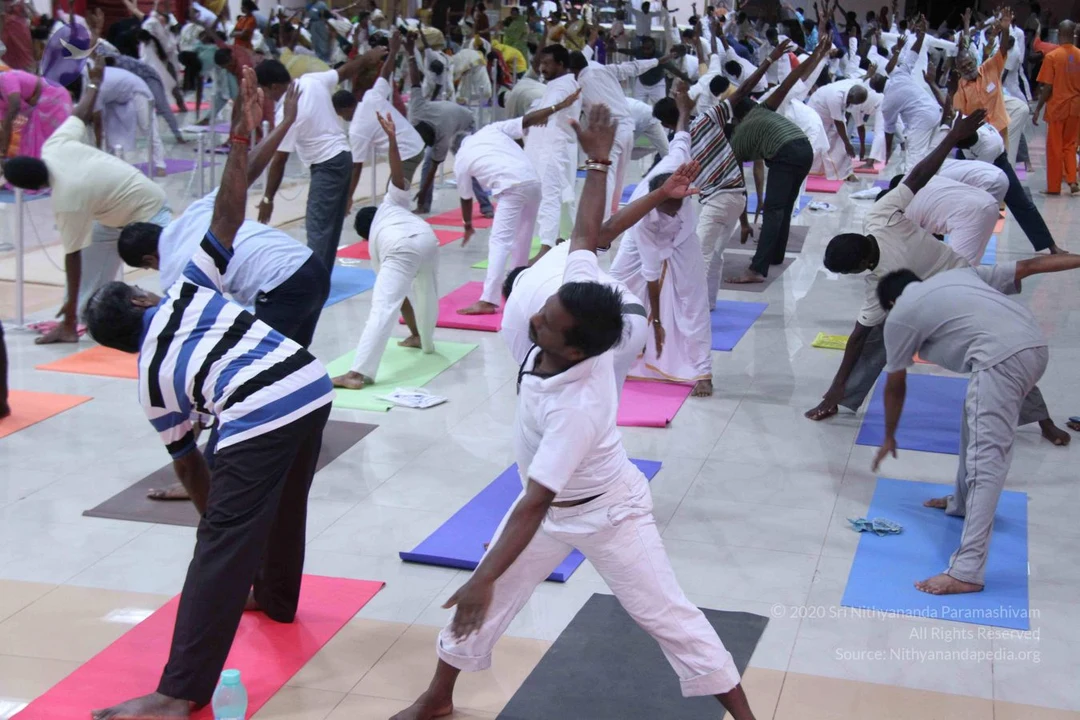
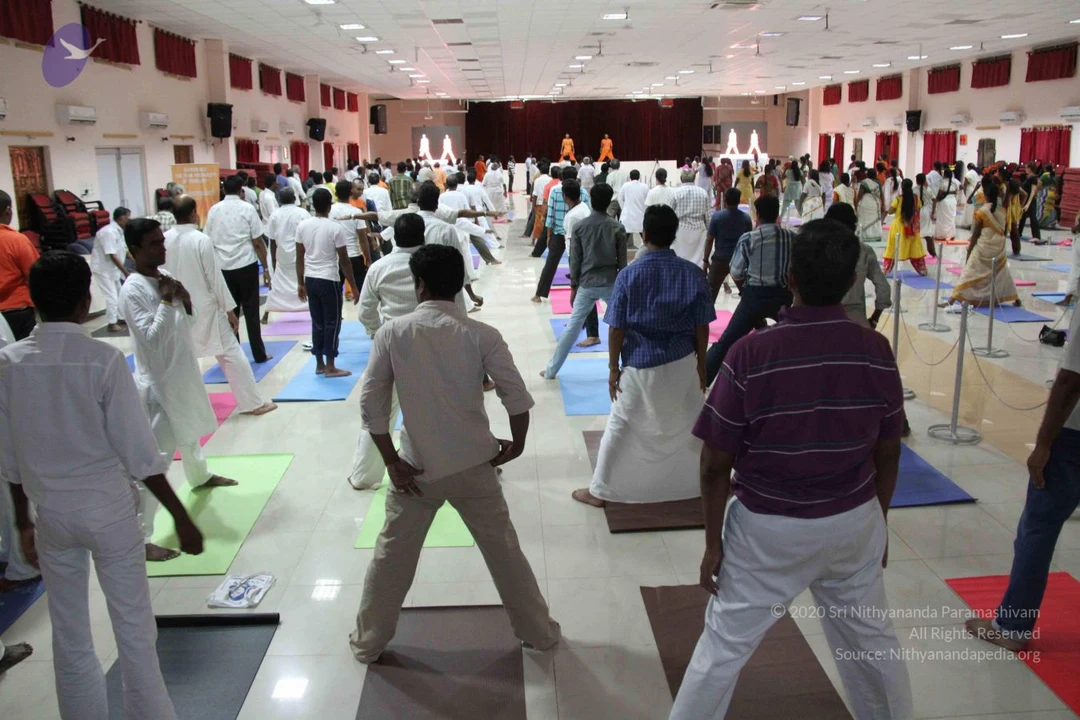
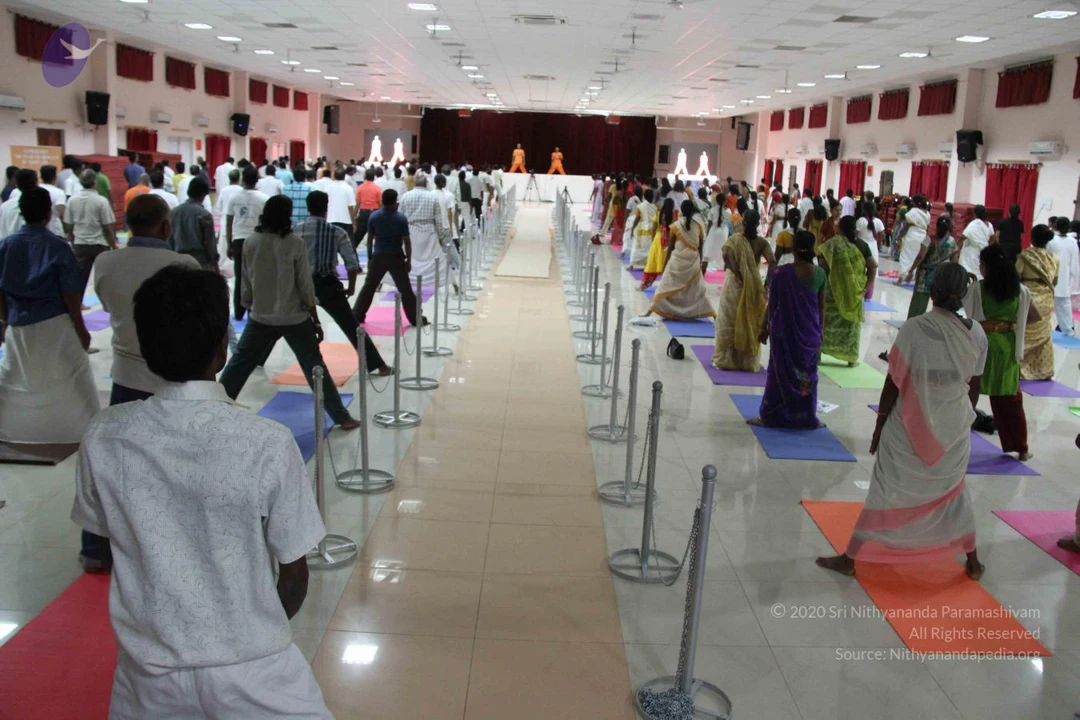
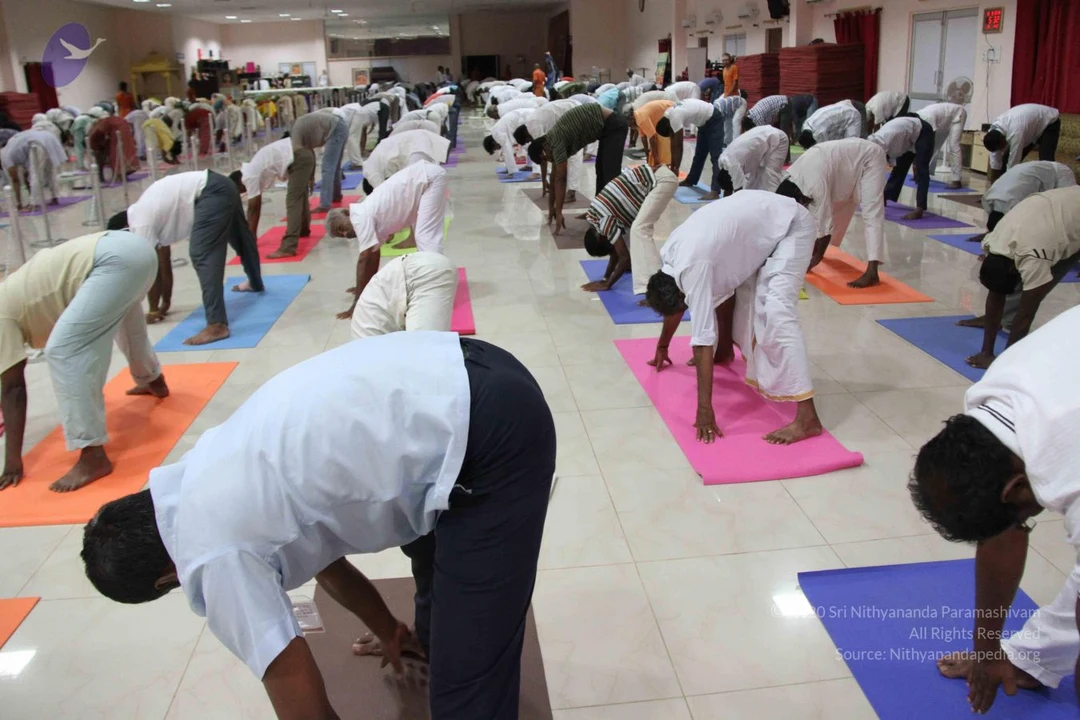
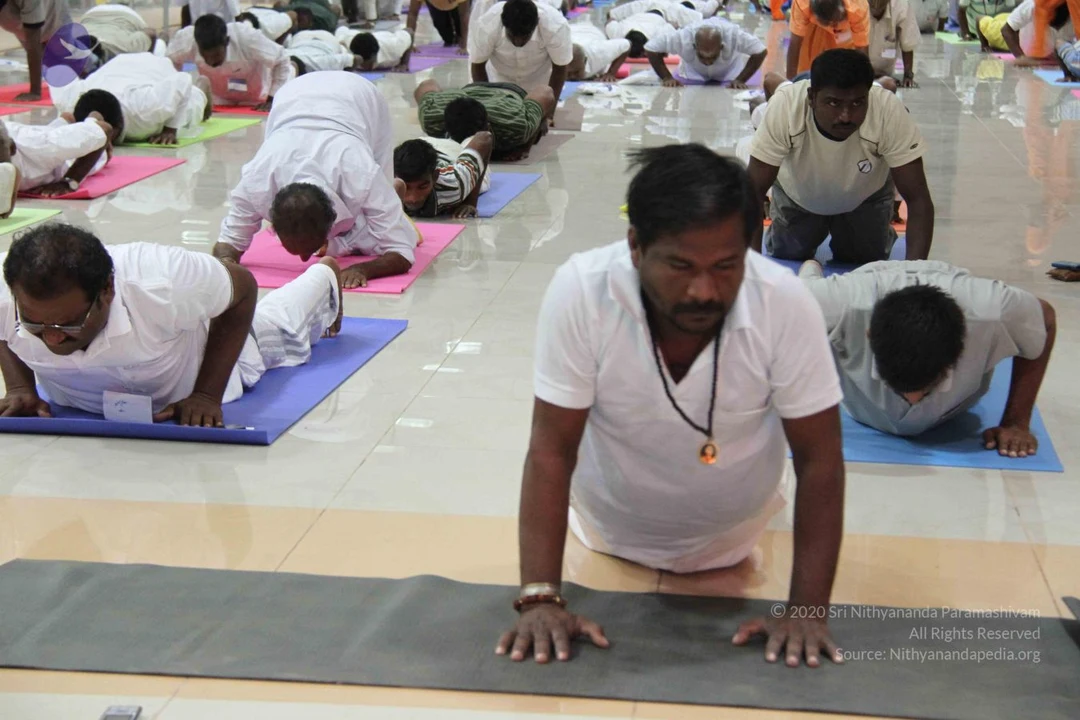
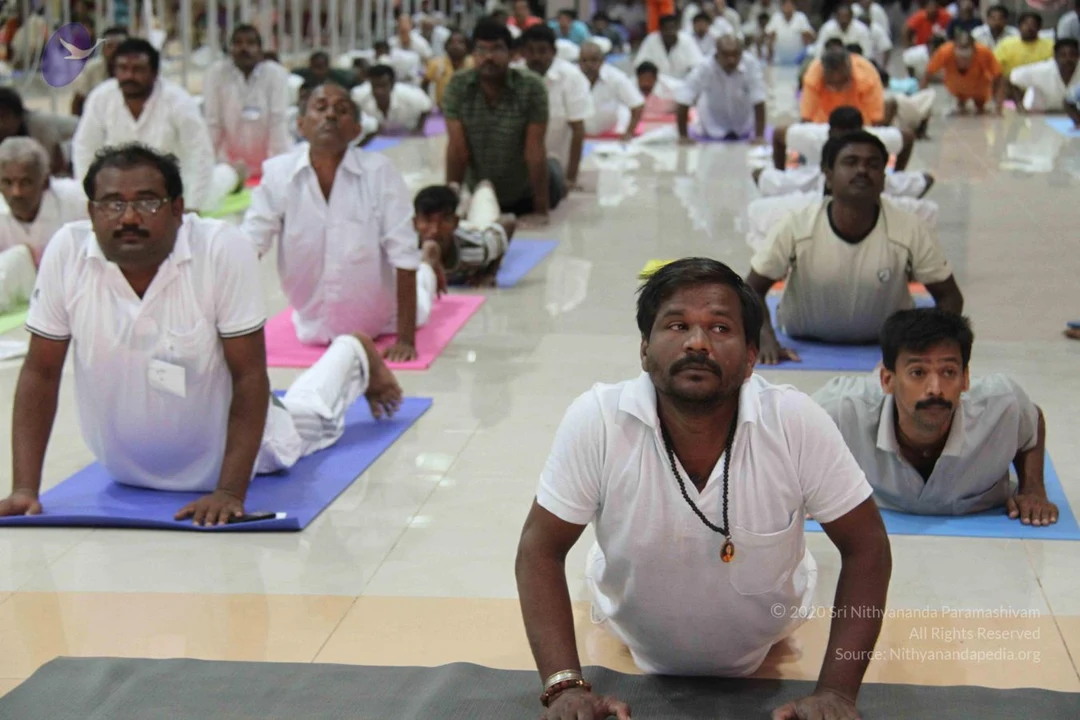
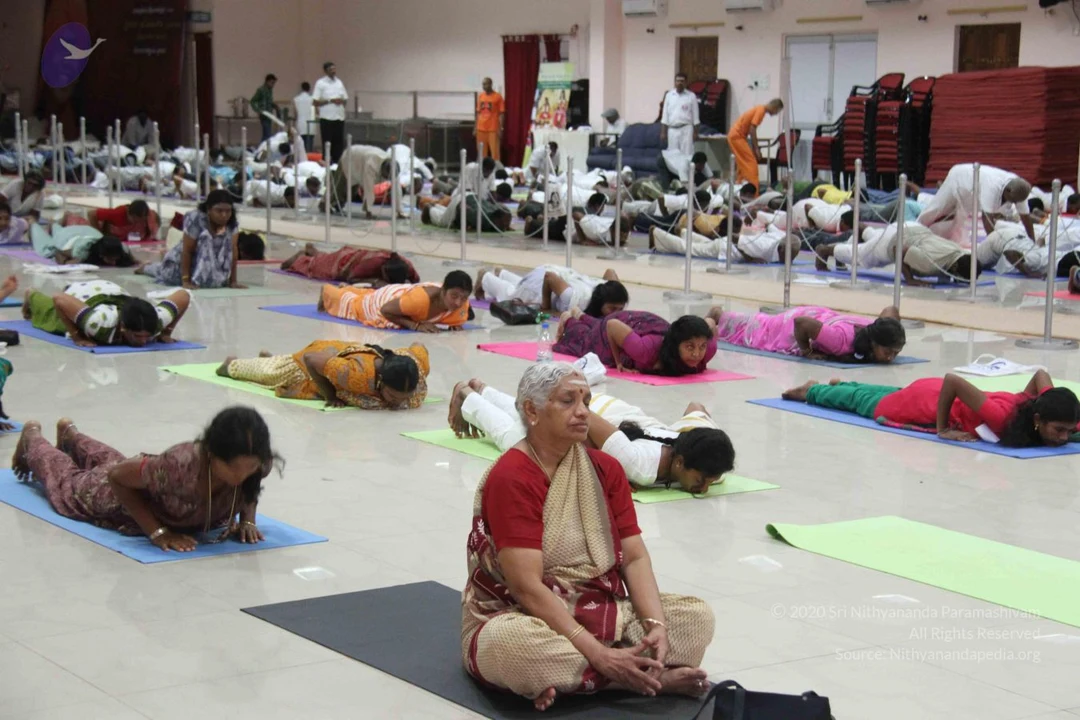
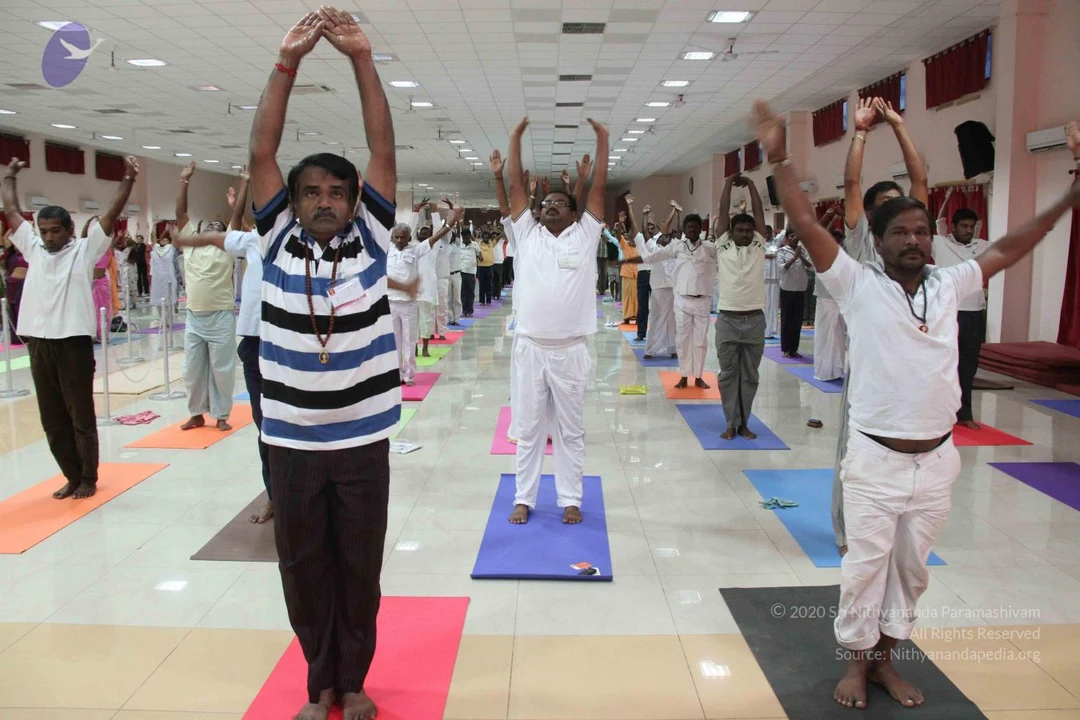
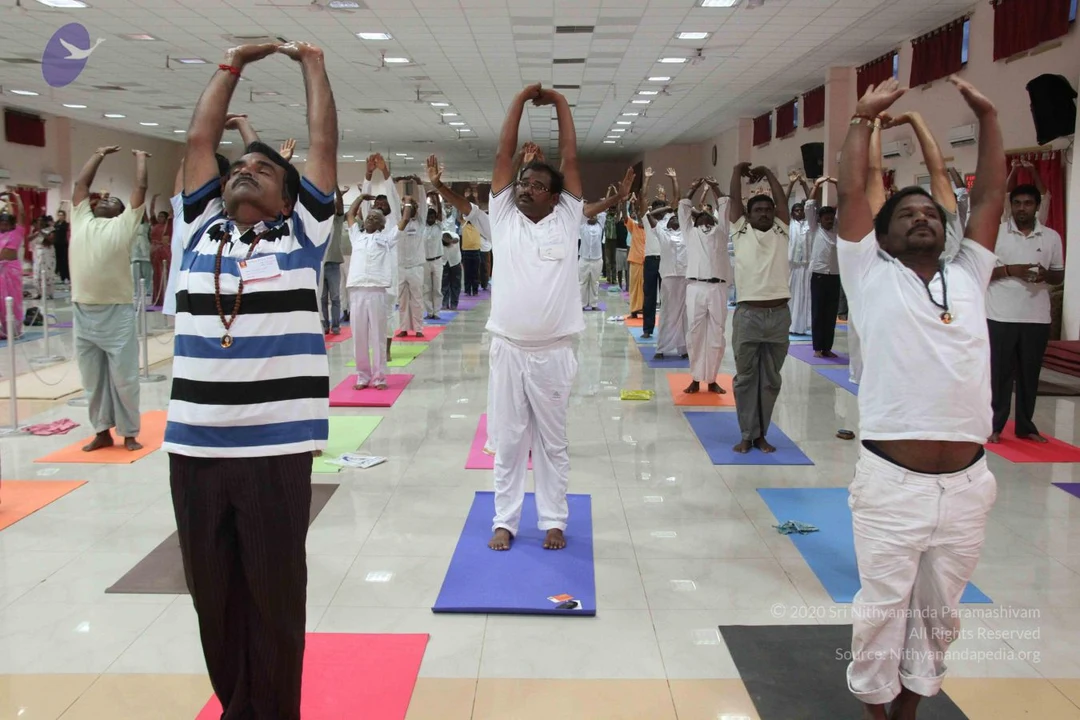
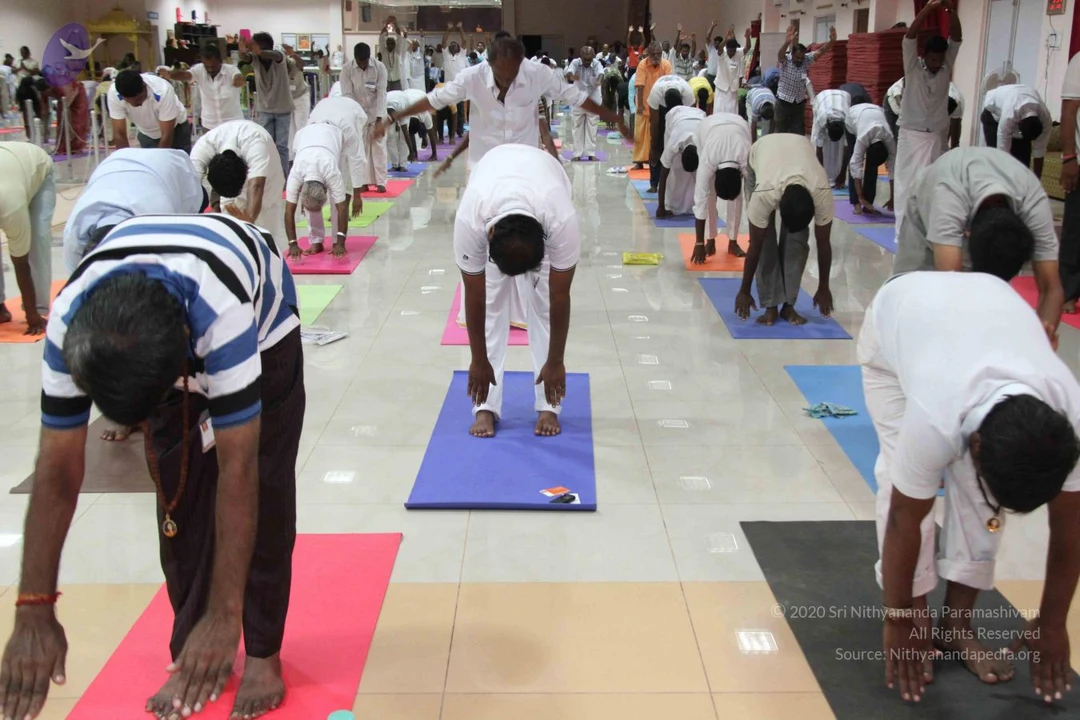
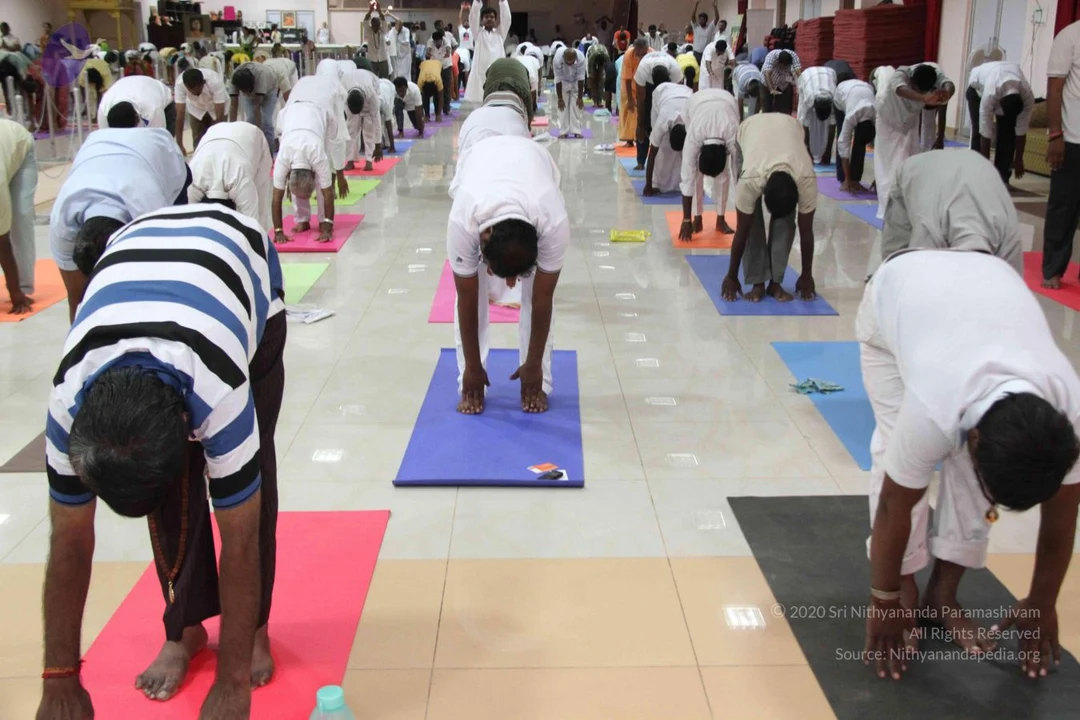
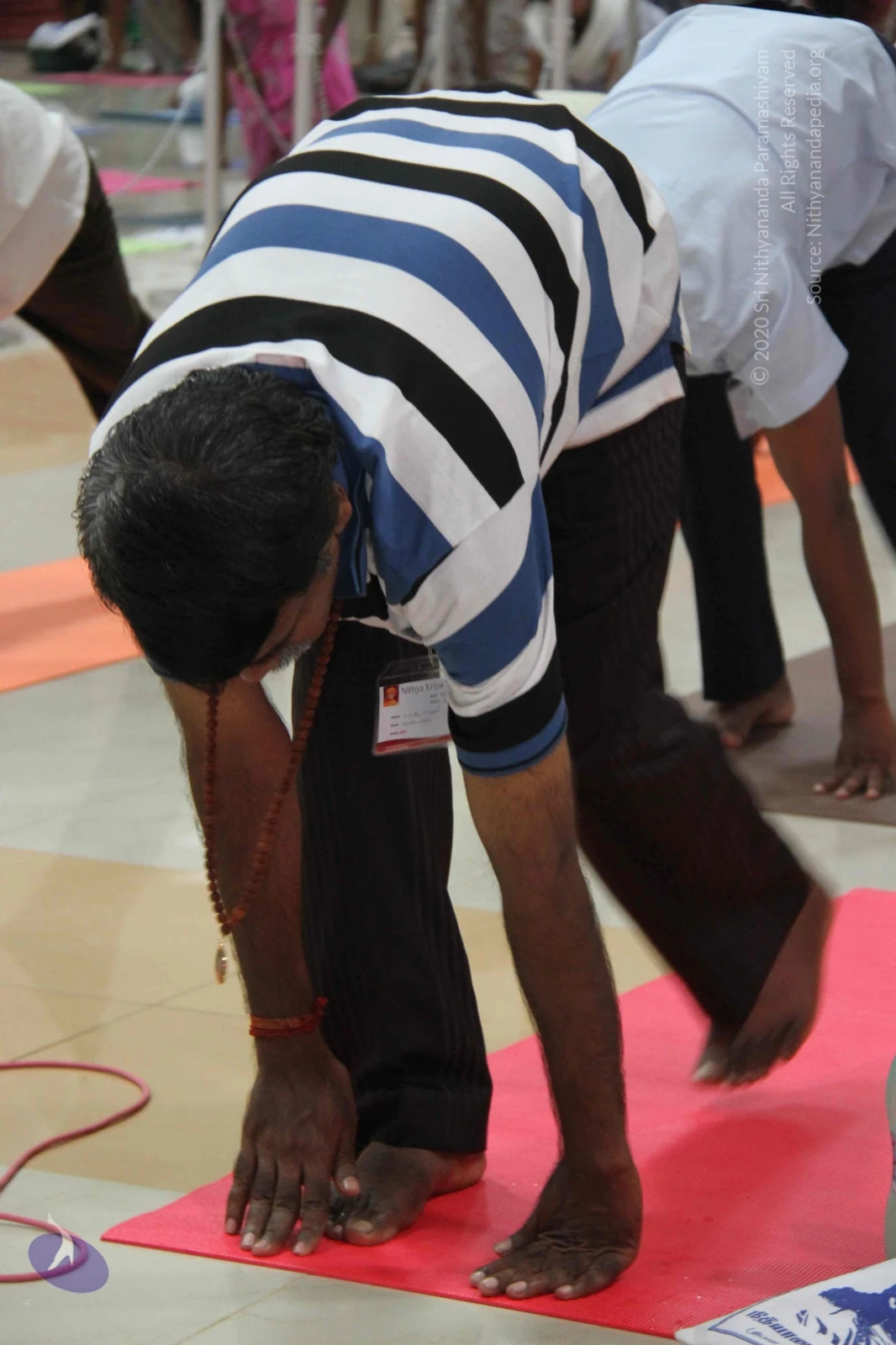
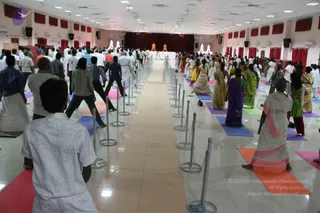
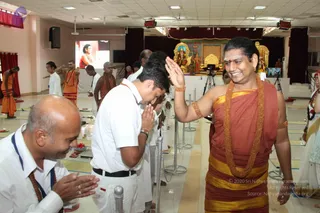
A large indoor hall with pale tiled floor where many people in white and light-coloured clothes perform standing yoga poses on coloured mats (red, purple, blue, grey, orange). Most participants bend forward with arms raised overhead in a side-stretch posture. In the right foreground a man in a white shirt and grey trousers, wearing glasses, stretches with one arm up. Left foreground, a man in a blue-and-white striped shirt and dark trousers bends sideways with a water bottle nearby. Walls are white with red curtains at the upper right. Some figures in the back wear saffron-orange clothing. Scene suggests a group yoga session. Count is a large group of more than twenty visible participants.A large group of men practise standing yoga poses on a polished tiled hall floor, with arms stretched out to the sides. Most wear white kurtas or white shirts and trousers, while some wear blue, grey or striped shirts. Coloured mats in purple, pink, blue and green lie in rows beneath them. In the foreground a man in a white shirt and white trousers, with a pendant on a cord, holds his arms wide; another man in a blue and white striped shirt stands at the left edge, and a man in grey trousers stands at the right. The setting appears to be a large indoor yoga session.A large group of men practise yoga on colourful exercise mats across a tiled hall. Most wear white shirts and white dhotis or trousers, while others wear striped shirts, grey sportswear, and one man in the upper right wears orange clothing. Many bend forward or lean sideways with arms raised overhead in standing yoga postures. A water bottle sits on the lower left mat. The scene suggests a Nithya Kriya Yoga session, a group yoga class.A large indoor yoga session with many participants on coloured exercise mats across a tiled hall. Most people wear white or light clothing, while some wear striped shirts, grey, green or saffron tops. Several are bent forward or twisting with arms raised overhead in standing postures. A plastic water bottle sits near the lower left mats. No clearly identifiable presenter is visible at the front, and no appearance-based candidate for a person can be confirmed among the participants.A large indoor hall with pale tiled floor and red curtains hosts a yoga session. Dozens of participants stand on colourful yoga mats, mostly in white dhotis, white shirts and kurtas, with some in checked and striped shirts and a few women in saris and salwar kameez, stretching with arms and legs extended. In the distance on a stage, two figures in saffron robes stand near white flower-decorated sculptures or pillars, with ornate lamps beside them.Wide view of a large hall during a person Yoga session at Adi Kailasa. Rows of people stand on colourful mats (purple, orange, pink, green) facing a central aisle lined with silver stanchions and a runner. Women wear saris in yellow, green, purple and pink; men wear white dhotis and shirts, and some wear dark trousers. At the far end on a raised stage, two figures in orange robes stand near two white lotus-shaped lamp arrangements. Red curtains and ceiling lights frame the hall. Dozens of people are visible.

PadukaPuja
33 photosSource gallery
A photograph of a ceremonial offering arrangement on an ornate gold-embossed tray. Five silver thali plates surround a central pile of white jasmine-like flowers, with pink and orange marigolds and red and yellow roses heaped in the middle. Silver bowls hold orange honey-coloured liquid, flowers and petals, and small silver vessels with spouts sit among them. No people are visible, and there is no visible a person depiction.An empty ornate gold throne with carved lion-head arms, draped with a striped tiger-skin cushion, stands in a dark room with brass oil lamps on hanging chains either side. Behind it, a framed portrait labelled "PARAMAHAMSA NITHYANANDA" shows a smiling man in orange turban and orange shawl with a red tilak on his forehead.Overhead close-up of a ceremonial gold tray arranged with a ring of white jasmine buds and marigold and rose petals in orange, yellow, pink and red around a central red rose. Two small gold lamps with jewelled tops sit at the centre. Silver bowls and a silver vessel with a spout frame the tray at the top and right corners, with green leaves tucked along the edges. No people are visible.Top-down photograph of a decorated brass ritual tray. Its centre holds a brass vessel with a small jewelled knob and is ringed by bright orange, yellow, pink and red roses over a dense border of white jasmine buds. Small silver and brass bowls with a golden liquid sit at the top and bottom edges. No people are visible.A close view of ritual offerings arranged on ornate gold-toned trays. Silver-rimmed bowls and small silver cups hold orange and yellow marigold heads, pink and red roses, and jasmine-like white buds spread across a tray. A silver spouted vessel and a small brass lamp with a silver ladle sit among the flowers, with a dark liquid in some bowls. No people are visible; the scene is a set of puja offerings laid out for worship.A photograph of a large seated gathering of devotees in a hall during a meditation session. In the foreground, several young women and girls wear saffron-orange saris with rudraksha malas and white forehead markings, sitting with eyes closed and hands folded. Behind them, women in maroon, red and white saris sit on the floor, and further back a crowd of women and older people in colourful saris fills the room. Small brass oil lamps and a brass plate sit on a mat in the front row. No single figure is identifiable as a person in the visible frame.

Temple

33 photosSource gallery
A photograph of an outdoor garden path at a tree-shaded grounds, with a winding paved walkway of stone slabs and brick edging crossing reddish earth. Large spreading tree canopy with broad green leaves frames the scene. In the middle right, a raised shrine mound is covered with a heap of red flower petals and marigold-like blossoms, with a small dark stone monument and red and white cloth draped on a pole behind it. Thick aerial roots and trunks of banyan-type trees stand in the background. No people are visible.A photograph of an open outdoor shrine beneath a large spreading banyan tree with thick aerial roots hanging down. In the centre stands a small white arched niche holding a dark deity murti, painted with red and orange accents, placed on a raised platform and surrounded by heaps of red flowers or offerings. Stone-paved paths and a dirt ground lead to the shrine, with green foliage behind. No people are visible in the scene.A black stone murti of a deity stands in an arched silver-toned niche set among large banyan trees outdoors. The figure wears a yellow headband, red garment, a red-and-white cloth backdrop and several bead and chain necklaces, with multiple arms holding ritual objects. The base and surrounding area are heaped with red-orange kumkum or vermilion powder, and a dark stone pedestal sits at the front. Tree roots hang across the open-air shrine, and a low wall and paved ground surround it. No people are visible.A photograph of an outdoor shrine beneath a large banyan tree with many hanging aerial roots and thick trunks. A deity murti, dark stone with red and orange garments, sits in an arched white niche with red and orange backdrop, surrounded by a heap of red offerings on a raised platform. A paved walkway leads toward the shrine. One man in a white shirt and grey trousers stands at the right edge, facing the shrine, near a small plant bed.A black stone murti of a multi-armed deity sits inside a silver-framed arched niche outdoors among dense green trees and hanging vines. The figure wears a yellow headband, a red and orange dhoti-style garment, a red-and-gold sash, and a beaded rudraksha-style mala with a large pendant, and holds ritual objects in several hands. Behind it hangs an orange and white cloth with gold trim and a diamond-patterned border. Small red offerings sit on the stone base.A photograph looking up through a dense tree canopy at sunlight breaking through dark green leaves and branches, with a bright sun flare at the centre. The trunk rises vertically through the frame, and thin vines hang on the right. No people or ritual activity are visible.

Nature

7 photosSource gallery
Close-up photograph of a flowering vine hanging from dark green leaves, with clusters of slender white tubular blossoms and pale green buds dangling in a drooping spray. A blurred blue-grey background of sky and foliage fills the right side. No people, deities or ritual objects are visible; the subject is botanical.A tall leafy tree with feathery compound green leaves and pale yellowish flower clusters hanging from its branches, photographed looking up against a pale blue sky. Other foliage fills the lower right corner. No people are visible.A close outdoor photograph of a flowering shrub with clusters of small white tubular blossoms with long thin stamens, many unopened buds, and dark green leaves. Pale blue flowers are visible behind on the left, with blurred foliage in the background. No people are present.A close-up photograph of green conifer foliage with fine needle-like sprigs covered in water droplets. Reddish-brown branches run diagonally through the frame, and a pale blue-grey sky shows through the gaps at the right. No people, deities or ritual objects are visible.Close-up photograph of a flowering oleander shrub with narrow green lance-shaped leaves beaded with water droplets after rain. A single pink five-petalled blossom and several unopened pink buds sit on slender stems at the left. The background is softly blurred in green and grey tones. No people are visible.Close photograph of a flowering oleander shrub with slender, narrow green leaves and water droplets clinging to them. A single bright pink five-petaled flower sits in the centre, with several red-tipped closed buds on thin reddish-brown stems. The background is softly blurred in grey, white and teal tones. No people or ritual activity are visible.

CrowdShots-Swastimantra-Pictures
12 photosSource gallery
A large group photo of a Nithyananda Dhyanapeetam gathering seated in rows in a hall. In the foreground, shaved-headed young men and boys wear saffron/orange dhotis and shawls with rudraksha malas, their foreheads and bodies marked with white vibhuti/sacred ash stripes and horizontal white tilaks. Several raise their palms and hands in devotional gestures while chanting with open mouths. Behind them, rows of people in white clothes and some in orange and maroon attire sit attentively.A large seated congregation fills a hall, most dressed in white shirts and mundus, with many wearing rudraksha malas. In the foreground, a row of young boys and youths in saffron and orange robes sit cross-legged with palms pressed together or raised, mouths open as if chanting, with white sacred ash (vibhuti) smeared on their foreheads and arms. Several wear red sashes and rudraksha malas. No clearly identifiable a person figure is visible, so the scene reads as a chanting or satsang gathering with devotees and young sannyasi-style participants.A large seated congregation of devotees, many in white ritual clothes, fills the hall. In the foreground, rows of young boys in saffron-orange robes with rudraksha malas and white forehead markings sing with hands folded or raised, mouths open mid-chant. Some wear red sashes and gold-accented garments. Behind them, adult men in white shirts and dhotis sit in rows. No individual is clearly identifiable as a person in this crowd, so no candidate is named.A large seated audience fills a hall at a satsang event. In the foreground, rows of young boys in saffron and orange robes with rudraksha malas sit cross-legged, many with white vibhuti bands across their foreheads and white markings on their arms. Behind them, many adults in white shirts and white clothing sit closely together, some wearing lanyards. Several older men in saffron shawls with rudraksha necklaces sit among the crowd. A pillar and hall lighting are visible at the top. The scene appears to be a devotional gathering or discourse.A large seated gathering of devotees in a hall, most in white shirts and white dhotis, with many men in the back rows and clusters of young boys in front. The foreground boys and young men wear orange or saffron robes, rudraksha malas, white sandalwood or vibhuti marks on their foreheads, and some have shaved heads. Several have hands raised in ritual gesture or pressed together while chanting. A man at right in an orange robe with rudraksha malas and a white forehead mark sits with hands folded, appearing to lead or join the chanting. Crowd members are seated on mats and cushions in a bright hall with a banner visible at upper left. A visible Hindu ritual setting with a meditative chanting atmosphere.A large seated gathering of devotees in a hall, many men in white dhotis and shirts, filling the rows behind. In the front, a group of young boys in saffron-orange robes with white vibhuti marks on their foreheads and rudraksha malas around their necks sit on the floor, hands raised in mudra gestures, mouths open as if chanting. A bald man in orange and red robes with a rudraksha mala sits among them, also with raised hands. A small brass lamp and offering items sit on the floor in front.

Nithya-Satsang

8 photosSource gallery
A smiling man with a short dark hairstyle pulled back and a red bindi on his forehead sits in front of an ornate gold throne-like backdrop. He wears a red-brown and gold-bordered cloth, a long brown rudraksha mala draped over his shoulders, gold earrings and a small headset microphone. Behind him a colourful pillar with orange, pink and green painted segments is visible.A man with swept-back dark hair in a low bun, a red bindi, and a small lapel microphone stands in front of a painted temple-style backdrop with orange and pink pillar motifs. He wears a maroon-red sannyasi wrap with gold-bordered edges, a long brown rudraksha-style mala necklace, and a gold earring. Swamiji (probable) appearance cues: distinctive swept-back hair, rudraksha mala and saffron-red ornate clothing, with a gold chain; his role is a seated-lecturing sannyasi speaking to the gathering. The setting is a stage at a satsang-style event.A man speaks at a clear acrylic lectern while smiling and looking upward, wearing a small red bindi, a rust-red and saffron-gold robe draped over one shoulder, long rust-brown rudraksha mala strands, gold drop earrings and a headset microphone. Behind him a painted temple-style backdrop shows orange, blue and green decorative bands. One person is visible; the appearance is consistent with a person giving a discourse, with the speaker's role on a stage.A seated man in maroon and saffron-gold robes sits before an ornate gilded throne (peetha) with carved lion-like motifs. He wears a rudraksha mala with multiple strands at the neck, matching beaded armlets, a red bindi and a vertical white tilak, and a small clip-on microphone is attached near his cheek. He smiles toward the audience. a person: the seated man wears rudraksha malas and ornate gold-toned throne setting, consistent with a discourse setting, though the cues are limited to adornments and the throne.A smiling man with short dark hair and a red bindi sits on an ornate gold throne with carved scrollwork and mythical bird-like figures. He wears a deep red and saffron robe over one shoulder, long rudraksha malas hang from his neck, and beaded armlets sit on his upper arms. A small headset microphone is attached near his face. A hand in a red sleeve appears at the upper right edge. a person appears as the seated teacher in a satsang setting, though the figure's appearance is only partly matched by the cues.A seated man in a rust-red and saffron-orange robe sits before an ornate gold repoussé throne with carved lion-like figures and scrolling foliage. He wears a red bindi, a sandalwood or vibhuti forehead mark, beaded rudraksha-style necklaces, gold armlets and a small microphone clipped near his mouth, and is speaking with a slight smile. A red and gold backdrop is visible at the right edge. Presence of a candidate matching the page's description is an appearance-based judgment: the long hair, rudraksha malas and saffron-toned robe are present, but the face and features are not used for identification, so the appearance label is unsure.

SarvaDarshan

3 photosSource gallery
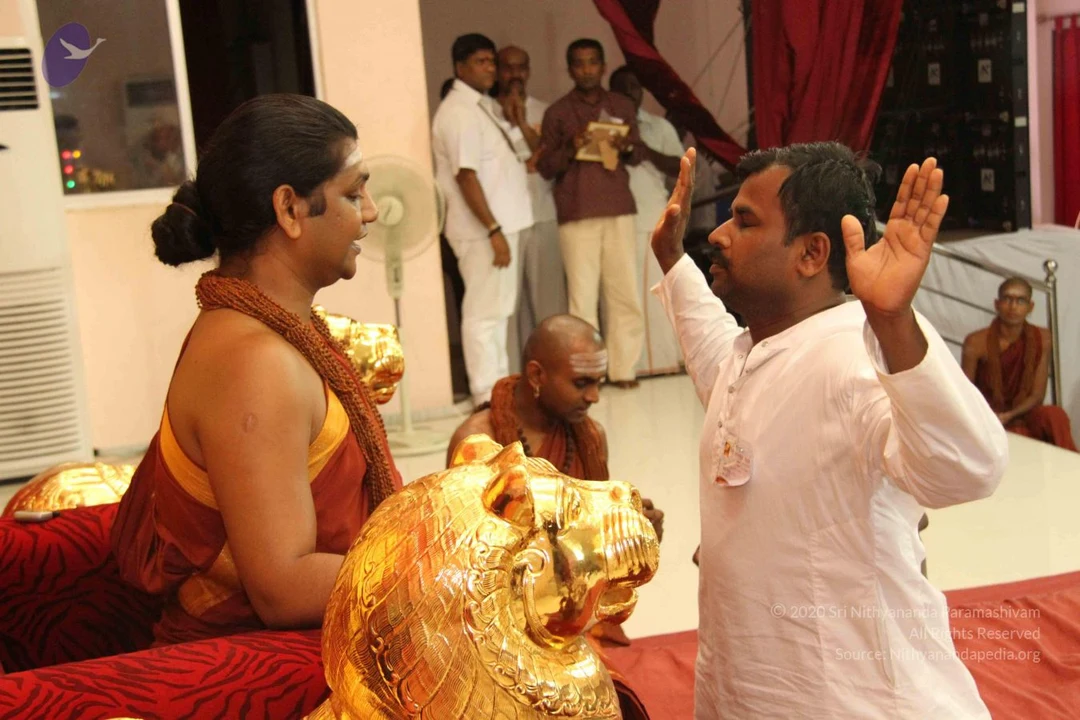
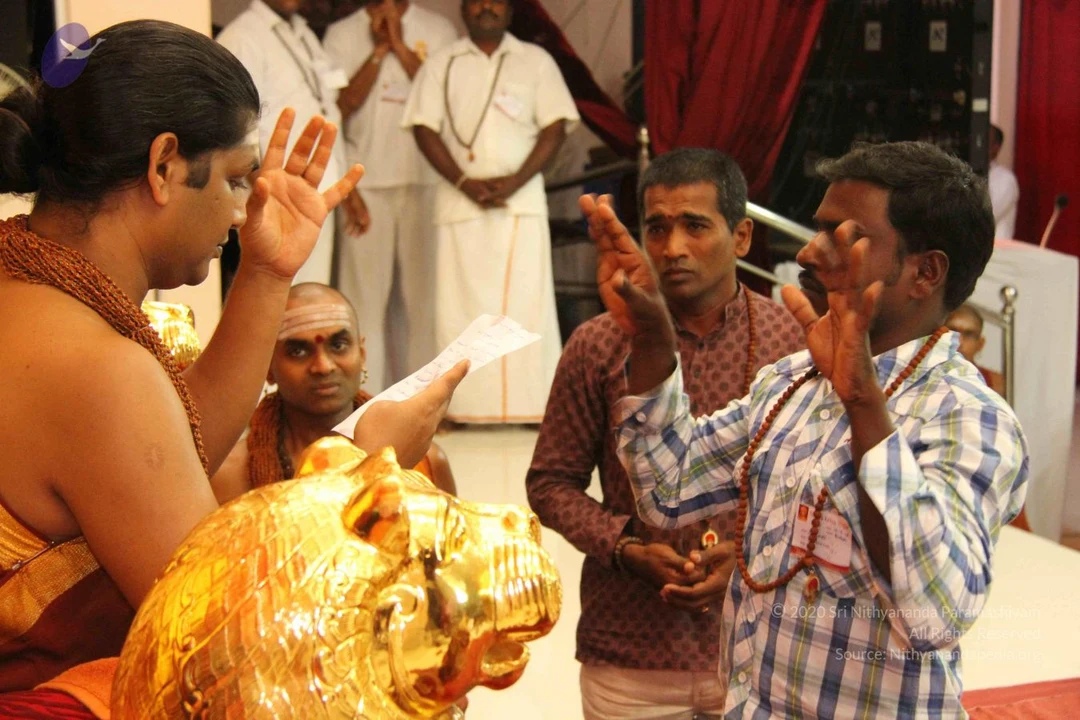
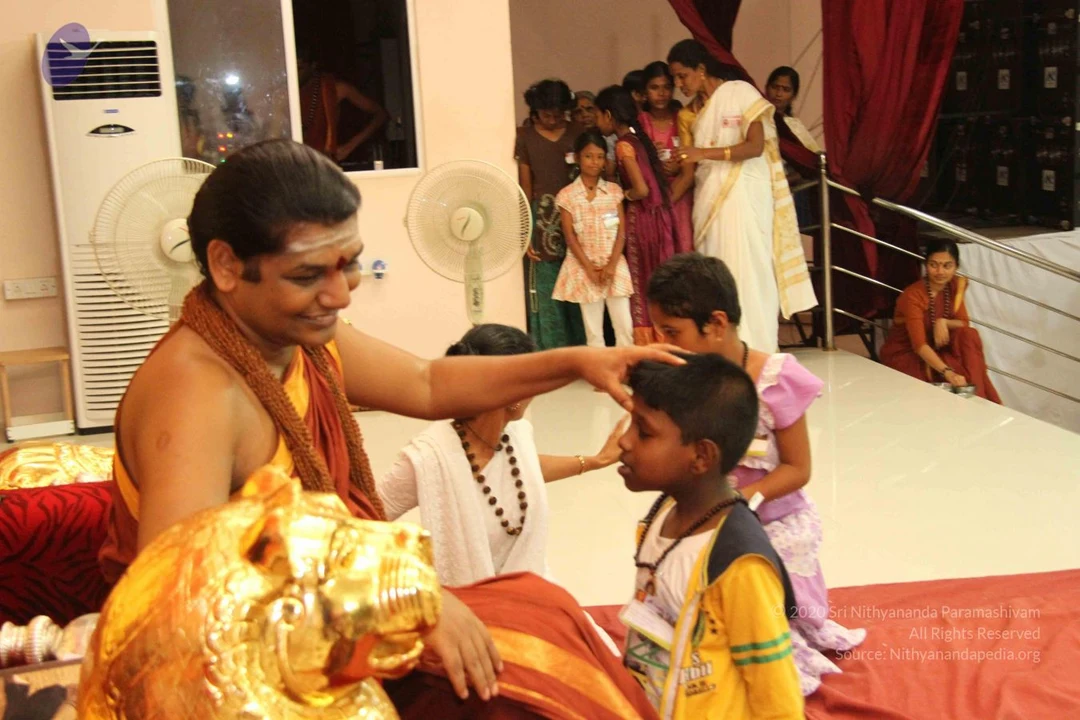
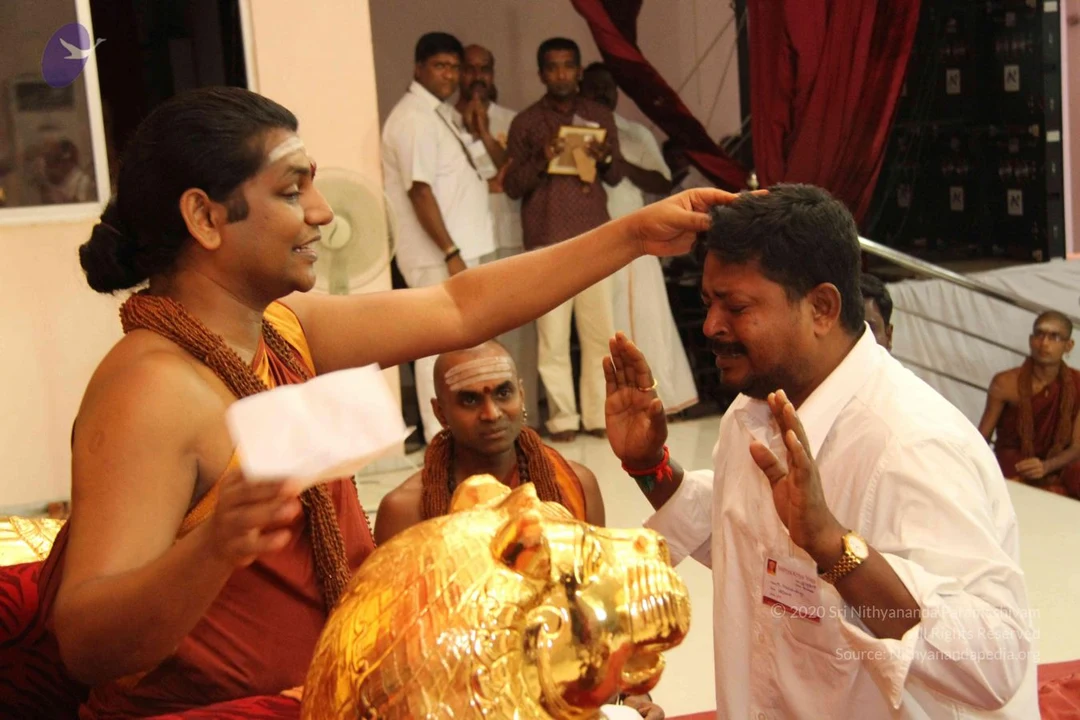
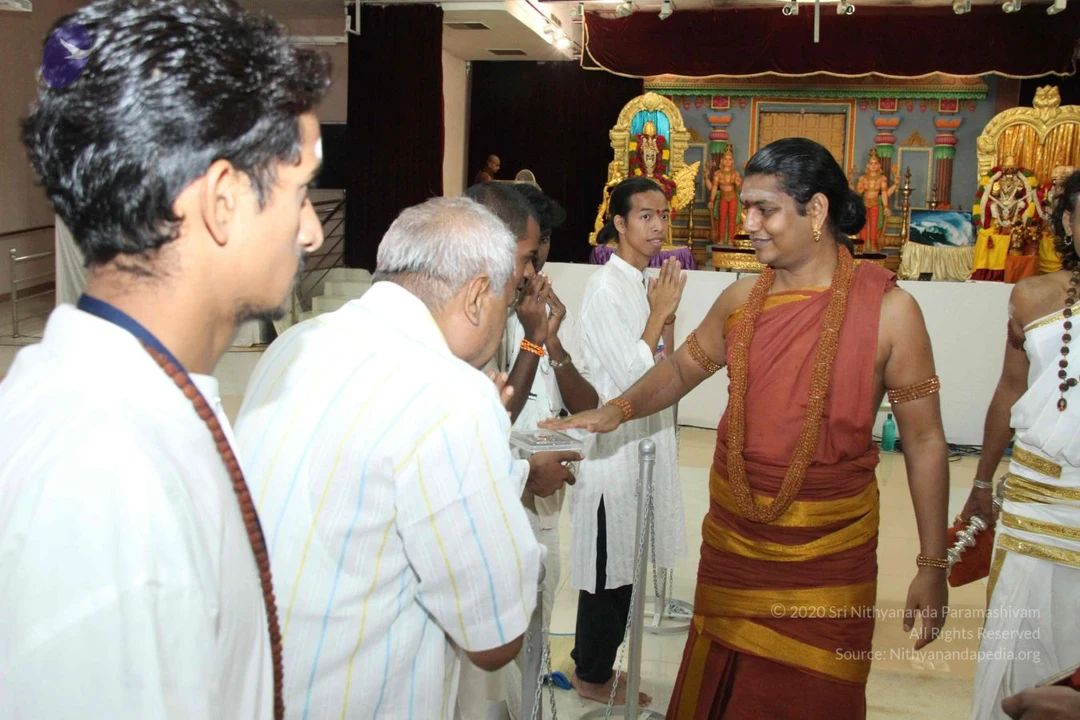
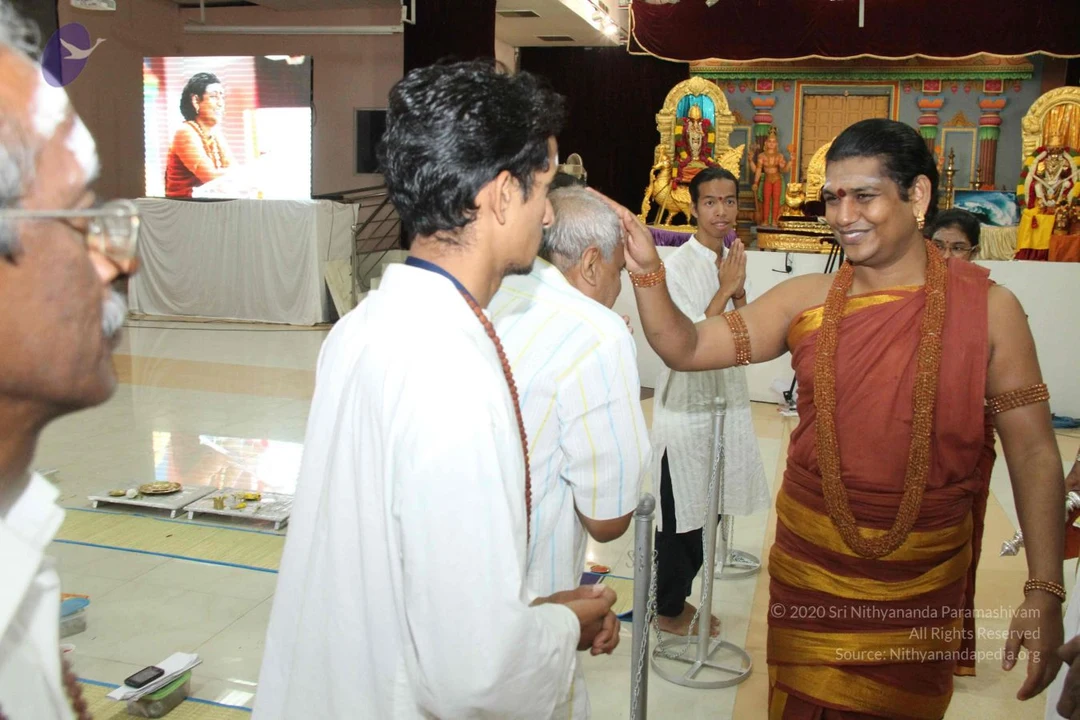
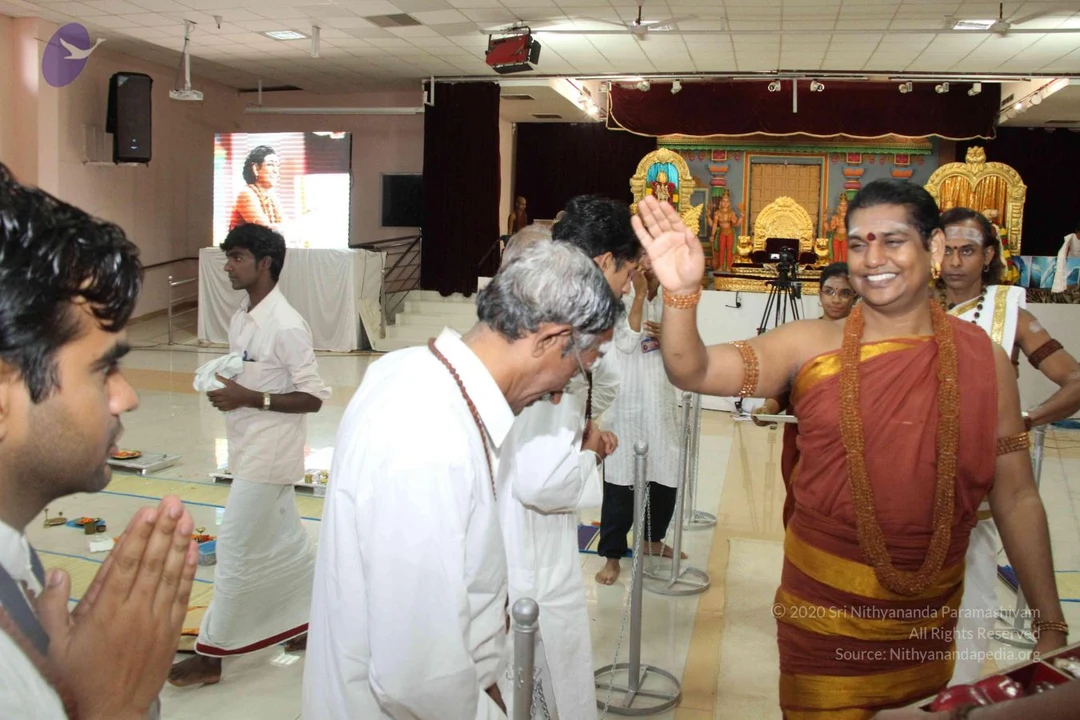
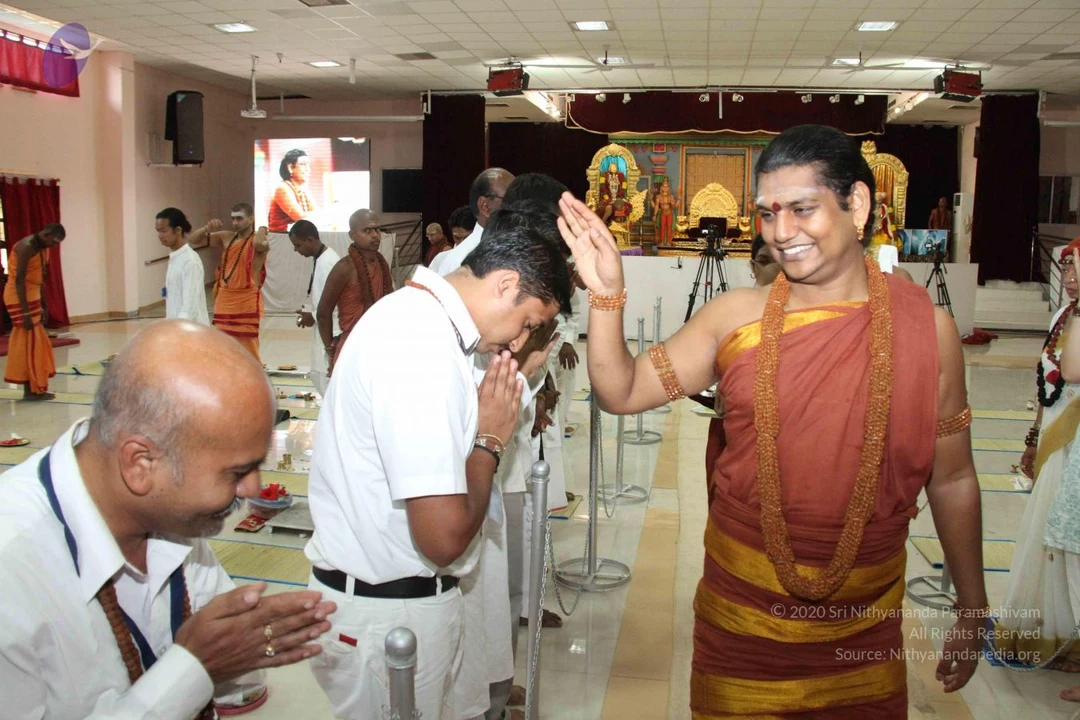
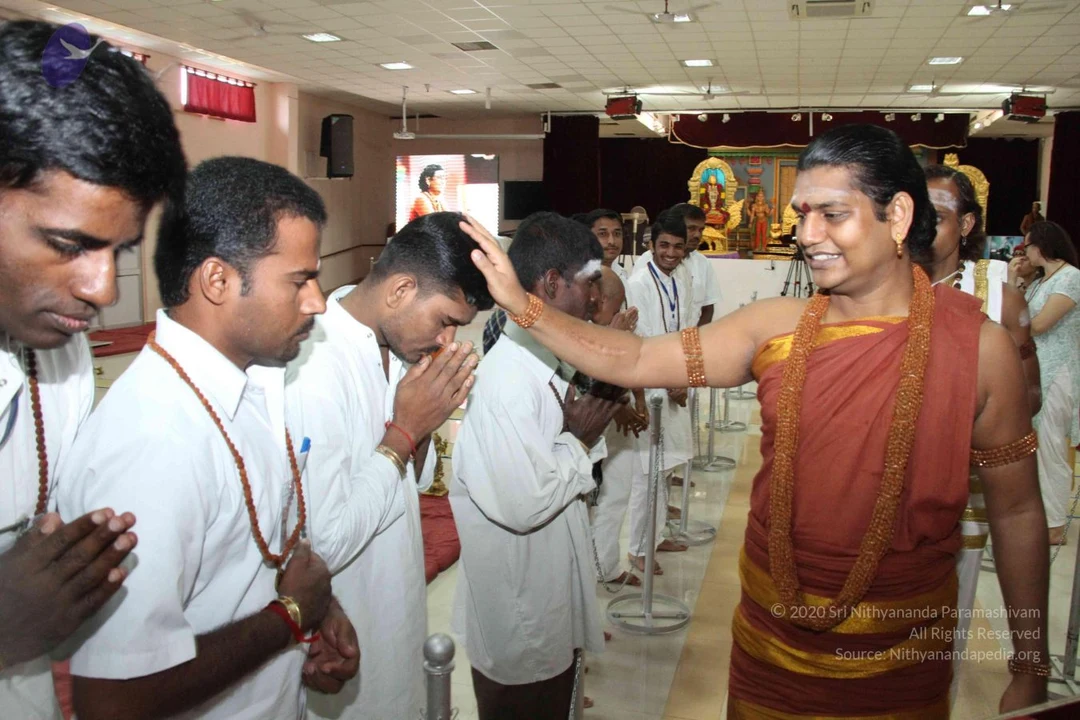
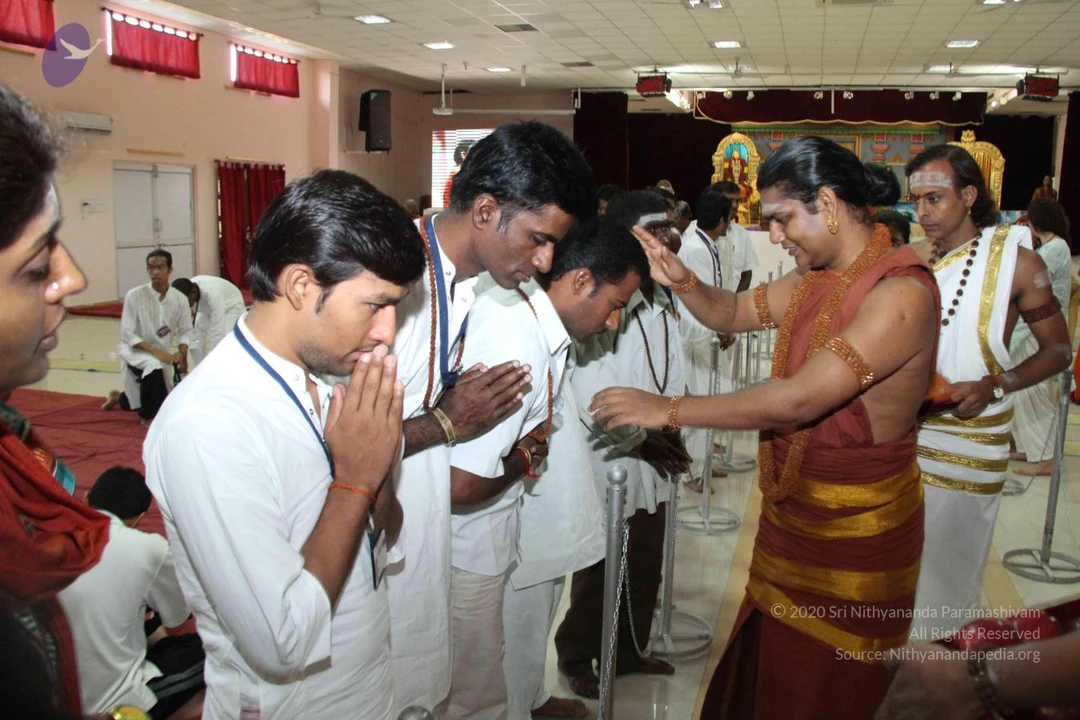
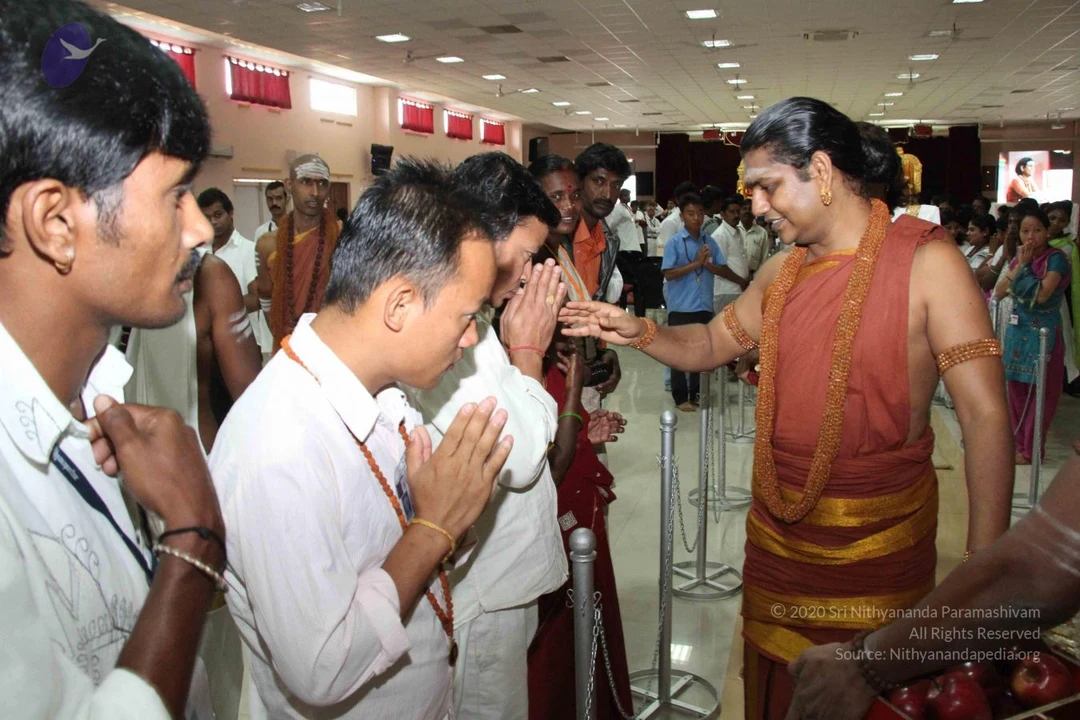
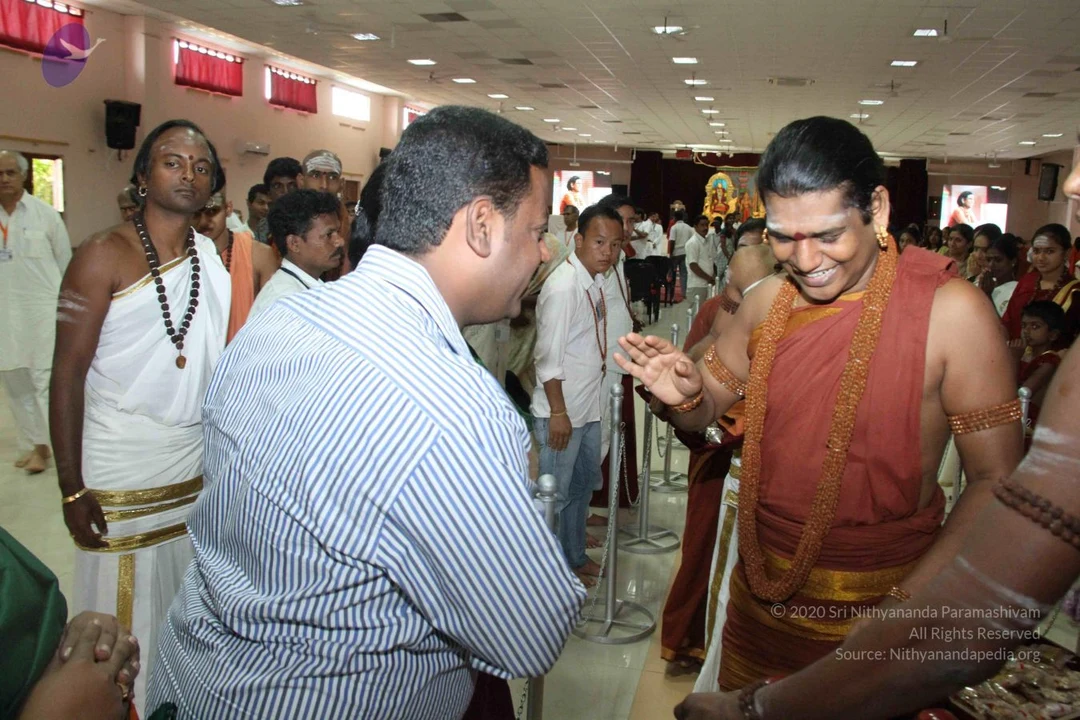
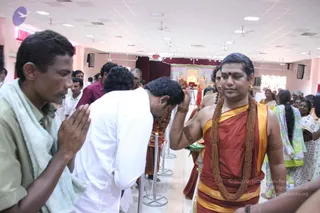
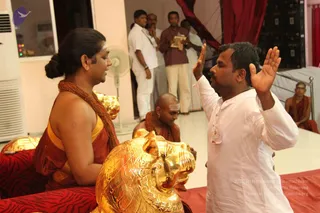
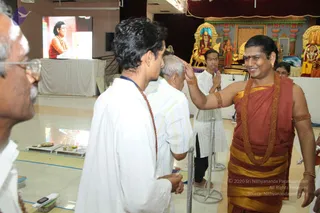
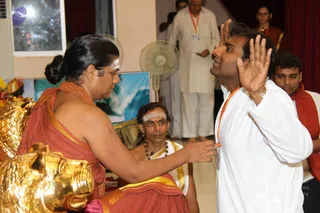
A photograph inside a large hall with pink walls, white ceiling fans and a stage backdrop. In the foreground a man in a green shirt and white towel stands with palms pressed together in namaste. A man in a white shirt bends forward to touch the head of a figure in saffron-and-orange robes with a red-and-gold shawl, a rudraksha mala draped across the chest, gold armbands and a red tilak on the forehead. Behind them, devotees in white and colourful saris and other men stand along stanchions, and a painted deity backdrop is visible at the far end.A photograph of an indoor hall where a bare-shouldered man in a rust-red and gold-bordered dhoti stands on the right, raising one hand in blessing while holding a green tray. He wears a rudraksha mala, gold armband and a red bindi, with long hair pulled back. Beside him a man in white holds a tray and another man in a saffron-bordered white shirt stands with hands joined in namaste. Other devotees in white, one in a green sari, and a seated woman in a patterned sari stand along a rope barrier. A decorated altar with a deity murti and a red curtain is visible in the background. Count of visible people is more than twenty.A seated figure in a saffron-orange wrap with a long rudraksha mala and a bun of dark hair sits on a red-and-black striped cushion beside a gilded lion-headed throne armrest, facing a standing man in white kurta with raised palms in a gesture of greeting or devotion. Behind them, several men in white shirts and dhotis stand near a fan, one holds a small golden box, and a shaved-headed monk in orange sits on the right. Red curtains and a red floor covering fill the background. a person is the seated figure in orange with rudraksha mala and long hair, a satsang-style exchange of devotees before the dais.

NKY-Swamiji-Session-Pictures
42 photosSource gallery
A man stands on a stage before a red backdrop with gold floral motifs and Tamil lettering, wearing a deep red-maroon dhoti-style drape with gold borders and a long rudraksha mala, a red bindi on his forehead, and a head microphone. He smiles toward the audience beside a gold-and-orange ceremonial seat. a person: the figure has long swept-back hair and a rudraksha mala, with the maroon drape and gold borders as clothing cues, so the candidate is identified as a person with uncertain confidence. The visible backdrop reads a Tamil dhyana-related title.A man stands in front of a red backdrop with Tamil lettering, speaking and smiling while raising his right hand in a circle gesture. He wears a rust-red wrap with gold-yellow borders and a long rudraksha mala around his neck, with a red bindi on his forehead and a small microphone near his face. An orange cushioned seat is visible at the lower left. The printed backdrop shows Tamil text naming a person and Nithya Kriya Yoga. The visible appearance alone is not enough to confirm the person's identity, so this is recorded as an unsure candidate for the presenter at the event.Indoor hall during a satsang-style session. A man in white dhoti and white shirt stands at left, speaking into a microphone on a stand. On the right, a stage raised by steps holds a large banner portrait of a smiling man with an orange turban and orange robe, beside a golden figure. A woman in an orange and gold garment stands near the banner on the stage. A screen shows two portrait images. A white-draped table sits mid-hall, with a blue sign reading the photography restriction notice. Red curtains and ceiling lights frame the room.Photograph of a seated audience of men at a Nithya Kriya Yoga session in a hall with a red carpet and red curtains. Many attendees wear white shirts and white dhotis with rudraksha malas and name badges, some have tilak marks on their foreheads. A man in a blue graphic t-shirt and glasses sits in the front left, and a man in an orange shirt sits on the right. Water bottles and yellow notepads rest on the mats. The speaker's platform is not visible in the frame.A seated audience fills a hall at a Nithyananda Dhyanapeetam-style satsang, with many men in white shirts and white dhotis or trousers packed into rows of chairs. Several men wear white lanyard badges, and a red-and-white backdrop curtain and a sofa are visible at the upper right. In the foreground a man in a yellow polo shirt sits with a badge, a bearded man wears a rudraksha-style bead necklace, and some attendees have tilak or vibhuti marks on their foreheads. No speaker or a person candidate is visible in the frame; the audience faces toward the stage out of view.A crowded indoor assembly of many men seated closely together, most dressed in white shirts and white dhotis or trousers. Several wear name badges on lanyards, one man in a bright yellow polo shirt sits in the foreground, and another wears an orange shirt in the background. Some have vibhuti or kumkum marks on their foreheads and a rudraksha-style mala is visible around one man's neck. The audience faces forward toward an unseen stage, with red chairs and a red cloth visible at the edges. No speaker or a person candidate is visible in this frame.

NKY-Darshan

88 photosSource gallery
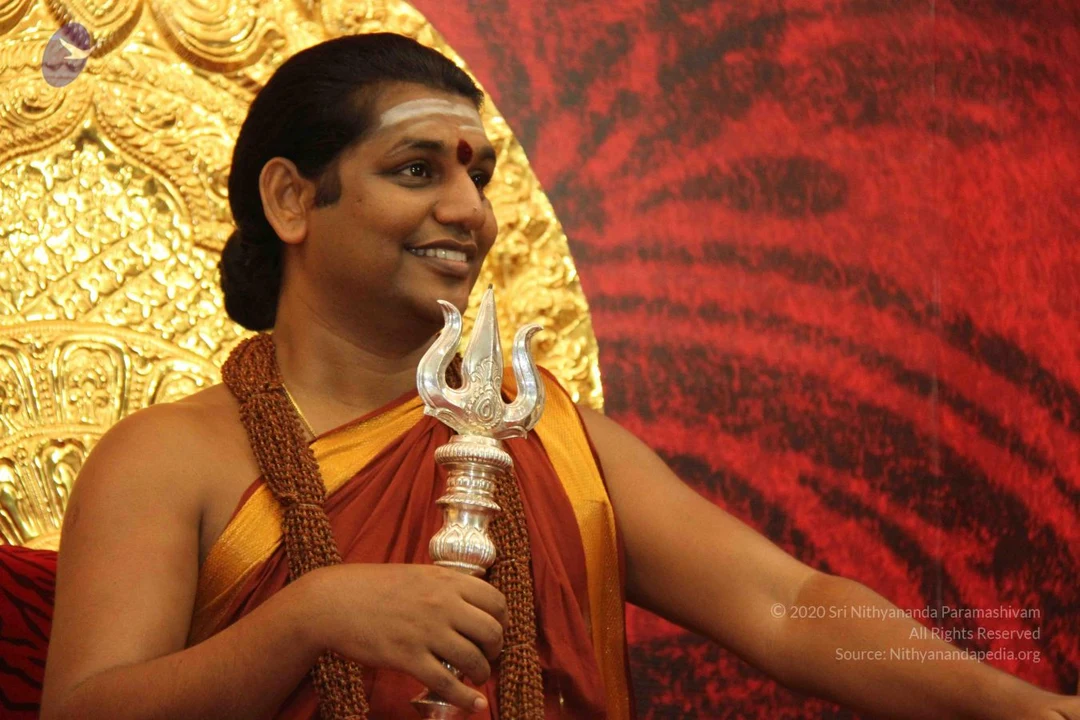
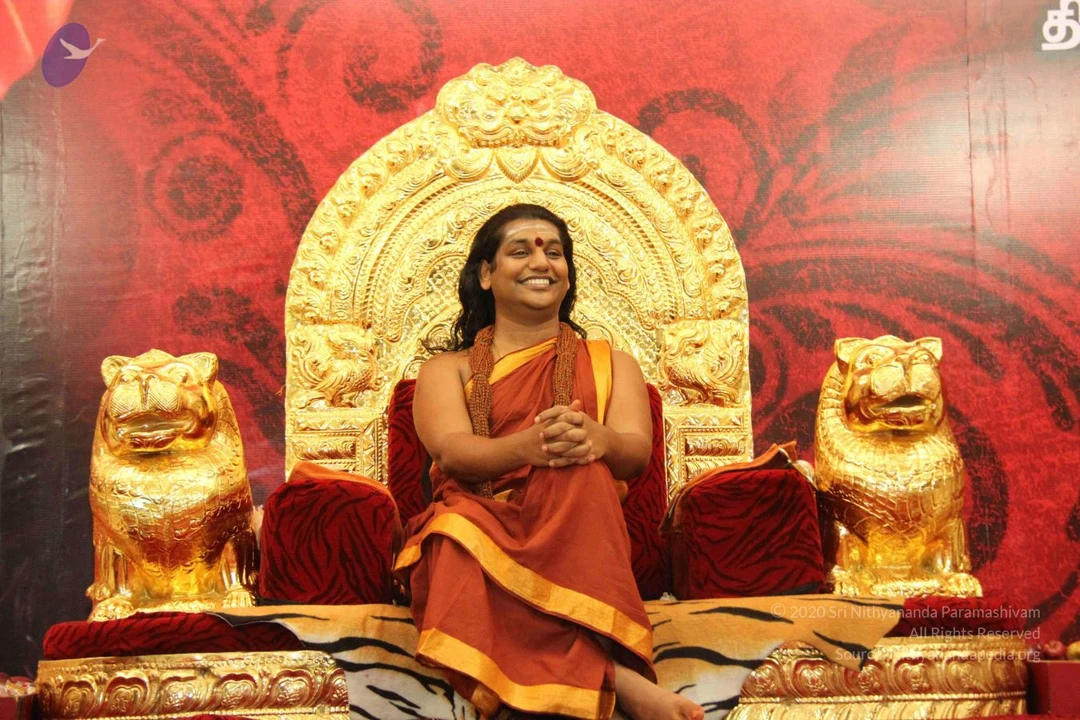
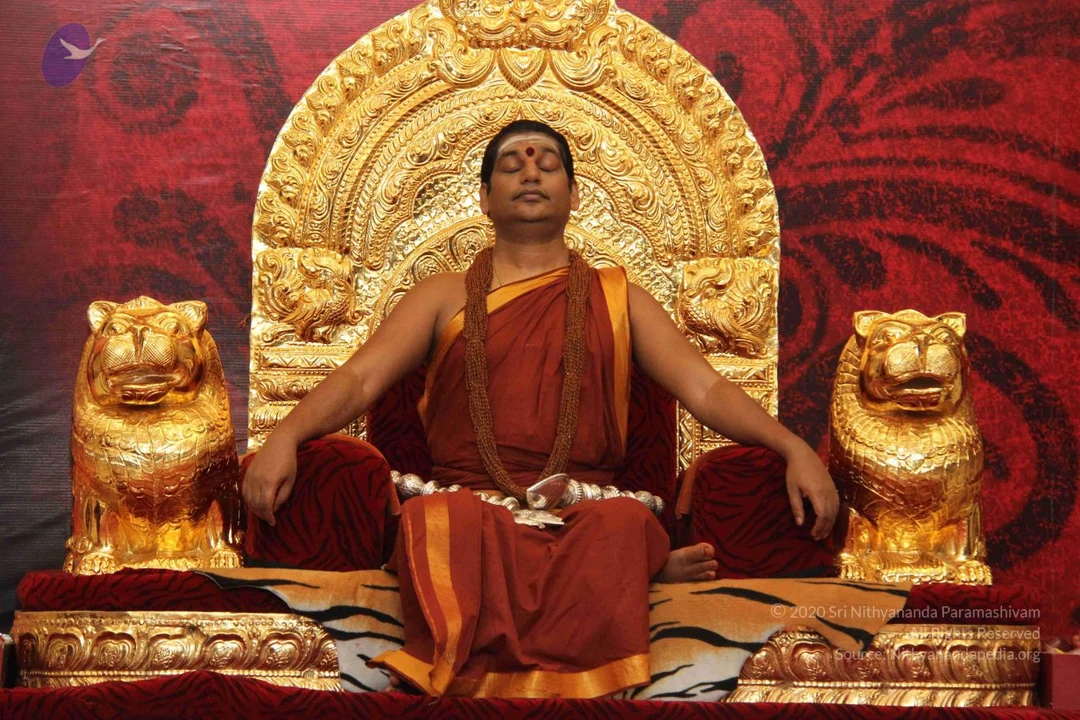
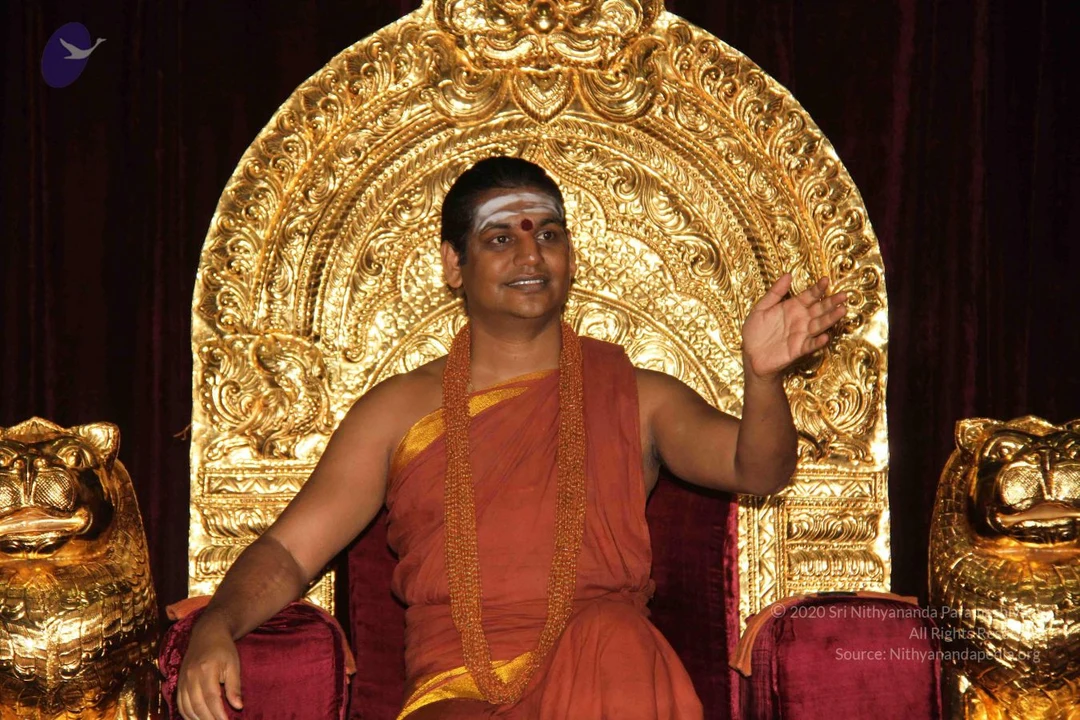
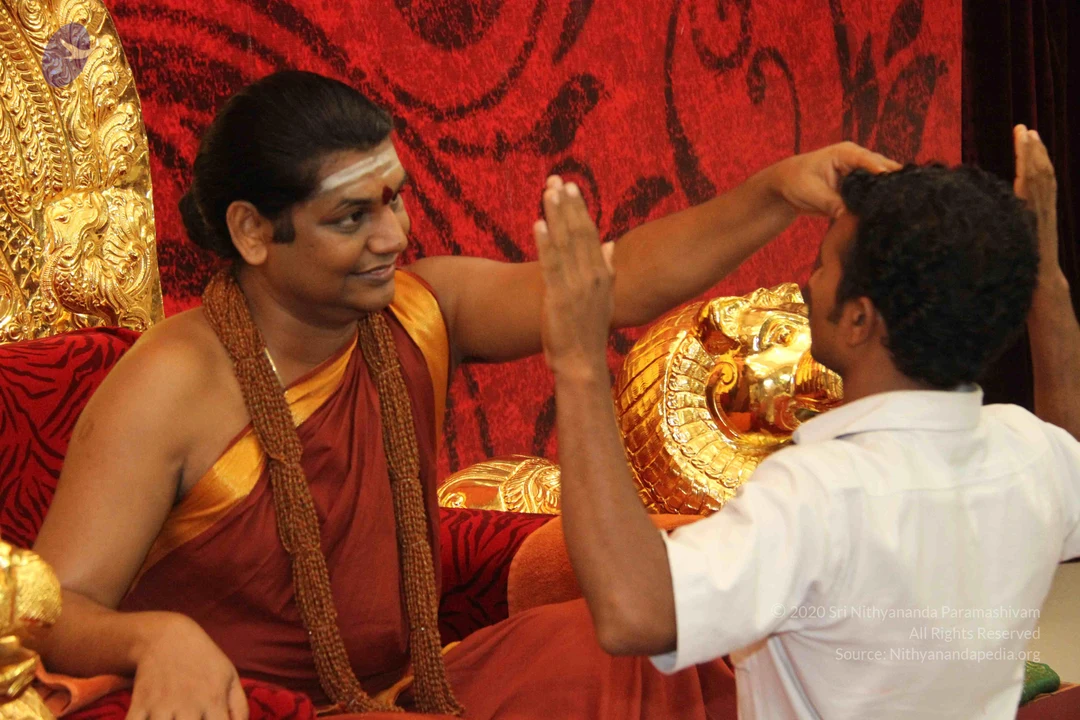
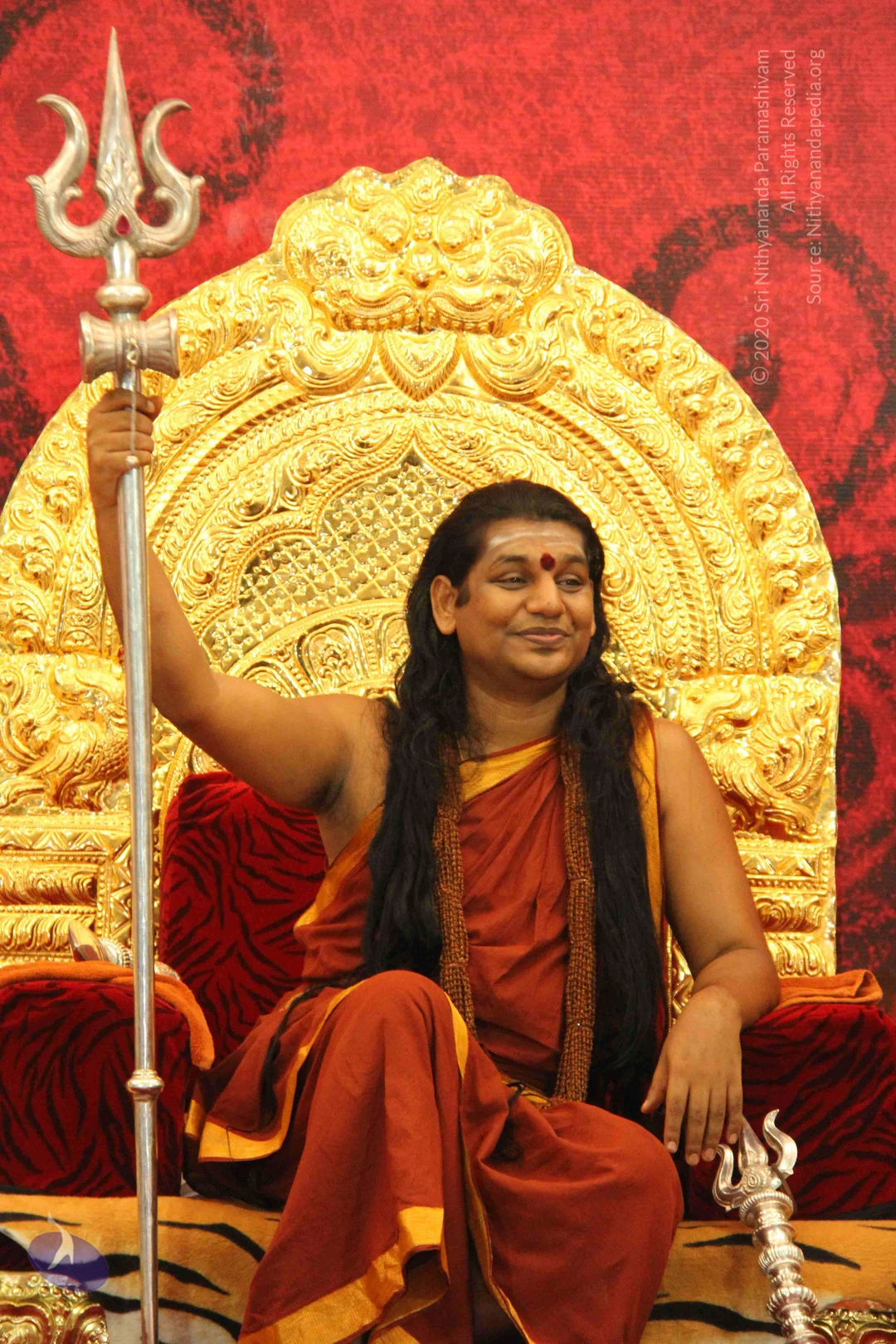
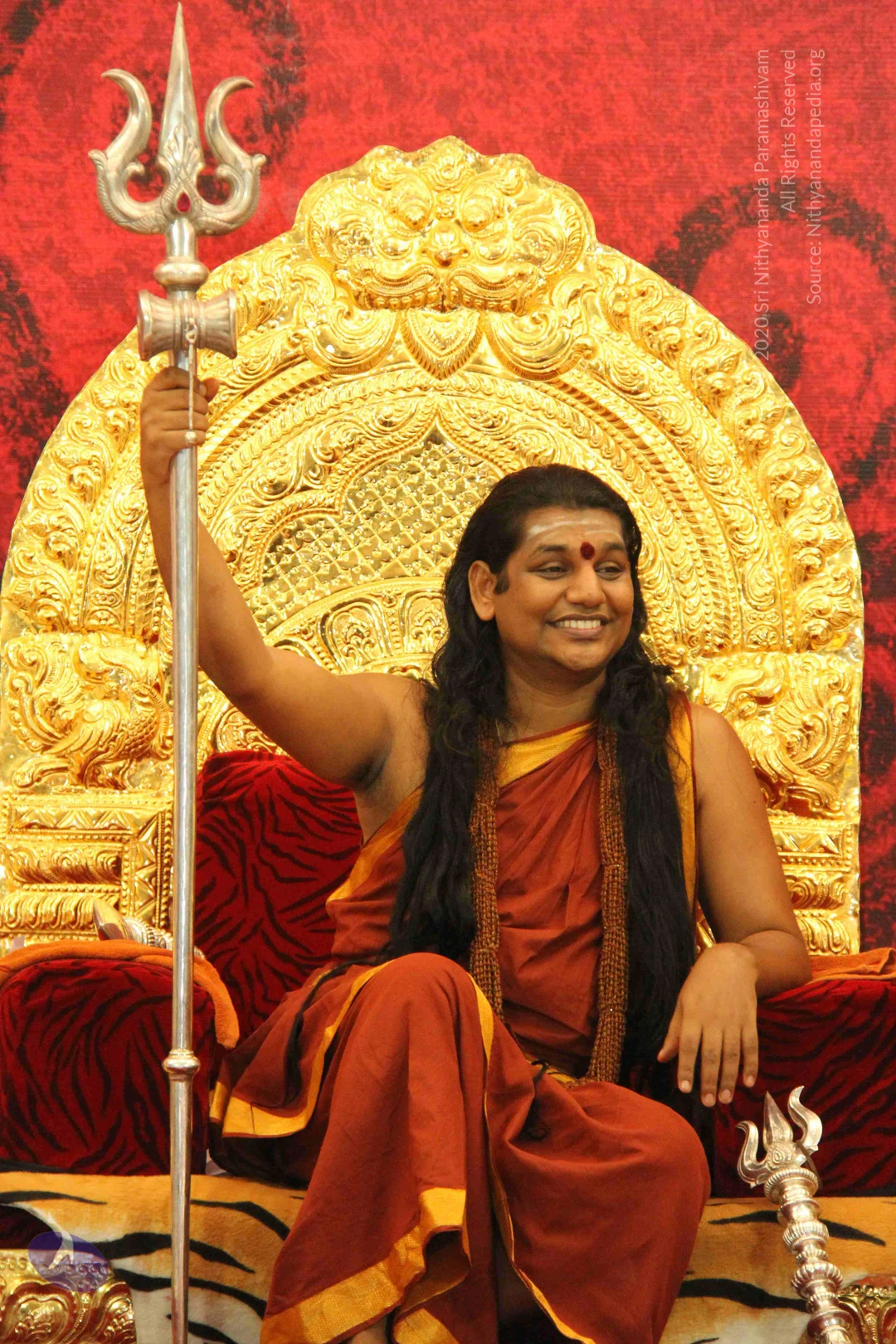
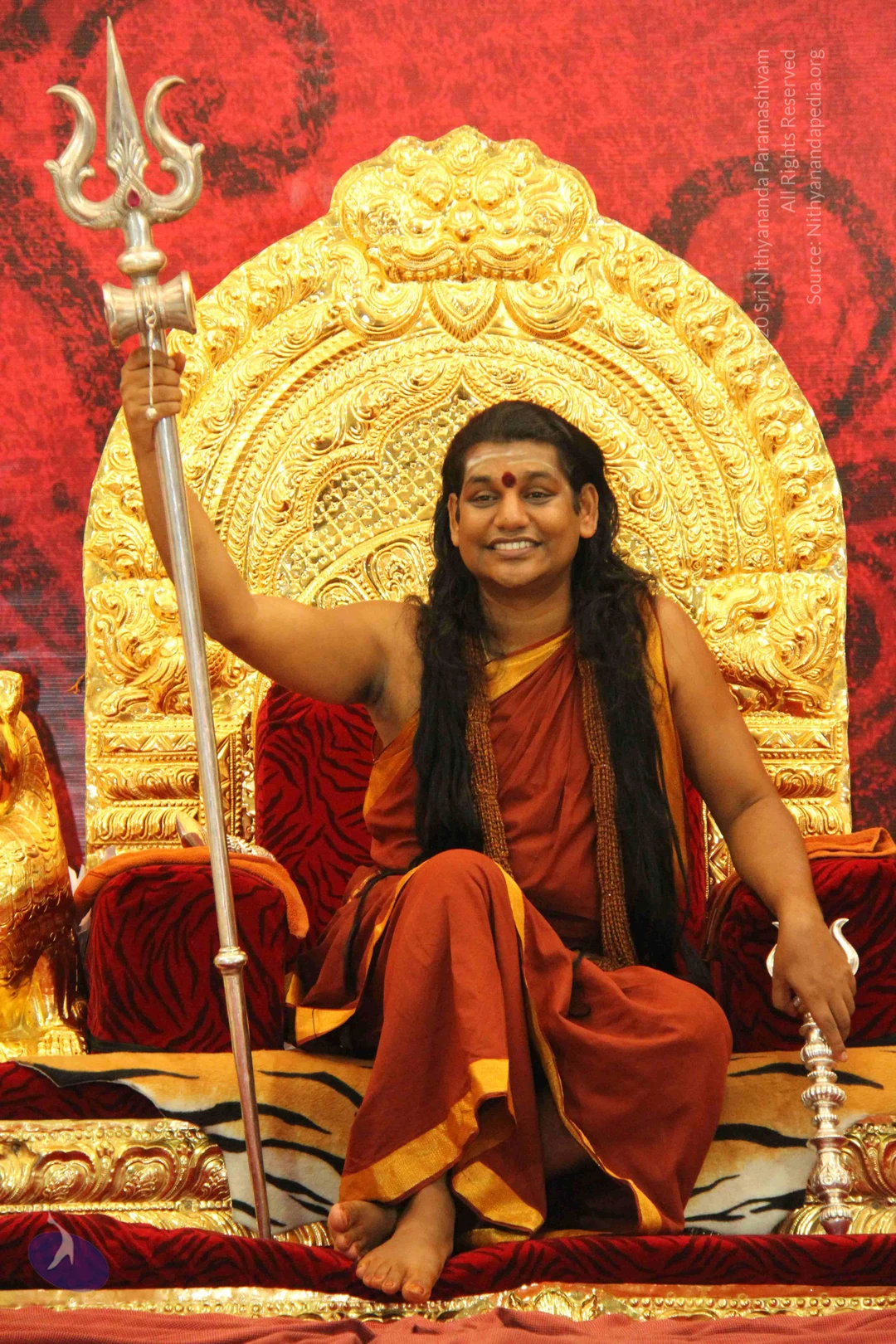
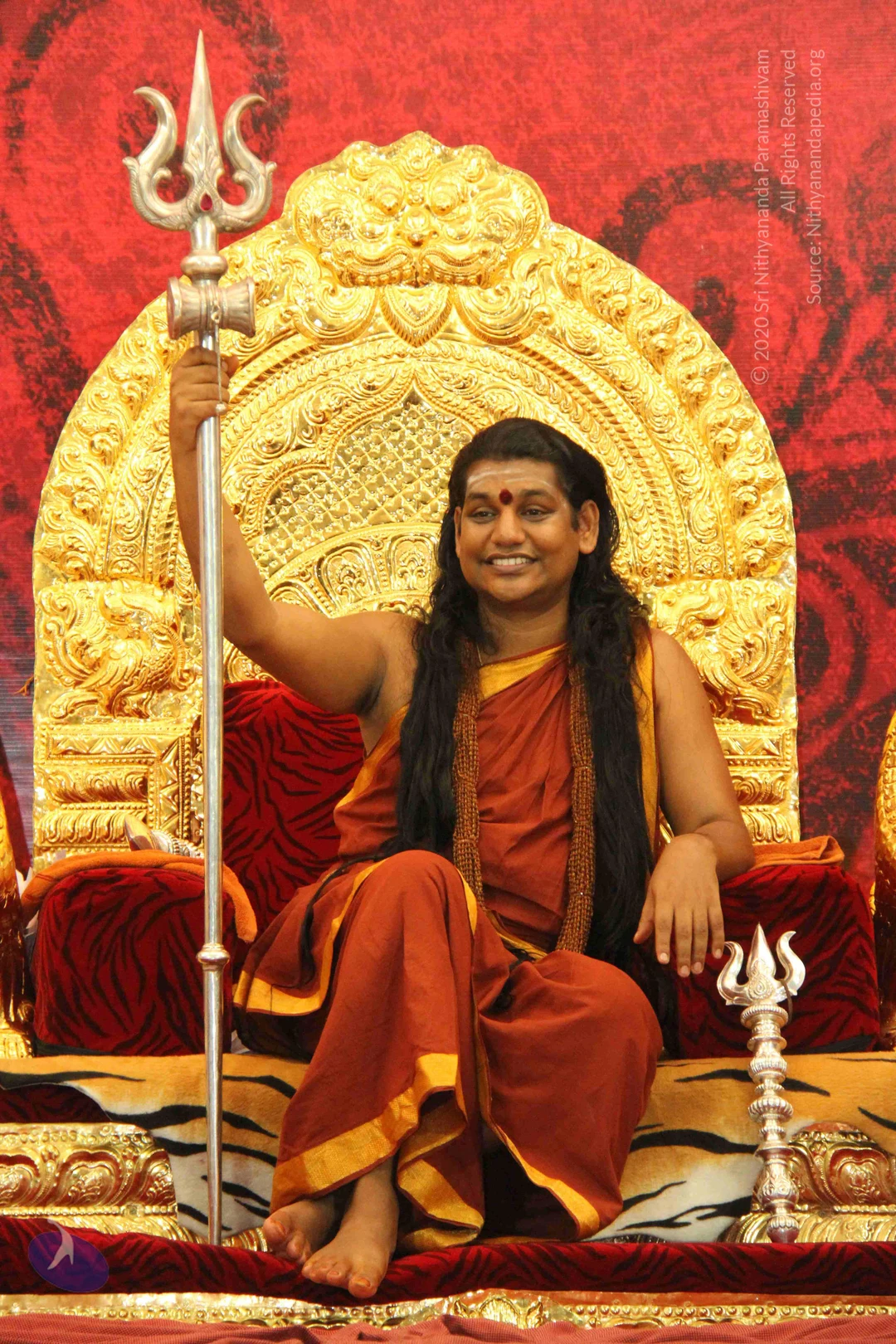
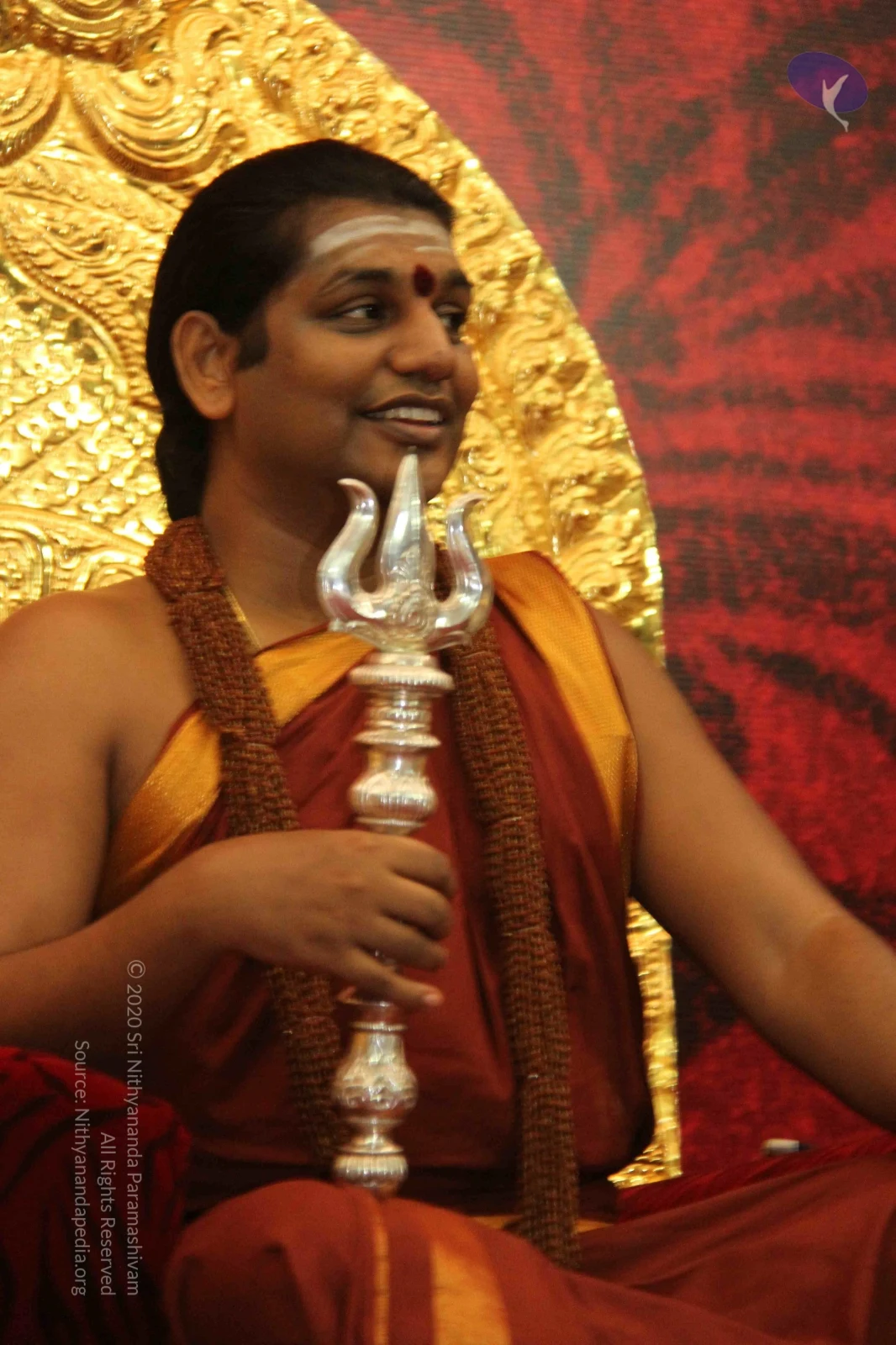
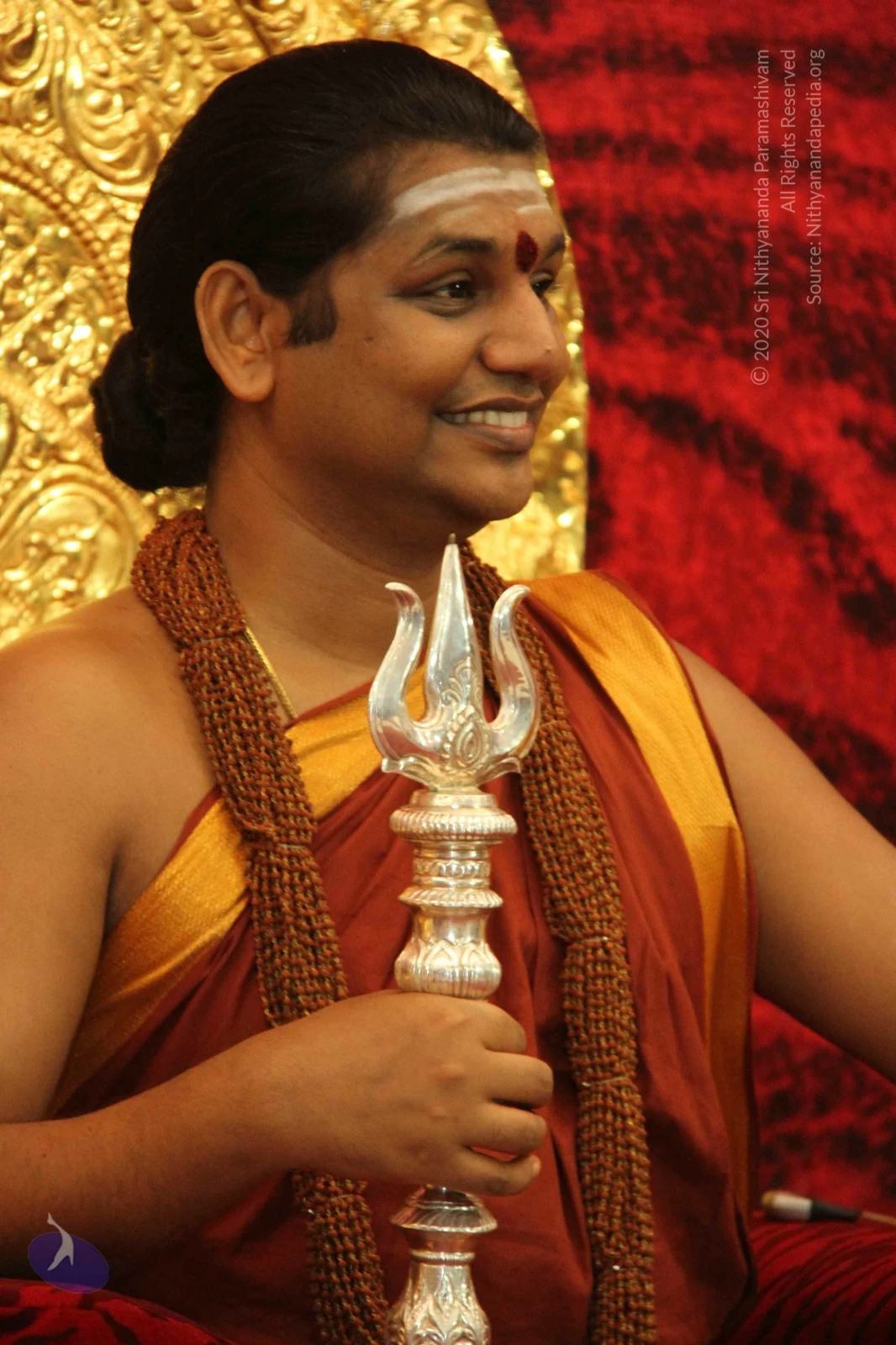
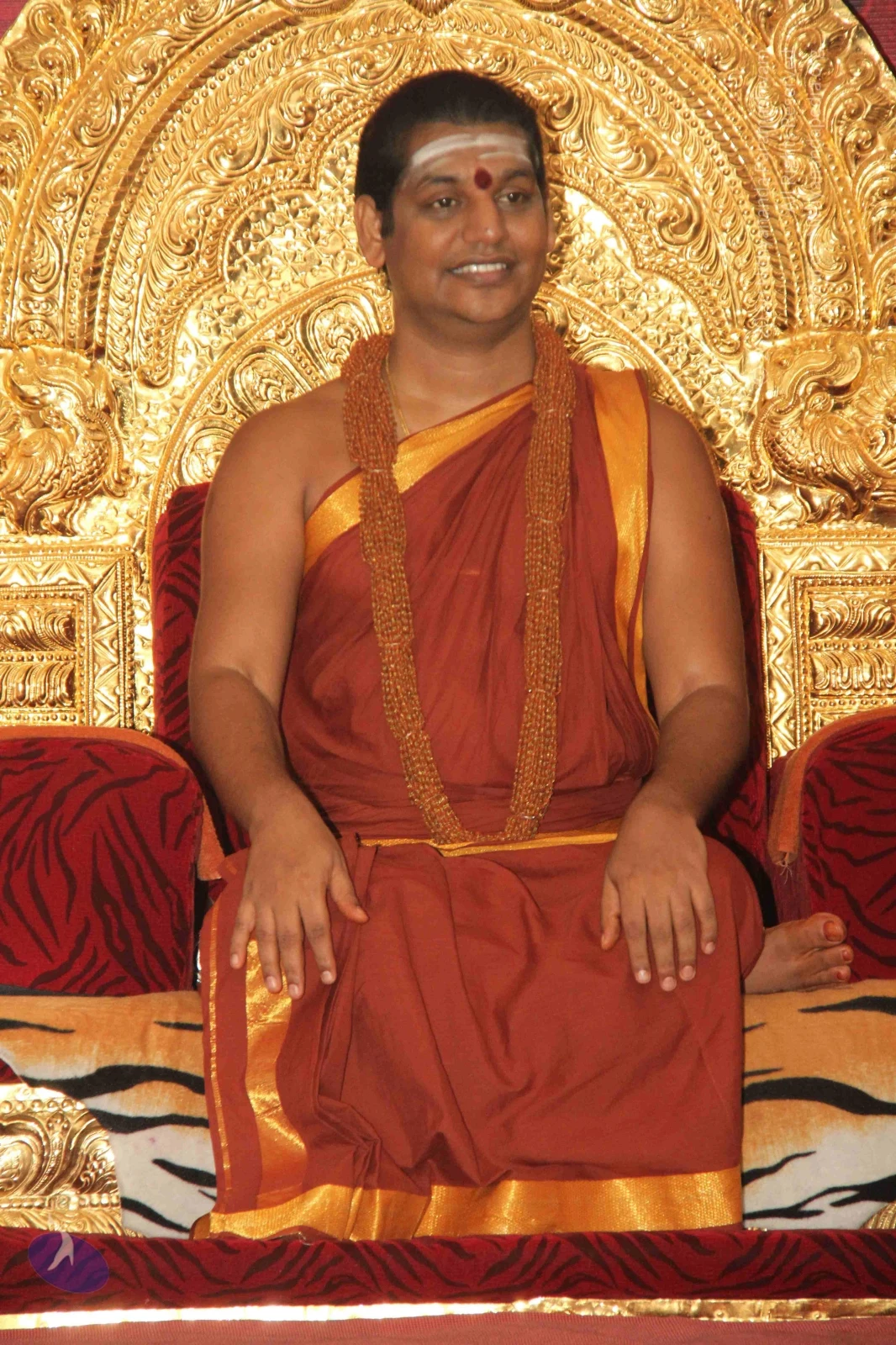
A man seated on an ornate golden throne with carved gold panels and two gold lion sculptures on either side, draped with a tiger-striped cloth. He wears a saffron-orange robe with gold borders, a rudraksha mala necklace, and a red bindi with white tilak on his forehead. He holds a silver trident in one hand and a silver ritual staff in the other, speaking while seated against a red patterned backdrop. a person is shown in person, with his distinctive ornate saffron attire, rudraksha mala and ceremonial trident as the cues.A seated man in a saffron-orange robe and gold-bordered shawl sits on an ornate gold throne carved with scrolls, flanked by two golden lion statues and red tiger-striped cushions. He wears a rudraksha mala with a ceremonial gold necklace and a white-and-red forehead mark, holds a pair of silver ceremonial staffs with trident-like finials, and smiles while looking to the side. A red and gold backdrop and a tiger-striped mat complete the stage setting.A seated man in saffron-orange robes sits on an ornate golden throne with lion-shaped armrests and a red and gold backdrop. He has closed eyes, a red bindi on his forehead, and a dark beaded rudraksha-style mala around his neck, with his hands resting on the armrests in meditation. The throne is draped in a tiger-striped cloth, and a silver waist-belt is visible at his hips. Two gilded lion sculptures flank the throne. a person is seated in meditation, with saffron robes and rudraksha mala as cues. No other people are visible.A man seated on an ornate golden throne with a red and gold backdrop and two golden tiger-shaped armrests. He wears a saffron-orange robe with gold border, a long rudraksha mala, a silver waist belt, and white vibhuti with a red kumkum dot on his forehead. He sits cross-legged on a tiger-striped cushion and smiles with arms resting on the armrests. a person is seated on the throne with saffron robes and a rudraksha mala, a presentation consistent with the page's reference to him.A smiling man seated on an ornate golden throne with a carved arched backrest, flanked by two golden lion sculptures on red-and-maroon tiger-striped cushions. He wears a saffron-orange robe with a gold-bordered shawl, a long gold-beaded necklace, a red bindi and white forehead markings, and raises his right hand in a wave. A rudraksha-style mala and silver waist ornament are visible. The backdrop is a red patterned cloth.A man in saffron-orange robes with a gold-edged dhoti sits cross-legged on an ornate golden throne with carved arch backing and gilded lion-head armrests, draped in a tiger-striped cloth over red velvet cushions against a red patterned backdrop. He wears a long rudraksha mala, a silver waist belt, a white vibhuti line across the forehead and a red kumkum dot, smiling with both hands raised in an explaining gesture. The a person cues here are the saffron robes, rudraksha mala and ceremonial throne setting; the page indicates this is a Nithyananda Dhyanapeetam discourse. A small logo appears at the top left and a copyright line at the lower right.
NKY-Yoga-Pictures

21 photosSource gallery
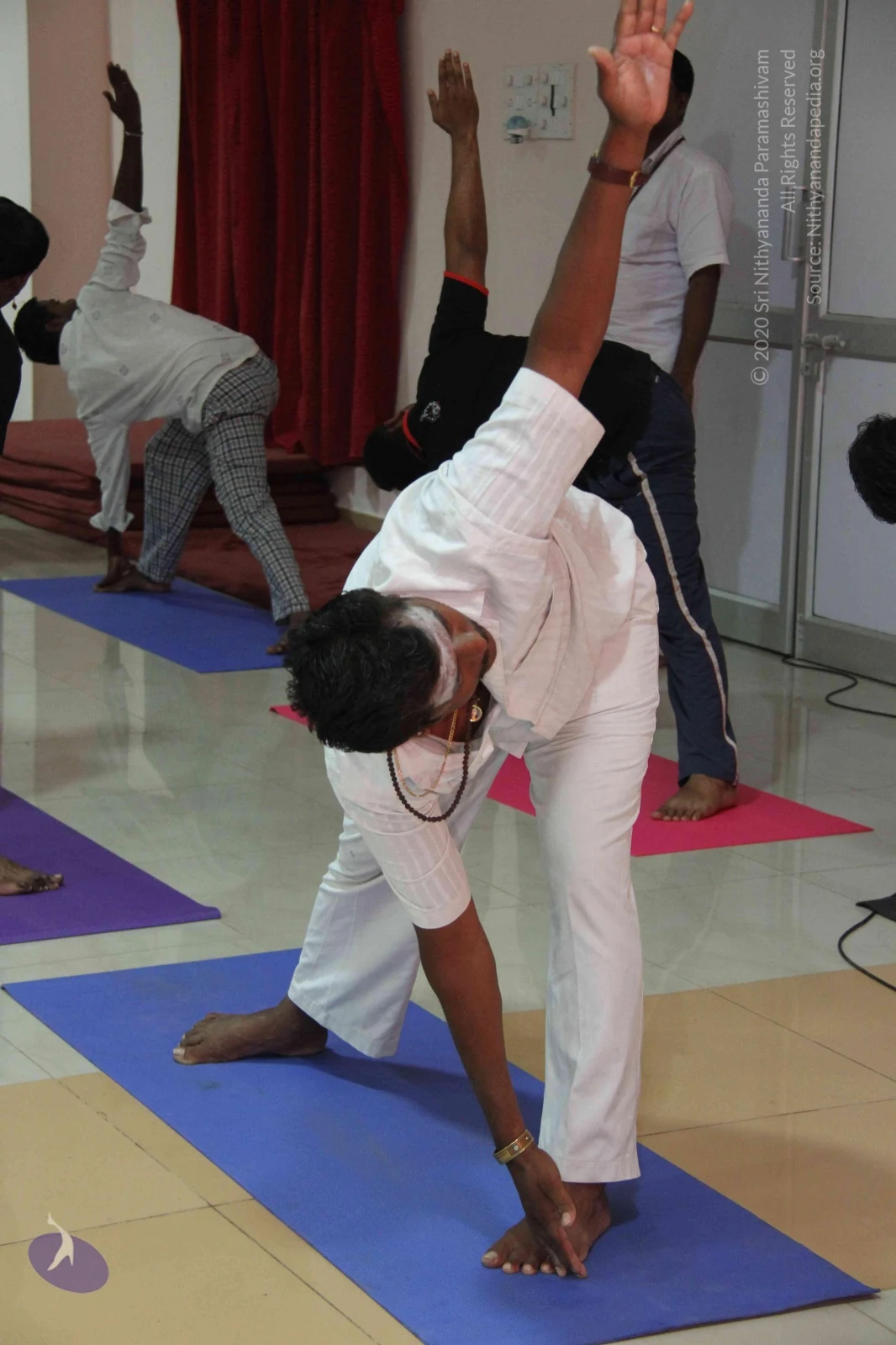
A large indoor hall with pale tiled floor where many people in white and light-coloured clothes perform standing yoga poses on coloured mats (red, purple, blue, grey, orange). Most participants bend forward with arms raised overhead in a side-stretch posture. In the right foreground a man in a white shirt and grey trousers, wearing glasses, stretches with one arm up. Left foreground, a man in a blue-and-white striped shirt and dark trousers bends sideways with a water bottle nearby. Walls are white with red curtains at the upper right. Some figures in the back wear saffron-orange clothing. Scene suggests a group yoga session. Count is a large group of more than twenty visible participants.A large group of men practise standing yoga poses on a polished tiled hall floor, with arms stretched out to the sides. Most wear white kurtas or white shirts and trousers, while some wear blue, grey or striped shirts. Coloured mats in purple, pink, blue and green lie in rows beneath them. In the foreground a man in a white shirt and white trousers, with a pendant on a cord, holds his arms wide; another man in a blue and white striped shirt stands at the left edge, and a man in grey trousers stands at the right. The setting appears to be a large indoor yoga session.A large group of men practise yoga on colourful exercise mats across a tiled hall. Most wear white shirts and white dhotis or trousers, while others wear striped shirts, grey sportswear, and one man in the upper right wears orange clothing. Many bend forward or lean sideways with arms raised overhead in standing yoga postures. A water bottle sits on the lower left mat. The scene suggests a Nithya Kriya Yoga session, a group yoga class.A large indoor yoga session with many participants on coloured exercise mats across a tiled hall. Most people wear white or light clothing, while some wear striped shirts, grey, green or saffron tops. Several are bent forward or twisting with arms raised overhead in standing postures. A plastic water bottle sits near the lower left mats. No clearly identifiable presenter is visible at the front, and no appearance-based candidate for a person can be confirmed among the participants.A photograph of a Nithya Kriya yoga class, rotated sideways, in a hall with blue, purple and pink padded mats along the walls and floor. A man in a white shirt and white trousers, with a rudraksha mala around his neck and a sacred ash mark on his forehead, leans into a wide-legged side stretch with one arm extended. Behind him a man in a dark t-shirt and navy track pants is stretched out on the mat, and another man in a white shirt and checked trousers is stretched out at the top of the frame beside a red curtain. Their feet and arms are visible as they hold the poses.A large indoor hall with pale tiled floor and red curtains hosts a yoga session. Dozens of participants stand on colourful yoga mats, mostly in white dhotis, white shirts and kurtas, with some in checked and striped shirts and a few women in saris and salwar kameez, stretching with arms and legs extended. In the distance on a stage, two figures in saffron robes stand near white flower-decorated sculptures or pillars, with ornate lamps beside them.

Pratyaksha-Pada-Puja

7 photosSource gallery
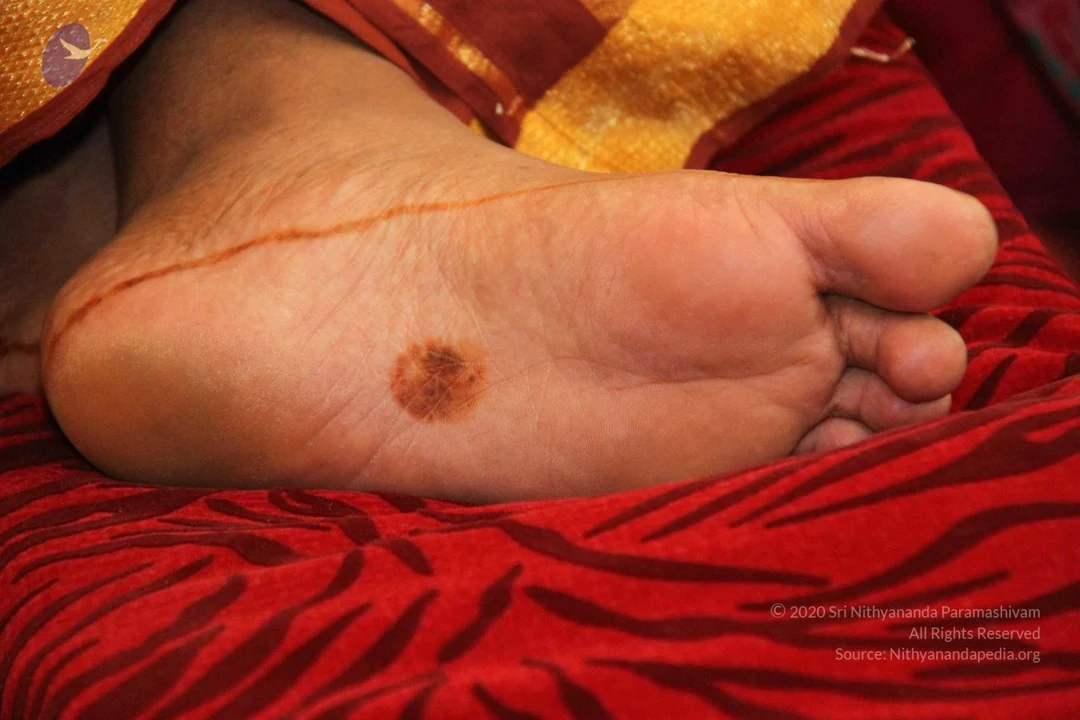
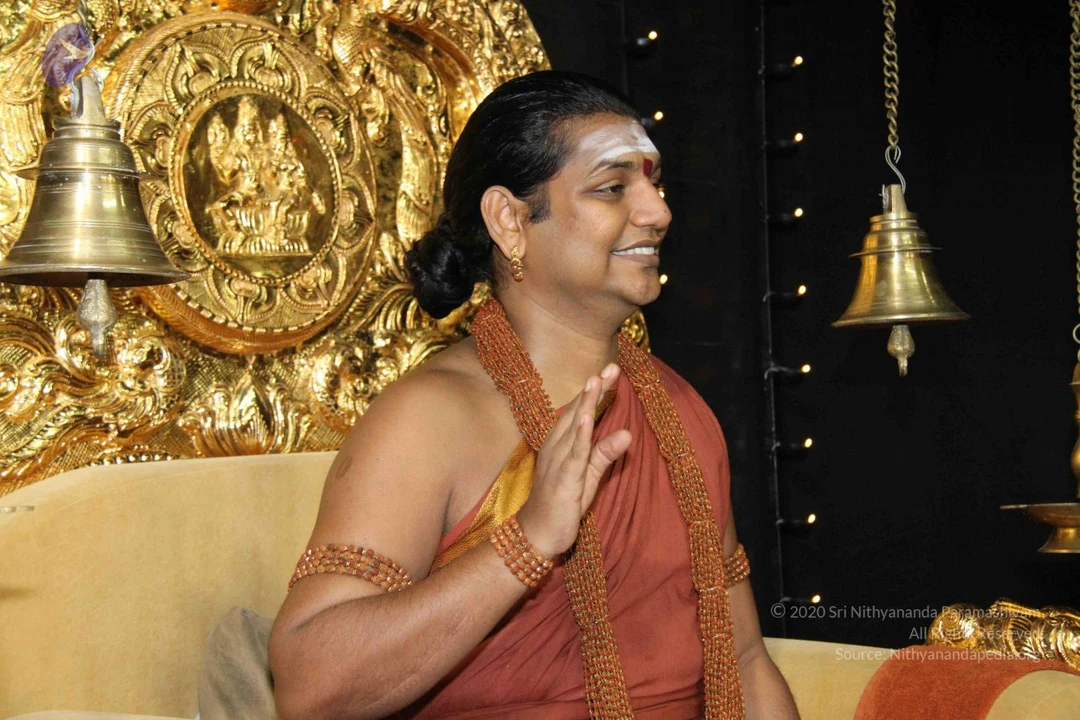
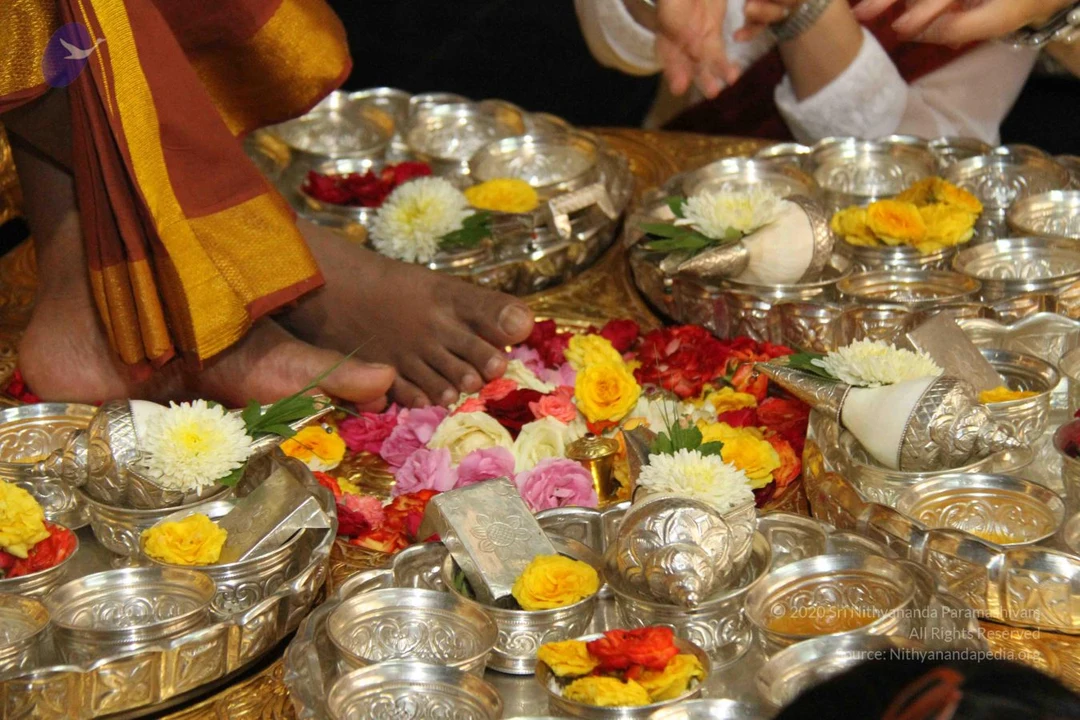
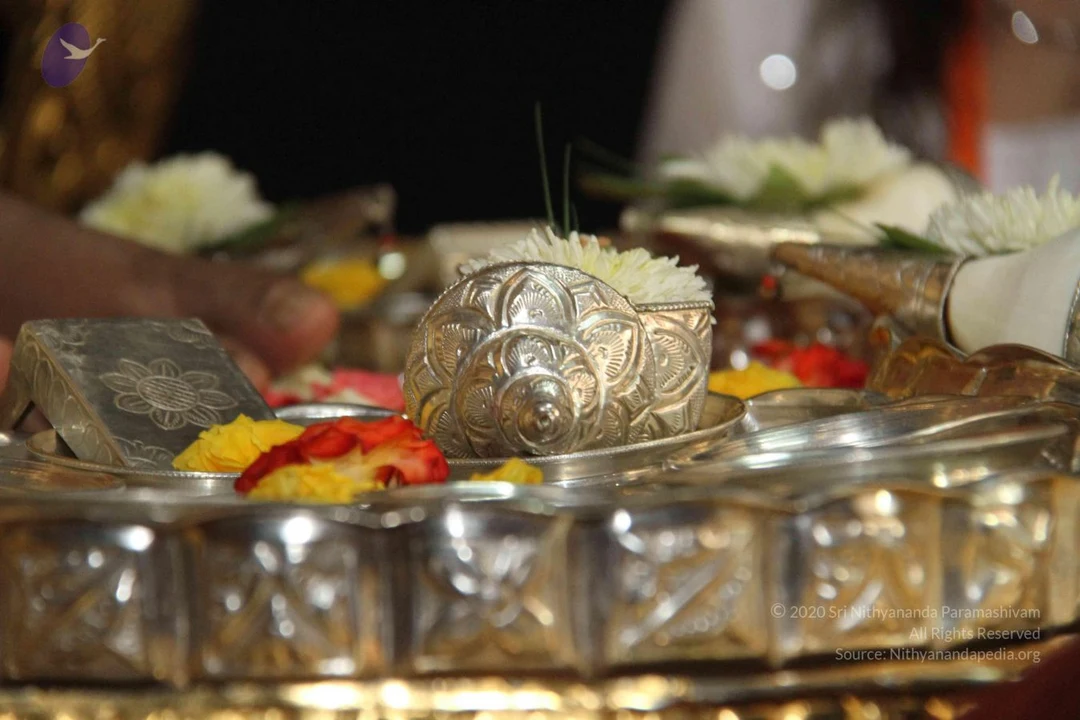
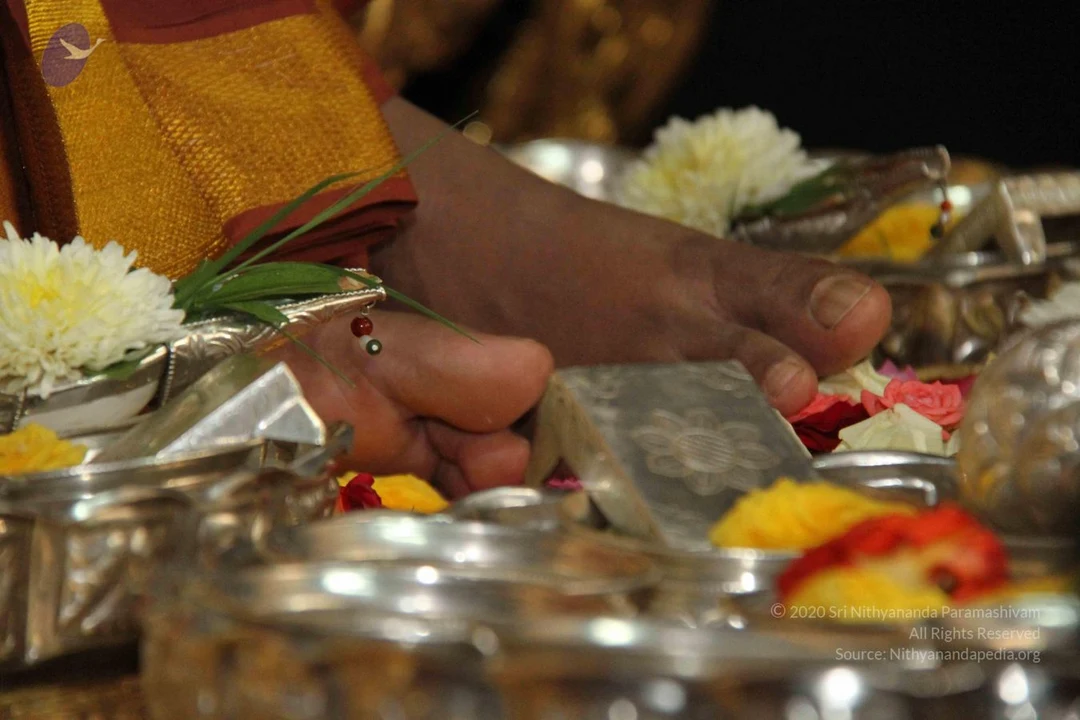
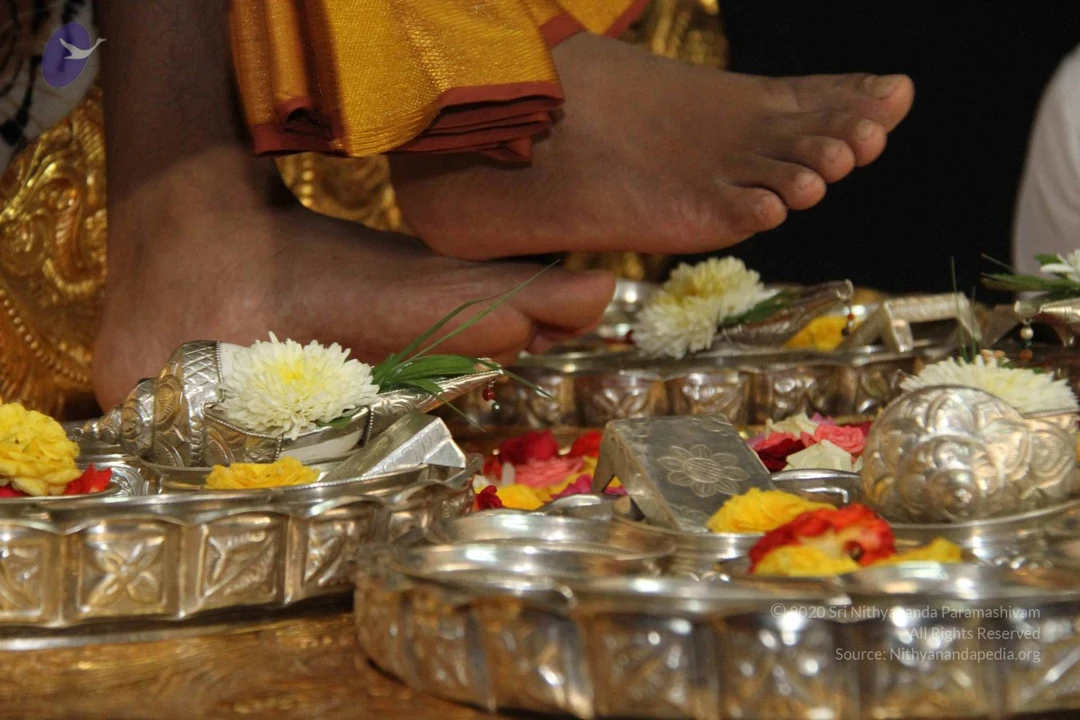
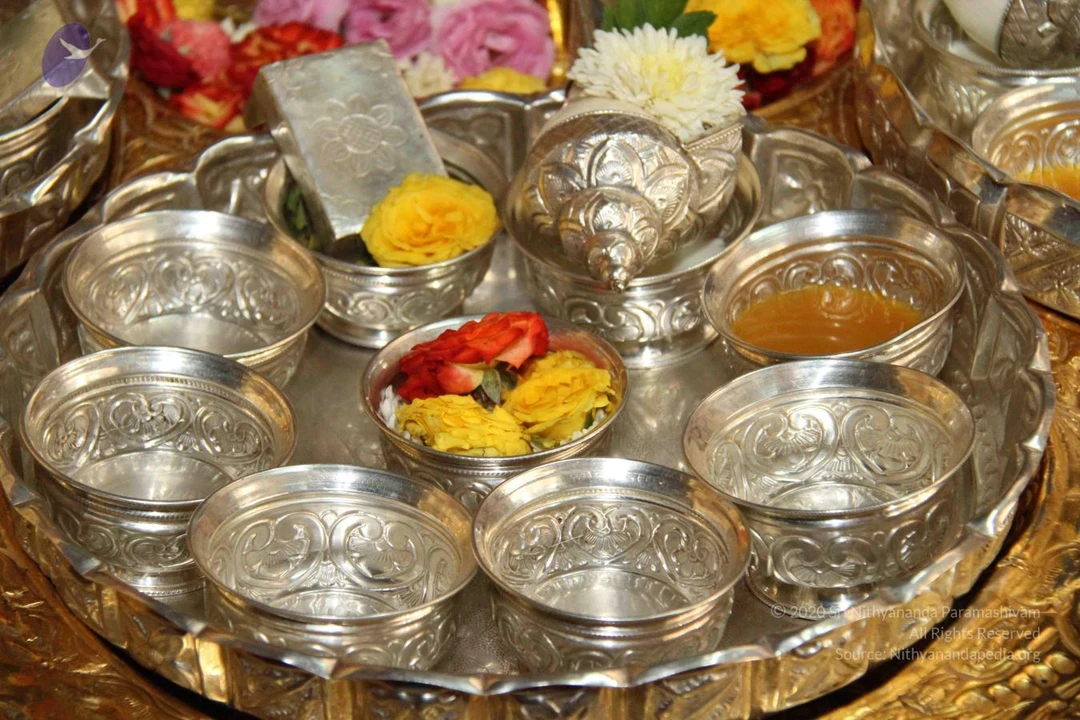
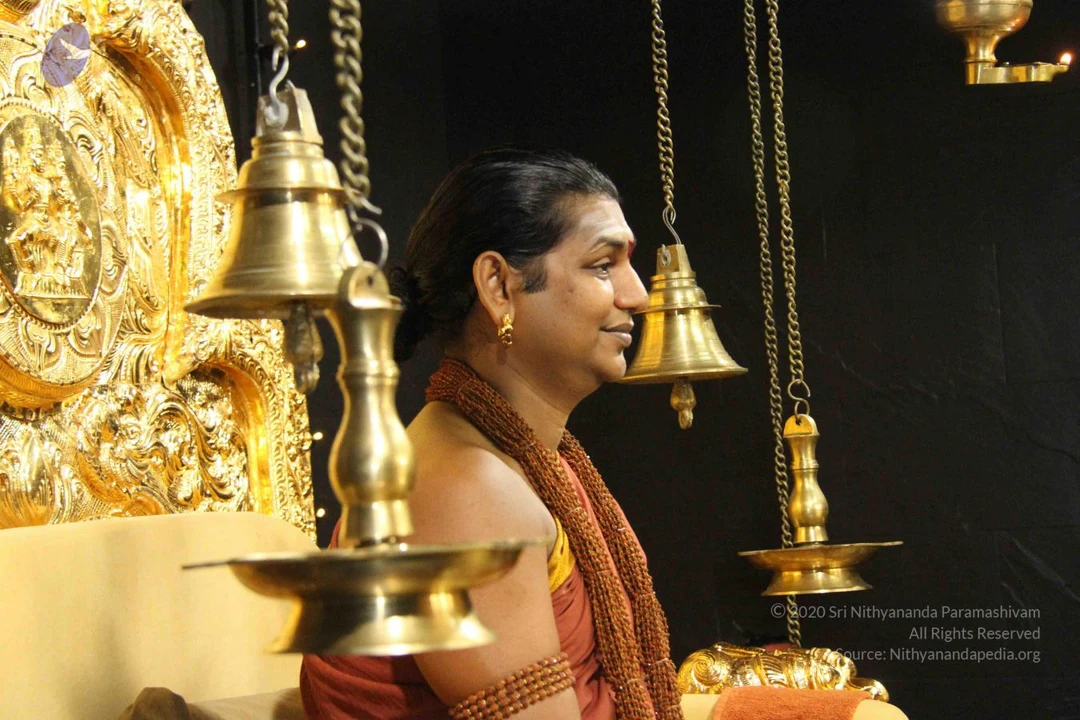
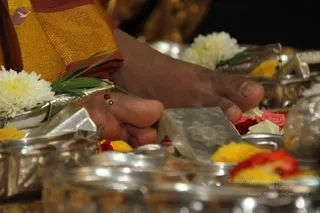
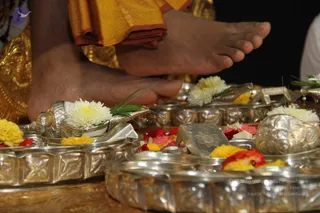
A seated man in a rust-orange shawl and matching orange-red beaded necklaces and armbands sits on a cream cushioned seat with his right hand raised in a blessing gesture. He has swept-back dark hair in a bun, white vibhuti marks and a red bindi on his forehead, and a small gold earring. Behind him is an ornate gold-embossed panel with a relief of a deity murti, and brass hanging bells and an oil lamp stand at the sides against a dark backdrop with small lights.Close view of a bare foot in a red and gold garment resting among silver bowls and trays filled with yellow marigolds, red roses, pink flowers and white chrysanthemums, with green leaves scattered around. Several silver vessels and a small brass lamp are arranged on a gold cloth. Partial hands in white and bangles appear at the top edge. No face is visible, and no identification is made from appearance.Close-up of a person's bare feet resting on a silver tray or plate, surrounded by silver ritual vessels filled with yellow and red flowers, white chrysanthemums and green grass blades. The person wears a gold-and-maroon silk garment, and red and green beads are visible on a toe. The feet appear to be in a padapuja style offering, with flowers and silver thali vessels arranged around them. The background is dark.Close-up photograph of a pair of bare feet resting on silver ritual trays during a puja. The feet are placed on or beside an ornate silver plate and a silver vessel holding white chrysanthemum flowers, green grass blades and yellow and red marigold and rose petals. Other silver offering dishes and bowls filled with petals are arranged on a golden wooden surface. A golden silk garment with a maroon border drapes over the ankles at the top of the frame. Gold embroidered fabric is visible behind. No faces are visible.A close view of an ornate silver puja thali on a gold-toned tray. Several embossed silver bowls hold yellow and red rose petals, a small heap of white rice, and a golden liquid. A silver container with a domed lid and a flower-topped vessel sit among the bowls, with pink, red, yellow and white flowers arranged along the top edge. Fine floral and scroll engraving decorates every vessel. No people are visible.A photograph of a seated person in a dark room beside an ornate gold-framed throne back carved with a deity relief. The person wears a rust-red and saffron wrap, a heavy multi-strand rudraksha mala, a gold earring, and a small red forehead mark, with hair swept back. Hanging brass bells and brass oil lamps on chains surround them, and a brass lamp stands in the foreground. The person looks to the side with a calm expression. Swamiji (probable): the rudraksha mala, saffron-rust wrap, swept-back hair and ornate throne setting are the qualifying cues for the Nithyananda Paramashivam candidate, seated in ritual setting.

Leela-Alankar

20 photosSource gallery
A stage event with a seated man on a gold-and-maroon throne at left, wearing an orange-red dhoti and shawl with bare shoulders and bare chest, hands folded in his lap. Beside him stand two deity murti with gold crowns and white-and-gold garlands; the taller figure in gold is adorned with a jewelled necklace. Between them a brass lamp stands on the floor. In front, four young children sit cross-legged on a white floor: one in pink with a white turban and green pants, one in purple with a white headpiece, and two girls in red and maroon saris with flower garlands, one raising a hand. Blue ocean-wave backdrop panels frame the right side, and a painted temple-style wall with a golden doorway stands behind.Photograph of a stage at a Kailasa event. A man seated on a gilded throne with lion-shaped armrests wears an orange-red shawl over a dark garment and holds a small ceremonial fan. Behind him stand painted statues in blue-and-pink temple setting with columns. On the right, two large gilded deity murtis are garlanded with white and multicoloured flower garlands. In front, four young people sit on the white floor in colourful silk clothing: green, pink, purple and maroon, with white flower garlands and a white turban. A brass oil lamp stands center stage, and a kalasha-like brass vessel is near the murtis. Blue sea-wave backdrop panels are on the right.Indoor stage photo of a devotional event. On the left, a man in an orange-and-maroon wrap sits on an ornate gold throne with lion armrests in front of a painted blue backdrop with pink and green pillars. At right, two gold-decorated deity murti sit under a gold arched shrine with a gold-and-yellow drape, garlanded with multicoloured flower strands. In front, four seated children and a young woman in pink, green, purple and red traditional dress, some with white turbans and flower garlands, sit on the floor, with a brass lamp stand between them. Blue ocean-wave photographs hang behind them.A stage at an event with a golden peacock throne holding a Ganesha murti decorated with a multicolour garland of green, yellow and magenta flowers and a silver necklace. Beside it sits a golden lion-form stand and a brass standing lamp. A person in a maroon and orange sari with gold border, gold bangles and a flower in the hair sits on a red cushioned seat, hands folded, looking toward a painted blue column backdrop with a standing figure in ornate gold jewellery and a gold crown holding a ceremonial object.A seated man in a rust-orange and maroon robe with gold trim sits at the right of a stage, hands folded, smiling, with a red bindi and bangles. Beside him, a gold ornate throne-like seat holds a deity murti of Ganesha dressed in a crown, a white and silver garland, and red, yellow and purple flower garlands, placed on a gold peacock-shaped vahana. A brass oil lamp and a gold lion figure stand near the man. Behind them is a painted blue and pink temple backdrop with a standing figure holding a trident-like staff.A seated man in saffron-orange robes with a red bindi, gold armlets and a rudraksha-style necklace sits on a red-cushioned gold throne beside a gilded peacock-shaped seat. A deity murti is adorned with a multicoloured garland of green, yellow, red and purple flowers and a gold crown, set in a gold frame against a blue backdrop. Brass oil lamps and a gilded lion figure stand nearby, with a painted pillar and a deity figure behind. a person is seated on the throne, identified by his saffron-orange robes and rudraksha-style necklace.

Satsang

13 photosSource gallery
A photograph of a group of young boys and a few adults seated on the floor in a hall during a ritual. In the foreground, several boys wear saffron-orange robes with magenta sashes, rudraksha malas, white headbands and vertical sandal or vibhuti markings on their foreheads, and they raise their hands in prayer or sit with palms pressed together while chanting. Brass plates, small brass vessels and white cloth-covered low tables holding offerings lie in front of them. Behind them, seated devotees in white and red clothing fold their hands. A golden canopy stands in the background. Several of the adults wear orange or white garments, and there is no clearly identifiable a person present in the frame.Several young boys and teenagers in saffron-orange robes with red sashes sit cross-legged on a white floor, chanting with open mouths and hands raised, many with white vibhuti stripes on their foreheads and rudraksha malas around their necks. In front of them stand brass plates with flowers and offerings, and small brass vessels on low wooden stools. Behind them, adults in white and saffron clothing sit and stand in a large hall with a golden decorated structure in the background.A seated group of young boys and men in orange robes and pink-red waist sashes sits on the floor of a hall, many with white vibhuti bands on their foreheads and rudraksha malas around their necks. Several boys have their palms open or hands joined in prayer before small brass plates and a lamp on low white platforms. Behind them, a larger crowd of seated devotees in white and red garments watches, and a golden shrine canopy stands at the back of the room. Two boys wear round glasses. The scene looks like a satsang or meditation session.A man seated on an ornate maroon velvet armchair in front of a large gilded throne backrest with carved floral and scroll patterns. He wears a rust-red and saffron-bordered wrap over his shoulders, long rudraksha malas around his neck and beaded bangles on his upper arms and wrists, with a red bindi and a vertical white tilak on his forehead. Golden lion-head armrests flank the chair and painted deity figures with raised hands appear on the blue and orange walls at either side.A standing man in an orange-and-saffron dhoti and shawl with a red-brown upper wrap, a long rudraksha mala and gold ornaments, gestures with his right hand at his chest on a glossy white floor in a decorated hall. Behind him, a red velvet throne with golden lion-head arms flanked by two deity statues, a large gold throne at left, and a seated pair of decorated murti figures at right garlanded with yellow and red flowers. Brass oil lamps stand at the sides, and a framed ocean-wave picture sits on a white-draped table.A man in a rust-red and gold dhoti and shawl stands barefoot on a white glossy floor in front of a decorated stage. He wears a long rudraksha mala and his hair is tied up. Behind him is a golden peetha with red cushions flanked by two standing deity statues in red and green with raised arms. To the left stands a golden throne with a garlanded deity murti and a golden bird vahana, and to the right a golden-framed throne holds two garlanded deity figures in yellow and red. Brass oil lamps stand along the platform and a blue wave image sits on a white-draped table. The stage backdrop is blue and gold with red and white panels.

Sarva-Darshan
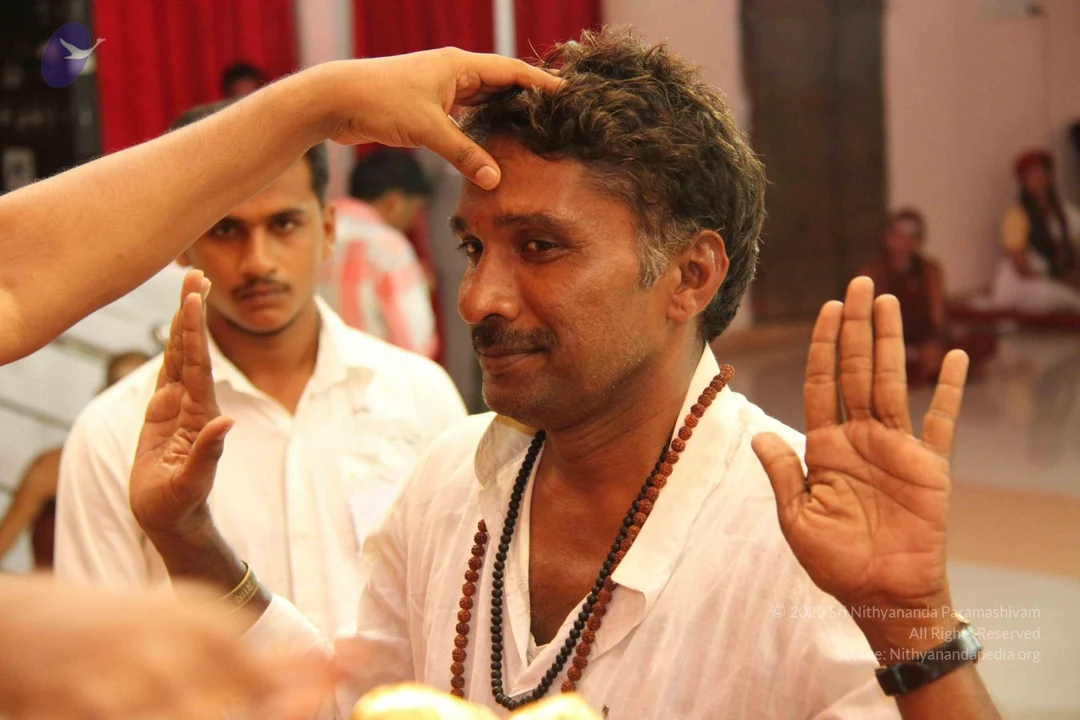
11 photosSource gallery
A photograph of a devotee-blessing moment in a hall with a gilded shrine behind. A man in a saffron-orange dhoti and shawl, with a long gold-and-bead garland, a red bindi and gold armbands, raises his right hand in blessing toward a kneeling devotee in white. The devotee bows with hands together. On the left, an older man in a striped shirt presses his palms together in namaskar, and a younger man in white holds a small tray. A woman in a red-brown sari stands nearby. Behind them, a deity murti with a crown and a gilded throne-like arch fills the stage, with garlands and a decorated backdrop. a person cues: long swept-back hair, saffron-orange ceremonial clothing, a rudraksha-style mala and gold ornaments.Indoor temple-hall scene at an event with devotees in white. A man in a rust-orange dhoti and shawl with a thick gold-coloured bead necklace and gold armbands stands at right, one hand extended outward toward a row of devotees. Several men in white shirts and dhotis, one with a rudraksha mala and sandalwood-marked forehead, stand or bow with hands pressed together, one holding a small tray. Behind them a dais displays colourful painted deity figures, a gold-framed image and garlanded idols under a maroon canopy. Chrome barrier posts line the foreground.Indoor hall photograph of a bare-armed man in a maroon and gold wrap and a long gold-beaded necklace, smiling as he raises his right hand in blessing toward a devotee in a white shirt with a rudraksha mala. Nearby an elderly man in white and striped clothes bows, and a young man in white kurta stands with palms joined. A chain barrier and a red-cloth-covered table with brass items sit on the floor. Behind them a large screen shows a woman in orange, and a decorated backdrop holds a deity murti on a seated figure with gold ornaments, a lion-mount figure and a kalasha-style stand.Indoor hall with tiled floor and a decorated stage backdrop showing deity murtis and gold arches. A man in an orange-red dhoti-style wrap with a long rudraksha-style bead garland and gold armlets raises one hand in greeting and smiles, with a sindoor mark on his forehead. Behind him a man in white clothes bows with palms together, while another in white and a bald-headed man in white dhoti with sacred thread and a yellow-bordered cloth stand nearby. A young man at left holds his palms together in namaskar. A projected image of a person in orange is shown on a screen at the back, a camera on a tripod is set up, and small brass plates with offerings sit on the floor. The orange-clad figure's appearance is consistent with the a person candidate, but identity is uncertain.Indoor hall photograph at an event with a stage backdrop of deity murtis and a golden throne-like seat. In the foreground, a man in an orange-and-gold robe with a rudraksha-style bead necklace and a gold chain extends his right hand in blessing toward a man in a white shirt who holds his palms together in namaste. The orange-robed figure wears a red bindi, gold bangles and arm bands, and smiles. To the left, a man in a khaki shirt with a white shawl watches. Behind them, a man in white dhoti and a white-clad figure with white ritual marks stand near a stanchion line. On the screen at left, a small portrait shows a figure in orange clothing. A stage with lamps and flower arrangements is visible at the back. The orange-robed figure with the blessing gesture matches the a person description on this page, based on the saffron robe, gold chain and bead necklace.Indoor photo of a satsang hall with a central stage backdrop showing a decorated deity murti shrine with gold arches and figures. A man in a rust-orange dhoti with gold borders and a long orange-red shawl, wearing a beaded rudraksha-style mala necklace, bangles and a red tilak, smiles and raises one hand in greeting. Nearby, a man in a white shirt and black belt folds his hands in namaskar with head bowed, and a bald man in white shirt and blue lanyard also bows with folded hands. Other devotees in white and saffron clothing stand and bend in the background; people are seated or standing on mats, and a projector screen shows a woman in orange.

Final-Blessings

13 photosSource gallery
A staged group photograph on a stage before two large decorated deity murti seated on a golden throne with an arched gold frame and gold curtain backdrop. The two central figures wear heavy jewelled necklaces and crowns and are garlanded with red, green and yellow flower garlands. Four children sit on the stage in front: a boy at left in pink and green with a white turban and flower garland, a boy in purple with a white turban and garland, a girl in red and green with a jewelled headpiece and garland, and a girl in maroon with a flower garland. Brass oil lamps and a painted standing figure with a club stand at left, a surfing wave photograph serves as a backdrop, and a floor standing fan and air conditioner are visible at right.A photograph of a temple-style stage set with a golden arch and gold curtain behind two large deity murtis seated on a raised yellow-draped platform, each adorned with garlands of red, yellow and green flowers and ornate silver necklaces. In front, four children sit on a red floor mat: a boy in a pink tunic and green dhoti with a white headcloth and garland, a boy in a purple dhoti with a white turban and beaded necklaces raising both hands, a girl in a red and green half-saree with flower garland and a small crown, and a young woman in a green and maroon saree with a white garland and tiara. Blue-and-white ocean wave photo panels stand on either side, and brass oil lamps and a standing decorated figure appear at left. No a person candidate is visible.Four children sit cross-legged on a stage in front of a pair of decorated deity murtis seated on a golden throne with gold-arched backdrop. The murtis wear crowns, heavy white and gold necklaces and garlands of red and yellow flowers. At the front left, a boy in a pink top and green dhoti wears a white turban and garland; beside him a boy in purple dhoti and white turban raises his hands. Two girls in green and red sarees sit at right, one wearing a flower garland and forehead ornament. Brass oil lamps stand on the left and blue-and-white ocean wave backdrop panels frame the scene.A stage set for a satsang with a painted backdrop of pillars and a doorway. Beside him stand two large painted deity figures with multiple hands and gold crowns. In the centre, two decorated deity murti sit on a gold throne, adorned with garlands of red and white flowers and white beaded necklaces. In front, three children sit in festive dress: one in pink with a white turban, one in purple with a flower garland, and one in red and green with a flower garland. Brass oil lamps stand on the stage and a blue ocean backdrop panel is visible.A stage set in a hall with painted blue and red temple backdrop, gold lion-guarded dais and tall gold-framed thrones. On the left a man with long hair in an orange-red wrap sits cross-legged on a golden throne with a tiger skin, smiling; he matches the page's a person reference only by setting, so appearance is uncertain. On the right, two large deity murtis draped in flower garlands sit on a golden throne, with a brass lamp stand nearby. In front, four children in pink, purple and green silk and marigold garlands sit on a carpet, with a few small deity figurines and a black tablet on the floor. Blue wave backdrops frame the group.A stage set with painted blue and pink pillars and gilded thrones hosts a seated man in an orange-red garment on a golden throne, flanked by two gold lion sculptures and two painted four-armed deity figures. Beside him on the right, a gold-framed throne holds two decorated murtis garlanded with multicoloured flowers. In front, five young people sit cross-legged on a white floor, wearing green, pink, purple, maroon and red garments with white garlands; two of them raise hands in greeting. Brass oil lamps stand near the stage, and screens showing ocean waves are behind the group. A caption at the bottom right reads Sri Nithyananda Paramashivam.

IA-Banyan-Tree

66 photosSource gallery
Outdoor photo of a large group seated on mats and rugs beneath a wide banyan tree with thick hanging aerial roots and spreading branches. Most participants wear white clothing with orange or red shawls and orange beaded necklaces; several wear rudraksha-style malas. A woman in the foreground with glasses wears a white outfit and orange shawl, hands folded in her lap, while others sit with eyes closed or gazing upward. A man in a red robe sits on the right near the tree trunk. Behind them a stone platform rim surrounds the tree base. A camera tripod is visible at left.Outdoor satsang or meditation session under a leafy tree on bare reddish earth. Many devotees sit cross-legged on mats and cloths, most in white kurtas or white clothes with red-orange shawls and orange lanyards. A woman in the centre wears a red-orange shawl over a white top and looks upward. Beside her, a bald man in white with an orange lanyard sits on a blue mat. A large yellow leaf lies in the foreground. Others stand or sit in the background, including a man in a white robe at the far right and a person near the top left.Close side-profile photograph of two women seated outdoors among blurred green foliage. The woman on the right wears red-framed glasses, short dark bobbed hair, a white top, and an orange-red shawl with a dark pendant on an orange cord, looking down with a calm expression. To the left, a woman with dark hair pulled back and a small red bindi presses her palms together in anjali mudra, wearing an orange-red shawl over white. Another person is partially visible at the lower edge. No a person candidate is visible.An outdoor group session under a large banyan tree with thick aerial roots. Many participants sit cross-legged on mats and cloth, mostly dressed in white with red or orange shawls and lanyards. Some sit with eyes closed or hands folded, and a cameraman on a tripod stands at the back. Dappled sunlight falls on the ground. Some participants wear rudraksha or beaded necklaces. No single figure is clearly identifiable as a person from appearance, so no a person candidate is marked.Outdoor group meditation session under shady trees at Adi Kailasa in Bengaluru, with a large seated crowd on mats and woven rugs. Most participants wear white kurta-style clothing with red or maroon shawls and orange lanyard badges. Several sit cross-legged with hands in prayer or resting on laps, some with eyes closed. A woman at far left in orange and red garb plays a drum, and a cameraman on a tripod stands at the upper back. Approximately 60 seated people are visible. No individual is clearly identifiable as the a person from appearance cues, so no a person candidate is marked.A dark stone murti of a deity seated on a rocky base within a carved silver-toned arch, set outdoors under trees. The figure wears a red and gold patterned dhoti-style cloth, layered white and pearl necklaces, a large gold pendant, a rudraksha-style mala, and multiple red and yellow flower garlands. A red bindi and orange headband adorn the head, and the hands hold a lotus bud and a trident-like implement. Orange and white drapery hangs behind, with flowers and petals scattered at the base. No physical people are visible.

IA-Darshan
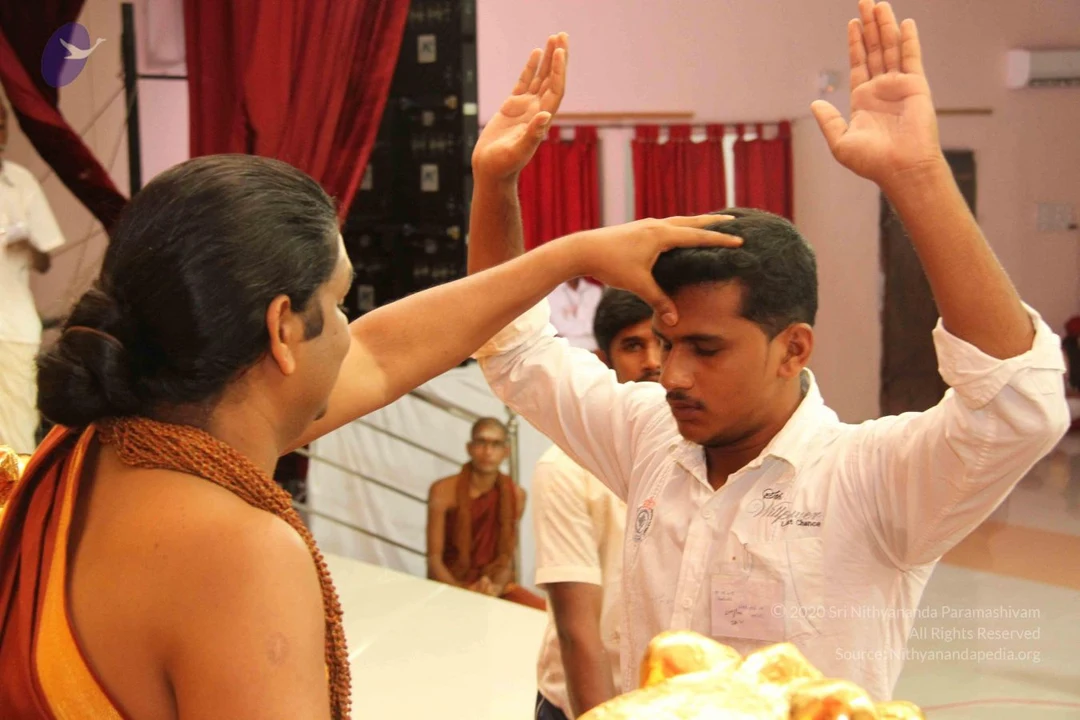
17 photosSource gallery
A photograph of a shaved-headed man in an orange-red dhoti with a red-gold shawl and a gold necklace with orange beads, his hand raised to the forehead of a light-haired Western man in a white shirt with an orange cord around his neck. A white vibhuti line marks the seated man's forehead, and both are smiling. Behind them stands a richly decorated deity murti draped in green, red and yellow garlands, with gold and yellow cloth; a wall fan and seascape paintings are visible at the right.A seated man in a rust-orange dhoti and shawl, with a long dark hair bun, a white vibhuti mark on his forehead and a thick orange-beaded mala, reaches out with his right hand to touch the raised palm of a grey-haired man in a white shirt and white dhoti with an orange sash. Behind them stands a deity murti draped in red and yellow garlands with gold ornaments, and a golden lion-form stand sits in the foreground. A white air conditioner and a painted backdrop of sky are visible at the right. Two people are visible.A photograph of a seated figure in a rust-orange and gold-bordered robe with a rudraksha mala and a white forehead mark, sitting on a low seat before a golden altar. Behind them a deity murti is draped in garlands of yellow, red and green flowers, with a gold and orange backdrop. On the right a man in a white kurta with an orange shawl holds up a palm in greeting while holding a sheet of paper, and his other hand reaches toward the seated figure's hand. A wall fan and an air conditioner are visible in the room. Two people are visible.A photograph of two men seated close together in front of a decorated altar. The man on the left wears a rust-orange robe with a bare upper body, an orange-gold border, a long orange-beaded necklace and a white tilak on his forehead; his long dark hair is swept back into a bun. He is seated on a raised surface and extends his right hand toward the man on the right, who wears a white kurta, an orange lanyard and a beard, and raises both palms in a respectful gesture. Behind them stand a deity murti adorned with red, yellow and white flower garlands, gold ornaments and a jewelled crown, a white air conditioning unit, and yellow cloth. Swamiji (probable): the seated man has long swept-back hair, a bun, an orange robe and an ornate orange necklace, matching the page's claim, so the figure is labelled probable.A photograph of a seated guru in an orange-red shawl and gold-bordered dhoti, with a white tilak on his forehead and hair tied in a bun, smiling as he touches the forehead of a devotee. The devotee wears a white long-sleeved kurta and an orange thread around the neck, and presses his palms together. Behind them stand a deity murti decorated with gold ornaments, garlands and a red and green flower arrangement, a yellow cloth, and a wall air conditioner. The scene appears to be a blessing or darshan moment in an ashram hall.A photograph of a seated figure with long dark hair in a bun, wearing an orange-red saffron-toned cloth and a rust-coloured bead necklace, with white vertical tilak on the forehead, reaching out to touch the face of a standing man in a white kurta with an orange lanyard. The seated figure sits beside a gold lion-faced throne armrest. Behind them, a man with white tilak and a white dhoti with gold border sits. Other people stand in white kurtas and orange lanyards in the background, and a man in a red shawl is at right. Men raise both hands palms-out in front of the face. Background includes a standing fan and a painted seascape canvas.
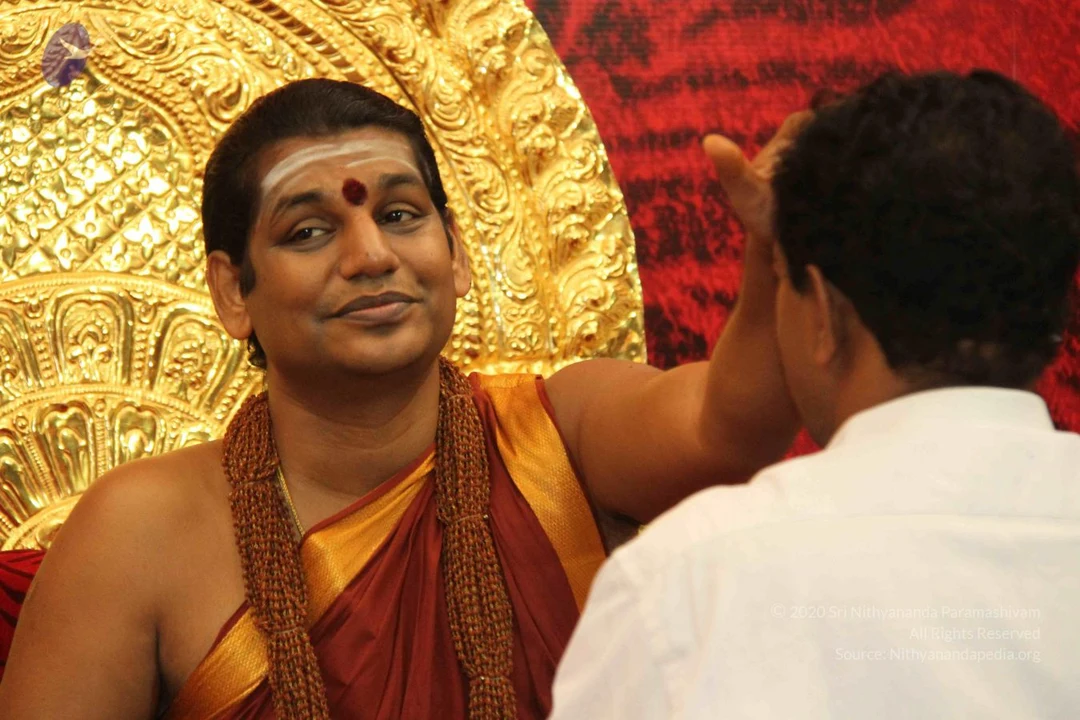
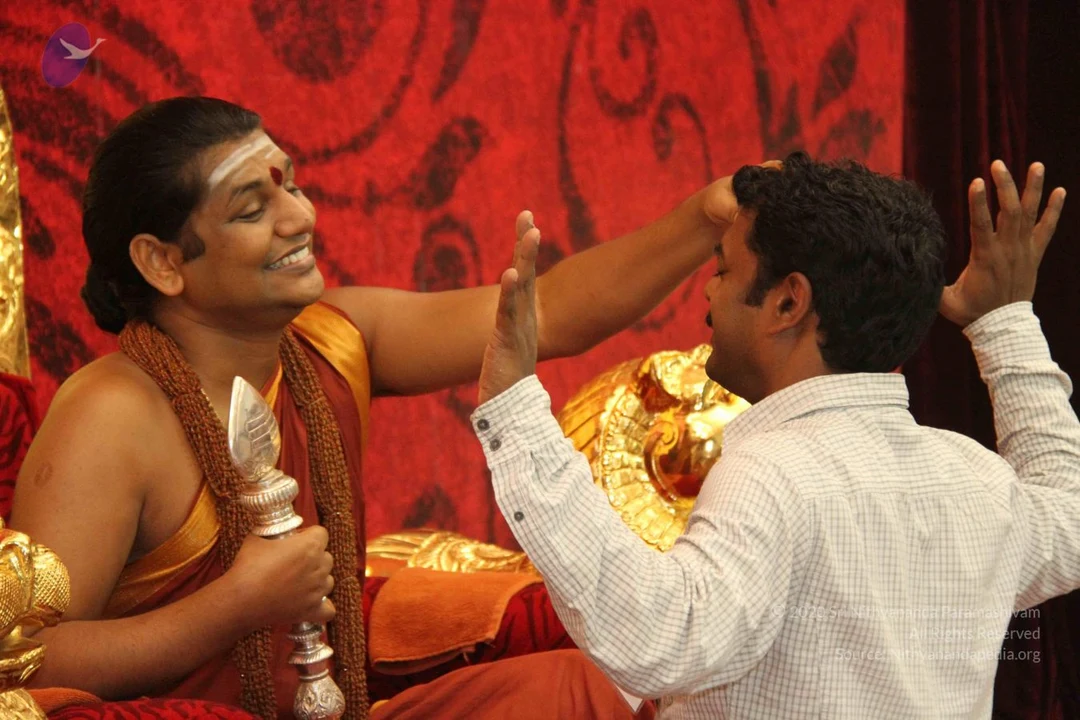
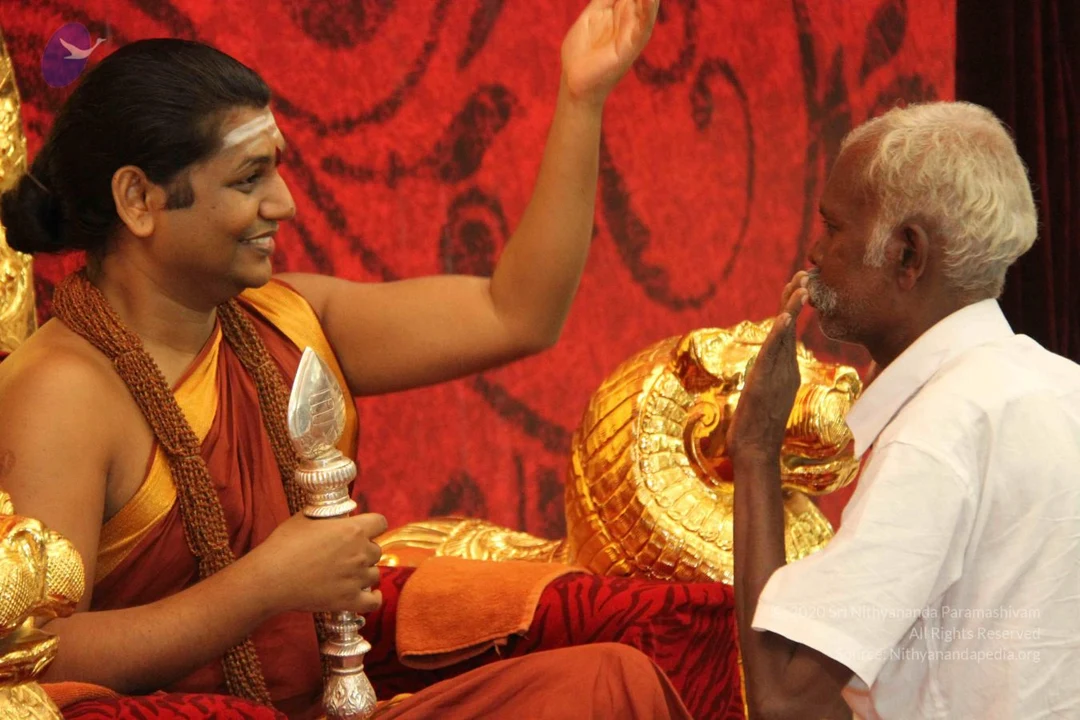
Homa

49 photosSource gallery
A decorated deity murti stands in an ornate golden arch framed by a green silk backdrop. The figure wears a tall crown and silver-toned hands raised in blessing, adorned with garlands of red, yellow, white and purple flowers. In front, a large orange-and-gold cloth covers a ceremonial pot, with a silver face-shaped ornament and a red garland draped over the base. Yellow fruits, brass pots wrapped in white cloth and banana-leaf offerings surround it. No people are visible in the scene.A decorated deity murti or ritual object is the main subject, dressed in a yellow cloth draped over a conical form with an orange-red base, a gold-toned ornamental pendant with a small figure, and a red-and-white jewelled necklace. Garlands of red roses, white flowers and yellow blossoms with green leaves surround it. Yellow coconuts or fruit sit at the sides, with silver-rimmed metal pots in front and a gold-patterned backdrop behind. No people are visible in the frame.A night-time outdoor ritual at an open stage with a red-and-white striped base. Behind a golden kalasha-style arch, a deity murti stands draped in colourful cloth and garlands above a gold-trimmed yagna pit. On the left, several people in saffron-orange robes sit cross-legged, some with white-painted foreheads and gold necklaces; a shaved-headed man in orange appears among them. On the right, an empty red-and-gold throne stands beside a seated woman in orange with white forehead markings. A small fan is visible. Facing the stage, a seated audience in white, blue and beige clothing sits on red chairs and mats, many seen from behind.Night-time outdoor ritual on a raised platform at Adhi Kailasa, with a golden shrine arch framing a decorated deity murti garlanded with flowers and draped in green cloth. In front of it, a yellow puja platform holds offerings, and several people in saffron robes sit cross-legged chanting, one wearing a white-and-green head covering and body markings. Devotees in white and saffron sit on mats facing the stage, while a red-and-gold throne stands empty at the right. A fan and a microphone stand are visible, with the photo's copyright caption at lower right.A night ritual scene in an outdoor pavilion with a golden arched shrine holding a decorated deity murti garlanded with flowers and draped in green cloth. Several priests in saffron-orange robes sit on a raised platform before the shrine, one wearing a shaved head with white markings, another in white garments with a green headpiece. A seated woman in orange at right holds her hands in anjali. A large group of devotees sits on pink chairs and mats facing the shrine, including people in white and in colourful clothing. A table with offerings and a standing fan are visible. The background is dark with a red and white striped wall.Night-time outdoor ritual at an open platform. A shaven-headed man in saffron robes with a white tilak sits cross-legged on the left, while a woman in white with a green headcloth sits at centre beside a yellow-gold square altar, a fire pit or pooja box with wooden sticks. Behind them stands an ornate golden arch framing a decorated deity murti garlanded with marigolds and red flowers, with a green cloth backdrop. Rows of people in orange robes sit on mats, including women with hair in buns and a braid, and a figure in orange with a red sash on the right beside a red-cushioned throne-like chair. Seated audience members in white, blue, leopard print and brown, with red chairs in front, face the altar. A fan sits at the right edge.
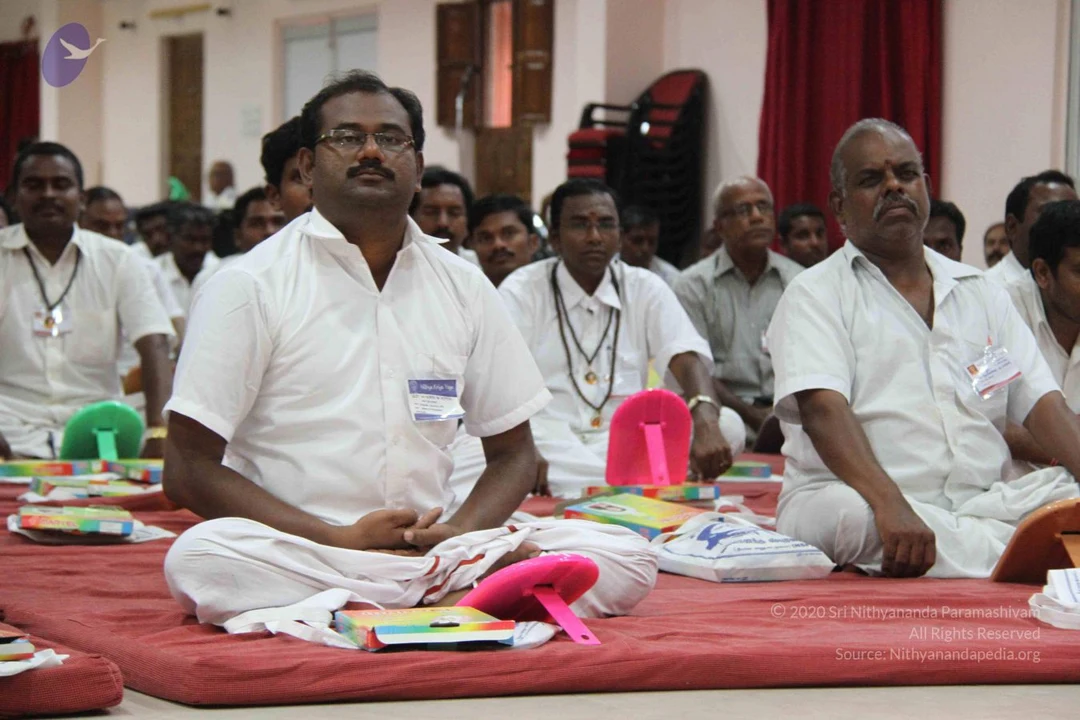
Sacred-Arts

27 photosSource gallery
A large open fire burns at night in a dark, unlit hall, with tall orange flames rising from a long log or trunk laid across a low brick hearth. Ash and smouldering embers cover the ground around the fire pit. No people are visible in the frame. The brick walls and darkness surround the bright flames.A large outdoor fire burns at night inside a low brick fire pit. Bright orange and yellow flames rise from split logs laid across iron bars, with dark smoke above. No people are visible in the frame. The fire pit is built of red brick, and the background is dark.A night photograph of a large open fire burning inside a brick-lined pit or fire pit, with tall orange flames rising over a heap of dark ash and charred wood. No people are visible; the scene is a ritual fire, possibly a homa or yagna. Dark background with partially burned logs in the foreground.A photograph of a large clay vessel or pot set over a bed of glowing embers and flames, with ash-covered surface, wooden sticks laid across its top, and a ladle-like metal spoon hanging from a stick. No people are visible. The scene suggests a traditional fire ritual with a clay vessel and wood fuel.A photograph of a large open-air cooking or firing setup inside a brick-walled room. A raised mound covered with dried straw and ash sits over a bed of burning wood, with bright orange flames glowing beneath the stacked logs. Four men stand or crouch around it: one shirtless man on the left, a man in a white dhoti and white shirt at the centre-right, and a man in a white garment working near the top, with another man partly visible behind. No one wears saffron or distinctive ceremonial adornments, so no candidate for a person is identified. Ash covers the floor and a few plastic sheets and metal rods lie nearby.A photograph of a large wood fire burning in a dim brick-walled room, with bright orange flames and thick smoke rising from a long raised fire trench or pit. Two or three men in white dhotis stand at the back near the wall, one holding a long stick or tool toward the fire. The scene suggests a homa or yagna fire ritual, though the lighting is dark and the figures are partly obscured by smoke.