Skip to content
Wednesday

29 May 2013

Padha Puja | Satsang | Paduka mandir |

Dated photos
200
Source pages
1
Media
2
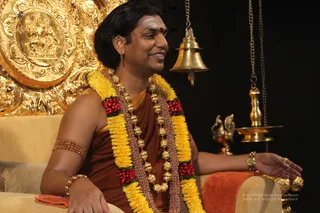
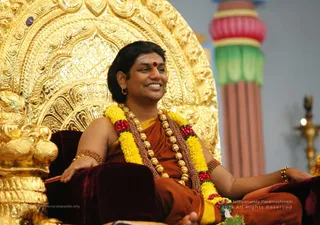
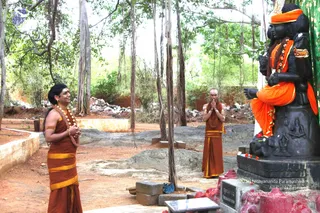
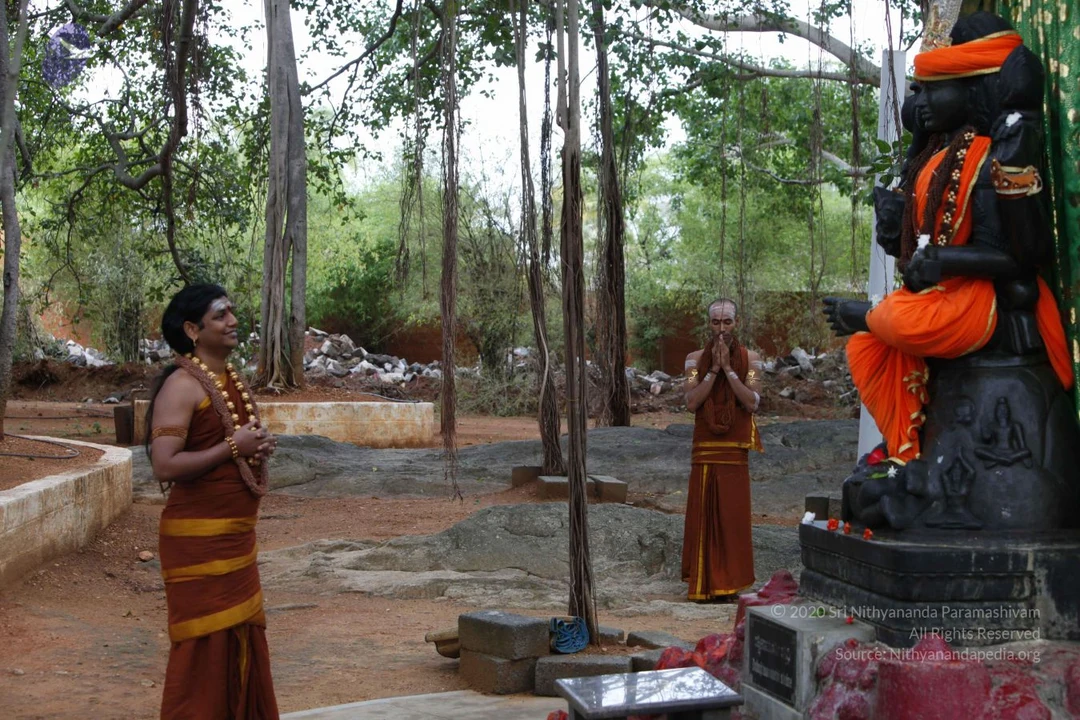
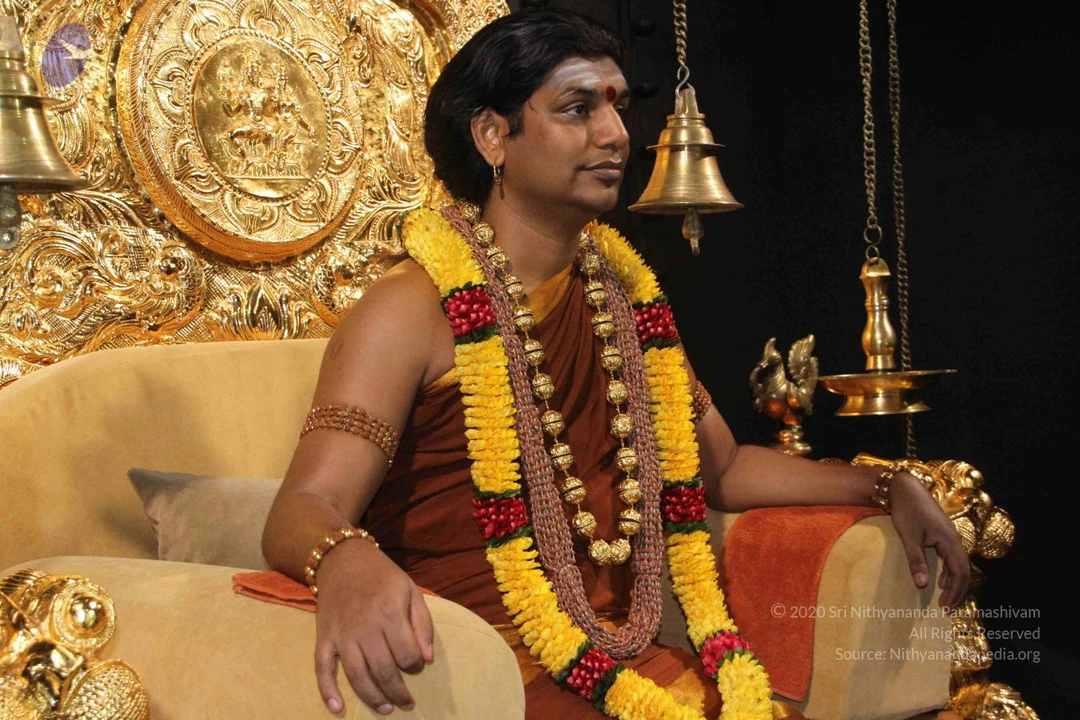
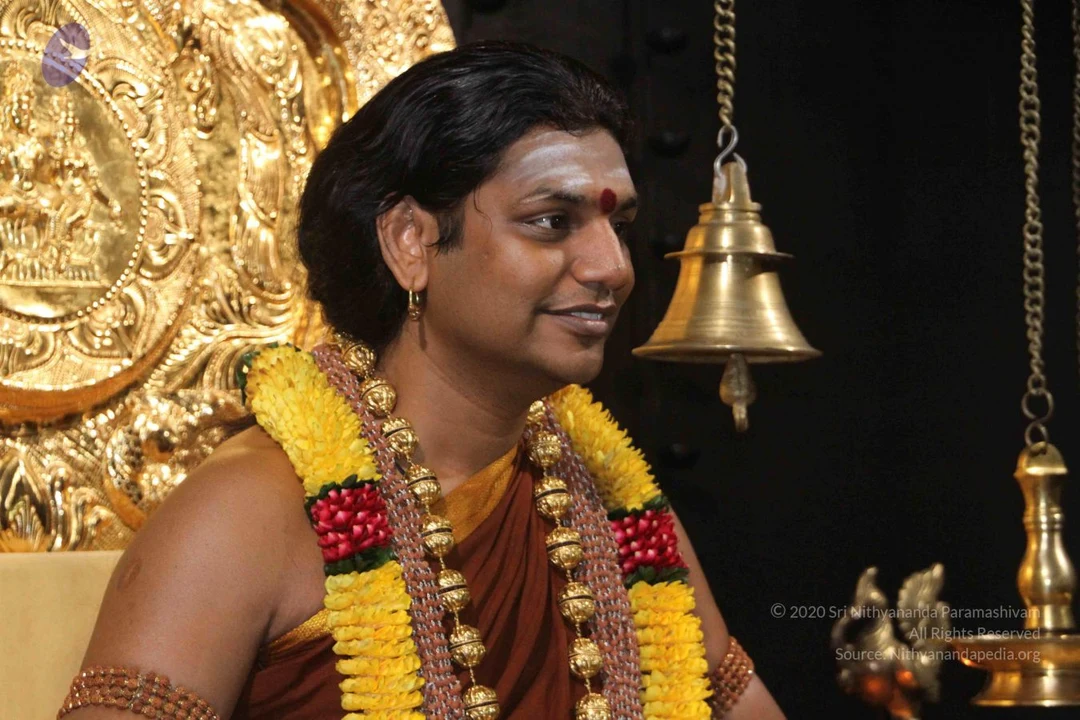
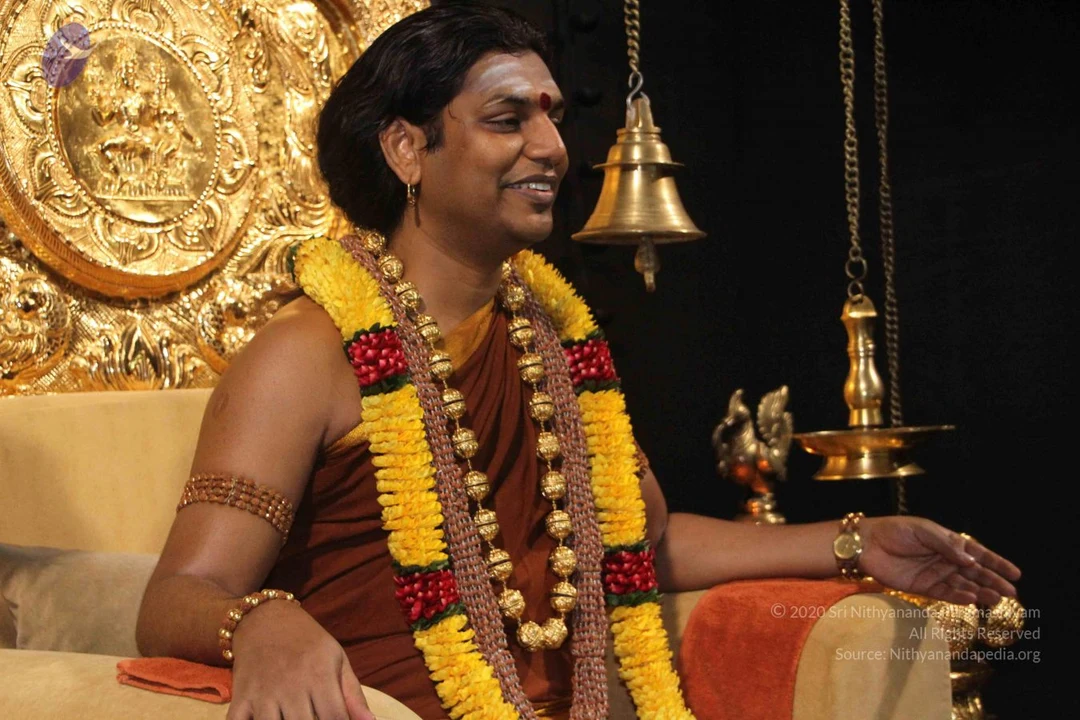
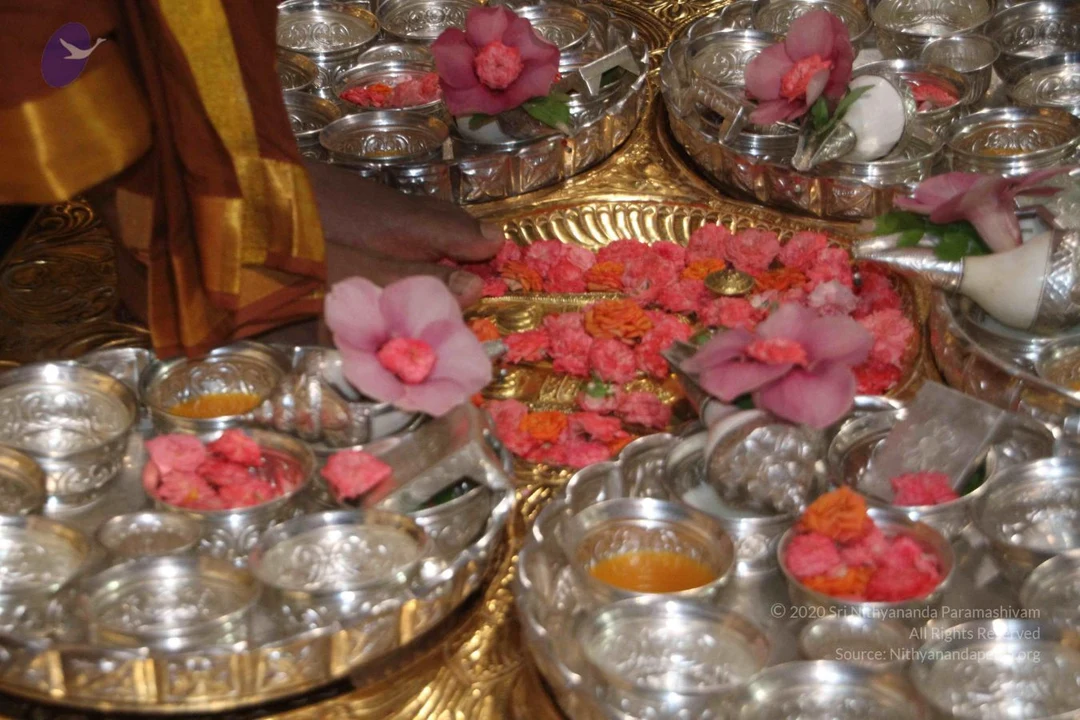
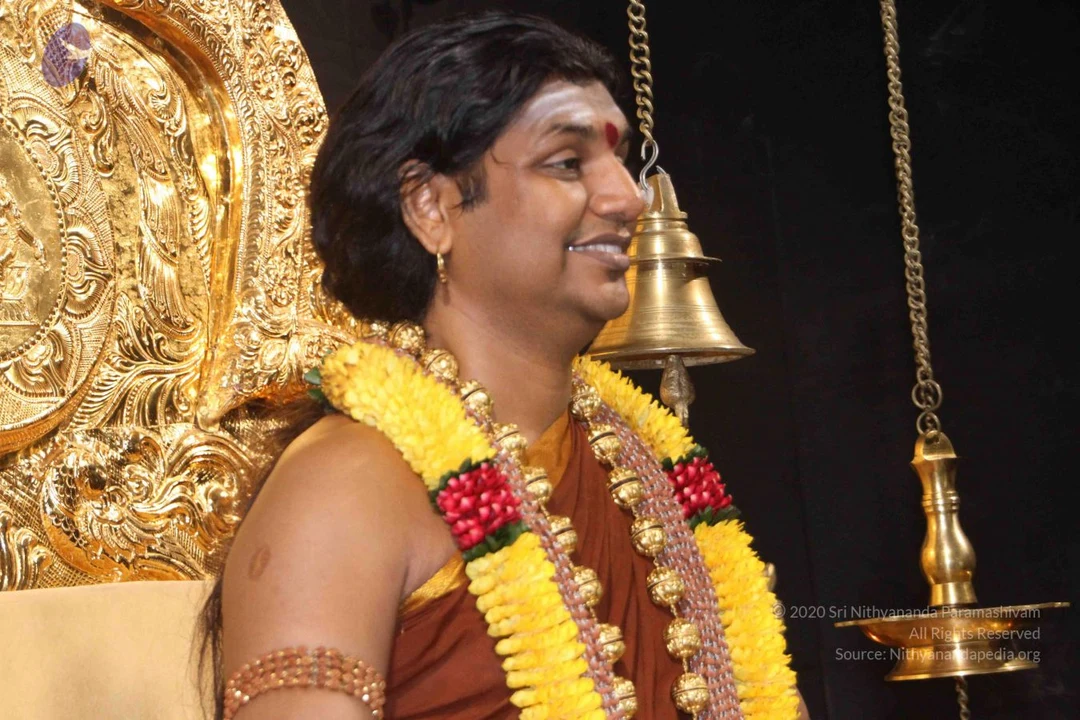
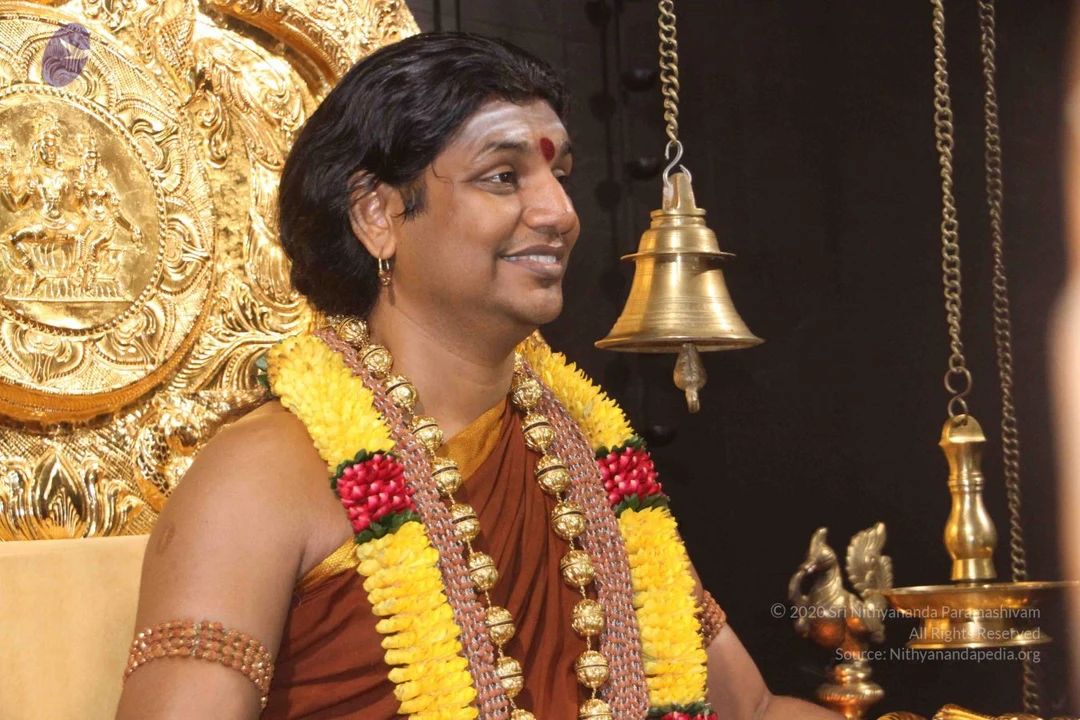
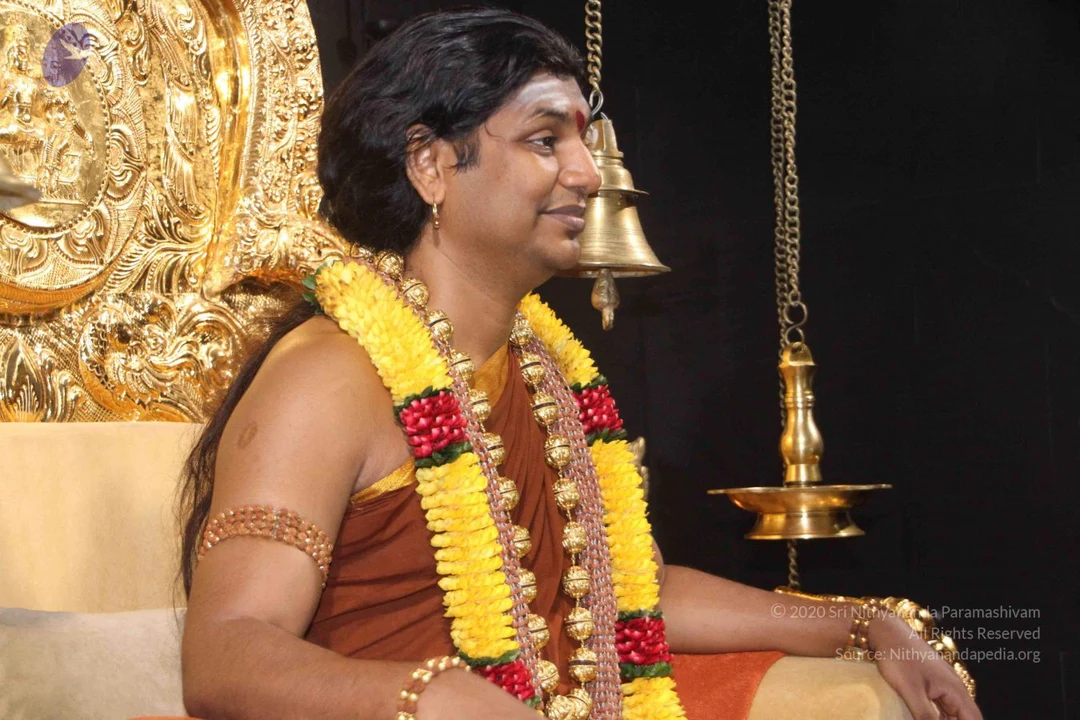
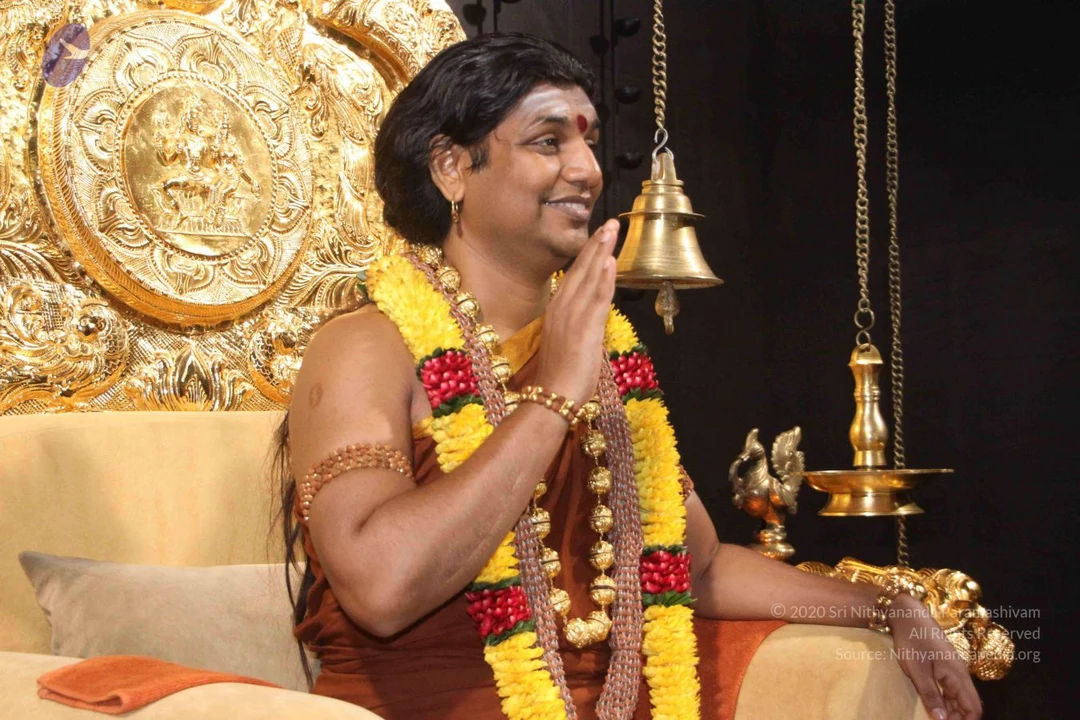
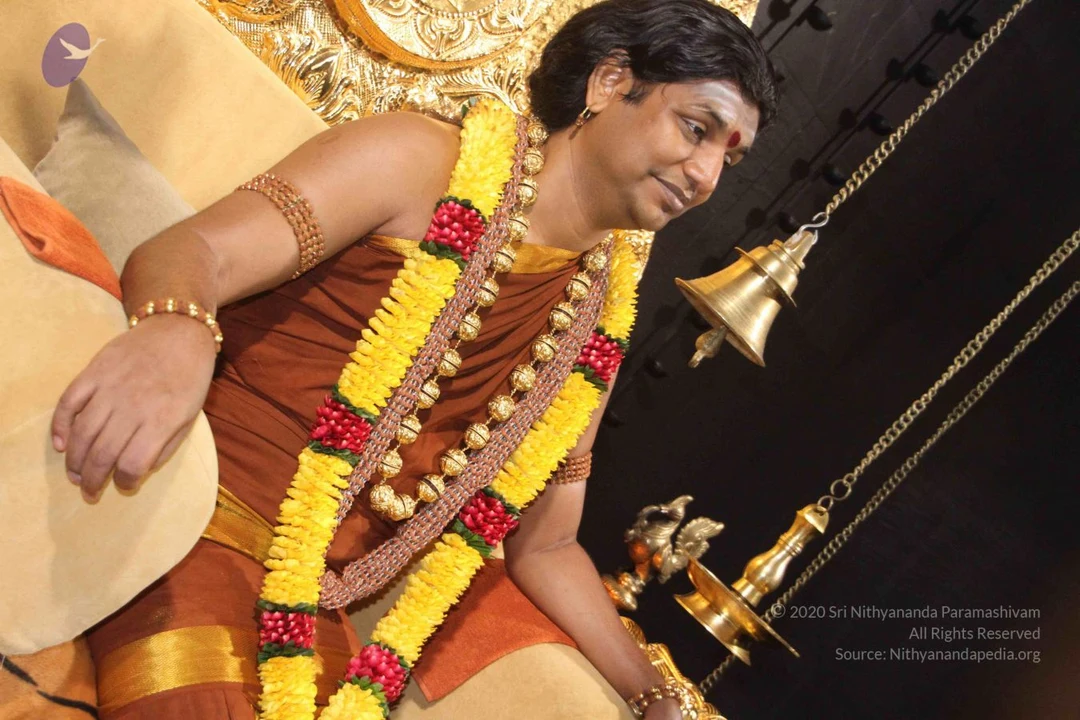
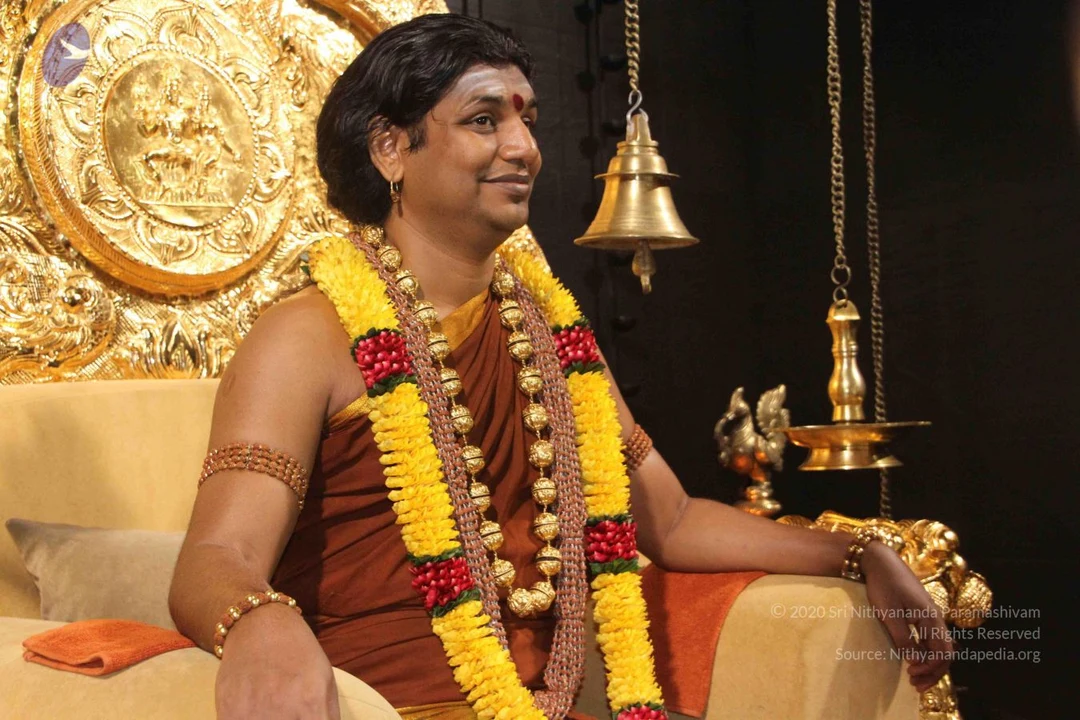
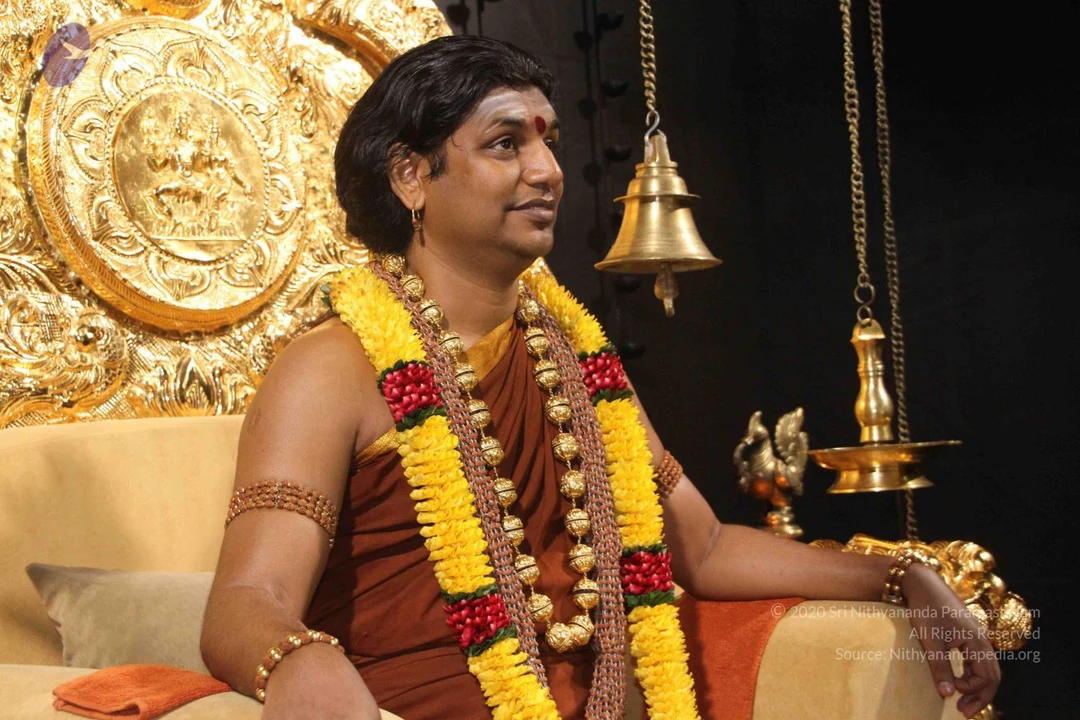
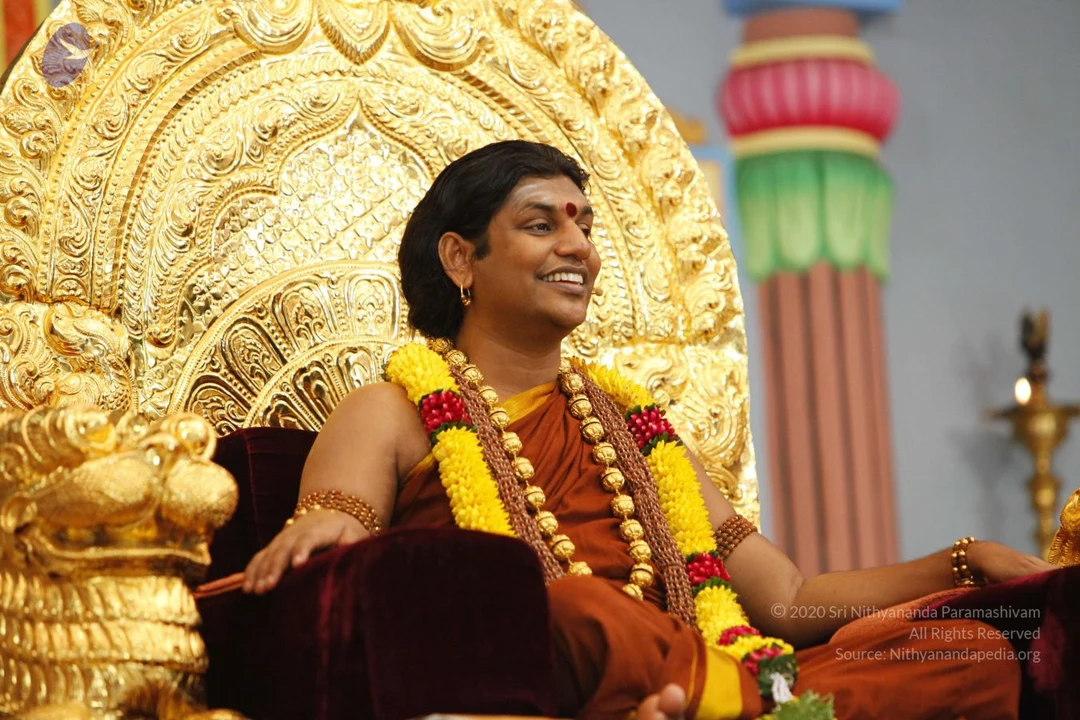
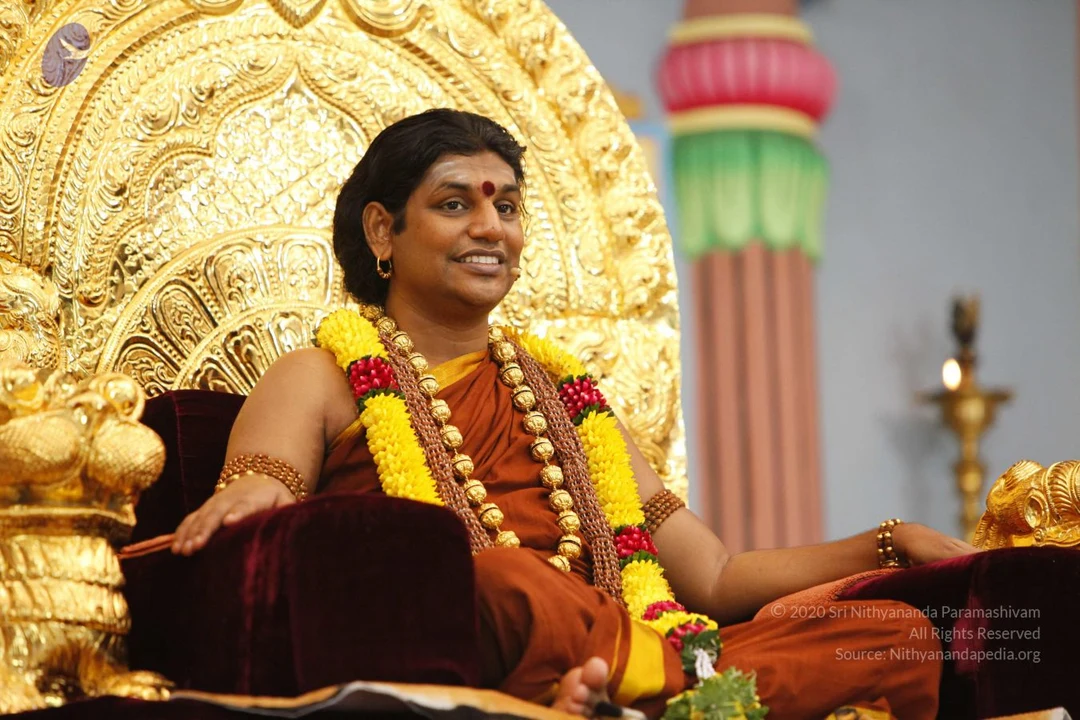
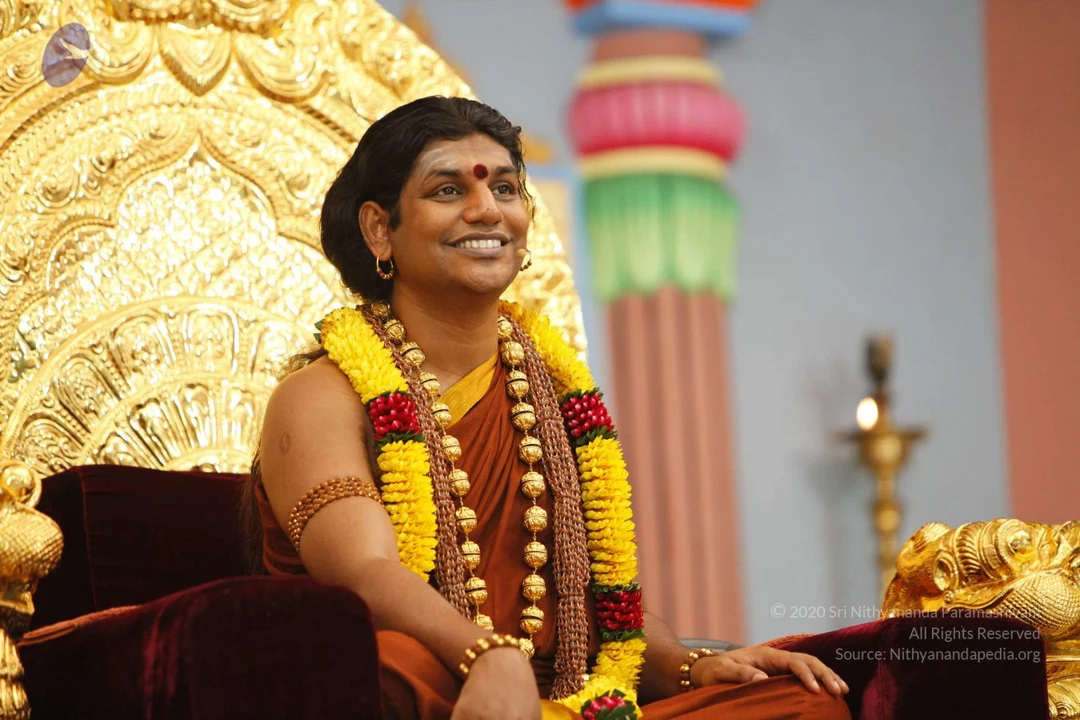
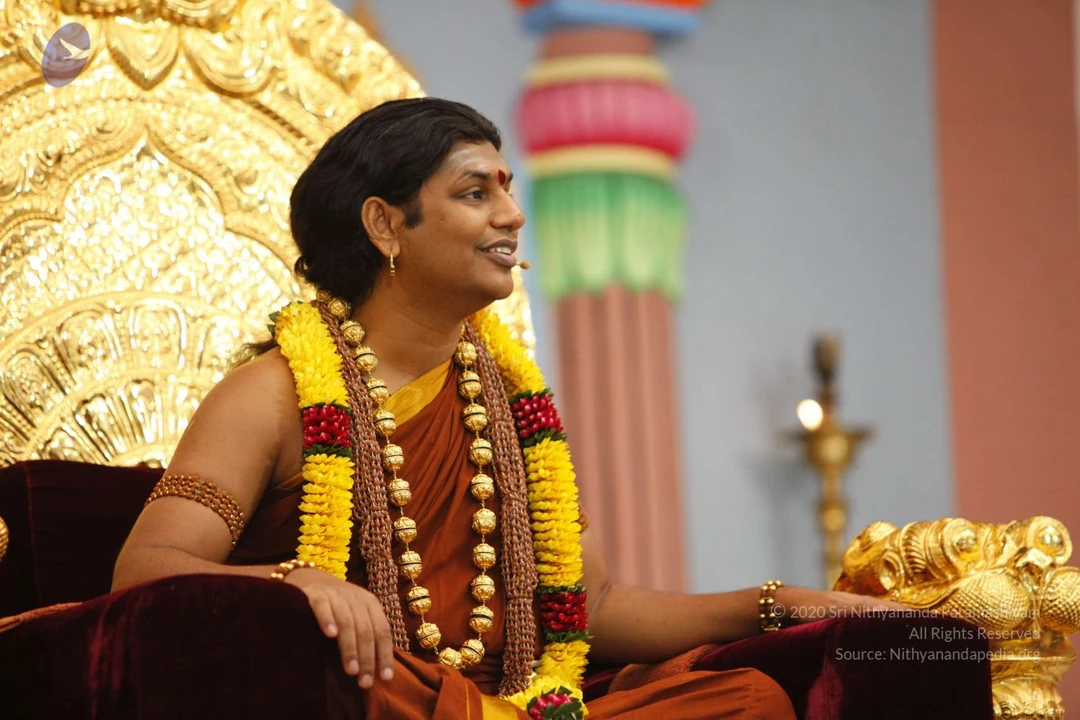
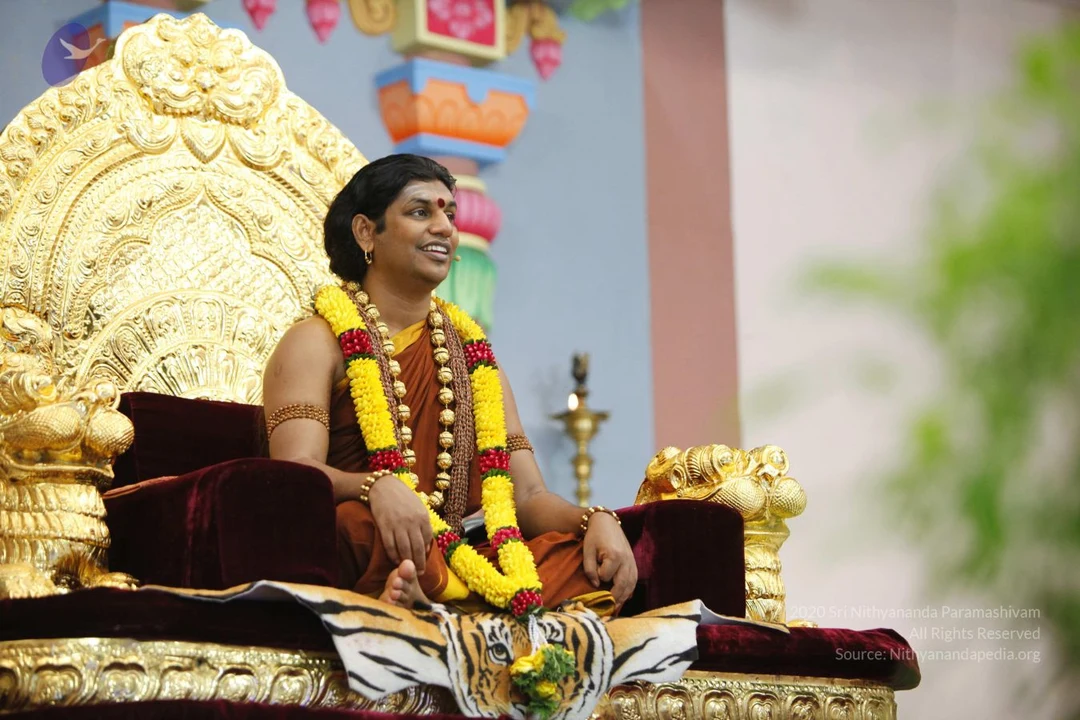
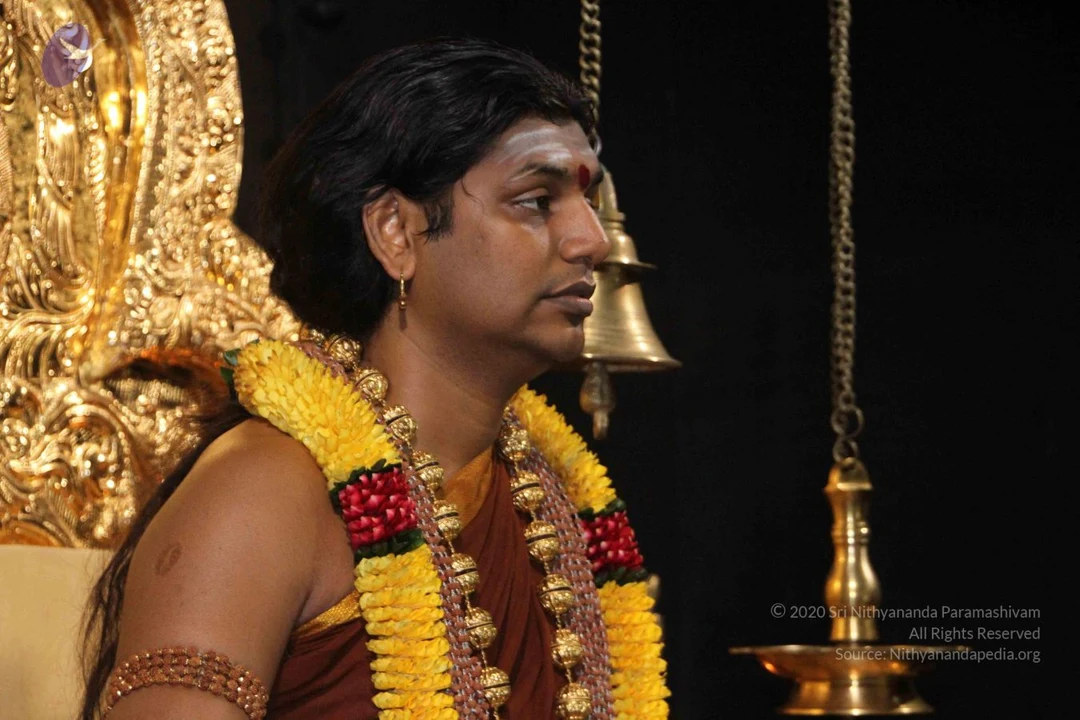
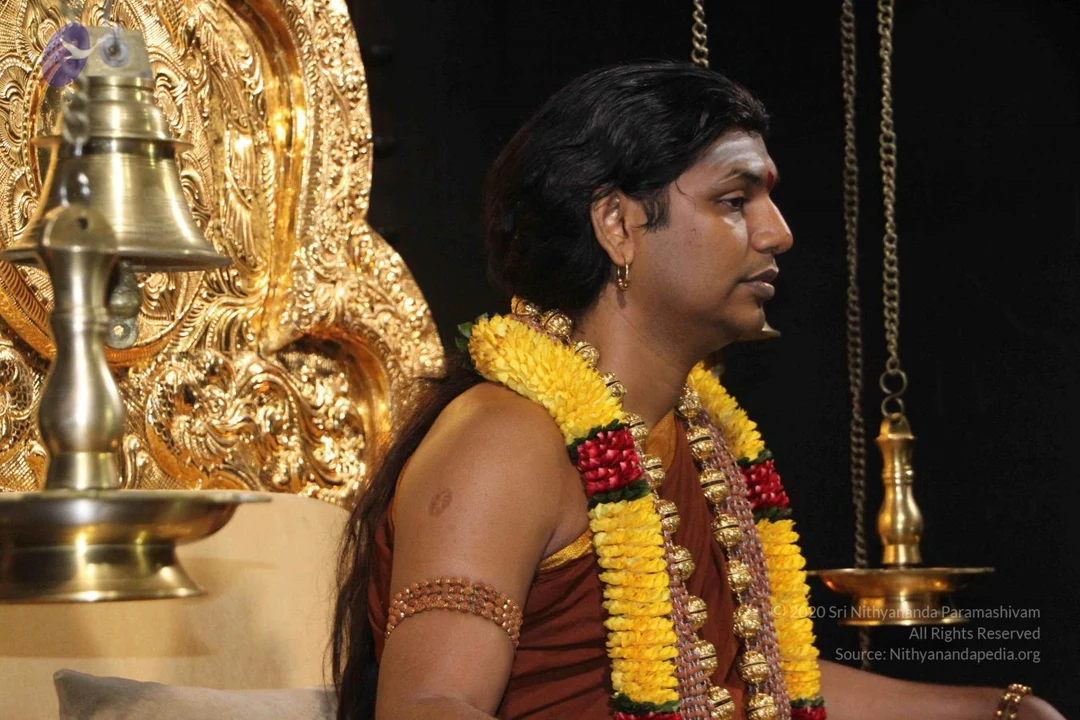
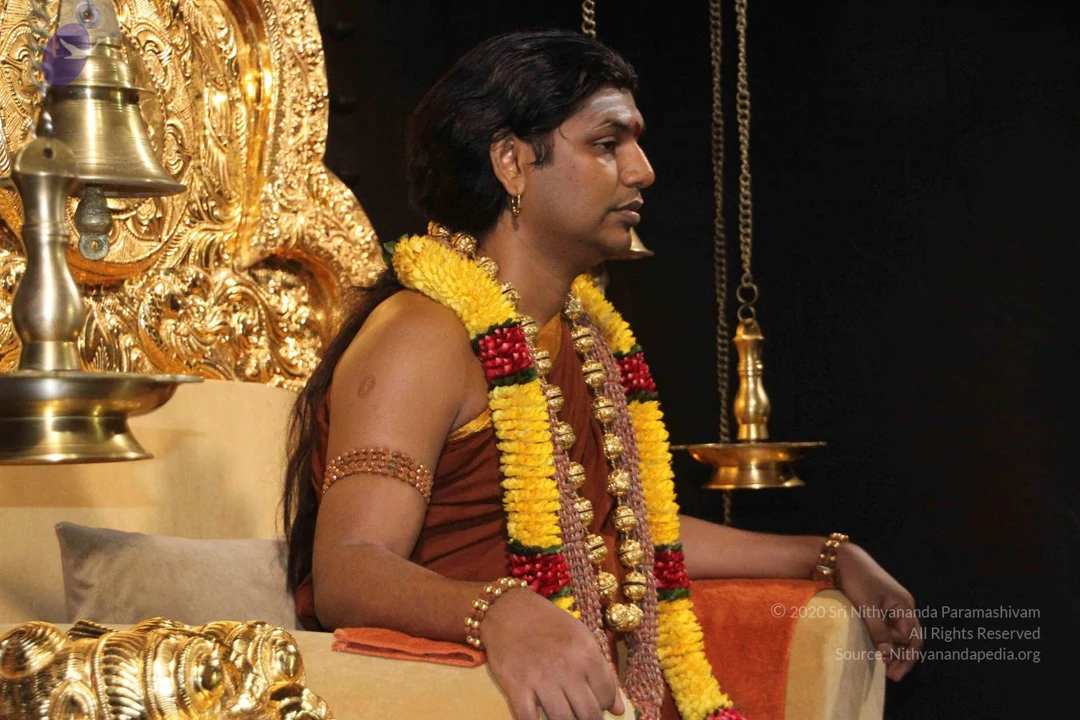
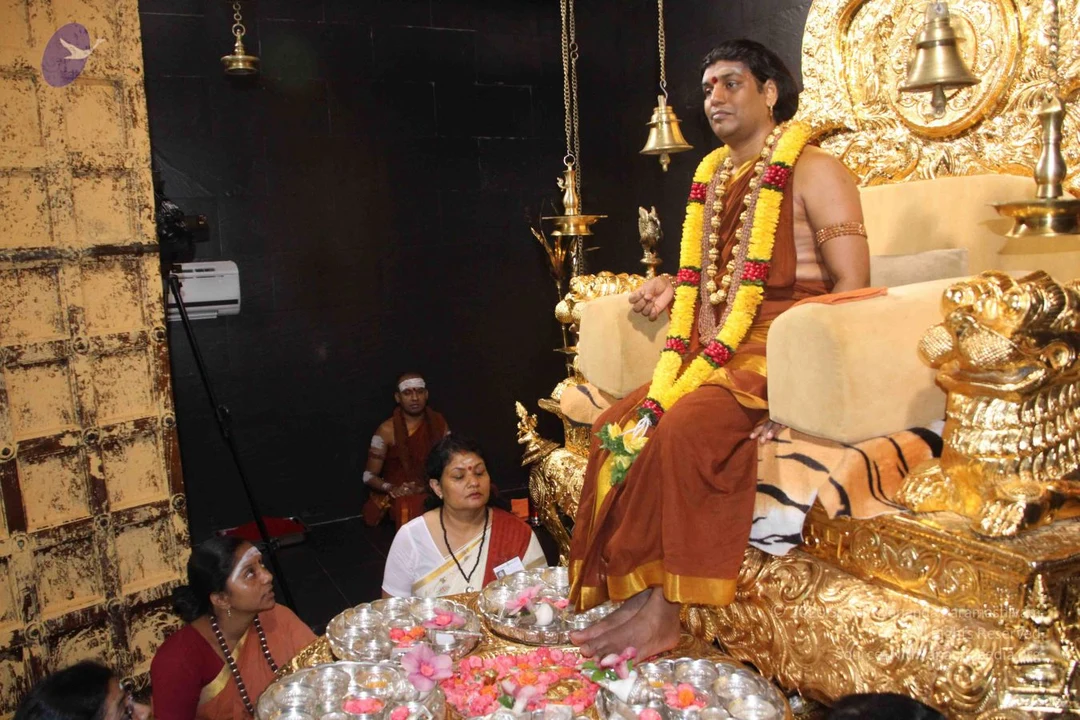
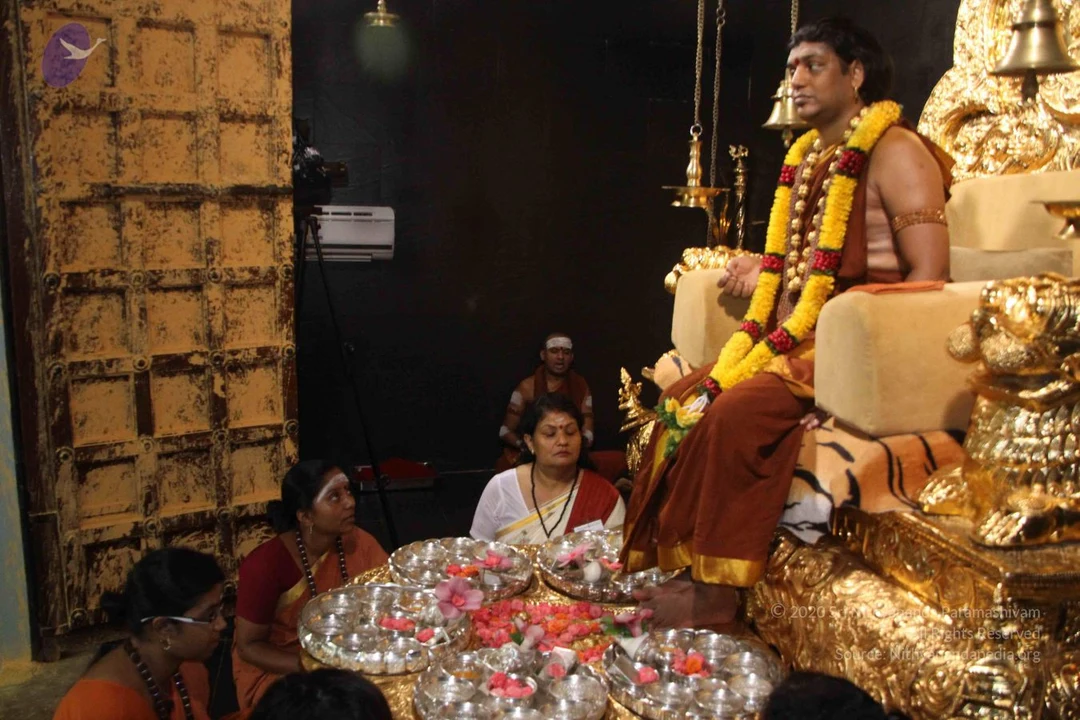
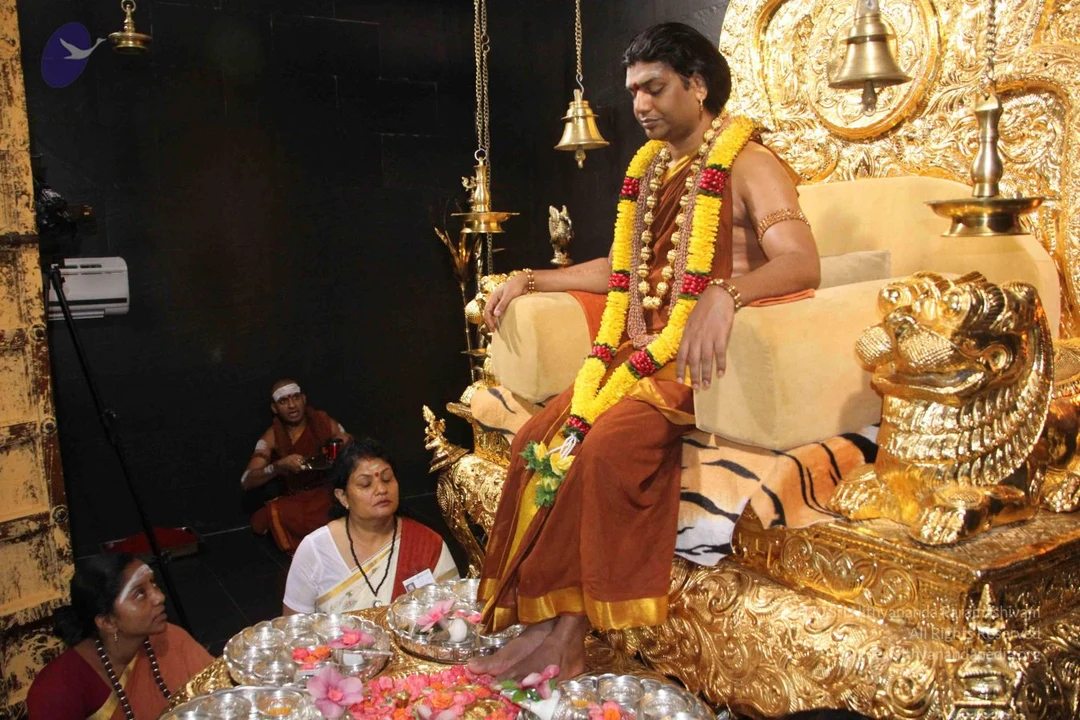
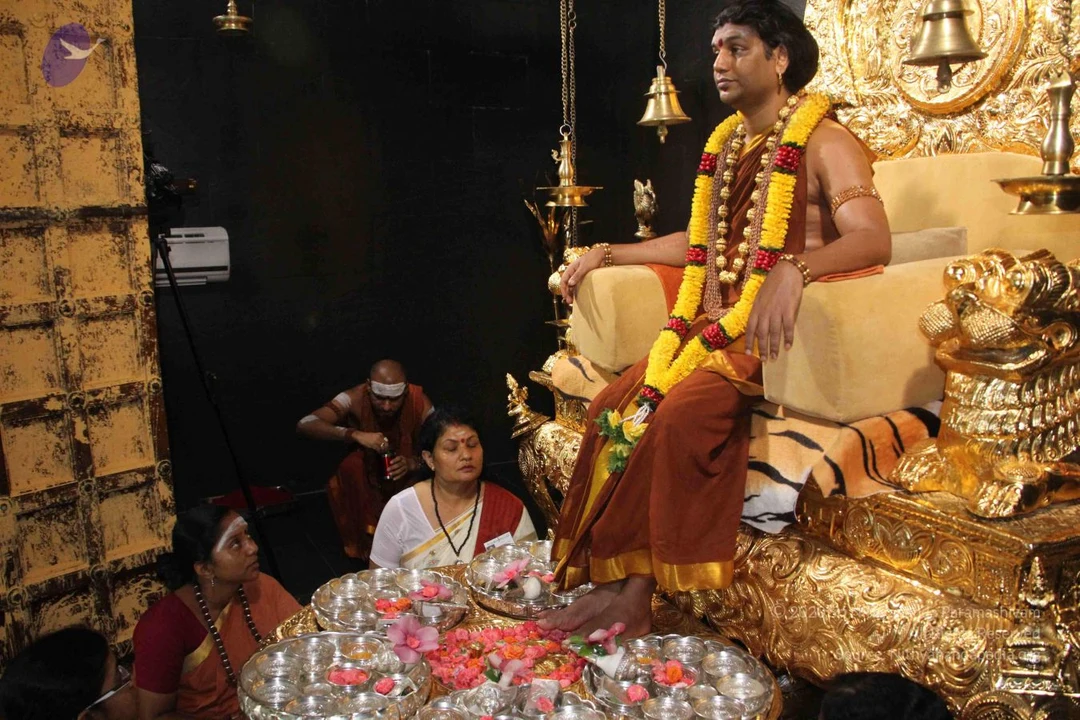
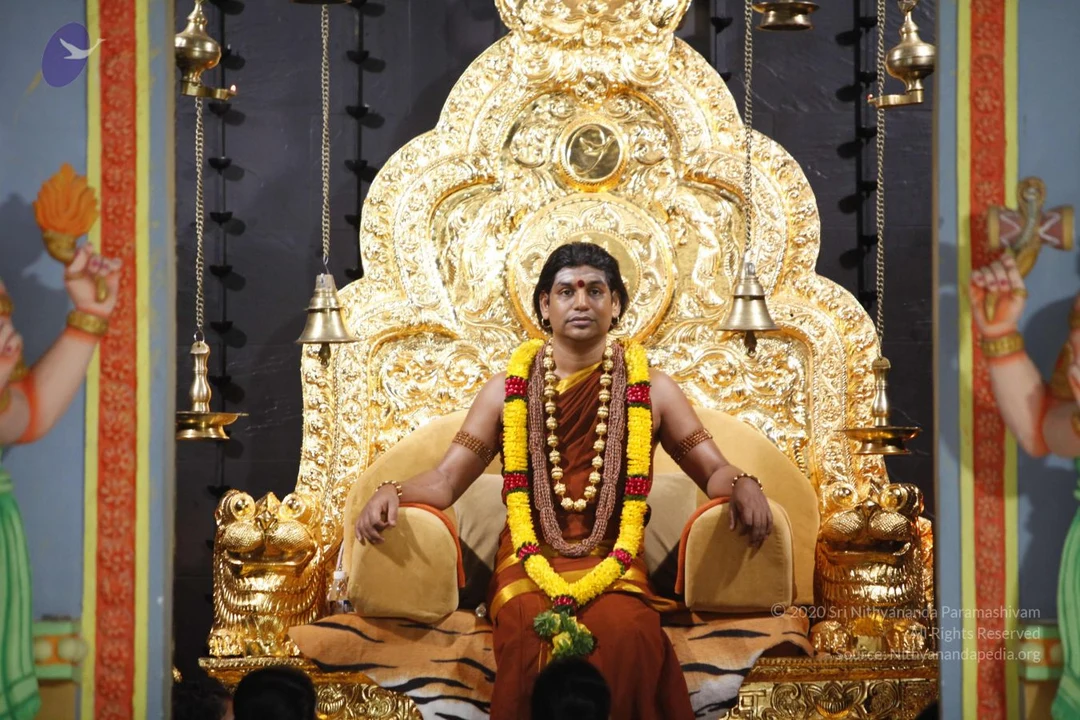
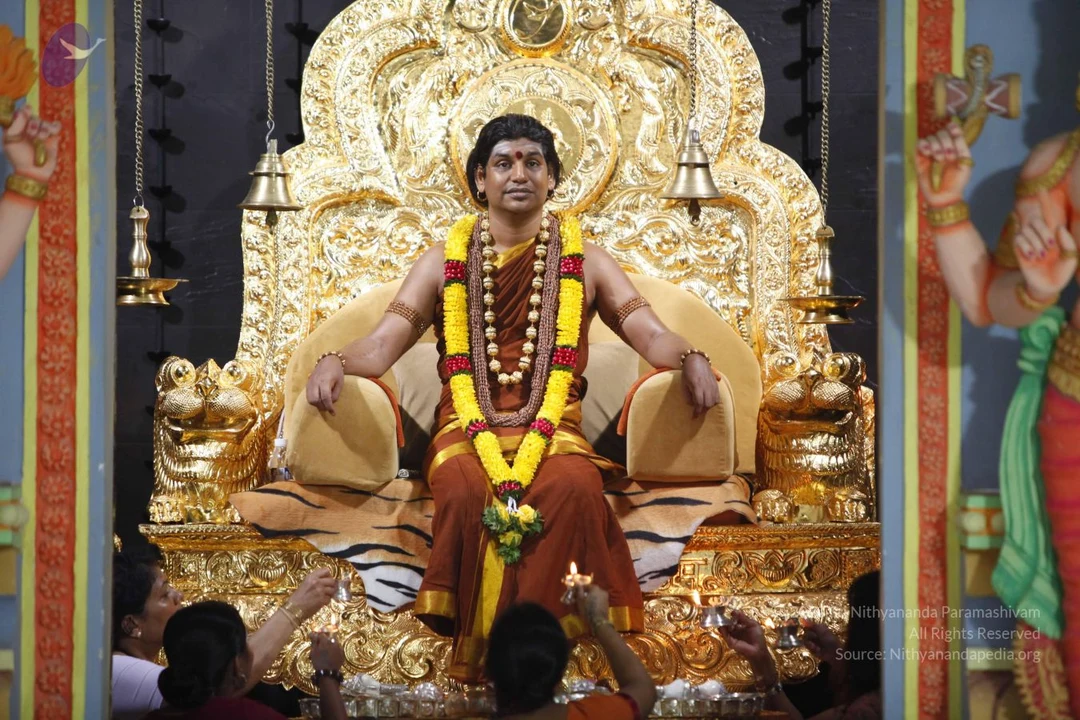
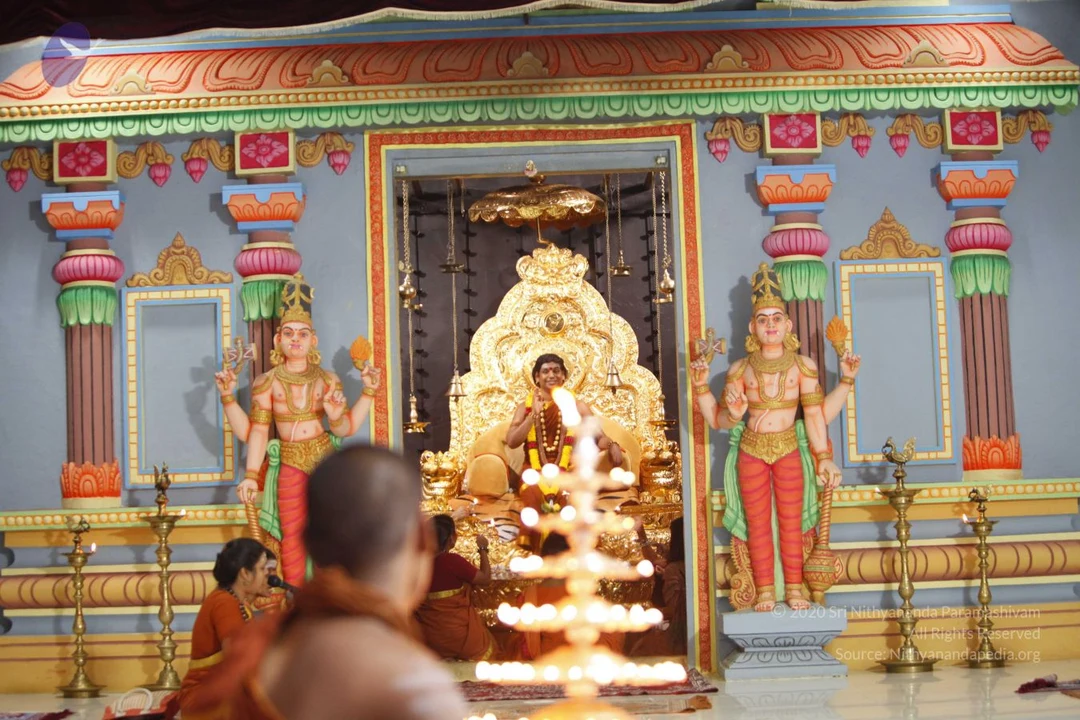
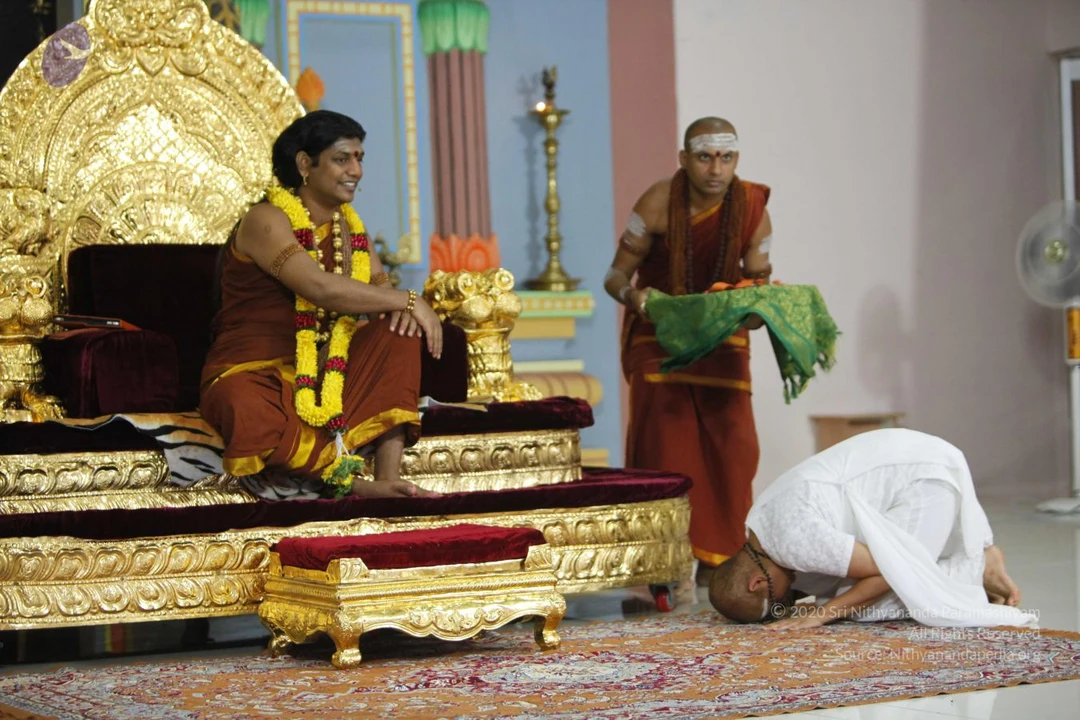
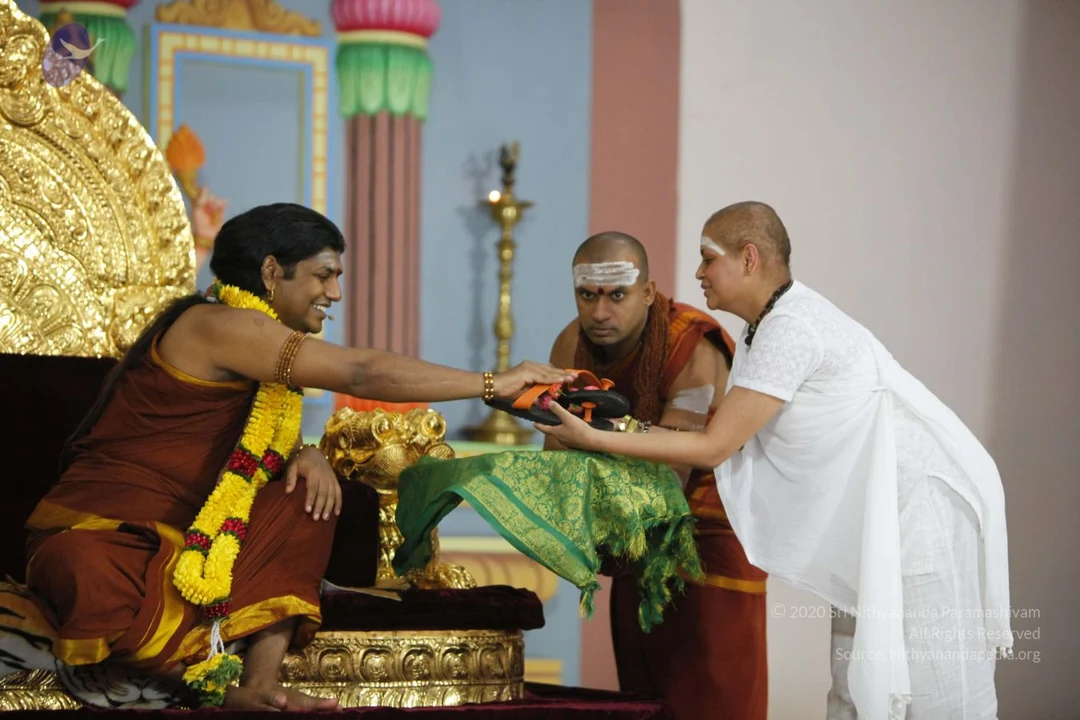
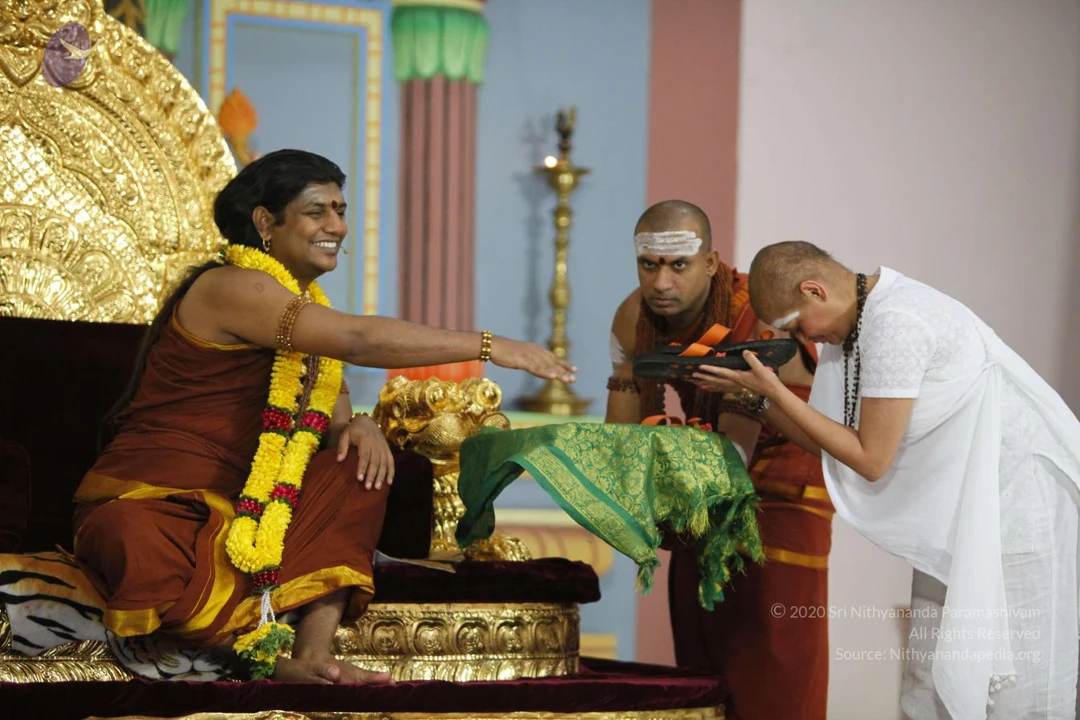
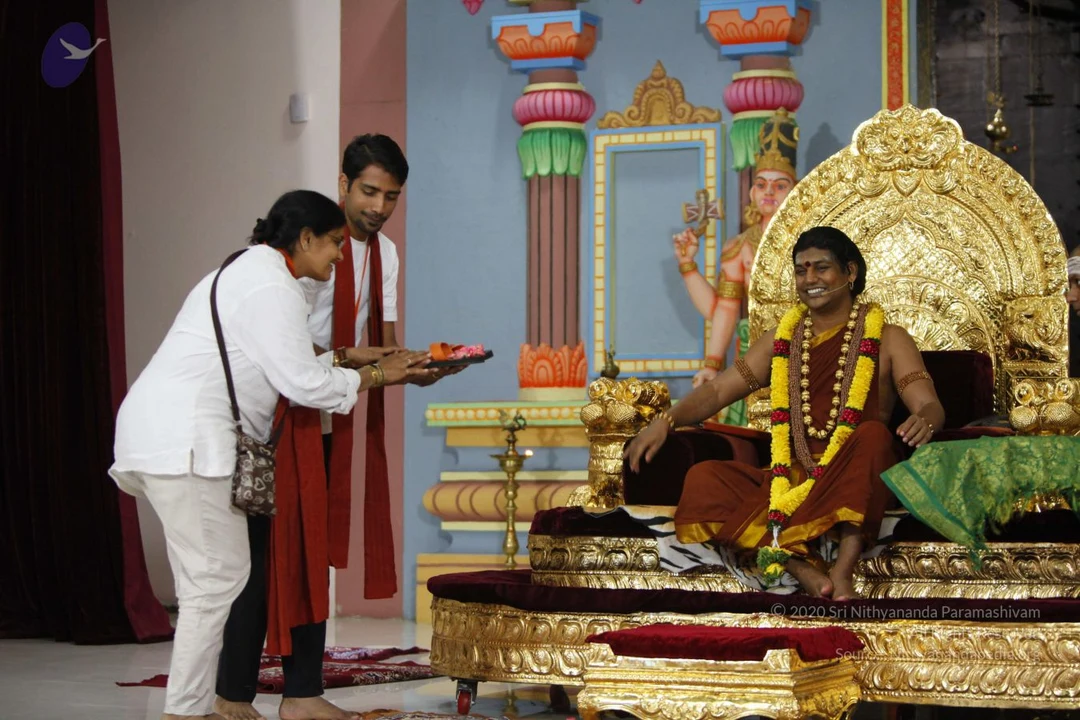
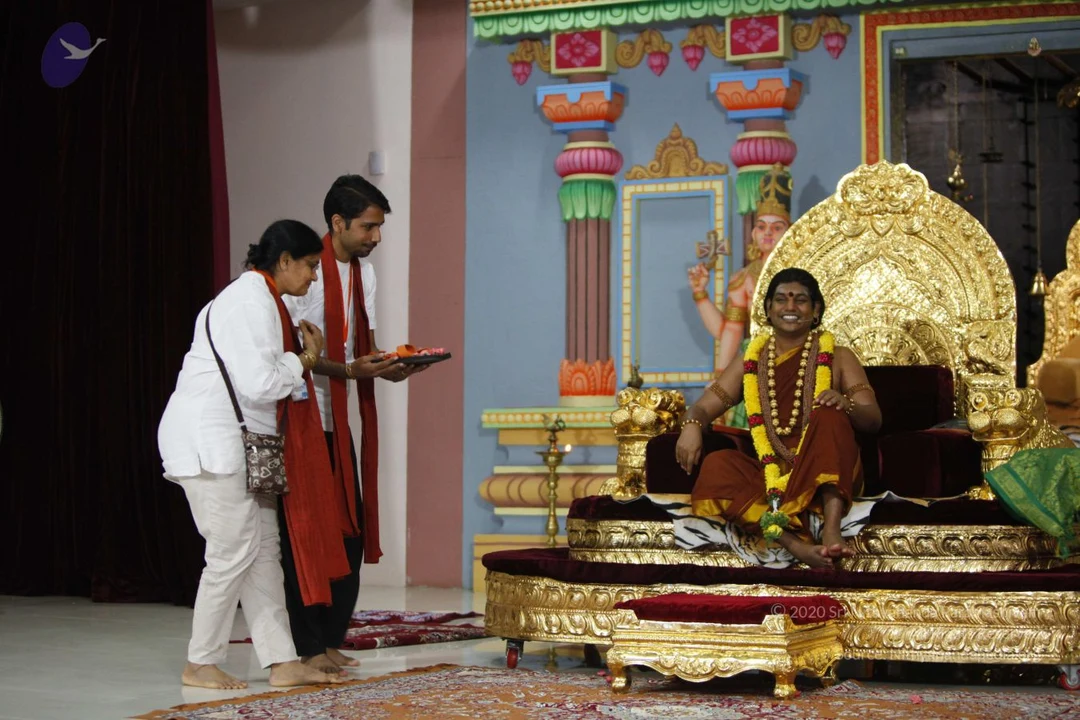
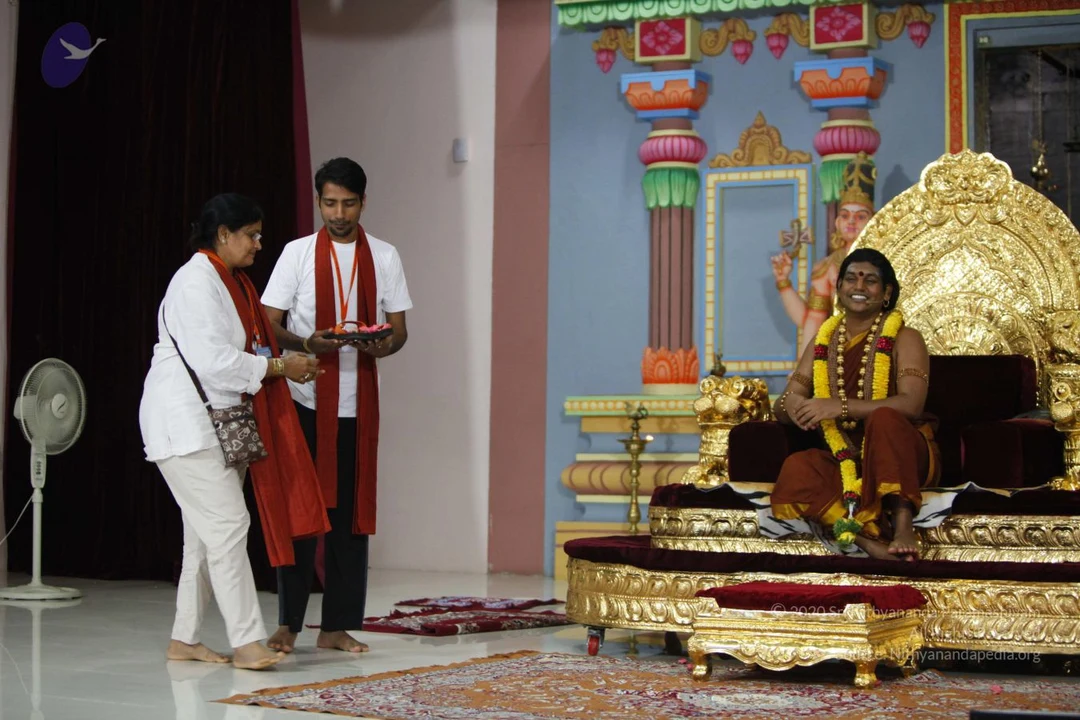
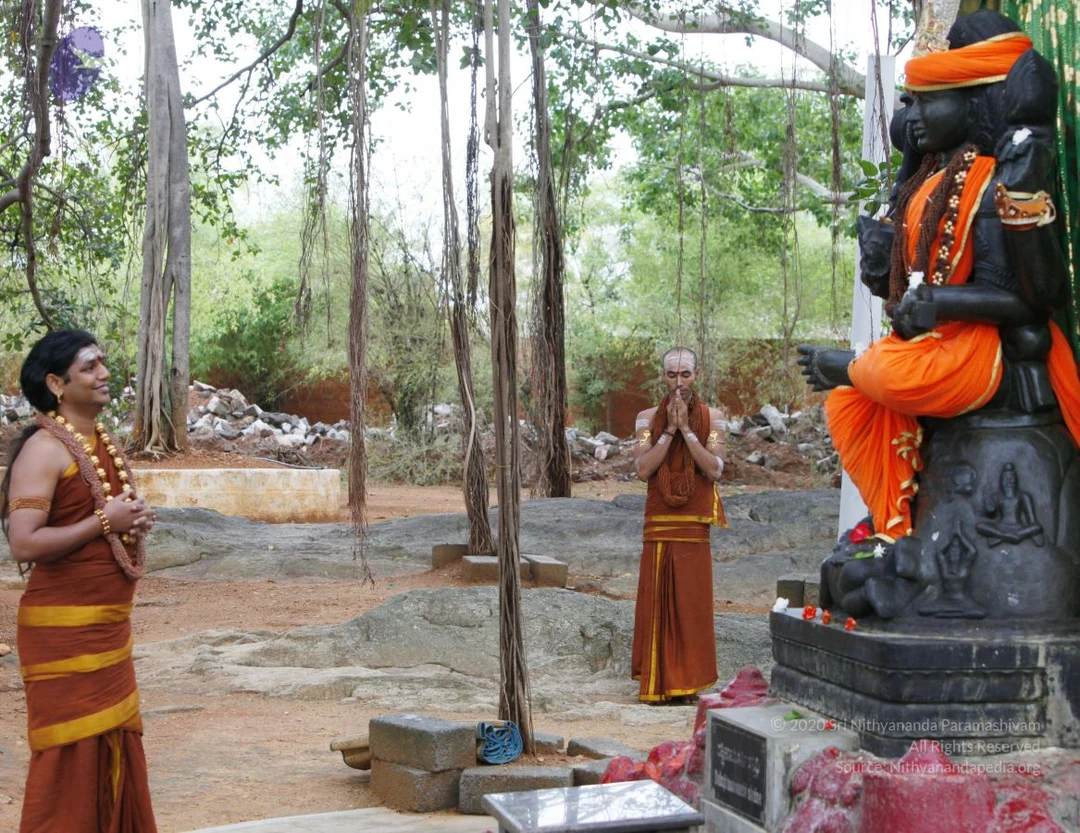
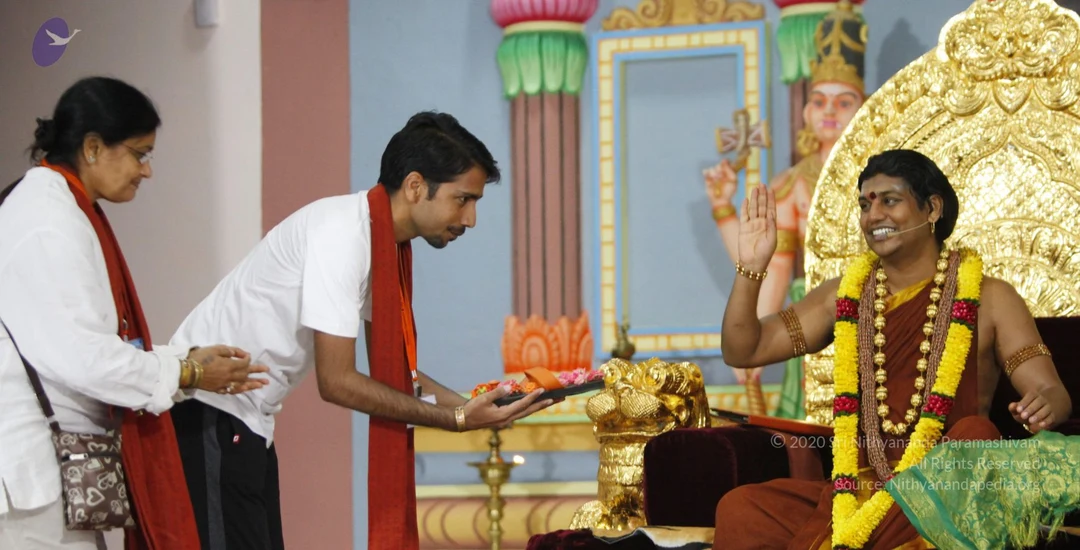
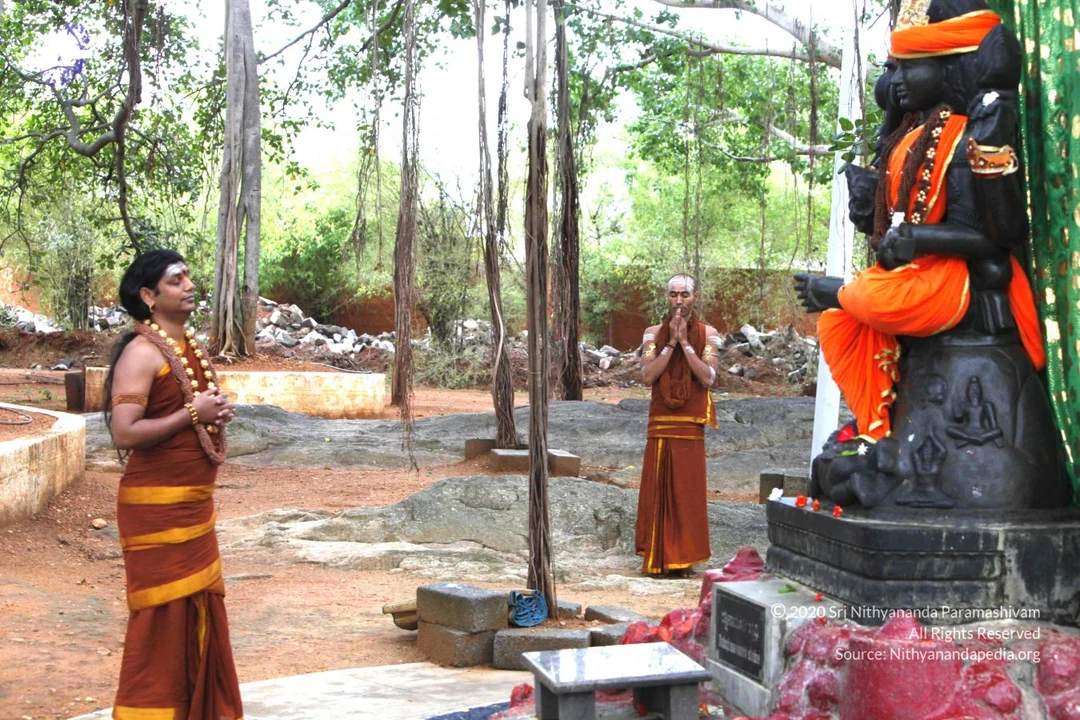
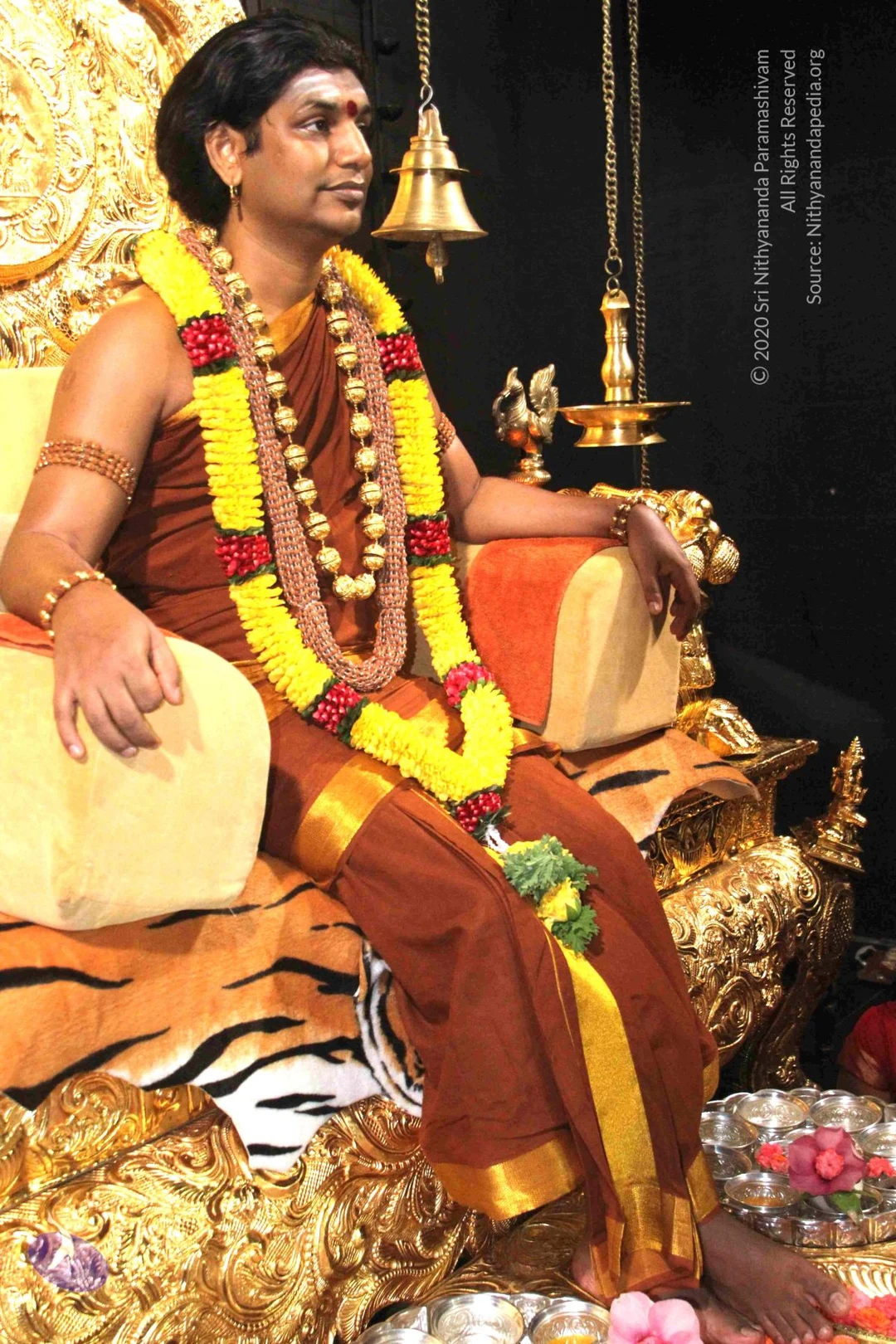
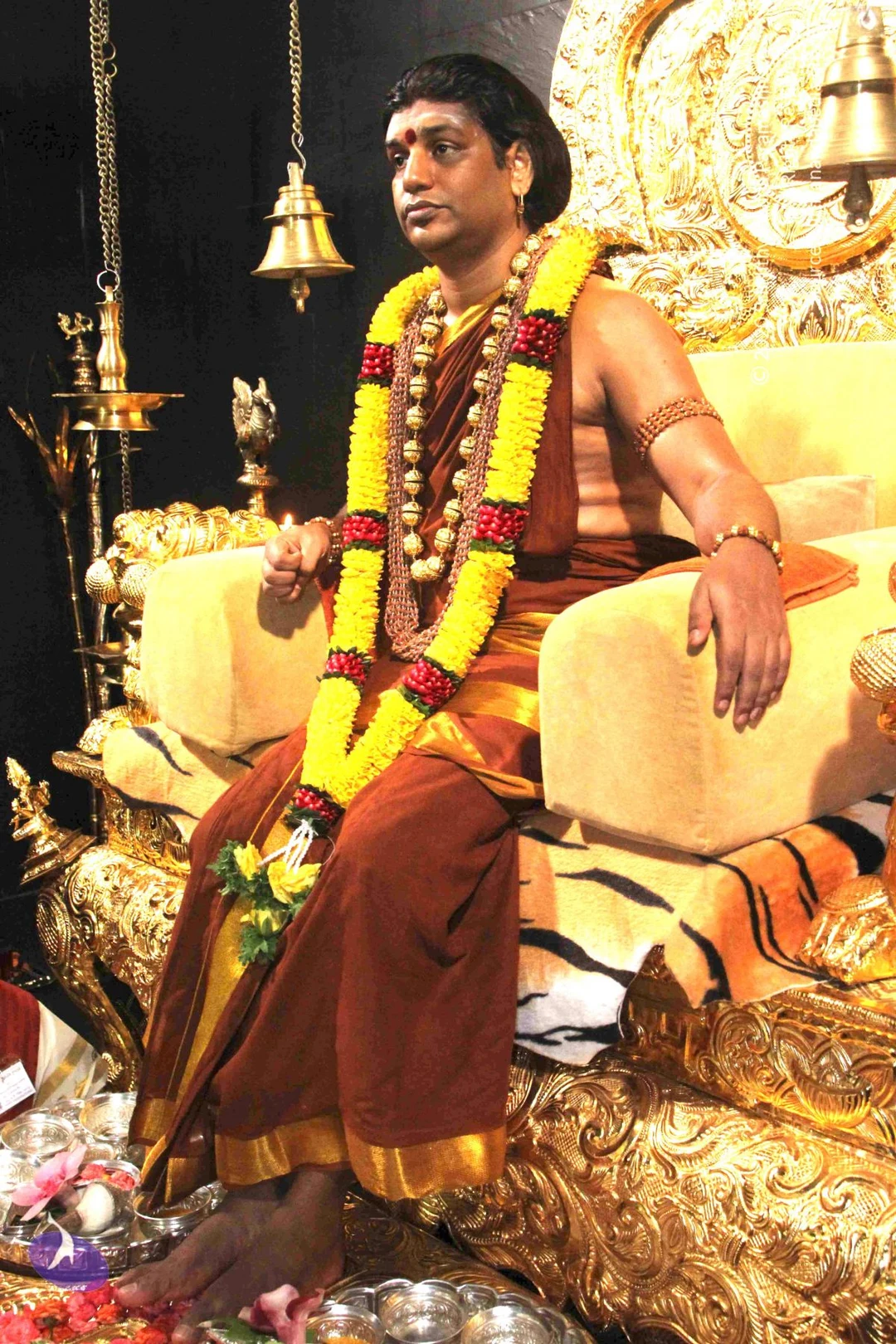
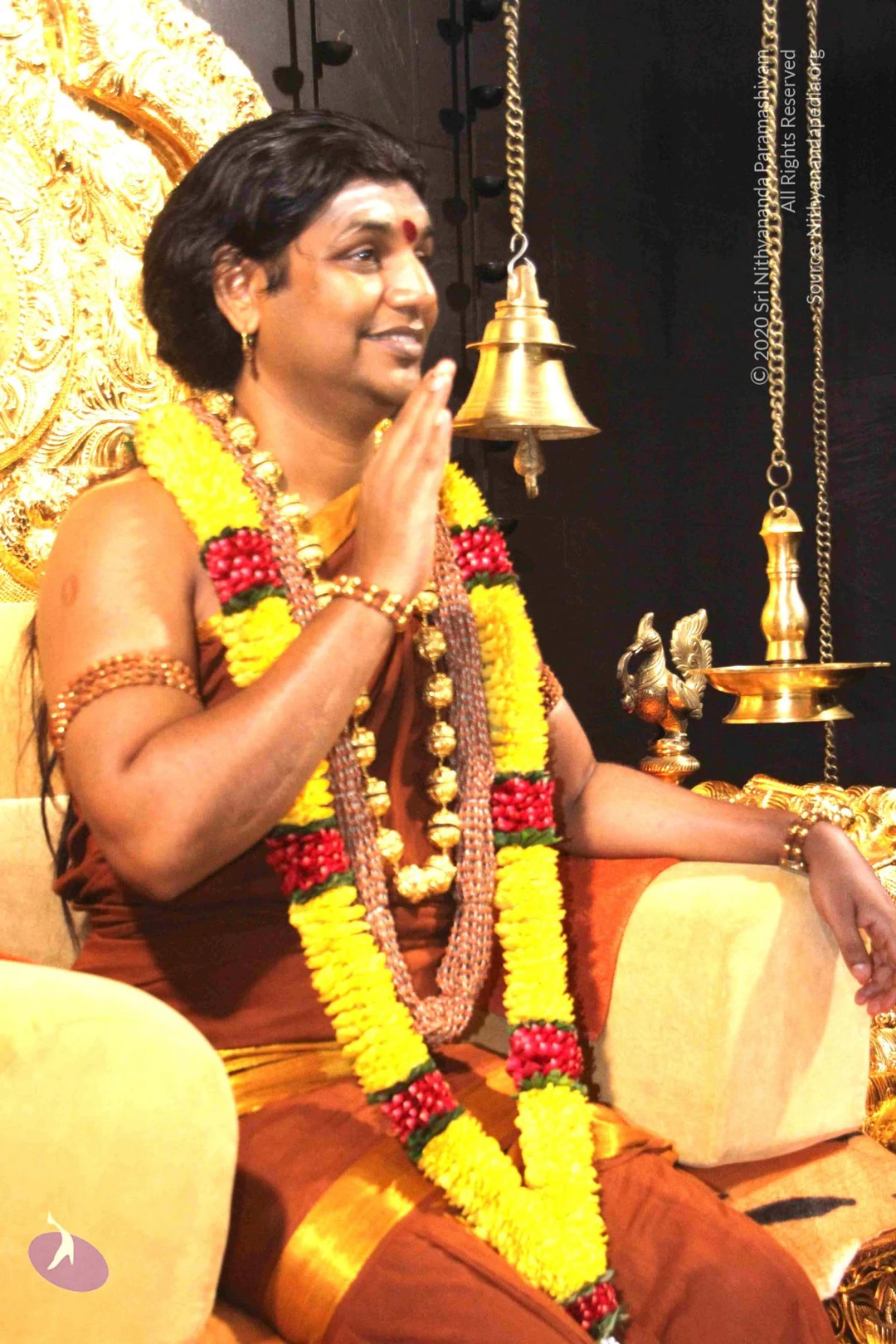
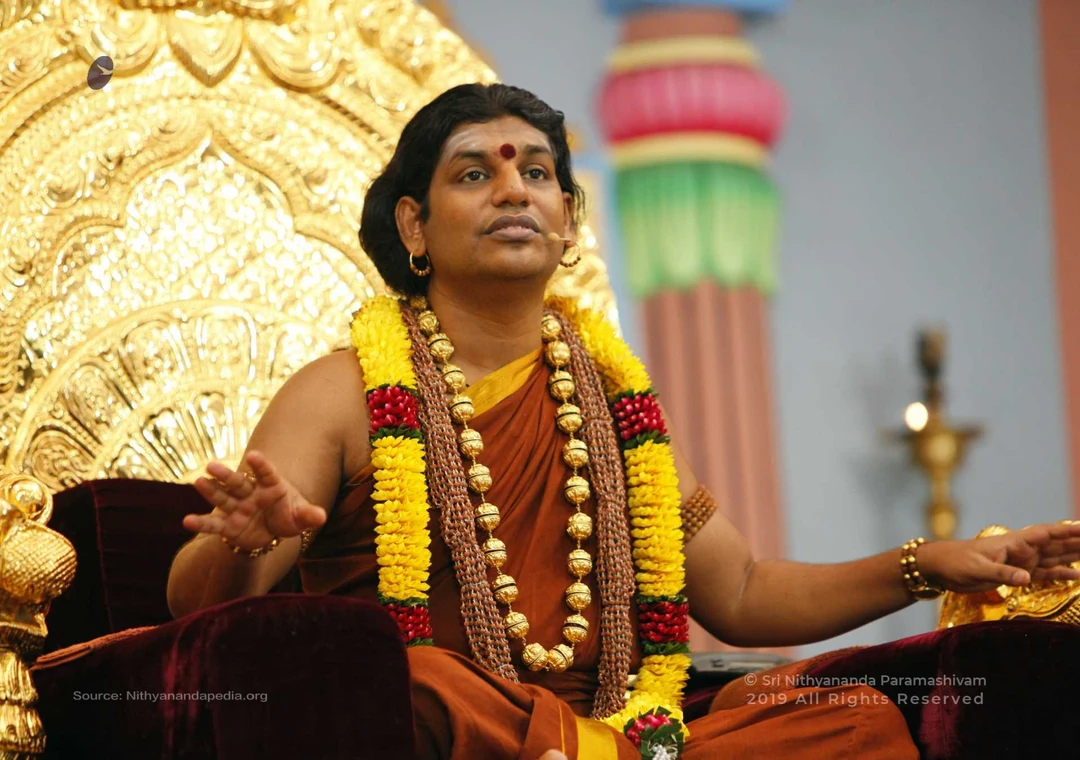
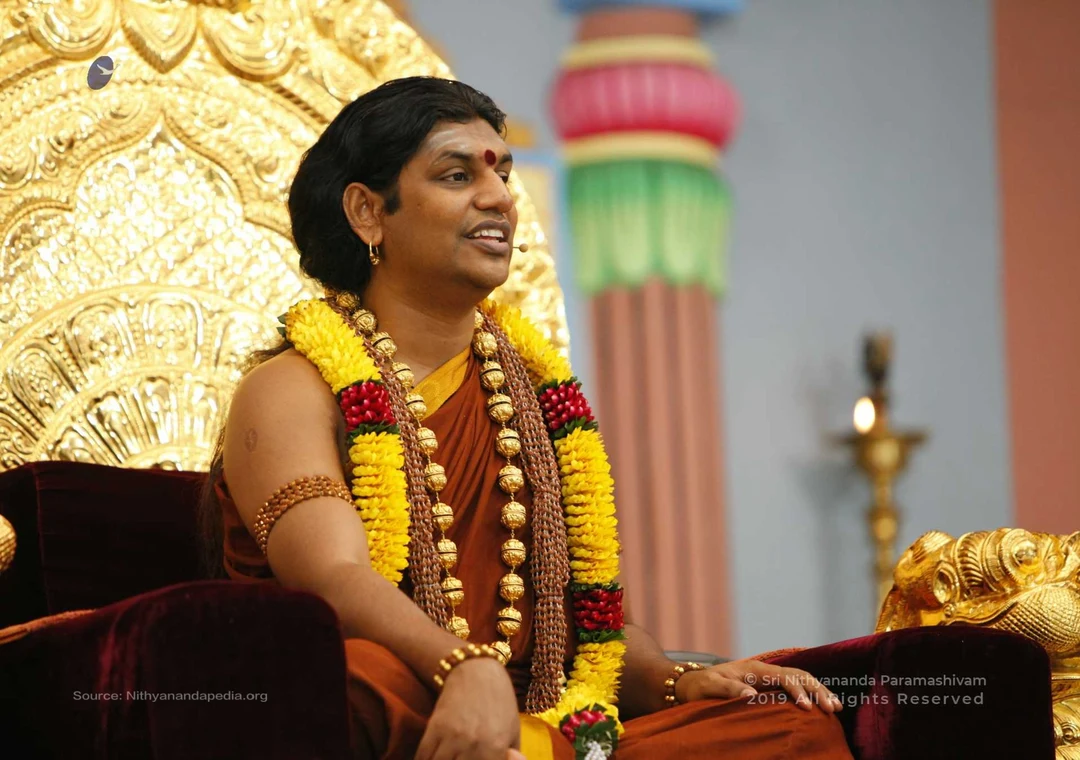
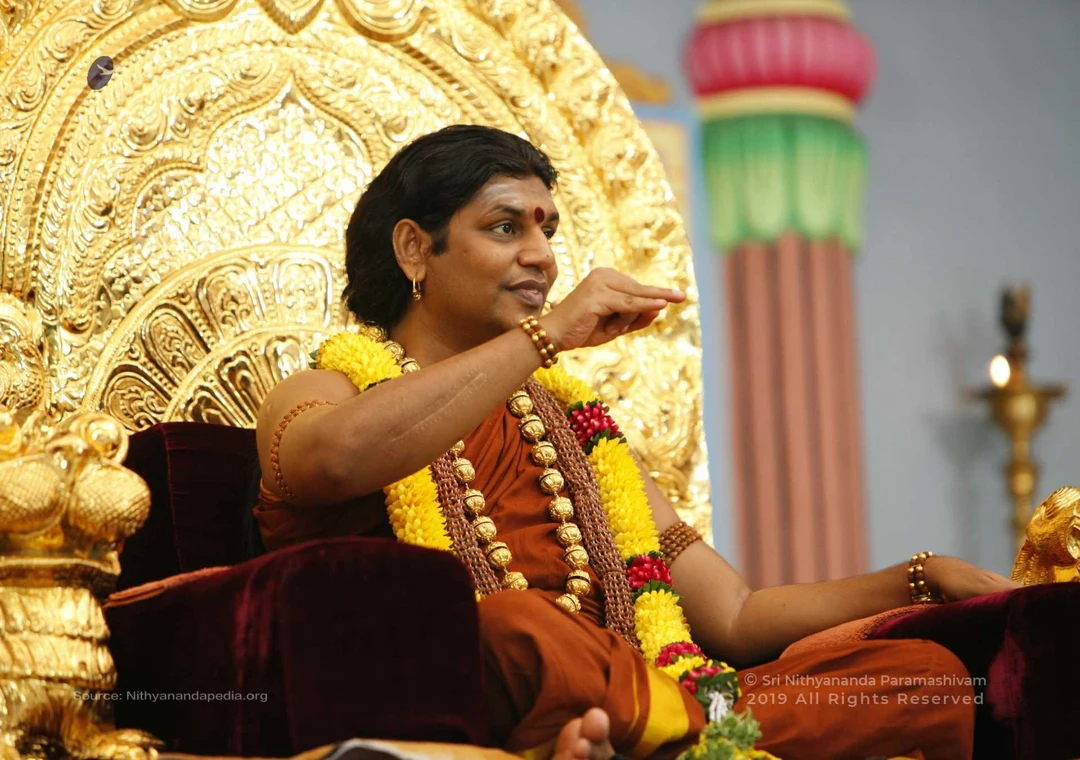
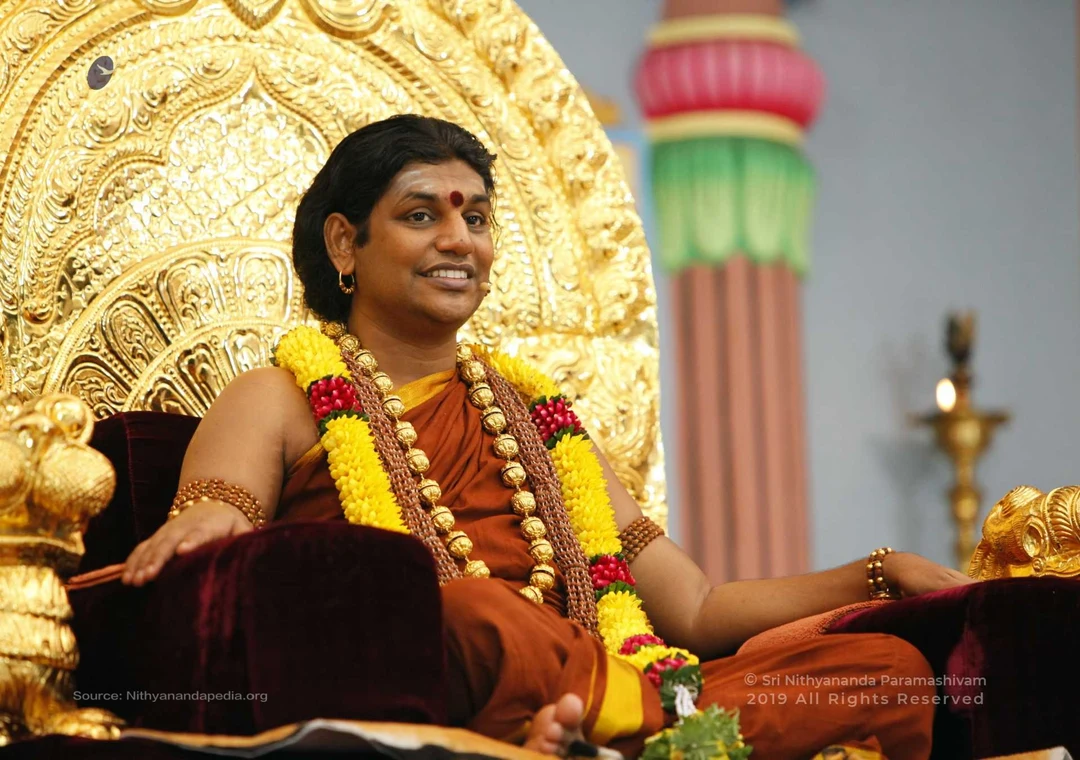
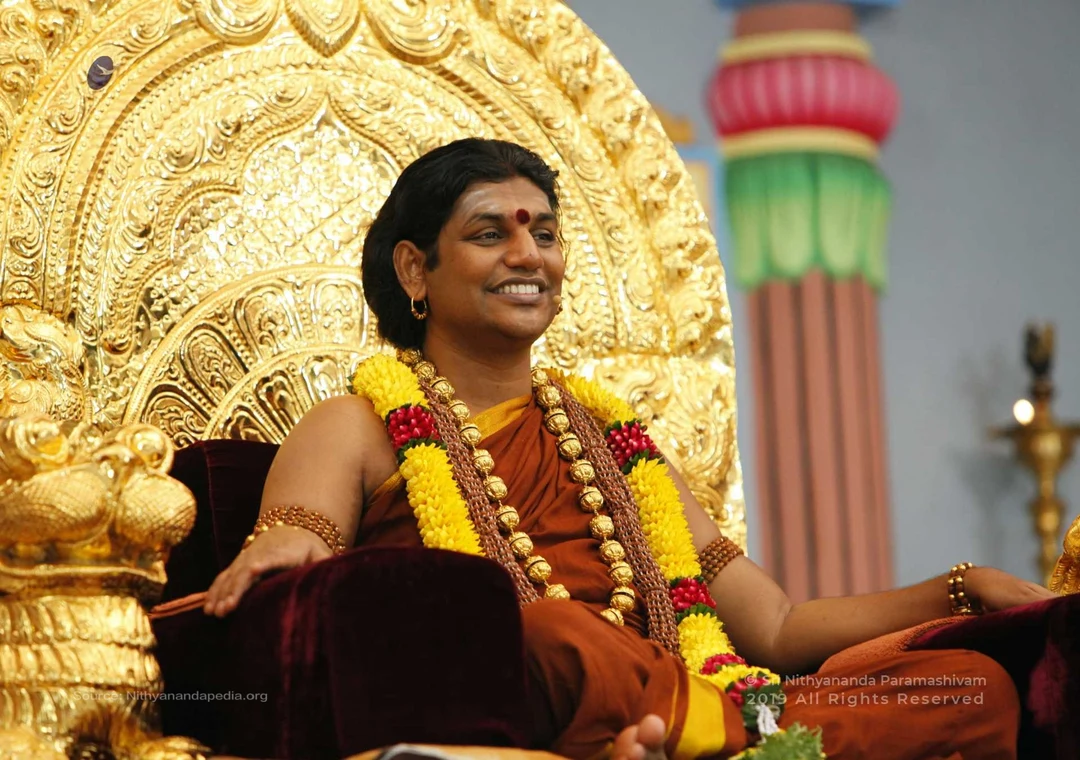
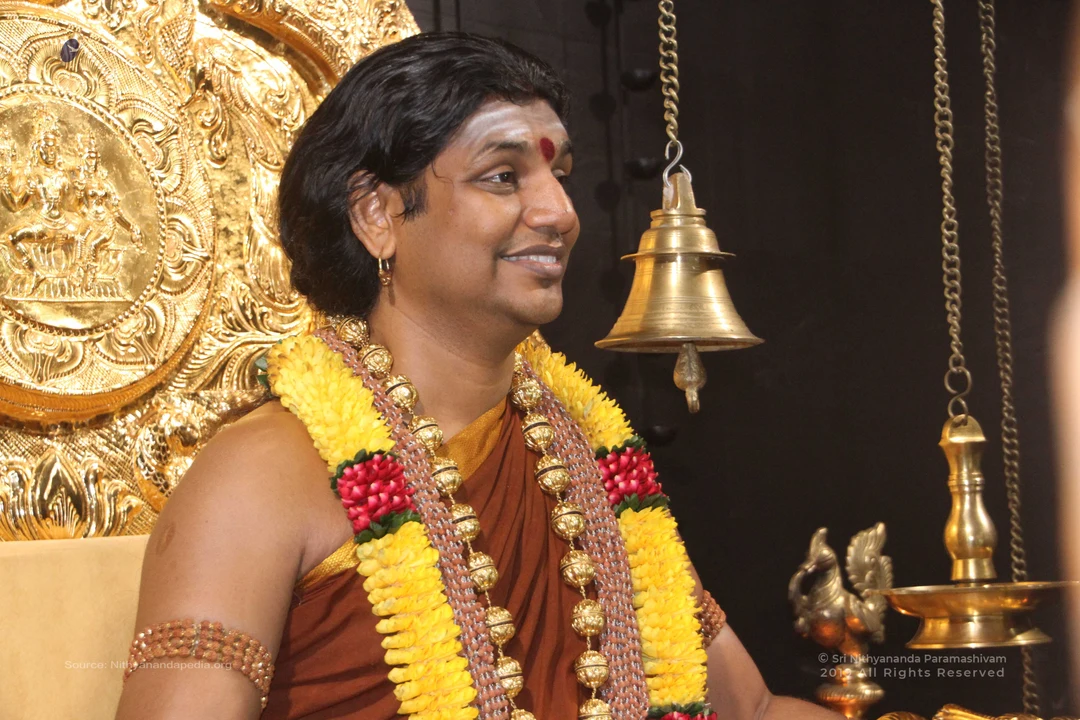
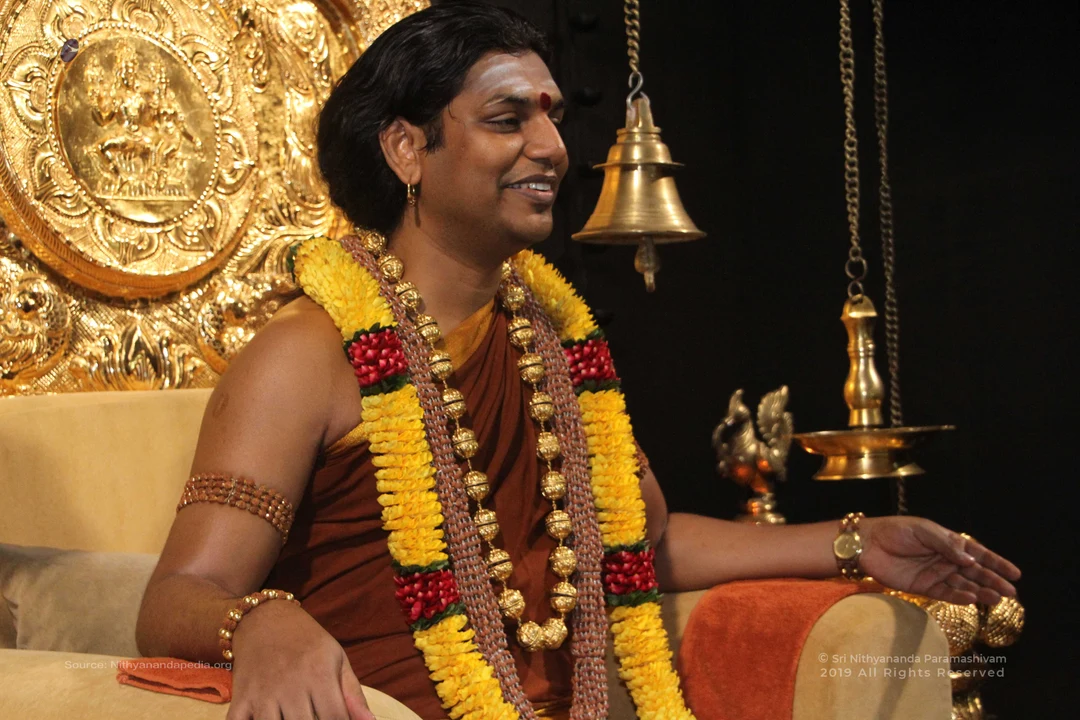
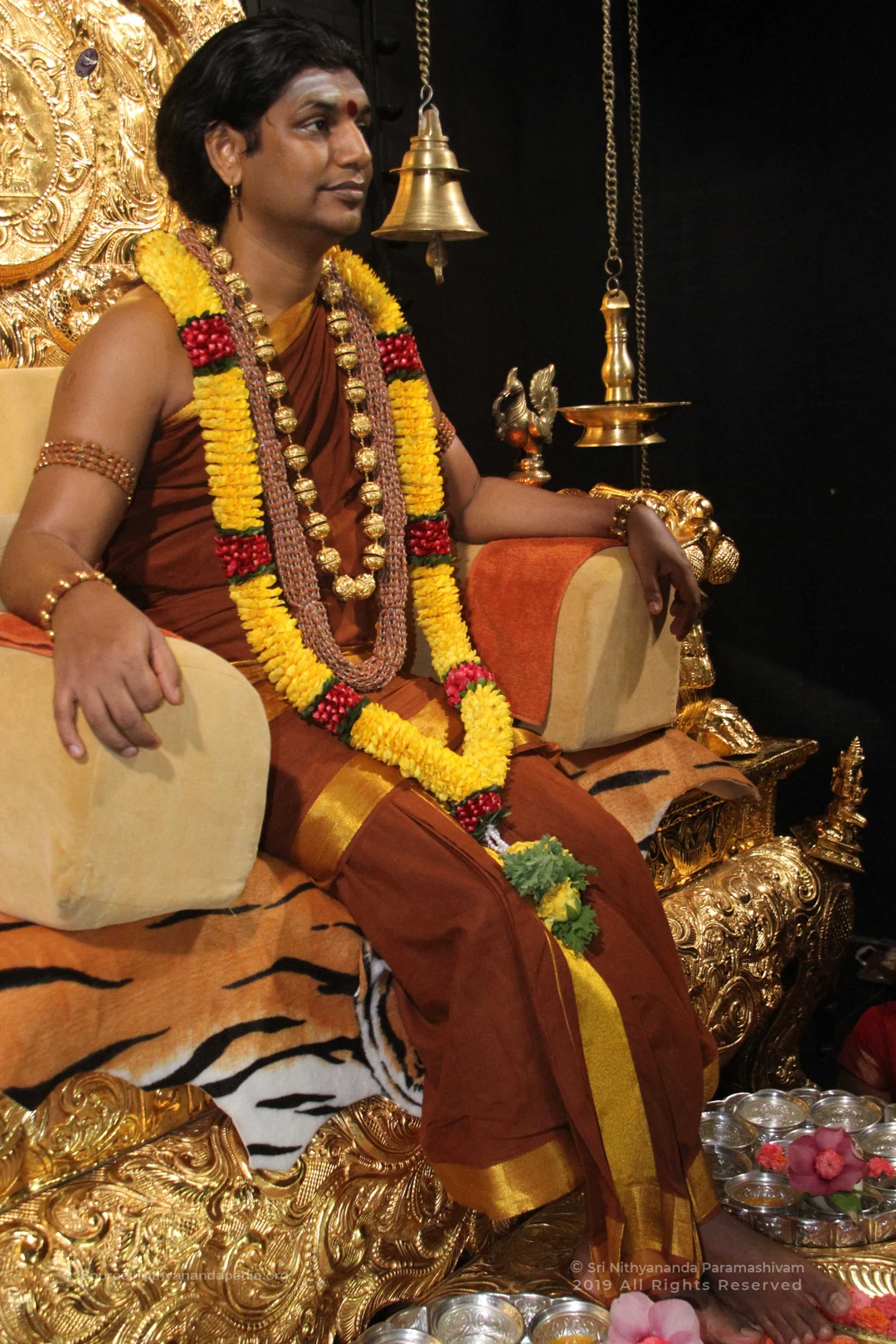
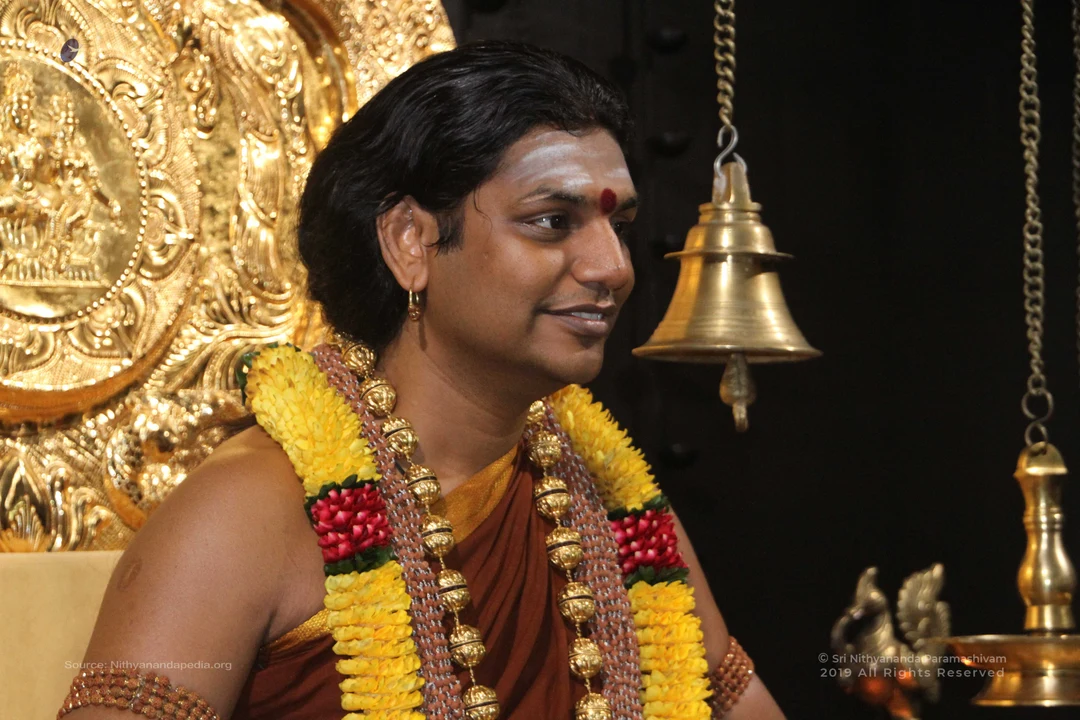
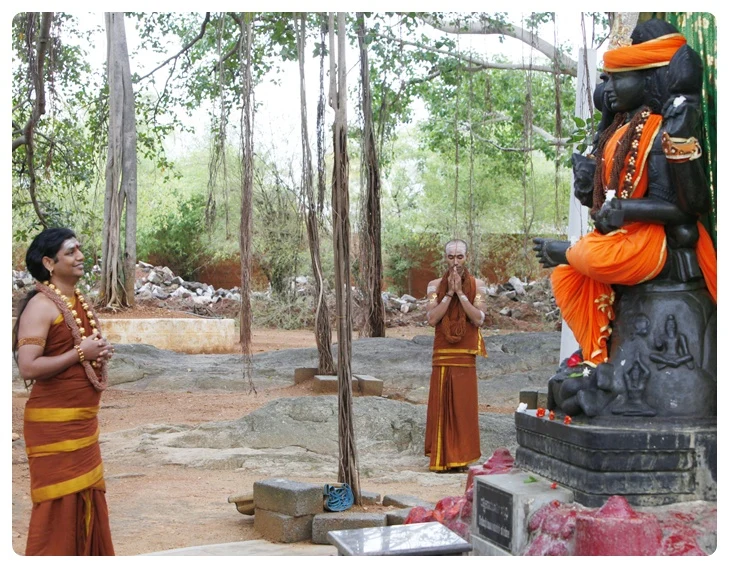
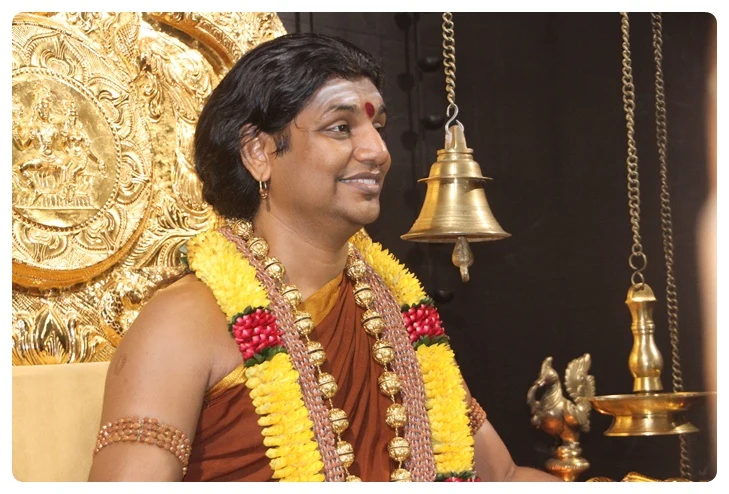
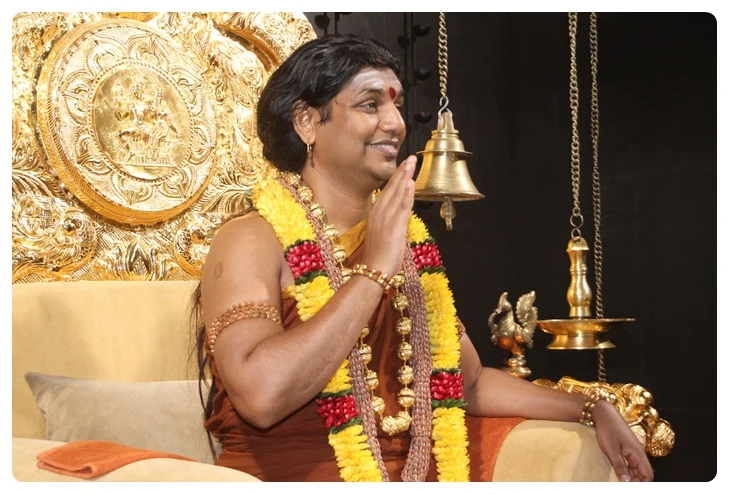
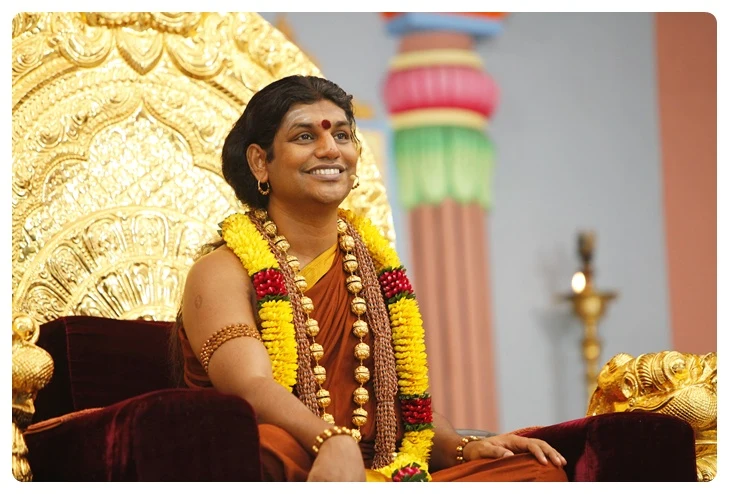
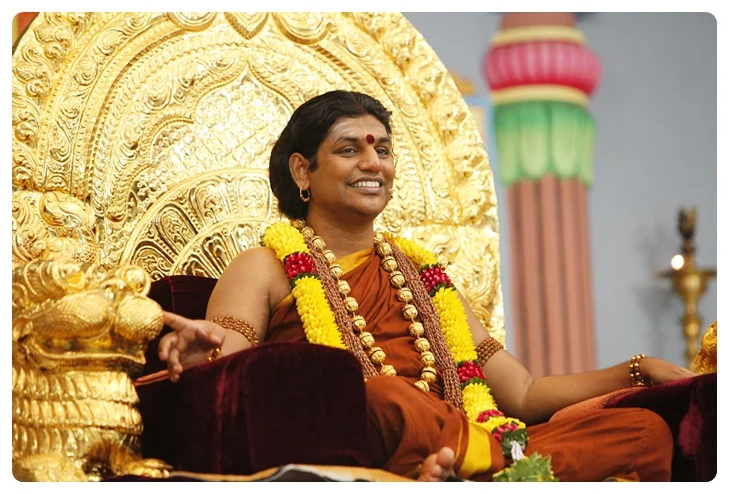
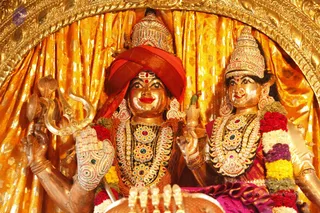
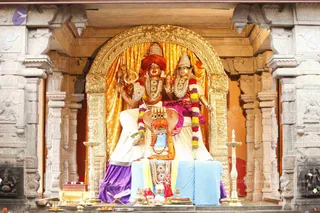
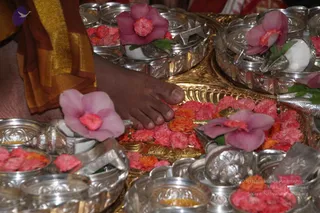
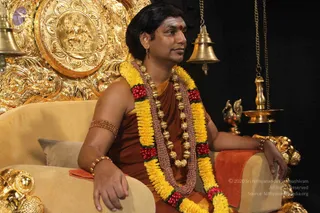
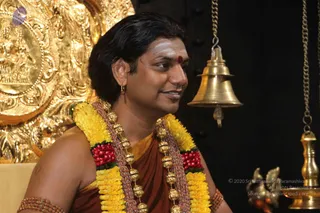
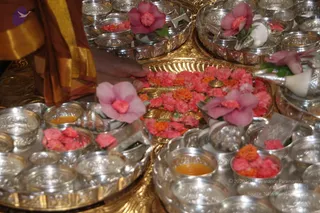
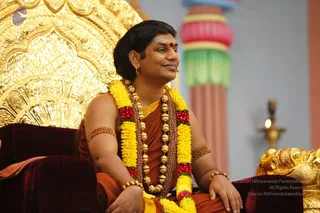
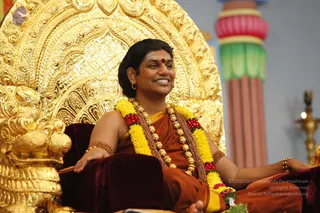
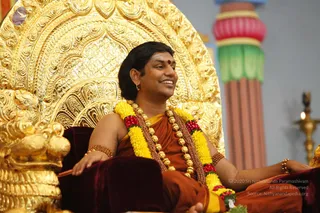
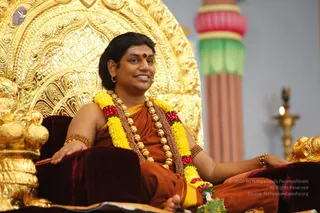
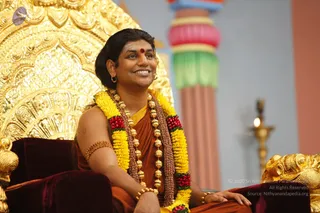
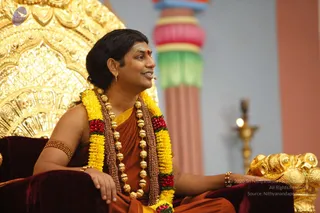
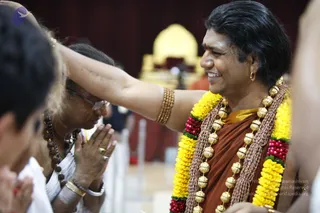
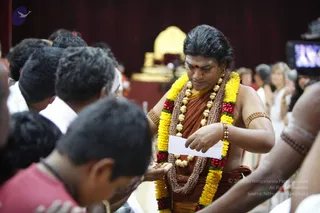
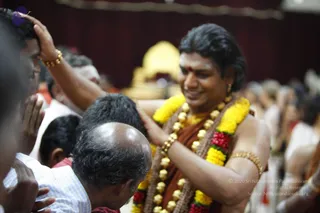
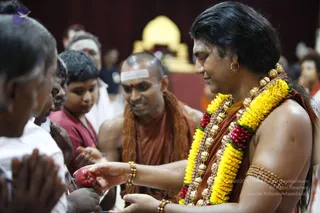
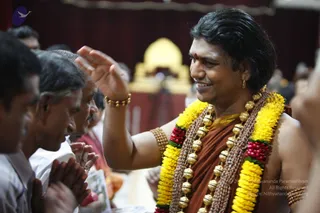
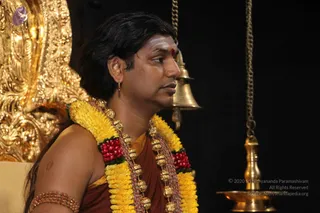
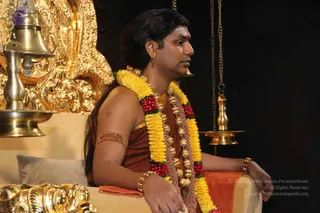
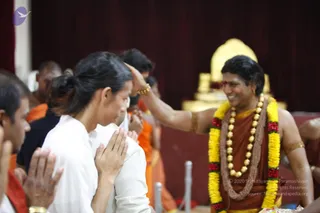
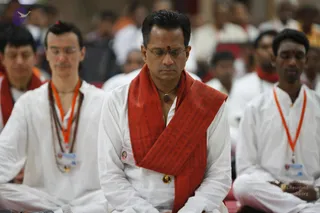
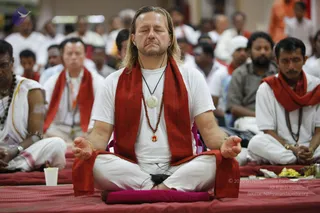
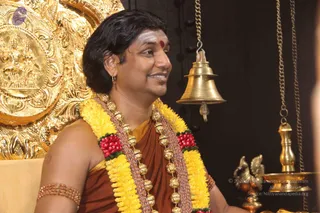
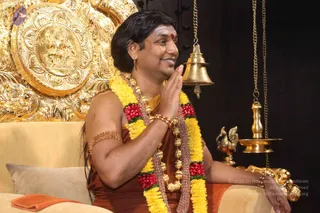
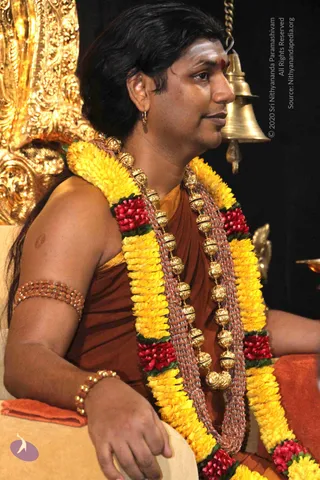
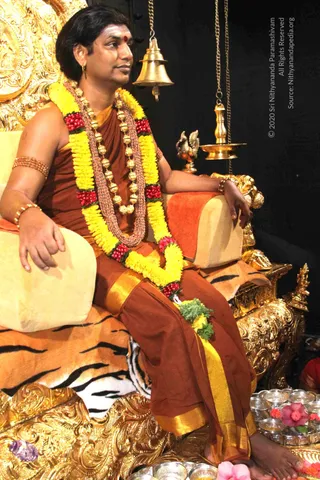
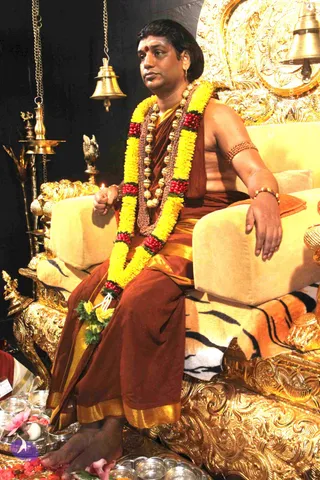
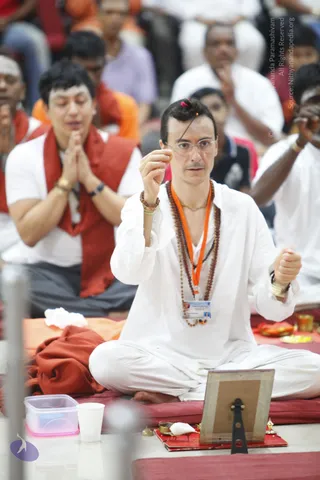
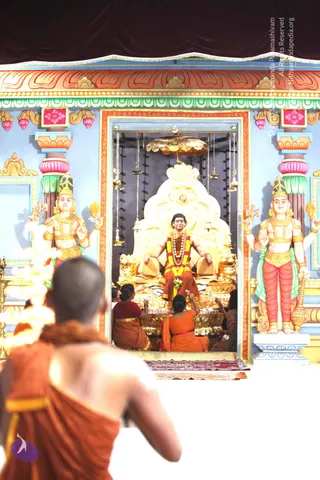
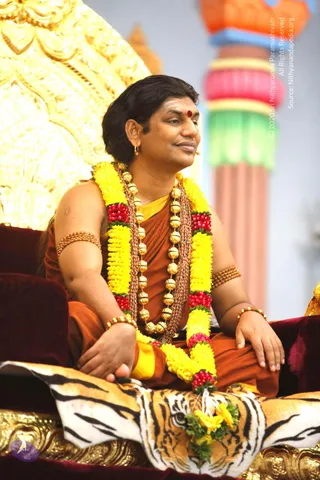
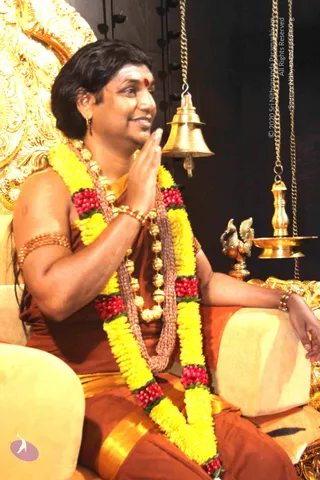
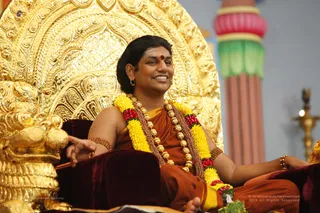
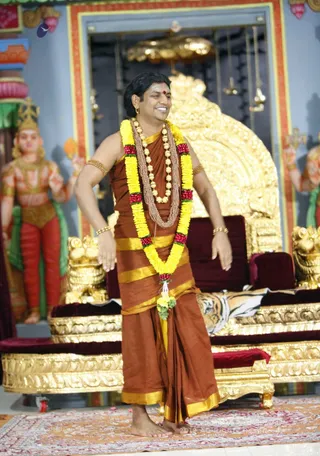
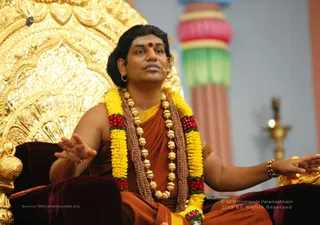
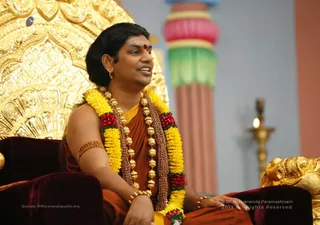
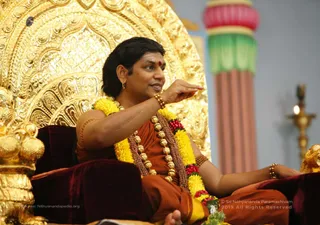
A photograph of a man seated on a golden-cushioned throne in front of an ornate gold repoussé backdrop showing a deity murti. He wears an orange-brown robe, a long garland of yellow flowers alternating with red berries, a multi-strand rudraksha-style gold bead necklace, gold bangles and a wristwatch, with a red tilak on his forehead. He smiles and gestures with an open right hand. Beside him hang a brass bell on a chain and a brass oil lamp on a stand, and a small brass bird figure sits on a cushion. The scene appears to be a seated discourse.A smiling man with short dark hair and a red bindi sits on an ornate gilded throne with a cushioned maroon seat and carved golden backrest. He wears a saffron-orange robe with a gold-edged yellow cloth, a long garland of yellow and red flowers, and a layered necklace of gold beads and rudraksha-style brown beads. Gold bangles adorn his arms and a brass oil lamp stands at right against a pink and green pillar. a person: the orange robe, flower garland, gold beads and seated throne on stage are present, identifying him as the central figure of the event.Outdoors in a shaded grove with tall banyan-type trees with hanging aerial roots, reddish earth and scattered stones. On the left, a man with swept-back dark hair, a yellow-and-white tilak, a rudraksha mala and ceremonial gold necklace, wearing saffron-orange robes with yellow borders, smiles with palms pressed together in namaskar. In the centre, a second man in saffron robes stands with palms joined in prayer. On the right, a large black stone deity murti seated on a pedestal, draped in orange cloth with a yellow crown-like headdress, garlanded with flowers and rudraksha, with red flower offerings at its base. A small stone plaque with an inscription stands in the foreground.

May 29 2013

Original wiki page
Contents

Title

Padha Puja | Satsang | Paduka mandir |

Description:

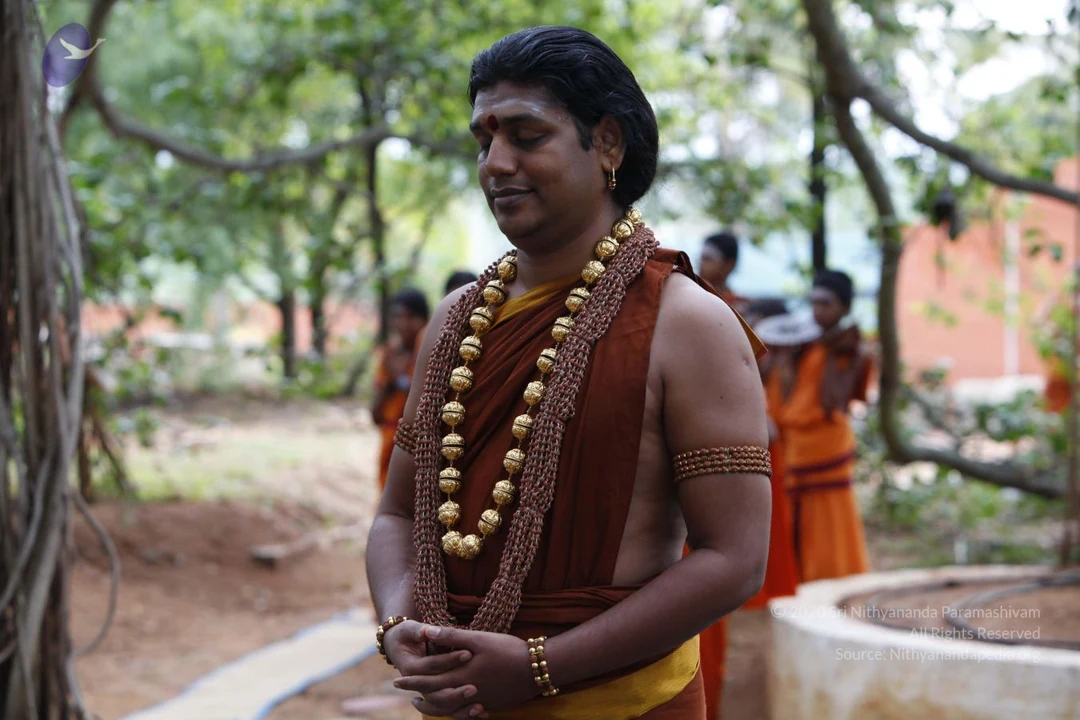
In today’s morning satsang, Paramahamsa Nithyananda defines the true nature of power. No one ever suffers from lack of power. What we lack is knowledge. We feel powerless when we don’t have the knowledge to accomplish a task. Since we don’t know how to proceed, we conclude it is impossible: but that is only a choice, not a fact. If we have the power to choose, we are not powerless! Our real trouble stems from using our power to make wrong decisions – to choose to be powerless. It is an excuse to avoid responsibility. When we accept that we have had the power to cause everything happening in life we understand we are never powerless, and we take full responsibility.

Link to Video:

VideoAudio

Transcript:

Nithyanandeshwara Samaarambhaam Nithyanandeshwari Madhyamaam | Asmath Aachaarya Paryanthaam Vandhey Guru Paramparaam ||

1:04

Today I welcome you all who are sitting with us around the world at this moment through Sadhna TV, Nithyananda TV and Lotus News Channel.

I will expand on the individual’s responsibility to reach the space of Possibility.

Listen! Please enter into the space of listening!

First thing, know very clearly, do you want the space of Possibility? Do you want transformation Or the self-contradicting, conflicting, powerless space you are carrying now is what really you cherish and enjoy? First find out that within you!

Many a time, people are happy and settled with that idea ‘I am doing whatever I can! What more I can do? This is best I can do! You don’t know! For my background, I achieved this much! Ohhh’

No! You are wrong! Then for your background, you see, if everybody looks at the past and based on that measure their capability, then there was a time everyone was a small child, you should be capable of only eating and sleeping! Then you don’t need any capability other than eating and sleeping!

No! First decide clearly, are you interested in being powerful? Are you interested in being powerful? Are you interested in really coming out of the conflicting, contradicting, powerless space you carry. Sit with you; come to terms with whatever you are carrying. Look, look intensely; these are all what I am having; these all is what I want, I have to move from here to there. How am I? Don’t ever bring the word ‘I cannot’. Don’t ever bring the word ‘I am powerless’. It is wrong! Knowledgelessness only is wrongly identified by you as powerlessness. In the whole universe there is no such thing as powerlessness. It is just you do not have the knowledge or you are not interested. If you know, ‘I am not interested.’, then okay! Clear! At least, this is what you want. Be in the slum, in the drainage; that is where you are feeling very happy, settled! Or, know it very clearly, you don’t have knowledge! There is no powerlessness. There is no knowledge - is the real problem. There is no such thing as powerlessness.

(HINDI)

7:36

First look in. Look in. Define very clearly what do you want and where you are. Know it very clearly ‘You Can!’ There is no question of ‘You Can’t!’ You Can! You just know how it should be done. You only need the knowledge. There is no powerlessness. There is only knowledgelessness.

Sometime, what you want knocks at your door; but you think because it is knocking at your door, you are more qualified that what is knocking at your door! You may think, ‘It is too cheap, otherwise why will it come to me?’ Because you don’t have any respect for you, the fortune which comes towards you also you don’t have respect for it! And you lose it!

Many time, the possibility knocks at your door. You think, ‘If it is coming to me so easily, then there is something wrong! May be, I am more qualified for it than this!’ What a pattern! What a pity! It is so funny! That is the right word I will use. So funny!

When you know what you need to achieve and where you are and you know it is possible, I tell you, that is the space where responsibility grows. You know, ‘I will do it! I am doing it! I will do it and I am doing it!’

In the rural area hills and the forest area, there will be board: ‘Sheeps destroy the forest’. Because, when a seed sprouts, sheeps will go and eat, and the forest will never be possible. Same way, the idea ‘impossible’ destroys your responsibility. You never take the responsibility because of your idea of ‘impossible’. When you think it is impossible, you give up on you. You never take the responsibility - what you want, where you are, and how transformation can happen. First, if you know it will happen, it is possible, you just know how to take the responsibility and you take the responsibility. That’s all! Individual life is responsible. You only have to take the responsibility to make things possible. Know continuously the things are possible!

(HINDI)

15:12

There is nothing which can happen unless you want it, nothing which can happen unless you take the responsibility for it, nothing which can happen unless you feel it is possible; including your negativities. What you now say you don’t want, for example - disease, feeling powerless, even to have all these experience, there was a time you felt it is possible! There was a time you took the responsibility to make it! And you made it! Listen! Listen! There was a time you made it, you took the responsibility for it, and, very important thing, you worked for it!

Please listen! Listen! Any powerlessness you are carrying in your being, unable to settle within you - guilt, feeling powerless, tired, whatever powerlessness you are carrying in your life within you, look in. You created it and you wanted it! You took responsibility for it! You did it!

When you can create powerlessness, know very clearly, you can create powerfulness. When you set a standard of human-being for you, millions of conflicts and contradictions you created for you. Even a setting a standard of who you are, your Mamakaara, your actual root-pattern is the benchmark you set for you. That itself brings so many conflicts and you are responsible for it. A very simple and most easiest method for transformation is - just change that benchmark. Change your actual root-pattern and build it consciously, rebuild it consciously.

The confidence you carry to handle you, feeling empowered, can be drastically increased when you change your actual root-pattern. When you change the actual root-pattern, you need to take the responsibility for all the unconscious responsibilities you took. Many time, if you feel powerless, you think it’s cute. ‘Oh, I am there, I am innocent, harmless!’ To be harmless you don’t need to be powerless. You always think powerful people are harmful, wealthy people are egoistic. So, to be harmless you have to be powerless. To be humble you have to be poor. The wrong associations you carry is the reason for unconscious responsibilities you take. If you want to be humble, you decide to take the responsibility of being poor. If you want to be harmless, you decide to make yourself powerless. NO! You can be powerful and harmless, rich and humble, famous but polite, popular but simple. It is possible! You can take the responsibility and align your whole inner being. It is very unfortunate, many time your responsibility is so unconscious. So unconscious! Most of the powerlessness you experience, conflict you experience, you struggle, contradict, conflict.

(HINDI)

24:33

Understand, first you have to wake up. If you are constantly watching the commercials of some gym and exercise equipments in the TV and seeing all the six-pack they are showing as the models, and never move your body out of your couch, are you going to have anything? You will just continue to be a couch potato. You have to move your body, get up and start doing something. Even to get that equipment to your house, you have to call, once the equipment comes you have to start working on it. Otherwise you can just be seeing the six-pack models in the TV while the equipment commercials goes on and continue to be what you are.

Same way, when I talk about the transformed space, the space of Positivity, Possibility, Leadership, Enlightenment, it looks like a six-pack model flexing the muscles and showing the whole glory. And if you don’t take the responsibility and move yourself, you may be continue to be a fan of the model who is shown in the commercial, but you yourself will never experience it. It is time you experience it, you live it! You have to move your body, move your mind, decide to take the responsibility, decide to declare completion, decide to declare Positivity and Possibility. You have to decide that it should happen. You can’t afford to continue to be seeing only the commercials. You have to take up, do at least some meditation program, start contemplating and start working with you, start altering the way you think.

Transformation is a powerful happening. Transformation is a happening! The individual need to take the responsibility; individual has to think, continuously work on the space where you are stuck. You have to work with your root-patterns, root-patterns of boredom, laziness, making yourself up, alive, deciding to live like Kalabhairava! With the power of Kalabhairava, wake up inside your body! Wake up inside your body with the power of Kalabhairava! You will see many of the even so-called big patterns, sufferings just disappear! Disappear means really disappear!

(HINDI)

32:47

You have to take the responsibility for all the irresponsible decisions you took. A low Mamakaara, inner image you built, very irresponsible Ahankaara you built, irresponsible Swa Anyakaara, your image about the world and others you built - you have to take the responsibility for everything.

(HINDI)

Yes, I do sympathize with what you go through inside, but you need to know what you go through inside is not the reality! It can’t be justified. The powerlessness you go through can’t be justified. It does not have justification.

Create what you want to create. Complete with all the root-patterns which constantly tells you ‘you can’t create what you want to create’. The job of your actual root-pattern is constantly shrinking you, saying, ‘No, no, no, no, no, no! It’s okay!’ Shying away from life! No! Neither shying away from life nor shying away from yourself is going to make life happen to you. You have to take up, decide, decide. Your life is after all yours. Your life is after all yours. If I have to give from my own life example, I saw very clearly I have to fulfill the expectation of the North Indian devotees. So, already I stocked all the books to pick up more fluent Hindi. This next one month, that is going to be my first priority. You will see! You will see the outcome after one month!

39:39

Continuously, continuously, without missing, keep what you want in your eyes, in your inner space, and remember, ‘it is possible!’ You only need to have the knowledge. You are already powerful. There is no such thing as powerlessness. You may not have knowledge. Just because you don’t have knowledge, don’t think you are powerless. When you decide you are powerless, the possibility for the growth is killed. It is like a goat has already ate the sapling; the sapling can never become a tree! The moment you think it is impossible, already the goat has ate the sapling! The possibility is killed! Possibility is over! It’s so unfortunate! When you think possibility is over, life is over! Any possible growth, any possible growth is useless. Any possible growth…….. Listen! I am making an important statement! Please move to the space of listening! Knowledge, knowledge makes anything possible when it aligns with responsibility. Align responsibility and knowledge; anything is simply possible! Anything is simply possible!

(HINDI)

I can see, only when I constantly remember I have to take this responsibility, it happens! In you, you may have some root-patterns that it is impossible. Never allow that root-pattern ‘impossible’. You only can have the idea still you don’t have the knowledge; that’s all. But there is no such thing as ‘impossible’. Just by lying down, you can build six-pack. Without even reading, you can speak Hindi. Anything is possible. You just need to know the knowledge. The moment you think you can, the moment you understand you can, and you are taking the responsibility, you will see the easiest path opens itself in front of you. Easiest path opens in front of you!

(HINDI)

50:05

Human-beings need to know the actual root-pattern they create for themself is the original sin. That is the demon sitting in them, ghost possessing them. When Adam was told by God not to eat that fruit, first thing he thought, ‘If I am asked not to, may be God is doing some conspiracy against me! May be, if I eat this, I will become like him! So, he is jealous!’ When you doubt and when you think there is a conspiracy against you, naturally you decide to disobey. And the decision to disobey, decision to disobey the right leader is the worst decision you can ever take in your life. Decision to disobey your right leader is the worst decision you can ever take in your life. Adam did it! I can say - the original sin happened! The original sin in all our life is the first actual root-pattern you create about you and continue to function in that same pattern, in that same pattern. That is where the whole problem is.

Essence of today’s satsang, understand, this four line is the essence:

· Anything is possible for you.

· Know very clearly what you want to become and what you are now.

· Third – Take the responsibility to become what you want to be.

· Fourth - You only need knowledge, not power, because you are never powerless. You are always powerful. Your power is only used in the wrong direction. It is so unfortunate your power is used to make you feel powerless. Most of the time, all your power is used to make you powerless. It is like most of the time electricity is used for cross-circuit and making the fuse go. You do something inside the electric circuit, the very electricity itself makes you powerless! All your power is used to make you powerless. Learn to use your power to make you powerful.

Photos Of The Day:

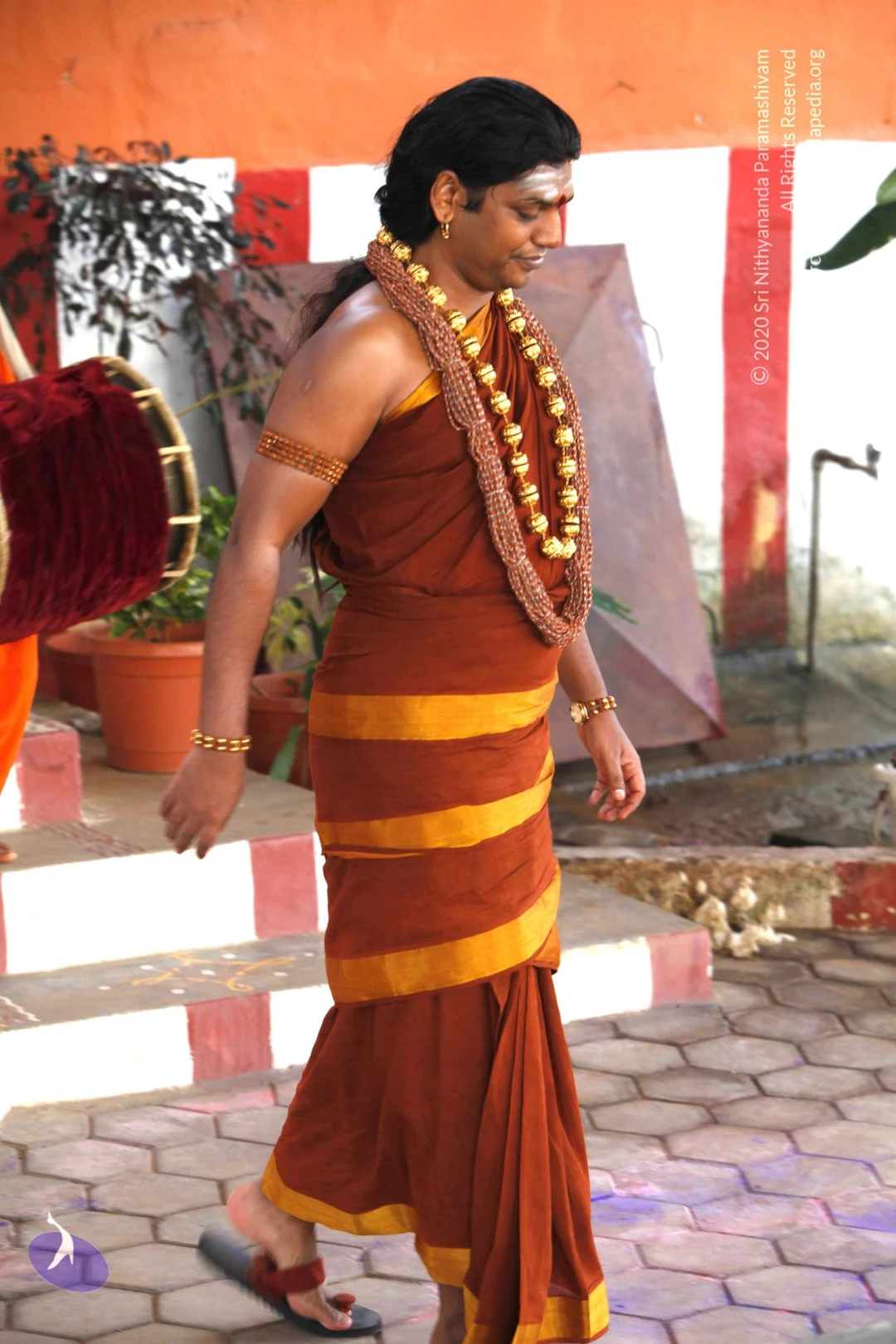
Swamiji-Temple
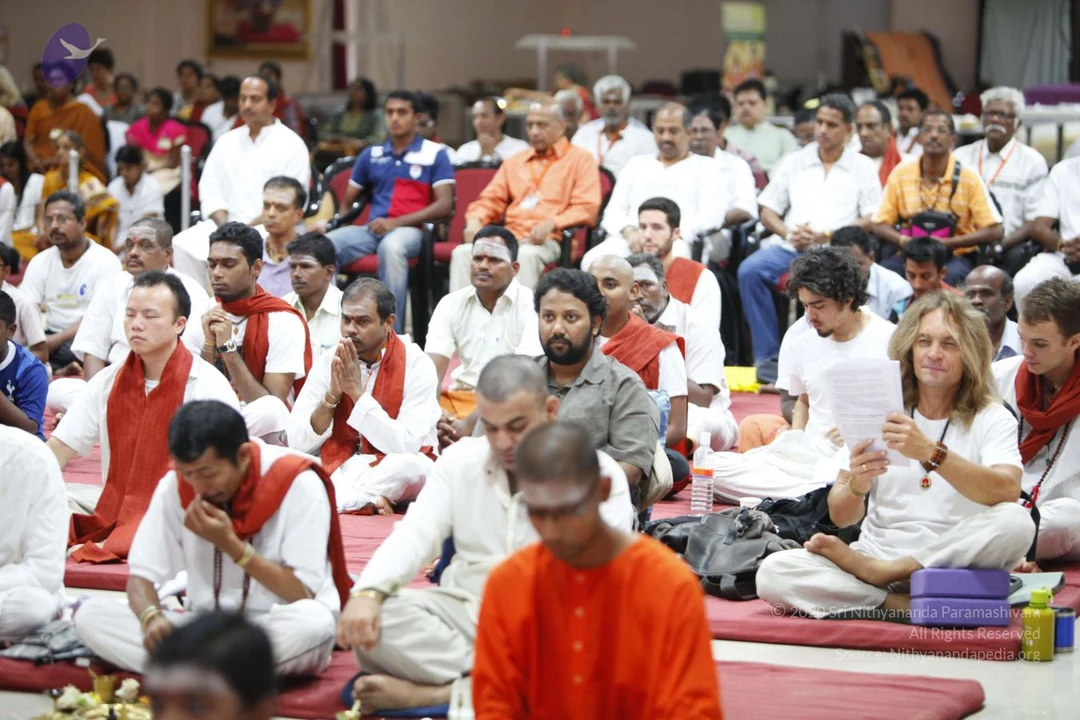
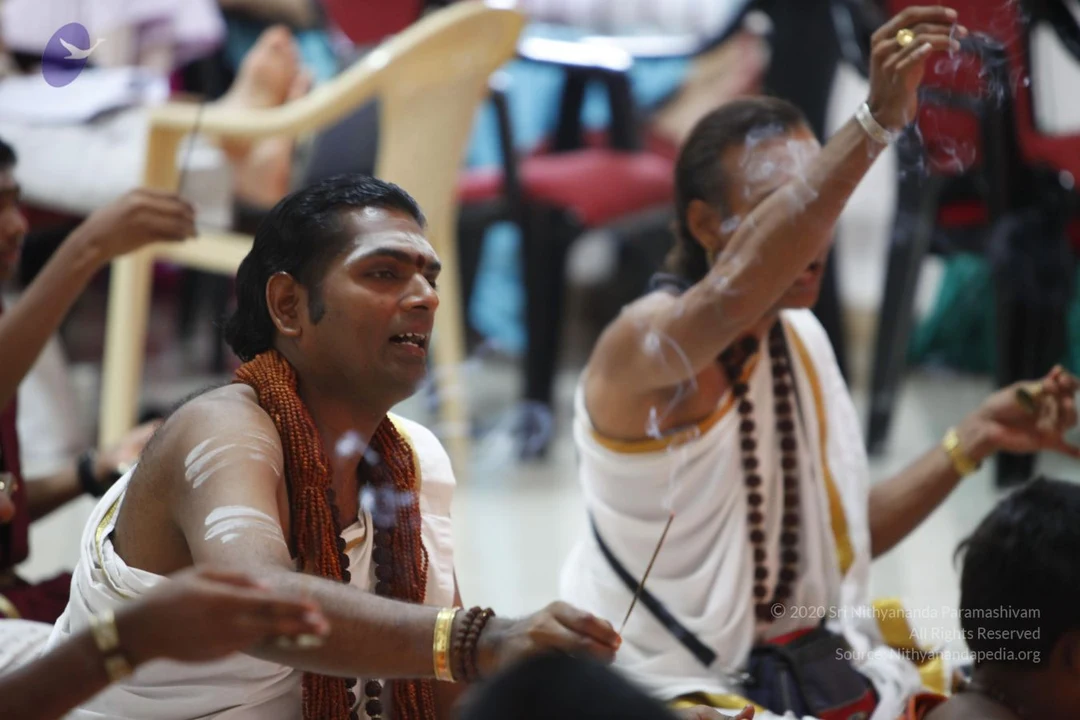
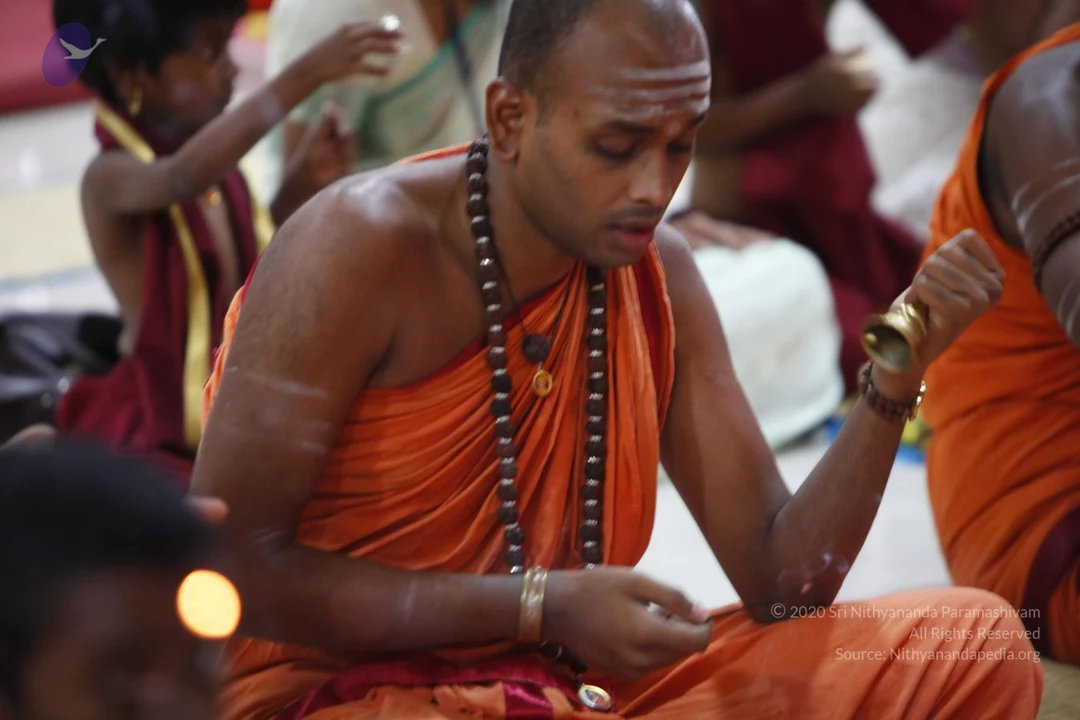
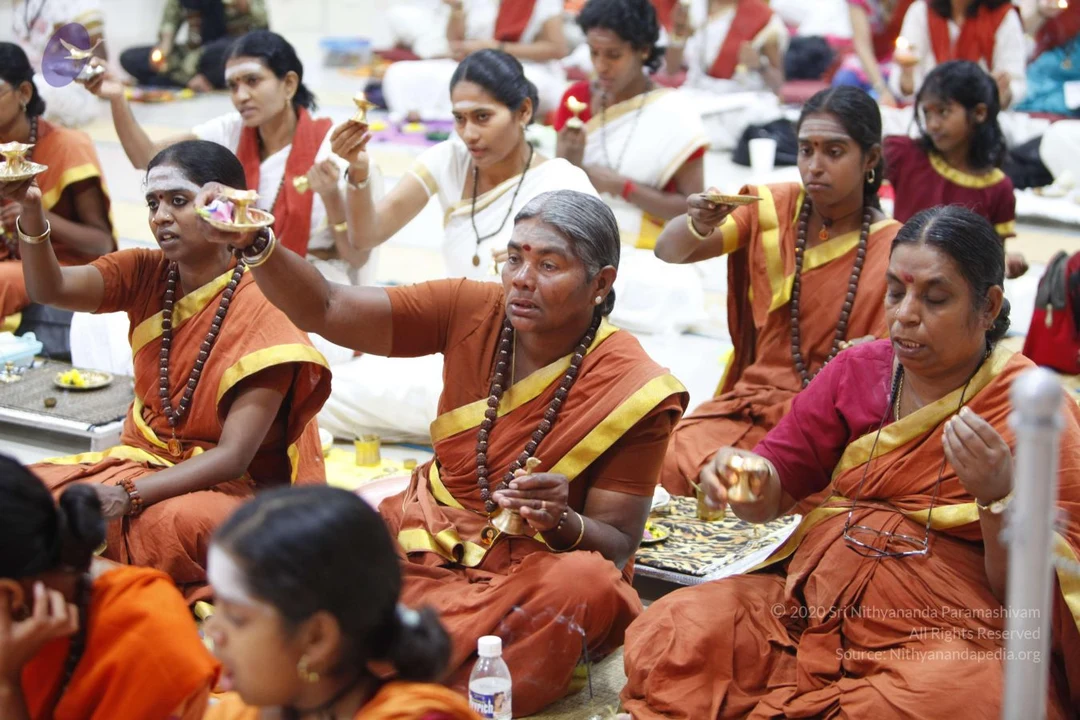
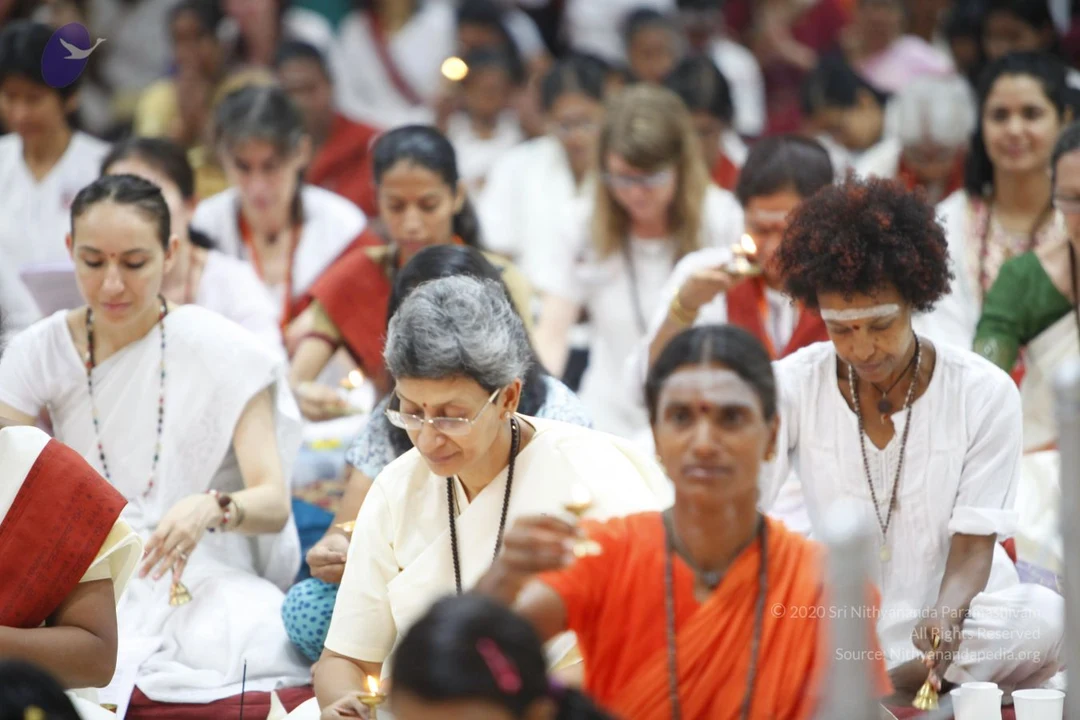
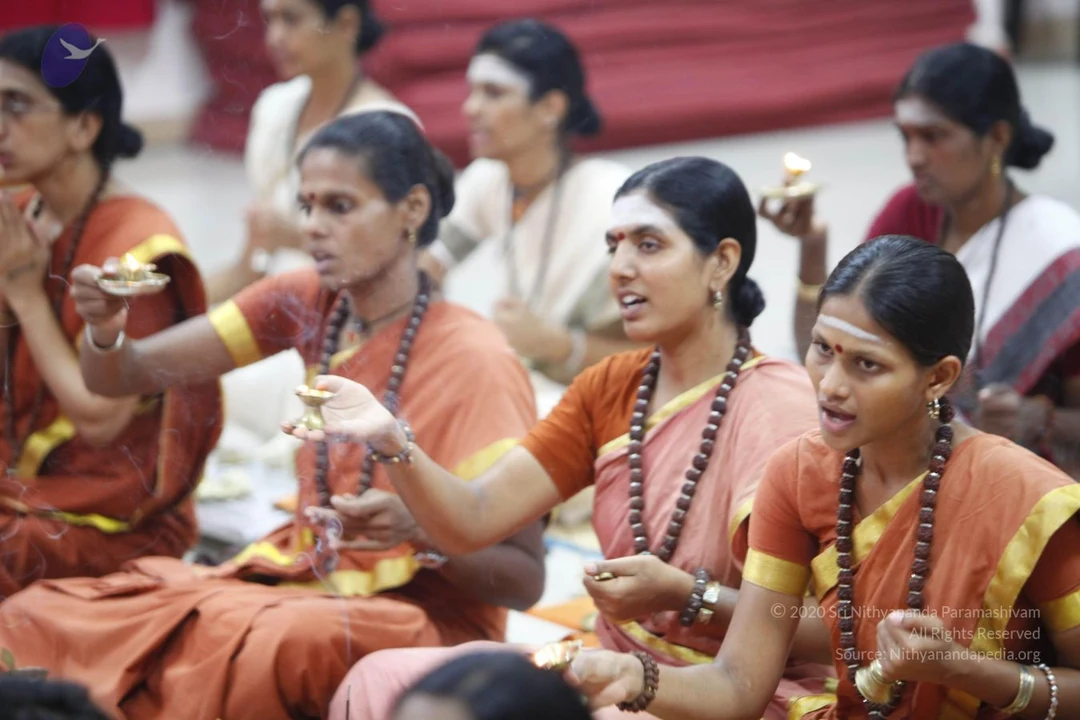
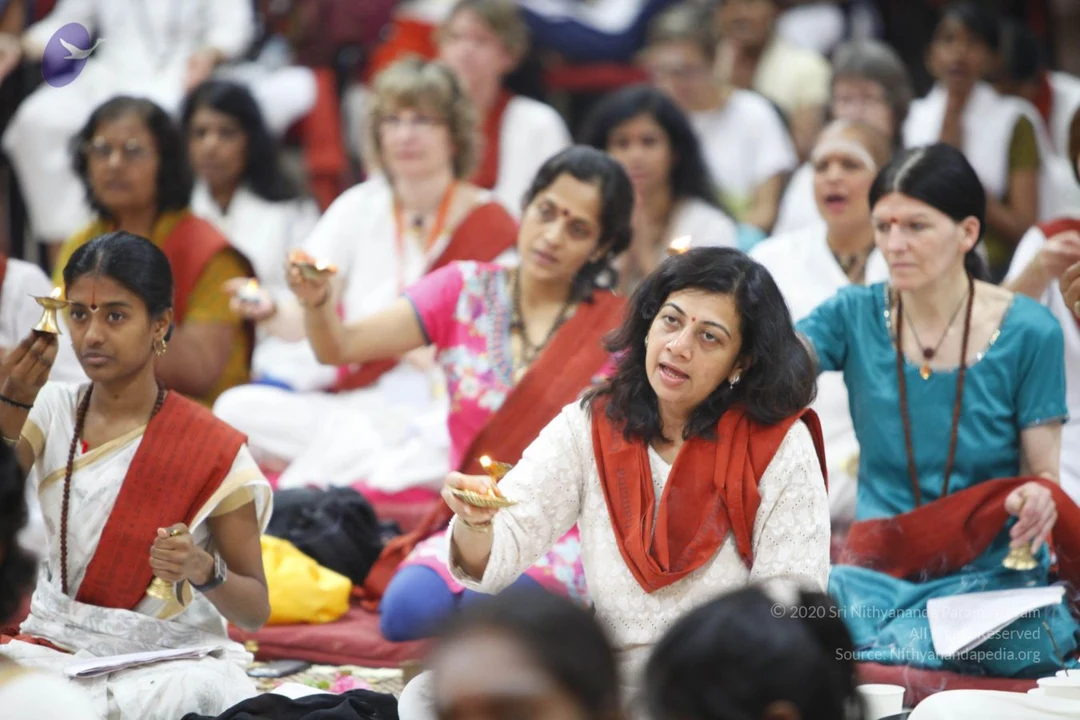
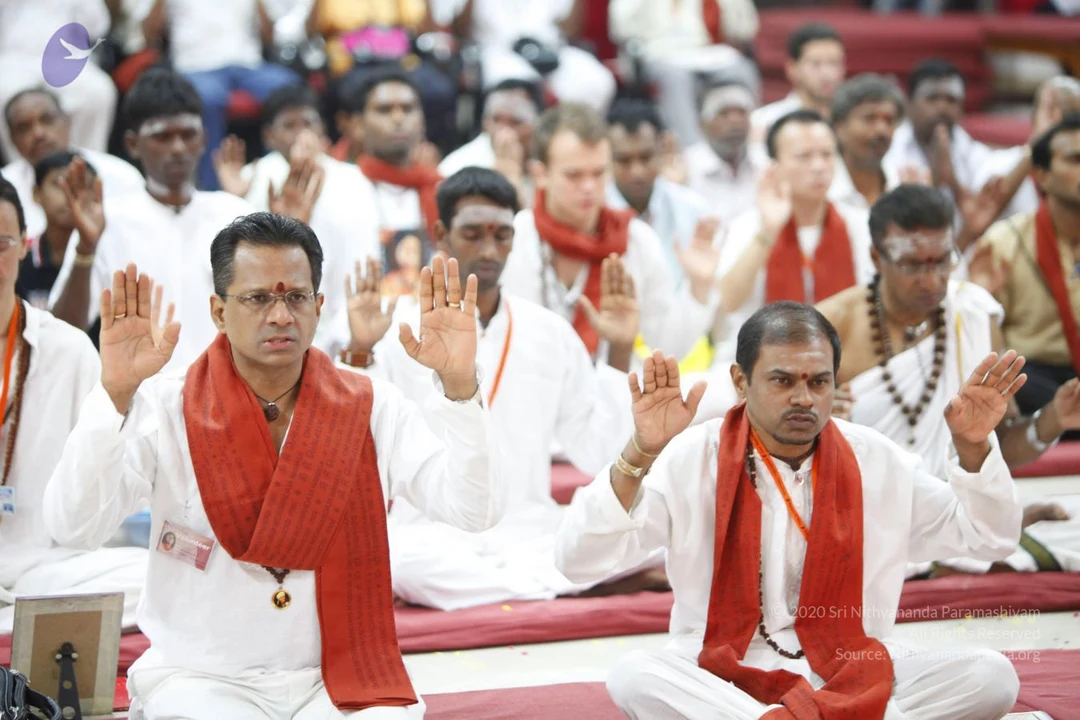
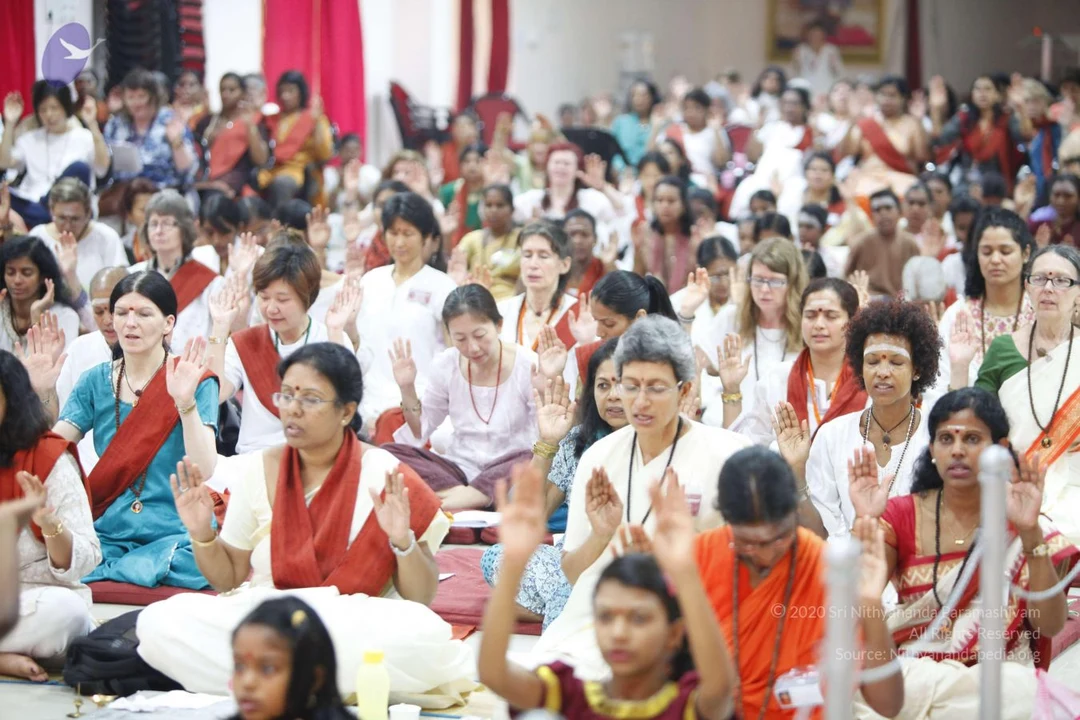
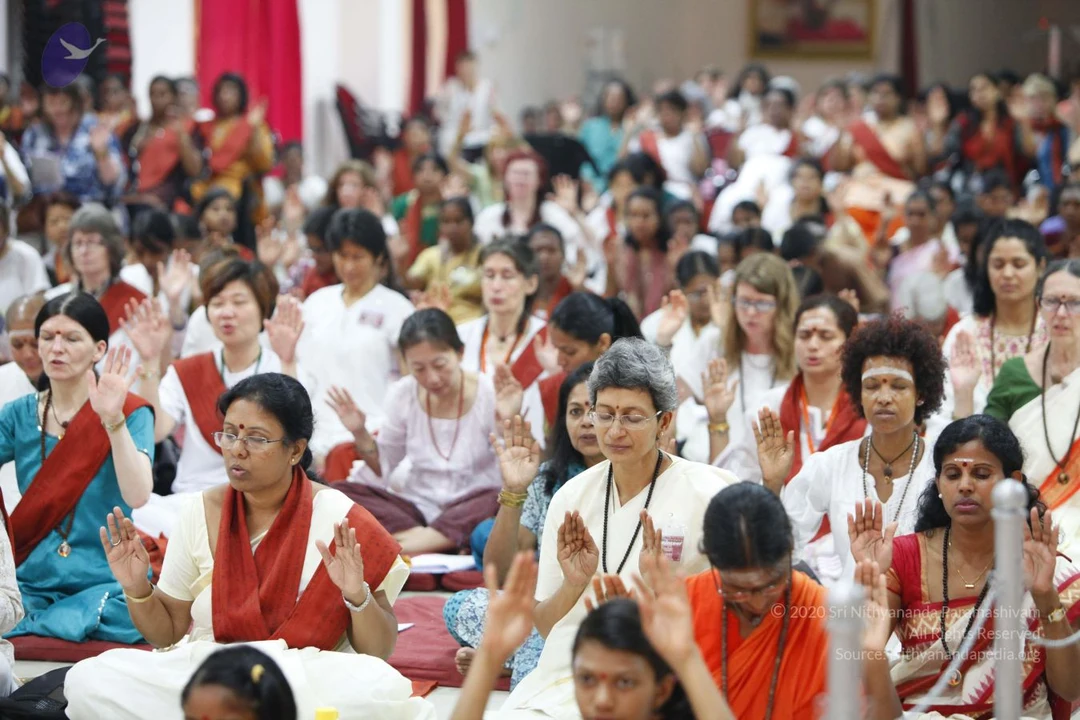
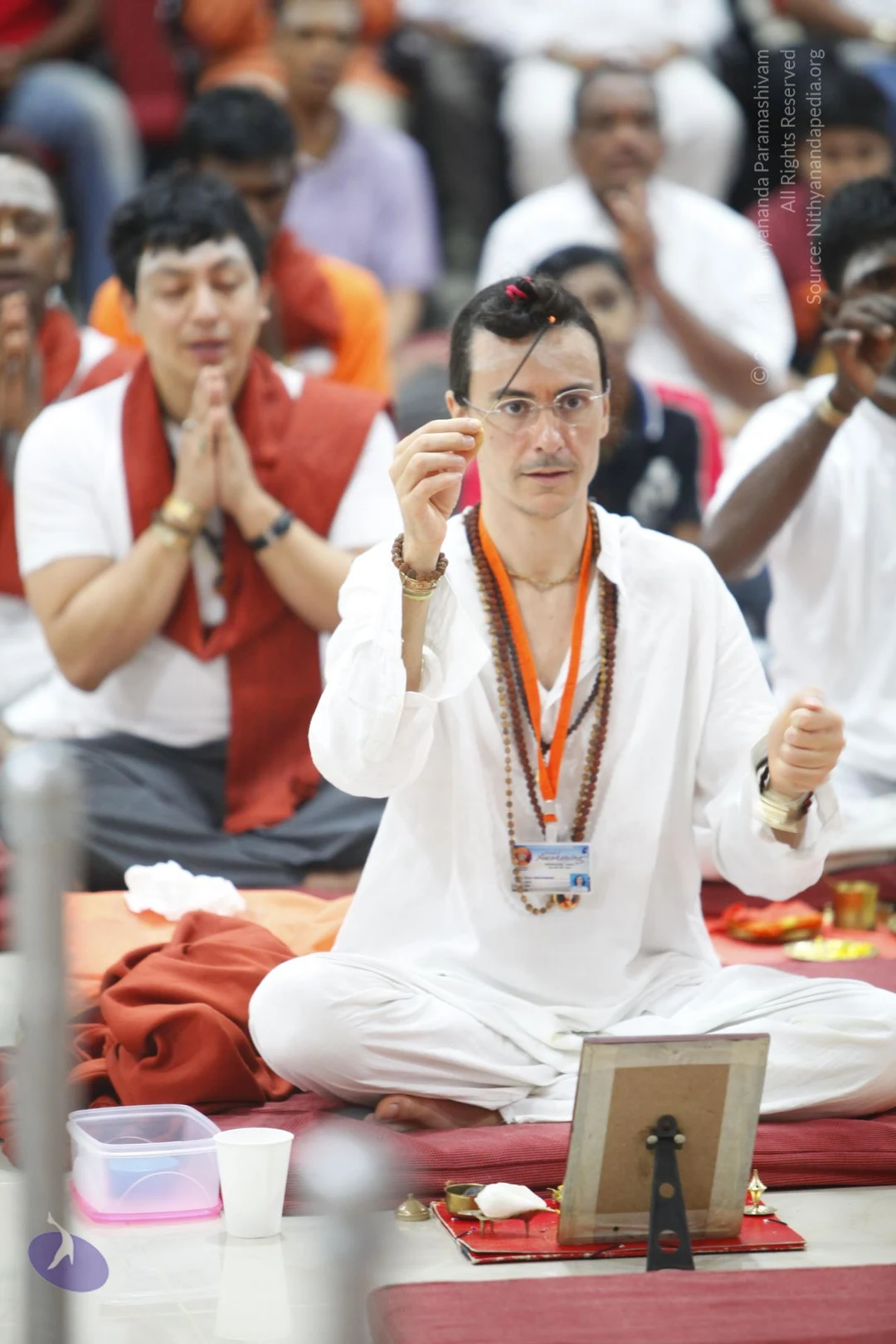
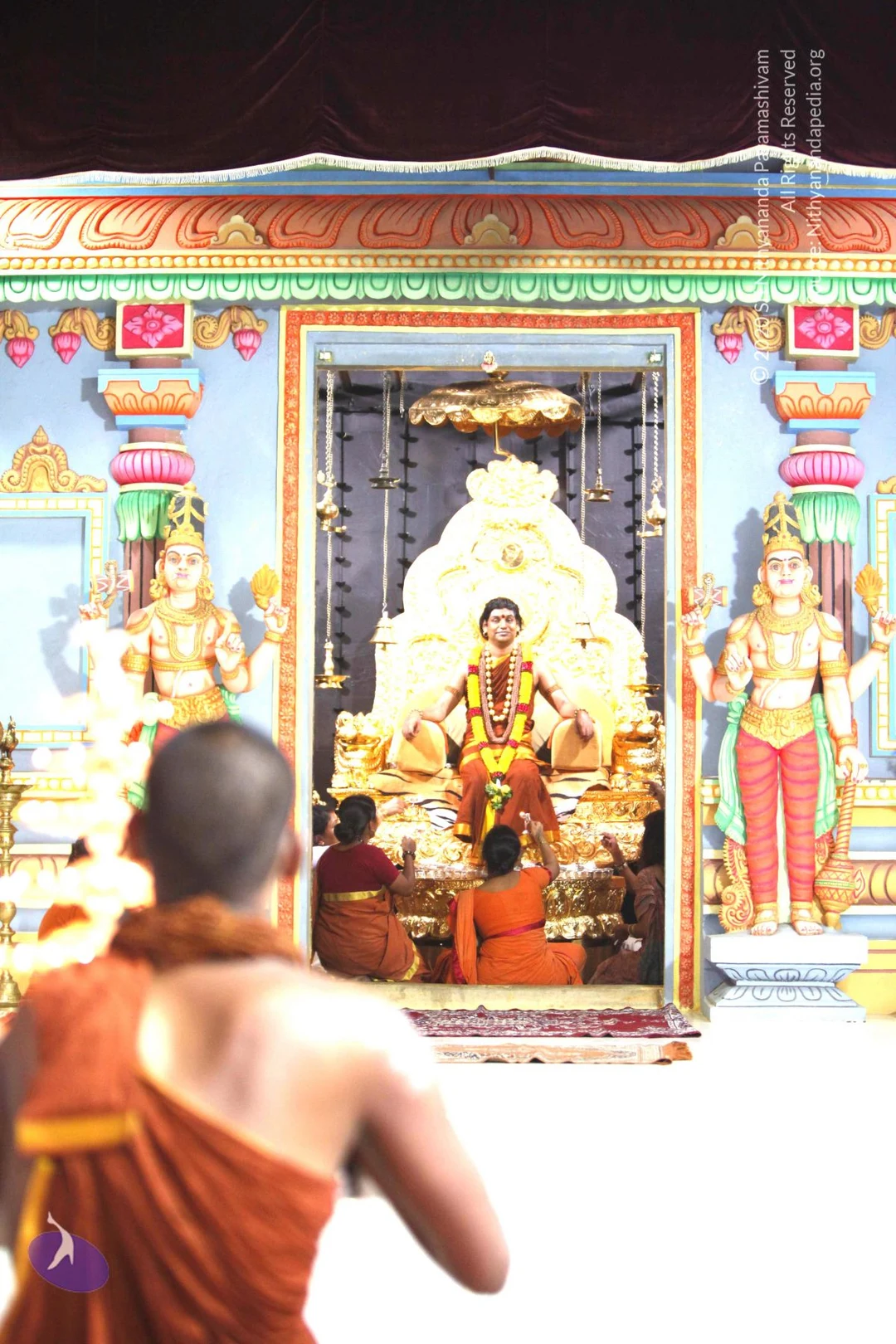
PratyakshaPadaPuja-Crowd

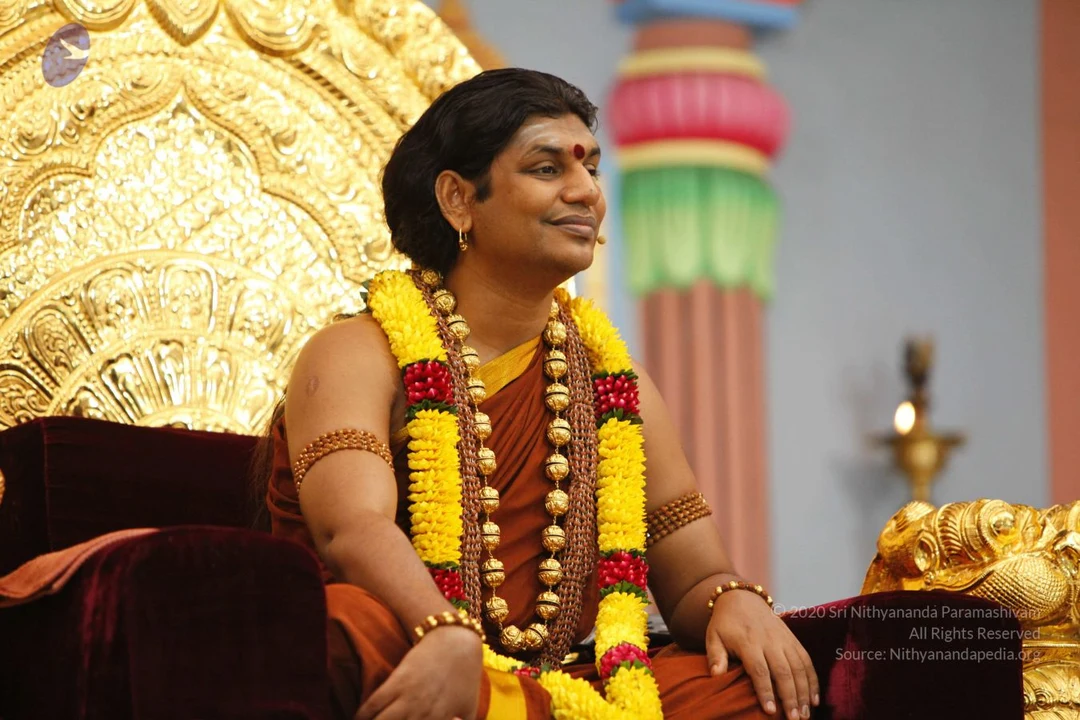
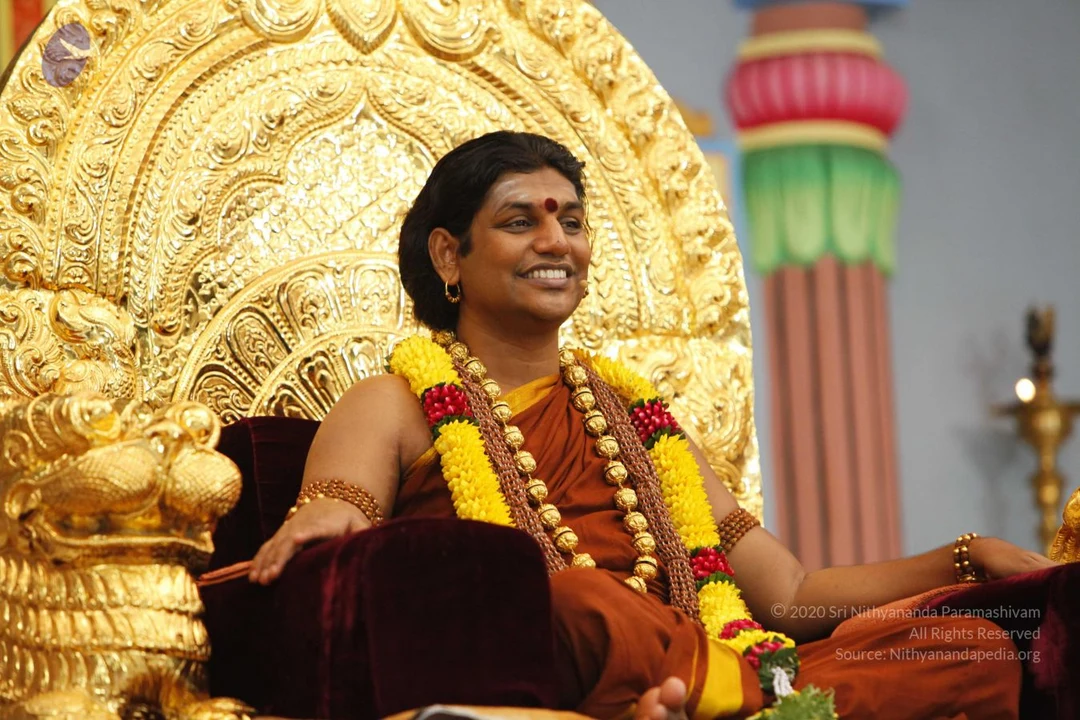
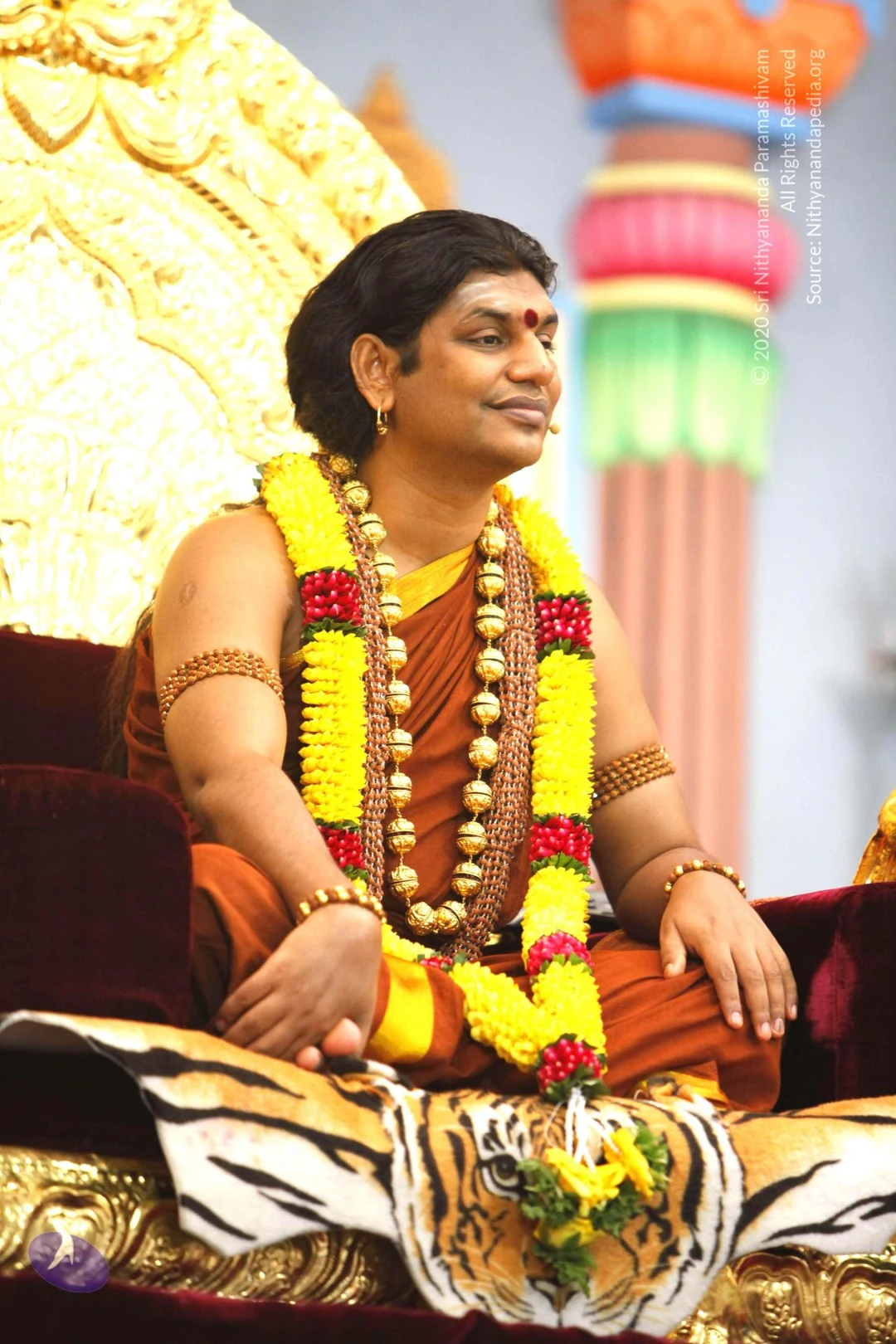
Nithya-Satsang

Sarva-Darshan

Final-Blessing

Photos Of The Day:

Temple-Swamiji

Pratyaksha-Pada-Puja-Crowd

Sarva-Darshan

Final-Blessing

Photos Of The Day:

darsan

Photos Of The Day:

Temple-Swamiji

Pratyaksha-Pada-Puja-Crowd

Nithya-Satsang

Sarva-Darshan

Photos Of The Day:

Photos Of The Day:

Temple-Swamiji

Pratyaksha-Pada-Puja-Crowd

Nithya-Satsang

Sarva-Darshan

Photos

Tags:

Paramahamsa Nithyananda, true, nature, power, knowledge, accomplish, choice, fact, trouble, decision, responsibility, accept, understand.

Photos from this day

View all 200 photos

Swamiji-Temple
28 photosSource gallery
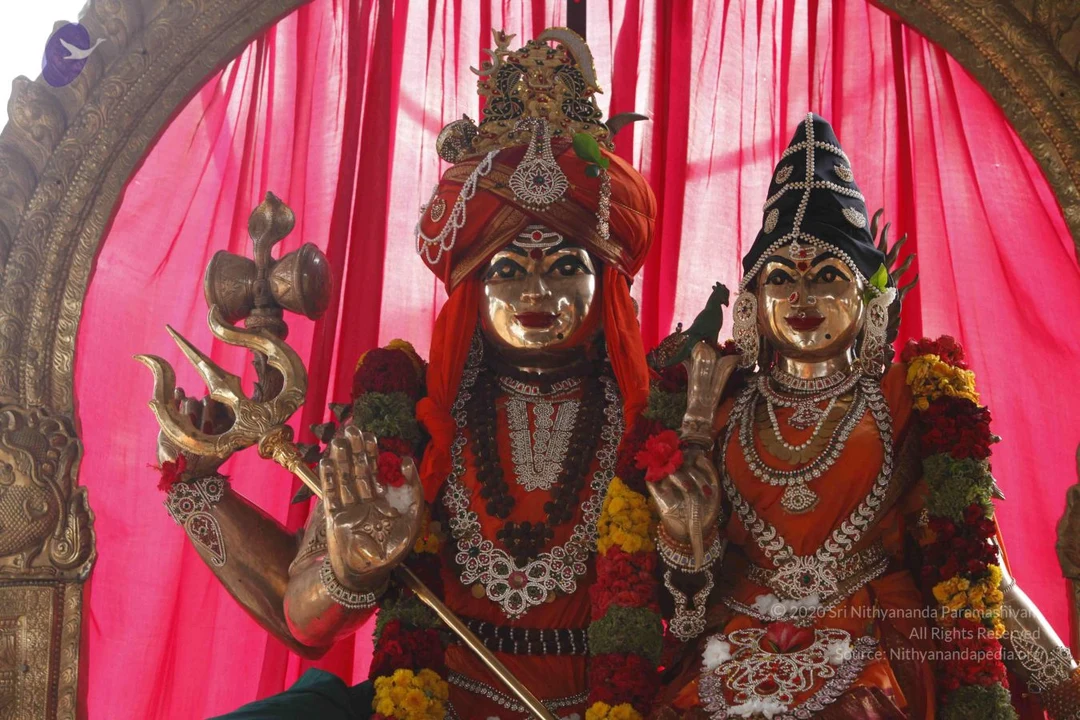
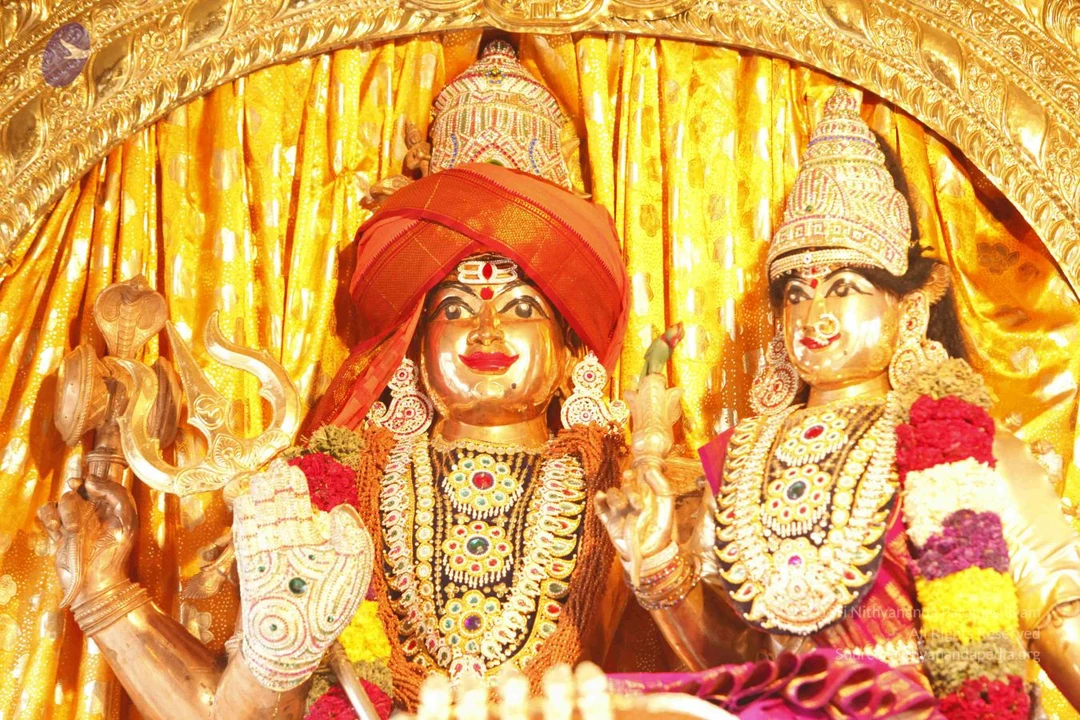
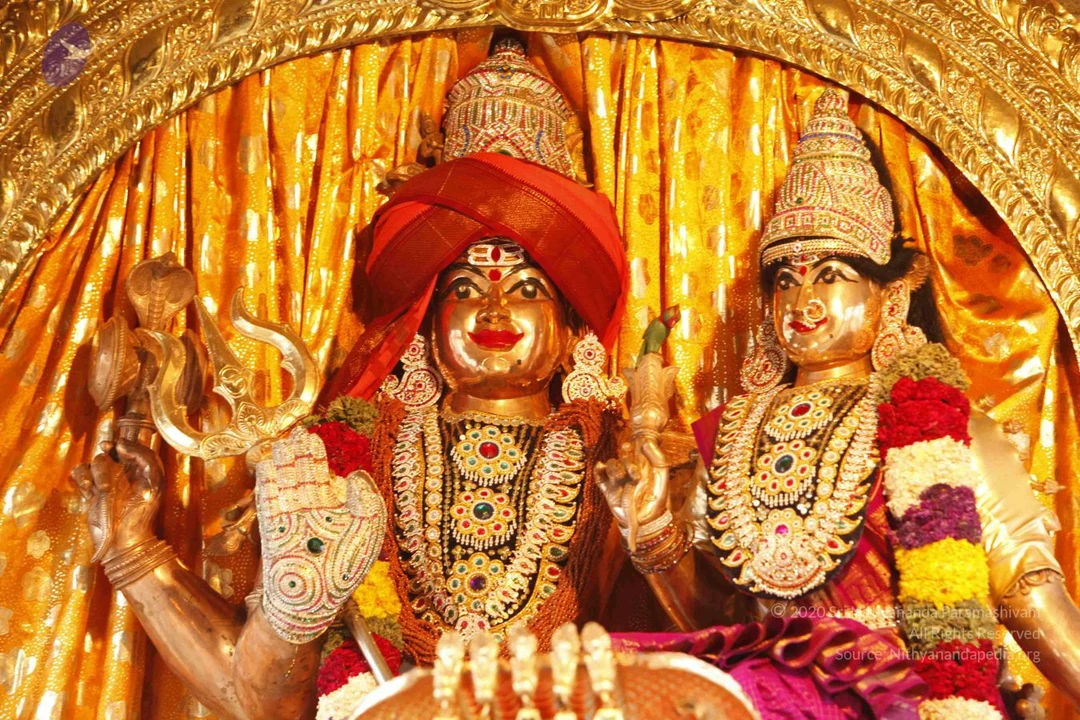
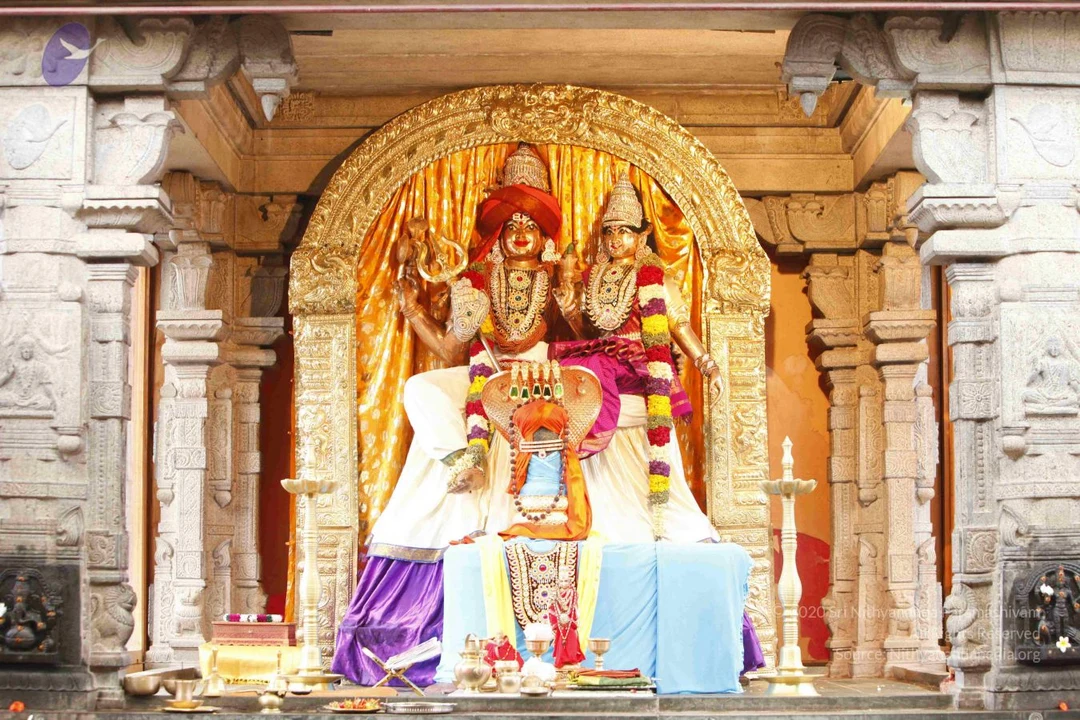
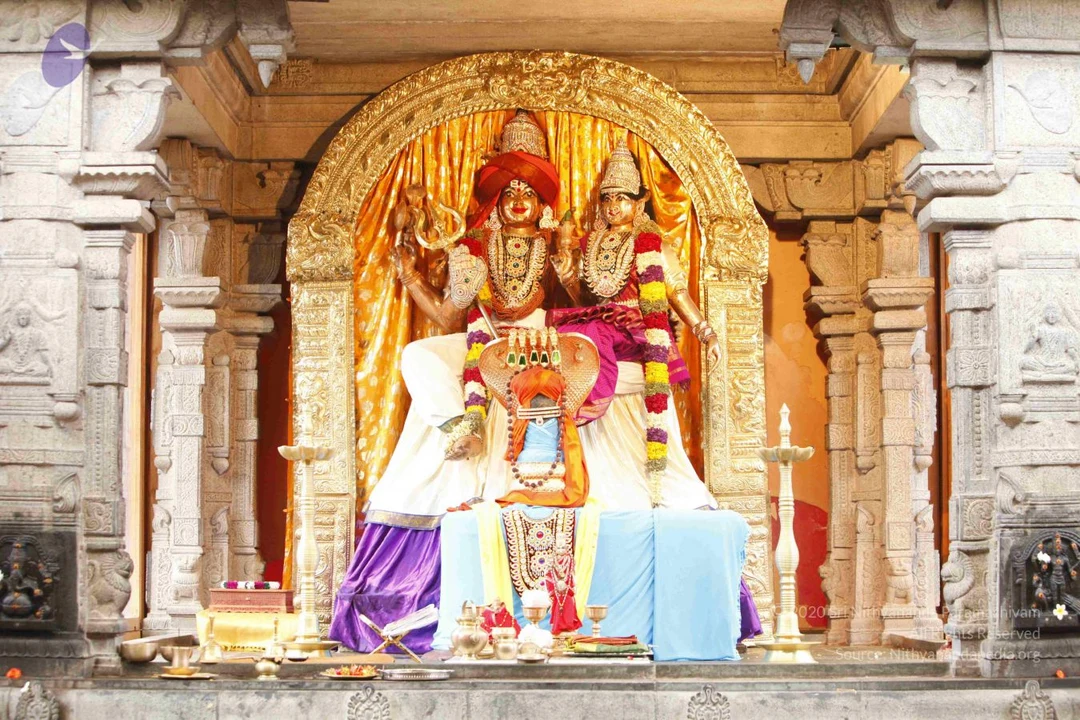
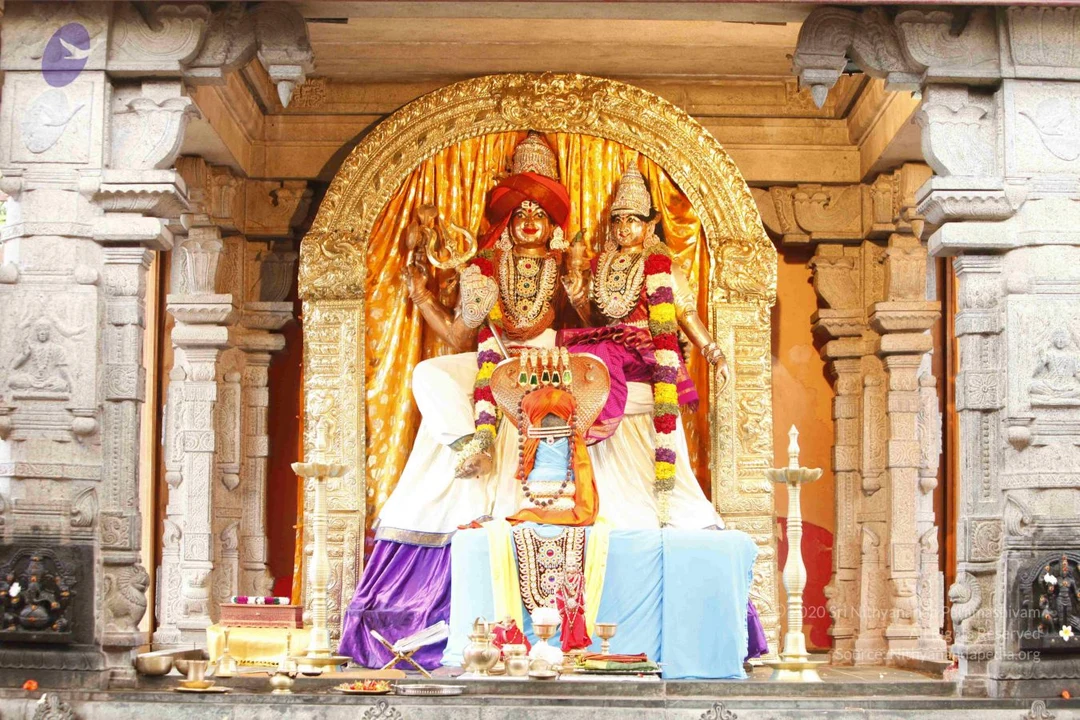
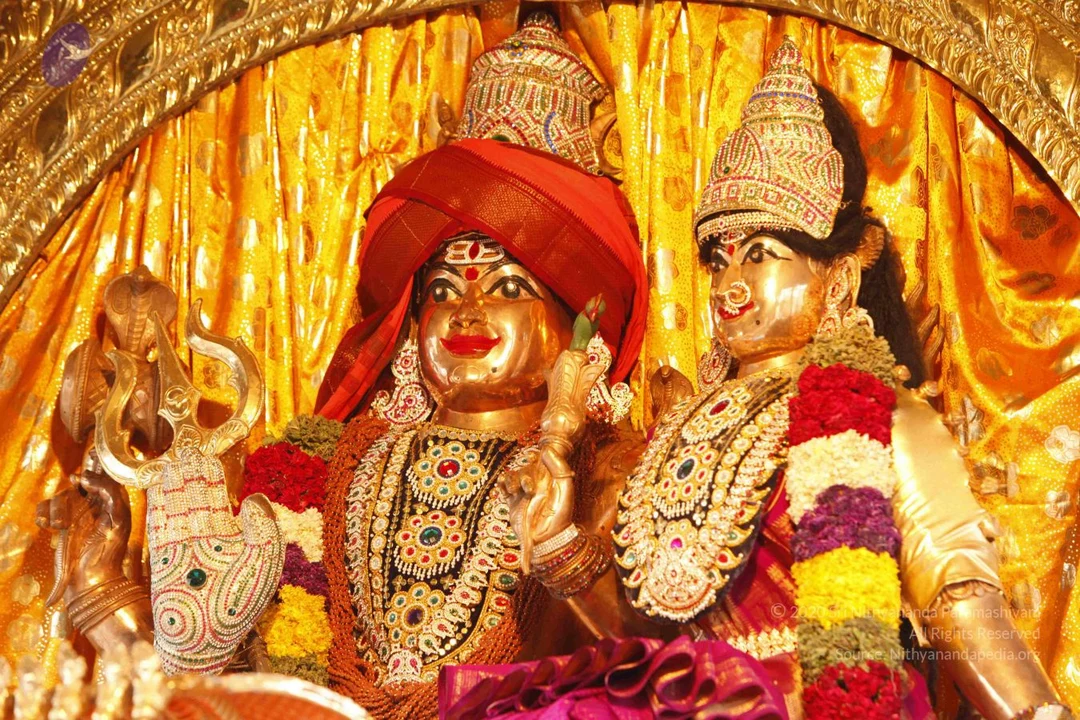
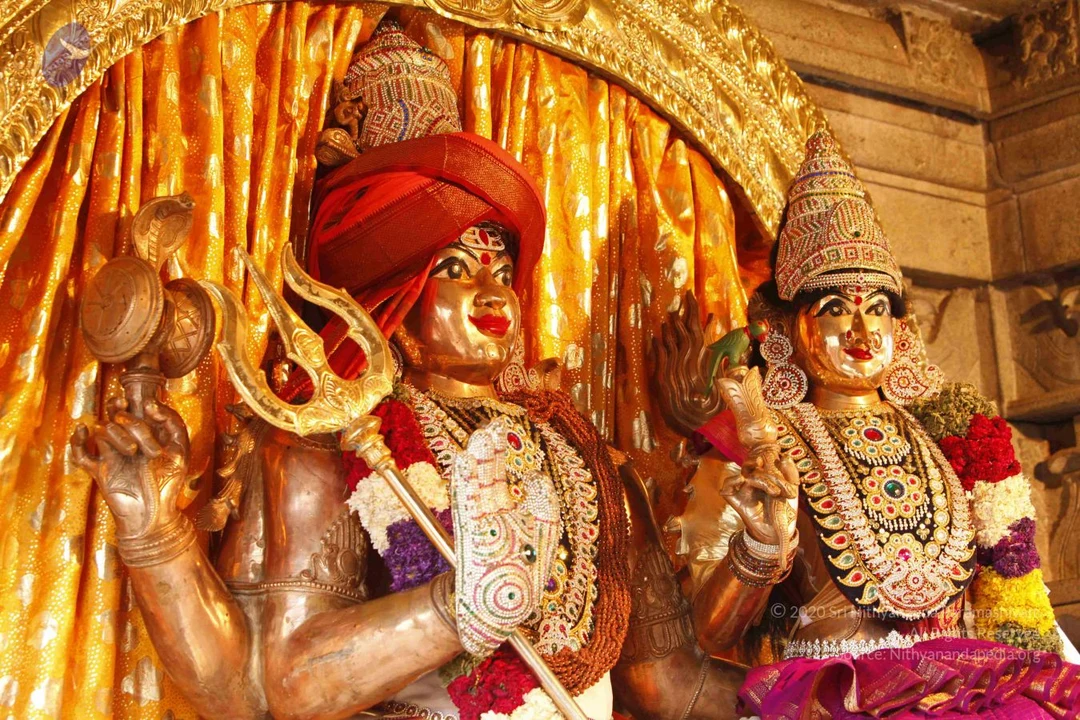
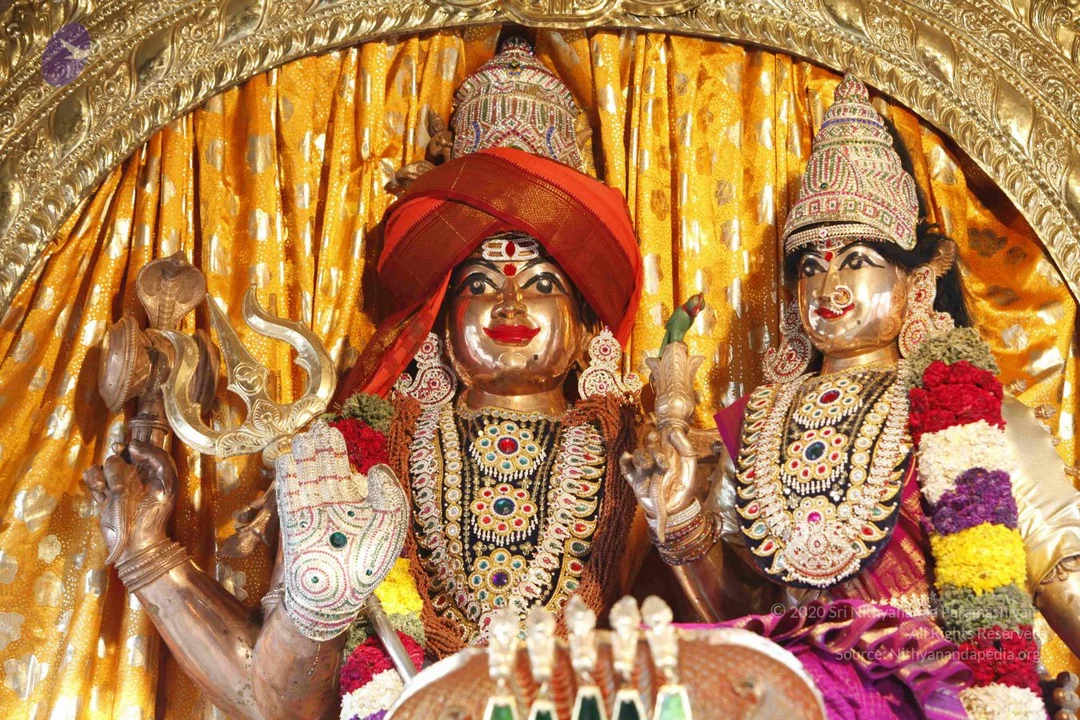
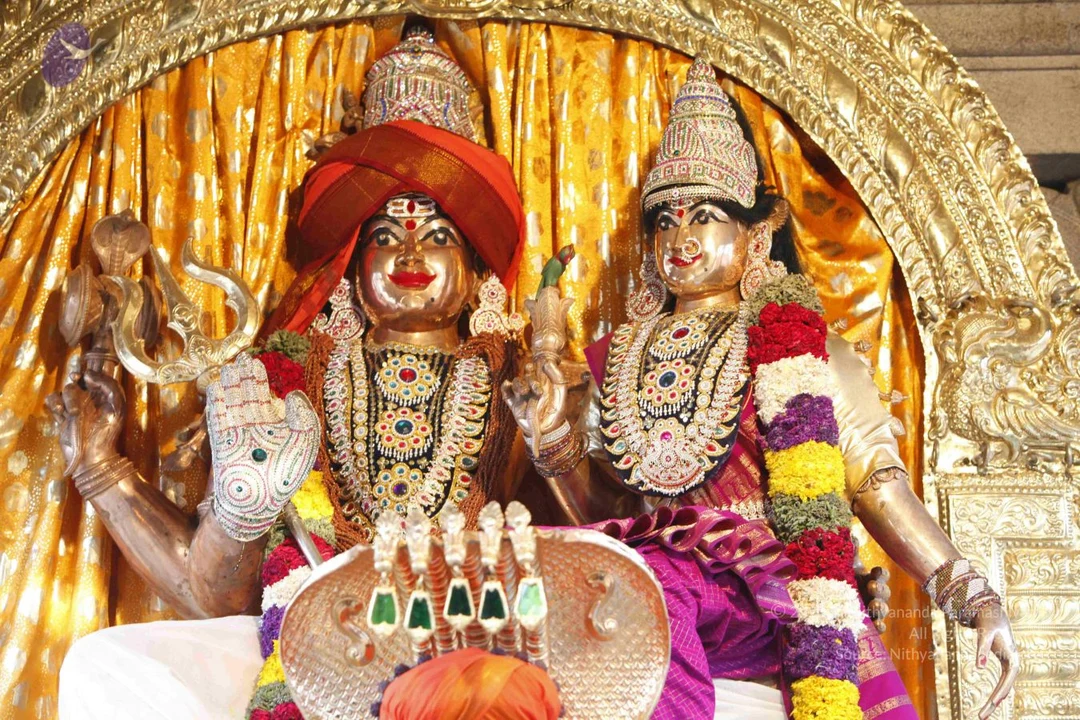
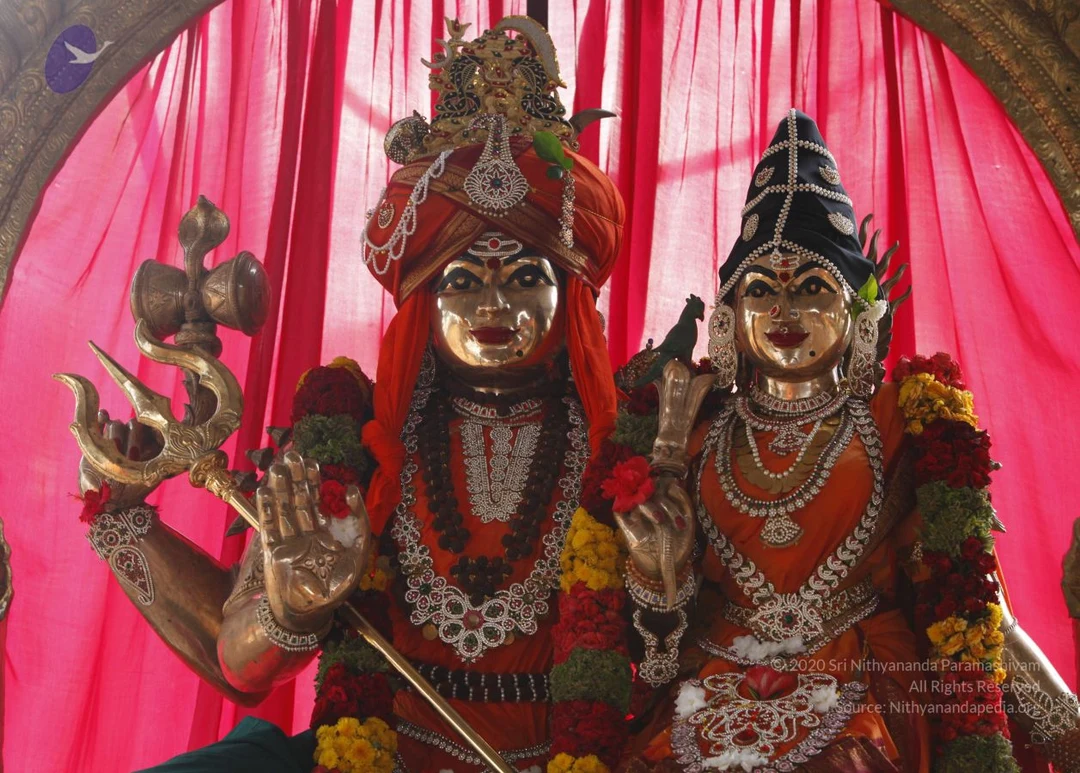
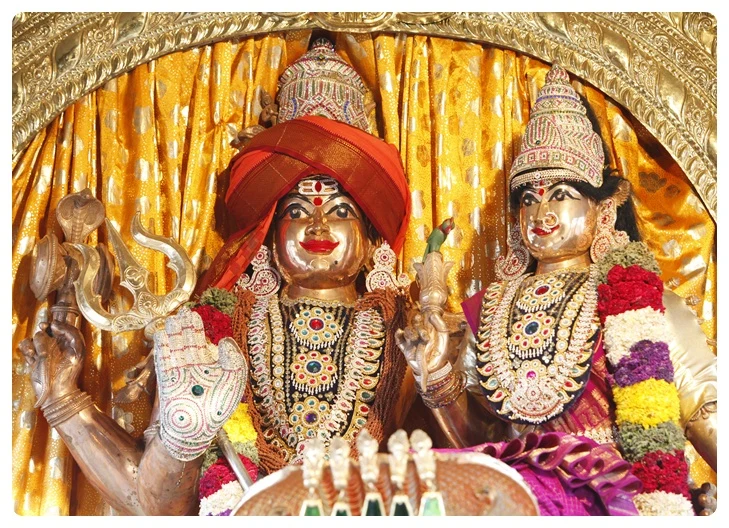
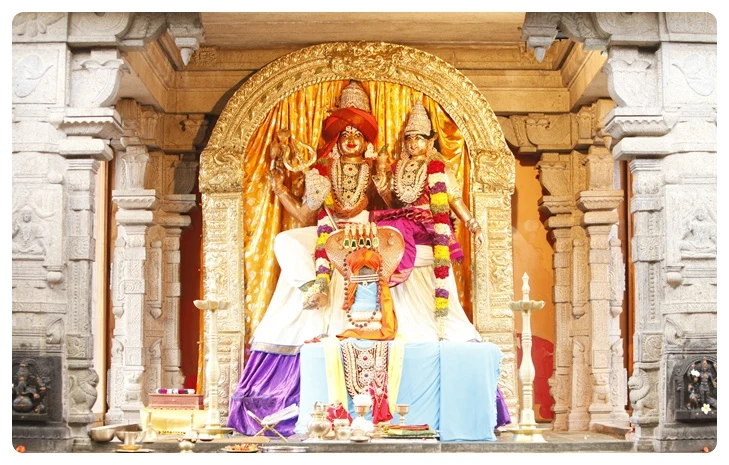
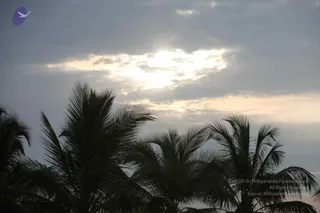
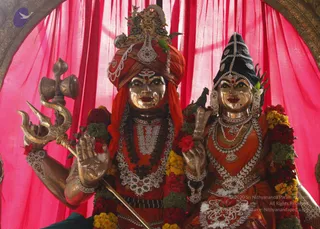
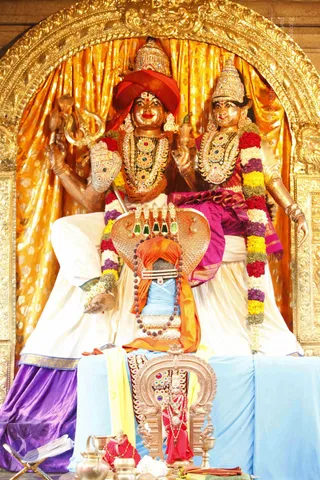
A photograph of an overcast grey sky with a bright break in the clouds where sunlight glows through, lit in pale gold and white. Silhouetted palm fronds fill the lower edge of the frame against the dim sky. No people, ritual objects or a person appear in the scene; the image is an outdoor sky and palm view.A photograph of two golden metal murti statues of Shiva and Parvati seated in front of a bright pink draped curtain within an ornate gilded arch. The left figure, in orange robes and a red turban with a crown, holds a trident and raises one hand in blessing; the right figure wears a black crown and heavy silver jewellery. Both are adorned with garlands of red and yellow flowers, rudraksha beads and silver necklaces, and a small green parrot perches near the right figure. The statues are deity murtis, not living people.Golden deity murtis in a temple shrine framed by shimmering gold curtains. A red-turbaned male deity holds a trident and a damaru-like instrument with a cobra motif, wearing a jewelled garland and a red tilak. Beside him a female deity with a crown and elaborate gold jewellery holds a lotus, draped in a magenta sari and wreathed in red, yellow and purple flower garlands. Both figures are sculpted statues, not living people.A photograph of a pair of gilded deity murtis seated before a shimmering gold curtain framed by ornate gold carving. The left figure wears a red turban and a red tilak, holds a trident and a small pot, and is adorned with a heavy jewelled necklace. The right figure wears a jewelled crown, a jewelled necklace and drop earrings, and holds a parrot. Both are decorated with garlands of red, yellow and purple flowers, and a brass plate of offerings sits in the foreground.A shrine photograph showing a pair of carved deity murtis seated side by side on a raised blue-draped peetha within an ornate golden arch. The taller figure wears a red and gold crown, holds a trident and rests a hand on a shield-like ornament, while the companion figure wears a tall gold crown and a red-and-gold ornate necklace. Both are garlanded with multicoloured flower garlands, the central figure is draped in a purple cloth and an orange shawl hangs from the shoulder. Golden curtains frame the arch, brass oil lamps and offerings sit on the altar, and carved stone pillars surround the shrine. No people are visible.A photograph of a temple shrine with a pair of deity murtis seated on a raised blue-draped platform within an ornate golden arch. The taller figure wears a red turban, gold crown-like headwear, a gold necklace and garlands of flowers, and holds a trident; the other figure wears a gold crown and garlands of mixed flowers. In front are brass oil lamps, a kalasha, small silver bowls and offerings. Yellow and orange draped curtains and carved stone pillars frame the shrine. No physical people are visible; the figures are statues in a sanctum.

PratyakshaPadaPuja-Crowd

33 photosSource gallery
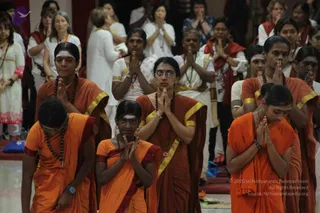
A photograph of a satsang gathering with a row of women in front, most in saffron and orange-red robes with yellow borders and rudraksha malas, standing with palms pressed together in namaskar and eyes closed or lowered. The woman at centre wears brown-red robes with a yellow border and round spectacles. Behind them, a larger crowd of women in white and cream clothing and red shawls also stand with hands folded in prayer. Several women have white forehead markings. The setting appears to be an indoor hall with red mats on the floor.Close view of a bare foot resting on a golden tray of pooja offerings. A person in a saffron-and-gold silk garment stands at the left edge. Around the foot are silver bowls with pink and orange marigold-style flowers, large pink orchid blossoms, green leaves and a small silver pooja vessel. This appears to be a padapuja, where a guru's feet are washed and honoured with flowers.A seated man in a saffron-orange robe sits on a cream upholstered throne in front of an ornate gold repoussé backdrop. He wears a long yellow and red flower garland, multiple gold-beaded and rudraksha-style necklaces, a gold armlet and bangles, and a red bindi with ash marks on his forehead. Brass hanging bells and a brass oil lamp stand to his right, with a small brass peacock figure on a side table. He gazes off to the side with a composed expression against a black background. a person appears as the central figure, seated on the throne with distinctive saffron robes, garlands and ceremonial gold necklaces.Close photo of a man seated before an ornate gold-embossed throne or backrest, wearing a rust-brown saffron-toned robe, yellow and red marigold garlands with gold bead strands, a red bindi and white forehead marking, and gold bangles on his upper arm. Beside him hang a brass handbell and a brass lamp stand. a person: a long-haired man in ceremonial garland and gold-bead adornments, seated in a ritual setting.Close view of a puja offering arrangement on a gold tray. Silver bowls hold pink and orange kumkum-like powders, turmeric-yellow paste and pink flower petals, with pink orchid-like flowers laid among them. A person in a red-and-gold silk garment reaches in from the upper left, hand visible, but no face or whole figure is shown. The objects are arranged in concentric rings on a gold-coloured ritual plate.A photograph of silhouetted palm fronds against a cloudy sky at dusk, with a bright sun breaking through grey clouds above and pale light along the horizon. No people are visible. A small purple logo appears in the upper left corner and a copyright overlay in the lower right.

Nithya-Satsang

24 photosSource gallery
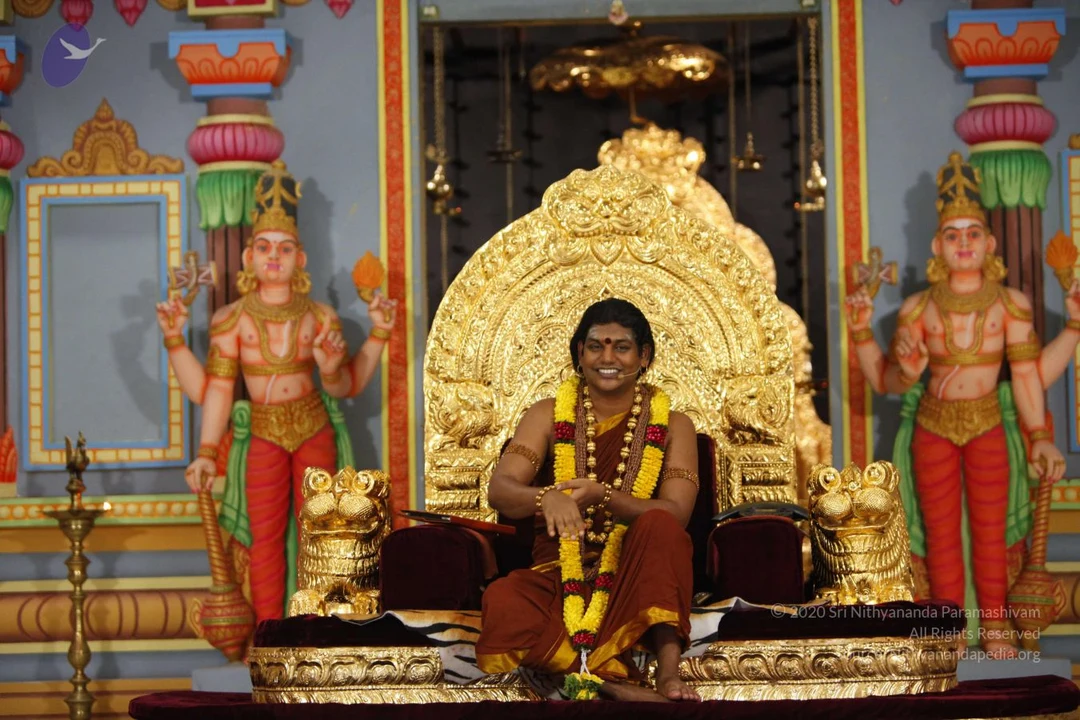
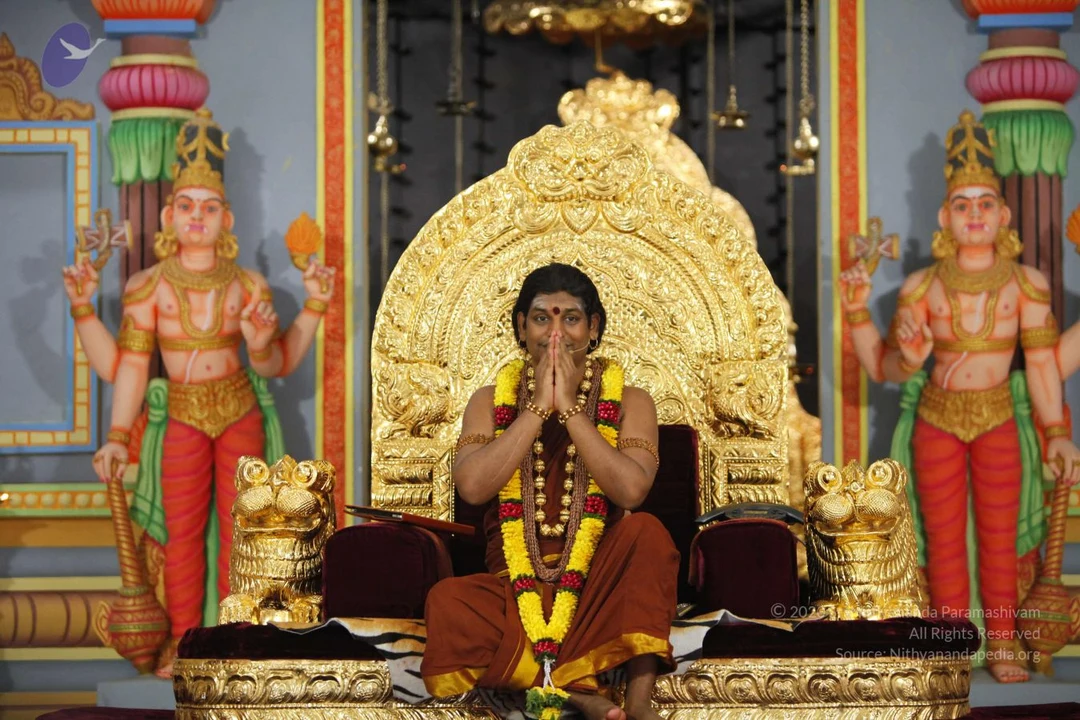
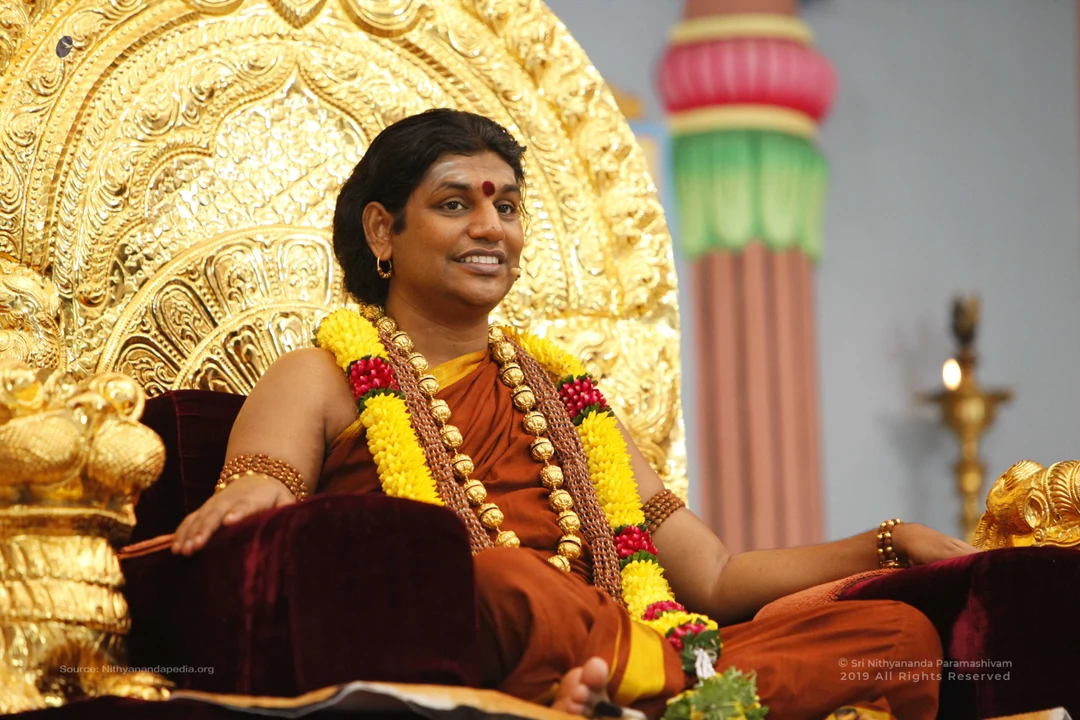
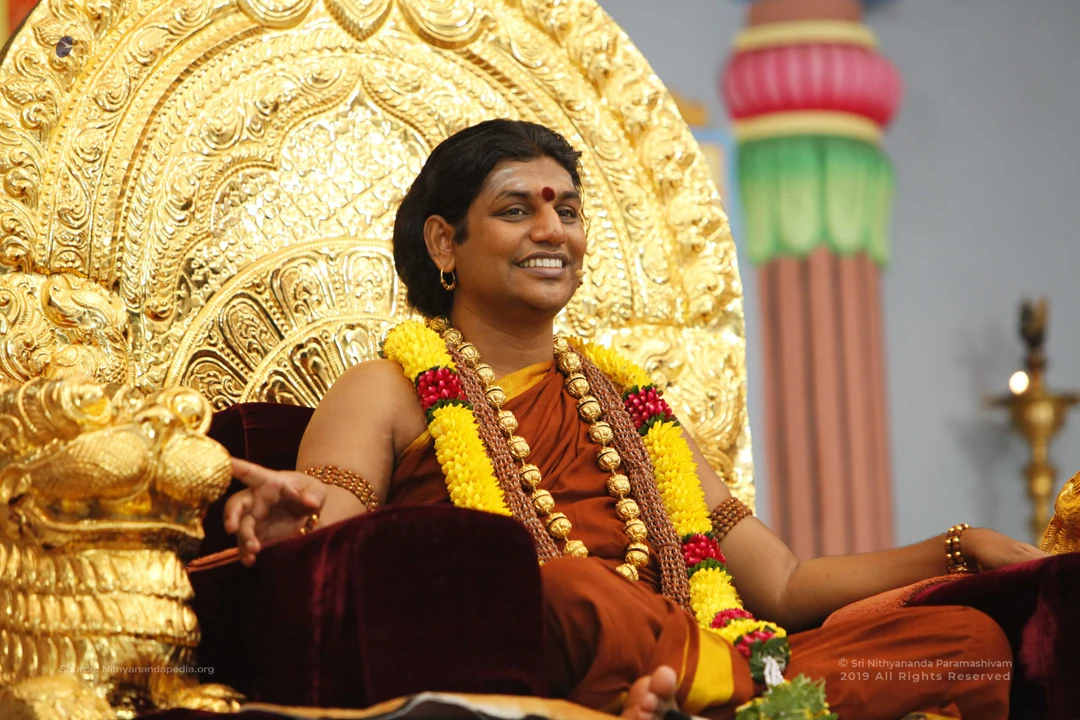
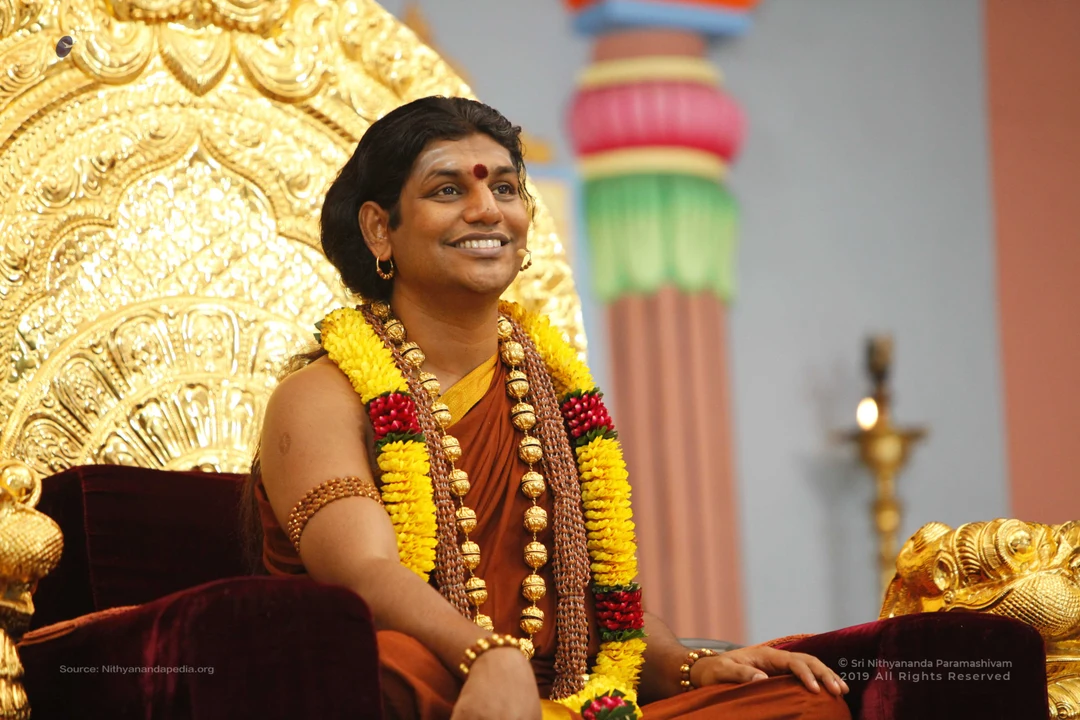
A photograph of a man seated on a throne with an ornate gold backrest and a dark red velvet cushion. He wears a saffron-orange robe draped over one shoulder, a long rudraksha mala with gold beads, and a double garland of yellow flowers with red berries. Gold armlets and bangles adorn his arms, and he has a red bindi on his forehead and a gold earring. He sits with one hand resting on the armrest and gazes to the side, smiling. Behind him are a pink, green and yellow pillar and a brass oil lamp, and a gold lion figure is visible at the right edge. a person appears in person, seated on the throne with his distinctive saffron robe, rudraksha mala and ornate gold adornments.A smiling man sits on an ornate golden throne with a carved lion-head armrest and a deep red velvet cushion, in front of a large gilded backrest. He wears a saffron-orange robe, a red bindi, gold bangles, a gold hoop earring and a long garland of yellow flowers with red berries, plus a multi-strand necklace of gold beads and rudraksha-style brown beads. A pink, green and red painted pillar and a brass lamp stand behind him. Visible clothing and adornments give a person identity, seated in a position of honour during a discourse setting.A smiling man with long dark hair and a red bindi sits on a plush maroon cushioned seat in front of an ornate gold repoussé throne with scrollwork and a golden lion-shaped armrest. He wears an orange-brown robe with a yellow-and-red flower garland, a gold bead and brown rudraksha-style mala, gold bangles and a small gold earring. Behind him stands a pink, green and gold pillar and a brass oil lamp. a person: long swept hair, saffron robe, ceremonial gold necklace and garland cues identify the seated teacher.A photograph of a smiling man with short dark hair and a red bindi, seated on an ornate gold throne with carved lion-head armrests and a gold scrolled backrest. He wears an orange-saffron robe, layered red, yellow and gold flower garlands, a gold beaded rudraksha-style mala and gold bangles, with a gold cuff on his upper arm. A brass lamp stands in the background beside a pink and green pillar. The man is the sole person visible. Swamiji (probable): long swept-back hair, saffron robe, ornate ceremonial gold necklace and garlands on a throne, consistent with the page's reference to Swamiji at this event.A photograph of a smiling person seated on an ornate gold-carved throne with plush maroon upholstery. The person wears an orange-saffron robe, a thick yellow and red flower garland, multiple gold beaded necklaces with rudraksha-style brown beads, a gold armlet and bangles, a red bindi, and gold hoop earrings. Behind is a pink, green and yellow pillar and a brass oil lamp on a stand. Appearance-based candidate: Swamiji (probable), seated in an in-person setting, with long swept-back hair, ceremonial gold necklaces and saffron clothing.A man sits on a plush maroon velvet throne with gold carved armrests in front of a large ornate gold backdrop. He wears an orange-saffron cloth draped over one shoulder and a bare arm adorned with a gold armlet, plus a long necklace of gold beads and rudraksha-style brown beads, and yellow and red flower garlands. A red bindi marks his forehead and a small gold earring is visible. He smiles and looks to the side, with a microphone at his cheek. Behind him are a pink, red and green pillar and a brass oil lamp. a person: the saffron clothing, ornate gold necklace, rudraksha mala and flower garlands on a throne suggest a satsang discourse speaker.

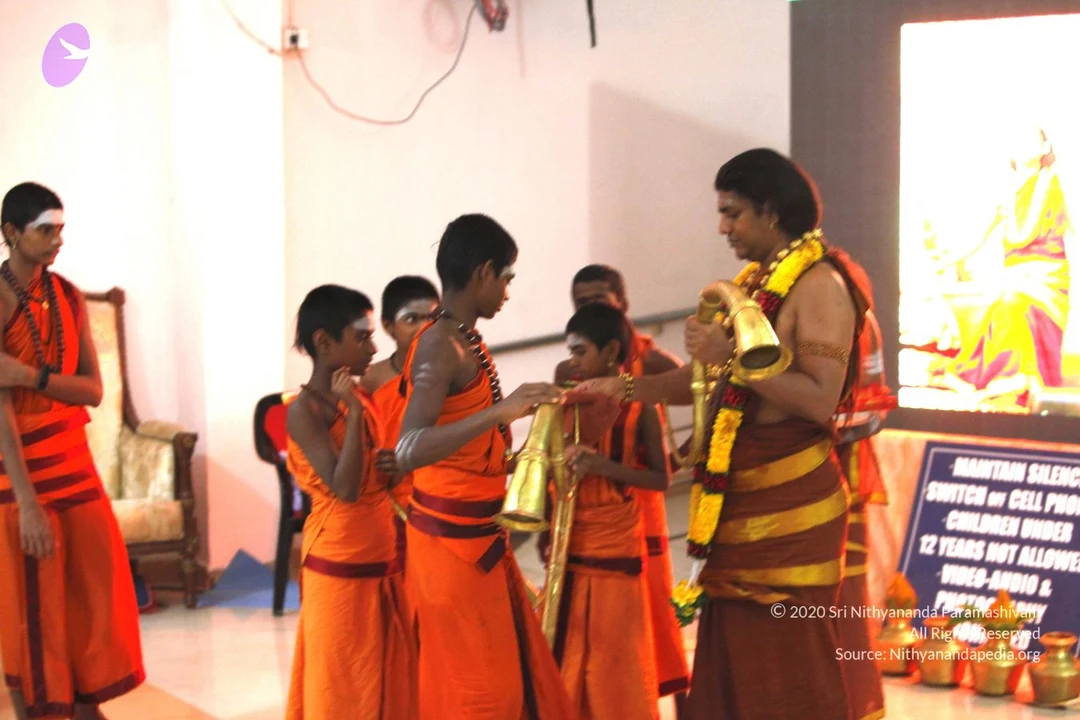
Sarva-Darshan

18 photosSource gallery
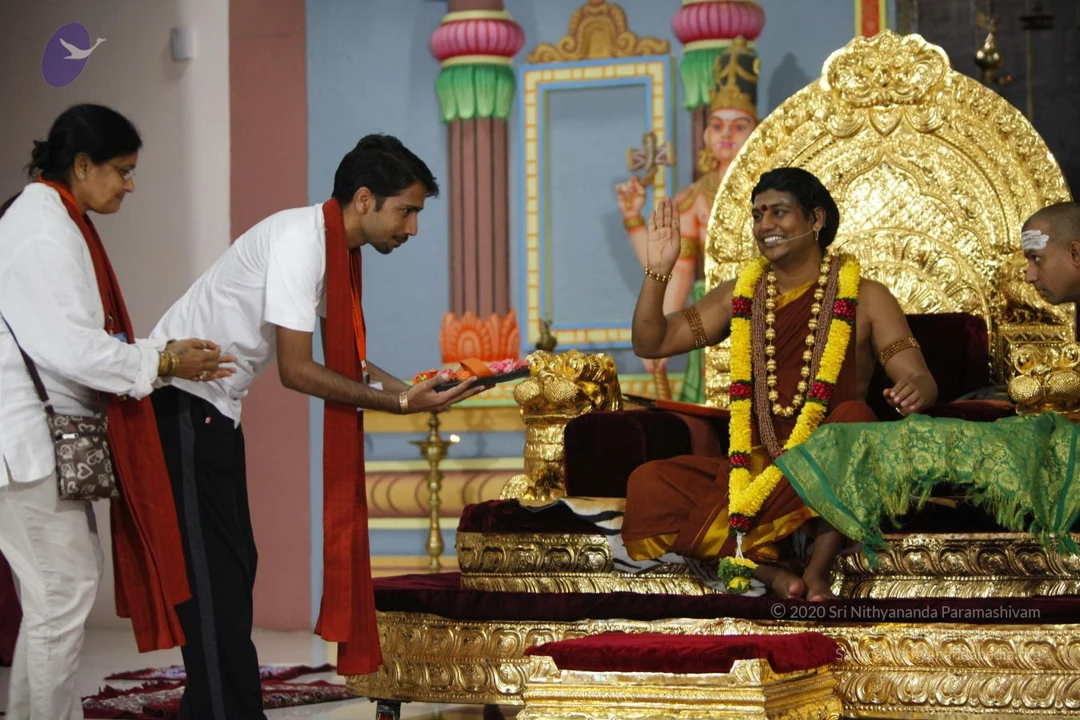
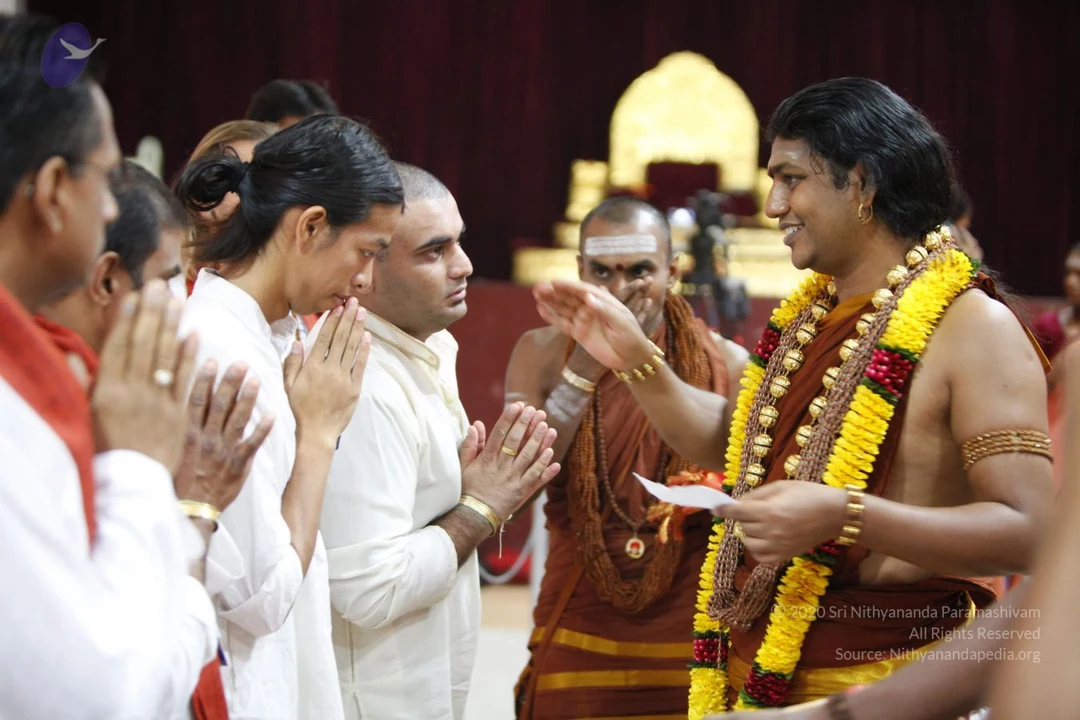
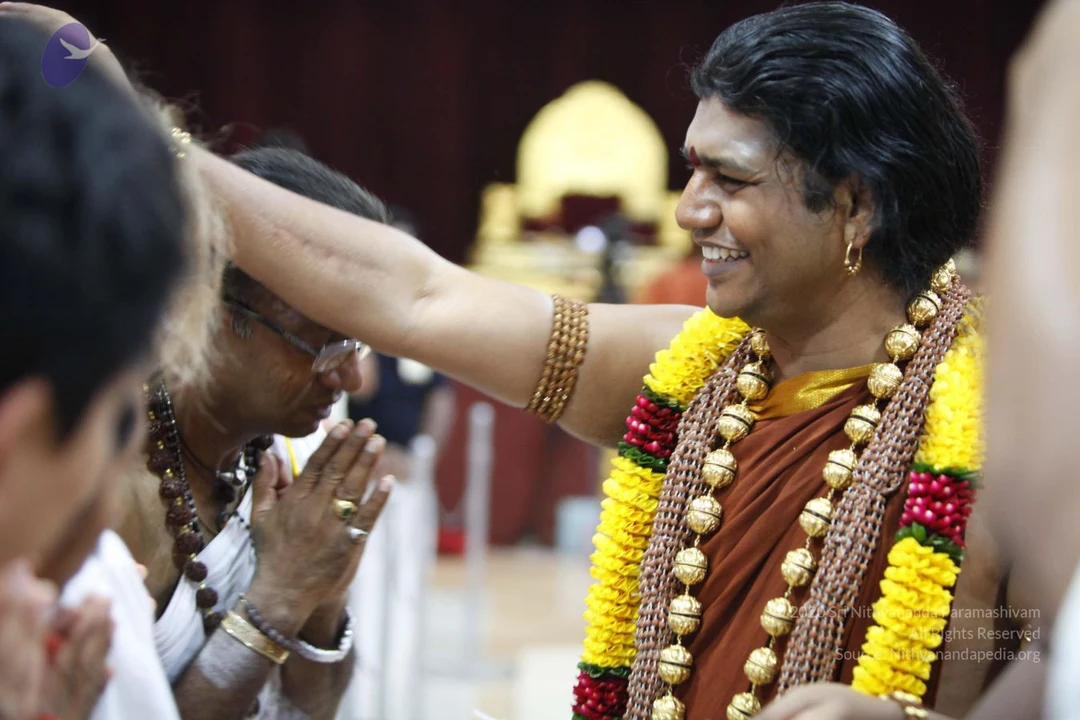
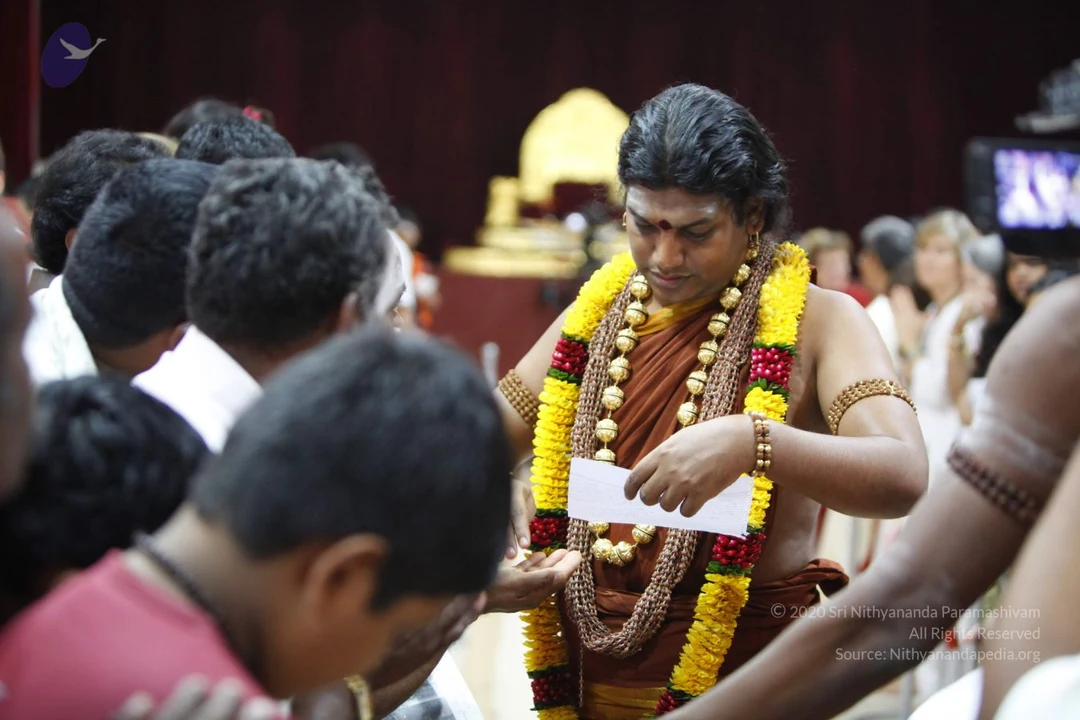
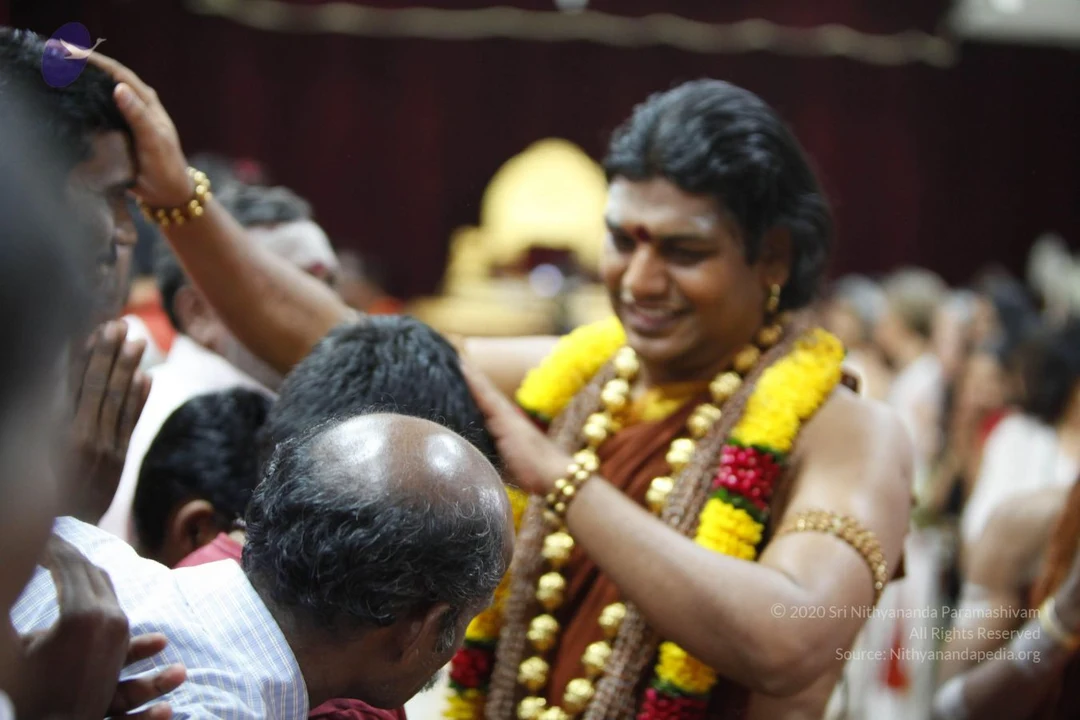
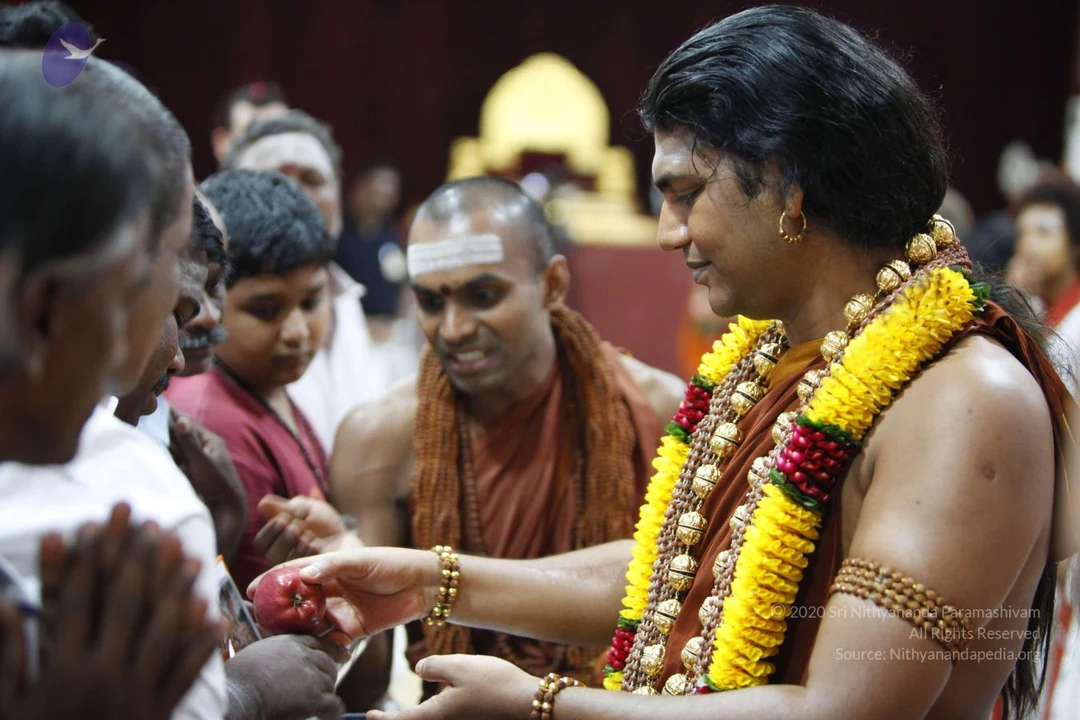
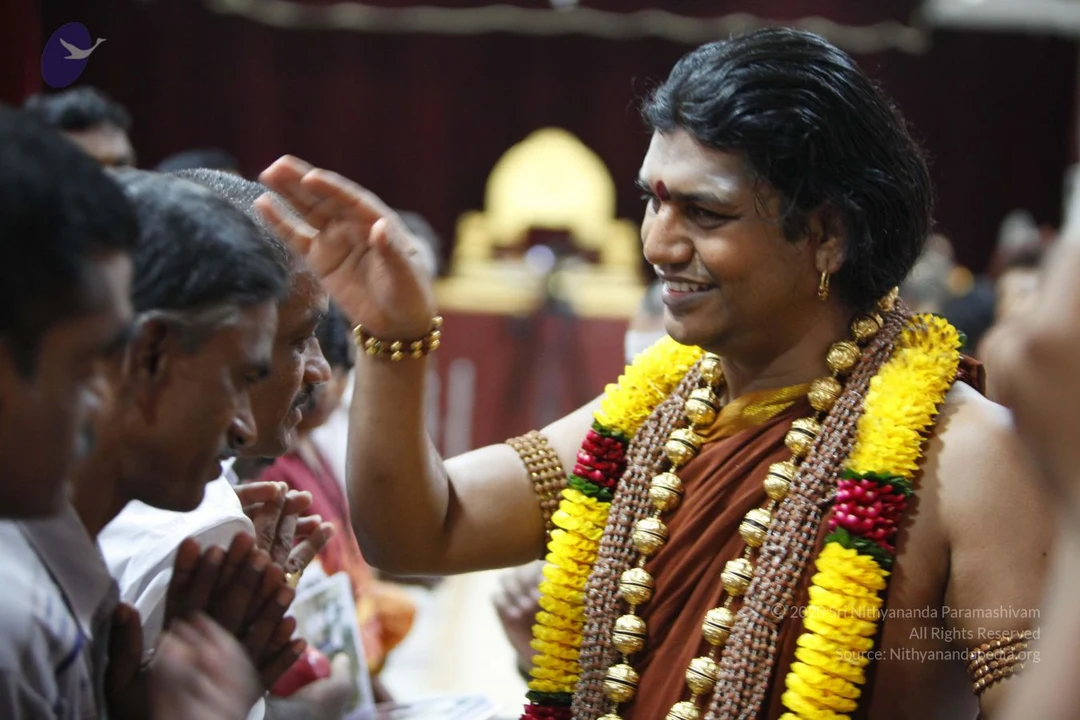
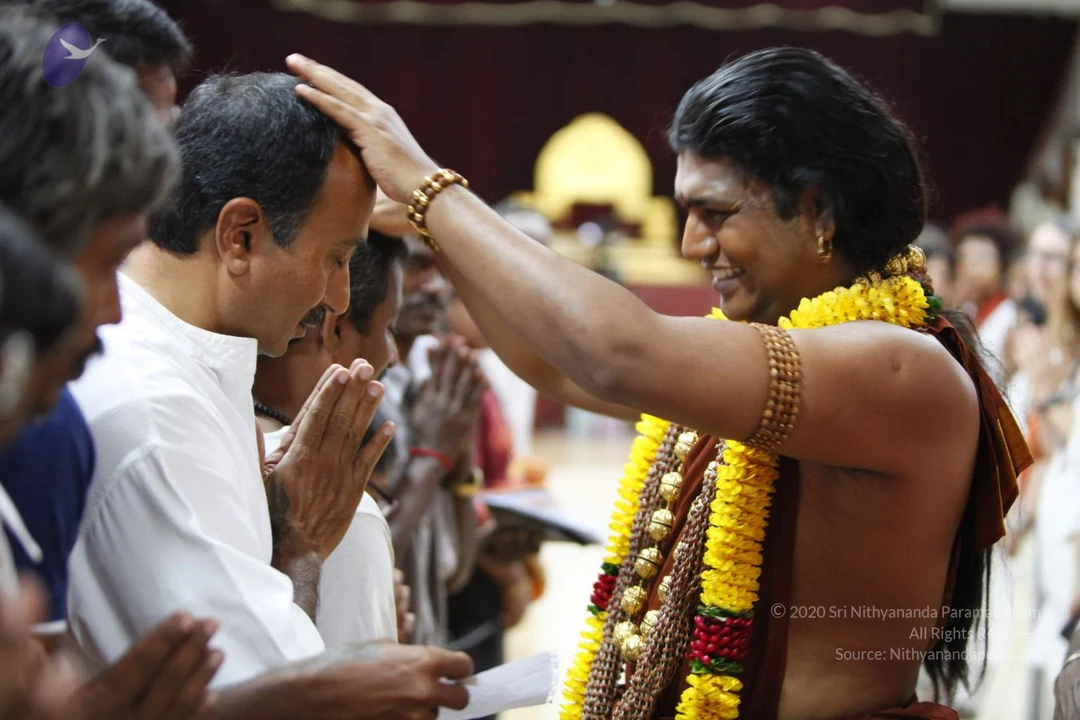
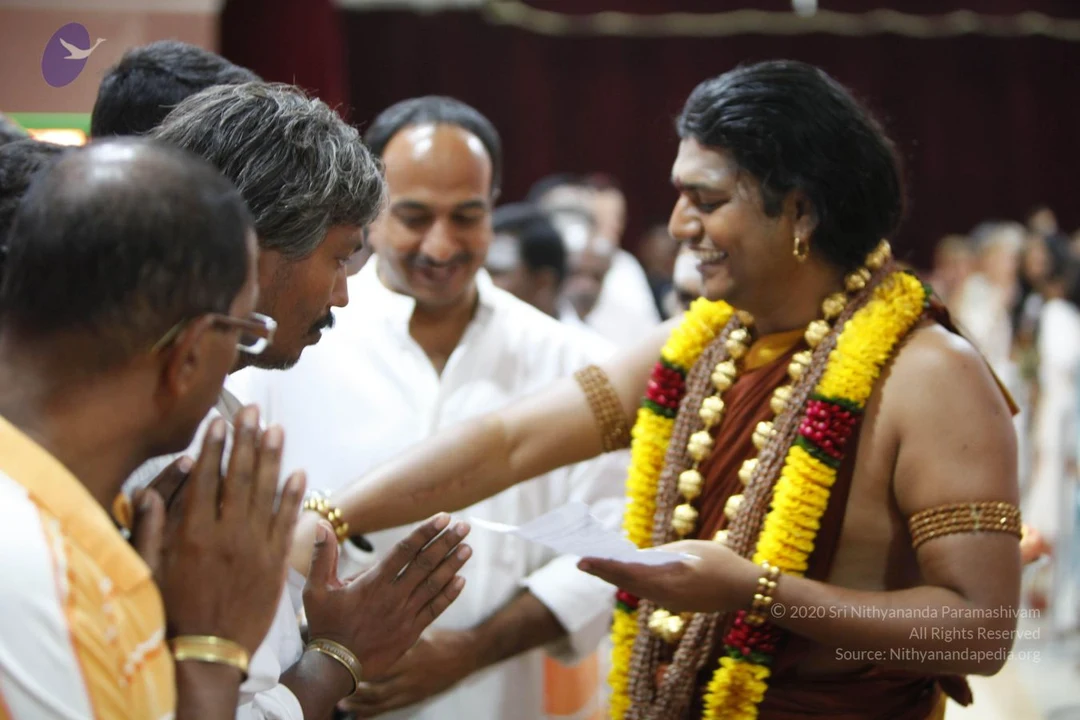
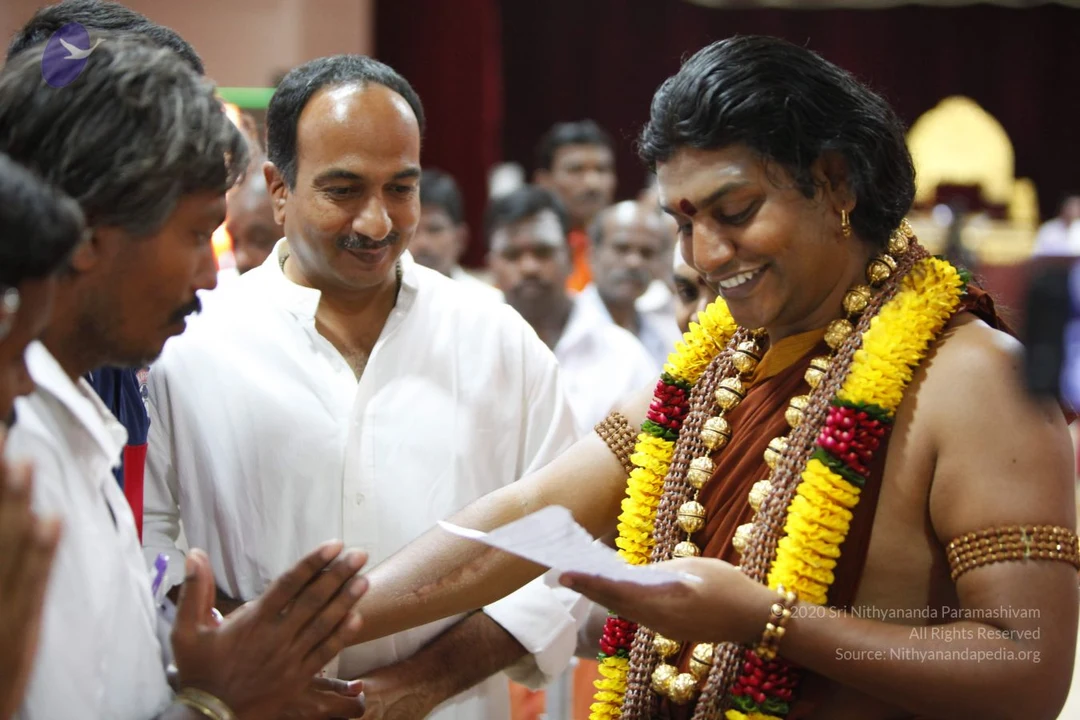
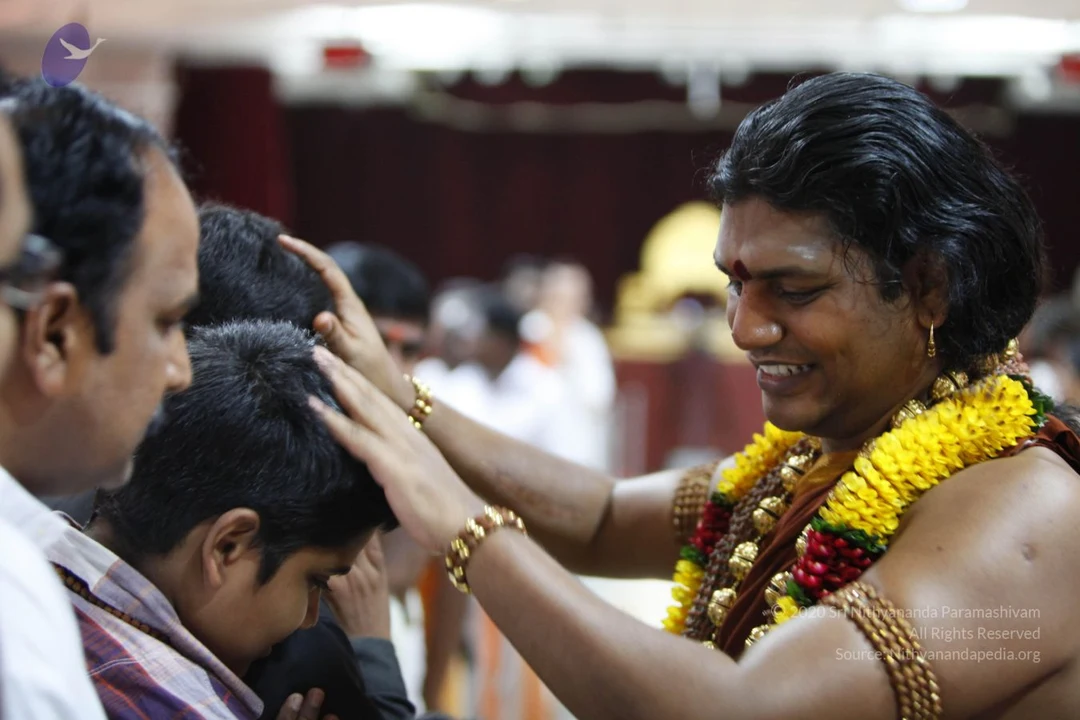
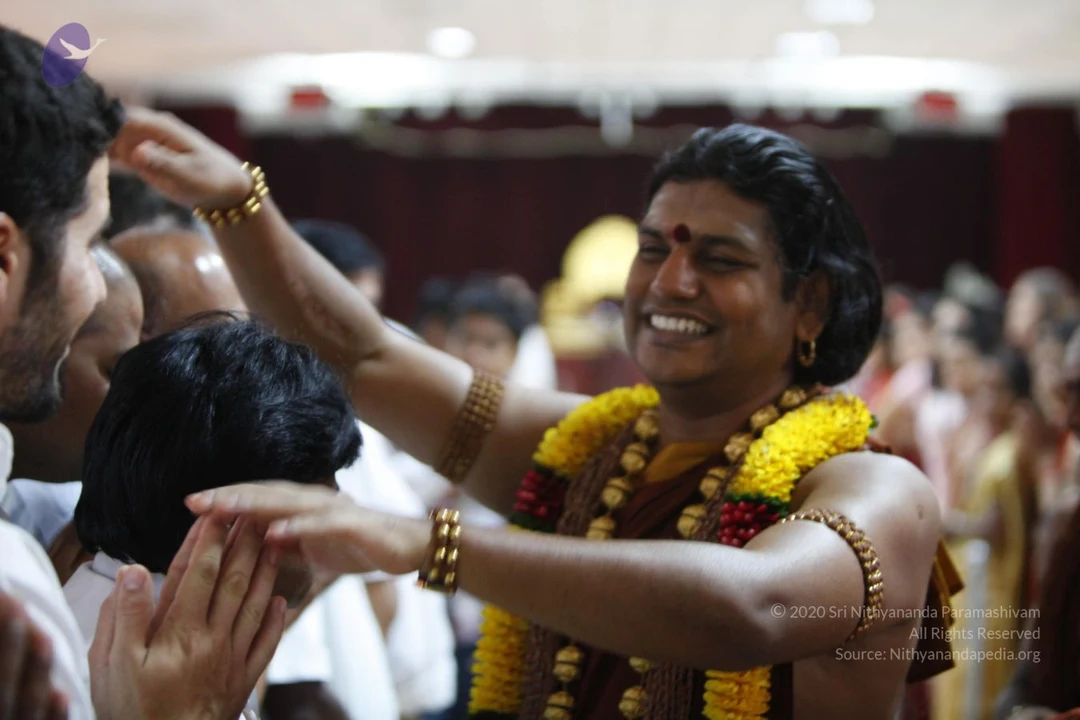
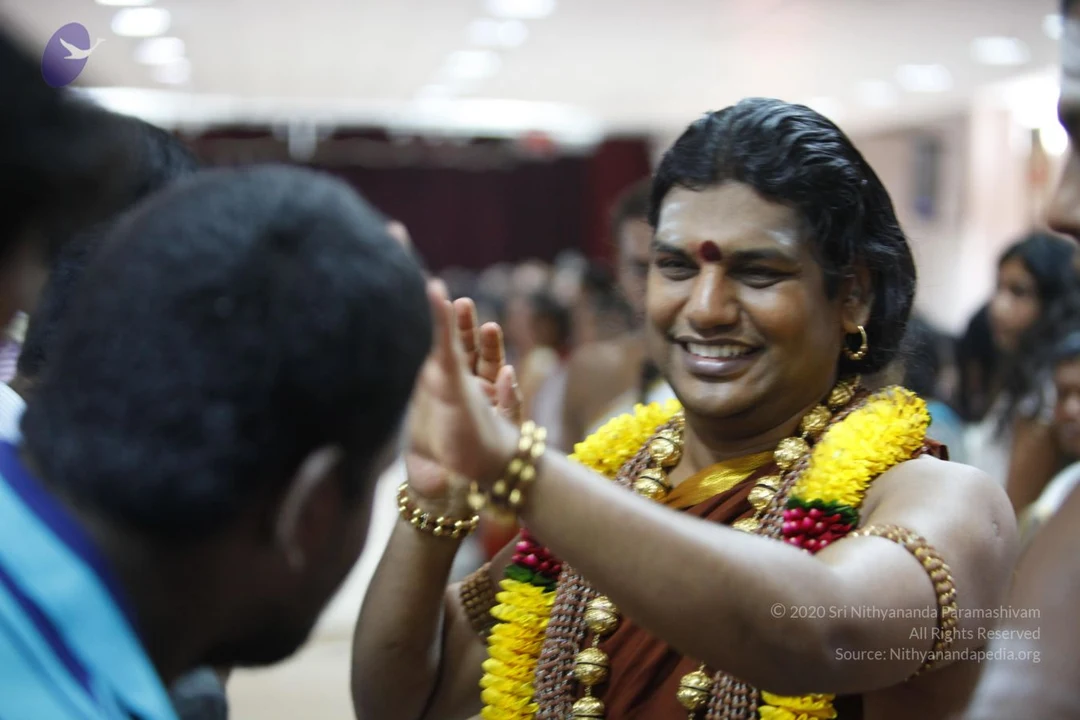
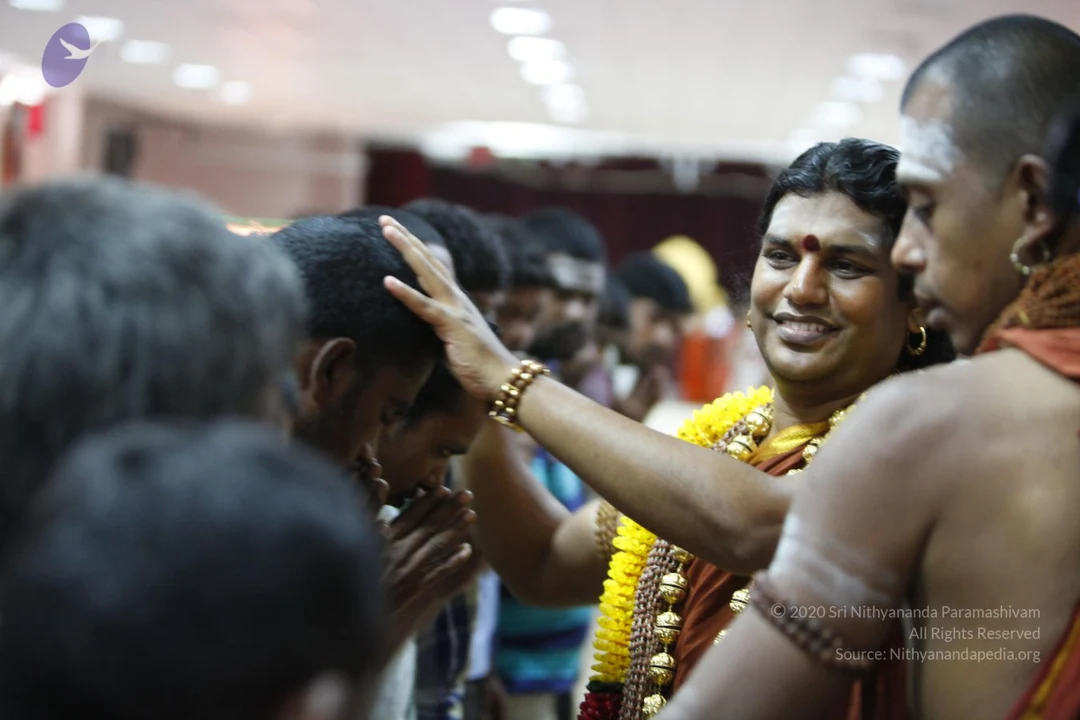
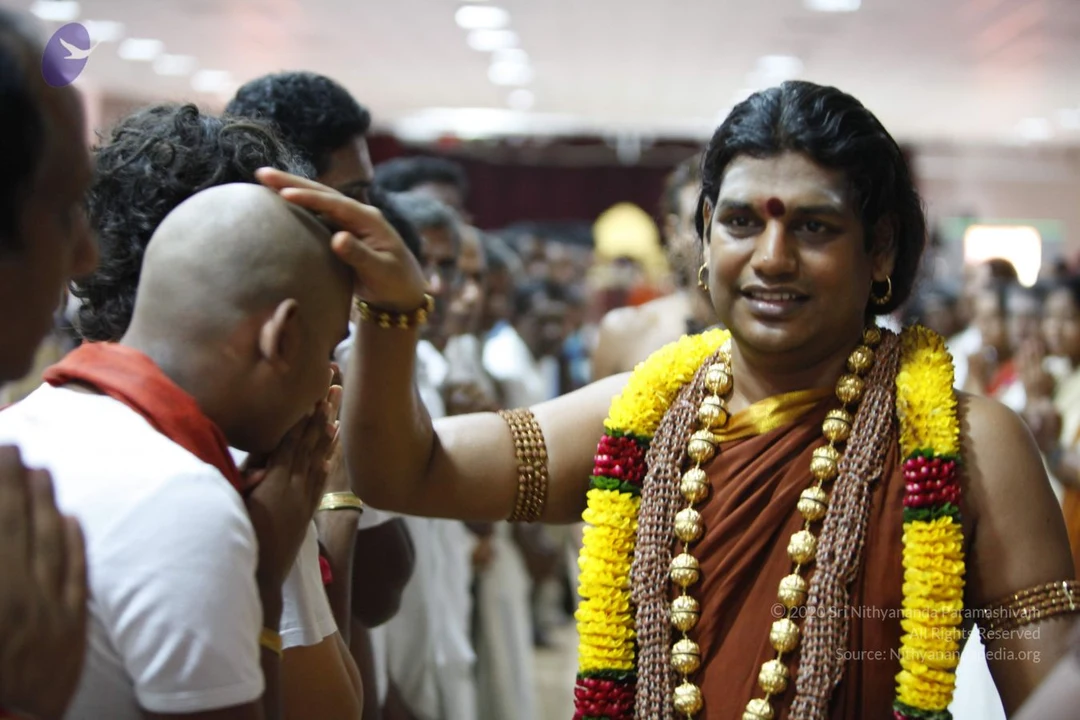
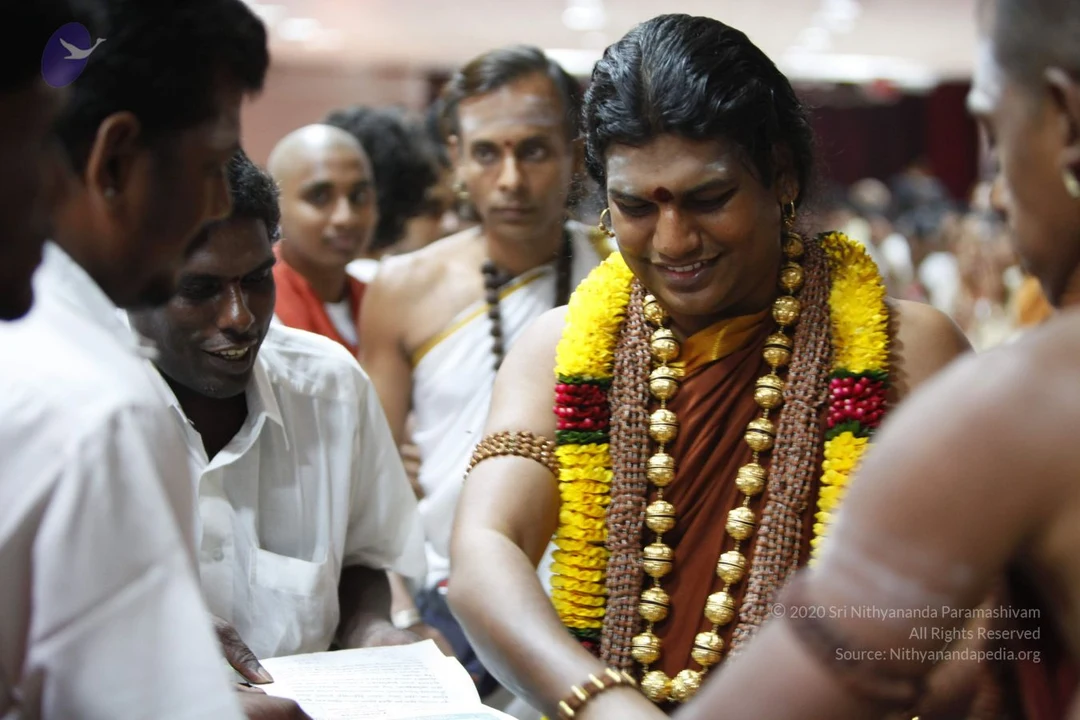
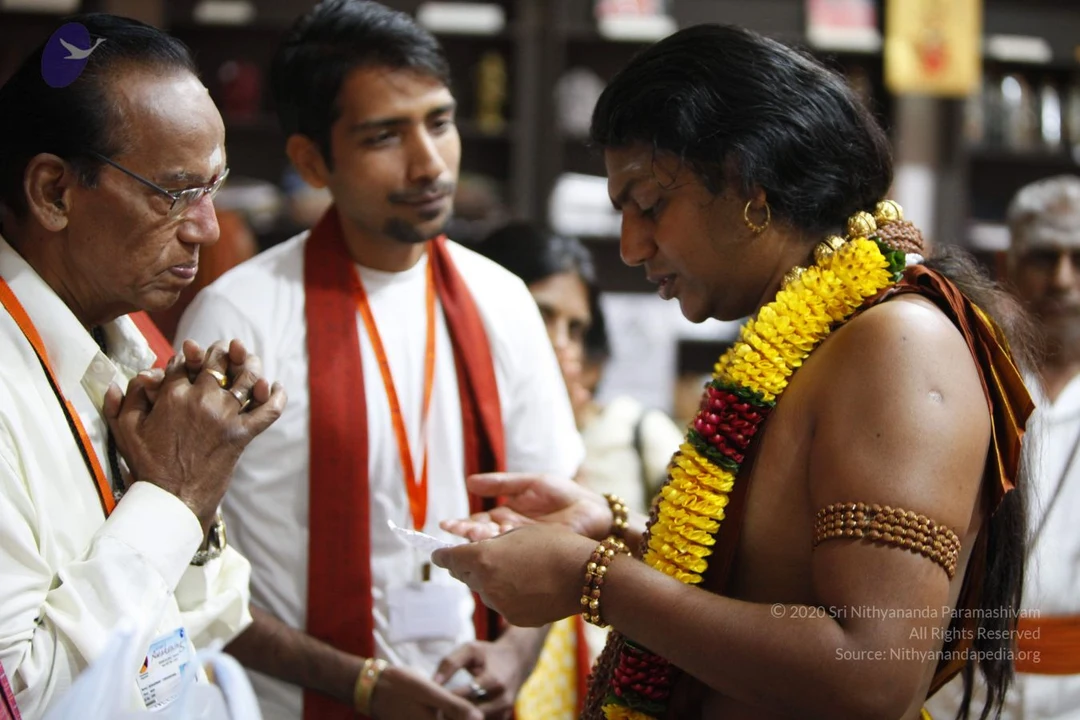
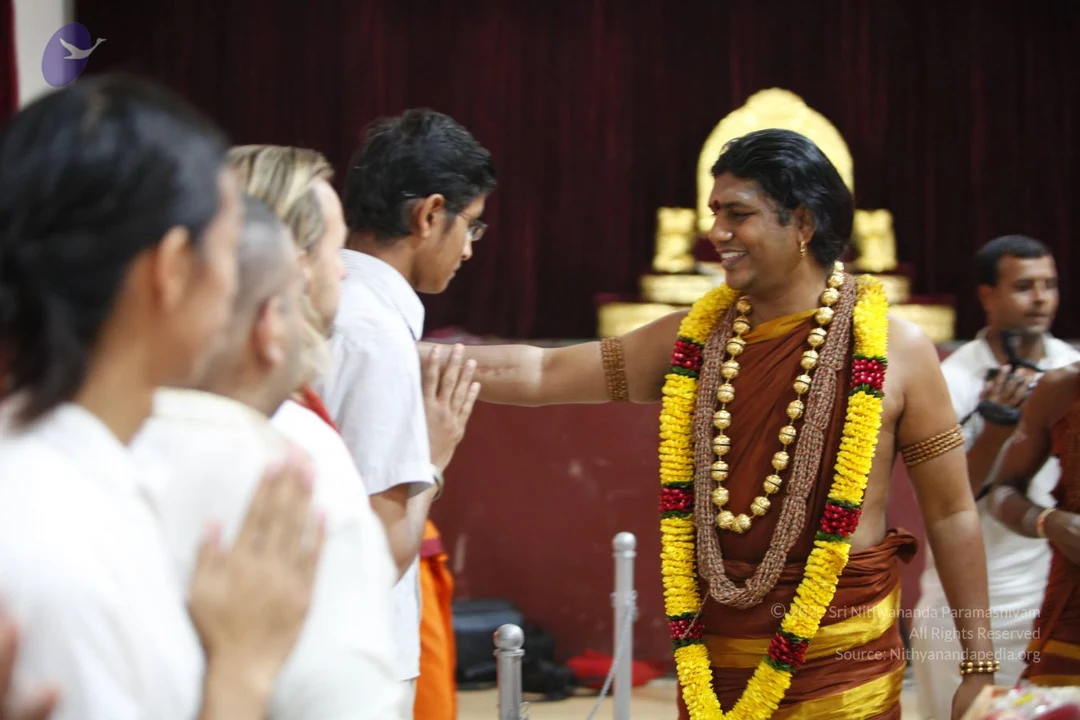
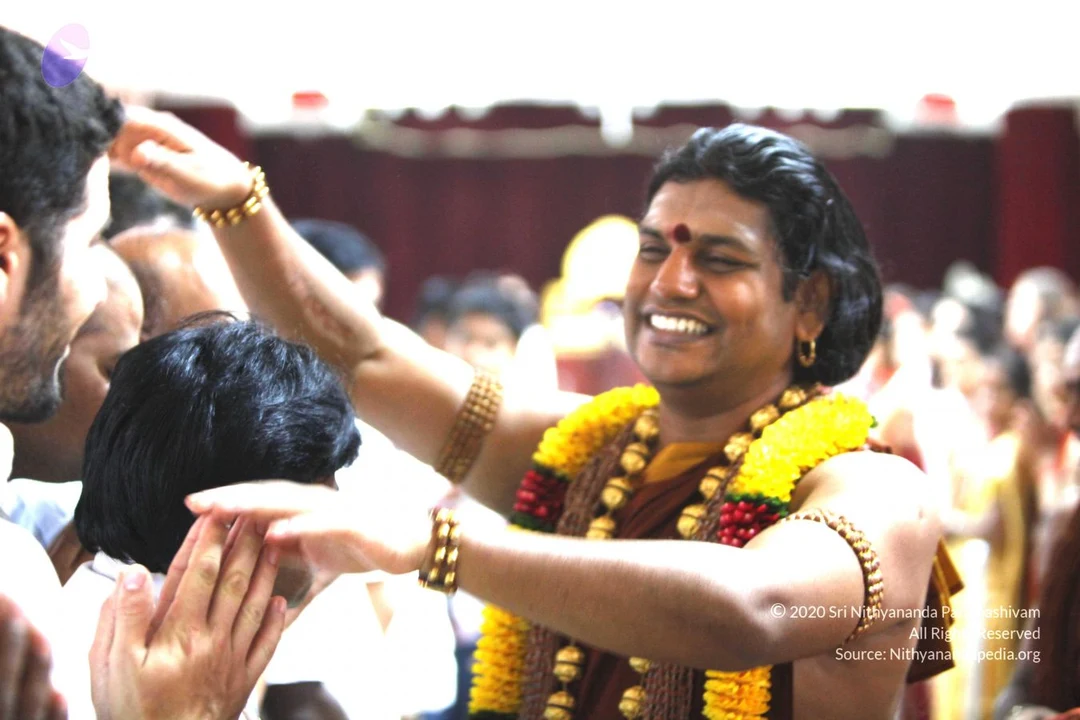
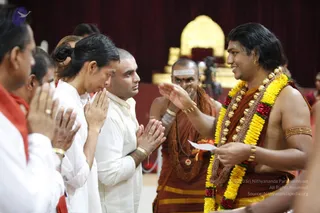
A photograph of a satsang-style gathering in an ashram hall with a golden throne and red curtain behind. On the right, a long-haired man in saffron-orange dhoti and shawl wears a long multi-strand mala of gold-toned beads, red and green beaded necklaces, a yellow marigold garland, gold armbands and bangles, and smiles while holding a folded paper and gesturing toward the people before him. Facing him in a row, several devotees in white and cream kurtas and a woman with her hair in a bun stand with palms pressed together in namaskar. Behind them a shaven-headed priest in orange robes, a sacred ash mark on his forehead and a rudraksha mala, also has his hands folded.Photo of a smiling man with shoulder-length swept-back dark hair, wearing an orange-brown saffron wrap, a large gold bell necklace, a yellow and red marigold garland, gold bangles and a gold earring, with a red tilak on his forehead. He raises his arm to bless or touch the head of a devotee with folded hands and eyeglasses, who wears white clothes and a rudraksha mala. Behind them a golden throne-like seat stands against a red curtain.A photograph of a robed figure in a saffron-brown garment standing amid a crowd of devotees. He wears a long yellow and red marigold garland, a heavy rudraksha-style mala of gold beads, gold armlets and bracelets, and a red bindi. He holds a small white paper and appears to hand it to a devotee whose hand reaches toward him. Behind him is a golden throne-like seat before a deep red curtain, and a television monitor is visible at right. a person candidate is present, identified by the long swept hair, ornate gold jewellery and garland cues, though the appearance is not fully certain. Several other devotees in white and light clothing are seen in the foreground and background.A smiling man with long swept-back dark hair and a red bindi stands in an orange-brown saffron-toned garment, wearing layered yellow and red marigold garlands with gold beads and a rudraksha-style bead mala, plus gold bangles and earrings. He rests his hand on the head of a man bending forward in a white shirt, while other devotees crowd the foreground and a gold-draped throne or deity area glows in the background. Flower garlands and gold ornaments dominate the scene.A photograph of a long-haired man with swept-back black hair, wearing a red-brown ochre wrap over a bare chest, a long multi-strand garland of yellow marigolds and red flowers with gold bead ornaments, small gold hoop earring, and beaded bracelets. He is offering a red apple to a devotee at the front left, who has hands pressed together. Behind him a bald priest with a white tilak on his forehead wears an orange-brown robe and rudraksha mala. Other devotees, including a young boy in red, stand nearby, and a gold throne-like seat appears in the background. Watermarked archive image text is omitted.A smiling man with long swept-back dark hair, a red bindi and gold ear studs stands in a brown-orange robe, with gold bangles and layered necklaces of gold beads, rudraksha-style malas and yellow marigold garlands. He raises one hand in greeting toward a row of people in front of him, several with palms pressed together in namaskar. Behind him a gold throne-like peetha and a red curtain are visible, with more people in the background. The man's distinctive hair, saffron-toned robe and ceremonial adornments match the a person profile, so he is described as a person blessing devotees at an event.

Final-Blessing

1 photoSource gallery
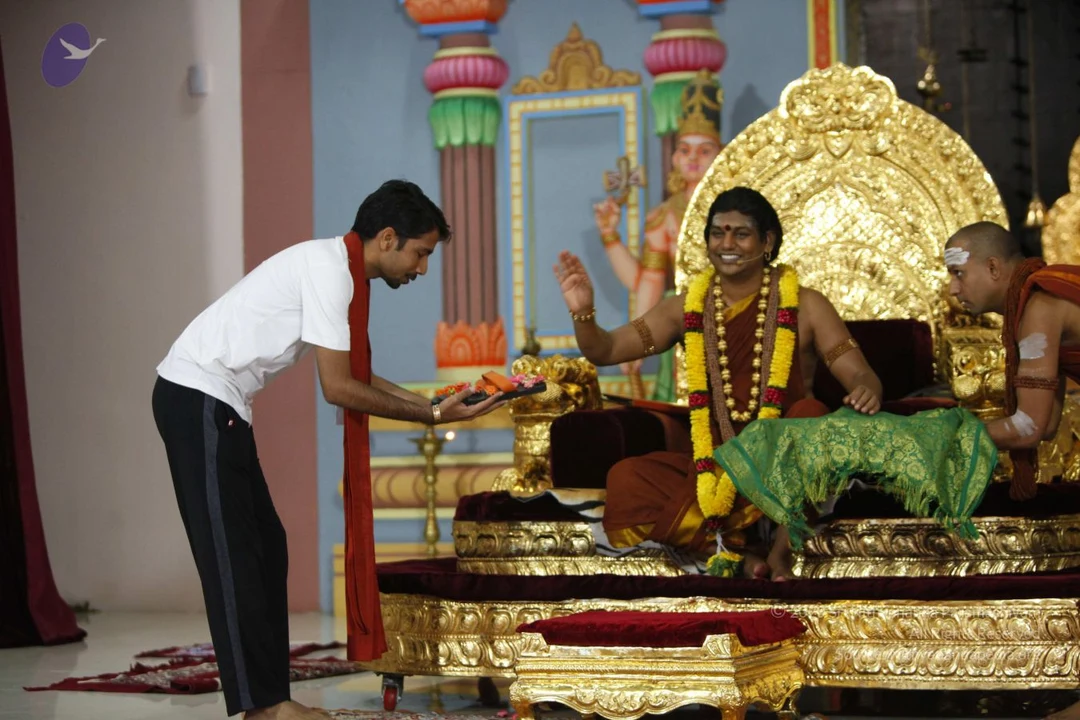
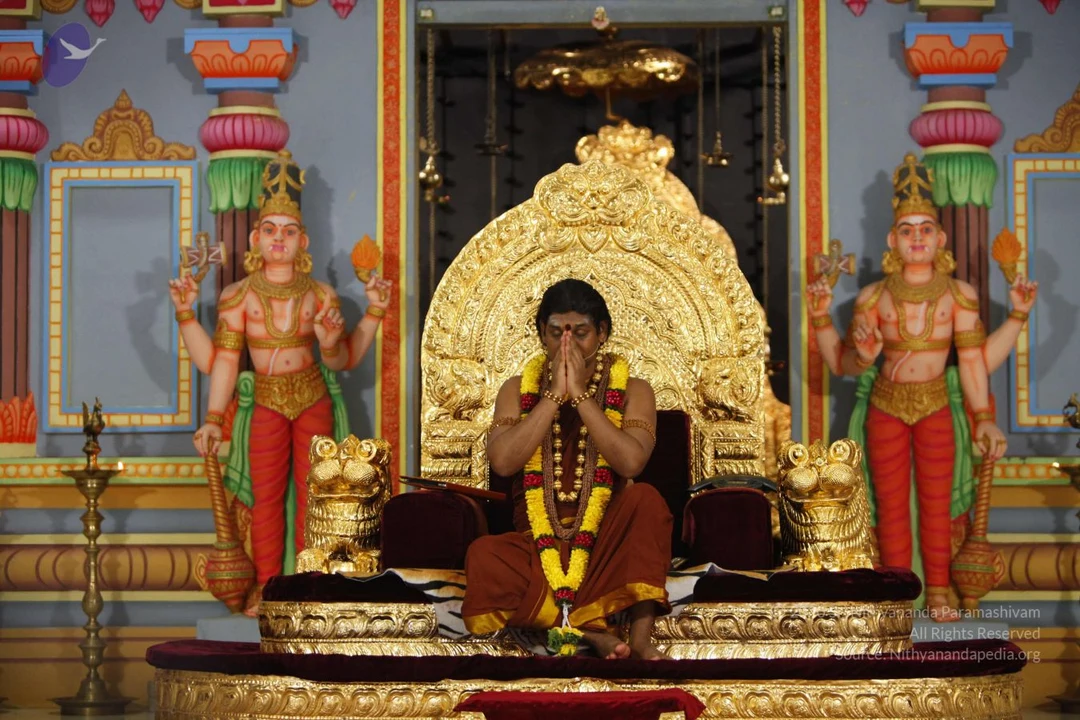
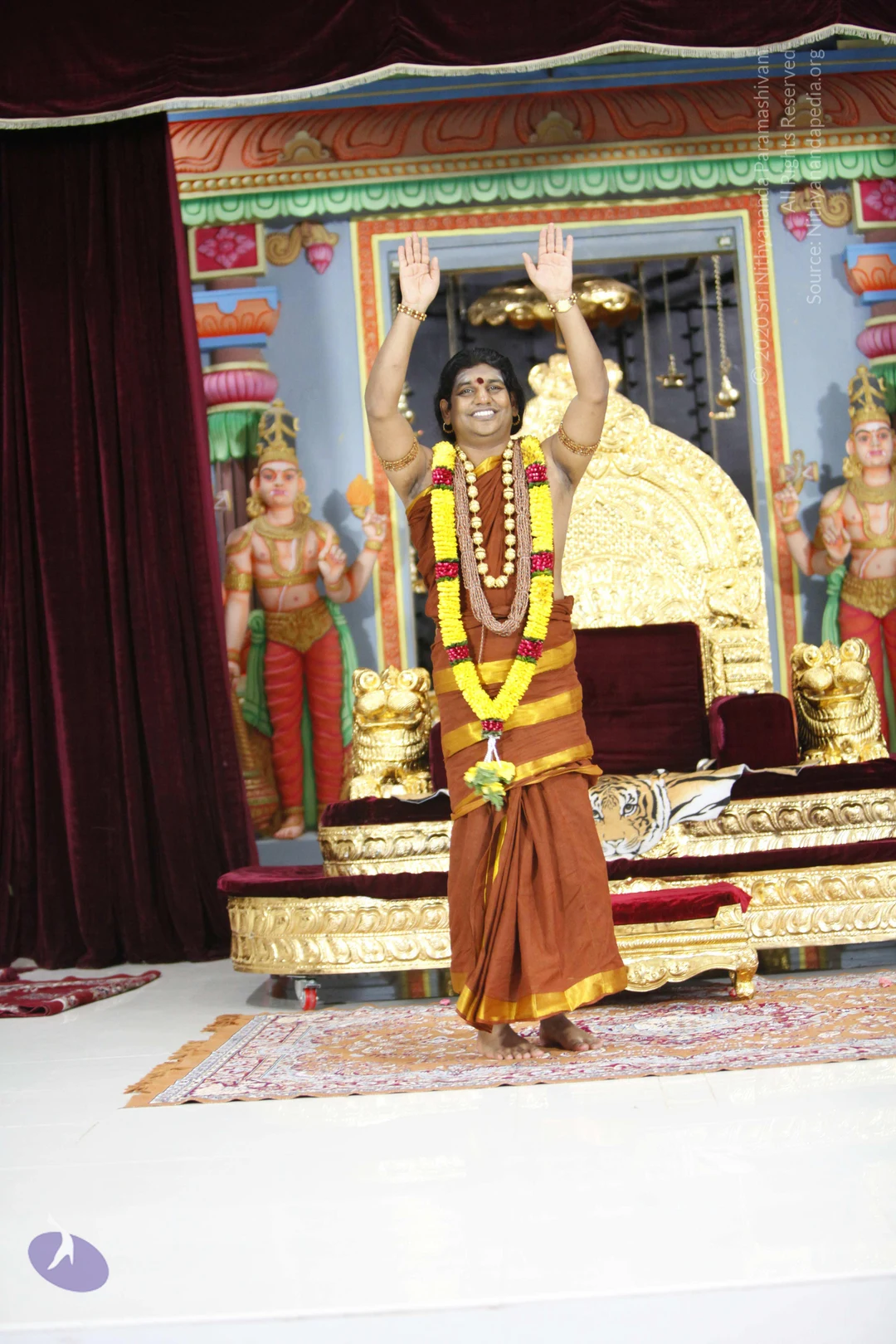
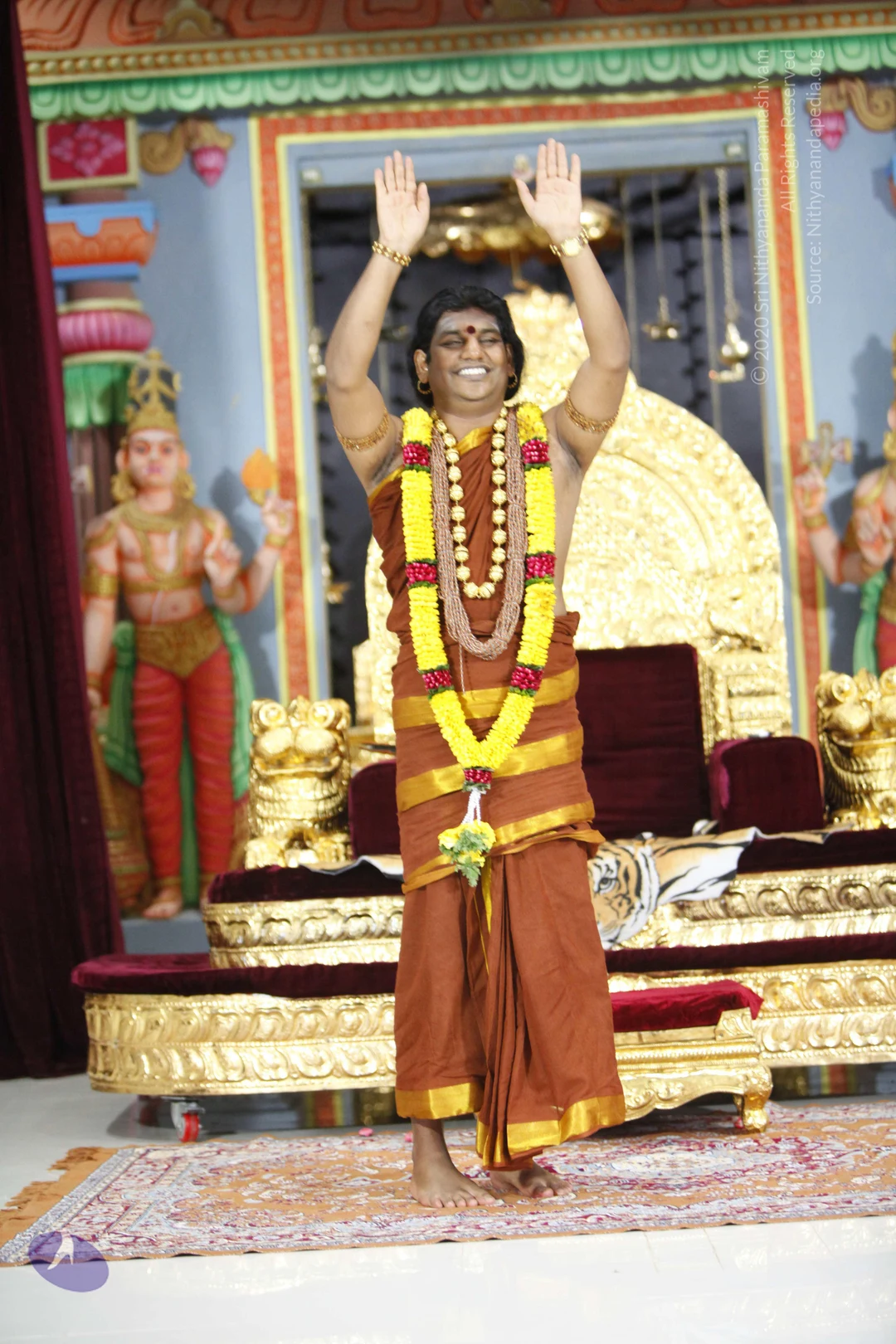
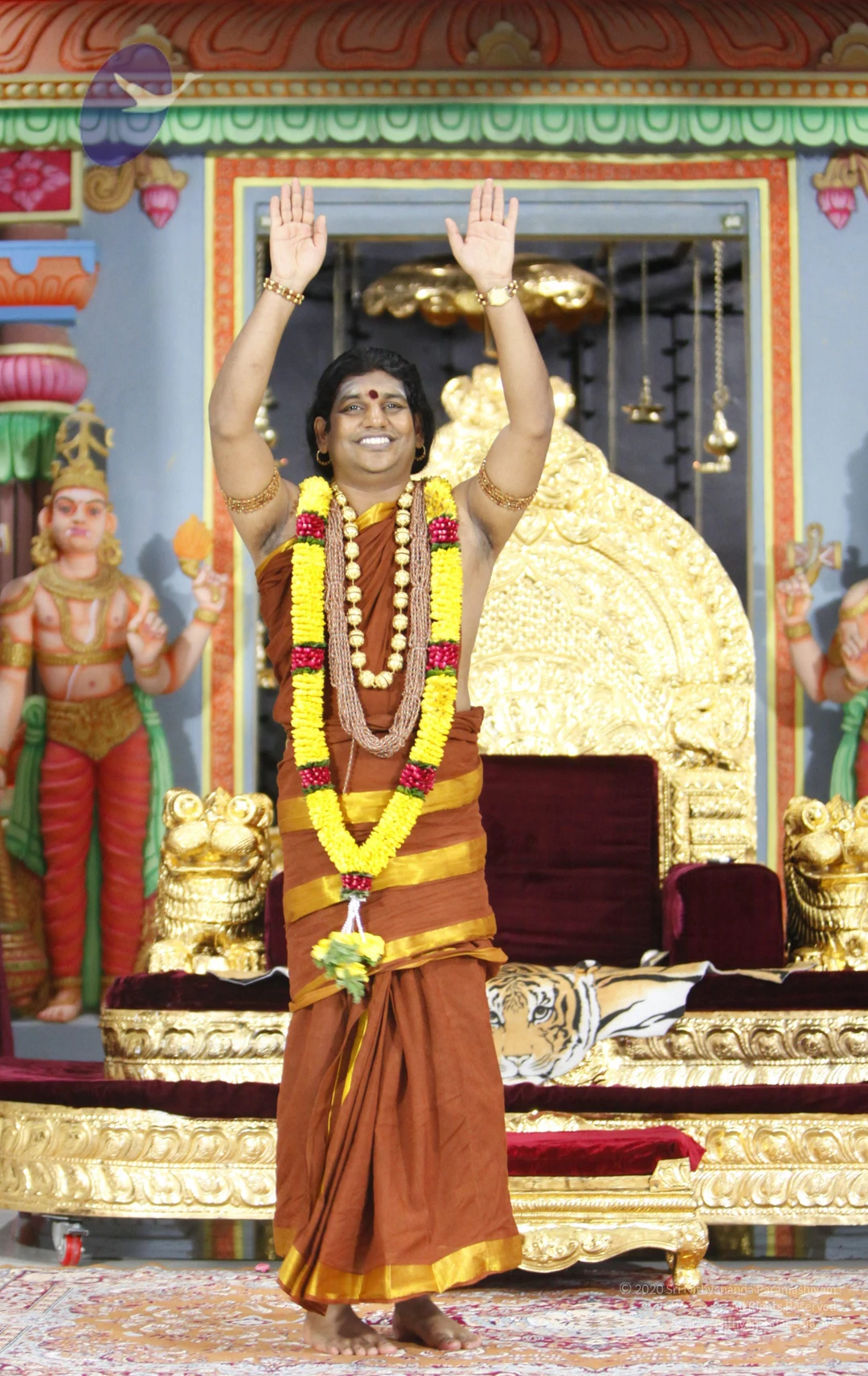
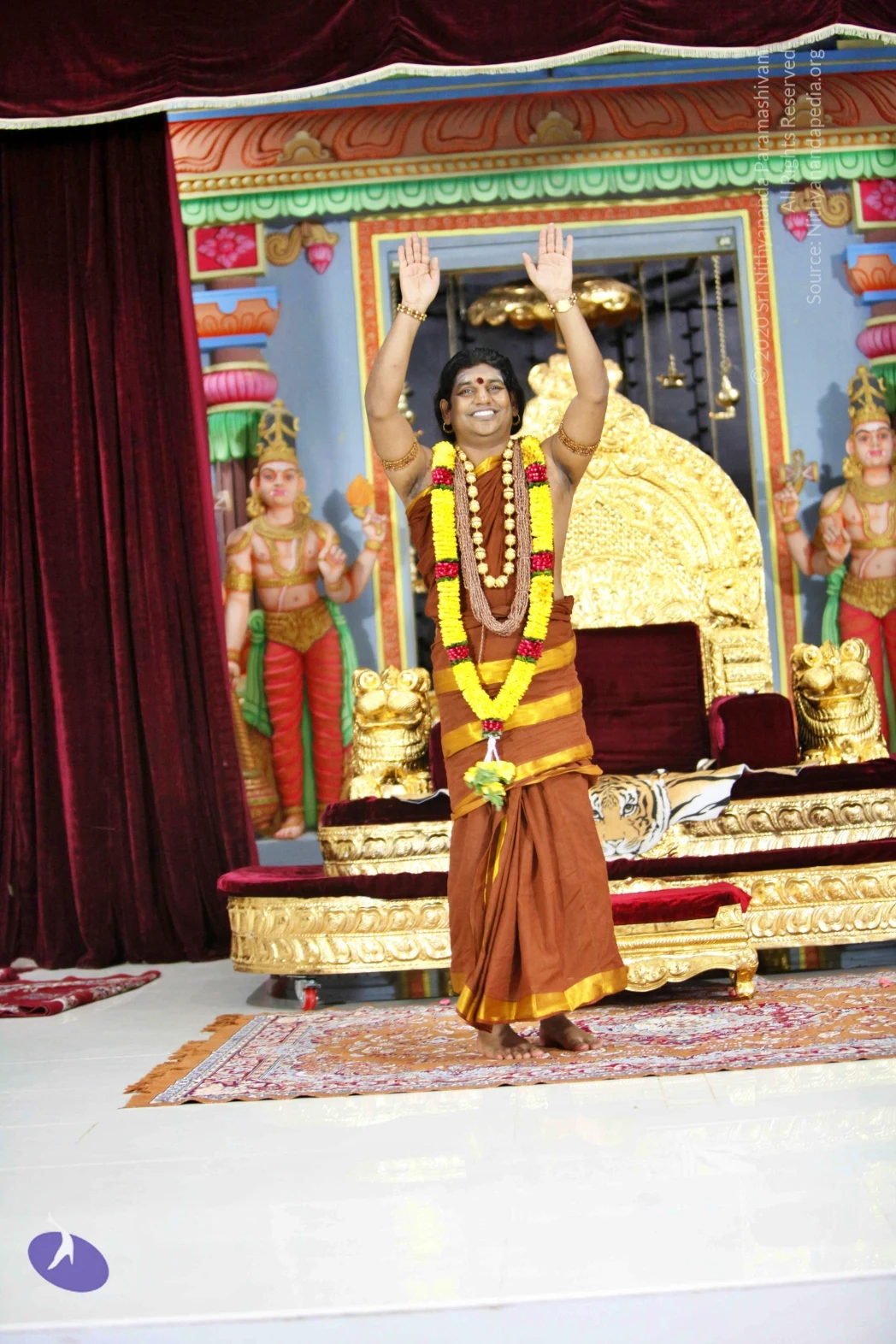
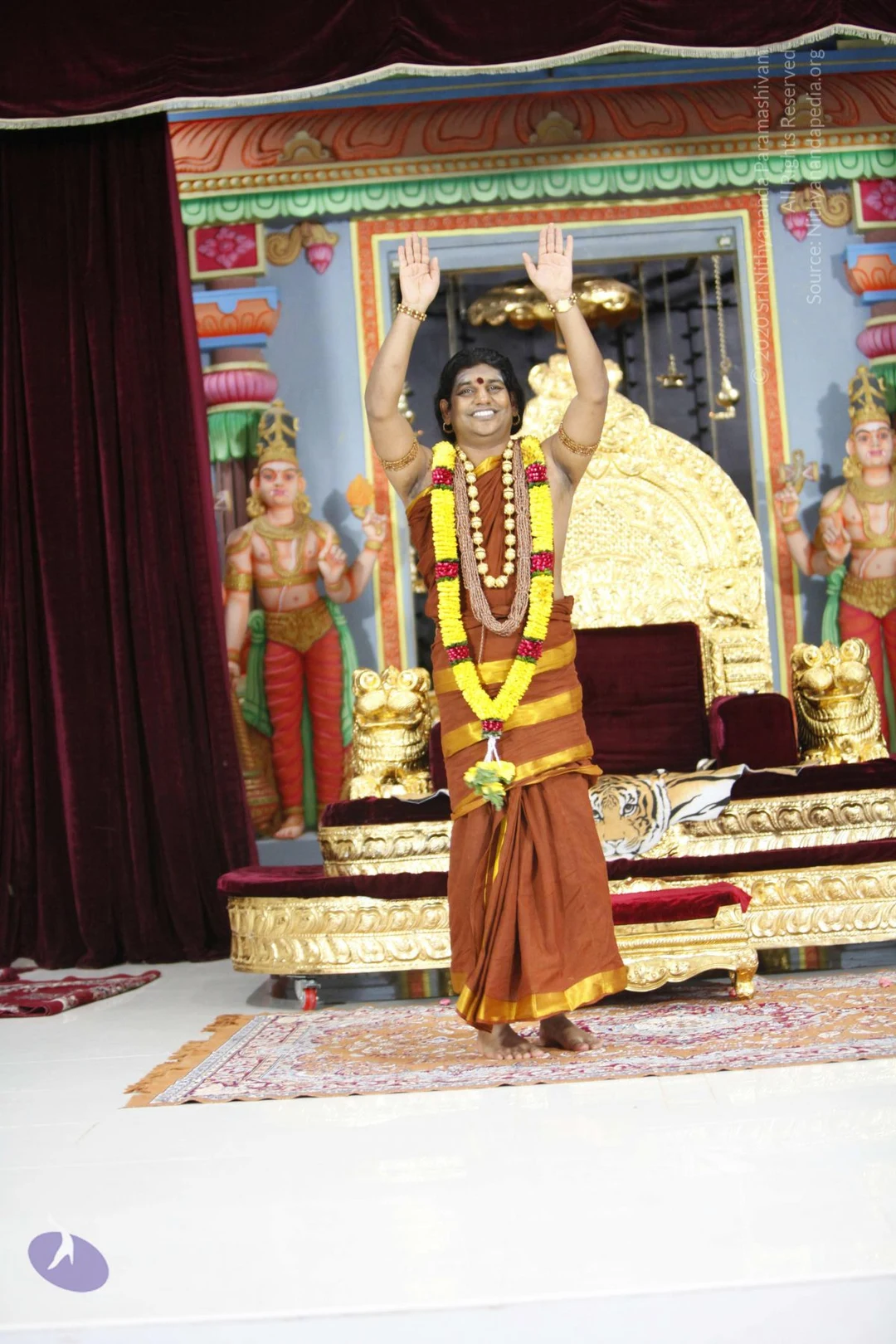
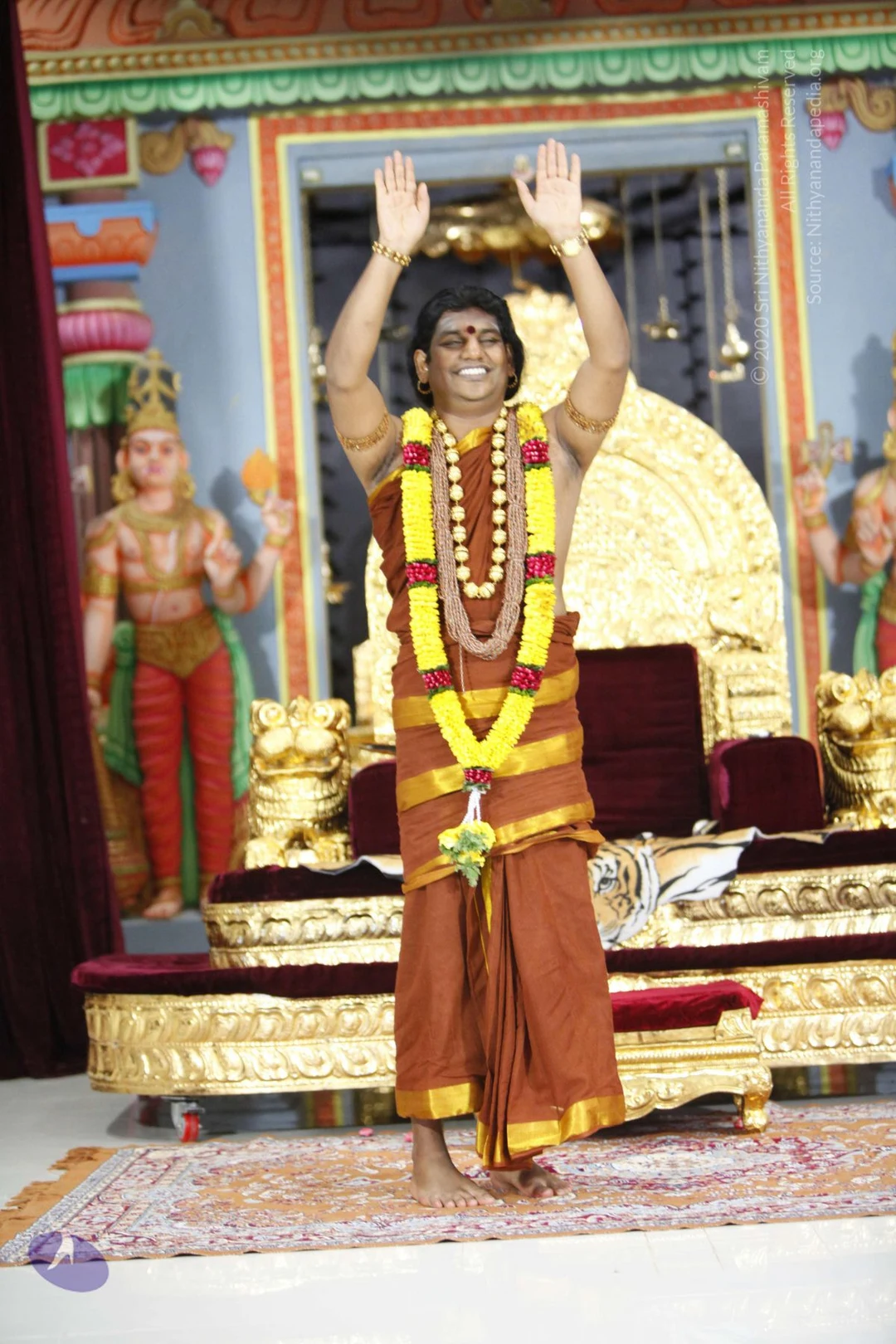
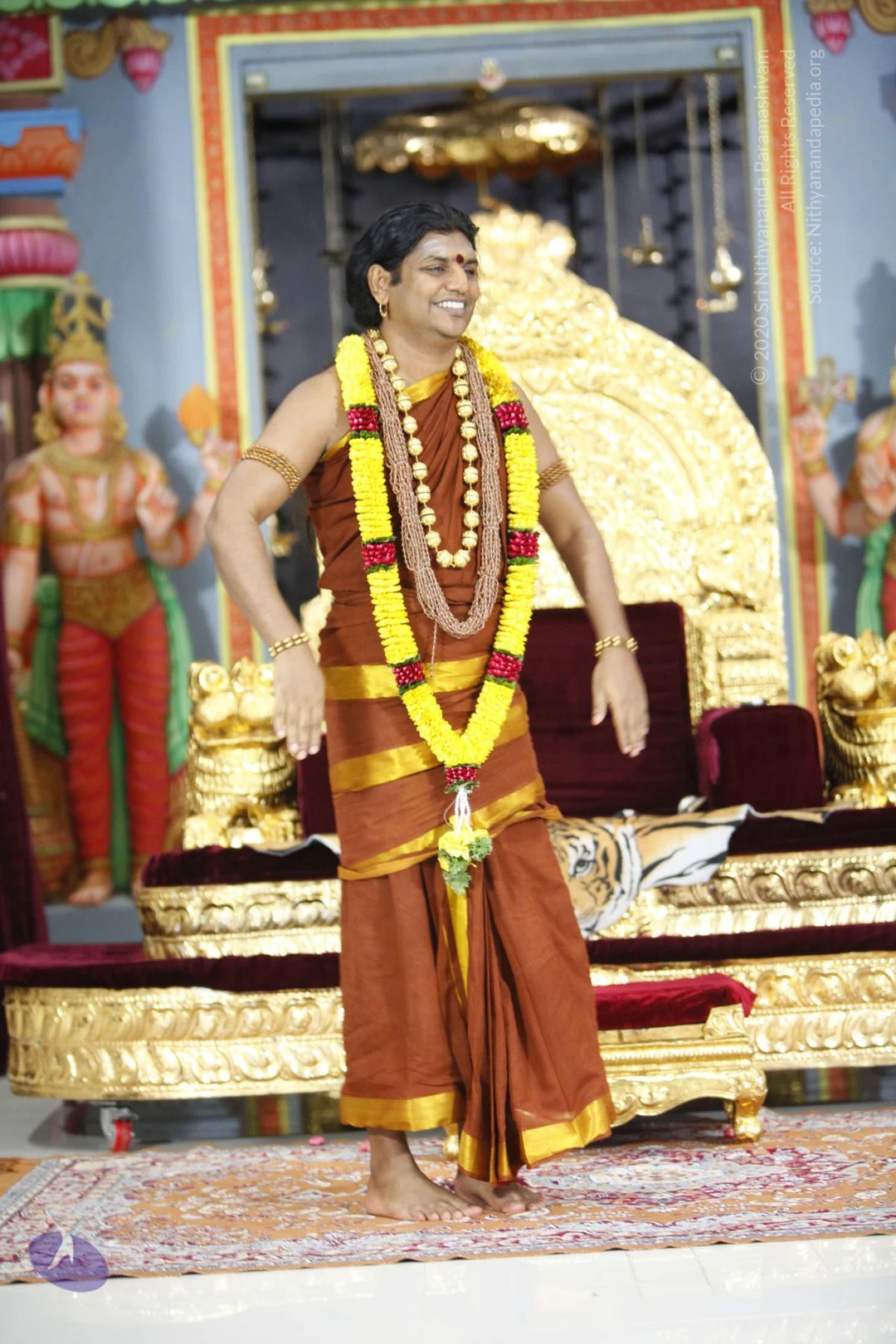
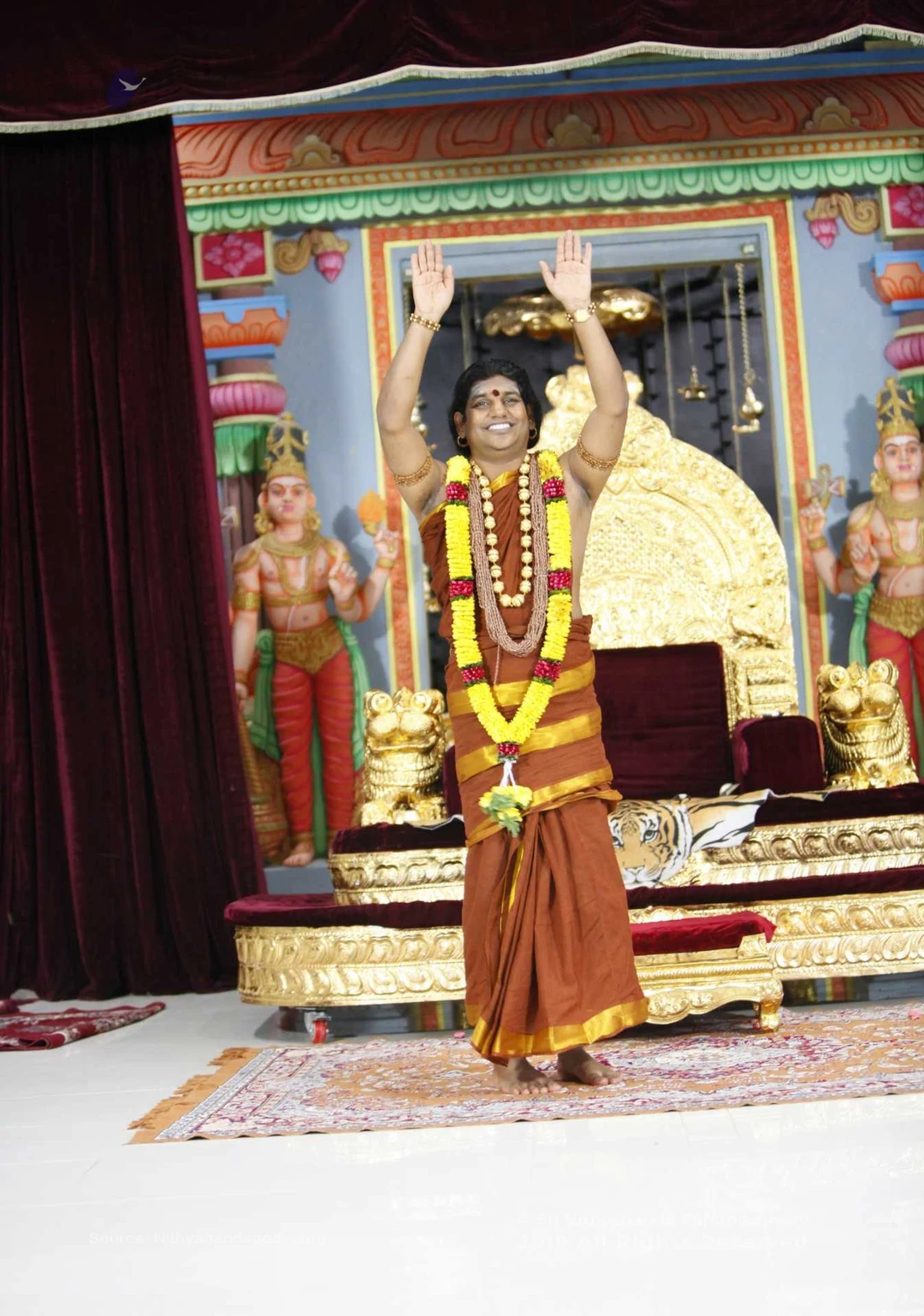
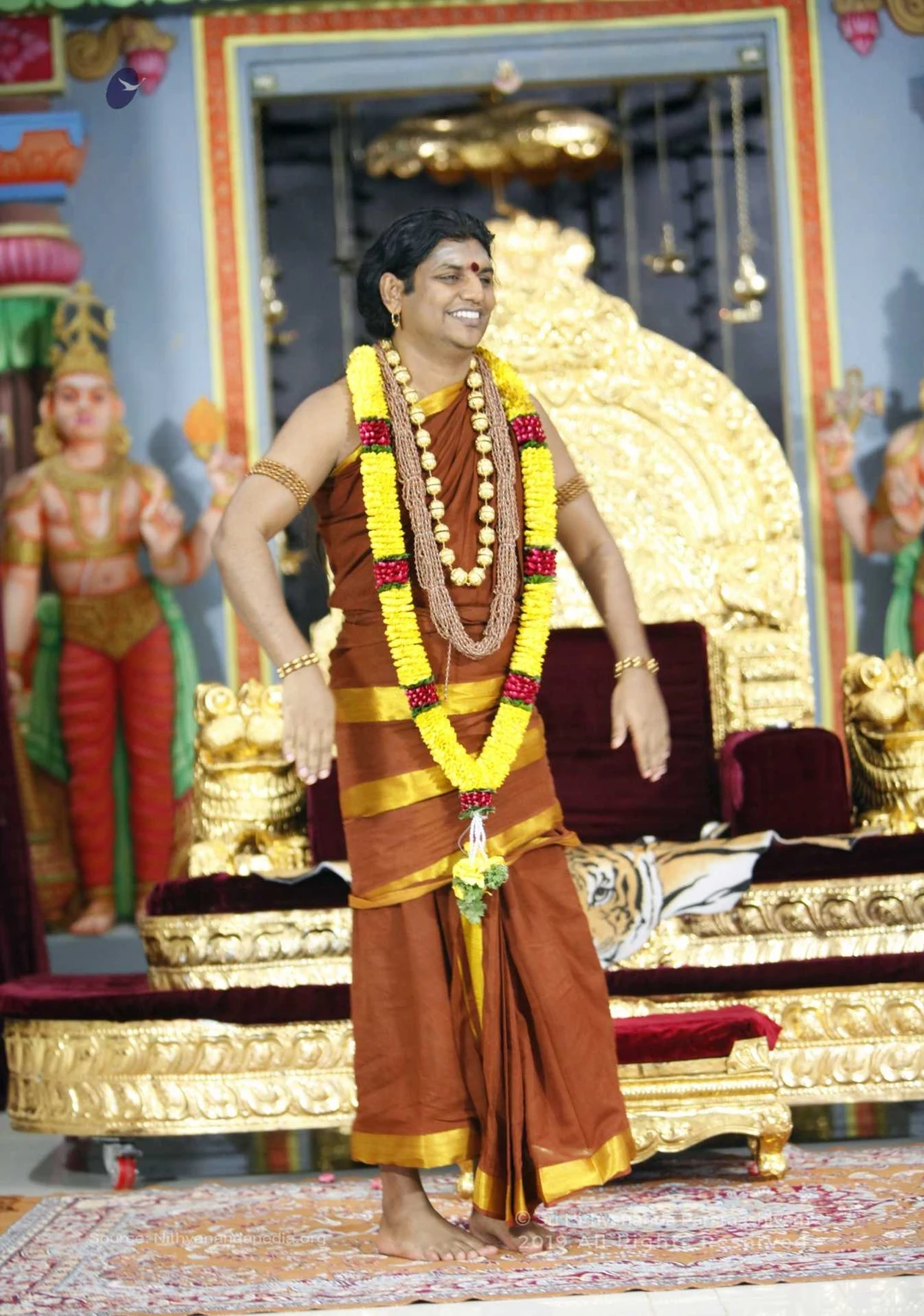
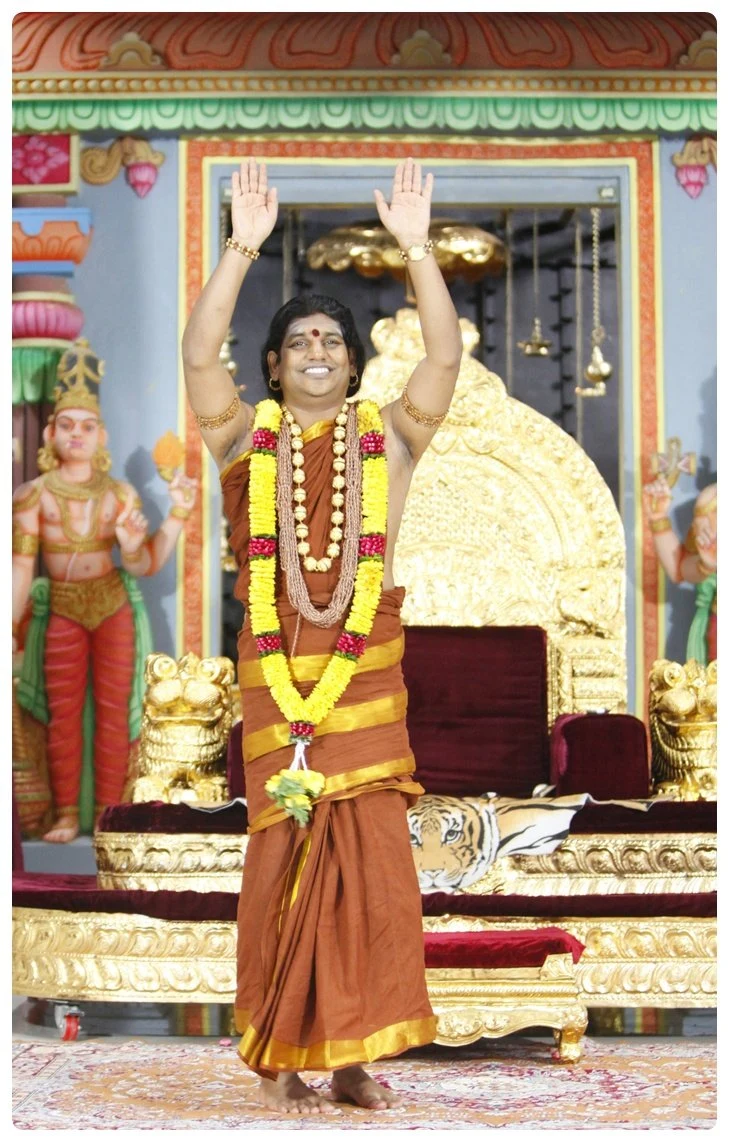
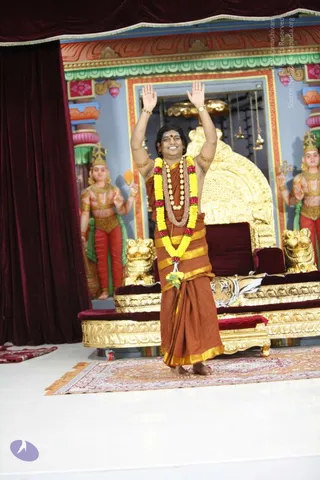
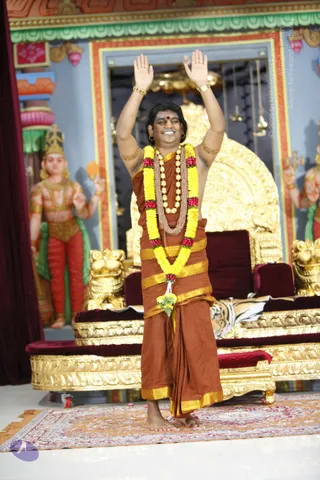
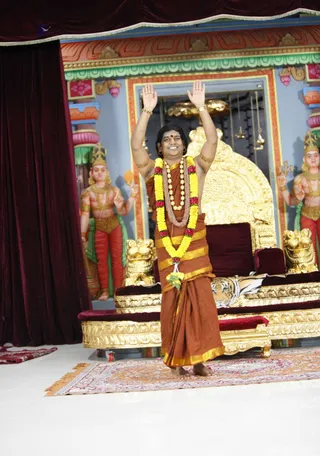
A smiling man stands barefoot on a patterned rug on a stage, arms raised in an open-palmed greeting. He wears a rust-orange dhoti with gold-bordered edges, a gold-trimmed shawl, gold bangles, a red bindi and a long garland of yellow and red flowers with a gold-bead rudraksha-style mala. Behind him stands a gold-framed throne flanked by golden lion figures, with a tiger-skin cloth draped over it, and two painted deity murti with multiple arms in red dhotis. A maroon velvet curtain hangs at left. The man has long swept-back hair and distinctive ornaments, a person presence in the scene.

Temple-Swamiji

29 photosSource gallery
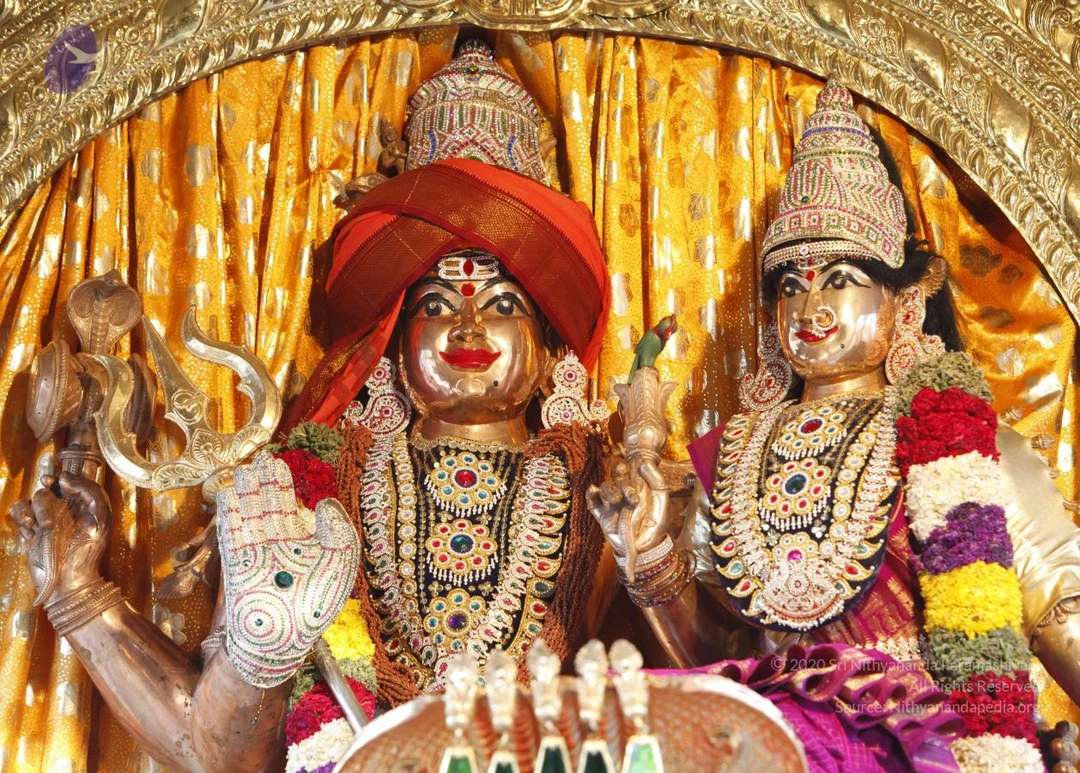
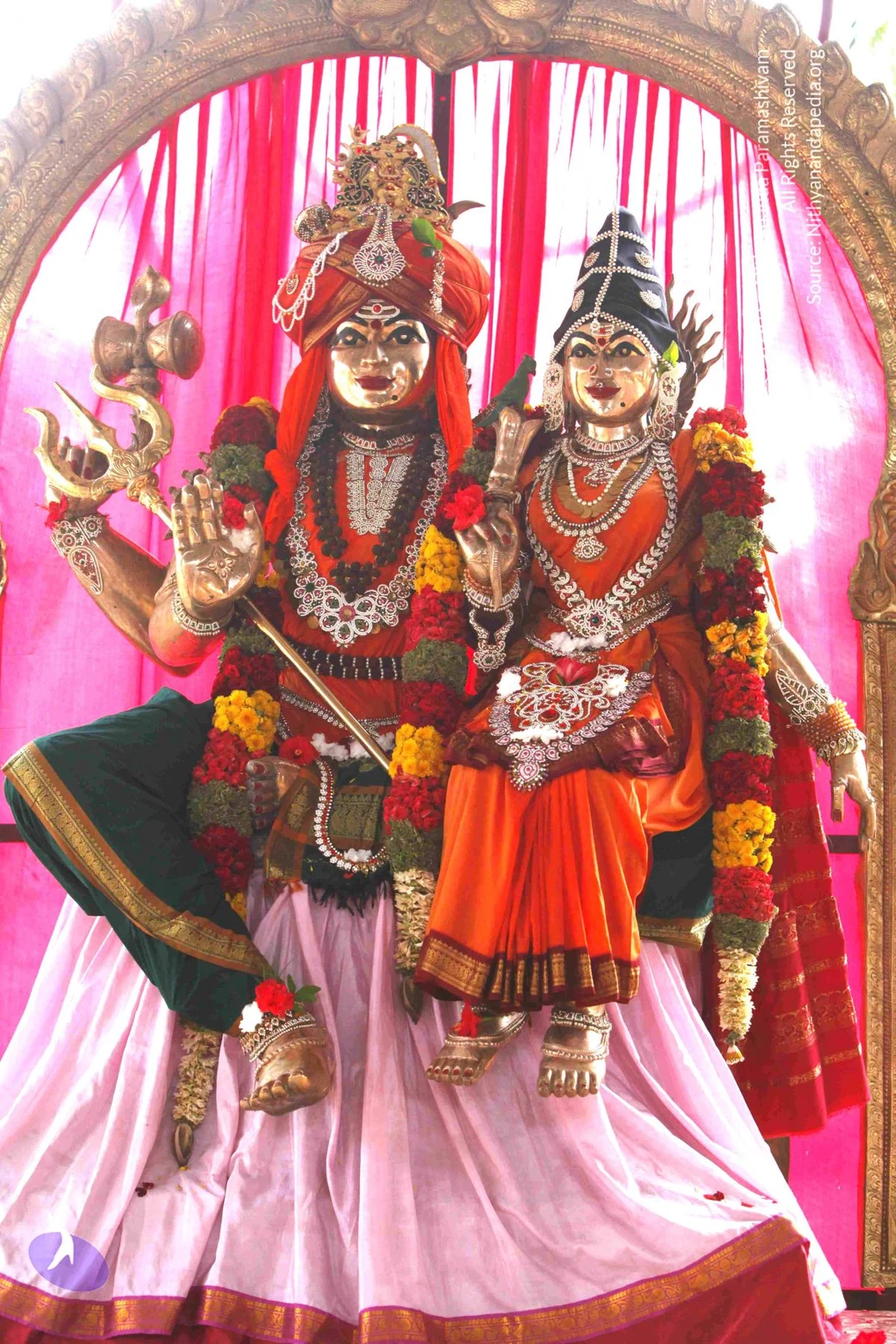
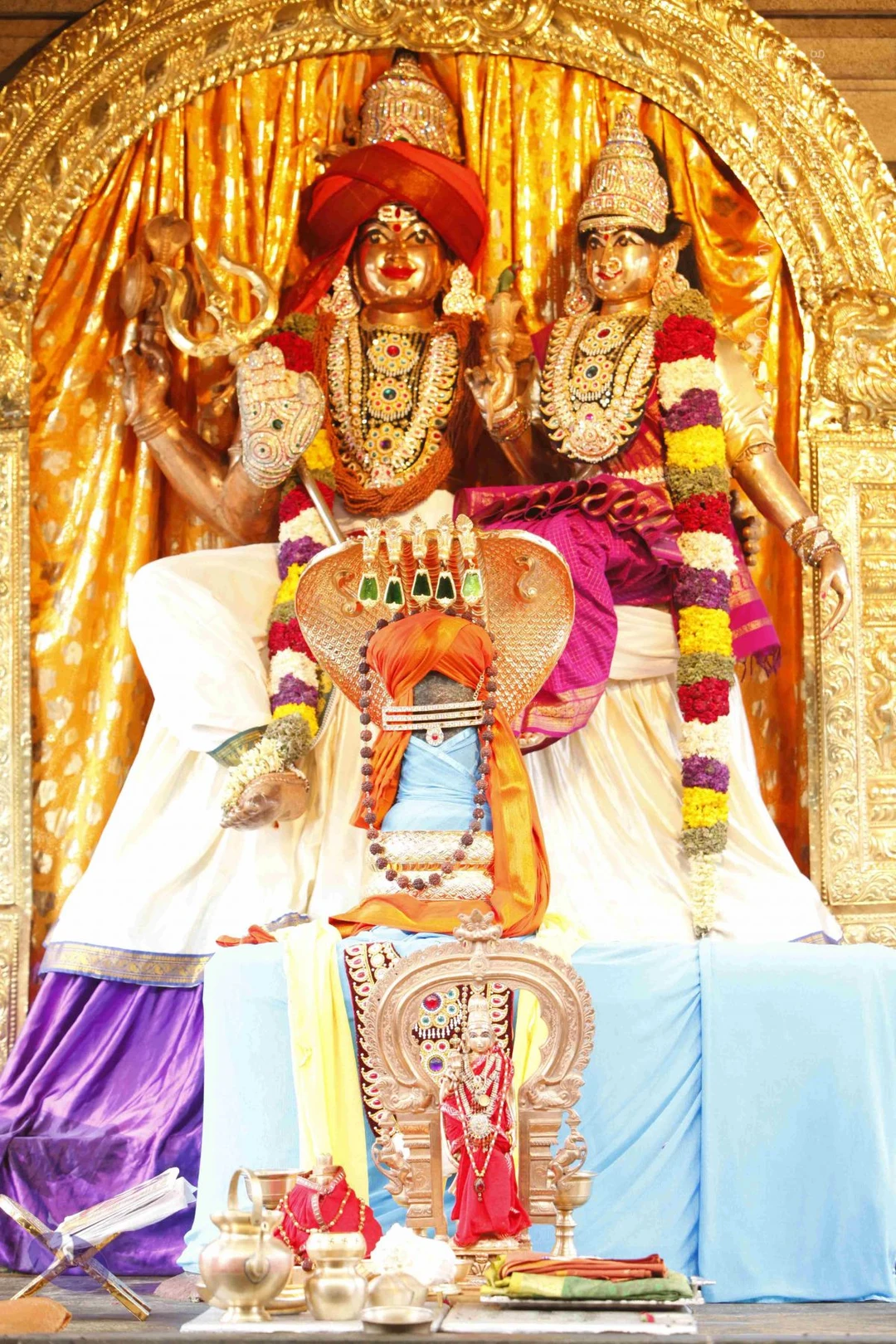
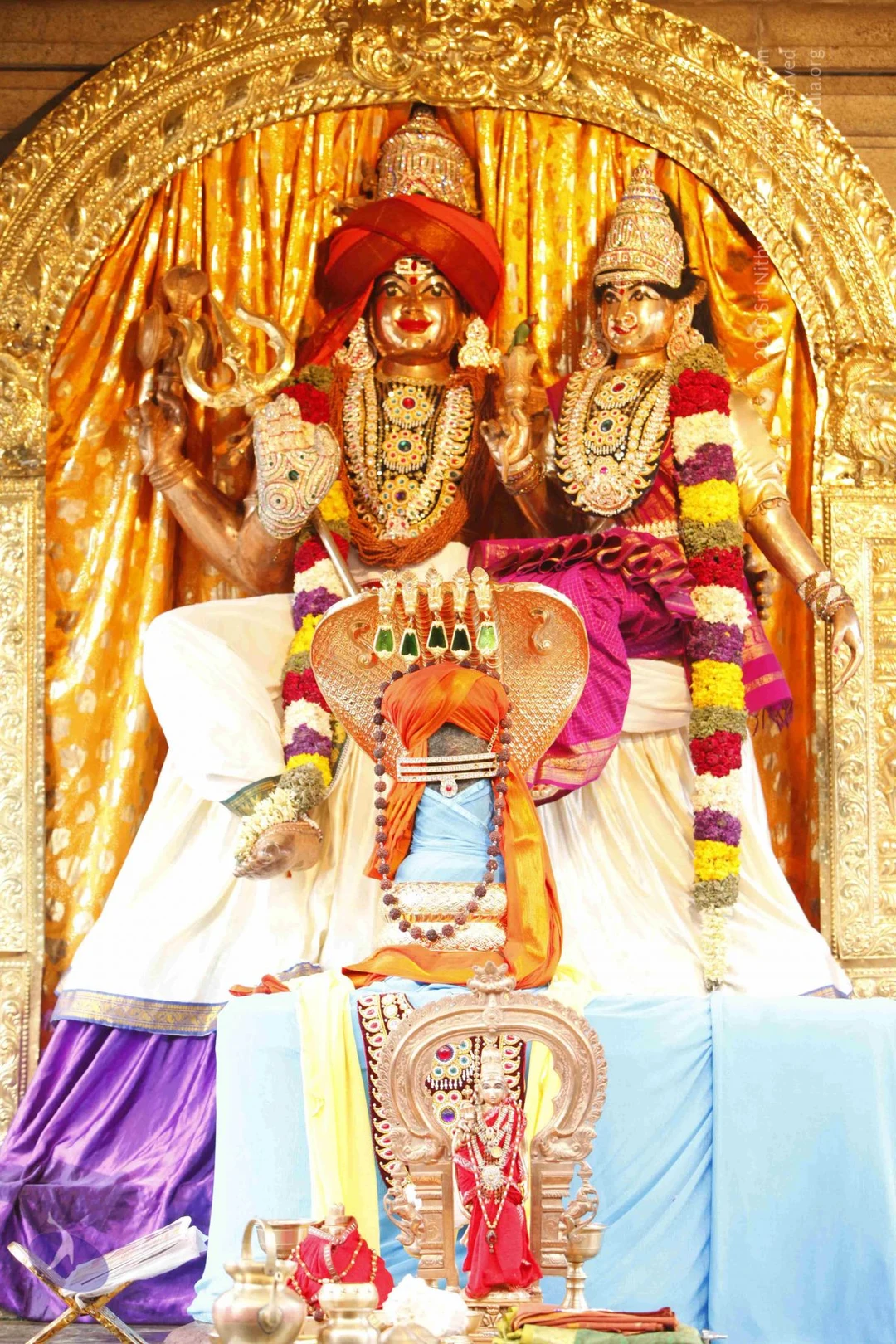
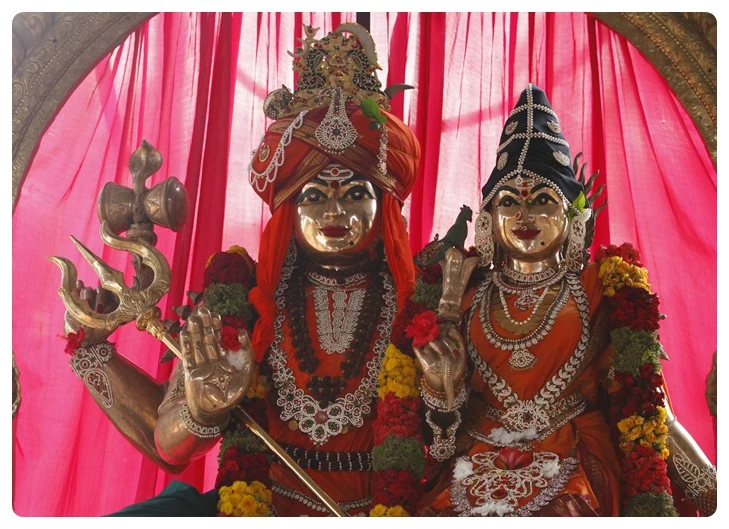
A photograph of an overcast grey sky with a bright break in the clouds where sunlight glows through, lit in pale gold and white. Silhouetted palm fronds fill the lower edge of the frame against the dim sky. No people, ritual objects or a person appear in the scene; the image is an outdoor sky and palm view.A photograph of two golden metal murti statues of Shiva and Parvati seated in front of a bright pink draped curtain within an ornate gilded arch. The left figure, in orange robes and a red turban with a crown, holds a trident and raises one hand in blessing; the right figure wears a black crown and heavy silver jewellery. Both are adorned with garlands of red and yellow flowers, rudraksha beads and silver necklaces, and a small green parrot perches near the right figure. The statues are deity murtis, not living people.Golden deity murtis in a temple shrine framed by shimmering gold curtains. A red-turbaned male deity holds a trident and a damaru-like instrument with a cobra motif, wearing a jewelled garland and a red tilak. Beside him a female deity with a crown and elaborate gold jewellery holds a lotus, draped in a magenta sari and wreathed in red, yellow and purple flower garlands. Both figures are sculpted statues, not living people.A photograph of a pair of gilded deity murtis seated before a shimmering gold curtain framed by ornate gold carving. The left figure wears a red turban and a red tilak, holds a trident and a small pot, and is adorned with a heavy jewelled necklace. The right figure wears a jewelled crown, a jewelled necklace and drop earrings, and holds a parrot. Both are decorated with garlands of red, yellow and purple flowers, and a brass plate of offerings sits in the foreground.A shrine photograph showing a pair of carved deity murtis seated side by side on a raised blue-draped peetha within an ornate golden arch. The taller figure wears a red and gold crown, holds a trident and rests a hand on a shield-like ornament, while the companion figure wears a tall gold crown and a red-and-gold ornate necklace. Both are garlanded with multicoloured flower garlands, the central figure is draped in a purple cloth and an orange shawl hangs from the shoulder. Golden curtains frame the arch, brass oil lamps and offerings sit on the altar, and carved stone pillars surround the shrine. No people are visible.A photograph of a temple shrine with a pair of deity murtis seated on a raised blue-draped platform within an ornate golden arch. The taller figure wears a red turban, gold crown-like headwear, a gold necklace and garlands of flowers, and holds a trident; the other figure wears a gold crown and garlands of mixed flowers. In front are brass oil lamps, a kalasha, small silver bowls and offerings. Yellow and orange draped curtains and carved stone pillars frame the shrine. No physical people are visible; the figures are statues in a sanctum.

Pratyaksha-Pada-Puja-Crowd
39 photosSource gallery
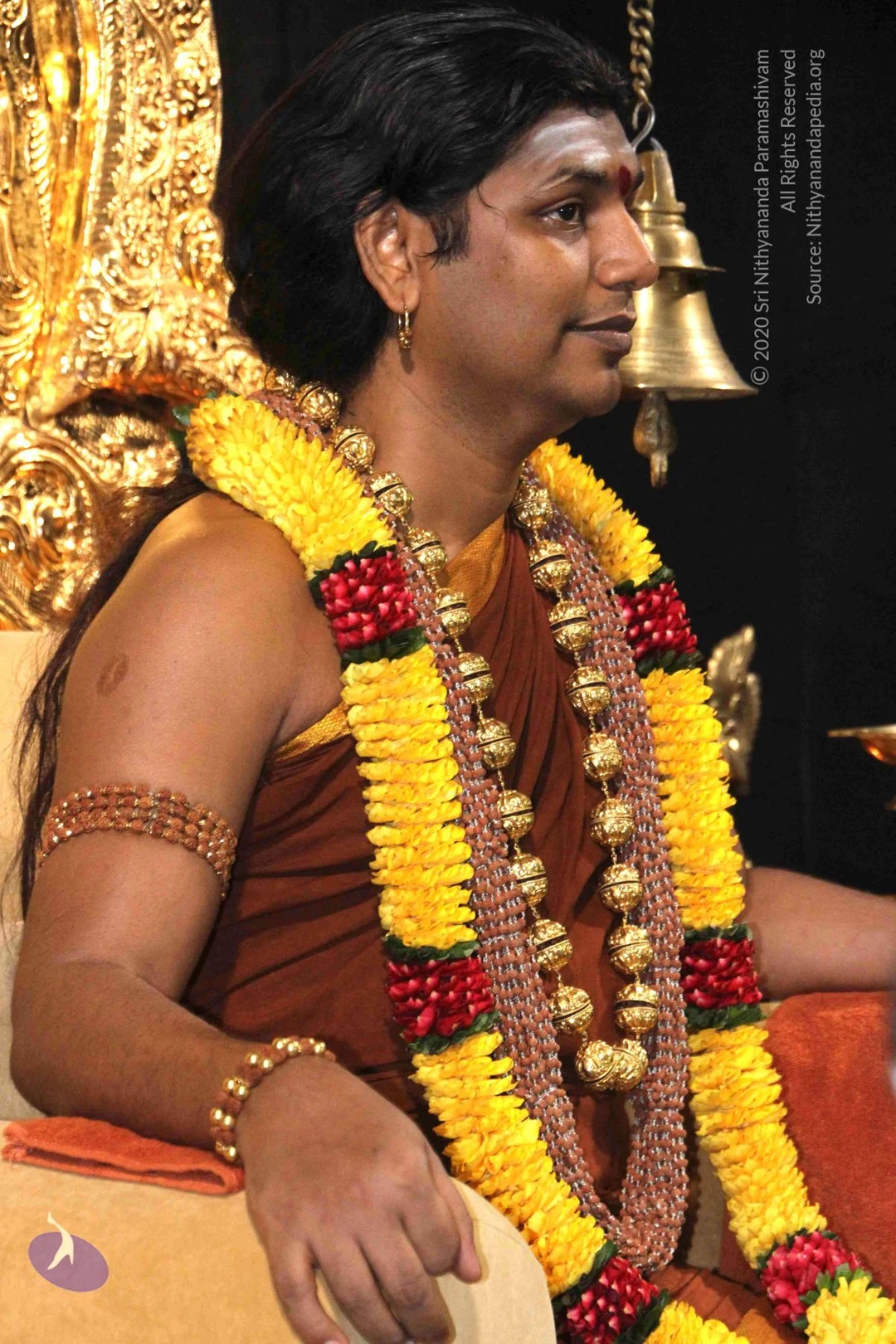
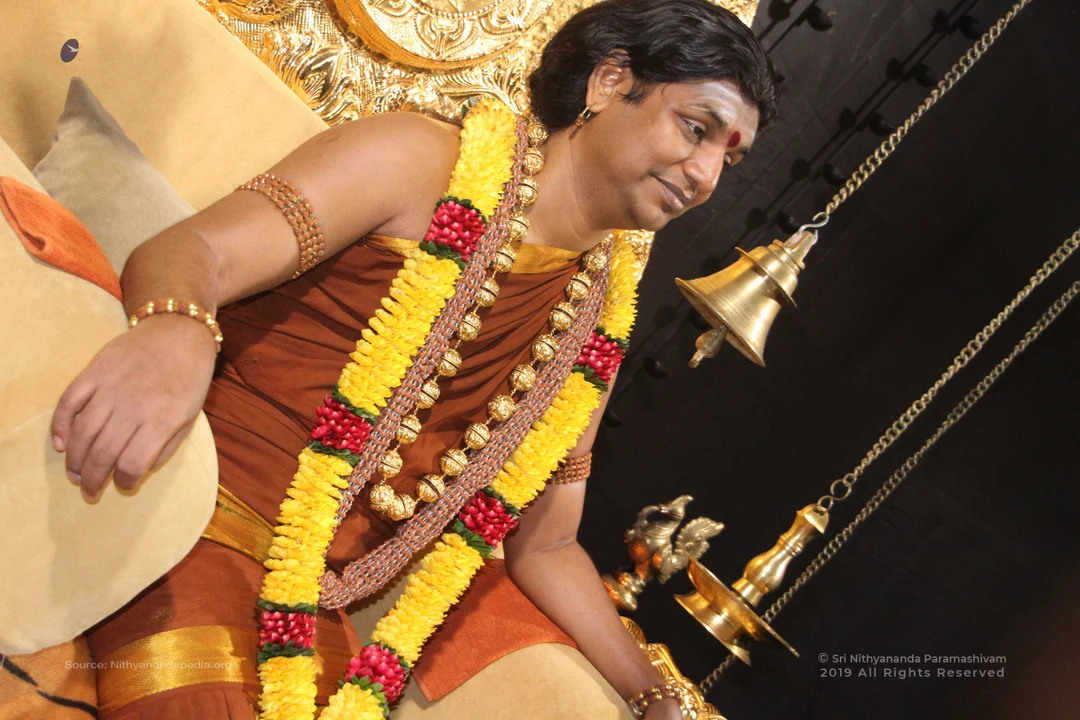
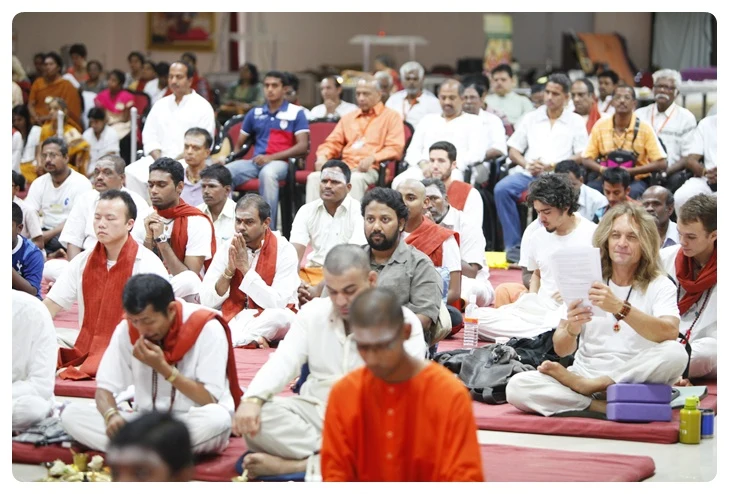
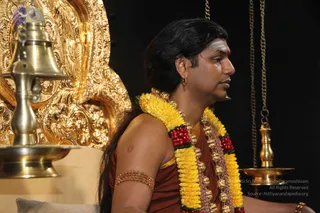
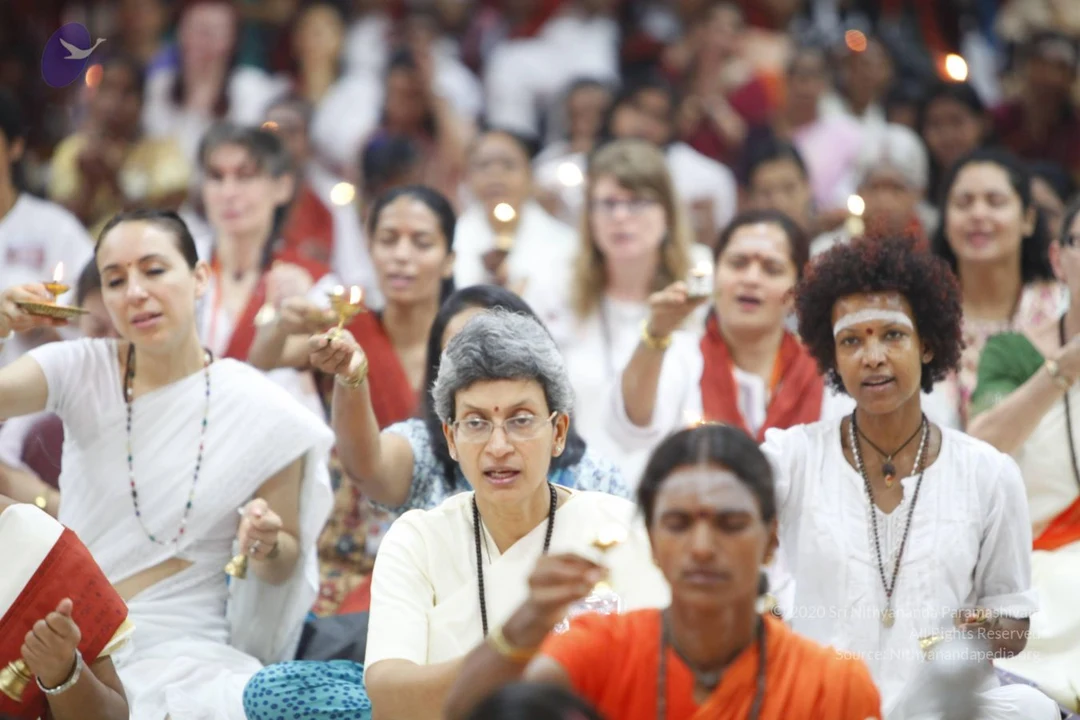
A photograph of a satsang gathering with a row of women in front, most in saffron and orange-red robes with yellow borders and rudraksha malas, standing with palms pressed together in namaskar and eyes closed or lowered. The woman at centre wears brown-red robes with a yellow border and round spectacles. Behind them, a larger crowd of women in white and cream clothing and red shawls also stand with hands folded in prayer. Several women have white forehead markings. The setting appears to be an indoor hall with red mats on the floor.Profile photo of a man with long dark hair seated before an ornate gold throne carved with floral scrollwork. He wears a maroon-brown robe, a thick garland of yellow marigolds and red flowers with gold beads, a gold armlet, a small gold earring and white and red forehead markings. A brass bell hangs at right beside a brass hanging oil lamp against a black background. Swamiji (probable): long swept-back hair, maroon robe, ornate gold throne and ceremonial garland mark a.Close view of a bare foot resting on a golden tray of pooja offerings. A person in a saffron-and-gold silk garment stands at the left edge. Around the foot are silver bowls with pink and orange marigold-style flowers, large pink orchid blossoms, green leaves and a small silver pooja vessel. This appears to be a padapuja, where a guru's feet are washed and honoured with flowers.A seated man in profile before a gold ornate throne back, with brass oil lamps on either side. He wears a rust-brown robe, a yellow and red flower garland with gold bead ornaments, a rudraksha bead armlet, and gold hoop earring, with a red dot and white forehead markings. Long dark hair falls past his shoulders. Hanging chains and a dark background complete the setting.Photograph of a seated man in profile on an ornate gold throne, wearing a rust-orange sleeveless garment, long flowing dark hair, a white tilak on his forehead, and a gold armlet. He wears a thick garland of yellow and red flowers with a gold bead necklace and a rudraksha-style mala. A brass oil lamp and a gilded throne carving are visible at left, with a hanging brass lamp at right. The man, described by the page as Swamiji, is probable from his long hair, saffron-toned clothing, malas and ceremonial setting, and sits in a satsang-style setting. One physical person is present.A seated man in a saffron-orange robe sits on a cream upholstered throne in front of an ornate gold repoussé backdrop. He wears a long yellow and red flower garland, multiple gold-beaded and rudraksha-style necklaces, a gold armlet and bangles, and a red bindi with ash marks on his forehead. Brass hanging bells and a brass oil lamp stand to his right, with a small brass peacock figure on a side table. He gazes off to the side with a composed expression against a black background. a person appears as the central figure, seated on the throne with distinctive saffron robes, garlands and ceremonial gold necklaces.

Sarva-Darshan

16 photosSource gallery
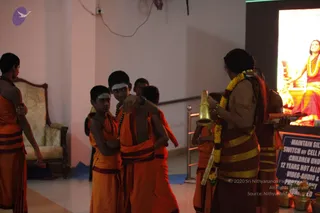
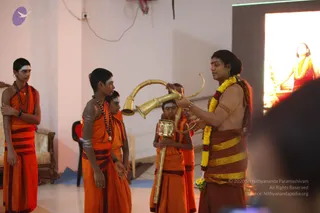
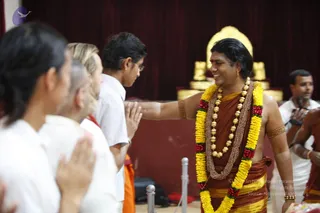
Indoor photograph of a ritual setting with several young boys in saffron-orange robes with white forehead markings standing near a golden-brown upholstered armchair. In the foreground an adult in a maroon and gold dhoti with bare upper body, a yellow and orange marigold garland around the neck and a gold armband holds a brass ritual vessel and a wooden staff. Behind them a large screen shows a woman in red and orange sari seated on a golden throne. Small brass oil lamps stand at the lower right beneath a sign reading maintain silence. Two people appear on the left, plus the boys and an adult in the centre, all physical people in the scene.A photograph of a ritual scene in an indoor hall with pale pink walls. A bare-chested man with long swept-back dark hair, wearing a yellow and marigold garland, gold armband, and a rust-brown and gold-striped dhoti, holds a pair of long curved gold horn-shaped ritual instruments. Beside him a young boy holds a brass ritual vessel on a stand. Around them, several young boys in saffron-orange robes with rust stripes, rudraksha malas and white forehead markings stand watching. On the right, a large screen shows a figure in saffron. a person with long swept-back hair and a gold bracelet is performing the ritual, while the boys are attendants.A man in a rust-brown sleeveless garment with a golden-yellow waist cloth stands at the centre, bare-chested, wearing long swept-back dark hair, a gold ear stud, a gold-beaded necklace, a rudraksha-style mala, and thick yellow and red marigold garlands. He smiles and extends his right arm toward a devotee in a white shirt who bows with palms pressed together. Other people in white clothes, some with folded hands in anjali, stand in the foreground, and a cameraman is visible at right. Behind is a deep maroon curtain and a gold-coloured throne with a peetha-style backrest. The setting appears to be a satsang hall.A photograph of a smiling man in a rust-brown robe with a shawl, wearing a long gold bead necklace and a yellow-and-red flower garland, placing his hand on the head of a woman in white, who presses her palms together in prayer. Behind them, saffron-robed monks and devotees stand in a hall with red drapes and a gilded throne-like seat in the background. The man's shaved-looking head with a red forehead mark and shawl match the page's a person reference, but appearance alone is not enough, so he is described by role as a presiding figure giving blessing; the cues are not distinctive enough to confirm identity. Other people are visible at the edges, including a man with hands folded at left.A photograph of a robed figure in a saffron-brown garment standing amid a crowd of devotees. He wears a long yellow and red marigold garland, a heavy rudraksha-style mala of gold beads, gold armlets and bracelets, and a red bindi. He holds a small white paper and appears to hand it to a devotee whose hand reaches toward him. Behind him is a golden throne-like seat before a deep red curtain, and a television monitor is visible at right. a person candidate is present, identified by the long swept hair, ornate gold jewellery and garland cues, though the appearance is not fully certain. Several other devotees in white and light clothing are seen in the foreground and background.A smiling man with long swept-back dark hair and a red bindi stands in an orange-brown saffron-toned garment, wearing layered yellow and red marigold garlands with gold beads and a rudraksha-style bead mala, plus gold bangles and earrings. He rests his hand on the head of a man bending forward in a white shirt, while other devotees crowd the foreground and a gold-draped throne or deity area glows in the background. Flower garlands and gold ornaments dominate the scene.

Final-Blessing

28 photosSource gallery
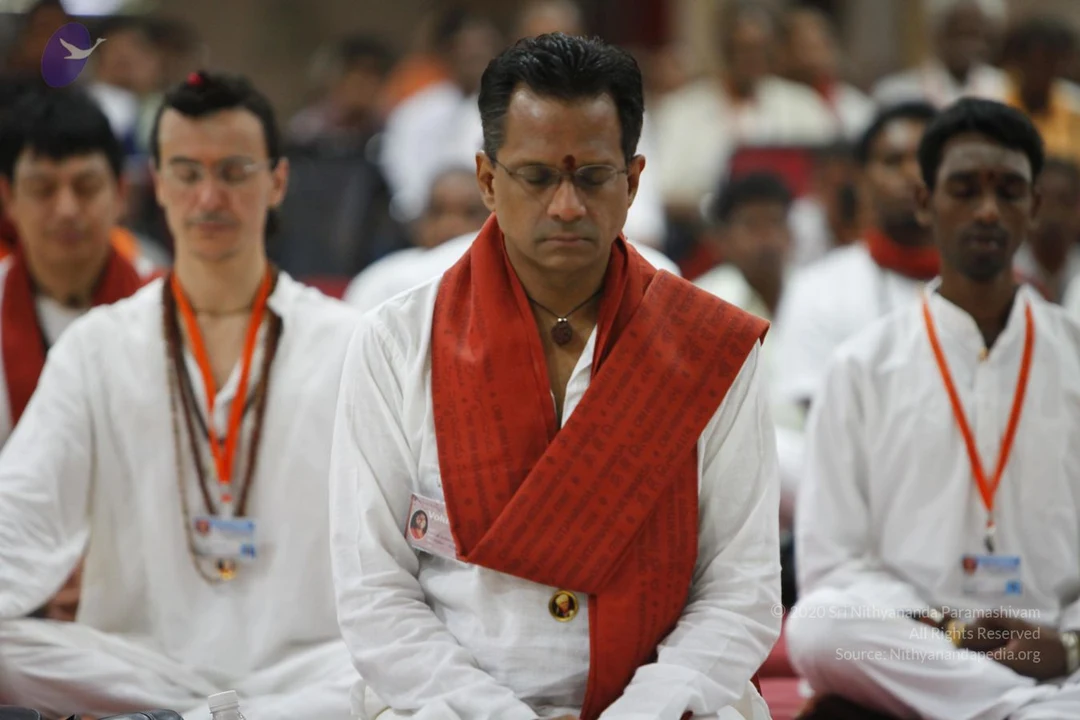
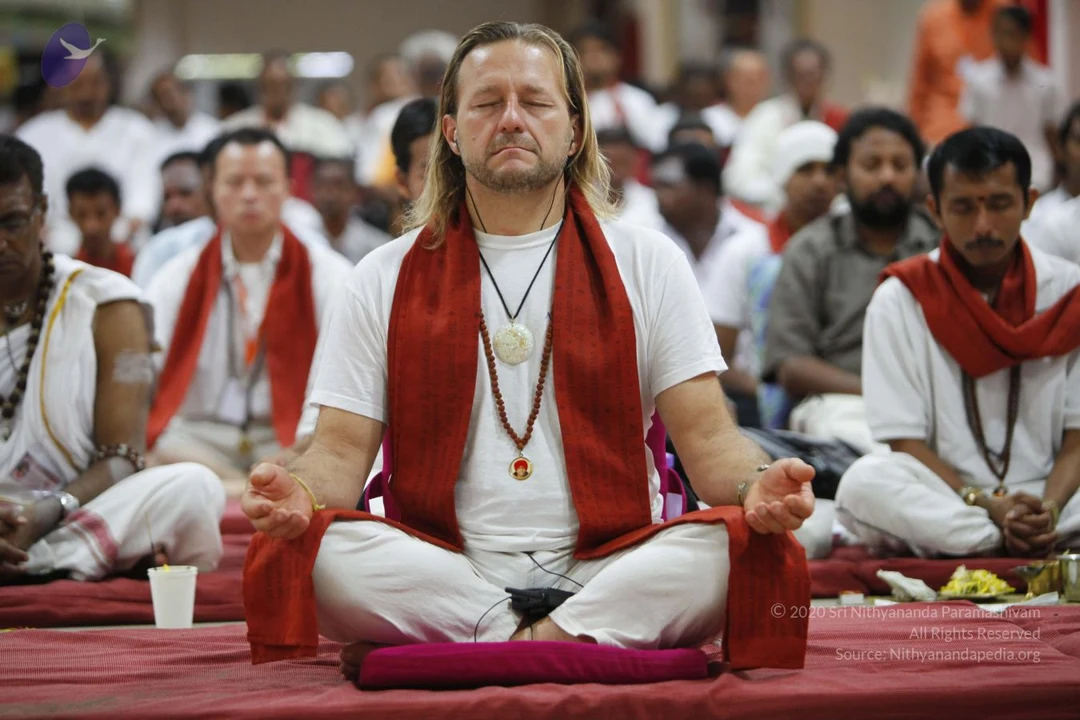
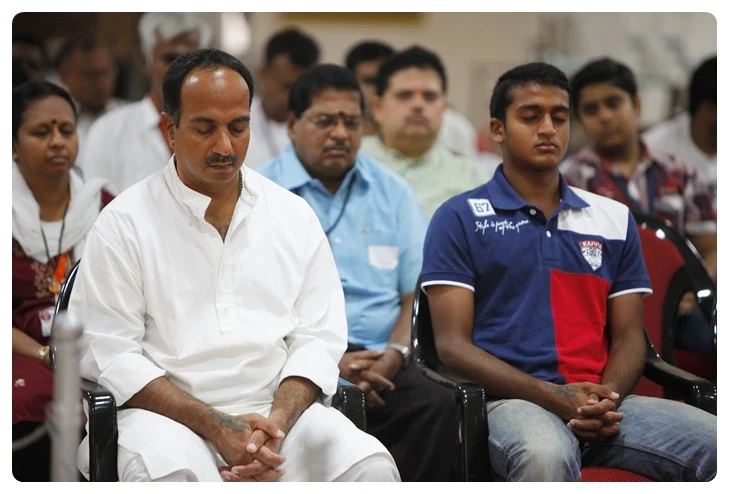
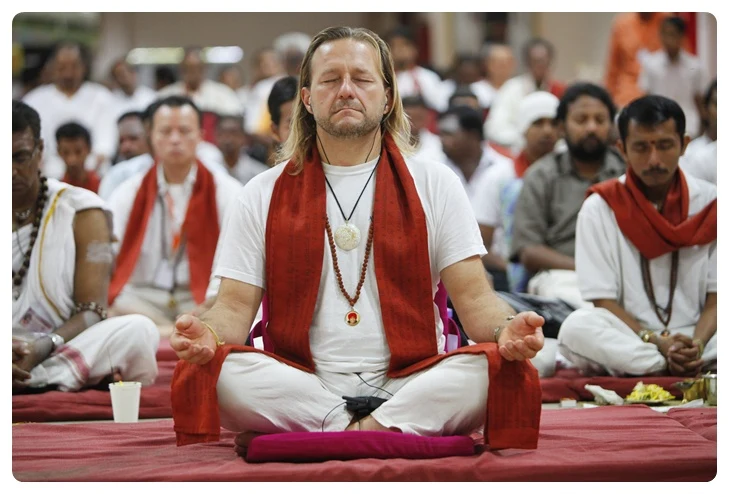
A smiling man sits on an ornate golden throne with a carved lion-head armrest and a deep red velvet cushion, in front of a large gilded backrest. He wears a saffron-orange robe, a red bindi, gold bangles, a gold hoop earring and a long garland of yellow flowers with red berries, plus a multi-strand necklace of gold beads and rudraksha-style brown beads. A pink, green and red painted pillar and a brass lamp stand behind him. Visible clothing and adornments give a person identity, seated in a position of honour during a discourse setting.A photograph of a smiling man with short dark hair and a red bindi, seated on an ornate gold throne with carved lion-head armrests and a gold scrolled backrest. He wears an orange-saffron robe, layered red, yellow and gold flower garlands, a gold beaded rudraksha-style mala and gold bangles, with a gold cuff on his upper arm. A brass lamp stands in the background beside a pink and green pillar. The man is the sole person visible. Swamiji (probable): long swept-back hair, saffron robe, ornate ceremonial gold necklace and garlands on a throne, consistent with the page's reference to Swamiji at this event.A photograph of a smiling person seated on an ornate gold-carved throne with plush maroon upholstery. The person wears an orange-saffron robe, a thick yellow and red flower garland, multiple gold beaded necklaces with rudraksha-style brown beads, a gold armlet and bangles, a red bindi, and gold hoop earrings. Behind is a pink, green and yellow pillar and a brass oil lamp on a stand. Appearance-based candidate: Swamiji (probable), seated in an in-person setting, with long swept-back hair, ceremonial gold necklaces and saffron clothing.A man sits on a plush maroon velvet throne with gold carved armrests in front of a large ornate gold backdrop. He wears an orange-saffron cloth draped over one shoulder and a bare arm adorned with a gold armlet, plus a long necklace of gold beads and rudraksha-style brown beads, and yellow and red flower garlands. A red bindi marks his forehead and a small gold earring is visible. He smiles and looks to the side, with a microphone at his cheek. Behind him are a pink, red and green pillar and a brass oil lamp. a person: the saffron clothing, ornate gold necklace, rudraksha mala and flower garlands on a throne suggest a satsang discourse speaker.A seated satsang gathering with devotees in white ritual clothes. In the foreground a man with eyes closed wears a white kurta and a red shawl printed with script, a red tilak on his forehead and a wooden-bead mala on his neck. To his left a man in white with an orange lanyard and a rudraksha mala sits in meditation, and another man in white with an orange lanyard sits at right. Behind them rows of seated devotees in white and red garments fill the hall, with a few orange and red accents visible. A small name badge is pinned to the foreground man's shawl.A seated group meditation or satsang in a hall with red mats. In the foreground a man with long light hair and a short beard sits cross-legged with eyes closed and palms resting open on his knees. He wears a white t-shirt, a red shawl, a wooden rudraksha mala and a pendant, and sits on a magenta cushion. Around him, devotees in white clothes and red shawls sit in rows, eyes closed, some with hands folded. A brass plate with yellow flowers and a small oil lamp sit on the red mat at the right edge.

darsan

19 photosSource gallery
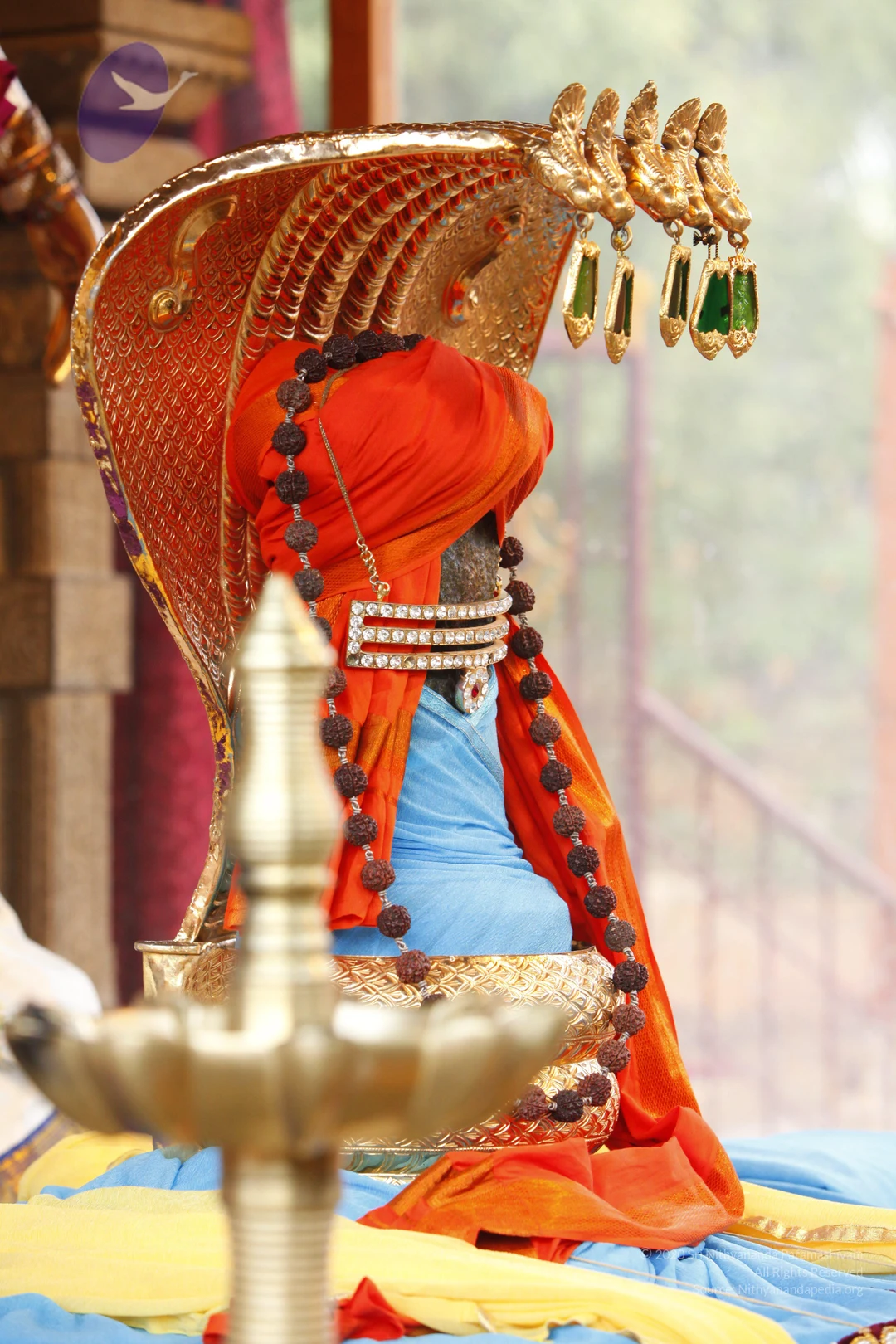
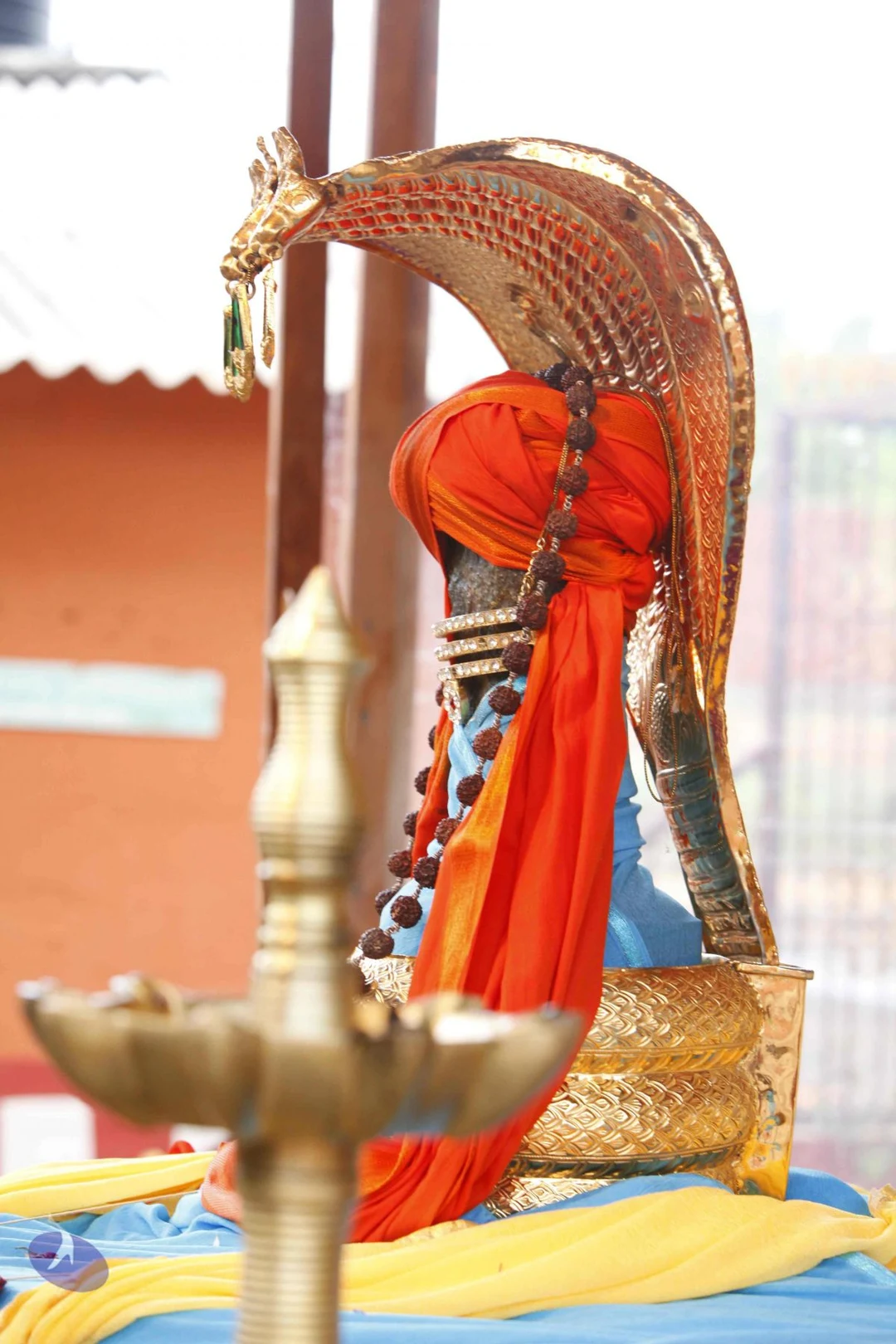
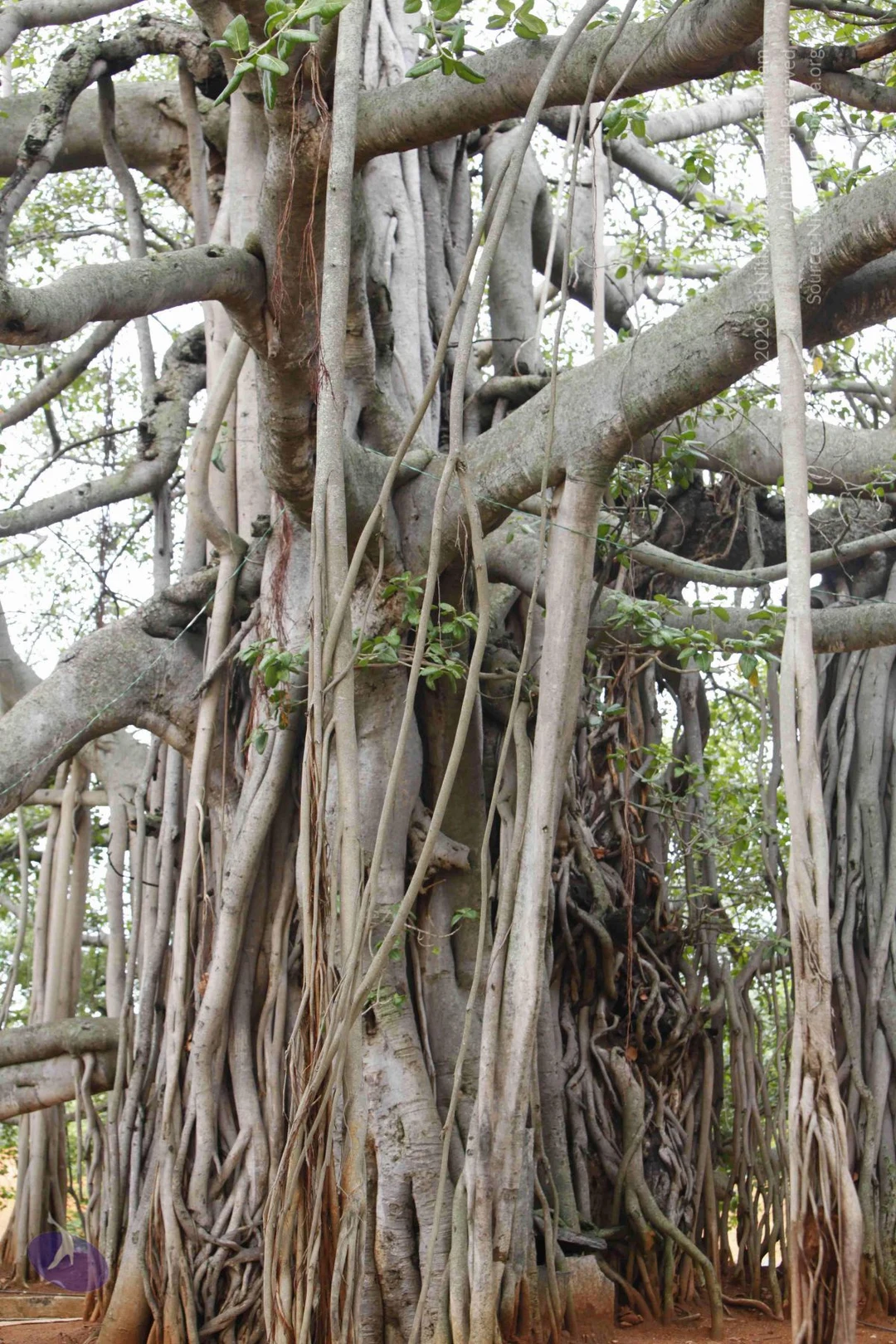
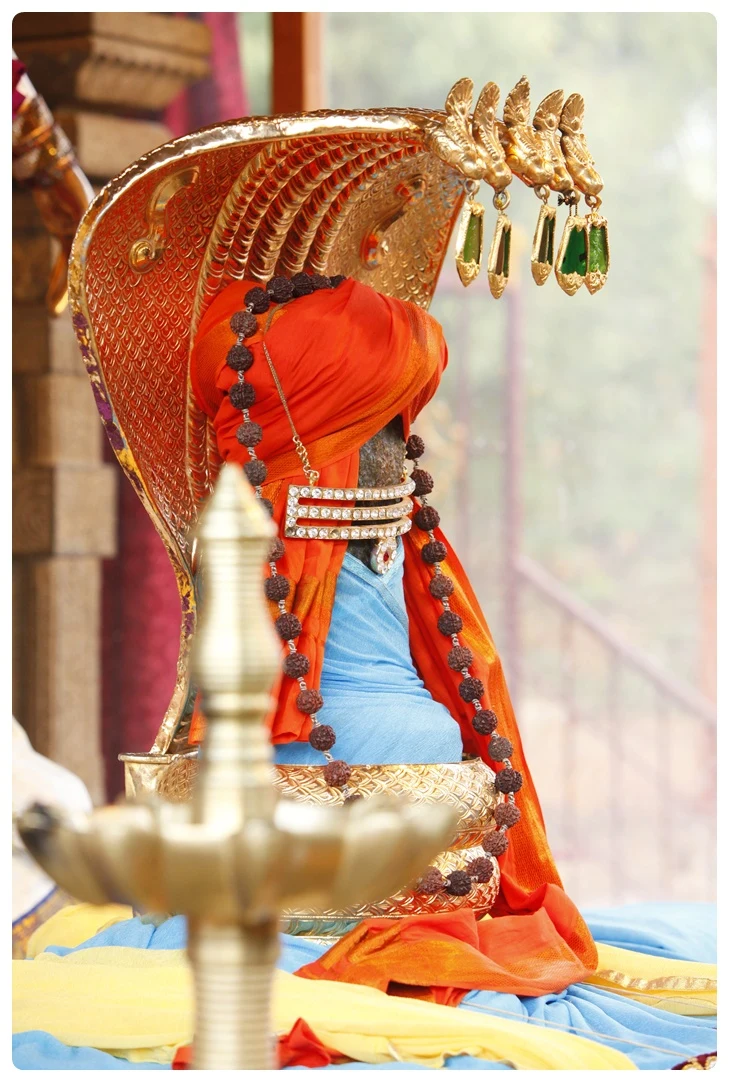
A smiling man with swept-back dark hair and a red bindi sits before an ornate gold-embossed backdrop, wearing a rust-orange robe and layered yellow and red flower garlands with gold bead strands. A brass hanging bell and a brass oil lamp stand beside him, with a brass bird-shaped lamp holder in the foreground. The man has a gold earring and a beaded arm band, and the scene suggests a ritual setting.A photograph of a seated man in a rust-orange saffron wrap with long, swept-back dark hair and a small red bindi, pressing his palms together in namaste with a smile. He wears a yellow and red flower garland with a gold-beaded rudraksha-style mala and gold bangles. Behind him is an ornate gold repoussé panel with a seated deity relief, and to the right hangs a brass bell and a brass oil lamp on chains, beside a small brass bird figure. The seat is cream cushioned furniture with an orange cloth. The scene suggests a satsang seating, with one person visible.Two golden metal murti statues are seated side by side in front of a bright pink draped cloth backdrop framed by a gold arch. The figure on the left wears an orange turban with a jeweled ornament, a black rudraksha mala, a white silver-beaded necklace and a trident in its raised hand. The figure on the right wears a black crown with silver beadwork, a silver necklace and an orange robe, holding a small object in one hand. Both are garlanded with red flowers and yellow marigolds, and white ceremonial powder is visible on their garments. These are deity murti figures, not living people, and no physical people are present in the scene.A photograph of a temple shrine with a pair of deity murtis seated on a raised blue-draped platform within an ornate golden arch. The taller figure wears a red turban, gold crown-like headwear, a gold necklace and garlands of flowers, and holds a trident; the other figure wears a gold crown and garlands of mixed flowers. In front are brass oil lamps, a kalasha, small silver bowls and offerings. Yellow and orange draped curtains and carved stone pillars frame the shrine. No physical people are visible; the figures are statues in a sanctum.A seated statue of a figure wearing an orange turban and a light blue draped garment, adorned with a rudraksha mala and a jewelled gold collar. Behind the figure rises an ornate golden hooded-cobra backrest with green gem-set pendants hanging from it. In the foreground, a brass oil lamp is blurred, and blue and yellow cloth covers the seat. The figure is a sculpted or wax-like depiction on a decorated throne, not a living person.Photograph of a large, old banyan tree with thick, spreading grey branches and many aerial roots hanging down from the limbs. Green leaves fill the canopy, with bright sky visible between the branches. No people are visible; the scene is a natural tree trunk and branch structure.

Temple-Swamiji

29 photosSource gallery
A photograph of an overcast grey sky with a bright break in the clouds where sunlight glows through, lit in pale gold and white. Silhouetted palm fronds fill the lower edge of the frame against the dim sky. No people, ritual objects or a person appear in the scene; the image is an outdoor sky and palm view.A photograph of two golden metal murti statues of Shiva and Parvati seated in front of a bright pink draped curtain within an ornate gilded arch. The left figure, in orange robes and a red turban with a crown, holds a trident and raises one hand in blessing; the right figure wears a black crown and heavy silver jewellery. Both are adorned with garlands of red and yellow flowers, rudraksha beads and silver necklaces, and a small green parrot perches near the right figure. The statues are deity murtis, not living people.Golden deity murtis in a temple shrine framed by shimmering gold curtains. A red-turbaned male deity holds a trident and a damaru-like instrument with a cobra motif, wearing a jewelled garland and a red tilak. Beside him a female deity with a crown and elaborate gold jewellery holds a lotus, draped in a magenta sari and wreathed in red, yellow and purple flower garlands. Both figures are sculpted statues, not living people.A photograph of a pair of gilded deity murtis seated before a shimmering gold curtain framed by ornate gold carving. The left figure wears a red turban and a red tilak, holds a trident and a small pot, and is adorned with a heavy jewelled necklace. The right figure wears a jewelled crown, a jewelled necklace and drop earrings, and holds a parrot. Both are decorated with garlands of red, yellow and purple flowers, and a brass plate of offerings sits in the foreground.A shrine photograph showing a pair of carved deity murtis seated side by side on a raised blue-draped peetha within an ornate golden arch. The taller figure wears a red and gold crown, holds a trident and rests a hand on a shield-like ornament, while the companion figure wears a tall gold crown and a red-and-gold ornate necklace. Both are garlanded with multicoloured flower garlands, the central figure is draped in a purple cloth and an orange shawl hangs from the shoulder. Golden curtains frame the arch, brass oil lamps and offerings sit on the altar, and carved stone pillars surround the shrine. No people are visible.A photograph of a temple shrine with a pair of deity murtis seated on a raised blue-draped platform within an ornate golden arch. The taller figure wears a red turban, gold crown-like headwear, a gold necklace and garlands of flowers, and holds a trident; the other figure wears a gold crown and garlands of mixed flowers. In front are brass oil lamps, a kalasha, small silver bowls and offerings. Yellow and orange draped curtains and carved stone pillars frame the shrine. No physical people are visible; the figures are statues in a sanctum.

Pratyaksha-Pada-Puja-Crowd
39 photosSource gallery
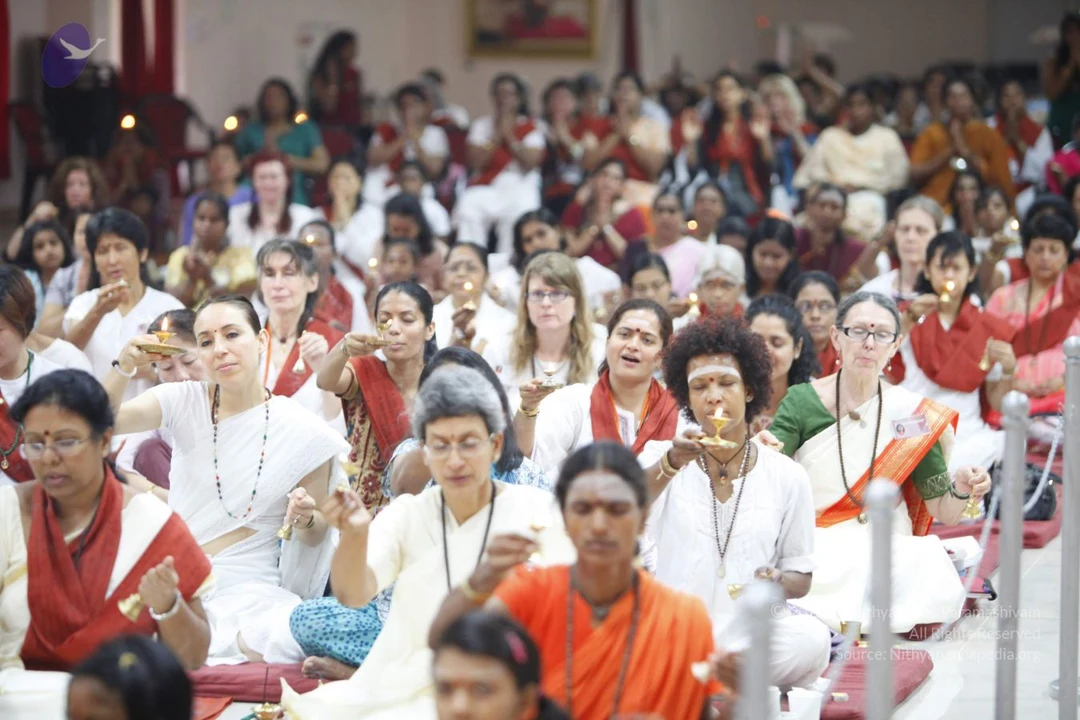
A photograph of a satsang gathering with a row of women in front, most in saffron and orange-red robes with yellow borders and rudraksha malas, standing with palms pressed together in namaskar and eyes closed or lowered. The woman at centre wears brown-red robes with a yellow border and round spectacles. Behind them, a larger crowd of women in white and cream clothing and red shawls also stand with hands folded in prayer. Several women have white forehead markings. The setting appears to be an indoor hall with red mats on the floor.Profile photo of a man with long dark hair seated before an ornate gold throne carved with floral scrollwork. He wears a maroon-brown robe, a thick garland of yellow marigolds and red flowers with gold beads, a gold armlet, a small gold earring and white and red forehead markings. A brass bell hangs at right beside a brass hanging oil lamp against a black background. Swamiji (probable): long swept-back hair, maroon robe, ornate gold throne and ceremonial garland mark a.Close view of a bare foot resting on a golden tray of pooja offerings. A person in a saffron-and-gold silk garment stands at the left edge. Around the foot are silver bowls with pink and orange marigold-style flowers, large pink orchid blossoms, green leaves and a small silver pooja vessel. This appears to be a padapuja, where a guru's feet are washed and honoured with flowers.A seated man in profile before a gold ornate throne back, with brass oil lamps on either side. He wears a rust-brown robe, a yellow and red flower garland with gold bead ornaments, a rudraksha bead armlet, and gold hoop earring, with a red dot and white forehead markings. Long dark hair falls past his shoulders. Hanging chains and a dark background complete the setting.Photograph of a seated man in profile on an ornate gold throne, wearing a rust-orange sleeveless garment, long flowing dark hair, a white tilak on his forehead, and a gold armlet. He wears a thick garland of yellow and red flowers with a gold bead necklace and a rudraksha-style mala. A brass oil lamp and a gilded throne carving are visible at left, with a hanging brass lamp at right. The man, described by the page as Swamiji, is probable from his long hair, saffron-toned clothing, malas and ceremonial setting, and sits in a satsang-style setting. One physical person is present.A seated man in a saffron-orange robe sits on a cream upholstered throne in front of an ornate gold repoussé backdrop. He wears a long yellow and red flower garland, multiple gold-beaded and rudraksha-style necklaces, a gold armlet and bangles, and a red bindi with ash marks on his forehead. Brass hanging bells and a brass oil lamp stand to his right, with a small brass peacock figure on a side table. He gazes off to the side with a composed expression against a black background. a person appears as the central figure, seated on the throne with distinctive saffron robes, garlands and ceremonial gold necklaces.

Nithya-Satsang

28 photosSource gallery
A smiling man sits on an ornate golden throne with a carved lion-head armrest and a deep red velvet cushion, in front of a large gilded backrest. He wears a saffron-orange robe, a red bindi, gold bangles, a gold hoop earring and a long garland of yellow flowers with red berries, plus a multi-strand necklace of gold beads and rudraksha-style brown beads. A pink, green and red painted pillar and a brass lamp stand behind him. Visible clothing and adornments give a person identity, seated in a position of honour during a discourse setting.A photograph of a smiling man with short dark hair and a red bindi, seated on an ornate gold throne with carved lion-head armrests and a gold scrolled backrest. He wears an orange-saffron robe, layered red, yellow and gold flower garlands, a gold beaded rudraksha-style mala and gold bangles, with a gold cuff on his upper arm. A brass lamp stands in the background beside a pink and green pillar. The man is the sole person visible. Swamiji (probable): long swept-back hair, saffron robe, ornate ceremonial gold necklace and garlands on a throne, consistent with the page's reference to Swamiji at this event.A photograph of a smiling person seated on an ornate gold-carved throne with plush maroon upholstery. The person wears an orange-saffron robe, a thick yellow and red flower garland, multiple gold beaded necklaces with rudraksha-style brown beads, a gold armlet and bangles, a red bindi, and gold hoop earrings. Behind is a pink, green and yellow pillar and a brass oil lamp on a stand. Appearance-based candidate: Swamiji (probable), seated in an in-person setting, with long swept-back hair, ceremonial gold necklaces and saffron clothing.A man sits on a plush maroon velvet throne with gold carved armrests in front of a large ornate gold backdrop. He wears an orange-saffron cloth draped over one shoulder and a bare arm adorned with a gold armlet, plus a long necklace of gold beads and rudraksha-style brown beads, and yellow and red flower garlands. A red bindi marks his forehead and a small gold earring is visible. He smiles and looks to the side, with a microphone at his cheek. Behind him are a pink, red and green pillar and a brass oil lamp. a person: the saffron clothing, ornate gold necklace, rudraksha mala and flower garlands on a throne suggest a satsang discourse speaker.A seated satsang gathering with devotees in white ritual clothes. In the foreground a man with eyes closed wears a white kurta and a red shawl printed with script, a red tilak on his forehead and a wooden-bead mala on his neck. To his left a man in white with an orange lanyard and a rudraksha mala sits in meditation, and another man in white with an orange lanyard sits at right. Behind them rows of seated devotees in white and red garments fill the hall, with a few orange and red accents visible. A small name badge is pinned to the foreground man's shawl.A seated group meditation or satsang in a hall with red mats. In the foreground a man with long light hair and a short beard sits cross-legged with eyes closed and palms resting open on his knees. He wears a white t-shirt, a red shawl, a wooden rudraksha mala and a pendant, and sits on a magenta cushion. Around him, devotees in white clothes and red shawls sit in rows, eyes closed, some with hands folded. A brass plate with yellow flowers and a small oil lamp sit on the red mat at the right edge.

Sarva-Darshan

16 photosSource gallery
Indoor photograph of a ritual setting with several young boys in saffron-orange robes with white forehead markings standing near a golden-brown upholstered armchair. In the foreground an adult in a maroon and gold dhoti with bare upper body, a yellow and orange marigold garland around the neck and a gold armband holds a brass ritual vessel and a wooden staff. Behind them a large screen shows a woman in red and orange sari seated on a golden throne. Small brass oil lamps stand at the lower right beneath a sign reading maintain silence. Two people appear on the left, plus the boys and an adult in the centre, all physical people in the scene.A photograph of a ritual scene in an indoor hall with pale pink walls. A bare-chested man with long swept-back dark hair, wearing a yellow and marigold garland, gold armband, and a rust-brown and gold-striped dhoti, holds a pair of long curved gold horn-shaped ritual instruments. Beside him a young boy holds a brass ritual vessel on a stand. Around them, several young boys in saffron-orange robes with rust stripes, rudraksha malas and white forehead markings stand watching. On the right, a large screen shows a figure in saffron. a person with long swept-back hair and a gold bracelet is performing the ritual, while the boys are attendants.A man in a rust-brown sleeveless garment with a golden-yellow waist cloth stands at the centre, bare-chested, wearing long swept-back dark hair, a gold ear stud, a gold-beaded necklace, a rudraksha-style mala, and thick yellow and red marigold garlands. He smiles and extends his right arm toward a devotee in a white shirt who bows with palms pressed together. Other people in white clothes, some with folded hands in anjali, stand in the foreground, and a cameraman is visible at right. Behind is a deep maroon curtain and a gold-coloured throne with a peetha-style backrest. The setting appears to be a satsang hall.A photograph of a smiling man in a rust-brown robe with a shawl, wearing a long gold bead necklace and a yellow-and-red flower garland, placing his hand on the head of a woman in white, who presses her palms together in prayer. Behind them, saffron-robed monks and devotees stand in a hall with red drapes and a gilded throne-like seat in the background. The man's shaved-looking head with a red forehead mark and shawl match the page's a person reference, but appearance alone is not enough, so he is described by role as a presiding figure giving blessing; the cues are not distinctive enough to confirm identity. Other people are visible at the edges, including a man with hands folded at left.A photograph of a robed figure in a saffron-brown garment standing amid a crowd of devotees. He wears a long yellow and red marigold garland, a heavy rudraksha-style mala of gold beads, gold armlets and bracelets, and a red bindi. He holds a small white paper and appears to hand it to a devotee whose hand reaches toward him. Behind him is a golden throne-like seat before a deep red curtain, and a television monitor is visible at right. a person candidate is present, identified by the long swept hair, ornate gold jewellery and garland cues, though the appearance is not fully certain. Several other devotees in white and light clothing are seen in the foreground and background.A smiling man with long swept-back dark hair and a red bindi stands in an orange-brown saffron-toned garment, wearing layered yellow and red marigold garlands with gold beads and a rudraksha-style bead mala, plus gold bangles and earrings. He rests his hand on the head of a man bending forward in a white shirt, while other devotees crowd the foreground and a gold-draped throne or deity area glows in the background. Flower garlands and gold ornaments dominate the scene.

Photos Of The Day:

2 photosSource gallery
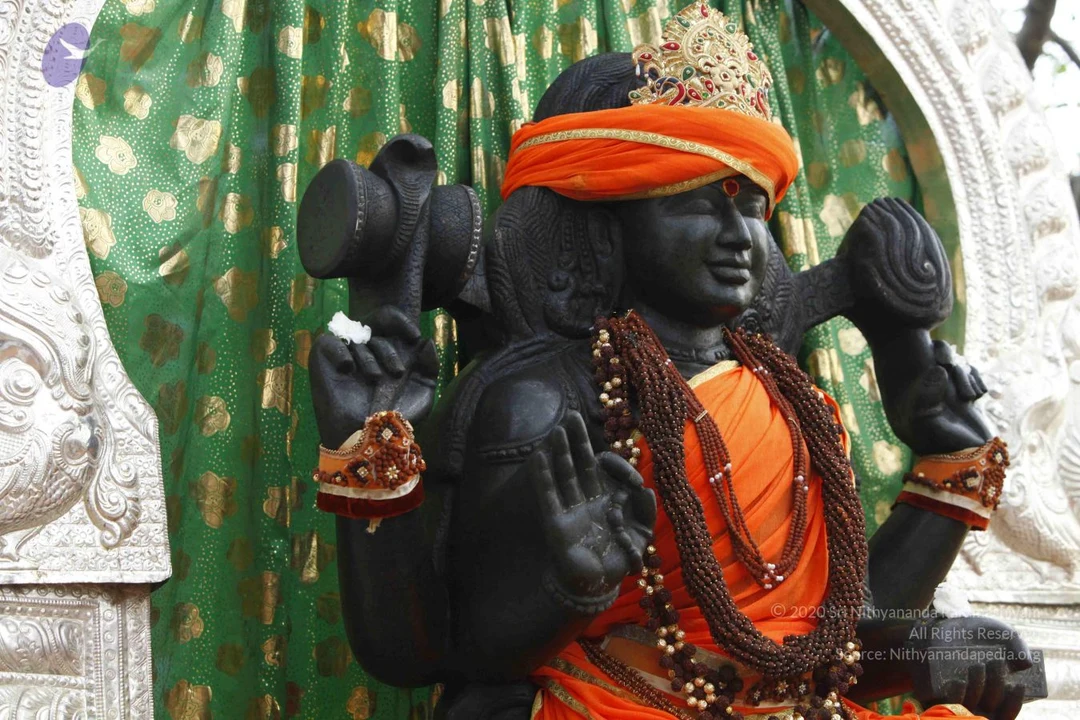
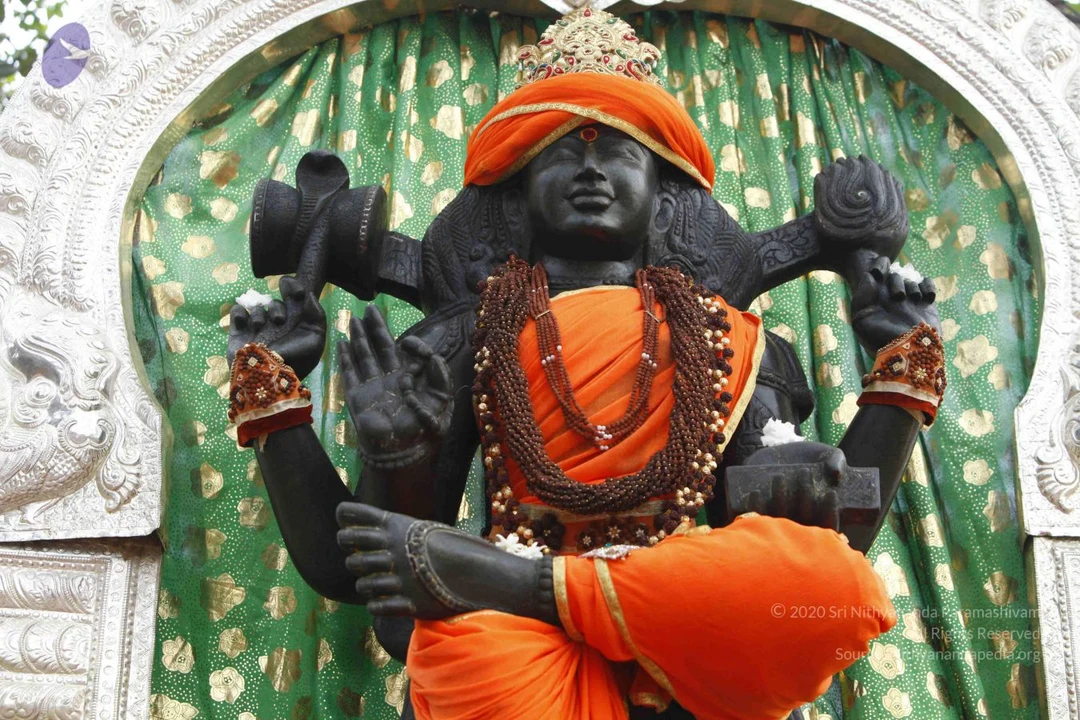
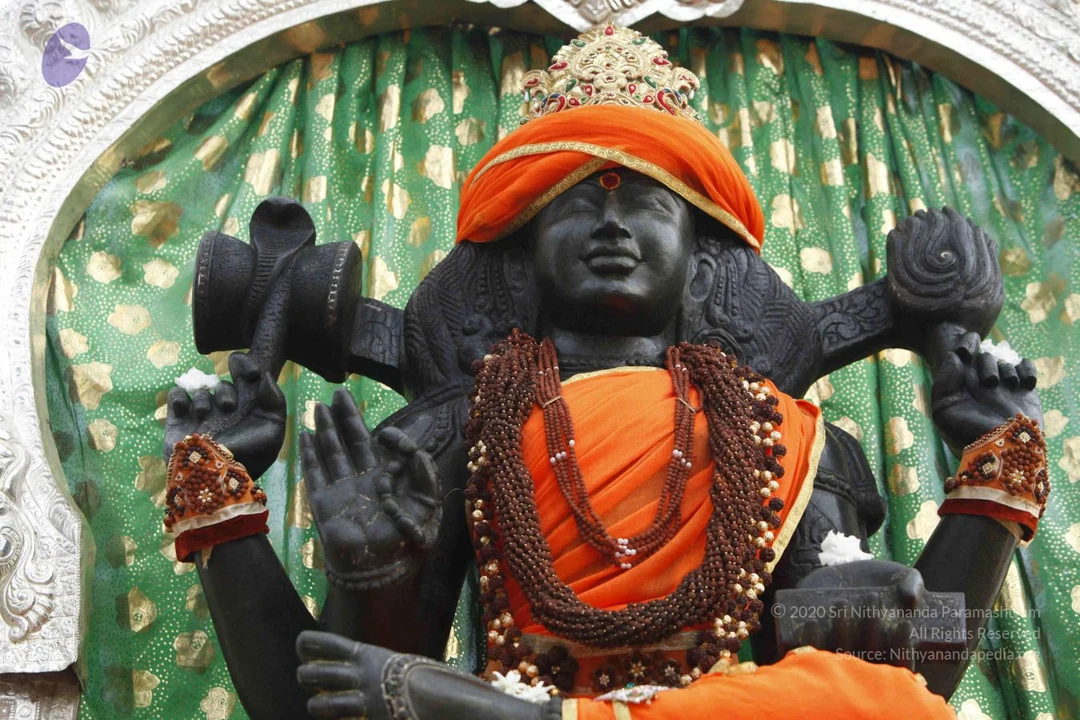
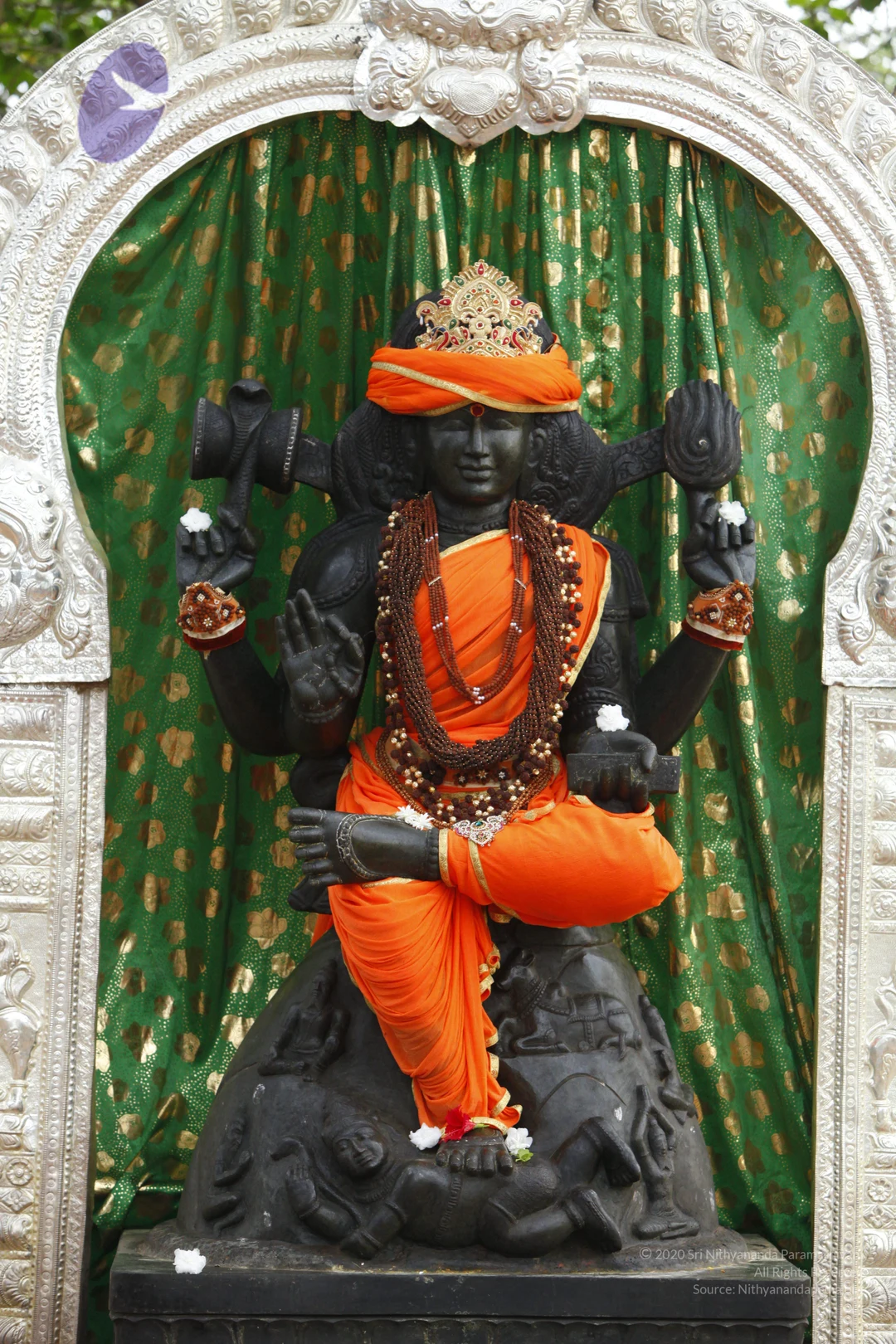
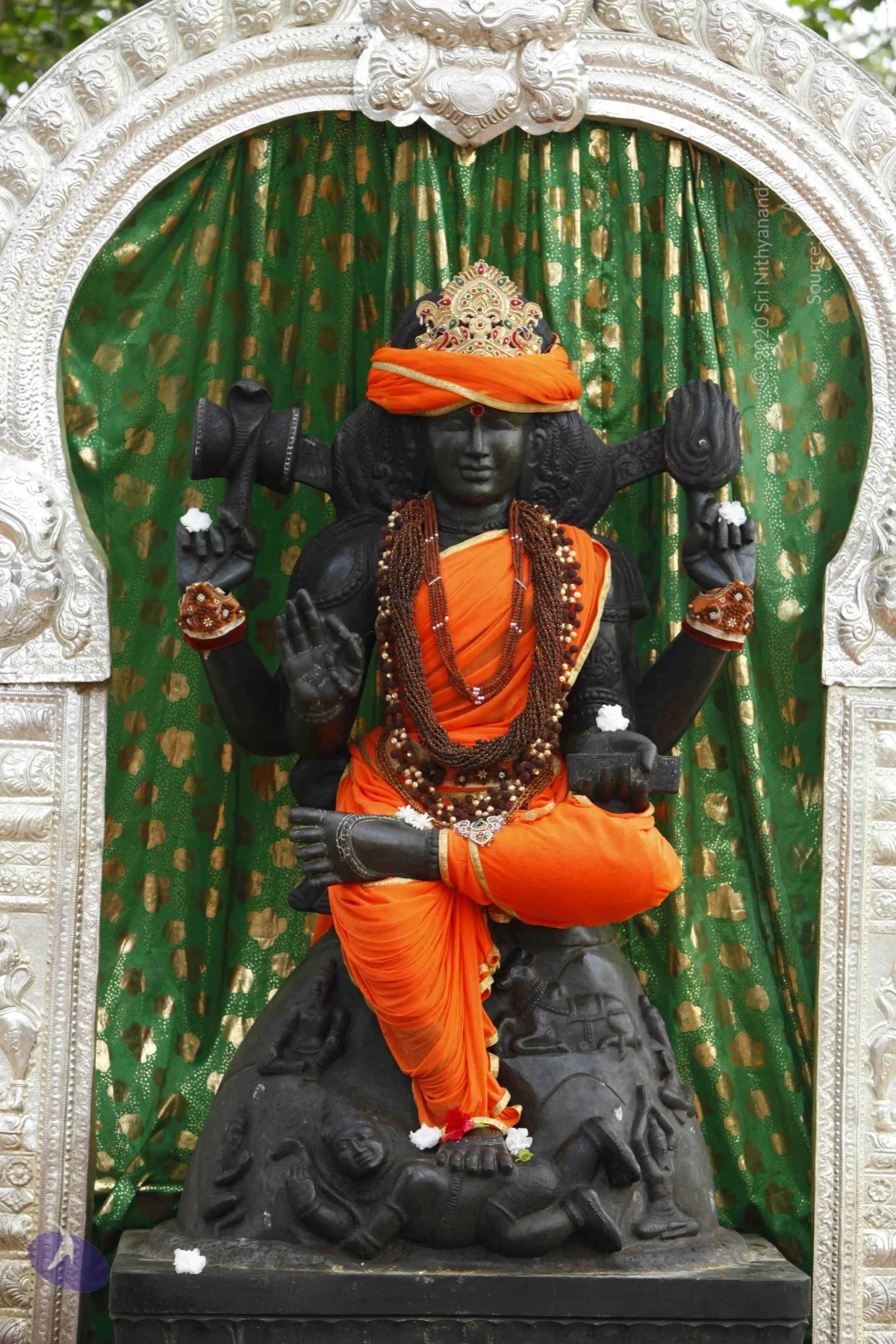
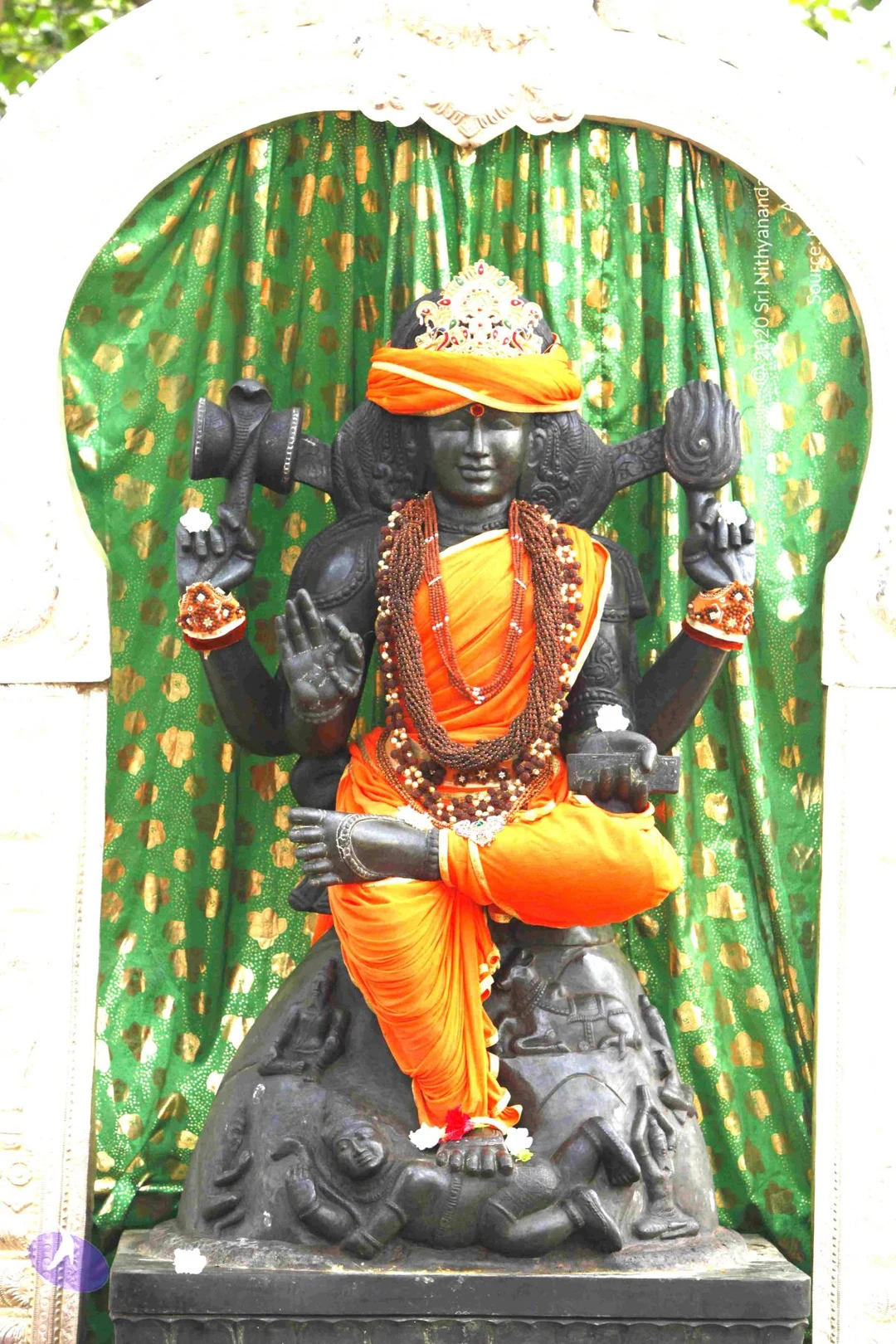
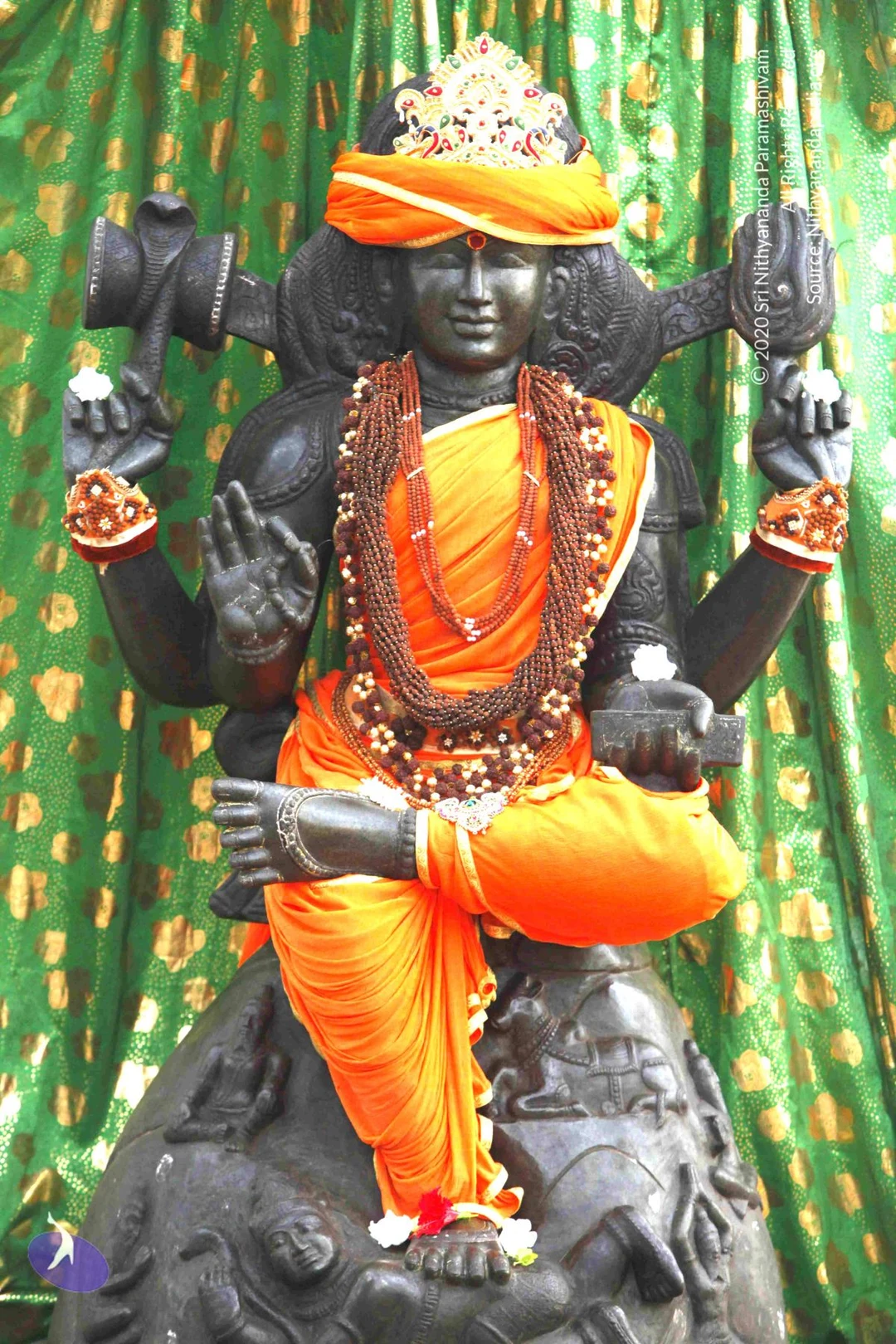
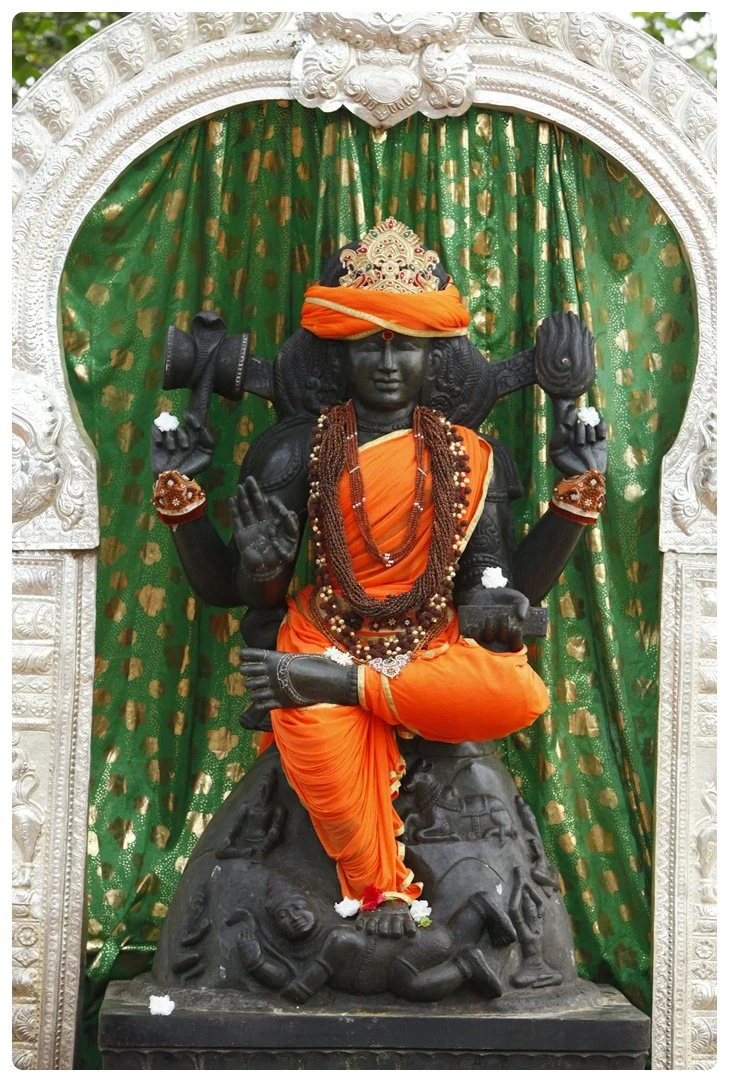
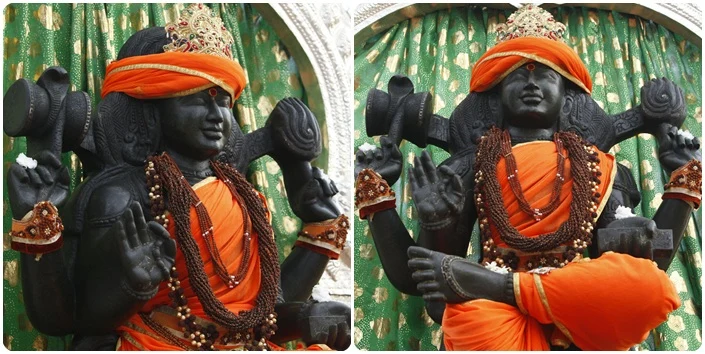
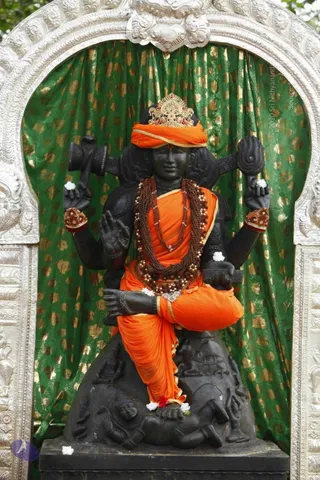
A black stone statue of a four-armed deity murti seated in a silver-framed arched niche against a green curtain with gold motifs. The figure wears an orange turban with a jeweled gold crown, an orange dhoti-style cloth with gold border, multiple strands of rudraksha and bead malas, and jeweled bracelets. Two hands hold ritual implements, one hand rests in a mudra, and the figure sits on a carved rock base with a small figure beneath its foot. White flowers are scattered around the base and arms.

Temple-Swamiji

24 photosSource gallery
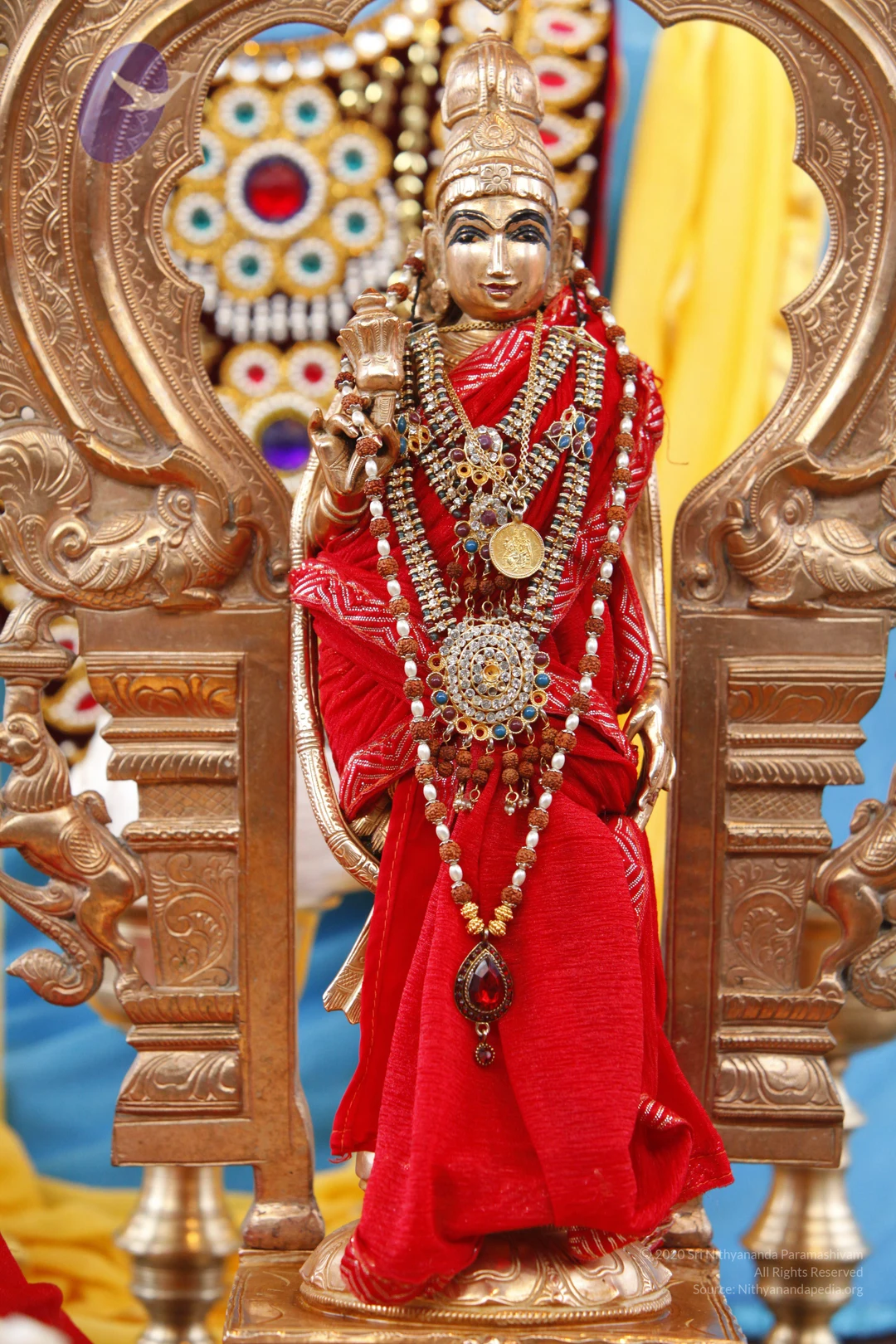
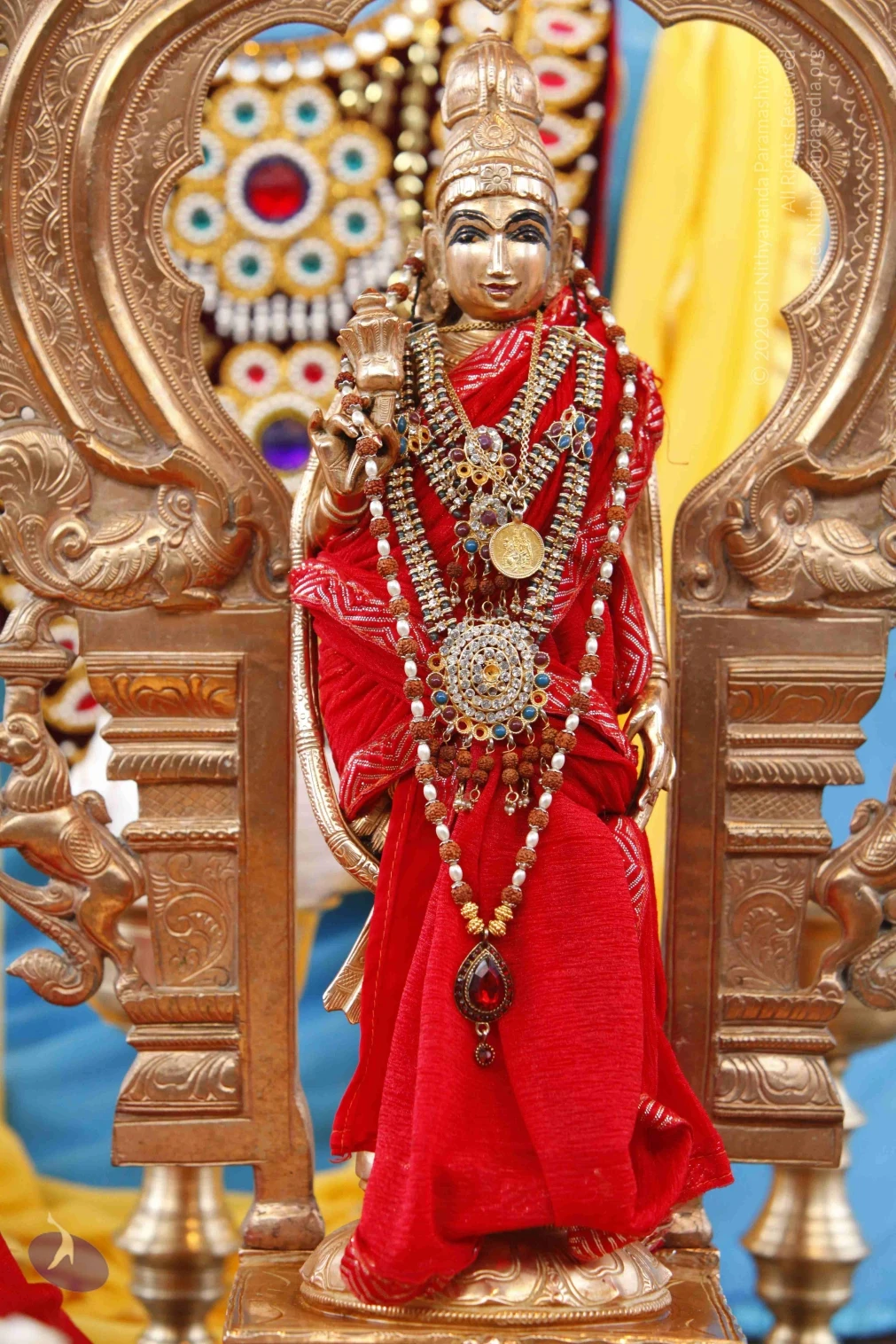
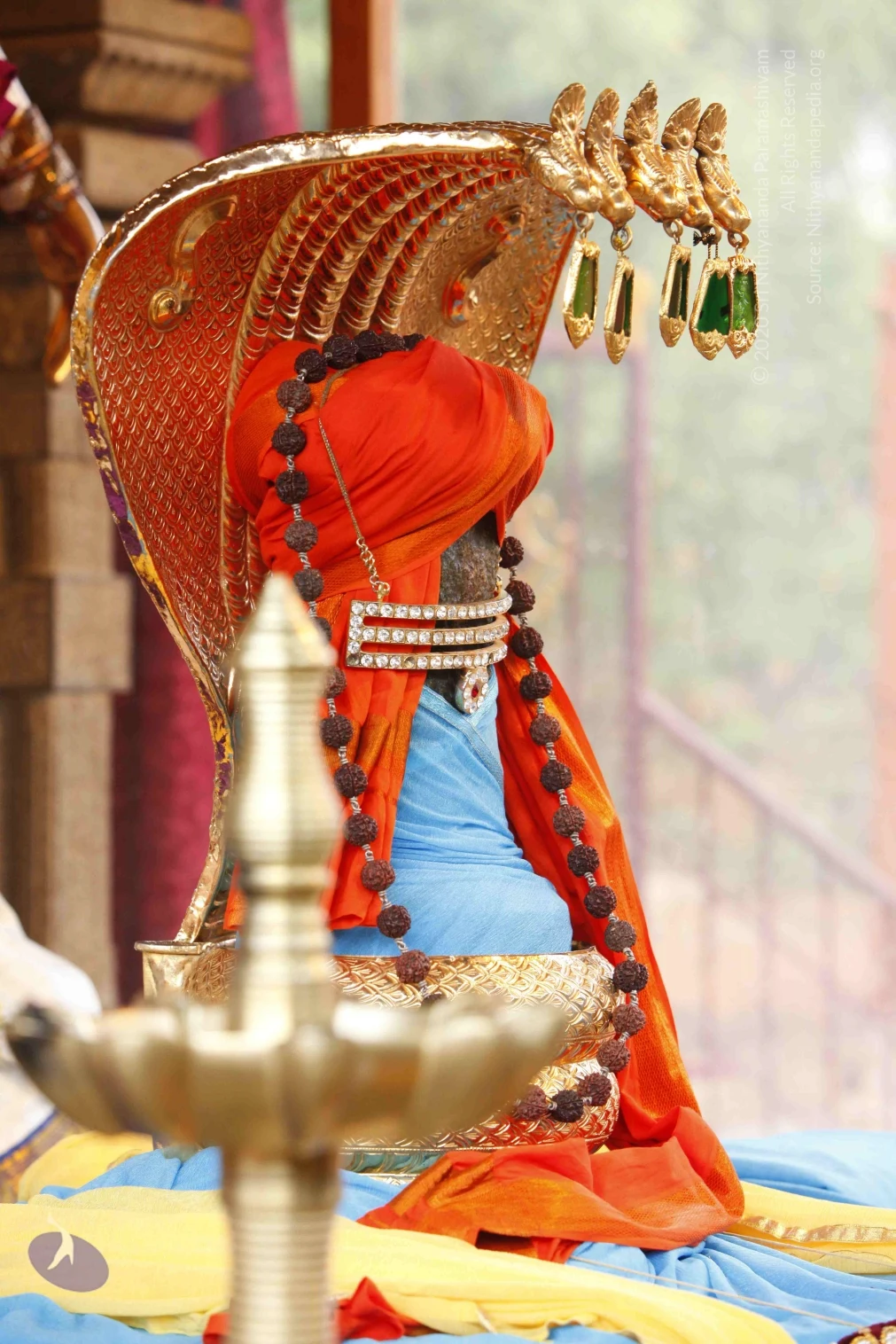
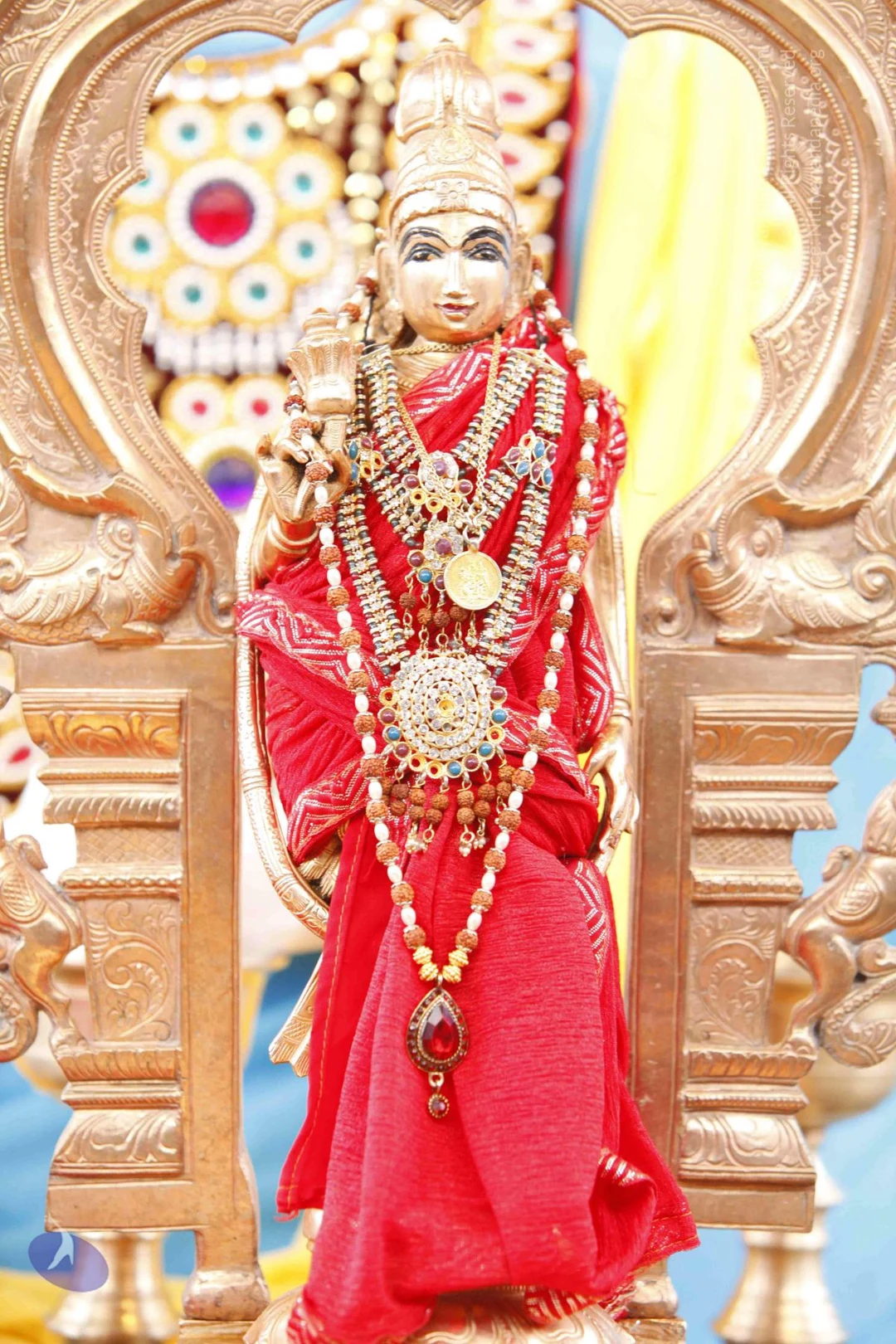
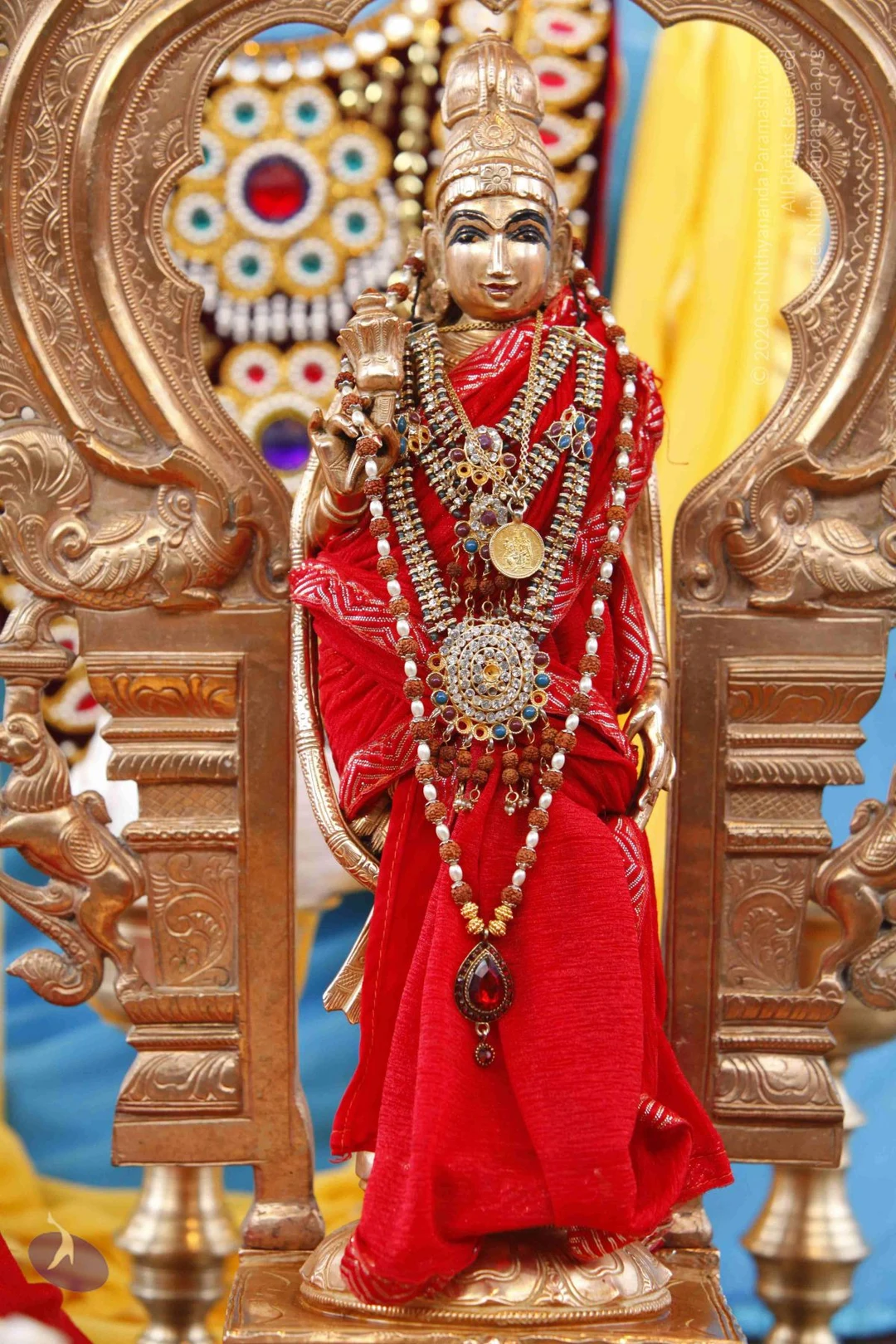
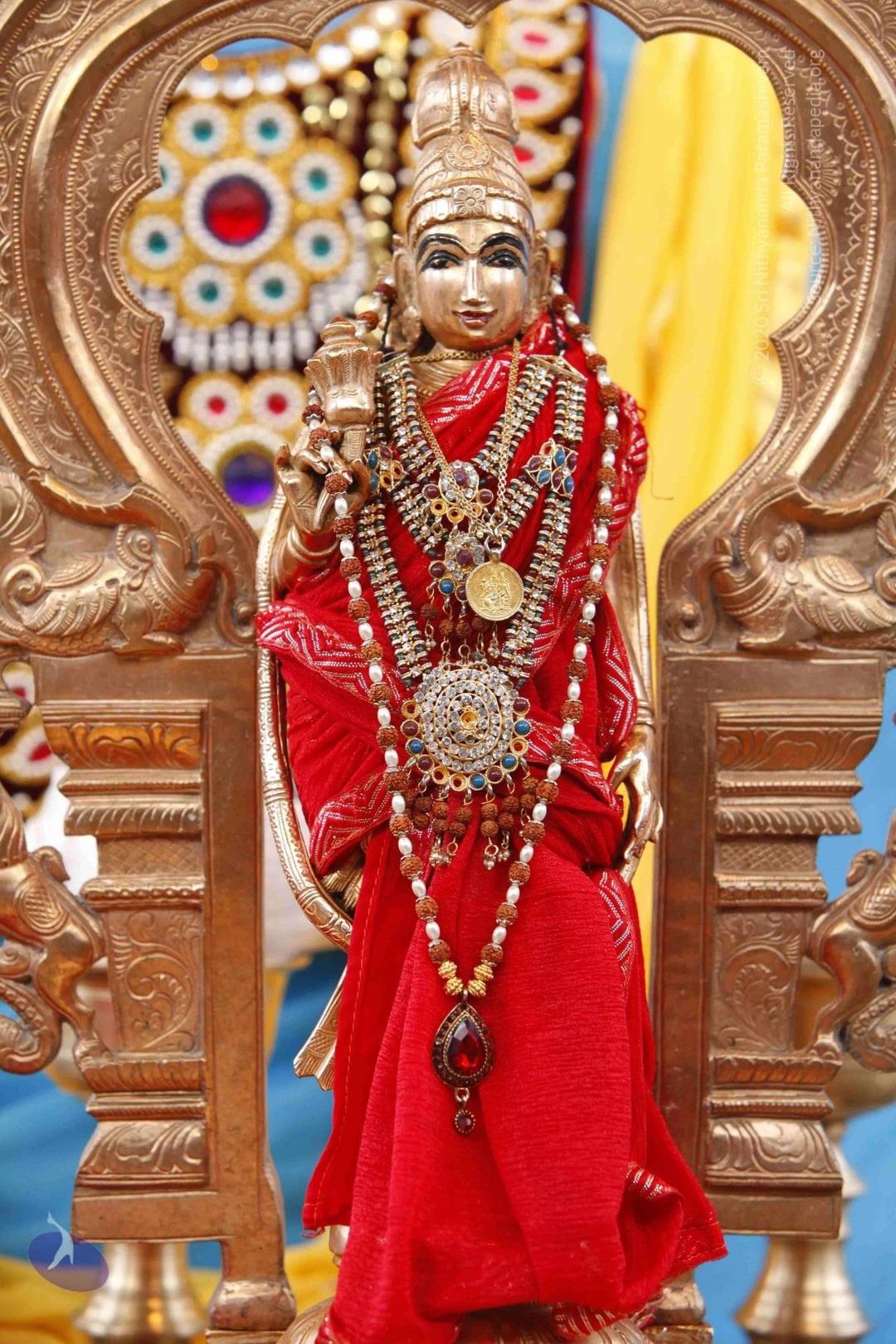
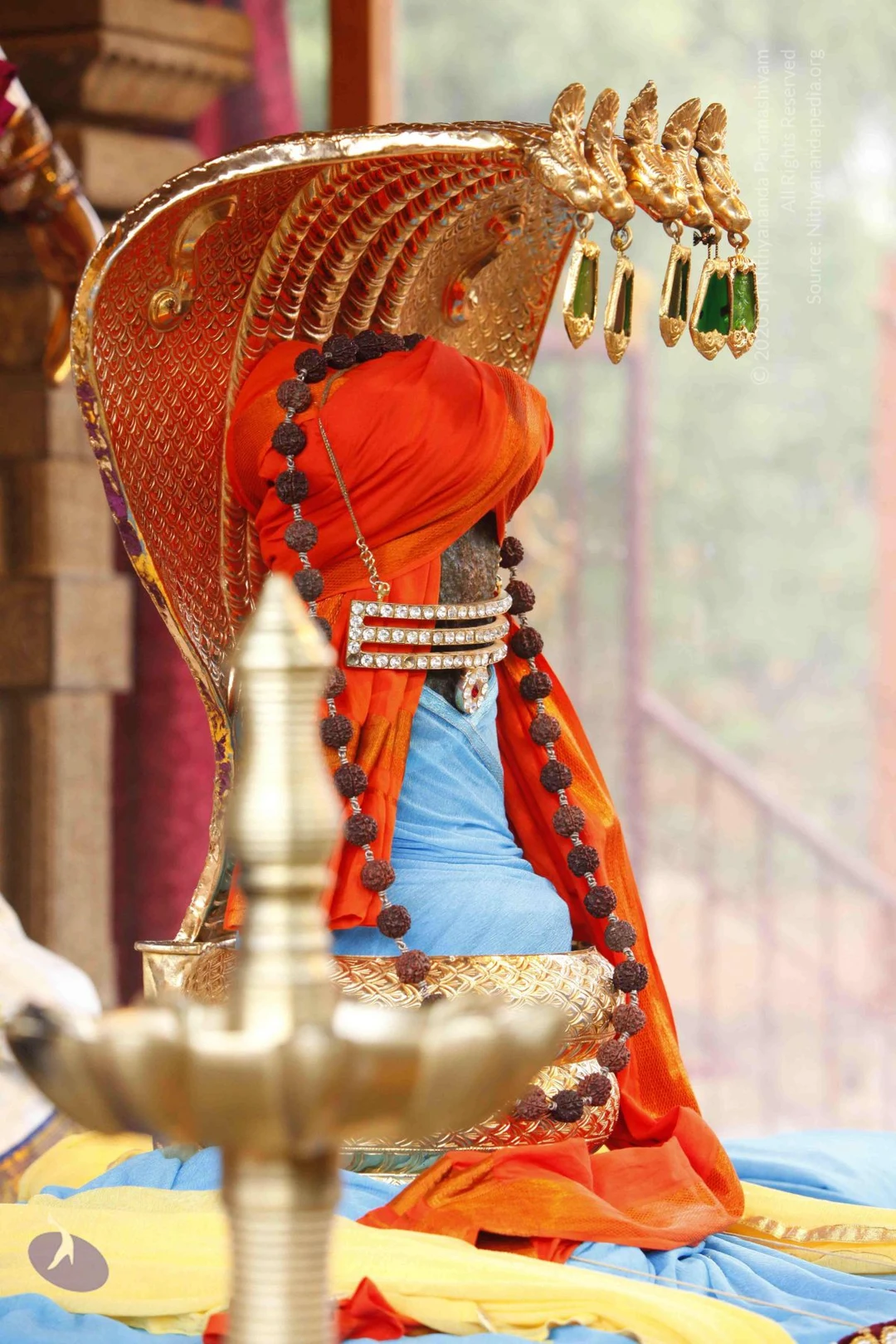
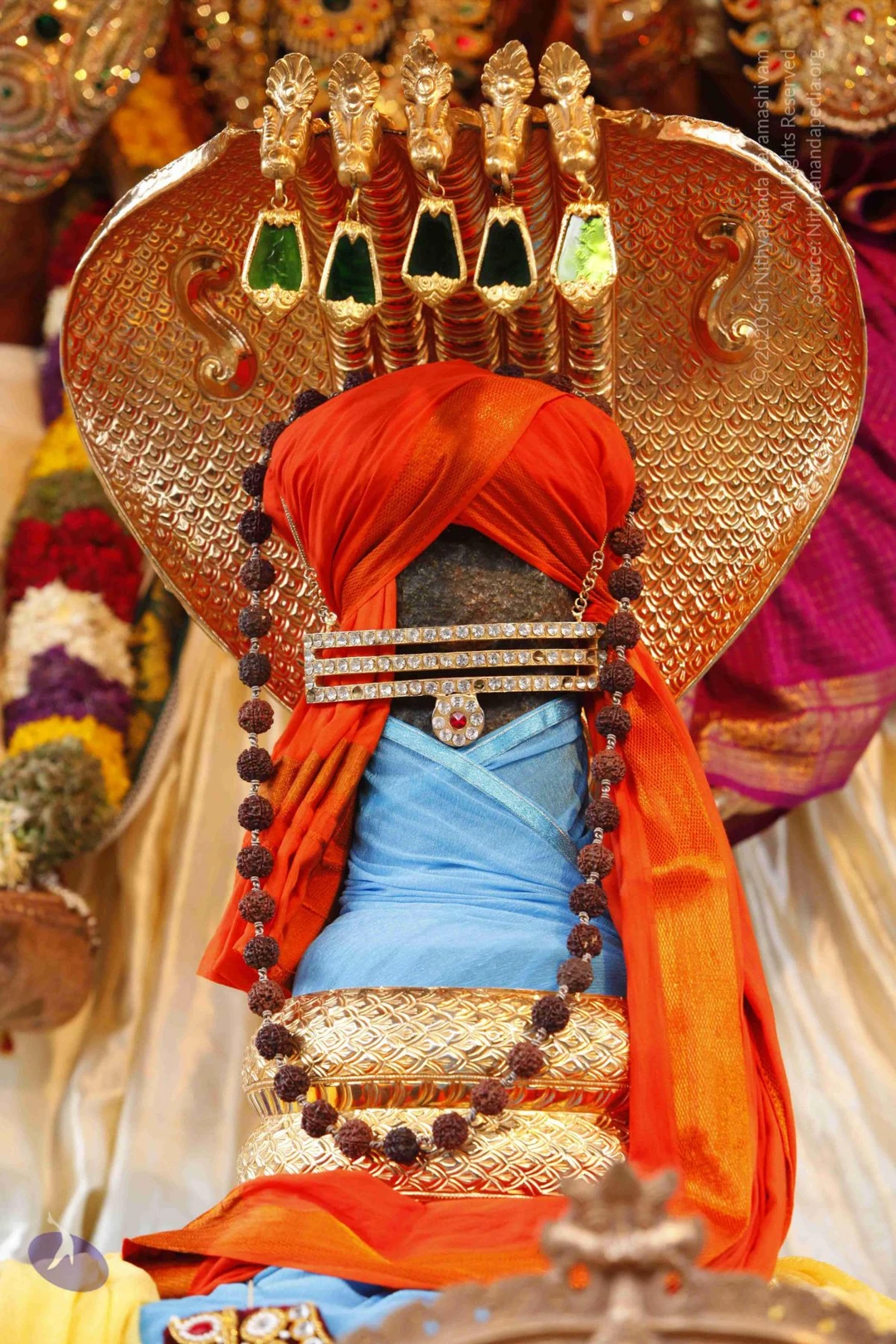
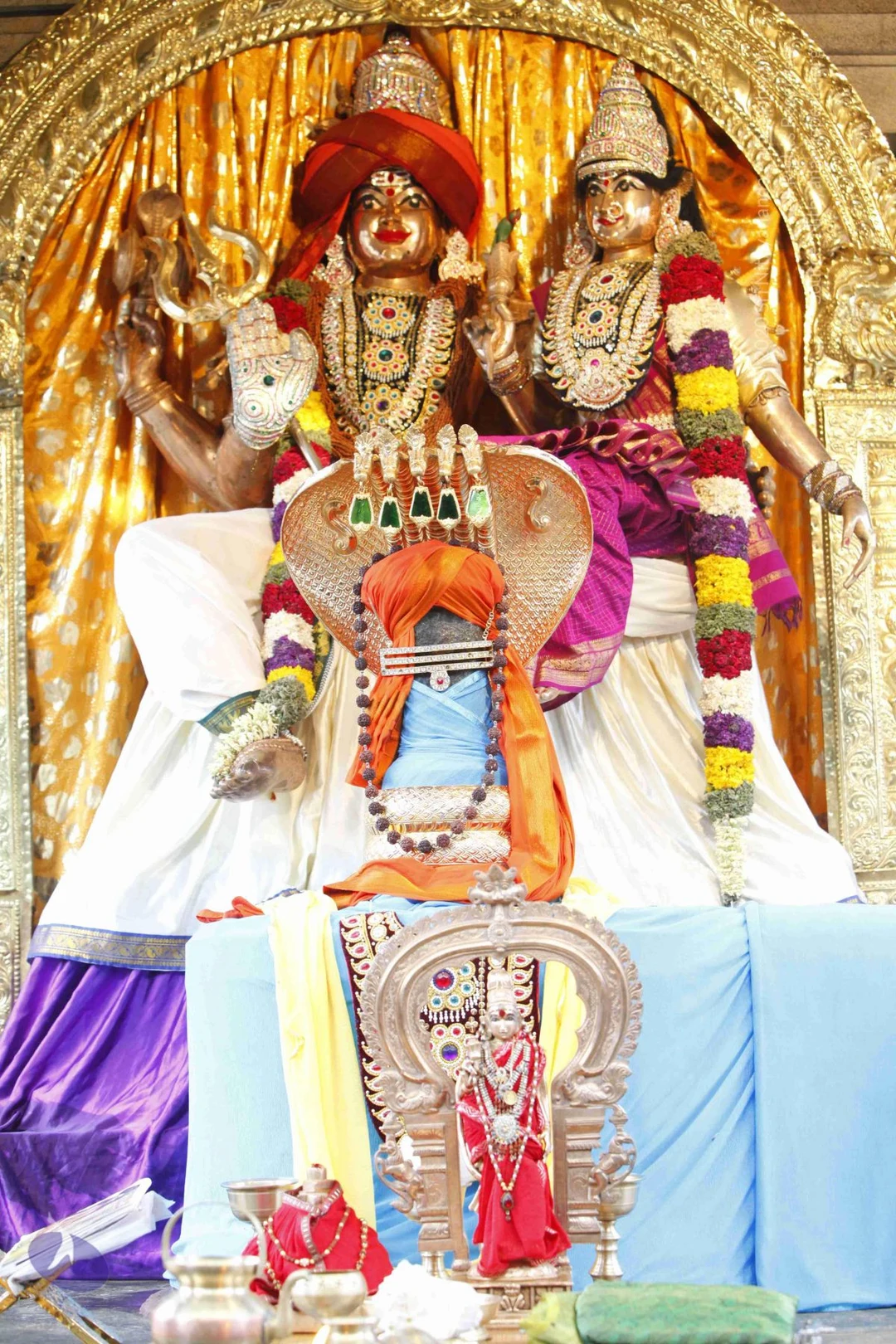
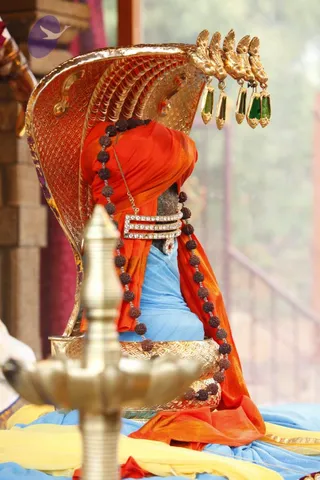
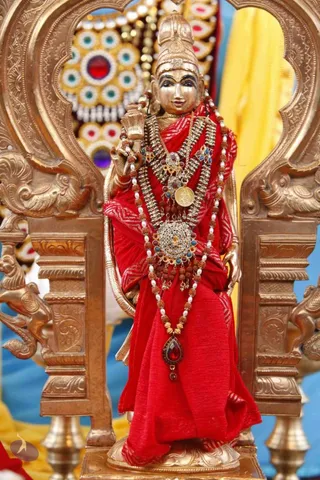
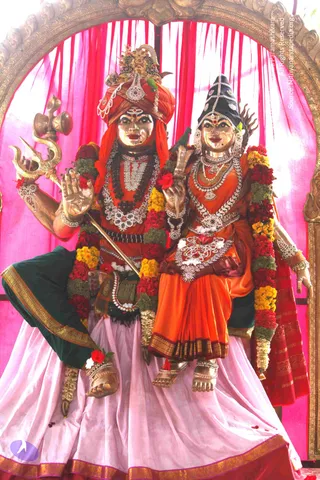
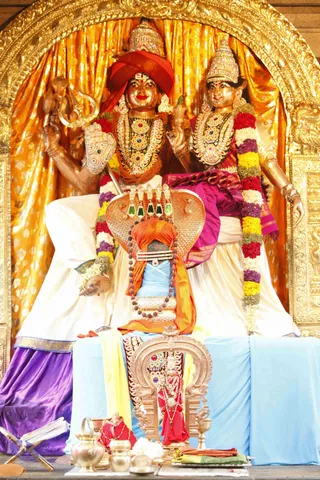
Two gilded statues of a male and female deity pair stand against a pink draped backdrop within an ornate gold arch. The male figure wears a red turban with a jewelled crown, black rudraksha beads, silver ornaments and a dark green lower garment, holding a trident and a small damaru drum. The female figure wears an orange sari with a zari border, a dark cap-like headdress and layered silver jewellery. Both are adorned with marigold and rose garlands. The pair appears as deity murti rather than living people.A photograph of a gilded ritual scene centred on a large golden deity murti pair seated on a throne beneath an ornate gold arch with shimmering gold drapery. The figure on the left has a red turban, holds a trident, and wears jewelled necklaces and rudraksha beads; the figure on the right wears a pink silk garment, a tall jewelled crown, and holds a lotus-like object. Both are draped in long garlands of red, yellow, white and purple flowers. In front, a black stone lingam wrapped in an orange cloth and blue cloth sits on a golden yoni-shaped base with a green-jewelled crown and a rudraksha mala. Brass kalasha vessels, a small oil lamp, a folded cloth and a wooden book stand sit on the blue-draped dais. No living people are visible.A photograph of a gilded shrine with a large deity murti of a four-armed seated god in a red turban and jewelled necklaces, holding a trident, beside a female figure in pink and gold with a crown, both garlanded with multicoloured flower strings. Before them on a blue-draped dais stands an empty throne-like seat with a gold backrest and an orange cloth draped over it, flanked by a small red-clad figure, brass pots, a lamp and a palm-leaf book on a stand. Golden drapery and an ornate arch frame the scene. No living people are visible.A golden metal deity murti stands in an ornate golden arched frame with carved peacock-like motifs. The figure wears a red draped garment, layered jewelled necklaces, rudraksha and pearl strands, a large round gold-and-stone pendant, and a red gem drop, and holds a golden staff in one raised hand. Behind it are gold and jewelled decorations and a blue backdrop, with a yellow cloth to the right. No physical people are visible.A golden metal murti of a deity stands in an ornate gilded arched frame, wearing a red draped cloth, layered jeweled necklaces with rudraksha beads, pearls and a round gem pendant, and a gold coin pendant. The figure holds a ritual object in one raised hand, against a background of blue fabric, yellow cloth and jeweled decorations. No physical people are visible.A photograph of a stone deity murti, a lingam-form figure dressed in an orange-red cloth wrapped like a turban over its top and a light blue draped garment below. A rudraksha mala with many beads hangs across it, and a jewelled gold band with a red stone is set at the front. Behind it rises a gold five-hooded serpent hood with green stone pendants and gold filigree, and marigold and other garlands frame the scene. Gold brocade and a magenta cloth appear at the edges. No people are visible.

Pratyaksha-Pada-Puja-Crowd
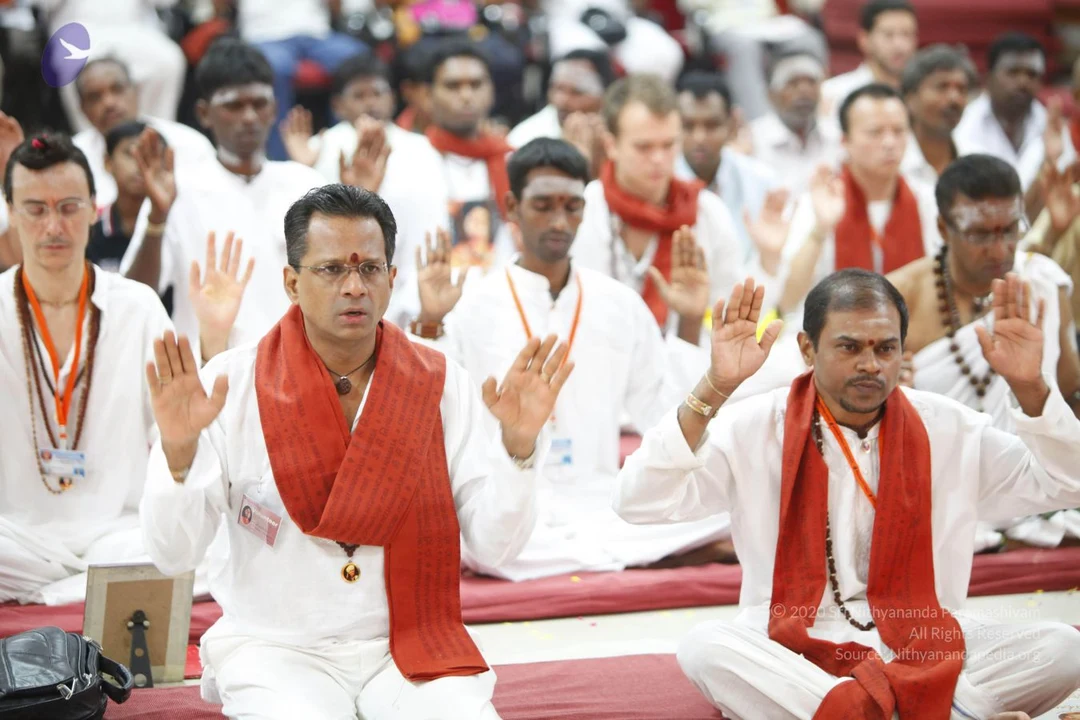
5 photosSource gallery
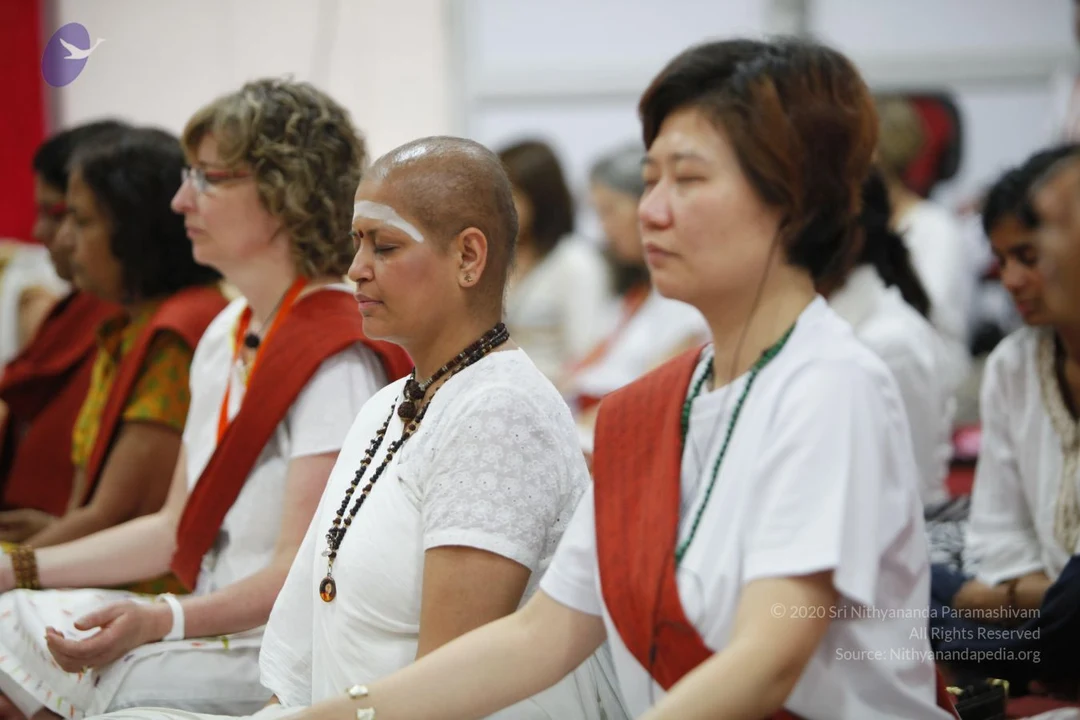
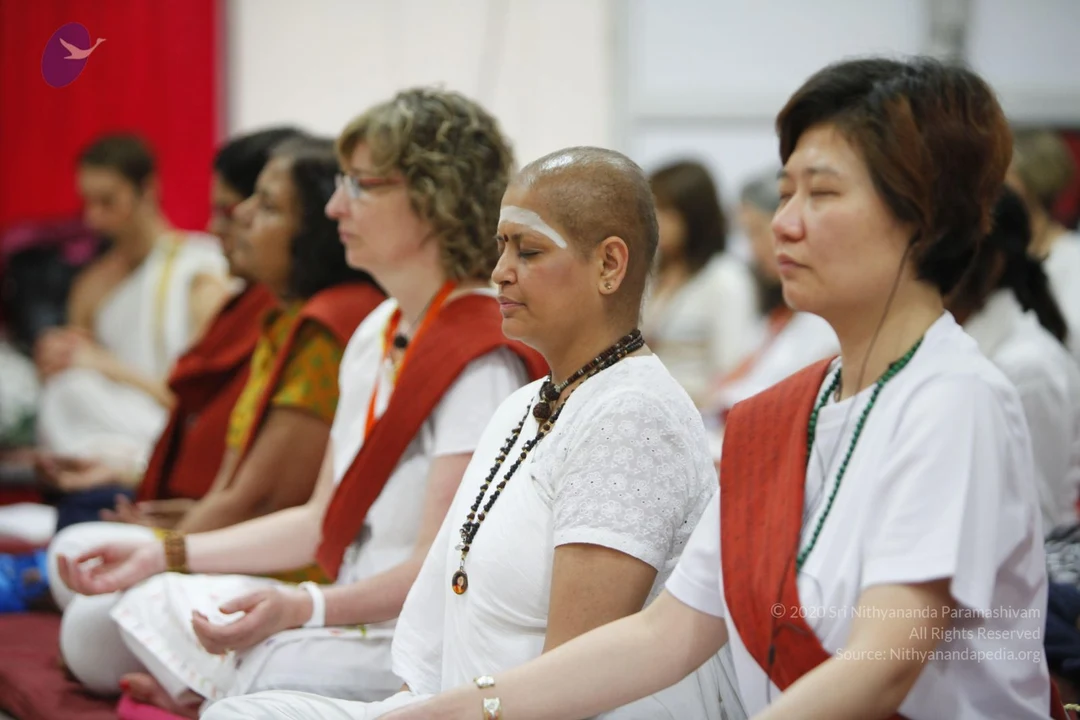
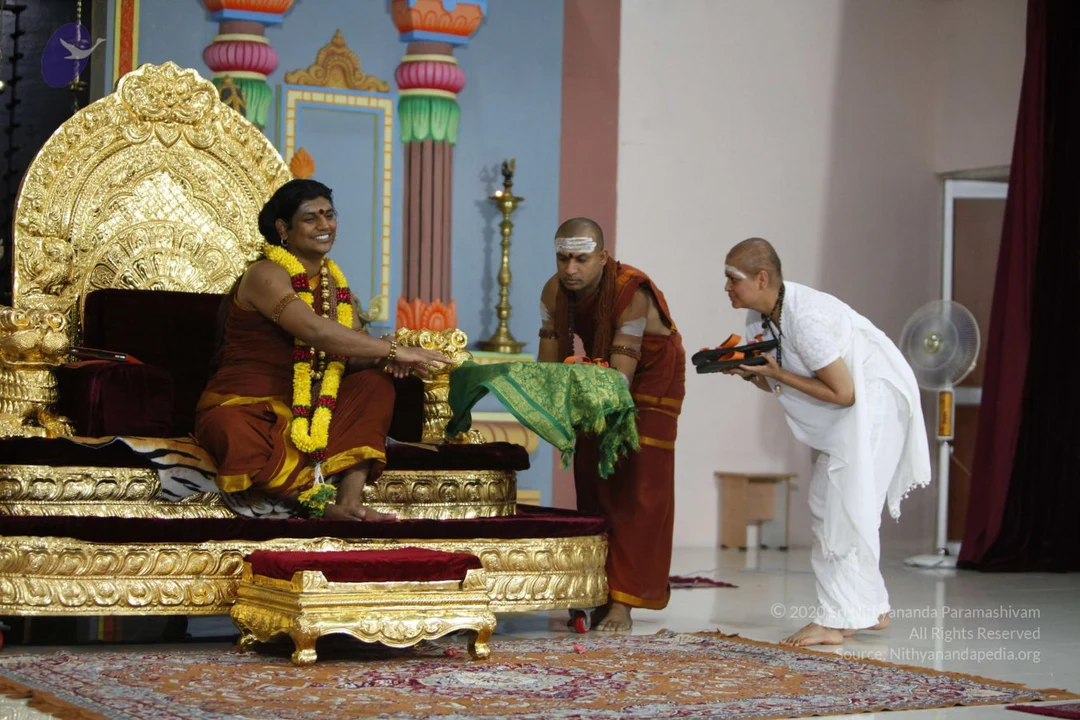
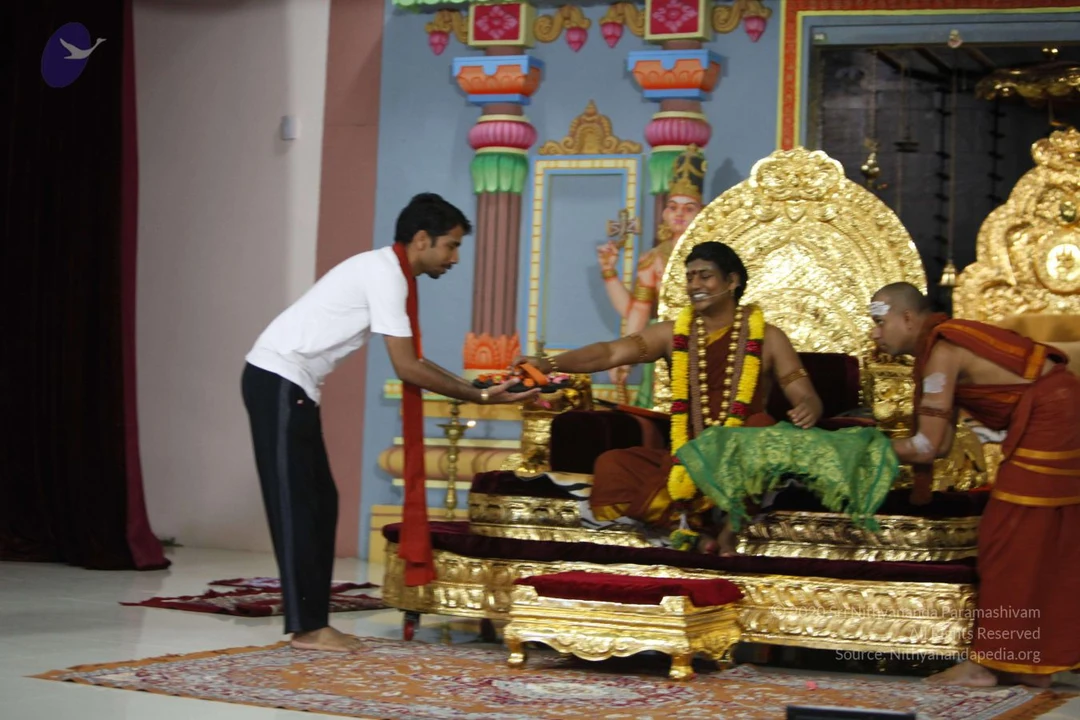
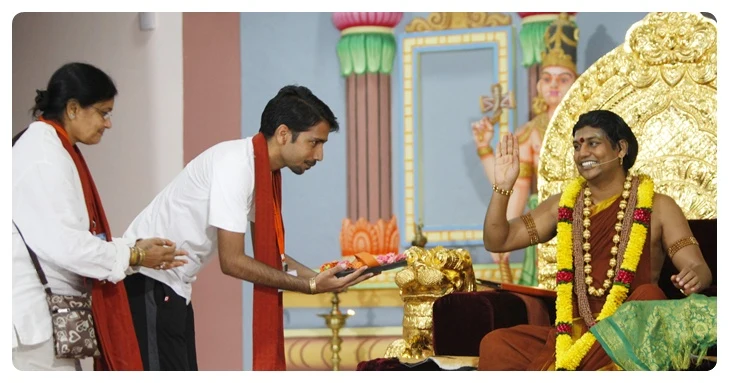
A close side-angle photograph of a man seated on a gold-ornate throne, wearing a rust-brown draped garment with a gold border, multiple garlands of yellow and red flowers, and gold beaded and rudraksha malas around his neck. He wears a rudraksha bracelet on the upper arm and a gold bead bracelet on the wrist, with a red bindi and white forehead markings. A brass bell hangs behind him at right, and a brass lamp is visible at the edge of the frame. Printed copyright text runs down the right edge.A man seated on an ornate gold throne draped with a tiger-stripe cloth, wearing a rust-brown robe with a gold border and a yellow and red marigold garland. He has a red bindi, rudraksha and gold bead malas, gold armbands and bracelets, and a gold earring. Behind him hang a brass bell and a gold oil lamp with a bird-shaped stand. Silver bowls of flowers and offerings sit at his feet on the throne base. A single person is visible, in front of a dark backdrop. a person is seated in a ceremonial setting with a throne, garland and rudraksha malas.A seated man in rust-brown and gold-bordered robes sits on an ornate gilded throne with cream velvet cushions and a tiger-striped throne cover. He wears a long yellow and red marigold garland, layered gold-beaded and rudraksha-style necklaces, a gold armlet and bangles, and a red bindi. He is bare-chested above the robe, with his right hand resting on the armrest. Brass hanging bells and an oil lamp stand beside him, and silver plates of flowers and offerings lie at his feet.A photograph of a satsang gathering where a man seated cross-legged on a red mat holds a small round object up near his face in one hand while his other fist rests on his knee. He wears a white kurta and white trousers with a long rudraksha mala and an orange lanyard with an ID badge, and has a tilak on his forehead and a bracelet on his wrist. Before him stand a small framed picture on a stand, brass dishes, a plastic box and a paper cup. A man in front-left sits with palms pressed together in namaste, wearing a white shirt and red shawl. Behind them a seated audience in white and orange clothing fills the hall. The scene suggests a padha puja or satsang with devotees.Photograph of a seated figure on an ornate gold throne in a shrine framed by painted pillars and two painted deity statues with multiple arms and crowns. The seated man wears orange and saffron robes, a multi-strand rudraksha-style bead mala and a marigold garland, and sits with hands resting on the armrests. In front of the throne, two women in orange and maroon saris sit with hands raised in devotion, and a bald man in orange robes stands in the foreground, seen from behind. A golden umbrella hangs above the throne, with brass bells and oil lamps on chains. The seated figure appears to be a person, identified by orange robes, mala and throne, with a bald-headed monk in the foreground.

Nithya-Satsang

1 photoSource gallery
A seated man in saffron-orange ascetic wrap and a shawl-like drape sits on a gilded throne draped with a tiger-striped cloth. He wears yellow and red marigold garlands, multiple gold bead necklaces, a gold-beaded armband and bracelets, and a red bindi on his forehead. He gazes to the side with a faint smile. Behind him is a gold carved backrest and a colourful striped pillar. Swamiji (probable): the saffron clothing, shoulder-length swept-back hair, gold beaded malas and ceremonial garlands match the appearance cues for a satsang speaker on a throne.

Sarva-Darshan

4 photosSource gallery
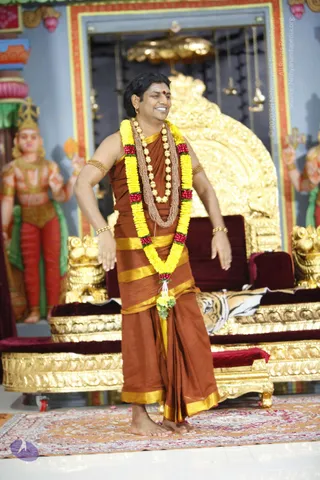
A seated man with short dark hair and a red bindi on his forehead sits before an ornate gilded throne, hands pressed together in anjali mudra. He wears a rust-brown robe with a gold border, layered yellow and red-berry garlands, a gold-beaded rudraksha-style necklace, and gold bangles on his arms. Beside him hangs a brass bell on a chain and a brass oil lamp with a small brass peacock-like figure.A smiling man with swept-back black hair and a red bindi stands at a crowded indoor event, reaching out to touch the head of a person in a dark top at left. He wears a yellow-and-red marigold garland, ornate gold necklaces with beaded and rudraksha-style strands, gold bangles and a gold earring, with an orange-brown shawl. Behind him, many people in white and yellow clothing crowd a hall with red drapery. A large crowd is visible, with many people partially hidden behind the foreground figures.A man stands barefoot on a patterned rug before a golden throne, arms raised in a joyful greeting while smiling. He wears a rust-brown dhoti and shawl with gold borders, a yellow and red marigold garland, a rudraksha mala with a gold bead necklace, gold armlets and bangles, and a red bindi. Behind him are a gold-backed throne draped with a tiger-print cloth and red cushions, and painted deity figures with crowns and ornaments on either side. Visible cues include long swept-back hair, ceremonial gold necklaces and rudraksha beads, so this is a probable Swamiji shown in person at a stage satsang event.A smiling man stands barefoot on a patterned rug before a golden throne with red velvet cushions and a tiger-skin cloth draped over it, with painted deity figures flanking him. He wears a rust-brown dhoti and shawl edged with gold borders, a long yellow and red marigold garland, a rudraksha-style mala and gold bead necklace, gold armlets and bangles, and a red bindi.

Photos
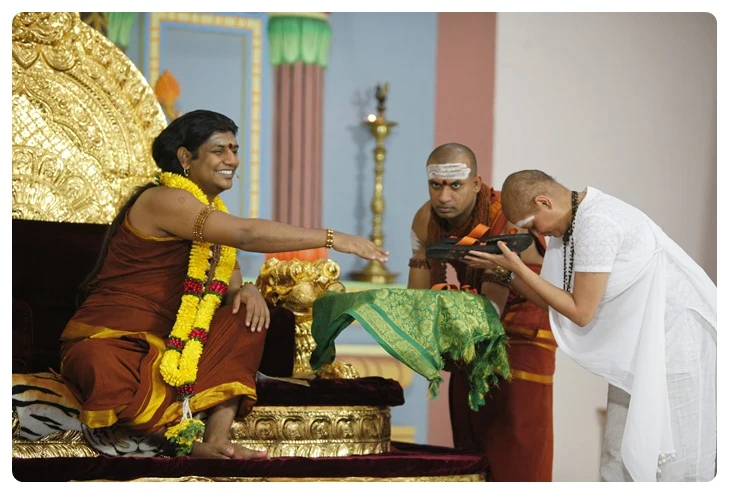
27 photosSource gallery
A seated man smiles broadly while gesturing with his right hand on an ornate gold throne with a carved arched back and a gold lion-head armrest. He wears a short-sleeved saffron-orange robe, a red bindi, small gold hoop earrings, a long garland of yellow and red flowers, and a gold-bead rudraksha-style mala with a gold necklace. Gold bangles adorn his wrists. A gold lamp stand and a pink-and-green pillar appear behind him. The setting suggests a temple stage. a person is seated on the throne, with cues of a saffron robe, gold ornaments and a rudraksha mala.A man stands barefoot on a white stage with a patterned rug, raising both palms overhead in greeting while smiling. He wears a rust-brown dhoti with gold borders, a yellow-and-red marigold garland, a multi-strand rudraksha mala, a red bindi, gold armbands and bangles. Behind him is an ornate gold-and-velvet throne with a tiger-skin cloth and gold lion-shaped armrest supports. Painted deity murtis flank the stage: one in red with a crown and gold ornaments holding a kalasha-like object, another similarly adorned. Red velvet curtains frame the scene. A visible candidate for a person is present; the appearance cues are a rudraksha mala, ceremonial gold necklaces and a garland, with the page noting his presence.Photograph of a smiling man standing barefoot on a patterned rug inside a temple-style hall. He wears a rust-brown dhoti-style garment with gold borders draped over one shoulder, a gold armlet on his upper arm, gold bangles, a wide yellow and red flower garland, and a layered gold and brown beaded necklace, with a red kumkum dot on his forehead. Behind him stands an ornate gold throne with red velvet cushions and a tiger-skin cloth, flanked by painted deity figures and hanging brass lamps. a person by appearance: long swept-back hair and a garland with layered beaded necklaces, standing as the central figure at the throne.A seated man in saffron-orange robes speaks to an audience while gesturing with both open hands, sitting on a red velvet cushioned seat in front of an ornate gold throne backrest. He wears a yellow and red flower garland, a long gold-bead and rudraksha-style necklace, gold bangles and a red dot on his forehead. Behind him stand a striped pink, green and red column and a brass oil lamp.A photograph of a man seated on an ornate gold throne with red velvet armrests, speaking as if addressing an audience. He wears a saffron-orange robe, a yellow and red marigold garland, a rudraksha-style mala with large gold beads, a braided brown cord and gold bangles, and has a red tilak on his forehead. A small microphone is clipped near his face. Behind him stand a pillar with pink, red and green bands and a brass oil lamp. a person: the seated speaker wears saffron robes with a rudraksha-style mala and gold beads, and is on a throne, so this is a candidate in person.A seated man in saffron-orange robes sits on an ornate gold throne with a large carved gold backrest and maroon cushions. He wears a yellow and red flower garland, multiple gold beaded necklaces, a rudraksha mala, gold bangles and a small red bindi, and gestures with his right hand while looking to the side. Behind him stand a pink-and-green painted pillar and a brass oil lamp with a lit flame. Probable Swamiji (long swept-back hair, saffron robes, rudraksha mala and ceremonial gold necklaces) seated on a peetha throne during a satsang setting.