Saturday
6 April 2013
Fear is the Absence of Consciousness
- Dated photos
- 362
- Source pages
- 1
- Media
- 8
April 06 2013
Original wiki pageTitle
Fear is the Absence of Consciousness
Description
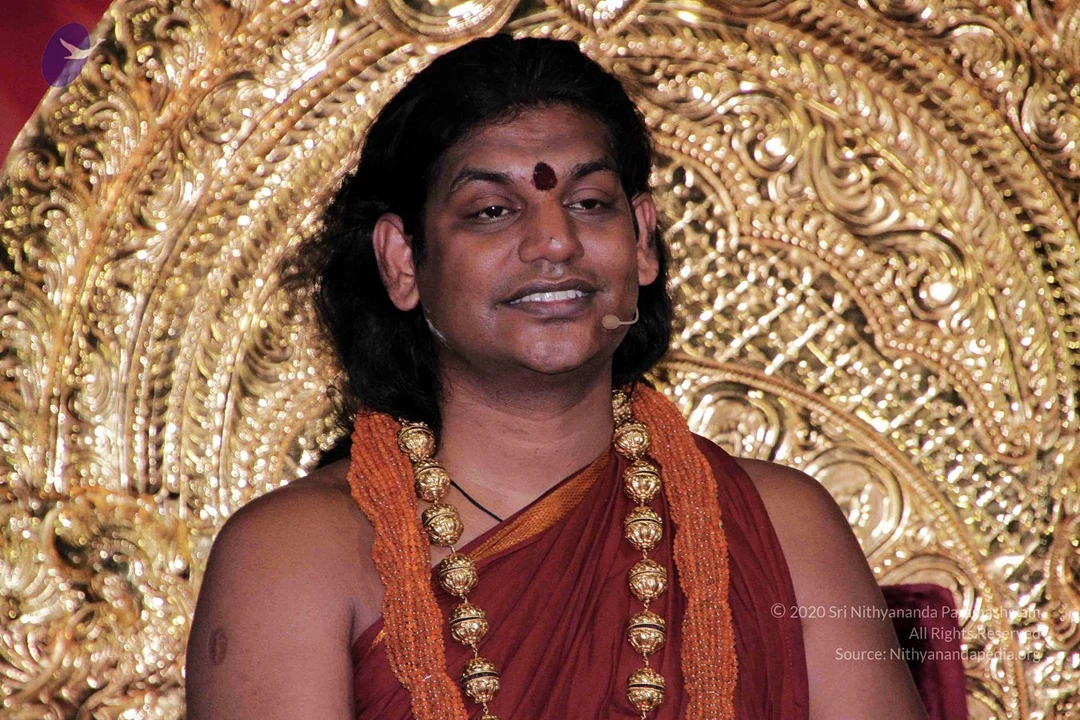
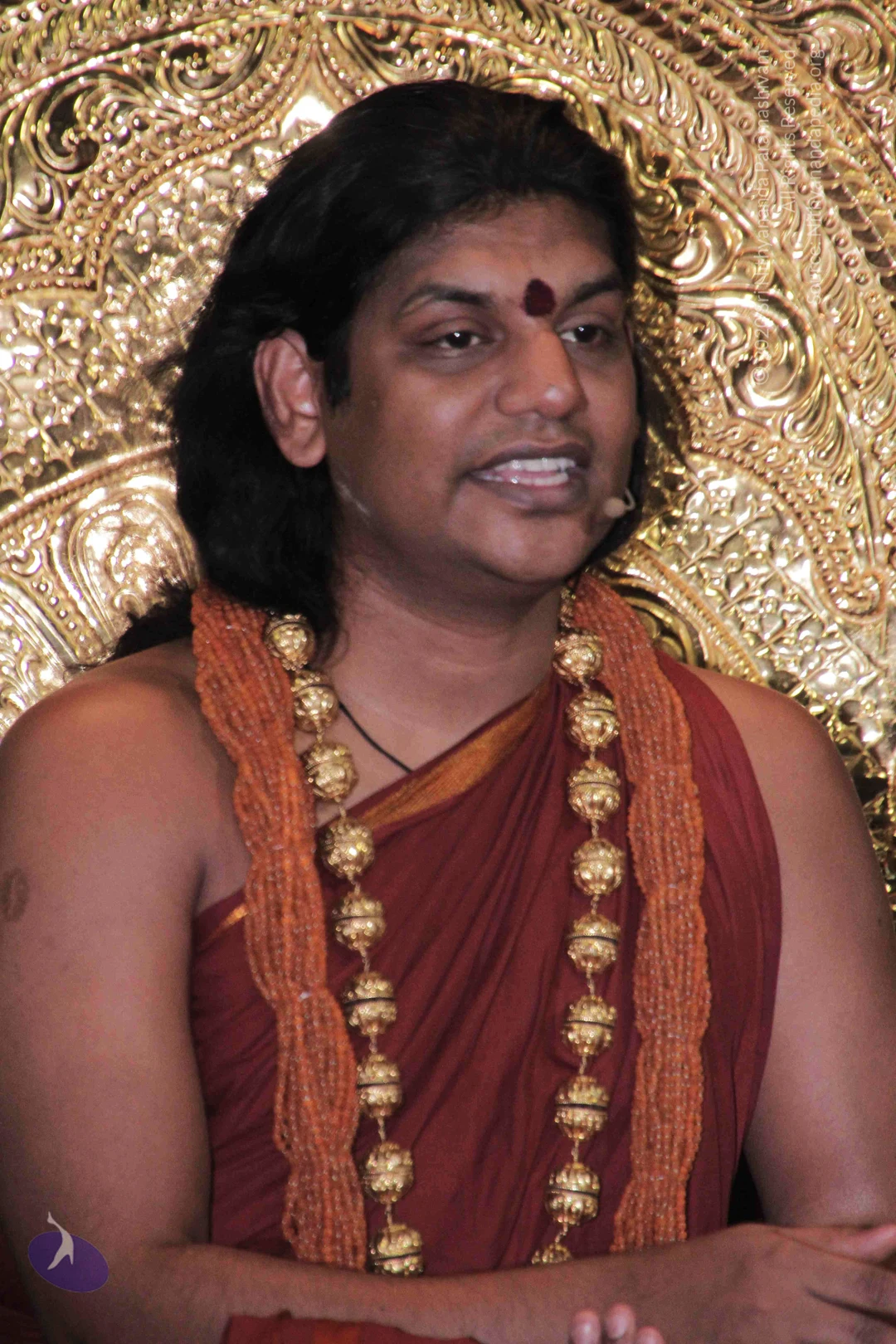
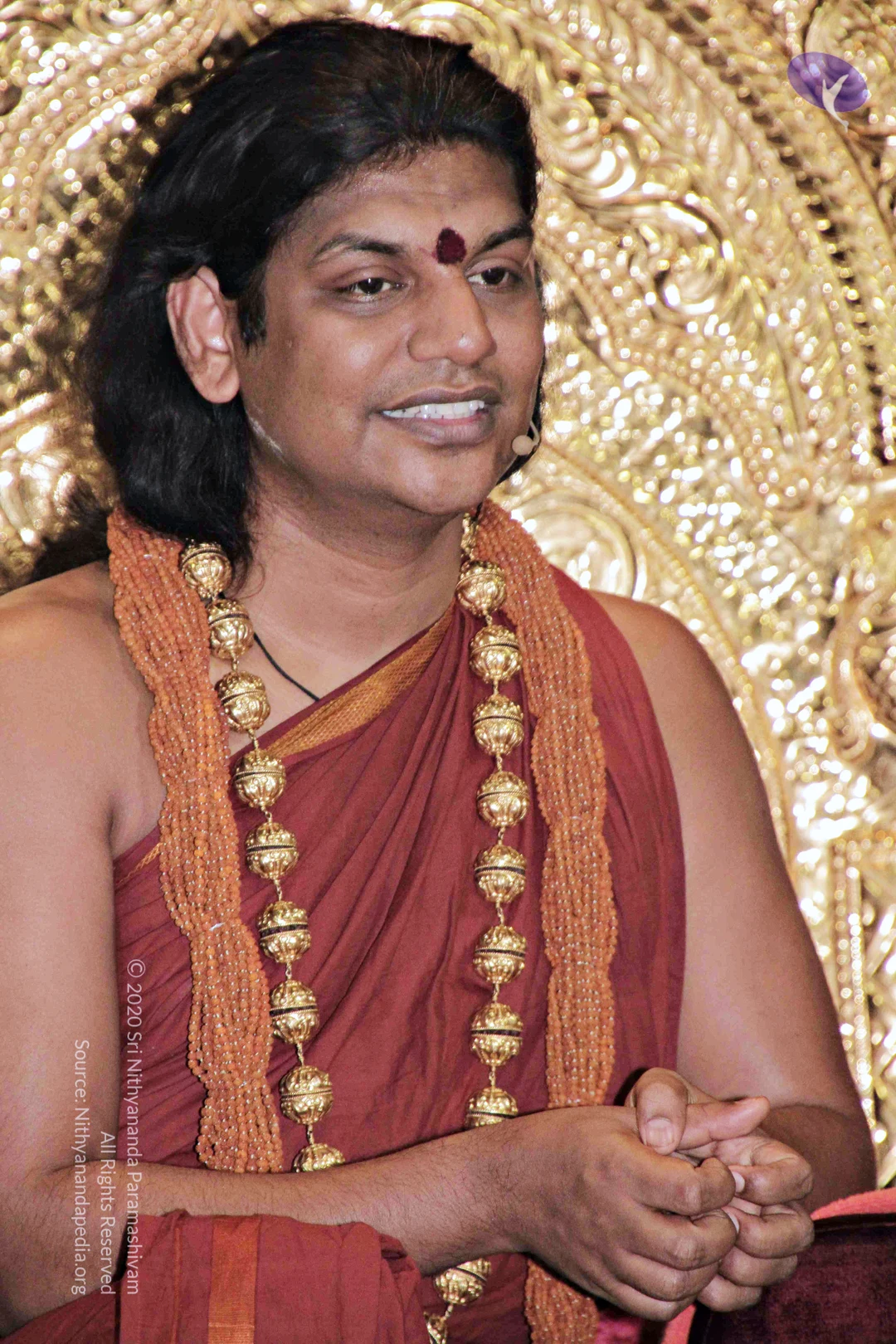
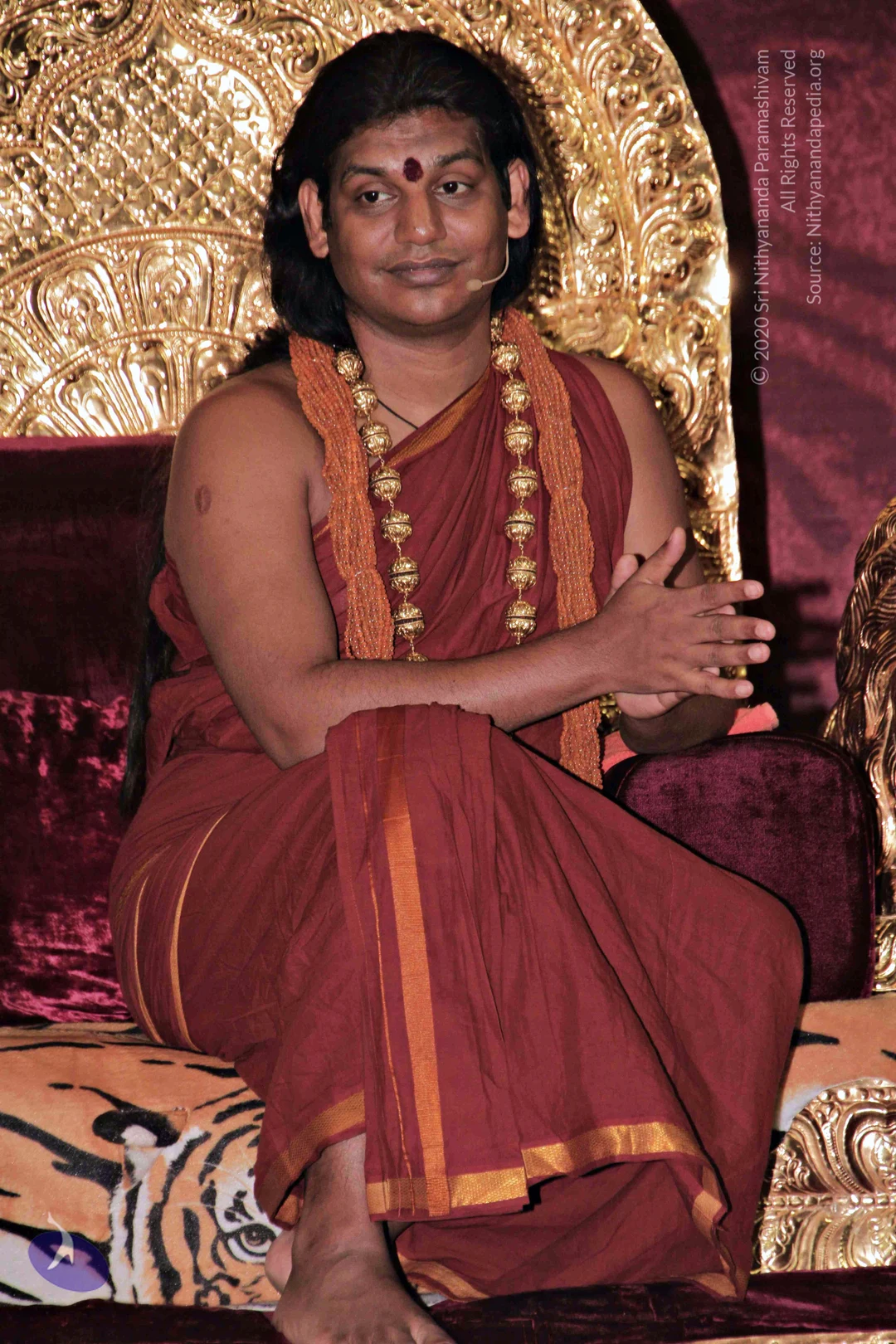
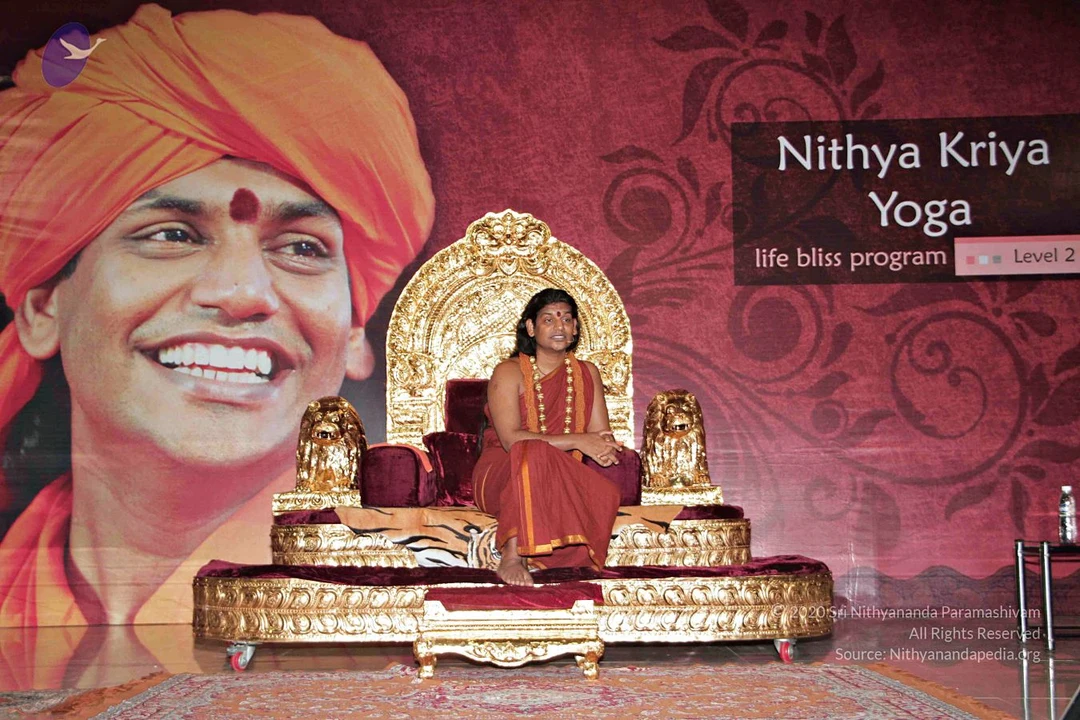
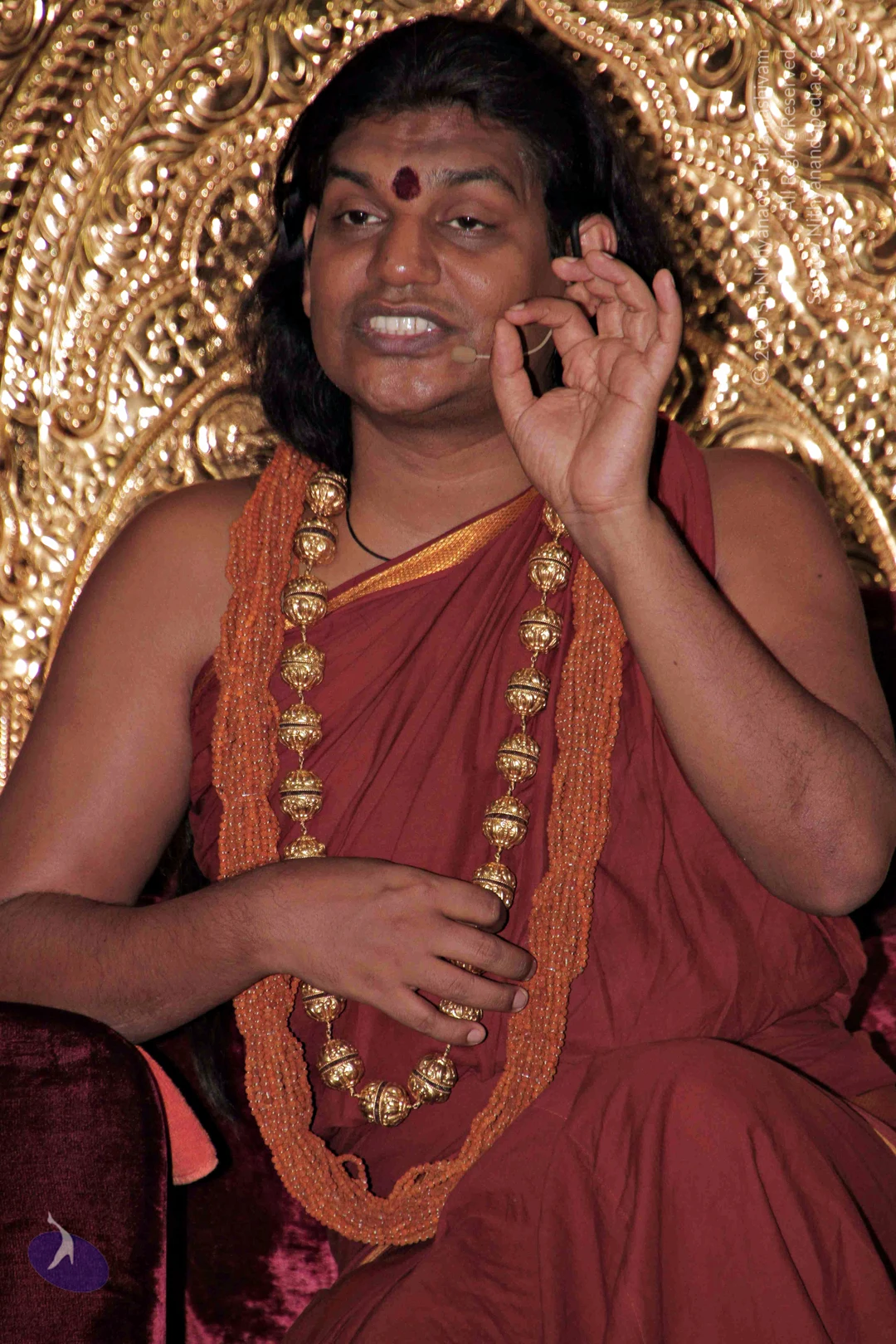
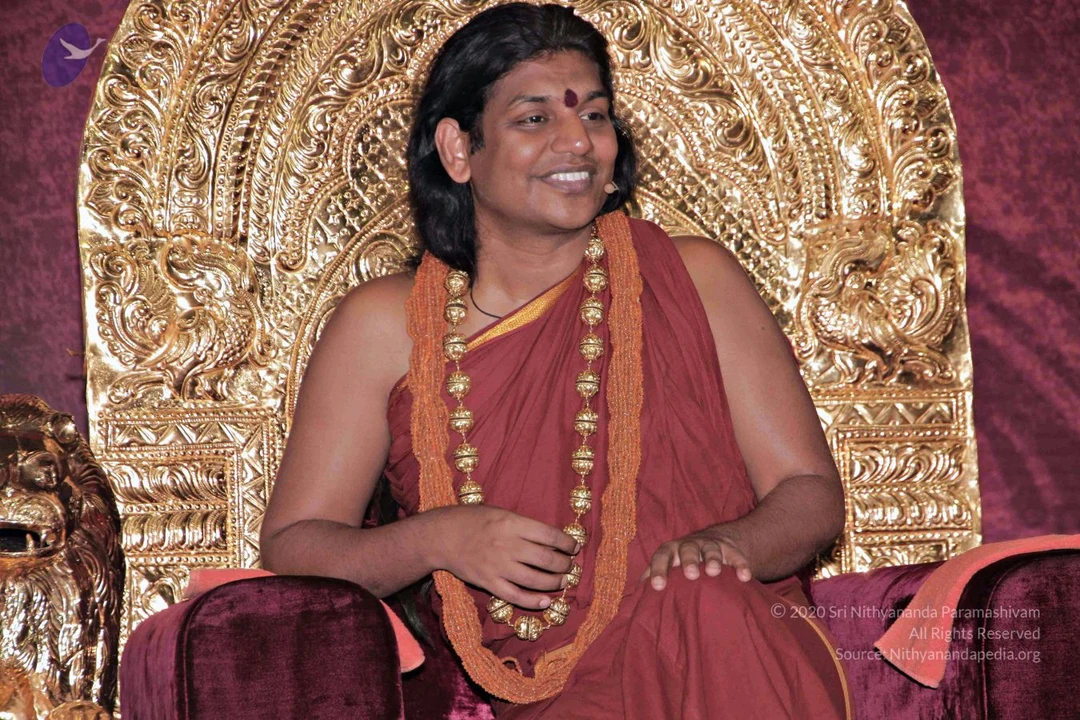
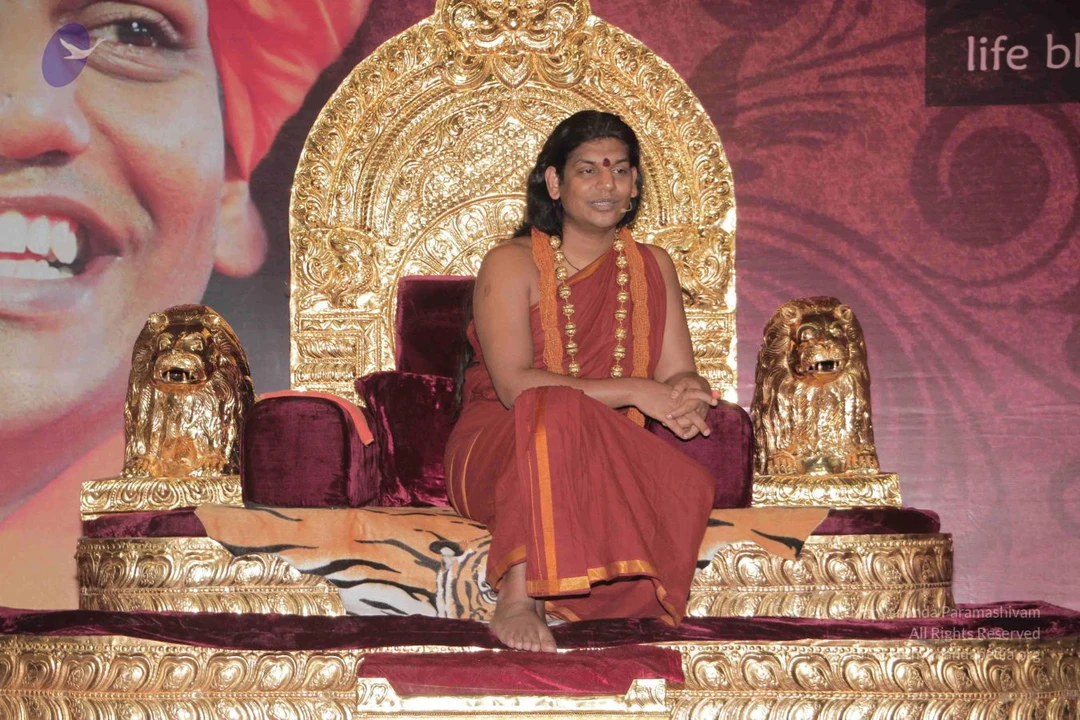
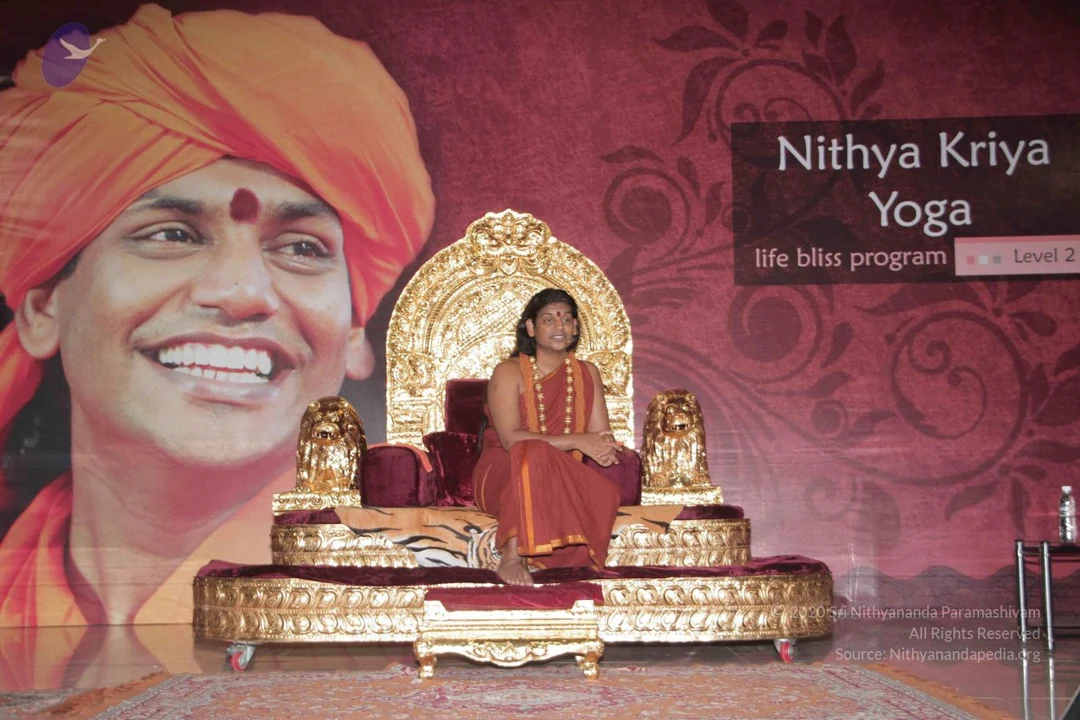
In this session, Swamiji explains about fear in a session in Nithya Kriya yoga.
Link to Video:
| Video | Audio |
Title
I INVITE INDIAN YOUTH TO TASTE SANNYAS
Link to Video:
Transcript:
[00:00:09]
I wanted to redefine Sannyas.
• When you don’t take responsibility for anything, you live as - Slave. • When you take the responsibility for the money of the society you become - Vaishya. • When you take the responsibility for weapon of the society you become - Kshatriya. • When you take the responsibility for knowledge of the society you become - Brahmana. • When you take responsibility for everything you become - Sannyasi!
[00:00:45]
Only when you take responsibility, life happens to your body. If you have any disease, take responsibility for it; so that you can heal, help heal and then take care that you don’t attract that disease again back. And same way if you have broken a relationship because of your irresponsibility, unconsciousness, now take the responsibility. Next time you don’t do it. Life does not end by breaking one relationship. You don’t need to be depressed or you don’t need to start being in that same space. When you take the responsibility you can even patch up there with the relationship you broke. You can approach the person, rebuild the relationship.
[00:01:38]
I did not wait for anything else to come. Listen, one of the biggest problem we have is – “Let me have the power first, let me have the status first, let me have the position first, then I will take the responsibility.” No! That does not happen in life! Take the responsibility, build the state inside you. Then, after you being tested by the cosmos it gives you the status. That status can never be taken away.
[00:02:18]
Responsibility attracts more responsibility. The problem is we are afraid of more responsibility, so we deny even the responsibility we have in our hand. But more and more responsibility adds more and more life-energy into you. India needs at least hundred thousand responsible sannyasis. That is what is My mission is. I request all the satsangis, if you are young, still unmarried, I request you sincerely to consider the lifestyle of sannyas. Please listen, sannyas is not the lifestyle of depressed people or drop-outs.
[00:03:40]
Oh, youth of India! You already tasted the lifestyle of running behind, industrial revolution. Oh, youth of India! You already tasted and wasted your life by running behind the IT revolution. Now Oh, youth of India, it is time for you to consider and revolutionize humanity, society, yourself, and everything through the lifestyle of Sanyas.
[00:03:40]
Youth of India is the only hope for the future of the humanity, which is literally one tenth of the human population. Listen, one among the ten human beings in the world is youth of India. In any field Indian youth puts their energy, they excel and achieve. By being the responsible Sanyasi, you will do so much to the country, to yourself. I tell you, responsible Sanyas is the “Symbol of Patriotism of India”. Responsible Sanyasis are the symbol of patriotism in India. We need responsible Sanyasis to teach India the Spirituality and to teach the world Spirituality. Enough! We had and we have, enough of celebrities, entertainers, we have enough of politicians. We have enough of people in every field. We only need responsible Sanyasis. We only need one thing: Responsible Sanyasis.
[00:05:22]
Bharat ko aaj sabse adhik avashyaktha hain kam se kam ek laakh sannyasiyon ki aur meri sanstha ka uddeshya yahi hain. duniya mein har dus vyakthiyon mein ek vyakthi bharath ka yuva hain. oh bharat ke yuva jaago! bharat ko punah buland banaane ki meri pukaar ko suno. mere saath aur mere sanstha ke saath ekikrut ho jao. Sannyas ki jeevan shaili ko proyog karne ki prayaas karo. ek zimmedaar sannyasi ke roop mein aap desh ki sabse badi seva kar sakthe hain. yahi asli desh bhakti hain. bharat, uske zimmedaar sanyasiyon dwaara vishwa par punah raajya karegi; koi shastra se nahi. uske zimmedaar, bharat uski zimmedaar sanyasiyon dwara vishwa par punah raajya karegi koi shastra se nahi.
[00:06:58]
It is enough. Oh, Youth of India, you’re been given a wrong fantasy by the mediocre leaders of society. A wife and 2 kids and house and a car has been described as the ideal happy life. Enough! Get out of this conditioning fantasy. I tell you, the ideal for modern Indian youth is responsible Sanyas.
[00:07:49]
Title
Live a Pattern Free Life
Description
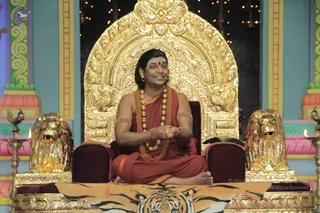
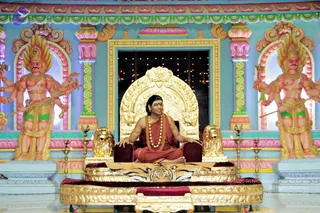
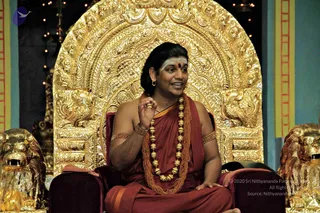
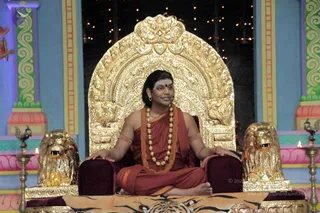
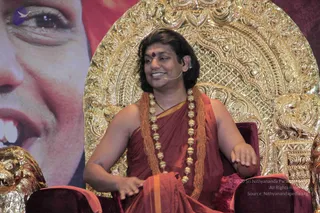
In this session from Nithya Kriya Yoga on 6th April 2013, Swamiji introduces 4 important principles of life: 1. Integrity-honoring the thought and word you give to yourself and others 2. Authenticity-being established in the peak of your inner image, outer image, life image 3. Responsibility-living and responding to life from the truth that you are the source of everything 4. Enriching-taking Responsibility with integrity and authenticity, that you are committed to continuously expanding life in and around you.
Link to Video:
| Video | Audio |
Transcript:
(00:00:31)
Nithyānandeśvara samārambhām Nithyānandeśvari madhyamām | asmat āchārya paryantām vande guru paramparām ||
(00:01:00)
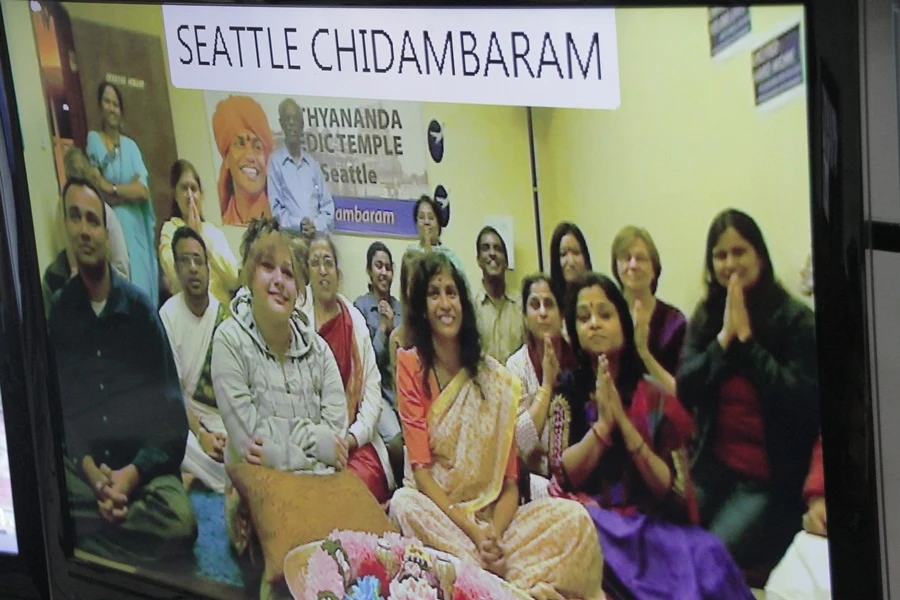
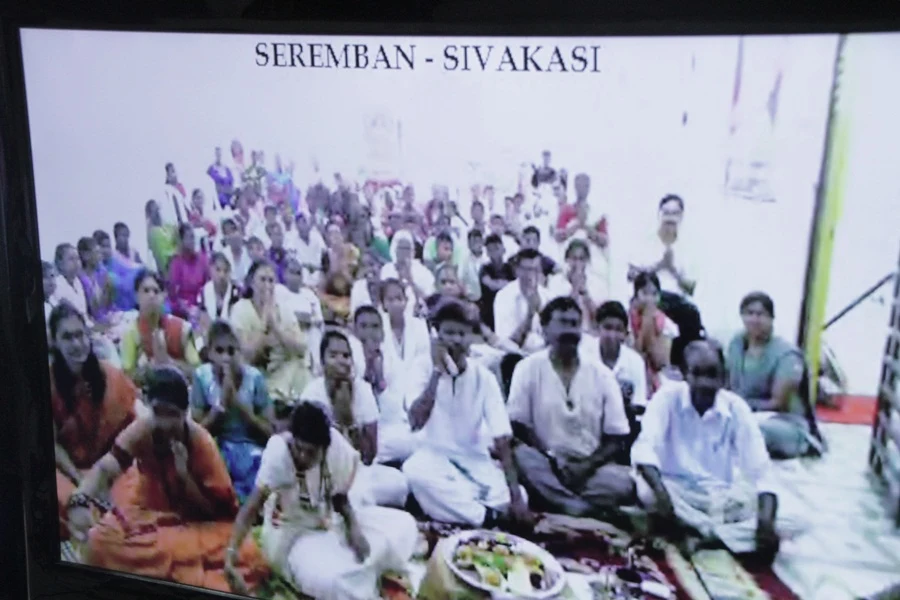
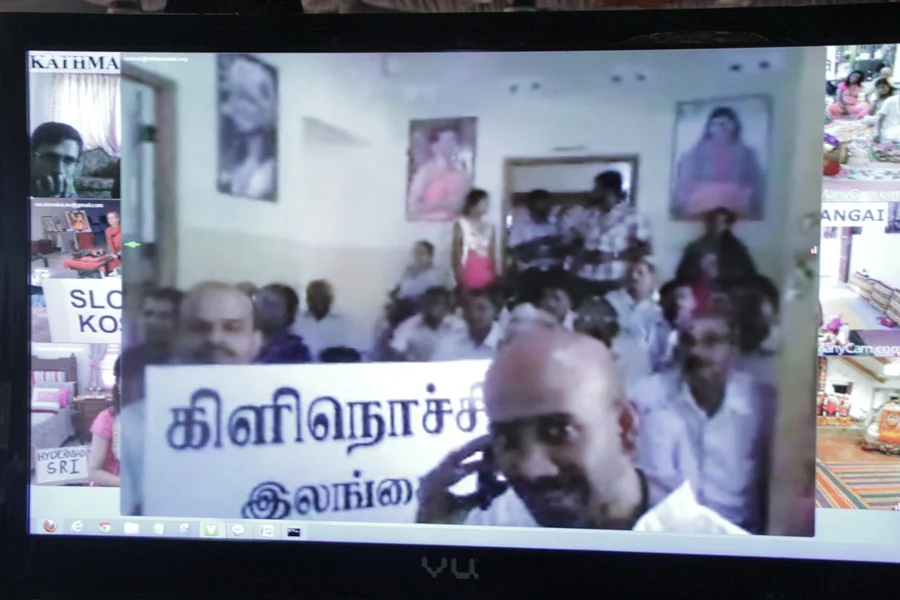
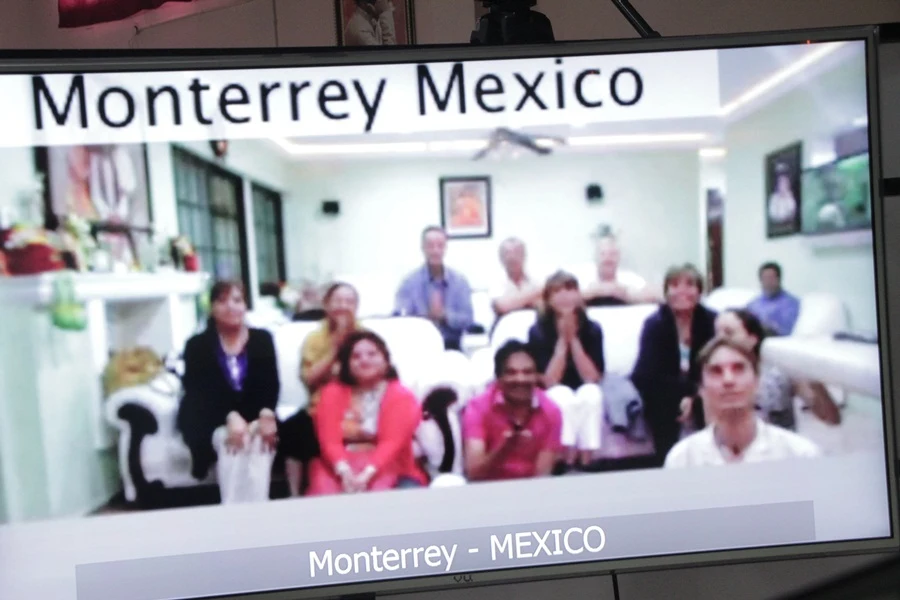
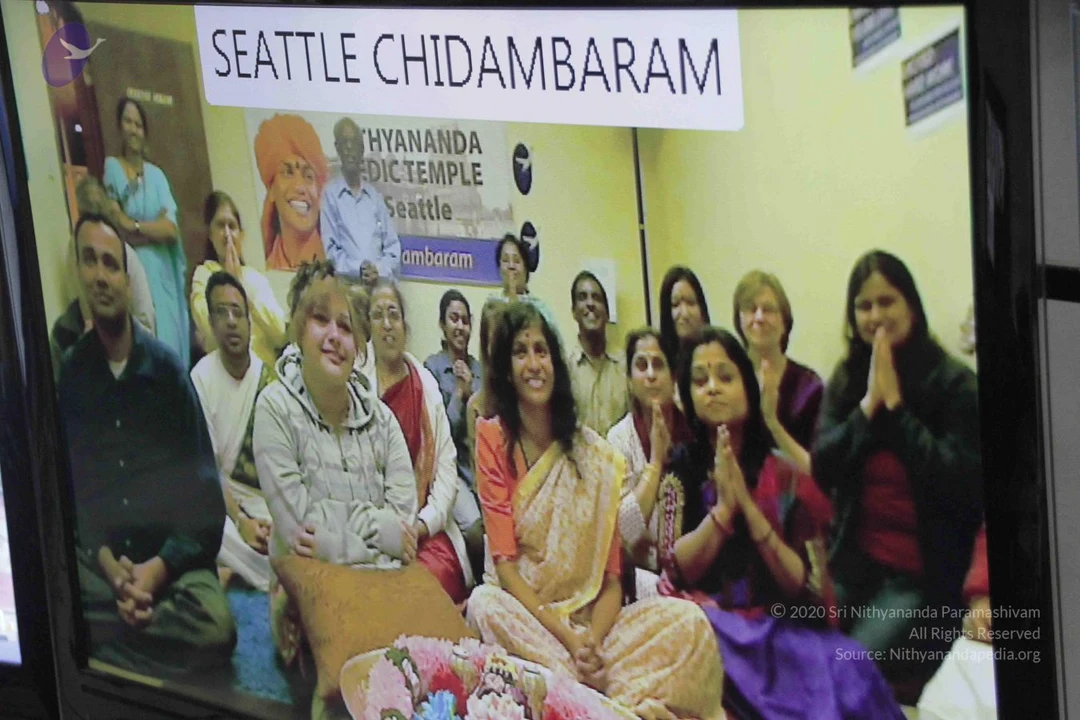
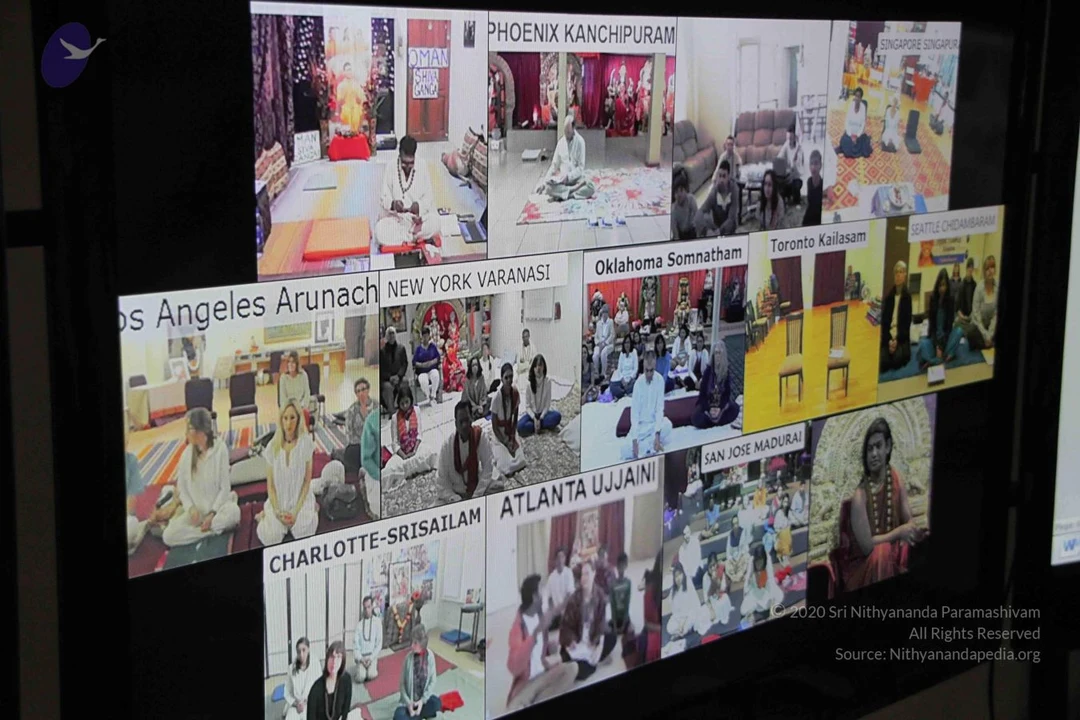
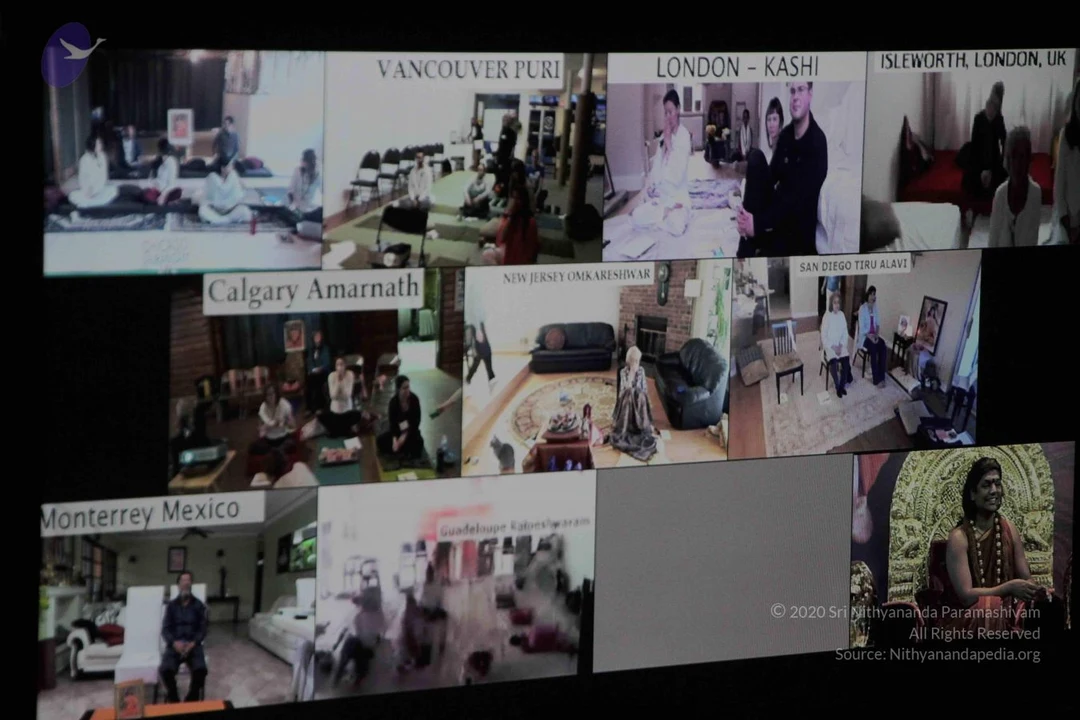
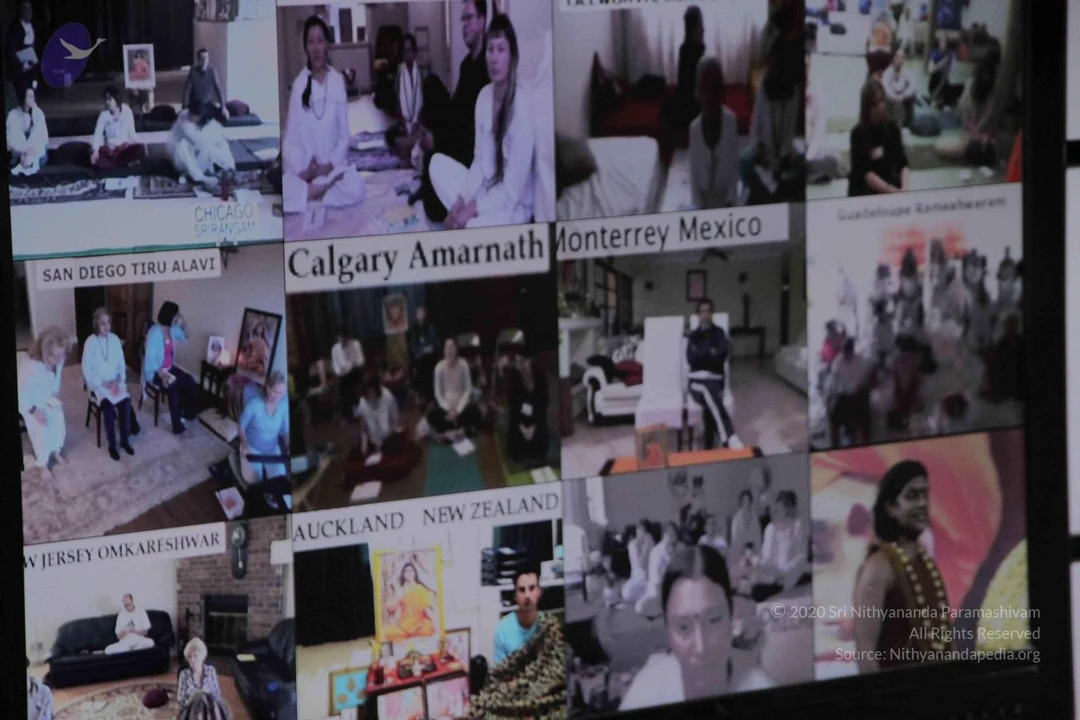
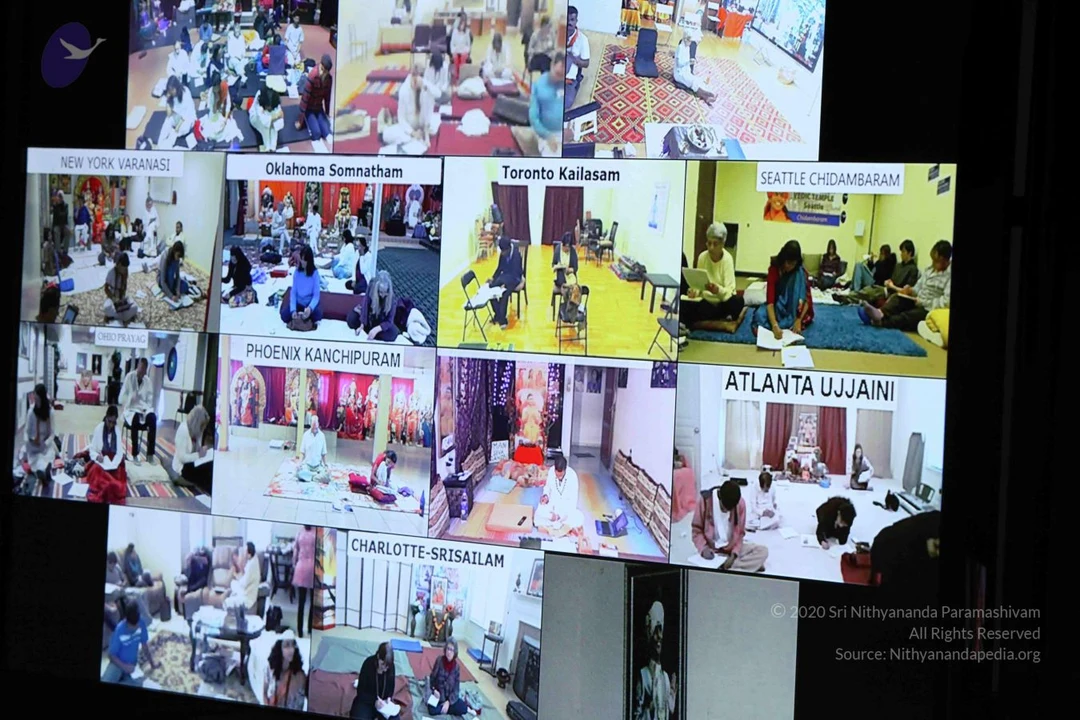
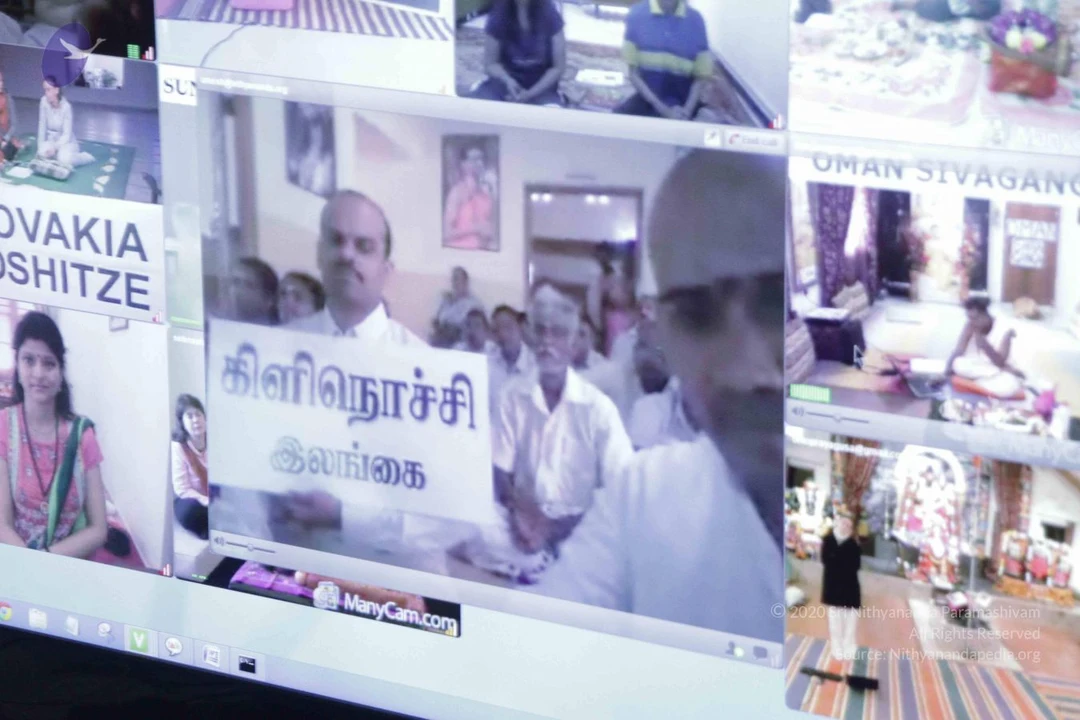
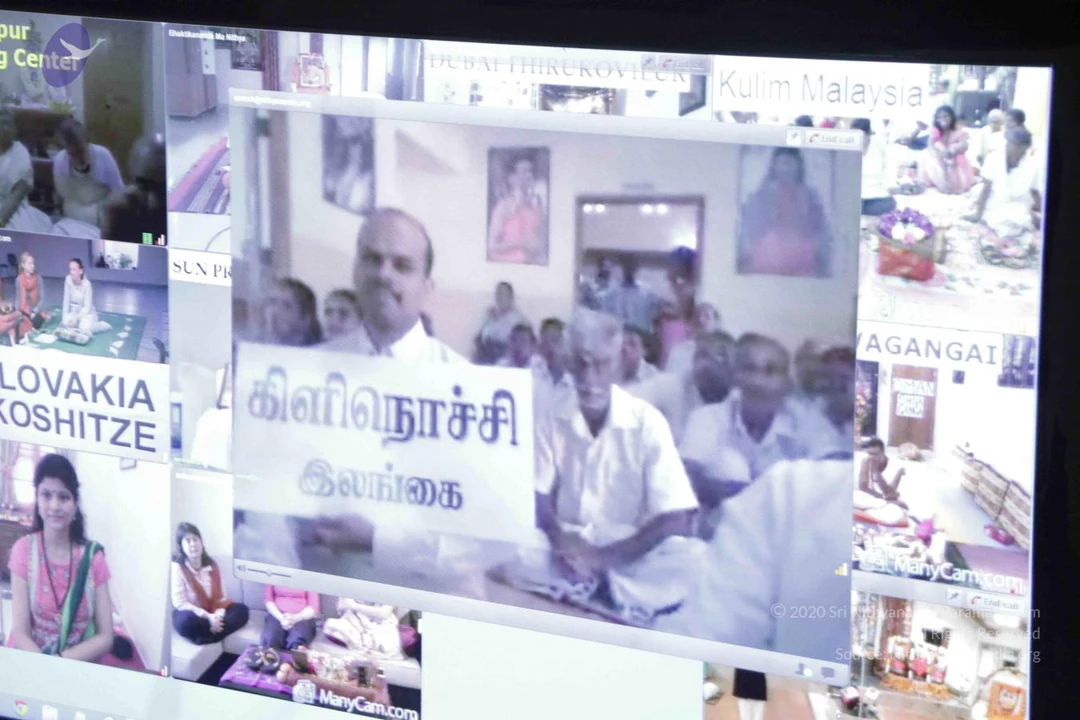
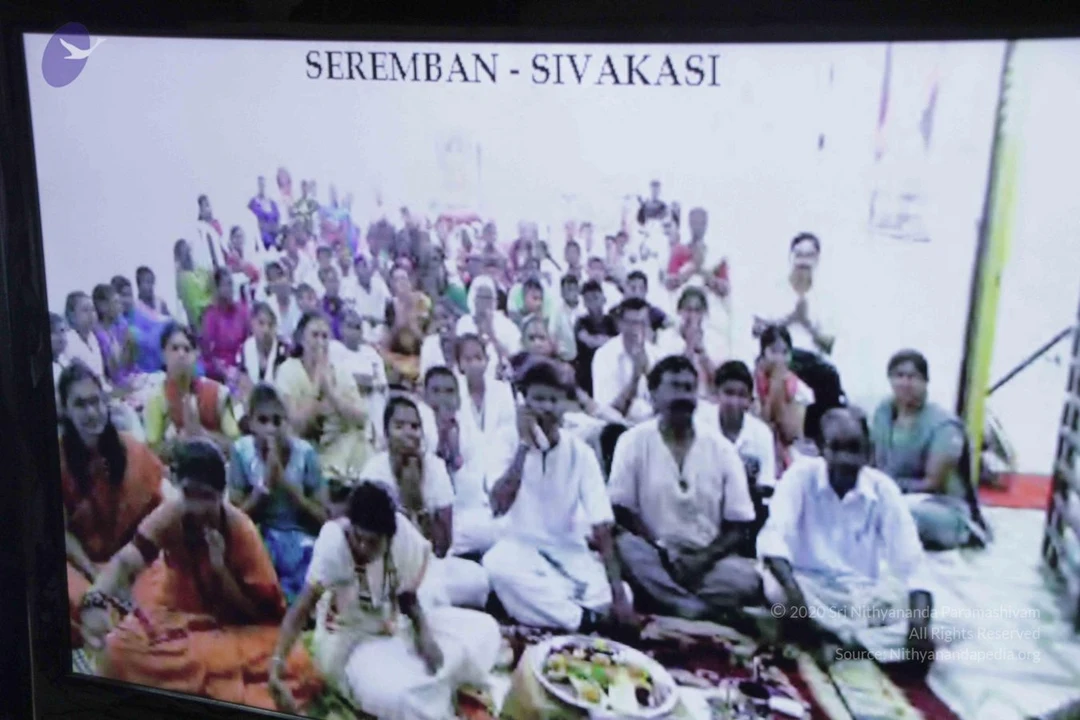
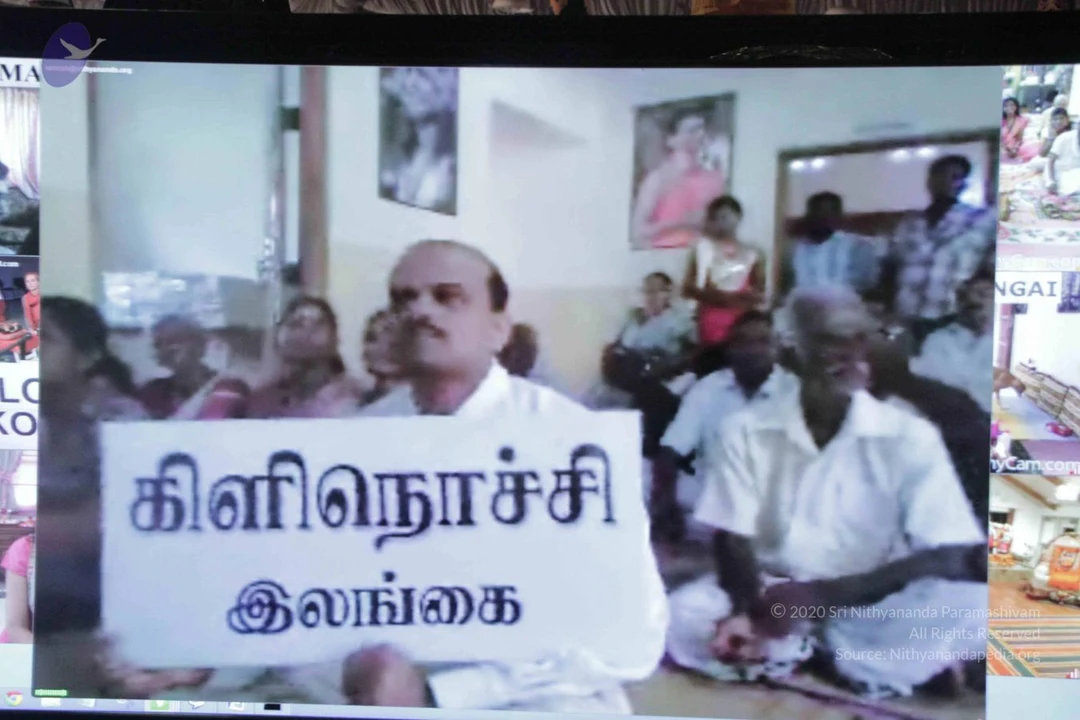
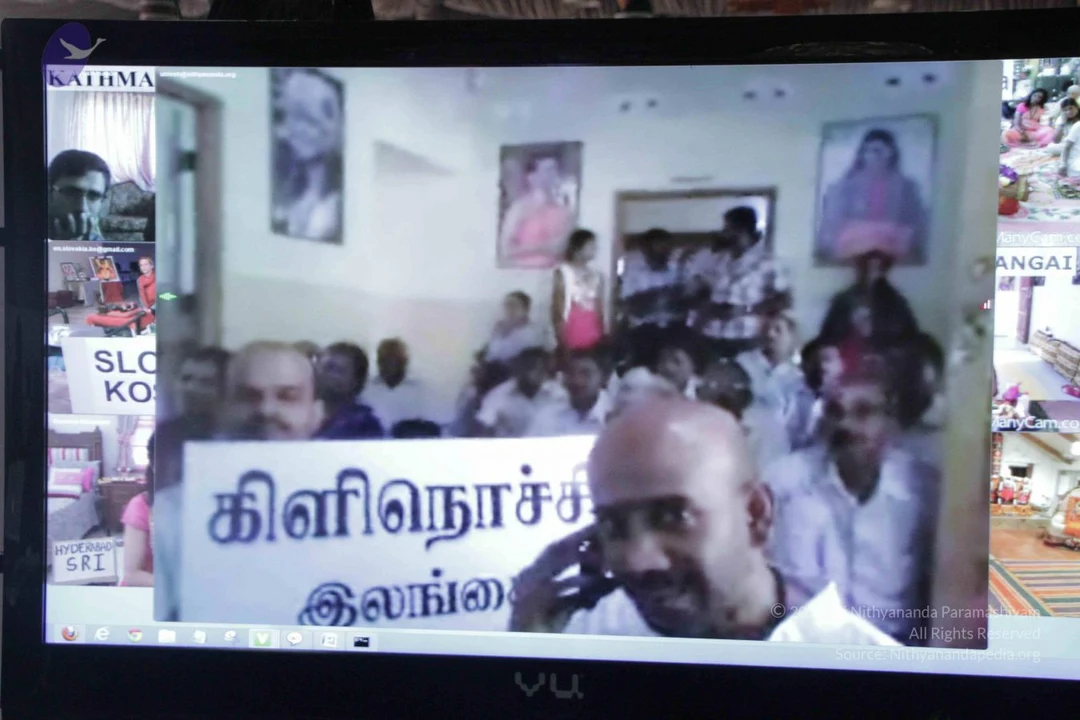
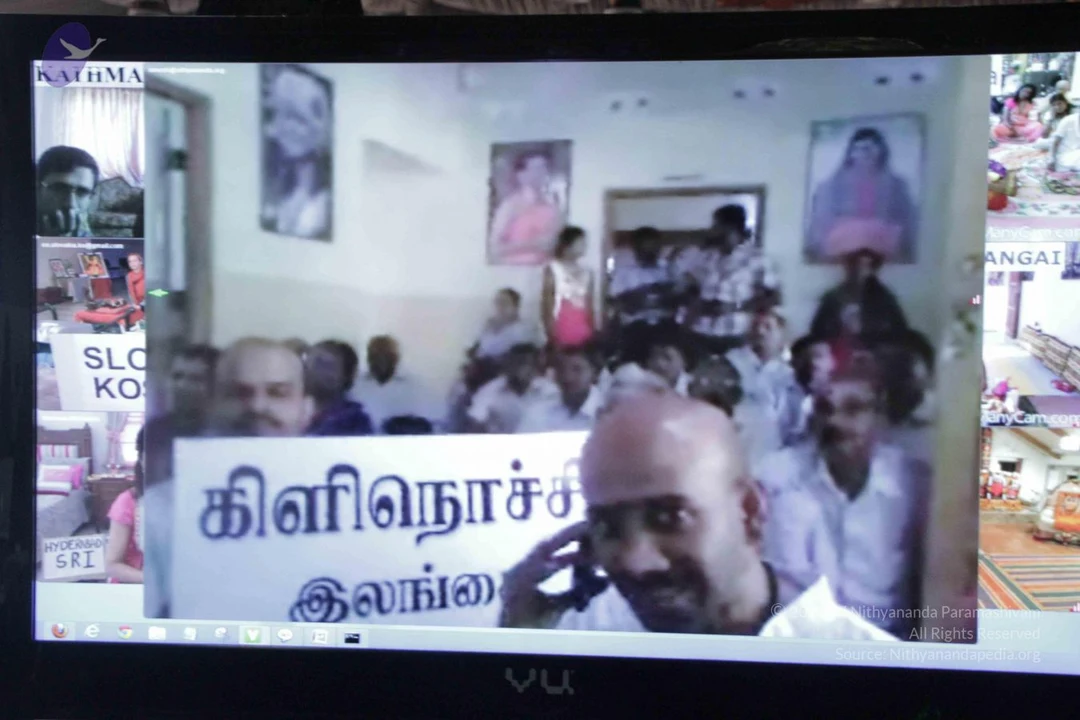
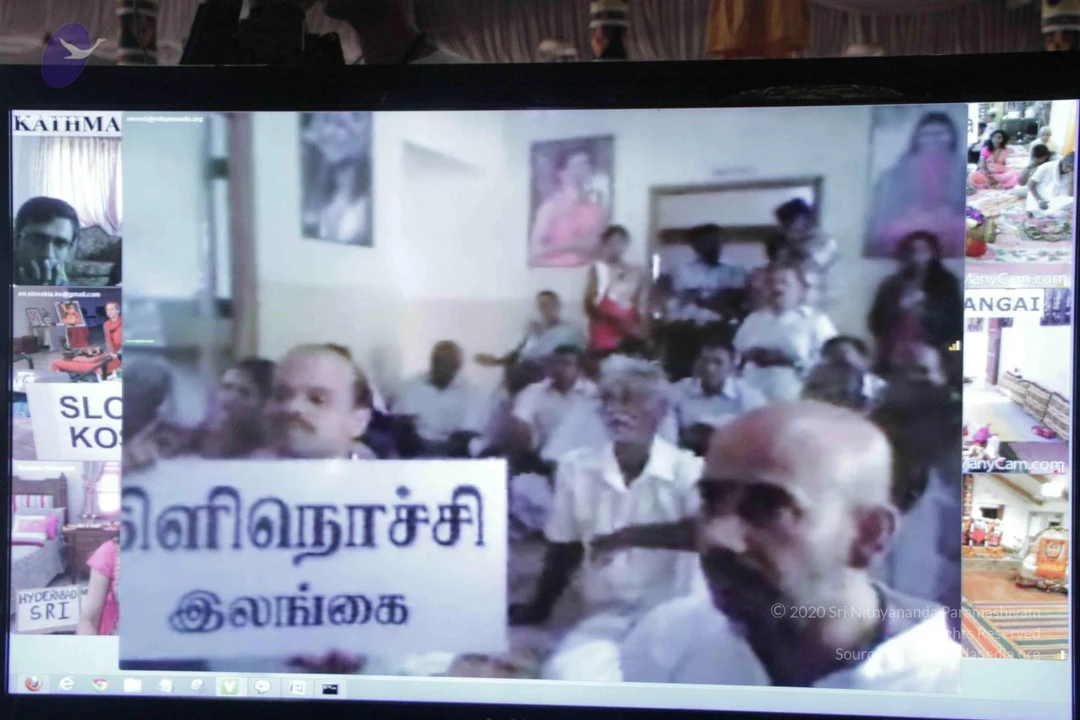
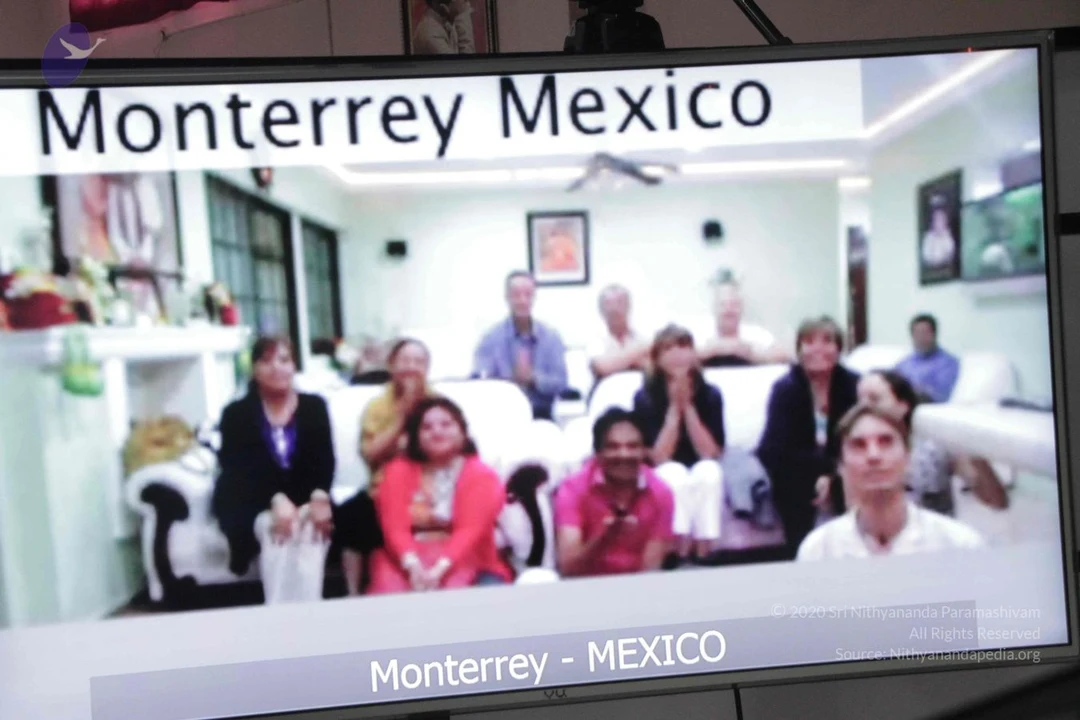
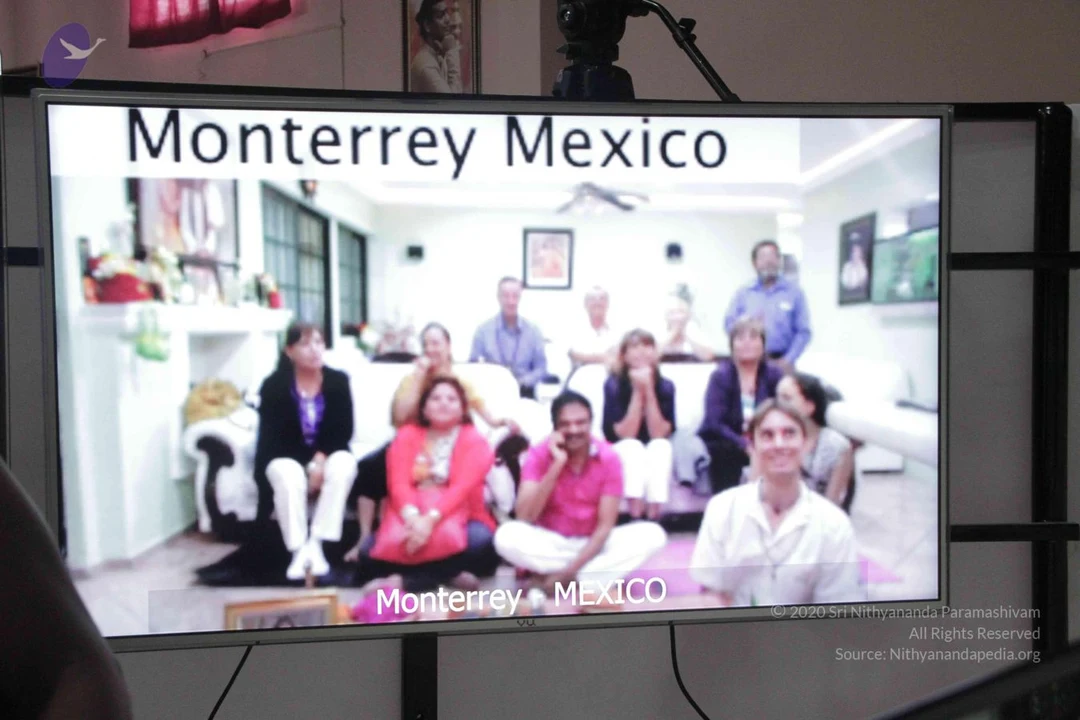
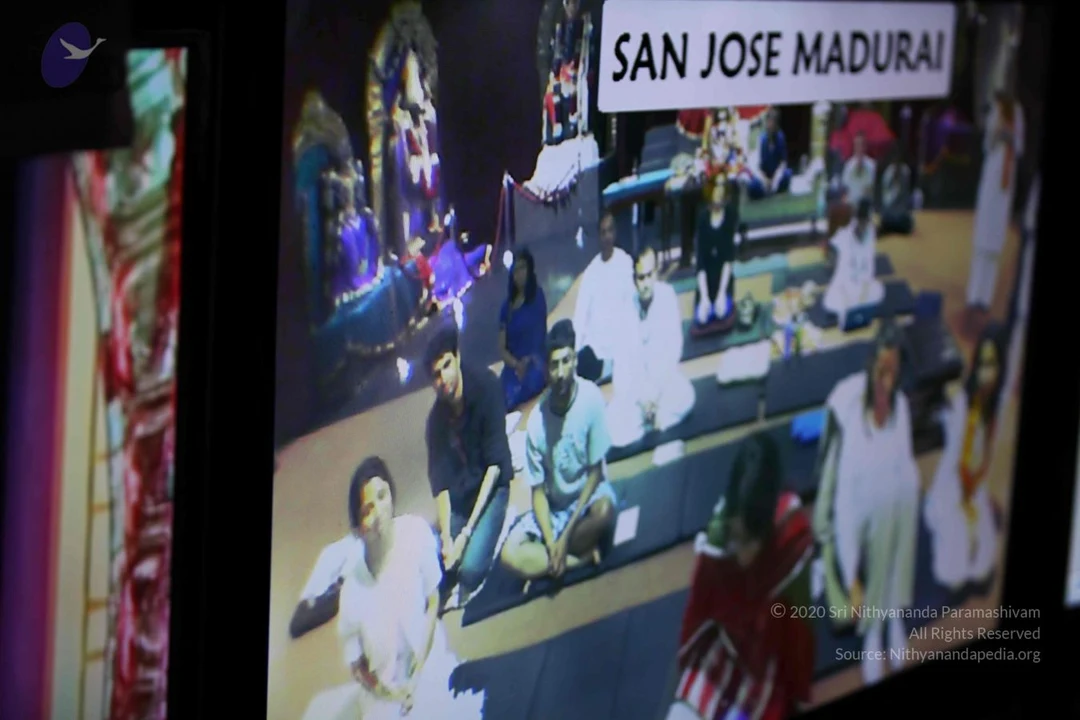
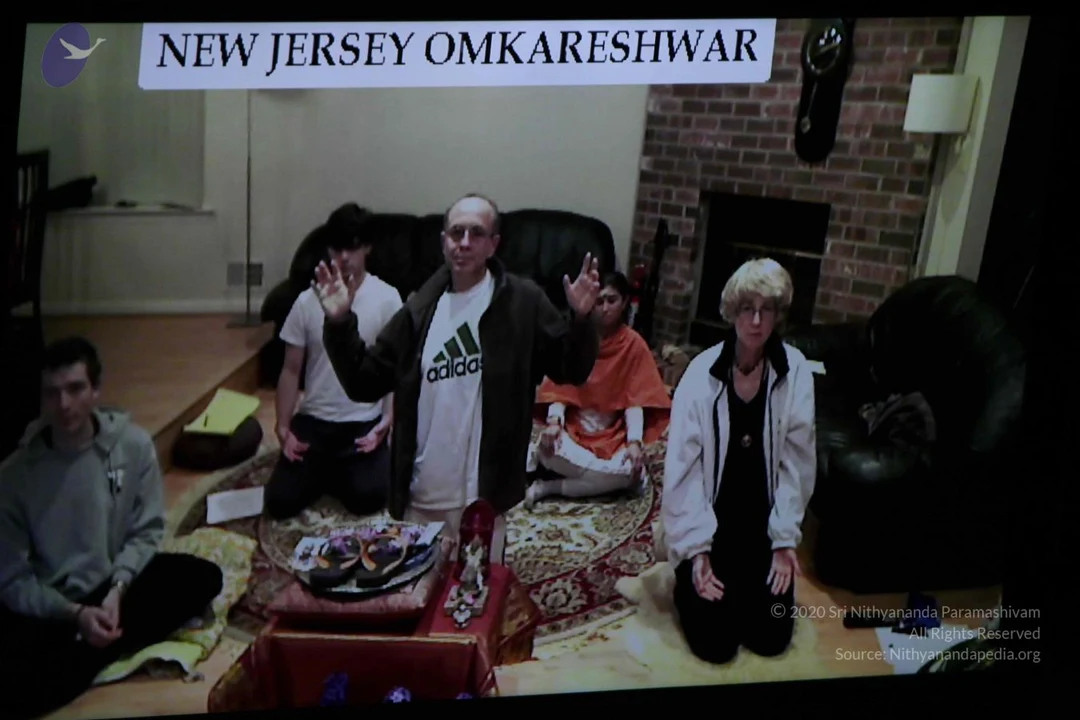
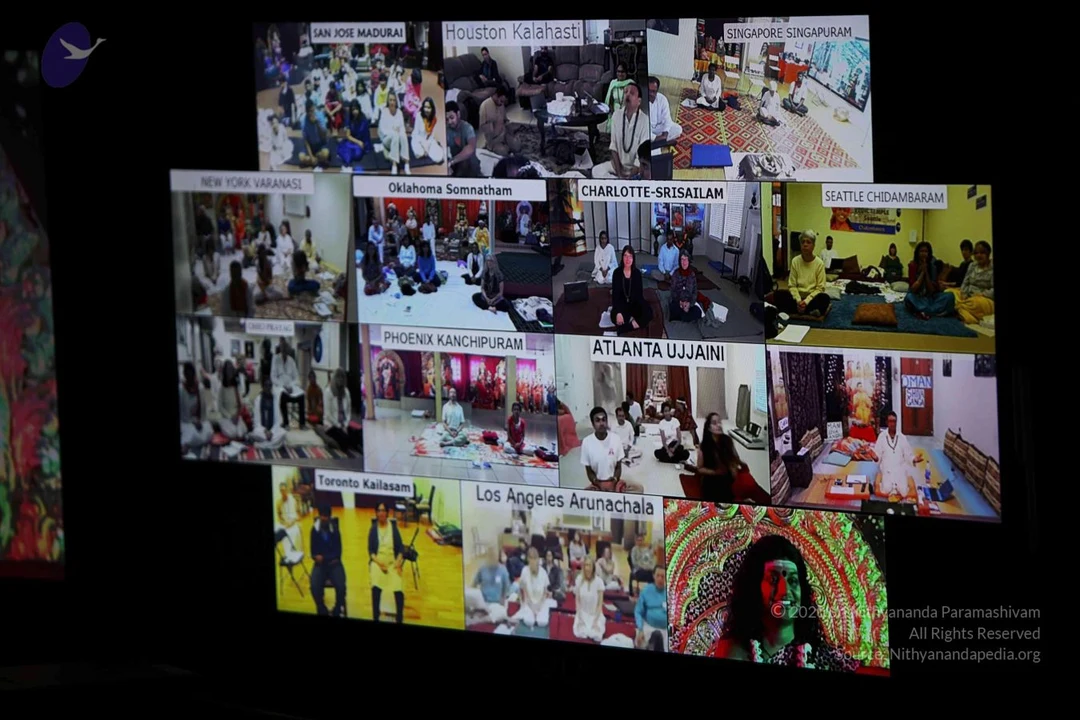
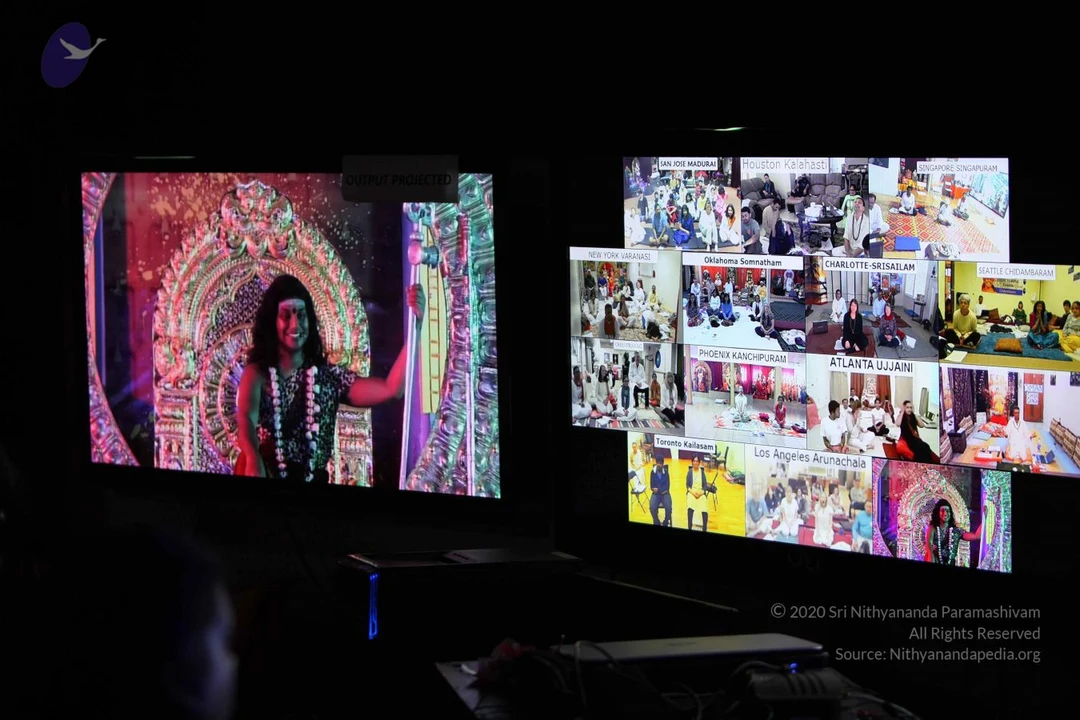
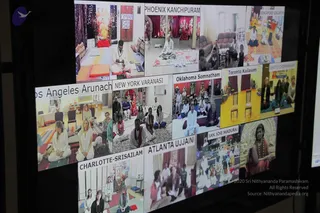
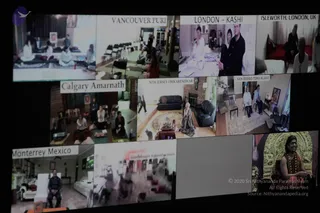
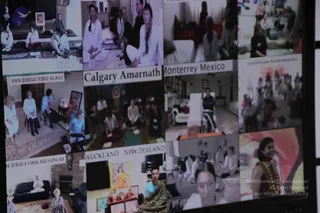
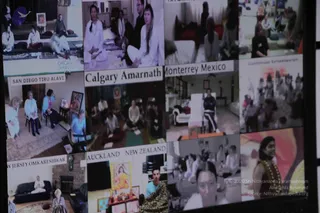
I welcome you all with my love and respects. Cities sitting with us in two-way video-conferencing having Nayana Deeksha, Vancouver Puri, are you able to see me? Vancouver Puri you are able to hear? Yes! Calgary Amarnath, New Jersey Omkareshwar, Guadeloupe-Rameshwaram, Monterrey Mexico, San Diego-Tirualavai, yes! ISLEWorth London, London-Kashi, yes! Oman Sivagangai, Phoenix-Kanchipuram, San Jose-Madurai, Singapore-Singapuram, Seattle-Chidambaram, Toronto-Kailasam, Oklahoma-Somanatham, New York-Varanasi, Los Angeles-Arunachalam, Charlotte Srisailam, Atlanta Jeanie, San Jose-Madurai, Singapore Singapuram...
(00:03:02)
Alchemy process of transforming you is called Kriya. These two days I am going to help you to go through the alchemy process of you transforming yourself. Nithya Kriya means, the eternal alchemy! Helping you to go through eternal alchemy process. I don't need to waste much time in the introduction. Because I know most of you listen to the satsangs regularly. Most of you are satsangis, are already connected devotees, But I’ll straightaway enter into the subject.
(00:04:05)
First I wanted to introduce these four important principles of life. Only with these four important principles of life, you can understand death, you can understand life, you can have answers to all the questions related to life. Now I can see Ohio-Prayag Ohio-Prayag I welcome you.
(00:04:44)
I wanted to introduce these four principles of life to all of you. Please listen, the first principle - integrity. Integrity means: honoring the word and thought you gave it to yourself and to others as your life. Dhyan se suniye, listen please, honoring the word you, word and thought you gave it to yourself and to others as life.
(00:05:11)
Second, second principle, please listen; because in this two day session, again and again I am going to repeat these principles. Again and again I am going to make you experience these principles. Integrity means - honoring the thought and the word you give it to yourself and to others as your life.
(00:06:20)
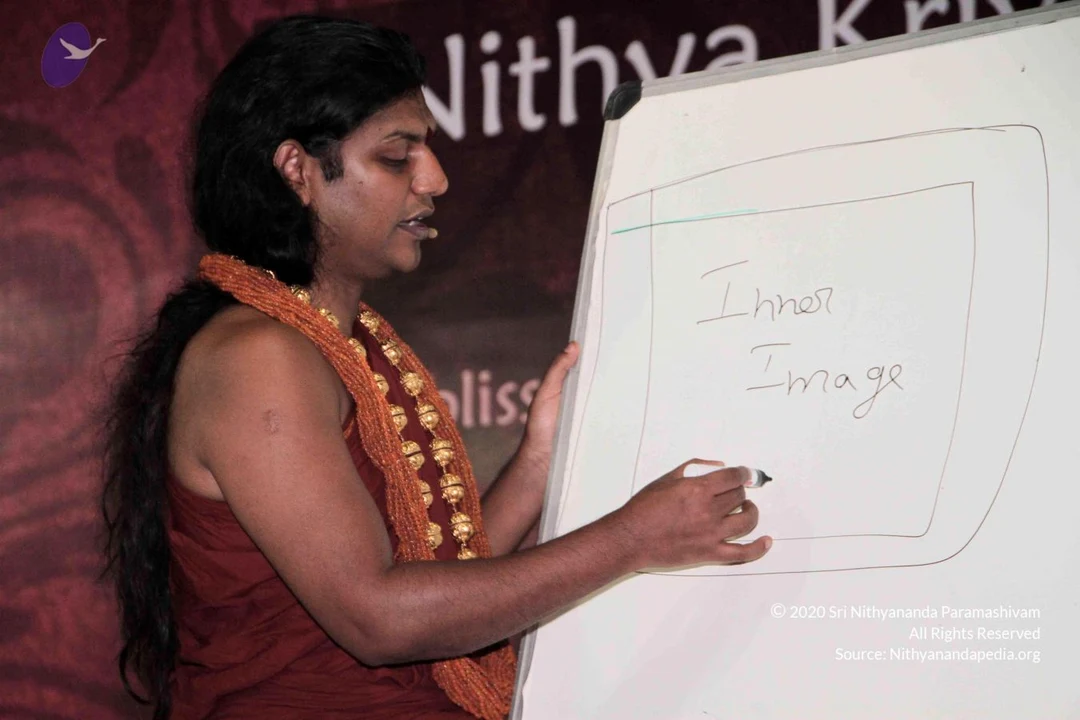
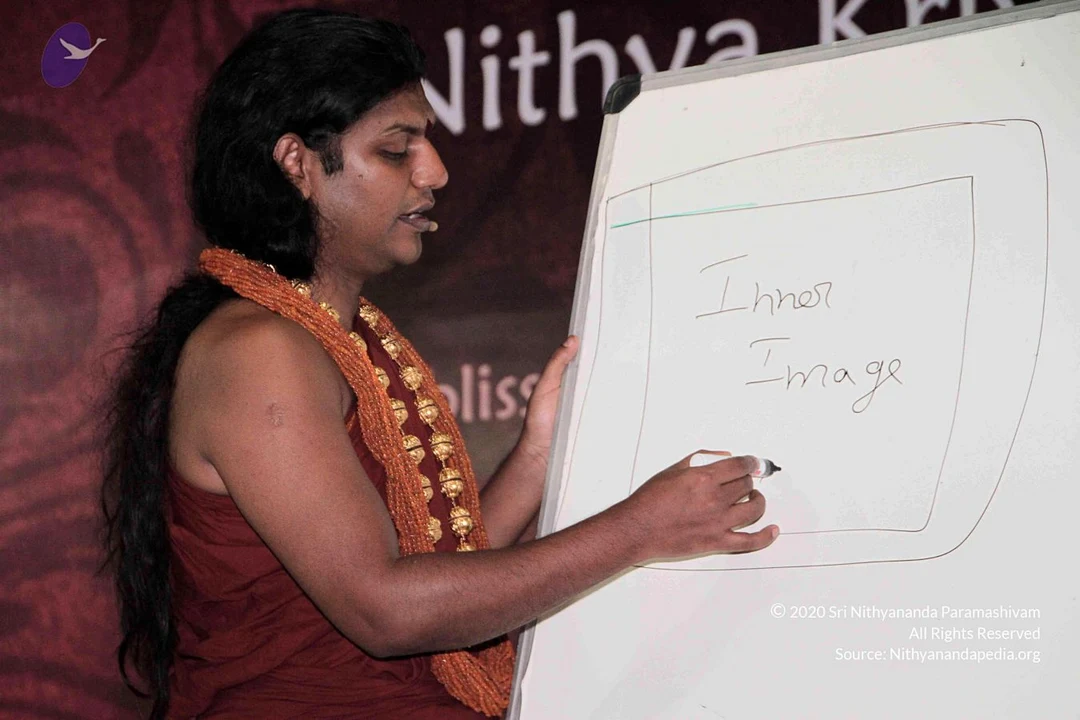
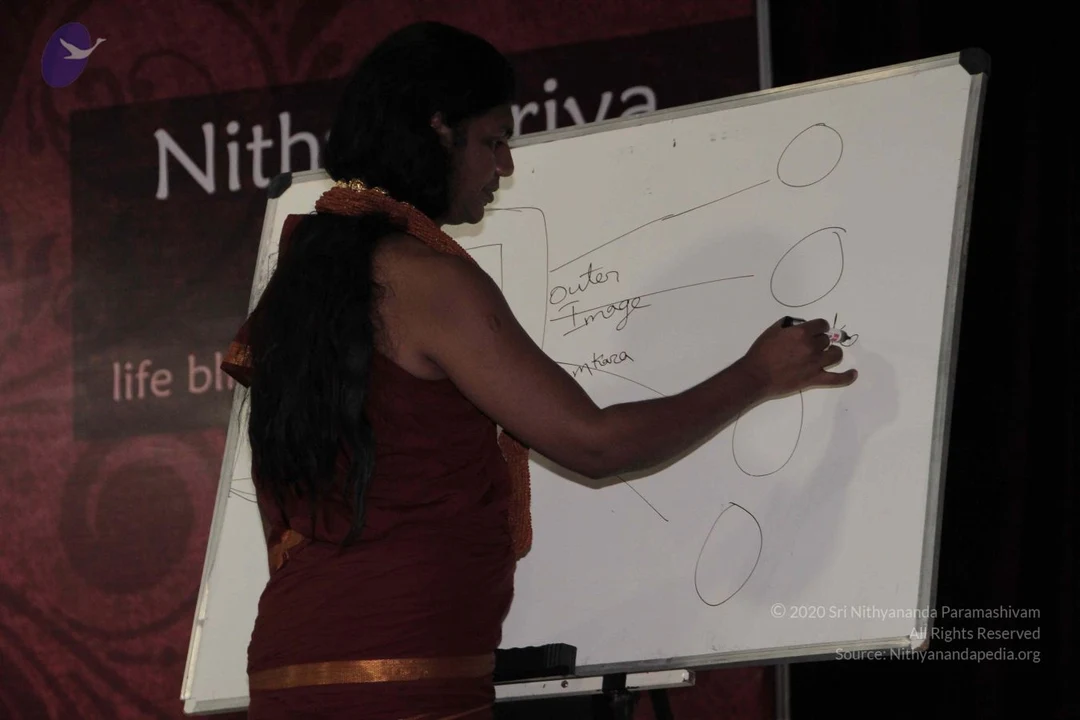
Authenticity, authenticity means - in any point of time you being established in the peak of your capability and responding to life from inner image - who you perceive you to be, Outer image - who you project you to be to others, and others image - what others expect you to be for them. I am defining authenticity. I am introducing these three words, listen - inner image, outer image, others image. What you perceive as you in you, the idea you carry about you in you is inner image. The idea you project about you to others is outer image. And ideas others expect from you is others image.
(00:07:43)
Listen, what you feel as you is inner-image, what you project yourself to be for others is outer-image. What others expect you to be for them is others image. In all these three being in peak, having highest best inner-image for yourself about you, projecting the best image about you to others,and fulfilling what others expect from you is authenticity.
(00:08:44)
Listen! The image you perceive about you is inner image. The image you project about you to others is outer image. And the image others expect from you about you; is others image. Being in your peak in all three is authenticity. What you feel, what you project, and what you make others expect from you, what others expect from you, in all these three being in your peak is authenticity.
(00:09:45)
Please listen, blessed are those who feel they do not know these principles and listen again and again about it. Fools are those who think they know all these already. So please listen. Just today morning one of my Brahmacharini she wrote from Malaysia. She told me ‘Swamiji every time when I listen about these four principles and talk about the four principles I discover something new’ I said that is why they are called eternal principles. Sarvabhaumya vrata. It is just like sun - as old as age and as new as today.
(00:10:53)
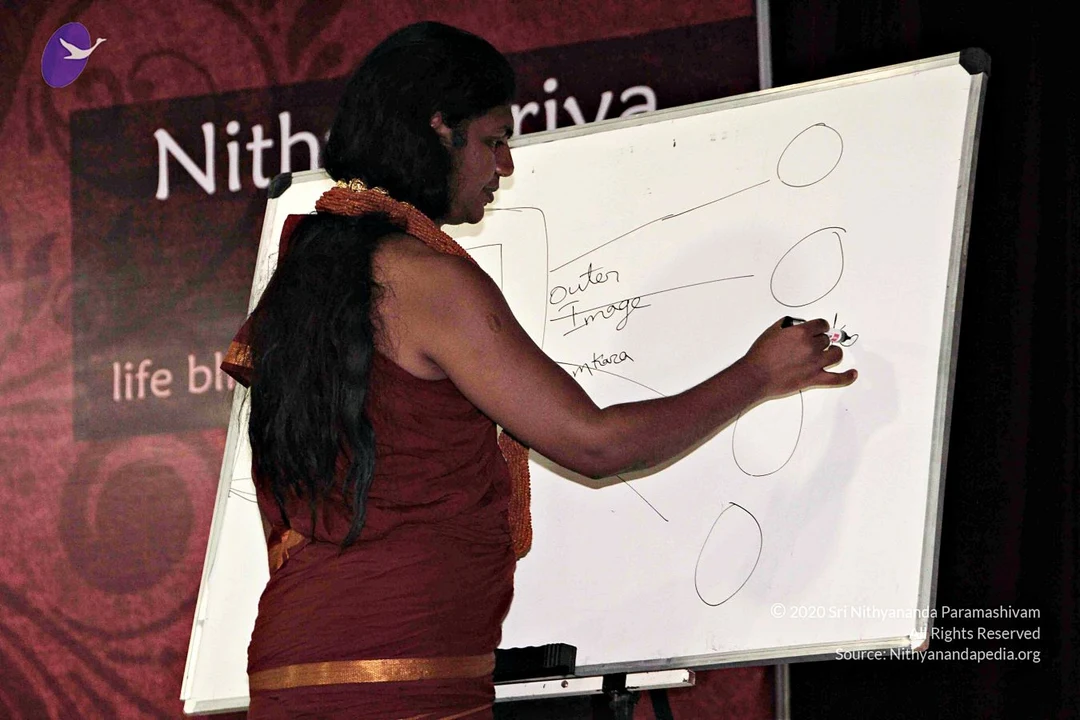
Can you all see, the square I am trying to create is your body. You may ask why it is in this way? Because your body is this way so I am also putting it. Inside this body what you feel as you is inner image. Inner image. In sanskrit we have a word mamakara, sanskrit we have a word mamakara. And the way you project you to others, see, all these different people, the way you project you to others - this is ahankara. Outer image or ahankara, in sanskrit we have a word ahankara. Yes, then, what others expect from you, how others expect you to be for them, that is anyakara. Listen, being in the peak of what you perceive yourself to be for you, what you project yourself to be for others, and what others expect you to be for them, being in the peak in all these three is authenticity.
(00:13:17)
Now the usual question arises; why should I care about what others think of me? Please listen, when you expect others should fulfill what you expect from them, they also have the right to expect what they want from your life. Authenticity is fulfilling expressing yourself in the peak in all these three.
(00:14:16)
The third principle, I'll repeat. Inner-image is what you feel as you for you, outer-image is what you project, as you to others, and others-image is what others expect you to be for them. Being in the peak of all these three is Authenticity. Third principle, let me expand on third principle responsibility… means, living and responding to life from the truth that you are the source of, and therefore you are responsible for all happenings in and around you. Please listen, living and responding to life from the truth that you are the source of everything, so therefore you are responsible for all happenings in and around you.
(00:16:09)
I am not asking you to understand this principle immediately existentially. I just want you to understand this principle, linguistically now. Understand linguistically that's enough, this principle can be experienced only when you see it the life. When you take the responsibility and see the benefits, only then you will be able to understand the power of these principles. Only when you practice it, when you pull these principles into your life to make it into reality, only then you understand these great principles as part of life. Now please understand linguistically that's enough.
(00:17:08)
These two days, I will be helping you to make these four principles as experience. It will be most beneficial for you, if you bring your life to the program and take the program to your life means; applying these principles, by intranalizing. Intranalizing means: analyzing for the purpose of internalizing is intranalyzing. Listen, we analyze many time for the purpose of rejecting. Here I am asking you to intranalize. Analyze for the purpose of internalizing. The mandatory condition for you to get this program is ‘listening’.
(00:18:18)
Please listen, again and again spiritual teachers tell you, how much ever you listen, if you don't practice you will not see the result. I tell you how much ever you try to practice if you don't listen you will not see the result. People say listening is supposed to lead to practicing. I tell you practicing is supposed to lead you to listening. Listening is the result; each time you listen you expand. Each time you listen life happens in an expanded dimension to you.
(00:19:11)
Listening, listening, listening. Catch it, don't miss even a single word, don't even miss the gaps. Listening! So understand, the third principle responsibility - living, thinking, feeling, responding to life from the truth that you are the source of everything, you are the source of everything! So you are responsible for all happenings in and around you.
(00:20:16)
Fourth principle is Enriching. Enriching means you taking responsibility with integrity and authenticity that you are committed continuously enriching, expanding yourself and life in and around you. You are committed to continuously enriching expanding life in and around you. Please listen, these are the four basic principles of life. Only with these basic principles the ABC of life starts. ABC of life starts only with these four basic principles.
(00:21:36)
All the questions about life can be answered, all the doubts of the life can be solved. The ultimate doubt of the life, the death itself, can be demystified, with these four principles. This program is all about making you understand the four principles of life, and preparing you to live a pattern free life, and when time comes, experience pattern free death.
(00:22:39)
Please listen, while you live, you tie yourself, bind yourself, with so many patterns of fear, desire, guilt, laziness, pain, sufferings; so many patterns bind you. By enjoying them you also bind them. The mental patterns, life stuck with mental patterns and death stuck with mental patterns, ife stuck with mental patterns and death stuck with mental patterns is hell.
(00:23:48)
Please listen, if your life is full of mental patterns; your death will be full of patterns. Don't think your life can be different and when you are about to die, some angel or God, somebody will land and your death will be different, no. You are going to die exactly the way you are going to live and you are living.
(00:24:22)
Sometime people ask me, especially Hindus, they say: “Oh the last moment of death if I say Rama, Krishna, Shiva, Hari, Govinda, I will reach heaven, why should I suffer whole life? Why should I repeat God's name whole life, why should I do something?” Whole life you will be chanting coca-cola, pizza and suddenly while you die you will remember Rama, Krishna, Govinda? What do you mean? It's impractical, just postponing attitude. So please listen, in these two days. I’ll help you to apply these four principles to solve many of the questions you have about life, especially help you to live a pattern free life, bondage free life and experience graceful exit when time comes. Experiencing graceful exit when time comes.
(00:25:44)
So I’ll help you to cross through many of your emotional layers... layers of patterns. The first layers of pattern you need to cross is fear. Dhyan se suniye. Please listen, the first layers of pattern, layer of patterns you need to cross is fear. Fear is neither your thought nor your emotion, it is absence of your consciousness. Please listen, it is just like when a owner of the house is not there, the house is available for anybody to encroach. Same way, when your consciousness is missing in your body, your body is now available for anything anybody; that is fear. It is literally having a ‘To let’ board on your body… ‘To let’ board on your body.
(00:27:16)
Fear is neither a thought nor an emotion. If you are thinking it's a thought and trying to solve, if you are thinking it is an emotion and trying to solve, you will be a failure. Be very clear, it is absence of your consciousness. Only by invoking your Presence fear is conquered. To conquer the fear nothing else is required other than invoking your Presence. Listen, invoking your presence inside you is what I call integrity. Invoking your presence inside you. Dhyan se suniye. Now, the words you give it to you and give it to others, neither you are aware nor you take responsibility; because you are not aware you don't want to take the responsibility. You don't even feel responsible. Dhyan se suniye. First thing you need to do to remove fear in you - bring awareness in your thinking. The words you give it to you and the words you give it to others, infuse awareness bring awareness.
(00:29:40)
Society continuously teaches you, the words you give it to others you have to fulfill… because it is related to society stability. It expects you to fulfill the words you give it to the society, because…. listen, because it is related to the stability of society. If everybody starts lying to everybody, society will lose its stability. So society wants its stability. So it teaches you - please fulfill, honor the words you give it to others. But I tell you, honoring the words you give it to you is the first thing you need to learn. I am not saying don't honor the words you give it to others. I am saying you have to, but this part of you - honoring the words you give it to you - you never attend to it. You take yourself for granted. When you take you for granted, everybody else is also going to take you for granted. Only when you start honoring the words you give it to you, you will even start becoming aware of the words you give it to you.
(00:31:14)
A small story, one guy opens his lunch box in the office and finds cabbage and cries, “Oh God... I don't like it”. Next day again he opens the lunchbox and cries, “Oh God again today also cabbage, I don't like it.” His colleagues were really surprised, the friend’s wife is so cruel, knowing every day, knowing the friend doesn't like cabbage, every day she sends cabbage! Third day again the friend opens the lunch box and cries loudly, “Again cabbage I can't take it anymore.” The friends asked him, his colleagues asked him, “Your wife is so cruel, she cooks every day cabbage knowing that you don't like it.” This fellow slowly responds, “No, I am not married, I cook for myself.” 😀
(00:32:24)
Listen, most of the time you do not know what you are doing to you, and what you are doing to yourself. I wanted to know please raise your hand. How many of you cognize that you do the same thing to you, again and again you do not know what you are doing to you. Please raise your hand. Let me see... so you all need integrity. First, first thing you need to do is Swapoornatva , complete with yourself. Whether it is NDY or NKY or inner awakening, first things first, without that we can't move. Without that you can't move to the next step. I tell you, you need to complete with you first.
(00:33:46)
Now I'll give you few minutes. You need to sit and remember, please listen, not only you don't complete, honor the word you give it to you, you don't even bother about it. Let me, let me describe. See, integrity means, if you say you will give million dollar to somebody tomorrow even by giving your life you have to honor the word. If you are not able to honor, you are very clear even if you give your life nobody is ready to buy you for million dollar, you won't be able to honor that million dollar, at least telling that person now itself, that I complete with the word I gave you, I will not be able to give you a million dollar, I drop from that commitment. Even that is integrity! Please listen, even if you say you will not be able to do it and relieve you from the commitment, that is integrity. Either honoring or completing. Either honor a word you gave or complete the word you gave. Same way with you. You would have told yourself in a young age I will become a doctor. There is a big fantasy all the kids carry. Because of the pain of the injection. In my young age I used to do that. Whenever I see anybody more powerful than me, I will feel like I will become that when I grow up. My first decision is I will become a great sculptor and carve all the deities I want for myself. In the young age, my first desire is to have the deities, all deities. And you know the sculptors naturally they ask money. So I used to feel powerless in front of them.
(00:36:07)
‘See these fellows I wanted to worship these deities, I wanted to have them, he is not giving me, he's asking money. All right, when I grow up, when I grow up, I will become a sculptor and carve all the deities as I want for myself.’ The next day when I was taken to a doctor, I saw him very powerful. Then I decided I will become a doctor when I grow up. So whoever you feel as a powerful in your life you decide to become that when you are young. Please listen, if you decide to become a doctor and you became a doctor, great you have honored, you have honored your commitment. But if you have not become that doctor, at least, you should complete with you. ‘All right I have not become doctor, I am not going to become one in my life anymore; the possibility is not there. So I complete with myself and I drop that desire. I am complete with that desire anymore’. Even that is integrity.
(00:37:24)
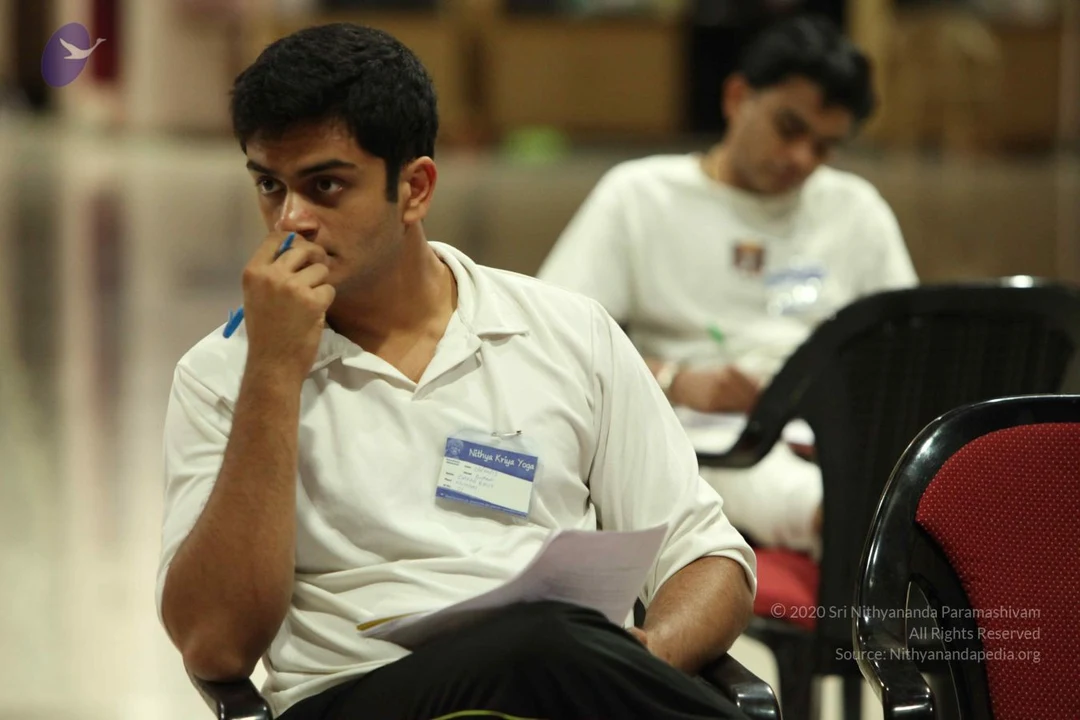
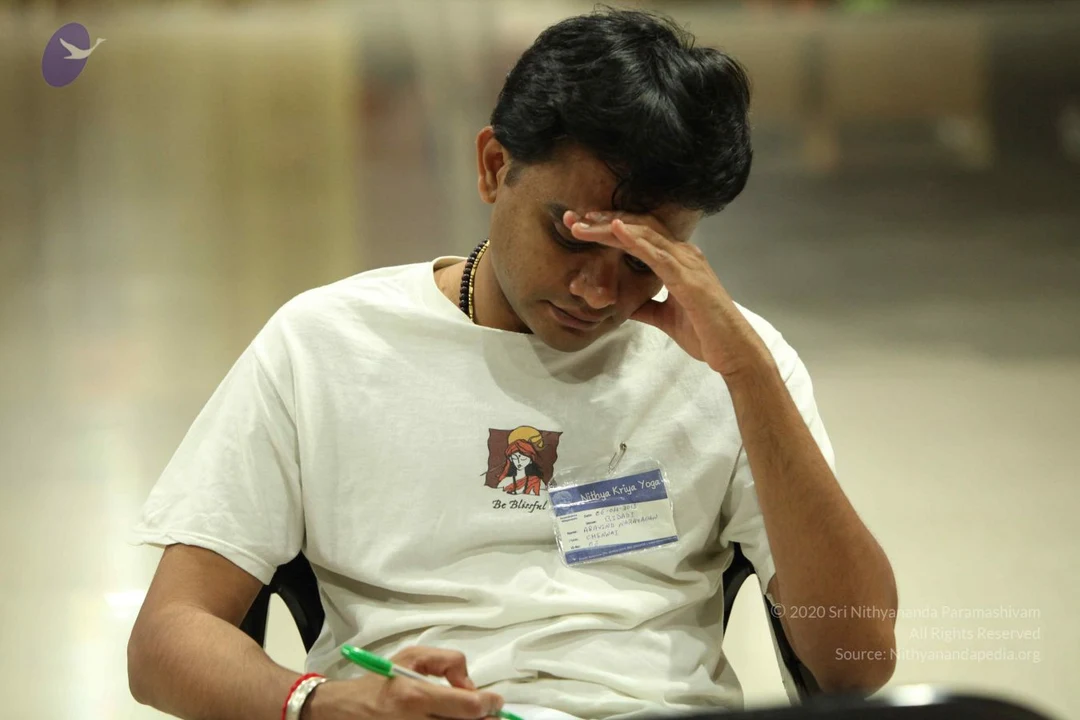
Listen, now I give you a few minutes, to complete with you. Sit and pen down all the words you gave it to you, but did not bother to fulfill, honor. If you already honored, don't worry, you don't need to pen down, pen down those words. But any words you have given it to you, and to others, if you have not honored please pen down. Few minutes time for all of you, to restore your integrity, restoring your integrity with you is the first step in spiritual life. All the commitments you gave from the young age, please listen, all the desires you cherished, are nothing but the commitments you gave it to you. If you cherished eating ice cream, pizza, taking a walk in the beach, everything is the desire the commitment you gave it to you. Every commitment you gave it to you and did not fulfill, honor, please pen down.
(00:39:00)
Please listen, now I give you few minutes. Sit in meditative mood whatever you think you can't fulfill immediately in next few days, even if you think something you can fulfill after six months, don't keep that as a pending, incompletion. Whatever you think you can't fulfill it immediately, complete all of them, okay. Tell yourself ‘I am not interested in fulfilling it. I am not interested in honoring this word, for various reasons I cannot honor it, so I am dropping it.’ Please sit straight, close your eyes, now whatever you wrote, the words you gave it to you, which you can't honor, please complete them, by declaring to yourself, declare to yourself and complete them.
(00:40:28)
Title
Enrich the World Through Sanyas Life
Description
In today's morning satsang, Paramahamsa Nithyananda demonstrates the ideal lifestyle: the lifestyle of sannyas. Sannyas is responsible living. When we understand that everything touching us, impacting us, is our responsibility, we spontaneously become sannyasis, embracing the lifestyle of living enlightenment. Society has conditioned us to expect a shallow, superficial lifestyle as the ideal way. Once we view the world with fresh perception, we long to heal the hurts we see, to teach the ignorant and nourish the poor. This is sannyas -- the way of responsibility.
Link to Video:
| Video | Audio |
Transcript:
[00:19]
iss samay hamaare saath upastith sabhi darshakon aur bhakton ka main prem evam aashirvad sahith swagath kartha hoon. aaj ham jeevan ka teesra tattva uttardaayitva lena evam aapke vaastaviktha ke beech mein anokha sameekaran ke baare mein baath karenge.
[00:47]
I will expand on the unique equation, relationship that exists between the state of responsibility and the reality. Feeling responsible happens in you when you start practicing integrity and authenticity. Only when you start practicing integrity and authenticity, you will realize you are responsible for all your powerlessness, feeling deprived. Everything you experience, you are responsible. Listen! Only when you understand you are responsible for anything you feel in you as incompletion, powerlessness and deprived, you will even start thinking in the angle of taking responsibility. When a person takes responsibility, so much flowers in him, so much happens in him.
Sometimes, I used to wonder… I have seen even among My devotees, same batch, two persons who completed MBBS and came out of the same college – of course, same batch mates, came out - after 30 years one will be the MD of chain of hospitals, another one will be sitting in the same old village, attending patients for ten rupee per patients, and with a big magnifying glass reading the same old newspaper; because whole day only some ten patients will come; that also five will be free. Why same batch, same college, same training, two comes out, one becomes the MD of a chain of hospitals, another one sits inside his own chains? Sometime, the MD of the hospital would have failed in few subjects in the college; as stories usually have it! Why? Listen! The only difference, the only reason for difference is Feeling responsible! Feeling responsible!
[04:14]
aapme zimmedaari ka stithi tabhi stapith ho saktha hain jab aap pehle lagaathaar sampoorthi evam shraddha ka abhyaas karenge. jab ek vyakthi uttardaayitva lene lagtha hain tab jeevan ki dhaara lagaathaar behne lagthi hain.
[04:40]
Yesterday, one sadhu from North India came to our ashram. He was talking to some of our sannyasis, sannyasinis in the Welcome Center. When he saw all our sadhus are intensely active, alive and working, he said, “First time I am seeing a Hindu organization with so much of activism!” He said, in his ashram, hundreds of them stay. He says I am, he was telling he was tired of just sleeping in the room. He was literally crying. He said, “For last 13 years I am a sadhu. I am tired of just sleeping, sleeping, sleeping in the room! I came to learn some kriya, yoga, ways of initiation, method to practice spirituality and teach.”
But you know this is the worst part of human mind, once you are settled, the patterns settles inside you wasting your life, after that, even if you suffer because of it, you don’t come out of it. By evening, he ran away! He said, “Even this air is so dynamic! Inside your campus, even breathing is so dynamic!” Literally! He came and met Ma Maneesha. And after all, he met the wrong person. Ma Maneesha is so dynamic, she straight away said, “Which department you want to take? Do you want to be in the temple? Do you want to be in the kitchen”? And he ran away disappeared without even informing. It seems one of our, another one ashramite told that sadhu before leaving, “Please meet Ma Maneesha and then go.” He ran! 😀
[07:16]
Please listen! I tell you, this is an important fact - just four days only it takes for your muscle-memory to taste laziness and boredom, tiredness and settle down with it. A tiger, if it has not tasted the salty blood… human blood is the most salty blood, it does not become man-hunters, man-eaters. Once it tastes the human blood, it becomes man-eater. Understand for a tiger it takes only one human body, then the bio-memory, muscle-memory of the tiger settles for man eating. If they have not already tasted the human blood, they don’t hunt human-beings; they don’t attack human-beings, they don’t eat human-beings. By mistake or by hunger or for protection if they attack human beings and taste the human blood – because human blood is the saltiest blood. If they taste the human blood by mistake, only then they start attacking human beings and they become man-eaters. Understand only one meal, human meal, is required for the tiger, human flesh meal is required for the tiger’s muscle-memory to settle down as a man-eater.
[09:03]
Same way, human-beings need only four days to settle down with tiredness and boredom and laziness. Please listen! I am talking something very important and very mystical. I tell you, never ever take vacation four days continuously in your life. Do not allow four days of vacation in your life. The very frequency in which you function is reduced. Because in four days your muscle-memory gets settled with tiredness and boredom and laziness. Even if you are without job for four days, be active in something. Go and meet your friends, family, take up some voluntary service. Do not be four days without responsibility. If you have some enemies and you want to destroy somebody, just somehow make him to be with four days without responsibility. He will be destroyed. Don’t do that to yourself. Don’t do that to yourself. Don’t be without responsibility for four days. Because you may ask, “Why four days”? Four days it takes for anything to become part of your muscle-memory. Four day morning if you don’t come for yoga, don’t come for satsang, fifth, sixth day your muscle-memory will start proposing alternatives to you at that time. What are the alternatives? Sleeping, rolling on the bed, TV, so many things are there. So many things are there.
[11:23]
I wanted to tell all human-beings, whoever think themself as human-beings, please listen, do not allow laziness, tiredness, boredom continuously for four days, because that will become part of your muscle-memory. In any field, especially you are in the field related to body like a dance, yoga, sports, gymnastics, anything related to body, don’t give the gap of four days, I tell you. If you are a sculptor, painter, artist, dancer, yoga practitioner, don’t give break more than four days. Please don’t give break. If you give break just for four days, fifth day your practice will have a drastic reduction in quality. I will translate in Hindi these few truths.
[12:47]
jab aapme zimmedaari ka sachcha ehsaas hotha hain vah kuch bhi jo aapko bebasi ka anubhav karaatha hain, aapko vanchith hone ka anubhav karatha hain, toh hi aap zimmedaar mehsoos karne ke drishtikon se dekhna aarambh karthe hain. kal hamaara ashram mein ek sadhu aaya aur vah keh rahe the ke unki jeevan ki dhaara ruka huva tha keval iss vajah se ki unke ashram mein koi bhi kisee prakaar ka uttardaayitva nahin lethe hain. jab unhone hamaare ashram ki gathi vidhiyan dekhi ve aashcharya chakith ho gaye ki ek ashram mein itni rafthaar bhari jeevan shaili bhi sambhav hain.
[13:55]
I wanted to redefine Sannyas.
• When you don’t take responsibility for anything, you live as - Slave. • When you take the responsibility for the money of the society you become - Vaishya. • When you take the responsibility for weapon of the society you become - Kshatriya. • When you take the responsibility for knowledge of the society you become - Brahmana. • When you take responsibility for everything you become - Sannyasi!
[14:38]
yeh mahatvapoorN sathya ko samajhne ki prayaas ki jiye keval uttardaayitva ke saath hi aap jeevan kaa adbhut ras ka anubhav aap kar paayenge.
[14:54]
Only when you take responsibility, life happens to your body. If you have any disease, take responsibility for it; so that you can heal, help heal and then take care that you don’t attract that disease again back. And same way if you have broken a relationship because of your irresponsibility, unconsciousness, now take the responsibility. Next time you don’t do it. Life does not end by breaking one relationship. You don’t need to be depressed or you don’t need to start being in that same space. When you take the responsibility you can even patch up there with the relationship you broke. You can approach the person, rebuild the relationship. I did not wait for anything else to come. Listen, one of the biggest problem we have is – “Let me have the power first, let me have the status first, let me have the position first, then I will take the responsibility.” No! That does not happen in life! Take the responsibility, build the state inside you. Then, after you being tested by the cosmos it gives you the status. That status can never be taken away. I took the responsibility for teaching the science of enlightenment. I took the responsibility in My life. I started living, I started building the state, then human society has tested Me enough. Now I could simply see many powerful positions are automatically coming towards Me. Listen, I am not going in search of them. Responsibility attracts more responsibility. The problem is we are afraid of more responsibility, so we deny even the responsibility we have in our hand. But more and more responsibility adds more and more life-energy into you.
[17:31]
Why do you think these politicians don’t die at all even though everyone is waiting for them to die? They live such a long life. No, really! Whether you like them or not, whether they are corrupt or non-corrupt, for something they take responsibility. At least they take the responsibility for their life to be a power center. For something they take the responsibility. They may be corrupt but when they take the responsibility, whether you want it or not, it is a cosmic law – life-energy oozes in their muscle-memory, in their bio-memory and they go on living. The rich old father-in-law and the rich old politicians don’t die very easily. Even though so many are waiting for them to die. When you take the responsibility, life oozes in your muscle-memory for some reason. That is why they continue to exist.
[18:56]
jab aap kisi bhi cheez ke liye uttardaayitva nahi lethe hain tab aap ek shudra hain jab aap dhan ka uttardaayitva lethe hain tab aap ek vaishya hain jab aap shastra ka uttardaayitva lethe hain tab aap ek kshatriya hain jab aap gyan ka uttardaayitva lethe hain tab aap ek Brahman hain aur jab aap aapke andar evam baahar honewaale sabhi cheezon ke liye uttardaayitva lethe hain tab aap ek sannyasi hain
[19:45]
Sannyasi is not ‘out-fit’ of the society; it is ‘over fit’ of the society, Sannyasi is not ‘out-fit’ he is a ‘over-fit’! Sannyasi vah nahi hain jo jeevan se bhaagtha hain. sannyasi vah hain jo jeevan mein sampoorN tarah se bhaag letha hain. India needs at least hundred thousand responsible sannyasis. That is what is My mission is. I request all the satsangis, if you are young, still unmarried, I request you sincerely to consider the lifestyle of sannyas. Please listen, sannyas is not the lifestyle of depressed people or drop-outs. Consider this lifestyle. It is a lifestyle. Oh youth of India, you tried various lifestyles. You tried the lifestyle of running behind Bollywood, Hollywood, Gollywood, Tollywood celebrities; becoming waste wood. Oh youth of India, you ran behind, you tested already the lifestyle of running behind some chota mota politicians. Oh youth of India, you already tasted the lifestyle of running behind industrial revolution. Oh youth of India, you already tasted and wasted your life by running behind the IT revolution. Now Oh youth of India, it is time for you to consider and revolutionize humanity, society, yourself and everything through the lifestyle of sannyas. You tested with all types of lifestyle.
[22:39]
India, youth of India, is the only hope for the future of the humanity which is literally one-tenth of the human population. Listen! One among ten human-beings in the world is youth of India. One-tenth of the world population is youth of India. You need to know, just only one river, Ganga, hosts one-tenth of the human population! One-tenth of the human population lives on the banks of the Ganges, on the basin of the Ganges! I am talking statistics. I am not talking stories. I am talking facts. And same way, one-tenth of the world population is Indian youth. In any field, Indian youth puts their energy, they excel and achieve!
[24:07]
Oh Indian youth! You tried the lifestyle of running behind Bollywood, Kollywood, Tollywood, Sandalwood, all wood celebrity and you also experimented with the lifestyle of drugs. You also experimented the lifestyle of IT revolution. You also experimented with the lifestyle of industrial revolution. Finally, you received only three things: Drug, Death, Depression – 3D! Now, Oh Youth of India! It is time to see fourth D – DIVINE! If you are youth of India watching this satsang, consider sannyas as lifestyle. All I request is decide just to make few days trip to the ashram to learn more about sannyas, what it is all about. Nothing is obstruction; your age, your culture, your background, your community, your religion – nothing is obstruction. Other than your mind, nothing can stop you.
[25:52]
I have a programs, free programs conducted specially for the people who are interested in sannyas. Try to take few days, few weeks, few months, even one year; I will be able to host you; I will be able to give you the taste of the Vedic tradition. In our own small way, I will be able to provide the basic food, shelter, clothes, education, the ambience, everything. By being the responsible sannyasi, you will do SO MUCH to the country, to yourself. I tell you, responsible sannyas is the symbol of patriotism of India! Responsible sannyasis are the symbol of patriotism in India. India is going to conquer the world not by the weapon, not by the army, not by the political strength, not by the celebrity strength; but by the spiritual knowledge. We need responsible sannyasis to teach India the spirituality and to teach the world spirituality.
Oh, Youth of Punjab! My trust lies in youth of Punjab, because Guru Gobind Singh has created a super humanity. He created a superhuman race. My trust lies on youth of Punjab, Sikhs! Enough! We had and we have enough of celebrities, entertainers. We have enough of politicians. We have enough of people in every field. We only need responsible sannyasis. We only need one thing: responsible sannyasis.
[28:41]
Bharat ko aaj sabse adhik avashyaktha hain kam se kam ek laakh sannyasiyon ki aur meri sanstha ka uddeshya yahi hain. duniya mein har dus vyakthiyon mein ek vyakthi bharath ka yuva hain. oh bharat ke yuva jaago! bharat ko punah buland banaane ki meri pukaar ko suno. mere saath aur mere sanstha ke saath ekikrut ho jaavo. Sannyas ki jeevan shaili ko proyog karne ki prayaas karo. ek zimmedaar sannyasi ke roop mein aap desh ki sabse badi seva kar sakthe hain. yahi asli desh bhakti hain. bharat, uske zimmedaar sanyasiyon dwaara vishwa par punah raajya karegi; koi shastra se nahi. uske zimmedaar, bharat uski zimmedaar sanyasiyon dwara vishwa par punah raajya karegi koi shastra se nahi.
[30:20]
It is enough, Oh Youth of India! You were been given a wrong fantasy by the mediocre leaders of society. A wife and two kids, and a house, and a car has been described as the ideal, happy life. Enough! Get out of this conditioning fantasy. The ideal for modern Indian youth is responsible sannyas. Responsible sannyas is the ideal for modern Indian youth. Every city needs responsible sannyasi. The social service, spiritual service, everything can be done only by responsible sannyasis. It is time responsible sannyasis are celebrated as heroes. Responsible sannyasis radiate the strength of the country. Bharat ki yuva ka aadarsh hain uttardaayitva mein stith sannyas.
[32:16]
Feel responsible for everything you see around. If you see poverty around, feel responsible for it. If you see ignorance around, feel responsible for it. If you see lack of health around you, feel responsible for it. Don’t think, “I am not the reason! I cannot be responsible!” You may not be reason, but you are the cause! Sometime, you may not be the reason, but you are cause. Even if you are silently participating you are cause. Good people not working, not being active, is reason for all bad things happening, more than bad people actively working. Bad people actively working is not the first reason for bad things happening. Good people not actively working is the first reason. Bad people actively working is only second reason. The reason for terrorist attack, the first reason is not terrorist actively working. The first reason is good people not actively participating with the society. Good people not actively participating in the society, in the life, in the country, is the first reason for all the bad things happening.
[33:56]
Bharat ki yuva ka aadarsh hain uttardaayitva mein stith sannyas. hamaara desh ki aaj pratham avashyaktha hain uttardaayitva mein stith sannyasiyon ka.
[34:20]
That is what is our immediate need. If you are unmarried, youth of India, I sincerely request, consider the lifestyle of sannyas. It can do so much good to you and to society and to India. Non-sannyas organizations have tried their best to do good, but nothing like sannyas organizations. Sannyas organizations can contribute to society so much. So much can be contributed! So much good can happen to society by the responsible sannyasis. If you see corruption around you, take responsibility for it. If you see poverty around you, take responsibility for it. If you see ignorance around you, take responsibility for it. Take responsibility for everything. When you take responsibility for everything, automatically you will become sannyasi. Only a responsible sannyasi can solve the existing problem, can bring solution.
[36:12]
aapke chaaron aur ho rahe har paristithi ka uttardaayitva leejiye. agar aapke saamne aap garebi ko dekhthe hain toh uska uttardaayitva leejiye. agar aap aapke saamne athyaachaar ko dekhthe hain toh uska uttardaayitva leejiye. agar aapke saamne aap brashtachaar ko dekhthe hain toh uska uttardaayitva leejiye. jab aap aapke saamne agyantha ko dekhthe hain toh uska uttardaayitva leejiye. jab zimmedaar naagareek zimmedaari nahi lethe hain tabhi aatankvaad ka srujan hotha hain.
[37:05]
Youth of India staying in India and all over the world, listen! Youth of India all over the world, consider Sannyas as a new lifestyle, alternative lifestyle. Just like one-tenth of the human population lives on the banks of the Ganga, one-tenth of human civilization – Indian youth – lives on the banks of Jnana Ganga. Decide to enrich Jnana Ganga by taking Sannyas. Sannyas enriches you and enriches the Jnana Ganga. Sannyas enriches you and enriches Jnana Ganga.
[38:08]
vishwa ki har jagah jee rahe hai oh bharat ki yava suno! poora vishwa ko gyana Ganga se laabhaanvith karne ka uttardaayitva aapka hain. sannyas ke dwaara hi aap vishwa ko gyan Ganga se labhaanvith kar sakth hain.
[38:37]
Take the responsibility. Even if you can’t take sannyas, decide to take the responsibility of your life and the life of the people around you. You will bring the space.
[39:02]
Sannyas ke dwaara hi aap vishwa ko gyan Ganga se laabhaanvith kar sakthe hain. isiliye sannyas ke path pe chaliye. iss kshan se nirnay leejiye ki aap har cheez ka uttardaayitva lenge. maanav aabaadi ka dasva hissa Ganga ke thaT par rehthe hain aur maanav sabhyatha ka dasva hissa bharatiya yuva hai. agar aap bharat ke yuva hain aur yeh satsang dekh rahe hain sannyas ko jeevan shaili ke roop mein apnaane par vichaar kare. mera aapse anurodh hain hamaare ashram mein aakar rahiye, ashram ki jeevan shaili se parichit huyiye. aapki jeevan shaili ,aapki sanskriti, aapke rasthe mein baadha nahi hain. hamaare ashram mein ek varsh ka kaaryakram hain. aapka bhojan aashray aur buniyaadi avashyakthaon ki cheezey pradaan ki jaayegi. Ek zimmedaar sannyaasi hi bhaarat mein desh bhakthi ka prateek hain.
[41:00]
Responsible sannyasis will be the Neo Sannyas Order of Indian Youth; Integrated, authentic, responsible, Sannyasis Order. Integrated, authentic, responsible Sannyas Sampradaya is the only way to enrich the humanity. Not just Bharat, the whole humanity. It is time Indian youth realizes without responsibility, without taking responsibility, nothing can be achieved. Life itself does not happen inside your body, inside your nervous system, inside your brain without taking sannyas, without taking responsibility. Sannyas means, taking all the responsibility, but not any powers or rights; taking continuously responsibility and making everyone experience responsibility.
[42:35]
keval bharat ko hi nahi balki aaj poore vishwa ko aavashyaktha hain ek sampoorthi shraddha evam zimmedaari bhari ek sannyas sampradaay ki. keval bharat ko hi nahi balki aaj poore vishwa ko avashyaktha hain ek sampoorthi shraddha evam zimmedaari bhari ek sannyas sampradaay ki.
[43:12]
Youth of India need to be inspired, encouraged, initiated into responsible sannyas. Youth of India, when you take the lifestyle of Sannyas, the revival of Vedic tradition is possible. I wanted a scientific laboratories based on Vedic tradition. Ten-thousand years before, our ancestors know the science of building aircrafts, battery; everything is available with a clear recording. We just need to experiment with all that, rebuild and demonstrate it to the world. We may invent, develop, discover many more things which West can’t even imagine! I wanted a scientific laboratory where the ancient Indian discoveries are recreated, rebuilt and demonstrated to the world. I wanted a pharmaceutical companies producing authentic ayurvedic and siddha medicines, exporting to all over the world. I wanted the universities training youth into yoga, meditation, trainers in teaching this great dharma and exporting them to all over the world. Indian healers are the future of the healing order of the world. Indian sannyasis are the future of the leaders of the world.
[45:43]
Bharat ke yuva ko zimmedaari bhari sannyas jevanshaili mein sthir hona hoga. sannyas ke dwaara hame bhaarat ki punah nirmaaN karni hogi. aapko sannyas sampradaay ka nirmaaN karna hain - sampoorthi shraddha aur zimmedaar sannyas sampradaay. maanavtha ko samrridh karne ke liye yahi ek raastha hain. maanavtha ko samrridh karne ke liye yahi ek raastha hain. main chahtha hoon ki ham har kshetra mein nethruthva stapith kare aur poore vishwa ke saath apne gyaan se laabhaanvith kare. main chahtha hoon ki ham har kshetra mein nethrutva stapith kare aur poore vishwa ko apne gyaan se laabhaanvith kare.
[46:52]
Oh, Youth of India! It is time for you to stop running behind celebrities, drugs, depression, suicide. It is time for you to become integrated, authentic and responsible. I can see in front of My eyes this happening. Only when we take more and more responsibility, life happens to us, we happen to life. Just like you are waiting for life to happen to you, life is also waiting for you to happen to it. Don’t think you are alone sitting and waiting for life to happen to you. Life is also alone sitting and waiting for you to happen to it! Life is just sitting and feeling ‘Oh 7 billion human bodies are there. Why am I not getting even few bodies for me to express myself?’ It is not that only you are waiting for life to happen to you. Life is also waiting for you to happen to it. When you wait for something that is waiting for you! When you are waiting for Guru, Guru is waiting for you! When you are waiting for God, God is waiting for you! The moment you decide to wait for God, God is waiting for you! The moment you decide to wait for Guru, Guru is waiting for you! The moment you decide to wait for Life, Life is waiting for you!
[48:56]
Oh bharat ki yuva suno! ab vakth aaya hain ki aap nasheele padaarth evam atmahathya ke stithi se baahar aaye aur zimmedaar nagareek bane. tabhi aapme jeevan ki asli dhaara aapme behthi hain aur aap jeevan ka aanand ko anubhav kar sakthe hain. jeevan aapki prateeksha kar raha hain. bharatiya arogya saadhak hi saare vishwa ke chikitsakon ka bhavishya hain. bharatiya sannyasis hi duniya ka bhavishya hain.
[49:46]
If you are a youth unmarried, consider your life for Sannyas. If you are already married, at least inspire one youth to take Sannyas, so you save the humanity. It is time we need lakhs of sadhus to serve the humanity, to take the responsibility of society, to continuously teach, teach, teach. Teaching the great truths, teaching the life, teaching everything possible. Aaj ki satsang ka saaransh hain, essence of today’s satsang is: Responsibility only can build you and build nation, enrich humanity. India becoming inspiring spiritual leader is not only necessity for India; it is necessity for the whole world!
[51:05]
aapka bheethar evam baahar honewaale sabhi paristithi ki uttardaayitva leejiye. apni uchchtam uttardaayitva ke stithi mein sthir hone ke sannyas hi asli maarg hain. tabhi bharat vishwa ka adhyatmik netha hoga.
[51:28]
I will move to the next segment of the morning satsang – Dial-The-Avatar. I will be initiating all of you into an extraordinary and rare meditation that will awaken your kundalini energy so please do come for tomorrows satsang.
[51:48]
main aap sab ko ek bahut hi mahatvapoorN jaankaari dena chahtha hoon. kal ke satsang mein aapki kundalini shakthi ko jagrut karne wale ek adbhut aur asaamaaniya dhyaan se mein aap sabko deekshit karoonga. isiliye kal ke satsang mein zaroor ayiyega.
[52:22]
Link to Video:
Photos
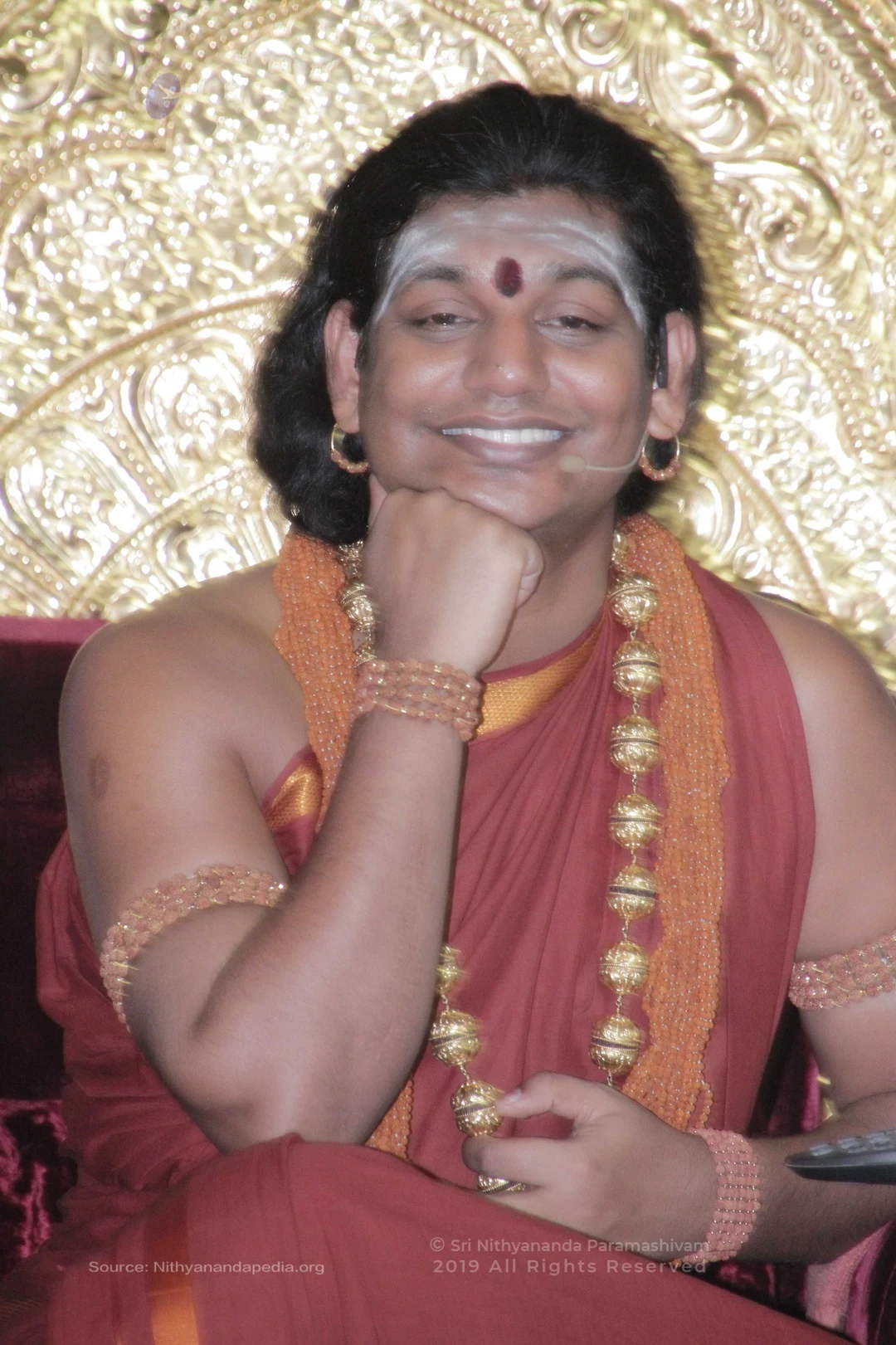
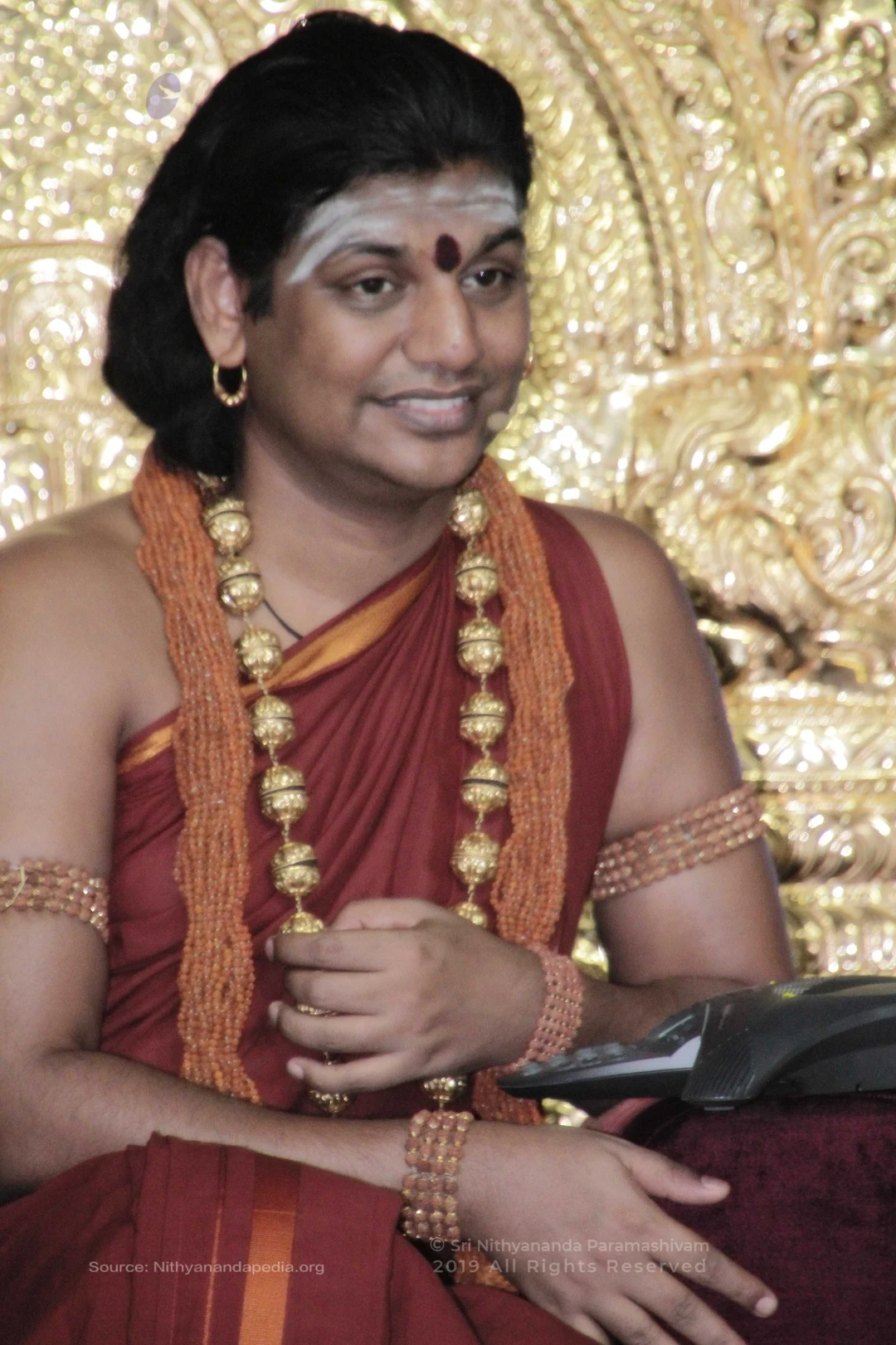
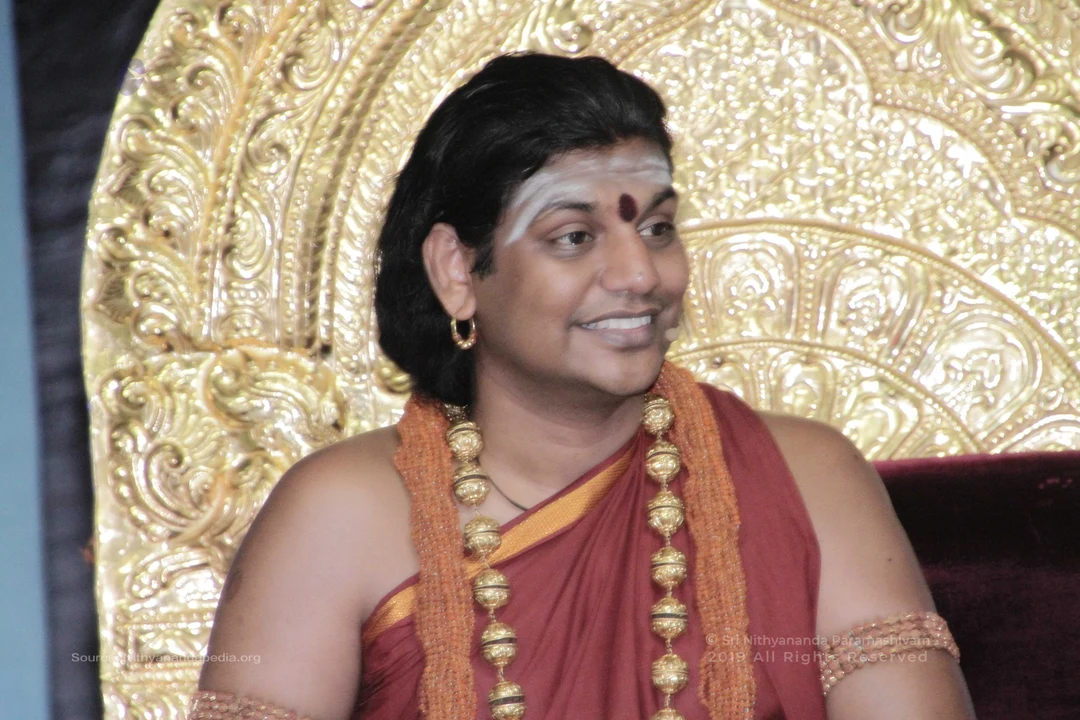
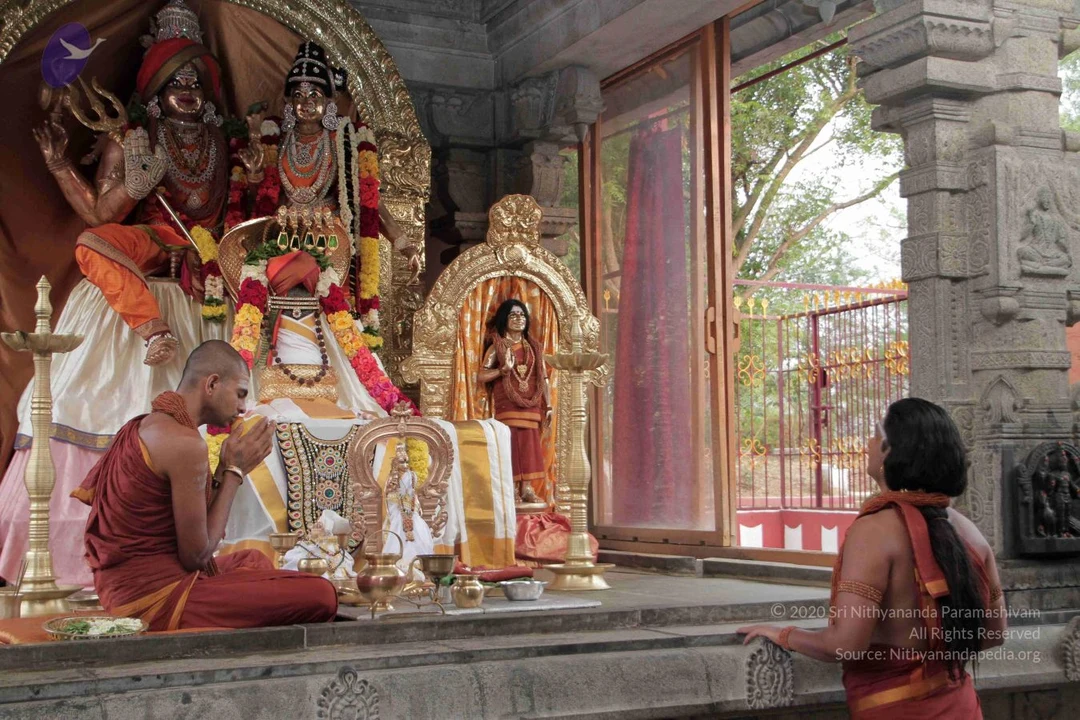
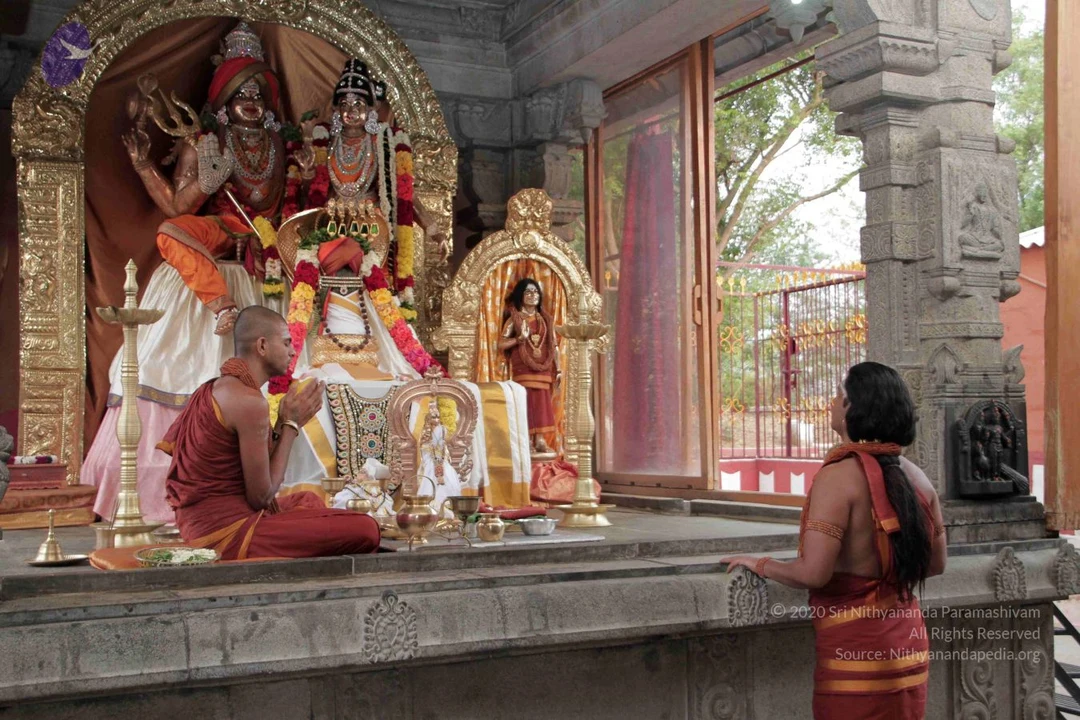
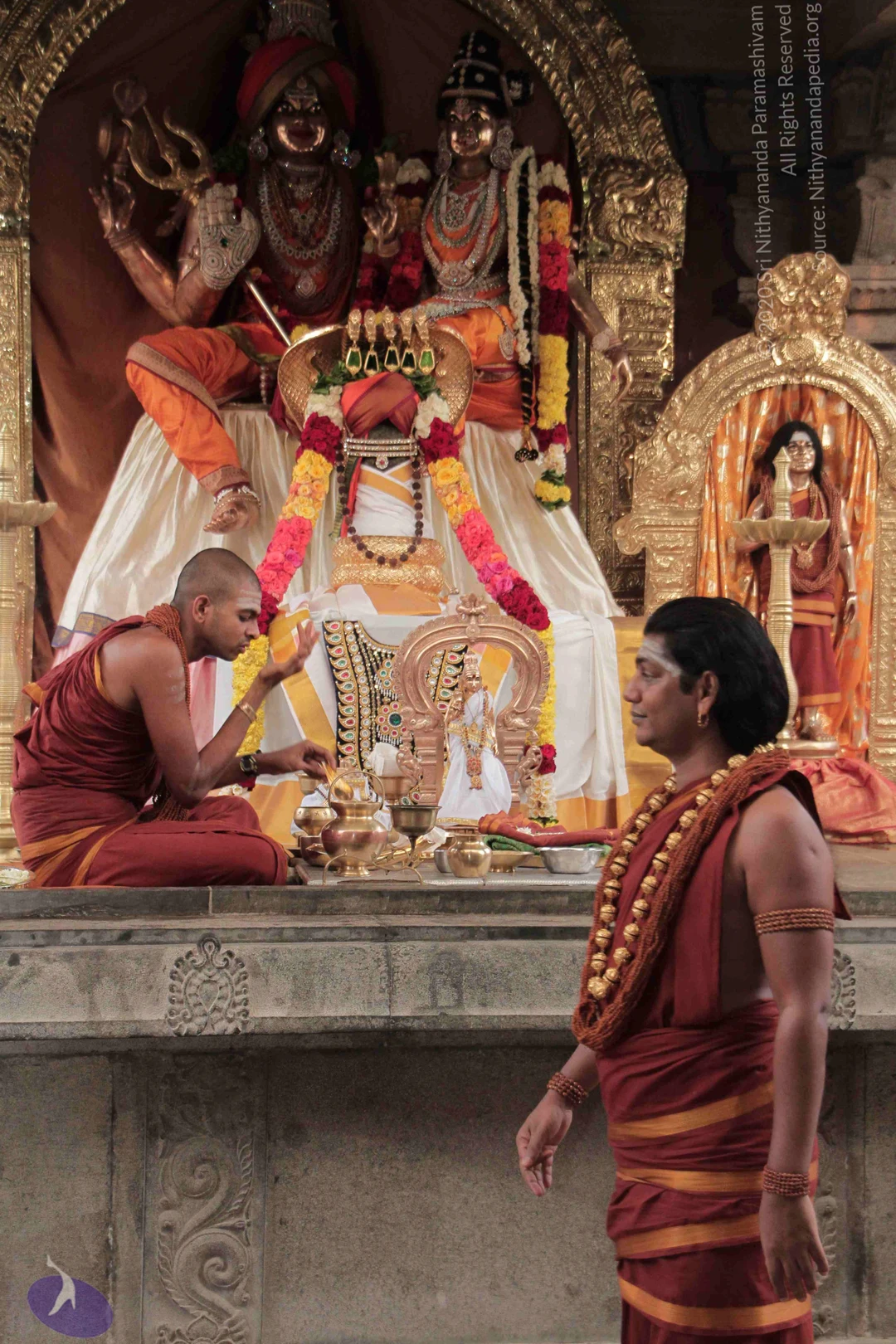
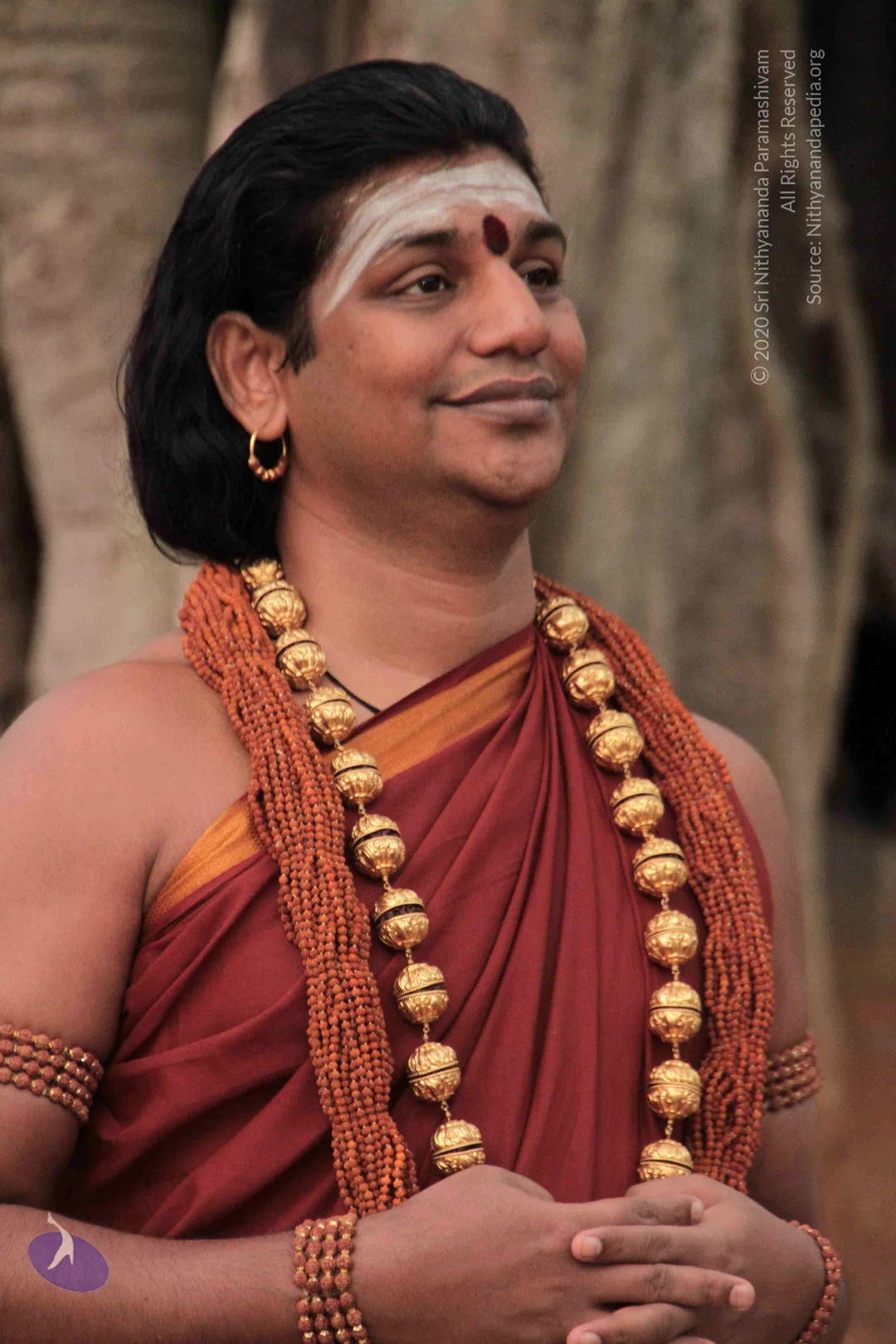
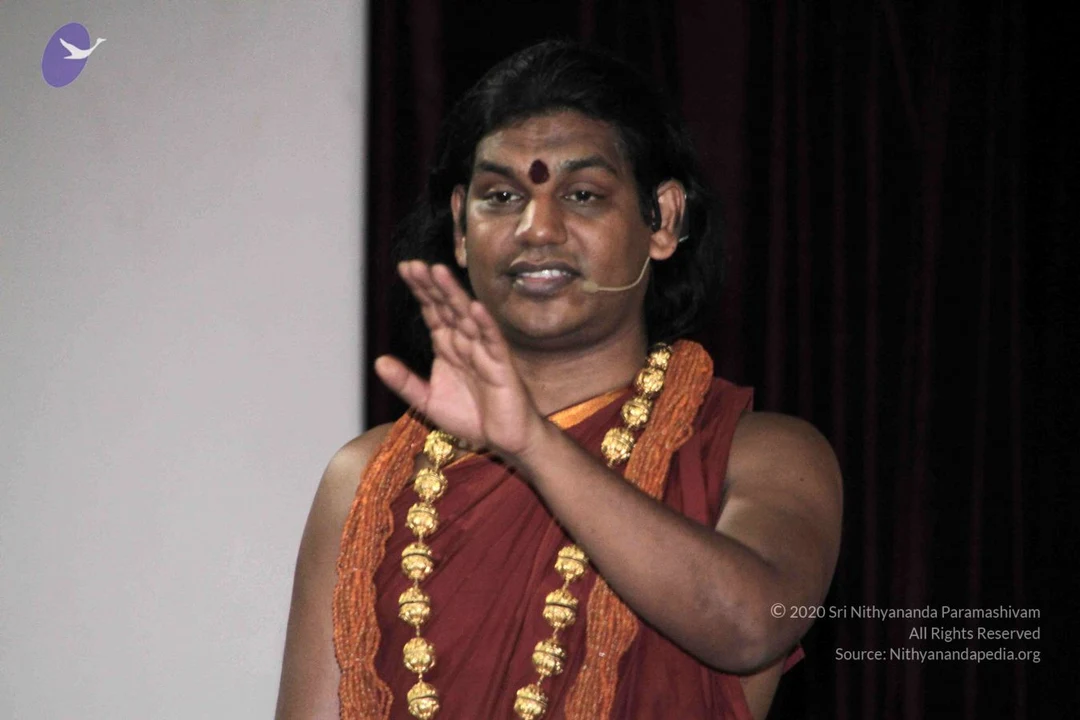
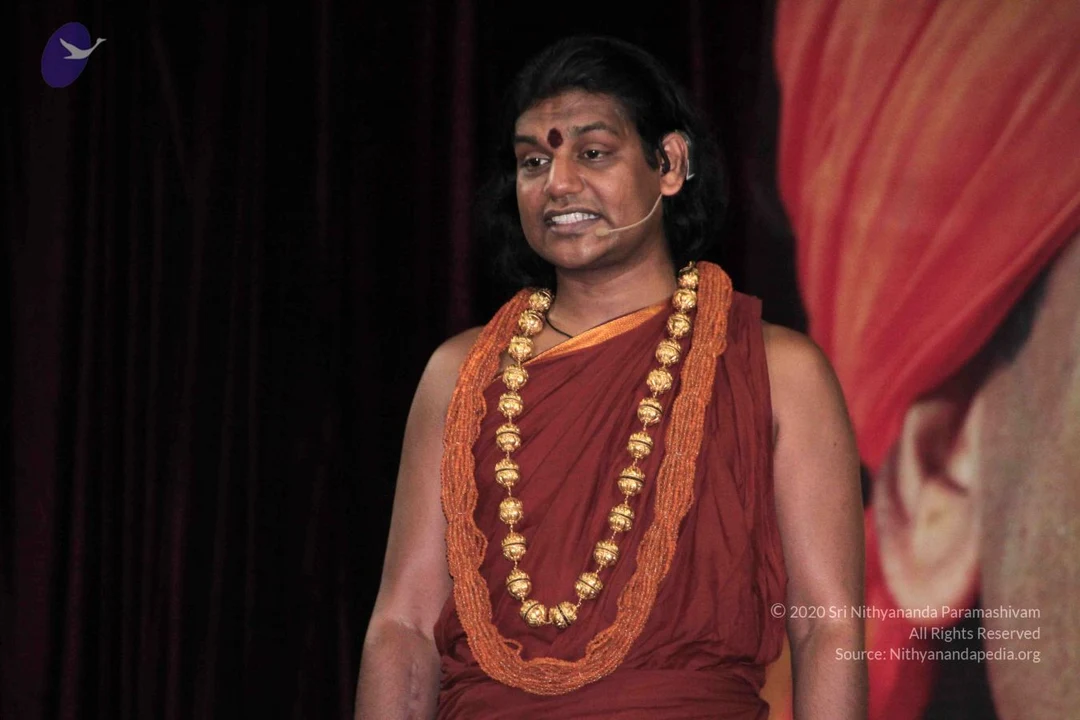
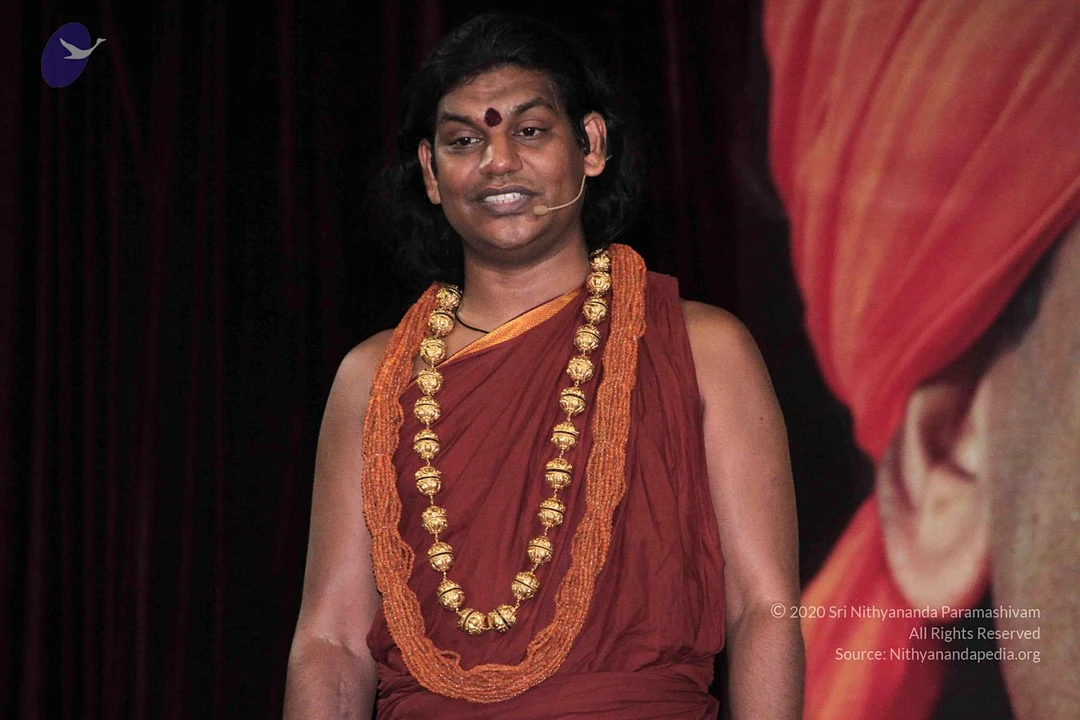
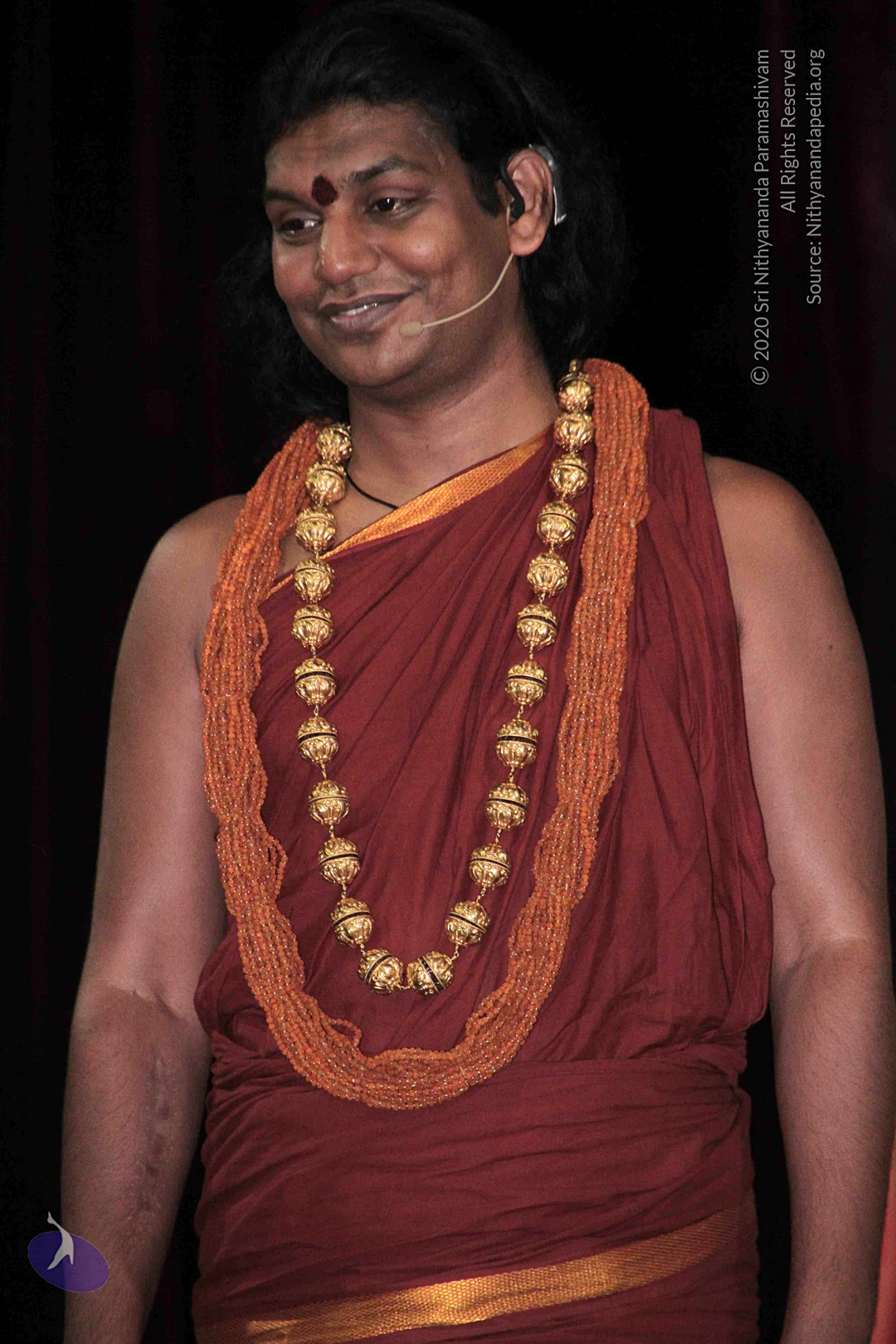
Photos Of The Day:
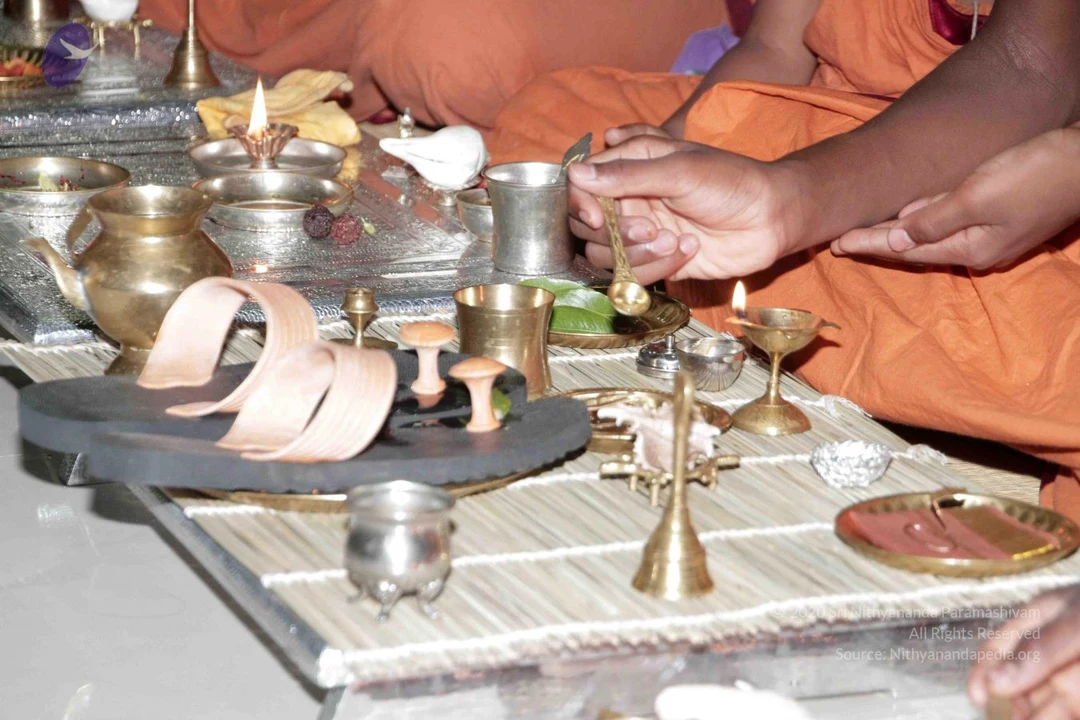
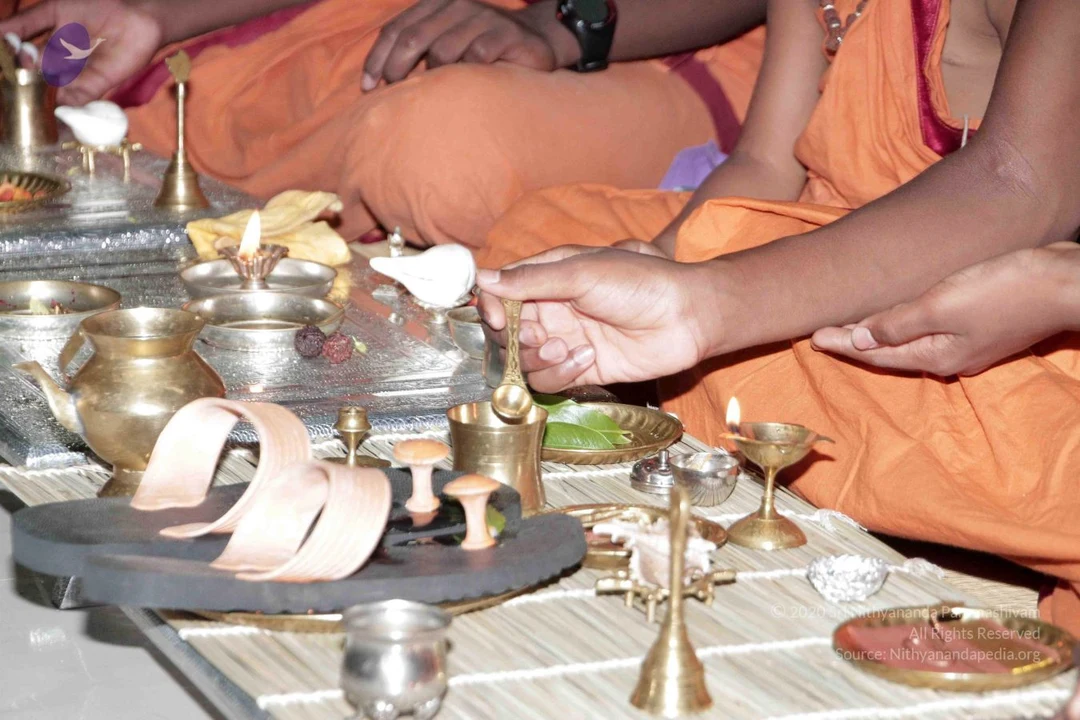
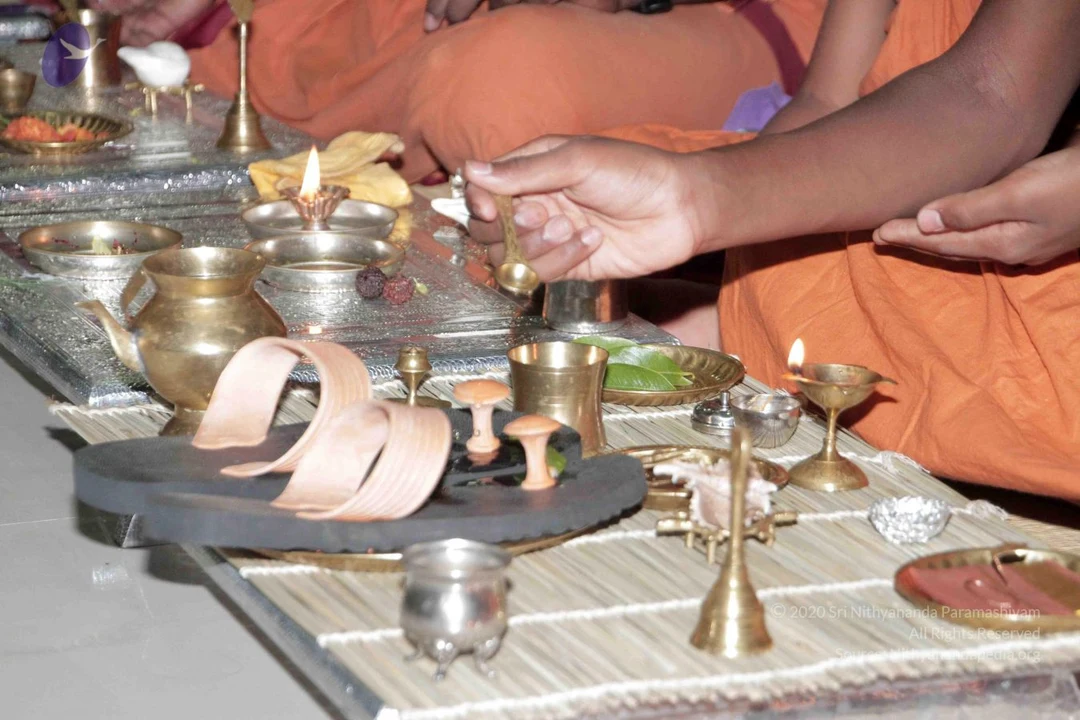
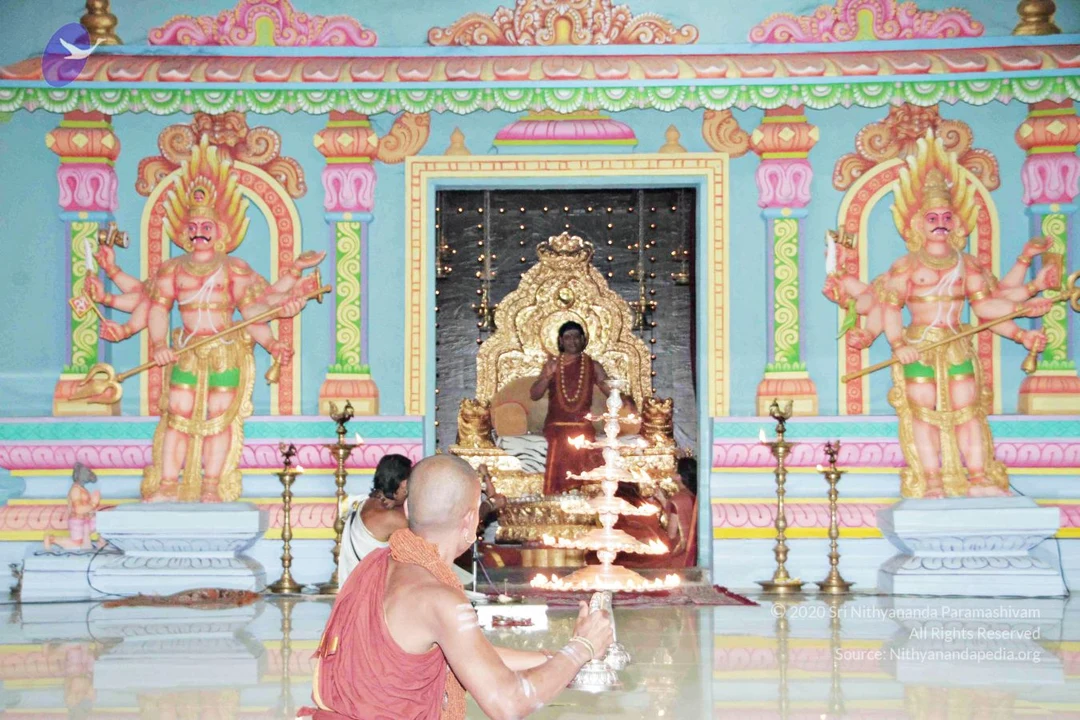
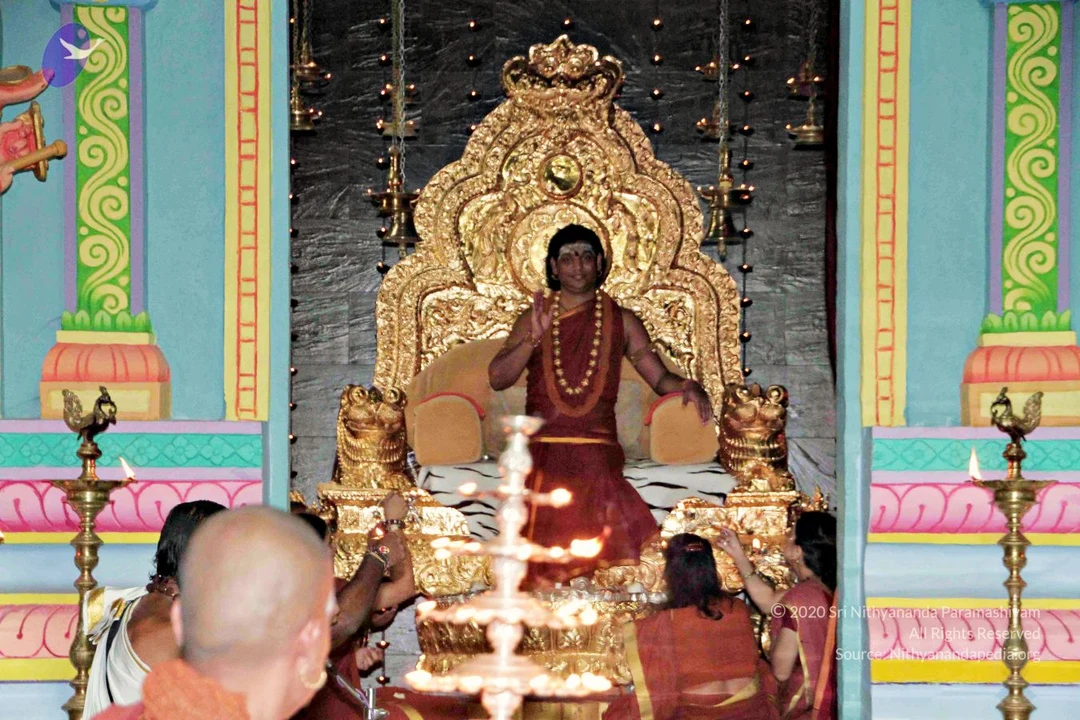
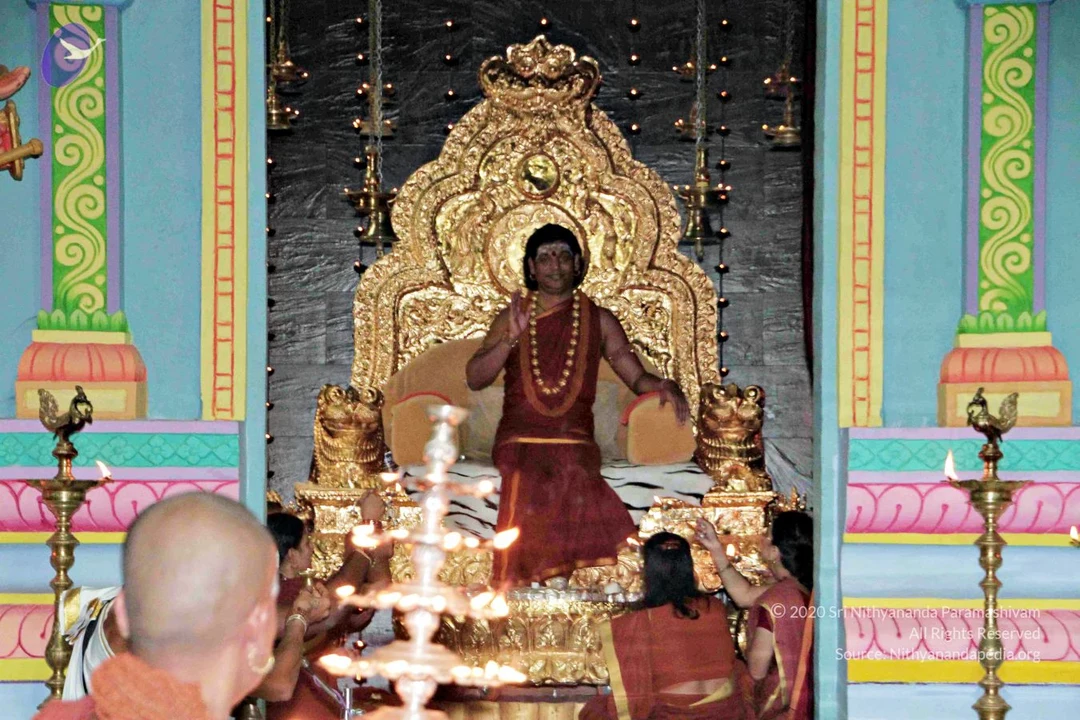
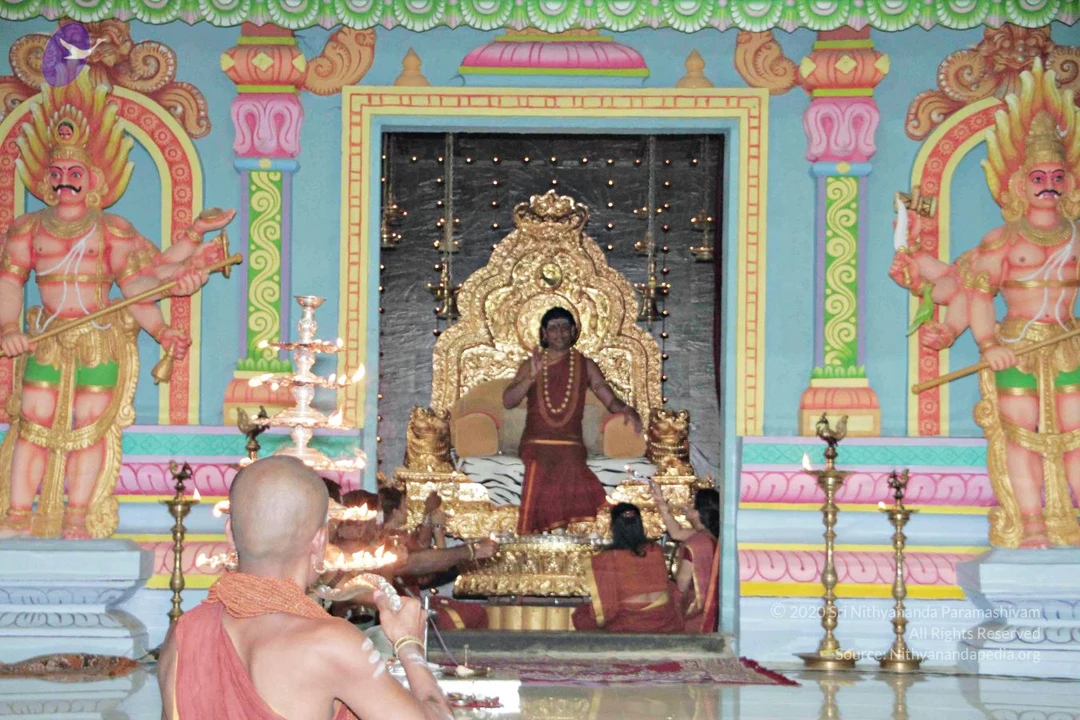
TempleTour_Padapuja
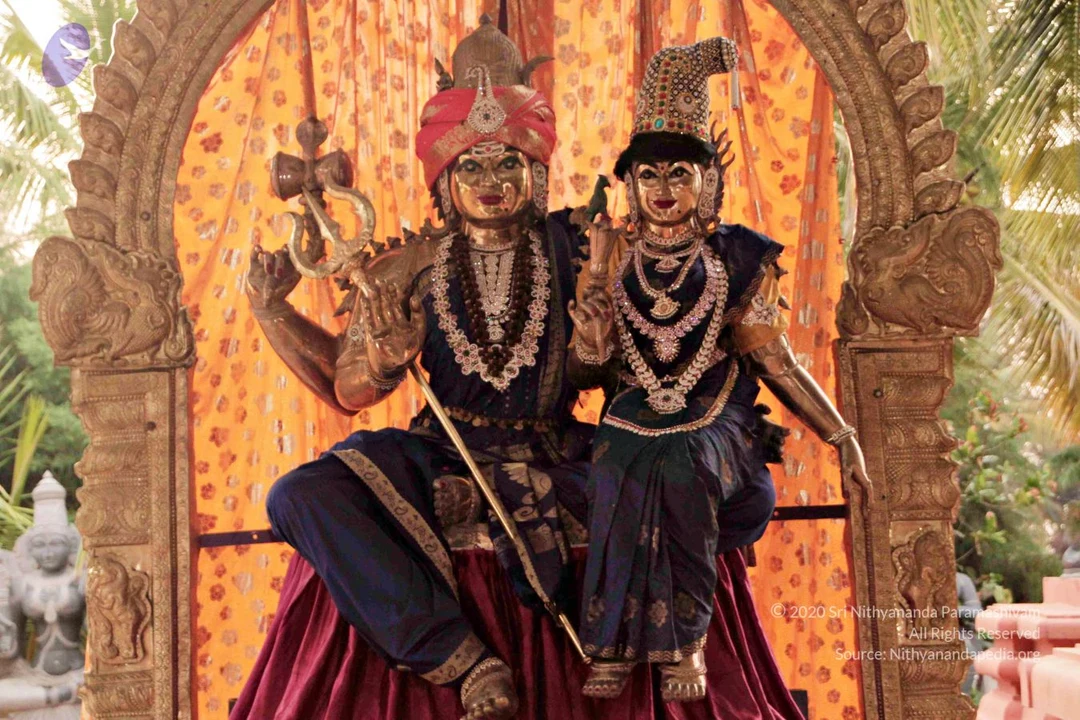
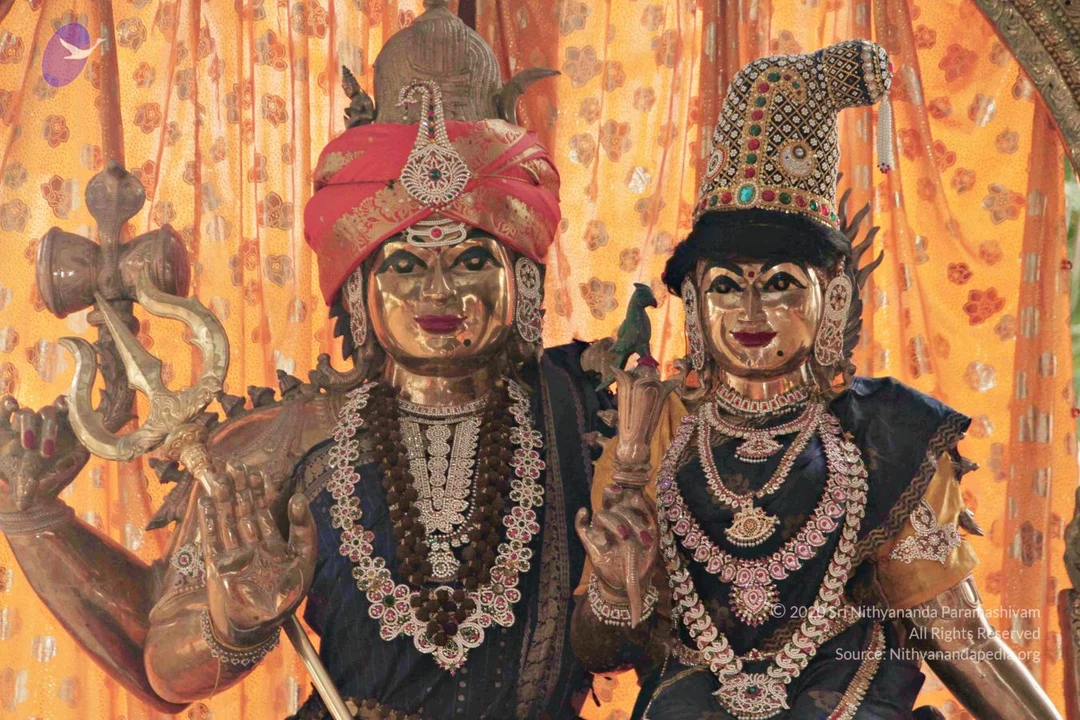
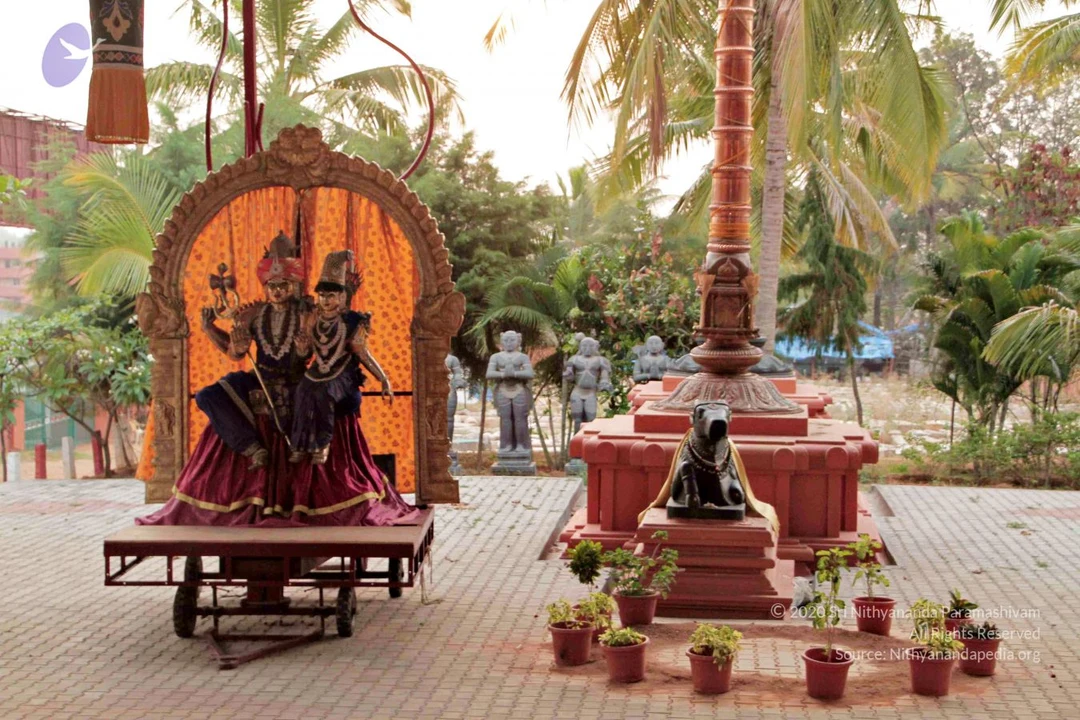
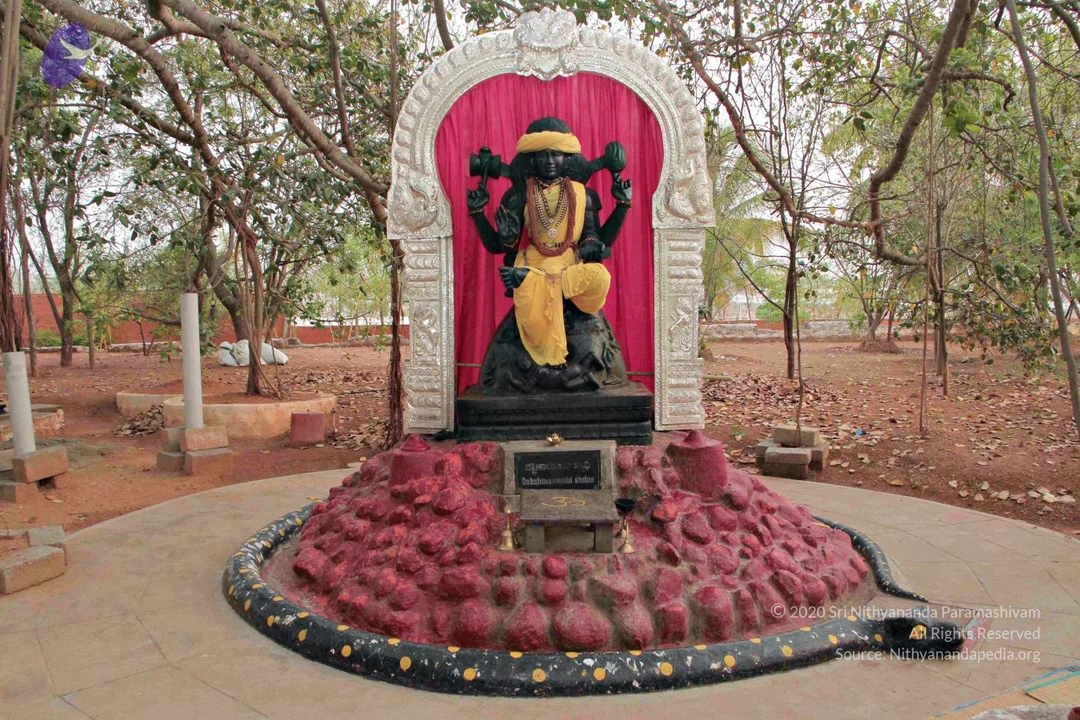
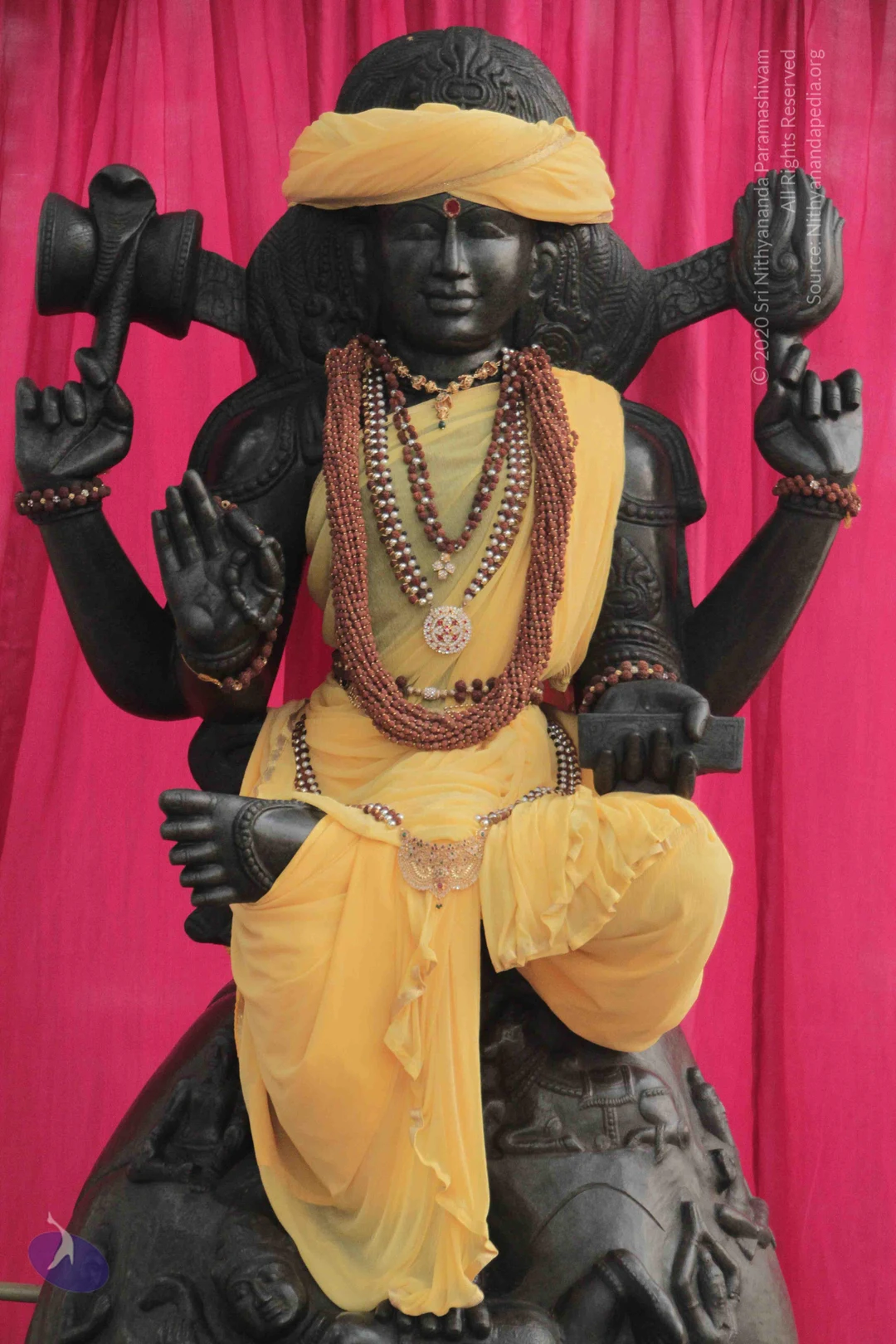
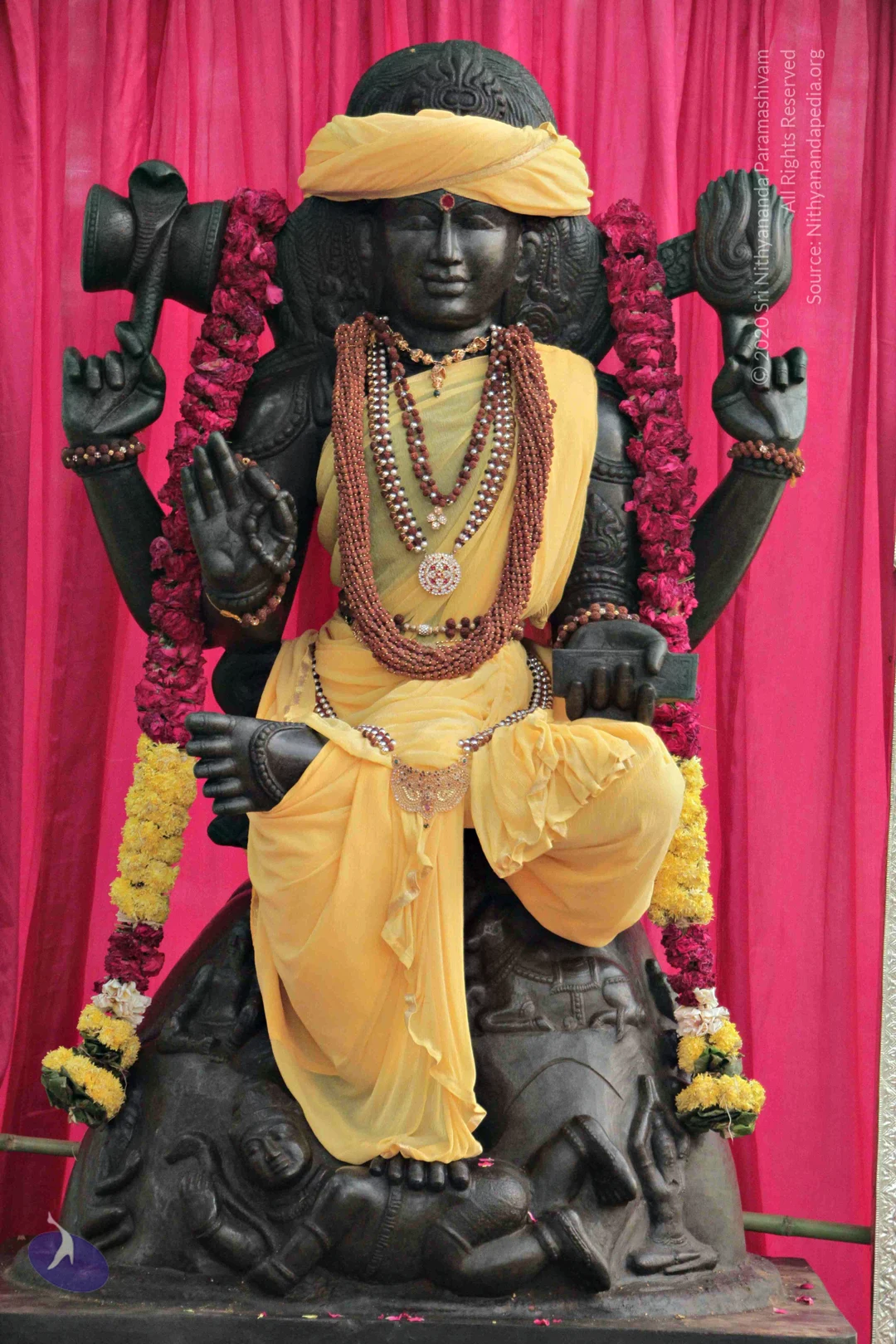
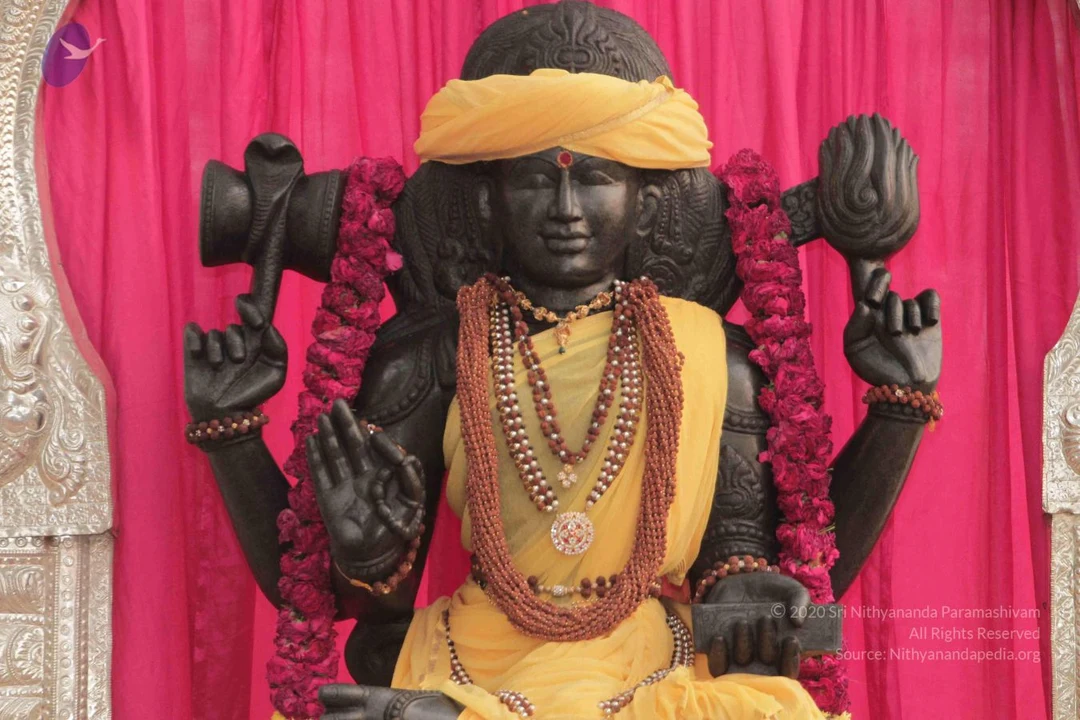

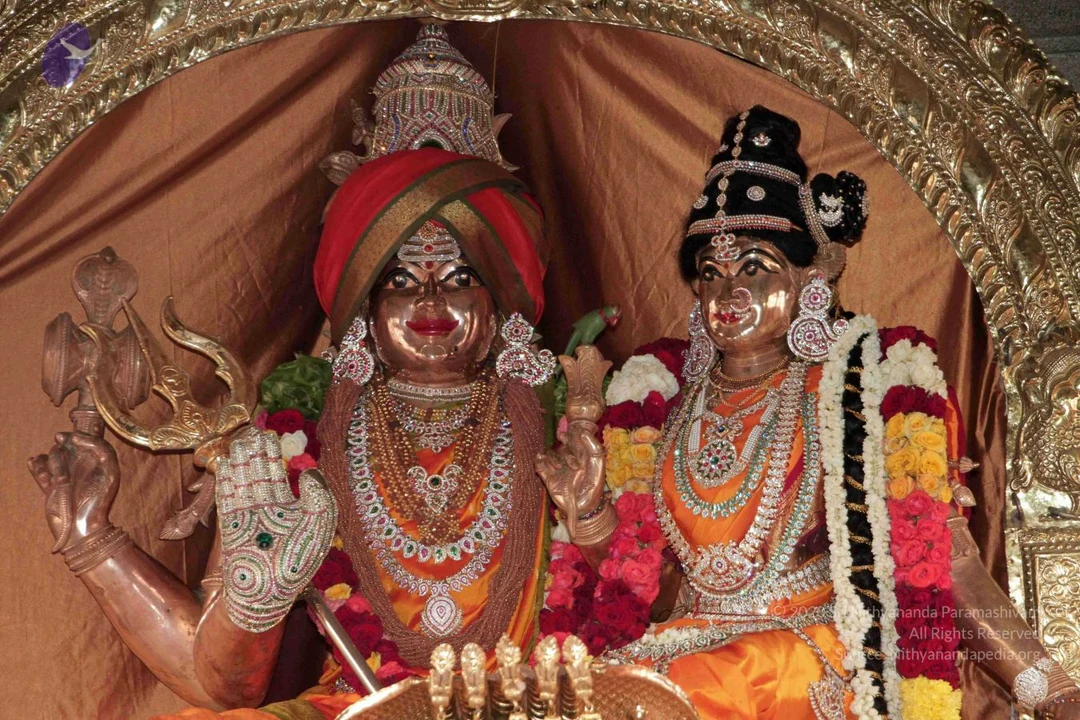
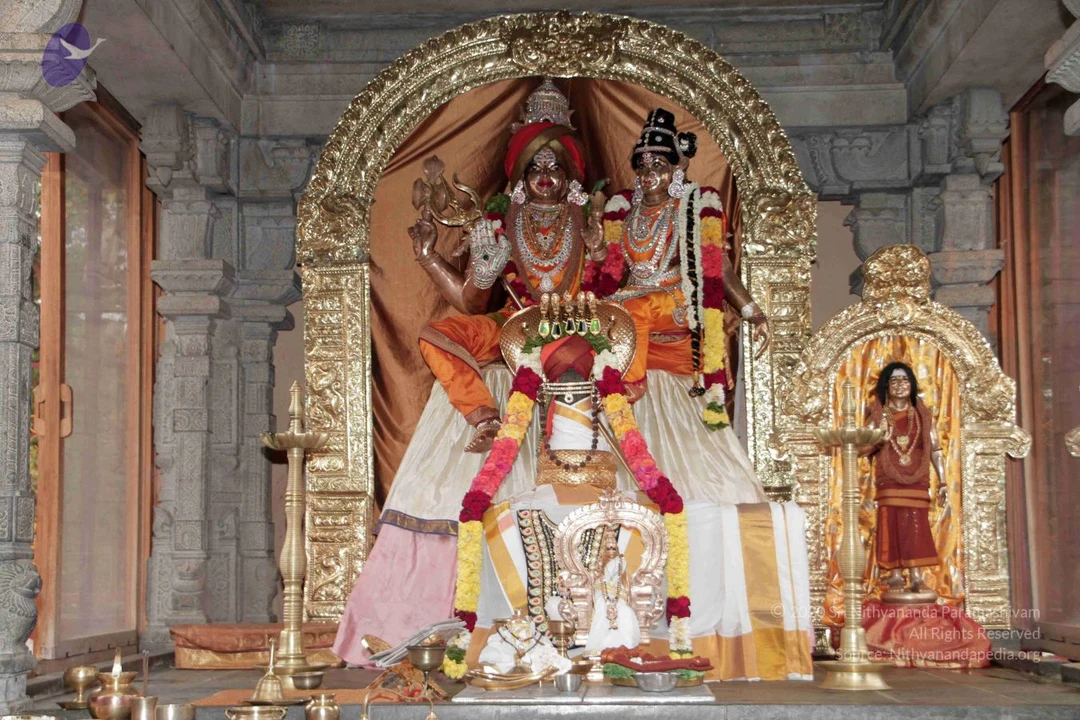
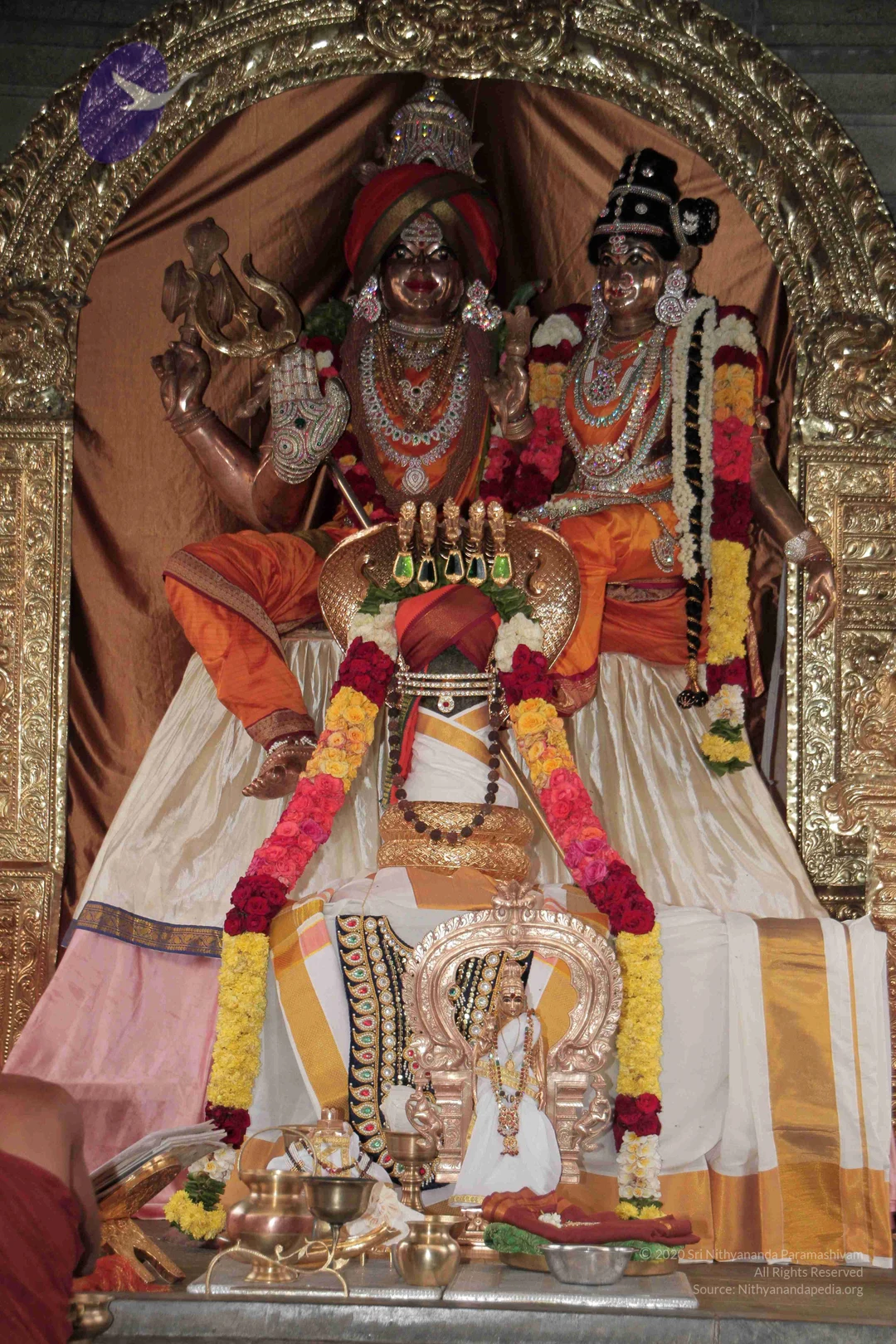
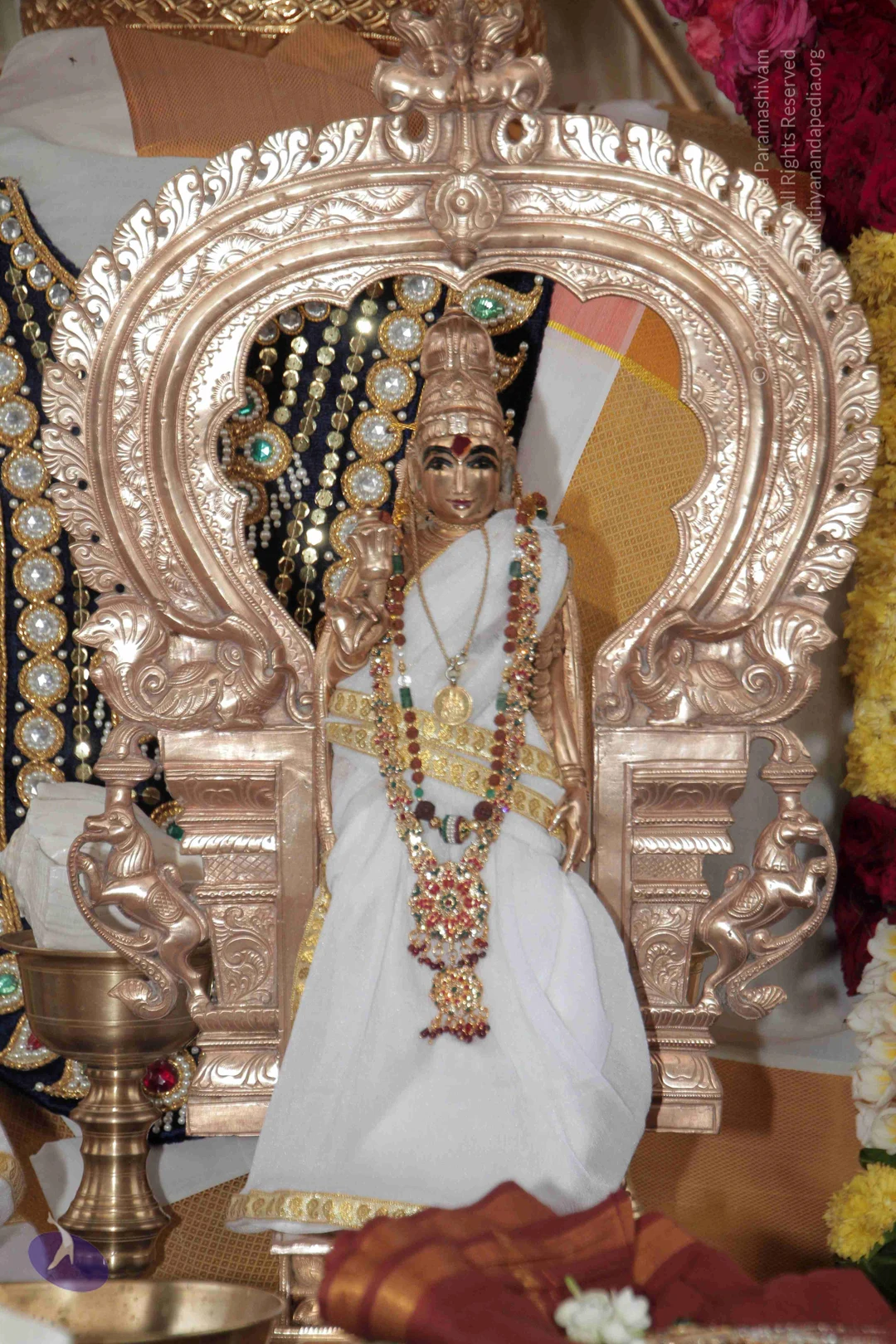

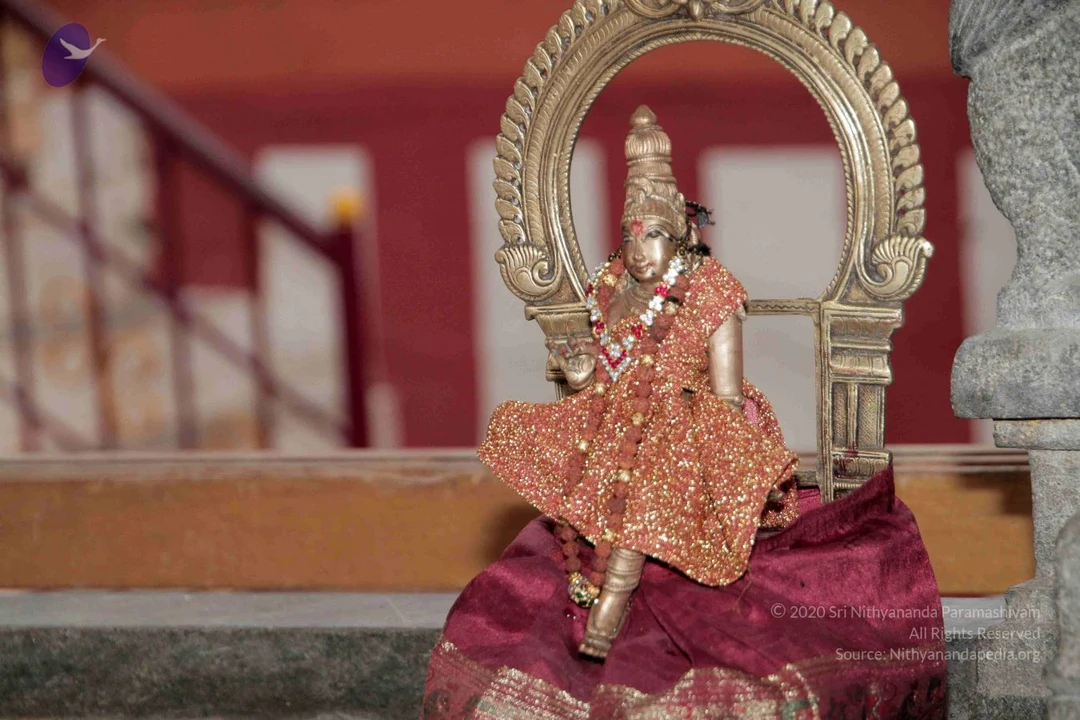
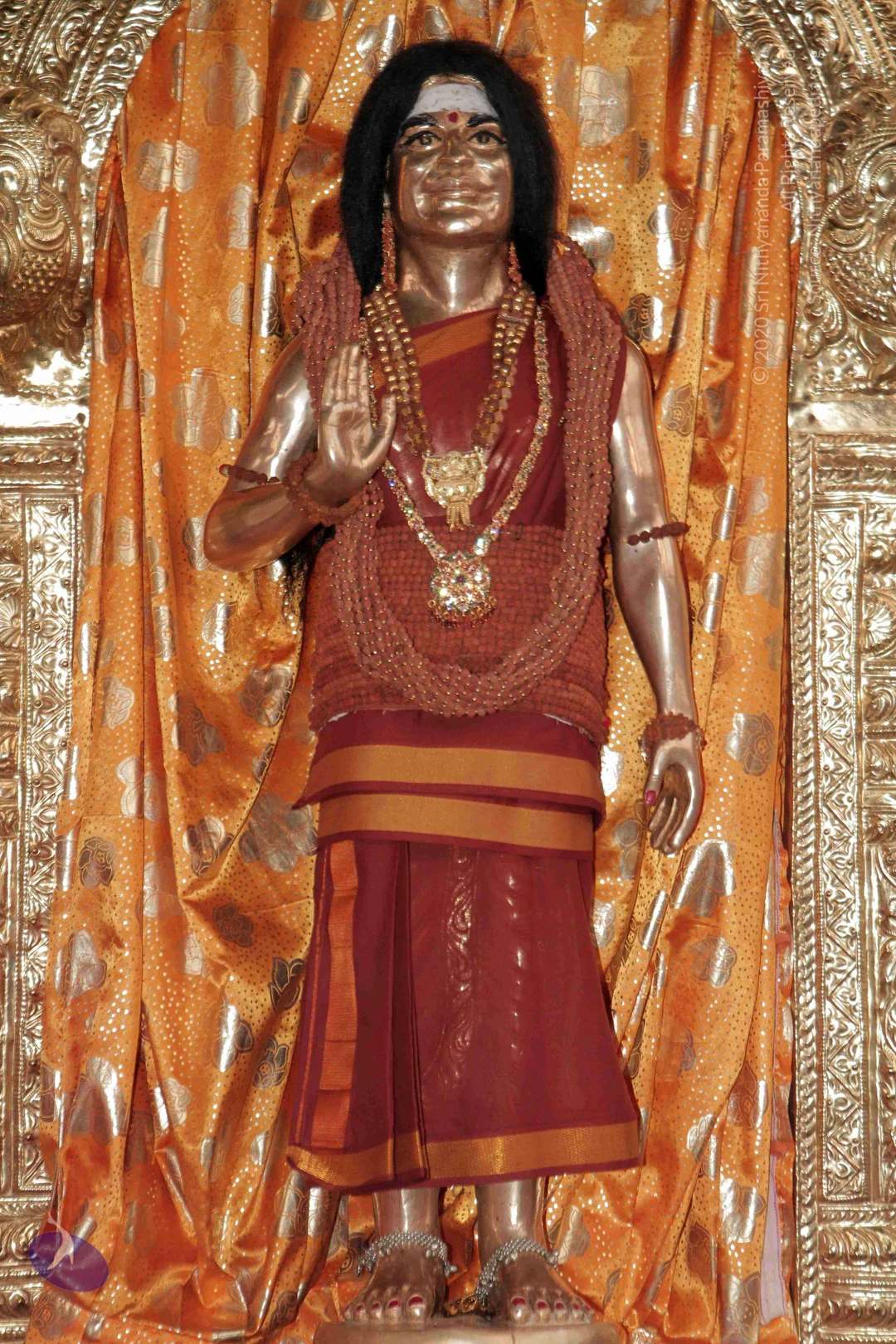
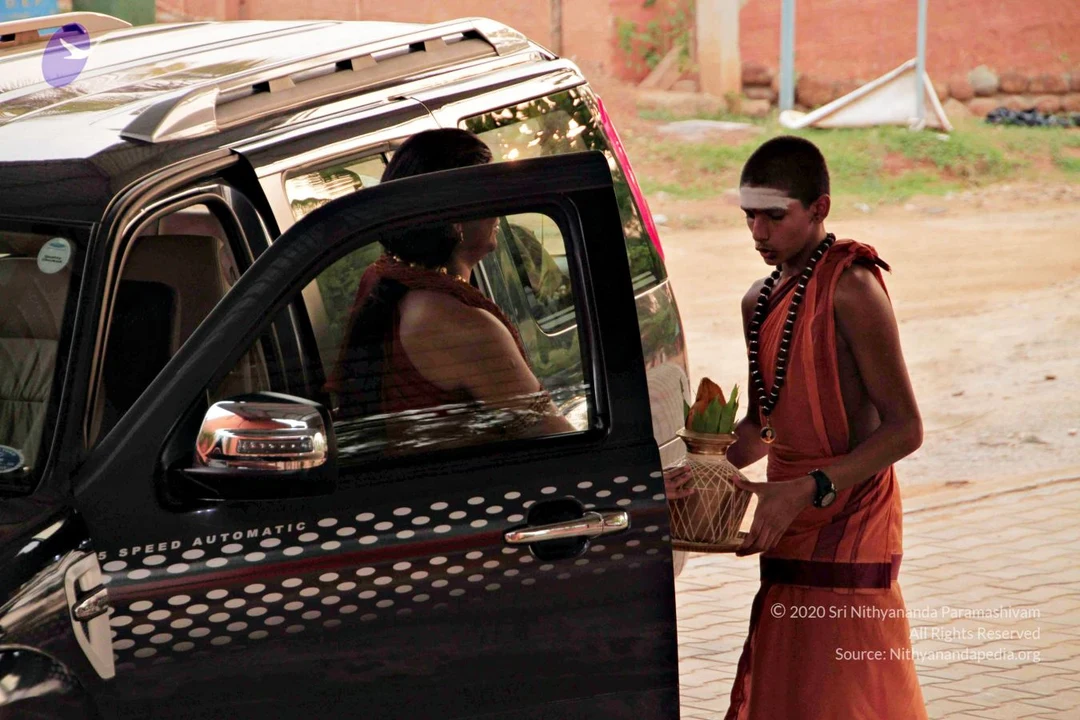
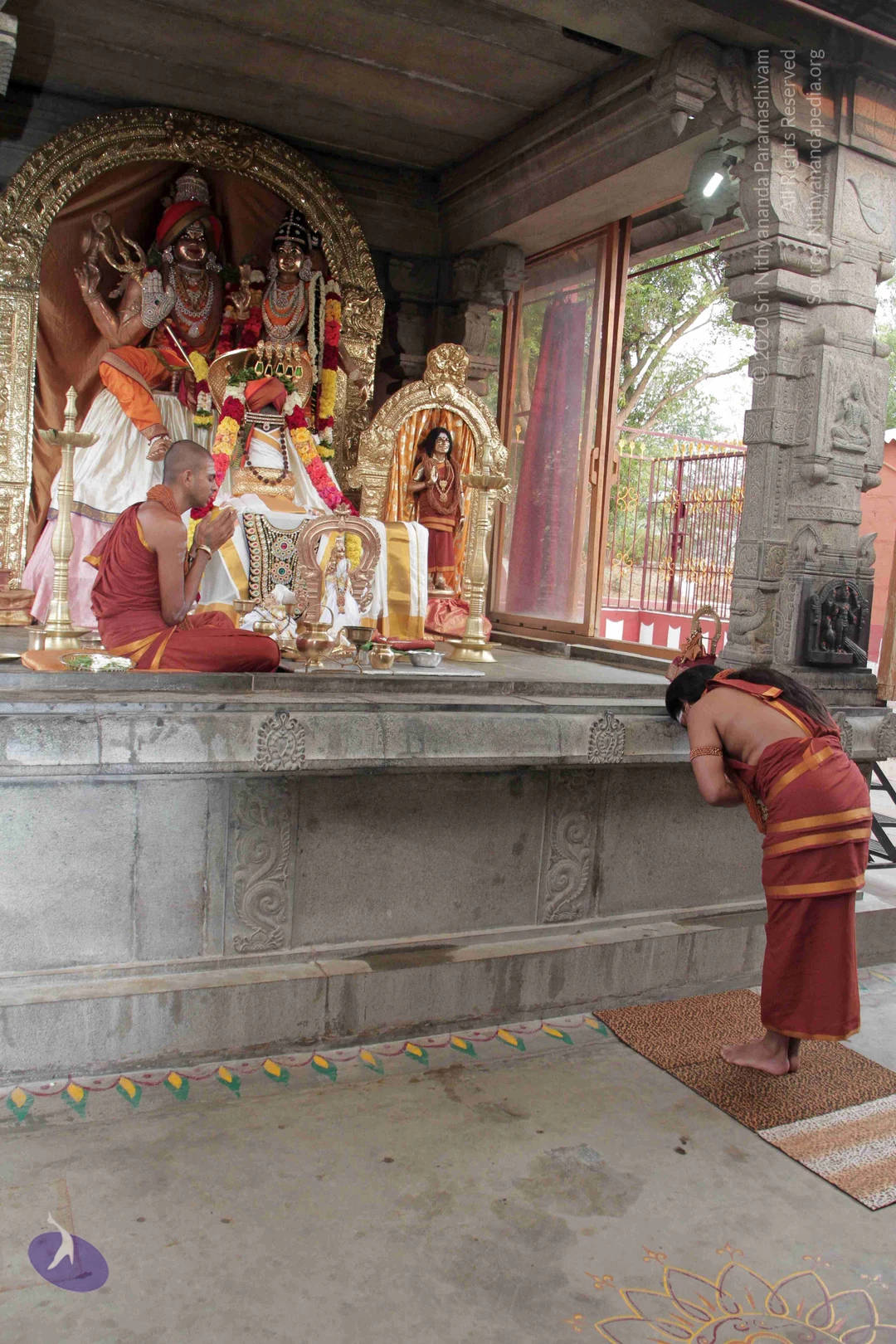
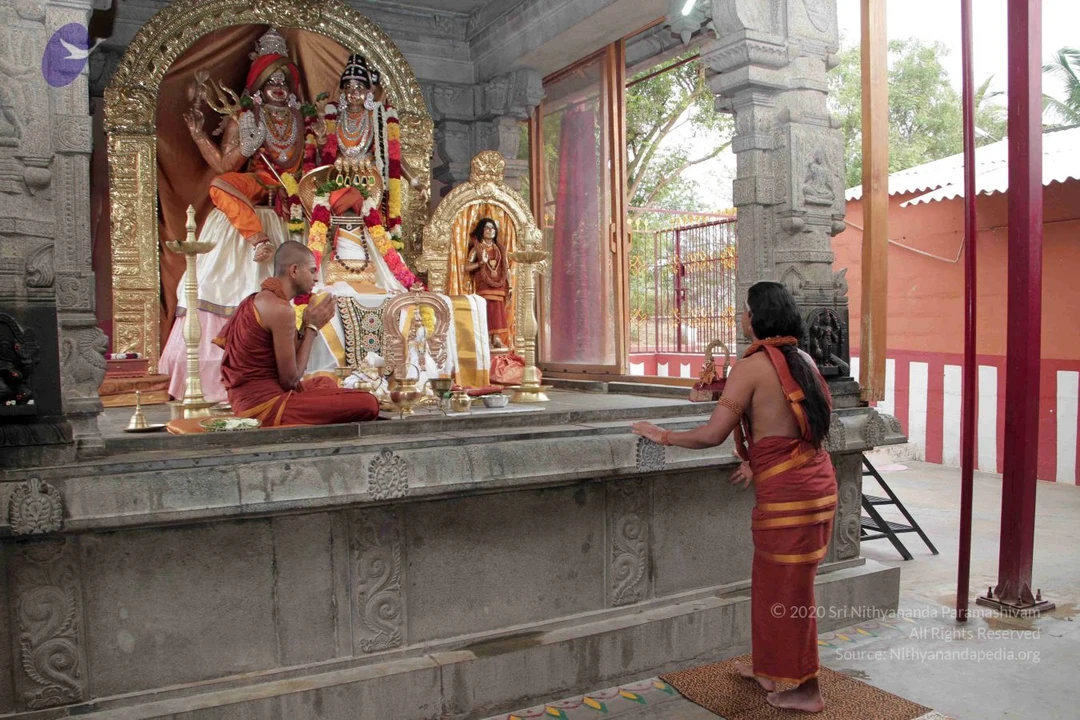
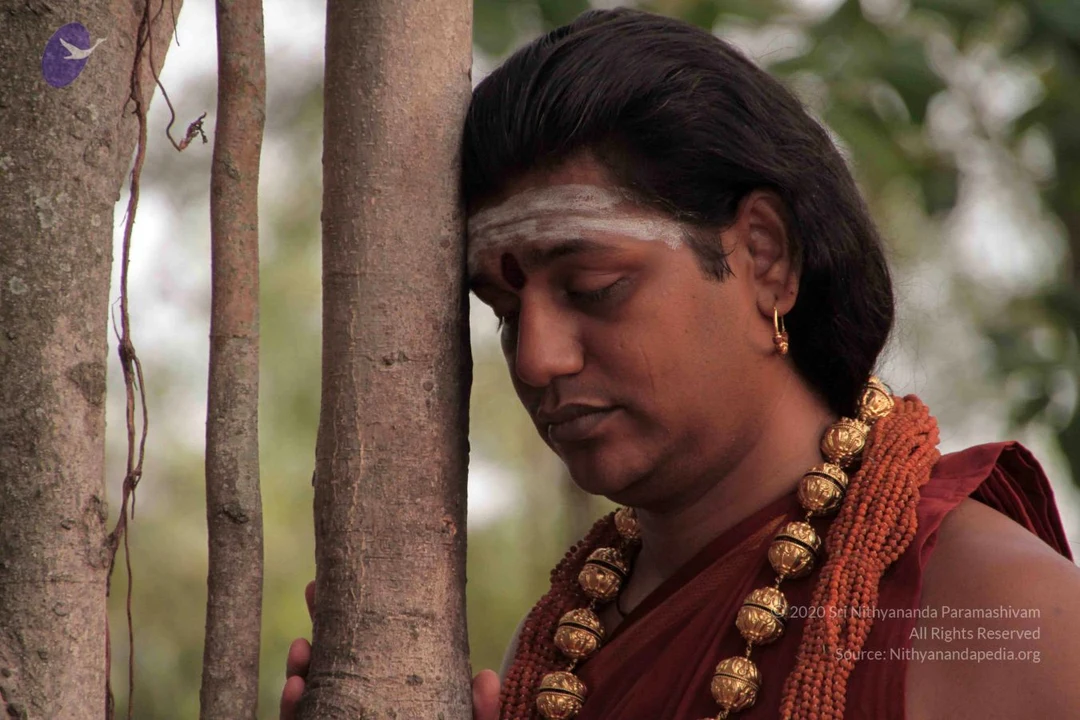
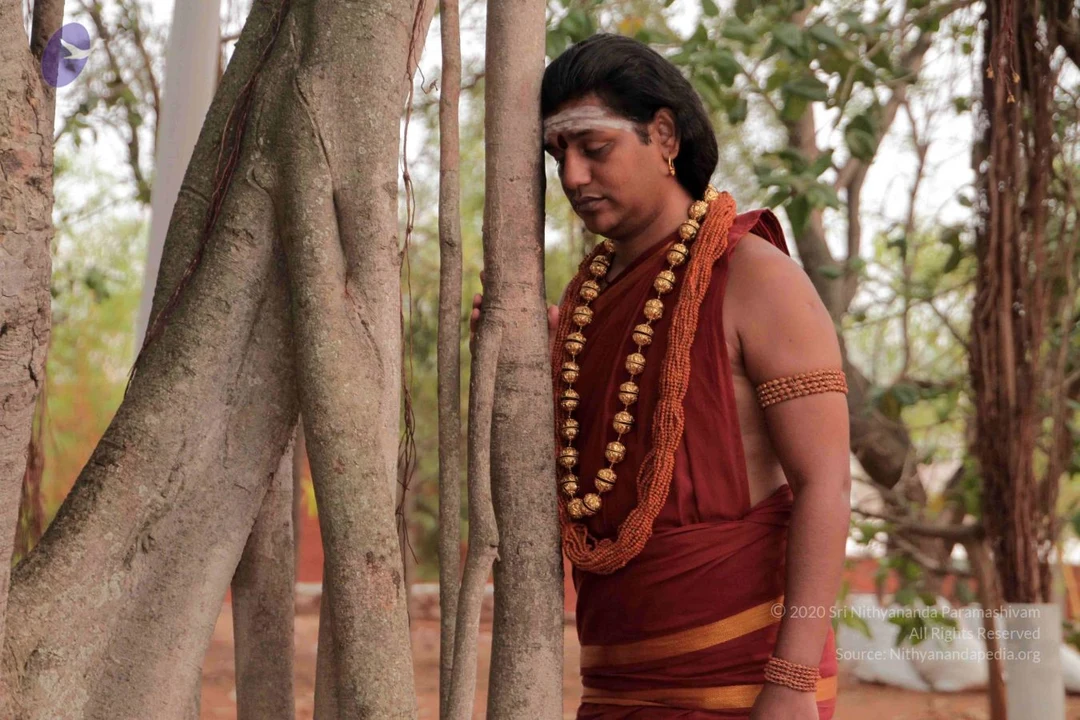
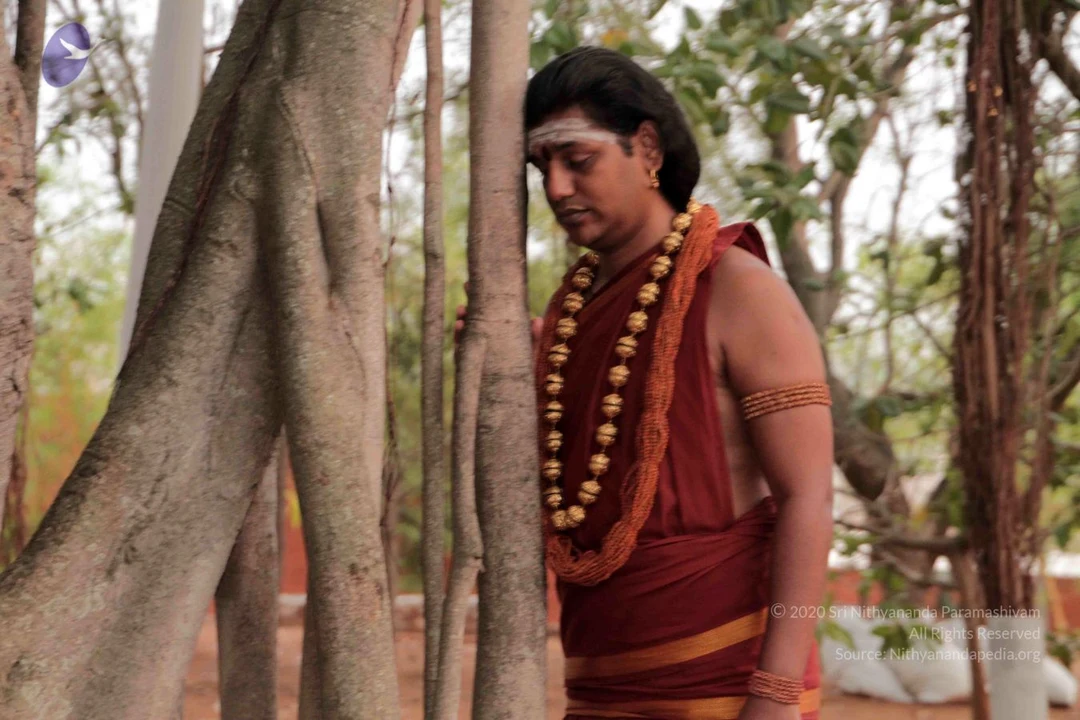
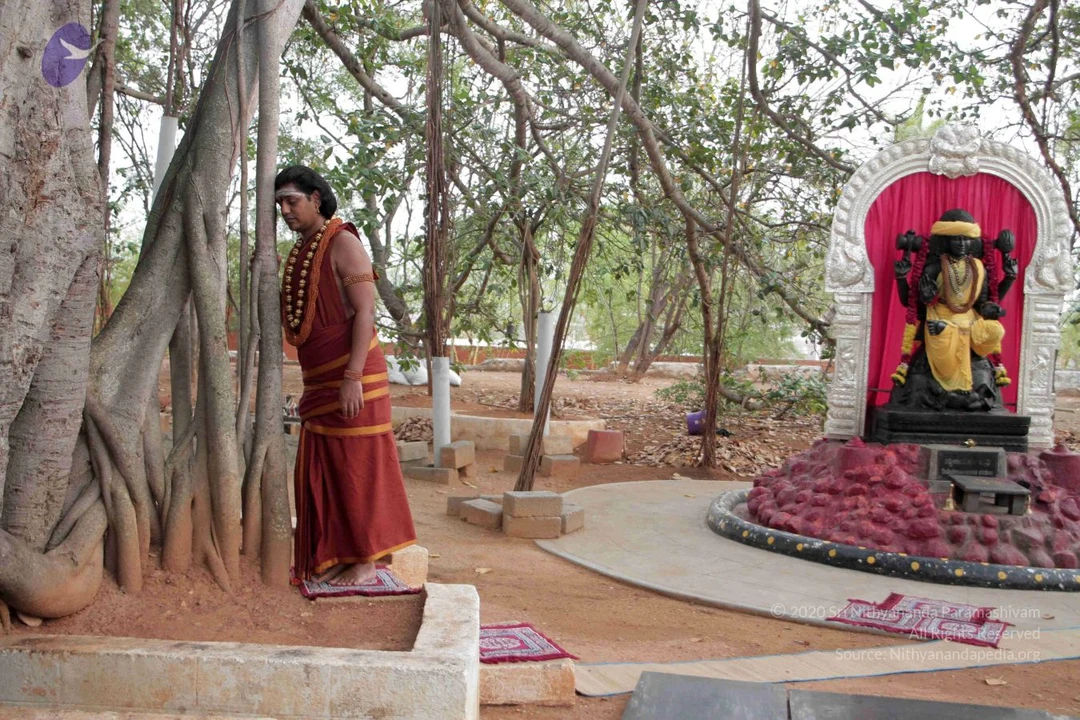
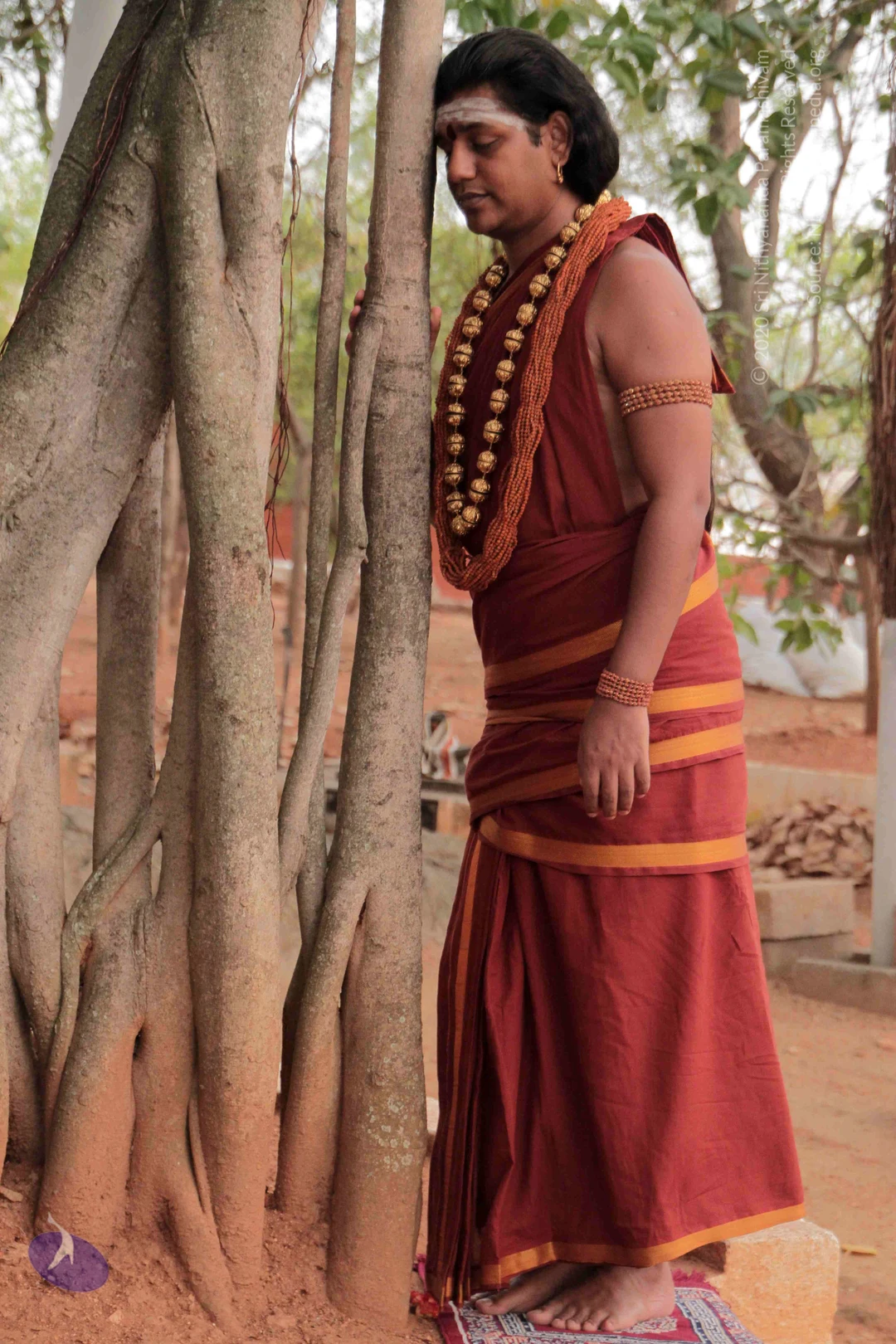
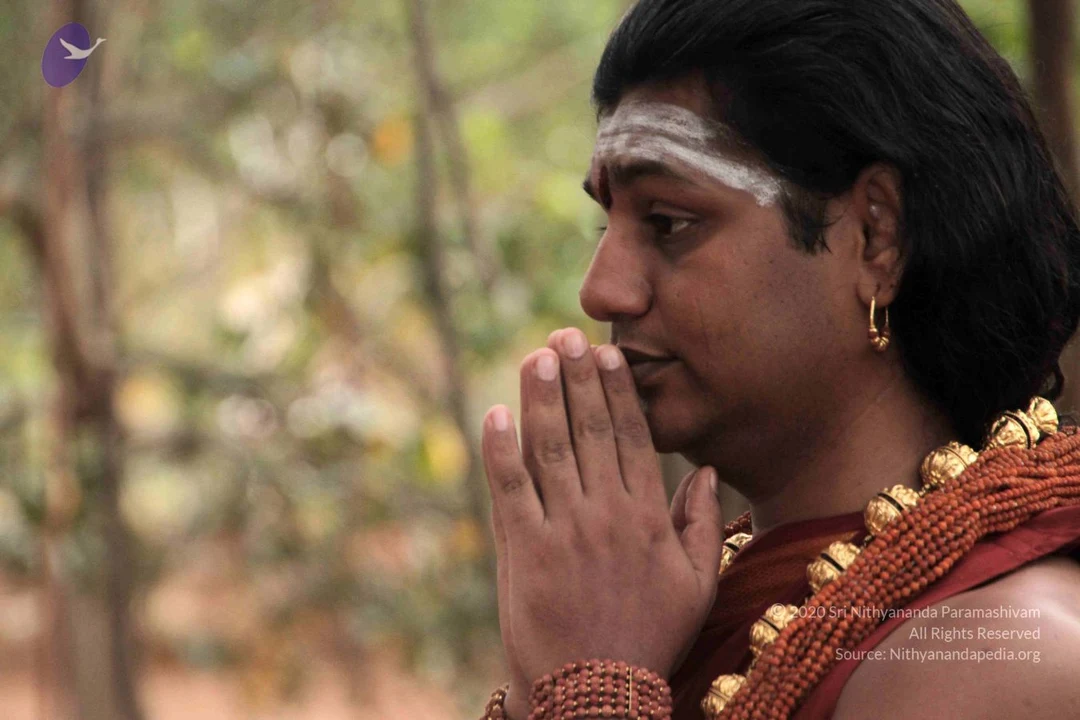
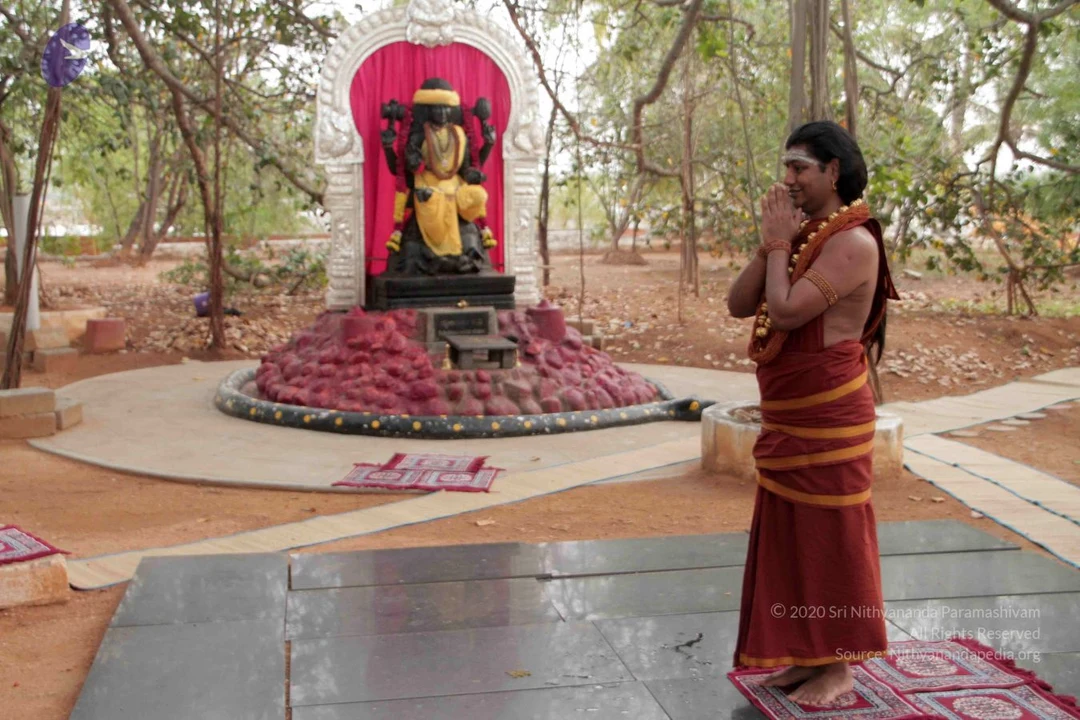
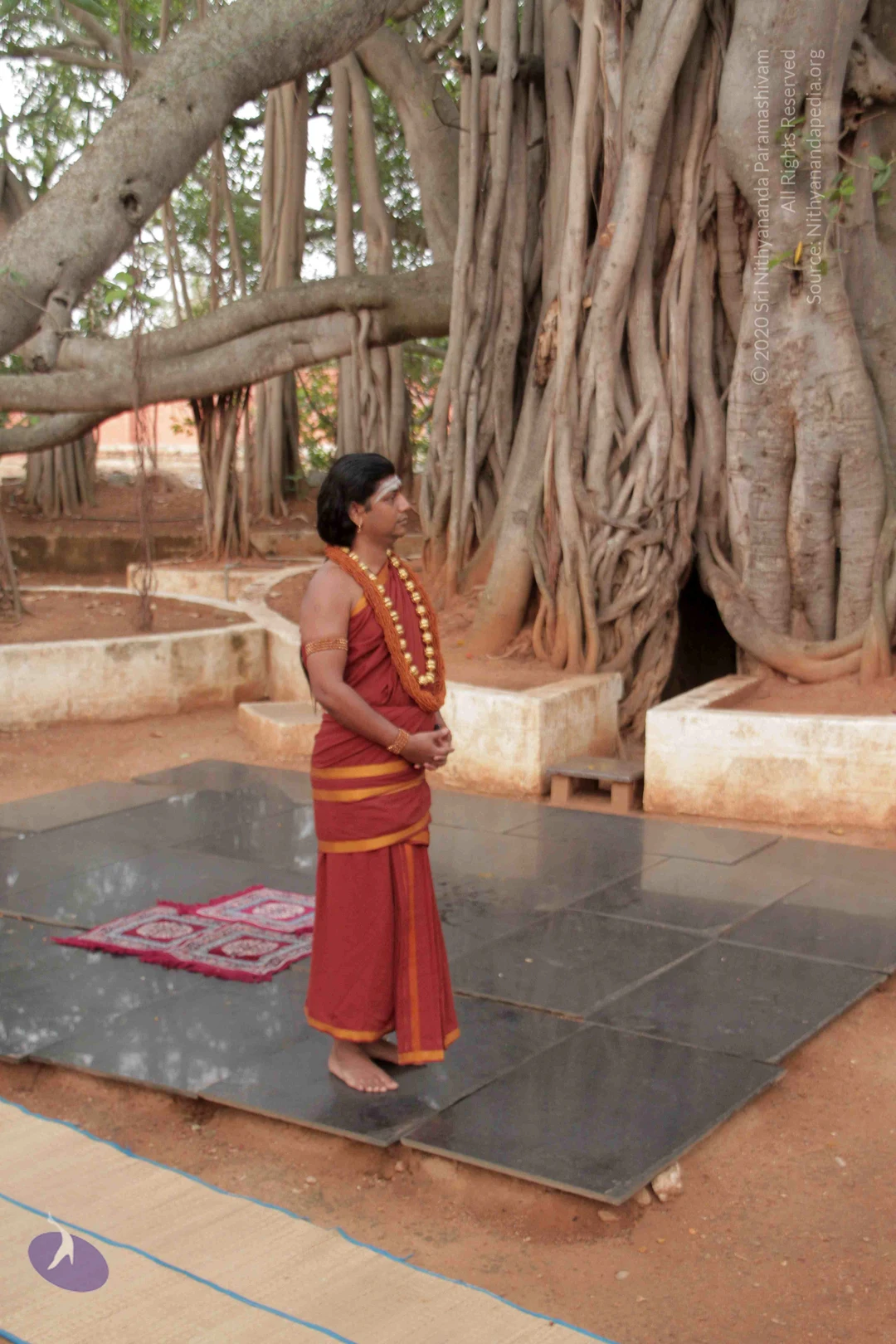
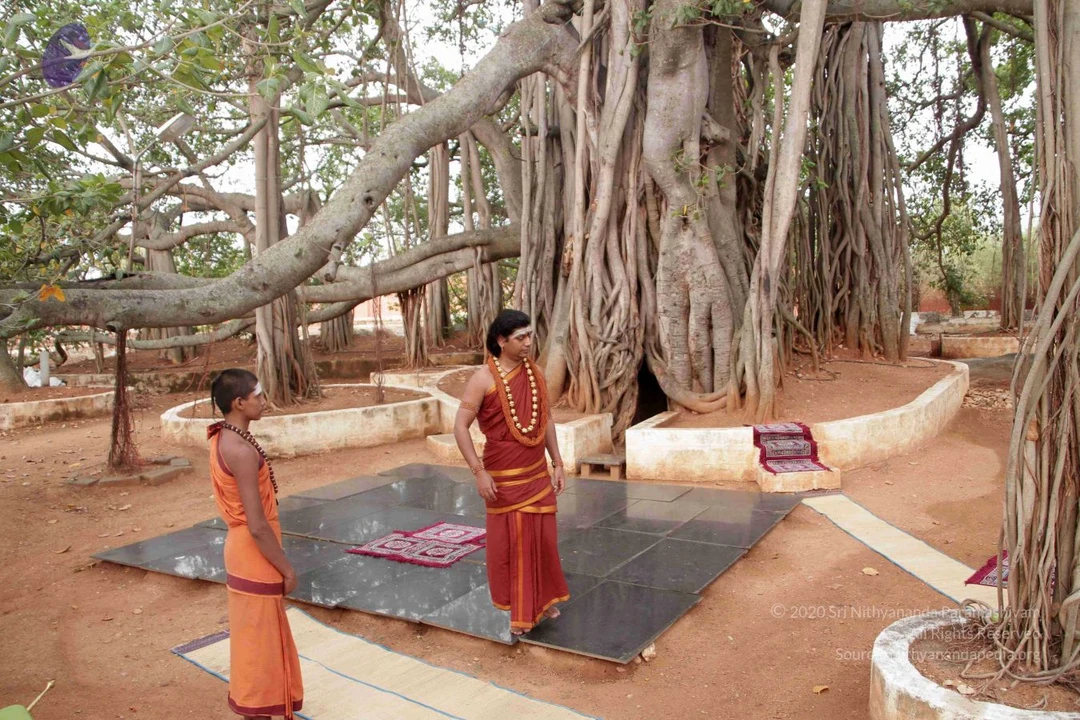
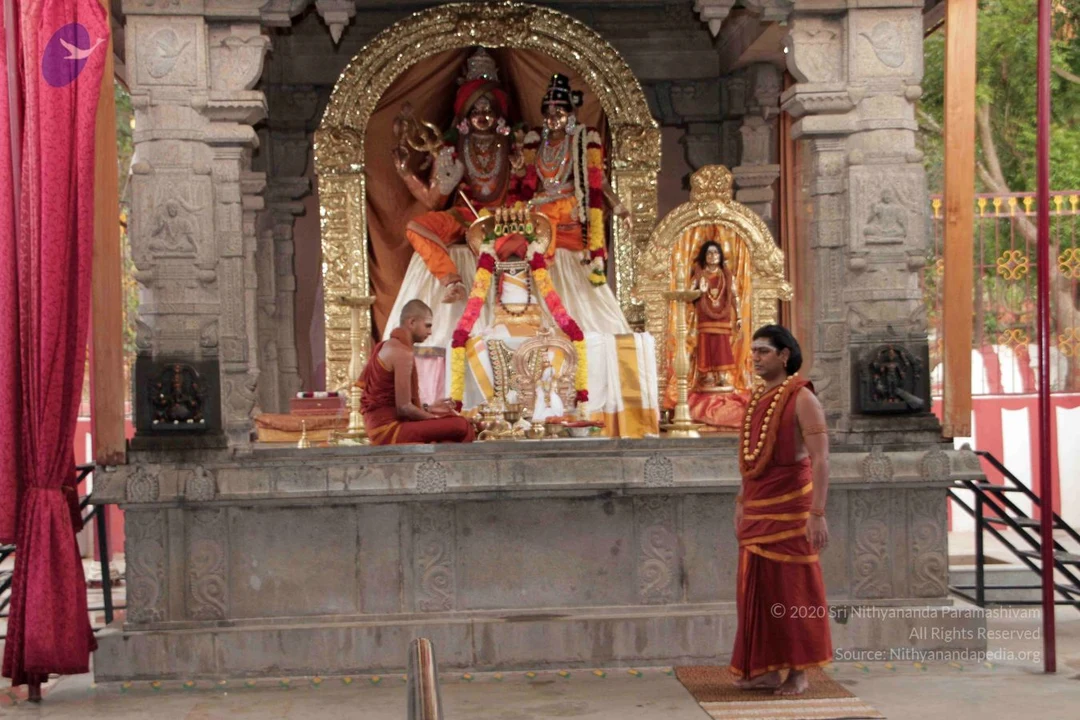
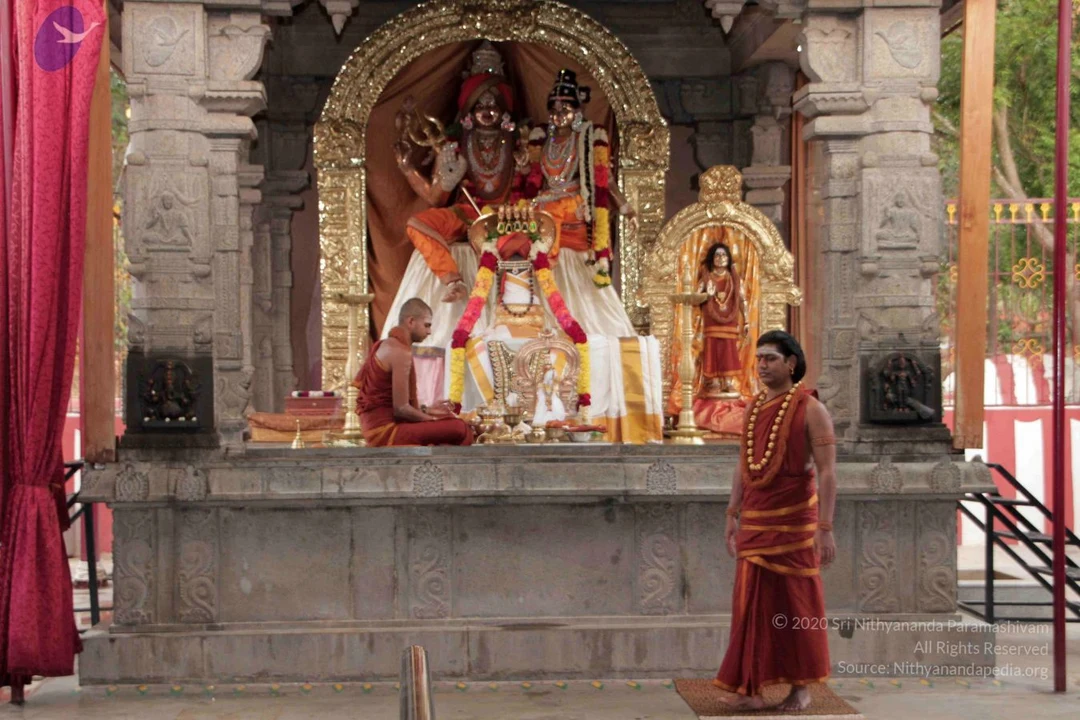

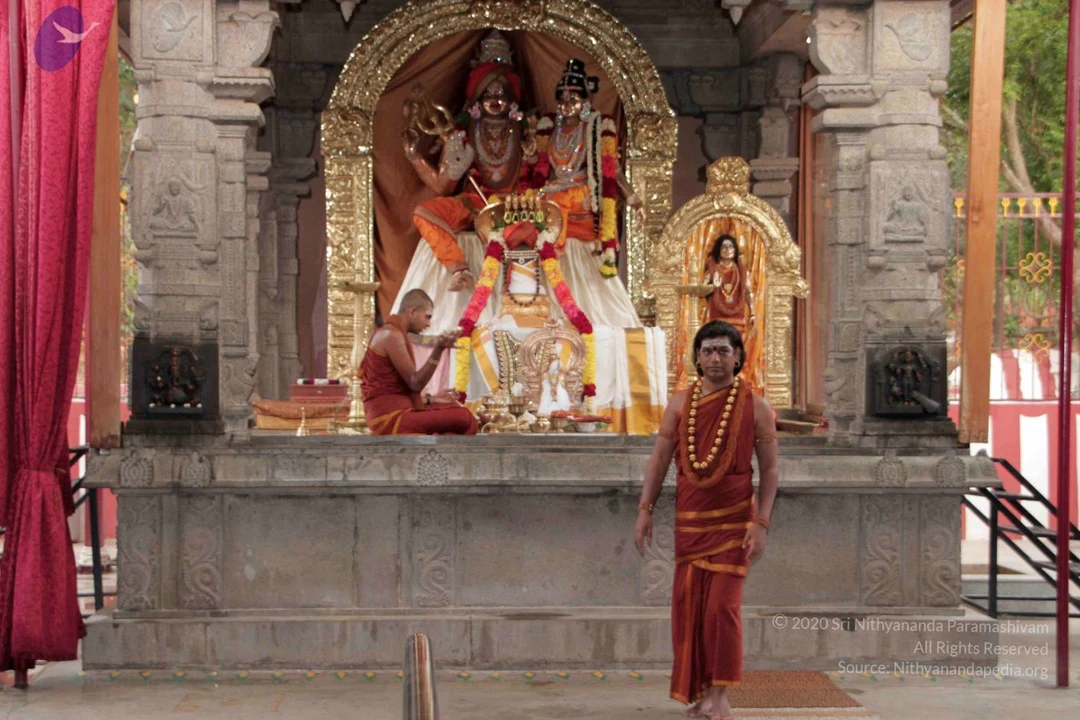
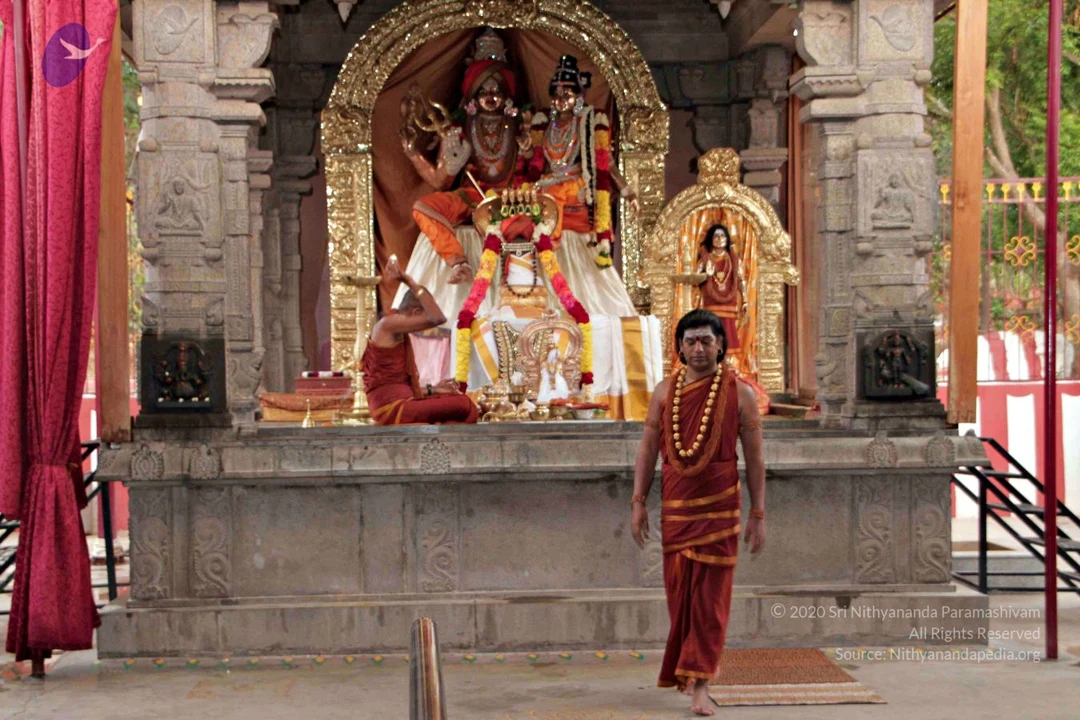
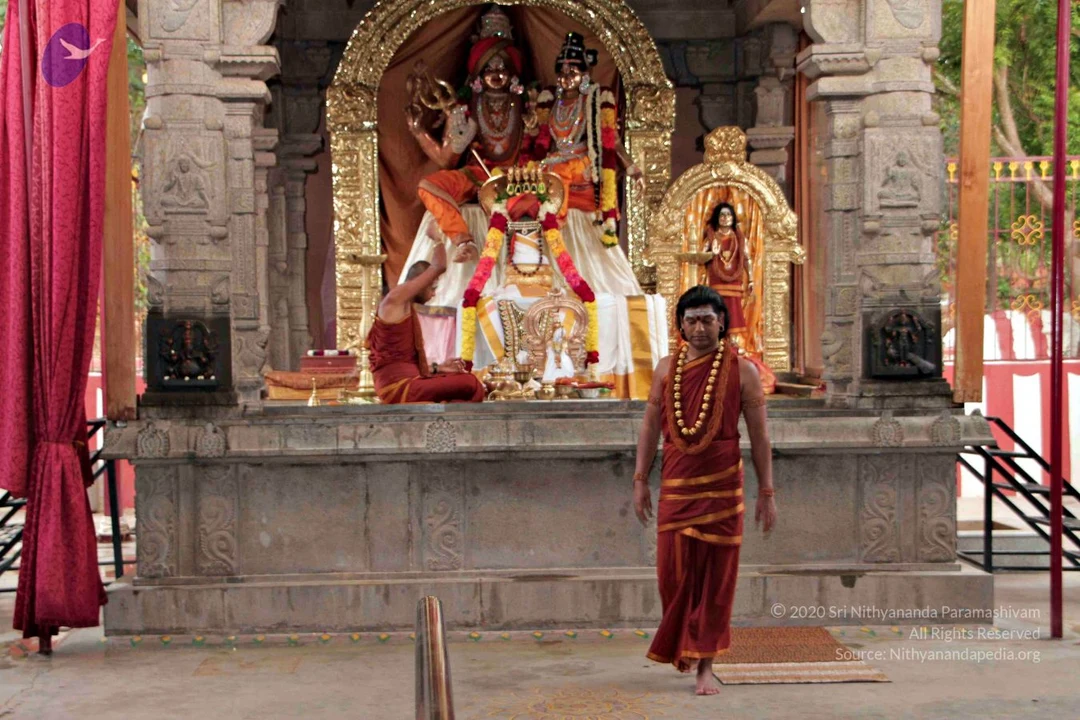
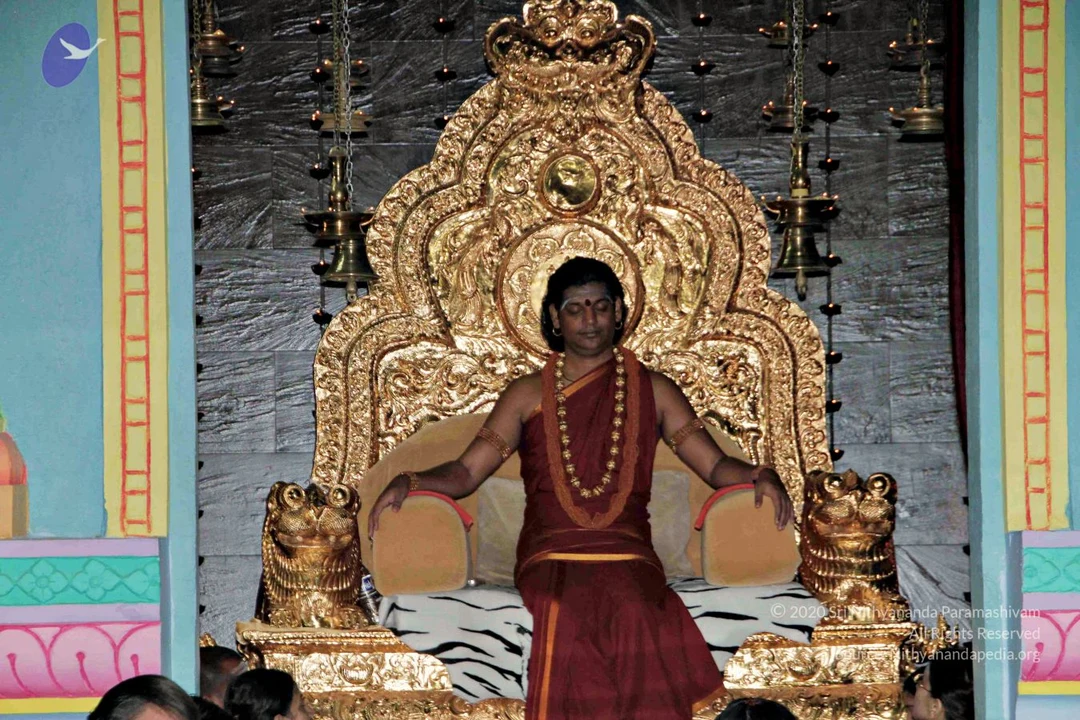
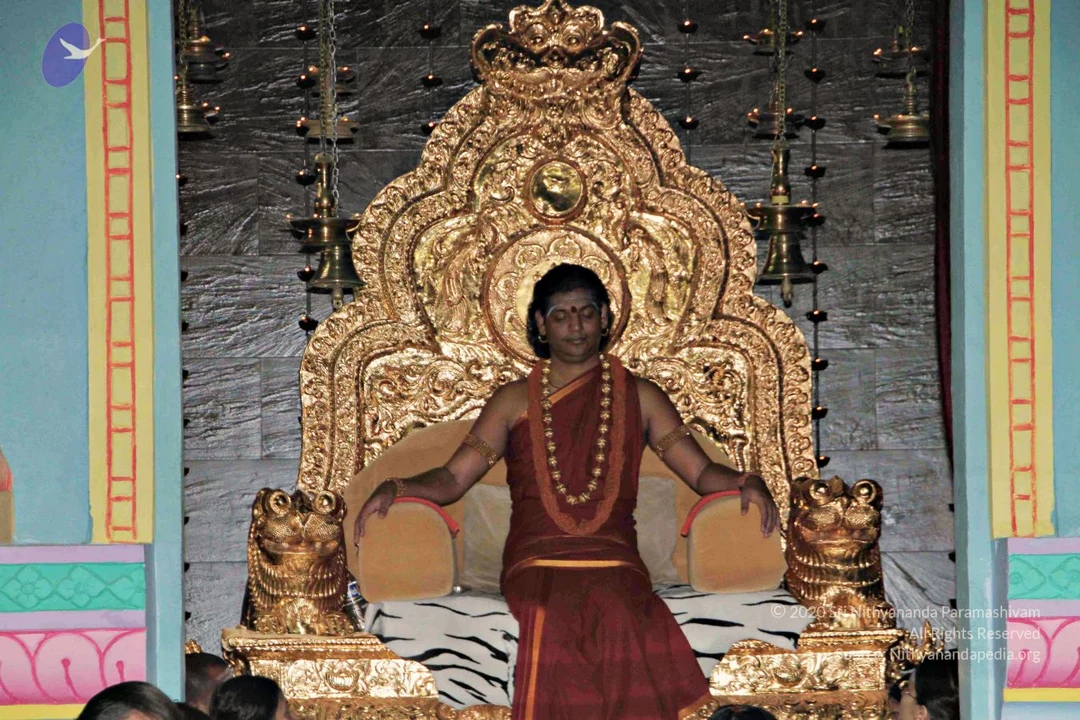
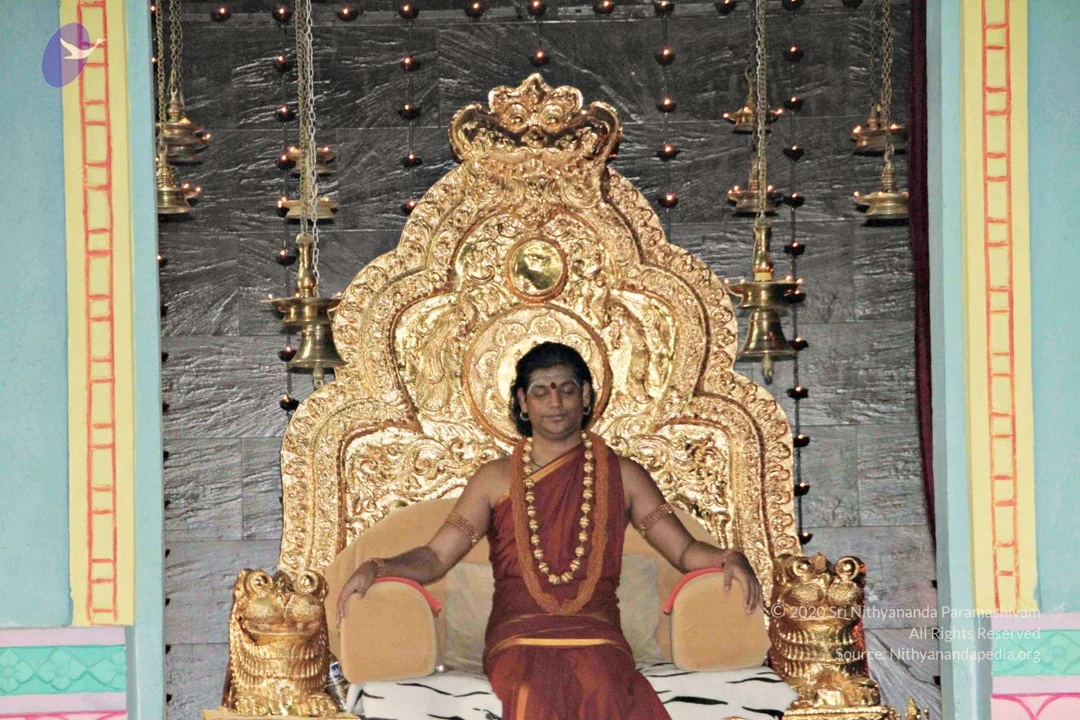
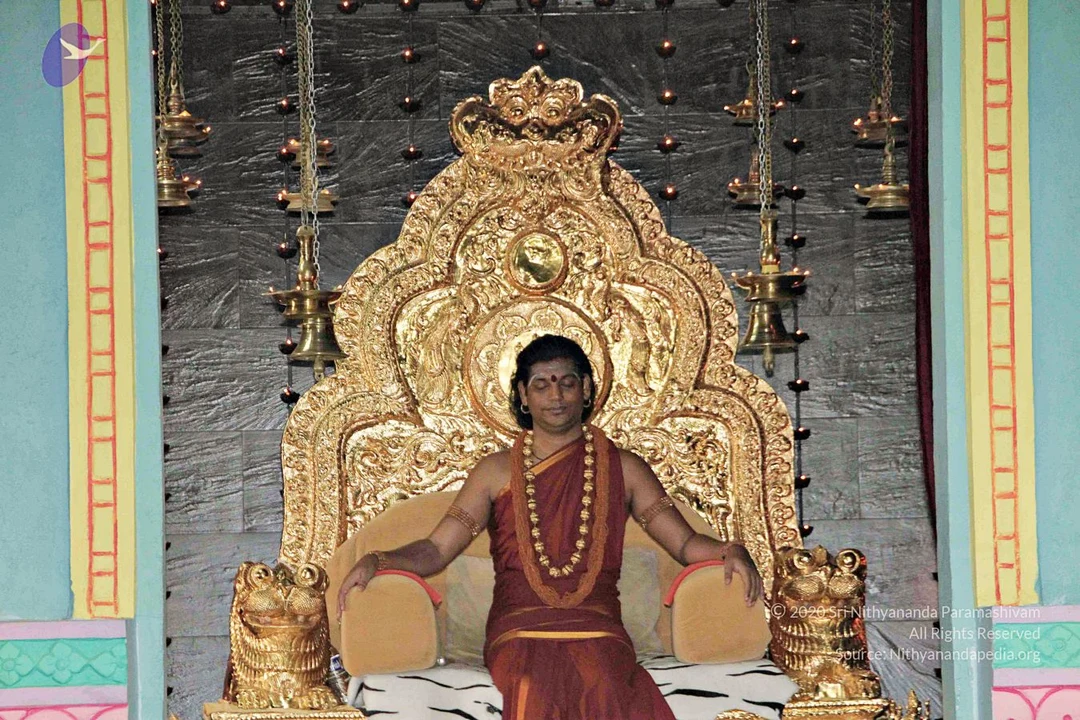
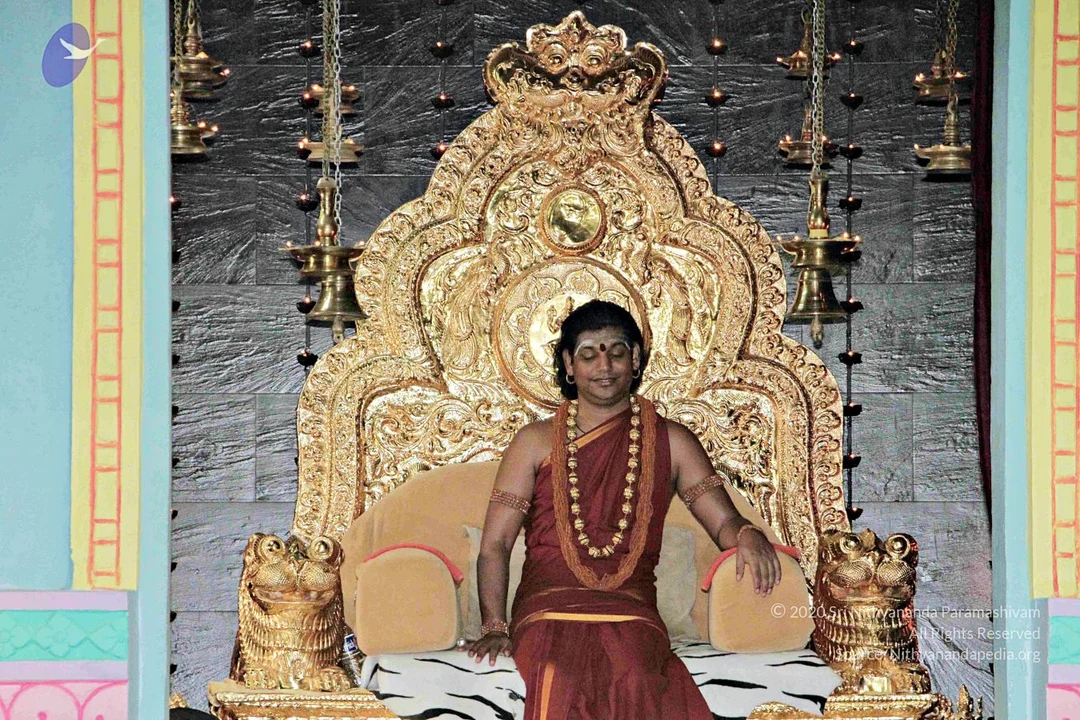



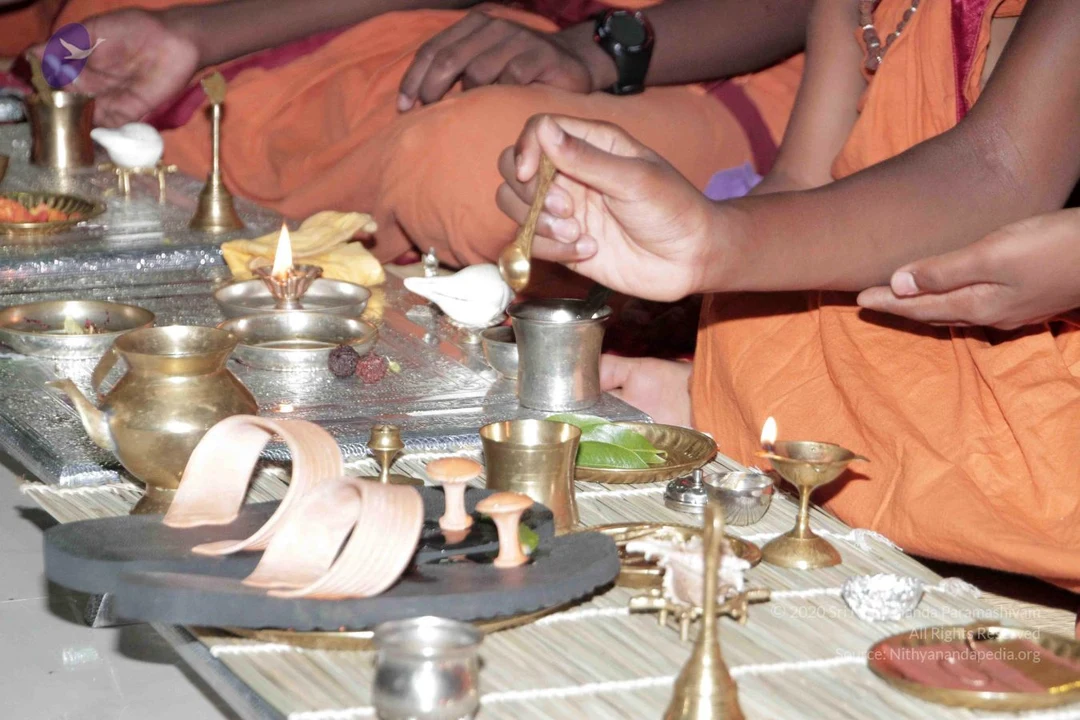
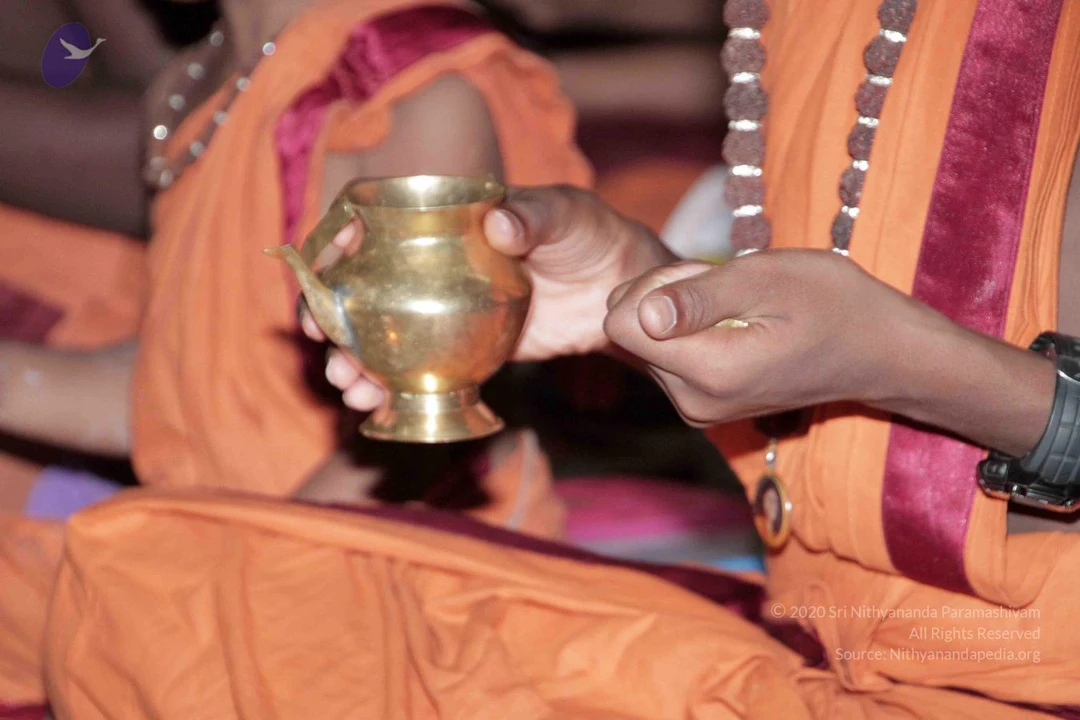
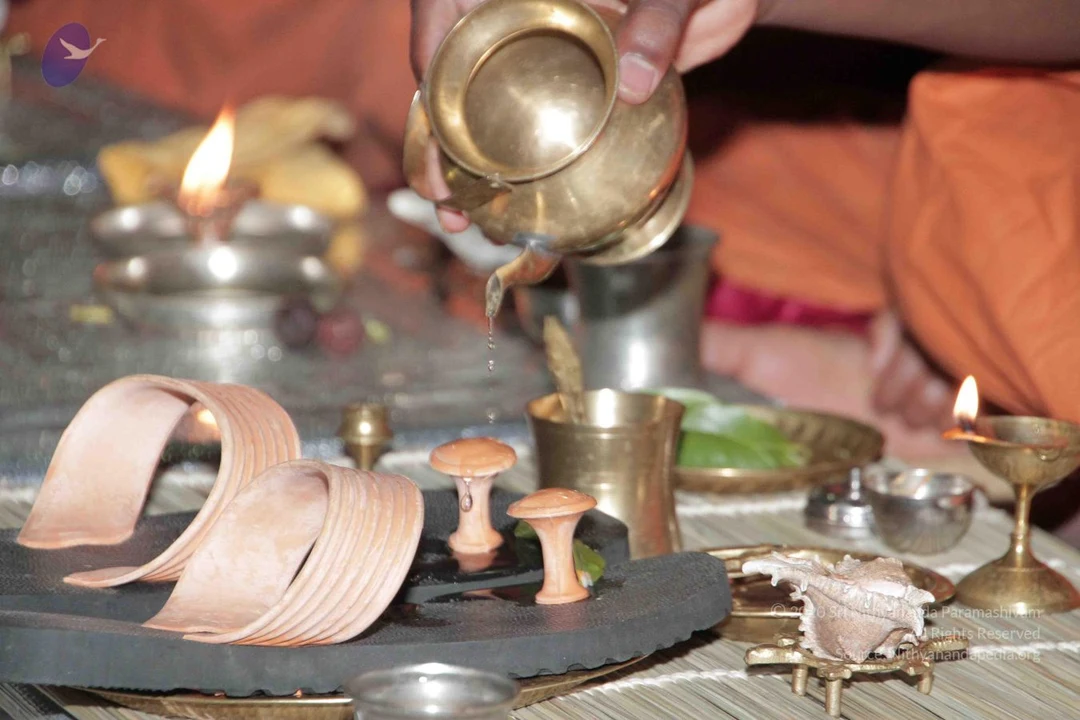
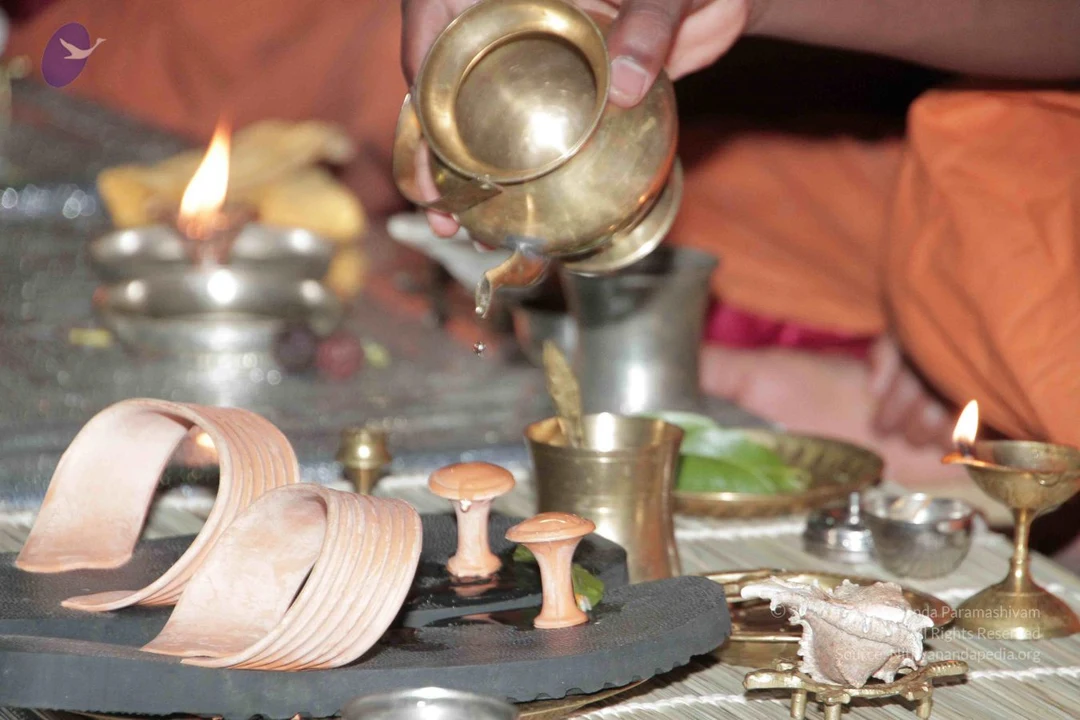
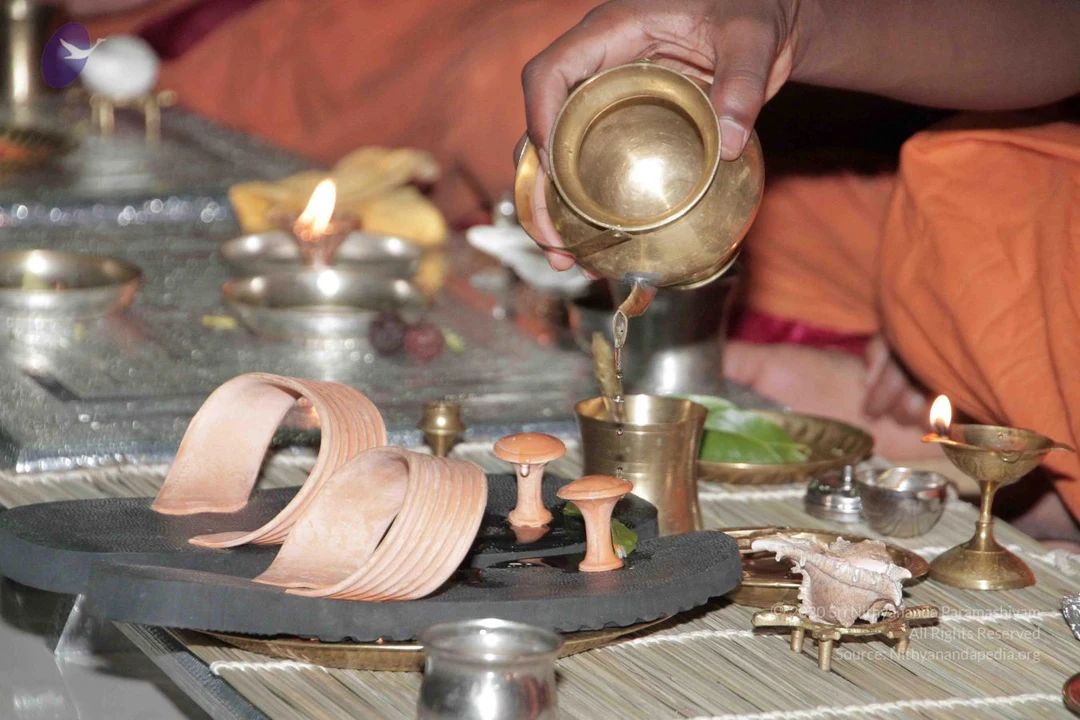
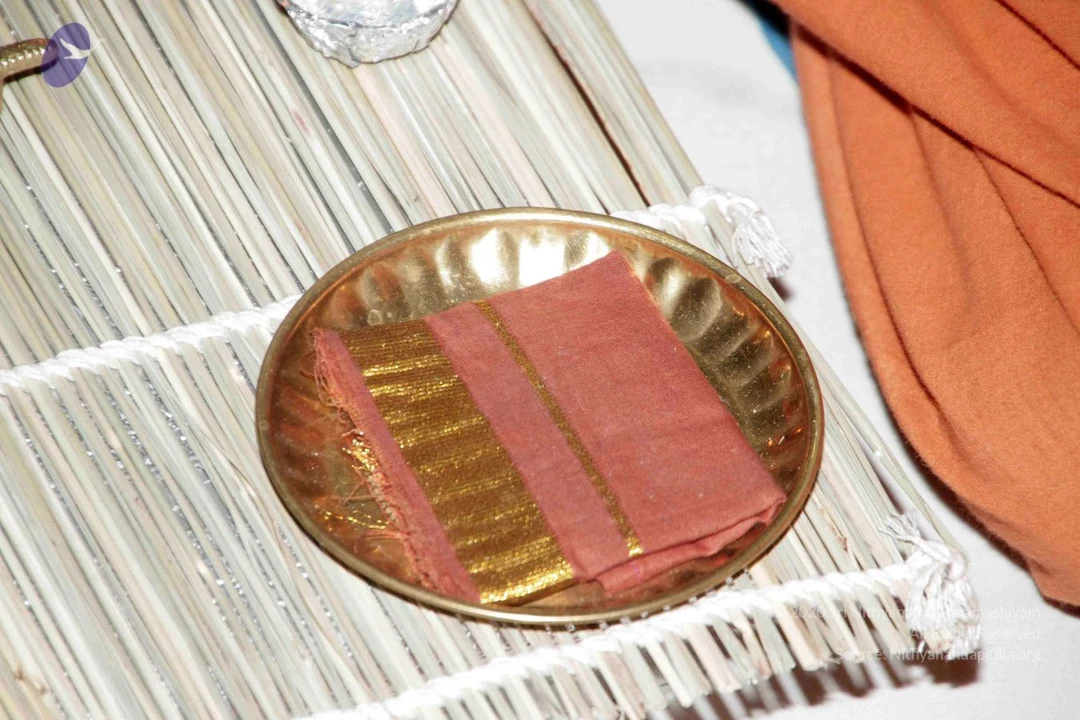
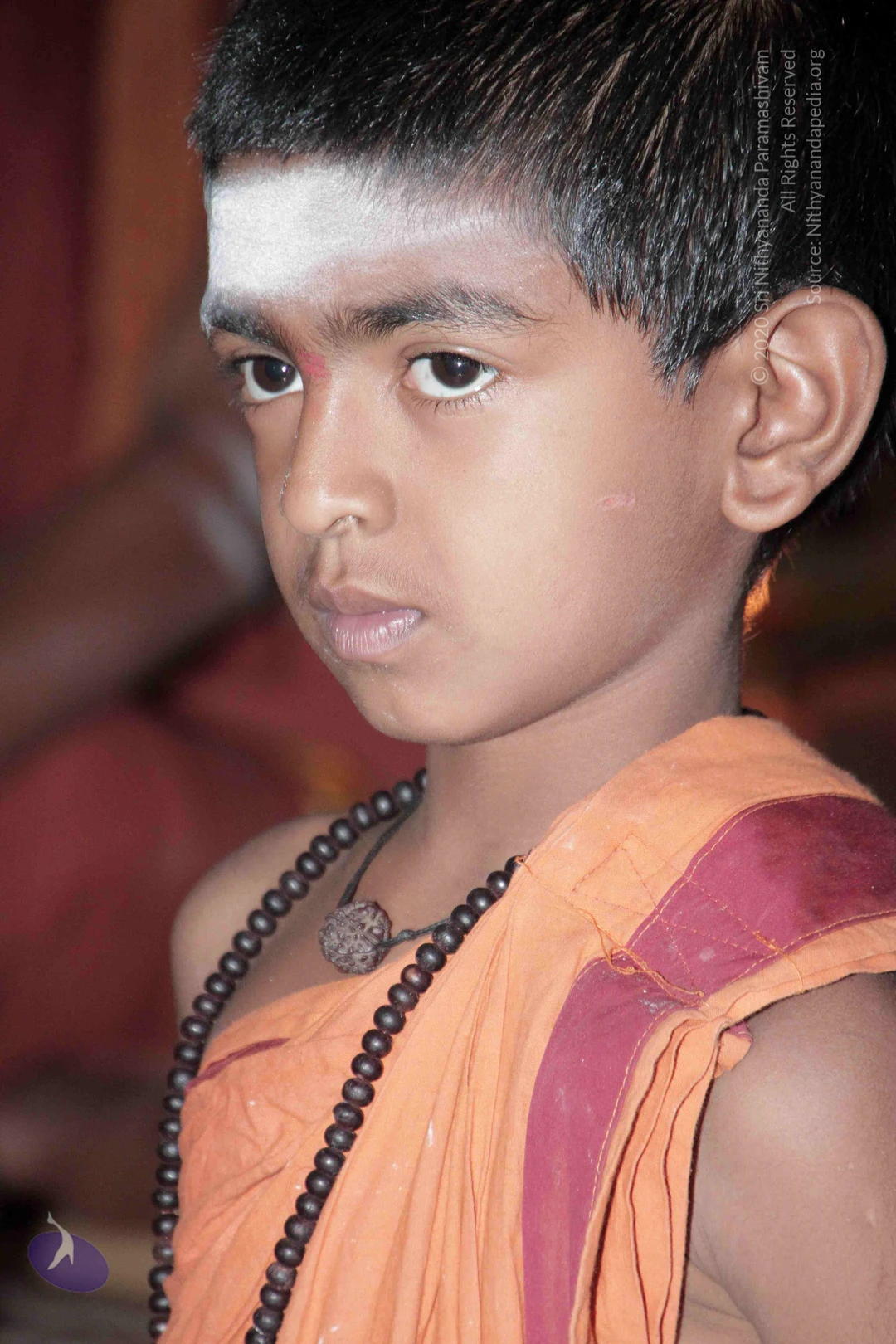
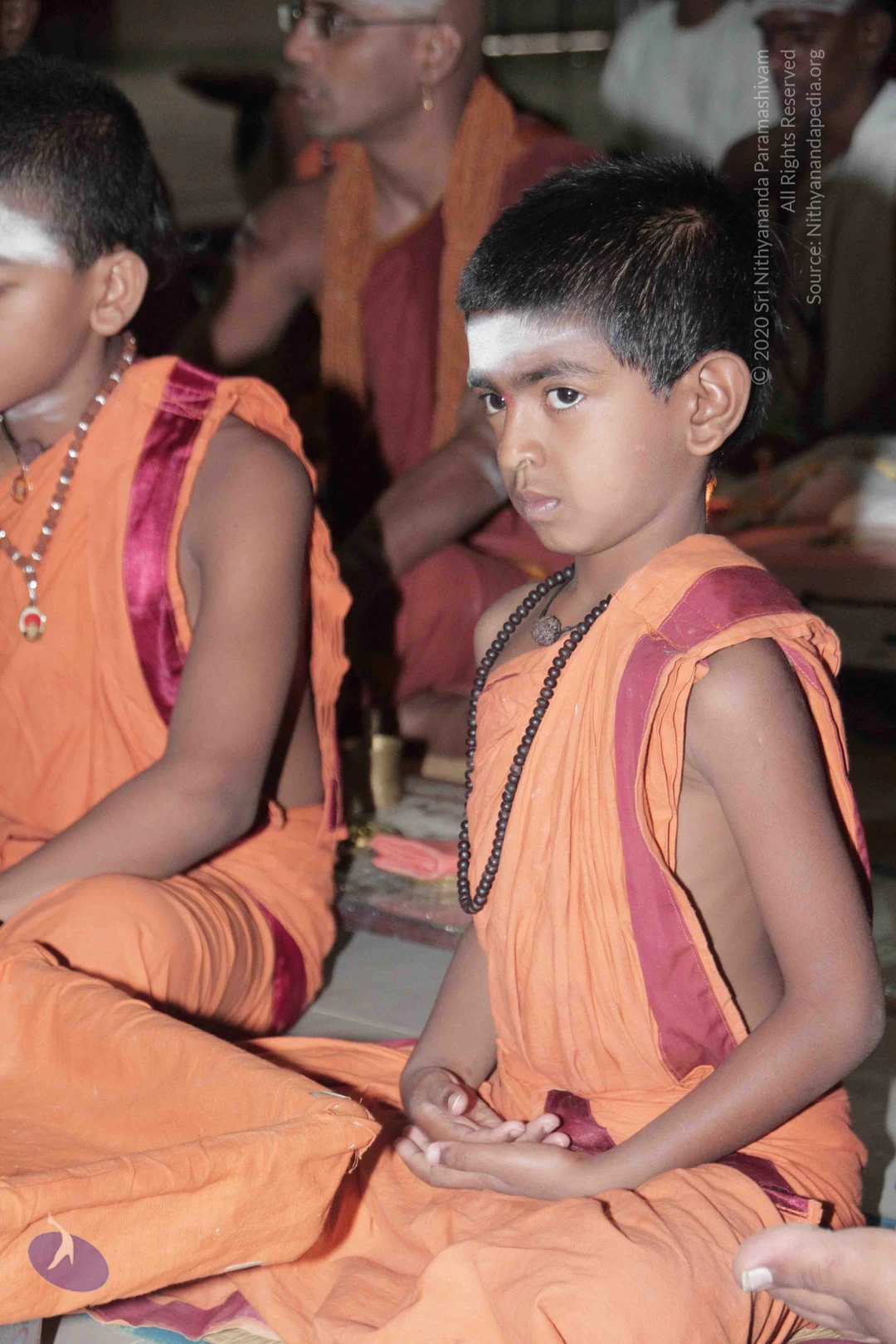
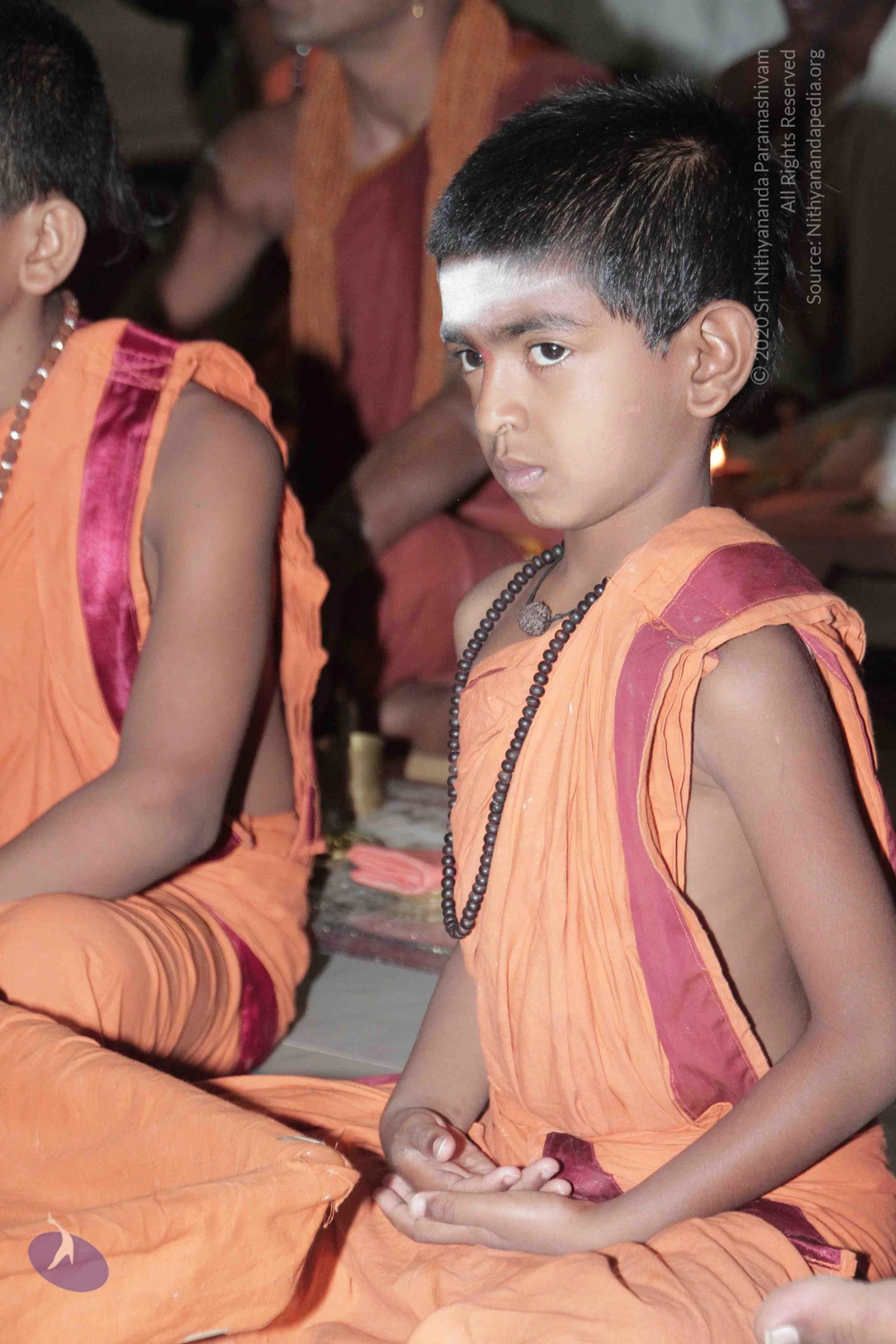
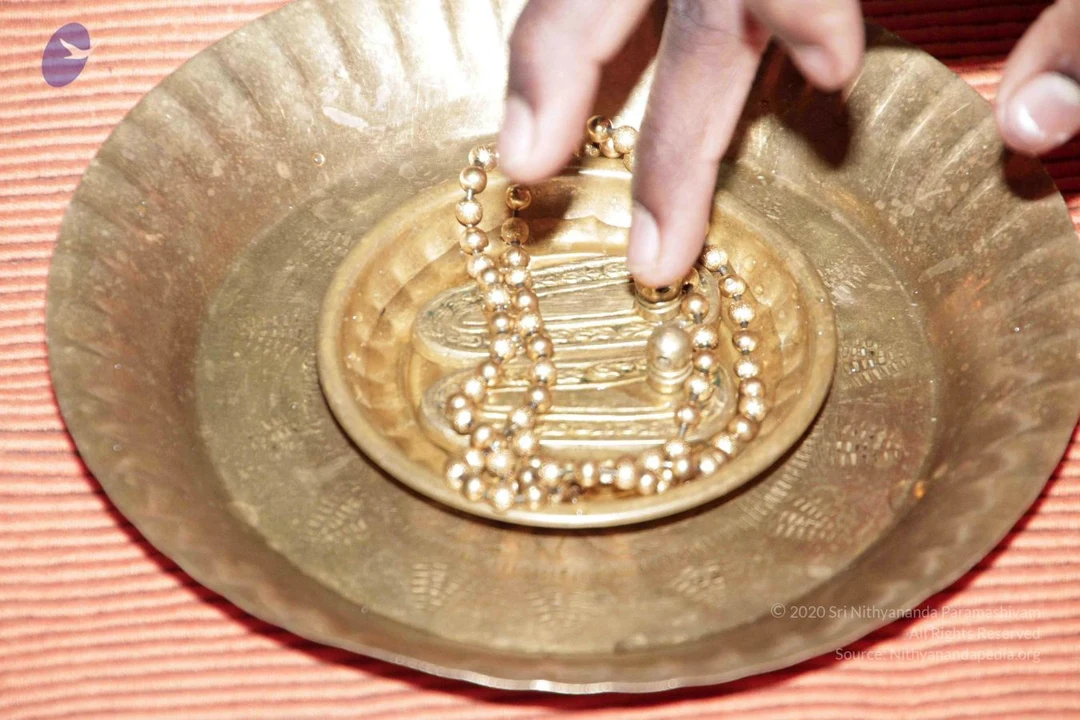
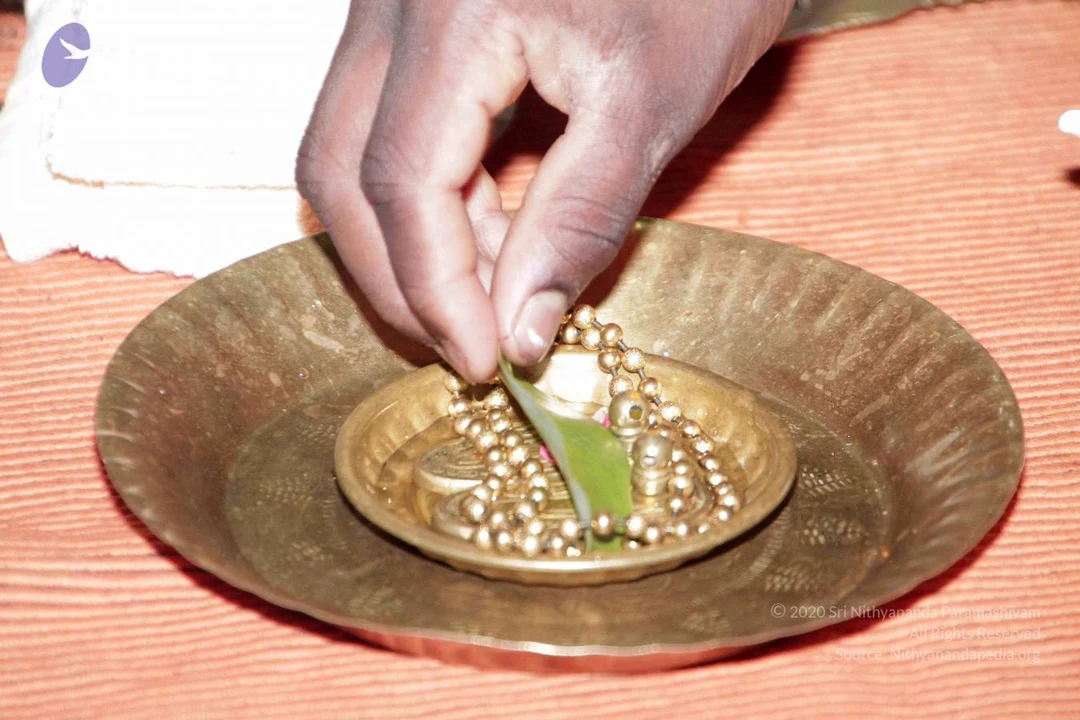
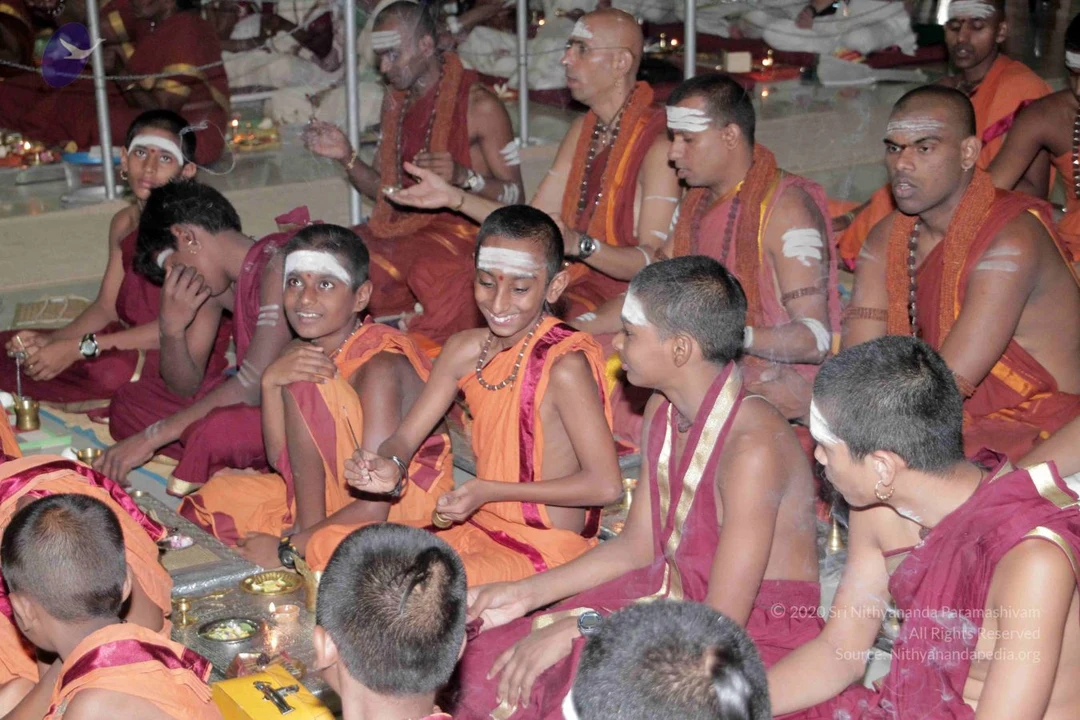
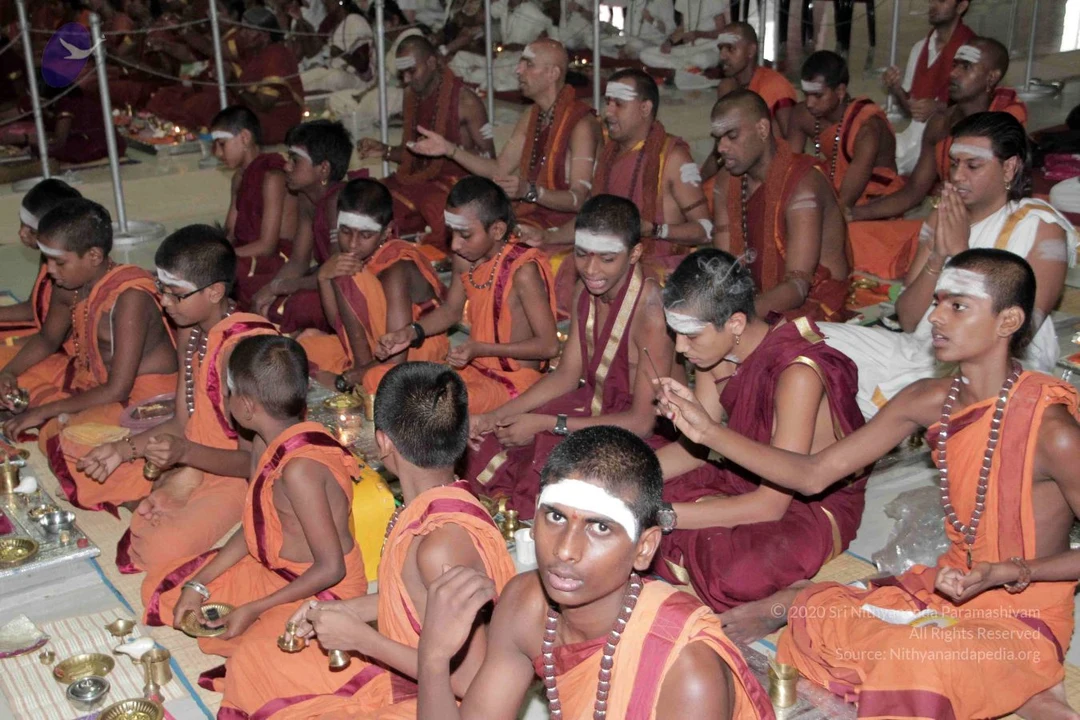
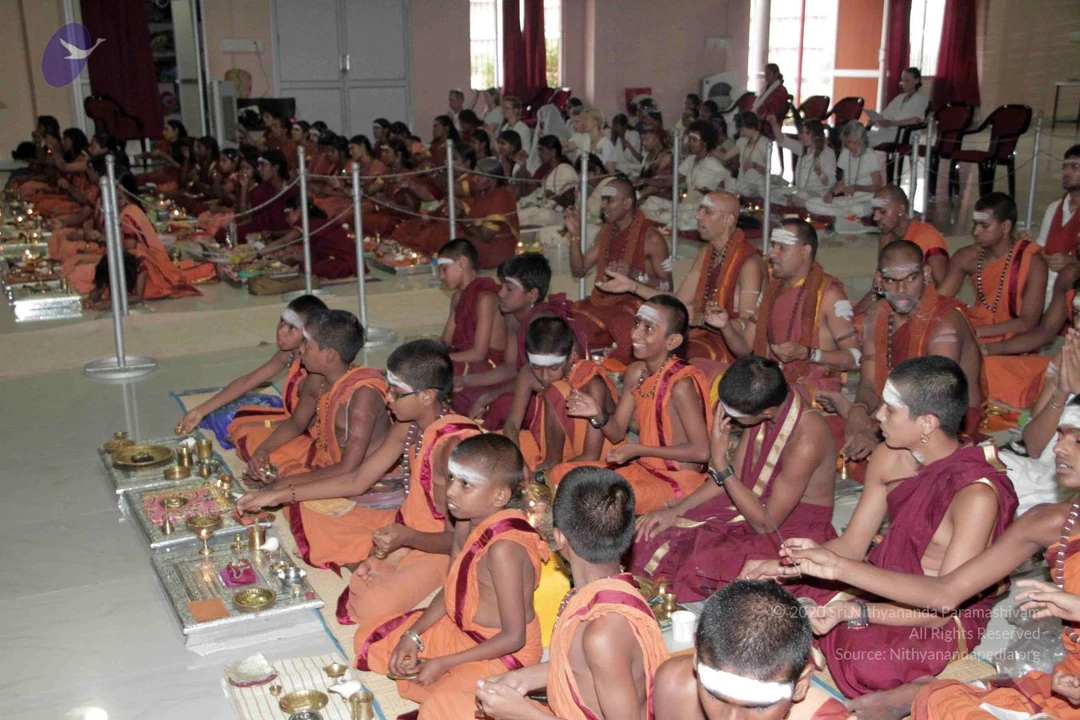

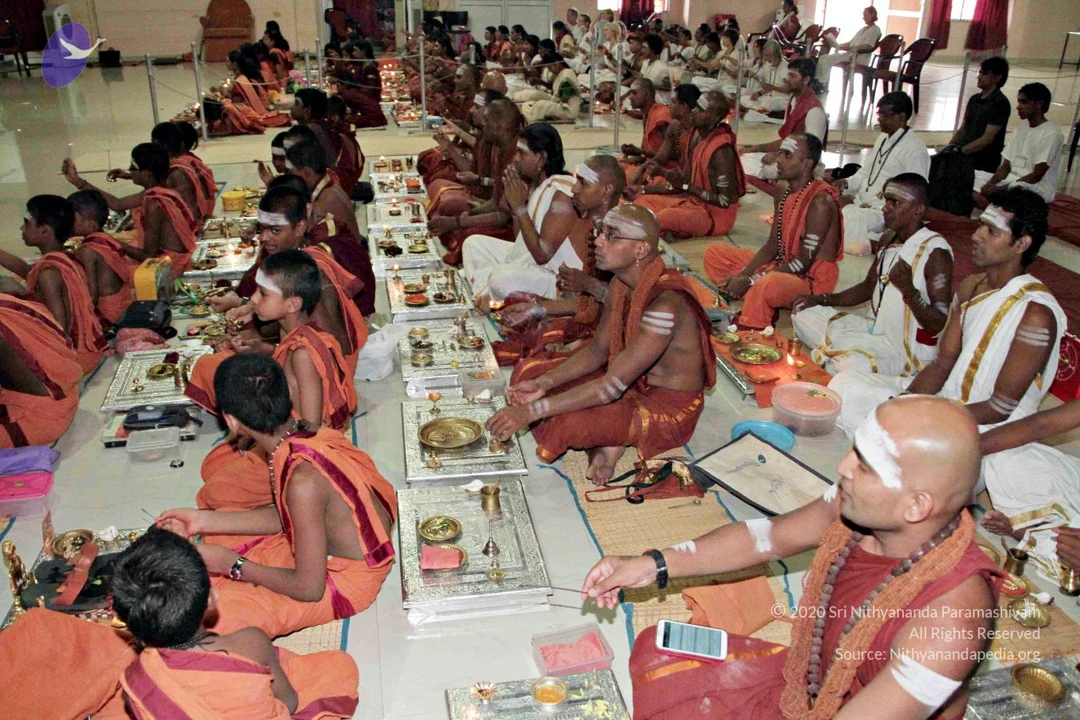
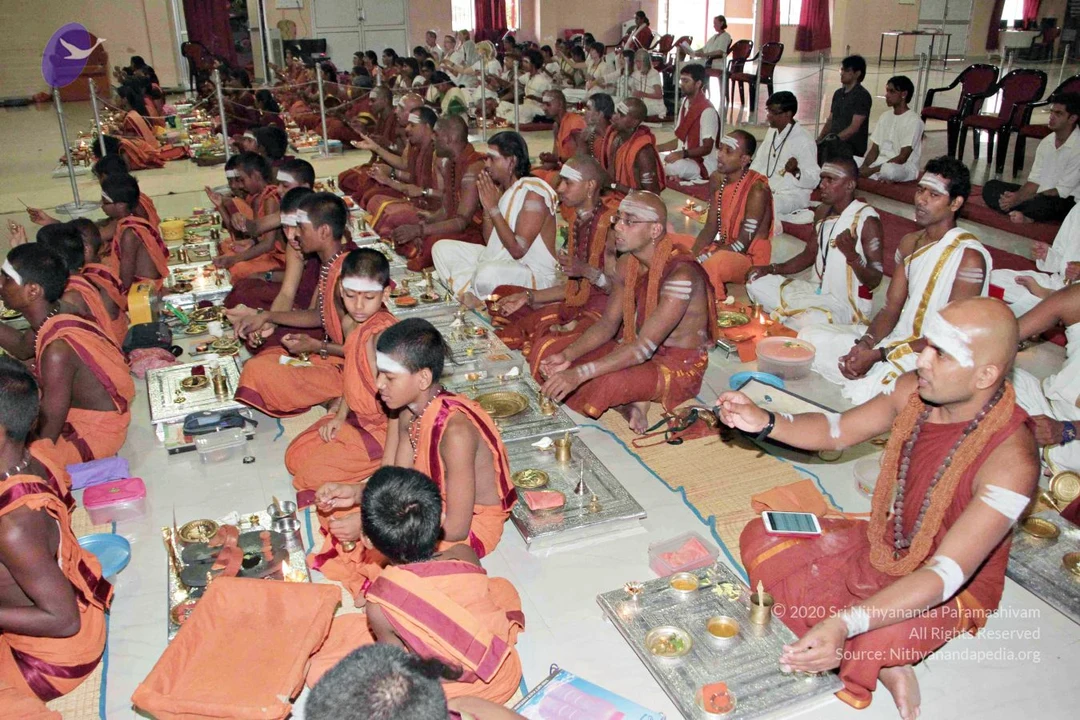
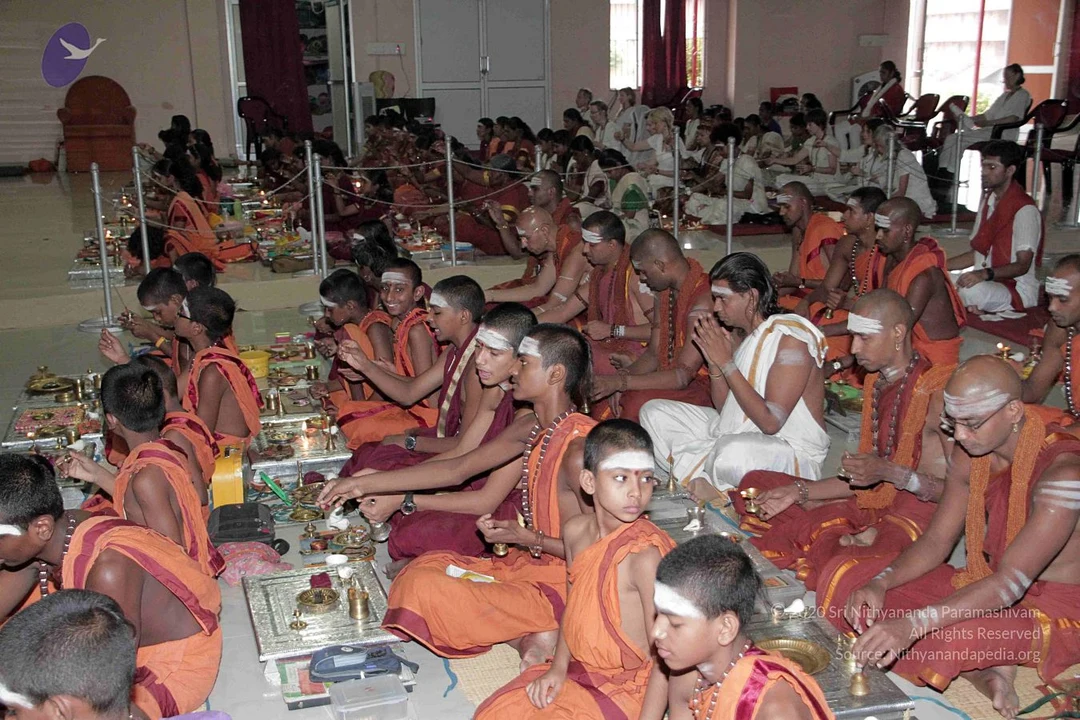
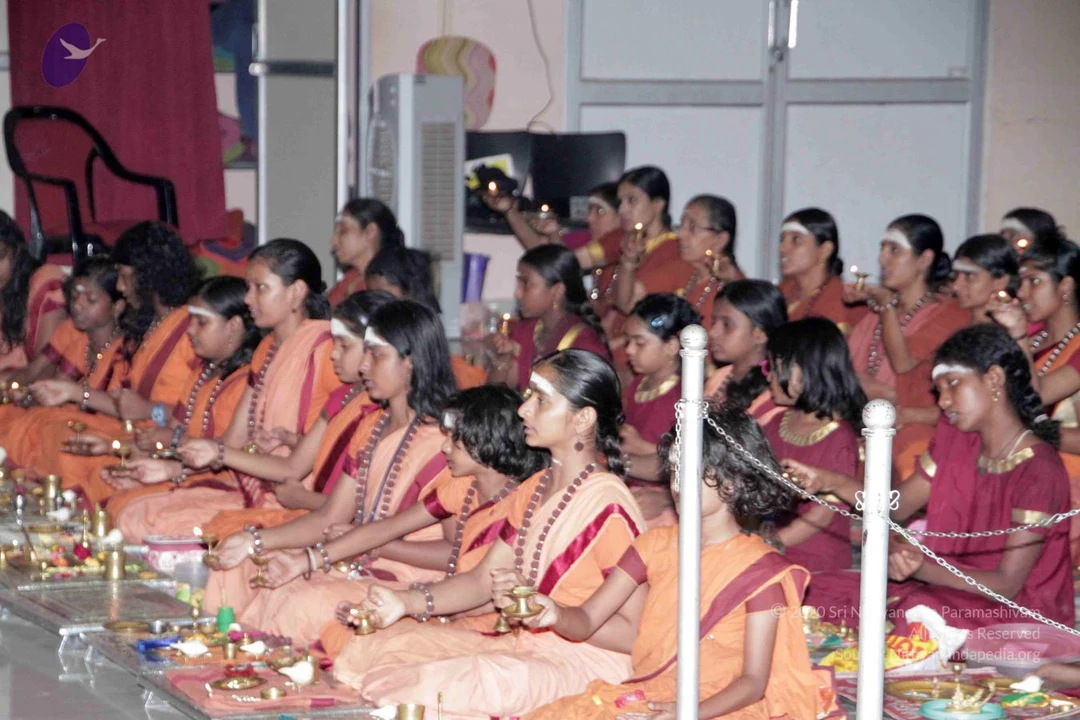
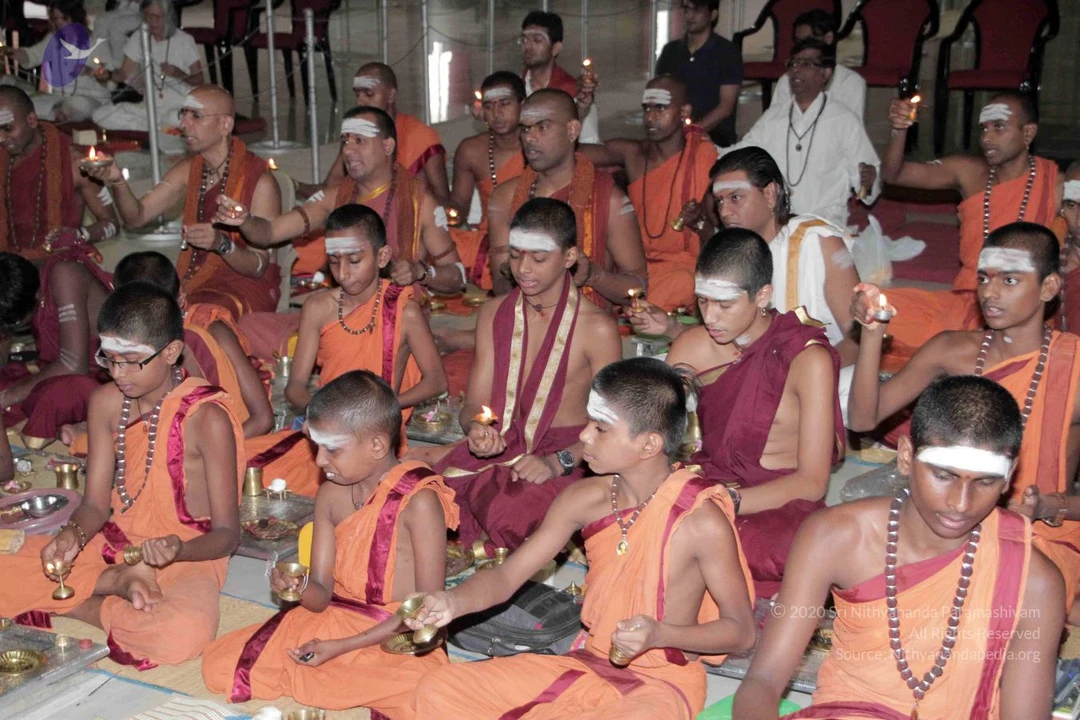
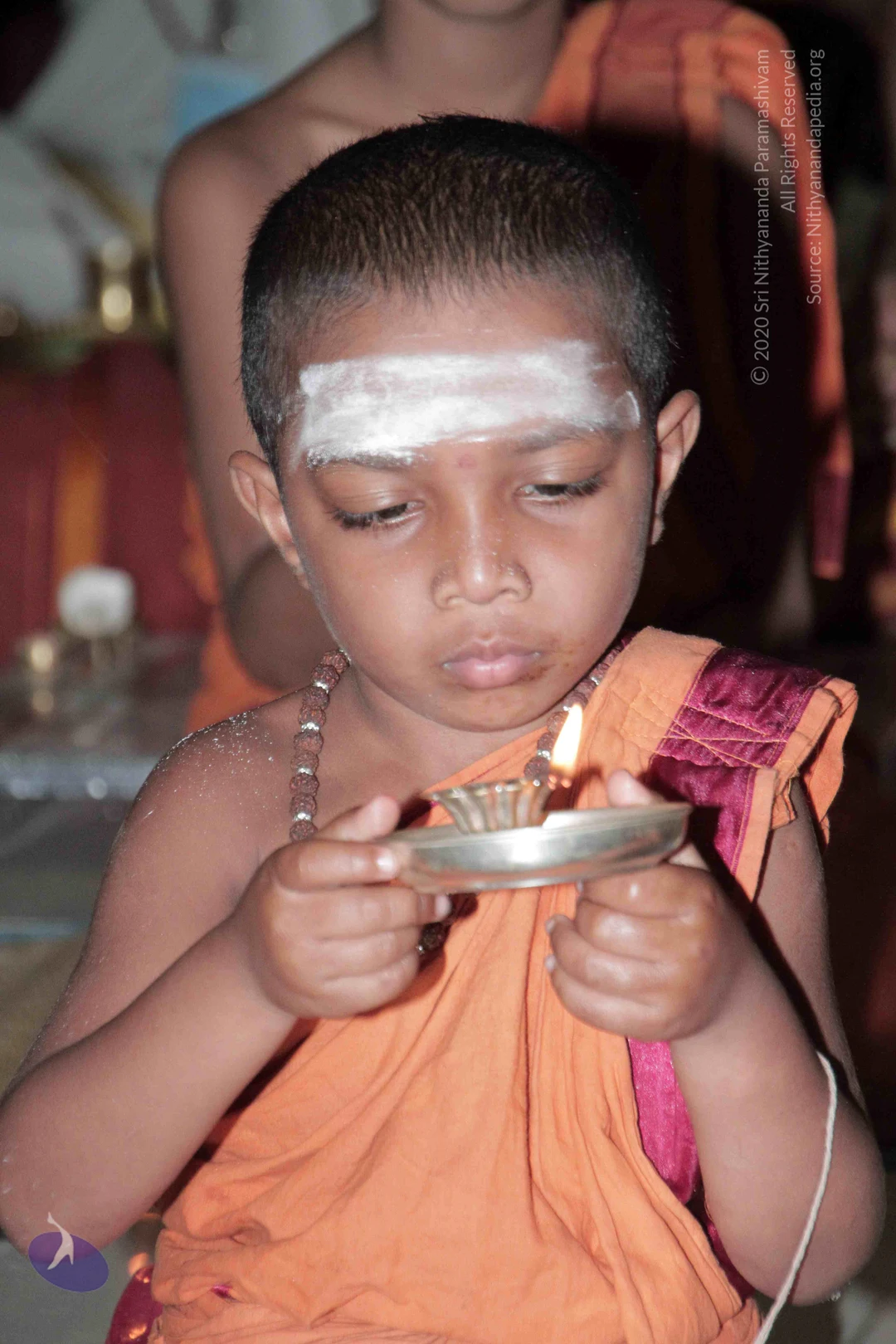
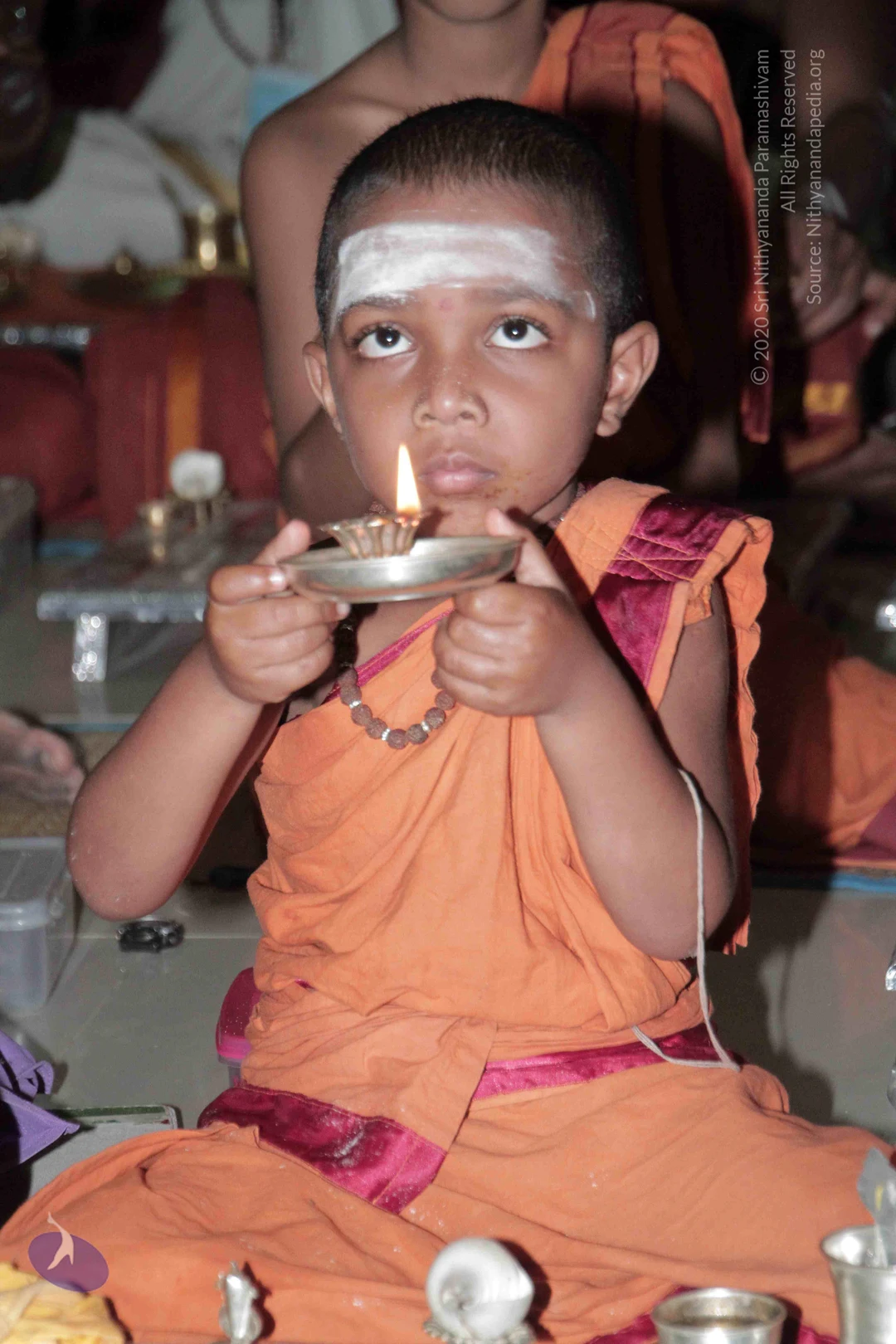
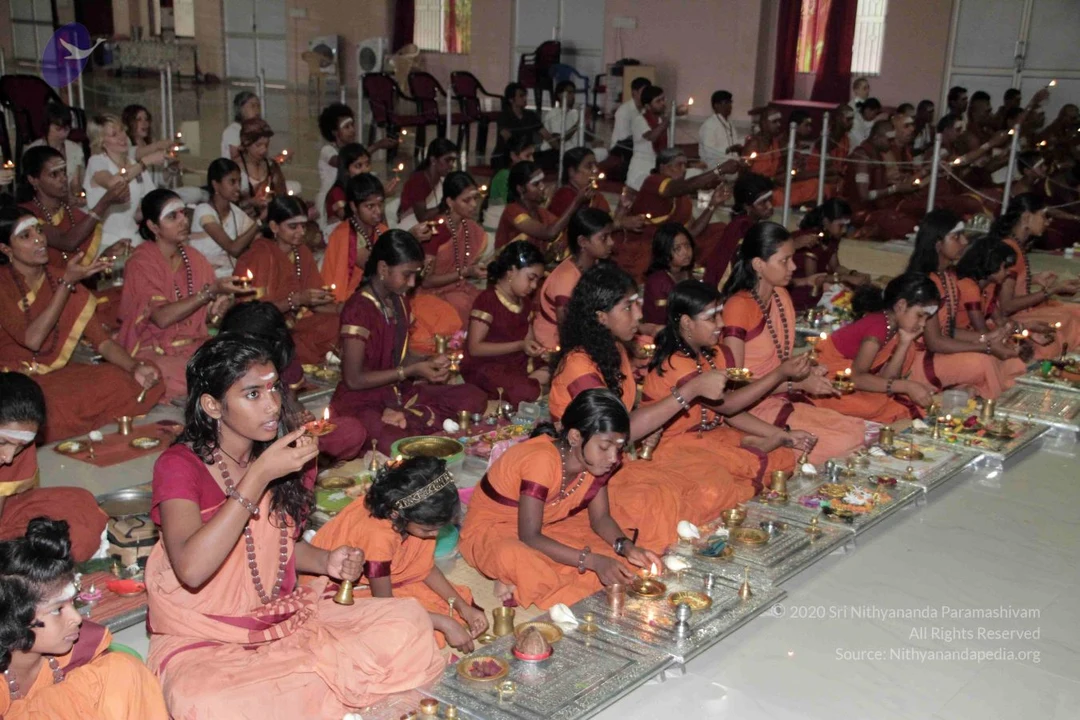
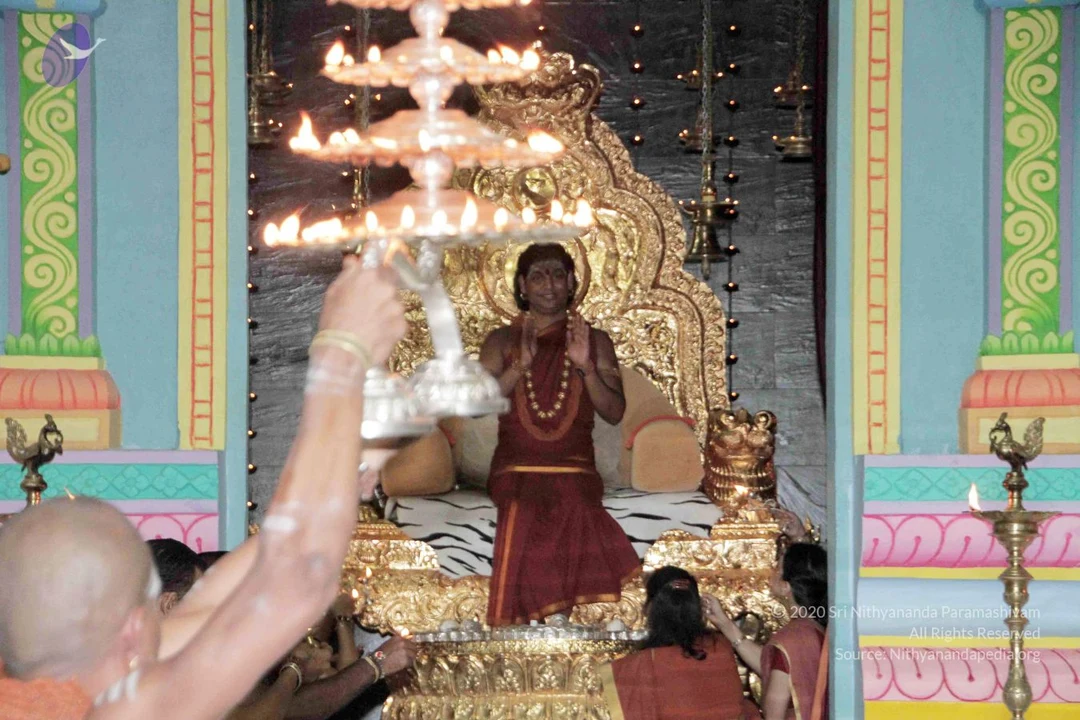
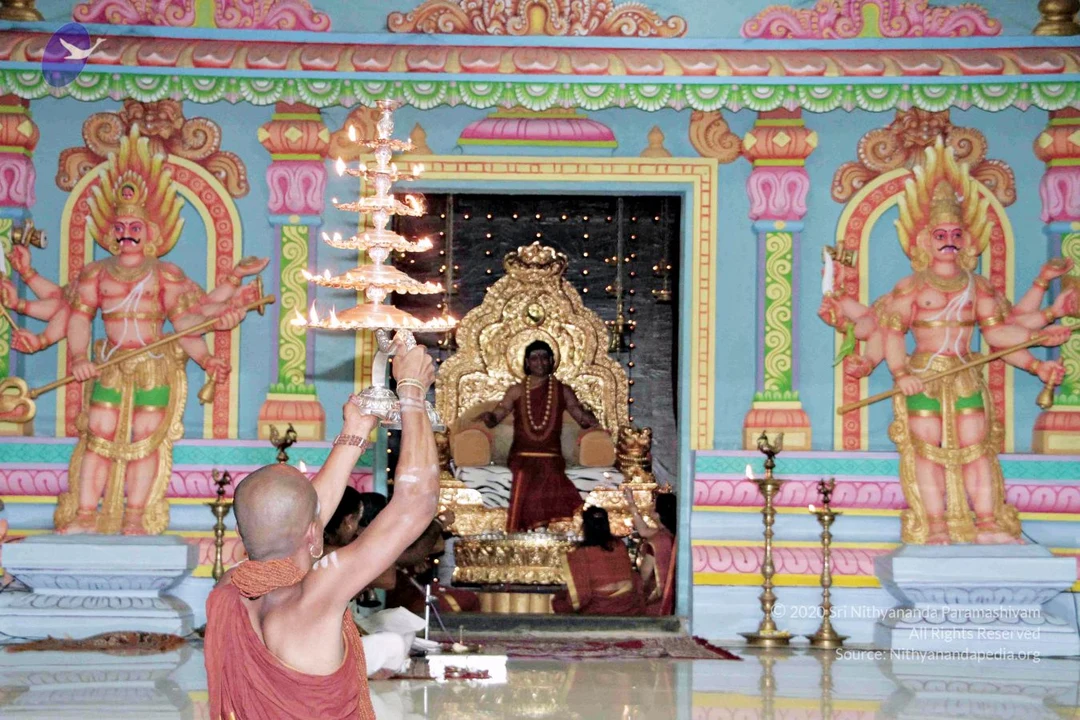
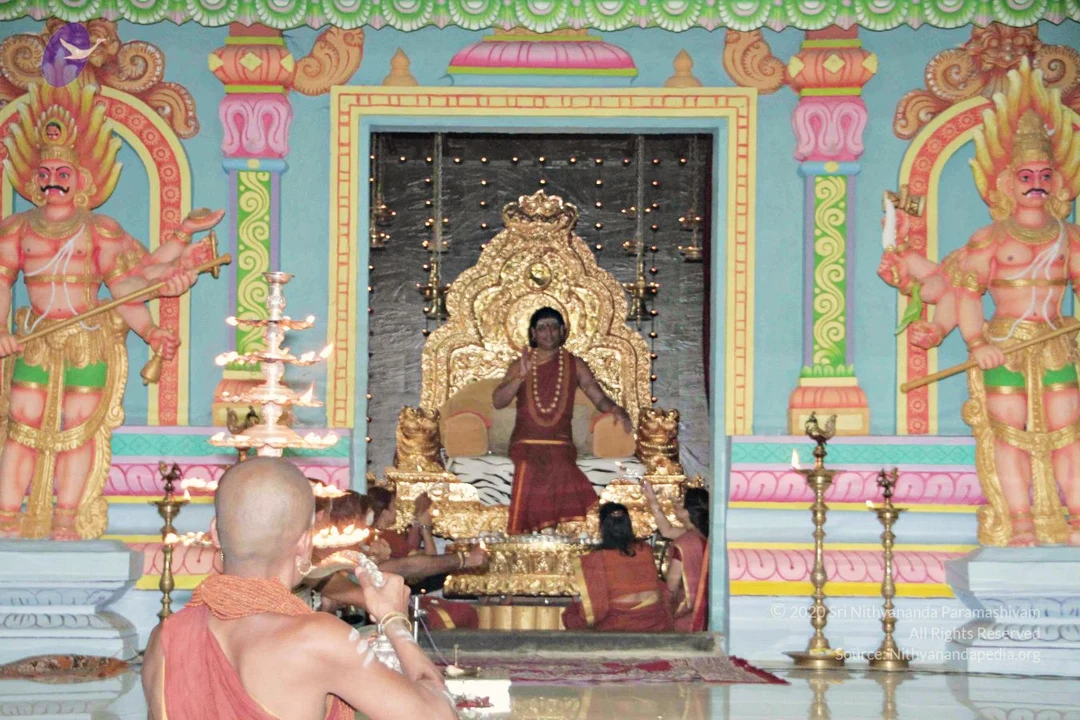
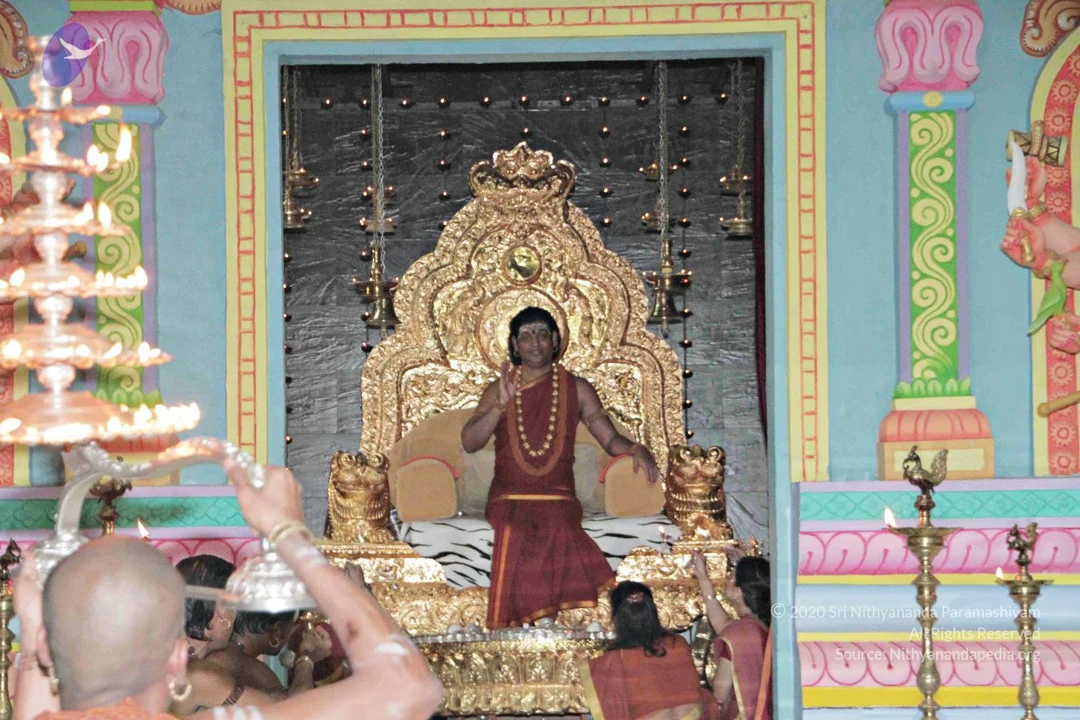
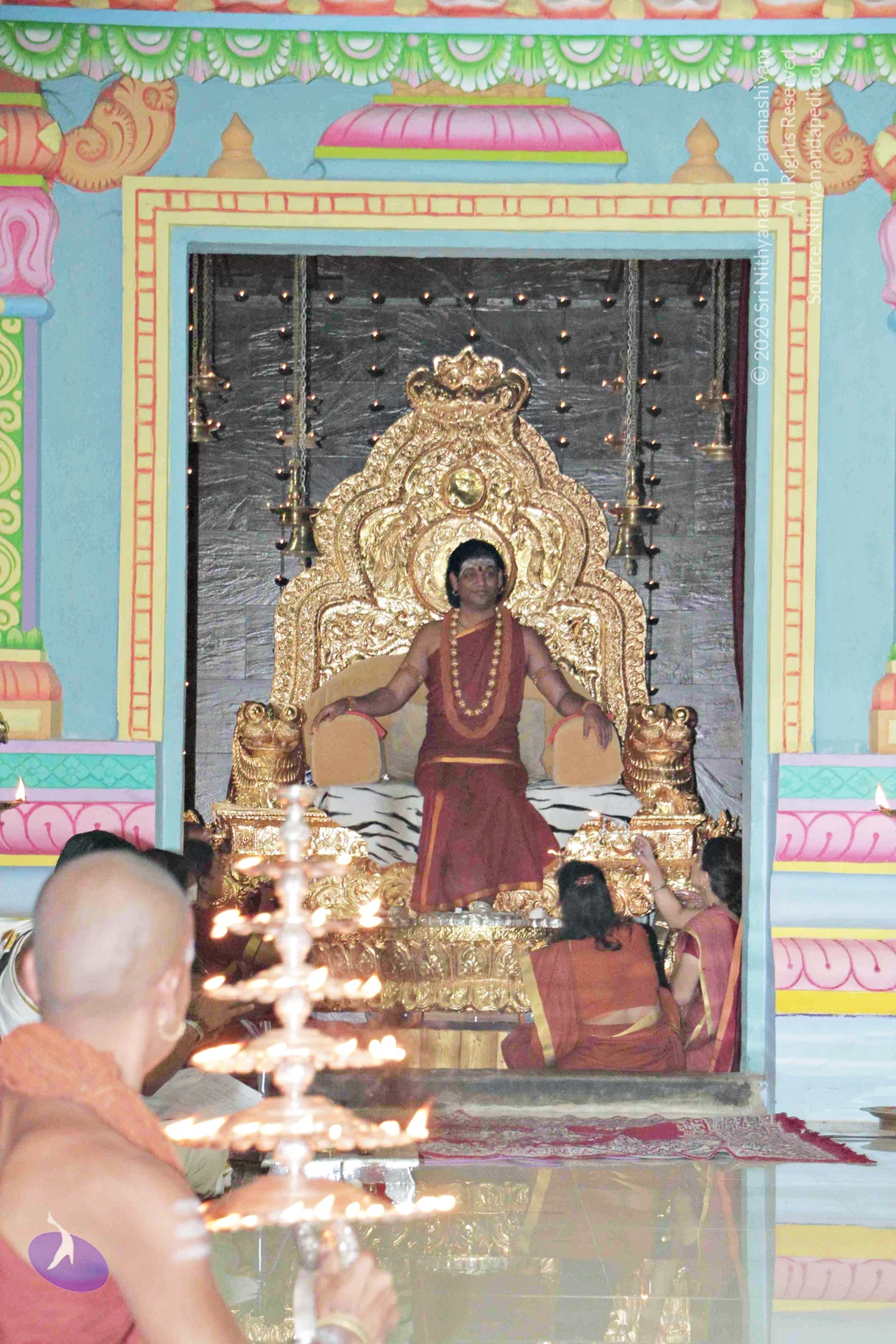
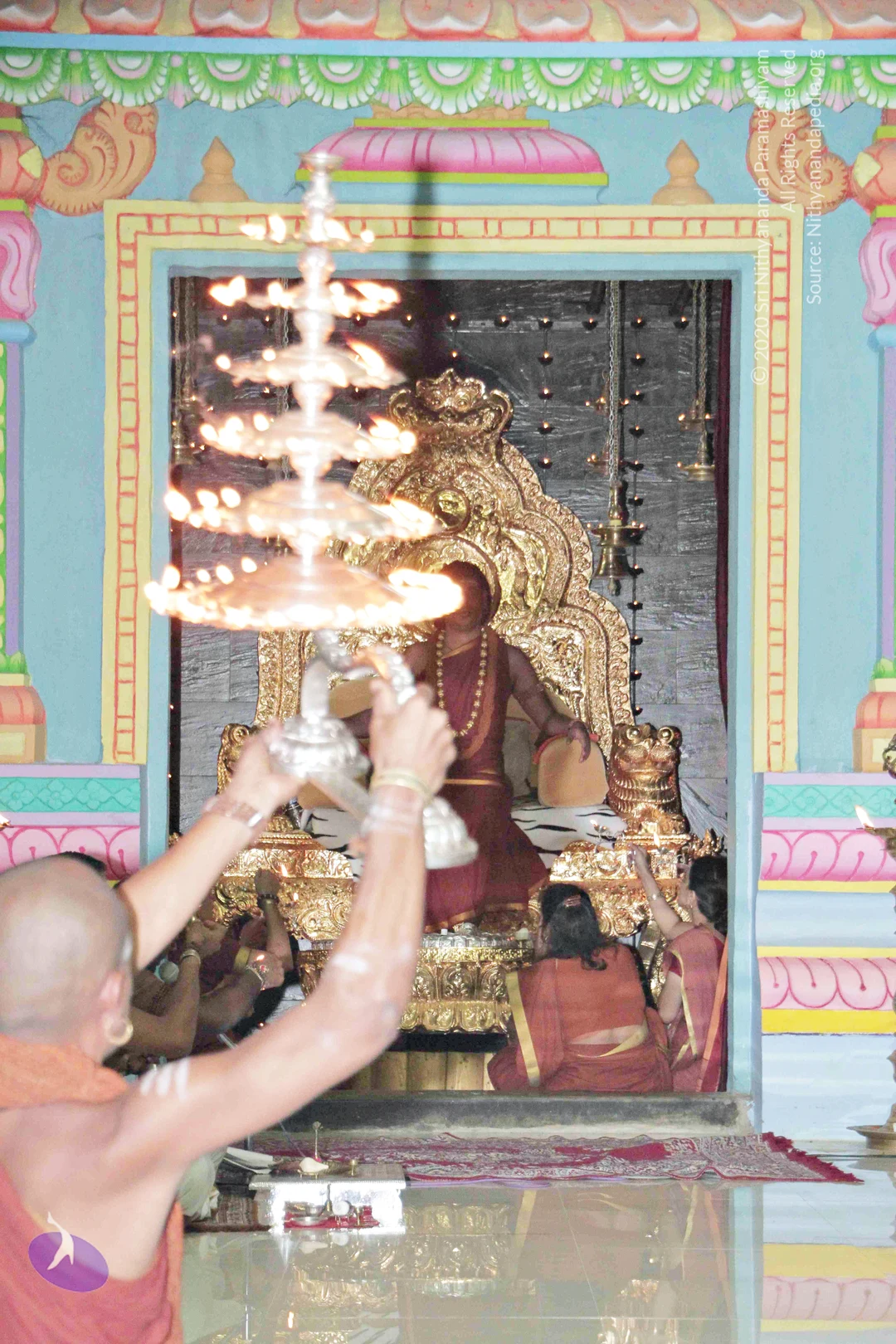
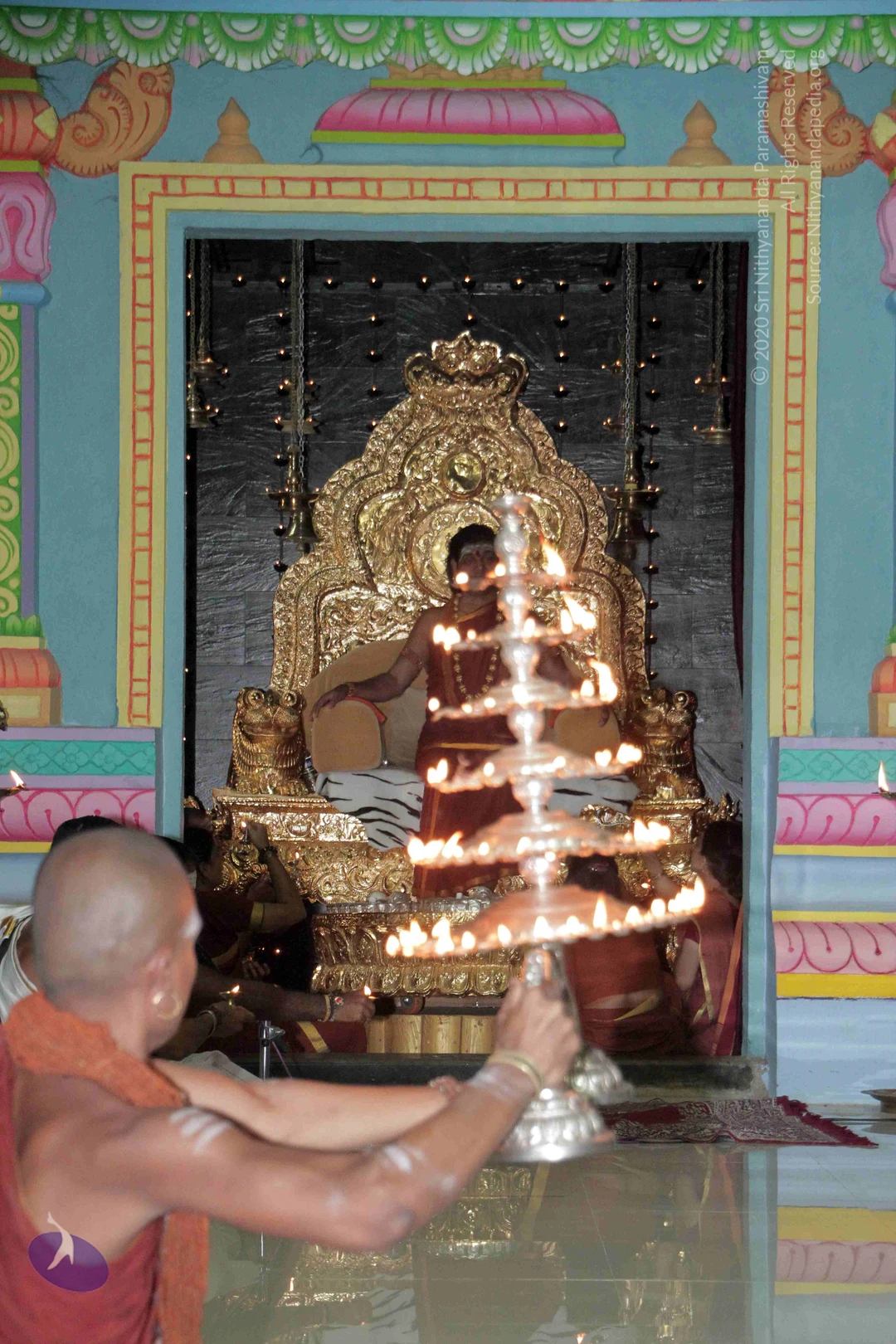
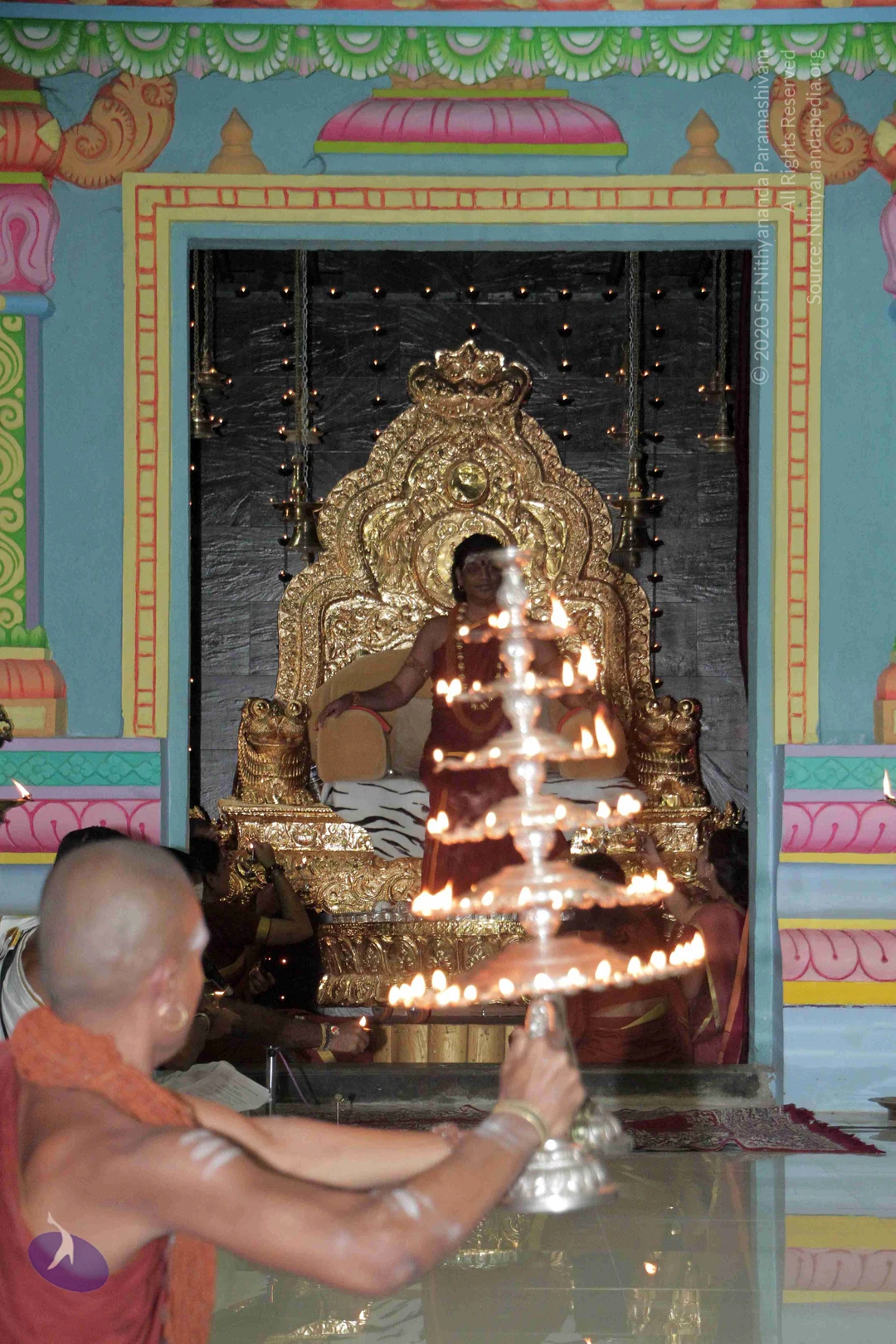
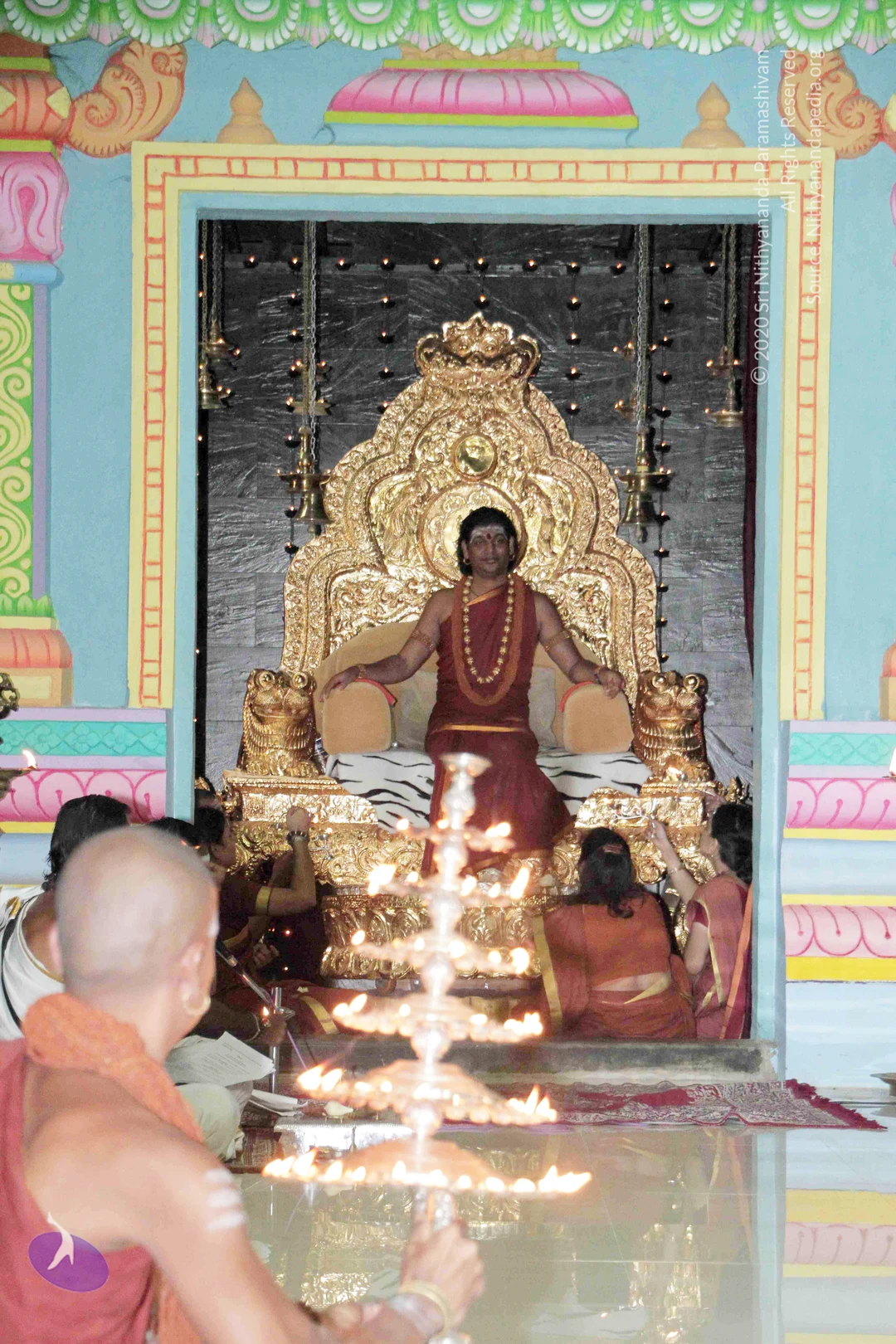
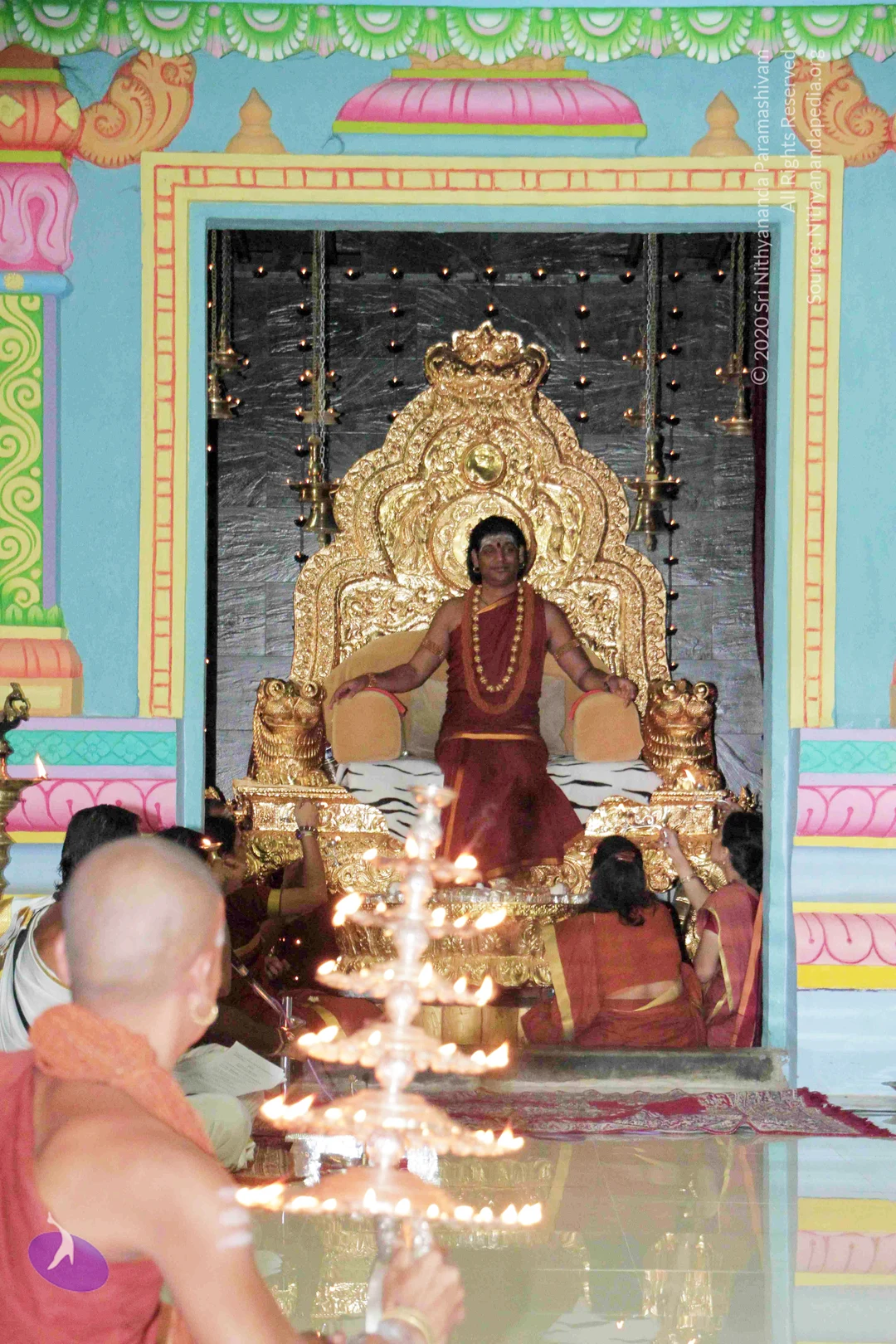
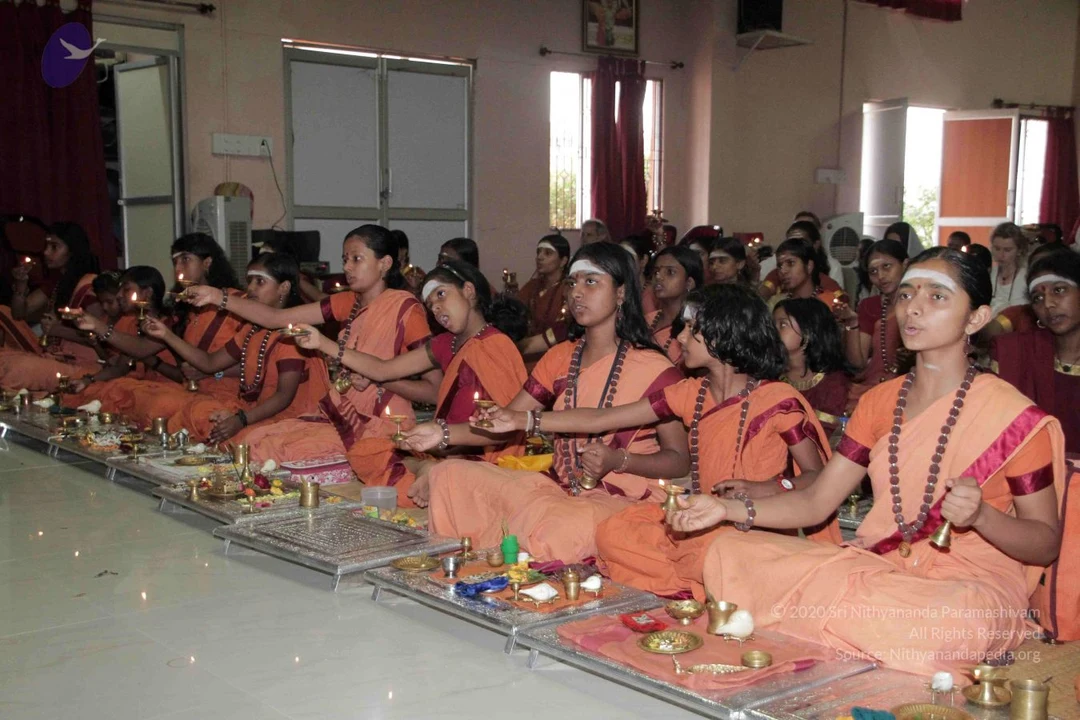
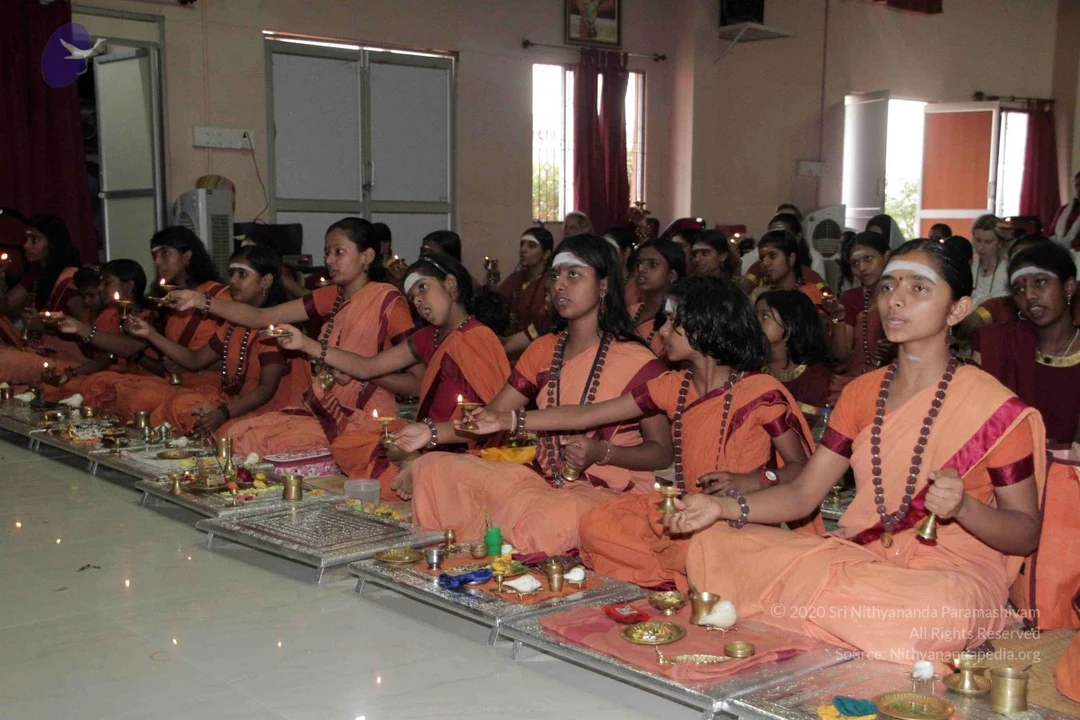
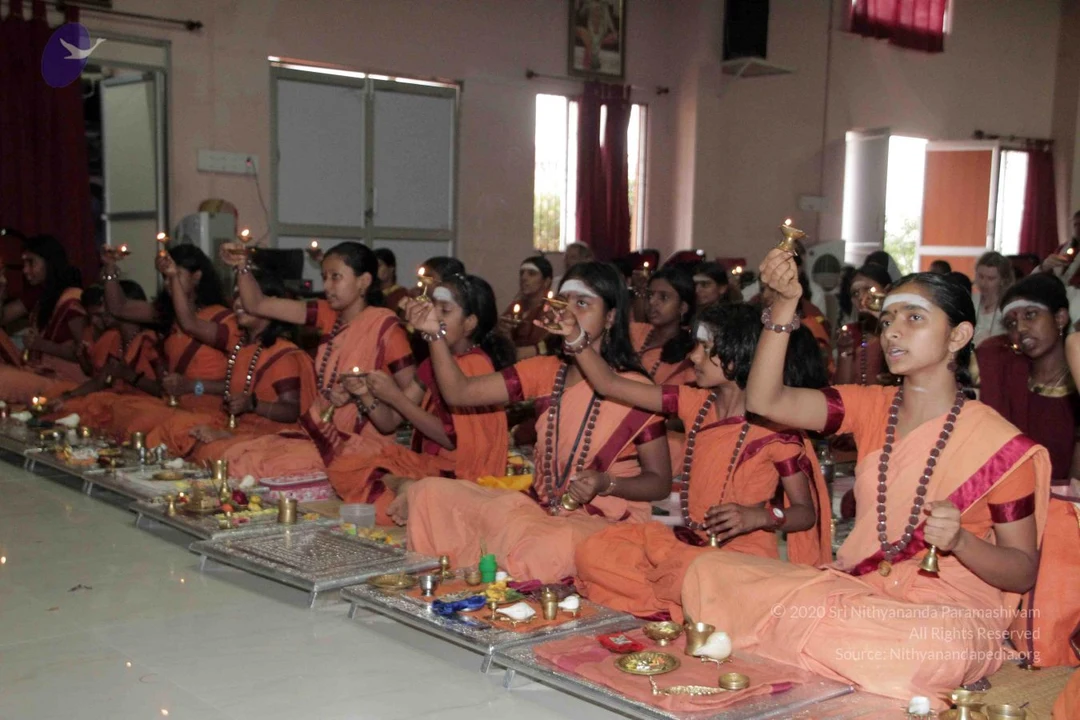
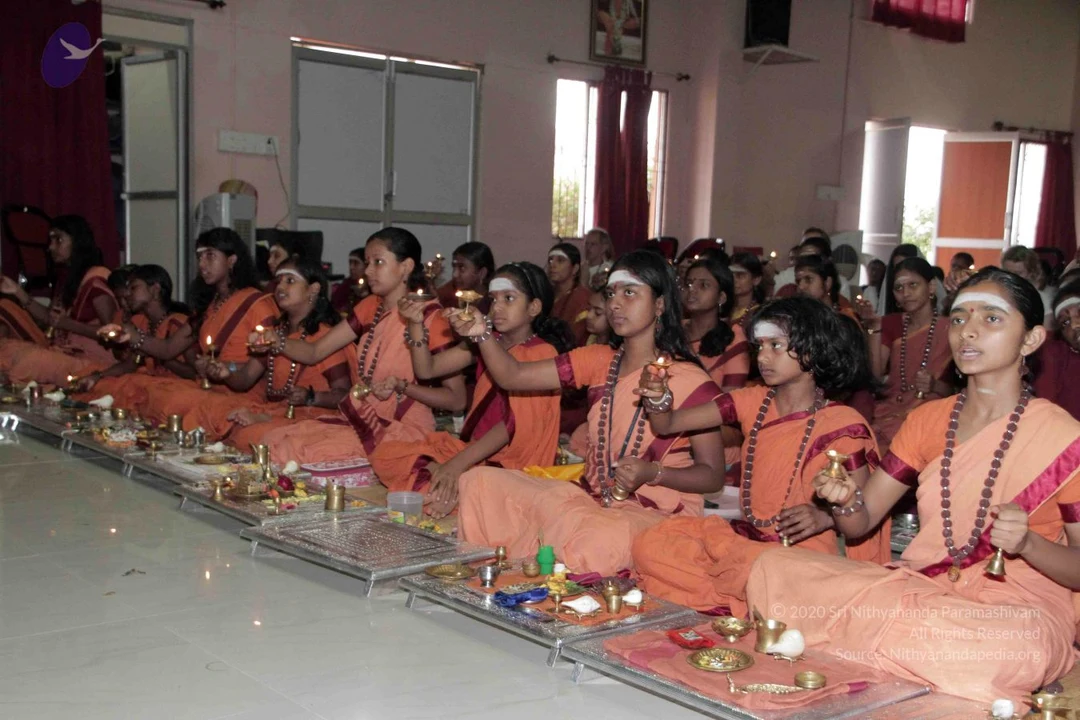
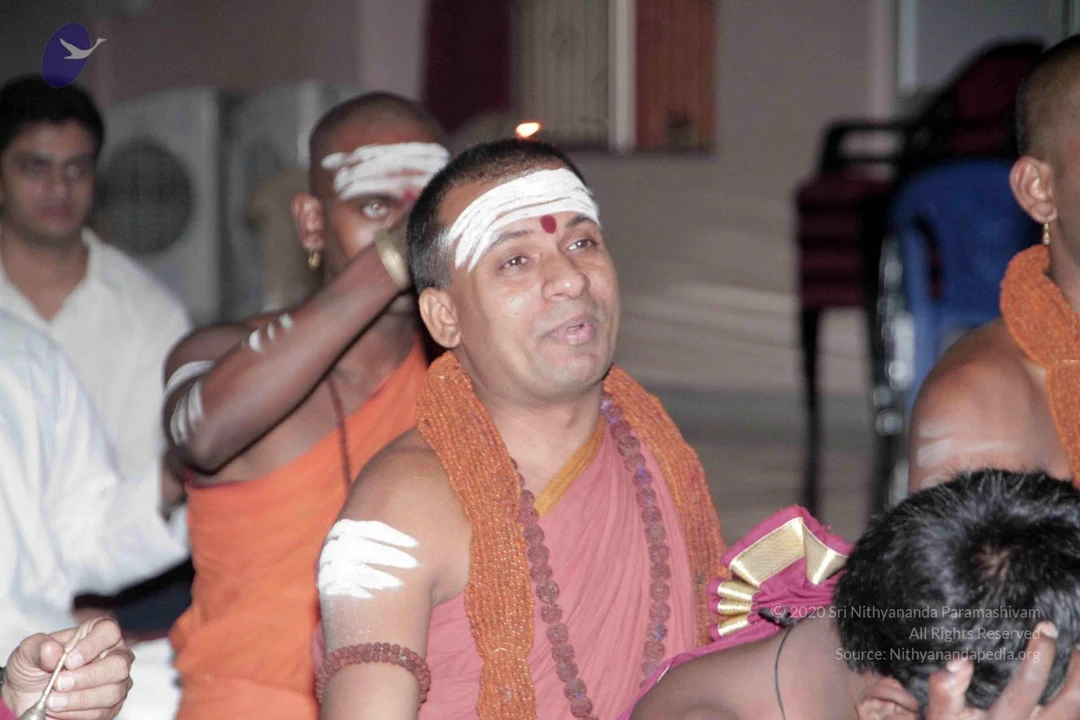
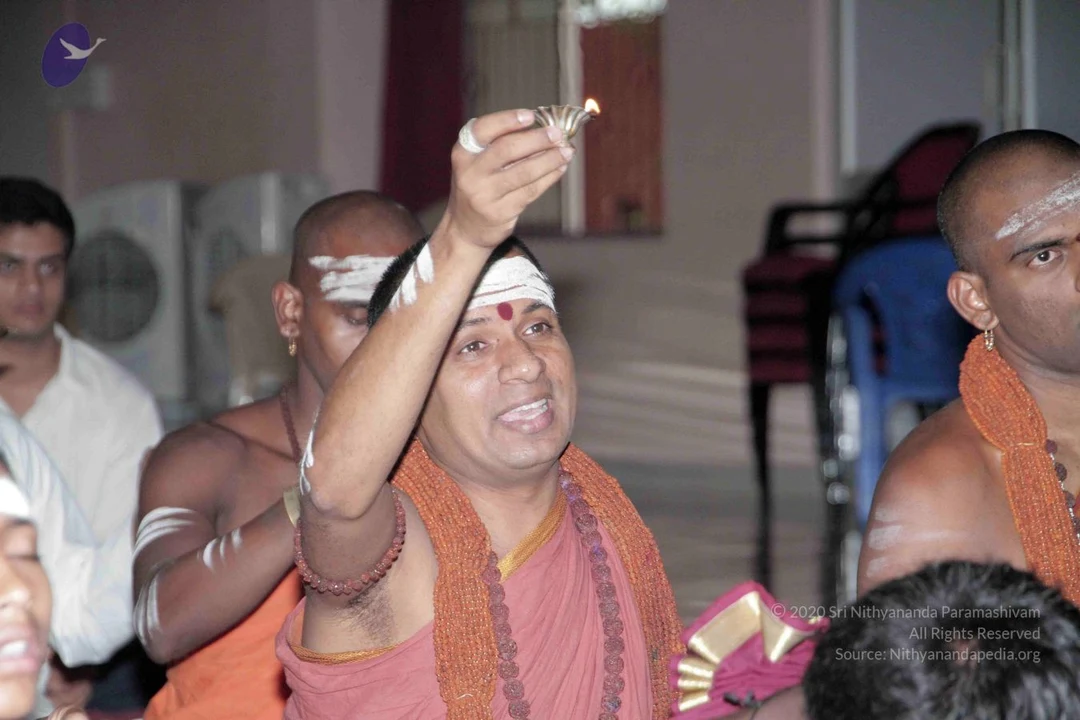
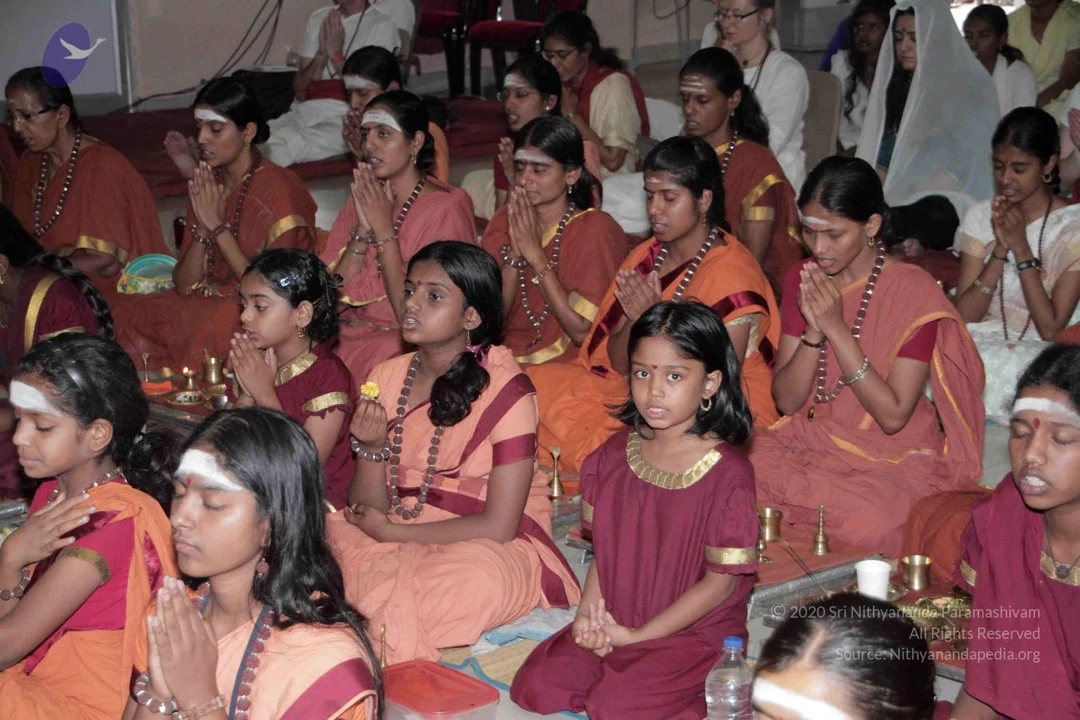
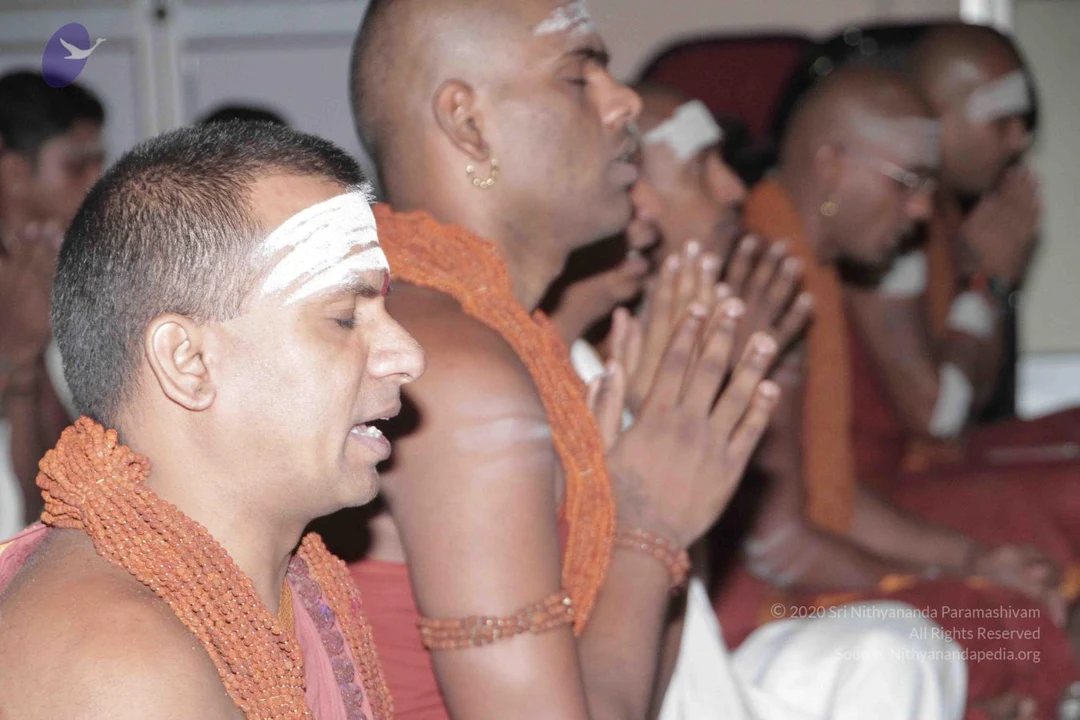


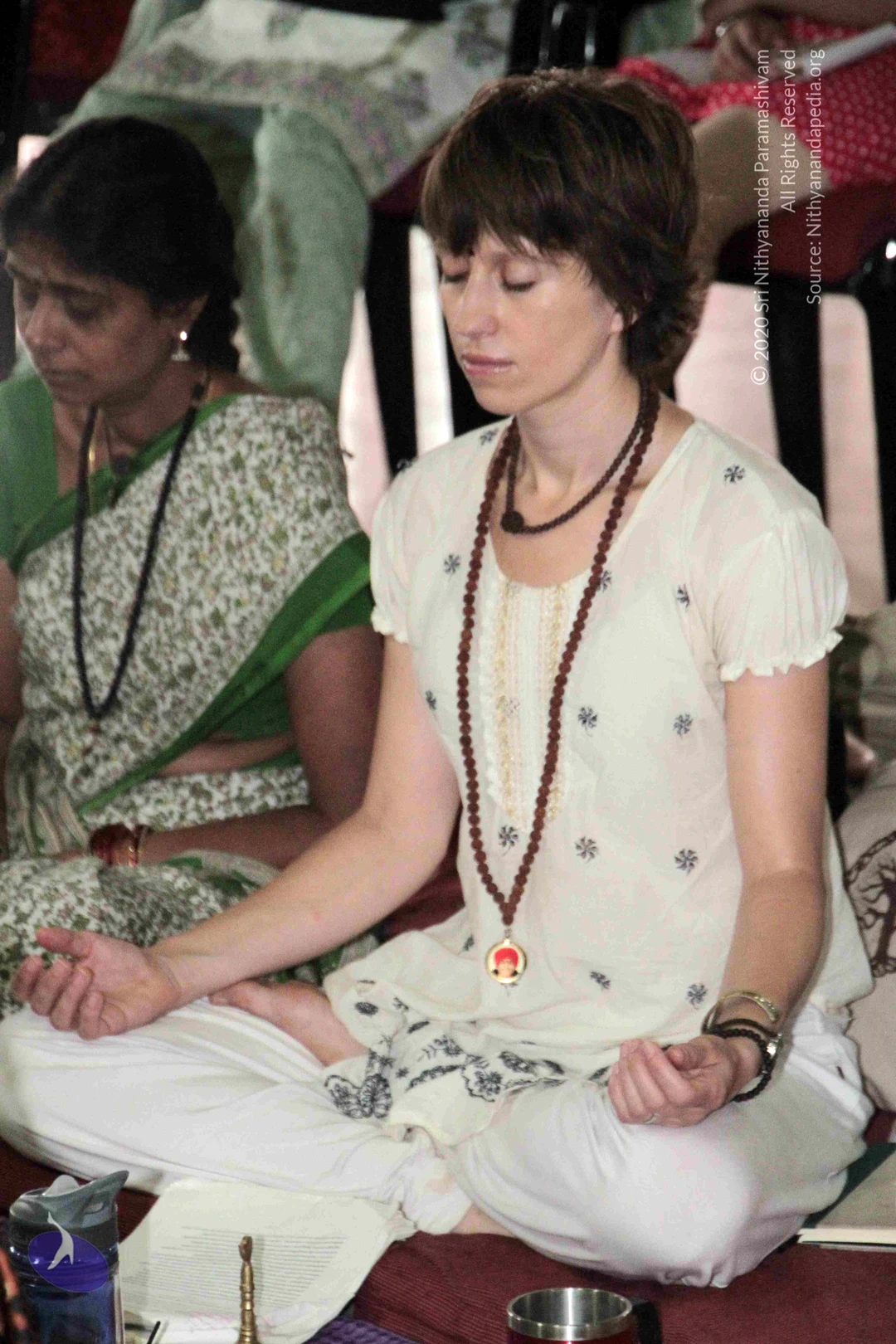
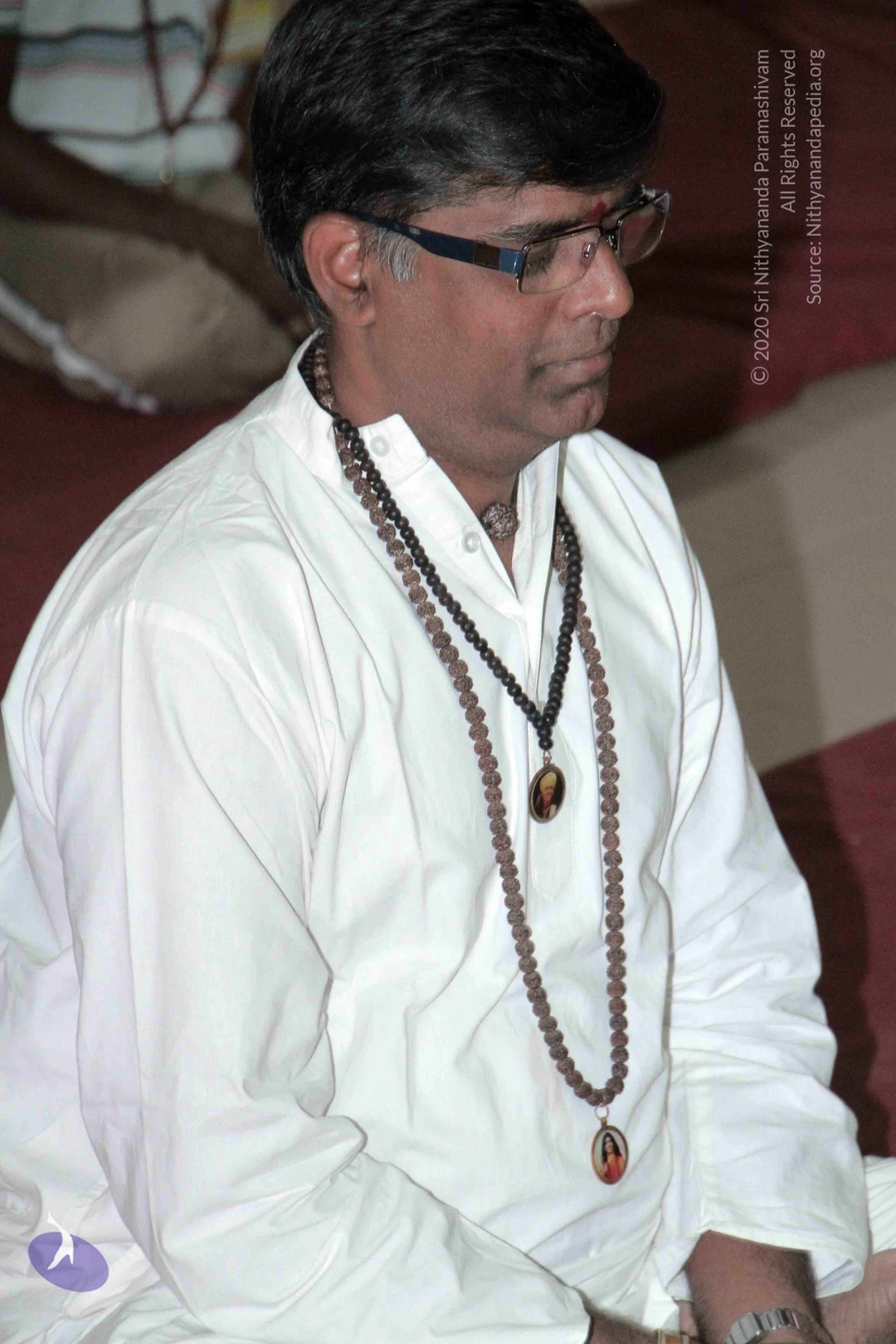
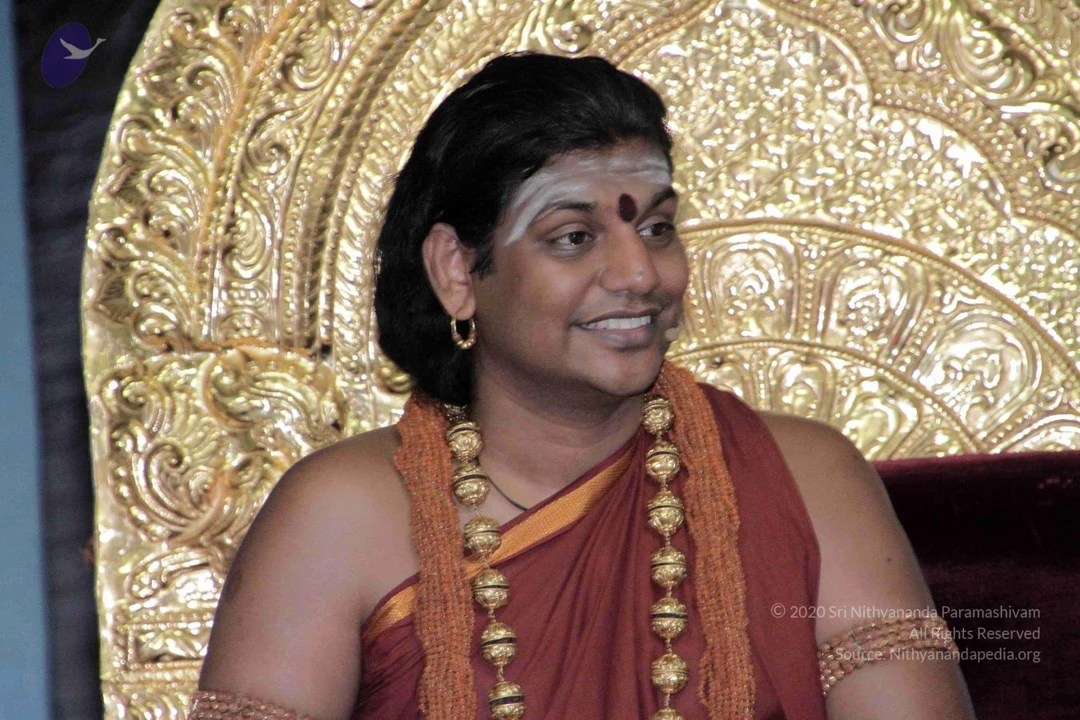
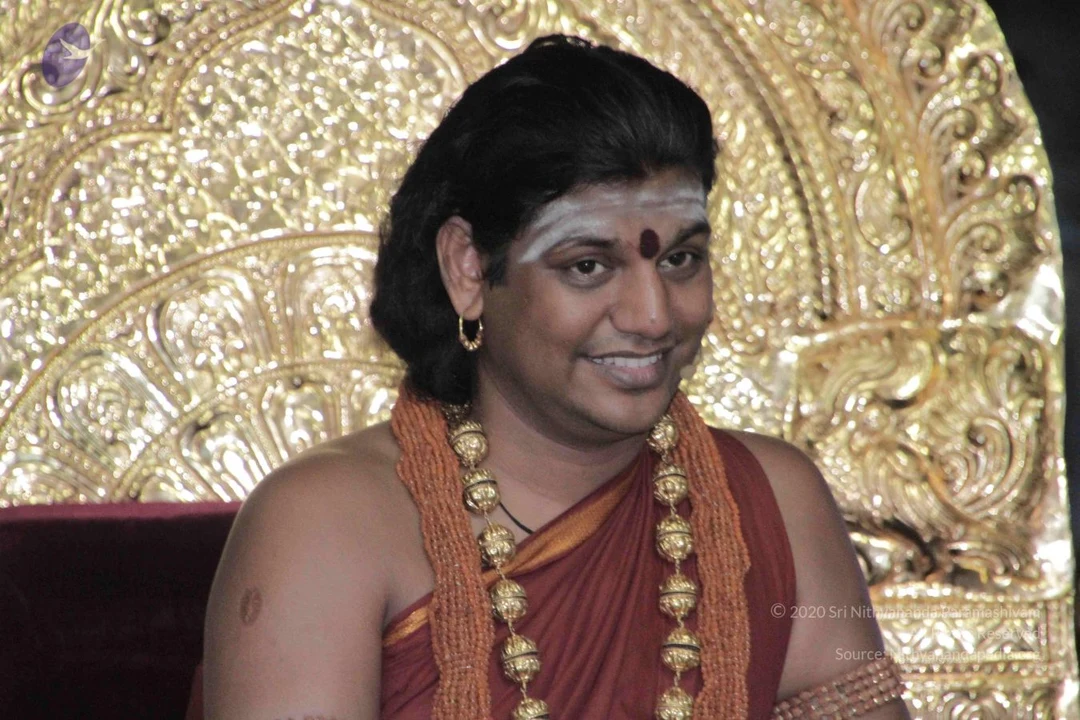
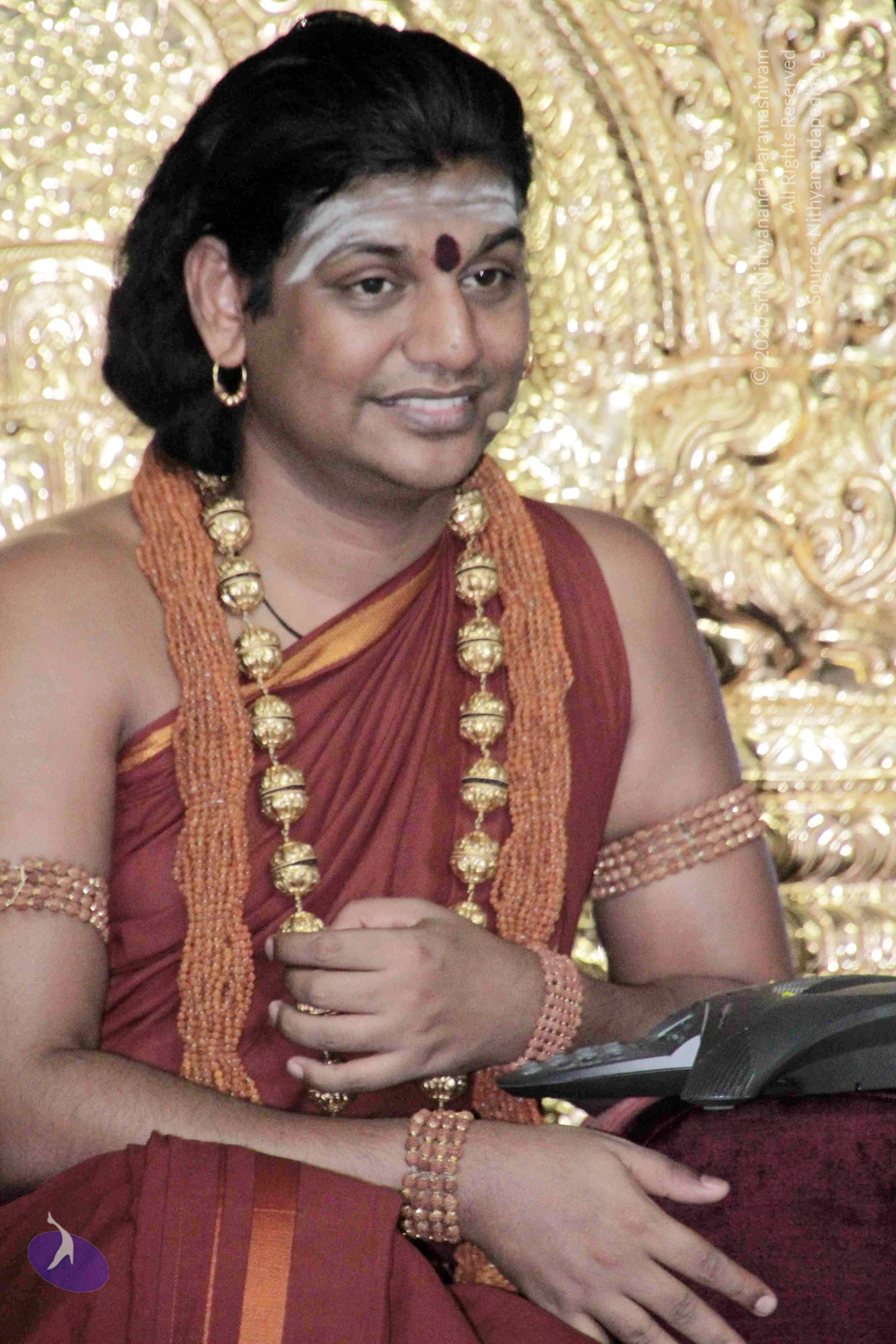
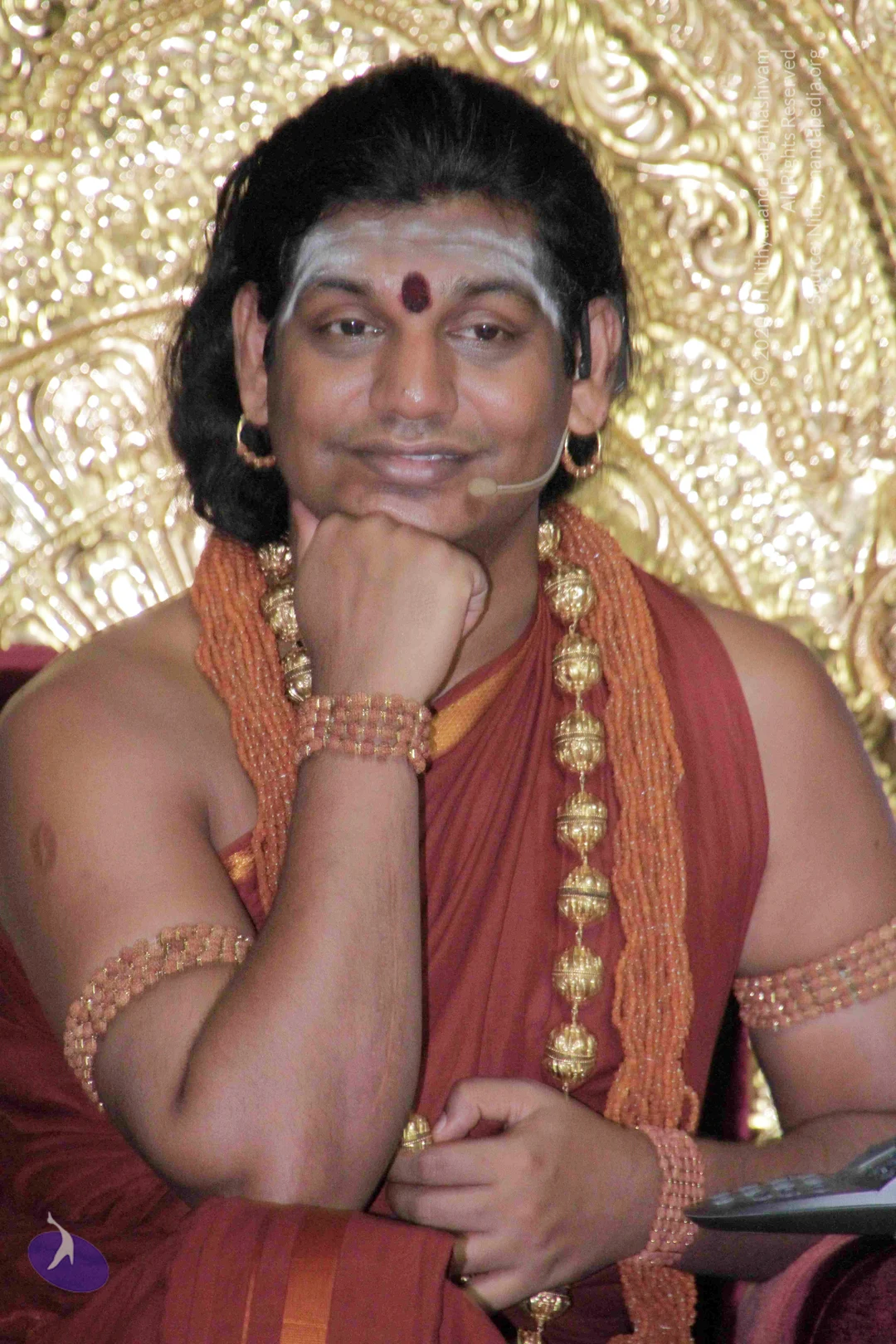
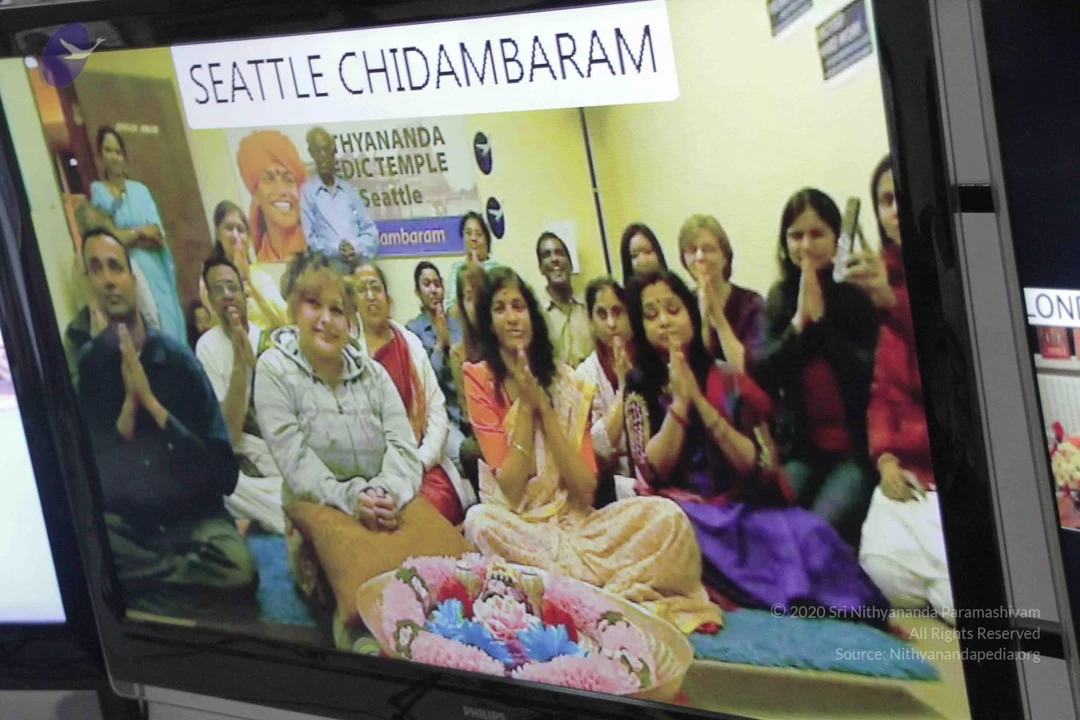
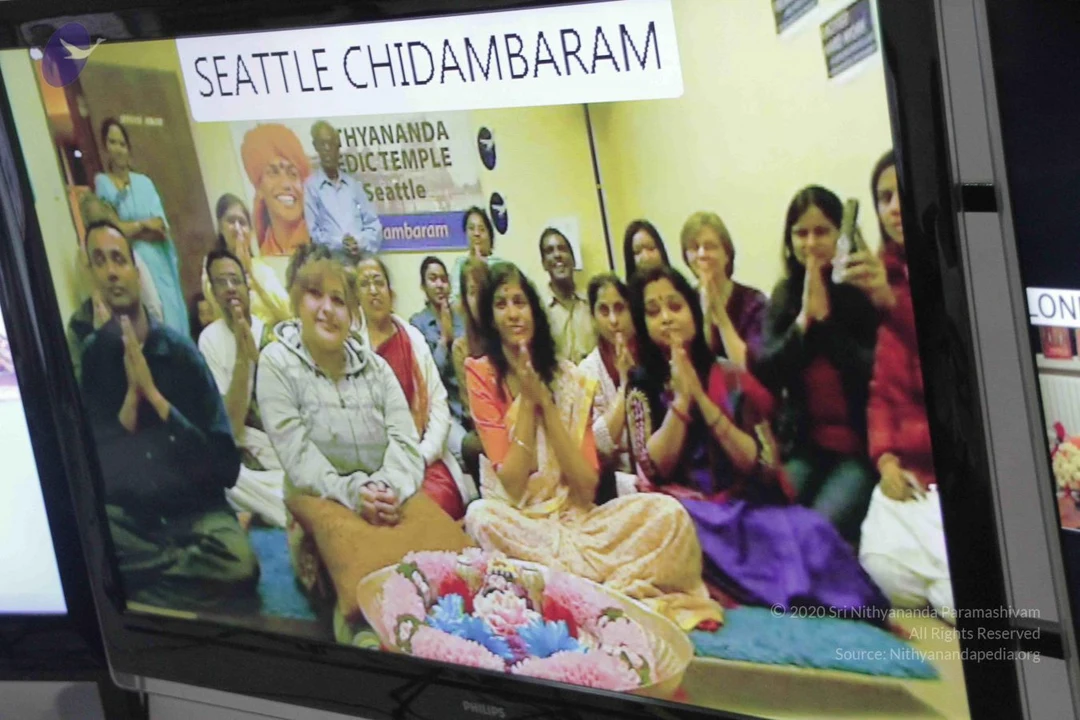
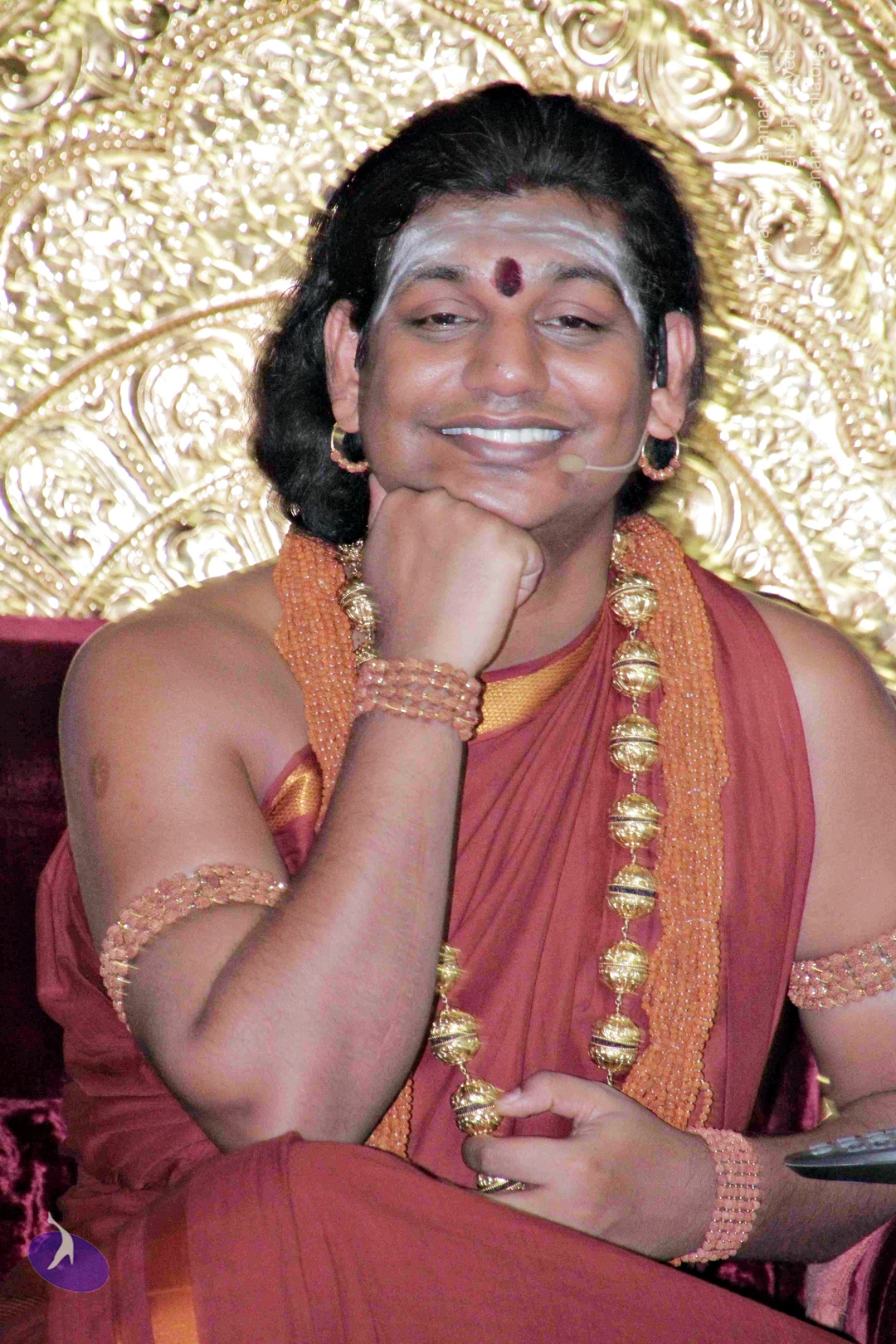
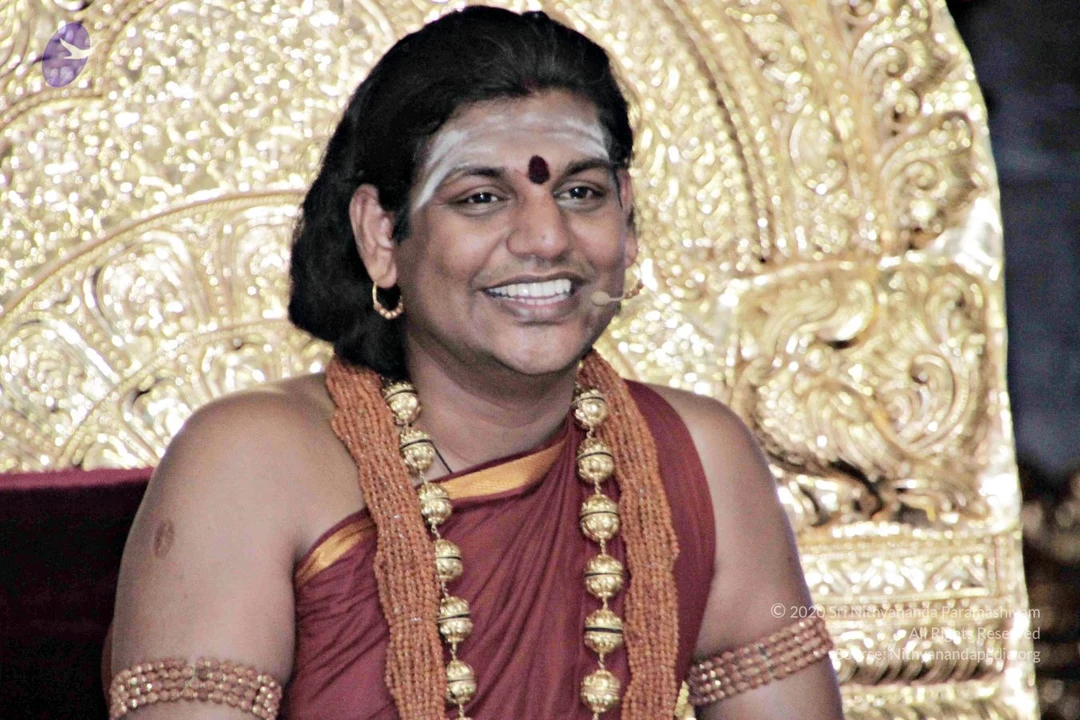

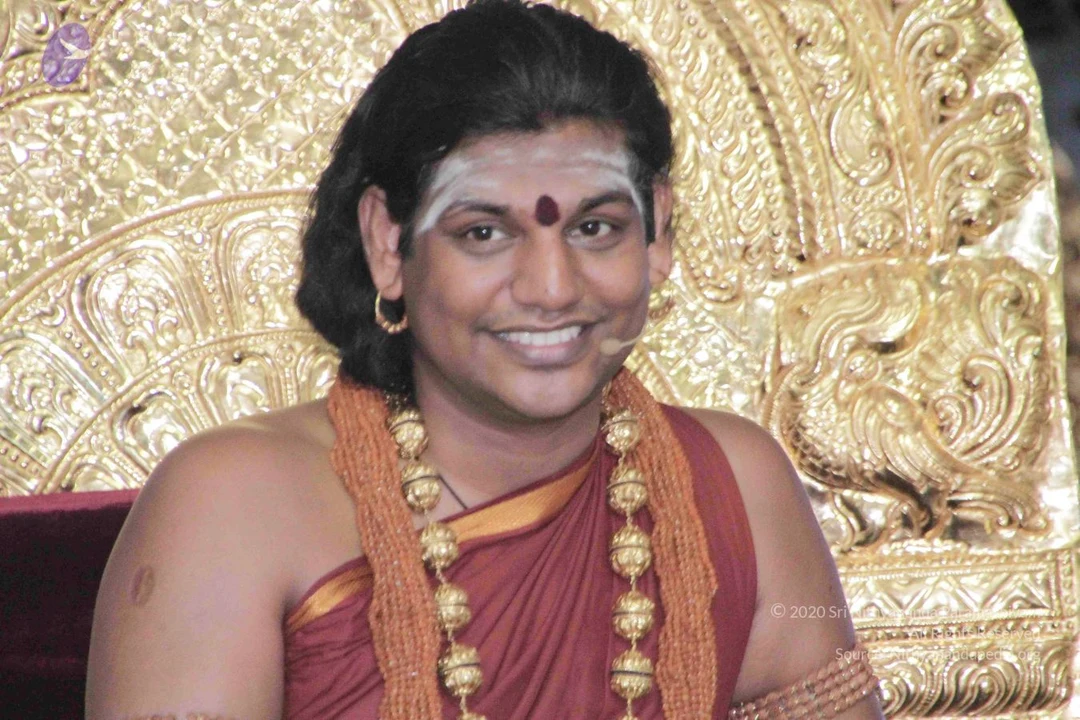
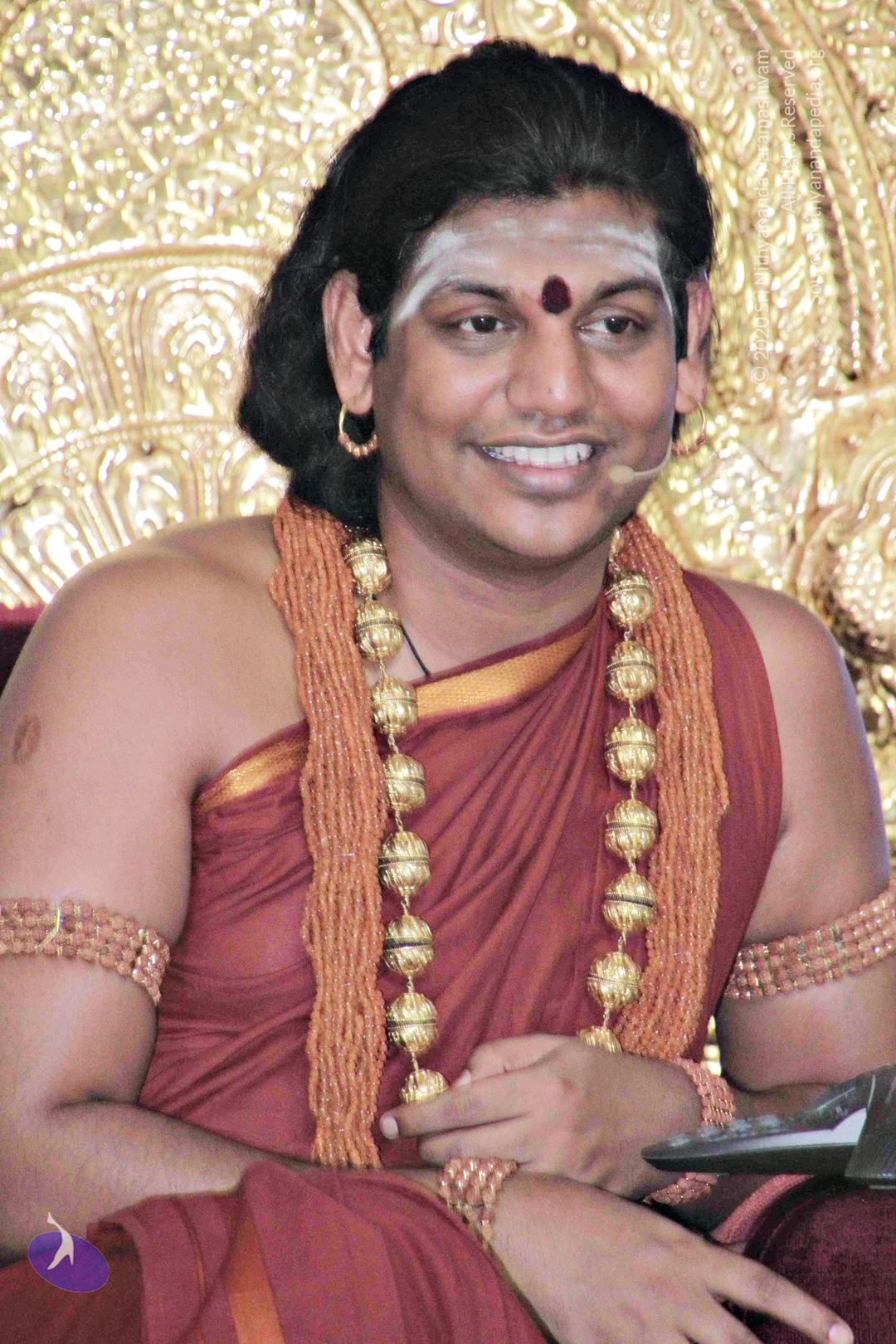
NithyaSatsang
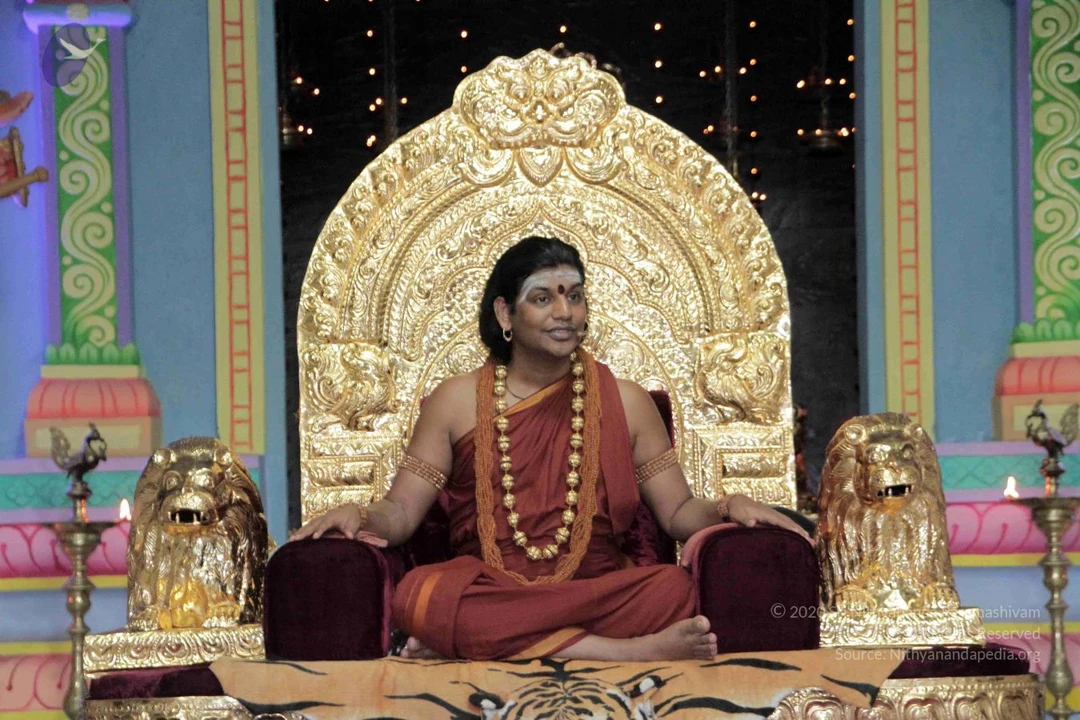
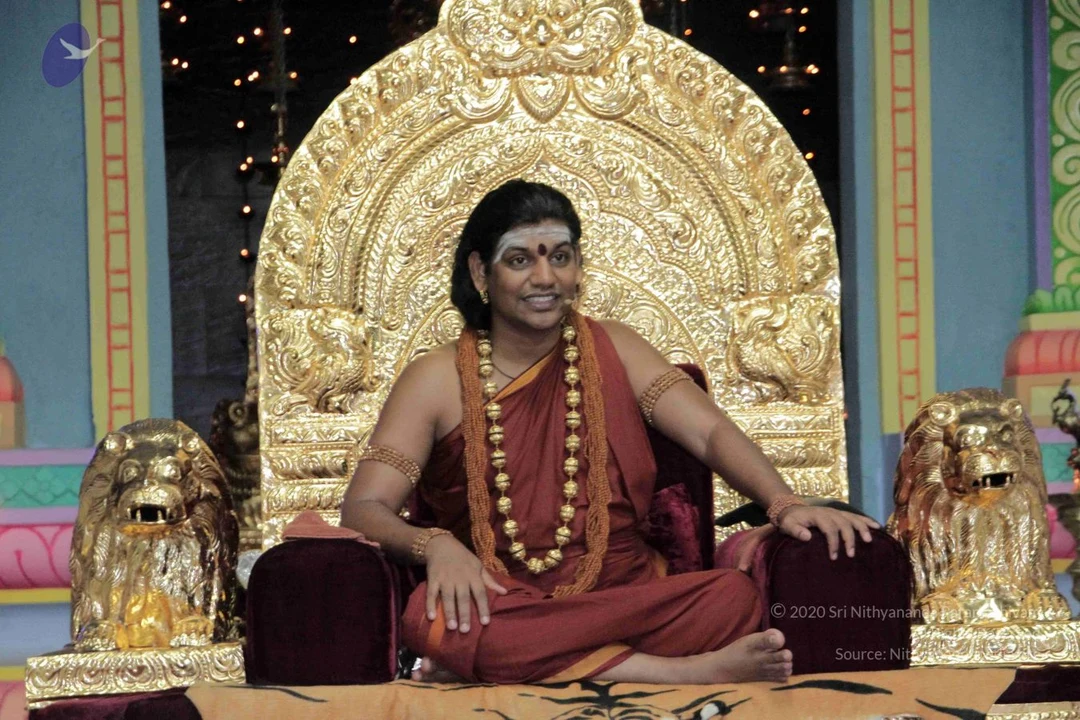
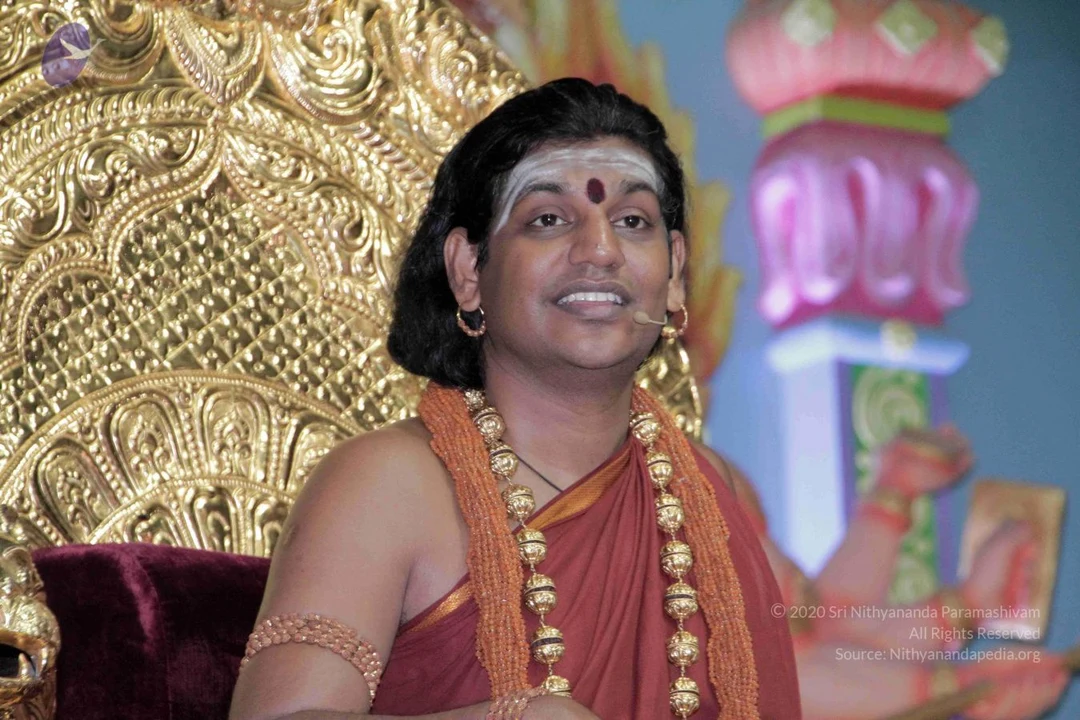
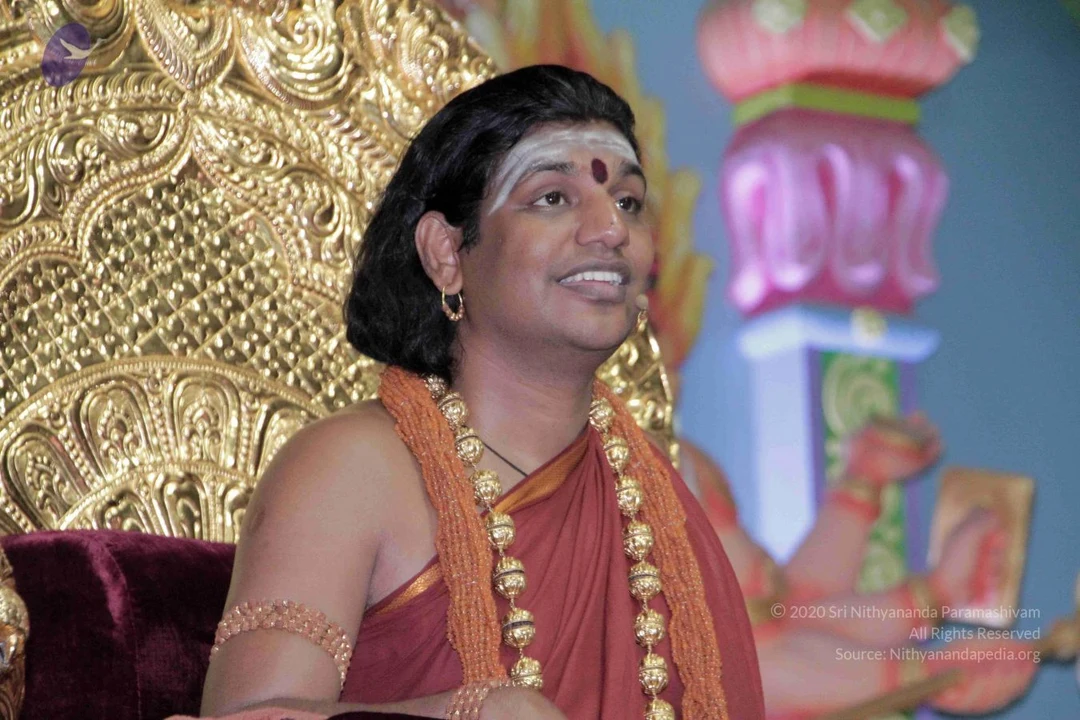

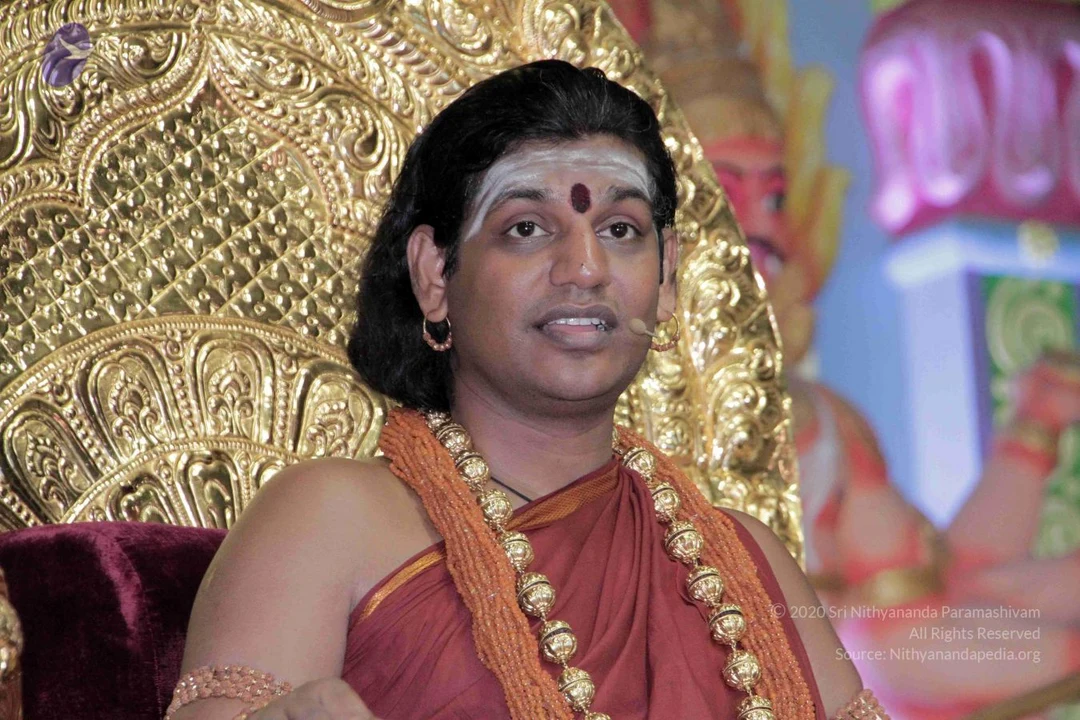
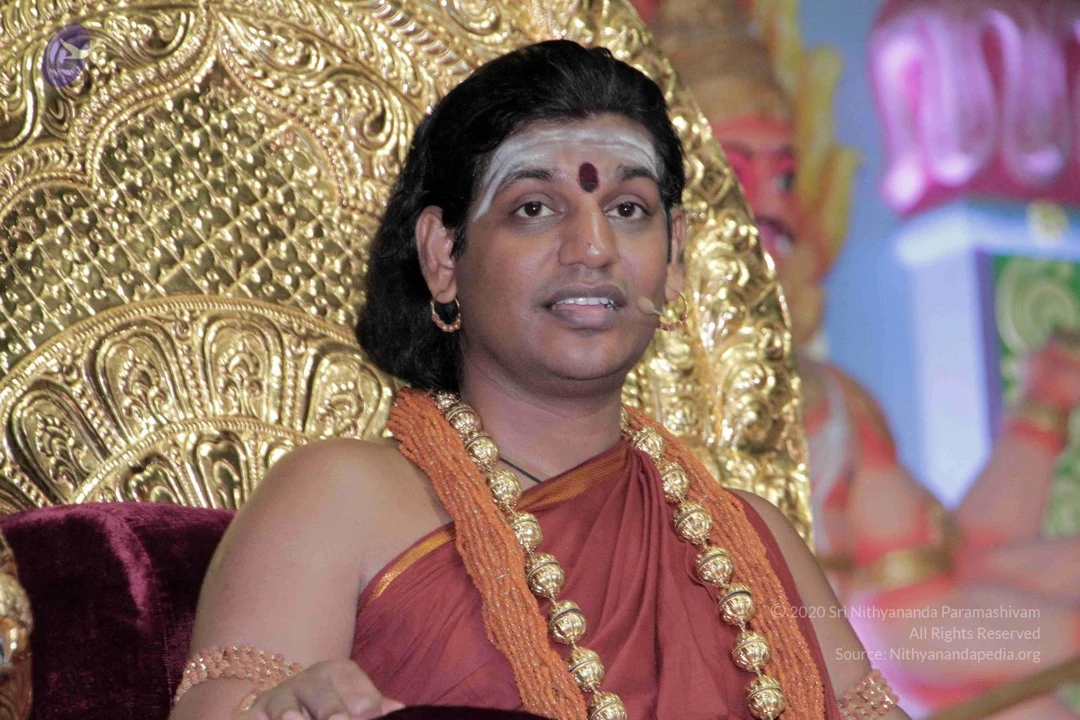
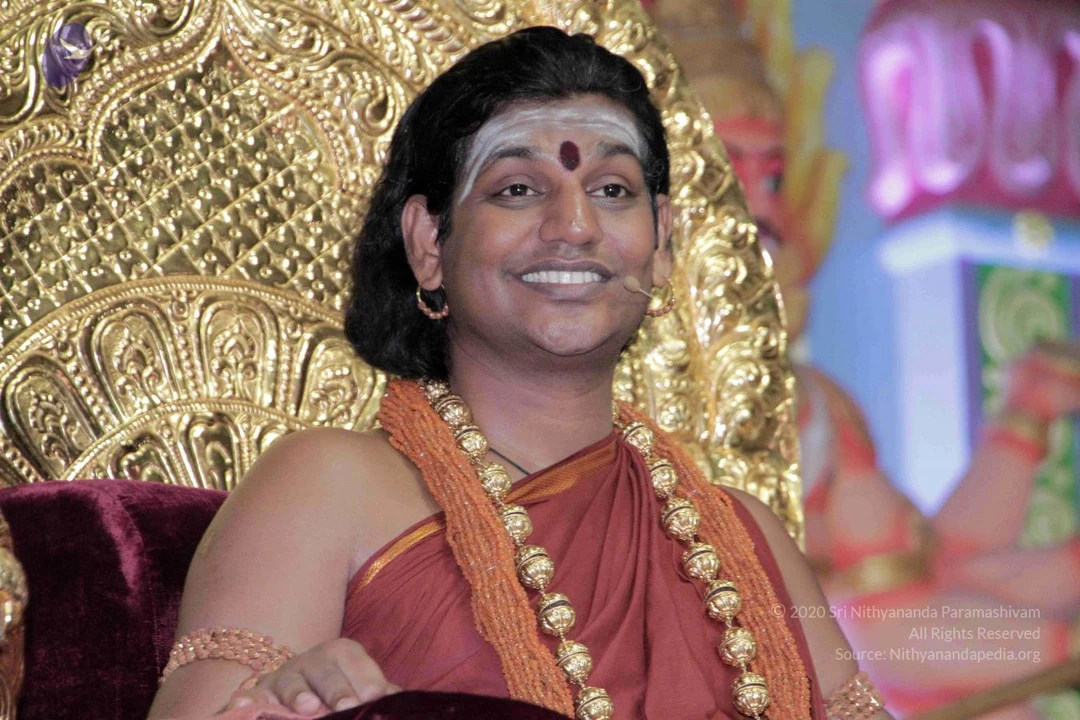
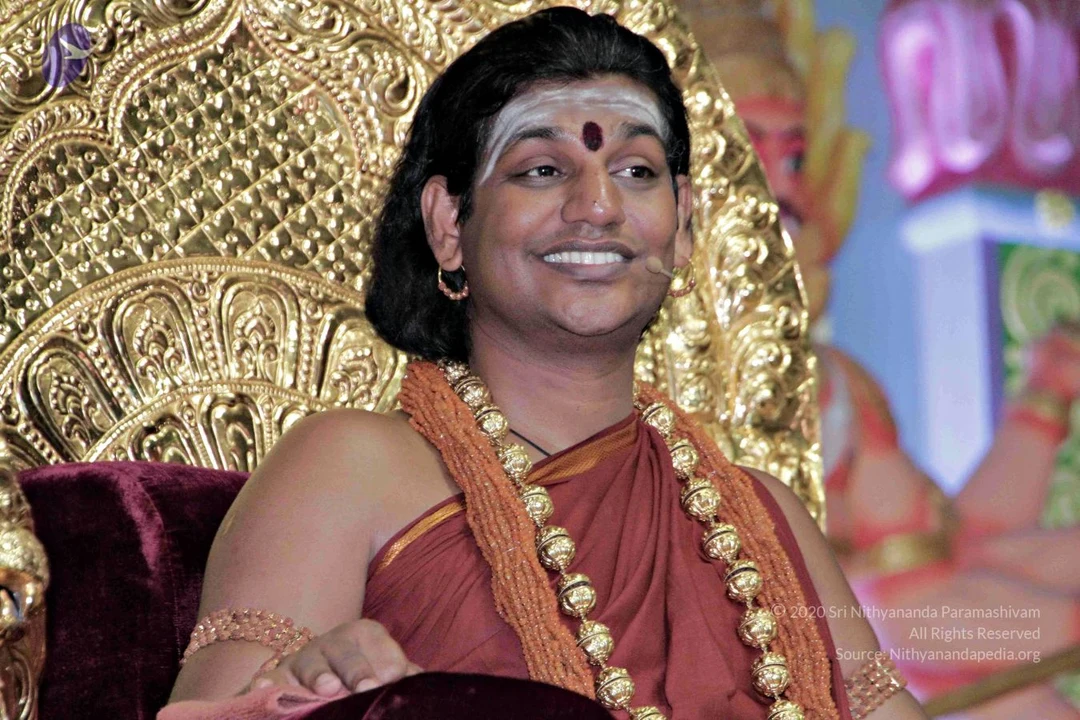
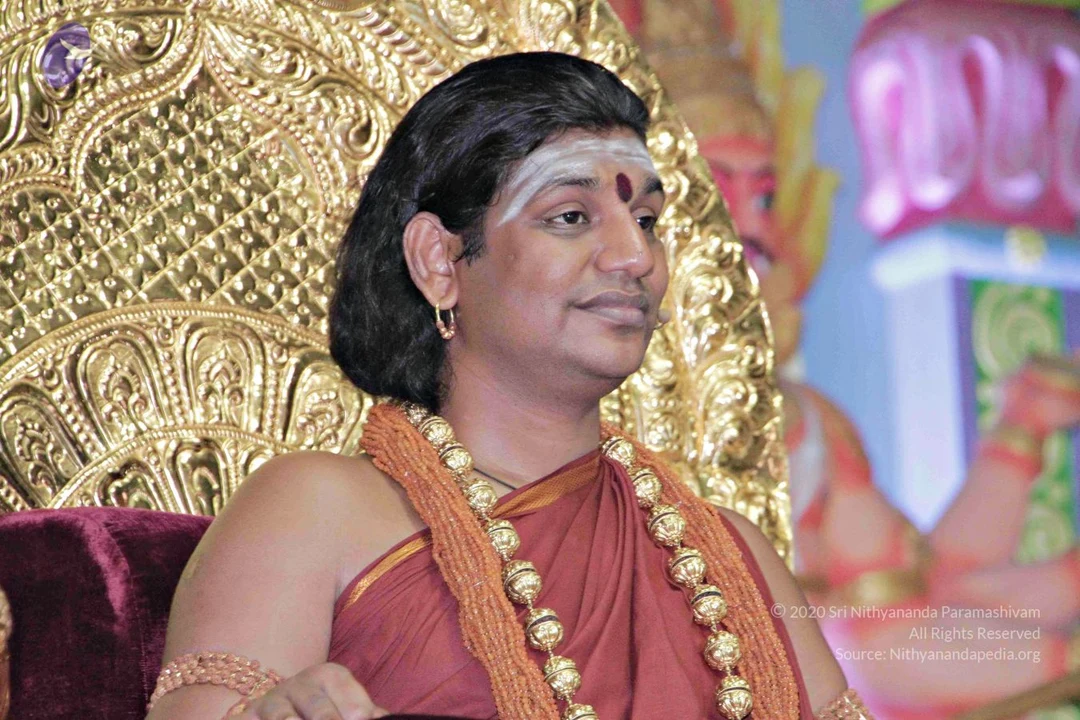
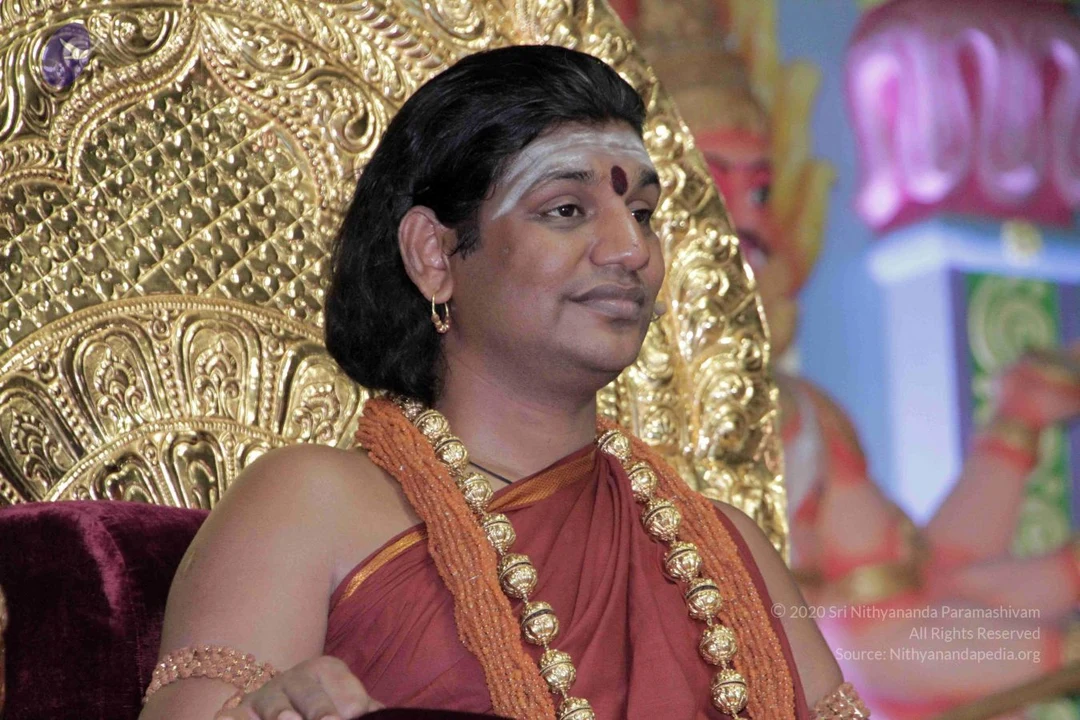
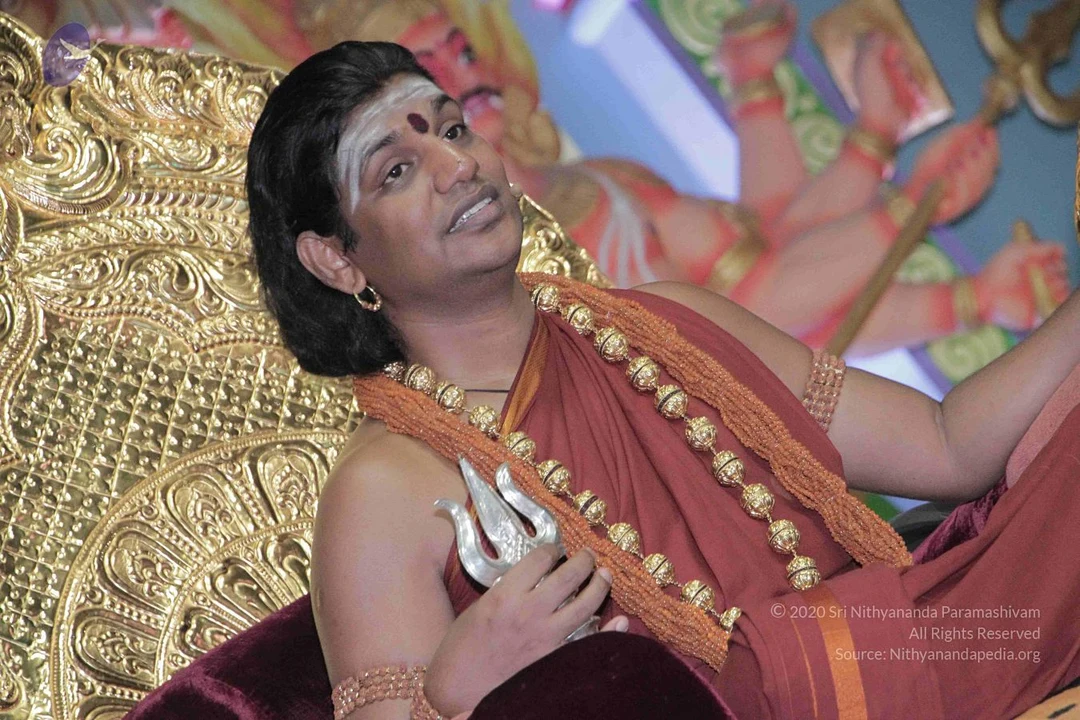
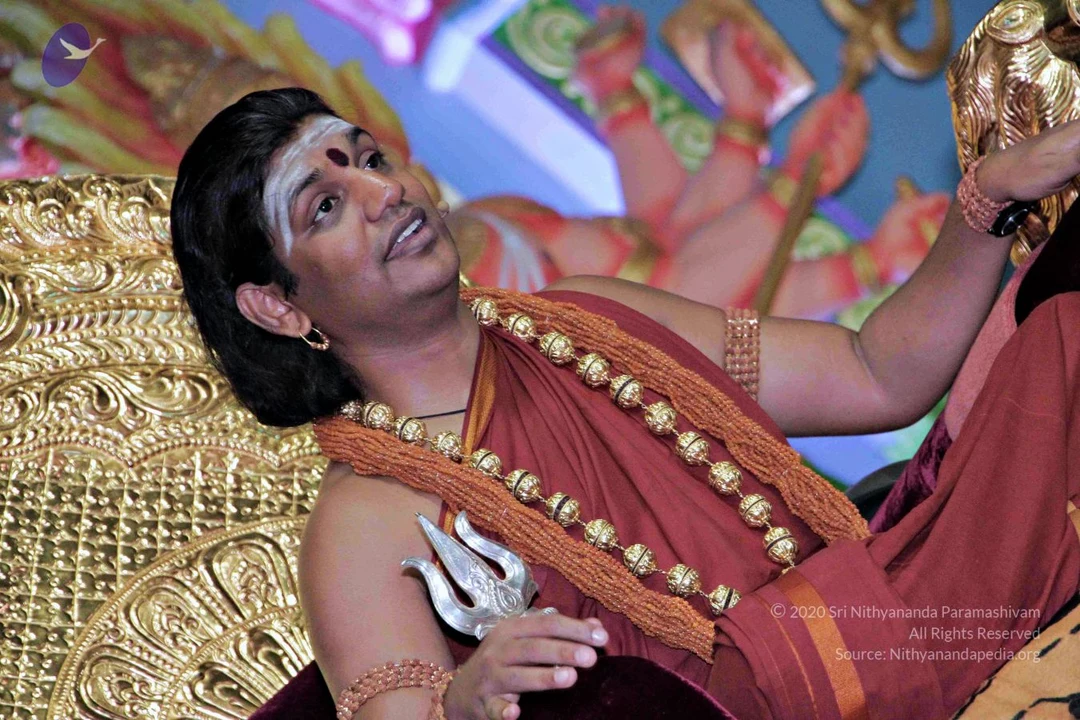
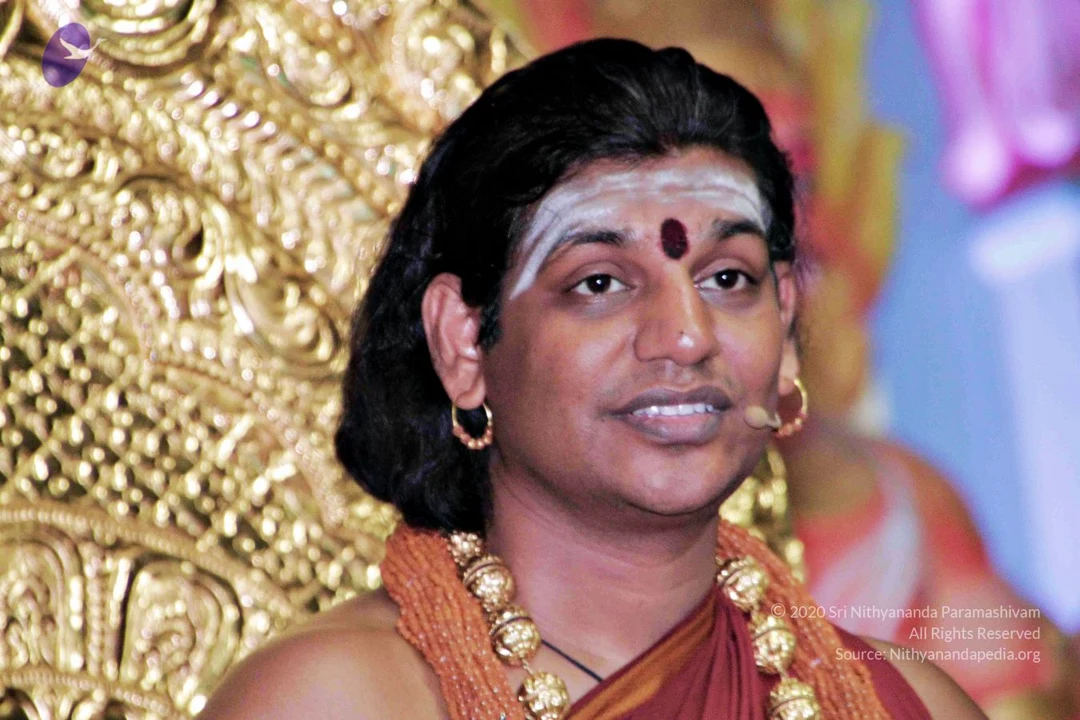
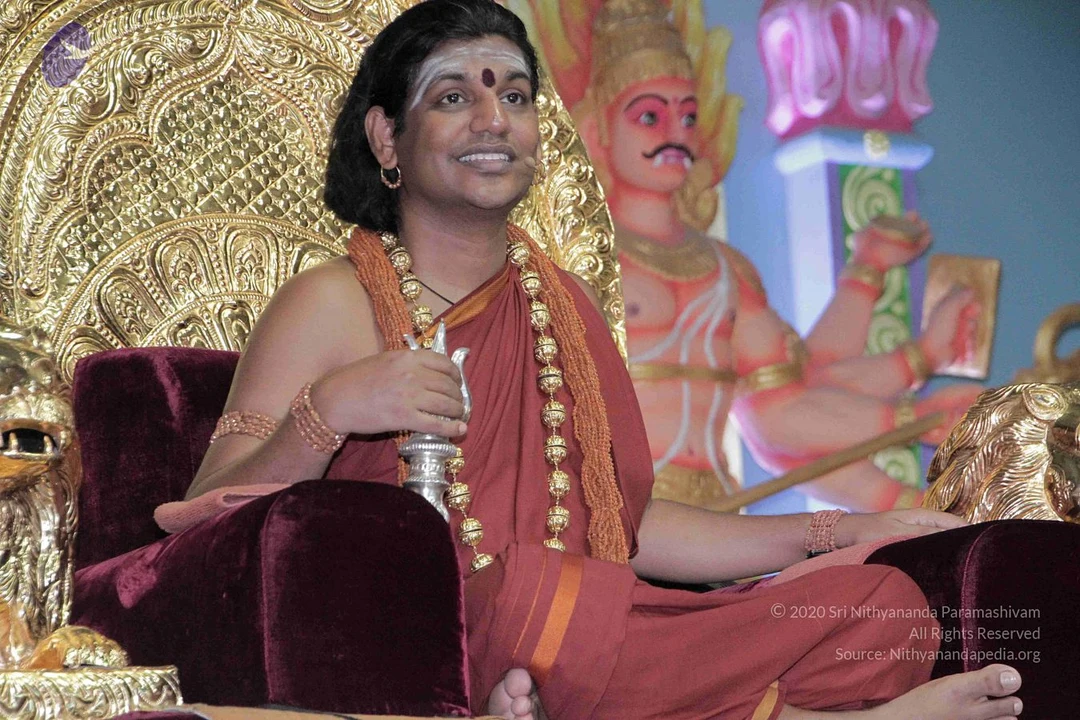
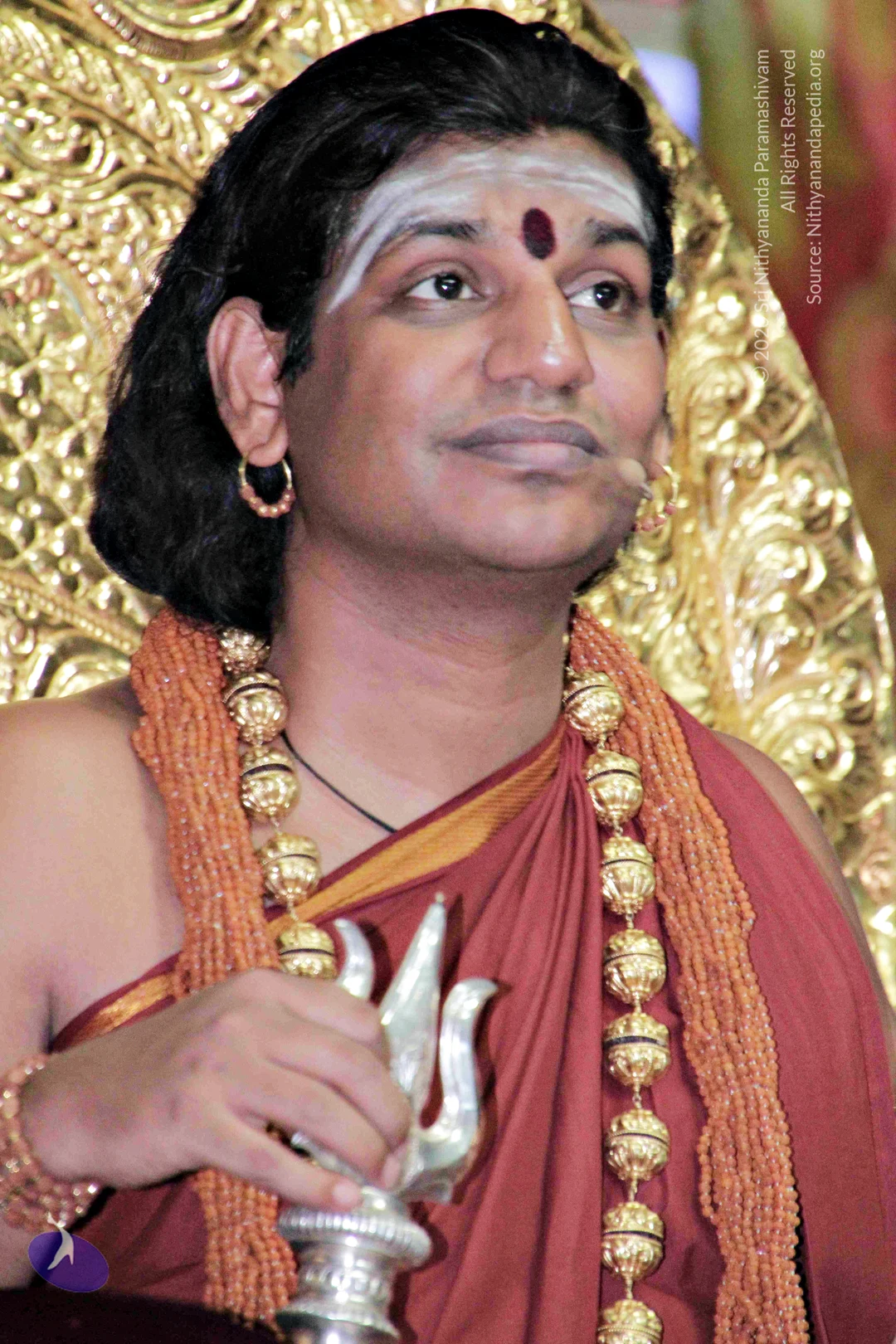
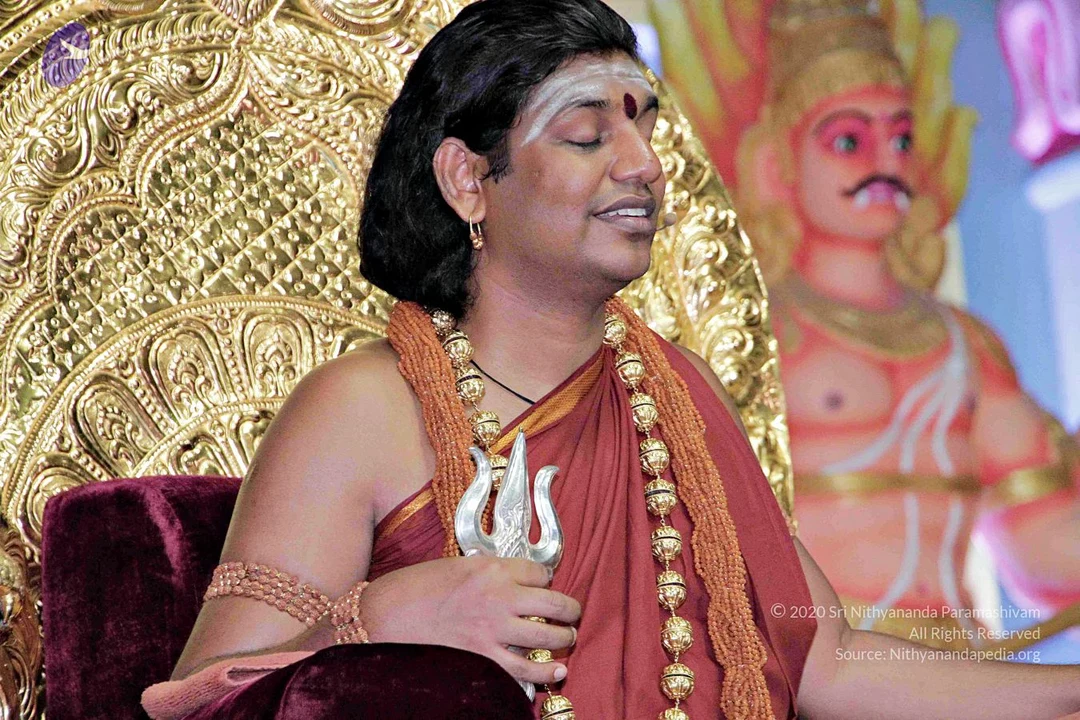
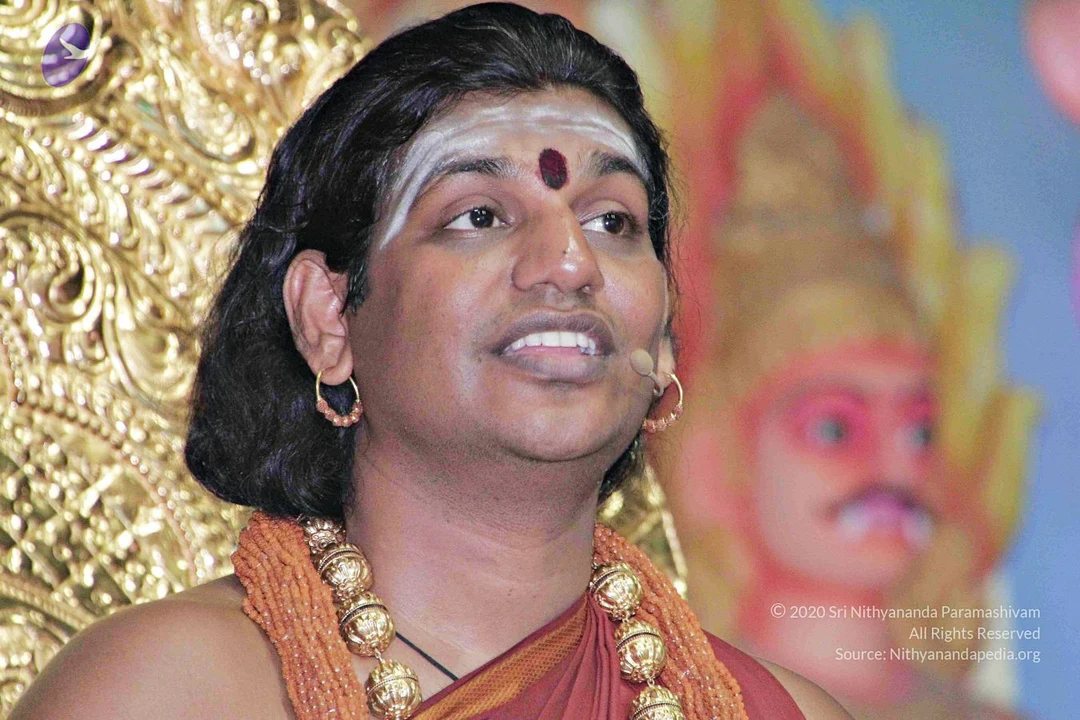
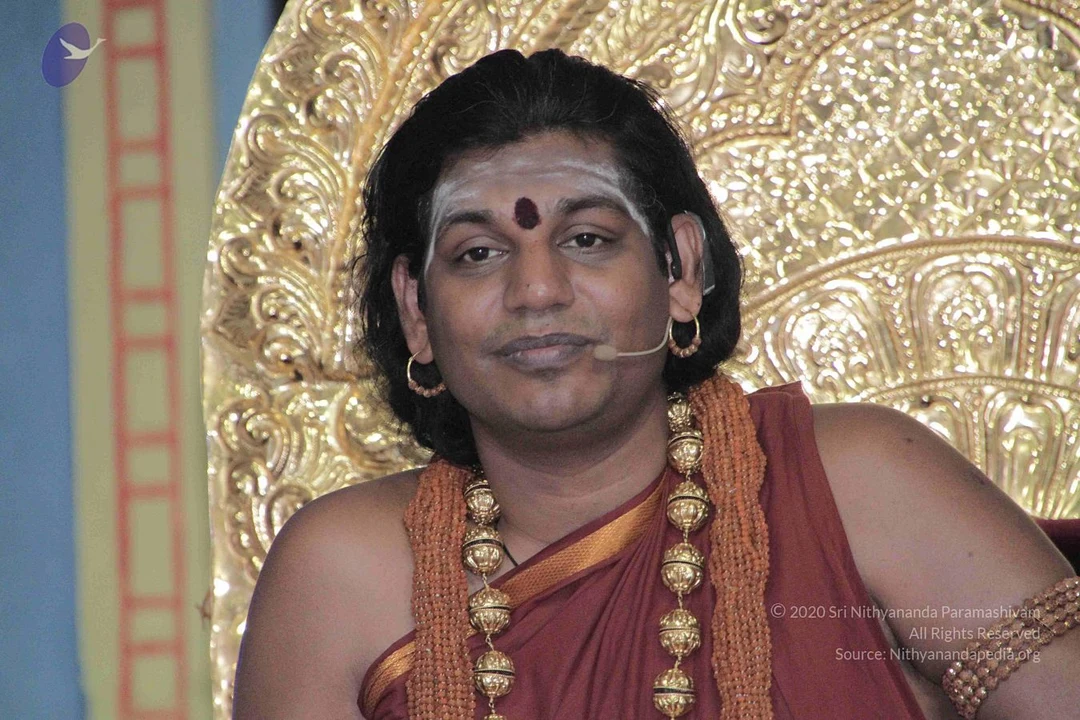
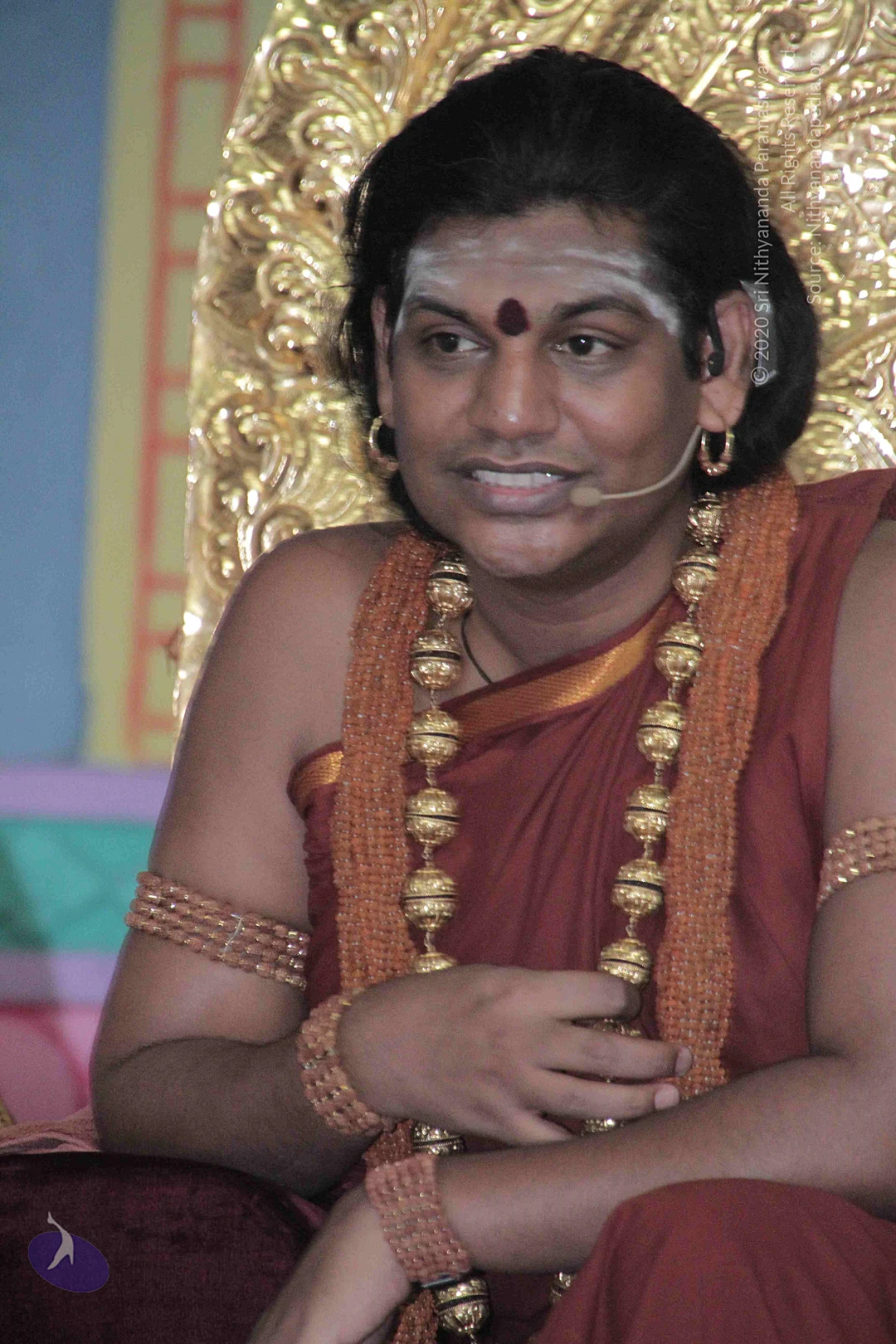

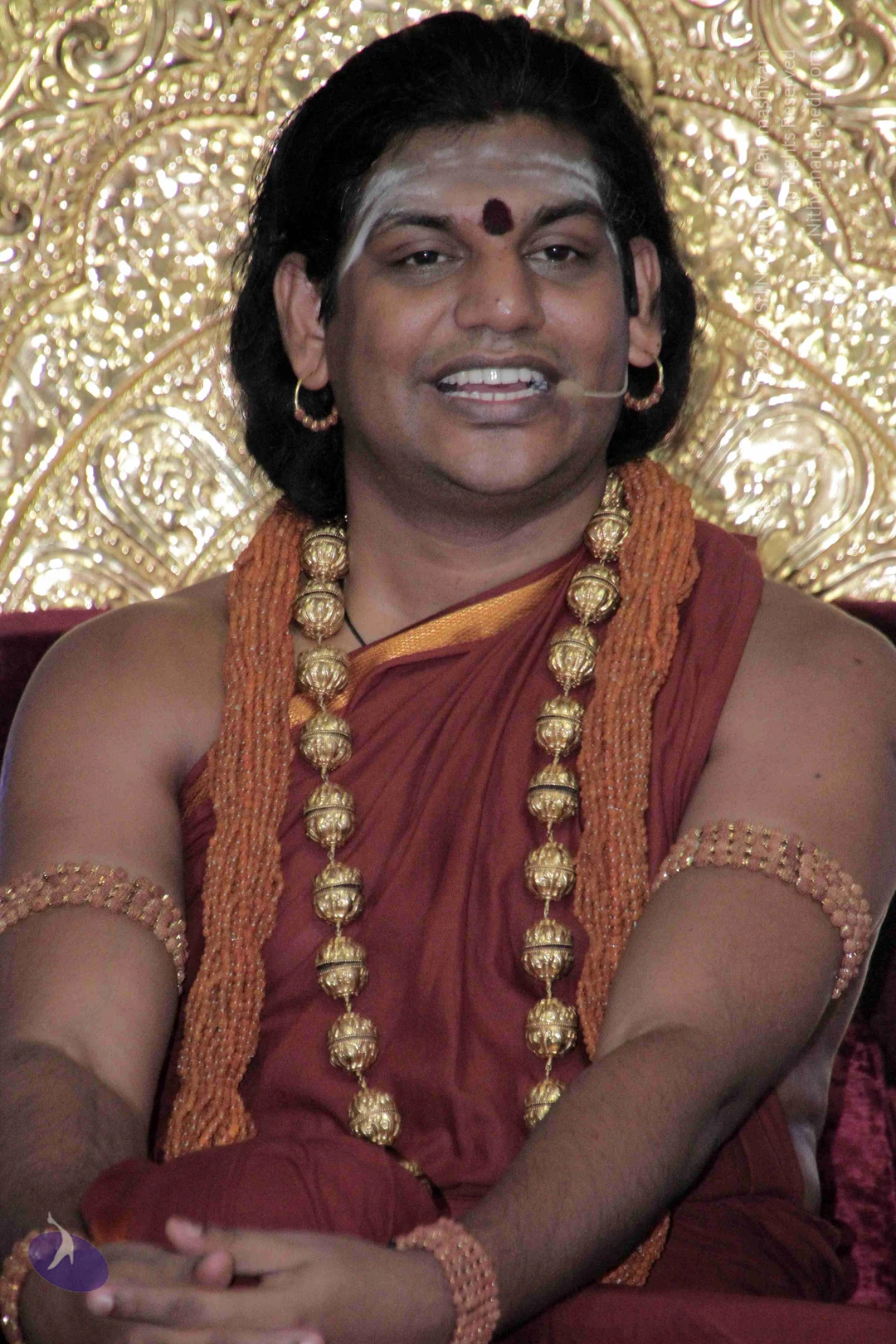
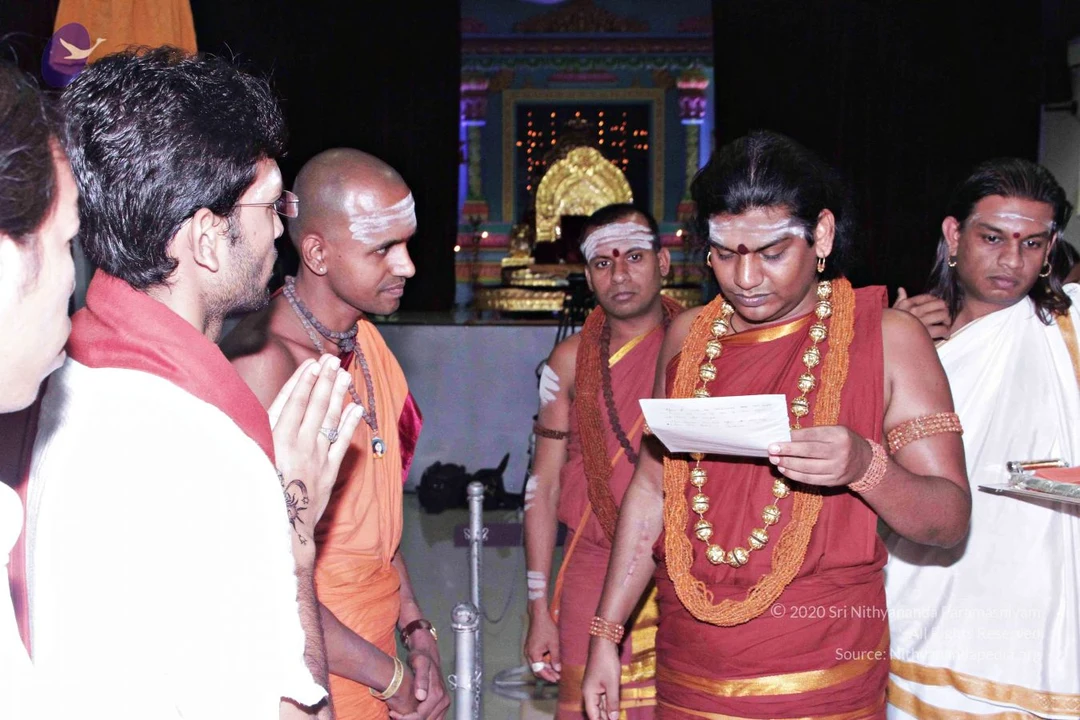
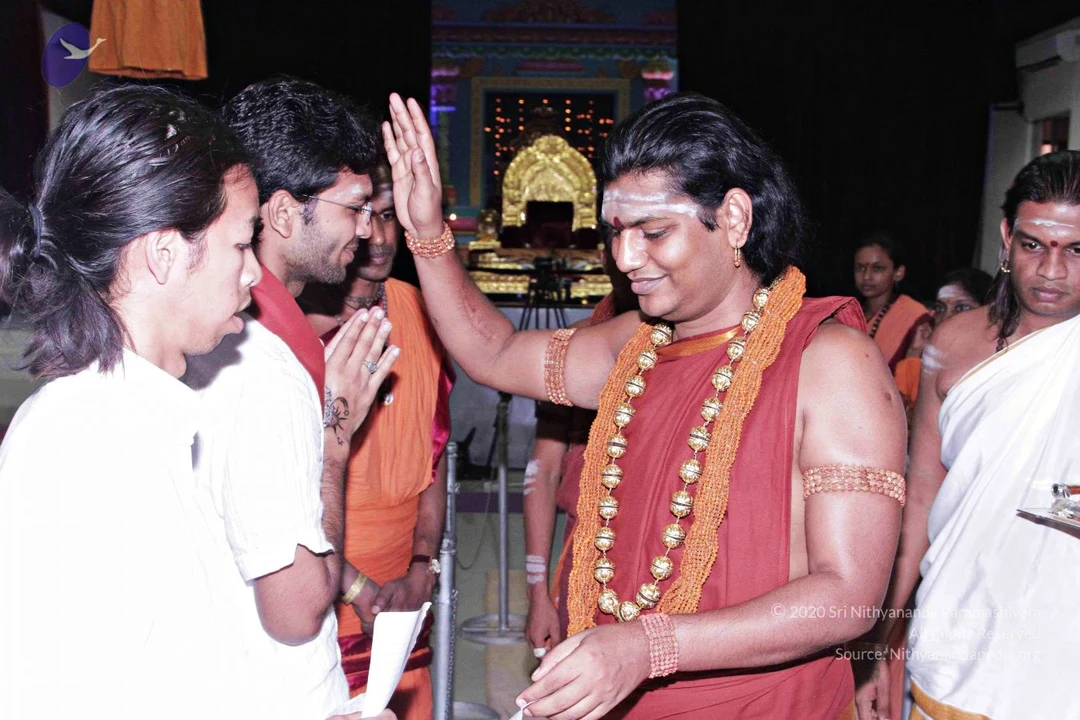
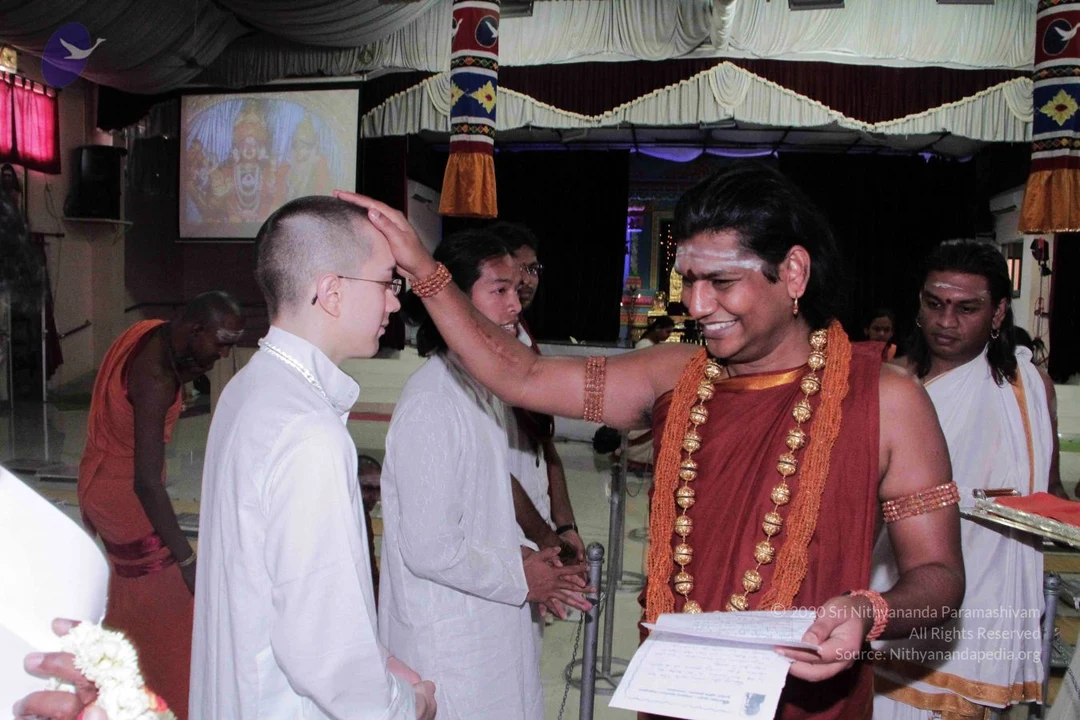
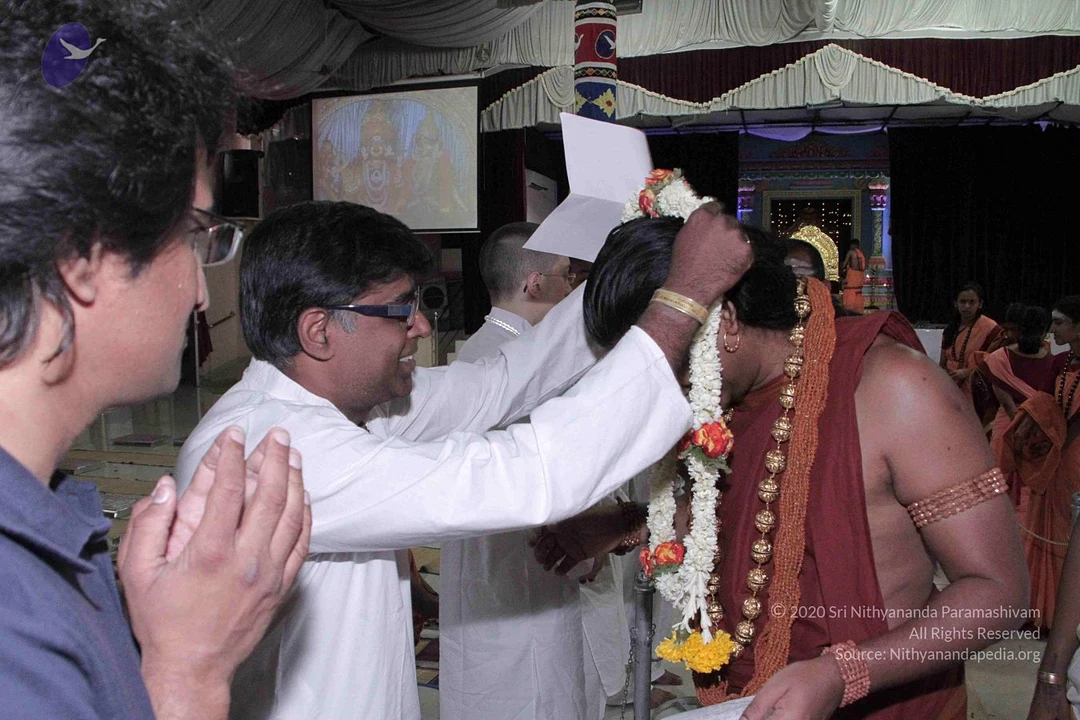
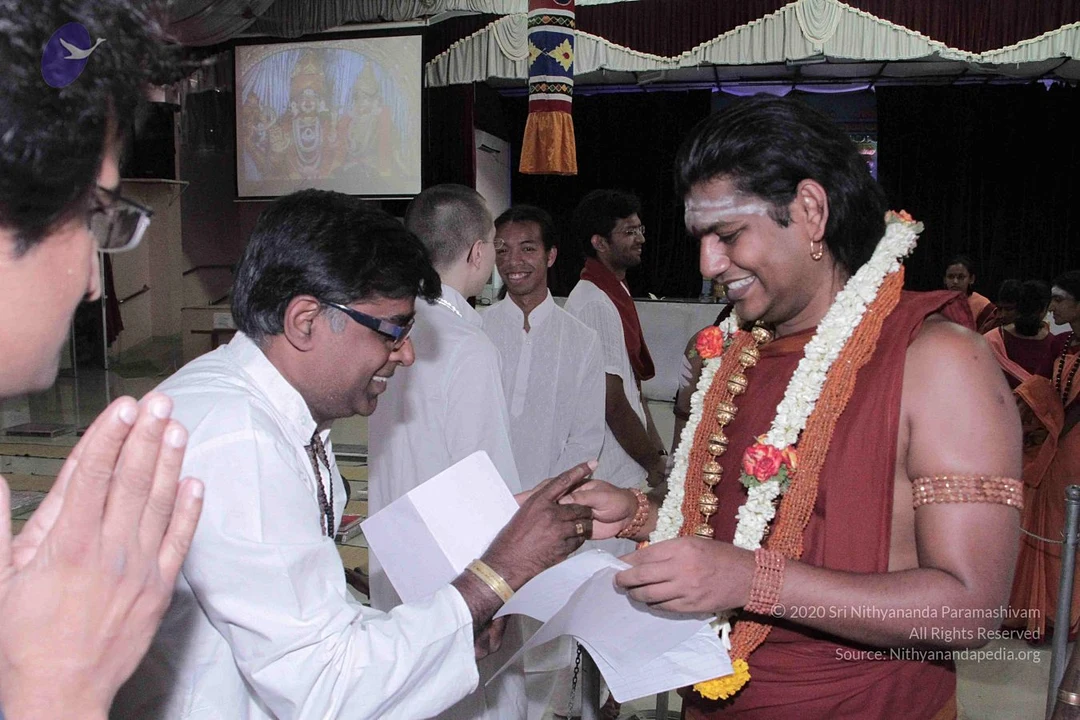
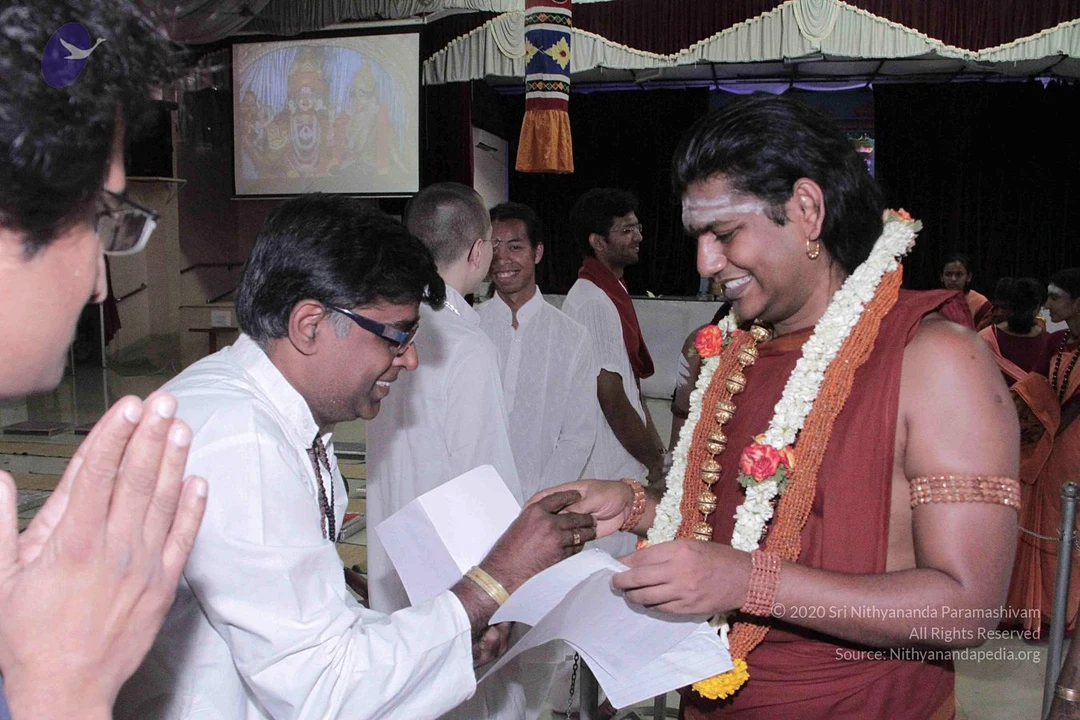
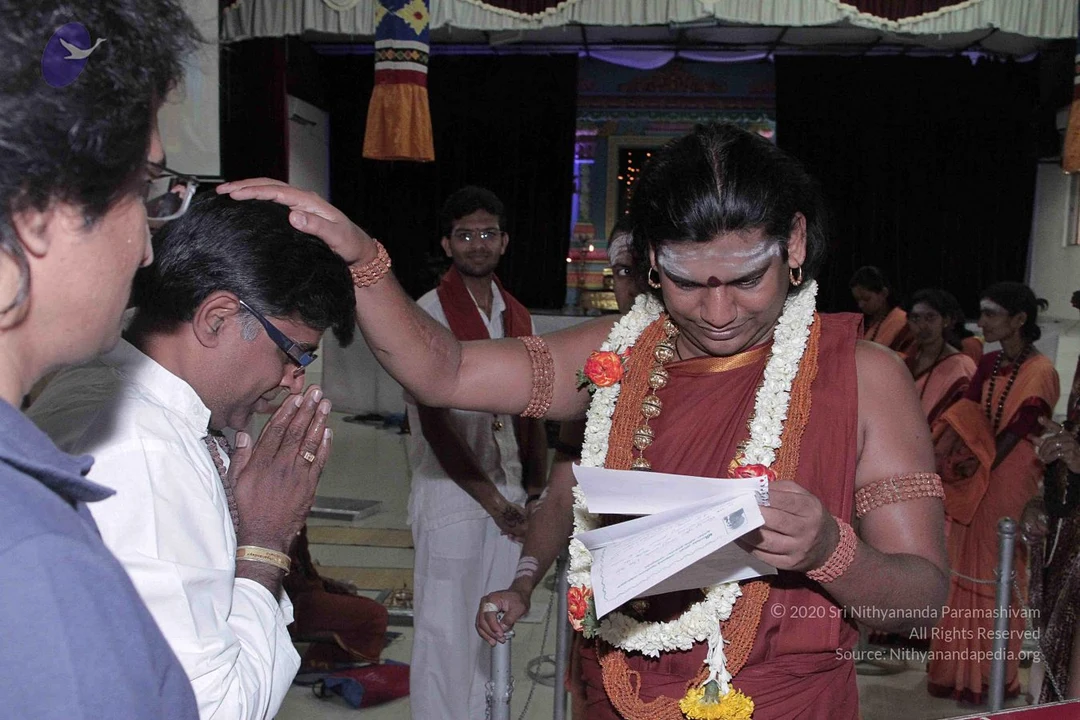
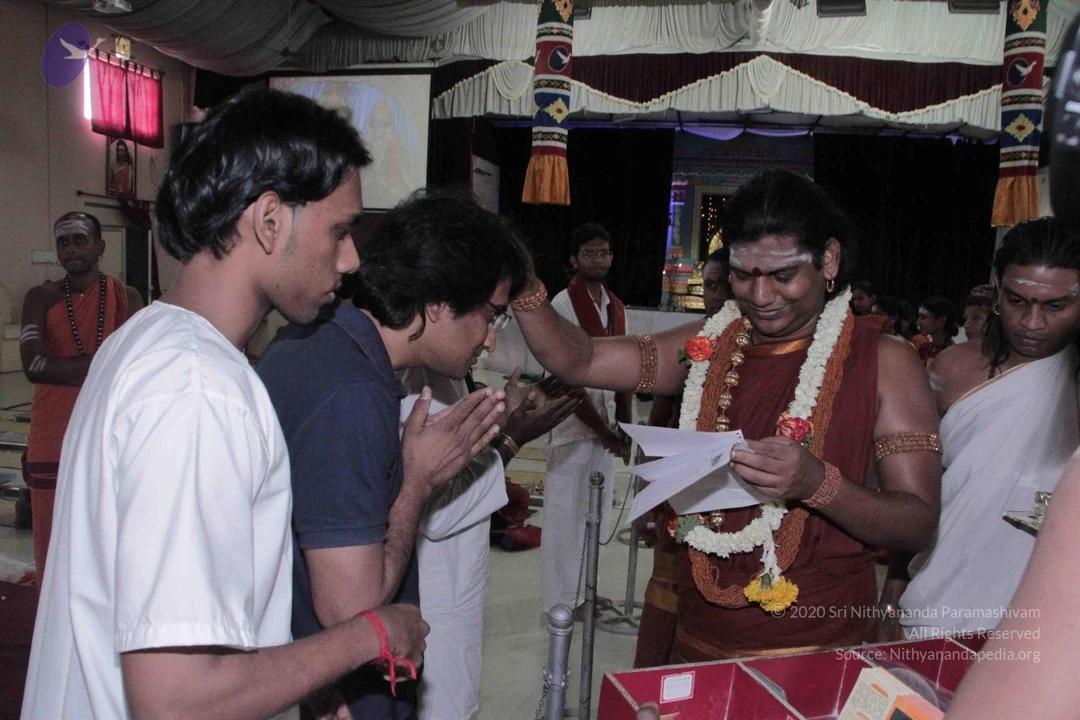
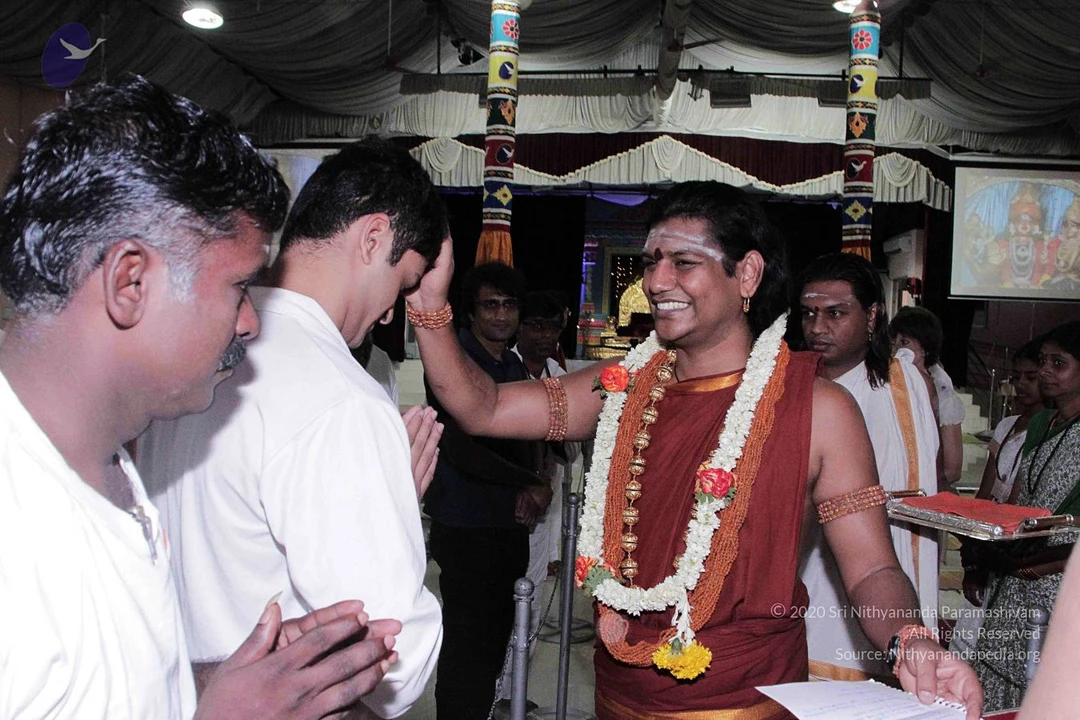
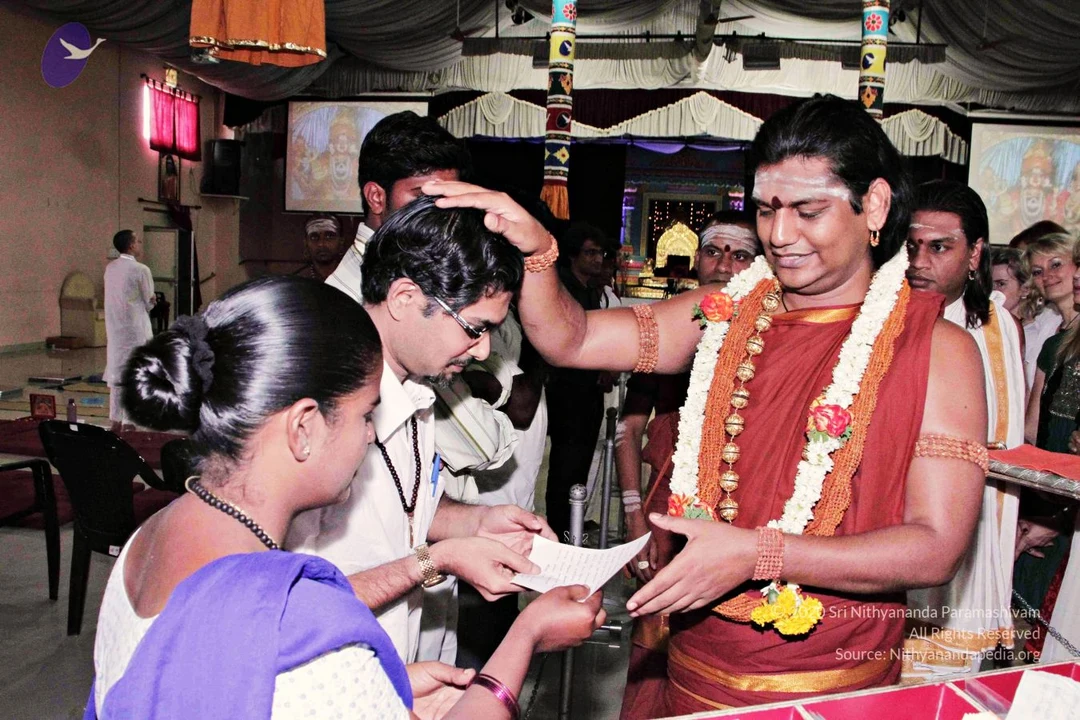
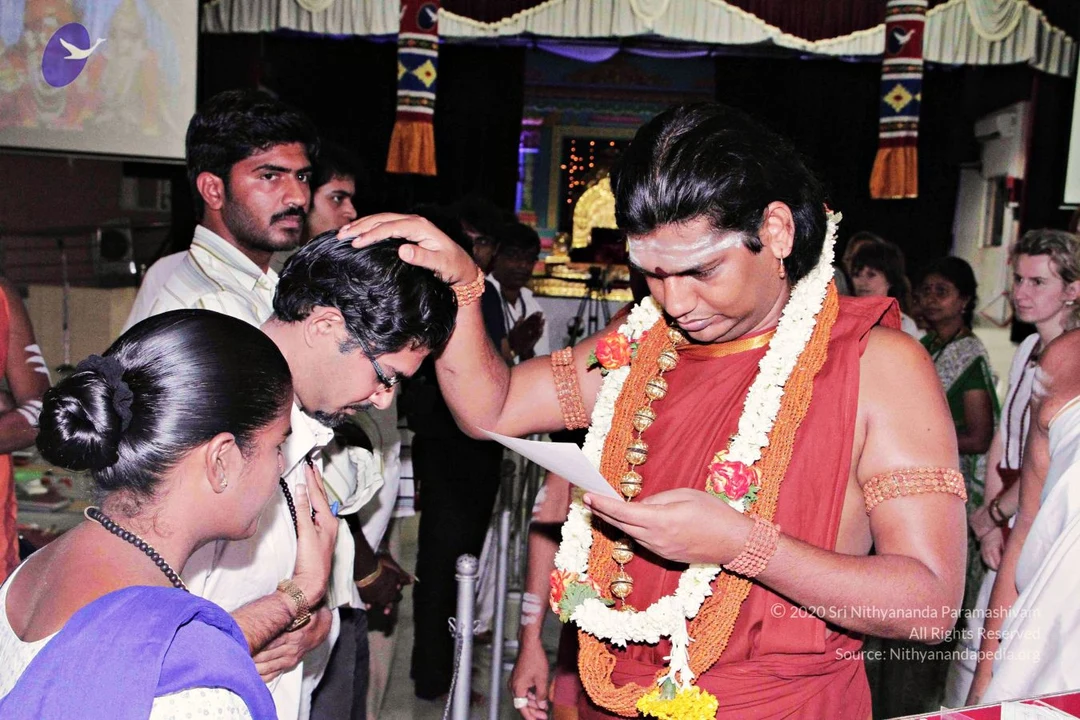
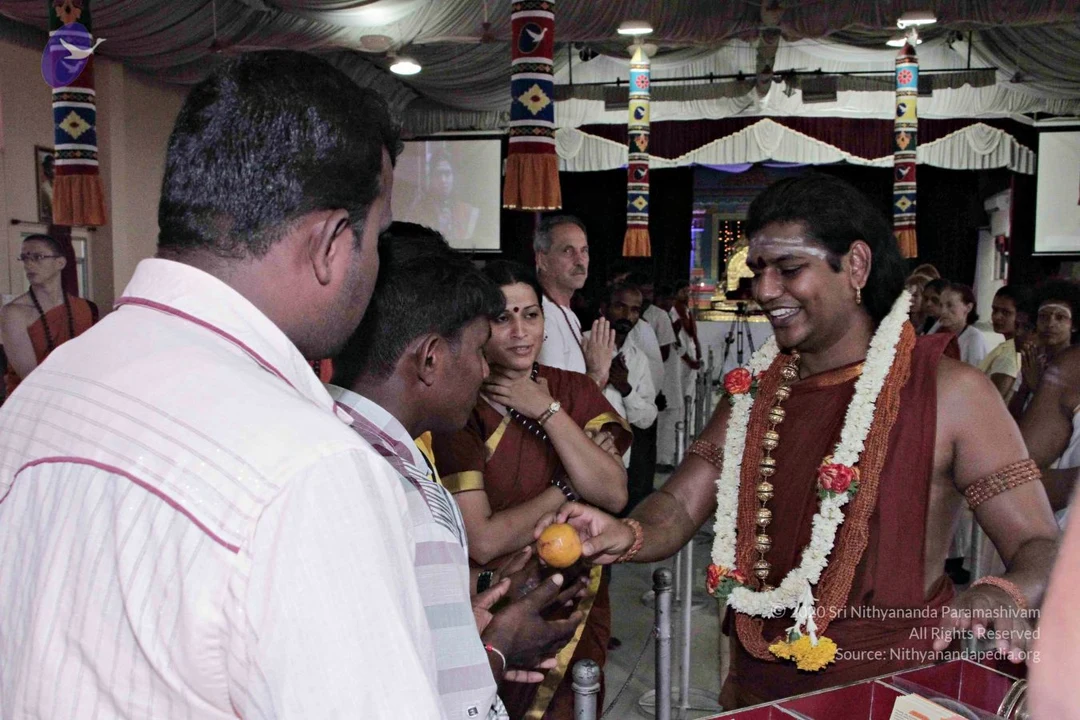
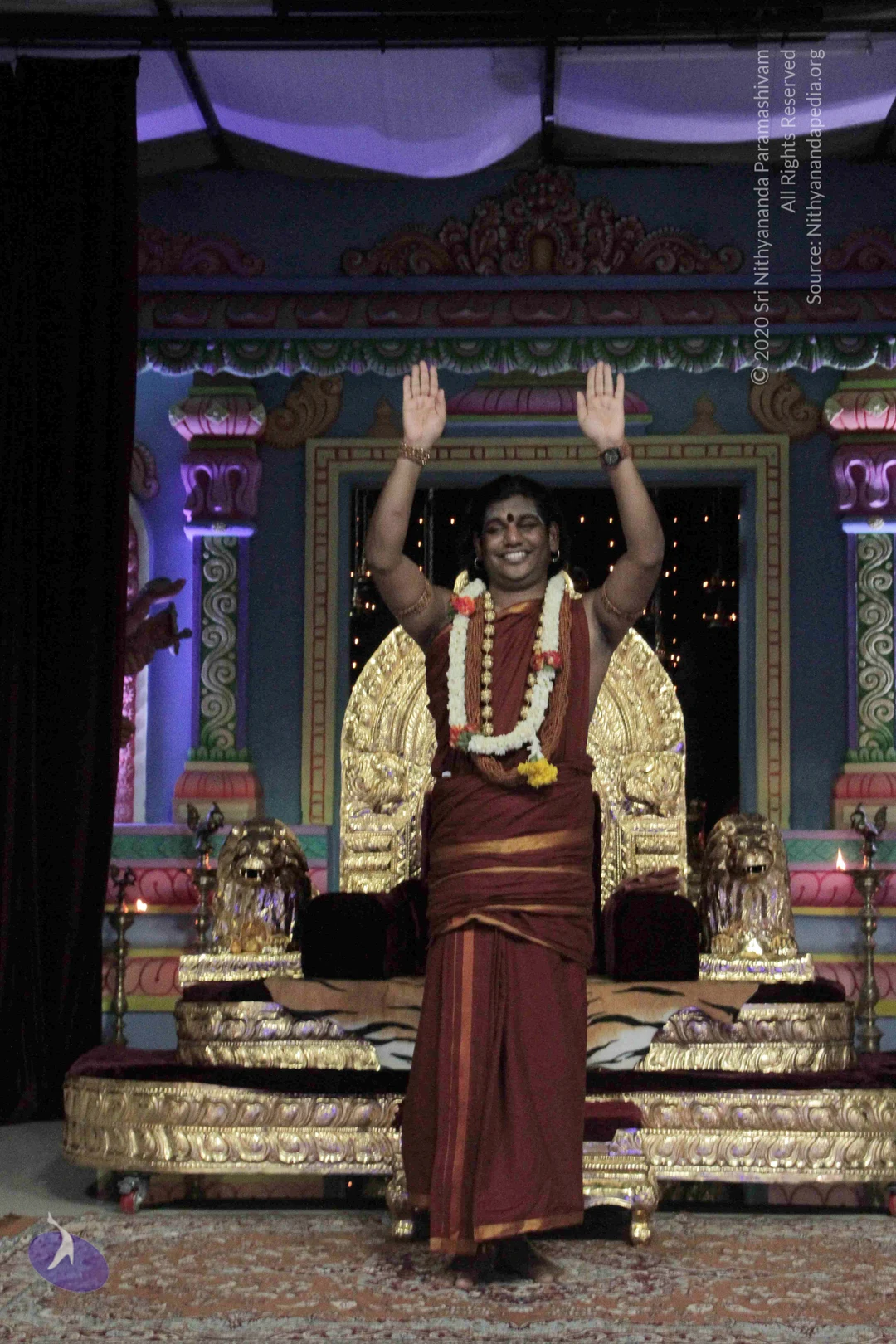
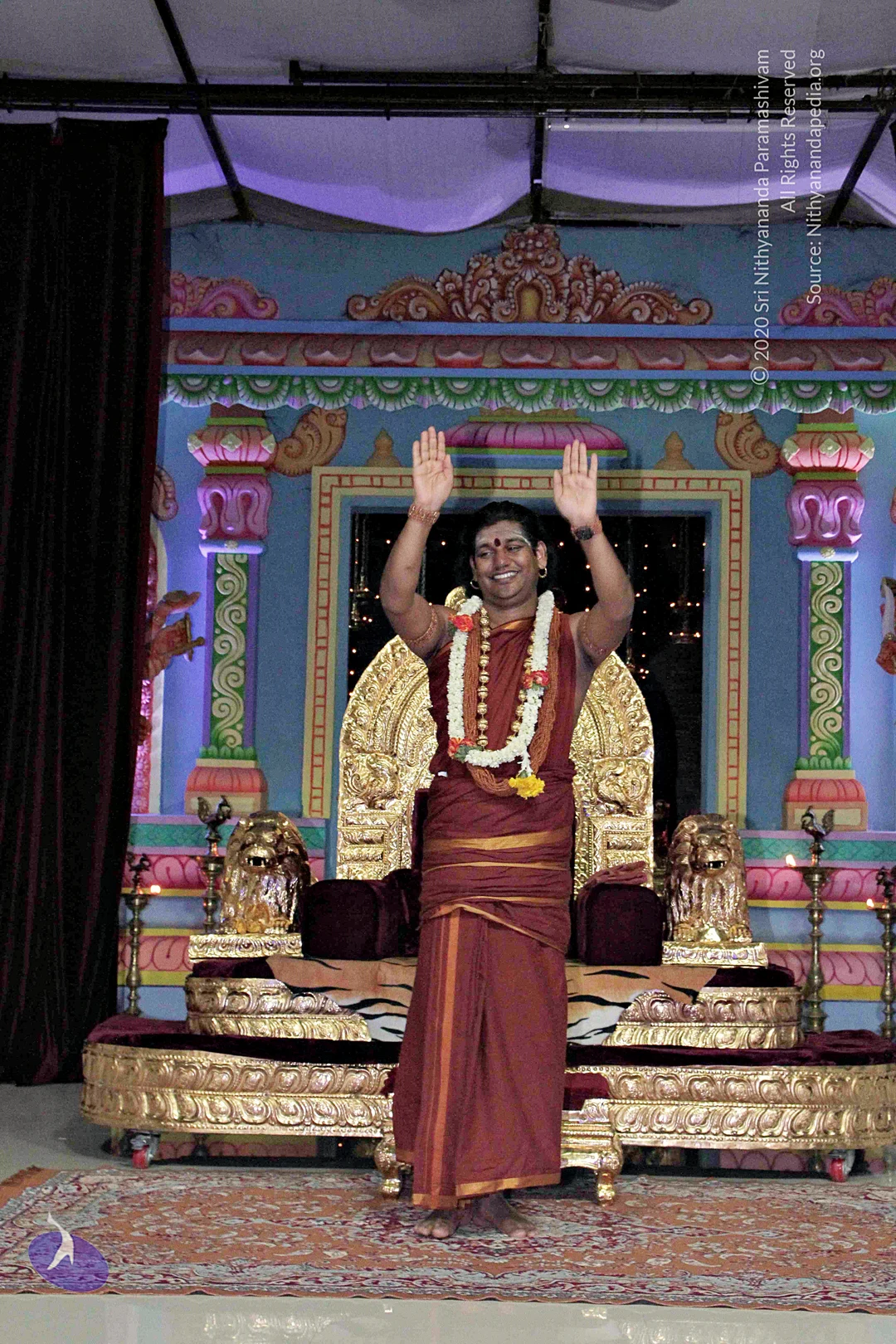
NithyaKriyaYoga_Day1
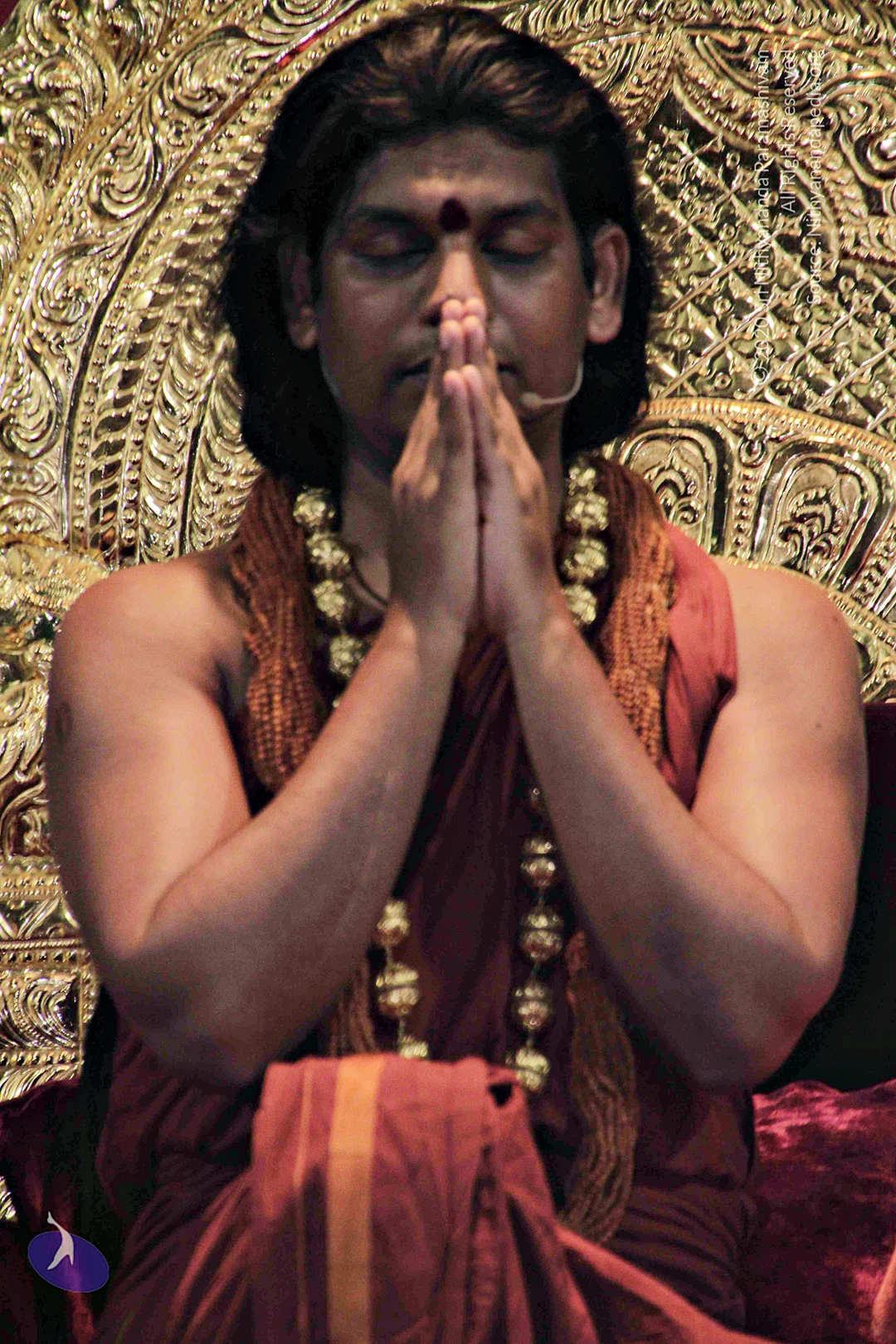
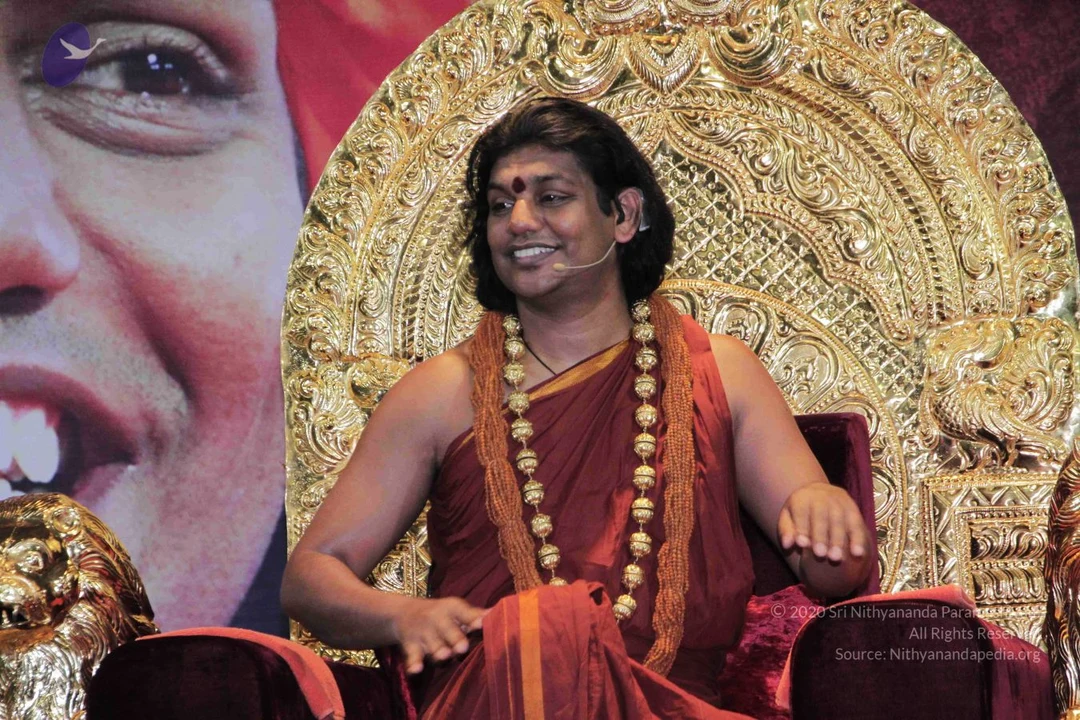
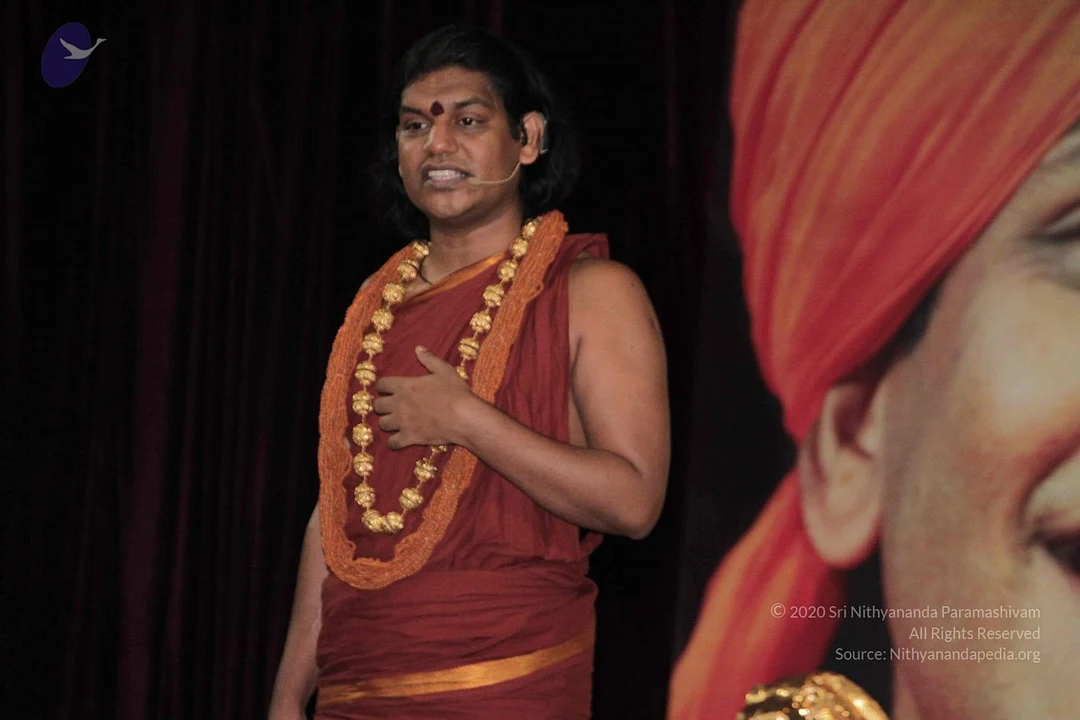
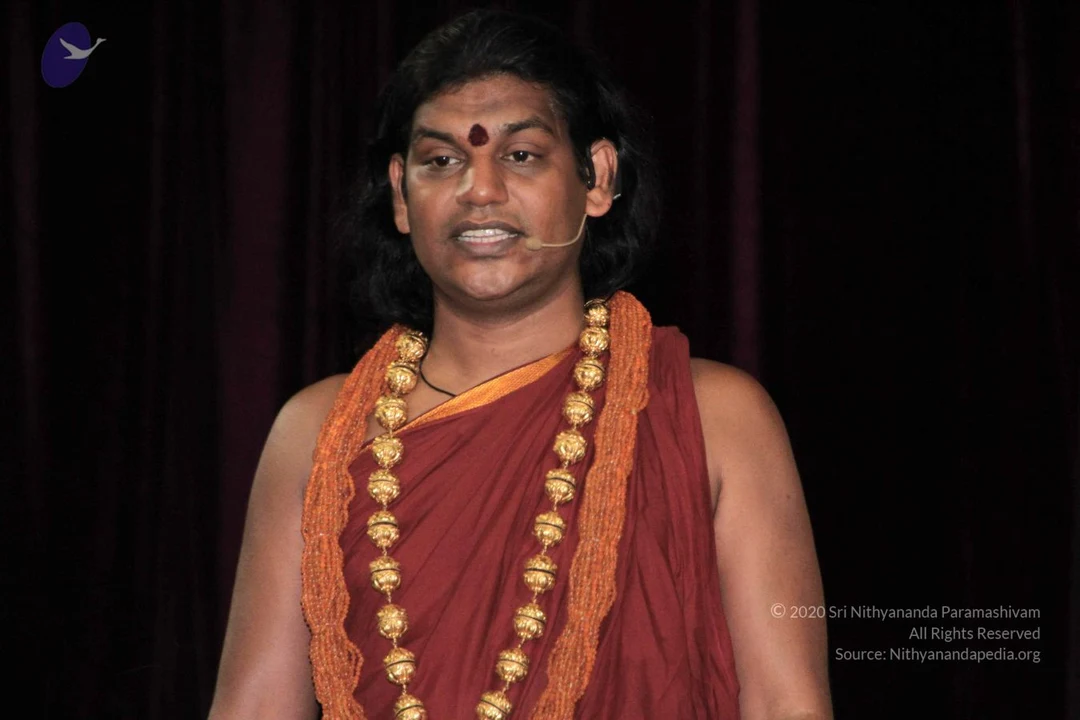

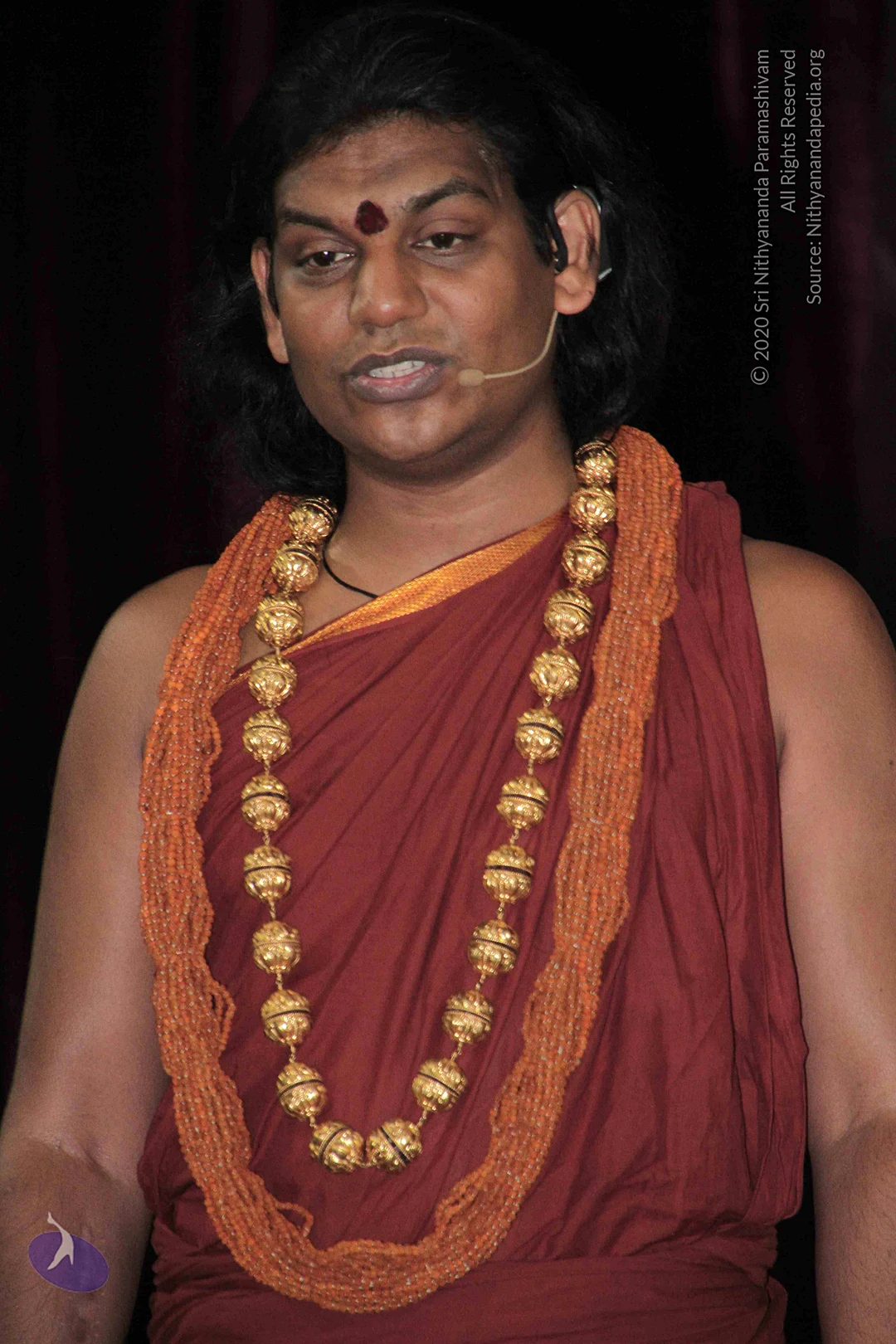
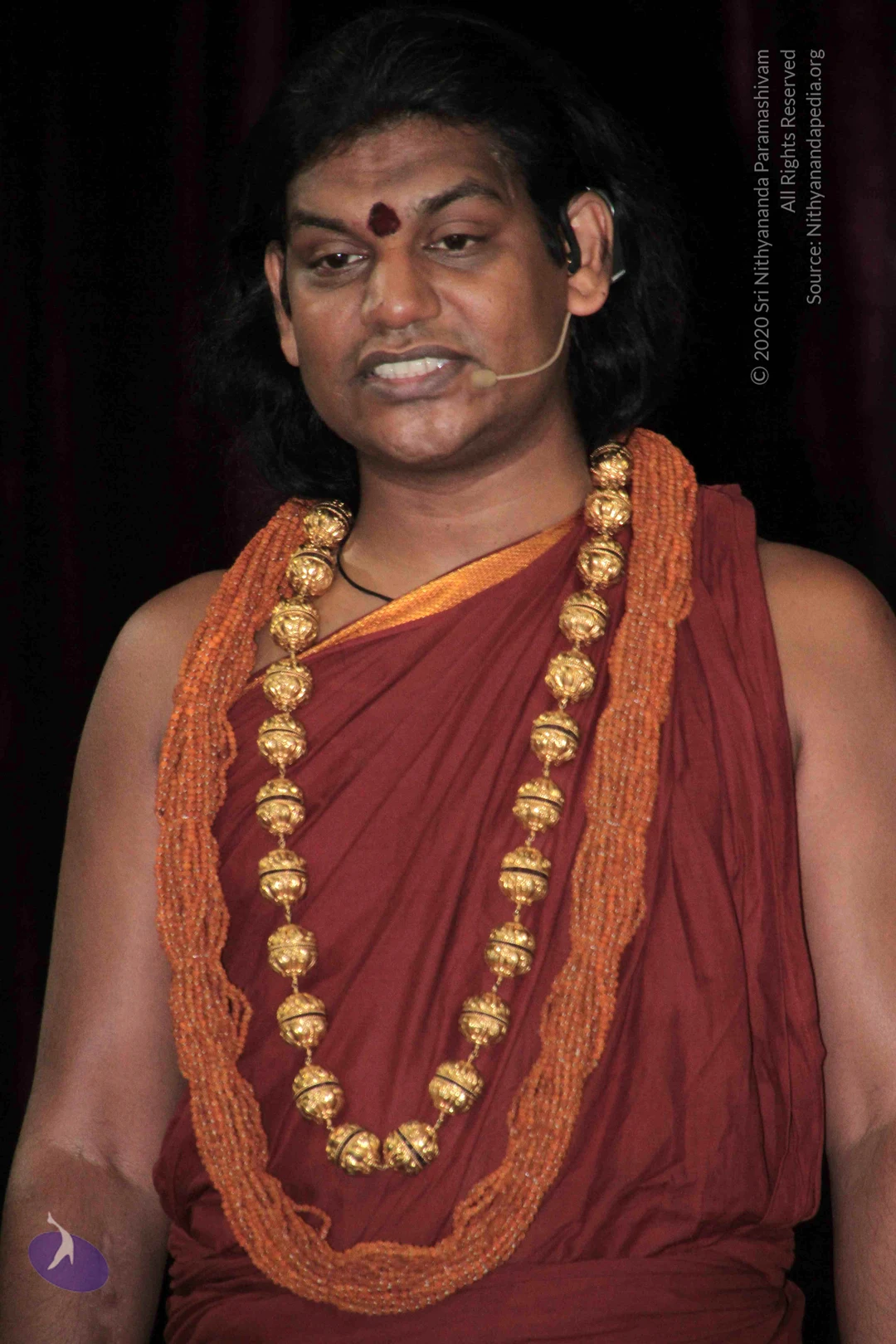
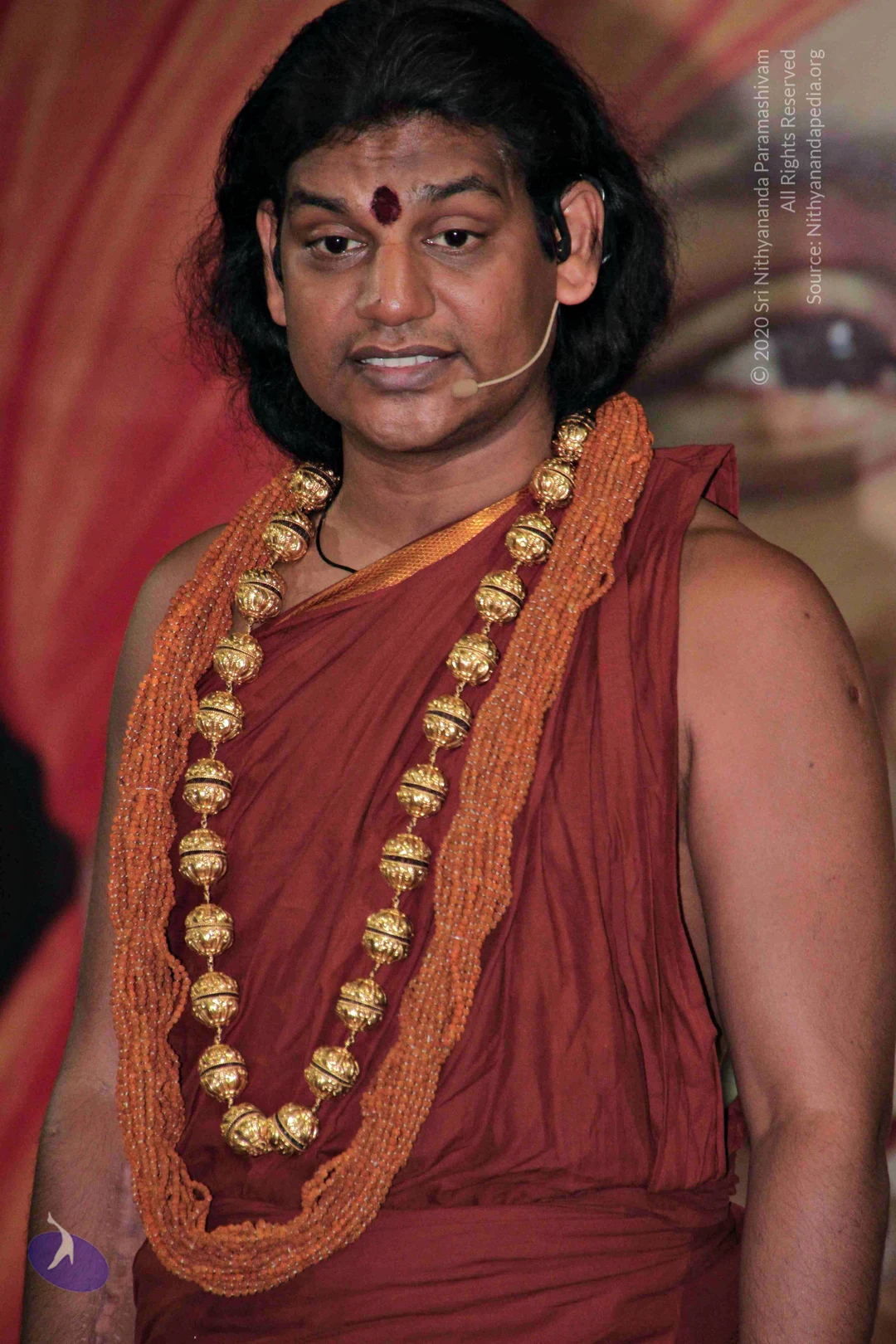
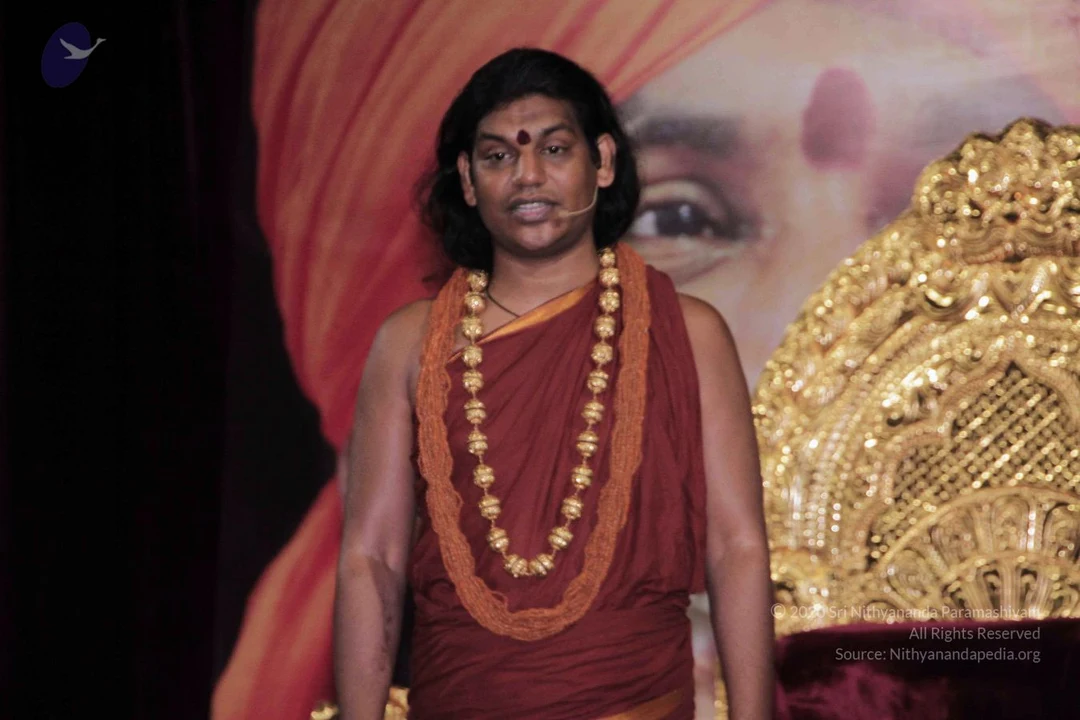
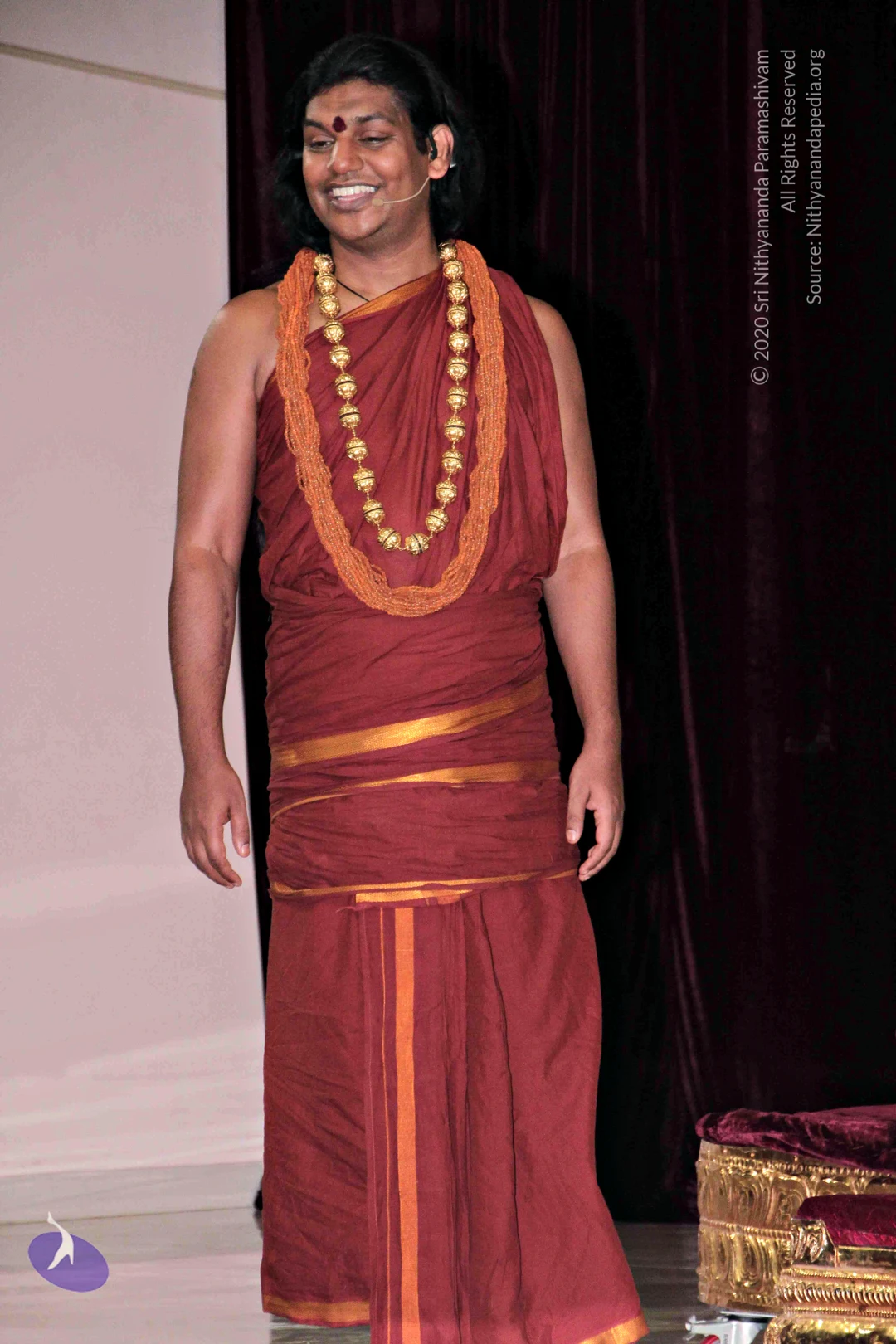
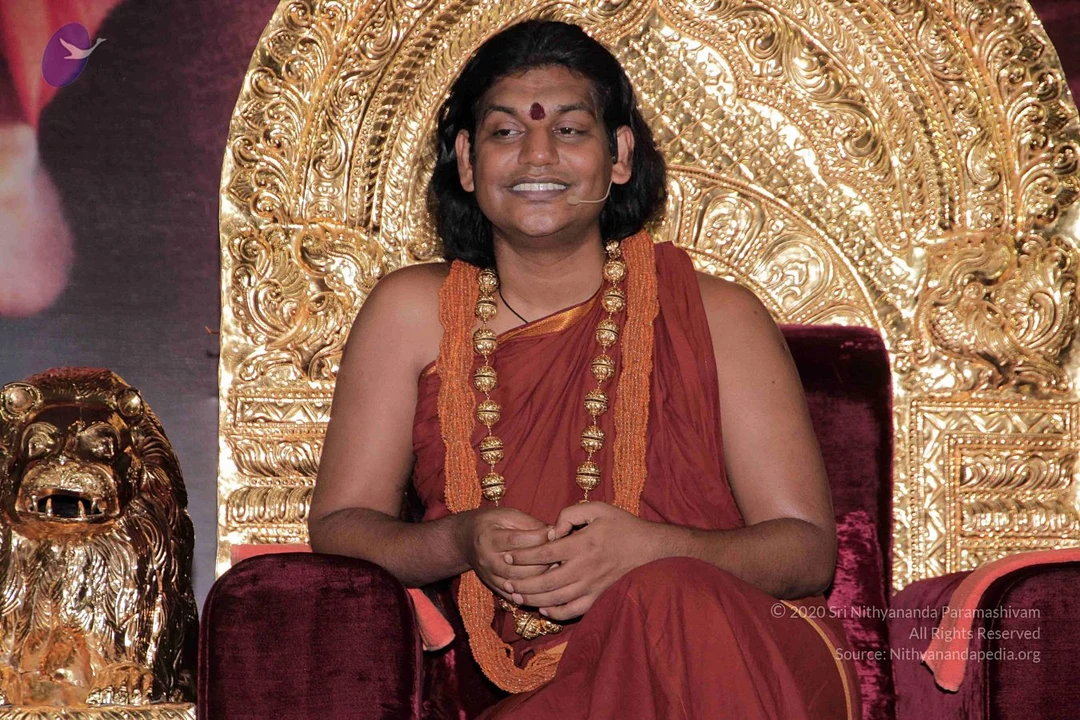
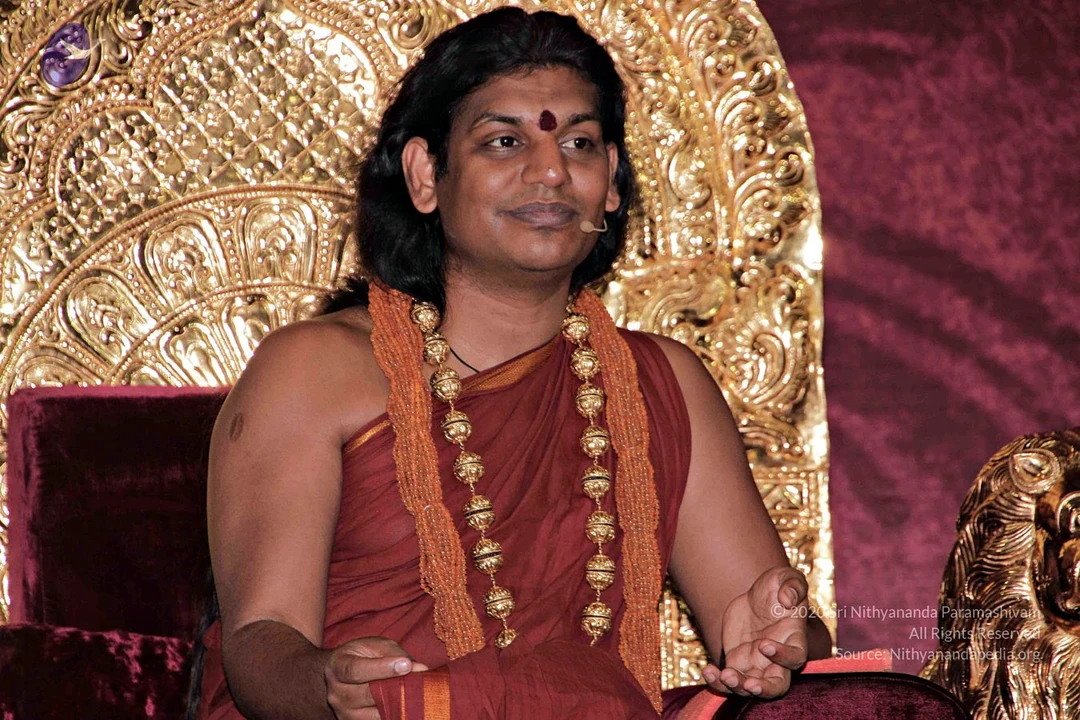
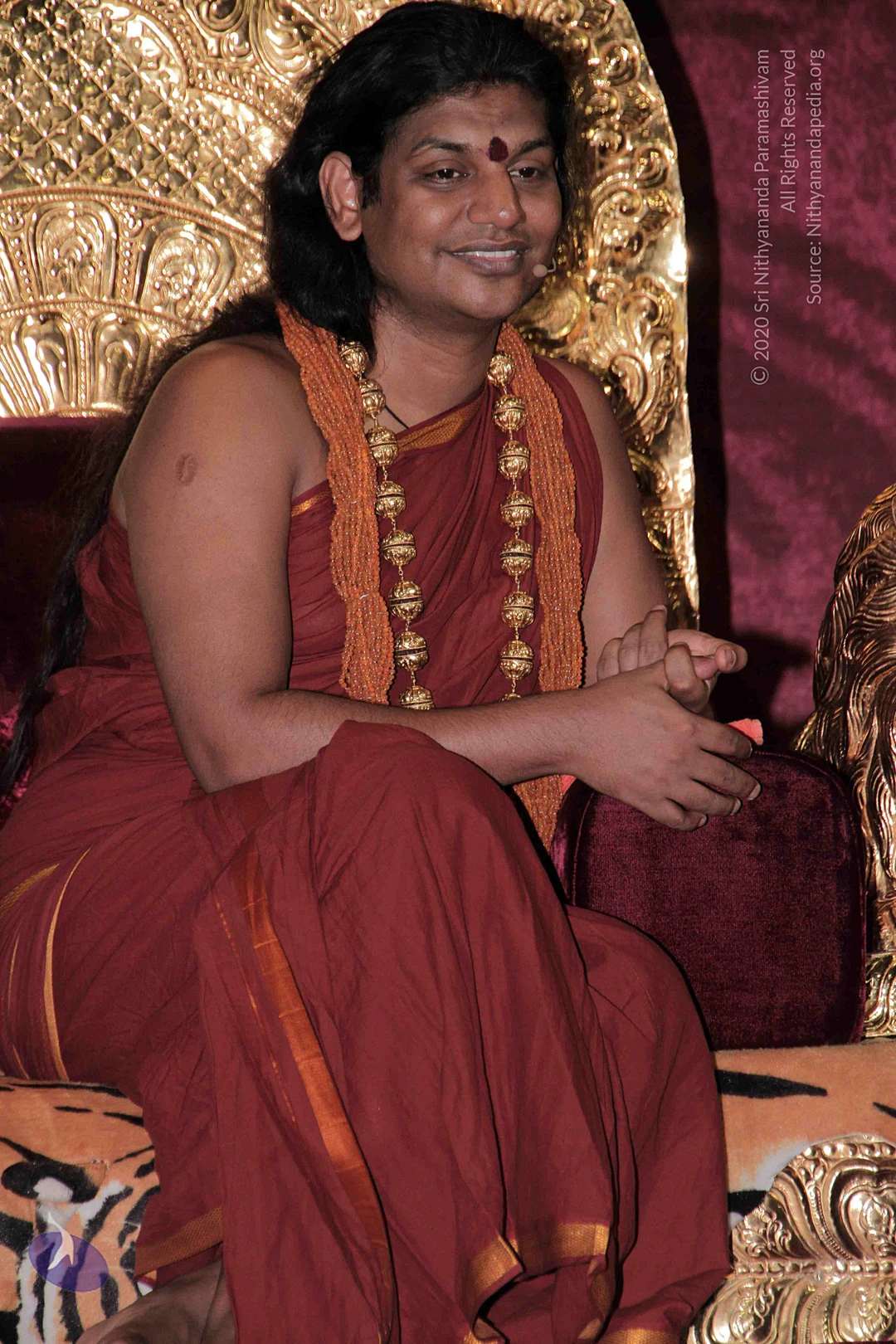
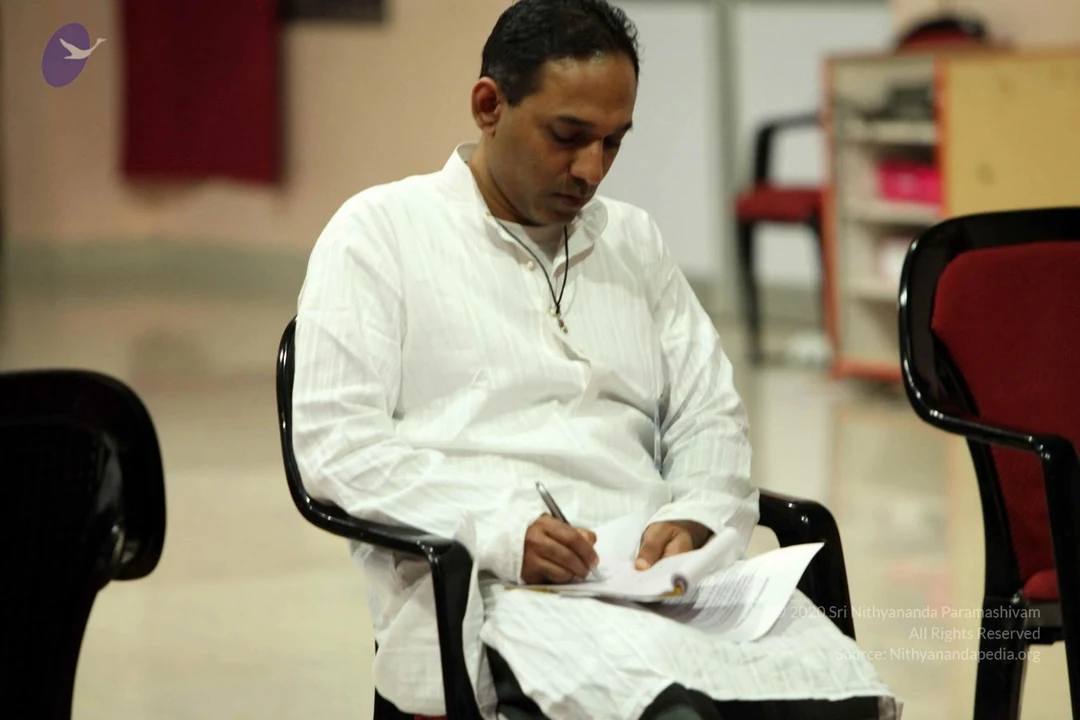
Tags:
Paramahamsa Nithyananda lifestyle, responsible, living enlightenment, ideal, world, perception, nourish, heal, poor.
Photos Of The Day:
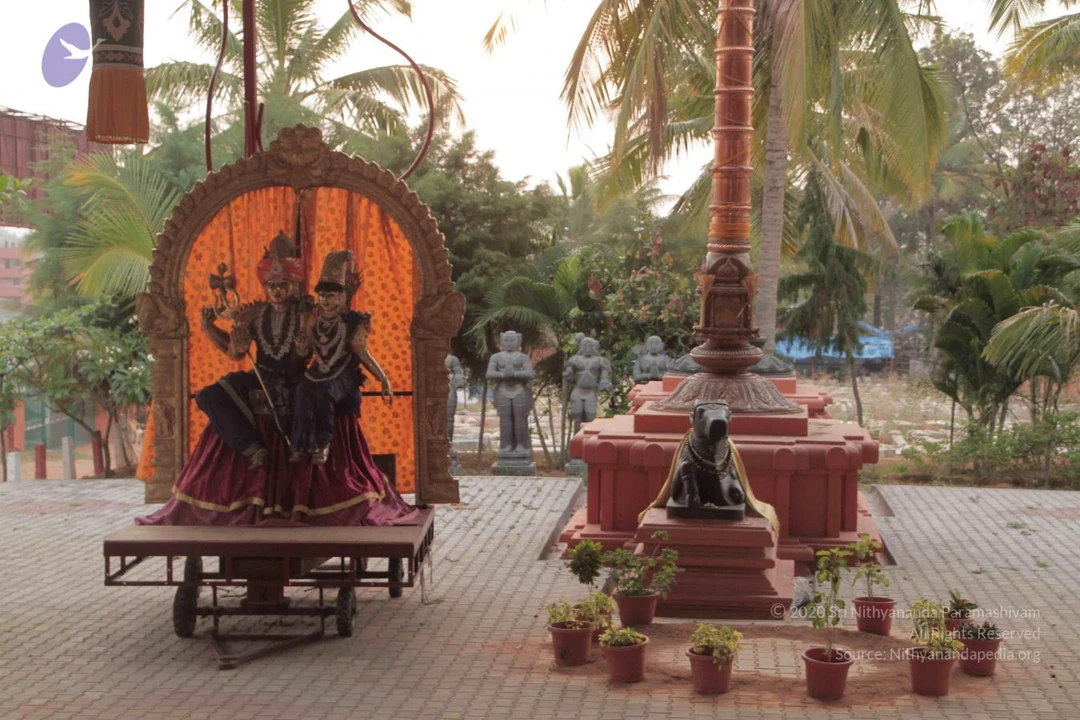
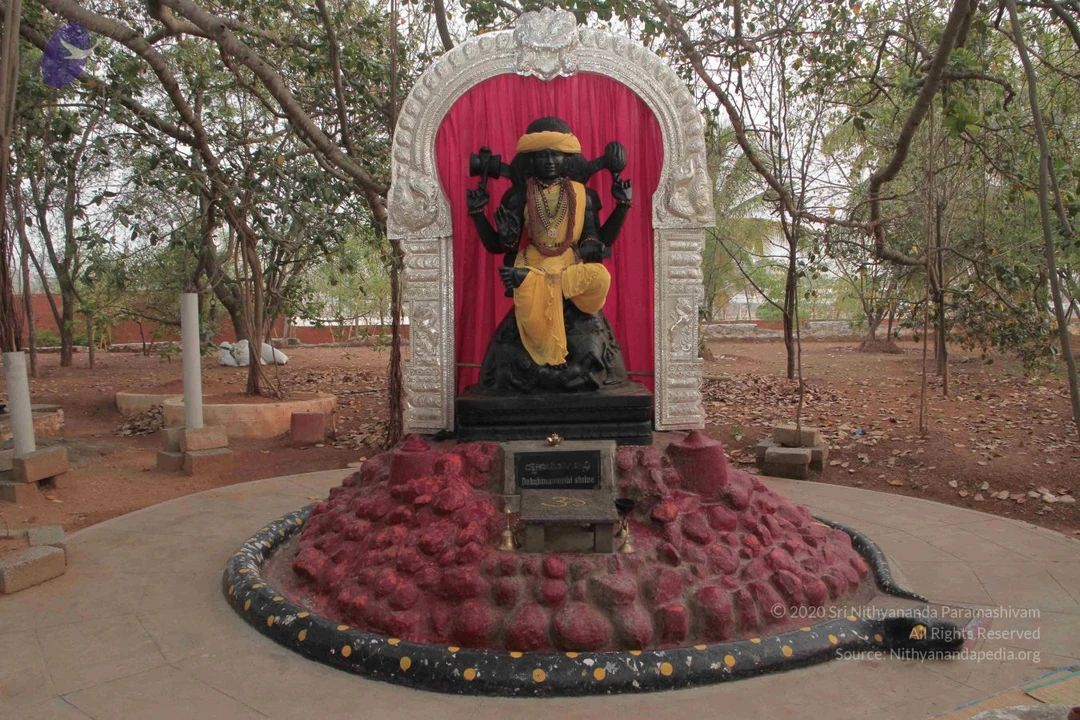
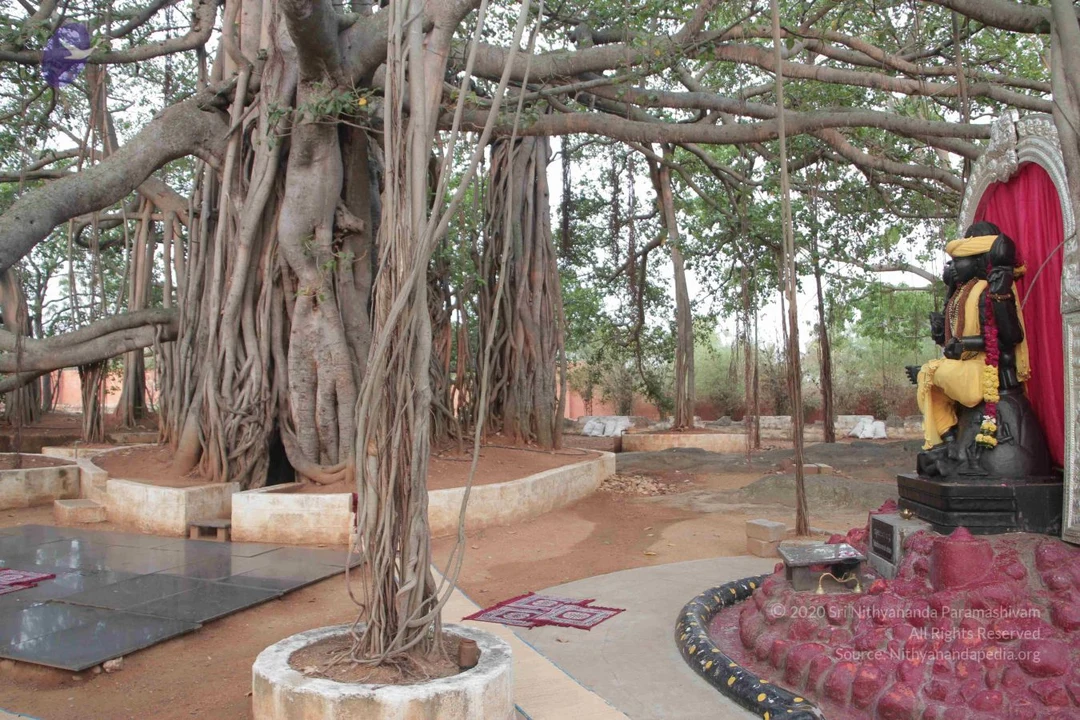
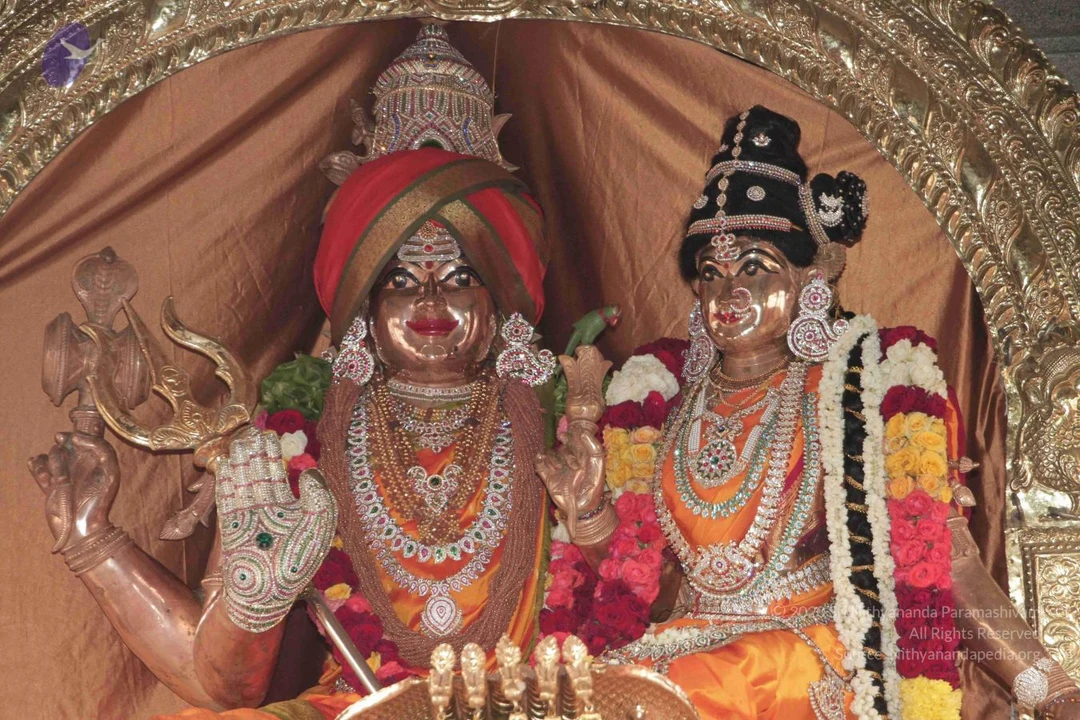
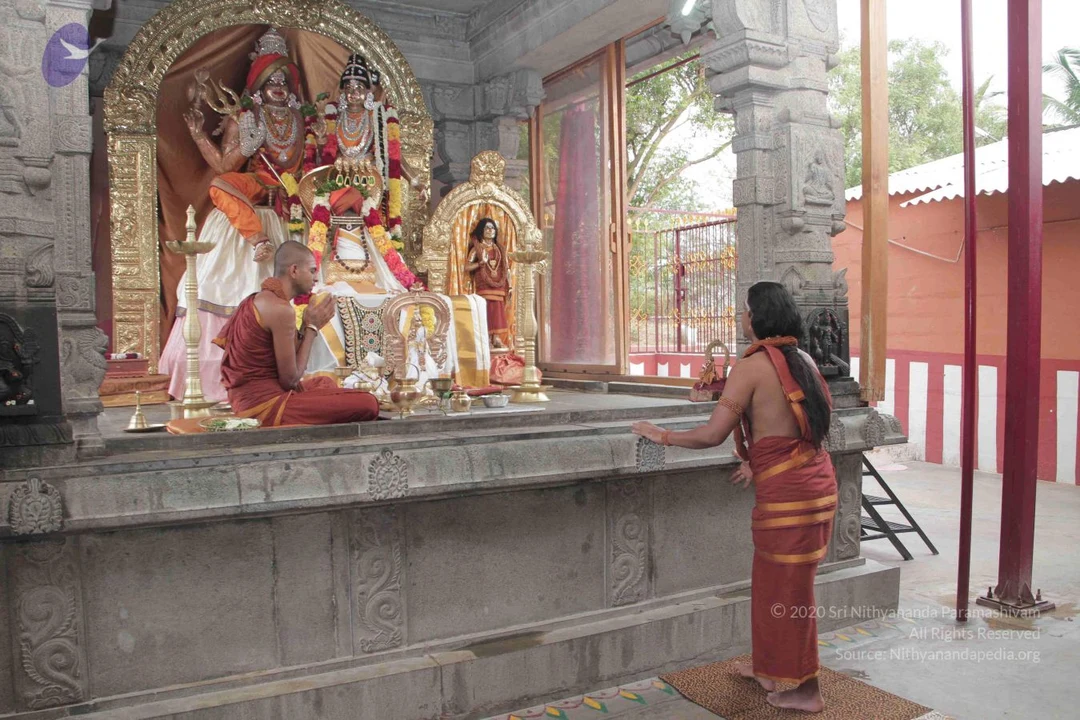
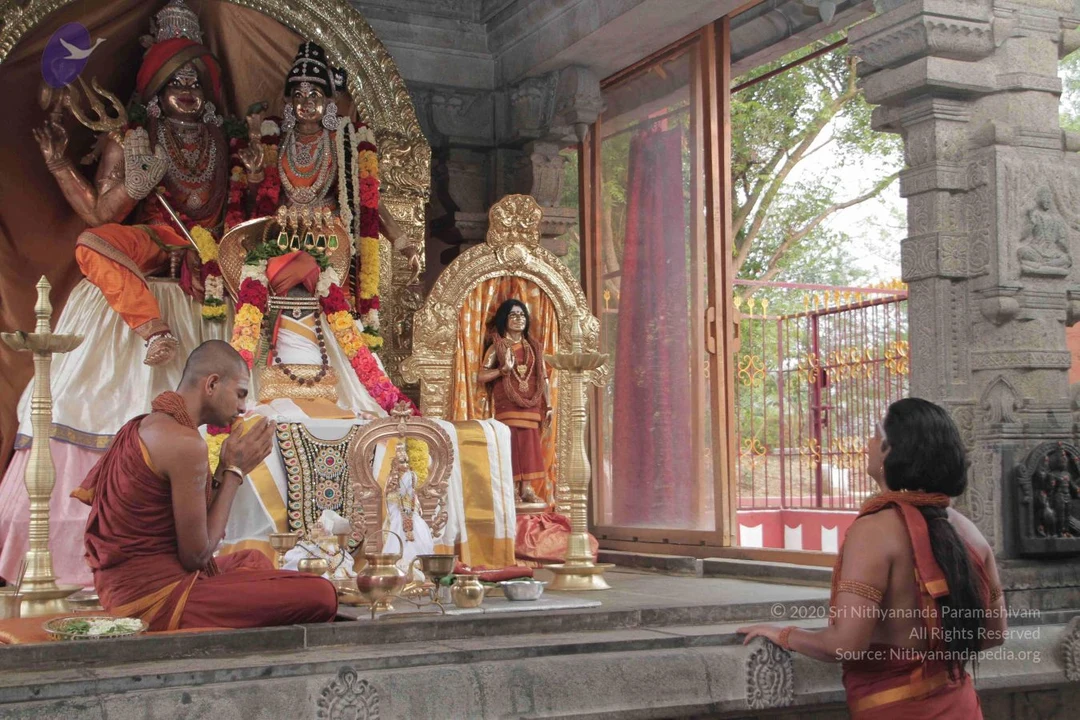
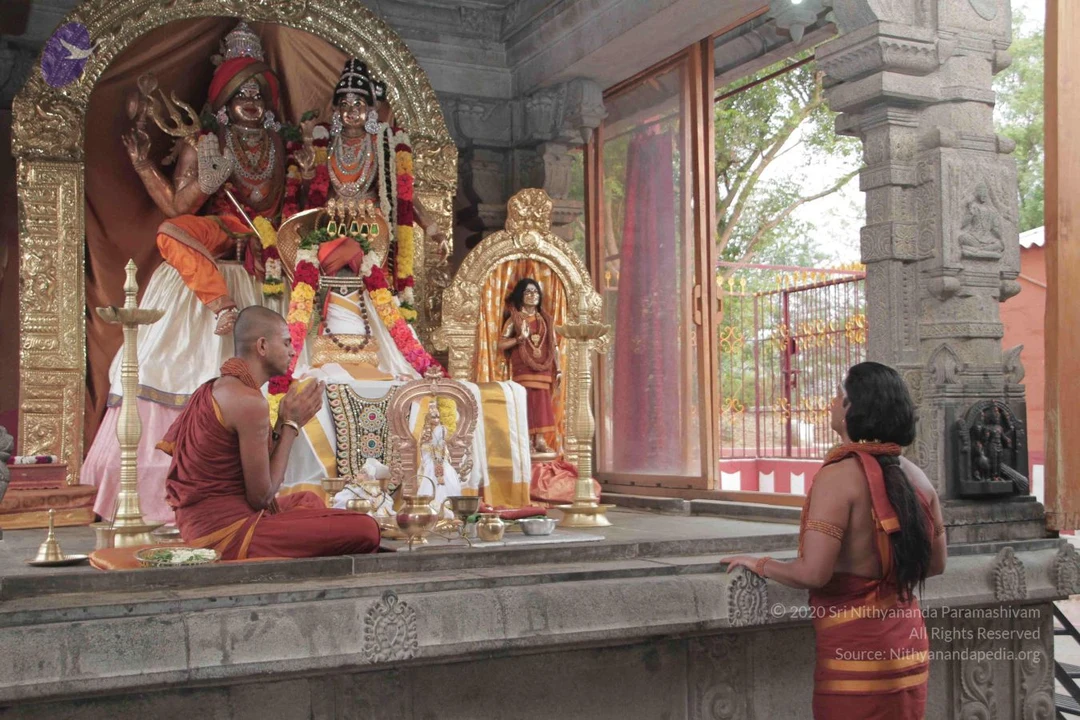
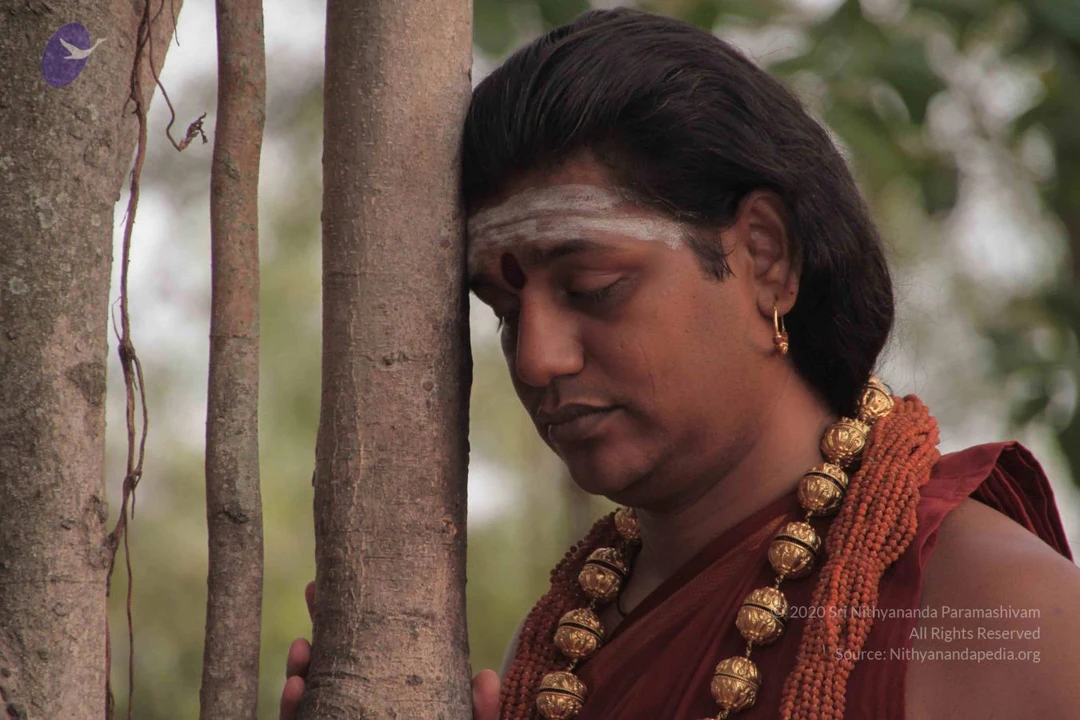
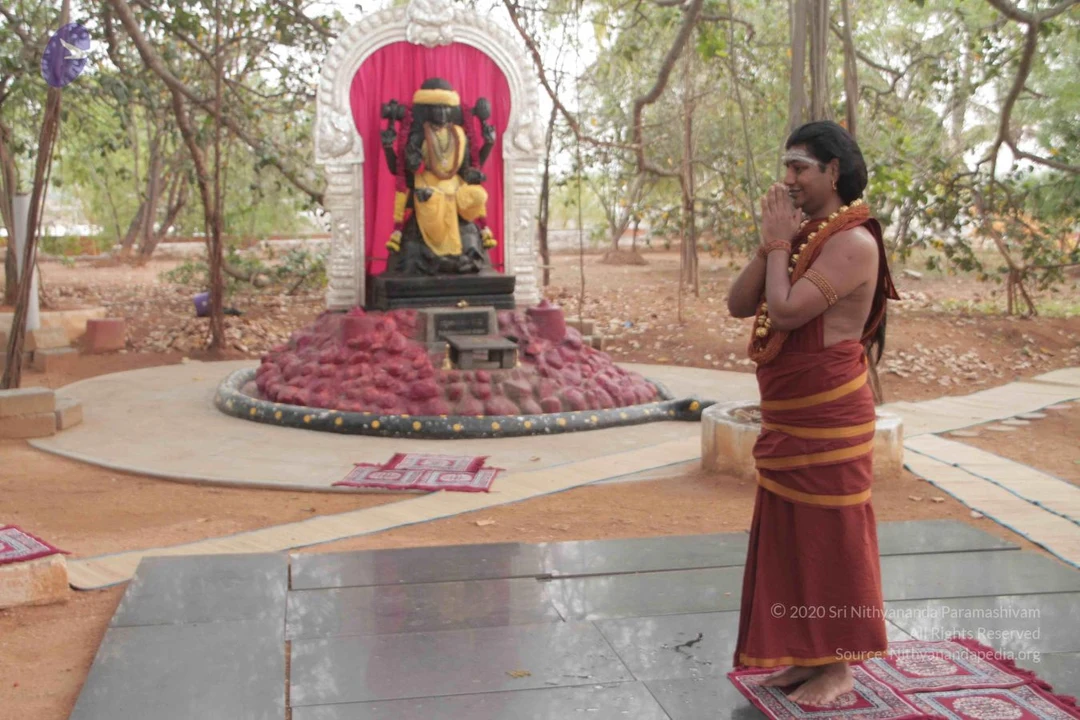
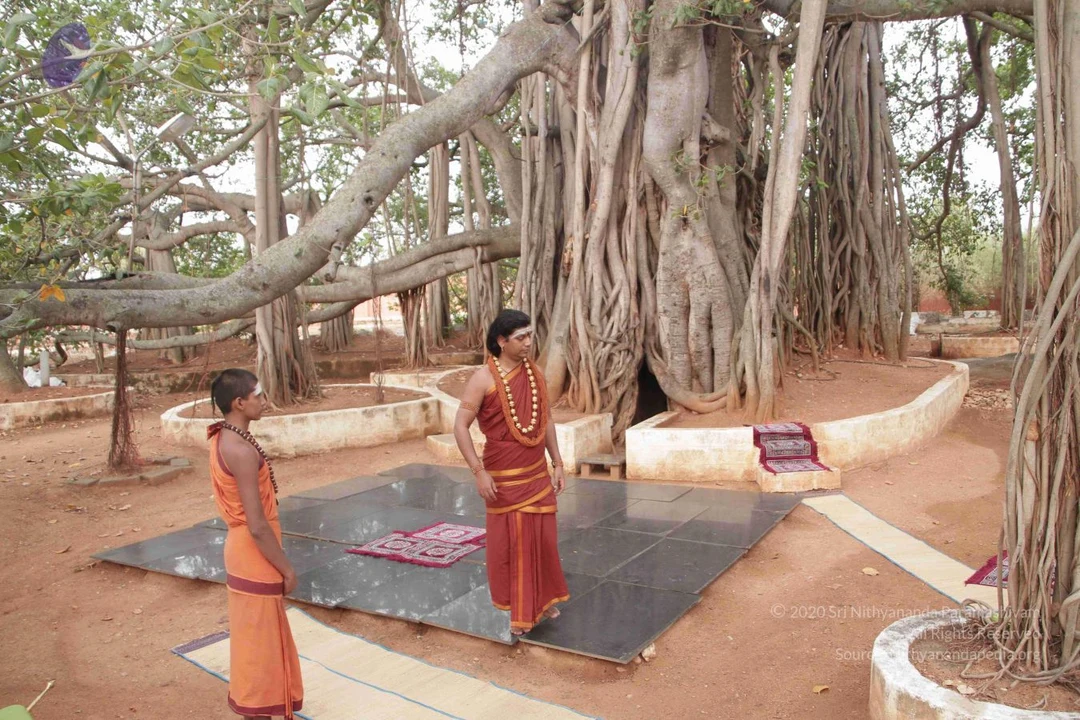
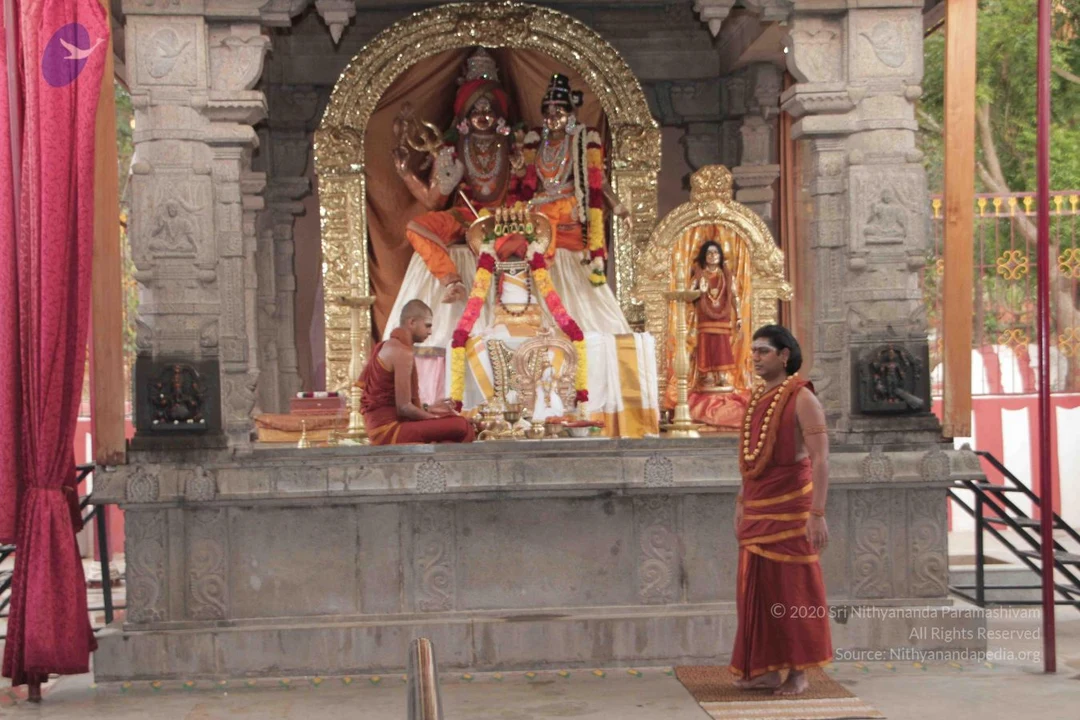
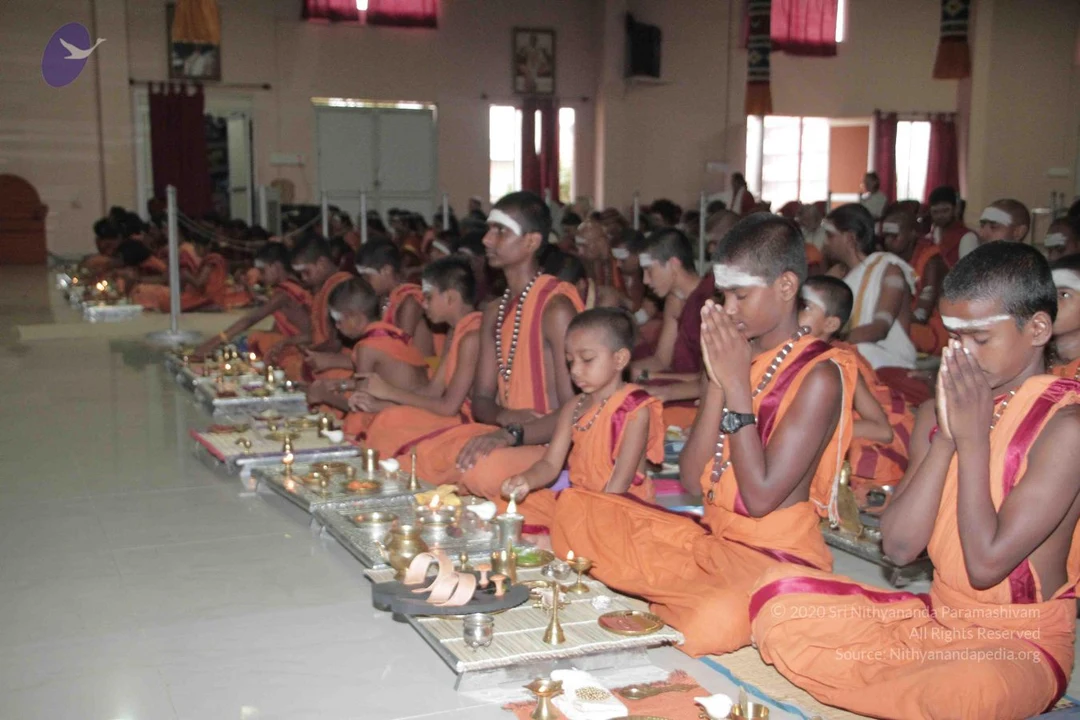
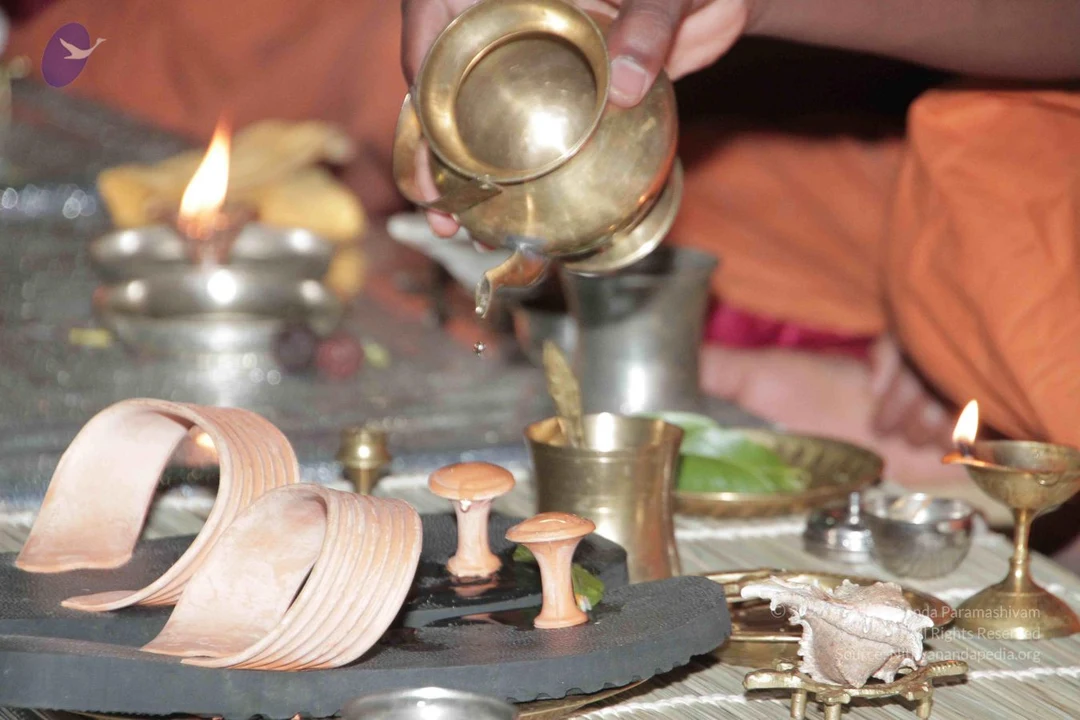
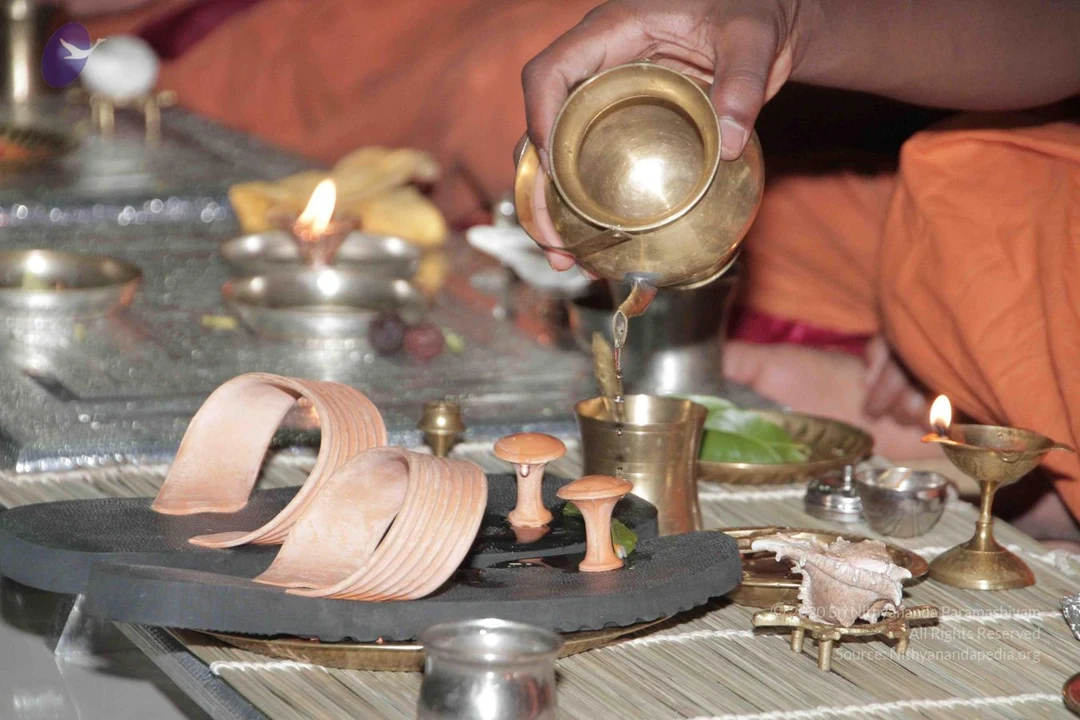
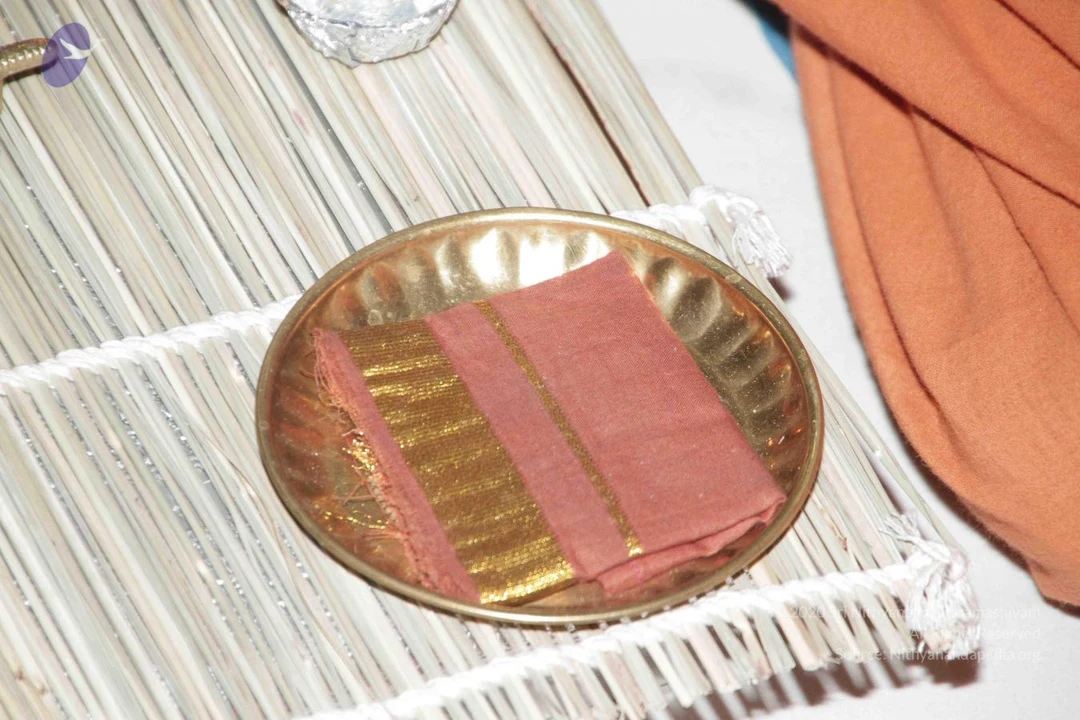
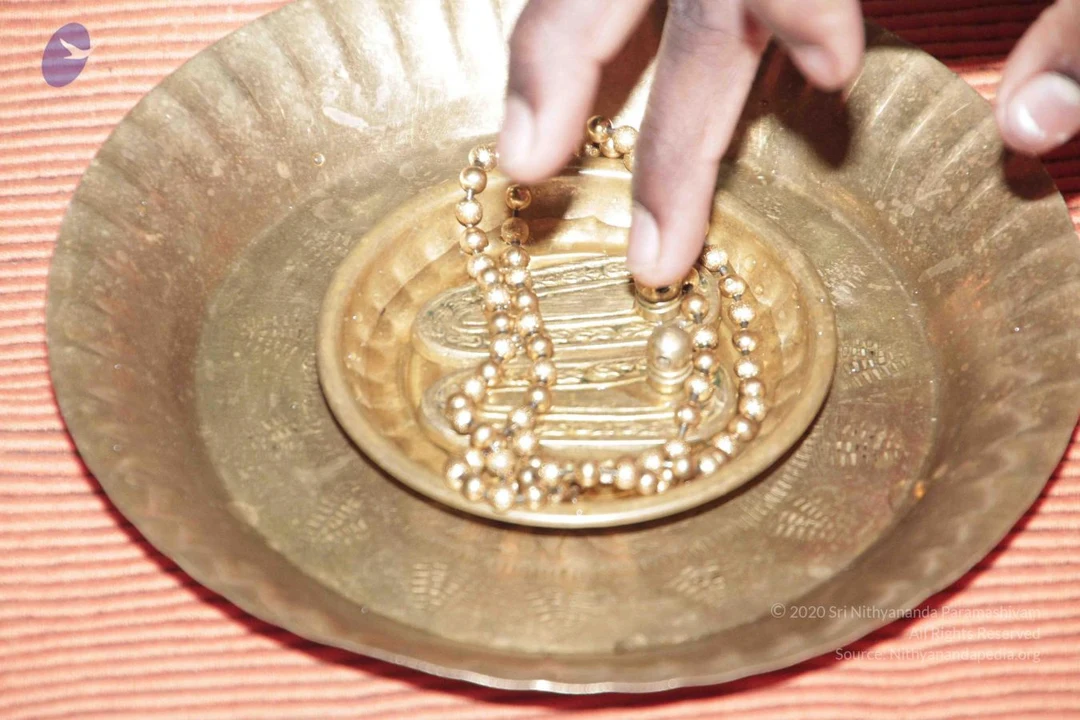
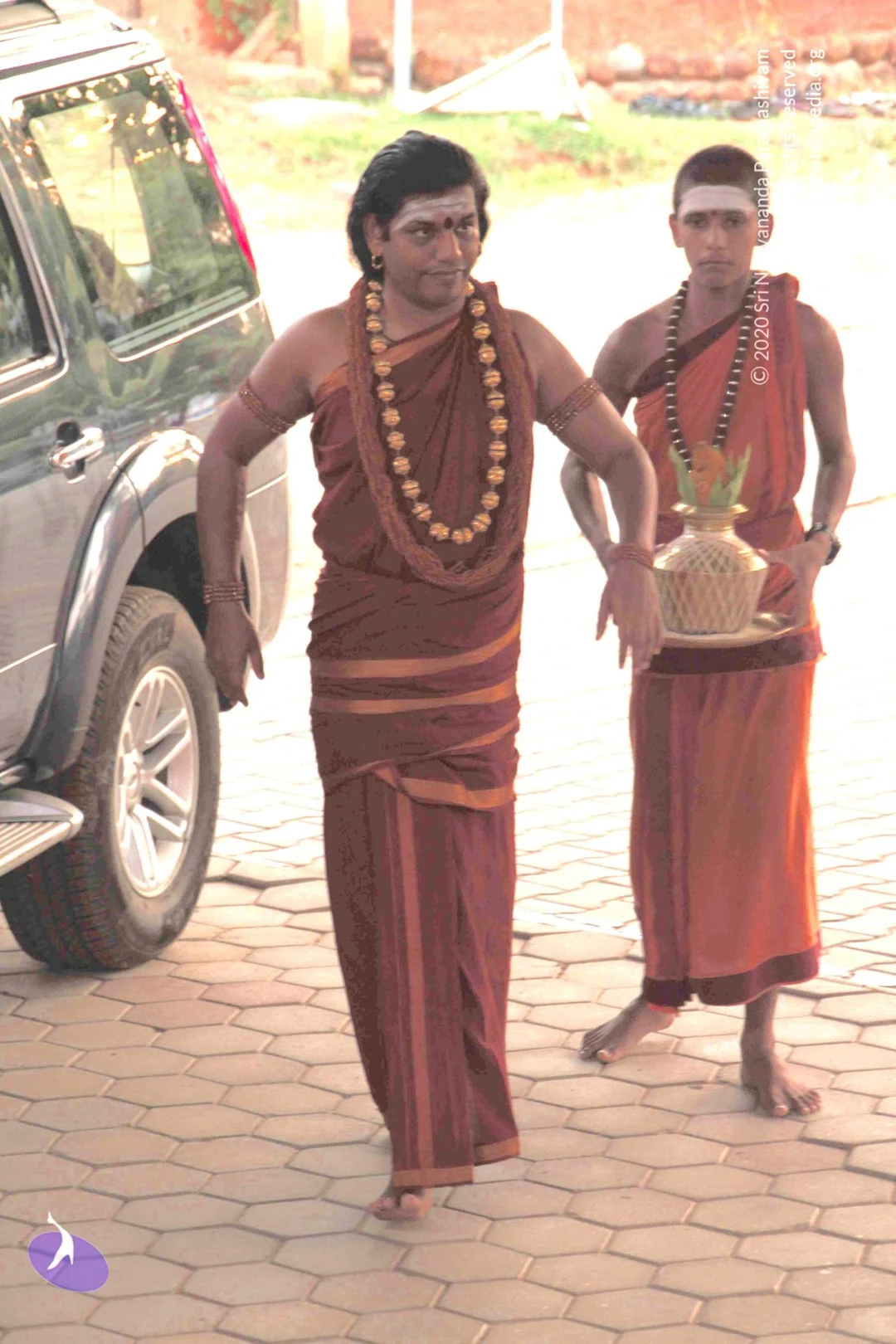
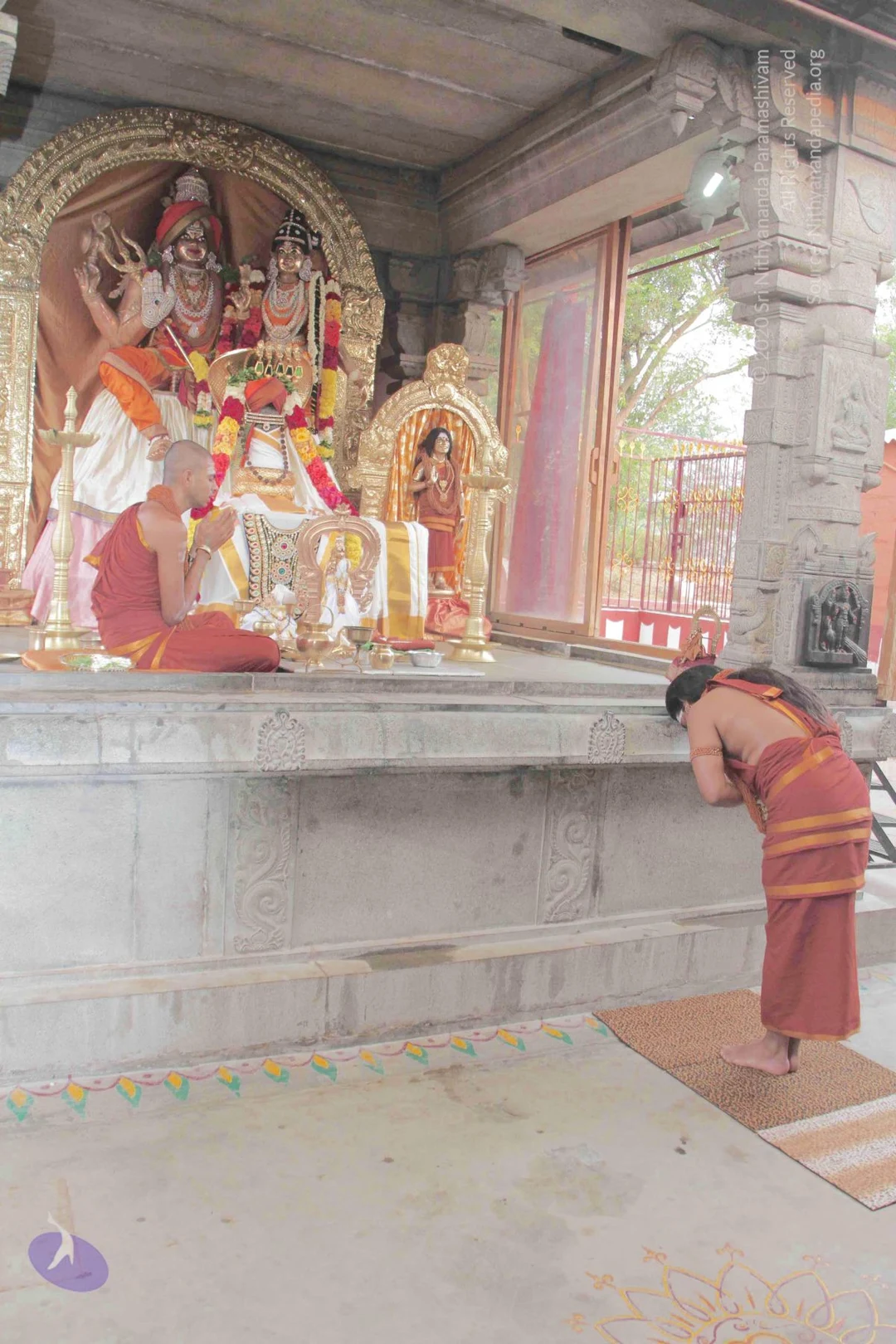
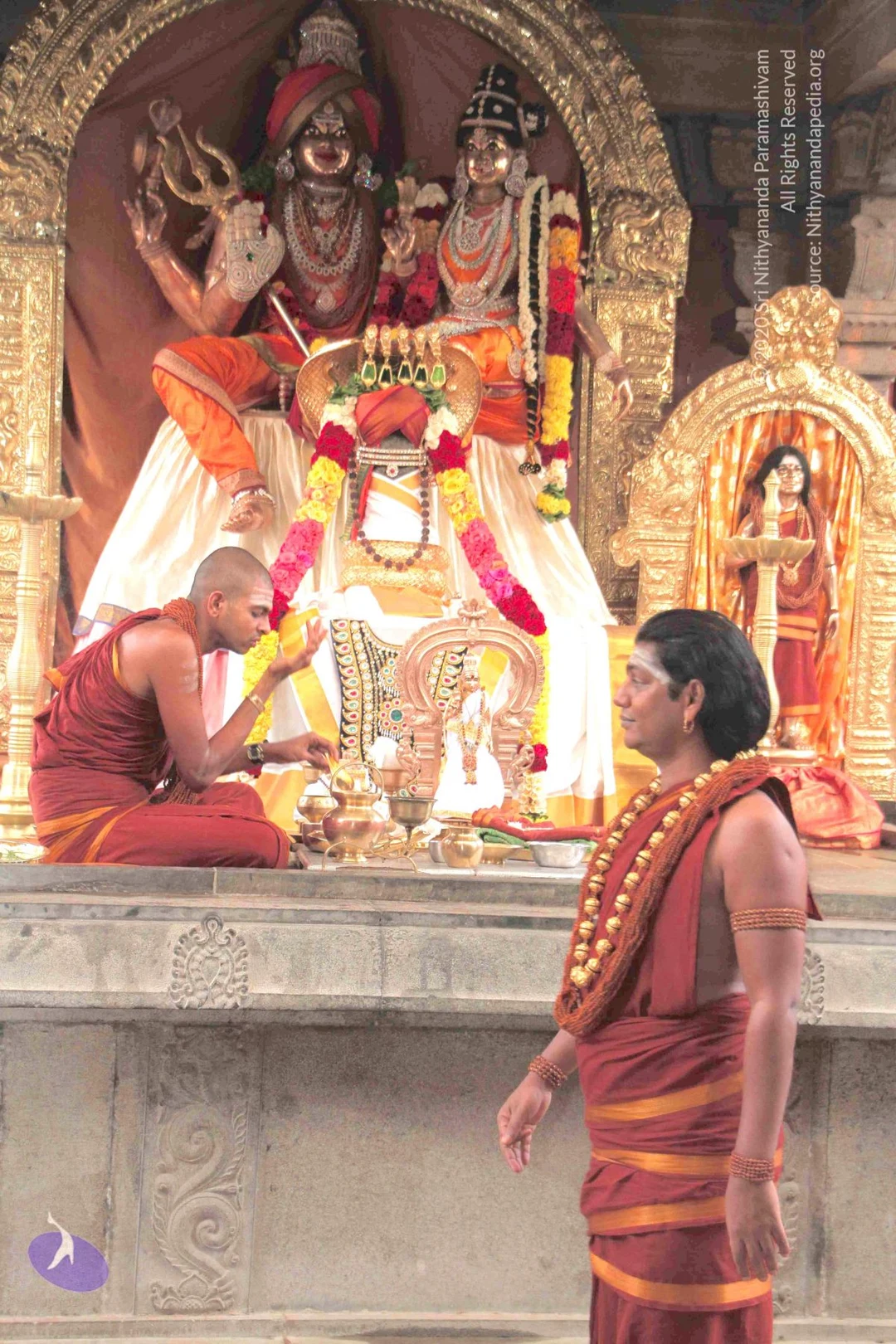
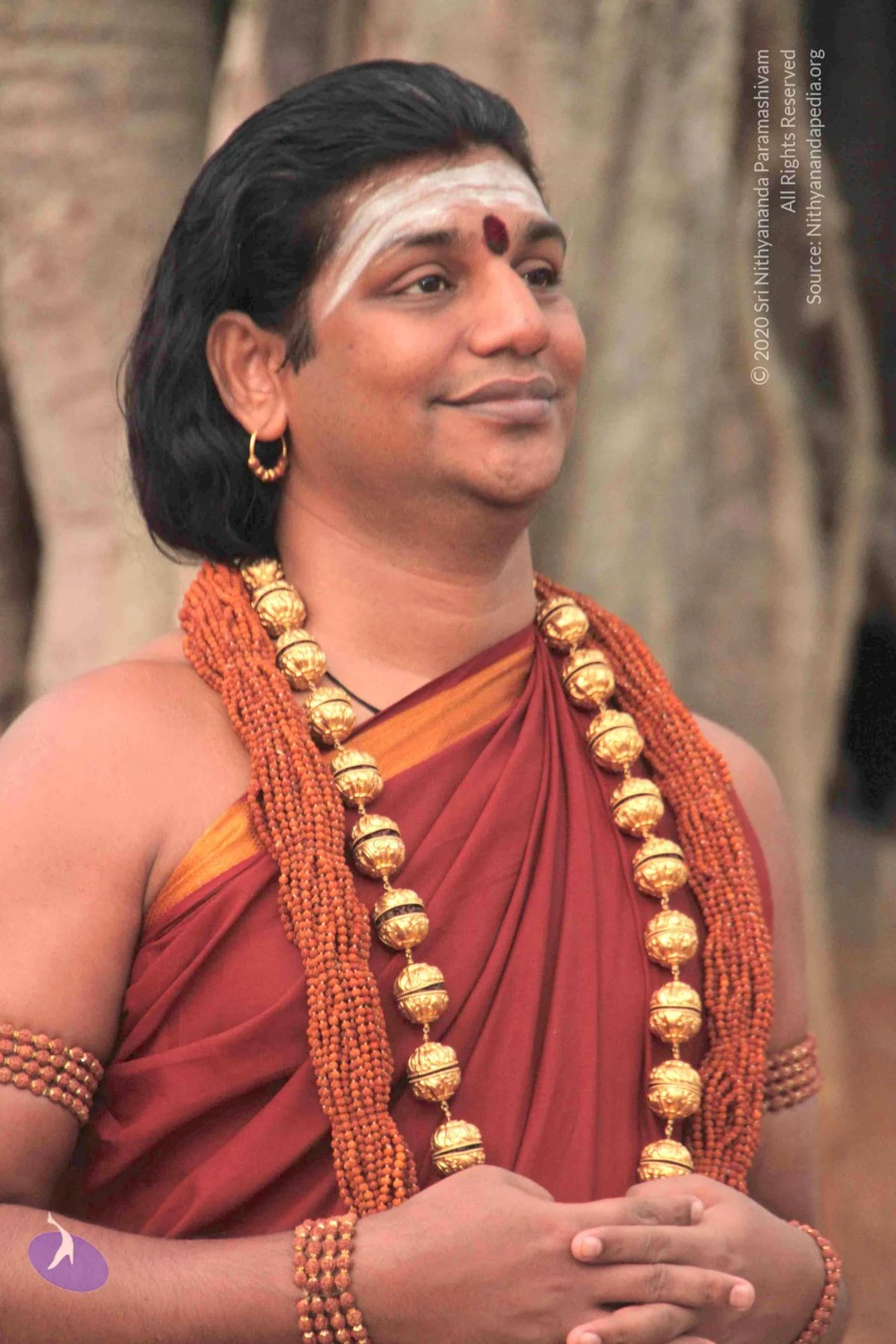
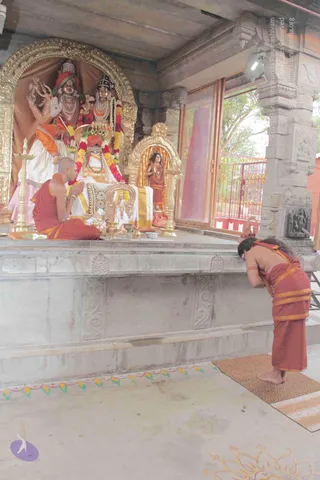
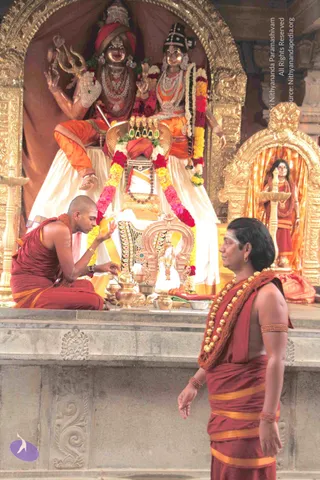
Pada-puja-Temple-visit
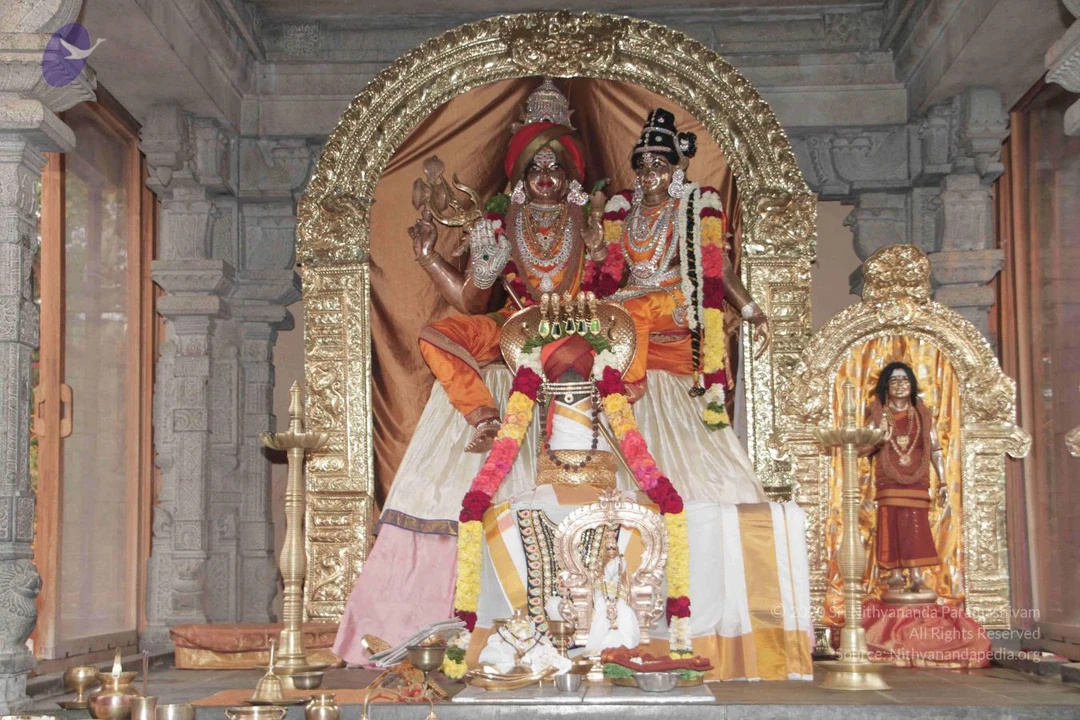
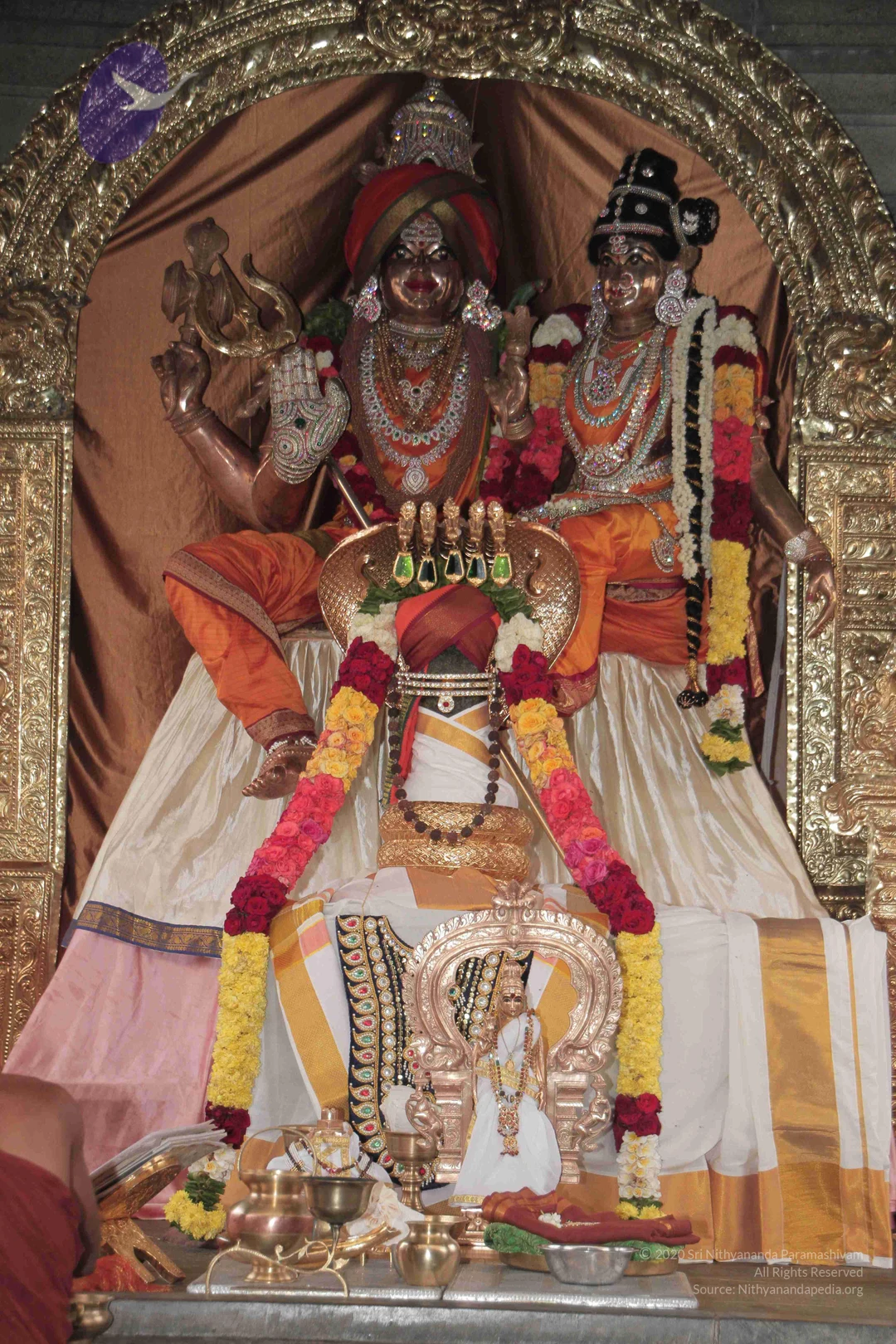
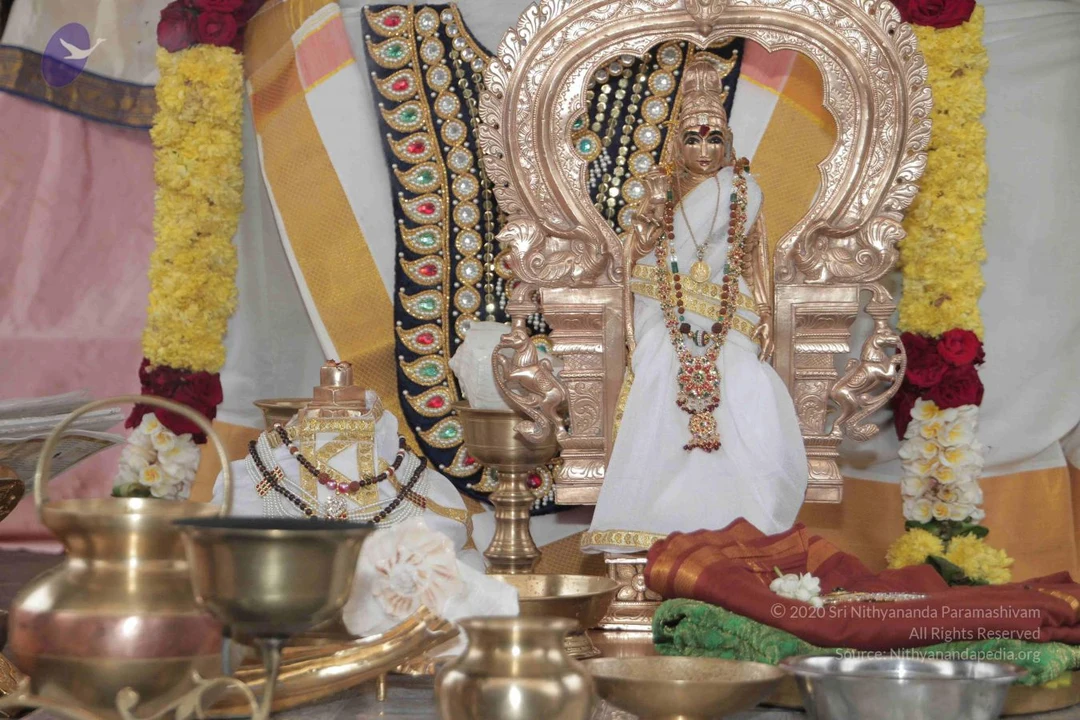
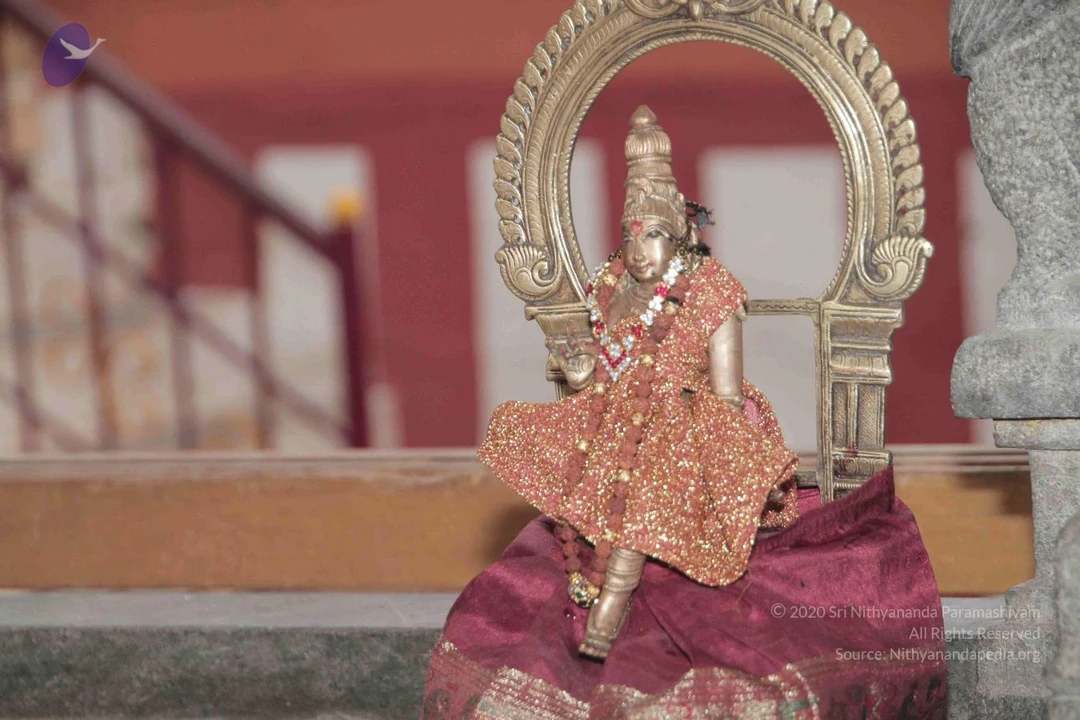

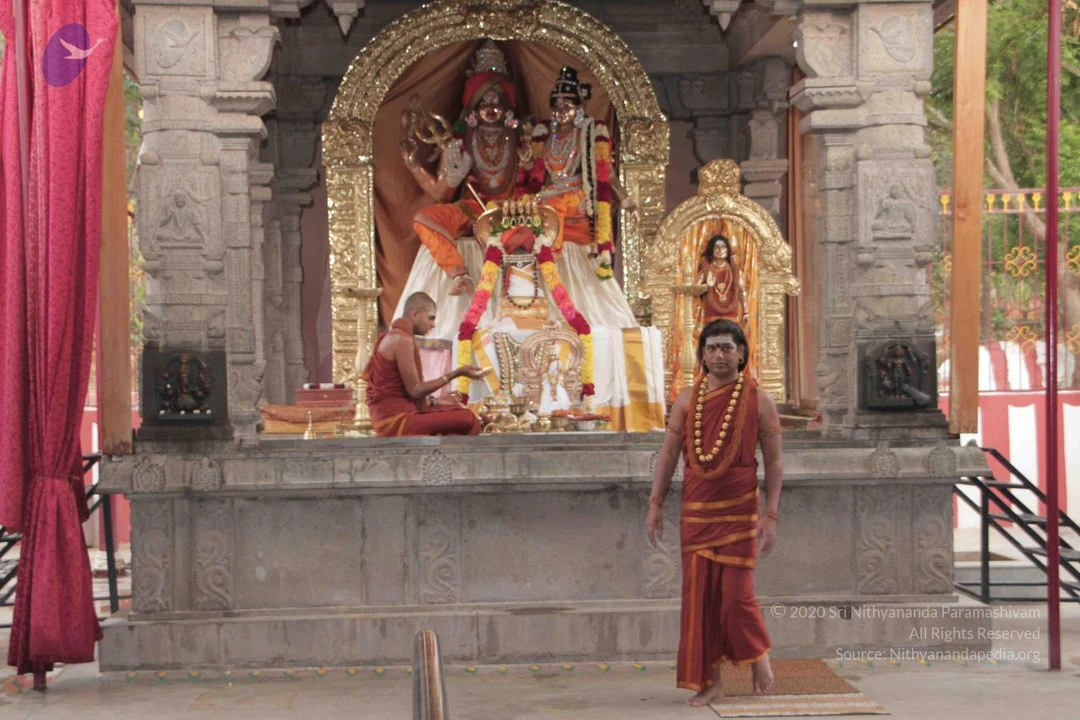
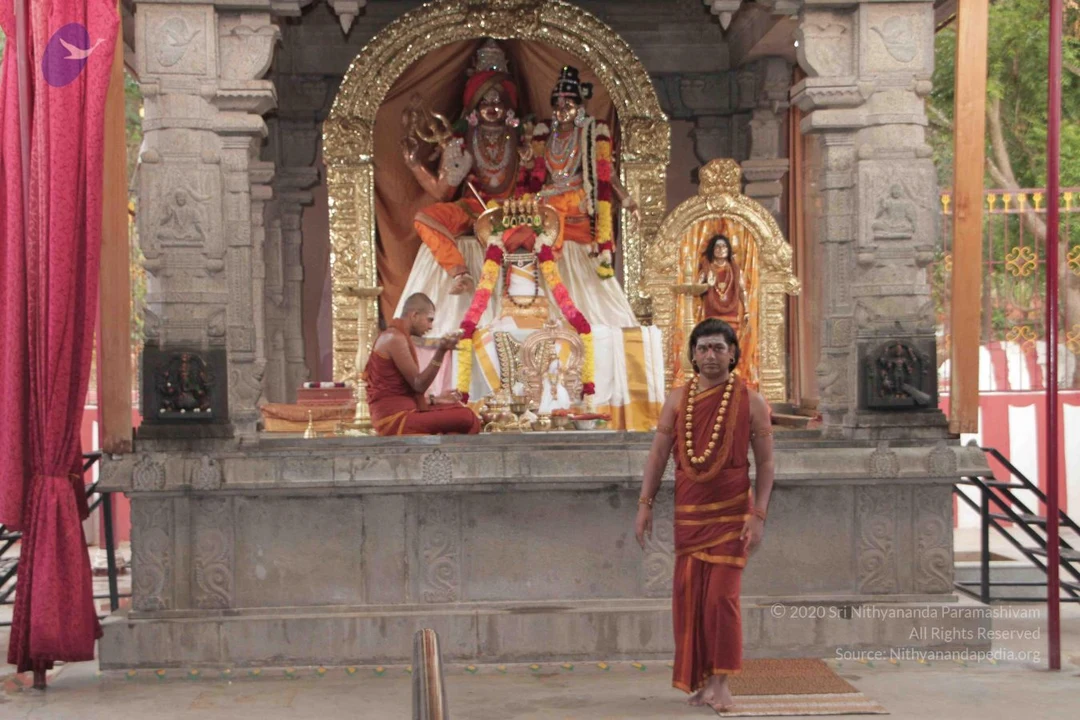
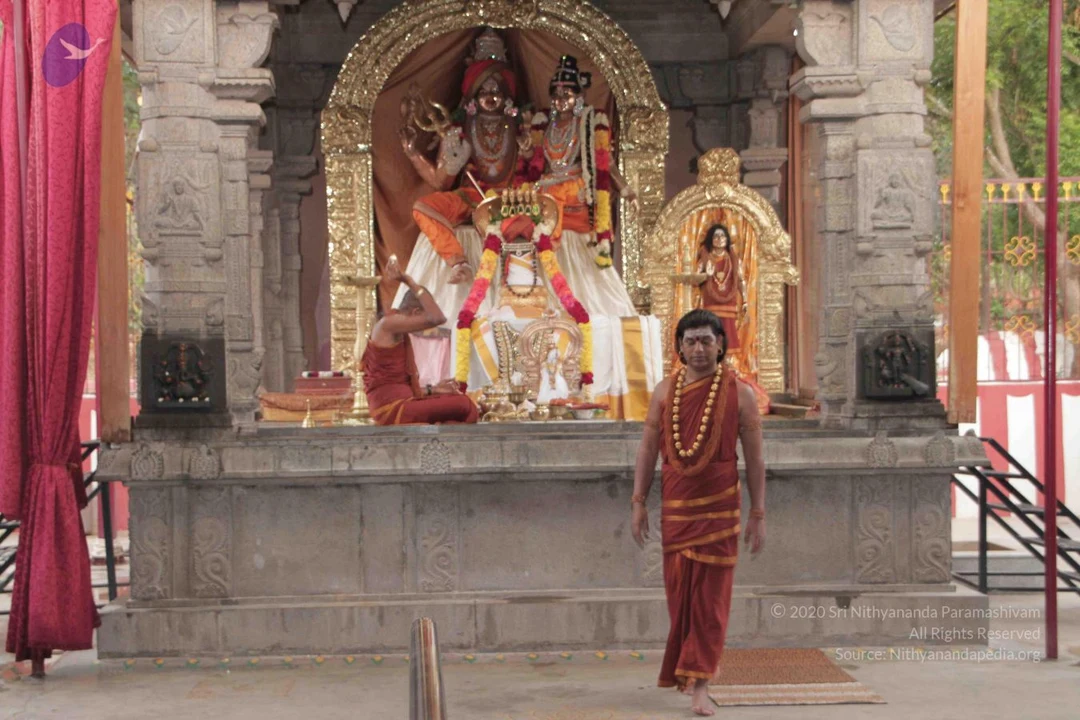
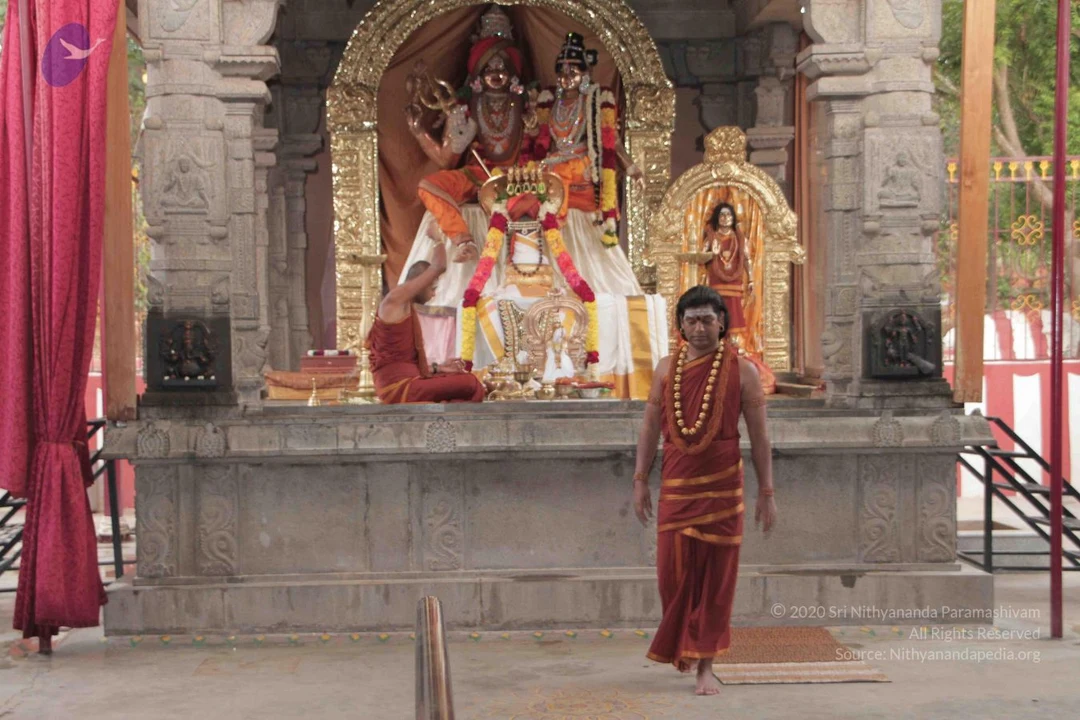
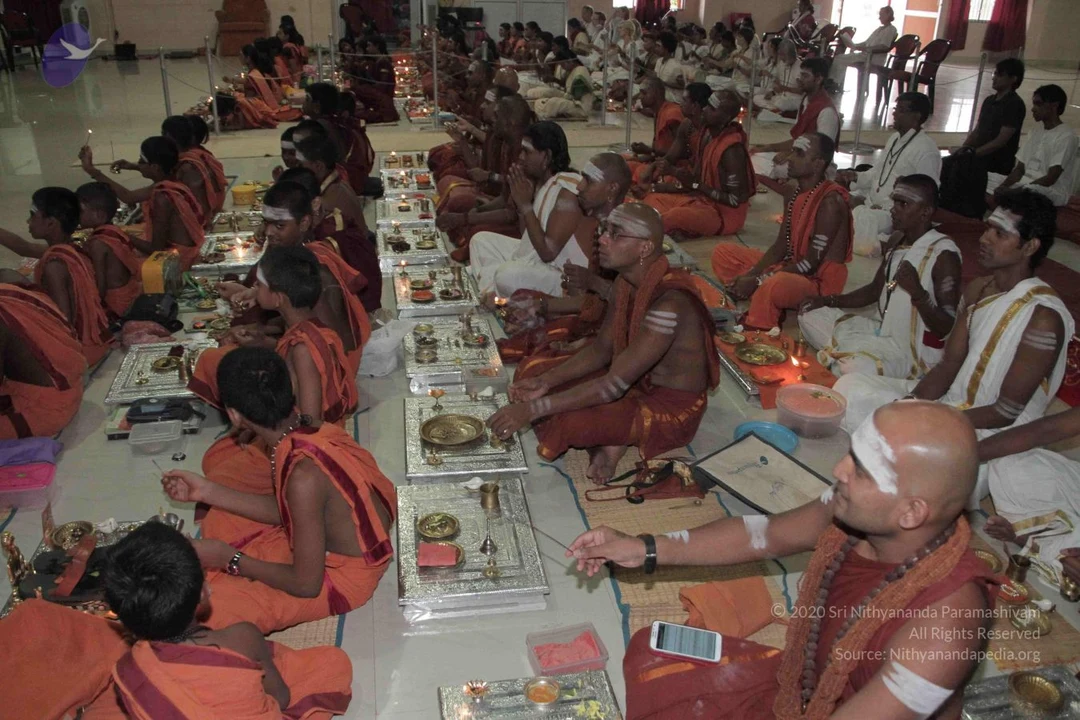
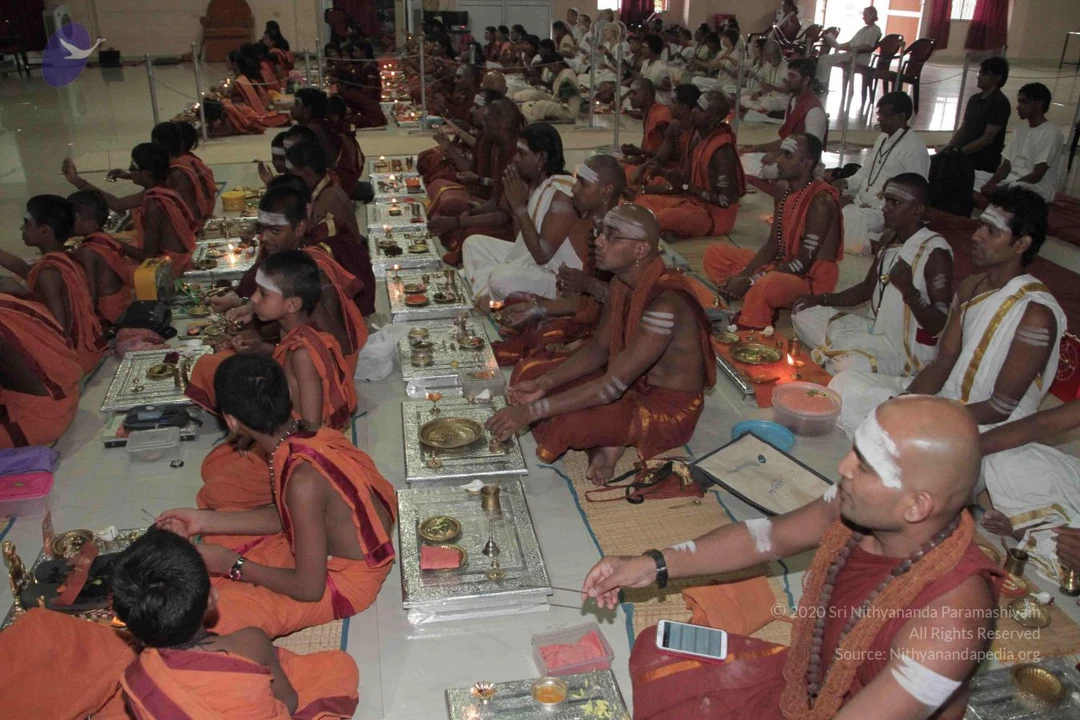
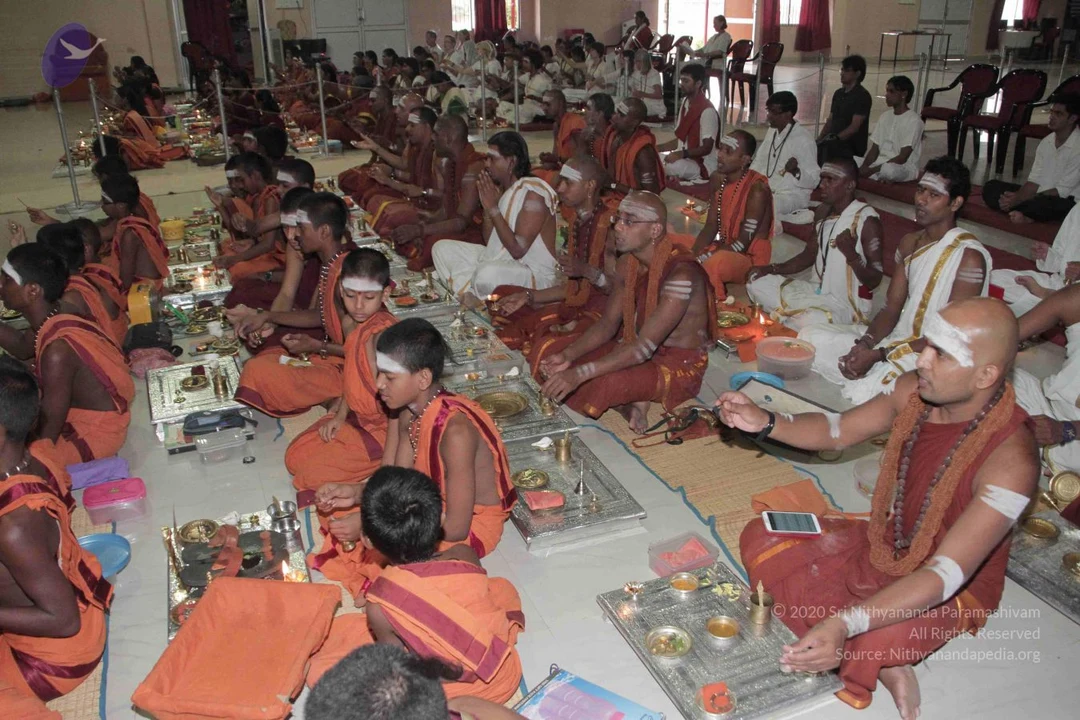
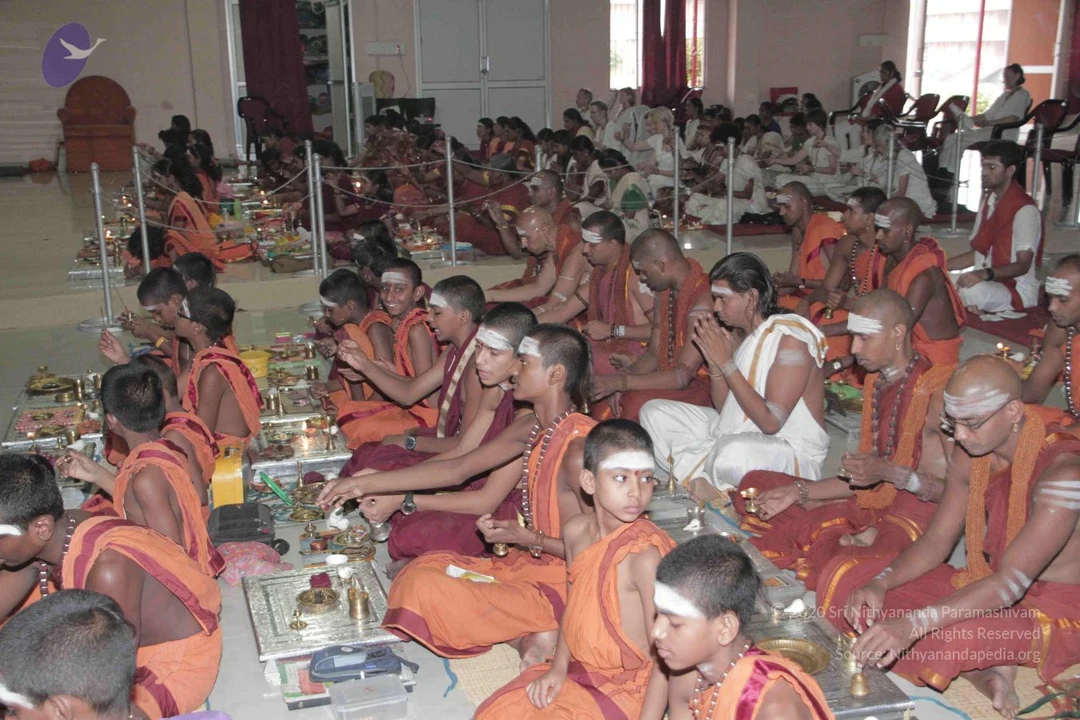
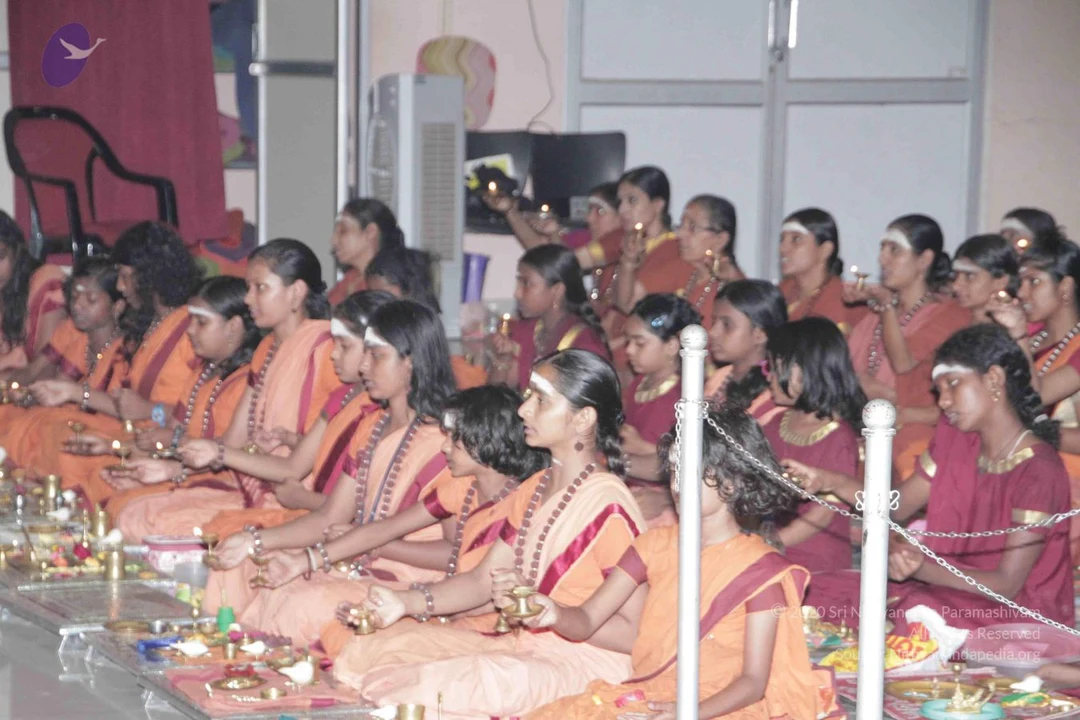
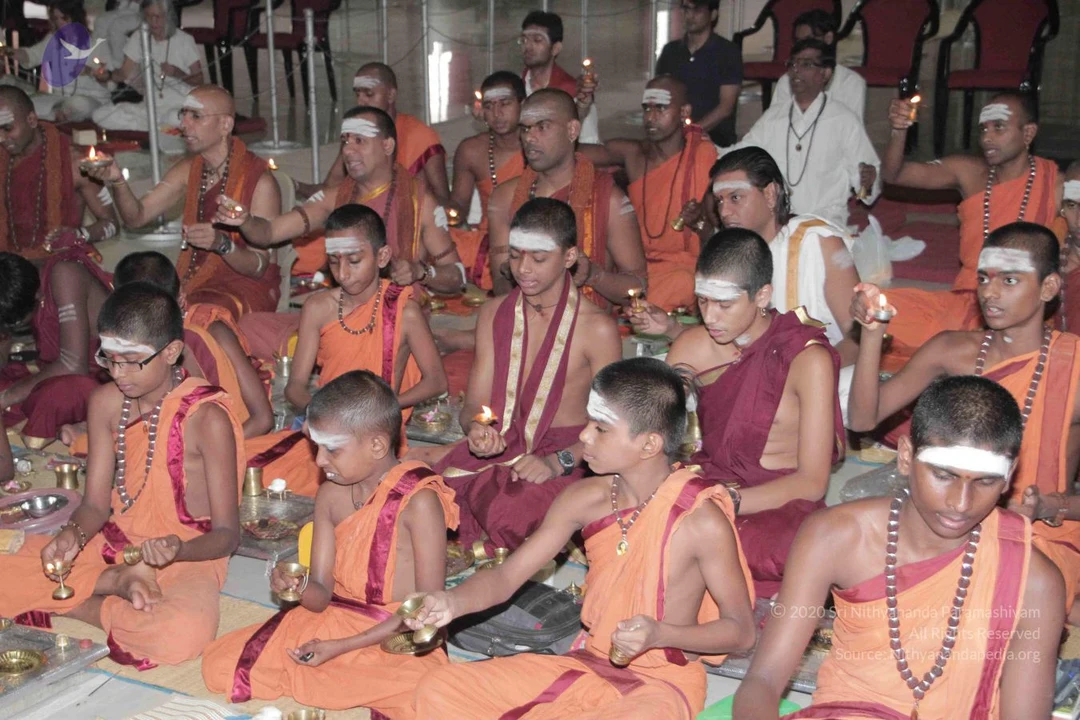
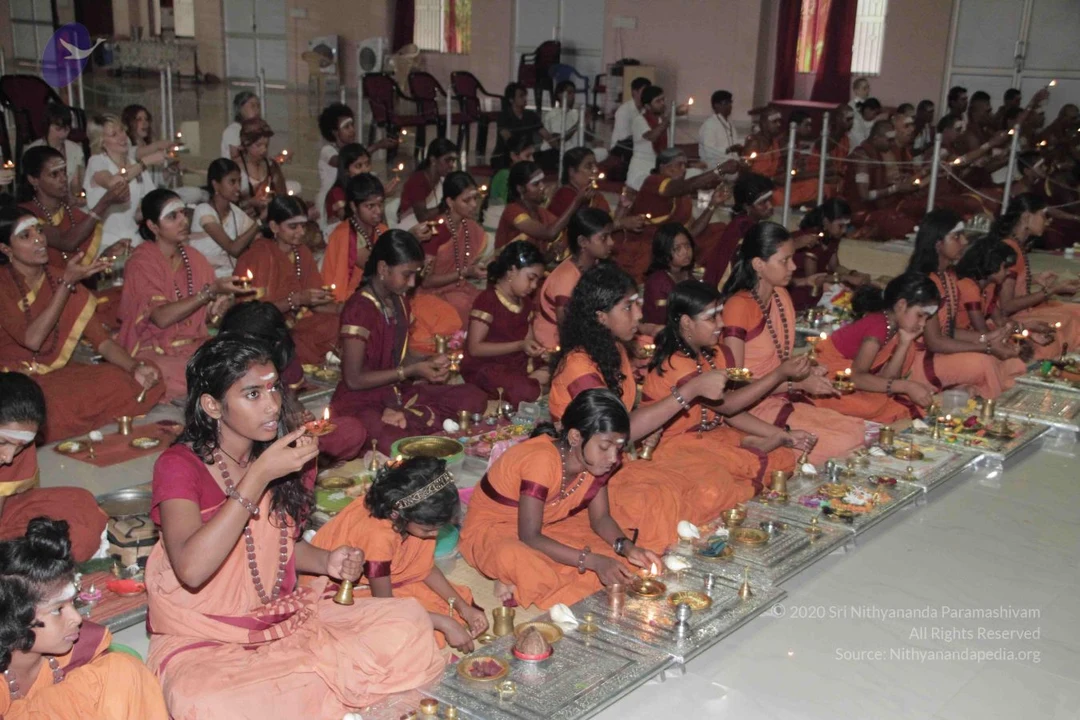
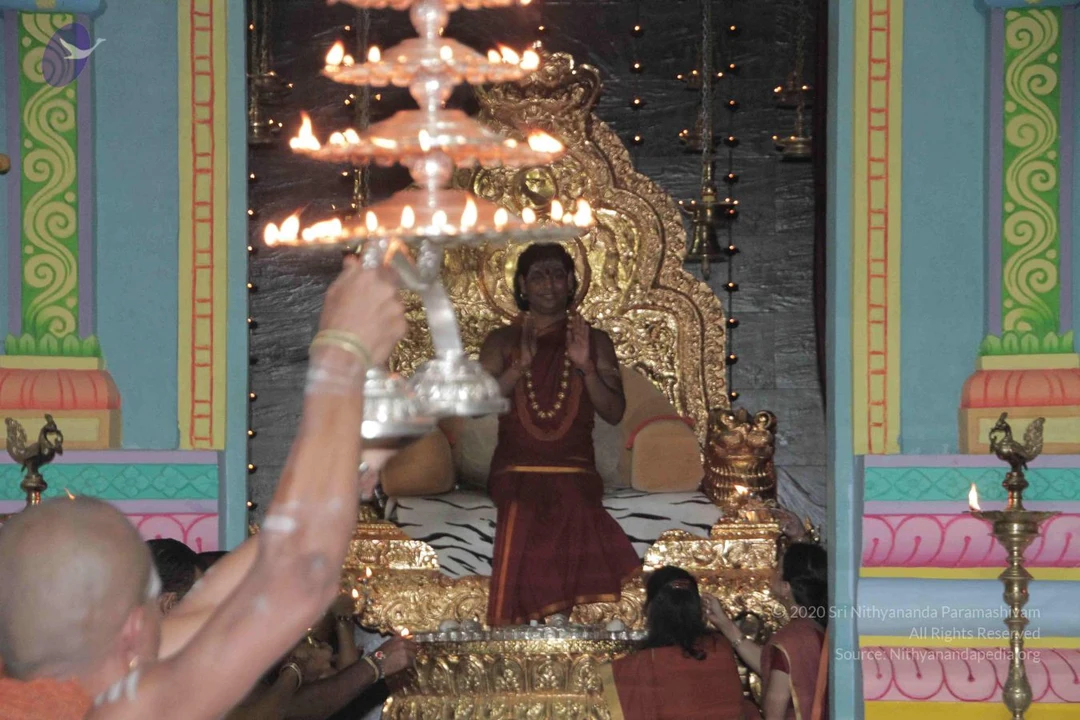
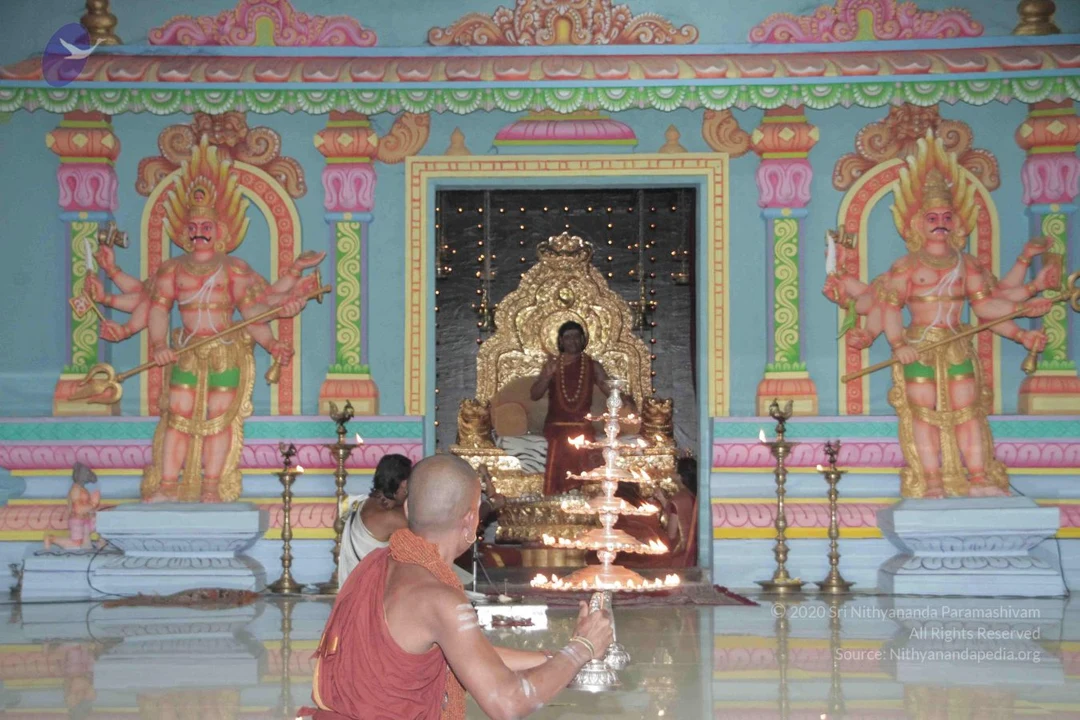
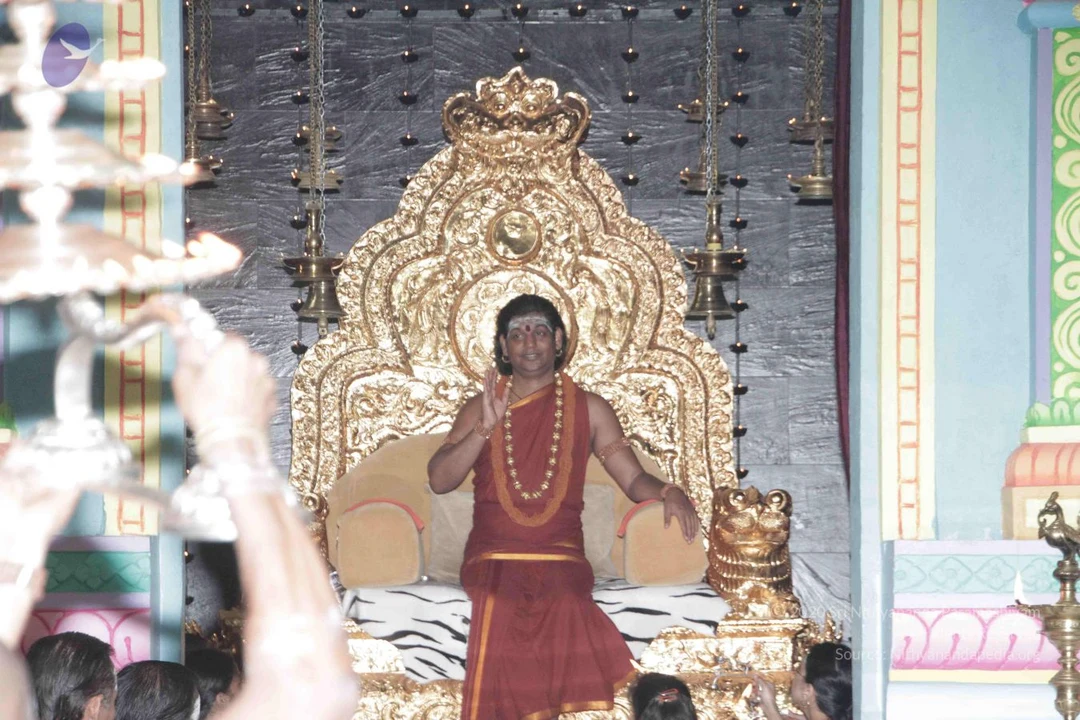
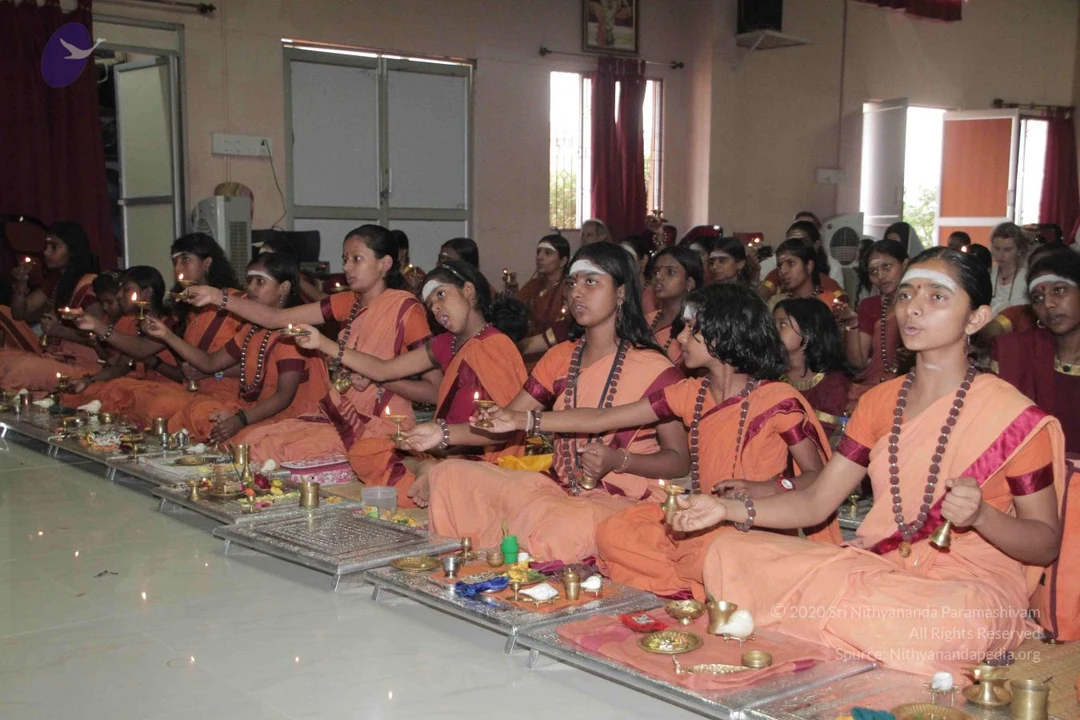
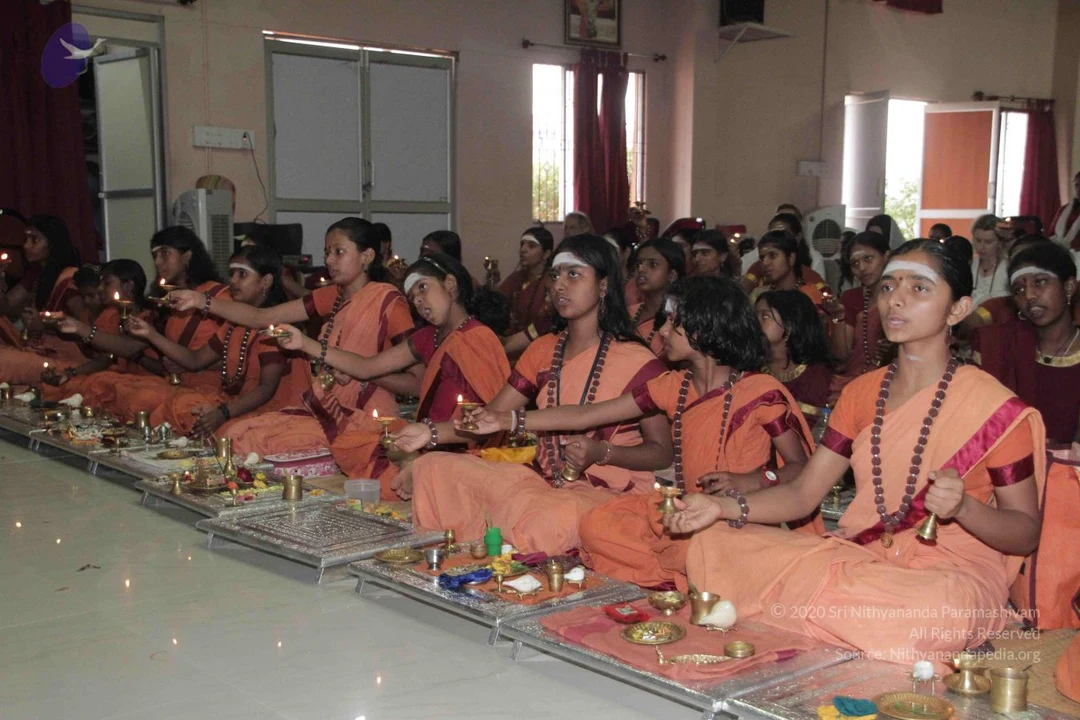


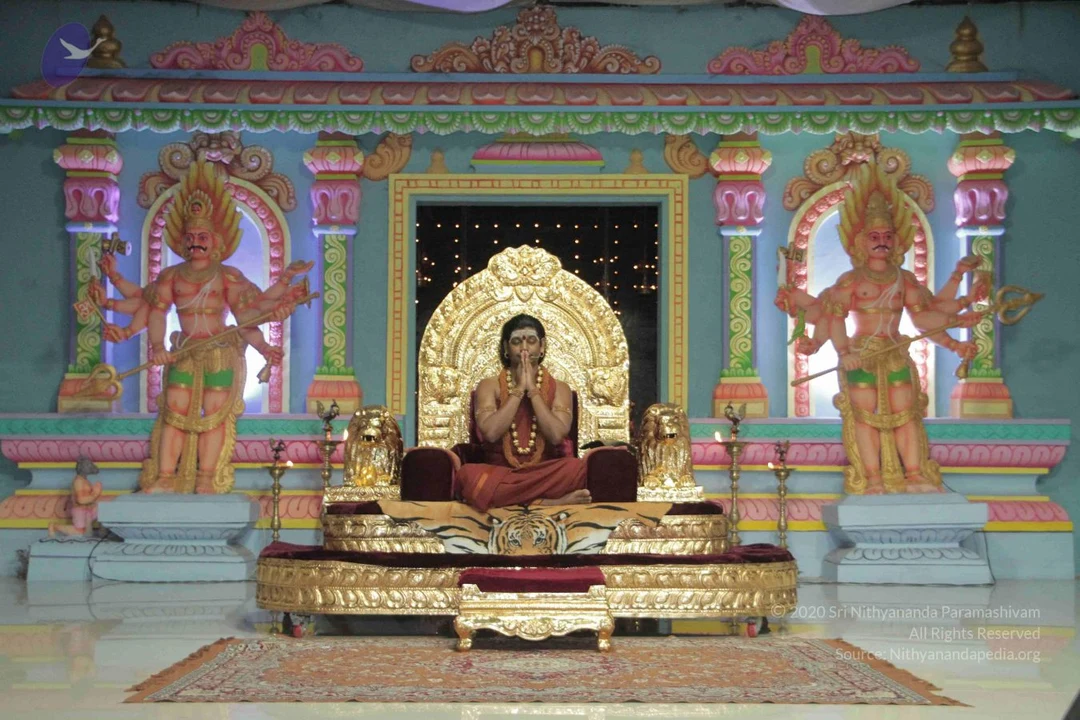
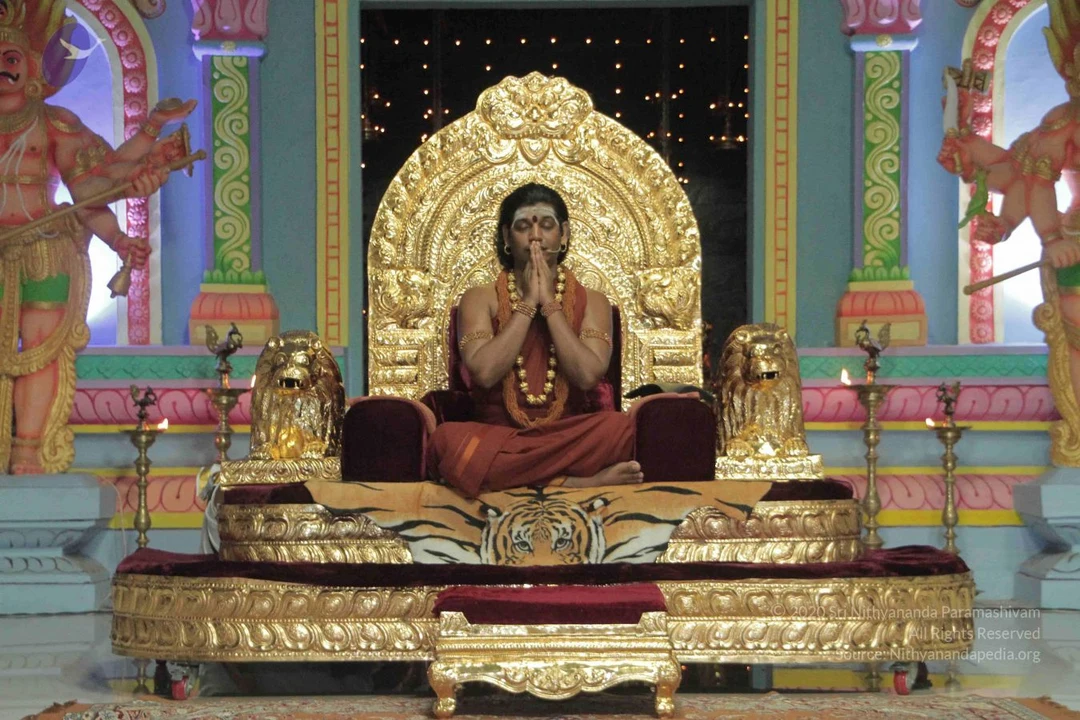
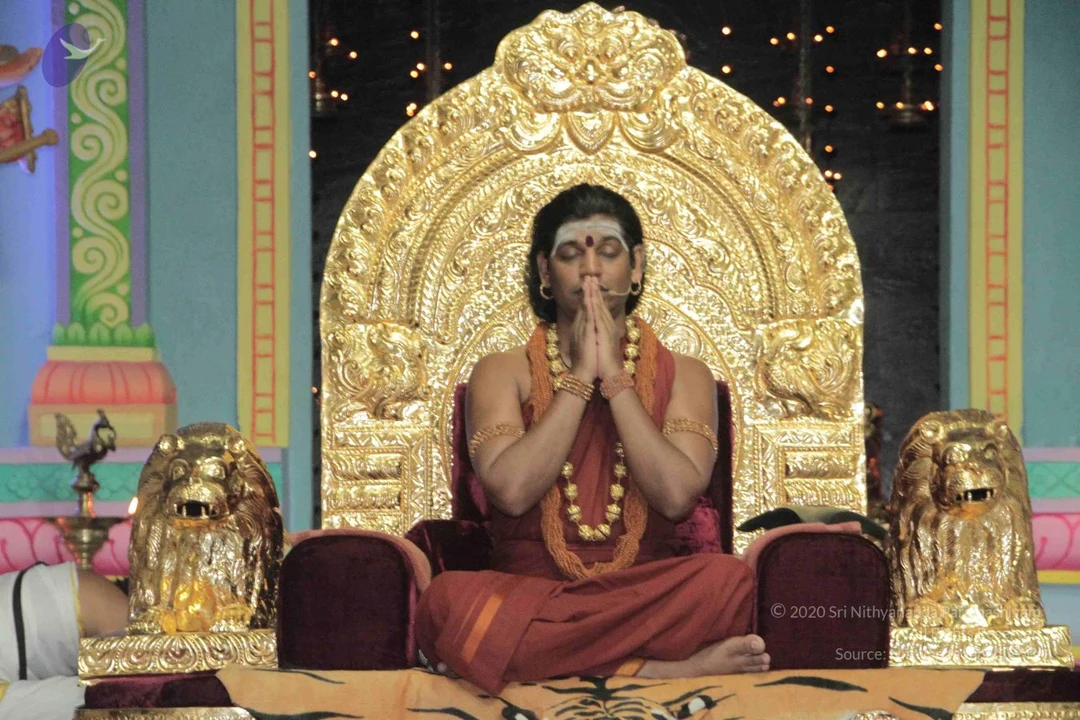
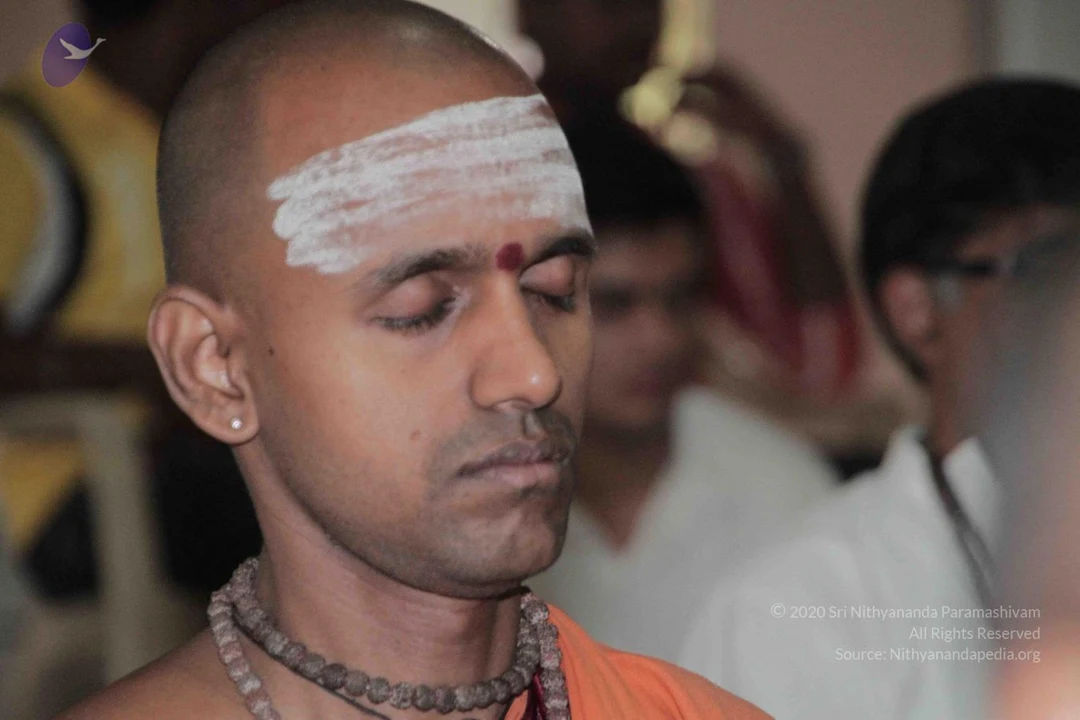

Satsang-morning
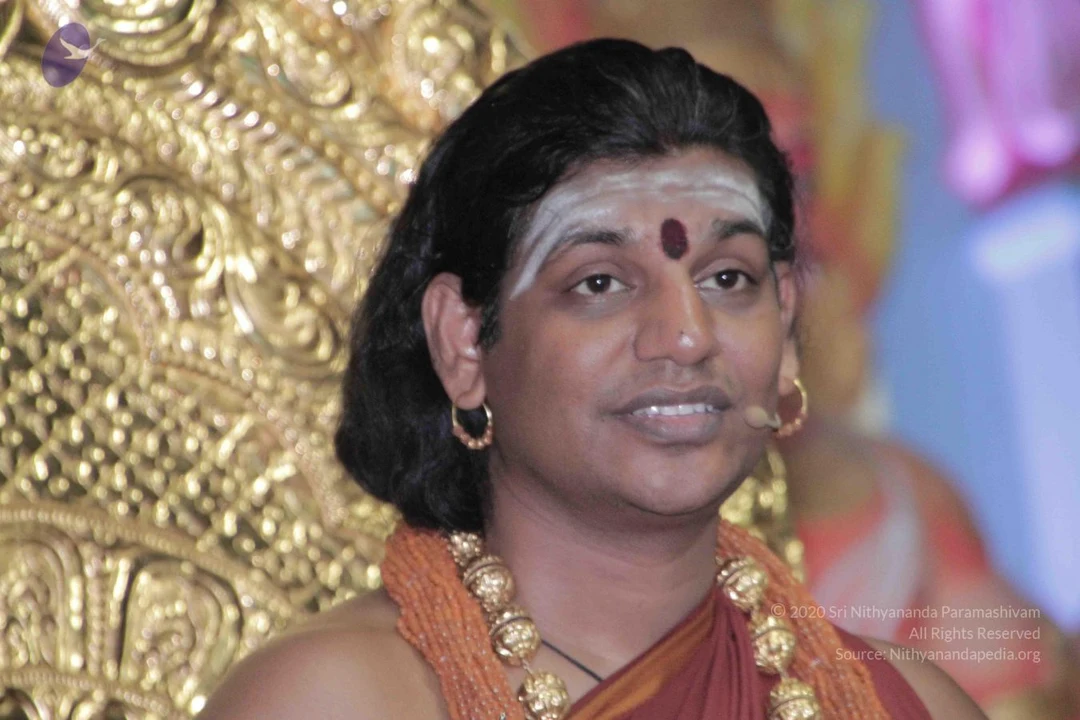
Energy-Darshan
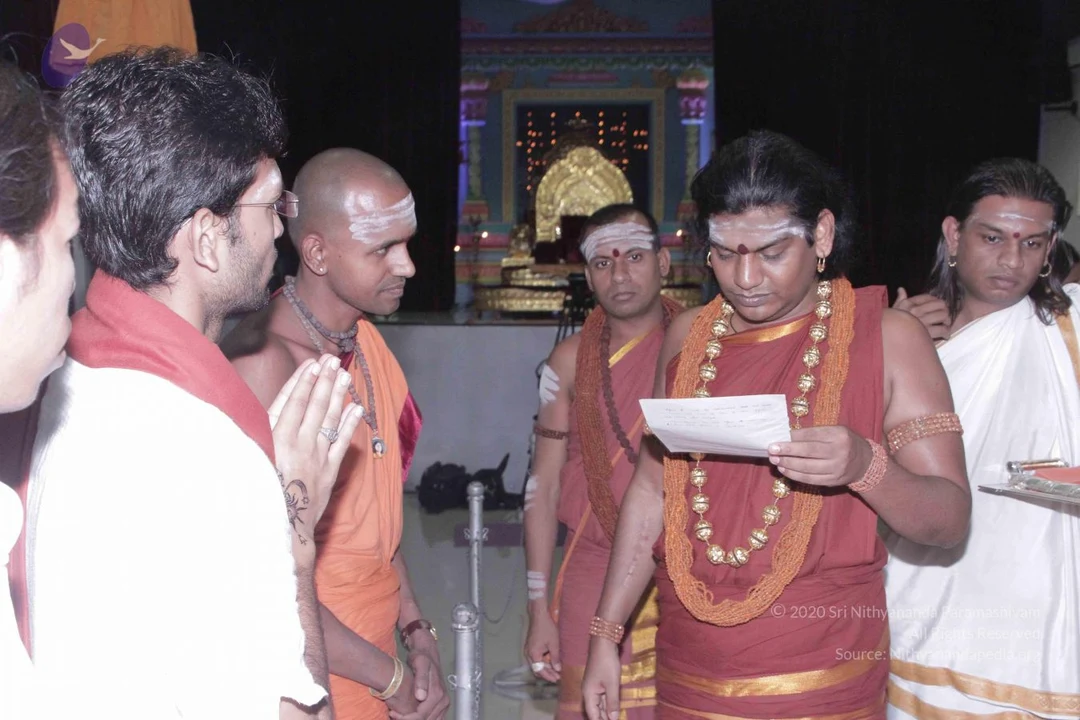
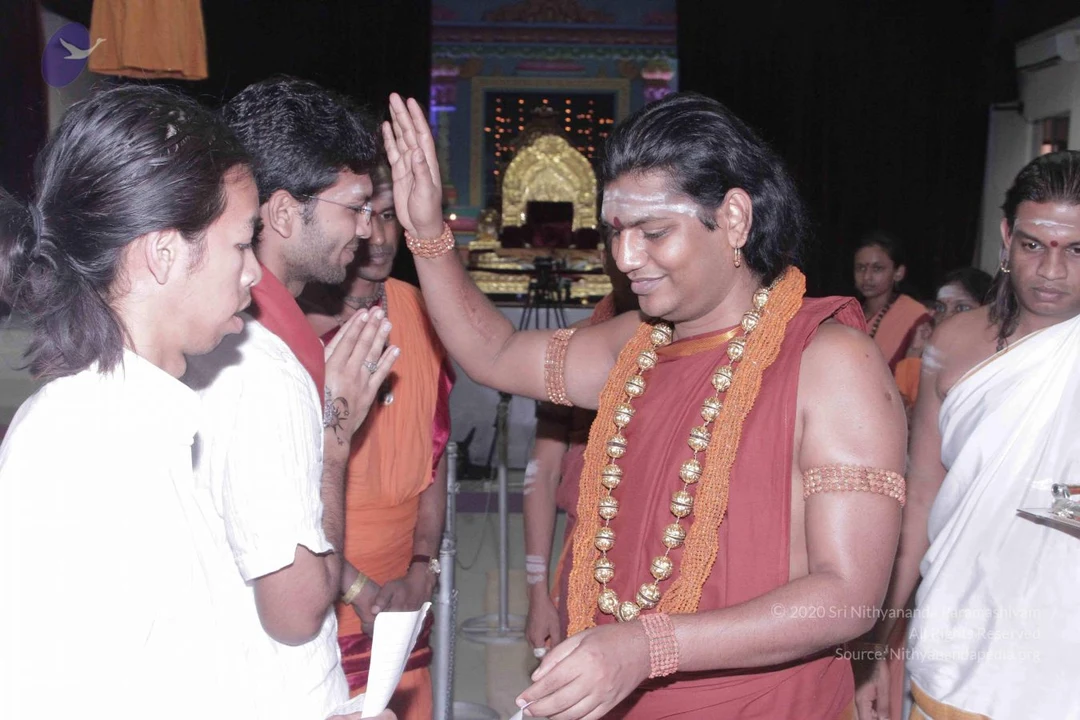
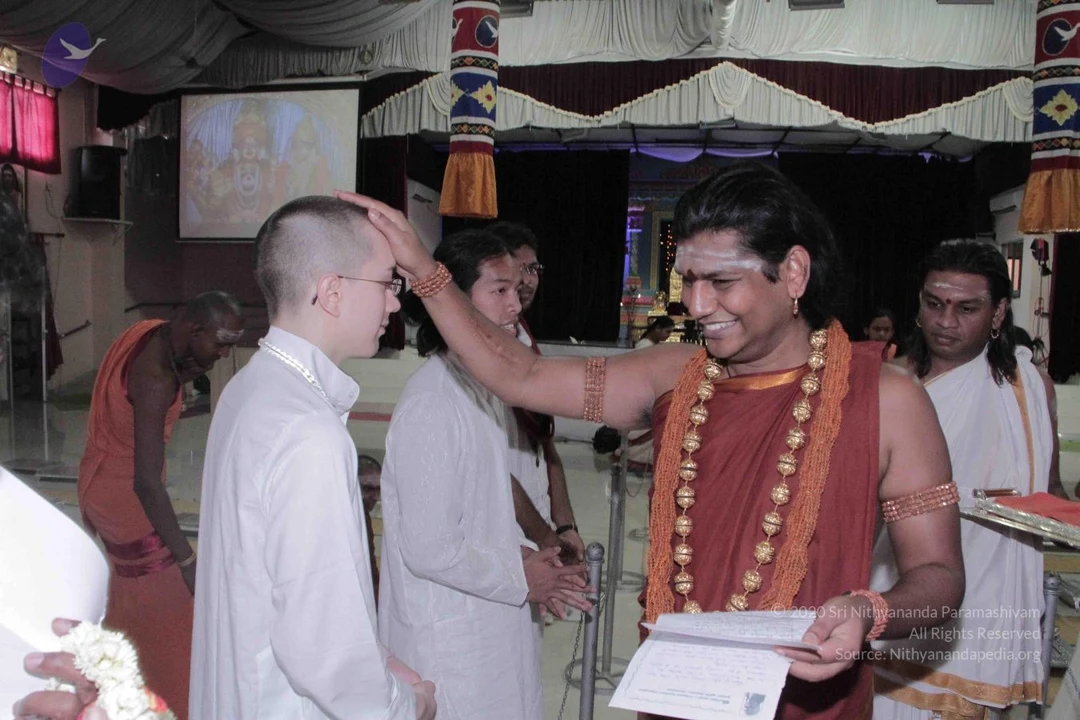
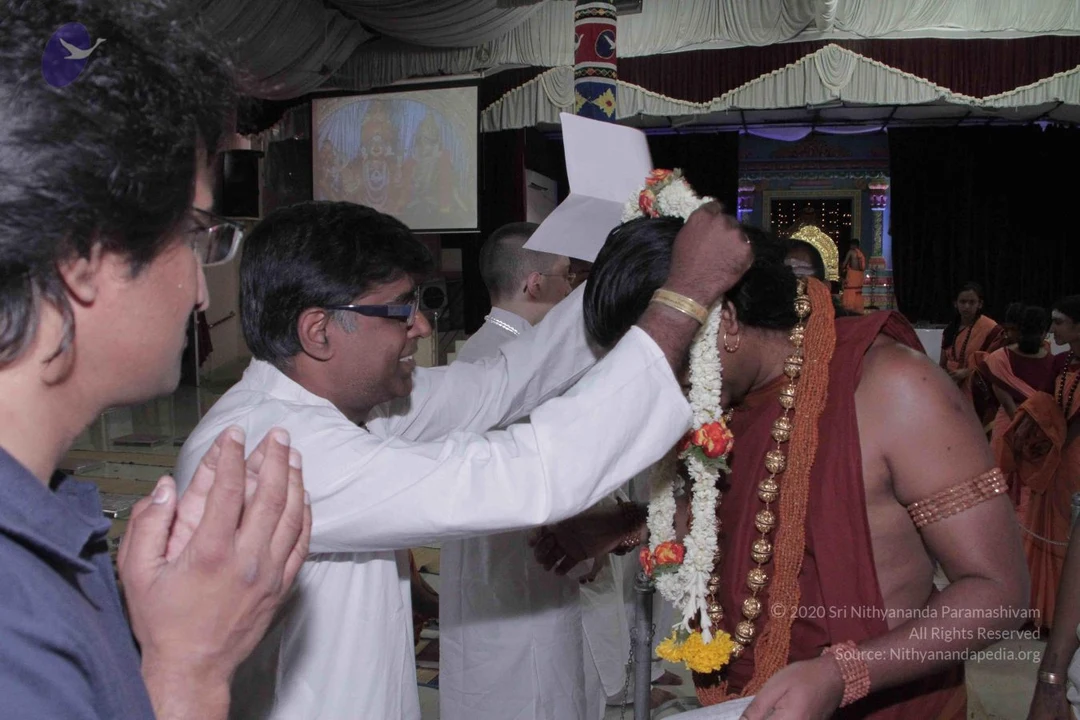
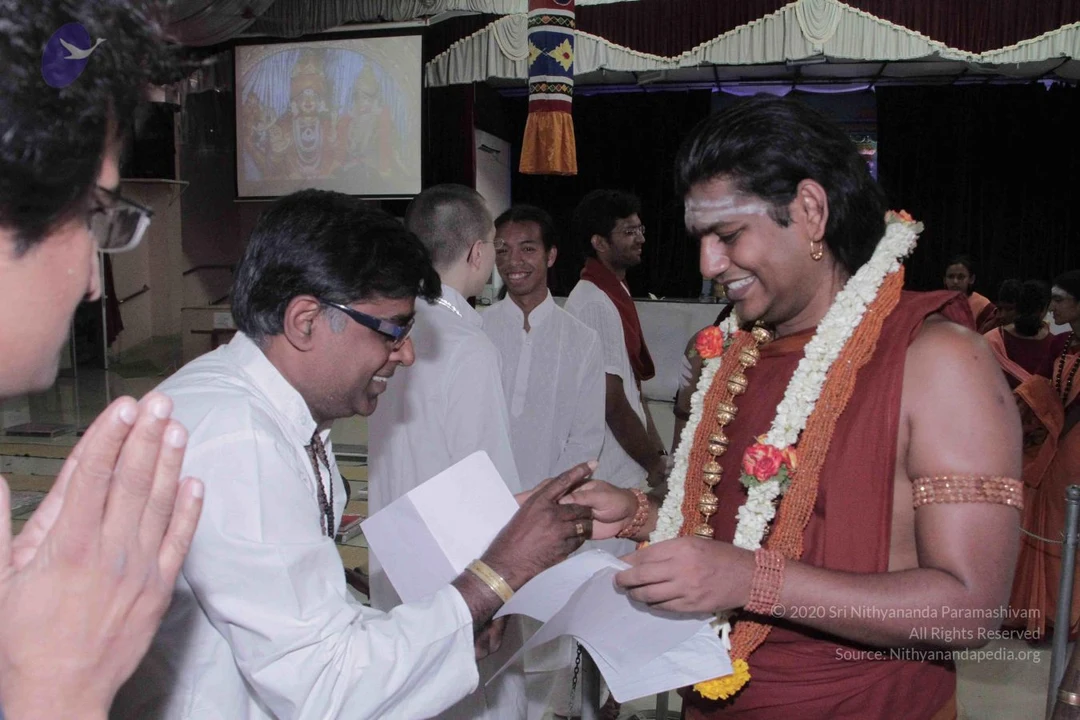
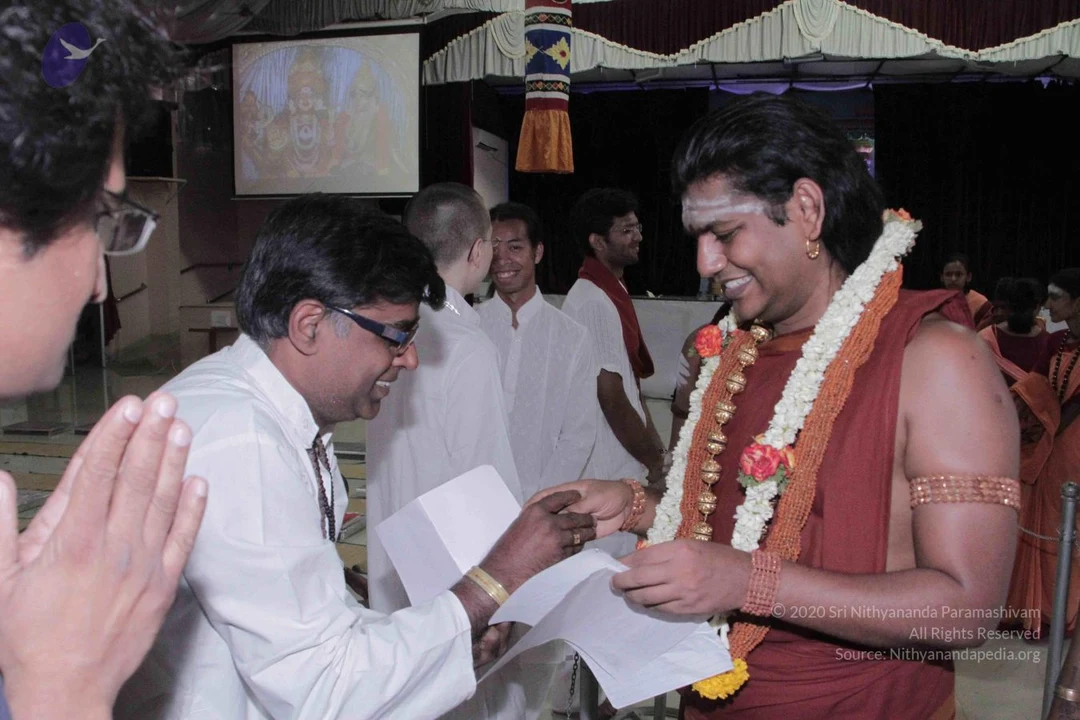
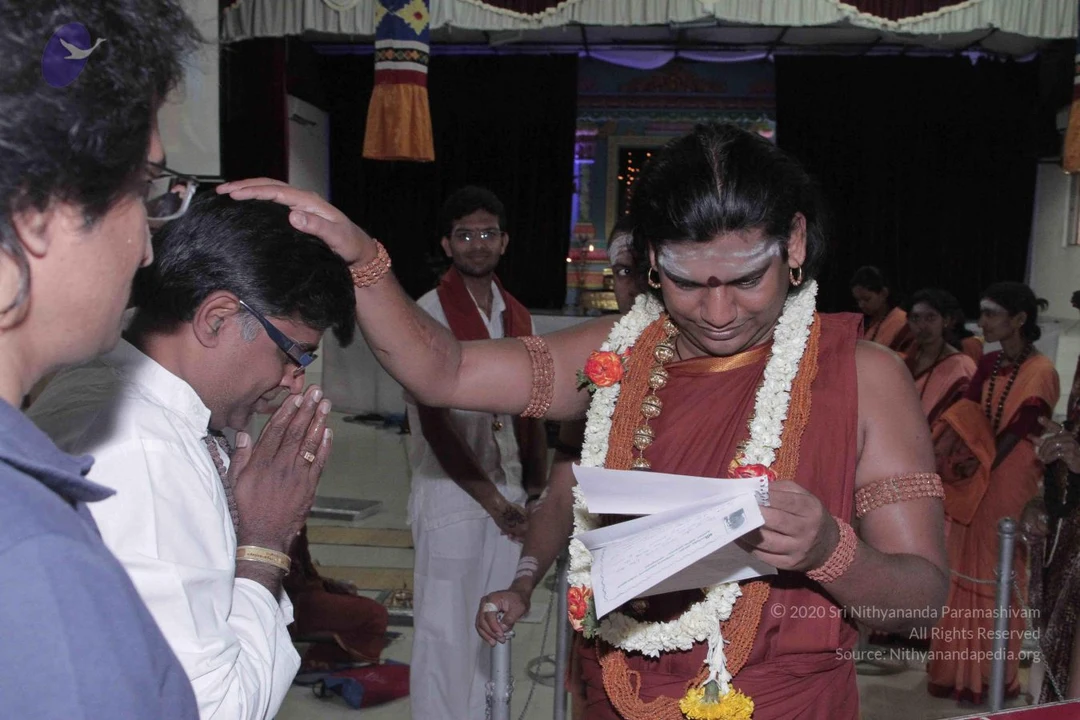
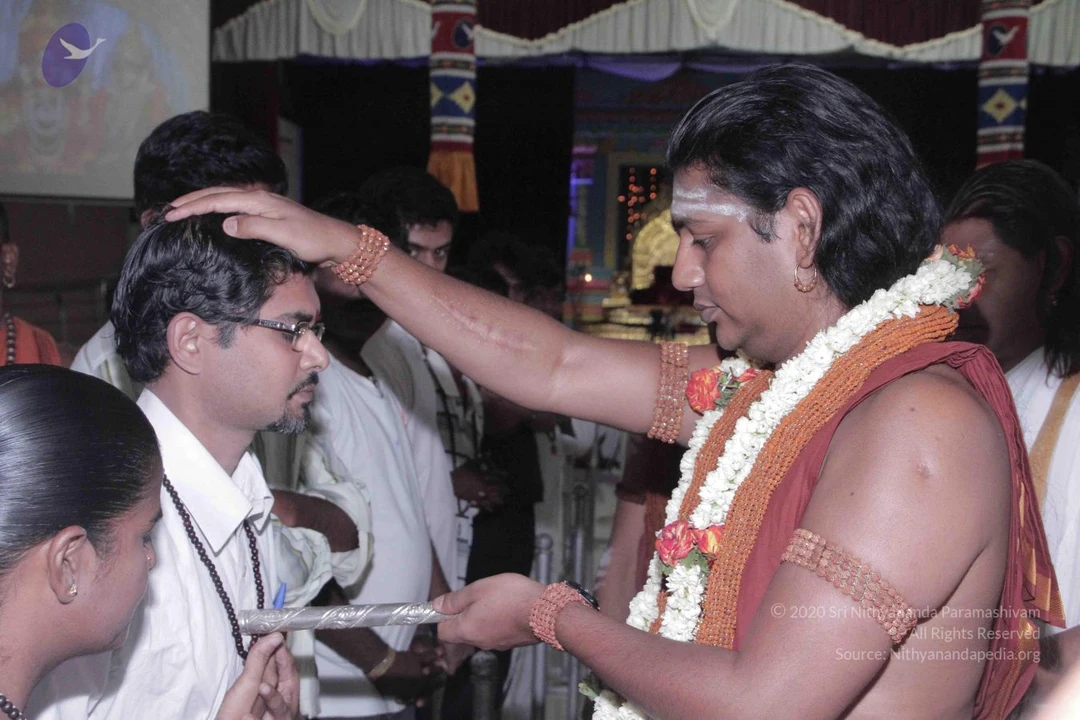
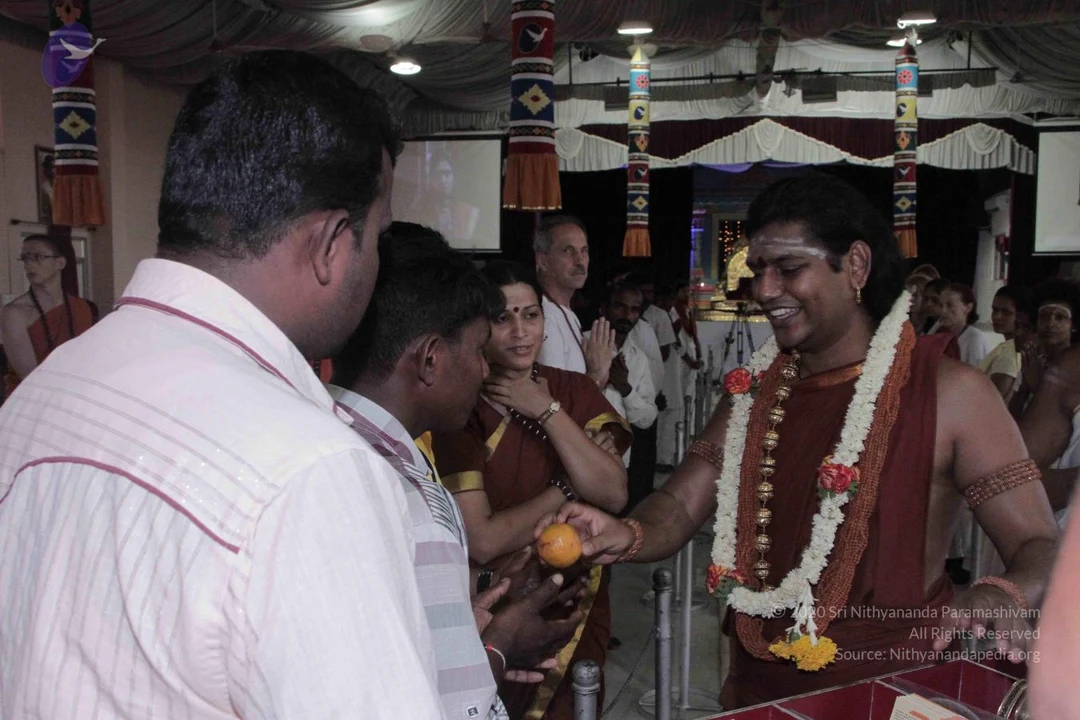
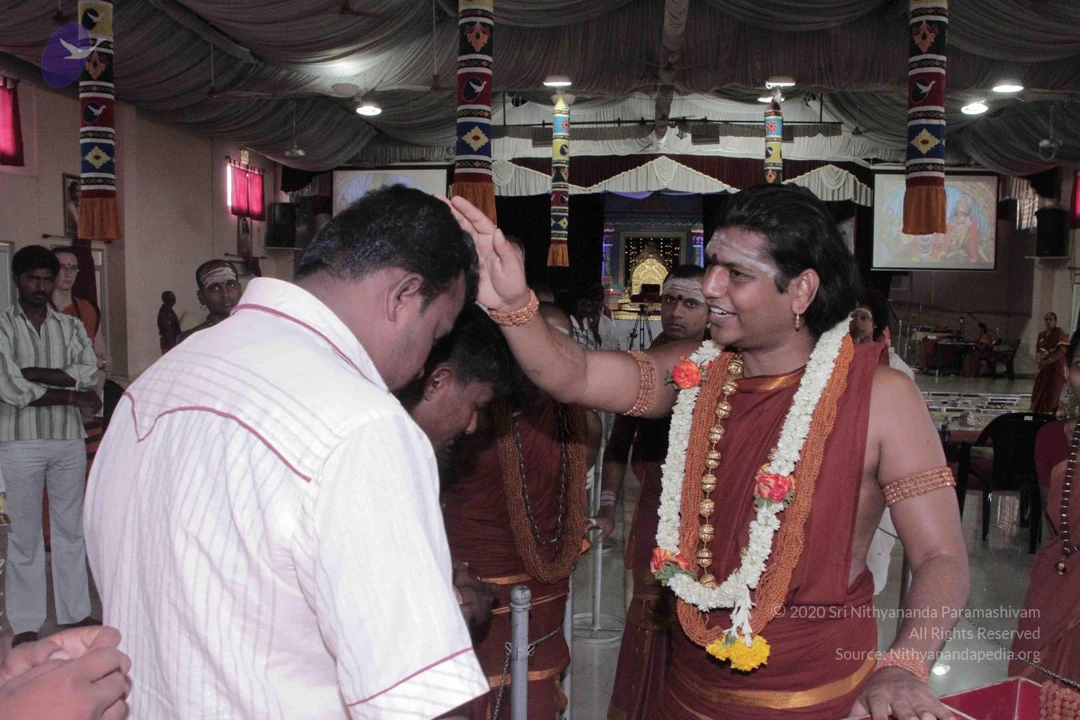
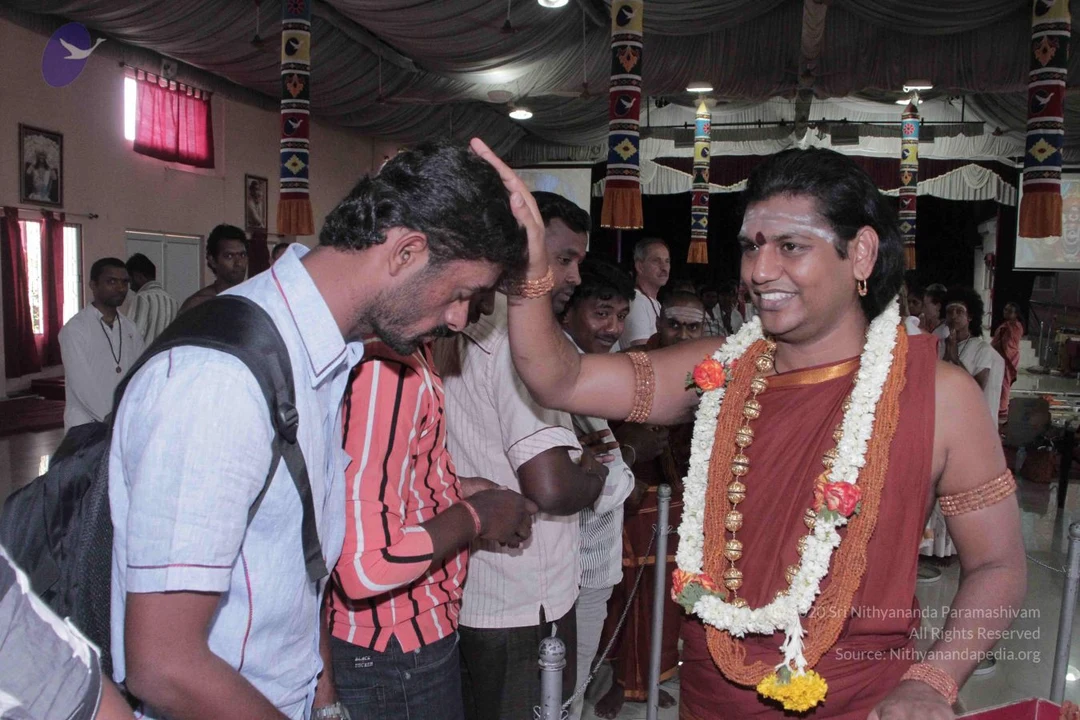
Nithya-Kriya-Yoga-Day-1

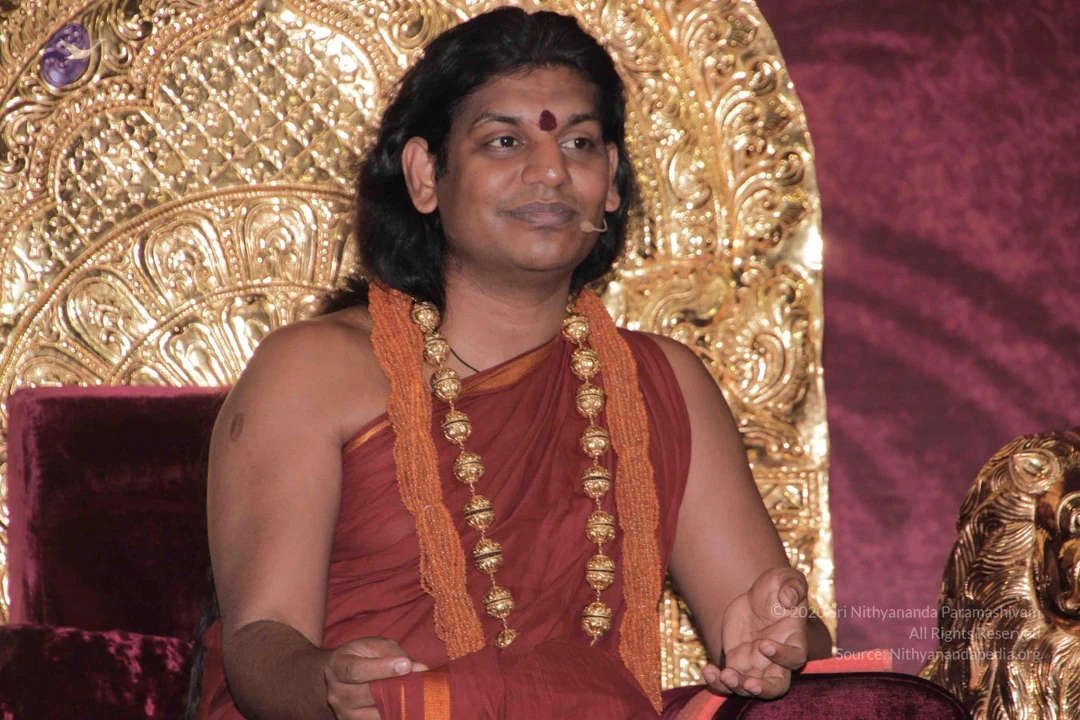
Kalabhairava-Darshan
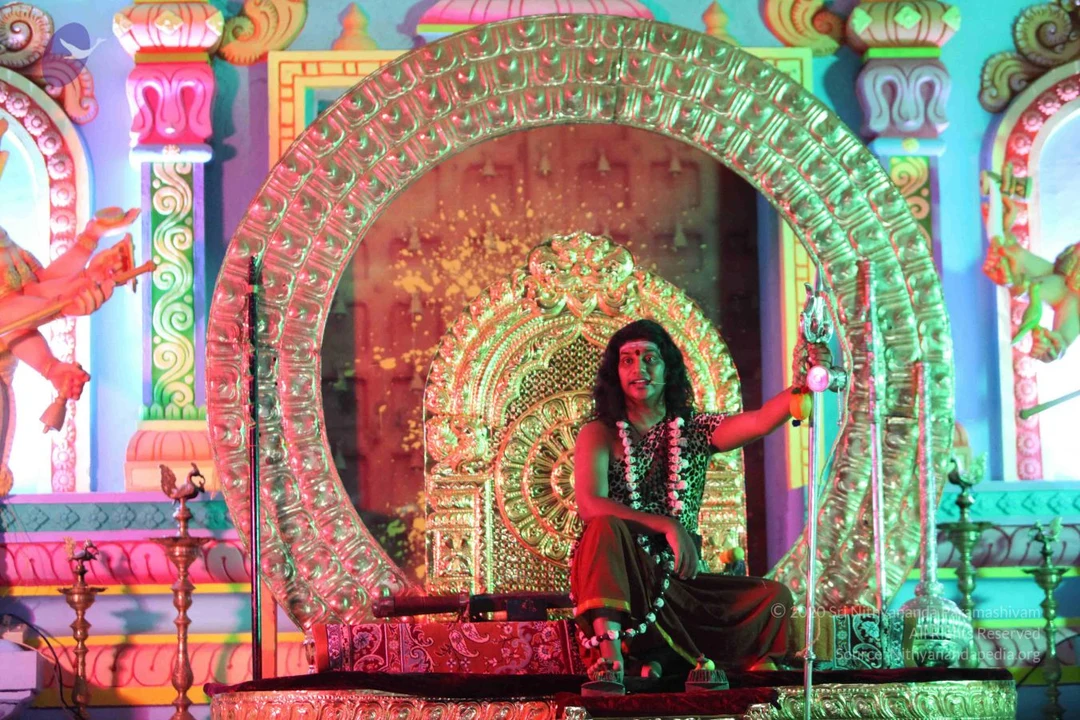




Photos Of The Day:
Pada-Puja-Temple-visit
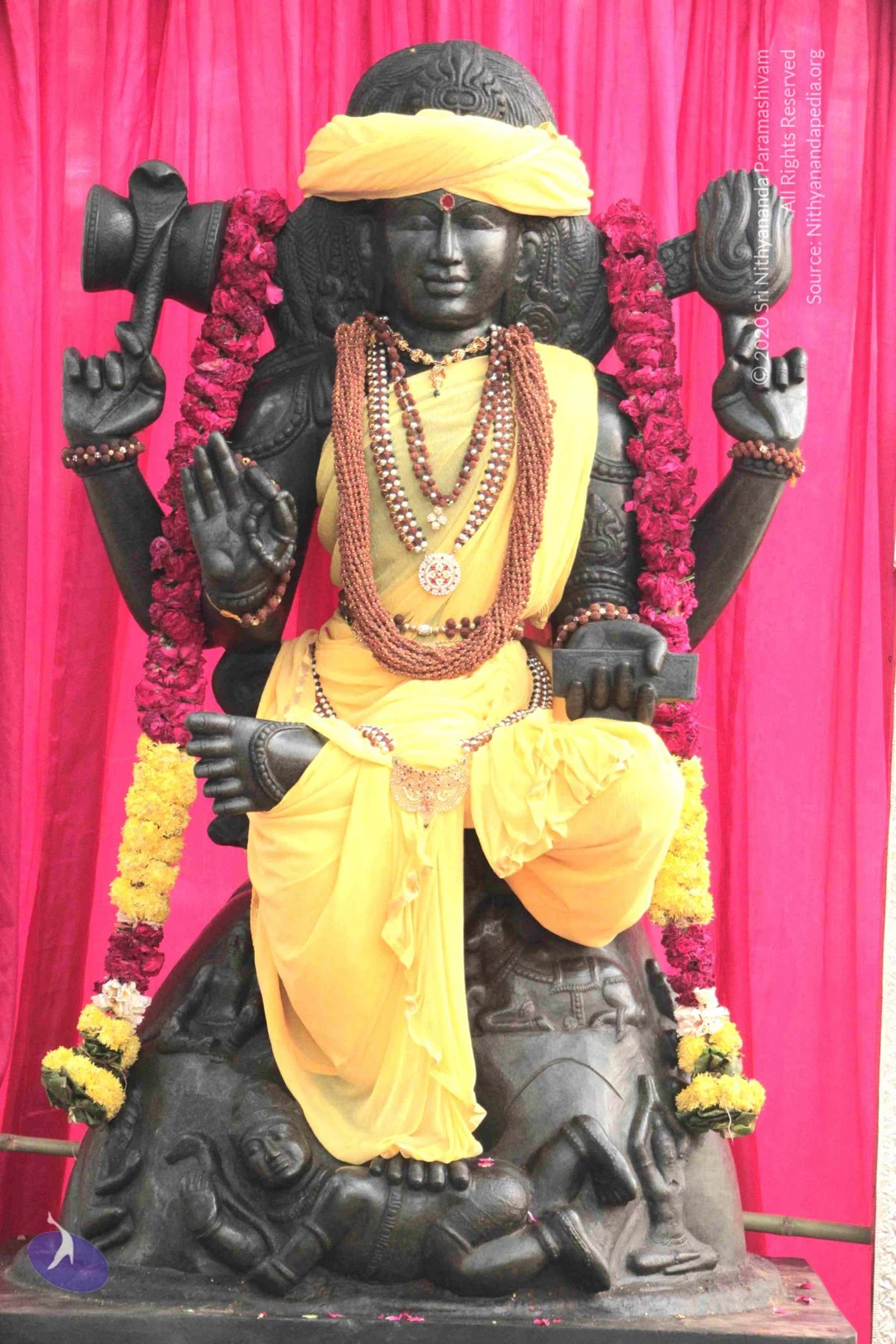
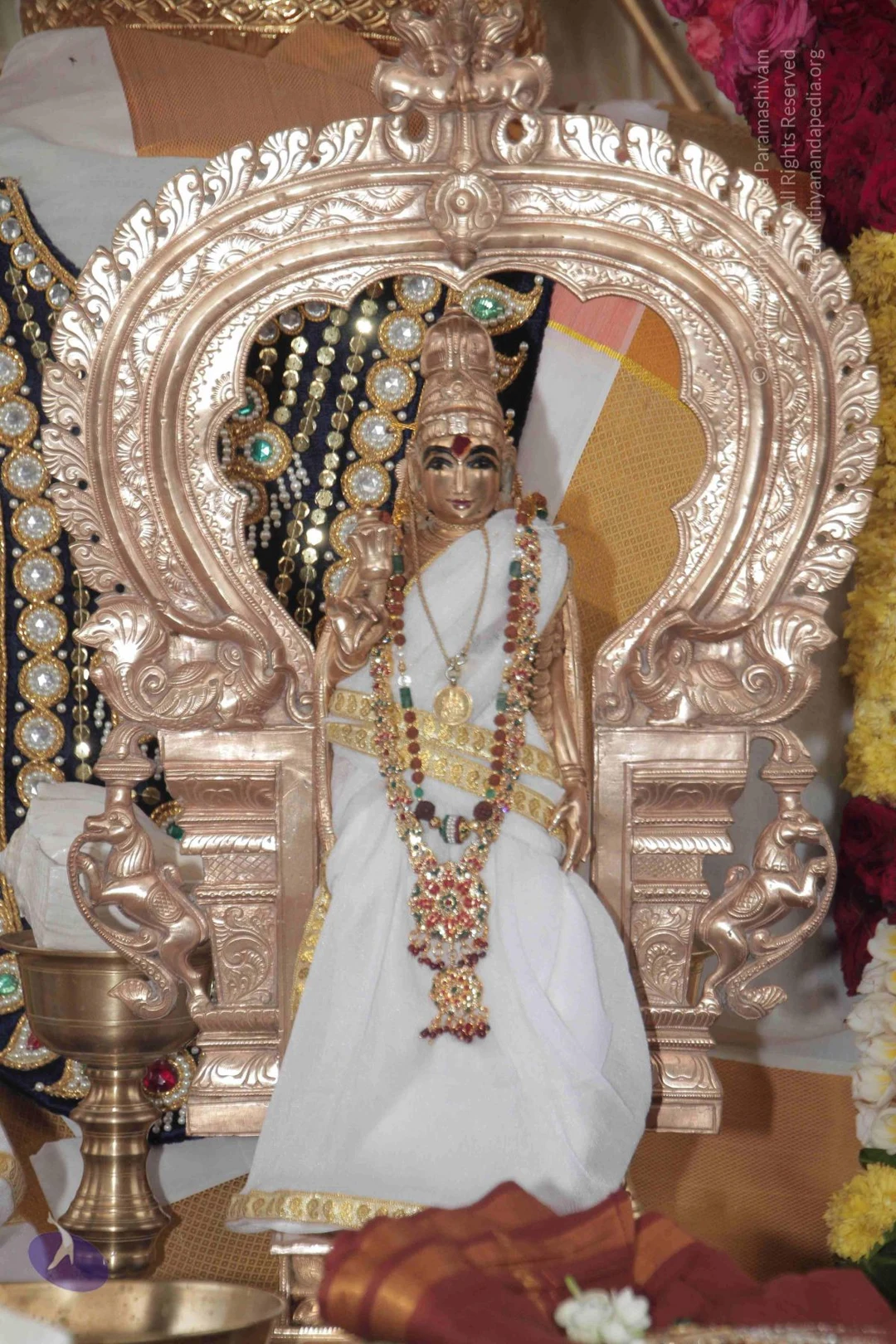
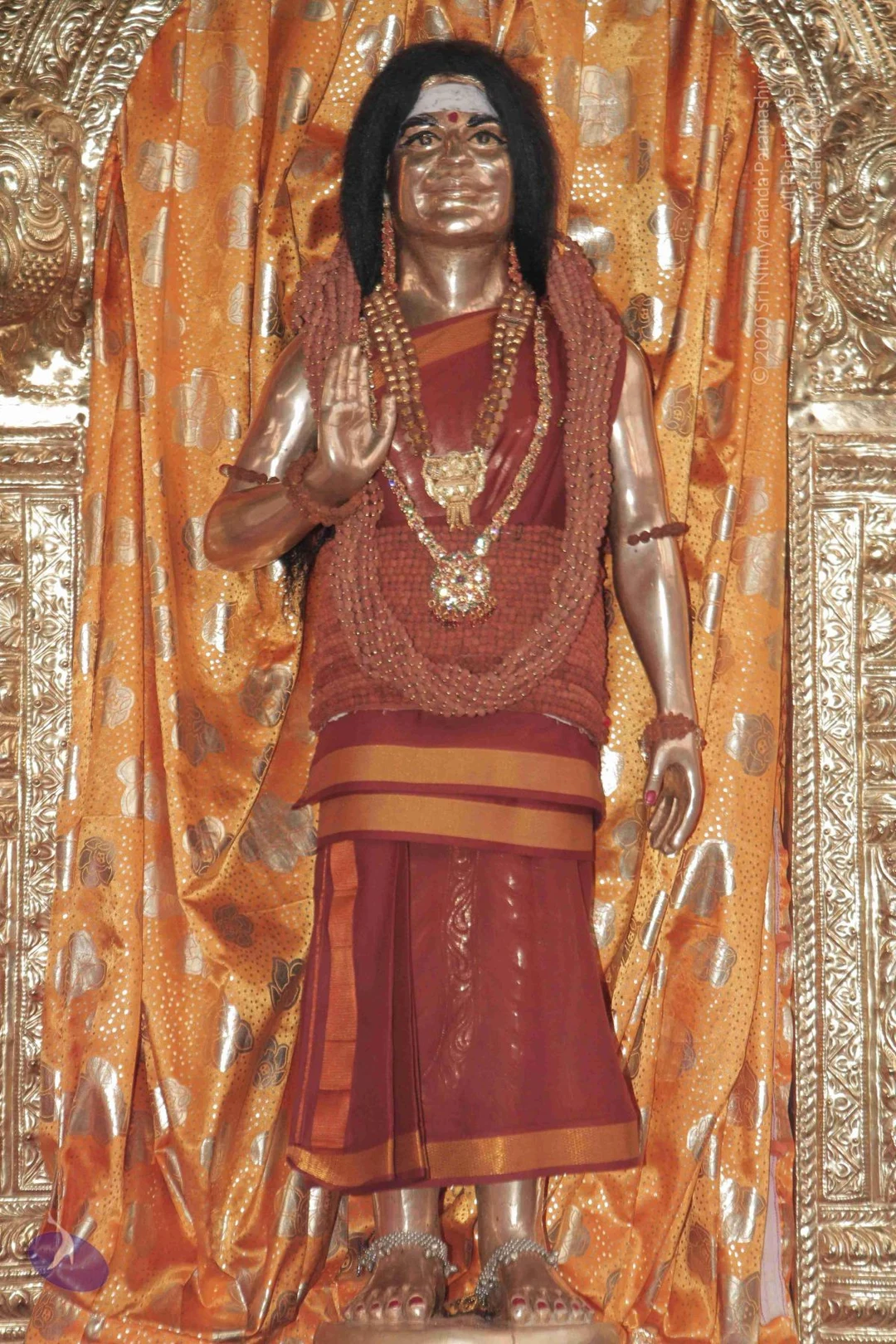
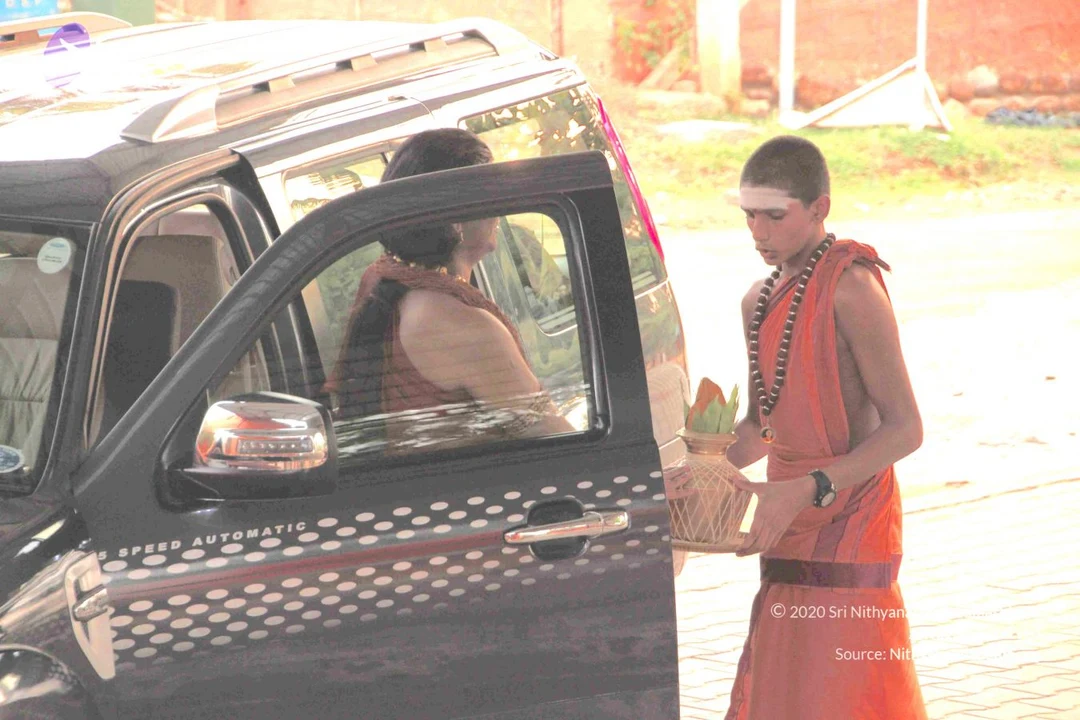
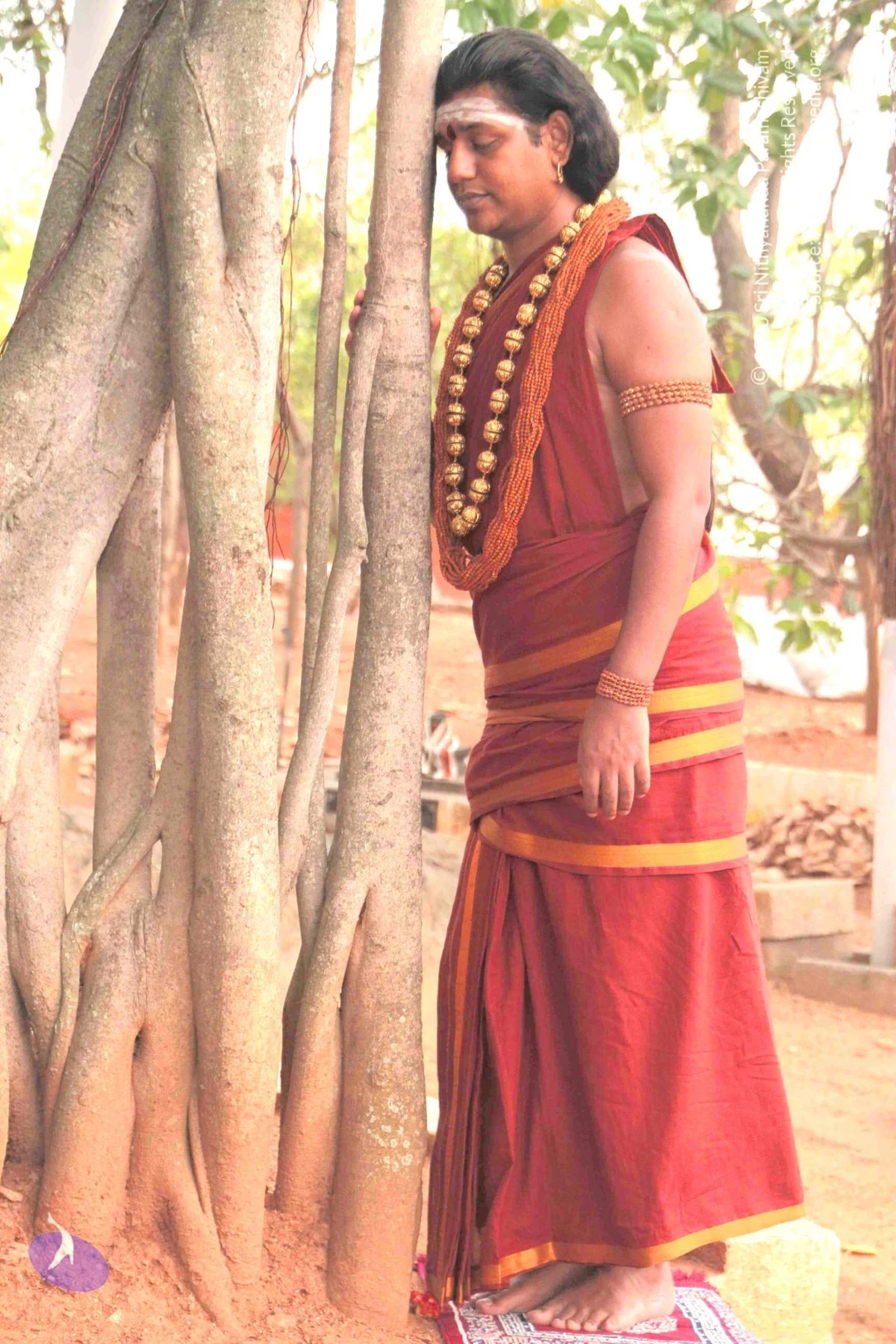
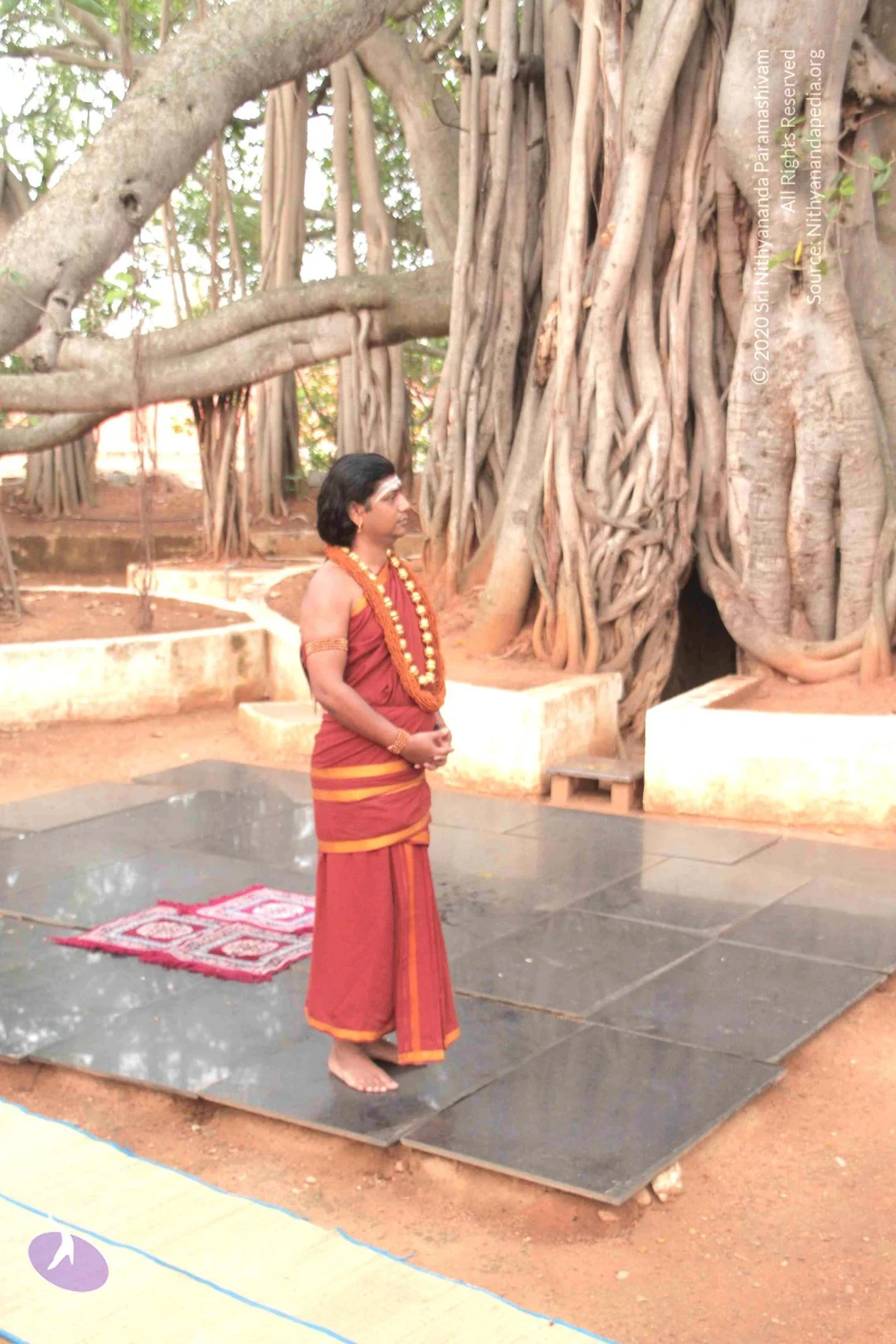
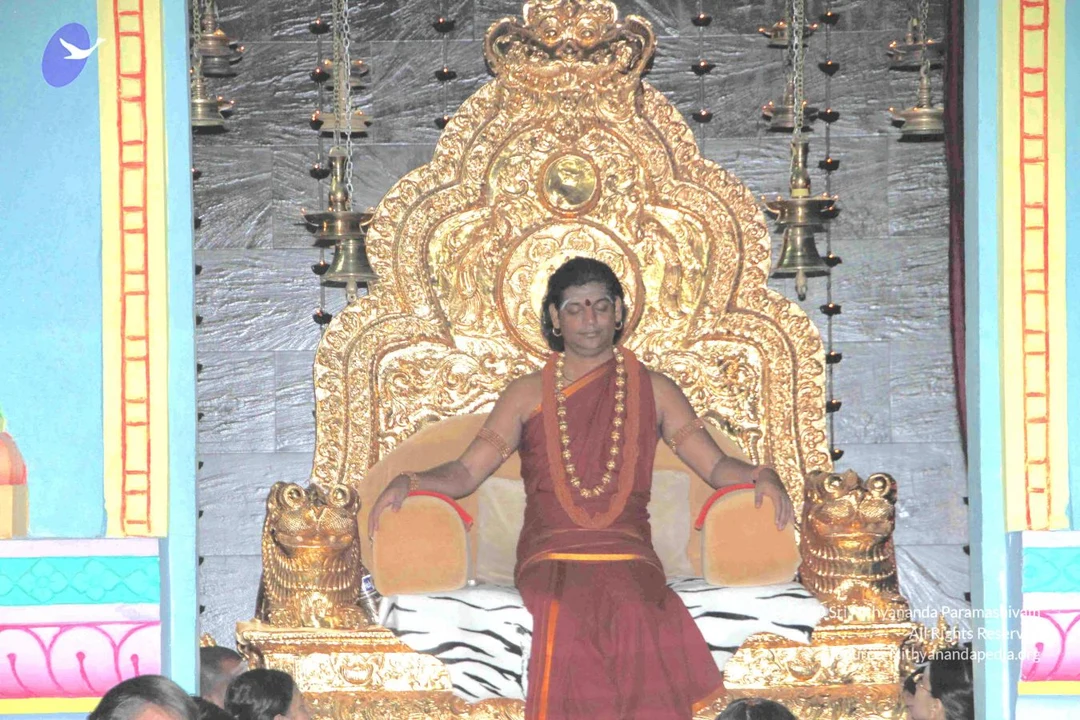
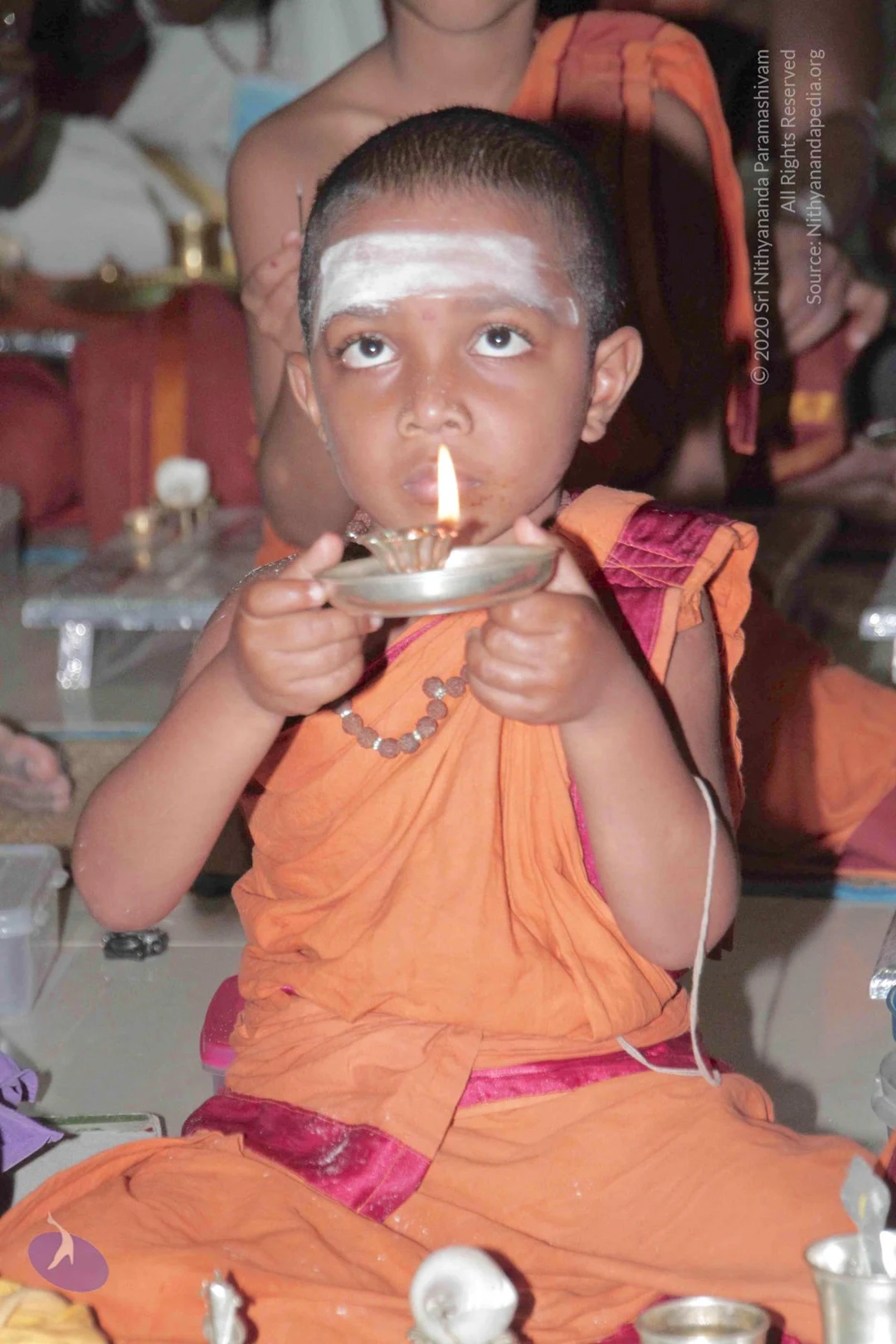
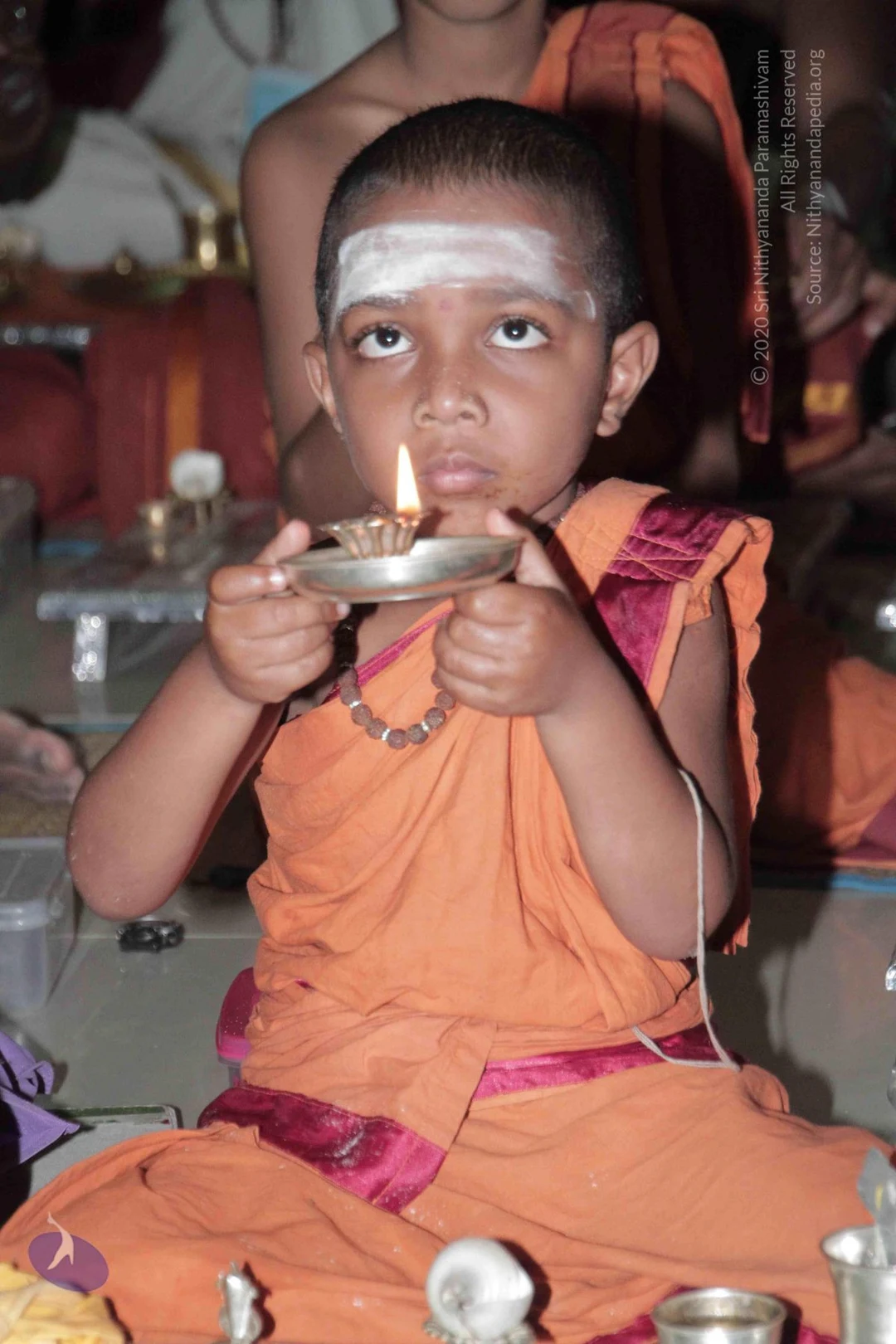
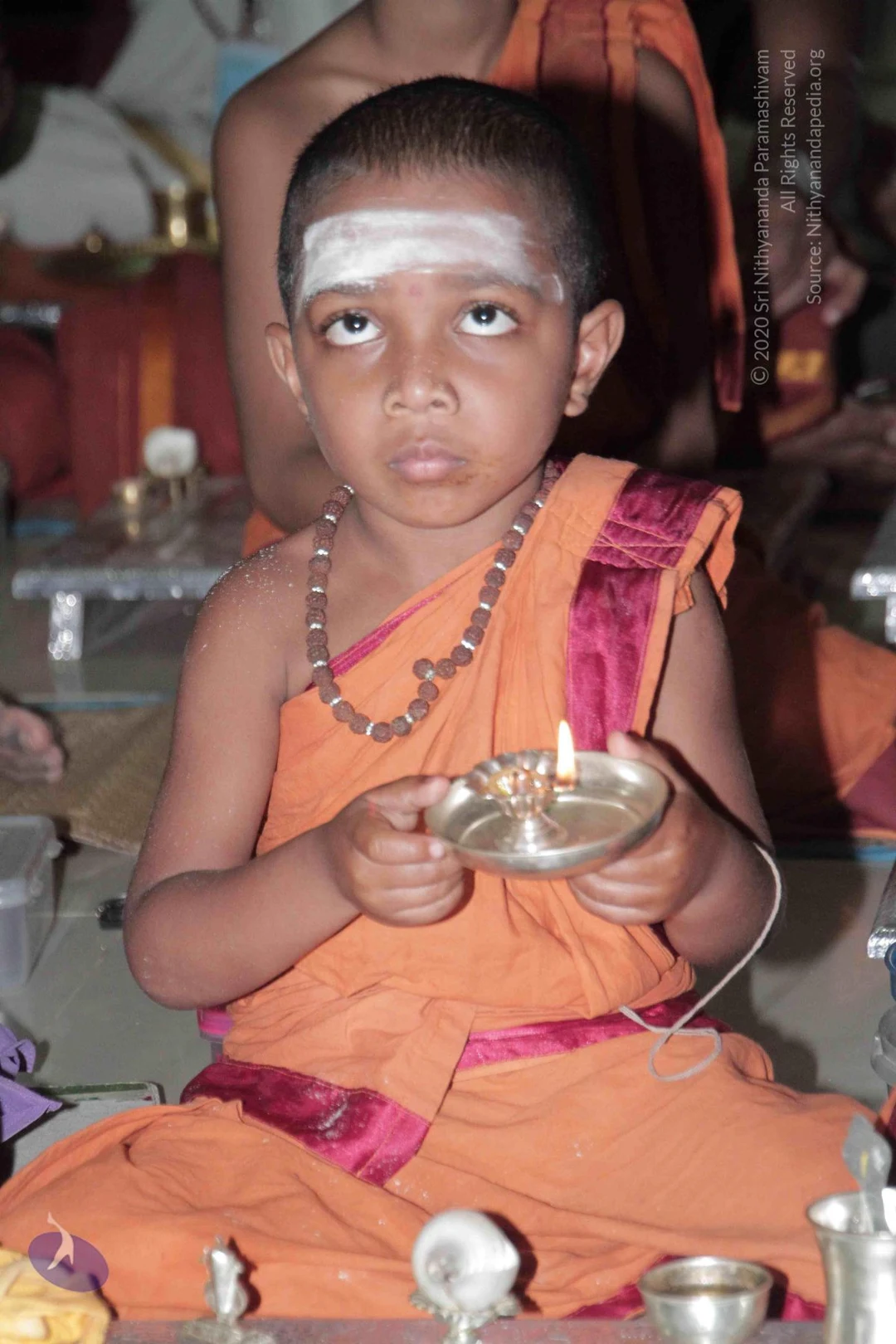
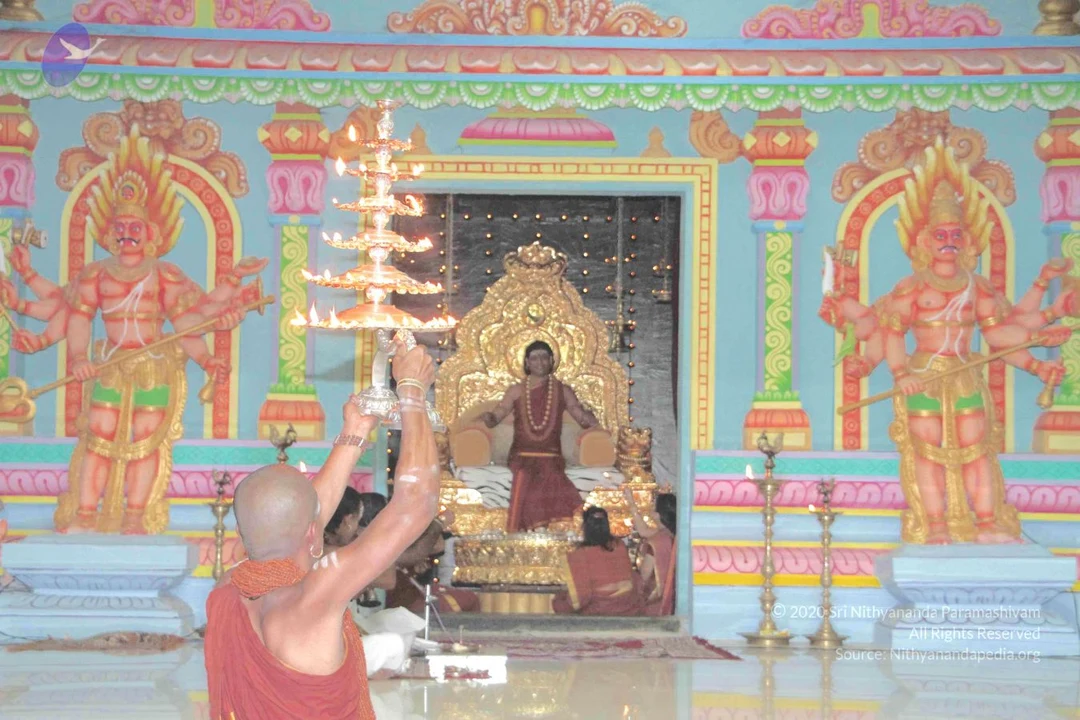
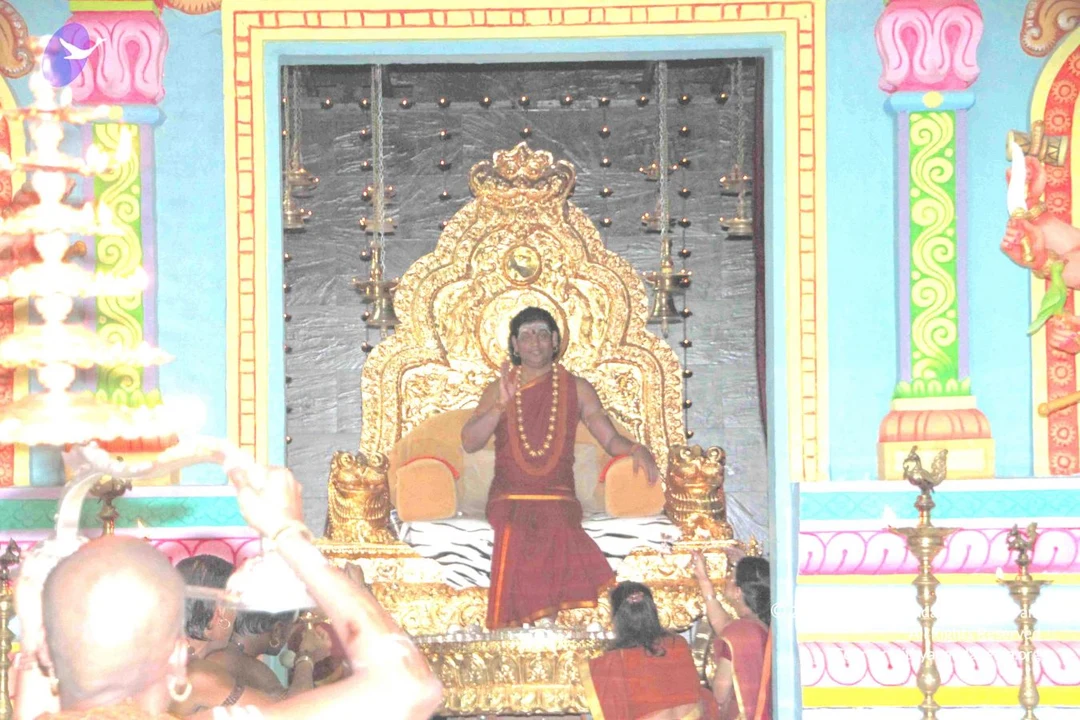
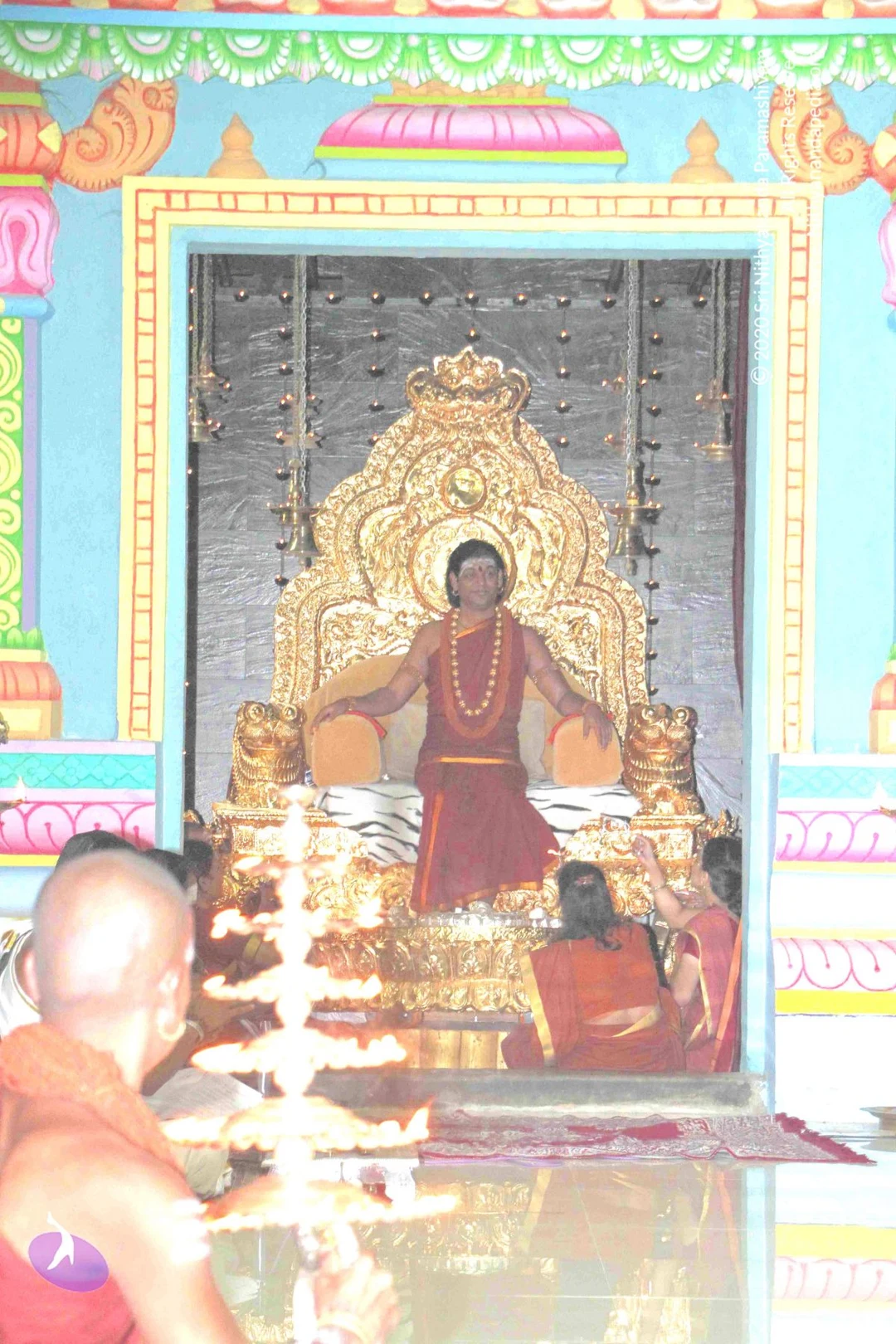
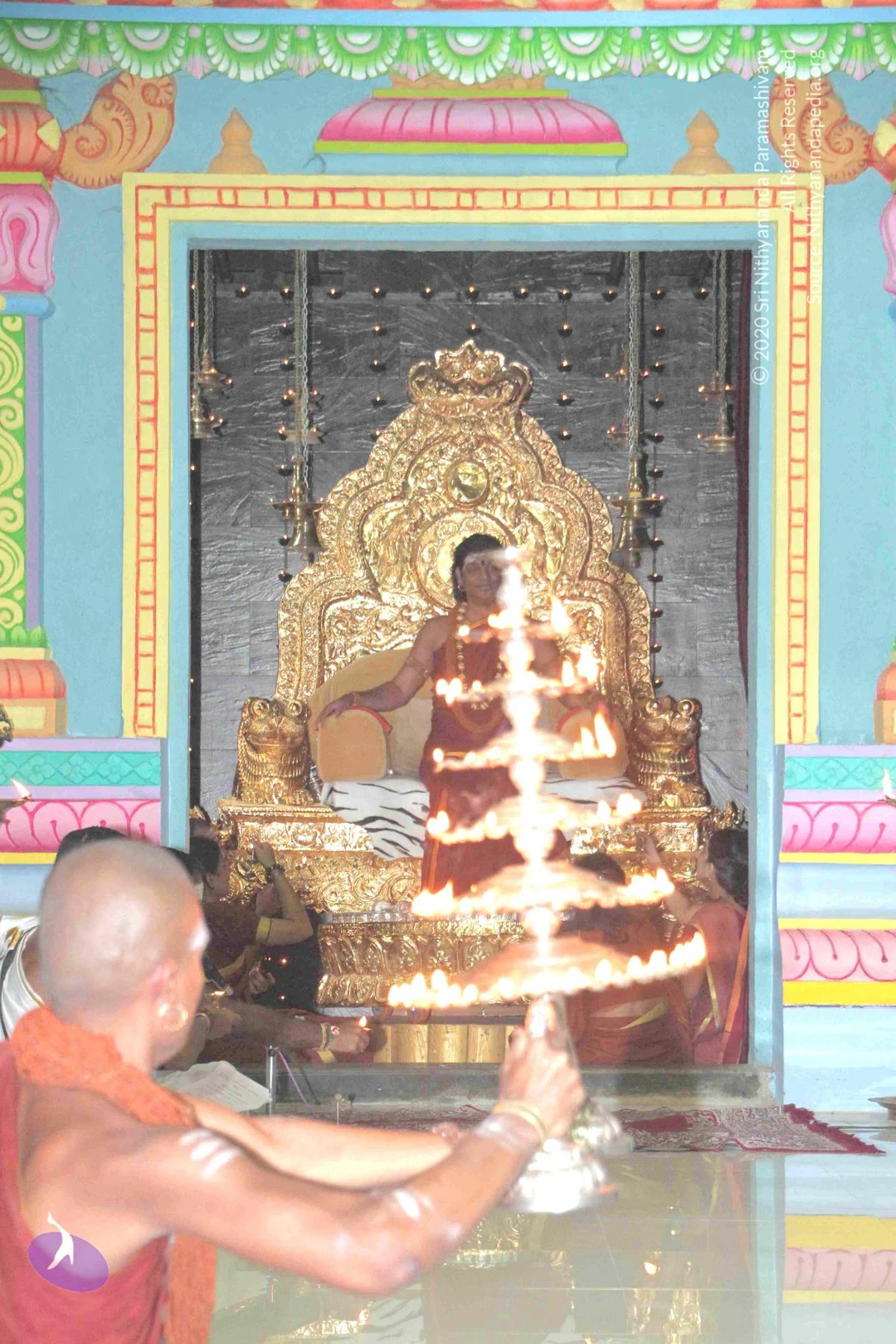
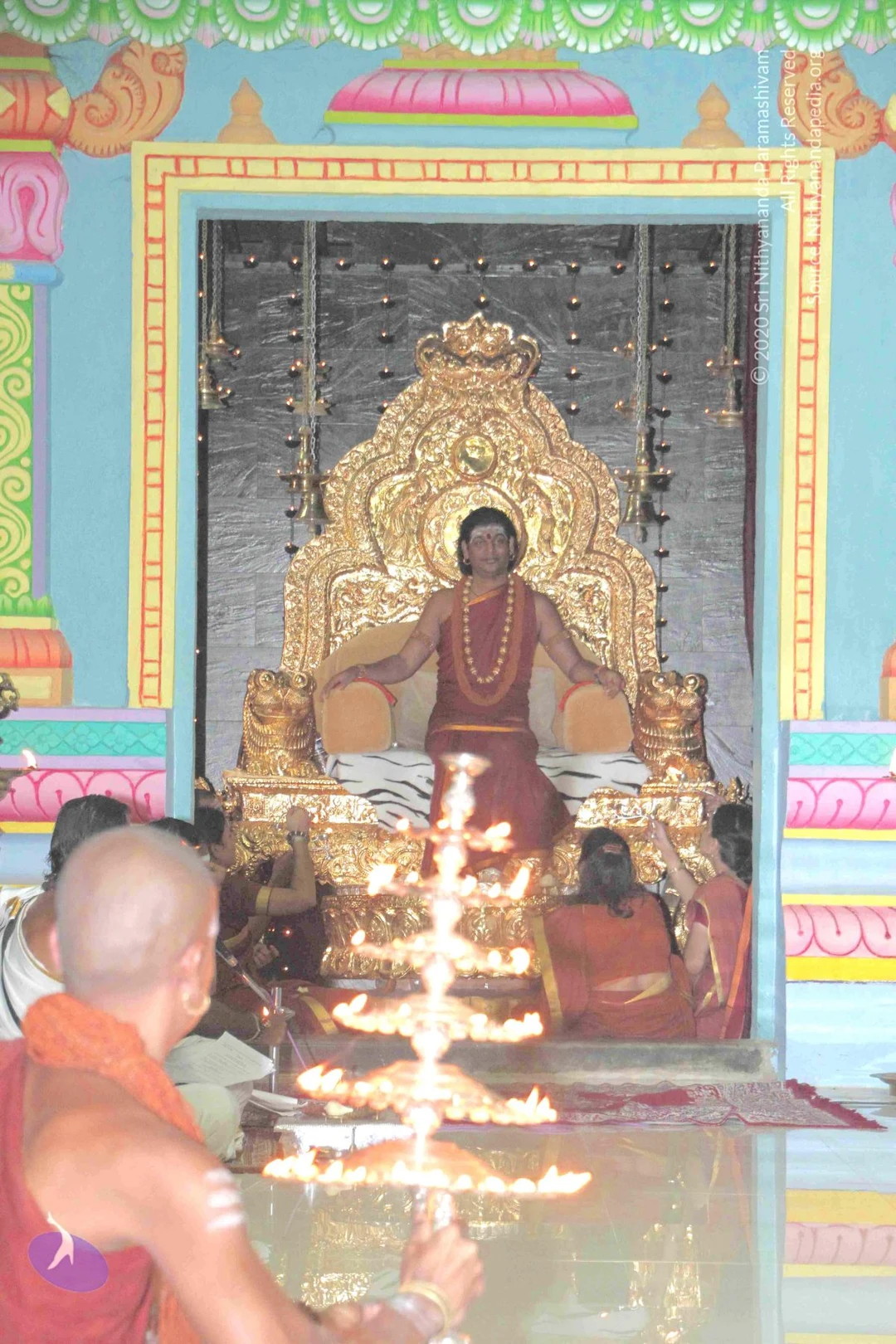
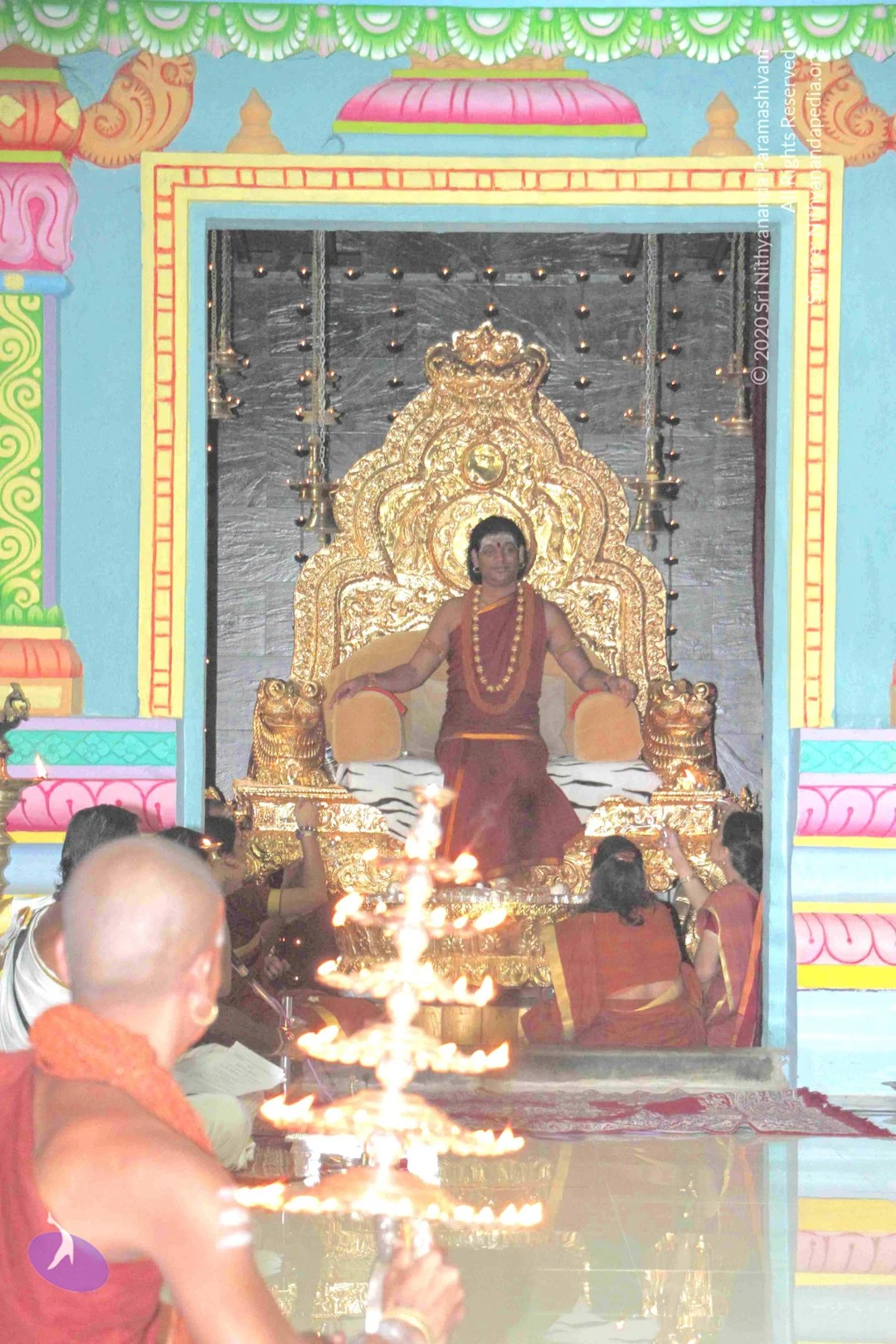
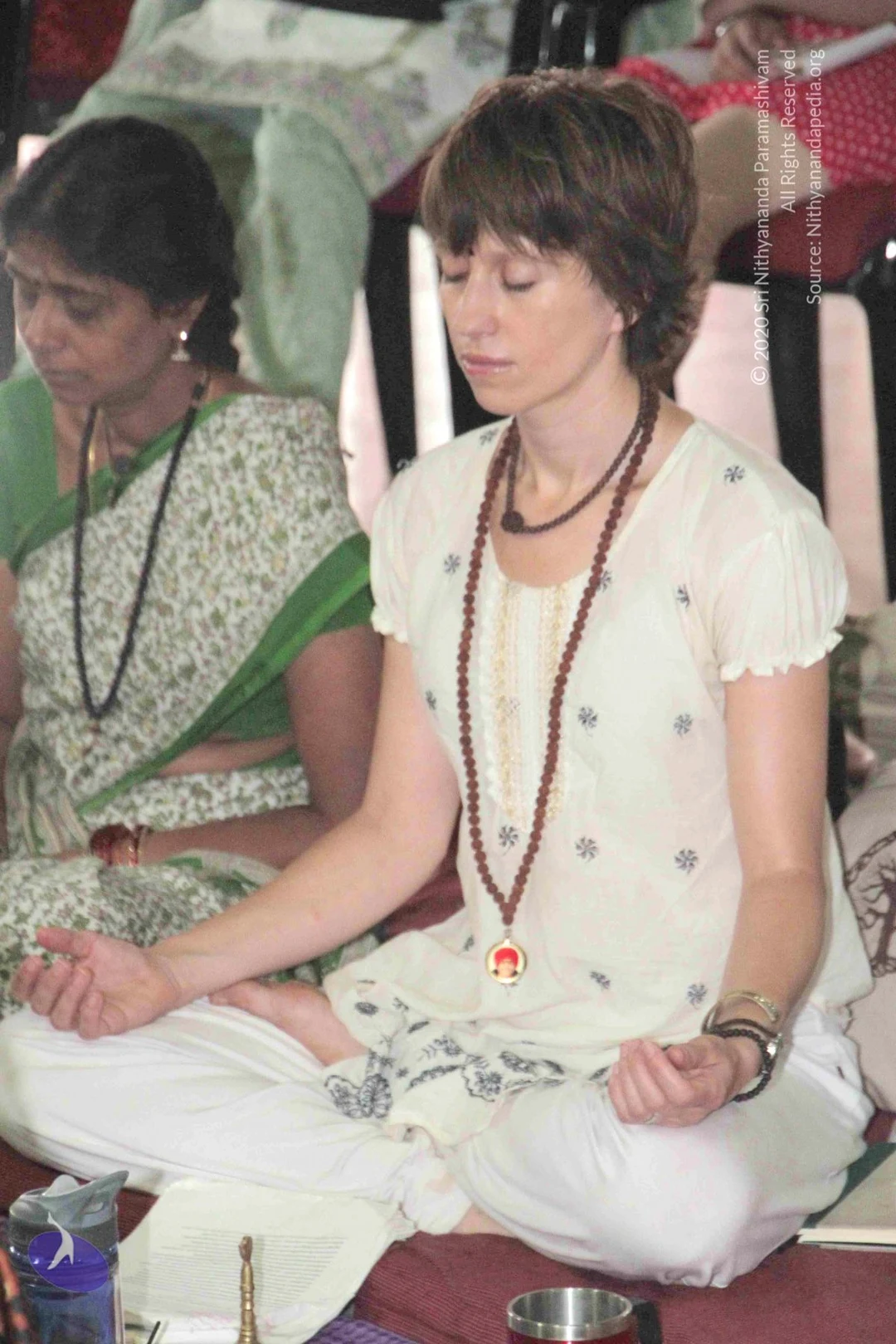
Satsang-morning
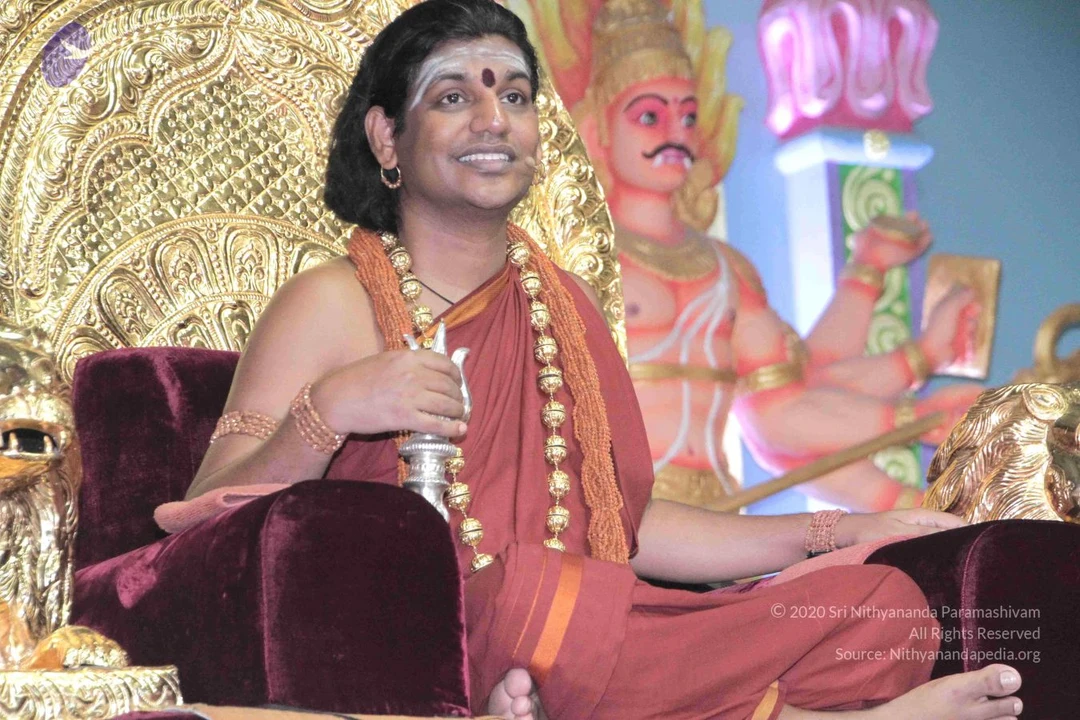
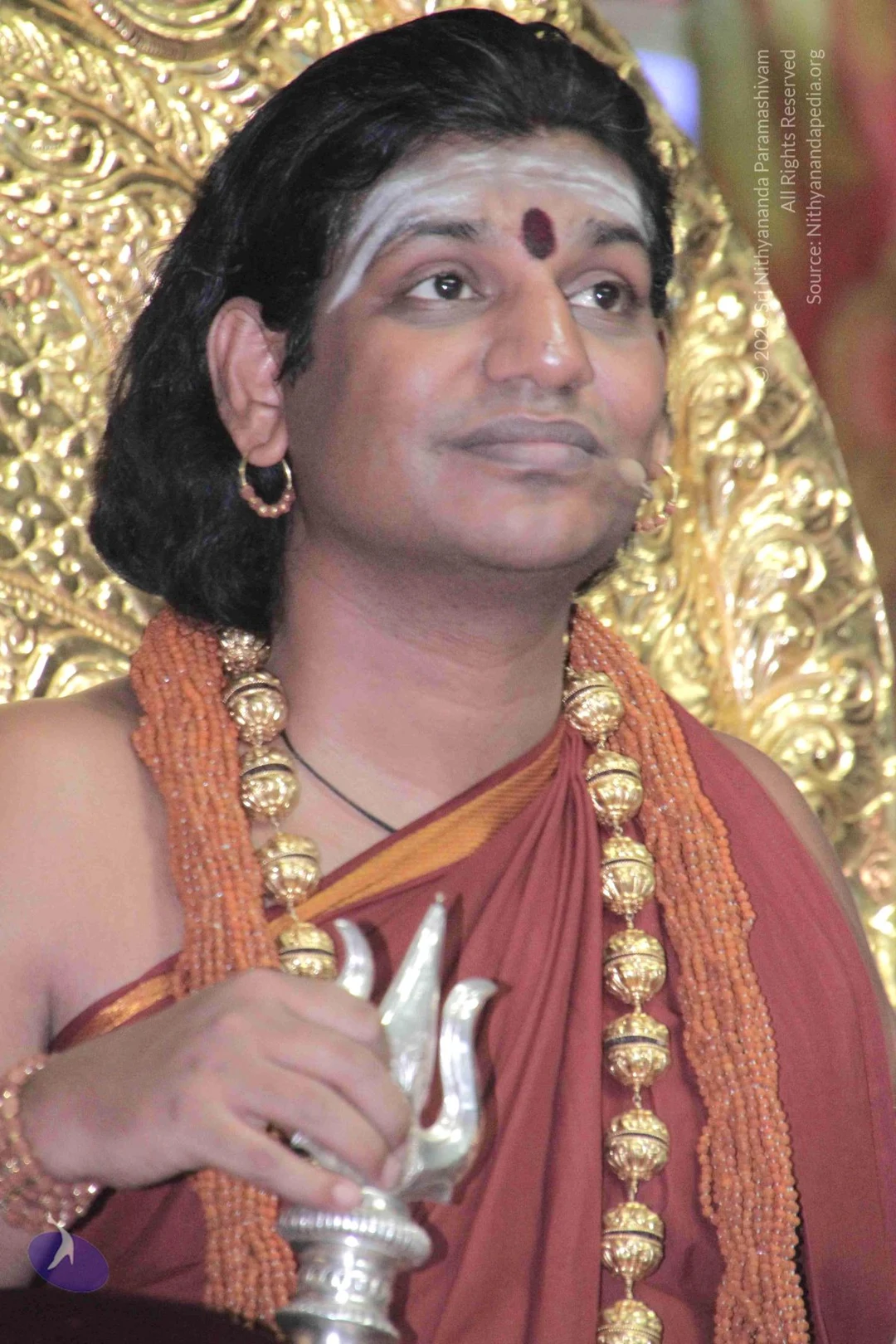

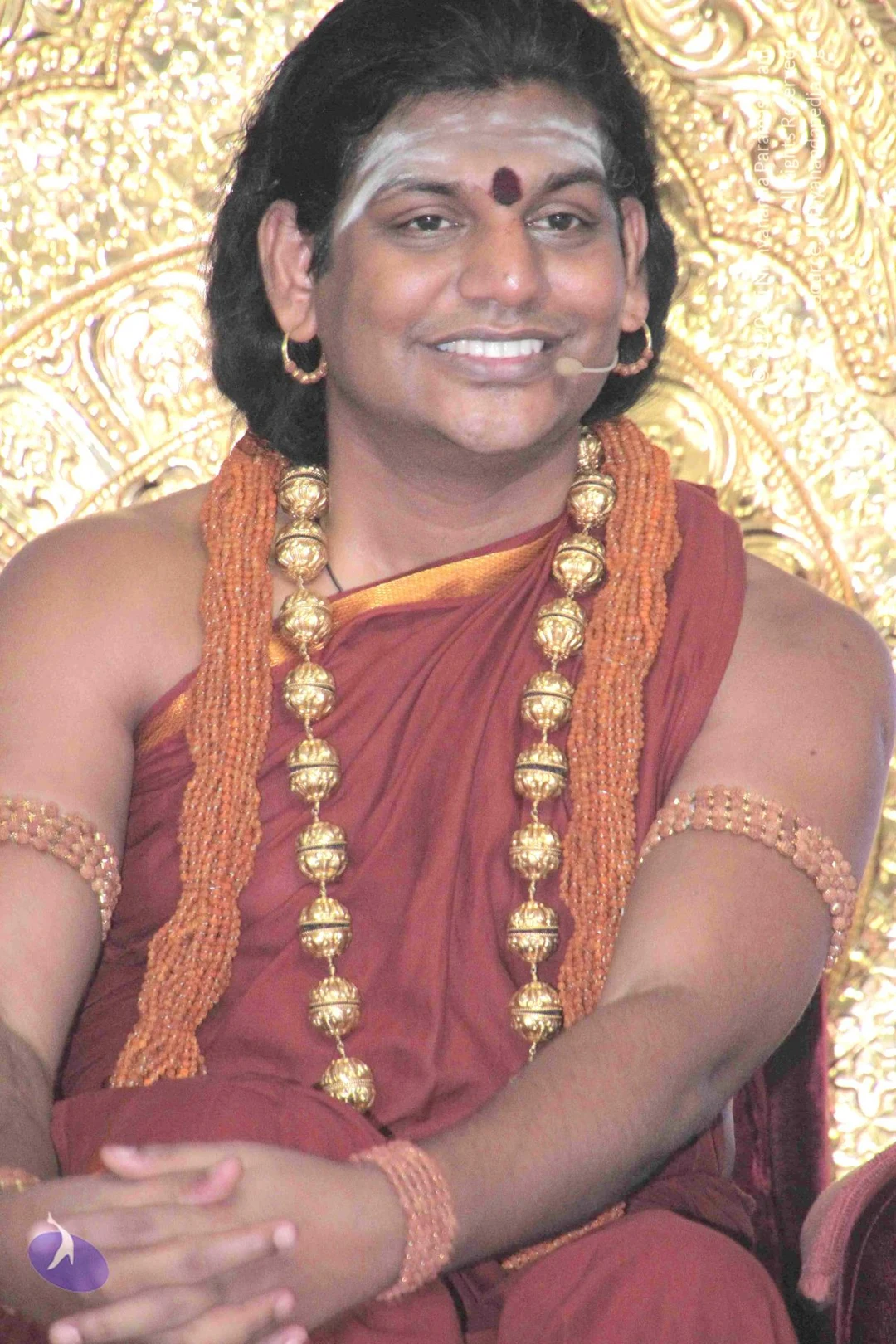
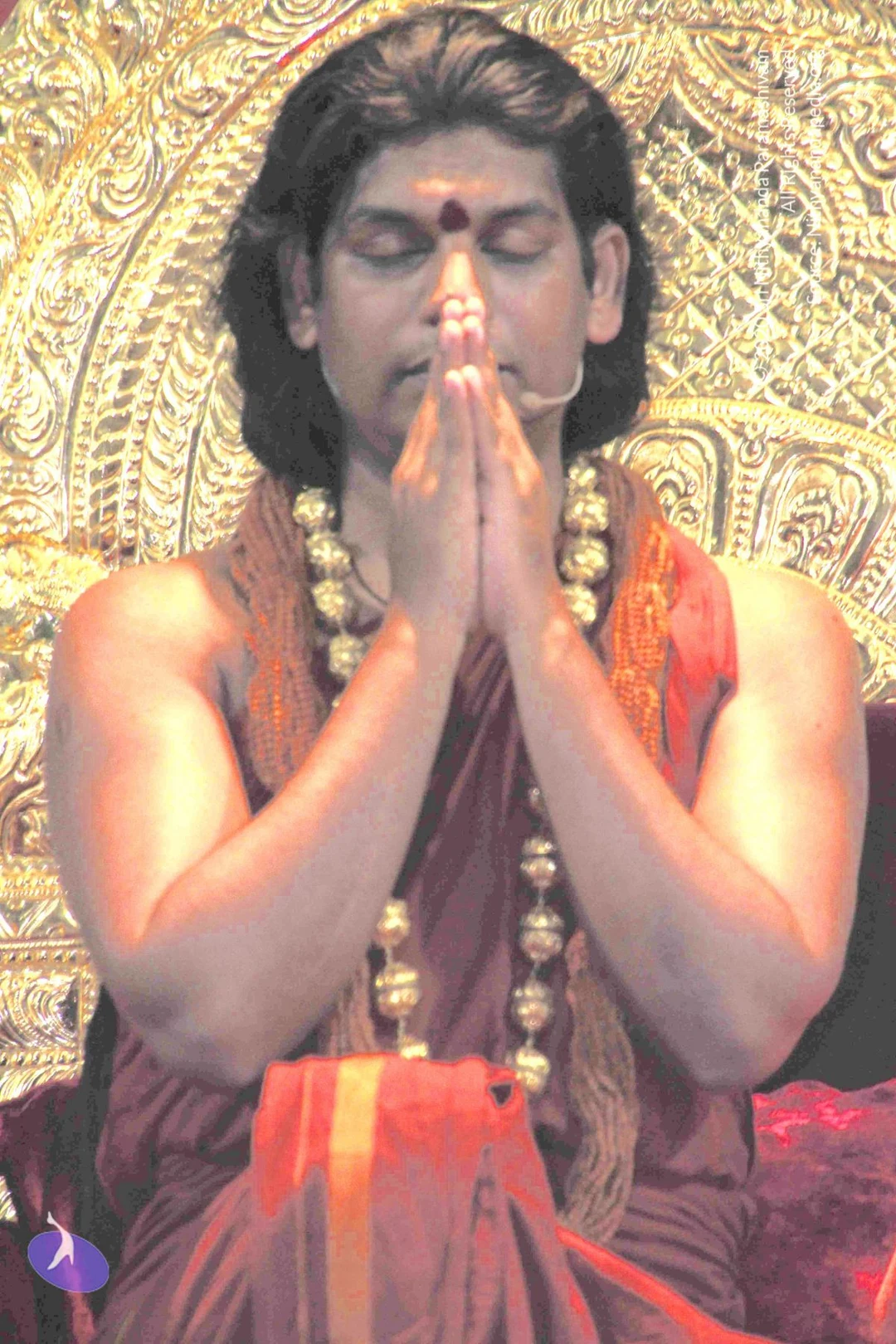
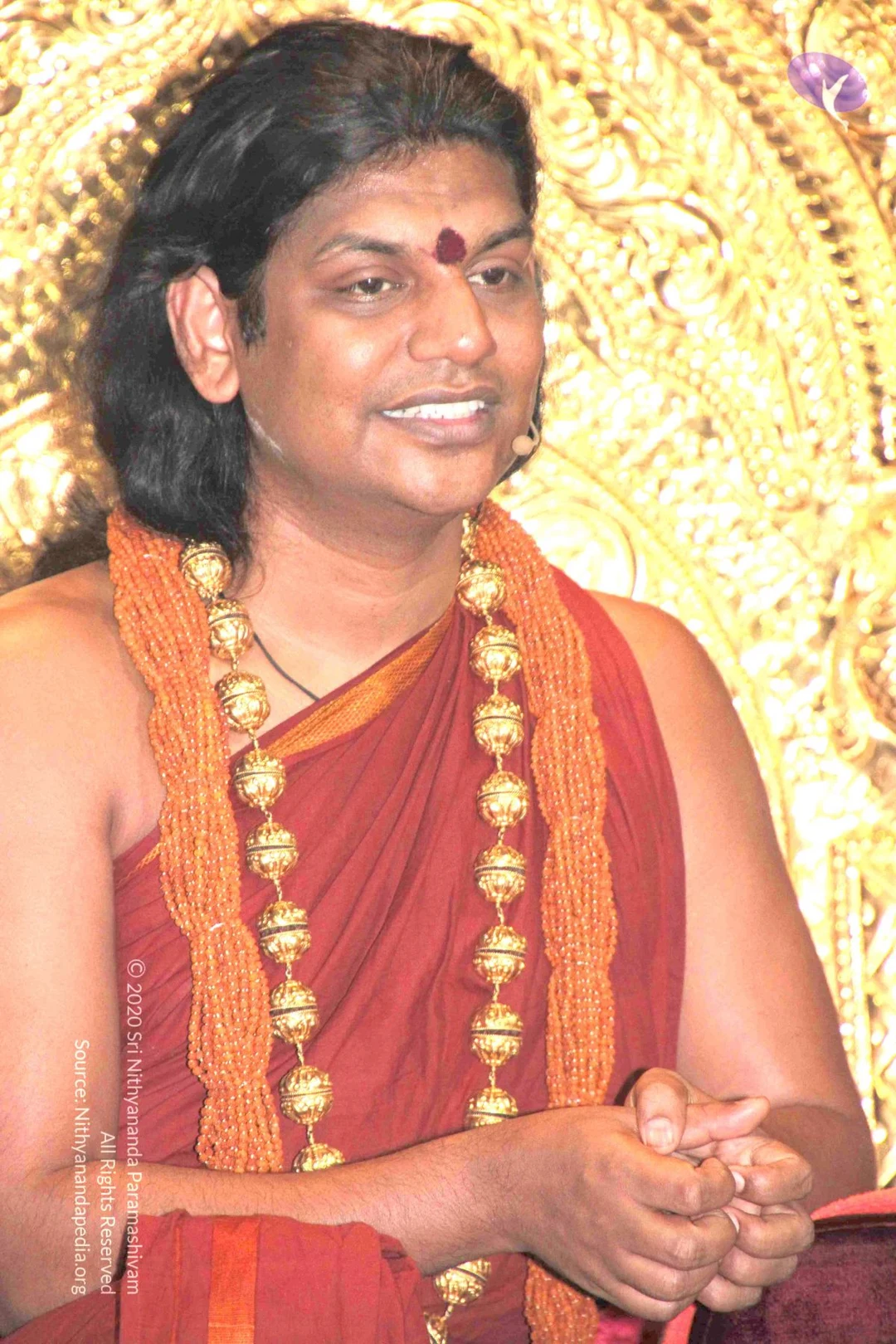
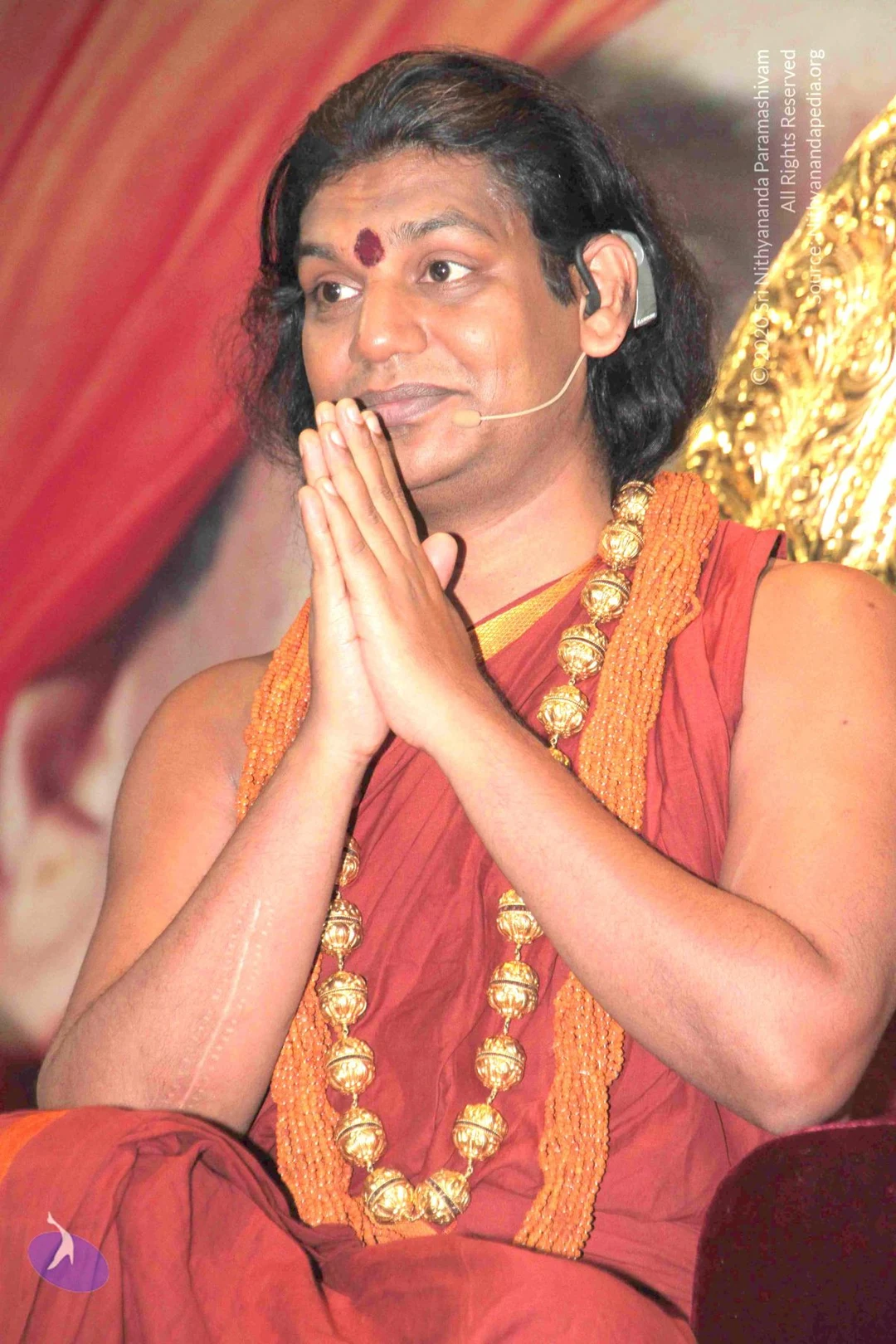
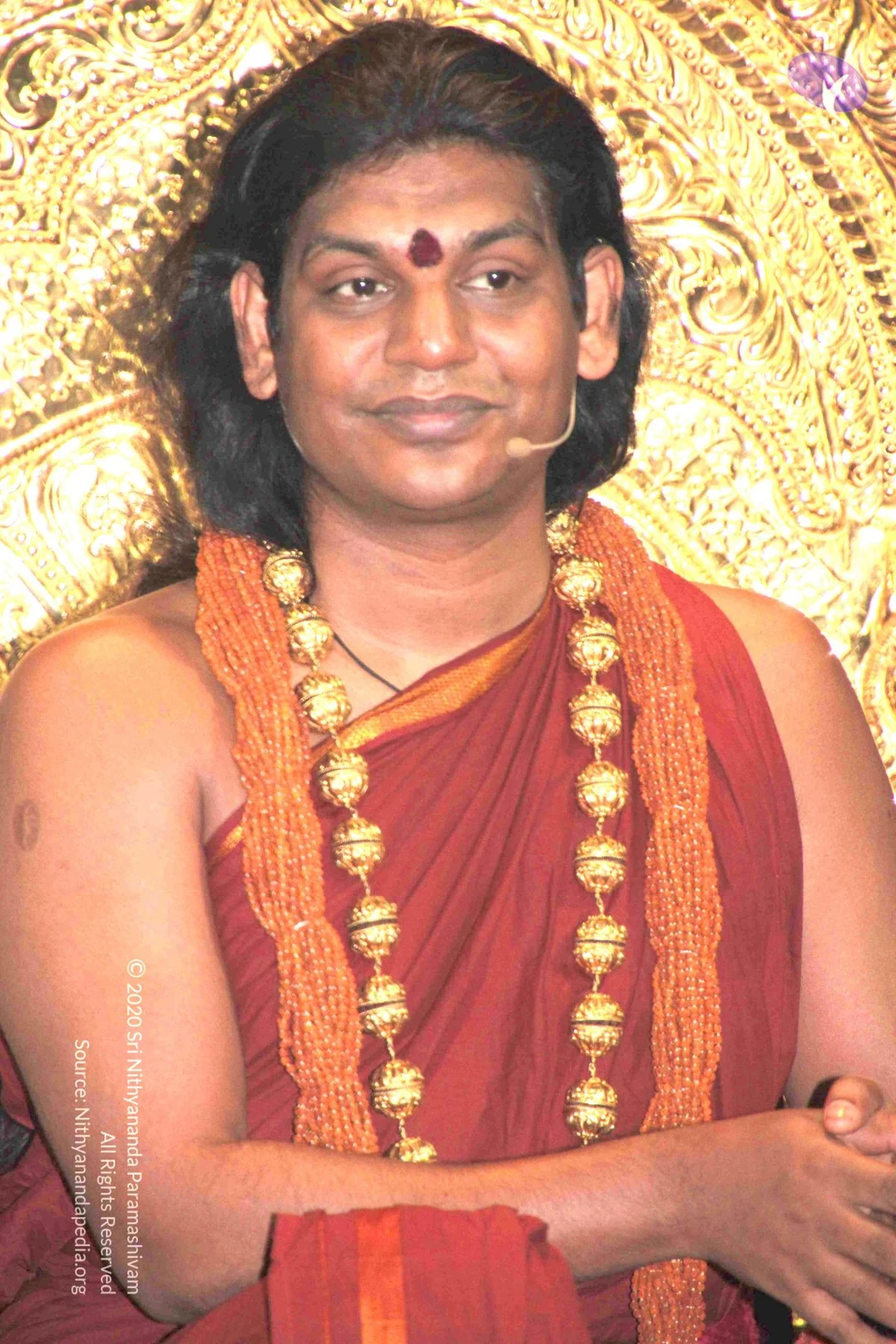
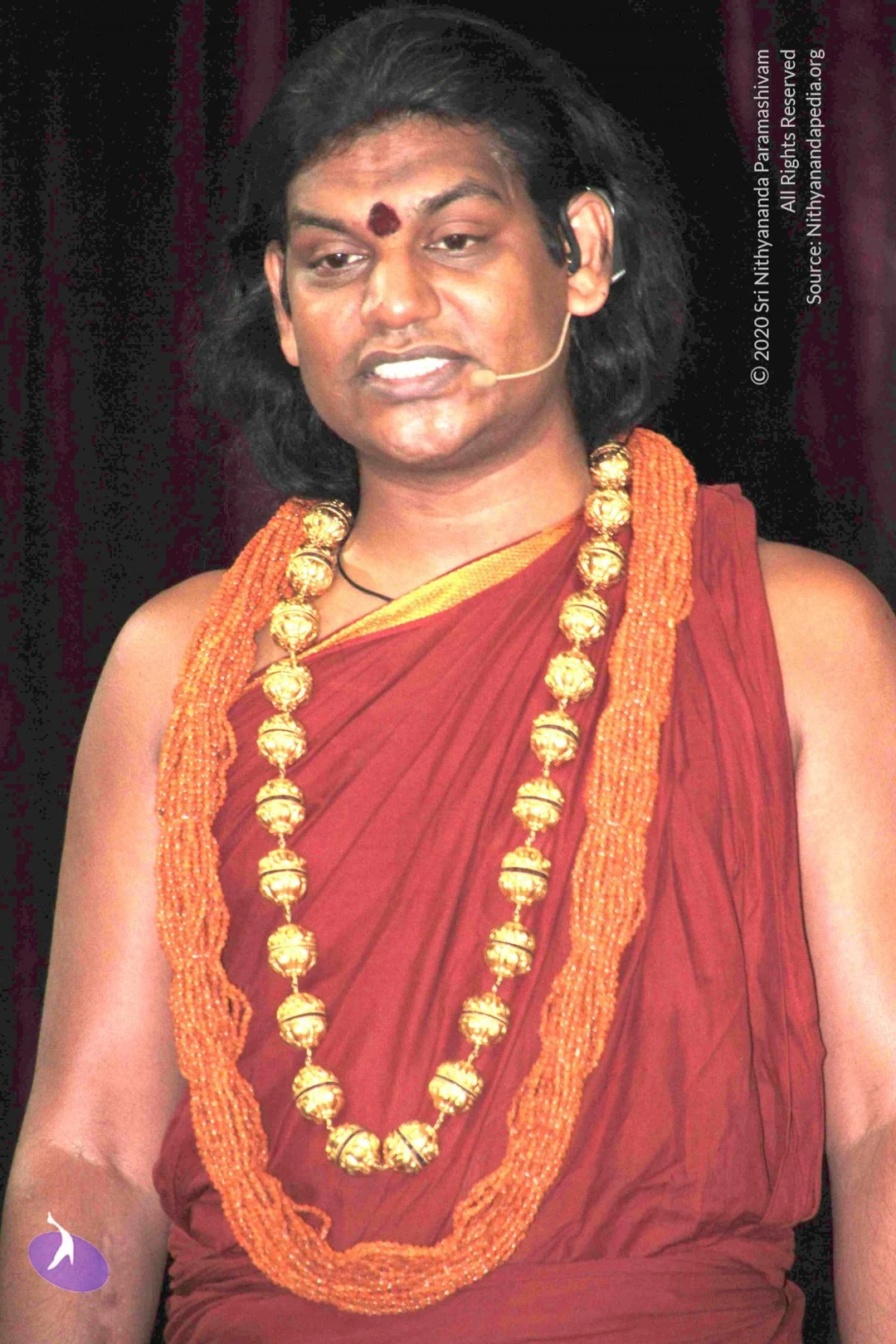
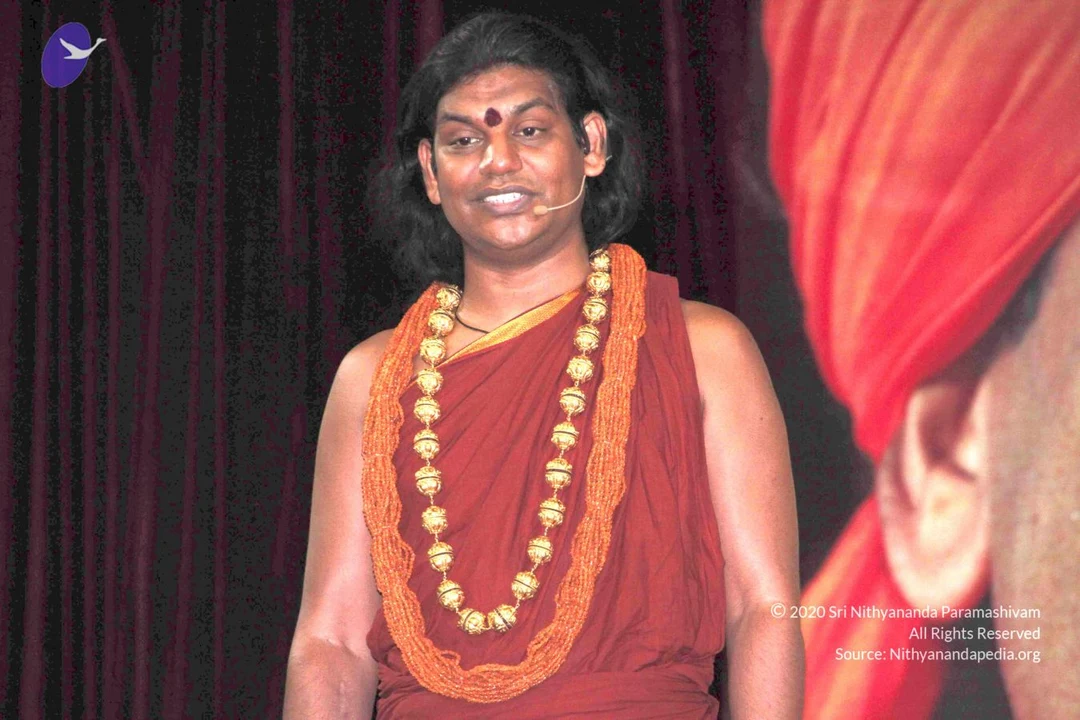
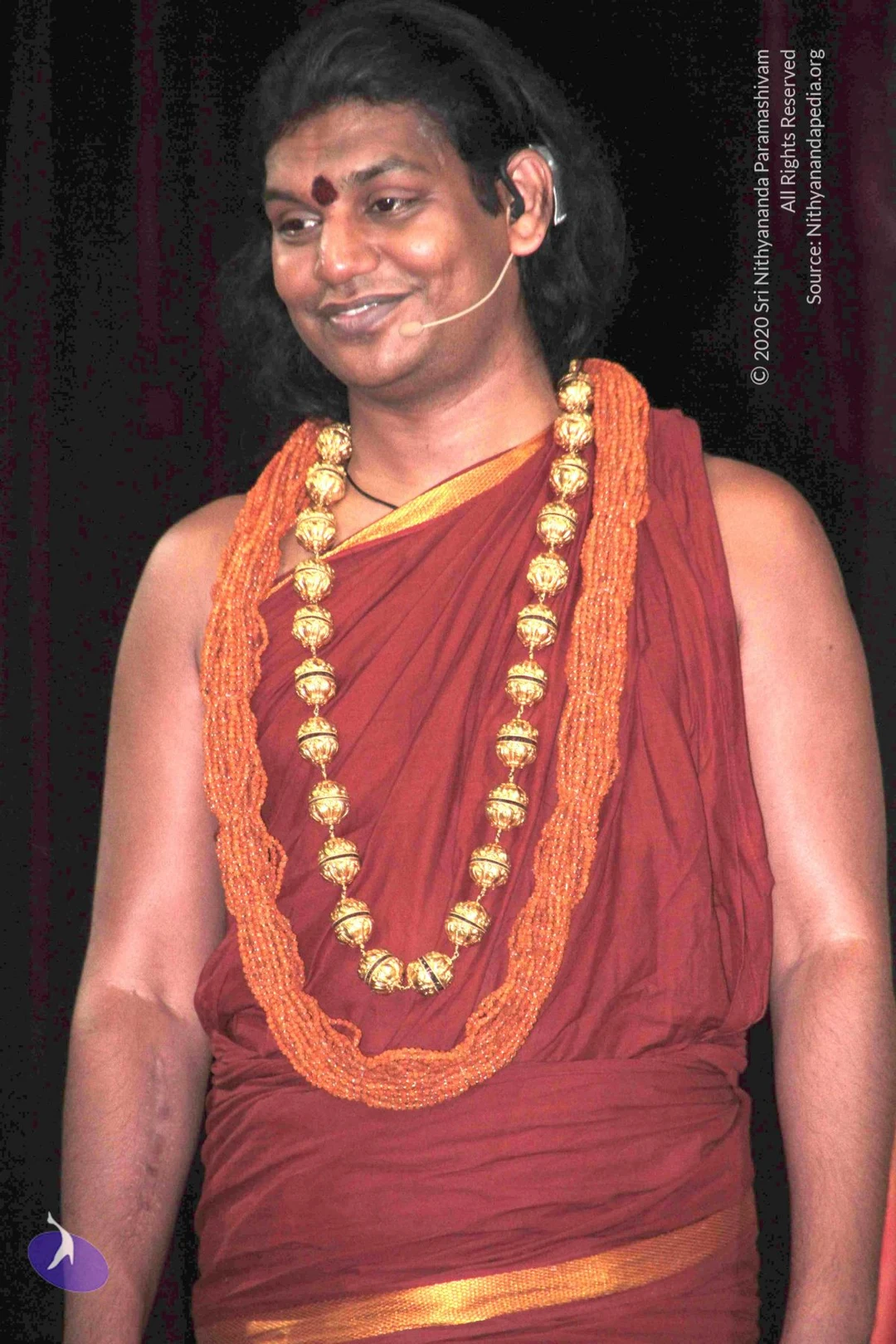
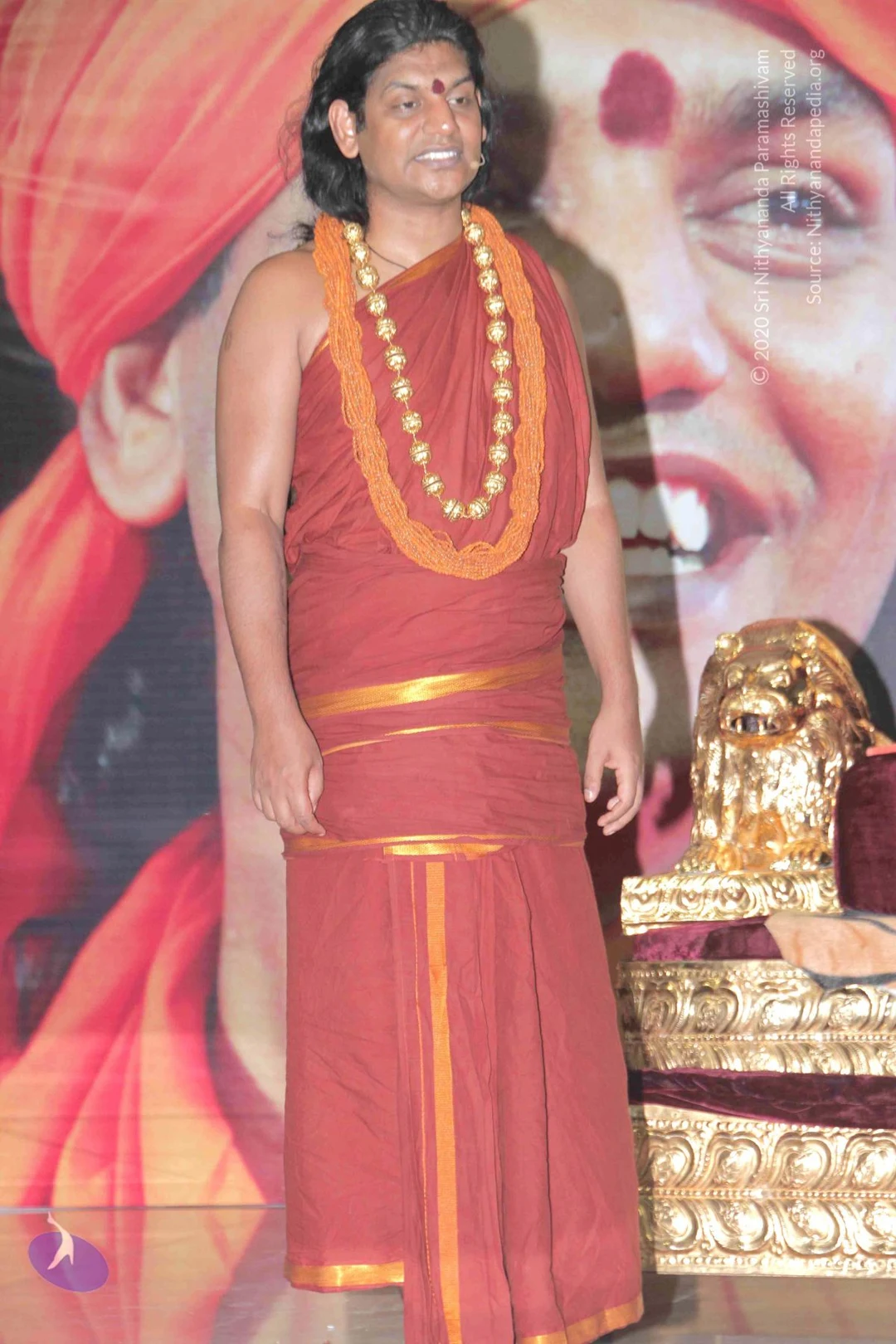
Nithya-Kriya-Yoga-Day-1

Kalabhairava-Darshan

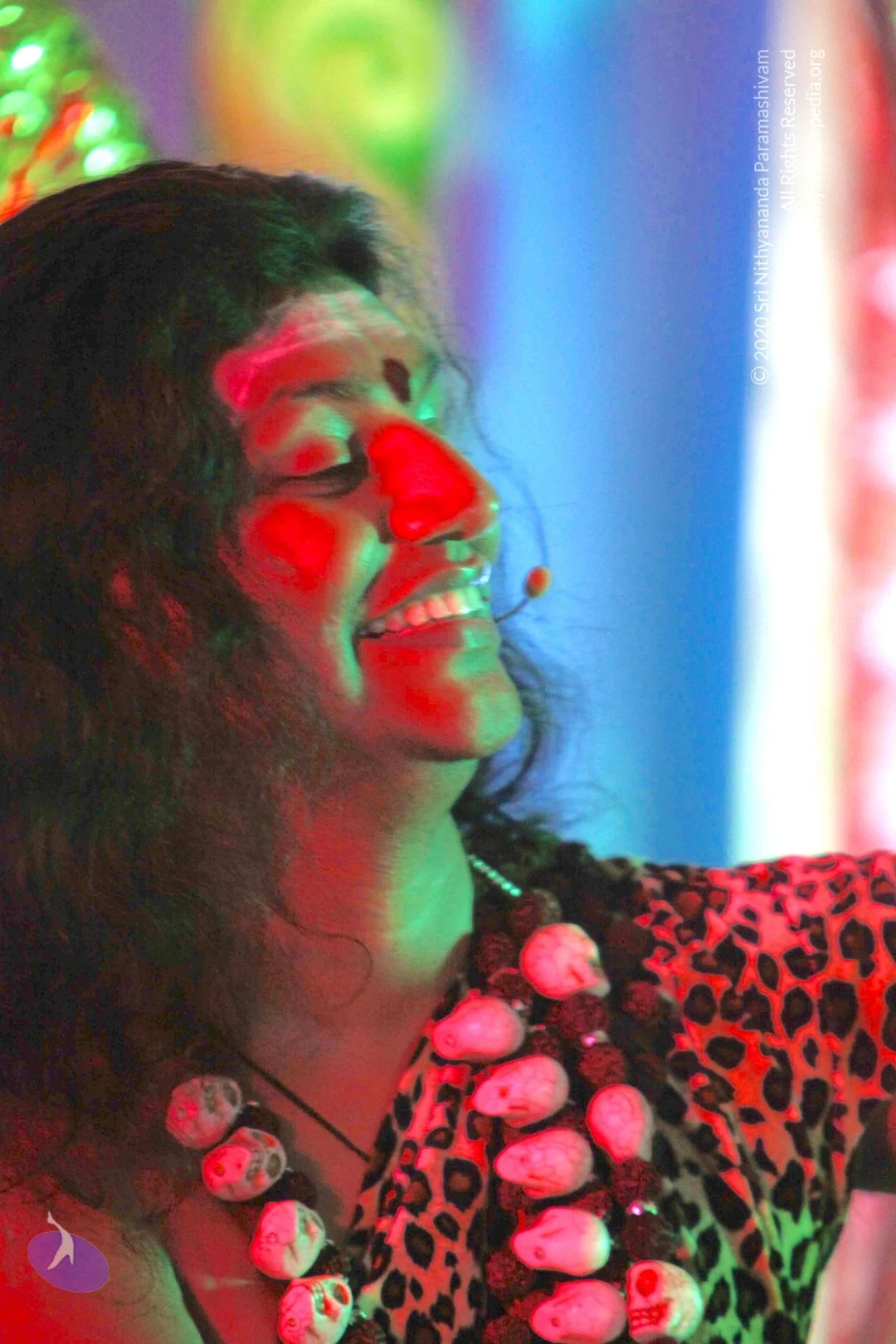
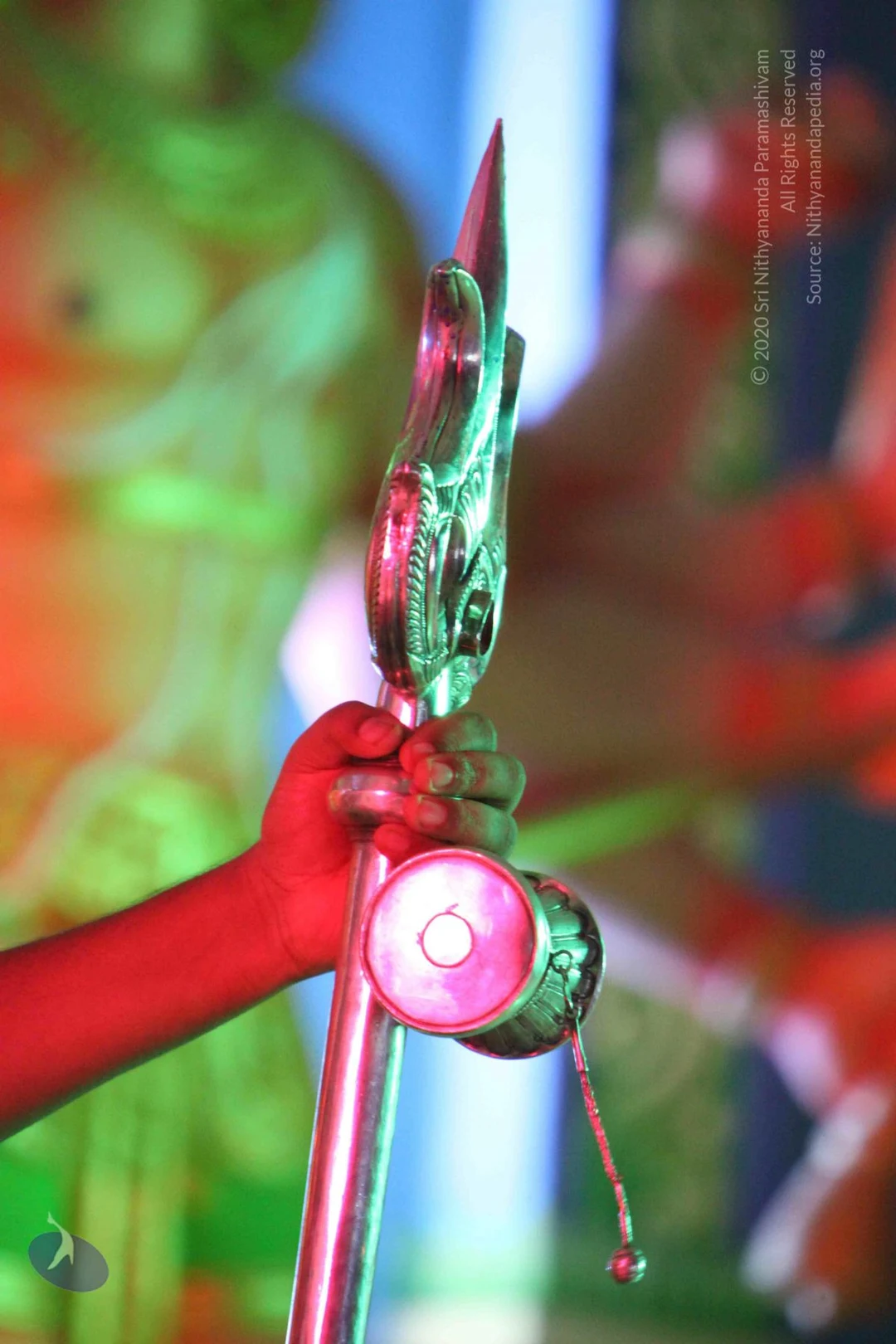
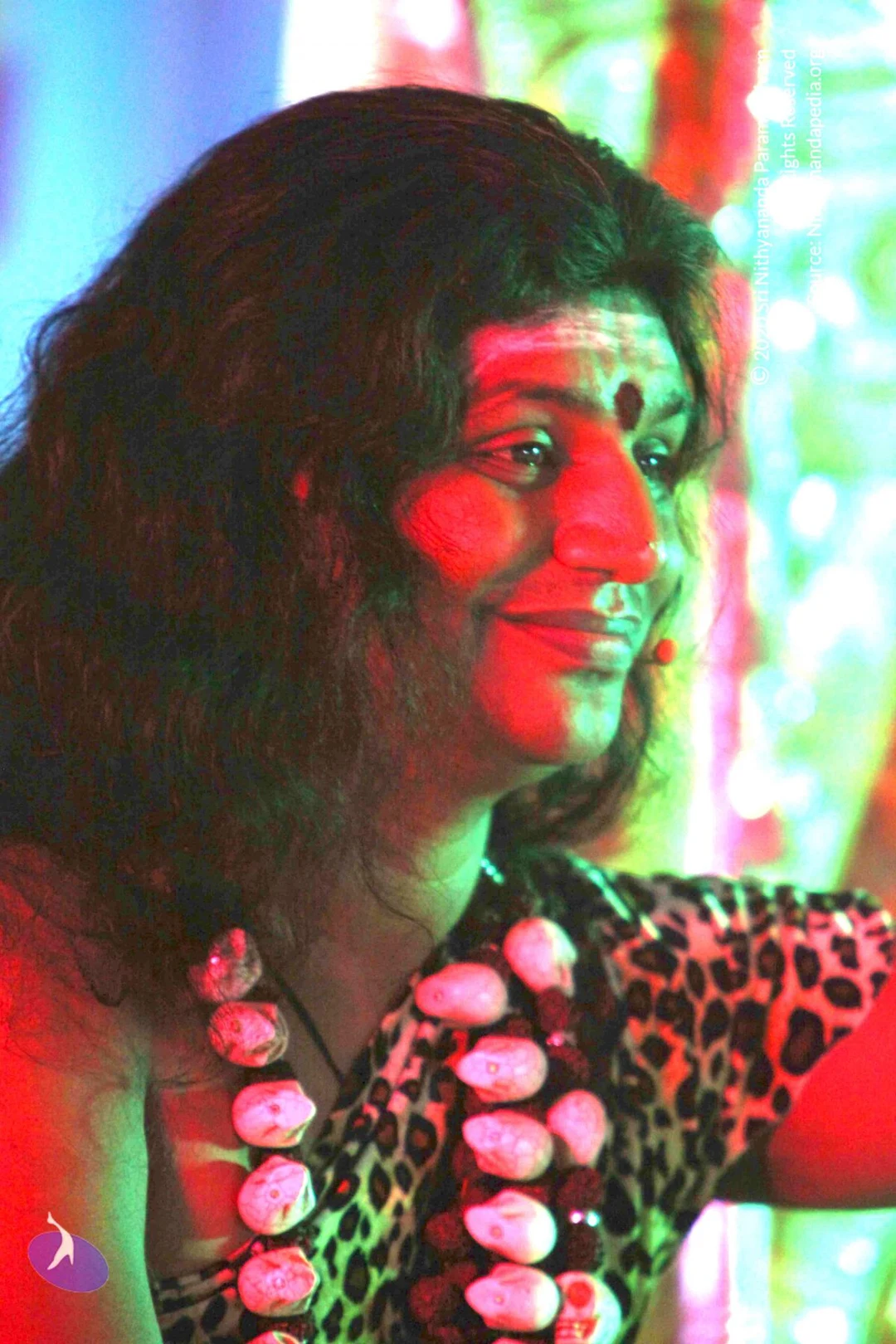


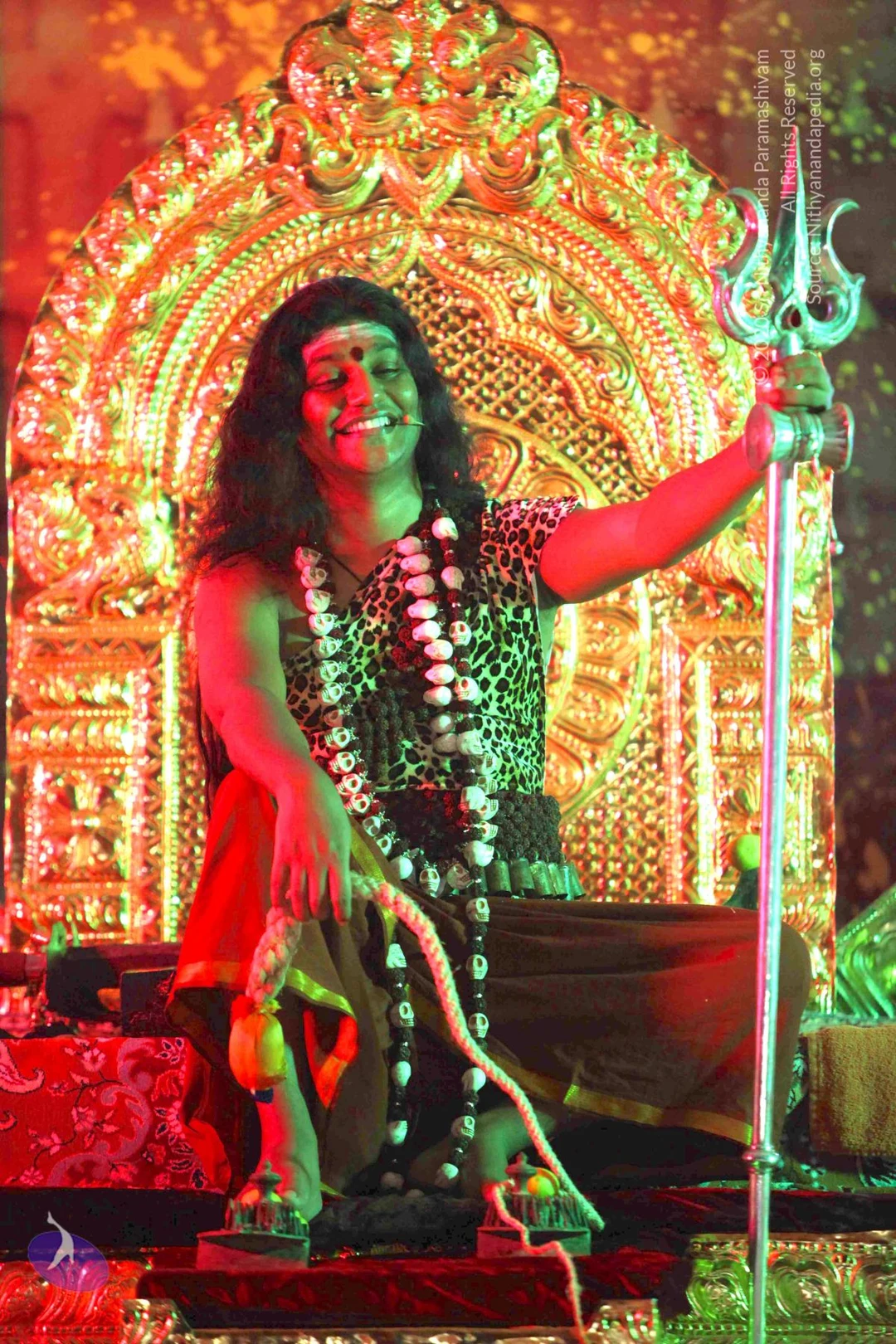
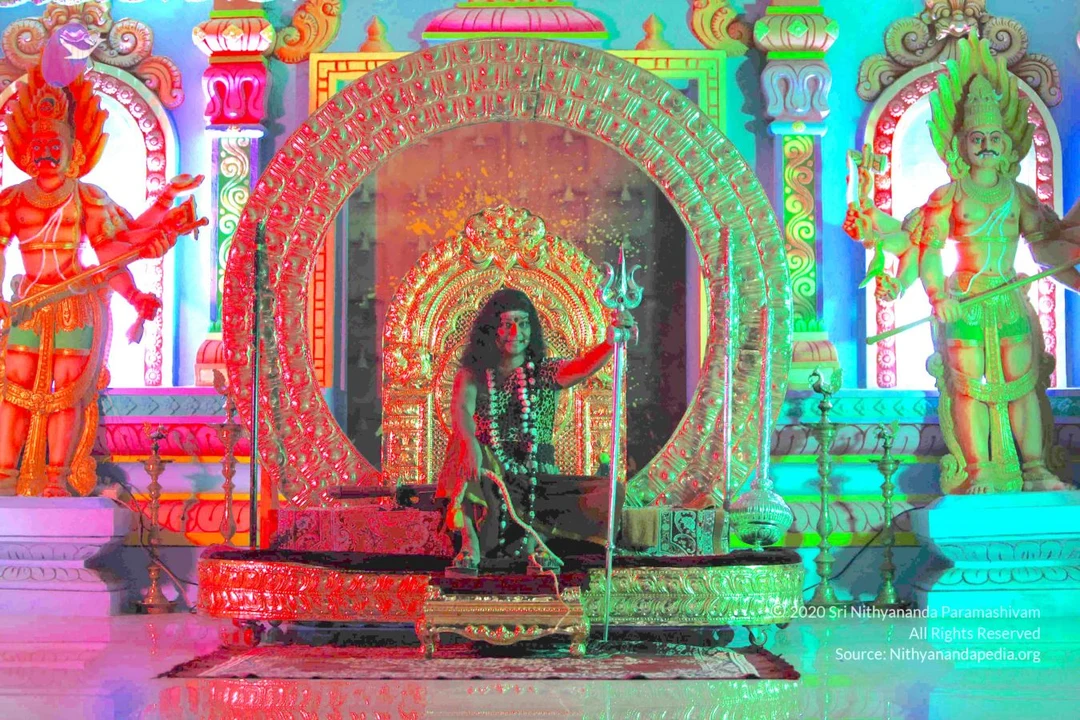
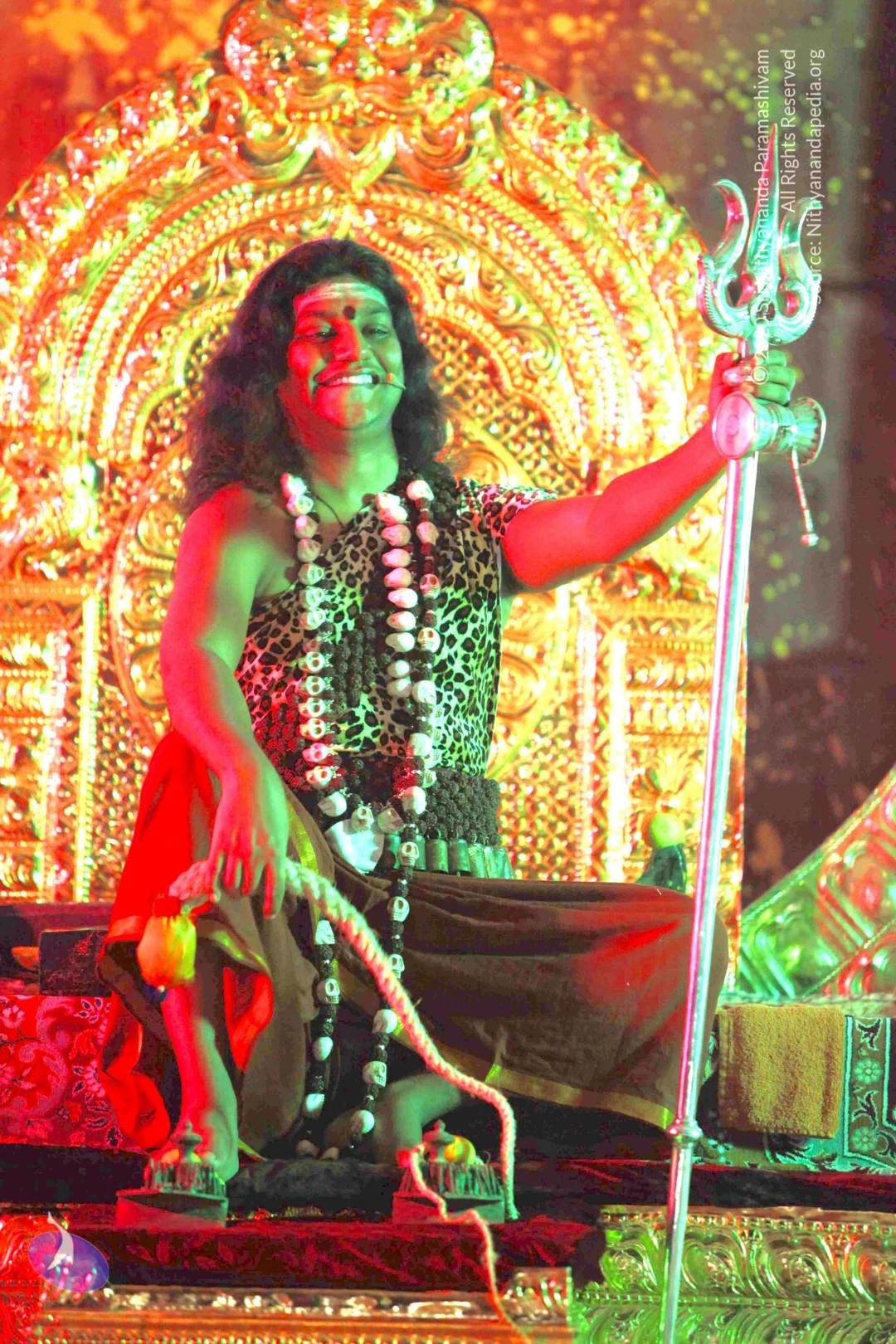
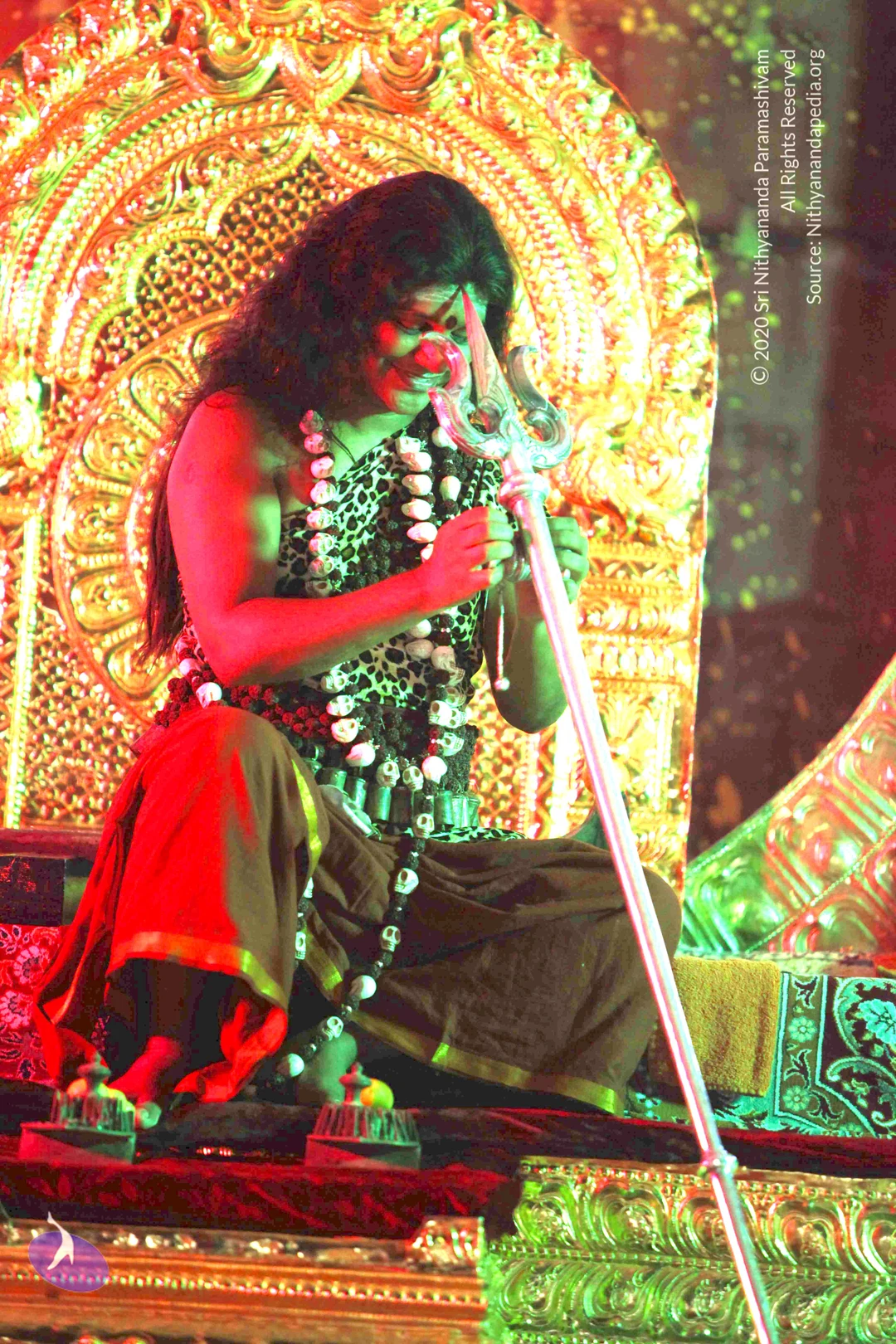
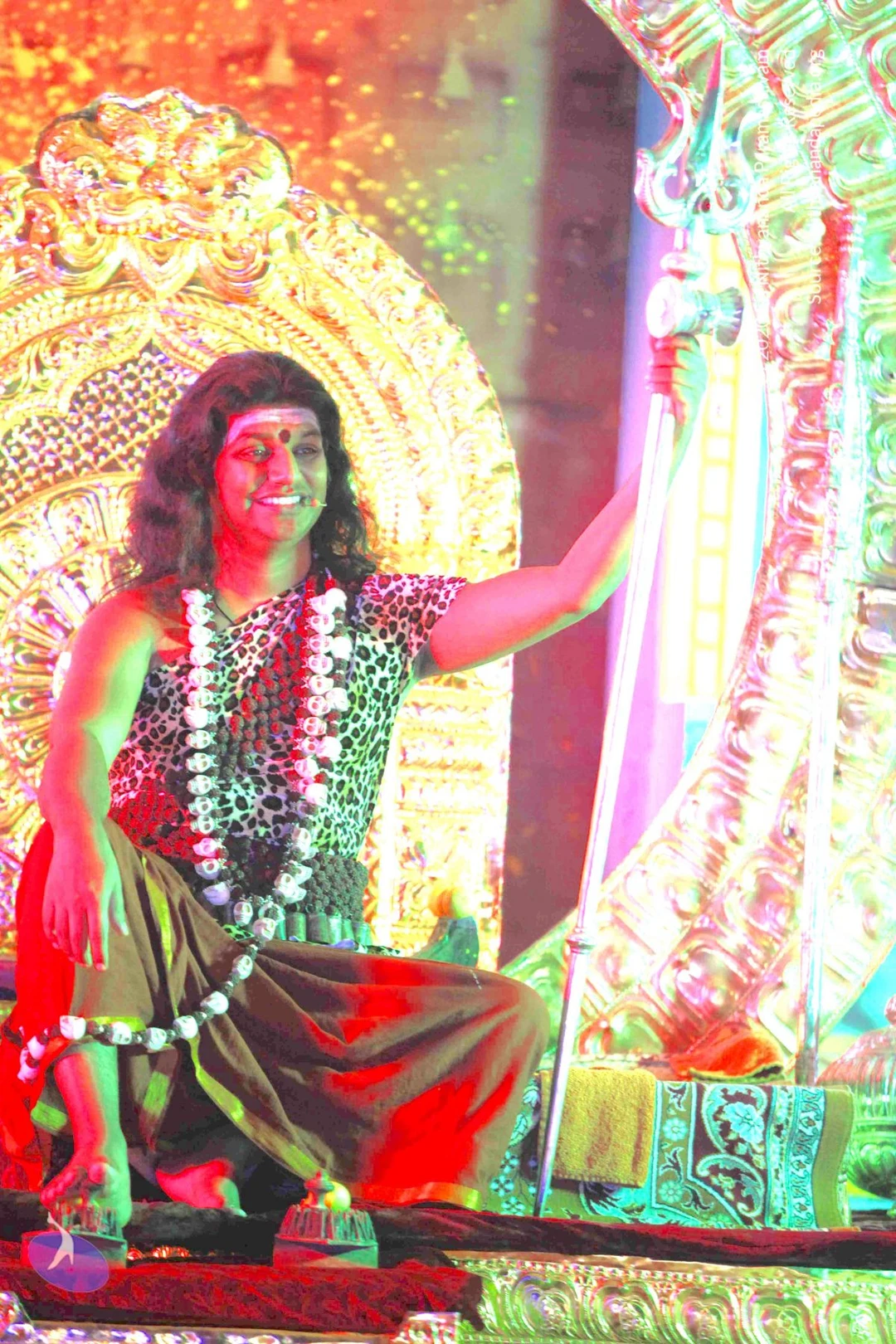
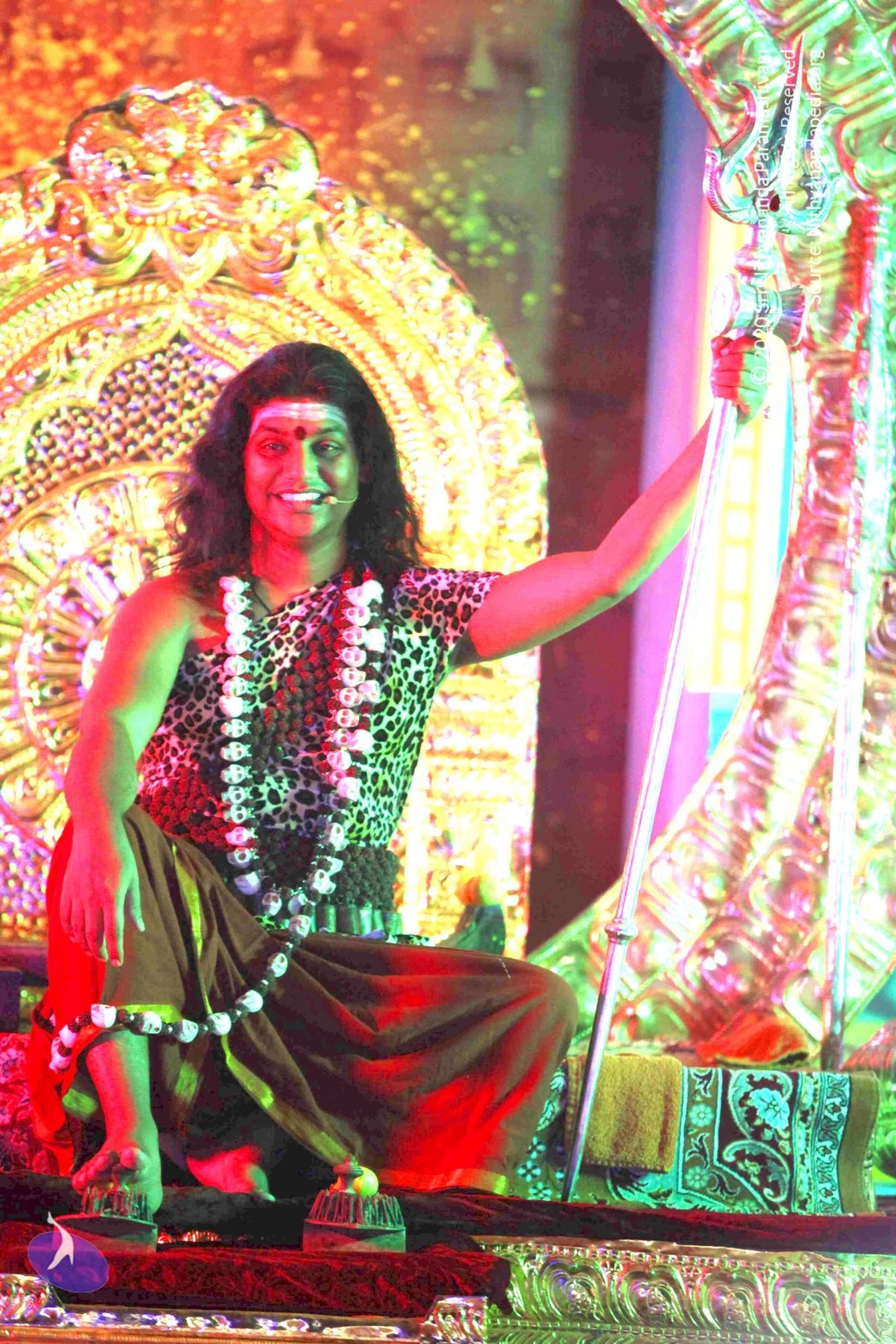
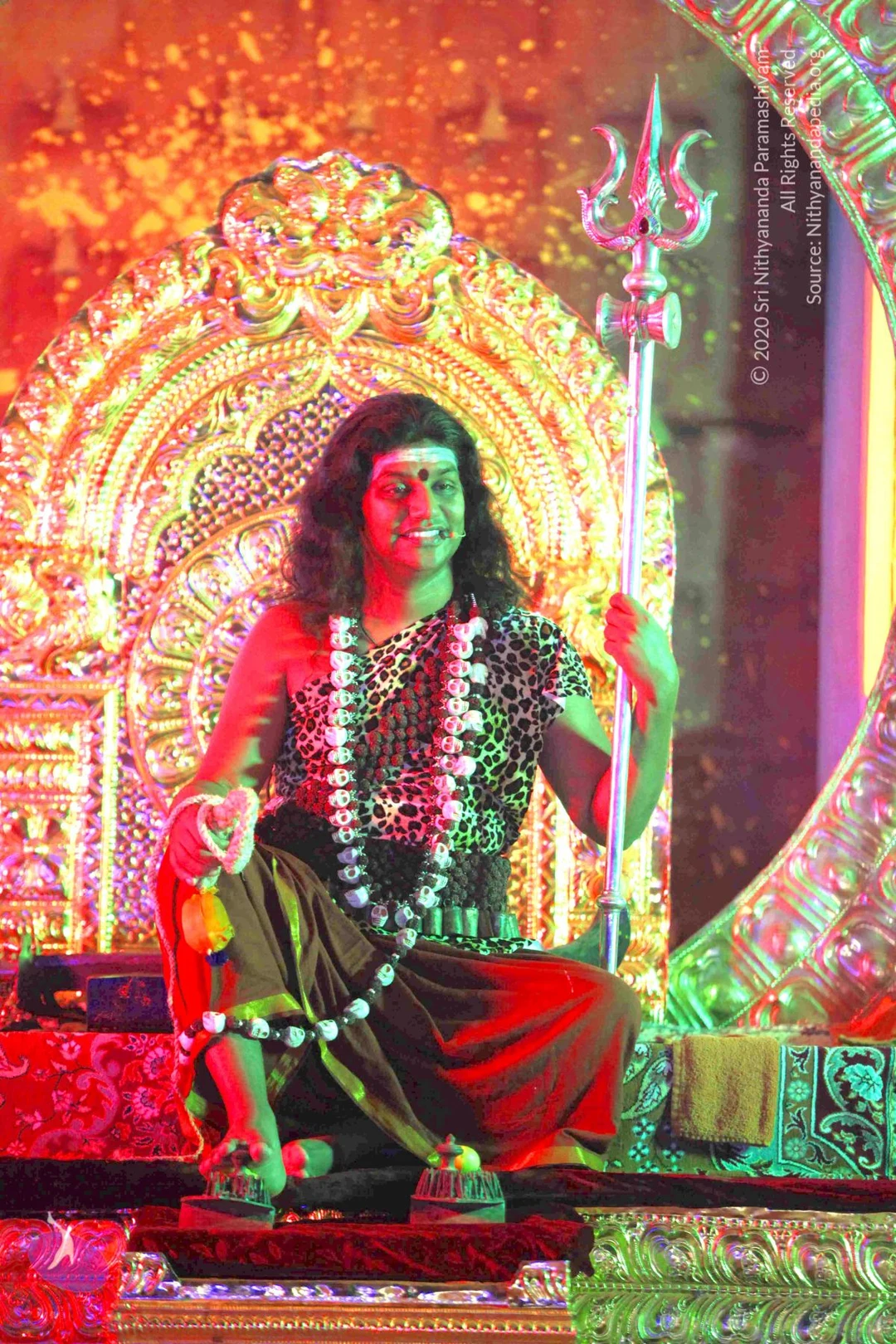

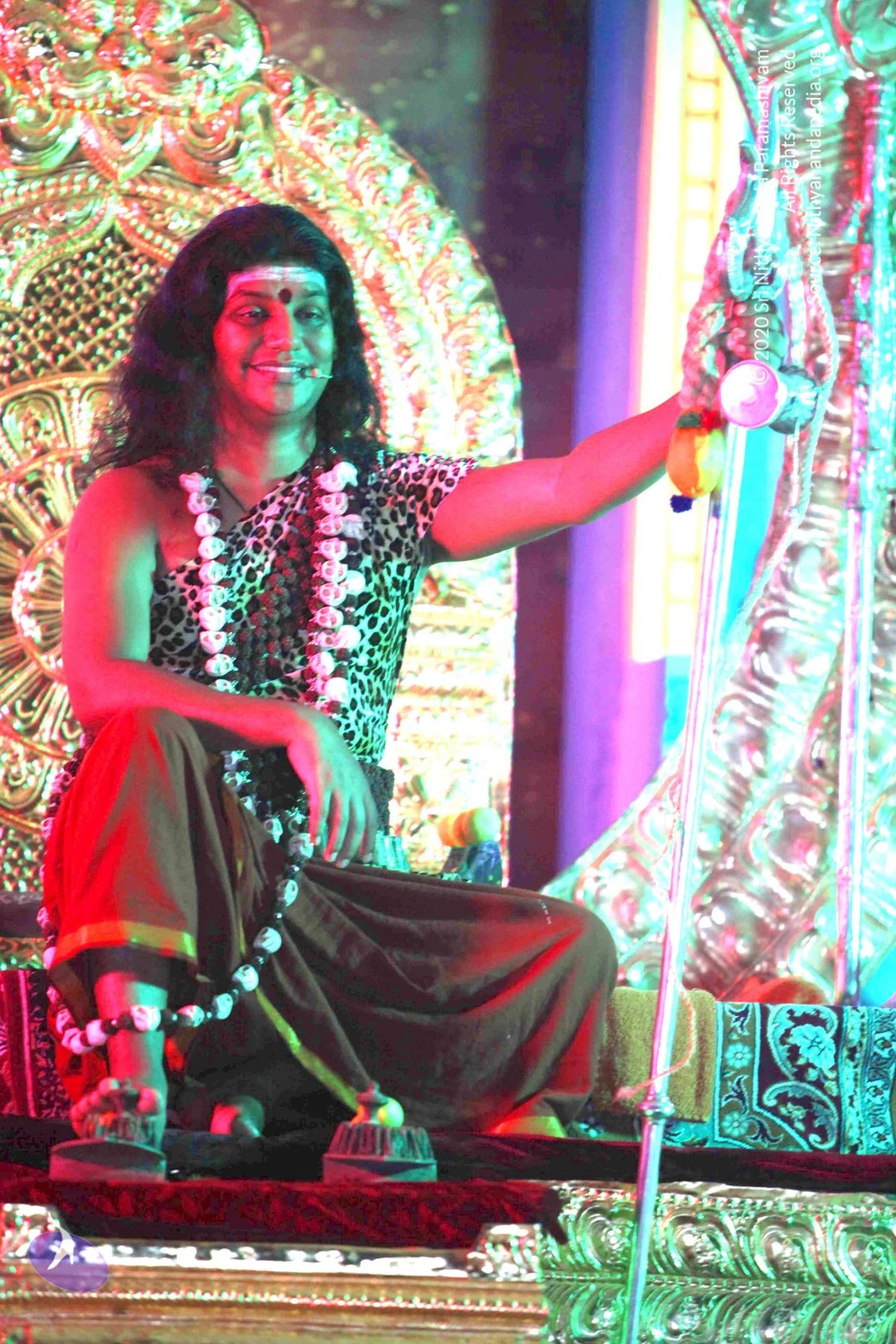
Final-Blessing
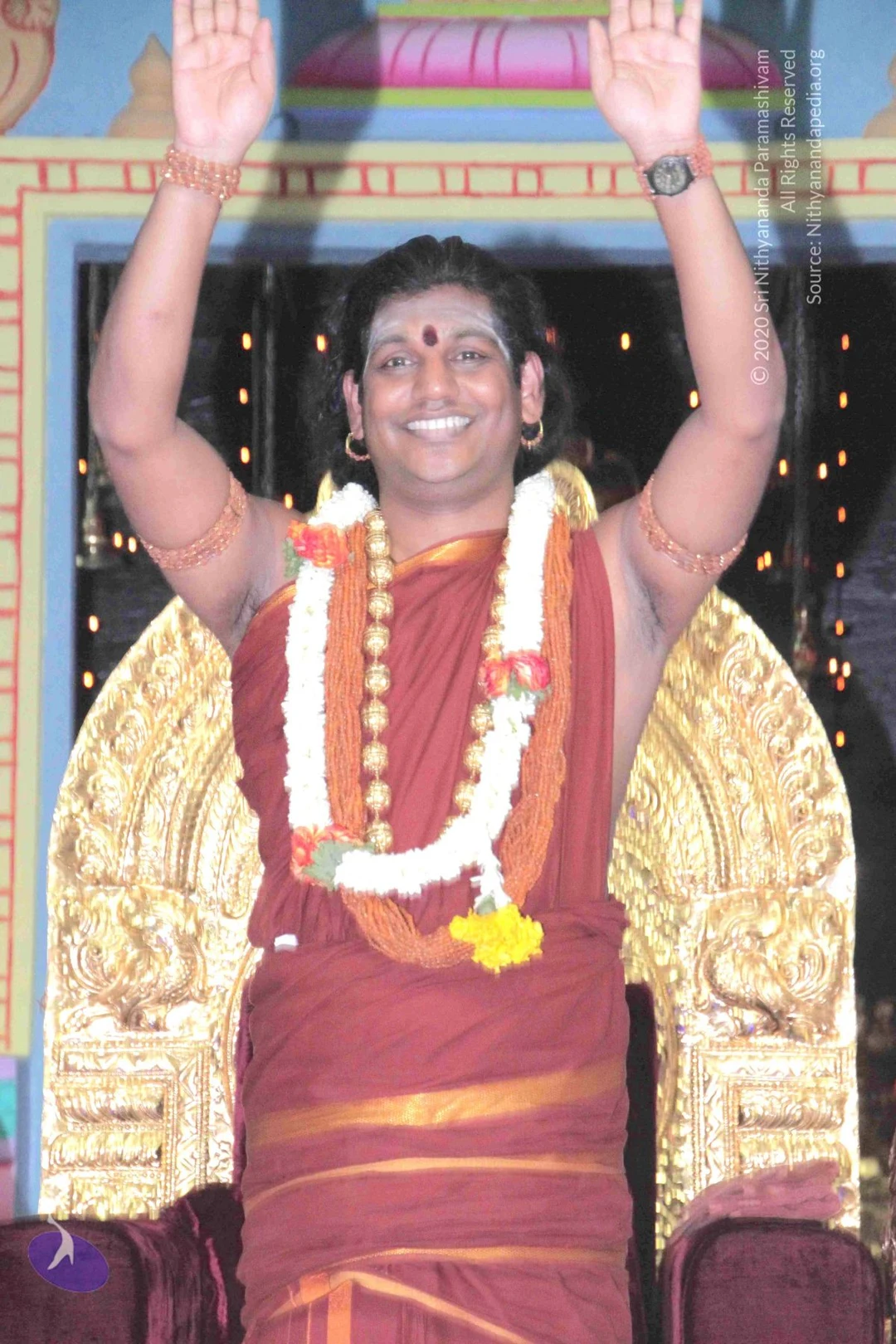
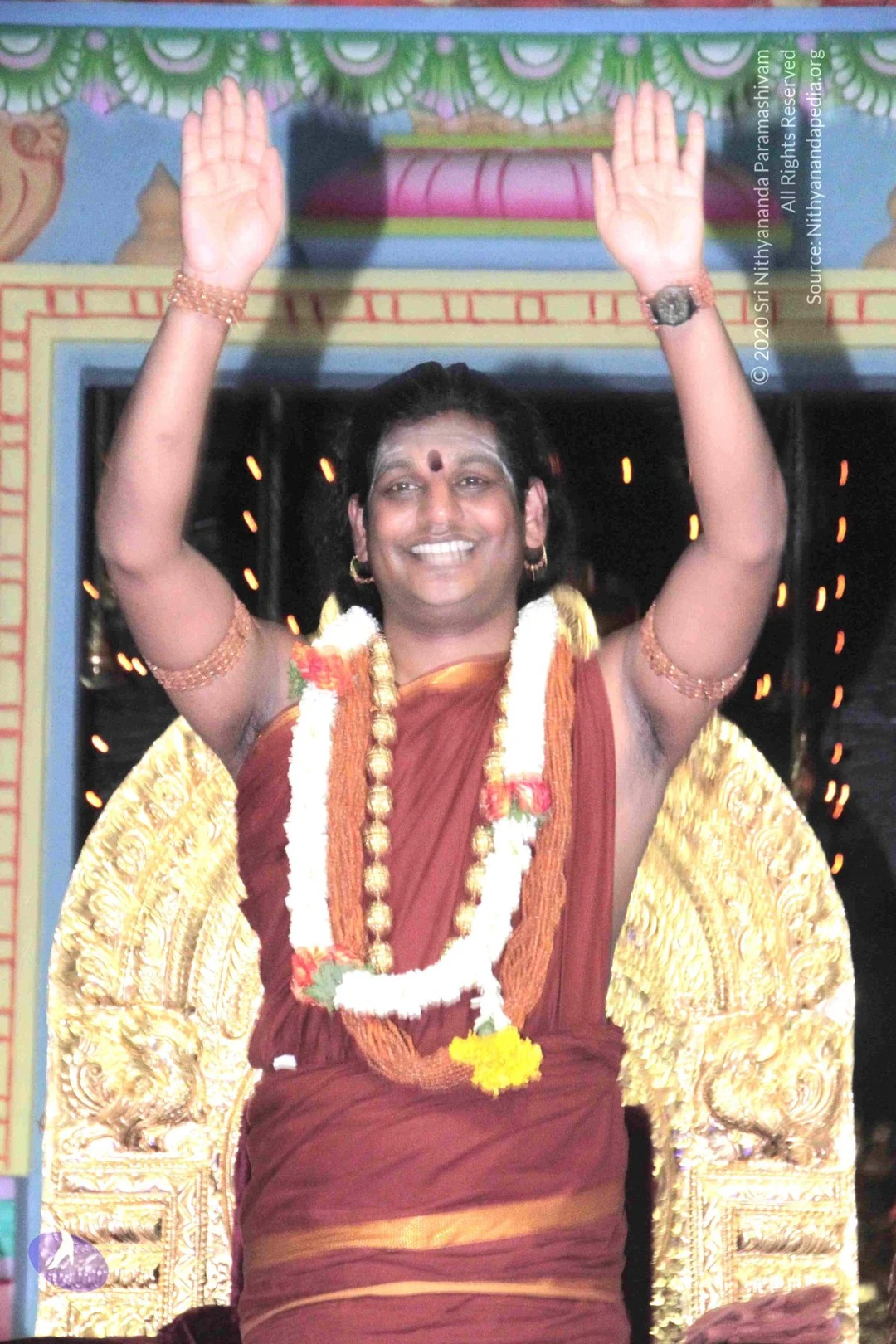
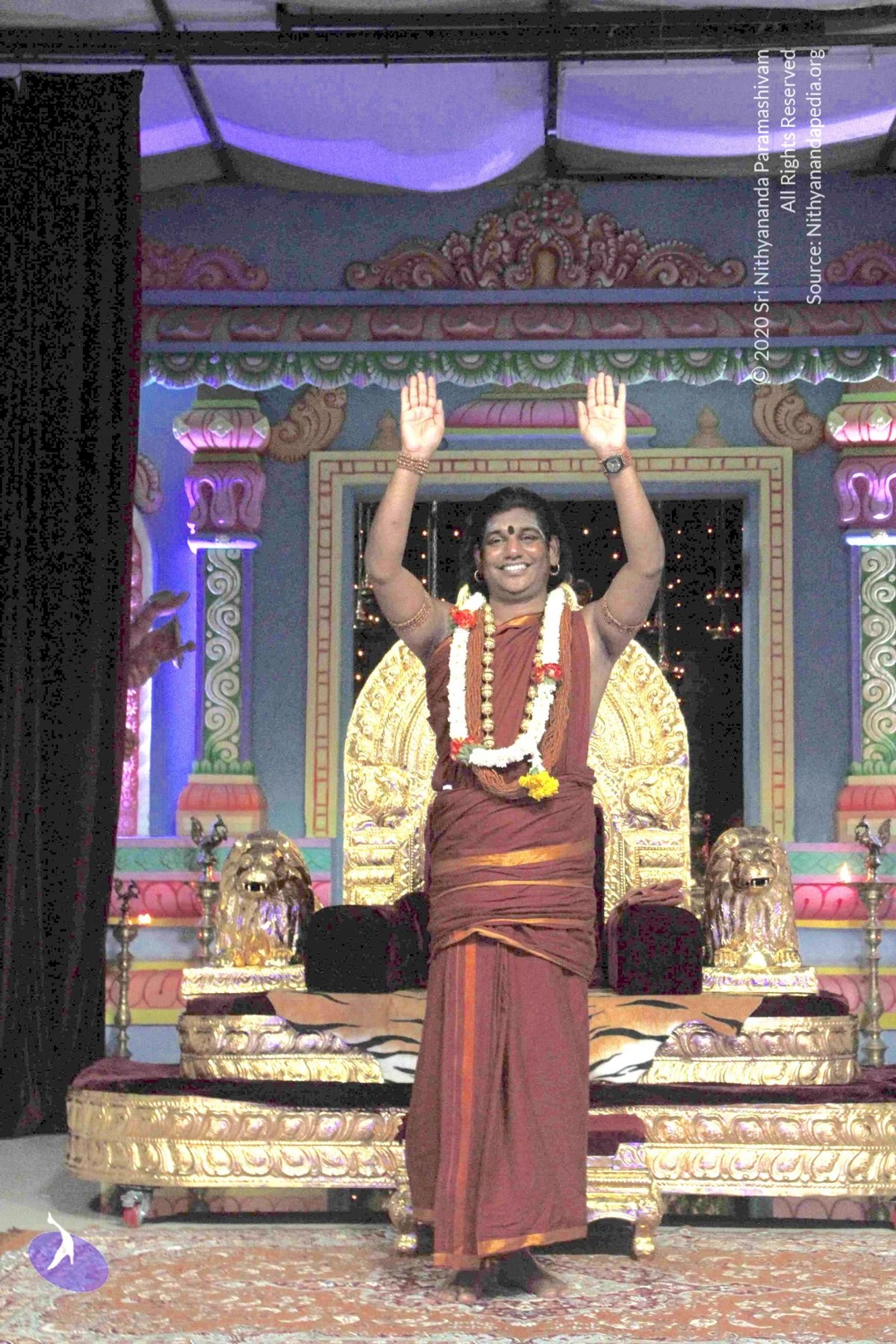
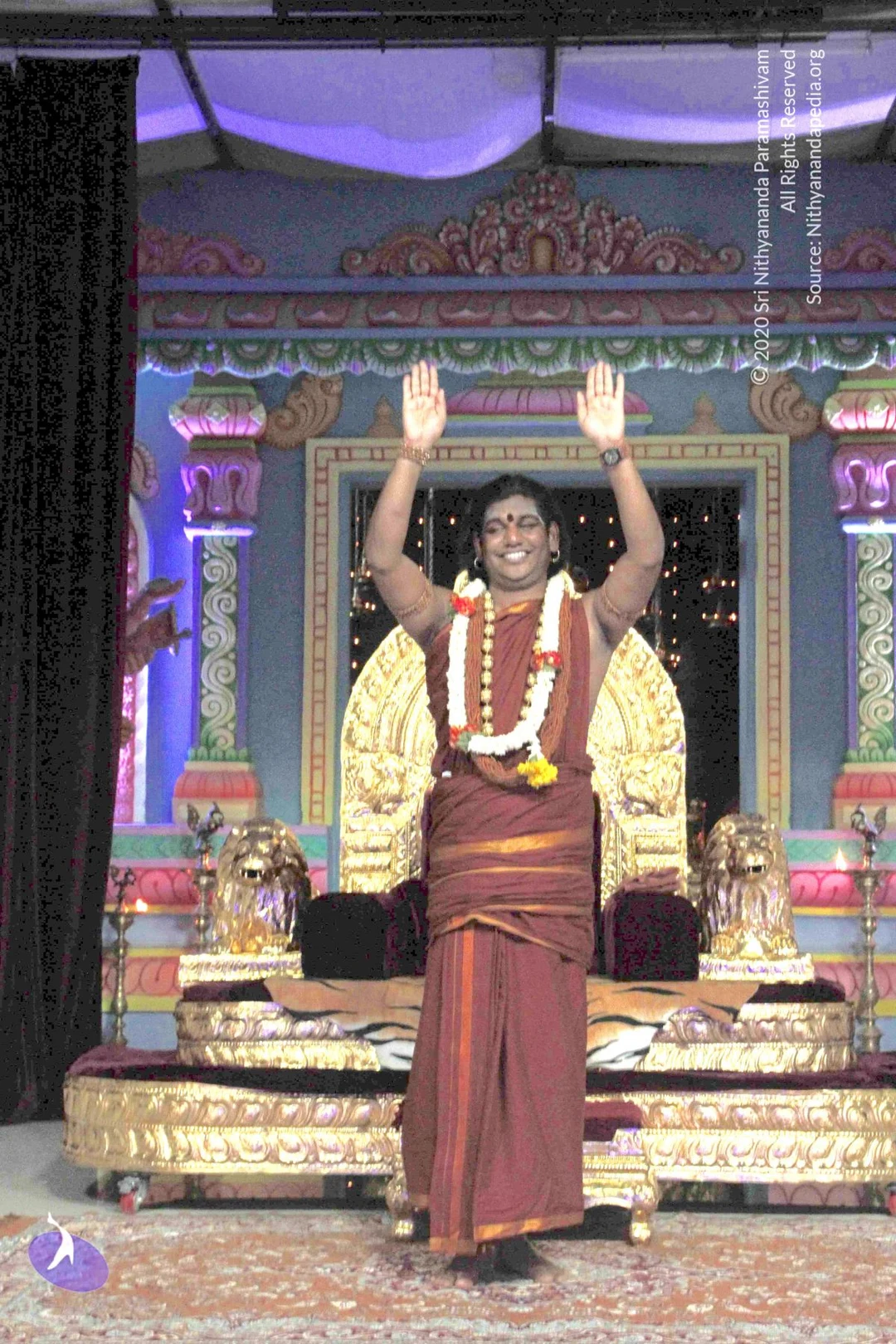
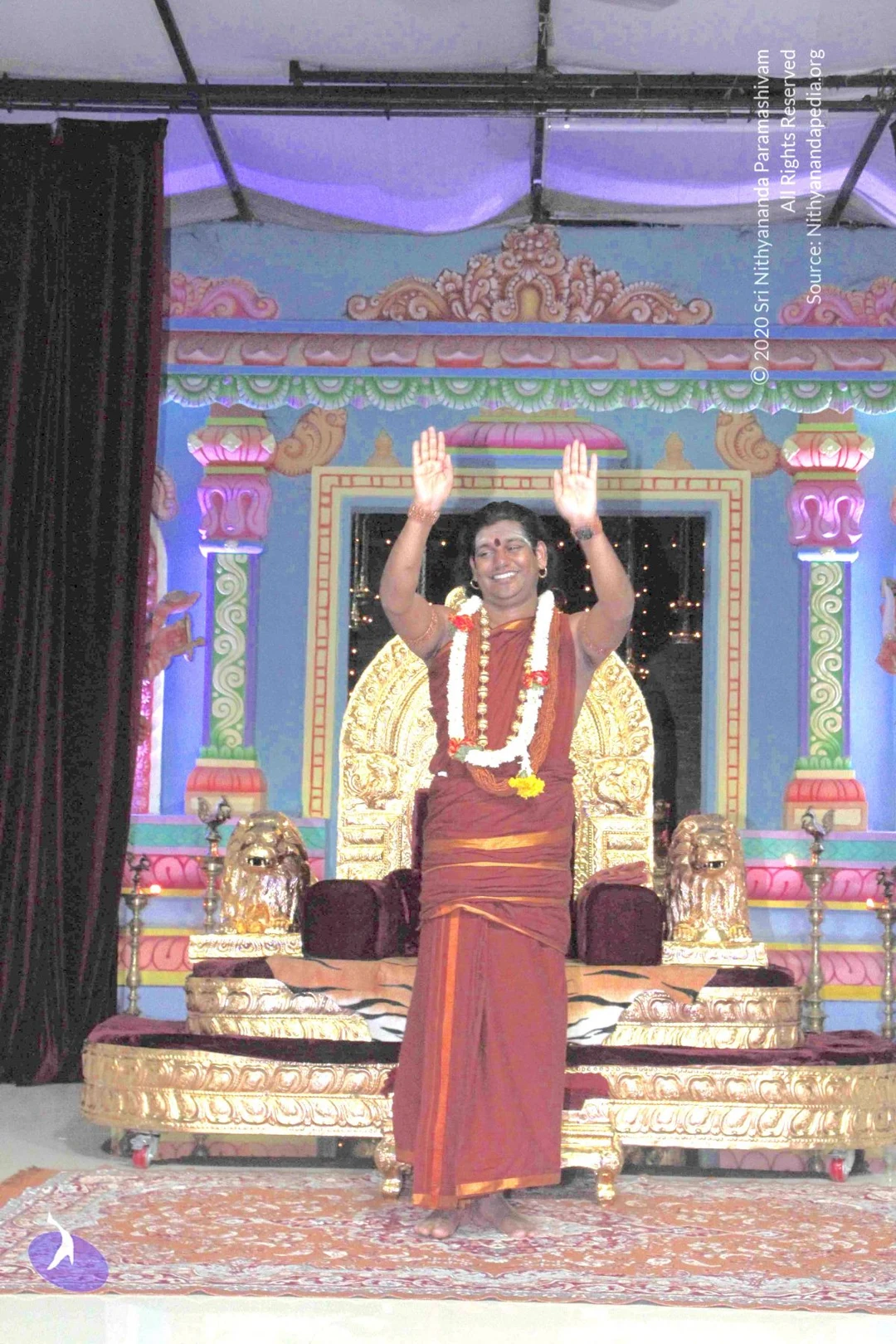
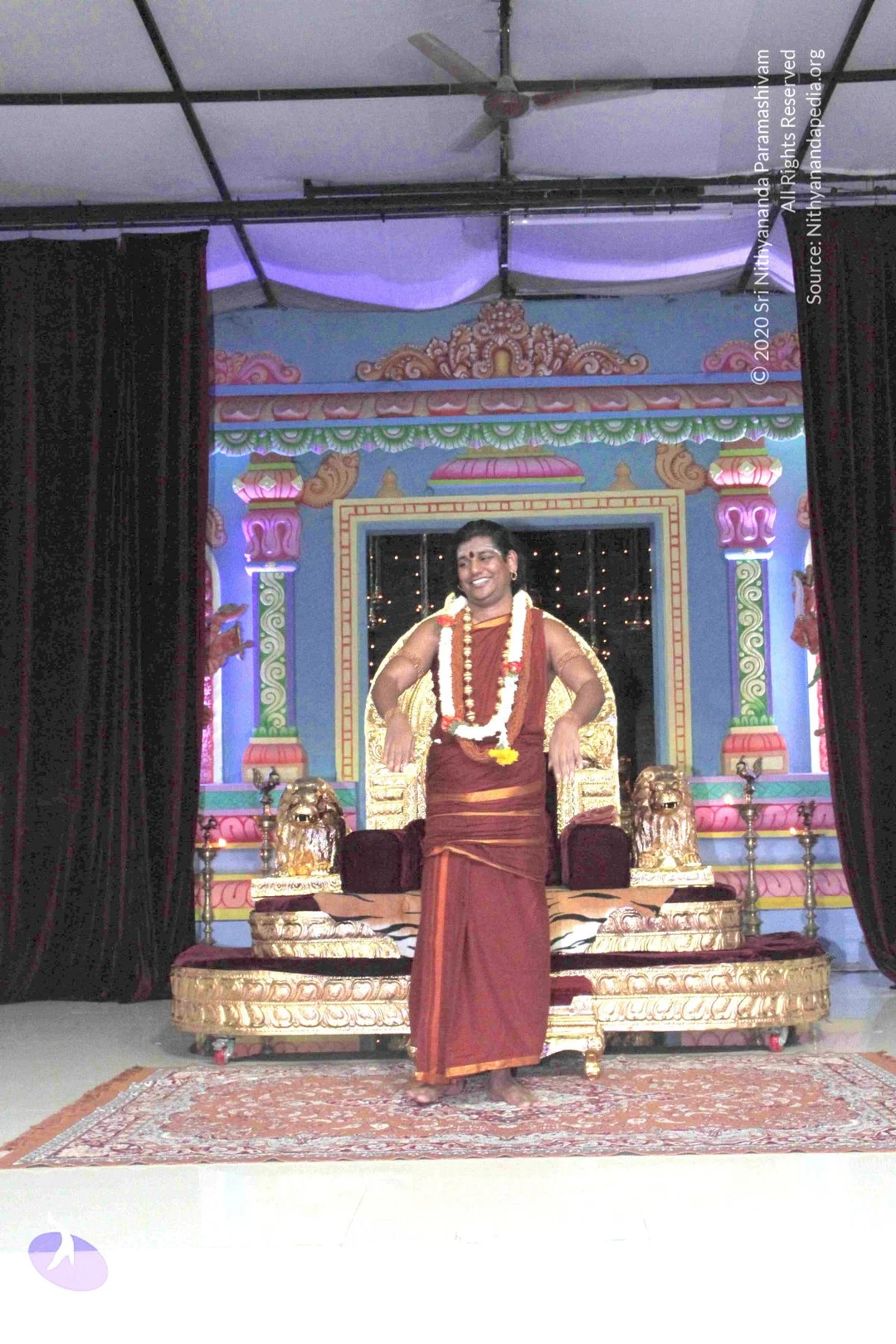
Photos from this day
View all 362 photosPhotos
6 photosSource gallery
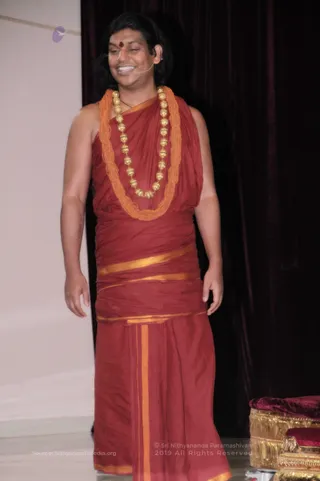
TempleTour_Padapuja
96 photosSource gallery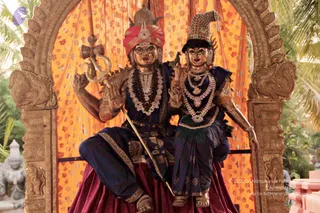
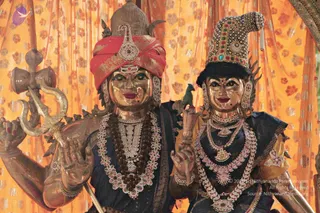
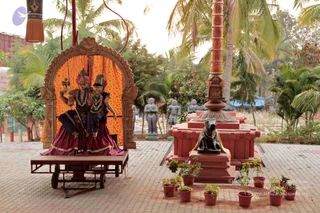
NithyaSatsang
44 photosSource gallery
NithyaKriyaYoga_Day1
47 photosSource gallery

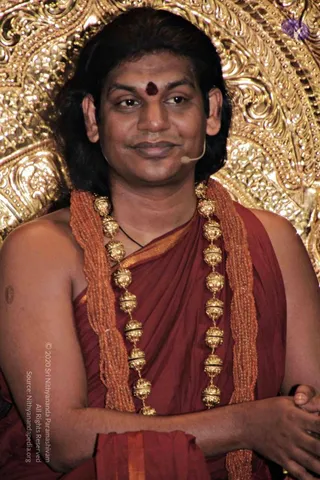
Pada-puja-Temple-visit
78 photosSource gallery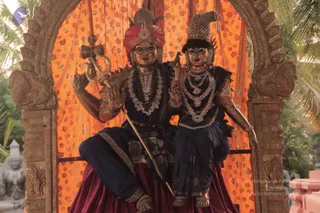
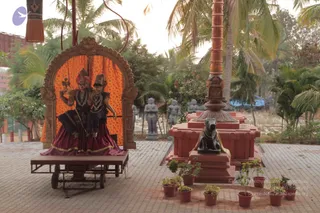
Satsang-morning
3 photosSource gallery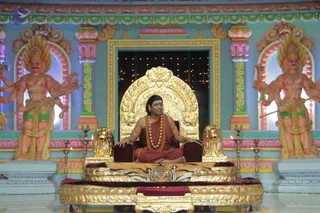
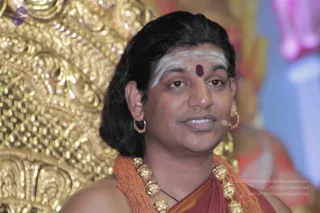
Energy-Darshan
8 photosSource gallery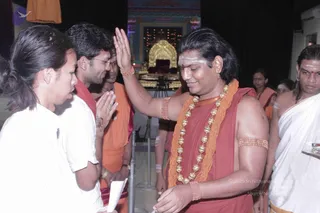
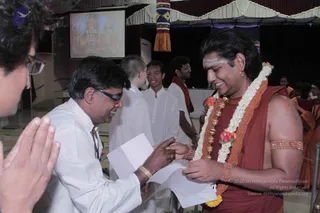
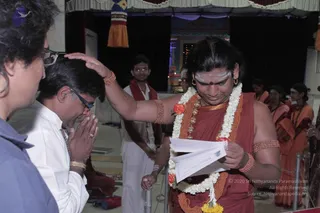
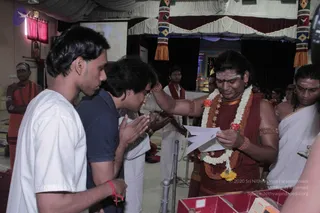
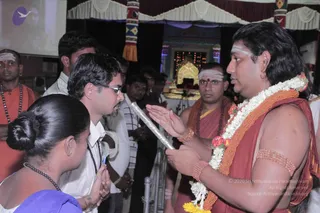
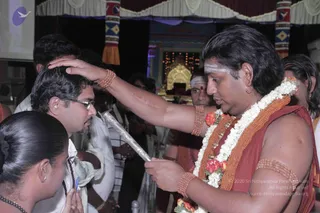
Nithya-Kriya-Yoga-Day-1
16 photosSource gallery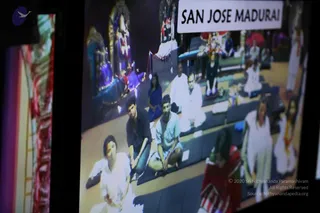
Kalabhairava-Darshan
25 photosSource gallery
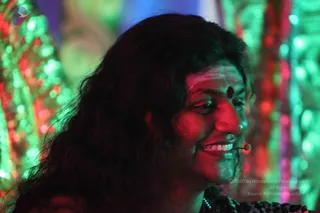
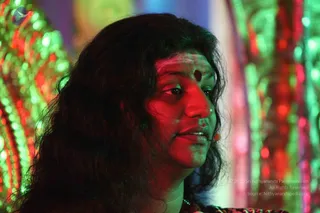
Pada-Puja-Temple-visit
23 photosSource gallery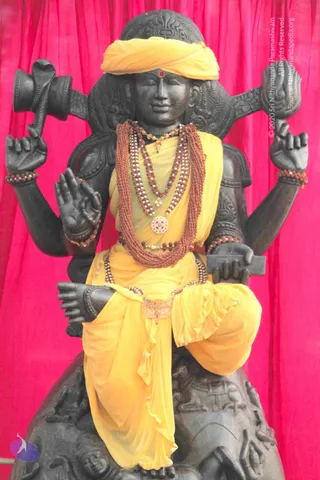

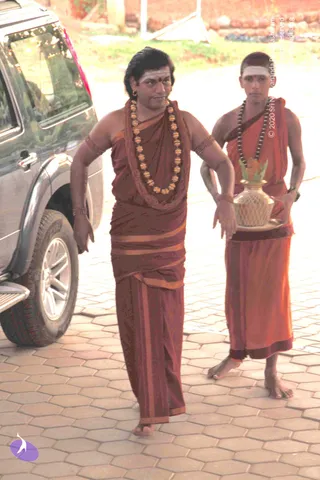
Satsang-morning
7 photosSource gallery
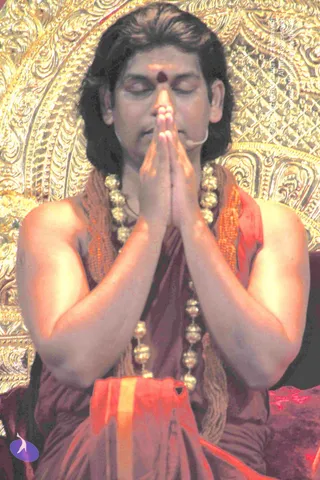
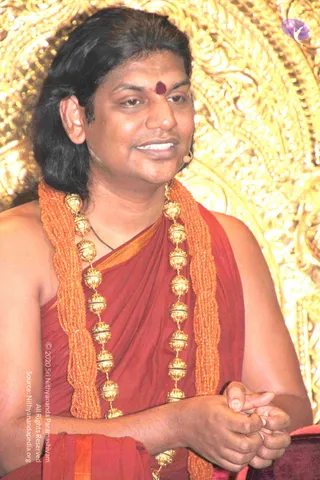
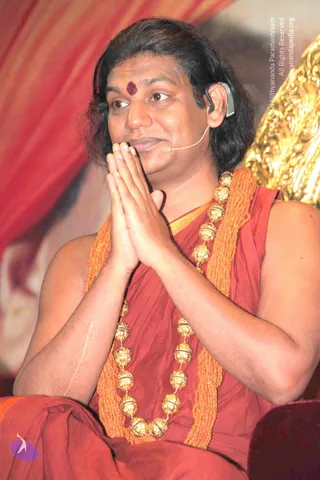
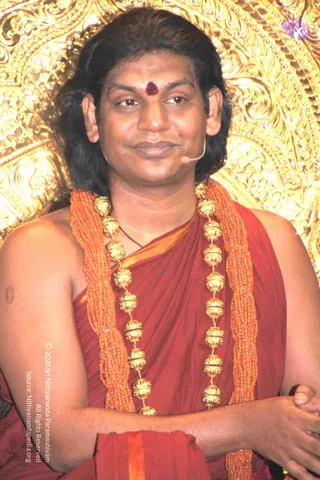
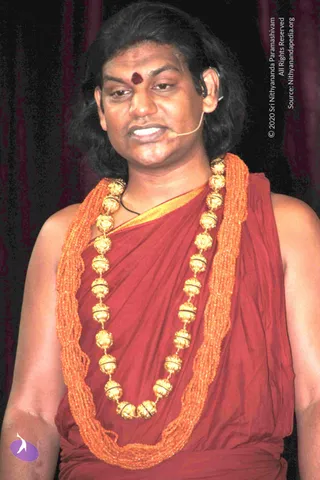
Nithya-Kriya-Yoga-Day-1
1 photoSource gallery
Kalabhairava-Darshan
19 photosSource gallery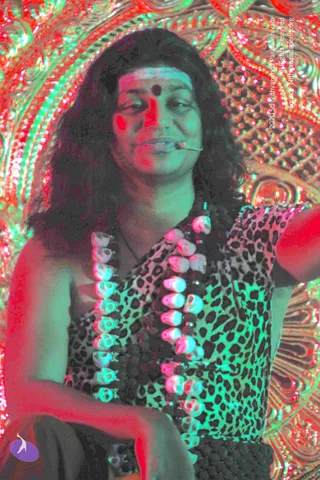
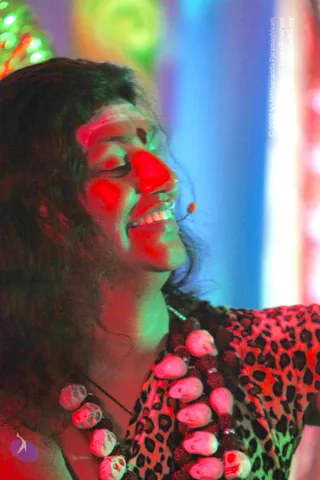
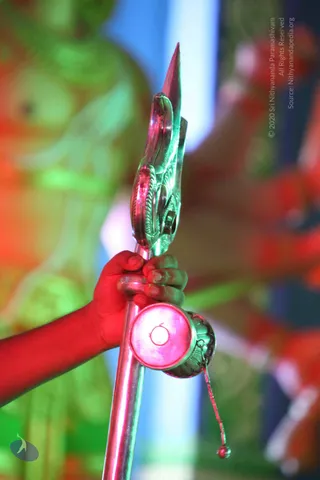

Final-Blessing
5 photosSource gallery