Friday
25 January 2013
Always Choose Long Term Rewards
- Dated photos
- 163
- Source pages
- 1
- Media
- 2
January 25 2013
Original wiki pageTitle
Always Choose Long Term Rewards
Description
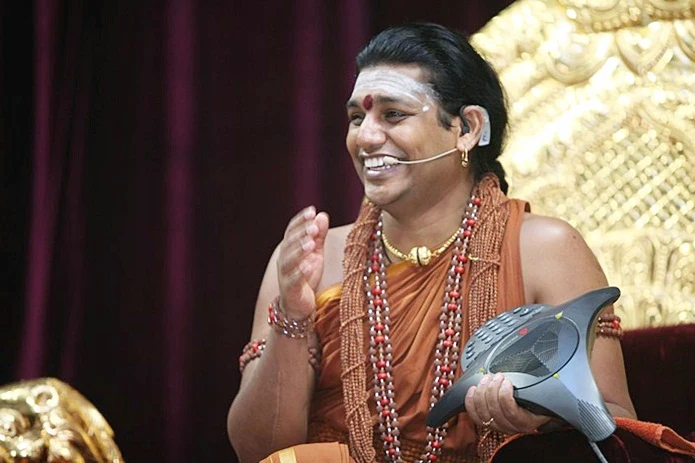
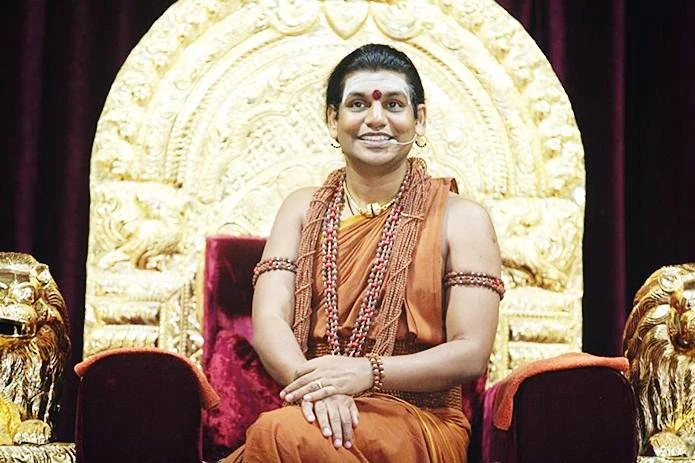
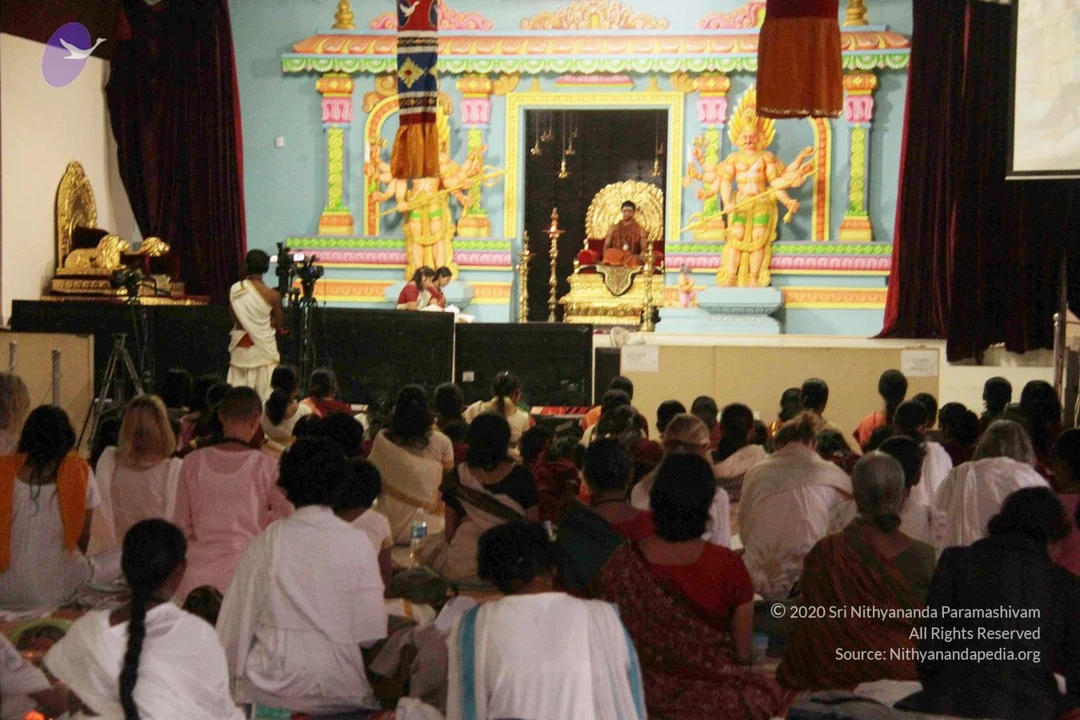
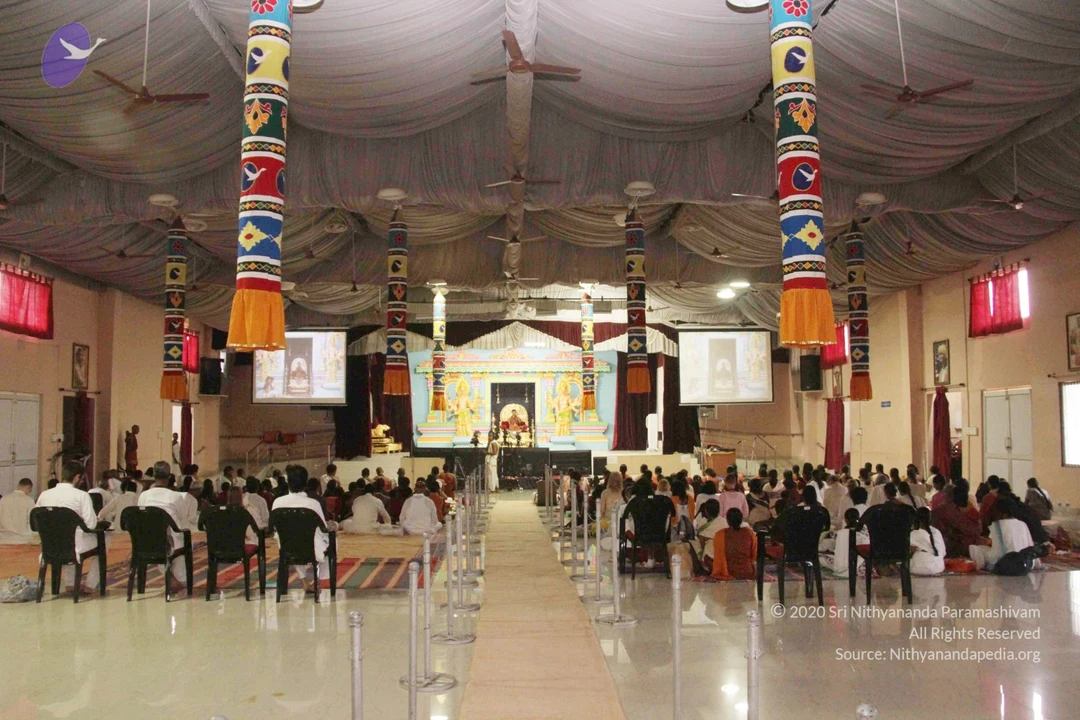
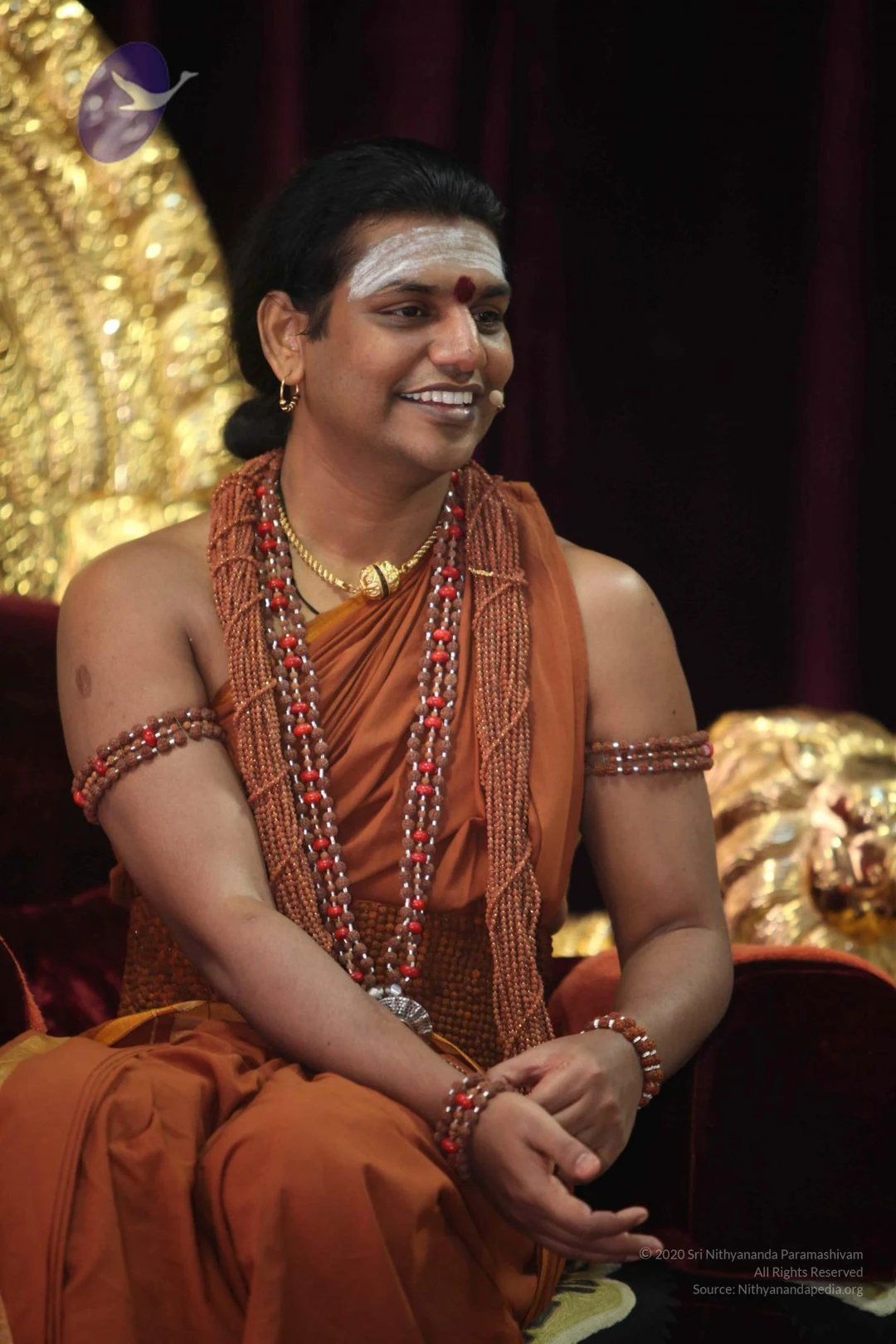
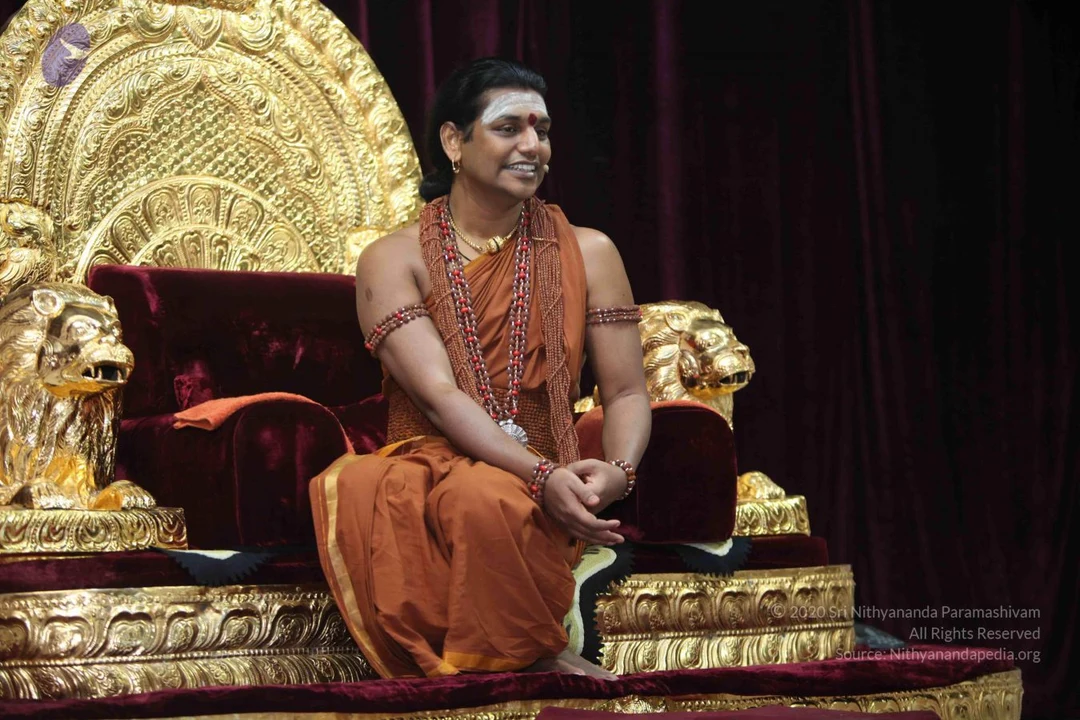
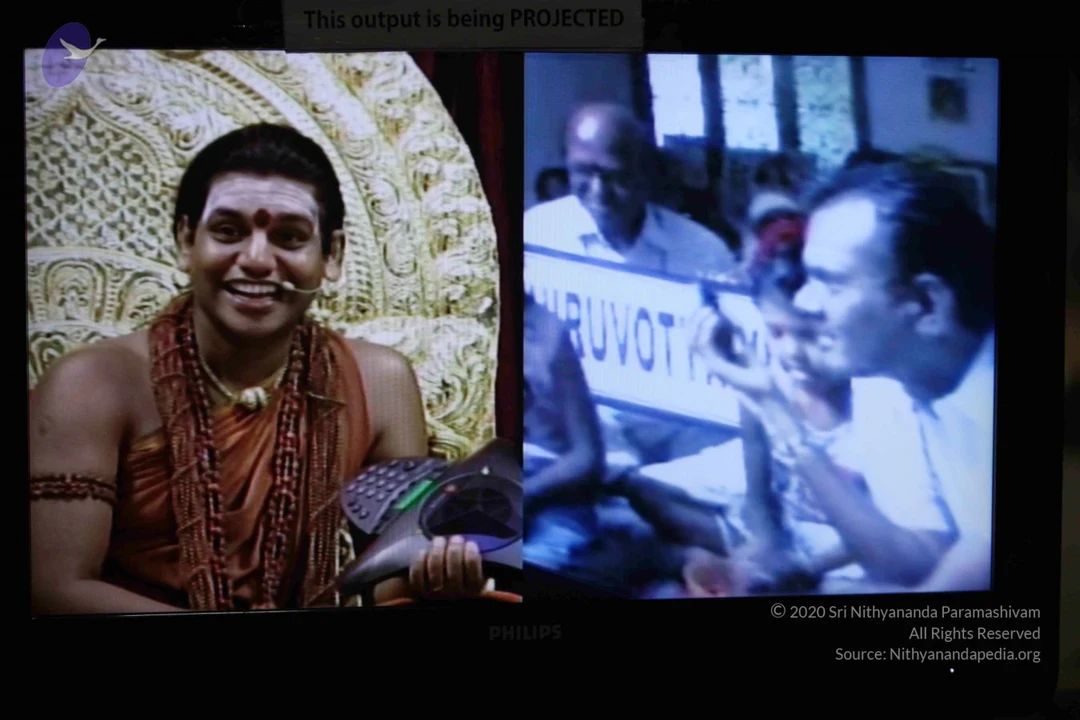
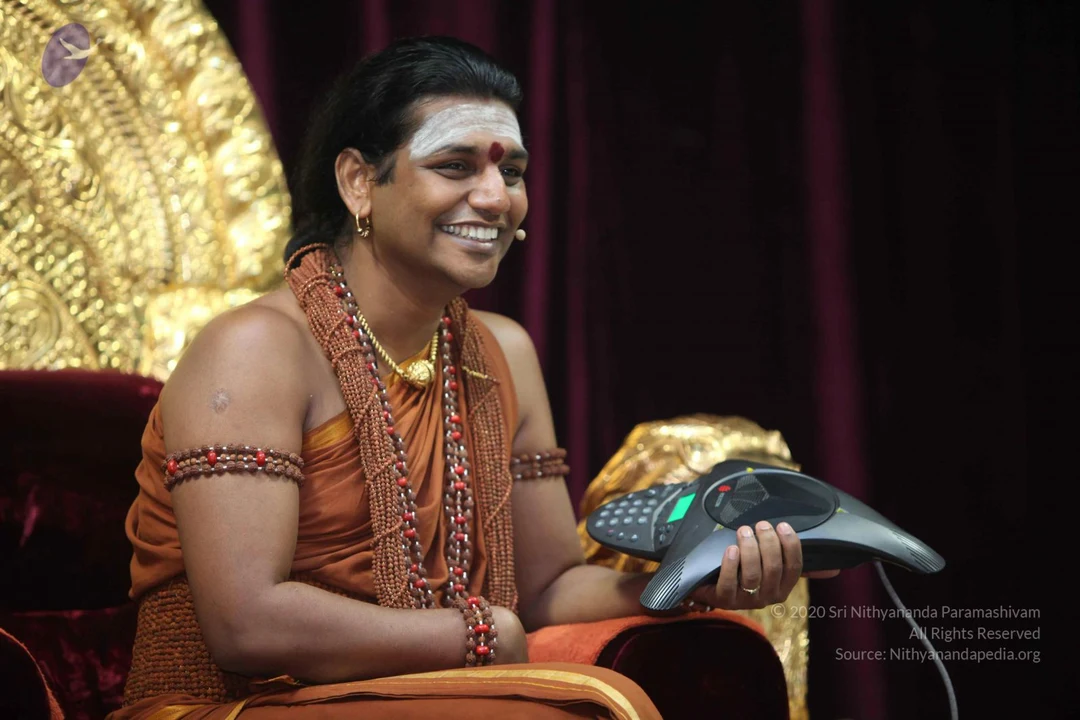
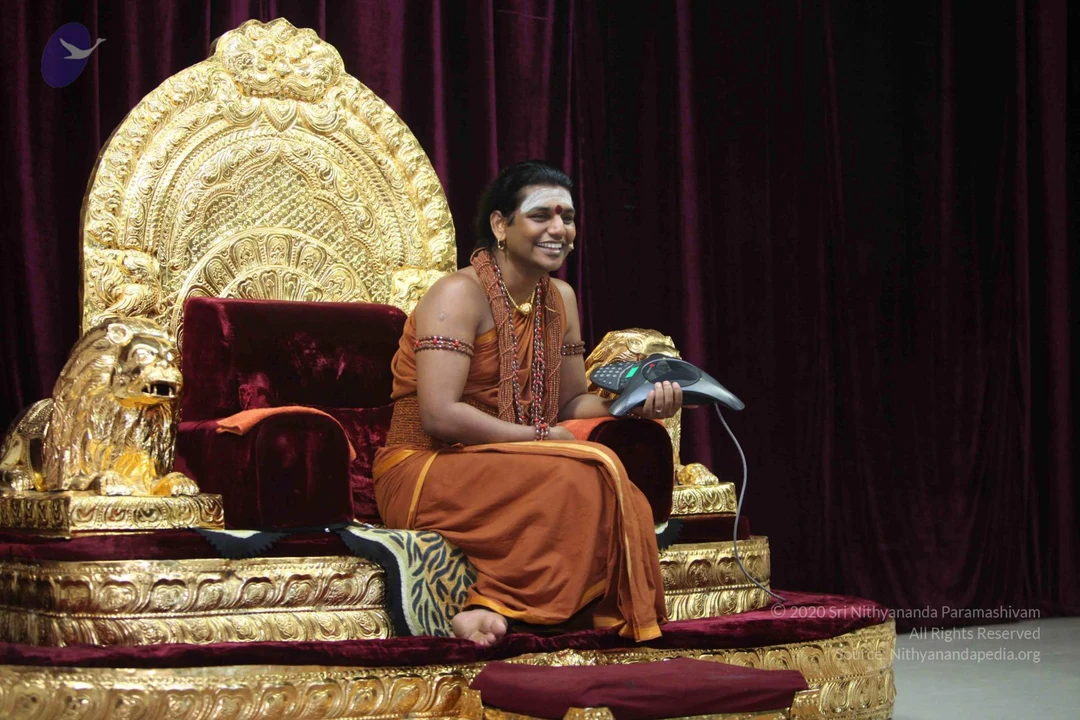
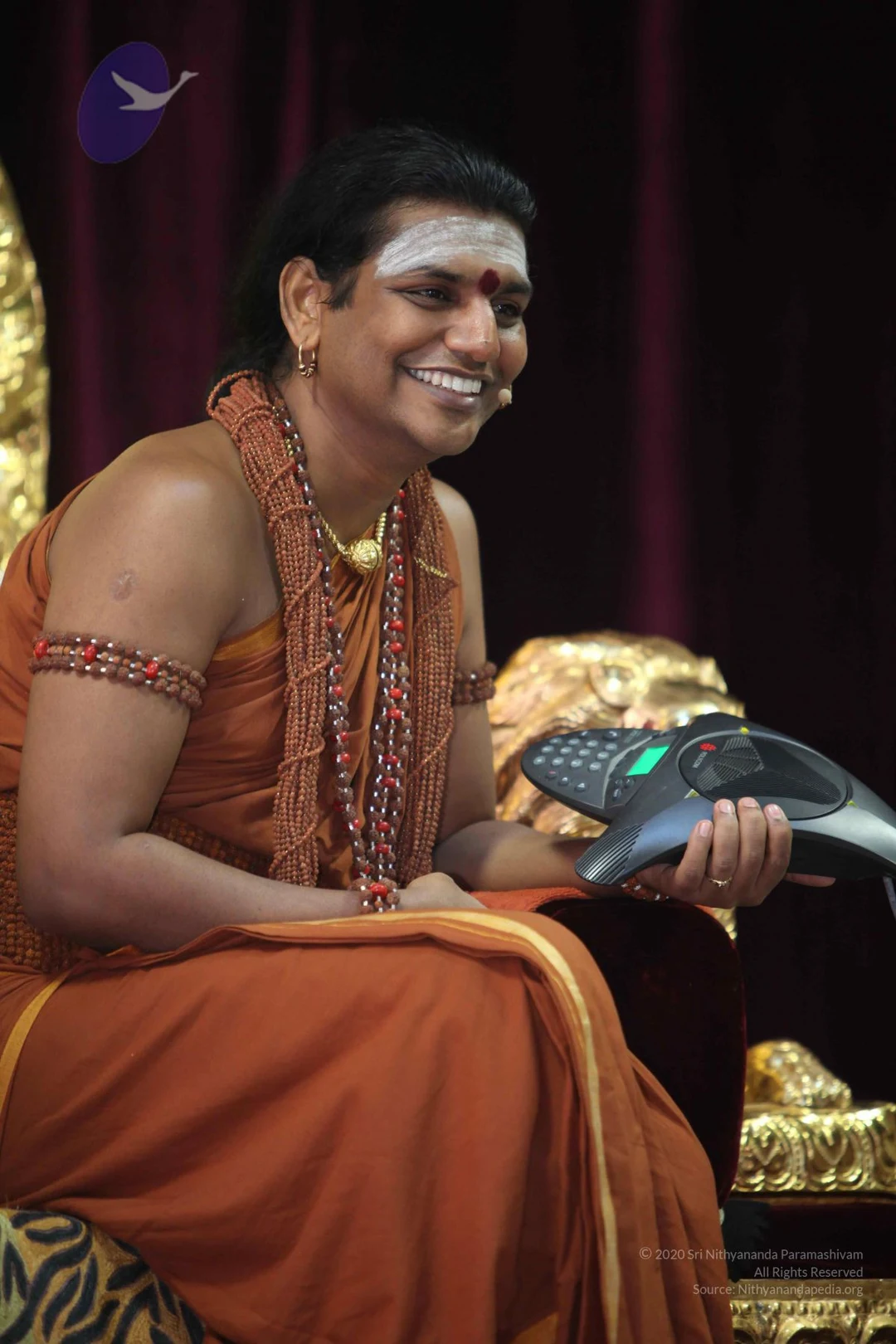
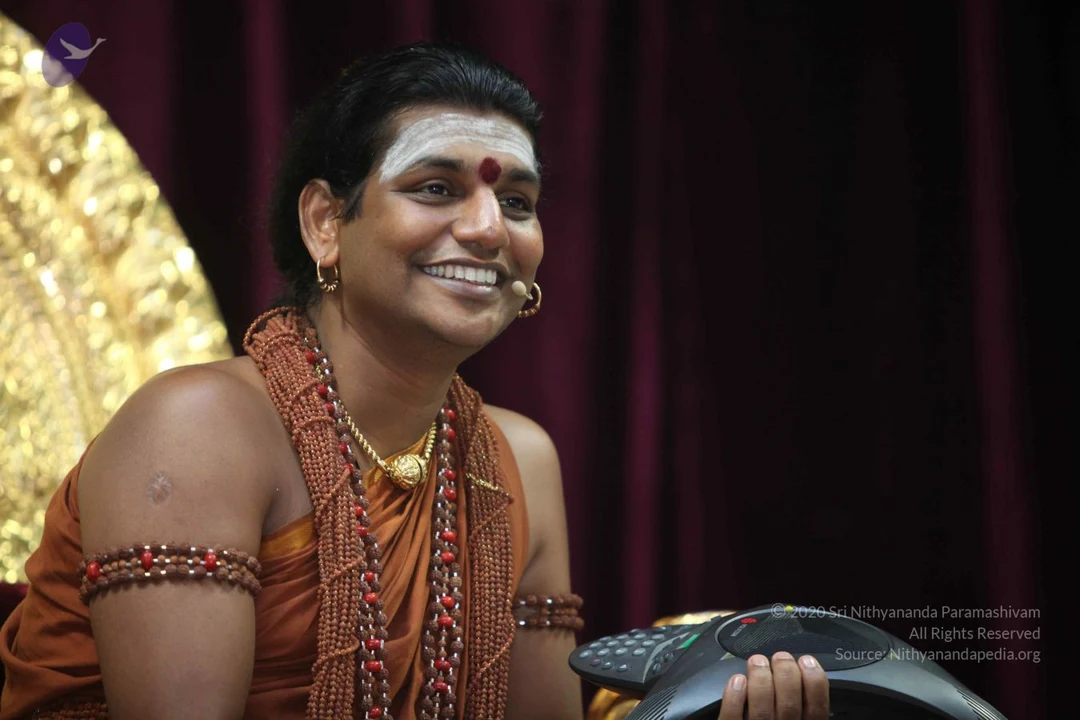
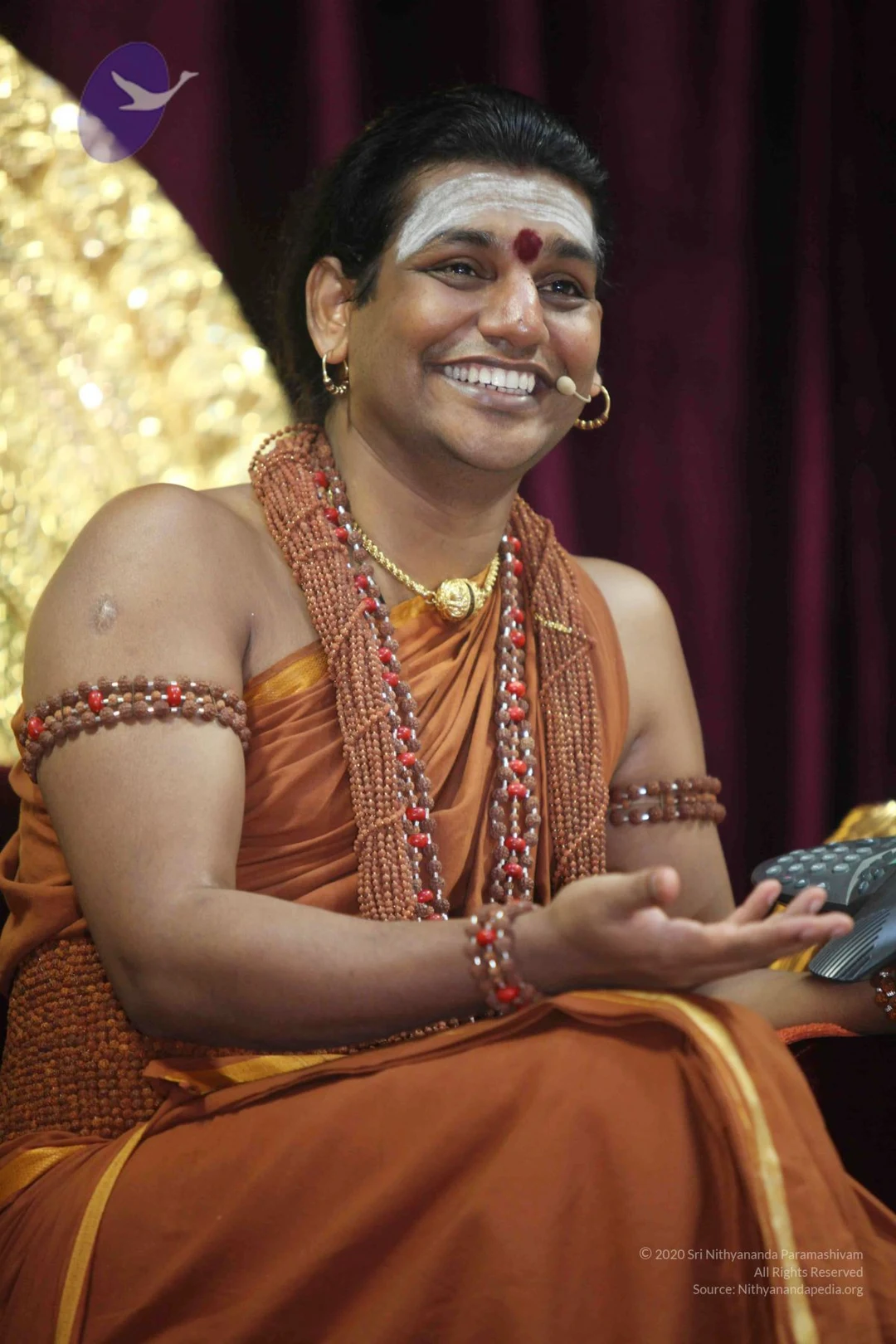
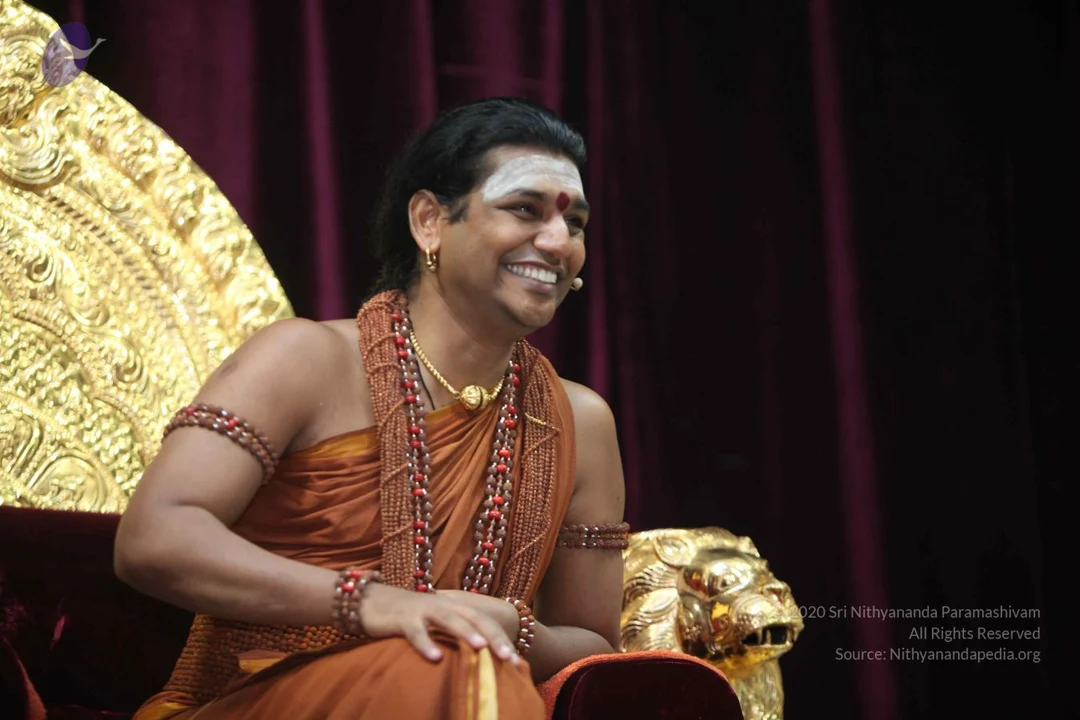
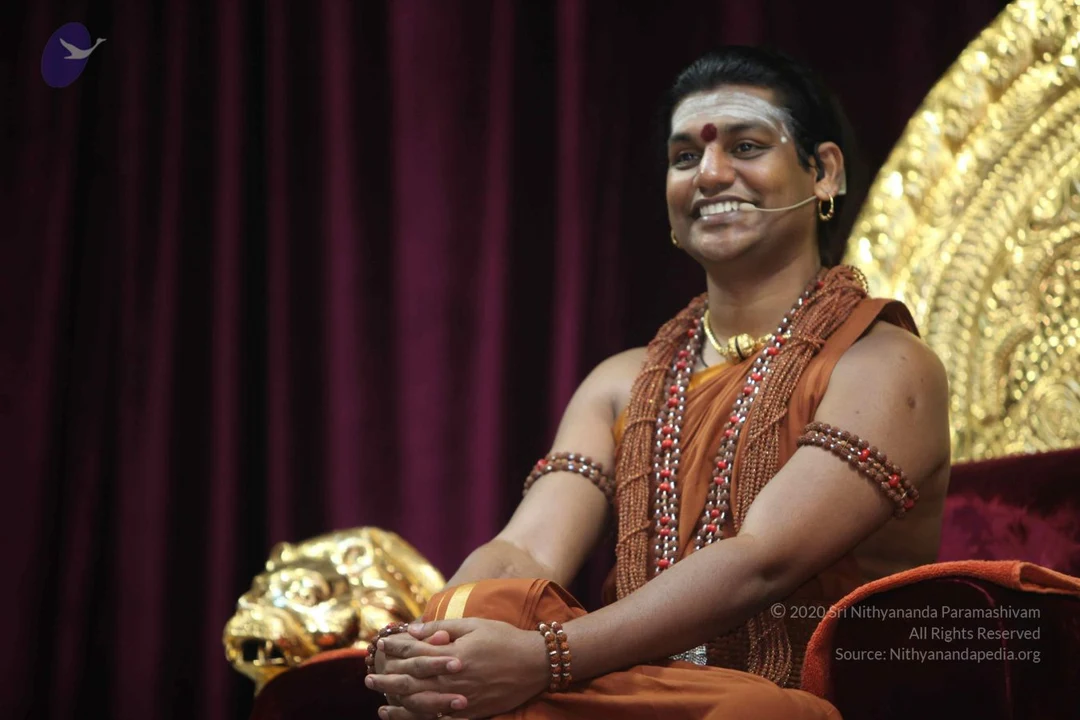
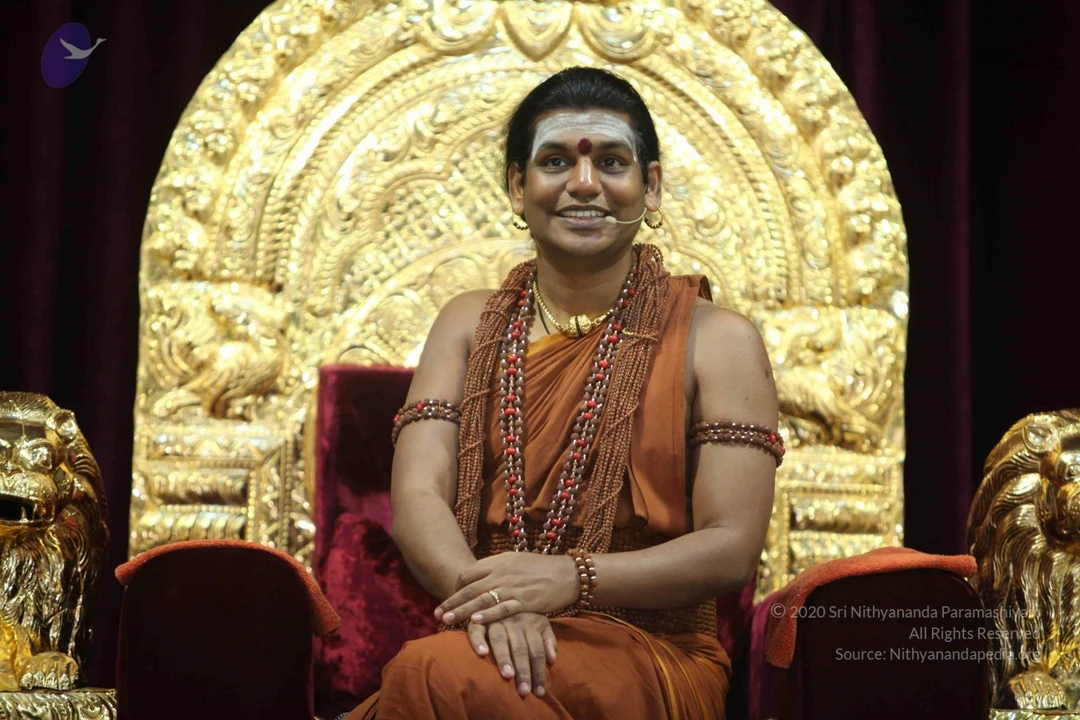
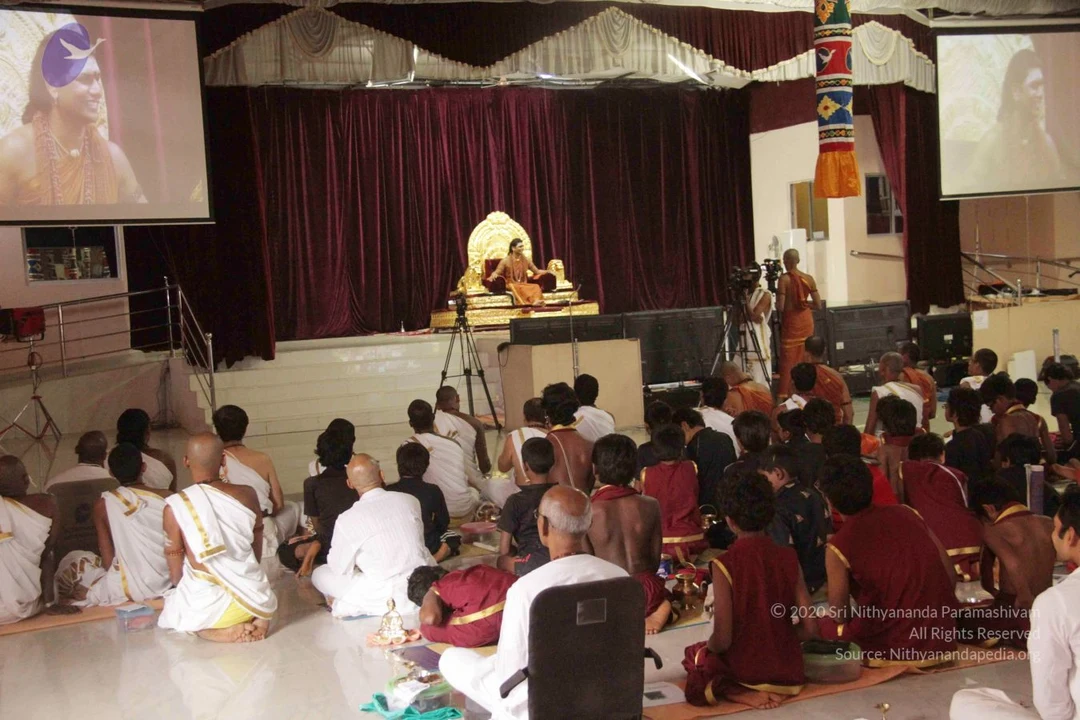
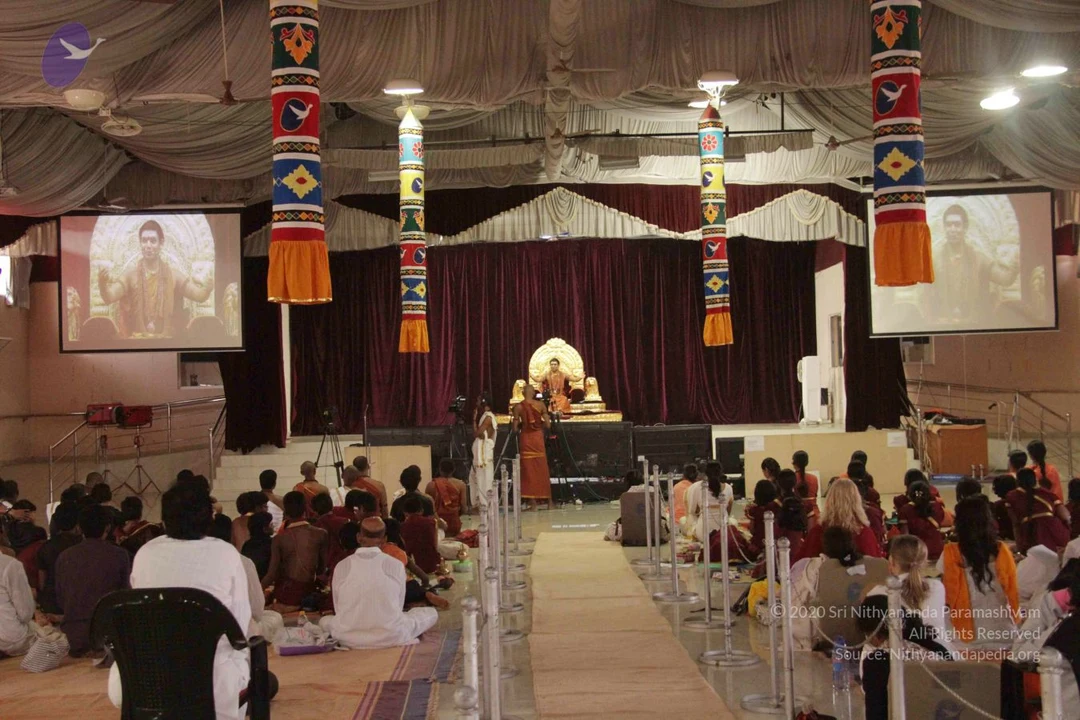
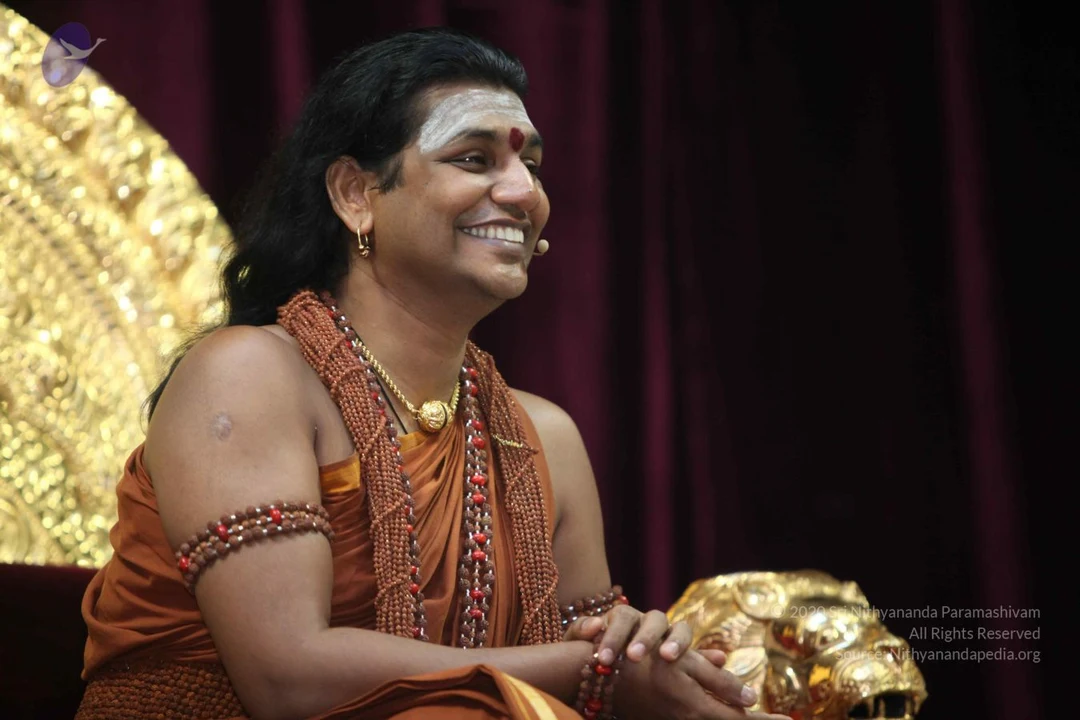
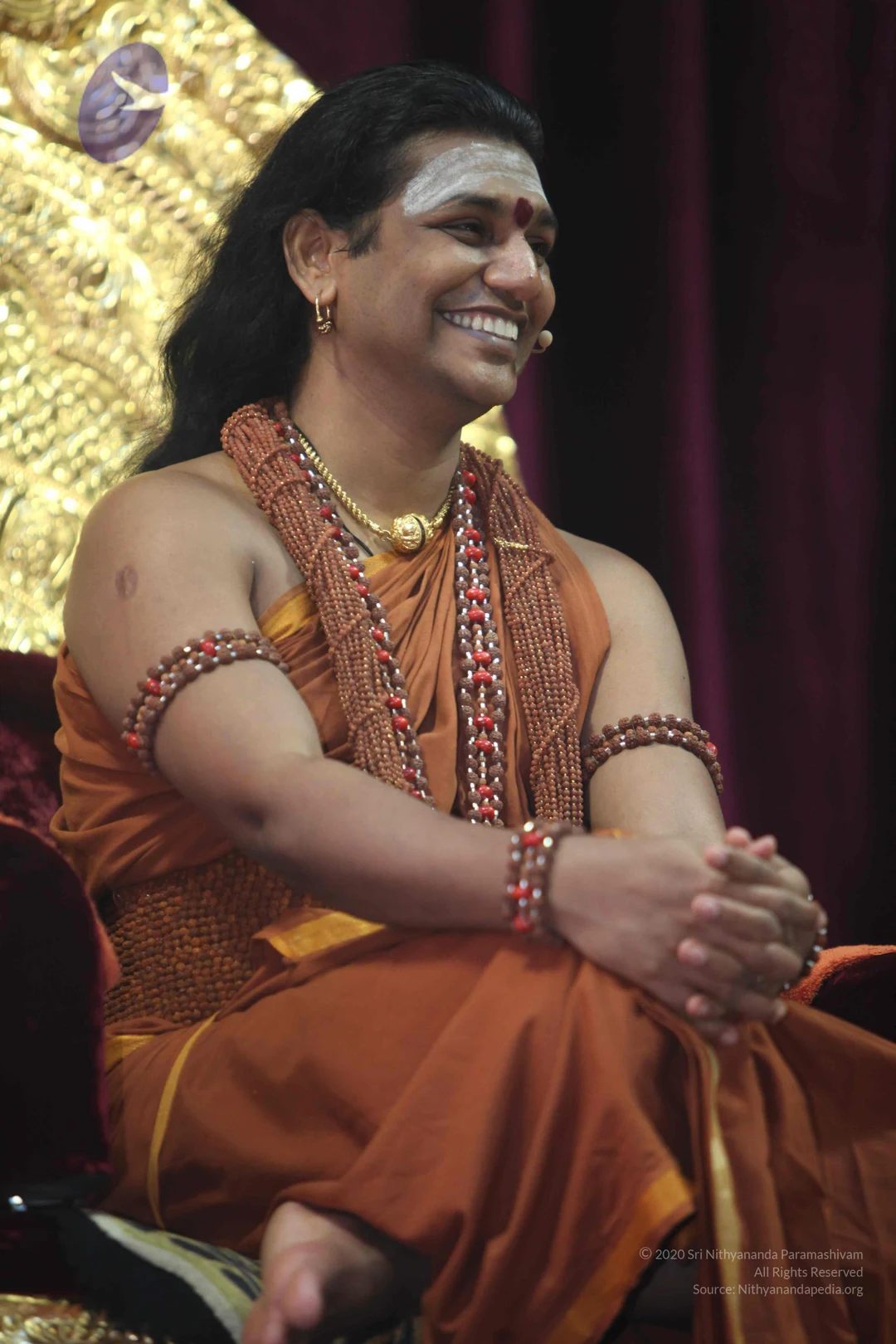
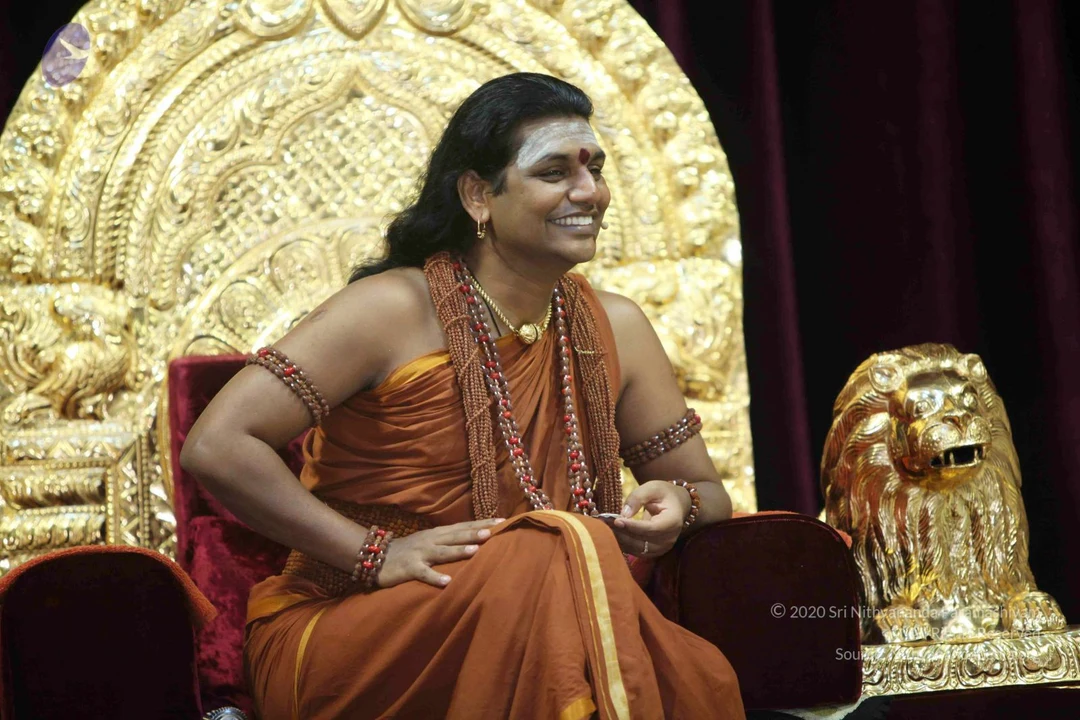
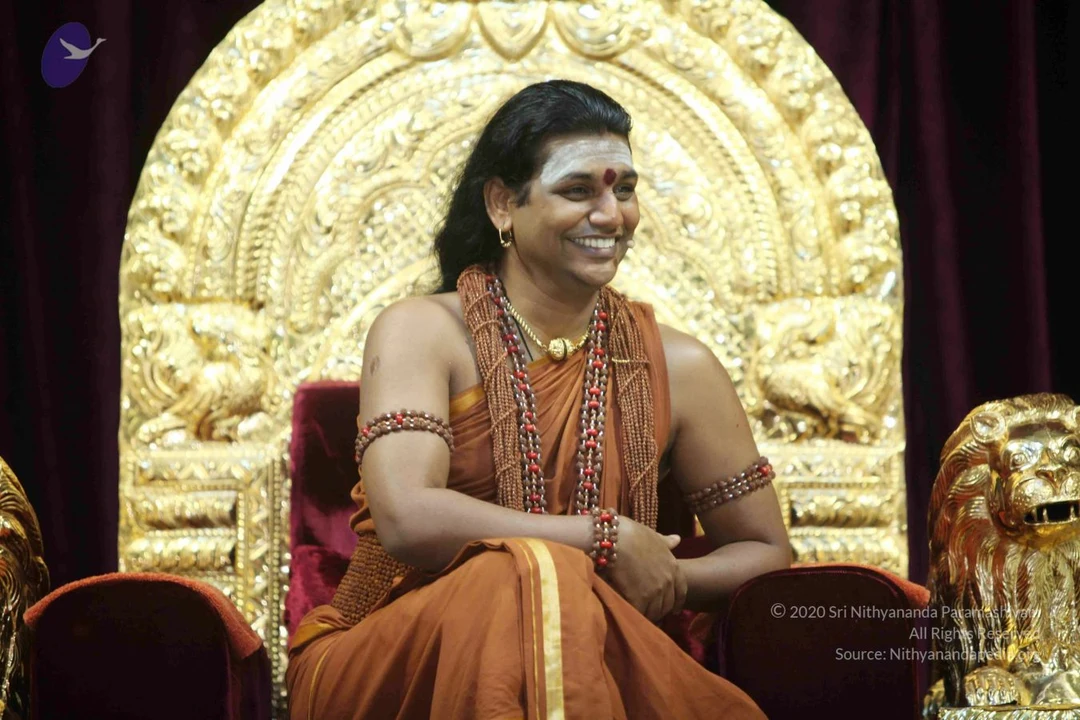
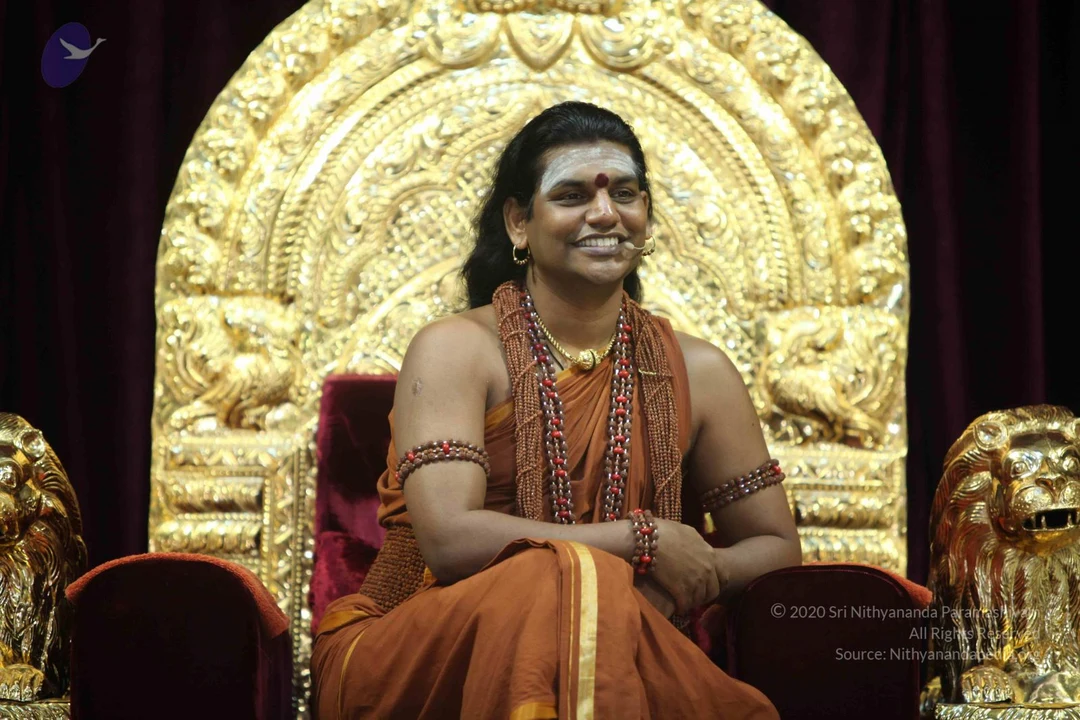
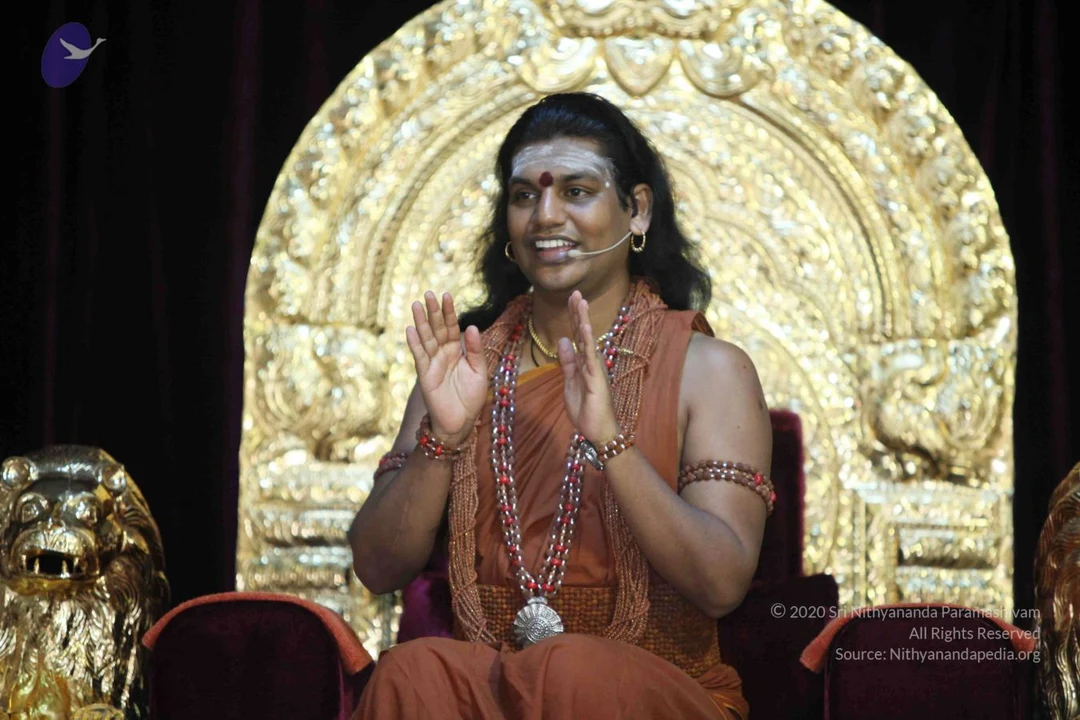
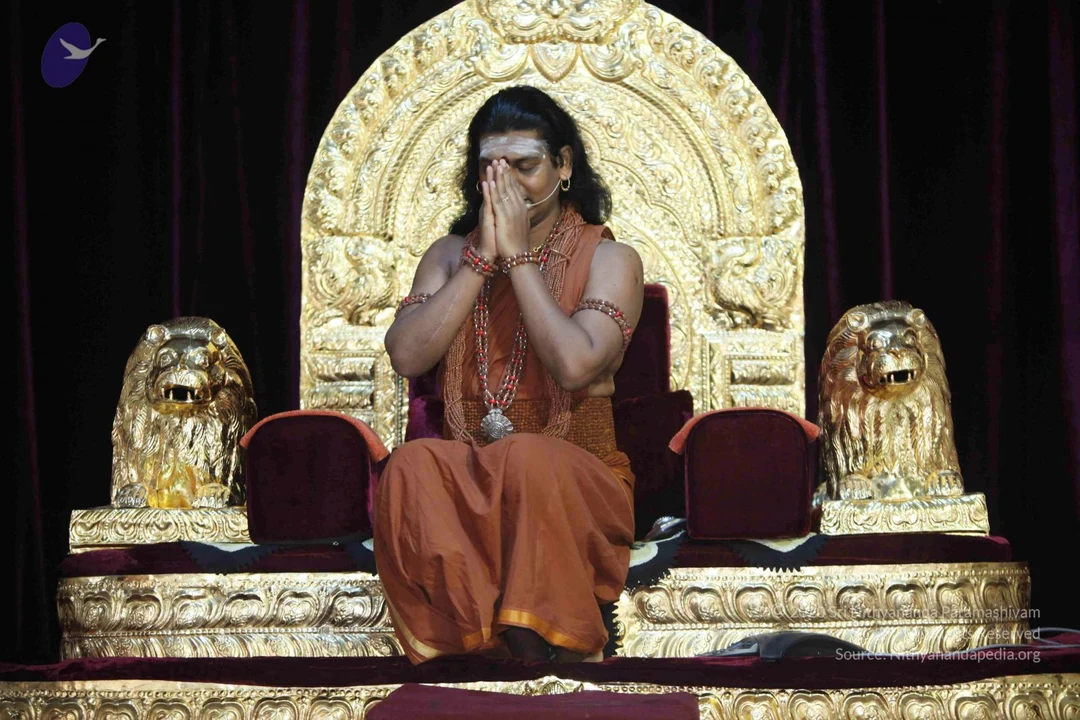
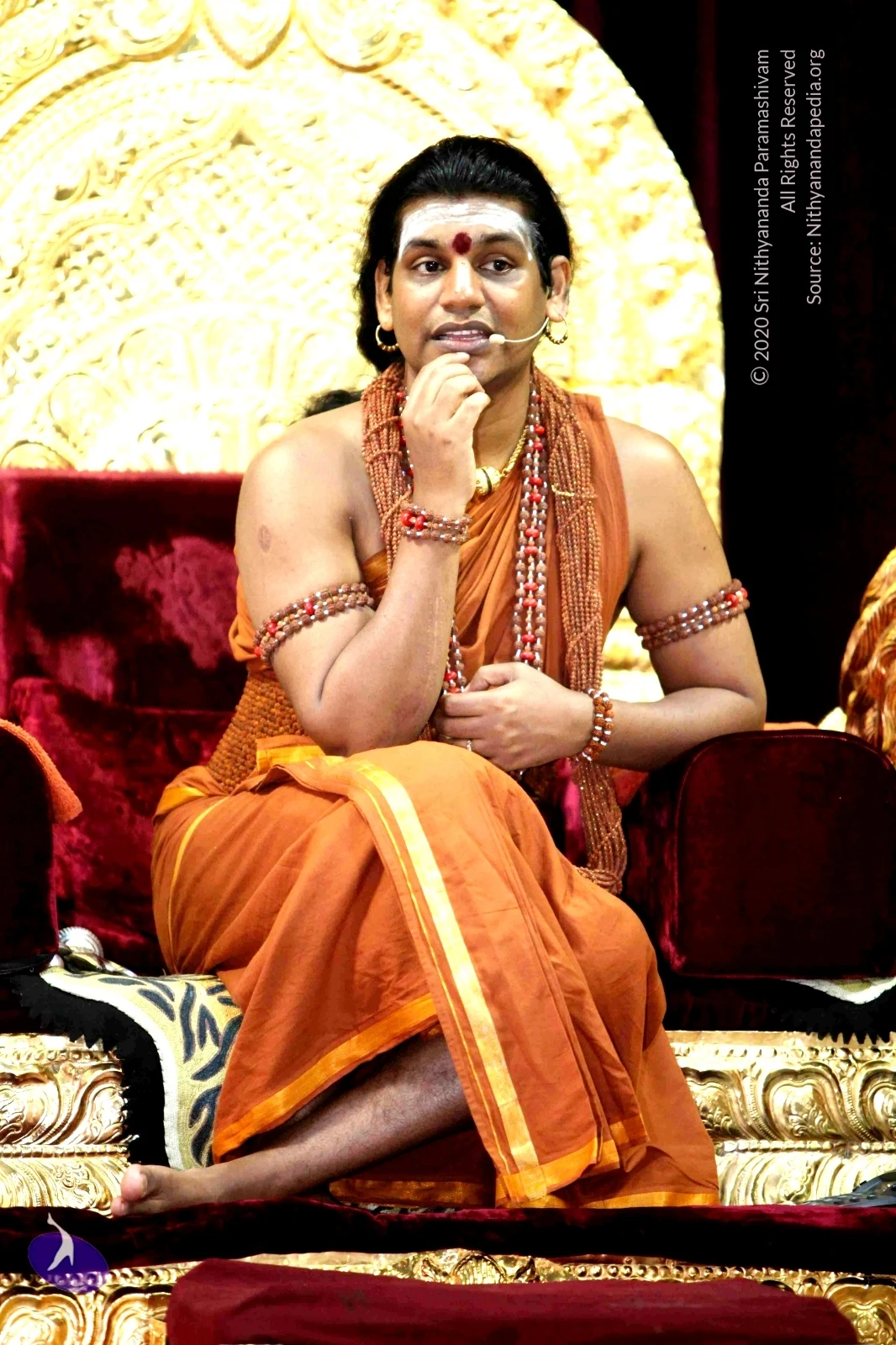
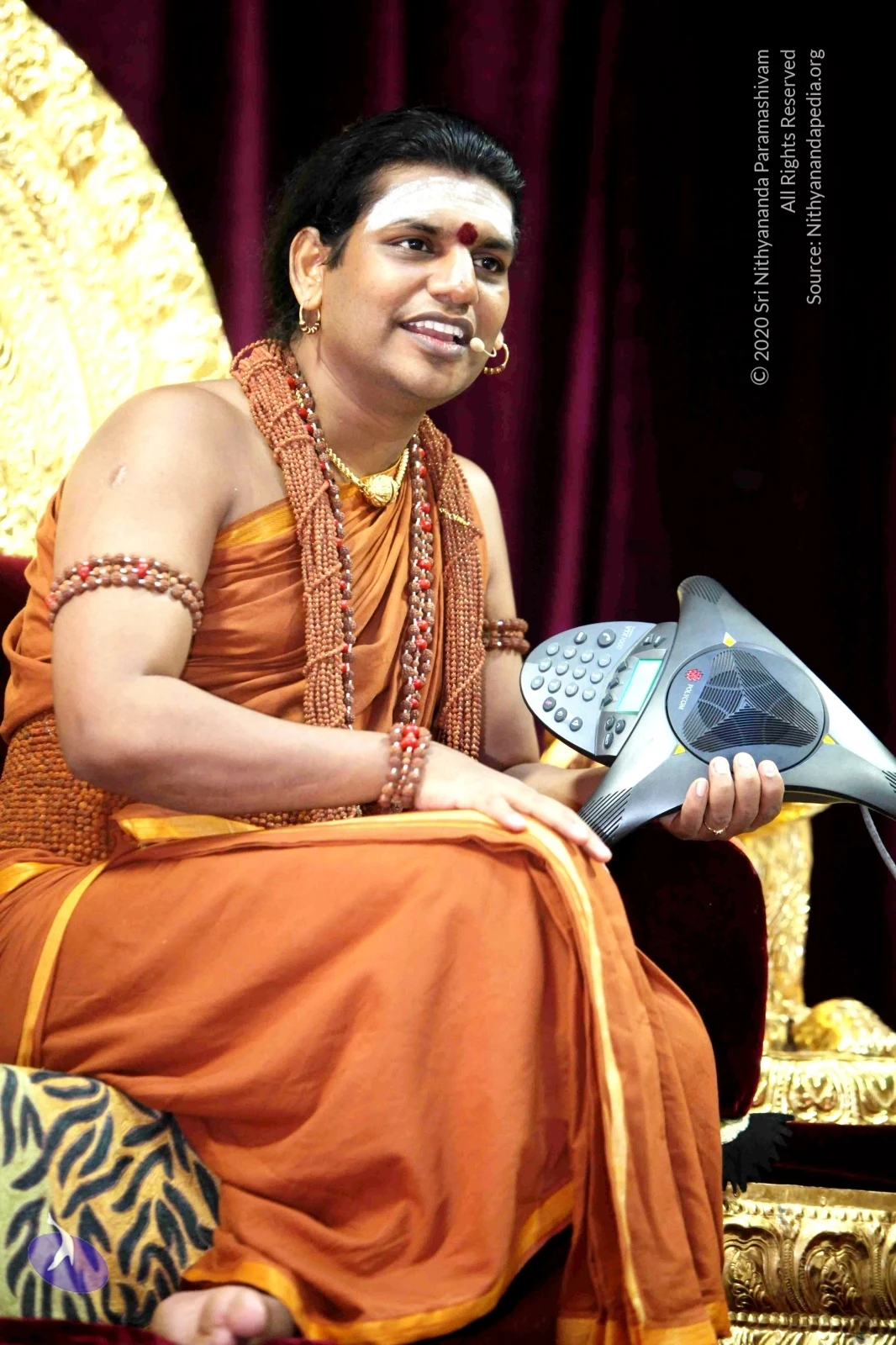
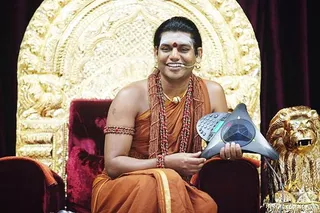
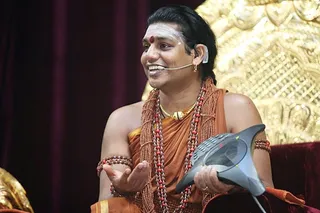
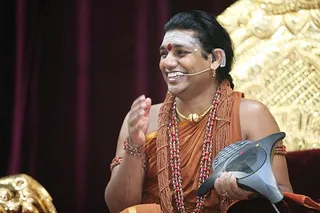
In today’s morning satsang, Paramahamsa Nithyananda presents the expansion of His Vidyalaya program. He also continues His examination of Katopanishad. Good and pleasure both approach humans. Goodness is authentic; pleasure is inauthentic. The urge to choose pleasure over goodness arises from incomplete muscle memories: taste, sight, touch of a desired experience are stimulated because it was previously not experienced with complete awareness. How to complete it? Undergo it with intensity, without any other thought or previous memory. The pattern will be completed and dissolve from the body.
Video and Audio - Always Choose Long Term Rewards
| Video | Audio |
Transcript
(00:31)
Sadāshiva samārambām Jnana Sambantharācharya madhyamām | Asmadācharya paryanthām vande guru paramparām. ||
(00:59)
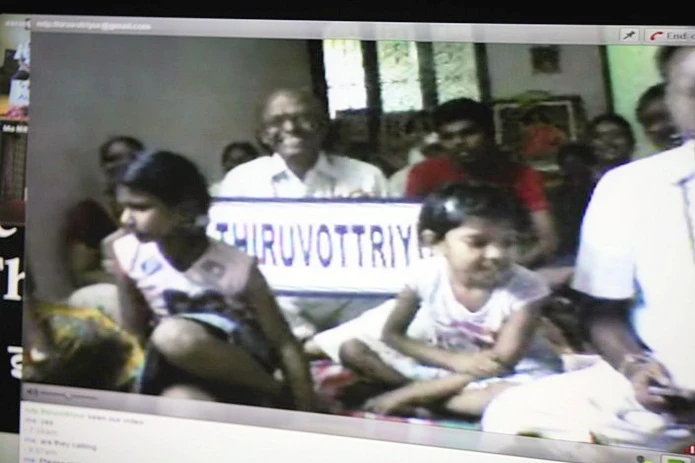
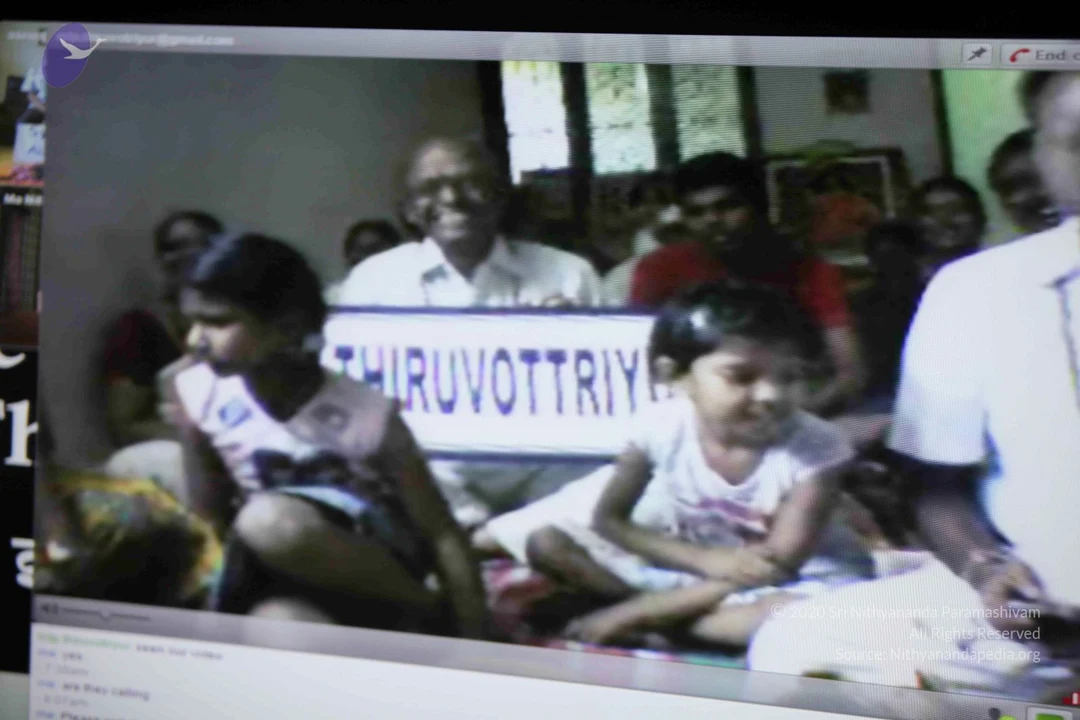
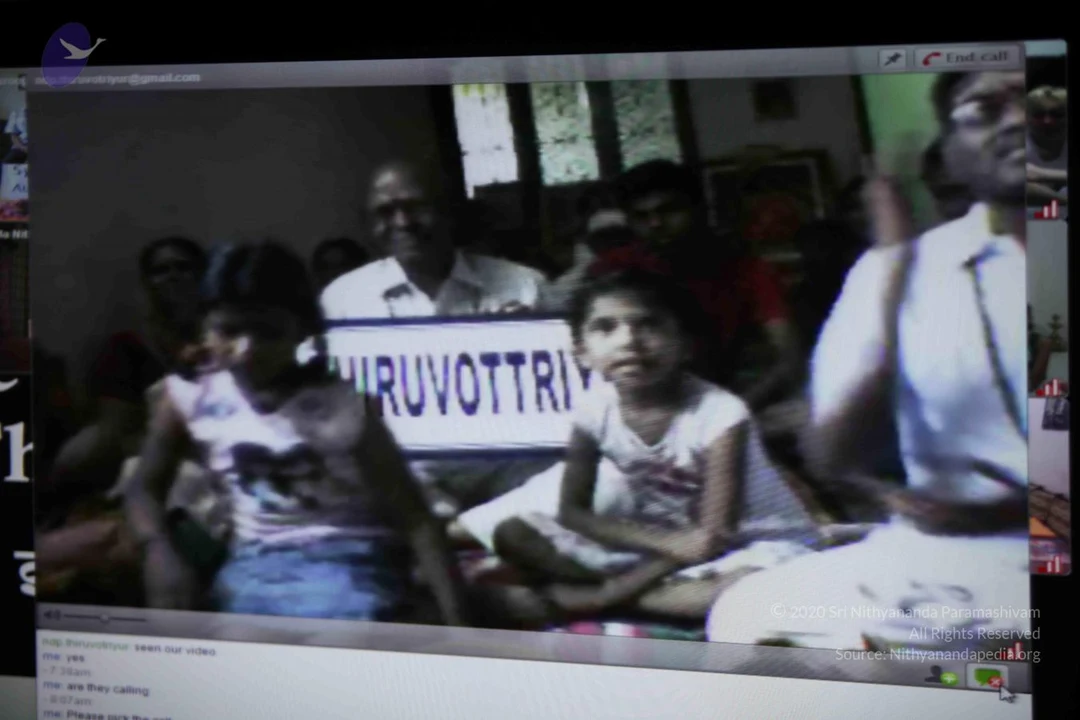
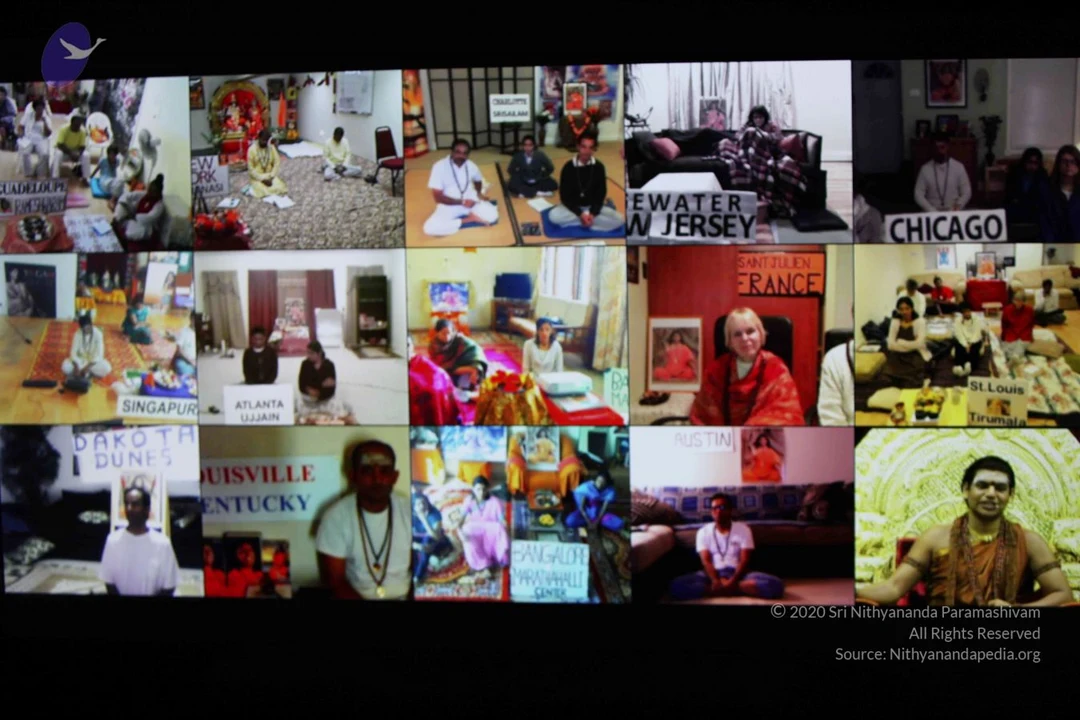
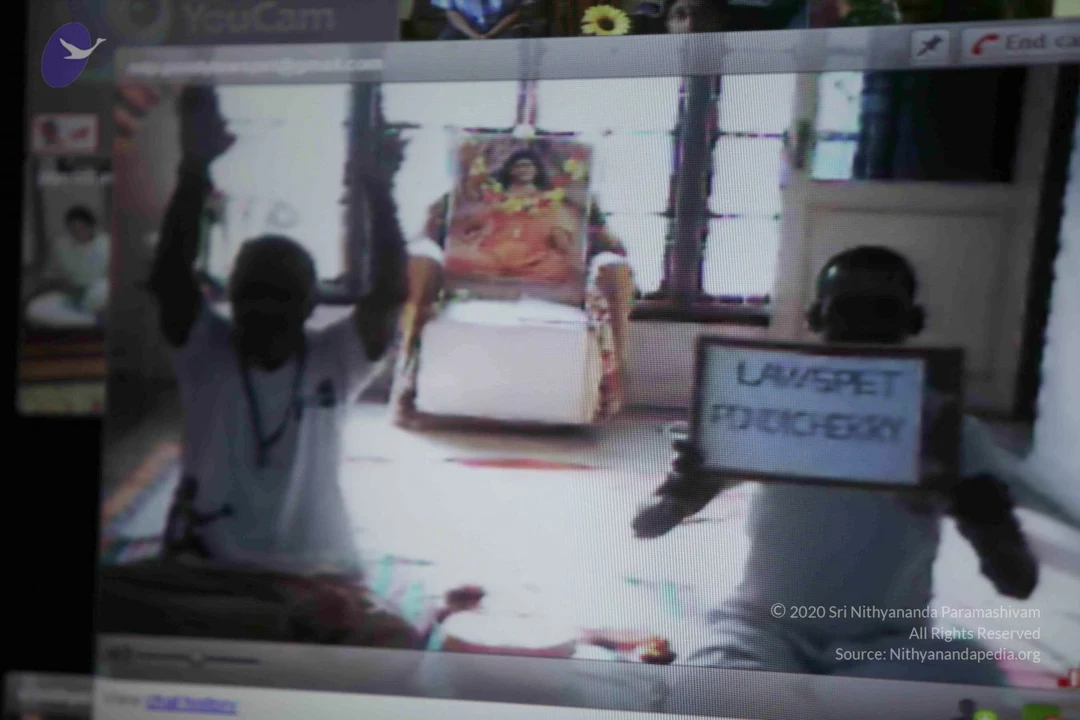
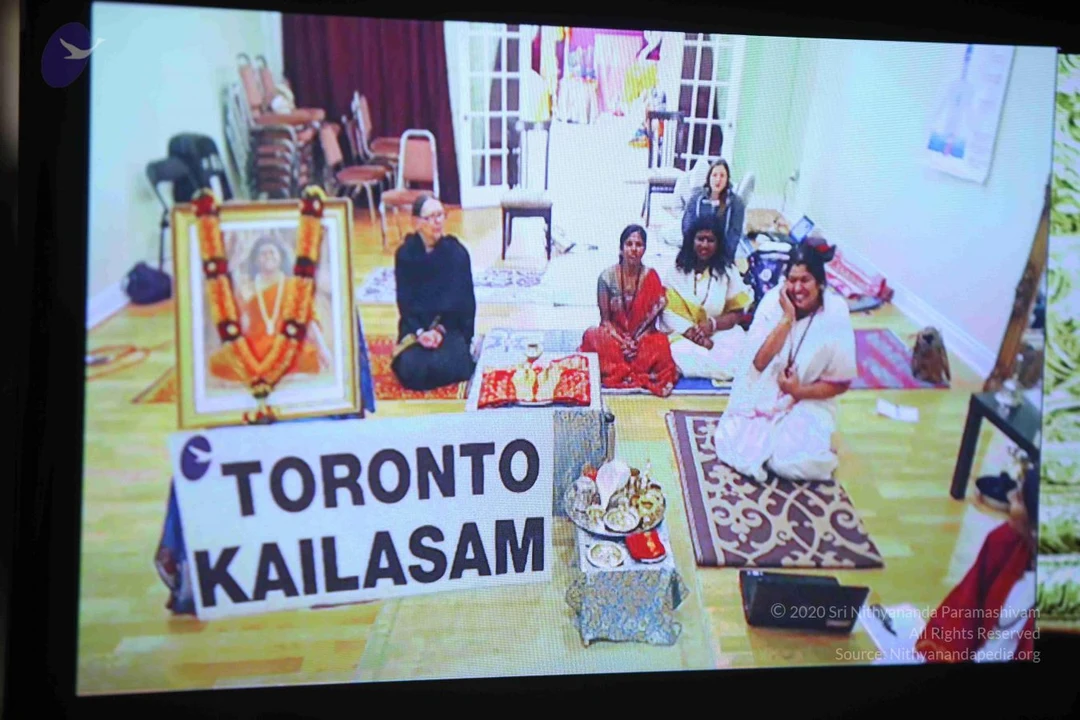
I welcome you all with My love and respects. I welcome all the disciples, devotees, Samajis, Satsangis sitting with around the world at this moment 434 places through Nithyananda TV, 38 places two way video conferencing having Nayana Deeksha, in 220 cities, in 32 countries around the world. Cities sitting with us in two way video conferencing having Nayana Deeksha; Los Angeles- Arunachalam, Ohio -Prayag, Tiruvannamalai-Arunachalam, Sharjah, Hyderabad- Bhagyanagaram, Toronto- Kailasam, San Jose Madurai, Phoenix- Kanchipuram, Oklahoma -Somanadham, Seattle -Chidambaram, Vancouver- Puri, Dubai- Tirukoilur, Oman -Siva Gangai, Hongkong, Hungary -Archka, right Archka Hungary, Lawspet- Pondicherry, Hyderabad Shree, Chennai= Alwarpet, Tiruvottiyur Chennai -Tiruvottiyur. So other cities I can see in two way video conferencing having nayana deeksha Paris Kalighat, Adayaru Chennai, and Hyderabad shree, Chennai- Alwarpet, Lawspet-Pondicherry, Bangalore- Nithyananda Vidyalaya, Sydney- Australia, Sripuram -chennai, Slovakia -Koschitzke, Hollywood- Los Aengelis, Dubai Tirukoilur, Oman -Siva Gangai, Hongkong, guadalupe Rameswaram, New York- Varanasi, Charlotte- Srisailam, edgewater- New Jersey, Chicago, St.Louis -Tirumala, St Julien- France, and Ma Arpana’s Arunananda which center? Malleswaram, Malleswaram, Atlanta -Ujjaini, Singapore- Singapuram, Dacota - Dunes, Louisville-Kentucky, Bangalore- Marathahalli, Austin, Priyankananda- Malaysia. Any other center, that’s it. I welcome you all with My love and blessings.
(03:24)
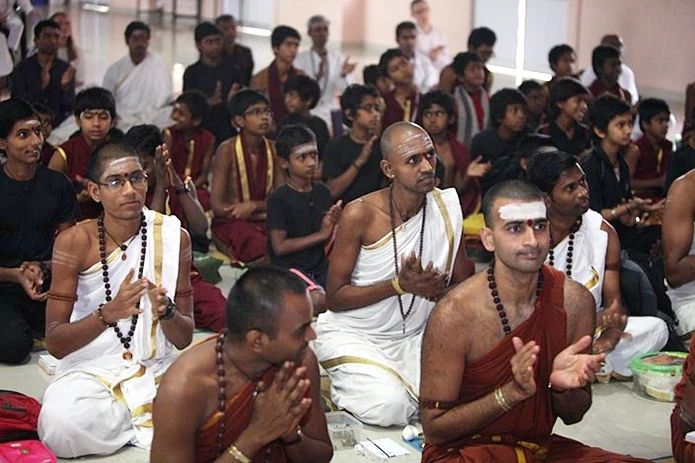
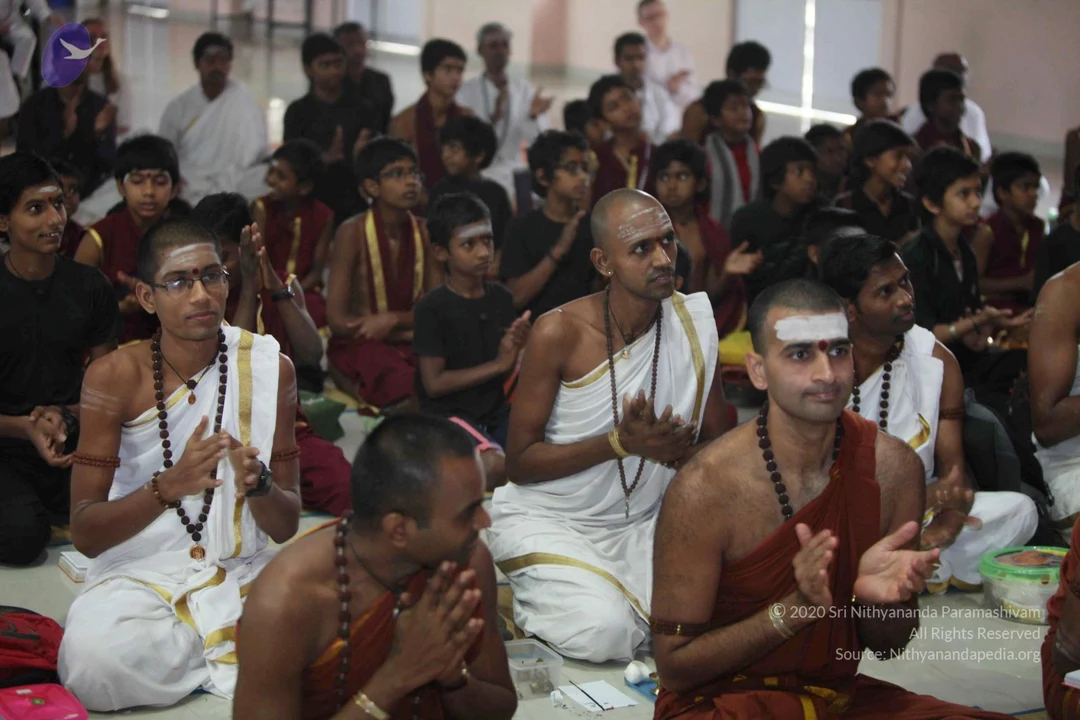
I am really in the mood of not giving up on people. Decided not to give up on people. I make the next level commitment. Yesterday Annalaya projects starting, today Vidyalaya projects. I am not at all feeling loaded. Will not deny anybody admission into gurukul due to monetary reason - that’s the commitment I make today. Means if the parents are able to pay... great, support it. Even if they are not able to pay, I will not deny the admission of the child in the gurukul. I am opening the door. I am opening the door. All the parents who brought your kids to the gurukul and did not get the admission due to the reason that you are not able to pay now I open the door for all you guys you can bring the kids for interview. Only if it is an ideological reason means the child is not settling. Understand. With authenticity and integrity we will try our best to help the child to settle down. If he is not settling only then we can’t help; and that also, with all our authenticity we will try, we will work to help the child settle down. And no monetary reason. No child can be denied the gurukul for monetary reason. I am opening it up.
(06:35)
They will be given scholarship. They will be given scholarship and international kids if you have some ashramite taking the responsibility of a legal guardian, if some ashramite signs as a legal guardian the international kids will be accepted. Because the gurukul itself cannot take the international kids without a legal guardian being around in the campus. So all kids in the gurukul either they will have their parents in the ashram or inside India or a guardian in the ashram or inside India. So if you... the volunteers...you see, please understand. Whoever takes the legal guardian post has to reside as an ashramite in the ashram or should be established in a society having a stable family in India anywhere; means, you should be having a clear address, house, any, any time we should be able to contact you to take care of the child. When we, if we, in any emergency when we give a medical care we should be able to ask you for a second opinion and all that. So for those reasons only we expect a legal guardian. And moreover the Indian conditions if you are stable in India and no legal guardian can be a foreigner. The person has to be Indian citizen. Only then you know our Indian way of living, lifestyle and the system. So it is just to legally protect the gurukul. So I am opening the door. Money cannot be the reason.
(08:37)
As I said before ten we will accept them. After seven, seven to ten... maybe few exemptions we will go up twelve, thirteen okay. Till eighteen they can be in the gurukul. Opening the door of gurukul freely. So for enquiries [email protected]. This is the next step. Stretching Myself to the anyakaara of people. 😊 Still I have not started stretching. In next few days only you will see the next, next level of stretching. Anywhere in the world you wanted to start a school, I am ready to fund the initial infrastructures and till you become self sustaining just like Annalaya. I request the commitments and the volunteers who are ready to take it up. The applications are welcome. All over the world... not just this gurukul, all over the world anywhere. We need at least ten volunteers taking the responsibility for each gurukul. Understand. For each annalya you need ten dedicated, committed volunteers. And I also decided no staff for Annalaya; that takes away the whole spirit. And all annalayas should be the standard of Anna Lakshmi of Shantananda Saraswathi – the place, furniture, the whole atmosphere should be maintained to the standard of Anna Laksmi - how they maintain, to that level. So... including menu. I wanted the all the people who committed for Annalaya should go and see in Chennai, in Singapore the Annalayas.
(11:28)
Now we start opening the same way Vidyalayas. I know Vidyalaya is a more enriching commitment than Annalaya. But whoever wants to take it up, come on send your request. I am ready to fund you. Let Me see who is going to raise the hand first and roll the ball. Toronto, San Jose here Hyderabad all three of you guys putting together? Just meet and have a... no, have a chat and come back. All three of you get up, all three of you going to take it up, see, but if you are taking it up annalaya you should not taking it up Vidyalaya; because I wanted independently. You should not mess it up. Hmmm, go and discuss and then get back.
(12:40)
Teachers also can join as volunteers in Bidadi or anywhere in our Vidyalayas. Dudu dun dudu dun...This is the background music. Because this is a very big commitment. Annalaya is very easy; you just give them food and they go away. Here the Vidyalaya – making of the man. No ashramites can commit for these kind of projects. You can only commit to fund this kind of projects. Running has to be done by volunteers. So first commitment comes from San Jose, am I right? Hmm? Am I right? So San Jose will have the name Nithyananda Vidyalaya. Start looking for the building, property, license, teachers, everything or if you can run in the same property you can get the permit and start. And second commitment comes from Toronto. Third not yet came from Hyderabad; they are still discussing. Fourth from Sri Lanka, yes commitment from Sri Lanka. See, I will fund, but you yourself cannot be running it. You should have the people... you can start and support; you can only be administering, you cannot be running, understand. Anytime I will call you back to headquarters to stay here even for six months at a stretch. So even then it should not suffer. Are you confident of that? Great then done.😊 SriLanka.
(14:41)
Tiruvottiyur great, Hey Sivasubramaniam if you take up Annalaya you cannot take up Vidyalaya. Do you have a separate ten people? You should think Annalaya ten people should be separate and Vidyalaya ten people should be separate. Then commit. Ask him ma. All of you understand. See San Jose, Toronto all of you listen Annalaya ten people should be separate, Vidyalaya ten people should be separate. Only then you should commit. You cannot mix both. Only if we have ten people for Annalaya they will make it as self-sustaining. Ten people for Vidyalaya you see, I am going to fund that does not mean you will run forever with this then you will not expand. You will not be enriching. At least as early as possible you should have it in vision making it as a self-sustaining. What do guys think, Gnanamurty committing? You guys are planning in the city or in the ashram? City, great, Hyderabad, Nithyananda Vidyalaya great. Then? In the ashram without having any alteration, today you have start Vidyalaya in Hyderabad ashram. Am I right, is it not? Just if you clean and paint and put a board. You have enough structure. Hmm? No, what I am saying, funding is okay. Hyderabad ashram are you committing to start a Vidyalaya? Am I right? You are going to do? Do it. Hey Hyderabad one in the ashram and one in the city.
(16:43)
Ma Nirantara is raising the hand. Ah, Vidyalaya? Where are you having? Oh Nithyananda Vidyalaya wow, great. Let us drop using the word eN-Vidyalaya. Let’s move all to Nithyananda Vidyalaya. Okay hmm. Even yoga instead of using the word Nithya yoga use that..use it as Nithyananda yoga itself. Because google search is very easy, hmm. That’s all nothing else. See the key words is our official language. 😊 What is the official language of Dhyanapeetam? Key words, that’s all which can be searched easily. Hmm who wants to do both? But do you have a separate, separate ten volunteers? Ask him. Ah then okay sanctioned, annalaya and vidyalaya. Great, blessings. I will fund for both. You have a people means great.
(18:07)
Yes, I can see now Dhyanatma in two way. That’s great, come on. Any other cities committing? As on now we are running seven Vidyalayas. I am building the peer pressure. Bangalore eN-vidyalaya also will be converted in, name should be Nithyananda Vidyalaya. Hm ah, ah, great. I will support them if they need. If they have man power, I will support them for expansion. But they should prove that ten volunteers with integrity, authenticity, responsibility and enriching they have people. Okay? You should call them, they can come as a ten people and show their strength to Me, then I will help them, support them for the expansion, further expansion. Chennai where they want one? Oh parents house? That you are saying, okay, we will expand that. Hmm, then anybody wants to commit for Nithyananda Vidyalayas, you can open and start the commitment. So understand. I am announcing once more due to monetary reason I will not deny anybody’s admission into gurukul. It is open now.
(19:43)
How many ashramites are clapping when I made this announcement? Did you take? Did you feel you are responsible for funding? Then you are authentic. Lawspet wants to start a Vidyalaya. Am I right? Okay come up, do you guys have a ten volunteers dedicated just for this? If you have ten, give the name we will add and have a class then start. Understand. The second door is opening for people to get enriched. Yesterday we got totally seventy seven commitments for annalayas. Of course now we are consolidating those applications. So each application has to have the committed signature of ten volunteer. And no proxy. And each Vidyalaya also should have at least committed signature of ten volunteers and no proxy. I will fund, all the funding I will do but you have to prove you have ten committed people. And understand, each group should take the commitment you will only come to Me with solutions not with problems. Am I right? Who lives with problems? – Chandalas. Who lives with solutions? - Brahmanas. 😊
(21:48)
And Gurukul kids you guys will shoulder My responsibility of funding all the gurukuls. By putting advertisements in the internet, reaching out to more and more people. Am I right? We will do it, we can do it. We can do it. As on now we are running number eleven for Nithyananda Vidyalayas. I am very happy people are thinking clearly before committing. This does not show the lack of enthusiasm. This shows clarity in authenticity and thinking. I will continue the satsang; whoever wants to commit, go on committing. Jnanatma takes the responsibility of making sure we get funding for all kids who need monetary help in Bidadi through ‘Sponsor a child’ program. And Ma Manisha also takes, great. Hmm yes. God ! Srilekha and Dr. Srilekha and Ranjani they were running Nithyanada Vidyalaya since July 2012. Srilekha and Ranjani I really thank you guys for proving your commitment. Now I commit with you guys, I will fund you for upgrading. Because you guys have proved it. I will fund you guys for upgrading. We will do it. God! Blessings. I will fund you guys for upgrading and till it becomes self sustaining.
(24:23)
Let’s move to the next. Today Nirahara samyama 3rd level 9th day. And very, very, very, very. very successfully going Brahmanyam Bahuputratam. I am the favourite inheritor of the cosmos. Program is going very beautifully. Today a very powerful first level initiation into Brahmanyam Bahuputratam. And I am also seeing in the facebook many hundreds of devotees writing that they are bahuputras and they want the ring. Understand. They are also writing five miracles happened in their life. Listen. When I say five miracles, you should feel all the three things of the cosmos is available to you – the creativity and the knowledge and natural resources and metaphysical powers. shreeshcha, pushtincha, keertinchan nrinyatam. Shreesh cha, pushtish cha, keertinchan nrinyatam All these 3 you should feel are under your disposal. Only then you are bahuputra. Then stretch your hands for My ring. Don’t try to prove it to Me you are bahuputra. First you prove it to yourself authentically you are a bahuputra. Then I will give the ring. Then ring is useful. Otherwise it is only suffer-ring.
(26:42)
Understand. Let it be done authentically. If you show that ring to the sky, if you want cloud should move out; if you want rain should shower; if you want rain should shop...stop. So have that power first, then ask for the ring. Okay. You should feel experience – shreesh cha, pushtish cha, keertinchan nrinyatam; means all the creativity, knowledge - Saraswati and all the natural resources - Lakshmi and all the powers - Durga, Kali, all these three you should feel are under your disposal. Only then you are the favourite inheritor of the cosmos. Otherwise as a second grade citizen you will inherit something. Only if you feel all are under your disposal, then you can declare, live I am the favourite inheritor of the cosmos. Ahamey bahuputraya – Brahmanyam bahuputratam, then stretch your finger for the ring. That ring will make you as a ring master to play with the cosmos. Brahmanyam bahuputratam.
(29:19)
We got a sponsor one... oh, one from Saraswati and one from Ramana Shree. Am I right? Already two devotees have committed to sponsors for one, one child. Saraswathi from Atlanta, Ramana shree from Hyderabad. Am I right? Great. Sponsors are pouring in and let’s really make it. Let’s really make it hm. I wanted thirty two thousand (32,000) kids studying in our gurukul in Bidadi. Thirty two thousand kids; because Jnana Sambandhar had sixteen thousand (16,000) disciples living with him as a community and moving around, moving along with him. So I committed twice of that we should have it in Bidadi, in Bidadi. Ananda Shraddha from Singapore is sponsoring a third child. Wow!
(32:06)
I wanted all classes should be, should be held in the outdoor, like under the tree. Hmm? No. Gurukul style, ancient gurukul style. And…. committing to start a gurukul? Nithyananda Vidyalaya? Not gurukul. You see, gurukul is residential, Nithyananda Vidyalaya - day school, means non residential. Wow. Coimbatore, does she have ten committed volunteers? Great, blessings! See Nithyanada Vidyalayas, Ma, Vidyalayas will have their regular syllabus and the spiritual education. Gurukuls will have more spiritual education and above regular syllabus. Anybody, anybody wants your child to be in gurukul please bring them. We are taking the responsibility. But don’t tell a lie; even if you can support monetarily, don’t tell a lie that you can’t support. So if you do that authenticity then you are going to be in trouble. Because we are authentic, anybody does inauthentic things with us, they will be in trouble. If you really can’t afford, we have no problem. We will take care of the child. We will help the child, give them the education and all the support. Chennai Atmavishalan am I right? He is committing for for one more child.
(34:30)
Okay come on. Let us go to the satsang. And one more announcement all the cruise inner awakening spiritual names are already given. Whoever has applied for spiritual names, in the cruise inner awakening, December 2012 inner awakening, you have been given a spiritual name and it is in already in My facebook page. Please go ahead and see your names. I will give you the meaning by Myself. To sponsor a child it takes only hundred dollar a month. Nothing more. Just hundred dollar. Great. We will start. Let us enter into the satsang. I am continuing on authenticity through Katha Upanishad. In the 2nd chapter, 2nd verse I was expanding yesterday.
श्रेयः च प्रेयः च मनुष्यं एतः तौ संपरीत्य विविनक्ति धीरः । श्रेयः हि धीरः अभि प्रेयसः वृणीते प्रेयः मन्दः योग-क्षेमात् वृणीते ॥ 2.2
śreyaś ca preyaś ca manuṣyam etas tau samparītya vivinakti dhīraḥ. śreyo hi dhīro’bhipreyaso vṛṇīte, preyo mando yoga-kṣemād vṛṇīte. (2)
The good and the pleasant approach man, the wise examines both and discriminates between them. The wise prefers the good to the pleasant, but the foolish man chooses the pleasant through love of bodily pleasure. Each statement I have to expand. The good and the pleasant approach man. I will translate in this way. Authenticity and inauthenticity approach man. श्रेयः च प्रेयः च मनुष्यं एतः – śreyaś ca preyaś ca manuṣyam eta. Authenticity and inauthenticity both approach man. The wise examines both and discriminates between them. A awakened being, an integrated being, a responsible being, being who is interested in enriching himself and others, jivanmukta. A jivanmukta discriminates between them... discriminates between them. Understand. Authenticity and inauthenticity both approach man but a jivanmukta discriminates between them.
(38:27)
Just today morning I was telling some of our ashramites, we were having some discussions on how to bring more and more authenticity into us and sangha... more and more and more. And I am also committing one more thing. If any child the gurukul ...the any parents of the child, child is in gurukul the parents also come to volunteer and become ashramite. I take the responsibility of going for the education insurance. What do you call it? Education plan insurance, investment also for the kids future education. What do you call it? There is some name na, what is that? Child plan? Child investment plan for the future education of the child. I will take the responsibility for that also, I am committing. Today I am committing.
(39:33)
So all the ashramite’s kids will be provided the child education plan if they do not have any other wealth. Investment plan. If they have some other wealth as a backup then they may not need it. But if they don’t have any other wealth as backup I take the responsibility to do the child investment plan. And I also take the responsibility for all the ashramites medical insurance and retirement plan. All the people who have dedicated their life to the sangha with integrity and authenticity and responsibility and enriching, I take the responsibility of their medical insurance. Already earlier we were doing, now very systematically I am making the commitment; because I am declaring I have to do it and I will do it. And retirement scheme for example, for some reason after spending their time here for 10 years or 20 years or sometime if they want to leave, to... some...for some reason they should not be standing in the streets for the basic needs. So I am taking that responsibility also. Even for all the staff, paid staff we are going for giving gratuity, retirement all that benefits properly as per the requirement of the country law with integrity and authenticity.
(41:33)
And we also take responsibility of teaching them integrity and authenticity and responsibility. I think all the staff should be given for tomorrow and day after tomorrow paid leave and should be called for the tomorrow and day after tomorrow ASP. All staff, paid staff who are working for Dhyanapeetam all over India should be called including vision department and every department outside the campus, inside the campus should be called here for educating themself in their life. And we will provide everything; even for the full time ashramites, we will start providing medical insurance. Let us raise our commitment to all the people who are raising their commitment for the society. A real enriching. We were committing with people earlier with spiritually like healing people, giving them initiation, transformation and all that. Now it is time we commit to solve all their problems, all round; all round problems are solved. So that they can take off. Now if people have kids that is no way a hindrance for becoming ashramite. Opening a new door.
(43:49)
śreyaś ca preyaś ca manuṣyam eta ( श्रेयः च प्रेयः च मनुष्यं )
Authenticity and inauthenticity both approach man. No, I really wanted all the upanishads to be translated in the same tune of the upanishad and chanted with the original sutra and the translation. So that people who listen to the chanting get the satya also, tattva also. The authentic and inauthentic approach man. The wise examines both and discriminates between them. There is a beautiful word here. Yama uses the word “Dheeraha.” He uses the word Dheera for wise. 😊😊 Dhee means awakened consciousness. If you are initiated into the ananda gandha, you are awakened consciousness - chaitanya jaagrata; the awakened consciousness is called “Dhee” in sanskrit. Viroopa tea...and I wanted the kitchen to provide a vending machine here. So we have decided our routine is going to be waking up early morning in the Brahma muhurtam and doing yoga and then coming for the akhada. So naturally you will feel little sleepy during the satsang. Better let us provide vending machine... freely of course, for even visitors to have tea or whatever they want to have. So please provide vending machines in all the sabhas and make it functioning and load it so that people can have continuously tea. No coffee only tea and sukku coffee. Ginger tea is okay, tea is okay; and there is another one tea, green tea - am I right? which is very good for health. You can make all those things available. Herbal tea. People also should drink only when you feel sleepy. Be authentic to it. Otherwise after death, it will start stinking in tea smell.
(47:21)
Dheeraha – what a word! Now you guys should know why I give the name Dheera. Means expecting them to become intelligent. 😊 See always spiritual names are not 😊 but when you see a shastric reference, the reference of your name in Upanishad naturally you feel wow “So I directly belong to the vedic tradition.” Almost all the names I have given are either in upanishad or in the second level - purana itself. All the names are in Upanishad itself. śreyaś ca preyaś ca manuṣyam eta ( श्रेयः च प्रेयः च मनुष्यं ) Authenticity and inauthenticity both approach man. The person who discriminates between them and chooses authenticity is Dheera.
(48:43)
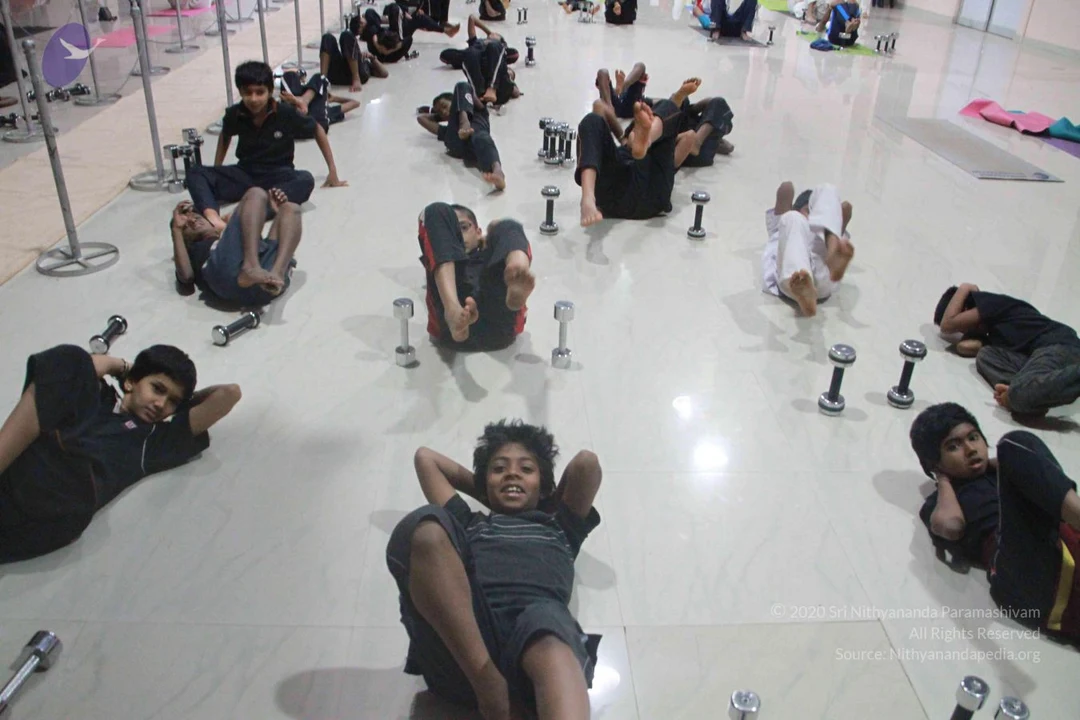
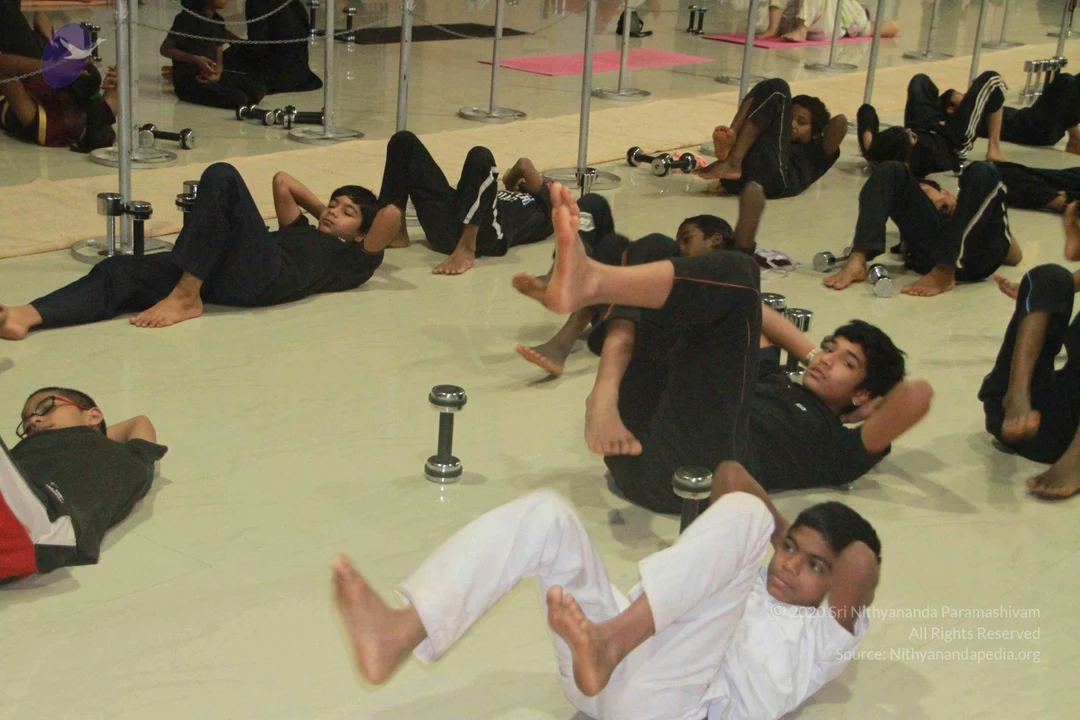
Poorni you should take responsibility for your mom becoming healthy okay. BMI scale lowest mark till then she should do Nirahara. Make sure... just like Me. Because I am doing I don’t want anybody 😊 I want everyone to do 😊. But nice I am losing weight even today I saw I lost lot of weight. It is really... body is becoming healthy. I am just few kg to come to the lowest rung of BMI. Anybody in the ashram who are not in the lowest level of BMI you have to check, we have machines please check. Tomorrow yoga time we will check and all of you will make sure that you are… what is supposed to be your weight and you will align it. Seema you also okay. Tomorrow we will have the machine here displayed. All should have a clear BMI. If you tune your body to clear BMI I will gift you one rudraksha belt. Galleria start making rukradsha belt. This is too big; make half of this size, rudraksha belt. Anybody who is lower level of BMI. And sameway anybody who builds the biceps 16 inch, I will give them silver beaded rudraksha. That is the right.. there should be muscle but not the fat. You should have the right property not wrong property. All the junk if you think is property and having it in your house, that is what is equivalent to having a big fat. Your house may be full but useless. But if you are having only one box but diamonds, that is wealth. Have a right property. Umesh I think you are out of BMI you should align it.
(51:25)
Constantly choosing between authenticity and inauthenticity, choosing the authenticity is “Dheeraha.” Dheera – please understand. Yama uses a very beautiful word – Dheera twice. He has always seen in his life only frightened people. Even big, big heroes veeras does not have dheera in front of him; they are shaken, frightened. When he sees somebody authentic he want to call them dheeraha. That is why he is using the word dheera. He is using that word two times in this same verse. Vivekananda is using this word -Dheeraha. śreyo hi dhīro’bhipreyaso vṛṇīte, श्रेयः हि धीरः अभि प्रेयसः वृणीते प्रेयः The dheera wise is the one who prefers authenticity over inauthenticity. Inauthenticity always gives you the feeling of pleasant. It’s okay, it’s okay, it’s okay; but the people of it’s okay does not achieve the true end of life. Dheera.. Yama does not say it is wrong, he says they do not achieve the true end of life; in the last verse he says. If ‘it’s okay’ is your pattern, how many of you feel ‘it’s okay’ is your pattern? Understand. You are not going to reach the true end of your life. Wake up. wake up! Yama reminds you to align yourself again and again and again to the authenticity. Choose over authenticity than inauthenticity. The good and the pleasant approach man, the wise examines both and discriminates between them. The wise prefers the good to the pleasant but the foolish man chooses the pleasant through love of bodily pleasure.
(54:19)
Kind of a incompletion which wakes up in your muscle memory pulls you towards choosing inauthenticity. Please understand. Whenever you choose inauthenticity... One example the moment you decided to eat pizza even after knowing it is inauthentic, the incompletion in your tongue woke up, incompletion in your eyes woke up, incompletion in your touch woke up. The incompletion is the foolishness what Yama says ‘preyo mando yoga-kṣemād vṛṇīte’ – the bodily centered mind. That is the right translation of ‘preyo mando’. The incompletion in your bio memory. You have not completed with the visualization of pizza, you are not complete with the taste it creates in your tongue, you are not complete with the mood it creates after eating, you are not complete with the touch it gives you through the hand. Those incompletion, incomplete bio memories, those incomplete bio memories are responsible, are responsible for you choosing inauthenticity.
(56:21)
Ma Achala is asking what is the difference between veera and dheera? Veera is courage you demonstrate through your ahamkara. Dheera is the courage you demonstrate in your level of mamakara. The courage you demonstrate in ahamkara is veera. The courage you demonstrate in mamakra is dheera. The courage you demonstrate in anyakara is eera - the compassion. The courage you demonstrate in ahamkara is veera in front of ten people - taaaaaa!!. The courage you demonstrate with your mamakara with yourself is dheera - I will choose only authenticity, come what may. The courage you choose with the anyakaara, is eera. I don’t know whether the word sanskrit, the eera exists in Sanskrit. It is a tamil word. It’s a tamil word. It’s a tamil word; eera means the compassion in your heart - in tamil it means. But the old languages, it will always be words will be here-there and it will get mixed up, some forgotten. It’s okay. I will gift this word to Sansrkit – eera and I am giving the meaning to it that’s all. With the right of aasha prayoga, I give this, I contribute this word to sanskrit. A rishi has a right to use asha prayoga. As an incarnation who created so many rishis I contribute this word to sanskrit, go ahead. Because the Masters have to explain such subtle principles, they are not bound, restricted by the linguistic rules. That is why in the tradition even country rules are bent. Because they have to express the cosmic rules in their body language sometime the country rules are bent in those days during the Vedic tradition for the Masters.
(59:38)
The good and the pleasant approach man, the wise examines both and discriminates between them. The wise prefers the good to the pleasant. But the foolish man chooses the pleasant through love of bodily pleasure.
śreyaś ca preyaś ca manuṣyam etas tau samparītya vivinakti dhīraḥ. श्रेयः च प्रेयः च मनुष्यं एतः तौ संपरीत्य विविनक्ति धीरः ।
Authenticity and inauthenticity both approach man; the wise examines both and discriminates between them; the dheera – wise one prefers the good, prefers the authenticity to the inauthenticity. But the foolish man - adheera chooses the inauthenticity because of the incompletion in the bio memory in the muscle memory.
(01:01:15)
Tell Me, all of you think why did you choose the pizza knowing it is inauthenticity? Why did you say it’s okay at that moment? Because the incomplete, incompletion in muscle memory in the tongue, in the eyes, in the touch. Pizza will have incompletion only in these three muscle memory - vision, visual the way it is wahh. And the taste, of course smell also, smell. Sound there is no sound from pizza. The smell, the incompletion muscle memory of the smell, incompletion muscle memory of tongue, incompletion muscle memory of eyes and incompletion muscle memory of touch. If you remember even now and have a thought it will be nice if I can have a pizza authentically raise your hand. How many of you had the thought? You still have incompletion. Understand. The moment I described you had the visualization and had a thought, it will be nice of course we won’t get it but it will be nice. Raise the hand, authentically let Me see. Still you are carrying the incompletion, the danger of choosing inauthenticity exists in you. Nothing wrong with pizza. But you will choose pizza for wrong reasons inauthentically. With completion, nothing is wrong.
(01:03:06)
There are clear references Shankara drank the village the country arrack...arrack; being a brahmana, a sanyasi, yoni brahmana and a sanyasi he drank country arrack. His disciples thought he is inauthentic and questioned. Then in the next the stop he drank the molten iron to prove his authenticity that nothing touches him. He was never inauthentic even when he drank arrack because it was out of completion. His body needed some water component, nothing else other than that country arrack was available. So he added that body... water component to the body. And next stop nothing else other than the molten iron was available. He added water component through that molten iron. It was complete authentic, it was not the Shankara did not have the incomplete bio-memory of the arrack smell, taste and the hangover which it leaves in the system. You guys have five hangovers of pizza. Hangover of taste in the tongue, hangover of smell, hangover of vision, hangover of touch and hangover it leads, leaves in you after eating. Shankara did not have even one hangover of alcohol. Alcohol also leaves you five hangover; seeing, smell, taste and what the... touch, and what it leaves in you after you drink. The five incomplete bio memories, muscles memories - all five are not there in Shankara. That is why he used even alcohol just to add water component to his body. Ram Surat kumar smoking. He never had an incompletion. So with incompletion nothing can... with incompletion even pizza can hurt you. Without incompletion..with completion even alcohol can’t hurt you. When you are incomplete even your breathing can hurt you. With completion and authenticity nothing, nothing can hurt you. So whenever you are saying ‘it is okay’ look in; it may be out of inauthenticity, inauthenticity.
(01:06:41)
Dheeraha – Dheera wise is one who stands with authenticity. Who chooses authenticity. Who does not choose because of the incompletions of bio memory. See every time you choose inauthenticity ‘it’s okay’, some of your incomplete bio memory is awake and says yes. How many of you are able to cognize what I am saying? How many of you declare you will choose only authenticity in future? Great. How many of you don’t declare I will choose only authenticity. Raise the hand hand. Hey, either for one thing you have to choose. How many of you did not raise the hand. Let Me see at least those hands. All these guys, you guys are integrated but not authentic. You are integrated, you want to give the word only which you will fulfill; but not authentic, means not raising to the anyakara of the guru. 😊 And don’t tell Me, “please bless me I should raise to your annyakara.” I already blessed. You are not blessing Me. I have to ask, “Please bless Me by raising to My annyakara.” If I don’t raise to your annyakara come on ask Me the blessing. Wherever you are not raising to My anyakara don’t ask Me for My blessing.
(01:08:39)
It is Om Saha Naav[au]-Avatu both blessing each other. Saha Nau Bhunaktu both raising to the anyakara of each other. With this understanding I will comment on that verse also. Saha Viiryam Karavaavahai both deciding to fulfill the annyakara of each other. Tejasvi Naav[au]-Adhiitam-Astu Maa Vidvissaavahai let our both annyakara does not create enmity between us. Because many times when you have raised to the level of both anyakaaras you start hating each other. If you choose inauthenticity not only you lose authenticity you choose hatred also because he is trying to raise his annyakara. He is trying to raise yourself to his annyakara. That is why when you drop out from a guru you always carry hatred towards that guru. Tejasvi Naav[au]-Adhiitam-Astu Maa Vidvissaavahai. Otherwise what is the reason to.. for a guru to tell, ‘let us not have hostility towards each other.’ 😊 Why should a guru tell the student ‘let’s not have hatred towards each other.’ So before any initiation we should chant in future this mantra “Sahana Bhavatu, Sahanao Bhunaktu..” 😊 Beautiful.
(01:10:25)
I will comment on this verse because Katha Upanishad shanthi mantra is this verse only. Isha Vasya only is poorna madha. For katho upanishad this is the shanthi mantra, okay. What Yama is teaching further let’s see in the next verses. Now you have to complete all your incompletion bio memories. How to complete with food? Taste it intensely without any other memory. Any other patterns you have about food, talk, talk, talk with mirror and do swapoornatva. If you have any food related memory with parents and others who did not allow you to eat and all that, go and complete with them. Dig out all the food patterns and complete with the others and with you. And put those foods in your mouth and taste it without that incompletion patterns. And ultimate nirahara samyama to break all the patterns. If you want to do swapoornatva with food pattern - do nirahara, poorantava with food pattern - taste it intensely without pattern. This is completion with pizza.
(01:13:00)
The good and the pleasant approach man; authenticity and inauthenticity approaches man, the intelligent one, the wise one dheeraha chooses authenticity over inauthenticity. But the foolish adheera chooses inauthenticity over authenticity due to the hangover in muscle memories, incompletion in muscle memories. This is the exact translation. This is what exactly Yama meant to Nachiketa. What he wants to say in next verses we will learn further. Let you all achieve, experience, live, express, radiate, share and explode and enrich with eternal bliss, Nithyananda. Thank you!
(01:14:06)
Photos
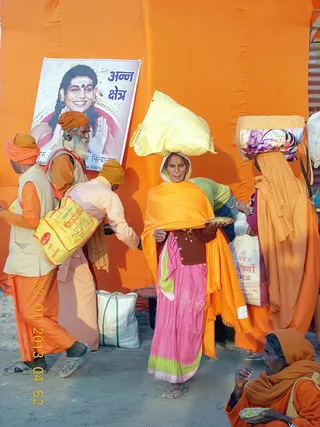
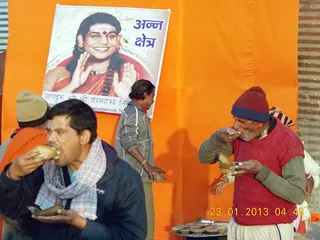
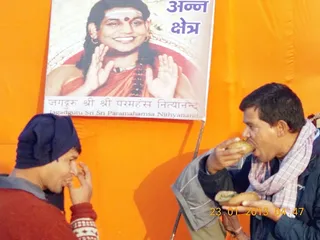
Anna Dhaan
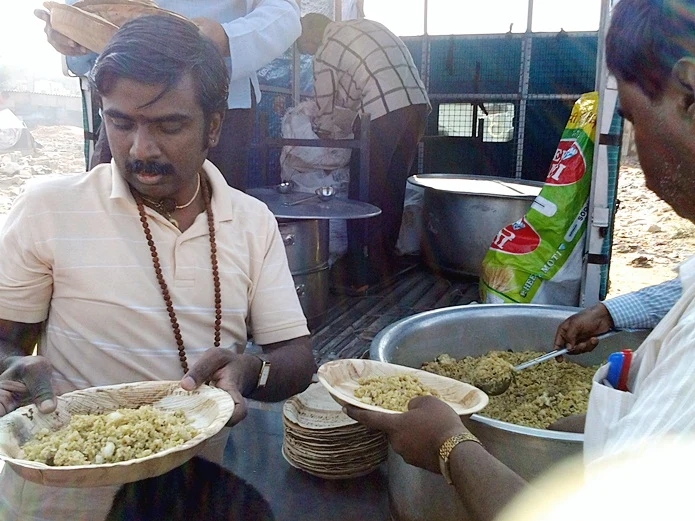
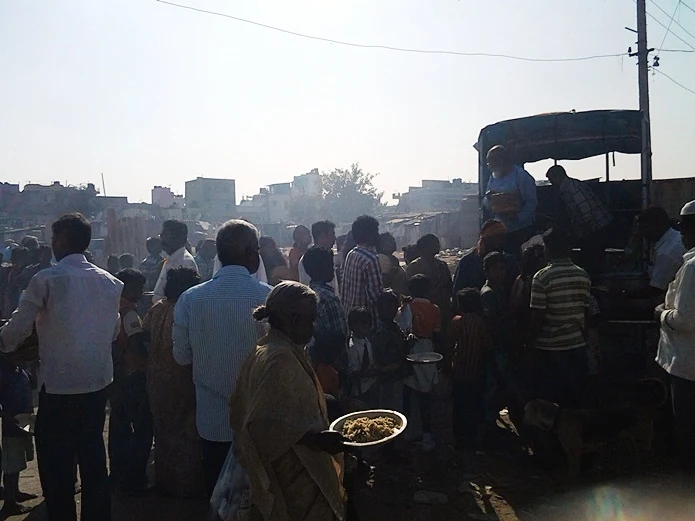
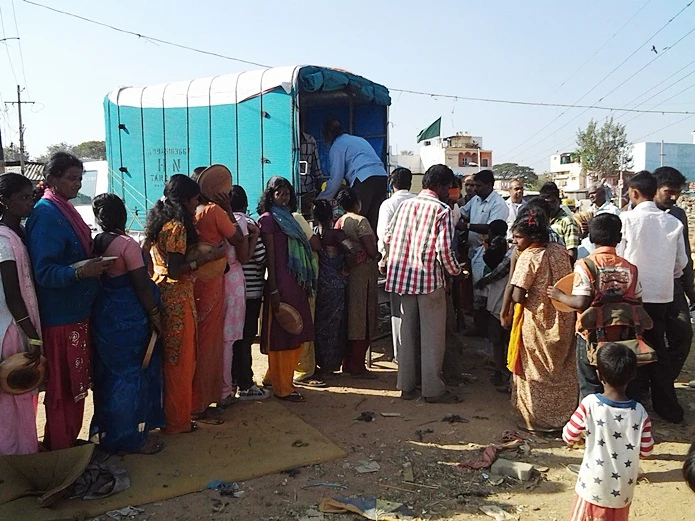
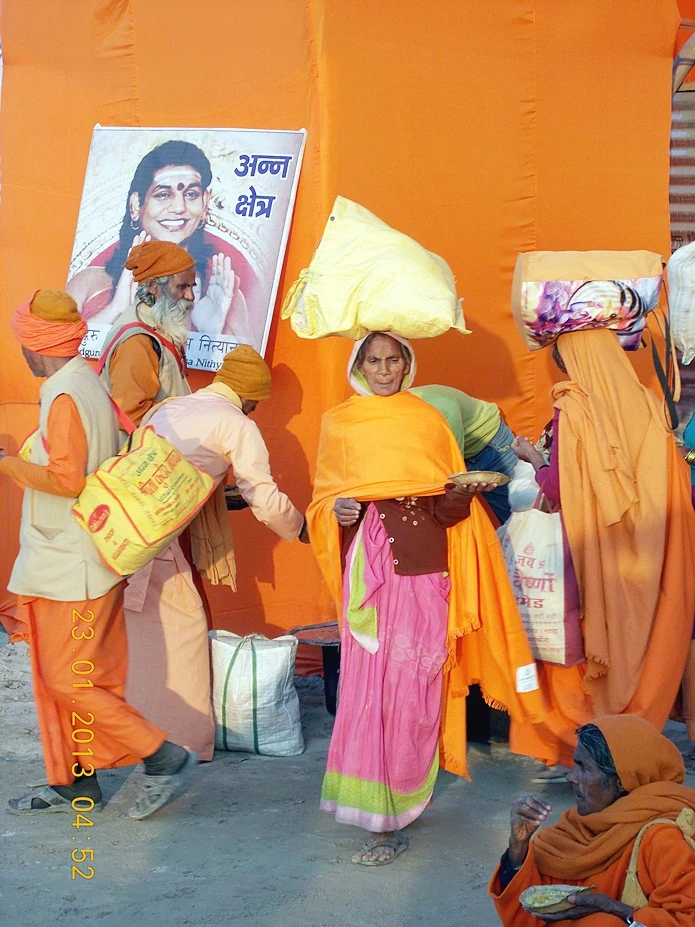
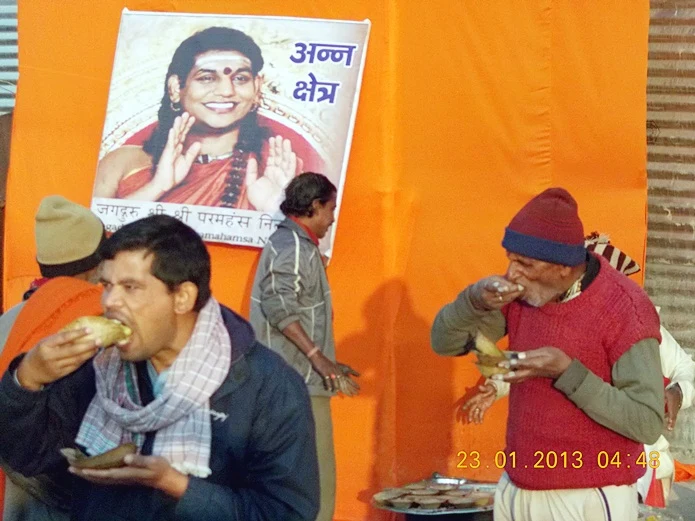
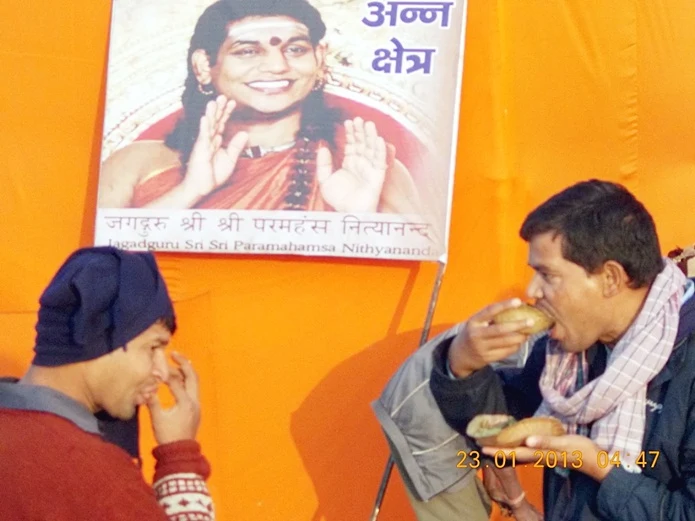
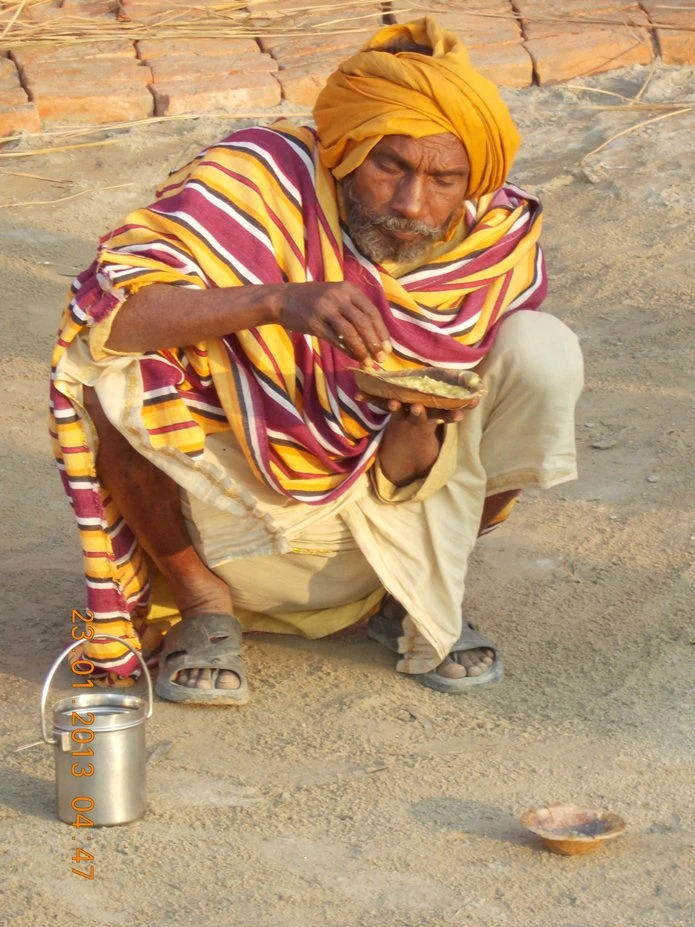
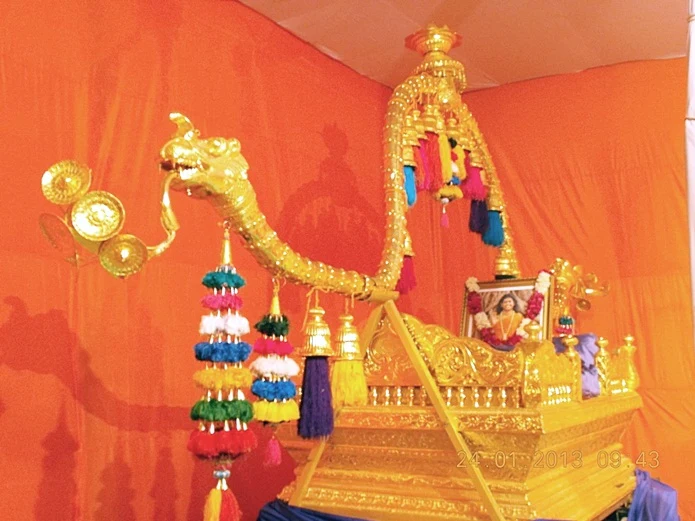
Kumbha Mela
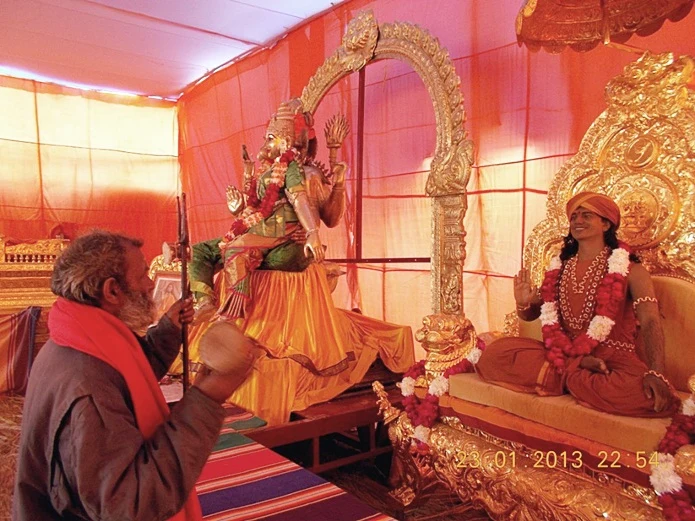
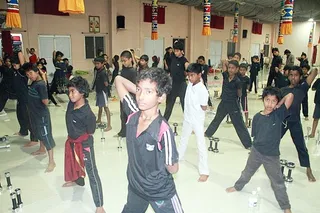
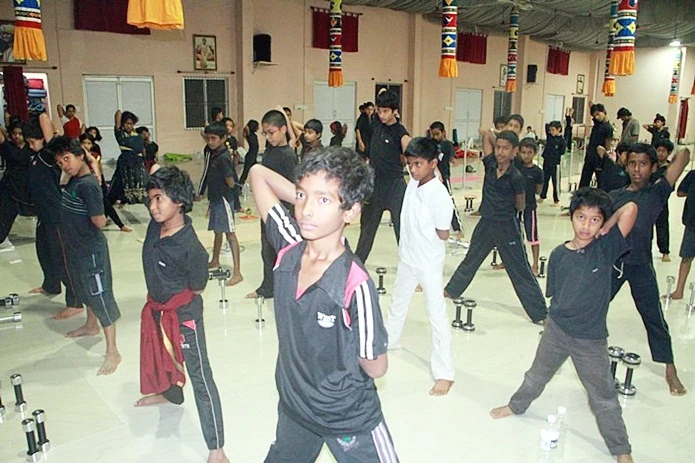
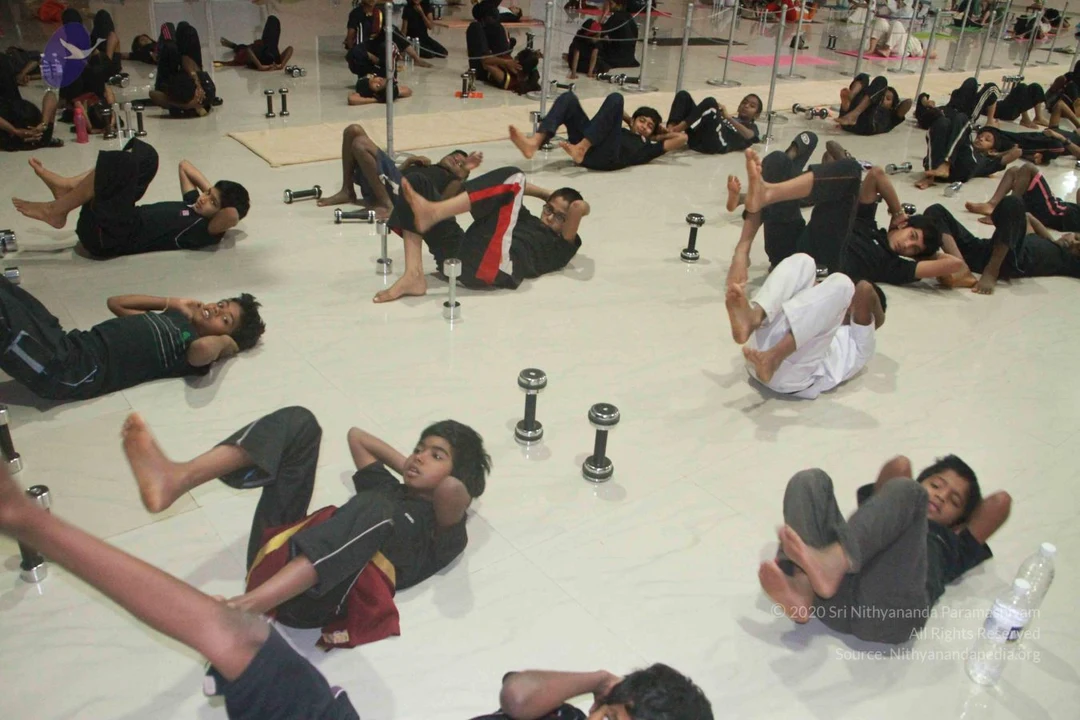
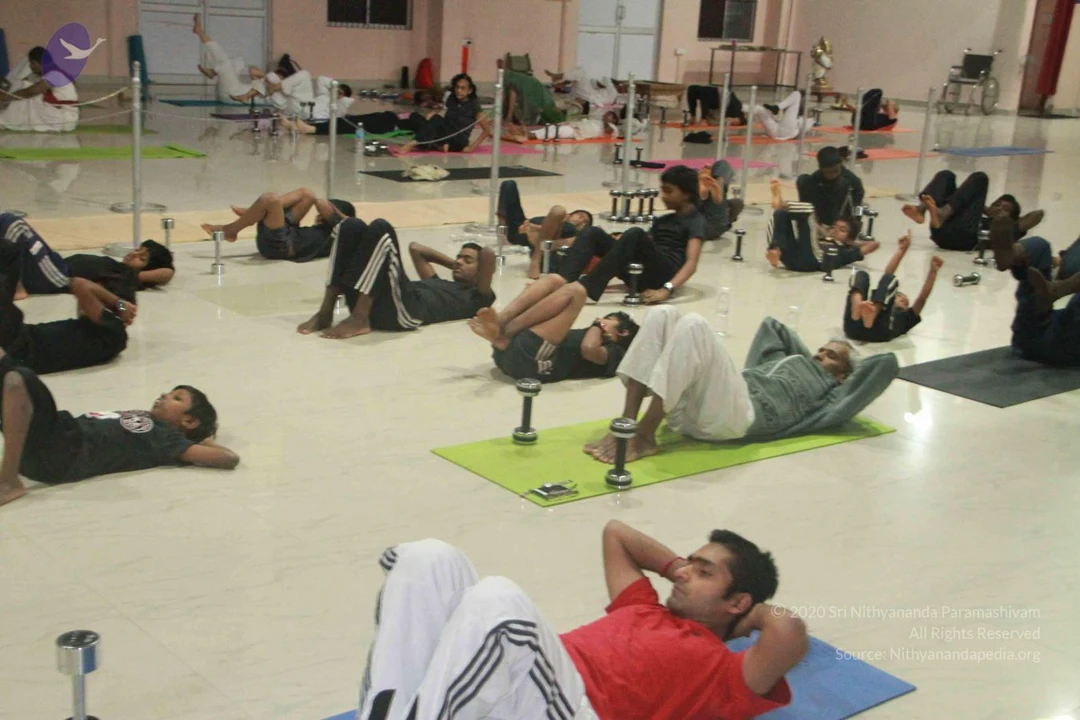
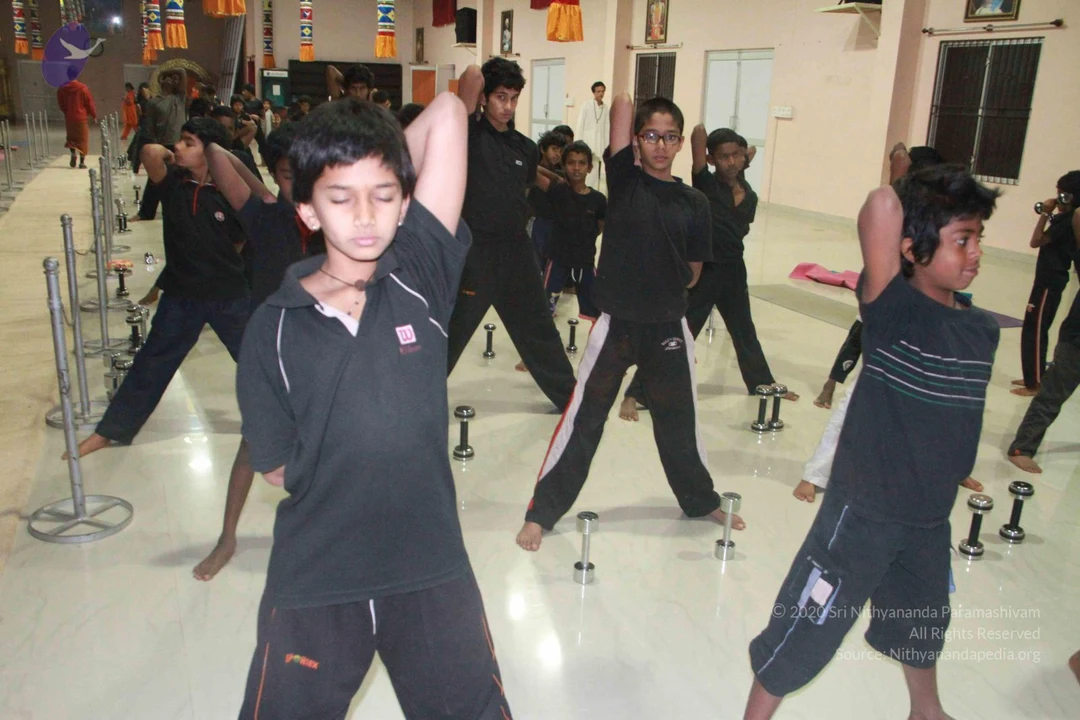
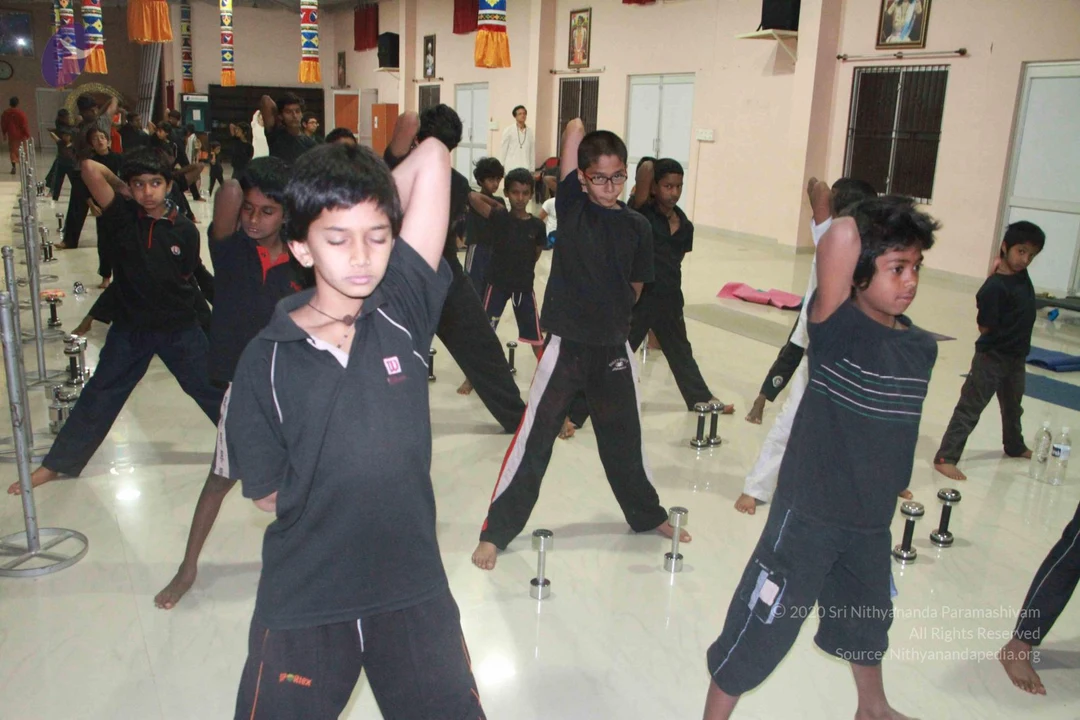
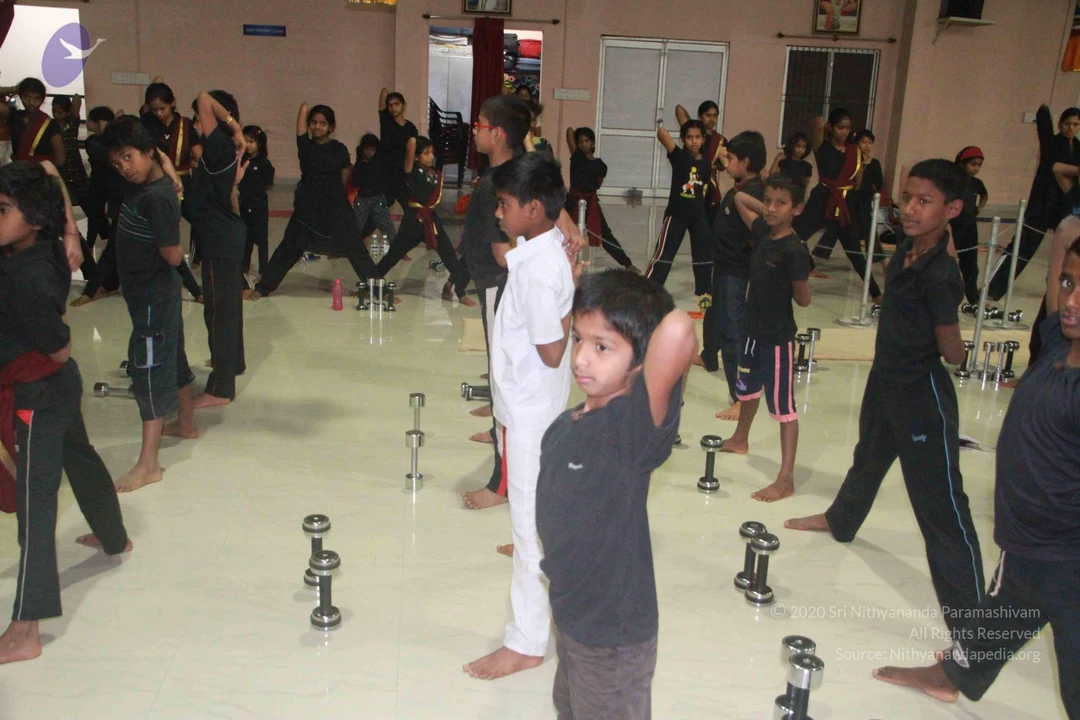
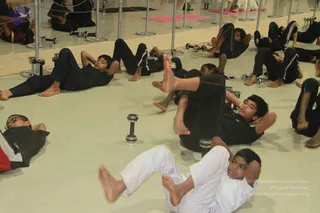
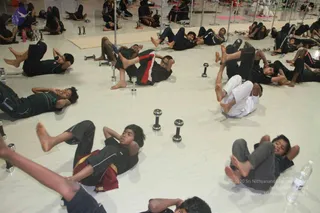
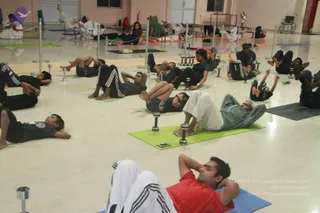
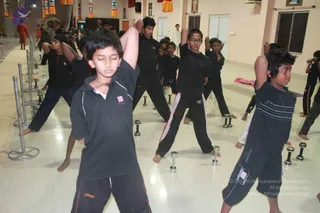
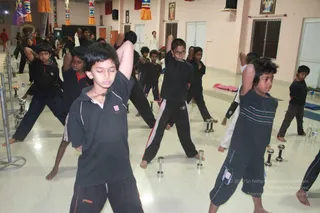
Morning Yoga
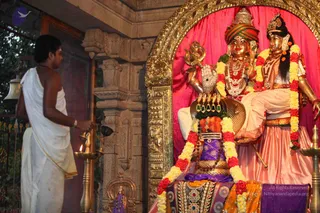
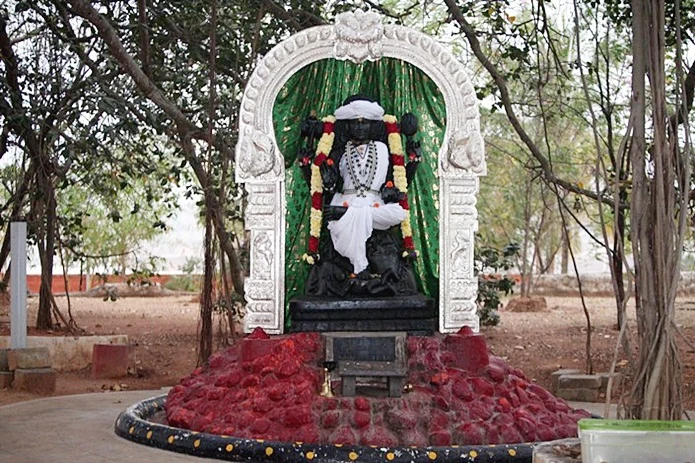
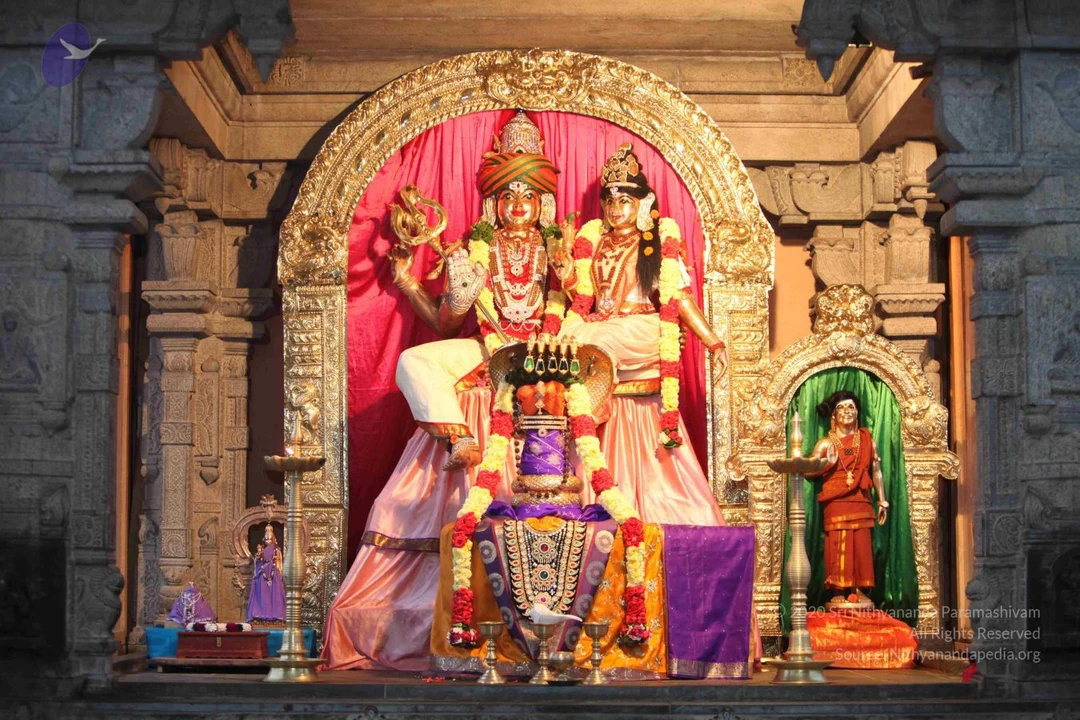
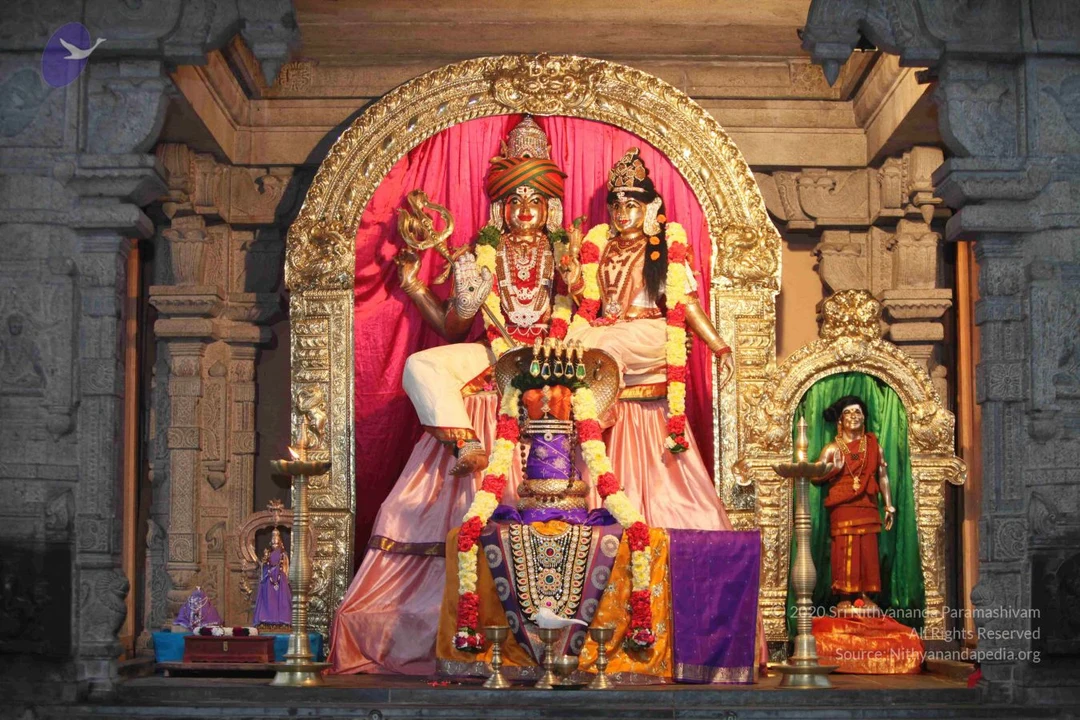
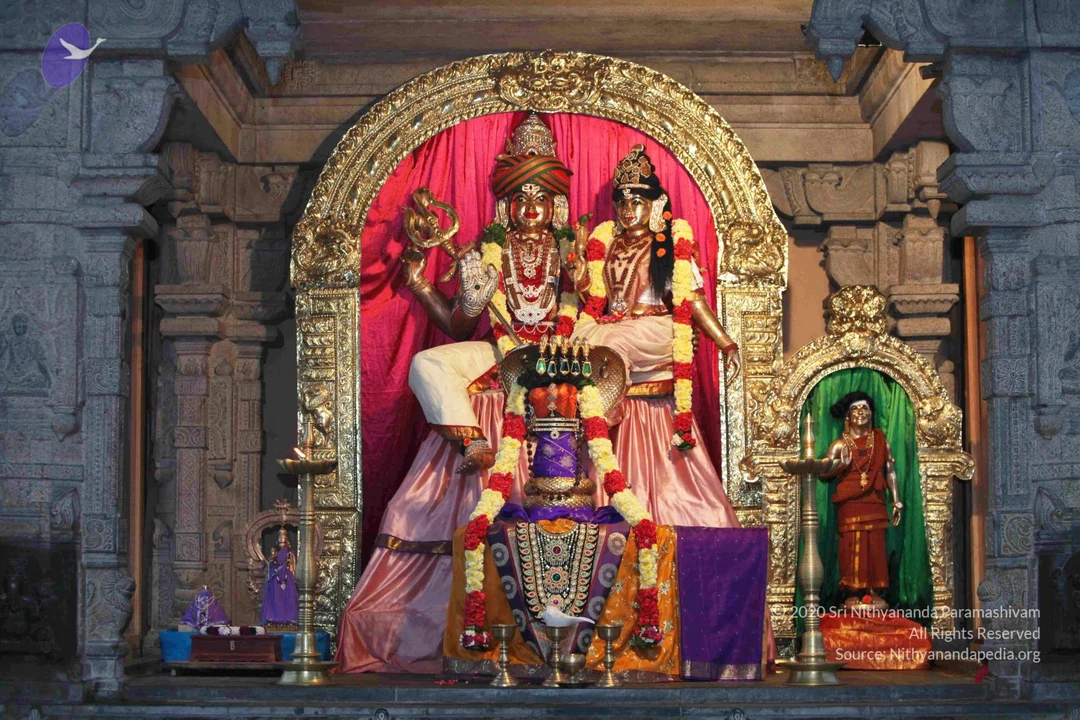
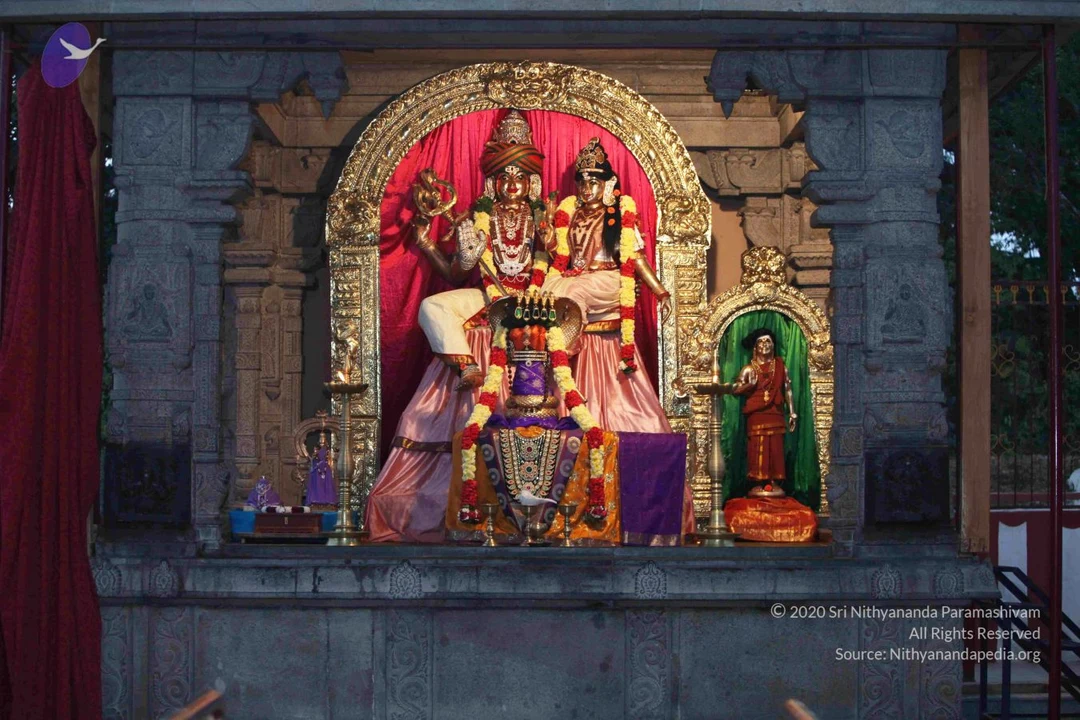
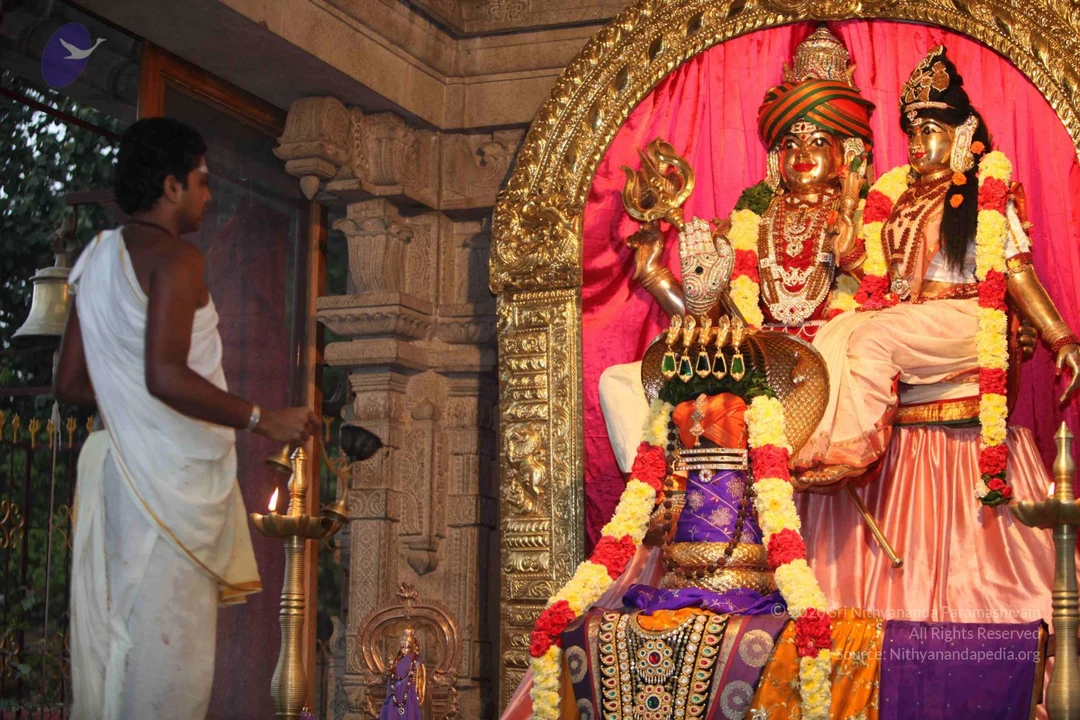
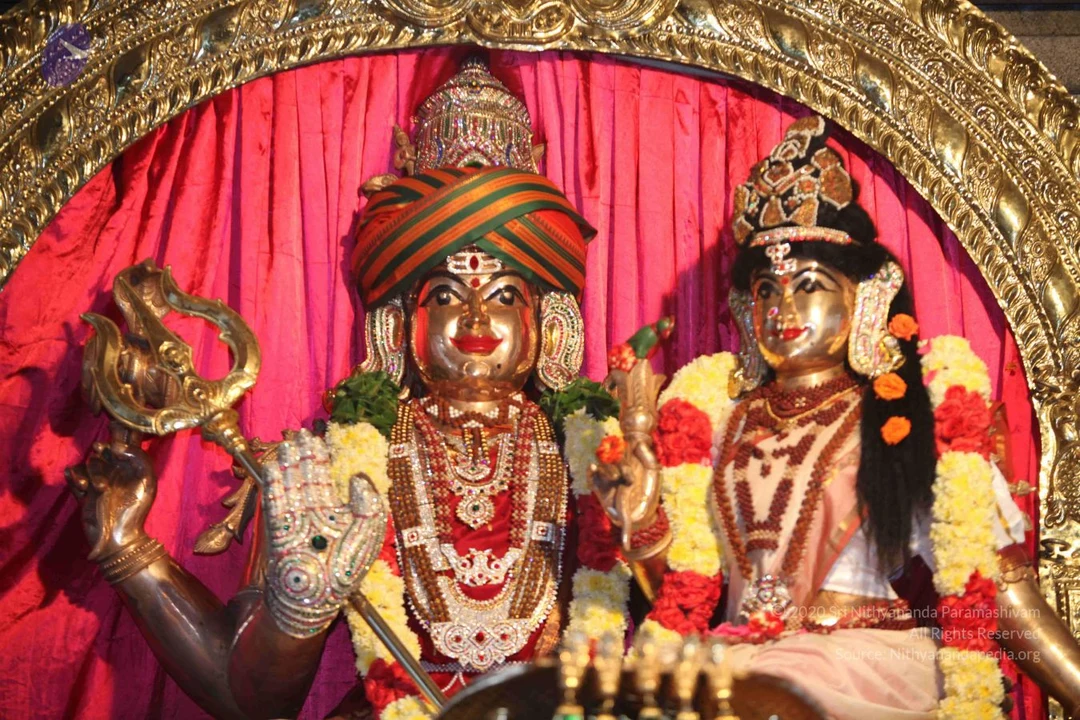
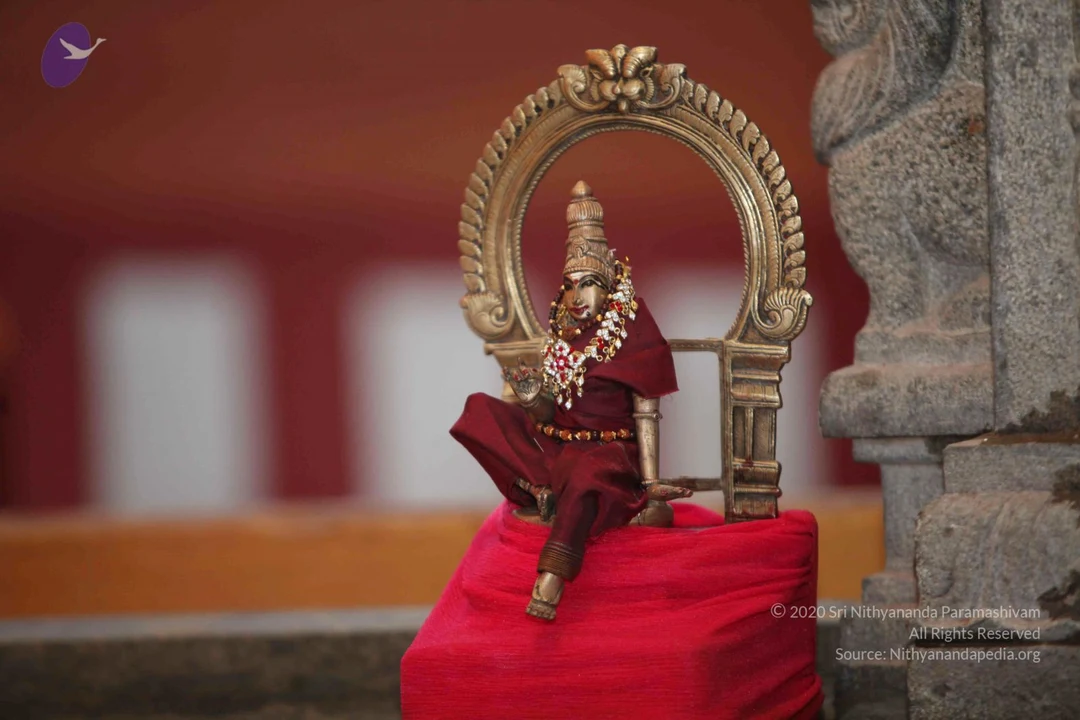
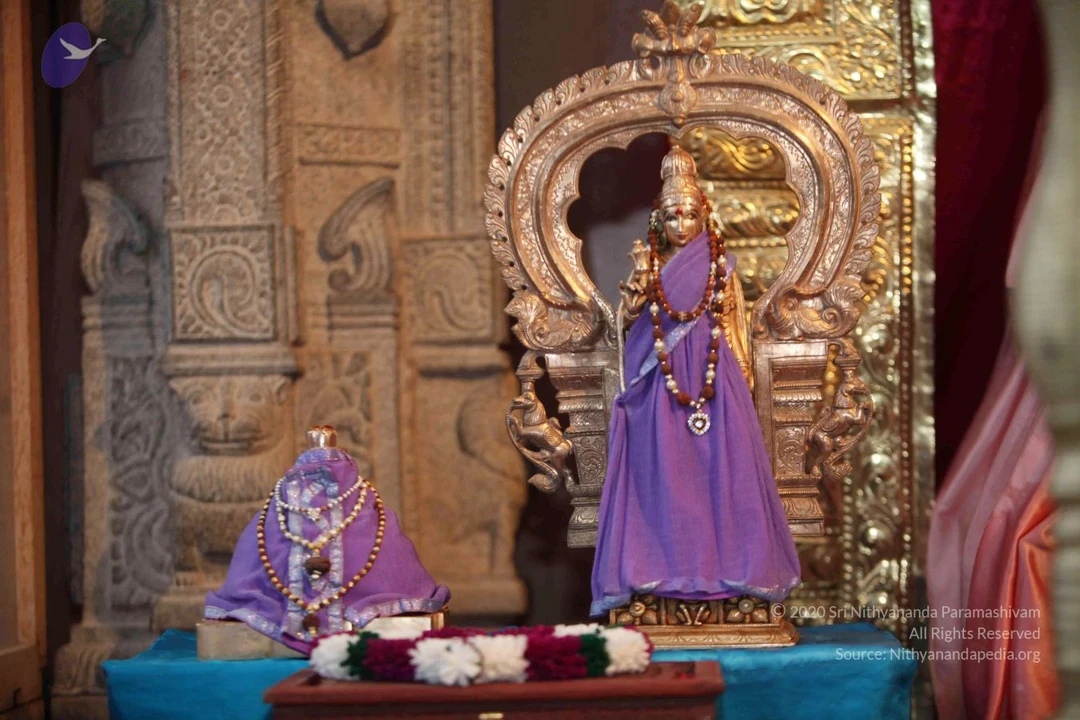
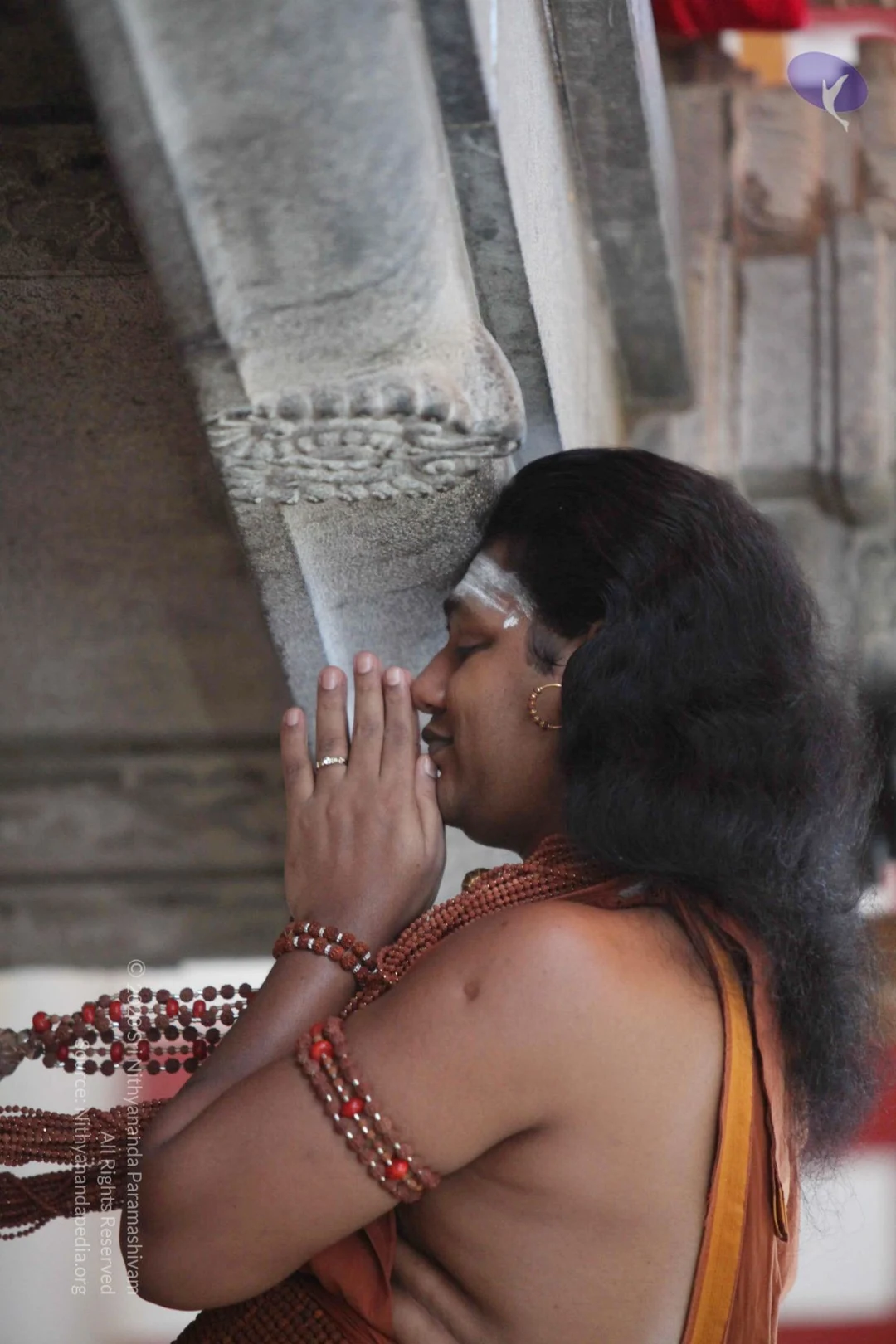
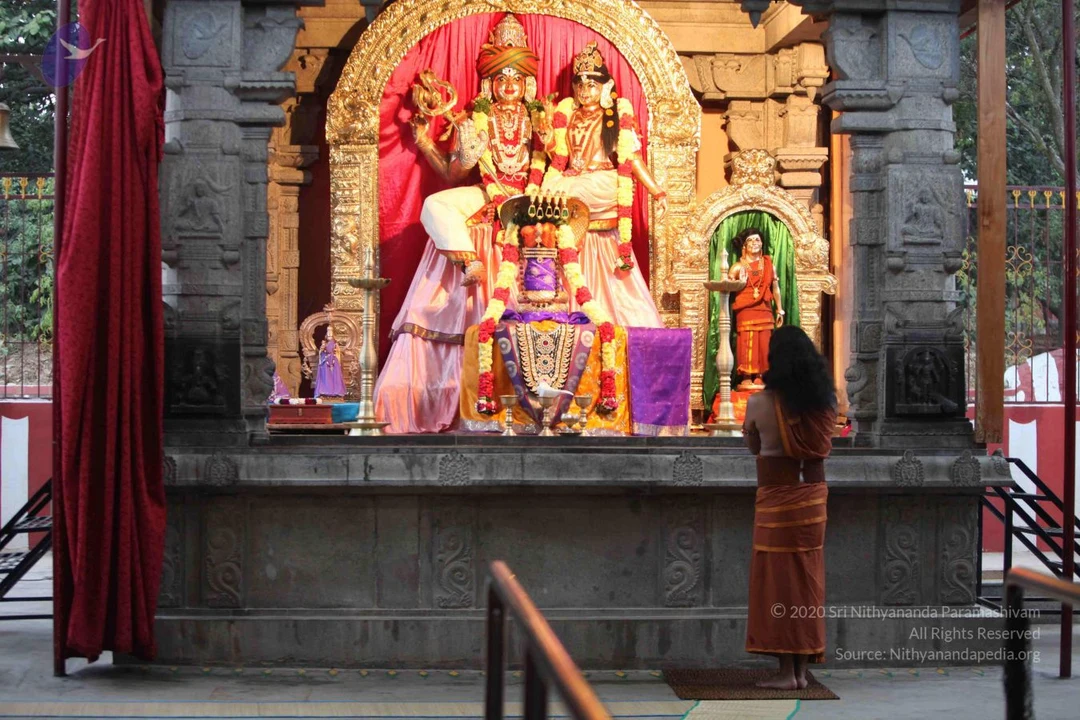
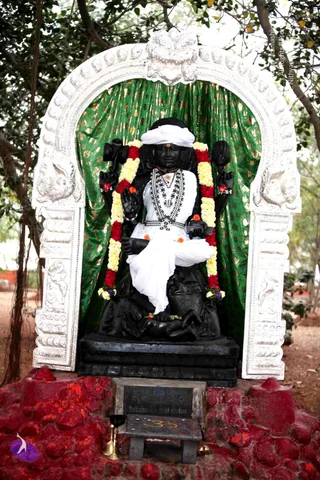
Temple Glimpses
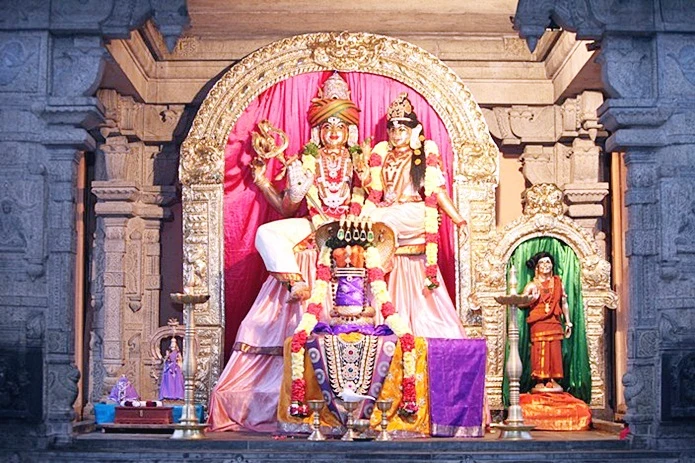
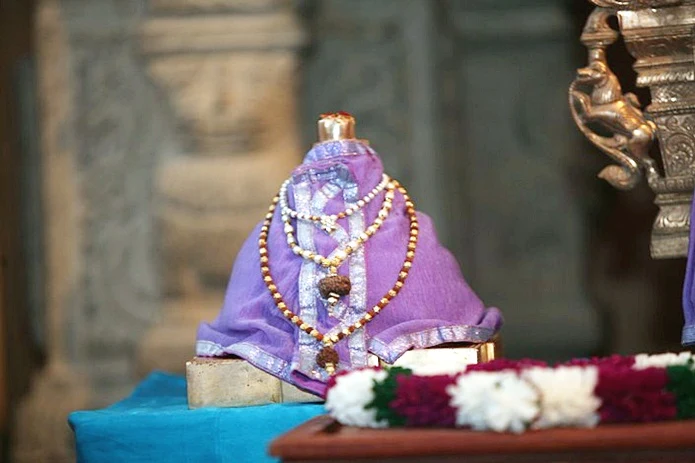
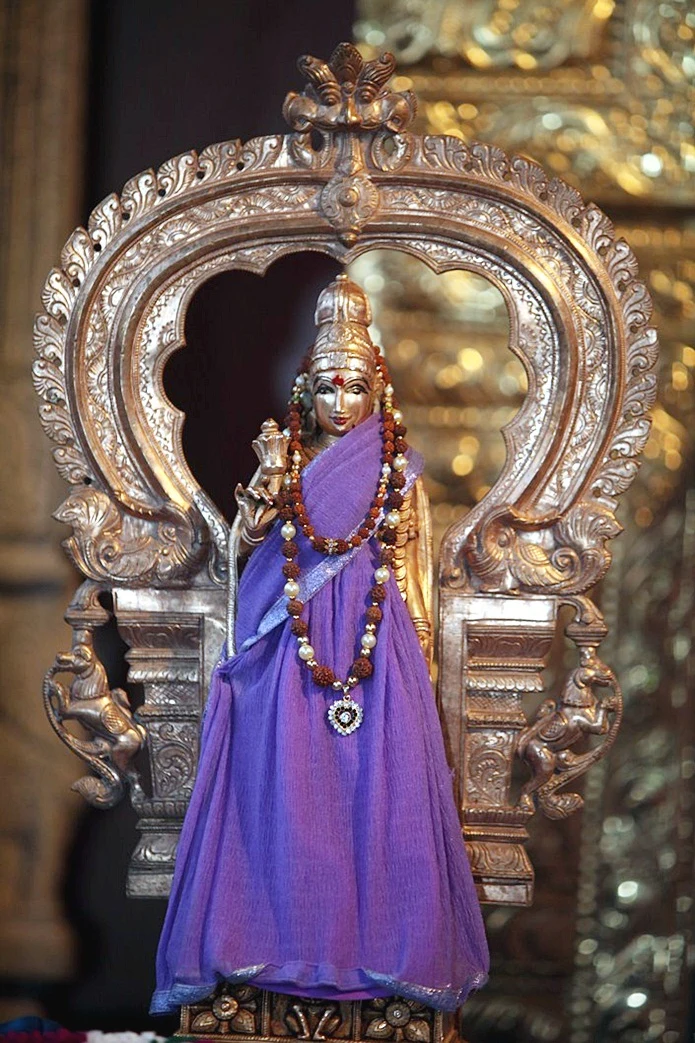
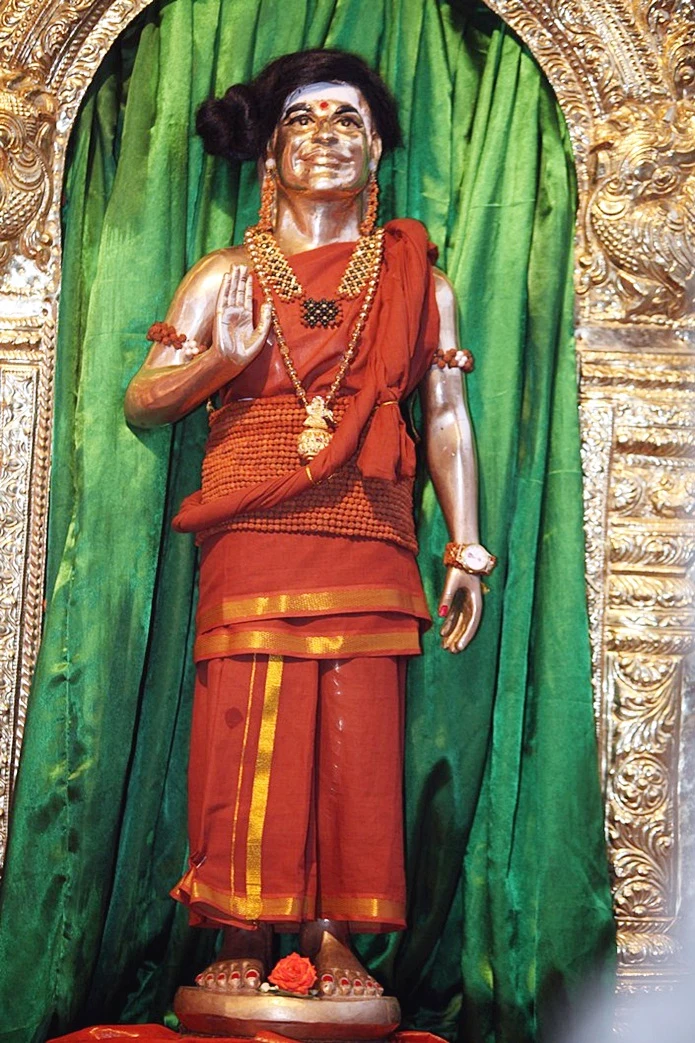
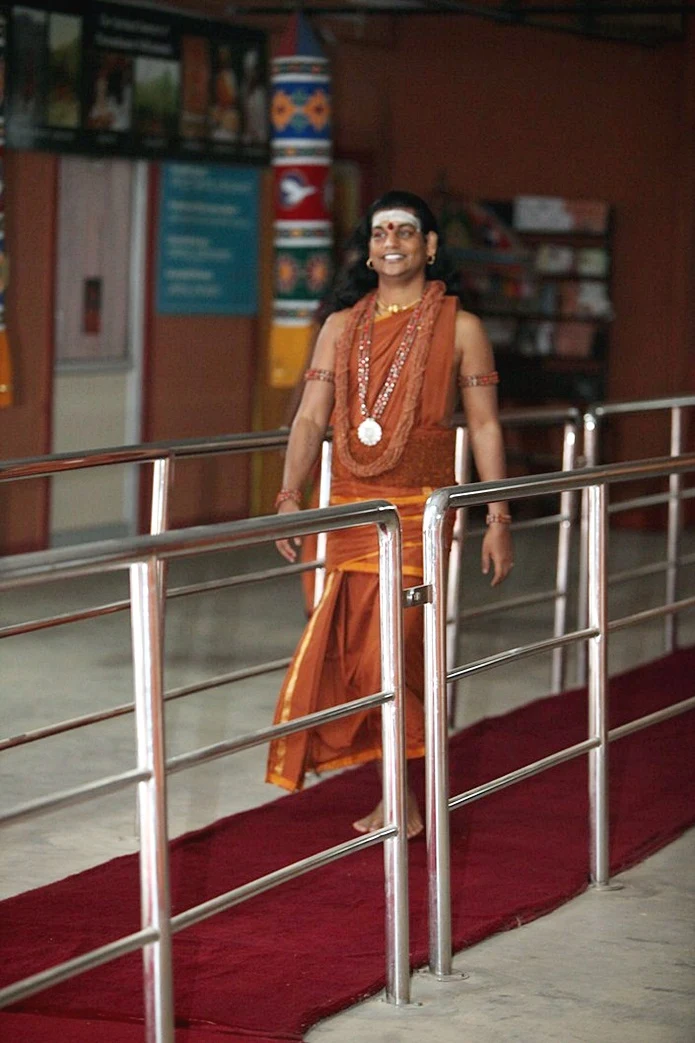
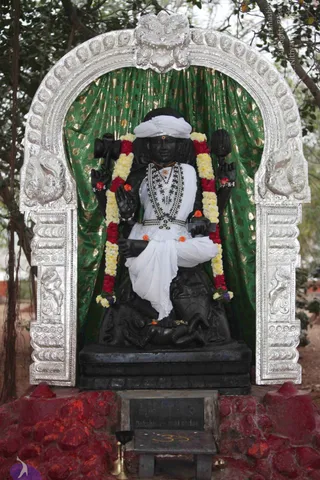
Pratyaksha Pada Puja
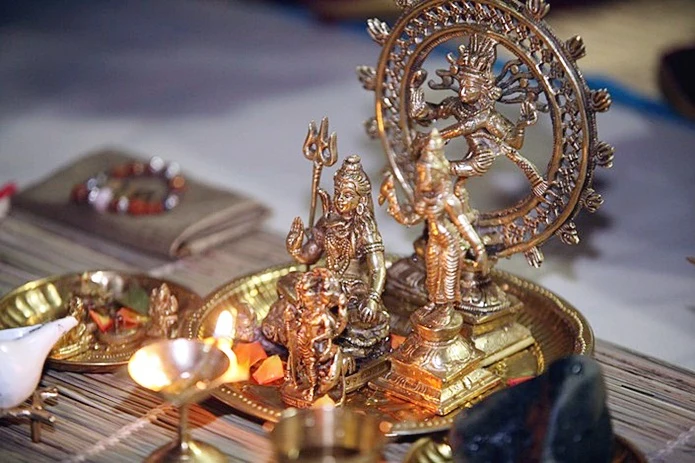
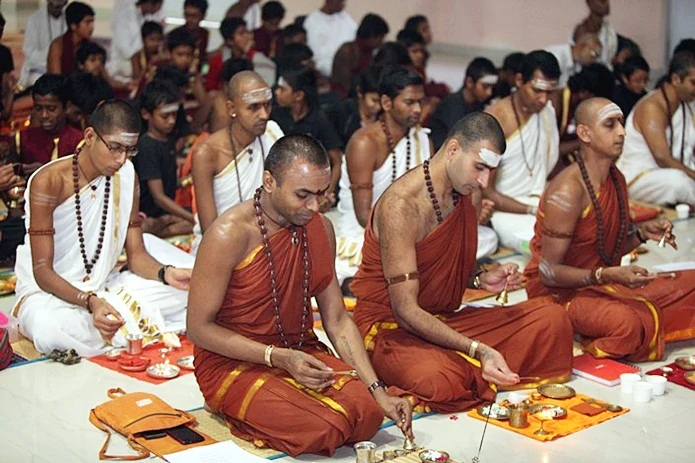
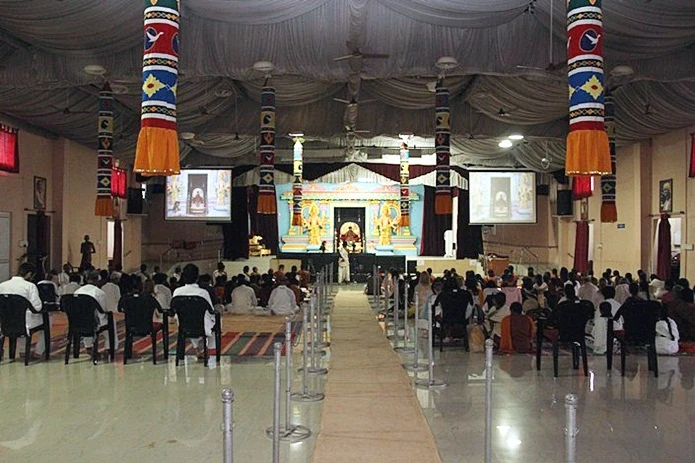
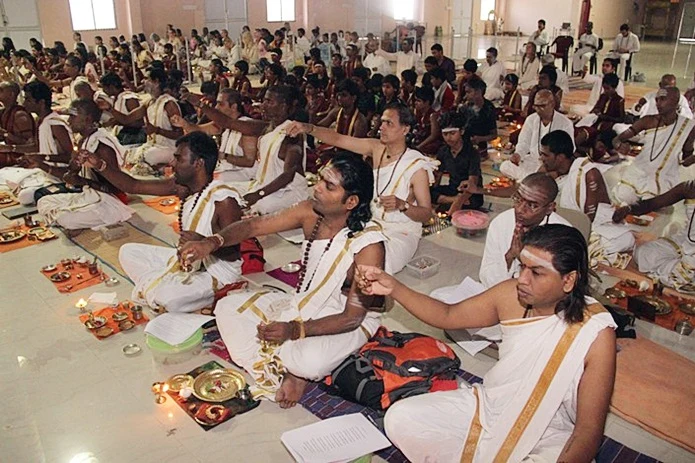
Dial the Avatar
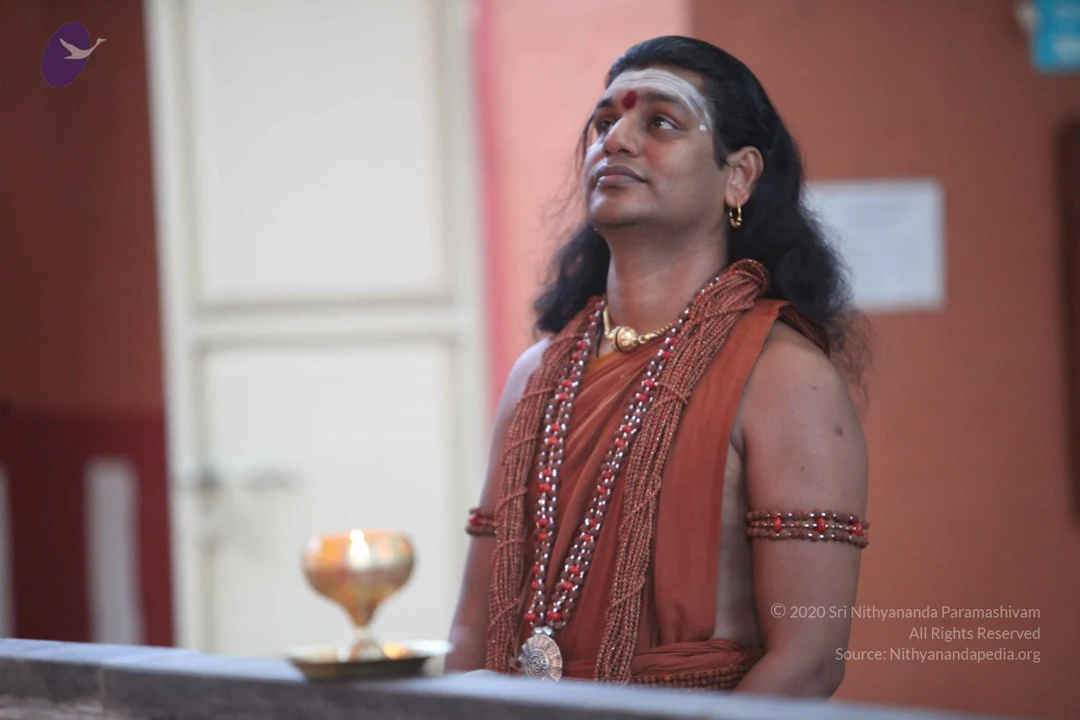
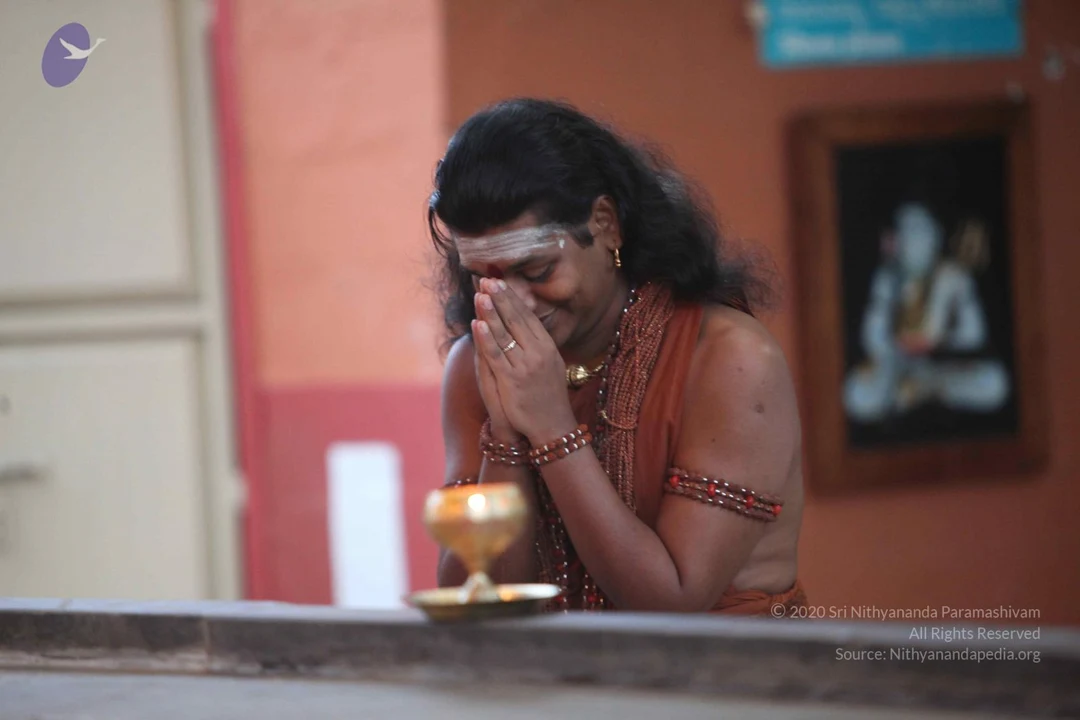
Nithya Satsang
Tags
Paramahamsa Nithyananda, Vidyalaya, Katopanishad, good, pleasure, human, desire, experience, awareness, intensity, thought, body
Photos Of The Day:
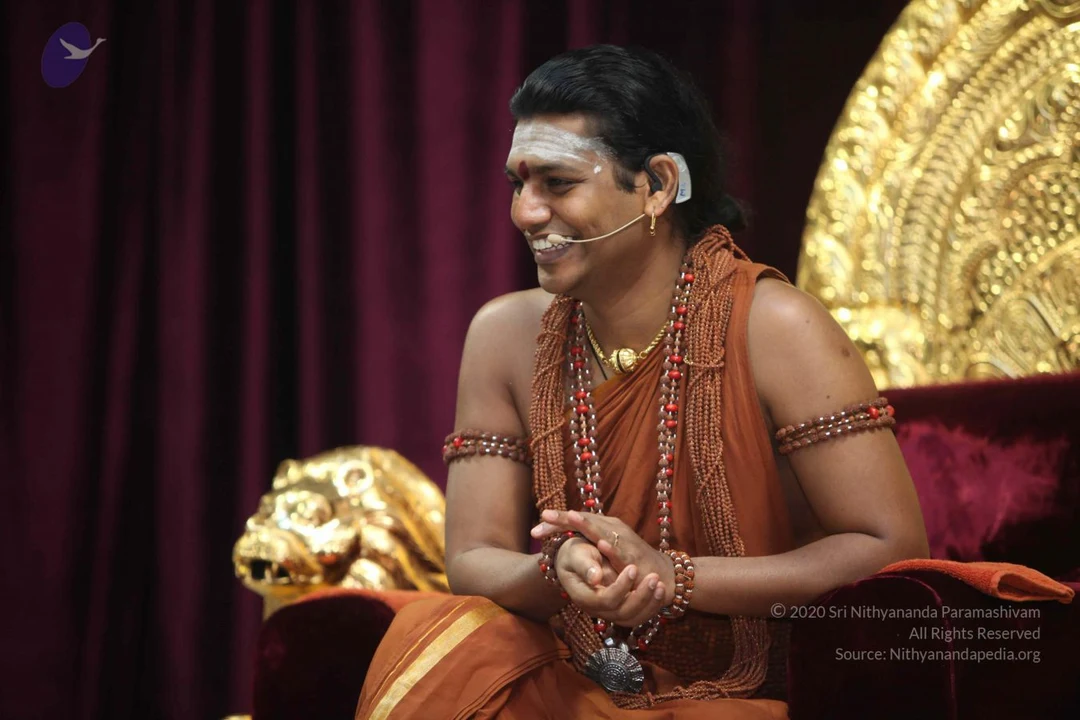
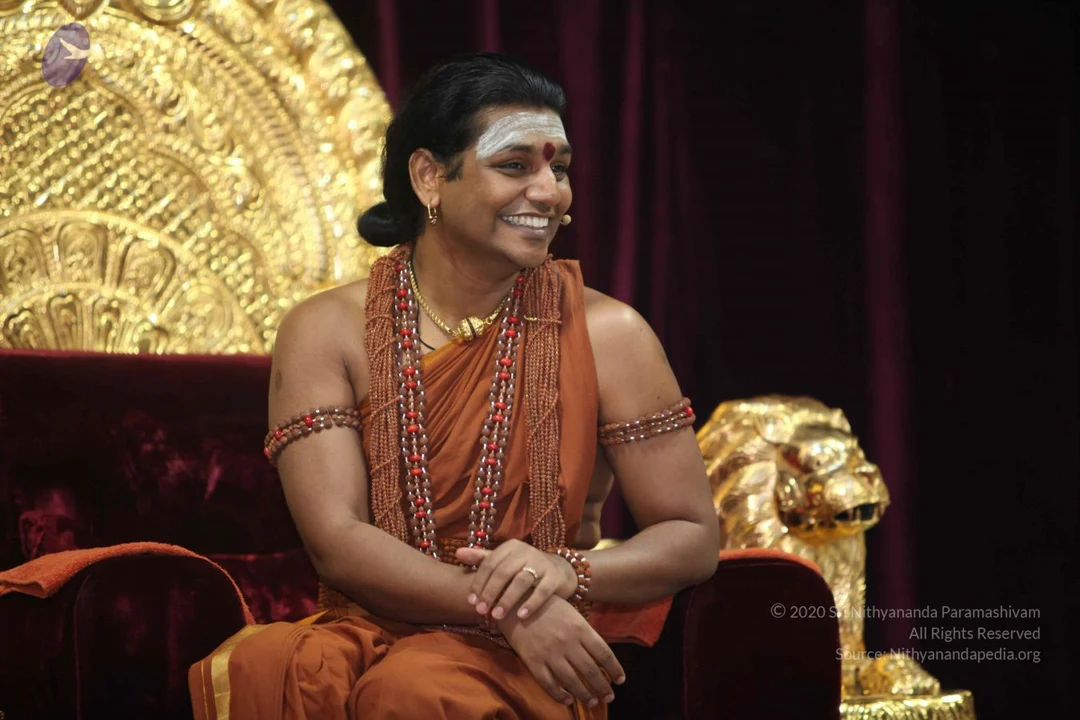
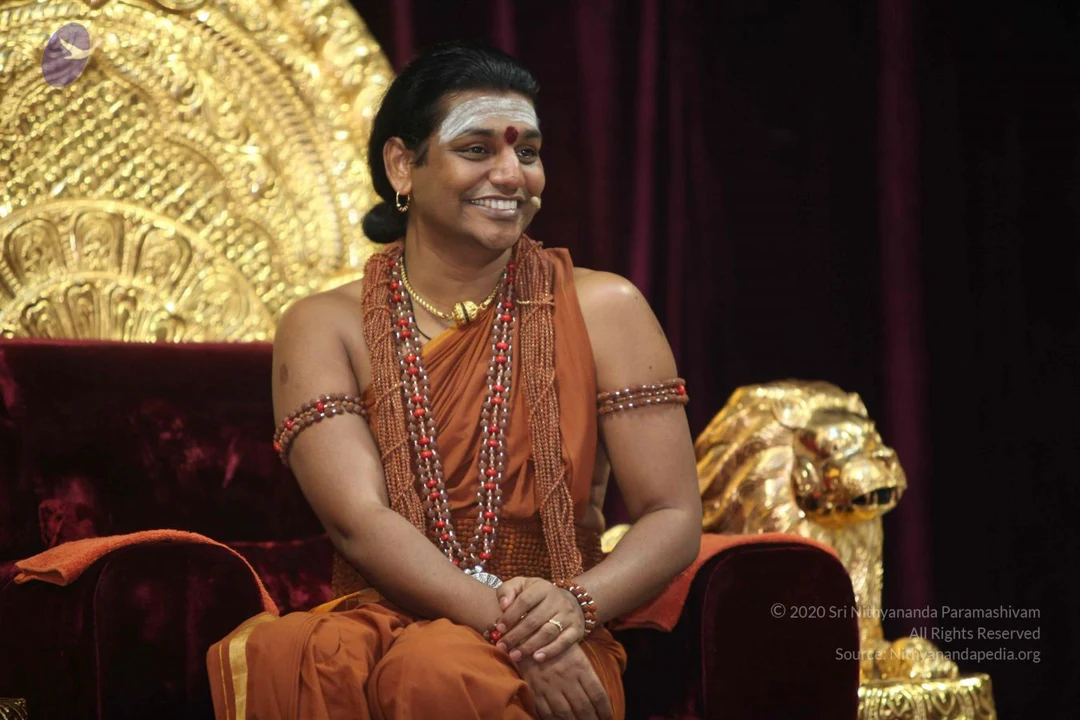
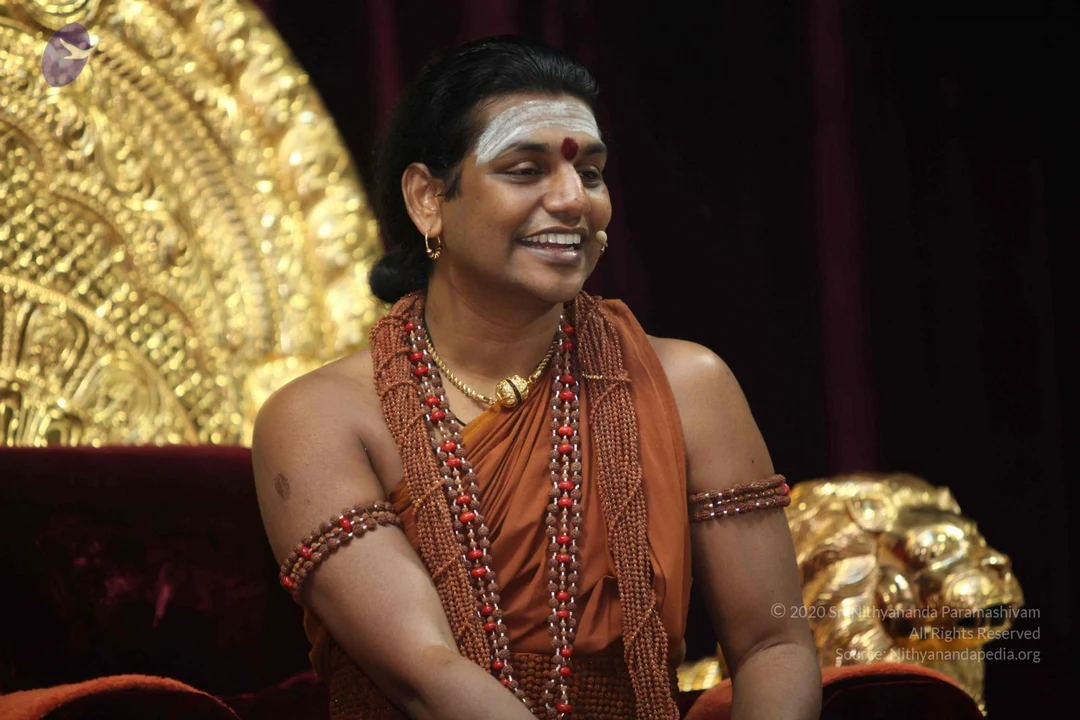
Nithya-Satsang
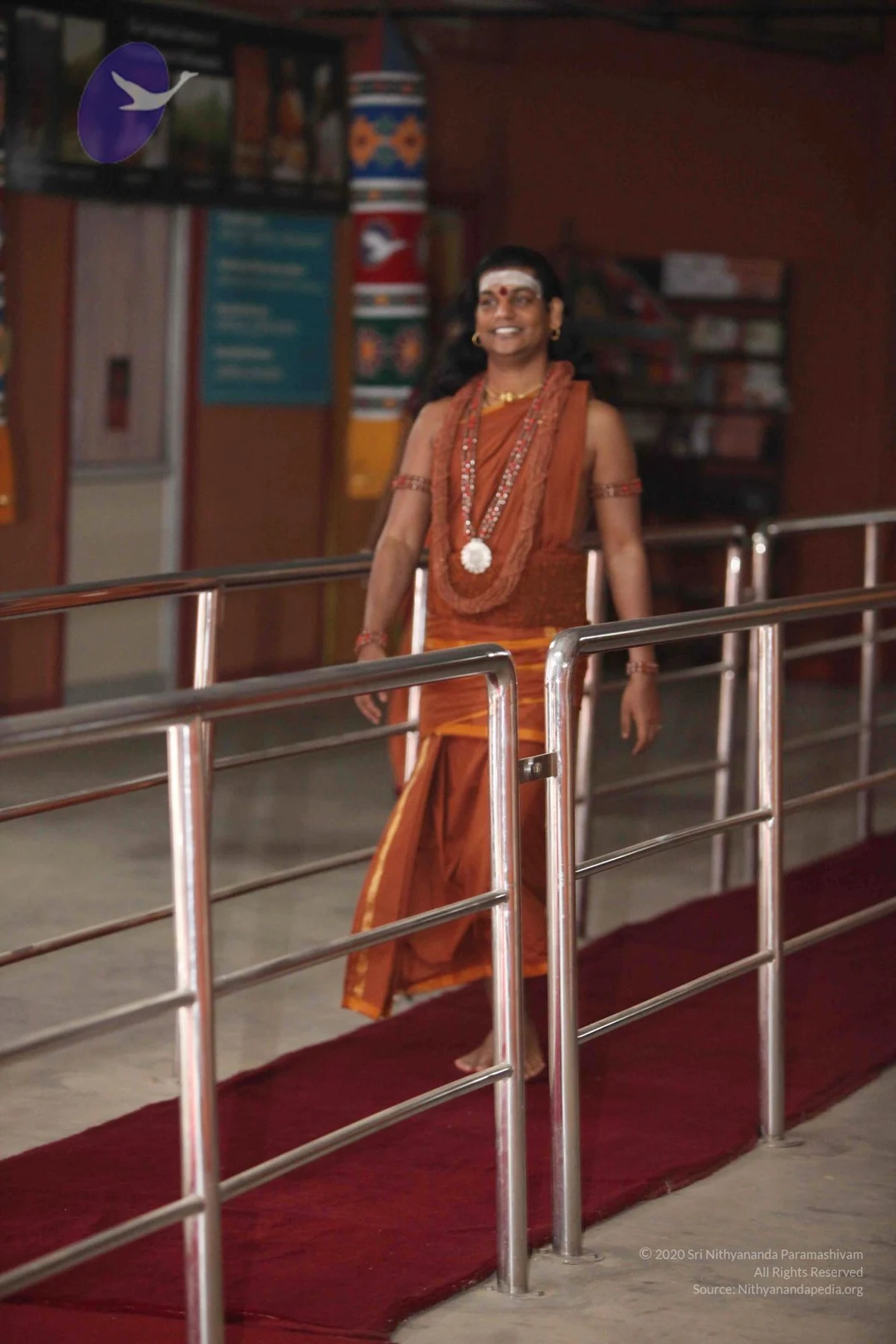
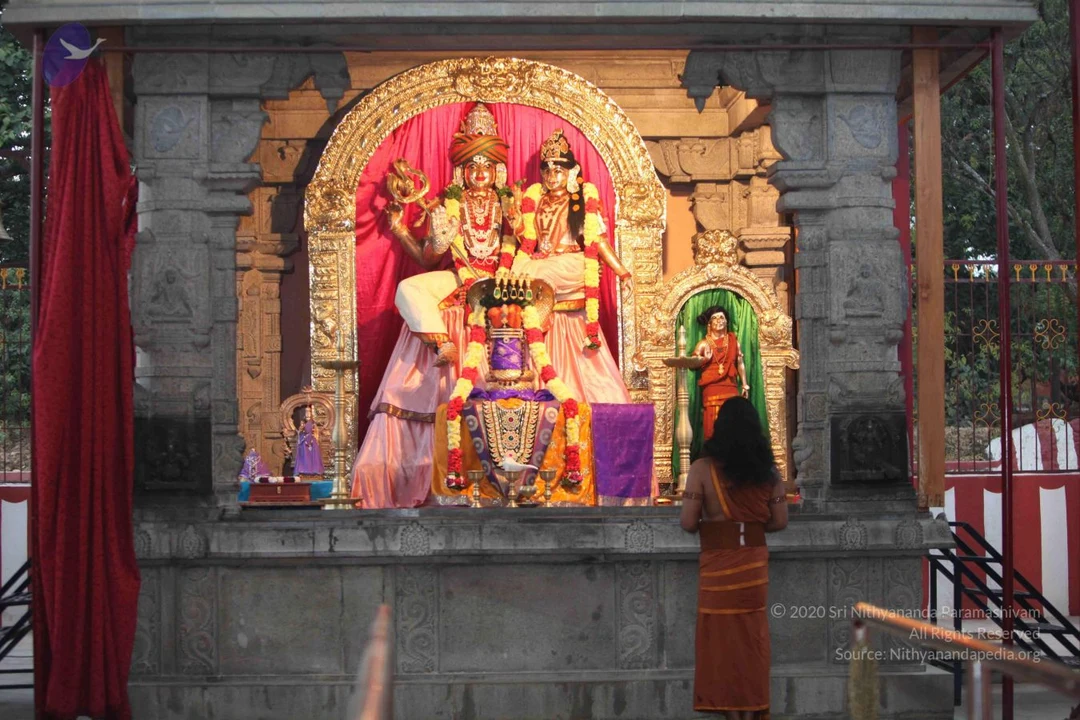
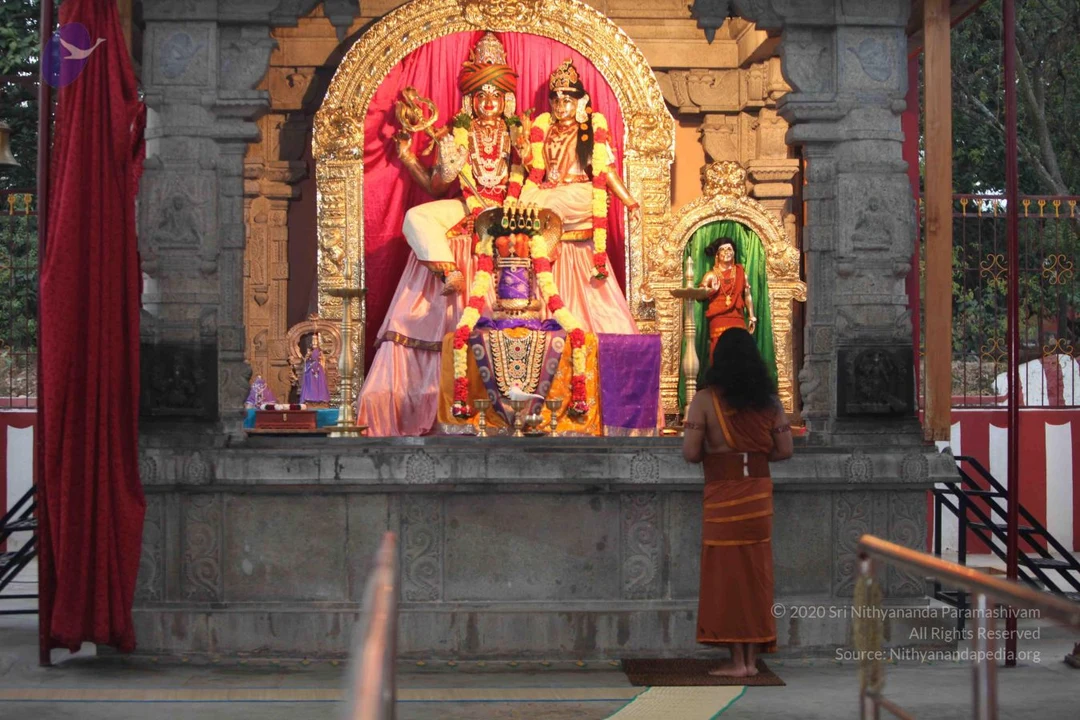
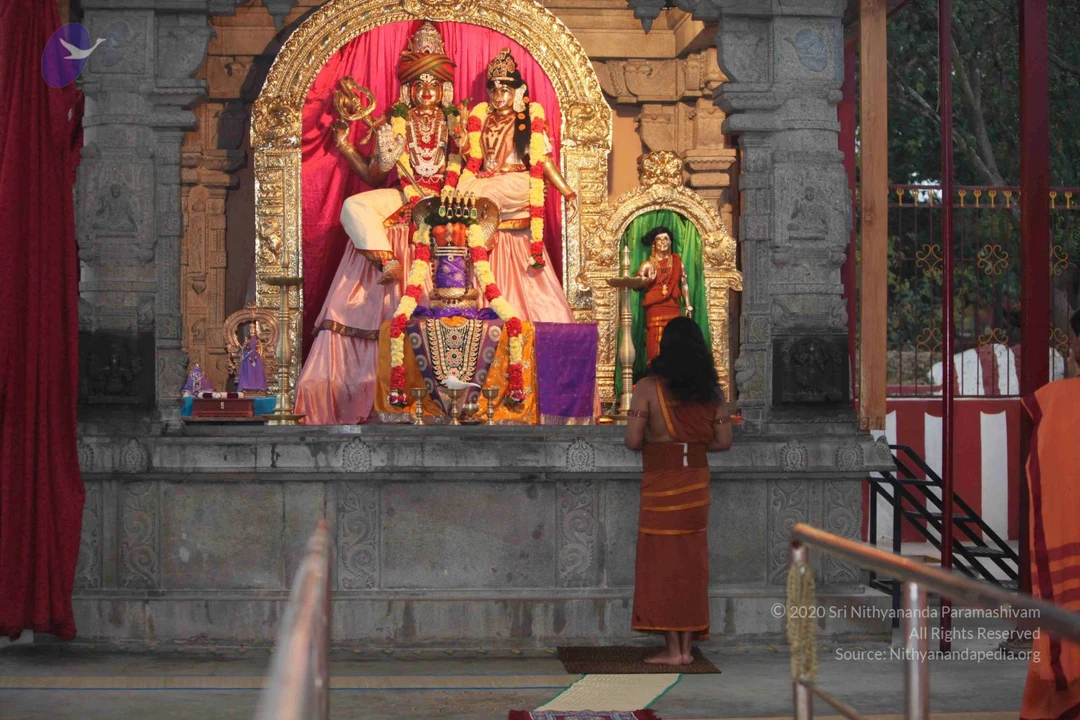
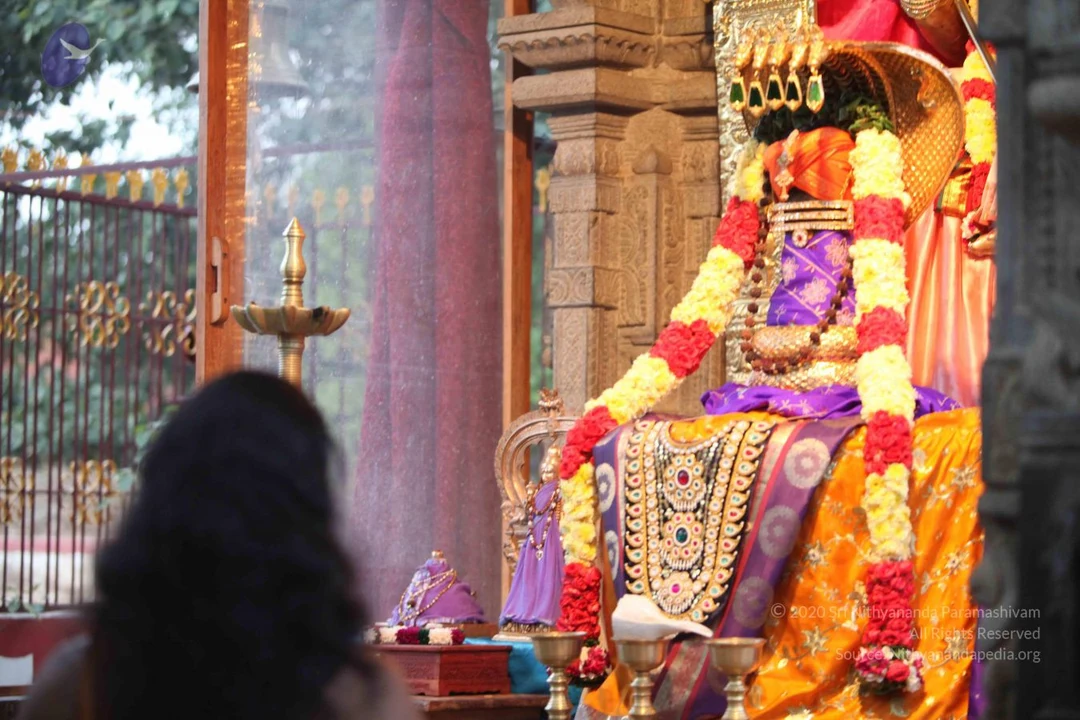
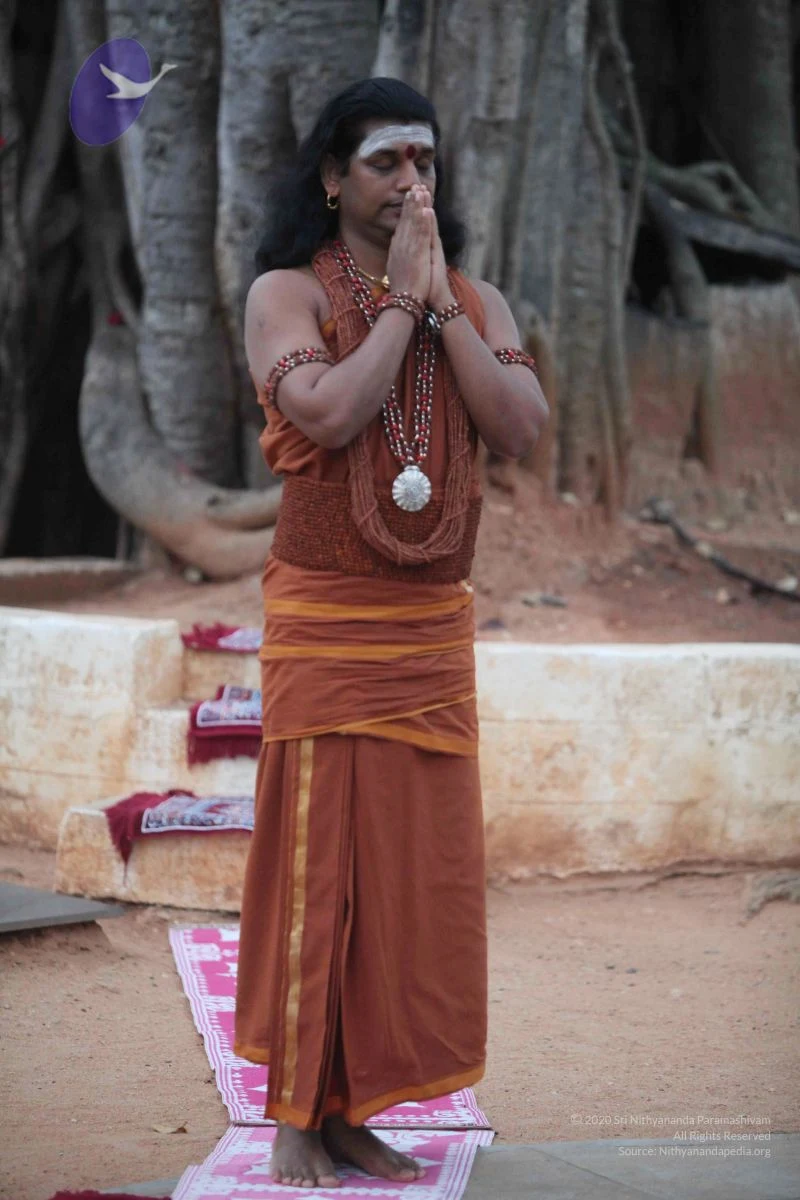
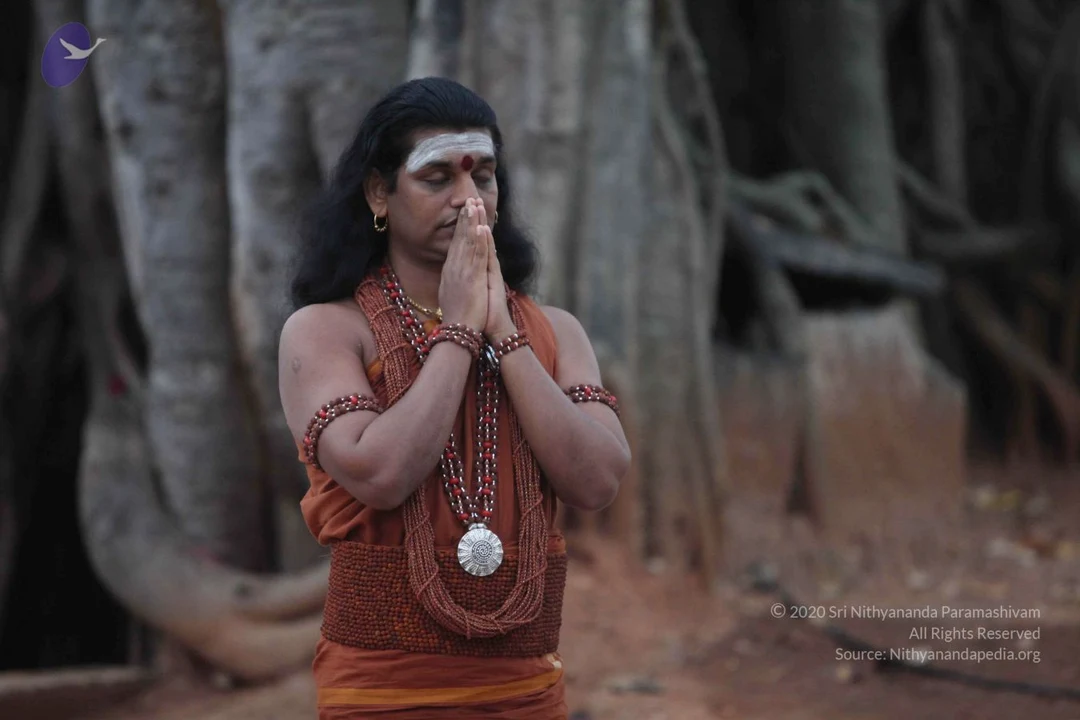
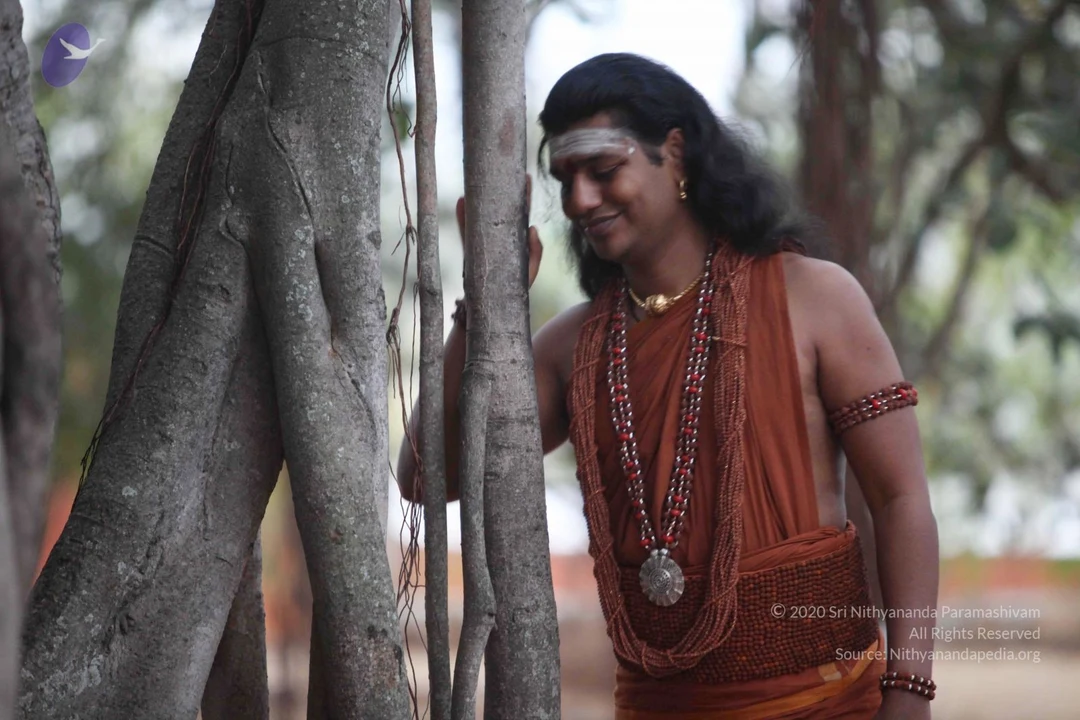
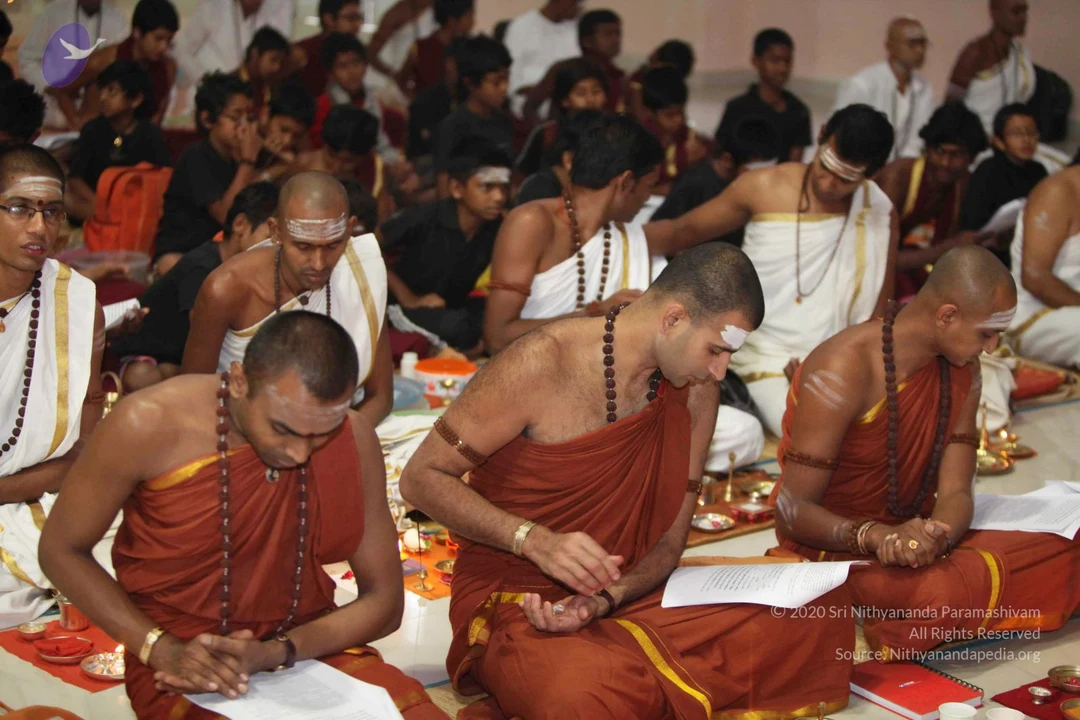
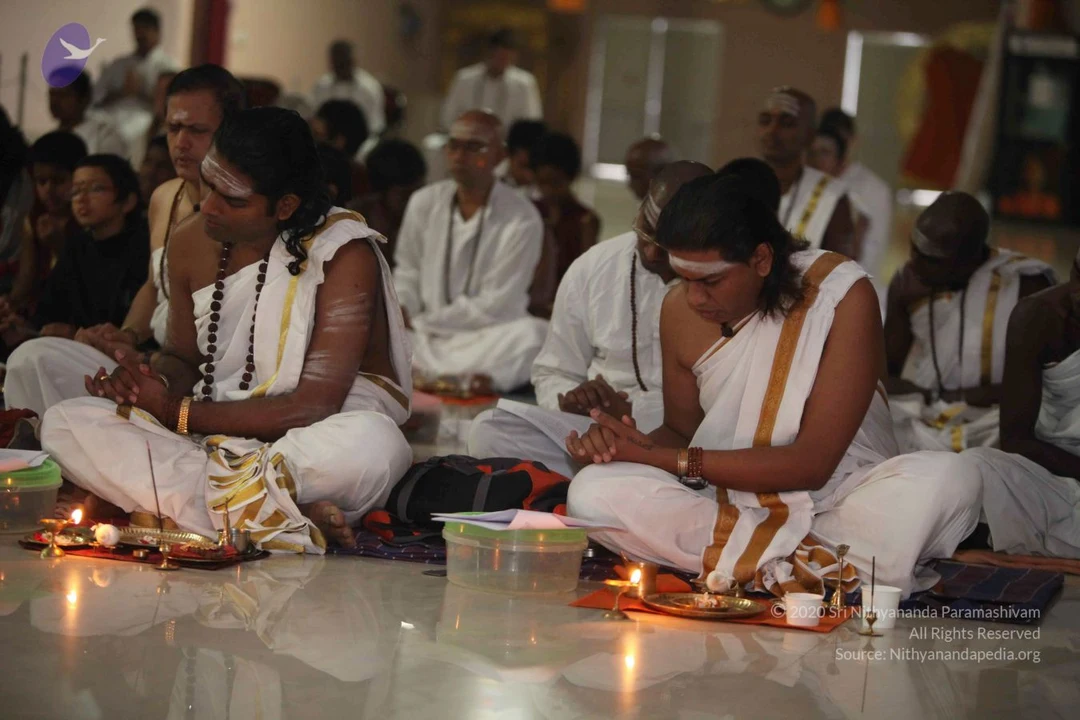
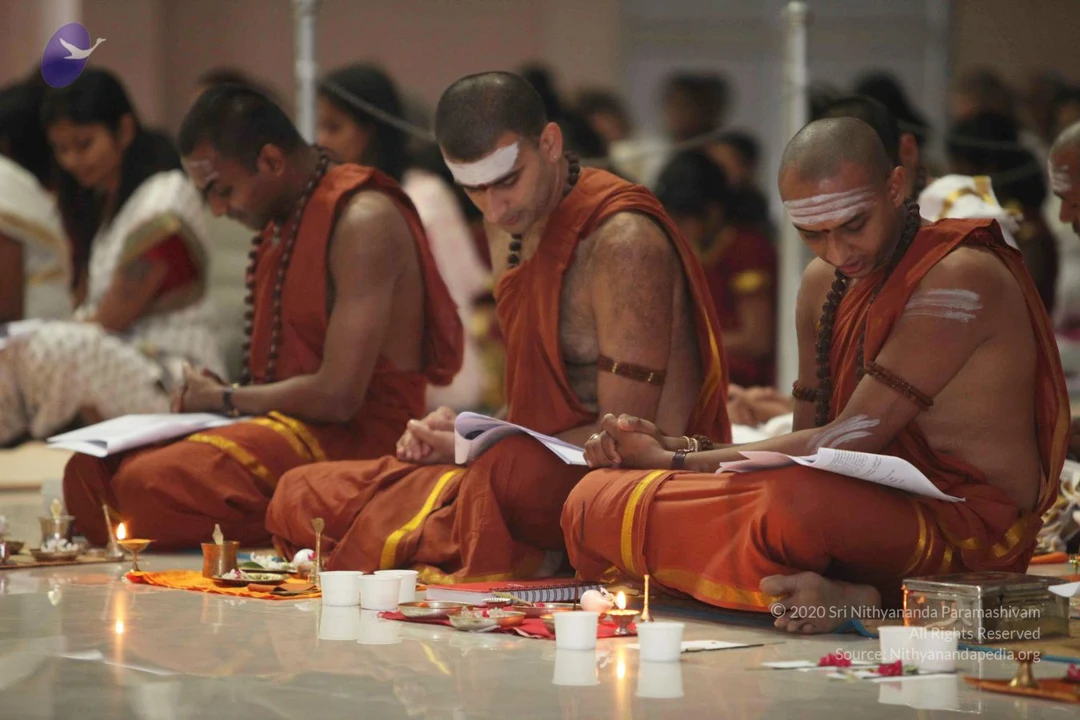
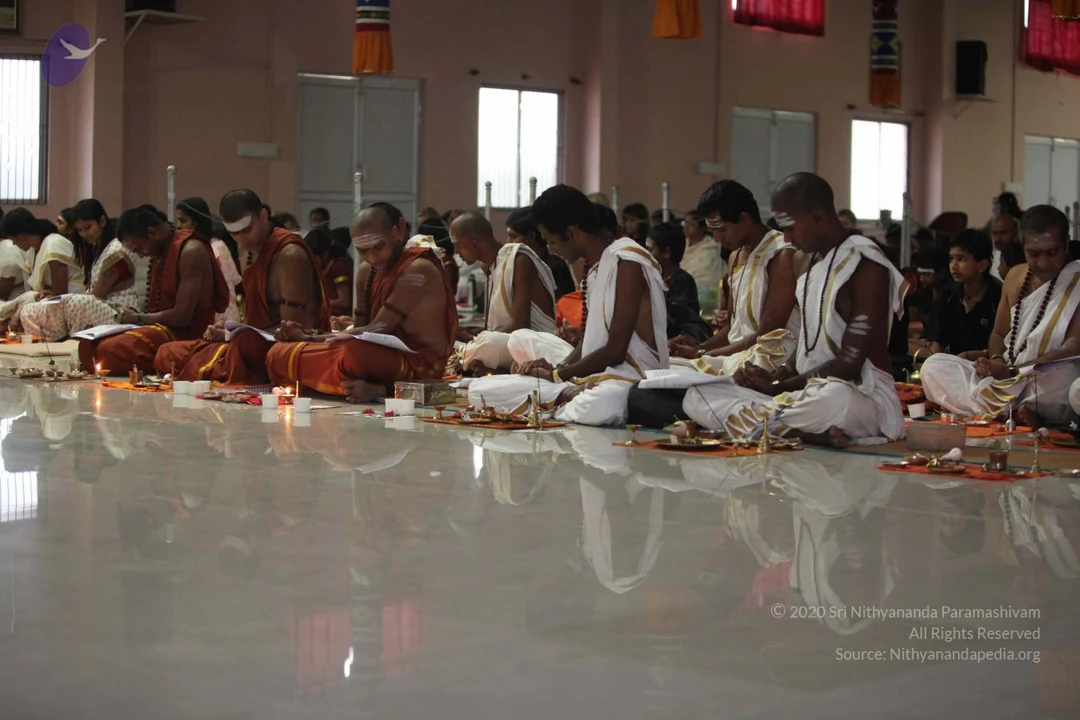
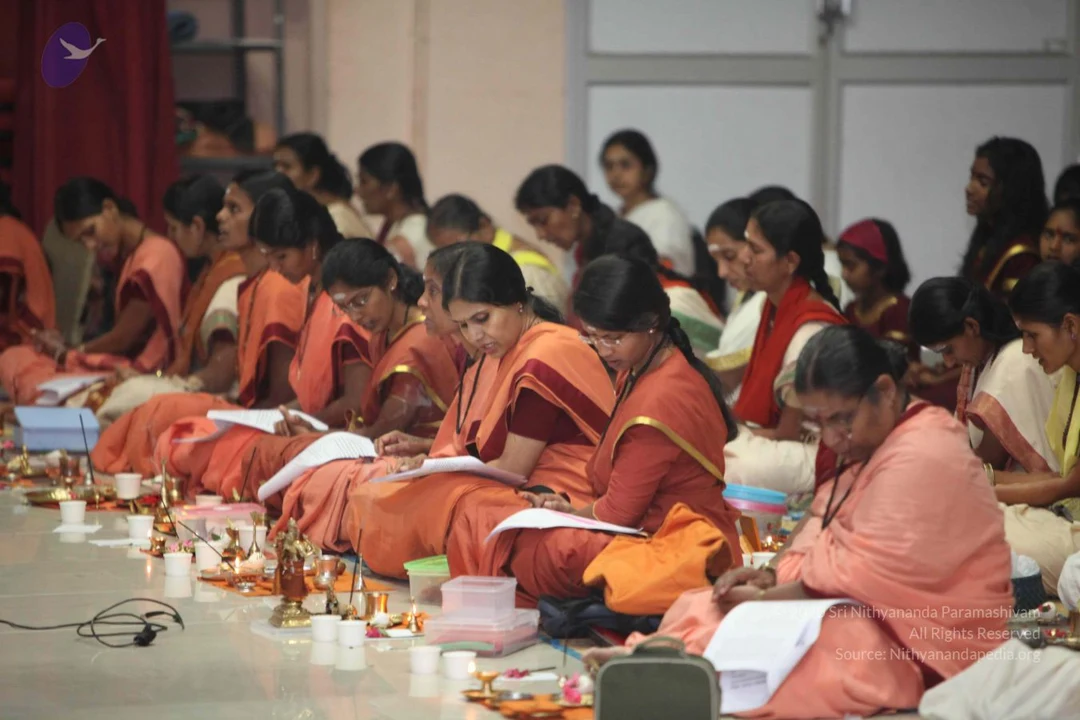
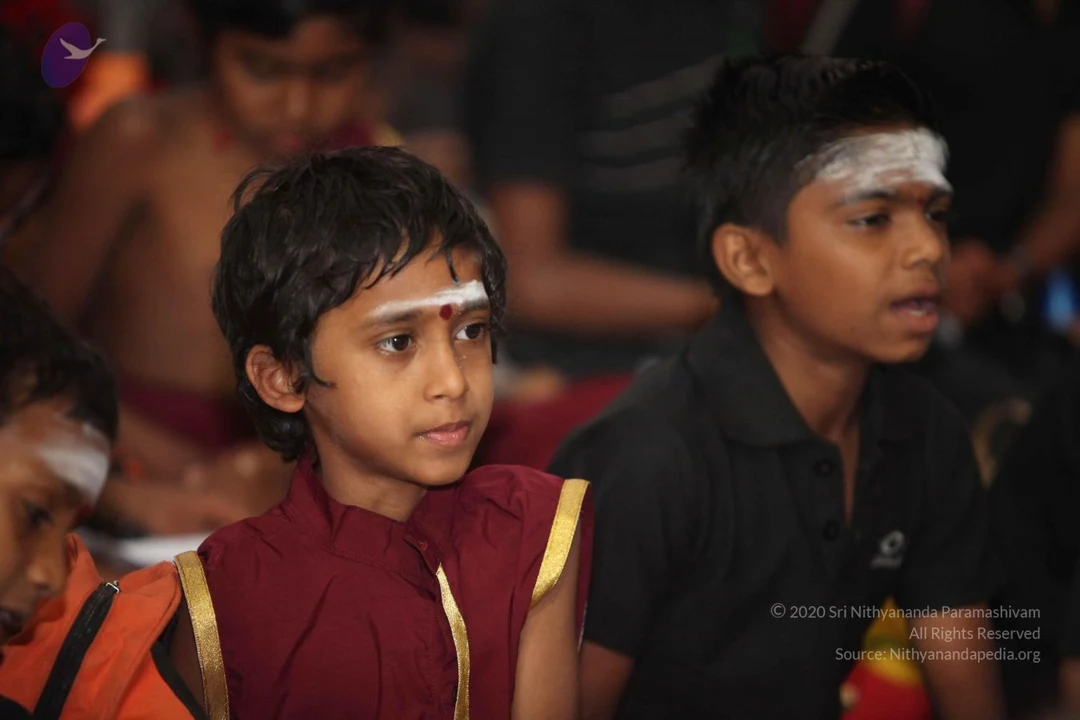
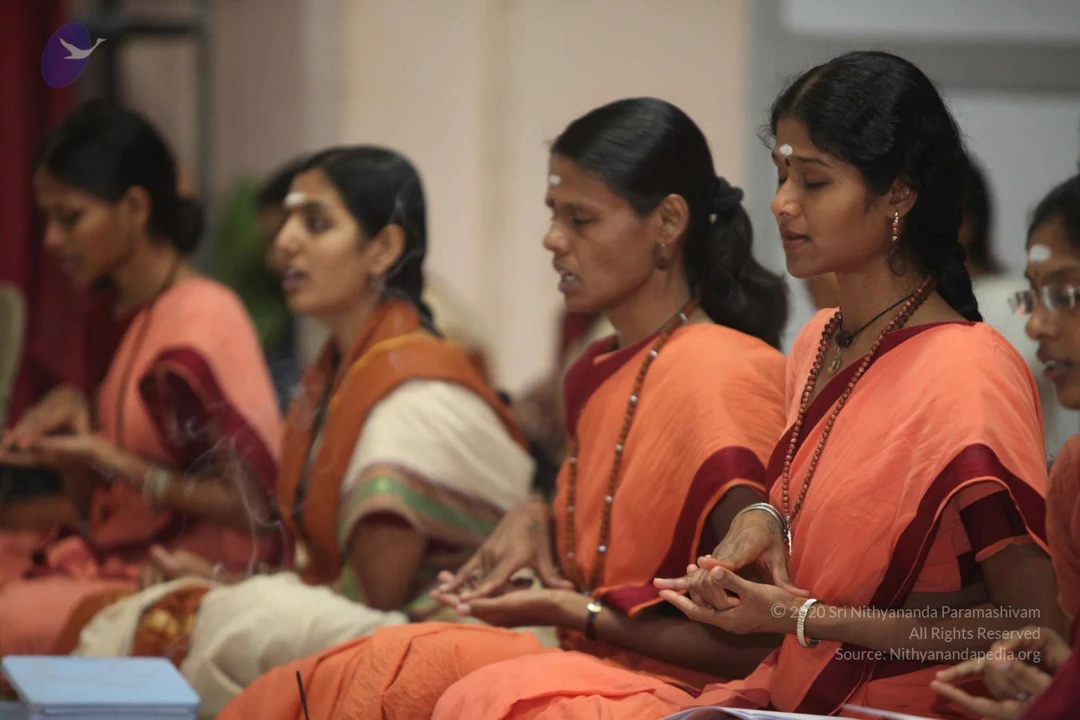
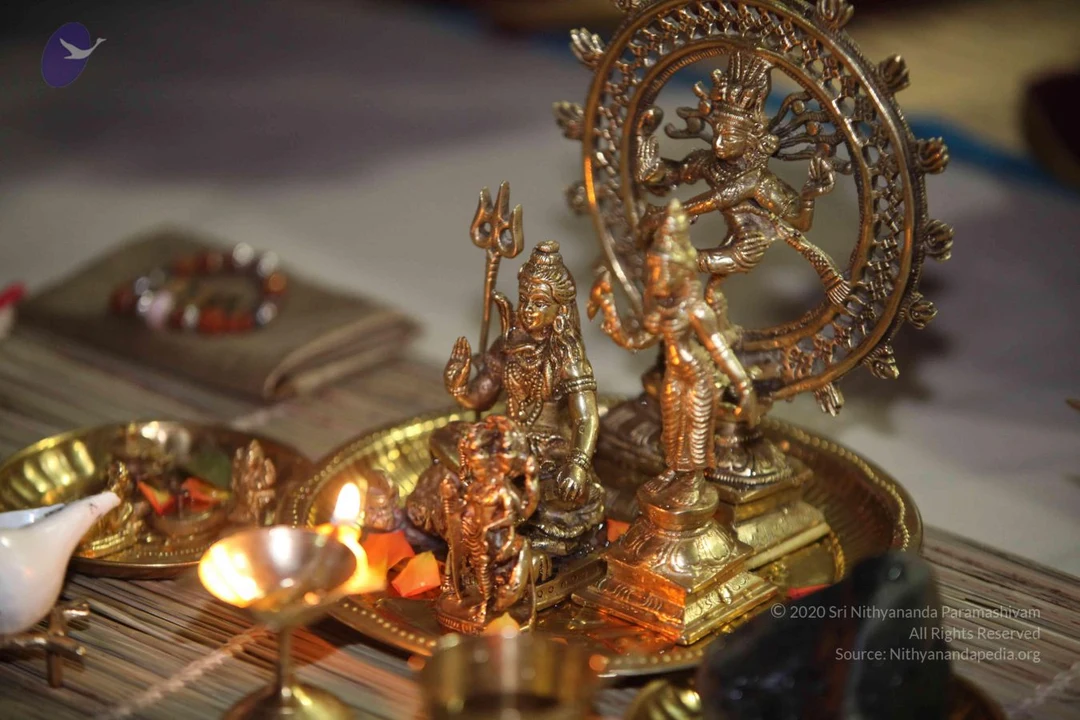
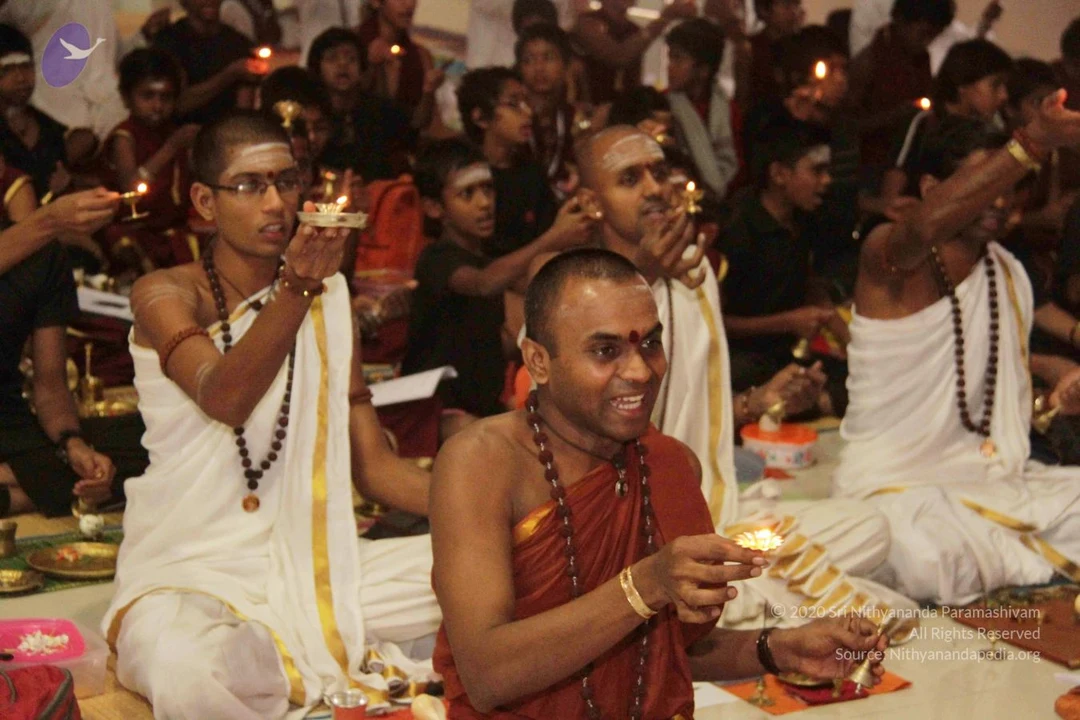
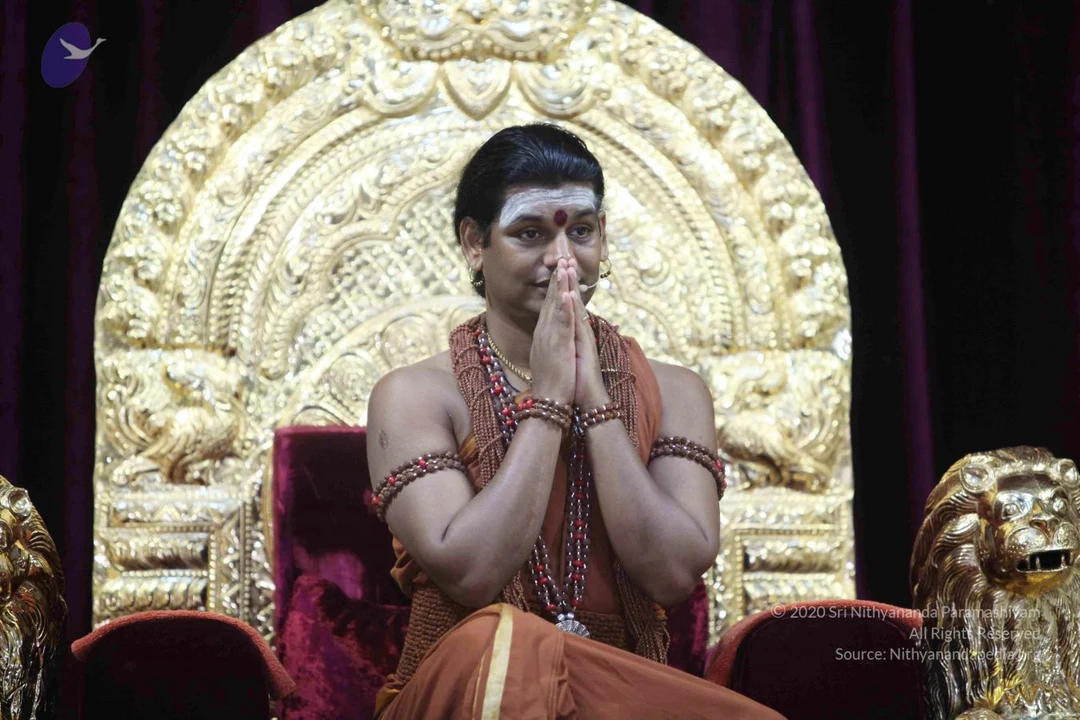
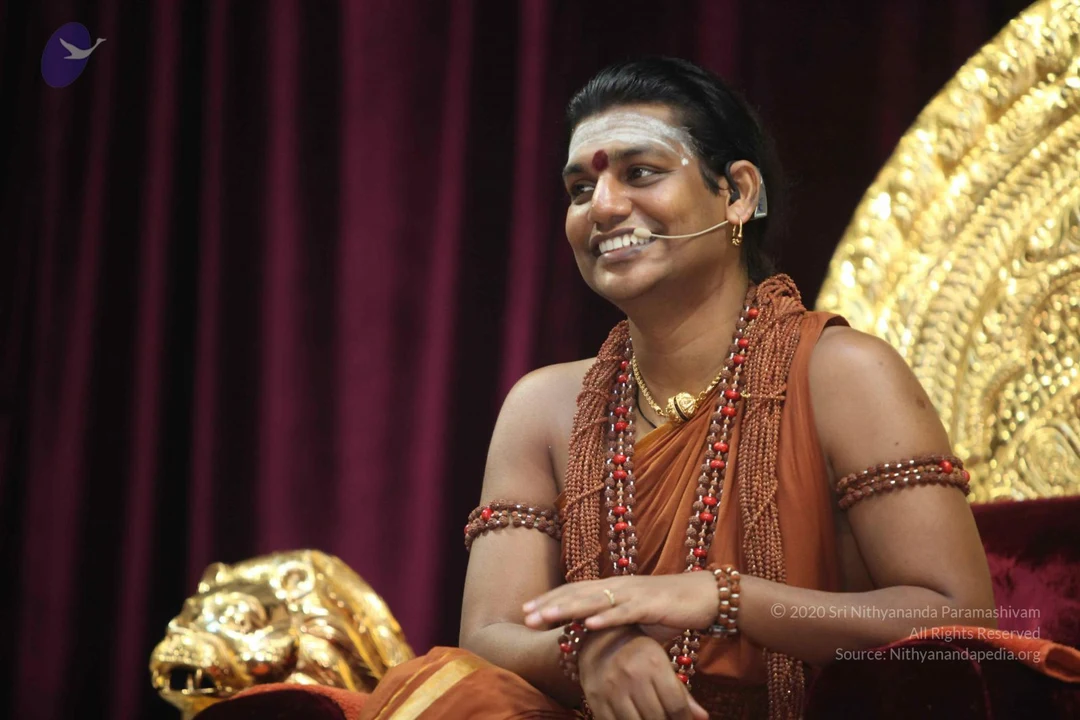
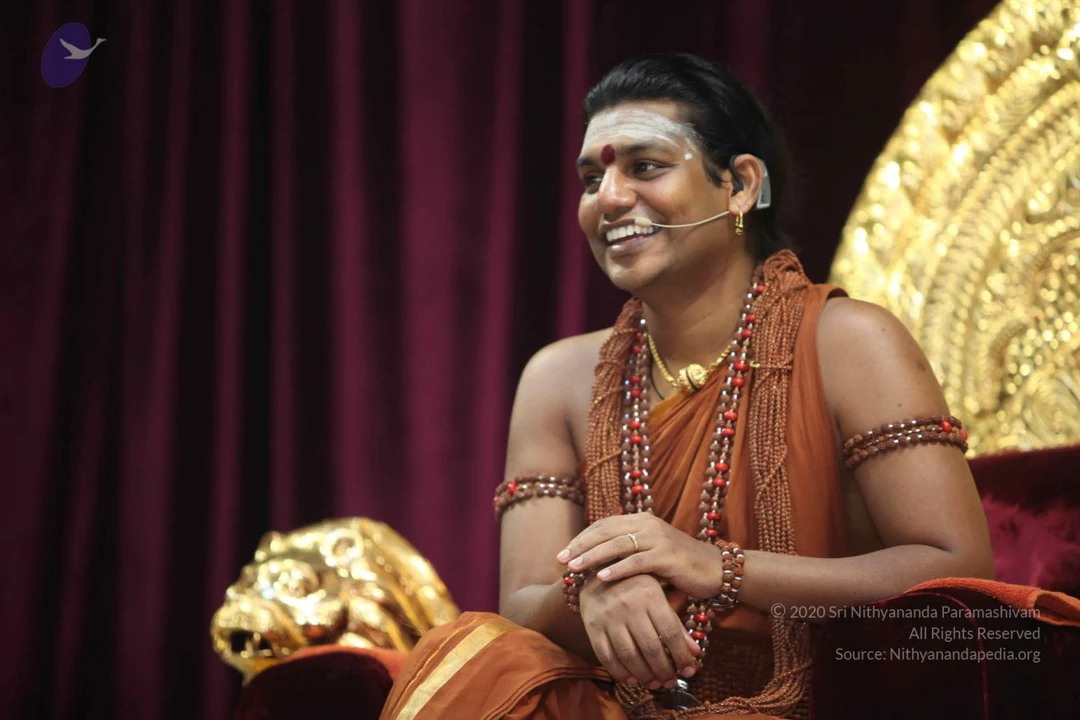
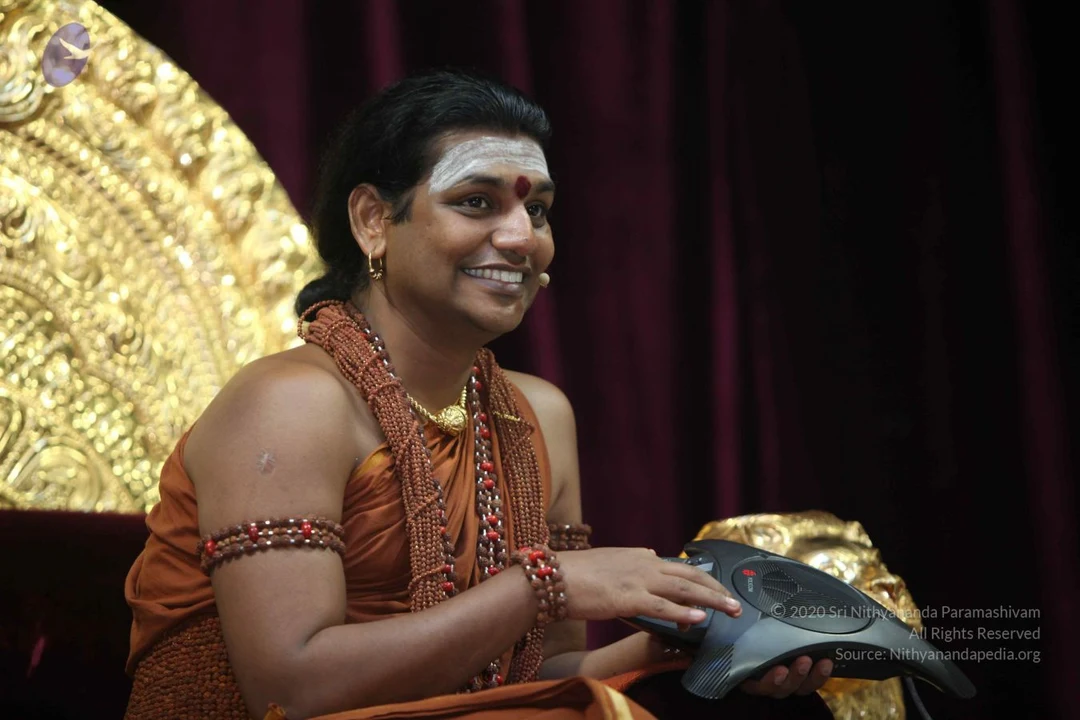
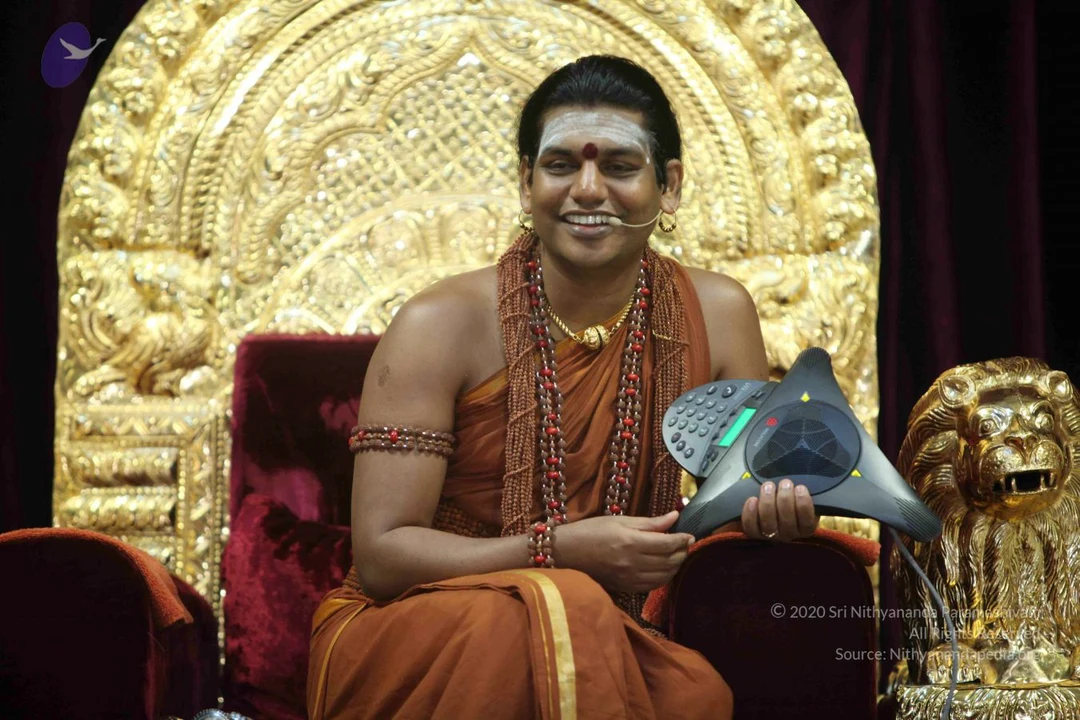
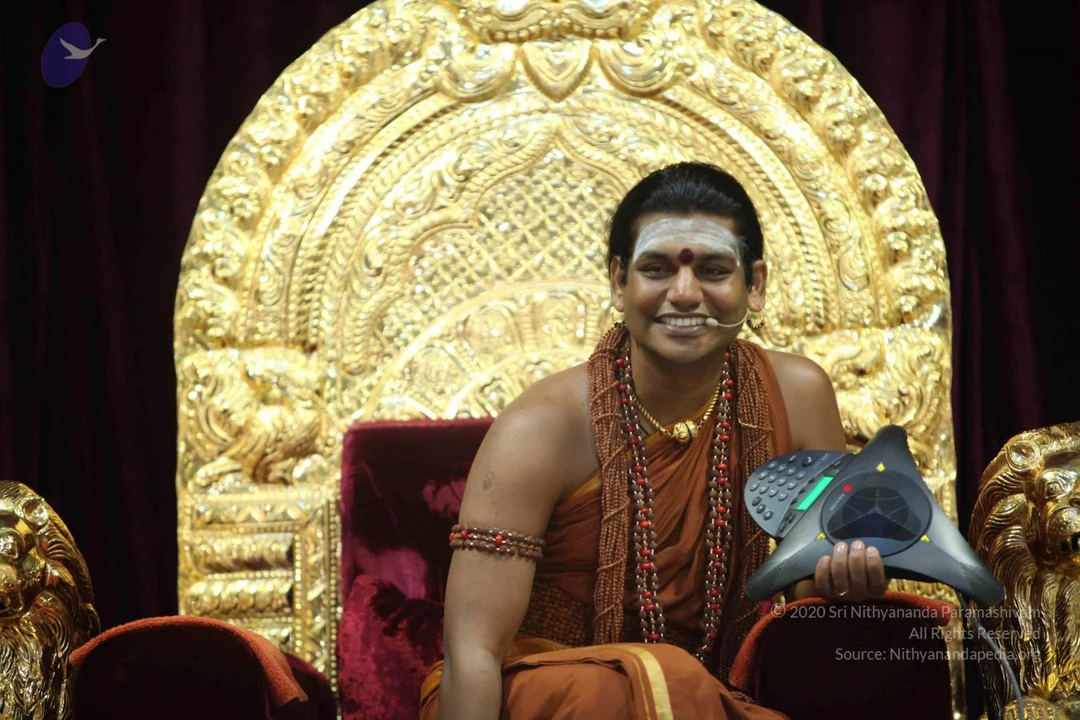
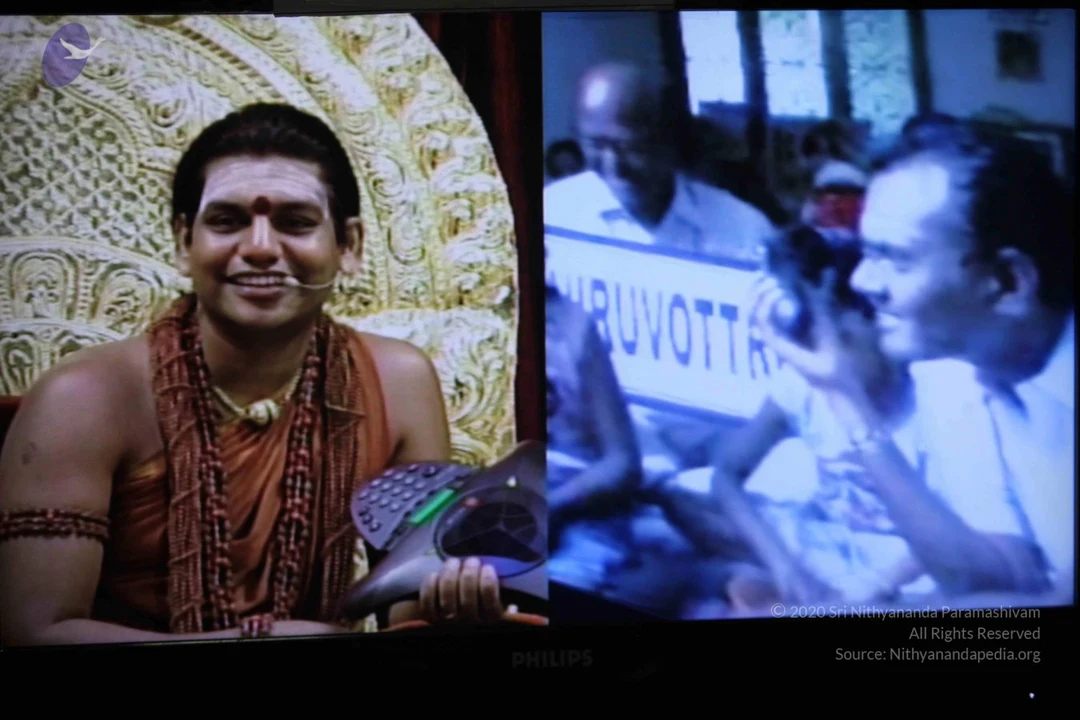
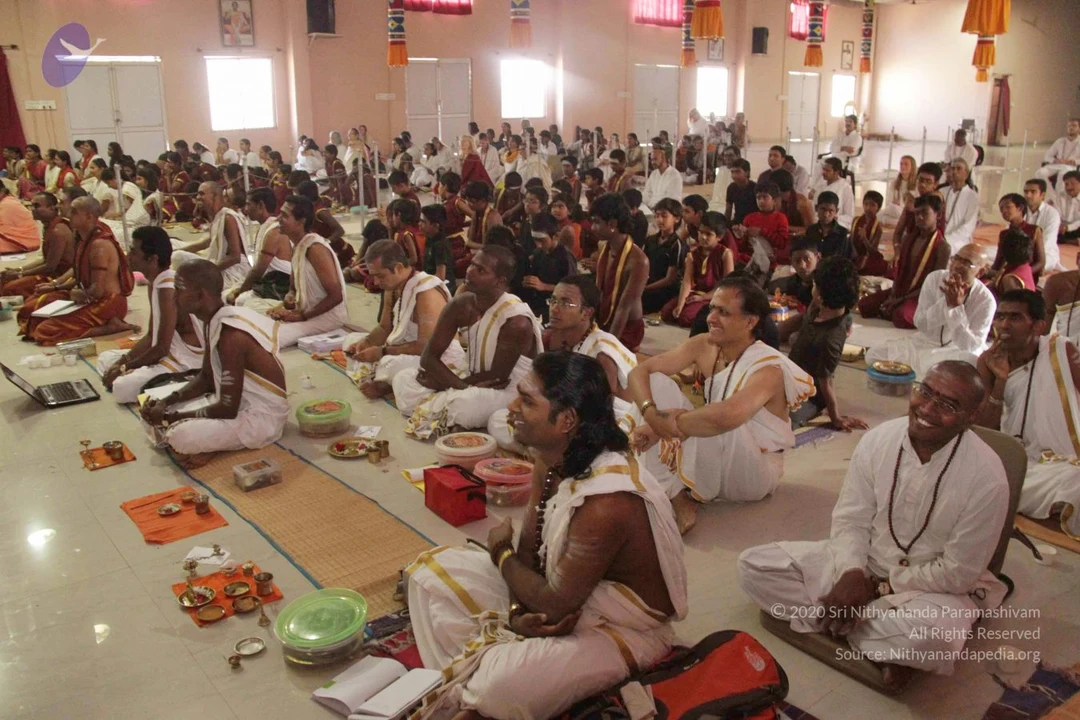
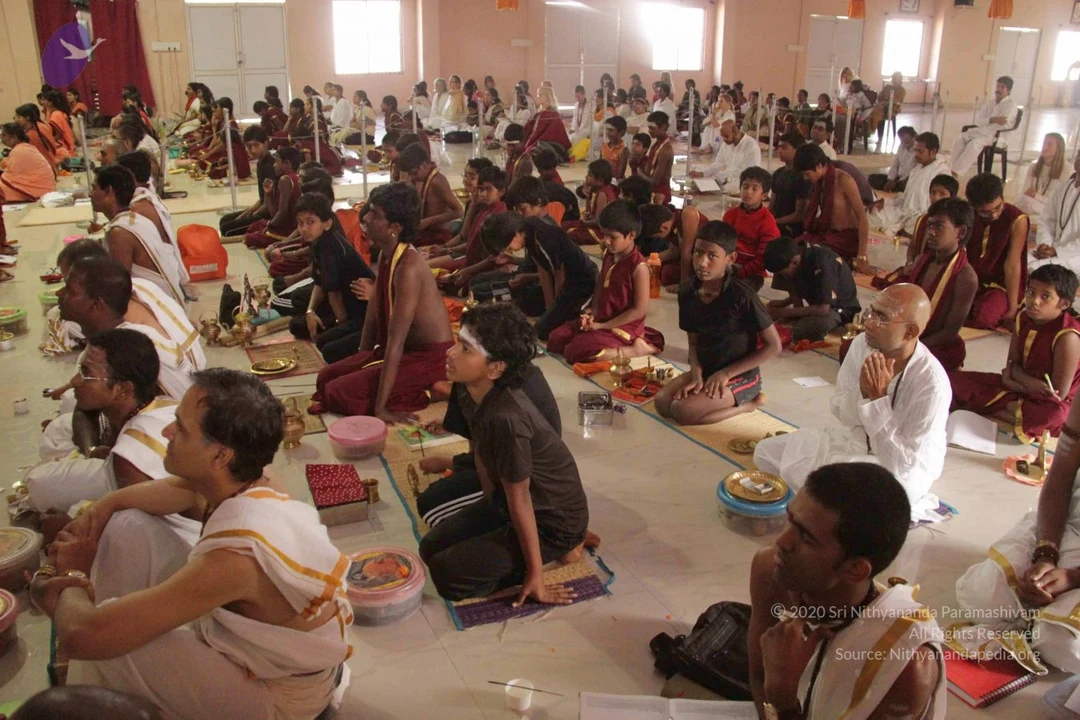
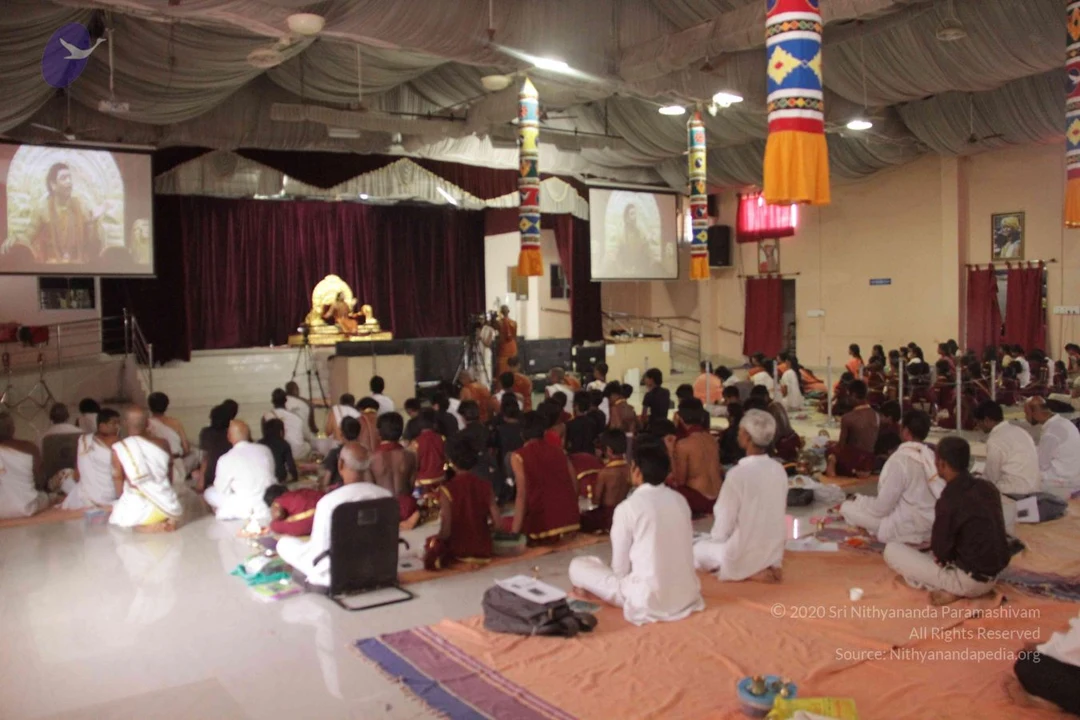
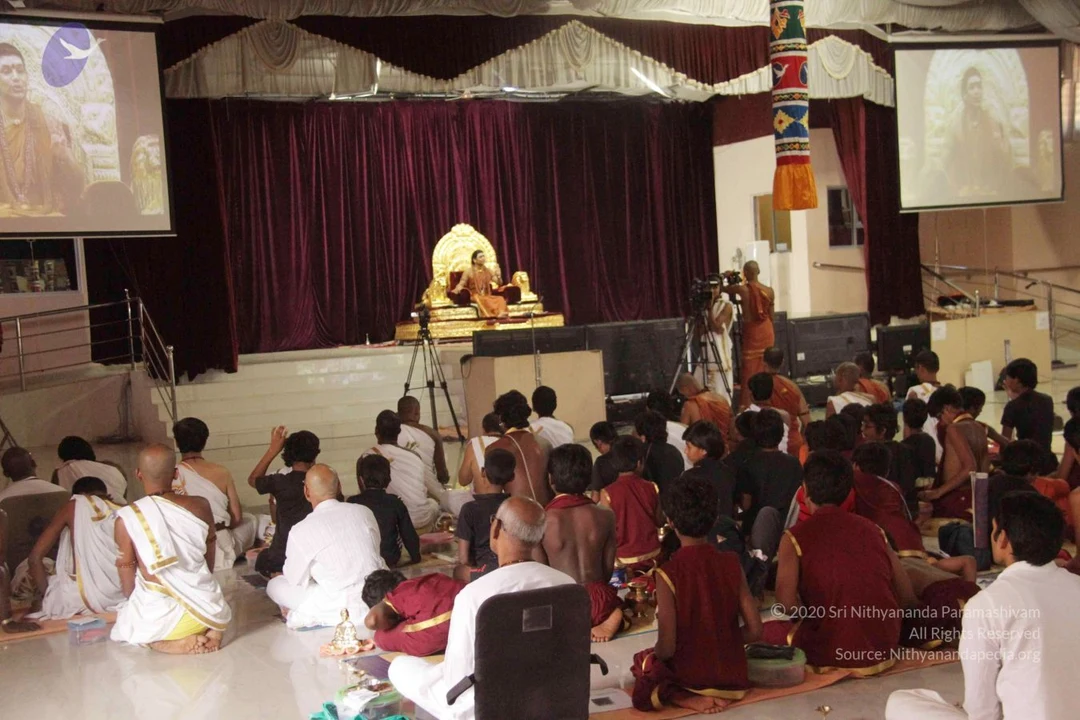
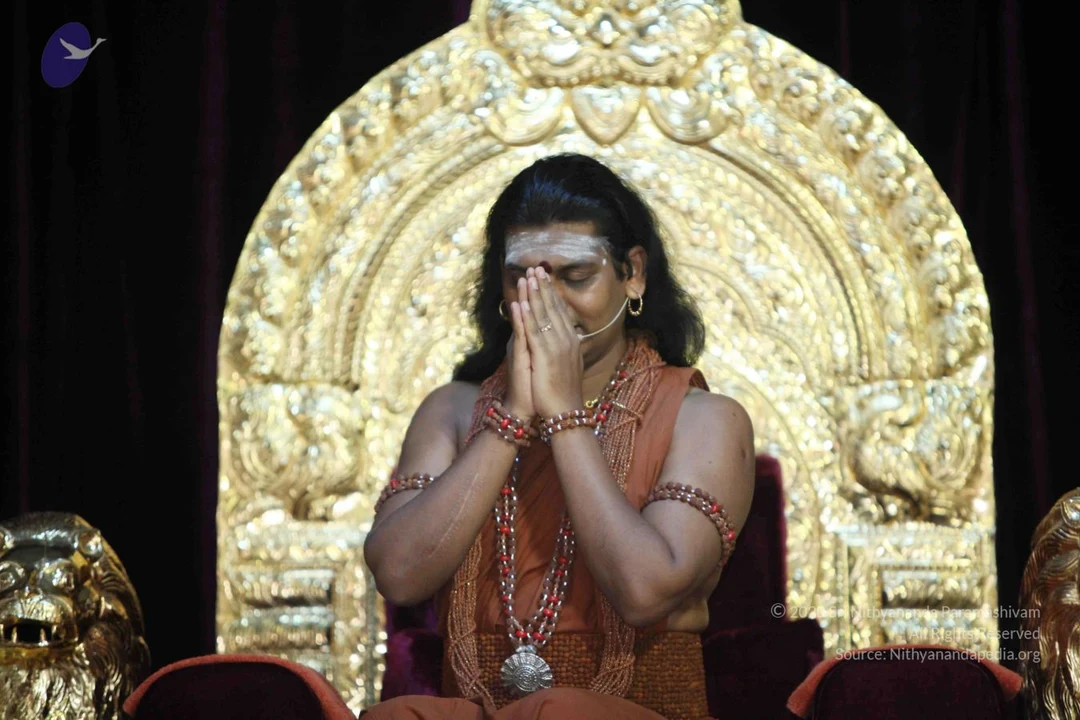
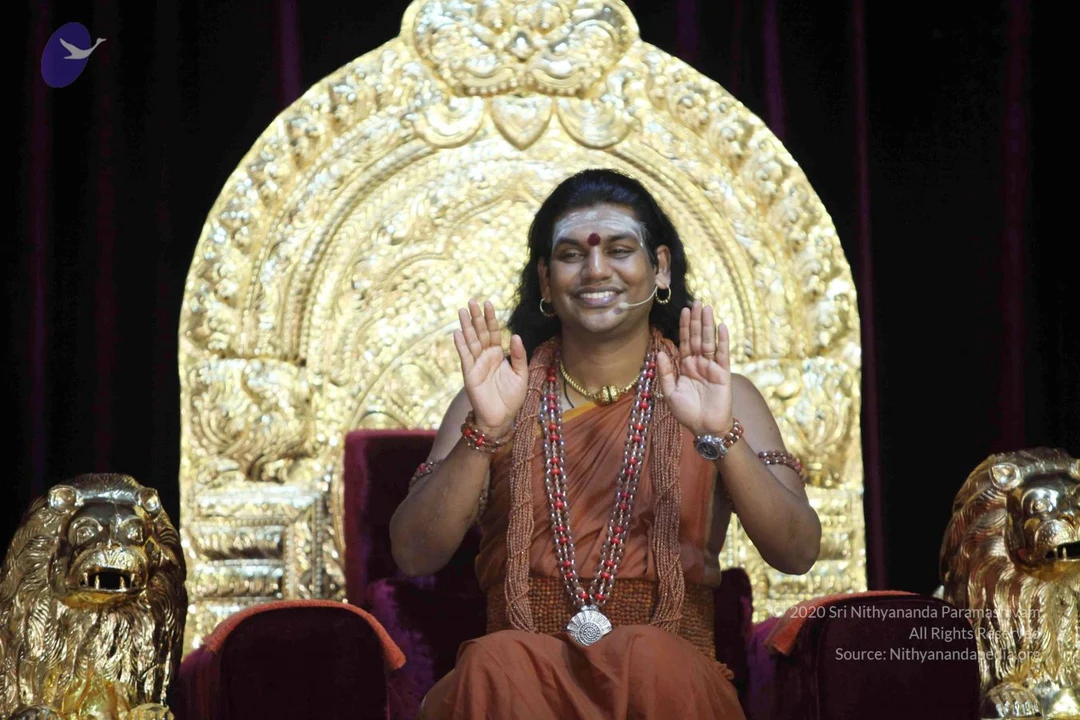
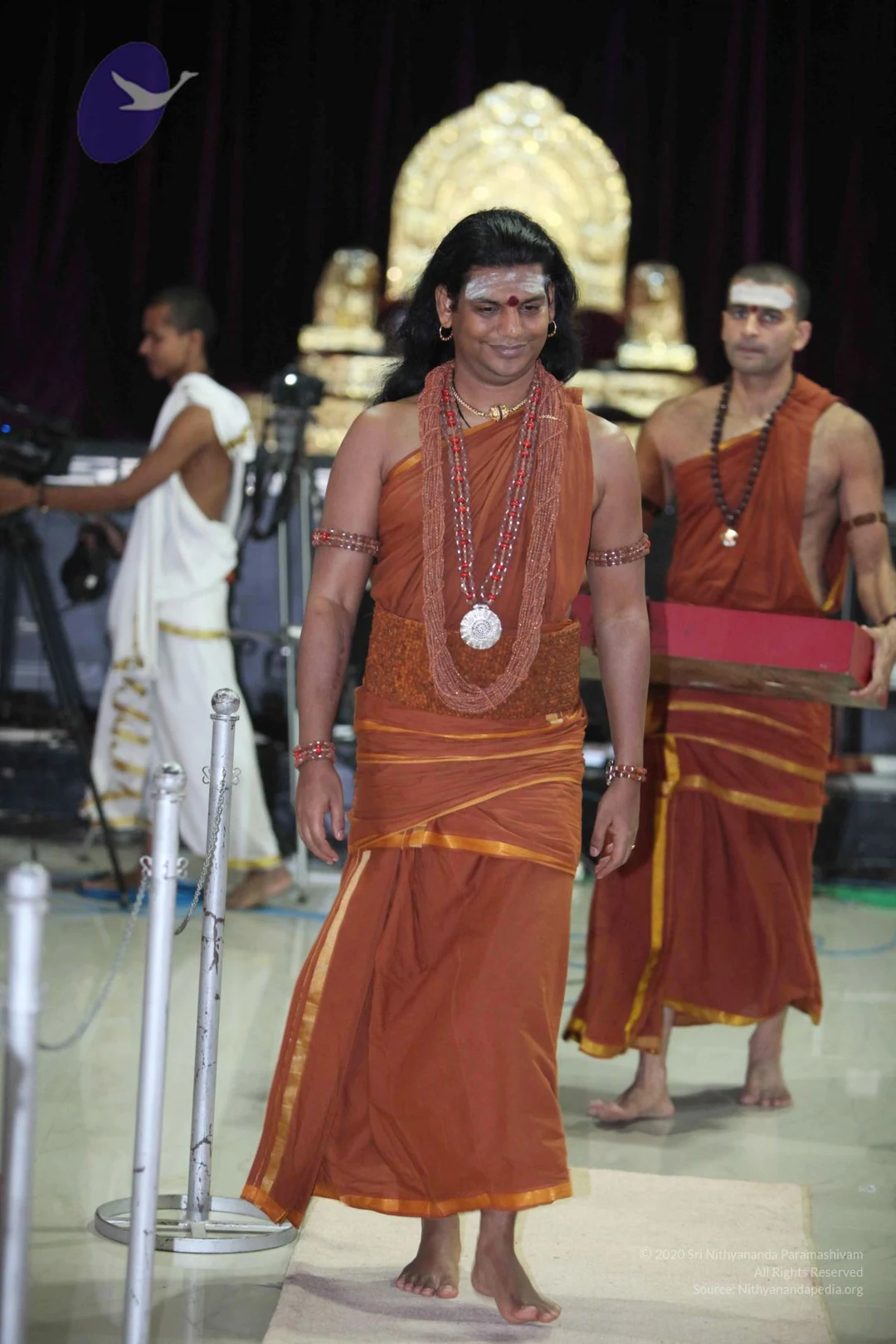
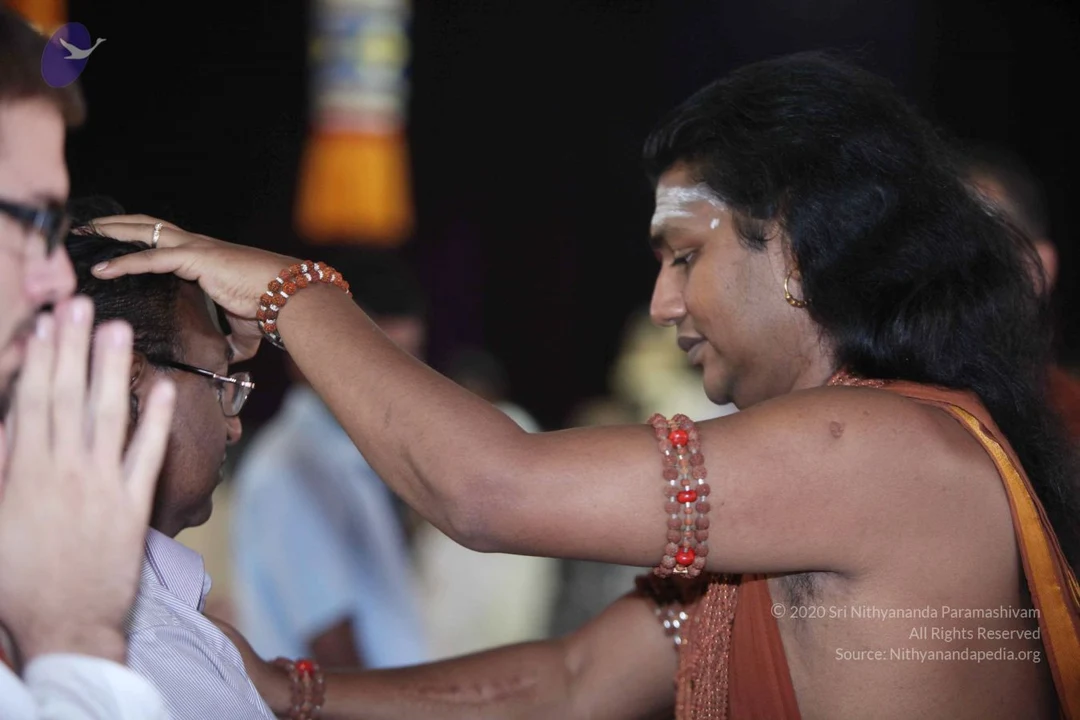
Morning-Yoga
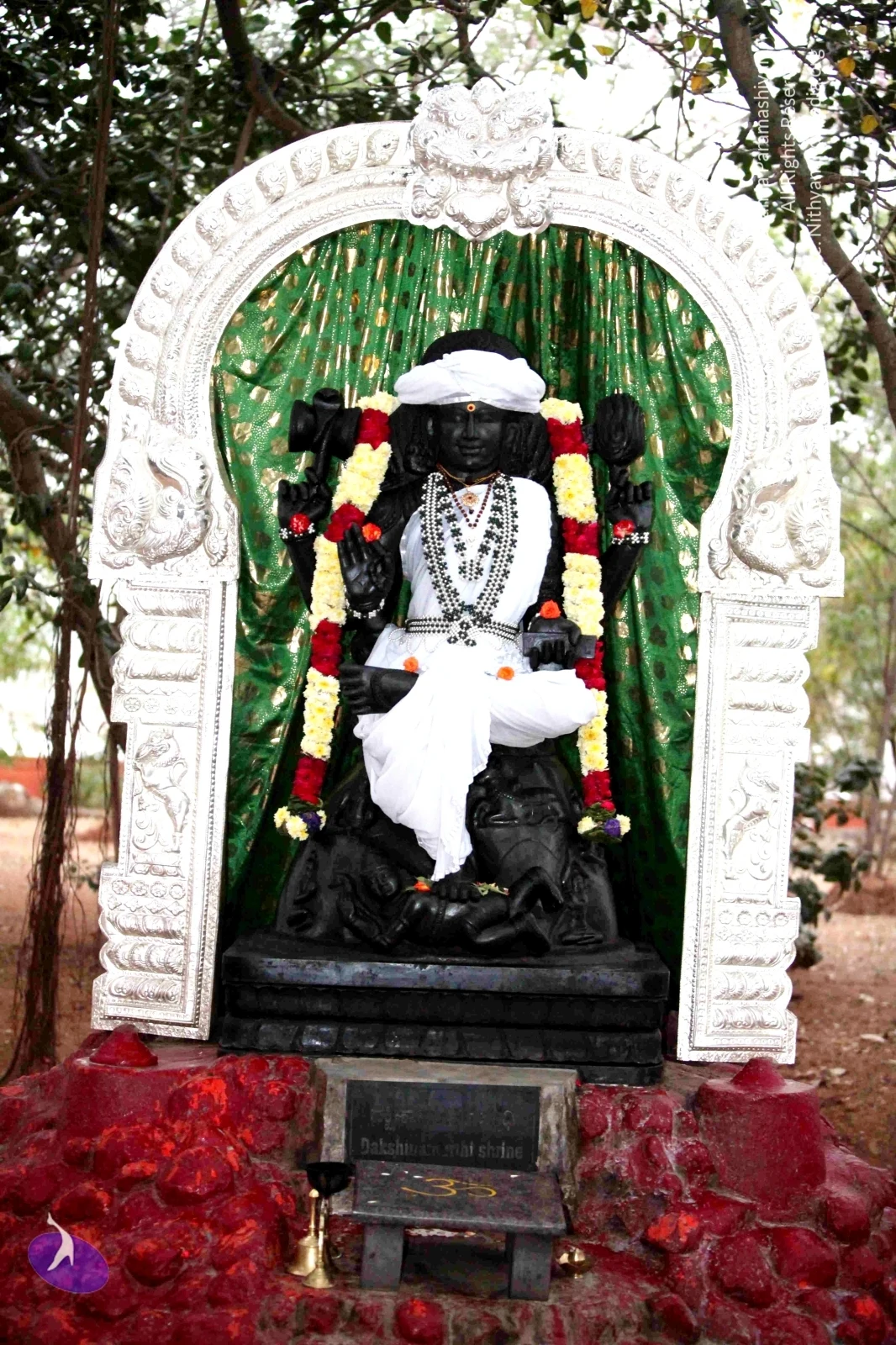
1-Temple
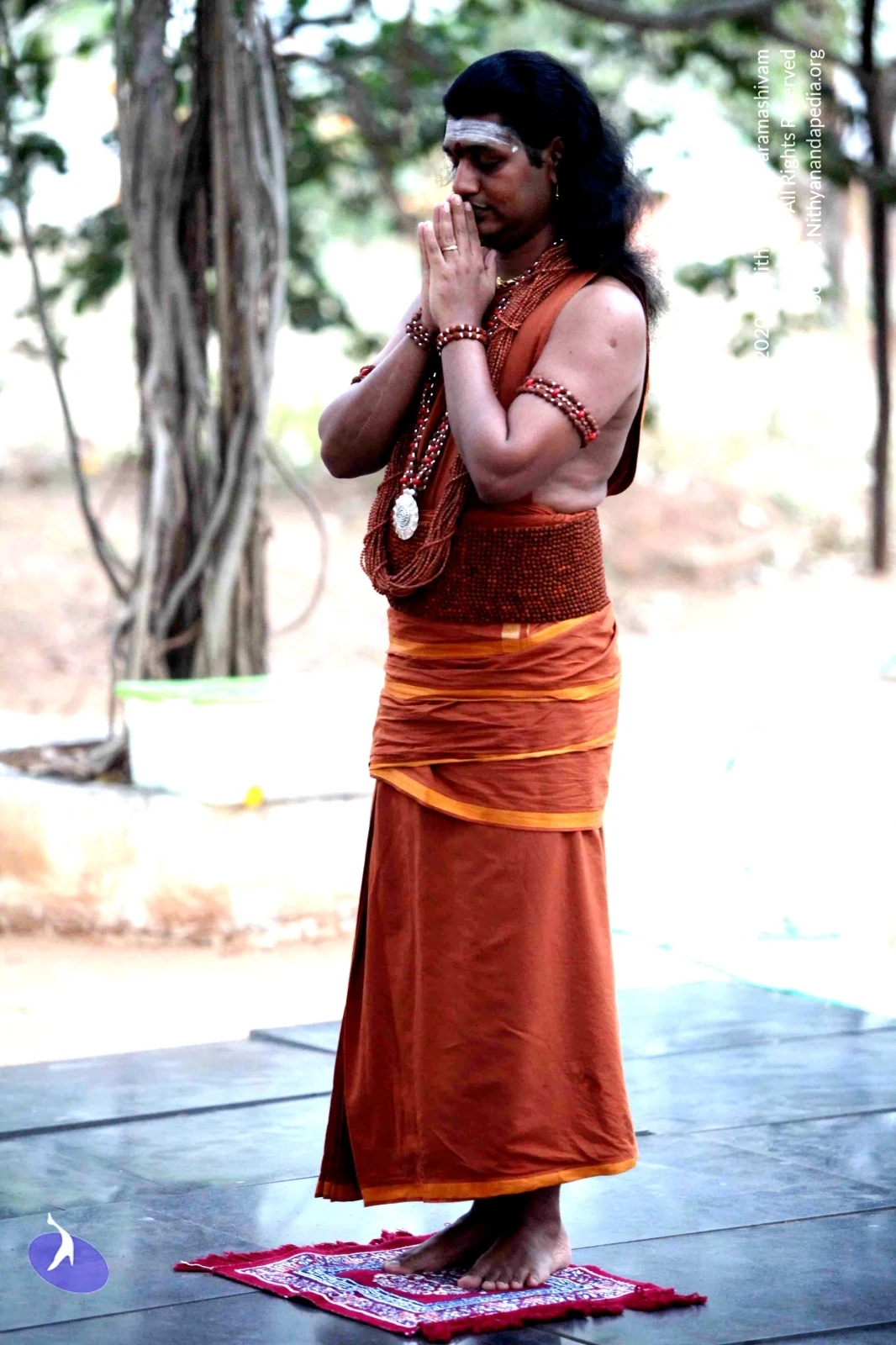
2-Pada-Puja
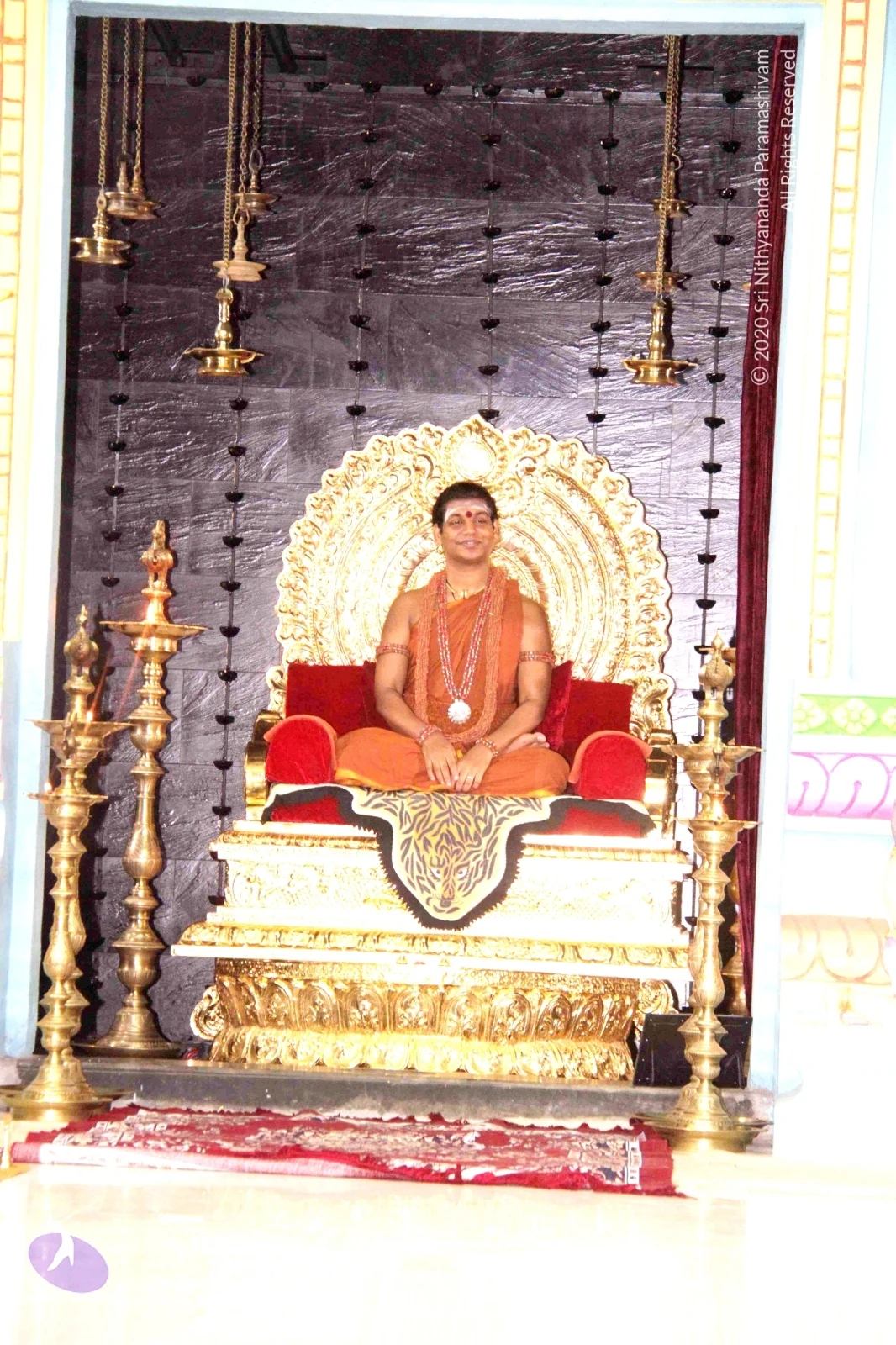
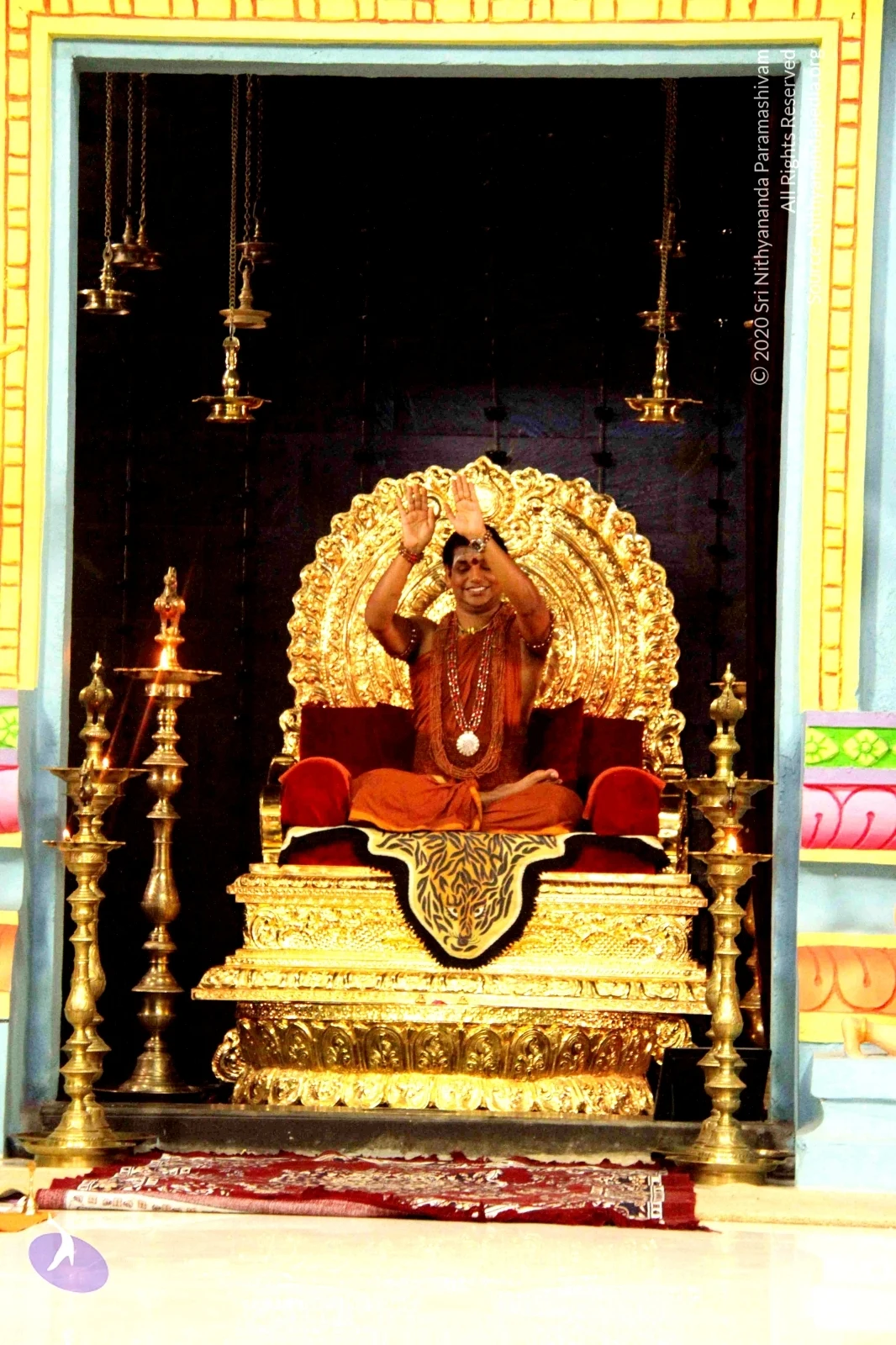
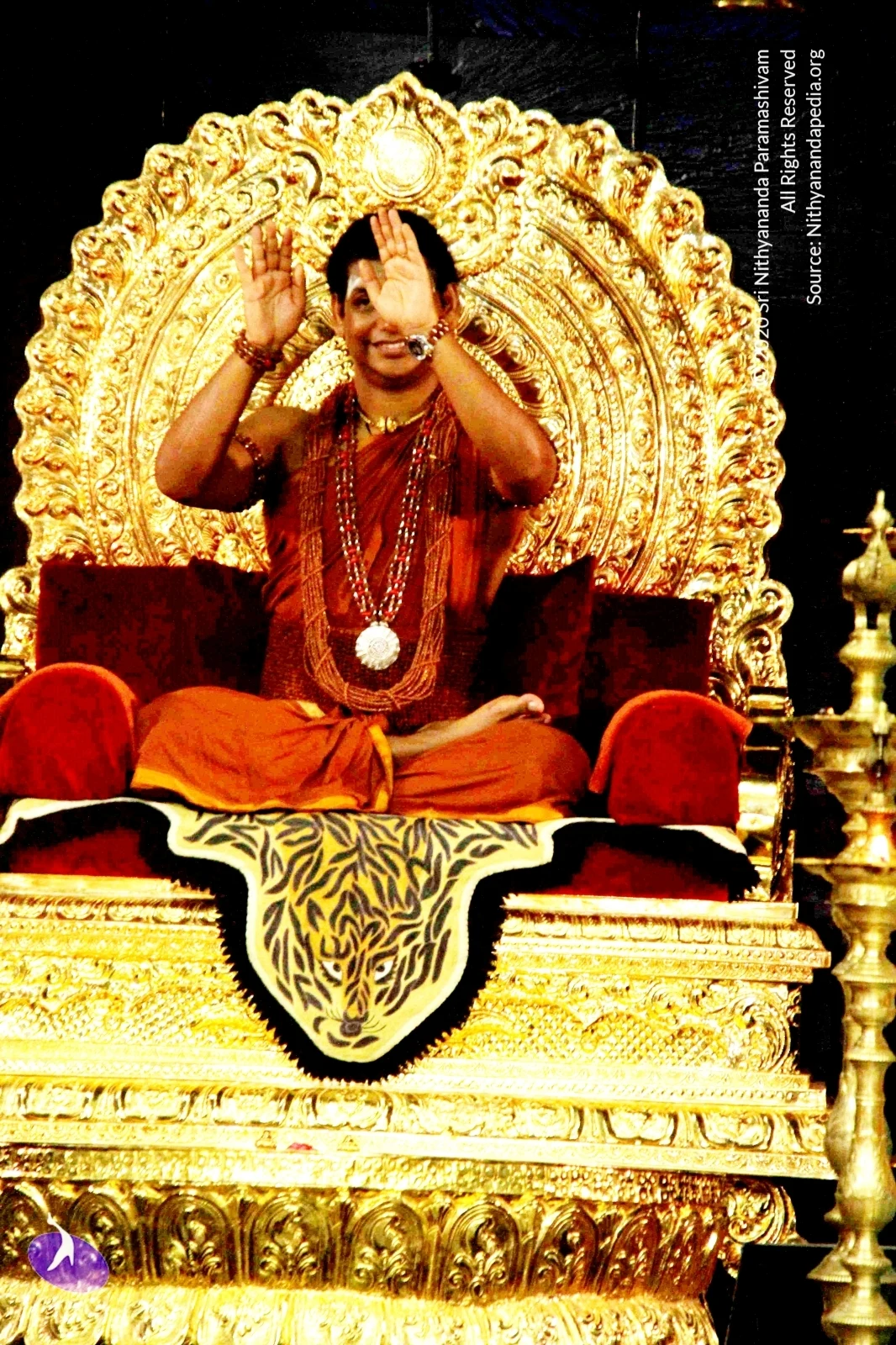
3-Nithya-Satsang
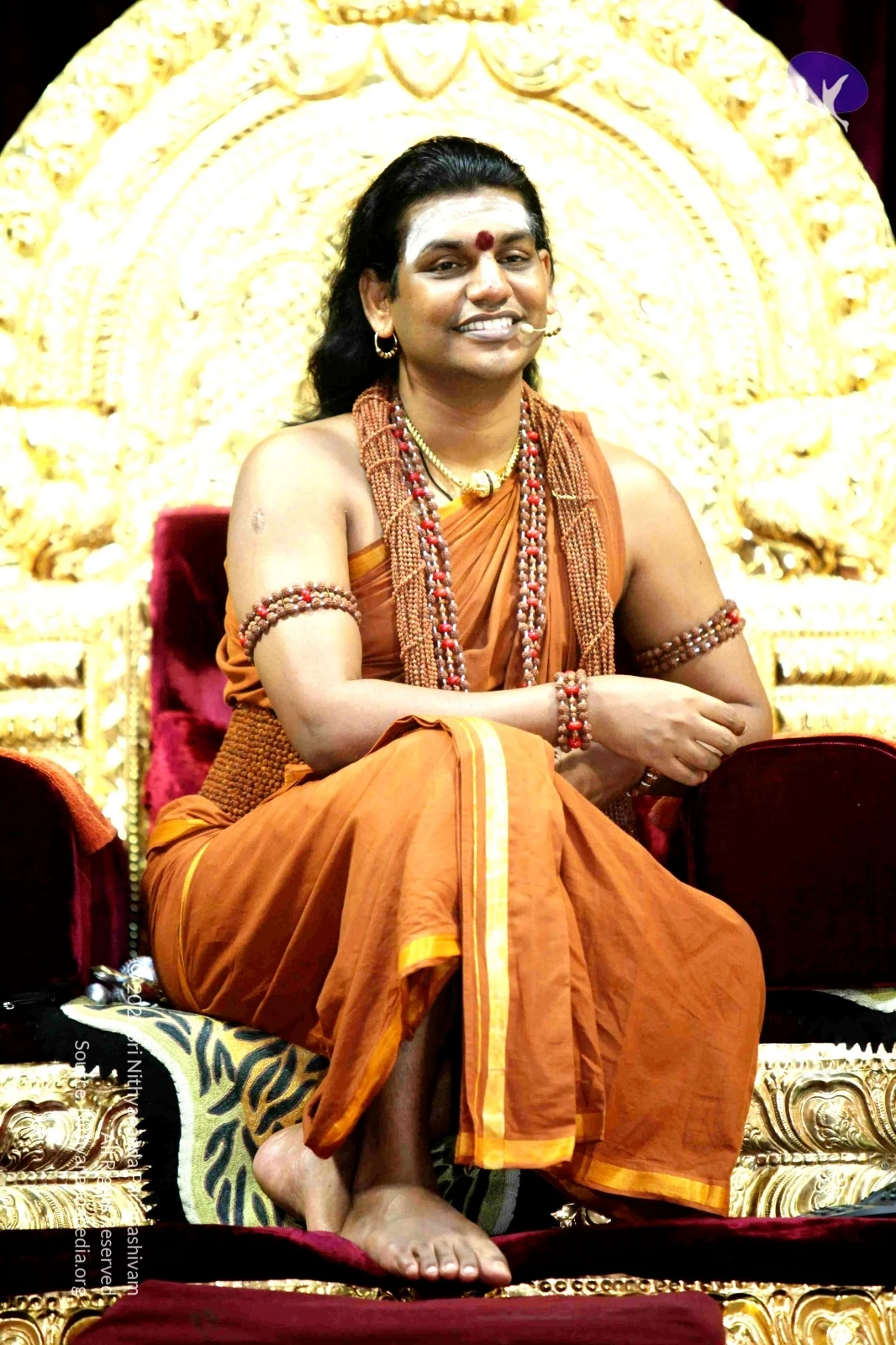
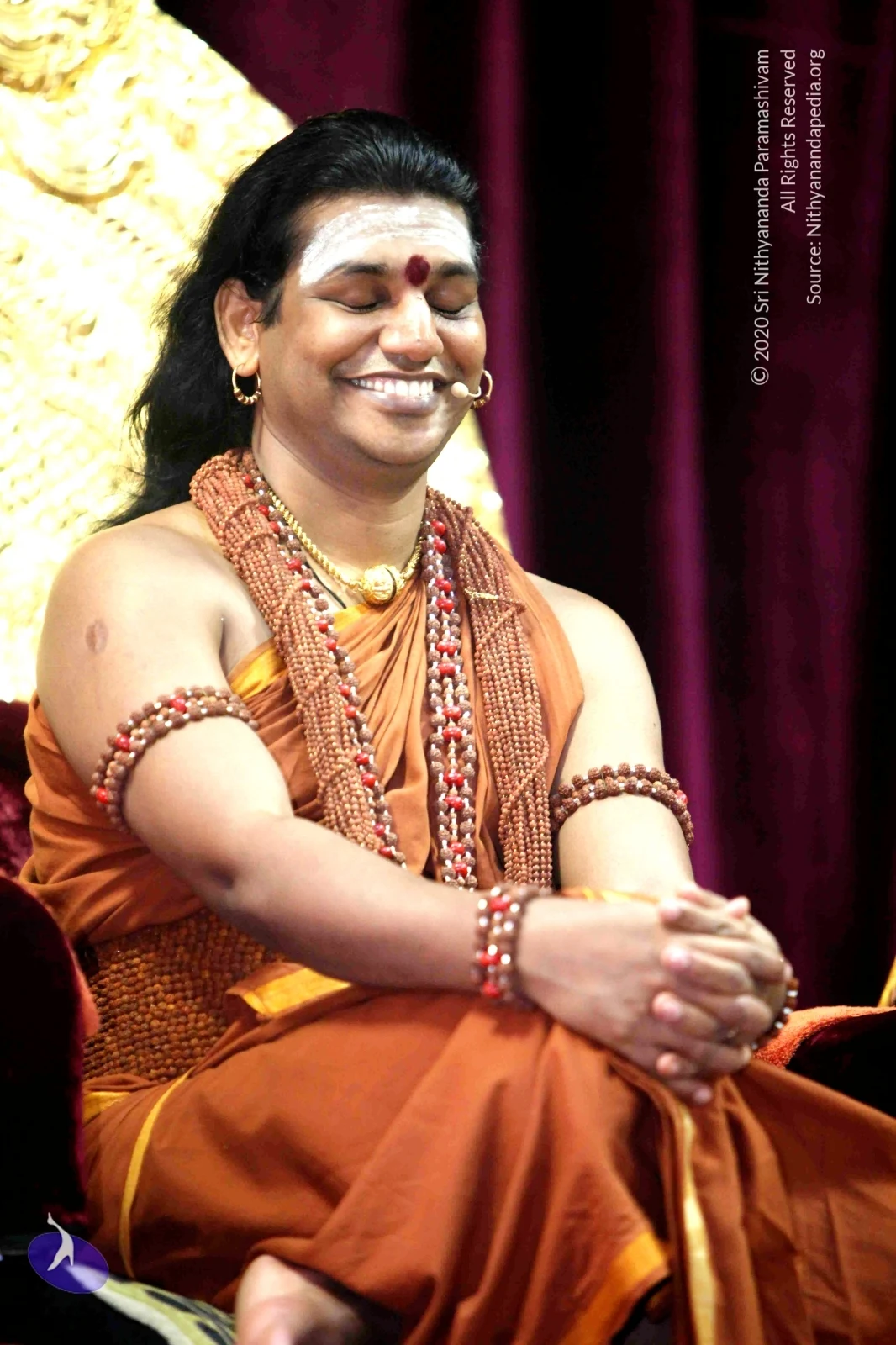
Photos from this day
View all 163 photosAnna Dhaan
7 photosSource gallery

Kumbha Mela
6 photosSource gallery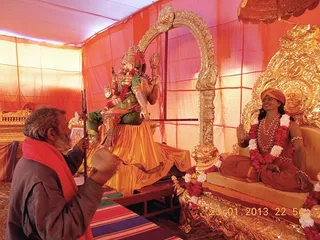
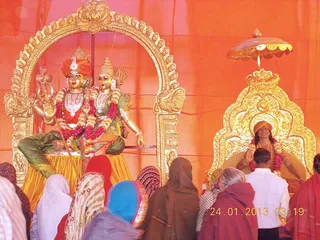
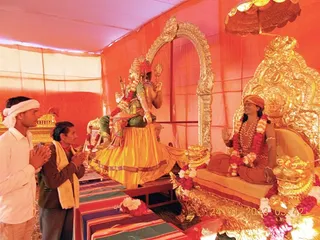
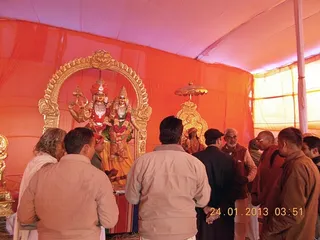
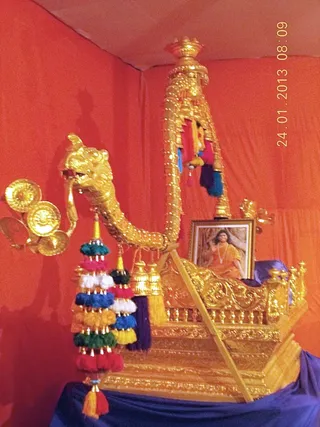
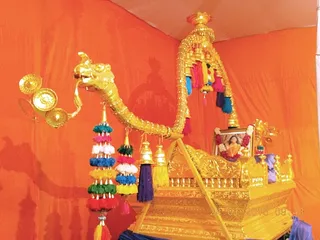
Temple Glimpses
4 photosSource gallery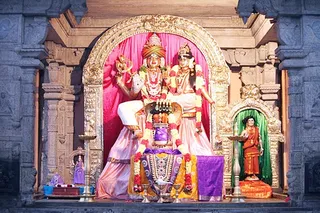
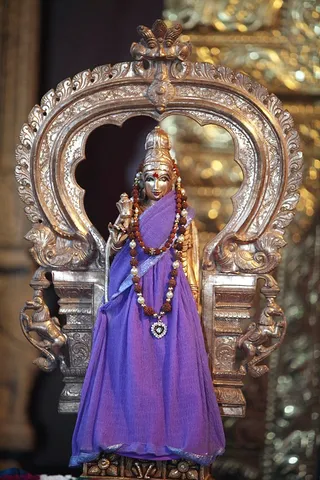
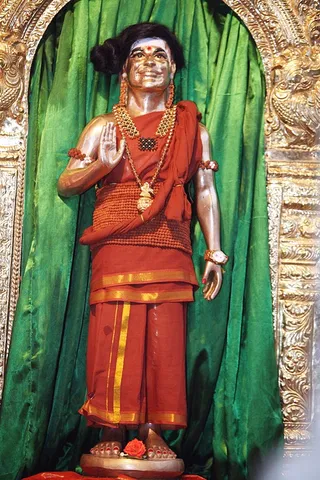
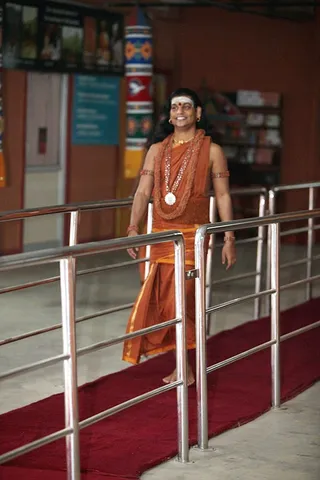
Pratyaksha Pada Puja
2 photosSource gallery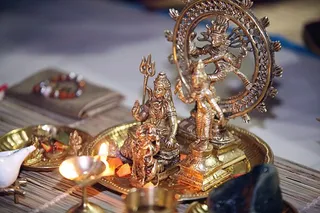
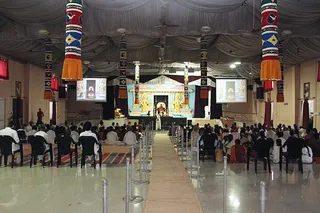
Dial the Avatar
4 photosSource gallery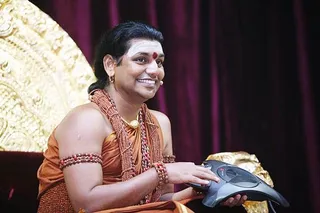
Nithya Satsang
3 photosSource gallery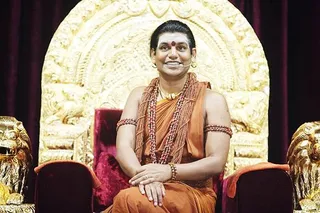
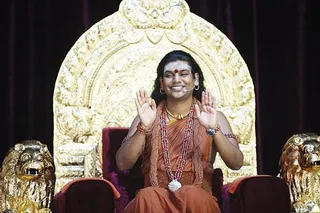
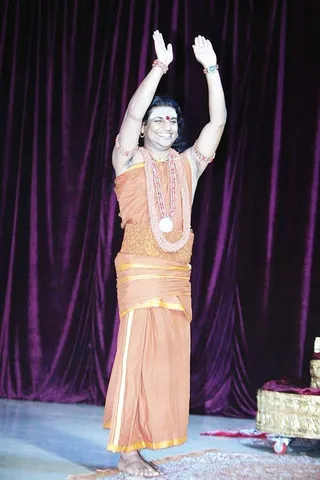
Nithya-Satsang
120 photosSource gallery
Morning-Yoga
7 photosSource gallery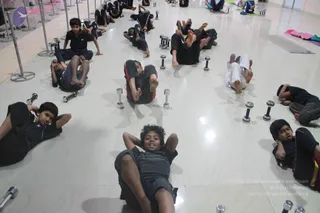
1-Temple
2 photosSource gallery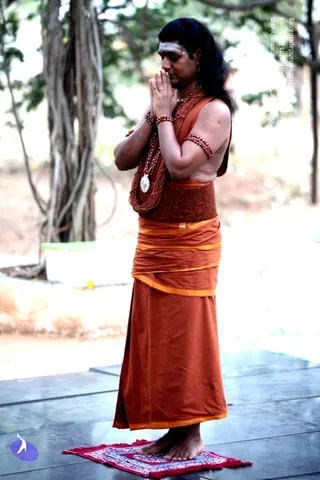
2-Pada-Puja
3 photosSource gallery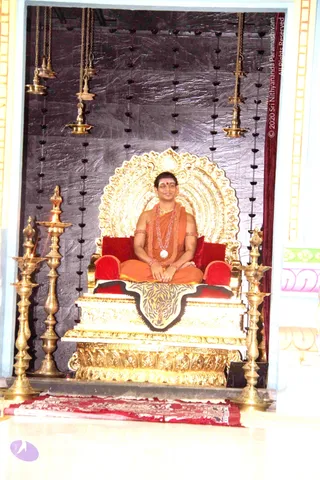
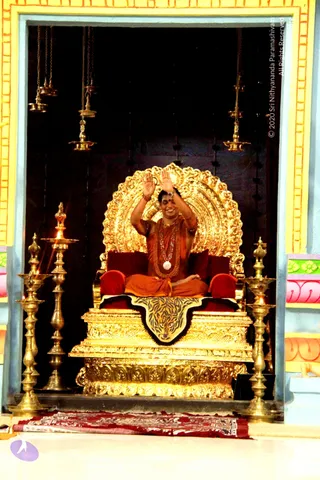
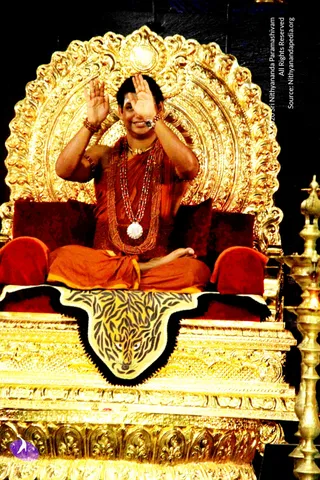
3-Nithya-Satsang
4 photosSource gallery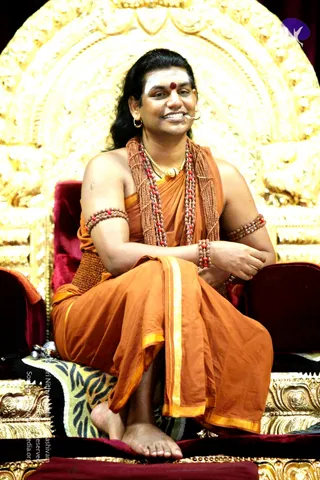
January 25 2013
1 photoView all