Wednesday
16 January 2013
Satsang Supports You for Enlightenment
- Dated photos
- 211
- Source pages
- 1
- Media
- 2
January 16 2013
Original wiki pageTitle
Satsang Supports You for Enlightenment
Description
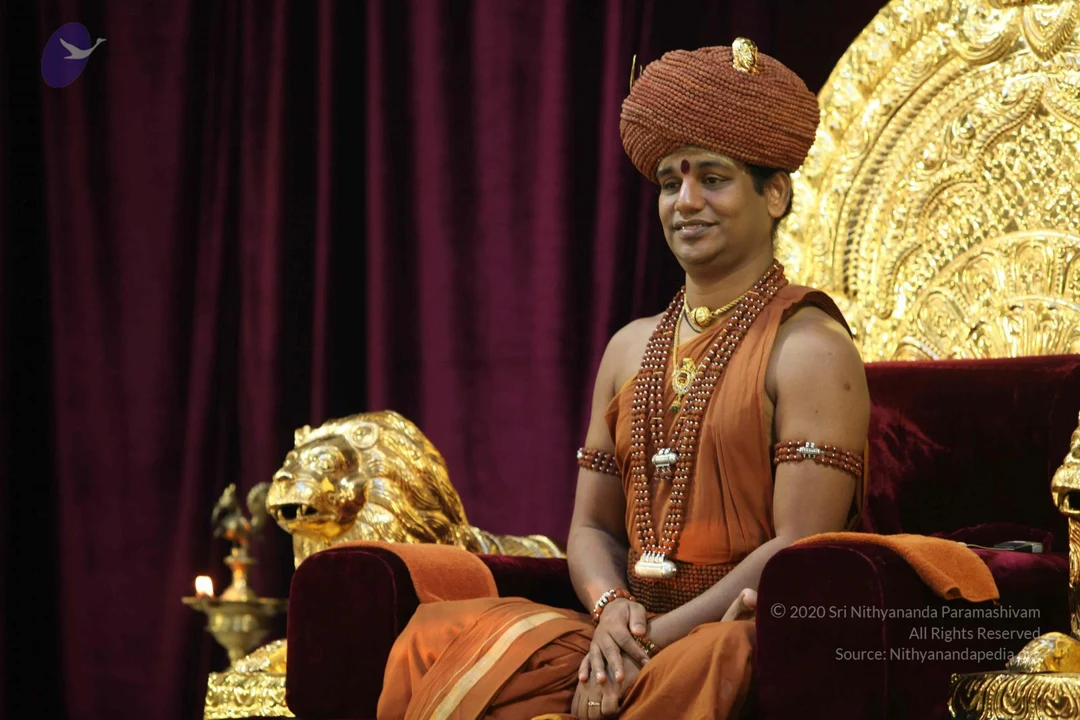
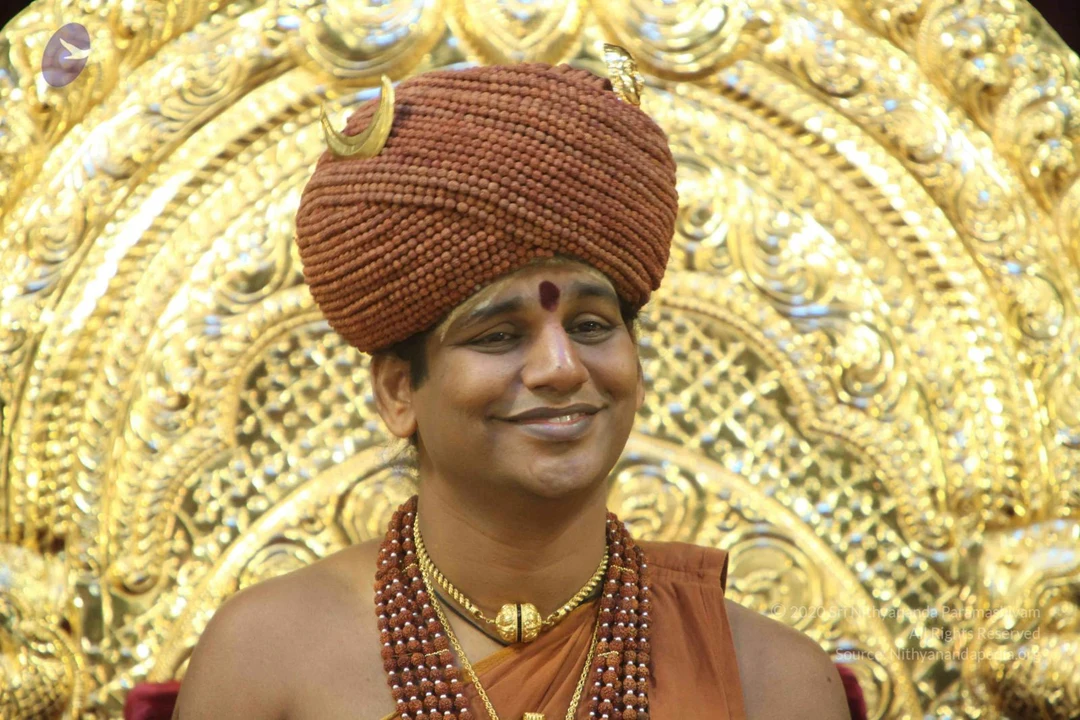
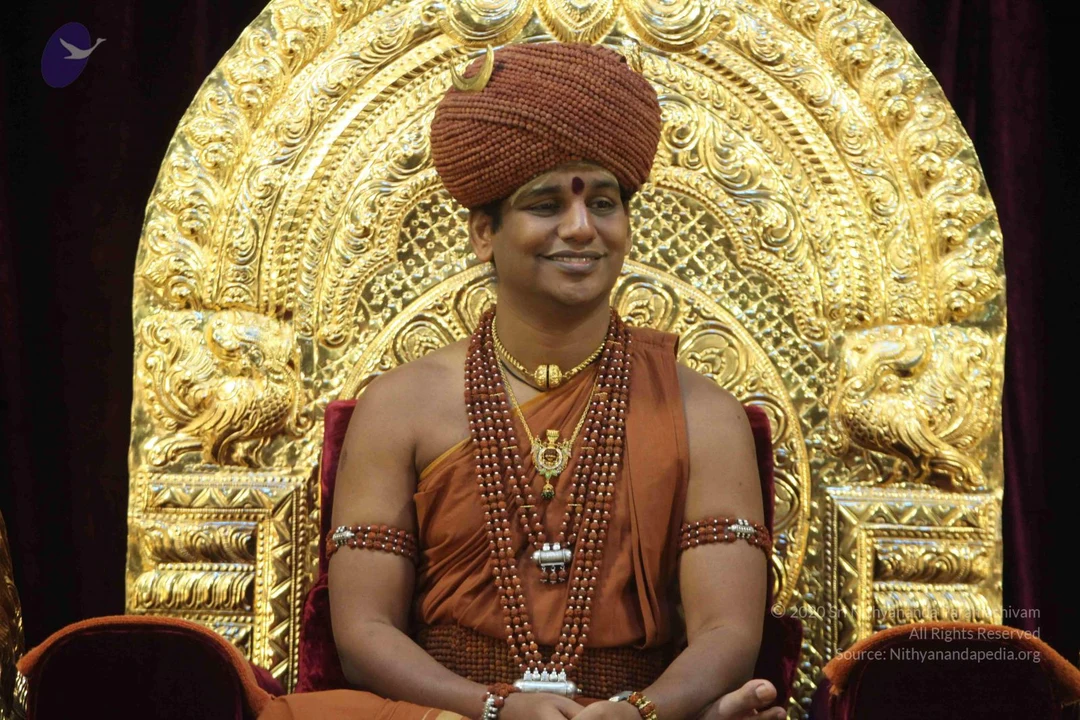
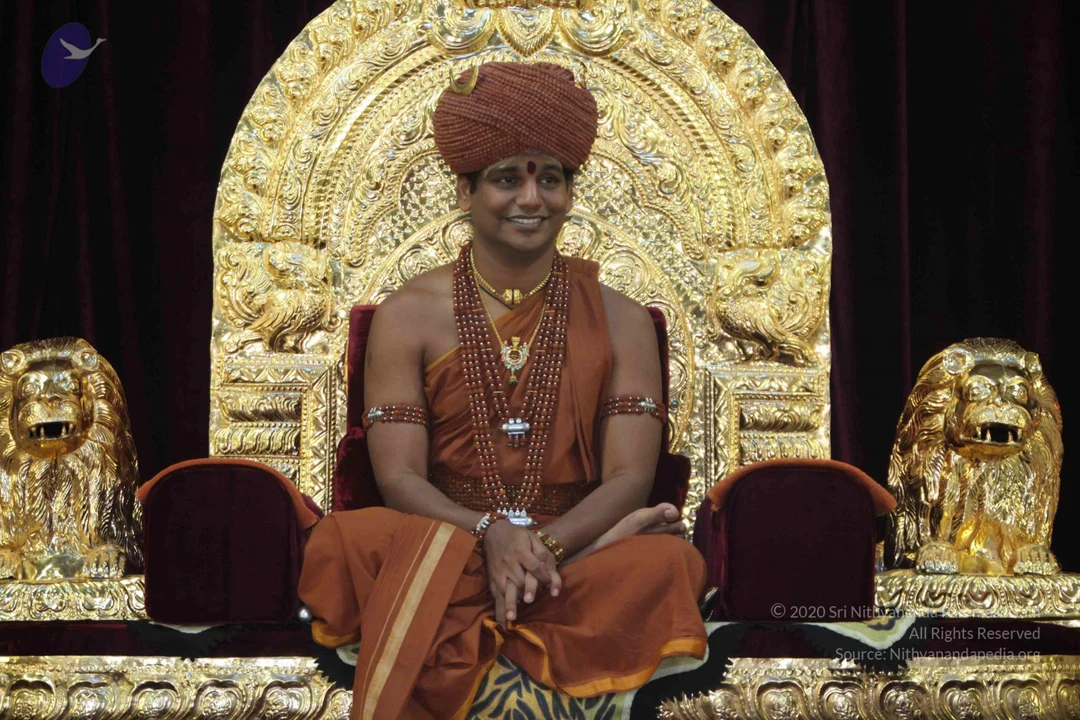
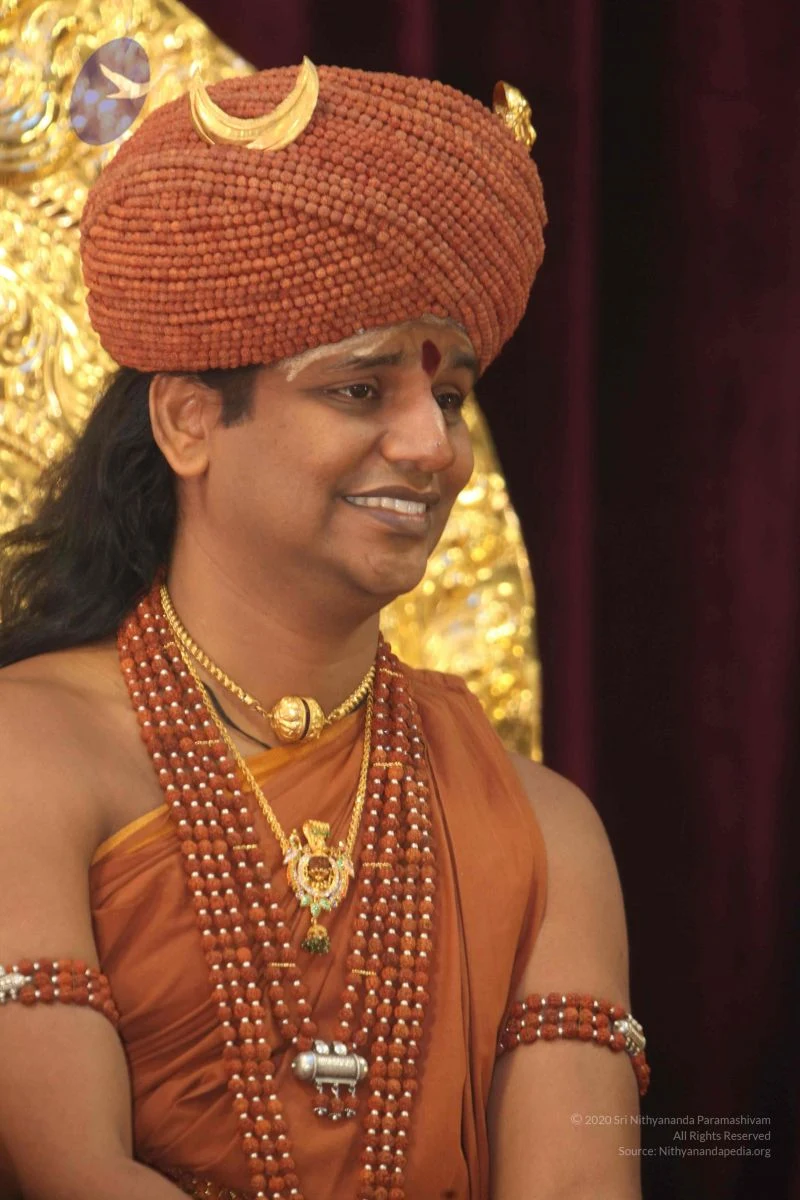
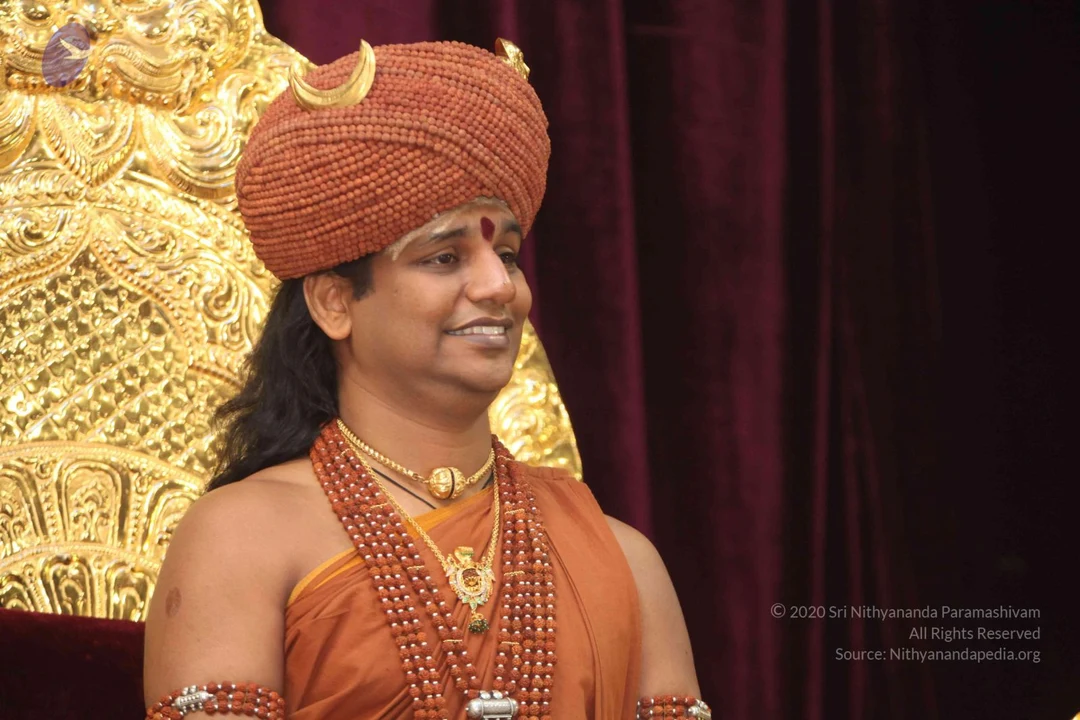
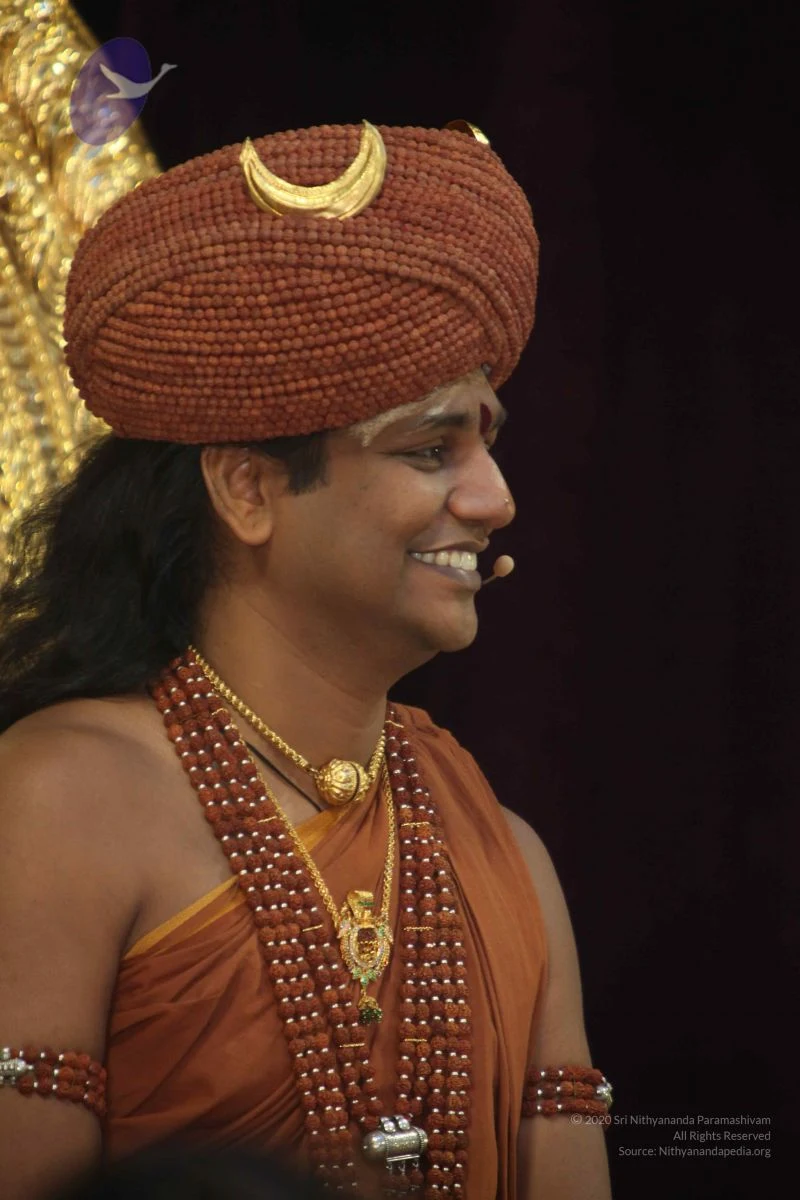
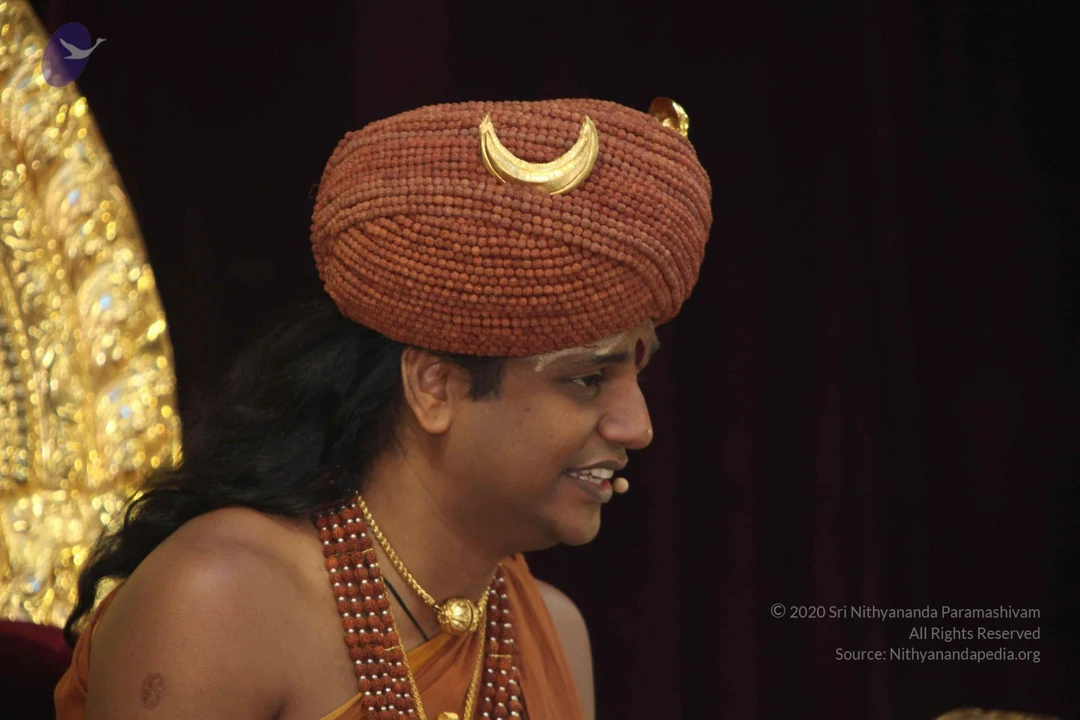
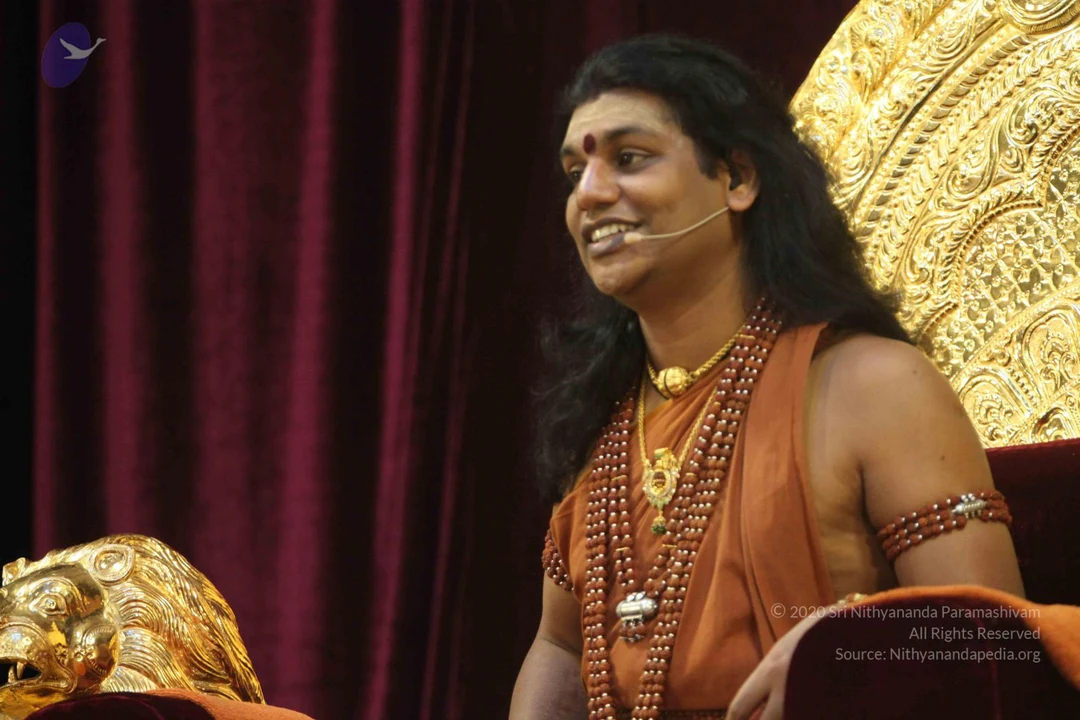
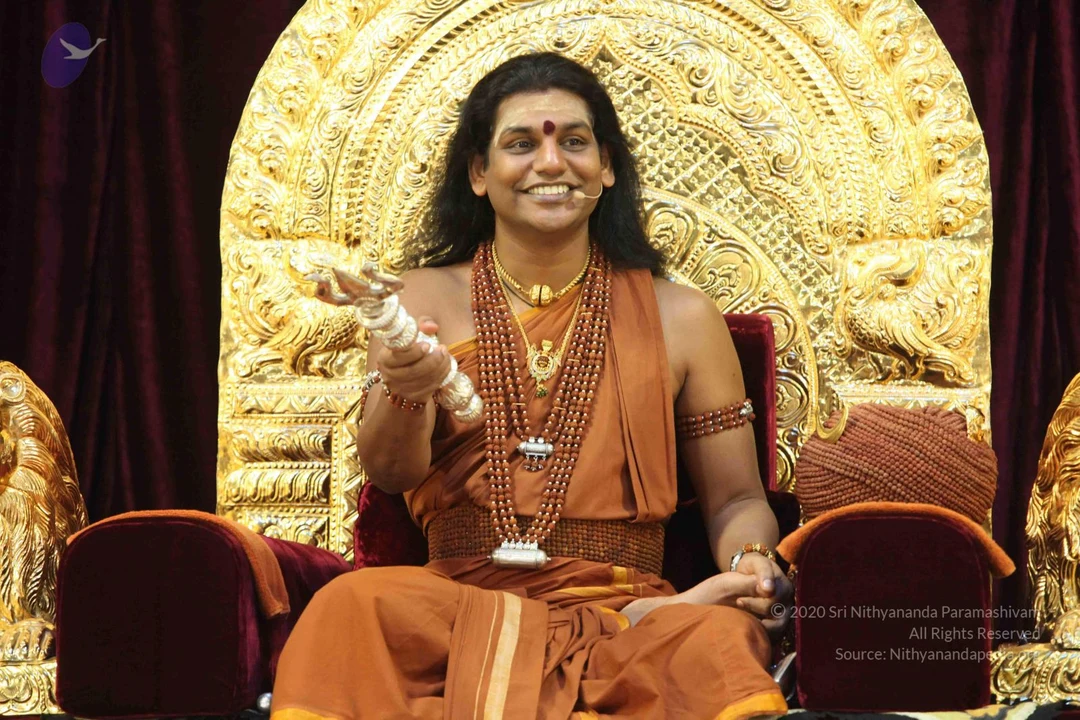
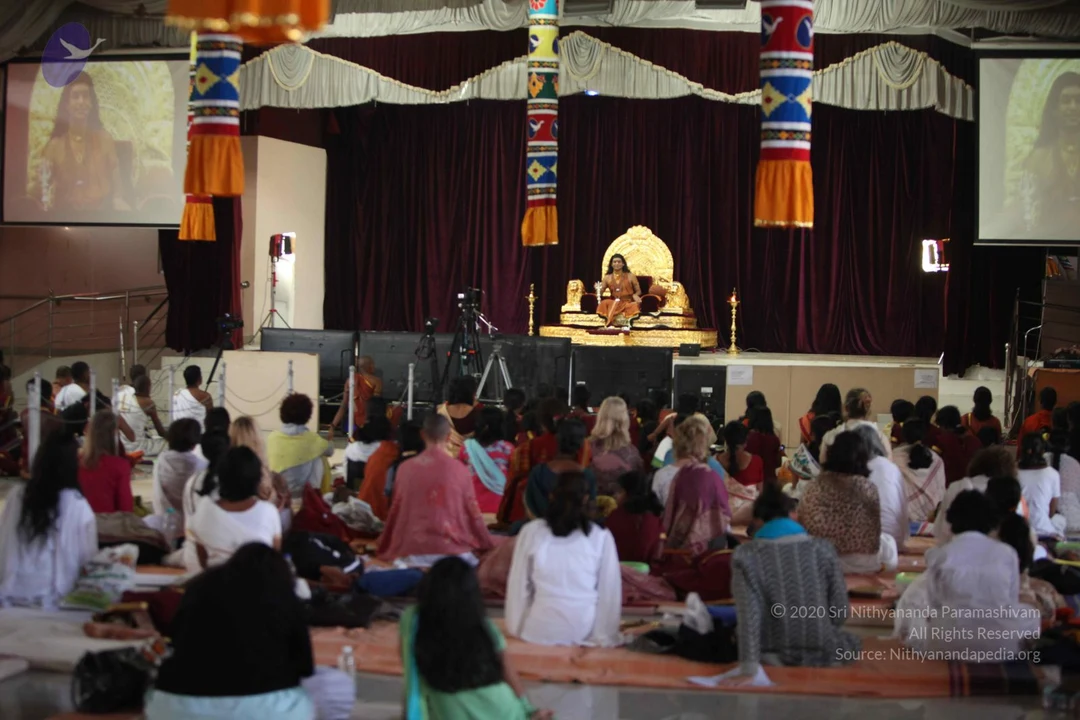
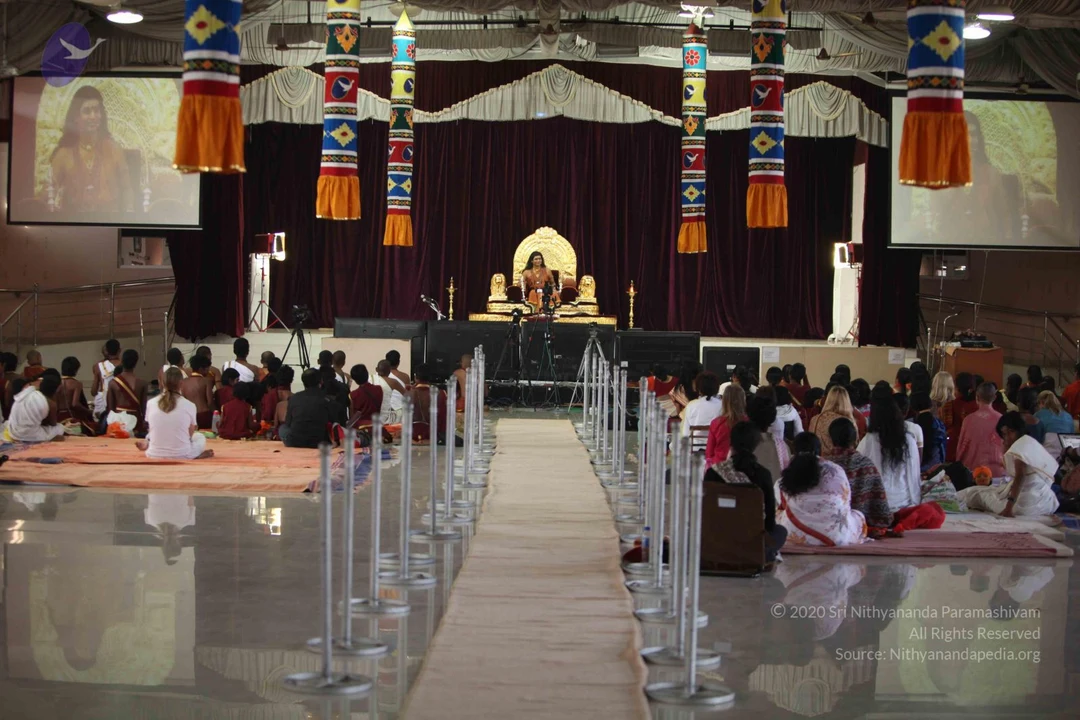
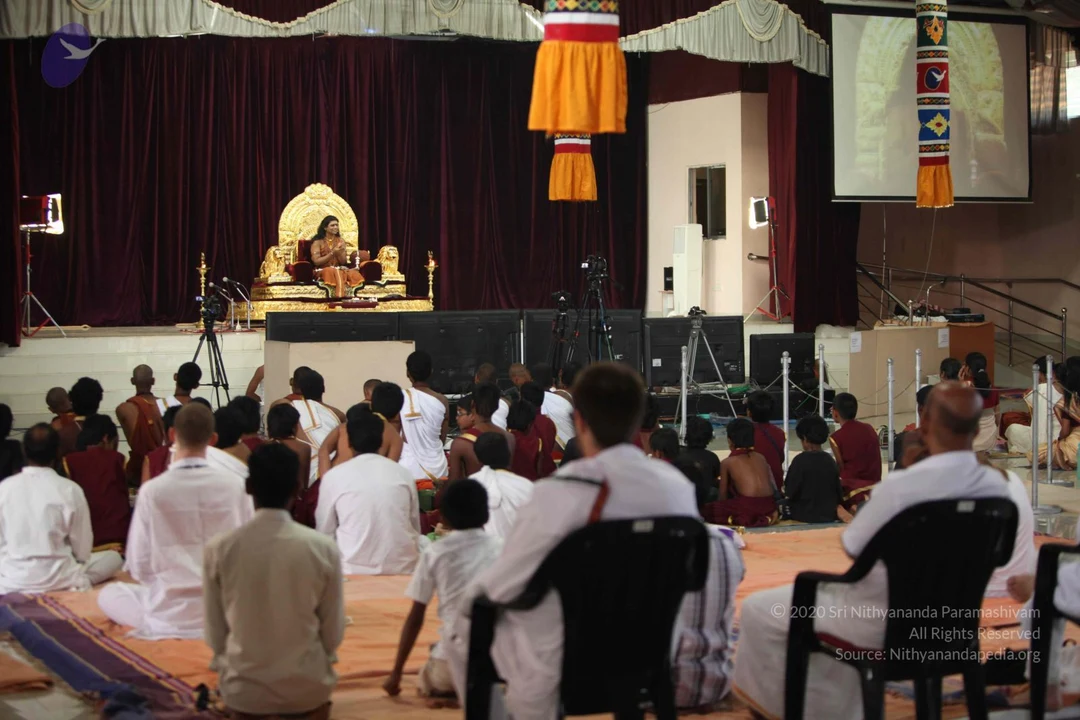
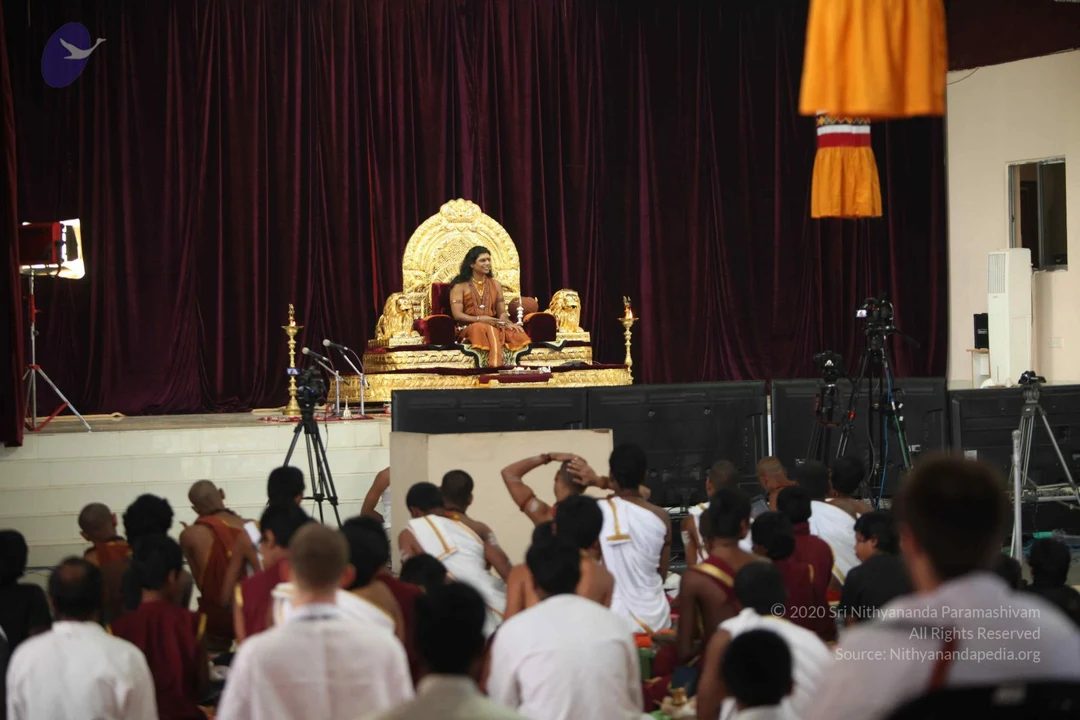
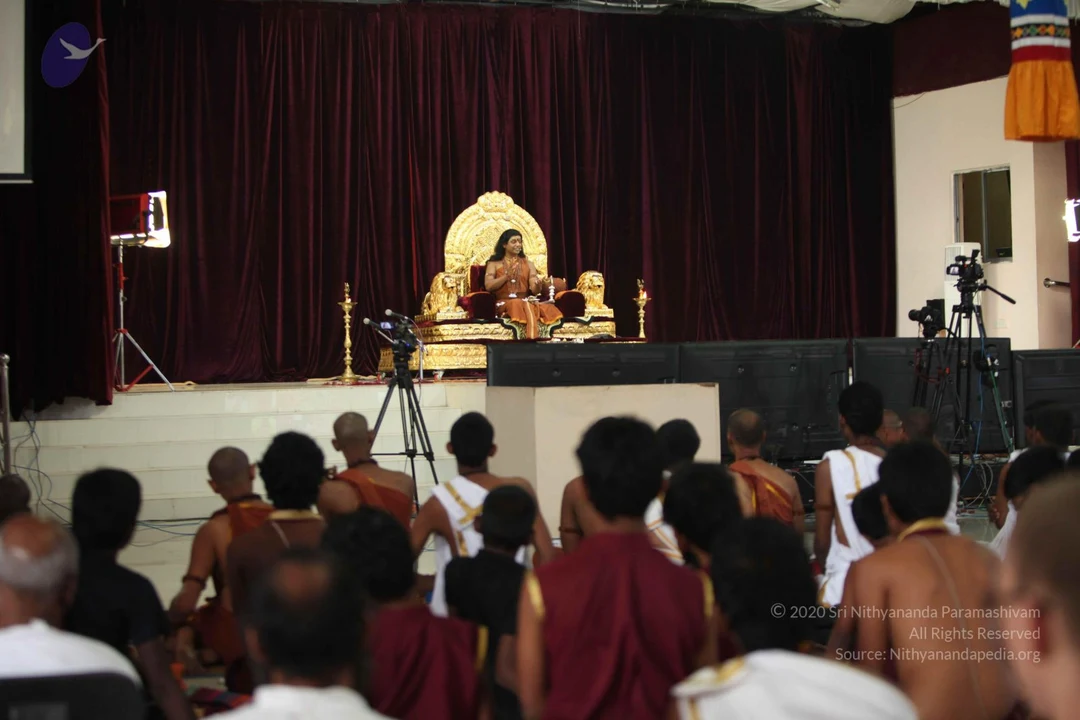
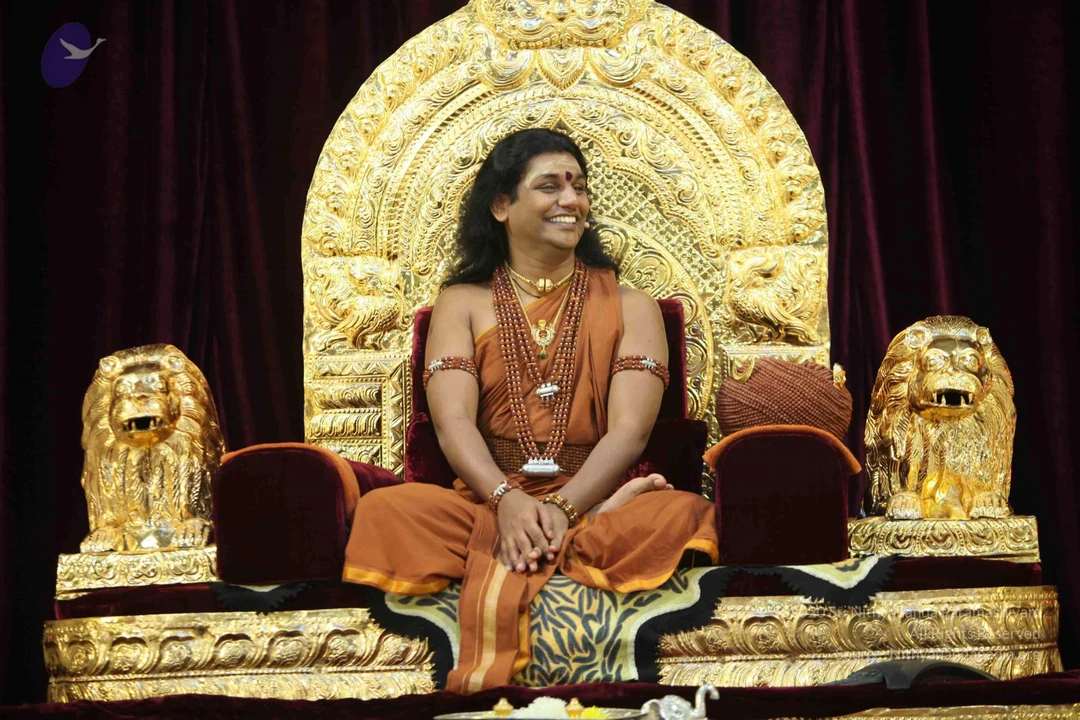
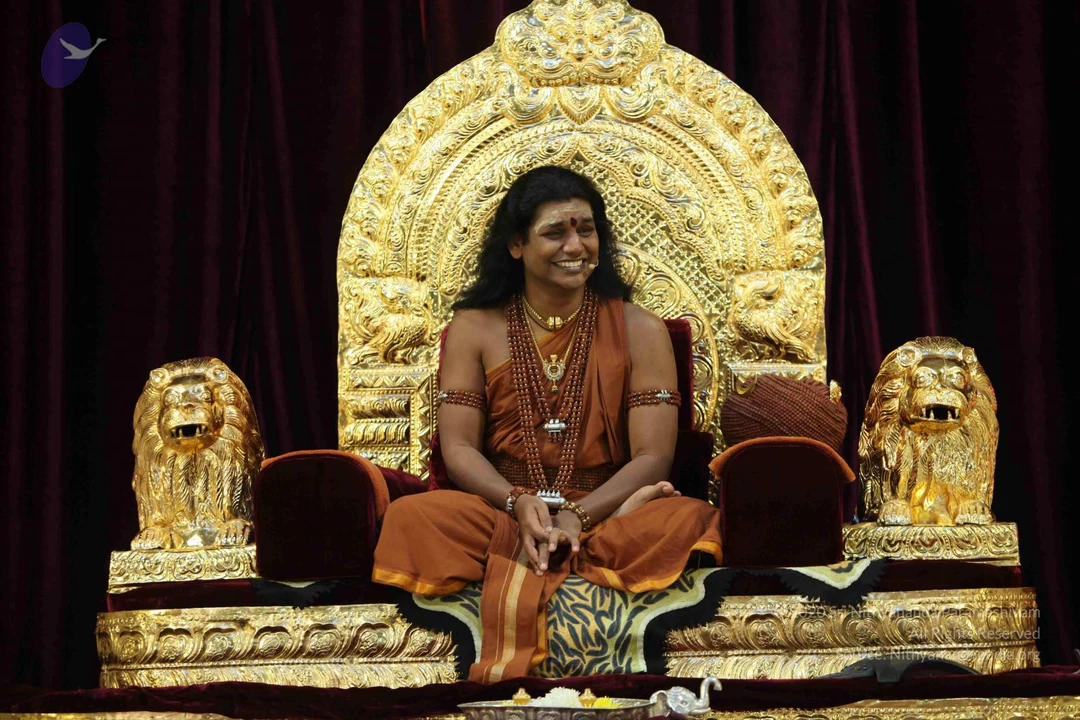
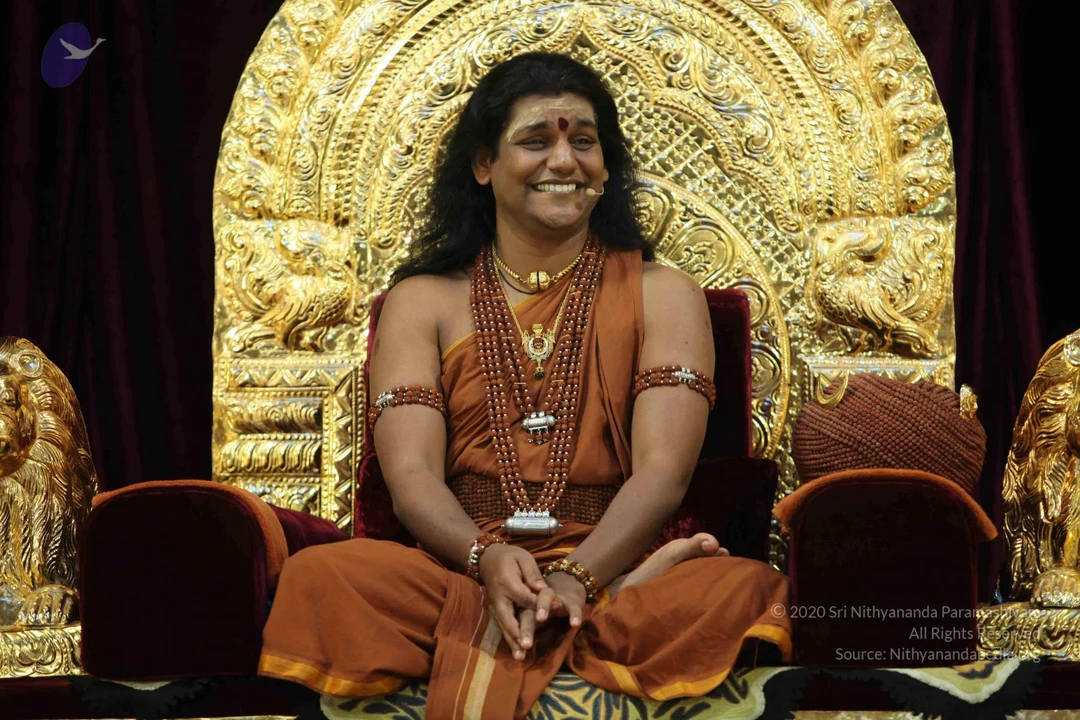
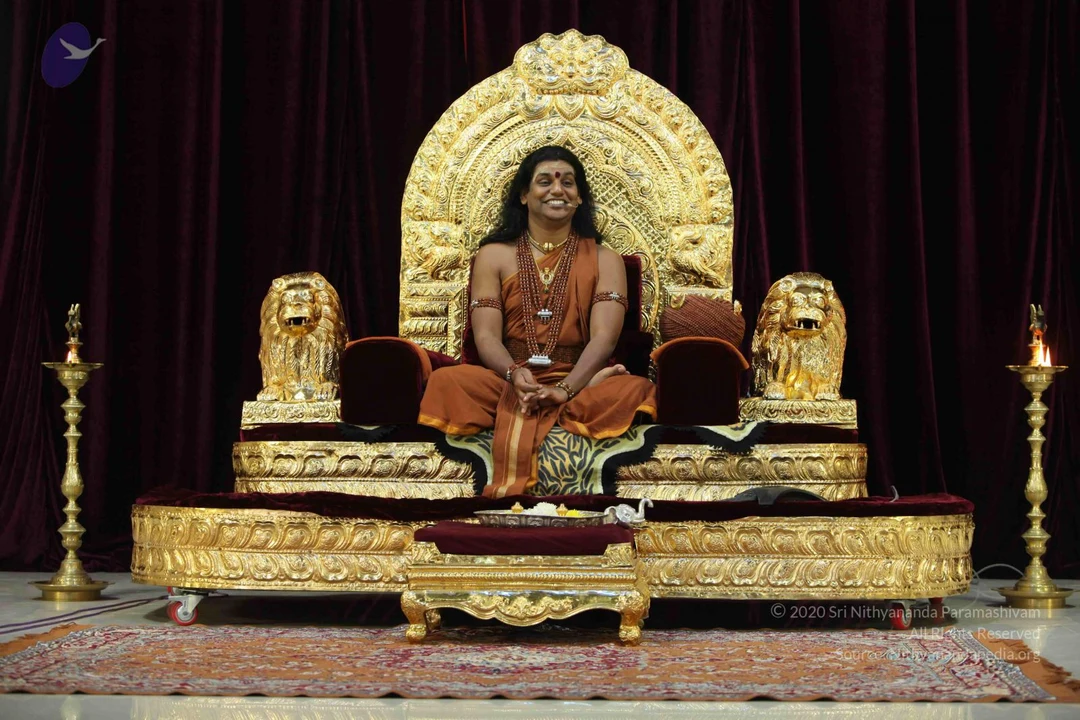
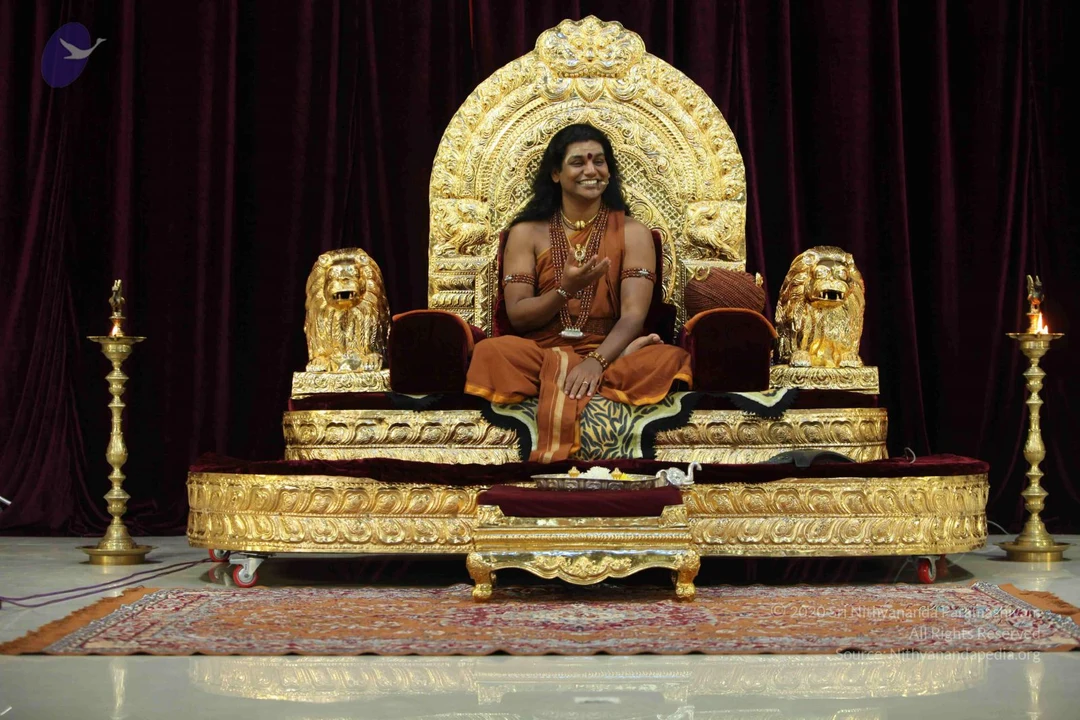
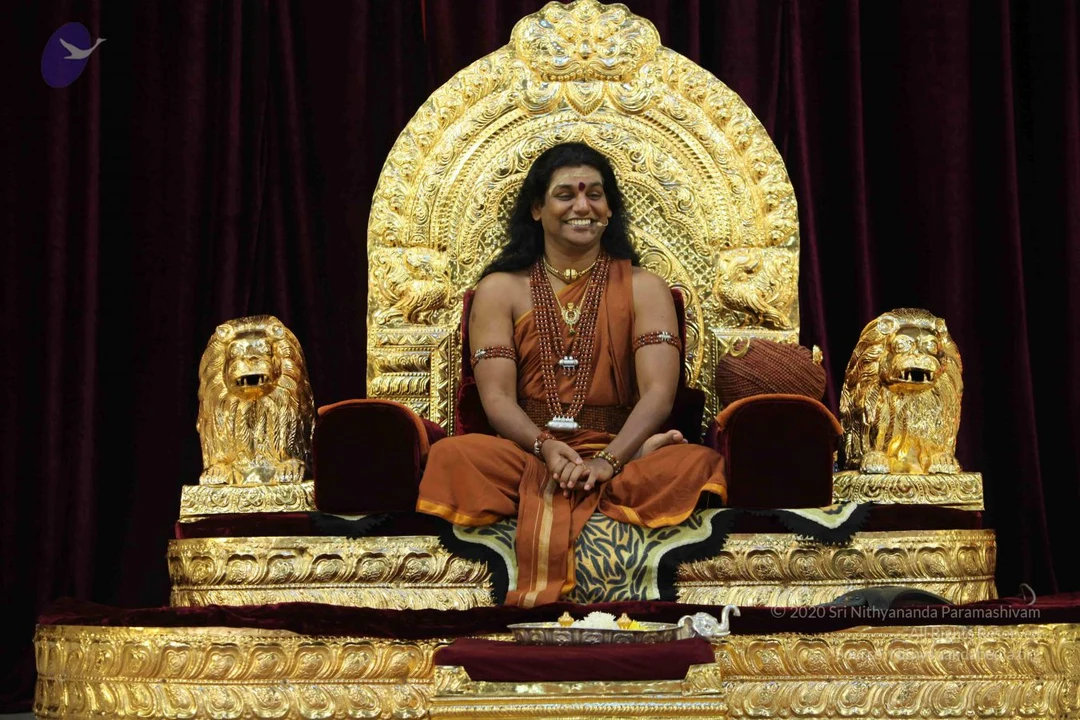
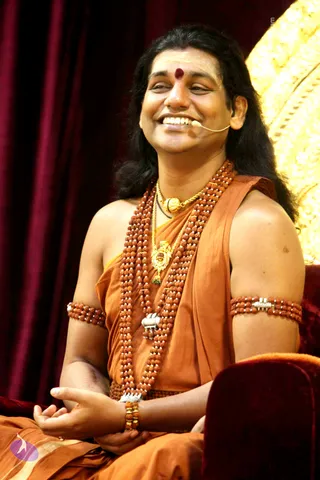
In today’s morning satsang, Paramahamsa Nithyananda (Swamiji) distinguishes between “heaven” and “enlightenment”. Drawing from the Nachiketagni, the tale of the child who met the God of Death, he explains that the experience of heaven constitutes moving beyond grief. When human beings gain clearance of an old behavior pattern, if they grieve over its loss they have not completed their process. In heaven no attachment remains to the discarded pattern. However, completion is not enlightenment! Nithyananda describes how and why.
Video and Audio - Satsang Supports You for Enlightenment
| Video | Audio |
Transcript
(00:41)
Sadāshiva samārambām Jnana sambandarācharya madhyamām | Asmadācharya paryanthām vande guru paramparām. ||
(01:06)
I welcome you all with My love and respects. As you all may be aware we had a festival today where Arunachaleswara goes around the hill; every year twice He goes around the hill. He Himself goes around the hill 😊 ceremoniously. It is the, after the Deepam festival He goes round with Devi. See, when He was in the body of Arunagiri Yogishwara, He has, He himself wants to demonstrate the sacredness of the hill. So He went round teaching people. So that is the ceremony still observed. And today He goes round the Arunachala hill. He comes for the purpose of giving enlightenment to the Bhringi Rishi who was meditating in the forest of the Arunachala and Gowtama Rishi. There were 17 rishis temples around the hill, to give liberation for all of them. It’s like a when you are sitting and meditating for Him in devotion He comes to bless you and liberate you. So today is basically to give liberation He goes around.
(03:43)
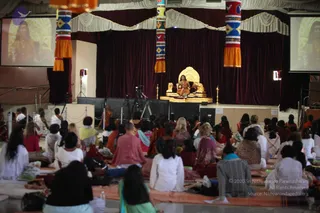
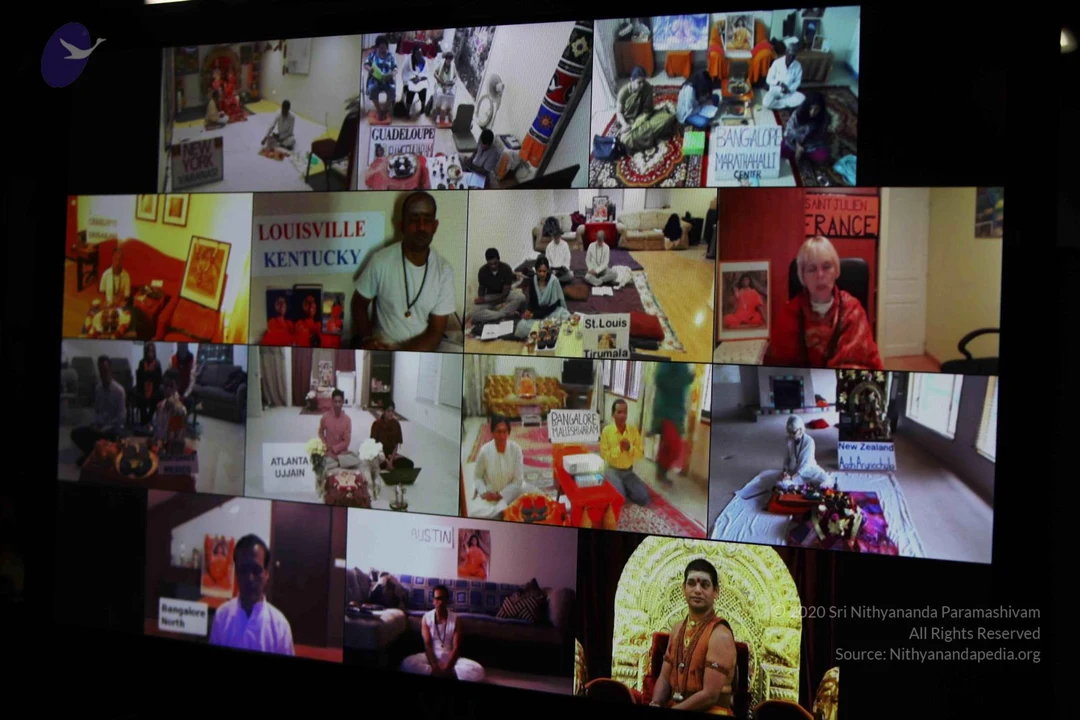
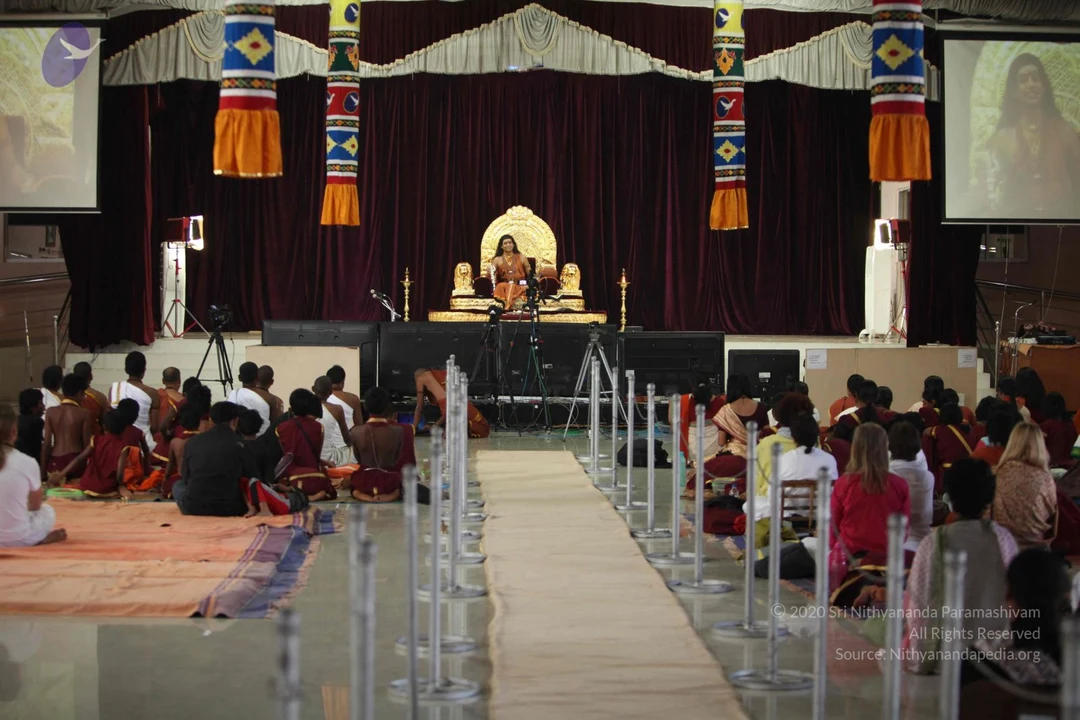
As you all may be aware we are having amazing wonderful sessions - Ashramites Inner Awakening. So the Brahmanyam Bahuputratam is happening wonderfully. Lot of clearance. So I have something to share with you all, about some discussions we were having yesterday. No, not about pizza. 😊 No, why people should be on two way? About that I wanted to share with you guys. See what is the difference between watching through one way Nithyananda TV, lying in your couch and coming to a satsang center or a temple, seeing in two way? First thing your posture will be proper because you know I am seeing you. Second, you will be attentive. I tell you when you are sitting in your bedroom or a living room and watching first thing your posture will not be proper, you will be half lying and semi consciousness. Semi lying means what? Semi conscious. You may be hearing you will not be listening. You may be hearing you will not be listening. And grinder sound, mixie sound, laundry sound, husband sound, children sound, this distraction, that distraction, mail all the different distractions will take away your attention. And moreover in your house means you have certain pattern of thinking. If you are in house, certain pattern of thinking. If you are in office, certain pattern of thinking. And unless you step out of that place you don’t step out of that pattern of thinking. Even if you are sitting in your house and listening, you will be worrying about something else.
(06:33)
That is why satsang means coming to the center or the place where you allotted as a center in your own house mainly seen by Me. When you know I am seeing you, especially when I make comments, “hey that person is sleeping, this person is not settling, this person is moving around”, you know I am seeing you. So you listen. You listen. Understand. The listening happens. Just you yourself try, just switch off the camera and know that I am not seeing you. Then how you sit, how you respond, you know it. And moreover in the house you are all alone. Half you can hear, half you can sleep, one day you can miss. But in satsang center the group energy is different. The life is different. Understanding is different. Context is different. And all of you have gathered for this purpose. So discussions are different. So many other person's ideas, inputs are given.
(08:08)
I tell you, great saint Sundaramurthy Swamigal says in his verse “Mahadeva you take away anything from My life, not the company of devotees. Not the company of the people who live for a same purpose.” When you see the people who live for the same purpose, it is an inspiration; it’s an inspiration, satsanga. If you see the people, if you have the company of the people who live for same purpose, that is the biggest strength, inspiring. That is why I tell you anything can be given up, not living at the feet of the master; because there, not only master thousands who are living, striving towards the ideal of master. Where will you get such sacred company, such a sacred support? Satsanga is moral support for enlightenment. You get lot of moral support in the society for drinking, going to cinema, smoking, womanising, for all that you get so much of support, moral support from society, but not for enlightenment. But in satsang you get the moral support for enlightenment, for enlightenment.
(10:22)
Take this as a authentic, integrated commitment. Whatever may happen I will live and die in satsanga, in the sanga; because continuously that satsanga brings you to nissangha.
|| Satsangatve nissangatvam, Nissangatve nirmohatvam, Nirmohatve nishchalatattvam, Nishchalatattve jeevanmukti. ||
Satsanga leads to nissanga, nissanga leads to nirmoha, nirmoha leads to nischala, nishchala leads to jeevan mukti. I still remember in Omkareshwar there was a monastery, where they had some few Swamis; each one of them are in charge of one. One Swami is in charge of kitchen. One Swami is in charge of the bandar, bandar means your soap all the items, housekeeping. One Swami is in charge of accommodation. One Swami is the secretary to give appointment to the head of the monastery. So that first guy’s name is Satsangananda, second guy’s name is Nissangananda, third is Nirmohananda, fourth is Nischalananda, fifth is Jeevan Muktananda. 😊
(12:15)
One fellow will give you the reception.. the welcome the other fellow will give you the food. Third, next fellow will give you the accommodation, next fellow will give you the housekeeping items, next fellow will give you the appointment with the guru. 😊 They will say, “hey come to satsang, then nissang, go to the next table from Nissang go to the Nirmoha table, from Nirmoha go to the Nischala table, from Nischala table go to the Jeevan Mukti table.” 😊 😊I don’t know whether it happened as a coincident or guru did it purposely, named those Swamis. Because all those Swamis took sanyas at different time. Maybe after giving sanyas to all of them he aligned them to that job. Because it’s too much of coincidence. So when you go to that table of Satsangananda, he leads to Nissangananda’s table. Then Nissangananda leads to Nirmohananda's table. Nirmohanada leads to Nischala… Nischalananda’s table. And Nischalananda leads to Jeevan Muktananda’s table.😊
(13:23)
In akhada’s they have a unique way of living, they have a... what do you call that? Floor size table, where you sit and put it on your lap; for the vedic studies and all, you have that kind of table. So all the Swamis are a big guys, big belly and almost their table will be hitting their belly. And you can see, Satsangananda, Nissangananda, Nirmohananda, Nischalananda, Jeevan Muktananda. 😊From satsanga comes non attachment, from non attachment comes freedom, from freedom from delusion, from freedom from delusion leads to self settlement, self settlement leads to jeevan mukti. Satsangananda, Nissangananda, Nirmohananda, Nischalananda, Jeevan Muktananda. What a nice idea! 😊
(14:38)
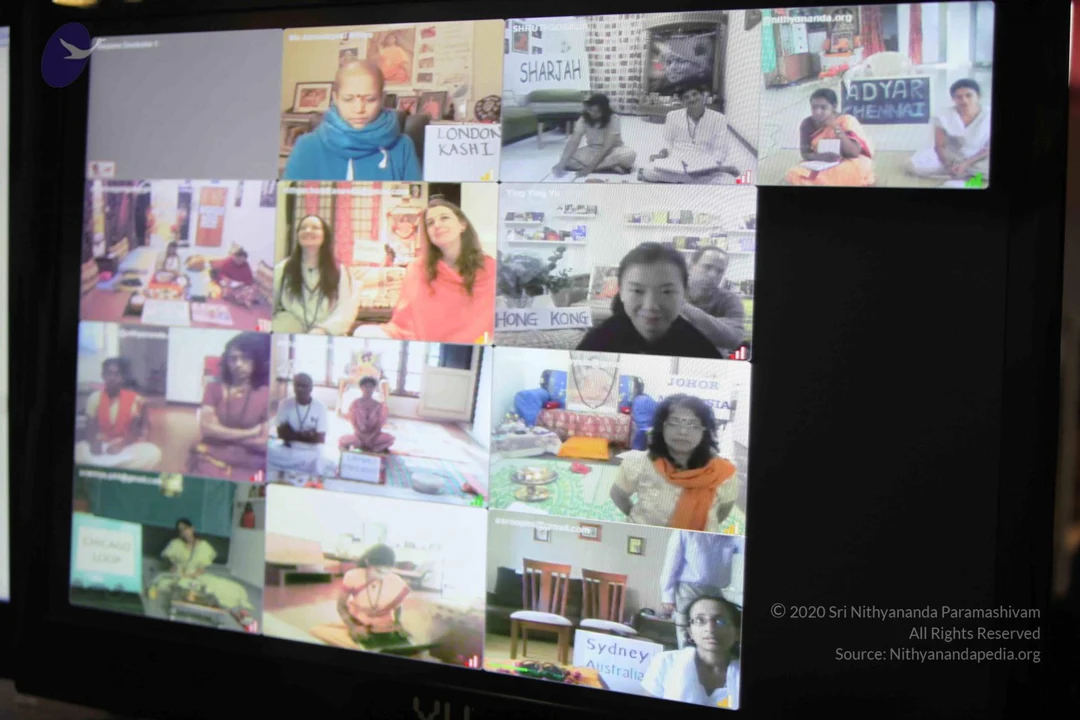
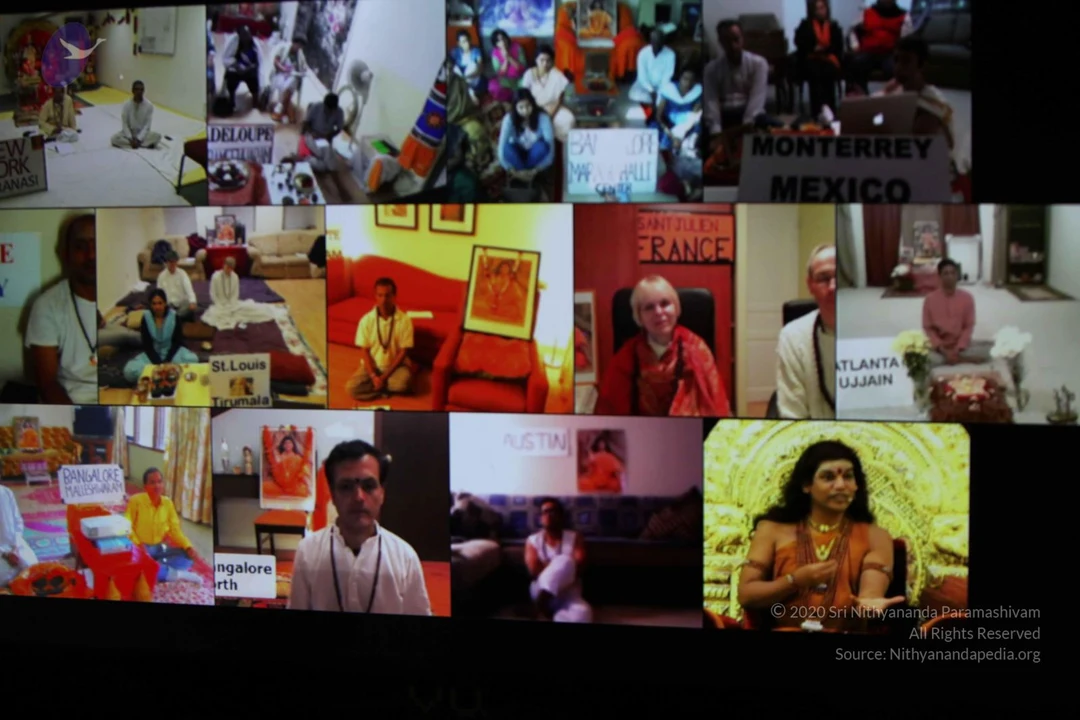
Never, never leave satsanga, try to always have satsanga. So anybody’s spiritual journey starts with two way. Understand. As I said, if you are watching the discourse through Nithyananda TV or through the Youtube discourses, you watch, you hear, you don’t listen. When you sit in two way, when I also see you, you listen. I tell you, people have become spiritually so healthy in My sanga just because of the two way video conferencing. I can see very clearly, people who come for two way satsang regularly, they are so healthy spiritually. Their spiritual health is in such high level. They evolve, evolve, evolve. You see in one way when you sit, one day if a phone call comes in between, you say it’s okay and you pick up the phone. Then if a mail man is outside it’s okay you run get the mail. If you have to do the laundry it’s okay let him.. the satsang will be going on, and you will go and stand, eh put the clothes in the laundry and come. If a child’s need to be, child need to be sent to school, you just prepare the tiffin box and give it to child and come back. By the time you go and come back the important authenticity point has gone. Now you are sitting with responsibility and ask why should I take responsibility? If you don’t understand authenticity how will you take responsibility?
(17:09)
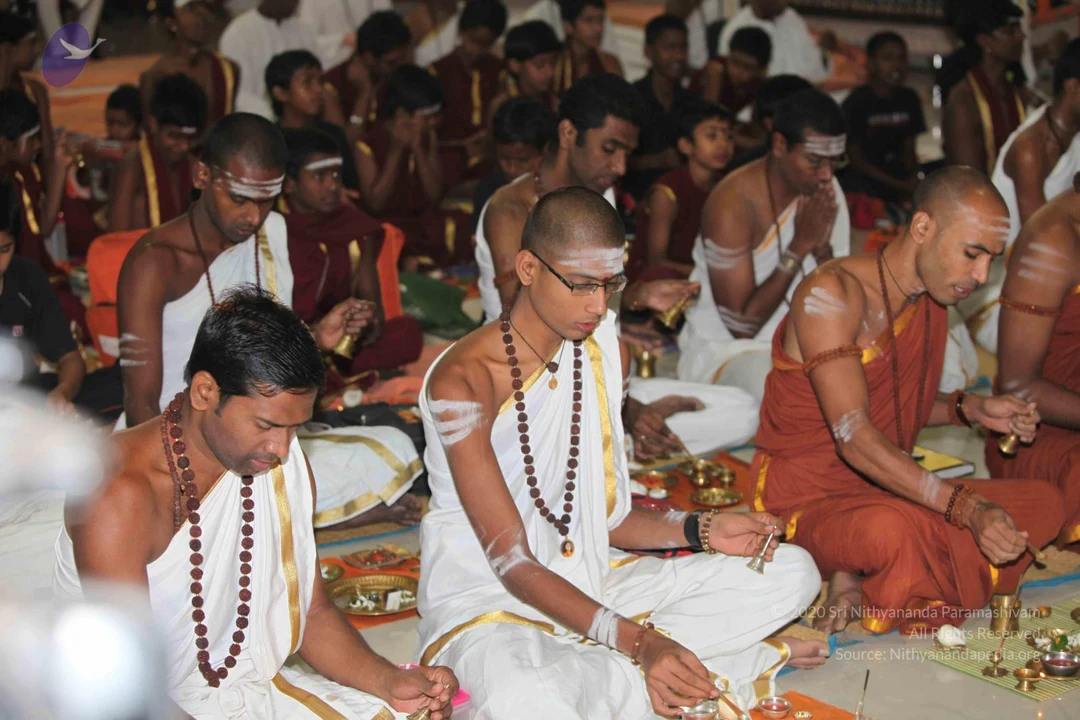
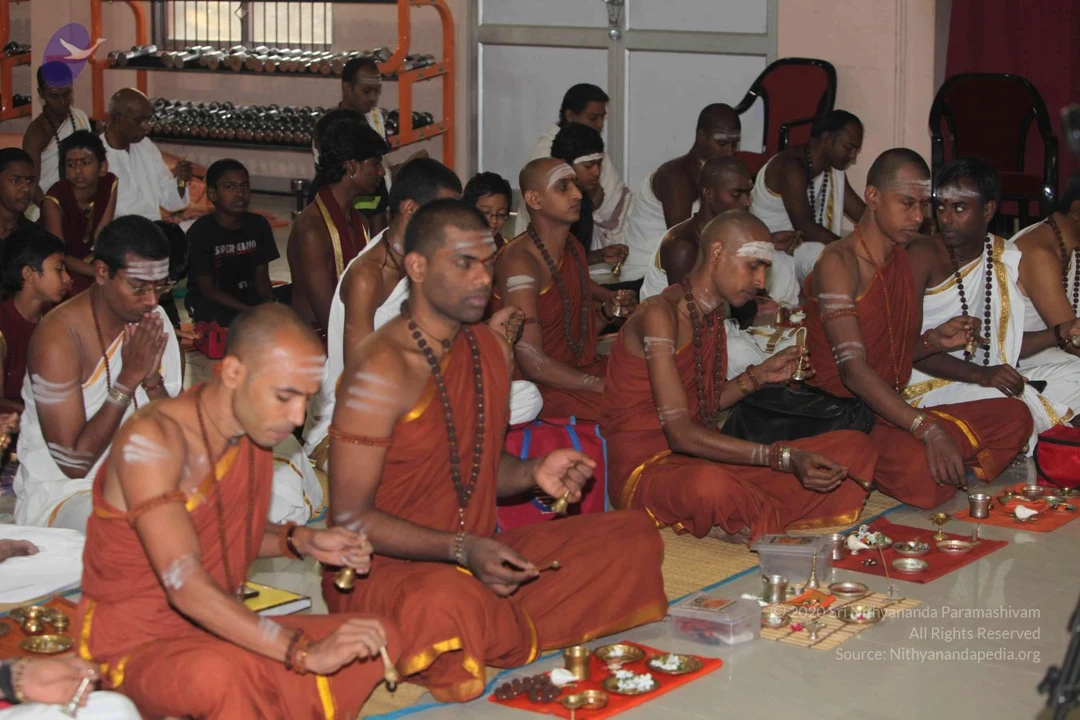
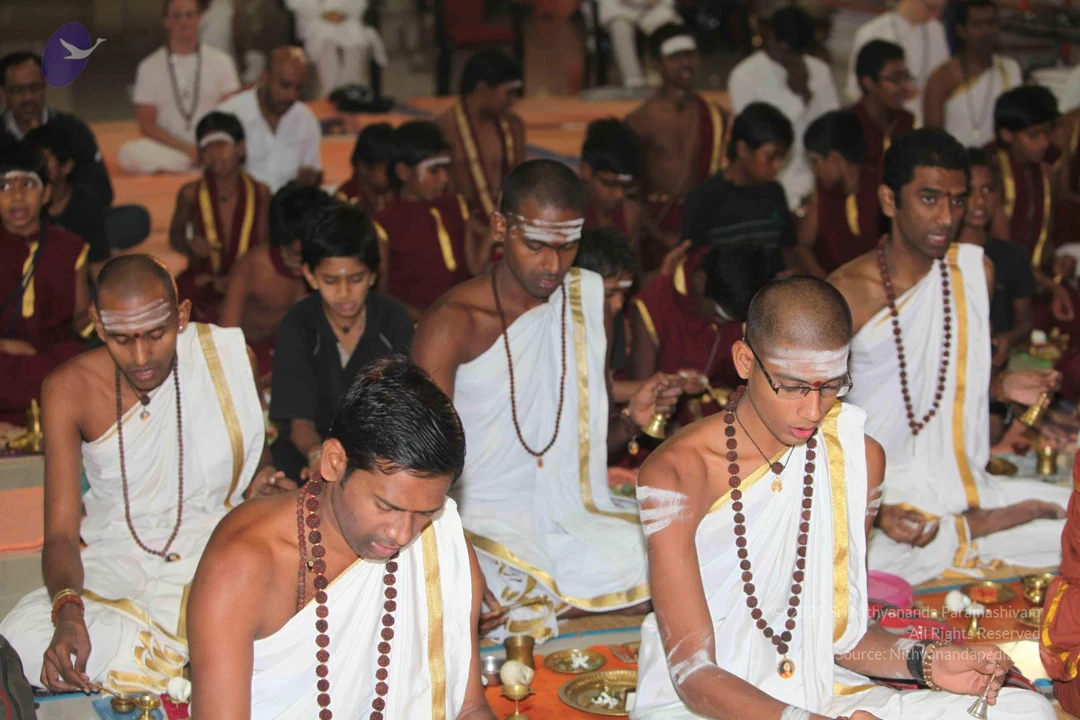
I tell you, if you don’t listen from the beginning don’t listen. Because it is dangerous for Me. No, you think I teach all crazy things. Even pada puja, I tell you, if you sit for pada puja you settle down, nischala tattva happens, nischalatva happens. Then comes jeevan mukti. Then comes jeevan mukti. Nischalatva, unless the nischalatva happens h’m.h.m. 😊 Understand, without settlement in the Self truths doesn’t get imbibed. If niscahlatva does not happen nothing happens. You hear, don’t listen. Especially the lessons you are learning now, the highest tattvas - integrity, authenticity, responsibility, enriching. You see if you know I am seeing you, the way you sit, the way you listen totally becomes different. Listen. That will always enrich the life. Today I have some more things to share with you all.
(19:16)
Harvard university is going to study the phenomena called Kumbh Mela. Understand. Six departments of Harvard, the Harvard divinity school, faculty of arts and science, Harvard graduate school of design, Harvard business school, Harvard medical school and the Harvard school of public health. Six branches are going to study kumbh mela because they feel the mega city - kumbh ghat, it’s called kumbh ghat, the mega city which happens in Allahabad pops up within three weeks, gets dismantled within one week; which is as large as New York, London, Paris combined. Please understand. This is the article from Wall Street Journal Livemint. They say, say that they have put seven grids they have put, they have described. Power and electricity grid, clean drinking water grid and zoning grid, seven grid they, they said. Multiple aspects of contemporary urbanism, spacial zoning, electricity grid, food water distribution, physical infrastructure construction, mass vaccinations, public gathering spaces, night time social events. How many grid? Seven grid. Please understand. The effort behind this whole thing or the size of the whole thing is New York, London, Paris combined.
(22:04)
God! And one more information, I have so much of information for Me to share with you all. First day itself ten million took bath, one crore. And first day 25 thousand ton food grain was consumed. 25 thousand ton; one ton means for you to visualize, that’s what, see one ton is how much you know? It can come like a, our one container. So... no one ton ma, no, no, no, 1000 kg means how many bags you know, 100 bag rice. You see, 100 kg is one bag so then no, no, no ten bag rice, ten bag is… sorry, sorry one bag is 25 kg. So, eh? 40 bag one ton. So 25,000 into 40 means what? Whatever alright you imagine. No, ten lakh, ten lakh bags, consumed one day. 25 thousand ton of food grain consumed in one day. Do you know the funny thing? As per the tradition, still the tradition is getting maintained, if you go there you will understand, in kumbh ghat you cannot sell food. In kumbh ghat you cannot sell food.
(24:06)
All one crore people were given free food without government missionary. It’s a law. It’s a law in kumbh ghat you cannot sell food. When we go you will all find. You will not find a single hotel in kumbh ghat. Food is available but no money. Seven lakh tents are erected already. Seven lakh tents, just like our tent. 700, 000. You see our unit, Dhyanapeetam unit is called one tent; we can accommodate 200 people, 250. It’s called one tent; like that seven lakh. 😊 😊. Seven lakh organizations 700,000 organizations are gathering. Do you know the funny thing? Totally 250 million people means 25 crore people are going to gather. Only 31 police station. Just 31 police station has to manage the whole thing. If all the visitors ‘th.u.ff’ spit what will happen? In that flood they will disappear. But it is so organized. People come for such a sacred purpose, at least from My experience I have not heard even a single petty theft.
(26:09)
Please understand. I sent silver, gold, jewellery, money, deity, gold palkis, gold coated of course; all to kumbh ghat, kumbh mela in our tent. It does not have a gate. All of you need to know our tent does not have a gate. Not only our tent, no tent can have a gate. You can only have parda to avoid small animals entering inside like a dog and all that. When you are coming you will see... no gate. Tent, what gate you will put? Even if you put a gate, how much time it will take for the thief to enter? It’s a phenomena. I request Harvard University they should send even their sociology department - How so many millions can gather without even having one crime happening? Not one single one dies, not a single petty crime, stealing, theft, stampede nothing. God! hm. Even if the children are lost there are missing people announcements.
(28:08)
Appa! massive, massive happening. Don’t miss kumbh mela. And once again I request, anybody who has a little interest in vedic tradition, don’t miss kumbh mela. Even if you are not able to, if you did not get your registration confirmed during the time I was, I am there in the tent, the tent is there for full two months till March 10th. Go at some other time and stay and enjoy and come. Don’t miss kumbh mela. It’s a phenomena. God! It is just a phenomena. Wow!! 😊 The crowd on the main days is large enough to be visible from the space satellites. (30:05) Alright. We will move to today’s subject for the satsang. Kathopanishad and authenticity, come on. I am all fully energetic, geared up. Too much of energy because working with ashramites. 😊 I meant I have to put all My effort to teach them. There is nothing much to clap. 😊😊They were thinking that I am raising them. 😊 No, but one, I am really, really, really happy. Whatever is said and done they are not fallen hair, they are staying eyes and heart, brain; of course not My brain. 😊😊 Lungs, liver, kidney😊😊; Because they stayed back... anything is okay, but stay back. 😊 Anything can be repaired.
(31:34)
triṇāciketas trayam etad viditvā ya evaṁ vidvāṁś cinute nāciketam, sa mṛtyu-pāśān purataḥ praṇodya śokātigo modate svargaloke
He who knows the three fold Nachiketa fire and performs the Nachiketa fire sacrifice with threefold knowledge, having cast off the fetters of death and living beyond grief rejoices in the realm of heaven. Three fold knowledge, yesterday I was explaining about three fold Nachiketa fire means performing, completing, successfully being in the same state and putting yourself back into that state even if you have fallen.
(32:28)
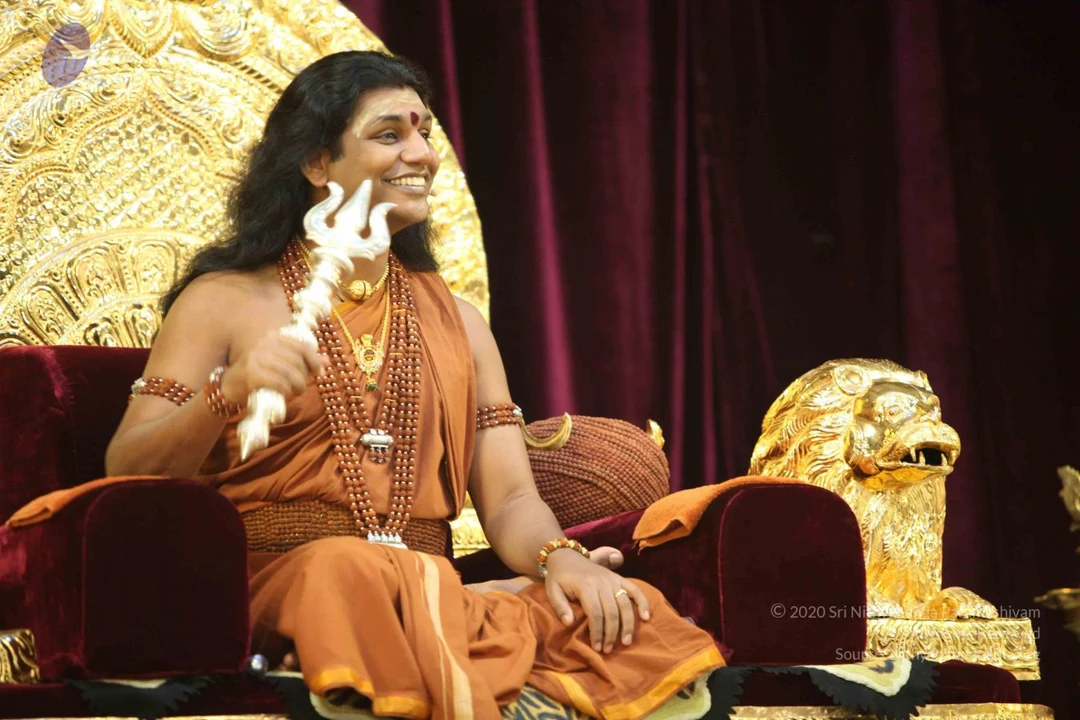
Next is threefold knowledge. What is threefold knowledge? Understand. The method of performing in body, mind and context. Listen. For example, this action if it is done by a wrestler what it is? Beating. The same action done by a same wrestler but without having anybody in front of him, can even stretching of his body, exercising. Am I right? The same action if it is done by Me - Kundalini awakening. This, this [gestures at the trishul He is holding] can be a crime inside the flight, showing a sharp weapon... or ship. No, showing a sharp weapon towards somebody, is a crime in a ship or in the flight. Have you guys even once thought it’s a crime still now, when I till, see now when I... after I said, okay. Before that have you guys even once thought? How many millions of times you would have seen Me doing this? And (Swamiji gestures as if piercing the trishul) all this. Context!! 😊
(35:00)
A child was complaining to mother I am afraid of life, I am afraid of this, I am afraid of that. Mother took the knife and kept at the neck of the child and said “Are you afraid now? Knife is in your neck, are you afraid you will be killed?” He said “No, I’m not afraid.” She asked “Why?”, “Because the knife is in the hands of my mother. She won't kill” Same way My life is in the hands of the cosmos. It won’t kill. Understand. Who is holding the trishul in front of you? Context is decisive. If I am holding it is not for killing, it is for healing. This is not killing trishul, healing trishul. 😊 Killing trishul is there separately. 😊 That’s Kalabhairav’s trishul. 😊 Context is decisive. Who does it, is decisive.
(36:33)
triṇāciketas trayam etad viditvā
Listen. Threefold knowledge, how it is to be done in body, means, what needs to be done physically, what need to be done mentally - means internally, what need to be the context you need to hold in your heart.
(37:14)
Same action of pouring the ghee into the fire can be just for creating a heat for you to have a, balance the weather, if it is cold weather early morning you see all over Indian cities and villages people will be sitting with the han.. with the fire, what do you call? In Tamil we call ‘kulir kaigirathu” english? campfire? Anyhow you sit with fire to make yourself warm. If it’s just done physically the yajna is only the campfire. If it is done with mentally and physically it can be a technique. If you hold the right context ‘what for you are operating continuously’ it becomes a complete spiritual process. Understand. It can be washing the deity, bathing the deity or giving sacred bath to deity. It can be washing the deity, bathing the deity, giving sacred bath to deity. All three physically will be same, but mentally will be different, contextually completely different. If you just do physically it is washing the deity. If you do with a right mental understanding it is bathing the deity. If you do it with the right context it is giving sacred bath to deity means washing the deity you know dama, dama, dama pour, clean, pur, pur, pur. Then bathing the deity seeing divine is there and pouring the water, bathing the deity. Giving sacred bath to deity, knowing the context - ‘Here is the cosmos the whole, here is the individual who feels he is separate. Let him pour himself into it.’ With that context pouring is giving sacred bath, clear.
(40:12)
Now let the temple pujaris decide, all pujaris of all over the world in all our temples, volunteers decide are you washing, bathing or sacred bathing? Most of you I trust are in the only bathing state; you are not that low as washing state, neither that high the sacred bathing state. Now it is time with authenticity bring yourself to that sacred bathing state where you pour yourself. Anything you pour literally represents you. Sacred bathing - you just pour your own self, just your very being in the form of milk, water, turmeric powder whatever you are pouring. Just you are pouring you into it, into Him. Holding the right context, context is decisive. So threefold knowledge means… and sameway just holding the context and not doing is not going to help. You can say “I always visualize I pour myself to the cosmos, I don’t need to pour the milk.” You will forget in two days. The context will be forgotten if the actions are not completed, performed regularly.
(42:01)
People think, ‘I enrich myself and world with Swamiji’s teaching. Every morning I tell “Lokah Samastah Sukhino Bhavantu. I then enrich the world.” That is not integrity and authenticity. So neither you can miss physical, nor mental or the context. When you hold all the three and perform, you go beyond the fetters of death and being beyond grief. Understand. Exactly as Nachiketa asked Kala gives the boon. Nachiketa asked the heaven is the place people are beyond death and beyond grief. Exact word when he gives the boon he is using. Means, Kala is listening. It’s not like you asked something, and He gives something else. No, He says they cast off the fetters of death. Please understand. Cast off the fetters of death and being beyond grief means state of completion. If you have done something wrong and you are still guilty about it, you have not completed. Still you have not become complete. Being beyond grief - you will not do it again but you are beyond the suffering; only then you are complete. Even if you decide you will not do it again, if you are in grief you are not complete; don’t make any decisions in that grief. Don’t make any decisions in that depression.
(43:58)
Just today morning I was discussing about this with some of My ashramites. Some of them are having little guilt about what they have done in the past about their inauthenticity. I said “break that personality which was inauthentic.” That’s the real punishment. When will this break? When you decide never to repeat it with integrity and authenticity and take the responsibility to be out of that grief and depression and guilt. Enrich yourself and others; only then you have punished the person who did that to you. Clear. If you are in depression, understand you are the person who did the... who was inauthentic. He won the game. What is inauthenticity? Inauthenticity is depression. If you allow the guilt and depression then the fellow who was inauthentic, he won the game. He is victorious. You lost the game. Don’t allow; that is why Kala is using the word beyond grief.
(45:35)
He rejoices in the realm, realm of heaven. He lives in heaven forever means - state of completion is heaven. State of completion is heaven but that is not enlightenment. Moksha is different. That is why all the Landmark groups and all of them scientology everybody stops with completion. They only can take you to heaven. They can't take you to Kailasa, jeevan mukti. I request all the devatas - people who are in heaven come to Kailasa. Kailsa welcomes you. All the graduates of Landmark, Kailasa calls you. I am the calling from Kailasa. If you have heard it, whether you are rishi or muni or bootha or pretha you have a place in Kailasa. Only thing you have to hear it; you have to listen the call. Listen to the call, to the clarion call.
(47:28)
He rejoices in the realm of heaven. See if heaven itself is ultimate then Nachiketa would not have asked the third boon. He asked the third boon why? Because pizza is not ultimate. In heaven pizza is ultimate. In Kailasa it is not ultimate. Hm, when you make the base with integrity, coverings of authenticity, cheese of responsibility and topping of enrichment, cooking in the oven of enlightened master’s presence comes the pizza of enlightenment, jeevan mukti. 😊
(49:09)
Ensure the inauthenticity of non veg topping does not get in. Inauthenticity is the non veg topping which you can’t afford. Dis integrity is not even non veg dash-dash topping. 😊 😊 Dis integrity is the dash-dash base; you imagine 😊😊 So Integrity is the base, authenticity is the cheese, covering, responsibility is the cheese, enriching is the vegetables, master’s presence is the oven in which you cook. Then it is jeevan mukti pizza. Like Ramana Maharishi sang appalap pattu, I will sing a pizza song. 😊
(50:42)
ஆறாது மனத்துள் ஊரும் சத்தியமே அடிபாகமாய் மாற, தட்டின் மீது அமரும் தனியான காய்கறியும், ஸ்ரதையே சிந்தையுள் நிறைந்திருக்க, வெட்டிடும் வெண்ணெய் பாகமது பொறுப்பாய், மட்டிலா தியாகமும் சேவையும், மதனகாய் கரிபழமாய், இட்டிட்ட அடுப்பை இங்கு குருநாதன் சாந்நித்தியம், கொட்டிட்டு வாழ்ந்திடவே, குகத்துள், இதய குகத்துள், வாய்க்கும் ஜீவன்முக்தி பிசாவே... மட்டிட்ட புன்னை மடைமடை, மடைமனை கானகத்தே, அசத்தியம் ஆகும் ஆகாத அடியாய், அஸ்ரத்தையாகும் இம்சை, மாமிசப் பதுவாய், அஸ்ரத்தை அழித்து, அசத்தியம் தனை நீக்கி, சத்தியத்தால் அடி செய்து, ஸ்ரத்தையாதால் மேல்மூட்டி, பொறுப்பே பொங்கும் வெண்ணையாய், தியாகமே காய்கறி பழமாய், சேவையொடு சேர்த்து நீயும், சீர்பாதம் குருநாதன் சாந்நித்தியத்தில், கும்பிட்டு வைத்து கொதிக்கவைத்து, அம்பிக்குள் அமிழ்த்தி வைக்க ஆனந்த ஜீவன்முக்தியே...
(53:10)
So if you want to know the commentary of this song wait till tomorrow. We will move to next segment of the morning satsang - Dial The Avatar.
(53:42)
In Kailash when you ask for the pleasures of the heaven, Mahadeva also accepts and orders for things to be served. He also comes down with the innocence of Bhole baba and gets ready to enjoy with the boothas and prethas. But when the ganas forget the original state and the purpose of their life during the preparation for the indulgence of the pleasure, neither Mahadeva recognizes it nor gives company; goes back to samadhi by withdrawing. Devotees... rishis are those who withdraw along with Mahadeva, boothas are those who miss and get into the pleasures even after Mahadeva withdraws. Those boothas will have the birth of devas in next janma missing the Kailasa. Clear? When Mahadeva withdrew if you had the clarity to withdraw and saved yourself you are a rishi, muni, gana. Still you went ahead.. “afterall it was ordered and delivered. Why to waste kubera’s money….” 😊 Clear.
(56:01)
Pleasures of heaven are not wrong. But forgetting the ideals of Kailasa is wrong which is not required to enjoy the pleasures of heaven. You do not need to forget the ideals and you do not need to be disinte...out of integrity with the Kailasa’s space. As Mahadeva is Bholenath He says “Yes” for everything. When you ask He says “Okay! Come on get it.” Long long ago, once upon a time, in Kailasa suddenly one day some ganas asked “Oh Mahadeva, it’s long time we did not have the feast with amrita. Shall we order it?” Mahadeva as Bholenath laughed and said “Go ahead, get it.” There were some ganas jumping, “Yes, yes, yes, I want, I want; for me big, big, big, big, big. Then Mahadeva said, “Who is the gana who asked ?” One gana raised “ Yes, I, I”; then talk to the other ganas and order the best way. Then order goes to swarga. In all different parts preparations of amrita is made, and before it reaches the Kailasa, these ganas who were fantasizing about amrita jumped, “Today we don’t need to do anything else, we will just drink amrita and lie down.” One gana come and says, “Yes, yes unclutching is also not required, just amrita is enough. Hey amrita is life; in Kailash we don’t get any of that.” And one more gana said, “Hey that is much more than living in Kailash.” Then one gana said “Hey, tsk, enlightenment, jeevan mukti, all samipya mukti when you will get, now you are getting the amrita; come on let’s drink and jump.
(58:50)
Shiva was observing the whole scene. End of the scene He just closed His eyes, withdrew into samadhi saying, He is not going to be participating in the party. Suddenly the party fell into silence. Some bhootas, “Oh I think we have done something wrong?” Some boothas “I am going to miss my pizza.” Some boothas “What is the wrong in what we said, after all we were playing. Why did Mahadeva become serious suddenly? He only ordered for it. If He has said no we wouldn’t have even bothered about it.” Some did not even think anything. Alright whatever happens let it happen. Then Mahadeva between just opened the eyes to make only few statements. Amrita is not ultimate. The moment you said “Amrita is immediate, enlightenment is - who knows when it will come”, you already created the context and clearance for enlightenment not to happen to you. When you make a statement “Amrita is more tangible, enlightenment is intangible”, you already distanced yourself from the most tangible experience of enlightenment. So each comment shows the space in which they are operating. Mahadeva said “Whoever wants to drink, drink. I am not going to drink the nectar.” Even after that because Kubera was standing there and requesting “All the way we brought it from there - the nectar, transportation” - few ganas went and ate, drank the nectar and few did not.
(01:01:39)
Connect the Dial the avatar. Let you all achieve, experience, live, express, radiate, share and explode and enrich with eternal bliss, Nithyananda, thank you.
(01:01:55)
Tags
Paramahamsa Nithyananda, heaven, enlightenment, child, God, Death, experience, grief, human being, attachment
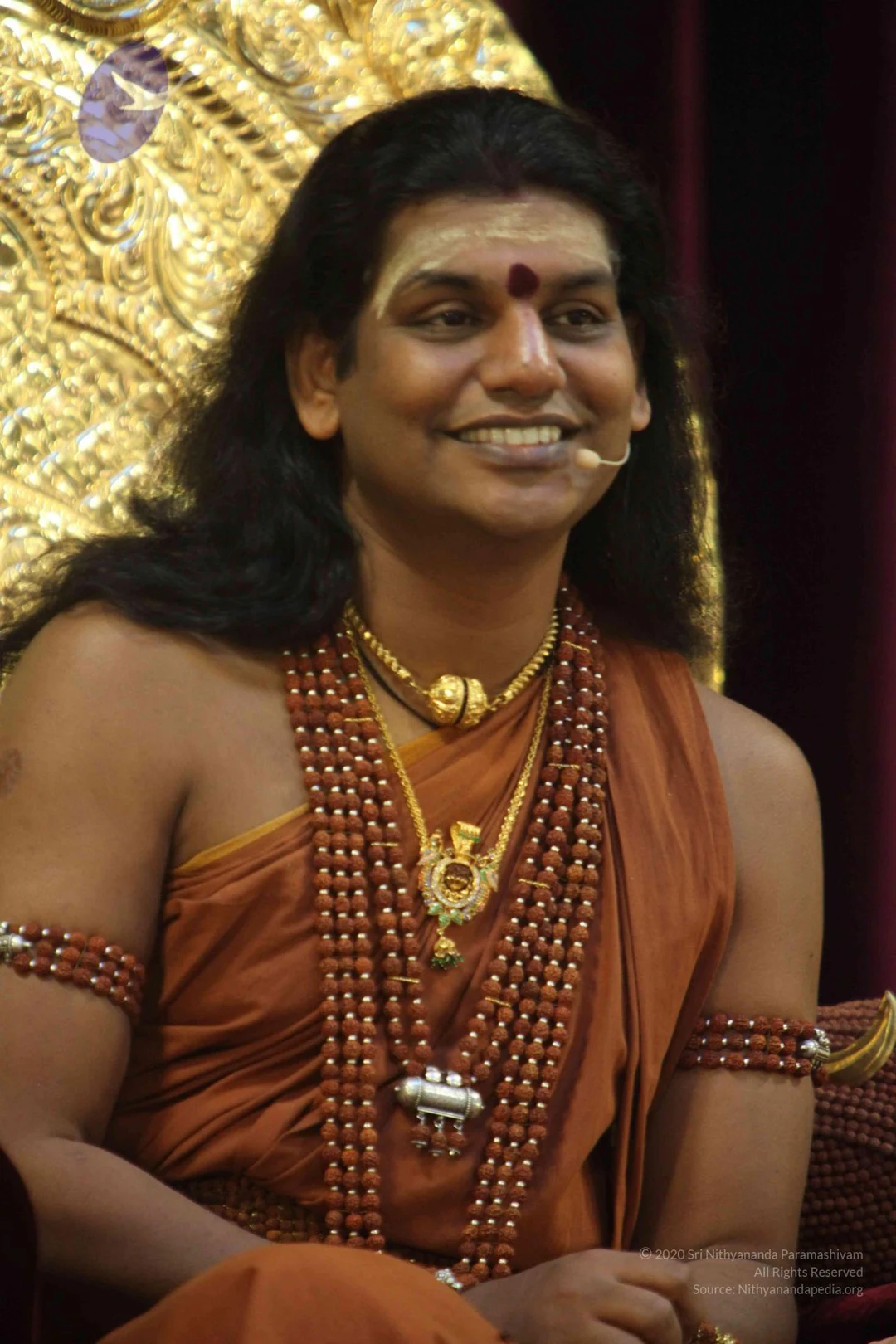
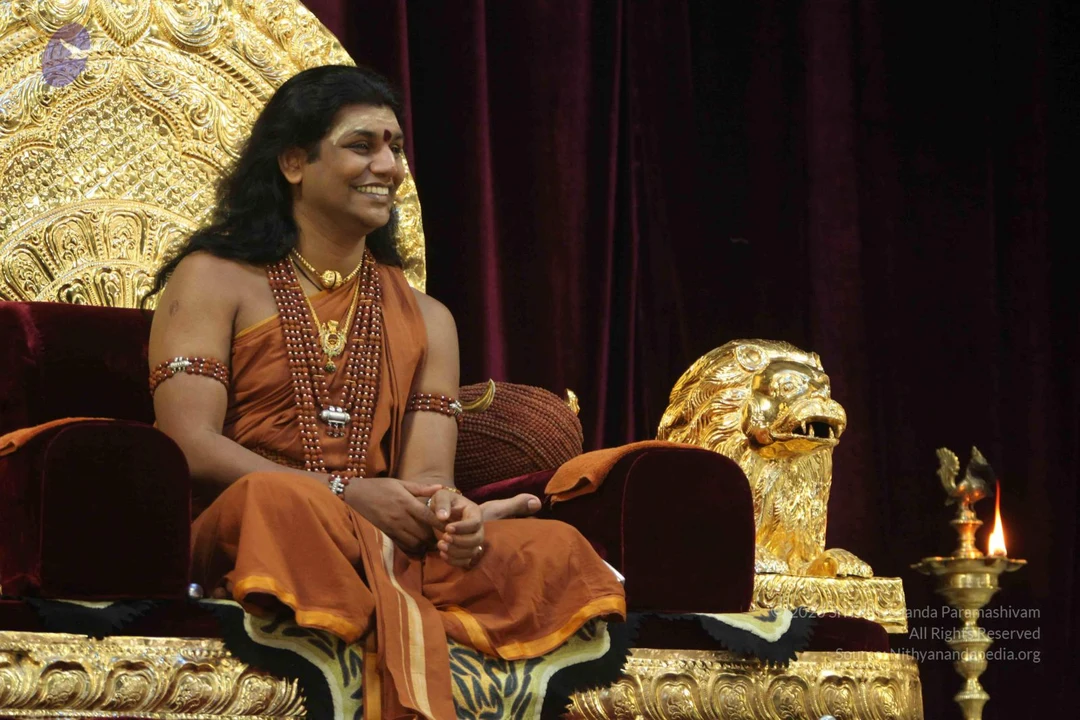
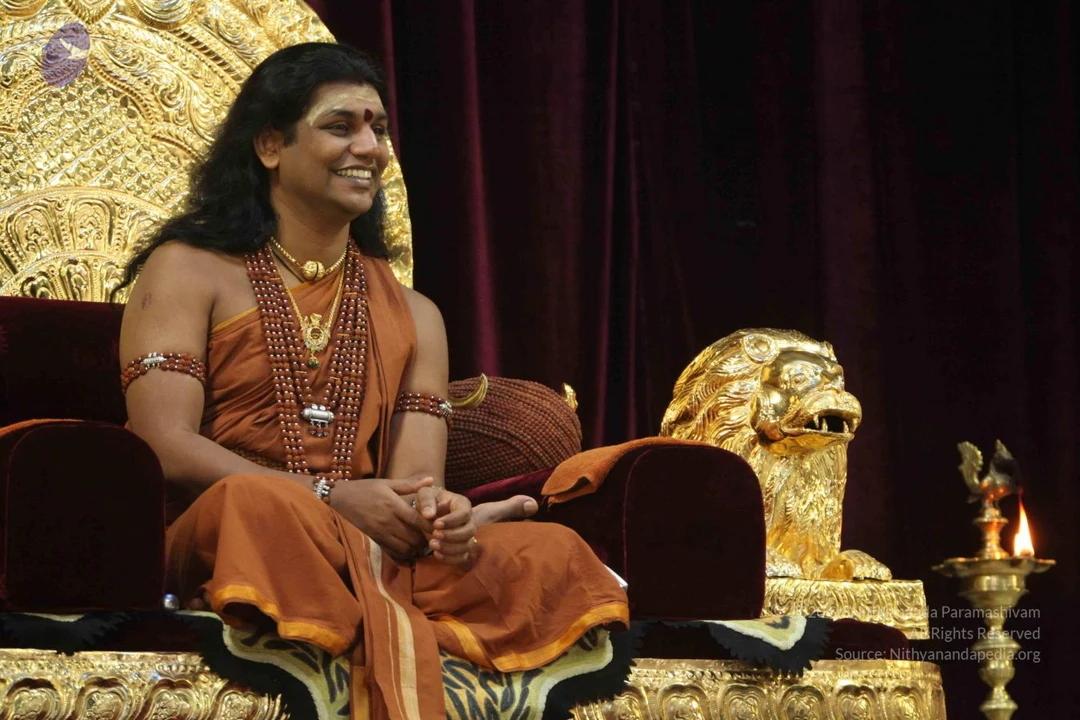
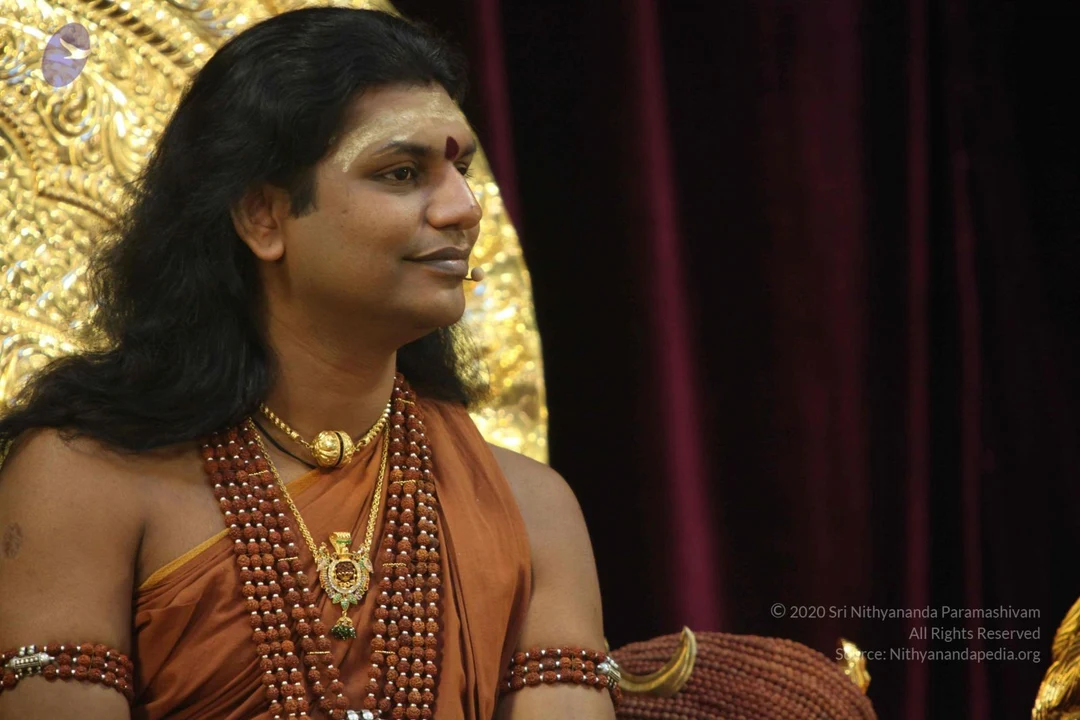
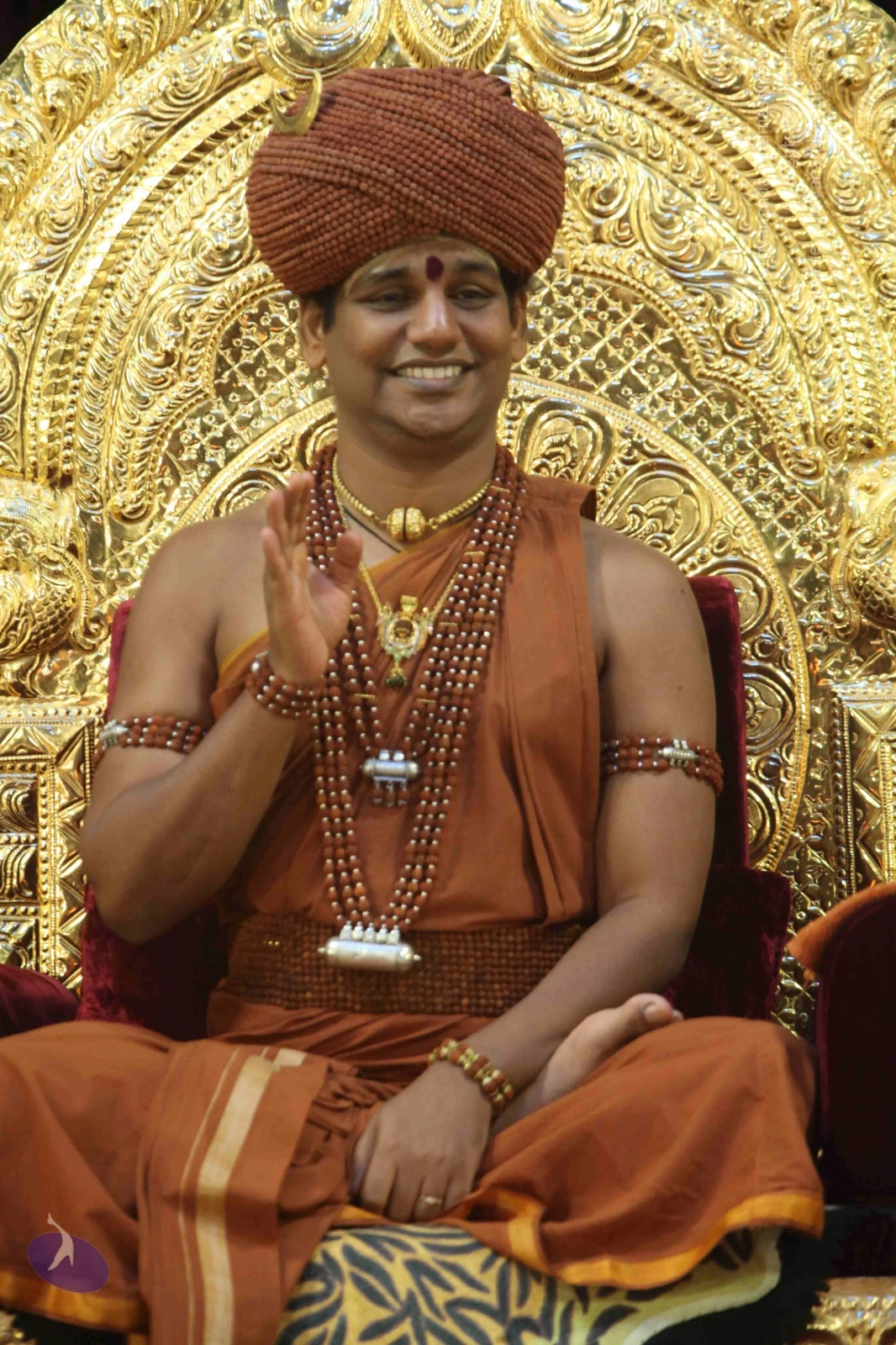
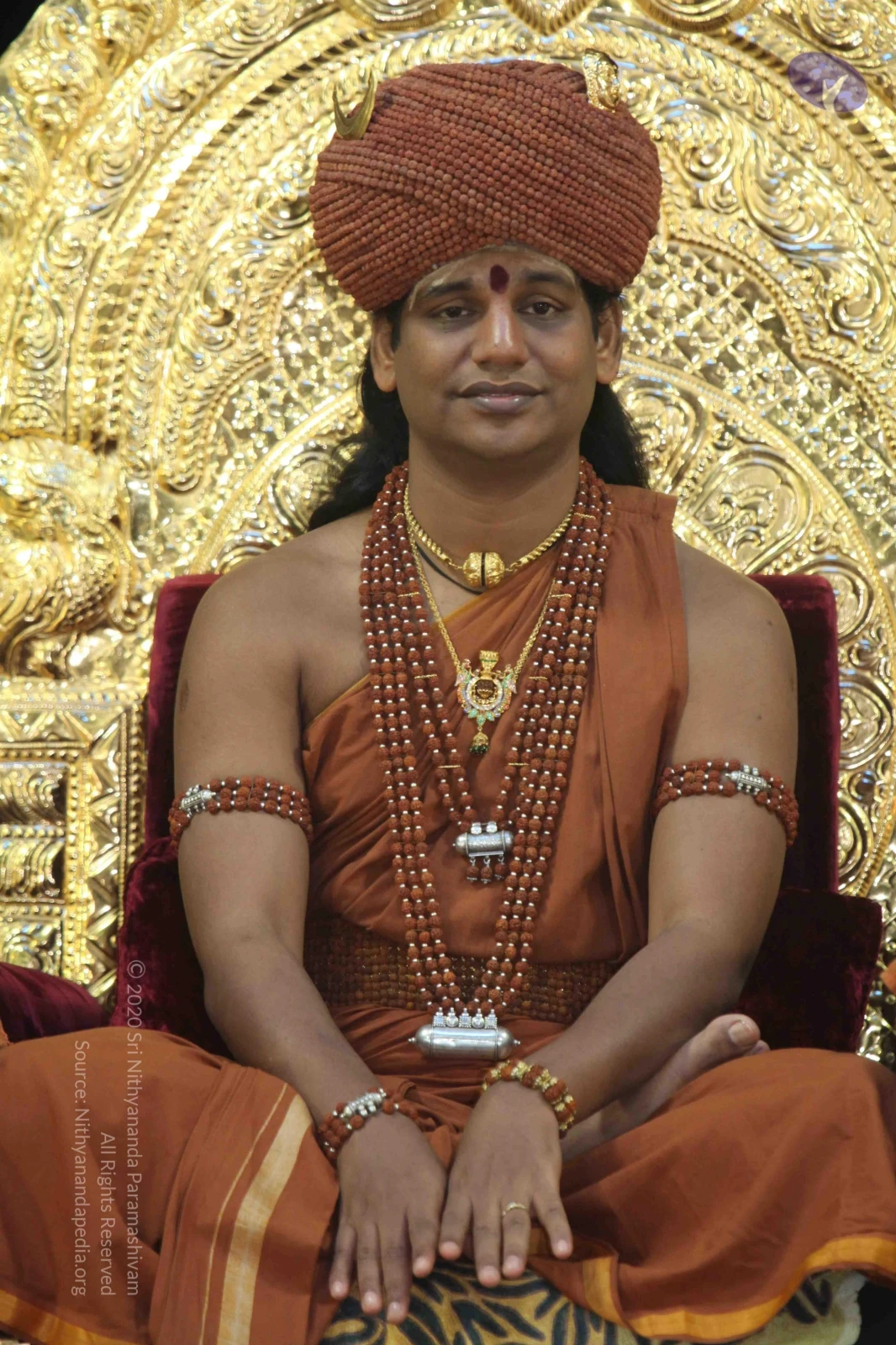
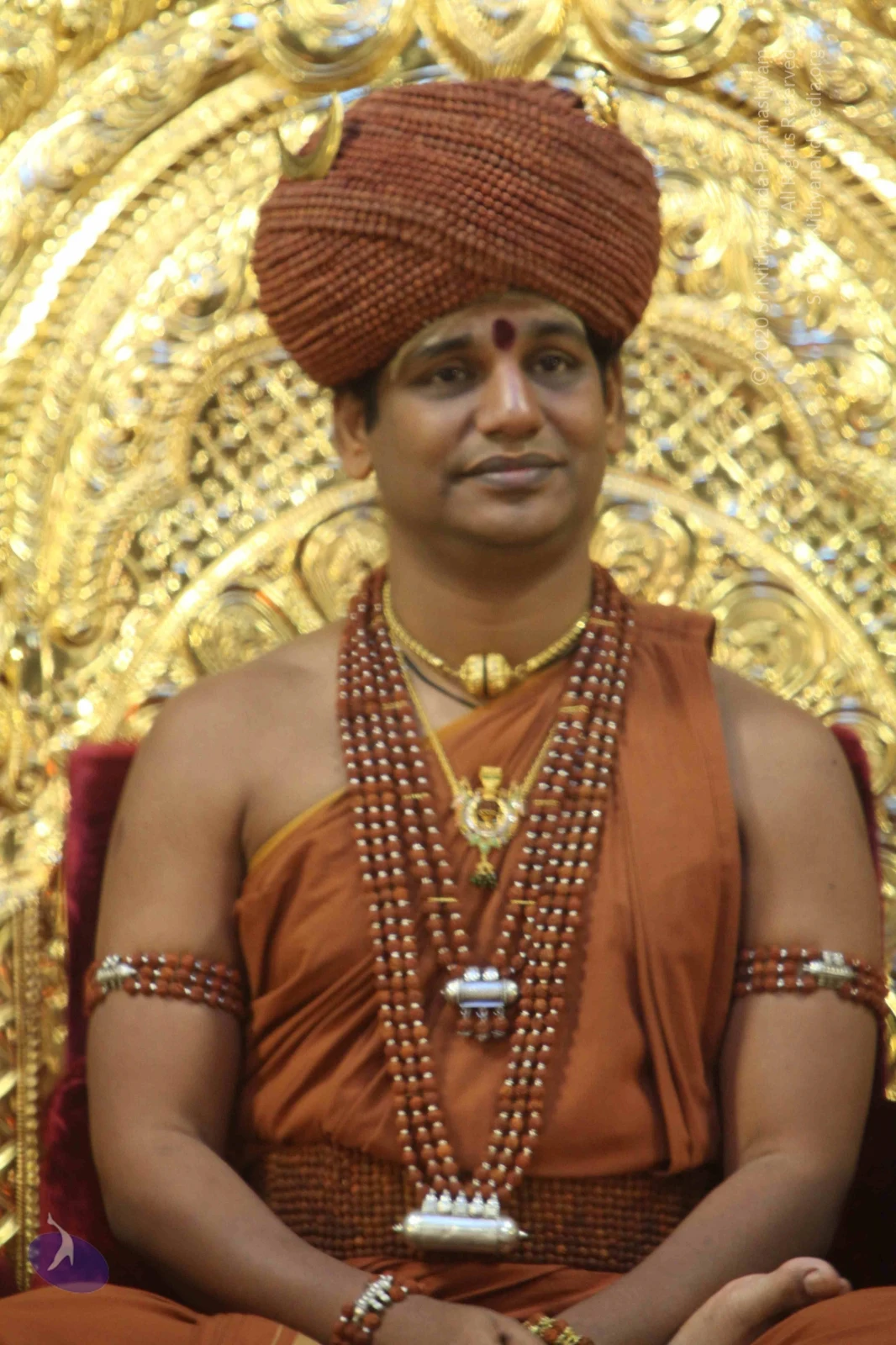
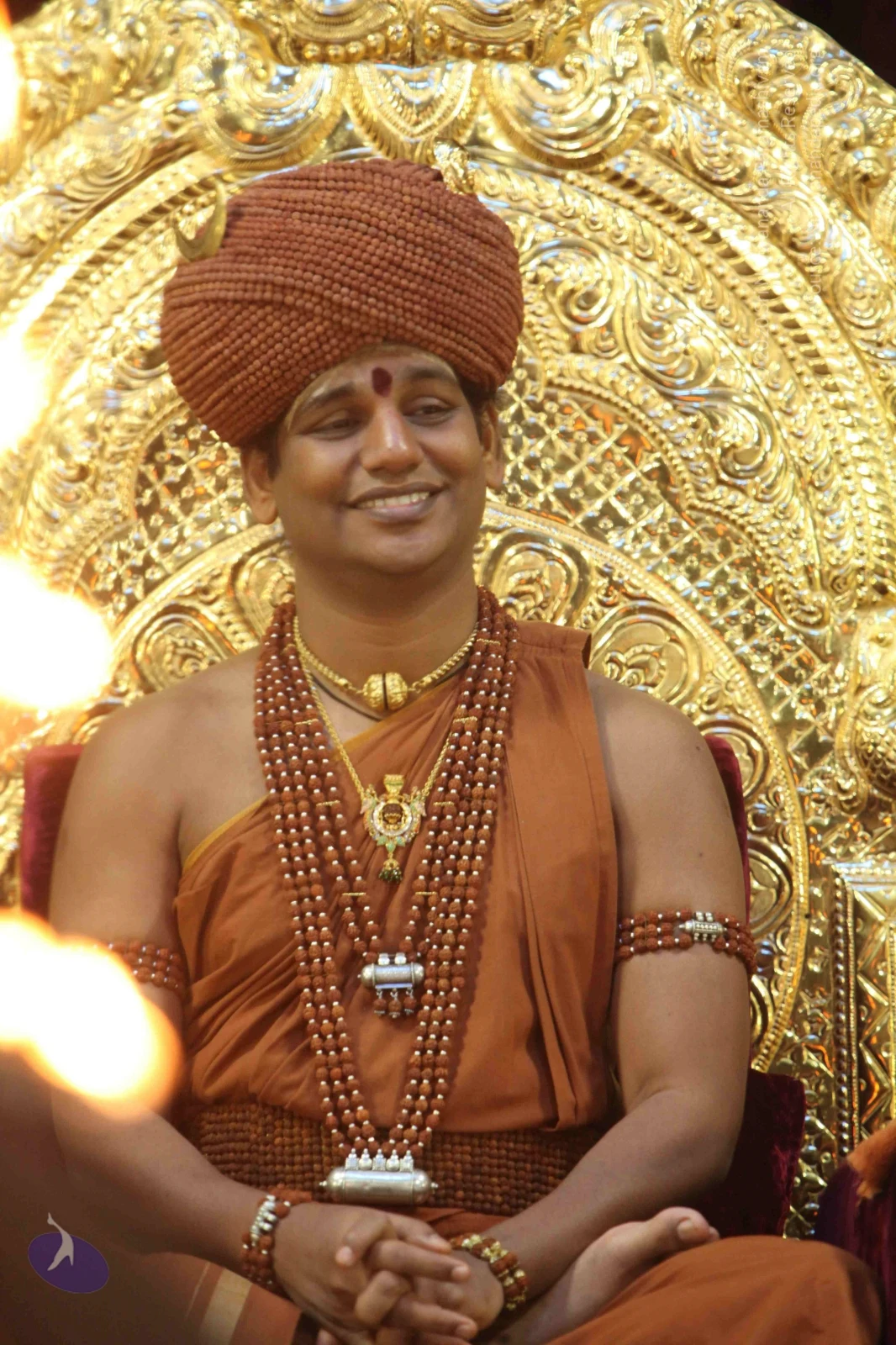
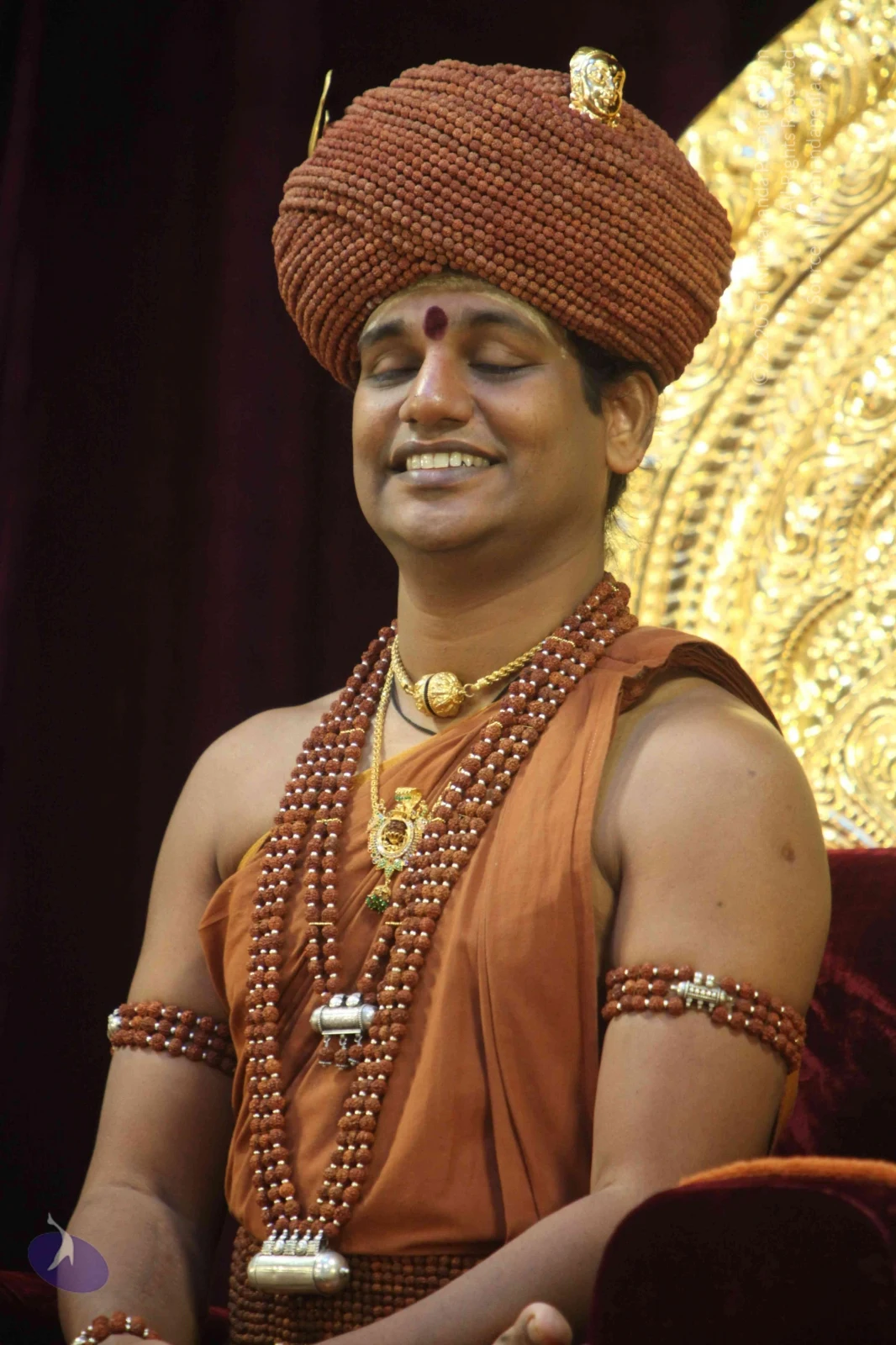
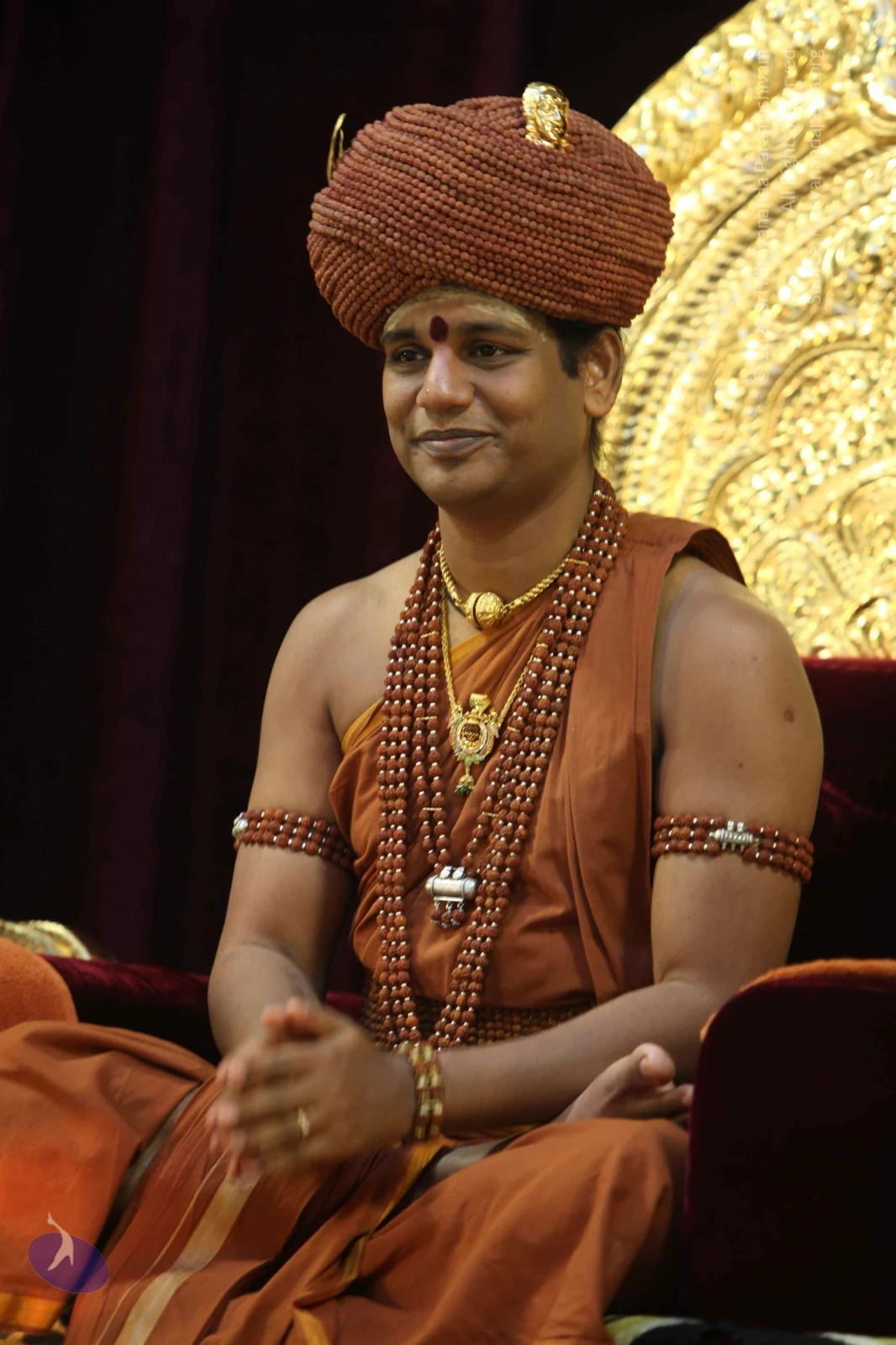
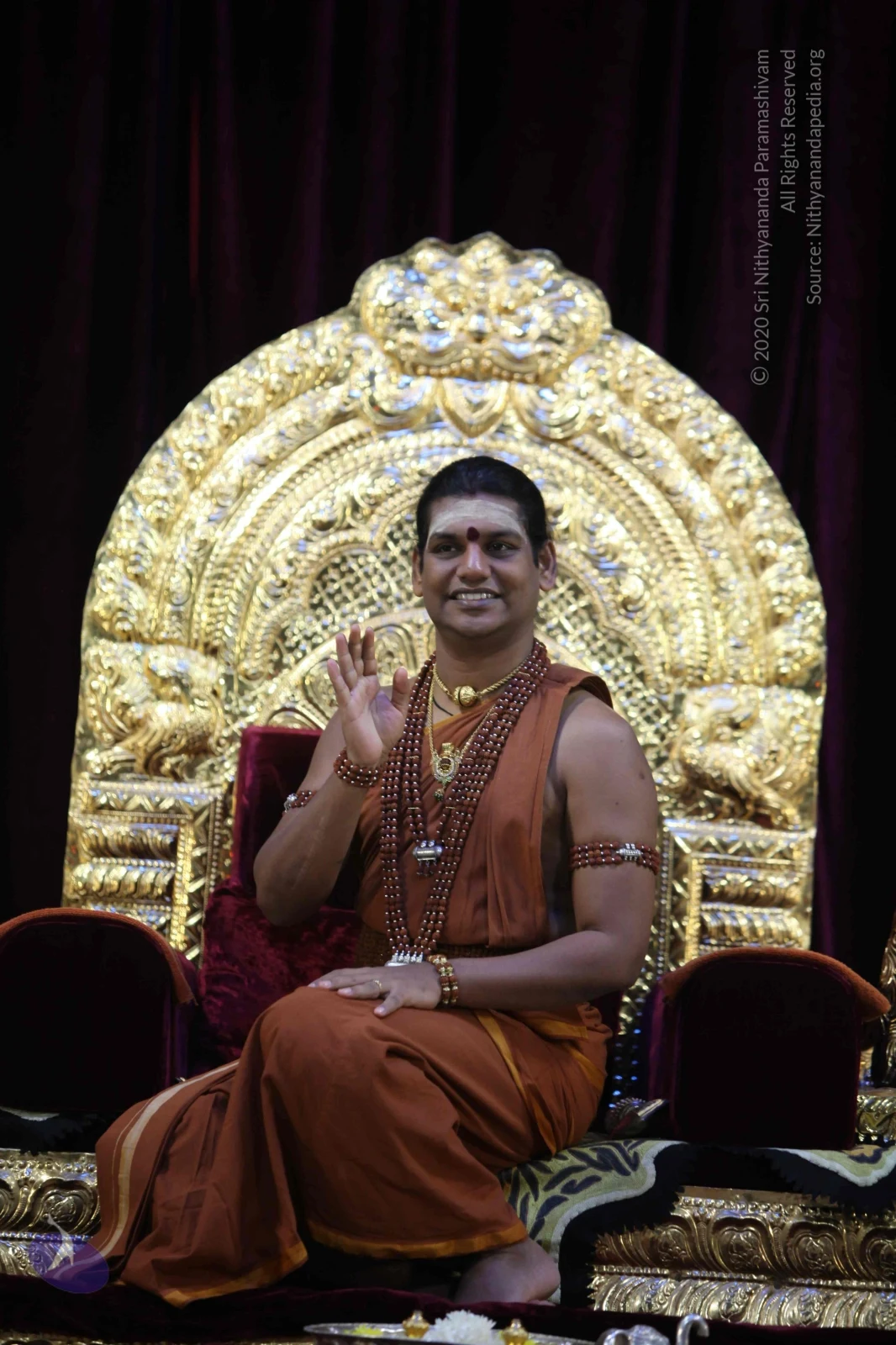
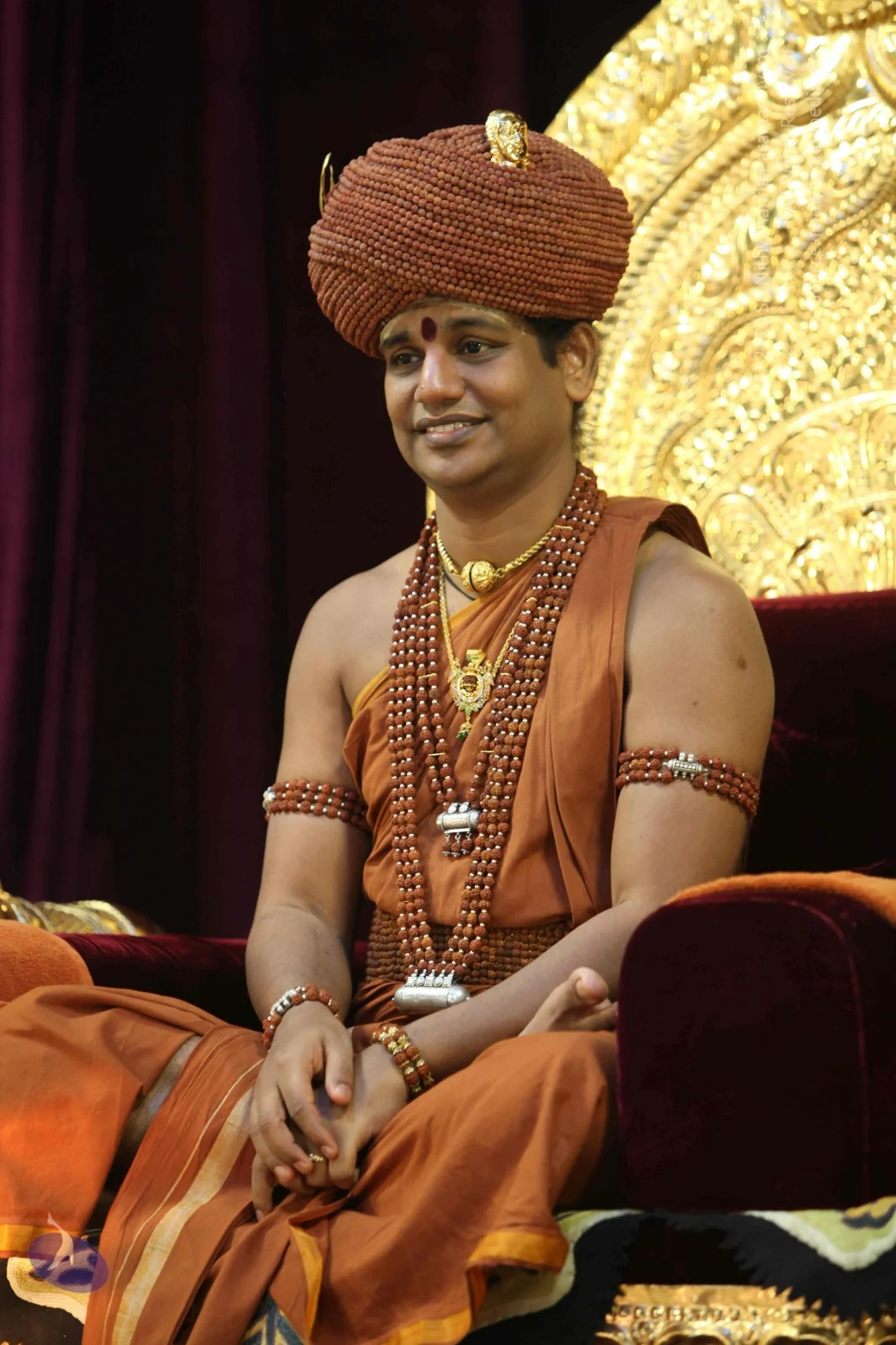
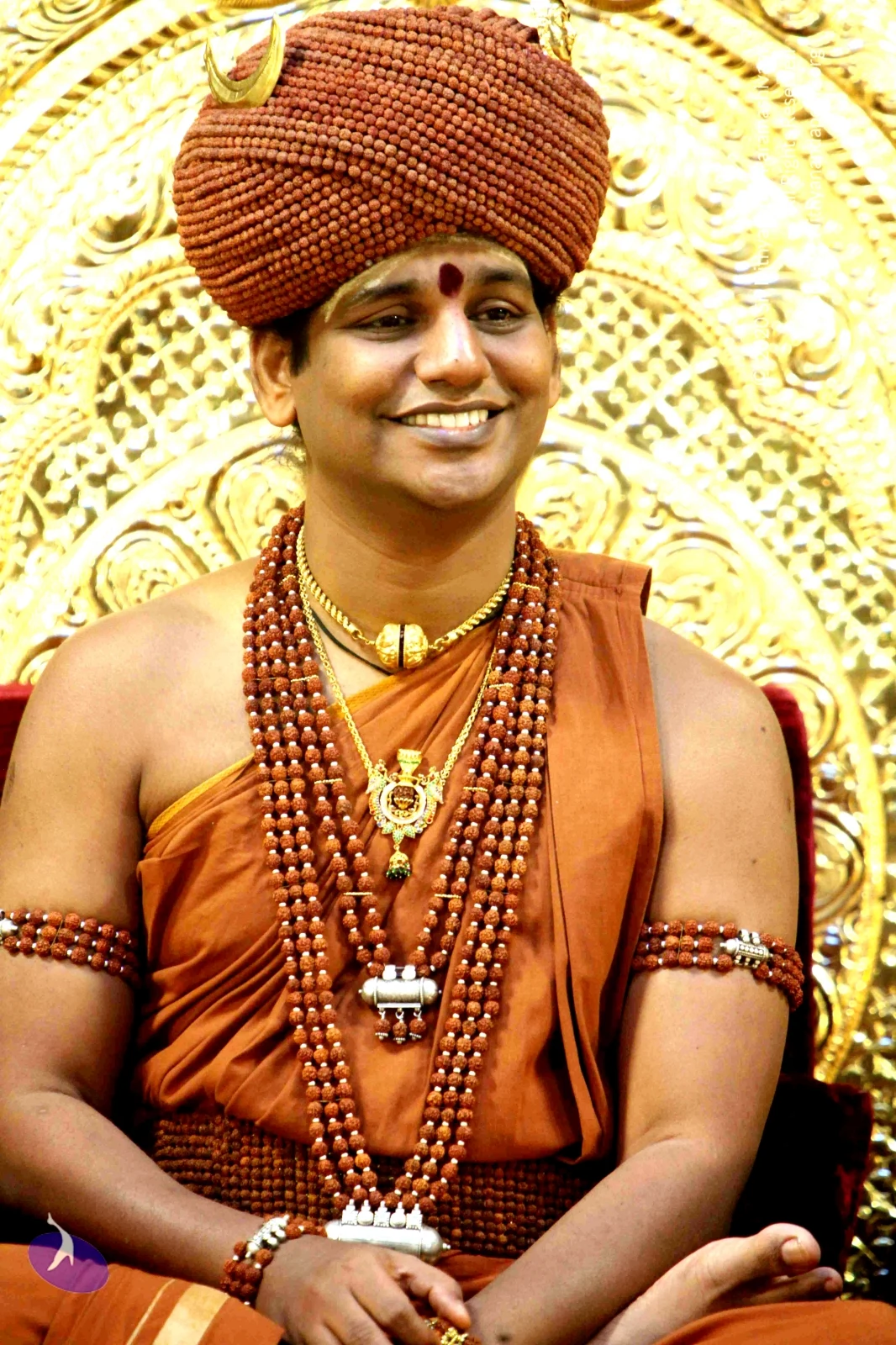
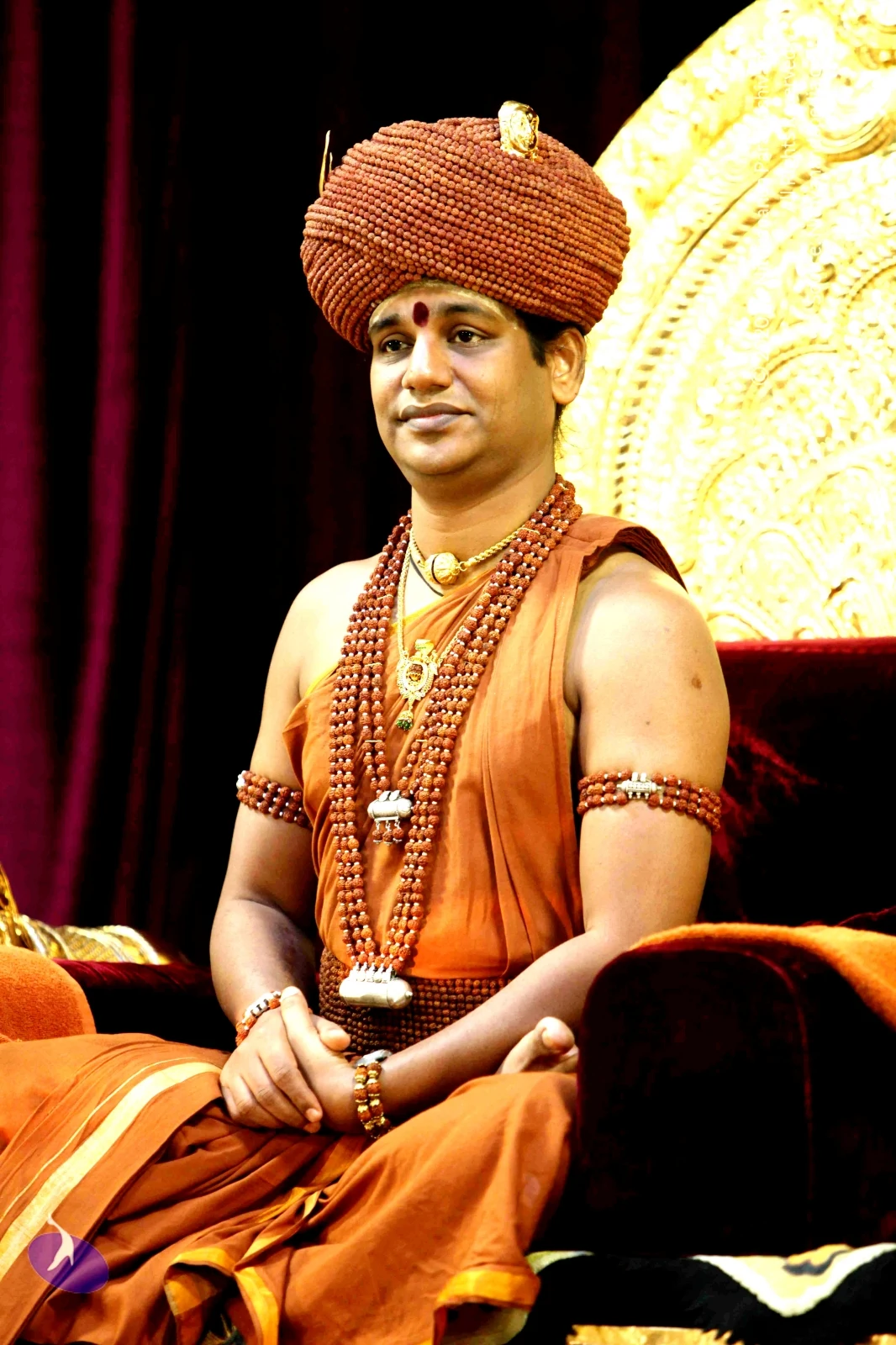
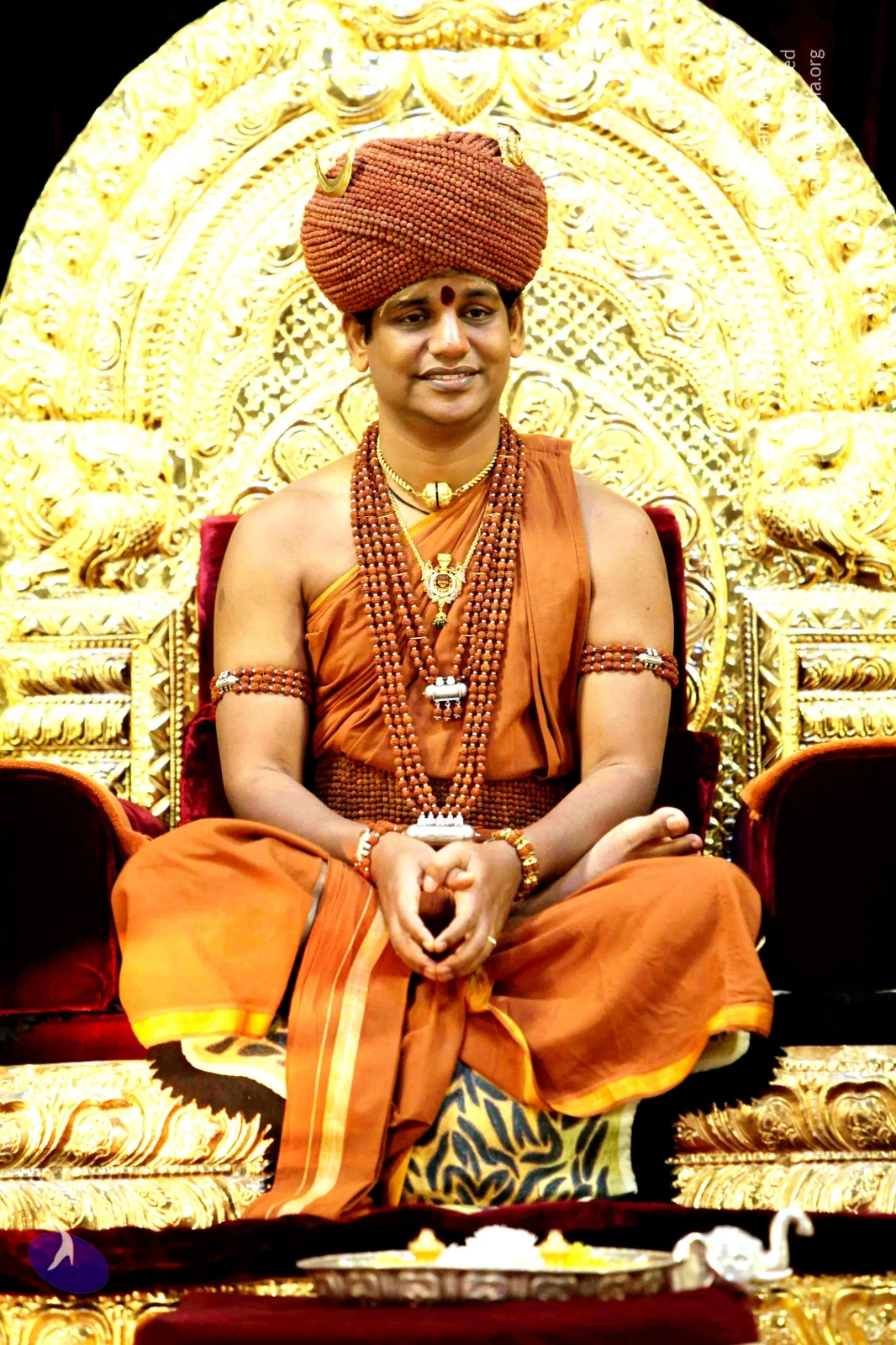
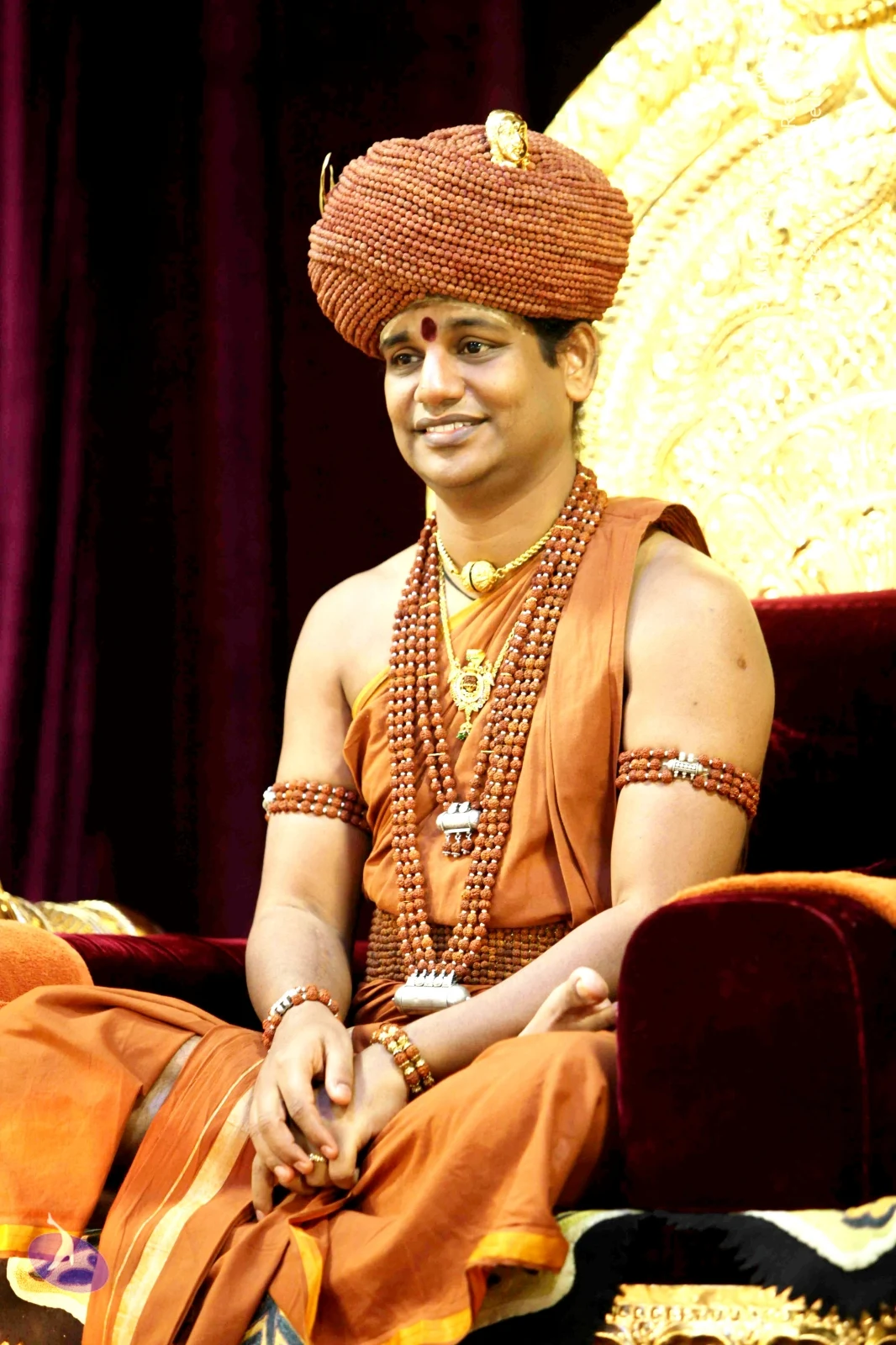
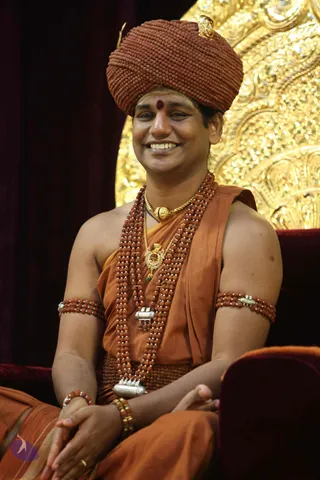
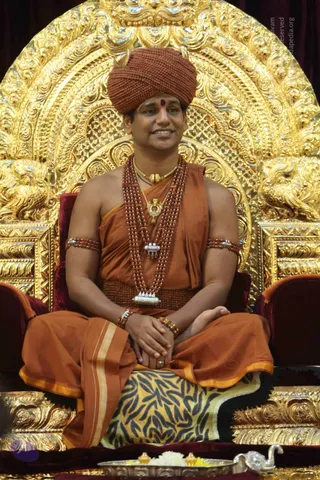
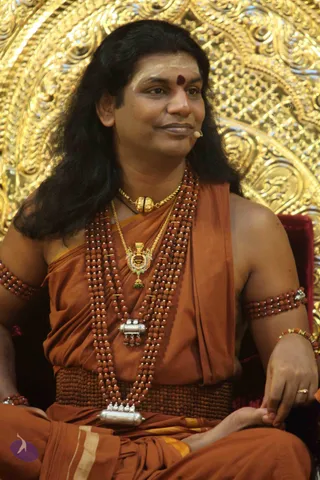
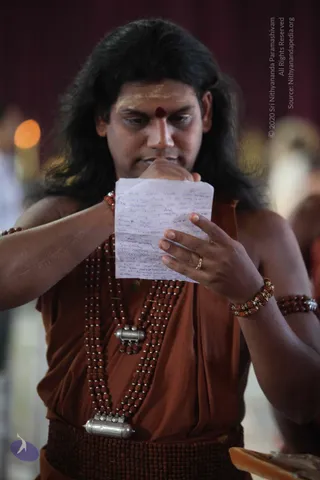
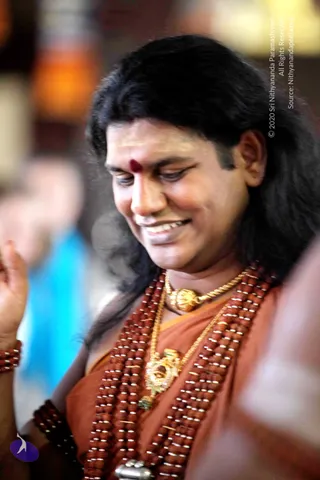
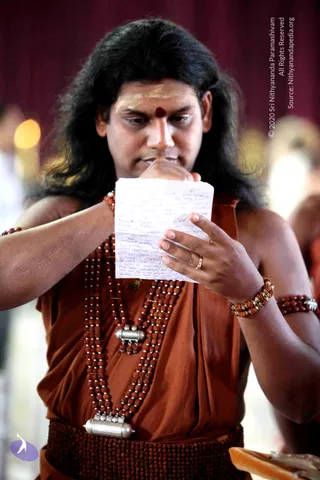
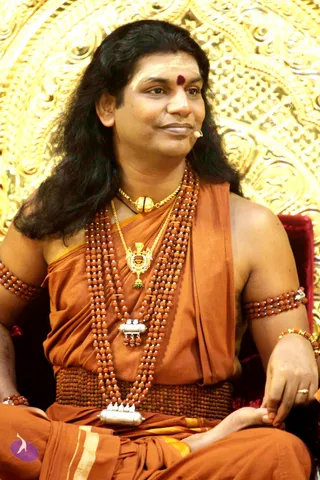
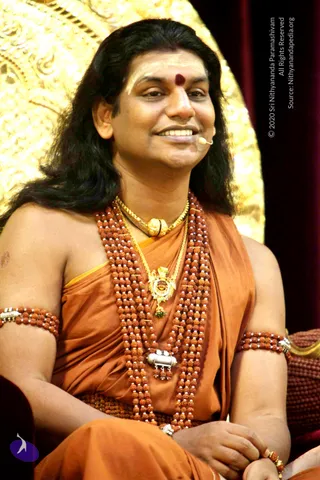
Photos Of The Day:
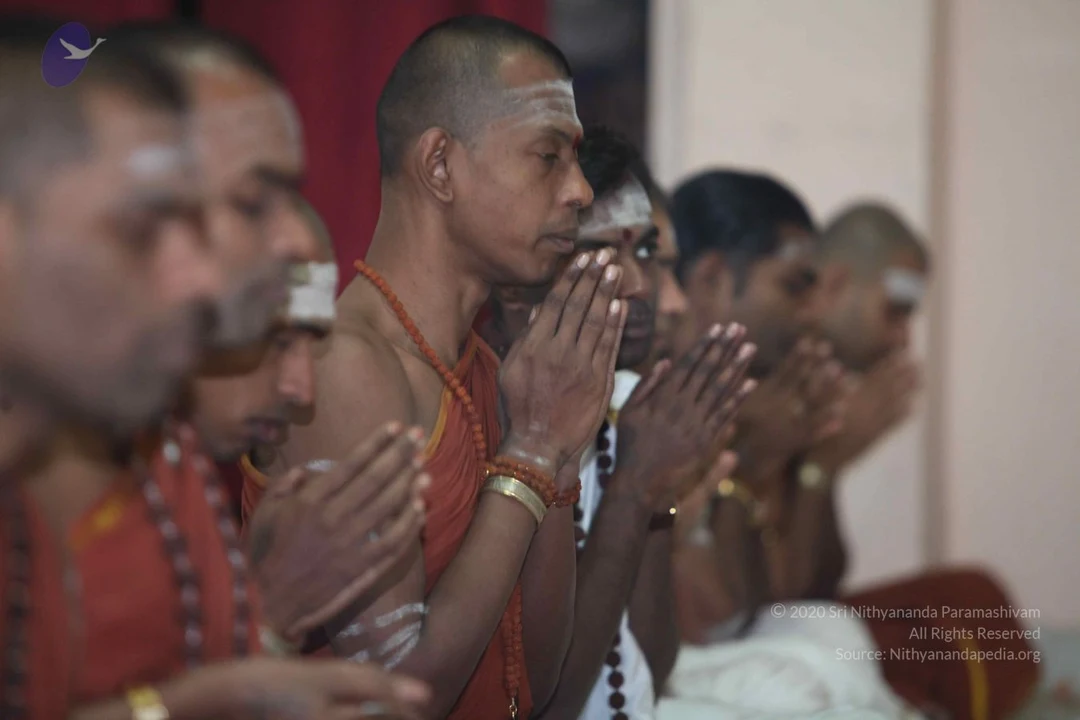
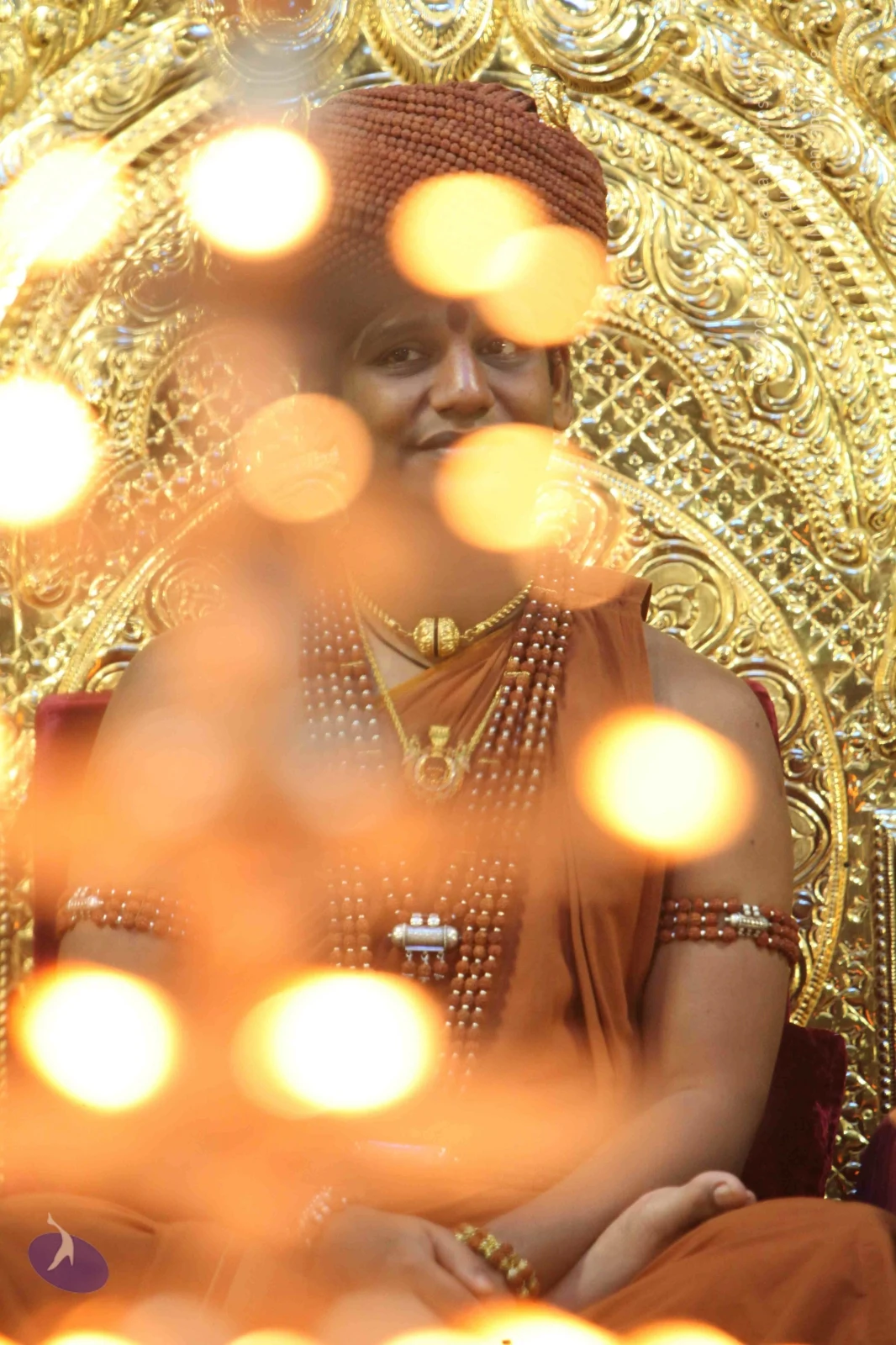
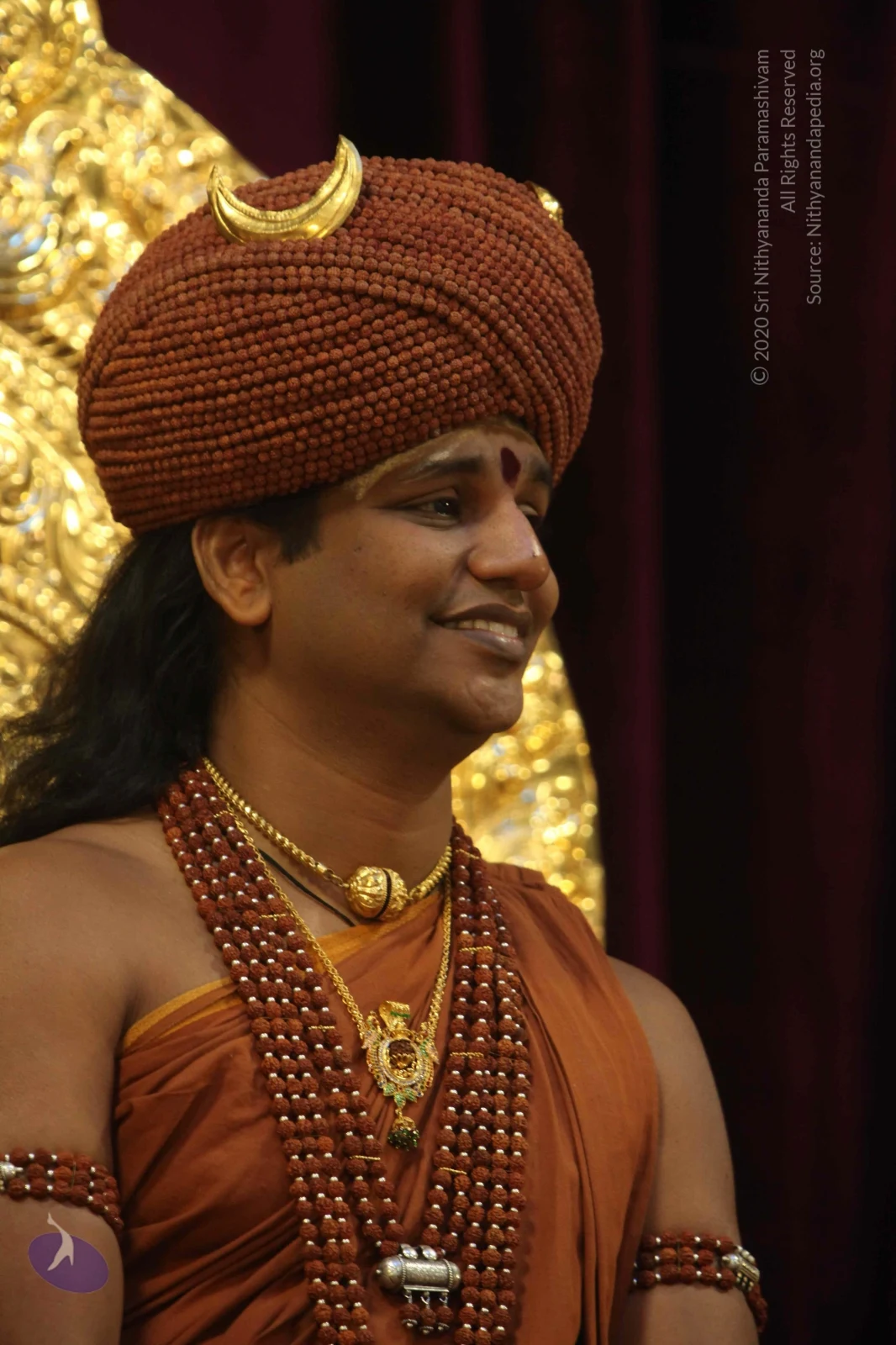
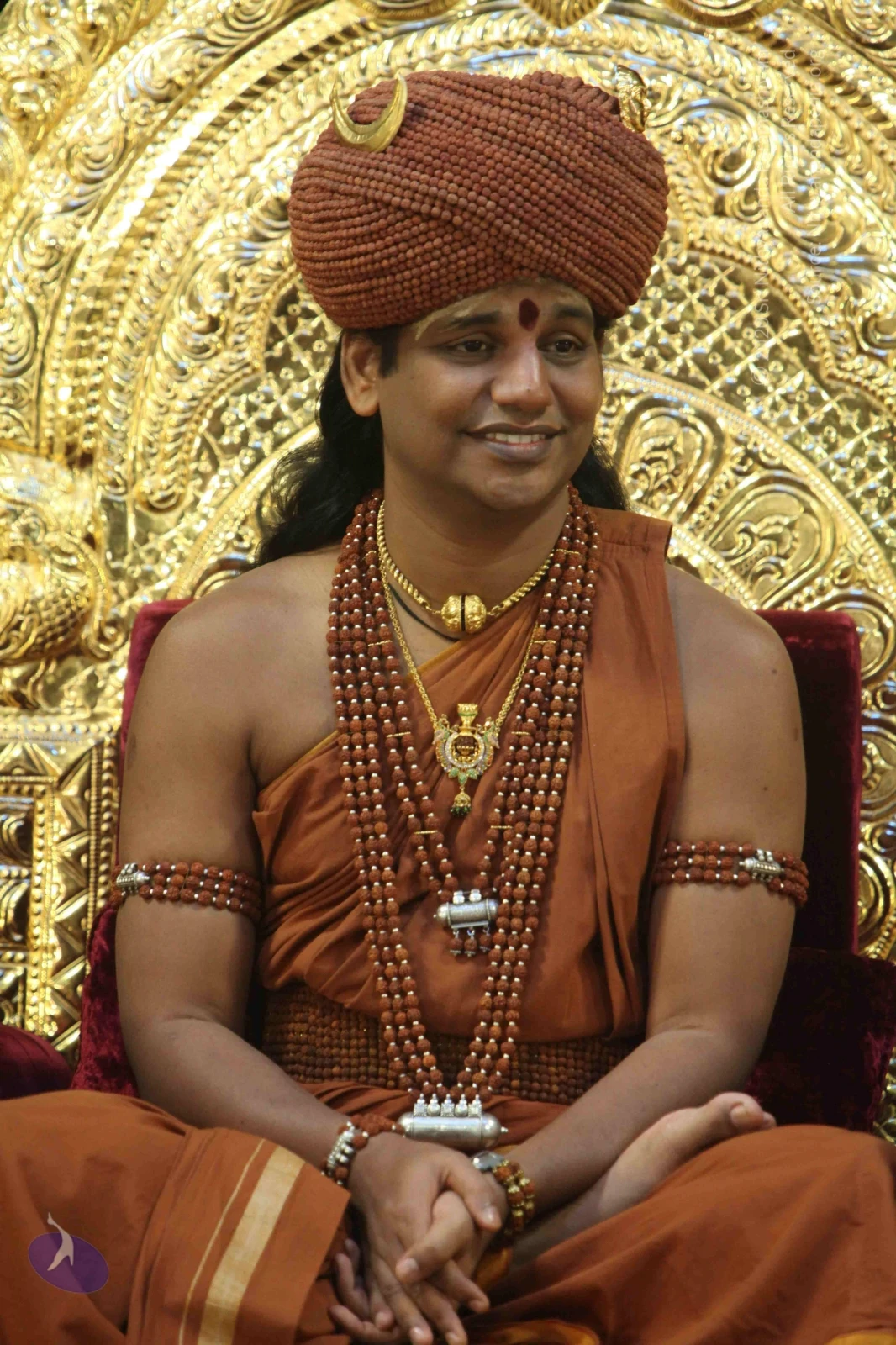
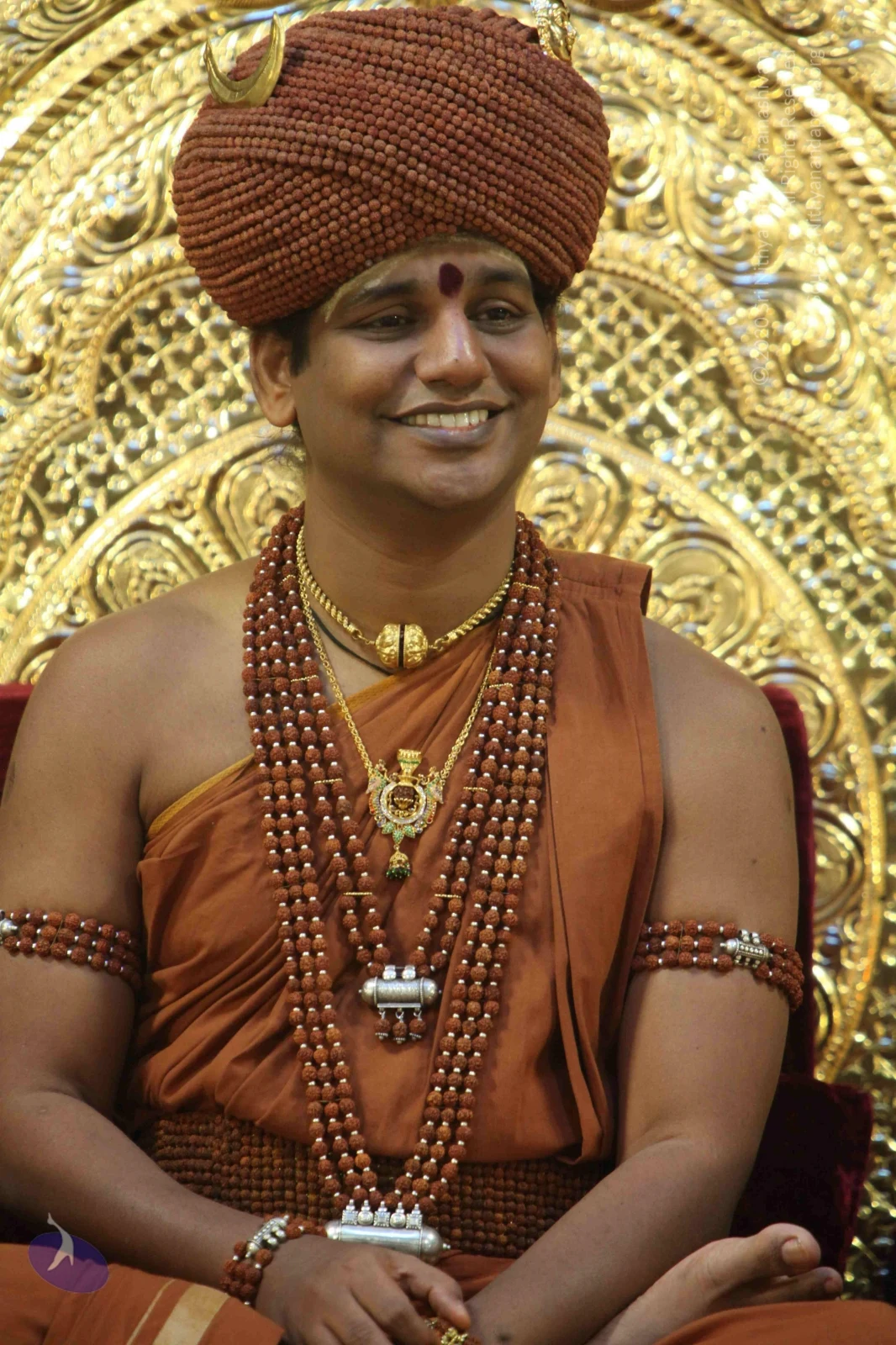
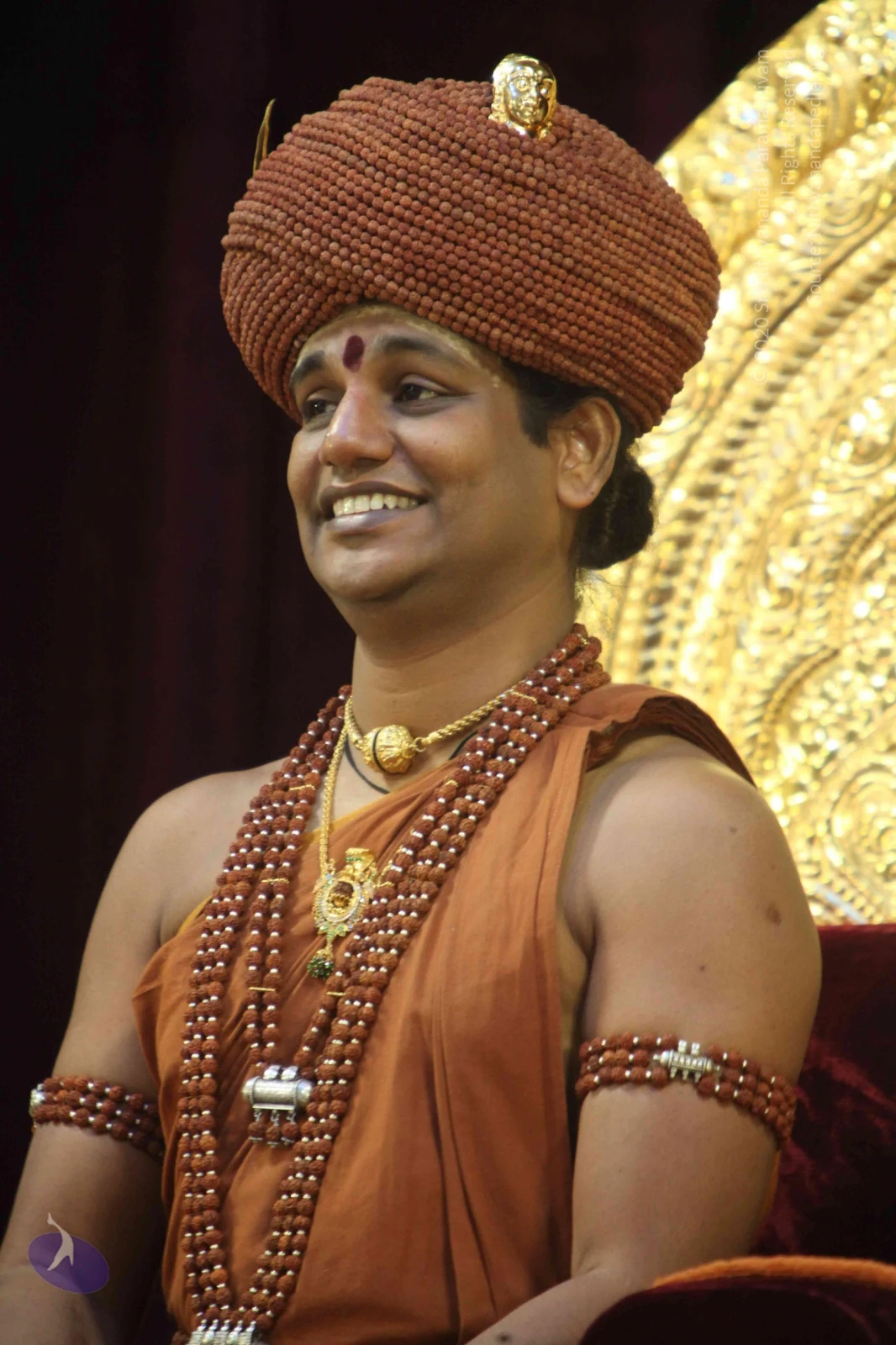
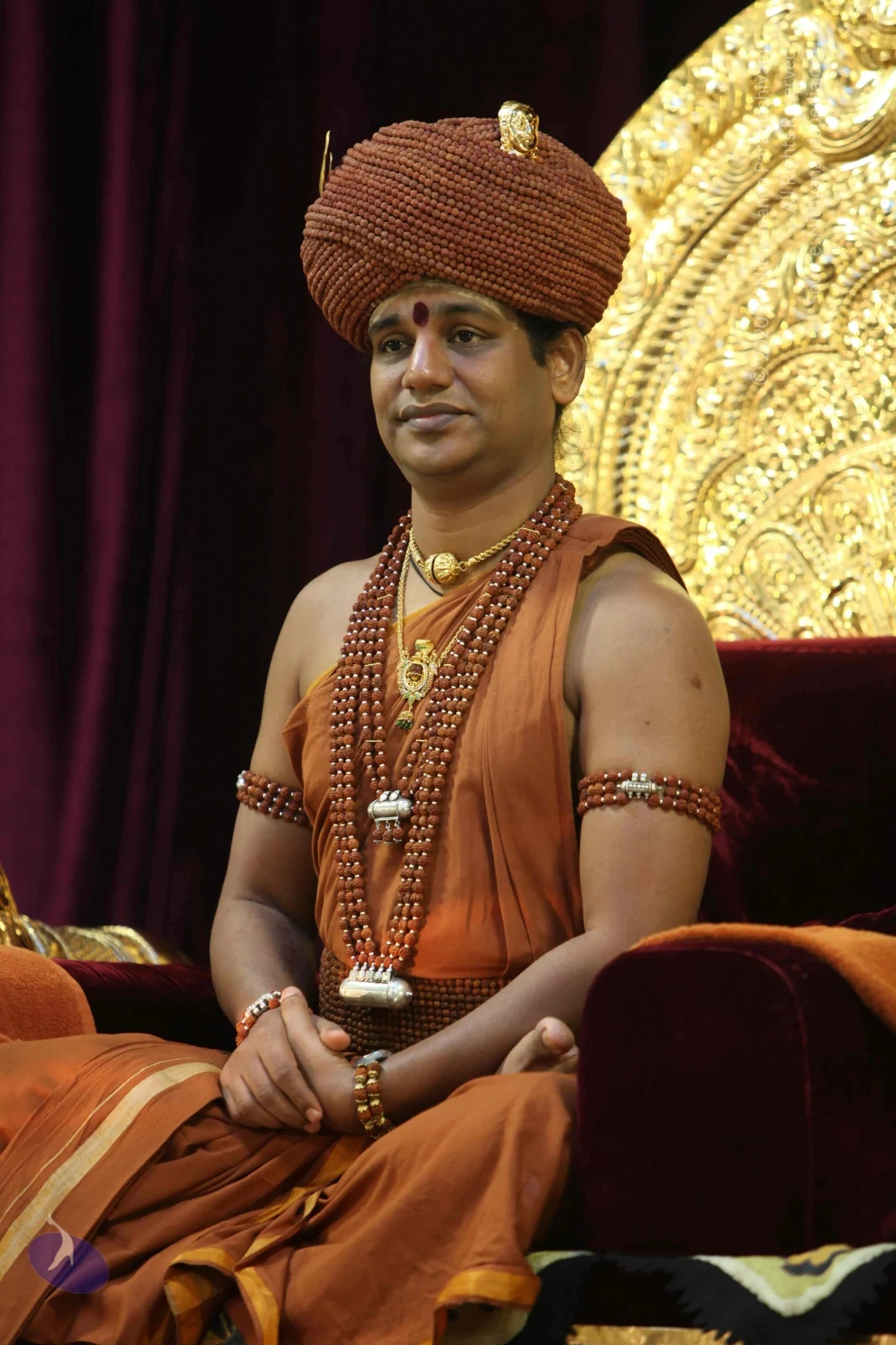
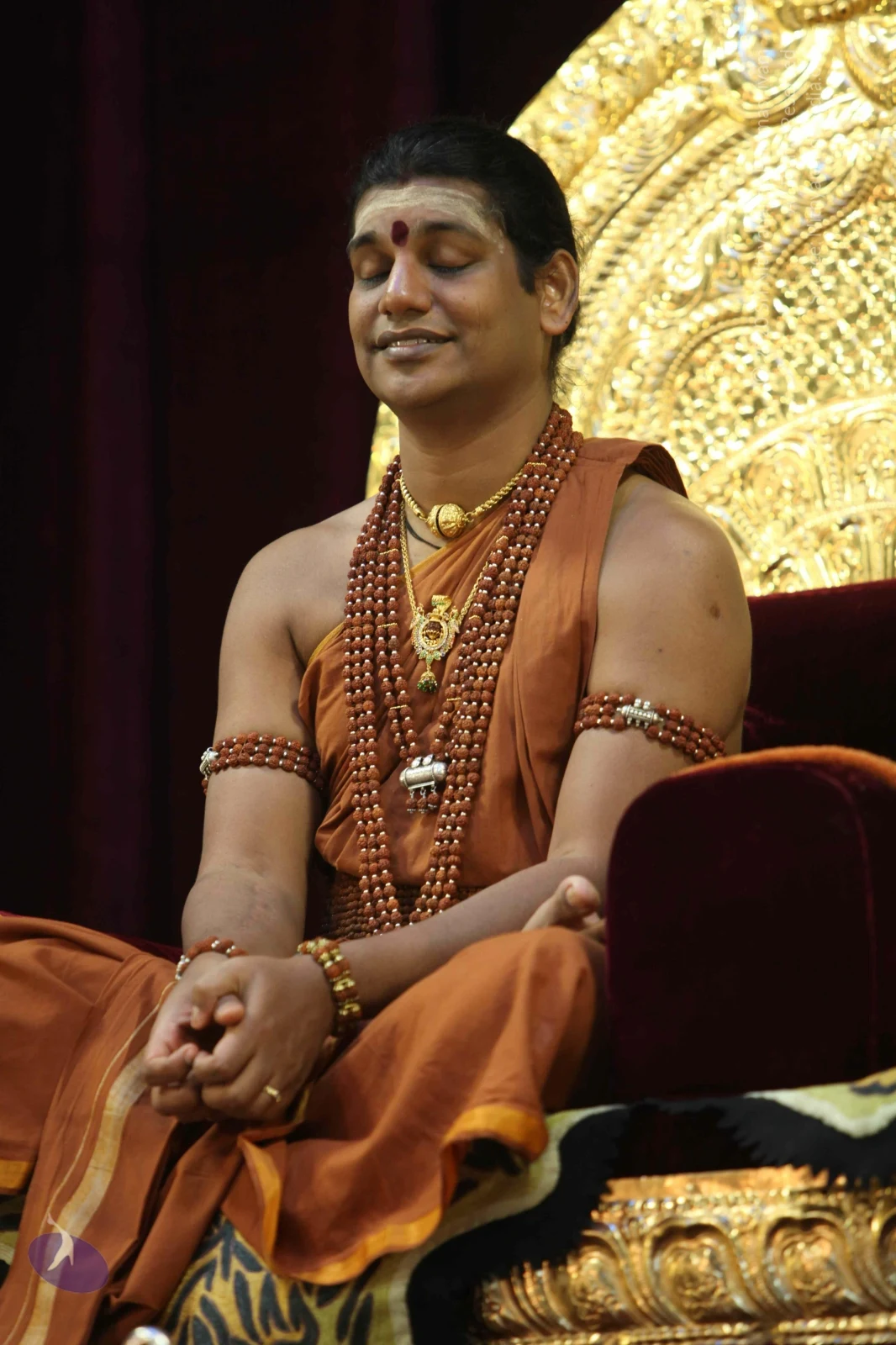
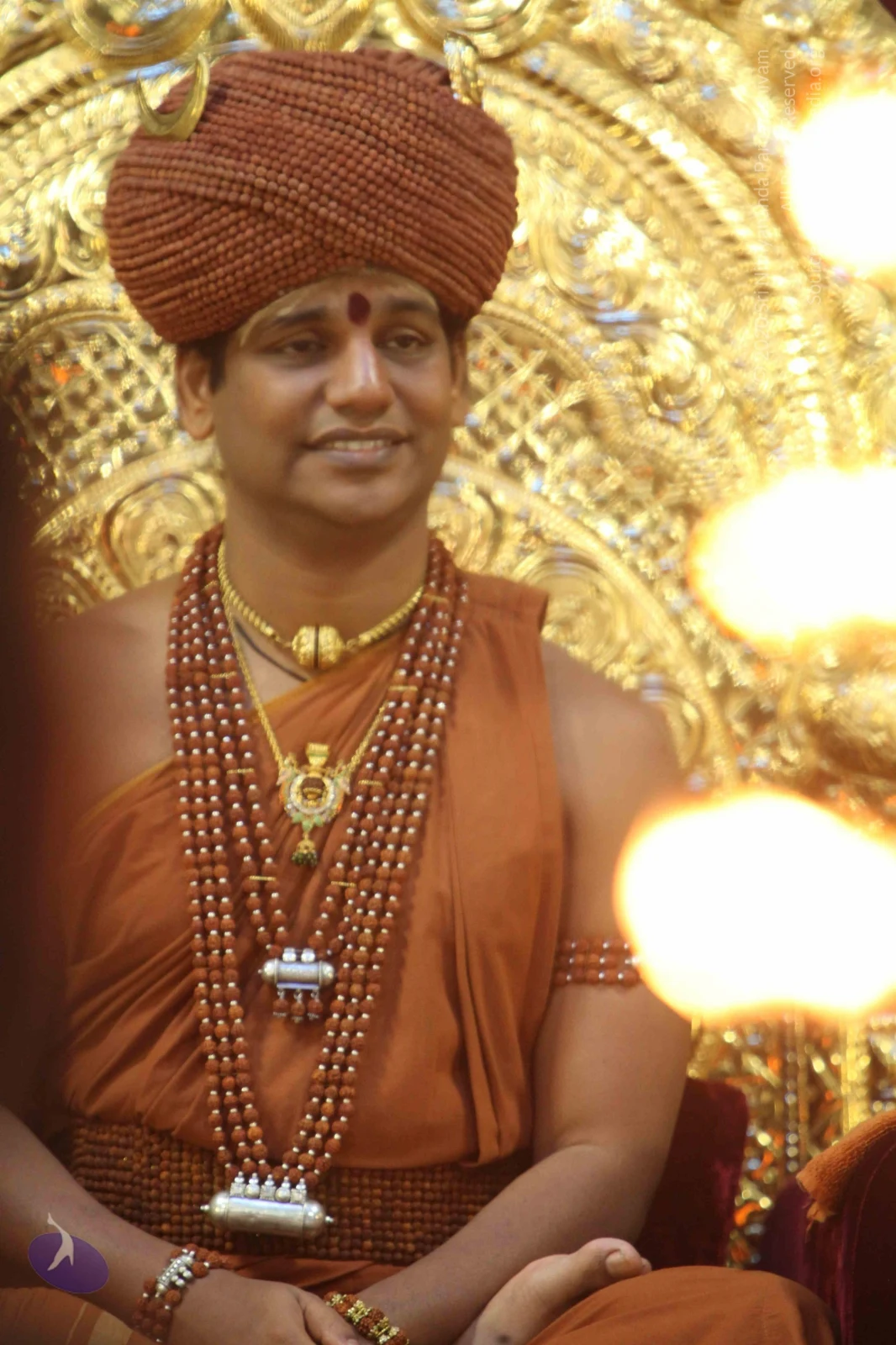
Pada-Puja
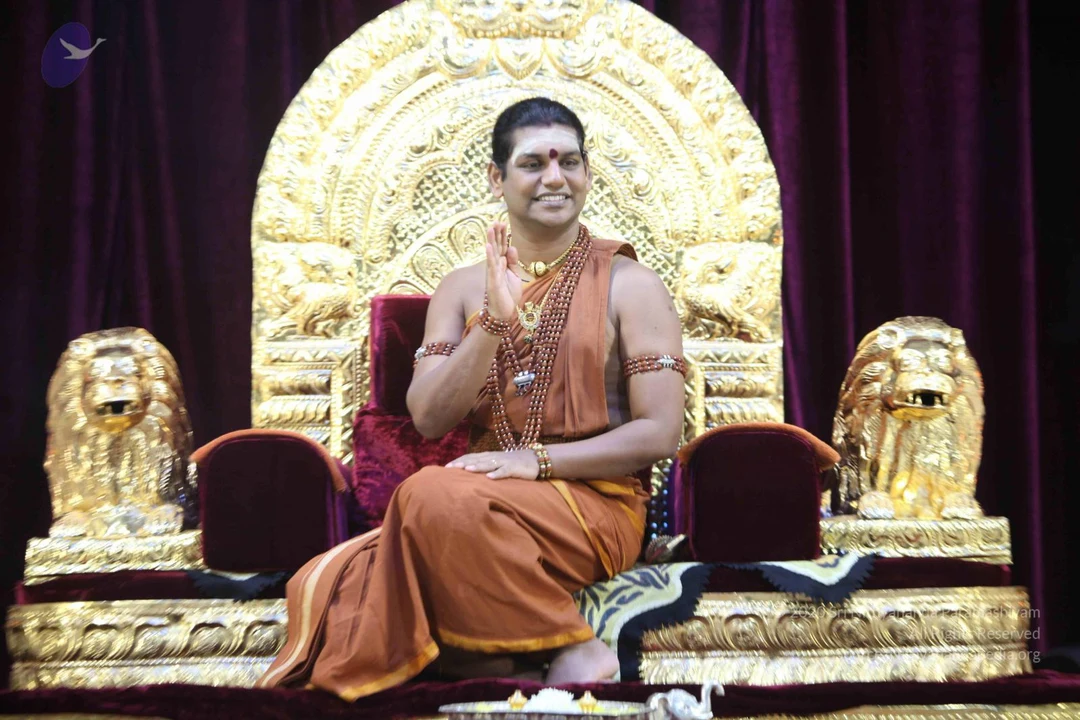
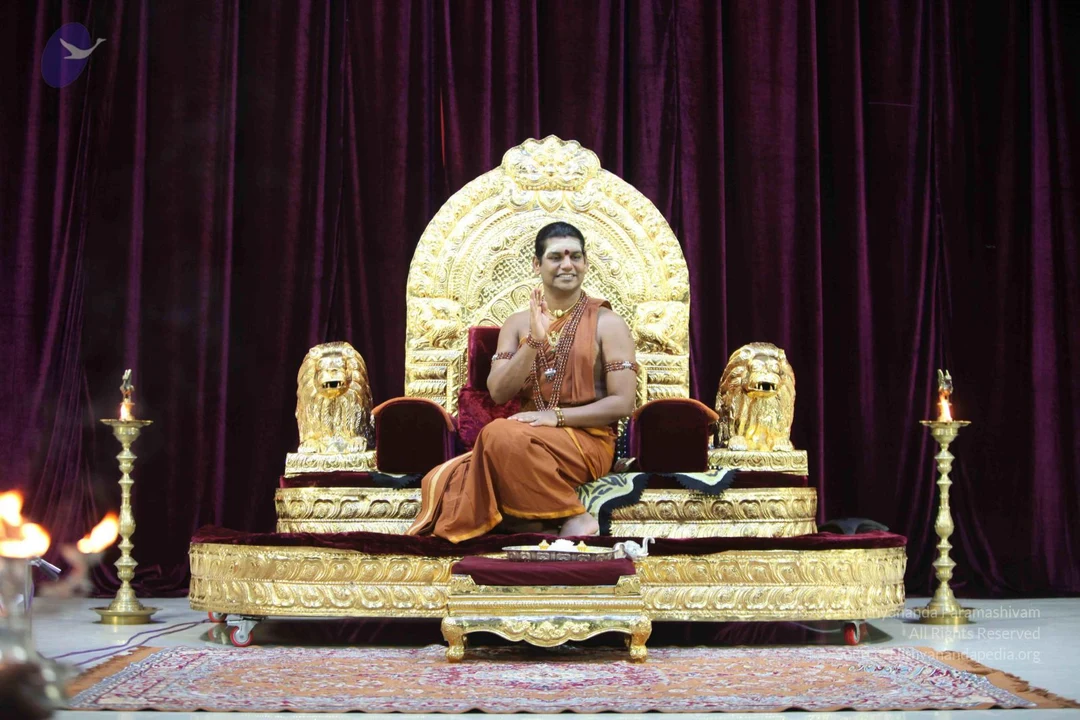
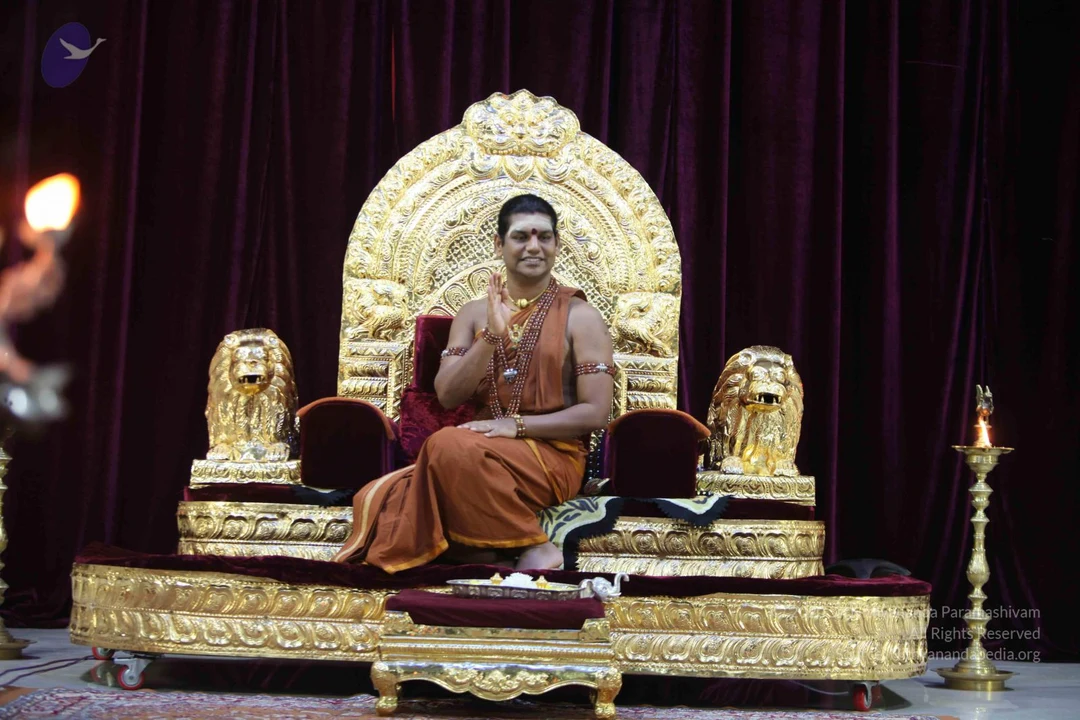
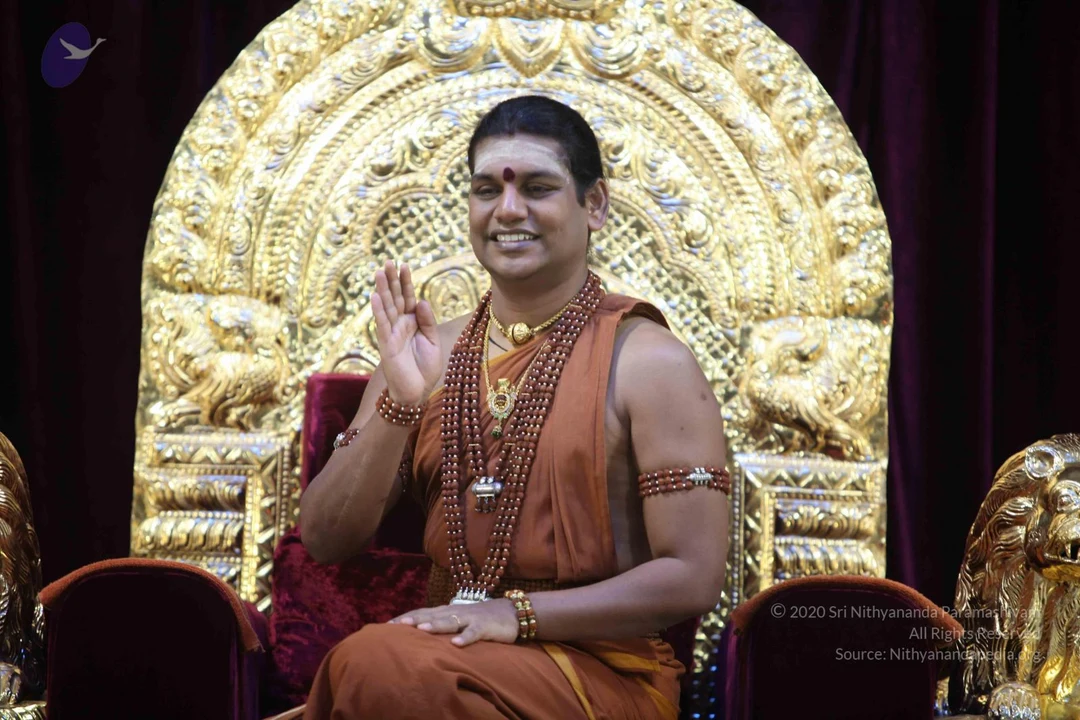
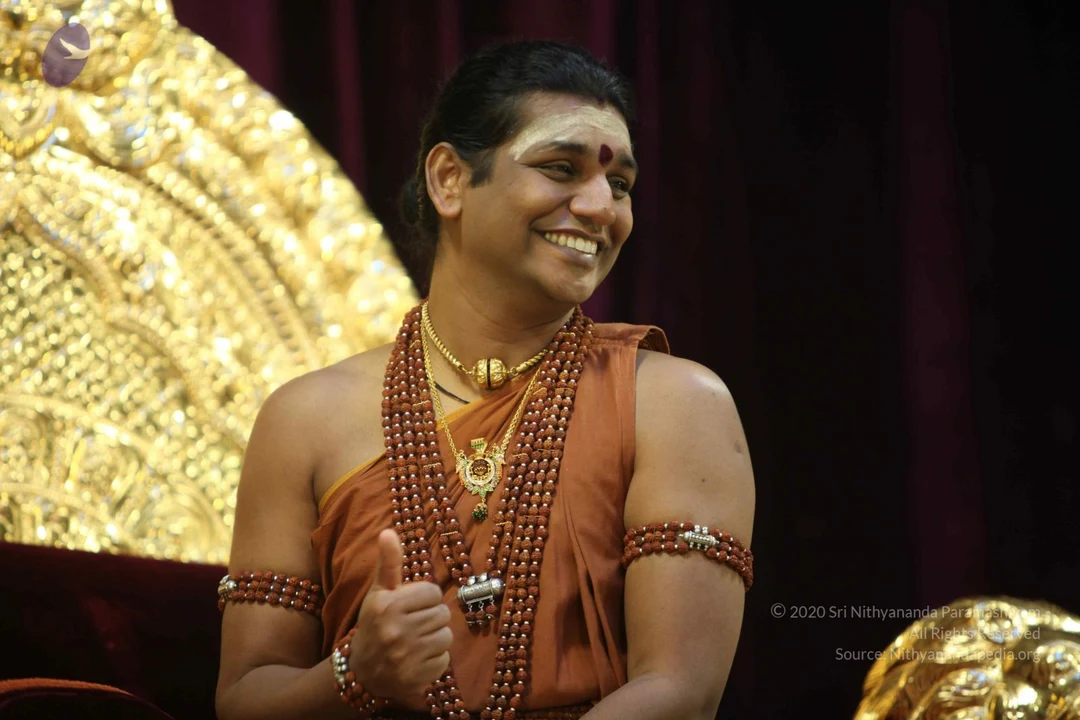
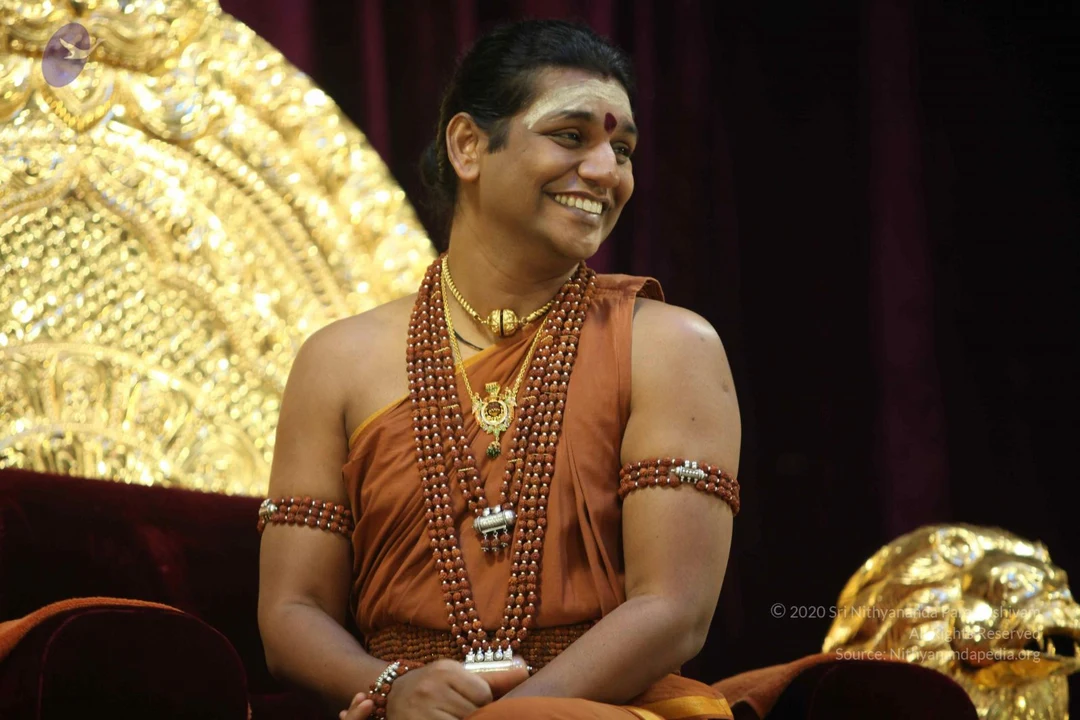
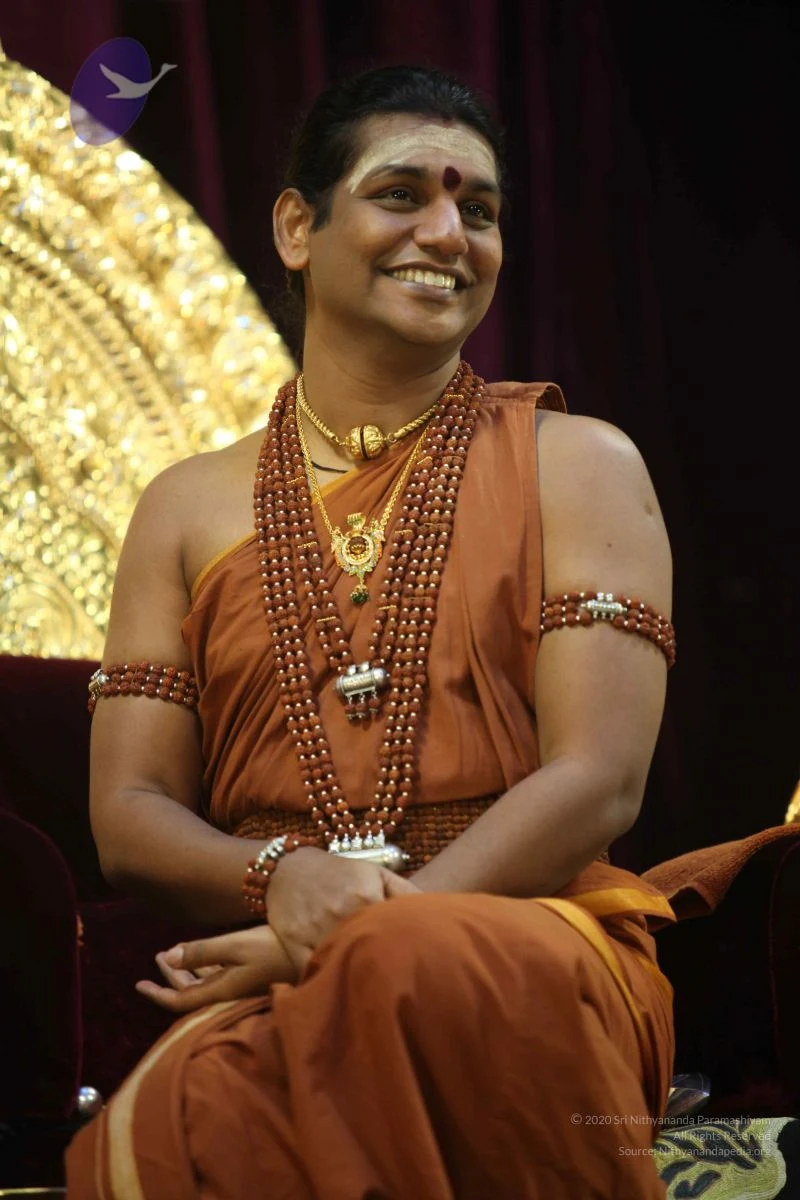
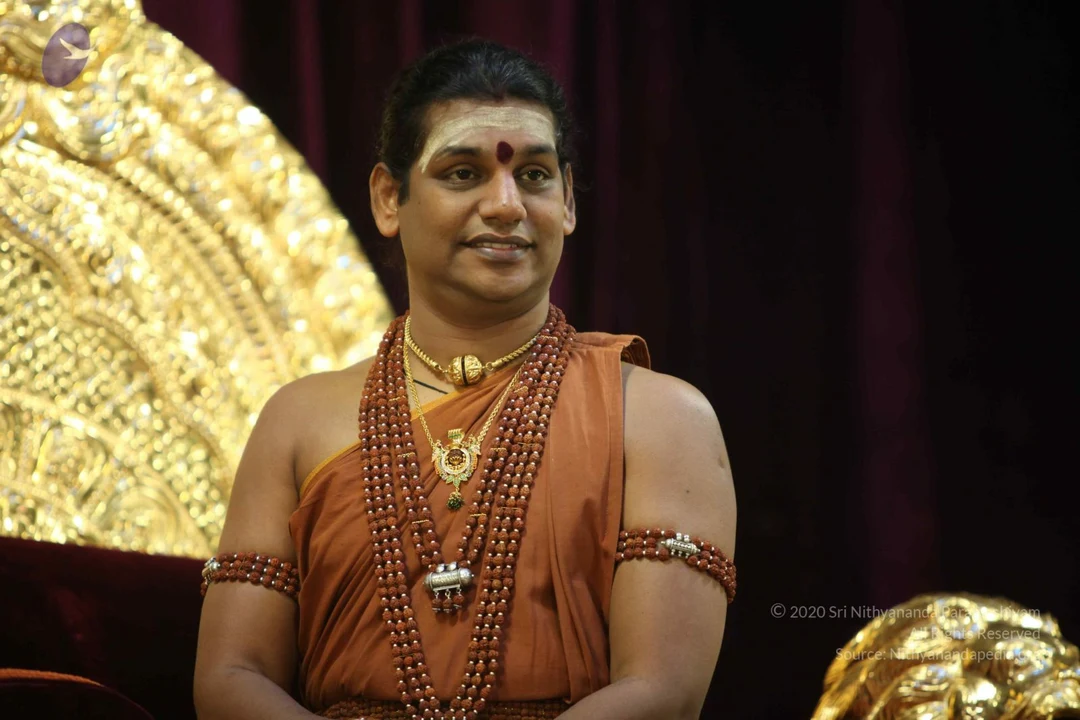
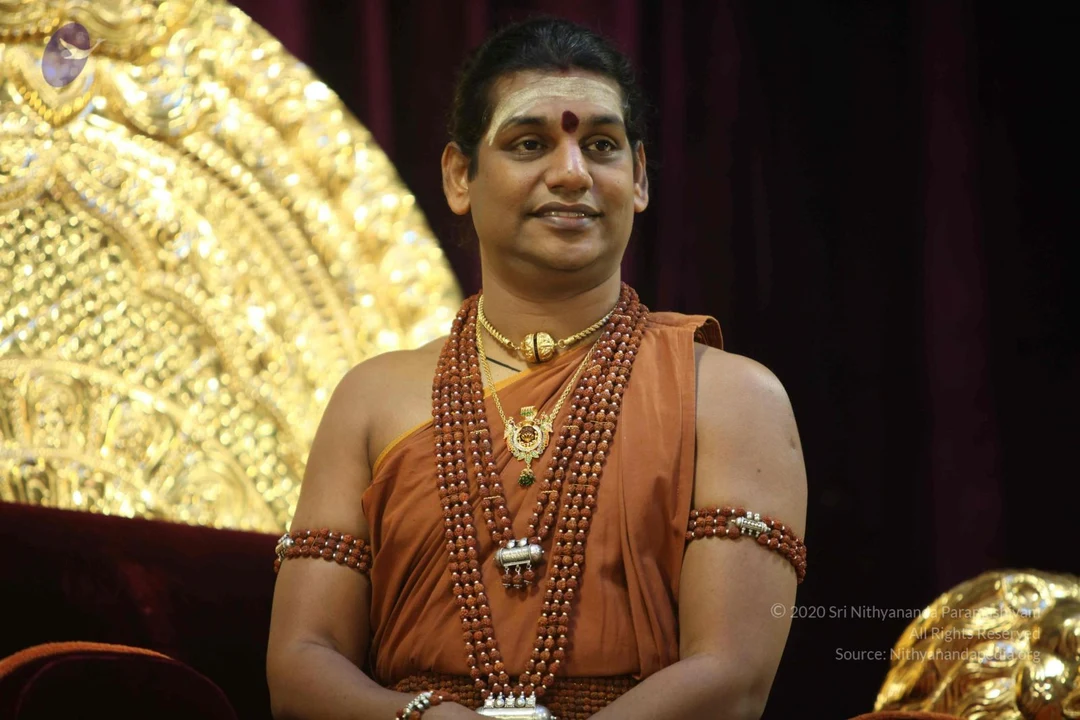
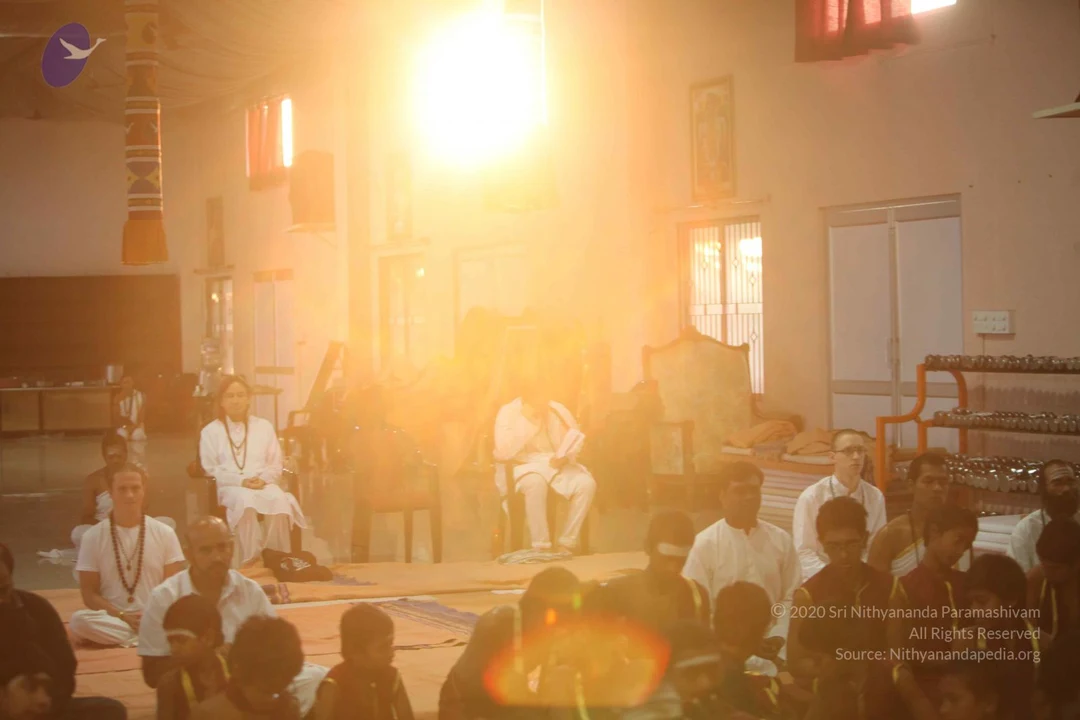
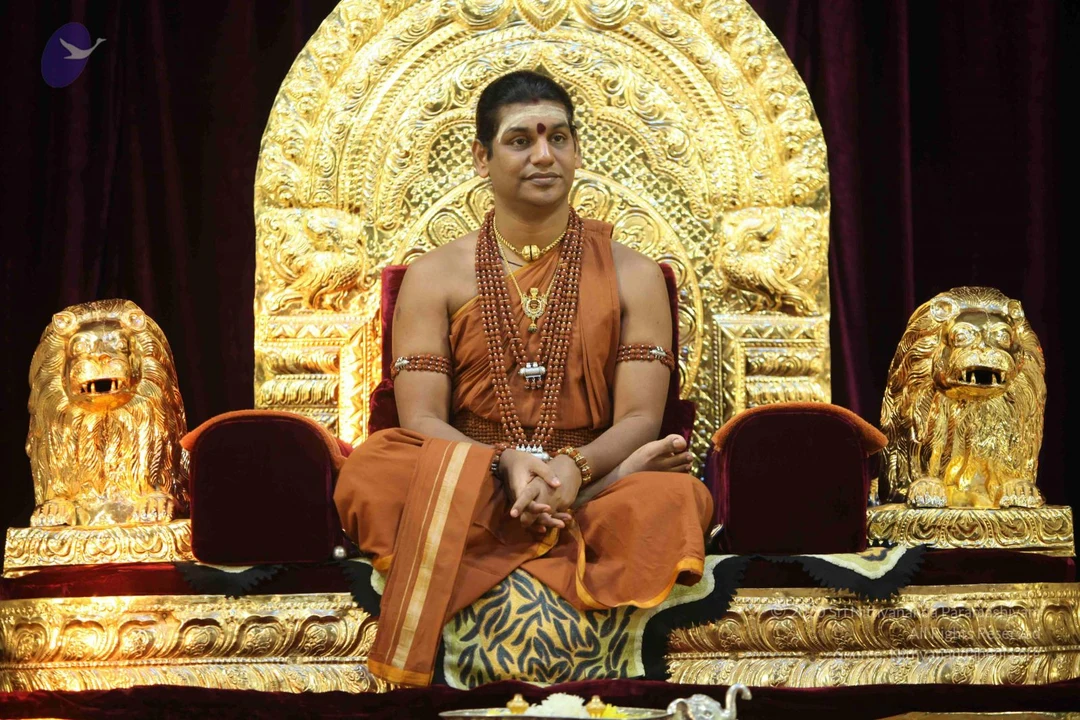
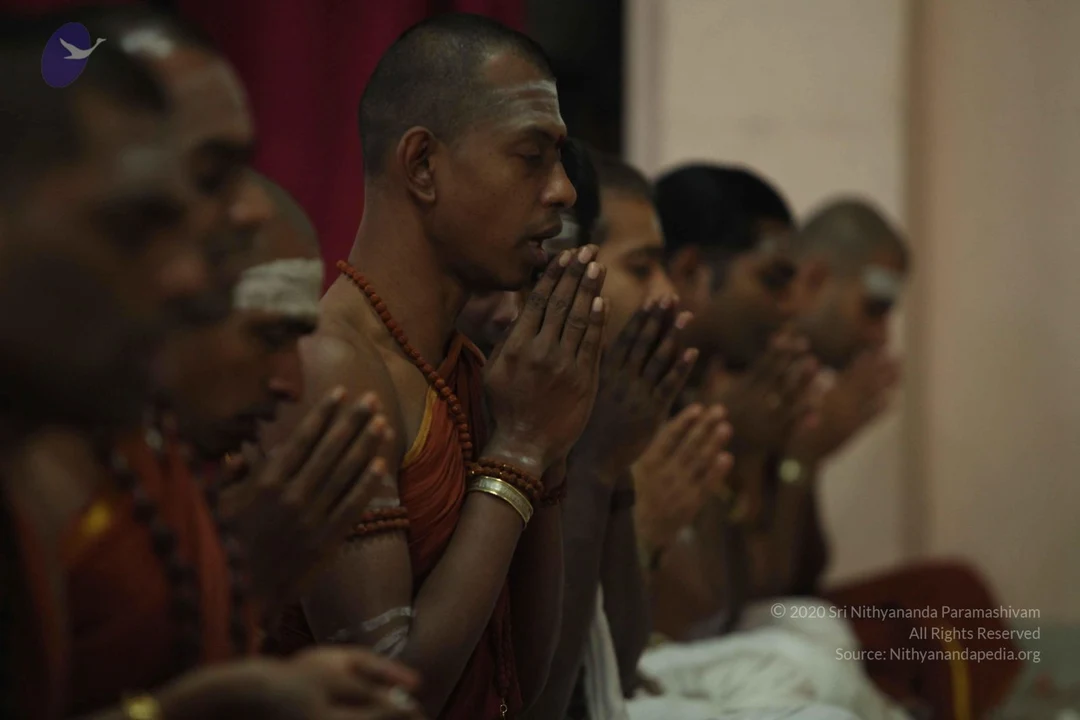
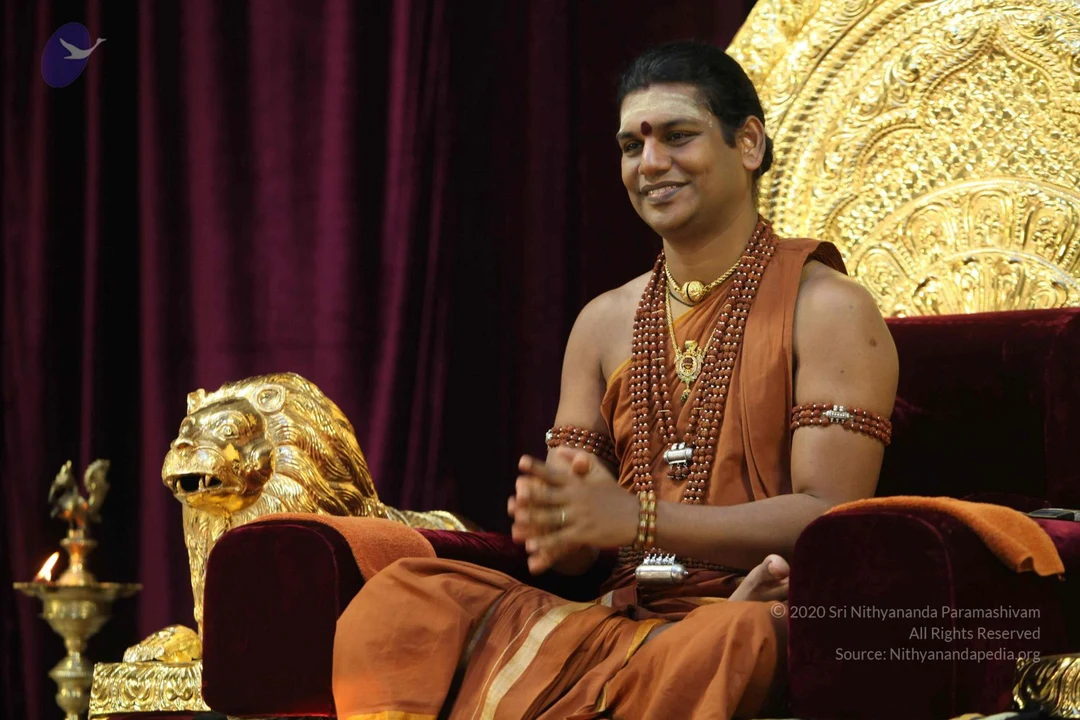
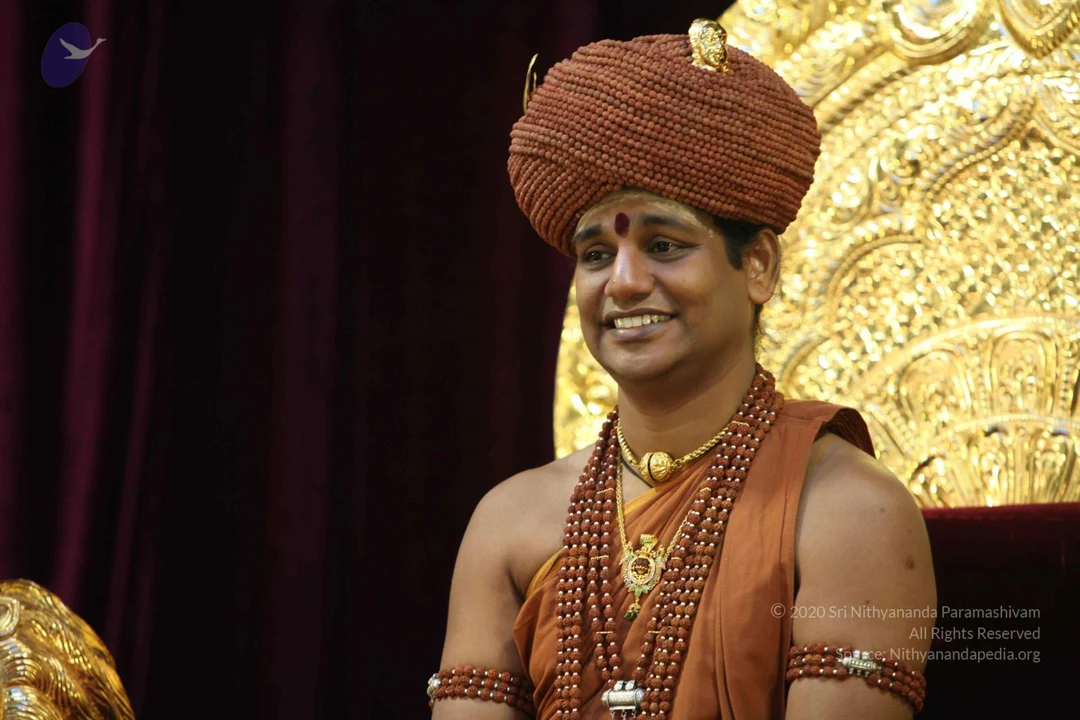
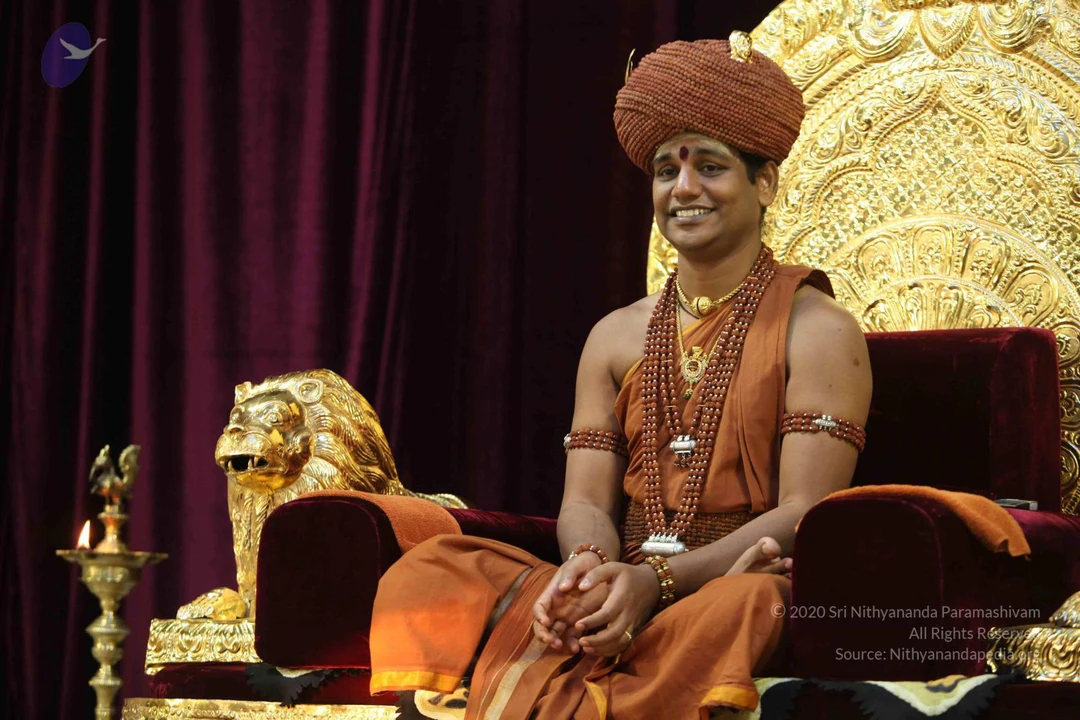
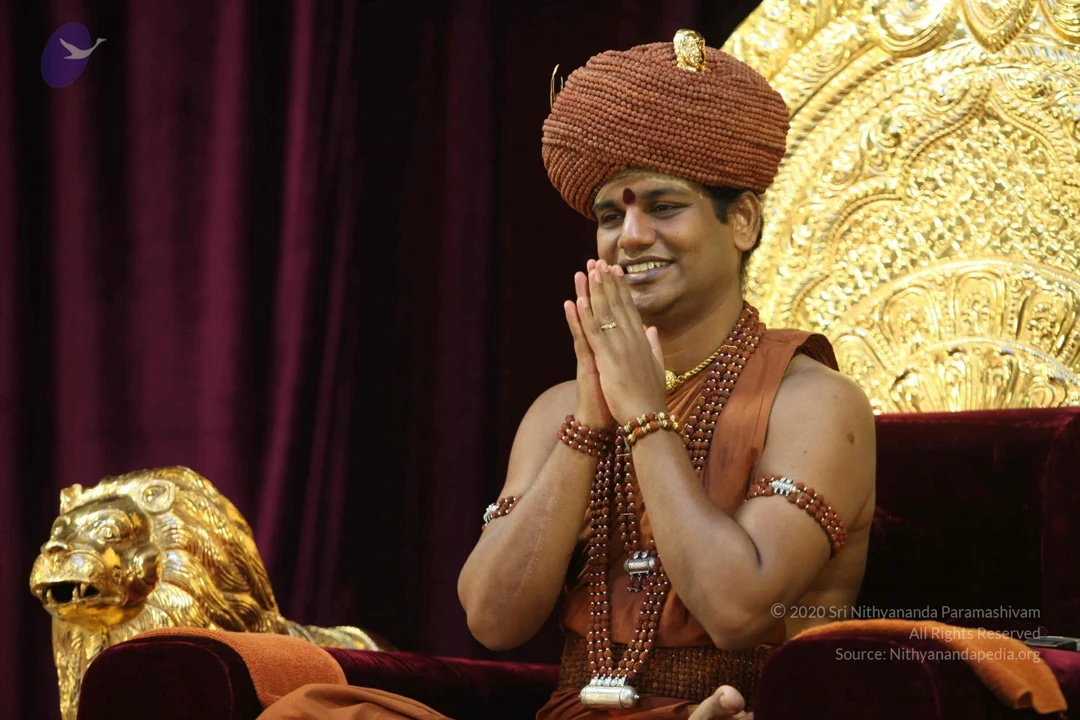
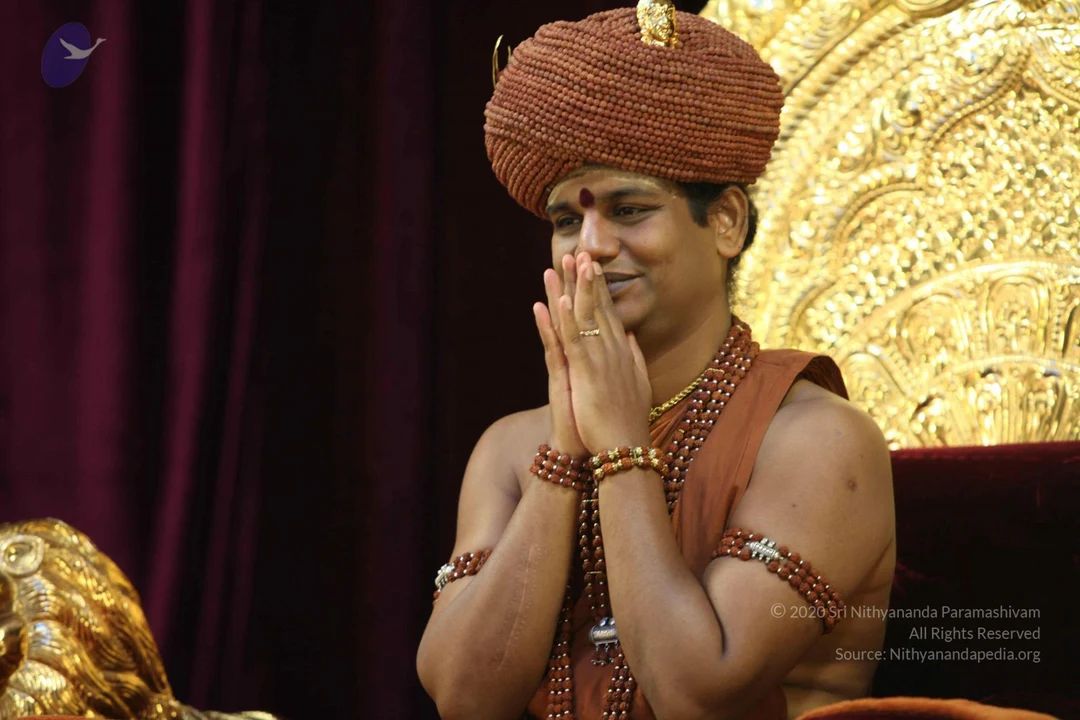
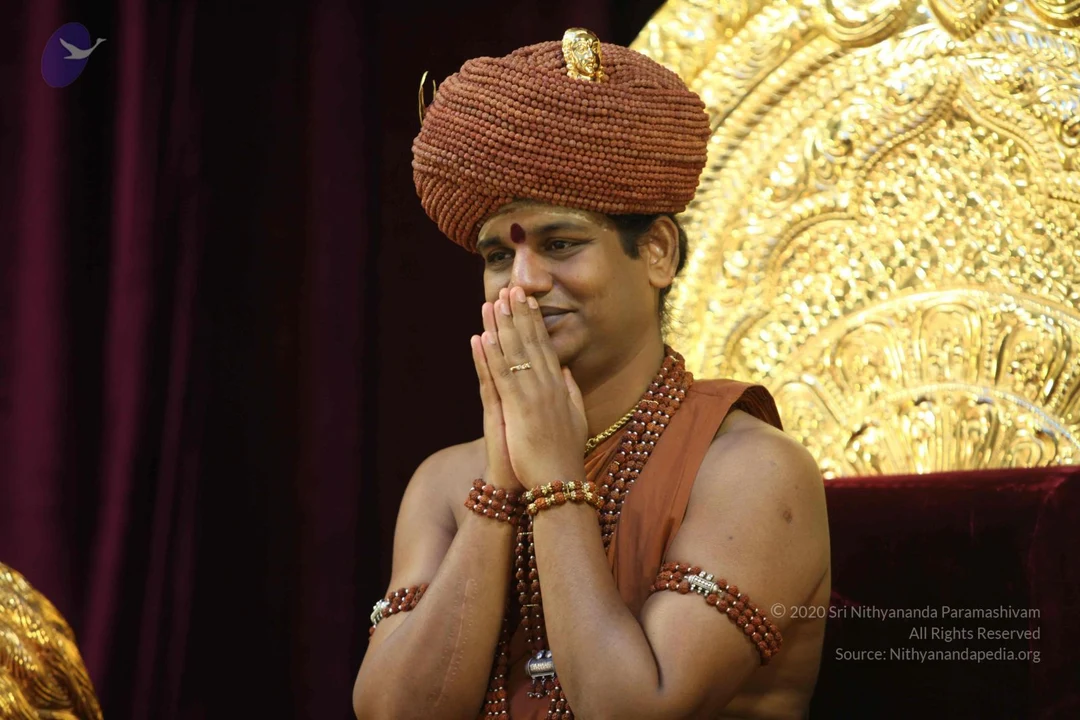
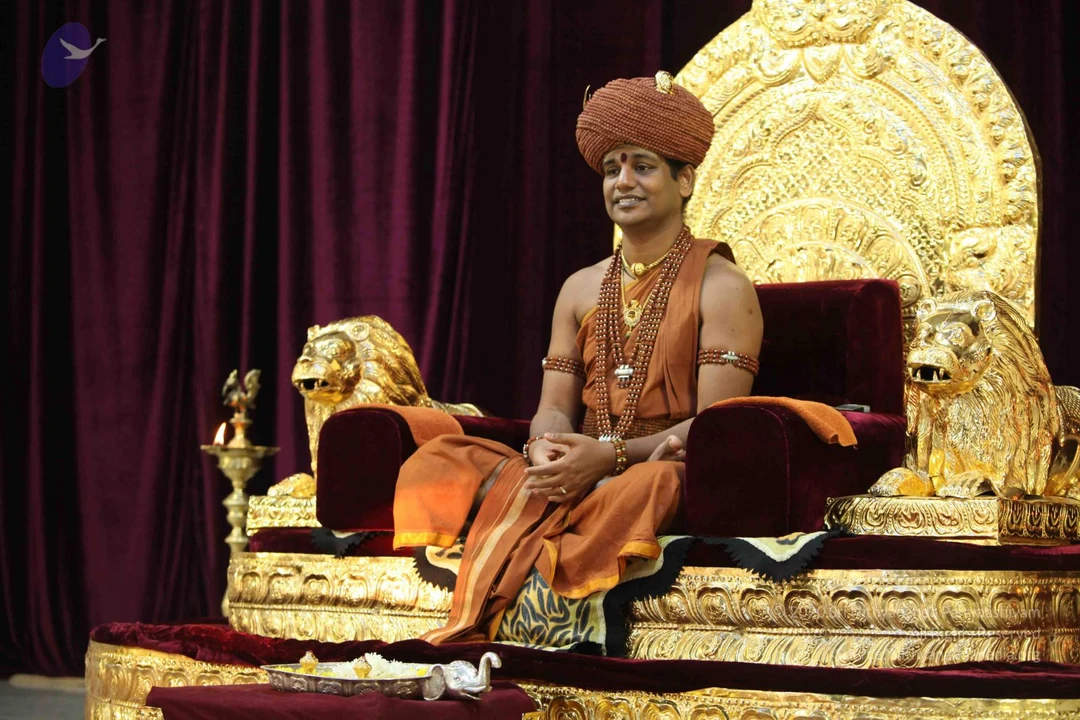
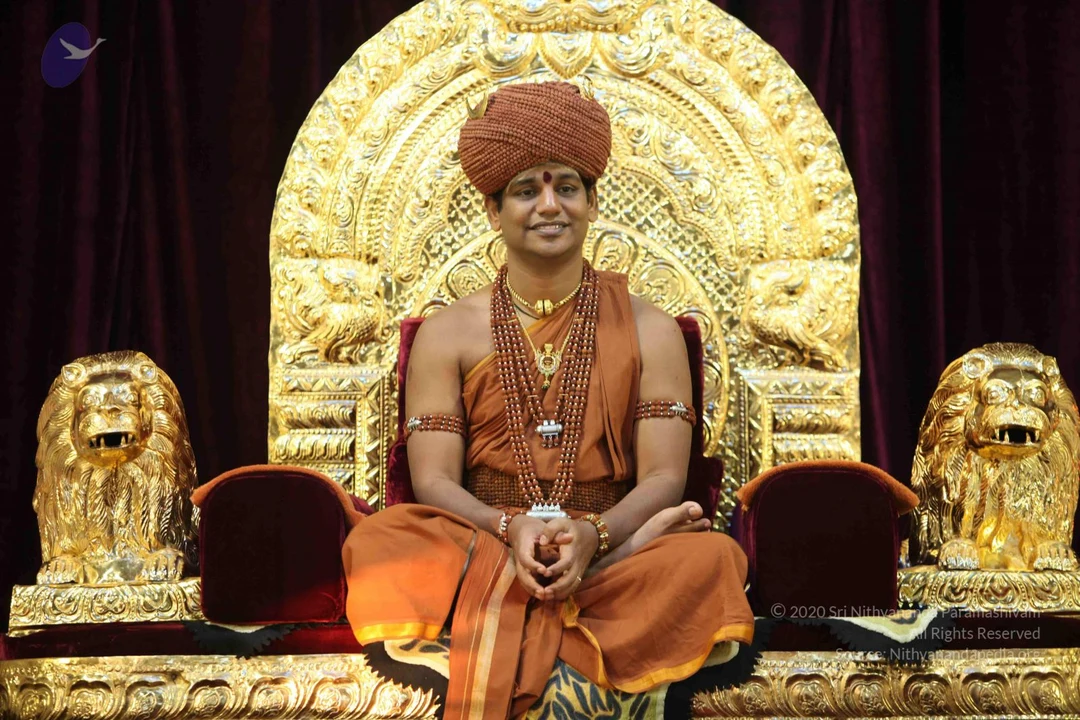
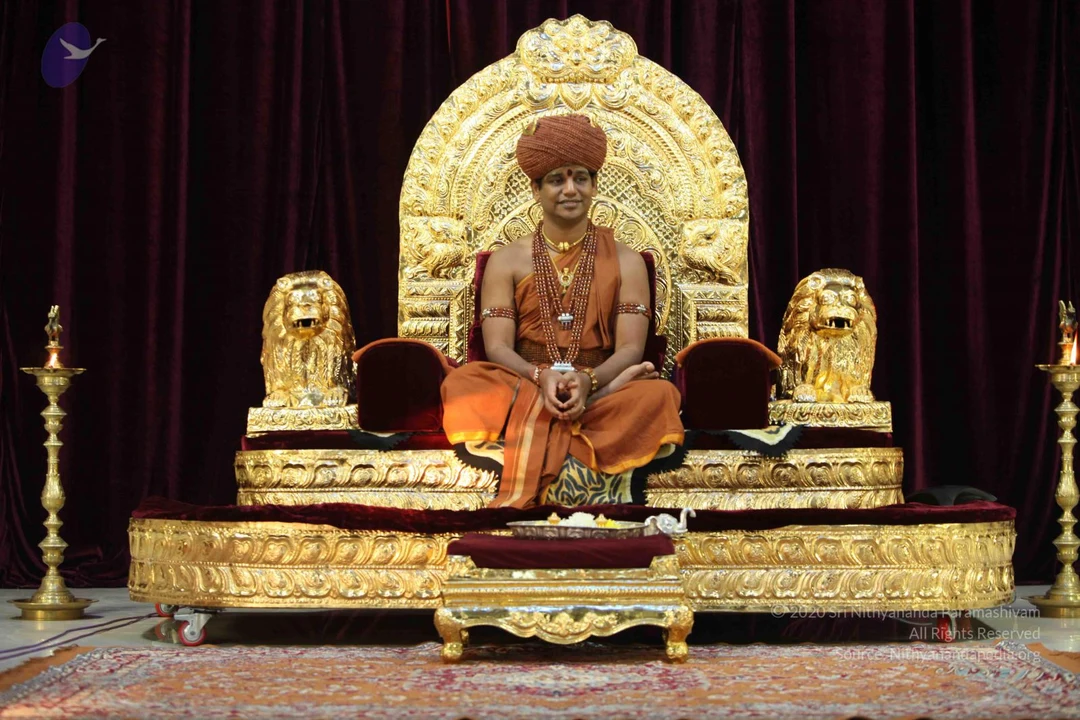
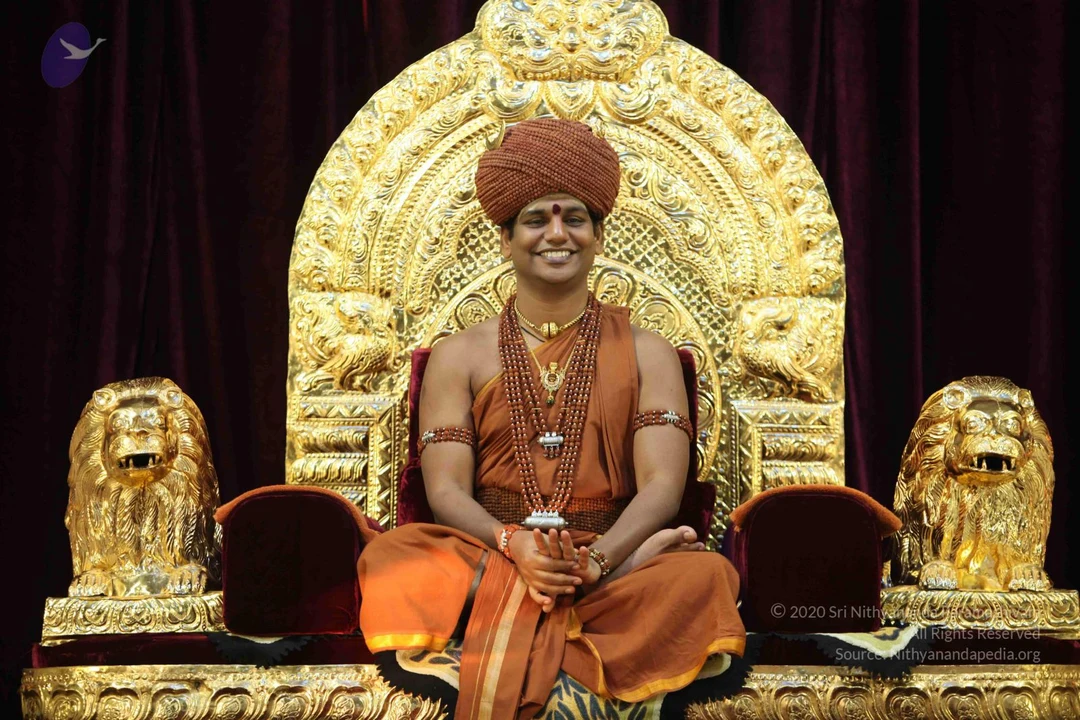
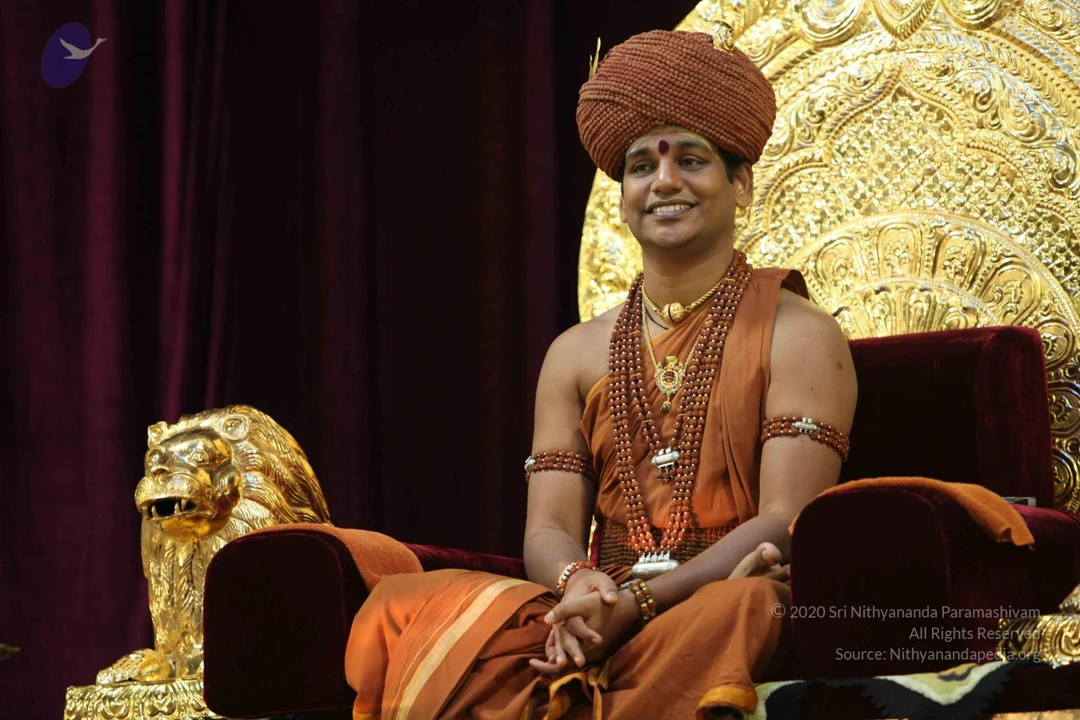
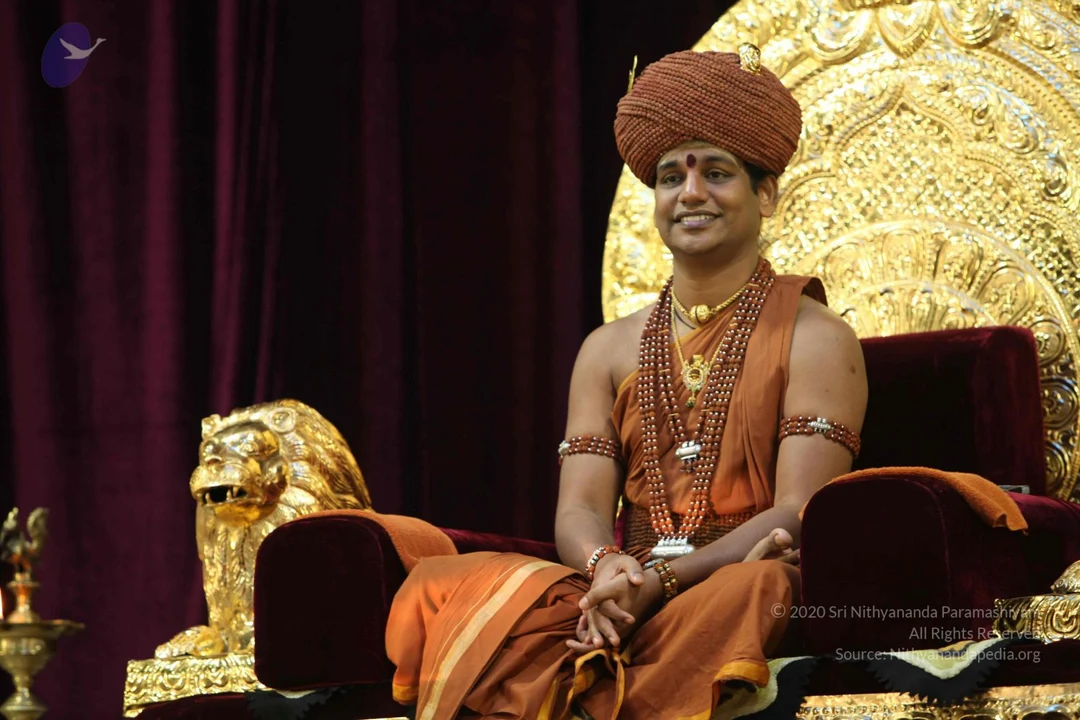
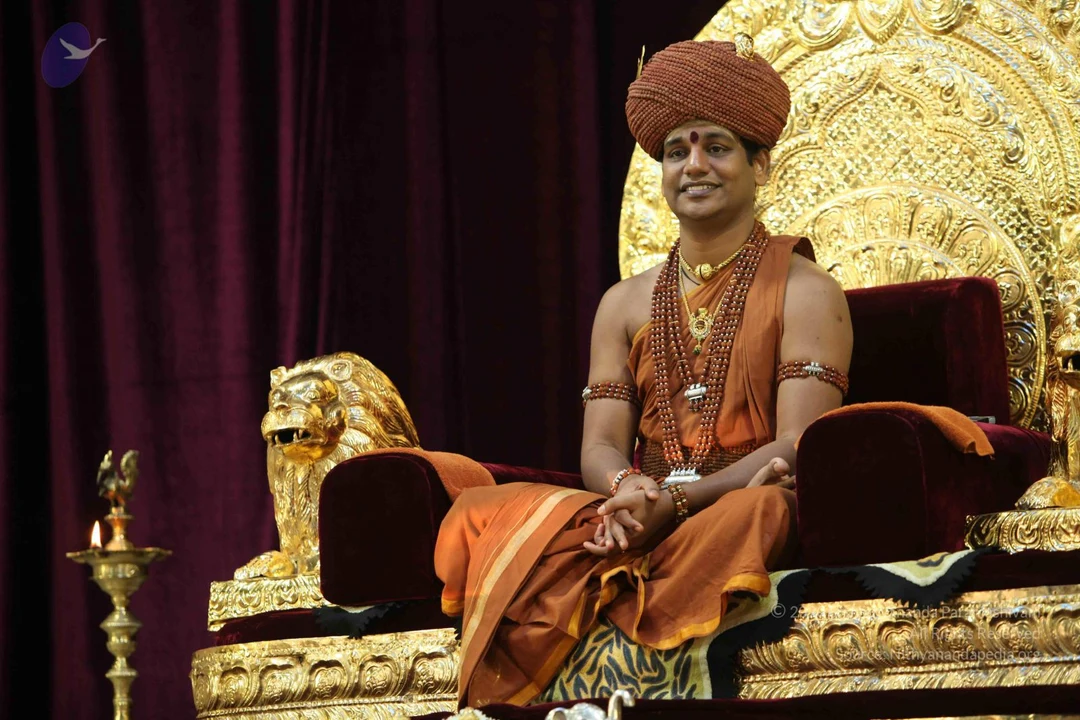
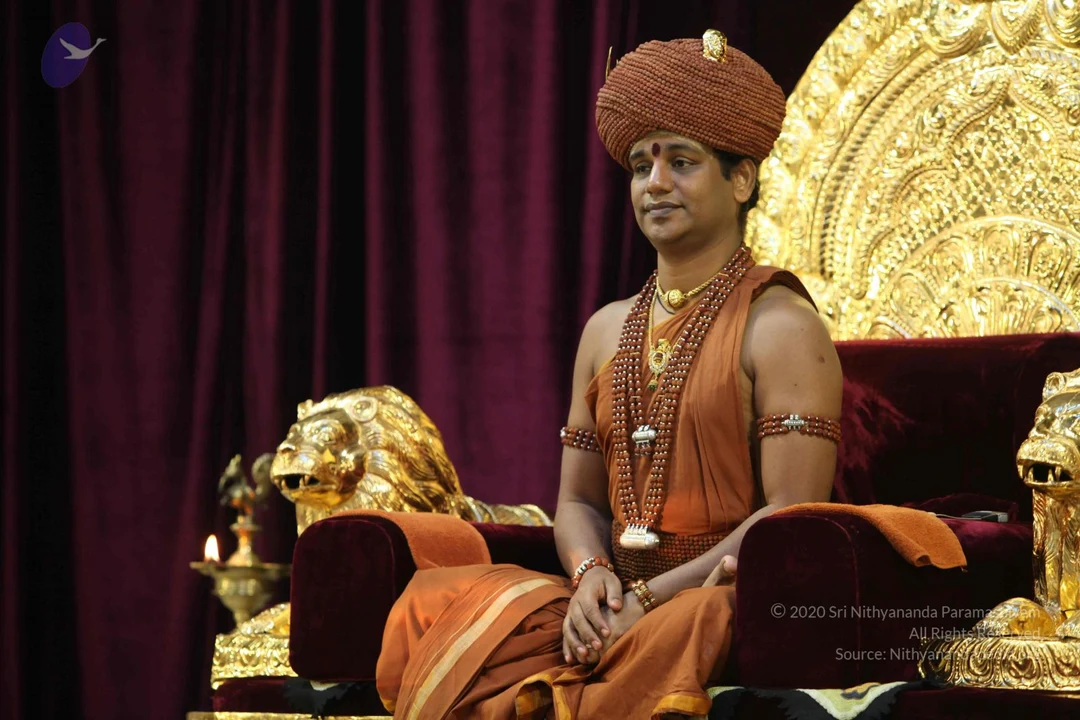
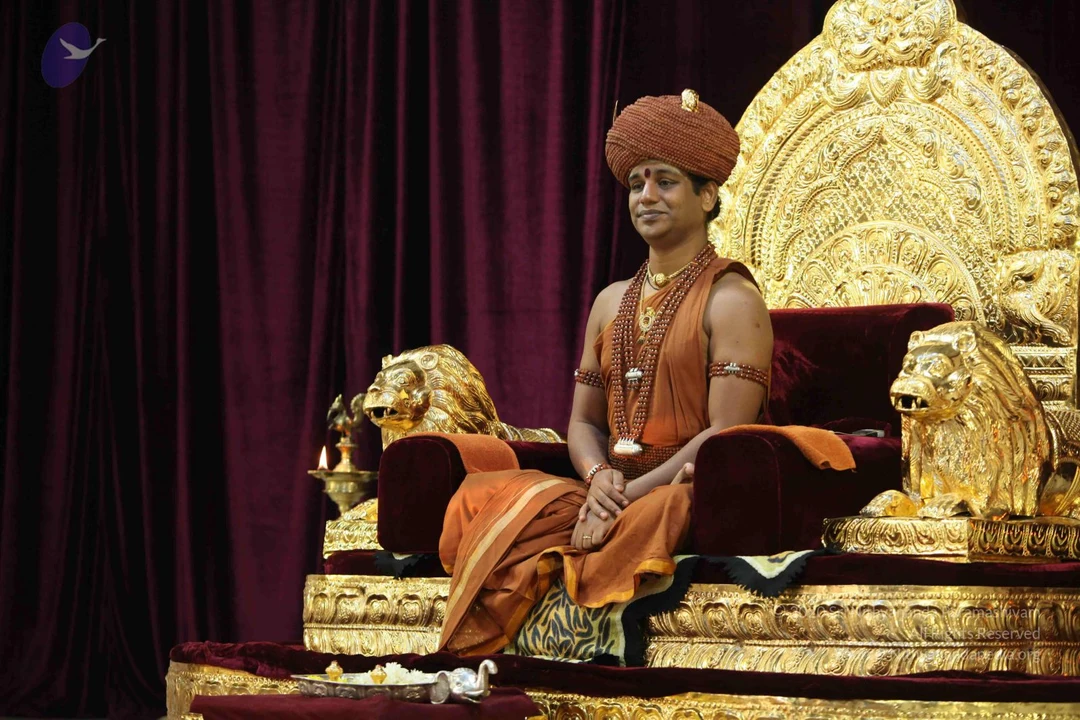
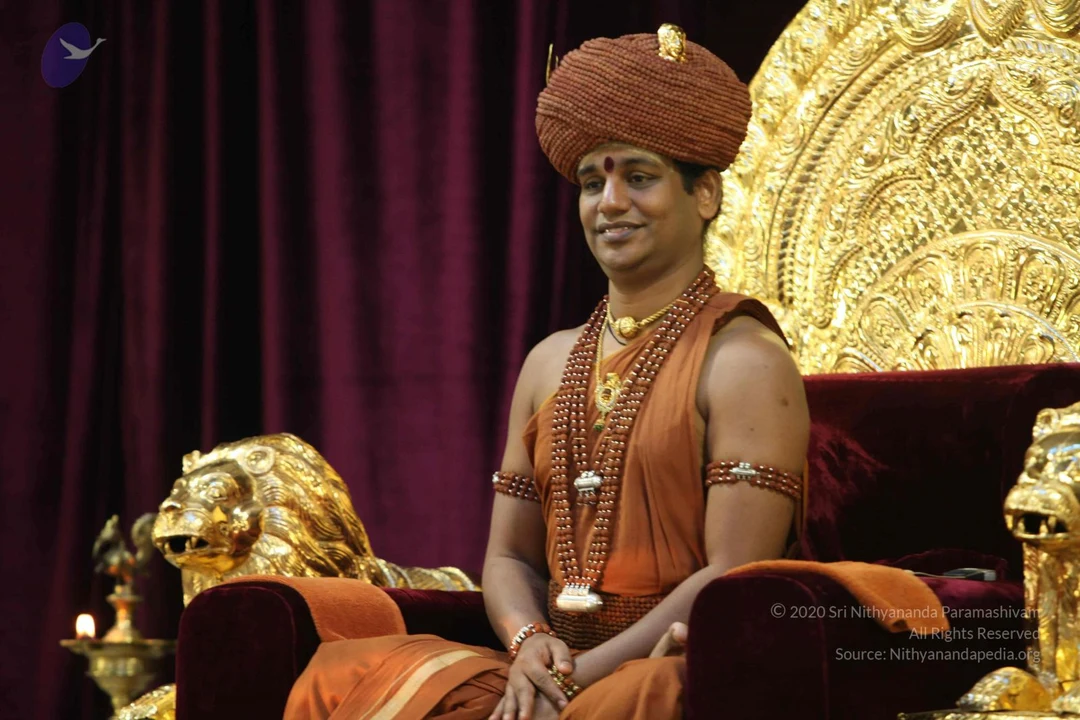
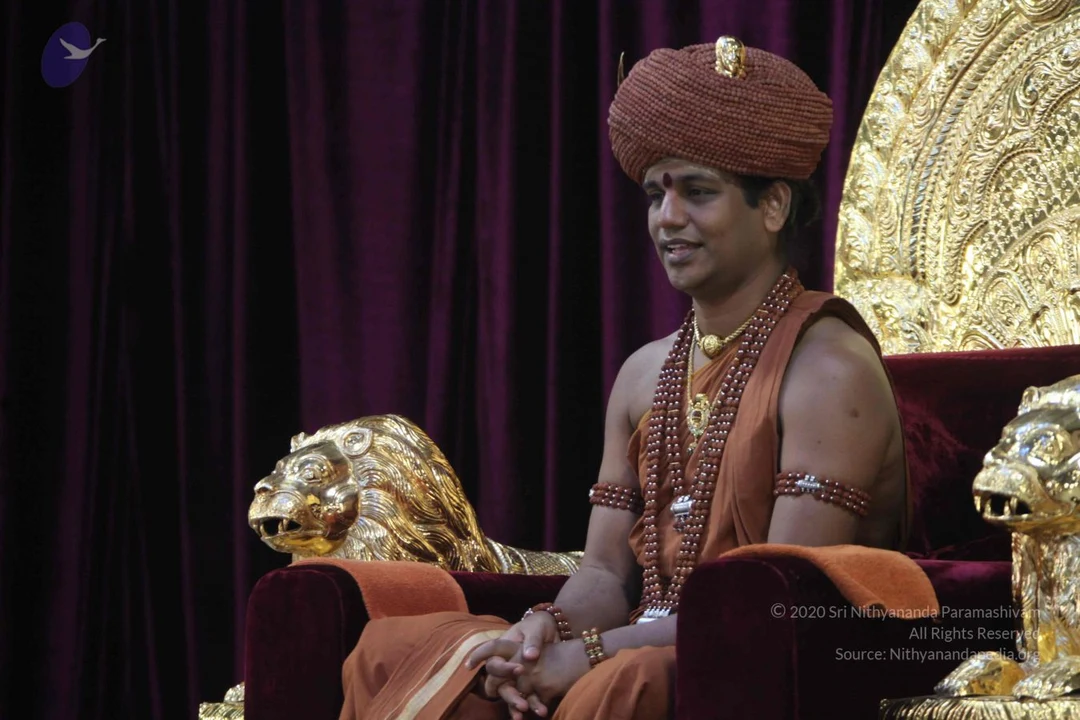
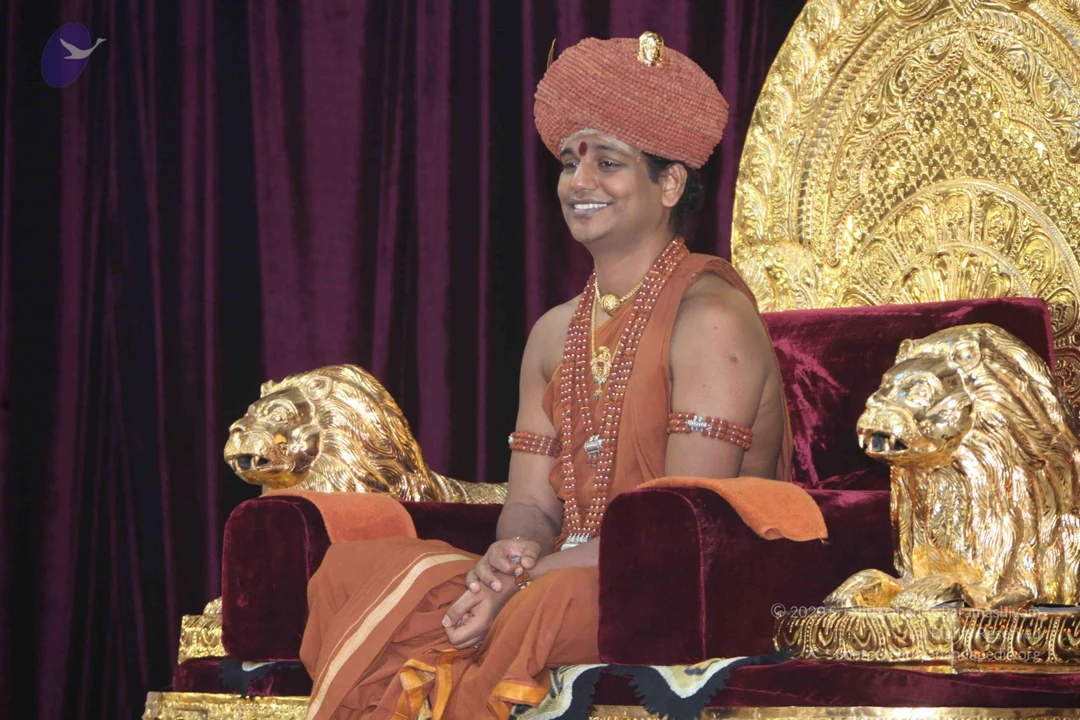
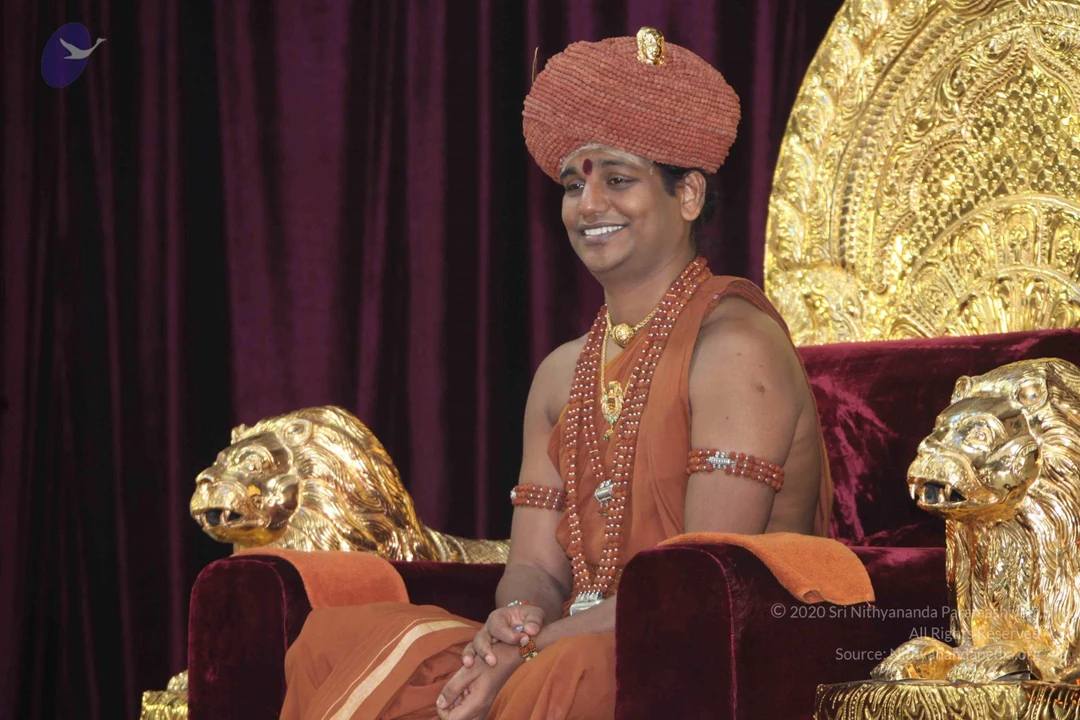
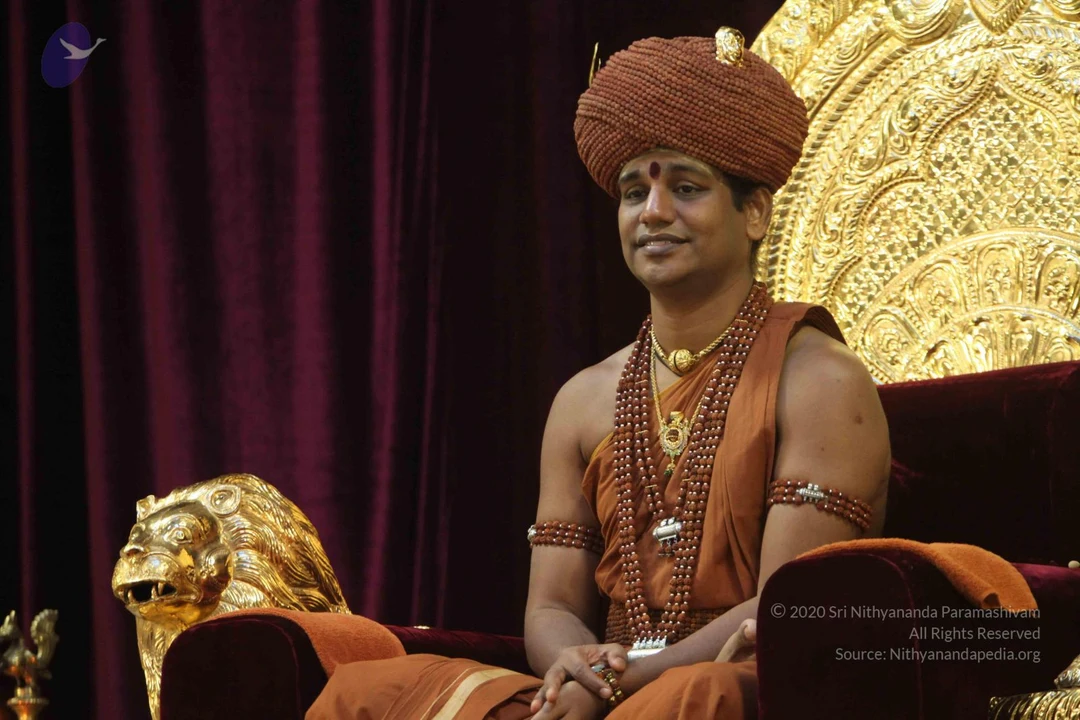
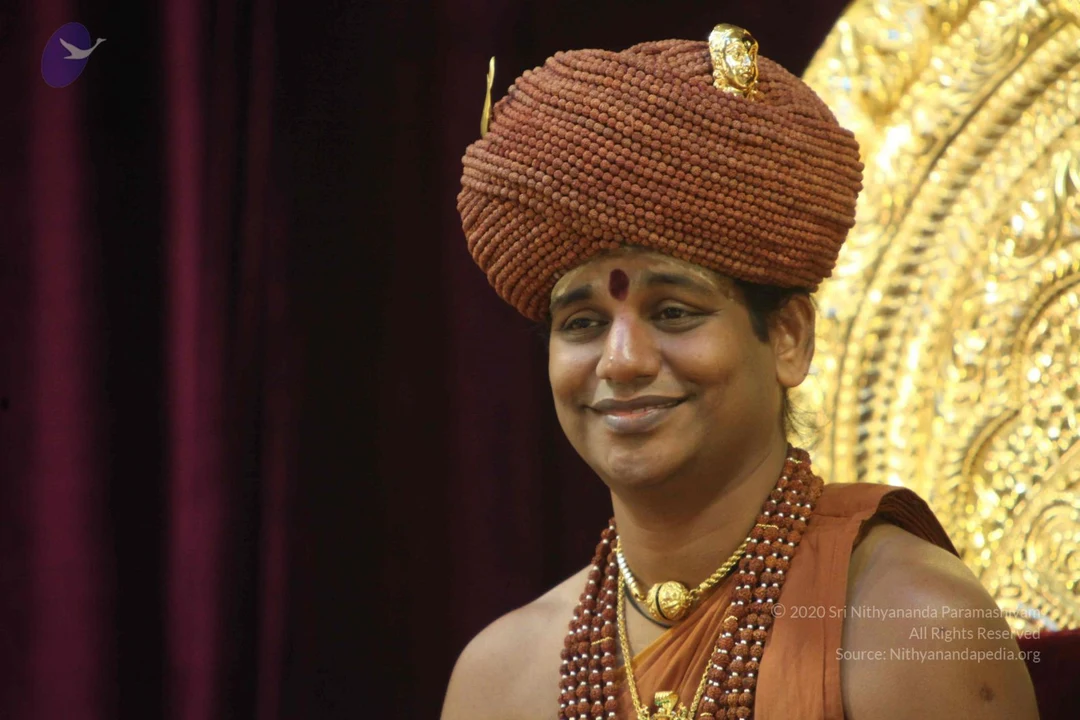
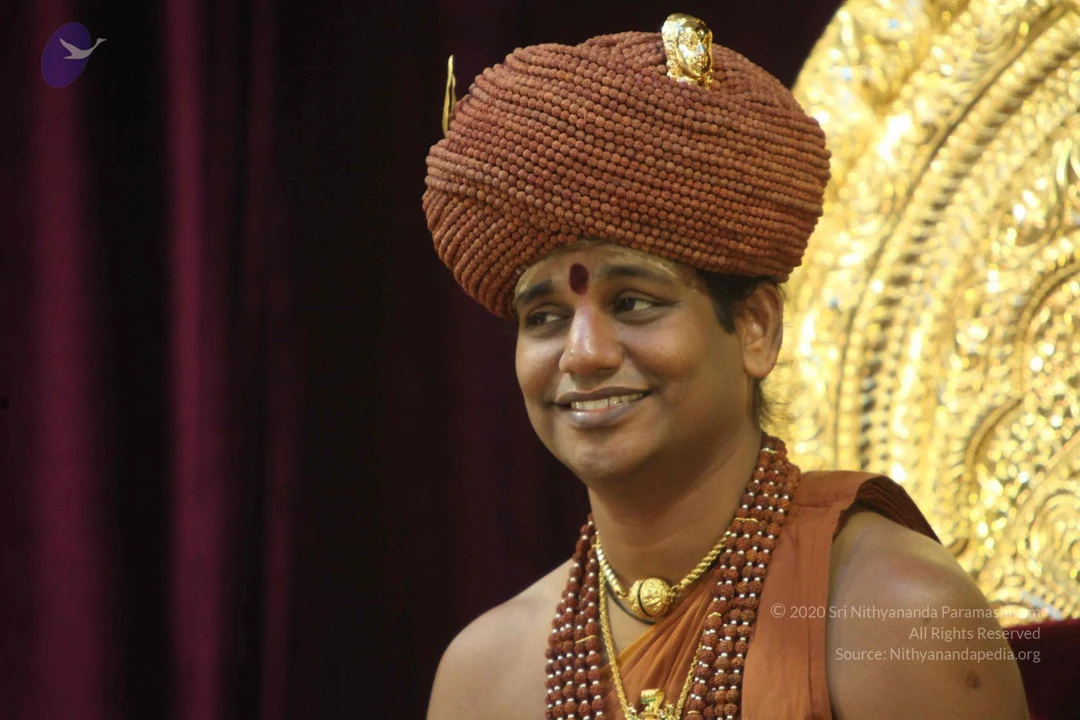
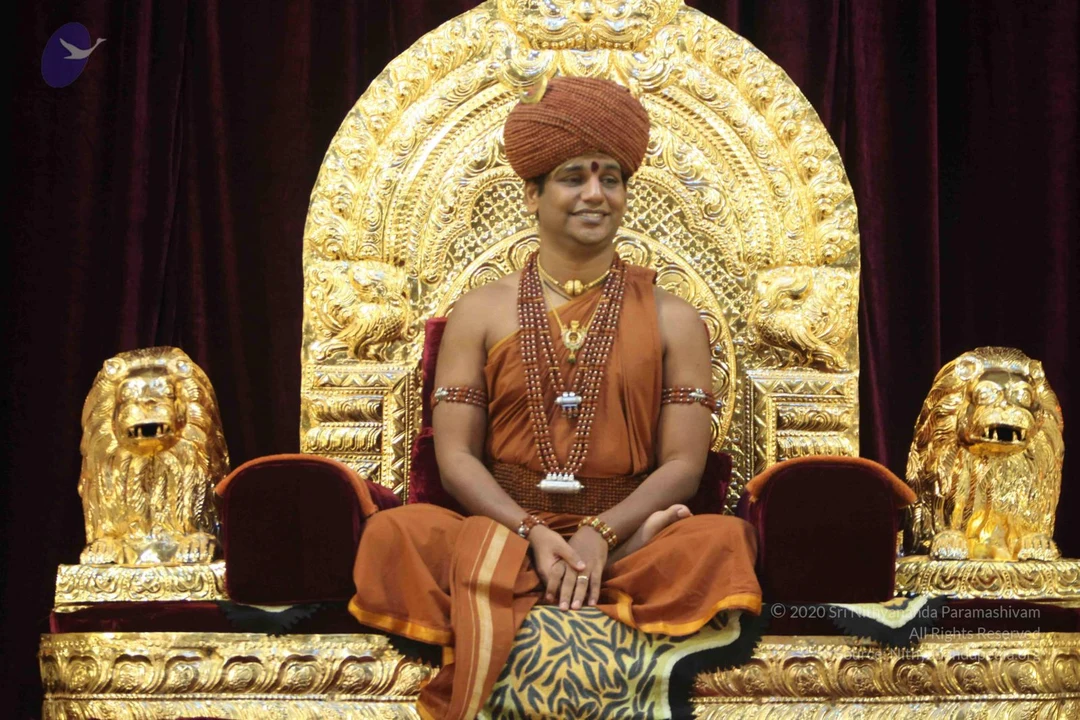
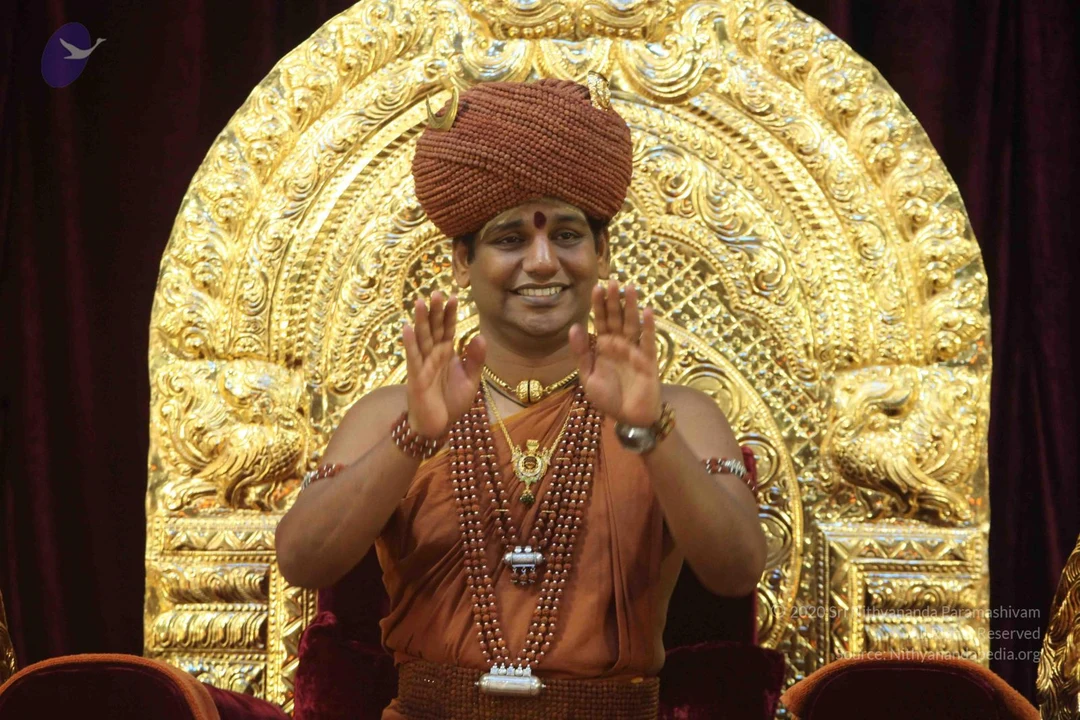
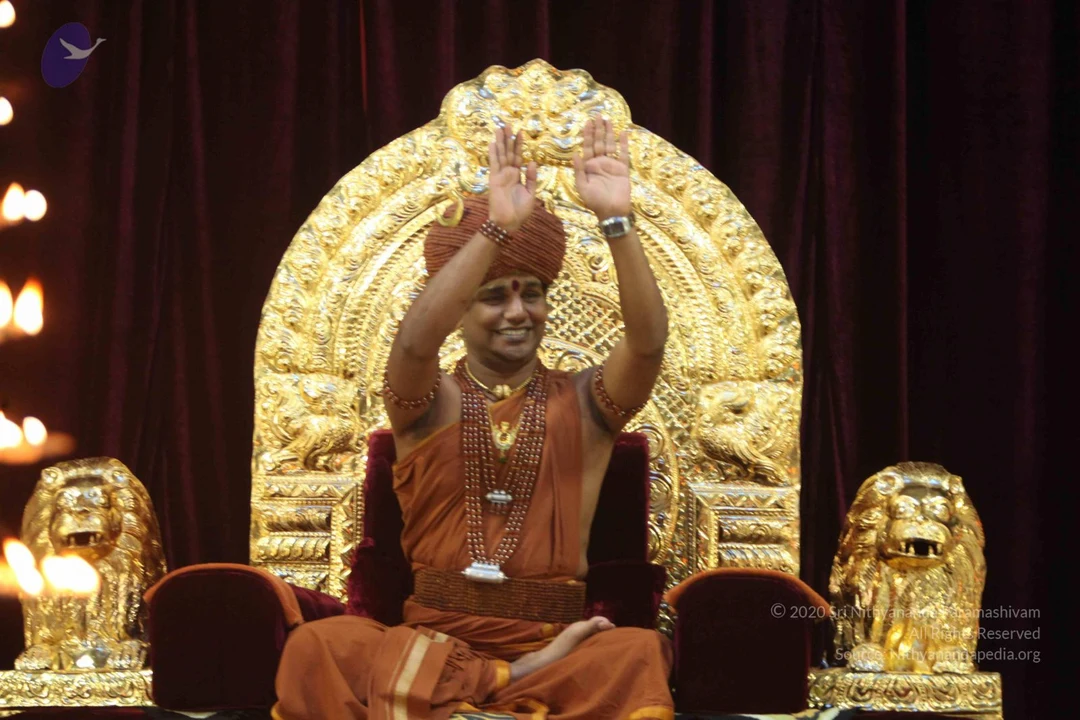
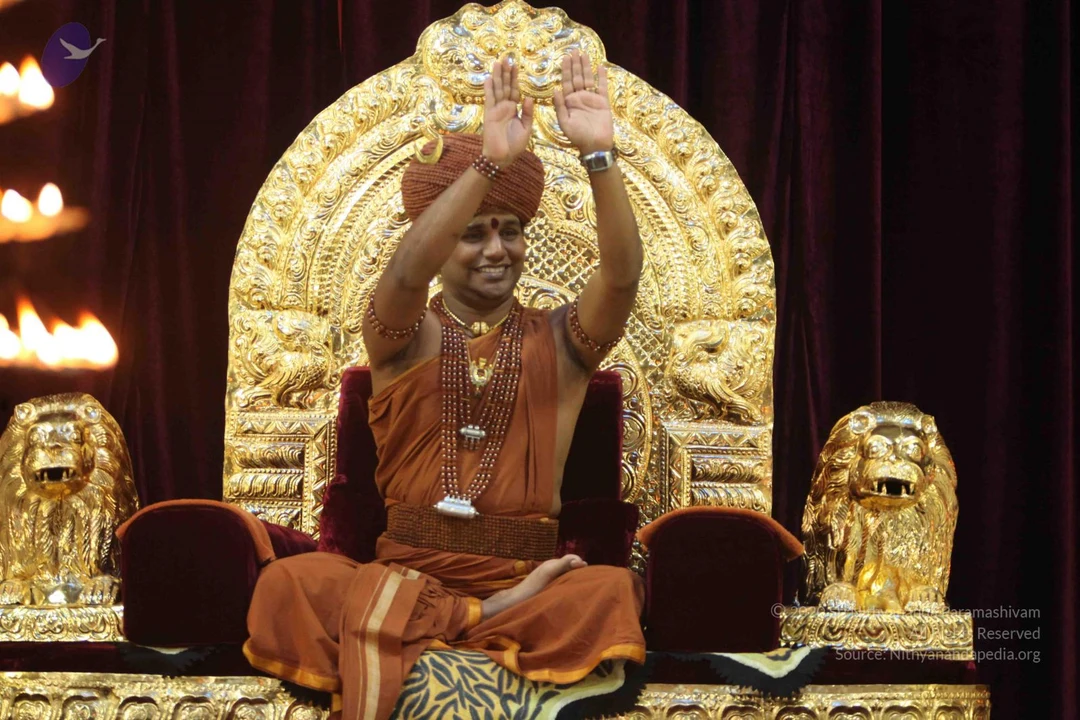
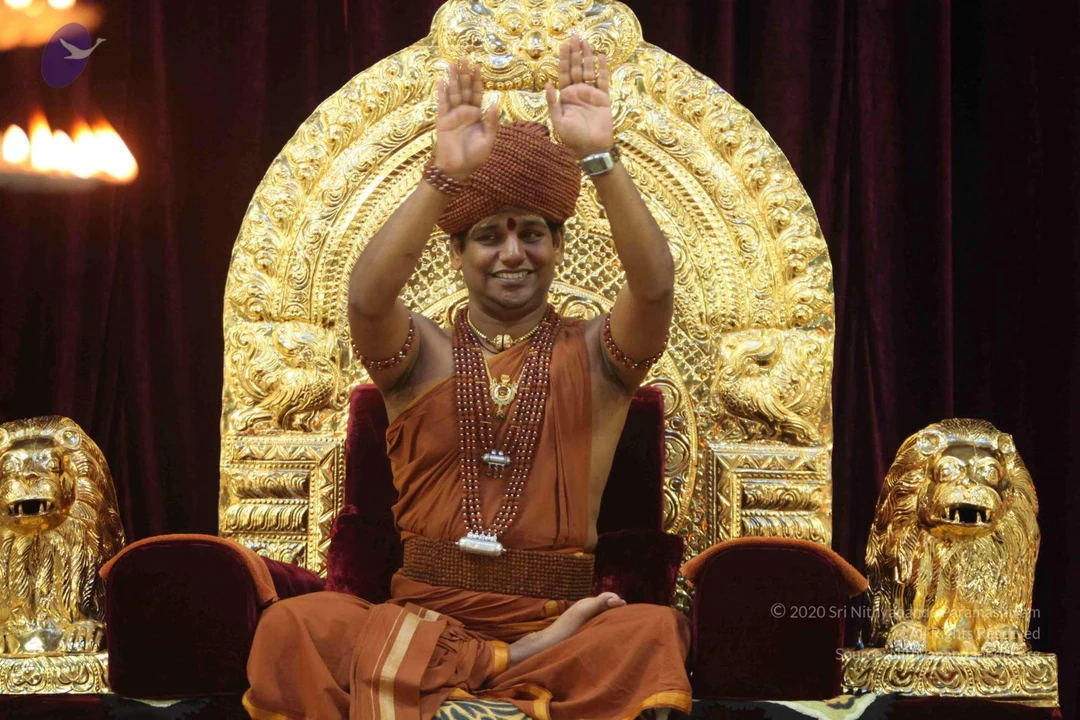
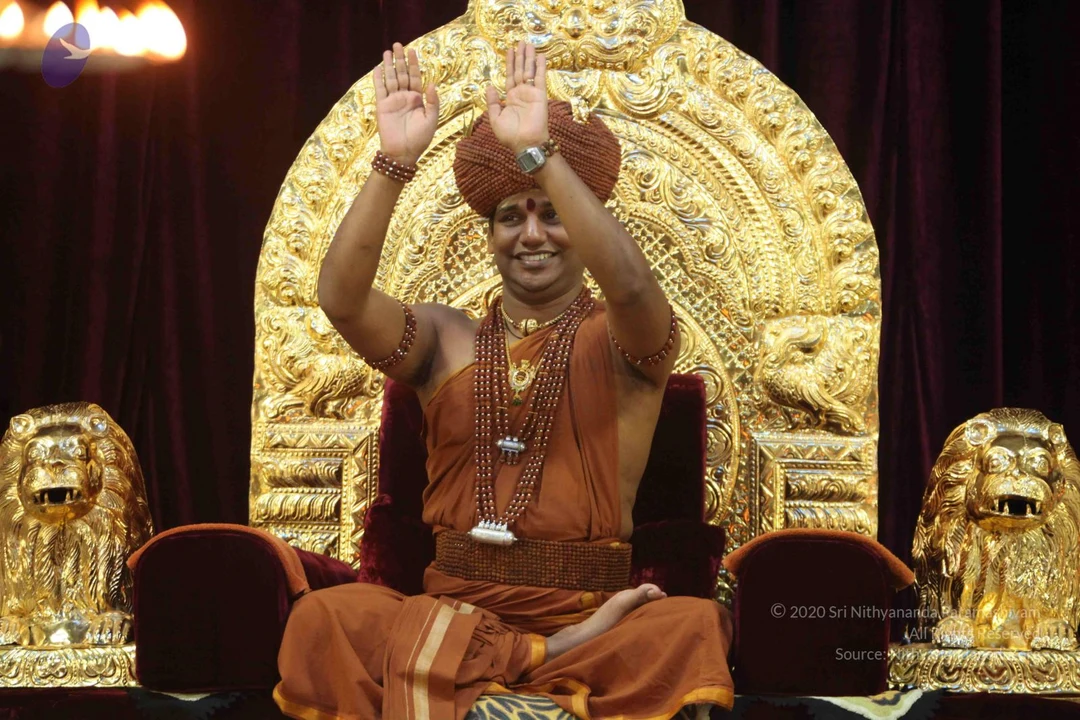
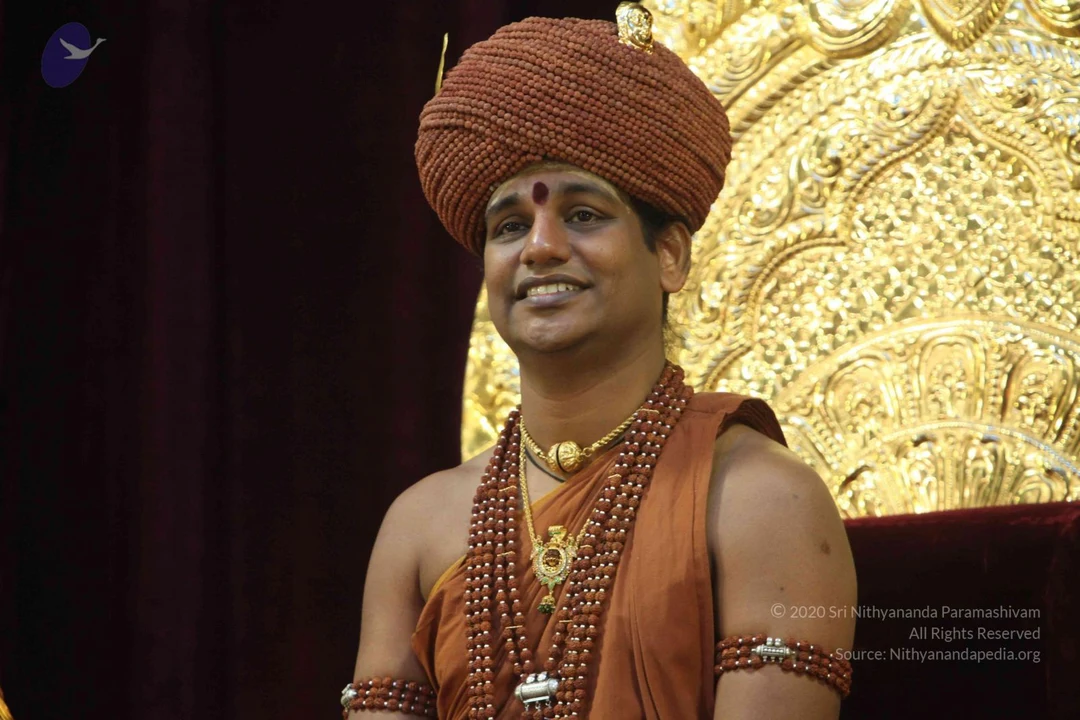
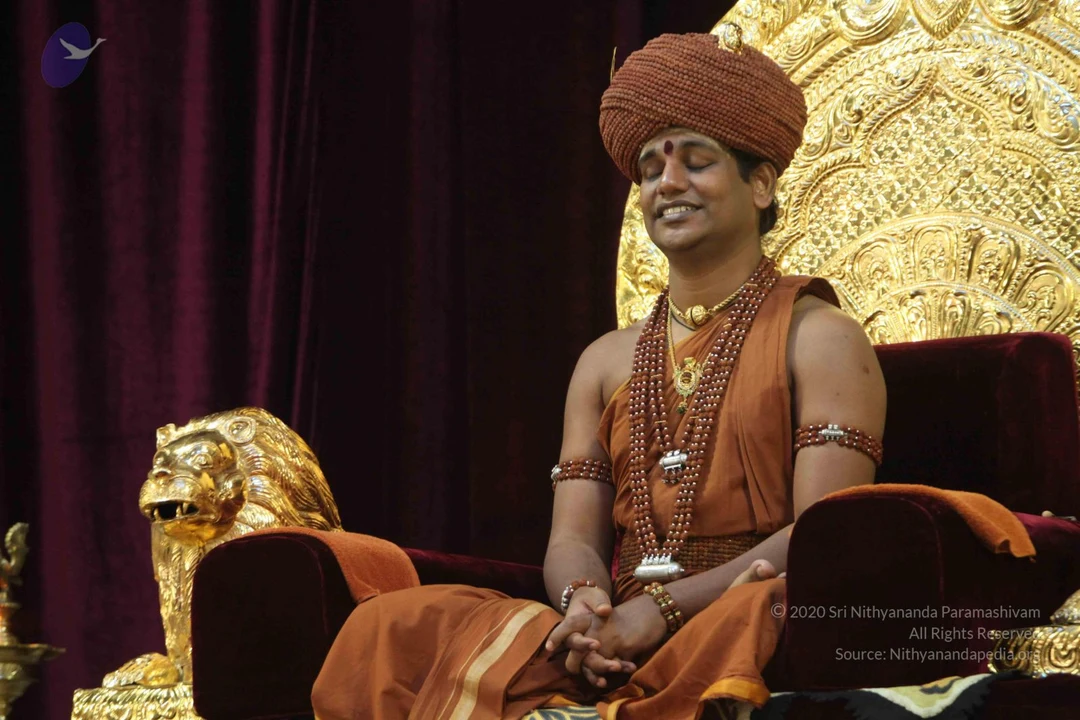
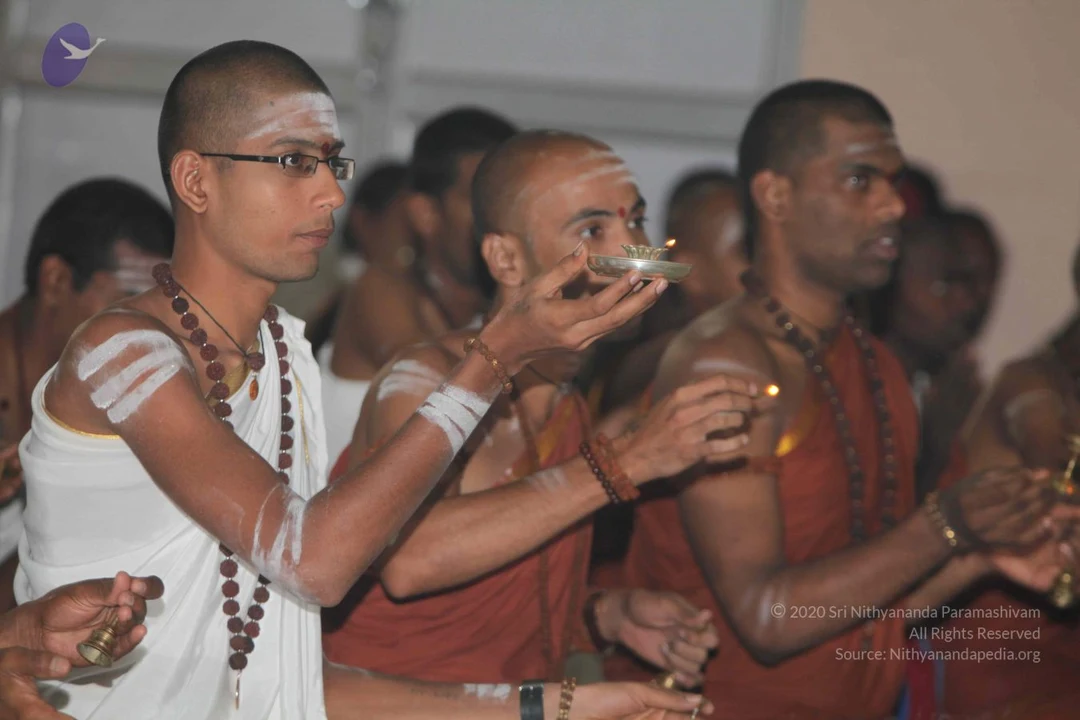
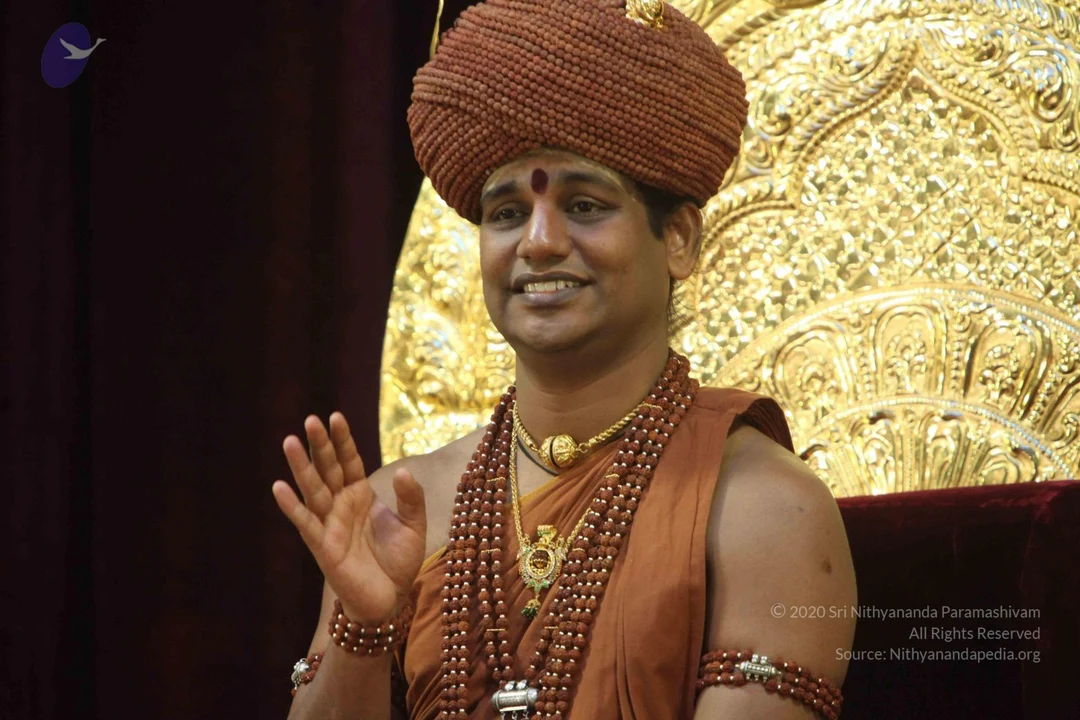
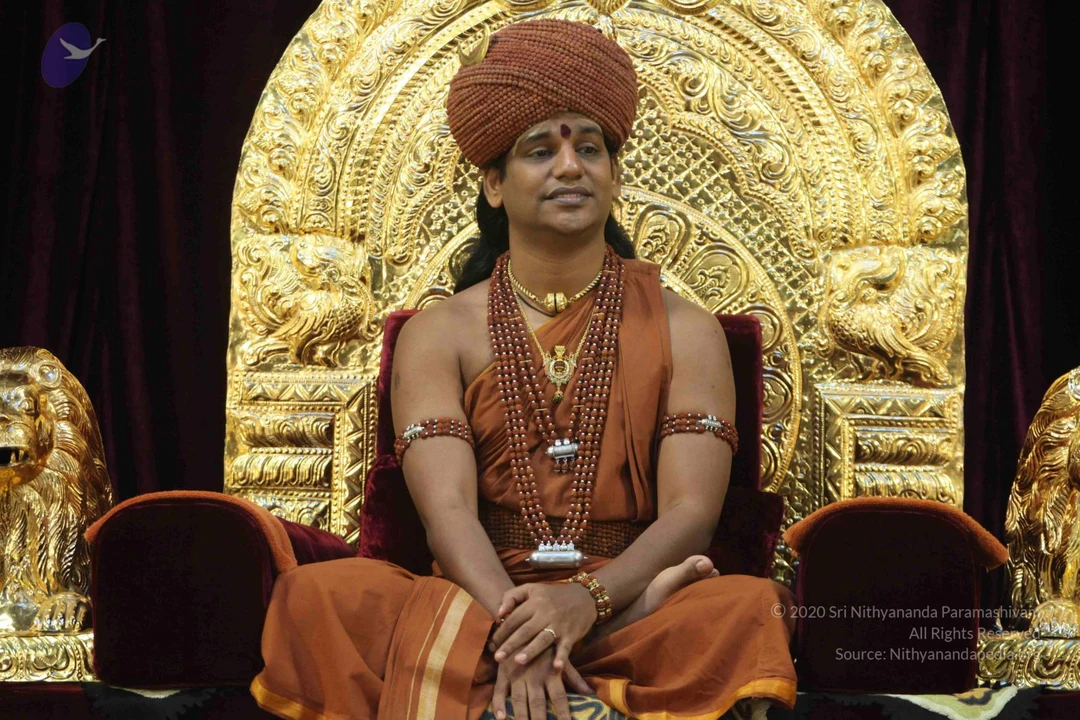
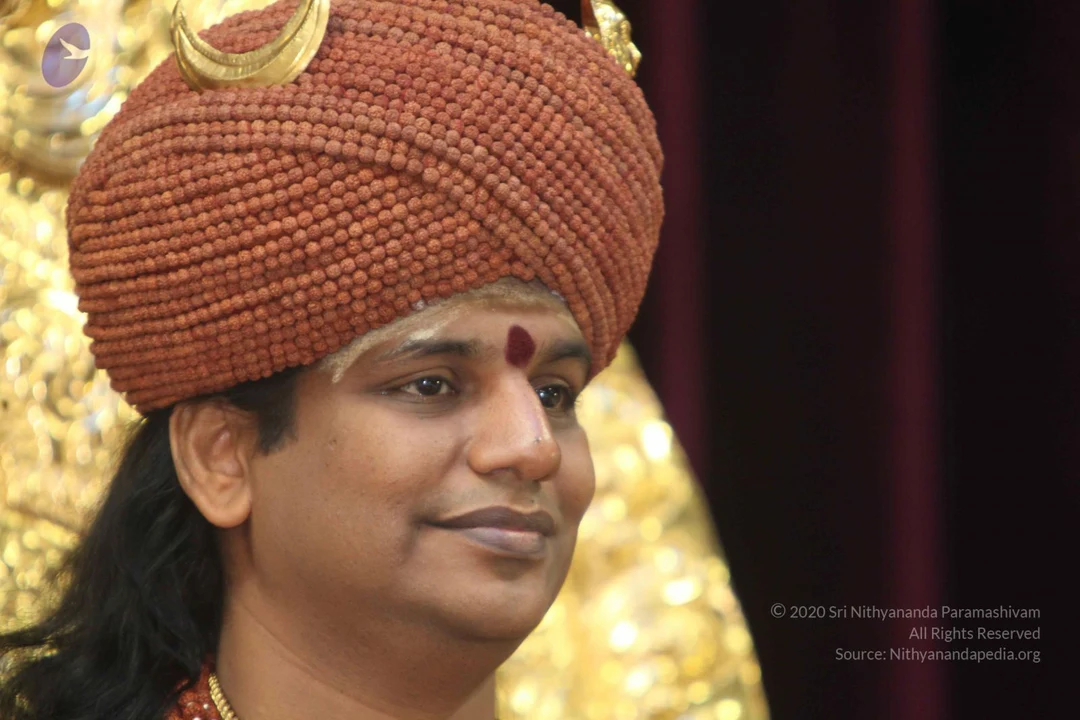
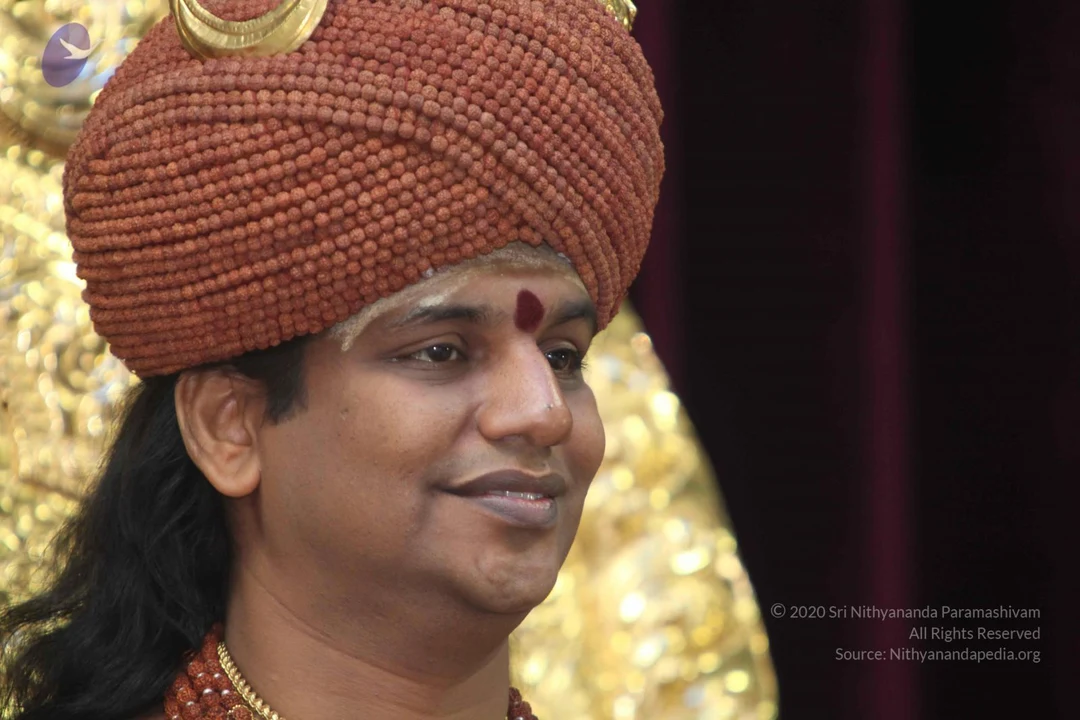
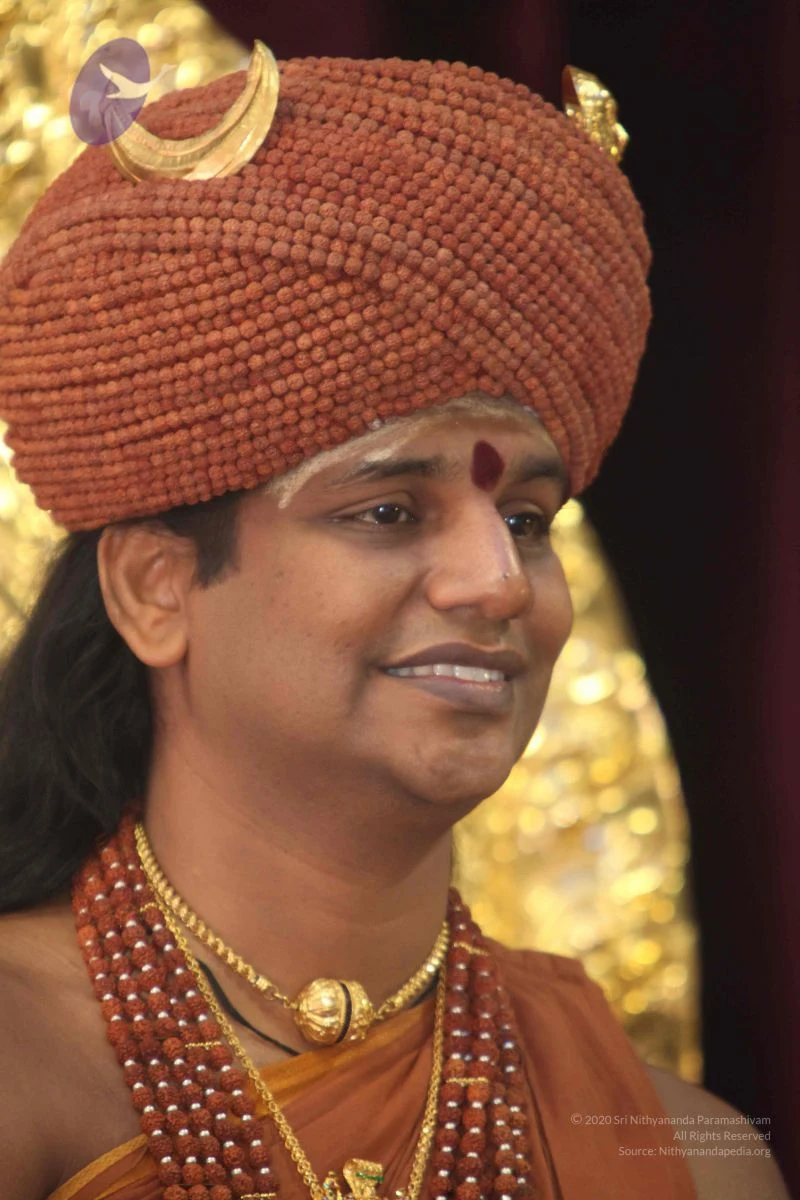
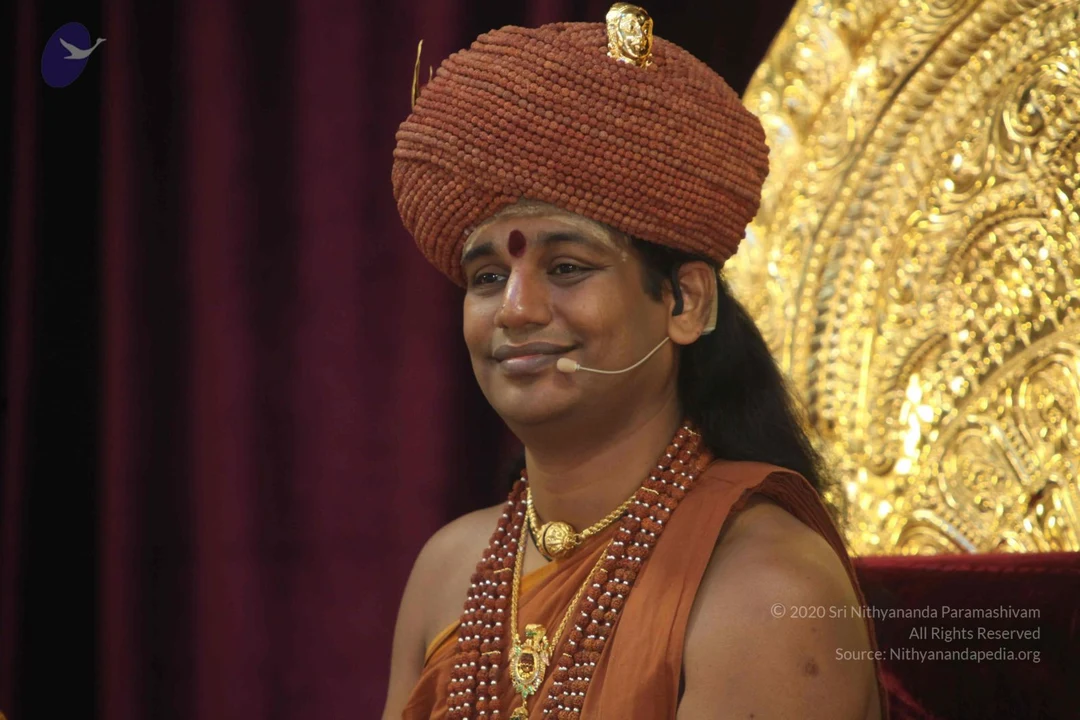
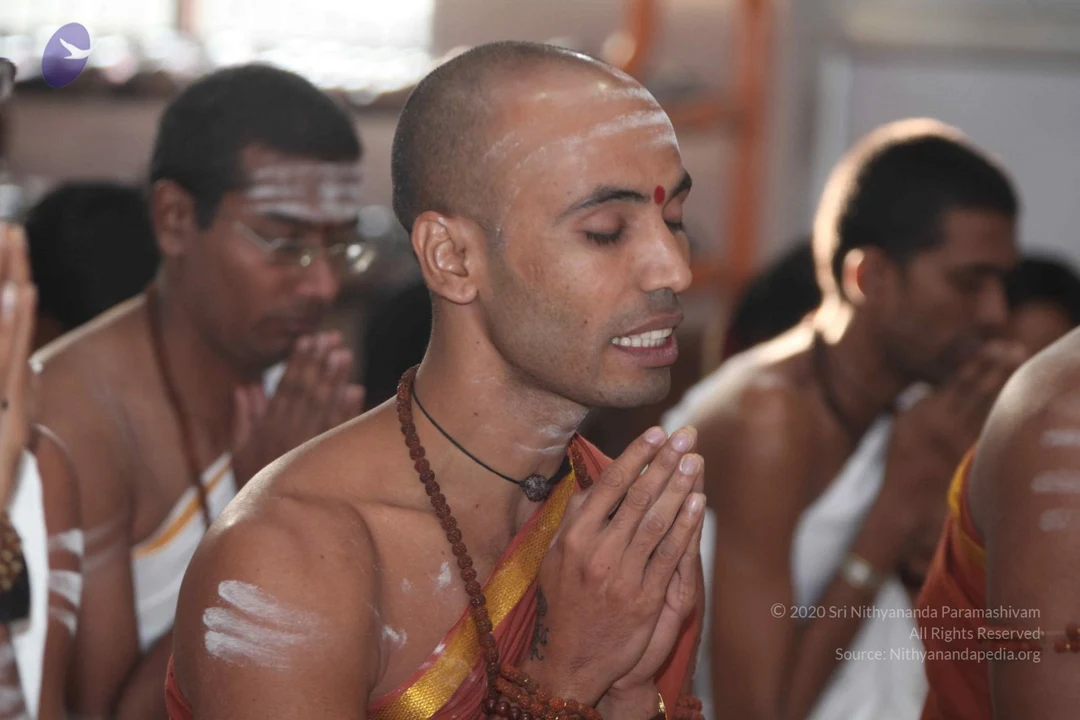
Nithya-Satsang
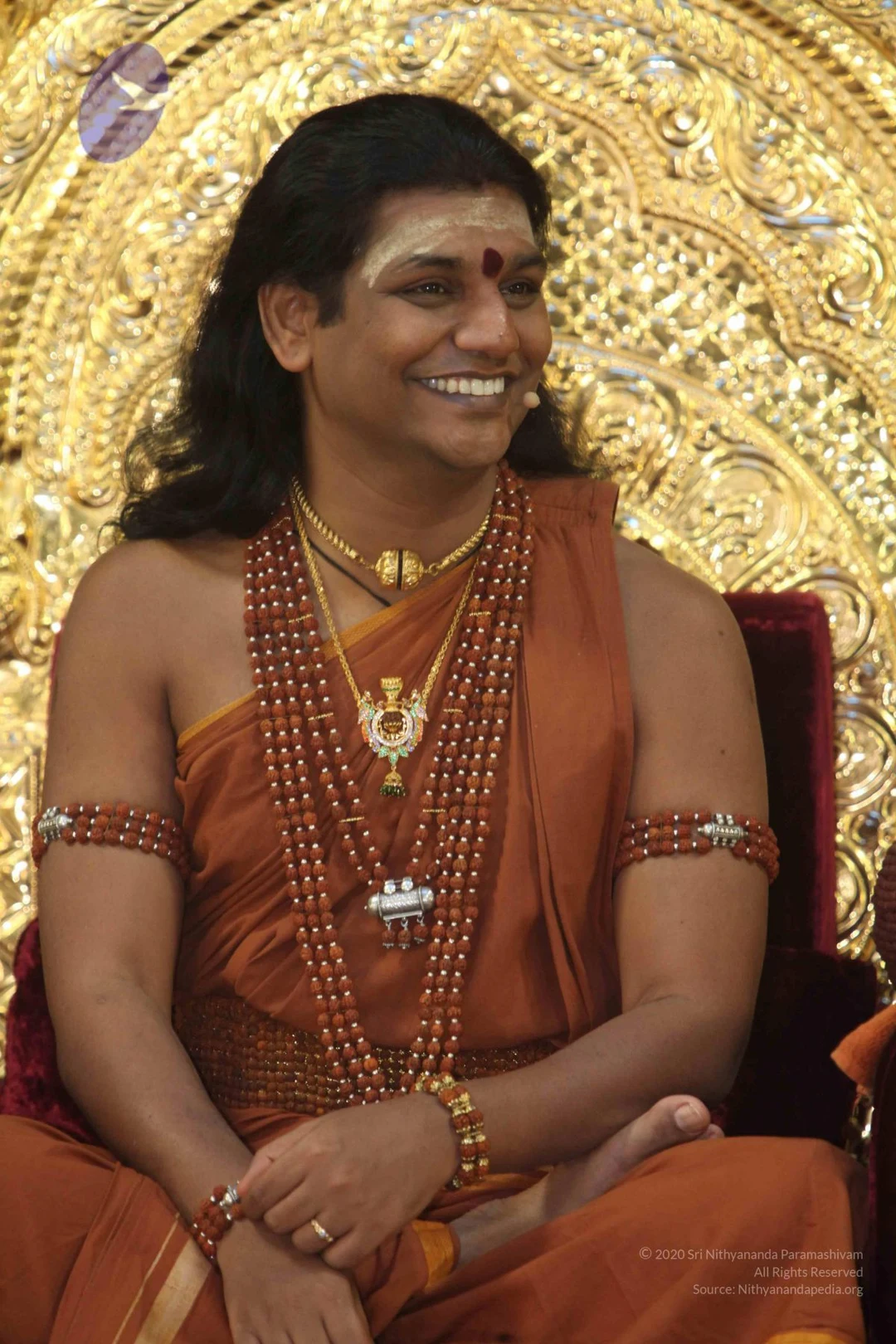
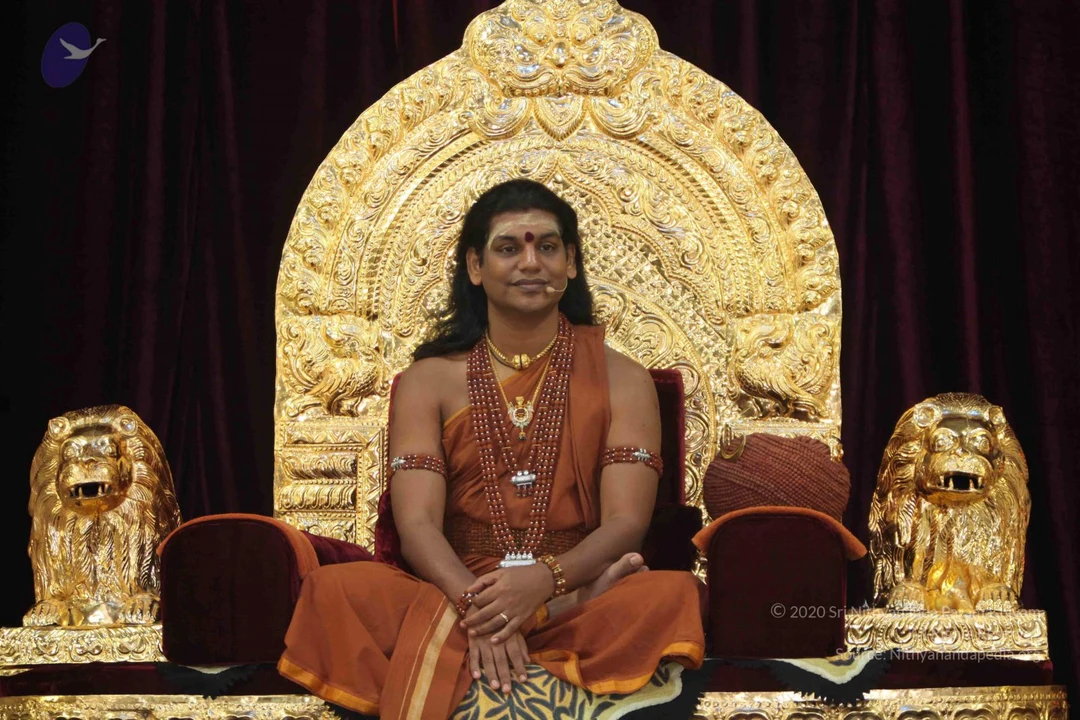
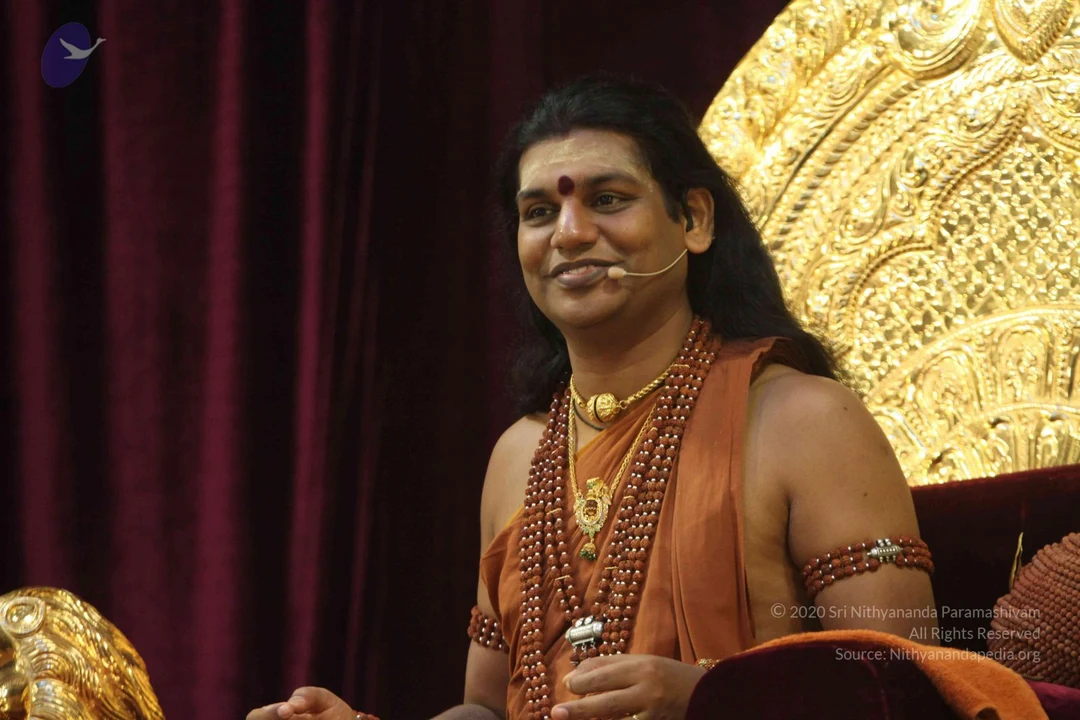
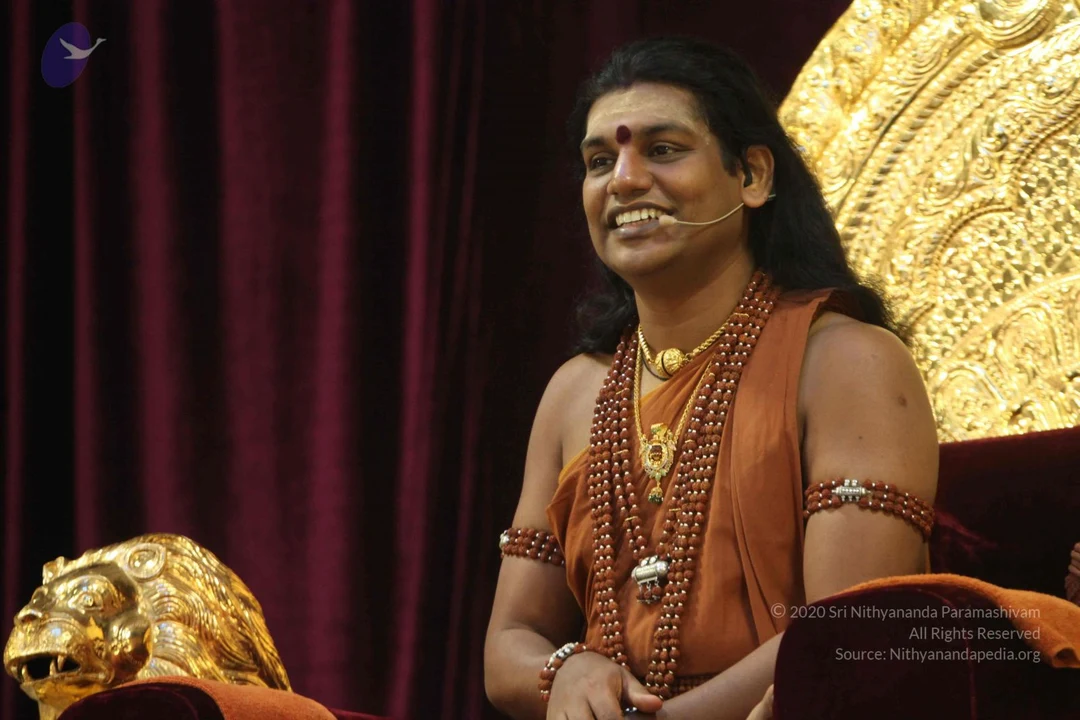
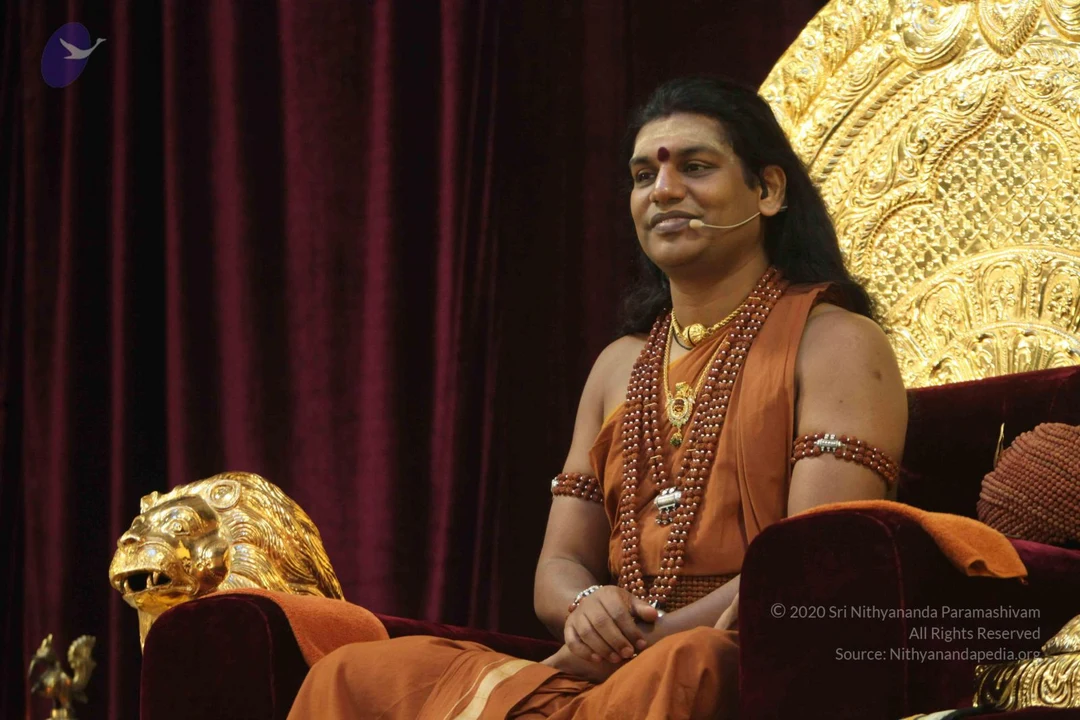
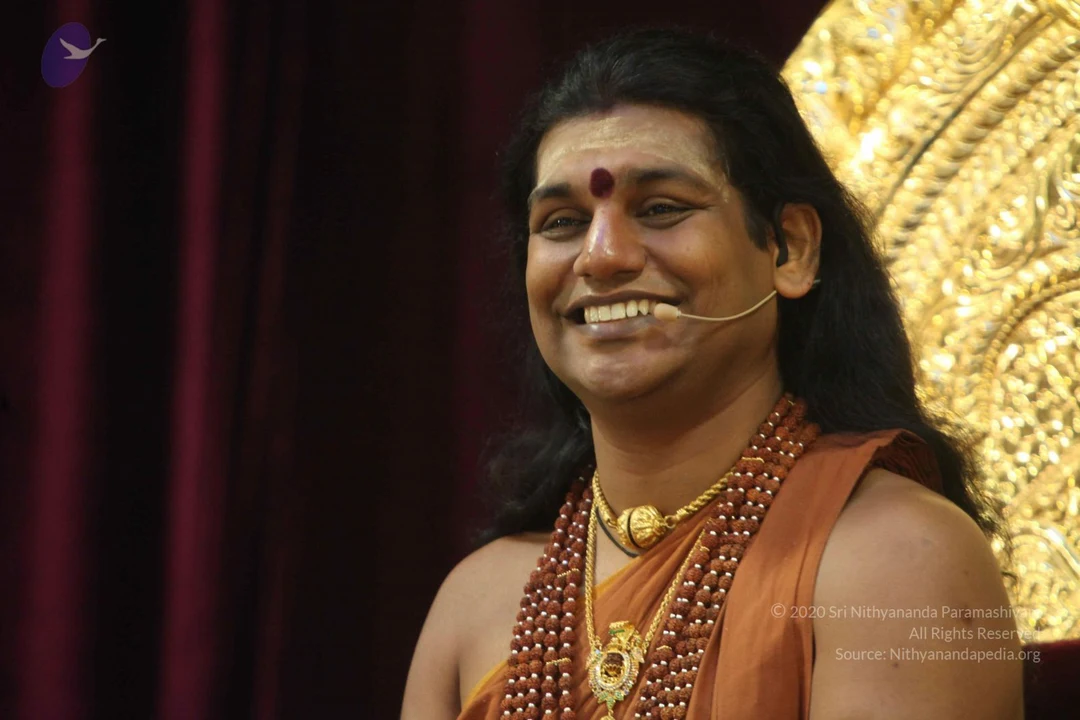
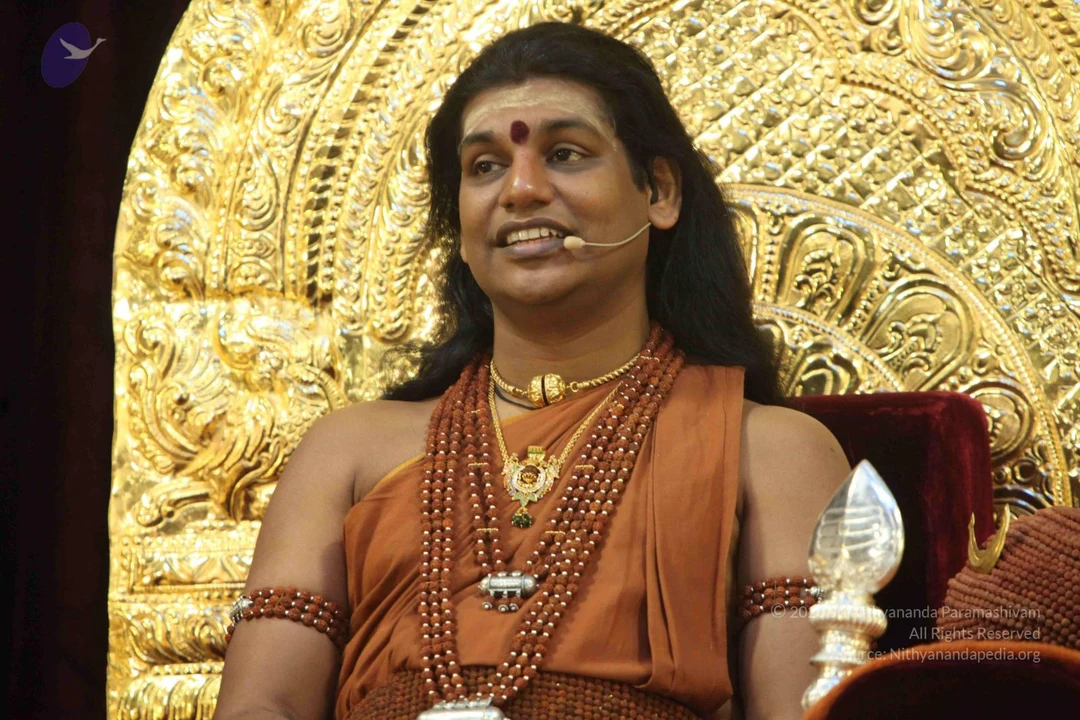
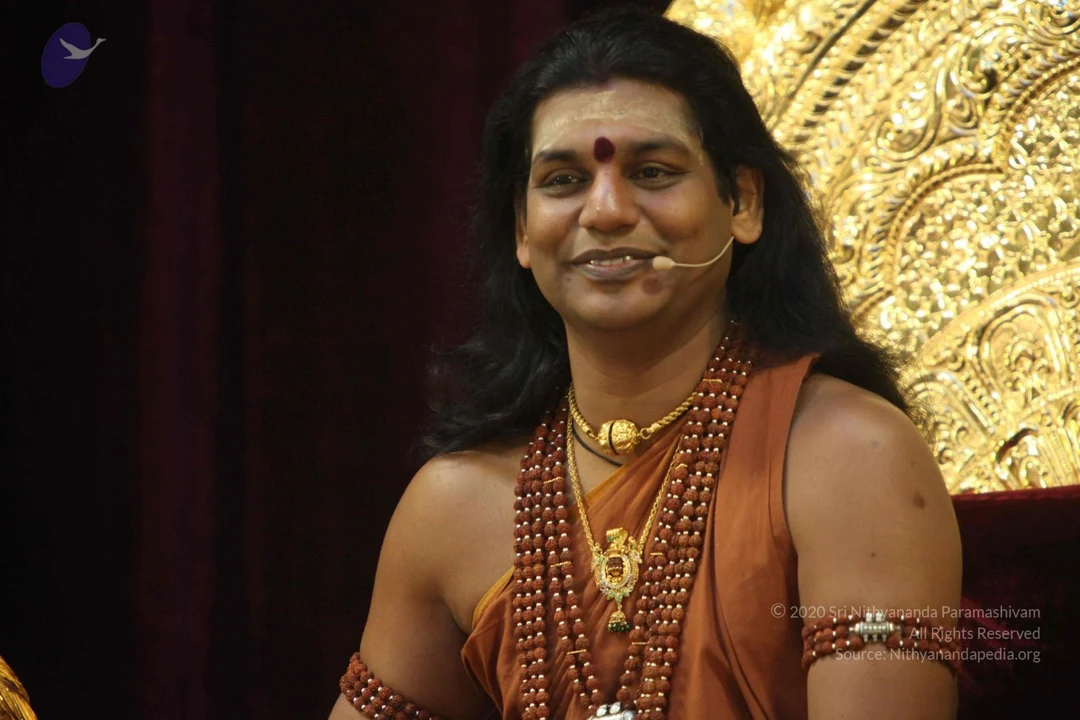
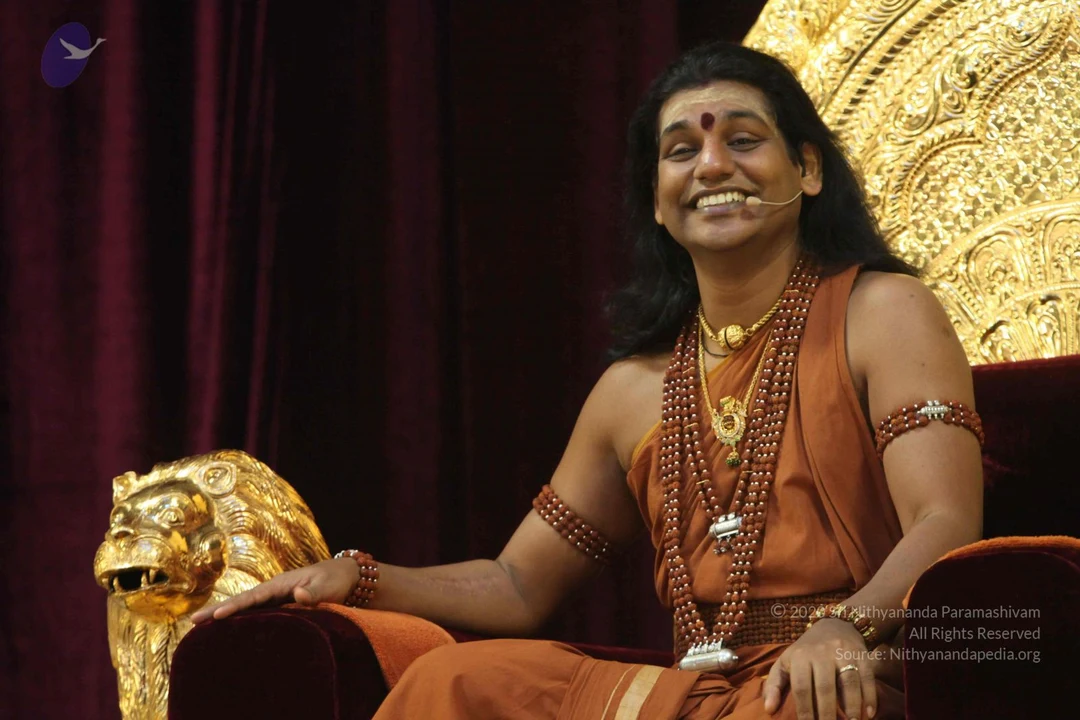

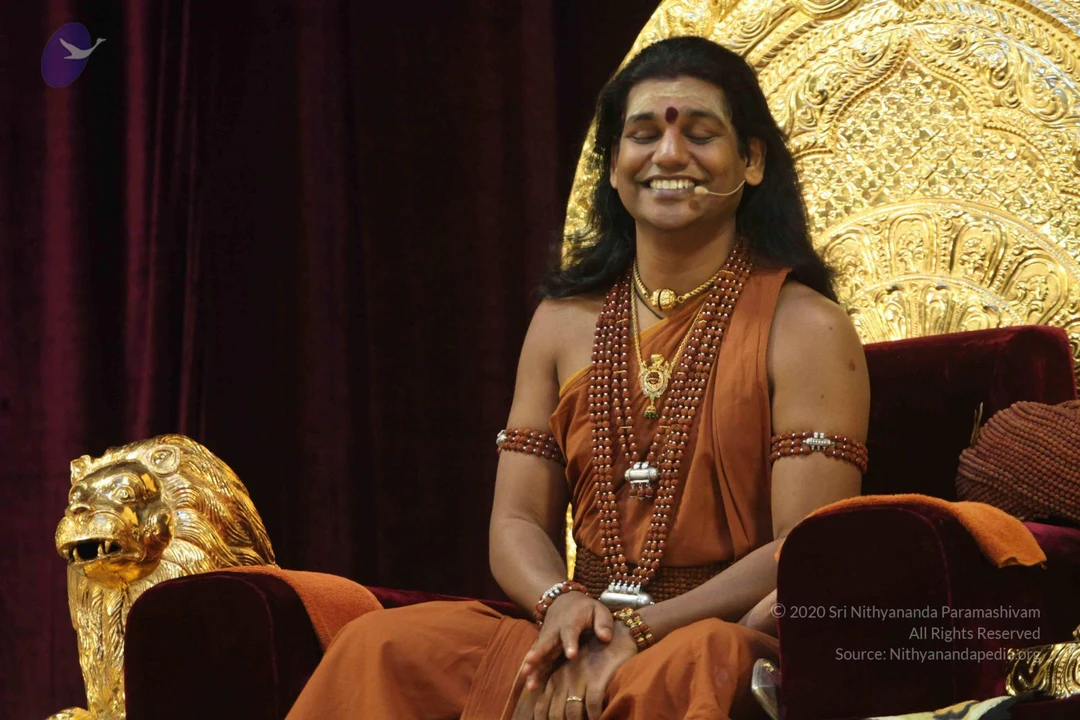
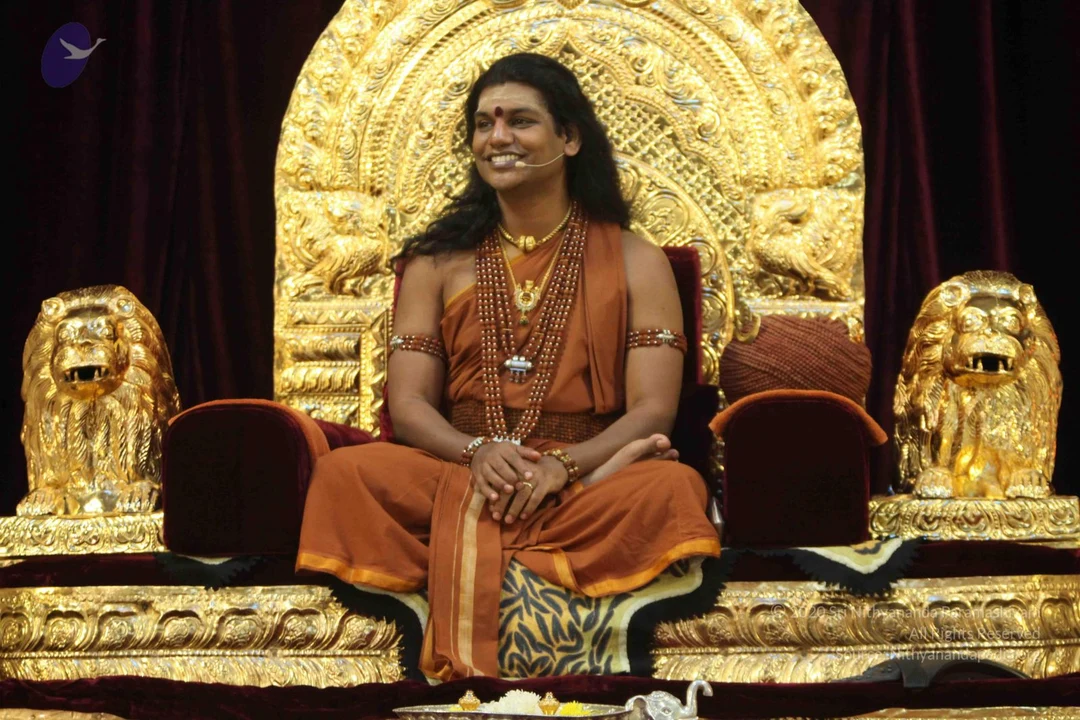
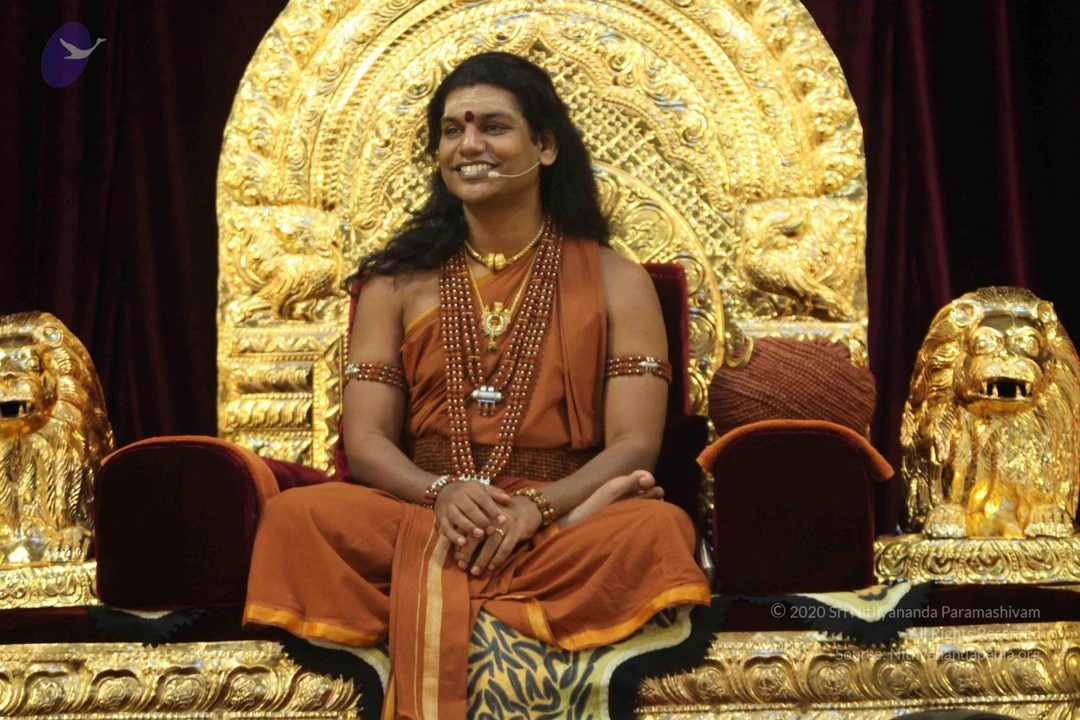
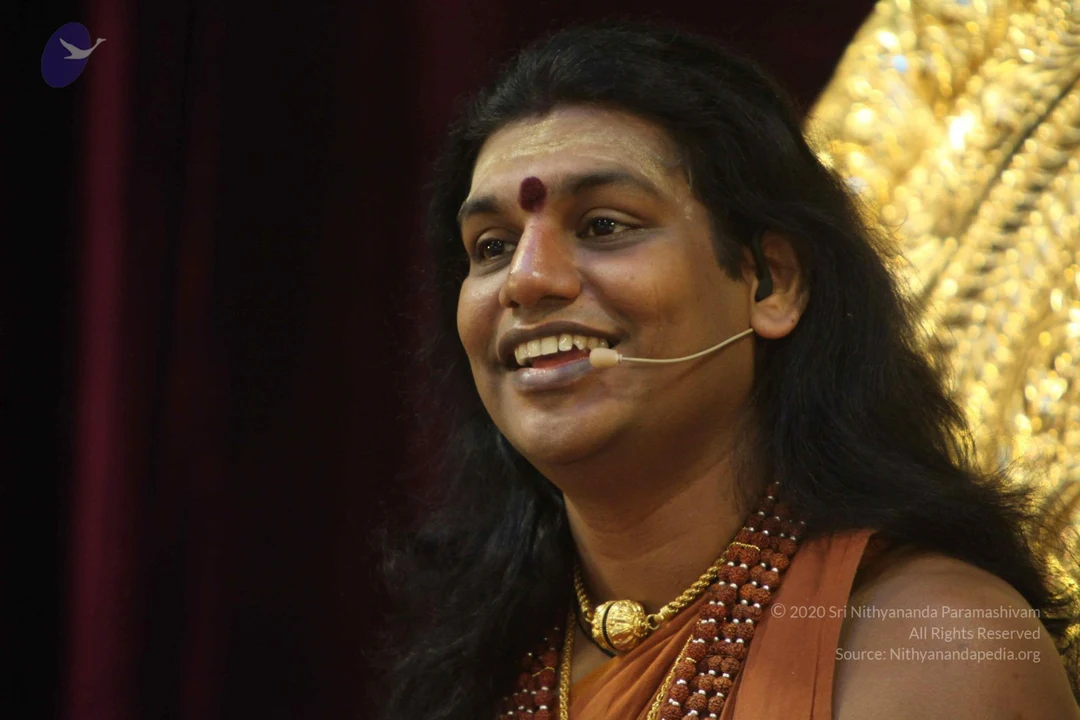
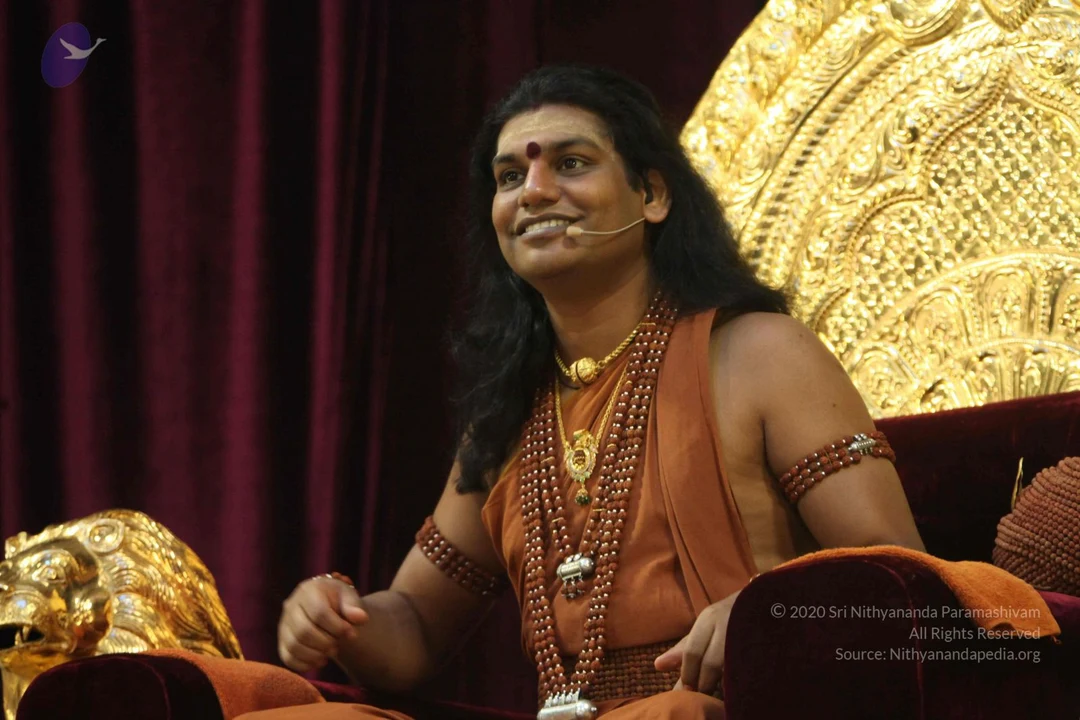
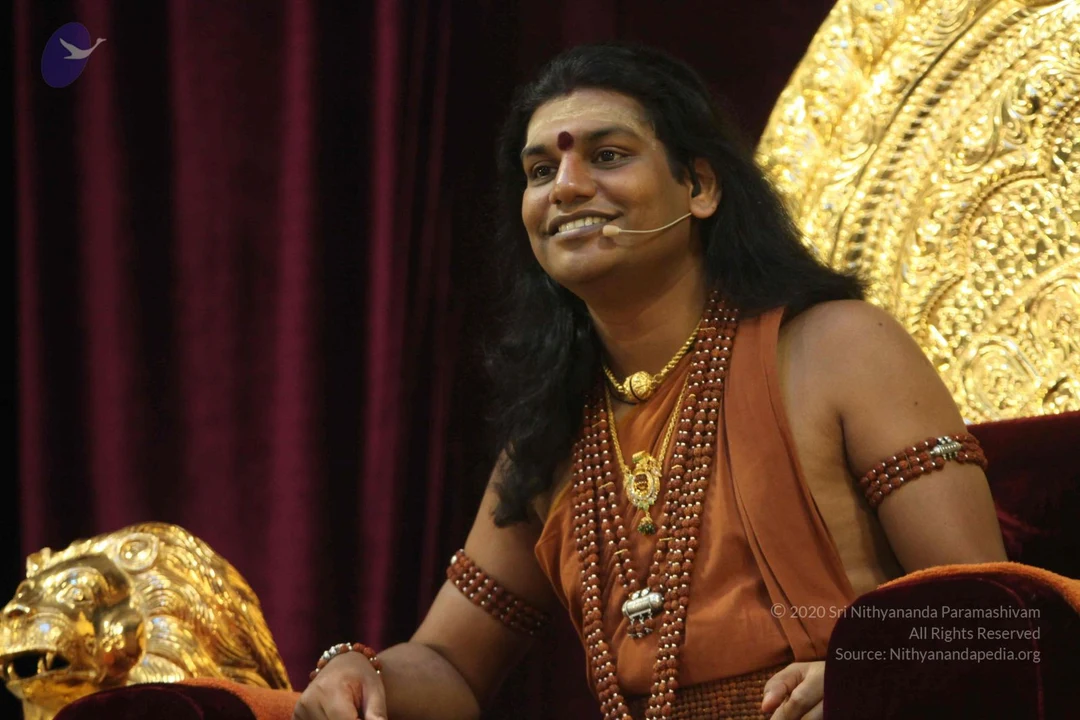
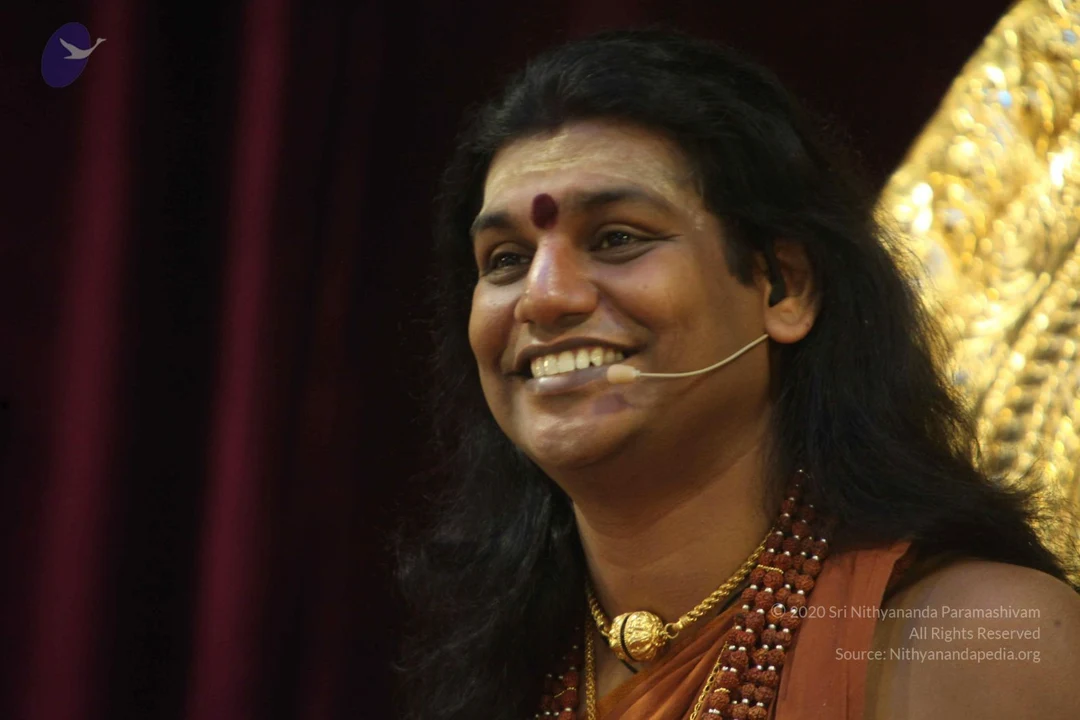
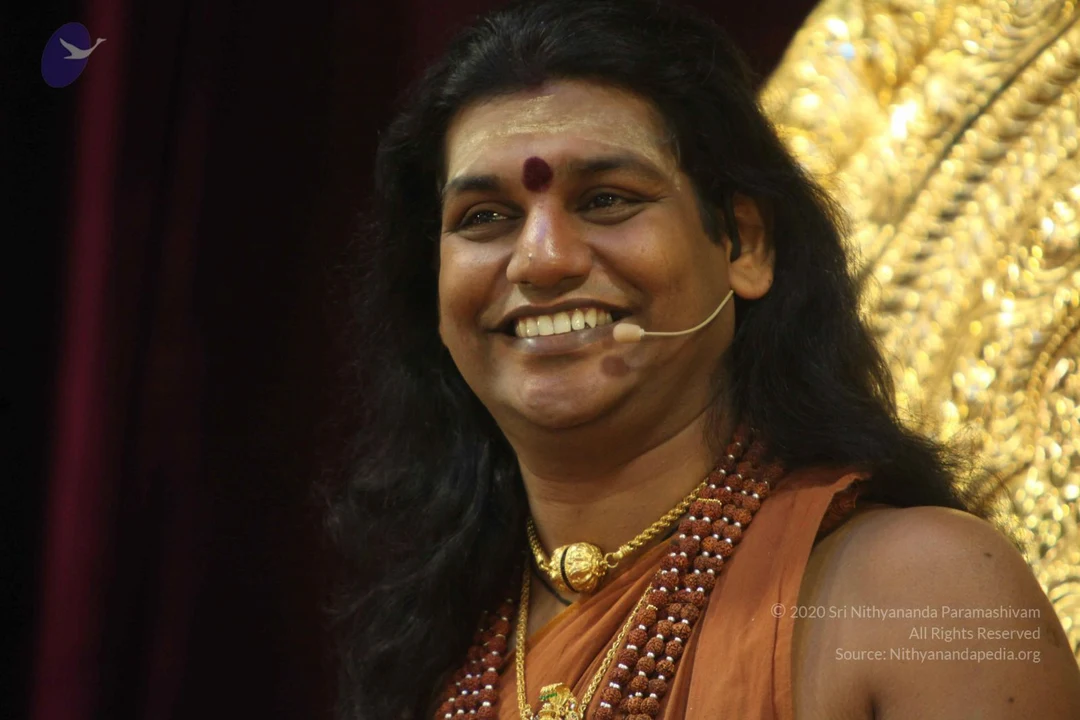
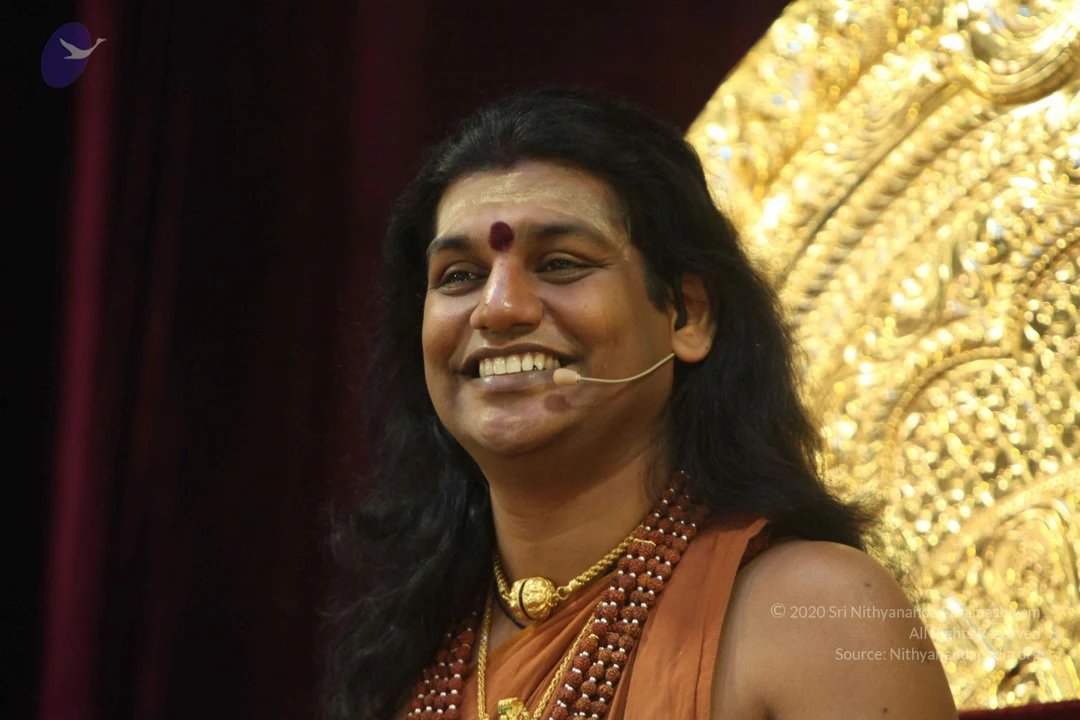
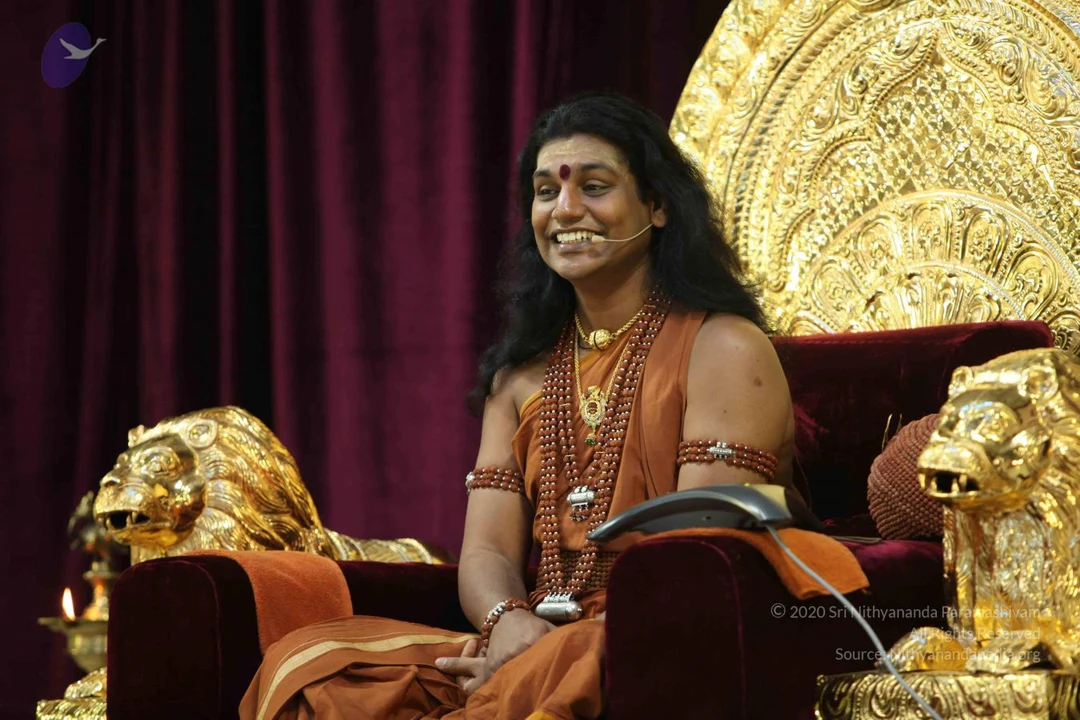
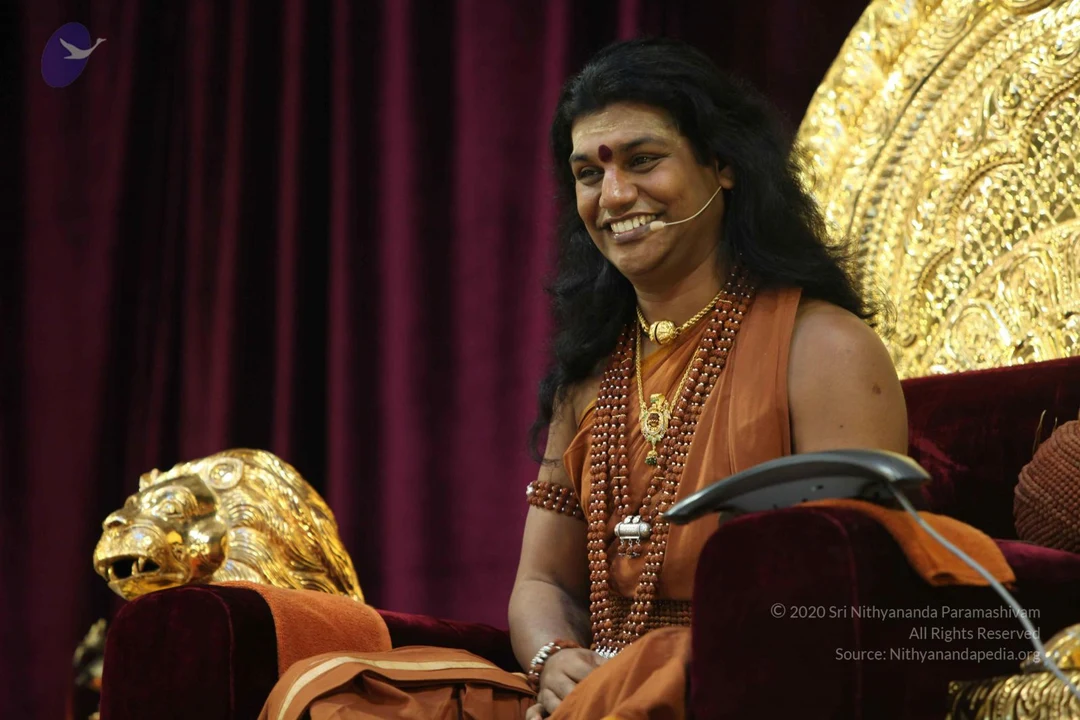
Sarva-Darshan
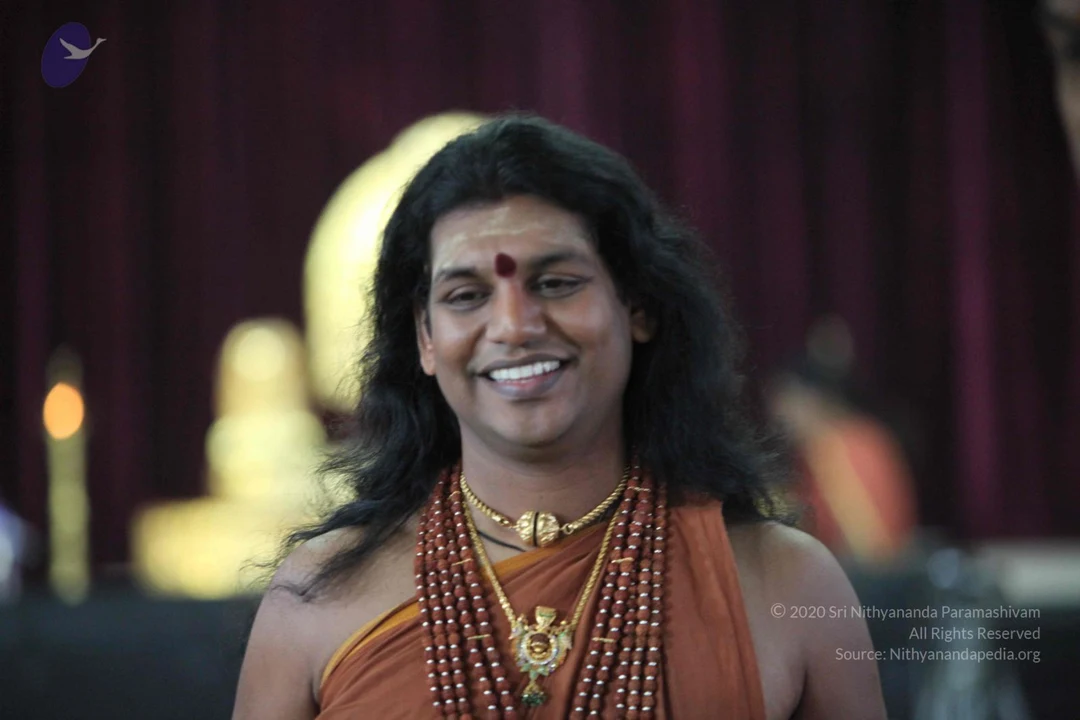
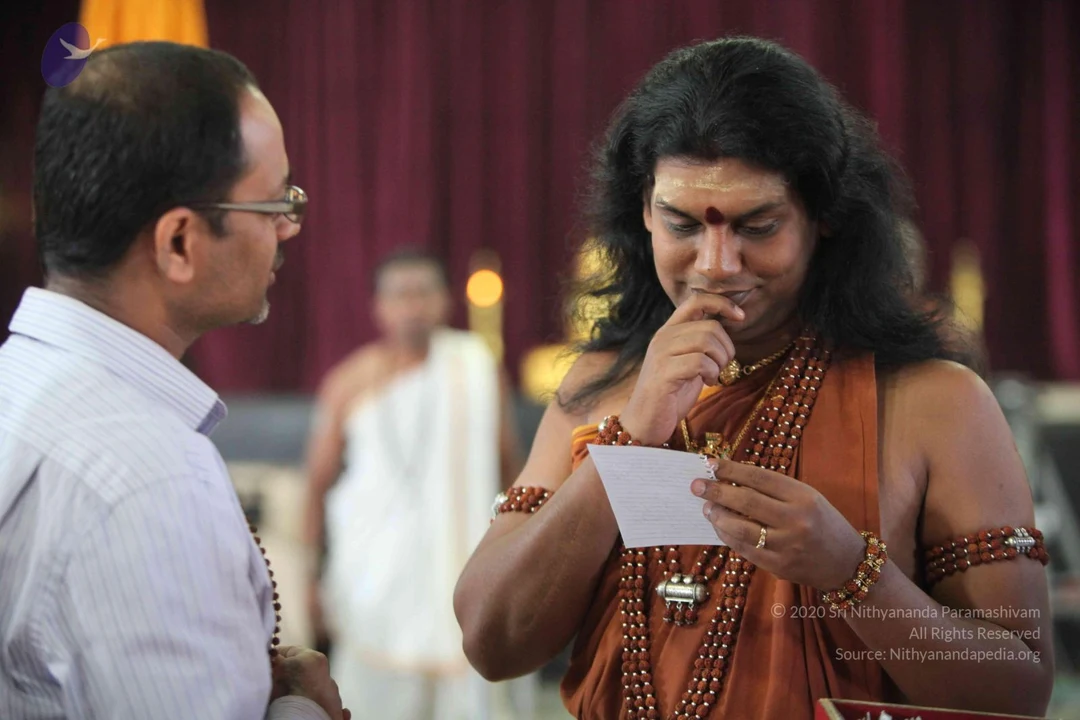
Final-Blessings
01-Pada-Puja
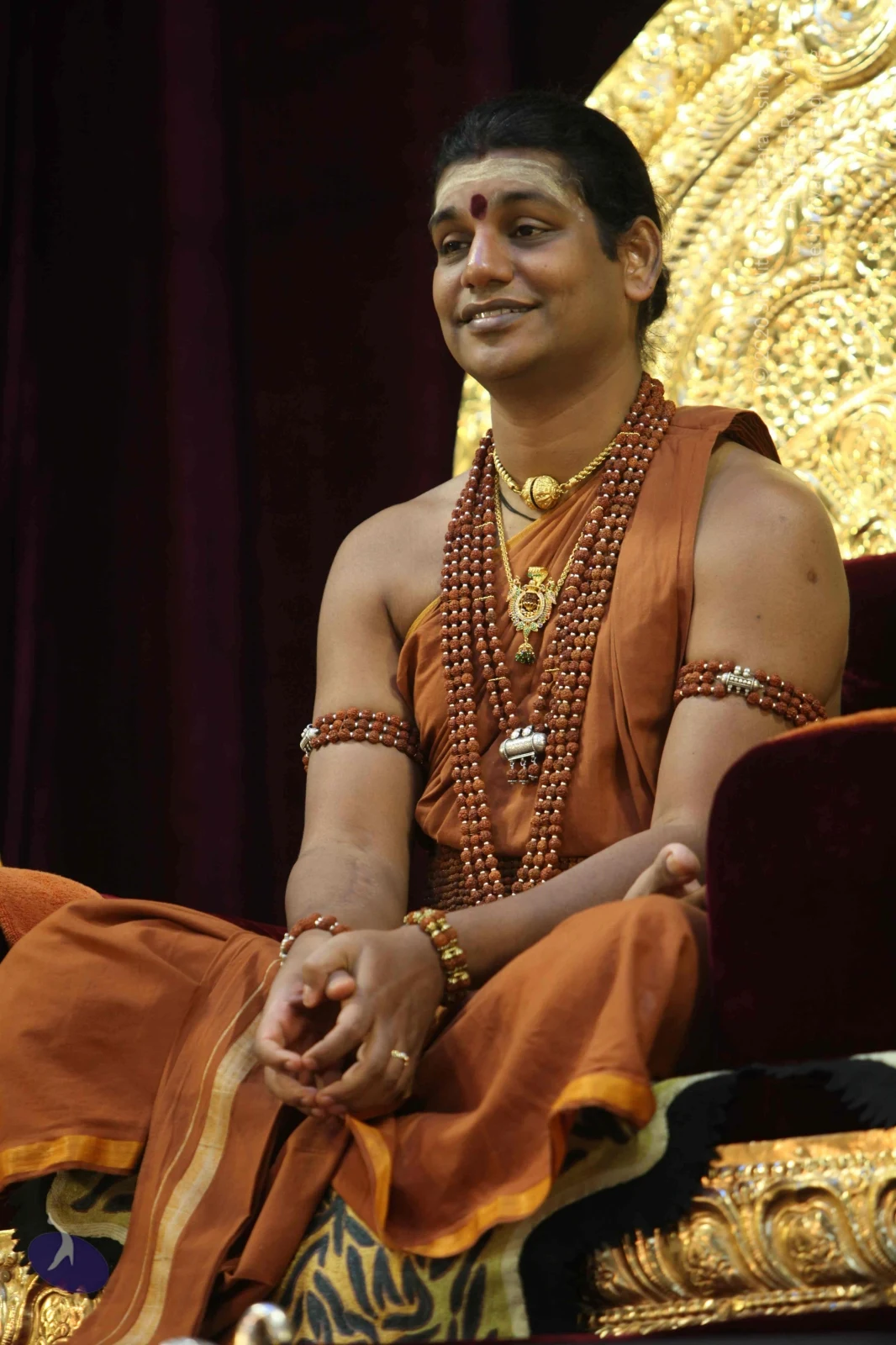
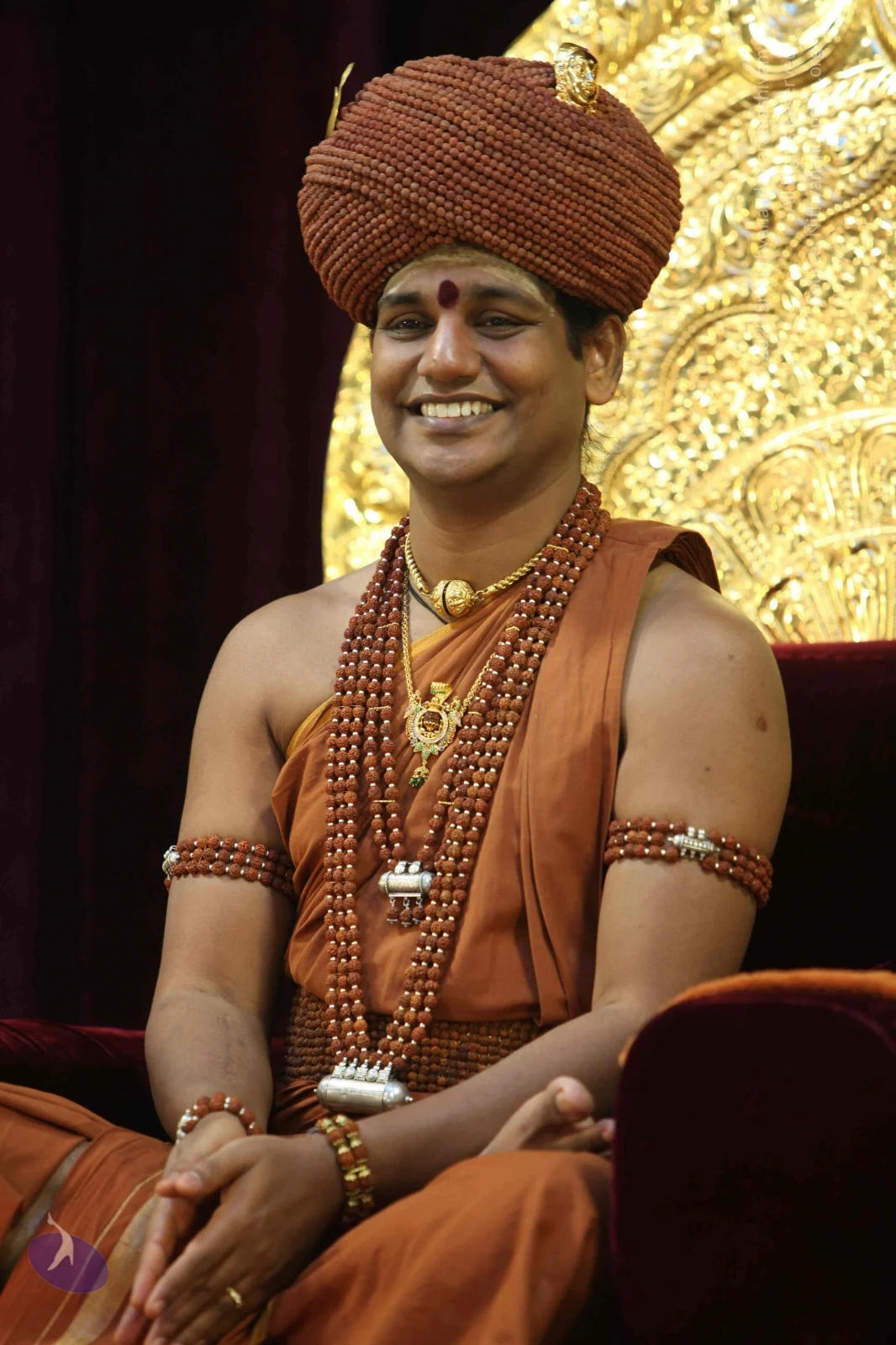
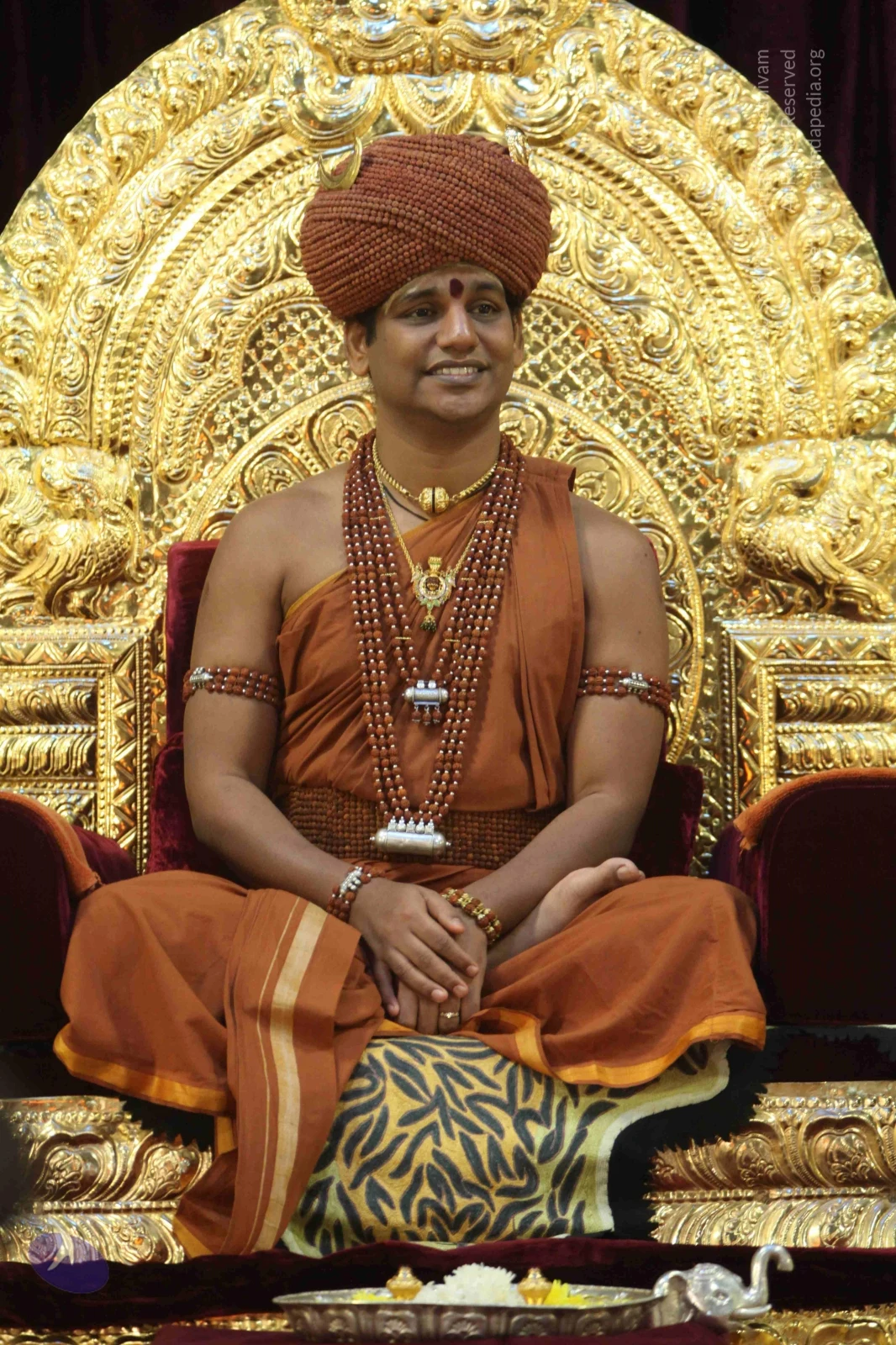
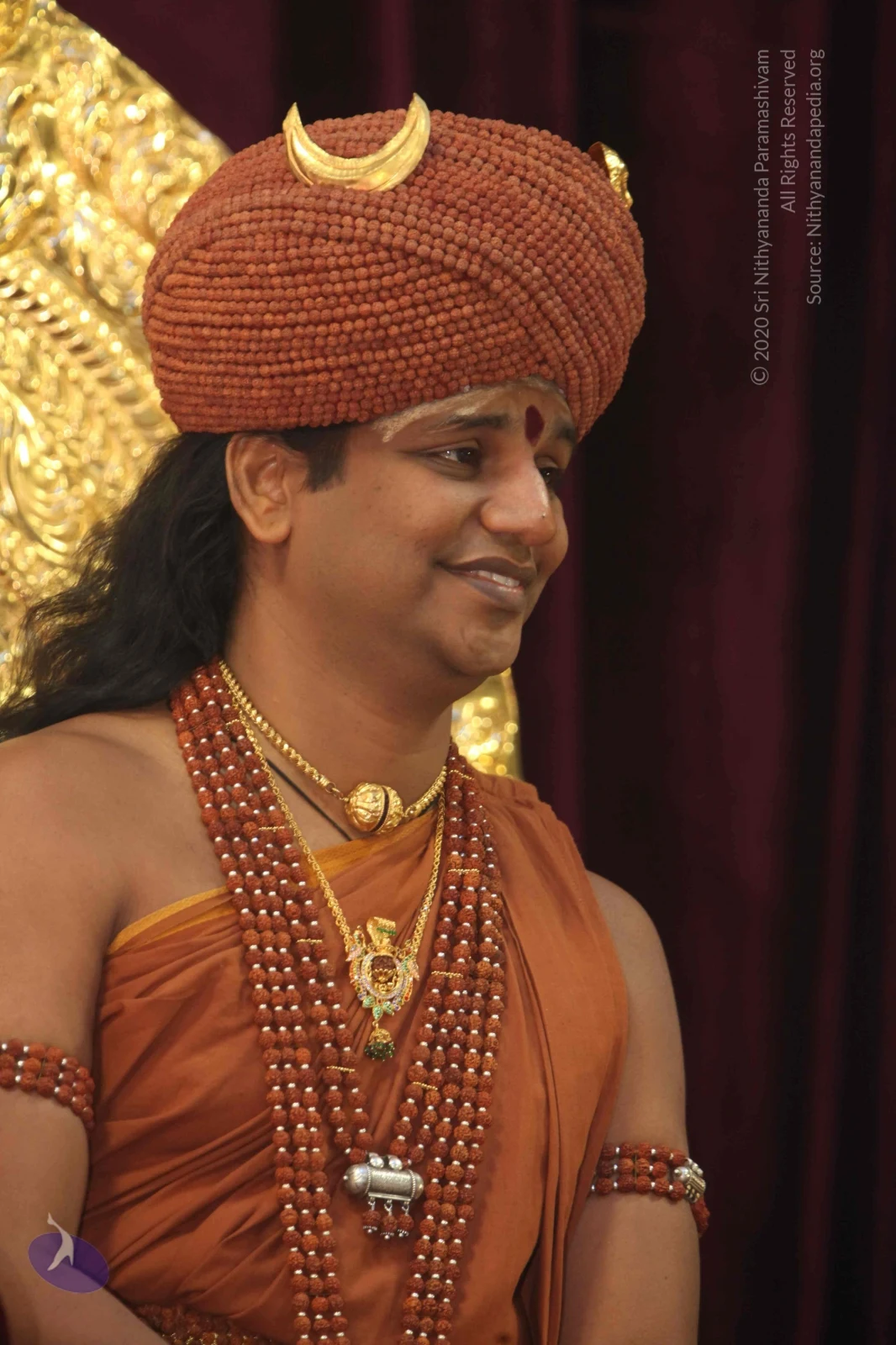
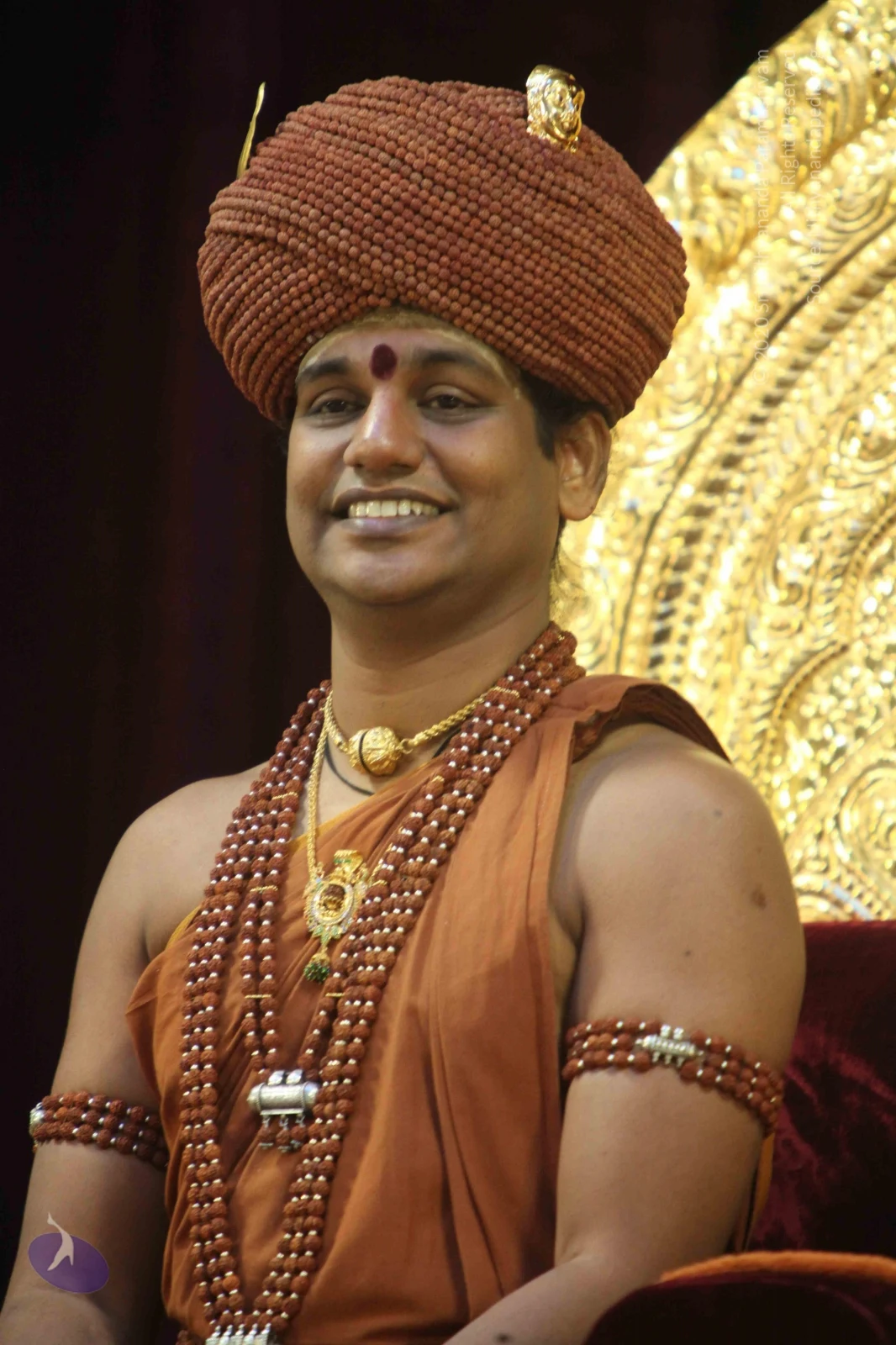
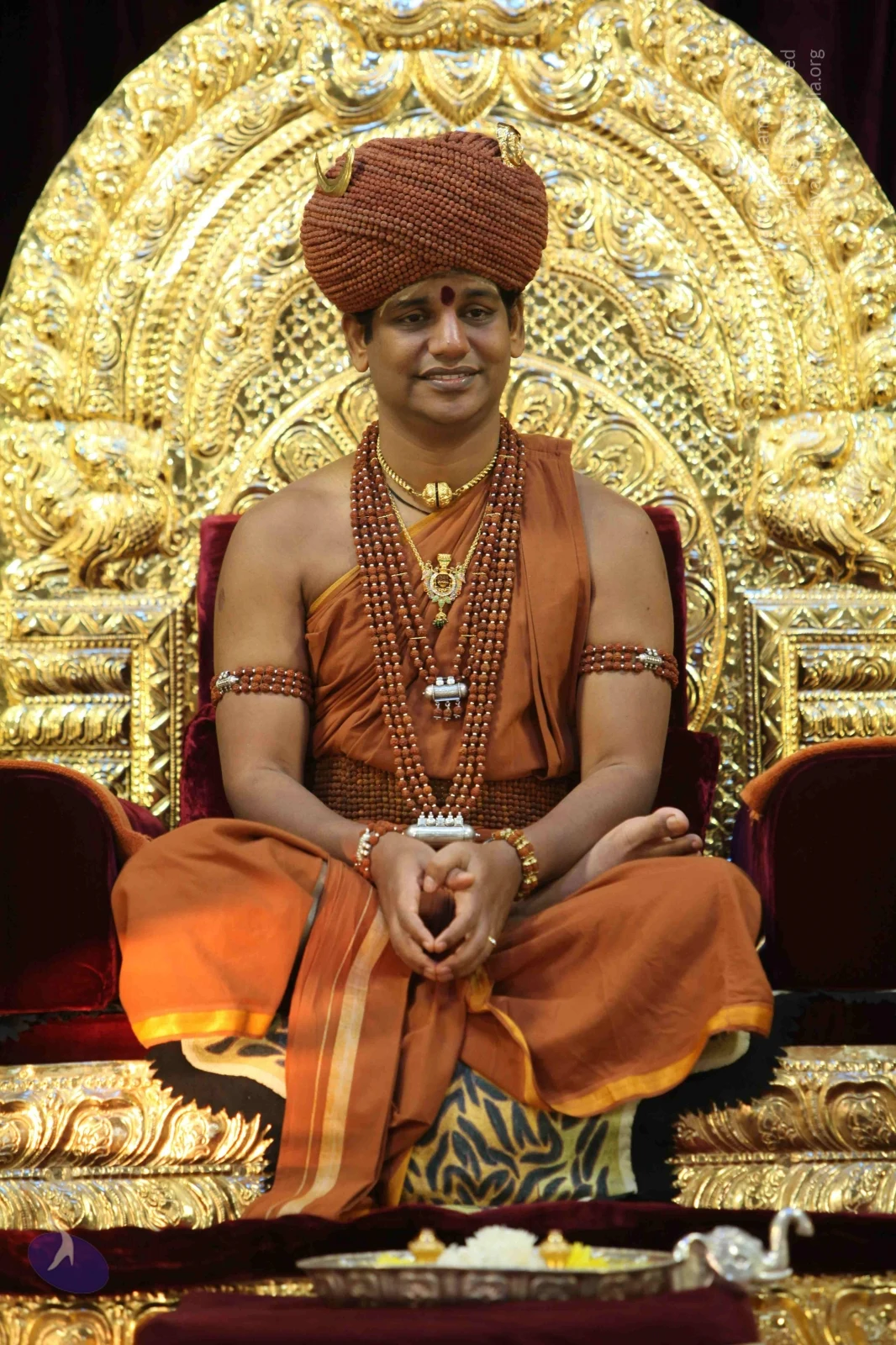
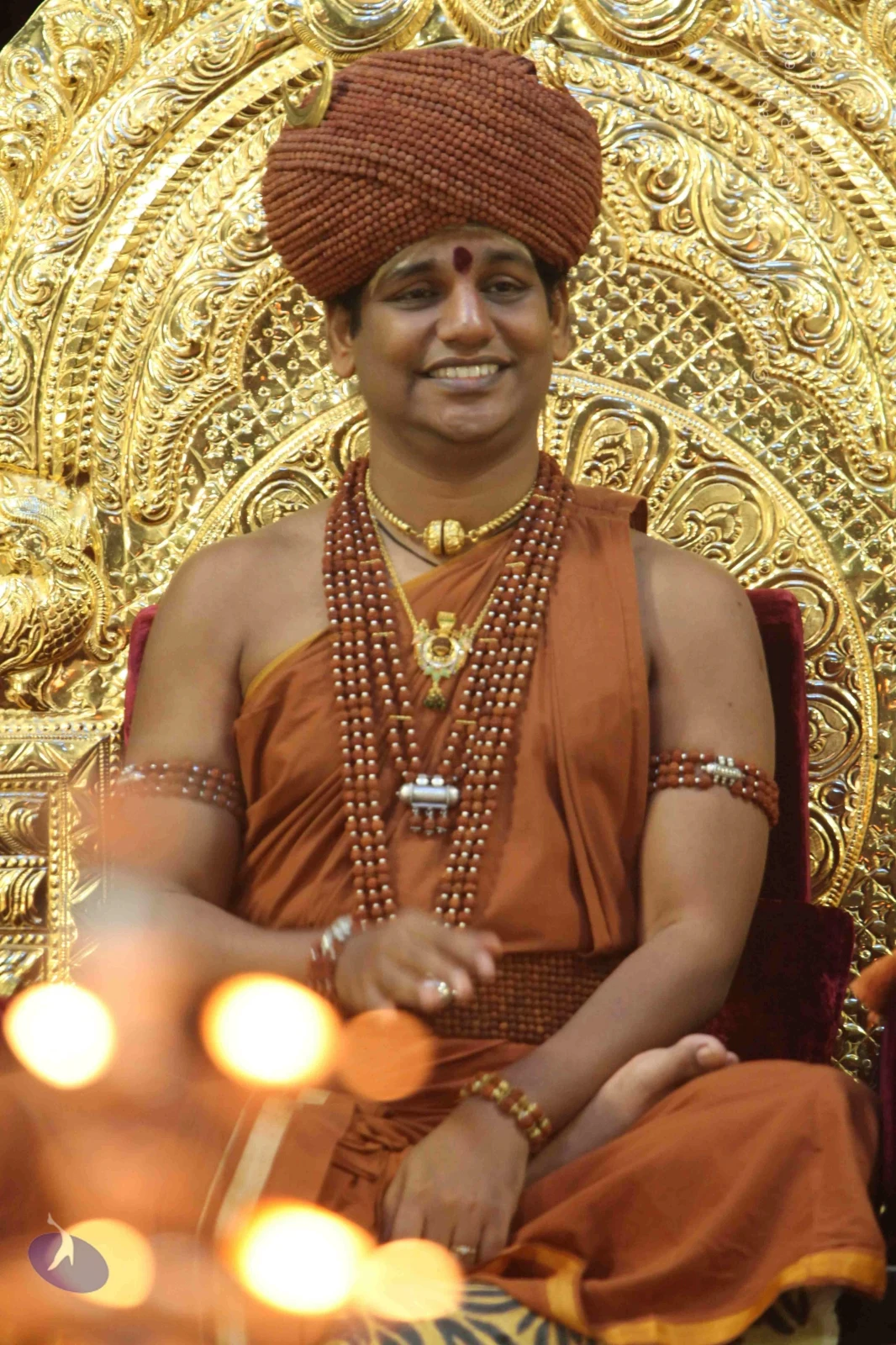
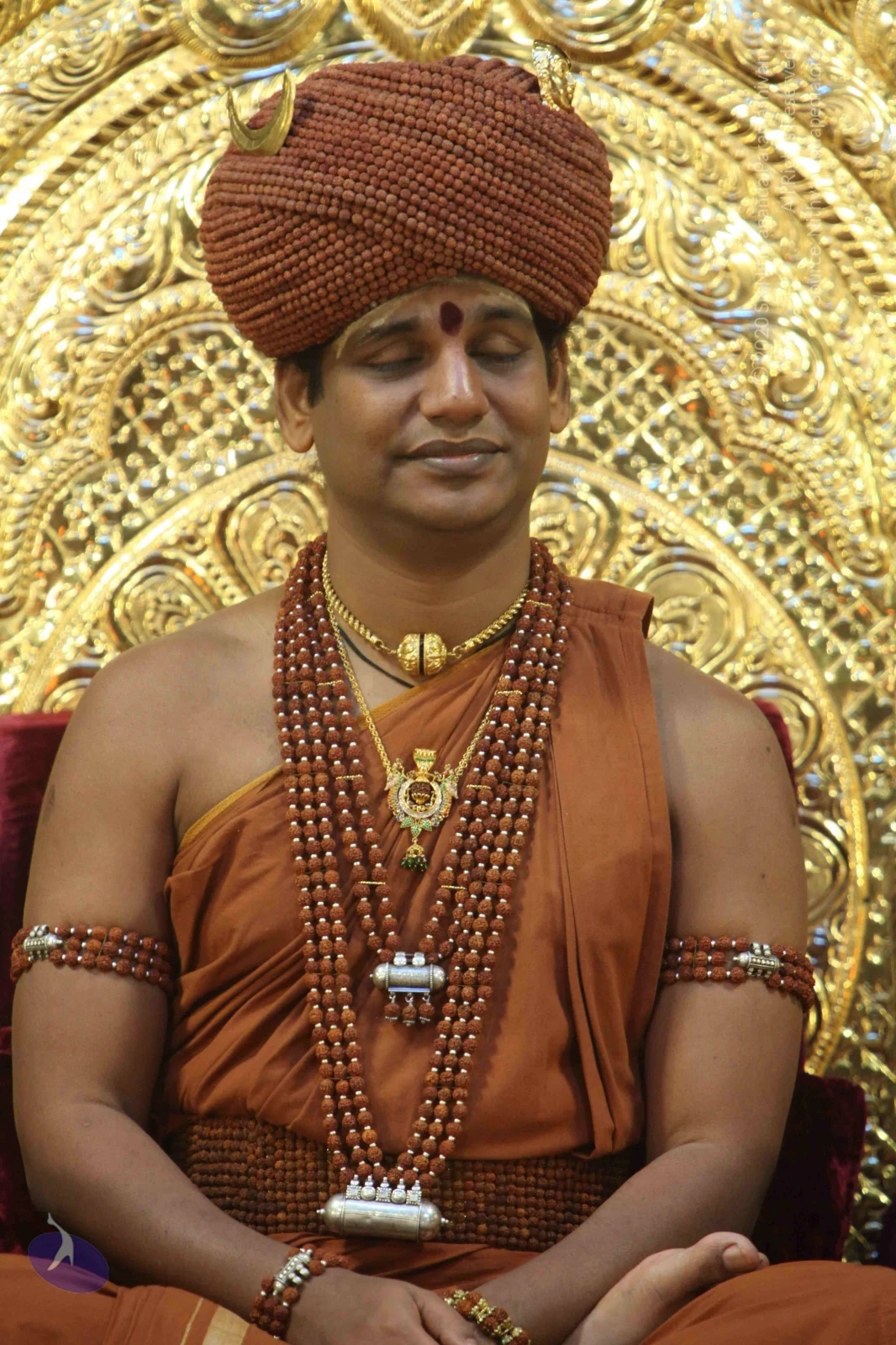
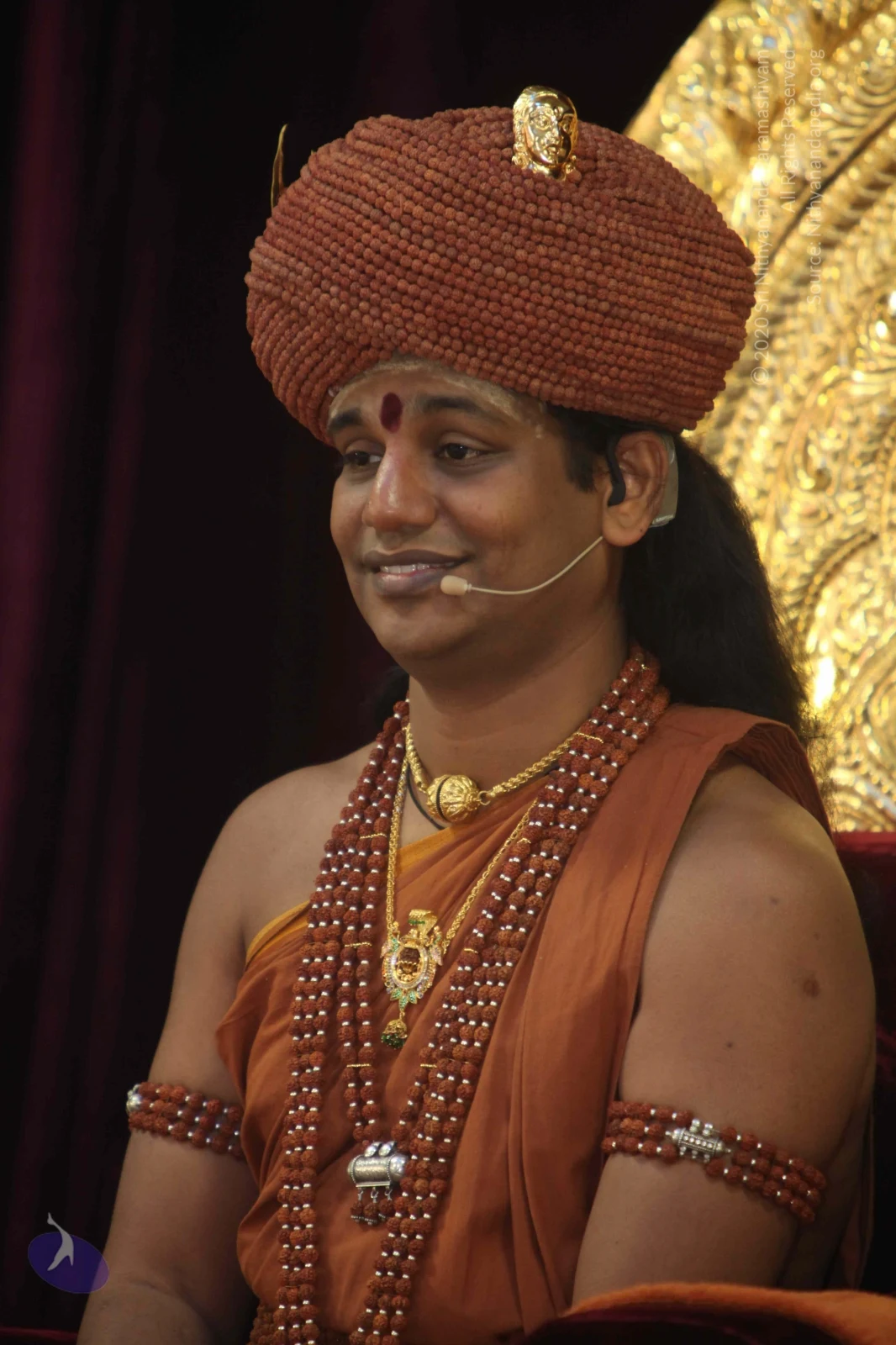
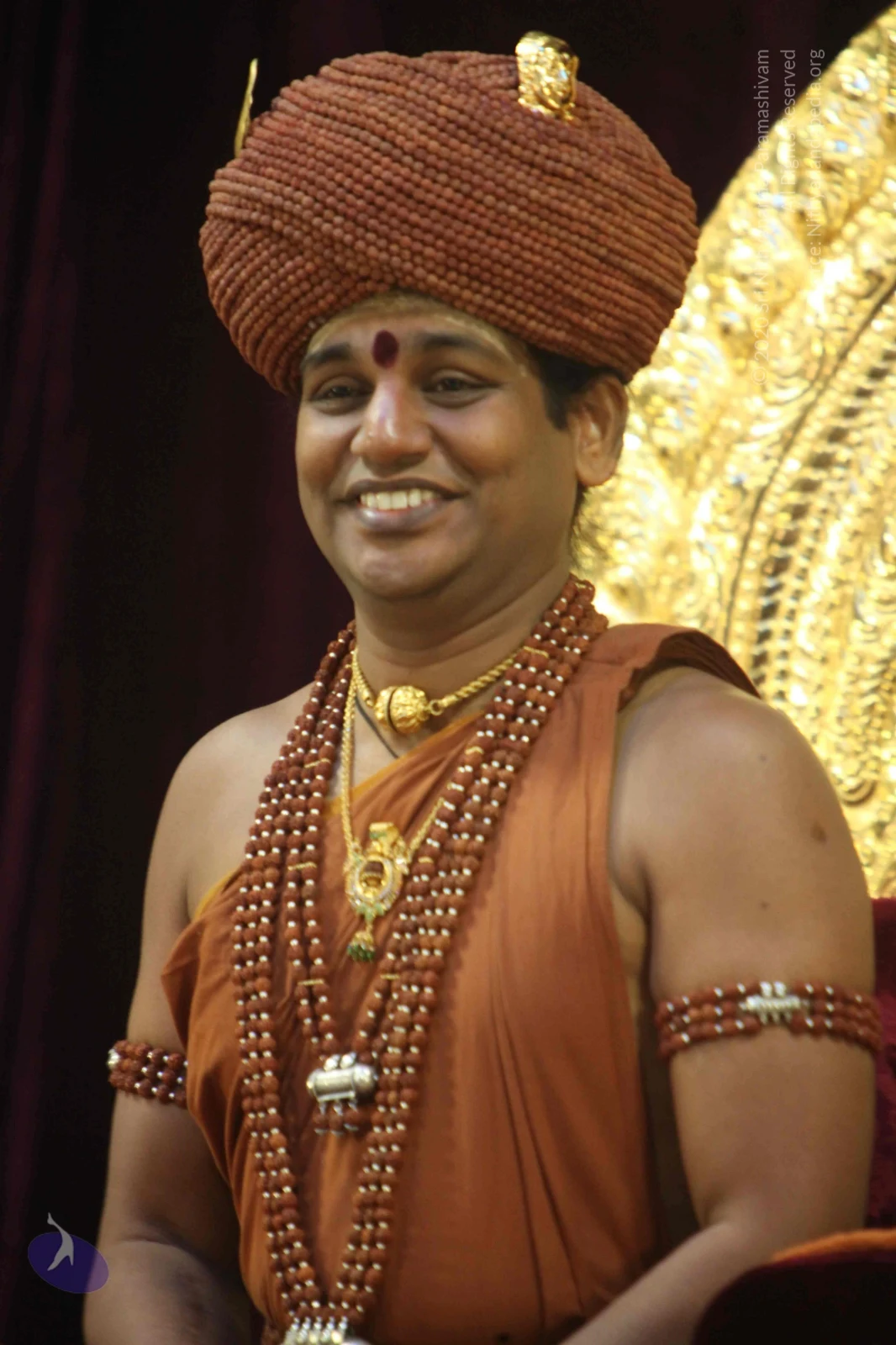
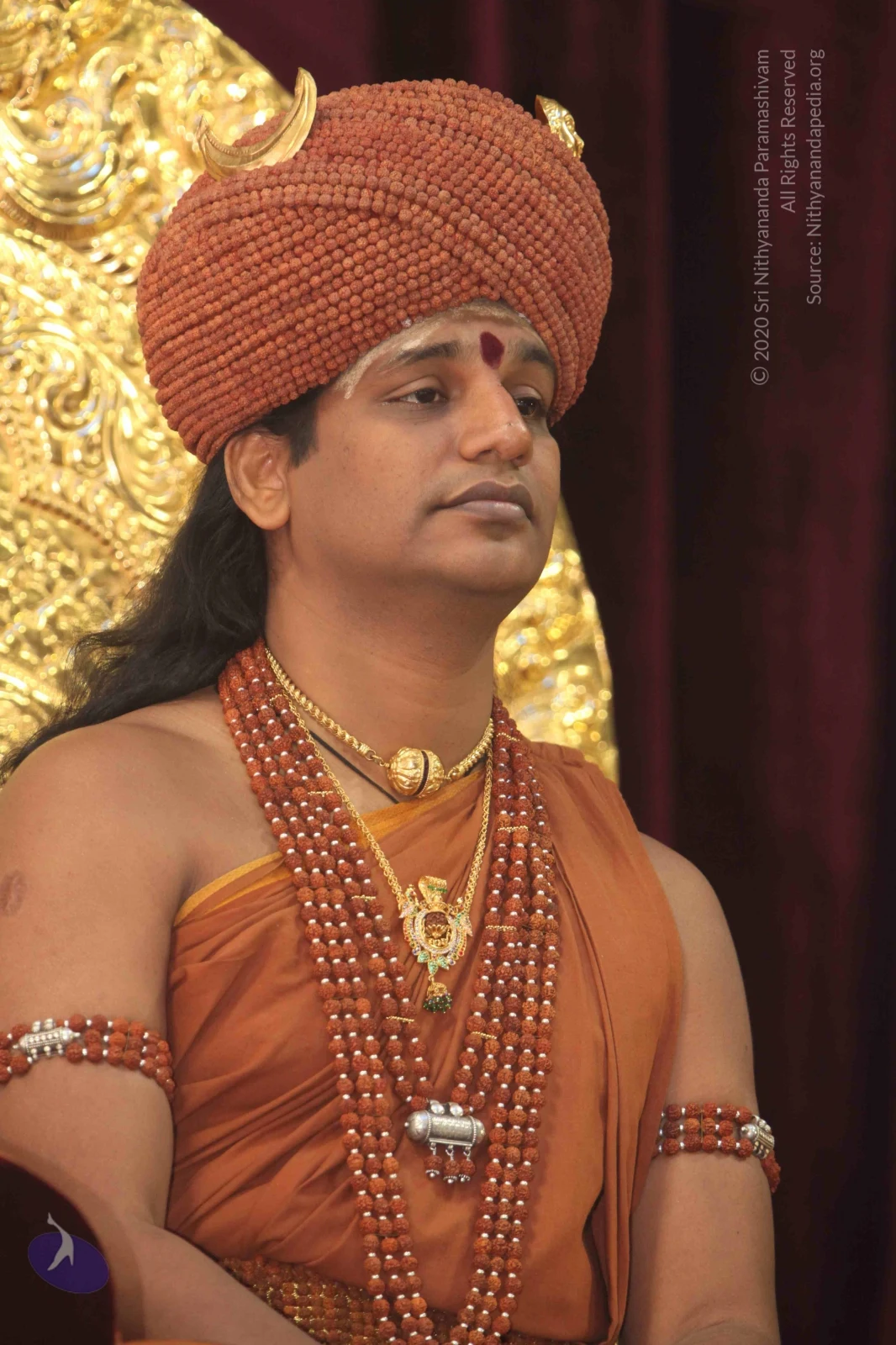
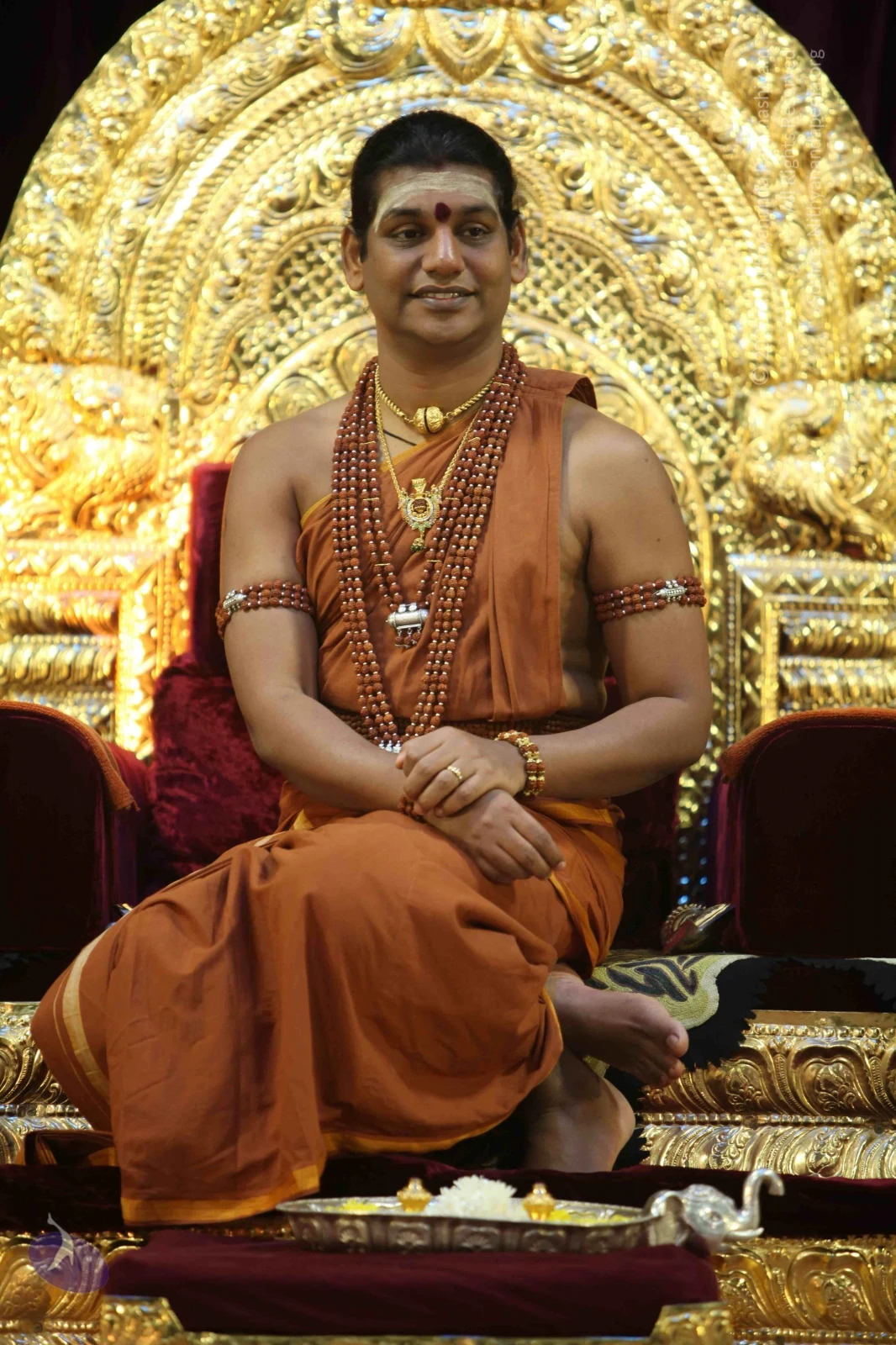
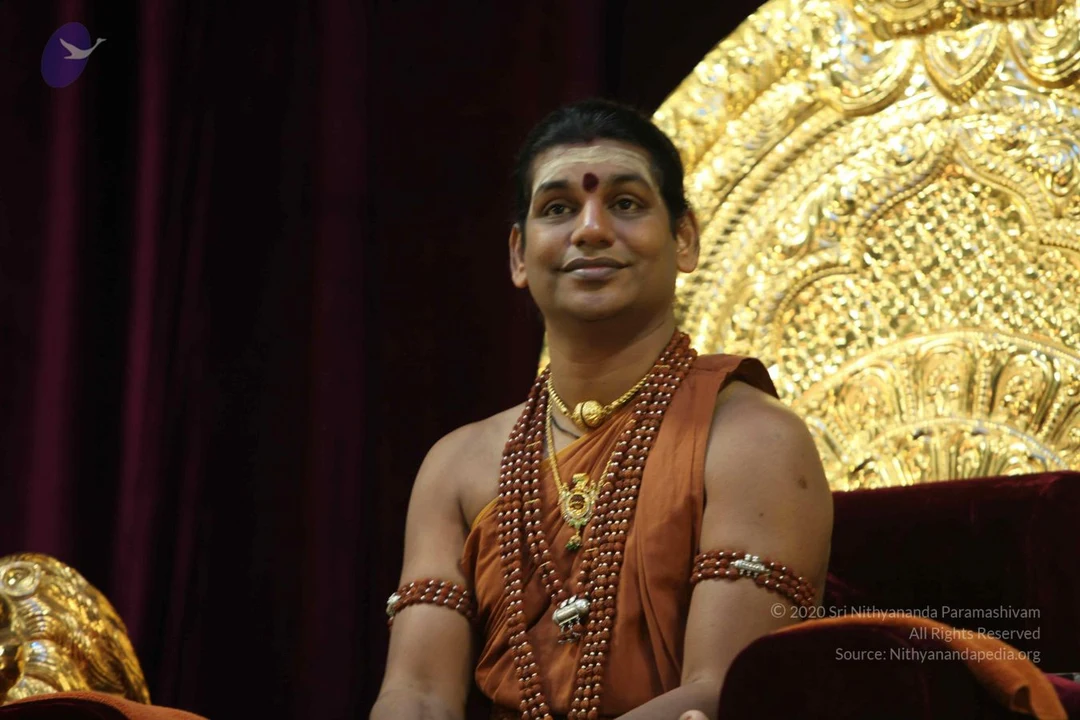
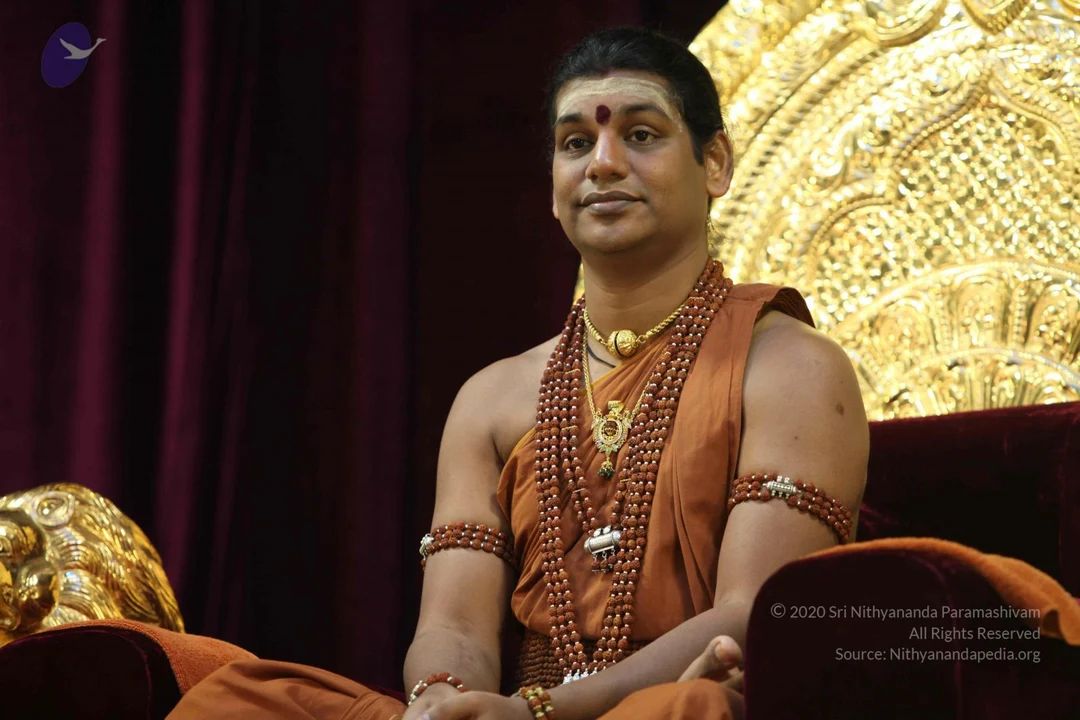
02-Nithya-Satsang
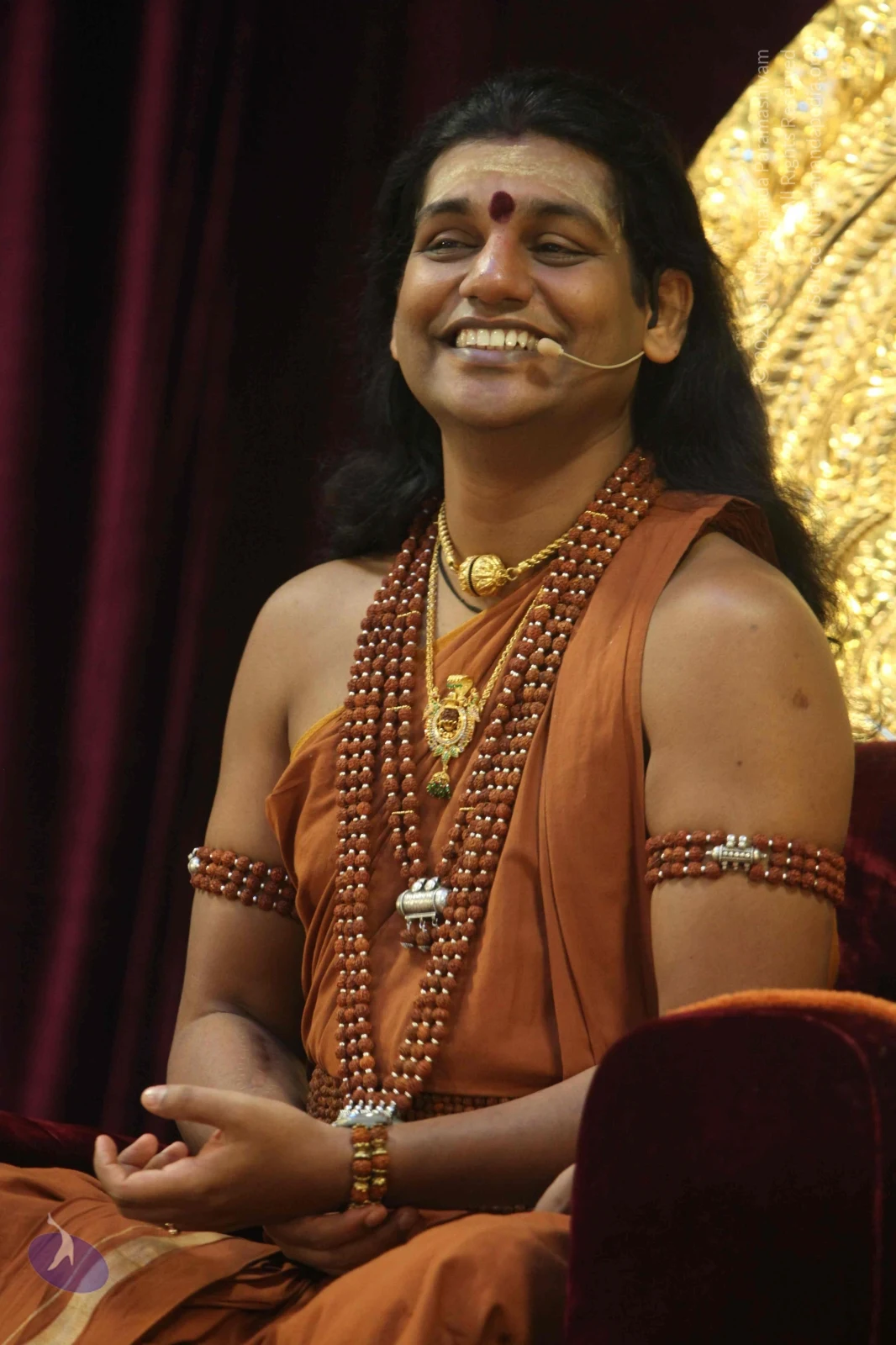
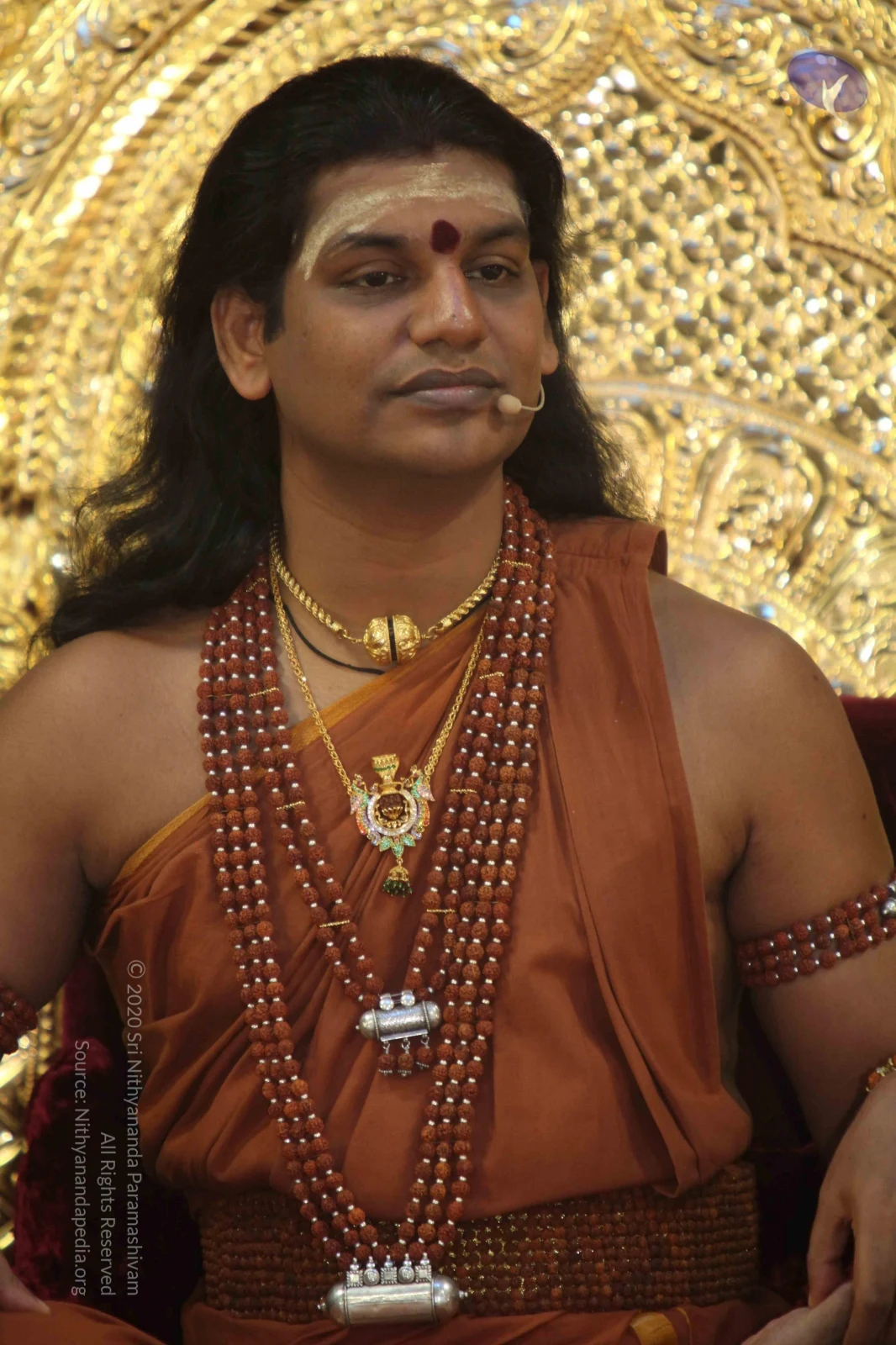
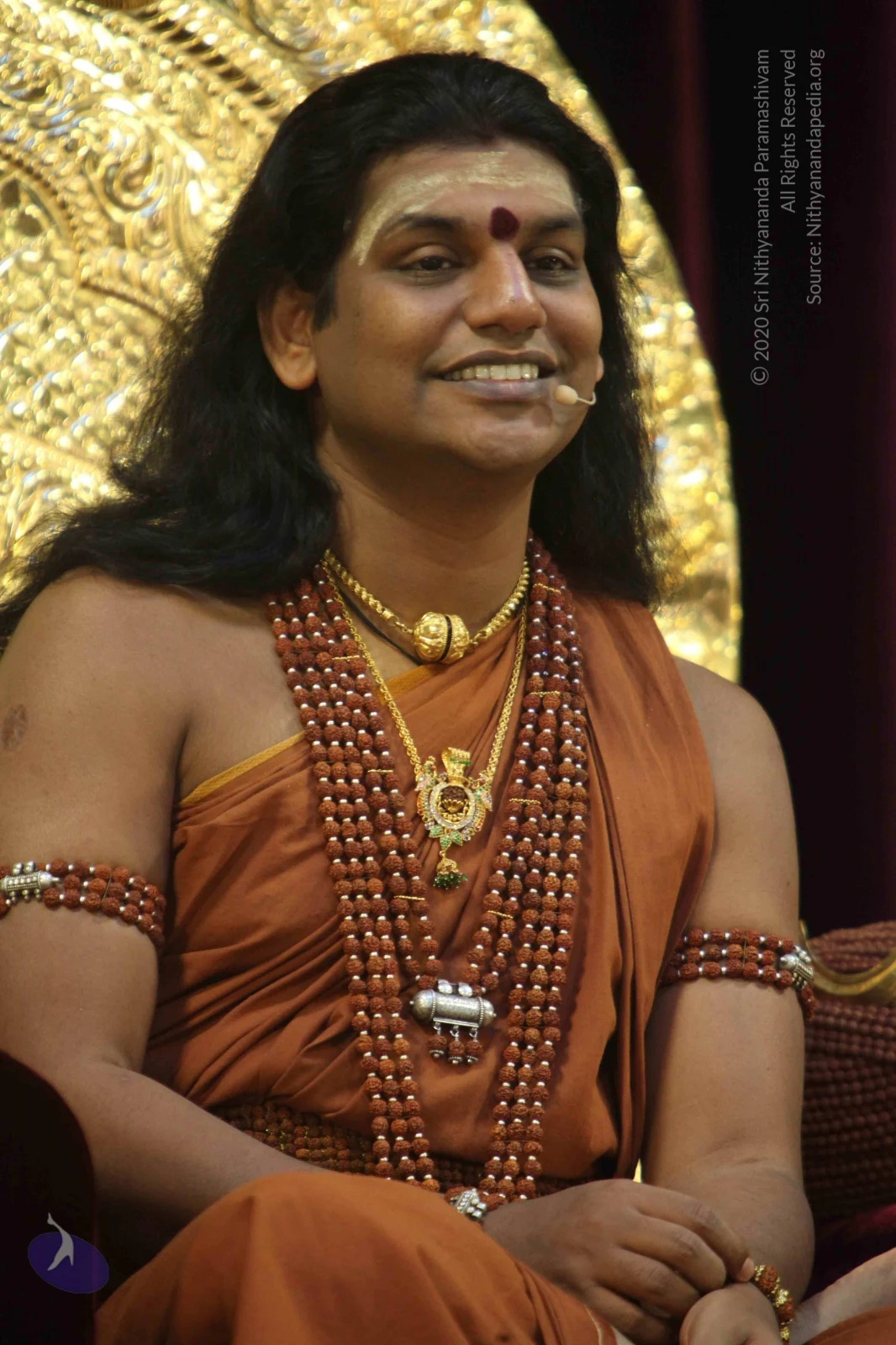
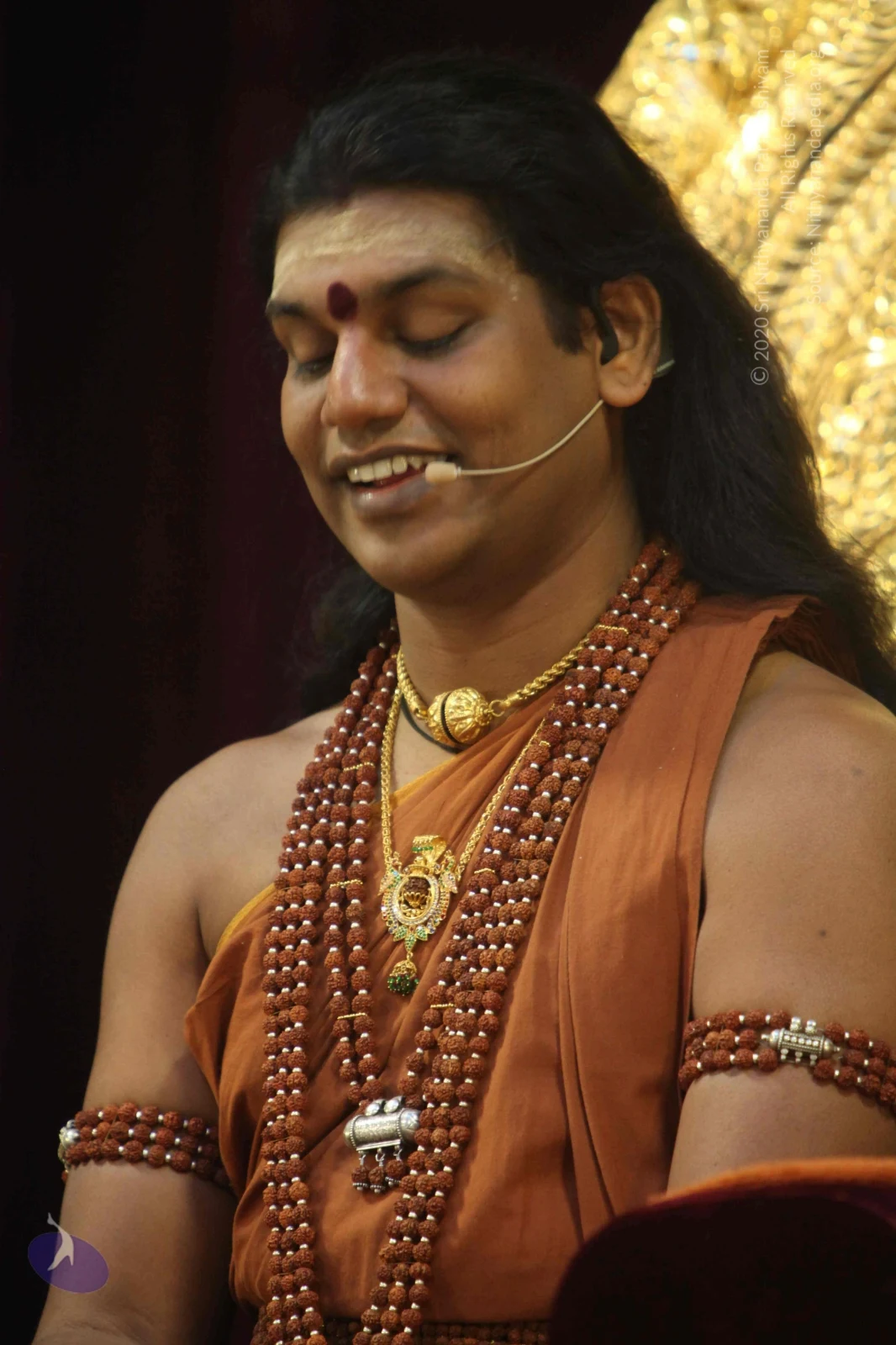
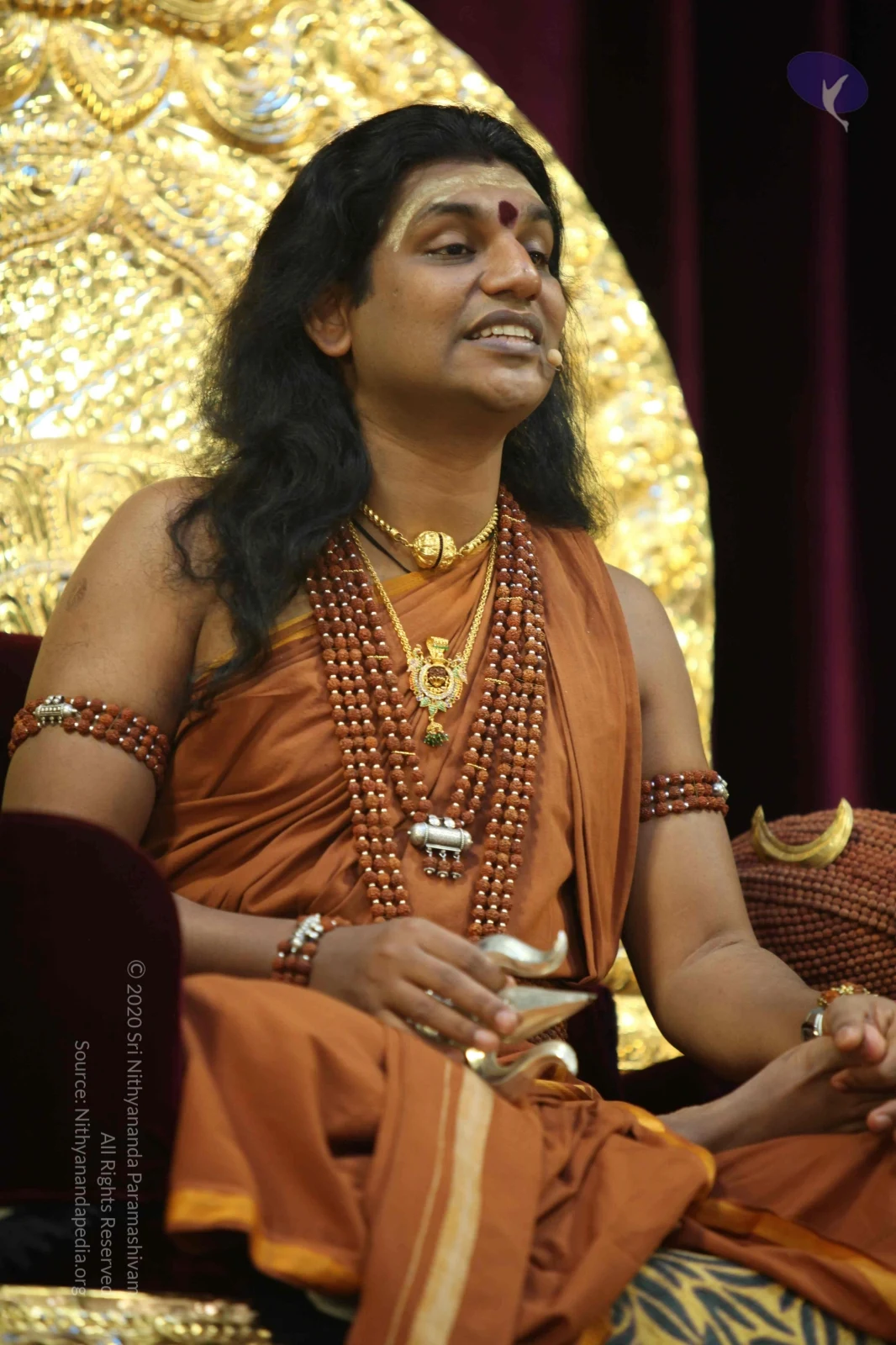
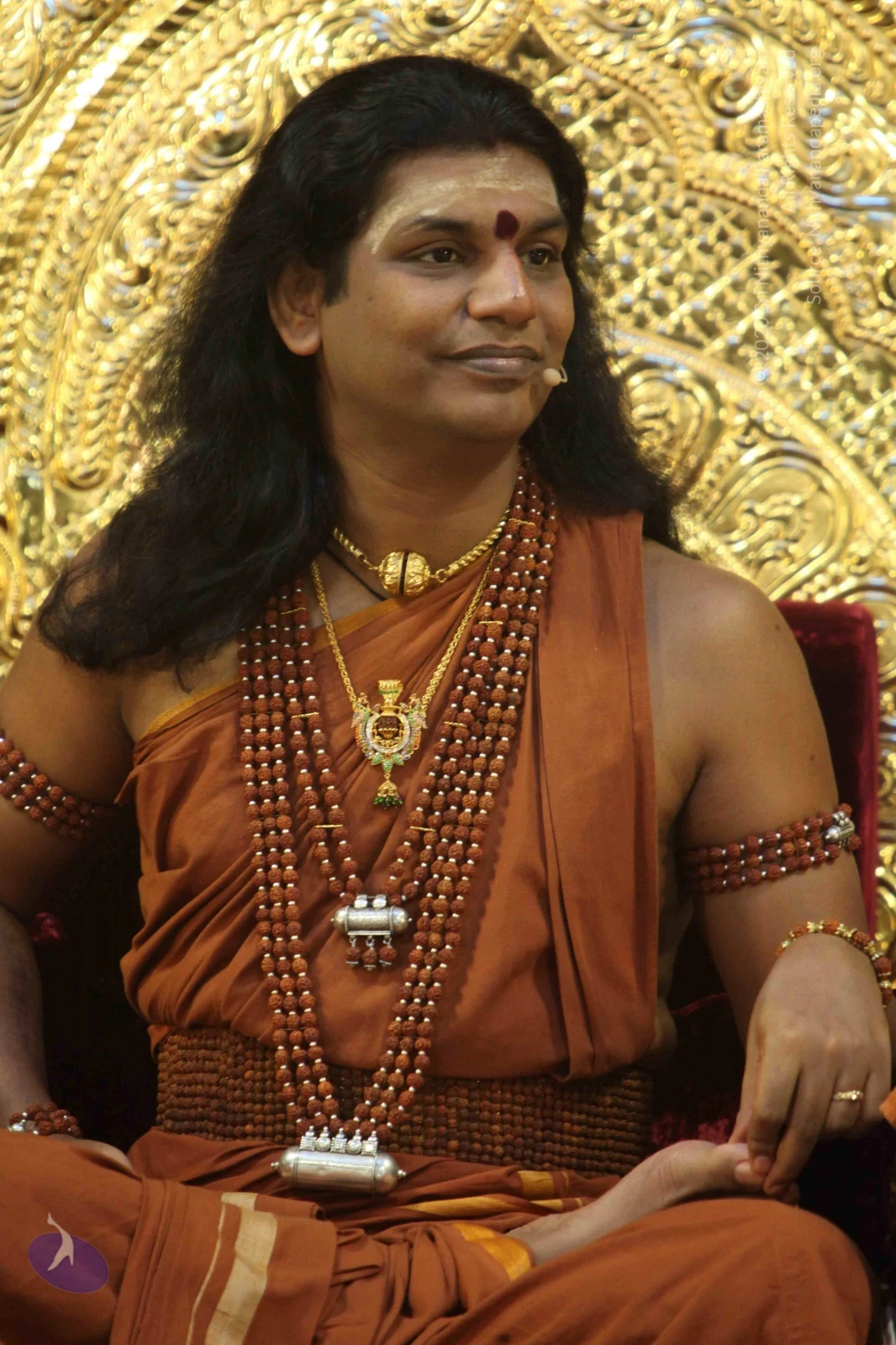
03-Sarva-Darshan
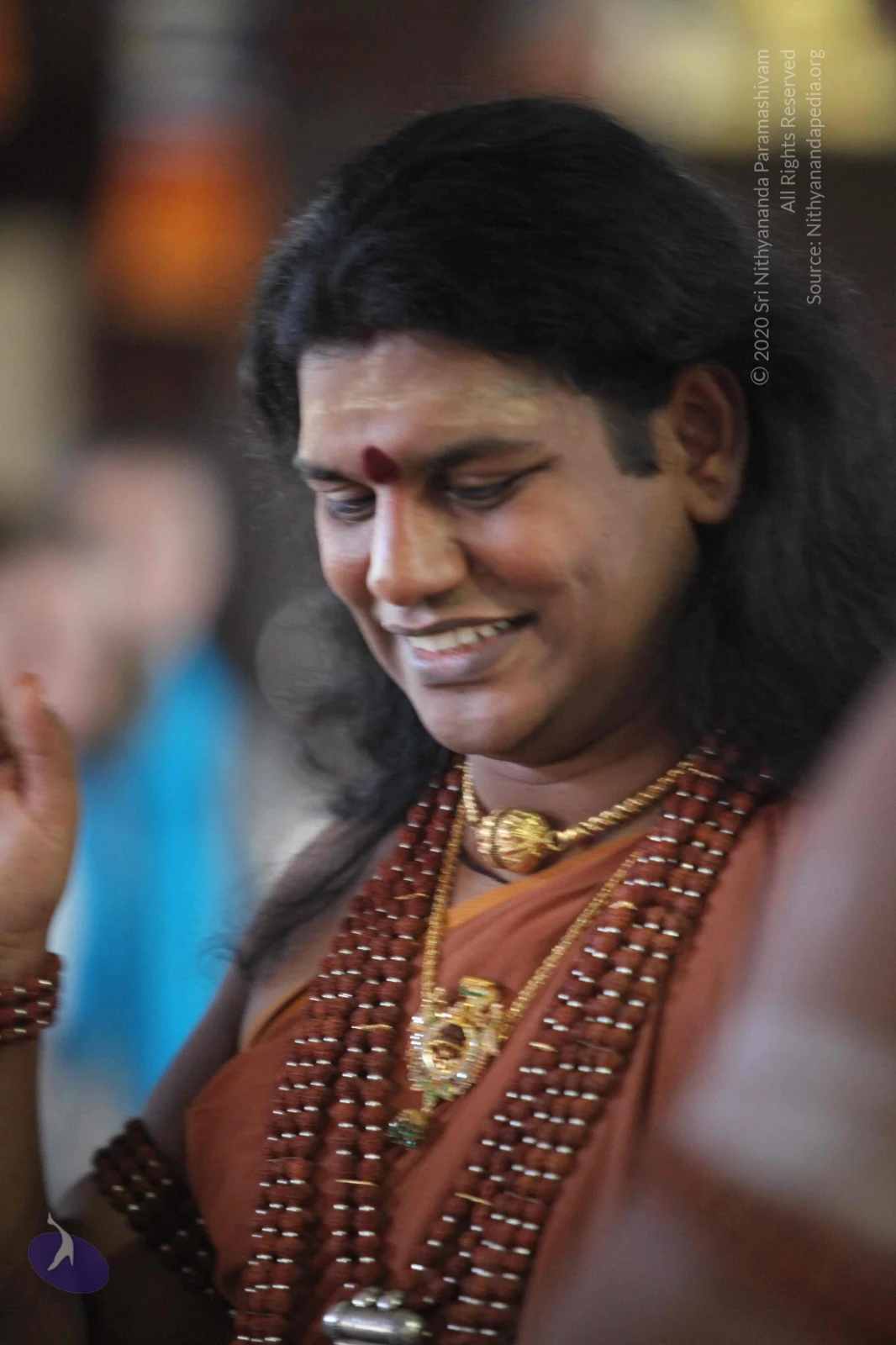
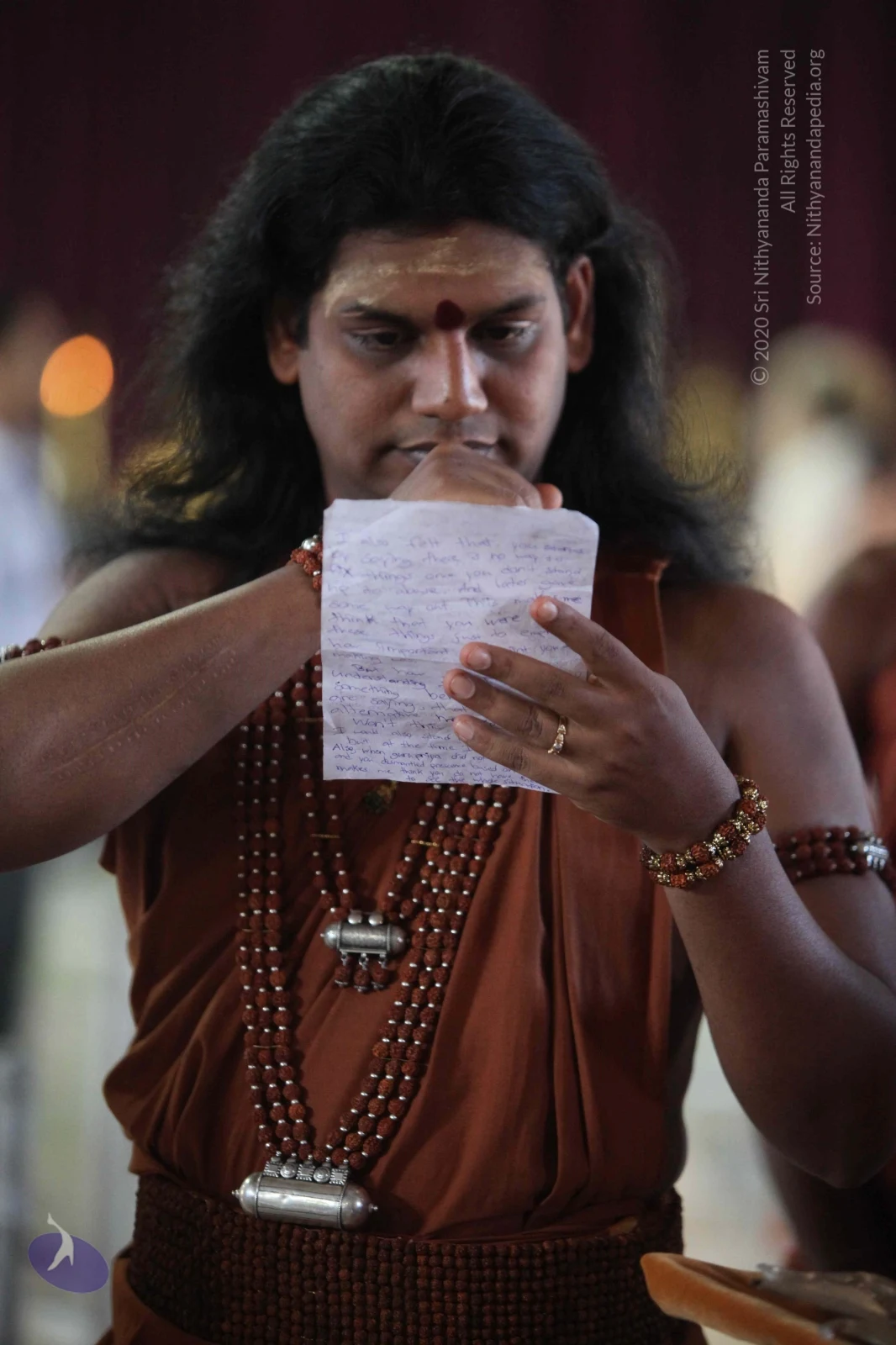
04-Final-Blessings
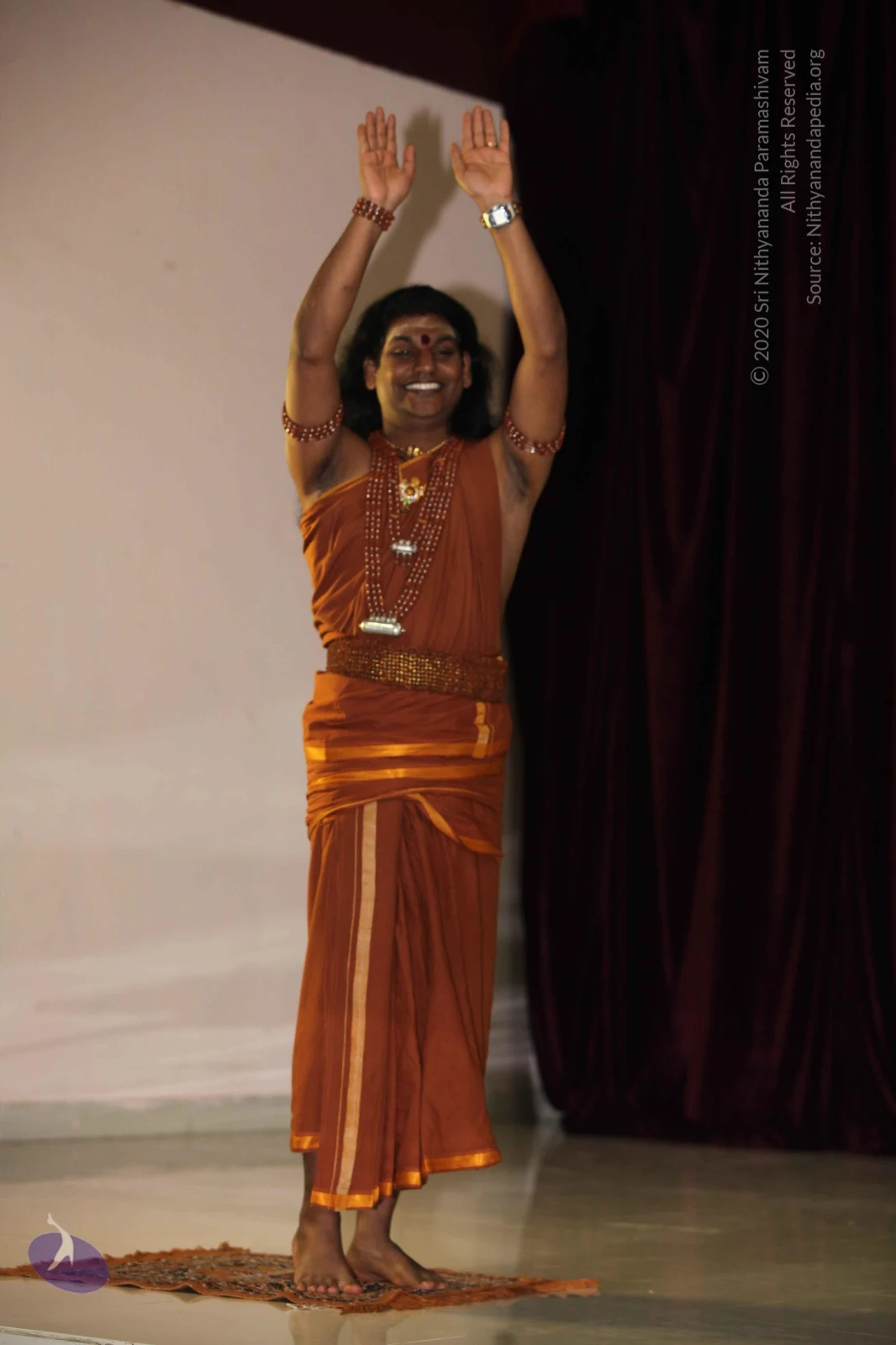
Satsang
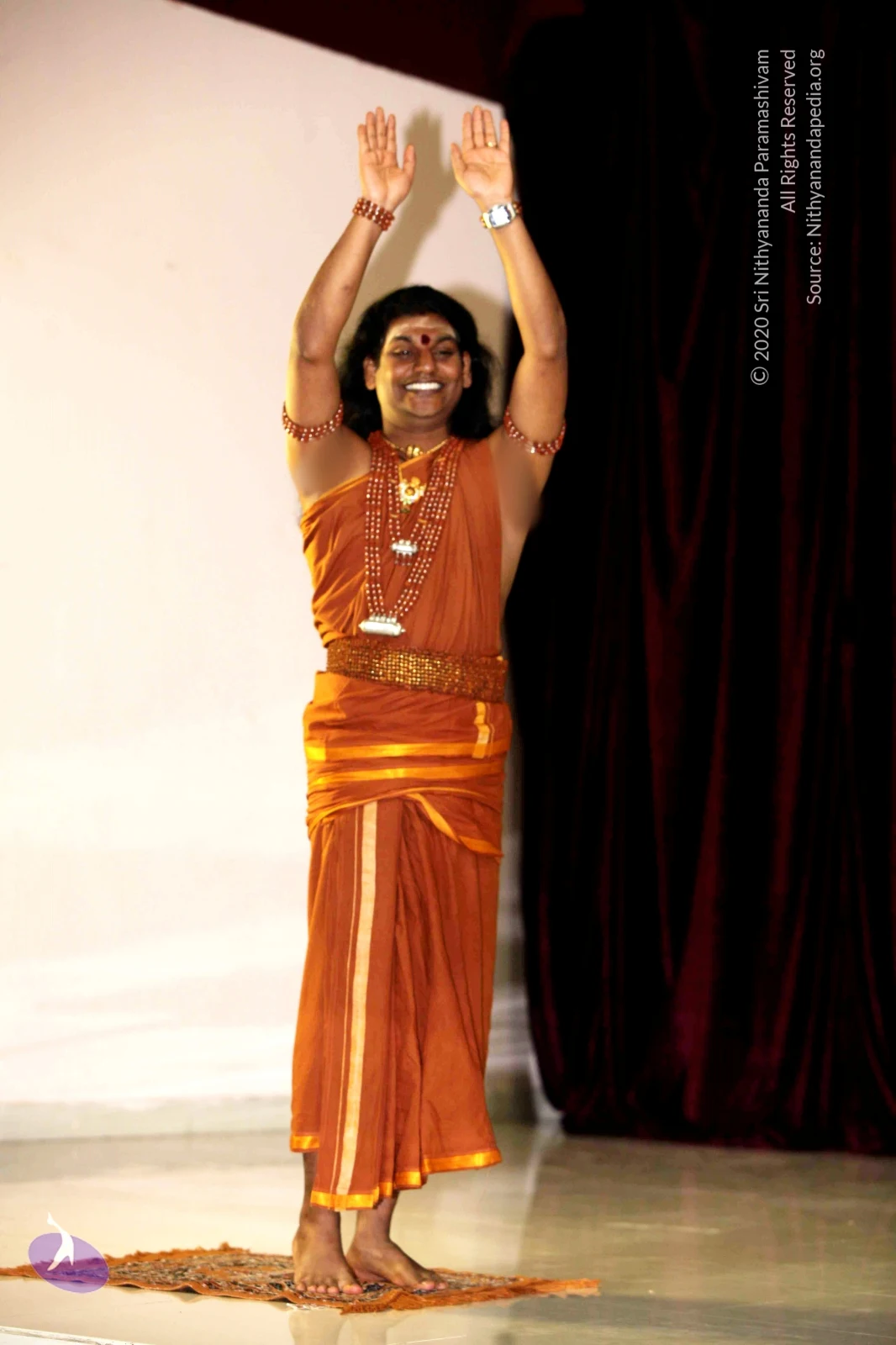
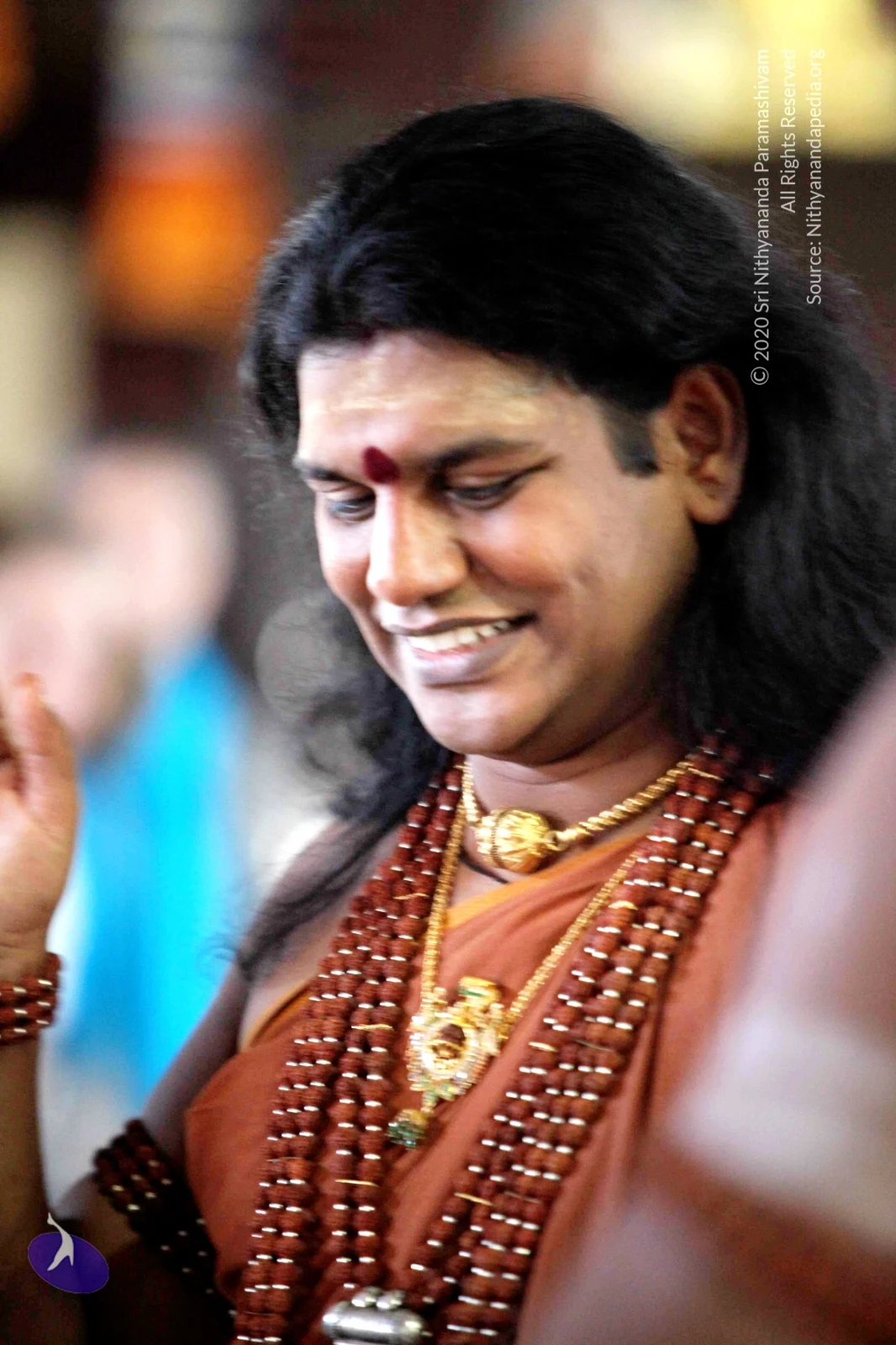
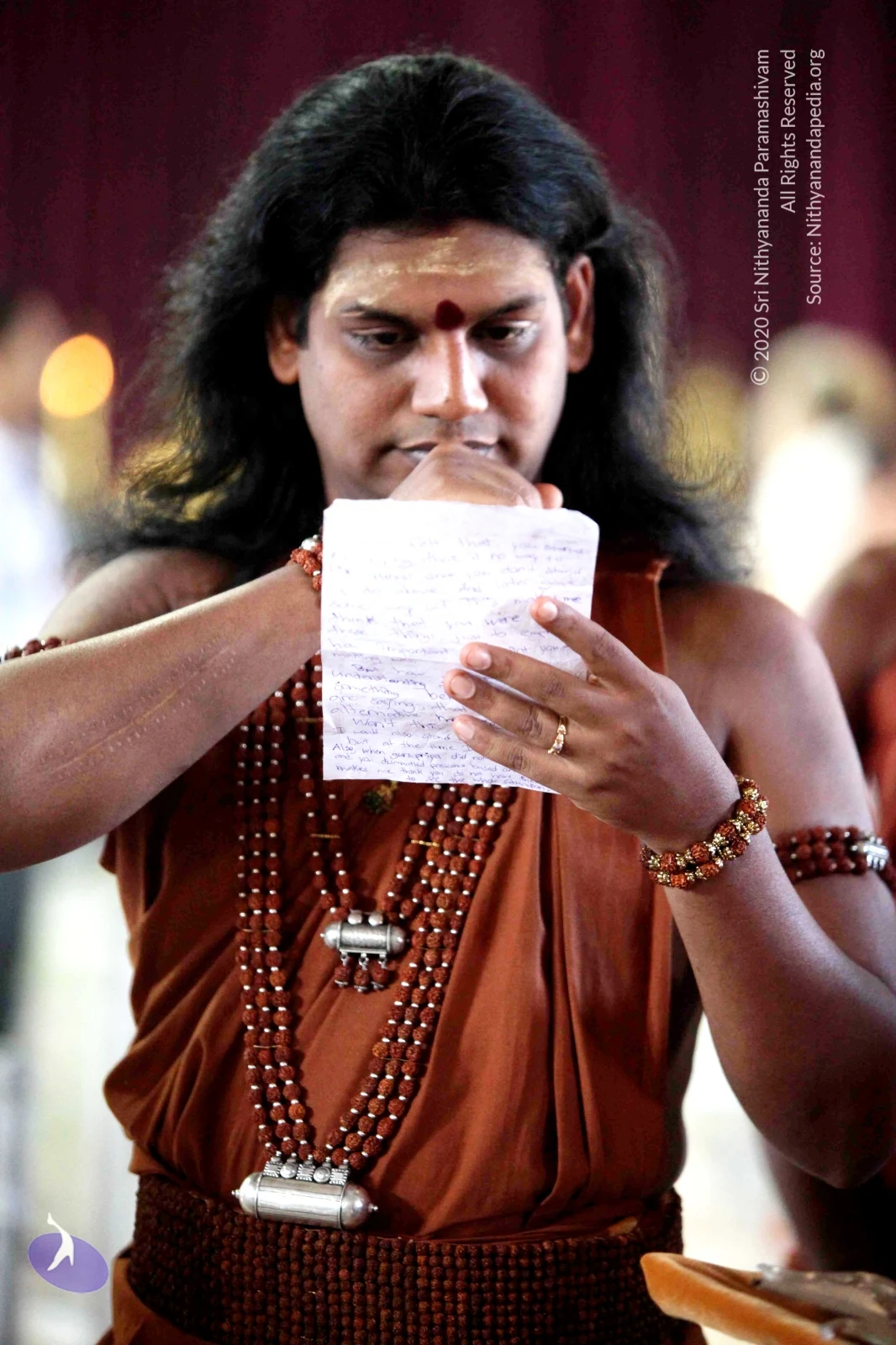
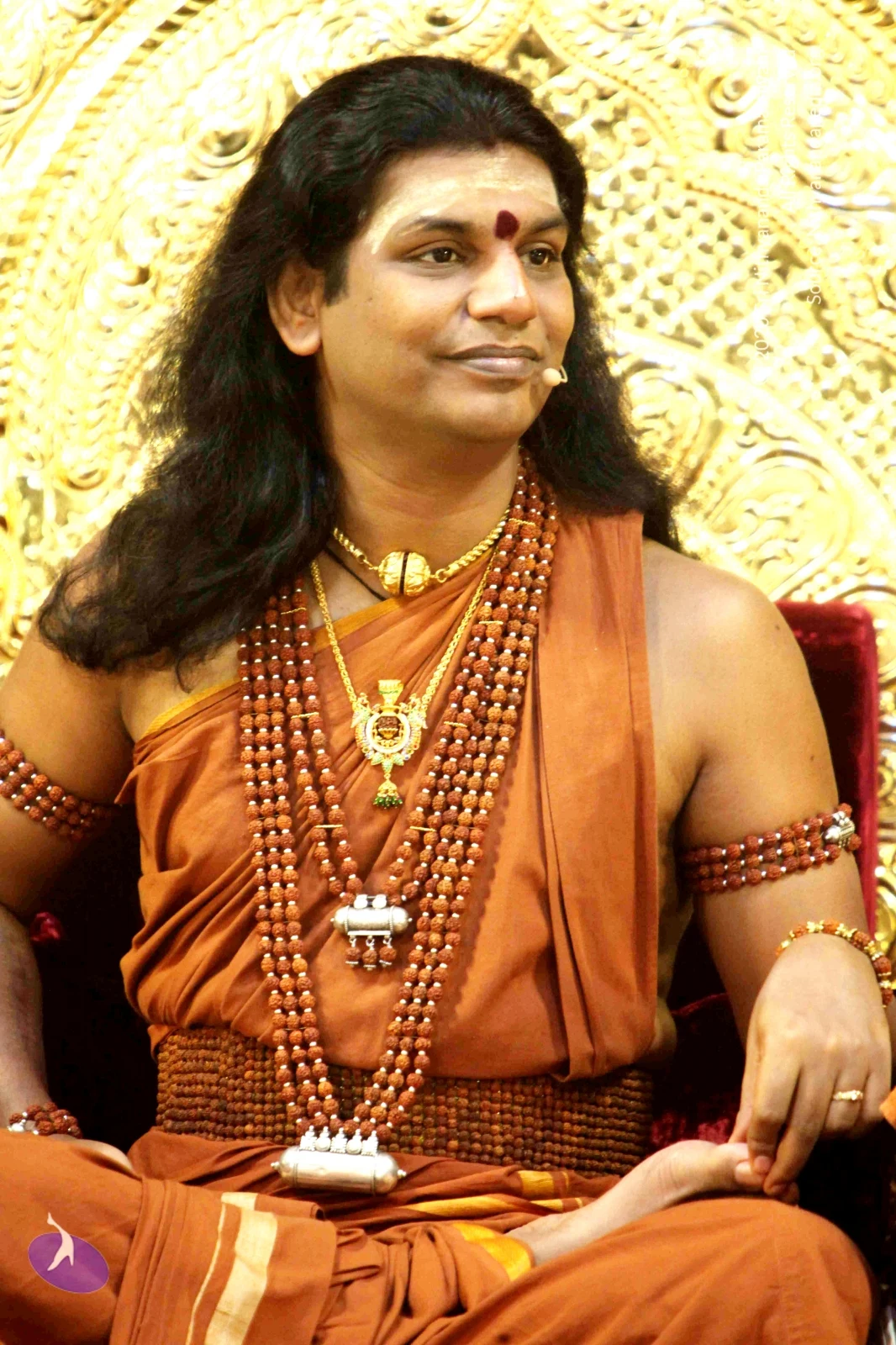
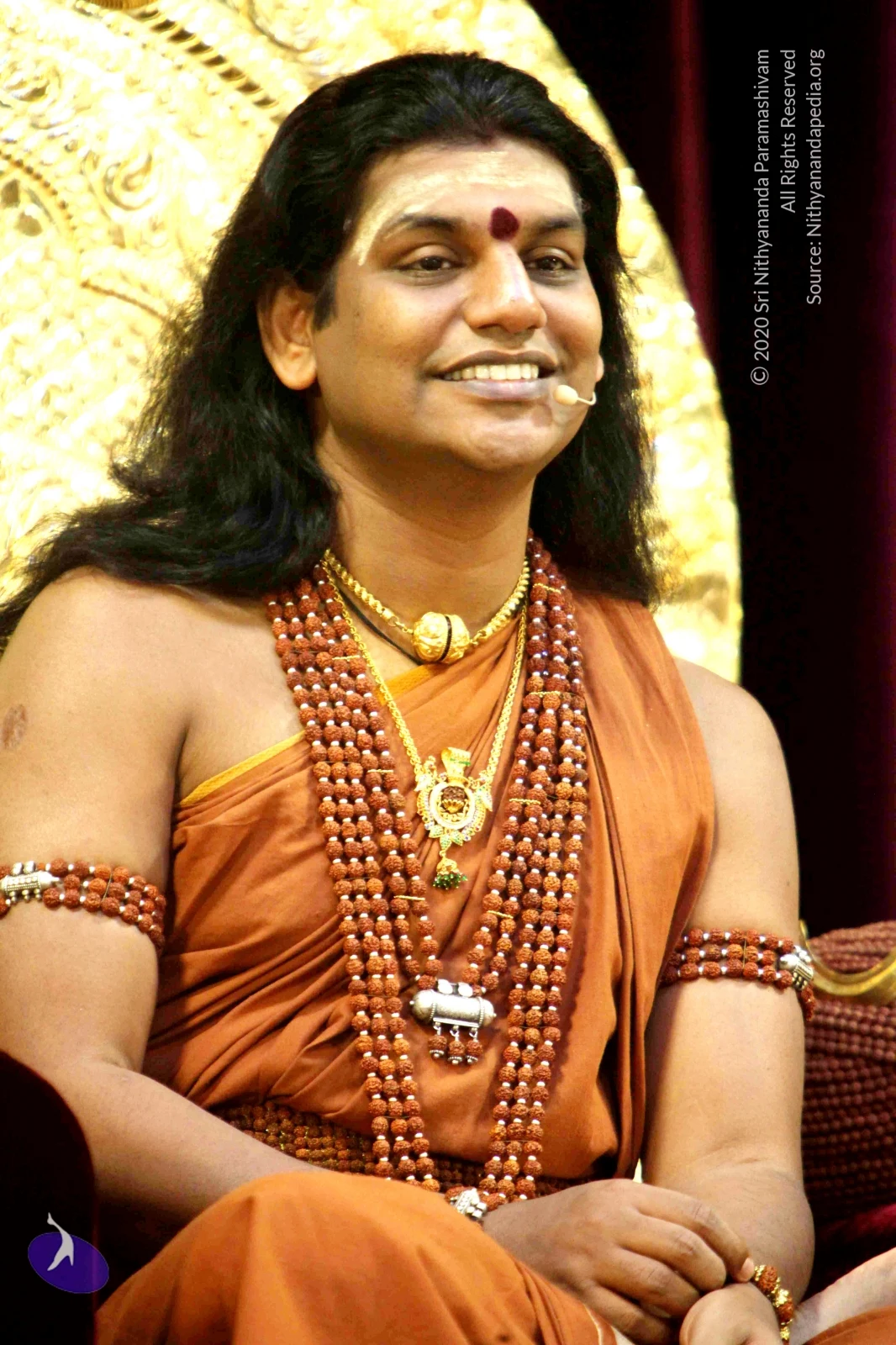
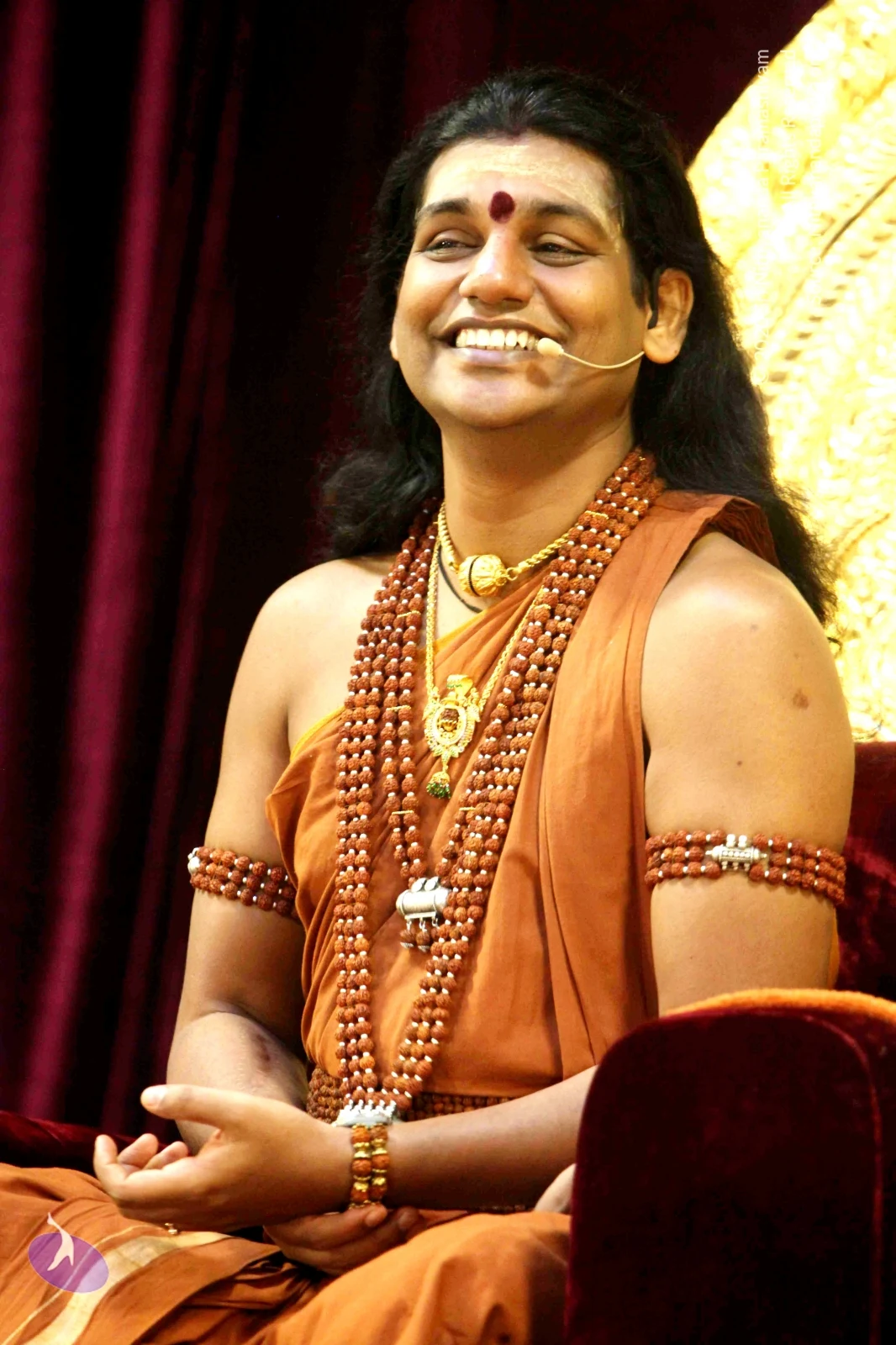
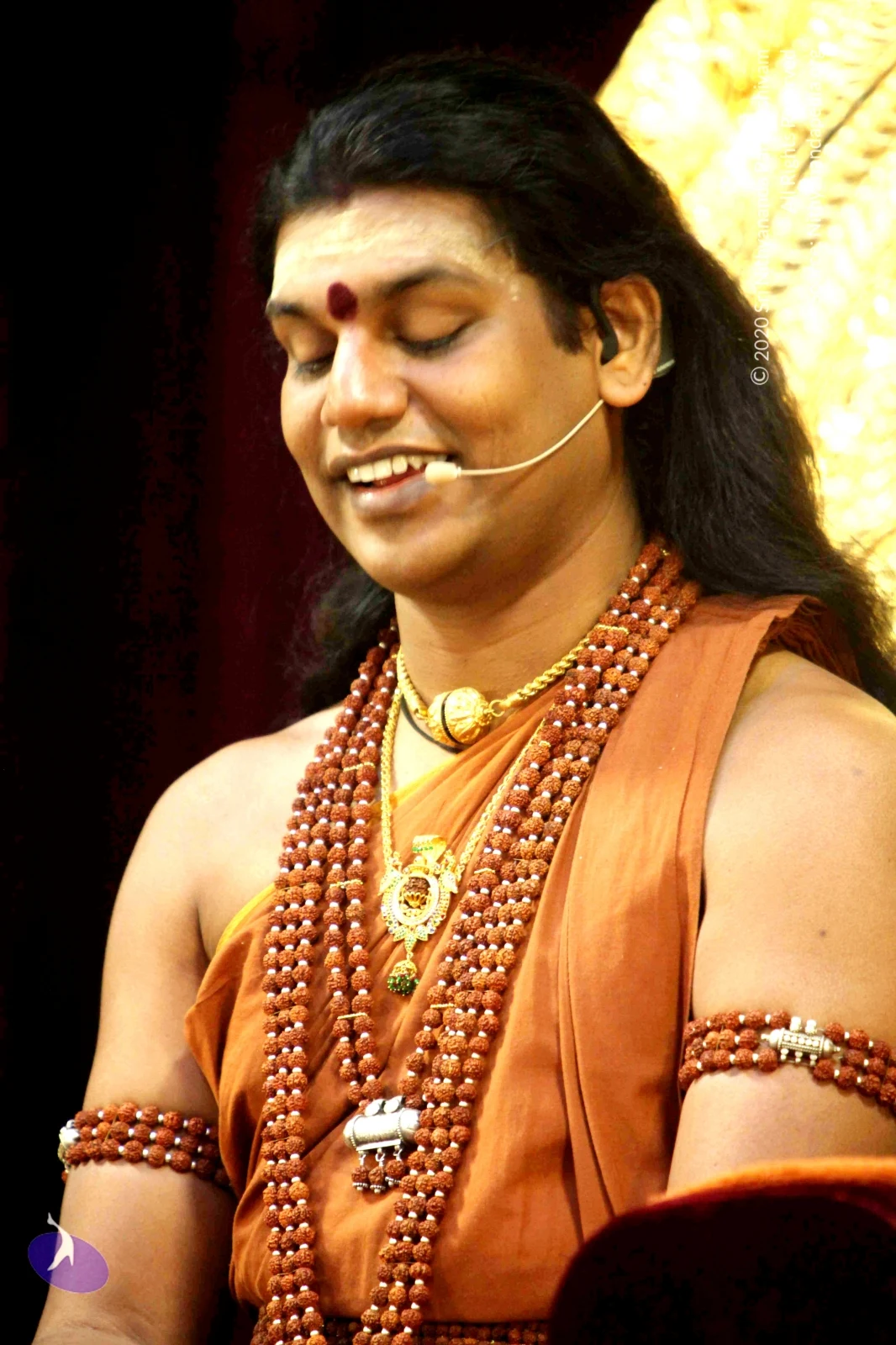
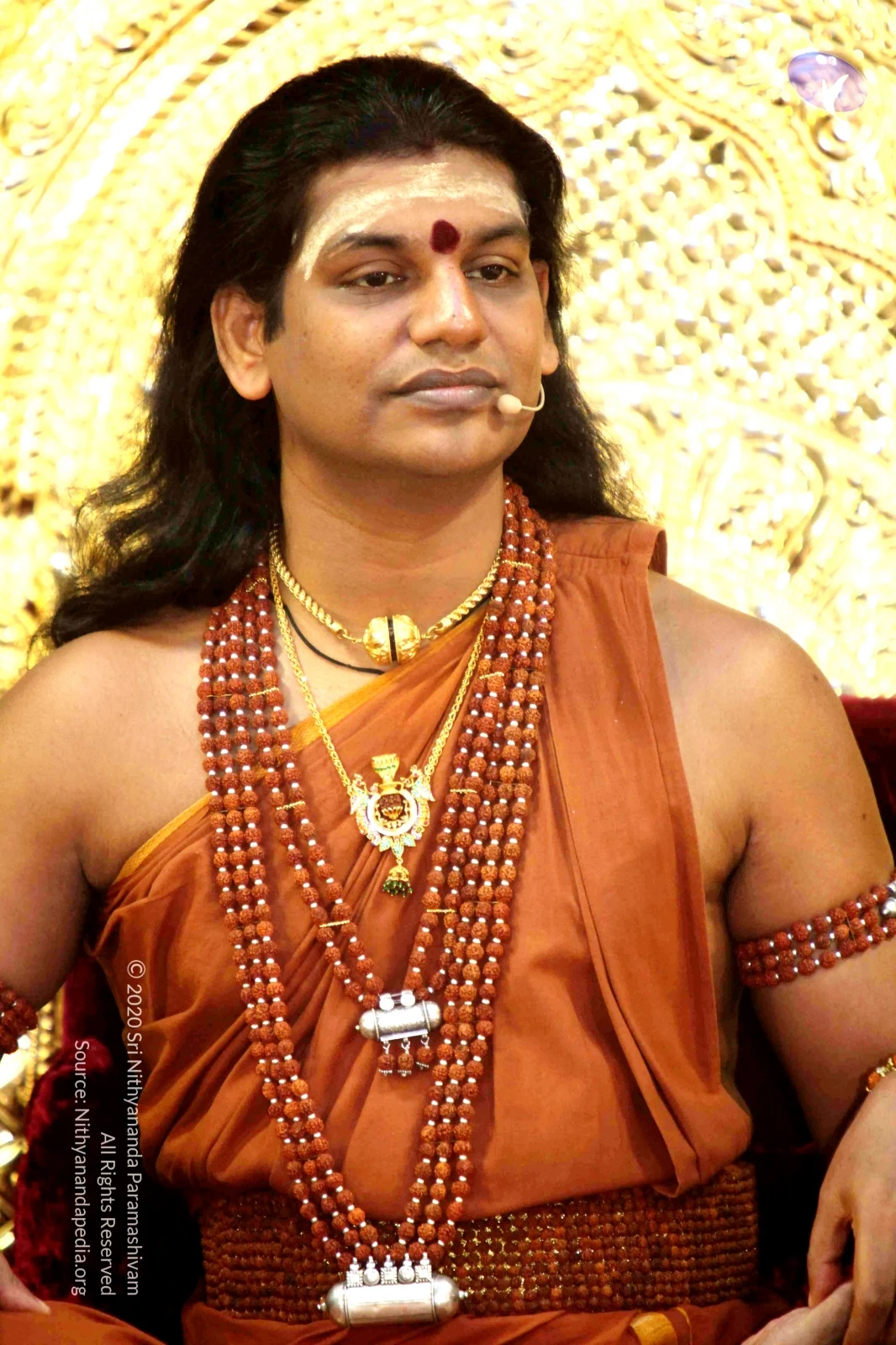
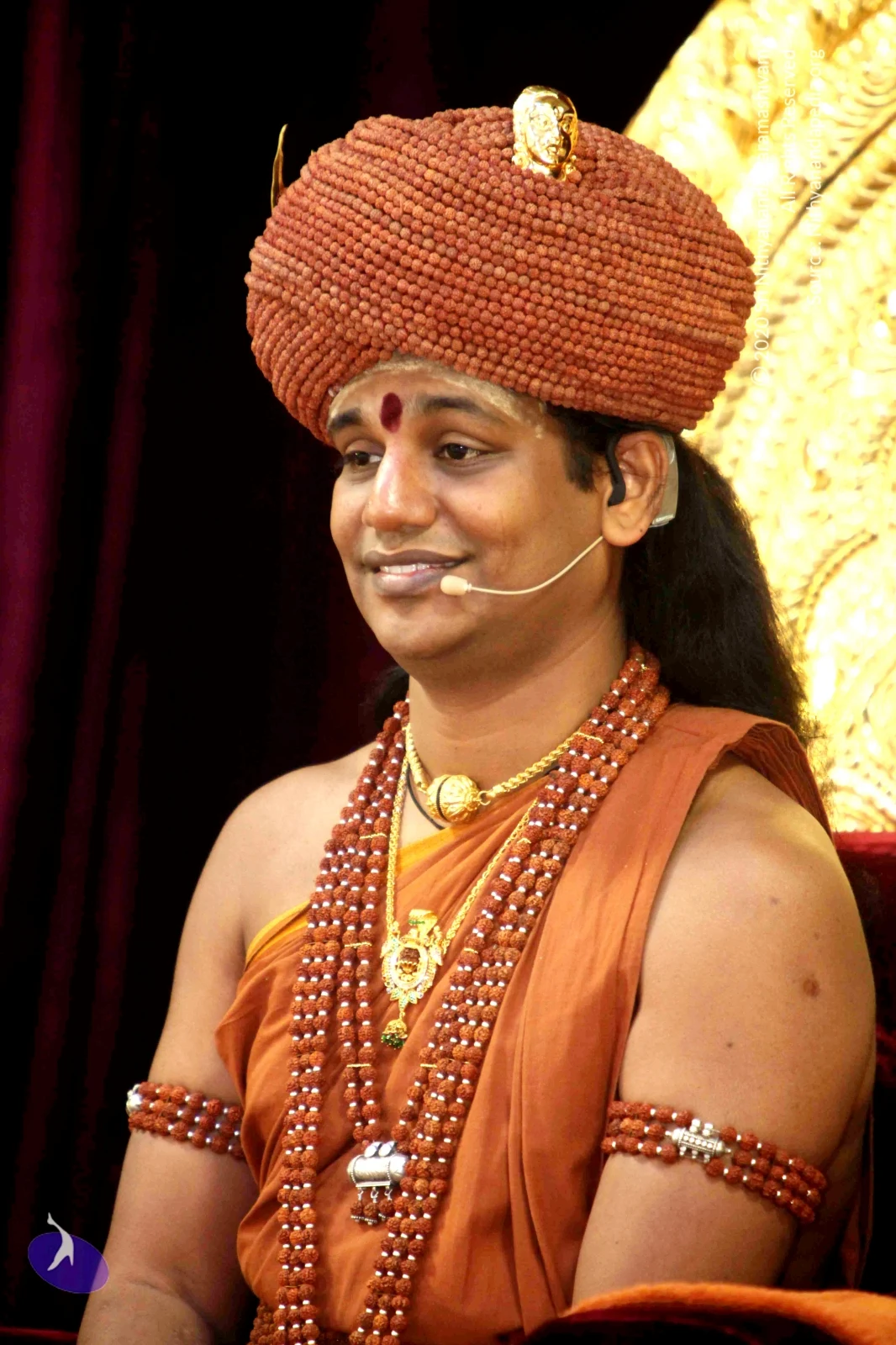
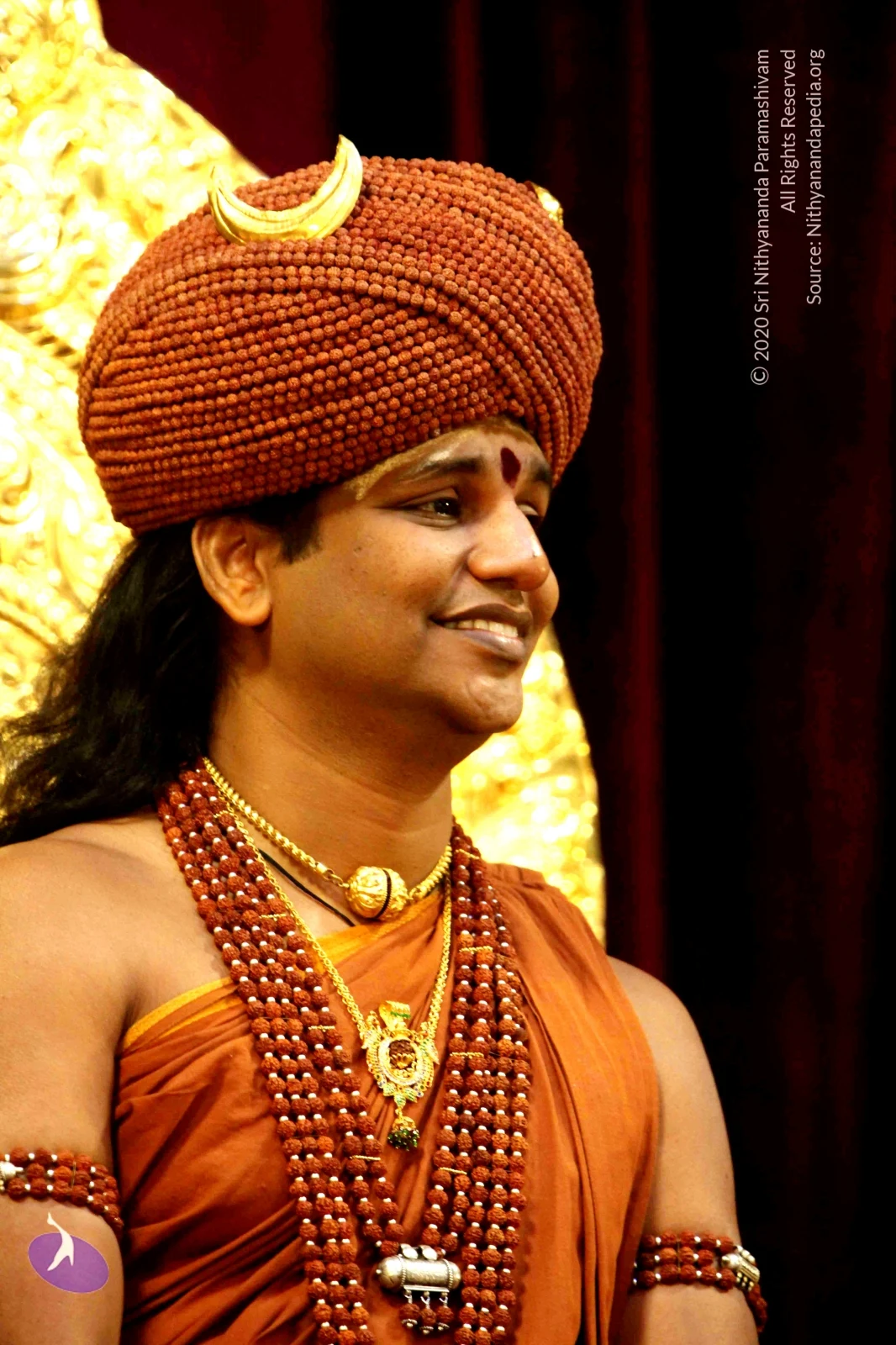
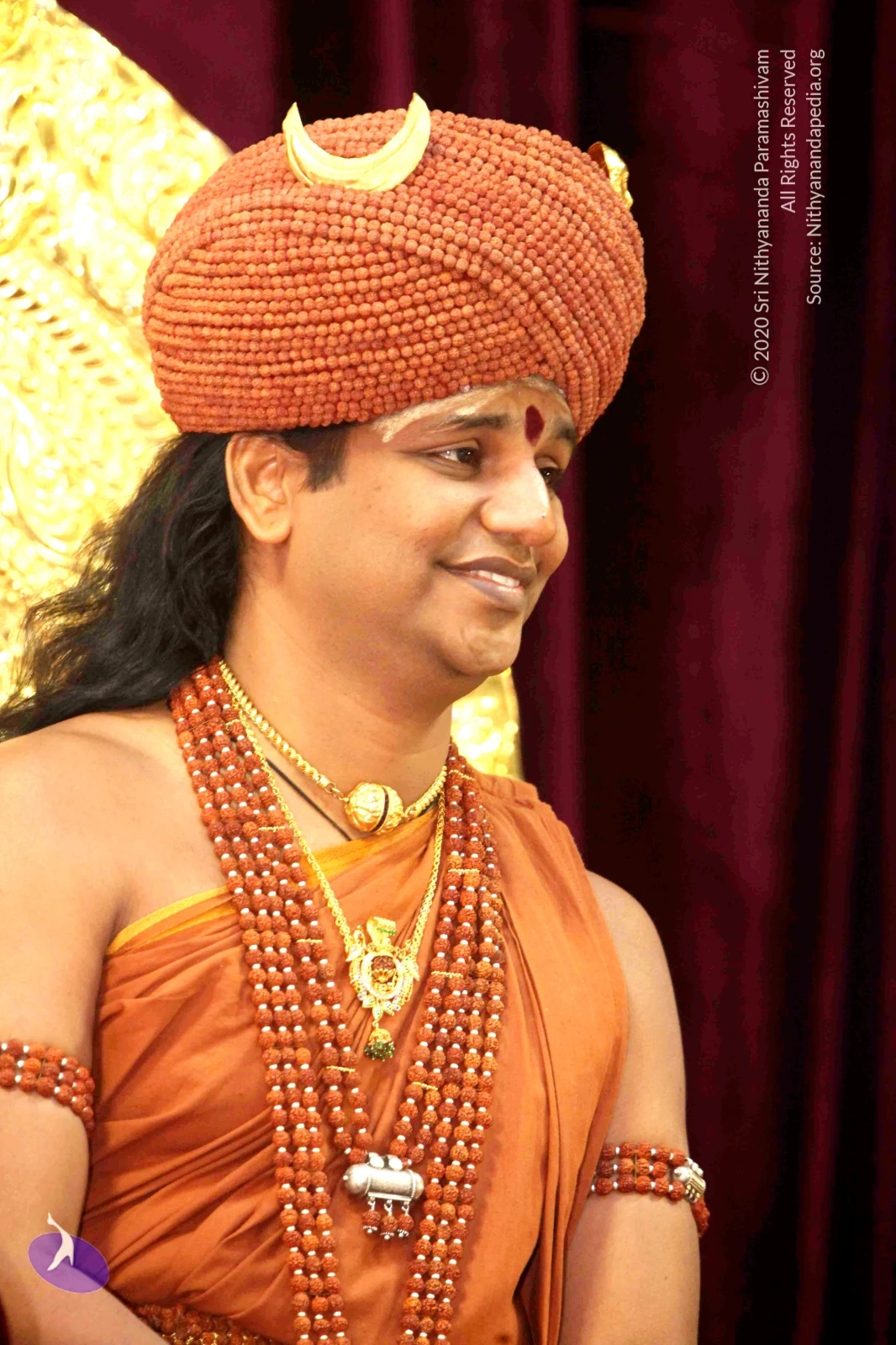
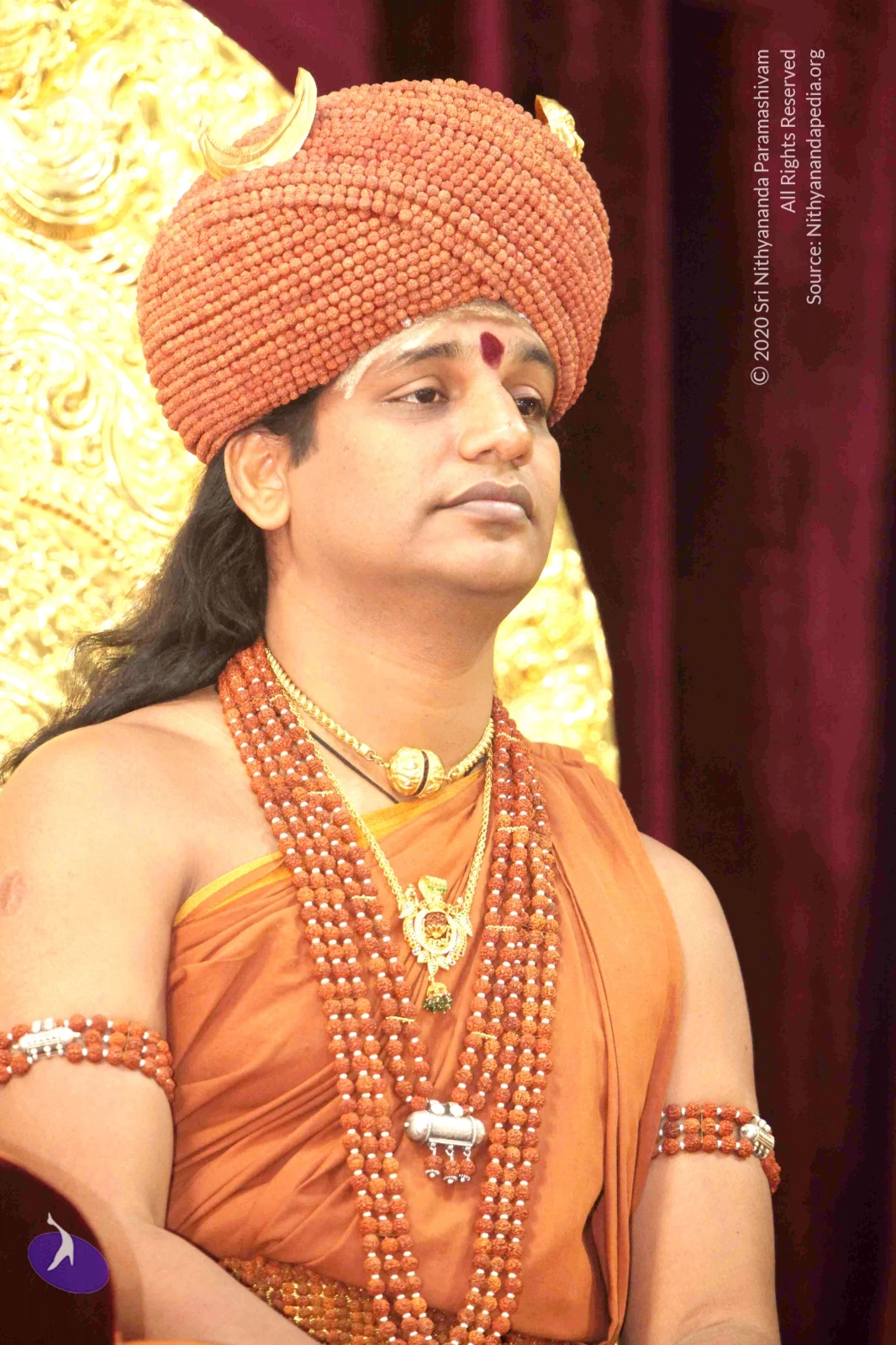
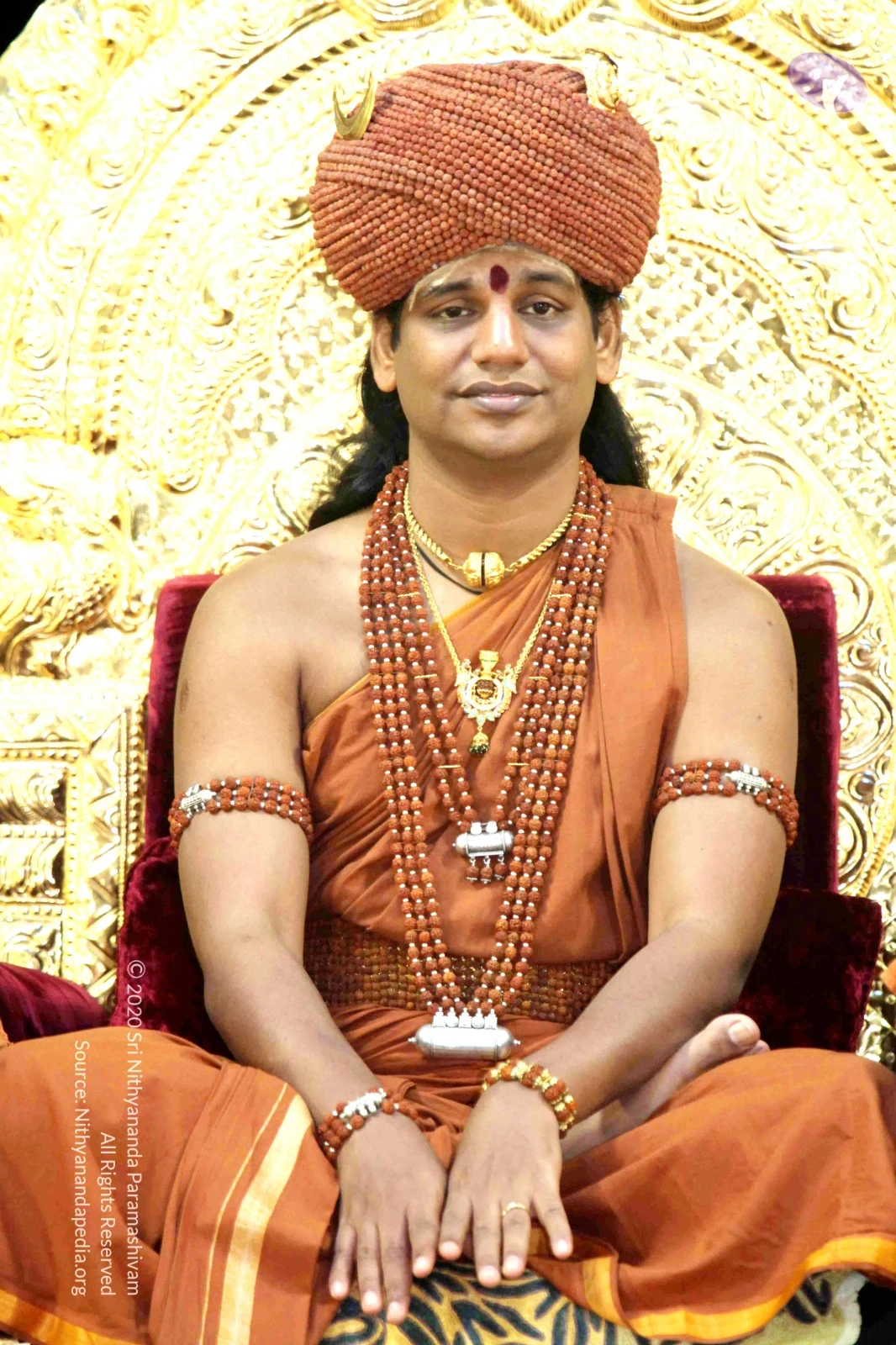
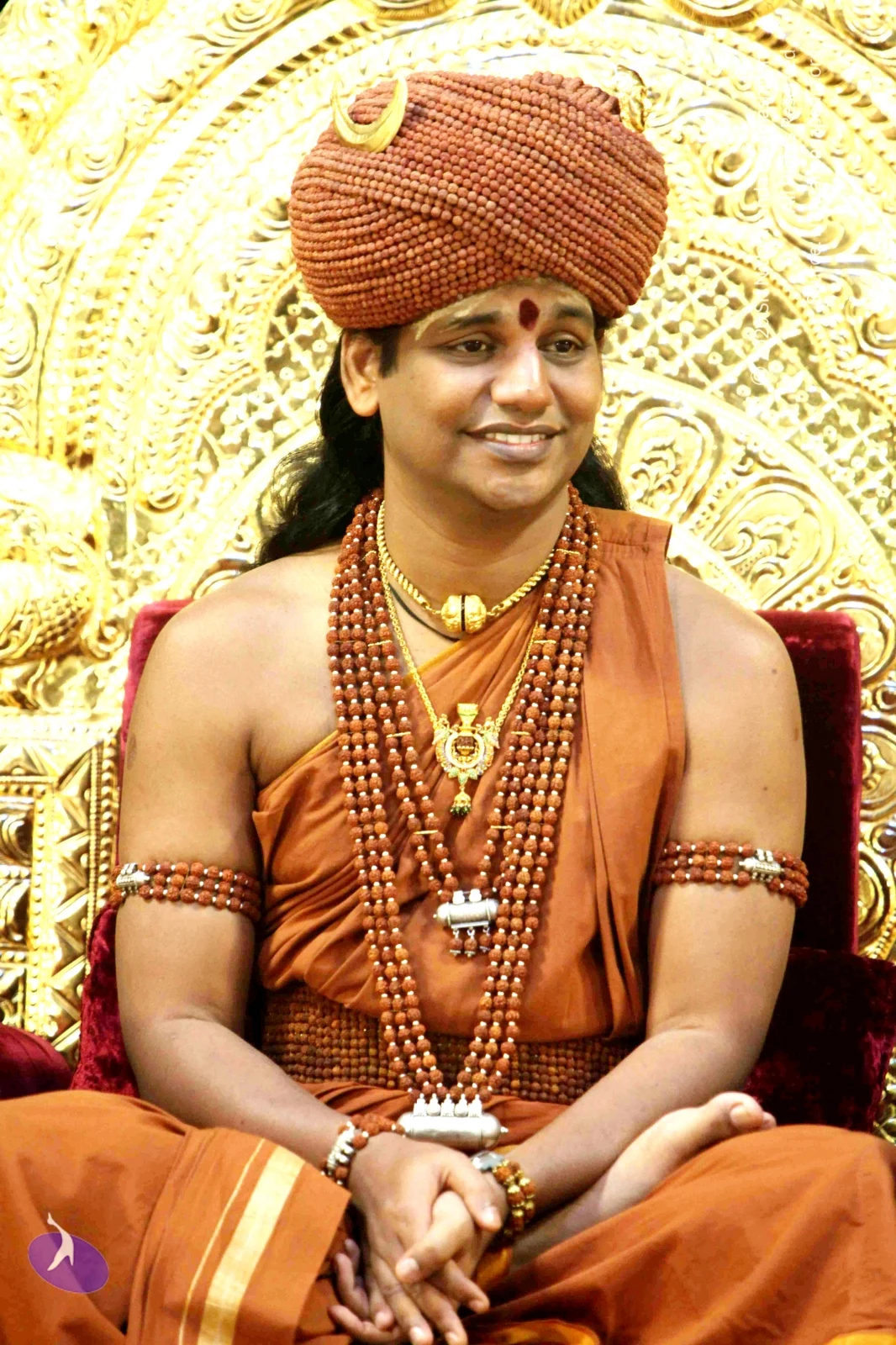


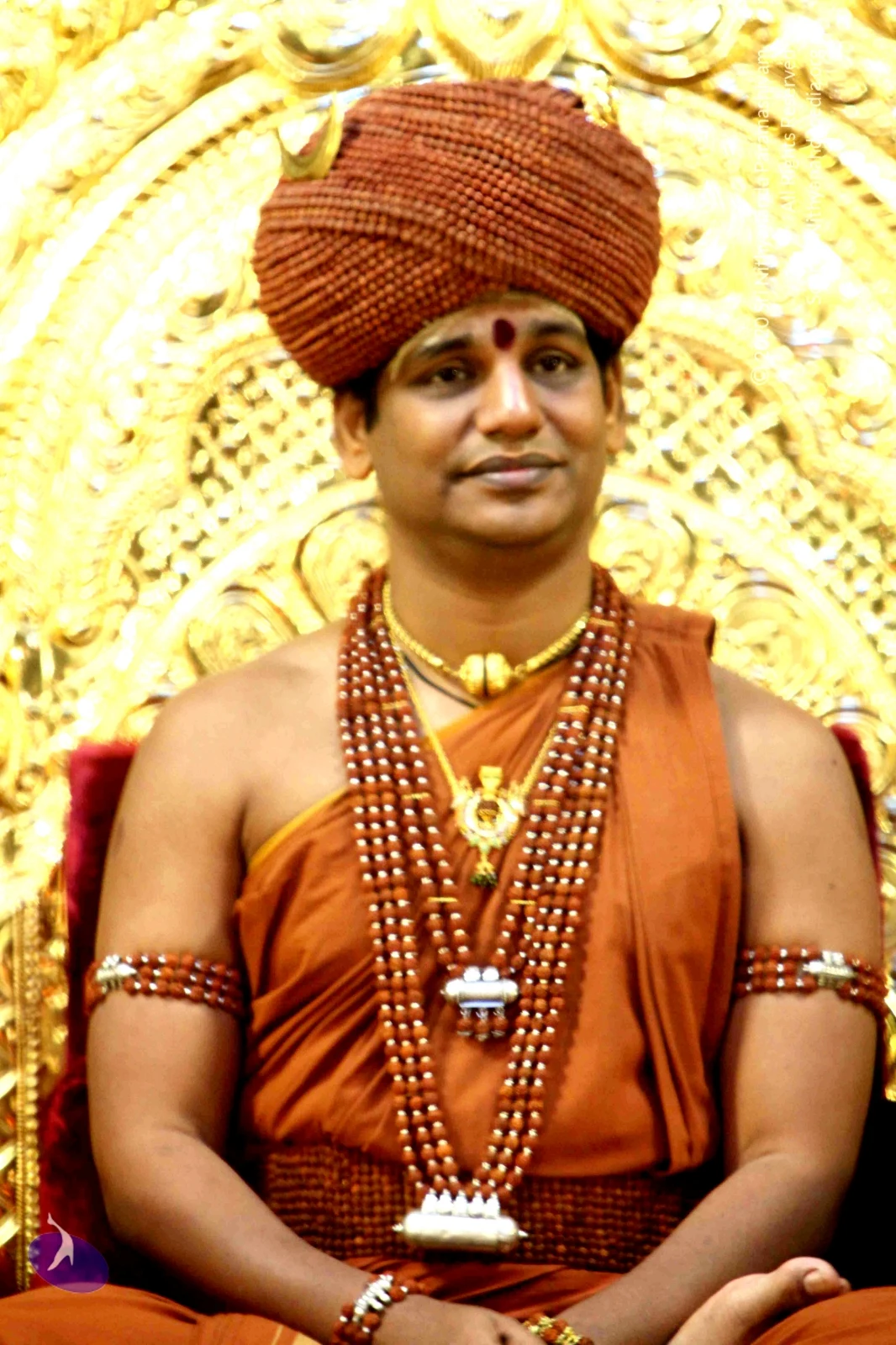
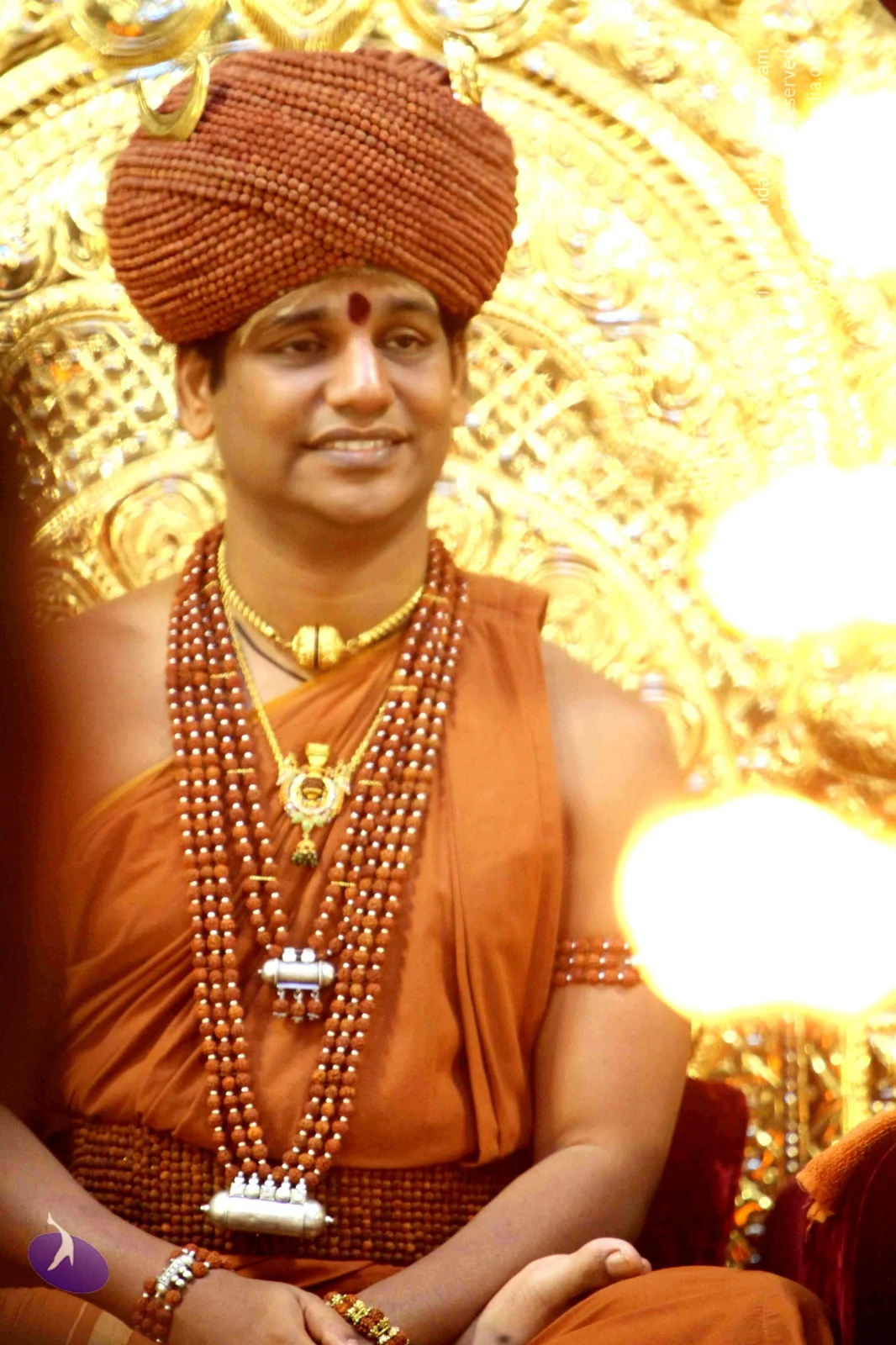
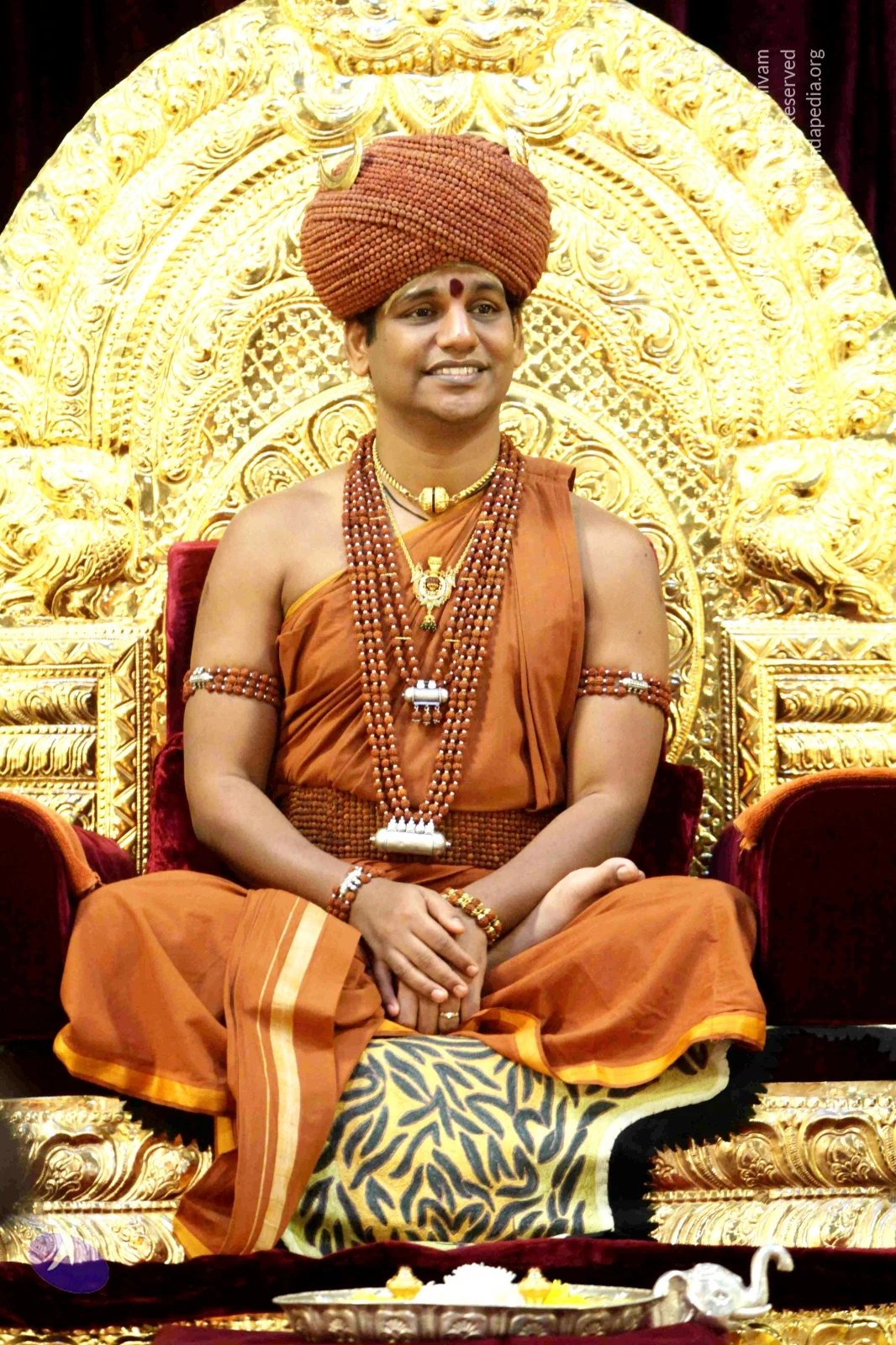
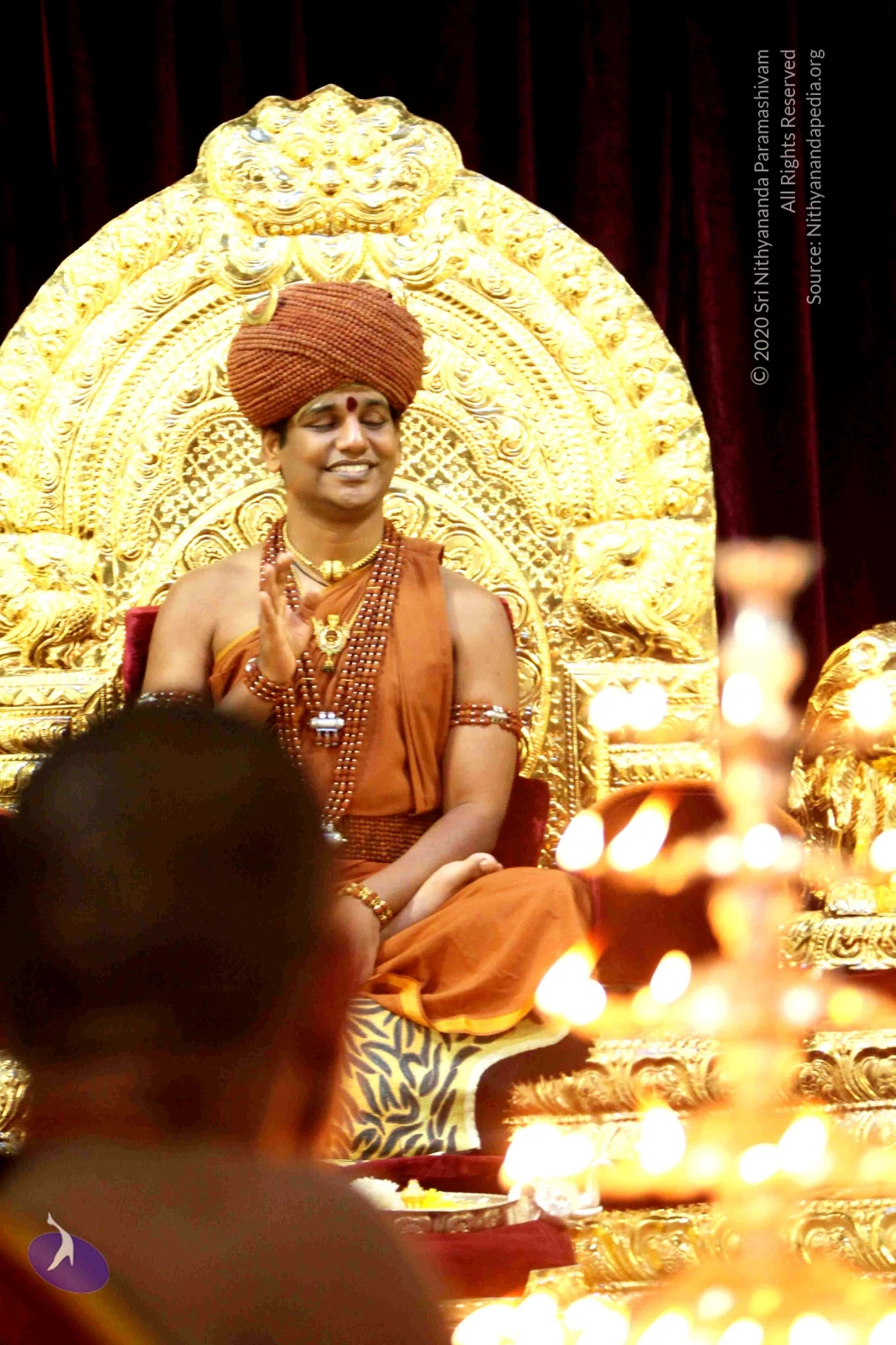
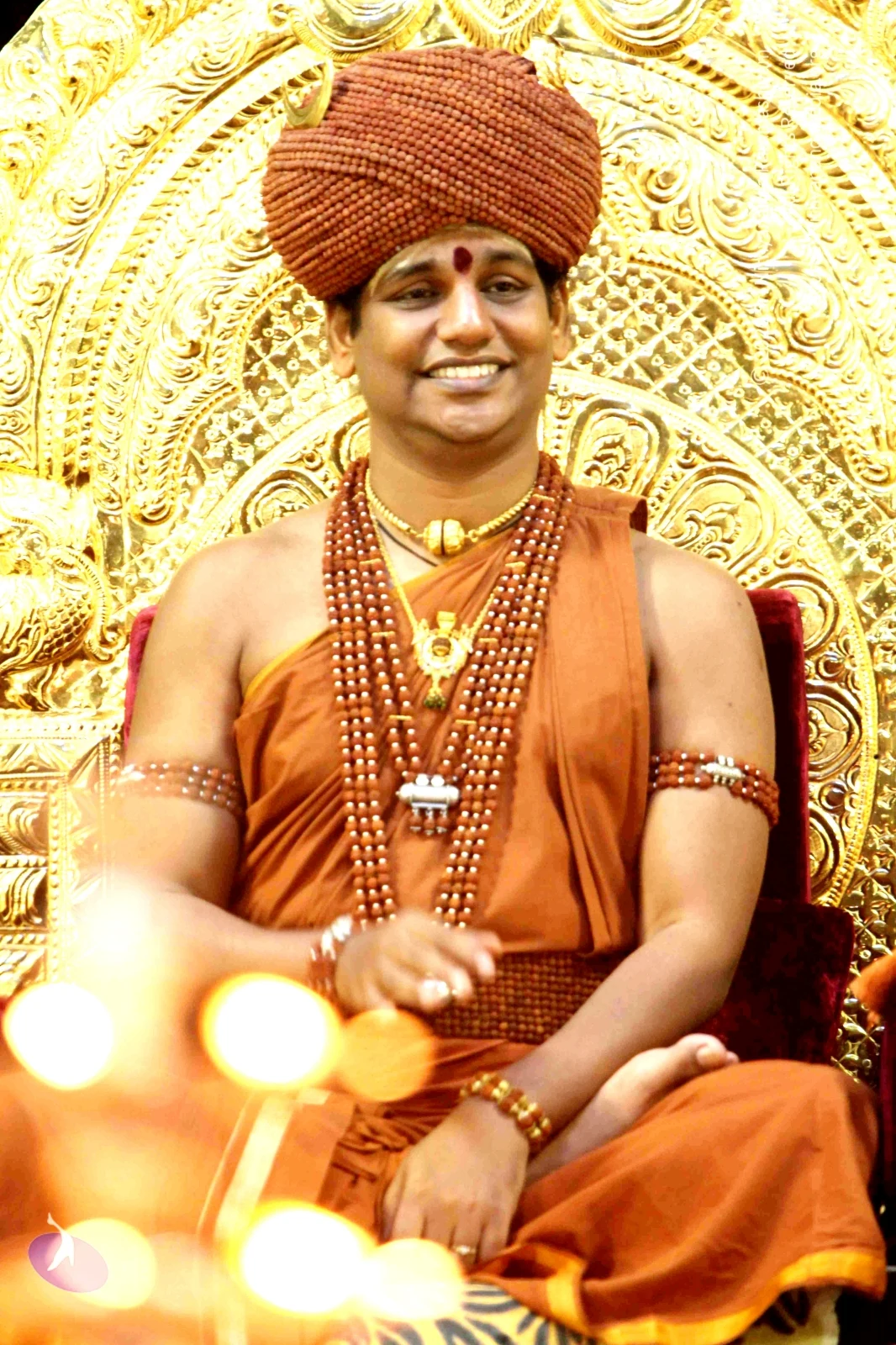
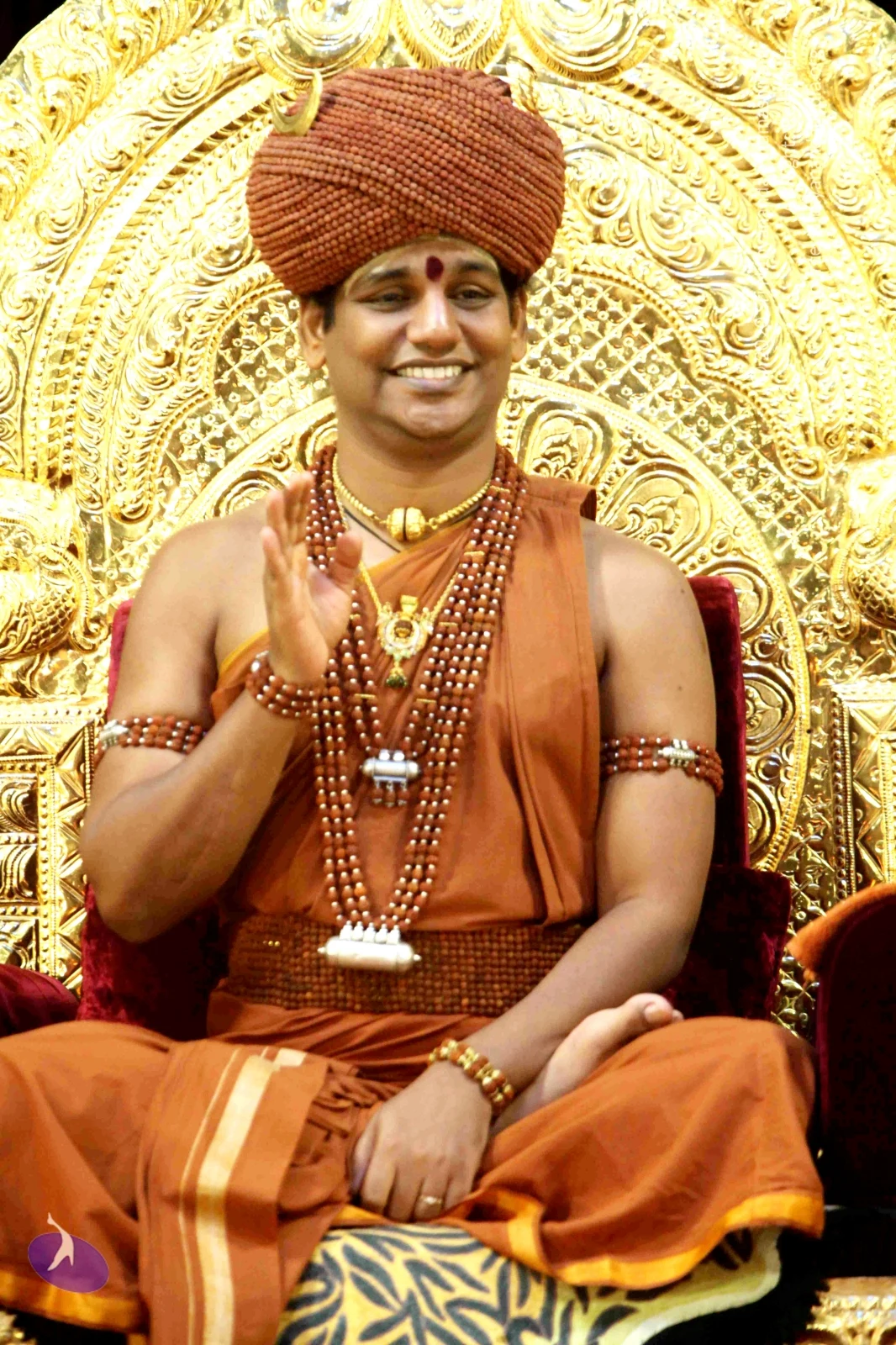

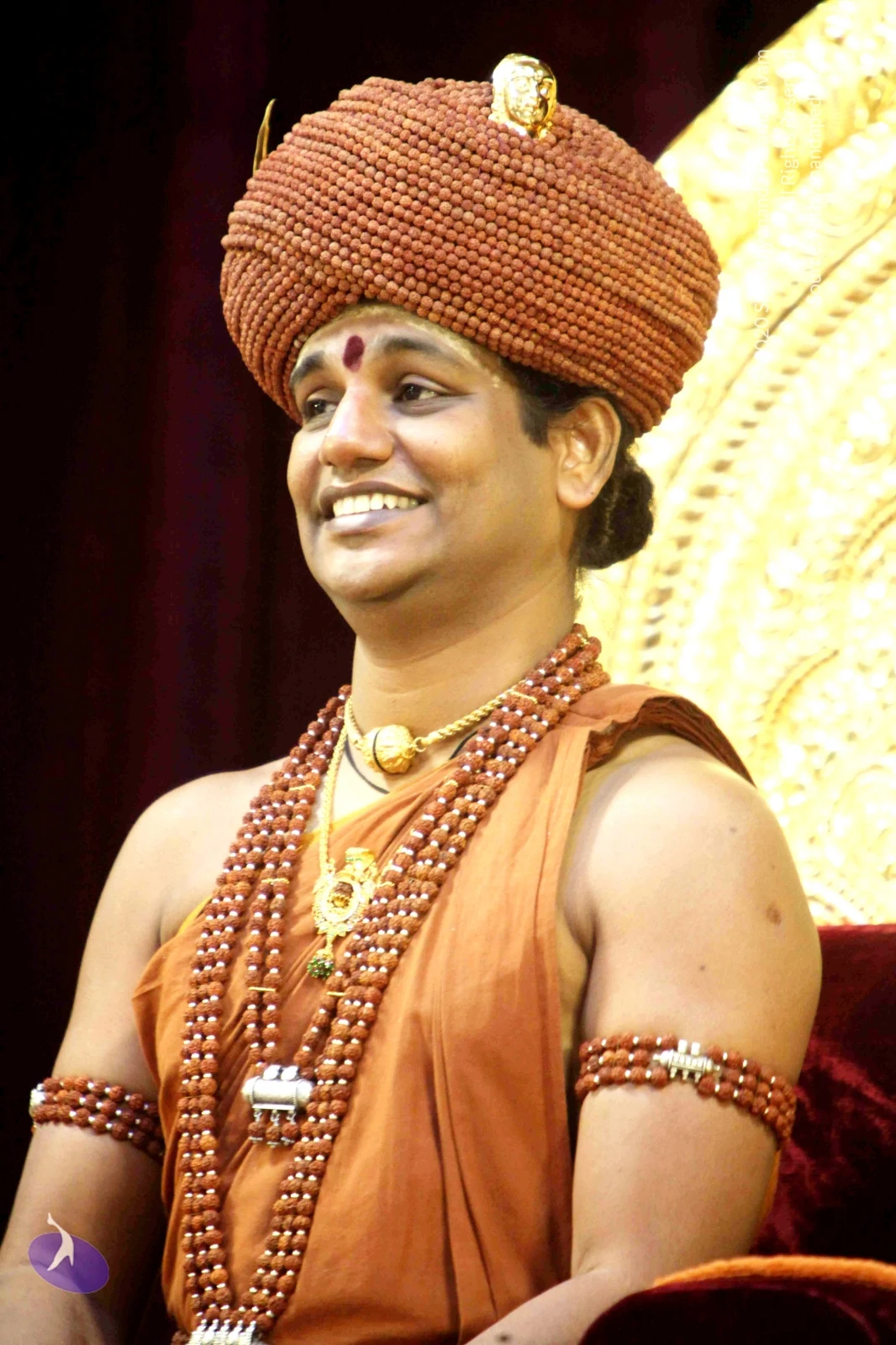
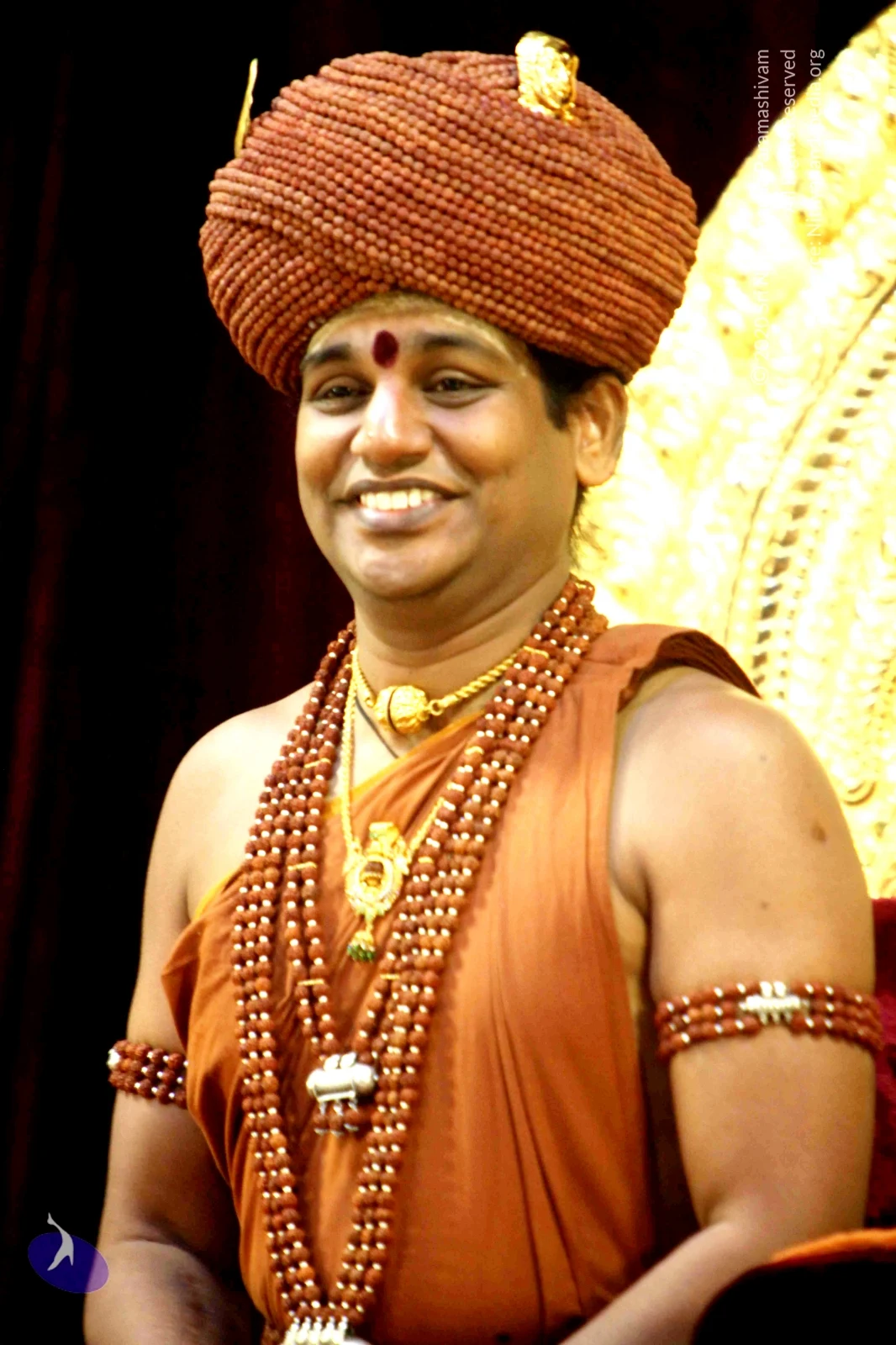
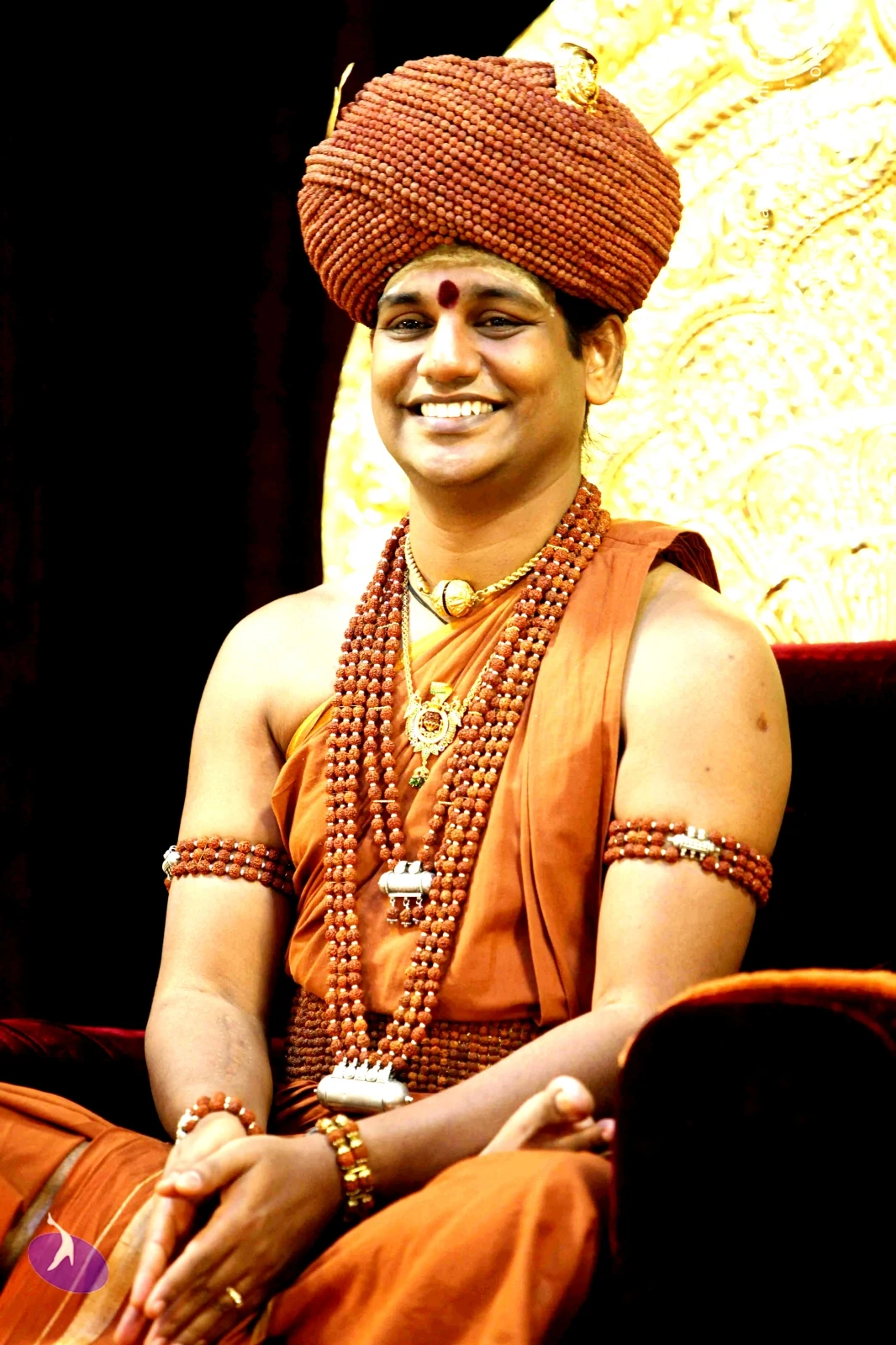
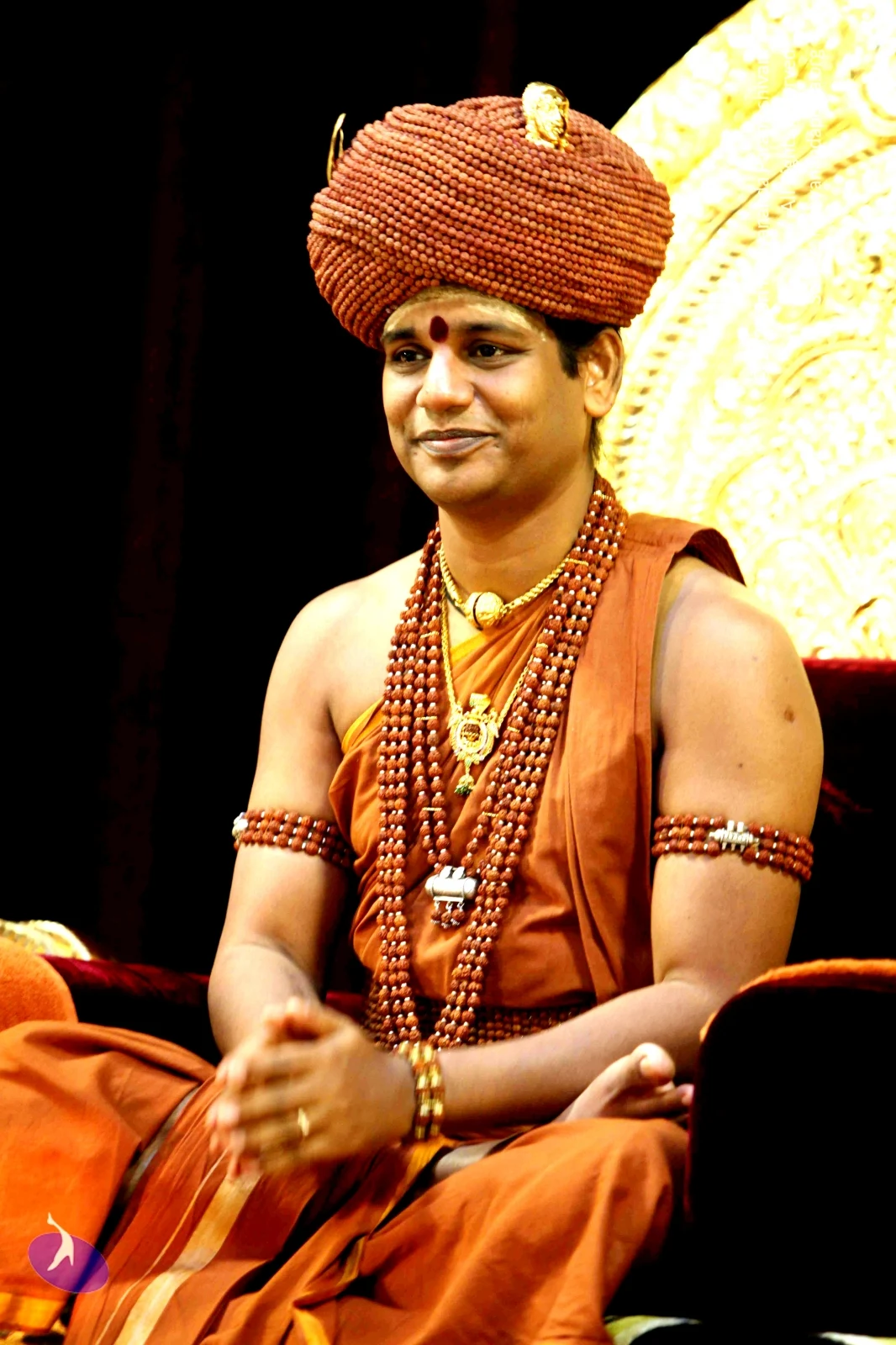
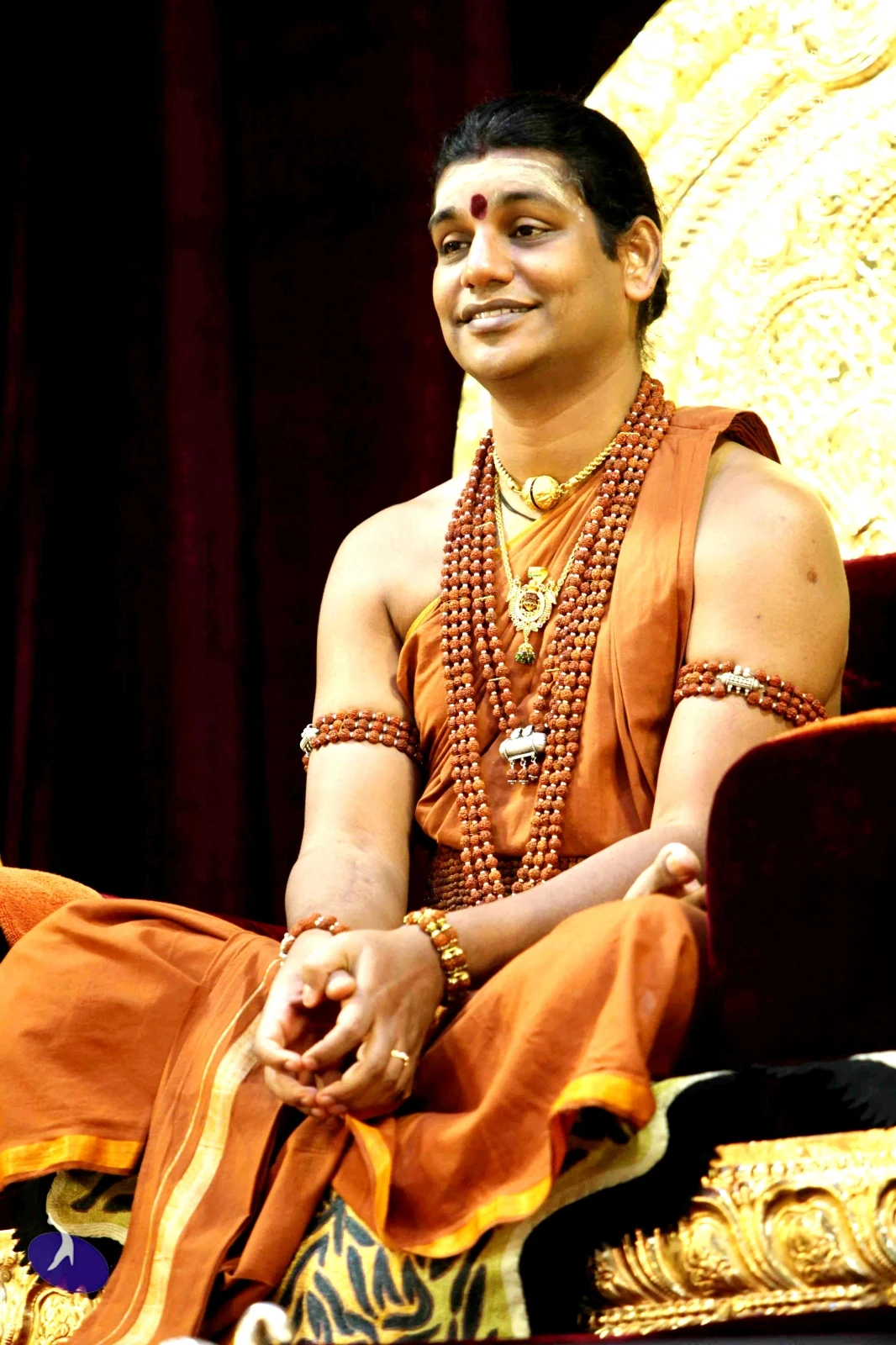
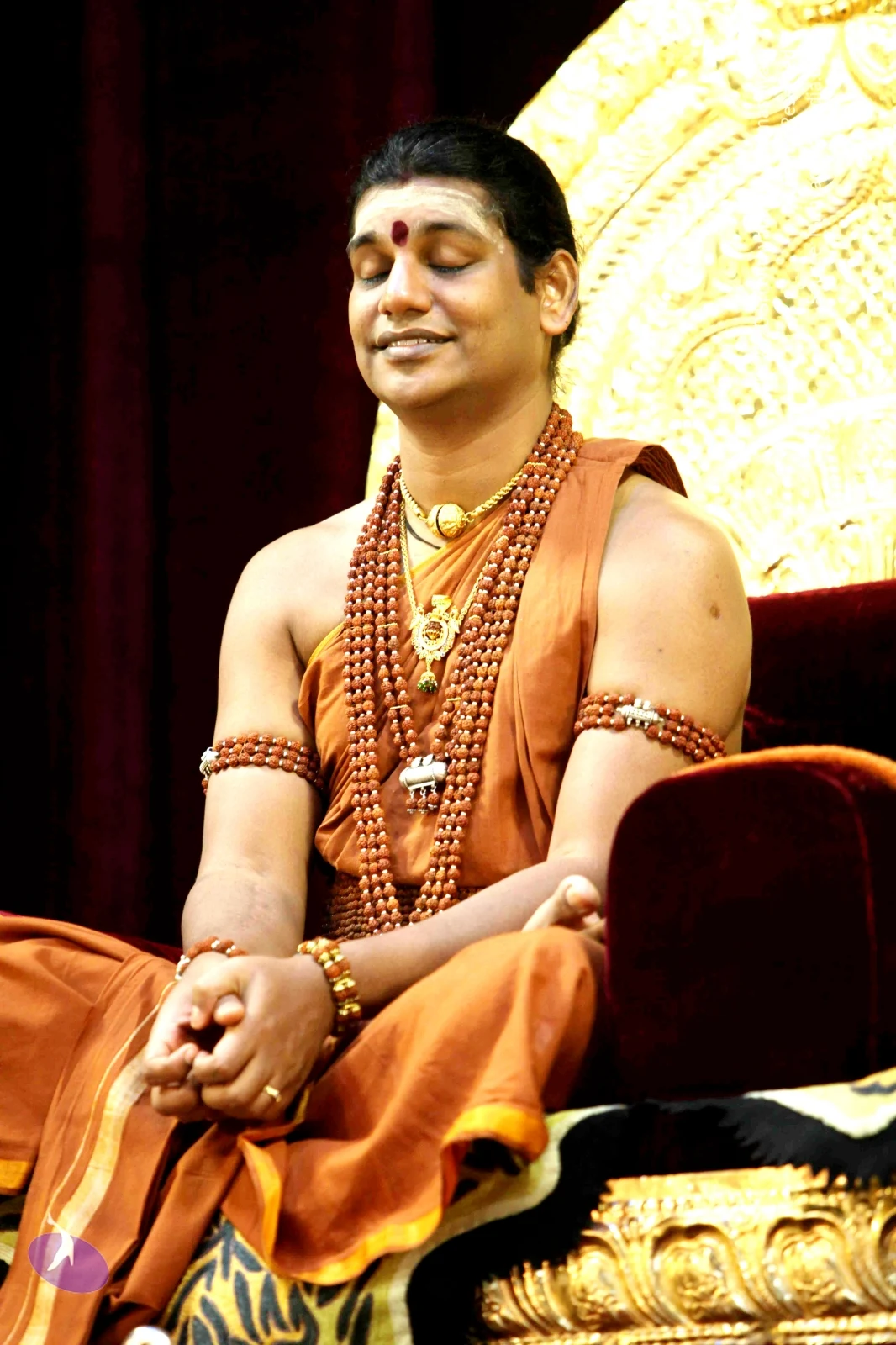
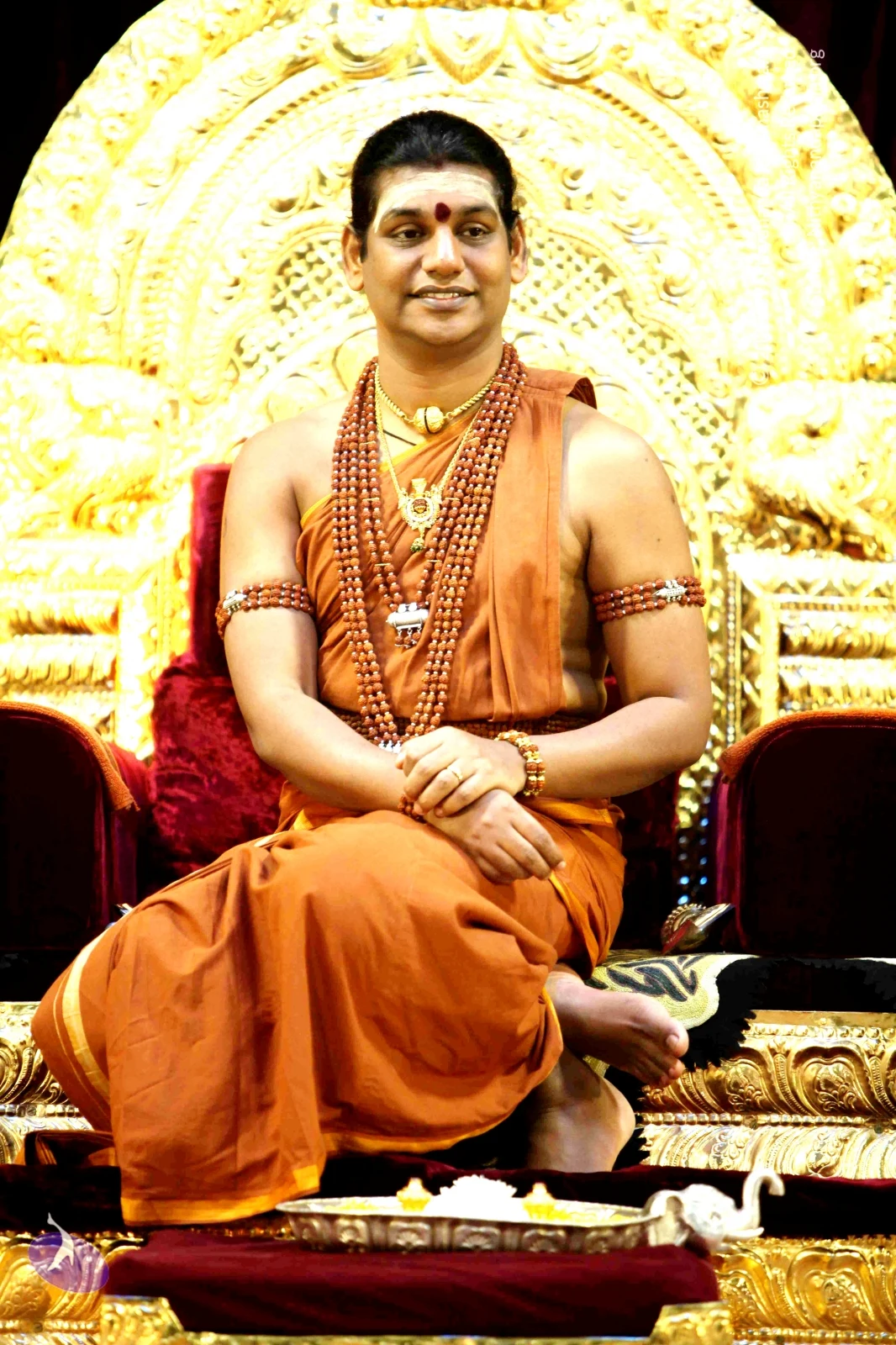
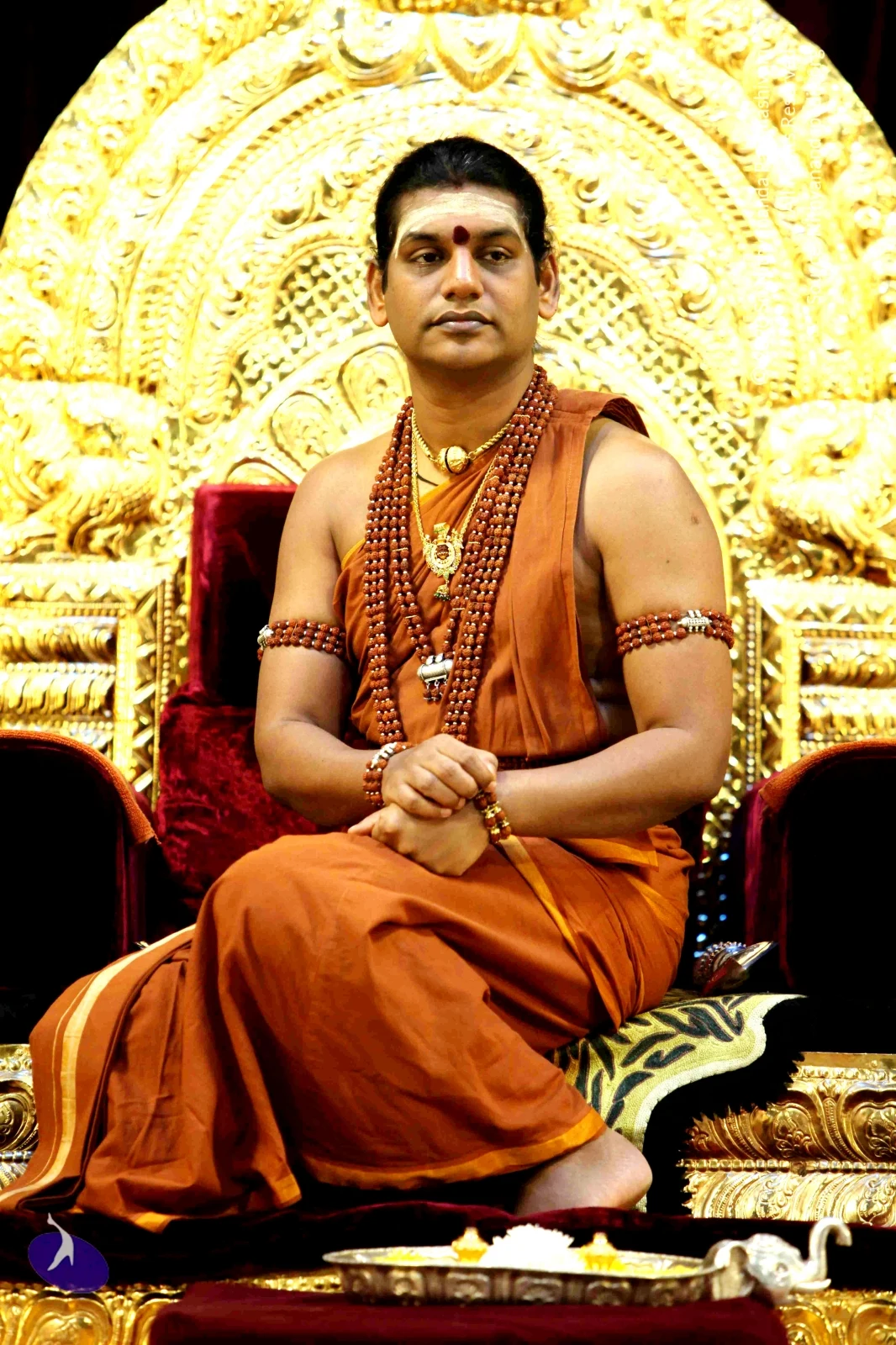
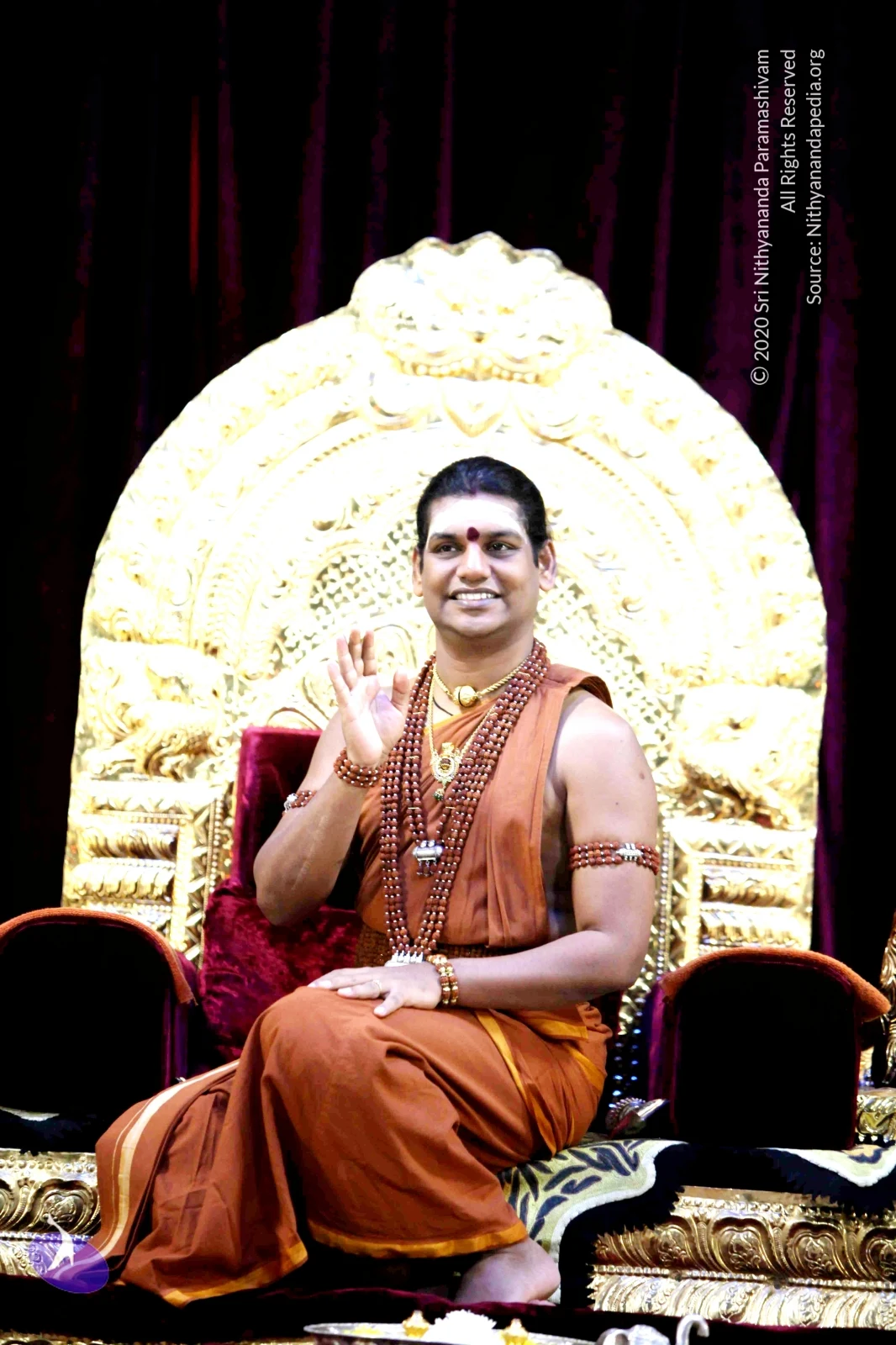
Photos from this day
View all 211 photosPada-Puja
70 photosSource gallery
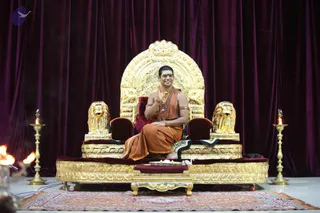
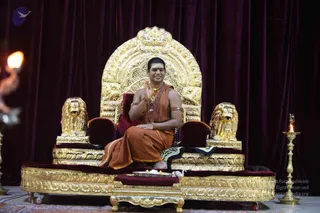
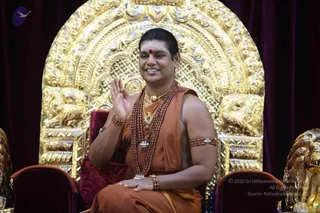
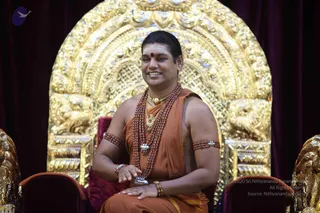
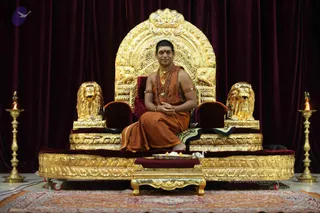
Nithya-Satsang
61 photosSource gallery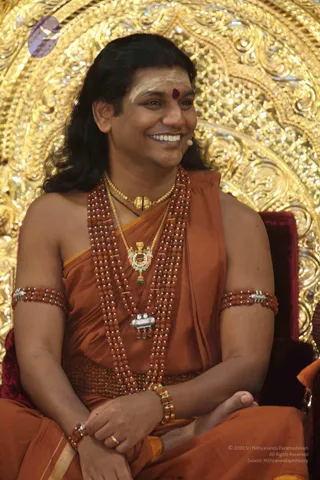
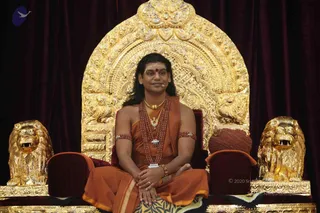
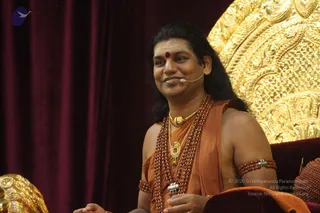
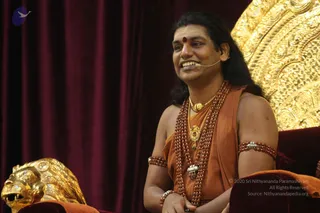
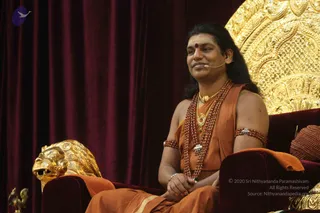
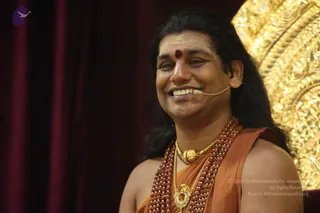
Sarva-Darshan
5 photosSource gallery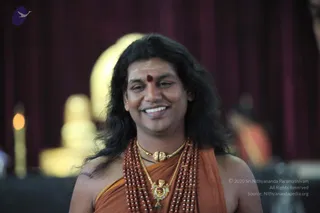
Final-Blessings
1 photoSource gallery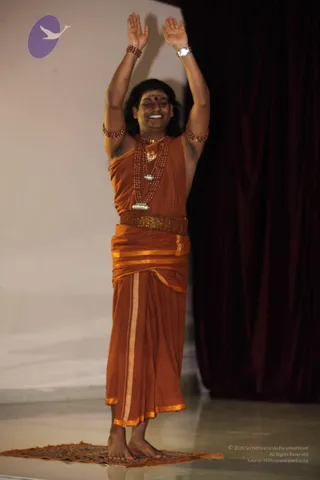
01-Pada-Puja
28 photosSource gallery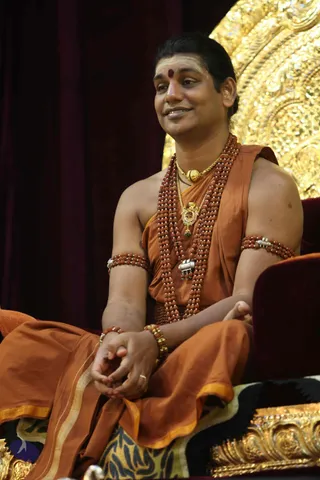
02-Nithya-Satsang
6 photosSource gallery
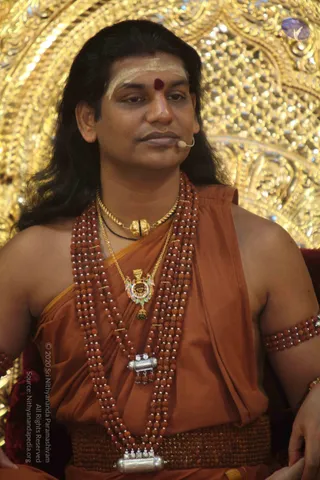
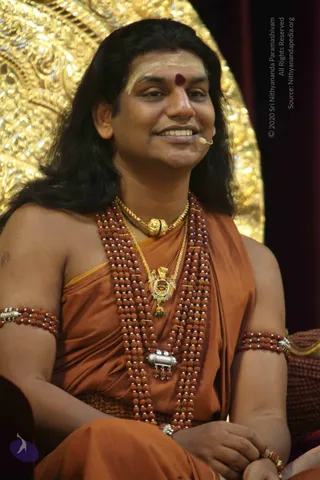
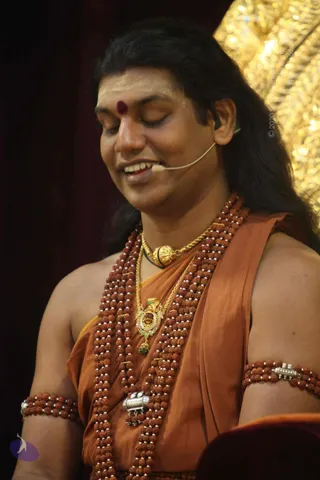
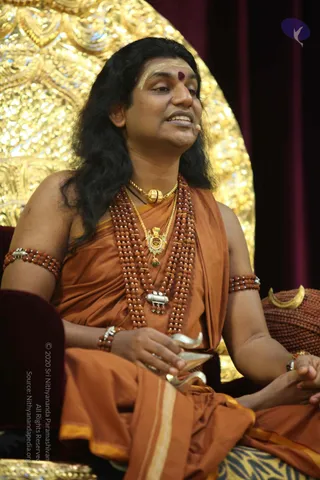
03-Sarva-Darshan
2 photosSource gallery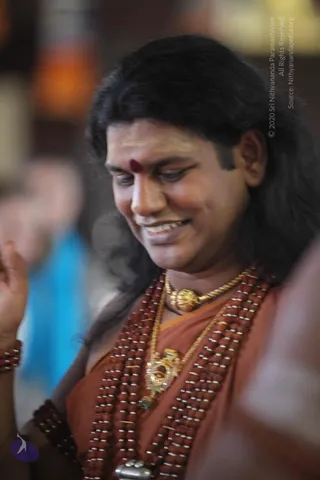
Satsang
37 photosSource gallery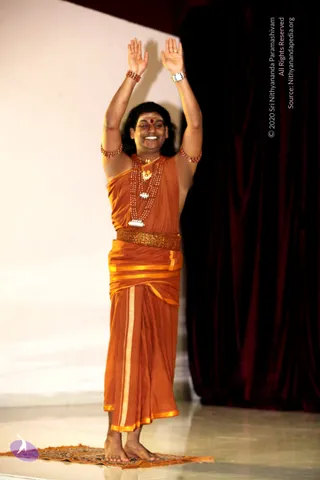
January 16 2013
1 photoView all