Thursday
17 January 2013
- Dated photos
- 193
- Source pages
- 1
- Media
- 8
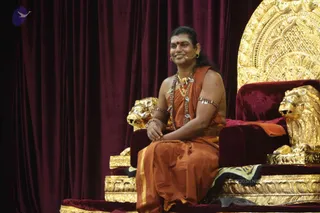
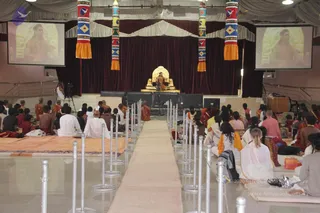
January 17 2013
Original wiki pageVideo and Audio - Inauguration Of Nirahara Annandanam
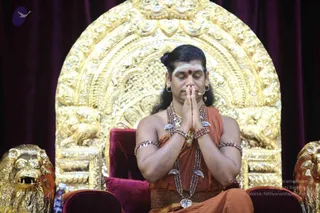
In this video Supreme Pontiff of Hinduism HDH Nithyananda Paramashivam inaugurates the nirahara annandanam in Adi Kailasa, Bengaluru, Karnataka, India. Swamiji gives special blessings for the initiated Niraharis and Nirahara Annandanam to become successful in all Kailasa's worldwide. Come, share, enjoy and celebrate in the space of this special blessings directly from The Avatar.
| Video | Audio |
Transcript
(00:35) Sadāshiva samārambām shankarācharya madhyamām Asmadācharya paryanthām vande guru paramparām.
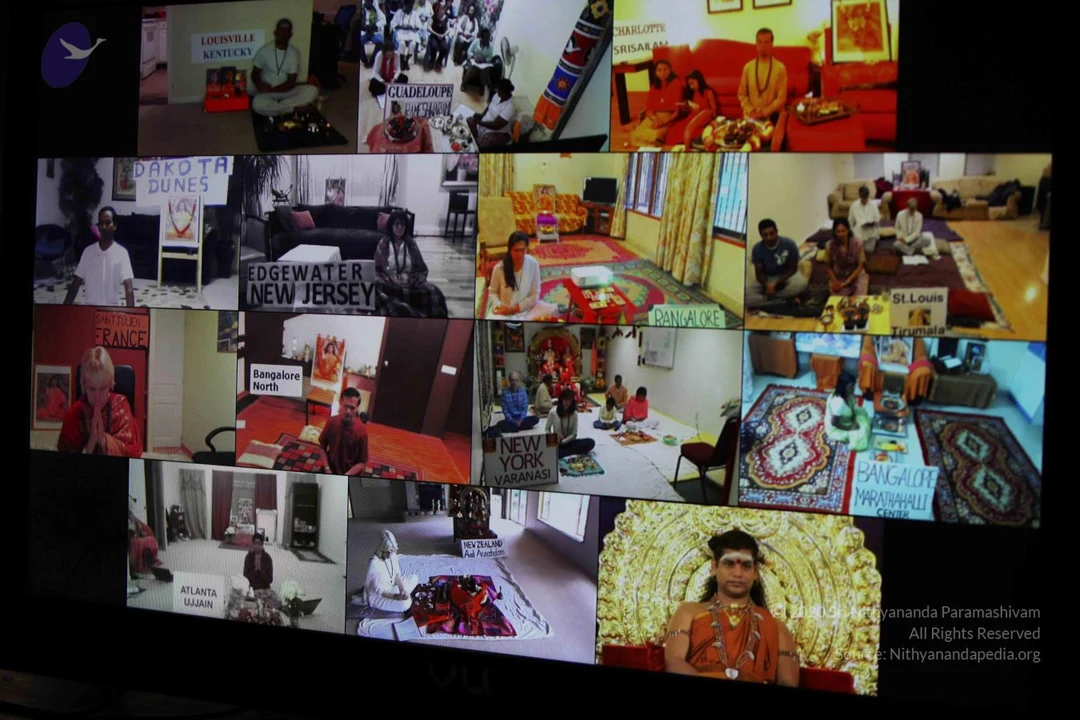
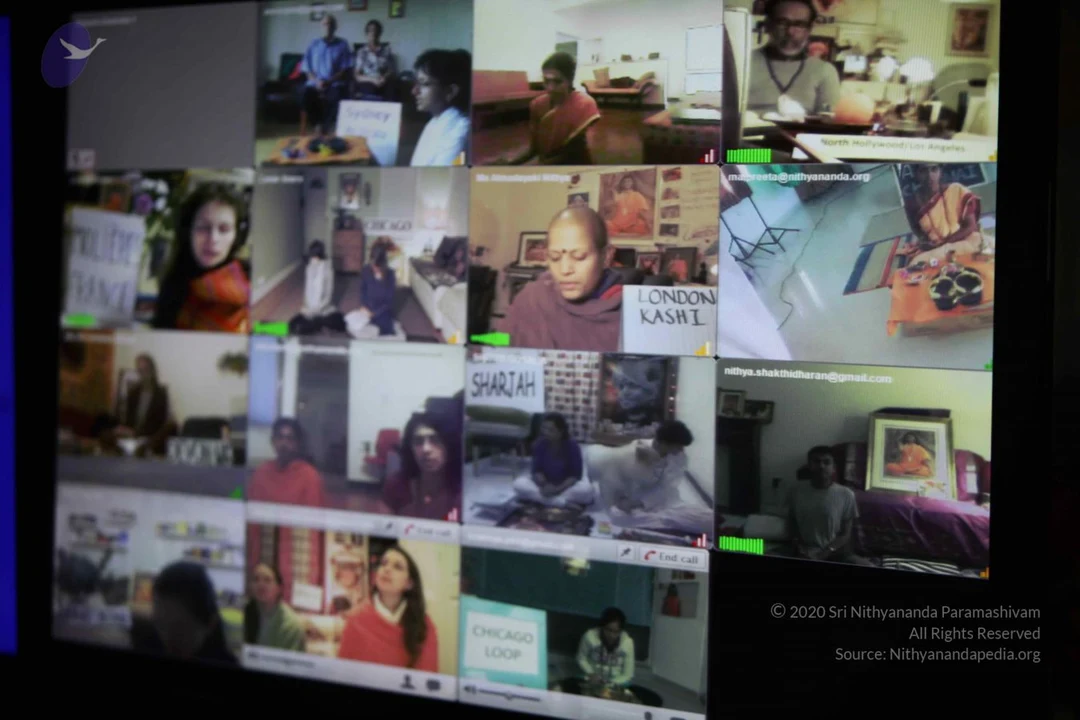
I welcome you all with My love and respects. I welcome all the devotees, disciples, samadhis, satsangis sitting with us all over the world in 397 places through Nithyananda-TV and 40 places two-way video conferencing having Nayana Deeksha in 200 cities in 22 countries around the world. The cities sitting with us in two-way video conferencing: Ohio - Prayag, Vancouver - Puri, Los Angeles - Arunachalam, Toronto - Kailasam, Seattle - Chidambaram, Oklahoma - Somanatham, San Jose - Madurai, Dubai, Hyderabad - Bhagyanagaram, Singapore - Singapuram, Phoenix - Kanchipuram, Sripuram - Chennai, Devon - UK, Oman - Sivagangai, London - Kashi, Mulieres - France, Sharjah, Tallahassee - Florida, Chicago Loop, Sharjah, Sidney - Australia, Alwarpet - Sripuram, Hong Kong - Ma Priyanka, Bangalore - Marathahalli, New Zealand - Adi Arunachalam, Chicago, Bengaluru North, New Jersey - Edgewater, Dakota Dunes, Girish and Chiranda - Charlotte, Guadeloupe - Rameshwaram, Louisville - Kentucky, Bengaluru - Marathahalli, St. Louis - Tirumala, Malleshwaram. All the centers I read out? Johor - Malaysia, Johor - Malaysia, Bangalore - Nithyananda Vidyalaya, Seattle - Chidambaram. Am I right? Marathahalli, North Hollywood - California, Paris - Kalighat. That’s it - I welcome all of you with My love and blessings.
(03:37) Yes, so I commit with all of you within 48 hours you can expect a drastic slash in two-way video conferencing price and I also commit with all of you guys very soon I will make it completely free. I am only working with the right system. Once we evolve the system I will make it as a completely free. See, it is just your inauthenticity - if each center, each one of you guys take the authentic responsibility of enriching people; naturally, just this enriching process will take care of running the Sangha but I take the responsibility for - you know - your inauthenticity of not enriching others also. I take the first step - very soon I will make it as free.
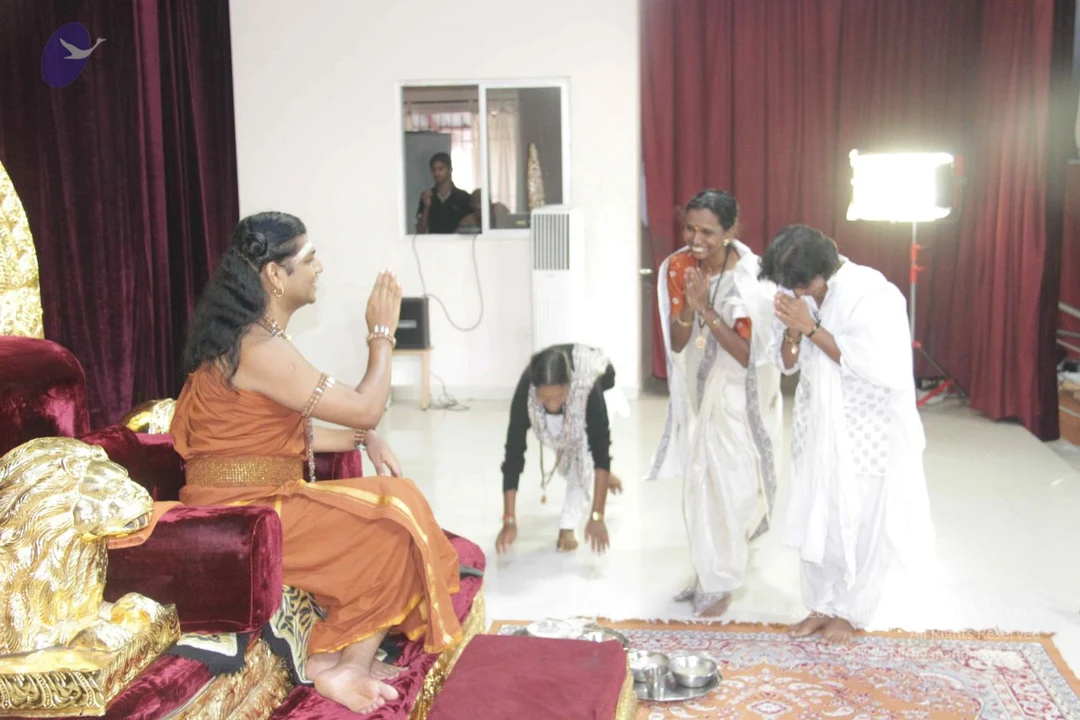
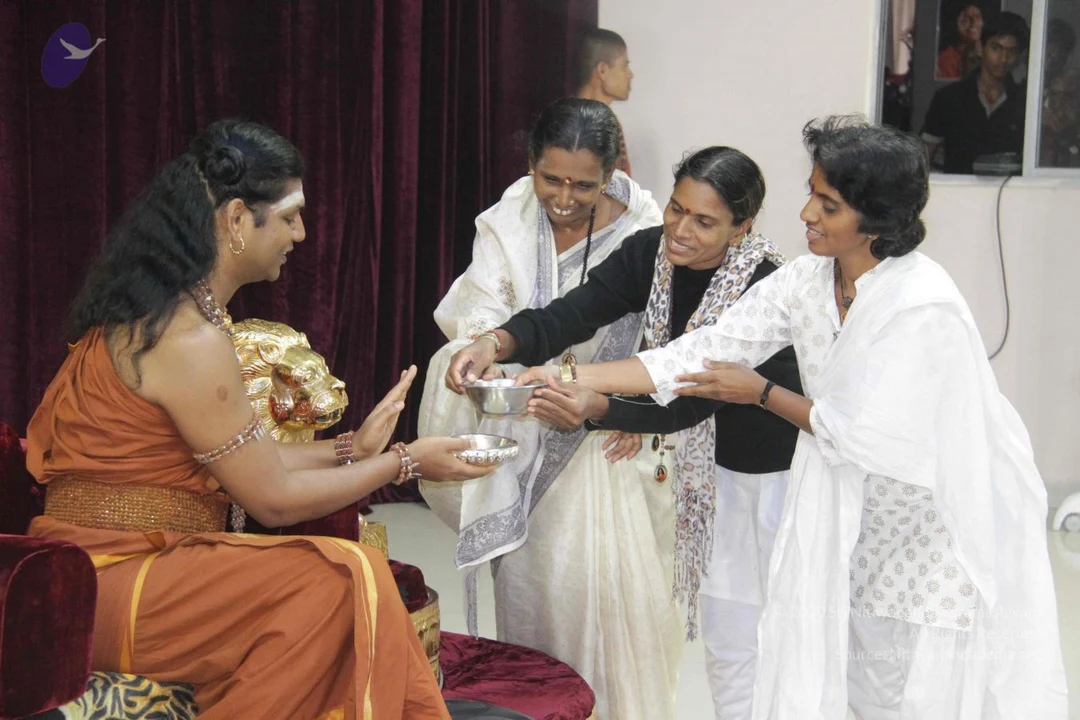
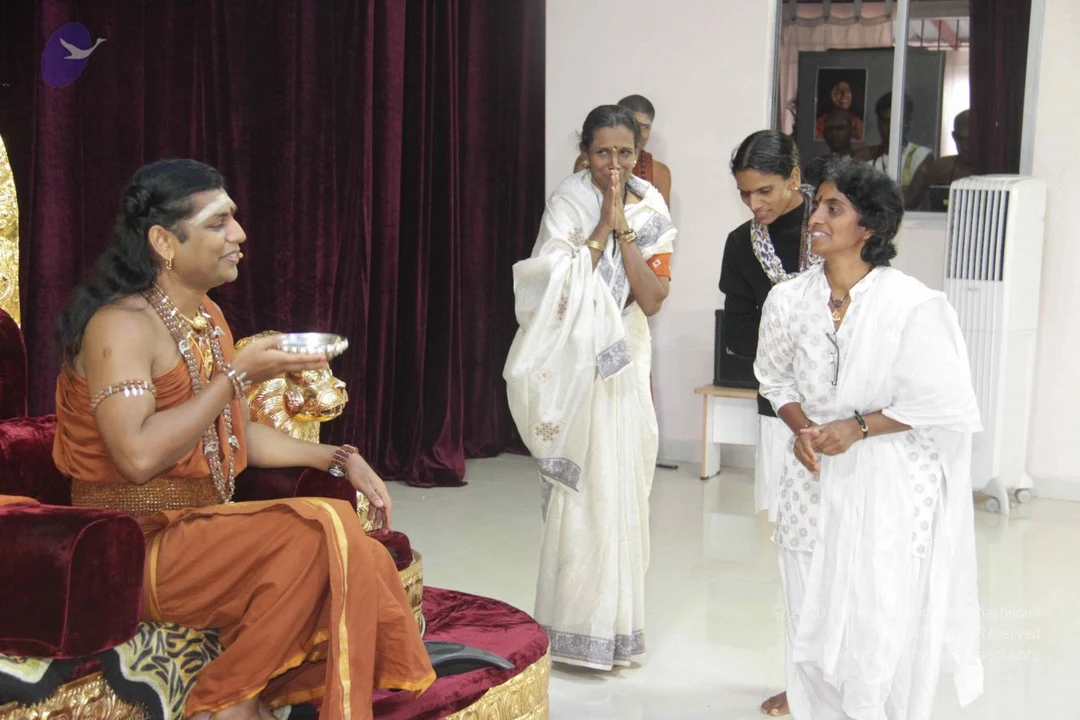
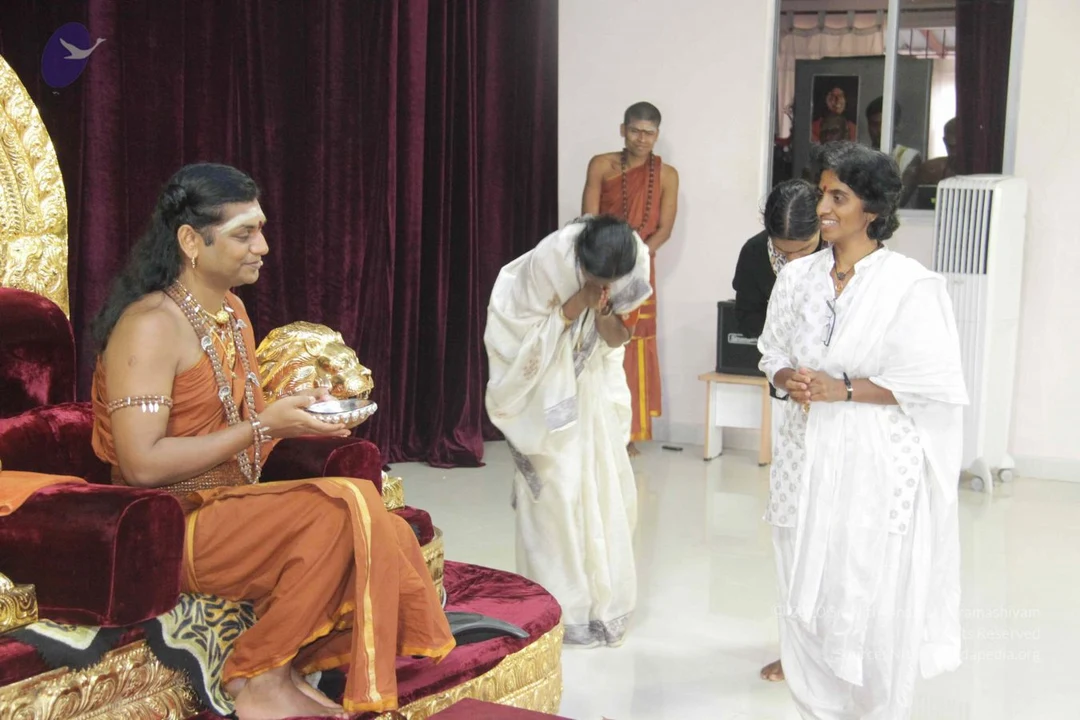
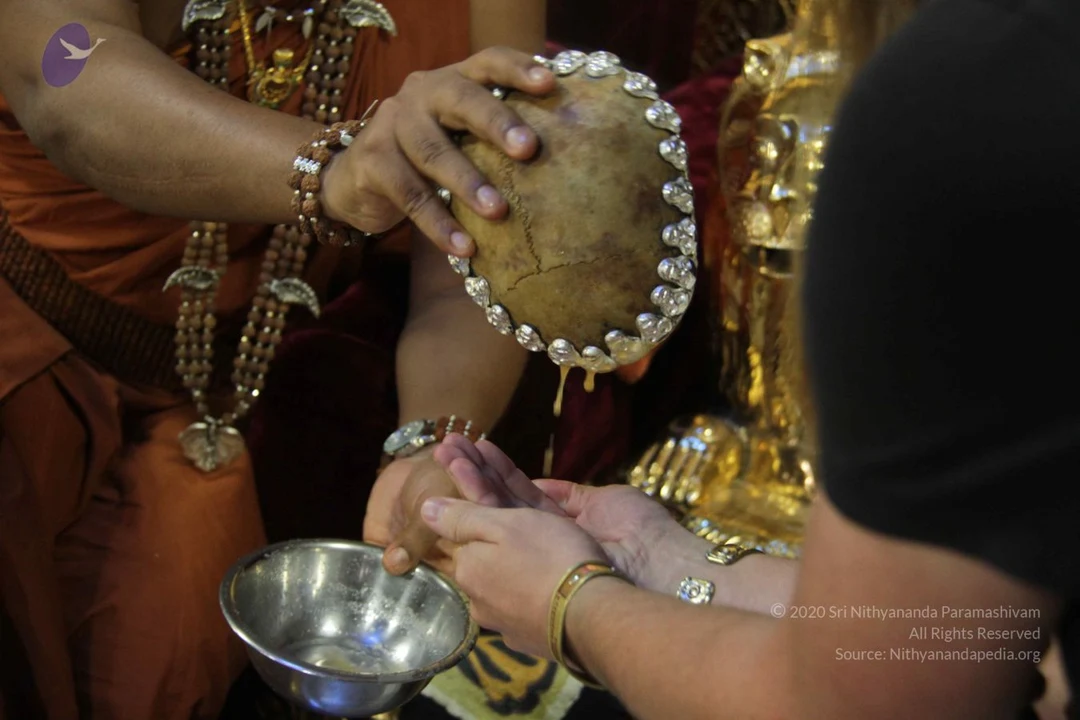
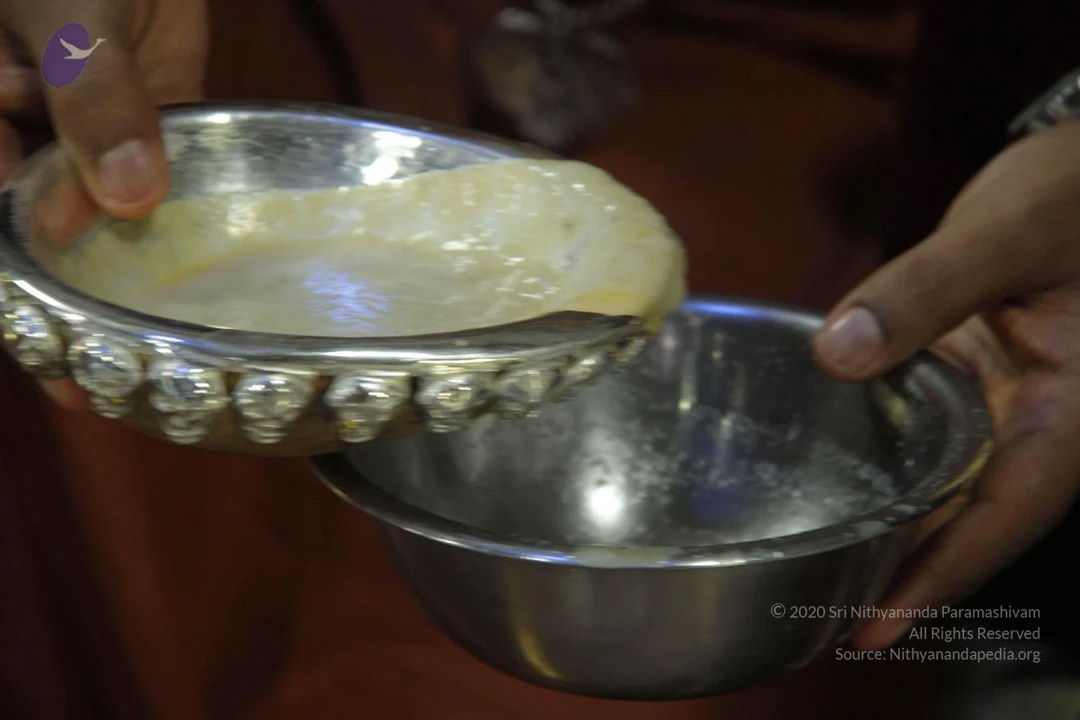
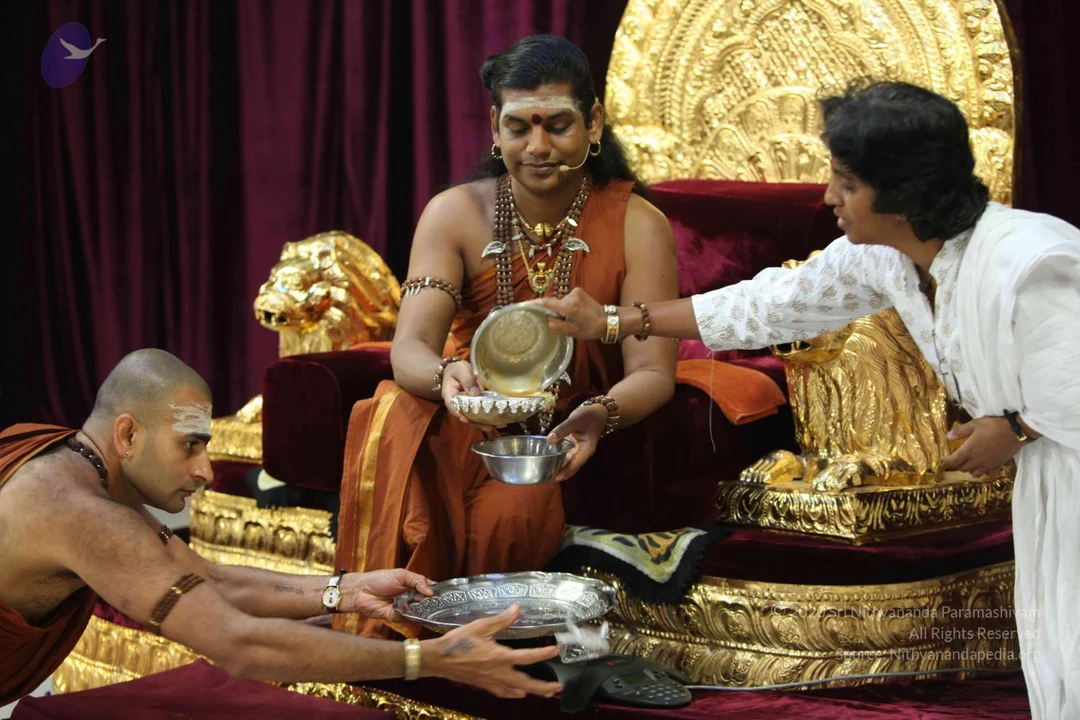
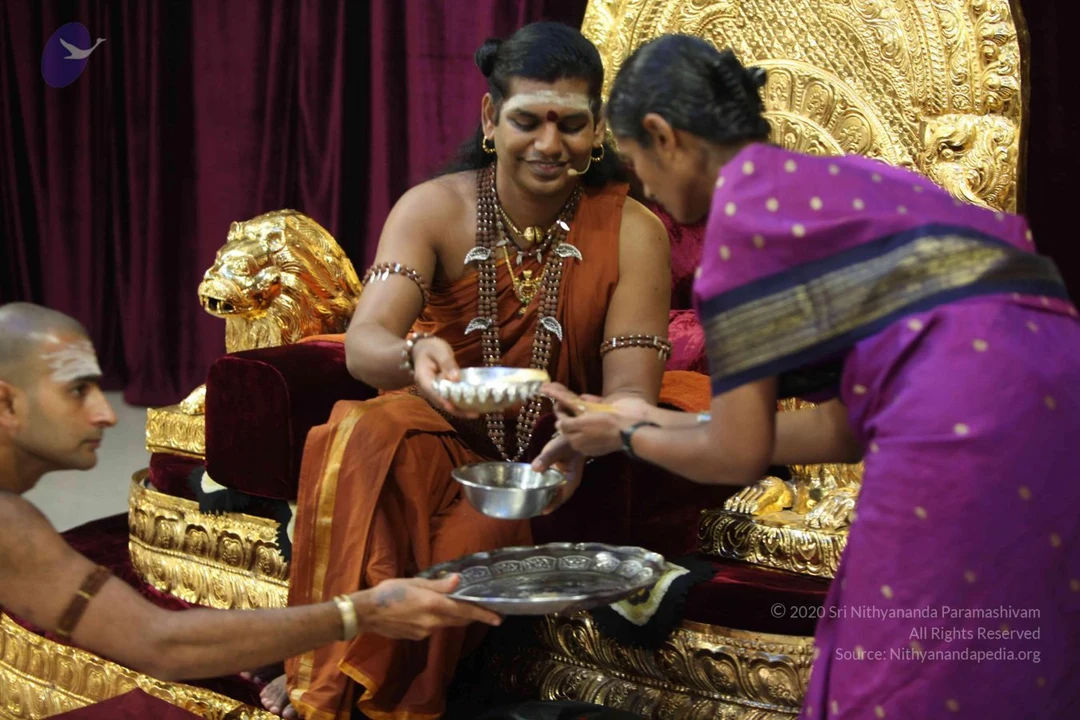
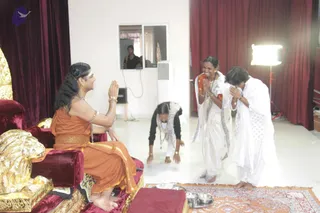
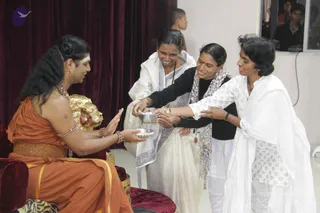
(04:51) We will do it - we will do it. Today, Nirahara Samyama 3rd level, first day. We are going to be doing 11 days. So, today, first day - as I committed with you all Niraharis Annalaya - Niraharis Annalaya in Bidadi is inaugurated from today which is ready. Bananas jam juice, pineapple juice, papaya juice - all these juices are ready and thanks to three volunteers who are managing the Niraharis Annalaya. Please, maybe if you guys bring little bit of your whatever juice you have prepared - I will just have as a prasadam. `I accept Naivedyam and then bless the whole Niraharis Annalaya.
(06:04) And once the system is successful here all over the ashram- all over the world all over our ashrams also should have a separate counter; whenever you have a program many Nirahari devotees will come there. They should be provided the Nirahara juices and same way I also declare: all of our Nirahari devotees in front of their name can use the word 'NR' like a doctor. All healers will have the title 'HR'. All healers can use the word, use the title 'HR' - so let you guys have as many titles as possible. 'NR' means - in your visiting cards and everywhere, use that; 'NR' - Nirahari. So, all the people who are living the Nirahara lifestyle can use the title 'NR' from today. You have to be member of that 'Narahari group' - there is a Facebook group. You have to be a member of that group and you have to be active member of that group - that is the only thing. Active member means continuously seeing the message posting and keeping in touch with the Nirahara Sangha - the sangha which lives Nirahara lifestyle.
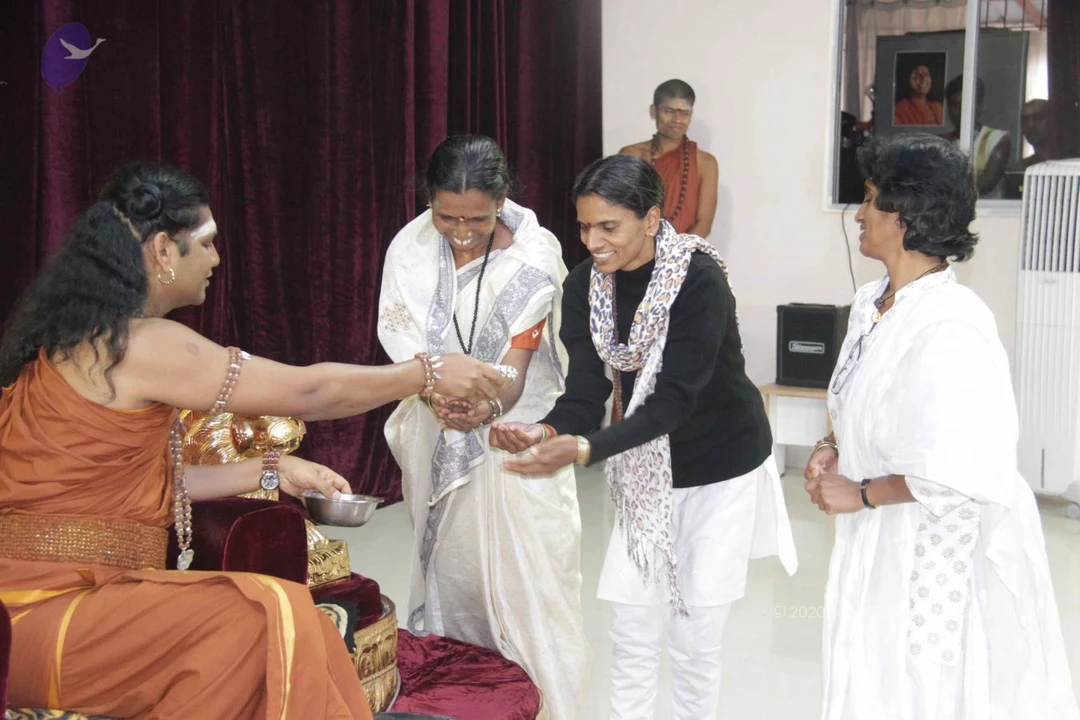
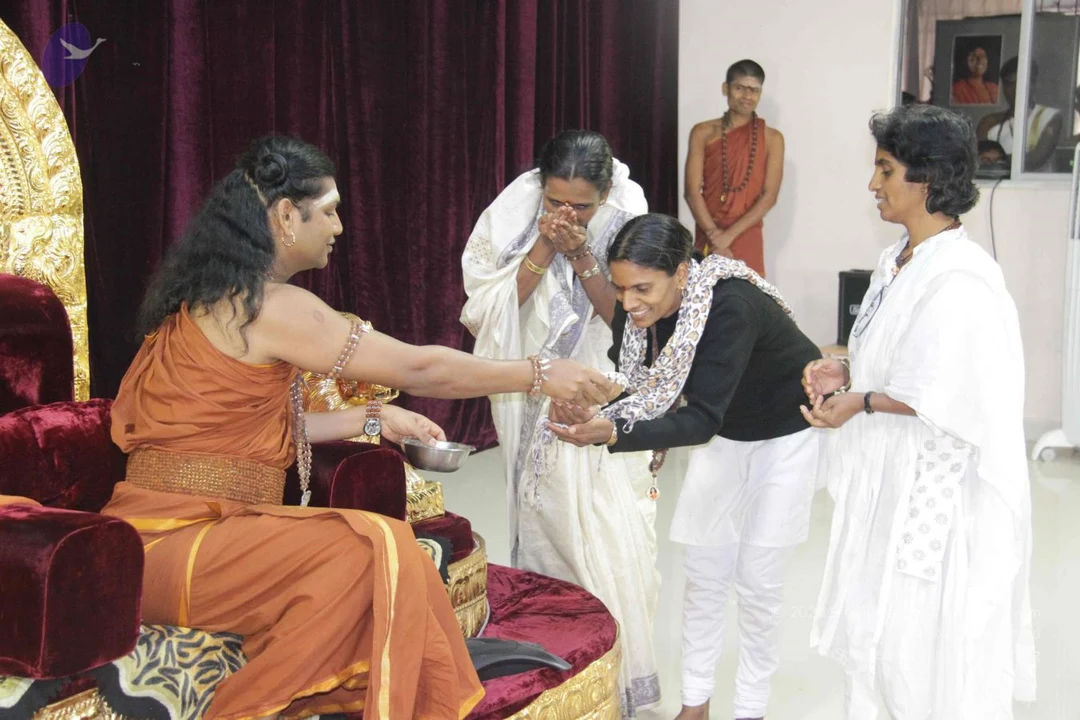
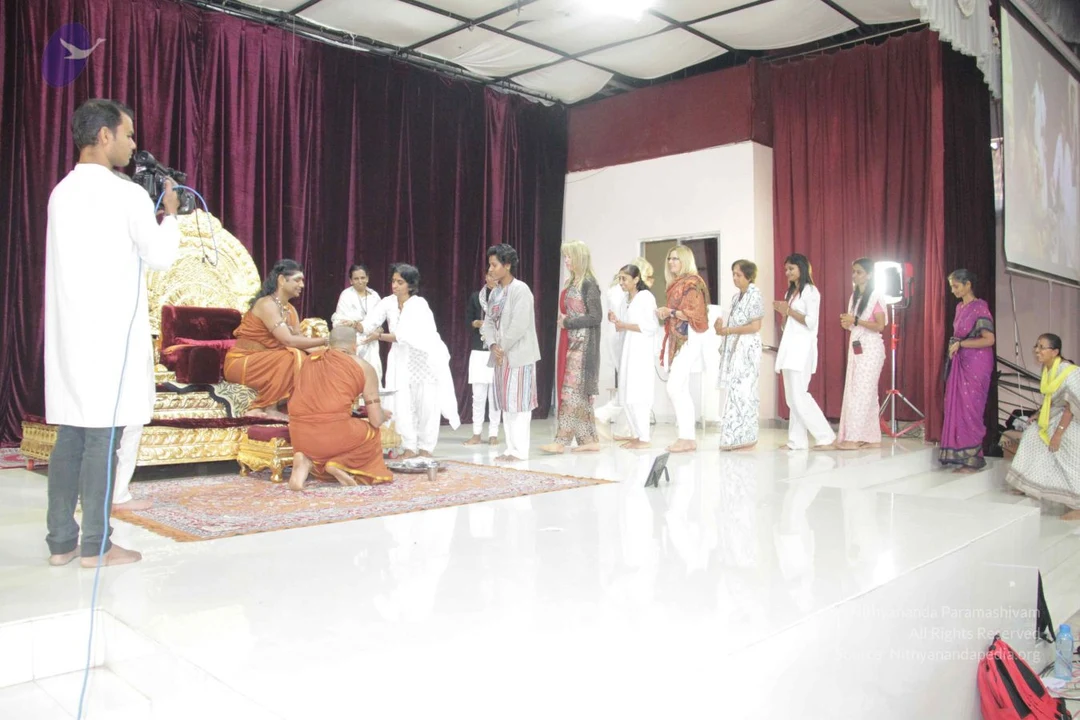
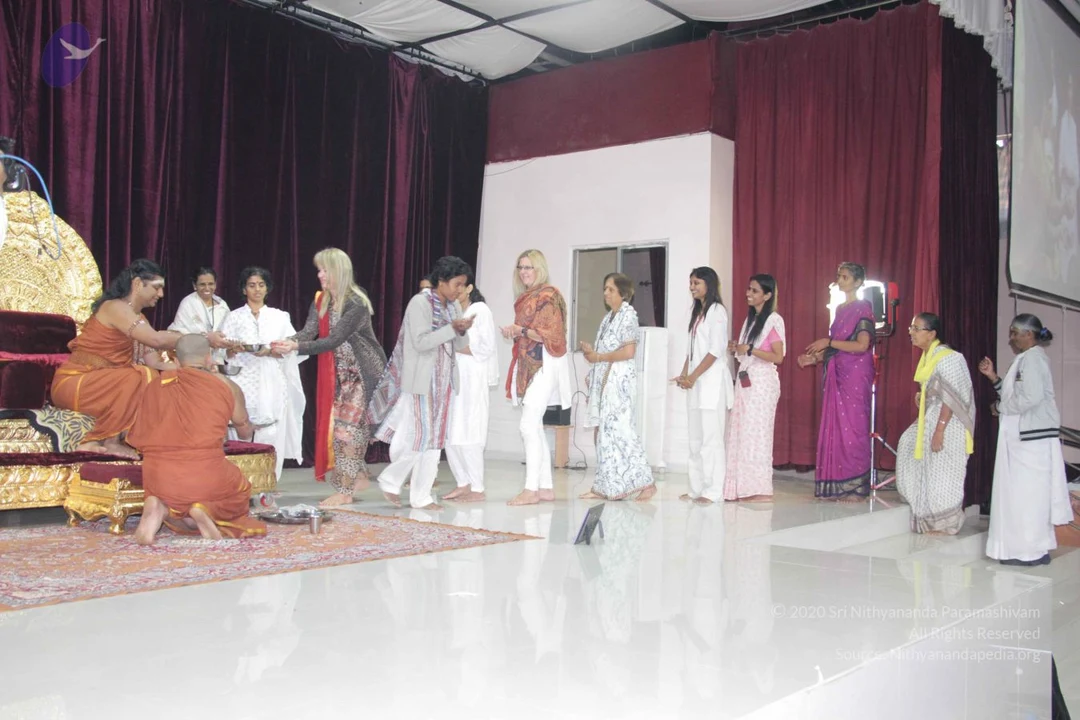
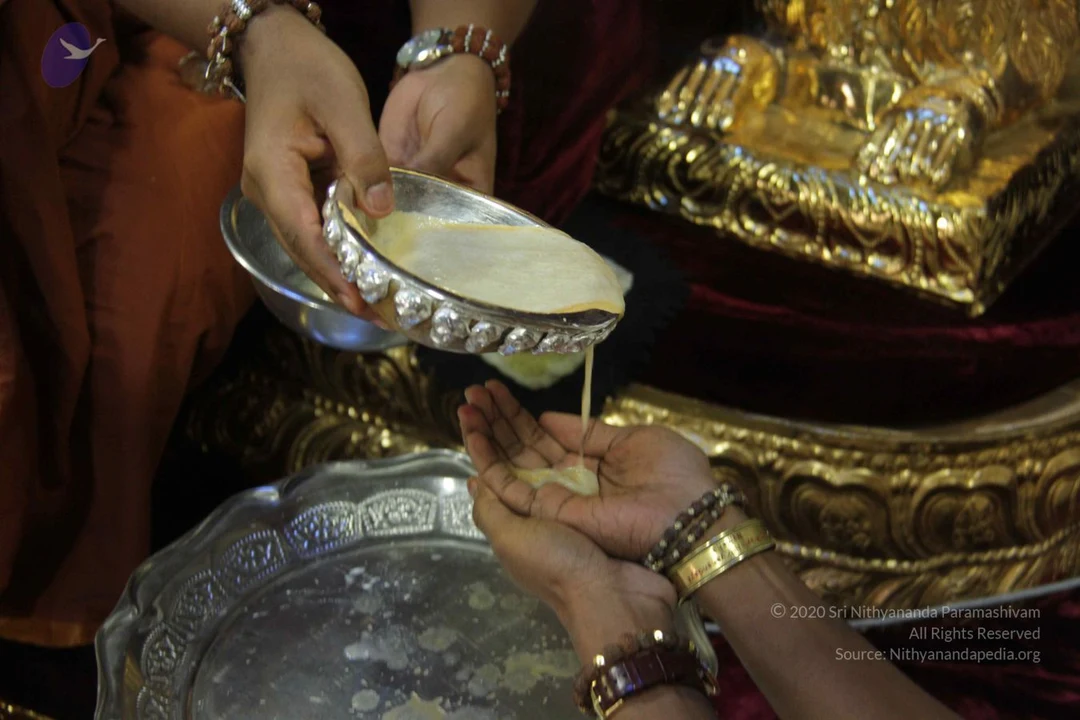
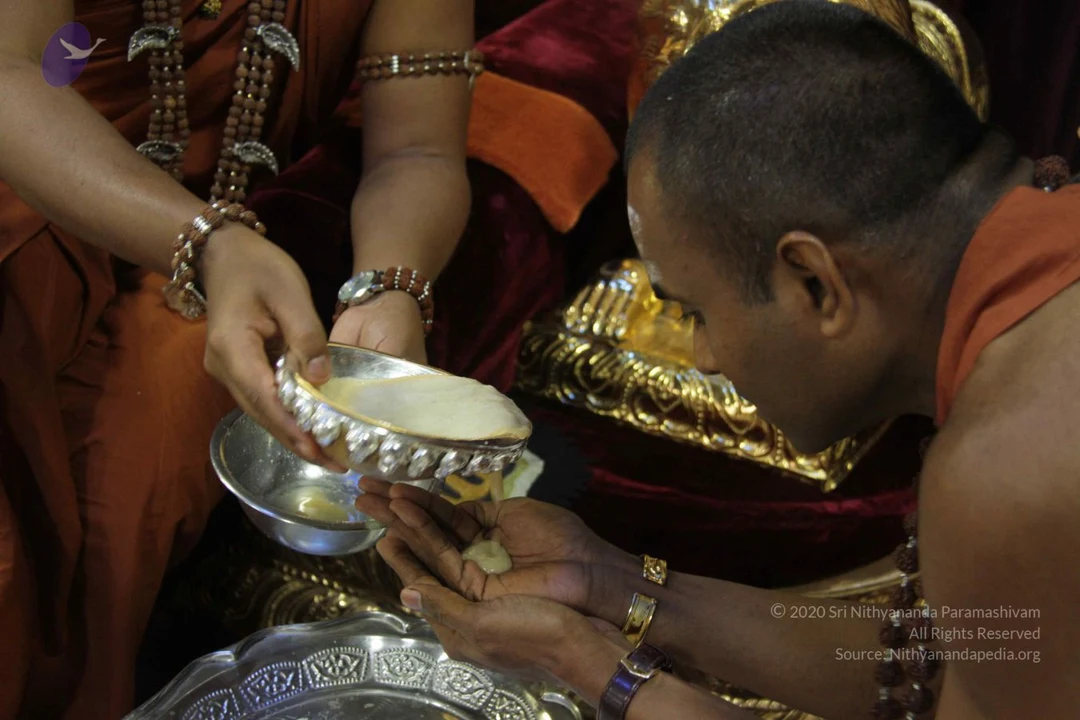
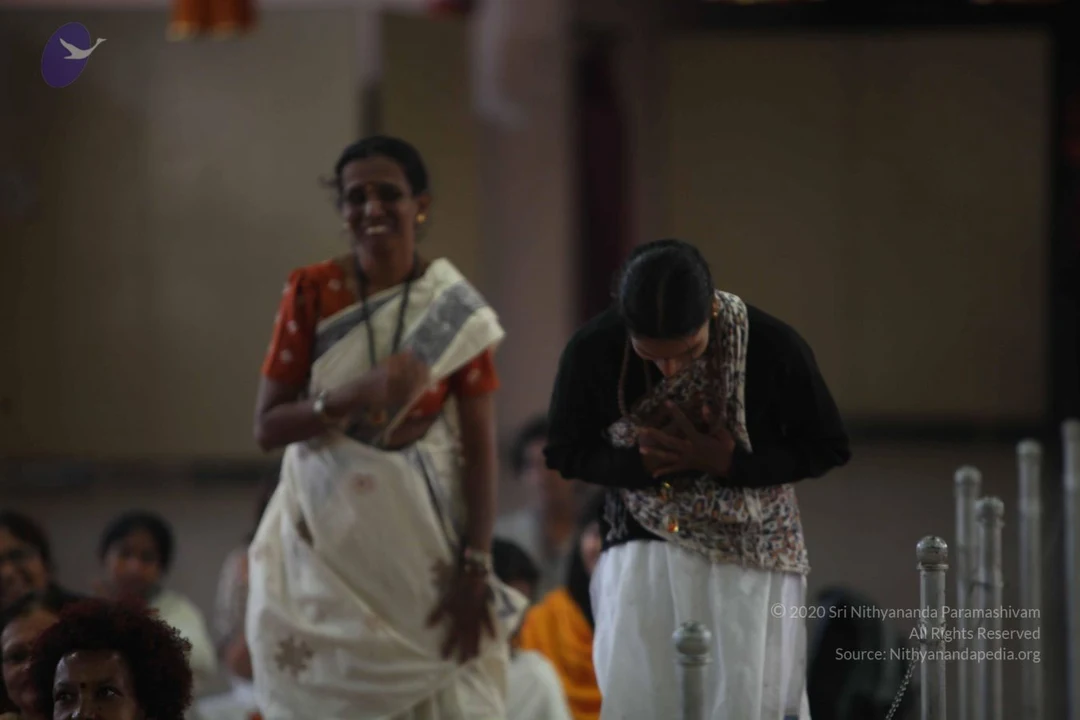
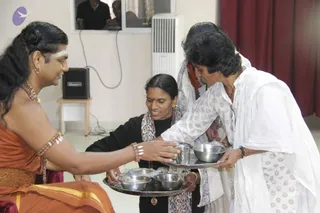
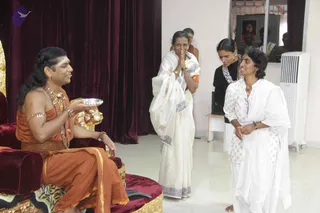
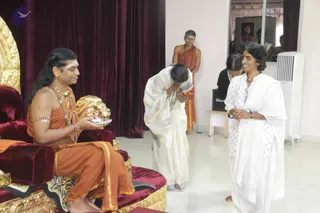
(07:41) So, all over the devotees - all over the world all the devotees I bless this Nirahari Annalaya project. Blessings - blessings, Ma - blessings. I bless you guys, the project will be successful and helping millions and millions of devotees - blessings. All of you will have that Punya. I will bless this juice and then...Nirahari, you guys come and pour - enough, enough, enough. Blessings - blessings, thank you. Take this, Ma - take this and share it. All you guys, Niraharis eat, drink and - how many Nirararis we have? God, so many! Who have taken up the Nirahara? Wow! Come on. All you guys come - Niraharis queue up - hold the hand.
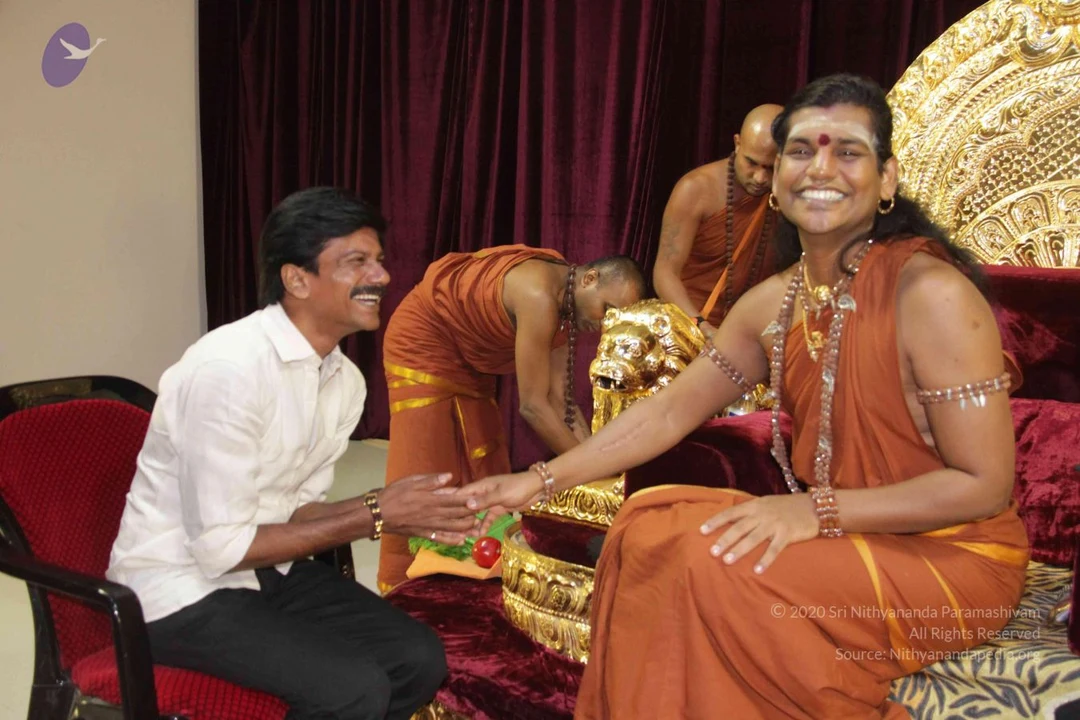
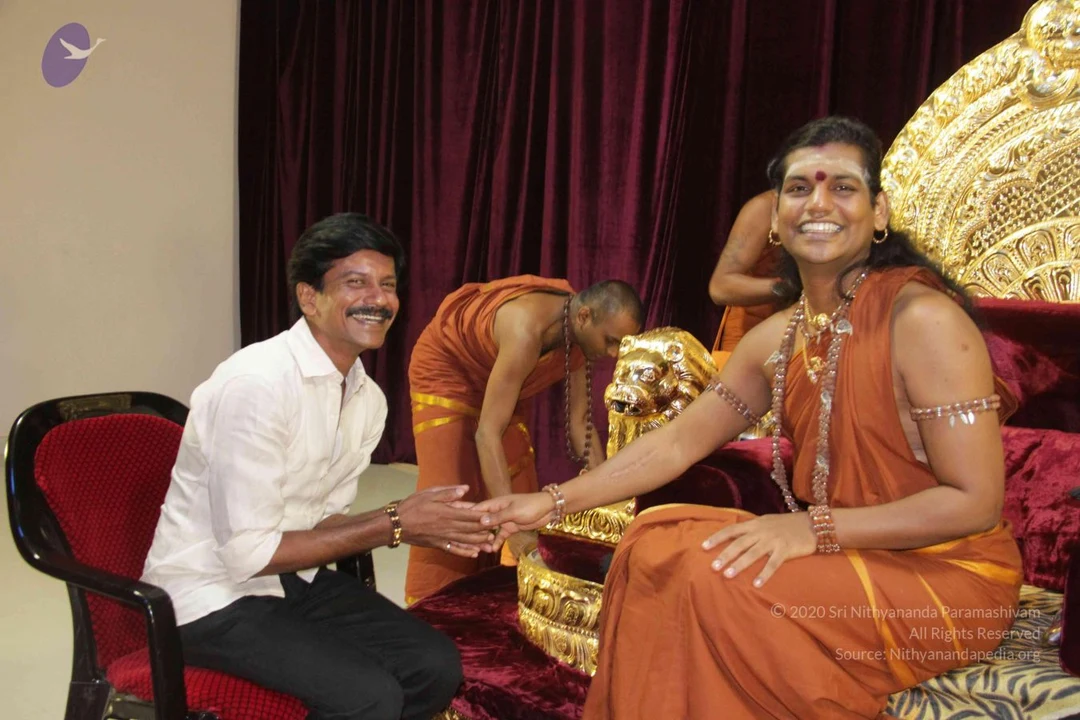
(09:38) Who? Twenty-one days; yes, yes - if she does twenty-one it is equivalent to Enlightenment - come on, come on, come on. All you guys, devotees please bear with Me for few minutes. I am so happy that so many are living Nirahara lifestyle so I am - I will bless all of them. You can see all of them getting blessed and feel that you are also blessed. Put your hands under. You have to make it a little more diluted, Ma. So, it should not even touch the tongue- it should just go into the throat. That kind of a liquid - it has to be very liquid. That's it? Great. Blessings. All the Niraharis, anybody who has successfully committed six months of Nirahara lifestyle and going to continue I will give you guys a Brahma Kapala - so that you can drink the juice from that. (11:12)
Video and Audio - Establish Yourself In Authenticity || Part 1
In this video Supreme Pontiff of Hinduism HDH Nithyananda Paramashivam reveals the secret on how some of the devotees whom relate with Him in total Authenticity always receive blessings for what they ask for, even when what they ask for is for self serving purposes only. Whenever our requests comes from non violent space, Swamiji always accepts and blesses. However, when we operate in the wrong space, inspirations can even be lost, right in front of the eyes of the Avatar. Swamiji expounds on His vision to have hundreds of Sannyasi of Nithyananda Order, sitting around Him, going into samadhi, with physical body remaining un-rotten, to continue to bless future generations of seekers with the strong energy field of enlightenment. The first step in making this vision come true starts with a nirahara lifestyle. Even though nirahara lifestyle is not a compulsory requirement as a Nithyananda Sannyasi, Swamiji envisions having many niraharist sannyasis world wide, simply because we practice authenticity with food. Come and enjoy the pizza story and how pizza brought about nirahara lifestyle into Nithyananda sangha.
| Video | Audio |
Transcript
[00:15] Today third day of ‘Brahmanyam Bahuputratam’. Very successfully happening. ‘Brahmanyam Bahuputratam’ We’ll start the satsang. As I committed earlier today I will start with pizza story. (laughing) I will give you the essence. Essence of what happened and essence of what you need to learn from it, essence of what we learnt from it; three layer. What happened, what it means, what it meant. What happened is ‘the world’, what it meant is the lessons from the cosmos. What we learnt is ‘my world’. Let's come back to the pizza story. (laughing)
(02:03) So, this ‘Brahmanyam Bahuputratam’ program was going on, very well. First time on the planet Earth, in My experience. I was on time for the ashramites program, ahramasties were on time for My program, which itself is one of the greatest happening. Then program was going very well. Very surprised people were not sleeping. Even if somebody was sleeping they went and took their cup of tea and standing, without even sitting and attending to the program, with lot of integrity. See, still authenticity has not happened, but with a lot of integrity people were attending; means, honouring the time and honoring that their commitment they will have their presence here. But still participation has not become complete. Only if the participation becomes complete I will say authentic, but integrated way they were attending. Everything was going very well. That feeling of long, long ago, once upon a time, under the Banyan Tree a guru was sitting and the disciples were there and all the spiritual happenings were happening.
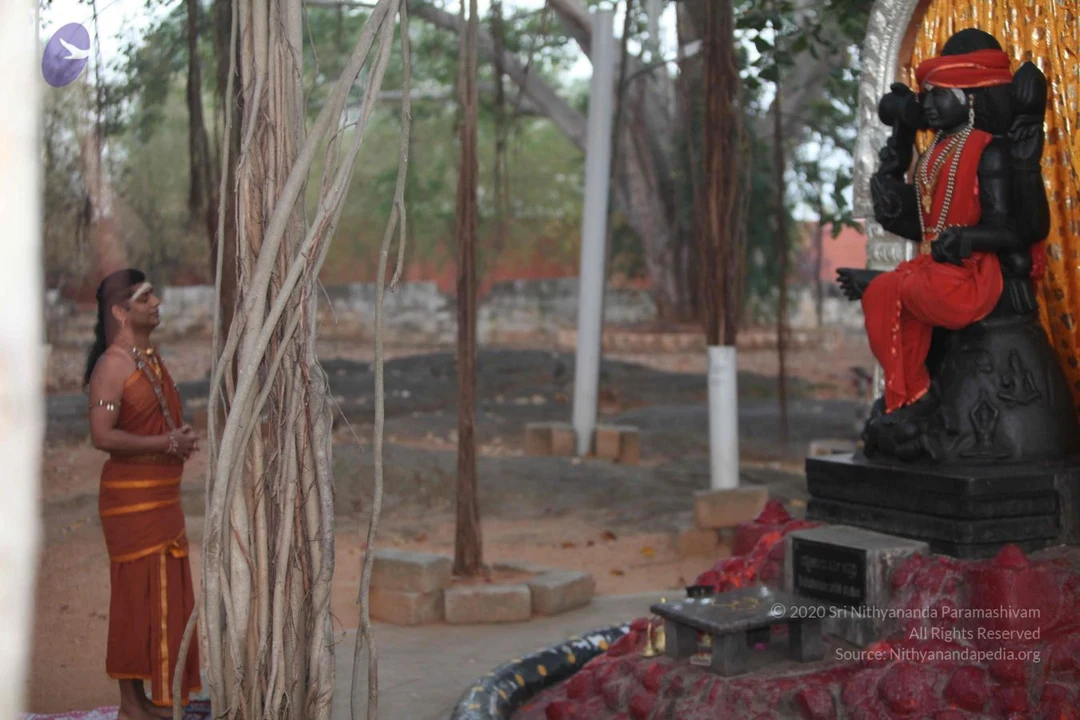
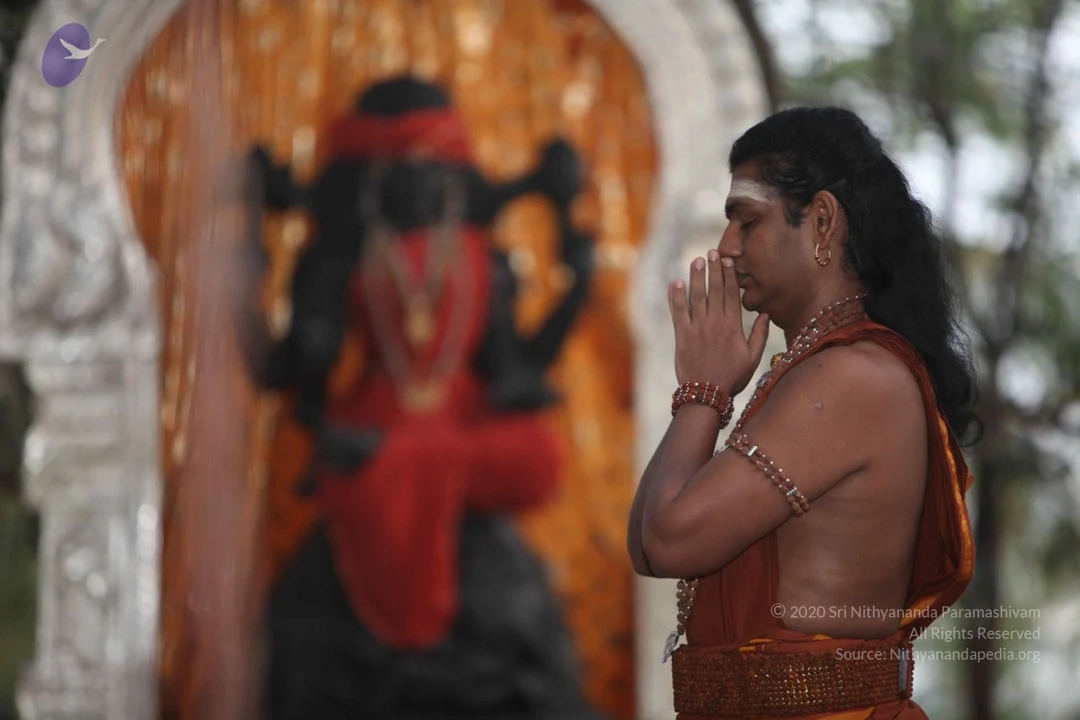
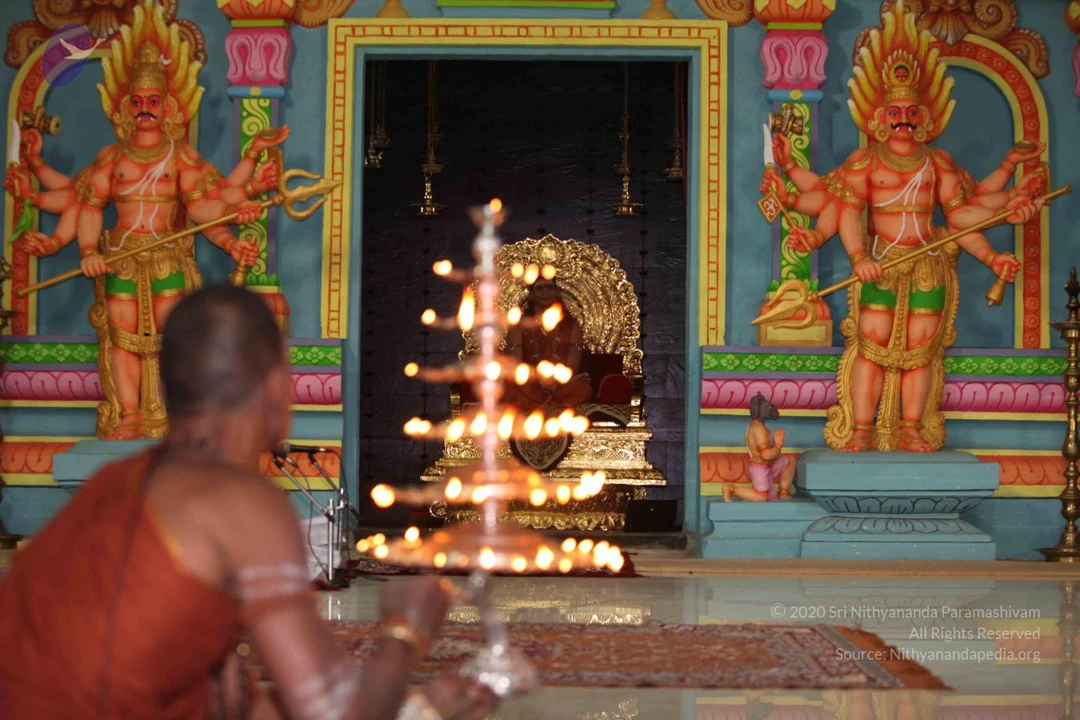
(03:40) Yesterday night, when I went to have darshan of Kalabhairava.. Please understand, every night before going to room I go round and go to temple, and go to Kalabhairava and have darshan; Ganesha, Subramanya, Kalabhairava, I'll have darshan and go back. Yesterday it was very funny - Kalabhairava was sitting and reading a book yesterday. No really, He was sitting and reading a book. I thought: “God, Kalabhairava reading?” I smiled at Him: “What is going on? You are reading.” “No, no. There is going to be university here so I have to be prepared.” Then I understood He is making fun of me. Means, He is making a statement through His body language that there is going to be a huge spiritual learning university here.
He's not making fun means in a mockery way. Like a.. by showing Me that vision, that darshan, He's saying that all the obstacles are removed. Now, it is, this place is just going to flourish, the education, the spiritual enlightening university is happening. And He says, “I am preparing to cope up with it.” It was so beautiful. I could see that with this ‘Brahmanyam Bahuputratam’ program it is happening. It is happening. It was all going well. Let's come to the pizza story.
[05:55] Everything was going well. Suddenly, Nithya [Jnanat]mananda. She starts a conversation: “It will be nice if we could have pizza to bring the experience of the cruise back. After all Inner Awakening is happening, we should bring that experience back.” The moment she asked I immediately said yes, because always all her requests are from non-violent space. Understand, whenever your requests are from non-violent space, I'll never deny. Even if you request for others, if it is from violent space, I will not accept. Even if it is a very selfish request, if it is from non-violent space I will always accept. Understand? If you are in the struggle: “How to convince this fellow to do what I want? I want to, I want this, how to get permission from Him? Should I go through the right person or should go through when He is in the right mood?” Nothing will work, understand.
[07:28] I am giving you the technique now! If you go through with the right mood inside you, it’ll work. That is the way I function. I am giving you the science of how I function. There is no mystery in it, there is no hide and seek game in it. If you come, if the request which comes from you is from non-violent mood - ahimsa; I have always seen her, anything she brings will be non violent. She's so sweet. Understand. When you constantly act from non-violence, even if your actions are like not accepted by society - screaming, shouting and all that - you are sweet. You are graceful. I have seen that non-violence in her. She's established in that non-violence; even when she brings some complaint about others, even then I have never seen her violence…8:46.. So, the moment she asked, immediately I said: “Done. Order.”
[09:02] Then the next thing happened. The moment next thing immediately. I asked: “Who will order? Ahhh? What do you want?” She said, “Ma….. will order”, hmm. Immediately I know corruption has started. Corruption has started. Immediately I know, I have committed and it is taking a wrong direction. Because […name is muted intentionally....] suffers with a strong, deep strong rooted patterns of her own ideas of freedom. The biggest enemy in the spiritual life, which even guru cannot kill is your concept of cute freedom. “Can’t I have just a coca cola? What is wrong in it? Am I a slave or what? Can’t I have just a pizza? What is wrong in it, am I slave or what?” Even guru cannot save you when you have this pattern; because, I naturally feel I don't want you guys to be slave. This is what is cheating the freedom and compassion of guru.
But you don't understand, you are slave of the coca cola and the inauthencities; the concept of cute freedom. Concept of cute freedom. “Can’t I even wear a colour dress?” Perfectly alright, coloured dress is not going to stop your enlightenment. Pizza is not going to stop the enlightenment, coca cola is not going to stop the enlightenment. But that idea: “Can’t I have this freedom, am I a slave or what?” or.. is going to stop your enlightenment and destroy you.
[11:22] All you guys understand? And she suffers with layers of that, not one. Layers. But, I wanted to enjoy the whole drama till its logical conclusion. Only when the streamline is created, water collects and flows through. Only when I allow one person's inauthenticity, everybody's inauthenticity comes out. So, now Ma …. I allowed as a channel to flow. Alright, I'll allow, let Me see how many person’s inauthenticity oozes out and fills this stream. See, in the ashram if you see there is a water flow mark. When that mark is allowed to exists from all over, some around 3000 acre water comes to our Manas Sarovar, you know that? 3000 acre water comes to our Manas Sarovar, so only then the water gathers and comes here.
Same way I allowed: “Alright, let Me allow Ma …. idea of cute freedom. Let Me see how many people’s inauthenticity comes out and oozes through that; because, as an individual, you are afraid to face your inauthenticity and show it in front of Me. But when somebody else takes the responsibility, you are ready to hide behind. Now you can always put the blame on ….. : “She asked, not me.” But all the fellows who expressed your inauthenticity, all of you are more than …... Now you guys have to be grateful for …. that she exposed your inauthencities to you all by sacrificing herself. If I have cut ….. saying: “.... will ask for coca cola I don't want”, then the whole inauthenticity of every person you would not have faced it, it would not have come to your notice.
[14:04] From the day one, I committed with her more like a father. Because that is the way she approached Me. The way she approached Me is not like a enlightenment or guru or want enlightenment and all that. She approached Me more like a father, so My attitude, behaviour, relation, everything was more like daughter, she’s My bahuputri daughter. The … daughter. That's it. So, I have never made rules for her. If she asks, I'll never say no. Daughter you cannot say no. I never shout at her. Even if I have to say, if you see it’ll be, I'll try to show the stern face, but then before ending, I’ll say: “Alright, what to do? Okay go, go.” And Sri Daya always escapes putting her in the front. Whenever any difficult job, any difficult signatures need to be taken from Me he will push Ma….
[15:23] Please understand, this pizza story is going to reveal so many truths about Me, about disciples, about mental setups, how the mysteries of the world and mysteries of the energies function, how the mindset of the people functions, how the Sangha functions, how the Sangha can be used as a ladder to go up or fall down - both. Whenever ….. came and asked anything and I granted, never ever it has become inauthenticity in her; because her relationship with Me is very clear. Her mamakara wants Me as a father, her ahankara clearly projects herself as a daughter and I am stretching myself to that, over. And I'm telling you very clearly, she's very honest in stretching herself as My daughter. She may not be stretching herself to My anyakara of she becoming enlightened, but she's very authentic to stretch herself to My anyakara of daughter. How a daughter is expected, so that she was very clear, and she was stretching herself. With that one daughter thing she was authentic. So, anything I exempted, any rule I broke, she was never, she will never have any inauthenticity. But other fellows who went along with her, you guys will have your fun, your funda. That is why you have to be very careful to be authentic with your commitment and your relationship with him. How you pose yourself in front of him, what you made him to expect from you.
[18:16] So, she was very authentic in that one dimension and she was very complete. I have always seen her having that daughter feeling; she carries herself as My daughter throughout the 24 hours. I am not saying that is complete, means that is the ultimate, no! But, she is complete in her authenticity. Even if you are My daughter, you're only daughter. I have to make you as Me; only then it is completion.
[19:10] How.. People ask Me again and again: “When you are alive, how can you allow degradation happen?” I am telling you, the post-mortem report of a degradation. How can ‘Yogo nashta parantapah’ happen? Krishna says in Gita: “In course of time Yoga is lost.” I tell you. You don't even need that word ‘in course of time’. In course of space Yoga is lost. You don't need time for the inspiration to be lost. If the wrong space is there, that is enough, inspiration is lost now! You don't need few 100 years or few 1000 years for the inspiration to be lost. If you are in wrong space, even now when I am alive in front of My eyes the inspirations can be lost. I have already demonstrated it. With a wrong space inspiration can be lost. You can lose it, you can miss it now! I am giving you the science how with the wrong space the inspiration is lost. [20:50]
Video and Audio - Establish Yourself In Authenticity || Part 3
In this video Supreme Pontiff of Hinduism HDH Nithyananda Paramashivam reveals the secret on how some of the devotees whom relate with Him in total Authenticity always receive blessings for what they ask for, even when what they ask for is for self serving purposes only. Whenever our requests comes from non violent space, Swamiji always accepts and blesses. However, when we operate in the wrong space, inspirations can even be lost, right in front of the eyes of the Avatar. Swamiji expounds on His vision to have hundreds of Sannyasi of Nithyananda Order, sitting around Him, going into samadhi, with physical body remaining unrotten, to continue to bless future generations of seekers with the strong energy field of enlightenment. The first step in making this vision come true starts with a nirahara lifestyle. Even though nirahara lifestyle is not a compulsory requirement as a Nithyananda Sannyasi, Swamiji envisions having many niraharist sannyasis world wide, simply because we practice authenticity with food. Come and enjoy the pizza story and how pizza brought about nirahara lifestyle into Nithyananda sangha.
| Video | Audio |
Transcript
[00:15] When you are authentic with what you want from the eating habit, eat based on that. Do you want to just disappear into the light when you want to leave the body, then you have your own food pattern. Or you don’t want that, you want to leave the body physically, but you don’t want it to stink and you want it to be alive, you want it to be there forever, inspiring people about the science with which you lived in that body, the Consciousness you radiated using that body.
[00:50] In Thailand I went and saw a enlightened monk's body, he is enlightened being. His body is kept for 40 years, it is there, just he is sitting. I was just shocked. Oh God! I was always wondering, trying to find new, new ways, how My samadhi should be. And it should be something extraordinary. I got a click. This is the way I am going to have My samadhi. Just his body is there, nothing! Only the eyes have become little gone inside, over! And they have put, ah, dark glasses and it doesn’t look… he is just sitting for 40 years, no processing was done to his body.
[01:48] The island, Koh Samui. Mmmmh? Koh Samui, an island Thailand, I saw that. 40 years he is just sitting in a glass-case and they regularly open the glass case and change the cloth and all that. No smell, nothing, he is just there. Understand, I have decided My body will be like that. Of course, I am going to leave after 100 more years only, 100 more years I am going to be in the body. When I leave, it will be like that only. Just you put the cloth and instead of pratyaksha murti put that body, that’s it, over. It’ll receive your worship, continue to radiate, respond.
[02:51] There I saw a beautiful quotation from him, that monk. He has told them, many years before he left the body, “After I leave the body, you don’t need to do anything. Just keep the body in that same meditation posture.” He...he said very clearly, “I’ll leave the body in the samadhi, in a meditation posture. Just keep it, and the world will come and see this and get inspired with the philosophy with which I used and I lived in this body, to inspire.” And I tell you, he has not left the body, he is still using the body and inspiring the whole world about Buddhism. 40 years, still he is preaching. [Picture of the sitting monk is shown.]
[03:43] Still the muscles are there. 40 years, no processing was done. They've put the spectacles because just the eyes have gone little in. No processing, no mummifying, nothing. Koh Samui, Thailand. It’s called ‘Mummy Monk’, but his body was not mummified. No processing was done. It is just there. They change the cloth once in a while. This is Yogi; even after leaving the body he has not stopped inspiring people. Understand, not only while he was in the body, while he was, he left the body, he has decided to inspire people.
[04:53] I tell you, I am after all young. We have lot of time, not only I leave My body in this way... I don’t want to, ah, make it disappear into the light like what Gnanasambandar did. No, I wanted the body to be physically available, in this form, in this way, for people to see and relate. For Me to enjoy the devotees’ devotion.
[05:36] In 1973 he passed away, he left the body, in seated meditative position, the same way you saw. Since his body, since then his body is on display in an upright glass-case temple. 73 means now how many years? 40 years, am I right? Or 30 years? Mmh, 40. Mmh? 40 years, no sign of decay.
And today I commit, I’ll prepare this body and when I leave the body it will be like this only. And now itself I am making it very clear: the body has to be kept like this.
[07:06] He told them very clearly, his followers, “It’ll not degr..decay or anything. If you think something like that has happened, you cremate it.” That’s the instruction he gave.
[07:21] I am giving you the instruction, It’ll not decay, it’ll not degenerate. If you guys feel, something is happening, then keep it in samadhi. No cremation even then, samadhi. It has to be kept in samadhi, so that it radiates the energy for the whole universe forever. Not only I commit to make My body like that, I commit at least few hundreds of My sanyasi’s bodies will be like that, li...sitting around Me, sitting around Me.
[00:08:13] Understand, come on, let Me start the first batch. How many of you, authentically with integrity wanted your body also should be sitting next to Me? See, I am actually planning for a huge samadhi where 10,000 samadhis will be there. I already told you guys - the akshardham, where 10,000 enlightened beings are sitting and radiating the energy. We will have different types, where the body is, samadhi… put in samadhi and where body is put in the glass-cases. Now you all have to start working for it. That’s all. Let Me see the hands, how many hands go up? Oh God! Now it is time, then we start the process. Process of Nirahara, Pranayamas and all that.
[09:30] So now be authentic, that’s all. Now be authentic to what you expect from your life. Be authentic to your food. This is what My vision of eating habit. You don’t have to become Nirahari, if you don’t expect these things. But be authentic with the Nirahara if you expect these things. Now you know what to do and how to design. And I take the responsibility for the authenticity of the science. Means, if you follow this, it will not fail, your body will not stink; that I take the responsibility. Following it, you will have to take the responsibility. If you do this, this will be the result. For that I’ll take the responsibility and I’ll prove it. I’ll prove it in few people, then immediately everybody will know.
[10:44] Just imagine, 10,000 monks and rishis and... sitting in samadhi. It’ll become not just a greatest energy center of the planet Earth, it will become wonder of the world. That will prove the power of the Yoga tradition, Vedic tradition. Understand, this monk, even by leaving the body he proved the power of the Vedic tradition, Buddhist tradition, like Paramahamsa Yogananda. After 1 month he left the body, his body did not show even one sign of decaying. Any of you know that? No, if you read ‘Autobiography of a Yogi’ there is a clear certificate from the mortuary in-charge. Can you go to that book and take it out, take out that page. Last annexure of ‘Autobiography of a Yogi’ - how many of you read that certification? Then all of you know.
[12:01] It is very unfortunate His body is still sitting in California without having a beautiful memorial. In My village, all we villagers put together has built stone temple for Ramana Maharishi. I request Indian government, you guys lost Him when he was alive. At least don’t lose Him after He left the body. Bring His body back. Let’s worship Him, revere Him! It is not that Vivekananda alone stood for the Vedic tradition outside India. It is Paramahamsa Yogananda, unfortunately Paramahamsa Yogananda’s contribution is yet to recognized the way Vivekananda’s contribution was recognized; just because of the one reason Vivekananda left the body in India, Paramahamsa Yogananda left the body outside India. The politics of the disciples, possessiveness of the disciples, wanted to keep the body there. His reason, for he did not having the recognition, for which he is worthy of. He maintained what Vivekananda started. I am going to take it to the next level what Vivekananda started.
[14:00] Can you imagine? Even after the… after leaving the body he goes on inspiring? Forest Lawn Memorial Park, Director Glendale, sorry, cemetery in Glendale, the Director name is Harry T. Rowe, he has given a clear declaration: After 20 days no physical disintegration was visible. After 20 days He left the body, no physical disintegration. I went and had the darshan of the place where his body is still kept. His body has not suffered any physical disintegration. And they also say no odour of decay emanated from his body at any time.
[15:41] Sannyasa sampradayas and food pattern are very closely connected. That is why the clapping of pizza ordered. So still we have not got into the story fully. Still we have not ordered, we only clapped. I think just like Katho Upanishad I have to tell this story also, like a long serial. Pizza brought Nirahara to Bidadi. See, what has happened? So, even if you hit the enlightened Master with your most inauthenticity, he transforms that into authenticity by taking the responsibility for your inauthenticity.
[17:16] So history will write, record this whole thing of keeping the body as it is without stinking, decaying. This whole science is brought to the world from the beginning of pizza. No really I wanted to say, few of our Yogis, what few, many of our Yogis getting trained, living, playing with energy and spreading the Vedic tradition. When you leave the body, your body becomes the example for this Vedic tradition. Even that should inspire millions. So, when you leave the body, it should be such, people should be carrying it from place to place in a glass-case and showing it. Inspiring peoples, people, inspiring the world, inspiring millions - ‘see the power of the ideology with which he held his body, when he lived, when he left body is radiating.’ [18:48]
Video and Audio - Establish Yourself In Authenticity || Part 4
In this video Supreme Pontiff of Hinduism HDH Nithyananda Paramashivam reveals the secret on how some of the devotees whom relate with Him in total Authenticity always receive blessings for what they ask for, even when what they ask for is for self serving purposes only. Whenever our requests comes from non violent space, Swamiji always accepts and blesses. However, when we operate in the wrong space, inspirations can even be lost, right in front of the eyes of the Avatar. Swamiji expounds on His vision to have hundreds of Sannyasi of Nithyananda Order, sitting around Him, going into samadhi, with physical body remaining unrotten, to continue to bless future generations of seekers with the strong energy field of enlightenment. The first step in making this vision come true starts with a nirahara lifestyle. Even though nirahara lifestyle is not a compulsory requirement as a Nithyananda Sannyasi, Swamiji envisions having many niraharist sannyasis world wide, simply because we practice authenticity with food. Come and enjoy the pizza story and how pizza brought about nirahara lifestyle into Nithyananda sangha.
| Video | Audio |
Transcript
(00:15) When I started talking about Kundalini awakening - levitation, nobody believed - but it has become science. We will evolve - we will evolve; it has become more powerful science. When I started talking about Nirahara - nobody believed - but we have walk - traveled long way; relieving people from solid food itself is not a joke; still we will evolve. Same way, when I am talking about this science - science of keeping the body as it is in Mahāsamādhi. Many may not believe but the non-believers are our inspiration to make it happen. Believers are participants, non-believers are spectators - both are needed for something to become happening. Believers becomes - become participants, non-believers remain as spectators. You need spectators for any demonstration. Even though they are not rewarded, they are needed. Otherwise to whom will you demonstrate? Spectators are not completely wrong - you need them, otherwise to whom you will demonstrate? Even in the game, you need spectators, otherwise for whom you will play? Even though they are not going to be rewarded - other than that Coca-Cola and popcorn.
(02:15) No, pizza is sacred from now onwards for Dhyanapeetam. It has achieved certain sanctity. Because of all the openings it has done. Okay? It has achieved certain sanctity, because of all the openings it has done. Very casually only we start. See this Kundalini awakening we started casually - but scientifically we have given already breakthroughs. And still we need to work - put little more people and study deeper and deeper with the so many scientific studies and connecting with the traditional sutras and everything; but we have started the process.
(03:23) Same way, this integrity and authenticity - Me following the routine on time; we started- but you don’t know how many beautiful things are going to flower. Now I am taking it to the next step. Next step means, morning one hour Malakambha - the pole yoga; all heavy yoga, all ashramites. So outside the Vaidya Sarovar akhada will be created - now all that people will practice morning 5 to 6, then jump into the Vaidya Sarovar - 6 to 6:30; and after that on the banks of Vaidya Sarovar itself, everyday I am going to start doing My morning puja. Then after the - My, I finish My morning puja I come and sit here for the Pada Puja. Then the routine starts. You will see - you will see lakhs, hundreds of thousands will gather everyday, just to see the morning - My puja, and the Pada Puja done to Me and the satsang.
(05:01) Not just on two-way, even physically - not after too many years - very soon. We will take this science - we will take this science to the next, next, next level. How many of our kids are able to do the pole yoga, Malakambha? Wow! Even girls, raise your hand, how many? Oh, rope, girls rope - Okay. For boys - Malakambha, wow! Pole yoga by gurukul kids - by gurukul kids. It is very easy. No, just you have to remind your body the different possibilities. I am also going to do, really. No, really. I wanted a akhada - beautiful akhada; a large space for people to practice yoga on the banks of Vaidya Sarovar. People to practice yoga, this Malakambha, and archery. The most fine fitness instruments, and machines of the international standard. Because all four put together is Yogic body - well built physique - the shape, the muscles, high flexibility like a rubber, and stability when you put your leg - even elephant should not able to move it, and energy.
(07:22) Does not even know the word tiredness. All these four will happen only when you put all the - the western fitness, training machines, yoga, malakambha, Kundalini awakening - when all four put together only you can have a perfect yogic body. You know, the moment you have the Kundalini awakening, tiredness disappears, sleep disappears - so all four put together. Energy, flexibility, stability, physique put together is yogic body. We will create ideal yogic bodies for ourself.
(08:10) So, beautiful huge akhada, we will have it very soon - where we will have everything, all these are available.
(08:59) Stability can be called as stamina. After I said Ma can look and order pizza, what happened - next, the next satsang. So now I move to the next segment of the morning satsang. Dial the Avatar. I will continue on pizza story tomorrow. And Kathopanishad after the pizza story - because this has come as a branch story. See, Mahabharata has hundreds of branch stories - like that in Kathopanishad it has comse as a branch story - it’s branch story, also.
(11:05) HDH: Nithyanandam, Nithyananda here.
Caller: Swamiji, I am speaking from Chicago.
HDH: Wow, tell me Ma, what do you want to tell?
Caller: See, I did IA in December 2009, and I also was with my cousin. Currently she is very sick - she has this...
HDH: What is the problem? Can you tell the problem exactly?
Caller: Yeah, she has the Lou Gehrig’s disease - which is a muscle problem, which causes extreme weakness.
HDH: Ok, I will - I will meditate for her. Can you send her photograph - can you send her photograph, so that I will send you some energised viboothi or something.
Caller: She has seen you - she has done IA - she has done one Kalabhairava darshan with you in New Jersey. And she has one question, which she asked me to ask you about.
(11:54) HDH: Please go ahead and ask.
Caller: You know she needs some breathing support, and sometimes they have to put a hole in the throat for the tracheostomy to help her breath. And you were talking about how to use medical assistance, and how - whether, how to prolong till the life all the karmas are gone. So her consideration is what to do - whether this will be prolonging or...
HDH: It would be good - no, it will be good and it will be prolonging. So better have it - get it done.
Caller: Let her have it? Okay, see she is going to move in with her son, and there are some rules about 'do not resuscitate’ in our country here. So that is like, end of life care, and she was asking what a...
HDH: Oh - in what, which country Ma? In US? The resuscitation is not allowed?
(12:58) Caller: It can be done if the person is willing to have it.
HDH: What is exactly the problem with the resuscitation? Can you tell me - expand, explain to Me clearly? What is means exactly?
Caller: Yeah, you see - suppose the person has like cardiac arrest, and then they are revived and put on ventilator support, and their life is kind of prolonged till the other organs give way, and the - see, the patient has to make the decision before.
HDH: Okay, if - if - if the patient is ready to listen to Me - I will tell her to make the decision of reviving it. And reviving and keeping it as long as possible.
Caller: Okay, Swamiji.
HDH: Only when the medical science says now nothing more can be done - the person is dead; only then you should allow - till then prolong it.
Caller: Okay, Swamiji. I will convey the message to her.
HDH: Yes - yes, blessings.
Caller: I will ask her husband to send you the photograph and an email to you. (13:59)
HDH: I will also mediate for her and support for her life.
Caller: Okay, thank you so much Swamiji.
HDH: Thank you, Ma. I am with you, blessings! I am with you for blessings. Please send the photograph to [email protected] - email id.
Caller: Very good, Swamiji. I will tell her to send it tomorrow.
HDH: Blessings, I am with you - I am with you, Ma.
(14:20) Alright, great - it's time that we start the process of Nirahara Samyama. All the Nirahara Samyama participants - level 3, sit straight, close your eyes, cognise you have become Bidadi Kalpavriksha - Bidadi Banyan tree; with its deep roots, fruits, leaves, hanging roots, and energy. Namah Shivaya!
(15:12) Process.
(15:33) I bless you all to become Niraharis. See, only after you complete 'The Samyama', you should continue to be Nirahari. After the first level, second level, third level you cannot continue to be on no food - you have to complete 'The Samyama'. I bless you all who are sitting with us around the world at this moment - 697 places through Nithyananda-TV, and 41 places two-way video, conferencing having Nayana Deeksha in 306 cities, in 28 countries around the world. Let you all achieve, experience, live, express, radiate, share, and explode and enrich with eternal bliss. Nithyananda. Thank you. (16:32)
Tags
Morning Satsang, Pratyaksha Pada puja, Nirahara Samyama, Ashram update
Photos Of The Day:
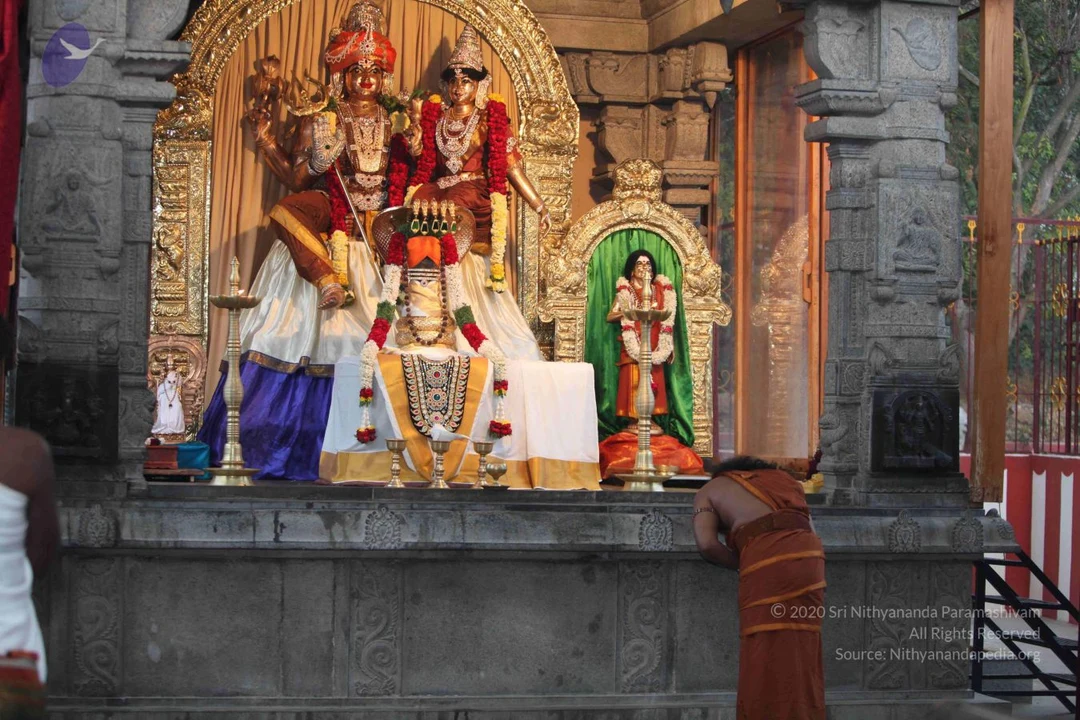
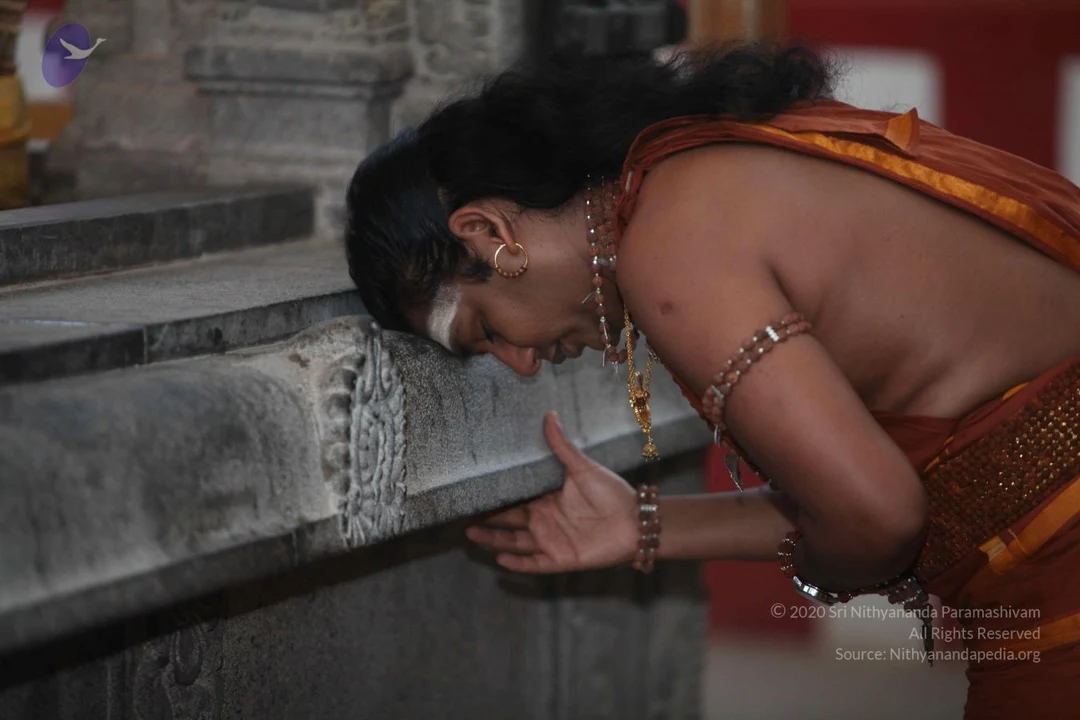
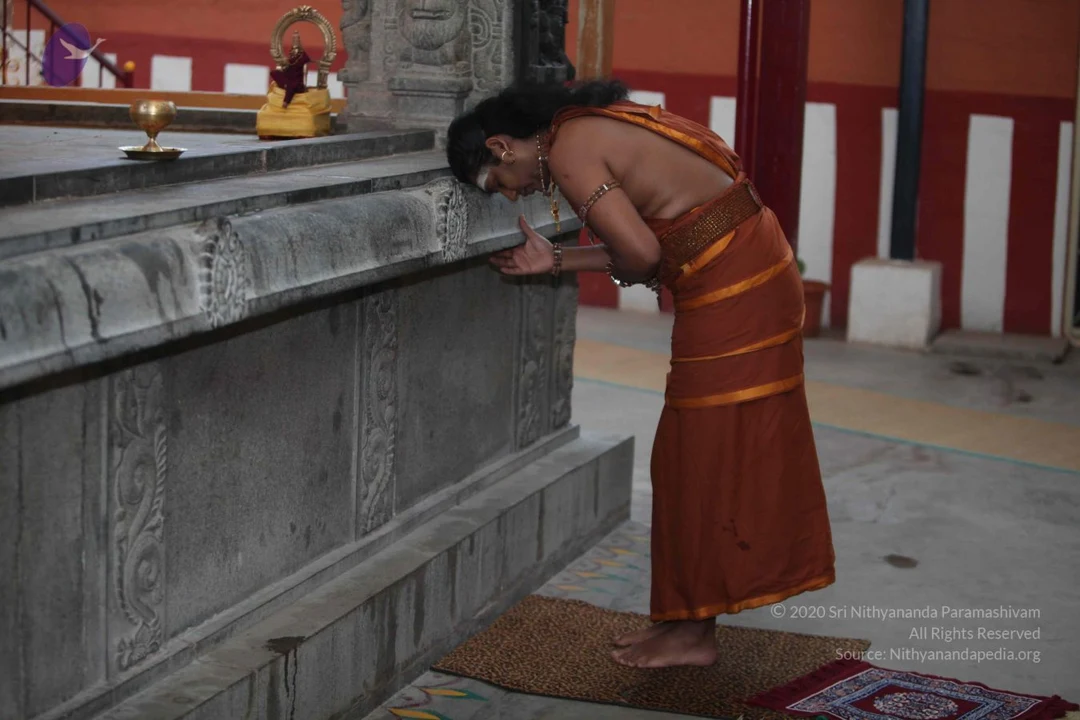
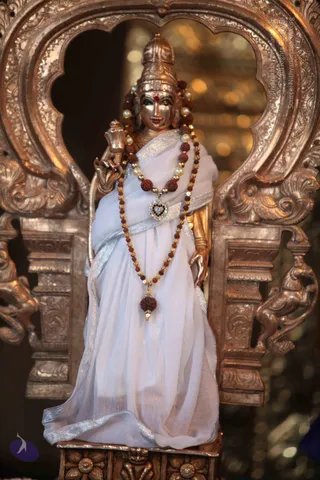
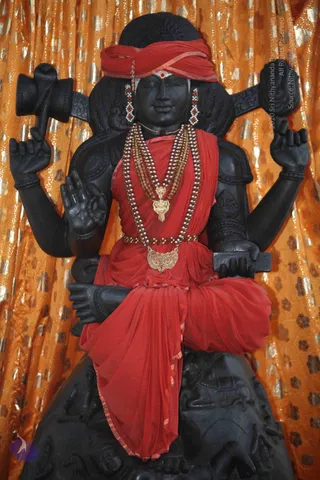
Temple
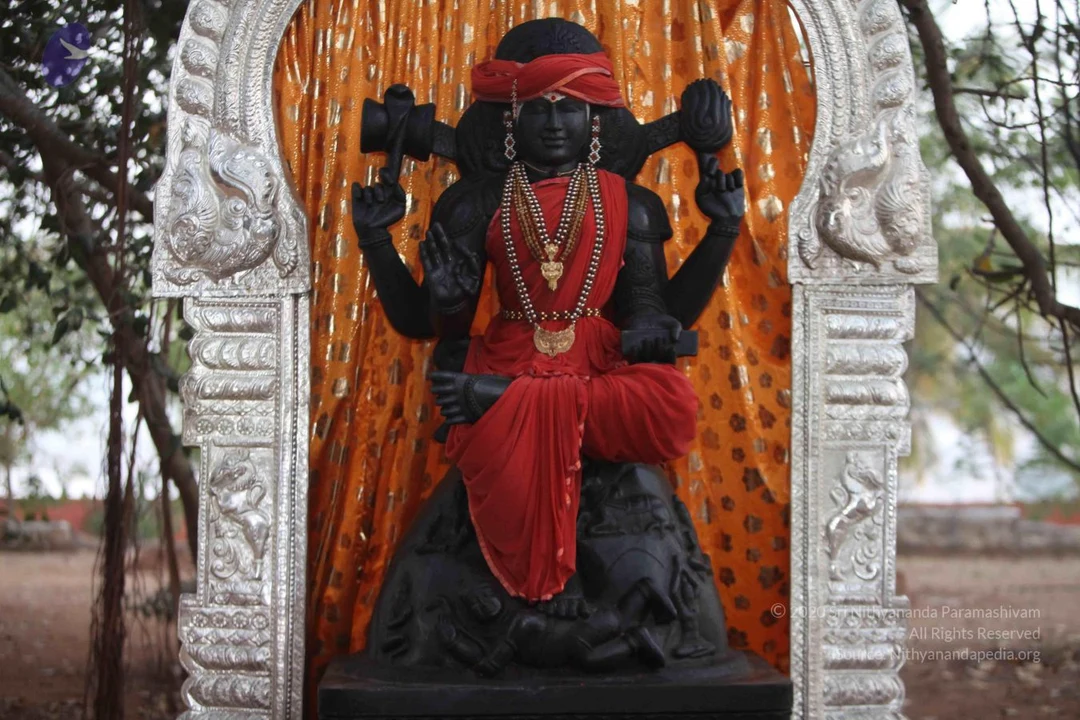
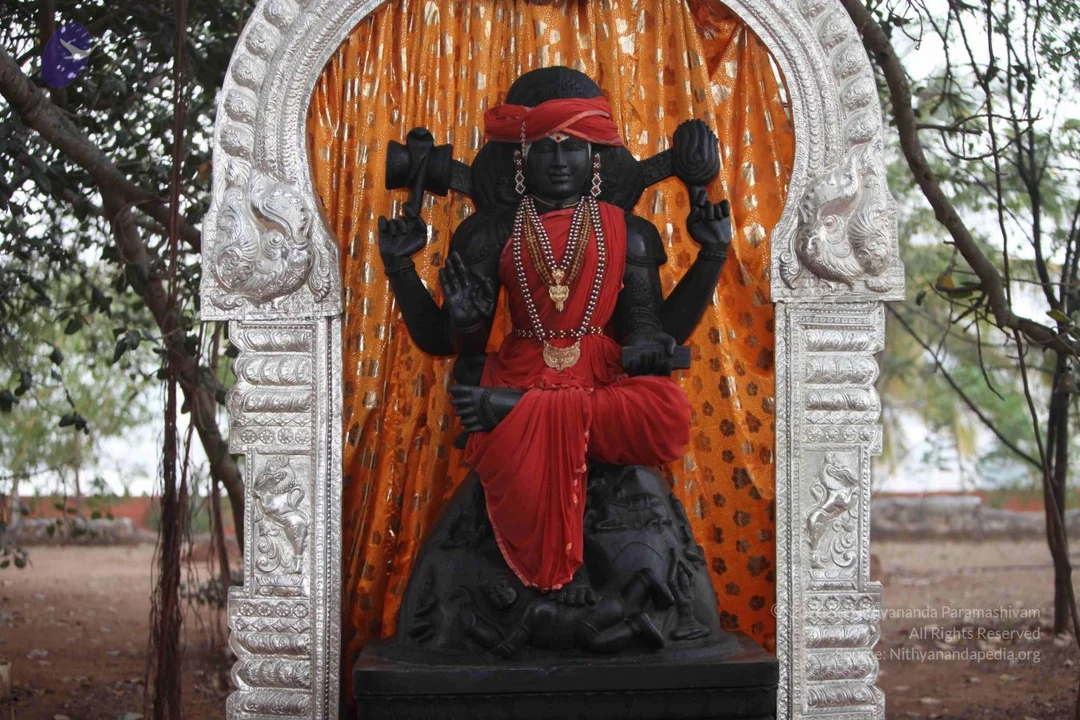
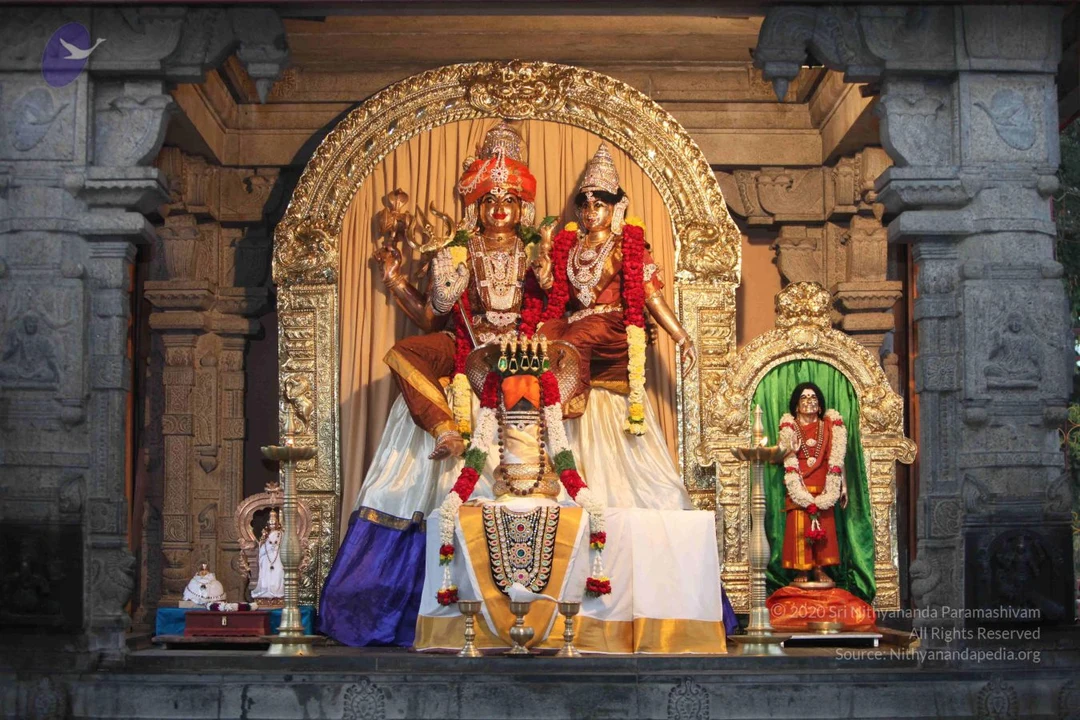
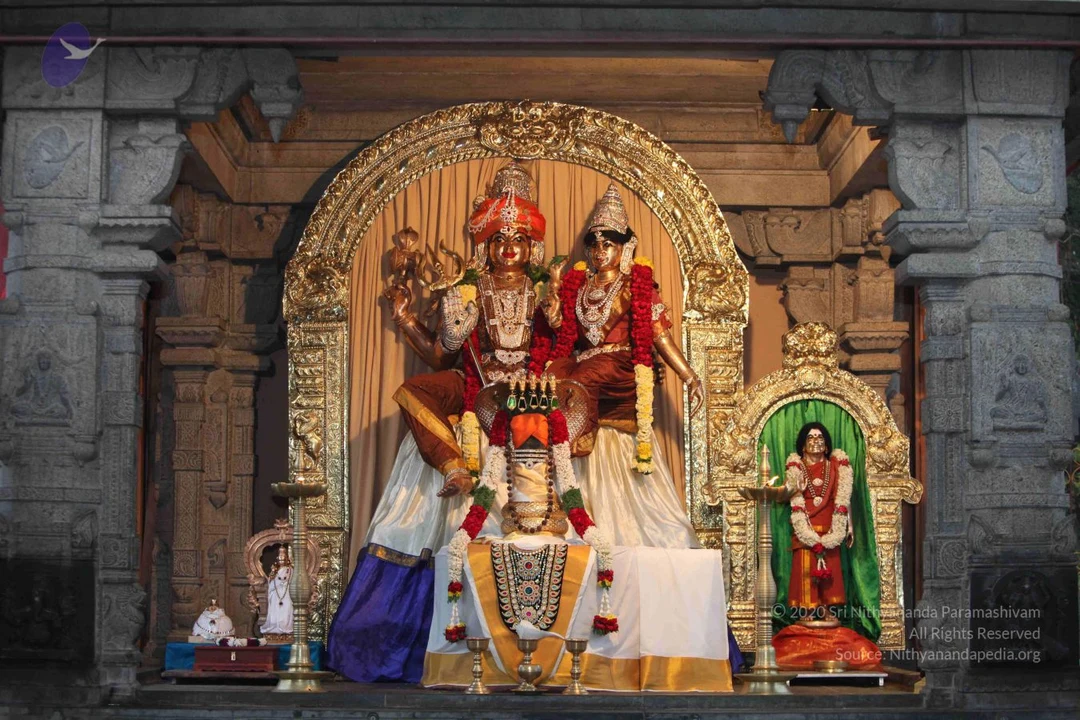
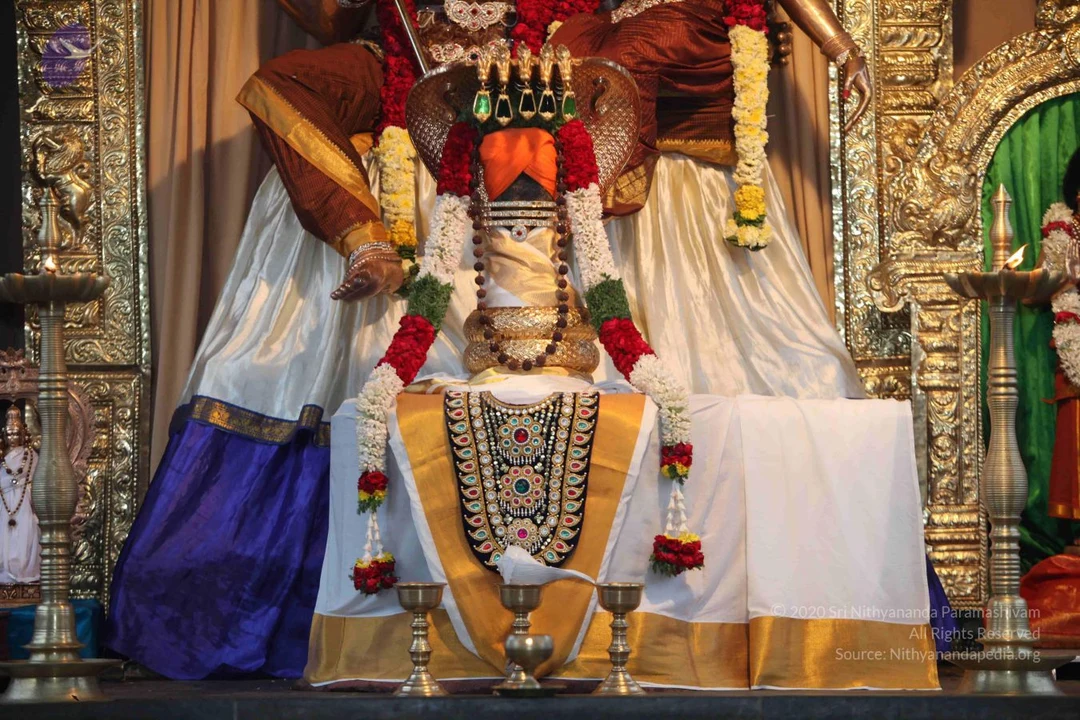
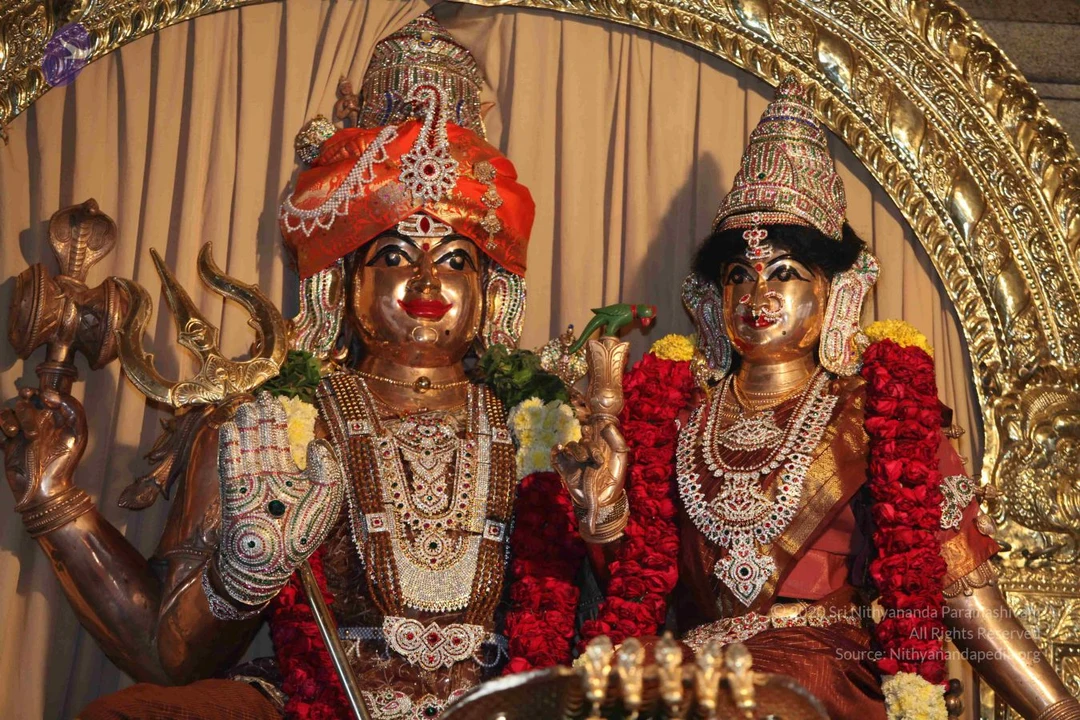
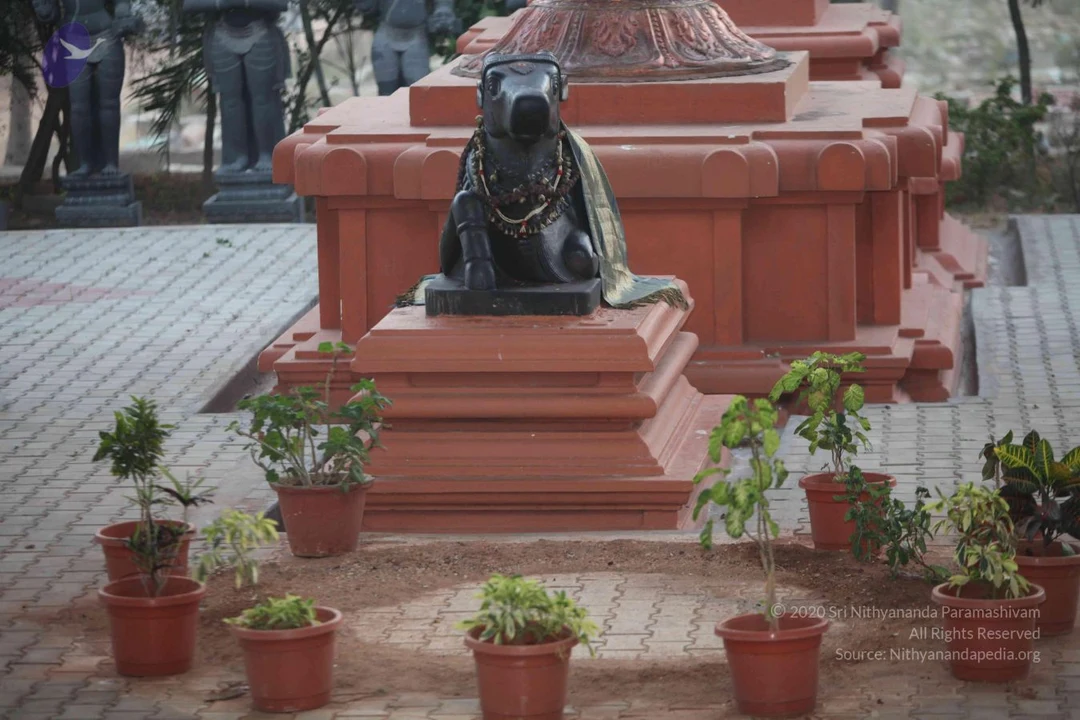
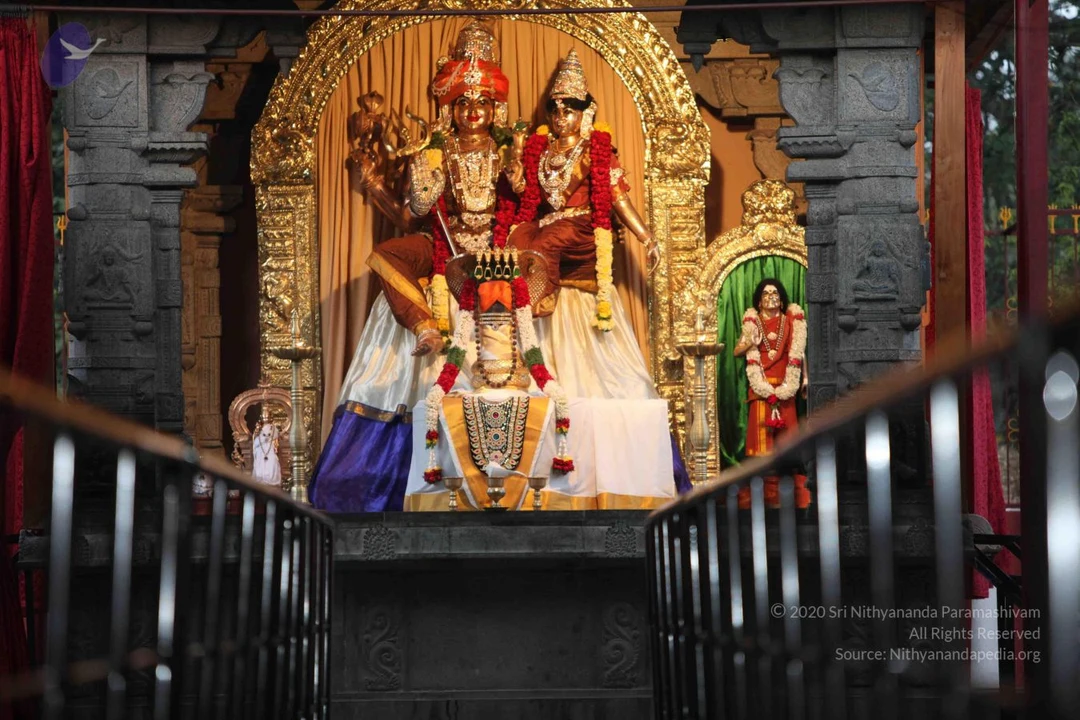
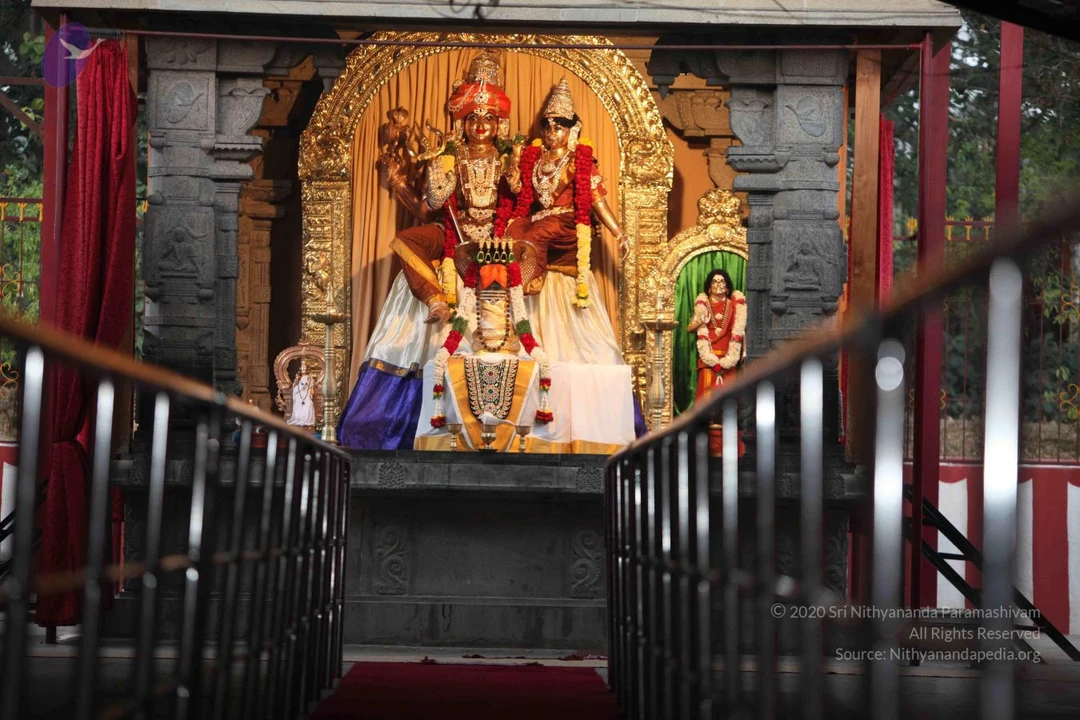
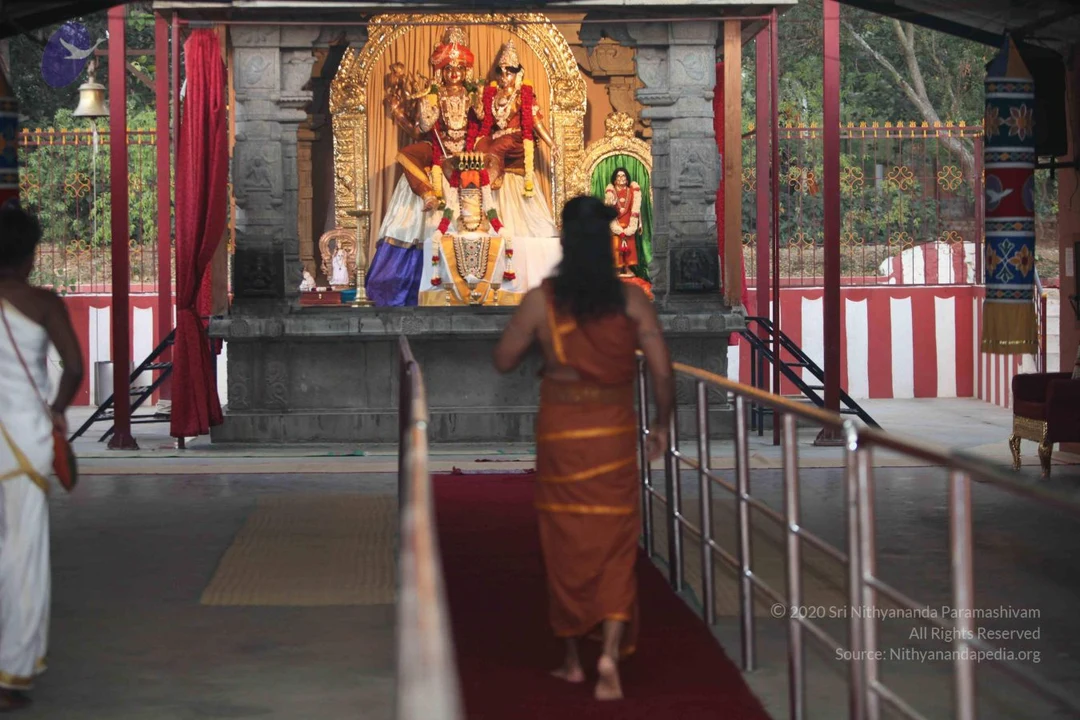
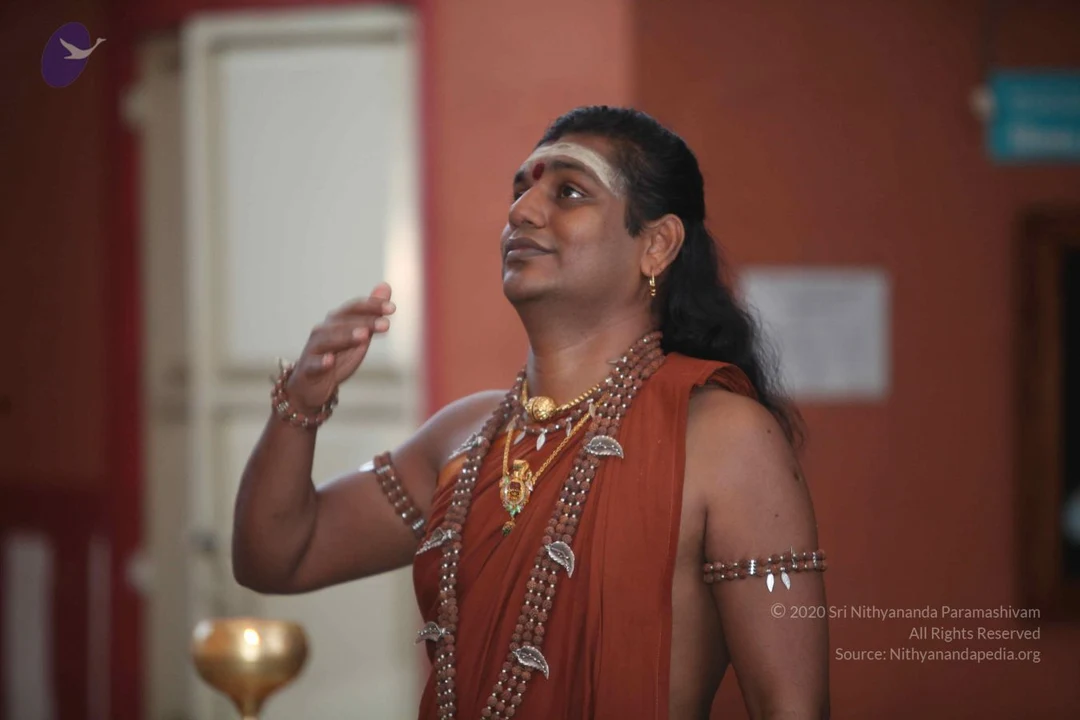
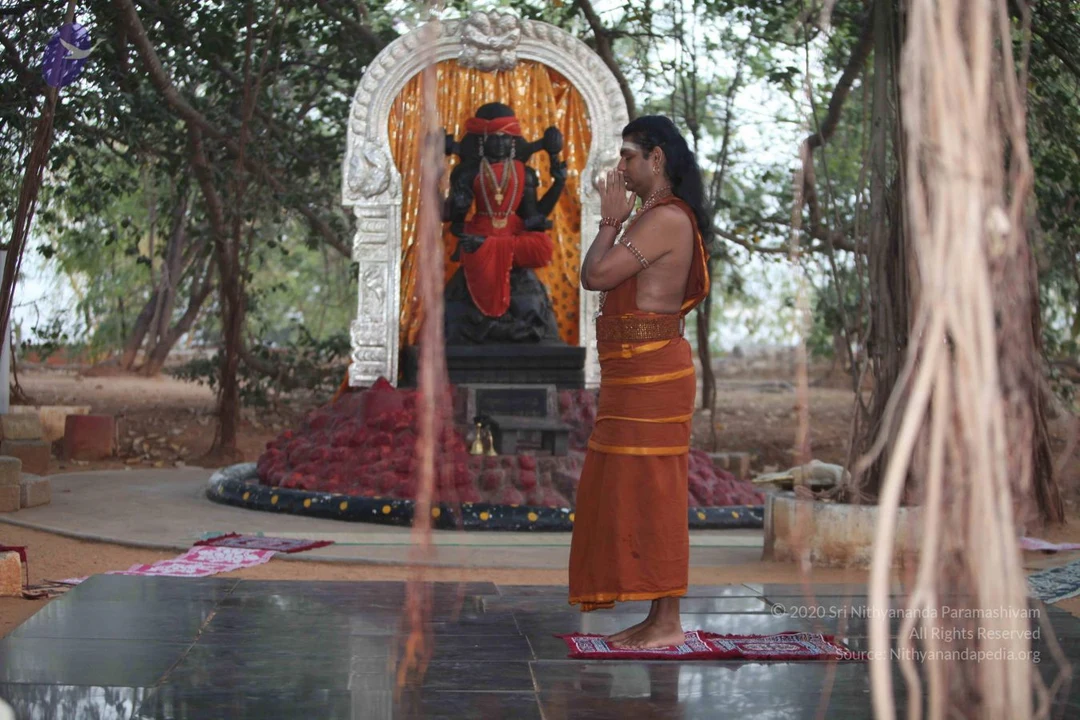
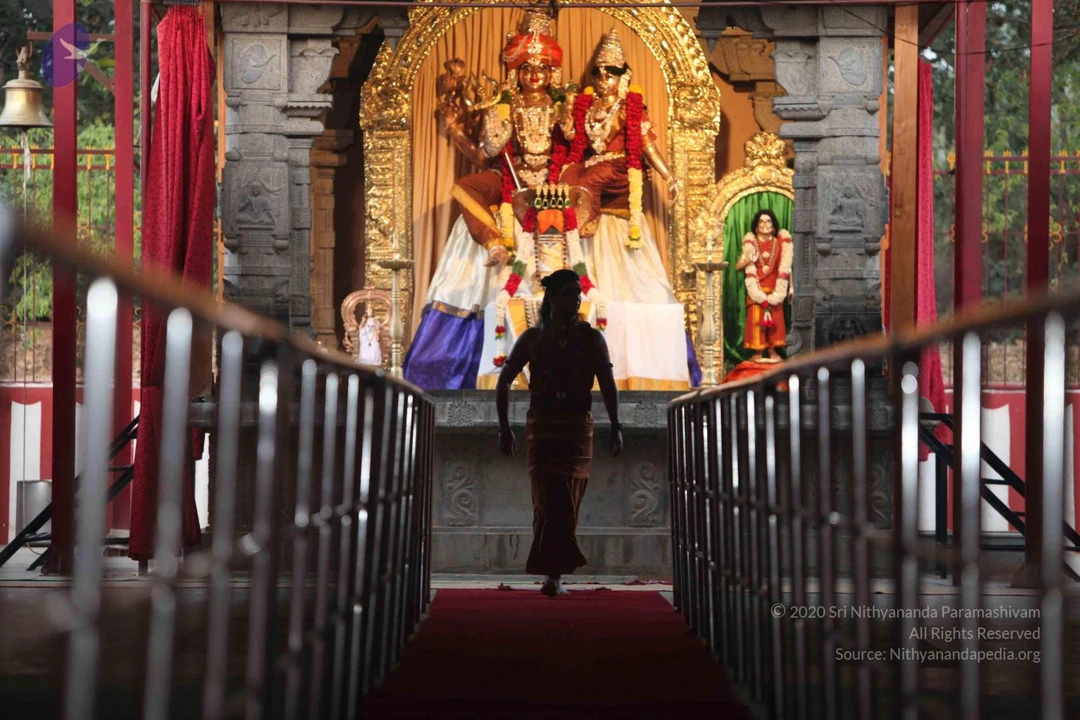
Pada-Puja
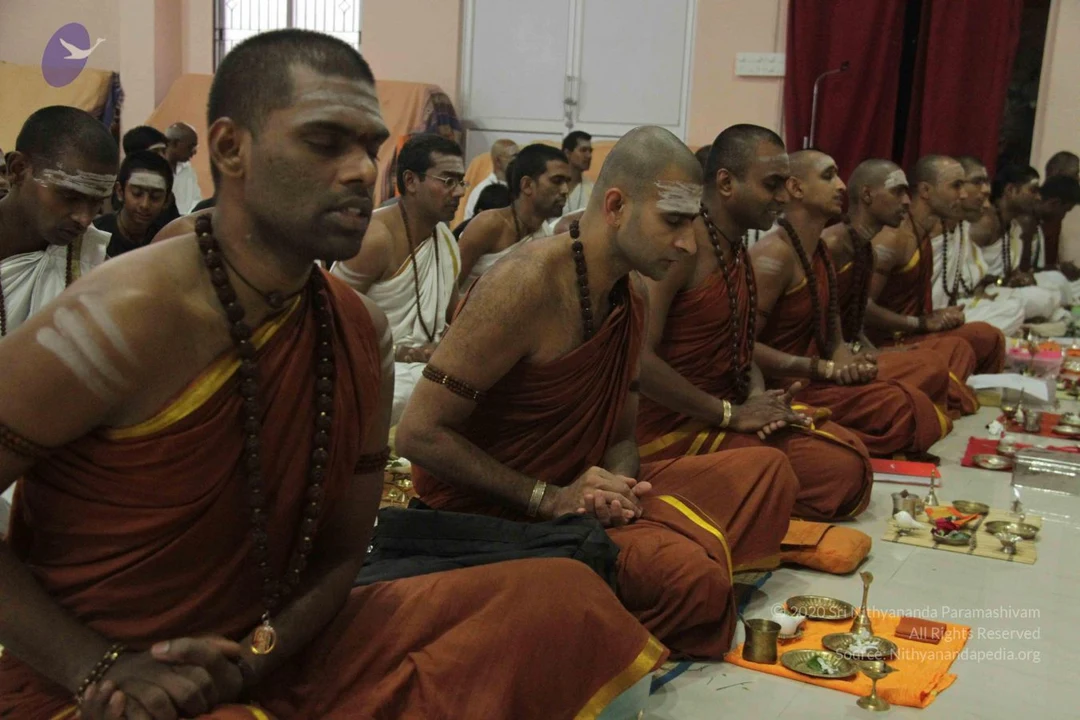
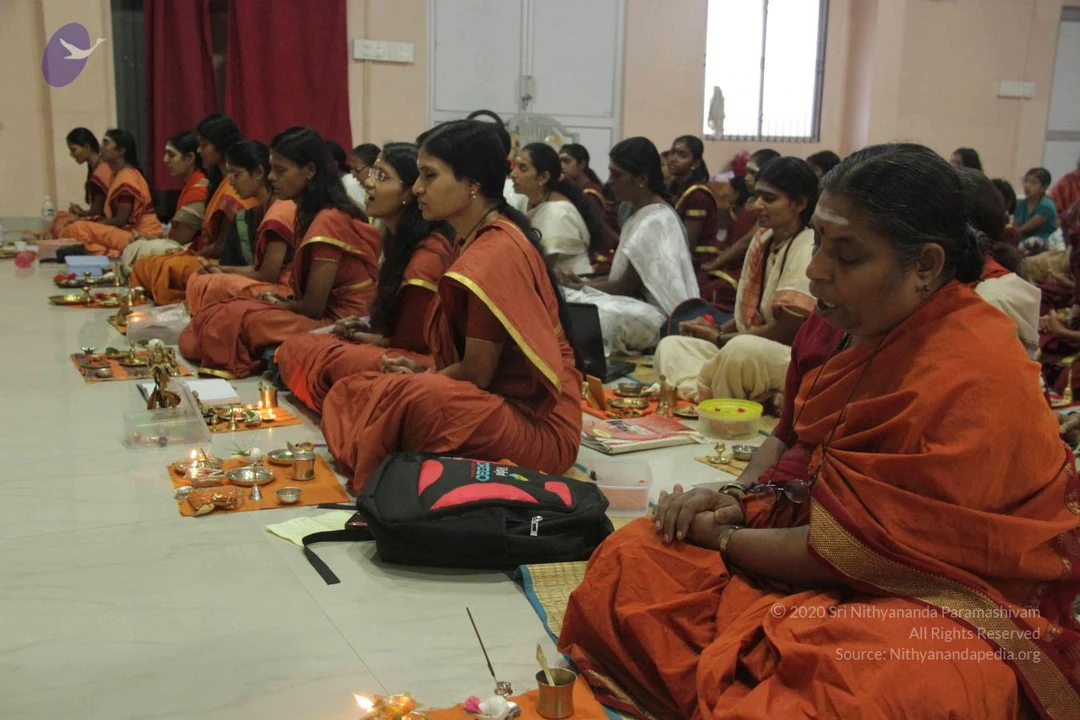
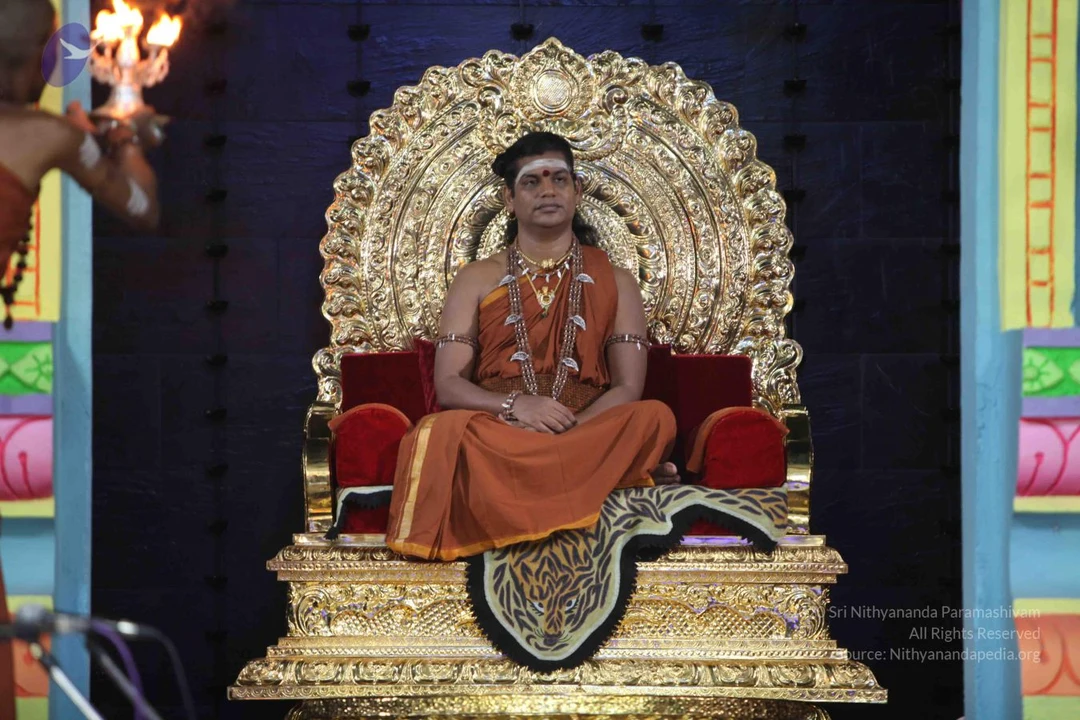
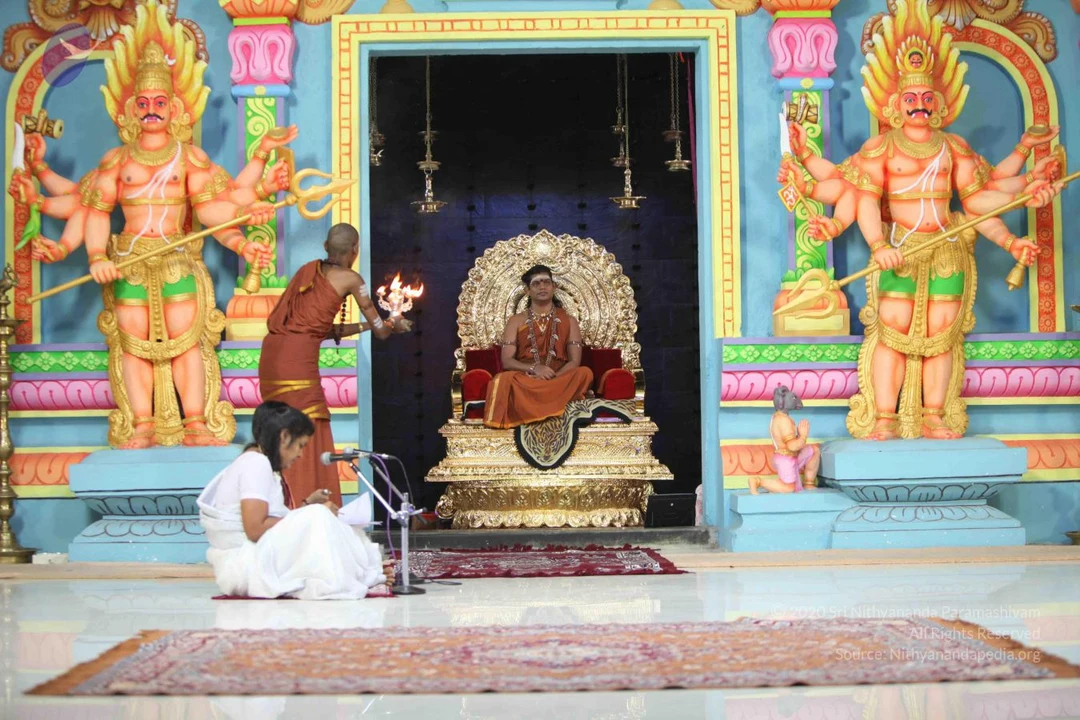
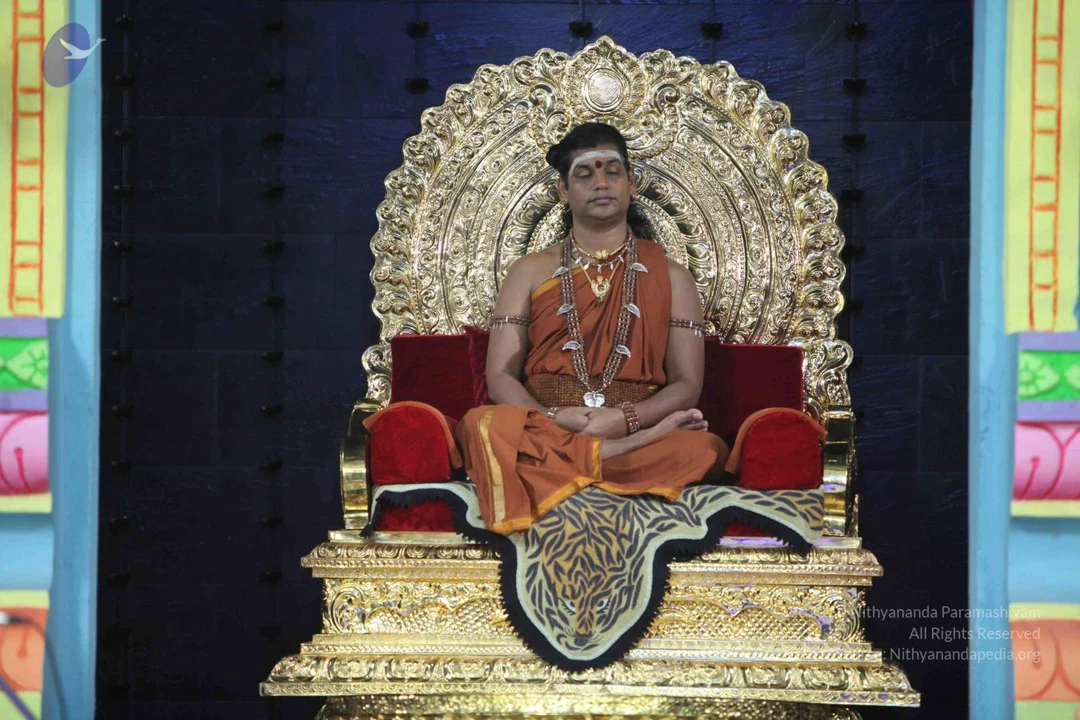
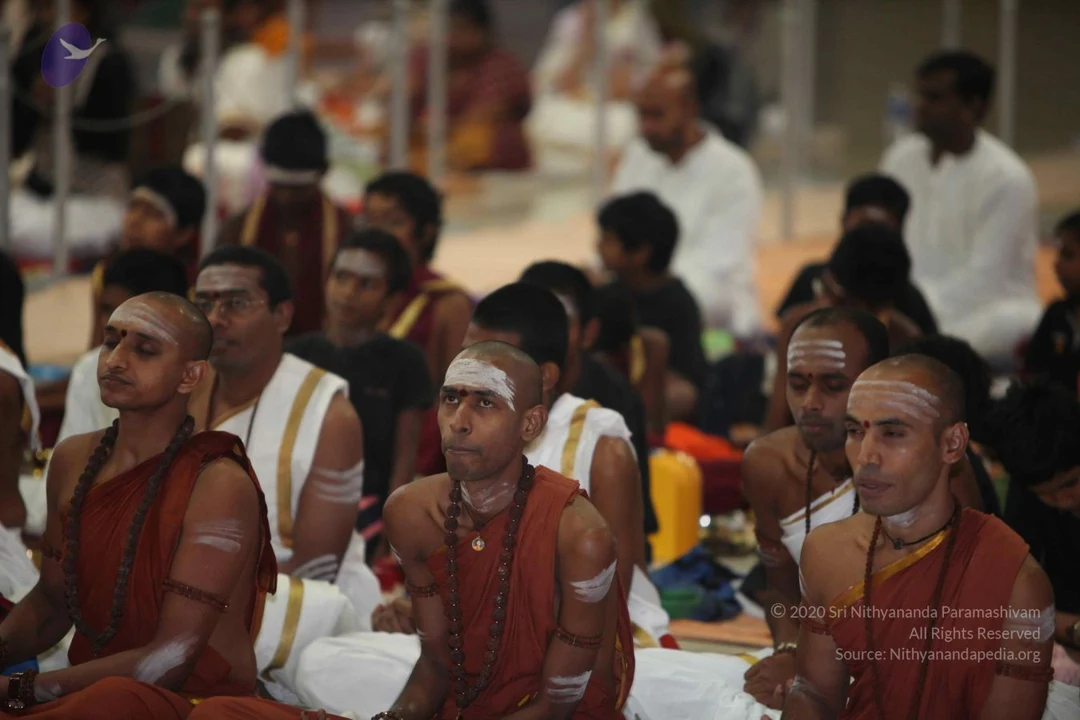
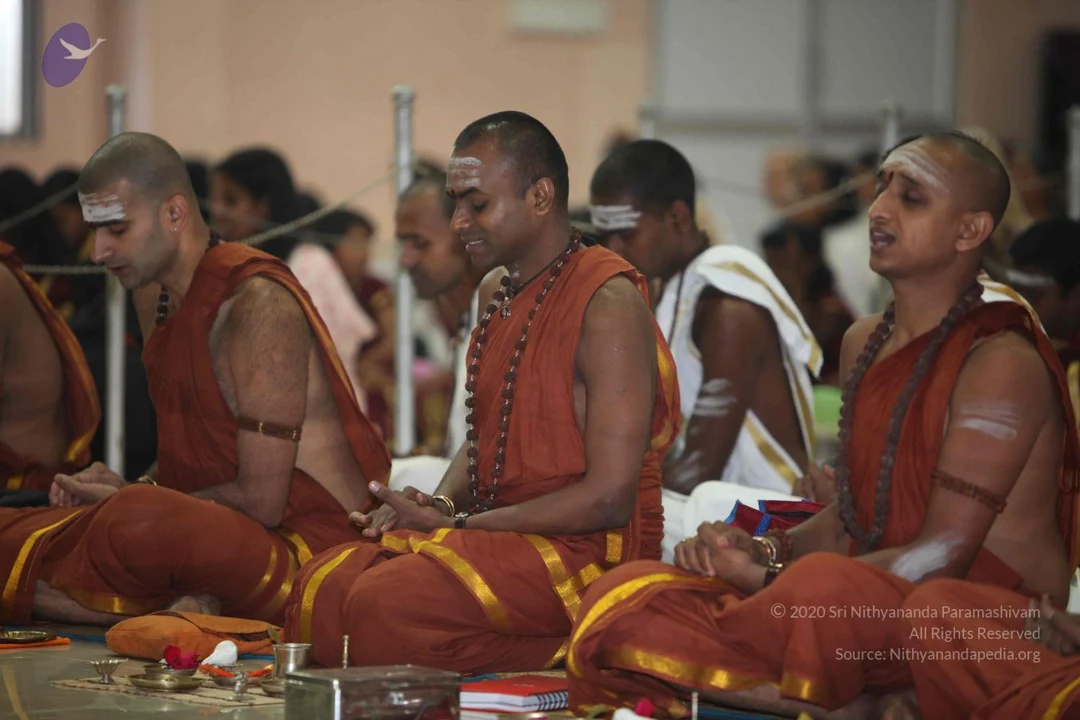
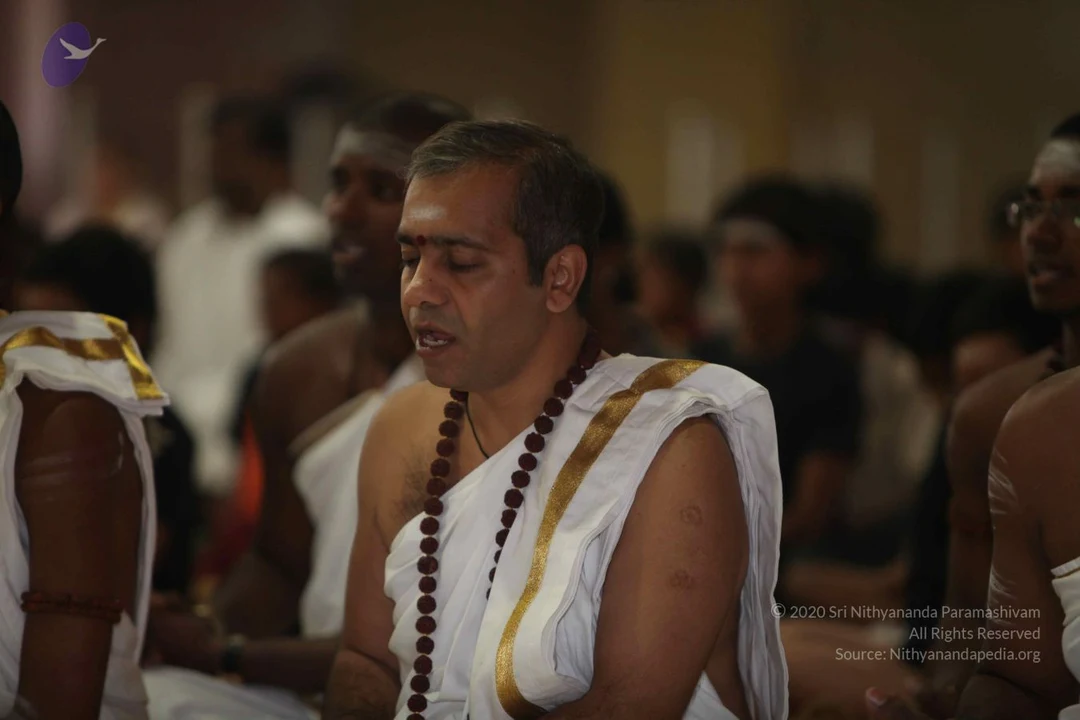
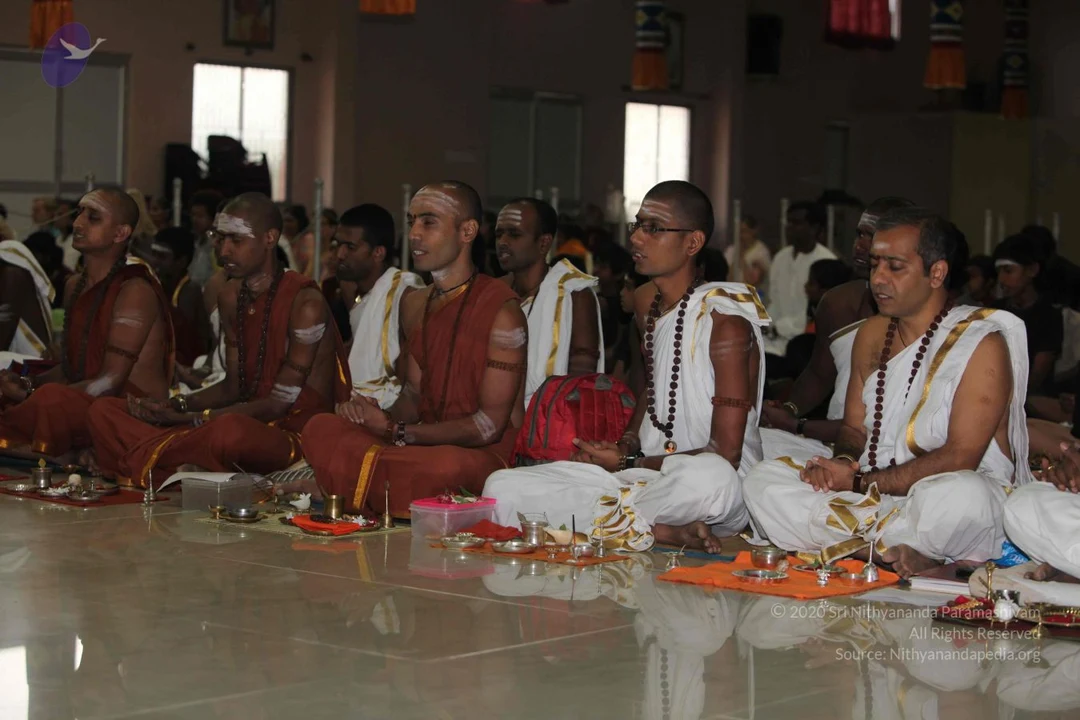
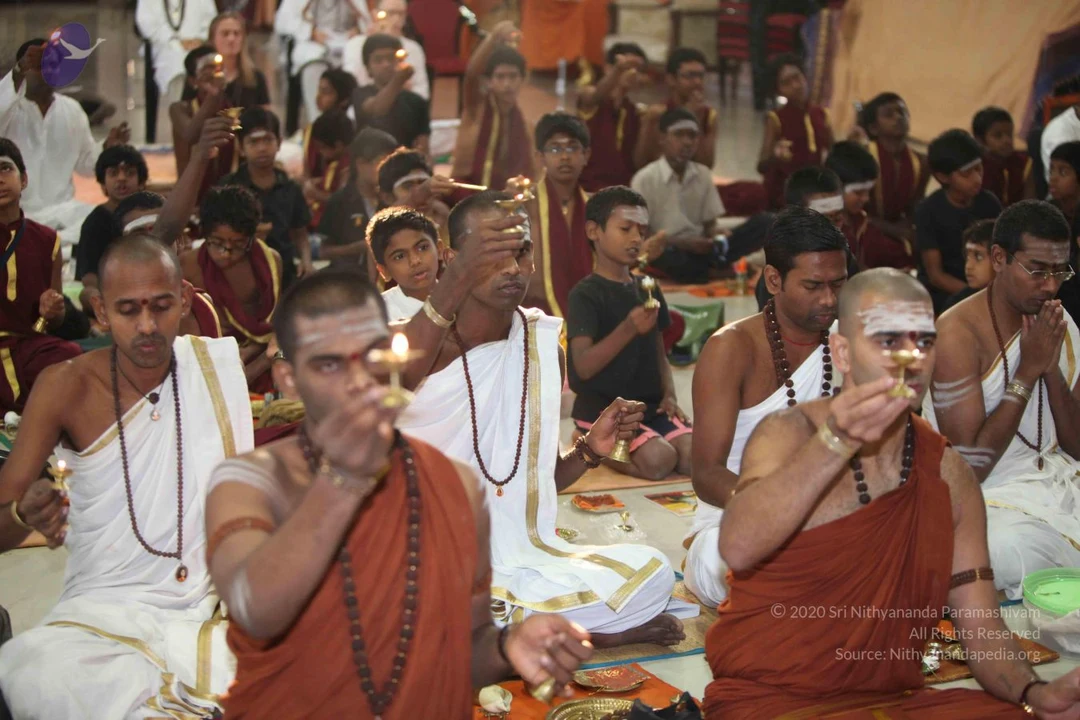
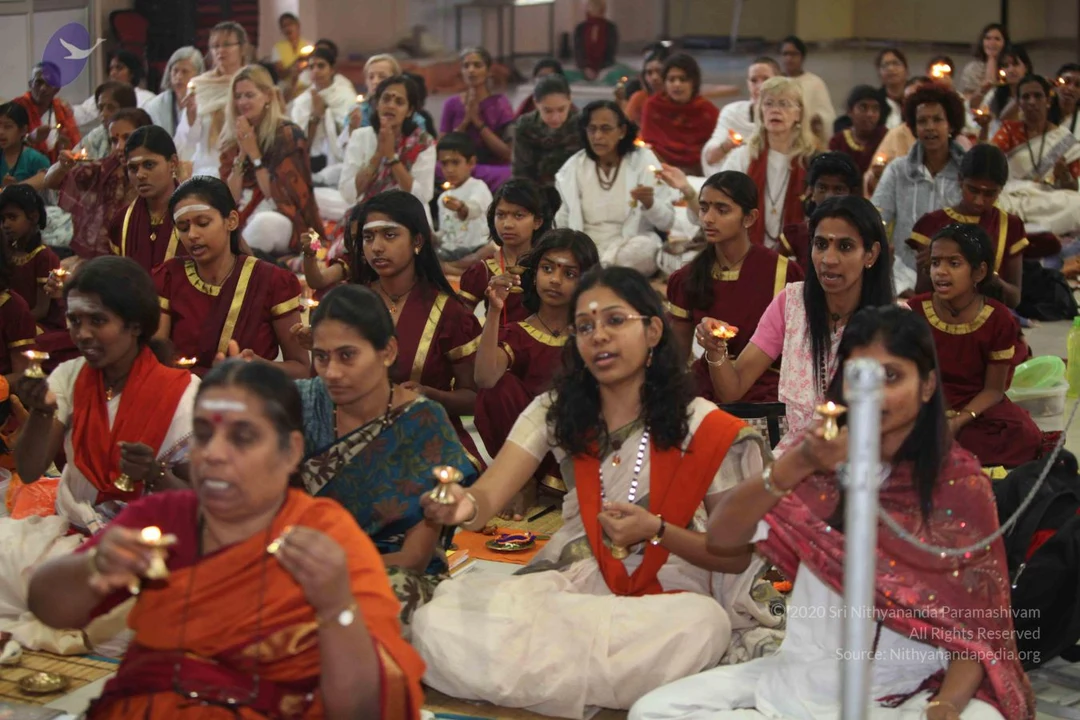
Darshan
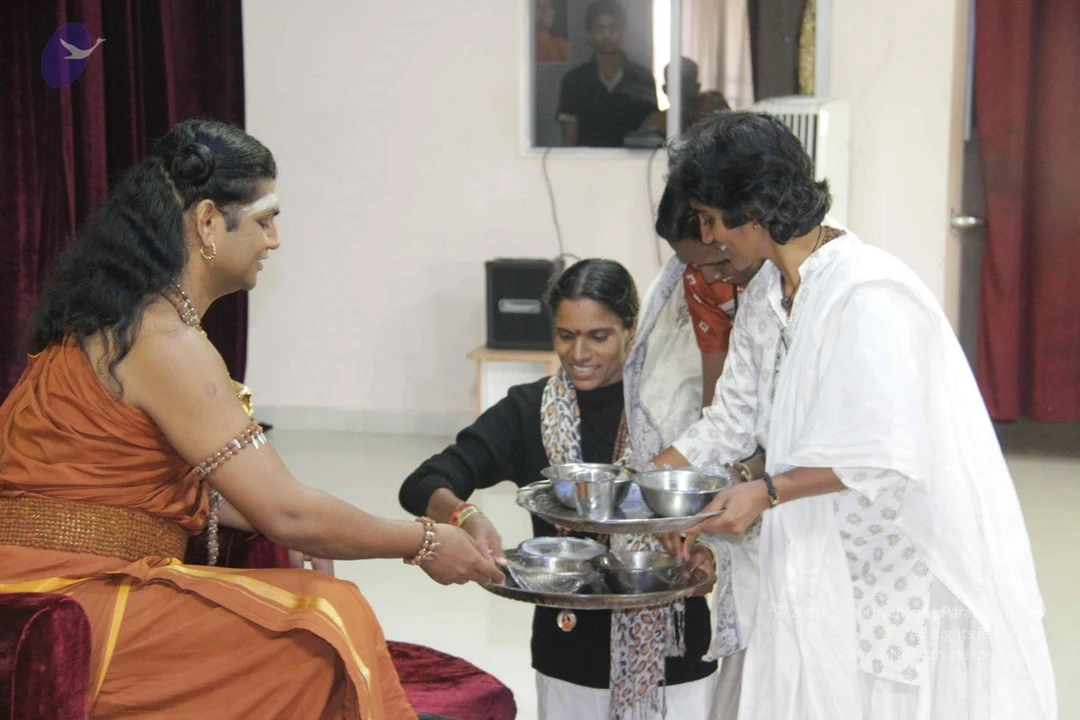
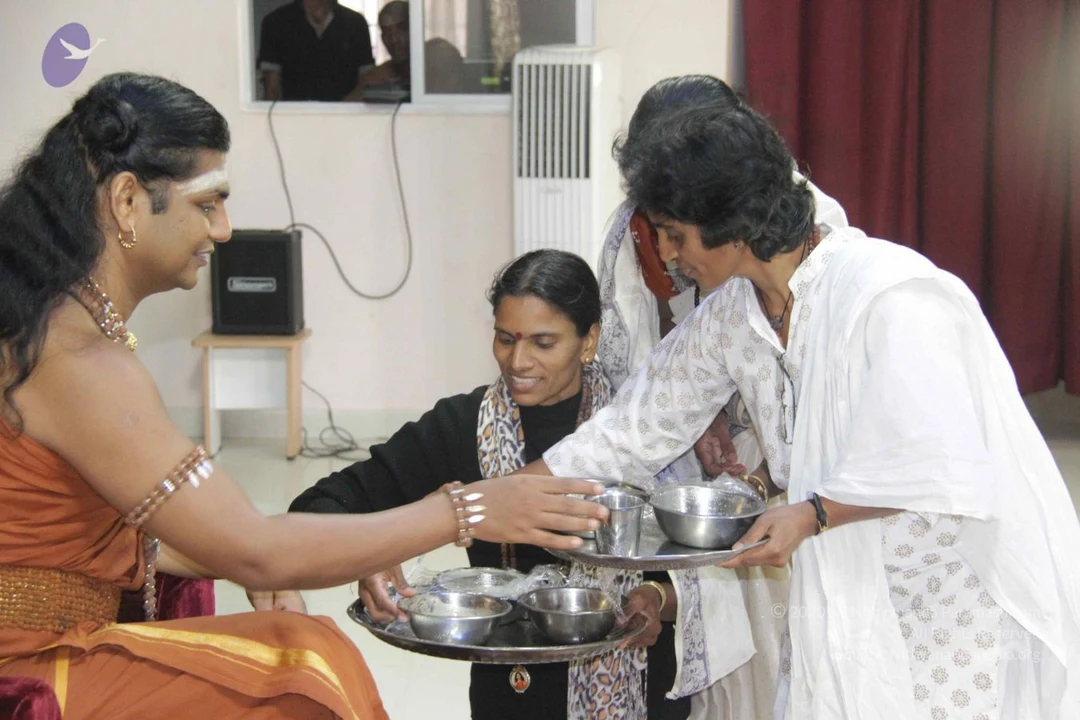
Nithya-Satsang
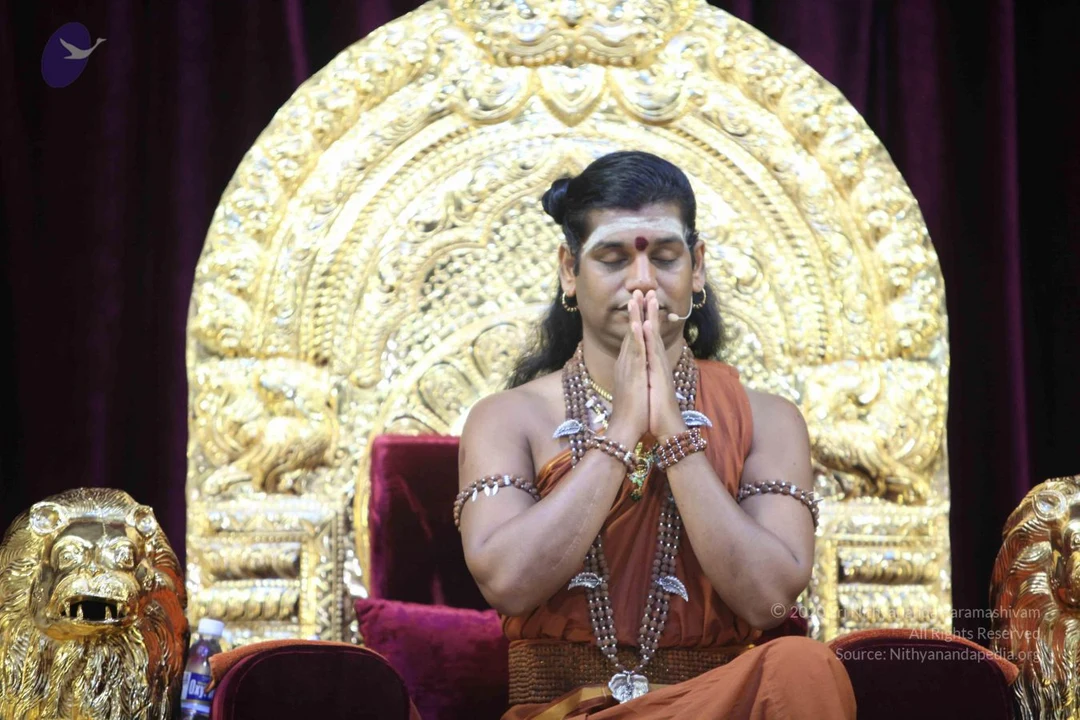
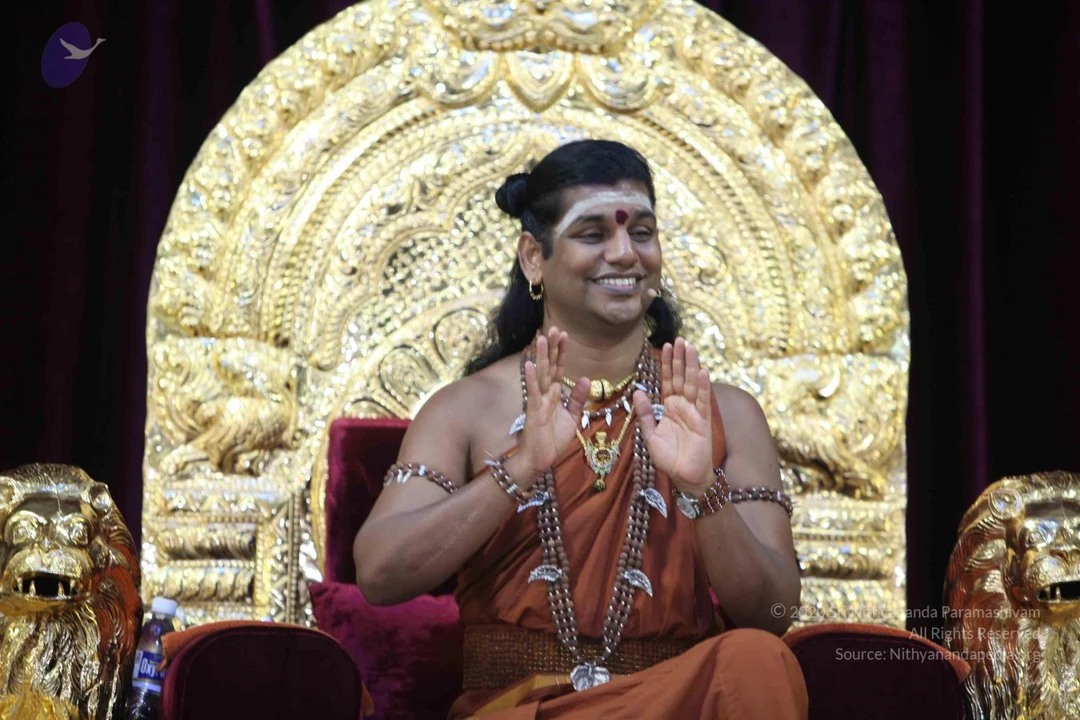
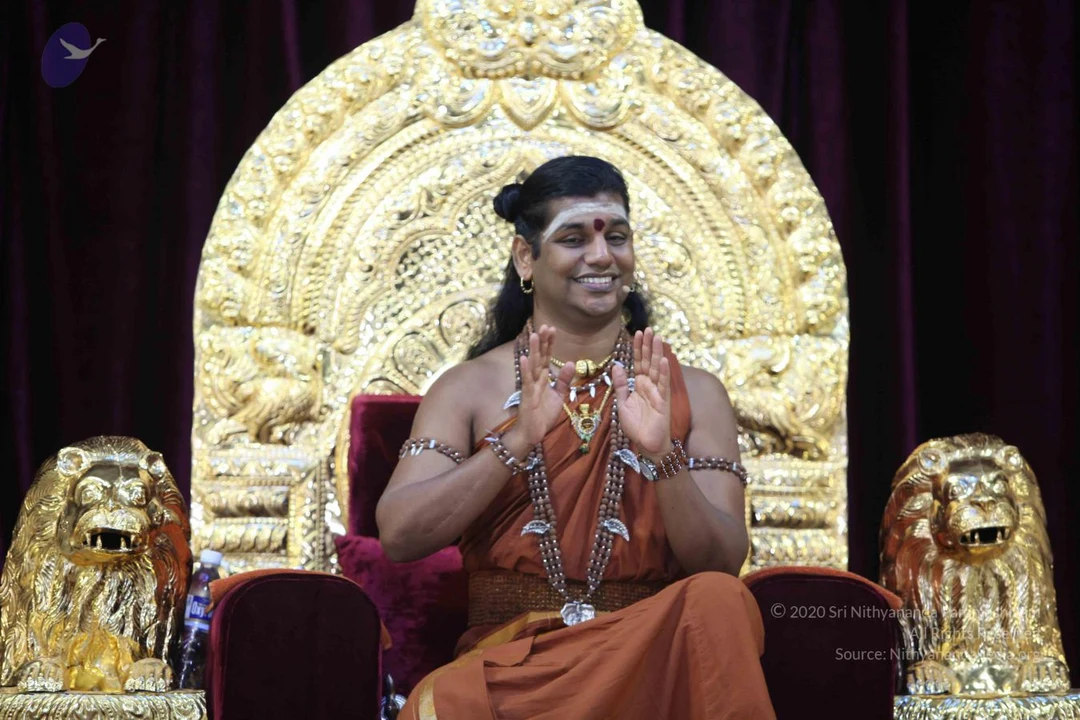
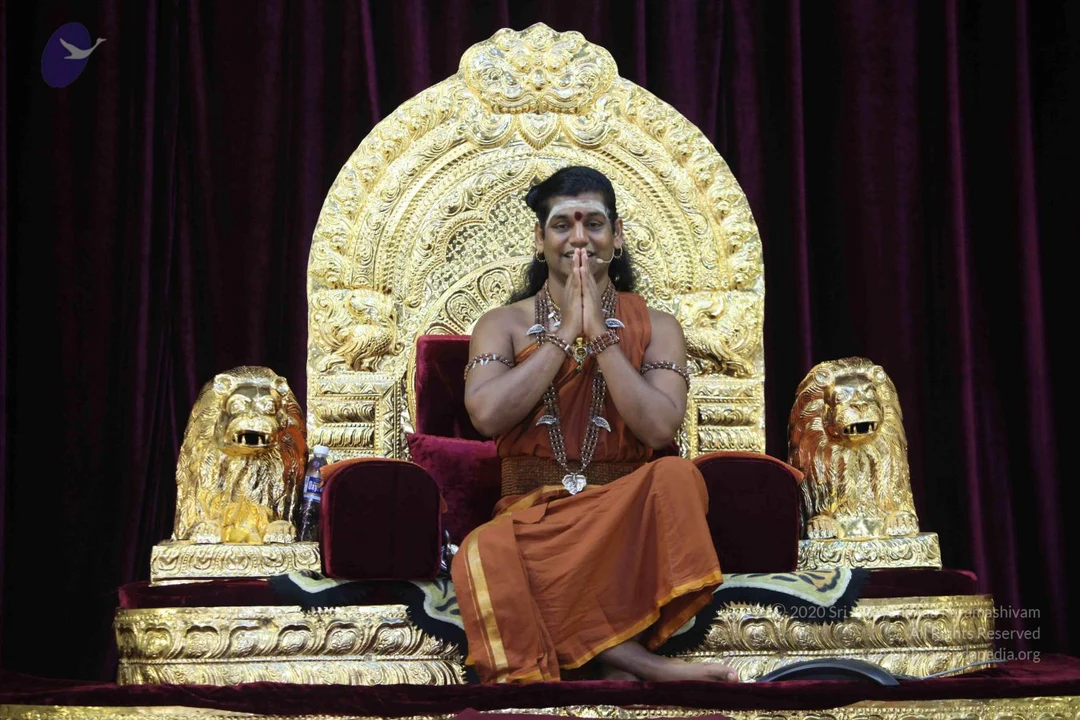
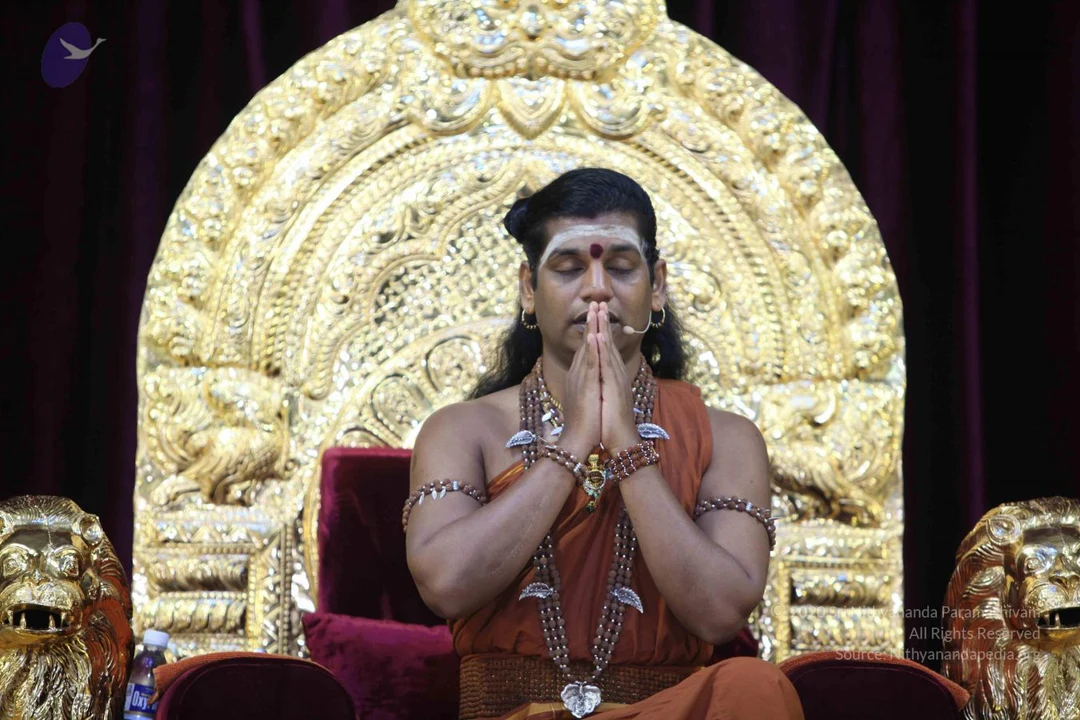
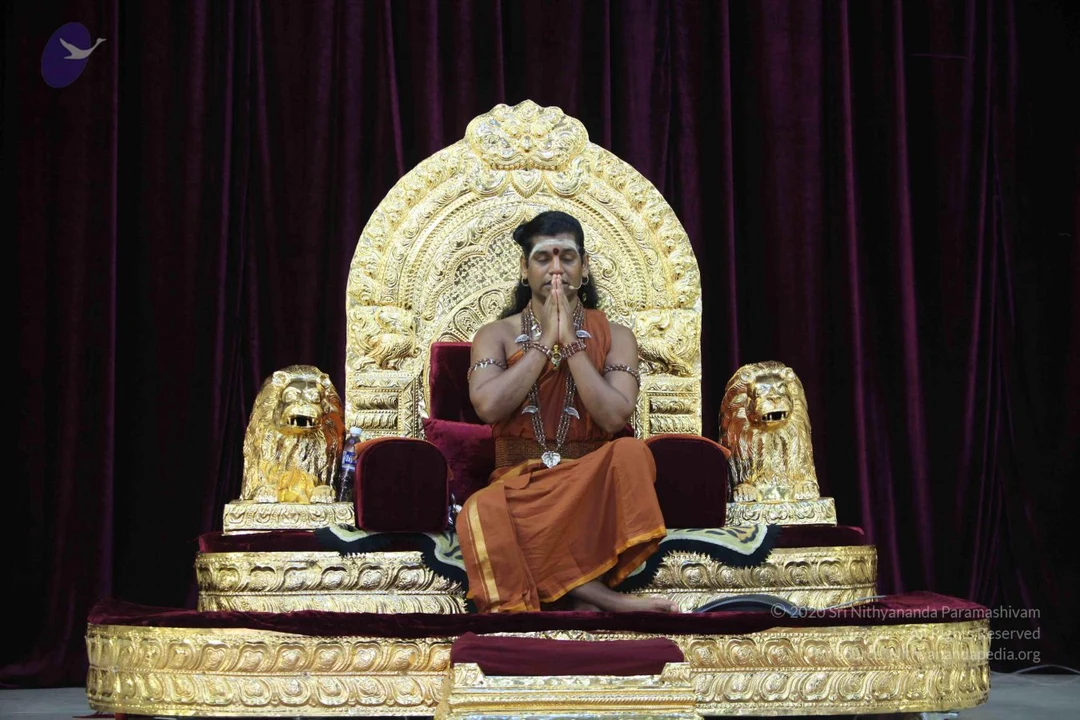
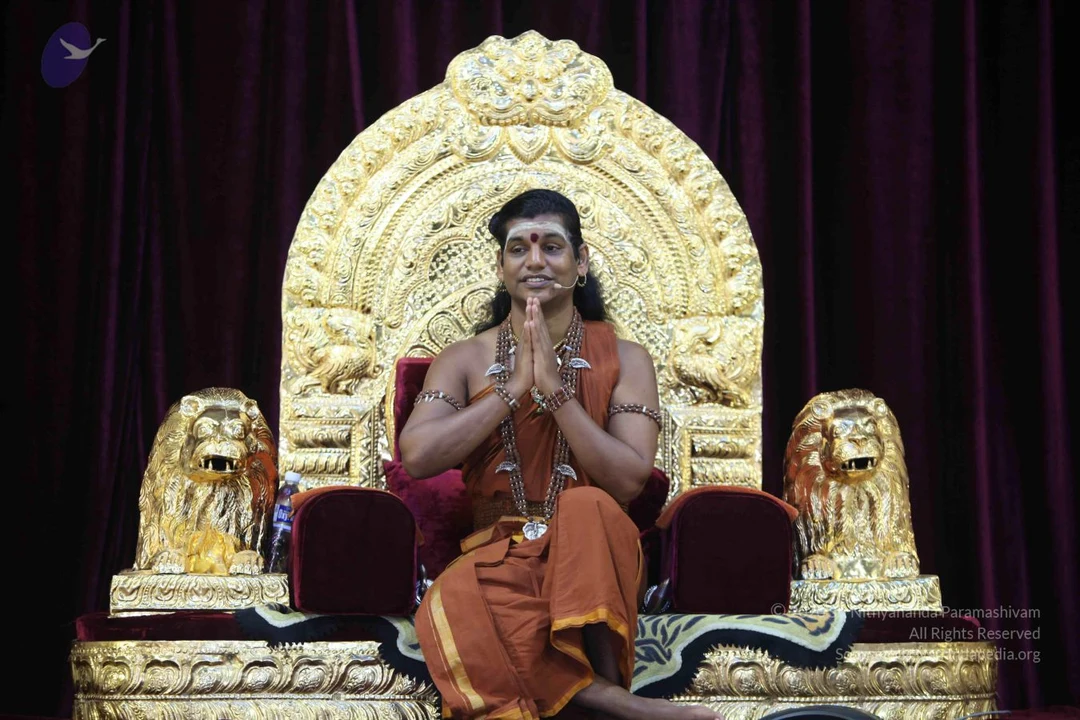
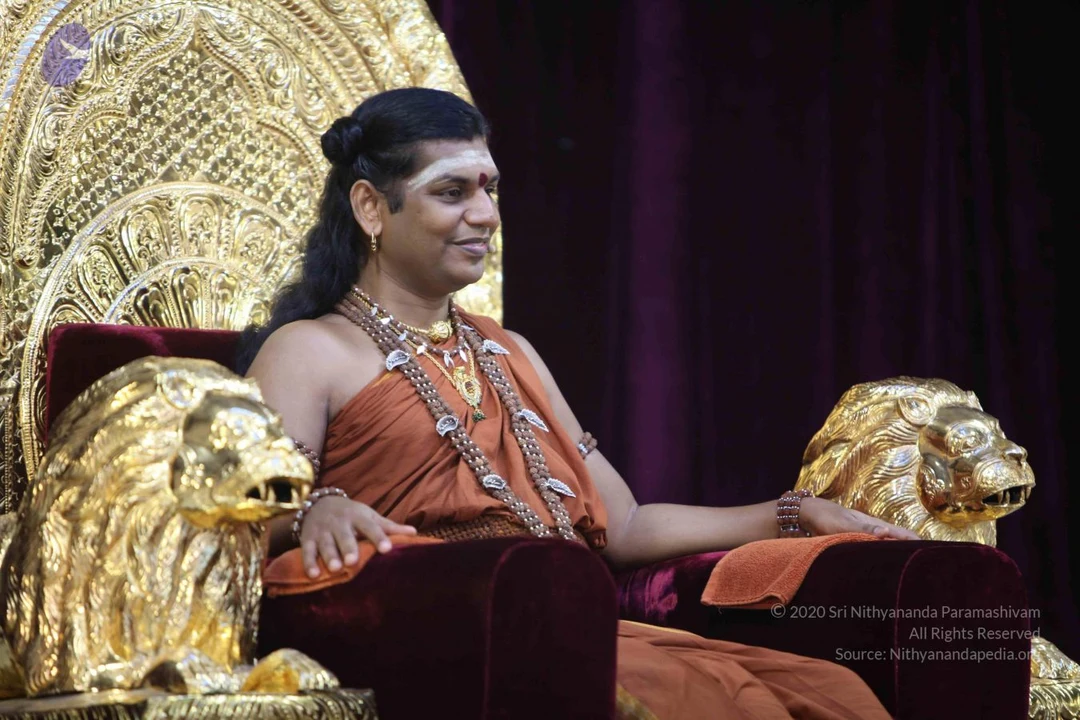
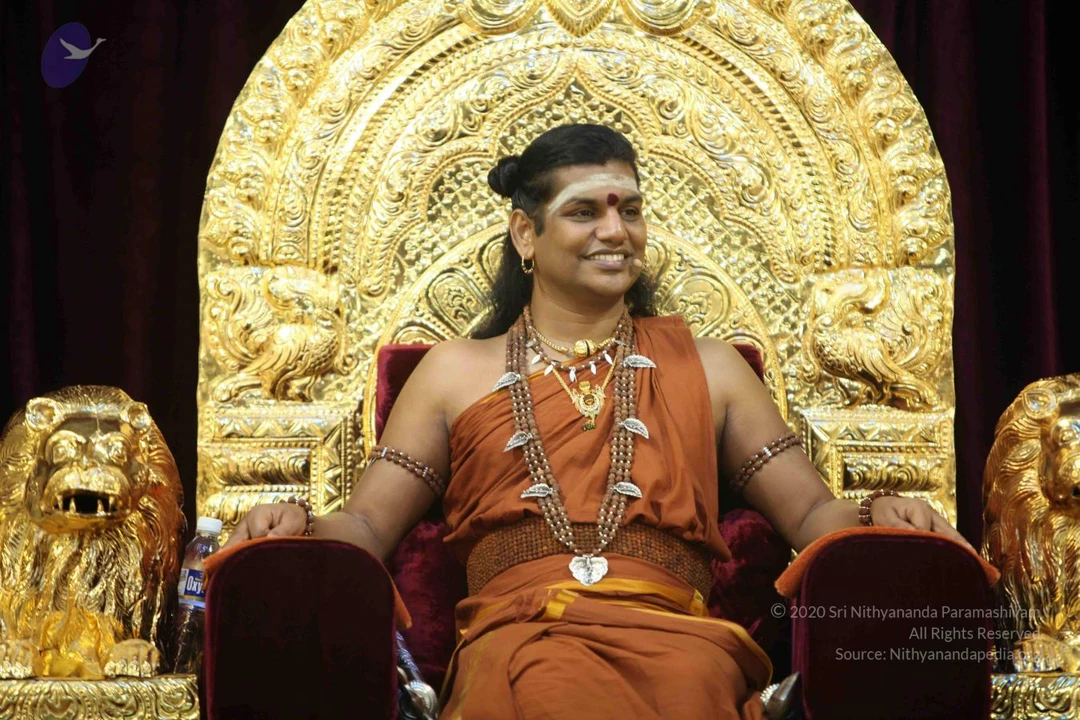

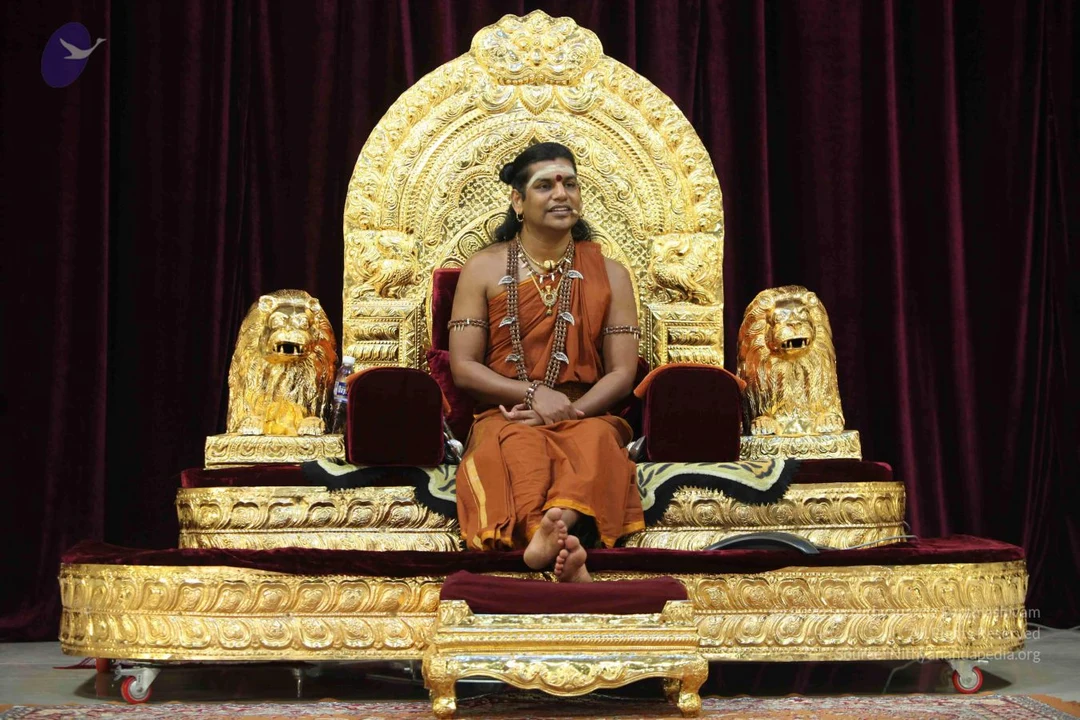
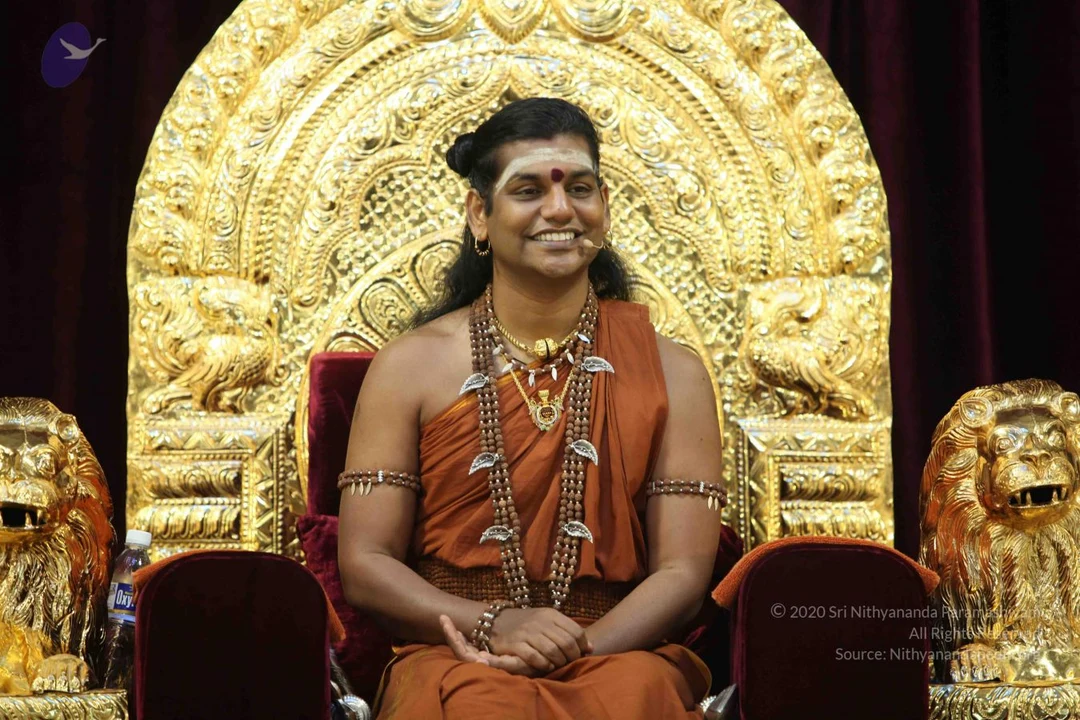
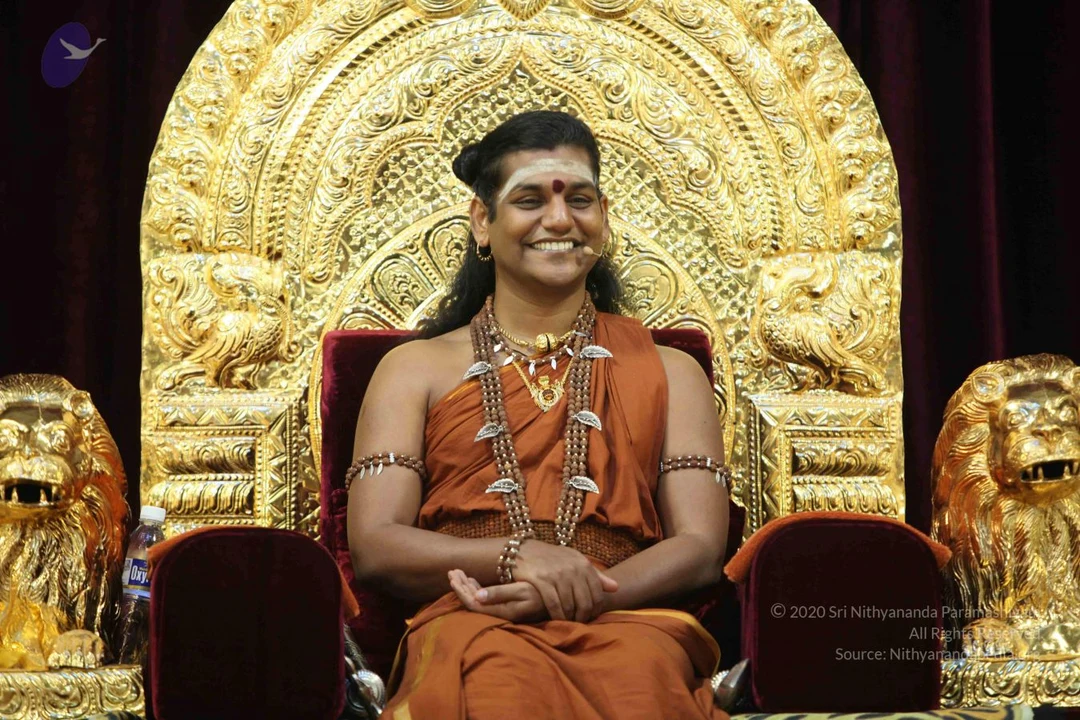
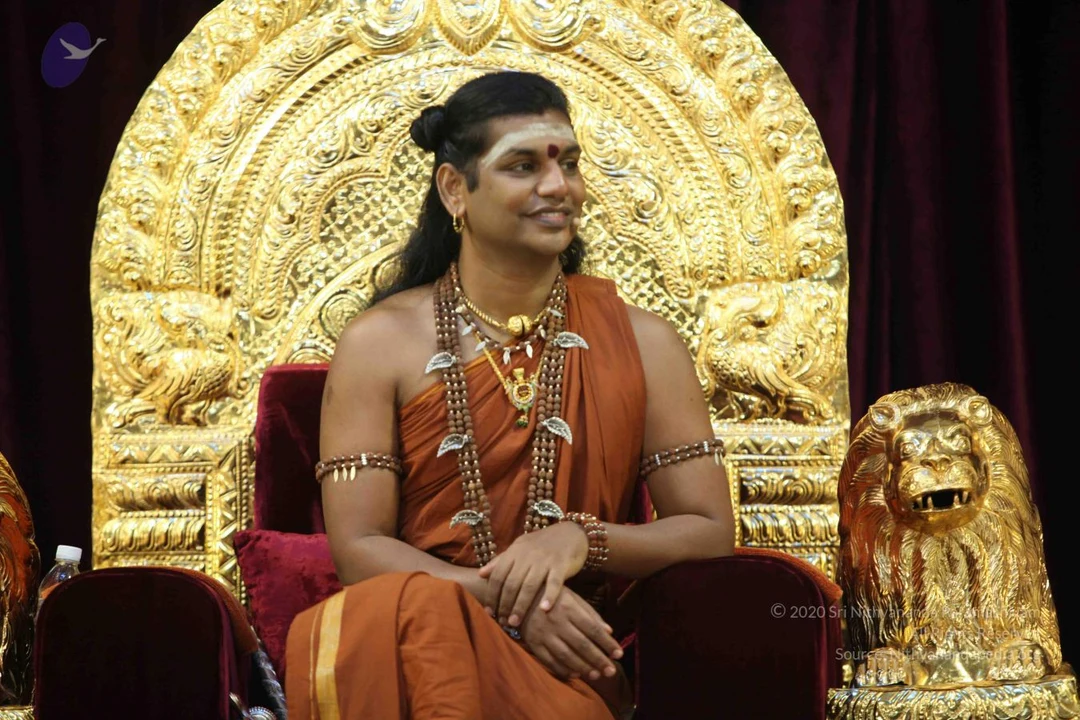
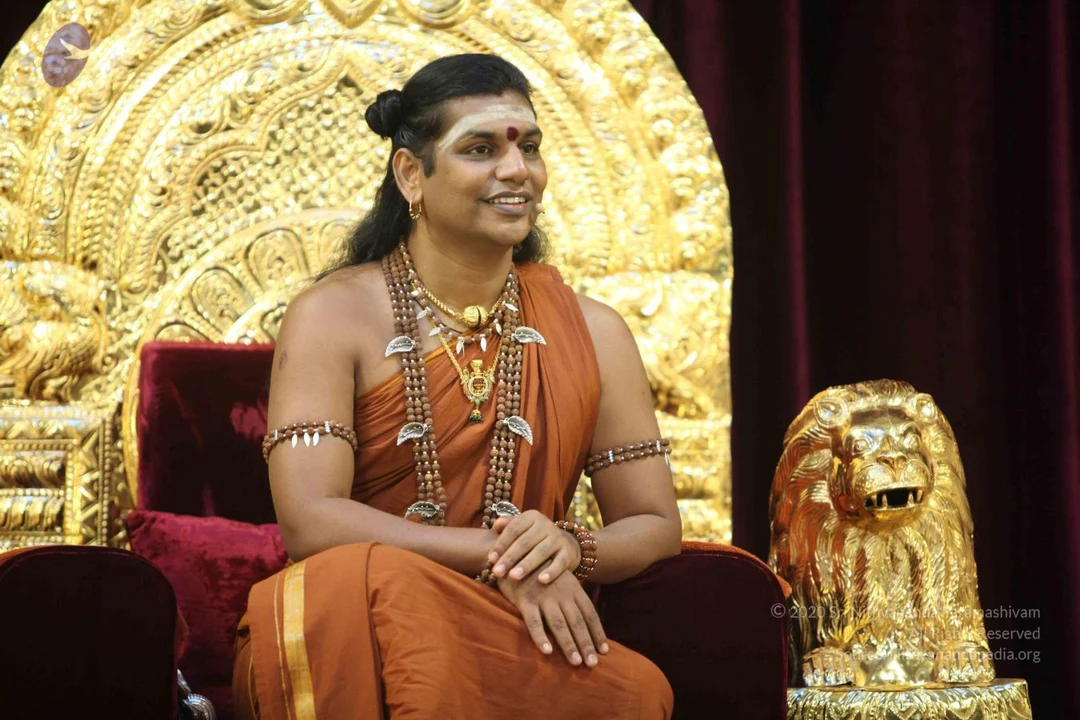
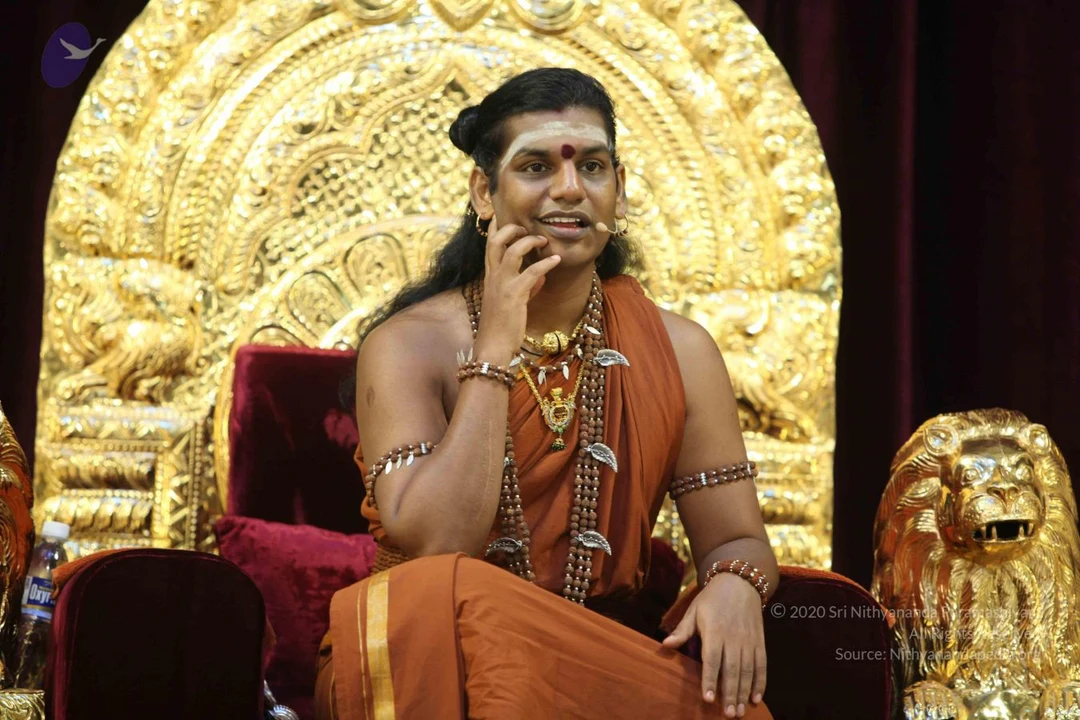
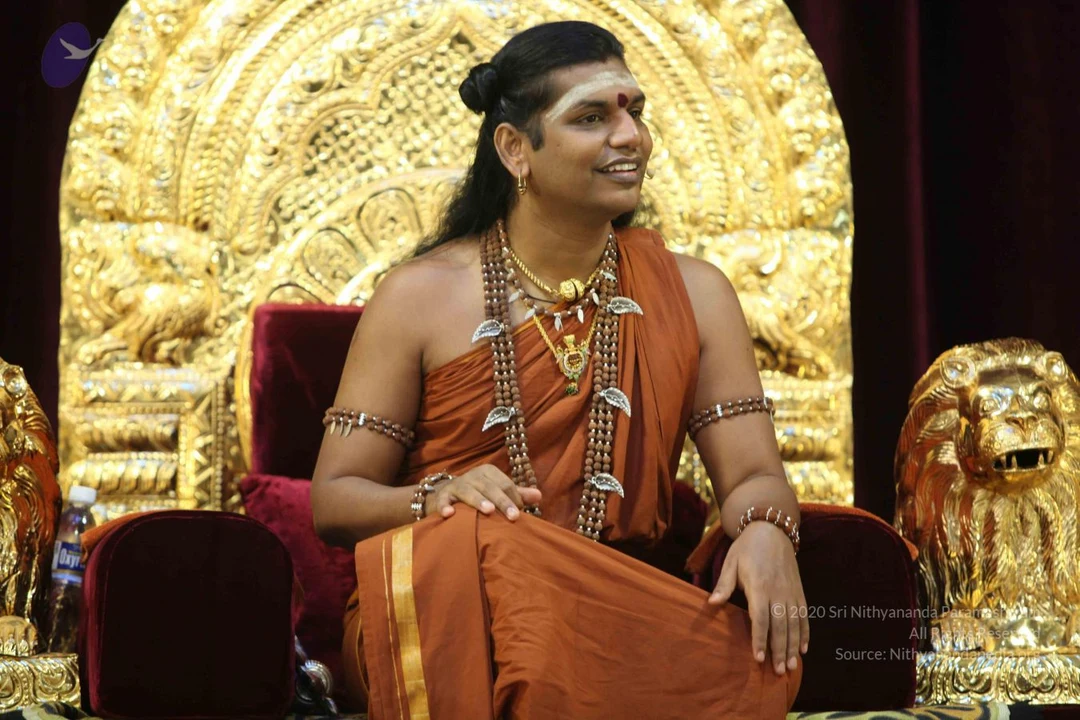
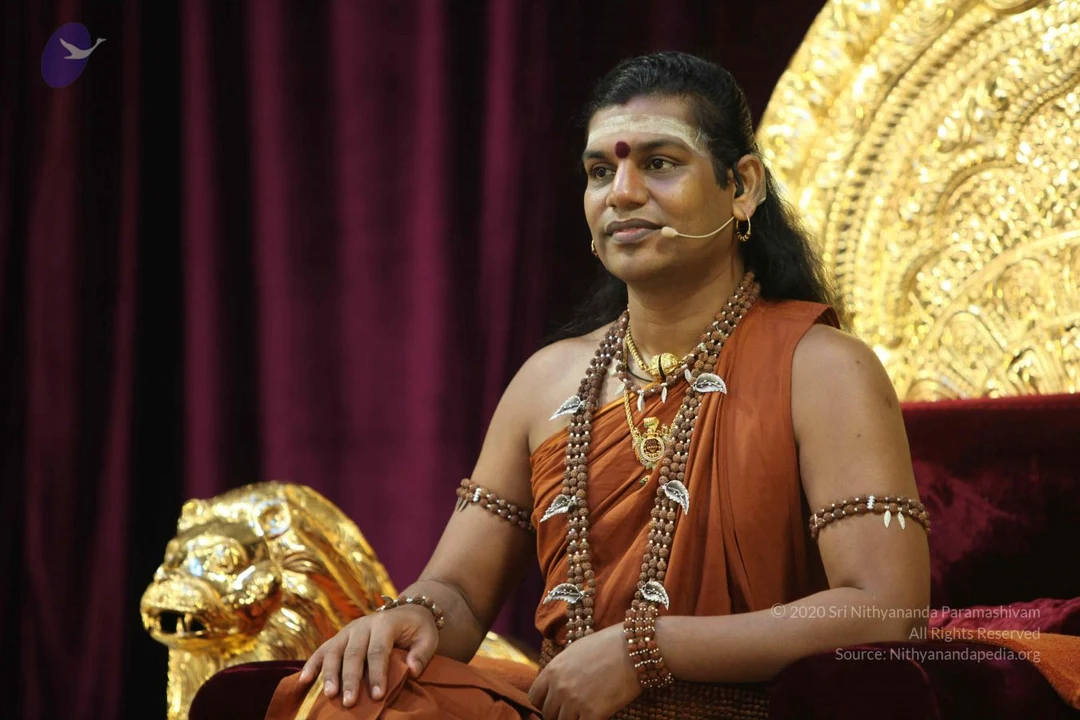
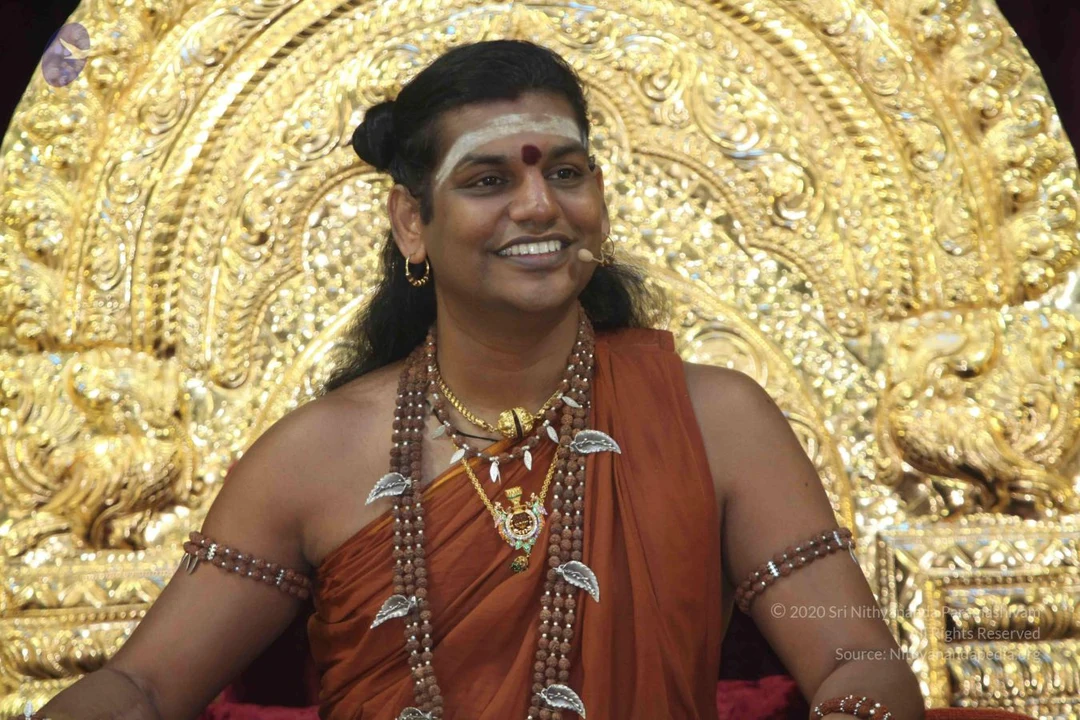
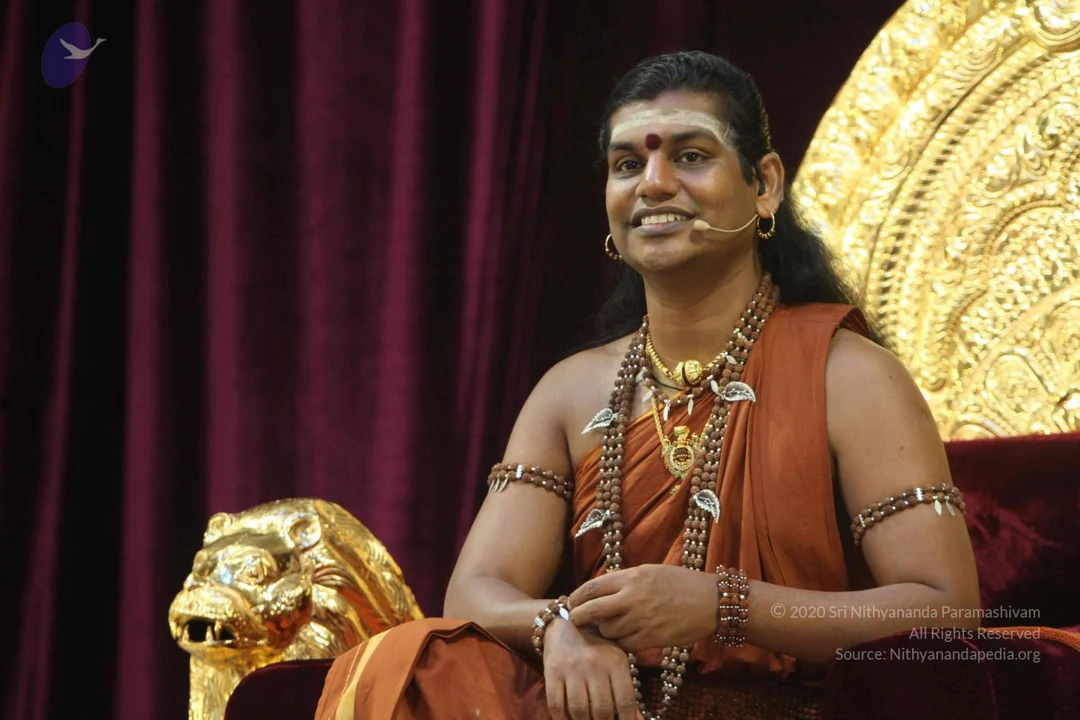
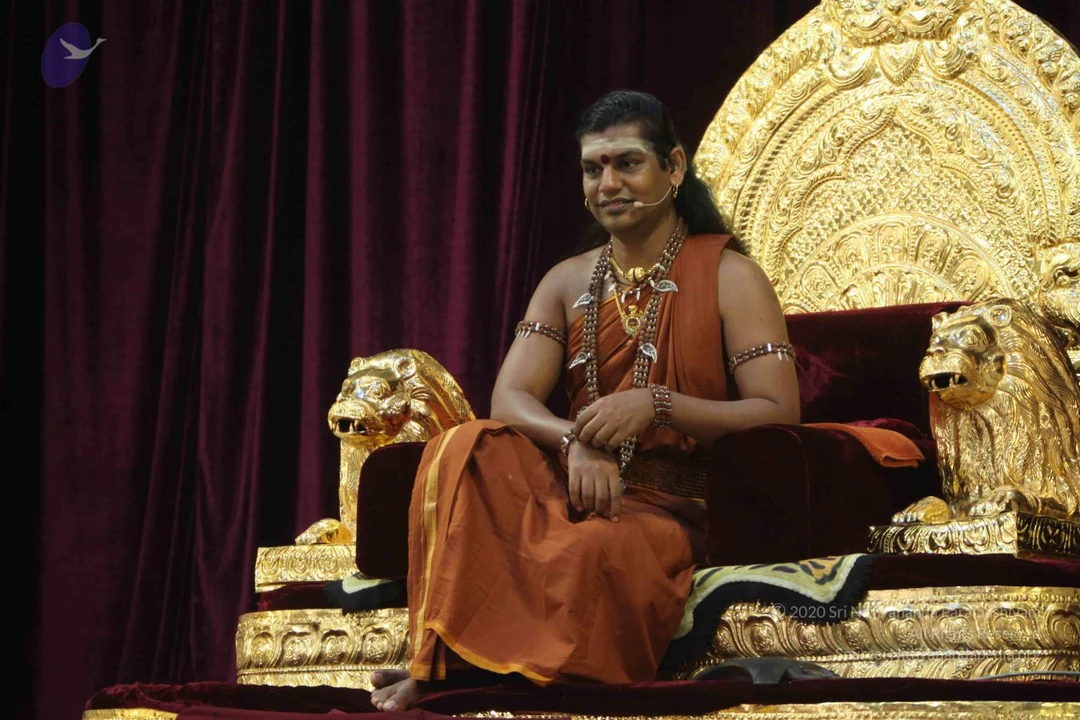
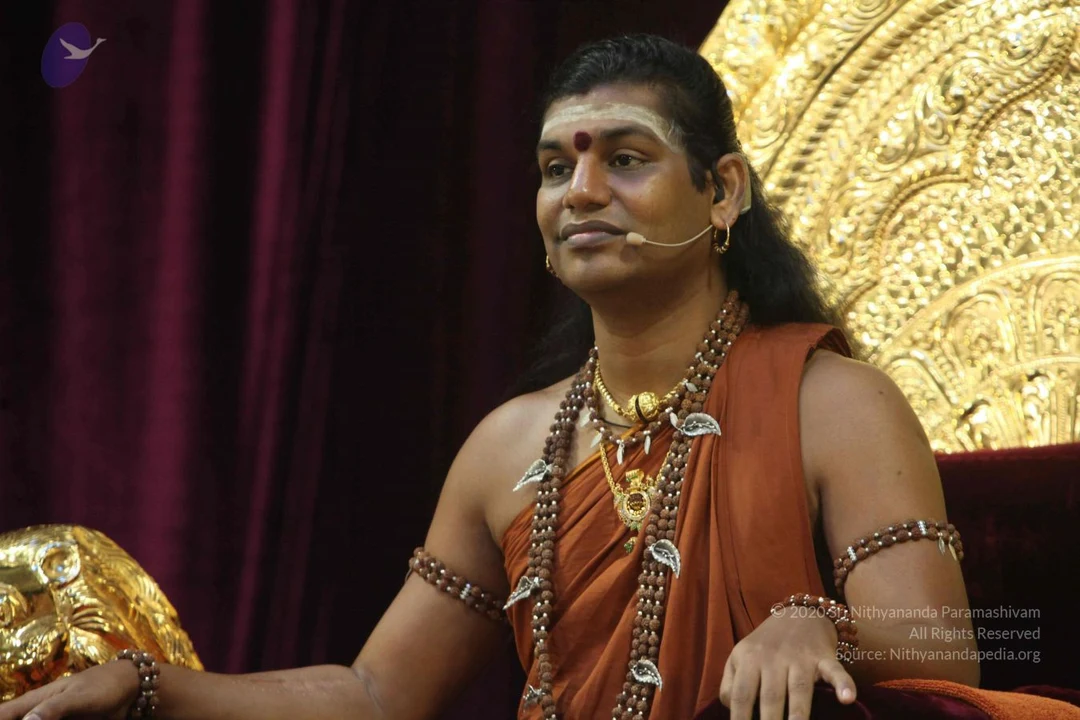
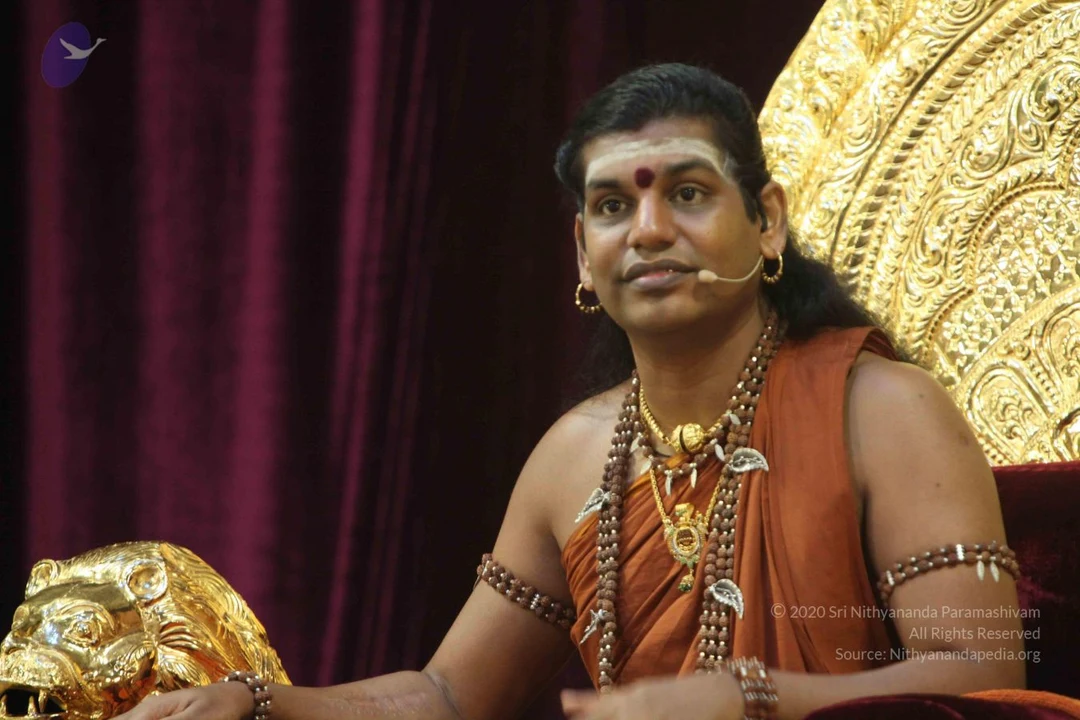

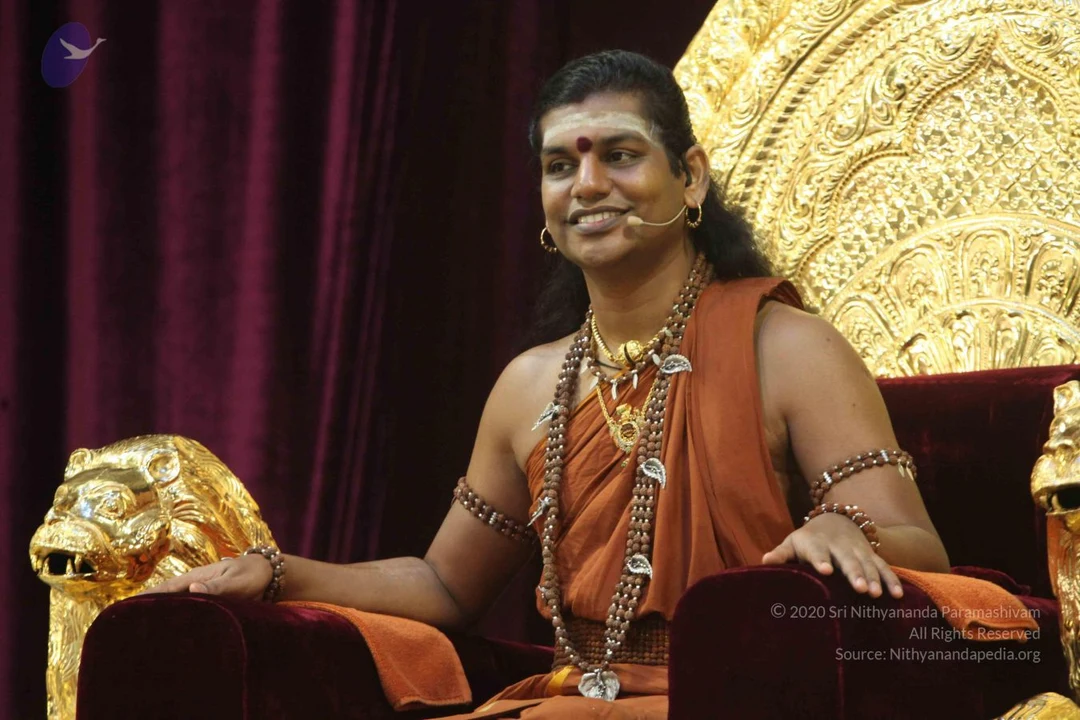
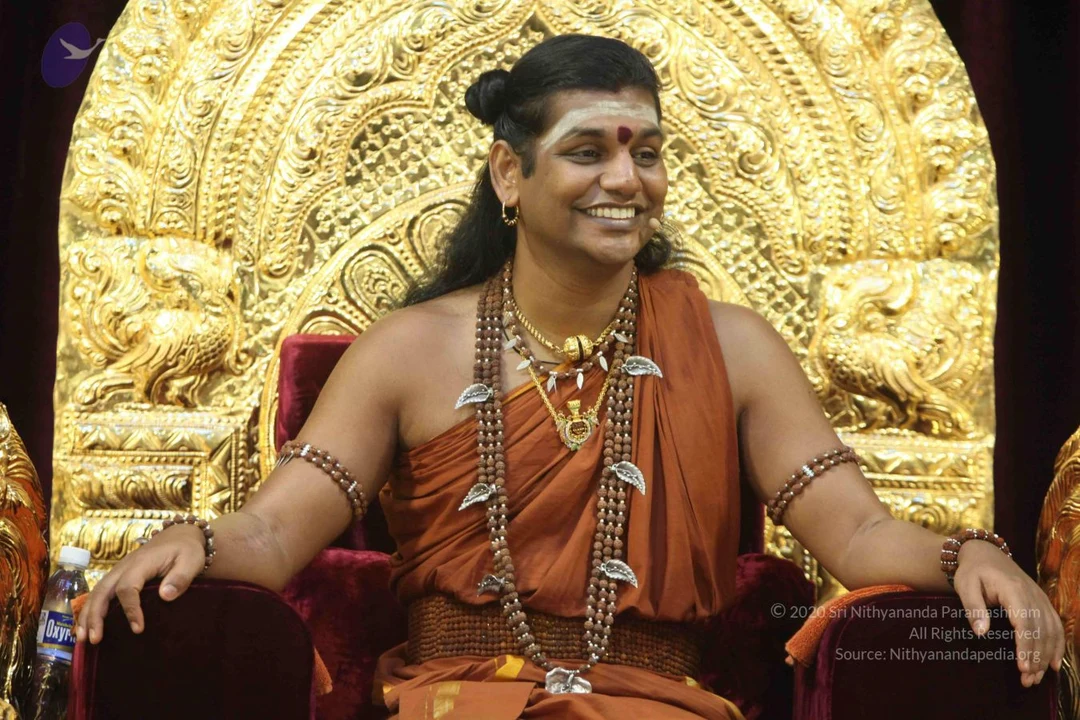
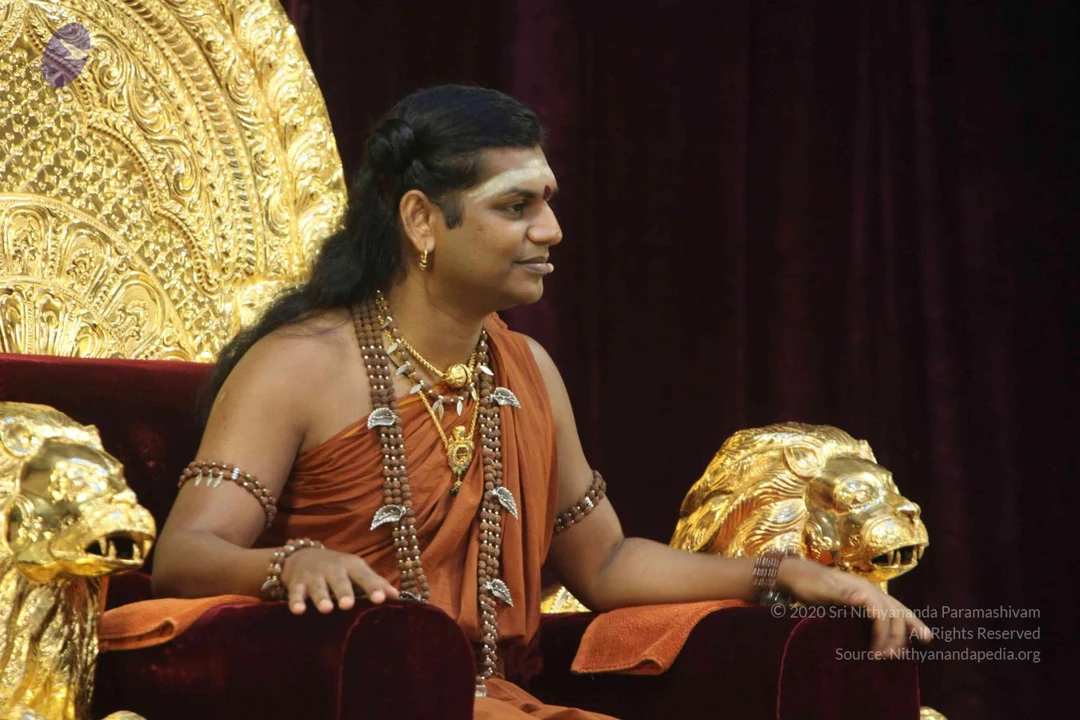
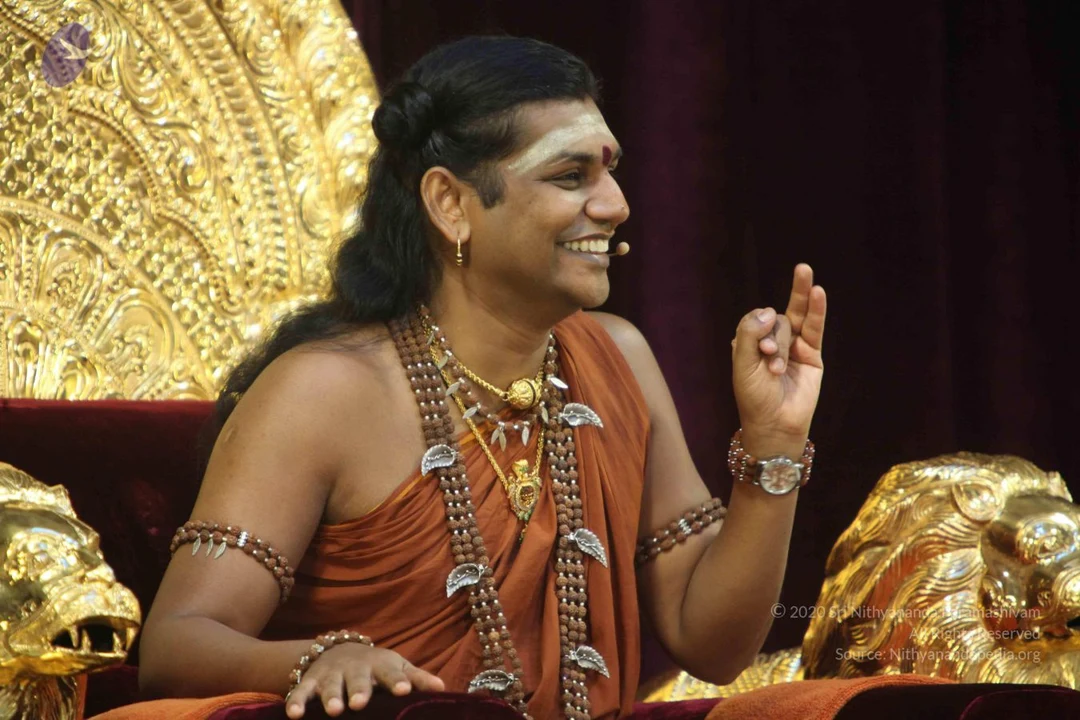
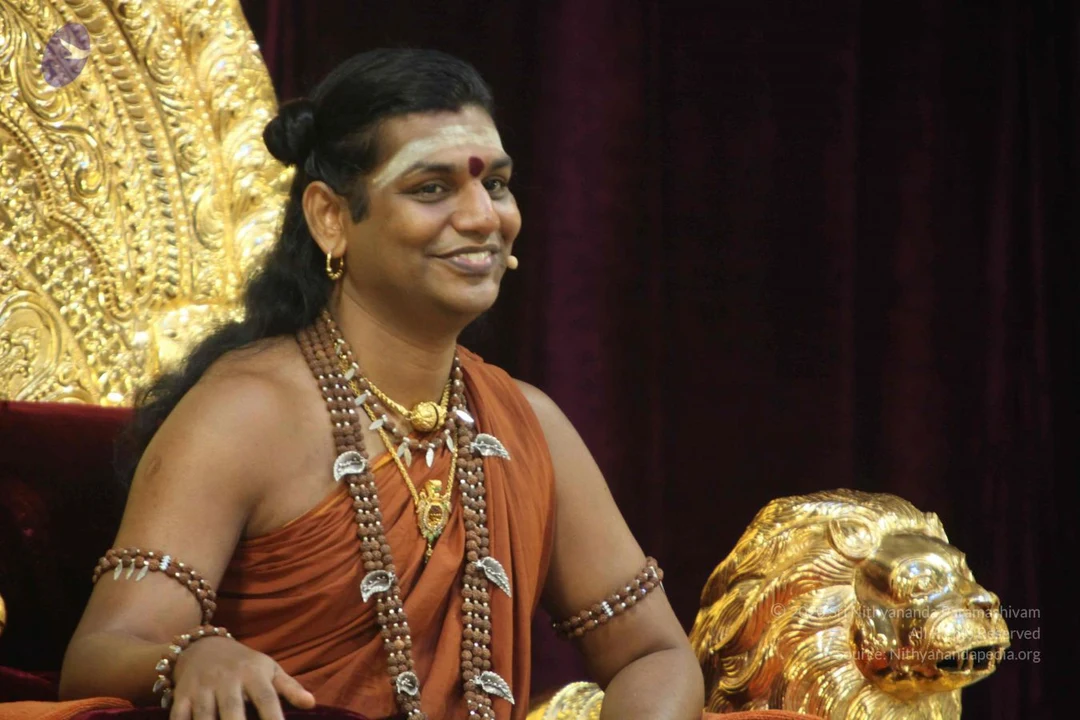

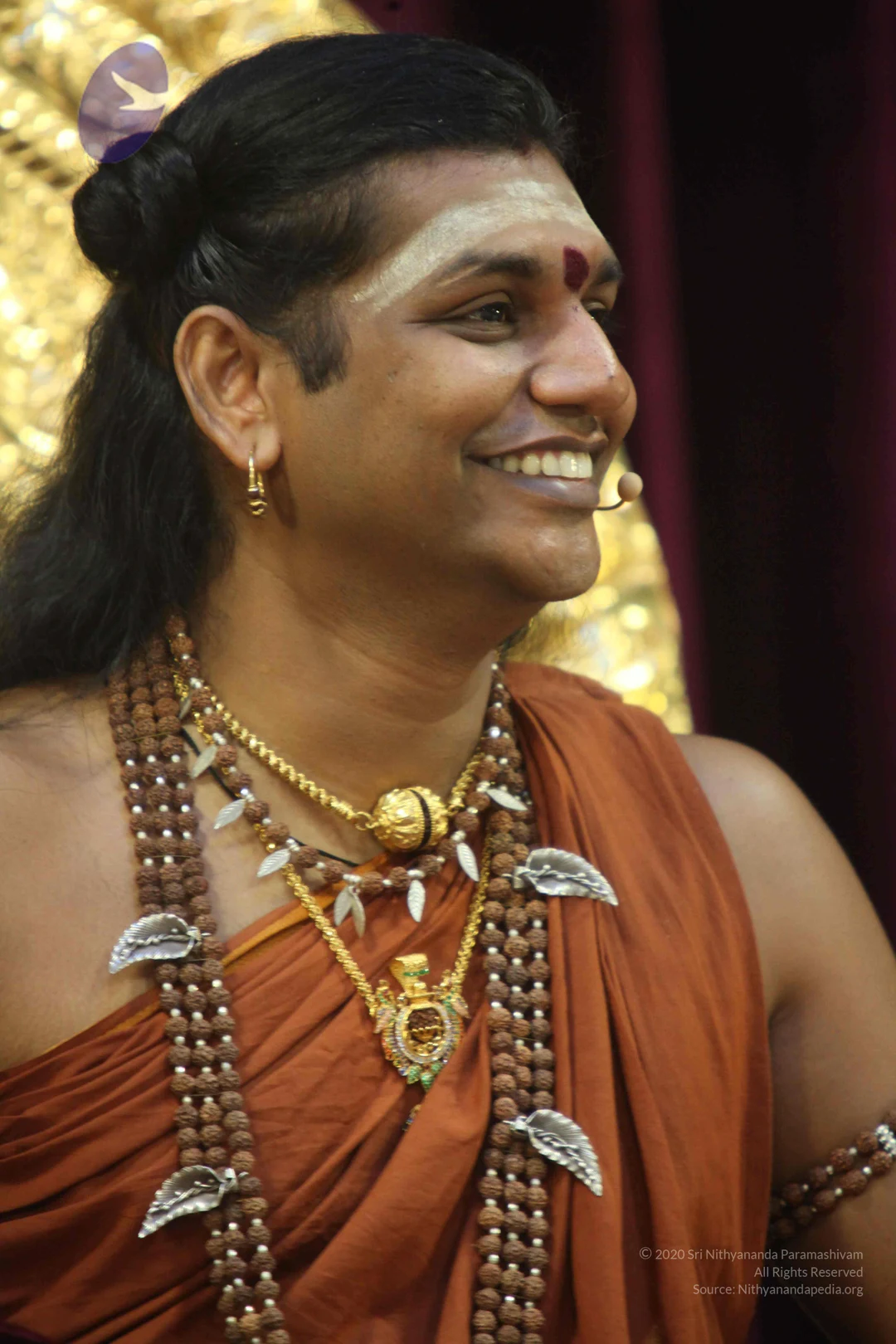
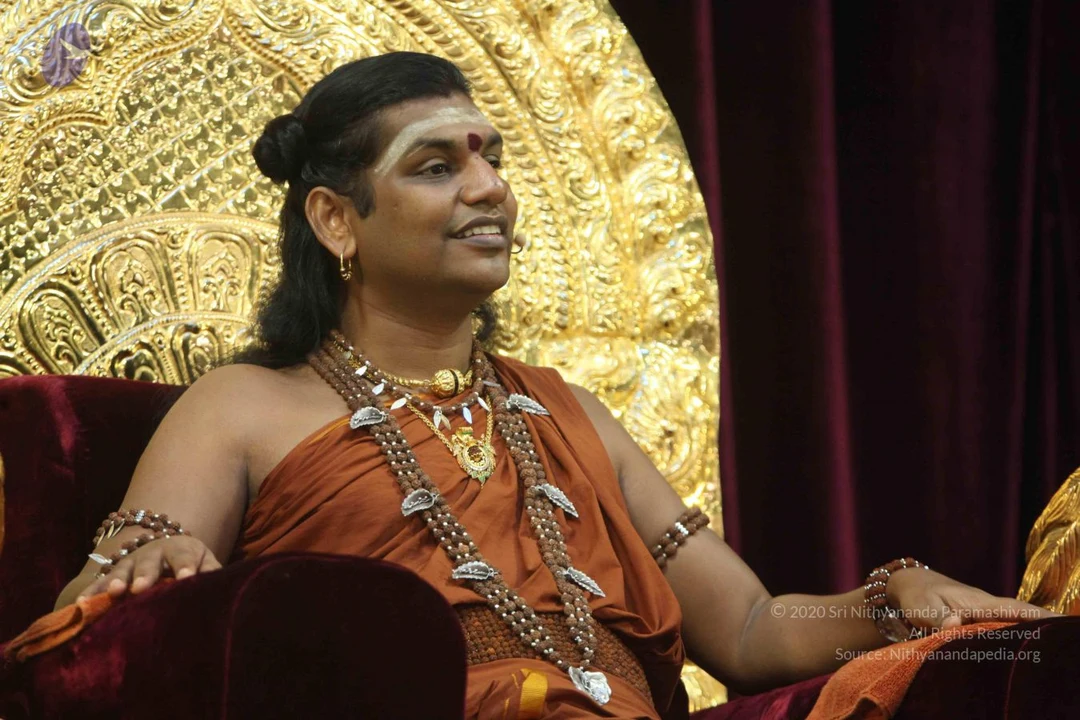
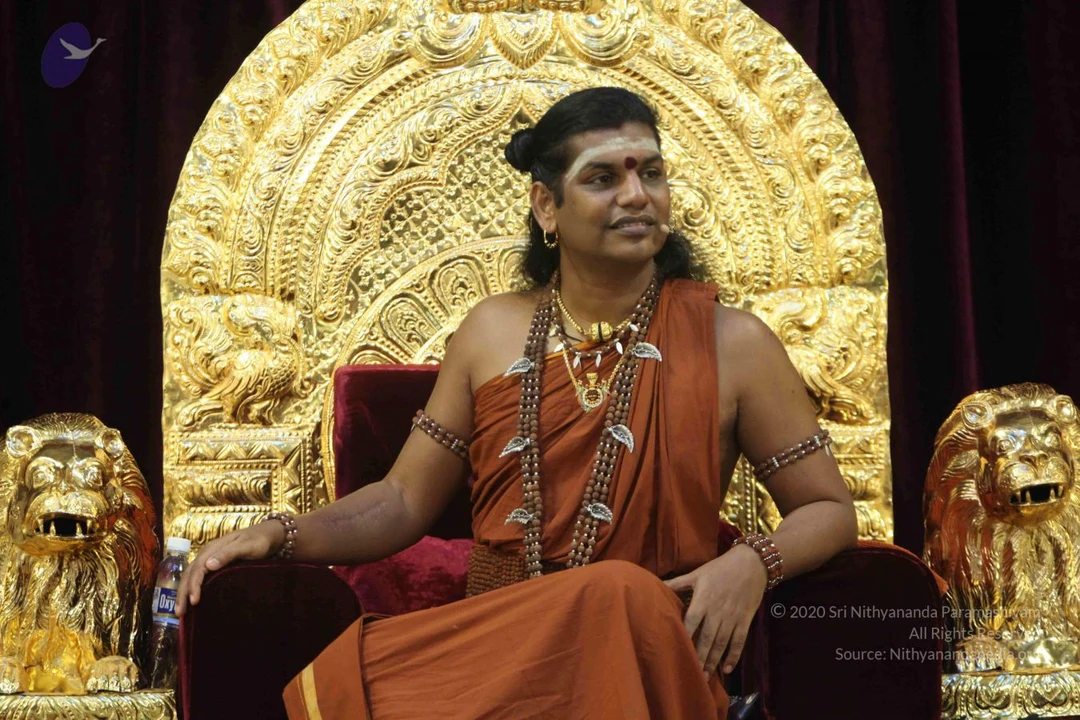
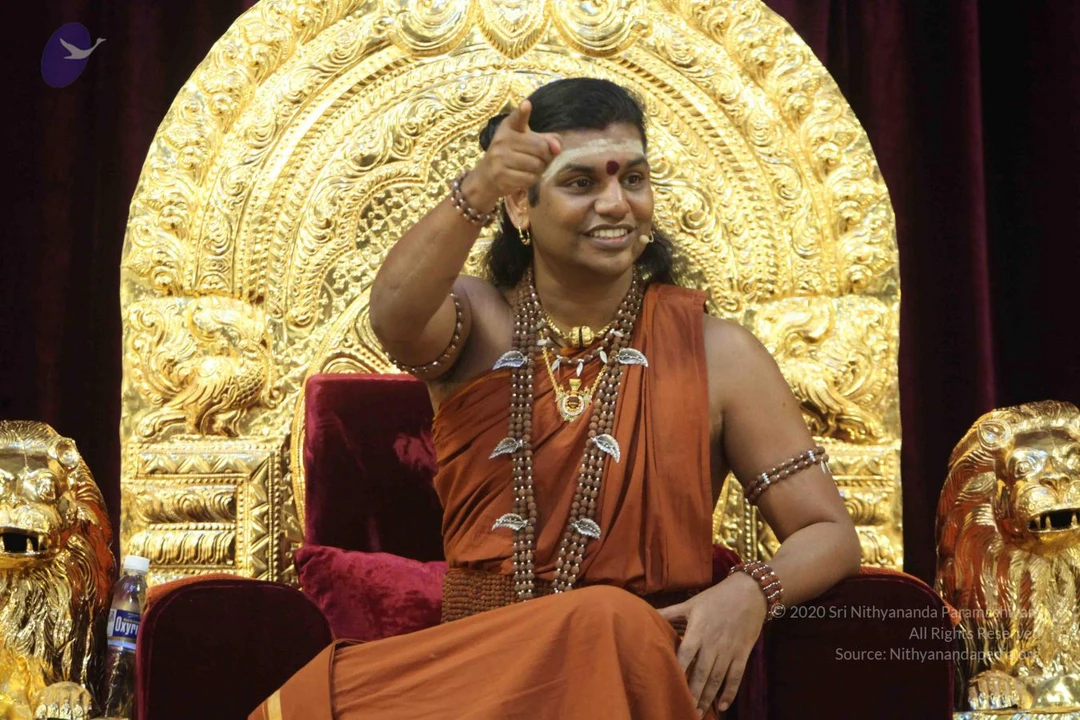
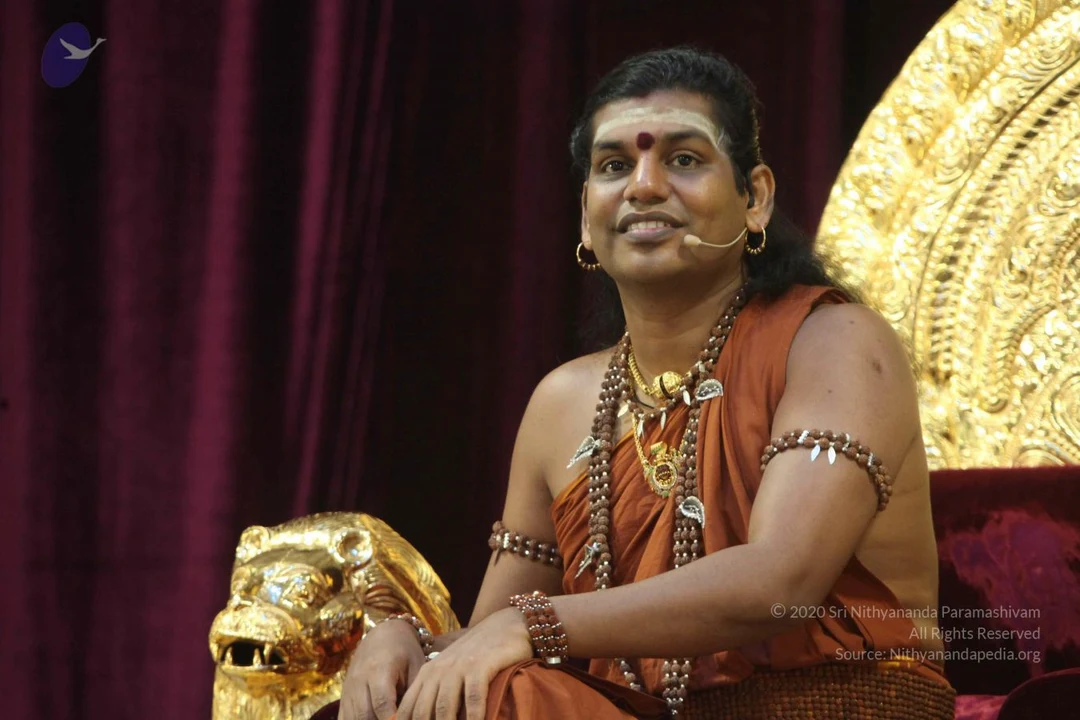
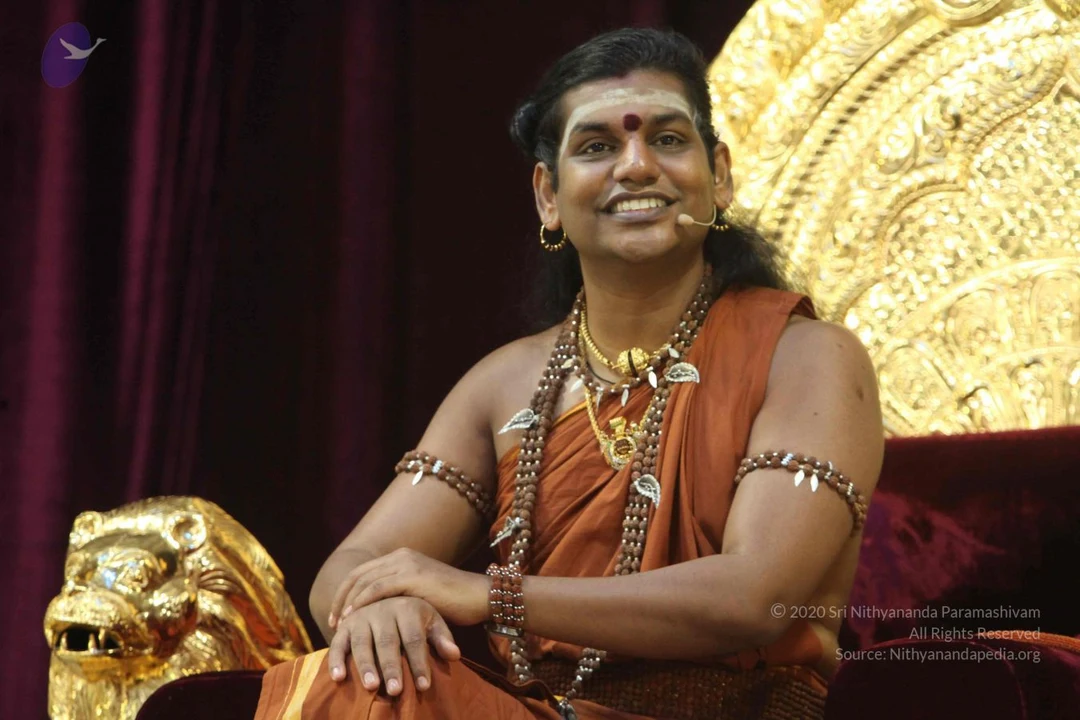
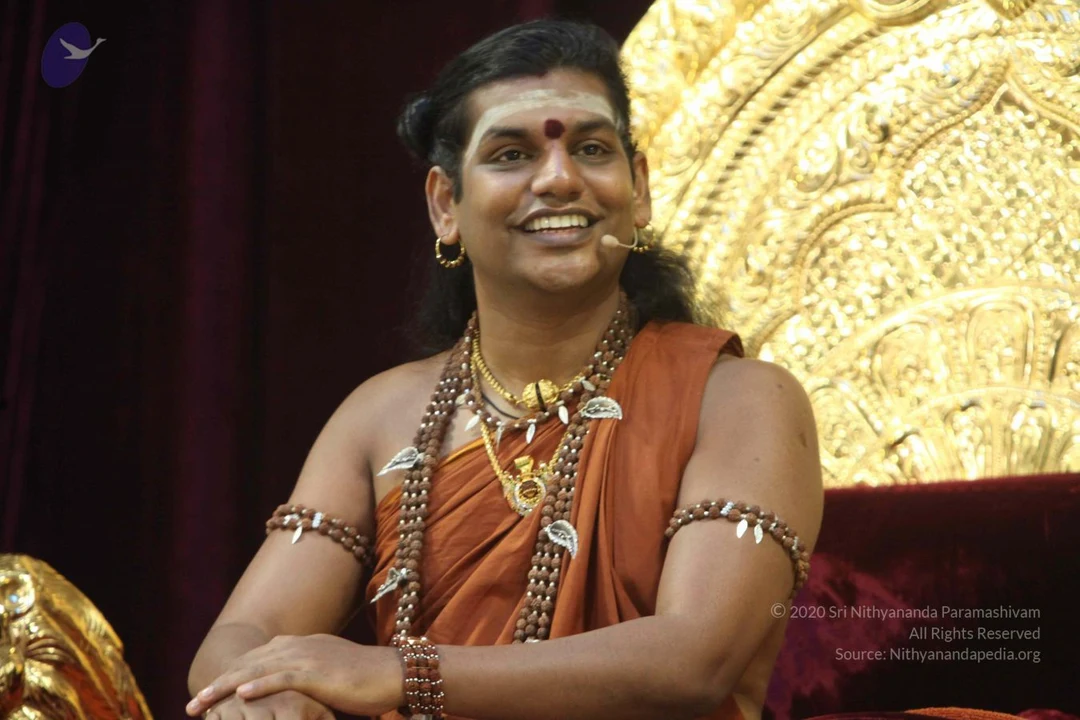
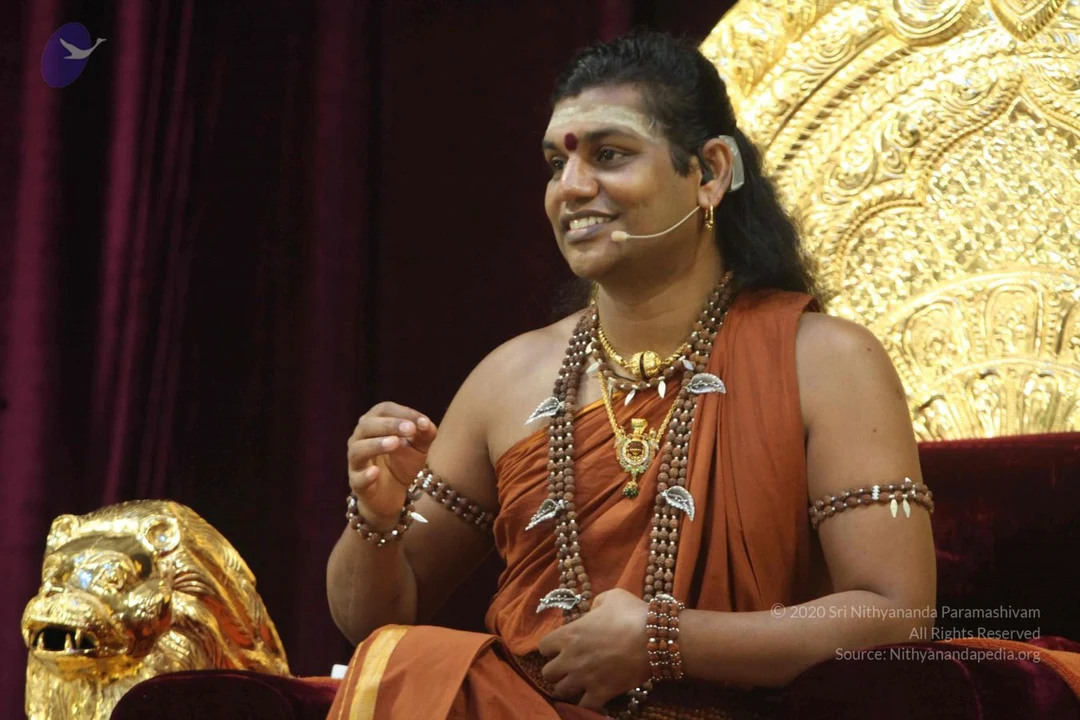
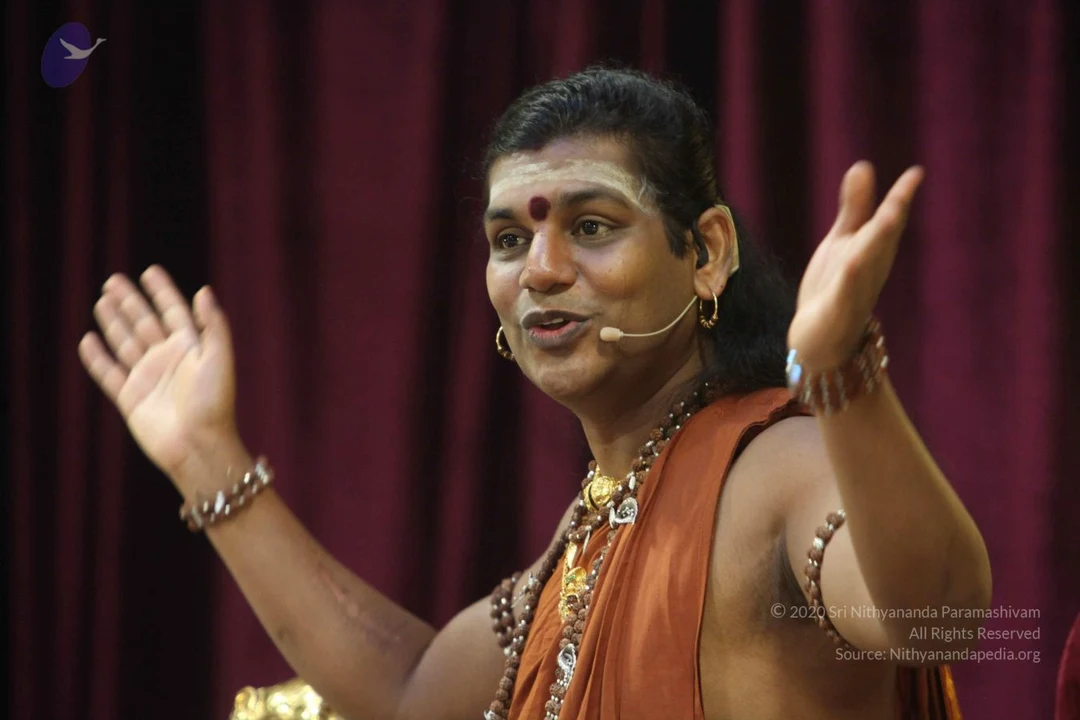
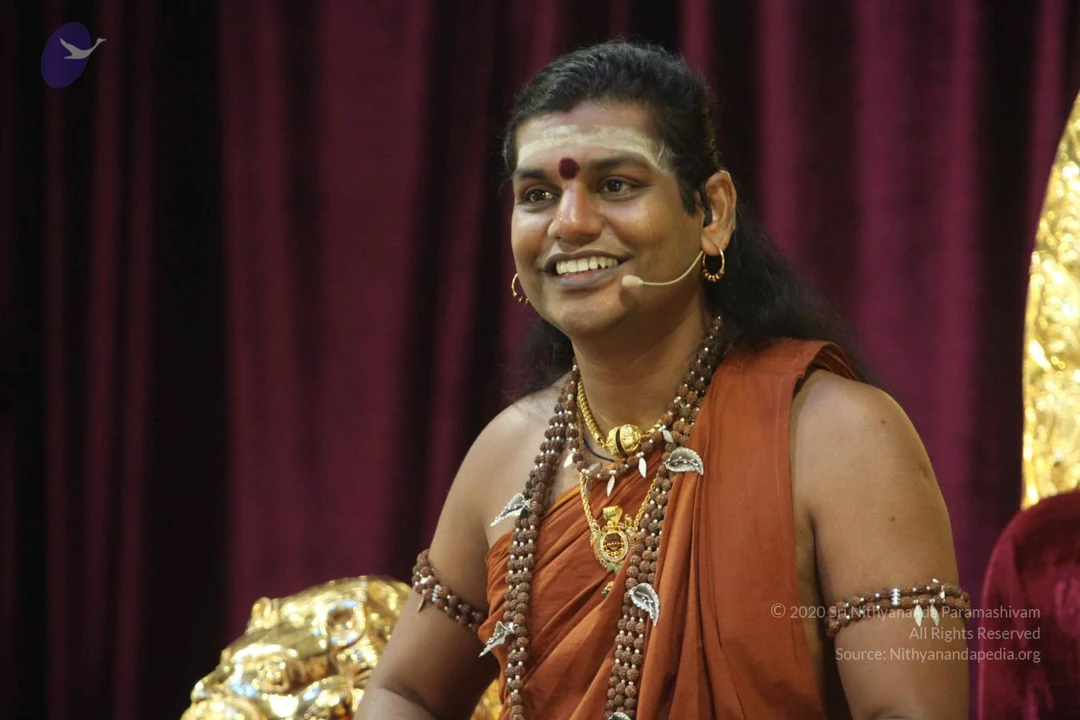
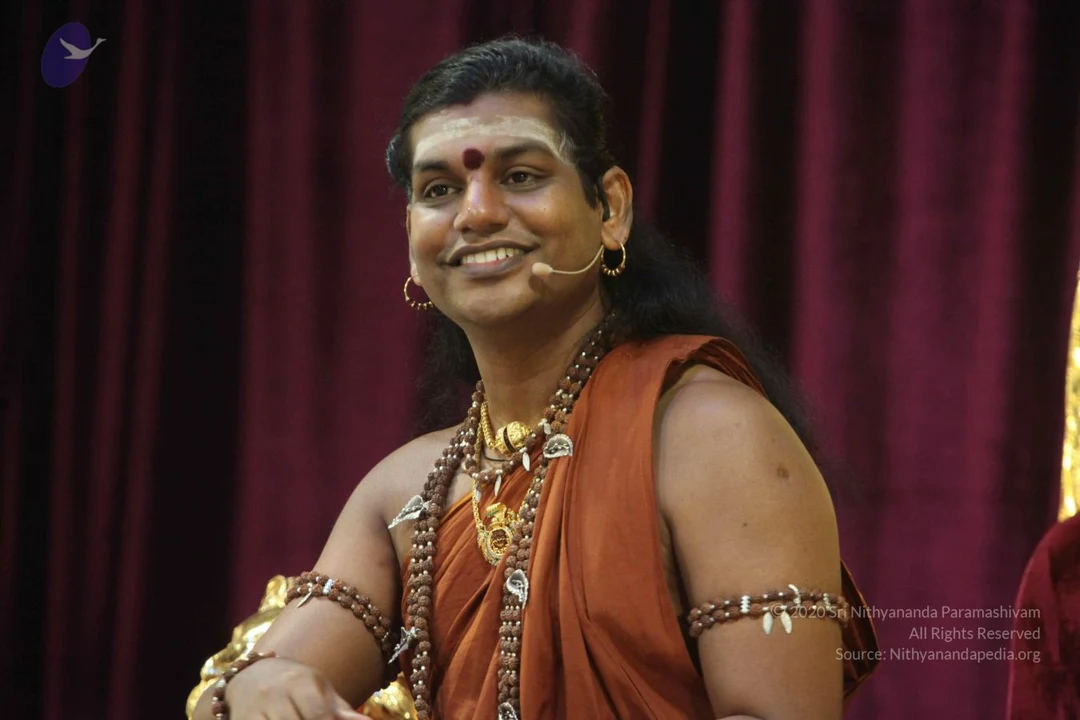
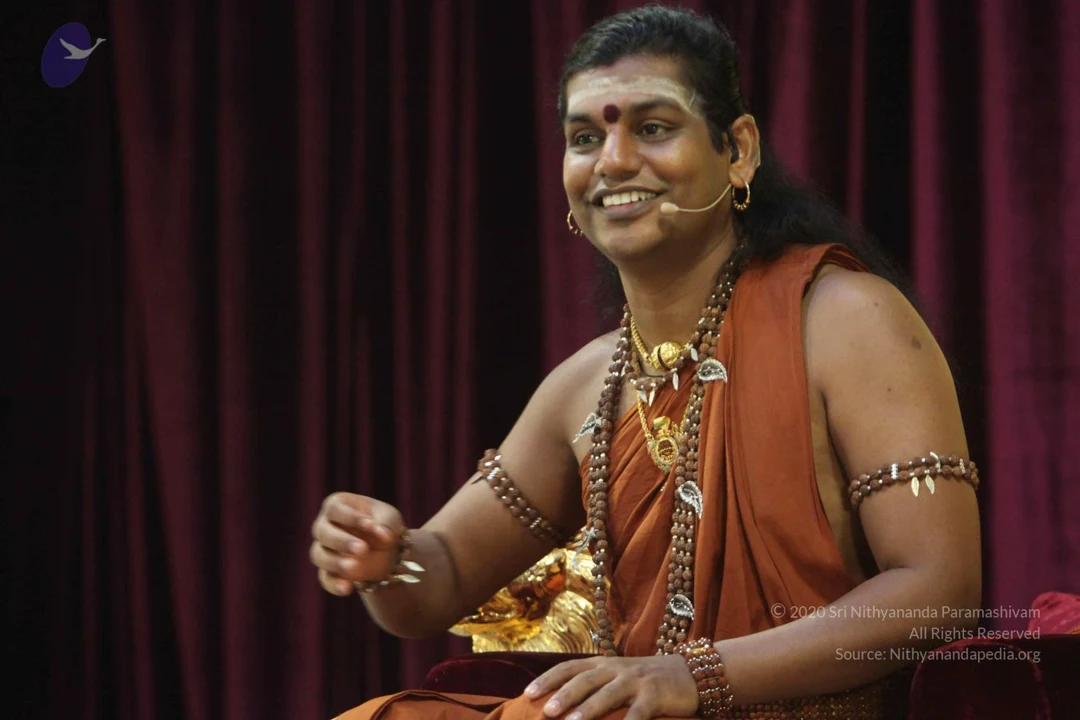
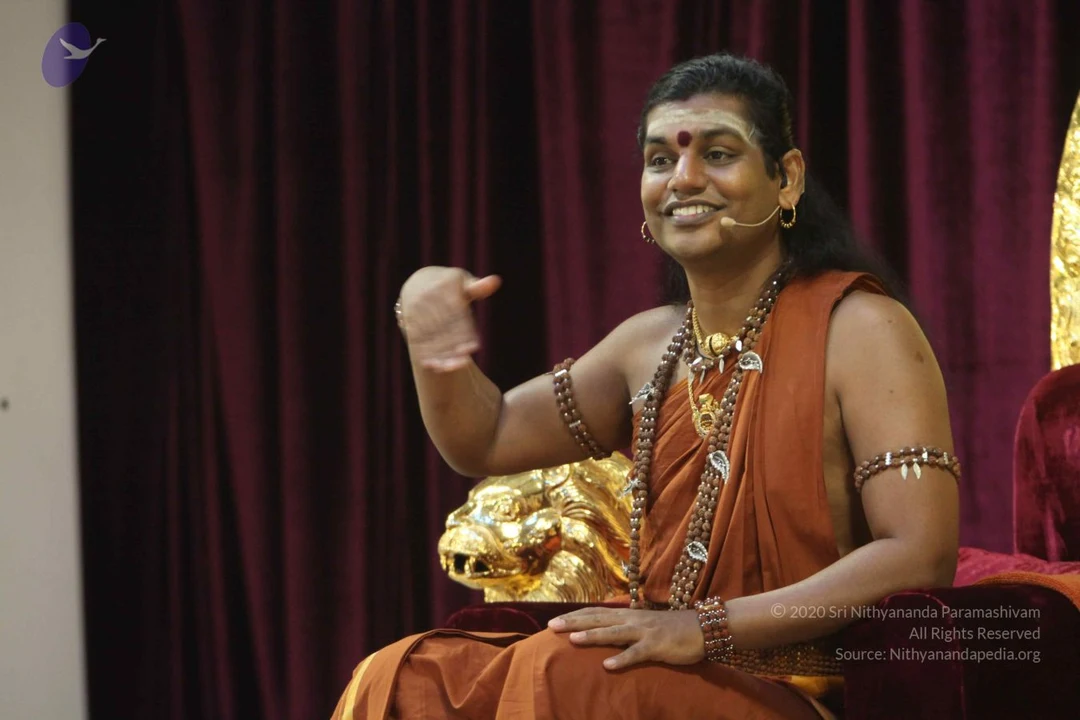
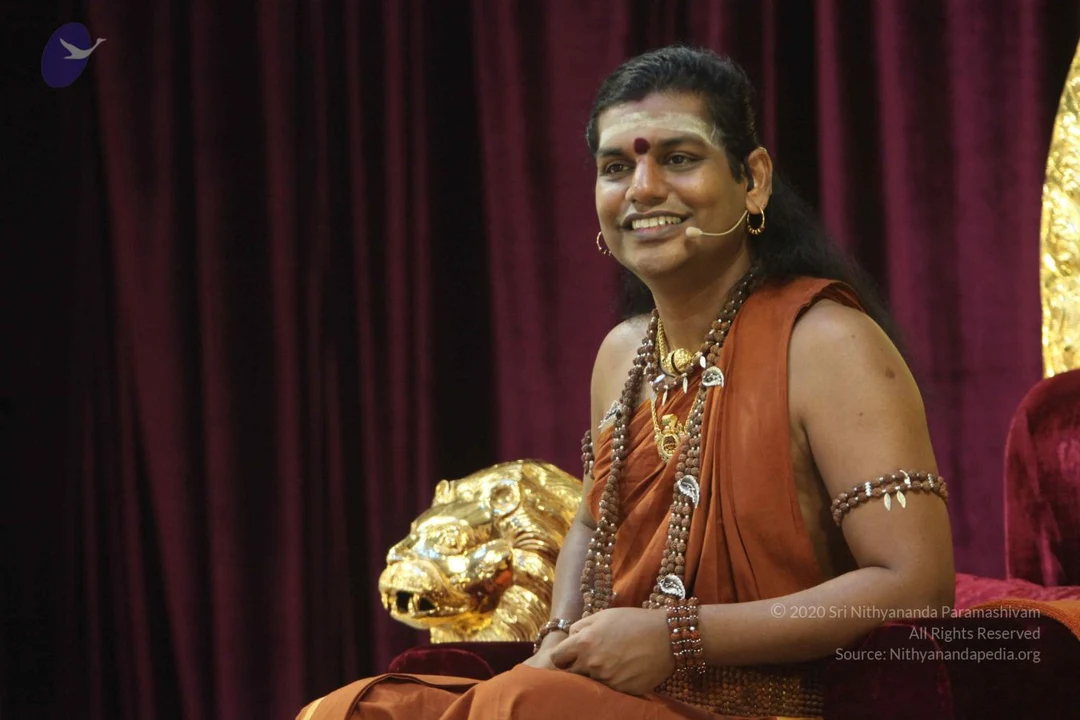
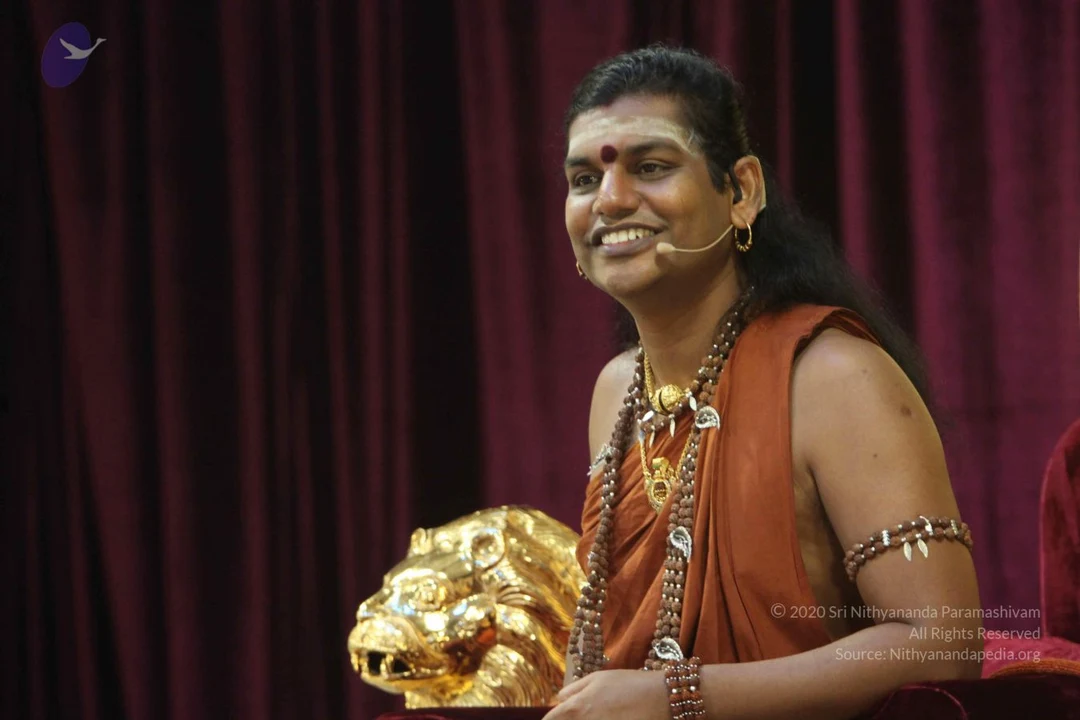
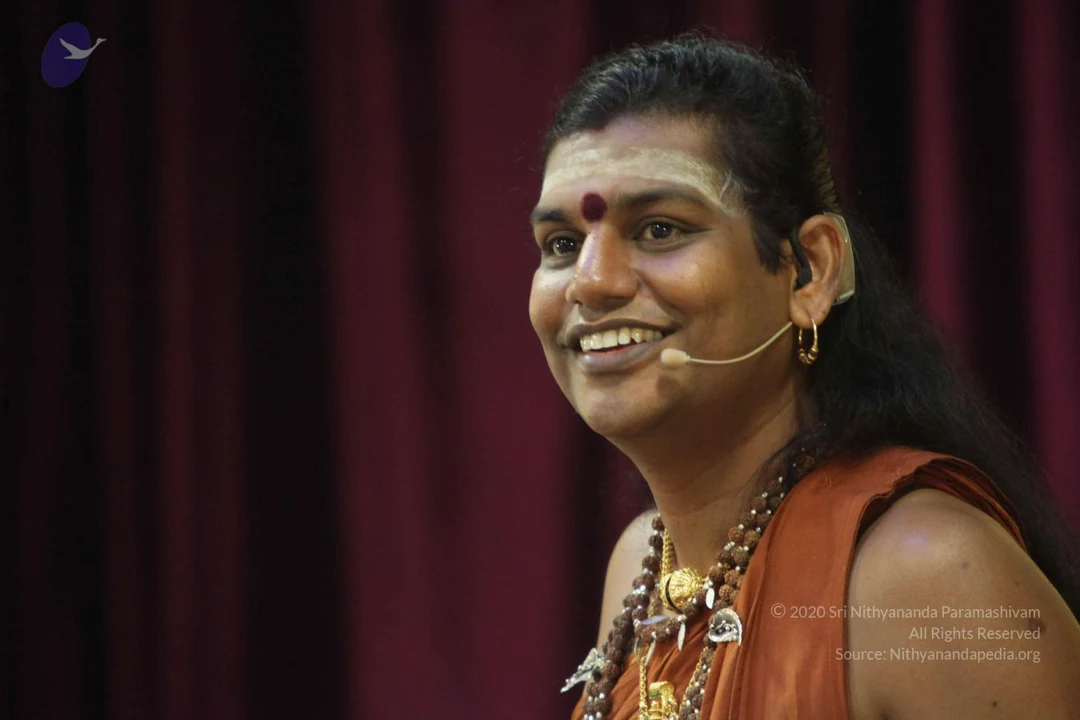
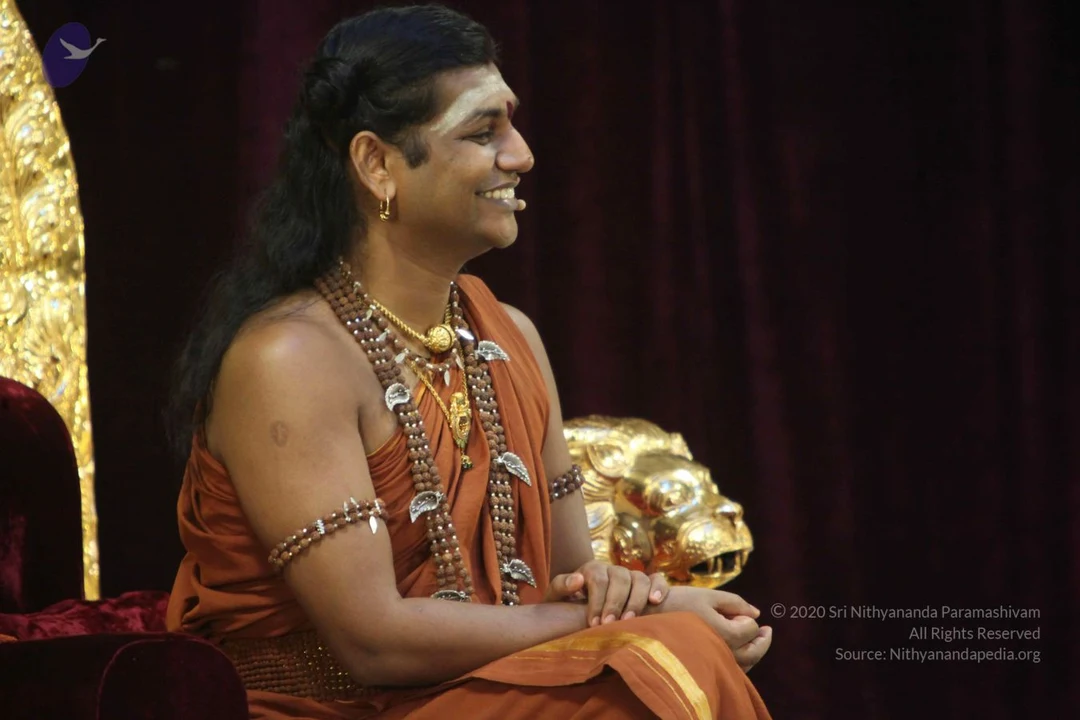
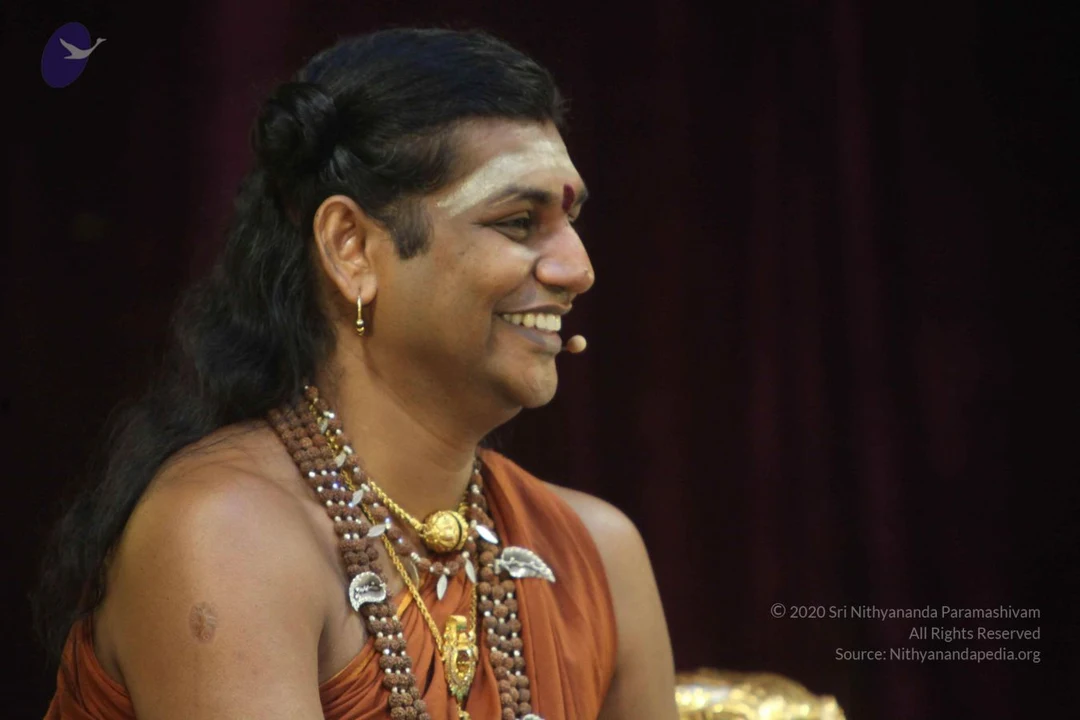
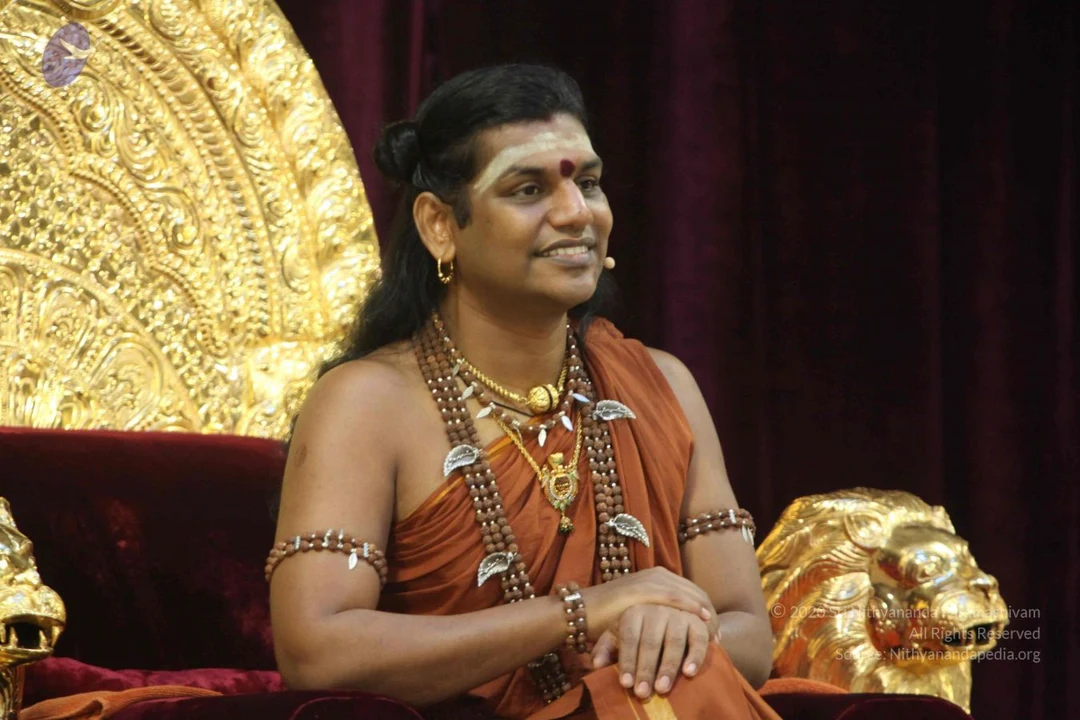
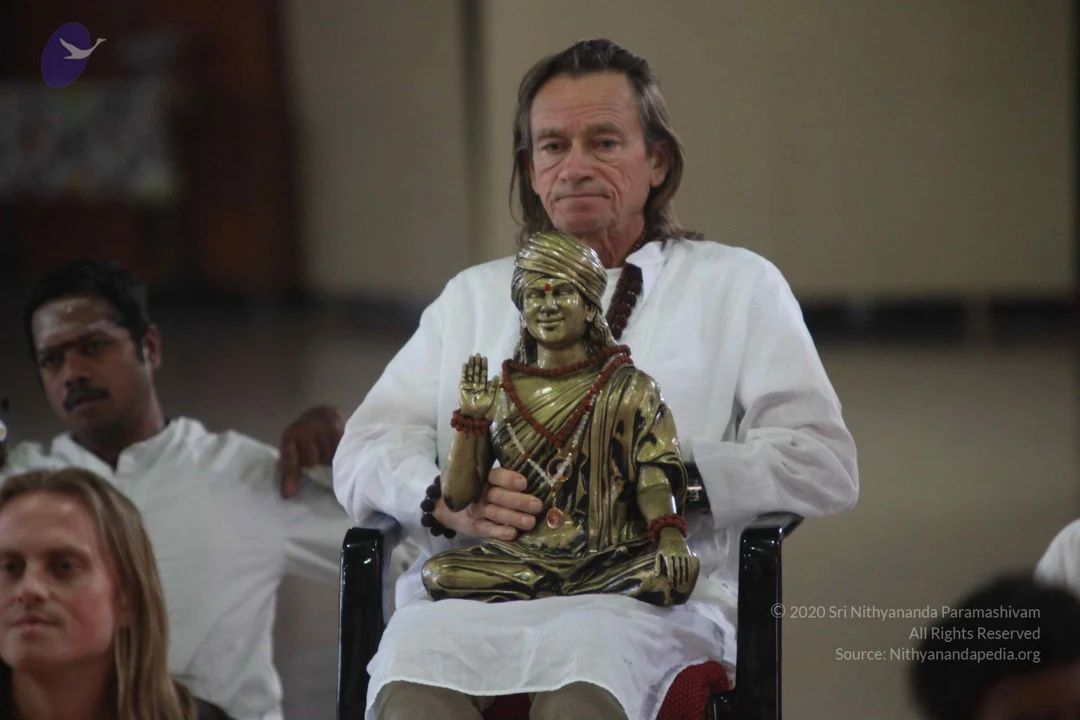
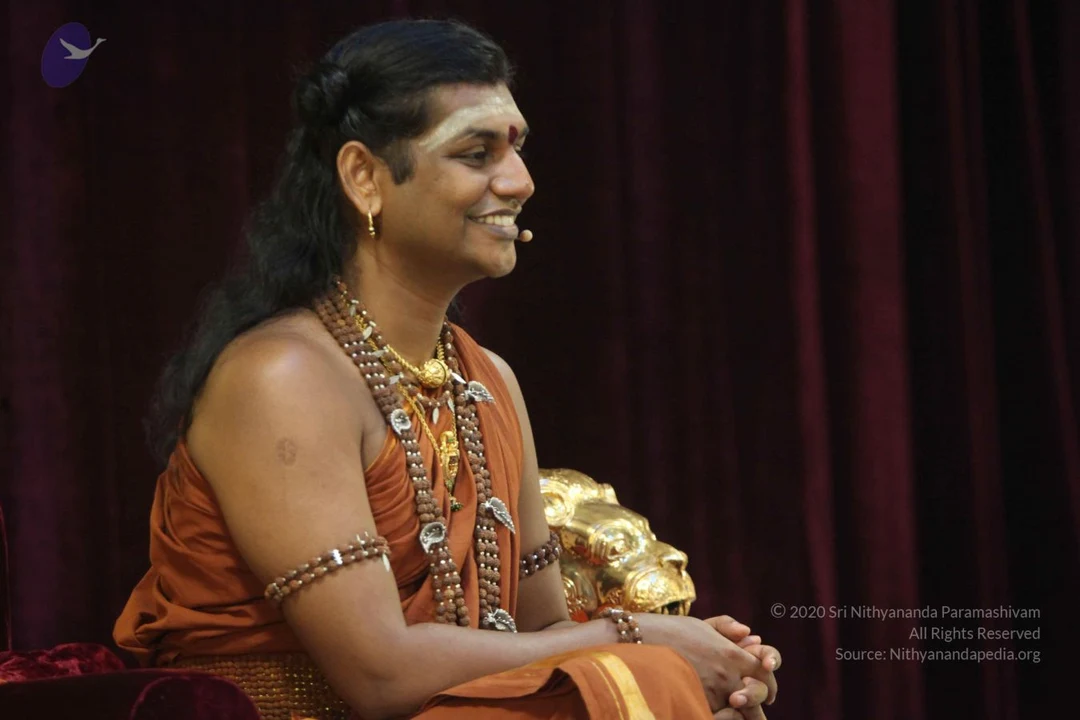
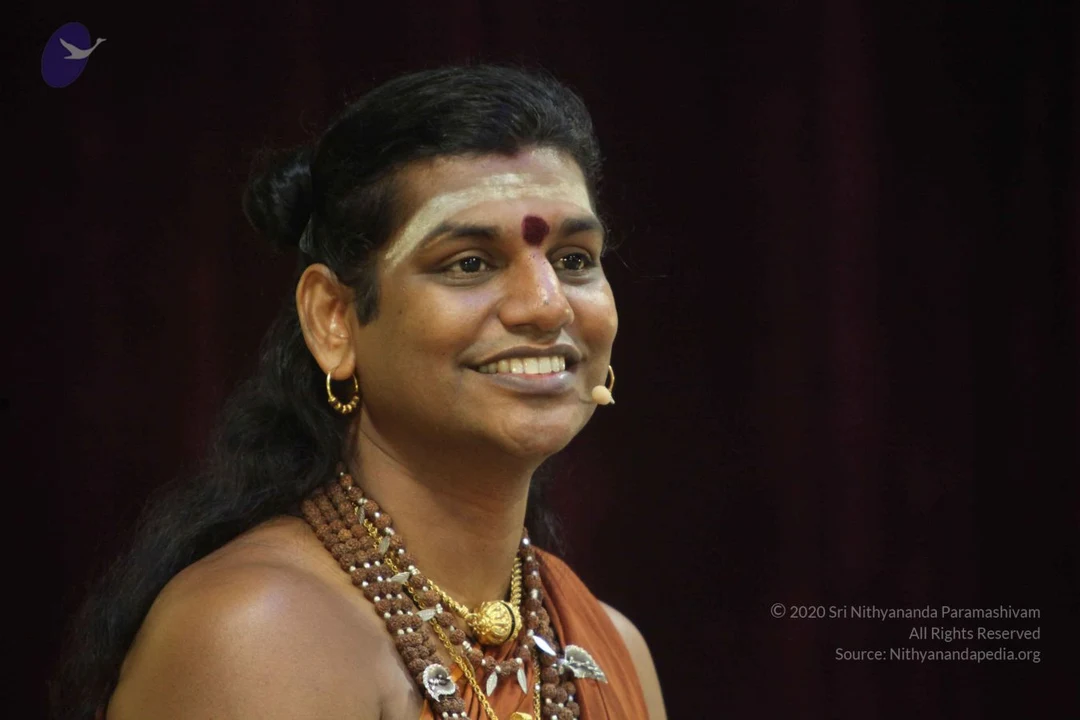
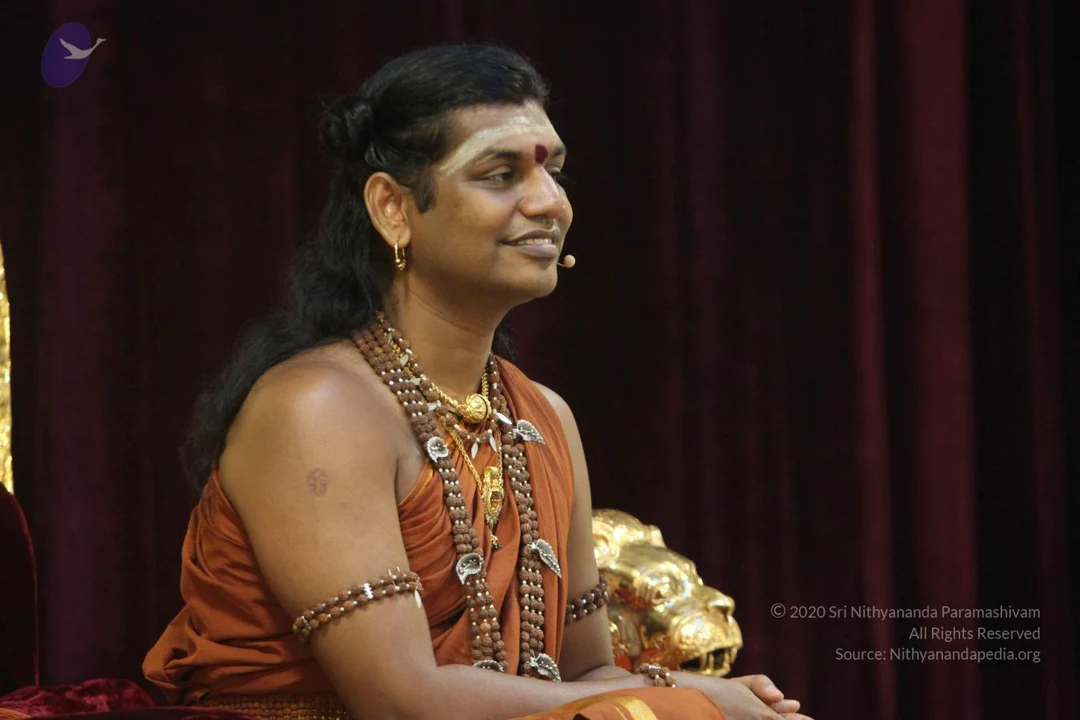
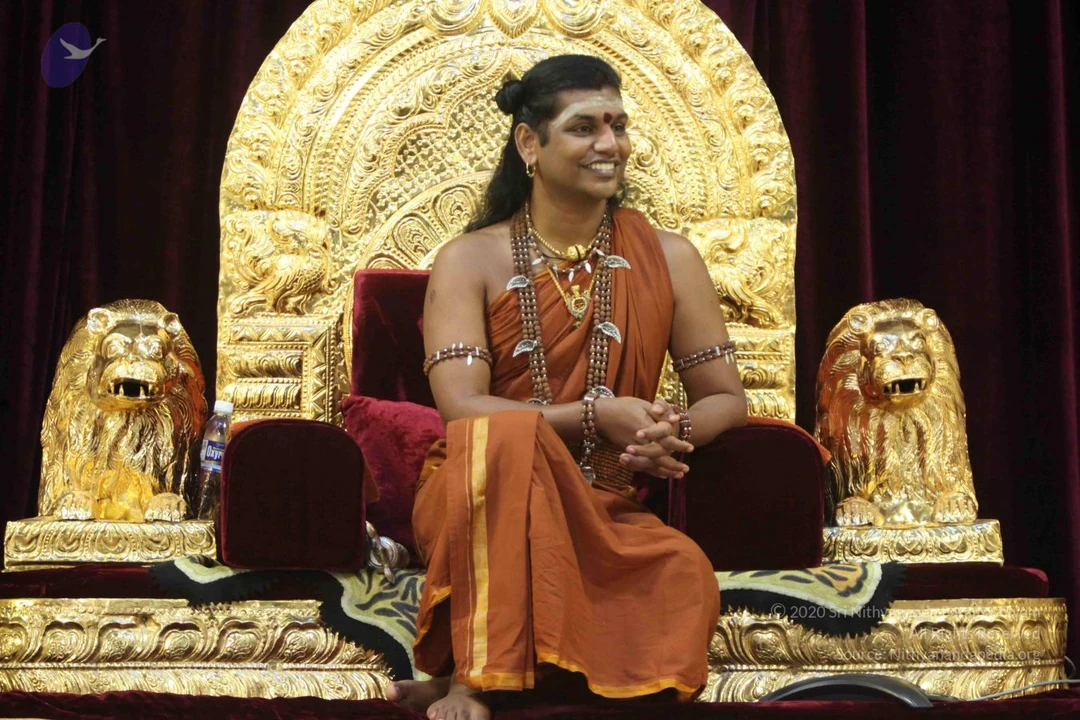
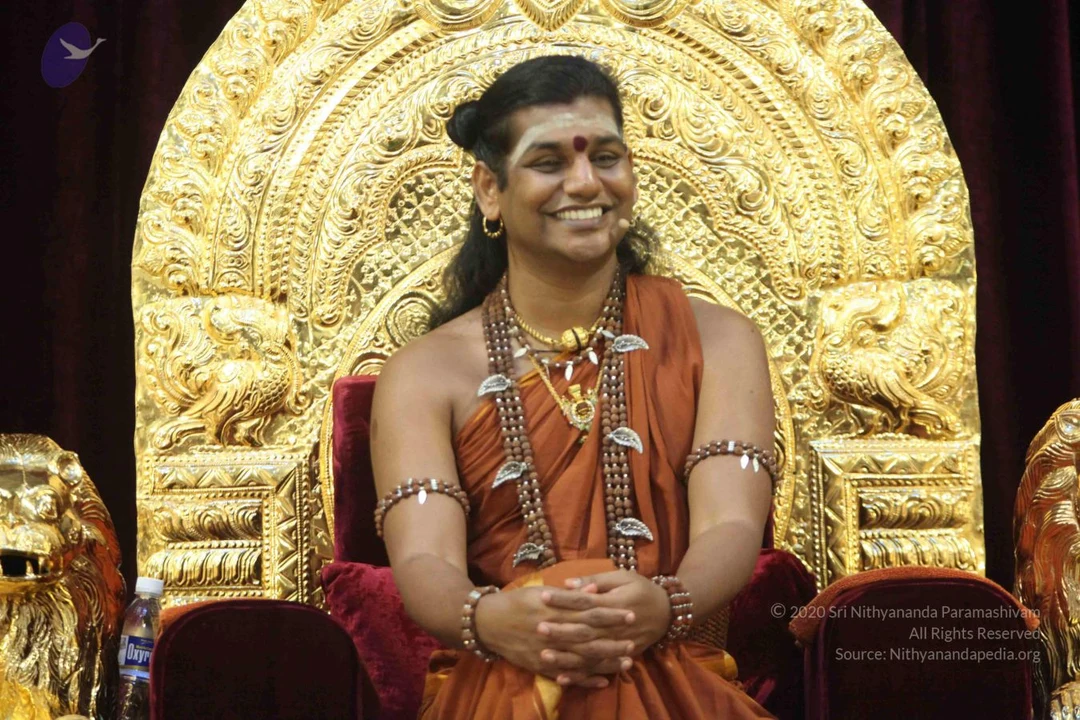
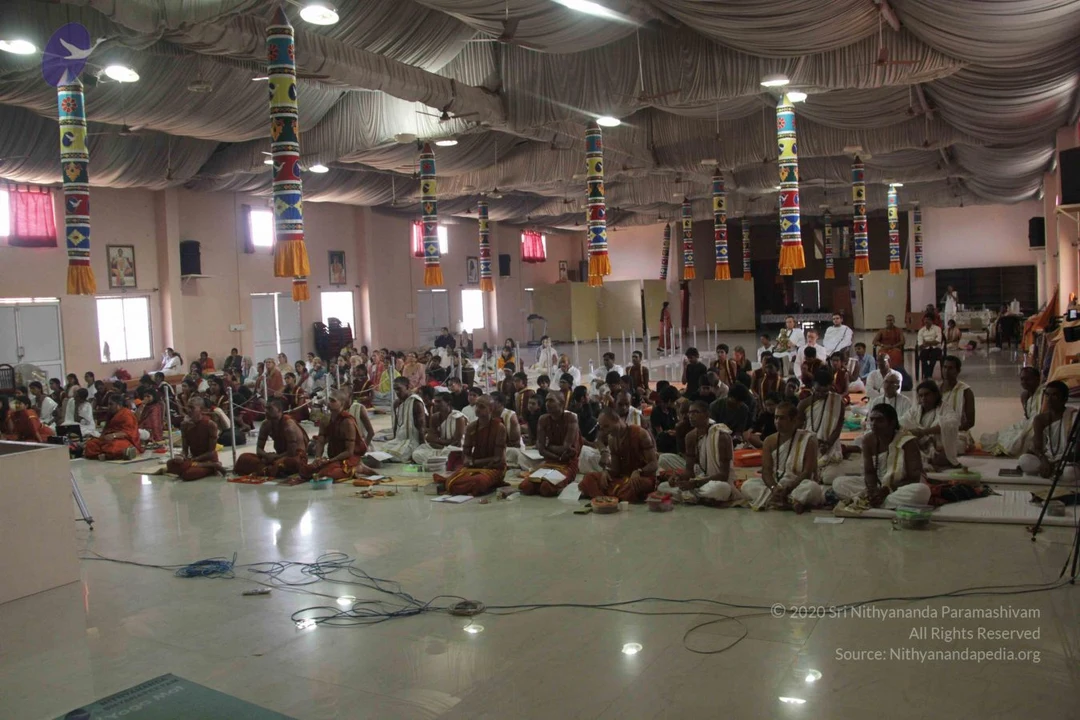
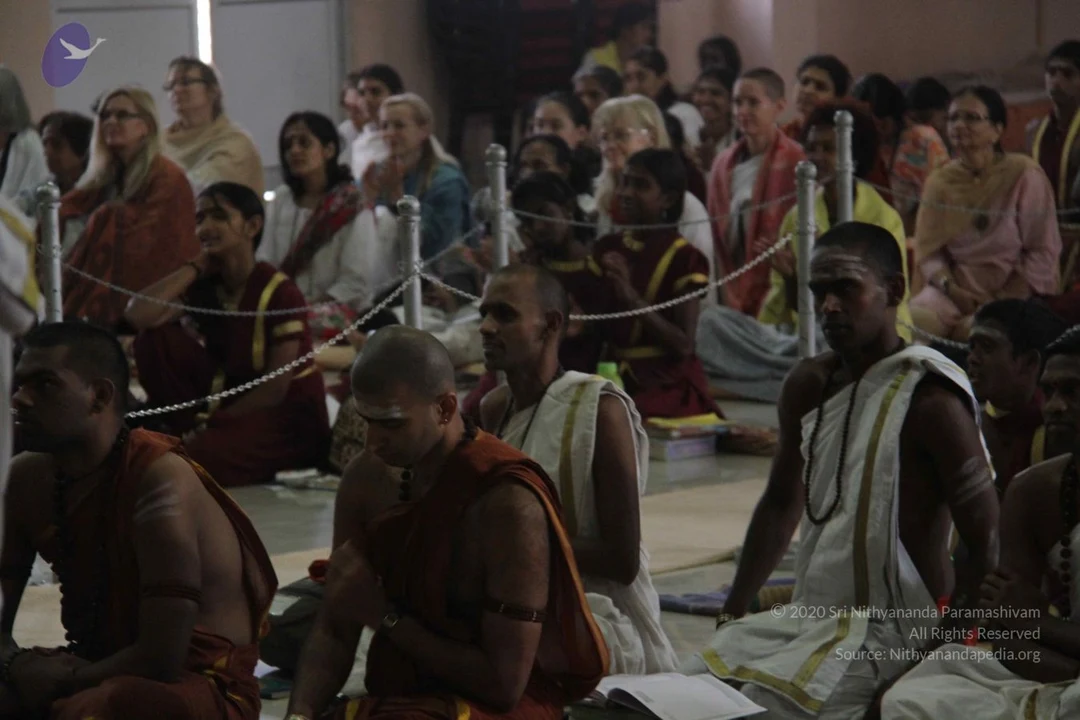
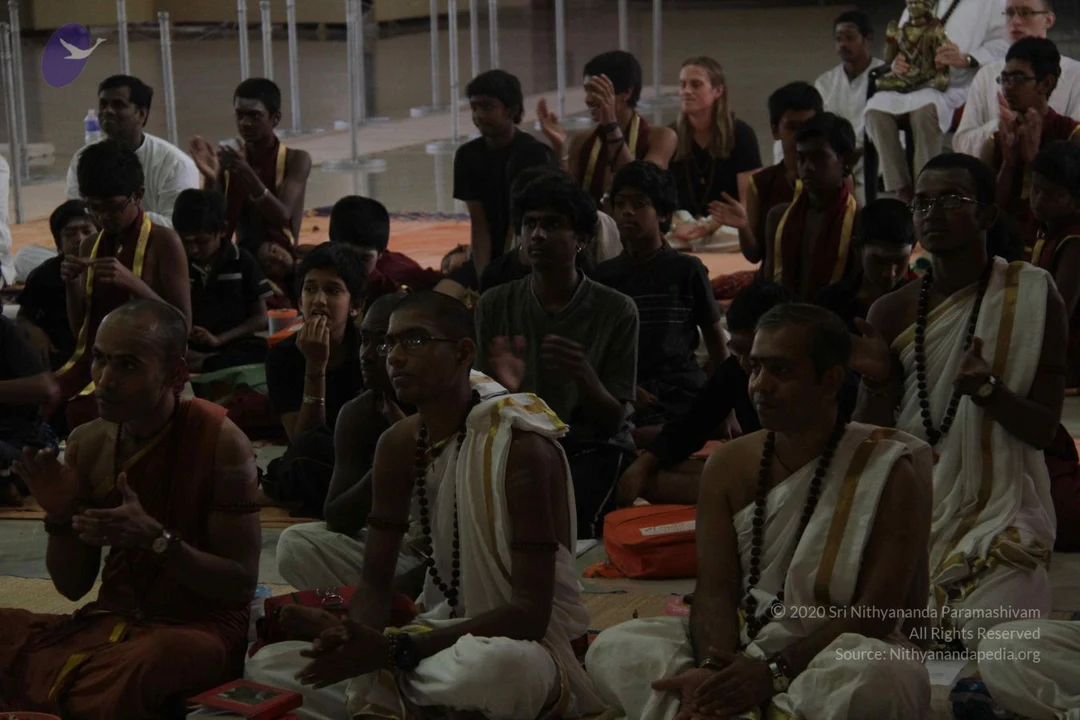
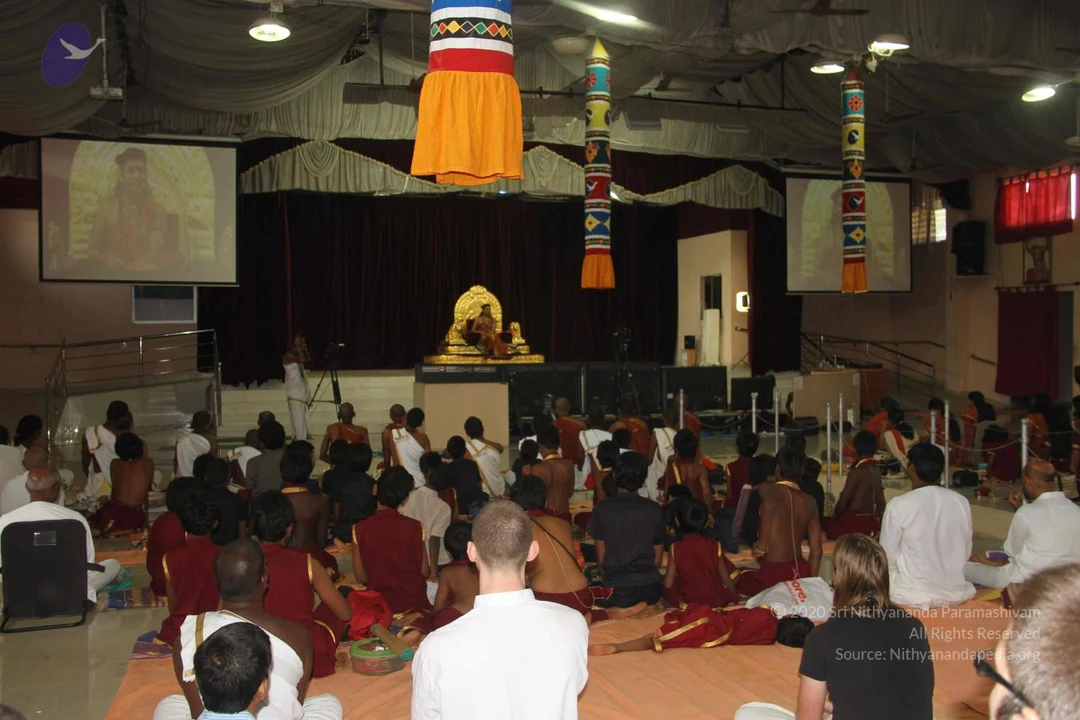
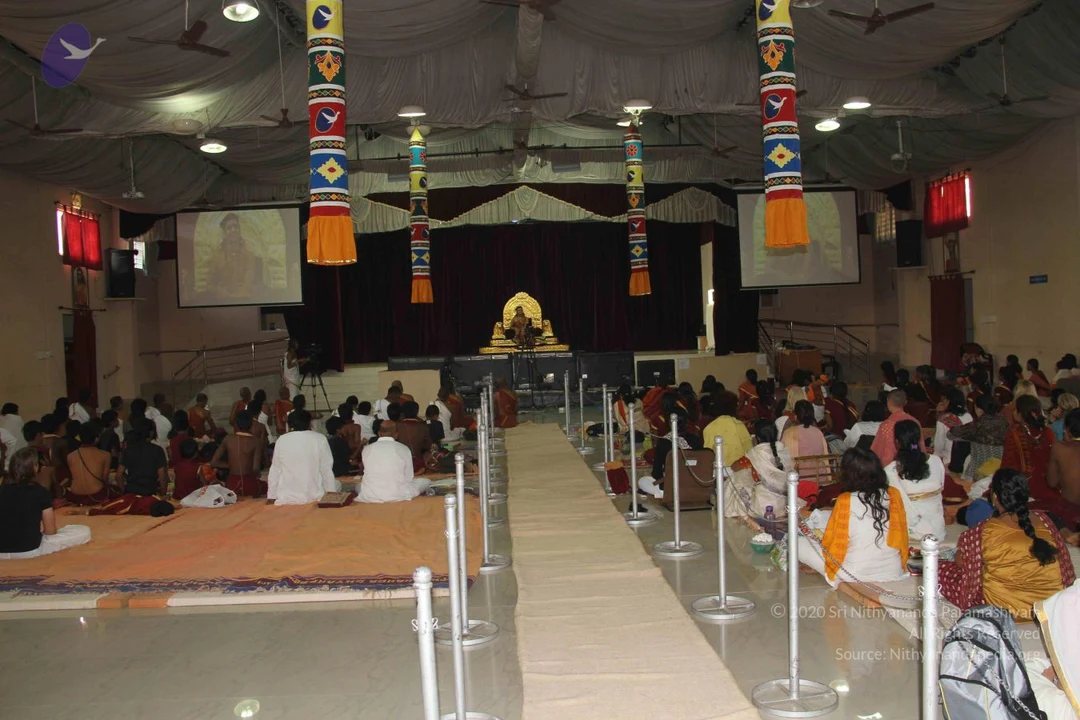
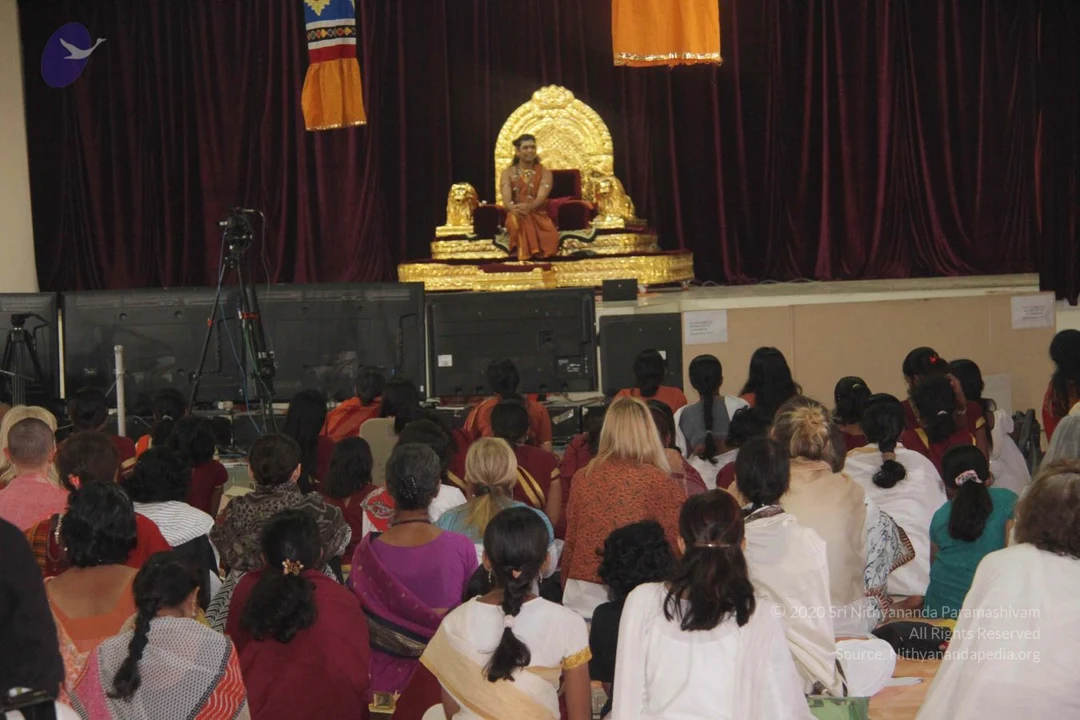
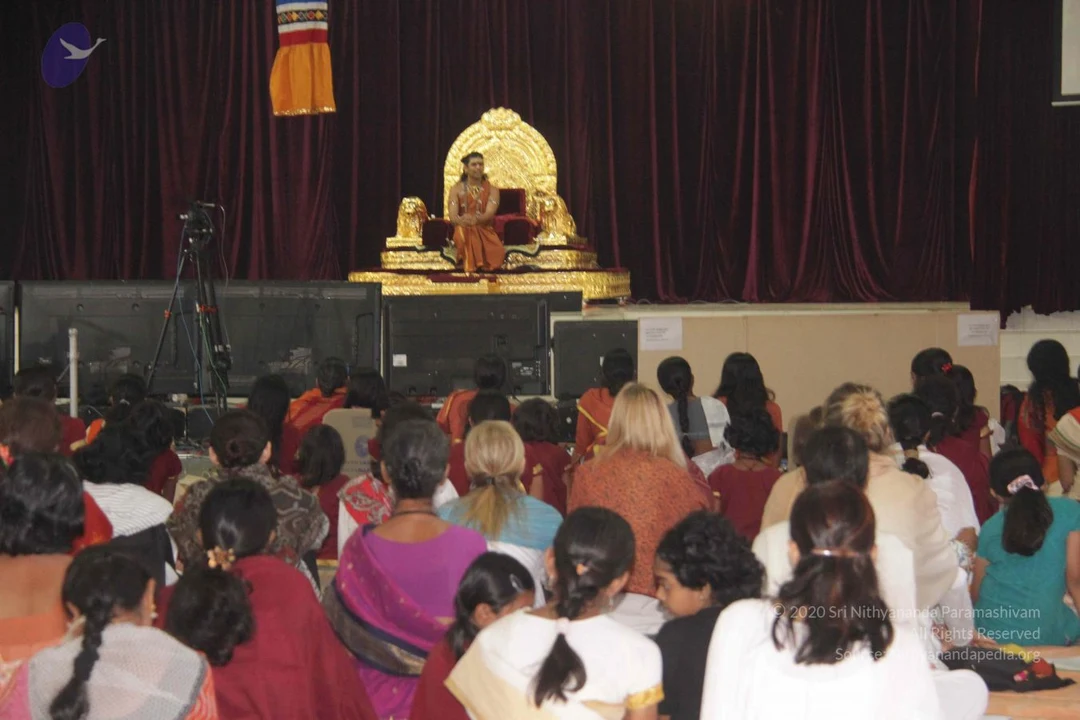
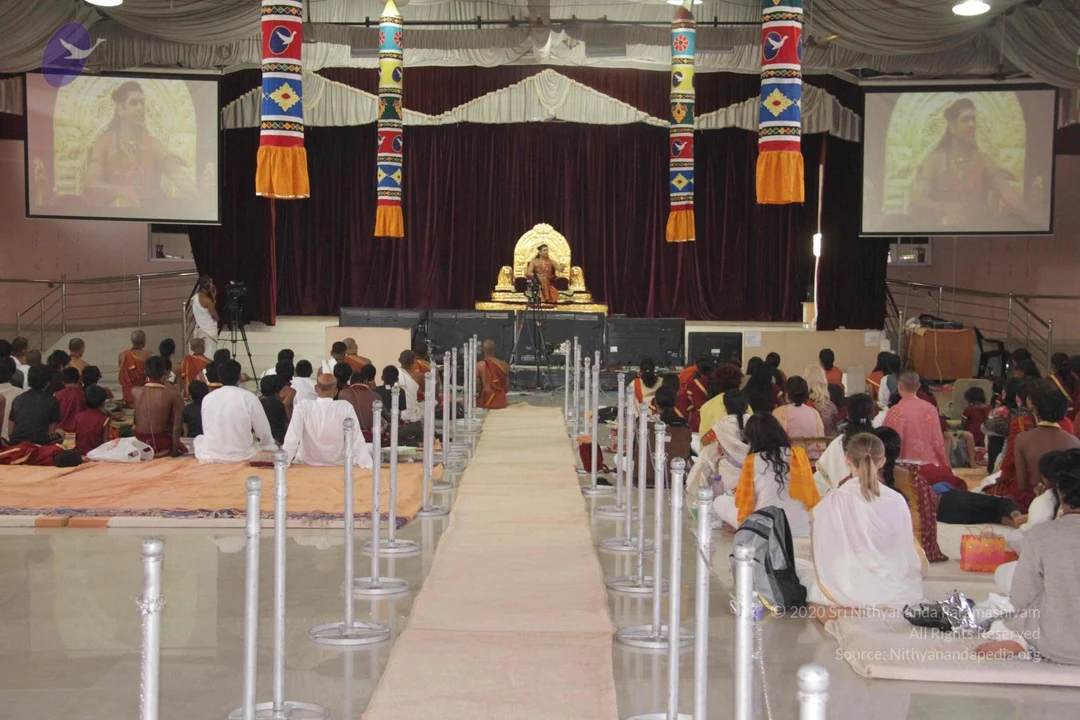
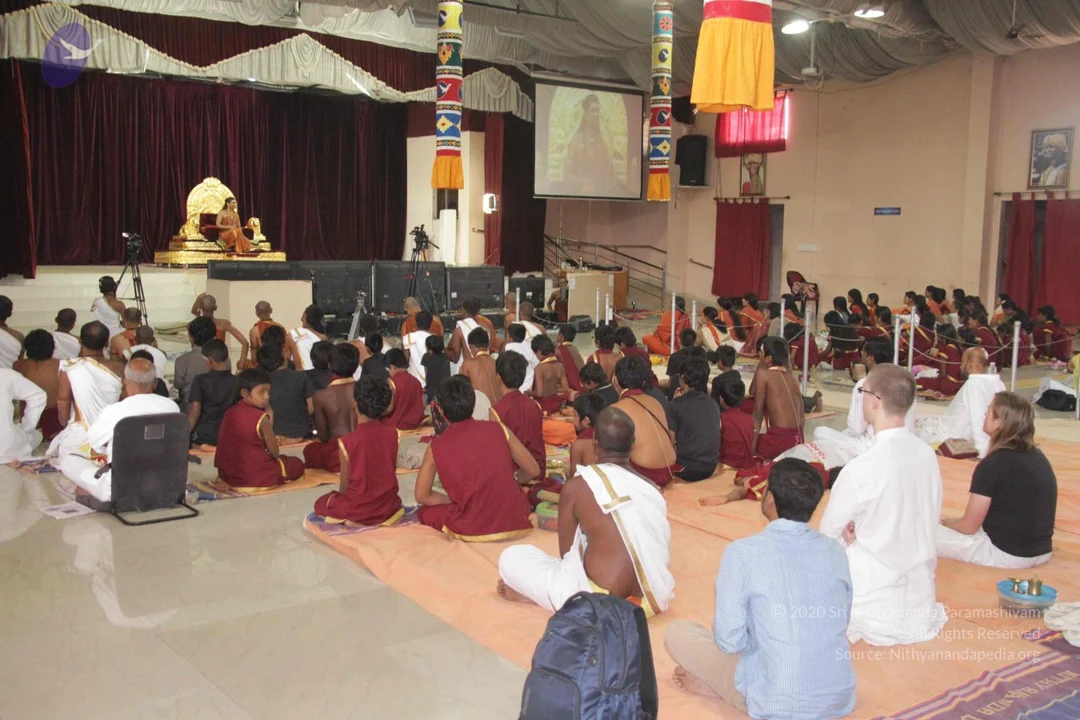
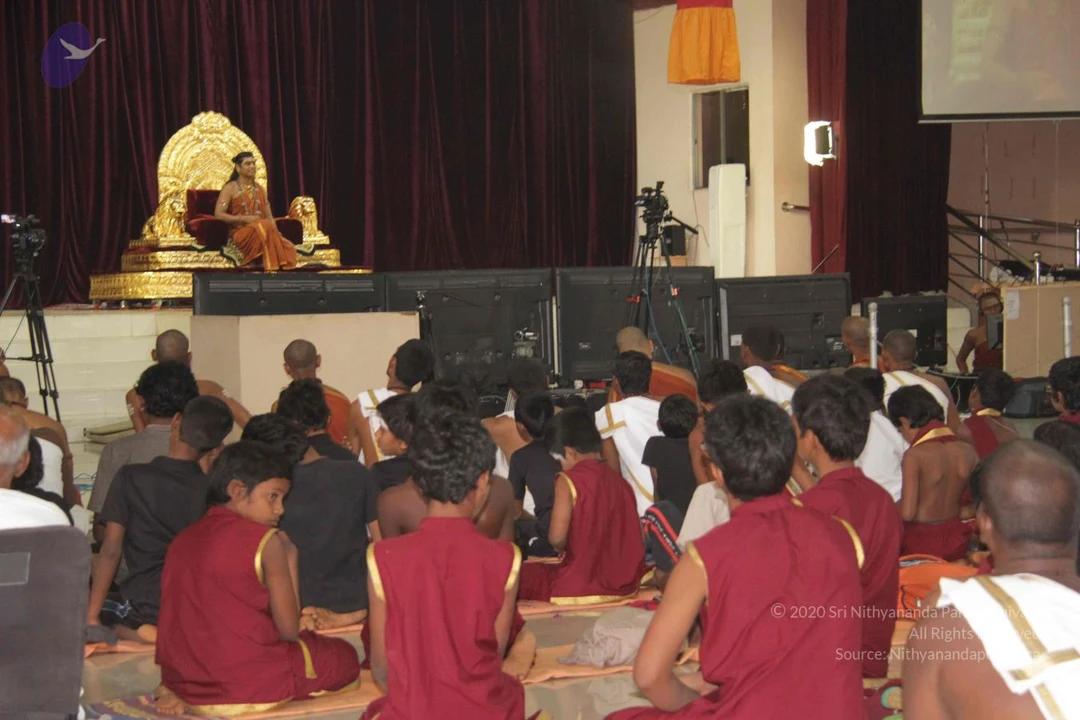

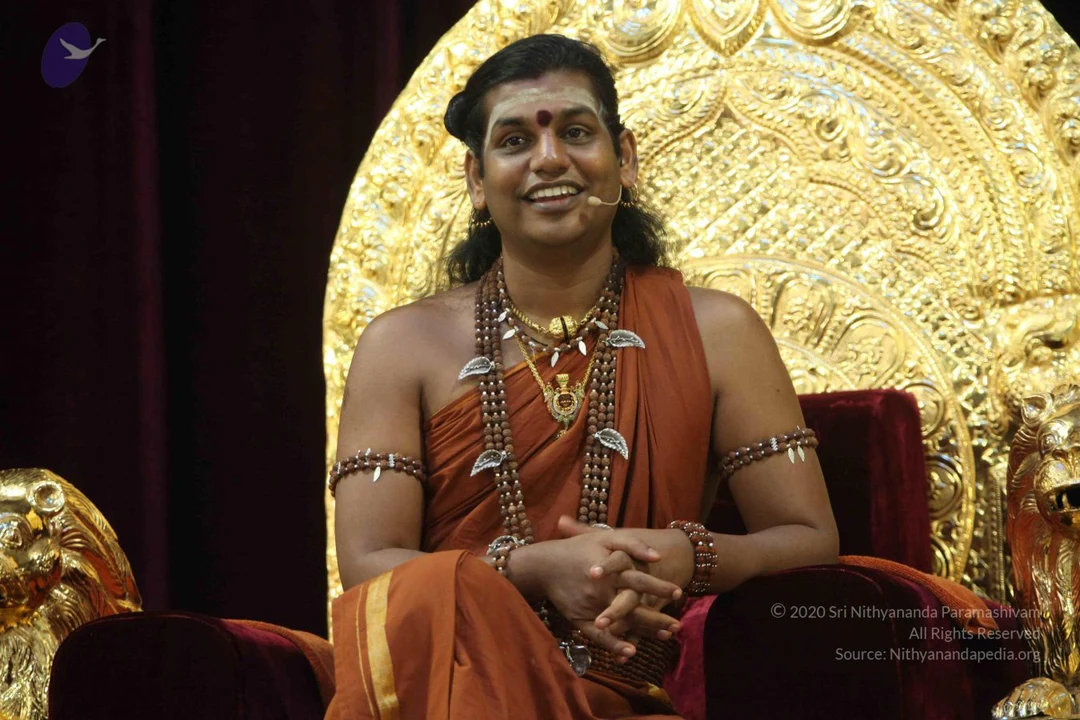
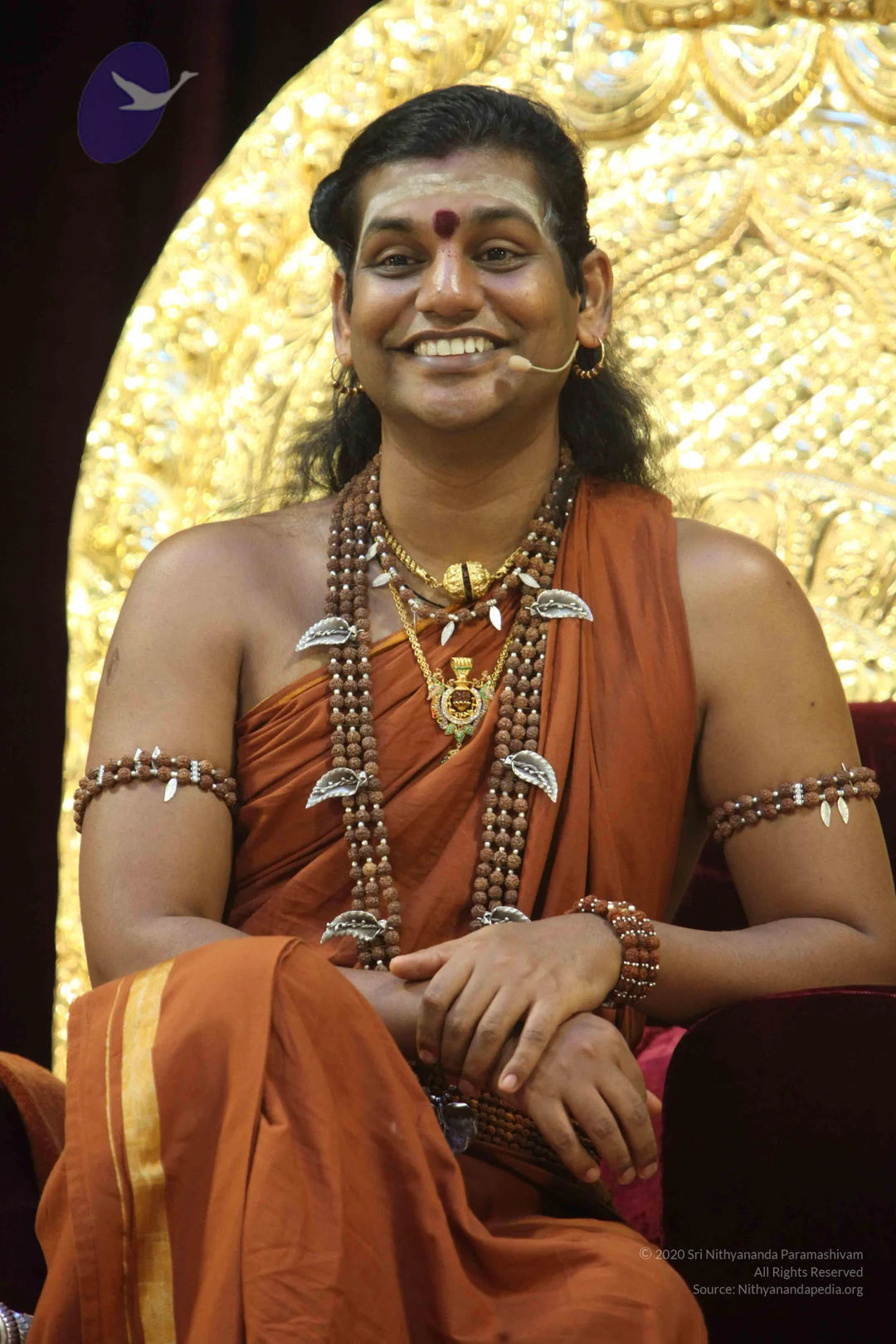
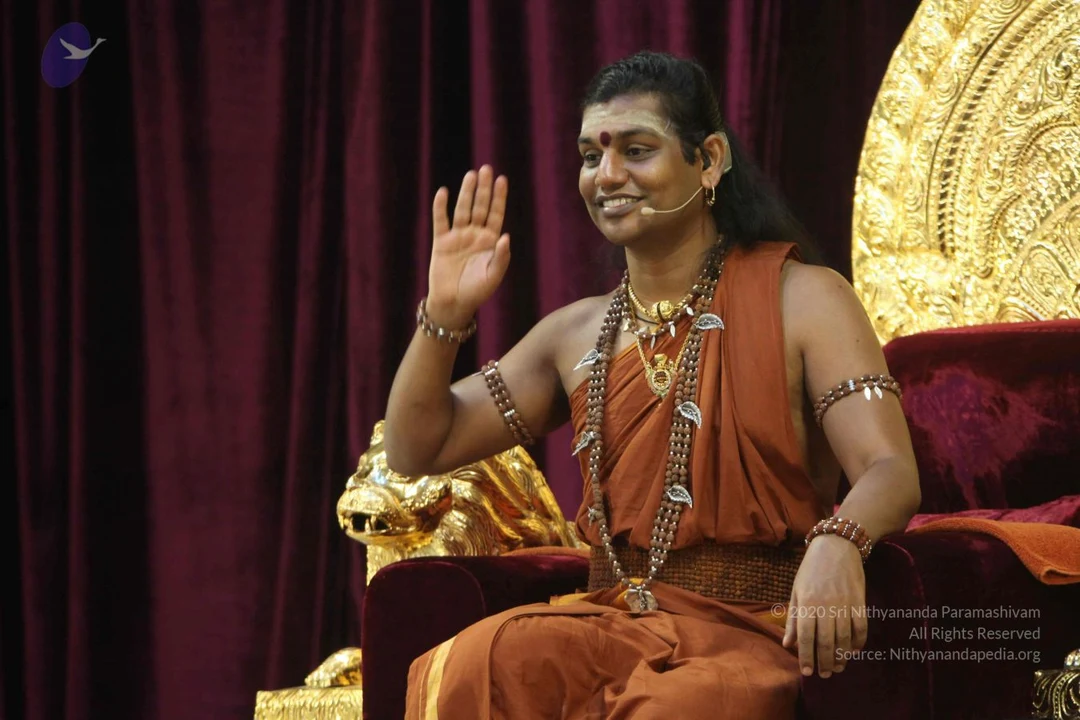
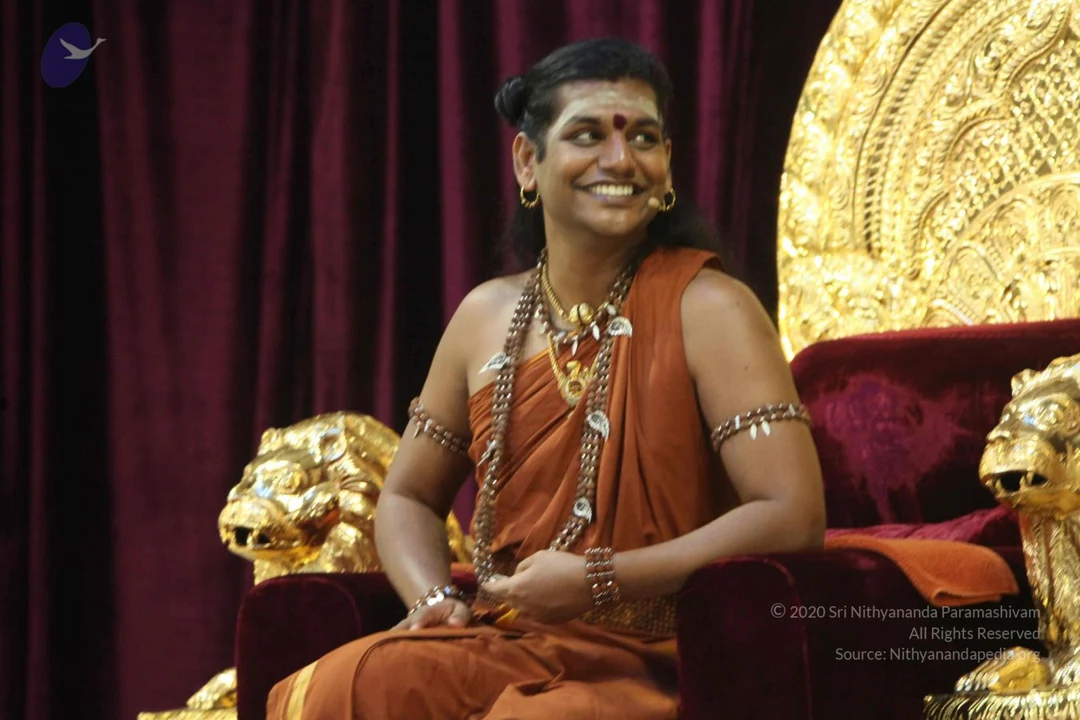
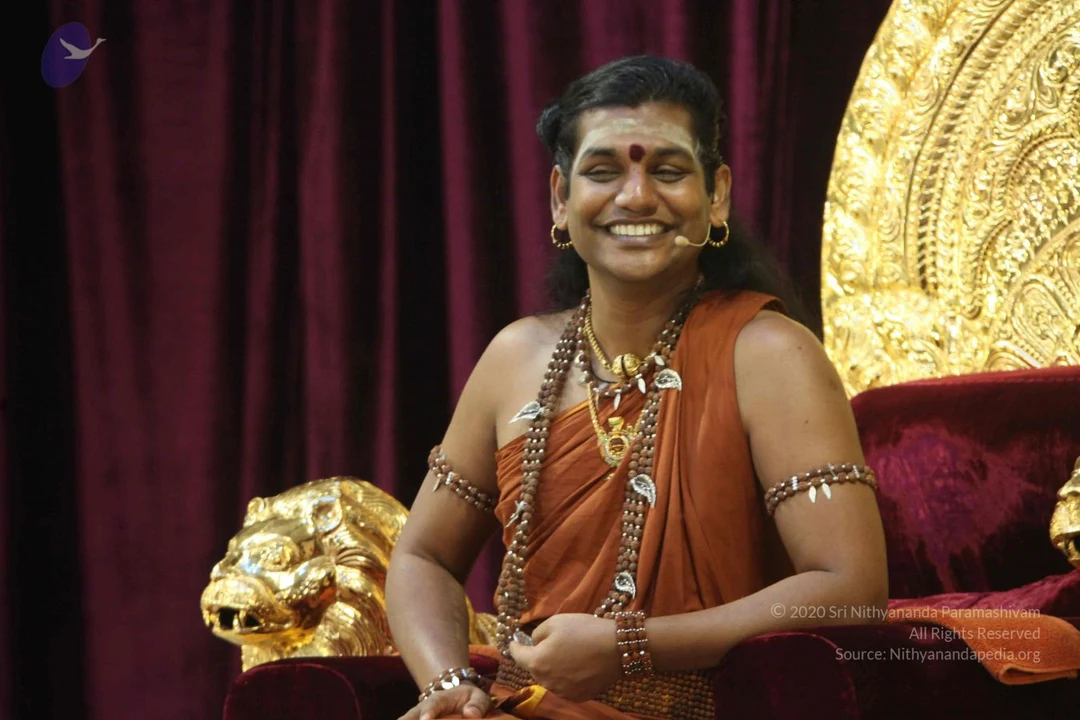
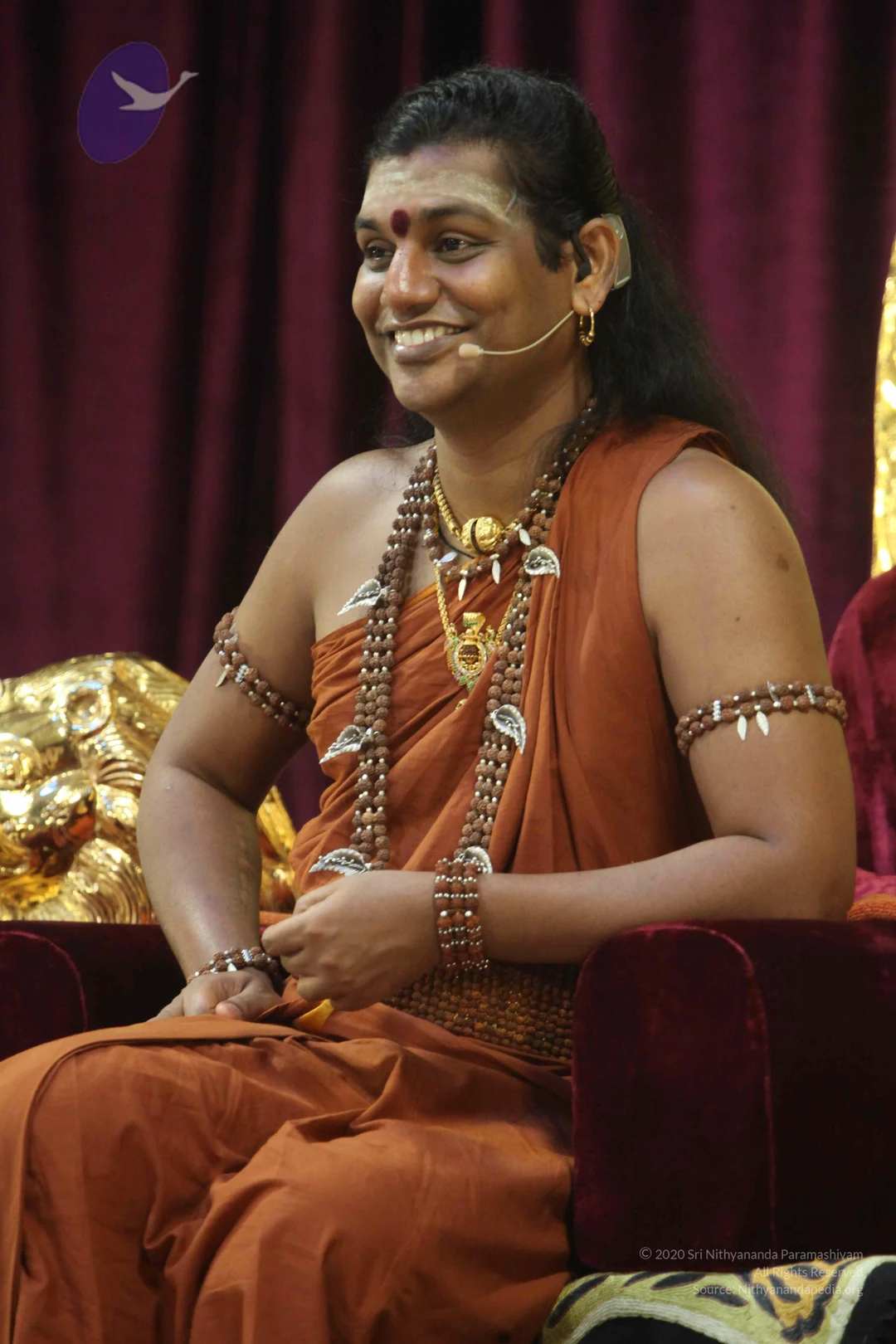
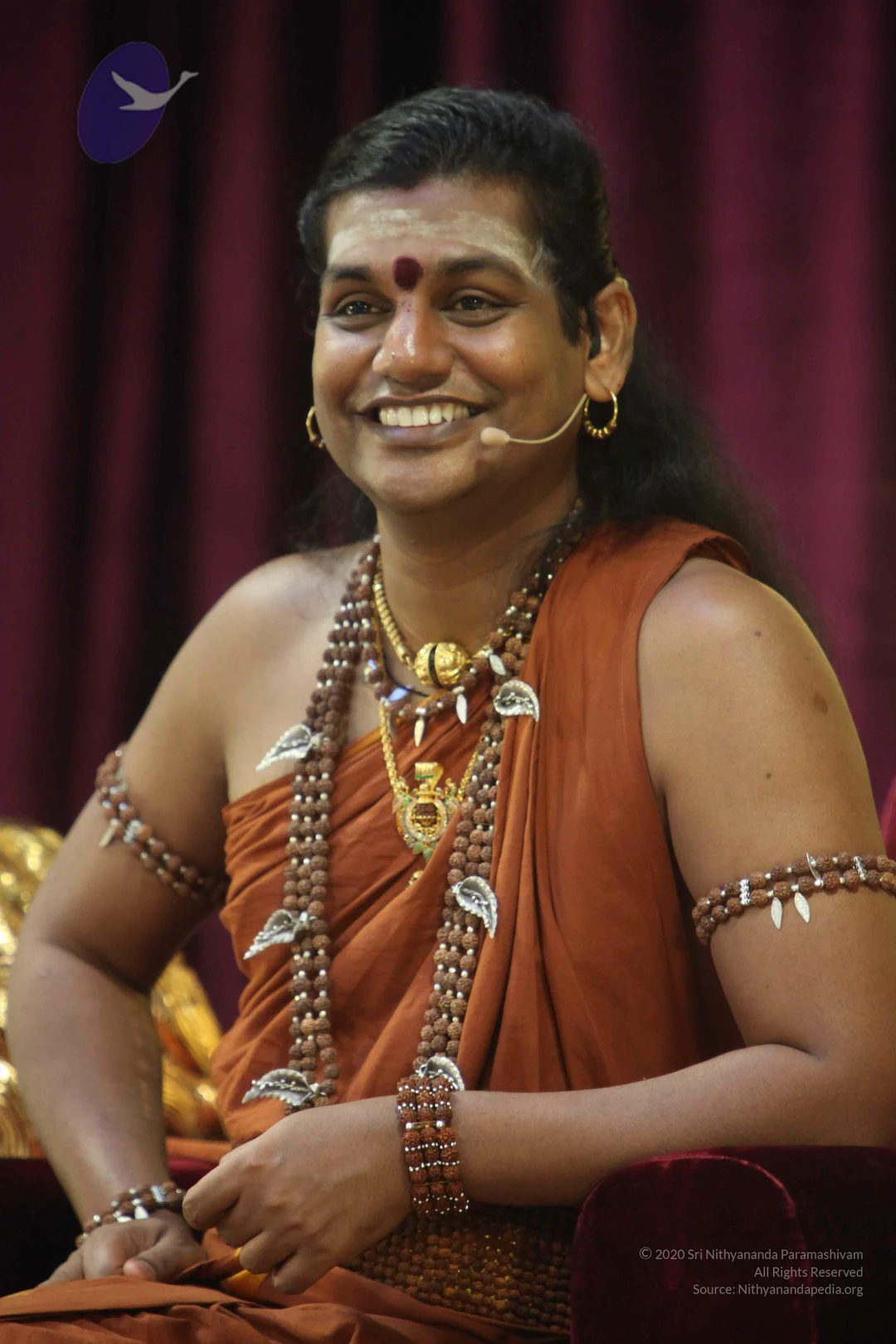
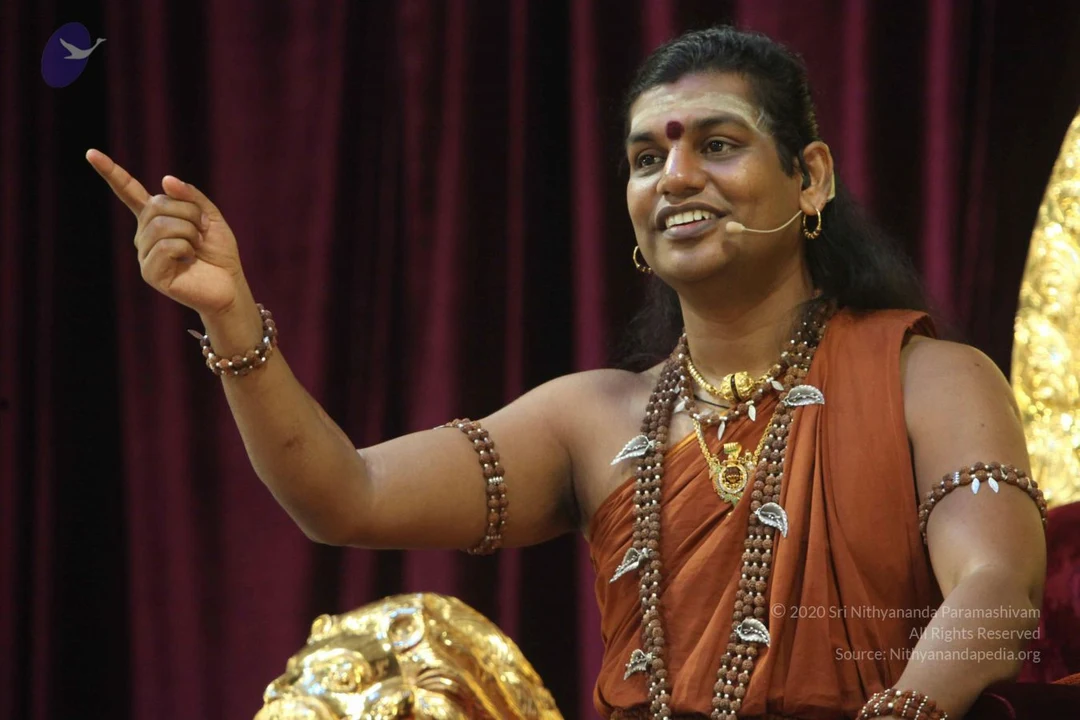
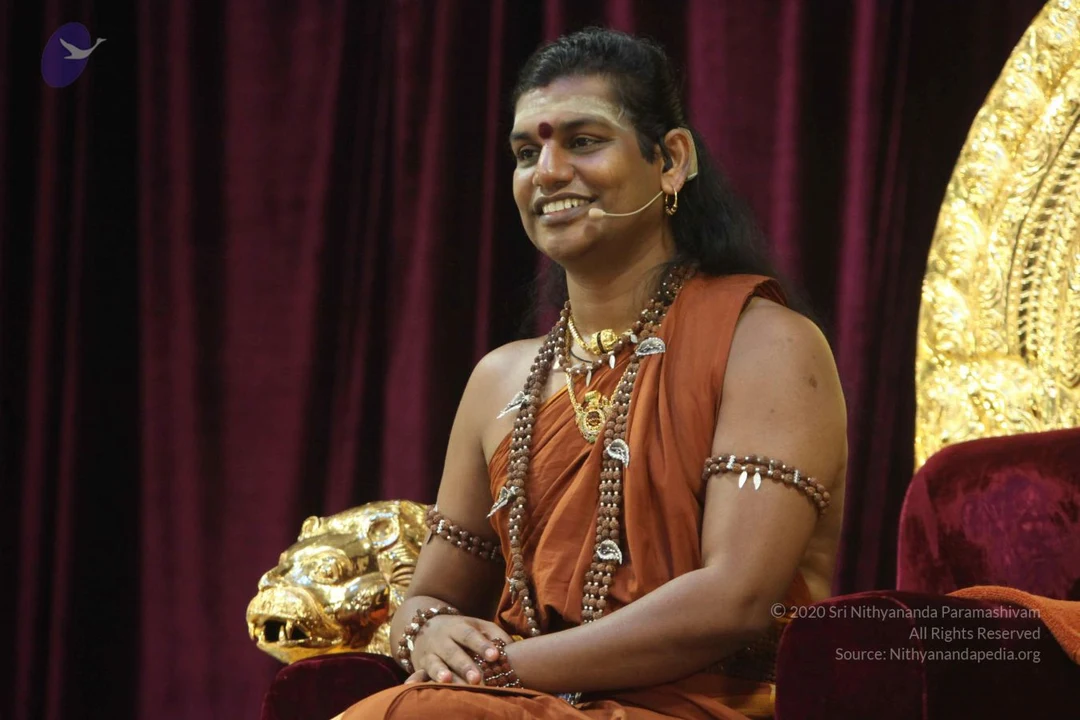
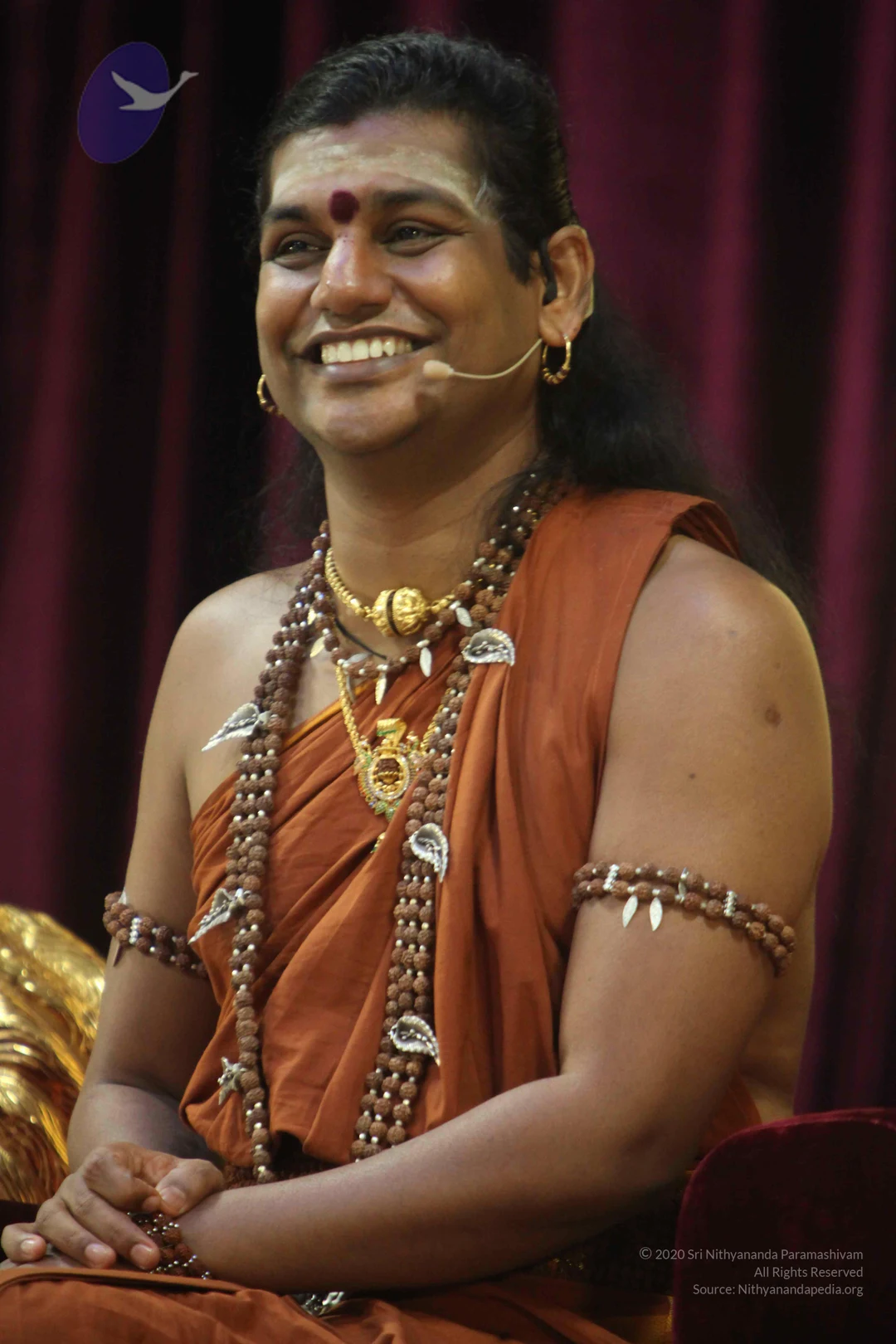

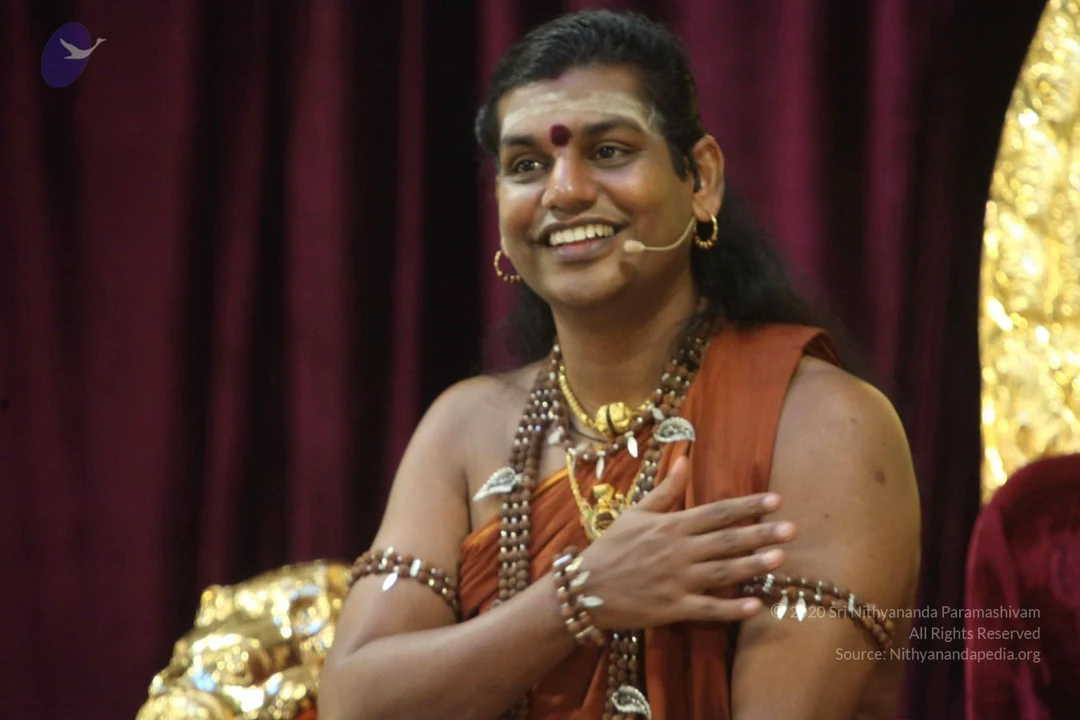
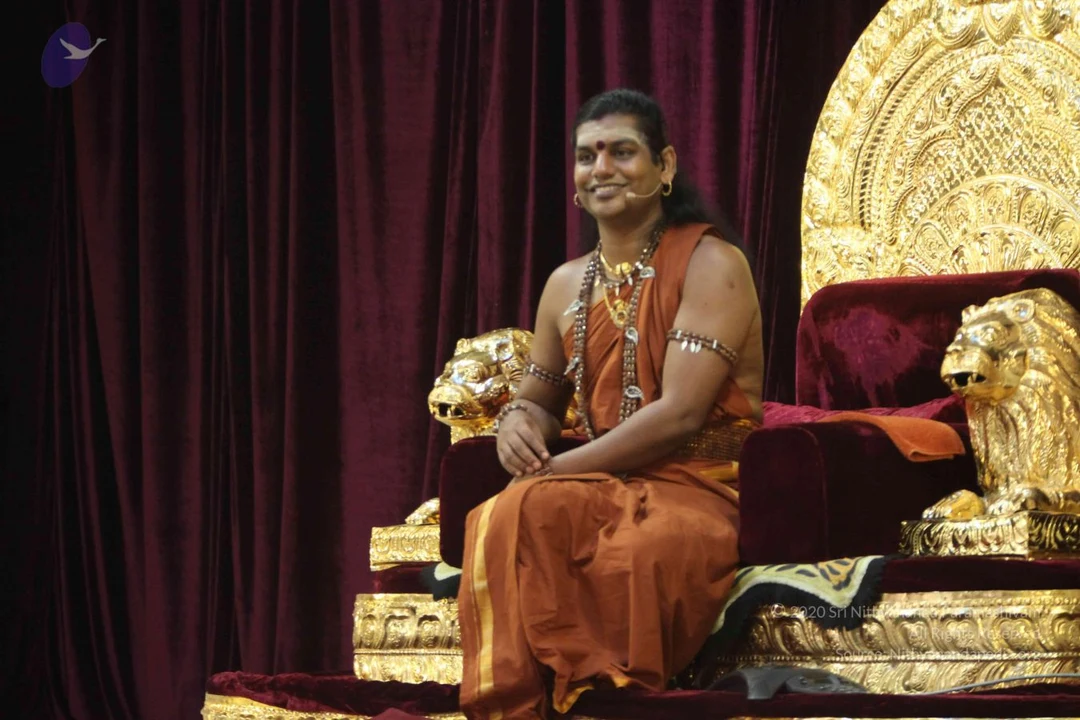

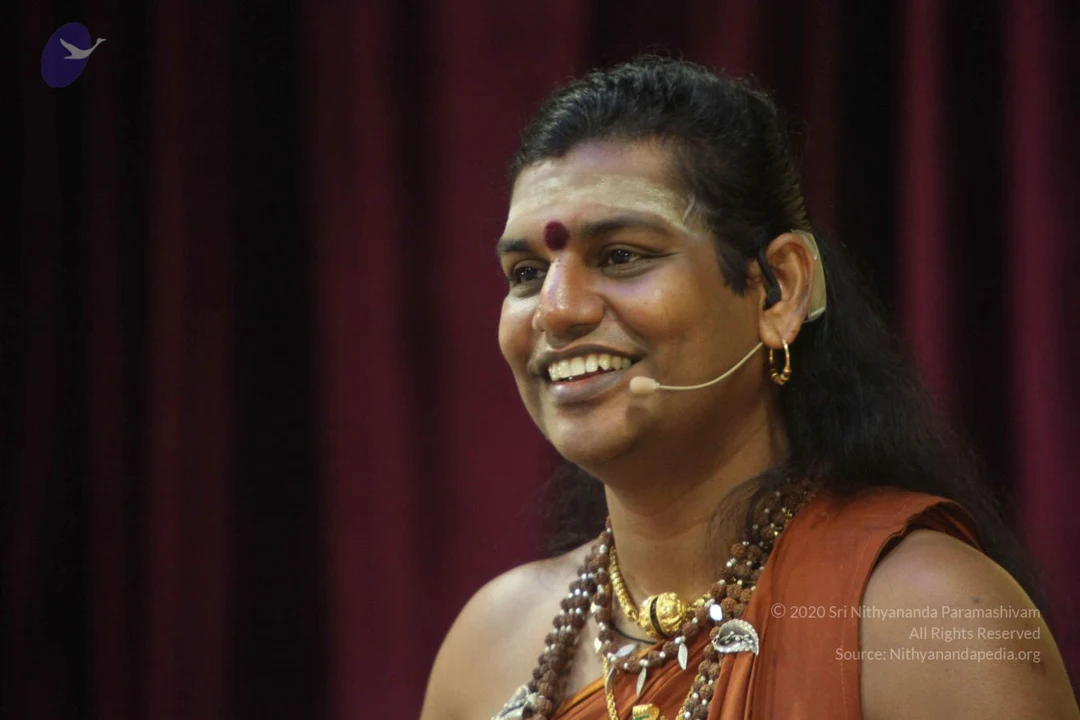
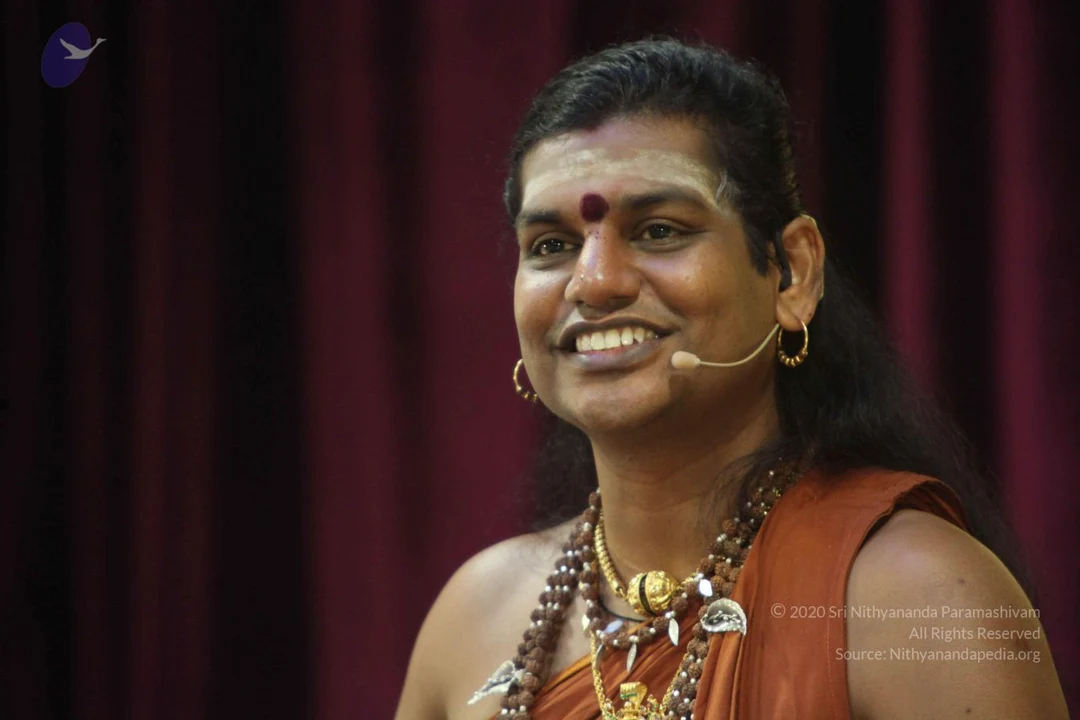
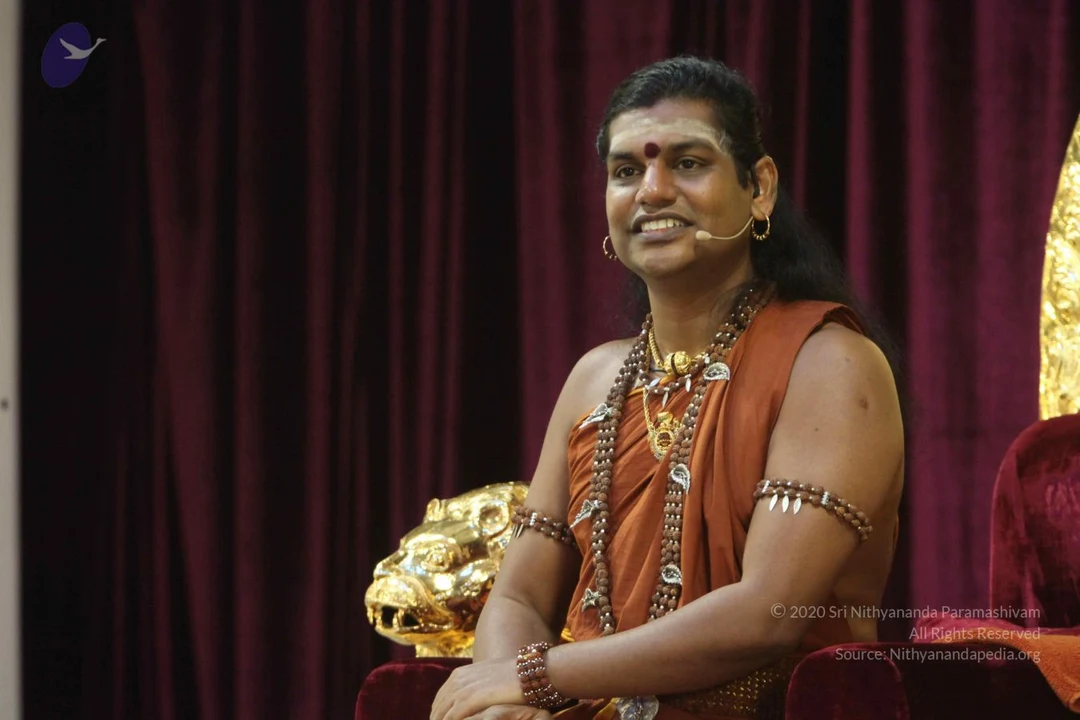
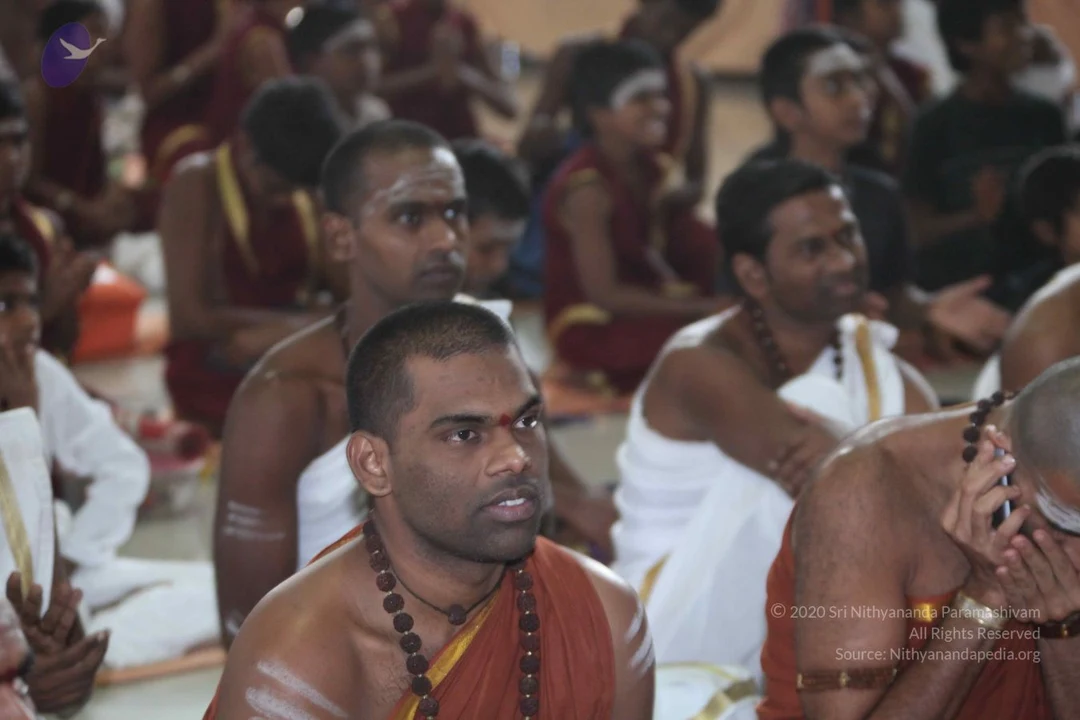
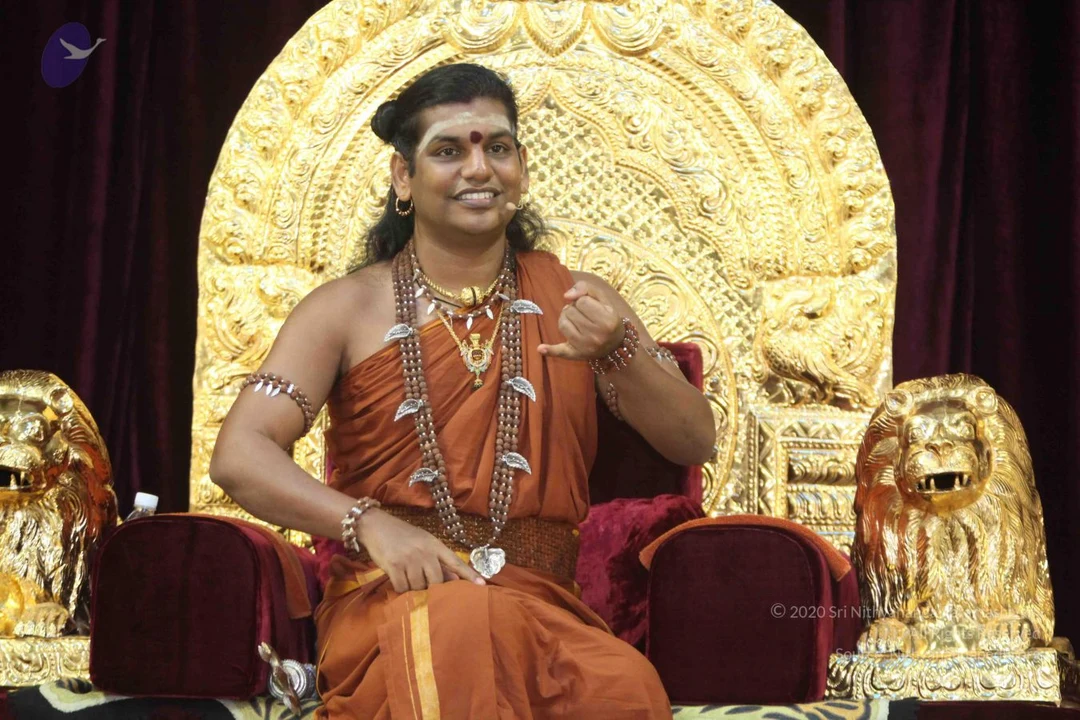
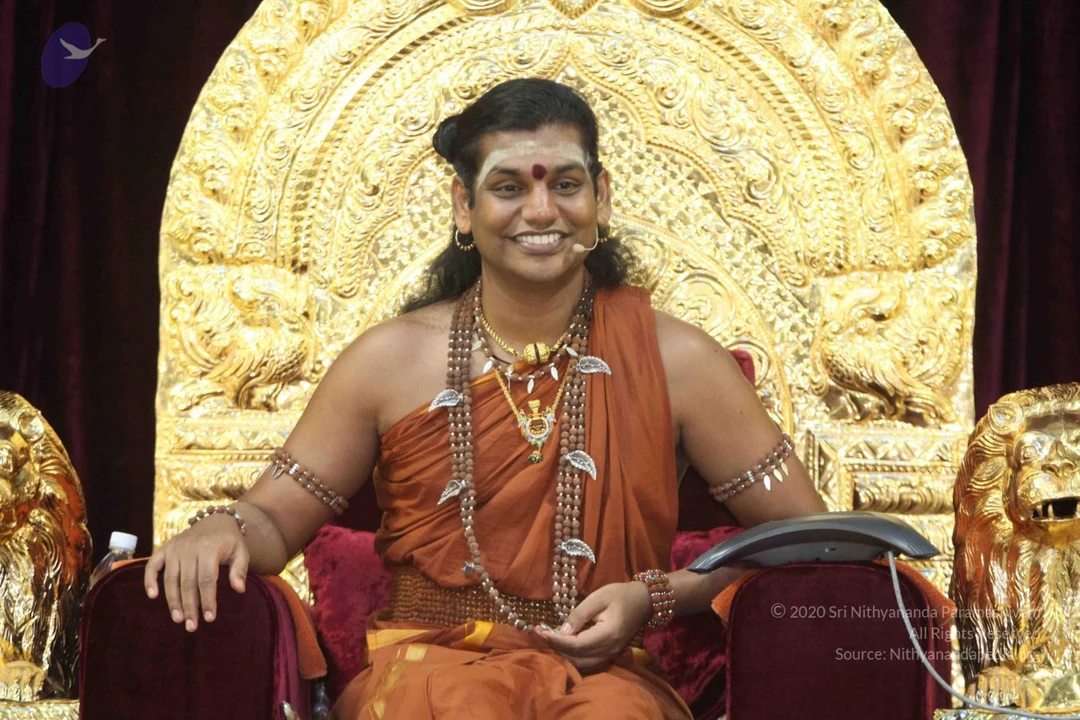
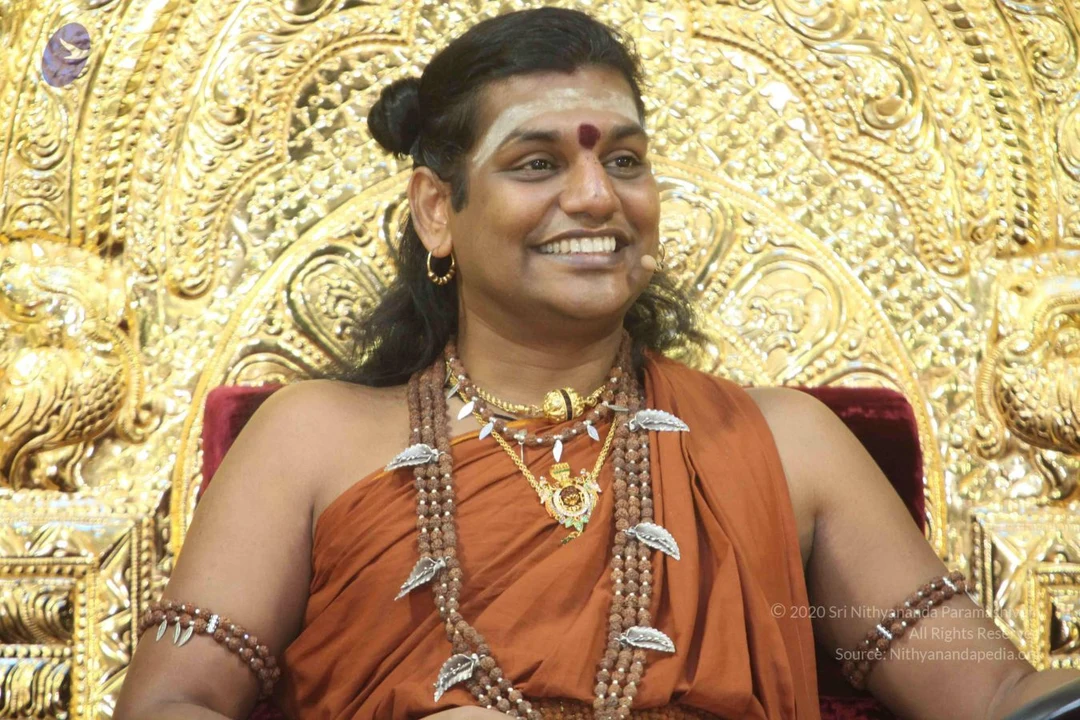
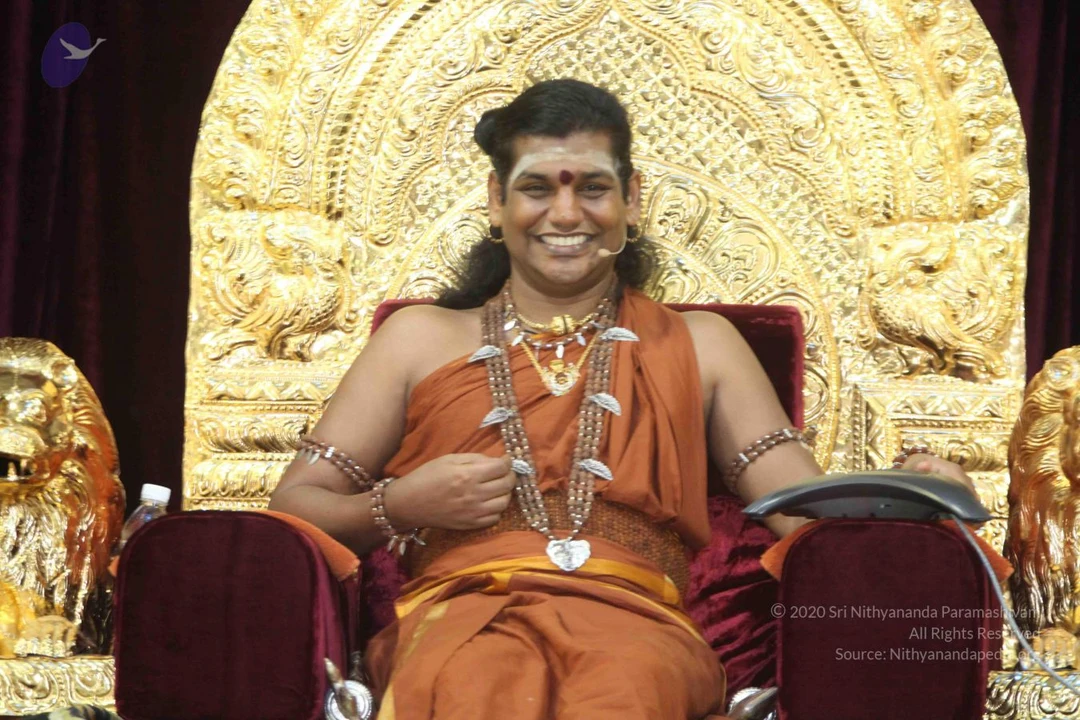
Sarva-Darshan
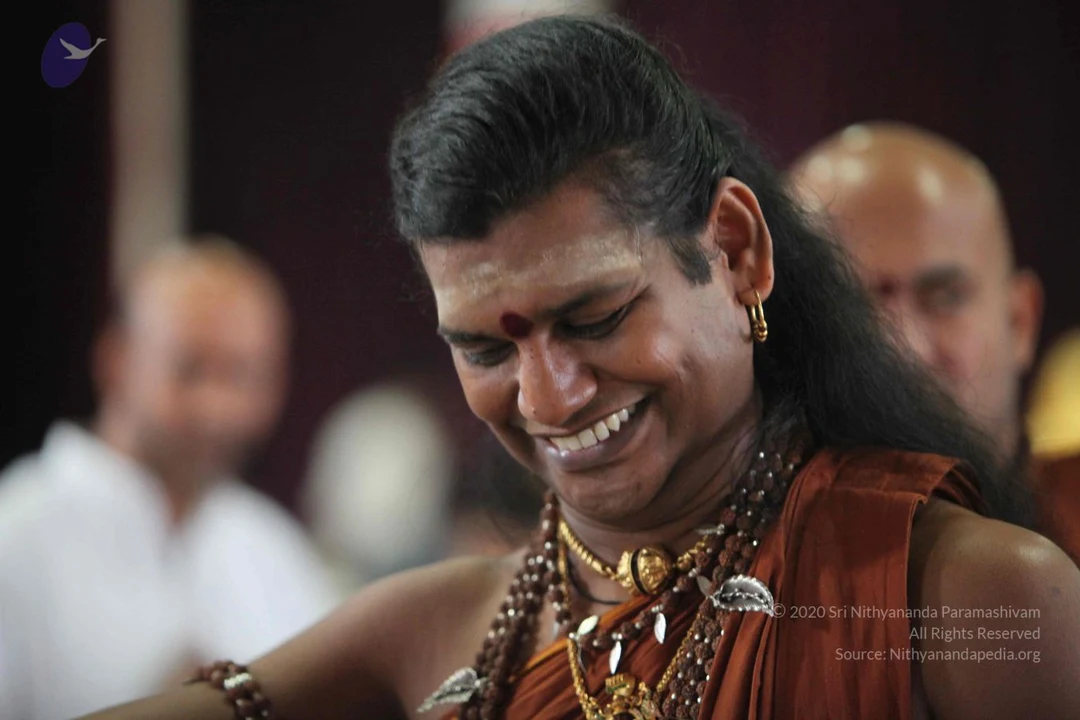
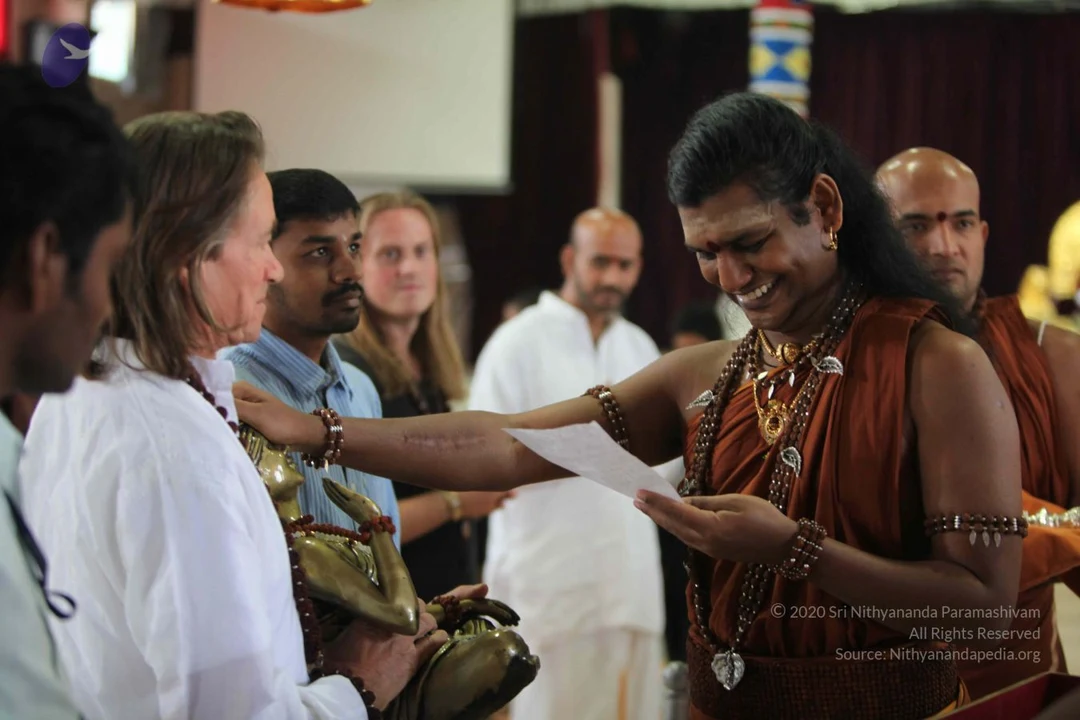
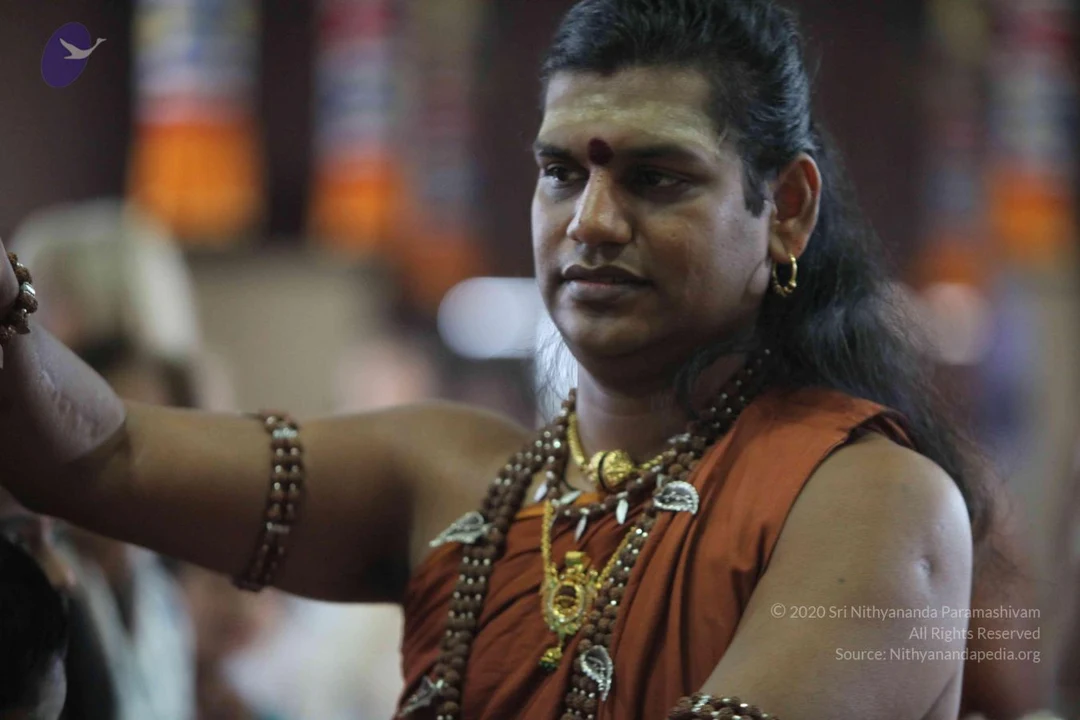
01-Temple
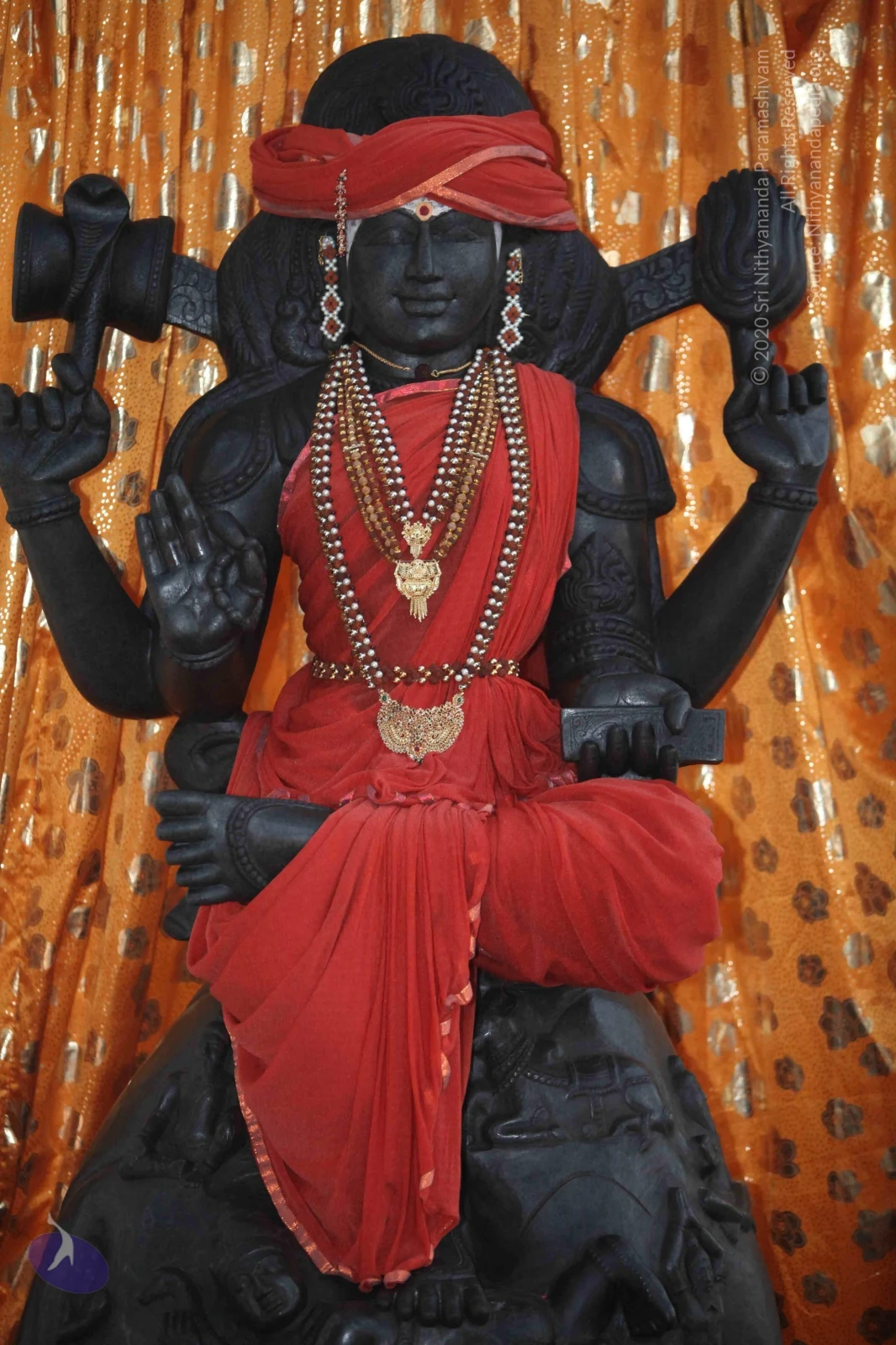
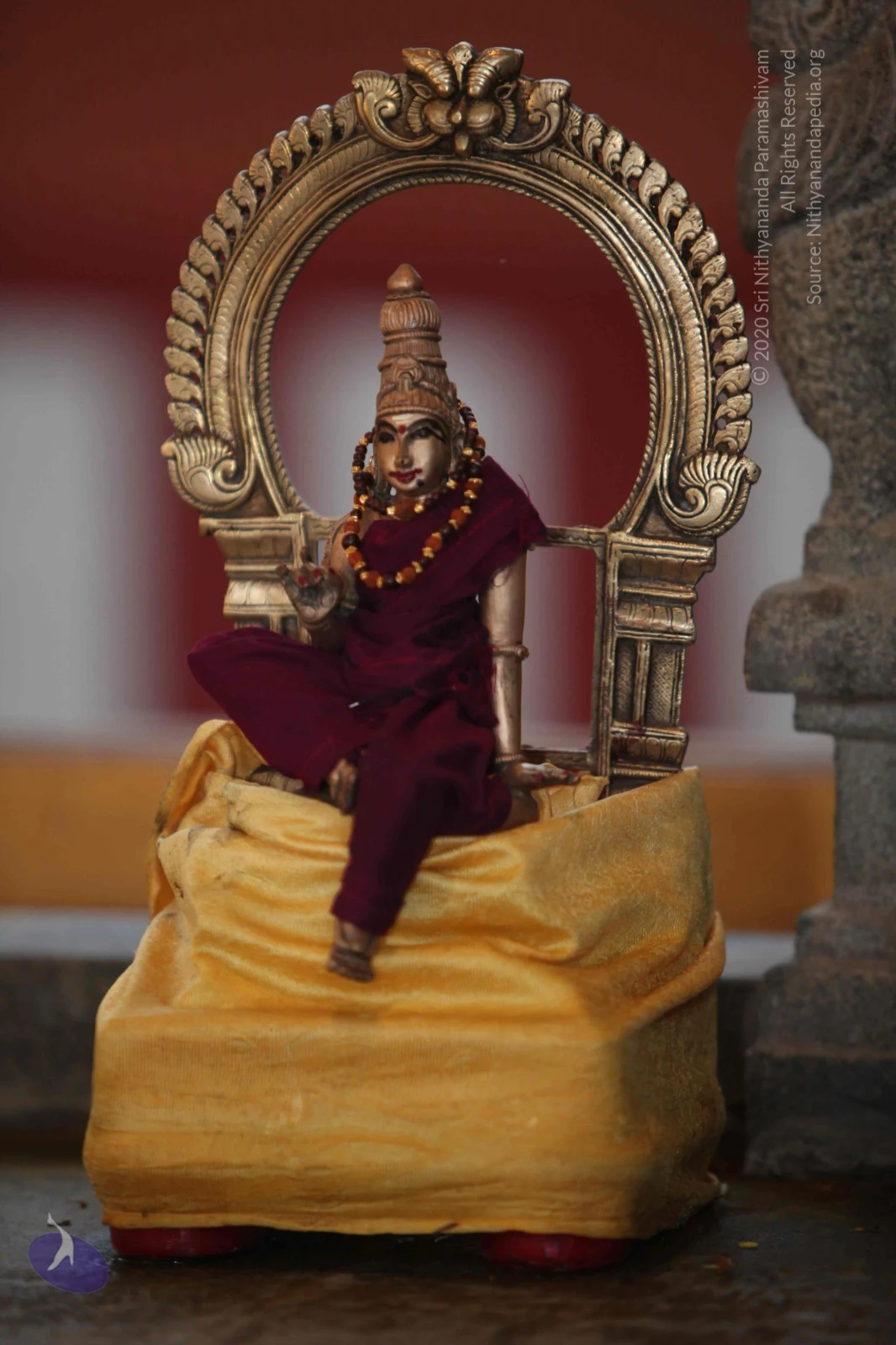
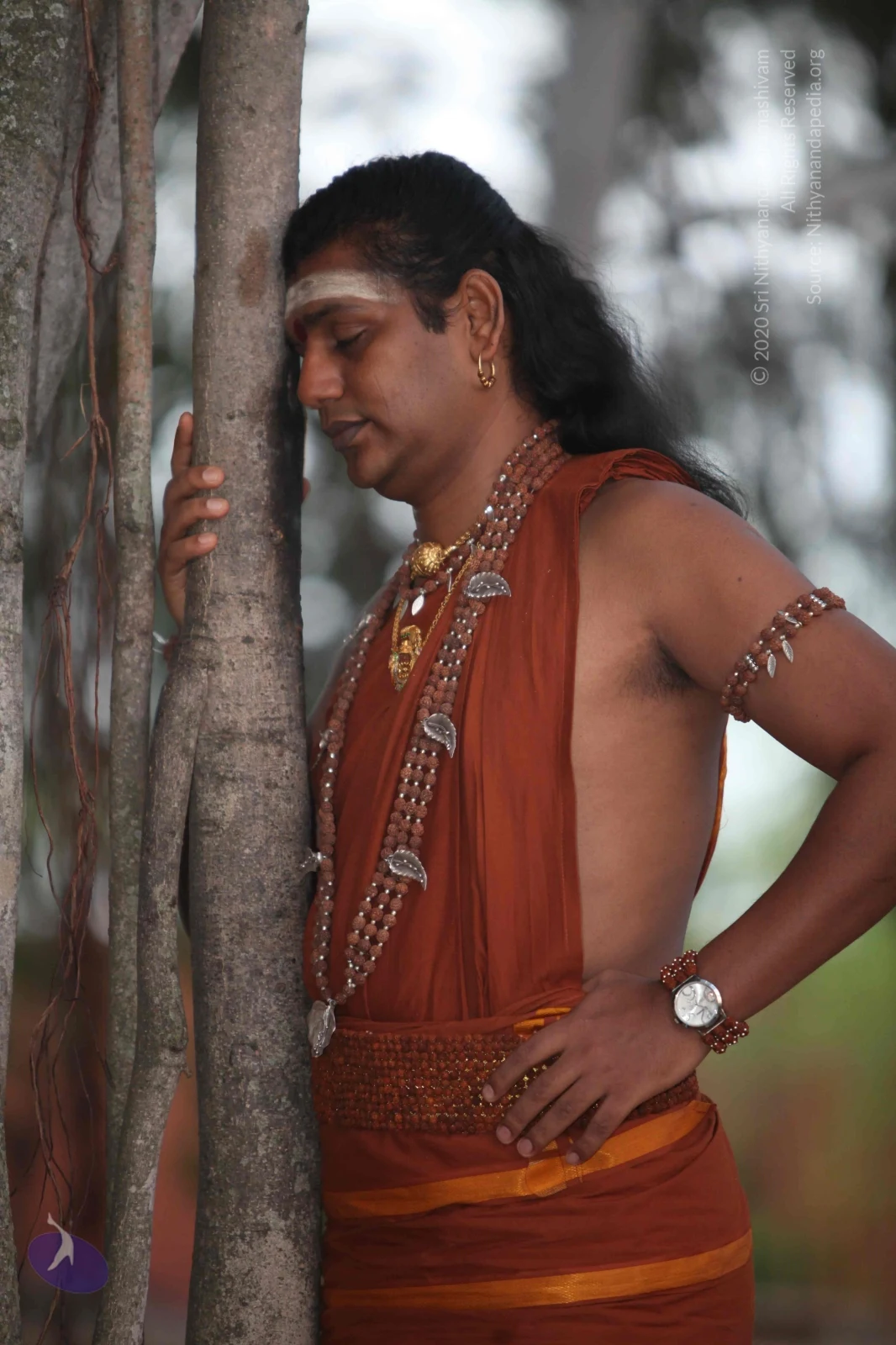
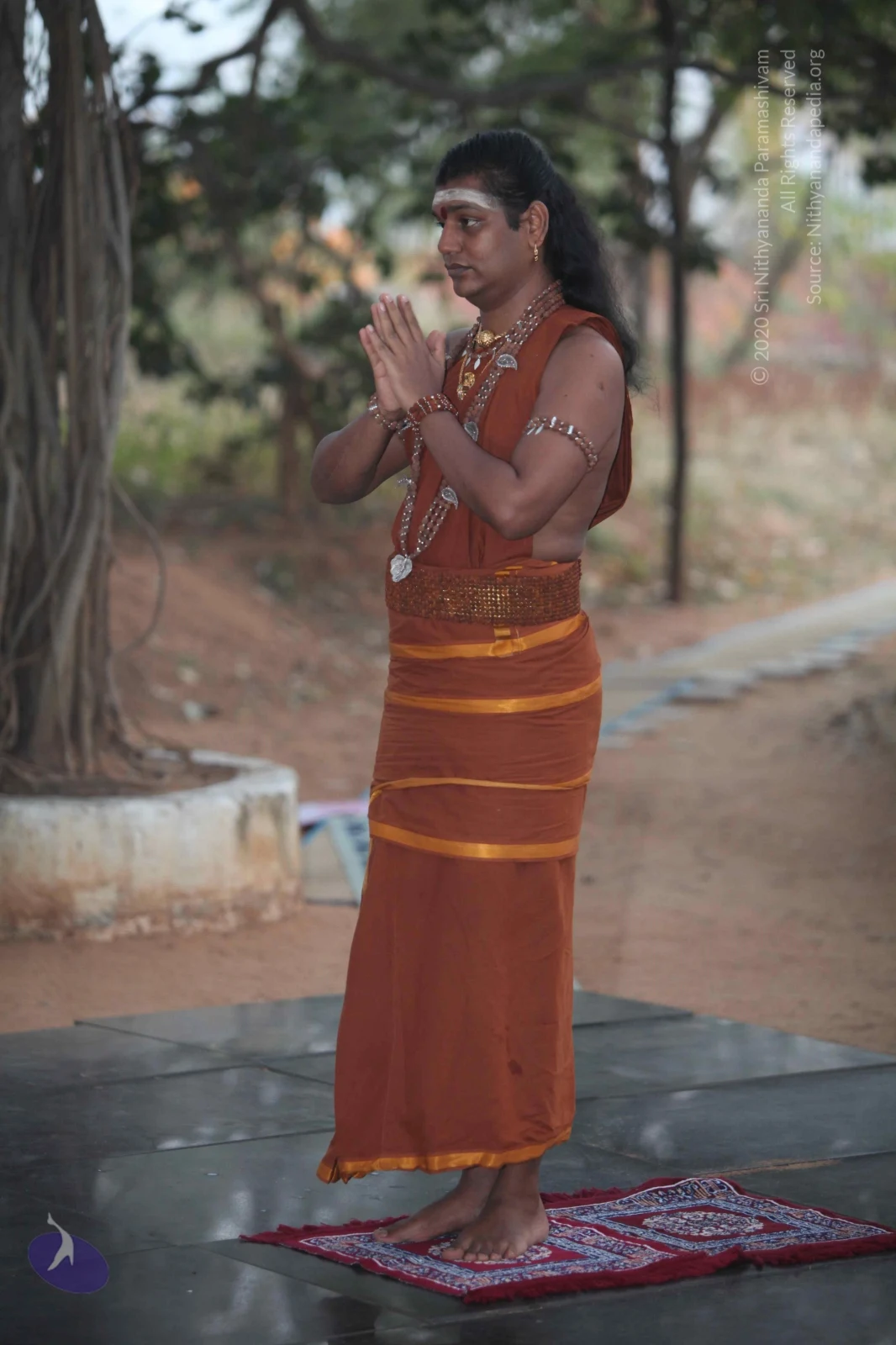
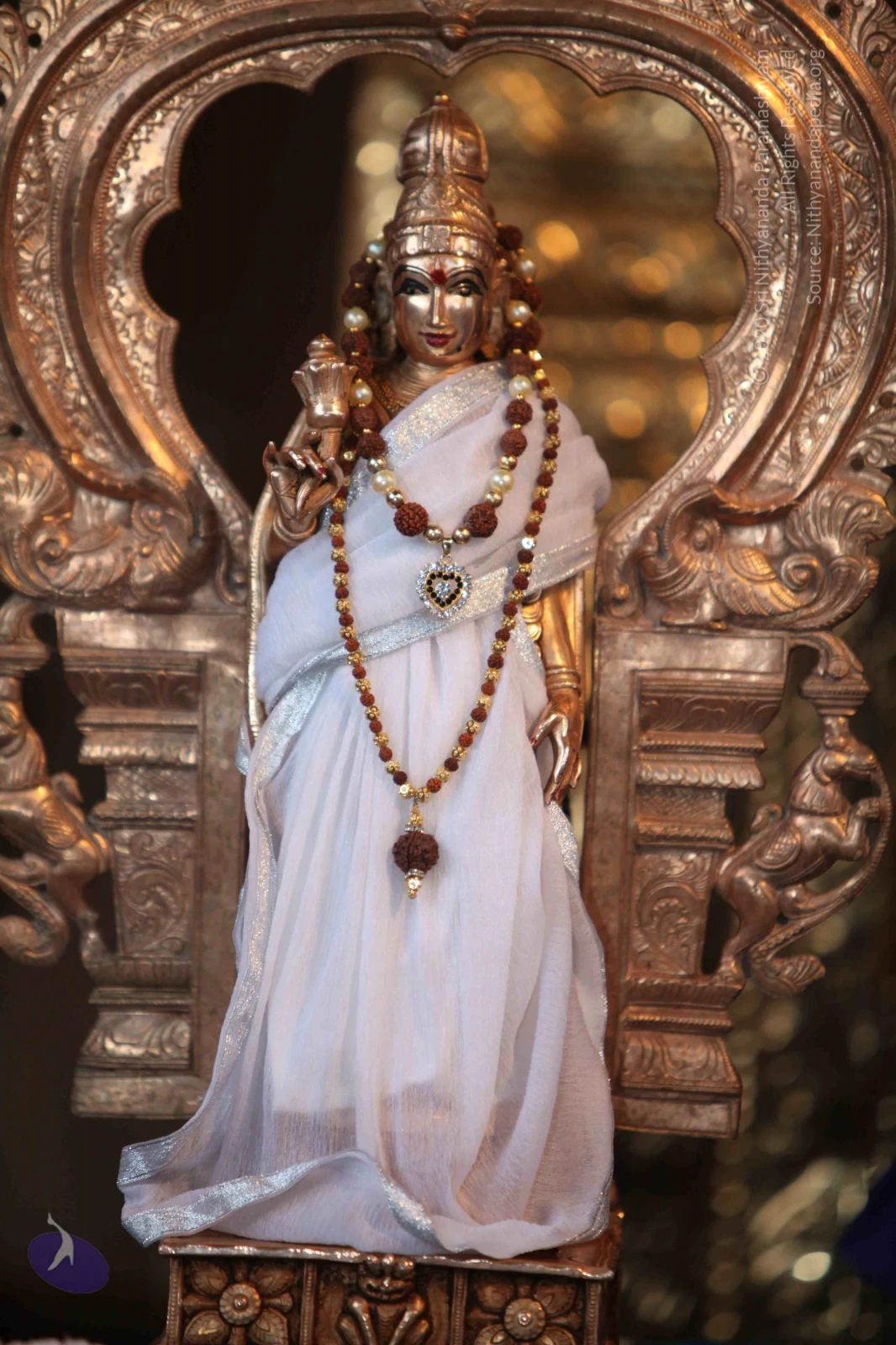
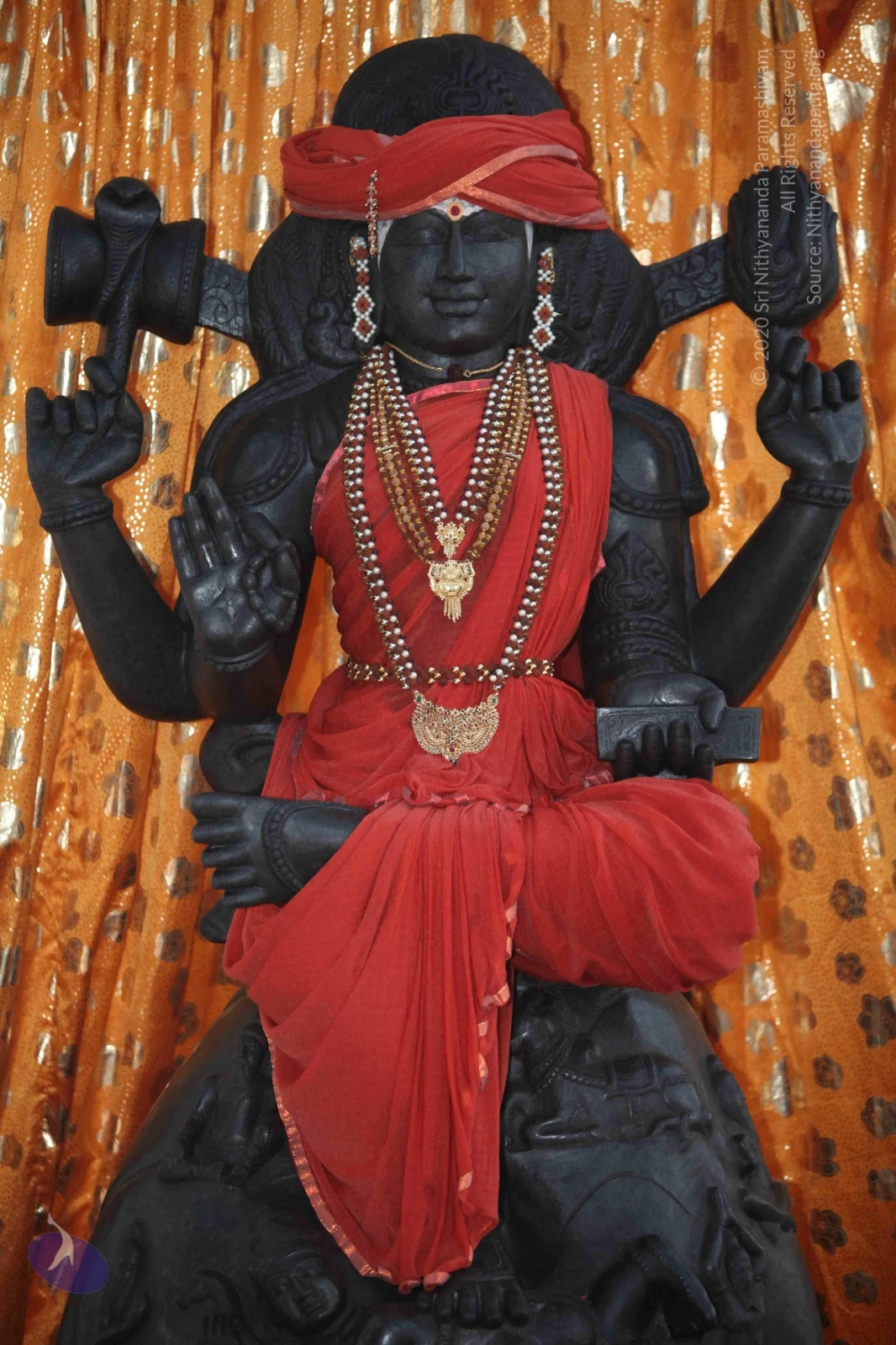
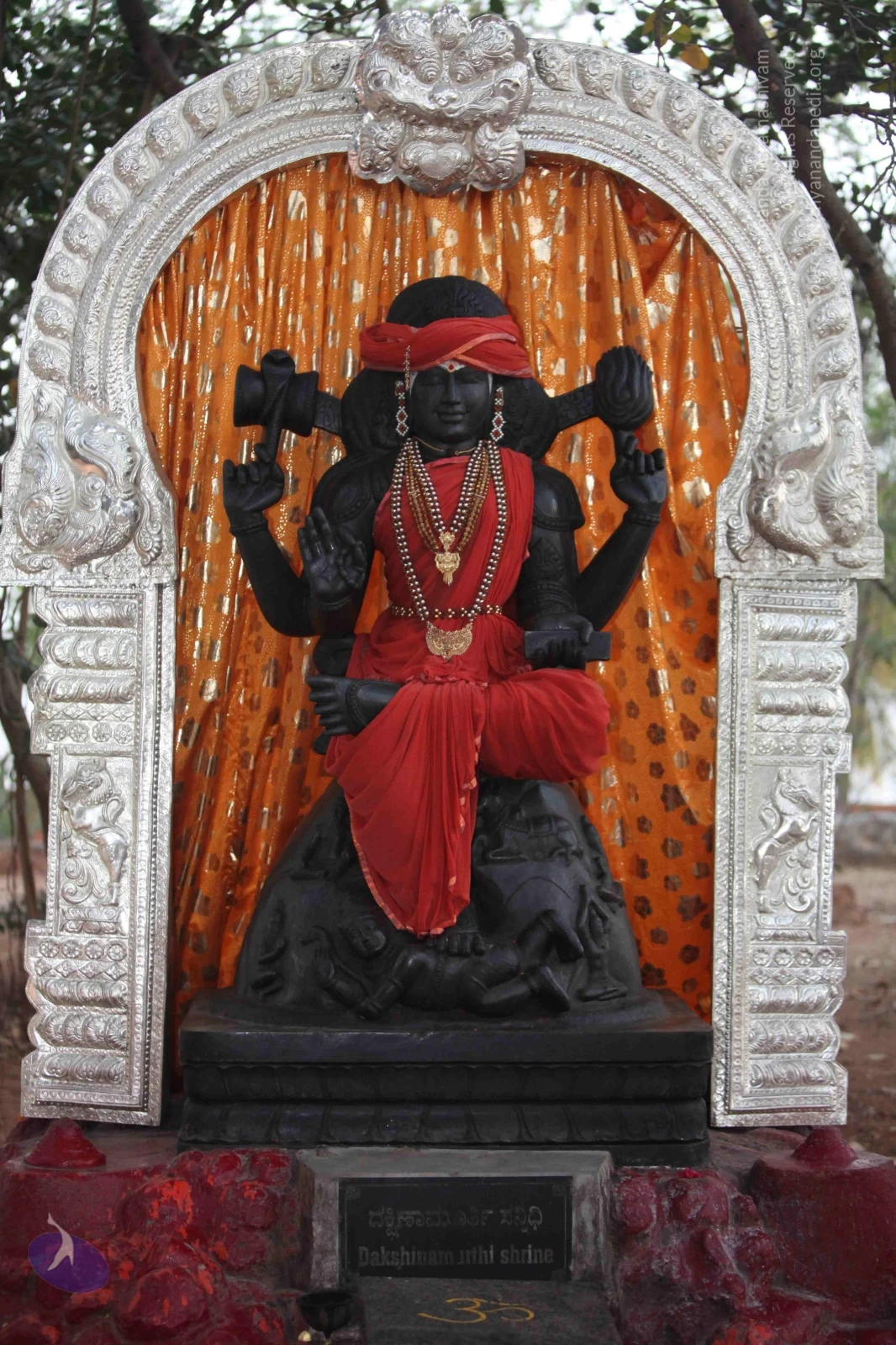
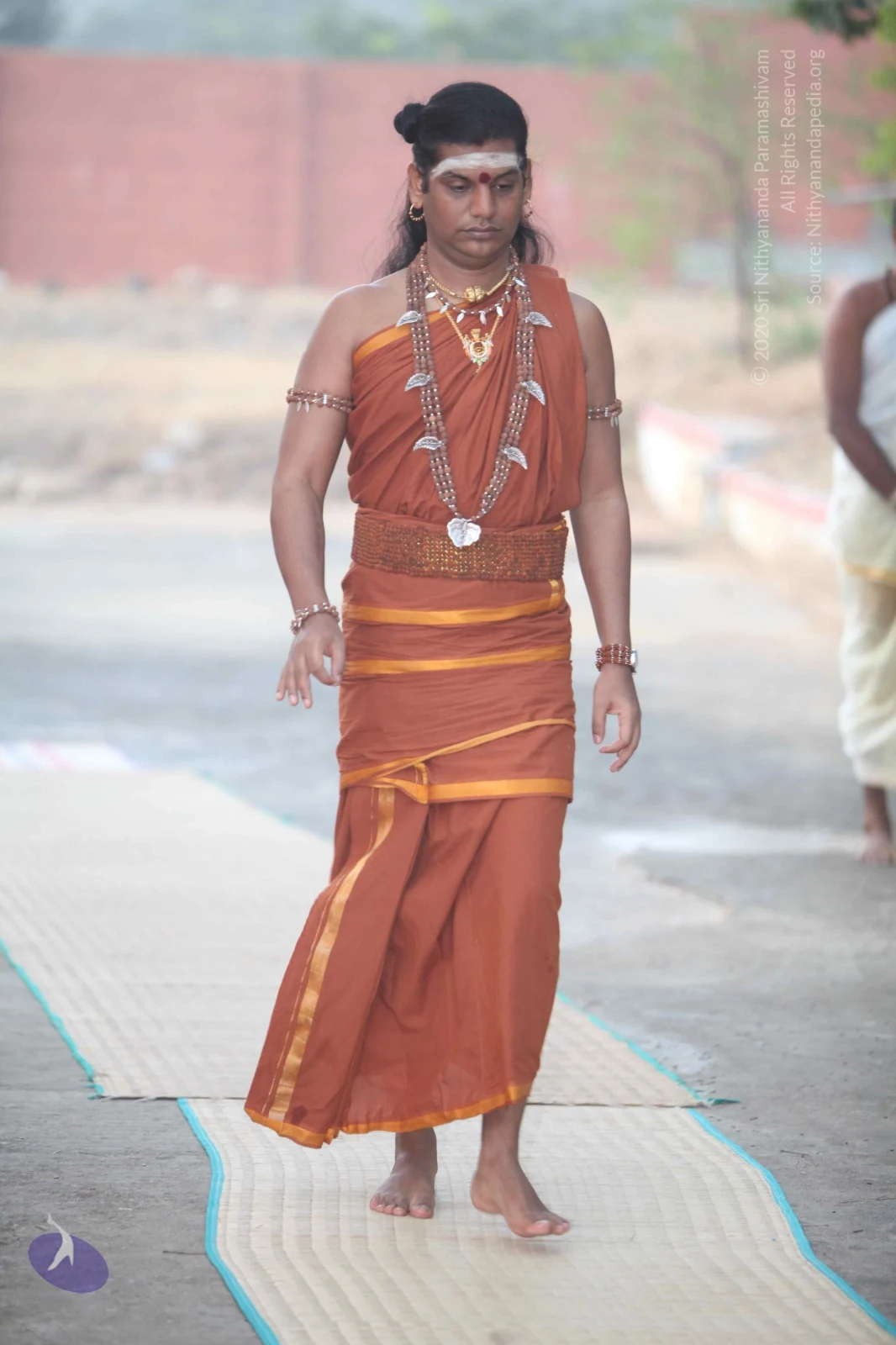
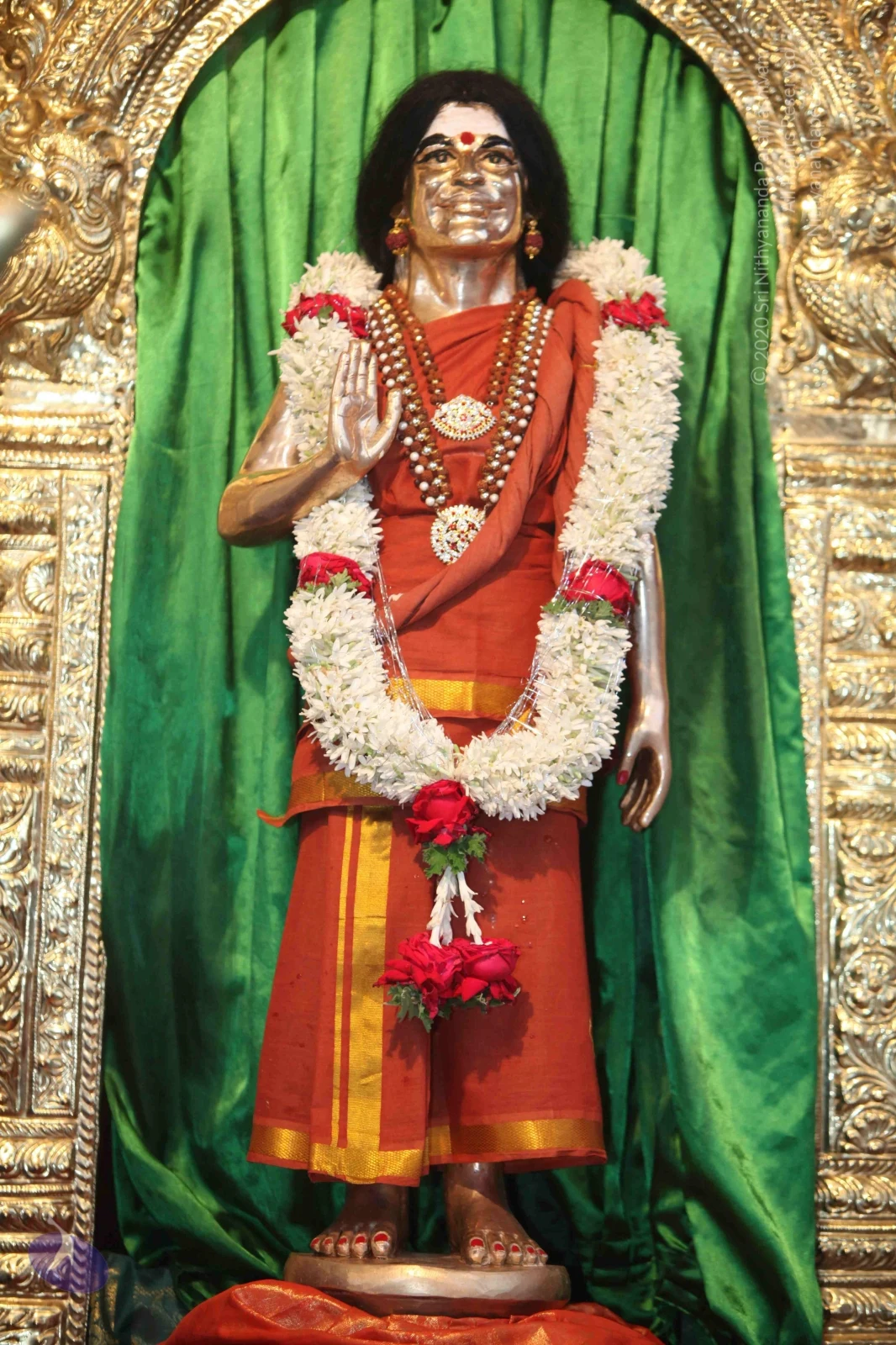
02-Pada-Puja
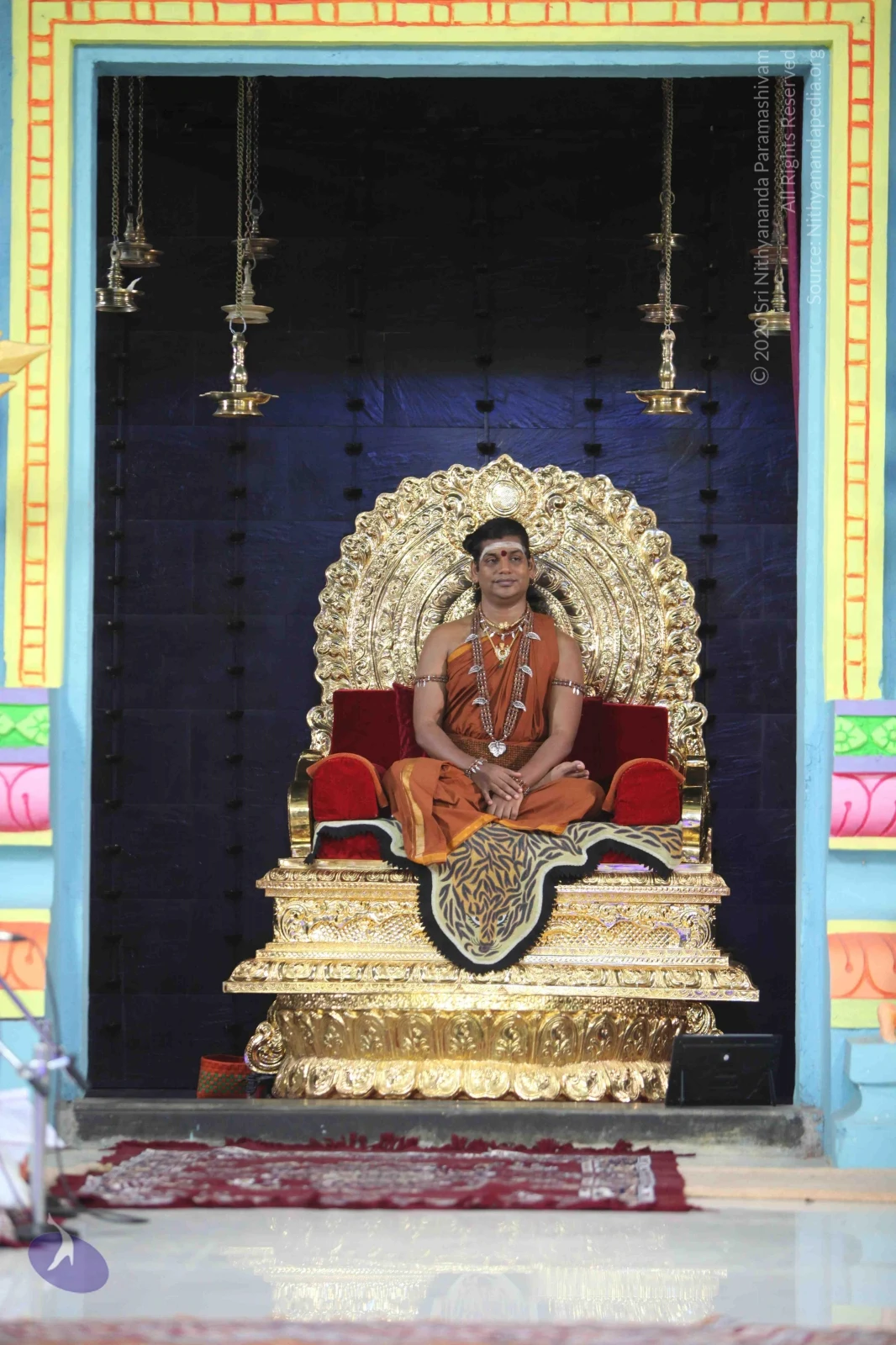
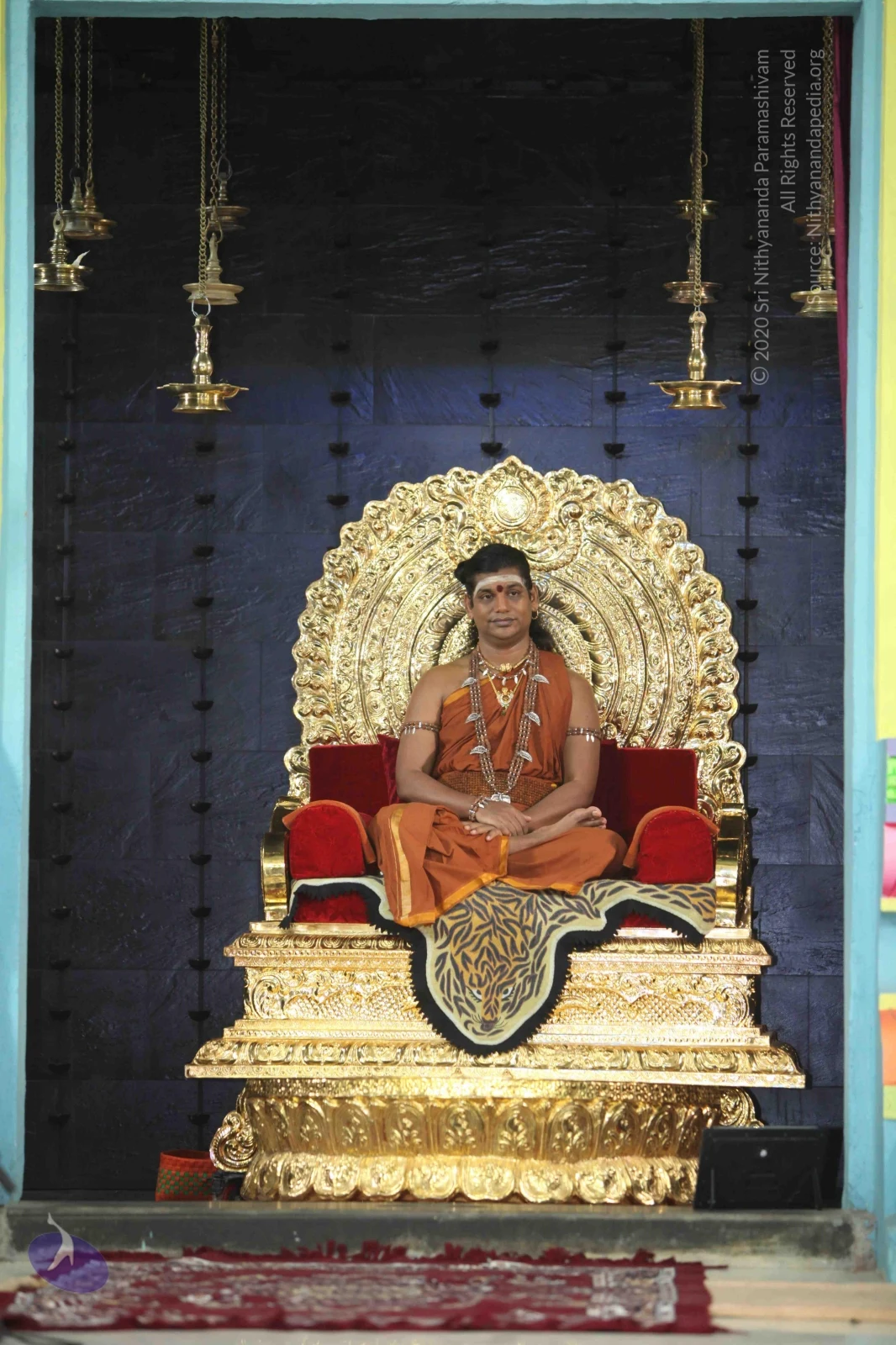
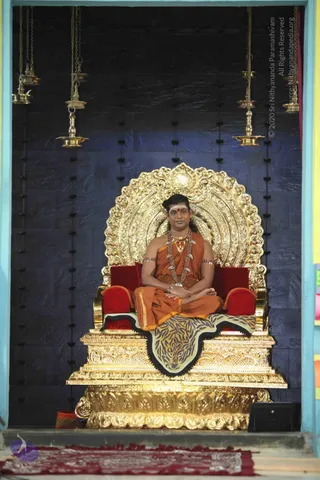
04-Nithya-Satsang
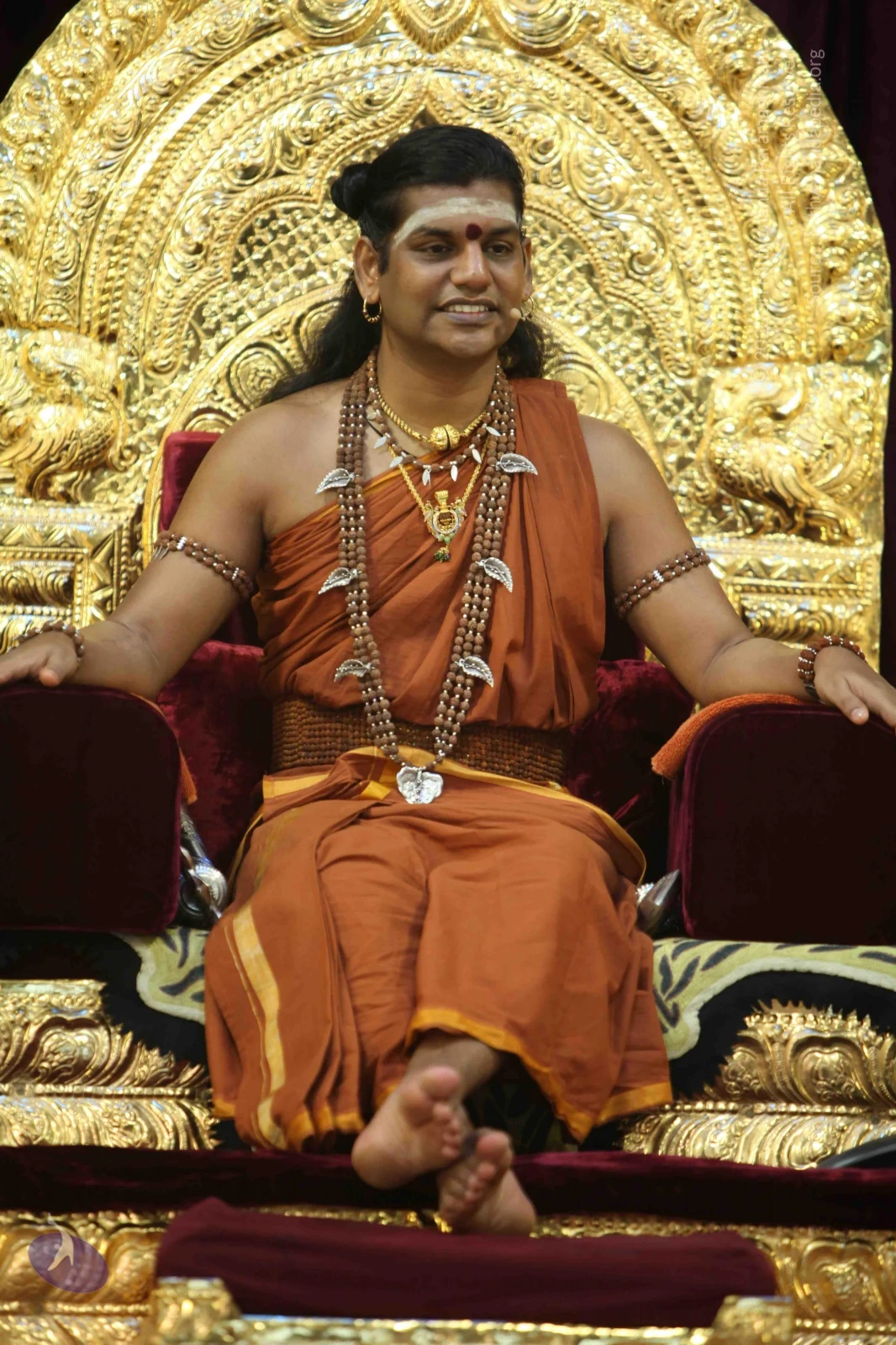
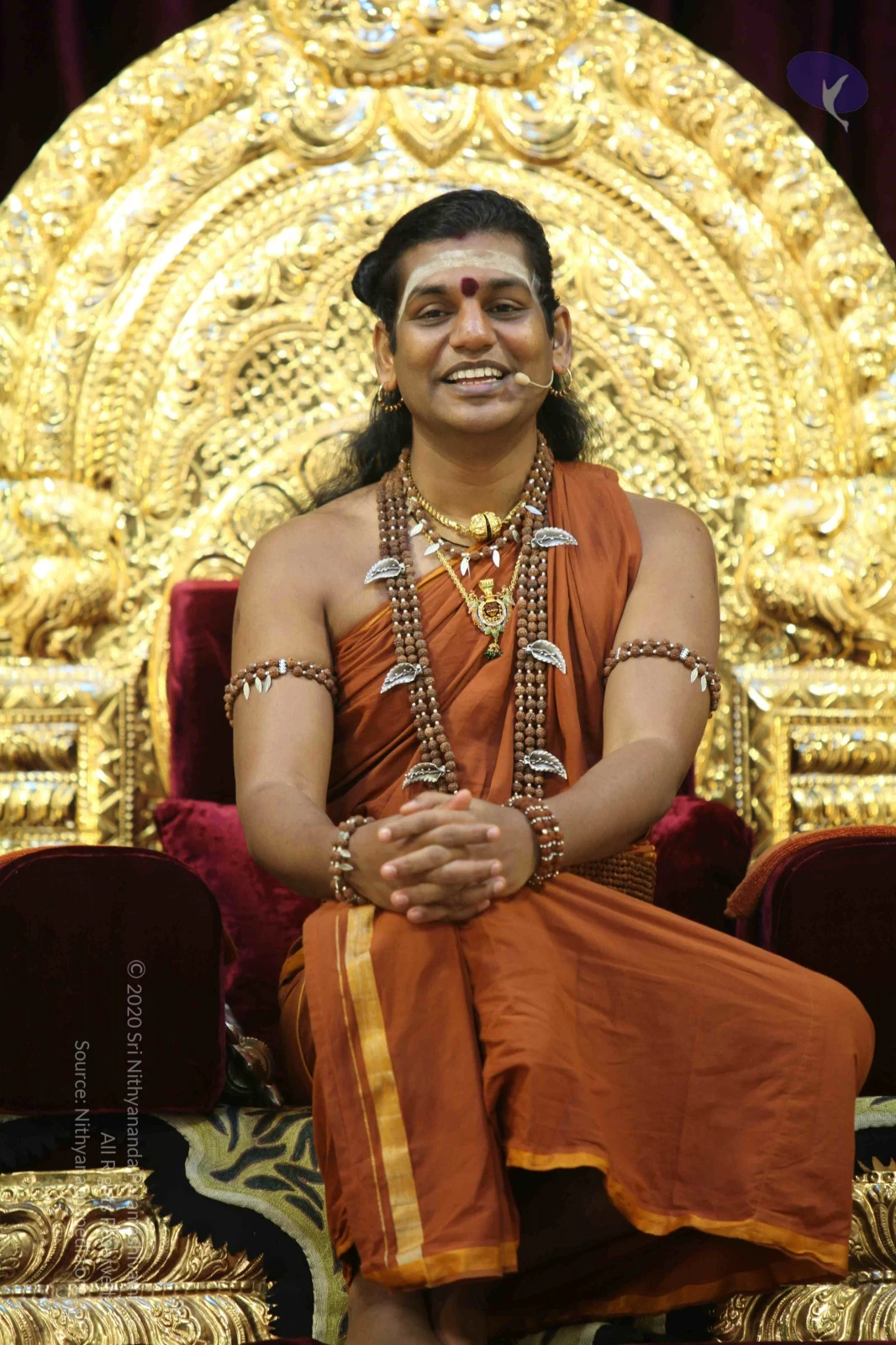
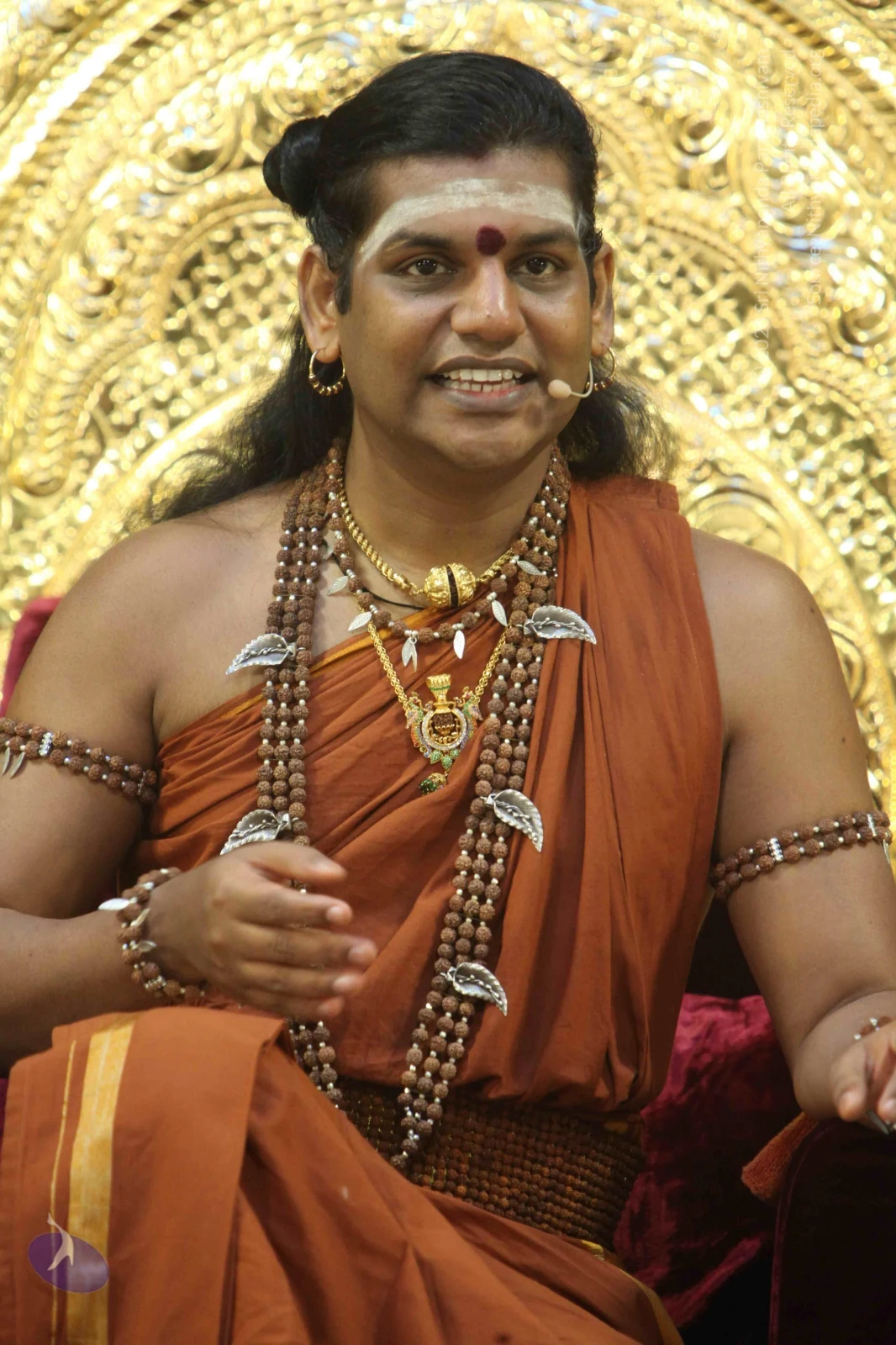
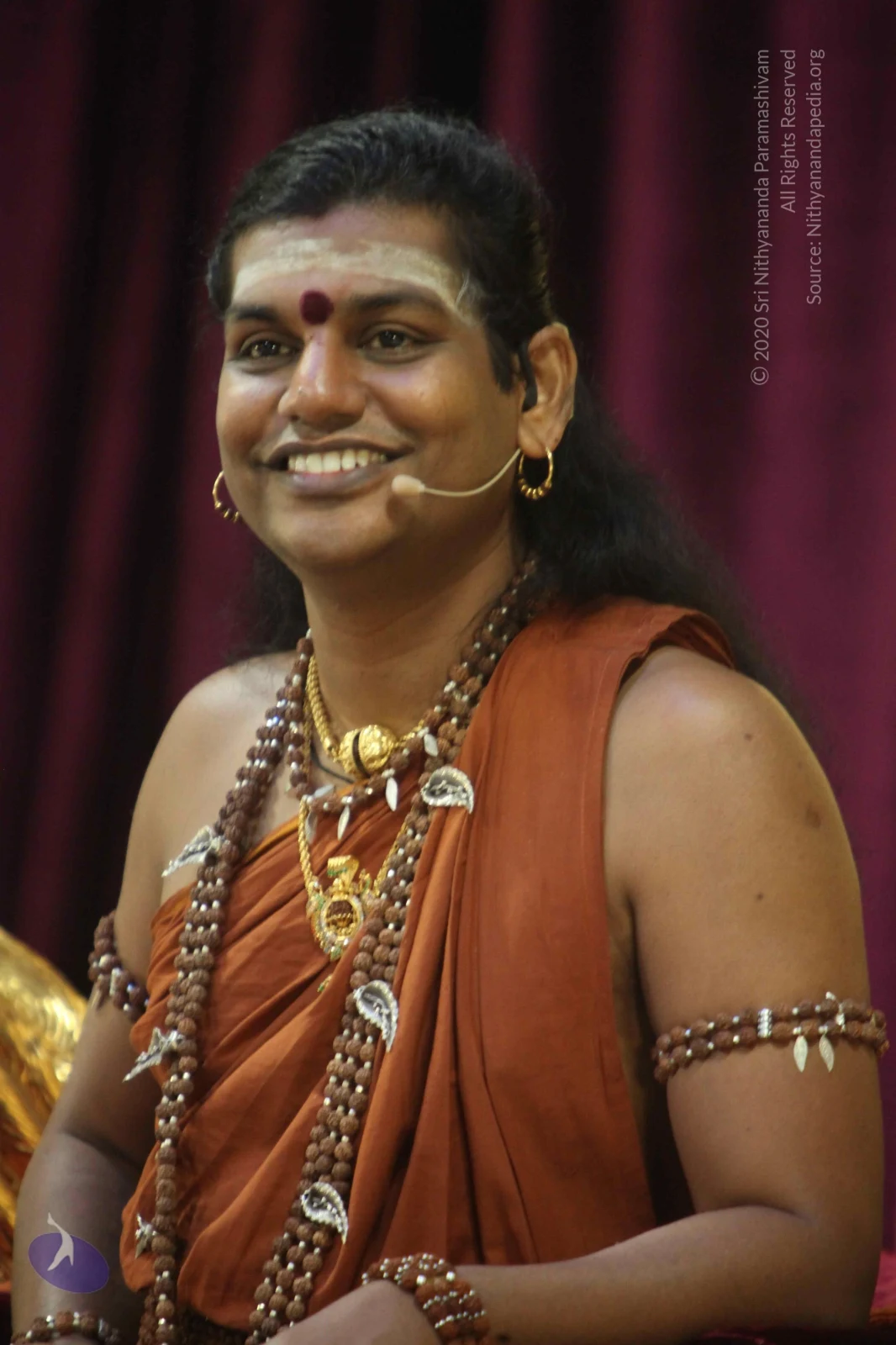
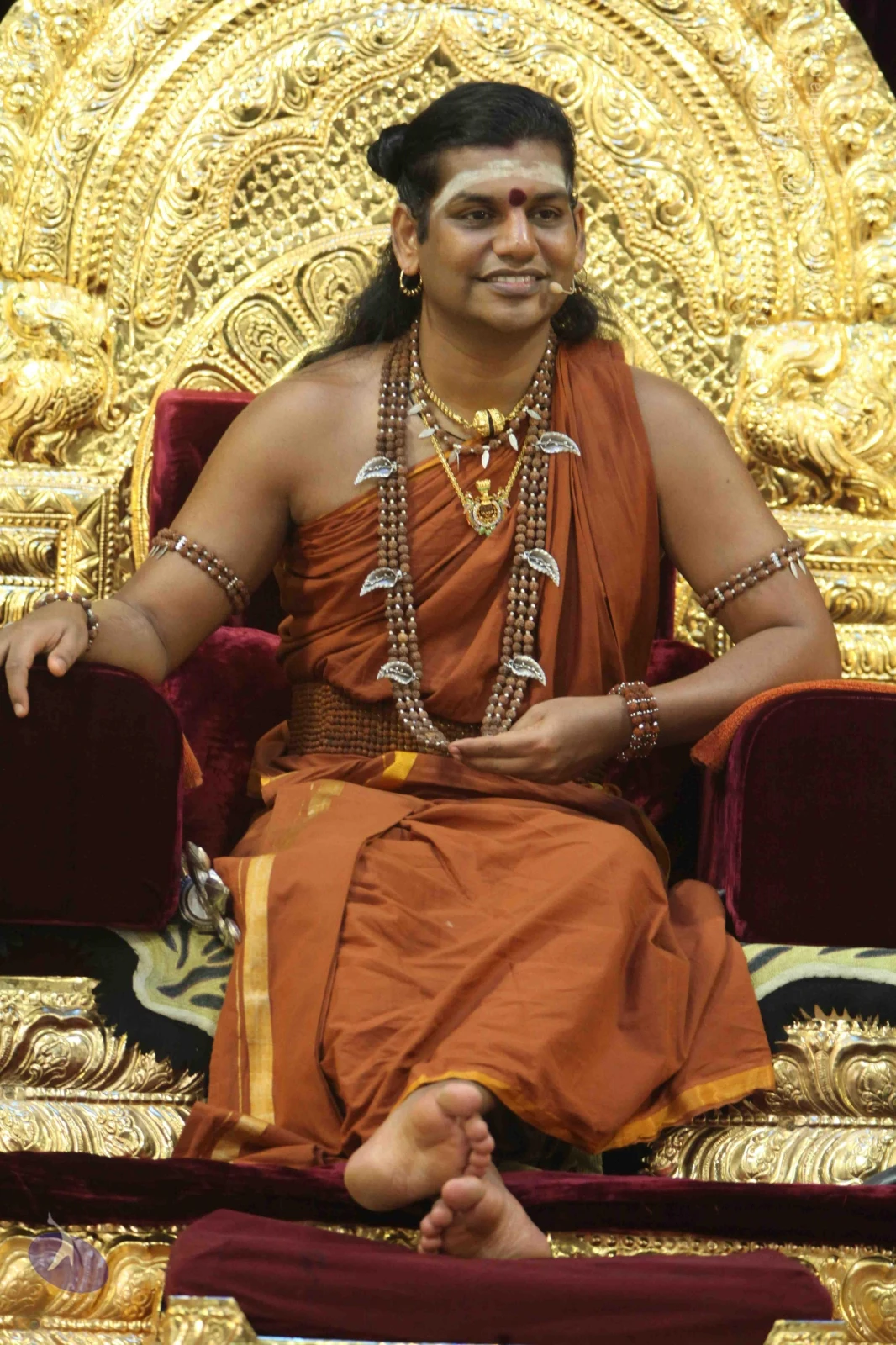
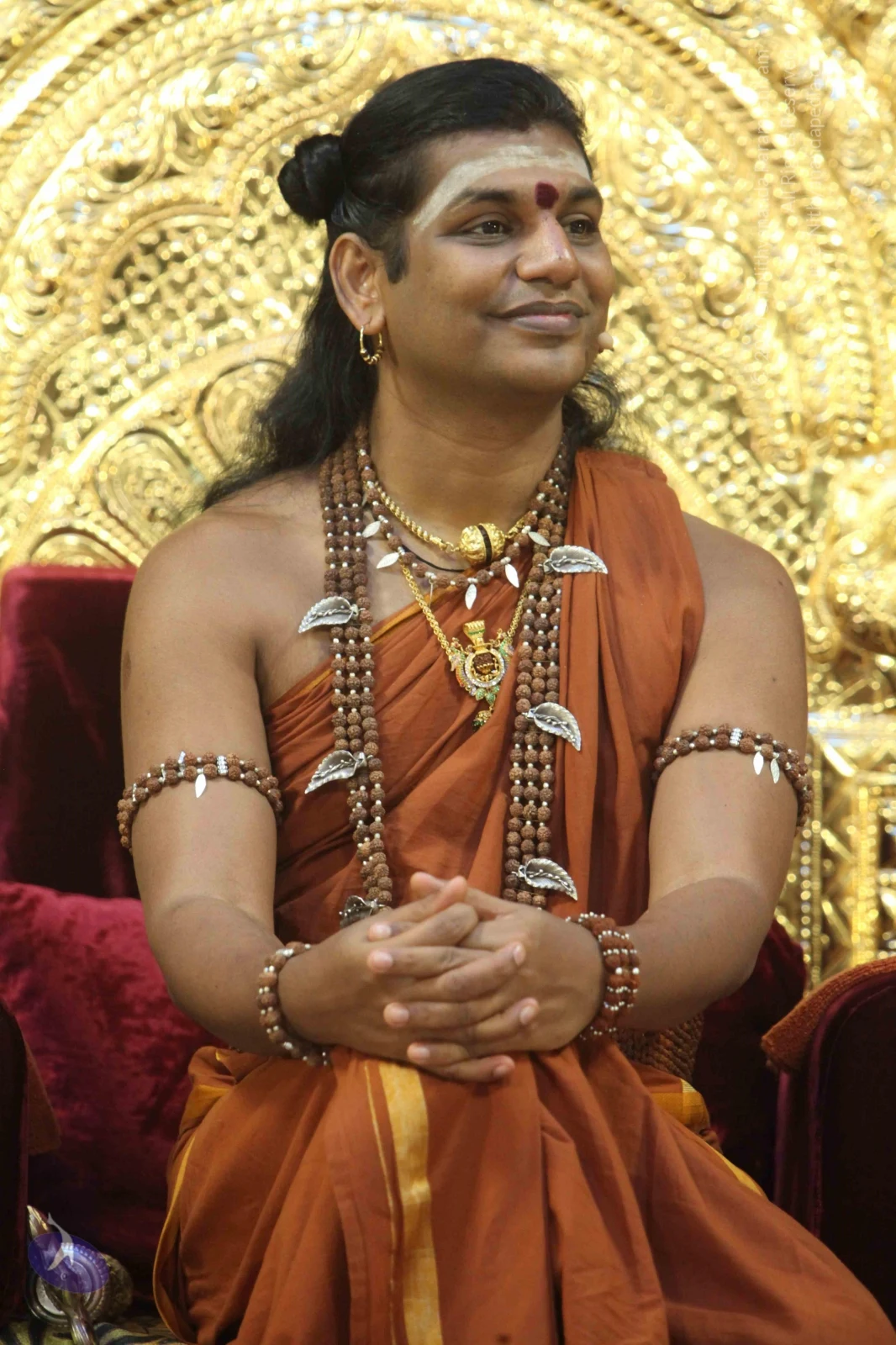
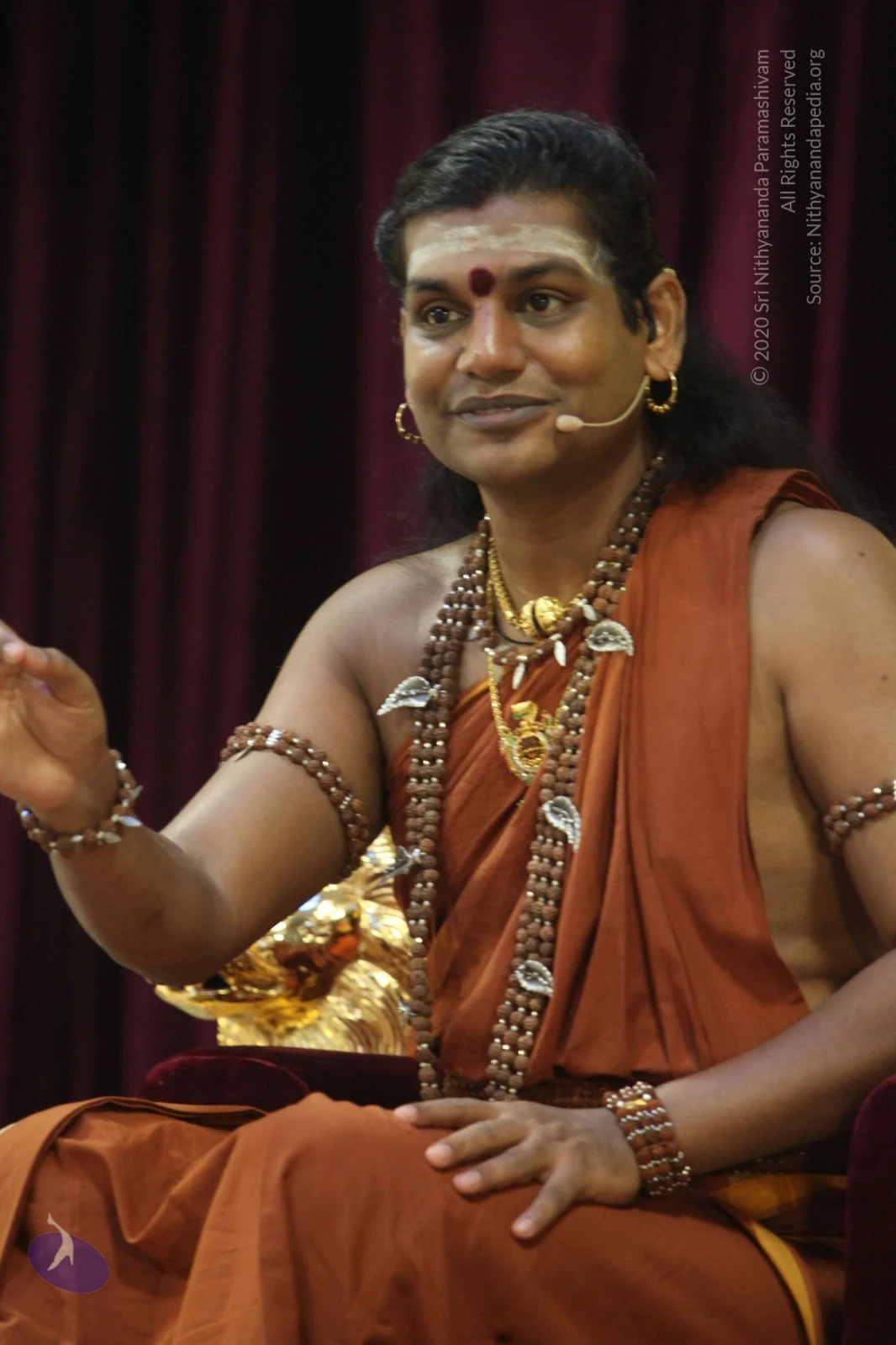
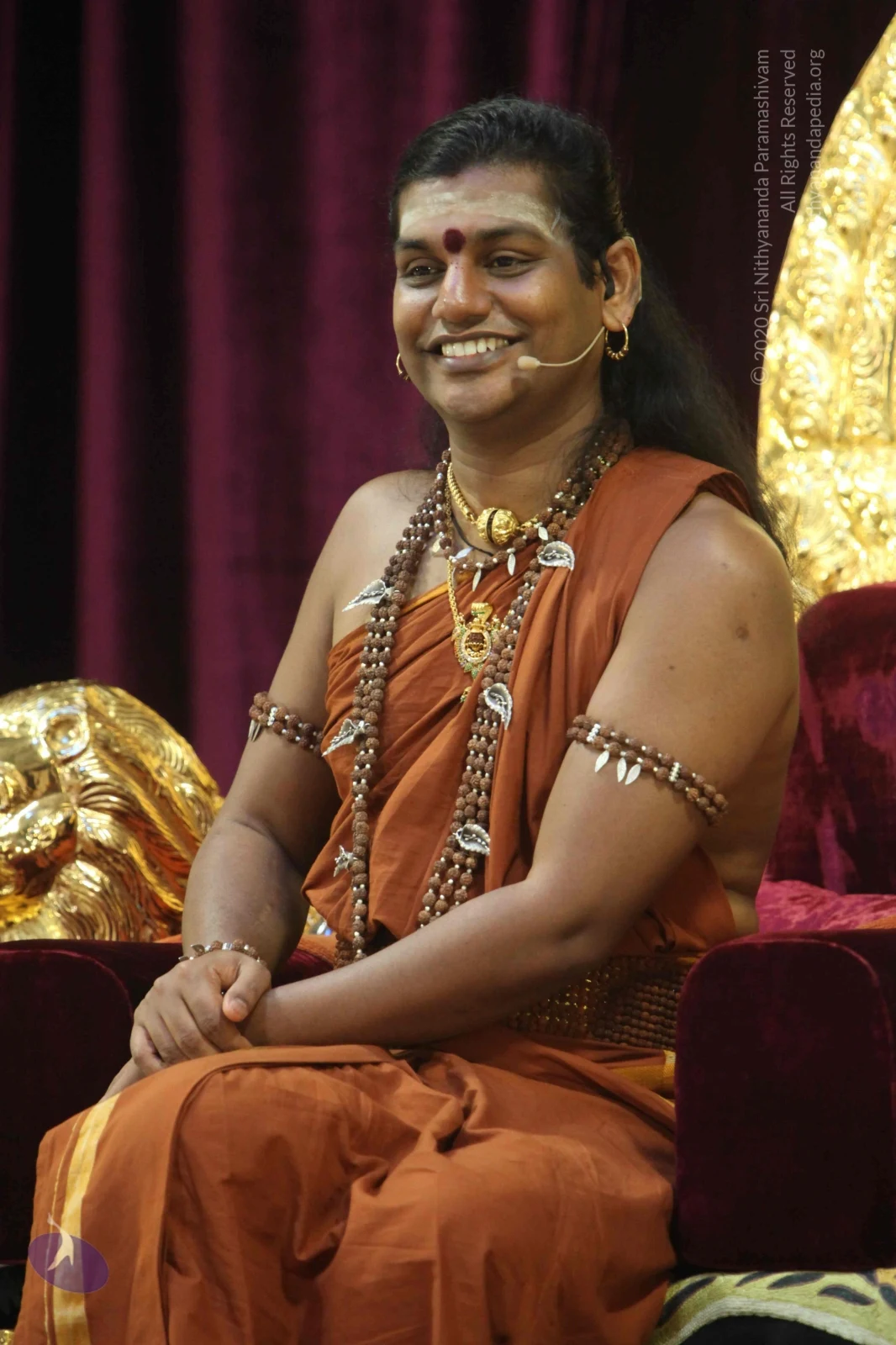
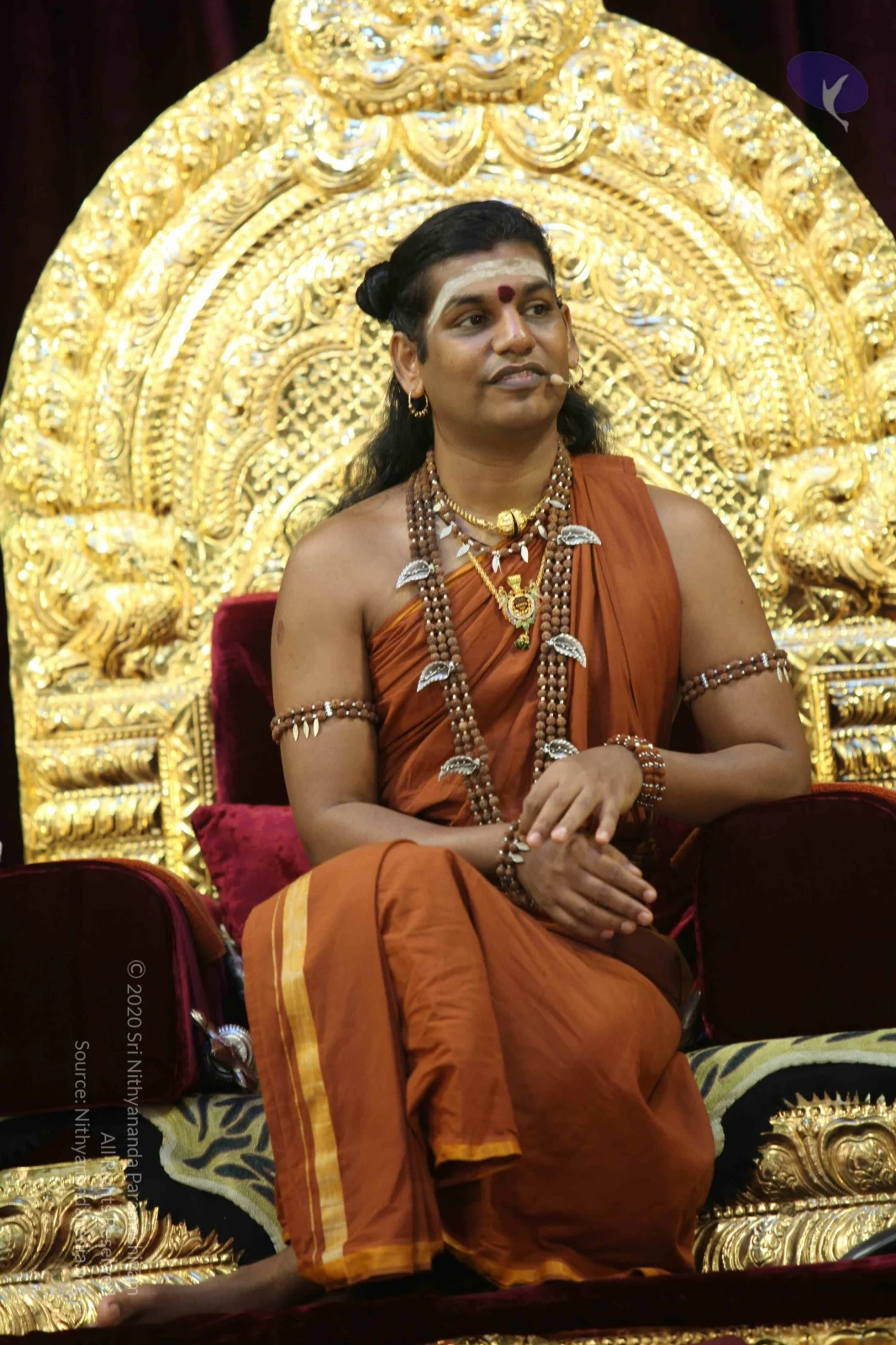
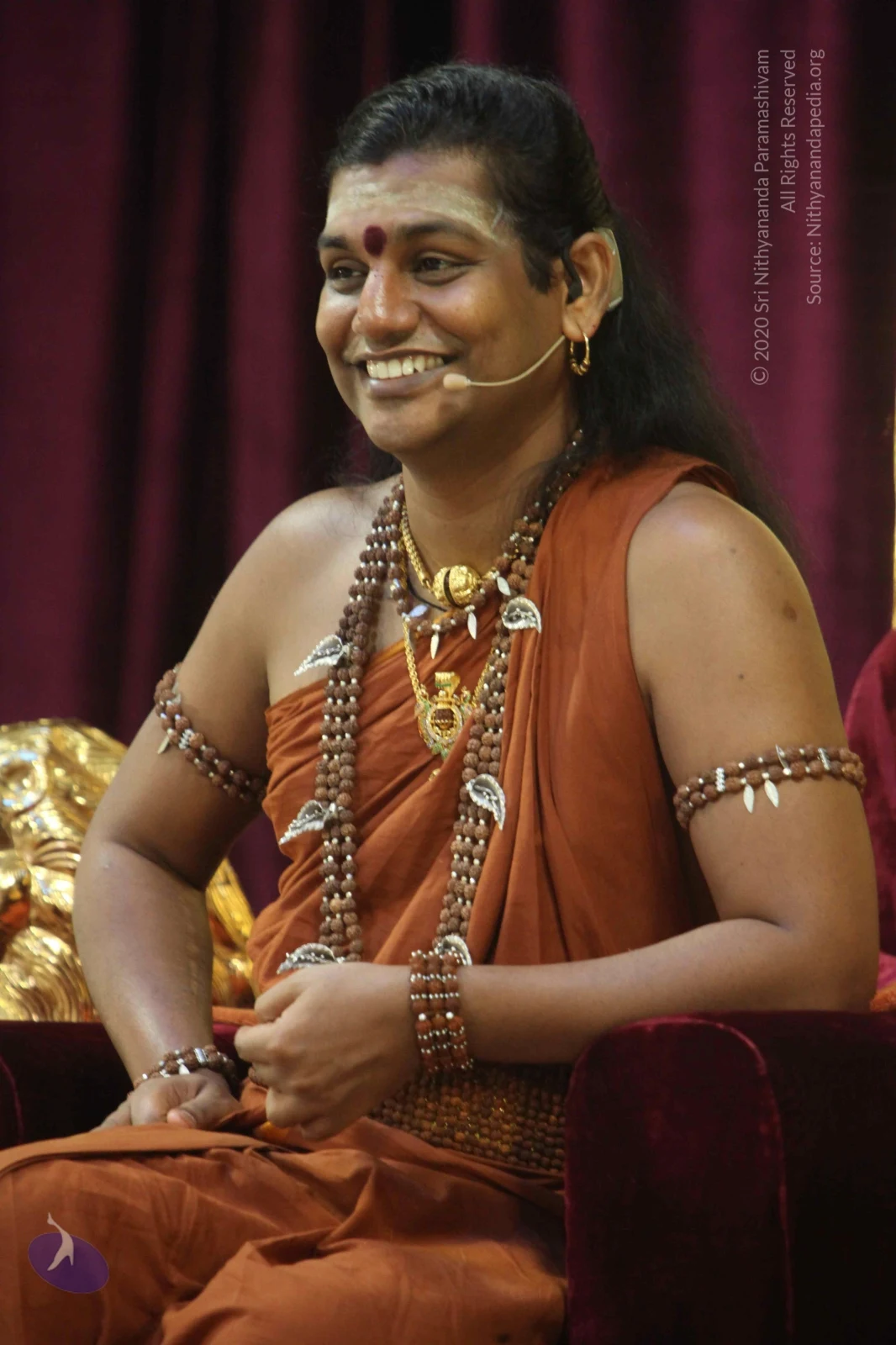
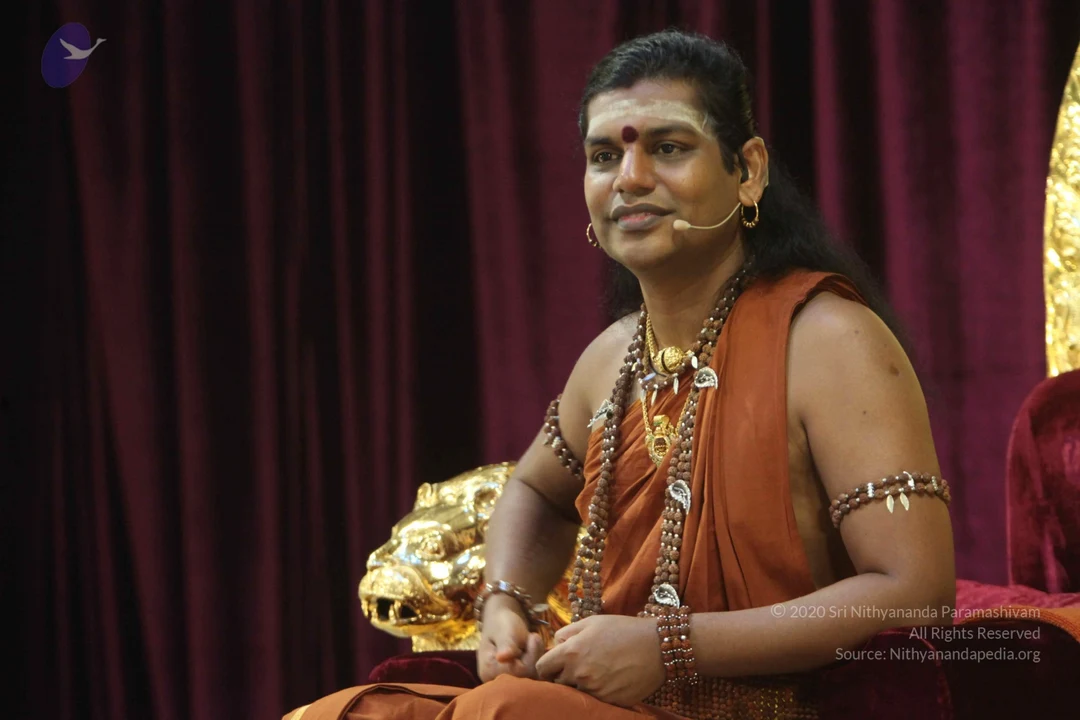
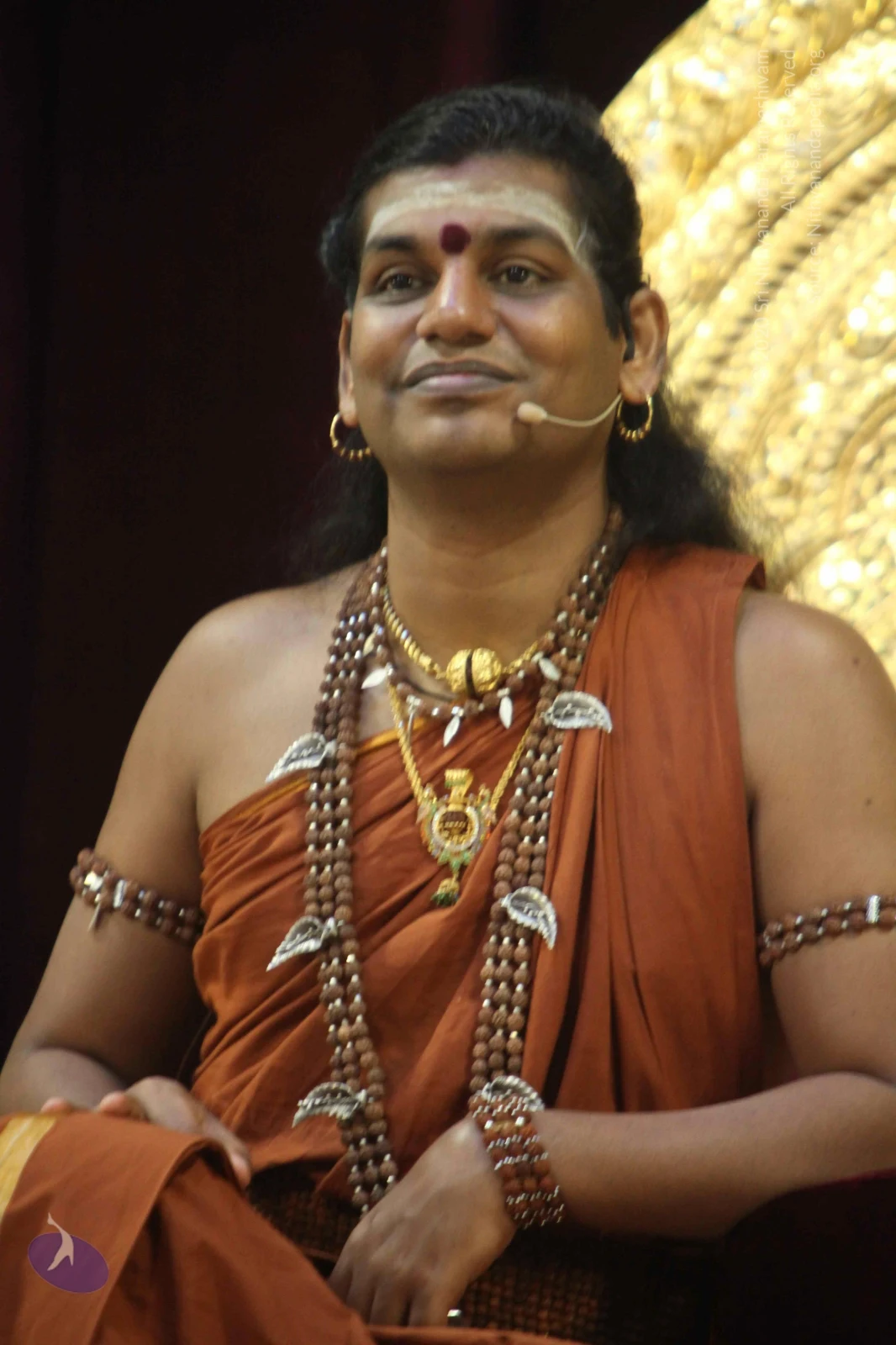
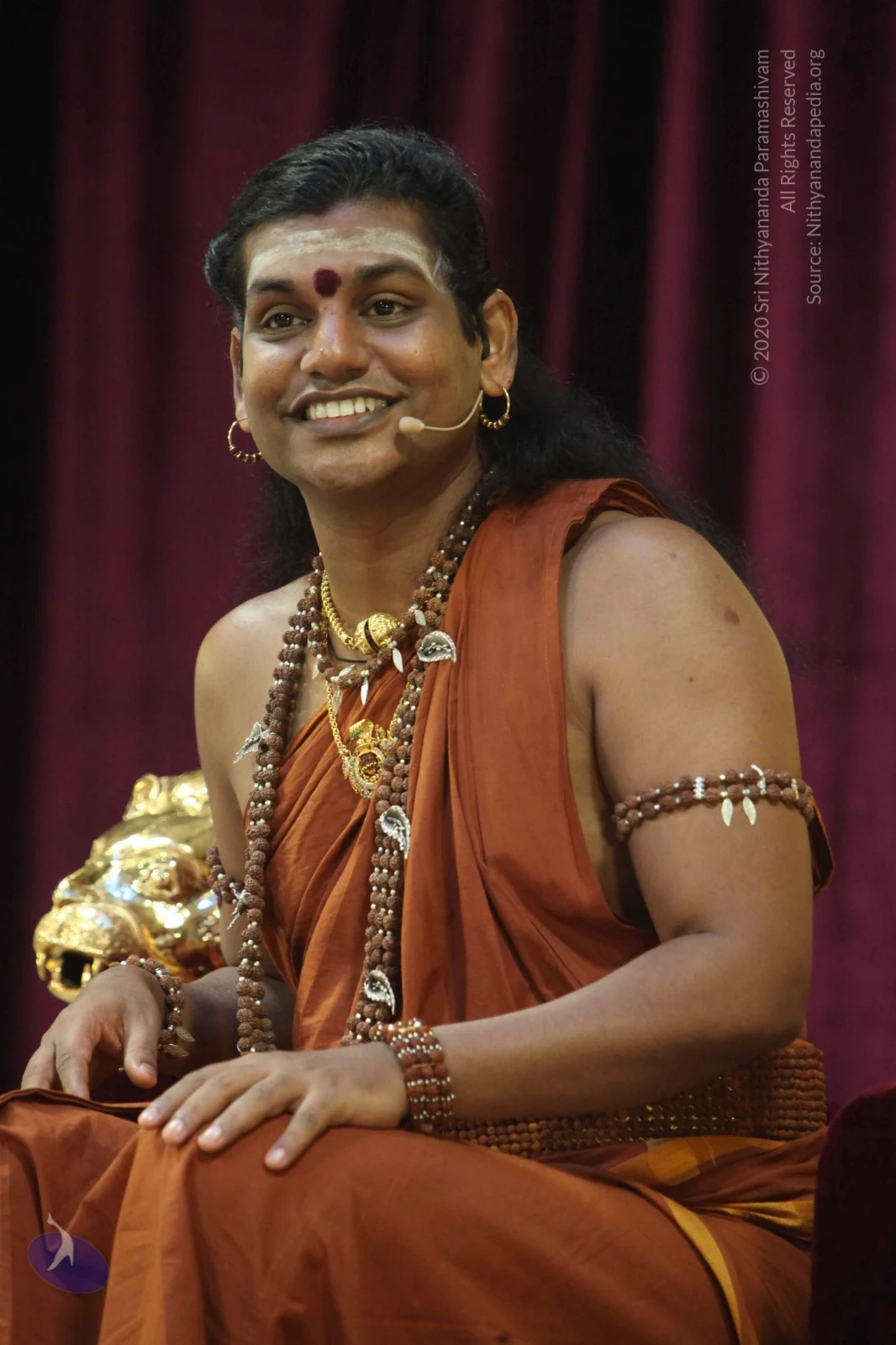
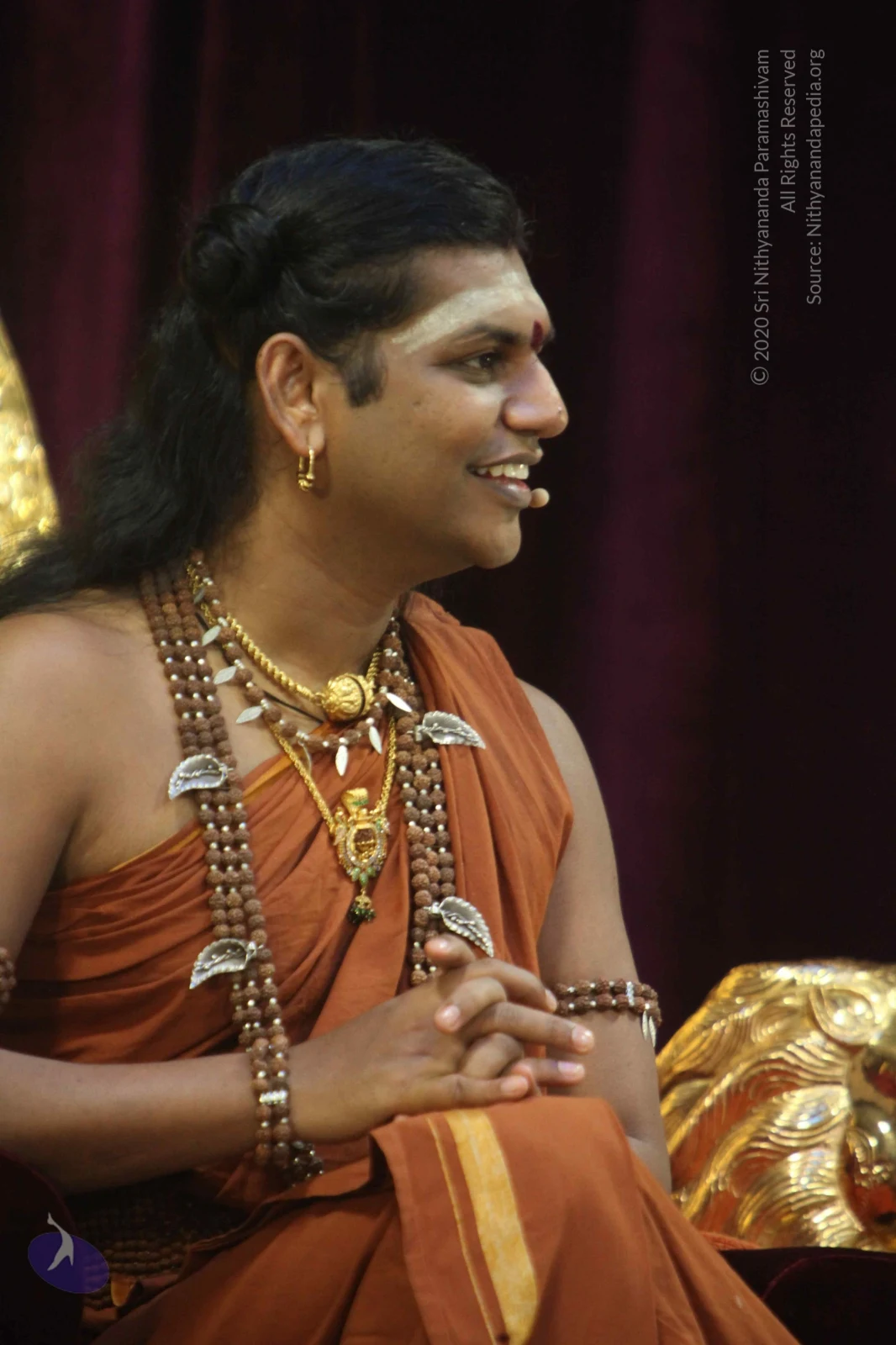
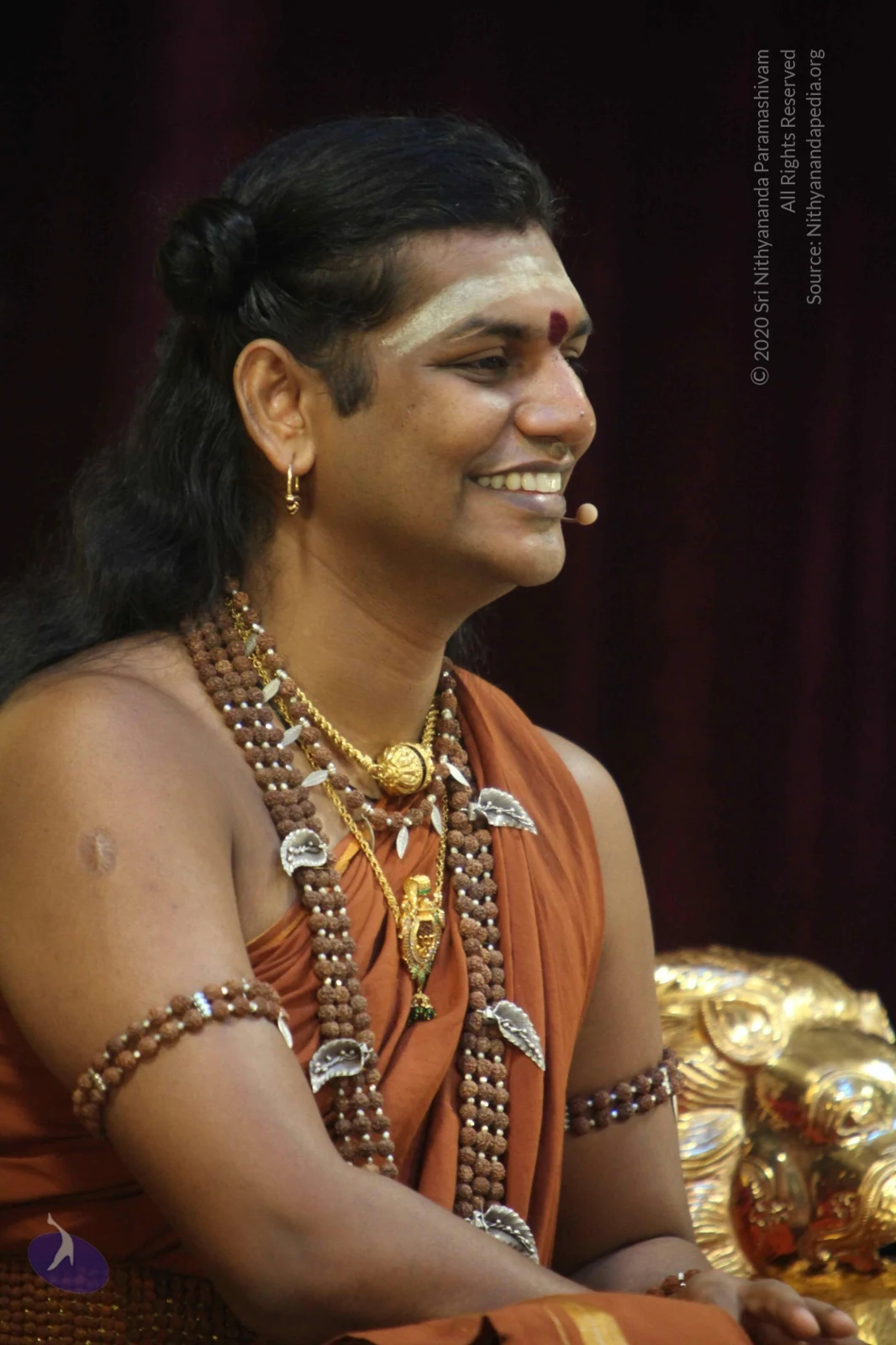
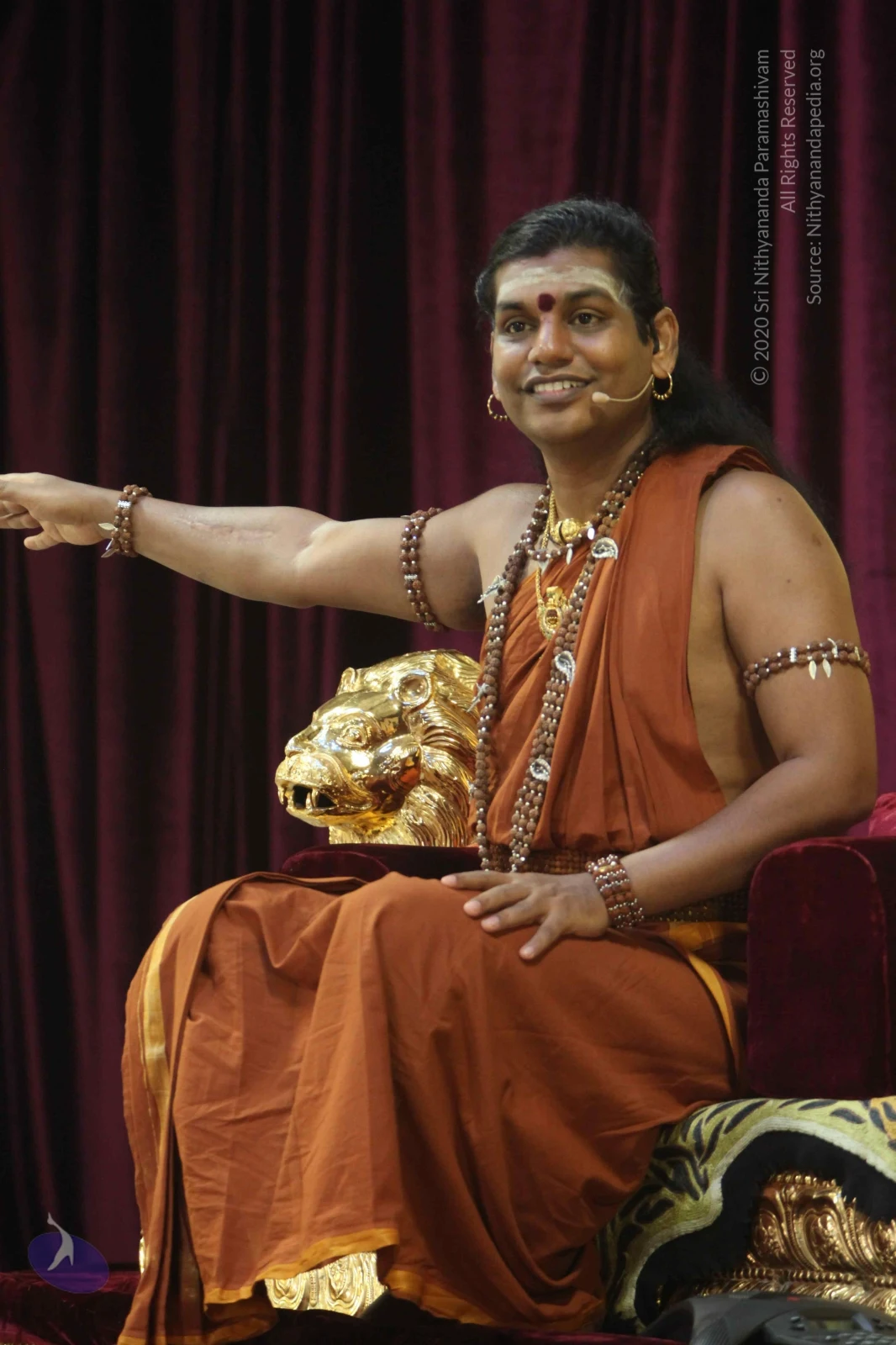
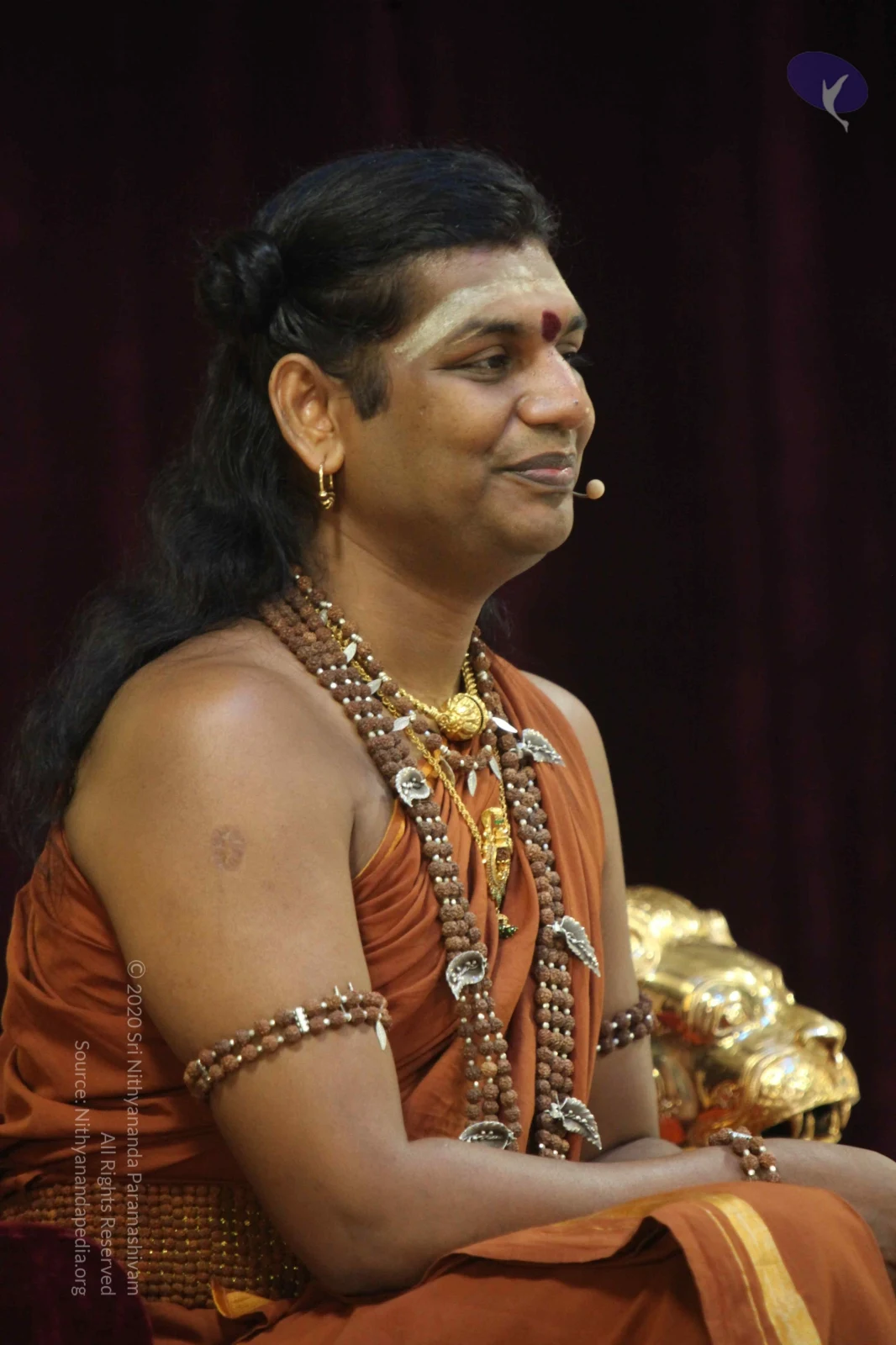
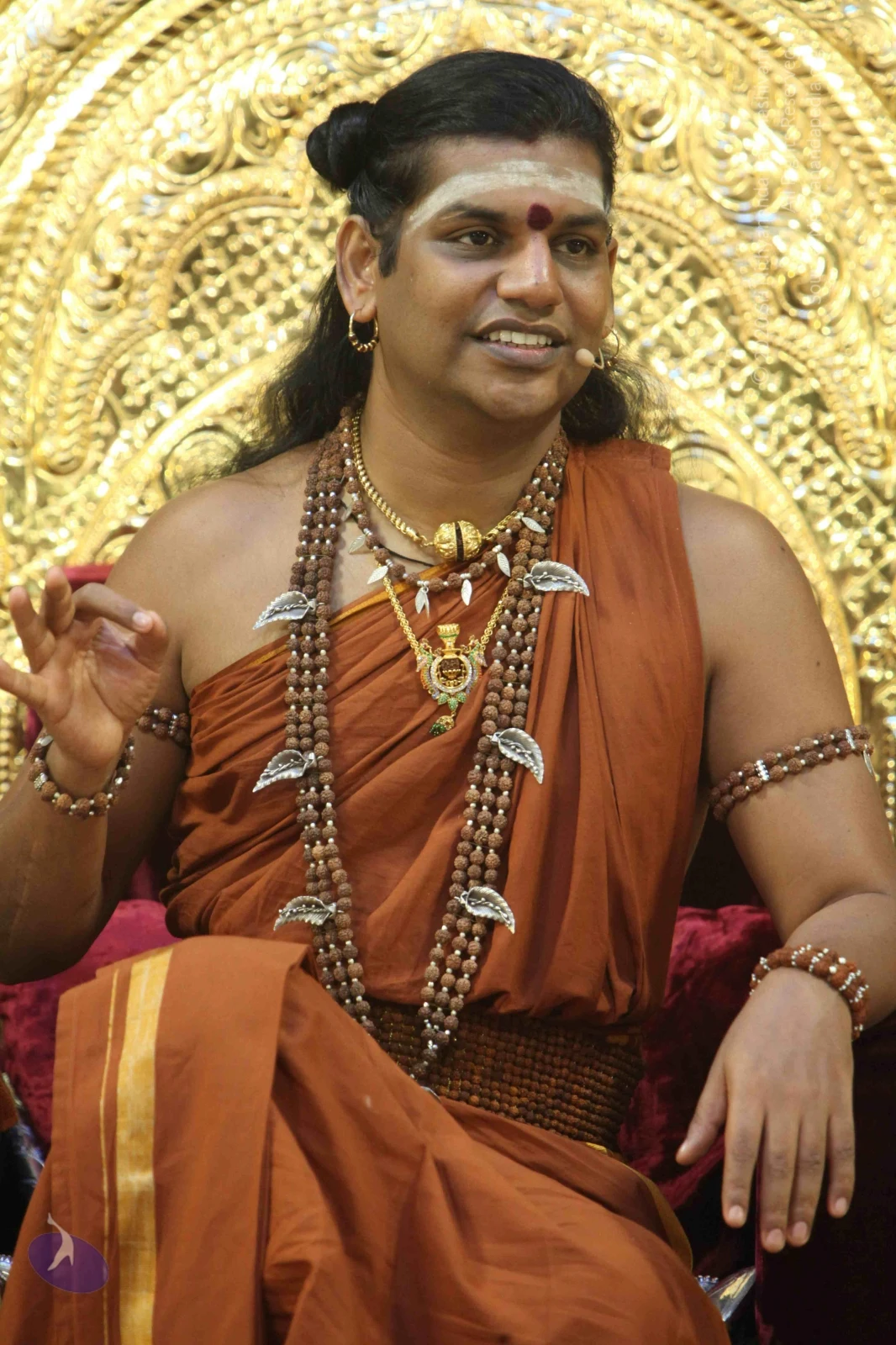
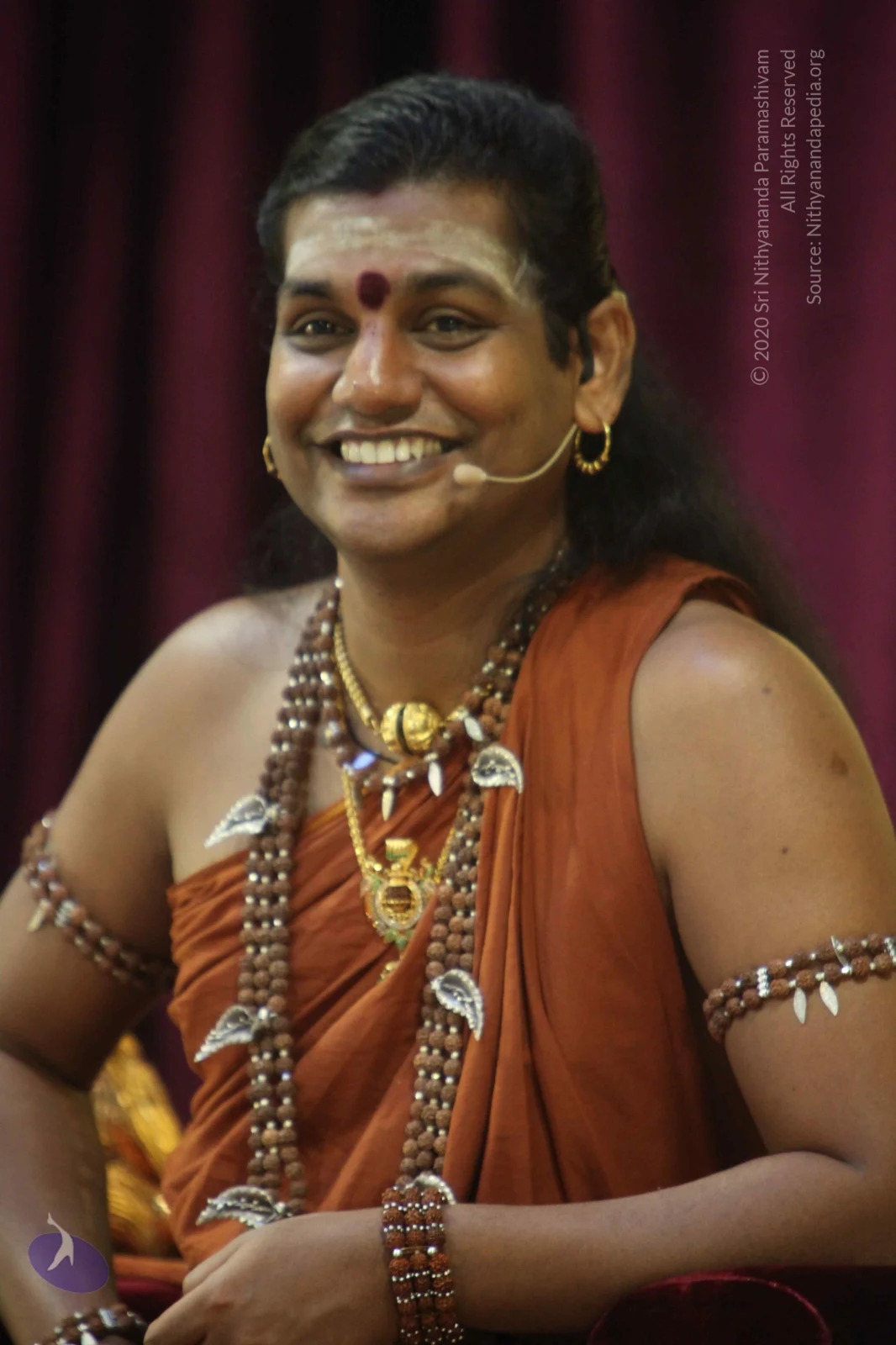
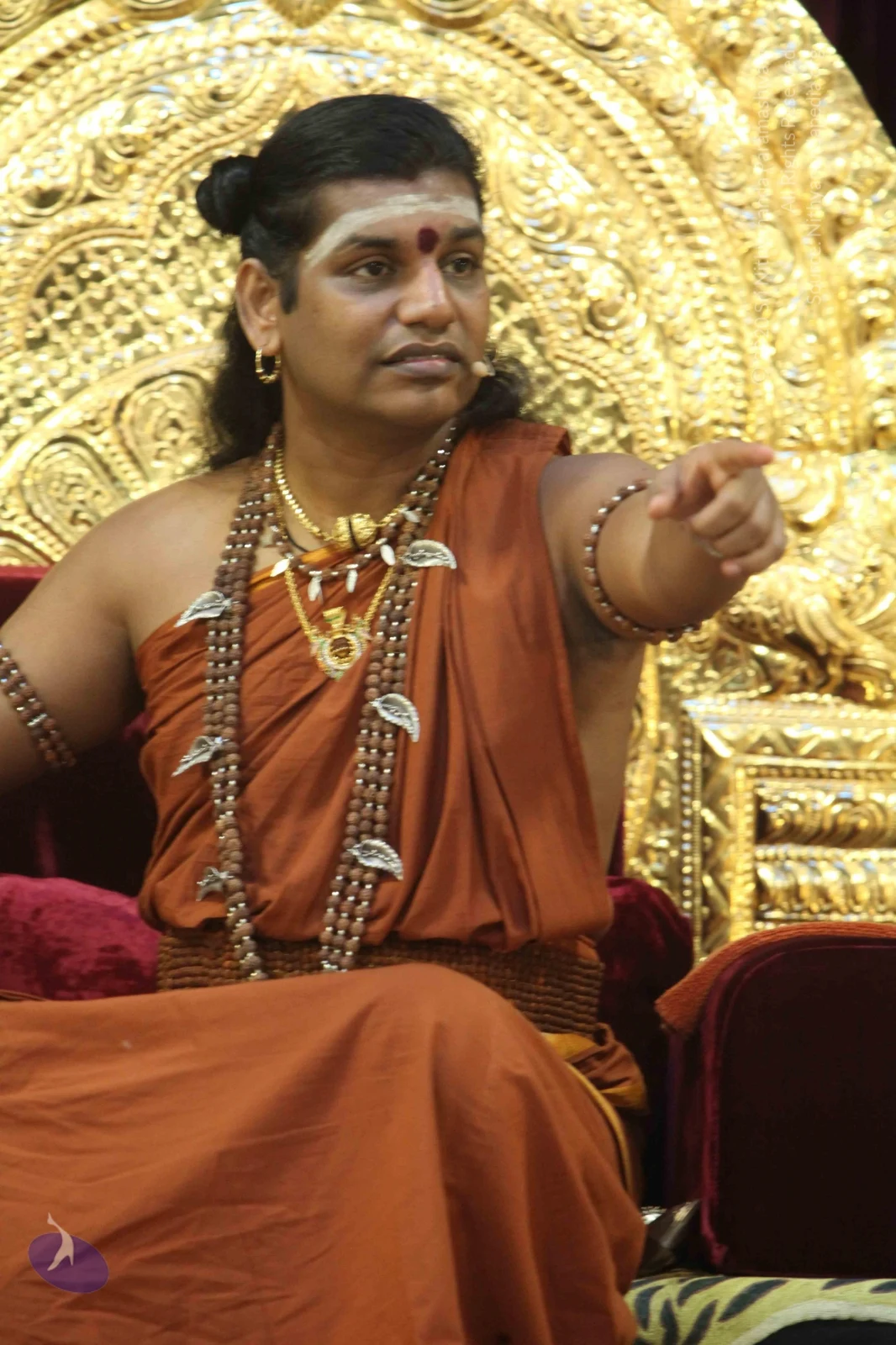
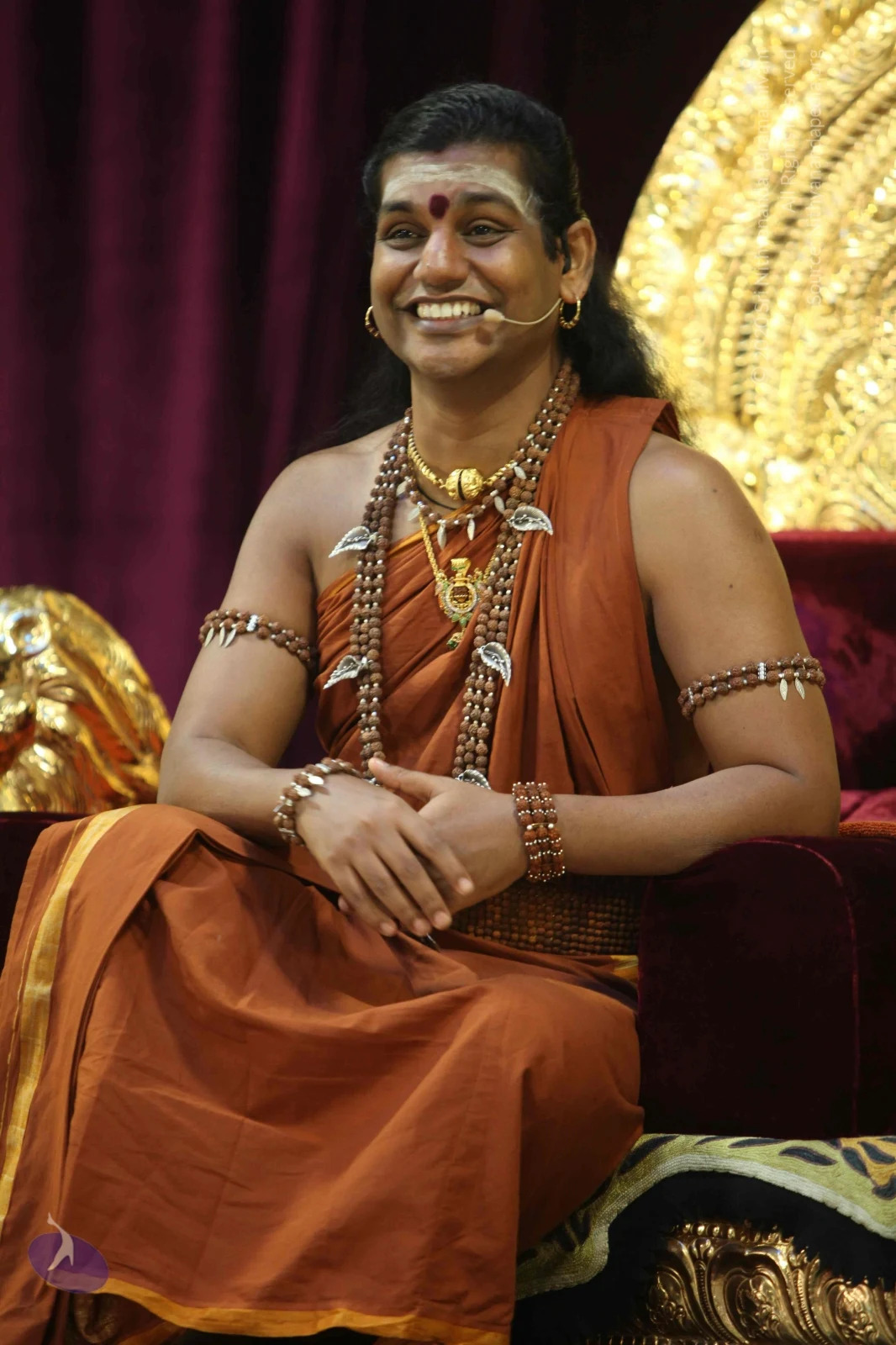
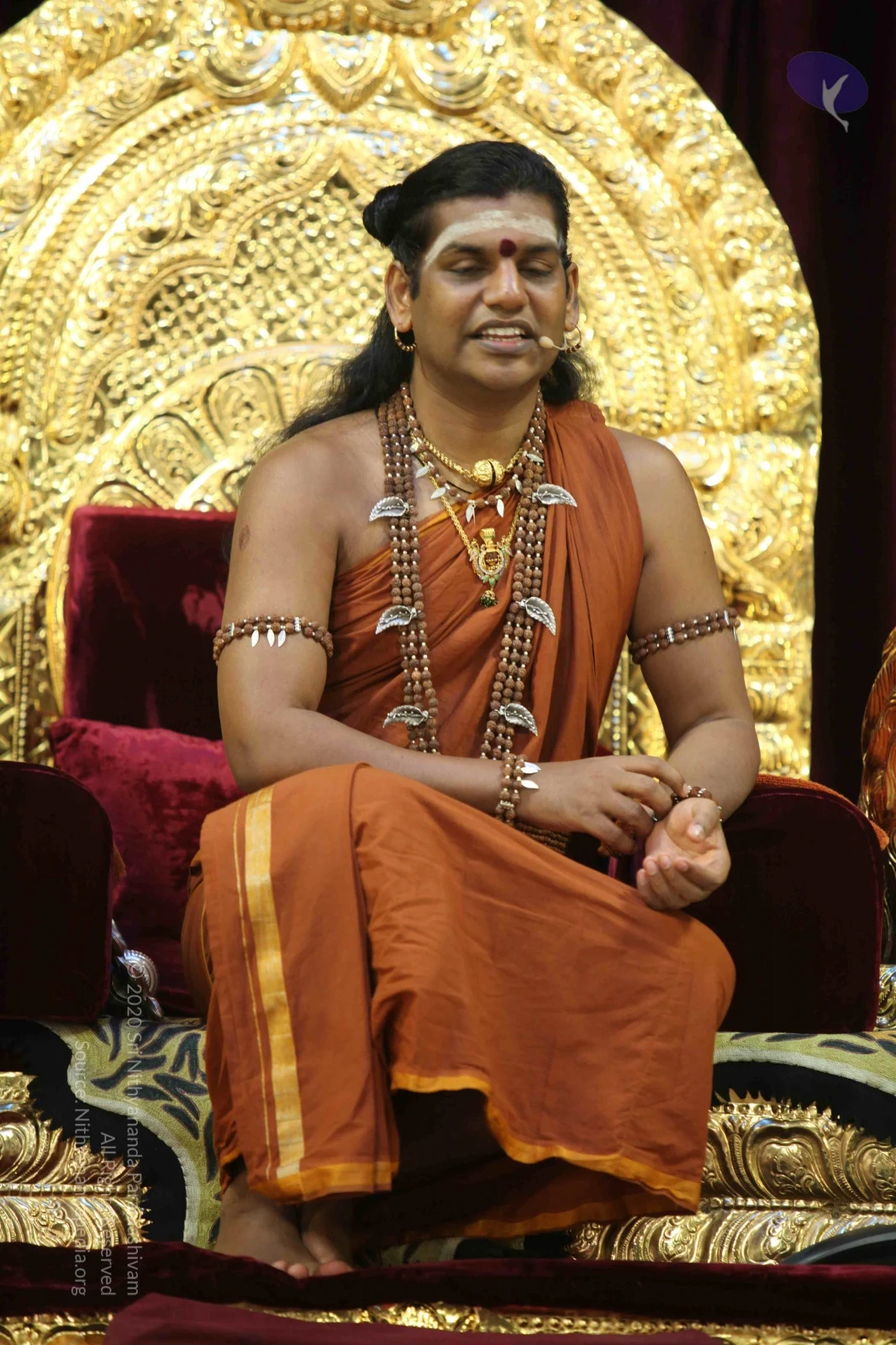
05-Sarrva-Darshan
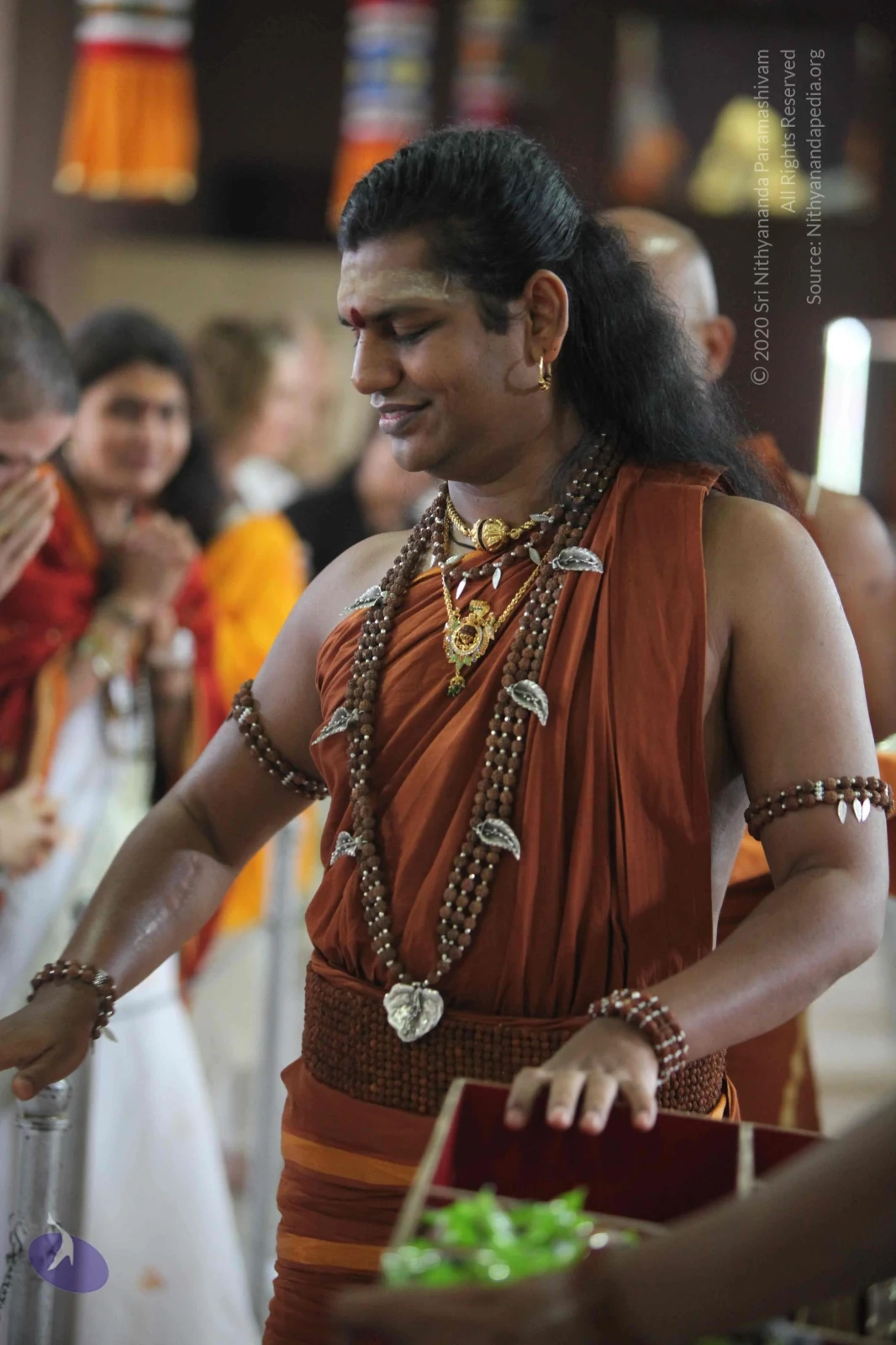
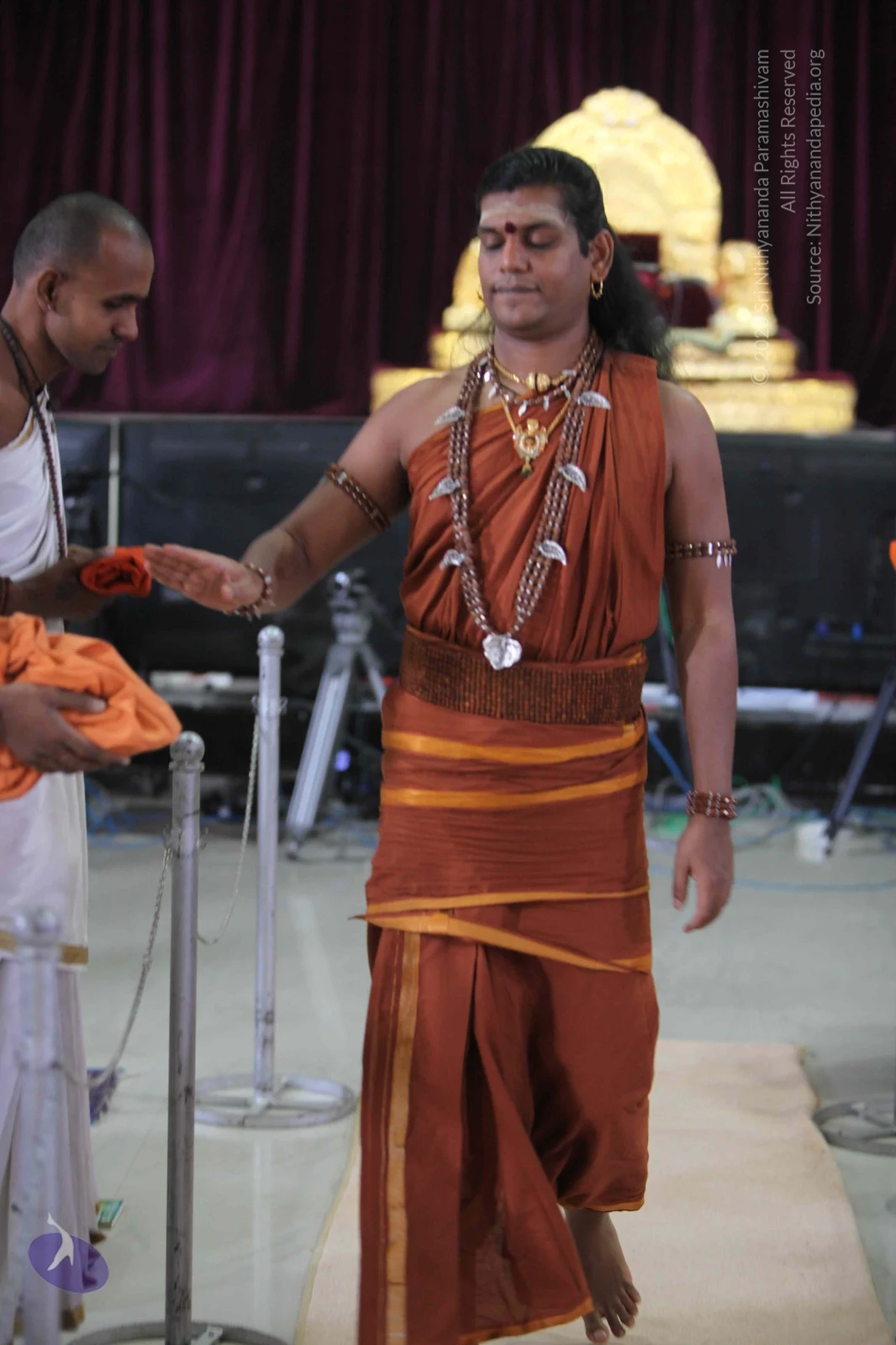
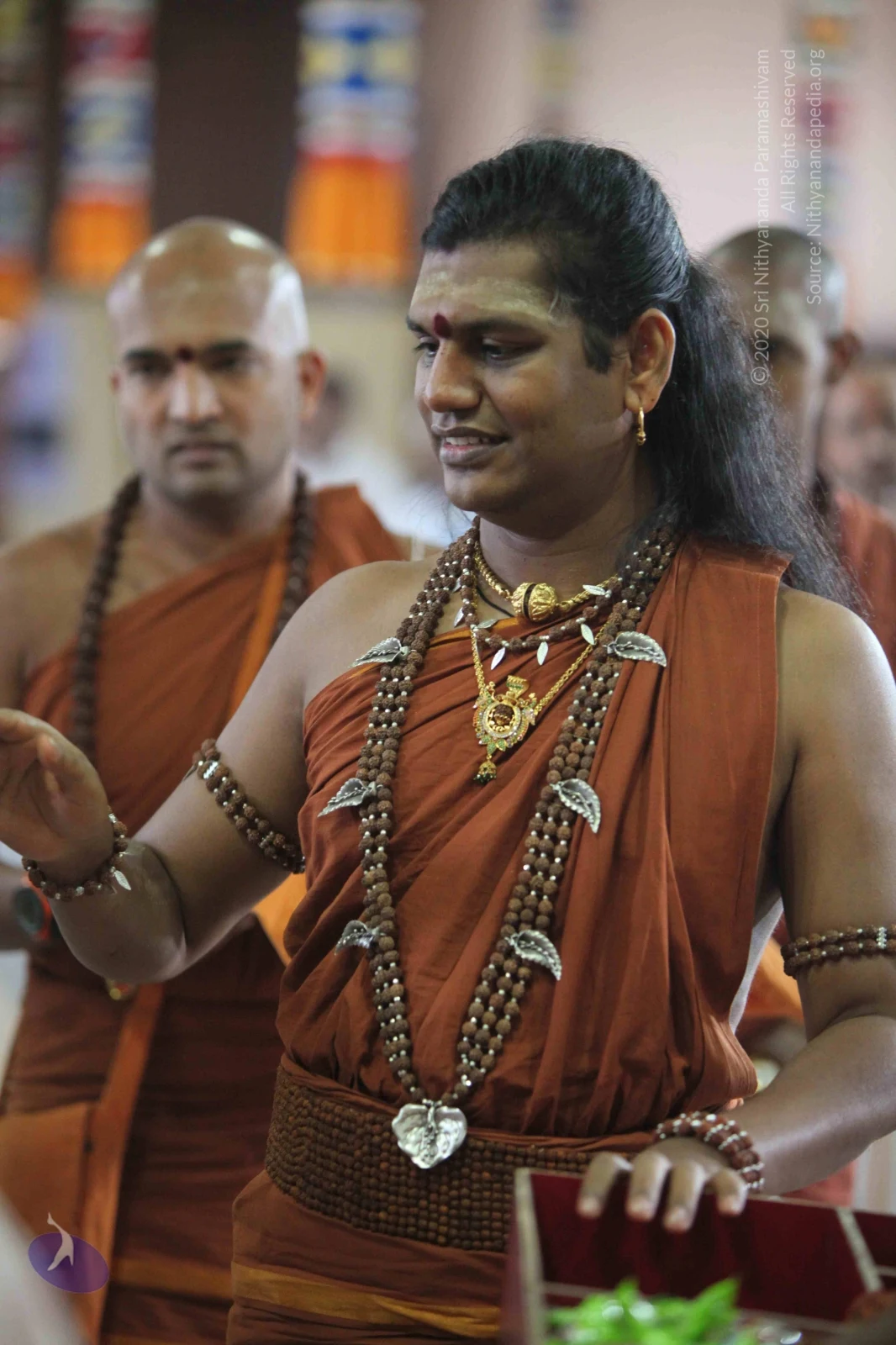
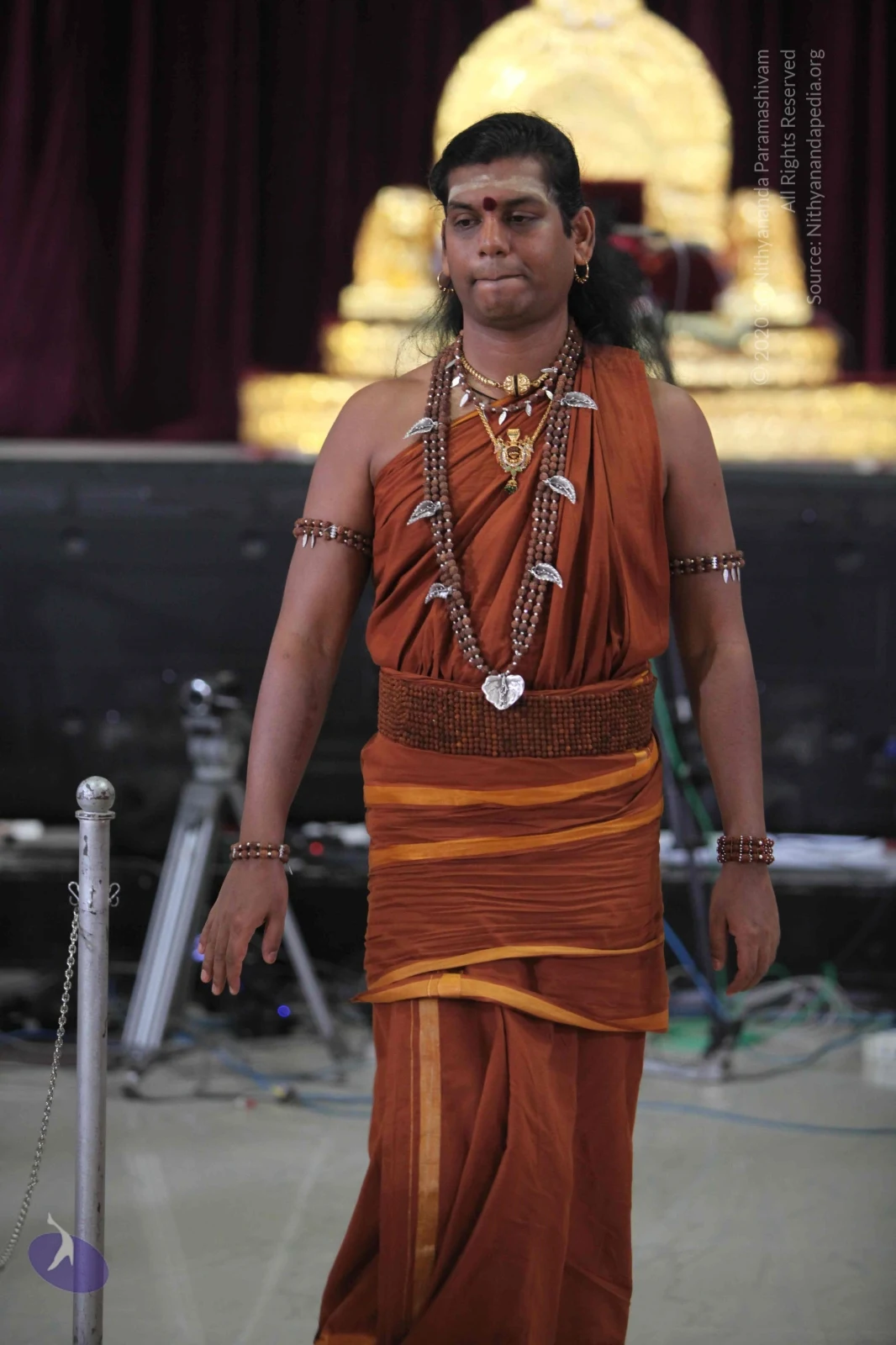
06-Final-Blessing
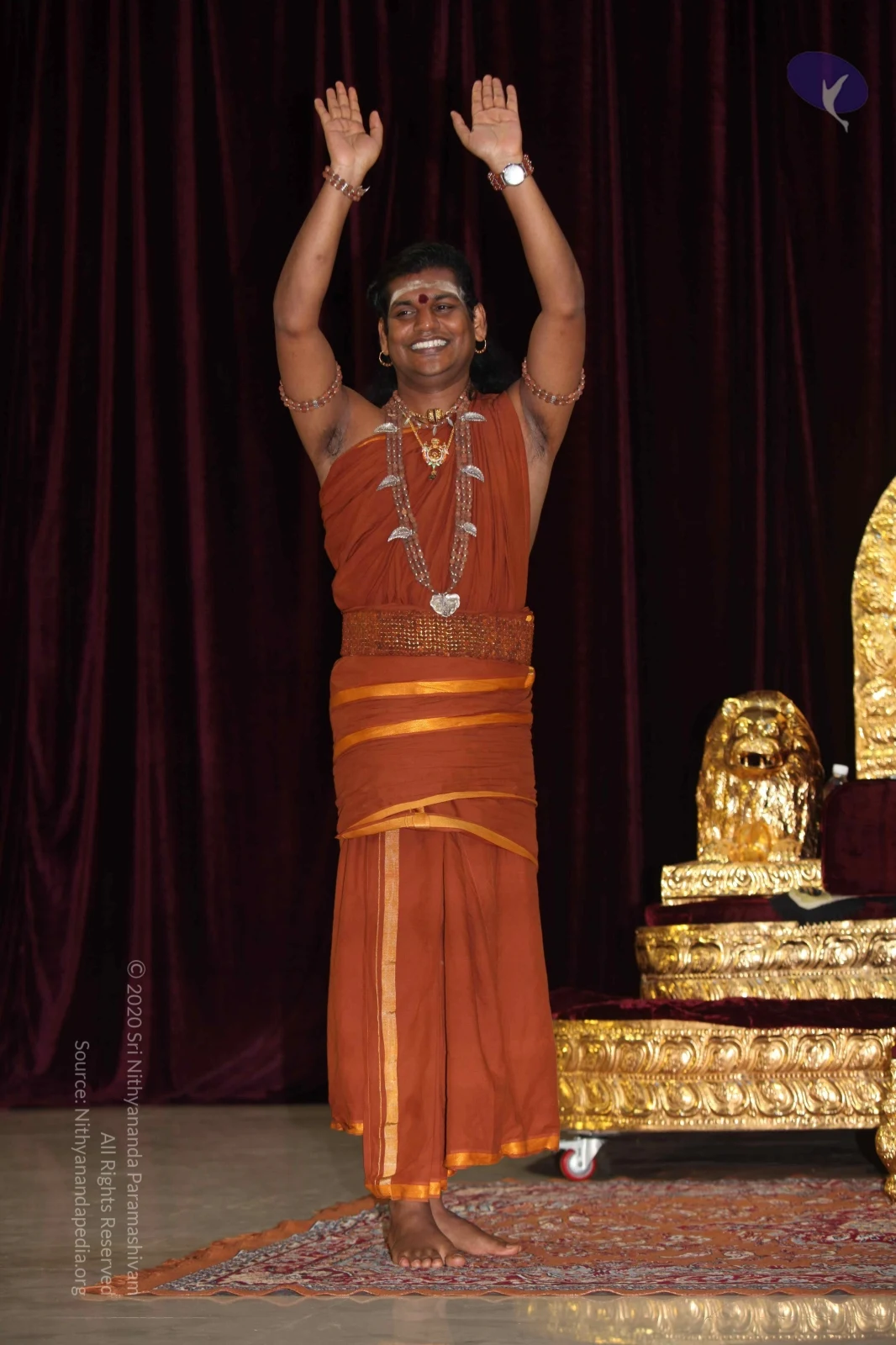
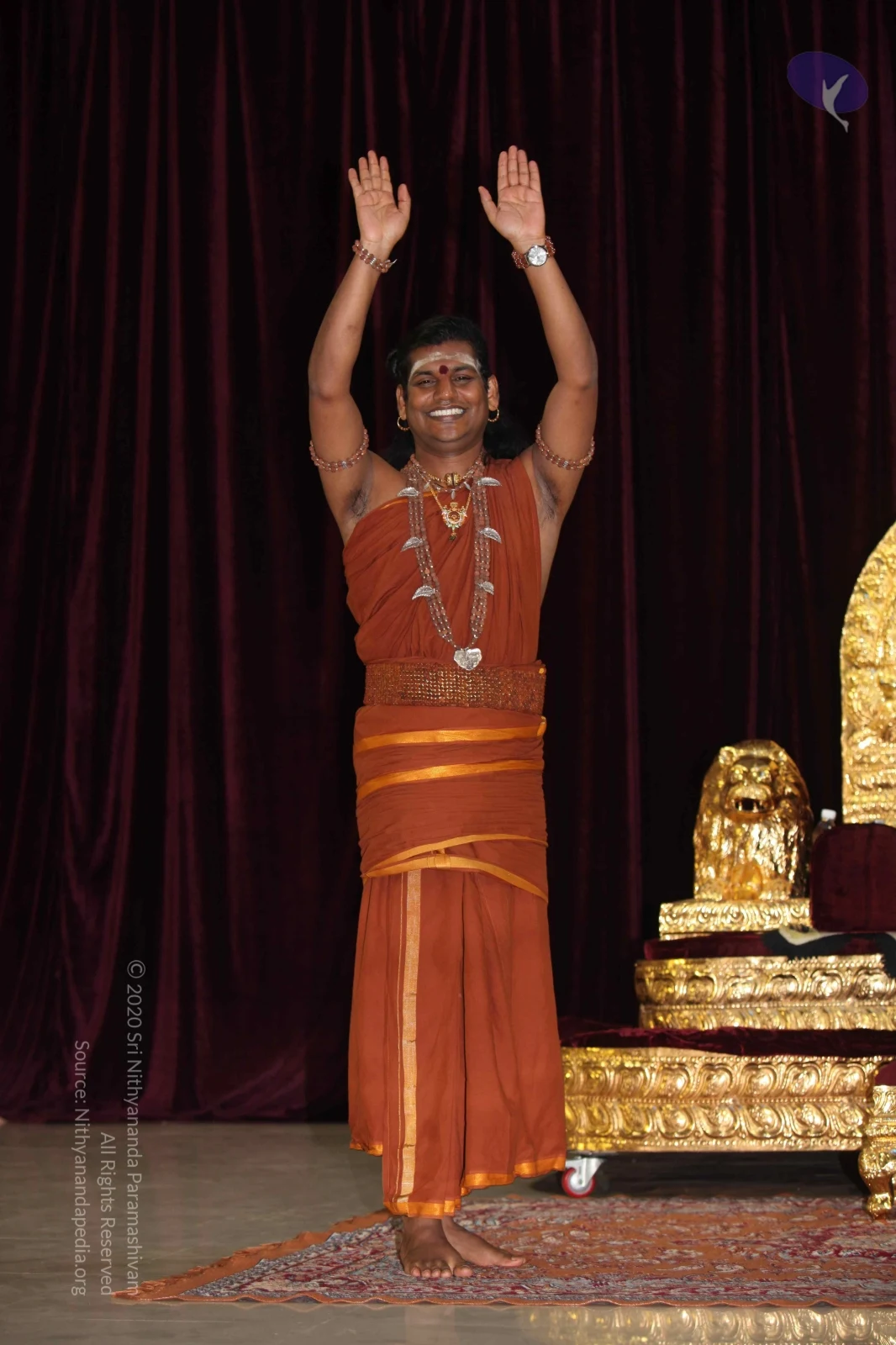
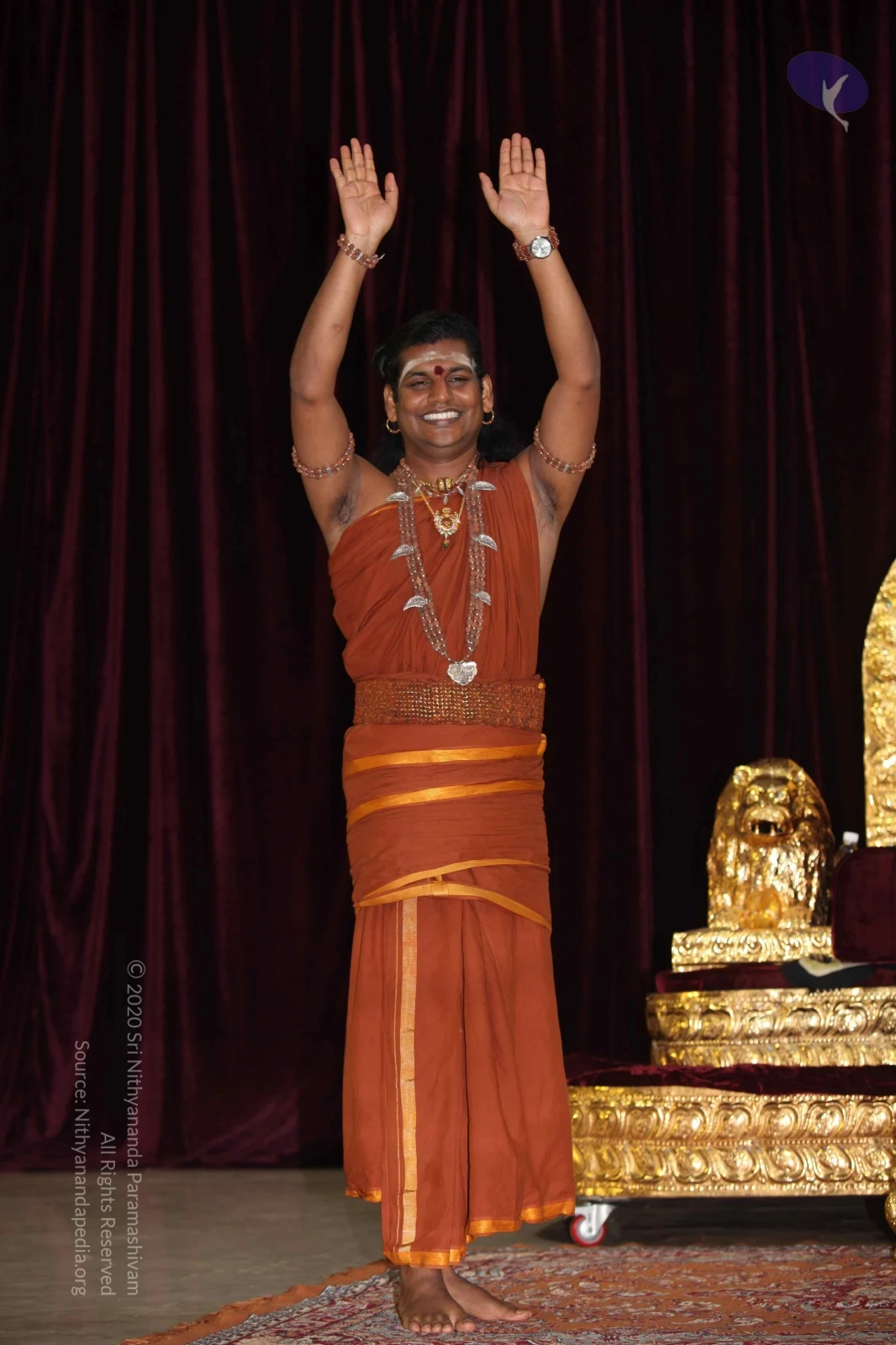
Photos from this day
View all 193 photosTemple
24 photosSource gallery
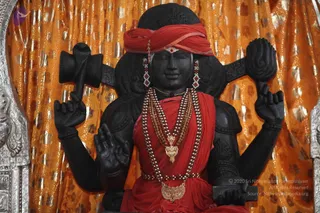
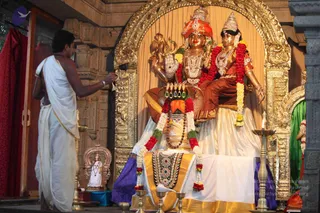
Pada-Puja
16 photosSource gallery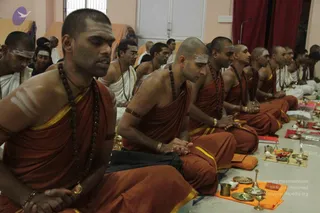
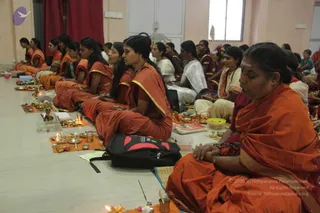
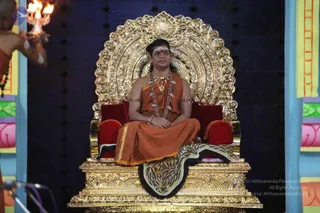
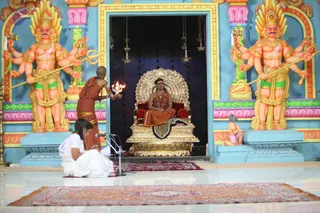
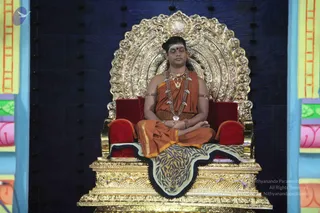
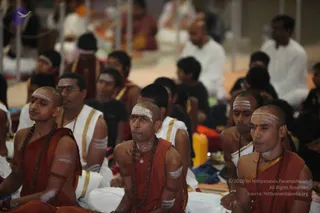
Darshan
22 photosSource gallery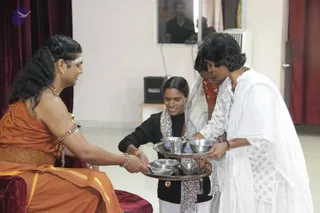
Nithya-Satsang
83 photosSource gallery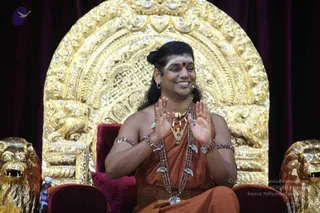
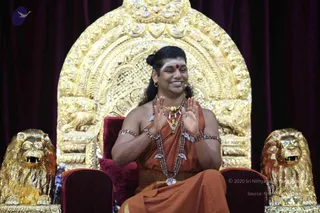
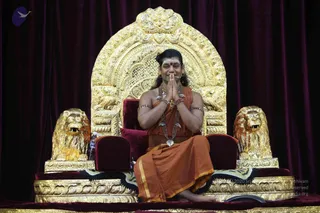
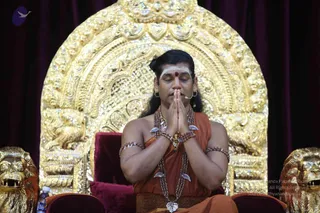
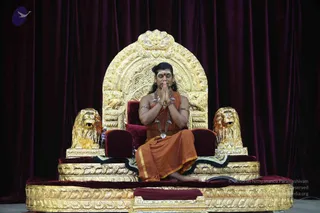
Sarva-Darshan
3 photosSource gallery
01-Temple
9 photosSource gallery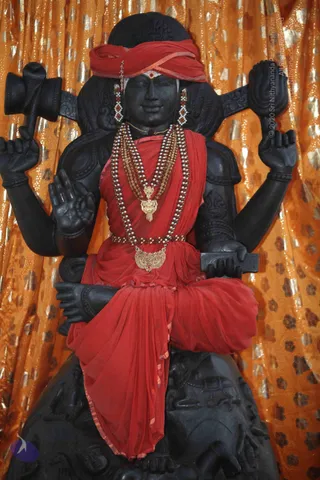
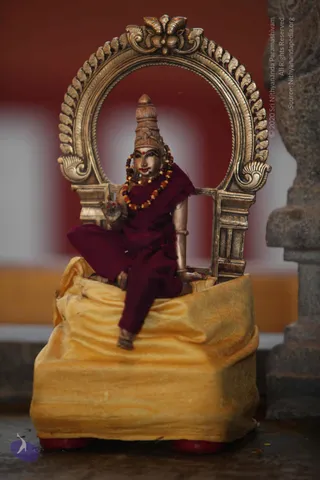
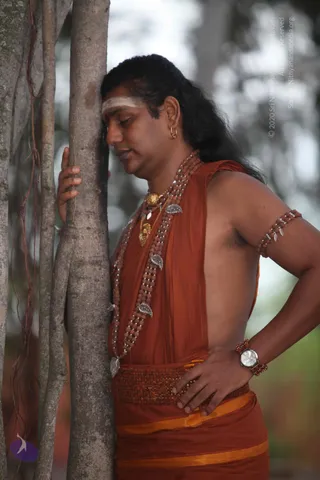
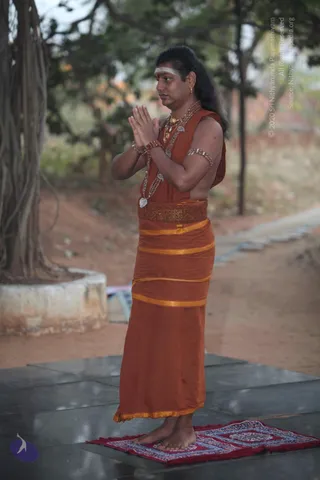
02-Pada-Puja
2 photosSource gallery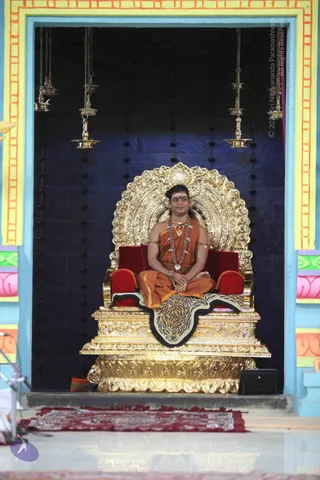
04-Nithya-Satsang
26 photosSource gallery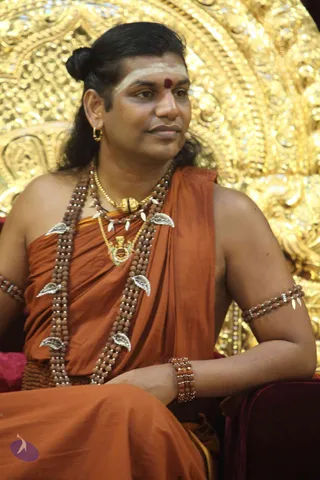
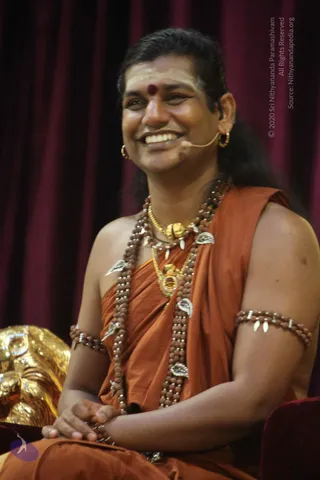
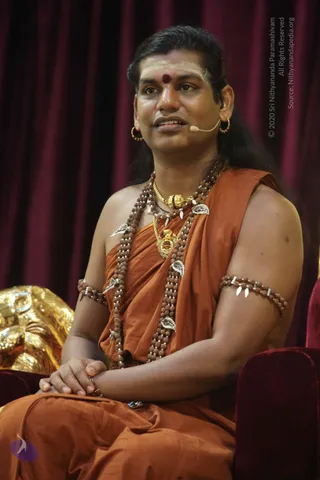
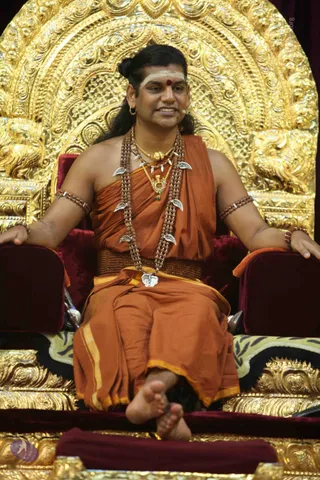
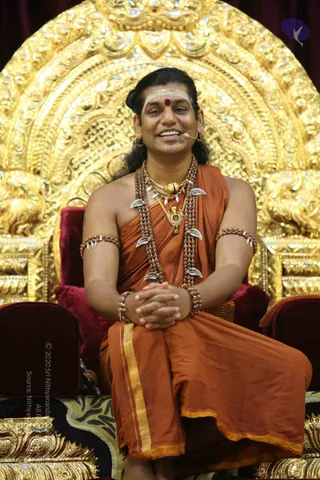
05-Sarrva-Darshan
5 photosSource gallery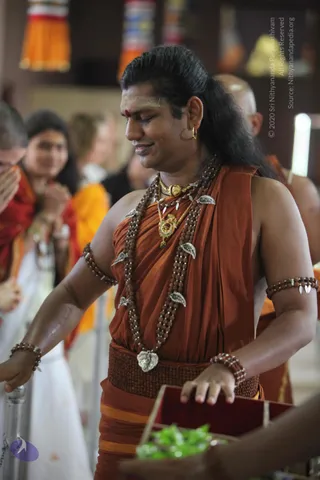
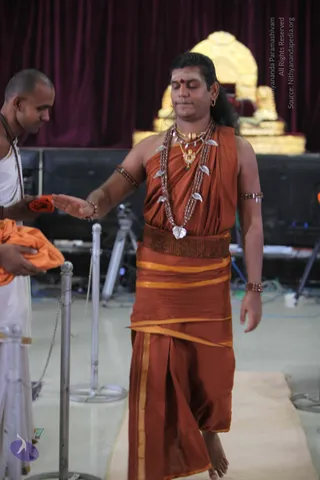
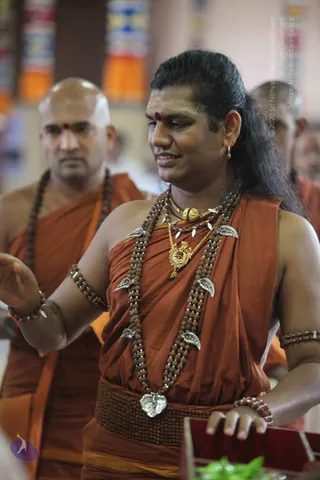
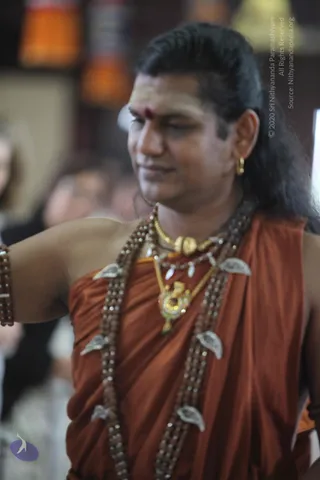
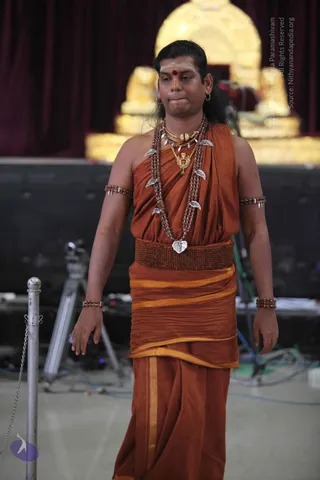
06-Final-Blessing
3 photosSource gallery